Methods for pick and put location verification
US20180322444A1
2018-11-08
15/585,251
2017-05-03
✅ Patent granted
US 10,810,541 B2
2020-10-20
-
-
Vanel Frenel
Alston & Bird LLP
2038-06-11
Abstract:
The present application discloses methods to reliably verify pick locations in a warehouse, with minimal or no interaction by the user. Once verified, the user can proceed to pick-up a product or deliver a product to the pick location. In one embodiment, the user may wear binocular augmented reality headset. The headset renders a hologram that is viewed by the user. Aided by the hologram and depth sensing capabilities of the headset that confirms a pick location without any user interaction, the user may be able to reliably verify pick locations and select the correct product. In another embodiment, the user may wear haptic feedback gloves. The gloves comprise force sensors, actuators and a wireless interface. The forces sensors may determine whether the user is holding the product and a location system may determine whether the user is in proximity to the correct pick location.
Assignee:
- HAND HELD PRODUCTS, INC. 675 🇺🇸 Fort Mill, SC, United States
Applicant:
Interested in similar patents?
Get notified when new applications in this technology area are published.
Classification:
G02B27/017 » CPC further
Optical systems or apparatus not provided for by any of the groups -; Head-up displays Head mounted
G06F3/014 » CPC further
Input arrangements for transferring data to be processed into a form capable of being handled by the computer; Output arrangements for transferring data from processing unit to output unit, e.g. interface arrangements; Input arrangements or combined input and output arrangements for interaction between user and computer; Arrangements for interaction with the human body, e.g. for user immersion in virtual reality Hand-worn input/output arrangements, e.g. data gloves
G06Q10/087 » CPC main
Administration; Management; Logistics, e.g. warehousing, loading, distribution or shipping; Inventory or stock management, e.g. order filling, procurement or balancing against orders Inventory or stock management, e.g. order filling, procurement, balancing against orders
G06F3/016 » CPC further
Input arrangements for transferring data to be processed into a form capable of being handled by the computer; Output arrangements for transferring data from processing unit to output unit, e.g. interface arrangements; Input arrangements or combined input and output arrangements for interaction between user and computer Input arrangements with force or tactile feedback as computer generated output to the user
G06F3/013 » CPC further
Input arrangements for transferring data to be processed into a form capable of being handled by the computer; Output arrangements for transferring data from processing unit to output unit, e.g. interface arrangements; Input arrangements or combined input and output arrangements for interaction between user and computer; Arrangements for interaction with the human body, e.g. for user immersion in virtual reality Eye tracking input arrangements
G06F1/163 » CPC further
Details not covered by groups - and; Constructional details or arrangements for portable computers Wearable computers, e.g. on a belt
G06F1/1694 » CPC further
Details not covered by groups - and; Constructional details or arrangements for portable computers; Constructional details or arrangements of portable computers not specific to the type of enclosures covered by groups - ; Constructional details or arrangements related to integrated I/O peripherals not covered by groups - the I/O peripheral being a single or a set of motion sensors for pointer control or gesture input obtained by sensing movements of the portable computer
G06F3/011 » CPC further
Input arrangements for transferring data to be processed into a form capable of being handled by the computer; Output arrangements for transferring data from processing unit to output unit, e.g. interface arrangements; Input arrangements or combined input and output arrangements for interaction between user and computer Arrangements for interaction with the human body, e.g. for user immersion in virtual reality
G06F3/0346 » CPC further
Input arrangements for transferring data to be processed into a form capable of being handled by the computer; Output arrangements for transferring data from processing unit to output unit, e.g. interface arrangements; Input arrangements or combined input and output arrangements for interaction between user and computer; Arrangements for converting the position or the displacement of a member into a coded form; Pointing devices displaced or positioned by the user, e.g. mice, trackballs, pens or joysticks ; Accessories therefor with detection of the device orientation or free movement in a 3D space, e.g. 3D mice, 6-DOF [six degrees of freedom] pointers using gyroscopes, accelerometers or tilt-sensors
G06F3/04815 » CPC further
Input arrangements for transferring data to be processed into a form capable of being handled by the computer; Output arrangements for transferring data from processing unit to output unit, e.g. interface arrangements; Input arrangements or combined input and output arrangements for interaction between user and computer; Interaction techniques based on graphical user interfaces [GUI] based on specific properties of the displayed interaction object or a metaphor-based environment, e.g. interaction with desktop elements like windows or icons, or assisted by a cursor's changing behaviour or appearance Interaction with a metaphor-based environment or interaction object displayed as three-dimensional, e.g. changing the user viewpoint with respect to the environment or object
G06F2200/1637 » CPC further
Indexing scheme relating to -; Indexing scheme relating to -; Indexing scheme relating to constructional details of the computer Sensing arrangement for detection of housing movement or orientation, e.g. for controlling scrolling or cursor movement on the display of an handheld computer
G06Q10/08 IPC
Administration; Management Logistics, e.g. warehousing, loading, distribution or shipping; Inventory or stock management, e.g. order filling, procurement or balancing against orders
G06F3/01 IPC
Input arrangements for transferring data to be processed into a form capable of being handled by the computer; Output arrangements for transferring data from processing unit to output unit, e.g. interface arrangements Input arrangements or combined input and output arrangements for interaction between user and computer
G06F1/16 IPC
Details not covered by groups - and Constructional details or arrangements
G02B27/01 IPC
Optical systems or apparatus not provided for by any of the groups - Head-up displays
G06F3/0481 IPC
Input arrangements for transferring data to be processed into a form capable of being handled by the computer; Output arrangements for transferring data from processing unit to output unit, e.g. interface arrangements; Input arrangements or combined input and output arrangements for interaction between user and computer; Interaction techniques based on graphical user interfaces [GUI] based on specific properties of the displayed interaction object or a metaphor-based environment, e.g. interaction with desktop elements like windows or icons, or assisted by a cursor's changing behaviour or appearance
Description
FIELD OF THE INVENTION
The present invention relates to the identification of a product at a location. More particularly, the present invention relates to the accurate “picking” and “putting” of a product in a warehouse.
BACKGROUND
Generally speaking, during order fulfillment operations in a warehouse, such as picking and stocking product, a common source of inaccuracy is caused by a picker/stocker picking/placing a product at an incorrect location. Some systems, such as pick to voice, may address this by requiring the picker to read a confirmation code that is printed at each location to verify that they are in fact at the correct spot, picking the correct part. This solution, however, may be fallible as it may be common for the pickers to memorize these confirmation codes and speak back the correct code to the system while picking/placing the incorrect product. Another method of confirming a pick location includes scanning a barcode, which may be time consuming and may require a physical device.
Therefore, a need exists for a method for pickers and stockers to accurately and efficiently verify the selection of the product in a warehouse.
SUMMARY
Accordingly, in one aspect, the present invention embraces methods to reliably verify pick locations in a warehouse, with minimal or no interaction by the user. Once verified, the user can proceed to retrieve or pick-up a product at the pick location or deliver a product to the pick location.
In an exemplary embodiment, a method of verifying a location of a product in a warehouse comprises: receiving, by a headset, a notification to retrieve (i.e., message to pick-up) or deliver a product at a pick location; moving, by the headset with the user, in proximity to the pick location; rendering, by the headset, a hologram representing the pick location, wherein, the user views the hologram. In response to determining that the user is looking in a direction of the hologram and determining that the user is within a distance threshold of the pick location, providing, by the headset, a positive indicator to the user. In response to determining that the user is not looking in the direction of the hologram or determining that the user is not within a distance threshold of the pick location, providing, by the headset, a negative indicator to the user.
The method further comprises determining, by the headset, the direction the user is looking by querying an inertial measurement unit (IMU). The IMU comprises a three axis accelerometer, a three axis gyroscope, and a three axis magnetometer. A location of the user is determined utilizing a location positioning system. The location positioning system comprises one or more of the following: GPS, RF based indoor positioning, and visual simultaneous localization and mapping (SLAM) algorithms. The method further comprises determining, by the headset, a distance to a surface on a three dimensional basis by analyzing depth sensor data, wherein, the headset comprises depth sensors. The surface comprises the pick location. The depth sensors spatially map, on a continuous and three dimensional basis, an environment in proximity to the headset. The positive indicator, the negative indicator, and, the notification to retrieve or deliver the product comprises one or more visual, audible, or haptic alerts.
In another exemplary embodiment, a method of verifying a location of a product in a warehouse comprises: receiving, by a headset, a notification to retrieve or deliver a product at a pick location; moving, by the headset with a user, in proximity to the pick location; rendering, by the headset, a hologram representing the pick location, wherein, the user views the hologram; and based in part on a gaze direction of the user relative to the hologram, sending, by the headset, an indication to the user whether the pick location is the location of the product. The indication approves the user to pick-up or deliver the product if the user is gazing in a direction towards the hologram and the user is within a distance threshold of the pick location. The indication does not approve the user to pick-up or deliver the product if the user is not gazing in a direction towards the hologram or if the user is not within a distance threshold of the product location.
The method further comprises a determination whether the user is looking in a direction of the hologram and the user is within a distance threshold of the pick location is based on one or more of the following: (1) a location of the hologram rendered by picking software, wherein the location is provided in three dimensional coordinates; (2) a location of the user, determined by a positioning system; (3) a distance to any surface, determined by analyzing depth sensor data; and (4) a direction that the user is looking by querying an inertial measurement unit (IMU) that is located in the headset.
The method further comprises spatially mapping, by the headset on a continuous and three dimensional basis, an environment in proximity to the headset utilizing depth sensors located on the headset.
In yet another exemplary embodiment, a method of verifying a location of a product in a warehouse comprises receiving, by a device, a notification to retrieve or deliver a product at a pick location; moving, by the device, in proximity to the pick location, wherein a user attempts to retrieve or pick-up the product wearing haptic feedback gloves; receiving, by the device, force data from force sensors on the haptic feedback gloves based on whether the user is holding the product with the haptic feedback gloves; determining, by the device, if the force data is greater than a force threshold; determining, by the device, if the haptic feedback gloves worn by the user are within a distance threshold to the pick location; and in response to determining that the force data is greater than a force threshold, and the haptic feedback gloves worn by the user are within a distance threshold to the pick location, sending, by the device, a positive indicator to actuators of the haptic feedback gloves to alert the user to retrieve (i.e., pick-up) or deliver the product. The haptic feedback gloves comprise a wireless interface, e.g. Bluetooth Low Energy (LE).
The method further comprises: (1) in response to determining that the force data is greater than a force threshold, and the haptic feedback gloves worn by the user are not within a distance threshold to the pick location, sending, by the device, a negative indicator to activate actuators on the haptic feedback gloves and direct the user to not pick-up or not deliver the product; (2) in response to determining that the force data is not greater than a force threshold, moving again, by the device, in proximity to the pick location, wherein a user attempts to pick-up the product wearing the haptic feedback gloves.
The device controls an activation of the actuators, and programs the actuators to simulate different types of touch sensations. The device receives force data from the sensors on the haptic feedback gloves on a continuous basis. The positive indicator, a negative indicator, and, the notification to retrieve or deliver the product comprises one or more visual, audible, or haptic alerts.
The foregoing illustrative summary, as well as other exemplary objectives and/or advantages of the invention, and the manner in which the same are accomplished, are further explained within the following detailed description and its accompanying drawings.
BRIEF DESCRIPTION OF THE DRAWINGS
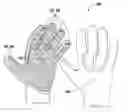
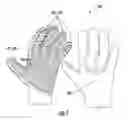
FIG. 1 illustrates an exemplary embodiment of haptic feedback gloves capable of detecting when the user is holding a product.
FIG. 2 illustrates an exemplary embodiment a user wearing binocular augmented reality headset in a warehouse environment.
FIG. 3 illustrates an exemplary flowchart of a method for a user to verify the selection of a product based on the utilization of binocular augmented reality headset.
FIG. 4 illustrates an exemplary flowchart of a method for a user to verify the selection of a product based on the utilization of haptic feedback gloves.
DETAILED DESCRIPTION
The present invention embraces methods to reliably verify pick locations in a warehouse, with minimal or no interaction by the user. Once verified, the user can proceed to retrieve (i.e., pick-up) a product or deliver a product to the pick location. That is, the method can help a user verify that they are in the correct location before a pick/stock operation can occur. For this discussion the term “product” is synonymous with the term “object” and the term “item”. Also, the term “Hololens” is one embodiment of a “headset” suitable for implementing an embodiment of the present invention.
One exemplarily method utilizes a binocular augmented reality headset equipped with depth sensing capabilities that can confirm a pick location without any user interaction. Binocular augmented reality headsets, such as the Microsoft Hololens, have the ability to render three dimensional (3D) graphics in the user's field of view so that it appears as if the objects are actually in the room with the user. This user view is created by rendering two different views of a scene to each of the user's eyes. This induced parallax tricks the brain into thinking the rendered objects are three dimensional. In addition, the Hololens is equipped with (1) several depth sensors that can spatially map the user's environment in (near) real-time, and (2) a 9 axis inertial measurement unit (IMU) capable of tracking the users gaze direction. The binocular augmented reality headset may include a wireless interface, e.g. Bluetooth Low Energy (LE) or IEEE 802.11.
The present invention uses these features to confirm (or verify) that the user is picking (or delivering) the correct item. A user (or picker), wearing the Hololens, is instructed to pick a product at a particular bin location. The user may see a glowing green box around the pick location (See FIG. 2). As the user navigates to the pick location, the depth sensors may continuously spatially map the environment. The Hololens (1) knows the location (three coordinates) of the green hologram rendered by the picking software, (2) knows the location of the picker by utilizing a simultaneous localization and mapping (SLAM) algorithm, (3) knows the distance to this hologram by analyzing the depth sensor data, and (4) knows the direction that the user is looking by querying the IMU. In robotic mapping, simultaneous localization and mapping (SLAM) is the computational problem of constructing or updating a map of an unknown environment while simultaneously keeping track of an agent's location within it.
With the aforementioned information, the software may determine if the user is looking in a direction at the hologram (i.e. the correct pick location) and is physically close to the hologram, i.e. the pick location. If the user is looking in the direction of the hologram and is within a distance threshold (n feet) of the hologram, the software may allow the pick operation to continue. However, if an active pick is in progress and the picker is not looking in a direction at the hologram, the software may notify them that they are picking an incorrect product. This notification could be done visibly, audibly and/or haptically. This method may eliminate the use of the procedure to read back a confirmation code, scan a barcode or perform some other type of conscious pick location confirmation that may be time-consuming and not reliable.
The present invention may utilize software for the Hololens that monitors the 9 axis IMU, the spatial mapping, and the location information of the picker. Upon a pick request, the software may use the IMU data to determine the gaze direction of the user and utilize a ray tracing algorithm to determine if their gaze intersects the 3D hologram associated to the current pick location. The software knows the 3D coordinates of the headset, the direction the headset is looking and the 3D coordinates of the pick location hologram. Additionally, the software may monitor the distance to any surface using the depth sensor data. If the ray trace determines that the user was NOT gazing at the hologram (i.e. the correct pick location) and the user (Hololens) is within a distance threshold, n feet (e.g. 2 ft) from a surface, the software may visibly show a warning to the user instructing the user that they are picking the wrong product. The instruction or indicator may also be an audibly alert and or haptically alert for the user. If the ray trace determined that the user is gazing at the hologram and the user is within a distance threshold, n feet (e.g. 2 ft) from the hologram, the hologram may disappear so that the hologram does not distract the user during the pick operation. A success sound/graphic could also indicate that the correct pick location has been confirmed.
Another exemplarily method utilizes ahaptic feedback gloves capable of detecting when the user is holding an object, and capable of acquiring location information of the user, and capable of receiving indicators whether the user is at the correct pick location.
This method proposes the development and/or use of a pair of gloves that are capable of detecting when an object is held in the pickers hands. These gloves can wirelessly relay this information back to an edge device (e.g. smartphone, personal data terminal (PDT), etc.). The “edge device” may be referred to as a “device”. FIG. 1 illustrates an embodiment of haptic feedback gloves 100. Haptic feedback gloves 100 may comprise (1) actuators 102, including 1 per fingertip and several in the palm of the hand, force sensors 104 with 1 force sensor per fingertip, and (3) mainboard 106 including a battery and Bluetooth Low Energy (LE) wireless interface.
The actuators 102 may be controlled by a connected edge device. The actuators 102 may create a buzzing sensation and may be embedded within each fingertip and/or the palm of the glove. The buzz intensity of each actuator 102 may be controlled by the edge device, allowing it to simulate different types of touch sensations. Haptic feedback gloves 100 may have a mainboard 106, RF radio (e.g. Bluetooth LE), battery and other circuitry embedded within the top and/or around the wrist of the glove (See FIG. 1).
The edge device may be aware of its location via an indoor positioning system. During a pick operation the software will instruct the picker to move to a particular pick location. The software may monitor the real time position of the picker and may know the pick location of the active pick. If the software receives data from the force sensors 104 of the haptic feedback gloves 100 commensurate with holding an object and the picker is not in the correct pick location, the software will send a command to the haptic feedback gloves 100 instructing the actuators 102 to begin buzzing. The actuators 102 alert the user that they are picking an incorrect product. This method may prevent the user from utilizing the method of reading back a confirmation code, scanning a barcode or performing some other type of conscious pick location confirmation that may ultimately wastes time and may be unreliable.
This method may be implements via a pair of haptic feedback gloves 100 with the features shown in FIG. 1 and the aforementioned capabilities. These haptic feedback gloves 100 may have a Bluetooth Low Energy peripheral and utilize standard Generic Attribute Profile (GATT) services to control the actuators 102 and query force sensor data. A smart device worn/carried by the picker may run the picking business logic. During an active pick operation the edge device may create a connection to each haptic feedback glove 100 and request constant updates from the force sensors 104. Software on the smart device may be continuously updated of the picker's position and may compare the picker's position to the position of the pick location while calculating the picker's distance to the pick location.
If the edge device begins receiving force data from several force sensors 104 at once, indicating a significant level of force, the edge device software may check the picker's current distance to the pick target. If the distance is greater than a distance threshold, n feet (e.g. 5 ft), the edge device may send commands to each haptic feedback glove 100 instructing them to buzz the actuators 102. This alerts the picker that the incorrect product is in their hands. If the distance is less than a distance threshold, n feet (e.g. 5 ft), the pick operation may continue without any buzzing of the actuators 102. This method validates the pick location and may be applicable for Internet of Things (IoT) applications.
In an exemplary embodiment, FIG. 3 illustrates an exemplary flowchart 300 of a method for a user to verify the selection of a product based on the utilization of binocular augmented reality headset. The method comprises the following steps, at a binocular augmented reality headset worn by a user:
Receiving a notification to retrieve (i.e., a message to pick-up) or deliver a product at a pick location. (step 302)
Moving with a user in proximity to the pick location. (step 304)
Rendering a hologram representing the pick location, and the user views the hologram. (step 306)
Is the user looking in the direction of the hologram? (step 308)
If the user is looking in the direction of the hologram, is the user within a distance threshold of the pick location? (step 310)
If yes, providing a positive indicator to the user to pick-up or deliver the product at the pick location, and displaying the pick quantity within the hologram. (step 312)
If the user is not looking in the direction of the hologram (step 308), or if is the user is not within a distance threshold of the pick location (step 310), providing a negative indicator to the user to not pick-up or deliver the product at the pick location (step 314) A negative indicator may cause the actuators to buzz.
In an exemplary embodiment, FIG. 4 illustrates an exemplary flowchart 400 of a method for a user to verify the selection of a product based on the utilization of haptic feedback gloves. The method comprises the following steps, at an edge device of a user:
Receiving a notification to retrieve (i.e., a message to pick-up) or deliver a product at a pick location. (step 402)
Moving in proximity to the pick location where the user attempts to pick-up the product wearing haptic feedback gloves. (step 404)
Receiving force data from sensors on the haptic feedback gloves. (step 406)
Is the force data greater than a force threshold? (step 408)
If yes, are the haptic feedback gloves within a distance threshold to the pick location? (step 410)
If yes, providing a positive indicator to the user to pick-up the product at the pick location. (step 412)
If the force data is not greater than a force threshold, the picker may not be holding the product. (Step 408) The method then returns to repeat step 404.
If the force data is greater than a force threshold, and if the haptic feedback gloves are not within a distance threshold to the pick location, providing a negative indicator to the user to not pick-up or deliver the product at the pick location. (steps 408, 410, 414) A negative indicator may cause the actuators to buzz.
The methods, described herein, may be implemented via cloud computing rather than a device such as a mobile phone.
If the user navigates to a wrong location, the user would be informed of this status via visible, audible and/or haptic feedback. The user would not be able to proceed with the operation (e.g., not informed of the pickup quantity) until the correct location is verified. For the embodiment where the user is utilizing a headset, the hologram presents a “real” image that is viewed by the user of the headset.
To supplement the present disclosure, this application incorporates entirely by reference the following commonly assigned patents, patent application publications, and patent applications:
- U.S. Pat. No. 6,832,725; U.S. Pat. No. 7,128,266;
- U.S. Pat. No. 7,159,783; U.S. Pat. No. 7,413,127;
- U.S. Pat. No. 7,726,575; U.S. Pat. No. 8,294,969;
- U.S. Pat. No. 8,317,105; U.S. Pat. No. 8,322,622;
- U.S. Pat. No. 8,366,005; U.S. Pat. No. 8,371,507;
- U.S. Pat. No. 8,376,233; U.S. Pat. No. 8,381,979;
- U.S. Pat. No. 8,390,909; U.S. Pat. No. 8,408,464;
- U.S. Pat. No. 8,408,468; U.S. Pat. No. 8,408,469;
- U.S. Pat. No. 8,424,768; U.S. Pat. No. 8,448,863;
- U.S. Pat. No. 8,457,013; U.S. Pat. No. 8,459,557;
- U.S. Pat. No. 8,469,272; U.S. Pat. No. 8,474,712;
- U.S. Pat. No. 8,479,992; U.S. Pat. No. 8,490,877;
- U.S. Pat. No. 8,517,271; U.S. Pat. No. 8,523,076;
- U.S. Pat. No. 8,528,818; U.S. Pat. No. 8,544,737;
- U.S. Pat. No. 8,548,242; U.S. Pat. No. 8,548,420;
- U.S. Pat. No. 8,550,335; U.S. Pat. No. 8,550,354;
- U.S. Pat. No. 8,550,357; U.S. Pat. No. 8,556,174;
- U.S. Pat. No. 8,556,176; U.S. Pat. No. 8,556,177;
- U.S. Pat. No. 8,559,767; U.S. Pat. No. 8,599,957;
- U.S. Pat. No. 8,561,895; U.S. Pat. No. 8,561,903;
- U.S. Pat. No. 8,561,905; U.S. Pat. No. 8,565,107;
- U.S. Pat. No. 8,571,307; U.S. Pat. No. 8,579,200;
- U.S. Pat. No. 8,583,924; U.S. Pat. No. 8,584,945;
- U.S. Pat. No. 8,587,595; U.S. Pat. No. 8,587,697;
- U.S. Pat. No. 8,588,869; U.S. Pat. No. 8,590,789;
- U.S. Pat. No. 8,596,539; U.S. Pat. No. 8,596,542;
- U.S. Pat. No. 8,596,543; U.S. Pat. No. 8,599,271;
- U.S. Pat. No. 8,599,957; U.S. Pat. No. 8,600,158;
- U.S. Pat. No. 8,600,167; U.S. Pat. No. 8,602,309;
- U.S. Pat. No. 8,608,053; U.S. Pat. No. 8,608,071;
- U.S. Pat. No. 8,611,309; U.S. Pat. No. 8,615,487;
- U.S. Pat. No. 8,616,454; U.S. Pat. No. 8,621,123;
- U.S. Pat. No. 8,622,303; U.S. Pat. No. 8,628,013;
- U.S. Pat. No. 8,628,015; U.S. Pat. No. 8,628,016;
- U.S. Pat. No. 8,629,926; U.S. Pat. No. 8,630,491;
- U.S. Pat. No. 8,635,309; U.S. Pat. No. 8,636,200;
- U.S. Pat. No. 8,636,212; U.S. Pat. No. 8,636,215;
- U.S. Pat. No. 8,636,224; U.S. Pat. No. 8,638,806;
- U.S. Pat. No. 8,640,958; U.S. Pat. No. 8,640,960;
- U.S. Pat. No. 8,643,717; U.S. Pat. No. 8,646,692;
- U.S. Pat. No. 8,646,694; U.S. Pat. No. 8,657,200;
- U.S. Pat. No. 8,659,397; U.S. Pat. No. 8,668,149;
- U.S. Pat. No. 8,678,285; U.S. Pat. No. 8,678,286;
- U.S. Pat. No. 8,682,077; U.S. Pat. No. 8,687,282;
- U.S. Pat. No. 8,692,927; U.S. Pat. No. 8,695,880;
- U.S. Pat. No. 8,698,949; U.S. Pat. No. 8,717,494;
- U.S. Pat. No. 8,717,494; U.S. Pat. No. 8,720,783;
- U.S. Pat. No. 8,723,804; U.S. Pat. No. 8,723,904;
- U.S. Pat. No. 8,727,223; U.S. Pat. No. D702,237;
- U.S. Pat. No. 8,740,082; U.S. Pat. No. 8,740,085;
- U.S. Pat. No. 8,746,563; U.S. Pat. No. 8,750,445;
- U.S. Pat. No. 8,752,766; U.S. Pat. No. 8,756,059;
- U.S. Pat. No. 8,757,495; U.S. Pat. No. 8,760,563;
- U.S. Pat. No. 8,763,909; U.S. Pat. No. 8,777,108;
- U.S. Pat. No. 8,777,109; U.S. Pat. No. 8,779,898;
- U.S. Pat. No. 8,781,520; U.S. Pat. No. 8,783,573;
- U.S. Pat. No. 8,789,757; U.S. Pat. No. 8,789,758;
- U.S. Pat. No. 8,789,759; U.S. Pat. No. 8,794,520;
- U.S. Pat. No. 8,794,522; U.S. Pat. No. 8,794,525;
- U.S. Pat. No. 8,794,526; U.S. Pat. No. 8,798,367;
- U.S. Pat. No. 8,807,431; U.S. Pat. No. 8,807,432;
- U.S. Pat. No. 8,820,630; U.S. Pat. No. 8,822,848;
- U.S. Pat. No. 8,824,692; U.S. Pat. No. 8,824,696;
- U.S. Pat. No. 8,842,849; U.S. Pat. No. 8,844,822;
- U.S. Pat. No. 8,844,823; U.S. Pat. No. 8,849,019;
- U.S. Pat. No. 8,851,383; U.S. Pat. No. 8,854,633;
- U.S. Pat. No. 8,866,963; U.S. Pat. No. 8,868,421;
- U.S. Pat. No. 8,868,519; U.S. Pat. No. 8,868,802;
- U.S. Pat. No. 8,868,803; U.S. Pat. No. 8,870,074;
- U.S. Pat. No. 8,879,639; U.S. Pat. No. 8,880,426;
- U.S. Pat. No. 8,881,983; U.S. Pat. No. 8,881,987;
- U.S. Pat. No. 8,903,172; U.S. Pat. No. 8,908,995;
- U.S. Pat. No. 8,910,870; U.S. Pat. No. 8,910,875;
- U.S. Pat. No. 8,914,290; U.S. Pat. No. 8,914,788;
- U.S. Pat. No. 8,915,439; U.S. Pat. No. 8,915,444;
- U.S. Pat. No. 8,916,789; U.S. Pat. No. 8,918,250;
- U.S. Pat. No. 8,918,564; U.S. Pat. No. 8,925,818;
- U.S. Pat. No. 8,939,374; U.S. Pat. No. 8,942,480;
- U.S. Pat. No. 8,944,313; U.S. Pat. No. 8,944,327;
- U.S. Pat. No. 8,944,332; U.S. Pat. No. 8,950,678;
- U.S. Pat. No. 8,967,468; U.S. Pat. No. 8,971,346;
- U.S. Pat. No. 8,976,030; U.S. Pat. No. 8,976,368;
- U.S. Pat. No. 8,978,981; U.S. Pat. No. 8,978,983;
- U.S. Pat. No. 8,978,984; U.S. Pat. No. 8,985,456;
- U.S. Pat. No. 8,985,457; U.S. Pat. No. 8,985,459;
- U.S. Pat. No. 8,985,461; U.S. Pat. No. 8,988,578;
- U.S. Pat. No. 8,988,590; U.S. Pat. No. 8,991,704;
- U.S. Pat. No. 8,996,194; U.S. Pat. No. 8,996,384;
- U.S. Pat. No. 9,002,641; U.S. Pat. No. 9,007,368;
- U.S. Pat. No. 9,010,641; U.S. Pat. No. 9,015,513;
- U.S. Pat. No. 9,016,576; U.S. Pat. No. 9,022,288;
- U.S. Pat. No. 9,030,964; U.S. Pat. No. 9,033,240;
- U.S. Pat. No. 9,033,242; U.S. Pat. No. 9,036,054;
- U.S. Pat. No. 9,037,344; U.S. Pat. No. 9,038,911;
- U.S. Pat. No. 9,038,915; U.S. Pat. No. 9,047,098;
- U.S. Pat. No. 9,047,359; U.S. Pat. No. 9,047,420;
- U.S. Pat. No. 9,047,525; U.S. Pat. No. 9,047,531;
- U.S. Pat. No. 9,053,055; U.S. Pat. No. 9,053,378;
- U.S. Pat. No. 9,053,380; U.S. Pat. No. 9,058,526;
- U.S. Pat. No. 9,064,165; U.S. Pat. No. 9,064,167;
- U.S. Pat. No. 9,064,168; U.S. Pat. No. 9,064,254;
- U.S. Pat. No. 9,066,032; U.S. Pat. No. 9,070,032;
- U.S. Design Pat. No. D716,285;
- U.S. Design Pat. No. D723,560;
- U.S. Design Pat. No. D730,357;
- U.S. Design Pat. No. D730,901;
- U.S. Design Pat. No. D730,902;
- U.S. Design Pat. No. D733,112;
- U.S. Design Pat. No. D734,339;
- International Publication No. 2013/163789;
- International Publication No. 2013/173985;
- International Publication No. 2014/019130;
- International Publication No. 2014/110495;
- U.S. Patent Application Publication No. 2008/0185432;
- U.S. Patent Application Publication No. 2009/0134221;
- U.S. Patent Application Publication No. 2010/0177080;
- U.S. Patent Application Publication No. 2010/0177076;
- U.S. Patent Application Publication No. 2010/0177707;
- U.S. Patent Application Publication No. 2010/0177749;
- U.S. Patent Application Publication No. 2010/0265880;
- U.S. Patent Application Publication No. 2011/0202554;
- U.S. Patent Application Publication No. 2012/0111946;
- U.S. Patent Application Publication No. 2012/0168511;
- U.S. Patent Application Publication No. 2012/0168512;
- U.S. Patent Application Publication No. 2012/0193423;
- U.S. Patent Application Publication No. 2012/0203647;
- U.S. Patent Application Publication No. 2012/0223141;
- U.S. Patent Application Publication No. 2012/0228382;
- U.S. Patent Application Publication No. 2012/0248188;
- U.S. Patent Application Publication No. 2013/0043312;
- U.S. Patent Application Publication No. 2013/0082104;
- U.S. Patent Application Publication No. 2013/0175341;
- U.S. Patent Application Publication No. 2013/0175343;
- U.S. Patent Application Publication No. 2013/0257744;
- U.S. Patent Application Publication No. 2013/0257759;
- U.S. Patent Application Publication No. 2013/0270346;
- U.S. Patent Application Publication No. 2013/0287258;
- U.S. Patent Application Publication No. 2013/0292475;
- U.S. Patent Application Publication No. 2013/0292477;
- U.S. Patent Application Publication No. 2013/0293539;
- U.S. Patent Application Publication No. 2013/0293540;
- U.S. Patent Application Publication No. 2013/0306728;
- U.S. Patent Application Publication No. 2013/0306731;
- U.S. Patent Application Publication No. 2013/0307964;
- U.S. Patent Application Publication No. 2013/0308625;
- U.S. Patent Application Publication No. 2013/0313324;
- U.S. Patent Application Publication No. 2013/0313325;
- U.S. Patent Application Publication No. 2013/0342717;
- U.S. Patent Application Publication No. 2014/0001267;
- U.S. Patent Application Publication No. 2014/0008439;
- U.S. Patent Application Publication No. 2014/0025584;
- U.S. Patent Application Publication No. 2014/0034734;
- U.S. Patent Application Publication No. 2014/0036848;
- U.S. Patent Application Publication No. 2014/0039693;
- U.S. Patent Application Publication No. 2014/0042814;
- U.S. Patent Application Publication No. 2014/0049120;
- U.S. Patent Application Publication No. 2014/0049635;
- U.S. Patent Application Publication No. 2014/0061306;
- U.S. Patent Application Publication No. 2014/0063289;
- U.S. Patent Application Publication No. 2014/0066136;
- U.S. Patent Application Publication No. 2014/0067692;
- U.S. Patent Application Publication No. 2014/0070005;
- U.S. Patent Application Publication No. 2014/0071840;
- U.S. Patent Application Publication No. 2014/0074746;
- U.S. Patent Application Publication No. 2014/0076974;
- U.S. Patent Application Publication No. 2014/0078341;
- U.S. Patent Application Publication No. 2014/0078345;
- U.S. Patent Application Publication No. 2014/0097249;
- U.S. Patent Application Publication No. 2014/0098792;
- U.S. Patent Application Publication No. 2014/0100813;
- U.S. Patent Application Publication No. 2014/0103115;
- U.S. Patent Application Publication No. 2014/0104413;
- U.S. Patent Application Publication No. 2014/0104414;
- U.S. Patent Application Publication No. 2014/0104416;
- U.S. Patent Application Publication No. 2014/0104451;
- U.S. Patent Application Publication No. 2014/0106594;
- U.S. Patent Application Publication No. 2014/0106725;
- U.S. Patent Application Publication No. 2014/0108010;
- U.S. Patent Application Publication No. 2014/0108402;
- U.S. Patent Application Publication No. 2014/0110485;
- U.S. Patent Application Publication No. 2014/0114530;
- U.S. Patent Application Publication No. 2014/0124577;
- U.S. Patent Application Publication No. 2014/0124579;
- U.S. Patent Application Publication No. 2014/0125842;
- U.S. Patent Application Publication No. 2014/0125853;
- U.S. Patent Application Publication No. 2014/0125999;
- U.S. Patent Application Publication No. 2014/0129378;
- U.S. Patent Application Publication No. 2014/0131438;
- U.S. Patent Application Publication No. 2014/0131441;
- U.S. Patent Application Publication No. 2014/0131443;
- U.S. Patent Application Publication No. 2014/0131444;
- U.S. Patent Application Publication No. 2014/0131445;
- U.S. Patent Application Publication No. 2014/0131448;
- U.S. Patent Application Publication No. 2014/0133379;
- U.S. Patent Application Publication No. 2014/0136208;
- U.S. Patent Application Publication No. 2014/0140585;
- U.S. Patent Application Publication No. 2014/0151453;
- U.S. Patent Application Publication No. 2014/0152882;
- U.S. Patent Application Publication No. 2014/0158770;
- U.S. Patent Application Publication No. 2014/0159869;
- U.S. Patent Application Publication No. 2014/0166755;
- U.S. Patent Application Publication No. 2014/0166759;
- U.S. Patent Application Publication No. 2014/0168787;
- U.S. Patent Application Publication No. 2014/0175165;
- U.S. Patent Application Publication No. 2014/0175172;
- U.S. Patent Application Publication No. 2014/0191644;
- U.S. Patent Application Publication No. 2014/0191913;
- U.S. Patent Application Publication No. 2014/0197238;
- U.S. Patent Application Publication No. 2014/0197239;
- U.S. Patent Application Publication No. 2014/0197304;
- U.S. Patent Application Publication No. 2014/0214631;
- U.S. Patent Application Publication No. 2014/0217166;
- U.S. Patent Application Publication No. 2014/0217180;
- U.S. Patent Application Publication No. 2014/0231500;
- U.S. Patent Application Publication No. 2014/0232930;
- U.S. Patent Application Publication No. 2014/0247315;
- U.S. Patent Application Publication No. 2014/0263493;
- U.S. Patent Application Publication No. 2014/0263645;
- U.S. Patent Application Publication No. 2014/0267609;
- U.S. Patent Application Publication No. 2014/0270196;
- U.S. Patent Application Publication No. 2014/0270229;
- U.S. Patent Application Publication No. 2014/0278387;
- U.S. Patent Application Publication No. 2014/0278391;
- U.S. Patent Application Publication No. 2014/0282210;
- U.S. Patent Application Publication No. 2014/0284384;
- U.S. Patent Application Publication No. 2014/0288933;
- U.S. Patent Application Publication No. 2014/0297058;
- U.S. Patent Application Publication No. 2014/0299665;
- U.S. Patent Application Publication No. 2014/0312121;
- U.S. Patent Application Publication No. 2014/0319220;
- U.S. Patent Application Publication No. 2014/0319221;
- U.S. Patent Application Publication No. 2014/0326787;
- U.S. Patent Application Publication No. 2014/0332590;
- U.S. Patent Application Publication No. 2014/0344943;
- U.S. Patent Application Publication No. 2014/0346233;
- U.S. Patent Application Publication No. 2014/0351317;
- U.S. Patent Application Publication No. 2014/0353373;
- U.S. Patent Application Publication No. 2014/0361073;
- U.S. Patent Application Publication No. 2014/0361082;
- U.S. Patent Application Publication No. 2014/0362184;
- U.S. Patent Application Publication No. 2014/0363015;
- U.S. Patent Application Publication No. 2014/0369511;
- U.S. Patent Application Publication No. 2014/0374483;
- U.S. Patent Application Publication No. 2014/0374485;
- U.S. Patent Application Publication No. 2015/0001301;
- U.S. Patent Application Publication No. 2015/0001304;
- U.S. Patent Application Publication No. 2015/0003673;
- U.S. Patent Application Publication No. 2015/0009338;
- U.S. Patent Application Publication No. 2015/0009610;
- U.S. Patent Application Publication No. 2015/0014416;
- U.S. Patent Application Publication No. 2015/0021397;
- U.S. Patent Application Publication No. 2015/0028102;
- U.S. Patent Application Publication No. 2015/0028103;
- U.S. Patent Application Publication No. 2015/0028104;
- U.S. Patent Application Publication No. 2015/0029002;
- U.S. Patent Application Publication No. 2015/0032709;
- U.S. Patent Application Publication No. 2015/0039309;
- U.S. Patent Application Publication No. 2015/0039878;
- U.S. Patent Application Publication No. 2015/0040378;
- U.S. Patent Application Publication No. 2015/0048168;
- U.S. Patent Application Publication No. 2015/0049347;
- U.S. Patent Application Publication No. 2015/0051992;
- U.S. Patent Application Publication No. 2015/0053766;
- U.S. Patent Application Publication No. 2015/0053768;
- U.S. Patent Application Publication No. 2015/0053769;
- U.S. Patent Application Publication No. 2015/0060544;
- U.S. Patent Application Publication No. 2015/0062366;
- U.S. Patent Application Publication No. 2015/0063215;
- U.S. Patent Application Publication No. 2015/0063676;
- U.S. Patent Application Publication No. 2015/0069130;
- U.S. Patent Application Publication No. 2015/0071819;
- U.S. Patent Application Publication No. 2015/0083800;
- U.S. Patent Application Publication No. 2015/0086114;
- U.S. Patent Application Publication No. 2015/0088522;
- U.S. Patent Application Publication No. 2015/0096872;
- U.S. Patent Application Publication No. 2015/0099557;
- U.S. Patent Application Publication No. 2015/0100196;
- U.S. Patent Application Publication No. 2015/0102109;
- U.S. Patent Application Publication No. 2015/0115035;
- U.S. Patent Application Publication No. 2015/0127791;
- U.S. Patent Application Publication No. 2015/0128116;
- U.S. Patent Application Publication No. 2015/0129659;
- U.S. Patent Application Publication No. 2015/0133047;
- U.S. Patent Application Publication No. 2015/0134470;
- U.S. Patent Application Publication No. 2015/0136851;
- U.S. Patent Application Publication No. 2015/0136854;
- U.S. Patent Application Publication No. 2015/0142492;
- U.S. Patent Application Publication No. 2015/0144692;
- U.S. Patent Application Publication No. 2015/0144698;
- U.S. Patent Application Publication No. 2015/0144701;
- U.S. Patent Application Publication No. 2015/0149946;
- U.S. Patent Application Publication No. 2015/0161429;
- U.S. Patent Application Publication No. 2015/0169925;
- U.S. Patent Application Publication No. 2015/0169929;
- U.S. Patent Application Publication No. 2015/0178523;
- U.S. Patent Application Publication No. 2015/0178534;
- U.S. Patent Application Publication No. 2015/0178535;
- U.S. Patent Application Publication No. 2015/0178536;
- U.S. Patent Application Publication No. 2015/0178537;
- U.S. Patent Application Publication No. 2015/0181093;
- U.S. Patent Application Publication No. 2015/0181109;
- U.S. patent application Ser. No. 13/367,978 for a Laser Scanning Module Employing an Elastomeric U-Hinge Based Laser Scanning Assembly, filed Feb. 7, 2012 (Feng et al.);
- U.S. patent application Ser. No. 29/458,405 for an Electronic Device, filed Jun. 19, 2013 (Fitch et al.);
- U.S. patent application Ser. No. 29/459,620 for an Electronic Device Enclosure, filed Jul. 2, 2013 (London et al.);
- U.S. patent application Ser. No. 29/468,118 for an Electronic Device Case, filed Sep. 26, 2013 (Oberpriller et al.);
- U.S. patent application Ser. No. 14/150,393 for Indicia-reader Having Unitary Construction Scanner, filed Jan. 8, 2014 (Colavito et al.);
- U.S. patent application Ser. No. 14/200,405 for Indicia Reader for Size-Limited Applications filed Mar. 7, 2014 (Feng et al.);
- U.S. patent application Ser. No. 14/231,898 for Hand-Mounted Indicia-Reading Device with Finger Motion Triggering filed Apr. 1, 2014 (Van Horn et al.);
- U.S. patent application Ser. No. 29/486,759 for an Imaging Terminal, filed Apr. 2, 2014 (Oberpriller et al.);
- U.S. patent application Ser. No. 14/257,364 for Docking System and Method Using Near Field Communication filed Apr. 21, 2014 (Showering);
- U.S. patent application Ser. No. 14/264,173 for Autofocus Lens System for Indicia Readers filed Apr. 29, 2014 (Ackley et al.);
- U.S. patent application Ser. No. 14/277,337 for MULTIPURPOSE OPTICAL READER, filed May 14, 2014 (Jovanovski et al.);
- U.S. patent application Ser. No. 14/283,282 for TERMINAL HAVING ILLUMINATION AND FOCUS CONTROL filed May 21, 2014 (Liu et al.);
- U.S. patent application Ser. No. 14/327,827 for a MOBILE-PHONE ADAPTER FOR ELECTRONIC TRANSACTIONS, filed Jul. 10, 2014 (Hejl);
- U.S. patent application Ser. No. 14/334,934 for a SYSTEM AND METHOD FOR INDICIA VERIFICATION, filed Jul. 18, 2014 (Hejl);
- U.S. patent application Ser. No. 14/339,708 for LASER SCANNING CODE SYMBOL READING SYSTEM, filed Jul. 24, 2014 (Xian et al.);
- U.S. patent application Ser. No. 14/340,627 for an AXIALLY REINFORCED FLEXIBLE SCAN ELEMENT, filed Jul. 25, 2014 (Rueblinger et al.);
- U.S. patent application Ser. No. 14/446,391 for MULTIFUNCTION POINT OF SALE APPARATUS WITH OPTICAL SIGNATURE CAPTURE filed Jul. 30, 2014 (Good et al.);
- U.S. patent application Ser. No. 14/452,697 for INTERACTIVE INDICIA READER, filed Aug. 6, 2014 (Todeschini);
- U.S. patent application Ser. No. 14/453,019 for DIMENSIONING SYSTEM WITH GUIDED ALIGNMENT, filed Aug. 6, 2014 (Li et al.);
- U.S. patent application Ser. No. 14/462,801 for MOBILE COMPUTING DEVICE WITH DATA COGNITION SOFTWARE, filed on Aug. 19, 2014 (Todeschini et al.);
- U.S. patent application Ser. No. 14/483,056 for VARIABLE DEPTH OF FIELD BARCODE SCANNER filed Sep. 10, 2014 (McCloskey et al.);
- U.S. patent application Ser. No. 14/513,808 for IDENTIFYING INVENTORY ITEMS IN A STORAGE FACILITY filed Oct. 14, 2014 (Singel et al.);
- U.S. patent application Ser. No. 14/519,195 for HANDHELD DIMENSIONING SYSTEM WITH FEEDBACK filed Oct. 21, 2014 (Laffargue et al.);
- U.S. patent application Ser. No. 14/519,179 for DIMENSIONING SYSTEM WITH MULTIPATH INTERFERENCE MITIGATION filed Oct. 21, 2014 (Thuries et al.);
- U.S. patent application Ser. No. 14/519,211 for SYSTEM AND METHOD FOR DIMENSIONING filed Oct. 21, 2014 (Ackley et al.);
- U.S. patent application Ser. No. 14/519,233 for HANDHELD DIMENSIONER WITH DATA-QUALITY INDICATION filed Oct. 21, 2014 (Laffargue et al.);
- U.S. patent application Ser. No. 14/519,249 for HANDHELD DIMENSIONING SYSTEM WITH MEASUREMENT-CONFORMANCE FEEDBACK filed Oct. 21, 2014 (Ackley et al.);
- U.S. patent application Ser. No. 14/527,191 for METHOD AND SYSTEM FOR RECOGNIZING SPEECH USING WILDCARDS IN AN EXPECTED RESPONSE filed Oct. 29, 2014 (Braho et al.);
- U.S. patent application Ser. No. 14/529,563 for ADAPTABLE INTERFACE FOR A MOBILE COMPUTING DEVICE filed Oct. 31, 2014 (Schoon et al.);
- U.S. patent application Ser. No. 14/529,857 for BARCODE READER WITH SECURITY FEATURES filed Oct. 31, 2014 (Todeschini et al.);
- U.S. patent application Ser. No. 14/398,542 for PORTABLE ELECTRONIC DEVICES HAVING A SEPARATE LOCATION TRIGGER UNIT FOR USE IN CONTROLLING AN APPLICATION UNIT filed Nov. 3, 2014 (Bian et al.);
- U.S. patent application Ser. No. 14/531,154 for DIRECTING AN INSPECTOR THROUGH AN INSPECTION filed Nov. 3, 2014 (Miller et al.);
- U.S. patent application Ser. No. 14/533,319 for BARCODE SCANNING SYSTEM USING WEARABLE DEVICE WITH EMBEDDED CAMERA filed Nov. 5, 2014 (Todeschini);
- U.S. patent application Ser. No. 14/535,764 for CONCATENATED EXPECTED RESPONSES FOR SPEECH RECOGNITION filed Nov. 7, 2014 (Braho et al.);
- U.S. patent application Ser. No. 14/568,305 for AUTO-CONTRAST VIEWFINDER FOR AN INDICIA READER filed Dec. 12, 2014 (Todeschini);
- U.S. patent application Ser. No. 14/573,022 for DYNAMIC DIAGNOSTIC INDICATOR GENERATION filed Dec. 17, 2014 (Goldsmith);
- U.S. patent application Ser. No. 14/578,627 for SAFETY SYSTEM AND METHOD filed Dec. 22, 2014 (Ackley et al.);
- U.S. patent application Ser. No. 14/580,262 for MEDIA GATE FOR THERMAL TRANSFER PRINTERS filed Dec. 23, 2014 (Bowles);
- U.S. patent application Ser. No. 14/590,024 for SHELVING AND PACKAGE LOCATING SYSTEMS FOR DELIVERY VEHICLES filed Jan. 6, 2015 (Payne);
- U.S. patent application Ser. No. 14/596,757 for SYSTEM AND METHOD FOR DETECTING BARCODE PRINTING ERRORS filed Jan. 14, 2015 (Ackley);
- U.S. patent application Ser. No. 14/416,147 for OPTICAL READING APPARATUS HAVING VARIABLE SETTINGS filed Jan. 21, 2015 (Chen et al.);
- U.S. patent application Ser. No. 14/614,706 for DEVICE FOR SUPPORTING AN ELECTRONIC TOOL ON A USER'S HAND filed Feb. 5, 2015 (Oberpriller et al.);
- U.S. patent application Ser. No. 14/614,796 for CARGO APPORTIONMENT TECHNIQUES filed Feb. 5, 2015 (Morton et al.);
- U.S. patent application Ser. No. 29/516,892 for TABLE COMPUTER filed Feb. 6, 2015 (Bidwell et al.);
- U.S. patent application Ser. No. 14/619,093 for METHODS FOR TRAINING A SPEECH RECOGNITION SYSTEM filed Feb. 11, 2015 (Pecorari);
- U.S. patent application Ser. No. 14/628,708 for DEVICE, SYSTEM, AND METHOD FOR DETERMINING THE STATUS OF CHECKOUT LANES filed Feb. 23, 2015 (Todeschini);
- U.S. patent application Ser. No. 14/630,841 for TERMINAL INCLUDING IMAGING ASSEMBLY filed Feb. 25, 2015 (Gomez et al.);
- U.S. patent application Ser. No. 14/635,346 for SYSTEM AND METHOD FOR RELIABLE STORE-AND-FORWARD DATA HANDLING BY ENCODED INFORMATION READING TERMINALS filed Mar. 2, 2015 (Sevier);
- U.S. patent application Ser. No. 29/519,017 for SCANNER filed Mar. 2, 2015 (Zhou et al.);
- U.S. patent application Ser. No. 14/405,278 for DESIGN PATTERN FOR SECURE STORE filed Mar. 9, 2015 (Zhu et al.);
- U.S. patent application Ser. No. 14/660,970 for DECODABLE INDICIA READING TERMINAL WITH COMBINED ILLUMINATION filed Mar. 18, 2015 (Kearney et al.);
- U.S. patent application Ser. No. 14/661,013 for REPROGRAMMING SYSTEM AND METHOD FOR DEVICES INCLUDING PROGRAMMING SYMBOL filed Mar. 18, 2015 (Soule et al.);
- U.S. patent application Ser. No. 14/662,922 for MULTIFUNCTION POINT OF SALE SYSTEM filed Mar. 19, 2015 (Van Horn et al.);
- U.S. patent application Ser. No. 14/663,638 for VEHICLE MOUNT COMPUTER WITH CONFIGURABLE IGNITION SWITCH BEHAVIOR filed Mar. 20, 2015 (Davis et al.);
- U.S. patent application Ser. No. 14/664,063 for METHOD AND APPLICATION FOR SCANNING A BARCODE WITH A SMART DEVICE WHILE CONTINUOUSLY RUNNING AND DISPLAYING AN APPLICATION ON THE SMART DEVICE DISPLAY filed Mar. 20, 2015 (Todeschini);
- U.S. patent application Ser. No. 14/669,280 for TRANSFORMING COMPONENTS OF A WEB PAGE TO VOICE PROMPTS filed Mar. 26, 2015 (Funyak et al.);
- U.S. patent application Ser. No. 14/674,329 for AIMER FOR BARCODE SCANNING filed Mar. 31, 2015 (Bidwell);
- U.S. patent application Ser. No. 14/676,109 for INDICIA READER filed Apr. 1, 2015 (Huck);
- U.S. patent application Ser. No. 14/676,327 for DEVICE MANAGEMENT PROXY FOR SECURE DEVICES filed Apr. 1, 2015 (Yeakley et al.);
- U.S. patent application Ser. No. 14/676,898 for NAVIGATION SYSTEM CONFIGURED TO INTEGRATE MOTION SENSING DEVICE INPUTS filed Apr. 2, 2015 (Showering);
- U.S. patent application Ser. No. 14/679,275 for DIMENSIONING SYSTEM CALIBRATION SYSTEMS AND METHODS filed Apr. 6, 2015 (Laffargue et al.);
- U.S. patent application Ser. No. 29/523,098 for HANDLE FOR A TABLET COMPUTER filed Apr. 7, 2015 (Bidwell et al.);
- U.S. patent application Ser. No. 14/682,615 for SYSTEM AND METHOD FOR POWER MANAGEMENT OF MOBILE DEVICES filed Apr. 9, 2015 (Murawski et al.);
- U.S. patent application Ser. No. 14/686,822 for MULTIPLE PLATFORM SUPPORT SYSTEM AND METHOD filed Apr. 15, 2015 (Qu et al.);
- U.S. patent application Ser. No. 14/687,289 for SYSTEM FOR COMMUNICATION VIA A PERIPHERAL HUB filed Apr. 15, 2015 (Kohtz et al.);
- U.S. patent application Ser. No. 29/524,186 for SCANNER filed Apr. 17, 2015 (Zhou et al.);
- U.S. patent application Ser. No. 14/695,364 for MEDICATION MANAGEMENT SYSTEM filed Apr. 24, 2015 (Sewell et al.);
- U.S. patent application Ser. No. 14/695,923 for SECURE UNATTENDED NETWORK AUTHENTICATION filed Apr. 24, 2015 (Kubler et al.);
- U.S. patent application Ser. No. 29/525,068 for TABLET COMPUTER WITH REMOVABLE SCANNING DEVICE filed Apr. 27, 2015 (Schulte et al.);
- U.S. patent application Ser. No. 14/699,436 for SYMBOL READING SYSTEM HAVING PREDICTIVE DIAGNOSTICS filed Apr. 29, 2015 (Nahill et al.);
- U.S. patent application Ser. No. 14/702,110 for SYSTEM AND METHOD FOR REGULATING BARCODE DATA INJECTION INTO A RUNNING APPLICATION ON A SMART DEVICE filed May 1, 2015 (Todeschini et al.);
- U.S. patent application Ser. No. 14/702,979 for TRACKING BATTERY CONDITIONS filed May 4, 2015 (Young et al.);
- U.S. patent application Ser. No. 14/704,050 for INTERMEDIATE LINEAR POSITIONING filed May 5, 2015 (Charpentier et al.);
- U.S. patent application Ser. No. 14/705,012 for HANDS-FREE HUMAN MACHINE INTERFACE RESPONSIVE TO A DRIVER OF A VEHICLE filed May 6, 2015 (Fitch et al.);
- U.S. patent application Ser. No. 14/705,407 for METHOD AND SYSTEM TO PROTECT SOFTWARE-BASED NETWORK-CONNECTED DEVICES FROM ADVANCED PERSISTENT THREAT filed May 6, 2015 (Hussey et al.);
- U.S. patent application Ser. No. 14/707,037 for SYSTEM AND METHOD FOR DISPLAY OF INFORMATION USING A VEHICLE-MOUNT COMPUTER filed May 8, 2015 (Chamberlin);
- U.S. patent application Ser. No. 14/707,123 for APPLICATION INDEPENDENT DEX/UCS INTERFACE filed May 8, 2015 (Pape);
- U.S. patent application Ser. No. 14/707,492 for METHOD AND APPARATUS FOR READING OPTICAL INDICIA USING A PLURALITY OF DATA SOURCES filed May 8, 2015 (Smith et al.);
- U.S. patent application Ser. No. 14/710,666 for PRE-PAID USAGE SYSTEM FOR ENCODED INFORMATION READING TERMINALS filed May 13, 2015 (Smith);
- U.S. patent application Ser. No. 29/526,918 for CHARGING BASE filed May 14, 2015 (Fitch et al.);
- U.S. patent application Ser. No. 14/715,672 for AUGUMENTED REALITY ENABLED HAZARD DISPLAY filed May 19, 2015 (Venkatesha et al.);
- U.S. patent application Ser. No. 14/715,916 for EVALUATING IMAGE VALUES filed May 19, 2015 (Ackley);
- U.S. patent application Ser. No. 14/722,608 for INTERACTIVE USER INTERFACE FOR CAPTURING A DOCUMENT IN AN IMAGE SIGNAL filed May 27, 2015 (Showering et al.);
- U.S. patent application Ser. No. 29/528,165 for IN-COUNTER BARCODE SCANNER filed May 27, 2015 (Oberpriller et al.);
- U.S. patent application Ser. No. 14/724,134 for ELECTRONIC DEVICE WITH WIRELESS PATH SELECTION CAPABILITY filed May 28, 2015 (Wang et al.);
- U.S. patent application Ser. No. 14/724,849 for METHOD OF PROGRAMMING THE DEFAULT CABLE INTERFACE SOFTWARE IN AN INDICIA READING DEVICE filed May 29, 2015 (Barten);
- U.S. patent application Ser. No. 14/724,908 for IMAGING APPARATUS HAVING IMAGING ASSEMBLY filed May 29, 2015 (Barber et al.);
- U.S. patent application Ser. No. 14/725,352 for APPARATUS AND METHODS FOR MONITORING ONE OR MORE PORTABLE DATA TERMINALS (Caballero et al.);
- U.S. patent application Ser. No. 29/528,590 for ELECTRONIC DEVICE filed May 29, 2015 (Fitch et al.);
- U.S. patent application Ser. No. 29/528,890 for MOBILE COMPUTER HOUSING filed Jun. 2, 2015 (Fitch et al.);
- U.S. patent application Ser. No. 14/728,397 for DEVICE MANAGEMENT USING VIRTUAL INTERFACES CROSS-REFERENCE TO RELATED APPLICATIONS filed Jun. 2, 2015 (Caballero);
- U.S. patent application Ser. No. 14/732,870 for DATA COLLECTION MODULE AND SYSTEM filed Jun. 8, 2015 (Powilleit);
- U.S. patent application Ser. No. 29/529,441 for INDICIA READING DEVICE filed Jun. 8, 2015 (Zhou et al.);
- U.S. patent application Ser. No. 14/735,717 for INDICIA-READING SYSTEMS HAVING AN INTERFACE WITH A USER'S NERVOUS SYSTEM filed Jun. 10, 2015 (Todeschini);
- U.S. patent application Ser. No. 14/738,038 for METHOD OF AND SYSTEM FOR DETECTING OBJECT WEIGHING INTERFERENCES filed Jun. 12, 2015 (Amundsen et al.);
- U.S. patent application Ser. No. 14/740,320 for TACTILE SWITCH FOR A MOBILE ELECTRONIC DEVICE filed Jun. 16, 2015 (Bandringa);
- U.S. patent application Ser. No. 14/740,373 for CALIBRATING A VOLUME DIMENSIONER filed Jun. 16, 2015 (Ackley et al.);
- U.S. patent application Ser. No. 14/742,818 for INDICIA READING SYSTEM EMPLOYING DIGITAL GAIN CONTROL filed Jun. 18, 2015 (Xian et al.);
- U.S. patent application Ser. No. 14/743,257 for WIRELESS MESH POINT PORTABLE DATA TERMINAL filed Jun. 18, 2015 (Wang et al.);
- U.S. patent application Ser. No. 29/530,600 for CYCLONE filed Jun. 18, 2015 (Vargo et al);
- U.S. patent application Ser. No. 14/744,633 for IMAGING APPARATUS COMPRISING IMAGE SENSOR ARRAY HAVING SHARED GLOBAL SHUTTER CIRCUITRY filed Jun. 19, 2015 (Wang);
- U.S. patent application Ser. No. 14/744,836 for CLOUD-BASED SYSTEM FOR READING OF DECODABLE INDICIA filed Jun. 19, 2015 (Todeschini et al.);
- U.S. patent application Ser. No. 14/745,006 for SELECTIVE OUTPUT OF DECODED MESSAGE DATA filed Jun. 19, 2015 (Todeschini et al.);
- U.S. patent application Ser. No. 14/747,197 for OPTICAL PATTERN PROJECTOR filed Jun. 23, 2015 (Thuries et al.);
- U.S. patent application Ser. No. 14/747,490 for DUAL-PROJECTOR THREE-DIMENSIONAL SCANNER filed Jun. 23, 2015 (Jovanovski et al.); and
- U.S. patent application Ser. No. 14/748,446 for CORDLESS INDICIA READER WITH A MULTIFUNCTION COIL FOR WIRELESS CHARGING AND EAS DEACTIVATION, filed Jun. 24, 2015 (Xie et al.).
In the specification and/or figures, typical embodiments of the invention have been disclosed. The present invention is not limited to such exemplary embodiments. The use of the term “and/or” includes any and all combinations of one or more of the associated listed items. The figures are schematic representations and so are not necessarily drawn to scale. Unless otherwise noted, specific terms have been used in a generic and descriptive sense and not for purposes of limitation.
Claims
1. A method of verifying a location of a product in a warehouse, comprising:
receiving, with a headset, a notification to retrieve or deliver a product at a pick location;
detecting, with the headset, that the headset is in proximity to the pick location;
rendering, with the headset, a hologram representing the pick location;
in response to determining that a user is looking in a direction of the hologram and determining that the user is within a distance threshold of the pick location, providing, with the headset, a positive indicator to the user; and
in response to determining that the user is not looking in the direction of the hologram or determining that the user is not within the distance threshold of the pick location, providing, with the headset, a negative indicator to the user.
2. The method according to claim 1, comprising:
determining, with the headset, the direction the user is looking by querying an inertial measurement unit (IMU).
3. The method according to claim 2, wherein, the IMU comprises a three axis accelerometer, a three axis gyroscope, and a three axis magnetometer.
4. The method according to claim 1, comprising:
determining, with the headset, a user location utilizing a location positioning system.
5. The method according to claim 4, wherein, the location positioning system comprises one or more of the following: GPS, RF based indoor positioning, and visual simultaneous localization and mapping (SLAM) algorithms.
6. The method according to claim 1, comprising:
determining, with the headset, a distance to a surface on a three dimensional basis by analyzing depth sensor data, wherein, the headset comprises depth sensors.
7. The method according to claim 6, wherein the surface comprises the pick location.
8. The method according to claim 6, wherein, the depth sensors spatially map, on a continuous and three dimensional basis, an environment in proximity to the headset.
9. The method according to claim 1, wherein, the positive indicator, the negative indicator, and, the notification to retrieve or deliver the product comprises one or more visual, audible, or haptic alerts.
10. A method, comprising:
receiving, with a headset, a notification to retrieve or deliver a product at a pick location;
detecting, with the headset, that the headset is in proximity to the pick location;
rendering, with the headset, a hologram representing the pick location; and
based in part on a gaze direction of a user relative to the hologram, sending, by the headset, an indication to the user whether the pick location is a product location.
11. The method according to claim 10, wherein,
the indication approves the user to pick-up or deliver the product if the user is gazing in a direction towards the hologram and the user is within a distance threshold of the pick location.
12. The method according to claim 10, wherein,
the indication does not approve the user to pick-up or deliver the product if the user is not gazing in a direction towards the hologram or if the user is not within a distance threshold of the product location.
13. The method according to claim 10, wherein, a determination whether the user is looking in a direction of the hologram and whether the user is within a distance threshold of the pick location is based on one or more of the following:
a location of the hologram rendered by picking software, wherein the location of the hologram is provided in three dimensional coordinates;
a location of the user, determined by a positioning system;
a distance to any surface, determined by analyzing depth sensor data; and
the direction that the user is looking by querying an inertial measurement unit (IMU) that is located in the headset.
14. The method according to claim 10, comprising:
spatially mapping, with the headset on a continuous and three dimensional basis, an environment in proximity to the headset utilizing depth sensors located on the headset.
15. A method of verifying a location of a product in a warehouse, comprising:
receiving, with a device, a notification to retrieve or deliver the product at a pick location;
detecting, with the device, that the device is in proximity to the pick location;
receiving, with the device, force data from force sensors on haptic feedback gloves worn by a user;
determining, with the device, if the force data is greater than a force threshold;
determining, with the device, if the haptic feedback gloves worn by the user are within a distance threshold to the pick location; and
in response to determining that the force data is greater than the force threshold, and the haptic feedback gloves worn by the user are within the distance threshold to the pick location, sending, with the device, a positive indicator to actuators of the haptic feedback gloves to alert the user to pick-up or deliver the product.
16. The method according to claim 15, comprising:
in response to determining that the force data is greater than the force threshold, and the haptic feedback gloves worn by the user are not within the distance threshold to the pick location, sending, with the device, a negative indicator to activate actuators on the haptic feedback gloves and direct the user to not pick-up or not deliver the product.
17. The method according to claim 15, comprising:
in response to determining that the force data is not greater than the force threshold, sending, with the device, a negative indicator to activate actuators on the haptic feedback gloves.
18. The method according to claim 15, wherein the device controls an activation of the actuators, and programs the actuators to simulate different types of touch sensations.
19. The method according to claim 15, wherein, the device receives force data from the force sensors on the haptic feedback gloves on a continuous basis.
20. The method according to claim 15, wherein, the positive indicator, a negative indicator, and, the notification to retrieve or deliver the product comprises one or more visual, audible, or haptic alerts.
Images & Drawings included:


Sources:
- United States Patent and Trademark Office - verify current appl. status at the USPTO↗
Recent applications in this class:
- » 20250292205 2025-09-18
MACHINE LEARNING METHOD FOR LOGISTICS AUTOMATION - » 20250292204 2025-09-18
PRODUCT MANAGEMENT DEVICE, PRODUCT MANAGEMENT METHOD, AND RECORDING MEDIUM - » 20250292203 2025-09-18
SYSTEMS AND METHODS FOR AUTOMATED PROBABILISTIC BASED FORECASTS OF COMPONENT DEMAND AND COST INCORPORATING DATA UP-SAMPLING - » 20250292202 2025-09-18
SMART SHELF LOGISTICS - » 20250285079 2025-09-11
Omni-Channel Multi-Level Demand Prioritization and Allocation - » 20250285078 2025-09-11
System and Method of Partition Overload Handling for E-Commerce Available to Promise Inquiries - » 20250285077 2025-09-11
INVENTORY MANAGEMENT SYSTEM - » 20250285076 2025-09-11
System and Method for Predictive Supply Chain Management - » 20250285075 2025-09-11
INVENTORY MANAGEMENT SYSTEM AND METHODS OF USE - » 20250285074 2025-09-11
IN-STORE GUIDANCE SYSTEM AND METHOD
Recent applications for this Assignee:
- » 20230087928 2023-03-23
Indicia reader for size-limited applications - » 20230004077 2023-01-05
Integrated illumination-aimer imaging apparatuses - » 20220400357 2022-12-15
Methods and apparatuses for automatically commissioning locators - » 20220334347 2022-10-20
Housing of an image capturing device - » 20220086313 2022-03-17
Housing of an image capturing device - » 20220050199 2022-02-17
Systems, methods, and apparatuses for alerting users to maintain physical distancing - » 20220016293 2022-01-20
Systems and methods for monitoring disinfection of a device - » 20210400183 2021-12-23
Apparatuses, computer-implemented methods, and computer program products for flicker reduction in a multi-sensor environment - » 20210385374 2021-12-09
Systems and methods for operating an imaging device - » 20210365650 2021-11-25
Scanning apparatus and modular power source