Broadband polarization beam splitter/combiner based on gradient waveguide directional coupler
US20180372957A1
2018-12-27
16/061,650
2016-12-07
✅ Patent granted
US 10,551,567 B2
2020-02-04
WO; PCT/CN2016/108956; 20161207
WO; WO2017/101723; 20170622
Jerry Rahll
Houtteman Law LLC
2036-12-07
Abstract:
A broadband polarization beam splitter/combiner based on a gradient waveguide directional coupler, comprises a gradient waveguide directional coupler, a beam combining end (1), a curved waveguide (5), a TE mode end (6) and a TM mode end (7). The coupler consists of a straight end gradient waveguide (2) and a serial end gradient waveguide (3). The trend of change of the gradient waveguide (2) is opposite to the gradient waveguide (3), and a gap is provided between the gradient waveguide (2) and the gradient waveguide (3). The beam combining end (1) is connected with one end of the gradient waveguide (2), the other end of the gradient waveguide (2) is connected with one end of the curved waveguide (5), the other end of the curved waveguide (5) is connected with the TE end (6), and the waveguide (3) is connected with the TM end (7).
Inventors:
- Lei Wang 10 🇨🇳 Wuhan, Hubei, China
- Daigao Chen 3 🇨🇳 Wuhan, Hubei, China
- Xi Xiao 3 🇨🇳 Wuhan, Hubei, China
- Miaofeng Li 3 🇨🇳 Wuhan, Hubei, China
- Ying Qiu 3 🇨🇳 Wuhan, Hubei, China
- Lei Wang 17 🇨🇳 Hubei, China
- Daigao Chen 3 🇨🇳 Hubei, China
- Xi Xiao 3 🇨🇳 Hubei, China
- Miaofeng Li 3 🇨🇳 Hubei, China
- Ying Qiu 3 🇨🇳 Hubei, China
Assignee:
- WUHAN RESEARCH INSTITUTE OF POSTS AND TELECOMMUNICATIONS 2 🇨🇳 Wuhan, Hubei, China
Applicant:
Interested in similar patents?
Get notified when new applications in this technology area are published.
Classification:
G02B5/3058 » CPC further
Optical elements other than lenses; Polarising elements; Polarisers, i.e. arrangements capable of producing a definite output polarisation state from an unpolarised input state comprising electrically conductive elements, e.g. wire grids, conductive particles
G02B6/1228 » CPC further
Light guides of the optical waveguide type of the integrated circuit kind; Basic optical elements, e.g. light-guiding paths Tapered waveguides, e.g. integrated spot-size transformers
G02B6/2726 » CPC further
Light guides; Coupling light guides; Optical coupling means with polarisation selective and adjusting means in or on light guides, e.g. polarisation means assembled in a light guide
G02B6/28 IPC
Light guides; Coupling light guides; Optical coupling means having data bus means, i.e. plural waveguides interconnected and providing an inherently bidirectional system by mixing and splitting signals
G02B6/27 » CPC further
Light guides; Coupling light guides; Optical coupling means with polarisation selective and adjusting means
G02B6/126 » CPC further
Light guides of the optical waveguide type of the integrated circuit kind using polarisation effects
G02B6/122 IPC
Light guides of the optical waveguide type of the integrated circuit kind Basic optical elements, e.g. light-guiding paths
G02B5/30 IPC
Optical elements other than lenses Polarising elements
H01P5/18 » CPC further
Coupling devices of the waveguide type; Coupling devices having more than two ports; Conjugate devices, i.e. devices having at least one port decoupled from one other port consisting of two coupled guides, e.g. directional couplers
G02B6/125 » CPC further
Light guides of the optical waveguide type of the integrated circuit kind; Basic optical elements, e.g. light-guiding paths Bends, branchings or intersections
Description
TECHNICAL FIELD
The present invention relates to the field of optical communication devices, specifically to a broadband polarization beam splitter/combiner based on gradient waveguide directional coupler.
BACKGROUND ART
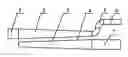
As shown in FIG. 1, a polarization beam splitter is a device for splitting a light beam into a polarized light beam of TE mode (Transverse Electric mode) and a polarized light beam of TM mode (Transverse Magnetic mode), or a device for combining two polarized light beams into a light beam. The conventional beam splitter has the problem of narrow range of operating wavelength.
SUMMARY OF THE INVENTION
In order to overcome the problem of the prior art, an object of the present invention is to provide a broadband polarization beam splitter/combiner based on gradient waveguide directional coupler, which can reduce the sensitivity of a TM mode light field to the length of a coupling region and has a wider range of operating wavelength.
The present invention provides a broadband polarization beam splitter/combiner based on gradient waveguide directional coupler. The broadband polarization beam splitter/combiner comprises a gradient waveguide directional coupler, a beam combining end, a curved waveguide, a transverse electric mode TE end and a transverse magnetic mode TM end. The gradient waveguide directional coupler consists of a straight end gradient waveguide and a serial end gradient waveguide, the trend of change of the straight end gradient waveguide is opposite to that of the serial end gradient waveguide, and a gap is provided between the straight end gradient waveguide and the serial end gradient waveguide, the beam combining end is connected with one end of the straight end gradient waveguide, the other end of the straight end gradient waveguide is connected with one end of the curved waveguide, the other end of the curved waveguide is connected with the transverse electric mode TE end, and the serial end gradient waveguide is connected with the transverse magnetic mode TM end.
On the basis of the above technical solution, when the broadband polarization beam splitter/combiner is used as a beam splitter, a light is incident from the beam combining end, a light of TE mode exits from the transverse electric mode TE end, and a light of TM mode exits from the transverse magnetic mode TM end.
On the basis of the above technical solution, when the broadband polarization beam splitter/combiner is used as a beam combiner, a light of TE mode is incident from the transverse electric mode TE end, a light of TM mode is incident from the transverse magnetic mode TM end, and a light resulting from combining the two polarized light exits from the beam combining end.
On the basis of the above technical solution, the width of the straight end gradient waveguide is tapered, and the width of the serial end gradient waveguide is increased.
On the basis of the above technical solution, the width of the straight end gradient waveguide is tapered from [0.5, 1 ] μm to [0.3, 0.45] μm, the width of the serial end gradient waveguide is increased from [0.3, 0.45] μm to [0.5, 1] μm, and the gap is provided between the straight end gradient waveguide and the serial end gradient waveguide.
On the basis of the above technical solution, the width of the straight end gradient waveguide is tapered from [0.6, 0.9] μm to [0.35, 0.45] μm, the width of the serial end gradient waveguide is increased from [0.35, 0.45] μm to [0.6, 0.9] μm, and the gap is provided between the straight end gradient waveguide and the serial end gradient waveguide.
On the basis of the above technical solution, the width of the straight end gradient waveguide is increased, and the width of the serial end gradient waveguide is tapered.
On the basis of the above technical solution, the width of the straight end gradient waveguide is increased from [0.3, 0.45] μm to [0.5, 1] μm, the width of the serial end gradient waveguide is tapered from [0.5, 1] μm to [0.3, 0.45] μm, and the gap is provided between the straight end gradient waveguide and the serial end gradient waveguide.
On the basis of the above technical solution, the width of the straight end gradient waveguide is increased from [0.35, 0.45] μm to [0.6, 0.9] μm, the width of the serial end gradient waveguide is tapered from [0.6, 0.9] μm to [0.35, 0.45] μm, and the gap is provided between the straight end gradient waveguide and the serial end gradient waveguide.
As compared to the prior art, the present invention has the following advantages
The broadband polarization beam splitter/combiner of the invention comprises a gradient waveguide directional coupler, a beam combining end, a curved waveguide, a transverse electric mode TE end and a transverse magnetic mode TM end. The gradient waveguide directional coupler consists of a straight end gradient waveguide and a serial end gradient waveguide, the trend of change of the straight end gradient waveguide is opposite to that of the serial end gradient waveguide, and a gap is provided between the straight end gradient waveguide and the serial end gradient waveguide. The beam combining end is connected with one end of the straight end gradient waveguide, the other end of the straight end gradient waveguide is connected with one end of the curved waveguide, the other end of the curved waveguide is connected with the transverse electric mode TE end, and the serial end gradient waveguide is connected with the transverse magnetic mode TM end. When the broadband polarization beam splitter/combiner is used as a beam splitter, a light is incident from the beam combining end, a light of TE mode exits from the transverse electric mode TE end, and a light of TM mode exits from the transverse magnetic mode TM end. When the broadband polarization beam splitter/combiner is used as a beam combiner, a light of TE mode is incident from the transverse electric mode TE end, a light of TM mode is incident from the transverse magnetic mode TM end, and a light resulting from combining the two polarized light exits from the beam combining end. Based on the difference in coupling efficiency of adjacent waveguides between the light of TE mode and the light of TM mode, the polarization beam splitter enables the output of TE from the straight waveguide and couples TM to the serial waveguide for output. The coupling efficiency of TE mode is not sensitive to the change in length of the coupling region of the straight waveguide and serial waveguide, while the TM mode of different wavelengths is sensitive to the coupling length. Therefore, the beam splitter has a wavelength dependency. By introducing a gradient waveguide structure, the broadband polarization beam splitter/combiner of the invention can reduce the sensitivity of the coupling efficiency of TM mode to the coupling length to reduce the wavelength dependency of the coupling efficiency of TM mode, and has a wider range of operating wavelength.
BRIEF DESCRIPTION OF THE DRAWINGS
FIG. 1 schematically shows a structure of a conventional polarization beam splitter.
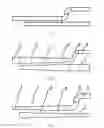
FIG. 2 schematically shows a structure of a broadband polarization beam splitter/combiner based on gradient waveguide directional coupler in accordance with example 1 of the invention.
FIG. 3 schematically shows a structure of a broadband polarization beam splitter/combiner based on gradient waveguide directional coupler in accordance with example 2 of the invention.
REFERENCE NUMBERS: 1-beam combining end, 2-straight end gradient waveguide, 3-serial end gradient waveguide, 4-gap, 5-bending waveguide, 6-transverse electric mode TE end, 7-transverse magnetic mode TM end.
DETAILED DESCRIPTION OF THE INVENTION
The present invention will be further described in detail below with reference to the accompanying drawings and specific embodiments.
In order to widen the range of operating wavelength of the polarization beam splitter without increasing the complexity of the device, the embodiments of the present invention provides a broadband polarization beam splitter/combiner based on gradient waveguide directional coupler.
As shown in FIG. 2 and FIG. 3, the broadband polarization beam splitter/combiner of the invention comprises a gradient waveguide directional coupler, a beam combining end 1, a curved waveguide 5, a transverse electric mode TE end 6 and a transverse magnetic mode TM end 7. The gradient waveguide directional coupler consists of a straight end gradient waveguide 2 and a serial end gradient waveguide 3, the trend of change of the straight end gradient waveguide 2 is opposite to that of the serial end gradient waveguide 3, and a gap 4 is provided between the straight end gradient waveguide 2 and the serial end gradient waveguide 3. The beam combining end 1 is connected with one end of the straight end gradient waveguide 2, the other end of the straight end gradient waveguide 2 is connected with one end of the curved waveguide 5, the other end of the curved waveguide 5 is connected with the transverse electric mode TE end 6, and the serial end gradient waveguide 3 is connected with the transverse magnetic mode TM end 7.
When the broadband polarization beam splitter/combiner is used as a beam splitter, a light is incident from the beam combining end 1, a light of TE mode exits from the transverse electric mode TE end 6, and a light of TM mode exits from the transverse magnetic mode TM end 7.
When the broadband polarization beam splitter/combiner is used as a beam combiner, a light of TE mode is incident from the transverse electric mode TE end 6, a light of TM mode is incident from the transverse magnetic mode TM end 7, and a light resulting from combining the two polarized light exits from the beam combining end 1.
In particular, the width of the straight end gradient waveguide 2 is tapered from [0.5, 1] μm to [0.3, 0.45] μm, the width of the serial end gradient waveguide 3 is increased from [0.3, 0.45] μm to [0.5, 1] μm, and a gap is provided between the straight end gradient waveguide 2 and the serial end gradient waveguide 3.
Alternatively, the width of the straight end gradient waveguide 2 is increased from [0.3, 0.45] μm to [0.5, 1] μm, the width of the serial end gradient waveguide 3 is tapered from [0.5, 1] μm to [0.3, 0.45] μm, and the gap is provided between the straight end gradient waveguide 2 and the serial end gradient waveguide 3.
Further, the width of the straight end gradient waveguide 2 is tapered from [0.6, 0.9] μm to [0.35, 0.45] μm, the width of the serial end gradient waveguide 3 is increased from [0.35, 0.45] μm to [0.6, 0.9] μm, and the gap is provided between the straight end gradient waveguide 2 and the serial end gradient waveguide 3.
Alternatively,the width of the straight end gradient waveguide 2 is increased from [0.35, 0.45] μm to [0.6, 0.9] μm, the width of the serial end gradient waveguide 3 is tapered from [0.6, 0.9] μm to [0.35, 0.45] μm, and the gap is provided between the straight end gradient waveguide 2 and the serial end gradient waveguide 3.
The following is a detailed description in correction with 12 specific examples.
EXAMPLE 1
As shown in FIG. 2, Example 1 provides a broadband polarization beam splitter/combiner based on gradient waveguide directional coupler. The broadband polarization beam splitter/combiner of the invention comprises a gradient waveguide directional coupler, a beam combining end 1, a curved waveguide 5, a transverse electric mode TE end 6 and a transverse magnetic mode TM end 7. The gradient waveguide directional coupler consists of a straight end gradient waveguide 2 and a serial end gradient waveguide 3. The width of the straight end gradient waveguide 2 is tapered from 0.5 μm to 0.3 μm, the width of the serial end gradient waveguide 3 is increased from 0.3 μm to 0.5 μm, and a gap 4 is provided between the straight end gradient waveguide 2 and the serial end gradient waveguide 3. The beam combining end 1 is connected with one end of the straight end gradient waveguide 2, the other end of the straight end gradient waveguide 2 is connected with one end of the curved waveguide 5, the other end of the curved waveguide 5 is connected with the transverse electric mode TE end 6, and the serial end gradient waveguide 3 is connected with the transverse magnetic mode TM end 7.
When the broadband polarization beam splitter/combiner is used as a beam splitter, a light is incident from the beam combining end 1, a light of TE mode exits from the transverse electric mode TE end 6, and a light of TM mode exits from the transverse magnetic mode TM end 7.
When the broadband polarization beam splitter/combiner is used as a beam combiner, a light of TE mode is incident from the transverse electric mode TE end 6, a light of TM mode is incident from the transverse magnetic mode TM end 7, and a light resulting from combining the two polarized light exits from the beam combining end 1.
EXAMPLE 2
As shown in FIG. 3, Example 2 provides a broadband polarization beam splitter/combiner based on gradient waveguide directional coupler. The broadband polarization beam splitter/combiner of the invention comprises a gradient waveguide directional coupler, a beam combining end 1, a curved waveguide 5, a transverse electric mode TE end 6 and a transverse magnetic mode TM end 7. The gradient waveguide directional coupler consists of a straight end gradient waveguide 2 and a serial end gradient waveguide 3, The width of the straight end gradient waveguide 2 is increased from 0.3 μm to 0.5 μm, the width of the serial end gradient waveguide 3 is tapered from 0.5 μm to 0.3 μm, and a gap 4 is provided between the straight end gradient waveguide 2 and the serial end gradient waveguide 3. The beam combining end 1 is connected with one end of the straight end gradient waveguide 2, the other end of the straight end gradient waveguide 2 is connected with one end of the curved waveguide 5, the other end of the curved waveguide 5 is connected with the transverse electric mode TE end 6, and the serial end gradient waveguide 3 is connected with the transverse magnetic mode TM end 7.
When the broadband polarization beam splitter/combiner is used as a beam splitter, a light is incident from the beam combining end 1, a light of TE mode exits from the transverse electric mode TE end 6, and a light of TM mode exits from the transverse magnetic mode TM end 7.
When the broadband polarization beam splitter/combiner is used as a beam combiner, a light of TE mode is incident from the transverse electric mode TE end 6, a light of TM mode is incident from the transverse magnetic mode TM end 7, and a light resulting from combining the two polarized light exits from the beam combining end 1.
EXAMPLE 3
As shown in FIG. 2, Example 3 provides a broadband polarization beam splitter/combiner based on gradient waveguide directional coupler. The broadband polarization beam splitter/combiner of the invention comprises a gradient waveguide directional coupler, a beam combining end 1, a curved waveguide 5, a transverse electric mode TE end 6 and a transverse magnetic mode TM end 7. The gradient waveguide directional coupler consists of a straight end gradient waveguide 2 and a serial end gradient waveguide 3. The width of the straight end gradient waveguide 2 is tapered from 0.6 μm to 0.35 μm, the width of the serial end gradient waveguide 3 is increased from 0.35 μm to 0.6 μm, and a gap 4 is provided between the straight end gradient waveguide 2 and the serial end gradient waveguide 3. The beam combining end 1 is connected with one end of the straight end gradient waveguide 2, the other end of the straight end gradient waveguide 2 is connected with one end of the curved waveguide 5, the other end of the curved waveguide 5 is connected with the transverse electric mode TE end 6, and the serial end gradient waveguide 3 is connected with the transverse magnetic mode TM end 7.
When the broadband polarization beam splitter/combiner is used as a beam splitter, a light is incident from the beam combining end 1, a light of TE mode exits from the transverse electric mode TE end 6, and a light of TM mode exits from the transverse magnetic mode TM end 7.
When the broadband polarization beam splitter/combiner is used as a beam combiner, a light of TE mode is incident from the transverse electric mode TE end 6, a light of TM mode is incident from the transverse magnetic mode TM end 7, and a light resulting from combining the two polarized light exits from the beam combining end 1.
EXAMPLE 4
As shown in FIG. 3, Example 4 provides a broadband polarization beam splitter/combiner based on gradient waveguide directional coupler. The broadband polarization beam splitter/combiner of the invention comprises a gradient waveguide directional coupler, a beam combining end 1, a curved waveguide 5, a transverse electric mode TE end 6 and a transverse magnetic mode TM end 7. The gradient waveguide directional coupler consists of a straight end gradient waveguide 2 and a serial end gradient waveguide 3. The width of the straight end gradient waveguide 2 is increased from 0.35 μm to 0.6 μm, the width of the serial end gradient waveguide 3 is tapered from 0.6 μm to 0.35 μm, and a gap 4 is provided between the straight end gradient waveguide 2 and the serial end gradient waveguide 3. The beam combining end 1 is connected with one end of the straight end gradient waveguide 2, the other end of the straight end gradient waveguide 2 is connected with one end of the curved waveguide 5, the other end of the curved waveguide 5 is connected with the transverse electric mode TE end 6, and the serial end gradient waveguide 3 is connected with the transverse magnetic mode TM end 7.
When the broadband polarization beam splitter/combiner is used as a beam splitter, a light is incident from the beam combining end 1, a light of TE mode exits from the transverse electric mode TE end 6, and a light of TM mode exits from the transverse magnetic mode TM end 7.
When the broadband polarization beam splitter/combiner is used as a beam combiner, a light of TE mode is incident from the transverse electric mode TE end 6, a light of TM mode is incident from the transverse magnetic mode TM end 7, and a light resulting from combining the two polarized light exits from the beam combining end 1.
EXAMPLE 5
As shown in FIG. 2, Example 5 provides a broadband polarization beam splitter/combiner based on gradient waveguide directional coupler. The broadband polarization beam splitter/combiner of the invention comprises a gradient waveguide directional coupler, a beam combining end 1, a curved waveguide 5, a transverse electric mode TE end 6 and a transverse magnetic mode TM end 7. The gradient waveguide directional coupler consists of a straight end gradient waveguide 2 and a serial end gradient waveguide 3. The width of the straight end gradient waveguide 2 is tapered from 0.7 μm to 0.4 μm, the width of the serial end gradient waveguide 3 is increased from 0.4 μm to 0.7 μm, and a gap 4 is provided between the straight end gradient waveguide 2 and the serial end gradient waveguide 3. The beam combining end 1 is connected with one end of the straight end gradient waveguide 2, the other end of the straight end gradient waveguide 2 is connected with one end of the curved waveguide 5, the other end of the curved waveguide 5 is connected with the transverse electric mode TE end 6, and the serial end gradient waveguide 3 is connected with the transverse magnetic mode TM end 7.
When the broadband polarization beam splitter/combiner is used as a beam splitter, a light is incident from the beam combining end 1, a light of TE mode exits from the transverse electric mode TE end 6, and a light of TM mode exits from the transverse magnetic mode TM end 7.
When the broadband polarization beam splitter/combiner is used as a beam combiner, a light of TE mode is incident from the transverse electric mode TE end 6, a light of TM mode is incident from the transverse magnetic mode TM end 7, and a light resulting from combining the two polarized light exits from the beam combining end 1.
EXAMPLE 6
As shown in FIG. 3, Example 6 provides a broadband polarization beam splitter/combiner based on gradient waveguide directional coupler. The broadband polarization beam splitter/combiner of the invention comprises a gradient waveguide directional coupler, a beam combining end 1, a curved waveguide 5, a transverse electric mode TE end 6 and a transverse magnetic mode TM end 7. The gradient waveguide directional coupler consists of a straight end gradient waveguide 2 and a serial end gradient waveguide 3. The width of the straight end gradient waveguide 2 is increased from 0.4 μm to 0.7 μm, the width of the serial end gradient waveguide 3 is tapered from 0.7 μm to 0.4 μm, and a gap 4 is provided between the straight end gradient waveguide 2 and the serial end gradient waveguide 3. The beam combining end 1 is connected with one end of the straight end gradient waveguide 2, the other end of the straight end gradient waveguide 2 is connected with one end of the curved waveguide 5, the other end of the curved waveguide 5 is connected with the transverse electric mode TE end 6, and the serial end gradient waveguide 3 is connected with the transverse magnetic mode TM end 7.
When the broadband polarization beam splitter/combiner is used as a beam splitter, a light is incident from the beam combining end 1, a light of TE mode exits from the transverse electric mode TE end 6, and a light of TM mode exits from the transverse magnetic mode TM end 7.
When the broadband polarization beam splitter/combiner is used as a beam combiner, a light of TE mode is incident from the transverse electric mode TE end 6, a light of TM mode is incident from the transverse magnetic mode TM end 7, and a light resulting from combining the two polarized light exits from the beam combining end 1.
EXAMPLE 7
As shown in FIG. 2, Example 7 provides a broadband polarization beam splitter/combiner based on gradient waveguide directional coupler. The broadband polarization beam splitter/combiner of the invention comprises a gradient waveguide directional coupler, a beam combining end 1, a curved waveguide 5, a transverse electric mode TE end 6 and a transverse magnetic mode TM end 7. The gradient waveguide directional coupler consists of a straight end gradient waveguide 2 and a serial end gradient waveguide 3. The width of the straight end gradient waveguide 2 is tapered from 0.8 μm to 0.4 μm, the width of the serial end gradient waveguide 3 is increased from 0.4 μm to 0.8 μm, and a gap 4 is provided between the straight end gradient waveguide 2 and the serial end gradient waveguide 3. The beam combining end 1 is connected with one end of the straight end gradient waveguide 2, the other end of the straight end gradient waveguide 2 is connected with one end of the curved waveguide 5, the other end of the curved waveguide 5 is connected with the transverse electric mode TE end 6, and the serial end gradient waveguide 3 is connected with the transverse magnetic mode TM end 7.
When the broadband polarization beam splitter/combiner is used as a beam splitter, a light is incident from the beam combining end 1, a light of TE mode exits from the transverse electric mode TE end 6, and a light of TM mode exits from the transverse magnetic mode TM end 7.
When the broadband polarization beam splitter/combiner is used as a beam combiner, a light of TE mode is incident from the transverse electric mode TE end 6, a light of TM mode is incident from the transverse magnetic mode TM end 7, and a light resulting from combining the two polarized light exits from the beam combining end 1.
EXAMPLE 8
As shown in FIG. 3, Example 8 provides a broadband polarization beam splitter/combiner based on gradient waveguide directional coupler. The broadband polarization beam splitter/combiner of the invention comprises a gradient waveguide directional coupler, a beam combining end 1, a curved waveguide 5, a transverse electric mode TE end 6 and a transverse magnetic mode TM end 7. The gradient waveguide directional coupler consists of a straight end gradient waveguide 2 and a serial end gradient waveguide 3. The width of the straight end gradient waveguide 2 is increased from 0.4 μm to 0.8 μm, the width of the serial end gradient waveguide 3 is tapered from 0.8 μm to 0.4 μm, and a gap 4 is provided between the straight end gradient waveguide 2 and the serial end gradient waveguide 3. The beam combining end 1 is connected with one end of the straight end gradient waveguide 2, the other end of the straight end gradient waveguide 2 is connected with one end of the curved waveguide 5, the other end of the curved waveguide 5 is connected with the transverse electric mode TE end 6, and the serial end gradient waveguide 3 is connected with the transverse magnetic mode TM end 7.
When the broadband polarization beam splitter/combiner is used as a beam splitter, a light is incident from the beam combining end 1, a light of TE mode exits from the transverse electric mode TE end 6, and a light of TM mode exits from the transverse magnetic mode TM end 7.
When the broadband polarization beam splitter/combiner is used as a beam combiner, a light of TE mode is incident from the transverse electric mode TE end 6, a light of TM mode is incident from the transverse magnetic mode TM end 7, and a light resulting from combining the two polarized light exits from the beam combining end 1.
EXAMPLE 9
As shown in FIG. 2, Example 9 provides a broadband polarization beam splitter/combiner based on gradient waveguide directional coupler. The broadband polarization beam splitter/combiner of the invention comprises a gradient waveguide directional coupler, a beam combining end 1, a curved waveguide 5, a transverse electric mode TE end 6 and a transverse magnetic mode TM end 7. The gradient waveguide directional coupler consists of a straight end gradient waveguide 2 and a serial end gradient waveguide 3. The width of the straight end gradient waveguide 2 is tapered from 0.9 μm to 0.45 μm, the width of the serial end gradient waveguide 3 is increased from 0.45 μm to 0.9 μm, and a gap 4 is provided between the straight end gradient waveguide 2 and the serial end gradient waveguide 3. The beam combining end 1 is connected with one end of the straight end gradient waveguide 2, the other end of the straight end gradient waveguide 2 is connected with one end of the curved waveguide 5, the other end of the curved waveguide 5 is connected with the transverse electric mode TE end 6, and the serial end gradient waveguide 3 is connected with the transverse magnetic mode TM end 7.
When the broadband polarization beam splitter/combiner is used as a beam splitter, a light is incident from the beam combining end 1, a light of TE mode exits from the transverse electric mode TE end 6, and a light of TM mode exits from the transverse magnetic mode TM end 7.
When the broadband polarization beam splitter/combiner is used as a beam combiner, a light of TE mode is incident from the transverse electric mode TE end 6, a light of TM mode is incident from the transverse magnetic mode TM end 7, and a light resulting from combining the two polarized light exits from the beam combining end 1.
EXAMPLE 10
As shown in FIG. 3, Example 10 provides a broadband polarization beam splitter/combiner based on gradient waveguide directional coupler. The broadband polarization beam splitter/combiner of the invention comprises a gradient waveguide directional coupler, a beam combining end 1, a curved waveguide 5, a transverse electric mode TE end 6 and a transverse magnetic mode TM end 7. The gradient waveguide directional coupler consists of a straight end gradient waveguide 2 and a serial end gradient waveguide 3. The width of the straight end gradient waveguide 2 is increased from 0.45 μm to 0.9 μm, the width of the serial end gradient waveguide 3 is tapered from 0.9 μm to 0.45 μm, and a gap 4 is provided between the straight end gradient waveguide 2 and the serial end gradient waveguide 3. The beam combining end 1 is connected with one end of the straight end gradient waveguide 2, the other end of the straight end gradient waveguide 2 is connected with one end of the curved waveguide 5, the other end of the curved waveguide 5 is connected with the transverse electric mode TE end 6, and the serial end gradient waveguide 3 is connected with the transverse magnetic mode TM end 7.
When the broadband polarization beam splitter/combiner is used as a beam splitter, a light is incident from the beam combining end 1, a light of TE mode exits from the transverse electric mode TE end 6, and a light of TM mode exits from the transverse magnetic mode TM end 7.
When the broadband polarization beam splitter/combiner is used as a beam combiner, a light of TE mode is incident from the transverse electric mode TE end 6, a light of TM mode is incident from the transverse magnetic mode TM end 7, and a light resulting from combining the two polarized light exits from the beam combining end 1.
EXAMPLE 11
As shown in FIG. 2, Example 11 provides a broadband polarization beam splitter/combiner based on gradient waveguide directional coupler. The broadband polarization beam splitter/combiner of the invention comprises a gradient waveguide directional coupler, a beam combining end 1, a curved waveguide 5, a transverse electric mode TE end 6 and a transverse magnetic mode TM end 7. The gradient waveguide directional coupler consists of a straight end gradient waveguide 2 and a serial end gradient waveguide 3. The width of the straight end gradient waveguide 2 is tapered from 1 μm to 0.45 μm, the width of the serial end gradient waveguide 3 is increased from 0.45 μm to 1 μm, and a gap 4 is provided between the straight end gradient waveguide 2 and the serial end gradient waveguide 3. The beam combining end 1 is connected with one end of the straight end gradient waveguide 2, the other end of the straight end gradient waveguide 2 is connected with one end of the curved waveguide 5, the other end of the curved waveguide 5 is connected with the transverse electric mode TE end 6, and the serial end gradient waveguide 3 is connected with the transverse magnetic mode TM end 7.
When the broadband polarization beam splitter/combiner is used as a beam splitter, a light is incident from the beam combining end 1, a light of TE mode exits from the transverse electric mode TE end 6, and a light of TM mode exits from the transverse magnetic mode TM end 7.
When the broadband polarization beam splitter/combiner is used as a beam combiner, a light of TE mode is incident from the transverse electric mode TE end 6, a light of TM mode is incident from the transverse magnetic mode TM end 7, and a light resulting from combining the two polarized light exits from the beam combining end 1.
EXAMPLE 12
As shown in FIG. 3, Example 12 provides a broadband polarization beam splitter/combiner based on gradient waveguide directional coupler. The broadband polarization beam splitter/combiner of the invention comprises a gradient waveguide directional coupler, a beam combining end 1, a curved waveguide 5, a transverse electric mode TE end 6 and a transverse magnetic mode TM end 7. The gradient waveguide directional coupler consists of a straight end gradient waveguide 2 and a serial end gradient waveguide 3. The width of the straight end gradient waveguide 2 is increased from 0.45 μm to 1 μm, the width of the serial end gradient waveguide 3 is tapered from 1 μm to 0.45 μm, and a gap 4 is provided between the straight end gradient waveguide 2 and the serial end gradient waveguide 3. The beam combining end 1 is connected with one end of the straight end gradient waveguide 2, the other end of the straight end gradient waveguide 2 is connected with one end of the curved waveguide 5, the other end of the curved waveguide 5 is connected with the transverse electric mode TE end 6, and the serial end gradient waveguide 3 is connected with the transverse magnetic mode TM end 7.
When the broadband polarization beam splitter/combiner is used as a beam splitter, a light is incident from the beam combining end 1, a light of TE mode exits from the transverse electric mode TE end 6, and a light of TM mode exits from the transverse magnetic mode TM end 7.
When the broadband polarization beam splitter/combiner is used as a beam combiner, a light of TE mode is incident from the transverse electric mode TE end 6, a light of TM mode is incident from the transverse magnetic mode TM end 7, and a light resulting from combining the two polarized light exits from the beam combining end 1.
Claims
1. A broadband polarization beam splitter/combiner based on gradient waveguide directional coupler, comprises a gradient waveguide directional coupler, a beam combining end (1), a curved waveguide (5), a transverse electric mode TE end (6) and a transverse magnetic mode TM end (7), the gradient waveguide directional coupler consists of a straight end gradient waveguide (2) and a serial end gradient waveguide (3), the trend of change of the straight end gradient waveguide (2) is opposite to that of the serial end gradient waveguide (3), and a gap (4) is provided between the straight end gradient waveguide (2) and the serial end gradient waveguide (3), the beam combining end (1) is connected with one end of the straight end gradient waveguide (2), the other end of the straight end gradient waveguide (2) is connected with one end of the curved waveguide (5), the other end of the curved waveguide (5) is connected with the transverse electric mode TE end (6), and the serial end gradient waveguide (3) is connected with the transverse magnetic mode TM end (7).
2. The broadband polarization beam splitter/combiner of claim 1, wherein when the broadband polarization beam splitter/combiner is used as a beam splitter, a light is incident from the beam combining end (1), a light of TE mode exits from the transverse electric mode TE end (6), and a light of TM mode exits from the transverse magnetic mode TM end (7).
3. The broadband polarization beam splitter/combiner of claim 1, wherein when the broadband polarization beam splitter/combiner is used as a beam combiner, a light of TE mode is incident from the transverse electric mode TE end (6), a light of TM mode is incident from the transverse magnetic mode TM end (7), and a light resulting from combining the two polarized light exits from the beam combining end (1).
4. The broadband polarization beam splitter/combiner of claim 1, wherein the width of the straight end gradient waveguide (2) is tapered, and the width of the serial end gradient waveguide (3) is increased.
5. The broadband polarization beam splitter/combiner of claim 4, wherein the width of the straight end gradient waveguide (2) is tapered from [0.5, 1] μm to [0.3, 0.45] μm, the width of the serial end gradient waveguide (3) is increased from [0.3, 0.45] μm to [0.5, 1] μm, and the gap is provided between the straight end gradient waveguide (2) and the serial end gradient waveguide (3).
5. The broadband polarization beam of claim 5, wherein the width of the straight end gradient waveguide (2) is tapered from [0.6, 0.9] μm to [0.35, 0.45] μm, the width of the serial end gradient waveguide (3) is increased from [0.35, 0.45] μm to [0.6, 0.9] μm, and the gap is provided between the straight end gradient waveguide (2) and the serial end gradient waveguide (3).
7. The broadband polarization beam of claim 1, wherein the width of the straight end gradient waveguide (2) is increased, and the width of the serial end gradient waveguide (3) is tapered.
8. The broadband polarization beam of claim 7, wherein the width of the straight end gradient waveguide (2) is increased from [0.3, 0.45] μm to [0.5, 1] μm, the width of the serial end gradient waveguide (3) is tapered from [0.5, 1] jam to [0.3, 0.45] jam, and the gap is provided between the straight end gradient waveguide (2) and the serial end gradient waveguide (3).
9. The broadband polarization beam of claim 8, wherein the width of the straight end gradient waveguide (2) is increased from [0.35, 0.45] μm to [0.6, 0.9] μm, the width of the serial end gradient waveguide (3) is tapered from [0.6, 0.9] μm to [0.35, 0.45] μm, and the gap is provided between the straight end gradient waveguide (2) and the serial end gradient waveguide (3).
Images & Drawings included:
Sources:
- United States Patent and Trademark Office - verify current appl. status at the USPTO↗
Recent applications in this class:
- » 20250110279 2025-04-03
TUNABLE-GAP INTEGRATED PHOTONIC CIRCUITS - » 20200142130 2020-05-07
Adjustable wide-spectrum wavelength-insensitive directional coupler
Recent applications for this Assignee:
- » 20180374969 2018-12-27
Silicon-germanium photoelectric detection apparatus based on on-chip mode converter