Glucose conjugates of triptolide, analogs and uses thereof
US20190038596A1
2019-02-07
16/074,750
2017-02-03
✅ Patent granted
US 10,695,319 B2
2020-06-30
WO; PCT/US2017/016527; 20170203
WO; WO2017/136739; 20170810
Patrick T Lewis
DLA Piper LLP (US)
2037-02-03
Abstract:
Provided are compounds generated by conjugation of triptolide with glucose to form glucose-triptolide conjugates, provides compounds with effective anti-proliferative activity and improved tolerability as compared to naturally occurring triptolide compounds.
Inventors:
- Martin G. Pomper 101 🇺🇸 Baltimore, MD, United States
- Jun Liu 14 🇺🇸 Baltimore, MD, United States
- Qingli He 2 🇺🇸 Baltimore, MD, United States
- Ii Minn 1 🇺🇸 Baltimore, MD, United States
- Biao Yu 1 🇺🇸 Baltimore, MD, United States
- Qiaoling Wang 1 🇺🇸 Baltimore, MD, United States
- IL MINN 6 🇺🇸 Baltimore, MD, United States
Assignee:
- THE JOHNS HOPKINS UNIVERSITY 3,028 🇺🇸 Baltimore, MD, United States
- Shanghai Institute of Organic Chemistry, Chinese Academy of Sciences 38 🇨🇳 Shanghai, China
Applicant:
Interested in similar patents?
Get notified when new applications in this technology area are published.
Classification:
C07J73/00 IPC
Steroids in which the cyclopenta[a]hydrophenanthrene skeleton has been modified by substitution of one or two carbon atoms by hetero atoms
C07J73/003 » CPC further
Steroids in which the cyclopenta[a]hydrophenanthrene skeleton has been modified by substitution of one or two carbon atoms by hetero atoms by one hetero atom by oxygen as hetero atom
A01N43/04 IPC
Biocides, pest repellants or attractants, or plant growth regulators containing heterocyclic compounds having rings with one or more oxygen or sulfur atoms as the only ring hetero atoms with one hetero atom
A61K31/70 IPC
Medicinal preparations containing organic active ingredients Carbohydrates; Sugars; Derivatives thereof
C07D493/22 » CPC further
Heterocyclic compounds containing oxygen atoms as the only ring hetero atoms in the condensed system in which the condensed system contains four or more hetero rings
A61P35/00 » CPC further
Antineoplastic agents
A61K31/365 » CPC main
Medicinal preparations containing organic active ingredients; Heterocyclic compounds having oxygen as the only ring hetero atom, e.g. fungichromin Lactones
A61K47/549 » CPC further
Medicinal preparations characterised by the non-active ingredients used, e.g. carriers or inert additives; Targeting or modifying agents chemically bound to the active ingredient the non-active ingredient being chemically bound to the active ingredient, e.g. polymer-drug conjugates the non-active ingredient being a modifying agent the modifying agent being an organic compound Sugars, nucleosides, nucleotides or nucleic acids
A61K47/54 IPC
Medicinal preparations characterised by the non-active ingredients used, e.g. carriers or inert additives; Targeting or modifying agents chemically bound to the active ingredient the non-active ingredient being chemically bound to the active ingredient, e.g. polymer-drug conjugates the non-active ingredient being a modifying agent the modifying agent being an organic compound
C07H15/26 » CPC further
Compounds containing hydrocarbon or substituted hydrocarbon radicals directly attached to hetero atoms of saccharide radicals Acyclic or carbocyclic radicals, substituted by hetero rings
Description
RELATED APPLICATIONS
This application claims the benefit under 35 U.S.C. § 119(e) to U.S. Provisional Application No. 62/291,416, filed on Feb. 4, 2016, which is hereby incorporated herein by reference in its entirety.
BACKGROUND OF THE INVENTION
Field of the Invention
The invention relates generally to anti-cancer compounds and more specifically to glucose conjugates of triptolide and analogs thereof, and methods of treating cancer using such compounds.
Background Information
Triptolide is an active component from the traditional Chinese medicinal plant Thunder God Vine. It has been shown to possess anti-inflammatory, immunosuppressive and anticancer activities, among others. Its molecular target has been identified as the XPB (ERCC3) subunit of the general transcription factor TFIIH. It works by blocking RNAPII transcription initiation and nucleoside excision repair. Triptolide and analogs have been developed as new anticancer and immunosuppressive drugs. Unfortunately, dose-limiting toxicity and insolubility have been major hurdles for its development as a new drug.
SUMMARY OF THE INVENTION
The present invention is based on the seminal discovery that conjugation of triptolide with glucose to form glucose-triptolide conjugates provides compounds with effective anti-proliferative activity and improved tolerability as compared to naturally occurring triptolide compounds.
In one embodiment, the invention provides a method of treating cancer in a subject comprising administering to the subject an anti-proliferative effective amount of a glucose-triptolide conjugate compound, thereby treating the cancer.
The glucose-triptolide conjugate compounds have the structure of Formula I:
T&A-L1-Sugar (I)
wherein the T&A moiety is triptolide or one of its analogs, and can be selected from compounds 1 to 18:
wherein L1 can be selected from —X—Y—Z—, wherein X and Z can individually and independently be a direct bond, —CH2—, —C(O)—, —SO—, —SO2—, —OPO—, —OPO2—, and wherein Y is a direct bond, a substituted or unsubstituted —(C1-C6)alkyl-, substituted or unsubstituted —(CH2)nO(C1-C6)alkyl-, substituted or unsubstituted —(CH2)nC(O)(C1-C6)alkyl-, substituted or unsubstituted —(CH2)nC(O)O(C1-C6)alkyl-, substituted or unsubstituted —(CH2)NH(C1-C6)alkyl-, substituted or unsubstituted —(CH2)nC(O)NH(C1-C6)alkyl-, substituted or unsubstituted —(CH2)nS(C1-C6)alkyl-, substituted or unsubstituted —(CH2)nC(O)(CH2)nS(C1-C6)alkyl-, substituted or unsubstituted —(C2-C6)alkenyl-, substituted or unsubstituted —(CH2)nO(C2-C6)alkenyl-, substituted or unsubstituted —(CH2)nC(O)(C2-C6)alkenyl-, substituted or unsubstituted —(CH2)nC(O)O(C2-C6)alkenyl-, substituted or unsubstituted —(CH2)nNH(C2-C6)alkenyl-, substituted or unsubstituted —(CH2)nC(O)NH(C2-C6)alkenyl-, substituted or unsubstituted —(CH2)nS(C2-C6)alkenyl-, substituted or unsubstituted —(CH2)nC(O)(CH2)nS(C2-C6)alkenyl-, substituted or unsubstituted —(C2-C6)alkynyl-, substituted or unsubstituted —(CH2)nO(C2-C6)alkynyl-, substituted or unsubstituted —(CH2)nC(O)(C2-C6)alkynyl-, substituted or unsubstituted —(CH2)nC(O)O(C2-C6)alkynyl-, substituted or unsubstituted —(CH2)nNH(C2-C6)alkynyl-, substituted or unsubstituted —(CH2)nC(O)NH(C2-C6)alkynyl-, substituted or unsubstituted —(CH2)nS(C2-C6)alkynyl-, substituted or unsubstituted —(CH2)nC(O)(CH2)nS(C2-C6)alkynyl-, wherein each alkyl, alkenyl and alkynyl group may be optionally substituted with alkyl, alkoxy, amino, hydroxyl, oxo, aryl, heteroaryl, carboxyl, cyano, nitro, or trifluoromethyl;
wherein the sugar can be selected from compounds 19 to 53:
The cancer may be one of the following, but not limited to bladder cancer, breast cancer, ovarian cancer, pancreatic cancer, and gastric cancer, cervical cancer, colon cancer, endometrial cancer, head and neck cancer, lung cancer, melanoma, multiple myeloma, leukemia, non-hodgkin's lymphoma, prostate cancer, rectal cancer, malignant melanomas, alimentary/gastrointestinal tract cancer, liver cancer, skin cancer, lymphoma, kidney cancer, muscle cancer, bone cancer, brain cancer, eye or ocular cancer, rectal cancer, colon cancer, cervical cancer, bladder cancer, oral cancer, benign and malignant tumors, stomach cancer, corpus uteri, testicular cancer, renal cancer, throat cancer, acute lymphocytic leukemia, acute myelogenous leukemia, Ewing's Sarcoma, Kaposi's Sarcoma, basal cell carcinoma and squamous cell carcinoma, small cell lung cancer, choriocarcinoma, rhabdomyosarcoma, angiosarcoma, hemangioendothelioma, Wilms Tumor, neuroblastoma, mouth/pharynx cancer, esophageal cancer, larynx cancer, neurofibromatosis, tuberous sclerosis, hemangiomas, and lymphangiogenesis.
In another embodiment, the cancer is prostate cancer.
In another embodiment, the cancer is metastatic cancer.
In another embodiment, T&A moiety is compound 1 and the sugar is compound 19, 20, 37 or 38.
In another embodiment, L1 is a direct bond, —COCH2CH2CO—, or —CH2—.
In another embodiment, T&A moiety is compound 1 and the sugar is compound 19.
In another embodiment, the glucose triptolide conjugate compound has a Formula G1-9. In a preferred embodiment the compound is Formula G4. Formula G1-9 are illustrated in the structures provided herein. The invention also provides a pharmaceutical composition comprising the compounds listed above.
The method of treatment includes administration intravenously, such as at a dosage of about 0.1 mg/kg to 2 mg/kg per dosage. In one aspect, the compound is administered once daily for up to about 4 weeks. The method may further include administering a chemotherapeutic compound, for example, prior to, simultaneously with, or following administration of a compound of the invention.
In another embodiment, the method of synthesizing a glucose-triptolide conjugate compound includes synthetic scheme I, II or III. These schemes are provided herein.
In another embodiment, an anti-proliferative effective amount of a glucose-triptolide conjugate compound is administered to a subject in a method to treat possible organ rejection in subjects that have undergone an organ transplant.
In another embodiment, an anti-proliferative effective amount of a glucose-triptolide conjugate compound is administered to a subject in a method to treat autoimmune diseases.
Examples of immune related diseases that can be treated include but are not limited to: Acute disseminated encephalomyelitis (ADEM), Addison's disease, Ankylosing spondylitis, Antiphospholipid antibody syndrome, Autoimmune hemolytic anemia, Autoimmune hepatitis, Autoimmune inner ear disease, Autoimmune Lymphoproliferative Syndrome (ALPS), Autoimmune polyendocrine/polyglandular syndrome, Autoimmune thrombocytoipenia purpura, Balo disease, Behçet disease, Bullous pemphigoid, Cardiomyopathy, Celiac sprue-dermatitis herpetiformis, Chronic fatigue immune dysfunction syndrome (CFIDS), Chronic inflammatory demyelinating neuropathy, Cicatrical pemphigoid, Coeliac disease, Cold agglutinin disease, CREST syndrome, Crohn's disease, Cystic fibrosis, Degos disease, Dermatomyositis, Diabetes (Type I or Juvenile onset), Early onset dementia, Eczema, Endotoxin shock, Essential mixed cryoglobulinemia, Familial Mediterranean fever, Fibromyalgia, Fibromyositis, Goodpasture's syndrome, Graves' disease, Guillain-Barrê syndrome (GBS), Hashimoto's thyroidosis, Hidradenitis suppurativa, Idiopathic pulmonary fibrosis, Idiopathic thrombocytopenic purpura, IgA nephropathy, Lambert-Eaton Myasthenic Syndrome, Leukemia, Lichen planus, Ménière disease, Mixed connective tissue disease, Multiple sclerosis, Multiphasic disseminated encephalomyelitis, Myasthenia gravis, Neuromyelitis Optica, Paraneoplastic Syndromes, Pemphigus, Pemphigus vulgaris, Pernicious anemia, Polyarteritis nodosum, Polychondritis, Polymyalgia rhematica, Polymyositis, Primary agammaglobulinemia, Primary biliary cirrhosis, Plaque Psoriasis, Psoriatic arthritis, Raynaud phenomenon, Reiter syndrome, Restenosis following angioplasty, Rheumatic fever, Rheumatoid arthritis, Rheumatoid psoriasis, Sarcoidosis, Scleroderma, Sepsis, Sezary's disease, Sjögren's syndrome, Stiff-person syndrome, Lupus including Systemic lupus erythematosis (SLE), Takayasu arteritis, Temporal arteritis (also known as “giant cell arteritis”), Transplant or Allograft rejection, Ulcerative colitis, Uveitis, Vasculitis, Vitiligo, Graft vs Host disease, pustular psoriasis, and Wegener's granulomatosis (now termed Granulomatosis with Polyangiitis (GPA), inflammatory bowel disease, Acute necrotizing hemorrhagic leukoencephalitis, Agammaglobulinemia, Alopecia areata, Amyloidosis, Anti-GBM/Anti-TBM nephritis, Antiphospholipid syndrome (APS), Autoimmune angioedema, Autoimmune aplastic anemia, Autoimmune dysautonomia, Autoimmune hyperlipidemia, Autoimmune immunodeficiency, Autoimmune inner ear disease (AIED), Autoimmune myocarditis, Autoimmune oophoritis, Autoimmune pancreatitis, Autoimmune retinopathy, Autoimmune thyroid disease, Autoimmune urticarial, Axonal & neuronal neuropathies, Castleman disease, Celiac disease, Chagas disease, Chronic fatigue syndrome, Chronic inflammatory demyelinating polyneuropathy (CIDP), Chronic recurrent multifocal ostomyelitis (CRMO), Churg-Strauss syndrome, Cicatricial pemphigoid/benign mucosal pemphigoid, Cogans syndrome, Congenital heart block, Coxsackie myocarditis, CREST disease, Demyelinating neuropathies, Dermatitis herpetiformis, Devic's disease (neuromyelitis optica), Discoid lupus, Dressler's syndrome, Endometriosis, Eosinophilic esophagitis, Eosinophilic fasciitis, Erythema nodosum, Experimental allergic encephalomyelitis, Evans syndrome, Fibrosing alveolitis, Giant cell arteritis (temporal arteritis), Giant cell myocarditis, Glomerulonephritis, Granulomatosis with Polyangiitis (GPA) (formerly called Wegener's Granulomatosis), Hashimoto's encephalitis, Hashimoto's thyroiditis, Hemolytic anemia, Henoch-Schonlein purpura, Herpes gestationis, Hypogammaglobulinemia, Idiopathic thrombocytopenic purpura (ITP), IgG4-related sclerosing disease, Immunoregulatory lipoproteins, Inclusion body myositis, Interstitial cystitis, Juvenile arthritis, Juvenile diabetes (Type 1 diabetes), Juvenile myositis, Kawasaki syndrome, Lambert-Eaton syndrome, Leukocytoclastic vasculitis, Lichen sclerosus, Ligneous conjunctivitis, Linear IgA disease (LAD), Lupus (SLE), Lyme disease, chronic, Microscopic polyangiitis, Mooren's ulcer, Mucha-Habermann disease, Myositis, Narcolepsy, Neutropenia, Ocular cicatricial pemphigoid, Optic neuritis, Palindromic rheumatism, PANDAS (Pediatric Autoimmune Neuropsychiatric Disorders Associated with Streptococcus), Paraneoplastic cerebellar degeneration, Paroxysmal nocturnal hemoglobinuria (PNH), Parry Romberg syndrome, Parsonnage-Turner syndrome, Pars planitis (peripheral uveitis), Pemphigus, Peripheral neuropathy, Perivenous encephalomyelitis, POEMS syndrome, Type I, II, & III autoimmune polyglandular syndromes, Postmyocardial infarction syndrome, Postpericardiotomy syndrome, Progesterone dermatitis, Primary biliary cirrhosis, Primary sclerosing cholangitis, Psoriasis, Psoriatic arthritis, Idiopathic pulmonary fibrosis, Pyoderma gangrenosum, Pure red cell aplasia, Reactive Arthritis, Reflex sympathetic dystrophy, Relapsing polychondritis, Restless legs syndrome, Retroperitoneal fibrosis, Rheumatic fever, Schmidt syndrome, Scleritis, Sperm & testicular autoimmunity, Subacute bacterial endocarditis (SBE), Susac's syndrome, Sympathetic ophthalmia, Thrombocytopenic purpura (TTP), Tolosa-Hunt syndrome, Transverse myelitis, Type 1 diabetes, Undifferentiated connective tissue disease (UCTD) and Vesiculobullous dermatosis.
In another embodiment, a library of glucose conjugates of triptolide and analogs thereof, is used to screen for compounds for treating cancer.
In another embodiment, a library of glucose conjugates of triptolide and analogs thereof, is used to screen for compounds for treating possible organ rejection.
In another embodiment, a library of glucose conjugates of triptolide and analogs thereof, is used to screen for compounds for treating autoimmune disease.
BRIEF DESCRIPTION OF THE DRAWINGS
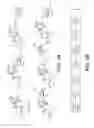
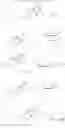
FIGS. 1A-1B. (a) The structure of triptolide and glucose conjugated analogs. (b) The octanol-water partition coefficient log P of different analogs using Interactive log P calculator.
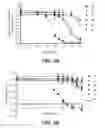
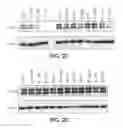
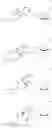
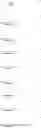
FIGS. 2A-2D. (a) Effects of G1-5 on HeLa cell proliferation. (b) Effects of G1-5 on ATPase activity of TFIIH in vitro. (c) Effects of G3 and G4 on the stability of RNAPII catalytic subunit. (d) Effects of G1, G2 and G5 on the stability of the RNAPII catalytic subunit.
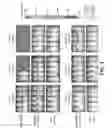
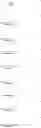
FIG. 3. Effects of triptolide and glucose-triptolide conjugate G4 in a metastatic mouse prostate cancer model. The injected prostate cancer cells expressed luciferase, which was detected by imaging of live animals.
DETAILED DESCRIPTION OF THE INVENTION
The present invention is based on trying to solve the issues of solubility and toxicity associated with triptolide. It was hypothesized that if triptolide could be conjugated to glucose, the two aforementioned problems associated with triptolide could be addressed. The glucose-triptolide conjugates would be preferentially taken up by cancer cells and they should also exhibit much higher water solubility due to the water solubility of glucose moiety.
As used herein, the term “cancer” or “cancerous growth” means the uncontrolled, abnormal growth of cells and includes within its scope all the well-known diseases that are caused by the uncontrolled and abnormal growth of cells. Non-limiting examples of common cancers include bladder cancer, breast cancer, ovarian cancer, pancreatic cancer, and gastric cancer, cervical cancer, colon cancer, endometrial cancer, head and neck cancer, lung cancer, melanoma, multiple myeloma, leukemia (e.g. myeloid, lymphocytic, myelocytic and lymphoblastic leukemias), non-hodgkin's lymphoma, prostate cancer, rectal cancer, and malignant melanomas.
In addition to invention compounds, one of skill in the art would recognize that chemotherapeutic agents can be used prior to, simultaneously with or following treatment with invention compounds. Illustrative agents include but are not limited to, taxol, cytochalasin B, gramicidin D, ethidium bromide, emetine, mitomycin, etoposide, tenoposide, vincristine, vinblastine, colchicin, doxorubicin, daunorubicin, dihydroxy anthracin dione, mitoxantrone, mithramycin, actinomycin D, 1-dehydrotestosterone, glucocorticoids, procaine, tetracaine, lidocaine, propranolol, and puromycin and analogs or homologs thereof. Therapeutic antibodies or other proteins are also envisioned in combination therapies of the invention.
The following examples are intended to illustrate but not limit the invention.
Example 1
Synthesis of Glucose-Triptolide Conjugates
This example illustrates the synthesis of glucose-conjugated triptolide compounds. Five glucose conjugates with different types of linkers connecting glucose to triptolide were synthesized, designated G1-G5 (schemes I-III). Based on calculation, the Octanol-water partition coefficient, Log P, values were significantly improved over triptolide itself (FIG. 1).
The activity of the different glucose-triptolide conjugates was assessed in vitro (FIG. 2). It was found that they differ in their anti-proliferative activity as measured by tritiated thymidine incorporation with G4 and G3 showing moderate activity, while G1, G2 and G5 exhibiting significantly reduced activity. The ability of the glucose conjugates to inhibit the ATPase activity of XPB in the TFIIH complex was also addressed. Interestingly, none of the five glucose conjugates showed appreciable inhibitory activity, suggesting that the cellular activity was a result of breakdown of the conjugates either in cell culture or upon entry into cells. Lastly, the ability of the glucose conjugates to cause degradation of the catalytic subunit of RNAPII was determined, an effect that has been previously observed for triptolide. In parallel with the antiproliferative activity, G4 was most active in inducing RNAPII catalytic subunit degradation with G3 showing weaker activity and the rest of the glucose conjugates showing little activity.
Example 2
In Vivo Activity of Glucose-Triptolide Conjugates
The in vivo antitumor activity of the glucose-triptolide conjugate G4 was determined using an established metastatic prostate cancer model (Reference 1). In this model, the luciferase-expressing prostate cancer line PC3/ML was injected into NOD/SCID/IL2rγmall (NSG) mice through the tail vein. The metastasis of the injected prostate cancer cells into liver, kidney, lung and bone can be monitored in live animals by bioluminescent imaging (BLI). It was shown that this is a reliable model with reproducible liver metastasis and all animals succumb by Week 7 after injection of cells (or Week 4 after initiation of treatments). In preliminary experiments, it was found that the tolerable treatment dose of triptolide to be 0.2 mg/kg and that of G4 to be 1 mg/kg. Three weeks after cell injection, each compound was given once daily by IP at those doses for a total of 4 weeks. The surviving animals were continuously monitored upon termination of compound administration. As shown in FIG. 3, mice treated with 11 had lower tumor burden during Weeks 1 and 2 compared with those treated with triptolide. At the end of Week 4, both treatment groups showed undetectable tumor cells while all animals in the untreated groups died. Upon termination of compound administration, tumors immediately returned in animals treated with triptolide. But no tumor cells were detectable in those treated with G4 till the end of the experiment, revealing sustained anticancer activity of G4 in vivo.
Example 3
Other glucose triptolide conjugates with structures similar to Formulas G1-G5 are included in the present invention. Such structures are represented by Formulas G6-G9, wherein R is a direct bond, substituted or unsubstituted —(C1-C6)alkyl-, substituted or unsubstituted —(CH2)nO(C1-C6)alkyl-, substituted or unsubstituted —(CH2)nC(O)—, substituted or unsubstituted —(CH2)nC(O)(C1-C6)alkyl-, substituted or unsubstituted —(CH2)nC(O)O(C1-C6)alkyl-, substituted or unsubstituted —(CH2)nNH(C1-C6)alkyl-, substituted or unsubstituted —(CH2)nC(O)NH(C1-C6)alkyl-, substituted or unsubstituted —(CH2)nS(C1-C6)alkyl-, substituted or unsubstituted —(CH2)nC(O)(CH2)nS(C1-C6)alkyl-, substituted or unsubstituted —(C2-C6)alkenyl-, substituted or unsubstituted —(CH2)nO(C2-C6)alkenyl-, substituted or unsubstituted —(CH2)nC(O)(C2-C6)alkenyl-, substituted or unsubstituted —(CH2)nC(O)O(C2-C6)alkenyl-, substituted or unsubstituted —(CH2)nNH(C1-C6)alkenyl-, substituted or unsubstituted —(C2)nC(O)NH(C2-C6)alkenyl-, substituted or unsubstituted —(CH2)nS(C2-C6)alkenyl-, substituted or unsubstituted (CH2)nC(O)(CH2)nS(C2-C6)alkenyl-, substituted or unsubstituted —(C2—C)alkynyl-, substituted or unsubstituted —(CH2)nO(C2-C6)alkynyl-, substituted or unsubstituted —(CH2)nC(O)(C2-C6)alkynyl-, substituted or unsubstituted —(CH2)nC(O)O(C2-C6)alkynyl-, substituted or unsubstituted —(CH2)nNH(C1-C6)alkynyl-, substituted or unsubstituted —(CH2)nC(O)NH(C2-C6)alkynyl-, substituted or unsubstituted —(CH2)nS(C2-C6)alkynyl-, substituted or unsubstituted —(CH2)nC(O)(CH2)nS(C2-C6)alkynyl-, wherein each alkyl, alkenyl and alkynyl group may be optionally substituted with alkyl, alkoxy, amino, carboxyl, cyano, nitro, or trifluoromethyl, wherein each n is independently an integer selected from 0, 1, 2, 3, 4, 5, and 6.
Example 4
Other glucose triptolide conjugates that are included in the present invention are compounds of Formula I:
T&A-L1-Sugar (I)
wherein the T&A moiety is triptolide or one of its analogs, and can be selected from compounds 1 to 18:
wherein L1 can be selected from —X—Y—Z—, wherein X and Z can individually and independently be a direct bond, —CH2—, —C(O)—, —SO—, —SO2—, —OPO—, —OPO2—; Y is a direct bond, a substituted or unsubstituted —(C1-C6)alkyl-, substituted or unsubstituted —(CH2)nO(C1-C6)alkyl-, substituted or unsubstituted —(CH2)nC(O)—, substituted or unsubstituted —(CH2)nC(O)(C1-C6)alkyl-, substituted or unsubstituted —(CH2)nC(O)O(C1-C6)alkyl-, substituted or unsubstituted —(CH2)nNH(C1-C6)alkyl-, substituted or unsubstituted —(CH2)nC(O)NH(C1-C6)alkyl-, substituted or unsubstituted —(CH2)nS(C1-C6)alkyl-, substituted or unsubstituted —(CH2)nC(O)(CH2)nS(C1-C6)alkyl-, substituted or unsubstituted —(C2-C6)alkenyl-, substituted or unsubstituted —(CH2)nO(C2-C6)alkenyl-, substituted or unsubstituted —(CH2)nC(O)(C2-C6)alkenyl-, substituted or unsubstituted —(CH2)nC(O)O(C2-C6)alkenyl-, substituted or unsubstituted —(CH2)(O)NH(C1-C6)alkenyl-, substituted or unsubstituted —(CH2)nC(O)NH(C2-C6)alkenyl-, substituted or unsubstituted —(CH2)nS(C2-C6)alkenyl-, substituted or unsubstituted —(CH2)nC(O)(CH2)nS(C2-C6)alkenyl-, substituted or unsubstituted —(C2-C6)alkynyl-, substituted or unsubstituted —(CH2)nO(C2-C6)alkynyl-, substituted or unsubstituted —(CH2)nC(O)(C2-C6)alkynyl-, substituted or unsubstituted —(CH2)nC(O)O(C2-C6)alkynyl-, substituted or unsubstituted —(CH2)nNH(C1-C6)alkynyl-, substituted or unsubstituted —(CH2)nC(O)NH(C2-C6)alkynyl-, substituted or unsubstituted —(CH2)nS(C2-C6)alkynyl-, substituted or unsubstituted —(CH2)nC(O)(CH2)nS(C2-C6)alkynyl-, wherein each alkyl, alkenyl and alkynyl group may be optionally substituted with alkyl, alkoxy, amino, hydroxyl, oxo, aryl, heteroaryl, carboxyl, cyano, nitro, or trifluoromethyl;
wherein the sugar can be selected from compounds 19 to 53:
Although the invention has been described with reference to the above example, it will be understood that modifications and variations are encompassed within the spirit and scope of the invention. Accordingly, the invention is limited only by the following claims.
REFERENCES
The following reference is relied upon and incorporated herein in its entirety.
- 1. Bhatnagar A, Wang Y, Mease R C, Gabrielson M, Sysa P, Minn I, Green G, Simmons B, Gabrielson K, Sarkar S, Fisher P B, Pomper M G. AEG-1 promoter-mediated imaging of prostate cancer. Cancer Res. 2014; 74(20):5772-81.
Claims
What is claimed is:1. A compound of Formula I:
T&A-L1-Sugar (I)
wherein the T&A moiety is triptolide or one of its analogs, and can be selected from compounds 1 to 18:
wherein L1 can be selected from —X—Y—Z—, wherein X and Z can individually and independently be a direct bond, —CH2—, —C(O)—, —SO—, —SO2—, —OPO—, —OPO2—, and wherein Y is a direct bond, a substituted or unsubstituted —(C1-C6)alkyl-, substituted or unsubstituted —(CH2)nO(C1-C6)alkyl-, substituted or unsubstituted —(CH2)nC(O)(C1-C6)alkyl-, substituted or unsubstituted —(CH2)nC(O)O(C1-C6)alkyl-, substituted or unsubstituted —(CH2)nNH(C1-C6)alkyl-, substituted or unsubstituted —(CH2)nC(O)NH(C1-C6)alkyl-, substituted or unsubstituted —(CH2)nS(C1-C6)alkyl-, substituted or unsubstituted —(CH2)nC(O)(CH2)nS(C1-C6)alkyl-, substituted or unsubstituted —(C2-C6)alkenyl-, substituted or unsubstituted —(CH2)nO(C2-C6)alkenyl-, substituted or unsubstituted —(CH2)nC(O)(C2-C6)alkenyl-, substituted or unsubstituted —(CH2)nC(O)O(C2-C6)alkenyl-, substituted or unsubstituted —(CH2)nNH(C2-C6)alkenyl-, substituted or unsubstituted —(CH2)nC(O)NH(C2-C6)alkenyl-, substituted or unsubstituted —(CH2)nS(C2-C6)alkenyl-, substituted or unsubstituted —(CH2)nC(O)(CH2)nS(C2-C6)alkenyl-, substituted or unsubstituted —(C2-C6)alkynyl-, substituted or unsubstituted —(CH2)nO(C2-C6)alkynyl-, substituted or unsubstituted —(CH2)nC(O)(C2-C6)alkynyl-, substituted or unsubstituted —(CH2)nC(O)O(C2-C6)alkynyl-, substituted or unsubstituted —(CH2)nNH(C2-C6)alkynyl-, substituted or unsubstituted —(CH2)nC(O)NH(C2-C6)alkynyl-, substituted or unsubstituted —(CH2)nS(C2-C6)alkynyl-, substituted or unsubstituted —(CH2)nC(O)(CH2)nS(C2-C6)alkynyl-, wherein each alkyl, alkenyl and alkynyl group may be optionally substituted with alkyl, alkoxy, amino, hydroxyl, oxo, aryl, heteroaryl, carboxyl, cyano, nitro, or trifluoromethyl;
wherein the sugar can be selected from compounds 19 to 53:
2. The compound of Formula I of claim 1, wherein
T&A moiety is compound 1 and the sugar is compound 19, 20, 37 or 38.
3. The compound of claim 2, wherein
L1 is a direct bond, —COCH2CH2CO—, or —CH2—.
4. The compound of claim 3, wherein
T&A is compound 1, L1 is —COCH2CH2CO— and the sugar is compound 19.
5. A method of treating cancer in a subject comprising administering to the subject an anti-proliferative effective amount of a compound of Formula 1:
T&A-L1-Sugar (I)
wherein the T&A moiety is triptolide or one of its analogs, and can be selected from compounds 1 to 18:
wherein L1 can be selected from —X—Y—Z—, wherein X and Z can individually and independently be a direct bond, —CH2—, —C(O)—, —SO—, —SO2—, —OPO—, —OPO2—, and wherein Y is a direct bond, a substituted or unsubstituted —(C1-C6)alkyl-, substituted or unsubstituted —(CH2)nO(C1-C6)alkyl-, substituted or unsubstituted —(CH2)nC(O)(C1-C6)alkyl-, substituted or unsubstituted —(CH2)nC(O)O(C1-C6)alkyl-, substituted or unsubstituted —(CH2)nNH(C1-C6)alkyl-, substituted or unsubstituted —(CH2)nC(O)NH(C1-C6)alkyl-, substituted or unsubstituted —(CH2)nS(C1-C6)alkyl-, substituted or unsubstituted —(CH2)nC(O)(CH2)nS(C1-C6)alkyl-, substituted or unsubstituted —(C2-C6)alkenyl-, substituted or unsubstituted —(CH2)nO(C2-C6)alkenyl-, substituted or unsubstituted —(CH2)nC(O)(C2-C6)alkenyl-, substituted or unsubstituted —(CH2)nC(O)O(C2-C6)alkenyl-, substituted or unsubstituted —(CH2)nNH(C2-C6)alkenyl-, substituted or unsubstituted —(CH2)nC(O)NH(C2-C6)alkenyl-, substituted or unsubstituted —(CH2)nS(C2-C6)alkenyl-, substituted or unsubstituted —(CH2)nC(O)(CH2)nS(C2-C6)alkenyl-, substituted or unsubstituted —(C2-C6)alkynyl-, substituted or unsubstituted —(CH2)nO(C2-C6)alkynyl-, substituted or unsubstituted —(CH2)nC(O)(C2-C6)alkynyl-, substituted or unsubstituted —(CH2)nC(O)O(C2-C6)alkynyl-, substituted or unsubstituted —(CH2)nNH(C2-C6)alkynyl-, substituted or unsubstituted —(CH2)nC(O)NH(C2-C6)alkynyl-, substituted or unsubstituted —(CH2)nS(C2-C6)alkynyl-, substituted or unsubstituted —(CH2)nC(O)(CH2)nS(C2-C6)alkynyl-, wherein each alkyl, alkenyl and alkynyl group may be optionally substituted with alkyl, alkoxy, amino, hydroxyl, oxo, aryl, heteroaryl, carboxyl, cyano, nitro, or trifluoromethyl;
wherein the sugar can be selected from compounds 19 to 53:
thereby treating the cancer.
6. The method of claim 5, wherein the compound is a compound of claim 2.
7. The method of claim 5, wherein the compound is a compound of claim 3.
8. The method of claim 5, wherein the compound is a compound of claim 4.
9. A method of synthesizing a compound of claim 3, comprising synthetic scheme I, II or III.
10. The method of claim 5, wherein the cancer is selected from the group consisting of bladder cancer, breast cancer, ovarian cancer, pancreatic cancer, and gastric cancer, cervical cancer, colon cancer, endometrial cancer, head and neck cancer, lung cancer, melanoma, multiple myeloma, leukemia, non-hodgkin's lymphoma, prostate cancer, rectal cancer, malignant melanomas, alimentary/gastrointestinal tract cancer, liver cancer, skin cancer, lymphoma, kidney cancer, muscle cancer, bone cancer, brain cancer, eye or ocular cancer, rectal cancer, colon cancer, cervical cancer, bladder cancer, oral cancer, benign and malignant tumors, stomach cancer, corpus uteri, testicular cancer, renal cancer, throat cancer, acute lymphocytic leukemia, acute myelogenous leukemia, Ewing's Sarcoma, Kaposi's Sarcoma, basal cell carinoma and squamous cell carcinoma, small cell lung cancer, choriocarcinoma, rhabdomyosarcoma, angiosarcoma, hemangioendothelioma, Wilms Tumor, neuroblastoma, mouth/pharynx cancer, esophageal cancer, larynx cancer, neurofibromatosis, tuberous sclerosis, hemangiomas, and lymphangiogenesis.
11. The method of claim 10, wherein the cancer is prostate cancer.
12. The method of claim 10, wherein the cancer is metastatic cancer.
13. The method of claim 10, wherein the compound is administered intravenously.
14. The method of claim 13, further comprising administering a chemotherapeutic compound.
15. A pharmaceutical composition comprising a compound of claim 3.
16. A method of treating possible organ rejection in a subject receiving an organ transplant comprising administering to the subject an anti-proliferative effective amount of a glucose-triptolide conjugate compound, thereby treating the possible organ rejection.
17. The method of claim 16, wherein the compound is a compound of claim 1.
18. The method of claim 16, wherein the compound is a compound of claim 2.
19. The method of claim 16, wherein the compound is a compound of claim 3.
20. The method of claim 16, wherein the compound is a compound of claim 4.
21. The method of claim 16, wherein the compound is administered intravenously.
22. A method of treating an autoimmune disease in a subject comprising administering to the subject an anti-proliferative effective amount of a glucose-triptolide conjugate compound, thereby treating the autoimmune disease.
23. The method of claim 22, wherein the compound is a compound of claim 1.
24. The method of claim 22, wherein the compound is a compound of claim 2.
25. The method of claim 22, wherein the compound is a compound of claim 3.
26. The method of claim 22, wherein the compound is a compound of claim 4.
27. The method of claim 22, wherein the autoimmune disease is selected from the group consisting of Acute disseminated encephalomyelitis (ADEM), Addison's disease, Ankylosing spondylitis, Antiphospholipid antibody syndrome, Autoimmune hemolytic anemia, Autoimmune hepatitis, Autoimmune inner ear disease, Autoimmune Lymphoproliferative Syndrome (ALPS), Autoimmune polyendocrine/polyglandular syndrome, Autoimmune thrombocytoipenia purpura, Balo disease, Behçet disease, Bullous pemphigoid, Cardiomyopathy, Celiac sprue-dermatitis herpetiformis, Chronic fatigue immune dysfunction syndrome (CFIDS), Chronic inflammatory demyelinating neuropathy, Cicatrical pemphigoid, Coeliac disease, Cold agglutinin disease, CREST syndrome, Crohn's disease, Cystic fibrosis, Degos disease, Dermatomyositis, Diabetes (Type I or Juvenile onset), Early onset dementia, Eczema, Endotoxin shock, Essential mixed cryoglobulinemia, Familial Mediterranean fever, Fibromyalgia, Fibromyositis, Goodpasture's syndrome, Graves' disease, Guillain-Barré syndrome (GBS), Hashimoto's thyroidosis, Hidradenitis suppurativa, Idiopathic pulmonary fibrosis, Idiopathic thrombocytopenic purpura, IgA nephropathy, Lambert-Eaton Myasthenic Syndrome, Leukemia, Lichen planus, Ménière disease, Mixed connective tissue disease, Multiple sclerosis, Multiphasic disseminated encephalomyelitis, Myasthenia gravis, Neuromyelitis Optica, Paraneoplastic Syndromes, Pemphigus, Pemphigus vulgaris, Pernicious anaemia, Polyarteritis nodosum, Polychondritis, Polymyalgia rhematica, Polymyositis, Primary agammaglobulinemia, Primary biliary cirrhosis, Plaque Psoriasis, Psoriatic arthritis, Raynaud phenomenon, Reiter syndrome, Restenosis following angioplasty, Rheumatic fever, Rheumatoid arthritis, Rheumatoid psoriasis, Sarcoidosis, Scleroderma, Sepsis, Sezary's disease, Sjögren's syndrome, Stiff-person syndrome, Lupus including Systemic lupus erythematosis (SLE), Takayasu arteritis, Temporal arteritis (also known as “giant cell arteritis”), Transplant or Allograft rejection, Ulcerative colitis, Uveitis, Vasculitis, Vitiligo, Graft vs Host disease, pustular psoriasis, and Wegener's granulomatosis (now termed Granulomatosis with Polyangiitis (GPA), inflammatory bowel disease, Acute necrotizing hemorrhagic leukoencephalitis, Agammaglobulinemia, Alopecia areata, Amyloidosis, Anti-GBM/Anti-TBM nephritis, Antiphospholipid syndrome (APS), Autoimmune angioedema, Autoimmune aplastic anemia, Autoimmune dysautonomia, Autoimmune hyperlipidemia, Autoimmune immunodeficiency, Autoimmune inner ear disease (AIED), Autoimmune myocarditis, Autoimmune oophoritis, Autoimmune pancreatitis, Autoimmune retinopathy, Autoimmune thyroid disease, Autoimmune urticarial, Axonal & neuronal neuropathies, Castleman disease, Celiac disease, Chagas disease, Chronic fatigue syndrome, Chronic inflammatory demyelinating polyneuropathy (CIDP), Chronic recurrent multifocal ostomyelitis (CRMO), Churg-Strauss syndrome, Cicatricial pemphigoid/benign mucosal pemphigoid, Cogans syndrome, Congenital heart block, Coxsackie myocarditis, CREST disease, Demyelinating neuropathies, Dermatitis herpetiformis, Devic's disease (neuromyelitis optica), Discoid lupus, Dressler's syndrome, Endometriosis, Eosinophilic esophagitis, Eosinophilic fasciitis, Erythema nodosum, Experimental allergic encephalomyelitis, Evans syndrome, Fibrosing alveolitis, Giant cell arteritis (temporal arteritis), Giant cell myocarditis, Glomerulonephritis, Granulomatosis with Polyangiitis (GPA) (formerly called Wegener's Granulomatosis), Hashimoto's encephalitis, Hashimoto's thyroiditis, Hemolytic anemia, Henoch-Schonlein purpura, Herpes gestationis, Hypogammaglobulinemia, Idiopathic thrombocytopenic purpura (ITP), IgG4-related sclerosing disease, Immunoregulatory lipoproteins, Inclusion body myositis, Interstitial cystitis, Juvenile arthritis, Juvenile diabetes (Type 1 diabetes), Juvenile myositis, Kawasaki syndrome, Lambert-Eaton syndrome, Leukocytoclastic vasculitis, Lichen sclerosus, Ligneous conjunctivitis, Linear IgA disease (LAD), Lupus (SLE), Lyme disease, chronic, Microscopic polyangiitis, Mooren's ulcer, Mucha-Habermann disease, Myositis, Narcolepsy, Neutropenia, Ocular cicatricial pemphigoid, Optic neuritis, Palindromic rheumatism, PANDAS (Pediatric Autoimmune Neuropsychiatric Disorders Associated with Streptococcus), Paraneoplastic cerebellar degeneration, Paroxysmal nocturnal hemoglobinuria (PNH), Parry Romberg syndrome, Parsonnage-Turner syndrome, Pars planitis (peripheral uveitis), Pemphigus, Peripheral neuropathy, Perivenous encephalomyelitis, POEMS syndrome, Type I, II, & III autoimmune polyglandular syndromes, Postmyocardial infarction syndrome, Postpericardiotomy syndrome, Progesterone dermatitis, Primary biliary cirrhosis, Primary sclerosing cholangitis, Psoriasis, Psoriatic arthritis, Idiopathic pulmonary fibrosis, Pyoderma gangrenosum, Pure red cell aplasia, Reactive Arthritis, Reflex sympathetic dystrophy, Relapsing polychondritis, Restless legs syndrome, Retroperitoneal fibrosis, Rheumatic fever, Schmidt syndrome, Scleritis, Sperm & testicular autoimmunity, Subacute bacterial endocarditis (SBE), Susac's syndrome, Sympathetic ophthalmia, Thrombocytopenic purpura (TTP), Tolosa-Hunt syndrome, Transverse myelitis, Type 1 diabetes, Undifferentiated connective tissue disease (UCTD) and Vesiculobullous dermatosis.
28. The method of claim 27, wherein the compound is administered intravenously.
29. A method of using a library of glucose conjugates of triptolide and analogs thereof, to screen for compounds for treating cancer.
30. A method of using a library of glucose conjugates of triptolide and analogs thereof, to screen for compounds for treating possible organ rejection.
31. A method of using a library of glucose conjugates of triptolide and analogs thereof, to screen for compounds for treating autoimmune disease.
Images & Drawings included:
















Sources:
- United States Patent and Trademark Office - verify current appl. status at the USPTO↗
Similar patent applications:
Recent applications in this class:
- » 20250281451 2025-09-11
COMPOSITIONS AND METHODS FOR MODULATING SLEEP AND USES THEREOF - » 20250213522 2025-07-03
LYMPH DIRECTING PRODRUGS - » 20250213521 2025-07-03
METHOD FOR PREPARING MICROPARTICLES CONTAINING MOXIDECTIN AND SUSTAINED RELEASE INJECTABLE COMPOSITION COMPRISING MICROPARTICLES PREPARED BY SAME PREPARATION METHOD - » 20250205192 2025-06-26
METHODS AND MATERIALS FOR TREATING PANCREATIC DISEASES AND DISORDERS - » 20250177347 2025-06-05
SCLAREOL OR SCLAREOLIDE FOR USE IN THE TREATMENT OF INFLAMMATORY SKIN CONDITIONS - » 20250161262 2025-05-22
Pharmaceutical Compositions and Methods for Treating Covid - » 20250144069 2025-05-08
BILOBALIDE DERIVATIVE COMPOUNDS FOR TREATING NEUROLOGICAL DISEASES AND CANCERS - » 20250134857 2025-05-01
Fast Acting Joint Health Composition and Use Thereof - » 20250120942 2025-04-17
BRAIN FUNCTION IMPROVING AGENT - » 20250114325 2025-04-10
USE OF ATRACTYLENOLIDE I IN PREPARATION OF MEDICINE FOR PREVENTING AND/OR TREATING CERVICAL CANCER
Recent applications for this Assignee:
- » 20250281762 2025-09-11
MRI-COMPATIBLE CARDIAC DEFRIBRILLATOR - » 20250268937 2025-08-28
ENGINEERED IMMUNE CELLS TO TARGET SARS-COV2 - » 20250255470 2025-08-14
FLUOROPHORE IMAGING DEVICES, SYSTEMS, AND METHODS FOR AN ENDOSCOPIC PROCEDURE - » 20250235109 2025-07-24
NEUROMODULATION BASED NERVE IDENTIFICATION - » 20250205784 2025-06-26
Real Time Control Of Laser Additive Manufacturing With High Speed Optically Calibrated On Axis Sensing - » 20250195088 2025-06-19
AUTOMATED CRANIAL BURR HOLE DEVICE AND METHOD - » 20250191780 2025-06-12
ANOMALY DETECTION FOR IDENTIFYING EXPOSURE EVENTS FROM BASELINE MOLECULAR MEASUREMENTS IN HUMAN HEALTH - » 20250185442 2025-06-05
POLYMER DOPANTS FOR HIGH ELECTRON CONDUCTIVITY IN FLEXIBLE ENERGY DEVICES - » 20250172472 2025-05-29
FLUID ANALYSIS SYSTEM AND METHODS - » 20250166224 2025-05-22
REGISTRATION OF DEFORMABLE STRUCTURES