Strong intra smoothing for in RExt
US20190149848A1
2019-05-16
16/246,651
2019-01-14
✅ Patent granted
US 10,681,384 B2
2020-06-09
-
-
Mohammad J Rahman
Chip Law Group
2039-01-14
Abstract:
Based on conditions or restrictions, Strong Intra Smoothing (SIS) is enabled or disabled. SIS is not allowed for chroma when the chroma format is 444, and SIS is not allowed for chroma when the chroma format is 422 or 444.
Inventors:
- Ali Tabatabai 156 🇺🇸 Cupertino, CA, United States
- Ohji Nakagami 199 🇯🇵 Tokyo, Japan
- Jun Xu 59 🇺🇸 Sunnyvale, CA, United States
- Teruhiko Suzuki 28 🇯🇵 Tokyo, Japan
Assignee:
- Sony Corporation 43,269 🇯🇵 Tokyo, Japan
Applicant:
Interested in similar patents?
Get notified when new applications in this technology area are published.
Classification:
H04N19/117 » CPC further
Methods or arrangements for coding, decoding, compressing or decompressing digital video signals using adaptive coding characterised by the element, parameter or selection affected or controlled by the adaptive coding Filters, e.g. for pre-processing or post-processing
H04N19/157 » CPC further
Methods or arrangements for coding, decoding, compressing or decompressing digital video signals using adaptive coding characterised by the element, parameter or criterion affecting or controlling the adaptive coding Assigned coding mode, i.e. the coding mode being predefined or preselected to be further used for selection of another element or parameter
H04N19/179 » CPC further
Methods or arrangements for coding, decoding, compressing or decompressing digital video signals using adaptive coding characterised by the coding unit, i.e. the structural portion or semantic portion of the video signal being the object or the subject of the adaptive coding the unit being a scene or a shot
H04N19/86 » CPC main
Methods or arrangements for coding, decoding, compressing or decompressing digital video signals using pre-processing or post-processing specially adapted for video compression involving reduction of coding artifacts, e.g. of blockiness
H04N19/186 » CPC further
Methods or arrangements for coding, decoding, compressing or decompressing digital video signals using adaptive coding characterised by the coding unit, i.e. the structural portion or semantic portion of the video signal being the object or the subject of the adaptive coding the unit being a colour or a chrominance component
Description
CROSS-REFERENCE TO RELATED APPLICATION(S)
This application is a Continuation of U.S. Non-Provisional patent application Ser. No. 14/635,176, filed Mar. 2, 2015, which claims priority to U.S. Provisional Patent Application Ser. No. 61/971,140, filed Mar. 27, 2014 and titled, “Strong Intra Smoothing for in RExt,” U.S. Provisional Patent Application Ser. No. 61/954,248, filed Mar. 17, 2014 and titled, “Strong Intra Smoothing for in RExt,” and U.S. Provisional Patent Application Ser. No. 61/947,207, filed Mar. 3, 2014 and titled, “Strong Intra Smoothing for in RExt,” which are hereby incorporated by reference in their entireties for all purposes.
FIELD OF THE INVENTION
The present invention relates to video coding. More specifically, the present invention relates to high efficiency video coding.
BACKGROUND OF THE INVENTION
In JCTVC-P1005_v1, Strong Intra Smoothing (SIS) is allowed to apply to chroma when chroma format is 4:4:4. When intra_smoothing_disabled_flag is equal to 0 and either cldx is equal to 0 or ChromaArrayType is equal to 3, the filtering process of neighboring samples specified is invoked with the sample array p and the transform block size nTbS as inputs, and the output is reassigned to the sample array p. In RExt6.0 SIS is only allowed for luma. Thus, there is a mismatch on how to deal with SIS for the chroma in 444 chroma format.
SUMMARY OF THE INVENTION
Based on conditions or restrictions, Strong Intra Smoothing (SIS) is enabled or disabled. SIS is not allowed for chroma when the chroma format is 444, and SIS is not allowed for chroma when the chroma format is 422 or 444.
In one aspect, a method programmed in a non-transitory memory of a device comprises acquiring video content and encoding the video content without implementing strong intra smoothing depending on the chroma format of the video content. The method further comprises determining the chroma format is 444; and not enabling strong intra smoothing. The method further comprises determining the chroma format is 422 or 444; and not enabling strong intra smoothing. A strong intra smoothing flag is equal to 1 and a image component index is equal to 0. The device is selected from the group consisting of a personal computer, a laptop computer, a computer workstation, a server, a mainframe computer, a handheld computer, a personal digital assistant, a cellular/mobile telephone, a smart appliance, a gaming console, a digital camera, a digital camcorder, a camera phone, a smart phone, a portable music player, a tablet computer, a mobile device, a video player, a video disc writer/player, a television, a home entertainment system and smart jewelry.
In another aspect, a system programmed in a non-transitory memory of a device comprises a receiving device configured for receiving encoded video content, wherein the encoded video content was encoded without using strong intra smoothing depending on the chroma format of the video content and a display device configured for displaying the encoded video content. Encoding the encoded video content included determining the chroma format is 444; and not enabling strong intra smoothing. Encoding the encoded video content included determining the chroma format is 422 or 444 and not enabling strong intra smoothing. A strong intra smoothing flag is equal to 1 and a image component index is equal to 0. The device is selected from the group consisting of a personal computer, a laptop computer, a computer workstation, a server, a mainframe computer, a handheld computer, a personal digital assistant, a cellular/mobile telephone, a smart appliance, a gaming console, a digital camera, a digital camcorder, a camera phone, a smart phone, a portable music player, a tablet computer, a mobile device, a video player, a video disc writer/player, a television, a home entertainment system and smart jewelry.
In another aspect, an apparatus comprises a display device, a non-transitory memory for storing an application, the application for receiving video content, wherein the video content was encoded without using strong intra smoothing depending on the chroma format of the video content and displaying the video content on the display device and a processing component coupled to the memory, the processing component configured for processing the application. Encoding the encoded video content included determining the chroma format is 444; and not enabling strong intra smoothing. Encoding the encoded video content included determining the chroma format is 422 or 444; and not enabling strong intra smoothing. A strong intra smoothing flag is equal to 1 and a image component index is equal to 0. The apparatus is selected from the group consisting of a personal computer, a laptop computer, a computer workstation, a server, a mainframe computer, a handheld computer, a personal digital assistant, a cellular/mobile telephone, a smart appliance, a gaming console, a digital camera, a digital camcorder, a camera phone, a smart phone, a portable music player, a tablet computer, a mobile device, a video player, a video disc writer/player, a television, a home entertainment system and smart jewelry.
BRIEF DESCRIPTION OF THE DRAWINGS
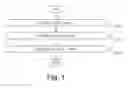
FIG. 1 illustrates a flowchart of an SIS decision method according to some embodiments.
FIG. 2 illustrates a block diagram of an exemplary computing device configured to implement the SIS decision method according to some embodiments.
DETAILED DESCRIPTION OF THE PREFERRED EMBODIMENT
In High Efficiency Video Coding (HEVC) version 1, strong intra smoothing (SIS) is applied to luma (420 format) to reduce (e.g. smooth) some visual artifacts in intra prediction. In Range Extension (RExt) of HEVC, more chroma formats (monochrome, 4:2:2 and 4:4:4) and higher bitdepths (12, 14, 16) are supported. Implementations to extend the SIS in RExt to address SIS for 444 chroma format. Restrictions on applying SIS are also described.
SIS introduces blocking artifacts and coding efficiency loss although SIS improves contouring artifacts. If the disabling SIS conditions are not satisfied, then the appropriate flag is set to a value other than 0 such as 1.
Filtering process of neighboring samples
When filterFlag is equal to 1, the following applies:
The variable biIntFlag is derived as follows:
If all of the following conditions are true, biIntFlag is set equal to 1:
strong_intra_smoothing_enabled_flag is equal to 1
nTbS is equal to 32
cldx is equal to 0//cldx is the image component index
Abs(p[−1][−1]+p[nTbS*2−1][−1]−2*p[nTbS−1][−1]<(1<<(BitDepthY−5))
Abs(p[−1][−1]+p[−1][nTbS*2−1]−2*p[−1][nTbS−1])<(1<<(BitDepthY−5))
Otherwise, biIntFlag is set equal to 0.
Shown herein is a comparison between SIS “on” and “off” for chroma, based on both AHG5 and AHG8 test sequences. The reference software used is HM13.0+RExt6.0.
More specifically, SIS “on” means that SIS is allowed for chroma when the chroma format is 4:4:4 and SIS is applied because intra_smoothing_disabled_flag is set to 0 (false) in default settings. Anchor: SIS “off” is exactly the HM13.0+RExt6.0.
In the simulation, AHG5 test sequences and conditions apply. Because the simulation is run in a cluster, encoding and decoding times are not accurate. The results are summarized in Table 1. Results show that allowing SIS for chroma when chroma format is 4:4:4 will degrade the coding performance of current reference software under common test conditions.
| TABLE 1 |
| Summary of results for AHG5 conditions |
| All Intra Main-tier | All Intra High-tier | All Intra Super High-tier | |
| Y U V | Y U V | Y U V | |
| RGB: 4:4:4 | 0.0% | 0.0% | 0.0% | 0.0% | 0.0% | 0.0% | 0.0% | 0.0% | 0.0% |
| YCbCr 4:4:4 | 0.4% | 0.4% | 0.4% | 0.2% | 0.2% | 0.2% | 0.1% | 0.1% | 0.0% |
| YCbCr 4:2:2 | 0.0% | 0.0% | 0.0% | 0.0% | 0.0% | 0.0% | 0.0% | 0.0% | 0.0% |
| Enc Time[%] | 99% | 100% | 100% |
| Dec Time[%] | 101% | 101% | 99% |
| Random Access Main-tier | Random Access High-tier | |
| Y U V | Y U V | |
| RGB: 4:4:4 | 0.0% | 0.0% | 0.0% | 0.0% | 0.0% | 0.0% | |
| YCbCr 4:4:4 | 0.2% | 0.3% | 0.1% | 0.1% | 0.1% | 0.0% | |
| YCbCr 4:2:2 | 0.0% | 0.0% | 0.0% | 0.0% | 0.0% | 0.0% |
| Enc Time[%] | 100% | 101% | |
| Dec Time[%] | 99% | 101% | |
| Low delay B Main-tier | Low Delay B High-tier | |
| Y U V | Y U V | |
| RGB: 4:4:4 | 0.0% | 0.0% | 0.0% | 0.0% | 0.0% | 0.0% | |
| YCbCr 4:4:4 | 0.1% | 0.4% | 0.1% | 0.1% | 0.1% | 0.0% | |
| YCbCr 4:2:2 | 0.0% | 0.0% | 0.0% | 0.0% | 0.0% | 0.0% |
| Enc Time[%] | 103% | 101% | |
| Dec Time[%] | 100% | 99% | |
In the simulation, AHG8 test sequences and conditions apply. Because the simulation is run in a cluster, encoding and decoding times are not accurate. The results are summarized in Table 2. Results show that allowing SIS for chroma when the chroma format is 4:4:4 will degrade the coding performance of current reference software under common test conditions.
| TABLE 2 |
| Summary of results for AHG8 conditions |
| All Intra Main-tier | All Intra High-tier | All Intra Super High-tier | |
| Y U V | Y U V | Y U V | |
| Class F | 0.0% | 0.0% | 0.0% | 0.0% | 0.0% | 0.0% | 0.0% | 0.0% | 0.0% |
| Class B | 0.0% | 0.0% | 0.0% | 0.0% | 0.0% | 0.0% | 0.0% | 0.0% | 0.0% |
| RGB: 4:4:4 SC | 0.0% | 0.0% | 0.0% | 0.0% | 0.0% | 0.0% | 0.0% | 0.0% | 0.0% |
| RGB: 4:4:4 | 0.0% | 0.0% | 0.0% | 0.0% | 0.0% | 0.0% | 0.0% | 0.0% | 0.0% |
| Ani | |||||||||
| YCbCr 4:4:4 | 0.0% | 0.0% | 0.0% | 0.0% | 0.0% | 0.0% | 0.0% | 0.0% | 0.0% |
| SC | |||||||||
| YCbCr 4:4:4 | 0.2% | 0.2% | 0.2% | 0.1% | 0.1% | 0.1% | 0.1% | 0.0% | 0.0% |
| Ani | |||||||||
| RangExt | 0.2% | 0.2% | 0.1% | 0.1% | 0.1% | 0.0% | 0.0% | 0.0% | 0.0% |
| RGB4:4:4SC(op) | 0.0% | 0.0% | 0.0% | 0.0% | 0.0% | 0.0% | 0.0% | 0.0% | 0.0% |
| YCbCr 4:4:4 | 0.0% | 0.0% | 0.0% | 0.0% | 0.0% | 0.0% | 0.0% | 0.0% | 0.0% |
| SC (optional) |
| Enc Time[%] | |||
| Dec Time[%] | |||
| Random Access Main-tier | Random Access High-tier | |
| Y U V | Y U V | |
| Class F | 0.0% | 0.0% | 0.0% | 0.0% | 0.0% | 0.0% |
| Class B | 0.0% | 0.0% | 0.0% | 0.0% | 0.0% | 0.0% |
| RGB: 4:4:4 SC | 0.0% | 0.1% | 0.0% | 0.1% | 0.1% | 0.1% |
| RGB: 4:4:4 Anim | 0.0% | 0.0% | 0.0% | 0.0% | 0.0% | 0.0% |
| YCbCr 4:4:4 SC | 0.1% | 0.1% | 0.1% | 0.1% | 0.1% | 0.0% |
| YCbCr 4:4:4 Anim | 0.1% | 0.0% | 0.0% | 0.1% | 0.0% | 0.0% |
| RangExt | 0.1% | 0.0% | 0.0% | 0.0% | 0.0% | 0.0% |
| RGB4:4:4 SC | 0.1% | 0.1% | 0.2% | 0.0% | 0.0% | 0.0% |
| (optional) | ||||||
| YCbCr 4:4:4 SC | 0.0% | 0.0% | 0.0% | 0.0% | −0.1% | 0.0% |
| (optional) |
| Enc Time[%] | ||
| Dec Time[%] | ||
| Low delay B Main-tier | Low Delay B High-tier | |
| Y U V | Y U V | |
| Class F | 0.0% | 0.0% | 0.0% | 0.0% | 0.0% | 0.0% |
| Class B | 0.0% | 0.0% | 0.0% | 0.0% | 0.0% | 0.0% |
| RGB: 4:4:4 SC | 0.1% | 0.0% | 0.1% | 0.1% | 0.0% | 0.1% |
| RGB: 4:4:4 Anim | −0.1% | −0.1% | 0.0% | −0.1% | 0.0% | 0.0% |
| YCbCr 4:4:4 SC | −0.1% | 0.0% | −0.1% | −0.1% | 0.0% | −0.2% |
| YCbCr 4:4:4 Anim | 0.0% | 0.0% | 0.1% | 0.0% | 0.0% | 0.1% |
| RangExt | 0.0% | 0.1% | 0.0% | 0.0% | 0.0% | 0.0% |
| RGB4:4:4 SC | −0.7% | −0.8% | −0.7% | −0.2% | −0.3% | −0.3% |
| (optional) | ||||||
| YCbCr 4:4:4 SC | −0.6% | −0.7% | −0.5% | −0.7% | −0.8% | −0.7% |
| (optional) |
| Enc Time[%] | ||
| Dec Time[%] | ||
FIG. 1 illustrates a flowchart of an SIS decision method according to some embodiments. In the step 100, video content is acquired, transmitted and/or received. In the step 102, the video content is encoded. The video content is encoded using SIS with the conditions/restrictions described herein. For example, SIS is not allowed (e.g., disabled) for chroma when the chroma format is 444. In another example, SIS is not allowed for chroma when the chroma format is 422 or 444. In the step 104, the video content is displayed. In some embodiments, fewer or additional steps are implemented. For example, the encoded video content is decoded after it is encoded. In some embodiments, the order of the steps is modified. For example, the video content is encoded and then transmitted.
FIG. 2 illustrates a block diagram of an exemplary computing device configured to implement the SIS decision method according to some embodiments. The computing device 200 is able to be used to acquire, store, compute, process, communicate and/or display information such as images and videos. In general, a hardware structure suitable for implementing the computing device 200 includes a network interface 202, a memory 204, a processor 206, I/O device(s) 208, a bus 210 and a storage device 212. The choice of processor is not critical as long as a suitable processor with sufficient speed is chosen. The memory 204 is able to be any conventional computer memory known in the art. The storage device 212 is able to include a hard drive, CDROM, CDRW, DVD, DVDRW, High Definition disc/drive, ultra-HD drive, flash memory card or any other storage device. The computing device 200 is able to include one or more network interfaces 202. An example of a network interface includes a network card connected to an Ethernet or other type of LAN. The I/O device(s) 208 are able to include one or more of the following: keyboard, mouse, monitor, screen, printer, modem, touchscreen, button interface and other devices. SIS decision method application(s) 230 used to implement the SIS decision method are likely to be stored in the storage device 212 and memory 204 and processed as applications are typically processed. More or fewer components shown in FIG. 2 are able to be included in the computing device 200. In some embodiments, SIS decision method hardware 220 is included. Although the computing device 200 in FIG. 2 includes applications 230 and hardware 220 for the SIS decision method, the SIS decision method is able to be implemented on a computing device in hardware, firmware, software or any combination thereof. For example, in some embodiments, the SIS decision method applications 230 are programmed in a memory and executed using a processor. In another example, in some embodiments, the SIS decision method hardware 220 is programmed hardware logic including gates specifically designed to implement the SIS decision method.
In some embodiments, the SIS decision method application(s) 230 include several applications and/or modules. In some embodiments, modules include one or more sub-modules as well. In some embodiments, fewer or additional modules are able to be included.
Examples of suitable computing devices include a personal computer, a laptop computer, a computer workstation, a server, a mainframe computer, a handheld computer, a personal digital assistant, a cellular/mobile telephone, a smart appliance, a gaming console, a digital camera, a digital camcorder, a camera phone, a smart phone, a portable music player, a tablet computer, a mobile device, a video player, a video disc writer/player (e.g., DVD writer/player, high definition disc writer/player, ultra high definition disc writer/player), a television, a home entertainment system, smart jewelry (e.g., smart watch) or any other suitable computing device.
To utilize the SIS decision method described herein, a device such as a digital camera/camcorder is used to acquire image/video content or a device such as a television is used to display video content. The SIS decision method is automatically used during the encoding process of the acquired or displayed video content such as when the video content is transmitted. The SIS decision method is able to be implemented with user assistance or automatically without user involvement.
In operation, the SIS decision method determines when SIS is implemented to ensure proper and efficient encoding of content.
Some Embodiments of Strong Intra Smoothing for in REXT
1. A method programmed in a non-transitory memory of a device comprising:
-
- a. acquiring video content; and
- b. encoding the video content without implementing strong intra smoothing depending on the chroma format of the video content.
2. The method of clause 1 further comprising determining the chroma format is 444; and not enabling strong intra smoothing.
3. The method of clause 1 further comprising determining the chroma format is 422 or 444; and not enabling strong intra smoothing.
4. The method of clause 1 wherein a strong intra smoothing flag is equal to 1 and a image component index is equal to 0.
5. The method of clause 1 wherein the device is selected from the group consisting of a personal computer, a laptop computer, a computer workstation, a server, a mainframe computer, a handheld computer, a personal digital assistant, a cellular/mobile telephone, a smart appliance, a gaming console, a digital camera, a digital camcorder, a camera phone, a smart phone, a portable music player, a tablet computer, a mobile device, a video player, a video disc writer/player, a television, a home entertainment system and smart jewelry.
6. A system programmed in a non-transitory memory of a device comprising:
-
- a. a receiving device configured for receiving encoded video content, wherein the encoded video content was encoded without using strong intra smoothing depending on the chroma format of the video content; and
- b. a display device configured for displaying the encoded video content.
7. The system of clause 6 wherein encoding the encoded video content included determining the chroma format is 444; and not enabling strong intra smoothing.
8. The system of clause 6 wherein encoding the encoded video content included determining the chroma format is 422 or 444; and not enabling strong intra smoothing.
9. The system of clause 6 wherein a strong intra smoothing flag is equal to 1 and a image component index is equal to 0.
10. The system of clause 6 wherein the device is selected from the group consisting of a personal computer, a laptop computer, a computer workstation, a server, a mainframe computer, a handheld computer, a personal digital assistant, a cellular/mobile telephone, a smart appliance, a gaming console, a digital camera, a digital camcorder, a camera phone, a smart phone, a portable music player, a tablet computer, a mobile device, a video player, a video disc writer/player, a television, a home entertainment system and smart jewelry.
11. An apparatus comprising:
-
- a. a display device;
- b. a non-transitory memory for storing an application, the application for:
- i. receiving video content, wherein the video content was encoded without using strong intra smoothing depending on the chroma format of the video content; and
- ii. displaying the video content on the display device; and
- c. a processing component coupled to the memory, the processing component configured for processing the application.
12. The apparatus of clause 11 wherein encoding the encoded video content included determining the chroma format is 444; and not enabling strong intra smoothing.
13. The apparatus of clause 11 encoding the encoded video content included determining the chroma format is 422 or 444; and not enabling strong intra smoothing.
14. The apparatus of clause 11 wherein a strong intra smoothing flag is equal to 1 and a image component index is equal to 0.
15. The apparatus of clause 11 wherein the apparatus is selected from the group consisting of a personal computer, a laptop computer, a computer workstation, a server, a mainframe computer, a handheld computer, a personal digital assistant, a cellular/mobile telephone, a smart appliance, a gaming console, a digital camera, a digital camcorder, a camera phone, a smart phone, a portable music player, a tablet computer, a mobile device, a video player, a video disc writer/player, a television, a home entertainment system and smart jewelry.
The present invention has been described in terms of specific embodiments incorporating details to facilitate the understanding of principles of construction and operation of the invention. Such reference herein to specific embodiments and details thereof is not intended to limit the scope of the claims appended hereto. It will be readily apparent to one skilled in the art that other various modifications may be made in the embodiment chosen for illustration without departing from the spirit and scope of the invention as defined by the claims.
Claims
What is claimed is:1. An apparatus, comprising:
an encoding unit configured to encode an image, wherein when a chroma format is 4:4:4, the encoding unit is configured to apply strong intra smoothing to only luma pixels, with strong intra smoothing not allowed for chroma pixels, and to only apply the strong intra smoothing when a transform block size is 32×32.
2. A method comprising:
encoding an image, wherein when a chroma format is 4:4:4, strong intra smoothing is applied to only luma pixels, and is not allowed for chroma pixels, and the strong intra smoothing is only applied when a transform block size is 32×32.
3. An apparatus, comprising:
a decoding unit configured to decode an image, wherein when a chroma format is 4:4:4, the decoding unit is configured to apply strong intra smoothing to only luma pixels, with strong intra smoothing not allowed for chroma pixels, and to only apply the strong intra smoothing when a transform block size is 32×32.
4. A method comprising:
decoding an image, wherein when a chroma format is 4:4:4, strong intra smoothing is applied to only luma pixels, and is not allowed for chroma pixels, and the strong intra smoothing is only applied when a transform block size is 32×32.
Images & Drawings included:


Sources:
- United States Patent and Trademark Office - verify current appl. status at the USPTO↗
Similar patent applications:
- » 20150249843
Strong intra smoothing for in RExt - » 20200221136
STRONG INTRA SMOOTHING FOR IN REXT
Recent applications in this class:
- » 20250280155 2025-09-04
USE OF TRANSFORMED COEFFICIENTS TO PROVIDE EMBEDDED SIGNALLING FOR WATERMARKING - » 20250240462 2025-07-24
SYSTEM AND METHOD FOR DEBLOCKING HDR CONTENT - » 20250227312 2025-07-10
SYSTEMS AND METHODS FOR MULTI-FILTER VIDEO DECODING WITH PARTIAL-BLOCK FILTERING - » 20250220248 2025-07-03
METHOD, APPARATUS, AND MEDIUM FOR VIDEO PROCESSING - » 20250211800 2025-06-26
SYSTEM AND METHOD FOR REDUCING BLOCKING ARTIFACTS AND PROVIDING IMPROVED CODING EFFICIENCY - » 20250193458 2025-06-12
CROSS-PLANE FILTERING FOR CHROMA SIGNAL ENHANCEMENT IN VIDEO CODING - » 20250184543 2025-06-05
DEBLOCKING BETWEEN BLOCK BOUNDARIES AND SUB-BLOCK BOUNDARIES IN A VIDEO ENCODER AND/OR VIDEO DECODER - » 20250126302 2025-04-17
METADATA-AIDED REMOVAL OF FILM GRAIN - » 20250113065 2025-04-03
TECHNIQUES FOR DEBANDING IN THE IN-LOOP FILTERING STAGE OF A VIDEO CODING PIPELINE - » 20250113064 2025-04-03
TECHNIQUES FOR DEBANDING IN THE INVERSE TRANSFORM STAGE OF A VIDEO CODING PIPELINE
Recent applications for this Assignee:
- » 20250280125 2025-09-04
IMAGE DATA ENCODING AND DECODING - » 20250199527 2025-06-19
INFORMATION PROCESSING DEVICE, INFORMATION PROCESSING METHOD, AND PROGRAM - » 20250175646 2025-05-29
IMAGE PROCESSING APPARATUS AND METHOD - » 20250150244 2025-05-08
INTERFACE CIRCUIT AND INFORMATION PROCESSING SYSTEM - » 20250126294 2025-04-17
IMAGE PROCESSING APPARATUS AND METHOD - » 20250123622 2025-04-17
INFORMATION PROCESSING APPARATUS, INFORMATION PROCESSING METHOD, AND PROGRAM - » 20250119802 2025-04-10
TERMINAL DEVICE AND METHOD - » 20250113080 2025-04-03
REPRODUCING DEVICE, REPRODUCING METHOD, PROGRAM, AND TRANSMITTING DEVICE - » 20250068301 2025-02-27
INFORMATION PROCESSING APPARATUS FOR RESPONDING TO FINGER AND HAND OPERATION INPUTS - » 20250044935 2025-02-06
INFORMATION PROCESSING DEVICE, INFORMATION PROCESSING METHOD, AND PROGRAM