Benzothia(di)azepine compounds and their use as bile acid modulators
US20190367467A1
2019-12-05
16/508,125
2019-07-10
✅ Patent granted
US 10,793,534 B2
2020-10-06
-
-
Brenda L Coleman
Fish & Richardson P.C.
2039-07-10
Abstract:
The invention relates to 1,5-benzothiazepine and 1,2,5-benzothiadiazepine derivatives of formula (I). These compounds are bile acid modulators having apical sodium-dependent bile acid transporter (ASBT) and/or liver bile acid transport (LBAT) inhibitory activity. The invention also relates to pharmaceutical compositions comprising these compounds and to the use of these compounds in the treatment of cardiovascular diseases, fatty acid metabolism and glucose utilization disorders, gastrointestinal diseases and liver diseases.
Inventors:
- Per-Göran Gillberg 49 🇸🇪 Molndal, Sweden
- Ingemar Starke 45 🇸🇪 Goteborg, Sweden
- SANTOSH S. KULKARNI 50 🇮🇳 BANGALORE, India
- Jan Mattsson 10 🇸🇪 Kullavik, Sweden
- Ingemar Starke 32 🇸🇪 Gothenburg, Sweden
Assignee:
- ALBIREO AB 45 🇸🇪 Gothenburg, Sweden
Applicant:
Interested in similar patents?
Get notified when new applications in this technology area are published.
Classification:
A61K31/554 IPC
Medicinal preparations containing organic active ingredients; Heterocyclic compounds having nitrogen as a ring hetero atom, e.g. guanethidine or rifamycins having seven-membered rings, e.g. azelastine, pentylenetetrazole having at least one nitrogen and one sulfur as ring hetero atoms, e.g. clothiapine, diltiazem
C07D281/02 IPC
Heterocyclic compounds containing rings of more than six members having one nitrogen atom and one sulfur atom as the only ring hetero atoms Seven-membered rings
A61K9/00 IPC
Medicinal preparations characterised by special physical form
A61K9/0053 » CPC further
Medicinal preparations characterised by special physical form; Galenical forms characterised by the site of application Mouth and digestive tract, i.e. intraoral and peroral administration
C07D285/36 » CPC further
Heterocyclic compounds containing rings having nitrogen and sulfur atoms as the only ring hetero atoms, not provided for by groups - Seven-membered rings
C07D281/10 » CPC main
Heterocyclic compounds containing rings of more than six members having one nitrogen atom and one sulfur atom as the only ring hetero atoms; Seven-membered rings having the hetero atoms in positions 1 and 4 condensed with carbocyclic rings or ring systems condensed with one six-membered ring
Description
CROSS-REFERENCE TO RELATED APPLICATIONS
This application claims priority to Indian Application No. 201811021016, filed Jun. 5, 2018; Swedish Application No. 1850915-8, filed Jul. 18, 2018; and Indian Application No. 201911000892, filed Jan. 8, 2019, the disclosures of which are incorporated herein by reference in their entireties.
TECHNICAL FIELD
The invention relates to 1,5-benzothiazepine and 1,2,5-benzothiadiazepine derivatives of formula (I). These compounds are bile acid modulators having apical sodium-dependent bile acid transporter (ASBT) and/or liver bile acid transport (LBAT) inhibitory activity. The invention also relates to pharmaceutical compositions comprising these compounds and to the use of these compounds in the treatment of cardiovascular diseases, fatty acid metabolism and glucose utilization disorders, gastrointestinal diseases and liver diseases.
BACKGROUND
Bile acids are physiological detergents that play an important role in the intestinal absorption and transport of lipids, nutrients and vitamins. They are also signaling molecules that activate nuclear receptors and cell signaling pathways that regulate lipid, glucose and energy metabolism. Bile acids are steroid acids that are synthesized from cholesterol in the liver and stored in the gallbladder as mixed micelles. During digestion, the duodenum triggers the release of hormones that cause the gallbladder to contract, thereby releasing bile acids in the small intestine where they enable absorption of fat-soluble vitamins and cholesterol. When they reach the ileum, bile acids are reabsorbed from the intestine and secreted into portal blood to return to the liver via the portal venous circulation. Over 90% of the bile acids are thus recycled and returned to the liver. These bile acids are then transported across the sinusoidal membrane of hepatocytes and re-secreted across the canalicular membrane into bile. In this first pass, 75-90% of bile acids are taken up by hepatocytes, completing one round of enterohepatic circulation. The fraction of bile acids that escapes being cleared in the liver enters the systemic circulation where the free bile acids are filtered by the renal glomerulus, efficiently reclaimed in the proximal tubules and exported back into the systemic circulation. Interestingly, most of the bile acids secreted across the canalicular membrane into bile are derived from the recirculating pool with less than 10% coming from new de novo hepatic synthesis. The small fraction of bile acids that is not reabsorbed in the ileum reaches the colon. Within the intestinal lumen, the primary bile acids are transformed into secondary bile acids under the action of intestinal bacteria, mainly by single or dual dehydroxylation reactions of the steroid nucleus. The bile acids that escape intestinal absorption are thereafter excreted into the faeces.
Overall, the efficient transport system helps maintain a constant bile acid pool, ensuring sufficiently high levels of conjugated bile acids in the intestine to promote lipid absorption as well as reduce the small intestinal bacterial load. The system also minimizes fecal and urinary bile acid loss and protects the intestinal and hepatobiliary compartments by eliminating potentially cytotoxic detergents (as reviewed by Kosters and Karpen (Xenobiotica 2008, vol. 38, p. 1043-1071); by Chiang (J. Lipid Res. 2009, vol. 50, p. 1955-1966); and by Dawson (Handb. Exp. Pharmacol. 2011, vol. 201, p. 169-203)).
The regulation of the bile acid pool size has been found to play a key role in cholesterol homeostasis by hepatic conversion of cholesterol to bile acid, which represents a major route for elimination of cholesterol from the body. The liver plays an essential role in removing endogenous and xenobiotic compounds from the body. The normal hepatobiliary secretion and enterohepatic circulation are required for the elimination of endogenous compounds such as cholesterol and bilirubin and their metabolites from the body, thereby maintaining lipid and bile acid homeostasis. (Kosters and Karpen, Xenobiotica 2008, vol. 38, p. 1043-1071).
The reabsorption of bile acids in the ileum may be inhibited by apical sodium-dependent bile acid transporter (ASBT) inhibitor compounds. Inhibition of bile acid reabsorption has been reported useful in the treatment of several diseases, including dyslipidemia, diabetes, obesity, constipation, cholestatic liver diseases, non-alcoholic steatohepatitis and other hepatic diseases. A number of ASBT inhibitor compounds has been disclosed over the past decades, see e.g. WO 93/16055, WO 94/18183, WO 94/18184, WO 96/05188, WO 96/08484, WO 96/16051, WO 97/33882, WO 98/03818, WO 98/07449, WO 98/40375, WO 99/35135, WO 99/64409, WO 99/64410, WO 00/47568, WO 00/61568, WO 00/38725, WO 00/38726, WO 00/38727, WO 00/38728, WO 00/38729, WO 01/66533, WO 01/68096, WO 02/32428, WO 02/50051, WO 03/020710, WO 03/022286, WO 03/022825, WO 03/022830, WO 03/061663, WO 03/091232, WO 03/106482, WO 2004/006899, WO 2004/076430, WO 2007/009655, WO 2007/009656, WO 2011/137135, DE 19825804, EP 864582, EP 489423, EP 549967, EP 573848, EP 624593, EP 624594, EP 624595, EP 624596, EP 0864582, EP 1173205 and EP 1535913.
Despite the number of ASBT inhibitor compounds that have been previously reported, there is a need for additional bile acid modulating compounds that have an optimized profile with respect to potency, selectivity and bioavailability.
DETAILED DESCRIPTION OF THE INVENTION
It has been discovered that certain 1,5-benzothiazepine and 1,2,5-benzothiadiazepine derivates are potent inhibitors of apical sodium-dependent bile acid transporter (ASBT) and/or liver bile acid transporter (LBAT), and may be useful for treating diseases wherein inhibition of bile acid circulation is desirable.
In a first aspect, the invention relates to a compound of formula (I)
wherein
-
- M is selected from —CH2— and —NR7—;
- R1 and R2 are each independently C1-4 alkyl;
- R3 is selected from the group consisting of hydrogen, halogen, hydroxy, C1-4 alkyl, C1-4 haloalkyl, C1-4 alkoxy, cyano, nitro, amino, N—(C1-4 alkyl)amino, N,N-di(C1-4 alkyl)amino, N-(aryl-C1-4 alkyl)amino, C1-4 alkylcarbonylamino, C3-6 cycloalkylcarbonylamino, N—(C1-4 alkyl)aminocarbonyl, N,N-di(C1-4 alkyl)aminocarbonyl, C1-4 alkyloxycarbonylamino, C3-6 cycloalkyloxycarbonylamino, C1-4 alkylsulfonamido and C3-6 cycloalkylsulfonamido;
- n is an integer 1, 2 or 3;
- R4 is selected from the group consisting of hydrogen, halogen, cyano, C1-4 alkyl, C3-6 cycloalkyl, C1-4 alkoxy, C3-6 cycloalkyloxy, C1-4 alkylthio, C3-6 cycloalkylthio, amino, N—(C1-4 alkyl)amino and N,N-di(C1-4 alkyl)amino;
- One of R5 and R6 is carboxy, and the other of R5 and R6 is selected from the group consisting of hydrogen, fluoro, C1-4 alkyl and C1-4 haloalkyl;
- R7 is selected from the group consisting of hydrogen and C1-4 alkyl; and
- R8 is selected from the group consisting of hydrogen and C1-4 alkyl;
or a pharmaceutically acceptable salt thereof.
In some embodiments, R1 and R2 are each independently C24 alkyl. In other embodiments, R1 is n-butyl and R2 is C24 alkyl. In a preferred embodiment, both R1 and R2 are n-butyl. In another preferred embodiment, R1 is n-butyl and R2 is ethyl. In yet another preferred embodiment both R1 and R2 are ethyl.
In some embodiments, R3 is selected from the group consisting of hydrogen, bromo, hydroxy, methoxy, amino, tert-butoxycarbonylamino, methylsulfonamido and cyclopropylsulfonamido. In a preferred embodiment, n is 1, i.e. the phenyl-ring is substituted with only one substituent R3. In another preferred embodiment, R3 is in the para-position.
In some embodiments, R4 is selected from the group consisting of hydrogen, bromo, ethyl, cyclopropyl, methoxy, methylthio and dimethylamino.
In some embodiments, R5 is selected from the group consisting of hydrogen and fluoro.
In some embodiments, R6 is carboxy.
In some embodiments, R7 is hydrogen or methyl.
In some embodiments, R8 is hydrogen.
In a preferred embodiment, the compound of formula (I) is a compound of formula (I-a):
wherein
-
- R1 and R2 are each independently ethyl or n-butyl;
- R4 is fluoro, chloro, bromo, methylthio or ethylthio; and
- R5 is hydrogen or fluoro;
or a pharmaceutically acceptable salt thereof.
In another preferred embodiment, the compound of formula (I) is a compound of formula (I-b):
wherein
-
- R1 and R2 are each independently ethyl or n-butyl;
- R4 is chloro or methylthio; and
- R5 is hydrogen or fluoro;
or a pharmaceutically acceptable salt thereof.
In another preferred embodiment, the compound of formula (I) is a compound of formula (I-c):
wherein
-
- R4 is chloro or methylthio;
or a pharmaceutically acceptable salt thereof.
- R4 is chloro or methylthio;
In another preferred embodiment, the compound of formula (I) is a compound of formula (I-d):
wherein
-
- R4 is chloro, methylthio, ethylthio or dimethylamino;
or a pharmaceutically acceptable salt thereof.
- R4 is chloro, methylthio, ethylthio or dimethylamino;
In a further preferred embodiment, the compound of formula (I) is a compound of formula (I-d) wherein R4 is chloro or methylthio;
or a pharmaceutically acceptable salt thereof.
In another preferred embodiment, the compound of formula (I) is a compound of formula (I-e):
wherein
-
- R4 is chloro or methylthio; and
- R5 is hydrogen or fluoro;
or a pharmaceutically acceptable salt thereof.
In another preferred embodiment, the compound of formula (I) is a compound of formula (I-f):
wherein
-
- R1 and R2 are each independently ethyl or n-butyl;
- R4 is chloro or methylthio; and
- R5 is hydrogen or fluoro;
or a pharmaceutically acceptable salt thereof.
In another preferred embodiment, the compound of formula (I) is a compound of formula (I-g):
wherein
-
- R1 and R2 are each independently ethyl orn-butyl;
- R4 is chloro or methylthio; and
- R5 is hydrogen or fluoro;
or a pharmaceutically acceptable salt thereof.
In another preferred embodiment, the compound of formula (I) is a compound of formula (I-h):
wherein
-
- R1 is n-butyl;
- R2 is ethyl or n-butyl;
- R3 is selected from the group consisting of N—(C1-4 alkyl)amino, N,N-di(C1-4 alkyl)amino, N-(aryl-C1-4 alkyl)amino, C1-6 alkylcarbonylamino, C1-4 alkyloxycarbonylamino, C1-4 alkylsulfonamido and C3-6 cycloalkylsulfonamido;
- R4 is halogen or C1-4 alkylthio; and
- R5 is hydrogen or fluoro;
or a pharmaceutically acceptable salt thereof.
In another preferred embodiment, the compound of formula (I) is a compound of formula (I-i):
wherein
-
- M is CH2 or NH;
- R1 is n-butyl;
- R2 is ethyl or n-butyl;
- R5 is hydrogen or fluoro;
or a pharmaceutically acceptable salt thereof.
In a particular embodiment, the compound of formula (I) is selected from the group consisting of:
- (E)-3-((3,3-dibutyl-7-(methylthio)-1,1-dioxido-5-phenyl-2,3,4,5-tetrahydro-1,5-benzothiazepin-8-yl)oxy)acrylic acid;
- (E)-3-((5-(4-aminophenyl)-3,3-dibutyl-7-(methylthio)-1,1-dioxido-2,3,4,5-tetrahydro-1,5-benzothiazepin-8-yl)oxy)acrylic acid;
- (E)-3-((5-(4-((tert-butoxycarbonyl)amino)phenyl)-3,3-dibutyl-7-(methylthio)-1,1-dioxido-2,3,4,5-tetrahydro-1,5-benzothiazepin-8-yl)oxy)acrylic acid;
- (E)-3-((7-bromo-3-butyl-3-ethyl-1,1-dioxido-5-phenyl-2,3,4,5-tetrahydro-1,5-benzothiazepin-8-yl)oxy)acrylic acid;
- (R)-(E)-3-((7-bromo-3-butyl-3-ethyl-1,1-dioxido-5-phenyl-2,3,4,5-tetrahydro-1,5-benzothiazepin-8-yl)oxy)acrylic acid;
- (S)-(E)-3-((7-bromo-3-butyl-3-ethyl-1,1-dioxido-5-phenyl-2,3,4,5-tetrahydro-1,5-benzothiazepin-8-yl)oxy)acrylic acid;
- (E)-3-((3,3-dibutyl-7-cyclopropyl-1,1-dioxido-5-phenyl-2,3,4,5-tetrahydro-1,5-benzothiazepin-8-yl)oxy)acrylic acid;
- (E)-3-((3,3-dibutyl-7-(dimethylamino)-1,1-dioxido-5-phenyl-2,3,4,5-tetrahydro-1,5-benzothiazepin-8-yl)oxy)acrylic acid;
- (E)-3-((3,3-dibutyl-5-(4-(cyclopropanesulfonamido)phenyl)-7-(methylthio)-1,1-dioxido-2,3,4,5-tetrahydro-1,5-benzothiazepin-8-y)oxy)acrylic acid;
- (E)-3-((3,3-dibutyl-5-(4-(methylsulfonamido)phenyl)-7-(methylthio)-1,1-dioxido-2,3,4,5-tetrahydro-1,5-benzothiazepin-8-y)oxy)acrylic acid;
- (Z)-3-((3,3-dibutyl-7-(methylthio)-1,1-dioxido-5-phenyl-2,3,4,5-tetrahydro-1,5-benzothiazepin-8-yl)oxy)-2-fluoroacrylic acid;
- (E)-3-((3,3-dibutyl-7-ethyl-1,1-dioxido-5-phenyl-2,3,4,5-tetrahydro-1,5-benzothiazepin-8-yl)oxy)acrylic acid;
- (E)-3-((3-butyl-3-ethyl-7-methoxy-1,1-dioxido-5-phenyl-2,3,4,5-tetrahydro-1,5-benzothiazepin-8-yl)oxy)acrylic acid;
- (E)-3-((3,3-dibutyl-7-methoxy-1,1-dioxido-5-phenyl-2,3,4,5-tetrahydro-1,5-benzothiazepin-8-yl)oxy)acrylic acid;
- (E)-3-((5-(4-bromophenyl)-3,3-dibutyl-7-(methylthio)-1,1-dioxido-2,3,4,5-tetrahydro-1,5-benzothiazepin-8-y)oxy)acrylic acid;
- (E)-3-((3-butyl-3-ethyl-7-(methylthio)-1,1-dioxido-5-phenyl-2,3,4,5-tetrahydro-1,5-benzothiazepin-8-y)oxy)acrylic acid;
- (R)-(E)-3-((3-butyl-3-ethyl-7-(methylthio)-1,1-dioxido-5-phenyl-2,3,4,5-tetrahydro-1,5-benzothiazepin-8-y)oxy)acrylic acid;
- (S)-(E)-3-((3-butyl-3-ethyl-7-(methylthio)-1,1-dioxido-5-phenyl-2,3,4,5-tetrahydro-1,5-benzothiazepin-8-yl)oxy)acrylic acid;
- (E)-3-((3,3-dibutyl-5-(4-methoxyphenyl)-7-(methylthio)-1,1-dioxido-2,3,4,5-tetrahydro-1,5-benzothiazepin-8-y)oxy)acrylic acid;
- (E)-3-((3,3-dibutyl-5-(4-hydroxyphenyl)-7-(methylthio)-1,1-dioxido-2,3,4,5-tetrahydro-1,5-benzothiazepin-8-y)oxy)acrylic acid;
- (E)-3-((3-butyl-3-ethyl-1,1-dioxido-5-phenyl-2,3,4,5-tetrahydro-1,5-benzothiazepin-8-yl)oxy)acrylic acid;
- (E)-3-((5-(4-(benzylamino)phenyl)-3,3-dibutyl-7-(methylthio)-1,1-dioxido-2,3,4,5-tetrahydro-1,5-benzothiazepin-8-y)oxy)acrylic acid;
- (E)-3-((7-bromo-5-(4-((tert-butoxycarbonyl)amino)phenyl)-3-butyl-3-ethyl-1,1-dioxido-2,3,4,5-tetrahydro-1,5-benzothiazepin-8-y)oxy)acrylic acid;
- (E)-3-((3,3-dibutyl-5-(4-((methoxycarbonyl)amino)phenyl)-7-(methylthio)-1,1-dioxido-2,3,4,5-tetrahydro-1,5-benzothiazepin-8-y)oxy)acrylic acid;
- (E)-3-((3,3-dibutyl-5-(4-(dimethylamino)phenyl)-7-(methylthio)-1,1-dioxido-2,3,4,5-tetrahydro-1,5-benzothiazepin-8-y)oxy)acrylic acid;
- (Z)-3-((5-(4-((tert-butoxycarbonyl)amino)phenyl)-3,3-dibutyl-7-(methylthio)-1,1-dioxido-2,3,4,5-tetrahydro-1,5-benzothiazepin-8-y)oxy)-2-fluoroacrylic acid;
- (E)-3-((3,3-dibutyl-7-(methylthio)-1,1-dioxido-5-(4-pivalamidophenyl)-2,3,4,5-tetrahydro-1,5-benzothiazepin-8-yl)oxy)acrylic acid;
- (Z)-3-((3,3-dibutyl-7-(methylthio)-1,1-dioxido-5-(4-pivalamidophenyl)-2,3,4,5-tetrahydro-1,5-benzothiazepin-8-y)oxy)-2-fluoroacrylic acid;
- (E)-3-((5-(4-((butoxycarbonyl)amino)phenyl)-3,3-dibutyl-7-(methylthio)-1,1-dioxido-2,3,4,5-tetrahydro-1,5-benzothiazepin-8-y)oxy)acrylic acid;
- (E)-3-((3,3-dibutyl-5-(4-(3,3-dimethylbutanamido)phenyl)-7-(methylthio)-1,1-dioxido-2,3,4,5-tetrahydro-1,5-benzothiazepin-8-y)oxy)acrylic acid;
- (Z)-3-((3,3-dibutyl-5-(4-isobutyramidophenyl)-7-(methylthio)-1,1-dioxido-2,3,4,5-tetrahydro-1,5-benzothiazepin-8-yl)oxy)-2-fluoroacrylic acid;
- (E)-3-((3,3-dibutyl-7-(methylthio)-1,1-dioxido-5-(4-(trifluoromethyl)phenyl)-2,3,4,5-tetrahydro-1,5-benzothiazepin-8-y)oxy)acrylic acid;
- (E)-3-((3,3-dibutyl-5-(4-isobutyramidophenyl)-7-(methylthio)-1,1-dioxido-2,3,4,5-tetrahydro-1,5-benzothiazepin-8-y)oxy)acrylic acid;
- (E)-3-((3-butyl-3-ethyl-7-(methylthio)-1,1-dioxido-5-(4-pivalamidophenyl)-2,3,4,5-tetrahydro-1,5-benzothiazepin-8-y)oxy)acrylic acid;
- (Z)-3-((3,3-dibutyl-5-(4-(cyclopentanecarboxamido)phenyl)-7-(methylthio)-1,1-dioxido-2,3,4,5-tetrahydro-1,5-benzothiazepin-8-y)oxy)-2-fluoroacrylic acid;
- (Z)-3-((3,3-dibutyl-5-(4-(cyclopropanecarboxamido)phenyl)-7-(methylthio)-1,1-dioxido-2,3,4,5-tetrahydro-1,5-benzothiazepin-8-y)oxy)-2-fluoroacrylic acid;
- (E)-3-((3,3-dibutyl-5-(4-(cyclopentanecarboxamido)phenyl)-7-(methylthio)-1,1-dioxido-2,3,4,5-tetrahydrobenzol-1,5-thiazepin-8-y)oxy)acrylic acid;
- (E)-3-((3-butyl-5-(4-(cyclopentanecarboxamido)phenyl)-3-ethyl-7-(methylthio)-1,1-dioxido-2,3,4,5-tetrahydro-1,5-benzothiazepin-8-y)oxy)acrylic acid;
- (E)-3-((3,3-diethyl-7-(methylthio)-1,1-dioxido-5-phenyl-2,3,4,5-tetrahydro-1,5-benzothiazepin-8-yl)oxy)acrylic acid;
- (E)-3-((3,3-dibutyl-5-(4-butyramidophenyl)-7-(methylthio)-1,1-dioxido-2,3,4,5-tetrahydro-1,5-benzothiazepin-8-yl)oxy)acrylic acid;
- (Z)-3-((3-butyl-3-ethyl-7-(methylthio)-1,1-dioxido-5-phenyl-2,3,4,5-tetrahydro-1,5-benzothiazepin-8-y)oxy)-2-fluoroacrylic acid;
- (R)-(Z)-3-((3-butyl-3-ethyl-7-(methylthio)-1,1-dioxido-5-phenyl-2,3,4,5-tetrahydro-1,5-benzothiazepin-8-y)oxy)-2-fluoroacrylic acid;
- (S)-(Z)-3-((3-butyl-3-ethyl-7-(methylthio)-1,1-dioxido-5-phenyl-2,3,4,5-tetrahydro-1,5-benzothiazepin-8-yl)oxy)-2-fluoroacrylic acid;
- (Z)-3-((3,3-diethyl-7-(methylthio)-1,1-dioxido-5-phenyl-2,3,4,5-tetrahydro-1,5-benzothiazepin-8-yl)oxy)-2-fluoroacrylic acid;
- (Z)-3-((3,3-dibutyl-1,1-dioxido-5-phenyl-2,3,4,5-tetrahydro-1,5-benzothiazepin-8-y)oxy)-2-fluoroacrylic acid;
- (Z)-3-((3-butyl-7-chloro-3-ethyl-1,1-dioxido-5-phenyl-2,3,4,5-tetrahydro-1,5-benzothiazepin-8-yl)oxy)-2-fluoroacrylic acid;
- (R)-(Z)-3-((3-butyl-7-chloro-3-ethyl-1,1-dioxido-5-phenyl-2,3,4,5-tetrahydro-1,5-benzothiazepin-8-yl)oxy)-2-fluoroacrylic acid;
- (S)-(Z)-3-((3-butyl-7-chloro-3-ethyl-1,1-dioxido-5-phenyl-2,3,4,5-tetrahydro-1,5-benzothiazepin-8-yl)oxy)-2-fluoroacrylic acid;
- (E)-3-((3-butyl-7-chloro-3-ethyl-1,1-dioxido-5-phenyl-2,3,4,5-tetrahydro-1,5-benzothiazepin-8-yl)oxy)acrylic acid;
- (R)-(E)-3-((3-butyl-7-chloro-3-ethyl-1,1-dioxido-5-phenyl-2,3,4,5-tetrahydro-1,5-benzothiazepin-8-y)oxy)acrylic acid;
- (S)-(E)-3-((3-butyl-7-chloro-3-ethyl-1,1-dioxido-5-phenyl-2,3,4,5-tetrahydro-1,5-benzothiazepin-8-y)oxy)acrylic acid;
- (Z)-3-((3,3-diethyl-7-(methylthio)-1,1-dioxido-5-(4-pivalamidophenyl)-2,3,4,5-tetrahydro-1,5-benzothiazepin-8-yl)oxy)-2-fluoroacrylic acid;
- (Z)-3-((3,3-dibutyl-7-chloro-1,1-dioxido-5-phenyl-2,3,4,5-tetrahydro-1,5-benzothiazepin-8-yl)oxy)-2-fluoroacrylic acid;
- (E)-3-((3,3-diethyl-7-iodo-1,1-dioxido-5-phenyl-2,3,4,5-tetrahydro-1,5-benzothiazepin-8-yl)oxy)acrylic acid;
- (E)-3-((7-bromo-3,3-diethyl-1,1-dioxido-5-phenyl-2,3,4,5-tetrahydro-1,5-benzothiazepin-8-yl)oxy)acrylic acid;
- (Z)-3-((7-bromo-3,3-diethyl-1,1-dioxido-5-phenyl-2,3,4,5-tetrahydro-1,5-benzothiazepin-8-yl)oxy)-2-fluoroacrylic acid;
- (S)-(Z)-3-((3-butyl-3-ethyl-7-iodo-1,1-dioxido-5-phenyl-2,3,4,5-tetrahydro-1,5-benzothiazepin-8-yl)oxy)acrylic acid;
- (R)-(Z)-3-((3-butyl-3-ethyl-7-iodo-1,1-dioxido-5-phenyl-2,3,4,5-tetrahydro-1,5-benzothiazepin-8-yl)oxy)acrylic acid;
- (Z)-3-((3-butyl-3-ethyl-7-(methylthio)-1,1-dioxido-5-phenyl-2,3,4,5-tetrahydro-1,5-benzothiazepin-8-y)oxy)acrylic acid;
- (S)-(Z)-3-((3-butyl-3-ethyl-7-(methylthio)-1,1-dioxido-5-phenyl-2,3,4,5-tetrahydro-1,5-benzothiazepin-8-y)oxy)acrylic acid;
- (R)-(Z)-3-((3-butyl-3-ethyl-7-(methylthio)-1,1-dioxido-5-phenyl-2,3,4,5-tetrahydro-1,5-benzothiazepin-8-y)oxy)acrylic acid;
- (E)-3-((3-buty-5-(4-(tert-butylcarbamoyl)phenyl)-3-ethyl-7-(methylthio)-1,1-dioxido-2,3,4,5-tetrahydro-1,5-benzothiazepin-8-y)oxy)acrylic acid;
- (Z)-3-((7-bromo-3-butyl-3-ethyl-1,1-dioxido-5-phenyl-2,3,4,5-tetrahydro-1,5-benzothiazepin-8-yl)oxy)-2-fluoroacrylic acid;
- (R)-(Z)-3-((7-bromo-3-butyl-3-ethyl-1,1-dioxido-5-phenyl-2,3,4,5-tetrahydro-1,5-benzothiazepin-8-yl)oxy)-2-fluoroacrylic acid;
- (S)-(Z)-3-((7-bromo-3-butyl-3-ethyl-1,1-dioxido-5-phenyl-2,3,4,5-tetrahydro-1,5-benzothiazepin-8-yl)oxy)-2-fluoroacrylic acid;
- (Z)-3-((5-(4-(benzylamino)phenyl)-3,3-diethyl-7-(methylthio)-1,1-dioxido-2,3,4,5-tetrahydro-1,5-benzothiazepin-8-yl)oxy)-2-fluoroacrylic acid;
- (E)-3-((3,3-dibutyl-7-(ethylthio)-1,1-dioxido-5-phenyl-2,3,4,5-tetrahydro-1,5-benzothiazepin-8-yl)oxy)acrylic acid;
- (E)-3-((3,3-dibutyl-5-(4-(tert-butylcarbamoyl)phenyl)-7-(methylthio)-1,1-dioxido-2,3,4,5-tetrahydro-1,5-benzothiazepin-8-y)oxy)acrylic acid;
- (E)-3-((3,3-dibutyl-5-(4-(isopropylcarbamoyl)phenyl)-7-(methylthio)-1,1-dioxido-2,3,4,5-tetrahydro-1,5-benzothiazepin-8-y)oxy)acrylic acid;
- (Z)-3-((3,3-dibutyl-7-(ethylthio)-1,1-dioxido-5-phenyl-2,3,4,5-tetrahydro-1,5-benzothiazepin-8-yl)oxy)-2-fluoroacrylic acid;
- (Z)-3-((3,3-dibutyl-7-(methylthio)-1,1-dioxido-5-(4-propionamidophenyl)-2,3,4,5-tetrahydro-1,5-benzothiazepin-8-yl)oxy)-2-fluoroacrylic acid;
- (Z)-3-((3-butyl-3-ethyl-7-(ethylthio)-1,1-dioxido-5-phenyl-2,3,4,5-tetrahydro-1,5-benzothiazepin-8-yl)oxy)-2-fluoroacrylic acid;
- (E)-3-((3-butyl-3-ethyl-7-(ethylthio)-1,1-dioxido-5-phenyl-2,3,4,5-tetrahydro-1,5-benzothiazepin-8-y)oxy)acrylic acid;
- (E)-3-((3,3-dibutyl-7-(methylthio)-1,1-dioxido-5-phenyl-2,3,4,5-tetrahydro-1,2,5-benzothiadiazepin-8-yl)oxy)-2-methylacrylic acid;
- (E)-3-((7-bromo-3,3-dibutyl-1,1-dioxido-5-phenyl-2,3,4,5-tetrahydro-1,2,5-benzothiadiazepin-8-yl)oxy)acrylic acid;
- (E)-3-((3-butyl-3-ethyl-7-(methylthio)-1,1-dioxido-5-phenyl-2,3,4,5-tetrahydro-1,2,5-benzothiadiazepin-8-y)oxy)acrylic acid;
- (S)-(E)-3-((3-butyl-3-ethyl-7-(methylthio)-1,1-dioxido-5-phenyl-2,3,4,5-tetrahydro-1,2,5-benzothiadiazepin-8-y)oxy)acrylic acid;
- (R)-(E)-3-((3-butyl-3-ethyl-7-(methylthio)-1,1-dioxido-5-phenyl-2,3,4,5-tetrahydro-1,2,5-benzothiadiazepin-8-y)oxy)acrylic acid;
- (Z)-3-((3,3-dibutyl-5-(4-(tert-butylcarbamoyl)phenyl)-7-(methylthio)-1,1-dioxido-2,3,4,5-tetrahydro-1,5-benzothiazepin-8-y)oxy)-2-fluoroacrylic acid;
- (E)-3-((3-butyl-7-(dimethylamino)-3-ethyl-1,1-dioxido-5-phenyl-2,3,4,5-tetrahydro-1,5-benzothiazepin-8-y)oxy)acrylic acid;
- (E)-3-((3,3-dibutyl-7-fluoro-1,1-dioxido-5-phenyl-2,3,4,5-tetrahydro-1,5-benzothiazepin-8-yl)oxy)acrylic acid;
- (E)-3-((3,3-dibutyl-7-cyano-1,1-dioxido-5-phenyl-2,3,4,5-tetrahydro-1,5-benzothiazepin-8-yl)oxy)acrylic acid;
- (E)-3-((3,3-dibutyl-7-(methylthio)-1,1-dioxido-5-phenyl-2,3,4,5-tetrahydro-1,2,5-benzothiadiazepin-8-yl)oxy)but-2-enoic acid;
- (Z)-3-((3-butyl-3-ethyl-7-(methylthio)-1,1-dioxido-5-phenyl-2,3,4,5-tetrahydro-1,2,5-benzothiadiazepin-8-y)oxy)-2-fluoroacrylic acid;
- (S)-(Z)-3-((3-butyl-3-ethyl-7-(methylthio)-1,1-dioxido-5-phenyl-2,3,4,5-tetrahydro-1,2,5-benzothiadiazepin-8-y)oxy)-2-fluoroacrylic acid;
- (R)-(Z)-3-((3-butyl-3-ethyl-7-(methylthio)-1,1-dioxido-5-phenyl-2,3,4,5-tetrahydro-1,2,5-benzothiadiazepin-8-y)oxy)-2-fluoroacrylic acid;
- (E)-3-((7-bromo-3-butyl-3-ethyl-1,1-dioxido-5-phenyl-2,3,4,5-tetrahydro-1,2,5-benzothiadiazepin-8-y)oxy)acrylic acid;
- (E)-3-((3-butyl-3-ethyl-2-methyl-7-(methylthio)-1,1-dioxido-5-phenyl-2,3,4,5-tetrahydro-1,2,5-benzothiadiazepin-8-y)oxy)acrylic acid;
- (S)-(E)-3-((3-butyl-3-ethyl-2-methyl-7-(methylthio)-1,1-dioxido-5-phenyl-2,3,4,5-tetrahydro-1,2,5-benzothiadiazepin-8-y)oxy)acrylic acid;
- (R)-(E)-3-((3-butyl-3-ethyl-2-methyl-7-(methylthio)-1,1-dioxido-5-phenyl-2,3,4,5-tetrahydro1,2,5-benzothiadiazepin-8-y)oxy)acrylic acid;
- (E)-3-((3-butyl-3-ethyl-7-(methylamino)-1,1-dioxido-5-phenyl-2,3,4,5-tetrahydro-1,5-benzothiazepin-8-yl)oxy)acrylic acid;
- (S)-(E)-3-((3-butyl-3-ethyl-7-(methylamino)-1,1-dioxido-5-phenyl-2,3,4,5-tetrahydro-1,5-benzothiazepin-8-y)oxy)acrylic acid;
- (R)-(E)-3-((3-butyl-3-ethyl-7-(methylamino)-1,1-dioxido-5-phenyl-2,3,4,5-tetrahydro-1,5-benzothiazepin-8-y)oxy)acrylic acid;
- (Z)-3-((5-(4-bromophenyl)-3,3-dibutyl-7-(methylthio)-1,1-dioxido-2,3,4,5-tetrahydro-1,5-benzothiazepin-8-y)oxy)-2-fluoroacrylic acid;
- (Z)-3-((3,3-dibutyl-5-(4-hydroxyphenyl)-7-(methylthio)-1,1-dioxido-2,3,4,5-tetrahydro-1,5-benzothiazepin-8-y)oxy)-2-fluoroacrylic acid;
- (Z)-3-((3-butyl-3-ethyl-7-fluoro-1,1-dioxido-5-phenyl-2,3,4,5-tetrahydro-1,5-benzothiazepin-8-yl)oxy)-2-fluoroacrylic acid;
- (Z)-3-((3,3-dibutyl-7-(di methylamino)-1,1-dioxido-5-phenyl-2,3,4,5-tetrahydro-1,2,5-benzothiadiazepin-8-y)oxy)-2-fluoroacrylic acid;
- (Z)-3-((3-butyl-3-ethyl-2-methyl-7-(methylthio)-1,1-dioxido-5-phenyl-2,3,4,5-tetrahydro-1,2,5-benzothiadiazepin-8-y)oxy)-2-fluoroacrylic acid;
- (S)-(Z)-3-((3-butyl-3-ethyl-2-methyl-7-(methylthio)-1,1-dioxido-5-phenyl-2,3,4,5-tetrahydro-1,2,5-benzothiadiazepin-8-y)oxy)-2-fluoroacrylic acid;
- (R)-(Z)-3-((3-butyl-3-ethyl-2-methyl-7-(methylthio)-1,1-dioxido-5-phenyl-2,3,4,5-tetrahydro-1,2,5-benzothiadiazepin-8-y)oxy)-2-fluoroacrylic acid;
- (E)-3-((3-butyl-3-ethyl-7-fluoro-1,1-dioxido-5-phenyl-2,3,4,5-tetrahydro-1,5-benzothiazepin-8-yl)oxy)acrylic acid;
- (R)-(E)-3-((3-butyl-3-ethyl-7-fluoro-1,1-dioxido-5-phenyl-2,3,4,5-tetrahydro-1,5-benzothiazepin-8-y)oxy)acrylic acid;
- (S)-(E)-3-((3-butyl-3-ethyl-7-fluoro-1,1-dioxido-5-phenyl-2,3,4,5-tetrahydro-1,5-benzothiazepin-8-yl)oxy)acrylic acid;
- (Z)-3-((3,3-dibutyl-5-(4-(dimethylcarbamoyl)phenyl)-7-(methylthio)-1,1-dioxido-2,3,4,5-tetrahydro-1,5-benzothiazepin-8-y)oxy)-2-fluoroacrylic acid;
- (Z)-3-((3,3-dibutyl-2-methyl-7-(methylthio)-1,1-dioxido-5-phenyl-2,3,4,5-tetrahydro-1,2,5-benzothiadiazepin-8-y)oxy)-2-fluoroacrylic acid;
- (Z)-3-((7-bromo-3-butyl-3-ethyl-2-methyl-1,1-dioxido-5-phenyl-2,3,4,5-tetrahydro-1,2,5-benzothiadiazepin-8-y)oxy)-2-fluoroacrylic acid;
- (Z)-3-((3,3-dibutyl-5-(3,4-difluorophenyl)-7-(methylthio)-1,1-dioxido-2,3,4,5-tetrahydro-1,5-benzothiazepin-8-yl)oxy)-2-fluoroacrylic acid;
- (Z)-3-((3-butyl-7-(dimethylamino)-3-ethyl-1,1-dioxido-5-phenyl-2,3,4,5-tetrahydro-1,5-benzothiazepin-8-yl)oxy)-2-fluoroacrylic acid;
- (S)-(Z)-3-((3-butyl-7-(di methylamino)-3-ethyl-1,1-dioxido-5-phenyl-2,3,4,5-tetrahydro-1,5-benzothiazepin-8-y)oxy)-2-fluoroacrylic acid; and
- (R)-(Z)-3-((3-butyl-7-(dimethylamino)-3-ethyl-1,1-dioxido-5-phenyl-2,3,4,5-tetrahydro-1,5-benzothiazepin-8-y)oxy)-2-fluoroacrylic acid;
or a pharmaceutically acceptable salt thereof.
As used herein, the term “halo” refers to fluoro, chloro, bromo and iodo.
As used herein, the term “C1-6 alkyl” refers to a straight or branched alkyl group having from 1 to 6 carbon atoms, and the term “C1-4 alkyl” refers to a straight or branched alkyl group having from 1 to 4 carbon atoms. Examples of C1-4 alkyl include methyl, ethyl, n-propyl, isopropyl, n-butyl, isobutyl, sec-butyl and tert-butyl.
As used herein, the term “C1-4 haloalkyl” refers to a straight or branched C1-4 alkyl group, as defined herein, wherein one or more hydrogen atoms have been replaced with halogen. Examples of C1-4 haloalkyl include chloromethyl, fluoroethyl and trifluoromethyl.
As used herein, the terms “C1-4 alkoxy” and “C1-4 alkylthio” refer to a straight or branched C1-4 alkyl group attached to the remainder of the molecule through an oxygen or sulphur atom, respectively.
As used herein, the term “C3-6 cycloalkyl” refers to a monocyclic saturated hydrocarbon ring having from 3 to 6 carbon atoms. Examples of C3-6 cycloalkyl include cyclopropyl, cyclobutyl, cyclopentyl and cyclohexyl.
The term “aryl” denotes an aromatic monocyclic ring composed of 6 carbon atoms or an aromatic bicyclic ring system composed of 10 carbon atoms. Examples of aryl include phenyl, naphthyl and azulenyl.
The term “amino” refers to an —NH2 group. As used herein, the terms “N—(C1-4 alkyl)amino” and “N,N-di(C1-4 alkyl)amino” refer to an amino group wherein one or both hydrogen atom(s), respectively, are replaced with a straight or branched C1-4 alkyl group. Examples of N—(C1-4 alkyl)amino include methylamino, ethylamino and tert-butylamino, and examples of N,N-di-(C1-4 alkyl)amino include dimethylamino and diethylamino.
As used herein, the term “N-(aryl-C1-4 alkyl)amino” refers to an amino group wherein a hydrogen atom is replaced with an aryl-C1-4 alkyl group. Examples of N-(aryl-C1-4 alkyl)amino include benzylamino and phenylethylamino. The term “C1-6 alkylcarbonylamino” refers to an amino group wherein a hydrogen atom is replaced with a C1-6 alkylcarbonyl group. Examples of C1-6 alkanoylamino include acetylamino and tert-butylcarbonylamino. The term “C1-4 alkyloxycarbonylamino” refers to an amino group wherein a hydrogen atom is replaced with a C1-4 alkyloxycarbonyl group. An example of C1-4 alkyloxycarbonylamino is tert-butoxycarbonylamino. The terms “C1-4 alkylsulfonamido” and “C3-6 cycloalkylsulfonamido” refer to an amino group wherein a hydrogen atom is replaced with a C1-4 alkylsulfonyl or a C3-6 cycloalkylsulfonyl group, respectively.
As used herein, the term “pharmaceutically acceptable” refers to those compounds, materials, compositions and/or dosage forms that are suitable for human pharmaceutical use and that are generally safe, non-toxic and neither biologically nor otherwise undesirable.
As used herein, the term “about” refers to a value or parameter herein that includes (and describes) embodiments that are directed to that value or parameter per se. For example, description referring to “about 20” includes description of “20.” Numeric ranges are inclusive of the numbers defining the range. Generally speaking, the term “about” refers to the indicated value of the variable and to all values of the variable that are within the experimental error of the indicated value (e.g., within the 95% confidence interval for the mean) or within 10 percent of the indicated value, whichever is greater.
The 1,5-benzothiazepine and 1,2,5-benzothiadiazepine compounds of formula (I), or pharmaceutically acceptable salts thereof, are inhibitors of the apical sodium-dependent bile acid transporter (ASBT inhibitors), of the liver bile acid transporter (LBAT inhibitors), or of both the apical sodium-dependent bile acid and liver bile acid transporters (dual ASBT/LBAT inhibitors). They are therefore useful in the treatment or prevention of conditions, disorders and diseases wherein inhibition of bile acid circulation is desirable, such as cardiovascular diseases, fatty acid metabolism and glucose utilization disorders, gastrointestinal diseases and liver diseases.
Cardiovascular diseases and disorders of fatty acid metabolism and glucose utilization include, but are not limited to, hypercholesterolemia; disorders of fatty acid metabolism; type 1 and type 2 diabetes mellitus; complications of diabetes, including cataracts, micro- and macrovascular diseases, retinopathy, neuropathy, nephropathy and delayed wound healing, tissue ischaemia, diabetic foot, arteriosclerosis, myocardial infarction, acute coronary syndrome, unstable angina pectoris, stable angina pectoris, stroke, peripheral arterial occlusive disease, cardiomyopathy, heart failure, heart rhythm disorders and vascular restenosis; diabetes-related diseases such as insulin resistance (impaired glucose homeostasis), hyperglycemia, hyperinsulinemia, elevated blood levels of fatty acids or glycerol, obesity, dyslipidemia, hyperlipidemia including hypertriglyceridemia, metabolic syndrome (syndrome X), atherosclerosis and hypertension; and for increasing high density lipoprotein levels.
Gastrointestinal diseases and disorders include constipation (including chronic constipation, functional constipation, chronic idiopathic constipation (CIC), intermittent/sporadic constipation, constipation secondary to diabetes mellitus, constipation secondary to stroke, constipation secondary to chronic kidney disease, constipation secondary to multiple sclerosis, constipation secondary to Parkinson's disease, constipation secondary to systemic sclerosis, drug induced constipation, irritable bowel syndrome with constipation (IBS-C), irritable bowel syndrome mixed (IBS-M), pediatric functional constipation and opioid induced constipation); Crohn's disease; primary bile acid malabsorption; irritable bowel syndrome (IBS); inflammatory bowel disease (IBD); ileal inflammation; and reflux disease and complications thereof, such as Barrett's esophagus, bile reflux esophagitis and bile reflux gastritis.
A liver disease as defined herein is any disease in the liver and in organs connected therewith, such as the pancreas, portal vein, the liver parenchyma, the intrahepatic biliary tree, the extrahepatic biliary tree, and the gall bladder. In some cases, a liver disease a bile acid-dependent liver disease.
Liver diseases and disorders include, but are not limited to an inherited metabolic disorder of the liver; inborn errors of bile acid synthesis; congenital bile duct anomalies; biliary atresia; post-Kasai biliary atresia; post-liver transplantation biliary atresia; neonatal hepatitis; neonatal cholestasis; hereditary forms of cholestasis; cerebrotendinous xanthomatosis; a secondary defect of BA synthesis; Zellweger's syndrome; cystic fibrosis-associated liver disease; alpha1-antitrypsin deficiency; Alagilles syndrome (ALGS); Byler syndrome; a primary defect of bile acid (BA) synthesis; progressive familial intrahepatic cholestasis (PFIC) including PFIC-1, PFIC-2, PFIC-3 and non-specified PFIC, post-biliary diversion PFIC and post-liver transplant PFIC; benign recurrent intrahepatic cholestasis (BRIC) including BRIC1, BRIC2 and non-specified BRIC, post-biliary diversion BRIC and post-liver transplant BRIC; autoimmune hepatitis; primary biliary cirrhosis (PBC); liver fibrosis; non-alcoholic fatty liver disease (NAFLD); non-alcoholic steatohepatitis (NASH); portal hypertension; cholestasis; Down syndrome cholestasis; drug-induced cholestasis; intrahepatic cholestasis of pregnancy (jaundice during pregnancy); intrahepatic cholestasis; extrahepatic cholestasis; parenteral nutrition associated cholestasis (PNAC); low phospholipid-associated cholestasis; lymphedema cholestasis syndrome 1 (LSC1); primary sclerosing cholangitis (PSC); immunoglobulin G4 associated cholangitis; primary biliary cholangitis; cholelithiasis (gall stones); biliary lithiasis; choledocholithiasis; gallstone pancreatitis; Caroli disease; malignancy of bile ducts; malignancy causing obstruction of the biliary tree; biliary strictures; AIDS cholangiopathy; ischemic cholangiopathy; pruritus due to cholestasis or jaundice; pancreatitis; chronic autoimmune liver disease leading to progressive cholestasis; hepatic steatosis; alcoholic hepatitis; acute fatty liver; fatty liver of pregnancy; drug-induced hepatitis; iron overload disorders; congenital bile acid synthesis defect type 1 (BAS type 1); drug-induced liver injury (DILI); hepatic fibrosis; congenital hepatic fibrosis; hepatic cirrhosis; Langerhans cell histiocytosis (LCH); neonatal ichthyosis sclerosing cholangitis (NISCH); erythropoietic protoporphyria (EPP); idiopathic adulthood ductopenia (IAD); idiopathic neonatal hepatitis (INH); non syndromic paucity of interlobular bile ducts (NS PILBD); North American Indian childhood cirrhosis (NAIC); hepatic sarcoidosis; amyloidosis; necrotizing enterocolitis; serum bile acid-caused toxicities, including cardiac rhythm disturbances (e.g., atrial fibrillation) in setting of abnormal serum bile acid profile, cardiomyopathy associated with liver cirrhosis (“cholecardia”), and skeletal muscle wasting associated with cholestatic liver disease; viral hepatitis (including hepatitis A, hepatitis B, hepatitis C, hepatitis D and hepatitis E); hepatocellular carcinoma (hepatoma); cholangiocarcinoma; bile acid-related gastrointestinal cancers; and cholestasis caused by tumours and neoplasms of the liver, of the biliary tract and of the pancreas.
Other diseases that may be treated or prevented by the compounds of formula (I), or pharmaceutically acceptable salts thereof, include hyperabsorption syndromes (including abetalipoproteinemia, familial hypobetalipoproteinemia (FHBL), chylomicron retention disease (CRD) and sitosterolemia); hypervitaminosis and osteopetrosis; hypertension; glomerular hyperfiltration; and pruritus of renal failure.
The transport of bile acids in the human body is controlled by the action of the members of the SLC10 family of solute carrier proteins, in particular by the Na+-taurocholate cotransporting polypeptide (NTCP, also called liver bile acid transporter (LBAT); gene symbol SLC10A1), which is expressed in the sinusoidal membrane of hepatocytes, and by the apical sodium dependent bile acid transporter (ASBT, also called ileal bile acid transporter (IBAT), ISBT, ABAT or NTCP2; gene symbol SLC10A2), which is expressed in the apical membrane of ileal enterocytes, proximal renal tubule cells, biliary epithelium, large cholangiocytes and gallbladder epithelial cells. In the liver, bile acids are efficiently extracted from portal blood by the liver bile acid transporter (LBAT) and re-secreted across the canalicular membrane by the bile salt export pump (BSEP; gene symbol ABCB11). The reabsorption of bile acids in the ileum is handled by the apical sodium-dependent bile acid transporter (ASBT), where it is commonly referred to as ileal bile acid transporter (IBAT). Both LBAT and ASBT function as electrogenic sodium-solute cotransporters that move two or more Na+ ions per molecule of solute.
Xenobiotics and endobiotics, including bile acids, are taken up by the liver from portal blood and secreted into bile by distinct transport proteins with individualized substrate specificities. Glycine- and taurine-conjugated bile acids exist in anionic form and are unable to cross membranes by diffusion, and thus, are completely dependent on membrane transport proteins to enter or exit the hepatocyte (Kosters and Karpen, Xenobiotica 2008, vol. 38, p. 1043-1071). ASBT and LBAT prefer glycine- and taurine-conjugated bile salts over their unconjugated counterparts and demonstrate a higher affinity for dihydroxy bile salts than for trihydroxy bile salts. No non-bile acid substrates have been identified for ASBT yet, however, LBAT was also found to transport a variety of steroid sulfates, hormones and xenobiotics.
LBAT is not as thoroughly characterized as ASBT in terms of drug inhibition requirements. Dong et al. have identified FDA approved drugs that inhibit human LBAT and compared LBAT and ASBT inhibition requirements. A series of LBAT inhibition studies were performed using FDA approved drugs, in concert with iterative computational model development. Screening studies identified 27 drugs as novel LBAT inhibitors, including irbesartan (Ki=11.9 μM) and ezetimibe (Ki=25.0 μM). The common feature pharmacophore indicated that two hydrophobes and one hydrogen bond acceptor were important for inhibition of LBAT. From 72 drugs screened in vitro, a total of 31 drugs inhibited LBAT, while 51 drugs (i.e. more than half) inhibited ASBT. Hence, while there was inhibitor overlap, ASBT unexpectedly was more permissive to drug inhibition than was LBAT, and this may be related to LBAT's possessing fewer pharmacophore features (Dong et al., Mol. Pharm. 2013, vol. 10, p. 1008-1019).
Vaz et al. describe the identification of LBAT deficiency as a new inborn error of metabolism with a relatively mild clinical phenotype. The identification of LBAT deficiency confirms that this transporter is the main import system for conjugated bile salts into the liver, but also indicates that auxiliary transporters are able to sustain the enterohepatic cycle in its absence (Vaz et al., Hepatology 2015, vol. 61, p. 260-267). These findings support the hypothesis that LBAT inhibition is a safe mechanism of action, as the hepatocytes still have the possibility to take up the necessary amount of bile acids.
Liu et al. describe the identification of a new type of hypercholanemia that is associated with homozygosity for the p.Ser267Phe mutation in SLC10A1 (LBAT). The allele frequency of this mutation in gene SLC10A1 varies in different populations, with the highest incidence occurring in Southern China (8% and 12% in Chinese Han and Dai respectively) and in Vietnam (11%). This “hidden” hypercholanemia was believed to affect 0.64% of the Southern Han, 1.44% of the Dai Chinese population, and 1.21% of the Vietnamese population. An increase in conjugated and unconjugated serum BA levels in the homozygous individuals was also observed. Liu et al. suggest that this finding is most likely due to reduced BA transport from the portal circulation into hepatocytes. This supports the hypothesis that the physiological function of the enterohepatic circulation is not only to recycle bile acids but also to clear bile acids from the circulation to achieve homeostasis (Karpen and Dawson, Hepatology 2015, vol. 61, p. 24-27). Alternatively, the liver may synthesize increased levels of bile acids to compensate for the reduced enterohepatic recirculation in the homozygous carriers. As LBAT also transports unconjugated bile acids, the increase of the unconjugated bile acids in this study was not surprising (Liu et al., Scientific Reports 2017, 7: 9214, p. 1-7).
LBAT has been found to be downregulated in several forms of cholestatic liver injury and cholestasis, whereas ASBT has been found to be downregulated in a variety of gastrointestinal disorders such as Crohn's disease, primary bile acid malabsorption, inflammatory bowel disease, and ileal inflammation but upregulated in cholestasis. LBAT also functions as a cellular receptor for viral entry of the hepatitis B virus (HBV) and hepatitis D virus (HDV), which in turn is the major cause of liver disease and hepatocellular carcinoma.
ASBT inhibition has been investigated for decreasing plasma cholesterol levels and improving insulin resistance, as well as to relieving the hepatic bile acid burden in cholestatic liver disease. In addition, ASBT inhibition has been found to restore insulin levels and normoglycemia, thus establishing ASBT inhibition as a promising treatment for type 2 diabetes mellitus. ASBT inhibitors are also used for treatment of functional constipation.
As ASBT is predominantly expressed in the ileum (where it is often referred to as IBAT), ASBT inhibitors need not be systemically available. On the other hand, ASBT is also expressed in the proximal tubule cells of the kidneys. ASBT inhibitors that are systemically available may therefore also inhibit the reuptake of bile acids in the kidneys. It is believed that this would lead to increased levels of bile acids in urine, and to an increased removal of bile acids from the body via the urine.
Systemically available ASBT inhibitors that exert their effect not only in the ileum but also in the kidneys are therefore expected to lead to a greater reduction of bile acid levels than non-systemically available ASBT inhibitors that only exert their effect in the ileum.
Compounds having a high ASBT inhibiting potency are particularly suitable for the treatment of liver diseases that cause cholestasis, such as progressive familial intrahepatic cholestasis (PFIC), Alagilles syndrome, biliary atresia and non-alcoholic steatohepatitis (NASH).
Biliary atresia is a rare pediatric liver disease that involves a partial or total blockage (or even absence) of large bile ducts. This blockage or absence causes cholestasis that leads to the accumulation of bile acids that damages the liver. In some embodiments, the accumulation of bile acids occurs in the extrahepatic biliary tree. In some embodiments, the accumulation of bile acids occurs in the intrahepatic biliary tree. The current standard of care is the Kasai procedure, which is a surgery that removes the blocked bile ducts and directly connects a portion of the small intestine to the liver. There are currently no approved drug therapies for this disorder.
Provided herein are methods for treating biliary atresia in a subject in need thereof, the methods comprising administration of a therapeutically effective amount of a compound of formula (I), or a pharmaceutically acceptable salt thereof. In some embodiments, the subject has undergone the Kasai procedure prior to administration of a compound of formula (I), or a pharmaceutically acceptable salt thereof. In some embodiments, the subject is administered a compound of formula (I), or a pharmaceutically acceptable salt thereof, prior to undergoing the Kasai procedure. In some embodiments, the treatment of biliary atresia decreases the level of serum bile acids in the subject.
In some embodiments, the level of serum bile acids is determined by, for example, an ELISA enzymatic assay or the assays for the measurement of total bile acids as described in Danese et al., PLoS One. 2017, vol. 12(6): e0179200, which is incorporated by reference herein in its entirety. In some embodiments, the level of serum bile acids can decrease by, for example, 10% to 40%, 20% to 50%, 30% to 60%, 40% to 70%, 50% to 80%, or by more than 90% of the level of serum bile acids prior to administration of a compound of formula (I), or a pharmaceutically acceptable salt thereof. In some embodiments, the treatment of bilary atresia includes treatment of pruritus.
PFIC is a rare genetic disorder that is estimated to affect between one in every 50,000 to 100,000 children born worldwide and causes progressive, life-threatening liver disease.
One manifestation of PFIC is pruritus, which often results in a severely diminished quality of life. In some cases, PFIC leads to cirrhosis and liver failure. Current therapies include Partial External Biliary Diversion (PEBD) and liver transplantation, however, these options can carry substantial risk of post-surgical complications, as well as psychological and social issues.
Three alternative gene defects have been identified that correlate to three separate PFIC subtypes known as types 1, 2 and 3.
-
- PFIC, type 1, which is sometimes referred to as “Byler disease,” is caused by impaired bile secretion due to mutations in the ATP8B1 gene, which codes for a protein that helps to maintain an appropriate balance of fats known as phospholipids in cell membranes in the bile ducts. An imbalance in these phospholipids is associated with cholestasis and elevated bile acids in the liver. Subjects affected by PFIC, type 1 usually develop cholestasis in the first months of life and, in the absence of surgical treatment, progress to cirrhosis and end-stage liver disease before the end of the first decade of life.
- PFIC, type 2, which is sometimes referred to as “Byler syndrome,” is caused by impaired bile salt secretion due to mutations in the ABCB11 gene, which codes for a protein, known as the bile salt export pump, that moves bile acids out of the liver. Subjects with PFIC, type 2 often develop liver failure within the first few years of life and are at increased risk of developing a type of liver cancer known as hepatocellular carcinoma.
- PFIC, type 3, which typically presents in the first years of childhood with progressive cholestasis, is caused by mutations in the ABCB4 gene, which codes for a transporter that moves phospholipids across cell membranes.
In addition, TJP2 gene, NR1H4 gene or Myo5b gene mutations have been proposed to be causes of PFIC. In addition, some subjects with PFIC do not have a mutation in any of the ATP8B1, ABCB11, ABCB4, TJP2, NR1H4 or Myo5b genes. In these cases, the cause of the condition is unknown.
Exemplary mutations of the ATP8B1 gene or the resulting protein are listed in Tables 1 and 2, with numbering based on the human wild type ATP8B1 protein (e.g., SEQ ID NO: 1) or gene (e.g., SEQ ID NO: 2). Exemplary mutations of the ABCB11 gene or the resulting protein are listed in Tables 4 and 5, with numbering based on the human wild type ABCB11 protein (e.g., SEQ ID NO: 3) or gene (e.g., SEQ ID NO: 4).
As can be appreciated by those skilled in the art, an amino acid position in a reference protein sequence that corresponds to a specific amino acid position in SEQ ID NO: 1 or 3 can be determined by aligning the reference protein sequence with SEQ ID NO: 1 or 3 (e.g., using a software program, such as ClustalW2). Changes to these residues (referred to herein as “mutations”) may include single or multiple amino acid substitutions, insertions within or flanking the sequences, and deletions within or flanking the sequences. As can be appreciated by those skilled in the art, an nucleotide position in a reference gene sequence that corresponds to a specific nucleotide position in SEQ ID NO: 2 or 4 can be determined by aligning the reference gene sequence with SEQ ID NO: 2 or 4 (e.g., using a software program, such as ClustalW2). Changes to these residues (referred to herein as “mutations”) may include single or multiple nucleotide substitutions, insertions within or flanking the sequences, and deletions within or flanking the sequences. See also Kooistra, et al., “KLIFS: A structural kinase-ligand interaction database,” Nucleic Acids Res. 2016, vol. 44, no. D1, pp. D365-D371, which is incorporated by reference in its entirety herein.
| Canonical protein sequence of ATP8B1-Uniprot ID O43520 | |
| (SEQ ID NO: 1) | |
| MSTERDSETT FDEDSQPNDE VVPYSDDETE DELDDQGSAV EPEQNRVNRE AEENREPFRK | |
| ECTWQVKAND RKYHEQPHFM NTKFLCIKES KYANNAIKTY KYNAFTFIPM NLFEQFKRAA | |
| NLYFLALLIL QAVPQISTLA WYTTLVPLLV VLGVTAIKDL VDDVARHKMD KEINNRTCEV | |
| IKDGRFKVAK WKEIQVGDVI RLKKNDFVPA DILLLSSSEP NSLCYVETAE LDGETNLKFK | |
| MSLEITDQYL QREDTLATFD GFIECEEPNN RLDKFTGTLF WRNTSFPLDA DKILLRGCVI | |
| RNTDFCHGLV IFAGADTKIM KNSGKTRFKR TKIDYLMNYM VYTIFVVLIL LSAGLAIGHA | |
| YWEAQVGNSS WYLYDGEDDT PSYRGFLIFW GYIIVLNTMV PISLYVSVEV IRLGQSHFIN | |
| WDLQMYYAEK DTPAKARTTT LNEQLGQIHY IFSDKTGTLT QNIMTFKKCC INGQIYGDHR | |
| DASQHNHNKI EQVDFSWNTY ADGKLAFYDH YLIEQIQSGK EPEVRQFFFL LAVCHTVMVD | |
| RTDGQLNYQA ASPDEGALVN AARNFGFAFL ARTQNTITIS ELGTERTYNV LAILDFNSDR | |
| KRMSIIVRTP EGNIKLYCKG ADTVIYERLH RMNPTKQETQ DALDIFANET LRTLCLCYKE | |
| IEEKEFTEWN KKFMAASVAS TNRDEALDKV YEEIEKDLIL LGATAIEDKL QDGVPETISK | |
| LAKADIKIWV LTGDKKETAE NIGFACELLT EDTTICYGED INSLLHARME NQRNRGGVYA | |
| KFAPPVQESF FPPGGNRALI ITGSWLNEIL LEKKTKRNKI LKLKFPRTEE ERRMRTQSKR | |
| RLEAKKEQRQ KNFVDLACEC SAVICCRVTP KQKAMVVDLV KRYKKAITLA IGDGANDVNM | |
| IKTAHIGVGI SGQEGMQAVM SSDYSFAQFR YLQRLLLVHG RWSYIRMCKF LRYFFYKNFA | |
| FTLVHFWYSF FNGYSAQTAY EDWFITLYNV LYTSLPVLLM GLLDQDVSDK LSLRFPGLYI | |
| VGQRDLLFNY KRFFVSLLHG VLTSMILFFI PLGAYLQTVG QDGEAPSDYQ SFAVTIASAL | |
| VITVNFQIGL DTSYWTFVNA FSIFGSIALY FGIMFDFHSA GIHVLFPSAF QFTGTASNAL | |
| RQPYIWLTII LAVAVCLLPV VAIRFLSMTI WPSESDKIQK HRKRLKAEEQ WQRRQQVFRR | |
| GVSTRRSAYA FSHQRGYADL ISSGRSIRKK RSPLDAIVAD GTAEYRRTGD S | |
| Canonical DNA Sequence for ATP8B1 | |
| (SEQ ID NO: 2) | |
| ATG AGT ACA GAA AGA GAC TCA GAA ACG ACA TTT GAC GAG GAT TCT CAG CCT | |
| AAT GAC GAA GTG GTT CCC TAC AGT GAT GAT GAA ACA GAA GAT GAA CTT GAT | |
| GAC CAG GGG TCT GCT GTT GAA CCA GAA CAA AAC CGA GTC AAC AGG GAA GCA | |
| GAG GAG AAC CGG GAG CCA TTC AGA AAA GAA TGT ACA TGG CAA GTC AAA GCA | |
| AAC GAT CGC AAG TAC CAC GAA CAA CCT CAC TTT ATG AAC ACA AAA TTC TTG | |
| TGT ATT AAG GAG AGT AAA TAT GCG AAT AAT GCA ATT AAA ACA TAC AAG TAC | |
| AAC GCA TTT ACC TTT ATA CCA ATG AAT CTG TTT GAG CAG TTT AAG AGA GCA | |
| GCC AAT TTA TAT TTC CTG GCT CTT CTT ATC TTA CAG GCA GTT CCT CAA ATC | |
| TCT ACC CTG GCT TGG TAC ACC ACA CTA GTG CCC CTG CTT GTG GTG CTG GGC | |
| GTC ACT GCA ATC AAA GAC CTG GTG GAC GAT GTG GCT CGC CAT AAA ATG GAT | |
| AAG GAA ATC AAC AAT AGG ACG TGT GAA GTC ATT AAG GAT GGC AGG TTC AAA | |
| GTT GCT AAG TGG AAA GAA ATT CAA GTT GGA GAC GTC ATT CGT CTG AAA AAA | |
| AAT GAT TTT GTT CCA GCT GAC ATT CTC CTG CTG TCT AGC TCT GAG CCT AAC | |
| AGC CTC TGC TAT GTG GAA ACA GCA GAA CTG GAT GGA GAA ACC AAT TTA AAA | |
| TTT AAG ATG TCA CTT GAA ATC ACA GAC CAG TAC CTC CAA AGA GAA GAT ACA | |
| TTG GCT ACA TTT GAT GGT TTT ATT GAA TGT GAA GAA CCC AAT AAC AGA CTA | |
| GAT AAG TTT ACA GGA ACA CTA TTT TGG AGA AAC ACA AGT TTT CCT TTG GAT | |
| GCT GAT AAA ATT TTG TTA CGT GGC TGT GTA ATT AGG AAC ACC GAT TTC TGC | |
| CAC GGC TTA GTC ATT TTT GCA GGT GCT GAC ACT AAA ATA ATG AAG AAT AGT | |
| GGG AAA ACC AGA TTT AAA AGA ACT AAA ATT GAT TAC TTG ATG AAC TAC ATG | |
| GTT TAC ACG ATC TTT GTT GTT CTT ATT CTG CTT TCT GCT GGT CTT GCC ATC | |
| GGC CAT GCT TAT TGG GAA GCA CAG GTG GGC AAT TCC TCT TGG TAC CTC TAT | |
| GAT GGA GAA GAC GAT ACA CCC TCC TAC CGT GGA TTC CTC ATT TTC TGG GGC | |
| TAT ATC ATT GTT CTC AAC ACC ATG GTA CCC ATC TCT CTC TAT GTC AGC GTG | |
| GAA GTG ATT CGT CTT GGA CAG AGT CAC TTC ATC AAC TGG GAC CTG CAA ATG | |
| TAC TAT GCT GAG AAG GAC ACA CCC GCA AAA GCT AGA ACC ACC ACA CTC AAT | |
| GAA CAG CTC GGG CAG ATC CAT TAT ATC TTC TCT GAT AAG ACG GGG ACA CTC | |
| ACA CAA AAT ATC ATG ACC TTT AAA AAG TGC TGT ATC AAC GGG CAG ATA TAT | |
| GGG GAC CAT CGG GAT GCC TCT CAA CAC AAC CAC AAC AAA ATA GAG CAA GTT | |
| GAT TTT AGC TGG AAT ACA TAT GCT GAT GGG AAG CTT GCA TTT TAT GAC CAC | |
| TAT CTT ATT GAG CAA ATC CAG TCA GGG AAA GAG CCA GAA GTA CGA CAG TTC | |
| TTC TTC TTG CTC GCA GTT TGC CAC ACA GTC ATG GTG GAT AGG ACT GAT GGT | |
| CAG CTC AAC TAC CAG GCA GCC TCT CCC GAT GAA GGT GCC CTG GTA AAC GCT | |
| GCC AGG AAC TTT GGC TTT GCC TTC CTC GCC AGG ACC CAG AAC ACC ATC ACC | |
| ATC AGT GAA CTG GGC ACT GAA AGG ACT TAC AAT GTT CTT GCC ATT TTG GAC | |
| TTC AAC AGT GAC CGG AAG CGA ATG TCT ATC ATT GTA AGA ACC CCA GAA GGC | |
| AAT ATC AAG CTT TAC TGT AAA GGT GCT GAC ACT GTT ATT TAT GAA CGG TTA | |
| CAT CGA ATG AAT CCT ACT AAG CAA GAA ACA CAG GAT GCC CTG GAT ATC TTT | |
| GCA AAT GAA ACT CTT AGA ACC CTA TGC CTT TGC TAC AAG GAA ATT GAA GAA | |
| AAA GAA TTT ACA GAA TGG AAT AAA AAG TTT ATG GCT GCC AGT GTG GCC TCC | |
| ACC AAC CGG GAC GAA GCT CTG GAT AAA GTA TAT GAG GAG ATT GAA AAA GAC | |
| TTA ATT CTC CTG GGA GCT ACA GCT ATT GAA GAC AAG CTA CAG GAT GGA GTT | |
| CCA GAA ACC ATT TCA AAA CTT GCA AAA GCT GAC ATT AAG ATC TGG GTG CTT | |
| ACT GGA GAC AAA AAG GAA ACT GCT GAA AAT ATA GGA TTT GCT TGT GAA CTT | |
| CTG ACT GAA GAC ACC ACC ATC TGC TAT GGG GAG GAT ATT AAT TCT CTT CTT | |
| CAT GCA AGG ATG GAA AAC CAG AGG AAT AGA GGT GGC GTC TAC GCA AAG TTT | |
| GCA CCT CCT GTG CAG GAA TCT TTT TTT CCA CCC GGT GGA AAC CGT GCC TTA | |
| ATC ATC ACT GGT TCT TGG TTG AAT GAA ATT CTT CTC GAG AAA AAG ACC AAG | |
| AGA AAT AAG ATT CTG AAG CTG AAG TTC CCA AGA ACA GAA GAA GAA AGA CGG | |
| ATG CGG ACC CAA AGT AAA AGG AGG CTA GAA GCT AAG AAA GAG CAG CGG CAG | |
| AAA AAC TTT GTG GAC CTG GCC TGC GAG TGC AGC GCA GTC ATC TGC TGC CGC | |
| GTC ACC CCC AAG CAG AAG GCC ATG GTG GTG GAC CTG GTG AAG AGG TAC AAG | |
| AAA GCC ATC ACG CTG GCC ATC GGA GAT GGG GCC AAT GAC GTG AAC ATG ATC | |
| AAA ACT GCC CAC ATT GGC GTT GGA ATA AGT GGA CAA GAA GGA ATG CAA GCT | |
| GTC ATG TCG AGT GAC TAT TCC TTT GCT CAG TTC CGA TAT CTG CAG AGG CTA | |
| CTG CTG GTG CAT GGC CGA TGG TCT TAC ATA AGG ATG TGC AAG TTC CTA CGA | |
| TAC TTC TTT TAC AAA AAC TTT GCC TTT ACT TTG GTT CAT TTC TGG TAC TCC | |
| TTC TTC AAT GGC TAC TCT GCG CAG ACT GCA TAC GAG GAT TGG TTC ATC ACC | |
| CTC TAC AAC GTG CTG TAC ACC AGC CTG CCC GTG CTC CTC ATG GGG CTG CTC | |
| GAC CAG GAT GTG AGT GAC AAA CTG AGC CTC CGA TTC CCT GGG TTA TAC ATA | |
| GTG GGA CAA AGA GAC TTA CTA TTC AAC TAT AAG AGA TTC TTT GTA AGC TTG | |
| TTG CAT GGG GTC CTA ACA TCG ATG ATC CTC TTC TTC ATA CCT CTT GGA GCT | |
| TAT CTG CAA ACC GTA GGG CAG GAT GGA GAG GCA CCT TCC GAC TAC CAG TCT | |
| TTT GCC GTC ACC ATT GCC TCT GCT CTT GTA ATA ACA GTC AAT TTC CAG ATT | |
| GGC TTG GAT ACT TCT TAT TGG ACT TTT GTG AAT GCT TTT TCA ATT TTT GGA | |
| AGC ATT GCA CTT TAT TTT GGC ATC ATG TTT GAC TTT CAT AGT GCT GGA ATA | |
| CAT GTT CTC TTT CCA TCT GCA TTT CAA TTT ACA GGC ACA GCT TCA AAC GCT | |
| CTG AGA CAG CCA TAC ATT TGG TTA ACT ATC ATC CTG GCT GTT GCT GTG TGC | |
| TTA CTA CCC GTC GTT GCC ATT CGA TTC CTG TCA ATG ACC ATC TGG CCA TCA | |
| GAA AGT GAT AAG ATC CAG AAG CAT CGC AAG CGG TTG AAG GCG GAG GAG CAG | |
| TGG CAG CGA CGG CAG CAG GTG TTC CGC CGG GGC GTG TCA ACG CGG CGC TCG | |
| GCC TAC GCC TTC TCG CAC CAG CGG GGC TAC GCG GAC CTC ATC TCC TCC GGG | |
| CGC AGC ATC CGC AAG AAG CGC TCG CCG CTT GAT GCC ATC GTG GCG GAT GGC | |
| ACC GCG GAG TAC AGG CGC ACC GGG GAC AGC TGA |
| TABLE 1 |
| Exemplary ATP8B1 Mutations |
| Amino acid position 3 (e.g., T3K)27 |
| Amino acid position 23 (e.g., P23L)5 |
| Amino acid position 45 (e.g., N45T)5,8,9 |
| Amino acid position 46 (e.g., R46X)A,25 |
| Amino acid position 62 (e.g., C62R)28 |
| Amino acid position 63 (e.g., T63T)41 |
| Amino acid position 70 (e.g., D70N)1,6 |
| Amino acid position 71 (e.g., R71H)43 |
| Amino acid position 78 (e.g., H78Q)19 |
| Amino acid position 82 (e.g., T82T)41 |
| Amino acid position 92 (e.g., Y92Y)41 |
| Amino acid position 93 (e.g., A93A)6 |
| Amino acid position 96 (e.g., A96G)27 |
| Amino acid position 114 (e.g., E114Q)8 |
| Amino acid position 127 (e.g., L127P6, L127V36) |
| Amino acid position 177 (e.g., T177T)6 |
| Amino acid position 179 (e.g., E179X)25 |
| Δ Amino acid positions 185-28244 |
| Amino acid position 197 (e.g., G197Lfs*10)22 |
| Amino acid position 201 (e.g., R201S27, R201H35) |
| Amino acid position 203 (e.g., K203E5,8, K203R9, K203fs25) |
| Amino acid position 205 (e.g., N205fs6, N205Kfs*235) |
| Amino acid position 209 (e.g., P209T)4 |
| Amino acid position 217 (e.g., S217N)43 |
| Amino acid position 232 (e.g., D232D)30 |
| Amino acid position 233 (e.g., G233R)38 |
| Amino acid position 243 (e.g., L243fs*28)33 |
| Amino acid position 265 (e.g., C265R)25 |
| Amino acid position 271 (e.g., R271X13, R271R30) |
| Amino acid position 288 (e.g., L288S)6 |
| Amino acid position 294 (e.g., L294S)43 |
| Amino acid position 296 (e.g., R296C)11 |
| Amino acid position 305 (e.g., F305I)28 |
| Amino acid position 306 (e.g., C306R)23 |
| Amino acid position 307 (e.g., H307L)35 |
| Amino acid position 308 (e.g., G308V1, G308D6, G308S35) |
| Amino acid position 314 (e.g., G314S)13 |
| Amino acid position 320 (e.g., M320Vfs*13)11 |
| Amino acid position 337 (e.g., M337R)18 |
| Amino acid position 338 (e.g., N338K)18 |
| Amino acid position 340 (e.g., M340V)18 |
| Amino acid position 344 (e.g., I344F)6,20 |
| Amino acid position 349 (e.g., I349T)41 |
| Amino acid position 358 (e.g., G358R)28 |
| Amino acid position 367 (e.g., G367G)41 |
| Amino acid position 368 (e.g., N368D)41 |
| Amino acid position 393 (e.g., I393V)27 |
| Amino acid position 403 (e.g., S403Y)6 |
| Amino acid position 407 (e.g., S407N)40 |
| Amino acid position 412 (e.g., R412P)6 |
| Amino acid position 415 (e.g., Q415R)27 |
| Amino acid position 422 (e.g., D422H)38 |
| Amino acid position 429 (e.g., E429A)6 |
| Amino acid position 446 (e.g., G446R)4,11 |
| Amino acid position 453 (e.g., S453Y)6 |
| Amino acid position 454 (e.g., D454G)6 |
| Amino acid position 455 (e.g., K455N)43 |
| Amino acid position 456 (e.g., T456M3,6, T456K35) |
| Amino acid position 457 (e.g., G457G6, G457fs*633) |
| Amino acid position 469 (e.g., C469G)41 |
| Amino acid position 478 (e.g., H478H)41 |
| Amino acid position 500 (e.g., Y500H)6 |
| Amino acid position 525 (e.g., R525X)4 |
| Δ Amino acid position 5296 |
| Amino acid position 535 (e.g., H535L6, H535N41) |
| Amino acid position 553 (e.g., P553P)43 |
| Amino acid position 554 (e.g., D554N1,6, D554A35) |
| Δ Amino acid positions 556-62844 |
| Δ Amino acid positions 559-56335 |
| Amino acid position 570 (e.g., L570L)41 |
| Amino acid position 577 (e.g., I577V)15 |
| Amino acid position 581 (e.g., E581K)35 |
| Amino acid positions 554 and 581 (e.g., D554A + E581K)35 |
| Amino acid position 585 (e.g., E585X)21 |
| Amino acid position 600 (e.g., R600W2,4, R600Q6) |
| Amino acid position 602 (e.g., R602X)3,6 |
| Amino acid position 628 (e.g., R628W)6 |
| Amino acid position 631 (e.g., R631Q)28 |
| Δ Amino acid positions 645-6994 |
| Amino acid position 661 (e.g., I661T)1,4,6 |
| Amino acid position 665 (e.g., E665X)4,6 |
| Amino acid position 672 (e.g., K672fs6, K672Vfs*135) |
| Amino acid position 674 (e.g., M674T)19 |
| Amino acid positions 78 and 674 (e.g., H78Q/M674T)19 |
| Amino acid position 684 (e.g., D684D)41 |
| Amino acid position 688 (e.g., D688G)6 |
| Amino acid position 694 (e.g., I694T6, I694N17) |
| Amino acid position 695 (e.g., E695K)27 |
| Amino acid position 709 (e.g., K709fs6, K709Qfs*4113) |
| Amino acid position 717 (e.g., T717N)4 |
| Amino acid position 733 (e.g., G733R)6 |
| Amino acid position 757 (e.g., Y757X)4 |
| Amino acid position 749 (e.g., L749P)21 |
| Amino acid position 792 (e.g., P792fs)6 |
| Δ Amino acid position 795-7976 |
| Amino acid position 809 (e.g., I809L)27 |
| Amino acid position 814 (e.g., K814N)28 |
| Amino acid position 833 (e.g., R833Q27, R833W41) |
| Amino acid position 835 (e.g., K835Rfs*36)35 |
| Amino acid position 845 (e.g., K845fs)25 |
| Amino acid position 849 (e.g., R849Q)24 |
| Amino acid position 853 (e.g., F853S, F853fs)6 |
| Amino acid position 867 (e.g., R867C1,R867fs6, R867H23) |
| Amino acid position 885 (e.g., K885T)41 |
| Amino acid position 888 (e.g., T888T)41 |
| Amino acid position 892 (e.g., G892R)6 |
| Amino acid position 912 (e.g., G912R)35 |
| Amino acid position 921 (e.g., S921S)41 |
| Amino acid position 924 (e.g., Y924C)25 |
| Amino acid position 930 (e.g., R930X6, R930Q25) |
| Amino acid position 941 (e.g., R941X)35 |
| Amino acid position 946 (e.g., R946T)41 |
| Amino acid position 952 (e.g., R952Q5,5,15, R952X6) |
| Amino acid position 958 (e.g., N958fs)6 |
| Amino acid position 960 (e.g., A960A)41 |
| Δ Amino acid position 97143 |
| Amino acid position 976 (e.g., A976E41, A976A43) |
| Amino acid position 981 (e.g., E981K)20 |
| Amino acid position 994 (e.g., S994R)4 |
| Amino acid position 1011 (e.g., L1011fs*18)33 |
| Amino acid position 1012 (e.g., S1012I)10 |
| Amino acid position 1014 (e.g., R1014X)6,11 |
| Amino acid position 1015 (e.g., F1015L)27 |
| Amino acid position 1023 (e.g., Q1023fs)6 |
| Amino acid position 1040 (e.g., G1040R)1,6 |
| Amino acid position 1044 (e.g., S0144L)34 |
| Amino acid position 1047 (e.g., L1047fs)6 |
| Amino acid position 1050 (e.g., I1050K)31 |
| Amino acid position 1052 (e.g., L1052R)28 |
| Amino acid position 1095 (e.g., W1095X)11 |
| Amino acid position 1098 (e.g., V1098X)35 |
| Amino acid position 1131 (e.g., Q1131X)44 |
| Amino acid position 1142 (e.g., A1142Tfs*35)43 |
| Amino acid position 1144 (e.g., Y1144Y)43 |
| Amino acid position 1150 (e.g., I1150T)41 |
| Amino acid position 1152 (e.g., A1152T)30 |
| Amino acid position 1159 (e.g., P1159P)25,43 |
| Amino acid position 1164 (e.g., R1164X)6 |
| Amino acid position 1193 (e.g., R1193fs*39)33 |
| Amino acid position 1197 (e.g., V1197L)41 |
| Amino acid position 1208 (e.g., A1208fs)6 |
| Amino acid position 1209 (e.g., Y1209Lfs*28)4 |
| Amino acid position 1211 (e.g., F1211L)27 |
| Amino acid position 1219 (e.g., D1219H5, D1219G27) |
| Amino acid position 1223 (e.g., S1223S)41 |
| Amino acid position 1233 (e.g., P1233P)41 |
| Amino acid position 1241 (e.g., G1241fs)6 |
| Amino acid position 1248 (e.g., T1248T)43 |
| Splice site mutation IVS3 + 1_ + 3delGTG6 |
| Splice site mutation IVS3 − 2A > G6 |
| IVS6 + 5T > G17,25 |
| Splice site mutation IVS8 + 1G > T6 |
| IVS9 − G > A26 |
| IVS12 + 1G > A25 |
| Splice site mutation IVS17 − 1G > A6 |
| Splice site mutation IVS18 + 2T > C6 |
| Splice site mutation IVS20 − 4CT > AA |
| Splice site mutation IVS21 + 5G > A6 |
| Splice site mutation IVS23 − 3C > A6 |
| Splice site mutation IVS26 + 2T > A6 |
| g.24774 − 42062del4 |
| c. − 4C > G41 |
| c.145C > T12 |
| c.181 − 72G > A9 |
| c.182 − 5T > A41 |
| c.182 − 72G > A41 |
| c.246A > G9 |
| c.239G > A39 |
| c.279 + 1_279 + 3delGTG46 |
| c.280 − 2A > G46 |
| c.625_62715delinsACAGTAAT46 |
| c.554 + 122C > T9 |
| c.555 − 3T > C27 |
| c.625 + 5 G > T4 |
| Amino acid position 209 (e.g., P209T) and c.625 + 5 G > T4 |
| c.628 − 30G > A41 |
| c.628 − 31C > T41 |
| c.698 + 1G > T46 |
| c.698 + 20C > T41 |
| c.782 − 1G > A46 |
| c.782 − 34G > A41 |
| Δ795 − 79714 |
| c.782 − 1G > A4 |
| c.852A > C27 |
| c.941 − 1G > A46 |
| c.1014C > T9 |
| c.1029 + 35G > A9 |
| c.1221 − 8C.G41 |
| 1226delA16 |
| c.1429 + 1G > A46 |
| c.1429 + 2T > G13 |
| c.1429 + 49G > A41 |
| c.1430 − 42A > G41 |
| c.1493T > C12 |
| c.1587_1589delCTT46 |
| c.1630 + 2T > G27 |
| c.1631 − 10T > A41 |
| c.1637 − 37T > C41 |
| 1660 G > A14 |
| 1798 C > T14 |
| 1799 G > A14 |
| c.1819 − 39_41delAA9 |
| c.1819 + 1G > A31 |
| c.1820 − 27G > A41 |
| c.1918 + 8C > T27 |
| c.1933 − 1G > AK46 |
| c.2097 + 2T > C32 |
| c.2097 + 60T > G41 |
| c.2097 + 89T > C41 |
| c.2097 + 97T > G41 |
| c.2210 − 114T > C9 |
| 2210delA16 |
| c.2210 − 45_50dupATAAAA9 |
| c.2285 + 29C.T41 |
| c.2285 + 32A > G41 |
| c.2286 − 4_2286 − 3delinsAA46 |
| c.2418 + 5G > A46 |
| c.2707 + 3G > C27 |
| c.2707 + 9T > G41 |
| c.2707 + 43A > G41 |
| c.2709 − 59T > C41 |
| c.2931 + 9A > G41 |
| c.2931 + 59T > A41 |
| c.2932 − 3C > A46 |
| c.2932 + 59T > A9 |
| c.2937A > C27 |
| c.3016 − 9C > A31 |
| c.3033 − 3034de1l9 |
| 3122deITCCTA/ |
| insACATCGATGTTGATGTTAGG45 |
| 3318 G > A14 |
| c.3400 + 2T > A46 |
| c.3401 − 175C > T9 |
| c.3401 − 167C > T9 |
| c.3401 − 108C > T9 |
| c.3531 + 8G > T9,15 |
| c.3532 − 15C > T9 |
| Δ Phe ex 154 |
| Ex1_Ex13del6 |
| Ex2_Ex6del33 |
| Ex12_Ex14del27 |
| Skipped Exon 2445 |
| del5′UTR-ex1811 |
| c.*11C > T41 |
| c.*1101 + 366G > A7 |
| g.92918del56531 |
| GC preceding exon 16 (e.g., resulting in a 4 bp deletion)42 |
| Frameshift from the 5′ end of exon 1642 |
| 5′ 1.4 kb deletion46 |
| TABLE 2 |
| Selected ATP8B1 Mutations Associated with PFIC-1 |
| Amino acid position 23 (e.g., P23L)5 |
| Amino acid position 78 (e.g., H78Q)18 |
| Amino acid position 93 (e.g., A93A)6 |
| Amino acid position 96 (e.g., A96G)27 |
| Amino acid position 127 (e.g., L127P)6 |
| Amino acid position 197 (e.g., G197Lfs*10)22 |
| Amino acid position 205 (e.g., N205fs)6 |
| Amino acid position 209 (e.g., P209T)4 |
| Amino acid position 233 (e.g., G233R)38 |
| Amino acid position 243 (e.g., L243fs*28)33 |
| Amino acid position 288 (e.g., L288S)6 |
| Amino acid position 296 (e.g., R296C)11 |
| Amino acid position 308 (e.g., G308V1,6) |
| Amino acid position 320 (e.g., M320Vfs*13)11 |
| Amino acid position 403 (e.g., S403Y)6 |
| Amino acid position 407 (e.g., S407N)40 |
| Amino acid position 412 (e.g., R412P)6 |
| Amino acid position 415 (e.g., Q415R)27 |
| Amino acid position 429 (e.g., E429A)6 |
| Amino acid position 446 (e.g., G4468)4 |
| Amino acid position 456 (e.g., T456M)3,6 |
| Amino acid position 457 (e.g., G457G6, G457fs*633) |
| Amino acid position 500 (e.g., Y500H)6 |
| Amino acid position 525 (e.g., R525X)4 |
| Δ Amino acid position 5296 |
| Amino acid position 535 (e.g., H535L)6 |
| Amino acid position 554 (e.g., D554N)1,6 |
| Amino acid position 577 (e.g., I577V)19 |
| Amino acid position 585 (e.g., E585X)21 |
| Amino acid position 600 (e.g., R600W)4 |
| Amino acid position 602 (e.g., R602X)3,6 |
| Amino acid position 661 (e.g., I661T)4,6 |
| Amino acid position 665 (e.g., E665X)4,6 |
| Δ Amino acid positions 645-6994 |
| Amino acid position 672 (e.g., K672fs)6 |
| Amino acid position 674 (e.g., M674T)19 |
| Amino acid positions 78 and 674 (e.g., H78Q/M674T)19 |
| Amino acid position 688 (e.g., D688G)6 |
| Amino acid position 694 (e.g., I694N)17 |
| Amino acid position 695 (e.g., E695K)27 |
| Amino acid position 709 (e.g., K709fs)6 |
| Amino acid position 717 (e.g., T717N)4 |
| Amino acid position 733 (e.g., G733R)6 |
| Amino acid position 749 (e.g., L749P)21 |
| Amino acid position 757 (e.g., Y757X)4 |
| Amino acid position 792 (e.g., P792fs)6 |
| Amino acid position 809 (e.g., I809L)27 |
| Amino acid position 853 (e.g., F853S, F853fs)6 |
| Amino acid position 867 (e.g., R867fs)6 |
| Amino acid position 892 (e.g., G892R)6 |
| Amino acid position 930 (e.g., R930X6, R952Q15) |
| Amino acid position 952 (e.g., R952X)6 |
| Amino acid position 958 (e.g., N958fs)6 |
| Amino acid position 981 (e.g., E981K)20 |
| Amino acid position 994 (e.g., S994R)4 |
| Amino acid position 1014 (e.g., R1014X)6,11 |
| Amino acid position 1015 (e.g., F1015L)27 |
| Amino acid position 1023 (e.g., Q1023fs)6 |
| Amino acid position 1040 (e.g., G1040R)1,6 |
| Amino acid position 1047 (e.g., L1047fs)6 |
| Amino acid position 1095 (e.g., W1095X)11 |
| Amino acid position 1208 (e.g., A1208fs)6 |
| Amino acid position 1209 (e.g., Y1209Lfs*28)4 |
| Amino acid position 1211 (e.g., F1211L)27 |
| Amino acid position 1219 (e.g., D1219H5, D1219G27) |
| Splice site mutation IVS3 + 1_ + 3delGTG6 |
| Splice site mutation IVS3 − 2A > G6 |
| IVS6 + 5T > G17 |
| Splice site mutation IVS8 + 1G > T6 |
| IVS9 − G > A26 |
| Splice site mutation IVS17 − 1G > A6 |
| Splice site mutation IVS18 + 2T > C6 |
| Splice site mutation IVS21 + 5G > A6 |
| g.24774 − 42062del4 |
| c.145C > T12 |
| c.239G > A39 |
| c.625 + 5 G > T4 |
| Amino acid position 209 (e.g., P209T) and c.625 + 5 G > T4 |
| c.782 − 1G > A4 |
| c.1493T > C12 |
| c.1630 + 2T > G27 |
| 1660 G > A14 |
| c.2707 + 3G > C27 |
| c.2097 + 2T > C32 |
| c.3033 − 3034dell9 |
| 3318 G > A14 |
| c.3158 + 8G > T15 |
| Δ Phe ex 154 |
| Ex1_Ex13del6 |
| Ex2_Ex6del33 |
| Ex12_Ex14del27 |
| del5′UTR-ex1811 |
| c.*1101 + 366G > A7 |
| GC preceding exon 16 (e.g., resulting in a 4 bp deletion)42 |
| Frameshift from the 5′ end of exon 1642 |
| A A mutation to ‘X’ denotes an early stop codon |
REFERENCES FOR TABLES 1 AND 2
- 1 Folmer et al., Hepatology. 2009, vol. 50(5), p. 1597-1605.
- 2 Hsu et al., Hepatol Res. 2009, vol. 39(6), p. 625-631.
- 3 Alvarez et al., Hum Mol Genet. 2004, vol. 13(20), p. 2451-2460.
- 4 Davit-Spraul et al., Hepatology 2010, vol. 51(5), p. 1645-1655.
- 5 Vitale et al., J Gastroenterol. 2018, vol. 53(8), p. 945-958.
- 6 Klomp et al., Hepatology 2004, vol. 40(1), p. 27-38.
- 7 Zarenezhad et al., Hepatitis Monthly: 2017, vol. 17(2); e43500.
- 8 Dixon et al., Scientific Reports 2017, vol. 7, 11823.
- 9 Painter et al., Eur J Hum Genet. 2005, vol. 13(4), p. 435-439.
- 10 Deng et al., World J Gastroenterol. 2012, vol. 18(44), p. 6504-6509.
- 11 Giovannoni et al., PLoS One. 2015, vol. 10(12): e0145021.
- 12 Li et al., Hepatology International 2017, vol. 11, No. 1, Supp. Supplement 1, pp. 5180. Abstract Number: OP284.
- 13 Togawa et al., Journal of Pediatric Gastroenterology and Nutrition 2018, vol. 67, Supp. Supplement 1, pp. S363. Abstract Number: 615.
- 14 Miloh et al., Gastroenterology 2006, vol. 130, No. 4, Suppl. 2, pp. A759-A760. Meeting Info.: Digestive Disease Week Meeting/107th Annual Meeting of the American-Gastroenterological-Association. Los Angeles, Calif., USA. May 19.
- 15 Dröge et al., Zeitschrift fur Gastroenterologie 2015, vol. 53, No. 12. Abstract Number: A3-27. Meeting Info: 32. Jahrestagung der Deutschen Arbeitsgemeinschaft zum Studium der Leber. Dusseldorf, Germany. 22 Jan. 2016-23 Jan. 2016
- 16 Mizuochi et al., Clin Chim Acta. 2012, vol. 413(15-16), p. 1301-1304.
- 17 Liu et al., Hepatology International 2009, vol. 3, No. 1, p. 184-185. Abstract Number: PE405. Meeting Info: 19th Conference of the Asian Pacific Association for the Study of the Liver. Hong Kong, China. 13 Feb. 2009-16 Feb. 2009
- 18 McKay et al., Version 2. F1000Res. 2013; 2: 32. DOI: 10.12688/f1000research.2-32.v2
- 19 Hasegawa et al., Orphanet J Rare Dis. 2014, vol. 9:89.
- 20 Stone et al., J Biol Chem. 2012, vol. 287(49), p. 41139-51.
- 21 Kang et al., J Pathol Transl Med. 2019 May 16. doi: 10.4132/jptm.2019.05.03. [Epub ahead of print]
- 22 Sharma et al., BMC Gastroenterol. 2018, vol. 18(1), p. 107.
- 23 Uegaki et al., Intern Med. 2008, vol. 47(7), p. 599-602.
- 24 Goldschmidt et al., Hepatol Res. 2016, vol. 46(4), p. 306-311.
- 25 Liu et al., J Pediatr Gastroenterol Nutr. 2010, vol. 50(2), p. 179-183.
- 26 Jung et al., J Pediatr Gastroenterol Nutr. 2007, vol. 44(4), p. 453-458.
- 27 Bounford. University of Birmingham. Dissertation Abstracts International, (2016) Vol. 75, No. 1C. Order No.: AAI10588329. ProQuest Dissertations & Theses.
- 28 Stolz et al., Aliment Pharmacol Ther. 2019, vol. 49(9), p. 1195-1204.
- 29 Ivashkin et al., Hepatology International 2016, vol. 10, No. 1, Supp. SUPPL. 1, pp. 5461. Abstract Number: LBO-38. Meeting Info: 25th Annual Conference of the Asian Pacific Association for the Study of the Liver, APASL 2016. Tokyo, Japan. 20 Feb. 2016-24 Feb. 2016
- 30 Blackmore et al., J Clin Exp Hepatol. 2013, vol. 3(2), p. 159-161.
- 31 Matte et al., J Pediatr Gastroenterol Nutr. 2010, vol. 51(4), p. 488-493.
- 32 Squires et al., J Pediatr Gastroenterol Nutr. 2017, vol. 64(3), p. 425-430.
- 33 Hayshi et al., EBioMedicine. 2018, vol. 27, p. 187-199.
- 34 Nagasaka et al., J Pediatr Gastroenterol Nutr. 2007, vol. 45(1), p. 96-105.
- 35 Wang et al., PLoS One. 2016; vol. 11(4): e0153114.
- 36 Narchi et al., Saudi J Gastroenterol. 2017, vol. 23(5), p. 303-305.
- 37 Alashkar et al., Blood 2015, vol. 126, No. 23. Meeting Info.: 57th Annual Meeting of the American-Society-of-Hematology. Orlando, Fla., USA. Dec. 5-8, 2015. Amer Soc Hematol.
- 38 Ferreira et al., Pediatric Transplantation 2013, vol. 17, Supp. SUPPL 1, pp. 99. Abstract Number: 239. Meeting Info: IPTA 7th Congress on Pediatric Transplantation. Warsaw, Poland. 13 Jul. 2013-16 Jul. 2013.
- 39 Pauli-Magnus et al., J Hepatol. 2005, vol. 43(2), p. 342-357.
- 40 Jericho et al., Journal of Pediatric Gastroenterology and Nutrition 2015, vol. 60(3), p. 368-374.
- 41 van der Woerd et al., PLoS One. 2013, vol. 8(11): e80553.
- 42 Copeland et al., J Gastroenterol Hepatol. 2013, vol. 28(3), p. 560-564.
- 43 Dröge et al., J Hepatol. 2017, vol. 67(6), p. 1253-1264.
- 44 Chen et al., Journal of Pediatrics 2002, vol. 140(1), p. 119-124.
- 45 Jirsa et al., Hepatol Res. 2004, vol. 30(1), p. 1-3.
- 46 van der Woerd et al., Hepatology 2015, vol. 61(4), p. 1382-1391.
In some embodiments, the mutation in ATP8B1 is selected from L127P, G308V, T456M, D554N, F529del, 1661T, E665X, R930X, R952X, R1014X, and G1040R.
| Canonical Protein Sequence of ABCB11-Uniprot ID O95342 | |
| (SEQ ID NO: 3) | |
| MSDSVILRSI KKFGEENDGF ESDKSYNNDK KSRLQDEKKG DGVRVGFFQL FRFSSSTDIW | |
| LMFVGSLCAF LHGIAQPGVL LIFGTMTDVF IDYDVELQEL QIPGKACVNN TIVWTNSSLN | |
| QNMTNGTRCG LLNIESEMIK FASYYAGIAV AVLITGYIQI CFWVIAAARQ IQKMRKFYFR | |
| RIMRMEIGWF DCNSVGELNT RFSDDINKIN DAIADQMALF IQRMTSTICG FLLGFFRGWK | |
| LTLVIISVSP LIGIGAATIG LSVSKFTDYE LKAYAKAGVV ADEVISSMRT VAAFGGEKRE | |
| VERYEKNLVF AQRWGIRKGI VMGFFTGFVW CLIFLCYALA FWYGSTLVLD EGEYTPGTLV | |
| QIFLSVIVGA LNLGNASPCL EAFATGRAAA TSIFETIDRK PIIDCMSEDG YKLDRIKGEI | |
| EFHNVTFHYP SRPEVKILND LNMVIKPGEM TALVGPSGAG KSTALQLIQR FYDPCEGMVT | |
| VDGHDIRSLN IQWLRDQIGI VEQEPVLFST TIAENIRYGR EDATMEDIVQ AAKEANAYNF | |
| IMDLPQQFDT LVGEGGGQMS GGQKQRVAIA RALIRNPKIL LLDMATSALD NESEAMVQEV | |
| LSKIQHGHTI ISVAHRLSTV RAADTIIGFE HGTAVERGTH EELLERKGVY FTLVTLQSQG | |
| NQALNEEDIK DATEDDMLAR TFSRGSYQDS LRASIRQRSK SQLSYLVHEP PLAVVDHKST | |
| YEEDRKDKDI PVQEEVEPAP VRRILKFSAP EWPYMLVGSV GAAVNGTVTP LYAFLFSQIL | |
| GTFSIPDKEE QRSQINGVCL LFVAMGCVSL FTQFLQGYAF AKSGELLTKR LRKFGFRAML | |
| GQDIAWFDDL RNSPGALTTR LATDASQVQG AAGSQIGMIV NSFTNVTVAM IIAFSFSWKL | |
| SLVILCFFPF LALSGATQTR MLTGFASRDK QALEMVGQIT NEALSNIRTV AGIGKERRFI | |
| EALETELEKP FKTAIQKANI YGFCFAFAQC IMFIANSASY RYGGYLISNE GLHFSYVFRV | |
| ISAVVLSATA LGRAFSYTPS YAKAKISAAR FFQLLDRQPP ISVYNTAGEK WDNFQGKIDF | |
| VDCKFTYPSR PDSQVLNGLS VSISPGQTLA FVGSSGCGKS TSIQLLERFY DPDQGKVMID | |
| GHDSKKVNVQ FLRSNIGIVS QEPVLFACSI MDNIKYGDNT KEIPMERVIA AAKQAQLHDF | |
| VMSLPEKYET NVGSQGSQLS RGEKQRIAIA RAIVRDPKIL LLDEATSALD TESEKTVQVA | |
| LDKAREGRTC IVIAHRLSTI QNADIIAVMA QGVVIEKGTH EELMAQKGAY YKLVTTGSPI S | |
| Canonical DNA Sequence of ABCB11 | |
| (SEQ ID NO: 4) | |
| ATG TCT GAC TCA GTA ATT CTT CGA AGT ATA AAG AAA TTT GGA GAG GAG AAT | |
| GAT GGT TTT GAG TCA GAT AAA TCA TAT AAT AAT GAT AAG AAA TCA AGG TTA | |
| CAA GAT GAG AAG AAA GGT GAT GGC GTT AGA GTT GGC TTC TTT CAA TTG TTT | |
| CGG TTT TCT TCA TCA ACT GAC ATT TGG CTG ATG TTT GTG GGA AGT TTG TGT | |
| GCA TTT CTC CAT GGA ATA GCC CAG CCA GGC GTG CTA CTC ATT TTT GGC ACA | |
| ATG ACA GAT GTT TTT ATT GAC TAC GAC GTT GAG TTA CAA GAA CTC CAG ATT | |
| CCA GGA AAA GCA TGT GTG AAT AAC ACC ATT GTA TGG ACT AAC AGT TCC CTC | |
| AAC CAG AAC ATG ACA AAT GGA ACA CGT TGT GGG TTG CTG AAC ATC GAG AGC | |
| GAA ATG ATC AAA TTT GCC AGT TAC TAT GCT GGA ATT GCT GTC GCA GTA CTT | |
| ATC ACA GGA TAT ATT CAA ATA TGC TTT TGG GTC ATT GCC GCA GCT CGT CAG | |
| ATA CAG AAA ATG AGA AAA TTT TAC TTT AGG AGA ATA ATG AGA ATG GAA ATA | |
| GGG TGG TTT GAC TGC AAT TCA GTG GGG GAG CTG AAT ACA AGA TTC TCT GAT | |
| GAT ATT AAT AAA ATC AAT GAT GCC ATA GCT GAC CAA ATG GCC CTT TTC ATT | |
| CAG CGC ATG ACC TCG ACC ATC TGT GGT TTC CTG TTG GGA TTT TTC AGG GGT | |
| TGG AAA CTG ACC TTG GTT ATT ATT TCT GTC AGC CCT CTC ATT GGG ATT GGA | |
| GCA GCC ACC ATT GGT CTG AGT GTG TCC AAG TTT ACG GAC TAT GAG CTG AAG | |
| GCC TAT GCC AAA GCA GGG GTG GTG GCT GAT GAA GTC ATT TCA TCA ATG AGA | |
| ACA GTG GCT GCT TTT GGT GGT GAG AAA AGA GAG GTT GAA AGG TAT GAG AAA | |
| AAT CTT GTG TTC GCC CAG CGT TGG GGA ATT AGA AAA GGA ATA GTG ATG GGA | |
| TTC TTT ACT GGA TTC GTG TGG TGT CTC ATC TTT TTG TGT TAT GCA CTG GCC | |
| TTC TGG TAC GGC TCC ACA CTT GTC CTG GAT GAA GGA GAA TAT ACA CCA GGA | |
| ACC CTT GTC CAG ATT TTC CTC AGT GTC ATA GTA GGA GCT TTA AAT CTT GGC | |
| AAT GCC TCT CCT TGT TTG GAA GCC TTT GCA ACT GGA CGT GCA GCA GCC ACC | |
| AGC ATT TTT GAG ACA ATA GAC AGG AAA CCC ATC ATT GAC TGC ATG TCA GAA | |
| GAT GGT TAC AAG TTG GAT CGA ATC AAG GGT GAA ATT GAA TTC CAT AAT GTG | |
| ACC TTC CAT TAT CCT TCC AGA CCA GAG GTG AAG ATT CTA AAT GAC CTC AAC | |
| ATG GTC ATT AAA CCA GGG GAA ATG ACA GCT CTG GTA GGA CCC AGT GGA GCT | |
| GGA AAA AGT ACA GCA CTG CAA CTC ATT CAG CGA TTC TAT GAC CCC TGT GAA | |
| GGA ATG GTG ACC GTG GAT GGC CAT GAC ATT CGC TCT CTT AAC ATT CAG TGG | |
| CTT AGA GAT CAG ATT GGG ATA GTG GAG CAA GAG CCA GTT CTG TTC TCT ACC | |
| ACC ATT GCA GAA AAT ATT CGC TAT GGC AGA GAA GAT GCA ACA ATG GAA GAC | |
| ATA GTC CAA GCT GCC AAG GAG GCC AAT GCC TAC AAC TTC ATC ATG GAC CTG | |
| CCA CAG CAA TTT GAC ACC CTT GTT GGA GAA GGA GGA GGC CAG ATG AGT GGT | |
| GGC CAG AAA CAA AGG GTA GCT ATC GCC AGA GCC CTC ATC CGA AAT CCC AAG | |
| ATT CTG CTT TTG GAC ATG GCC ACC TCA GCT CTG GAC AAT GAG AGT GAA GCC | |
| ATG GTG CAA GAA GTG CTG AGT AAG ATT CAG CAT GGG CAC ACA ATC ATT TCA | |
| GTT GCT CAT CGC TTG TCT ACG GTC AGA GCT GCA GAT ACC ATC ATT GGT TTT | |
| GAA CAT GGC ACT GCA GTG GAA AGA GGG ACC CAT GAA GAA TTA CTG GAA AGG | |
| AAA GGT GTT TAC TTC ACT CTA GTG ACT TTG CAA AGC CAG GGA AAT CAA GCT | |
| CTT AAT GAA GAG GAC ATA AAG GAT GCA ACT GAA GAT GAC ATG CTT GCG AGG | |
| ACC TTT AGC AGA GGG AGC TAC CAG GAT AGT TTA AGG GCT TCC ATC CGG CAA | |
| CGC TCC AAG TCT CAG CTT TCT TAC CTG GTG CAC GAA CCT CCA TTA GCT GTT | |
| GTA GAT CAT AAG TCT ACC TAT GAA GAA GAT AGA AAG GAC AAG GAC ATT CCT | |
| GTG CAG GAA GAA GTT GAA CCT GCC CCA GTT AGG AGG ATT CTG AAA TTC AGT | |
| GCT CCA GAA TGG CCC TAC ATG CTG GTA GGG TCT GTG GGT GCA GCT GTG AAC | |
| GGG ACA GTC ACA CCC TTG TAT GCC TTT TTA TTC AGC CAG ATT CTT GGG ACT | |
| TTT TCA ATT CCT GAT AAA GAG GAA CAA AGG TCA CAG ATC AAT GGT GTG TGC | |
| CTA CTT TTT GTA GCA ATG GGC TGT GTA TCT CTT TTC ACC CAA TTT CTA CAG | |
| GGA TAT GCC TTT GCT AAA TCT GGG GAG CTC CTA ACA AAA AGG CTA CGT AAA | |
| TTT GGT TTC AGG GCA ATG CTG GGG CAA GAT ATT GCC TGG TTT GAT GAC CTC | |
| AGA AAT AGC CCT GGA GCA TTG ACA ACA AGA CTT GCT ACA GAT GCT TCC CAA | |
| GTT CAA GGG GCT GCC GGC TCT CAG ATC GGG ATG ATA GTC AAT TCC TTC ACT | |
| AAC GTC ACT GTG GCC ATG ATC ATT GCC TTC TCC TTT AGC TGG AAG CTG AGC | |
| CTG GTC ATC TTG TGC TTC TTC CCC TTC TTG GCT TTA TCA GGA GCC ACA CAG | |
| ACC AGG ATG TTG ACA GGA TTT GCC TCT CGA GAT AAG CAG GCC CTG GAG ATG | |
| GTG GGA CAG ATT ACA AAT GAA GCC CTC AGT AAC ATC CGC ACT GTT GCT GGA | |
| ATT GGA AAG GAG AGG CGG TTC ATT GAA GCA CTT GAG ACT GAG CTG GAG AAG | |
| CCC TTC AAG ACA GCC ATT CAG AAA GCC AAT ATT TAC GGA TTC TGC TTT GCC | |
| TTT GCC CAG TGC ATC ATG TTT ATT GCG AAT TCT GCT TCC TAC AGA TAT GGA | |
| GGT TAC TTA ATC TCC AAT GAG GGG CTC CAT TTC AGC TAT GTG TTC AGG GTG | |
| ATC TCT GCA GTT GTA CTG AGT GCA ACA GCT CTT GGA AGA GCC TTC TCT TAC | |
| ACC CCA AGT TAT GCA AAA GCT AAA ATA TCA GCT GCA CGC TTT TTT CAA CTG | |
| CTG GAC CGA CAA CCC CCA ATC AGT GTA TAC AAT ACT GCA GGT GAA AAA TGG | |
| GAC AAC TTC CAG GGG AAG ATT GAT TTT GTT GAT TGT AAA TTT ACA TAT CCT | |
| TCT CGA CCT GAC TCG CAA GTT CTG AAT GGT CTC TCA GTG TCG ATT AGT CCA | |
| GGG CAG ACA CTG GCG TTT GTT GGG AGC AGT GGA TGT GGC AAA AGC ACT AGC | |
| ATT CAG CTG TTG GAA CGT TTC TAT GAT CCT GAT CAA GGG AAG GTG ATG ATA | |
| GAT GGT CAT GAC AGC AAA AAA GTA AAT GTC CAG TTC CTC CGC TCA AAC ATT | |
| GGA ATT GTT TCC CAG GAA CCA GTG TTG TTT GCC TGT AGC ATA ATG GAC AAT | |
| ATC AAG TAT GGA GAC AAC ACC AAA GAA ATT CCC ATG GAA AGA GTC ATA GCA | |
| GCT GCA AAA CAG GCT CAG CTG CAT GAT TTT GTC ATG TCA CTC CCA GAG AAA | |
| TAT GAA ACT AAC GTT GGG TCC CAG GGG TCT CAA CTC TCT AGA GGG GAG AAA | |
| CAA CGC ATT GCT ATT GCT CGG GCC ATT GTA CGA GAT CCT AAA ATC TTG CTA | |
| CTA GAT GAA GCC ACT TCT GCC TTA GAC ACA GAA AGT GAA AAG ACG GTG CAG | |
| GTT GCT CTA GAC AAA GCC AGA GAG GGT CGG ACC TGC ATT GTC ATT GCC CAT | |
| CGC TTG TCC ACC ATC CAG AAC GCG GAT ATC ATT GCT GTC ATG GCA CAG GGG | |
| GTG GTG ATT GAA AAG GGG ACC CAT GAA GAA CTG ATG GCC CAA AAA GGA GCC | |
| TAC TAC AAA CTA GTC ACC ACT GGA TCC CCC ATC AGT TGA |
| TABLE 3 |
| Exemplary ABCB11 Mutations |
| Amino acid position 1 (e.g., M1V)9 |
| Amino acid position 4 (e.g., S4X)A,64 |
| Amino acid position 8 (e.g., R8X)88 |
| Amino acid position 19 (e.g., G19R)56 |
| Amino acid position 24 (e.g., K24X)35 |
| Amino acid position 25 (e.g., S25X)5,14 |
| Amino acid position 26 (e.g., Y26lfs*7)38 |
| Amino acid position 36 (e.g., D36D)27 |
| Amino acid position 38 (e.g., K38Rfs*24)73 |
| Amino acid position 43 (e.g., V43I)57 |
| Amino acid position 49 (e.g., Q49X)73 |
| Amino acid position 50 (e.g., L50S, L50W)57 |
| Amino acid position 52 (e.g., R52W26, R52R28) |
| Amino acid position 56 (e.g., S56L)58 |
| Amino acid position 58 (e.g., D58N)62 |
| Amino acid position 62 (e.g., M62K)9 |
| Amino acid position 66 (e.g., S66N)17 |
| Amino acid position 68 (e.g., C68Y)41 |
| Amino acid position 50 (e.g., L505)5,7 |
| Amino acid position 71 (e.g., L71H)73 |
| Amino acid position 74 (e.g., I74R)71 |
| Amino acid position 77 (e.g., P77A)73 |
| Amino acid position 87 (e.g., T87R)67 |
| Amino acid position 90 (e.g., F90F)7,27 |
| Amino acid position 93 (e.g., Y93S13, Y93X88) |
| Amino acid position 96 (e.g., E96X)88 |
| Amino acid position 97 (e.g., L97X)39 |
| Amino acid position 101 (e.g., Q101Dfs*8)9 |
| Amino acid position 107 (e.g., C107R)36 |
| Amino acid position 112 (e.g., I112T)9 |
| Amino acid position 114 (e.g., W114R)2,9 |
| Amino acid position 123 (e.g. M123T)67 |
| Amino acid position 127 (e.g., T127Hfs*6)5 |
| Amino acid position 129 (e.g., C129Y)25 |
| Amino acid position 130 (e.g., G130G)77 |
| Amino acid position 134 (e.g., I134I)28 |
| Amino acid position 135 (e.g., E135K7,13, E135L17) |
| Amino acid position 137 (e.g., E137K)7 |
| Amino acid position 157 (e.g., Y157C)8 |
| Amino acid position 161 (e.g., C161X)39 |
| Amino acid position 164 (e.g., V164Gfs*730, V164I85) |
| Amino acid position 167 (e.g., A167S4, A167V7, A167T9,17) |
| Amino acid position 181 (e.g., R181I)35 |
| Amino acid position 182 (e.g., I182K)9 |
| Amino acid position 183 (e.g., M183V8, M183T9) |
| Amino acid position 185 (e.g., M185I)73 |
| Amino acid position 186 (e.g., E186G)2,7,22 |
| Amino acid position 188 (e.g., G188W)73 |
| Amino acid position 194 (e.g., S194P)7 |
| Amino acid position 198 (e.g., L198P)7 |
| Amino acid position 199 (e.g., N199lfs*15X)88 |
| Amino acid position 206 (e.g., I206V)28 |
| Amino acid position 212 (e.g., A212T)73 |
| Amino acid position 217 (e.g., M217R)88 |
| Amino acid position 225 (e.g., T225P)57 |
| Amino acid position 226 (e.g., S226L)9 |
| Amino acid position 232 (e.g., L232Cfs*9)9 |
| Amino acid position 233 (e.g., L233S)86 |
| Amino acid position 238 (e.g., G238V)2,7 |
| Amino acid position 242 (e.g., T242I)5,7 |
| Amino acid position 245 (e.g., I245Tfs*26)57 |
| Amino acid position 256 (e.g., A256G)9 |
| Amino acid position 260 (e.g., G260D)7 |
| Amino acid position 269 (e.g., Y269Y)27 |
| Amino acid position 277 (e.g., A277E)77 |
| Amino acid position 283 (e.g., E283D)73 |
| Amino acid positions 212 and 283 (e.g., A212T + E283D)73 |
| Amino acid position 284 (e.g., V284L7,39, V284A7, V284D23) |
| Amino acid position 297 (e.g., E297G1,2,5,7, E297K7) |
| Amino acid position 299 (e.g., R299K)28 |
| Amino acid position 303 (e.g., R303K8, R303M63 R303fsX32I83) |
| Amino acid position 304 (e.g., Y304X)26 |
| Amino acid position 312 (e.g., Q312H)7 |
| Amino acid position 313 (e.g., R313S)5,7 |
| Amino acid position 314 (e.g., W314X)57 |
| Amino acid position 318 (e.g., K318Rfs*26)29 |
| Amino acid position 319 (e.g., G319G)7 |
| Amino acid position 327 (e.g., G327E)5,7 |
| Amino acid position 330 (e.g., W330X)24 |
| Amino acid position 336 (e.g., C336S)47 |
| Amino acid position 337 (e.g., Y337H)21,27 |
| Amino acid position 342 (e.g., W342G)50 |
| Amino acid position 354 (e.g., R354X)9 |
| Amino acid position 361 (e.g., Q361X57, Q361R74) |
| Amino acid position 366 (e.g., V366V28, V366D57) |
| Amino acid position 368 (e.g., V368Rfs*27)5 |
| Amino acid position 374 (e.g., G374S)3 |
| Amino acid position 380 (e.g., L380Wfs*18)5 |
| Amino acid position 382 (e.g., A382G)88 |
| Δ Amino acid positions 382-3885 |
| Δ Amino acid positions 383-38957 |
| Amino acid position 387 (e.g., R387H)9 |
| Amino acid position 390 (e.g., A3908)5,7 |
| Amino acid position 395 (e.g., E395E)28 |
| Amino acid position 404 (e.g., D404G)5 |
| Amino acid position 410 (e.g., G410D)5,7 |
| Amino acid position 413 (e.g., L413W)5,7 |
| Amino acid position 415 (e.g., R415X)42 |
| Amino acid position 416 (e.g., I416I)27 |
| Amino acid position 420 (e.g., I420T)5 |
| Amino acid position 423 (e.g., H423R)13 |
| Amino acid position 432 (e.g., R432T)1,2,7 |
| Amino acid position 436 (e.g., K436N)40 |
| Amino acid position 440 (e.g., D440E)88 |
| Amino acid position 444 (e.g., V444A)2 |
| Amino acid position 454 (e.g., V454X)49 |
| Amino acid position 455 (e.g., G455E)9 |
| Amino acid position 457 (e.g., S457Vfs*23)88 |
| Amino acid position 461 (e.g., K461E)2,7 |
| Amino acid position 462 (e.g., S462R)88 |
| Amino acid position 463 (e.g., T463I)5,7 |
| Amino acid position 466 (e.g., Q466K)5,7 |
| Amino acid position 470 (e.g., R470Q5,7, R470X9) |
| Amino acid position 471 (e.g., Y472X)5 |
| Amino acid position 472 (e.g., Y472C5,27, Y472X14) |
| Amino acid position 473 (e.g., D473Q35, D473V88) |
| Amino acid position 475 (e.g., C475X)29 |
| Amino acid position 481 (e.g., V481E)5,7 |
| Amino acid position 482 (e.g., D482G)2,5,7 |
| Amino acid position 484 (e.g., H484Rfs*5)9 |
| Amino acid position 487 (e.g., R487H2, R487P5) |
| Amino acid position 490 (e.g., N490D)5,7 |
| Amino acid position 493 (e.g., W493X)8 |
| Amino acid positon 496 (e.g., D496V)88 |
| Amino acid position 498 (e.g., I498T)2,7 |
| Amino acid position 499 (e.g., G499E)73 |
| Amino acid position 501 (e.g., V501G)68 |
| Amino acid position 504 (e.g., E504K)79 |
| Amino acid position 510 (e.g., T510T)7 |
| Amino acid position 512 (e.g., I512T)5,7 |
| Amino acid position 515 (e.g., N515T5,7, N515D64) |
| Amino acid position 516 (e.g., I516M)17 |
| Amino acid position 517 (e.g., R517H)5,7 |
| Amino acid position 520 (e.g., R520X)5 |
| Amino acid position 523 (e.g., A523G)13 |
| Amino acid position 528 (e.g., I528Sfs*215, I528X9, I528T73) |
| Amino acid position 535 (e.g., A535A7, A535X89) |
| Amino acid position 540 (e.g., F540L)46 |
| Amino acid position 541 (e.g., I541L5,7, I541T5,17) |
| Amino acid position 546 (e.g., Q546K39, Q546H73) |
| Amino acid position 548 (e.g., F548Y)5,7 |
| Amino acid position 549 (e.g., D549V)9 |
| Amino acid position 554 (e.g., E554K)21 |
| Amino acid position 556 (e.g., G5568)67 |
| Amino acid position 558 (e.g., Q558H)23 |
| Amino acid position 559 (e.g., M559T)87 |
| Amino acid position 562 (e.g., G562D5,7, G562S73) |
| Amino acid position 570 (e.g., A570T2,5,7, A570V26) |
| Amino acid position 575 (e.g., R575X2,5, R575Q21) |
| Amino acid position 580 (e.g., L580P)87 |
| Amino acid position 586 (e.g., T586I)7 |
| Amino acid position 587 (e.g., S587X)73 |
| Amino acid position 588 (e.g., A588V5,7, A588P73) |
| Amino acid position 591 (e.g., N591S)2,7 |
| Amino acid position 593 (e.g., S593R)2,7 |
| Amino acid position 597 (e.g., V597V9, V597L13) |
| Amino acid position 603 (e.g., K603K)55 |
| Amino acid position 609 (e.g., H609Hfs*46)26 |
| Amino acid position 610 (e.g., I610Gfs*459, I610T57)9 |
| Amino acid position 615 (e.g., H6158)26 |
| Amino acid position 616 (e.g., R616G28, R616H73) |
| Amino acid position 619 (e.g., T619A)28 |
| Amino acid position 623 (e.g., A623A)28 |
| Amino acid position 625 (e.g., T625Nfs*5)26 |
| Amino acid position 627 (e.g., I627T)7 |
| Amino acid position 628 (e.g., G628Wfs*3)70 |
| Amino acid position 636 (e.g., E636G)2 |
| Amino acid position 648 (e.g., G648Vfs*65, G648V50) |
| Amino acid position 655 (e.g., T655I)7 |
| Amino acid position 669 (e.g., I669V)26 |
| Amino acid position 676 (e.g., D676Y)11 |
| Amino acid position 677 (e.g., M677V)7,13 |
| Amino acid position 679 (e.g., A679V)58 |
| Amino acid position 685 (e.g., G685W)60 |
| Amino acid position 696 (e.g., R696W27, R696Q58) |
| Amino acid position 698 (e.g., R698H7,9, R698K61, R698C88) |
| Amino acid position 699 (e.g., S699P)9 |
| Amino acid position 701 (e.g., S701P)58 |
| Amino acid position 702 (e.g., Q702X)89 |
| Amino acid position 709 (e.g., E709K)7 |
| Amino acid position 710 (e.g., P710P)7 |
| Amino acid position 712 (e.g., L712L)28 |
| Amino acid position 721 (e.g., Y721C)88 |
| Amino acid position 729 (e.g., D724N)39 |
| Amino acid position 731 (e.g., P731S)23 |
| Amino acid position 740 (e.g., P740Qfs*6)73 |
| Amino acid position 758 (e.g., G758R)5 |
| Amino acid position 766 (e.g., G766R)5,24 |
| Amino acid position 772 (e.g., Y772X)5 |
| Amino acid position 804 (e.g., A804A)7 |
| Amino acid position 806 (e.g., G806D44, G806G55) |
| Amino acid position 809 (e.g., S809F)81 |
| Amino acid position 817 (e.g., G817G)88 |
| Amino acid position 818 (e.g., Y818F)7 |
| Amino acid position 824 (e.g., G824E)42 |
| Amino acid position 825 (e.g., G825G)73 |
| Amino acid position 830 (e.g., R830Gfs*28)73 |
| Amino acid position 832 (e.g., R832C7,26, R832H41) |
| Amino acid position 842 (e.g., D842G)2 |
| Amino acid position 848 (e.g., D848N)73 |
| Amino acid position 855 (e.g., G855R)11 |
| Amino acid position 859 (e.g., T859R)5,7 |
| Amino acid position 865 (e.g., A865V)27 |
| Amino acid position 866 (e.g., S866A)57 |
| Amino acid position 868 (e.g., V868D)73 |
| Amino acid position 869 (e.g., Q869P)73 |
| Amino acid position 875 (e.g., Q875X)73 |
| Amino acid position 877 (e.g., G8778)56 |
| Amino acid position 879 (e.g., I879R)88 |
| Amino acid position 893 (e.g., A893V)57 |
| Amino acid position 901 (e.g., S901R17, S901I73) |
| Amino acid position 903 (e.g., V903G)57 |
| Δ Amino acid position 91912 |
| Amino acid position 923 (e.g., T923P)47 |
| Amino acid position 926 (e.g., A926P)47 |
| Amino acid position 928 (e.g., R928X15, R928Q45) |
| Amino acid position 930 (e.g., K930X5, K930Efs*795,10, K930Efs*4926) |
| Amino acid position 931 (e.g., Q931P)27 |
| Amino acid position 945 (e.g., S945N)57 |
| Amino acid position 948 (e.g., R948C)5,7,26 |
| Amino acid position 958 (e.g., R958Q)25 |
| Amino acid position 969 (e.g., K969K)55 |
| Δ Amino acid positions 969-9725 |
| Amino acid position 973 (e.g., T973I)57 |
| Amino acid position 976 (e.g., Q976R58, Q976X88) |
| Amino acid position 979 (e.g., N979D)5,7 |
| Amino acid position 981 (e.g., Y981Y)28 |
| Amino acid position 982 (e.g., G982R)2,5,7 |
| Amino acid positions 444 and 982 (e.g., V444A + G982R)38 |
| Amino acid position 995 (e.g., A995A)28 |
| Amino acid position 1001 (e.g., R1001R)9 |
| Amino acid position 1003 (e.g., G1003R)24 |
| Amino acid position 1004 (e.g., G1004D)2,7 |
| Amino acid position 1027 (e.g., S1027R)26 |
| Amino acid position 1028 (e.g., A1028A7,10,88, A1028E88) |
| Amino acid position 1029 (e.g., T1029K)5 |
| Amino acid position 1032 (e.g., G1032R)12 |
| Amino acid position 1041 (e.g., Y1041X)5 |
| Amino acid position 1044 (e.g., A1044P)88 |
| Amino acid position 1050 (e.g., R1050C)2,7,57 |
| Amino acid position 1053 (e.g., Q1053X)57 |
| Amino acid position 1055 (e.g., L1055P)36 |
| Amino acid position 1057 (e.g., R1057X2, R1057Q58) |
| Amino acid position 1058 (e.g., Q1058Hfs*389, Q1058fs*3817, Q1058X73) |
| Amino acid position 1061 (e.g., I1061Vfs*34)9 |
| Amino acid position 1083 (e.g., C1083Y)47 |
| Amino acid position 1086 (e.g., T1086T)28 |
| Amino acid position 1090 (e.g., R1090X)2,5 |
| Amino acid position 1099 (e.g., L1099Lfs*38)26 |
| Amino acid position 1100 (e.g., S1100Qfs*38)13 |
| Amino acid position 1110 (e.g., A1110E)5,7 |
| Amino acid position 1112 (e.g., V1112F)70 |
| Amino acid position 1116 (e.g., G1116R7, G1116F9,17, G1116E36) |
| Amino acid position 1120 (e.g., S1120N)88 |
| Amino acid position 1128 (e.g., R1128H2,7, R1128C5,7,13) |
| Amino acid position 1131 (e.g., D1131V)27 |
| Amino acid position 1144 (e.g., S1144R)7 |
| Amino acid position 1147 (e.g., V1147X)5 |
| Amino acid position 1153 (e.g., R1153C2,5,7, R1153H5) |
| Amino acid position 1154 (e.g., S1154P)5,7 |
| Amino acid position 1162 (e.g., E1162X)39 |
| Δ Amino acid position 116588 |
| Amino acid position 1164 (e.g., V1164Gfs*7) |
| Amino acid position 1173 (e.g., N1173D)57 |
| Amino acid position 1175 (e.g., K1175T)58 |
| Amino acid position 1186 (e.g., E1186K)7 |
| Amino acid position 1192 (e.g., A1192Efs*50)9 |
| Amino acid position 1196 (e.g., Q1196X)88 |
| Amino acid position 1197 (e.g., L1197G)7 |
| Amino acid position 1198 (e.g., H1198R)27 |
| Amino acid position 1204 (e.g., L1204P)88 |
| Amino acid position 1208 (e.g. Y1208C)73 |
| Amino acid position 1210 (e.g., T1210P5,7, T1210F57) |
| Amino acid position 1211 (e.g., N1211D)7 |
| Amino acid position 1212 (e.g., V1212F)36 |
| Amino acid position 1215 (e.g., Q1215X)5 |
| Amino acid position 1221 (e.g., R1221K)53 |
| Amino acid position 1223 (e.g., E1223D)7 |
| Amino acid position 1226 (e.g., R1226P)73 |
| Amino acid position 1228 (e.g., A1228V)7 |
| Amino acid position 1231 (e.g., R1231W5,7, R1231Q5,7) |
| Amino acid position 1232 (e.g., A1232D)17 |
| Amino acid position 1235 (e.g., R1235X)5,12 |
| Amino acid position 1242 (e.g., L1242I)5,7 |
| Amino acid position 1243 (e.g., D1243G)67 |
| Amino acid position 1249 (e.g., L1249X)73 |
| Amino acid position 1256 (e.g., T1256fs*1296)83 |
| Amino acid position 1268 (e.g., R1268Q)2,7 |
| Amino acid position 1276 (e.g., R1276H)30 |
| Amino acid position 1283 (e.g., A1283A28, A1283V88) |
| Amino acid position 1292 (e.g., G1292V)73 |
| Amino acid position 1298 (e.g., G12988)5 |
| Amino acid position 1302 (e.g., E1302X)5 |
| Amino acid position 1311 (e.g., Y1311X)57 |
| Amino acid position 1316 (e.g., T1316Lfs*64)15 |
| Amino acid position 1321 (e.g., S1321N)57 |
| Intron 4 ((+3)A > C)1 |
| IVS4 − 74A > T89 |
| Splice site mutation 3′ Intron 5 c.3901G > A5 |
| Splice site mutation 5; Intron 7 c.6111G > A5 |
| Splice site mutation IVS7 + 1G > A14 |
| IVS7 + 5G > A40 |
| IVS8 + 1G > C76 |
| Splice site mutation 5′ Intron 9 c.9081delG5 |
| Splice site mutation 5′ Intron 9 c.9081G > T5 |
| Splice site mutation 5′ Intron 9 c.9081G > A5 |
| Splice site mutation IVS9 + 1G > T14 |
| Splice site mutation 3′ Intron 13 c.143513_1435 − 8del5 |
| Splice site mutation IVS13del − 13{circumflex over ( )} − 814 |
| Splice site mutation 3′ Intron 16 c.20128T > G5 |
| Splice site mutation IVS16 − 8T > G14 |
| Splice site mutation 5′ Intron 18 c.21781G > T5 |
| Splice site mutation 5′ Intron 18 c.21781G > A5 |
| Splice site mutation 5′ Intron 18 c.21781G > C5 |
| Splice site mutation 3′ Intron 18 c.21792A > G5 |
| Splice site mutation IVS18 + 1G > A14 |
| Splice site mutation 5′ Intron 19 c.2343 + 1G > T5 |
| Splice site mutation 5′ Intron 19 c.2343 + 2T > C5 |
| Splice site mutation IVS19 + 2T > C14 |
| Splice site mutation IVS19 + 1G > A22 |
| Splice site mutation 3′ Intron 21 c.26112A > T5 |
| IVS22 + 3A > G89 |
| IVS23 − 8G − A36 |
| IVS24 + 5G > A51 |
| Splice site mutation 5′ Intron 24 c.32131delG5 |
| IV535 − 6C > G89 |
| Putative splice mutation 1198 − 1G > C17 |
| Putative splice mutation 1810 − 3C > G17 |
| Putative splice mutation 2178 + 1G > A17 |
| Putative splice mutation 2344 − 1G > T17 |
| Putative splice mutation c.2611 − 2A > T39 |
| Putative splice mutation 3213 + 1_3213 + 2delinsA17 |
| c. − 24C > A44,78 |
| c.76 13 G > T9 |
| c.77 − 19T > A52 |
| c.90_93delGAAA18 |
| c.124G > A69 |
| c.150 + 3 A > C19 |
| 174C > T54 |
| c.245T > C87 |
| c.249_250insT18 |
| 270T > C54 |
| 402C > T54 |
| 585G > C54 |
| c.611 + 1G > A70 |
| c.611 + 4A > G36 |
| c.612-15_ − 6del10bp55 |
| c.625A > C31 |
| c.627 + 5G > T31 |
| c.625A > C/c.627 + 5G > T31 |
| 696G > T54 |
| c. 784 + 1G > C49 |
| 807T > C54 |
| c.886C > T31 |
| c.890A > G55 |
| c.908 + 1G > A57 |
| c.908 + 5G > A55 |
| c.908delG55 |
| c.909 − 15A > G66 |
| 957A > G54 |
| c.1084 − 2A > G57 |
| 1145 1bp deletion90 |
| 1281C > T54,57 |
| c.1309 − 165C > T19 |
| c.1434 + 174G > A19 |
| c.1434 + 70C > T19 |
| c.1530C > A57 |
| c.1587 − 1589delCTT31 |
| c.1621A > C33,59 |
| c.1638 + 32T > C66 |
| c.1638 + 80C > T66 |
| 1671C > T54 |
| 1791G > T54 |
| 1939delA14 |
| c.2075 + 3A > G53 |
| c.2081T > A31 |
| c.2093G > A65 |
| 2098delA16 |
| c.2138 − 8T > G67 |
| 2142A > G54 |
| c.2178 + 1G > T36,39 |
| c.2179 − 17C > A66 |
| c.2344 − 157T > G66 |
| c.2344 − 17T > C66 |
| c.2417G > A78 |
| c.2541delG87 |
| c.2620C > T32,33 |
| c.2815 − 8A > G55 |
| c.3003A > G37 |
| c.3084A > G48,54 |
| c.3213 + 4 A > G9,37 |
| c.3213 + 5 G > A9 |
| c.3268C > T75 |
| 3285A > G54 |
| c.3382C > T75 |
| 3435A > G54 |
| c.3491delT72 |
| c.3589C > T57 |
| c.3765(+1 +5)del542 |
| c.3766 − 34A > G66 |
| c.3767 − 3768insC6 |
| c.3770delA67 |
| c.3826C > T72 |
| c.3846C > T57 |
| c.3929delG67 |
| c.*236A > G66 |
| 1145delC8 |
| Ex13_Ex17del82 |
| TABLE 4 |
| Selected ABCB11 Mutations Associated with PFIC-2 |
| Amino acid position 1 (e.g., M1V)9 |
| Amino acid position 4 (e.g., S4X)64 |
| Amino acid position 19 (e.g., G19R)56 |
| Amino acid position 25 (e.g., S25X)14 |
| Amino acid position 26 (e.g., Y261fs*7)38 |
| Amino acid position 50 (e.g., L50S)7,57 |
| Amino acid position 52 (e.g., R52W)26 |
| Amino acid position 58 (e.g., D58N)62 |
| Amino acid position 62 (e.g., M62K)9 |
| Amino acid position 66 (e.g., S66N)17 |
| Amino acid position 68 (e.g., C68Y)41 |
| Amino acid position 93 (e.g., Y93S)13 |
| Amino acid position 101 (e.g., Q101Dfs*8)9 |
| Amino acid position 107 (e.g., C1078)36 |
| Amino acid position 112 (e.g., I112T)9 |
| Amino acid position 114 (e.g., W114R)2,9 |
| Amino acid position 129 (e.g., C129Y)25 |
| Amino acid position 135 (e.g., E135K13, E135L17) |
| Amino acid position 167 (e.g., A167V7, A167T9,17) |
| Amino acid position 182 (e.g., I182K)9 |
| Amino acid position 183 (e.g., M183V8, M183T9) |
| Amino acid position 225 (e.g., T225P)57 |
| Amino acid position 226 (e.g., S226L)9 |
| Amino acid position 232 (e.g., L232Cfs*9)9 |
| Amino acid position 233 (e.g., L233S)86 |
| Amino acid position 238 (e.g., G238V)2,7 |
| Amino acid position 242 (e.g., T242I)7 |
| Amino acid position 245 (e.g., I245Tfs*26)97 |
| Amino acid position 256 (e.g., A256G)9 |
| Amino acid position 260 (e.g., G260D)57 |
| Amino acid position 284 (e.g., V284L)7 |
| Amino acid position 297 (e.g., E297G)2,7 |
| Amino acid position 303 (e.g., R303K8, R303M63, R303fsX32183) |
| Amino acid position 304 (e.g., Y304X)26 |
| Amino acid position 312 (e.g., Q312H)7 |
| Amino acid position 313 (e.g., R313S)7 |
| Amino acid position 314 (e.g., W314X)57 |
| Amino acid position 318 (e.g., K318Rfs*26)29 |
| Amino acid position 327 (e.g., G327E)7 |
| Amino acid position 330 (e.g., V330X)24 |
| Amino acid position 336 (e.g., C336S)2,7 |
| Amino acid position 337 (e.g., Y337H)21 |
| Amino acid position 342 (e.g., W342G)50 |
| Amino acid position 354 (e.g., R354X)9 |
| Amino acid position 361 (e.g., Q361X)57 |
| Amino acid position 366 (e.g., V3660)57 |
| Amino acid position 386 (e.g., G386X)34 |
| Δ Amino acid positions 383-38957 |
| Amino acid position 387 (e.g., R387H)9 |
| Amino acid position 390 (e.g., A390P)7 |
| Amino acid position 410 (e.g., G410D)7 |
| Amino acid position 413 (e.g., L413W)7 |
| Amino acid position 415 (e.g., R415X)42 |
| Amino acid position 420 (e.g., I420T)9 |
| Amino acid position 454 (e.g., V454X)49 |
| Amino acid position 455 (e.g., G455E)9 |
| Amino acid position 461 (e.g., K461E)2,7 |
| Amino acid position 463 (e.g., T463I)7 |
| Amino acid position 466 (e.g., Q466K)7 |
| Amino acid position 470 (e.g., R470Q7, R470X5) |
| Amino acid position 472 (e.g., Y472X14, Y472C27) |
| Amino acid position 475 (e.g., C475X)29 |
| Amino acid position 481 (e.g., V481E)7 |
| Amino acid position 482 (e.g., D482G)47 |
| Amino acid position 484 (e.g., H484Rfs*5)9 |
| Amino acid position 487 (e.g., R487H2, R487P84) |
| Amino acid position 490 (e.g., N490D)7 |
| Amino acid position 493 (e.g., W493X)8 |
| Amino acid position 498 (e.g., I498T)7 |
| Amino acid position 501 (e.g., V501G)68 |
| Amino acid position 512 (e.g., I512T)7 |
| Amino acid position 515 (e.g., N515T7, N515D64) |
| Amino acid position 516 (e.g., I516M)17 |
| Amino acid position 517 (e.g., R517H)7 |
| Amino acid position 520 (e.g., R520X)57 |
| Amino acid position 523 (e.g., A523G)13 |
| Amino acid position 528 (e.g., I528X)9 |
| Amino acid position 540 (e.g., F540L)46 |
| Amino acid position 541 (e.g., I541L7, I541T17) |
| Amino acid position 548 (e.g., F548Y)7 |
| Amino acid position 549 (e.g., D549V)9 |
| Amino acid position 554 (e.g., E554K)21 |
| Amino acid position 559 (e.g., M559T)57 |
| Amino acid position 562 (e.g., G562D)7 |
| Amino acid position 570 (e.g., A570T7, A570V26) |
| Amino acid position 575 (e.g., R575X2, R575Q21) |
| Amino acid position 588 (e.g., A588V)7 |
| Amino acid position 591 (e.g., N591S)9,17 |
| Amino acid position 593 (e.g., S593R)2,7 |
| Amino acid position 597 (e.g., V597V9, V597L13) |
| Amino acid positions 591 and 597 (e.g., N591S + V597V)9 |
| Amino acid position 603 (e.g., K603K)55 |
| Amino acid position 609 (e.g., H609Hfs*46)26 |
| Amino acid position 610 (e.g., I610Gfs*45)9 |
| Amino acid position 615 (e.g., H615R)26 |
| Amino acid position 625 (e.g., T625Nfs*5)26 |
| Amino acid position 627 (e.g., I627T)7 |
| Amino acid position 636 (e.g., E636G)2 |
| Amino acid position 669 (e.g., I669V)26 |
| Amino acid position 698 (e.g., R609H)9 |
| Amino acid positions 112 and 698 (e.g., I112T + R698H)9 |
| Amino acid position 699 (e.g., S699P)9 |
| Amino acid position 766 (e.g., G7668)24 |
| Amino acid position 806 (e.g., G806G)55 |
| Amino acid position 824 (e.g., G824E)42 |
| Amino acid position 832 (e.g., R832C7,26, R832H41) |
| Amino acid position 842 (e.g., D842G)2 |
| Amino acid position 859 (e.g., T8598)7 |
| Amino acid position 865 (e.g., A865V)45 |
| Amino acid position 877 (e.g., G8778)56 |
| Amino acid position 893 (e.g., A893V)57 |
| Amino acid position 901 (e.g., S901R)17 |
| Amino acid position 903 (e.g., V903G)57 |
| Δ Amino acid position 91912 |
| Amino acid position 928 (e.g., R928X)15,21 |
| Amino acid position 930 (e.g., K930Efs*7910, K930Efs*4926) |
| Amino acid position 948 (e.g., R948C)7,26 |
| Amino acid position 979 (e.g., N979D)7 |
| Amino acid position 982 (e.g., G982R)2,7 |
| Amino acid positions 444 and 982 (e.g., V444A + G982R)38 |
| Amino acid position 1001 (e.g., R1001R)9 |
| Amino acid position 1003 (e.g., G1003R)24 |
| Amino acid position 1004 (e.g., G1004D)2,7 |
| Amino acid position 1027 (e.g., S1027R)26 |
| Amino acid position 1028 (e.g., A1028A)10 |
| Amino acid position 1032 (e.g., G1032R)12 |
| Amino acid position 1041 (e.g., Y1041X)9 |
| Amino acid position 1050 (e.g., R1050C)57 |
| Amino acid position 1053 (e.g., Q1053X)57 |
| Amino acid position 1055 (e.g., L1055P)36 |
| Amino acid position 1057 (e.g., R1057X)2 |
| Amino acid position 1058 (e.g., Q1058Hfs*389, Q1058fs*3817) |
| Amino acid position 1061 (e.g., I1061Vfs*34)9 |
| Amino acid position 1083 (e.g., C1083Y)47 |
| Amino acid position 1090 (e.g., R1090X)2 |
| Amino acid position 1099 (e.g., L1099Lfs*38)26 |
| Amino acid position 1100 (e.g., S1100Qfs*38)13 |
| Amino acid position 1110 (e.g., A1110E)7 |
| Amino acid position 1116 (e.g., G1116R7, G1116F9,17, G1116E36) |
| Amino acid position 1128 (e.g., R1128C)7,13 |
| Amino acid position 1131 (e.g., D1131V)27 |
| Amino acid position 1144 (e.g., S1144R)7 |
| Amino acid position 1153 (e.g., R1153C2,7, R1153H7,26) |
| Amino acid position 1154 (e.g., S1154P)7 |
| Amino acid position 1173 (e.g., N1173D)97 |
| Amino acid position 1192 (e.g., A1192Efs*50)9 |
| Amino acid position 1198 (e.g., H1198R)27 |
| Amino acid position 1210 (e.g., T1210P7, T1210F57) |
| Amino acid position 1211 (e.g., N1211D)7 |
| Amino acid position 1212 (e.g., V1212F)36 |
| Amino acid position 1231 (e.g., R1231W7, R1223Q7) |
| Amino acid position 1232 (e.g., A1232D)17 |
| Amino acid position 1235 (e.g., R1235X)12 |
| Amino acid position 1242 (e.g., L12421)7 |
| Amino acid position 1256 (e.g., T1256fs*1296)83 |
| Amino acid position 1268 (e.g., R1268Q)2,7 |
| Amino acid position 1302 (e.g. E1302X)57 |
| Amino acid position 1311 (e.g., Y1311X)57 |
| Amino acid position 1316 (e.g., T1316Lfs*64)15 |
| Intron 4 ((+3)A > C)1 |
| Splice site mutation IVS7 + 1G > A14 |
| IVS8 + 1G > C76 |
| Splice site mutation IVS9 + 1G > T14 |
| Splice site mutation IVS13del − 13{circumflex over ( )} − 814 |
| Splice site mutation IVS16 − 8T > G14 |
| Splice site mutation IVS18 + 1G > A14 |
| Splice site mutation IVS19 + 2T > C14 |
| IVS23 − 8G − A36 |
| IVS24 + 5G > A51 |
| Putative splice mutation 1198 − 1G > C17 |
| Putative splice mutation 1810 − 3C > G17 |
| Putative splice mutation 2178 + 1G > A17 |
| Putative splice mutation 2344 − 1G > T17 |
| Putative splice mutation 3213 + 1_3213 + 2delinsA17 |
| c. − 24C > A78 |
| c.76 13 G > T9 |
| c.77 − 19T > A52 |
| c.90_93delGAAA18 |
| c.124G > A69 |
| c.150 + 3A > C10 |
| c.249_250insT18 |
| c.611 + 1G > A84 |
| c.611 + 4A > G36 |
| c.612-15_−6del10bp55 |
| c.625A > C31 |
| c.627 + 5G > T31 |
| c.625A > C/c.627 + 5G > T31 |
| c.886C > T31 |
| c.890A > G59 |
| c.908 + 1G > A57 |
| c.908 + 5G > A55 |
| c.908delG59 |
| 1273 1bp deletion91 |
| c.1084 − 2A > G57 |
| c.1445A > G59 |
| c.1587 − 1589delCTT31 |
| c.1621A > C59 |
| 1939delA14 |
| c.2081T > A31 |
| 2098delA16 |
| c.2343 + 1 G > T80 |
| c.2178 + 1G > T36 |
| c.2417G > A78 |
| c.2620C > T32 |
| c.2815 − 8A > G55 |
| c.3003A > G37 |
| c.3213 + 4 A > G9,37 |
| c.3213 + 5 G > A9 |
| c.3268C > T75 |
| c.3382C > T75 |
| c.3765( + 1 + 5)del542 |
| c.3767 − 3768insC6 |
| 1145delC8 |
| Ex13_Ex17de182 |
| A A mutation to ‘X’ denotes an early stop codon |
REFERENCES FOR TABLES 3 AND 4
- 1 Noe et al., J Hepatol. 2005, vol. 43(3), p. 536-543.
- 2 Lam et al., Am J Physiol Cell Physiol. 2007, vol. 293(5), p. C1709-16.
- 3 Stindt et al., Liver Int. 2013, vol. 33(10), p. 1527-1735.
- 4 Gao et al., Shandong Yiyao 2012, vol. 52(10), p. 14-16.
- 5 Strautnieks et al., Gastroenterology. 2008, vol. 134(4), p. 1203-1214.
- 6 Kagawa et al., Am J Physiol Gastrointest Liver Physiol. 2008, vol. 294(1), p. G58-67.
- 7 Byrne et al., Hepatology. 2009, vol. 49(2), p. 553-567.
- 8 Chen et al., J Pediatr. 2008, vol. 153(6), p. 825-832.
- 9 Davit-Spraul et al., Hepatology 2010, vol. 51(5), p. 1645-1655.
- 10 Dröge et al., Sci Rep. 2016, vol. 6: 24827.
- 11 Lang et al., Pharmacogenet Genomics. 2007, vol. 17(1), p. 47-60.
- 12 Ellinger et al., World J Gastroenterol. 2017, vol. 23(29), p. 5295-5303.
- 13 Vitale et al., J Gastroenterol. 2018, vol. 53(8), p. 945-958.
- 14 Knisely et al., Hepatology. 2006, vol. 44(2), p. 478-86.
- 15 Ellis et al., Hepatology. 2018, vol. 67(4), p. 1531-1545.
- 16 Lam et al., J Hepatol. 2006, vol. 44(1), p. 240-242.
- 17 Varma et al., Hepatology 2015, vol. 62(1), p. 198-206.
- 18 Treepongkaruna et al., World J Gastroenterol. 2009, vol. 15(34), p. 4339-4342.
- 19 Zarenezhad et al., Hepatitis Monthly: 2017, vol. 17(2); e43500.
- 20 Hayashi et al., Hepatol Res. 2016, vol. 46(2), p. 192-200.
- 21 Guorui et al., Linchuang Erke Zazhi 2013, vol. 31(10), 905-909.
- 22 van Mil et al., Gastroenterology. 2004, vol. 127(2), p. 379-384.
- 23 Anzivino et al., Dig Liver Dis. 2013, vol. 45(3), p. 226-232.
- 24 Park et al., World J Gastroenterol. 2016, vol. 22(20), p. 4901-4907.
- 25 Imagawa et al., J Hum Genet. 2018, vol. 63(5), p. 569-577.
- 26 Giovannoni et al., PLoS One. 2015, vol. 10(12): e0145021.
- 27 Hu et al., Mol Med Rep. 2014, vol. 10(3), p. 1264-1274.
- 28 Lang et al., Drug Metab Dispos. 2006, vol. 34(9), p. 1582-1599.
- 29 Masahata et al., Transplant Proc. 2016, vol. 48(9), p. 3156-3162.
- 30 Holz et al., Hepatol Commun. 2018, vol. 2(2), p. 152-154.
- 31 Li et al., Hepatology International 2017, vol. 11, No. 1, Supp. Supplement 1, pp. 5180. Abstract Number: OP284.
- 32 Francalanci et al., Laboratory Investigation 2011, vol. 91, Supp. SUPPL 1, pp. 360A. Abstract Number: 1526.
- 33 Francalanci et al., Digestive and Liver Disease 2010, vol. 42, Supp. SUPPL. 1, pp. 516. Abstract Number: T.N.5.
- 34 Shah et al., J Pediatr Genet. 2017, vol. 6(2), p. 126-127.
- 35 Gao et al., Hepatitis Monthly 2017, vol. 17(10), e55087/1-e55087/6.
- 36 Evason et al., Am J Surg Pathol. 2011, vol. 35(5), p. 687-696.
- 37 Davit-Spraul et al., Mol Genet Metab. 2014, vol. 113(3), p. 225-229.
- 38 Maggiore et al., J Hepatol. 2010, vol. 53(5), p. 981-6.
- 39 McKay et al., Version 2. F1000Res. 2013; 2: 32. DOI: 10.12688/f1000research.2-32.v2
- 40 Liu et al., Pediatr Int. 2013, vol. 55(2), p. 138-144.
- 41 Waisbourd-Zinman et al., Ann Hepatol. 2017, vol. 16(3), p. 465-468.
- 42 Griffin, et al., Canadian Journal of Gastroenterology and Hepatology 2016, vol. 2016. Abstract Number: A200. Meeting Info: 2016 Canadian Digestive Diseases Week, CDDW 2016. Montreal, QC, United States. 26 Feb. 2016-29 Feb. 2016
- 43 Qiu et al., Hepatology 2017, vol. 65(5), p. 1655-1669.
- 44 Imagawa et al., Sci Rep. 2017, 7:41806.
- 45 Kang et al., J Pathol Transl Med. 2019 May 16. doi: 10.4132/jptm.2019.05.03. [Epub ahead of print]
- 46 Takahashi et al., Eur J Gastroenterol Hepatol. 2007, vol. 19(11), p. 942-6.
- 47 Shimizu et al., Am J Transplant. 2011, vol. 11(2), p. 394-398.
- 48 Krawczyk et al., Ann Hepatol. 2012, vol. 11(5), p. 710-744.
- 49 Sharma et al., BMC Gastroenterol. 2018, vol. 18(1), p. 107.
- 50 Sattler et al., Journal of Hepatology 2017, vol. 66, No. 1, Suppl. S, pp. 5177. Meeting Info.: International Liver Congress/52nd Annual Meeting of the European-Association-for-the-Study-of-the-Liver. Amsterdam, NETHERLANDS. Apr. 19-23, 2017. European Assoc Study Liver.
- 51 Jung et al., J Pediatr Gastroenterol Nutr. 2007, vol. 44(4), p. 453-458.
- 52 Sciveres. Digestive and Liver Disease 2010, vol. 42, Supp. SUPPL 5, pp. S329. Abstract Number: CO18. Meeting Info: 17th National Congress SIGENP. Pescara, Italy. 7 Oct. 2010-9 Oct. 2010
- 53 Sohn et al., Pediatr Gastroenterol Hepatol Nutr. 2019, vol. 22(2), p. 201-206.
- 54 Ho et al., Pharmacogenet Genomics. 2010, vol. 20(1), p. 45-57.
- 55 Wang et al., Hepatol Res. 2018, vol. 48(7), p. 574-584.
- 56 Shaprio et al., J Hum Genet. 2010, vol. 55(5), p. 308-313.
- 57 Bounford. University of Birmingham. Dissertation Abstracts International, (2016) Vol. 75, No. 1C. Order No.: AAI10588329. ProQuest Dissertations & Theses.
- 58 Stolz et al., Aliment Pharmacol Ther. 2019, vol. 49(9), p. 1195-1204.
- 59 Jankowska et al., J Pediatr Gastroenterol Nutr. 2014, vol. 58(1), p. 92-95.
- 60 Kim. Journal of Pediatric Gastroenterology and Nutrition 2016, vol. 62, Supp. SUPPL 1, pp. 620. Abstract Number: H-P-045. Meeting Info: 49th Annual Meeting of the European Society for Paediatric Gastroenterology, Hepatology and Nutrition, ESPGHAN 2016. Athens, Greece. 25 May 2016-28 May 2016.
- 61 Pauli-Magnus et al., Hepatology 2003, vol. 38, No. 4 Suppl. 1, pp. 518A. print. Meeting Info.: 54th Annual Meeting of the American Association for the Study of Liver Diseases. Boston, Mass., USA. Oct. 24-28, 2003. American Association for the Study of Liver Diseases.
- 62 Li et al., Hepatology International 2017, vol. 11, No. 1, Supp. Supplement 1, pp. S362. Abstract Number: PP0347. Meeting Info: 26th Annual Conference of the Asian Pacific Association for the Study of the Liver, APASL 2017. Shanghai, China. 15 Feb. 2017-19 Feb. 2017.
- 63 Rumbo et al., Transplantation 2018, vol. 102, No. 7, Supp. Supplement 1, pp. 5848. Abstract Number: P.752. Meeting Info: 27th International Congress of The Transplantation Society, TTS 2018. Madrid, Spain. 30 Jun. 2018-5 Jul. 2018.
- 64 Lee et al., Pediatr Gastroenterol Hepatol Nutr. 2017, vol. 20(2), p. 114-123.
- 65 Sherrif et al., Liver international: official journal of the International Association for the Study of the Liver 2013, vol. 33, No. 8, pp. 1266-1270.
- 66 Blackmore et al., J Clin Exp Hepatol. 2013, vol. 3(2), p. 159-161.
- 67 Matte et al., J Pediatr Gastroenterol Nutr. 2010, vol. 51(4), p. 488-493.
- 68 Lin et al., Zhongguo Dang Dai Er Ke Za Zhi. 2018, vol. 20(9), p. 758-764.
- 69 Harmanci et al., Experimental and Clinical Transplantation 2015, vol. 13, Supp. SUPPL 2, pp. 76. Abstract Number: P62. Meeting Info: 1st Congress of the Turkic World Transplantation Society. Astana, Kazakhstan. 20 May 2015-22 May 2015.
- 70 Herbst et al., Mol Cell Probes. 2015, vol. 29(5), p. 291-298.
- 71 Moghadamrad et al., Hepatology. 2013, vol. 57(6), p. 2539-2541.
- 72 Holz et al., Zeitschrift fur Gastroenterologie 2016, vol. 54, No. 8. Abstract Number: KV275. Meeting Info: Viszeralmedizin 2016, 71. Jahrestagung der Deutschen Gesellschaft fur Gastroenterologie, Verdauungs-und Stoffwechselkrankheiten mit Sektion Endoskopie—10. Herbsttagung der Deutschen Gesellschaft fur Allgemein-und Viszeralchirurgie. Hamburg, Germany. 21 Sep. 2016-24 Sep. 2016.
- 73 Wang et al., PLoS One. 2016; vol. 11(4): e0153114.
- 74 Hao et al., International Journal of Clinical and Experimental Pathology 2017, vol. 10(3), p. 3480-3487.
- 75 Arnell et al., J Pediatr Gastroenterol Nutr. 2010, vol. 51(4), p. 494-499.
- 76 Sharma et al., Indian Journal of Gastroenterology 2017, vol. 36, No. 1, Supp. Supplement 1, pp. A99. Abstract Number: M-20. Meeting Info: 58th Annual Conference of the Indian Society of Gastroenterology, ISGCON 2017. Bhubaneswar, India. 14 Dec. 2017-17 Dec. 2017.
- 77 Beauséjour et al., Can J Gastroenterol. 2011, vol. 25(6), p. 311-314.
- 78 Imagawa et al., Journal of Pediatric Gastroenterology and Nutrition 2016, vol. 63, Supp. Supplement 2, pp. 551. Abstract Number: 166. Meeting Info: World Congress of Pediatric Gastroenterology, Hepatology and Nutrition 2016. Montreal, QC, Canada. 5 Oct. 2016-8 Oct. 2016.
- 79 Peng et al., Zhonghua er ke za zhi (Chinese journal of pediatrics) 2018, vol. 56, No. 6, pp. 440-444.
- 80 Tibesar et al., Case Rep Pediatr. 2014, vol. 2014: 185923.
- 81 Ng et al., Journal of Pediatric Gastroenterology and Nutrition 2018, vol. 66, Supp. Supplement 2, pp. 860. Abstract Number: H-P-127. Meeting Info: 51st Annual Meeting European Society for Paediatric Gastroenterology, Hepatology and Nutrition, ESPGHAN 2018. Geneva, Switzerland. 9 May 2018-12 May 2018.
- 82 Wong et al., Clin Chem. 2008, vol. 54(7), p. 1141-1148.
- 83 Pauli-Magnus et al., J Hepatol. 2005, vol. 43(2), p. 342-357.
- 84 Jericho et al., Journal of Pediatric Gastroenterology and Nutrition. 60, vol. 3, p. 368-374.
- 85 Scheimann et al., Gastroenterology 2007, vol. 132, No. 4, Suppl. 2, pp. A452. Meeting Info.: Digestive Disease Week Meeting/108th Annual Meeting of the American-Gastroenterological-Association. Washington, D.C., USA. May 19-24, 2007. Amer Gastroenterol Assoc; Amer Assoc Study Liver Dis; Amer Soc Gastrointestinal Endoscopy; Soc Surg Alimentary Tract.
- 86 Jaquotot-Haerranz et al., Rev Esp Enferm Dig. 2013, vol. 105(1), p. 52-54.
- 87 Khosla et al., American Journal of Gastroenterology 2015, vol. 110, No. Suppl. 1, pp. S397. Meeting Info.: 80th Annual Scientific Meeting of the American-College-of-Gastroenterology. Honolulu, Hi., USA. Oct. 16-21, 2015.
- 88 Dröge et al., J Hepatol. 2017, vol. 67(6), p. 1253-1264.
- 89 Liu et al., Liver International 2010, vol. 30(6), p. 809-815.
- 90 Chen et al., Journal of Pediatrics 2002, vol. 140(1), p. 119-124.
- 91 U.S. Pat. No. 9,295,677
In some embodiments, the mutation in ABCB11 is selected from A167T, G238V, V284L, E297G, R470Q, R470X, D482G, R487H, A570T, N591S, A865V, G982R, R1153C, and R1268Q.
Provided are methods of treating PFIC (e.g., PFIC-1 and PFIC-2) in a subject that includes performing an assay on a sample obtained from the subject to determine whether the subject has a mutation associated with PFIC (e.g., a ATP8B1, ABCB11, ABCB4, TJP2, NR1H4 or Myo5b mutation), and administering (e.g., specifically or selectively administering) a therapeutically effective amount of a compound of formula (I), or a pharmaceutically acceptable salt thereof, to the subject determined to have a mutation associated with PFIC. In some embodiments, the mutation is a ATP8B1 or ABCB11 mutation. For example, a mutation as provided in any one of Tables 1-4. In some embodiments, the mutation in ATP8B1 is selected from L127P, G308V, T456M, D554N, F529del, 1661T, E665X, R930X, R952X, R1014X, and G1040R. In some embodiments, the mutation in ABCB11 is selected from A167T, G238V, V284L, E297G, R470Q, R470X, D482G, R487H, A570T, N591S, A865V, G982R, R1153C, and R1268Q.
Also provided are methods for treating PFIC (e.g., PFIC-1 and PFIC-2) in a subject in need thereof, the method comprising: (a) detecting a mutation associated with PFIC (e.g., a ATP8B1, ABCB11, ABCB4, TJP2, NR1H4 or Myo5b mutation) in the subject; and (b) administering to the subject a therapeutically effective amount of a compound of formula (I), or a pharmaceutically acceptable salt thereof. In some embodiments, methods for treating PFIC can include administering a therapeutically effective amount of a compound of formula (I), or a pharmaceutically acceptable salt thereof, to a subject having a mutation associated with PFIC (e.g., a ATP8B1, ABCB11, ABCB4, TJP2, NR1H4 or Myo5b mutation). In some embodiments, the mutation is a ATP8B1 or ABCB11 mutation. For example, a mutation as provided in any one of Tables 1-4. In some embodiments, the mutation in ATP8B1 is selected from L127P, G308V, T456M, D554N, F529del, 1661T, E665X, R930X, R952X, R1014X, and G1040R. In some embodiments, the mutation in ABCB11 is selected from A167T, G238V, V284L, E297G, R470Q, R470X, D482G, R487H, A570T, N591S, A865V, G982R, R1153C, and R1268Q.
In some embodiments, the subject is determined to have a mutation associated with PFIC in a subject or a biopsy sample from the subject through the use of any art recognized tests, including next generation sequencing (NGS). In some embodiments, the subject is determined to have a mutation associated with PFIC using a regulatory agency-approved, e.g., FDA-approved test or assay for identifying a mutation associated with PFIC in a subject or a biopsy sample from the subject or by performing any of the non-limiting examples of assays described herein. Additional methods of diagnosing PFIC are described in Gunaydin, M. et al., Hepat Med. 2018, vol. 10, p. 95-104, incorporated by reference in its entirety herein.
In some embodiments, the treatment of PFIC (e.g., PFIC-1 or PFIC-2) decreases the level of serum bile acids in the subject. In some embodiments, the level of serum bile acids is determined by, for example, an ELISA enzymatic assay or the assays for the measurement of total bile acids as described in Danese et al., PLoS One. 2017, vol. 12(6): e0179200, which is incorporated by reference herein in its entirety. In some embodiments, the level of serum bile acids can decrease by, for example, 10% to 40%, 20% to 50%, 30% to 60%, 40% to 70%, 50% to 80%, or by more than 90% of the level of serum bile acids prior to administration of a compound of formula (I), or a pharmaceutically acceptable salt thereof. In some embodiments, the treatment of PFIC includes treatment of pruritus.
Since LBAT is expressed on hepatocytes, LBAT and dual ASBT/LBAT inhibitor substances need to have at least some bioavailability and free fraction in blood. Because LBAT inhibitor compounds only need to survive from the intestine to the liver, it is expected that a relatively low systemic exposure of such compounds will be sufficient, thereby minimizing the potential risk for any side effects in the rest of the body. It is expected that inhibition of LBAT and ASBT will have at least additive effects in decreasing the intrahepatic bile acid concentration. It is also expected that a dual ASBT/LBAT inhibitor may be able to reduce bile acid levels without inducing diarrhoea, as is sometimes observed with ASBT inhibitors.
Compounds having a high LBAT inhibiting potency and sufficient bioavailability are expected to be particularly suitable for the treatment of hepatitis. Compounds having a dual ASBT/LBAT inhibiting potency and sufficient bioavailability are expected to be particularly suitable for the treatment of non-alcoholic steatohepatitis (NASH).
NASH is a common and serious chronic liver disease that resembles alcoholic liver disease, but that occurs in people who drink little or no alcohol. In NASH patients, fat accumulation in the liver, known as nonalcoholic fatty liver disease (NAFLD) or steatosis, and other factors such as high LDL cholesterol and insulin resistance induce chronic inflammation in the liver and may lead to progressive scarring of tissue, known as fibrosis, and cirrhosis, followed eventually by liver failure and death. Patients with NASH have been found to have significantly higher total serum bile acid concentrations than healthy subjects under fasting conditions (2.2- to 2.4-fold increase in NASH) and at all post-prandial time points (1.7- to 2.2-fold increase in NASH). These are driven by increased taurine- and glycine-conjugated primary and secondary bile acids. Patients with NASH exhibited greater variability in their fasting and post-prandial bile acid profile. These results indicate that patients with NASH have higher fasting and post-prandial exposure to bile acids, including the more hydrophobic and cytotoxic secondary species. Increased bile acid exposure may be involved in liver injury and the pathogenesis of NAFLD and NASH (Ferslew et al., Dig Dis Sci. 2015, vol. 60, p. 3318-3328). It is therefore likely that ASBT and/or LBAT inhibition will be beneficial for the treatment of NASH.
NAFLD is characterized by hepatic steatosis with no secondary causes of hepatic steatosis including excessive alcohol consumption, other known liver diseases, or long-term use of a steatogenic medication (Chalasani et al., Hepatology 2018, vol. 67(1), p. 328-357). NAFLD can be categorized into non-alcoholic fatty liver (NAFL) and non-alcoholic steatohepatitis (NASH). According to Chalasani et al., NAFL is defined as the presence of ≥5% hepatic steatosis without evidence of hepatocellular injury in the form of hepatocyte ballooning. NASH is defined as the presence of ≤5% hepatic steatosis and inflammation with hepatocyte injury (e.g., ballooning), with or without any liver fibrosis. NASH is also commonly associated with hepatic inflammation and liver fibrosis, which can progress to cirrhosis, end-stage liver disease, and hepatocellular carcinoma. While liver fibrosis is not always present in NASH, the severity of the fibrosis, when present, can be linked to long-term outcomes.
There are many approaches used to assess and evaluate whether a subject has NAFLD and if so, the severity of the disease, including differentiating whether the NAFLD is NAFL or NASH. In some embodiments, the severity of NAFLD can be assessed using the NAS. In some embodiments, treatment of NAFLD can be assessed using the NAS. In some embodiments, the NAS can be determined as described in Kleiner et al., Hepotology. 2005, 41(6):1313-1321, which is hereby incorporated by reference in its entirety. See, for example, Table 5 for a simplified NAS scheme adapted from Kleiner.
| TABLE 5 |
| Example of the NAFLD Activity Score (NAS) |
| with Fibrosis Stage |
| Feature | Degree | Score | |
| Steatosis | <5% | 0 | |
| 5-33% | 1 | ||
| >33-66% | 2 | ||
| >66% | 3 | ||
| Lobular | No foci | 0 | |
| Inflammation | <2 foci/200x | 1 | |
| 2-4 foci/200x | 2 | ||
| >4 foci/200x | 3 | ||
| Ballooning | None | 0 | |
| degeneration | Few | 1 | |
| Many cells/Prominent | 2 | ||
| ballooning | |||
| Fibrosis | None | 0 | |
| Perisinusoidal or | 1 | ||
| periportal | |||
| Perisinusoidal & | 2 | ||
| portal/periportal | |||
| Bridging fibrosis | 3 | ||
| Cirrhosis | 4 | ||
In some embodiments, the NAS is determined non-invasively, for example, as described in U.S. Application Publication No. 2018/0140219, which is incorporated by reference herein in its entirety. In some embodiments, the NAS is determined for a sample from the subject prior to administration of a compound of formula (I), or a pharmaceutically acceptable salt thereof. In some embodiments, the NAS is determined during the period of time or after the period of time of administration of a compound of formula (I), or a pharmaceutically acceptable salt thereof. In some embodiments, a lower NAS score during the period of time or after the period of time of administration of a compound of formula (I), or a pharmaceutically acceptable salt thereof compared to prior to administration of the compound of formula (I), or a pharmaceutically acceptable salt thereof indicates treatment of NAFLD (e.g., NASH). For example, a decrease in the NAS by 1, by 2, by 3, by 4, by 5, by 6, or by 7 indicates treatment of NAFLD (e.g., NASH). In some embodiments, the NAS following administration of a compound of formula (I), or a pharmaceutically acceptable salt thereof, is 7 or less. In some embodiments, the NAS during the period of time of administration of a compound of formula (I), or a pharmaceutically acceptable salt thereof, is 5 or less, 4 or less, 3 or less, or 2 or less. In some embodiments, the NAS during the period of time of administration of a compound of formula (I), or a pharmaceutically acceptable salt thereof, is 7 or less. In some embodiments, the NAS during the period of time of administration of a compound of formula (I), or a pharmaceutically acceptable salt thereof, is 5 or less, 4 or less, 3 or less, or 2 or less. In some embodiments, the NAS after the period of time of administration of a compound of formula (I), or a pharmaceutically acceptable salt thereof, is 7 or less. In some embodiments, the NAS after the period of time of administration of a compound of formula (I), or a pharmaceutically acceptable salt thereof, is 5 or less, 4 or less, 3 or less, or 2 or less.
Additional approaches of assessing and evaluating NASH in a subject include determining one or more of hepatic steatosis (e.g., accumulation of fat in the liver); hepatic inflammation; biomarkers indicative of one or more of liver damage, hepatic inflammation, liver fibrosis, and/or liver cirrhosis (e.g., serum markers and panels). Further examples of physiological indicators of NASH can include liver morphology, liver stiffness, and the size or weight of the subject's liver.
In some embodiments, NASH in the subject is evidenced by an accumulation of hepatic fat and detection of a biomarker indicative of liver damage. For example, elevated serum ferritin and low titers of serum autoantibodies can be common features of NASH.
In some embodiments, methods to assess NASH include magnetic resonance imaging, either by spectroscopy or by proton density fat fraction (MRI-PDFF) to quantify steatosis, transient elastography (FIBROSCAN®), hepatic venous pressure gradient (HPVG), hepatic stiffness measurement with MRE for diagnosing significant liver fibrosis and/or cirrhosis, and assessing histological features of liver biopsy. In some embodiments, magnetic resonance imaging is used to detect one or more of steatohepatitis (NASH-MRI), liver fibrosis (Fibro-MRI), and steatosis. See, for example, U.S. Application Publication Nos. 2016/146715 and 2005/0215882, each of which are incorporated herein by reference in their entireties.
In some embodiments, treatment of NASH can include a decrease of one or more symptoms associated with NASH; reduction in the amount of hepatic steatosis; a decrease in the NAS; a decrease in hepatic inflammation; a decrease in the level of biomarkers indicative of one or more of liver damage, inflammation, liver fibrosis, and/or liver cirrhosis; and a reduction in fibrosis and/or cirrhosis, a lack of further progression of fibrosis and/or cirrhosis, or a slowing of the progression of fibrosis and/or cirrhosis in the subject following administration of one or more doses of a compound of formula (I), or a pharmaceutically acceptable salt thereof.
In some embodiments, treatment of NASH comprises a decrease of one or more symptoms associated with NASH in the subject. Exemplary symptoms can include one or more of an enlarged liver, fatigue, pain in the upper right abdomen, abdominal swelling, enlarged blood vessels just beneath the skin's surface, enlarged breasts in men, enlarged spleen, red palms, jaundice, and pruritus. In some embodiments, the subject is asymptomatic. In some embodiments, the total body weight of the subject does not increase. In some embodiments, the total body weight of the subject decreases. In some embodiments, the body mass index (BMI) of the subject does not increase. In some embodiments, the body mass index (BMI) of the subject decreases. In some embodiments, the waist and hip (WTH) ratio of the subject does not increase. In some embodiments, the waist and hip (WTH) ratio of the subject decreases.
In some embodiments, treatment of NASH can be assessed by measuring hepatic steatosis. In some embodiments, treatment of NASH comprises a reduction in hepatic steatosis following administration of a compound of formula (I), or a pharmaceutically acceptable salt thereof, as described herein. In some embodiments, hepatic steatosis is determined by one or more methods selected from the group consisting of ultrasonography, computed tomography (CT), magnetic resonance imaging, magnetic resonance spectroscopy (MRS), magnetic resonance elastography (MRE), transient elastography (TE) (e.g., FIBROSCAN®), measurement of liver size or weight, or by liver biopsy (see, e.g., Di Lascio et al., Ultrasound Med Biol. 2018, vol. 44(8), p. 1585-1596; Lv et al., J Clin Transl Hepatol. 2018, vol. 6(2), p. 217-221; Reeder et al., J Magn Reson Imaging. 2011, vol. 34(4), spcone; and de Lddinghen V, et al., J Gastroenterol Hepatol. 2016, vol. 31(4), p. 848-855, each of which are incorporated herein by reference in their entireties). A subject diagnosed with NASH can have greater than about 5% hepatic steatosis, for example, greater than about 5% to about 25%, about 25% to about 45%, about 45% to about 65%, or greater than about 65% hepatic steatosis. In some embodiments, a subject with greater than about 5% to about 33% hepatic steatosis has stage 1 hepatic steatosis, a subject with about 33% to about 66% hepatic steatosis has stage 2 hepatic steatosis, and a subject with greater than about 66% hepatic steatosis has stage 3 hepatic steatosis.
In some embodiments, the amount of hepatic steatosis is determined prior to administration of a compound of formula (I), or a pharmaceutically acceptable salt thereof. In some embodiments, the amount of hepatic steatosis is determined during the period of time or after the period of time of administration of the compound of formula (I), or a pharmaceutically acceptable salt thereof. In some embodiments, a reduction in the amount of hepatic steatosis during the period of time or after the period of time of administration of the compound of formula (I), or a pharmaceutically acceptable salt thereof, compared to prior to administration of the compound of formula (I), or a pharmaceutically acceptable salt thereof, indicates treatment of NASH. For example, a reduction in the amount of hepatic steatosis by about 1% to about 50%, about 25% to about 75%, or about 50% to about 100% indicates treatment of NASH. In some embodiments, a reduction in the amount of hepatic steatosis by about 5%, about 10%, about 15%, about 20%, about 25%, about 30%, about 35%, about 40%, about 45%, about 50%, about 55%, about 60%, about 65%, about 70%, about 75%, about 80%, about 85%, about 90%, or about 95% indicates treatment of NASH.
In some embodiments, the presence of hepatic inflammation is determined by one or more methods selected from the group consisting of biomarkers indicative of hepatic inflammation and a liver biopsy sample(s) from the subject. In some embodiments, the severity of hepatic inflammation is determined from a liver biopsy sample(s) from the subject. For example, hepatic inflammation in a liver biopsy sample can be assessed as described in Kleiner et al., Hepatology 2005, vol. 41(6), p. 1313-1321 and Brunt et al., Am J Gastroenterol 1999, vol. 94, p. 2467-2474, each of which are hereby incorporated by reference in their entireties. In some embodiments, the severity of hepatic inflammation is determined prior to administration of a compound of formula (I), or a pharmaceutically acceptable salt thereof. In some embodiments, the severity of hepatic inflammation is determined during the period of time or after the period of time of administration of a compound of formula (I), or a pharmaceutically acceptable salt thereof. In some embodiments, a decrease in the severity of hepatic inflammation during the period of time or after the period of time of administration of a compound of formula (I), or a pharmaceutically acceptable salt thereof, compared to prior to administration of the compound of formula (I), or a pharmaceutically acceptable salt thereof, indicates treatment of NASH. For example, a decrease in the severity of hepatic inflammation by about 1% to about 50%, about 25% to about 75%, or about 50% to about 100% indicates treatment of NASH. In some embodiments, a decrease in the severity of hepatic inflammation by about 5%, about 10%, about 15%, about 20%, about 25%, about 30%, about 35%, about 40%, about 45%, about 50%, about 55%, about 60%, about 65%, about 70%, about 75%, about 80%, about 85%, about 90%, or about 95% indicates treatment of NASH.
In some embodiments, treatment of NASH comprises treatment of fibrosis and/or cirrhosis, e.g., a decrease in the severity of fibrosis, a lack of further progression of fibrosis and/or cirrhosis, or a slowing of the progression of fibrosis and/or cirrhosis. In some embodiments, the presence of fibrosis and/or cirrhosis is determined by one or more methods selected from the group consisting of transient elastography (e.g., FIBROSCAN®), non-invasive markers of hepatic fibrosis, and histological features of a liver biopsy. In some embodiments, the severity (e.g., stage) of fibrosis is determined by one or more methods selected from the group consisting of transient elastography (e.g., FIBROSCAN®), a fibrosis-scoring system, biomarkers of hepatic fibrosis (e.g., non-invasive biomarkers), and hepatic venous pressure gradient (HVPG). Non-limiting examples of fibrosis scoring systems include the NAFLD fibrosis scoring system (see, e.g., Angulo et al., Hepatology 2007, vol. 45(4), p. 846-54), the fibrosis scoring system in Brunt et al., Am. J. Gastroenterol. 1999, vol. 94, p. 2467-2474, the fibrosis scoring system in Kleiner et al., Hepatology 2005, vol. 41(6), p. 1313-1321, and the ISHAK fibrosis scoring system (see Ishak et al., J. Hepatol. 1995, vol. 22, p. 696-699), the contents of each of which are incorporated by reference herein in their entireties.
In some embodiments, the severity of fibrosis is determined prior to administration of a compound of formula (I), or a pharmaceutically acceptable salt thereof. In some embodiments, the severity of fibrosis is determined during the period of time or after the period of time of administration of a compound of formula (I), or a pharmaceutically acceptable salt thereof. In some embodiments, a decrease in the severity of fibrosis during the period of time or after the period of time of administration of a compound of formula (I), or a pharmaceutically acceptable salt thereof, compared to prior to administration of the compound of formula (I), or a pharmaceutically acceptable salt thereof, indicates treatment of NASH. In some embodiments, a decrease in the severity of fibrosis, a lack of further progression of fibrosis and/or cirrhosis, or a slowing of the progression of fibrosis and/or cirrhosis indicates treatment of NASH. In some embodiments, the severity of fibrosis is determined using a scoring system such as any of the fibrosis scoring systems described herein, for example, the score can indicate the stage of fibrosis, e.g., stage 0 (no fibrosis), stage 1, stage 2, stage 3, and stage 4 (cirrhosis) (see, e.g., Kleiner et al). In some embodiments, a decrease in the stage of the fibrosis is a decrease in the severity of the fibrosis. For example, a decrease by 1, 2, 3, or 4 stages is a decrease in the severity of the fibrosis. In some embodiments, a decrease in the stage, e.g., from stage 4 to stage 3, from stage 4 to stage 2, from stage 4 to stage 1, from stage 4 to stage 0, from stage 3 to stage 2, from stage 3 to stage 1, from stage 3 to stage 0, from stage 2 to stage 1, from stage 2 to stage 0, or from stage 1 to stage 0 indicates treatment of NASH. In some embodiments, the stage of fibrosis decreases from stage 4 to stage 3, from stage 4 to stage 2, from stage 4 to stage 1, from stage 4 to stage 0, from stage 3 to stage 2, from stage 3 to stage 1, from stage 3 to stage 0, from stage 2 to stage 1, from stage 2 to stage 0, or from stage 1 to stage 0 following administration of a compound of formula (I), or a pharmaceutically acceptable salt thereof, compared to prior to administration of the compound of formula (I), or a pharmaceutically acceptable salt thereof. In some embodiments, the stage of fibrosis decreases from stage 4 to stage 3, from stage 4 to stage 2, from stage 4 to stage 1, from stage 4 to stage 0, from stage 3 to stage 2, from stage 3 to stage 1, from stage 3 to stage 0, from stage 2 to stage 1, from stage 2 to stage 0, or from stage 1 to stage 0 during the period of time of administration of a compound of formula (I), or a pharmaceutically acceptable salt thereof, compared to prior to administration of the compound of formula (I), or a pharmaceutically acceptable salt thereof. In some embodiments, the stage of fibrosis decreases from stage 4 to stage 3, from stage 4 to stage 2, from stage 4 to stage 1, from stage 4 to stage 0, from stage 3 to stage 2, from stage 3 to stage 1, from stage 3 to stage 0, from stage 2 to stage 1, from stage 2 to stage 0, or from stage 1 to stage 0 after the period of time of administration of a compound of formula (I), or a pharmaceutically acceptable salt thereof, compared to prior to administration of the compound of formula (I), or a pharmaceutically acceptable salt thereof.
In some embodiments, the presence of NASH is determined by one or more biomarkers indicative of one or more of liver damage, inflammation, liver fibrosis, and/or liver cirrhosis or scoring systems thereof. In some embodiments, the severity of NASH is determined by one or more biomarkers indicative of one or more of liver damage, inflammation, liver fibrosis, and/or liver cirrhosis or scoring systems thereof. The level of the biomarker can be determined by, for example, measuring, quantifying, and monitoring the expression level of the gene or mRNA encoding the biomarker and/or the peptide or protein of the biomarker. Non-limiting examples of biomarkers indicative of one or more of liver damage, inflammation, liver fibrosis, and/or liver cirrhosis and/or scoring systems thereof include the aspartate aminotransferase (AST) to platelet ratio index (APRI); the aspartate aminotransferase (AST) and alanine aminotransferase (ALT) ratio (AAR); the FIB-4 score, which is based on the APRI, alanine aminotransferase (ALT) levels, and age of the subject (see, e.g., McPherson et al., Gut 2010, vol. 59(9), p. 1265-9, which is incorporated by reference herein in its entirety); hyaluronic acid; pro-inflammatory cytokines; a panel of biomarkers consisting of a2-macroglobulin, haptoglobin, apolipoprotein A1, bilirubin, gamma glutamyl transpeptidase (GGT) combined with a subject's age and gender to generate a measure of fibrosis and necroinflammatory activity in the liver (e.g., FIBROTEST®, FIBROSURE®), a panel of biomarkers consisting of bilirubin, gamma-glutamyltransferase, hyaluronic acid, a2-macroglobulin combined with the subject's age and sex (e.g., HEPASCORE®; see, e.g., Adams et al., Clin. Chem. 2005, vol. 51(10), p. 1867-1873), and a panel of biomarkers consisting of tissue inhibitor of metalloproteinase-1, hyaluronic acid, and a2-macroglobulin (e.g., FIBROSPECT®); a panel of biomarkers consisting of tissue inhibitor of metalloproteinases 1 (TIMP-1), amino-terminal propeptide of type III procollagen (PIIINP) and hyaluronic acid (HA) (e.g., the Enhanced Liver Fibrosis (ELF) score, see, e.g., Lichtinghagen R, et al., J Hepatol. 2013 August; 59(2):236-42, which is incorporated by reference herein in its entirety). In some embodiments, the presence of fibrosis is determined by one or more of the FIB-4 score, a panel of biomarkers consisting of a2-macroglobulin, haptoglobin, apolipoprotein A1, bilirubin, gamma glutamyl transpeptidase (GGT) combined with a subject's age and gender to generate a measure of fibrosis and necroinflammatory activity in the liver (e.g., FIBROTEST®, FIBROSURE®), a panel of biomarkers consisting of bilirubin, gamma-glutamyltransferase, hyaluronic acid, a2-macroglobulin combined with the subject's age and sex (e.g., HEPASCORE®; see, e.g., Adams et al., Clin. Chem. 2005, vol. 51(10), p. 1867-1873), and a panel of biomarkers consisting of tissue inhibitor of metalloproteinase-1, hyaluronic acid, and a2-macroglobulin (e.g., FIBROSPECT®); and a panel of biomarkers consisting of tissue inhibitor of metalloproteinases 1 (TIMP-1), amino-terminal propeptide of type III procollagen (PIIINP) and hyaluronic acid (HA) (e.g., the Enhanced Liver Fibrosis (ELF) score).
In some embodiments, the level of aspartate aminotransferase (AST) does not increase. In some embodiments, the level of aspartate aminotransferase (AST) decreases. In some embodiments, the level of alanine aminotransferase (ALT) does not increase. In some embodiments, the level of alanine aminotransferase (ALT) decreases. In some embodiments, the “level” of an enzyme refers to the concentration of the enzyme, e.g., within blood. For example, the level of AST or ALT can be expressed as Units/L.
In some embodiments, the severity of fibrosis is determined by one or more of the FIB-4 score, a panel of biomarkers consisting of a2-macroglobulin, haptoglobin, apolipoprotein A1, bilirubin, gamma glutamyl transpeptidase (GGT) combined with a subject's age and gender to generate a measure of fibrosis and necroinflammatory activity in the liver (e.g., FIBROTEST®, FIBROSURE®), a panel of biomarkers consisting of bilirubin, gamma-glutamyltransferase, hyaluronic acid, a2-macroglobulin combined with the subject's age and sex (e.g., HEPASCORE®; see, e.g., Adams et al., Clin. Chem. 2005, vol. 51(10), p. 1867-1873, which is incorporated by reference herein in its entirety), and a panel of biomarkers consisting of tissue inhibitor of metalloproteinase-1, hyaluronic acid, and a2-macroglobulin (e.g., FIBROSPECT®); and a panel of biomarkers consisting of tissue inhibitor of metalloproteinases 1 (TIMP-1), amino-terminal propeptide of type III procollagen (PIIINP) and hyaluronic acid (HA) (e.g., the Enhanced Liver Fibrosis (ELF) score).
In some embodiments, hepatic inflammation is determined by the level of liver inflammation biomarkers, e.g., pro-inflammatory cytokines. Non-limiting examples of biomarkers indicative of liver inflammation include interleukin-(IL) 6, interleukin-(IL) 1β, tumor necrosis factor (TNF)-α, transforming growth factor (TGF)-β, monocyte chemotactic protein (MCP)-1, C-reactive protein (CRP), PAI-1, and collagen isoforms such as Col1a1, Col1a2, and Col4a1 (see, e.g., Neuman, et al., Can. J. Gastroenterol. Hepatol. 2014, vol. 28(11), p. 607-618 and U.S. Pat. No. 9,872,844, each of which are incorporated by reference herein in their entireties). Liver inflammation can also be assessed by change of macrophage infiltration, e.g., measuring a change of CD68 expression level. In some embodiments, liver inflammation can be determined by measuring or monitoring serum levels or circulating levels of one or more of interleukin-(IL) 6, interleukin-(IL) 1β, tumor necrosis factor (TNF)-α, transforming growth factor (TGF)-β, monocyte chemotactic protein (MCP)-1, and C-reactive protein (CRP).
In some embodiments, the level of one or more biomarkers indicative of one or more of liver damage, inflammation, liver fibrosis, and/or liver cirrhosis is determined for a sample from the subject prior to administration of a compound of formula (I), or a pharmaceutically acceptable salt thereof. In some embodiments, the level of one or more biomarkers indicative of one or more of liver damage, inflammation, liver fibrosis, and/or liver cirrhosis is determined during the period of time or after the period of time of administration of a compound of formula (I), or a pharmaceutically acceptable salt thereof. In some embodiments, a decrease in the level of one or more biomarkers indicative of one or more of liver damage, inflammation, liver fibrosis, and/or liver cirrhosis during the period of time or after the period of time of administration of a compound of formula (I), or a pharmaceutically acceptable salt thereof, compared to prior to administration of the compound of formula (I), or a pharmaceutically acceptable salt thereof, indicates treatment of NASH. For example, a decrease in the level of one or more biomarkers indicative of one or more of liver damage, inflammation, liver fibrosis, and/or liver cirrhosis by at least about 5%, at least about 10%, at least about 15%, at least about 20%, at least about 25%, at least about 30%, at least about 35%, at least about 40%, at least about 45%, at least about 50%, at least about 55%, at least about 60%, at least about 65%, at least about 70%, at least about 75%, at least about 80%, at least about 85%, at least about 90%, at least about 95%, or at least about 99% indicates treatment of NASH. In some embodiments, the decrease in the level of one or more biomarkers indicative of one or more of liver damage, inflammation, liver fibrosis, and/or liver cirrhosis following administration of the compound of formula (I), or a pharmaceutically acceptable salt thereof, is by at least about 5%, at least about 10%, at least about 15%, at least about 20%, at least about 25%, at least about 30%, at least about 35%, at least about 40%, at least about 45%, at least about 50%, at least about 55%, at least about 60%, at least about 65%, at least about 70%, at least about 75%, at least about 80%, at least about 85%, at least about 90%, at least about 95%, or at least about 99%. In some embodiments, the level of one or more biomarkers indicative of one or more of liver damage, inflammation, liver fibrosis, and/or liver cirrhosis during the period of time of administration of a compound of formula (I), or a pharmaceutically acceptable salt thereof, is by at least about 5%, at least about 10%, at least about 15%, at least about 20%, at least about 25%, at least about 30%, at least about 35%, at least about 40%, at least about 45%, at least about 50%, at least about 55%, at least about 60%, at least about 65%, at least about 70%, at least about 75%, at least about 80%, at least about 85%, at least about 90%, at least about 95%, or at least about 99%. In some embodiments, the level of one or more biomarkers indicative of one or more of liver damage, inflammation, liver fibrosis, and/or liver cirrhosis after the period of time of administration of a compound of formula (I), or a pharmaceutically acceptable salt thereof, is by at least about 5%, at least about 10%, at least about 15%, at least about 20%, at least about 25%, at least about 30%, at least about 35%, at least about 40%, at least about 45%, at least about 50%, at least about 55%, at least about 60%, at least about 65%, at least about 70%, at least about 75%, at least about 80%, at least about 85%, at least about 90%, at least about 95%, or at least about 99%.
In some embodiments, the treatment of NASH decreases the level of serum bile acids in the subject. In some embodiments, the level of serum bile acids is determined by, for example, an ELISA enzymatic assay or the assays for the measurement of total bile acids as described in Danese et al., PLoS One. 2017, vol. 12(6): e0179200, which is incorporated by reference herein in its entirety. In some embodiments, the level of serum bile acids can decrease by, for example, 10% to 40%, 20% to 50%, 30% to 60%, 40% to 70%, 50% to 80%, or by more than 90% of the level of serum bile acids prior to administration of a compound of formula (I), or a pharmaceutically acceptable salt thereof. In some embodiments, the NASH is NASH with attendant cholestasis. In cholestasis, the release of bile, including bile acids, from the liver is blocked. Bile acids can cause hepatocyte damage (see, e.g., Perez M J, Briz O. World J. Gastroenterol. 2009, vol. 15(14), p. 1677-1689) likely leading to or increasing the progression of fibrosis (e.g., cirrhosis) and increasing the risk of hepatocellular carcinoma (see, e.g., Sorrentino P et al., Dig. Dis. Sci. 2005, vol. 50(6), p. 1130-1135 and Satapathy S K and Sanyal A J. Semin. Liver Dis. 2015, vol. 35(3), p. 221-235, each of which are incorporated by reference herein in their entireties). In some embodiments, the treatment of NASH includes treatment of pruritus. In some embodiments, the treatment of NASH with attendant cholestasis includes treatment of pruritus. In some embodiments, a subject with NASH with attendant cholestasis has pruritus.
Exemplary biomarkers for NASH are provided in Table 6.
| TABLE 6 |
| Exemplary NASH biomarkers |
| Liver Fibrosis Biomarkers |
| Aspartate aminotransferase (AST) to platelet ratio index (APRI) |
| Aspartate aminotransferase (AST) and alanine aminotransferase |
| (ALT) ratio (AAR) |
| FIB-4 score1 |
| Hyaluronic acid |
| Pro-inflammatory cytokines |
| A panel including α2-macroglobulin, haptoglobin, apolipoprotein A1, |
| bilirubin, gamma glutamyl transpeptidase (GGT) combined with a |
| subject's age and gender to generate a measure of fibrosis and |
| necroinflammatory activity in the liver |
| (e.g., FIBROTEST ®, FIBROSURE ®) |
| A panel including bilirubin, gamma-glutamyltransferase, hyaluronic acid, |
| α2-macroglobulin combined with the subject's age and sex |
| (e.g., HEPASCORE ® 2) |
| A panel including tissue inhibitor of metalloproteinase-1, hyaluronic acid, |
| and α2-macroglobulin (e.g., FIBROSPECT ®) |
| A panel including tissue inhibitor of metalloproteinases 1 (TIMP-1), amino- |
| terminal propeptide of type III procollagen (PIIINP) and hyaluronic acid (HA) |
| (e.g., the Enhanced Liver Fibrosis (ELF) score3) |
| Liver inflammation biomarkers4,5 |
| Interleukin-(IL) 6 |
| Interleukin-(IL) 1β |
| Tumor necrosis factor (TNF)-α |
| Transforming growth factor (TGF)-β |
| Monocyte chemotactic protein (MCP)-1 |
| C-reactive protein (CRP) |
| PAI-1 |
| Collagen isoforms (e.g., Col1a1, Col1a2, and Col4a1) |
| Change of macrophage infiltration (e.g., a change of CD68 expression level) |
| References for Table 6 |
| 1McPherson et al., Gut. 2010, vol. 59(9), p. 1265-1269. |
| 2Adams, et al. Clin Chem. 2005, vol. 51(10), p. 1867-1873. |
| 3Lichtinghagen, et al. J Hepatol. 2013, vol. 59(2), p. 236-242. |
| 4Neuman, et al. Can J Gastroenterol Hepatol. 2014, vol. 28(11), p. 607-618. |
| 5U.S. Pat. No. 9,872,844 |
As used herein, the terms “treatment”, “treat” and “treating” refer to reversing, alleviating, delaying the onset of, or inhibiting the progress of a disease or disorder, or one or more symptoms thereof, as described herein. In some embodiments, treatment may be administered after one or more symptoms have developed. In other embodiments, treatment may be administered in the absence of symptoms. For example, treatment may be administered to a susceptible individual prior to the onset of symptoms (e.g., in light of a history of symptoms and/or in light of genetic or other susceptibility factors). Treatment may also be continued after symptoms have resolved, for example to prevent or delay their recurrence.
A suitable pharmaceutically acceptable salt of a compound of the invention is, for example, a base-addition salt of a compound of the invention which is sufficiently acidic, such as an alkali metal salt (e.g., a sodium or potassium salt), an alkaline earth metal salt (e.g., a calcium or magnesium salt), an ammonium salt, or a salt with an organic base which affords a physiologically acceptable cation, for example a salt with methylamine, dimethylamine, trimethylamine, piperidine, morpholine or tris-(2-hydroxyethyl)amine.
Some compounds of formula (I), or pharmaceutically acceptable salts thereof, may have chiral centres and/or geometric isomeric centres (E- and Z-isomers). It is to be understood that the invention encompasses all such optical isomers, diastereoisomers and geometric isomers that possess ASBT and/or LBAT inhibitory activity. The invention also encompasses any and all tautomeric forms of compounds of formula (I), or pharmaceutically acceptable salts thereof, that possess ASBT and/or LBAT inhibitory activity. Certain compounds of formula (I), or pharmaceutically acceptable salts thereof, may exist in unsolvated as well as solvated forms, such as, for example, hydrated forms. It is to be understood that the invention encompasses all such solvated forms that possess ASBT and/or LBAT inhibitory activity.
In another aspect, the invention relates to a pharmaceutical composition comprising a therapeutically effective amount of a compound of formula (I), or a pharmaceutically acceptable salt thereof, and one or more pharmaceutically acceptable excipients. The excipients may e.g. include fillers, binders, disintegrants, glidants and lubricants. In general, pharmaceutical compositions may be prepared in a conventional manner using conventional excipients.
Examples of suitable fillers include, but are not limited to, dicalcium phosphate dihydrate, calcium sulfate, lactose (such as lactose monohydrate), sucrose, mannitol, sorbitol, cellulose, microcrystalline cellulose, dry starch, hydrolyzed starches and pregelatinized starch. In certain embodiments, the filler is mannitol and/or microcrystalline cellulose.
Examples of suitable binders include, but are not limited to, starch, pregelatinized starch, gelatin, sugars (such as sucrose, glucose, dextrose, lactose and sorbitol), polyethylene glycol, waxes, natural and synthetic gums (such as acacia gum and tragacanth gum), sodium alginate, cellulose derivatives (such as hydroxypropylmethylcellulose (or hypromellose), hydroxypropylcellulose and ethylcellulose) and synthetic polymers (such as acrylic acid and methacrylic acid copolymers, methacrylic acid copolymers, methyl methacrylate copolymers, aminoalkyl methacrylate copolymers, polyacrylic acid/polymethacrylic acid copolymers and polyvinylpyrrolidone (povidone)). In certain embodiments, the binder is hydroxypropylmethylcellulose (hypromellose).
Examples of suitable disintegrants include, but are not limited to, dry starch, modified starch (such as (partially) pregelatinized starch, sodium starch glycolate and sodium carboxymethyl starch), alginic acid, cellulose derivatives (such as sodium carboxymethylcellulose, hydroxypropyl cellulose, and low substituted hydroxypropyl cellulose (L-HPC)) and cross-linked polymers (such as carmellose, croscarmellose sodium, carmellose calcium and cross-linked PVP (crospovidone)). In certain embodiments, the disintegrant is croscarmellose sodium.
Examples of suitable glidants and lubricants include, but are not limited to, talc, magnesium stearate, calcium stearate, stearic acid, glyceryl behenate, colloidal silica, aqueous silicon dioxide, synthetic magnesium silicate, fine granulated silicon oxide, starch, sodium lauryl sulfate, boric acid, magnesium oxide, waxes (such as carnauba wax), hydrogenated oil, polyethylene glycol, sodium benzoate, polyethylene glycol, and mineral oil. In certain embodiments, the glidant or lubricant is magnesium stearate or colloidal silica.
The pharmaceutical composition may be conventionally coated with one or more coating layers. Enteric coating layers or coating layers for delayed or targeted release of the compound of formula (I), or pharmaceutically acceptable salts thereof, are also contemplated. The coating layers may comprise one or more coating agents, and may optionally comprise plasticizers and/or pigments (or colorants).
Example of suitable coating agents include, but are not limited to, cellulose-based polymers (such as ethylcellulose, hydroxypropylmethylcellulose (or hypromellose), hydroxypropylcellulose, cellulose acetate phthalate, cellulose acetate succinate, hydroxypropyl methylcellulose acetate succinate and hydroxypropyl methylcellulose phthalate), vinyl-based polymers (such as polyvinyl alcohol) and polymers based on acrylic acid and derivatives thereof (such as acrylic acid and methacrylic acid copolymers, methacrylic acid copolymers, methyl methacrylate copolymers, aminoalkyl methacrylate copolymers, polyacrylic acid/polymethacrylic acid copolymers). In certain embodiments, the coating agent is hydroxypropylmethylcellulose. In other embodiments, the coating agent is polyvinyl alcohol.
Examples of suitable plasticizers include, but are not limited to, triethyl citrate, glyceryl triacetate, tributyl citrate, diethyl phthalate, acetyl tributyl citrate, dibutyl phthalate, dibutyl sebacate and polyethylene glycol. In certain embodiments, the plasticizer is polyethylene glycol.
Examples of suitable pigments include, but are not limited to, titanium dioxide, iron oxides (such as yellow, brown, red or black iron oxides) and barium sulfate.
The pharmaceutical composition may be in a form that is suitable for oral administration, for parenteral injection (including intravenous, subcutaneous, intramuscular and intravascular injection), for topical administration of for rectal administration. In a preferred embodiment, the pharmaceutical composition is in a form that is suitable for oral administration, such as a tablet or a capsule.
The dosage required for the therapeutic or prophylactic treatment will depend on the route of administration, the severity of the disease, the age and weight of the patient and other factors normally considered by the attending physician, when determining the appropriate regimen and dosage level for a particular patient.
The amount of the compound to be administered will vary for the patient being treated, and may vary from about 1 μg/kg of body weight to about 50 mg/kg of body weight per day. A unit dose form, such as a tablet or capsule, will usually contain about 1 to about 250 mg of active ingredient, such as about 1 to about 100 mg, or such as about 1 to about 50 mg, or such as about 1 to about 20 mg, e.g. about 2.5 mg, or about 5 mg, or about 10 mg, or about 15 mg. The daily dose can be administered as a single dose or divided into one, two, three or more unit doses. An orally administered daily dose of a bile acid modulator is preferably within about 0.1 to about 250 mg, more preferably within about 1 to about 100 mg, such as within about 1 to about 5 mg, such as within about 1 to about 10 mg, such as within about 1 to about 15 mg, or such as within about 1 to about 20 mg.
In another aspect, the invention relates to a compound of formula (I), or a pharmaceutically acceptable salt thereof, for use as a medicament. The invention also relates to the use of a compound of formula (I), or a pharmaceutically acceptable salt thereof, as a medicament.
In another aspect, the invention relates to a compound of formula (I), or a pharmaceutically acceptable salt thereof, for use in the treatment or prevention of any of the diseases recited herein.
The invention also relates to the use of a compound of formula (I), or a pharmaceutically acceptable salt thereof, in the manufacture of a medicament for the treatment or prevention of any of the diseases recited herein. The invention also relates to a method of treating or preventing any of the diseases recited herein in a subject, such as man, comprising administering to the subject in need of such treatment or prevention a therapeutically effective amount of a compound of formula (I), or a pharmaceutically acceptable salt thereof.
Combination Therapy
In one aspect of the invention, the compounds of formula (I), or pharmaceutically acceptable salts thereof, are administered in combination with at least one other therapeutically active agent, such as with one, two, three or more other therapeutically active agents. The compound of formula (I), or a pharmaceutically acceptable salt thereof, and the at least one other therapeutically active agent may be administered simultaneously, sequentially or separately. Therapeutically active agents that are suitable for combination with the compounds of formula (I) include, but are not limited to, known active agents that are useful in the treatment of any of the aforementioned conditions, disorders and diseases.
In one embodiment, compounds of formula (I), or pharmaceutically acceptable salts thereof, are administered in combination with another ASBT inhibitor. Suitable ASBT inhibitors are disclosed in WO 93/16055, WO 94/18183, WO 94/18184, WO 96/05188, WO 96/08484, WO 96/16051, WO 97/33882, WO 98/03818, WO 98/07449, WO 98/40375, WO 99/35135, WO 99/64409, WO 99/64410, WO 00/47568, WO 00/61568, WO 00/38725, WO 00/38726, WO 00/38727, WO 00/38728, WO 00/38729, WO 01/66533, WO 01/68096, WO 02/32428, WO 02/50051, WO 03/020710, WO 03/022286, WO 03/022825, WO 03/022830, WO 03/061663, WO 03/091232, WO 03/106482, WO 2004/006899, WO 2004/076430, WO 2007/009655, WO 2007/009656, WO 2011/137135, DE 19825804, EP 864582, EP 489423, EP 549967, EP 573848, EP 624593, EP 624594, EP 624595, EP 624596, EP 0864582, EP 1173205 and EP 1535913, all of which are incorporated herein by reference in their entireties.
In another embodiment, compounds of formula (I), or pharmaceutically acceptable salts thereof, are administered in combination with a bile acid binder (also referred to as a bile acid sequestrant, or a resin), such as colesevelam, cholestyramine or cholestipol. In a preferred embodiment of such a combination, the bile acid binder is formulated for colon release. Examples of such formulations are disclosed in e.g. WO 2017/138877, WO 2017/138878, WO 2019/032026 and WO 2019/032027, all of which are incorporated herein by reference in their entireties.
In another embodiment, compounds of formula (I), or pharmaceutically acceptable salts thereof, are administered in combination with a DPP-IV inhibitor, including gliptins such as sitagliptin, vildagliptin, saxagliptin, linagliptin, gemigliptin, anagliptin, teneligliptin, alogliptin, trelagliptin, omarigliptin, evogliptin, gosogliptin and dutogliptin, or a pharmaceutically acceptable salt thereof.
In another embodiment, compounds of formula (I), or pharmaceutically acceptable salts thereof, are administered in combination with an HMG CoA reductase inhibitor, such as fluvastatin, lovastatin, pravastatin, simvastatin, atorvastatin, pitavastatin cerivastatin, mevastatin, rosuvastatin, bervastatin or dalvastatin, or a pharmaceutically acceptable salt thereof.
In another embodiment, compounds of formula (I), or pharmaceutically acceptable salts thereof, are administered in combination with a cholesterol absorption inhibitor such as ezetimibe, or a pharmaceutically acceptable salt thereof.
In another embodiment, compounds of formula (I), or pharmaceutically acceptable salts thereof, are administered in combination with a PPAR alpha agonist, including fibrates such as clofibrate, bezafibrate, ciprofibrate, clinofribrate, clofibride, fenofibrate, gemfibrozil, ronifibrate and simfribrate, or a pharmaceutically acceptable salt thereof.
In another embodiment, compounds of formula (I), or pharmaceutically acceptable salts thereof, are administered in combination with a PPAR gamma agonist, including thiazolidinediones such as pioglitazone, rosiglitazone and lobeglitazone, or a pharmaceutically acceptable salt thereof.
In another embodiment, compounds of formula (I), or pharmaceutically acceptable salts thereof, are administered in combination with a dual PPAR alpha/gamma agonist, including glitazars such as saroglitazar, aleglitazar, muraglitazar or tesaglitazar, or a pharmaceutically acceptable salt thereof.
In another embodiment, compounds of formula (I), or pharmaceutically acceptable salts thereof, are administered in combination with a dual PPAR alpha/delta agonist, such as elafibranor.
In yet another embodiment, compounds of formula (I), or pharmaceutically acceptable salts thereof, are administered in combination with a pan PPAR agonist (i.e. a PPAR agonist that has activity across all subtypes: α, γ and δ), such as IVA337.
In another embodiment, compounds of formula (I), or pharmaceutically acceptable salts thereof, are administered in combination with a farnesoid X receptor (FXR) modulators, including FXR agonists such as cafestol, chenodeoxycholic acid, 6α-ethyl-chenodeoxycholic acid (obeticholic acid; INT-747), fexaramine, tropifexor, cilofexor and MET409.
In another embodiment, compounds of formula (I), or pharmaceutically acceptable salts thereof, are administered in combination with a TGR5 receptor modulator, including TGR5 agonists such as 6α-ethyl-23(S)-methylcholic acid (INT-777).
In another embodiment, compounds of formula (I), or pharmaceutically acceptable salts thereof, are administered in combination with a dual FXR/TGR5 agonist such as INT-767.
In another embodiment, compounds of formula (I), or pharmaceutically acceptable salts thereof, are administered in combination with ursodeoxycholic acid (UDCA). In yet another embodiment, compounds of formula (I), or pharmaceutically acceptable salts thereof, are administered in combination with nor-ursodeoxycholic acid (nor-UDCA).
In another embodiment, compounds of formula (I), or pharmaceutically acceptable salts thereof, are administered in combination with an FGF19 modulator, such as NGM282.
In another embodiment, compounds of formula (I), or pharmaceutically acceptable salts thereof, are administered in combination with an FGF21 agonist, such as BMS-986036.
In another embodiment, compounds of formula (I), or pharmaceutically acceptable salts thereof, are administered in combination with an integrin inhibitor, such as PLN-74809 and PLN-1474.
In another embodiment, compounds of formula (I), or pharmaceutically acceptable salts thereof, are administered in combination with a CCR2/CCR5 inhibitor, such as cenicriviroc.
In another embodiment, compounds of formula (I), or pharmaceutically acceptable salts thereof, are administered in combination with a caspase protease inhibitor, such as emricasan.
In another embodiment, compounds of formula (I), or pharmaceutically acceptable salts thereof, are administered in combination with a galectin-3 inhibitor, such as GR-MD-02.
In another embodiment, compounds of formula (I), or pharmaceutically acceptable salts thereof, are administered in combination with a stearoyl-CoA desaturase (SCD) Inhibitor, such as aramchol (arachidyl amido cholanoic acid).
In another embodiment, compounds of formula (I), or pharmaceutically acceptable salts thereof, are administered in combination with an apoptosis signal-regulating kinase 1 (ASK1) inhibitor, such as selonsertib.
In another embodiment, compounds of formula (I), or pharmaceutically acceptable salts thereof, are administered in combination with an LOXL2 inhibitor, such as simtuzumab.
In another embodiment, compounds of formula (I), or pharmaceutically acceptable salts thereof, are administered in combination with an ACC inhibitor, such as GS-0976.
In another embodiment, compounds of formula (I), or pharmaceutically acceptable salts thereof, are administered in combination with a thyroid hormone receptor-n agonist, such as MGL3196.
In another embodiment, compounds of formula (I), or pharmaceutically acceptable salts thereof, are administered in combination with a GLP-1 agonist such as liraglutide.
In another embodiment, compounds of formula (I), or pharmaceutically acceptable salts thereof, are administered in combination with a dual glucagon-like peptide and glucagon receptor agonists, such as SAR425899.
In another embodiment, compounds of formula (I), or pharmaceutically acceptable salts thereof, are administered in combination with a mitochondrial pyruvate carrier inhibitor, such as MSDC-0602K.
In another embodiment, compounds of formula (I), or pharmaceutically acceptable salts thereof, are administered in combination with an anti-oxidant agent, such as vitamine E.
In another embodiment, compounds of formula (I), or pharmaceutically acceptable salts thereof, are administered in combination with an SGLT1 inhibitor, an SGLT2 inhibitor or a dual SGLT1 and SGLT2 inhibitor. Examples of such compounds are dapagliflozin, sotagliflozin, canagliflozin, empagliflozin, LIK066 and SGL5213.
In another embodiment, compounds of formula (I), or pharmaceutically acceptable salts thereof, are administered in combination with a diacylglycerol O-Acyltransferase 2 (DGAT2) inhibitor, such as DGAT2RX and PF-06865571.
In another embodiment, compounds of formula (I), or pharmaceutically acceptable salts thereof, are administered in combination with a fatty acid synthase (FASN) Inhibitor, such as TVB-2640.
In another embodiment, compounds of formula (I), or pharmaceutically acceptable salts thereof, are administered in combination with an AMP-activated protein kinase (AMPK) activator, such as PXL-770.
In another embodiment, compounds of formula (I), or pharmaceutically acceptable salts thereof, are administered in combination with a glucocorticoid receptor antagonist (GR), a mineralocorticoid receptor antagonist (MR), or a dual GR/MR antagonist. Examples of such compounds are MT-3995 and CORT-118335.
In another embodiment, compounds of formula (I), or pharmaceutically acceptable salts thereof, are administered in combination with a cannabinoid receptor 1 (CB1) antagonist, such as IM102.
In another embodiment, compounds of formula (I), or pharmaceutically acceptable salts thereof, are administered in combination with a Klothoβ (KLB) and fibroblast growth factor receptor (FGFR) activator, such as MK-3655 (previously known as NGM-313).
In another embodiment, compounds of formula (I), or pharmaceutically acceptable salts thereof, are administered in combination with a chemokine (c-c motif) ligand 24 (CCL24) inhibitor, such as CM101.
In another embodiment, compounds of formula (I), or pharmaceutically acceptable salts thereof, are administered in combination with an A3 antagonist, such as PBF-1650.
In another embodiment, compounds of formula (I), or pharmaceutically acceptable salts thereof, are administered in combination with a P2x7 receptor antagonist, such as SGM 1019.
In another embodiment, compounds of formula (I), or pharmaceutically acceptable salts thereof, are administered in combination with P2Y13 receptor agonists, such as CER-209.
In another embodiment, compounds of formula (I), or pharmaceutically acceptable salts thereof, are administered in combination with a sulfated oxysterol, such as Dur-928.
In another embodiment, compounds of formula (I), or pharmaceutically acceptable salts thereof, are administered in combination with a leukotriene D4 (LTD4) receptor antagonist, such as MN-001.
In another embodiment, compounds of formula (I), or pharmaceutically acceptable salts thereof, are administered in combination with a type 1 natural killer T cell (NKT1) inhibitor, such as GRI-0621.
In another embodiment, compounds of formula (I), or pharmaceutically acceptable salts thereof, are administered in combination with an anti-lipopolysaccharide (LPS) compound, such as IMM-124E.
In another embodiment, compounds of formula (I), or pharmaceutically acceptable salts thereof, are administered in combination with a VAP1 inhibitor, such as B11467335.
In another embodiment, compounds of formula (I), or pharmaceutically acceptable salts thereof, are administered in combination with an A3 adenosine receptor agonist, such as CF-102.
In another embodiment, compounds of formula (I), or pharmaceutically acceptable salts thereof, are administered in combination with a SIRT-1 activator, such as NS-20.
In another embodiment, compounds of formula (I), or pharmaceutically acceptable salts thereof, are administered in combination with a nicotinic acid receptor 1 agonist, such as ARI-3037MO.
In another embodiment, compounds of formula (I), or pharmaceutically acceptable salts thereof, are administered in combination with a TLR4 antagonist, such as JKB-121.
In another embodiment, compounds of formula (I), or pharmaceutically acceptable salts thereof, are administered in combination with a ketohexokinase inhibitor, such as PF-06835919.
In another embodiment, compounds of formula (I), or pharmaceutically acceptable salts thereof, are administered in combination with an adiponectin receptor agonist, such as ADP-335.
In another embodiment, compounds of formula (I), or pharmaceutically acceptable salts thereof, are administered in combination with an autotaxin inhibitor, such as PAT-505 and PF8380.
In another embodiment, compounds of formula (I), or pharmaceutically acceptable salts thereof, are administered in combination with a chemokine (c-c motif) receptor 3 (CCR3) antagonist, such as bertilimumab.
In another embodiment, compounds of formula (I), or pharmaceutically acceptable salts thereof, are administered in combination with a chloride channel stimulator, such as cobiprostone and lubiprostone.
In another embodiment, compounds of formula (I), or pharmaceutically acceptable salts thereof, are administered in combination with a heat shock protein 47 (HSP47) inhibitor, such as ND-L02-s0201.
In another embodiment, compounds of formula (I), or pharmaceutically acceptable salts thereof, are administered in combination with a sterol regulatory element-binding protein (SREBP) transcription factor inhibitor, such as CAT-2003 and MDV-4463.
In another embodiment, compounds of formula (I), or pharmaceutically acceptable salts thereof, are administered in combination with a biguanidine, such as metformin.
In another embodiment, compounds of formula (I), or pharmaceutically acceptable salts thereof, are administered in combination with insulin.
In another embodiment, compounds of formula (I), or pharmaceutically acceptable salts thereof, are administered in combination with a glycogen phosphorylase inhibitor and/or a glucose-6-phosphatase inhibitor.
In another embodiment, compounds of formula (I), or pharmaceutically acceptable salts thereof, are administered in combination with a sulfonylurea, such as glipizid, glibenklamid and glimepirid.
In another embodiment, compounds of formula (I), or pharmaceutically acceptable salts thereof, are administered in combination with a meglitinide, such as repaglinide, nateglinide and ormiglitinide.
In another embodiment, compounds of formula (I), or pharmaceutically acceptable salts thereof, are administered in combination with a glucosidase inhibitor, such as acarbose or miglitol.
In another embodiment, compounds of formula (I), or pharmaceutically acceptable salts thereof, are administered in combination with a squalene synthase inhibitor, such as TAK-475.
In another embodiment, compounds of formula (I), or pharmaceutically acceptable salts thereof, are administered in combination with a PTPB1 inhibitor, such as trodusquemine, ertiprotafib, JTT-551 and claramine.
Preparation of Compounds
The compounds of formula (I) can be prepared as a free acid or a pharmaceutically acceptable salt thereof by the processes described below. Throughout the following description of such processes it is understood that, where appropriate, suitable protecting groups will be added to, and subsequently removed from the various reactants and intermediates in a manner that will be readily understood by one skilled in the art of organic synthesis. Conventional procedures for using such protecting groups as well as examples of suitable protecting groups are for example described in Greene's Protective Groups in Organic Synthesis by P. G. M Wutz and T. W. Greene, 4th Edition, John Wiley & Sons, Hoboken, 2006.
General Methods
All solvents used were of analytical grade. Commercially available anhydrous solvents were routinely used for reactions. Starting materials were available from commercial sources or prepared according to literature procedures. 7-Bromo-3,3-dibutyl-8-methoxy-5-phenyl-2,3,4,5-tetrahydro-1,5-benzothiazepine 1,1-dioxide and 3,3-dibutyl-8-hydroxy-7-(methylthio)-5-phenyl-2,3,4,5-tetrahydro-1,5-benzothiazepine 1,1-dioxide were prepared as described in WO 02/50051 (method 26). 7-Bromo-3-butyl-3-ethyl-8-hydroxy-5-phenyl-2,3,4,5-tetrahydro-1,5-benzothiazepine 1,1-dioxide may be prepared as described in WO 96/16051 (Example 21). 3,3-Dibutyl-7-chloro-8-hydroxy-5-phenyl-2,3,4,5-tetrahydro-1,5-benzothiazepine 1,1-dioxide may be prepared as described in WO 02/08211 (Example 35). 7-Bromo-3,3-dibutyl-8-methoxy-2-(4-methoxybenzyl)-5-phenyl-2,3,4,5-tetrahydro-1,2,5-benzothiadiazepine 1,1-dioxide and 3,3-dibutyl-8-hydroxy-2-(4-methoxybenzyl)-7-(methylthio)-5-phenyl-2,3,4,5-tetrahydro-1,2,5-benzothiadiazepine 1,1-dioxide may be prepared as described in WO 03/022286 (methods 23 and 24, respectively). Room temperature refers to 20-25° C. Solvent mixture compositions are given as volume percentages or volume ratios.
LCMS:
Instrument name: Agilent 1290 infinity II.
Method A: Mobile phase: A: 0.1% HCOOH in water: ACN (95:5), B: ACN; flow rate: 1.5 mL/min; column: ZORBAX XDB C-18 (50×4.6 mm) 3.5 μM.
Method B: Mobile phase: A: 10 mM NH4HCO3 in water, B: ACN; flow rate: 1.2 mL/min; column: XBridge C8 (50×4.6 mm), 3.5 μM.
Method C: Mobile phase: A: 0.1% HCOOH in water: ACN (95:5), B: ACN; flow rate: 1.5 mL/min; column: ATLANTIS dC18 (50×4.6 mm), 5 μM.
Method D: Mobile phase: A: 10 mM NH4OAc in water, B: ACN; flow rate: 1.2 mL/min; column: Zorbax Extend C18 (50×4.6 mm) 5 μM.
Method E: Mobile Phase: A: 0.1% TFA in water: ACN (95:5), B: 0.1% TFA in ACN; flow rate: 1.5 mt/min; Column: XBridge C8 (50×4.6 mm), 3.5 μM.
UPLC:
Instrument name: waters Acquity I Class
Method A: Mobile Phase: A: 0.1% HCOOH in water, B: 0.1% HCOOH in ACN; Flow Rate: 0.8 mL/min; Column: Acquity UPLC HSS T3 (2.1×50) mm; 1.8 μm.
HPLC:
Instrument name: Agilent 1260 Infinity II series instruments as followed using % with UV detection (maxplot).
Method A: Mobile phase: A: 10 mM NH4HCO3 in water, B: ACN; flow rate: 1.0 mL/min; column: XBridge C8 (50×4.6 mm, 3.5 μm).
Method B: Mobile phase: A: 0.1% TFA in water, B: 0.1% TFA in ACN; flow rate: 2.0 mL/min; column: XBridge C8 (50×4.6 mm, 3.5 μm).
Method C: Mobile phase: A: 10 mM NH4OAc in milli-q water, B: ACN; flow rate: 1.0 ml/min; column: Phenomenex Gemini C18 (150×4.6 mm, 3.0 μm).
Chiral SFC:
Instrument name: THAR-SFC 80 and THAR-SFC 200 (analytical) Ratio between CO2 and co-solvent is ranging between 60:40 and 80:20
Method A: Mobile phase: 0.5% isopropylamine in IPA; flow rate: 3 mL/min; column: YMC Amylose-SA (250×4.6 mm, 5 μm).
Method B: Mobile phase: 0.5% isopropylamine in IPA; flow rate: 3 mL/min; column: Chiralpak AD-H (250×4.6 mm, 5 μm).
Method C: Mobile phase: 20 mM ammonia in methanol; flow rate: 3 mL/min; column: YMC Cellulose-SC (250×4.6 mm, 5 μm).
Method D: Mobile phase: methanol; flow rate: 3 mL/min; column: Lux A1 (250×4.6 mm, 5 μm).
Method E: Mobile phase: 0.5% isopropylamine in methanol; flow rate: 5 mL/min; column: Lux C4.
Method F: Mobile phase: 0.5% isopropylamine in methanol; flow rate: 3 mL/min; column: YMC Cellulose-SC (250×4.6 mm, 5 μm).
Method G: Mobile phase: 0.5% isopropylamine in methanol; flow rate: 3 mL/min; column: Lux A1 (250×4.6 mm, 5 μm).
Method H: Mobile phase: 0.5% isopropylamine in IPA; flow rate: 3 mL/min; column: Lux A1 (250×4.6 mm, 5 μm).
Method I: Mobile phase: 0.5% isopropylamine in methanol; flow rate: 3 mL/min; column: Chiral CCS (250×4.6 mm, 5 μm).
Prep-HPLC:
Instrument name: Agilent 1290 Infinity II
Method A: Mobile phase: A: 0.1% TFA in water; Mobile phase; B: 0.1% TFA in CAN; flow rate: 2.0 mt/min; Column: X-Bridge C8 (50×4.6 mm, 3.5 μM).
Method B: Mobile phase: A: 10 mM NH4OAc in water; B: ACN; flow rate: 35 mL/min; column: X select C18 (30×150 mm, 5 μm).
Method C: Mobile phase: A: 10 mM NH4HCO3 in water; B: ACN; flow rate: 1.0 mL/min; column: XBridge C8 (50×4.6 mm, 3.5 μm).
Method D: Mobile phase: A: 0.1% HCOOH in water; B: ACN; flow rate: 1.0 mL/min; column: X-select C18 (30×150 mm, 5 μm).
Chiral Preparative SFC:
Instrument name: PIC SFC 100/PIC SFC 400 Ratio between CO2 and co-solvent is ranging between 60:40 and 80:20
Method A: Mobile phase: 0.5% isopropylamine in IPA; flow rate: 3 mL/min; column: YMC Amylose-SA (250×30 mm, 5 μm).
Method B: Mobile phase: 0.5% isopropylamine in IPA; flow rate: 3 mL/min; column: Chiralpak AD-H (250×30 mm, 5 μm).
Method C: Mobile phase: 20 mM ammonia in methanol; flow rate: 3 mL/min; column: YMC Cellulose-SC (250×30 mm, 5 μm).
Method D: Mobile phase: methanol; flow rate: 3 mL/min; column: Chiral CCS (250×30 mm, 5 μm).
Method E: Mobile phase: methanol; flow rate: 3 mL/min; column: Lux A1 (250×30 mm, 5 μm).
Method F: Mobile phase: 0.5% isopropylamine in IPA; flow rate: 3 mL/min; column: Lux A1 (250×30 mm, 5 μm).
Method G: Mobile phase: 0.5% isopropylamine in methanol; flow rate: 3 mL/min; column: Chiral CCS (250×30 mm, 5 μm).
Abbreviations
- ACN acetonitrile
- Boc tert-butoxycarbonyl
- DABCO 1,4-diazabicyclo[2.2.2]octane
- DCM dichloromethane
- DIPEA N,N-diisopropylethylamine
- DMF dimethylformamide
- HATU 1-[bis(dimethylamino)methylene]-1H-1,2,3-triazolo[4,5-b]pyridinium 3-oxid hexafluorophosphate
- IPA isopropyl alcohol
- LCMS liquid chromatography—mass spectrometry
- HPLC high-performance liquid chromatography
- PE petroleum ether
- SFC supercritical fluid chromatography
- TFA trifluoroacetic acid
- THF tetrahydrofuran
- TLC thin layer chromatography
- XPhos 2-dicyclohexylphosphino-2′,4′,6′-triisopropylbiphenyl
- UPLC ultra performance liquid chromatography
The invention will now be described by the following examples which do not limit the invention in any respect. All cited documents and references mentioned herein are incorporated by reference in their entireties.
EXAMPLES
Intermediate 1
Ethyl (E)-3-((3,3-dibutyl-7-(methylthio)-1,1-dioxido-5-phenyl-2,3,4,5-tetrahydro-1,5-benzothiazepin-8-yl)oxy)acrylate and ethyl (Z)-3-((3,3-dibutyl-7-(methylthio)-1,1-dioxido-5-phenyl-2,3,4,5-tetrahydro-1,5-benzothiazepin-8-yl)oxy)acrylate
To a stirred solution of 3,3-dibutyl-8-hydroxy-7-(methylthio)-5-phenyl-2,3,4,5-tetrahydro-1,5-benzothiazepine 1,1-dioxide (4 g, 8.93 mmol) in dry DMF (50 mL), ethyl (E)-3-bromoacrylate (2.4 g, 13.4 mmol), potassium carbonate (2.46 g, 17.87 mmol) and tetra-butyl ammonium bromide (0.287 g, 0.89 mmol) were added at room temperature and the reaction mixture was heated at 90° C. for 12 hours. After completion of the reaction (monitored by TLC), the reaction mixture was poured into ice-cold water and extracted with EtOAc (3×25 mL). The combined organic layer was washed with brine (50 mL), dried over anhydrous Na2SO4 and concentrated under vacuum to afford the title compound as a mixture of the (E)- and (Z)-isomers (1.7:1 ratio). This mixture was separated by Prep-HPLC (method A) to afford the first eluting fraction corresponding to the (Z)-isomer and the second eluting fraction corresponding to the (E)-isomer, with overall 73% yield.
(E)-isomer: Yield: 39% (1.9 g, white solid). 1H NMR (400 MHz, DMSO-d6): δ 7.72 (d, J=16.0 Hz, 1H), 7.48 (s, 1H), 7.32-7.27 (m, 2H), 7.19-7.16 (m, 2H), 7.02-6.97 (m, 1H), 6.63 (s, 1H), 5.48 (d, J=16.0 Hz, 1H), 4.14-4.07 (m, 2H), 3.75 (bs, 2H), 3.36 (s, 2H), 2.14 (s, 3H), 1.40-1.31 (m, 4H), 1.27-1.08 (m, 11H), 0.75-0.73 (m, 6H). LCMS: (Method C) 546.1 (M+H), Rt. 3.47 min, 97.89% (Max)
(Z)-isomer: Yield: 34% (1.65 g, white solid). 1H NMR (400 MHz, DMSO-d6): δ 7.47 (s, 1H), 7.32-7.28 (m, 2H), 7.20-7.19 (m, 2H), 7.16-7.14 (m, 1H), 7.01-6.97 (m, 1H), 6.66 (s, 1H), 5.26 (d, J=8.0 Hz, 1H), 4.13-4.08 (m, 2H), 3.75 (bs, 2H), 3.33 (s, 2H), 2.18 (s, 3H), 1.43-1.36 (m, 2H), 1.33-1.30 (m, 2H), 1.22 (m, 3H), 1.10-0.98 (m, 8H), 0.76-0.73 (m, 6H). LCMS: (Method C) 546.1 (M+H), Rt. 3.34 min, 98.32% (Max).
Intermediate 2
(E)-3-((3,3-dibutyl-7-(methylthio)-5-(4-nitrophenyl)-1,1-dioxido-2,3,4,5-tetrahydro-1,5-benzothiazepin-8-yl)oxy)acrylic acid
To a stirred solution of (E)-3-((3,3-dibutyl-7-(methylthio)-1,1-dioxido-5-phenyl-2,3,4,5-tetrahydro-1,5-benzothiazepin-8-yl)oxy)acrylic acid (Example 1; 1.0 g, 1.93 mmol) in a 1:1 mixture of DCM and AcOH (10 mL), HNO3 (65%, 0.183 g, 2.90 mmol) in a mixture of DCM and AcOH (5 mL) was added dropwise at 0° C. After completion of the reaction (monitored by TLC), the reaction mixture was diluted with DCM and the organic layer was washed with water (30 mL) and saturated NaHCO3 solution (30 mL). The organic layer was dried over anhydrous Na2SO4 and concentrated under vacuum to afford the title compound. The crude compound was forwarded to the next step as such without any further purification. Yield: 92% (1 g, crude, brown colour solid).
1H NMR (400 MHz, CDCl3): δ 8.14 (d, J=9.2 Hz, 2H), 7.82 (d, J=12.0 Hz, 1H), 7.75 (s, 1H), 6.94 (s, 1H), 6.91 (d, J=8.4 Hz, 2H), 5.69 (d, J=12.0 Hz, 1H), 3.78 (s, 2H), 3.20 (s, 2H), 2.35 (s, 3H), 1.38-1.24 (m, 12H), 0.89 (t, J=6.4 Hz, 6H). LCMS: (Method A) 562.0 (M+H), Rt. 2.73 min, 98.4% (Max). HPLC: (Method A) Rt. 5.67 min, 99.3% (Max).
Intermediate 3
Ethyl (E)-3-((7-bromo-3-butyl-3-ethyl-1,1-dioxido-5-phenyl-2,3,4,5-tetrahydro-1,5-benzothiazepin-8-yl)oxy)acrylate and ethyl (Z)-3-((7-bromo-3-butyl-3-ethyl-1,1-dioxido-5-phenyl-2,3,4,5-tetrahydro-1,5-benzothiazepin-8-yl)oxy)acrylate
To a stirred solution of 7-bromo-3-butyl-3-ethyl-8-hydroxy-5-phenyl-2,3,4,5-tetrahydro-1,5-benzothiazepine 1,1-dioxide (0.5 g, 1.1 mmol) in dry DMF (20 mL), ethyl (E)-3-bromoacrylate (0.59 g, 3.3 mmol), sodium carbonate (0.35 g, 3.3 mmol) and tetra-butyl ammonium bromide (0.035 g, 0.1 mmol) were added at room temperature and the reaction mixture was heated at 85-90° C. for 5 hours. After completion of the reaction (monitored by TLC), the reaction mixture was poured into ice-cold water and extracted with EtOAc (3×15 mL). The combined organic layer was washed with brine (20 mL), dried over anhydrous Na2SO4 and concentrated under vacuum to afford the crude title compound as a mixture of the (E)- and (Z)-isomers (1:1 ratio). The mixture was purified by Isolera column chromatography (eluent: 8-9% EtOAc/PE; Silica gel: 230-400 mesh) to afford the first eluting fraction corresponding to the (E)-isomer and the second eluting fraction corresponding to the (Z)-isomer.
(E)-isomer: Yield: 32% (0.28 g, off-white solid). 1H NMR (400 MHz, DMSO-d6): δ 7.80 (d, J=12.2 Hz, 1H), 7.66 (s, 1H), 7.38-7.25 (m, 4H), 7.10-7.04 (m, 2H), 5.47 (d, J=12.3 Hz, 1H), 4.13 (q, J=7.1 Hz, 2H), 3.81-3.78 (m, 2H), 3.46 (s, 2H), 1.54-1.50 (m, 1H), 1.43-1.30 (m, 3H), 1.21 (t, J=7.08 Hz, 3H), 1.12-0.98 (m, 4H), 0.74-0.71 (m, 6H). LCMS: (Method A) 552.1 (M+2), Rt. 3.33 min, 97.8% (Max).
(Z)-isomer: Yield: 41% (0.23 & off-white solid). 1H NMR (400 MHz, DMSO-d6): δ 7.60 (s, 1H), 7.37-7.31 (m, 2H), 7.21-7.19 (m, 3H), 7.07-7.03 (m, 2H), 5.32 (d, J=6.9 Hz, 1H), 4.11 (q, J=6.9 Hz, 2H), 3.78-3.74 (m, 2H), 3.42-3.38 (m, 2H), 1.51-1.29 (m, 4H), 1.22 (t, J=7.2 Hz, 3H), 1.08-1.01 (m, 4H), 0.73-0.71 (m, 6H). LCMS: (Method A) 552.1 (M+2), Rt. 3.18 min, 98.2% (Max).
Intermediate 4
3,3-Dibutyl-7-cyclopropyl-8-methoxy-5-phenyl-2,3,4,5-tetrahydro-1,5-benzothiazepine 1,1-dioxide
To a stirred solution of 7-bromo-3,3-dibutyl-8-methoxy-5-phenyl-2,3,4,5-tetrahydro-1,5-benzothiazepine 1,1-dioxide (3 g, 6.1 mmol) in a mixture of toluene and water (30 ml, 9:1), 2-cyclopropyl-4,4,5,5-tetramethyl-1,3,2-dioxaborolane (2.04 g, 12.1 mmol) and K3PO4 (3.86 g, 18.0 mmol) were added and the reaction mixture was degassed with N2 for 10 min. Then Pd(dppf)Cl2. DCM (0.25 g, 0.3 mmol) was added and the reaction mixture was heated to 85° C. overnight. After completion of the reaction (monitored by TLC), the reaction mass was filtered through celite, washed with EtOAc and the combined organic part was concentrated under vacuum. The resulting crude material was purified by Isolera column chromatography (5-8% EtOAc/PE; silica gel: 230-400 mesh) to afford the title compound. Yield: 99% (3 g, crude, yellow gum).
LCMS: (Method A) 456.2 (M+H), Rt. 3.58 min, 92.56% (Max).
Intermediate 5
3,3-Dibutyl-7-cyclopropyl-1-hydroxy-5-phenyl-2,3,4,5-tetrahydro-1,5-benzothiazepine 1,1-dioxide
To a stirred solution of 3,3-dibutyl-7-cyclopropyl-8-methoxy-5-phenyl-2,3,4,5-tetrahydro-1,5-benzothiazepine 1,1-dioxide (Intermediate 4; 3 g, 6.6 mmol) in DCM (30 mL) at 0° C., BBr3 (3.2 mL, 33.0 mmol) was added dropwise and the reaction mixture was stirred at room temperature for 1 hour. After completion of the reaction (monitored by TLC), the reaction mixture was cooled to 0° C. EtOAc (10 mL) and ice-cold water (5 mL) were added dropwise and the reaction mixture was stirred at room temperature for 1 hour. The reaction mixture was thereafter partitioned between water (15 mL) and DCM (15 mL) and the aqueous layer was extracted with DCM (3×15 mL). The combined organic part was washed with brine (15 mL), dried over anhydrous Na2SO4 and concentrated under vacuum. The resulting crude material was purified by Isolera column chromatography (eluent: 20-23% EtOAc/PE; silica gel: 230-400 mesh) to afford the title compound. Yield: 69% (2 g, off-white solid).
1H NMR (400 MHz, DMSO-d6): δ 10.04 (s, 1H), 7.34 (s, 1H), 7.18-7.14 (m, 2H), 6.88-6.86 (m, 2H), 6.80-6.78 (m, 1H), 6.40 (s, 1H), 3.61 (s, 2H), 3.18 (s, 2H), 2.08-2.04 (m, 1H), 1.41-1.31 (m, 4H), 1.20-1.06 (m, 8H), 0.88-0.86 (m, 2H), 0.79-0.77 (m, 6H), 0.44-0.43 (m, 2H). LCMS: (Method A) 442.1 (M+H), Rt. 3.22 min, 92.53% (Max).
Intermediate 6
Ethyl (E)-3-((3,3-dibutyl-7-cyclopropyl-1,1-dioxido-phenyl-2,3,4,5-tetrahydro-1,5-benzothiazepin-8-yl)oxy)acrylate and ethyl (Z)-3-((3,3-dibutyl-7-cyclopropyl-1,1-dioxido-5-phenyl-2,3,4,5-tetrahydro-1,5-benzothiazepin-8-yl)oxy)acrylate
To a stirred solution of 3,3-dibutyl-7-cyclopropyl-8-hydroxy-5-phenyl-2,3,4,5-tetrahydro-1,5-benzothiazepine 1,1-dioxide (Intermediate 5; 2 g, 4.5 mmol) in dry toluene (20 mL), ethyl (E)-3-bromoacrylate (1.22 g, 6.8 mmol), Na2CO3 (0.96 g, 9.0 mmol) and tetra-butyl ammonium bromide (0.13 g, 0.4 mmol) were added at room temperature and the reaction mixture was heated at 85° C. overnight. After completion of the reaction (monitored by TLC), the reaction mixture was poured into ice-cold water and extracted with EtOAc (3×15 mL). The combined organic layer was washed with brine (20 mL), dried over anhydrous Na2SO4 and concentrated under vacuum to afford the crude material. The obtained material which contained 1:1 ratio of the (E)- and the (Z)-isomer was purified by Isolera column chromatography (eluent: 10-12% EtOAc/PE; silica gel: 230-400 mesh). The obtained mixture was further purified by Prep-HPLC (method A) to afford the first eluting fraction corresponding to the (Z)-isomer and the second eluting fraction corresponding to the (E)-isomer.
(Z)-isomer: Yield: 26% (0.65 g, off-white gum). 1H NMR (400 MHz, DMSO-d6): δ 7.47 (s, 1H), 7.28-7.24 (m, 3H), 7.07-7.06 (m, 2H), 6.96-6.93 (m, 1H), 6.42 (s, 1H), 5.24 (d, J=6.8 Hz, 1H), 3.70 (s, 2H), 3.26 (s, 2H), 2.12-2.11 (m, 1H), 1.41-1.39 (m, 2H), 1.33-1.30 (m, 2H), 1.10-1.07 (m, 5H), 1.00-0.95 (m, 4H), 0.76-0.72 (m, 6H), 0.51-0.50 (m, 2H). LCMS: (Method A) 540.3 (M+H), Rt. 3.51 min, 98.18% (Max).
(E)-isomer: Yield: 12% (0.29 g, off-white gum). 1H NMR (400 MHz, DMSO-d6): δ 7.81 (d, J=12.3 Hz, 1H), 7.47 (s, 1H), 7.29-7.26 (m, 2H), 7.13-7.10 (m, 2H), 6.99-6.95 (m, 1H), 6.39 (s, 1H), 5.44 (d, J=12.2 Hz, 1H), 4.14-4.10 (m, 2H), 3.72 (s, 2H), 3.16 (s, 2H), 1.94-1.91 (m, 1H), 1.41-1.31 (m, 4H), 1.22-1.18 (m, 4H), 1.09-1.07 (m, 6H), 1.01-0.89 (m, 3H), 0.75-0.74 (m, 6H), 0.43-0.41 (m, 2H). LCMS: (Method A) 540.3 (M+H), Rt. 3.65 min, 97.68% (Max).
Intermediate 7
3,3-Dibutyl-7-(dimethylamino)-8-methoxy-5-phenyl-2,3,4,5-tetrahydr-1,5-benzothiazepine 1,1-dioxide
To a stirred solution of 7-bromo-3,3-dibutyl-8-methoxy-5-phenyl-2,3,4,5-tetrahydro-1,5-benzothiazepine 1,1-dioxide (0.8 g, 1.6 mmol) in toluene (8 mL), dimethylamine (2M in THF; 2.4 mL, 4.8 mmol), Cs2CO3 (1.31 g, 4.0 mmol) were added and the reaction mixture was degassed with N2 for 10 min. Then Pd(OAc)2 (0.036 g, 0.16 mmol) and XPhos (0.077 g, 0.16 mmol) were added and the reaction mixture was heated at 90° C. overnight. After completion of the reaction (monitored by TLC), the reaction mixture was filtered through celite and washed with EtOAc. The combined organic part was concentrated under vacuum to obtain the crude material which was purified by Isolera column chromatography (eluent: 13-15% EtOAc/PE, silica gel: 230-400 mesh) to afford the title compound.
Yield: 54% (0.4 g, yellow gum).
1H NMR (400 MHz, DMSO-d6): δ 7.27 (s, 1H), 7.23-7.19 (m, 2H), 7.00-6.98 (m, 2H), 6.86-6.82 (m, 1H), 6.32 (s, 1H), 3.85 (s, 3H), 3.65 (s, 2H), 3.20 (s, 2H), 2.66 (s, 6H), 1.40-1.32 (m, 4H), 1.20-1.12 (m, 8H), 0.79-0.72 (m, 6H). LCMS: (Method A) 459.3 (M+H), Rt. 3.40 min, 92.77% (Max).
Intermediate 8
3,3-Dibutyl-7-(dimethylamino)-8-hydroxy-5-phenyl-2,3,4,5-tetrahydro-1,5-benzothiazepine 1,1-dioxide
To a stirred solution of 3,3-dibutyl-7-(dimethylamino)-8-methoxy-5-phenyl-2,3,4,5-tetrahydro-1,5-benzothiazepine 1,1-dioxide (Intermediate 7; 0.4 g, 0.87 mmol) in DCM (4 mL) at 0° C., BBr3 (0.42 mL, 4.3 mmol) was added dropwise and the reaction mixture was stirred at room temperature for 2 hours. After completion of the reaction (monitored by TLC), the reaction mass was cooled to 0° C. The reaction was quenched by the dropwise addition of methanol (5 mL) and then ice-cold water (10 mL) was added. The aqueous layer was extracted with DCM (2×15 mL), washed with brine (10 mL) and dried over anhydrous Na2SO4. The organic part was concentrated under vacuum to afford the crude material which was purified by Isolera column chromatography (eluent: 15-18% EtOAc/PE; silica gel: 230-400 mesh) to afford the title compound. Yield: 66% (0.33 g, yellow gum).
1H NMR (400 MHz, DMSO-d6): δ 9.83 (s, 1H), 7.28 (s, 1H), 7.20-7.16 (m, 2H), 6.94-6.92 (m, 2H), 6.81-6.79 (m, 1H), 6.31 (s, 1H), 3.62 (s, 2H), 3.14 (s, 2H), 2.66 (s, 6H), 1.34-1.24 (m, 4H), 1.16-1.06 (m, 8H), 0.85-0.77 (m, 6H). LCMS: (Method A) 445.2 (M+H), Rt. 3.10 min, 81.86% (Max)
Intermediate 9
Ethyl (E)-3-((3,3-dibutyl-7-(dimethylamino)-1,1-dioxido-5-phenyl-2,3,4,5-tetrahydro-1,5-benzothiazepin-8-yl)oxy)acrylate and ethyl (Z)-3-((3,3-dibutyl-7-(dimethylamino)-1,1-dioxido-5-phenyl-2,3,4,5-tetrahydro-1,5-benzothiazepin-8-yl)oxy)acrylate
To a stirred solution of 3,3-dibutyl-7-(dimethylamino)-8-hydroxy-5-phenyl-2,3,4,5-tetrahydro-1,5-benzothiazepine 1,1-dioxide (Intermediate 8; 2 g, 4.5 mmol) in toluene (20 mL), ethyl (E)-3-bromoacrylate (1.22 g, 6.8 mmol), sodium carbonate (0.96 g, 9.0 mmol) and tetra-butyl ammonium bromide (0.13 g, 0.4 mmol) were added and the resulting mixture was heated at 85° C. for 14 hours. After completion of the reaction (monitored by TLC), the reaction mixture was concentrated under vacuum and the resulting residue was dissolved in EtOAc (25 mL). The organic layer was washed with water (15 mL), brine (15 mL), dried over anhydrous Na2SO4, filtered and then concentrated under vacuum. The resulting crude material was purified by Isolera column chromatography (eluent: 30% EtOAc/PE; silica gel: 230-400 mesh) to afford the title compound as a mixture of the (Z)- and (E)-isomers. The obtained mixture was further purified by Prep-HPLC (method B) to afford the first eluting fraction corresponding to the (Z)-isomer and the second eluting fraction corresponding to the (E)-isomer.
(Z)-isomer: Yield: 13% (0.05 g, white gummy solid). 1H NMR (300 MHz, DMSO-d6): δ 7.36 (s, 1H), 7.30-7.25 (m, 2H), 7.14-7.12 (m, 2H), 7.02 (d, J=6.9 Hz, 1H), 6.98-6.95 (m, 1H), 6.25 (s, 1H), 5.20 (d, J=6.9 Hz, 1H), 4.13-4.06 (m, 2H), 3.71 (s, 2H), 3.26 (s, 2H), 2.71 (s, 6H), 1.41-1.32 (m, 4H), 1.20 (t, J=7.20 Hz, 3H), 1.10-1.01 (m, 8H), 0.76-0.72 (m, 6H). LCMS: (Method A) 543.3 (M+H), Rt. 3.52 min, 87.35% (Max).
(E)-isomer: Yield: 20% (0.08 g, white gummy solid). LCMS: (Method A) 543.3 (M+H), Rt. 3.65 min, 95.73% (Max).
Intermediate 10
Methyl (Z)-3-((3,3-dibutyl-7-(methylthio)-1,1-dioxido-5-phenyl-2,3,4,5-tetrahydro-1,5-benzothiazepin-8-yl)oxy)-2-fluoroacrylate
To a stirred solution of 3,3-dibutyl-8-hydroxy-7-(methylthio)-5-phenyl-2,3,4,5-tetrahydro-1,5-benzothiazepine 1,1-dioxide (12.0 g, 26.80 mmol) in DMF (120 mL) at 0° C., 60% NaH (2.6 g, 53.60 mmol) was added portionwise and the reaction mixture was stirred for 15 minutes. Methyl 3-bromo-2,2-difluoropropanoate (10.88 g, 53.60 mmol) was then added dropwise and the reaction mixture was heated at 85° C. for 16 hours. After completion of the reaction (monitored by TLC), the reaction mass was cooled to 0° C., quenched with 1.5 N HCl (pH ˜4) and diluted with ice cold water (150 mL). The aqueous part was extracted with EtOAc (200 mL). The organic layer was then washed with brine (150 mL) and dried over anhydrous Na2SO4. The organic part was concentrated under vacuum to obtain the crude material which was purified by Isolera column chromatography (eluent: 12-13% EtOAc/PE; silica gel: 230-400 mesh) to afford the title compound. Yield: 72% (8.2 g, white solid).
1H NMR (400 MHz, DMSO-d6): δ 7.67 (d, J=18.8 Hz, 1H), 7.59 (s, 1H), 7.32-7.30 (m, 2H), 7.16 (d, J=7.6 Hz, 2H), 7.00 (t, J=7.2 Hz, 1H), 6.66 (s, 1H), 3.79 (s, 3H), 3.75 (s, 2H), 3.36 (s, 2H), 2.18 (s, 3H), 1.44-1.30 (m, 4H), 1.11-0.99 (m, 8H), 0.76 (t, J=6.80 Hz, 6H). LCMS: (Method C) 550.1 (M++H), Rt. 3.30 min, 98.40% (Max).
Intermediate 11
3,3-dibutyl-8-methoxy-5-phenyl-7-vinyl-2,3,4,5-tetrahydro-1,5-benzothiazepine 1,1-dioxide
To a stirred solution of 7-bromo-3,3-dibutyl-8-methoxy-5-phenyl-2,3,4,5-tetrahydro-1,5-benzothiazepine 1,1-dioxide (1.2 g, 24.2 mmol) in a mixture of 1,4-dioxane and water (13 mL; 12:1), vinyl boronic acid pinacol ester (0.56 g, 36.3 mmol) and potassium carbonate (1.0 g, 72.6 mmol) were added and the reaction mixture was degassed with N2 for 10 min. Pd(dppf)2Cl2 (0.09 g, 0.12 mmol) was then added and the resulting mixture was heated at 85° C. for 16 hours. After completion of the reaction (monitored by LCMS), the reaction mixture was filtered through celite. The resulting filtrate was concentrated under vacuum and the resulting crude material was purified by Isolera column chromatography (eluent: 19% EtOAc/PE; silica gel: 230-400 mesh) to afford the title compound.
Yield: 85% (0.91 g, brown solid).
1H NMR (400 MHz, DMSO-d6): δ 7.28 (s, 1H), 7.20-7.13 (m, 2H), 7.09 (s, 1H), 7.00-6.90 (m, 2H), 6.87-6.83 (m, 2H), 5.68 (d, J=17.7 Hz, 1H), 5.34 (d, J=11.3 Hz, 1H), 3.90 (s, 3H), 3.66-3.80 (m, 2H), 3.30 (s, 2H), 2.00-1.31 (m, 4H), 1.18-1.04 (m, 8H), 0.79-0.74 (m, 6H). LCMS: (Method C) 442.1 (M+H), Rt. 3.47 min, 91.5% (Max).
Intermediate 12
3,3-Dibutyl-7-ethyl-8-methoxy-5-phenyl-2,3,4,5-tetrahydro-1,5-benzothiazepine 1,1-dioxide
To a degassed solution of 3,3-dibutyl-8-methoxy-5-phenyl-7-vinyl-2,3,4,5-tetrahydro-1,5-benzothiazepine 1,1-dioxide (Intermediate 11; 0.6 g, 1.35 mmmol) in ethanol (10 mL), Pd/C (60 mg, 10%) was added and the resulting mixture was stirred for 4 hours. After completion of the reaction (monitored by LCMS), the reaction mixture was filtered through celite and washed with ethanol. The resulting filtrate was concentrated under vacuum to afford the title compound. Yield: 91.3% (0.55 g, white gummy solid).
LCMS: (Method A) 444.2 (M+H), Rt. 3.63 min, 67.11% (Max).
Intermediate 13
3,3-Dibutyl-7-ethyl-8-hydroxy-5-phenyl-2,3,4,5-tetrahydro-1,5-benzothiazepine 1,1-dioxide
To a stirred solution of 3,3-dibutyl-7-ethyl-8-methoxy-5-phenyl-2,3,4,5-tetrahydro-1,5-benzothiazepine 1,1-dioxide (Intermediate 12; 0.55 g, 1.23 mmol) in DCM (10 mL) at 0° C., BBr3 (0.59 mL, 6.19 mmol) was added dropwise and the resulting mixture was stirred for 1 hour. After completion of the reaction (monitored by TLC), the reaction mixture was quenched with methanol (0.5 mL) and then water (15 mL) was added. The aqueous layer was separated, extracted with DCM (2×15 mL) and dried over anhydrous Na2SO4. The organic part was concentrated under vacuum to afford the crude material which was purified by Isolera column chromatography (eluent: 40% EtOAc/PE; silica gel: 230-400 mesh) to afford the title compound. Yield: 76% (0.4 g, off-white solid).
1H NMR (400 MHz, DMSO-d6): δ 9.96 (s, 1H), 7.35-7.32 (m, 1H), 7.30-7.16 (m, 2H), 6.93-6.87 (m, 2H), 6.81-6.77 (m, 2H), 5.79-3.55 (m, 2H), 3.20 (s, 2H), 1.40-1.24 (m, 4H), 1.18-1.14 (m, 10H), 1.10-1.00 (m, 9H). LCMS: (Method A) 430.1 (M+H), Rt. 3.22 min, 53.5% (Max).
Intermediate 14
Ethyl (Z)-3-((3,3-dibutyl-7-ethyl-1,1-dioxido-5-phenyl-2,3,4,5-tetrahydro-1,5-benzothiazepin-8-yl)oxy)acrylate and ethyl (E)-3-((3,3-dibutyl-7-ethyl-1,1-dioxido-5-phenyl-2,3,4,5-tetrahydro-1,5-benzothiazepin-8-yl)oxy)acrylate
To a stirred solution of 3,3-dibutyl-7-ethyl-8-hydroxy-5-phenyl-2,3,4,5-tetrahydro-1,5-benzothiazepine 1,1-dioxide (Intermediate 13; 0.4 g, 0.92 mmol) in a mixture of toluene (5 mL) and DMF (2 mL), ethyl (E)-3-bromoacrylate (0.33 g, 1.86 mmol), sodium carbonate (0.25 g, 2.32 mmol) and tetra-butyl ammonium bromide (0.03 g, 0.09 mmol) were added and the resulting mixture was heated at 85° C. for 14 hours. After completion of the reaction (monitored by LCMS), the reaction mixture was concentrated under vacuum and the resulting residue was dissolved in EtOAc (25 mL). The organic layer was washed with water (15 mL), brine (15 mL), dried over anhydrous Na2SO4, filtered and concentrated under vacuum. The obtained crude material was purified by Isolera column chromatography (eluent: 30% EtOAc/PE; silica gel: 230-400 mesh) to afford the title compound as a mixture of the (Z)- and (E)-isomers.
(Z)-isomer: Yield: 19.5% (96 mg, off white solid). 1H NMR (400 MHz, DMSO-d6): δ 7.51 (s, 1H), 7.34-7.26 (m, 3H), 7.11-7.13 (m, 2H), 7.00-6.94 (m, 1H), 6.85 (s, 1H), 5.25 (d, J=6.8 Hz, 1H), 4.11 (q, J=6.8 Hz, 2H), 3.81-3.61 (m, 2H), 3.37 (s, 2H), 1.51-1.32 (m, 5H), 1.24-1.20 (m, 5H), 1.07-1.03 (m, 8H), 0.77-0.73 (m, 8H). LCMS: (Method D) 528.2 (M+H), Rt. 3.44 min, 79.78% (Max).
(E)-isomer: Yield: 24.5% (120 mg, off white solid). 1H NMR (400 MHz, DMSO-d6): δ 7.80 (d, J=12.0 Hz, 1H), 7.49 (s, 1H), 7.32-7.28 (m, 2H), 7.17-7.16 (m, 1H), 7.91-6.99 (m, 2H), 6.85 (s, 1H), 5.48 (d, J=12.0 Hz, 1H), 4.15-4.10 (m, 2H), 3.82-3.71 (m, 2H), 3.37 (s, 2H), 1.49-1.31 (m, 4H), 1.27-1.20 (m, 6H), 1.09-1.02 (m, 8H), 1.01-0.99 (m, 8H). LCMS: (Method A) 528.2 (M+H), Rt. 3.7 min, 74.4% (Max).
Intermediate 15
3-butyl-3-ethyl-8-hydroxy-7-methoxy-1-phenyl-2,3,4,5-tetrahydro-1,5-benzothiazepine 1,1-dioxide
To a stirred solution of 7-bromo-3-butyl-3-ethyl-8-hydroxy-5-phenyl-2,3,4,5-tetrahydro-1,5-benzothiazepine 1,1-dioxide (1 g, 2.21 mmol) in sodium methoxide (21%, 4.42 mL, 4.42 mmol), CuBr (0.1 g, 0.31 mmol) was added at room temperature and the resulting mixture was heated 6 h at 85° C. After completion of the reaction (monitored by TLC), the reaction mixture was concentrated under vacuum and the resulting crude mass was partitioned between EtOAc (25 mL) and water (25 mL). The aqueous layer was extracted with EtOAc (2×25 mL), the combined organic layer was washed with brine (25 mL) and dried over anhydrous Na2SO4. The organic part was concentrated under vacuum and the resulting crude was purified by Isolera column chromatography (eluent: 5% MeOH/DCM; silica gel: 230-400 mesh) to afford the title compound. Yield: 41% (0.36 g, pale pink solid).
1H NMR (400 MHz, DMSO-d6): δ 9.71 (s, 1H), 7.29 (s, 1H), 7.19 (t, J=7.6 Hz, 2H), 6.92 (d, J=8.0 Hz, 2H), 6.80 (t, J=7.6 Hz, 1H), 6.54 (s, 1H), 3.63 (s, 3H), 3.16 (s, 2H), 2.45 (s, 2H), 1.62-1.51 (m, 2H), 1.40-1.31 (m, 2H), 1.28-1.18 (m, 4H), 0.78-0.74 (m, 6H). LCMS: (Method A) 404.2 (M+H), Rt. 2.64 min, 94.56% (Max).
Intermediate 16
Ethyl (E)-3-((3-butyl-3-ethoxy-1,1-dioxido-5-phenyl-2,3,4,5-tetrahydro-1,5-benzothiazepin-8-yl)oxy)acrylate and ethyl (Z)-3-((3-butyl-3-ethyl-7-methoxy-1,1-dioxido-5-phenyl-2,3,4,5-tetrahydro-1,5-benzothiazepin-8-yl)oxy)acrylate
To a stirred solution of 3-butyl-3-ethyl-8-hydroxy-7-methoxy-5-phenyl-2,3,4,5-tetrahydro-1,5-benzothiazepine 1,1-dioxide (Intermediate 15; 0.36 g, 0.89 mmol) in DMF (10 mL), ethyl (E)-3-bromoacrylate (0.32 g, 1.78 mmol), potassium carbonate (0.25 g, 1.78 mmol) and tetra-butyl ammonium bromide (5 mg, 0.016 mmol) were added and the resulting mixture was heated at 90° C. for 24 hours. After completion of reaction (monitored by TLC), the reaction mixture was quenched with water (5 mL) and the aqueous layer was extracted with EtOAc (2×15 mL). The combined organic layer was washed with water (15 mL), brine (15 mL), dried over anhydrous Na2SO4 and concentrated under vacuum. The resulting crude (1:1 for both diastereomers) was further purified by Prep-HPLC (method B) to afford the first eluting fraction corresponding to the (Z)-isomer and the second eluting fraction corresponding to the (E)-isomer in 53% combined yield.
(Z)-isomer: Yield: 0.13 g (off-white solid). 1H NMR (400 MHz, DMSO-d6): δ 7.49 (s, 1H), 7.29 (t, J=7.6 Hz, 2H), 7.14 (d, J=8.4 Hz, 2H), 7.03-6.91 (m, 2H), 6.55 (s, 1H), 5.16 (d, J=6.8 Hz, 1H), 4.10 (q, J=7.2 Hz, 2H), 3.90-3.72 (m, 2H), 3.63 (s, 3H), 3.31 (s, 2H), 1.42-1.33 (m, 3H), 1.32-1.29 (m, 4H), 1.19-1.02 (m, 4H), 0.76-0.71 (m, 6H). LCMS: (Method C) 502.1 (M+H), Rt. 3.03 min, 99.13% (Max).
(E)-isomer: Yield: 0.12 g (off-white solid). 1H NMR (400 MHz, DMSO-d6): δ 7.72 (d, J=12.2 Hz, 1H), 7.54 (s, 1H), 7.32-7.28 (m, 2H), 7.18-7.16 (m, 2H), 7.01-6.97 (m, 1H), 6.55 (s, 1H), 5.40 (d, J=12.2 Hz, 1H), 4.11 (q, J=7.0 Hz, 2H), 3.92-3.75 (m, 2H), 3.62 (s, 3H), 3.31 (m, 2H), 1.36-1.31 (m, 3H), 1.24-1.20 (m, 4H), 1.21-0.95 (m, 4H), 0.76-0.71 (m, 6H). LCMS: (Method C) 502.1 (M+H), Rt. 3.12 min, 99.23% (Max).
Intermediate 17
7-bromo-3,3-dibutyl-1-hydroxy-5-phenyl-2,3,4,5-tetrahydro-1,5-benzothiazepine 1,1-dioxide
To a stirred solution of 7-bromo-3,3-dibutyl-8-methoxy-5-phenyl-2,3,4,5-tetrahydro-1,5-benzothiazepine 1,1-dioxide (0.8 g, 1.62 mmol) in DCM (20 mL) at 0° C., BBr3 (0.78 mL, 8.1 mmol) was added dropwise and the reaction mixture was stirred at room temperature for 1 hour. After completion of reaction (monitored by TLC), the reaction mixture was cooled to 0° C. EtOAc (10 mL) and ice-cold water (5 mL) were added dropwise and the mixture was stirred at room temperature for 1 hour. The reaction mixture was then partitioned between water (15 mL) and DCM (15 mL) and the aqueous layer was extracted with DCM (3×15 mL). The combined organic part was washed with brine (15 mL), dried over anhydrous Na2SO4 and concentrated under vacuum. The resulting crude material was forwarded to the next step as such without any further purification. Yield: 90% (700 mg, crude, off-white solid).
1H NMR (400 MHz, DMSO-d6): δ 10.83 (s, 1H), 7.46 (s, 1H), 7.23 (t, J=8.0 Hz, 2H), 7.07 (s, 1H), 6.99 (d, J=7.6 Hz, 2H), 6.88 (t, J=7.2 Hz, 1H), 3.80-3.72 (m, 2H), 3.27 (s, 2H), 1.34-1.31 (m, 4H), 1.13-0.99 (m, 8H), 0.75-0.72 (m, 6H). LCMS: (Method A) 480.1 (M+), Rt. 3.19 min, 89.95% (Max).
Intermediate 18
3,3-dibutyl-8-hydroxy-7-methoxy-5-phenyl-2,3,4,5-tetrahydro-1,5-benzothiazepine 1,1-dioxide
To a stirred solution of 7-bromo-3,3-dibutyl-8-hydroxy-5-phenyl-2,3,4,5-tetrahydro-1,5-benzothiazepine 1,1-dioxide (Intermediate 17; 0.9 g, 1.87 mmol) in sodium methoxide (21%, 10 mL, 10.2 mmol), CuBr (0.15 g, 1.05 mmol) was added at room temperature and the resulting mixture was heated at 85° C. for 6 hours. After completion of the reaction (monitored by TLC), the reaction mixture was concentrated under vacuum and the resulting crude mass was partitioned between EtOAc (25 mL) and water (25 mL). The aqueous layer was extracted with EtOAc (2×25 mL) and the combined organic layer was washed with brine (25 mL) and dried over anhydrous Na2SO4. The organic part was concentrated under vacuum and the resulting crude was purified by Isolera column chromatography (eluent: 5% MeOH/DCM; silica gel: 230-400 mesh) to afford the title compound.
Yield: 78% (0.63 g, light pink gum).
UPLC: (Method A) 432.5 (M+H), Rt. 1.93 min, 90.07% (Max).
Intermediate 19
Ethyl (E)-3-((3,3-dibutyl-7-methoxy-1,1-dioxido-5-phenyl-2,3,4,5-tetrahydro-1,5-benzothiazepin-8-yl)oxy)acrylate and ethyl (Z)-3-((3,3-dibutyl-7-methoxy-1,1-dioxido-5-phenyl-2,3,4,5-tetrahydro-1,5-benzothiazepin-8-yl)oxy)acrylate
To a stirred solution of 3,3-dibutyl-8-hydroxy-7-methoxy-5-phenyl-2,3,4,5-tetrahydro-1,5-benzothiazepine 1,1-dioxide (Intermediate 18; 0.63 g, 1.45 mmol) in DMF (10 mL), ethyl (E)-3-bromo-acrylate (0.52 g, 2.90 mmol), sodium carbonate (0.39 g, 3.62 mmol) and tetra-butyl ammonium bromide (0.05 g, 0.14 mmol) were added and the resulting mixture was heated at 90° C. for 24 hours. After completion of the reaction (monitored by TLC), the reaction mixture was quenched with water (5 mL) and the aqueous layer was extracted with EtOAc (2×15 mL). The combined organic layer was washed with water (15 mL), brine (15 mL), dried over anhydrous Na2SO4 and concentrated under vacuum. The resulting crude, which contained a 1:1 ratio of the (E)- and (Z)-isomers, was further purified by Prep-HPLC (method B) to afford the first eluting fraction corresponding to the (Z)-isomer and the second eluting fraction corresponding to the (E)-isomer in 60% combined yield.
(Z)-isomer: Yield: 0.23 g (off-white solid); 1H NMR (400 MHz, DMSO-d6): δ 7.46 (s, 1H), 7.28-7.27 (m, 2H), 7.16-7.14 (m, 2H), 7.01-7.00 (m, 2H), 6.50 (s, 1H), 5.14 (d, J=6.8 Hz, 1H), 4.09 (q, J=7 Hz, 2H), 3.75-3.65 (m, 2H), 3.60 (s, 3H), 3.32-3.30 (m, 2H), 1.21-1.19 (m, 4H), 1.18-1.07 (m, 11H), 0.75-0.73 (m, 6H).
(E)-isomer: Yield: 0.23 g (off-white solid); 1H NMR (400 MHz, DMSO-d6): δ 7.69 (d, J=12.2 Hz, 1H), 7.51 (s, 1H), 7.32-7.28 (m, 2H), 7.18-7.16 (m, 2H), 7.01-6.99 (m, 1H), 6.51 (s, 1H), 5.37 (d, J=12.2 Hz, 1H), 4.09 (q, J=7.0 Hz, 2H), 3.85 (bs, 2H), 3.59 (s, 3H), 3.32 (s, 2H), 1.40-1.31 (m, 4H), 1.21-1.09 (m, 11H), 1.07-1.00 (m, 6H).
Intermediate 20
5-(4-bromophenyl)-3,3-dibutyl-8-hydroxy-7-(methylthio)-2,3,4,5-tetrahydro-1,5-benzothiazepine 1,1-dioxide
To a stirred solution of 3,3-dibutyl-8-hydroxy-7-(methylthio)-5-phenyl-2,3,4,5-tetrahydro-1,5-benzothiazepine 1,1-dioxide (2 g, 4.47 mol) in dry DMF (20 mL), N-bromosuccinimide (0.875 g, 4.92 mmol) dissolved in dry DMF (20 mL) at 0° C. was added dropwise and the reaction mixture was stirred at 0° C. for 1 hour. After completion of the reaction (monitored by LCMS), the reaction mixture was poured into crushed ice. The resulting solid was filtered, washed with water (2×20 mL) and dried under vacuum to afford the title compound. Yield: 89% (2.1 g, brown solid).
1H NMR (400 MHz, DMSO-d6): δ 10.65 (bs, 1H), 7.32-7.30 (m, 3H), 6.82-6.81 (m, 2H), 6.75 (s, 1H), 3.80-3.50 (m, 2H), 3.25-3.15 (m, 2H), 2.23 (s, 3H), 1.46-1.26 (m, 4H), 1.16-1.08 (m, 8H), 0.82-0.80 (m, 6H). UPLC: (Method A) 526.4 (M+H), Rt. 1.42 min, 94.32%.
Intermediate 21
Ethyl (E)-3-((S-(4-bromophenyl)-3,3-dibutyl-7-(methylthio)-1,1-dioxido-2,3,4,5-tetrahydro-1,5-benzothiazepin-8-yl)oxy)acrylate and ethyl (Z)-3-((5-(4-bromophenyl)-3,3-dibutyl-7-(methylthio)-1,1-dioxido-2,3,4,5-tetrahydro-1,5-benzothiazepin-1-yl)oxy)acrylate
To a stirred solution of 5-(4-bromophenyl)-3,3-dibutyl-8-hydroxy-7-(methylthio)-2,3,4,5-tetrahydro-1,5-benzothiazepine 1,1-dioxide (Intermediate 20; 0.49 g, 0.93 mmol) in DMF (5 mL), ethyl (E)-3-bromoacrylate (0.25 g, 4.92 mmol) and potassium carbonate (0.26 g, 1.86 mmol) were added at room temperature and the resulting mixture was heated at 100° C. for 4 hours. After completion of the reaction (monitored by TLC), the reaction mixture was quenched with water (20 mL) and the aqueous layer was extracted with EtOAc (2×10 mL). The combined organic layer was washed with water (15 mL), brine (15 mL), dried over anhydrous Na2SO4 and concentrated under vacuum. The resulting crude material, which contained a 1:1 ratio of the (E)- and (Z)-isomers, was purified by Prep-HPLC (Method D) to afford the first eluting fraction corresponding to the (Z)-isomer and the second eluting fraction corresponding to the (E)-isomer in 50% combined yield.
(Z)-isomer: Yield: 0.12 g (off-white solid); 1H NMR (400 MHz, DMSO-d6): δ 7.49 (s, 1H), 7.40 (d, J=8.8 Hz, 2H), 7.24 (d, J=6.8 Hz, 2H), 7.01-6.99 (m, 2H), 6.84 (s, 1H), 5.29 (d, J=6.8 Hz, 1H), 4.11 (q, J=7.2 Hz, 2H), 3.92-3.55 (m, 2H), 3.33 (s, 2H), 2.28 (s, 3H), 1.45-1.05 (m, 14H), 0.80-0.77 (m, 6H).
LCMS: (Method C) 624.0 (M+), Rt. 3.43 min, 96.50% (Max).
(E)-isomer: Yield: 0.13 g (white solid); 1H NMR (400 MHz, DMSO-d6): δ 7.77 (d, J=12.0 Hz, 1H), 7.52 (s, 2H), 7.42 (d, J=8.8 Hz, 2H), 7.06-7.04 (m, 2H), 6.84 (s, 1H), 5.55 (d, J=12.0 Hz, 1H), 4.13 (q, J=7.2 Hz, 2H), 3.92-3.55 (m, 2H), 3.36 (s, 2H), 2.27 (s, 3H), 1.45-1.04 (m, 14H), 0.80-0.77 (m, 6H).
LCMS: (Method C) 624.0 (M+), Rt. 3.54 min, 97.99% (Max).
Intermediate 22
7-bromo-3-butyl-3-ethyl-1-methoxy-5-phenyl-2,3,4,5-tetrahydro-1,5-benzothiazepine 1,1-dioxide
To a stirred solution of 7-bromo-3-butyl-3-ethyl-8-hydroxy-5-phenyl-2,3,4,5-tetrahydro-1,5-benzothiazepine 1,1-dioxide (1.0 g, 2 mmol) in dry DMF (15 mL) at 0° C., sodium hydride (60% in mineral oil) (0.09 mg, 2.40 mmol) was added and the reaction mixture was stirred for 10 min. Then methyl iodide (0.4 mL, 6 mmol) was added to the reaction mixture and the mixture was stirred at room temperature for 30 minutes. After completion of the reaction (monitored by TLC), the reaction mixture was quenched with ice cooled water (2 mL) and the aqueous layer was extracted with EtOAc (2×10 mL). The combined organic layer was washed with water (15 mL), brine (15 mL), dried over anhydrous Na2SO4 and concentrated under vacuum. The resulting crude material was forwarded to the next step without any further purification. Yield: 96% (900 mg, crude, brown gummy solid).
1H NMR (400 MHz, DMSO-d6): δ 7.45 (s, 1H), 7.26 (t, J=8.0 Hz, 2H), 7.18-7.16 (m, 1H), 7.06-7.04 (m, 2H), 6.93 (t, J=7.2 Hz, 1H), 3.93 (s, 3H), 3.70-3.61 (m, 2H), 3.10 (s, 2H), 1.51-0.90 (m, 8H), 0.80-0.72 (m, 6H). LCMS: (Method A) 468.1 (M+2), Rt. 3.21 min, 96.82% (Max).
Intermediate 23
3-butyl-3-ethyl-8-hydroxy-7-(methylthio)-5-phenyl-2,3,4,5-tetrahydro-1,5-benzothiazepine 1,1-dioxide
To a stirred solution of 7-bromo-3-butyl-3-ethyl-8-methoxy-5-phenyl-2,3,4,5-tetrahydro-1,5-benzothiazepine 1,1-dioxide (Intermediate 22; 0.9 g, 1.90 mmol) in dry DMF (15 mL), sodium thio-methoxide (687 mg, 9.5 mmol) was added at room temperature and the reaction mixture was stirred at 60° C. for 16 hours. After completion of the reaction (monitored by LCMS), the reaction mixture was quenched with ice cold water (2 mL) and the aqueous layer was extracted with EtOAc (2×10 mL). The combined organic layer was washed with water (15 mL), brine (15 mL), dried over anhydrous Na2SO4 and concentrated under vacuum. The resulting crude material was purified by Isolera column chromatography (eluent: 10-15% EtOAc/PE; silica gel: 230-400 mesh) to afford the title compound. Yield: 93% (750 mg, pale brown solid).
1H NMR (400 MHz, DMSO-d6): δ 7.16-7.12 (m, 3H), 6.85-6.83 (m, 2H), 6.71 (t, J=7.2 Hz, 1H), 6.60 (s, 1H), 3.74-3.61 (m, 2H), 3.12 (s, 2H), 2.13 (s, 3H), 1.70-1.08 (m, 8H), 0.80-0.74 (m, 6H). UPLC: (Method A) 420.5 (M+H), Rt. 1.86 min, 91.84% (Max).
Intermediate 24
Ethyl (E)-3-((3-butyl-3-ethyl-7-(methylthio)-1,1-dioxido-5-phenyl-2,3,4,5-tetrahydro-1,5-benzothiazepin-8-yl)oxy)acrylate and ethyl (Z)-3-((3-butyl-3-ethyl-7-(methylthio)-1,1-dioxido-5-phenyl-2,3,4,5-tetrahydro-1,5-benzothiazepin-8-yl)oxy)acrylate
To a stirred solution of 3-butyl-3-ethyl-8-hydroxy-7-(methylthio)-5-phenyl-2,3,4,5-tetrahydro-1,5-benzothiazepine 1,1-dioxide (Intermediate 23; 0.75 g, 1.79 mmol) in dry DMF (20 mL), ethyl (E)-3-bromoacrylate (480 mg, 2.68 mmol) and potassium carbonate (494 mg, 3.57 mmol) were added and the reaction mixture was heated at 90° C. for 4 hours. After completion of the reaction (monitored by TLC), the reaction mixture was quenched with water (5 mL) and the aqueous layer was extracted with EtOAc (2×10 mL). The combined organic layer was washed with water (15 mL), brine (15 mL), dried over anhydrous Na2SO4 and concentrated under vacuum. The resulting crude, which contained a 1: 1 ratio of the (E)- and (Z)-isomers, was purified by Prep-HPLC (Method D) to afford the first eluting fraction corresponding to the (Z)-isomer and the second eluting fraction corresponding to the (E)-isomer in 55% combined yield.
(Z)-isomer: Yield: 29% (0.21 g, white solid). 1H NMR (400 MHz, DMSO-d6): δ 7.75 (d, J=12.4 Hz, 1H), 7.51 (s, 1H), 7.31 (t, J=8.0 Hz, 2H), 7.17 (d, J=8.0 Hz, 2H), 7.00 (t, J=7.2 Hz, 1H), 6.68 (s, 1H), 5.51 (d, J=12.4 Hz, 1H), 4.12 (q, J=7.2 Hz, 2H), 3.85-3.62 (m, 2H), 3.38 (s, 2H), 2.17 (s, 3H), 1.43-1.00 (m, 11H), 0.76-0.73 (m, 6H). LCMS: (Method C) 518.1 (M+H), Rt. 3.25 min, 99.38% (Max).
(E)-isomer: Yield: 26% (0.22 g, white solid). 1H NMR (400 MHz, DMSO-d6): δ 7.48 (s, 1H), 7.29 (t, J=8.0 Hz, 2H), 7.20 (d, J=6.8 Hz, 1H), 7.13 (d, J=7.6 Hz, 2H), 6.98 (t, J=7.2 Hz, 1H), 6.69 (s, 1H), 5.27 (d, J=7.2 Hz, 1H), 4.11 (q, J=7.2 Hz, 2H), 3.75-3.74 (m, 2H), 3.34 (s, 2H), 2.19 (s, 3H), 1.55-0.98 (m, 11H), 0.76-0.75 (m, 6H). LCMS: (Method C) 518.1 (M+H), Rt. 3.15 min, 98.88% (Max).
Intermediate 25
3,3-dibutyl-8-hydroxy-5-(4-methoxyphenyl)-7-(methylthio)-2,3,4,5-tetrahydro-1,5-benzothiazepine 1,1-dioxide
To a stirred solution of 5-(4-bromophenyl)-3,3-dibutyl-8-hydroxy-7-(methylthio)-2,3,4,5-tetrahydro-1,5-benzothiazepine 1,1-dioxide (Intermediate 20; 1.5 g, 2.84 mmol) in dry DMF (5 mL), sodium methoxide (5 mL, 20% in methanol) and CuBr (0.06 g, 0.284 mmol) were added at room temperature and the reaction mixture was heated at 100° C. for 24 hours. After completion of the reaction (monitored by LCMS), the reaction mixture was filtered through celite and washed with EtOAc (15 mL). The organic part was concentrated under vacuum and the resulting crude material was forwarded to the next step as such without any further purification. Yield: 44% (0.600 g, brown gummy solid).
LCMS: (Method C) 477.68 (M+H), Rt. 3.51 min, 76.40% (Max).
Intermediate 26
Ethyl (E)-3-((3,3-dibutyl-5-(4-methoxyphenyl)-7-(methylthio)-1,1-dioxido-2,3,4,5-tetrahydro-1,5-benzothiazepin-8-yl)oxy)acrylate and ethyl (Z)-3-((3,3-dibutyl-5-(4-methoxyphenyl)-7-(methylthio)-1,1-dioxido-2,3,4,5-tetrahydro-1,5-benzothiazepin-1-yl)oxy)acrylate
To a stirred solution of 3,3-dibutyl-8-hydroxy-5-(4-methoxyphenyl)-7-(methylthio)-2,3,4,5-tetrahydro-1,5-benzothiazepine 1,1-dioxide (Intermediate 25; 0.65 g, 1.36 mmol) in dry DMF (10 mL), ethyl (E)-3-bromoacrylate (0.88 g, 4.92 mmol) and potassium carbonate (0.56 g, 4.08 mmol) were added at room temperature and the reaction mixture was heated at 100° C. for 4 hours. After completion of the reaction (monitored by TLC), the reaction mixture was quenched with water (5 mL) and the aqueous layer was extracted with ethyl acetate (2×10 mL). The combined organic layer was washed with water (15 mL), brine (15 mL), dried over anhydrous Na2SO4 and concentrated under vacuum. The resulting crude material, which contained a 1: 1 ratio of the (E)- and (Z)-isomers, was purified by Prep-HPLC (Method D) to afford the first eluting fraction corresponding to the (Z)-isomer and the second eluting fraction corresponding to the (E)-isomer in 51% combined yield.
(Z)-isomer: Yield: 25% (0.20 g, off-white solid). 1H NMR (400 MHz, DMSO-d6): δ 7.42 (s, 1H), 7.25 (d, J=8.6 Hz, 2H), 7.12 (d, J=6.8 Hz, 1H), 6.94 (d, J=9.0 Hz, 2H), 6.43 (s, 1H), 5.22 (d, J=6.8 Hz, 1H), 4.10 (q, J=7.0 Hz, 2H), 3.82-3.65 (m, 5H), 3.40 (s, 2H), 2.13 (s, 3H), 1.42-0.99 (m, 15H), 0.76-0.73 (m, 6H).
(E)-isomer: Yield: 26% (0.21 g, off-white solid). 1H NMR (400 MHz, DMSO-d6): δ 7.69 (d, J=12.4 Hz, 1H), 7.45 (s, 1H), 7.27 (d, J=9.2 Hz, 2H), 6.95 (d, J=8.8 Hz, 2H), 6.41 (s, 1H), 5.42 (d, J=12.4 Hz, 1H), 4.09 (q, J=6.8 Hz, 2H), 3.82-3.65 (m, 5H), 3.42 (s, 2H), 2.10 (s, 3H), 1.42-0.97 (m, 15H), 0.79-0.75 (m, 6H).
Intermediate 27
Ethyl (E)-3-((3,3-dibutyl-5-(4-hydroxyphenyl)-7-(methylthio)-1,1-dioxido-2,3,4,5-tetrahydro-1,5-benzothiazepin-8-yl)oxy)acrylate
To a stirred solution of ethyl (E)-3-((3,3-dibutyl-5-(4-methoxyphenyl)-7-(methylthio)-1,1-dioxido-2,3,4,5-tetrahydro-1,5-benzothiazepin-8-yl)oxy)acrylate (Intermediate 26; 0.10 g, 0.17 mmol) in DCM (5 mL) at −78° C., BBr3 (1M in DCM, 0.3 mL, 0.26 mmol) was added dropwise and the reaction mixture was stirred at room temperature for 1 hour. After completion of the reaction (monitored by LCMS), the reaction mixture was cooled to 0° C., EtOAc (10 mL) and ice-cold water (5 mL) were added dropwise and the reaction mixture was stirred at room temperature for 1 hour. The reaction mixture was then partitioned between water (15 mL) and DCM (15 mL) and the aqueous layer was extracted with DCM (3×15 mL). The combined organic part was washed with brine (15 mL), dried over anhydrous Na2SO4 and concentrated under vacuum. The resulting crude material was forwarded to the next step as such without any further purification. Yield: 100 mg (crude, brown gummy solid).
LCMS: (Method C) 562.2 (M+H), Rt. 3.09 min, 73.17% (Max).
Intermediate 28
Ethyl (E)-3-((3-butyl-3-ethyl-1,1-dioxido-5-phenyl-2,3,4,5-tetrahydro-1,5-benzothiazepin-8-yl)oxy)-acrylate
To a stirred solution of ethyl (E)-3-((7-bromo-3-butyl-3-ethyl-1,1-dioxido-5-phenyl-2,3,4,5-tetrahydro-1,5-benzothiazepin-8-yl)oxy)acrylate (Intermediate 3; 0.35 g, 0.64 mmol) in a mixture of MeOH and water (10 mL, 4:1 ratio), NH4Cl (0.03 g, 5.08 mmol) and Zn powder (0.21 g, 3.18 mmol) were added and the reaction mixture was heated at 65° C. for 2 hours. After completion of the reaction (monitored by TLC), the reaction mixture was quenched with water (15 mL) and the aqueous layer was extracted with EtOAc (2×25 mL). The combined organic layer was washed with brine (15 mL), dried over anhydrous Na2SO4 and concentrated under vacuum. The resulting crude material was purified by Isolera column chromatography (eluent: 15% EtOAc/PE; silica gel: 230-400 mesh) to afford the title compound. Yield: 52% (0.150 g, white gummy solid).
LCMS: (Method A) 472.1 (M+H), Rt. 3.12 min, 98.24% (Max).
Intermediate 29
(E)-3-((7-bromo-3-butyl-3-ethyl-5-(4-nitrophenyl)-1,1-dioxido-2,3,4,5-tetrahydro-1,5-benzothiazepin-8-yl)oxy)acrylic acid
To a stirred solution of (E)-3-((7-bromo-3-butyl-3-ethyl-1,1-dioxido-5-phenyl-2,3,4,5-tetrahydro-1,5-benzothiazepin-8-yl)oxy)acrylic acid (Example 4; 0.56 g, 1.07 mol) in a 1:1 mixture of DCM and AcOH (10 mL), HNO3 (65%; 0.101 g 1.6 mmol) in a mixture of DCM and AcOH (5 mL) was added dropwise at 0° C. After completion of the reaction (monitored by TLC), the reaction mixture was diluted with DCM (15 mL) and the organic layer was washed with water (15 mL) and saturated NaHCO3 solution (15 mL). The organic layer was dried over anhydrous Na2SO4 and concentrated under vacuum to afford the title compound. The crude material was forwarded as such to the next step. Yield: 500 mg (crude, brown solid).
LCMS: (Method A) 565.0 (M+−H), Rt. 2.53 min, 70.98% (Max).
Intermediate 30
(E)-3-((5-(4-aminophenyl)-7-bromo-3-butyl-3-ethyl-1,1-dioxido-2,3,4,5-tetrahydro-1,5-benzothiazepin-8-yl)oxy)acrylic acid
To a stirred solution of (E)-3-((7-bromo-3-butyl-3-ethyl-5-(4-nitrophenyl)-1,1-dioxido-2,3,4,5-tetrahydro-1,5-benzothiazepin-8-yl)oxy)acrylic acid (Intermediate 29; 0.225 g, 0.39 mol) in THF (10 mL), concentrated HCl (0.1 mL) and SnCl2 (0.225 g 1.19 mmol) were added at room temperature and the reaction mixture was stirred for 12 hours at 70° C. After completion of the reaction (monitored by TLC), the reaction mixture was quenched with saturated NaHCO3 solution (15 mL), filtered through a celite bed and washed with EtOAc (2×15 mL). The resulting filtrate was washed with water (20 mL) and dried over anhydrous Na2SO4. The organic layer was concentrated under vacuum to afford the crude title compound, which was forwarded as such to the next step without any further purification. Yield: 160 mg (crude, brown solid).
LCMS: (Method A) 537.8 (M++H), Rt. 2.17 min, 90.93% (Max).
Intermediate 31
Ethyl (E)-3-((3,3-dibutyl-7-(methylthio)-5(4-nitrophenyl)-1,1-dioxido-2,3,4,5-tetrahydro-1,5-benzothiazepin-8-yl)oxy)acrylate
To a stirred solution of ethyl (E)-3-((3,3-dibutyl-7-(methylthio)-1,1-dioxido-5-phenyl-2,3,4,5-tetrahydro-1,5-benzothiazepin-8-yl)oxy)acrylate (Intermediate 1; 0.33 g, 0.59 mmol) in a 1:1 mixture of DCM and AcOH (3 mL), HNO3 (65%, 0.056 g, 0.89 mmol) in a mixture of DCM and AcOH (1 mL) was added at 0° C. After completion of the reaction (monitored by TLC), the reaction mixture was diluted with DCM (15 mL) and the organic layer was washed with water (15 mL) and saturated NaHCO3 solution (15 mL). The organic layer was dried over anhydrous Na2SO4 and concentrated under vacuum to afford the title compound. The crude material was forwarded as such to the next step.
Yield: 300 mg (crude, brown solid).
1H NMR (400 MHz, DMSO-d6): δ 8.04 (d, J=12.4 Hz, 2H), 7.82 (d, J=16.4 Hz, 1H), 7.57 (s, 1H), 7.17 (s, 1H), 6.98 (s, 2H), 5.65 (d, J=16.4 Hz, 1H), 4.13 (q, J=9.6 Hz, 2H), 3.74 (s, 2H), 3.37 (s, 2H), 2.49 (s, 3H), 1.31-1.25 (m, 2H), 1.23-1.14 (m, 10H), 0.83-0.81 (m, 6H). LCMS: (Method D) 591.2 (M++H), Rt. 4.04 min, 93.4% (Max).
Intermediate 32
Methyl (E)-3-((3,3-dibutyl-7-(methylthio)-(4-nitrophenyl)-1,1-dioxido-2,3,4,5-tetrahydro-1,5-benzothiazepin-8-yl)oxy)acylate
To a stirred solution of ethyl (E)-3-((3,3-dibutyl-7-(methylthio)-5-(4-nitrophenyl)-1,1-dioxido-2,3,4,5-tetrahydro-1,5-benzothiazepin-8-yl)oxy)acrylic acid (Intermediate 31; 0.8 g, 1.42 mol) in DCM, oxalyl chloride (0.24 mL, 2.84 mmol) was added at 0° C. Then DMF (0.05 mL) was added at this temperature and the reaction mixture was stirred for 1 hour at 0° C. After completion of the reaction (monitored by TLC), the reaction mixture was quenched with MeOH (10 mL) and diluted with DCM (15 mL). The organic layer was washed with water (15 mL) and saturated NaHCO3 solution (15 mL). The organic layer was then dried over anhydrous Na2SO4 and concentrated under vacuum to afford the title compound. The crude material was forwarded as such to the next step without any further purification. Yield: 775 mg (crude, brown colour solid).
LCMS: (Method C) 577.1 (M++H), Rt. 3.07 min, 78.21% (Max).
Intermediate 33
Methyl (E)-3-((5-(4-aminophenyl)-3,3-dibutyl-7-(methylthio)-1,1-dioxido-2,3,4,5-tetrahydro-1,5-benzothiazepin-8-yl)oxy)acrylate
To a stirred solution of methyl (E)-3-((3,3-dibutyl-7-(methylthio)-5-(4-nitrophenyl)-1,1-dioxido-2,3,4,5-tetrahydro-1,5-benzothiazepin-8-yl)oxy)acrylate (Intermediate 32; 0.775 g, 1.34 mol) in THF (10 mL), concentrated HCl (1 mL) and SnCl2 (1.01 g, 5.37 mmol) were added at room temperature and the reaction mixture was stirred for 12 hours at 70° C. After completion of the reaction (monitored by TLC), the reaction mixture was quenched with saturated NaHCO3 solution (25 mL), filtered through a celite bed and washed with EtOAc (15 mL). The resulting filtrate was washed with water (2×15 mL). The combined organic layer was dried over anhydrous Na2SO4 and concentrated under vacuum to afford title compound as crude, which was forwarded as such to the next step without any further purification. Yield: 0.7 g (crude, brown solid).
LCMS: (Method C) 547.1 (M++H), Rt. 2.87 min, 79.4% (Max).
Intermediate 34
Methyl (E)-3-((3,3-dibutyl-5-(4-((methoxycarbonyl)amino)phenyl)-7-(methylthio)-1,1-dioxido-2,3,4,5-tetrahydro-1,5-benzothiazepin-8-yl)oxy)acrylate
To a stirred solution of methyl (E)-3-((5-(4-aminophenyl)-3,3-dibutyl-7-(methylthio)-1,1-dioxido-2,3,4,5-tetrahydro-1,5-benzothiazepin-8-yl)oxy)acrylate (intermediate 33, 0.06 g, 0.1 mol) in DCM (5 mL), triethyl amine (0.03 g, 0.3 mmol) was added at 0° C. Then methyl chloroformate (0.014 g, 0.15 mmol) was added to the reaction mixture and stirred 3 h at RT. After completion of the reaction (monitored by TLC), the reaction mixture was diluted with DCM (10 mL) and the organic layer was washed with saturated NaHCO3 solution (15 mL). The organic layer was dried over anhydrous Na2SO4 and concentrated under vacuum to afford the title compound. The crude material was forwarded to the next step as such without any further purification. Yield: 60 mg (crude, off-white solid).
LCMS: (Method A) 605.2 (M++H), Rt. 2.97 min, 66.2% (Max).
Intermediate 35
Ethyl (E)-3-((5-(4-aminophenyl)-3,3-dibutyl-7-(methylthio)-1,1-dioxido-2,3,4,5-tetrahydro-1,5-benzothiazepin-8-yl)oxy)acrylate
To a stirred solution of ethyl (E)-3-((3,3-dibutyl-7-(methylthio)-5-(4-nitrophenyl)-1,1-dioxido-2,3,4,5-tetrahydro-1,5-benzothiazepin-8-yl)oxy)acrylate (Intermediate 31; 0.4 g, 0.67 mmol) in THF (5 mL), concentrated HCl (0.1 mL) and SnCl2 (0.512 g, 2.71 mmol) were added at room temperature and the reaction mixture was stirred for 12 h at 70° C. After completion of the reaction (monitored by TLC), the reaction mixture was quenched with saturated NaHCO3 solution (15 mL), filtered through a celite bed and washed with EtOAc (2×15 mL). The resulting filtrate was washed with water (20 mL) and dried over anhydrous Na2SO4. The organic layer was concentrated under vacuum to afford the title compound as crude, which was forwarded as such to the next step without any further purification.
Yield: 0.38 g (crude, brown solid).
1H NMR (400 MHz, DMSO-d6): δ 7.66 (d, J=16.4 Hz, 1H), 7.39 (s, 1H), 7.04 (d, J=11.6 Hz, 2H), 6.59 (d, J=11.2 Hz, 2H), 6.31 (s, 1H), 5.37 (d, J=16.4 Hz, 1H), 5.09 (s, 2H), 4.10 (q, J=9.2 Hz, 2H), 3.73 (s, 2H), 3.41 (s, 2H), 2.07 (s, 3H), 1.45-1.36 (m, 4H), 1.19-1.01 (m, 8H), 0.91 (t, J=14.4 Hz, 6H). LCMS: (Method C) 561.2 (M++H), Rt. 2.99 min, 89.73% (max).
Intermediate 36
Methyl (E)-3-((3,3-dibutyl-5-(4-(dimethylamino)phenyl)-7-(methylthio)-1,1-dioxido-2,3,4,5-tetrahydro-1,5-benzothiazepin-8-yl)oxy)acrylate
To a solution of ethyl (E)-3-((5-(4-aminophenyl)-3,3-dibutyl-7-(methylthio)-1,1-dioxido-2,3,4,5-tetrahydro-1,5-benzothiazepin-8-yl)oxy)acrylate (Intermediate 35; 100 mg, 0.18 mmol) in methanol (3 mL) and AcOH (0.5 mL) was added formaldehyde (37%, 9.2 mg, 0.18 mmol), and the reaction mixture was stirred for 3 hours at ambient temperature. Then NaCNBH3 (23 mg, 0.366 mmol) was added and the reaction mixture was stirred for 16 hours at room temperature. After completion of the reaction (monitored by TLC), the reaction mixture was concentrated under vacuum. The obtained residue was partitioned between water (10 mL) and EtOAc (15 mL), and the aqueous layer was extracted with EtOAc (2×10 mL). The combined organic layer was washed with brine (25 mL), dried over anhydrous Na2SO4 and concentrated under vacuum. The resulting crude material was purified by Isolera column chromatography (eluent: 70% EtOAc/PE; silica gel: 230-400 mesh) to afford the title compound (transesterification product in the presence of methanol). Yield: 43% (46 mg, yellow solid).
1H-NMR (400 MHz, DMSO-d6): δ 7.70 (d, J=12.4 Hz, 1H), 7.43 (s, 1H), 7.20 (d, J=9.2 Hz, 2H), 6.76 (d, J=8.4 Hz, 2H), 6.38 (s, 1H), 5.45 (d, J=12.0 Hz, 1H), 3.76 (s, 2H), 3.64 (s, 3H), 3.43 (s, 2H), 2.89 (s, 6H), 2.08 (s, 3H), 1.48-1.31 (m, 4H), 1.24-0.84 (m, 8H), 0.74 (t, J=6.8 Hz, 6H). LCMS: (Method A) 575.3 (M+−H), Rt. 3.39 min, 96.49% (Max).
Intermediate 37
(Z)-3-((3,3-dibutyl-7-(methylthio)-5-(4-nitrophenyl)-1,1-dioxido-2,3,4,5-tetrahydro-1,5-benzothiazepin-8-yl)oxy)-2-fluoroacrylic acid
To a stirred solution of (Z)-3-((3,3-dibutyl-7-(methylthio)-1,1-dioxido-5-phenyl-2,3,4,5-tetrahydro-1,5-benzothiazepin-8-yl)oxy)-2-fluoroacrylic acid (Example 11; 2.4 g, 4.48 mmol) in a 1:1 mixture of DCM and AcOH (24 mL), HNO3 (65%, 0.42 g, 6.70 mmol) in a mixture of DCM and AcOH (12 mL) was added dropwise at 0° C. The reaction was then stirred for 1 hour. After completion of the reaction (monitored by TLC), the reaction mixture was diluted with DCM (25 mL) and the organic layer was washed with water (3×20 mL). The combined organic layer was washed with brine (2×20 mL) and dried over anhydrous Na2SO4. The solvent was evaporated under vacuum to afford the title compound as crude, which was forwarded to the next step as such without any further purification.
Yield: 2.53 g (crude, brown solid).
1H NMR (400 MHz, DMSO-d6): δ 13.71 (s, 1H), 8.05 (d, J=8.8 Hz, 2H), 7.70-7.65 (m, 2H), 7.16 (s, 1H), 7.01-6.86 (m, 2H), 3.86 (s, 2H), 2.67 (s, 2H), 2.38 (s, 3H), 1.59-1.55 (m, 2H), 1.31-1.14 (m, 10H), 0.84-0.80 (m, 6H). LCMS: (Method E) 579.2 (M+−H), Rt. 3.26 min, 93.55% (Max).
Intermediate 38
(Z)-3-((5-(4-aminophenyl)-3,3-dibutyl-7-(methylthio)-1,1-dioxido-2,3,4,5-tetrahydro-1,5-benzothiazepin-8-yl)oxy)-2-fluoroacrylic acid
To a stirred solution of (Z)-3-((3,3-dibutyl-7-(methylthio)-5-(4-nitrophenyl)-1,1-dioxido-2,3,4,5-tetrahydro-1,5-benzothiazepin-8-yl)oxy)-2-fluoroacrylic acid (Intermediate 37; 2.53 g, 4.30 mmol) in THF (25.3 mL) were added concentrated HCl (2.53 mL) and SnCl2 (3.29 g, 17.40 mmol) at room temperature and the reaction mixture was heated to 80° C. overnight. After completion of the reaction (monitored by TLC), water (20 mL) was added to the reaction mixture and the resulting solid filtered through a celite pad which was washed with EtOAc (50 mL). The organic part was washed with brine (20 mL), dried over anhydrous Na2SO4 and concentrated under vacuum. The resulting crude material was purified by Isolera column chromatography (eluent: 6-7% MeOH in DCM; silica gel: 230-400 mesh) to afford the title compound. Yield: 89% (2.14 g, off-white solid).
LCMS: (Method C) 548.9 (M−H), Rt. 2.47 min, 95.69% (Max).
Intermediate 39
Ethyl (E)-3-((3,3-dibutyl-7-(methylthio)-1,1-dioxido-5-(4-pivalamidophenyl)-2,3,4,5-tetrahydro-1,5-benzothiazepin-8-yl)oxy)acrylate
To a stirred solution of ethyl (E)-3-((5-(4-aminophenyl)-3,3-dibutyl-7-(methylthio)-1,1-dioxido-2,3,4,5-tetrahydro-1,5-benzothiazepin-8-yl)oxy)acrylate (intermediate 35; 0.06 g, 0.1 mol) in DCM (5 mL) was added triethyl amine (0.03 mL, 0.21 mmol) at 0° C. Then pivaloyl chloride (0.016 g, 0.12 mmol) was added and the reaction mixture was stirred for 2 hours at room temperature. After completion of the reaction (monitored by TLC), the reaction mixture was diluted with DCM (15 mL) and the organic part was washed with saturated NaHCO3 solution (2×10 mL). The combined organic layer was dried over anhydrous Na2SO4 and concentrated under vacuum to afford the title compound as crude, which was forwarded to the next step without any further purification. Yield: 65 mg (crude, off-white solid).
1H NMR (400 MHz, DMSO-d6): δ 9.16 (s, 1H), 7.72 (d, J=16.4 Hz, 1H), 7.60 (d, J=11.6 Hz, 2H), 7.47 (s, 1H), 7.16 (d, J=12.0 Hz, 2H), 6.60 (s, 1H), 5.48 (d, J=16.4 Hz, 1H), 4.12 (d, J=9.6 Hz, 2H), 3.74 (bs, 2H), 3.38 (s, 2H), 2.27 (s, 3H), 1.42 (s, 9H), 1.32-1.22 (m, 6H), 1.20-1.18 (m, 6H), 1.11 (t, J=18.4 Hz, 6H). LCMS: (Method A) 645.3 (M++H), Rt. 3.21 min, 91.1% (Max).
Intermediate 40
Ethyl (E)-3-((5-(4-((butoxycarbonyl)amino)phenyl)-3,3-dibutyl-7-(methylthio)-1,1-dioxido-2,3,4,5-tetrahydro-1,5-benzothiazepin-8-yl)oxy)acrylate
To a stirred solution of ethyl (E)-3-((5-(4-aminophenyl)-3,3-dibutyl-7-(methylthio)-1,1-dioxido-2,3,4,5-tetrahydro-1,5-benzothiazepin-8-yl)oxy)acrylate (Intermediate 35; 0.035 g, 0.06 mmol) in DCM (3 mL), triethyl amine (0.012 g, 0.12 mmol) was added dropwise at 0° C. Then butyl carbonochloridate (0.011 g 0.08 mmol) was added to the reaction mixture and stirring was continued 2 h at RT. After completion of the reaction (monitored by TLC), the reaction mixture was diluted with DCM (5 ml) and the DCM layer was washed with saturated NaHCO3 solution (20 mL). The organic layer was dried over anhydrous Na2SO4 and concentrated under vacuum to afford the title compound as crude which was forwarded to the next step without any further purification. Yield: 41 mg (crude, off white solid).
LCMS: (Method A) 660.9 (M++H), Rt. 3.32 min, 85.01% (Max).
Intermediate 41
Ethyl (E)-3-((3,3-dibutyl-5-(4-(3,3-dimethylbutanamido)phenyl)-7-(methylthio)-1,1-dioxido-2,3,4,5-tetrahydro-1,5-benzothiazepin-8-yl)oxy)acrylate
To a stirred solution of ethyl (E)-3-((5-(4-aminophenyl)-3,3-dibutyl-7-(methylthio)-1,1-dioxido-2,3,4,5-tetrahydro-1,5-benzothiazepin-8-yl)oxy)acrylate (Intermediate 35; 0.150 g, 0.26 mmol) in DCM (5 mL) was added triethyl amine (0.074 g, 0.53 mmol) dropwise at 0° C. Then 3,3-dimethylbutanoyl chloride (0.054 g 0.4 mmol) was added to the reaction mixture and stirring was continued for 2 hours at room temperature. After completion of the reaction (monitored by TLC), the reaction mixture was diluted with DCM (5 mL) and the organic layer was washed with saturated NaHCO3 solution (15 mL). The organic layer was dried over anhydrous Na2SO4 and concentrated under vacuum to afford the title compound as crude, which was forwarded to the next step without any further purification. Yield: 150 mg (crude, off-white solid).
1H-NMR (400 MHz, DMSO-d6): δ 9.74 (s, 1H), 7.72 (d, J=16.4 Hz, 1H), 7.56 (d, J=10.8 Hz, 2H), 7.47 (s, 1H), 7.18 (d, J=11.6 Hz, 2H), 6.58 (s, 1H), 5.47 (d, J=16.4 Hz, 1H), 4.12 (q, J=10.0 Hz, 2H), 3.75 (bs, 2H), 3.39 (s, 2H), 2.17 (s, 3H), 2.15 (s, 2H), 1.42-1.32 (m, 3H), 1.27-1.08 (m, 6H), 1.02 (s, 9H), 0.98-0.91 (m, 6H), 0.7 (t, J=8.4 Hz, 6H). LCMS: (Method C) 659.3 (M++H), Rt. 3.30 min, 93.37% (Max).
Intermediate 42
7-bromo-3,3-dibutyl-8-methoxy-5-(4-(trifluoromethyl)phenyl)-2,3-dihydro-1,5-benzothiazepin-4(5H)-one
To a briefly degassed solution of 7-bromo-3,3-dibutyl-8-methoxy-2,3-dihydro-1,5-benzothiazepin-4(5H)-one (2 g, 5.01 mmol) in 4-bromobenzotrifluoride (6 mL) were added tris[2-(2-methoxyethoxy)-ethyl]amine (0.16 g, 0.5 mmol), CuI (0.19 g, 1.0 mmol) and dry K2CO3 (1.38 g, 10.02 mmol) and the reaction mixture was heated for 24 hours at 130° C. After completion of the reaction (monitored by TLC), the reaction mixture was concentrated under vacuum and the resulting residue was taken in water (15 mL). The aqueous layer was extracted with EtOAc (2×25 mL) and the combined organic layer was washed with brine (50 mL), dried over anhydrous Na2SO4 and concentrated under vacuum. The resulting crude material was purified by Isolera column chromatography (eluent: 19% EtOAc/PE; silica gel: 230-400 mesh) to afford the title compound. Yield: 73% (2.2 g, yellow gum).
LCMS: (Method C) 544.1 (M+H), Rt. 3.54 min, 89.96% (Max).
Intermediate 43
7-bromo-3,3-dibutyl-8-methoxy-5-(4-(trifluoromethyl)phenyl)-2,3,4,5-tetrahydro-1,5-benzothiazepine
To a stirred solution of 7-bromo-3,3-dibutyl-8-methoxy-5-(4-(trifluoromethyl)phenyl)-2,3-dihydro-1,5-benzothiazepin-4(5H)-one (Intermediate 42; 2 g, 3.68 mmol) in dry THF (20 mL) at 0° C., borane dimethylsulfide (1M in THF; 7.5 mL, 7.37 mmol) was added dropwise and the reaction mixture was heated for 16 hours at 80° C. After completion of the reaction (monitored by TLC), the reaction mixture was quenched with methanol (15 mL) at 0° C. and heated for 1 hour to 80° C. The reaction mixture was then concentrated under vacuum. The resulting residue was taken in water (15 mL) and extracted with EtOAc (2×50 mL). The combined organic layer was washed with brine (50 mL), dried over anhydrous Na2SO4 and concentrated under vacuum. The resulting crude material was purified by Isolera column chromatography (eluent: 4% EtOAc/PE; silica gel: 230-400 mesh) to afford the title compound. Yield: 62% (1.21 g, off white solid).
LCMS: (Method D) 532.1 (M+H), Rt. 3.26 min, 81.24% (Max).
Intermediate 44
7-bromo-3,3-dibutyl-1-methoxy-5-(4-(trifluoromethyl)phenyl)-2,3,4,5-tetrahydro-1,5-benzothiazepine 1,1-dioxide
To a stirred solution of 7-bromo-3,3-dibutyl-8-methoxy-5-(4-(trifluoromethyl)phenyl)-2,3,4,5-tetrahydro-1,5-benzothiazepine (Intermediate 43; 1.21 g, 2.26 mmol)) in a mixture of acetone and water (12 mL, 3:1) was added oxone (7 g, 2.27 mmol) and the reaction mixture was stirred for 48 hours at room temperature. The reaction was monitored by TLC and LCMS which indicated the formation of both sulphoxide and sulphone products. Then the reaction mixture was filtered through celite to remove the excess oxone and the filtrate was diluted with water (30 mL). The aqueous layer was extracted with EtOAc (2×40 mL) and the combined organic layer was washed with brine (40 mL). The organic part was dried over anhydrous Na2SO4 and concentrated under vacuum to obtain the crude material which was purified by Isolera column chromatography (eluent: 3% EtOAc/PE; silica gel: 230-400 mesh) to afford the title compound. Yield: 68% (0.87 g, pale yellow solid).
LCMS: (Method D) 562.1 (M++H), Rt. 4.39 min, 95.43% (Max).
Intermediate 45
3,3-dibutyl-8-hydroxy-7-(methylthio)-5-(4-(trifluoromethyl)phenyl)-2,3,4,5-tetrahydro-1,5-benzothiazepine 1,1-dioxide
To a stirred solution of 7-bromo-3,3-dibutyl-8-methoxy-5-(4-(trifluoromethyl)phenyl)-2,3,4,5-tetrahydro-1,5-benzothiazepine 1,1-dioxide (Intermediate 44; 0.87 g, 1.54 mmol) in DMF (5 mL) was added NaSMe (0.57 g, 7.73 mmol) and the solution was heated for 4 hours at 60° C. After completion of the reaction (monitored by TLC), the reaction mixture was poured onto ice cold water (15 mL) and stirred for 5 minutes. The aqueous layer was extracted with EtOAc (2×15 mL) and the combined organic layer was washed with brine (15 mL). The organic part was dried over anhydrous Na2SO4 and concentrated under vacuum to afford the crude title compound, which was forwarded as such to the next step without any further purification. Yield: 71% (0.57 g, Yellow gum).
1H-NMR (400 MHz, DMSO-d6): δ 7.95 (s, 1H), 7.45 (d, J=8.0 Hz, 2H), 7.32 (s, 1H), 6.92-6.85 (m, 2H), 6.84 (s, 1H), 3.85 (s, 2H), 3.21 (s, 2H), 2.25 (s, 3H), 1.52-1.39 (m, 2H), 1.26-1.13 (m, 10H), 0.82-0.79 (m, 6H). LCMS: (Method C) 516.1 (M+H), Rt. 3.09 min, 81.04% (Max).
Intermediate 46
Ethyl (E)-3-((3,3-dibutyl-7-(methylthio)-1,1-dioxido-5-(4-(trifluoromethyl)phenyl)-2,3,4,5-tetrahydro-1,5-benzothiazepin-8-yl)oxy)acrylate
To a stirred solution of 3,3-dibutyl-8-hydroxy-7-(methylthio)-5-(4-(trifluoromethyl)phenyl)-2,3,4,5-tetrahydro-1,5-benzothiazepine 1,1-dioxide (Intermediate 45; 0.15 g, 0.29 mmol) in THF (3 mL), DABCO (0.003 g, 0.029 mmol) and ethyl propiolate (0.043 g, 0.43 mmol) were added and the reaction mixture was stirred for 30 minutes at room temperature. After completion of the reaction (monitored by TLC), the reaction mixture was concentrated and the residue was partitioned between ice water (10 mL) and EtOAc (10 mL). The aqueous layer was extracted with EtOAc (2×8 mL) and the combined organic layer was washed with brine (8 mL). The organic part was dried over anhydrous Na2SO4 and concentrated under vacuum to obtain the crude material which was purified by Isolera column chromatography (eluent: 40% EtOAc/PE; silica gel: 230-400 mesh) to afford the title compound. Yield: 50% (0.09 g, off white solid).
1H-NMR (400 MHz, DMSO-d6): δ 7.81 (d, J=12.0 Hz, 1H), 7.56 (s, 1H), 7.52 (d, J=8.8 Hz, 2H), 7.08-7.04 (m, 3H), 5.61 (d, J=12.0 Hz, 1H), 4.13 (q, J=7.2 Hz, 2H), 3.82 (s, 2H), 3.34 (s, 2H), 2.32 (s, 3H), 1.53-1.41 (m, 2H), 1.33-1.31 (m, 1H), 1.27-1.20 (m, 12H), 0.81-0.77 (m, 6H). LCMS: (Method D) 614.2 (M+H), Rt. 4.35 min, 91.98% (Max).
Intermediate 47
Ethyl (E)-3-((3,3-dibutyl-5-(4-isobutyramidophenyl)-7-(methylthio)-1,1-dioxido-2,3,4,5-tetrahydro-1,5-benzothiazepin-8-yl)oxy)acrylate
To a stirred solution of ethyl (E)-3-((5-(4-aminophenyl)-3,3-dibutyl-7-(methylthio)-1,1-dioxido-2,3,4,5-tetrahydro-1,5-benzothiazepin-8-yl)oxy)acrylate (Intermediate 35, 0.125 g, 0.22 mmol) in DMF (5 mL) were added DIPEA (0.11 mL, 0.66 mmol), isobutyric acid (0.023 g, 0.26 mmol) and HATU (0.17 g, 0.44 mmol) at 0° C., and the reaction mixture was then stirred for 1 hour at room temperature. After completion of the reaction (monitored by TLC), the reaction mixture was poured into ice cooled water (10 mL) and the obtained solid was collected by filtration to afford the title compound. The compound was forwarded as such to the next step without any further purification. Yield: 130 mg (crude, off-white solid).
1H-NMR (400 MHz, DMSO-d6): δ 9.78 (s, 1H), 7.72 (d, J=16.4 Hz, 1H), 7.57 (d, J=11.2 Hz, 2H), 7.47 (s, 1H), 7.18 (d, J=10.8 Hz, 2H), 6.58 (s, 1H), 5.47 (d, J=16.4 Hz, 1H), 4.12 (q, J=9.2 Hz, 2H), 3.75 (bs, 2H), 3.35-3.34 (m, 1H), 3.39 (s, 2H), 2.16 (s, 3H), 1.44-1.33 (m, 4H), 1.28-1.19 (m, 6H), 1.11-1.05 (m, 11H), 0.77 (t, J=8.00 Hz, 6H). LCMS: (Method C) 630.9 (M++H), Rt. 3.15 min, 82.1% (Max).
Intermediate 48
Ethyl (E)-3-((3-butyl-3-ethyl-7-(methylthio)-1,1-dioxido-5-phenyl-2,3,4,5-tetrahydro-1,5-benzothiazepin-8-yl)oxy)acrylate
To a stirred solution of 3-butyl-3-ethyl-8-hydroxy-7-(methylthio)-5-phenyl-2,3,4,5-tetrahydro-1,5-benzothiazepine 1,1-dioxide (Intermediate 23; 1.5 g, 3.57 mmol) in THF (15 mL) were added DABCO (0.04 g, 0.35 mmol) and ethyl propiolate (0.42 g, 4.28 mmol) at 0° C. and the reaction mixture was stirred for 1 hour at room temperature. After completion of the reaction (monitored by TLC), the reaction mixture was diluted with EtOAc (25 mL). The organic layer was washed with water (2×15 mL), dried over anhydrous Na2SO4 and concentrated under vacuum to afford the title compound as crude which was purified by Isolera column chromatography (eluent: 10% EtOAc in hexane; silica gel: 230-400 mesh) to afford the title compound. Yield: 81% (1.5 g, off-white solid).
1H NMR (400 MHz, DMSO-d6): δ 7.74 (d, J=12.4 Hz, 1H), 7.50 (s, 1H), 7.31 (d, J=8.0 Hz, 1H), 7.28 (s, 1H), 7.16 (d, J=7.6 Hz, 2H), 6.99 (t, J=7.2 Hz, 1H), 6.67 (s, 1H), 5.50 (d, J=12.4 Hz, 1H), 4.12 (q, J=7.2 Hz, 2H), 3.74 (s, 2H), 3.37 (s, 2H), 2.16 (s, 3H), 1.53-1.44 (m, 1H), 1.42-1.22 (m, 3H), 1.17 (t, J=6.80 Hz, 3H), 1.09-0.99 (m, 4H), 0.7 (t, J=6.0 Hz, 6H). LCMS: (Method C) 518.1 (M++H), Rt. 3.21 min, 98.39% (max).
Intermediate 49
Ethyl (E)-3-((3-butyl-3-ethyl-7-(methylthio)-5-(4-nitrophenyl)-1,1-dioxido-2,3,4,5-tetrahydro-1,5-benzothiazepin-8-yl)oxy)acrylate
To a stirred solution of ethyl (E)-3-((3-butyl-3-ethyl-7-(methylthio)-1,1-dioxido-5-phenyl-2,3,4,5-tetrahydro-1,5-benzothiazepin-8-yl)oxy)acrylate (Intermediate 48; 1.3 g, 2.51 mmol) in a 1:1 mixture of DCM and AcOH (15 mL) at 0° C. was added HNO3 (65%, 0.238 g, 3.77 mmol) in a mixture of DCM and AcOH (5 mL). After completion of the reaction (monitored by TLC), the reaction mixture was diluted with DCM (15 mL) and the organic layer was washed with water (15 mL) and saturated NaHCO3 solution (15 mL). The organic layer was dried over anhydrous Na2SO4 and concentrated under vacuum to afford the title compound as crude material which was forwarded to the next step without any further purification. Yield: 1.4 g (crude, brown solid).
1H NMR (400 MHz, DMSO-d6): δ 8.05 (d, J=9.2 Hz, 2H), 7.84 (d, J=12.4 Hz, 1H), 7.59 (s, 1H), 7.20 (s, 1H), 6.99 (bs, 2H), 5.67 (d, J=12.4 Hz, 1H), 4.14 (q, J=6.8 Hz, 2H), 3.84 (bs, 2H), 3.40 (s, 2H), 2.38 (s, 3H), 1.66-1.40 (m, 2H), 1.38-1.31 (m, 4H), 1.28-1.19 (m, 5H), 0.82 (t, J=6.40 Hz, 6H). LCMS: (Method C) 562.8 (M++H), Rt. 3.01 min, 97.69% (max).
Intermediate 50
Ethyl (E)-3-((S-(4-aminophenyl)-3-butyl-3-ethyl-7-(methylthio)-1,1-dioxido-2,3,4,5-tetrahydro-1,5-benzothiazepin-8-yl)oxy)acrylate
To a stirred solution of ethyl (E)-3-((3-butyl-3-ethyl-7-(methylthio)-5-(4-nitrophenyl)-1,1-dioxido-2,3,4,5-tetrahydro-1,5-benzothiazepin-8-yl)oxy)acrylate (Intermediate 49; 1.4 g, 2.49 mmol) in THF (20 mL) at room temperature were added concentrated HCl (1 mL) and SnCl2 (1.88 g, 9.96 mmol) and the reaction mixture was stirred for 12 hours at 70° C. After completion of the reaction (monitored by TLC), the reaction mixture was quenched with saturated NaHCO3 solution (15 mL) and filtered through a celite bed. The celite bed was washed with EtOAc (2×15 mL) and the resulting filtrate was washed with water (2×25 mL). The combined organic layer was dried over anhydrous Na2SO4 and concentrated under vacuum to afford the title compound as crude material, which was forwarded to the next step without any further purification. Yield: 1.3 g (crude, brown solid).
1H NMR (400 MHz, DMSO-d6): δ 7.67 (dd, J=12.2, 1.52 Hz, 1H), 7.41 (d, J=1.4 Hz, 1H), 7.04 (d, J=7.3 Hz, 2H), 6.60 (d, J=7.3 Hz, 2H), 6.31 (s, 1H), 5.38 (dd, J=12.3, 1.5 Hz, 1H), 5.10 (s, 2H), 4.13-4.08 (m, 2H), 3.73 (bs, 2H), 3.42 (s, 2H), 2.08 (s, 3H), 1.52-1.38 (m, 4H), 1.36-1.22 (m, 4H), 1.20 (t, J=5.52 Hz, 3H), 0.76 (t, J=5.48 Hz, 6H). LCMS: (Method C) 532.8 (M++H), Rt. 2.73 min, 91.68% (max).
Intermediate 51
Ethyl (E)-3-((3-butyl-3-ethyl-7-(methylthio)-1,1-dioxido-5-(4-pivalamidophenyl)-2,3,4,5-tetrahydro-1,5-benzothiazepin-1-yl)oxy)acrylate
To a stirred solution of ethyl (E)-3-((5-(4-aminophenyl)-3-butyl-3-ethyl-7-(methylthio)-1,1-dioxido-2,3,4,5-tetrahydro-1,5-benzothiazepin-8-yl)oxy)acrylate (Intermediate 50; 0.12 g, 0.22 mmol) in DCM (5 mL) was added triethyl amine (0.045 g, 0.45 mmol) at 0° C. Pivaloyl chloride (0.032 g, 0.27 mmol) was then added and the reaction mixture was stirred for 2 hours at room temperature. After completion of the reaction (monitored by TLC), the reaction mixture was diluted with DCM (15 mL) and the organic layer was washed with saturated NaHCO3 solution (15 mL). The organic layer was dried over anhydrous Na2SO4 and concentrated under vacuum to afford the title compound as crude, which was forwarded as such to the next step without any further purification. Yield: 135 mg (crude, off-white solid).
1H NMR (400 MHz, DMSO-d6): δ 9.17 (s, 1H), 7.73 (d, J=12.2 Hz, 1H), 7.60 (d, J=8.6 Hz, 2H), 7.49 (s, 1H), 7.16 (d, J=8.0 Hz, 2H), 6.62 (s, 1H), 5.49 (d, J=12.3 Hz, 1H), 4.12 (q, J=7.0 Hz, 2H), 3.74 (bs, 2H), 3.38 (s, 2H), 2.17 (s, 3H), 1.54-1.42 (m, 4H), 1.36 (s, 9H), 1.35-1.08 (m, 4H), 0.79-0.76 (m, 3H), 0.7 (t, J=7.2 Hz, 6H). LCMS: (Method A) 616.9 (M++H), Rt. 3.08 min, 94.2% (Max).
Intermediate 52
Ethyl (E)-3-((3,3-dibutyl-5-(4-(cyclopentanecarboxamido)phenyl)-7-(methylthio)-1,1-dioxido-2,3,4,5-tetrahydro-1,5-benzothiazepin-8-yl)oxy)acrylate
To a stirred solution of ethyl (E)-3-((5-(4-aminophenyl)-3,3-dibutyl-7-(methylthio)-1,1-dioxido-2,3,4,5-tetrahydro-1,5-benzothiazepin-8-yl)oxy)acrylate (intermediate 35; 0.125 g, 0.22 mmol) in DMF (3 mL) at 0° C. were added DIPEA (0.12 mL, 0.66 mmol), cyclopentanecarboxylic acid (0.038 g, 0.33 mmol) and HATU (0.17 g, 0.44 mmol) and the reaction mixture was stirred for 1 hour at room temperature. After completion of the reaction (monitored by TLC), the reaction mixture was poured into ice cold water (15 mL) and the aqueous layer was extracted with EtOAc (2×15 mL). The combined organic layer was washed with brine (15 mL), dried over anhydrous Na2SO4 and concentrated under vacuum. The obtained crude material was forwarded as such to the next step without any further purification.
Yield: 140 mg (crude, off-white solid).
1H-NMR (400 MHz, DMSO-d6): δ 9.83 (s, 1H), 7.72 (d, J=16.4 Hz, 1H), 7.58 (d, J=12.0 Hz, 2H), 7.47 (s, 1H), 7.18 (d, J=11.6 Hz, 2H), 6.57 (s, 1H), 5.47 (d, J=16.0 Hz, 1H), 4.12 (q, J=9.6 Hz, 2H), 3.75 (bs, 2H), 3.36 (s, 2H), 2.55-2.52 (m, 1H), 2.15 (s, 3H), 1.91-1.83 (m, 4H), 1.81-1.72 (m, 4H), 1.69-1.64 (m, 6H), 1.63-1.41 (m, 6H), 1.36-1.08 (m, 3H), 0.8 (t, J=8.8 Hz, 6H). LCMS: (Method A) 657.2 (M++H), Rt. 3.74 min, 93.37% (Max).
Intermediate 53
Ethyl (E)-3-((3-butyl-5-(4-(cyclopentanecarboxamido)phenyl)-3-ethyl-7-(methylthio)-1,1-dioxido-2,3,4,5-tetrahydro-1,5-benzothiazepin-8-yl)oxy)acrylate
To a stirred solution of ethyl (E)-3-((5-(4-aminophenyl)-3-butyl-3-ethyl-7-(methylthio)-1,1-dioxido-2,3,4,5-tetrahydro-1,5-benzothiazepin-8-yl)oxy)acrylate (Intermediate 50; 0.125 g, 0.23 mmol) in DMF (3 mL) at 0° C. were added DIPEA (0.12 mL, 0.7 mmol), cyclopentanecarboxylic acid (0.040 g, 0.35 mmol) and HATU (0.178 g, 0.46 mmol) and the reaction mixture was stirred for 1 hour at room temperature. After completion of the reaction (monitored by TLC), the reaction mixture was poured into ice cooled water (10 mL) and the aqueous layer was extracted with EtOAc (2×15 mL). The combined organic layer was washed with water (15 mL), dried over anhydrous Na2SO4 and concentrated under vacuum to afford the title compound as crude, which was forwarded as such to the next step without any further purification. Yield: 140 mg (crude, off-white solid).
1H-NMR (400 MHz, DMSO-d6): δ 9.83 (s, 1H), 7.73 (d, J=12.2 Hz, 1H), 7.57 (d, J=8.7 Hz, 2H), 7.48 (s, 1H), 7.17 (d, J=7.6 Hz, 2H), 6.58 (s, 1H), 5.48 (d, J=12.3 Hz, 1H), 4.12 (q, J=7.0 Hz, 2H), 3.74 (bs, 2H), 3.33 (s, 2H), 2.77-2.74 (m, 1H), 2.16 (s, 3H), 1.85-1.83 (m, 2H), 1.74-1.72 (m, 4H), 1.69-1.55 (m, 3H), 1.54-1.44 (m, 3H), 1.38-1.35 (m, 3H), 1.31-1.21 (m, 4H), 0.8 (t, J=6.3 Hz, 6H). LCMS: (Method A) 629.2 (M++H), Rt. 3.57 min, 90.68% (max).
Intermediate 54
2-(((2-Amino-5-methoxyphenyl)thio)methyl)-2-ethylbutanoic acid
To a stirred solution of 6-methoxybenzo[d]thiazol-2-amine (339 g, 1.88 mol) in water (3390 mL), KOH (1688 g, 30.09 mol) was added and the reaction mixture was stirred for 16 hours at 120° C. After completion of the reaction (monitored by LCMS), the mixture was cooled to room temperature. 2-(Bromomethyl)-2-ethylbutanoic acid (590 g, 2.82 mol; dissolved in 1500 mL of THF) was then added dropwise and the mixture was stirred for 16 hours at room temperature. After completion of the reaction (monitored by LCMS), the reaction mixture was cooled to 0° C. and acidified with concentrated HCl (pH ˜2). The reaction mixture was extracted with EtOAc (2×4000 mL) and the combined organic layer was washed with water (1000 mL) and brine (500 mL). The organic part was dried over anhydrous Na2SO4 and concentrated under vacuum to obtain the crude title compound, which was forwarded as such to the next step without any further purification. Yield: 650 g (crude, brown gum).
LCMS: (Method A) 284 (M++H), Rt. 1.82 min, 88.77% (Max).
Intermediate 55
3,3-Diethyl-8-methoxy-2,3-dihydro-1,5-benzothiazepin-4(5H)-one
To a stirred solution of 2-(((2-amino-5-methoxyphenyl)thio)methyl)-2-ethylbutanoic acid (Intermediate 54; 650 g, 2.29 mol) in EtOAc (2500 mL) at 0° C., triethyl amine (463 g, 4.586 mol) and 1-propanephosphonic anhydride solution (50% in EtOAc; 1021 g, 3.211 mol) were added dropwise and the reaction mixture was stirred for 16 hours at room temperature. After completion of the reaction (monitored by LCMS), water (2000 mL) was added to the reaction mixture and the aqueous layer was extracted with EtOAc (2×2000 mL). The combined organic layer was washed with brine (50 mL), dried over anhydrous Na2SO4 and concentrated under vacuum. The crude material was purified by washing with methanol to afford the title compound. Yield: 65% (295 g, off-white solid).
1H NMR (400 MHz, DMSO-d6) δ 9.56 (s, 1H), 7.06-7.03 (m, 1H), 6.97 (s, 1H), 6.87-6.86 (m, 1H), 3.73 (s, 3H), 2.96 (s, 2H), 1.67-1.66 (m, 2H), 1.56-1.54 (m, 2H), 0.79-0.77 (m, 6H). LCMS: (Method A) 266.1 (M++H), Rt. 2.30 min, 99.45% (Max).
Intermediate 56
7-Bromo-3,3-diethyl-8-ethoxy-2,3-dihydro-1,5-benzothiazepin-4(5H)-one
To a stirred solution of 3,3-diethyl-8-methoxy-2,3-dihydro-1,5-benzothiazepin-4(5H)-one (Intermediate 55; 100 g, 0.376 mol) in a 1:1 mixture of DCM and acetonitrile (1000 mL), N-bromo succinimide (80 g, 0.452 mol) was added portionwise and the solution was stirred for 16 hours at room temperature. After completion of the reaction (monitored by TLC), the reaction mixture was concentrated and the obtained crude material was treated with cold acetonitrile and stirred for 30 minutes. The obtained precipitate was filtered off and wash with cold acetonitrile (2×80 mL) and dried under vacuum to afford the title compound. Yield: 180 g (crude, brown solid).
1H NMR (400 MHz, DMSO-d6) δ 9.63 (s, 1H), 7.34 (s, 1H), 7.11 (s, 1H), 3.83 (s, 3H), 2.98 (s, 2H), 1.64-1.66 (m, 2H), 1.50-1.52 (m, 2H), 0.76-0.78 (m, 6H). LCMS: (Method A) 344.1 (M++H), Rt. 2.47 min, 96.70% (Max).
Intermediate 57
7-Bromo-3,3-diethyl-8-methoxy-5-phenyl-2,3-dihydro-1,5-benzothiazepin-4(5H)-one and 3,3-diethyl-7-iodo-8-methoxy-5-phenyl-2,3-dihydro-1,5-benzothiazepin-4(5H)-one
To a stirred solution of 7-bromo-3,3-diethyl-8-methoxy-2,3-dihydro-1,5-benzothiazepin-4(5H)-one (Intermediate 56; 180 g, 0.522 mol) in iodobenzene (1400 mL) were added copper (I) iodide (20 g, 0.104 mol) and K2CO3 (144 g, 1.044 mol) and the solution was purged with nitrogen for 20 minutes for degasification. Tris[2-(2-methoxyethoxy)ethyl]amine (16.8 g, 0.052 mol) was then added under nitrogen atmosphere and the resulting reaction mixture was heated for 40 hours to 135° C. After completion of the reaction (monitored by UPLC), the reaction mixture was filtered through celite and the celite pad was washed with EtOAc (2000 mL). The filtrate was concentrated under vacuum to afford the crude material which was crystallized with cold petroleum ether. The obtained precipitate was filtered off and washed with cold petroleum ether to furnish a mixture of the title compounds.
Yield: 200 g (crude, light yellow solid).
1H NMR (400 MHz, DMSO-d6): δ 7.37-7.37 (m, 2H), 7.23-7.28 (m, 2H), 7.08-7.09 (m, 2H), 3.89 (s, 2H), 3.48-3.48 (m, 1H), 3.42-3.42 (m, 3H), 3.24 (s, 2H), 3.15 (d, J=3.28 Hz, 2H), 2.64-2.65 (m, 1H), 1.46-1.48 (m, 4H), 0.77-0.77 (m, 6H). LCMS: (Method A) 420.1 (M++H) 30.8%; 468.1 (M++H) 51.8%; Rt. 2.97 & 2.98 min, 82.6% (Max).
Intermediate 58
7-Bromo-3,3-diethyl-8-methoxy-5-phenyl-2,3,4,5-tetrahydro-1,5-benzothiazepine and 3,3-diethyl-7-iodo-8-methoxy-5-phenyl-2,3,4,5-tetrahydro-1,5-benzothiazepine
To a stirred solution of a mixture of 7-bromo-3,3-diethyl-8-methoxy-5-phenyl-2,3-dihydro-1,5-benzothiazepin-4(5H)-one and 3,3-diethyl-7-iodo-8-methoxy-5-phenyl-2,3-dihydro-1,5-benzothiazepin-4(5H)-one (Intermediate 57; 100 g, 0.2378 mol) in THF (1000 mL) at 0° C. was dropwise added borane dimethylsulfide (2M in THF; 356 mL, 0.713 mol) and the reaction mixture was refluxed 40 hours at 75° C. After completion of the reaction (monitored by TLC), the reaction mixture was cooled to 0° C. and quenched with methanol (200 mL). The resulting solution was heated for 2 hours to 65° C., then cooled to room temperature and concentrated under vacuum to afford a mixture of the title compounds. The obtained crude material was forwarded as such to next step without any further purification Yield: 120 g (crude, dark brown liquid).
LCMS: (Method A) 407.0 (M++H), 41.3% and 454.0 (M++H) 53.1%; Rt. 3.81& 3.95 min, 94.4% (Max).
Intermediate 59
7-Bromo-3,3-diethyl-8-methoxy-5-phenyl-2,3,4,5-tetrahydro-1,5-benzothiazepine 1,1-dioxide and 3,3-diethyl-7-iodo-8-methoxy-5-phenyl-2,3,4,5-tetrahydro-1,5-benzothiazepine 1,1-dioxide
To a stirred solution of a mixture of 7-bromo-3,3-diethyl-8-methoxy-5-phenyl-2,3,4,5-tetrahydro-1,5-benzothiazepine and 3,3-diethyl-7-iodo-8-methoxy-5-phenyl-2,3,4,5-tetrahydro-1,5-benzothiazepine (Intermediate 58; 120 g, 0.295 mol) in THF (600 mL) at room temperature were added water (600 mL) and oxone (907 g, 2.95 mol) and the reaction mixture was stirred for 24 hours at room temperature. After completion of the reaction (monitored by TLC), the reaction mixture was filtered off through a Büchner funnel and the filtrate was extracted with EtOAc (2×2500 mL). The combined organic layer was washed with water (1000 mL) and brine (500 mL), dried over anhydrous Na2SO4 and concentrated under vacuum. The crude material was purified by column chromatography (eluent: 8-10% EtOAc/PE; silica gel: 230-400 mesh) to afford a mixture of the title compounds. Yield: 73% (95 g, yellowish solid).
1H NMR (400 MHz, DMSO-d6) δ 7.33-7.34 (m, 2H), 7.19-7.22 (m, 2H), 6.87-6.89 (m, 2H), 4.26 (t, J=7.04 Hz, 1H), 3.90-3.92 (m, 3H), 3.67-3.69 (m, 2H), 2.41-2.43 (m, 1H), 2.11-2.13 (m, 2H), 1.50-1.52 (m, 2H), 1.30-1.31 (m, 2H), 0.71-0.73 (m, 6H). LCMS: (Method A) 440.0 (M++H), 486.0 (M++H), Rt. 2.98 min & 2.99 min, 80.7% (Max).
Intermediate 60
3,3-Diethyl-8-hydroxy-7-(methylthio)-5-phenyl-2,3,4,5-tetrahydro-1,5-benzothiazepine 1,1-dioxide
To a stirred solution of a mixture of 7-bromo-3,3-diethyl-8-methoxy-5-phenyl-2,3,4,5-tetrahydro-1,5-benzothiazepine 1,1-dioxide and 3,3-diethyl-7-iodo-8-methoxy-5-phenyl-2,3,4,5-tetrahydro-1,5-benzothiazepine 1,1-dioxide (Intermediate 59; 95 g, 0.216 mmol) in DMF (950 mL) was added sodium thiomethoxide (45.6 g, 0.650 mmol) and the resulting reaction mixture was heated for 16 hours to 60° C. After completion of the reaction (monitored by TLC), water (500 mL) was added to the reaction mixture and the aqueous layer was extracted with EtOAc (2×1000 mL). The combined organic layer was washed with brine (50 mL), dried over anhydrous Na2SO4 and concentrated under vacuum. The crude material was purified by column chromatography (eluent: 15-20% EtOAc/PE; silica gel: 230-400 mesh) to afford the title compound. Yield: 59% (50 g, off-white solid).
1H NMR (400 MHz, DMSO-d6): δ 10.57 (s, 2H), 7.31 (s, 2H), 7.16-7.18 (m, 2H), 6.89 (d, J=7.68 Hz, 2H), 6.76-6.78 (m, 2H), 6.66 (s, 2H), 3.64 (s, 1H), 3.20 (s, 2H), 2.18 (s, 3H), 1.53-1.55 (m, 2H), 1.38-1.30 (m, 2H), 0.74-0.76 (m, 6H). LCMS: (Method A) 392.1 (M++H), Rt. 2.54 min, 74.77% (Max).
Intermediate 61
Ethyl (E)-3-((3,3-diethyl-7-(methylthio)-1,1-dioxido-5-phenyl-2,3,4,5-tetrahydro-1,5-benzothiazepin-8-yl)oxy)acrylate
To a stirred solution of 3,3-diethyl-8-hydroxy-7-(methylthio)-5-phenyl-2,3,4,5-tetrahydro-1,5-benzothiazepine 1,1-dioxide (Intermediate 60; 0.3 g, 0.76 mmol) in dry THF (6 mL), ethyl propiolate (0.11 g, 1.14 mmol) and DABCO (8.6 mg, 0.076 mmol) were added and the solution was stirred for 30 minutes. After completion of the reaction (monitored by TLC), the reaction mixture was concentrated. The obtained residue was partitioned between water (10 mL) and EtOAc (15 mL) and the aqueous layer was extracted with EtOAc (2×15 mL). The combined organic part was then washed with brine (10 mL), dried over anhydrous Na2SO4 and concentrated under vacuum. The resulting crude material was purified by Isolera column chromatography (eluent: 25% EtOAc/PE; silica gel: 230-400 mesh) to afford the title compound. Yield: 45% (0.17 g, white solid).
1H-NMR (400 MHz, DMSO-d6): δ 1H-NMR (400 MHz, DMSO-d6): δ 7.76 (dd, J=12.2, 0.8 Hz, 1H), 7.52 (d, J=0.80 Hz, 1H), 7.32-7.28 (m, 2H), 7.14 (d, J=7.6 Hz, 2H), 6.98 (t, J=7.2 Hz, 1H), 6.72 (s, 1H), 5.53 (dd, J=12.0, 1.2 Hz, 1H), 4.13 (q, J=0.8 Hz, 2H), 3.76 (s, 2H), 3.37 (s, 2H), 2.19 (s, 3H), 1.54-1.52 (m, 2H), 1.39-1.34 (m, 2H), 1.24-1.20 (m, 6H).
Intermediate 62
Ethyl (E)-3-((3,3-dibutyl-5-(4-butyramidophenyl)-7-(methylthio)-1,1-dioxido-2,3,4,5-tetrahydro-1,5-benzothiazepin-8-yl)oxy)acrylate
To a stirred solution of ethyl (E)-3-((5-(4-aminophenyl)-3,3-dibutyl-7-(methylthio)-1,1-dioxido-2,3,4,5-tetrahydro-1,5-benzothiazepin-8-yl)oxy)acrylate (Intermediate 35; 0.125 g, 0.22 mmol) in DCM (3 mL) at 0° C. were added triethyl amine (0.045 g 0.45 mmol) and then butyryl chloride (0.029 g 0.27 mmol), and the reaction mixture was stirred for 2 hours at room temperature. After completion of the reaction (monitored by TLC), the reaction mixture was diluted with DCM (10 mL) and the organic layer was washed with saturated NaHCO3 solution (15 mL). The organic layer was dried over anhydrous Na2SO4 and concentrated under vacuum to afford the title compound as crude, which was forwarded to the next step as such without any further purification. Yield: 145 mg (crude, off-white solid).
1H-NMR (400 MHz, CDCl3): δ 7.69 (d, J=Hz, 1H), 7.64 (d, J=9.6 Hz, 1H), 7.52 (d, J=10.8 Hz, 2H), 7.17-7.11 (m, 3H), 6.56 (s, 1H), 5.54 (d, J=16.4 Hz, 1H), 4.21 (q, J=9.2 Hz, 2H), 3.77 (bs, 2H), 3.22 (s, 2H), 2.45 (t, J=9.60 Hz, 2H), 2.16 (s, 3H), 1.84-1.79 (m, 2H), 1.76-1.68 (m, 3H), 1.53-1.44 (m, 6H), 1.41-1.20 (m, 9H), 0.99-0.93 (m, 6H). LCMS: (Method A) 631.3 (M++H), Rt. 2.86 min, 92.69% (Max).
Intermediate 63
Methyl (Z)-3-((3-butyl-3-ethyl-7-(methylthio)-1,1-dioxido-5-phenyl-2,3,4,5-tetrahydro-1,5-benzothiazepin-8-yl)oxy)-2-fluoroacrylate
To a solution of 3-butyl-3-ethyl-8-hydroxy-7-(methylthio)-5-phenyl-2,3,4,5-tetrahydro-1,5-benzothiazepine 1,1-dioxide (Intermediate 23; 0.2 g, 0.5 mmol) in DMF (2 mL) at 0° C. was added 60% NaH (0.024 g, 1.02 mmol) portionwise and the solution was stirred for 15 minutes. Methyl 3-bromo-2,2-difluoropropanoate (0.21 g, 1.02 mmol) was added and the reaction mixture was heated to 85° C. overnight. After completion of the reaction (monitored by TLC), the reaction mass was cooled to 0° C. and the reaction was quenched with 1.5 N HCl (pH ˜4) and diluted with water (5 mL). The aqueous layer was extracted with EtOAc (2×10 mL) and the combined organic layer was washed with brine (10 mL) and dried over anhydrous Na2SO4. The organic part was concentrated under vacuum to afford the crude title compound which was further triturated with diethyl ether. The obtained compound was dried under vacuum and forwarded as such to the next step without any further purification. Yield: 46% (0.11 g, brown gum).
1H NMR (400 MHz, DMSO-d6): δ 7.70-7.65 (m, 1H), 7.60 (s, 1H), 7.32-7.30 (m, 2H), 7.15-7.13 (m, 2H), 7.00-6.98 (m, 1H), 6.69 (s, 1H), 3.80 (s, 3H), 3.75 (s, 2H), 3.36 (s, 2H), 2.20 (s, 3H), 1.43-1.41 (m, 4H), 1.18-1.10 (m, 4H), 0.74 (t, J=4.80 Hz, 6H). LCMS: (Method A) 522.3 (M++H), Rt. 3.01 min, 89.38% (Max).
Intermediate 64
Methyl (Z)-3-((3,3-diethyl-7-(methylthio)-1,1-dioxido-5-phenyl-2,3,4,5-tetrahydro-1,5-benzothiazepin-8-yl)oxy)-2-fluoroacrylate
To a stirred solution of 3,3-diethyl-8-hydroxy-7-(methylthio)-5-phenyl-2,3,4,5-tetrahydro-1,5-benzothiazepine 1,1-dioxide (intermediate 60; 0.2 g, 0.5 mmol) in DMF (2 mL) at 0° C. was added 60% NaH (0.024 g, 1.02 mmol) portionwise and the mixture was stirred for 15 minutes. Methyl 3-bromo-2,2-difluoropropanoate (0.21 g, 1.02 mmol) was added and the reaction mixture was heated to 85° C. overnight. After completion of the reaction (monitored by TLC), the reaction mass was cooled to 0° C. and quenched with 1.5 N HCl (pH ˜4) and diluted with water (5 mL). The aqueous layer was extracted with EtOAc (2×10 mL) and the combined organic layer was washed with brine (10 mL) and dried over anhydrous Na2SO4. The organic part was concentrated under vacuum to afford the crude title compound which was further triturated with diethyl ether. The obtained compound was dried under vacuum and forwarded to the next step without any further purification. Yield: 25% (0.06 g, off-white solid).
1H NMR (300 MHz, DMSO-d6): δ 7.71-7.65 (m, 1H), 7.61 (s, 1H), 7.31-7.29 (m, 2H), 7.12-7.09 (m, 2H), 6.99-6.94 (m, 1H), 6.72 (s, 1H), 3.79 (s, 3H), 3.83 (s, 2H), 3.35 (s, 2H), 2.21 (s, 3H), 1.56-1.54 (m, 2H), 1.40-1.37 (m, 2H), 0.73 (t, J=6.90 Hz, 6H). LCMS: (Method A) 550.2 (M++H), Rt. 2.87 min, 93.92% (Max).
Intermediate 65
3,3-Dibutyl-8-methoxy-5-phenyl-2,3,4,5-tetrahydro-1,5-benzothiazepine 1,1-dioxide
To a stirred solution of 7-bromo-3,3-dibutyl-8-methoxy-5-phenyl-2,3,4,5-tetrahydro-1,5-benzothiazepine 1,1-dioxide (0.5 g, 1.01 mmol) in a mixture of MeOH and water (10 ml, 4:1), NH4Cl (0.86 g, 8.08 mmol) and Zn powder (0.32 g, 5.06 mmol) were added and the reaction mixture was heated for 3 hours at 65° C. After completion of the reaction (monitored by TLC), the reaction mixture was quenched with water (15 mL) and the aqueous layer was extracted with EtOAc (2×25 mL). The combined organic layer was washed with brine (15 mL), dried over anhydrous Na2SO4 and concentrated under vacuum. The resulting crude material was purified by Isolera column chromatography (eluent: 15% EtOAc/PE; silica gel: 230-400 mesh) to afford the title compound.
Yield: 66% (0.28 g, white solid).
1H-NMR (400 MHz, DMSO-d6): δ 7.52 (d, J=2.8 Hz, 1H), 7.30-7.24 (m, 2H), 7.05-7.03 (m, 2H), 6.99-6.93 (m, 3H), 3.84 (s, 3H), 3.72 (s, 2H), 3.20 (s, 2H), 1.53-1.41 (m, 4H), 1.28-1.12 (m, 8H), 1.00-0.91 (m, 6H). LCMS: (Method A) 416.2 (M+H), Rt. 3.29 min, 88.66% (Max).
Intermediate 66
3,3-Dibutyl-8-hydroxy-5-phenyl-2,3,4,5-tetrahydro-1,5-benzothiazepine 1,1-dioxide
To a stirred solution of 3,3-dibutyl-8-methoxy-5-phenyl-2,3,4,5-tetrahydro-1,5-benzothiazepine 1,1-dioxide (Intermediate 65; 0.28 g, 0.67 mmol) in dry DCM (6 mL) at 0° C. was added BBr3 (1M, 1.4 mL, 1.34 mmol) and the reaction mixture was stirred for 16 hours at room temperature. After completion of the reaction (monitored by TLC), the reaction mixture was cooled and quenched with saturated Na2CO3 solution (6 mL). The organic layer was separated, washed with brine (6 mL) and dried over anhydrous Na2SO4. The organic part was concentrated under vacuum to afford the title compound as crude, which was forwarded to the next step without any further purification. Yield: 74% (200 mg, brown gum).
1H-NMR (400 MHz, DMSO-d6): δ 9.99 (s, 1H), 7.29 (d, J=2.7 Hz, 1H), 7.18 (t, J=7.6 Hz, 2H), 6.97-6.89 (m, 4H), 6.81 (t, J=7.2 Hz, 1H), 3.64 (s, 2H), 3.24 (s, 2H), 1.42-1.39 (m, 4H), 1.35-1.24 (m, 8H), 1.17-1.14 (m, 6H). LCMS: (Method A) 402.2 (M+H), Rt. 2.98 min, 83.09% (Max).
Intermediate 67
Methyl (Z)-3-((3,3-dibutyl-1,1-dioxido-5-phenyl-2,3,4,5-tetrahydro-1,5-benzothiazepin-8-yl)oxy)-2-fluoroacrylate
To a stirred solution of 3,3-dibutyl-8-hydroxy-5-phenyl-2,3,4,5-tetrahydro-1,5-benzothiazepine 1,1-dioxide (Intermediate 66; 0.2 g, 0.49 mmol) in DMF (2 mL) at 0° C., NaH (60% in mineral oil; 0.03 g, 0.75 mmol) was added and the reaction mixture was stirred for 15 minutes. Methyl 3-bromo-2,2-difluoropropanoate (0.15 g, 0.74 mmol) was then added dropwise and the mixture was heated for 16 hours at 85° C. After completion of the reaction (monitored by TLC), the reaction mixture was quenched with dilute HCl (3 mL, 1.5 N) and the aqueous layer was extracted with EtOAc (2×15 mL). The combined organic part was washed with brine (10 mL), dried over anhydrous Na2SO4 and concentrated under vacuum. The resulting crude material was purified by Isolera column chromatography (eluent: 35% EtOAc/PE; silica gel: 230-400 mesh) to afford the title compound.
Yield: 32% (0.08 g, brown solid).
LCMS: (Method E) 504.2 (M+H), Rt. 2.98 min, 24.81% (Max).
Intermediate 68
5-Chloro-6-methoxybenzo[d]thiazol-2-amine
To a stirred solution of 3-chloro-4-methoxyaniline (10 g, 63.4 mmol) in acetic acid (100 mL) at room temperature was added ammonium thiocyanate (5.3 g, 69.8 mmol) and the mixture was then stirred for 30 minutes. Bromine (3.2 mL, 63.4 mmol) dissolved in acetic acid (20 mL) was added dropwise to the reaction mixture at 15° C. and the resulting mixture was stirred for 3 hours at room temperature. After completion of the reaction, the obtained solid was filtered off, washed with acetic acid (20 mL) and then dried under vacuum. The solid was then suspended in water (20 mL) and basified with 10% NaOH solution to about pH 10. The solid was filtered off, washed with water (3×25 mL) and then dried under vacuum to afford the title compound. Yield: 80% (11 g, off-white solid).
1H NMR (400 MHz, DMSO-d6): δ 7.53 (s, 1H), 7.41 (bs, 2H), 7.36 (s, 1H), 3.82 (s, 3H). LCMS: (Method A) 215.0 (M++H), Rt. 1.39 min, 97.22% (Max).
Intermediate 69
2-(((2-Amino-4-chloro-5-methoxyphenyl)thio)methyl)-2-ethylhexanoic acid
To a stirred solution of 5-chloro-6-methoxybenzo[d]thiazol-2-amine (Intermediate 68; 8 g, 0.037 mol) in water (120 mL) was added KOH (34 g, 0.596 mol) and the reaction mixture was stirred for 16 hours at 120° C. After completion of the reaction (monitored by LCMS), the reaction mixture was cooled to room temperature. 2-(Bromomethyl)-2-ethylhexanoic acid (13.29 g, 0.0558 mol; dissolved in 40 mL of THF) was added dropwise and the mixture was then stirred for 16 hours at room temperature. After completion of the reaction (monitored by LCMS), the reaction mixture was cooled to 0° C. and acidified with concentrated HCl (pH ˜2). The reaction mixture was extracted with EtOAc (2×25 mL). The combined organic layer was then washed with water (30 mL) and brine (30 mL), dried over anhydrous Na2SO4 and concentrated under vacuum to obtain the crude material. The obtained crude material was forwarded as such to the next step without any further purification. Yield: 21 g (crude, brown gum).
UPLC: (Method A) 345.8 (M++H), Rt. 1.58 min, 90.21% (Max).
Intermediate 70
3-Butyl-7-chloro-3-ethyl-8-methoxy-2,3-dihydro-1,5-benzothiazepin-4(5H)-one
To a stirred solution of 2-(((2-amino-4-chloro-5-methoxyphenyl)thio)methyl)-2-ethylhexanoic acid (Intermediate 69; 21 g, 0.0607 mol) in EtOAc (130 mL) at 0° C., triethyl amine (12.26 g, 0.1214 mol) and 1-propanephosphonic anhydride solution (50% EtOAc; 23.16 g, 0.073 mol) were added dropwise and the reaction mixture was stirred for 16 hours at room temperature. After completion of the reaction (monitored by UPLC), water (25 mL) was added to the reaction mixture and the aqueous layer was extracted with EtOAc (2×25 mL). The combined organic layer was washed with brine (25 mL), dried over anhydrous Na2SO4 and concentrated under vacuum. The crude material was purified by Isolera column chromatography (eluent: 10-12% EtOAc/PE; silica gel: 230-400 mesh) to afford the title compound. Yield: 55% (11 g, off-white solid).
1H NMR (400 MHz, DMSO-d6): δ 9.61 (s, 1H), 7.16 (d, J=14.8 Hz, 2H), 3.82 (s, 3H), 2.98 (s, 2H), 1.51-1.53 (m, 4H), 1.32-1.26 (m, 4H), 0.92-0.91 (m, 6H). LCMS: (Method A) 328.1 (M++H), Rt. 2.60 min, 95.79% (Max). HPLC: (Method B) Rt. 5.51 min, 97.62% (Max).
Intermediate 71
3-Butyl-7-chloro-1-ethyl-methoxy-5-phenyl-2,3-dihydro-1,5-benzothiazepin-4(5H)-one
To a stirred solution of 3-butyl-7-chloro-3-ethyl-8-methoxy-2,3-dihydro-1,5-benzothiazepin-4(5H)-one (Intermediate 70; 11 g, 0.034 mol) in iodobenzene (110 mL) were added copper (I) iodide (0.640 g, 0.0034 mol) and K2CO3 (9.25 g, 0.067 mol) and the solution was purged with nitrogen for 20 minutes for degasification. Tris[2-(2-methoxyethoxy)ethyl]amine (2.16 g, 0.0067 mol) was then added under nitrogen atmosphere and the resulting reaction mixture was heated for 40 h to 135° C. After completion of the reaction (monitored by UPLC), the reaction mixture was filtered through celite and the celite pad was washed with EtOAc (25 mL). The filtrate was concentrated under vacuum to obtain the crude material which was purified by Isolera column chromatography (eluent: 3-5% EtOAc/PE; silica gel: 230-400 mesh) to afford the title compound. Yield: 86% (11.7 g, pale brown solid).
1H NMR (300 MHz, DMSO-d6): δ 7.40-7.39 (m, 3H), 7.29 (d, J=7.2 Hz, 1H), 7.09 (d, J=6.9 Hz, 2H), 6.96 (s, 1H), 3.91 (s, 3H), 3.16 (s, 2H), 1.57-1.55 (m, 4H), 1.19 (d, J=6.9 Hz, 5H), 0.79 (t, J=6.3 Hz, 7H). LCMS: (Method A) 404.1 (M++H), Rt. 3.19 min, 98.20% (Max).
Intermediate 72
3-Butyl-7-chloro-3-ethyl-8-methoxy-5-phenyl-2,3,4,5-tetrahydr-1,5-benzothiazepine
To a stirred solution of 3-butyl-7-chloro-3-ethyl-8-methoxy-5-phenyl-2,3-dihydro-1,5-benzothiazepin-4(5H)-one (Intermediate 71; 11.7 g, 0.029 mol) in THF (110 mL) at 0° C. was dropwise added borane dimethylsulfide (2M in THF; 73 mL, 0.144 mol) and the reaction mixture was refluxed for 40 hours at 75° C. After completion of the reaction (monitored by UPLC), the reaction mixture was cooled to 0° C. and quenched with methanol (50 mL). The resulting solution was heated for 2 hours to 65° C., then cooled to RT and concentrated under vacuum. The obtained crude material was purified by Isolera column chromatography (eluent: 8-10% EtOAc/PE; silica gel: 230-400 mesh) to afford the title compound. Yield: 90% (10.2 g, colourless liquid).
1H NMR (400 MHz, DMSO-d6): δ 7.19 (t, J=7.2 Hz, 2H), 7.08 (s, 1H), 6.93 (s, 2H), 6.79 (d, J=4.0 Hz, 2H), 3.82 (s, 3H), 2.76 (s, 2H), 1.26-1.24 (m, 9H), 0.76-0.71 (m, 6H). LCMS: (Method A) 390.2 (M++H), Rt. 3.01 min, 99.61% (Max).
Intermediate 73
3-Butyl-7-chloro-3-ethyl-8-methoxy-5-phenyl-2,3,4,5-tetrahydro-1,5-benzothiazepine 1,1-dioxide
To a stirred solution of 3-butyl-7-chloro-3-ethyl-8-methoxy-5-phenyl-2,3,4,5-tetrahydro-1,5-benzothiazepine (Intermediate 72; 10.2 g, 0.0261 mol) in 1,4-dioxane (100 mL) at room temperature were added water (100 mL) and oxone (81 g, 0.2615 mol) and the reaction mixture was stirred for 24 hours at room temperature. After completion of the reaction (monitored by TLC), the reaction mixture was filtered off through a Büchner funnel and the filtrate was extracted with EtOAc (2×25 mL). The combined organic layer was washed with water (25 mL) and brine (25 mL), dried over anhydrous Na2SO4 and concentrated under vacuum. The crude material was purified by Isolera column chromatography (eluent: 10-12% EtOAc/PE; silica gel: 230-400 mesh) to afford the title compound. Yield: 56% (6.2 g, yellowish solid).
1H NMR (300 MHz, DMSO-d6): δ 7.50 (s, 1H), 7.27 (t, J=7.8 Hz, 2H), 7.07-7.04 (m, 4H), 3.94 (s, 3H), 3.69 (s, 2H), 3.33 (s, 2H), 1.52-1.37 (m, 8H), 0.77-0.74 (m, 6H). LCMS: (Method A) 422.1 (M++H), Rt. 3.18 min, 98.51% (Max).
Intermediate 74
3-Butyl-7-chloro-3-ethyl-8-hydroxy-5-phenyl-2,3,4,5-tetrahydro-1,5-benzothiazepine 1,1-dioxide
To a stirred solution of 3-butyl-7-chloro-3-ethyl-8-methoxy-5-phenyl-2,3,4,5-tetrahydro-1,5-benzothiazepine 1,1-dioxide (Intermediate 73; 1.1 g, 2.60 mmol) in DCM (11 mL) at 0° C. was added BBr3 (1M solution in DCM, 13.03 mL, 13.03 mmol) and the solution was stirred for 1 hour at room temperature. After completion of the reaction (monitored by TLC), methanol was added dropwise at 0° C. until the effervescence ceased. The reaction mixture was diluted with DCM (20 mL) and washed with water (2×20 mL) and brine (20 mL). The organic part was dried over anhydrous Na2SO4 and concentrated under vacuum. The resulting crude material was purified by Isolera column chromatography (eluent: 30-32% EtOAc/PE; silica gel: 230-400 mesh) to afford the title compound.
Yield: 94% (1.0 g, off-white solid).
1H NMR (400 MHz, DMSO-d6): δ 10.83 (s, 1H), 7.50 (s, 1H), 7.23 (t, J=8.0 Hz, 2H), 6.99 (d, J=7.6 Hz, 2H), 6.97 (s, 1H), 6.88 (t, J=7.2 Hz, 1H), 3.64 (s, 2H), 3.28 (s, 2H), 1.51-1.34 (m, 4H), 1.12-1.02 (m, 4H), 0.77-0.72 (m, 6H). LCMS: (Method A) 408.2 (M++H), Rt. 2.87 min, 93.25% (Max).
Intermediate 75
Methyl (Z)-3-((3-butyl-7-chloro-3-ethyl-1,1-dioxido-5-phenyl-2,3,4,5-tetrahydro-1,5-benzothiazepin-8-yl)oxy)-2-fluoroacrylate
To a stirred solution of 3-butyl-7-chloro-3-ethyl-8-hydroxy-5-phenyl-2,3,4,5-tetrahydro-1,5-benzothiazepine 1,1-dioxide (Intermediate 74; 1.0 g, 2.45 mmol) in DMF (10 mL) at 0° C., 60% NaH (0.18 g, 7.35 mmol) was added portionwise and the reaction mixture was stirred for 15 minutes. Then methyl 3-bromo-2,2-difluoropropanoate (0.99 g, 4.90 mmol) was added and the reaction mixture was heated to 70° C. overnight. After completion of the reaction (monitored by TLC), the reaction mass cooled to 0° C. and quenched with 1.5 N HCl (pH ˜4) and diluted with water (10 mL). The aqueous layer was extracted with EtOAc (2×15 mL). The combined organic layer was washed with brine (10 mL) and dried over anhydrous Na2SO4. The organic part was concentrated under vacuum to afford the crude title compound which was further triturated with diethyl ether. The obtained compound was dried under vacuum and forwarded as such to the next step without any further purification. Yield: 59% (0.74 g, pale yellow gum).
LCMS: (Method A) 510.1 (M+H), Rt. 3.13 min, 94.43% (Max).
Intermediate 76
Ethyl (E)-3-((3-butyl-7-chloro-3-ethyl-1,1-dioxido-5-phenyl-2,3,4,5-tetrahydro-1,5-benzothiazepin-8-yl)oxy)acrylate
To a stirred solution of 3-butyl-7-chloro-3-ethyl-8-hydroxy-5-phenyl-2,3,4,5-tetrahydro-1,5-benzothiazepine 1,1-dioxide (intermediate 74; 0.95 g, 2.33 mmol) in THF (10 mL), DABCO (0.026 g, 0.23 mmol) and ethyl propiolate (0.28 mL, 2.8 mmol) were added at 0° C. The reaction mixture was then stirred for 1 hour at room temperature. After completion of the reaction (monitored by TLC), the reaction mixture was poured into ice-cold water (15 mL) and the aqueous layer was extracted with EtOAc (3×15 mL). The combined organic layer was washed with brine (20 mL), dried over anhydrous Na2SO4 and concentrated under vacuum. The resulting crude material was purified by Isolera column chromatography (eluent: 8-9% EtOAc/PE; silica gel: 230-400 mesh) to afford the title compound. Yield: 84.7% (1.0 g, off-white solid).
1H NMR (400 MHz, DMSO-d6): δ 7.81 (d, J=16.4 Hz, 1H), 7.70 (s, 1H), 7.39-7.34 (m, 2H), 7.28-7.26 (m, 2H), 7.09 (t, J=9.6 Hz, 1H), 6.90 (s, 1H), 5.48 (d, J=16.4 Hz, 1H), 4.13 (q, J=9.2 Hz, 2H), 3.81 (bs, 2H), 3.46 (s, 2H), 1.55-1.50 (m, 4H), 1.34 (t, J=10.00 Hz, 3H), 1.30-1.15 (m, 4H), 0.92 (t, J=4.40 Hz, 6H).
LCMS: (Method A) 506.1 (M+), Rt. 3.28 min, 97.07% (Max).
Intermediate 77
Methyl (Z)-3-((3,3-diethyl-7-(methylthio)-5-(4-nitrophenyl)-1,1-dioxido-2,3,4,5-tetrahydro-1,5-benzothiazepin-8-yl)oxy)-2-fluoroacrylate
To a stirred solution of methyl (Z)-3-((3,3-diethyl-7-(methylthio)-1,1-dioxido-5-phenyl-2,3,4,5-tetrahydro-1,5-benzothiazepin-8-yl)oxy)-2-fluoroacrylate (Intermediate 64; 1.0 g, 1.97 mmol) in a 1:1 mixture of DCM and AcOH (15 mL) at 0° C. was added HNO3 (65%; 0.186 g, 2.95 mmol) in a mixture of DCM and AcOH (5 mL). After completion of the reaction (monitored by TLC), the reaction mixture was diluted with DCM (15 mL). The organic layer was washed with water (15 mL) and saturated NaHCO3 solution (15 mL). The organic layer was dried over anhydrous Na2SO4 and concentrated under vacuum to afford the crude title product which was forwarded as such to the next step without any further purification. Yield: 900 mg (crude, brown solid).
LCMS: (Method A), Rt. 2.62 min, 88% (Max).
Intermediate 78
Methyl (Z)-3-((5-(4-aminophenyl)-3,3-diethyl-7-(methylthio)-1,1-dioxido-2,3,4,5-tetrahydro-1,5-benzothiazepin-8-yl)oxy)-2-fluoroacrylate
To a stirred solution of methyl (Z)-3-((3,3-diethyl-7-(methylthio)-5-(4-nitrophenyl)-1,1-dioxido-2,3,4,5-tetrahydro-1,5-benzothiazepin-8-yl)oxy)-2-fluoroacrylate (Intermediate 77; 0.9 g, 1.67 mmol) in THF (15 mL) at room temperature were added concentrated HCl (1 mL) and SnCl2 (1.26 g, 6.69 mmol) and the reaction mixture was stirred for 12 hours at 70° C. After completion of the reaction (monitored by TLC), the reaction mixture was quenched with saturated NaHCO3 solution (15 mL) and filtered through celite. The celite pad was washed with EtOAc (2×15 mL) and the resulting filtrate was washed with water (2×25 mL). The combined organic layer was dried over anhydrous Na2SO4 and concentrated under vacuum to afford the title compound as crude material, which was forwarded to the next step without any further purification. Yield: 650 mg (crude, yellow solid).
Intermediate 79
Methyl (Z)-3-((3,3-diethyl-7-(methylthio)-1,1-dioxido-5-(4-pivalamidophenyl)-2,3,4,5-tetrahydro-1,5-benzothiazepin-8-yl)oxy)-2-fluoroacrylate
To a stirred solution of methyl (Z)-3-((5-(4-aminophenyl)-3,3-diethyl-7-(methylthio)-1,1-dioxido-2,3,4,5-tetrahydro-1,5-benzothiazepin-8-yl)oxy)-2-fluoroacrylate (Intermediate 78; 0.15 g, 0.29 mmol) in DCM (5 mL) were added TEA (0.082 mL, 0.59 mmol) and pivaloyl chloride (0.038 mL, 0.44 mmol) at 0° C. and the reaction mixture was stirred for 2 hours at room temperature. After completion of the reaction (monitored by TLC), the reaction mixture was diluted with DCM (15 mL) and washed with saturated NaHCO3 solution (15 mL). The organic layer was dried over anhydrous Na2SO4 and concentrated under vacuum to afford the title compound as crude material, which was forwarded to the next step without any further purification. Yield: 180 mg (crude, white gum).
Intermediate 80
Methyl (Z)-3-((3,3-dibutyl-7-chloro-1,1-dioxido-5-phenyl-2,3,4,5-tetrahydro-1,5-benzothiazepin-8-yl)oxy)-2-fluoroacrylate
To a stirred solution of 3,3-dibutyl-7-chloro-8-hydroxy-5-phenyl-2,3,4,5-tetrahydro-1,5-benzothiazepine 1,1-dioxide (300 mg, 0.688 mmol) in DMF (3 mL) at 0° C. was portionwise added NaH (60%; 138 mg, 3.44 mmol) and the mixture was stirred for 15 minutes. Methyl 3-bromo-2,2-difluoropropanoate (419 mg, 2.06 mmol) was then added and the reaction mixture was heated for 16 h at 85° C. After completion of the reaction (monitored by TLC), the reaction mass was cooled to 0° C., quenched with 1.5 N HCl (pH ˜4) and diluted with water (5 mL). The aqueous layer was extracted with EtOAc (2×10 mL), and the combined organic layer was washed with brine (10 mL) and dried over anhydrous Na2SO4. The organic part was concentrated under vacuum to afford the crude title compound which was forwarded as such to the next step without any further purification. Yield: 617 mg (crude, pink liquid).
Intermediate 81
3,3-Diethyl-8-hydroxy-7-iodo-5-phenyl-2,3,4,5-tetrahydro-1,5-benzothiazepine 1,1-dioxide
To a stirred solution of 3,3-diethyl-7-iodo-8-methoxy-5-phenyl-2,3,4,5-tetrahydro-1,5-benzothiazepine 1,1-dioxide (obtained by Prep-HPLC purification (Method B) of the 7-bromo- and 7-iodo-mixture of Intermediate 59; 250 mg, 0.52 mmol) in DCM (5 mL) was dropwise added BBr3 (1M solution in DCM, 0.80 mL, 0.77 mmol) at −40° C. and the resulting reaction mixture was stirred for 4 hours at room temperature. After completion of the reaction (monitored by TLC), the reaction mixture was cooled to 0° C. and MeOH was added dropwise until effervescence ceased. The reaction mixture was diluted with DCM (20 mL) and the organic layer was washed with water (2×15 mL), brine (20 mL) and dried over anhydrous Na2SO4. The organic part was concentrated under vacuum to obtain the crude material which was purified by Isolera column chromatography (eluent: 45-50% EtOAc/PE; silica gel: 230-400 mesh) to afford title compound. Yield: 82% (200 mg, pale yellow solid).
1H NMR (400 MHz, DMSO-d6): δ 10.92 (s, 1H), 7.38 (s, 1H), 7.33 (s, 1H), 7.23-7.19 (m, 2H), 6.94-6.81 (m, 3H), 3.63 (m, 1H), 3.25 (s, 2H), 1.55-1.48 (m, 2H), 1.36-1.23 (m, 2H), 0.73 (t, J=9.6 Hz, 6H). LCMS: (Method A) 472.1 (M++H), Rt. 2.49 min, 93.10%.
Intermediate 82
Tert-butyl (E)-3-((3,3-diethyl-7-iodo-1,1-dioxido-5-phenyl-2,3,4,5-tetrahydro-1,5-benzothiazepin-8-yl)oxy)acrylate
To a stirred solution of 3,3-diethyl-8-hydroxy-7-iodo-5-phenyl-2,3,4,5-tetrahydro-1,5-benzothiazepine 1,1-dioxide (Intermediate 81; 100 mg, 0.212 mmol) in THF (3 mL) at 0° C. were added DABCO (3 mg, 0.021 mmol) and tert-butyl propiolate (32 mg, 0.2545 mmol), and the reaction mixture was stirred for 1 hour at room temperature. After completion of the reaction (monitored by TLC), the reaction mixture was poured into ice-cold water (15 mL) and the aqueous layer was extracted with EtOAc (3×15 mL). The combined organic layer was washed with brine (20 mL), dried over anhydrous Na2SO4 and concentrated under vacuum to afford the title compound as crude material, which was forwarded to the next step without any further purification. Yield: 130 mg (crude, off-white solid).
LCMS: (Method A) 542.1 (M+−tBu+H), Rt. 3.03 min, 76.11% (Max).
Intermediate 83
7-Bromo-3,3-diethyl-8-hydroxy-5-phenyl-2,3,4,5-tetrahydro-1,5-benzothiazepine 1,1-dioxide
To a stirred solution of 7-bromo-3,3-diethyl-8-methoxy-5-phenyl-2,3,4,5-tetrahydro-1,5-benzothiazepine 1,1-dioxide (obtained by Prep-HPLC purification (Method B) of the 7-bromo- and 7-iodo-mixture of Intermediate 59; 750 mg, 1.71 mmol) in DCM (10 mL) was dropwise added BBr3 (1M solution in DCM, 2.60 mL, 2.57 mmol) at −40° C. and the resulting reaction mixt was stirred for 1 hour at room temperature. After completion of the reaction (monitored by TLC), the reaction mixture was cooled to 0° C. and MeOH was added dropwise until effervescence ceased. The reaction mixture was diluted with DCM (25 mL) and the organic layer was washed with water (2×15 mL), brine (20 mL) and dried over anhydrous Na2SO4. The organic part was concentrated under vacuum to obtain the crude material which was purified by Isolera column chromatography (eluent: 45-50% EtOAc/PE; silica gel: 230-400 mesh) to afford title compound. Yield: 80% (580 mg, off-white solid).
1H NMR (400 MHz, DMSO-d6): δ 10.89 (s, 1H), 7.48 (s, 1H), 7.24-7.13 (m, 3H), 6.96-6.83 (m, 3H), 3.64 (m, 1H), 3.32 (s, 2H), 1.53-1.48 (m, 2H), 1.37-1.30 (m, 2H), 0.73 (t, J=9.6 Hz, 6H). LCMS: (Method A) 424.0 (M+), Rt. 2.44 min, 98.18%.
Intermediate 84
Ethyl (E)-3-((7-bromo-3,3-diethyl-1,1-dioxido-5-phenyl-2,3,4,5-tetrahydro-1,5-benzothiazepin-8-yl)oxy)acrylate
To a stirred solution of 7-bromo-3,3-diethyl-8-hydroxy-5-phenyl-2,3,4,5-tetrahydro-1,5-benzothiazepine 1,1-dioxide (Intermediate 83; 200 mg, 0.471 mmol) in THF (6 mL), DABCO (5.3 mg, 0.047 mmol) and ethyl propiolate (56 mg, 0.566 mmol) were added at 0° C., then the reaction mixture was stirred 1 h at RT. After completion of the reaction (monitored by TLC), the reaction mixture was poured into ice-cold water (15 mL) and aqueous layer was extracted with EtOAc (3×15 mL). The combined organic layer was washed with brine (20 mL), dried over anhydrous Na2SO4 and concentrated under vacuum to afford the crude material. The obtained crude material was forwarded as such to the next step without any further purification. Yield: 250 mg (crude, brown solid).
LCMS: (Method A) 522.2 (M++H), Rt. 2.40 min, 86.64% (Max).
Intermediate 85
Methyl (Z)-3-((7-bromo-3,3-diethyl-1,1-dioxido-5-phenyl-2,3,4,5-tetrahydro-1,5-benzothiazepin-8-yl)oxy)-2-fluoroacrylate
To a stirred solution of 7-bromo-3,3-diethyl-8-hydroxy-5-phenyl-2,3,4,5-tetrahydro-1,5-benzothiazepine 1,1-dioxide (Intermediate 83; 200 mg, 0.4713 mmol) in DMF (5 mL) at 0° C. was added NaH (60%; 95 mg, 2.356 mmol) portionwise and the mixture was stirred for 15 minutes. Methyl 3-bromo-2,2-difluoropropanoate (290 mg, 1.414 mmol) was then added and the reaction mixture was heated to 80° C. overnight. After completion of the reaction (monitored by TLC), the reaction mixture was cooled to 0° C., quenched with 1.5 N HCl (pH ˜4) and diluted with water (10 mL). The aqueous layer was extracted with EtOAc (2×15 mL) and the combined organic layer was washed with brine (15 mL) and dried over anhydrous Na2SO4. The organic part was concentrated under vacuum to afford the crude title compound which was further triturated with diethyl ether. The obtained compound was dried under vacuum and forwarded as such to the next step without any further purification. Yield: 250 mg (crude, brown gum). UPLC: (Method A) 528.5 (M++2), Rt. 1.88 min, 39.34% (Max).
Intermediate 86
2-(((2-Amino-5-methoxyphenyl)thio)methyl)-2-ethylhexanoic acid
To a stirred solution of 6-methoxybenzo[d]thiazol-2-amine (270 g, 1.498 mol) in water (2700 mL), was added KOH (1345 g, 23.96 mol) and the reaction mixture was stirred for 16 hours at 120° C. After completion of the reaction (monitored by LCMS), the reaction mixture was cooled to room temperature. A solution of 2-(bromomethyl)-2-ethylhexanoic acid (533 g, 2.25 mol) in THF (1000 mL) was then added dropwise and the resulting reaction mixture was stirred for 16 hours at room temperature. After completion of the reaction (monitored by LCMS), the reaction mixture was cooled to 0° C. and acidified with concentrated HCl (pH ˜2). The reaction mixture was extracted with EtOAc (2×4000 mL) and the combined organic layer was washed with water (1000 mL) and brine (1000 mL). The organic part was then dried over anhydrous Na2SO4 and concentrated under vacuum to obtain the crude material, which was forwarded as such to the next step without any further purification. Yield: 590 g (crude, brown gum).
LCMS: (Method A) 312.1 (M++H), Rt. 2.24 min, 97.34% (Max).
Intermediate 87
3-Butyl-3-ethyl-8-methoxy-2,3-dihydro-1,5-benzothiazepin-4(5H)-one
To a stirred solution of 2-(((2-amino-5-methoxyphenyl)thio)methyl)-2-ethylhexanoic acid (Intermediate 86; 590 g, 1.89 mol) in EtOAc (2500 mL) at 0° C., triethyl amine (530 mL, 3.78 mol) and 1-propanephosphonic anhydride solution (50% in EtOAc; 785 g, 2.46 mol) were added dropwise and the reaction mixture was stirred for 16 hours at room temperature. After completion of the reaction (monitored by LCMS), water (2000 mL) was added to the reaction mixture and the aqueous layer was extracted with EtOAc (2×2000 mL). The combined organic layer was washed with brine (800 mL), dried over anhydrous Na2SO4 and concentrated under vacuum. The crude material was purified by washing with methanol to afford the title compound. Yield: 48% (265 g, off-white solid).
1H NMR (300 MHz, DMSO-d6): δ 9.53 (s, 1H), 7.04-7.01 (m, 2H), 6.87-6.86 (m, 1H), 3.72 (s, 3H), 2.50 (s, 2H), 1.68-1.66 (m, 4H), 1.50-1.48 (m, 4H), 0.79-0.72 (m, 6H). LCMS: (Method A) 294.3 (M++H), Rt. 2.68 min, 99.47% (Max).
Intermediate 88
7-Bromo-3-butyl-3-ethyl-8-methoxy-2,3-dihydro-1,5-benzothiazepin-4(5H)-one
To a stirred solution of 3-butyl-3-ethyl-8-methoxy-2,3-dihydro-1,5-benzothiazepin-4(5H)-one (Intermediate 87; 265 g, 0.903 mol) in a 1:1 mixture of DCM and acetonitrile (2650 mL), N-bromo succinimide (209 g, 1.17 mol) was added portionwise and the reaction mixture was stirred for 16 hours at room temperature. After completion of the reaction (monitored by TLC), the reaction mixture was concentrated. The obtained crude material was treated with cold acetonitrile and stirred for 30 minutes. The obtained precipitate was filtered off and wash with cold acetonitrile (2×100 mL) and dried under vacuum to afford the title compound. Yield: 179 g (79%, crude, brown solid).
1H NMR (300 MHz, DMSO-d6): δ 9.61 (s, 1H), 7.33 (s, 1H), 7.10 (s, 1H), 3.82 (s, 3H), 2.98 (s, 2H), 1.70-1.68 (m, 4H), 1.48-1.45 (m, 4H), 0.84-0.82 (m, 6H). LCMS: (Method A) 372.0 (M++H), Rt. 2.83 min, 99.20% (Max).
Intermediate 89
7-Bromo-3-butyl-3-ethyl-8-methoxy-5-phenyl-2,3-dihydro-1,5-benzothiazepin-4(5H)-one and 3-butyl-3-ethyl-7-iodo-8-methoxy-5-phenyl-2,3-dihydro-1,5-benzothiazepin-4(5H)-one
To a stirred solution of 7-bromo-3-butyl-3-ethyl-8-methoxy-2,3-dihydro-1,5-benzothiazepin-4(5H)-one (Intermediate 88; 179 g, 0.483 mol) in iodobenzene (1800 mL), copper (I) iodide (18.5 g, 0.096 mol) and K2CO3 (134 g, 0.967 mol) were added and the solution was purged with nitrogen for 20 minutes for degasification. Tris[2-(2-methoxyethoxy)ethyl]amine (15.6 g, 0.04834 mol) was then added under nitrogen atmosphere and the resulting reaction mixture was heated for 40 hours to 135° C. After completion of the reaction (monitored by UPLC), the reaction mixture was filtered through celite and the celite pad was washed with EtOAc (2000 mL). The filtrate was concentrated under vacuum to afford the crude material which was crystallized with cold petroleum ether. The obtained precipitate was filtered off and washed with cold petroleum ether to furnish a mixture of the title compound. Yield: 180 g (83%, crude, light yellow solid).
1H NMR (400 MHz, DMSO-d6): δ 7.42-7.40 (m, 2H), 7.30-7.28 (m, 2H), 7.10-7.09 (m, 2H), 3.90 (s, 3H), 3.15 (s, 2H), 1.58-1.52 (m, 8H), 0.83-0.81 (m, 6H). LCMS: (Method A) 448.0 (M++H) 40.8%; 496.0 (M++H) 53.98%; Rt. 3.27 & 3.28 min, 94.7% (Max).
Intermediate 90
7-Bromo-3-butyl-3-ethyl-8-methoxy-5-phenyl-2,3,4,5-tetrahydro-1,5-benzothiazepine and 3-butyl-3-ethyl-7-iodo-8-methoxy-5-phenyl-2,3,4,5-tetrahydro-1,5-benzothiazepine
To a stirred solution of a mixture of 7-bromo-3-butyl-3-ethyl-8-methoxy-5-phenyl-2,3-dihydro-1,5-benzothiazepin-4(5H)-one and 3-butyl-3-ethyl-7-iodo-8-methoxy-5-phenyl-2,3-dihydro-1,5-benzothiazepin-4(5H)-one (Intermediate 89; 180 g, 0.40178 mol) in THF (1800 mL) at 0° C., borane dimethylsulfide (2M in THF; 602 mL, 1.2053 mol) was added dropwise and the reaction mixture was refluxed for 40 h at 75° C. After completion of the reaction (monitored by TLC), the reaction mixture was cooled to 0° C. and quenched with methanol (400 mL). The resulting solution was heated to 65° C. for 2 hours, then cooled to room temperature and concentrated under vacuum to afford a mixture of the title compounds. The obtained crude material was forwarded as such to next step without any further purification Yield: 195 g (crude, dark brown liquid).
1H NMR (400 MHz, DMSO-d6): δ 7.22-7.20 (m, 2H), 7.04-6.93 (m, 1H), 6.88-6.83 (m, 3H), 6.81-6.79 (m, 1H), 3.82 (s, 3H), 3.63 (s, 2H), 2.76 (s, 2H), 1.41-1.40 (m, 8H), 0.80-0.78 (m, 6H). LCMS: (Method A) 448.1 (M++H), 89.8% and 482.2 (M++H) 8.18%; Rt. 3.02 & 3.19 min, 97.98% (Max).
Intermediate 91
7-Bromo-3-butyl-3-ethyl-8-methoxy-5-phenyl-2,3,4,5-tetrahydro-1,5-benzothiazepine 1,1-dioxide and 3-butyl-3-ethyl-7-iodo-8-methoxy-5-phenyl-2,3,4,5-tetrahydro-1,5-benzothiazepine 1,1-dioxide
To a stirred solution of a mixture of 7-bromo-3-butyl-3-ethyl-8-methoxy-5-phenyl-2,3,4,5-tetrahydro-1,5-benzothiazepine and 3-butyl-3-ethyl-7-iodo-8-methoxy-5-phenyl-2,3,4,5-tetrahydro-1,5-benzothiazepine (Intermediate 90; 195 g, 0.4488 mol) in THF (1950 mL), water (1950 mL) and oxone (1380 g, 4.488 mol) were added and the reaction mixture was stirred for 24 hours at room temperature. After completion of the reaction (monitored by TLC), the reaction mixture was filtered off through a Büchner funnel and the filtrate was extracted with EtOAc (2×2000 mL). The combined organic layer was washed with water (1000 mL) and brine (1000 mL), dried over anhydrous Na2SO4 and then concentrated under vacuum. The crude material was purified by column chromatography (eluent: 10-12% EtOAc/PE; silica gel: 230-400 mesh) to afford a mixture of the title compounds.
Yield: 60% (126 g, off-white solid).
1H NMR (400 MHz, DMSO-d6): δ 7.45 (s, 1H), 7.36-7.32 (m, 2H), 7.25 (s, 1H), 7.16-7.06 (m, 2H), 6.93 (t, J=7.20 Hz, 1H), 3.90 (s, 3H), 3.78 (s, 2H), 1.52-1.41 (m, 2H), 1.36-1.34 (m, 4H), 1.27-1.24 (m, 4H), 1.00-0.80 (m, 6H). LCMS: (Method B) 468.1 (M++H) 91.72%, 514.2 (M++H) 5.70%, Rt. 1.76 min & 1.88 min, 97.42% (Max).
Intermediate 92
7-Bromo-3-butyl-3-ethyl-8-hydroxy-5-phenyl-2,3,4,5-tetrahydro-1,5-benzothiazepine 1,1-dioxide and 3-butyl-3-ethyl-8-hydroxy-7-iodo-5-phenyl-2,3,4,5-tetrahydro-1,5-benzothiazepine 1,1-dioxide
To a stirred solution of a mixture of 7-bromo-3-butyl-3-ethyl-8-methoxy-5-phenyl-2,3,4,5-tetrahydro-1,5-benzothiazepine 1,1-dioxide and 3-butyl-3-ethyl-7-iodo-8-methoxy-5-phenyl-2,3,4,5-tetrahydro-1,5-benzothiazepine 1,1-dioxide (Intermediate 91; 6.5 g, 13.93 mmol) in DCM (65 mL) at 0° C. was dropwise added BBr3 (1M solution in DCM; 69.67 mL, 69.67 mmol) and the solution was stirred for 1 hour at room temperature. After completion of the reaction (monitored by TLC), the reaction mixture was cooled to 0° C. and MeOH was added dropwise until effervescence ceased. The reaction mixture was diluted with DCM (100 mL) and the organic layer was washed with water (2×50 mL) and brine (100 mL) and dried over anhydrous Na2SO4. The organic part was then concentrated under vacuum to obtain the crude material which was purified by Isolera column chromatography (eluent: 30-32% EtOAc/PE; silica gel: 230-400 mesh) to afford a mixture of the title compounds. Yield: 95% (6.0 g, off-white solid).
LCMS: (Method A) 452.1 (M+) and 498.0 (M+−H), Rt. 3.00 and 3.02 min, 92.15% (total max).
Intermediate 93
Ethyl (E)-3-((7-bromo-3-butyl-3-ethyl-1,1-dioxido-5-phenyl-2,3,4,5-tetrahydro-1,5-benzothiazepin-8-yl)oxy)acrylate and ethyl (E)-3-((3-butyl-3-ethyl-7-iodo-1,1-dioxido-5-phenyl-2,3,4,5-tetrahydro-1,5-benzothiazepin-8-yl)oxy)acrylate
To a stirred solution of a mixture of 7-bromo-3-butyl-3-ethyl-8-hydroxy-5-phenyl-2,3,4,5-tetrahydro-1,5-benzothiazepine 1,1-dioxide and 3-butyl-3-ethyl-8-hydroxy-7-iodo-5-phenyl-2,3,4,5-tetrahydro-1,5-benzothiazepine 1,1-dioxide (Intermediate 92; 6 g, 13.26 mmol) in THF (60 mL) at 0° C., DABCO (0.15 g, 1.32 mmol) and then ethylpropiolate (1.61 mL, 15.91 mmol) were added and the mixture was stirred at room temperature for 1 hour. After completion of the reaction (monitored by TLC), the reaction mixture was diluted with water (100 mL) and extracted with EtOAc (2×50 mL). The combined organic layer was washed with brine (50 mL), dried over anhydrous Na2SO4 and concentrated under vacuum. The resulting crude material was purified by Isolera column chromatography (eluent: 17-18% EtOAc/PE; silica gel: 230-400 mesh) to afford a mixture of the title compounds. Yield: 90% (6.6 g, colorless gum).
LCMS: (Method C) 598.1 (M++H) and 550.1 (M+), Rt. 3.03 min, 93.95% (Max).
Intermediate 94
(E)-3-((7-bromo-3-butyl-3-ethyl-1,1-dioxido-5-phenyl-2,3,4,5-tetrahydr-1,5-benzothiazepin-yl)oxy)acrylic acid and (E)-3-((3-butyl-3-ethyl-7-iodo-1,1-dioxido-5-phenyl-2,3,4,5-tetrahydro-1,5-benzothiazepin-8-yl)oxy)acrylic acid
To a stirred solution of a mixture of ethyl (E)-3-((7-bromo-3-butyl-3-ethyl-1,1-dioxido-5-phenyl-2,3,4,5-tetrahydro-1,5-benzothiazepin-8-yl)oxy)acrylate and ethyl (E)-3-((3-butyl-3-ethyl-7-iodo-1,1-dioxido-5-phenyl-2,3,4,5-tetrahydro-1,5-benzothiazepin-8-yl)oxy)acrylate (Intermediate 93; 6.6 g, 11.98 mmol) in a mixture of 1,4-dioxane and water (60 mL, 4:1), lithium hydroxide (1.01 g, 23.97 mmol) was added and the reaction mixture was stirred at room temperature overnight. After completion of the reaction (monitored by TLC), the reaction mixture was acidified with dilute HCl (1.5 N, 15 mL) and the aqueous layer was extracted with EtOAc (2×100 mL). The combined organic part was washed with water (50 mL) and brine (50 mL), dried over anhydrous Na2SO4 and concentrated under vacuum. The resulting crude material was purified by Isolera column chromatography (eluent: 3% MeOH/DCM, silica gel: 230-400 mesh) to afford a mixture of the title compounds. Yield: 54% (3.38 g, white solid).
LCMS: (Method A) 520.9 (Bromo, Iodo M−H), Rt. 2.90 min, 97.86% (Max).
Intermediate 95
5-(4-bromophenyl)-3-butyl-3-ethyl-8-hydroxy-7-(methylthio)-2,3,4,5-tetrahydro-1,5-benzothiazepine 1,1-dioxide
To a stirred solution of 3-butyl-3-ethyl-8-hydroxy-7-(methylthio)-5-phenyl-2,3,4,5-tetrahydro-1,5-benzothiazepine 1,1-dioxide (Intermediate 23; 2 g, 4.76 mmol) in DMF (15 mL) at −10° C. was dropwise added N-bromosuccinimide (0.93 g, 5.24 mmol) in DMF (5 mL) and the reaction mixture was allowed to stir for 1 hour below 0° C. After completion of the reaction (monitored by TLC), the reaction mixture was poured into crushed ice and stirred vigorously for 5 minutes. The solid that precipitated out was filtered off, washed with ice-cold water and dried under vacuum to furnish the title compound. Yield: 98% (2.37 g, off-white solid).
LCMS: (Method A) 496.1 (M+-2H), Rt. 2.97 min, 90.53% (max).
Intermediate 96
4-(3-butyl-3-ethyl-8-hydroxy-7-(methylthio)-1,1-dioxido-2,3,4,5-tetrahydro-1,5-benzothiazepin-5(2H)-yl)benzonitrile
To a stirred solution of 5-(4-bromophenyl)-3-butyl-3-ethyl-8-hydroxy-7-(methylthio)-2,3,4,5-tetrahydro-1,5-benzothiazepine 1,1-dioxide (Intermediate 95; 2.37 g, 4.75 mmol) in DMF (24 mL), zinc cyanide (2.23 g, 19 mmol) was added and the solution was degassed with N2 for 30 minutes. Then tetrakis(triphenylphosphine)palladium(0) (0.54 g, 0.47 mmol) was added and the solution was heated for 24 hours at 100° C. After completion of the reaction (monitored by TLC), the reaction mixture was poured into ice-cold water and the aqueous layer was extracted with EtOAc (2×50 mL). The combined organic layer was washed with ice-cold water (50 mL), brine (50 mL) and dried over anhydrous Na2SO4. The organic part was concentrated under vacuum and the resulting crude material was purified by Isolera column chromatography (eluent: 15% EtOAc/PE; silica gel: 230-400 mesh) to afford the title compound. Yield: 52% (1.1 g, off-white solid).
1H NMR (400 MHz, DMSO-d6): δ 10.84 (s, 1H), 7.54 (d, J=11.6 Hz, 2H), 7.34 (s, 1H), 6.87-6.85 (m, 2H), 3.51 (bs, 2H), 3.65 (s, 3H), 2.28 (s, 3H), 1.65-1.41 (m, 2H), 1.42-1.22 (m, 6H), 0.84-0.65 (m, 6H). LCMS: (Method A) 445.1 (M++H), Rt. 2.53 min, 96.66% (max).
Intermediate 97
4-(3-butyl-3-ethyl-hydroxy-7-(methylthio)-1,1-dioxido-1,3,4,5-tetrahydro-1,5-benzothiazepin-5(2H)-yl)benzoic acid
To a stirred solution of 4-(3-butyl-3-ethyl-8-hydroxy-7-(methylthio)-1,1-dioxido-2,3,4,5-tetrahydro-1,5-benzothiazepin-5(2H)-yl)benzonitrile (Intermediate 96; 0.5 g, 1.12 mmol) in a mixture of ethanol and water (4:1, 20 mL), NaOH (0.45 g, 11.2 mmol) was added and the solution was heated for 4 days at 100° C. After completion of the reaction (monitored by TLC), the reaction mixture was concentrated under vacuum and acidified with concentrated HCl (pH ˜2). The aqueous layer was extracted with EtOAc (2×50 mL), and the combined organic layer was washed with ice-cold water (50 mL), brine (50 mL) and then dried over anhydrous Na2SO4. The organic part was concentrated under vacuum and the resulting crude material was purified by Isolera column chromatography (eluent: 9% MeOH/DCM; silica gel: 230-400 mesh) to afford the title compound. Yield: 50% (0.16 g, off-white solid).
LCMS: (Method A) 464.1 (M++H), Rt. 2.19 min, 95.59% (max).
Intermediate 98
N-(tert-butyl)-4-(3-butyl-3-ethyl-8-hydroxy-7-(methylthio)-1,1-dioxido-2,3,4,5-tetrahydro-1,5-benzothiazepin-5(2H)-yl)benzamide
To a stirred solution of 4-(3-butyl-3-ethyl-8-hydroxy-7-(methylthio)-1,1-dioxido-2,3,4,5-tetrahydro-1,5-benzothiazepin-5(2H)-yl)benzoic acid (Intermediate 97; 160 mg, 0.34 mmol) in DMF (3 mL) were added triethyl amine (0.1 ml, 0.41 mmol), tert-butyl amine (104 mg, 1.03 mmol) and HATU (230 mg, 0.64 mmol) and the reaction mixture was stirred for 16 hours at room temperature. After completion of the reaction (monitored by TLC), the reaction mixture was concentrated under vacuum and the resulting residue was dissolved in ice-cold water (5 mL). The aqueous layer was extracted with EtOAc (2×10 mL) and the combined organic layer was washed with ice cold water (10 mL), brine (10 mL) and then dried over anhydrous Na2SO4. The organic part was concentrated under vacuum and the resulting crude material was purified by Isolera column chromatography (eluent: 35-40 EtOAc/PE; silica gel: 230-400 mesh) to afford the title compound. Yield: 28% (50 mg, off-white solid).
LCMS: (Method A) 517.3 (M+−H), Rt. 2.56 min, 95.71% (max).
Intermediate 99
Ethyl (E)-3-((3-butyl-5-(4-(tert-butylcarbamoyl)phenyl)-3-ethyl-7-(methylthio)-1,1-dioxido-2,3,4,5-tetrahydro-1,5-benzothiazepin-8-yl)oxy)acrylate
To a stirred solution of N-(tert-butyl)-4-(3-butyl-3-ethyl-8-hydroxy-7-(methylthio)-1,1-dioxido-2,3,4,5-tetrahydro-1,5-benzothiazepin-5(2H)-yl)benzamide (Intermediate 98; 50 mg, 0.096 mmol) in THF (2 mL), DABCO (1 mg, 0.0096 mmol) and ethyl propiolate (14.18 mg, 0.14 mmol) were added. The reaction mixture was then stirred for 30 minutes at room temperature. After completion of the reaction (monitored by TLC), the reaction mixture was concentrated under vacuum and the resulting residue was dissolved in ice-cold water (5 mL). The aqueous layer was extracted with EtOAc (2×5 mL), the combined organic layer was washed with ice-cold water (5 mL) and brine (5 mL), and then dried over anhydrous Na2SO4. The organic part was concentrated under vacuum to obtain the crude material which was forwarded as such to the next step without any further purification. Yield: 50 mg (crude, brown gum).
LCMS: (Method A) 617.3 (M++H), Rt. 2.74 min, 12.07% (max).
Intermediate 100
Methyl (Z)-3-((7-bromo-3-butyl-3-ethyl-1,1-dioxido-5-phenyl-2,3,4,5-tetrahydro-1,5-benzothiazepin-8-yl)oxy)-2-fluoroacrylate
To a stirred solution of 7-bromo-3-butyl-3-ethyl-8-hydroxy-5-phenyl-2,3,4,5-tetrahydro-1,5-benzothiazepine 1,1-dioxide (0.5 g, 1.11 mmol) in DMF (5 mL) at 0° C., NaH (60%, 0.08 g, 3.31 mmol) was added portionwise and the mixture was stirred for 15 minutes at 0° C. Methyl 3-bromo-2,2-difluoropropanoate (0.45 g, 2.2 mmol) was added and the reaction mixture was heated for 16 hours at 85° C. After completion of the reaction (monitored by TLC), the reaction mass was cooled to 0° C., quenched with 1.5 N HCl (pH ˜4) and diluted with water (5 mL). The aqueous layer was extracted with EtOAc (2×10 mL), and the combined organic layer was washed with brine (10 mL) and dried over anhydrous Na2SO4. The organic part was concentrated under vacuum to afford the crude title compound which was further triturated with Et2O. The obtained compound was dried under vacuum and forwarded as such to the next step without any further purification. Yield: 90% (0.55 g, colorless gum).
LCMS: (Method A) 556.1 (M++2), Rt. 3.09 min, 85.5% (Max).
Intermediate 101
3,3-dibutyl-7-(ethylthio)-8-hydroxy-5-phenyl-2,3,4,5-tetrahydro-1,5-benzothiazepine 1,1-dioxide
To a stirred solution of 7-bromo-3,3-dibutyl-8-methoxy-5-phenyl-2,3,4,5-tetrahydro-1,5-benzothiazepine 1,1-dioxide (2.0 g, 4.04 mmol) in dry DMF (20 mL), sodium thioethoxide (1.7 g, 20.24 mmol) was added at room temperature and the reaction mixture was stirred for 16 hours at 60° C. After completion of the reaction (monitored by LCMS), the reaction mixture was quenched with ice-cold water (10 mL) and the aqueous layer was extracted with EtOAc (2×20 mL). The combined organic layer was washed with water (15 mL) and brine (15 mL), and then dried over anhydrous Na2SO4 and concentrated under vacuum. The resulting crude material was purified by Isolera column chromatography (eluent: 10-15% EtOAc/PE; silica gel: 230-400 mesh) to afford the title compound.
Yield: 65% (1.2 g, off-white solid).
1H NMR (400 MHz, DMSO-d6): δ 10.44 (s, 1H), 7.30 (s, 1H), 7.20 (t, J=10.8 Hz, 2H), 6.94 (d, J=10.8 Hz, 2H), 6.82 (t, J=9.6 Hz, 1H), 6.69 (s, 1H), 3.65 (bs, 2H), 3.22 (s, 2H), 2.69 (q, J=9.6 Hz, 2H), 1.40-1.35 (m, 4H), 1.14-1.05 (m, 11H), 0.59-0.81 (m, 6H). LCMS: (Method A) 462.1 (M++H), Rt. 3.18 min, 94.69% (Max).
Intermediate 102
Ethyl (E)-3-((3,3-dibutyl-7-(ethylthio)-1,1-dioxido-5-phenyl-2,3,4,5-tetrahydro-1,5-benzothiazepin-8-yl)oxy)acrylate
To a stirred solution of 3,3-dibutyl-7-(ethylthio)-8-hydroxy-5-phenyl-2,3,4,5-tetrahydro-1,5-benzothiazepine 1,1-dioxide (Intermediate 101; 0.2 g, 0.43 mmol) in dry THF (3 mL), ethyl propiolate (0.043 g, 0.52 mmol) and DABCO (5 mg, 0.04 mmol) were added, and the solution was then stirred for 30 minutes at room temperature. After completion of the reaction (monitored by TLC), the reaction mixture was concentrated, and the obtained residue was partitioned between water (10 mL) and EtOAc (15 mL). The aqueous layer was extracted with EtOAc (2×15 mL), and the combined organic part was washed with brine (10 mL) and dried over anhydrous Na2SO4. The organic part was concentrated under vacuum and the resulting crude material was purified by Isolera column chromatography (eluent: 25% EtOAc/PE; silica gel: 230-400 mesh) to afford the title compound.
Yield: 93% (0.23 g, white solid).
1H-NMR (400 MHz, DMSO-d6): δ 7.86 (d, J=10.8 Hz, 1H), 7.49 (s, 1H), 7.35-7.32 (m, 2H), 7.20-7.14 (m, 2H), 7.02 (t, J=9.6 Hz, 1H), 6.65 (s, 1H), 5.47 (d, J=16.0 Hz, 1H), 4.12 (q, J=9.2 Hz, 2H), 3.78 (bs, 2H), 3.47 (s, 2H), 2.76 (q, J=10.8 Hz, 2H), 1.40-1.33 (m, 3H), 1.28 (t, J=7.60 Hz, 4H), 1.23-1.18 (m, 11H), 0.87-0.62 (m, 6H).
Intermediate 103
4-(3,3-dibutyl-8-hydroxy-7-(methylthio)-1,1-dioxido-2,3,4,5-tetrahydro-1,5-benzothiazepin-5(2H)-yl)benzonitrile
To a stirred solution of 5-(4-bromophenyl)-3,3-dibutyl-8-hydroxy-7-(methylthio)-2,3,4,5-tetrahydro-1,5-benzothiazepine 1,1-dioxide (Intermediate 20; 4.4 g, 8.36 mmol) in DMF (40 mL) at room temperature, zinc cyanide (4.9 g, 41.01 mmol) was added and the mixture was then degassed with N2 for 30 minutes. Tetrakis(triphenylphosphine)palladium(0) (0.96 g, 0.83 mmol) was then added and the mixture was heated for 24 hours at 100° C. After completion of the reaction (monitored by TLC), the reaction mixture was poured into ice-cold water (25 mL) and the aqueous layer was extracted with EtOAc (2×50 mL). The combined organic layer was washed with ice-cold water (30 mL), brine (30 mL) and dried over anhydrous Na2SO4. The organic part was concentrated under vacuum and the resulting crude was purified by Isolera column chromatography (eluent: 90-100% EtOAc/PE; silica gel: 230-400 mesh) to afford the title compound. Yield: 48% (1.9 g, off-white solid).
1H NMR (400 MHz, DMSO-d6): δ 10.83 (s, 1H), 7.54 (d, J=11.6 Hz, 2H), 7.34 (s, 1H), 6.92-6.71 (m, 3H), 3.62 (bs, 2H), 3.21 (s, 2H), 2.27 (s, 3H), 1.65-1.35 (m, 3H), 1.29-1.14 (m, 9H), 0.82 (t, J=8.8 Hz, 6H).
LCMS: (Method A) 473.2 (M++H), Rt. 2.67 min, 87.18% (max).
Intermediate 104
4-(3,3-dibutyl-8-hydroxy-7-(methylthio)-1,1-dioxido-2,3,4,5-tetrahydro-1,5-benzothiazepin-5(2H)-yl)benzoic acid
To a stirred solution of 4-(3,3-dibutyl-8-hydroxy-7-(methylthio)-1,1-dioxido-2,3,4,5-tetrahydro-1,5-benzothiazepin-5(2H)-yl)benzonitrile (Intermediate 103; 1.5 g, 3.17 mmol) in a mixture of ethanol and water (4:1, 20 mL), NaOH (1.9 g, 47.67 mmol) was added and the reaction mixture was heated for 72 hours at 100° C. After completion of the reaction (monitored by TLC), the reaction mixture was concentrated under vacuum and acidified with concentrated HCl at 0° C. to pH ˜2. The aqueous layer was extracted with EtOAc (2×50 mL), and the combined organic layer was washed with ice-cold water (50 mL) and brine (50 mL) and then dried over anhydrous Na2SO4. The organic part was concentrated under vacuum and the resulting crude was purified by Isolera column chromatography (eluent: 9% MeOH/DCM; silica gel: 230-400 mesh) to afford the title compound. Yield: 58% (0.76 g, off-white solid).
LCMS: (Method A) 492.1 (M++H), Rt. 2.37 min, 38.32% (max).
Intermediate 105
N-(tert-butyl)-4-(3,3-dibutyl-8-hydroxy-7-(methylthio)-1,1-dioxido-2,3,4,5-tetrahydro-1,5-benzothiazepin-5(2H)-yl)benzamide
To a stirred solution of 4-(3,3-dibutyl-8-hydroxy-7-(methylthio)-1,1-dioxido-2,3,4,5-tetrahydro-1,5-benzothiazepin-5(2H)-yl)benzoic acid (Intermediate 104, 150 mg, 0.3 mmol) in DMF (3 mL) at room temperature were added triethyl amine (92.4 mg, 0.91 mmol), tert-butyl amine (44.6 mg, 0.61 mmol) and HATU (232 mg, 0.61 mmol) and the reaction mixture was stirred for 16 hours at room temperature. After completion of the reaction (monitored by TLC), the reaction mixture was concentrated under vacuum and the obtained residue was partitioned between cold water (5 mL) and EtOAc (5 mL). The aqueous layer was extracted with EtOAc (2×10 mL). The combined organic layer was washed with ice-cold water (10 mL) and brine (10 mL) and then dried over anhydrous Na2SO4. The organic part was concentrated under vacuum and the resulting crude material was purified by Isolera column chromatography (eluent: 35-40% EtOAc/PE; silica gel: 230-400 mesh) to afford the title compound. Yield: 42% (70 mg, pale yellow solid).
LCMS: (Method A) 547.2 (M++H), Rt. 2.78 min, 87.33% (max).
Intermediate 106
Ethyl (E)-3-((3,3-dibutyl-5-(4-(tert-butylcarbamoyl)phenyl)-7-(methylthio)-1,1-dioxido-2,3,4,5-tetrahydro-1,5-benzothiazepin-8-yl)oxy)acrylate
To a stirred solution of N-(tert-butyl)-4-(3,3-dibutyl-8-hydroxy-7-(methylthio)-1,1-dioxido-2,3,4,5-tetrahydro-1,5-benzothiazepin-5(2H)-yl)benzamide (Intermediate 105; 70 mg, 0.12 mmol) in THF (2 mL) at room temperature, DABCO (1.4 mg, 0.012 mmol) and ethyl propiolate (18.9 mg, 0.19 mmol) were added. The reaction mixture was then stirred for 30 min at room temperature. After completion of the reaction (monitored by TLC), the reaction mixture was concentrated under vacuum and the resulting residue was partitioned between ice-cold water (2 mL) and EtOAc (2 mL). The aqueous layer was extracted with EtOAc (2×3 mL). The combined organic layer was washed with ice-cold water (3 mL) and brine (3 mL) and then dried over anhydrous Na2SO4. The organic part was concentrated under vacuum and the resulting crude material was purified by Isolera column chromatography (eluent: 30% EtOAc/PE; silica gel: 230-400 mesh) to afford the title compound.
Yield: 66% (55 mg, pale yellow gum).
LCMS: (Method A) 645.3 (M++H), Rt. 3.14 min, 94.44% (max).
Intermediate 107
4-(3,3-dibutyl-8-hydroxy-7-(methylthio)-1,1-dioxido-2,3,4,5-tetrahydro-1,5-benzothiazepin-5(2H)-yl)-N-isopropylbenzamide
To a stirred solution of 4-(3,3-dibutyl-8-hydroxy-7-(methylthio)-1,1-dioxido-2,3,4,5-tetrahydro-1,5-benzothiazepin-5(2H)-yl)benzoic acid (intermediate 104; 0.23 g, 0.46 mmol) in DMF (3 mL) were added triethyl amine (0.19 mL, 1.4 mmol), isopropyl amine (0.55 g, 0.93 mmol) and HATU (0.36 g, 0.93 mmol) and the reaction mixture was stirred for 16 hours at room temperature. After completion of the reaction (monitored by TLC), the reaction mixture was concentrated under vacuum and the resulting residue was partitioned between ice-cold water (5 mL) and EtOAc (5 mL). The aqueous layer was extracted with EtOAc (2×10 mL). The combined organic layer was washed with ice-cold water (10 mL) and brine (10 mL) and then dried over anhydrous Na2SO4. The organic part was concentrated under vacuum and the resulting crude material was purified by Isolera column chromatography (eluent: 50% EtOAc/PE; silica gel: 230-400 mesh) to afford the title compound.
Yield: 28% (70 mg, pale brown solid).
1H NMR (400 MHz, CDCl3): δ 7.65-7.63 (m, 2H), 7.15 (s, 1H), 6.92 (d, J=8.4 Hz, 2H), 6.47 (s, 1H), 5.81 (d, J=10.4 Hz, 1H), 4.32-4.28 (m, 1H), 3.65 (bs, 2H), 3.15 (s, 2H), 2.33 (s, 3H), 1.41-1.21 (m, 18H), 0.87-0.74 (m, 6H). LCMS: (Method A) 533.3 (M++H), Rt. 2.58 min, 84.35% (max).
Intermediate 108
Ethyl (E)-3-((3,3-dibutyl-5-(4-(isopropylcarbamoyl)phenyl)-7-(methylthio)-1,1-dioxido-2,3,4,5-tetrahydro-1,5-benzothiazepin-8-yl)oxy)acrylate
To a stirred solution of 4-(3,3-dibutyl-8-hydroxy-7-(methylthio)-1,1-dioxido-2,3,4,5-tetrahydro-1,5-benzothiazepin-5(2H)-yl)-N-isopropylbenzamide (Intermediate 107; 70 mg, 0.12 mmol) in THF (5 mL), DABCO (1.5 mg, 0.013 mmol) and ethyl propiolate (19.3 mg, 0.19 mmol) were added and the reaction mixture was stirred for 30 minutes at room temperature. After completion of the reaction (monitored by TLC), the reaction mixture was concentrated under vacuum and the resulting residue was partitioned between ice-cold water (2 mL) and EtOAC (2 mL). The aqueous layer was extracted with EtOAc (2×5 mL). The combined organic layer was washed with ice-cold water (5 mL and brine (5 mL) and then dried over anhydrous Na2SO4. The organic part was concentrated under vacuum and the resulting crude material was purified by Isolera column chromatography (eluent: 70% EtOAc/PE; silica gel: 230-400 mesh) to afford the title compound. Yield: 50% (50 mg, off-white solid).
LCMS: (Method A) 631.3 (M++H), Rt. 2.96 min, 70.99% (max).
Intermediate 109
Methyl (Z)-3-((3,3-dibutyl-7-(ethylthio)-1,1-dioxido-5-phenyl-2,3,4,5-tetrahydro-1,5-benzothiazepin-8-yl)oxy)-2-fluoroacrylate
To a stirred solution of 3,3-dibutyl-7-(ethylthio)-8-hydroxy-5-phenyl-2,3,4,5-tetrahydro-1,5-benzothiazepine 1,1-dioxide (Intermediate 101; 0.4 g, 0.86 mmol) in DMF (5 mL) at 0° C., NaH (60%, 0.06 g, 2.6 mmol) was added portionwise and the mixture was stirred for 15 minutes. Methyl 3-bromo-2,2-difluoropropanoate (0.35 g, 1.7 mmol) was then added and the reaction mixture was heated for 16 hours at 85° C. After completion of the reaction (monitored by TLC), the reaction mass was cooled to 0° C., quenched with 1.5 N HCl (pH ˜4) and diluted with water (5 mL). The aqueous layer was extracted with EtOAc (2×10 mL). The combined organic layer was washed with brine (10 mL) and dried over anhydrous Na2SO4. The organic part was concentrated under vacuum and the resulting crude material was triturated with Et2O. The obtained compound was dried under vacuum and forwarded as such to the next step without any further purification. Yield: 73% (0.36 g, off-white solid).
LCMS: (Method A) 564.1 (M++H), Rt. 3.47 min, 54.37% (Max).
Intermediate 110
3-butyl-3-ethyl-7-(ethylthio)-8-hydroxy-5-phenyl-2,3,4,5-tetrahydro-1,5-benzothiazepine 1,1-dioxide
To a stirred solution of a mixture of 7-bromo-3-butyl-3-ethyl-8-methoxy-5-phenyl-2,3,4,5-tetrahydro-1,5-benzothiazepine 1,1-dioxide and 3-butyl-3-ethyl-7-iodo-8-methoxy-5-phenyl-2,3,4,5-tetrahydro-1,5-benzothiazepine 1,1-dioxide (Intermediate 91; 1.2 g, 2.3 mmol) in dry DMF (12 mL), sodium thioethoxide (0.98 g, 11.6 mmol) was added at room temperature and the reaction mixture was stirred for 16 hours at 100° C. After completion of the reaction (monitored by LCMS), the reaction mixture was quenched with ice-cold water (10 mL) and the aqueous layer was extracted with EtOAc (2×20 mL). The combined organic layer was washed with water (15 mL) and brine (15 mL) and then dried over anhydrous Na2SO4. The organic part was concentrated under vacuum and the resulting crude material was purified by Isolera column chromatography (eluent: 10-15% EtOAc/PE; silica gel: 230-400 mesh) to furnish the title compound. Yield: 72% (0.72 g, off-white solid).
1H NMR (400 MHz, DMSO-d6): δ 10.48 (s, 1H), 7.38 (s, 1H), 7.31 (d, J=3.2 Hz, 2H), 7.22-7.17 (m, 2H), 6.96-6.91 (m, 1H), 6.79-6.72 (m, 1H), 3.65 (bs, 2H), 3.26 (s, 2H), 2.70 (q, J=7.2 Hz, 2H), 1.34-1.30 (m, 4H), 1.15-1.07 (m, 7H), 0.79 (t, J=7.20 Hz, 6H). LCMS: (Method A) 434.2 (M++H), Rt. 2.92 min, 98.63% (Max).
Intermediate 111
Methyl (Z)-3-((3-butyl-3-ethyl-7-(ethylthio)-1,1-dioxido-5-phenyl-2,3,4,5-tetrahydro-1,5-benzothiazepin-8-yl)oxy)-2-fluoroacrylate
To a stirred solution of 3-butyl-3-ethyl-7-(ethylthio)-8-hydroxy-5-phenyl-2,3,4,5-tetrahydro-1,5-benzothiazepine 1,1-dioxide (Intermediate 110; 0.4 g, 0.92 mmol) in DMF (4 mL) at 0° C., NaH (60%, 0.07 g, 2.7 mmol) was added portionwise and the mixture was stirred at this temperature for 15 minutes. Methyl 3-bromo-2,2-difluoropropanoate (0.37 g, 1.8 mmol) was then added and the reaction mixture was heated for 16 h at 60° C. After completion of the reaction (monitored by TLC), the reaction mass was cooled to 0° C., quenched with 1.5 N HCl (pH ˜4) and diluted with water (5 mL). The aqueous layer was extracted with EtOAc (2×10 mL), and the combined organic layer was washed with brine (10 mL) and dried over anhydrous Na2SO4. The organic part was concentrated under vacuum and the resulting crude was purified by Isolera column chromatography (eluent: 15-20% EtOAc/PE; silica gel: 230-400 mesh) to furnish the title compound. Yield: 47% (0.23 g, off-white solid).
1H NMR (400 MHz, DMSO-d6): δ 7.68 (s, 1H), 7.63-7.62 (m, 1H), 7.30 (t, J=8.0 Hz, 2H), 7.18-7.15 (m, 2H), 6.99 (t, J=7.6 Hz, 1H), 6.69 (s, 1H), 3.88 (s, 3H), 3.78 (s, 2H), 3.38 (s, 2H), 2.71 (q, J=7.2 Hz, 2H), 1.43-1.31 (m, 4H), 1.17-1.03 (m, 7H), 0.72 (t, J=4.40 Hz, 6H). LCMS: (Method A) 536.2 (M++H), Rt. 3.17 min, 89.63% (Max).
Intermediate 112
Ethyl (E)-3-((3-butyl-3-ethyl-7-(ethylthio)-1,1-dioxido-5-phenyl-2,3,4,5-tetrahydro-1,5-benzothiazepin-8-yl)oxy)acrylate
To a stirred solution of 3-butyl-3-ethyl-7-(ethylthio)-8-hydroxy-5-phenyl-2,3,4,5-tetrahydro-1,5-benzothiazepine 1,1-dioxide (Intermediate 110; 0.3 g, 0.69 mmol) in dry THF (3 mL), ethyl propiolate (0.081 g, 0.83 mmol) and DABCO (8 mg, 0.06 mmol) were added and the reaction mixture was stirred for 30 minutes at room temperature. After completion of the reaction (monitored by TLC), the reaction mixture was concentrated under vacuum and the resulting residue was partitioned between water (10 mL) and EtOAc (10 mL). The aqueous layer was extracted with EtOAc (2×15 mL), and the combined organic part was then washed with brine (10 mL) and dried over anhydrous Na2SO4. The organic part was concentrated under vacuum and the resulting crude was purified by Isolera column chromatography (eluent: 15-20% EtOAc/PE; silica gel: 230-400 mesh) to furnish the title compound.
Yield: 95% (0.36 g, colorless gum).
LCMS: (Method A) 532.3 (M++H), Rt. 3.34 min, 95.17% (Max).
Intermediate 113
Methyl (E)-3-((3,3-dibutyl-2-(4-methoxybenzyl)-7-(methylthio)-1,1-dioxido-5-phenyl-2,3,4,5-tetrahydro-1,2,5-benzothiadiazepin-8-yl)oxy)-2-methylacrylate
To a stirred solution of 3,3-dibutyl-8-hydroxy-2-(4-methoxybenzyl)-7-(methylthio)-5-phenyl-2,3,4,5-tetrahydro-1,2,5-benzothiadiazepine 1,1-dioxide (0.5 g, 0.88 mmol) in dry DMF (4 mL), methyl (E)-3-bromo-2-methylacrylate (0.32 g, 1.76 mmol) and potassium carbonate (0.37 g, 2.64 mmol) were added and the reaction mixture was heated for 16 hours at 50° C. After completion of the reaction (monitored by TLC), the reaction mixture was concentrated under vacuum and the resulting crude was purified by Isolera column chromatography (eluent: 12% EtOAc/PE; silica gel: 230-400 mesh) to afford title compound. Yield: 68% (0.4 g, brown solid).
Intermediate 114
(E)-3-((3,3-dibutyl-2-(4-methoxybenzyl)-7-(methylthio)-1,1-dioxido-5-phenyl-2,3,4,5-tetrahydro-1,2,5-benzothiadiazepin-8-yl)oxy)-2-methylacrylic acid
To a stirred solution of methyl (E)-3-((3,3-dibutyl-2-(4-methoxybenzyl)-7-(methylthio)-1,1-dioxido-5-phenyl-2,3,4,5-tetrahydro-1,2,5-benzothiadiazepin-8-yl)oxy)-2-methylacrylate (Intermediate 113; 0.2 g, 0.29 mol)) in a mixture of 1,4-dioxane and water (2:1, 6 mL), lithium hydroxide (0.03 g, 0.59 mmol) was added at 0° C. and the reaction mixture was stirred for 16 hours at room temperature. After completion of the reaction (monitored by TLC), the reaction mixture was acidified with dilute HCl (1 mL, 1.5 N) and the aqueous layer was extracted with EtOAc (2×20 mL). The combined organic layer was washed with water (8 mL) and brine (8 mL) and dried over anhydrous Na2SO4. The organic part was concentrated under vacuum and the resulting crude material was forwarded as such to the next step without any further purification. Yield: 0.2 g (crude, off-white gum).
LCMS: (Method E) 653.2 (M++H), Rt. 3.02 min, 89.63% (Max)
Intermediate 115
7-Bromo-3,3-dibutyl-hydroxy-5-phenyl-2,3,4,5-tetrahydro-1,2,5-benzothiadiazepine 1,1-dioxide
To a stirred solution of mixture of 7-bromo-3,3-dibutyl-8-methoxy-2-(4-methoxybenzyl)-5-phenyl-2,3,4,5-tetrahydro-1,2,5-benzothiadiazepine 1,1-dioxide (1.0 g, 1.62 mmol) in DCM (20 mL), BBr3 (1M solution in DCM; 1.94 mL, 1.94 mmol) was added dropwise at 0° C., and the reaction mixture was stirred for 15 minutes. The reaction was monitored by UPLC, which indicated the formation of PMB deprotected product. Again BBr3 (1M solution in DCM; 3.89 mL, 3.89 mmol) was added at 0° C. and the reaction mixture was allowed to stir for 48 hours at room temperature. After completion of the reaction (monitored by TLC), the reaction mixture was cooled to 0° C. and quenched with MeOH (10 mL). The reaction mixture was then concentrated under vacuum. The resulting crude was purified by Isolera column chromatography (eluent: 25% EtOAc/PE; silica gel: 230-400 mesh) to furnish the title compound. Yield: 16% (130 mg, brown solid).
1H NMR (400 MHz, DMSO-d6): δ 10.54 (s, 1H), 7.38-7.26 (m, 4H), 7.09 (d, J=4.0 Hz, 2H), 6.95 (t, J=8.0 Hz, 2H), 4.00 (s, 2H), 1.49-1.45 (m, 2H), 1.39-1.31 (m, 2H), 1.23-1.14 (m, 3H), 1.09-0.94 (m, 5H), 0.73 (t, J=8.0 Hz, 6H).
Intermediate 116
tert-Butyl (E)-3-((7-bromo-3,3-dibutyl-1,1-dioxido-5-phenyl-2,3,4,5-tetrahydro-1,2,5-benzothiadiazepin-8-yl)oxy)acrylate
To a stirred solution of 7-bromo-3,3-dibutyl-8-hydroxy-5-phenyl-2,3,4,5-tetrahydro-1,2,5-benzothiadiazepine 1,1-dioxide (Intermediate 115; 0.1 g, 0.20 mmol) in THF (5 mL) were added DABCO (0.002 g, 0.02 mmol) and tert-butyl propiolate (0.04 g, 0.31 mmol), and the reaction mixture was stirred for 15 minutes at room temperature. After completion of the reaction (monitored by TLC), the reaction mixture was diluted with EtOAc (20 mL). The organic layer was washed with water (2×10 mL) and then dried over anhydrous Na2SO4. The organic part was concentrated under vacuum to afford the crude material which was purified by Isolera column chromatography (eluent: 15% EtOAc in hexane; silica gel: 230-400 mesh) to furnish the title compound. Yield: 87% (0.11 g, brown solid).
1H NMR (400 MHz, DMSO-d6): δ 7.78 (bs, 1H), 7.65 (d, J=12.0 Hz, 1H), 7.51 (s, 1H), 7.43 (t, J=8.0 Hz, 2H), 7.33 (d, J=6.8 Hz, 2H), 7.18 (t, J=8.0 Hz, 1H), 6.84 (s, 1H), 5.18 (d, J=12.0 Hz, 1H), 4.02 (bs, 2H), 1.51-1.35 (m, 13H), 1.26-1.01 (m, 4H), 0.90-0.80 (m, 4H), 0.80-0.60 (m, 6H). LCMS: (Method A) 605.2 (M+-2H), Rt. 3.78 min, 90.48% (max).
Intermediate 117
Ethyl 2-aminobutanoate hydrochloride
To a stirred solution of 2-aminobutanoic acid (100 g, 0.97 mol) in ethanol (750 mL), thionyl chloride (78 mL, 1.07 mol) was added at 0° C. The reaction mixture was then heated for 16 hours at 80° C. After completion of the reaction, the reaction mixture was concentrated under vacuum to afford the crude title compound which was used as such for the next step without any further purification.
Yield: 93% (152 g, white solid).
1H NMR (400 MHz, DMSO-d6): δ 8.66 (bs, 3H), 4.25-4.16 (m, 2H), 3.98-3.85 (m, 1H), 1.84 (t, J=7.2 Hz, 2H), 1.23 (t, J=6.8 Hz, 3H), 0.92 (t, J=7.6 Hz, 3H).
Intermediate 118
Ethyl (E)-2-(benzylideneamino) butanoate
To a stirred solution of ethyl 2-aminobutanoate hydrochloride (Intermediate 117; 152 g, 0.91 mol) in DCM (900 mL), triethyl amine (152 mL, 1.09 mol) was added at 0° C. over a period of 30 minutes. Magnesium sulfate (98 g, 0.82 mol) was added portionwise to the reaction mixture at 0° C. Benzaldehyde (84 mL, 0.82 mol) was then added to the reaction mixture at 0° C. over a period of 20 minutes and the reaction mixture was stirred for 16 hours at room temperature. After completion of the reaction (monitored by TLC), the reaction mixture was filtered through celite and the filtrate was concentrated under vacuum. The resulting crude was dissolved in petroleum ether (1000 mL) and again filtered through celite. The filtrate was then concentrated under vacuum to afford the title compound. This crude material was forwarded as such to the next step without any further purification. Yield: 90% (180 g, pale brown liquid).
1H NMR (400 MHz, DMSO-d6): δ 8.40 (s, 1H), 7.79-7.76 (m, 2H), 7.49-7.47 (m, 3H), 4.16-4.10 (m, 2H), 3.98-3.95 (m, 1H), 1.92-1.89 (m, 1H), 1.79-1.74 (m, 1H), 1.19 (t, J=7.2 Hz, 3H), 0.85 (t, J=7.2 Hz, 3H).
Intermediate 119
Ethyl (E)-2-(benzylideneamino)-2-ethylhexanoate
To a stirred solution of NaH (60%, 32.8 g, 0.82 mol) in DMF (100 mL) at 0° C., ethyl (E)-2-(benzylideneamino)butanoate (Intermediate 118; 180 g, 0.82 mol) in DMF (800 mL) was slowly added over a period of 30 minutes. The reaction mixture was then stirred for 1.5 hours at room temperature. n-Butyl iodide (93 mL, 0.82 mol) was added to the reaction mixture at 0° C. and the mixture was stirred for 1 hour at room temperature. After completion of the reaction (monitored by TLC), the reaction mixture was quenched with 2-propanol (100 mL) at 0° C. and then diluted with water (1000 mL). The aqueous layer was extracted with petroleum ether (1000 mL). The organic layer was washed with brine (200 mL) and dried over anhydrous Na2SO4. The organic part was concentrated under vacuum and the resulting crude material was forwarded as such to the next step without any further purification. Yield: 88% (200 g, yellow liquid).
1H NMR (400 MHz, DMSO-d6): δ 8.34 (s, 1H), 7.80-7.77 (m, 2H), 7.47-7.44 (m, 3H), 4.16 (q, J=7.0 Hz, 2H), 2.51-1.79 (m, 4H), 1.31-1.18 (m, 7H), 0.88-0.84 (m, 6H).
Intermediate 120
Ethyl 2-amino-2-ethylhexanoate
To a stirred solution of ethyl (E)-2-(benzylideneamino)-2-ethylhexanoate (Intermediate 119; 200 g, 0.73 mol) in petroleum ether (500 mL), dilute HCl (1000 mL, 1.5 N) was added at 0° C. and the reaction mixture was stirred vigorously for 16 hours at room temperature. After completion of the reaction (monitored by TLC), the organic layer was separated and the aqueous layer was washed with EtOAc (2×100 mL). The aqueous layer was then basified (pH ˜8.5) by using solid sodium bicarbonate (200 g) and extracted with EtOAc (2×200 mL). The organic layer was washed with water (2×15 mL). The combined organic part was dried over anhydrous Na2SO4 and concentrated under vacuum to afford the title compound. The crude material was forwarded as such to the next step without any further purification. Yield: 80% (110 g, pale yellow liquid).
1H NMR (400 MHz, DMSO-d6): δ 4.08 (q, J=7.1 Hz, 2H), 1.68-1.00 (m, 13H), 0.85 (t, J=7.2 Hz, 3H), 0.77 (t, J=7.4 Hz, 3H).
Intermediate 121
2-Amino-2-ethyl-N-phenylhexanamide
To a stirred solution of aniline (48.3 mL, 534 mmol) in THF (250 mL) at −78° C., n-BuLi (2.6M in hexanes; 205 mL, 534 mmol) was added dropwise over a period of 30 minutes, and the reaction mixture was stirred for 45 minutes at −25° C. to −30° C. Then ethyl 2-amino-2-ethylhexanoate (Intermediate 120; 50 g, 267 mmol) in THF (250 mL) was added to the reaction mixture at −78° C. and the reaction mixture was stirred for 2 hours at −78° C. After completion of the reaction (monitored by TLC), the reaction mixture was quenched with water (500 mL) at −78° C. The reaction mixture was extracted with EtOAc (2×250 mL) and the organic layer was washed with water (2×15 mL). The organic part was dried over anhydrous Na2SO4 and concentrated under vacuum to afford the title compound as crude. The crude product was dissolved in petroleum ether (1000 mL). The organic part was washed with 30% methanol in water (2×250 mL) and dried over anhydrous Na2SO4. The organic part was concentrated under vacuum and the resulting crude was forwarded as such to the next step without any further purification. Yield: 66 g (crude, brown liquid).
1H NMR (400 MHz, DMSO-d6): δ 7.64 (d, J=8.4 Hz, 2H), 7.30 (t, J=7.4 Hz, 2H), 7.05 (t, J=7.4 Hz, 1H), 6.55 (d, J=8.5 Hz, 1H), 1.76-1.07 (m, 10H), 0.86-0.77 (m, 6H).
Intermediate 122
2-Ethyl-N1-phenylhexane-1,2-diamine
To a stirred solution of 2-amino-2-ethyl-N-phenylhexanamide (Intermediate 121; 66 g, 0.28 mol) in THF (600 mL), borane dimethylsulfide (2M in THF, 253 mL, 0.51 mol) was added at 0° C. and the reaction mixture was heated for 16 hours at 70° C. After completion of the reaction (monitored by TLC), the reaction mixture was quenched with methanol (300 mL) at 0° C. The reaction mixture was then heated for 2 hours at 70° C. The reaction mixture was concentrated under vacuum and the obtained residue was dissolved in EtOAc (1000 mL). The organic layer was washed with water (2×150 mL), dried over anhydrous Na2SO4 and concentrated under vacuum. The resulting crude was purified by Isolera column chromatography (eluent: 40% EtOAc in hexane; silica gel: 230-400 mesh) to afford the title compound. Yield: 82% (50 g, brown liquid).
1H NMR (400 MHz, DMSO-d6): δ 7.04 (t, J=7.2 Hz, 2H), 6.61 (d, J=8.4 Hz, 2H), 6.49 (t, J=7.2 Hz, 1H), 5.15 (t, J=4.8 Hz, 1H), 2.79 (d, J=5.6 Hz, 2H), 1.39-1.17 (m, 10H), 0.88-0.79 (m, 6H).
Intermediate 123
1,2-bis(2,4-dibromo-5-methoxyphenyl)disulfane
To a stirred solution of 3-methoxybenzenethiol (100 g, 0.7 mol) in methanol (1000 mL), bromine (73 mL, 1.4 mol) was added dropwise at 0° C. and the reaction mixture was stirred for 24 hours at room temperature. The reaction mixture was evaporated under vacuum and the obtained crude was diluted with EtOAc (2000 mL) and washed with water (2×500 mL). The organic layer was dried over anhydrous Na2SO4 and concentrated under vacuum. The resulting crude was dissolved in glacial acetic acid (600 mL), bromine (20 mL) was added dropwise at room temperature and the reaction mixture was stirred for 2 hours at room temperature. The obtained solid was filtered off, triturated with DCM and dried under vacuum to afford the pure title compound. Yield: 37% (78 g, white solid).
1H NMR (400 MHz, DMSO-d6): δ 7.69 (s, 2H), 7.17 (s, 2H), 3.84 (s, 6H).
Intermediate 124
2,4-Dibromo-5-methoxybenzenesulfonyl chloride
To a stirred suspension of 1,2-bis(2,4-dibromo-5-methoxyphenyl)disulfane (Intermediate 123; 20.0 g, 33.67 mmol) and potassium nitrate (17.02 g, 168.35 mmol) in acetonitrile (200 mL) was dropwise added sulfuryl chloride (13.6 mL, 168.35 mmol) at 0° C. and the reaction mixture was stirred for 24 hours at room temperature. After completion of the reaction (monitored by TLC), the reaction mixture was poured into crushed ice and the solid obtained was filtered off. The solid was washed with water and dried under vacuum to afford the pure title compound. Yield: 91% (22.5 g, white solid).
1H NMR (400 MHz, DMSO-d6): δ 8.05 (s, 1H), 7.66 (s, 1H), 4.01 (s, 3H).
Intermediate 125
2,4-Dibromo-5-methoxy-N-(3-((phenylamino)methyl)heptan-3-yl)benzenesulfonamide
To a stirred solution of 2-ethyl-N1-phenylhexane-1,2-diamine (Intermediate 122; 4.9 g, 22.34 mmol) in THF (10 mL) were added 2,4-dibromo-5-methoxybenzenesulfonyl chloride (Intermediate 124; 10.5 g, 28.91 mmol) and triethyl amine (9.3 mL, 67.02 mmol) at 0° C. and the reaction mixture was stirred for 16 hours at room temperature. After completion of the reaction (monitored by TLC), the reaction mixture was diluted with EtOAc (50 mL). The organic layer was washed with water (2×15 mL) and dried over anhydrous Na2SO4. The organic part was concentrated under vacuum and the resulting crude was purified by Isolera column chromatography (eluent: 10% EtOAc/PE; silica gel: 230-400 mesh) to afford the title compound. Yield: 59% (7.2 g, white solid).
1H NMR (400 MHz, DMSO-d6): δ 8.01 (s, 1H), 7.60 (s, 1H), 7.50 (s, 1H), 7.03 (t, J=8.1 Hz, 2H), 6.54-6.46 (m, 3H), 4.80 (t, J=5.1 Hz, 1H), 3.86 (s, 3H), 3.07-2.96 (m, 2H), 1.66-1.41 (m, 4H), 1.15-0.95 (m, 4H), 0.78-0.69 (m, 6H).
Intermediate 126
7-Bromo-3-butyl-3-ethyl-8-methoxy-5-phenyl-2,3,4,5-tetrahydro-1,2,5-benzothiadiazepine 1,1-dioxide
To a stirred solution of 2,4-dibromo-5-methoxy-N-(3-((phenylamino)methyl)heptan-3-yl)benzene-sulfonamide (Intermediate 125; 7.2 g, 13.1 mmol) in DMF (50 mL) were added potassium carbonate (3.62 g, 26.2 mmol) and copper powder (834 mg, 13.1 mmol) and the reaction mixture was heated for 24 hours at 150° C. After completion of the reaction (monitored by TLC), the reaction mixture was filtered through celite and washed with EtOAc (25 mL). The filtrate part was concentrated under vacuum and the resulting crude was purified by Isolera column chromatography (eluent: 20% EtOAc/PE; silica gel: 230-400 mesh) to afford the title compound. Yield: 83% (5.1 g, white solid).
1H NMR (400 MHz, DMSO-d6): δ 7.43-7.30 (m, 4H), 7.15-7.13 (m, 2H), 7.03-7.01 (m, 2H), 4.00-3.60 (m, 5H), 1.62-1.34 (m, 4H), 1.08-0.95 (m, 4H), 0.74-0.71 (m, 6H). LCMS: (Method A) 467.0 (M+), Rt. 3.06 min, 95.31% (max).
Intermediate 127
7-Bromo-3-butyl-3-ethyl-8-methoxy-2-(4-methoxybenzyl)-5-phenyl-2,3,4,5-tetrahydro-1,2,5-benzothiadiazepine 1,1-dioxide
To a stirred solution of 7-bromo-3-butyl-3-ethyl-8-methoxy-5-phenyl-2,3,4,5-tetrahydro-1,2,5-benzothiadiazepine 1,1-dioxide (Intermediate 126; 20.0 g, 42.7 mmol) in N-methyl-2-pyrrolidone (100 mL) were added Cs2CO3 (27.8 g, 85.5 mmol) and p-methoxybenzyl bromide (7.98 mL, 39.5 mmol) at 0° C. and the reaction mixture was stirred for 1 hour at room temperature. After completion of the reaction (monitored by TLC), the reaction mixture was diluted with EtOAc (200 mL) and the organic layer was washed with water (2×50 mL). The organic part was dried over anhydrous Na2SO4 and concentrated under vacuum. The resulting crude was purified by Isolera column chromatography (eluent: 10% EtOAc/PE; silica gel: 230-400 mesh) to afford the title compound. Yield: 64% (16 g, white solid).
LCMS: (Method A) 587.2 (M+), Rt. 3.51 min, 92.94% (max).
Intermediate 128
3-Butyl-3-ethyl-8-hydroxy-2-(4-methoxybenzyl)-7-(methylthio)-5-phenyl-2,3,4,5-tetrahydro-1,2,5-benzothiadiazepine 1,1-dioxide
To a stirred solution of 7-bromo-3-butyl-3-ethyl-8-methoxy-2-(4-methoxybenzyl)-5-phenyl-2,3,4,5-tetrahydro-1,2,5-benzothiadiazepine 1,1-dioxide (Intermediate 127; 16.0 g, 27.2 mmol) in DMF (120 mL), sodium thiomethoxide (9.5 g, 136.1 mmol) was added and the reaction mixture was heated for 16 hours at 60° C. After completion of the reaction (monitored by LCMS), the reaction mixture was diluted with EtOAc (200 mL) and the organic layer was washed with water (2×50 mL). The organic part was dried over anhydrous Na2SO4 and concentrated under vacuum. The resulting crude was purified by Isolera column chromatography (eluent: 10% EtOAc/PE; silica gel: 230-400 mesh) to afford the title compound. Yield: 65% (9.2 g, white solid).
1H NMR (400 MHz, DMSO-d6): δ 10.37 (bs, 1H), 7.31-7.22 (m, 5H), 7.01-6.65 (m, 6H), 4.32-4.13 (m, 2H), 4.10-3.90 (m, 2H), 3.74 (s, 3H), 2.15 (s, 3H), 1.62-1.34 (m, 4H), 1.08-0.98 (m, 4H), 0.74-0.65 (m, 6H). LCMS: (Method E) 541.2 (M++H), Rt. 2.86 min, 93.67% (max).
Intermediate 129
tert-Butyl (E)-3-((3-butyl-3-ethyl-2-(4-methoxybenzyl)-7-(methylthio)-1,1-dioxido-5-phenyl-2,3,4,5-tetrahydro-1,2,5-benzothiadiazepin-8-yl)oxy)acrylate
To a stirred solution of 3-butyl-3-ethyl-8-hydroxy-2-(4-methoxybenzyl)-7-(methylthio)-5-phenyl-2,3,4,5-tetrahydro-1,2,5-benzothiadiazepine 1,1-dioxide (Intermediate 128, 1.0 g, 1.85 mmol) in THF (10 mL) were added DABCO (0.02 g, 0.18 mmol) and t-butyl propiolate (0.28 g, 2.22 mmol) at 0° C. and the reaction mixture was stirred for 1 hour at room temperature. After completion of the reaction (monitored by TLC), the reaction mixture was diluted with EtOAc (20 mL). The organic layer was washed with water (2×15 mL), dried over anhydrous Na2SO4 and concentrated under vacuum. The resulting crude was purified by Isolera column chromatography (eluent: 15% EtOAc in hexane; silica gel: 230-400 mesh) to afford the title compound. Yield: 49% (0.6 g, white solid).
1H NMR (400 MHz, DMSO-d6): δ 7.66 (d, J=12.3 Hz, 1H), 7.43 (s, 1H), 7.37 (t, J=7.6 Hz, 2H), 7.26 (d, J=8.6 Hz, 2H), 7.20-7.14 (m, 3H), 6.87 (d, J=8.6 Hz, 2H), 6.48-6.25 (m, 1H), 5.27 (d, J=12.1 Hz, 1H), 4.51 (s, 2H), 4.30-4.10 (m, 2H), 3.73 (s, 3H), 2.08 (s, 3H), 1.50-1.36 (m, 13H), 1.18-0.84 (m, 4H), 0.72-0.48 (m, 6H). LCMS: (Method A) 611.2 (M+-tBu+H), Rt. 3.94 min, 98.16% (max).
Intermediate 130
Methyl (Z)-3-((3,3-dibutyl-5(4-(tert-butylcarbamoyl)phenyl)-7-(methylthio)-1,1-dioxido-2,3,4,5-tetrahydro-1,5-benzothiazepin-8-yl)oxy)-2-fluoroacrylate
To a suspension of NaH (60%, 29 mg, 1.21 mmol) in DMF (1 mL) at 0° C., N-(tert-butyl)-4-(3,3-dibutyl-8-hydroxy-7-(methylthio)-1,1-dioxido-2,3,4,5-tetrahydro-1,5-benzothiazepin-5(2H)-yl)benzamide (Intermediate 105; 550 mg, 1.0 mmol) in DMF (2 mL) was added and the mixture was stirred for 30 minutes at room temperature. Methyl-3-bromo-2,2-difluoropropionate (164 mg, 0.8 mmol) was then added at 0° C. and the reaction mixture was heated for 8 hours at 65° C. After completion of the reaction (monitored by TLC), the reaction mixture was cooled to 0° C., quenched with diluted HCl (1.5N, 2 mL) and the reaction mixture was concentrated under vacuum. The obtained crude was partitioned between ice-cold water (15 mL) and EtOAc (15 mL), and the aqueous layer was extracted with EtOAc (2×10 mL). The combined organic layer was washed with ice-cold water (10 mL), brine (10 mL) and then dried over anhydrous Na2SO4. The organic part was concentrated under vacuum. The resulting crude material was purified by Isolera column chromatography (eluent: 40% EtOAc/PE; silica gel: 230-400 mesh) to furnish the title compound. Yield: 14% (90 mg, pale brown solid).
LCMS: (Method E) 649.3 (M++H), Rt. 2.76 min, 73.56% (max).
Intermediate 131
3-Butyl-7-(dimethylamino)-3-ethyl-8-methoxy-5-phenyl-2,3,4,5-tetrahydro-1,5-benzothiazepine 1,1-dioxide
To a stirred solution of 7-bromo-3,3-dibutyl-8-methoxy-5-phenyl-2,3,4,5-tetrahydro-1,5-benzothiazepine 1,1-dioxide (3 g, 6.43 mmol) in toluene (10 mL), Cs2CO3 (5.2 g, 16.1 mmol) was added and the reaction mixture was degassed with N2 for 10 minutes. Then dimethylamine (2M in THF; 6.4 mL, 12.8 mmol), Pd(OAc)2 (0.04 g, 0.16 mmol) followed by X-Phos (0.08 g, 0.16 mmol) were added and the reaction mixture was heated for 16 hours at 90° C. After completion of the reaction (monitored by TLC), the reaction mixture was filtered through cellite and washed with EtOAc (100 mL). The combined organic part was concentrated under vacuum and the resulting crude was purified by Isolera column chromatography (eluent: 13-15% EtOAc/PE, silica gel: 230-400 mesh) to afford the title compound. Yield: 26% (0.7 g, yellow gum).
1H NMR (400 MHz, DMSO-d6): δ 7.28 (s, 1H), 7.22-7.18 (m, 2H), 6.97 (d, J=8.0 Hz, 2H), 6.83 (t, J=7.2 Hz, 1H), 6.34 (s, 1H), 3.85 (s, 3H), 3.70 (bs, 2H), 3.29 (s, 2H), 2.66 (s, 6H), 1.54-1.41 (m, 2H), 1.35-1.24 (m, 2H), 1.20-1.12 (m, 4H), 0.85-0.75 (m, 6H). LCMS: (Method A) 431.2 (M++H), Rt. 3.19 min, 83.34% (Max).
Intermediate 132
3-Butyl-7-(dimethylamino)-3-ethyl-8-hydroxy-5-phenyl-2,3,4,5-tetrahydro-1,5-benzothiazepine 1,1-dioxide
To a stirred solution of 3-butyl-7-(dimethylamino)-3-ethyl-8-methoxy-5-phenyl-2,3,4,5-tetrahydro-1,5-benzothiazepine 1,1-dioxide (Intermediate 131; 1.9 g, 4.41 mmol) in DMF (15 mL) at room temperature, sodium thiomethoxide (1.54 g, 22.06 mmol) was added and the reaction mixture was stirred for 12 hours at 80° C. After completion of the reaction (monitored by TLC), the reaction mass was cooled to room temperature and quenched with water (15 mL). The aqueous layer was extracted with EtOAc (2×15 mL). The combined organic layer was washed with water (20 mL) and brine (20 mL) and dried over anhydrous Na2SO4. The organic part was concentrated under vacuum to afford the crude compound which was forwarded as such to the next step without any further purification. Yield: 1.8 g (crude, brown gum).
LCMS: (Method E) 417.2 (M++H), Rt. 2.11 min, 55.04% (Max).
Intermediate 133
tert-Butyl (E)-3-((3-butyl-7-(dimethylamino)-3-ethyl-1,1-dioxido-5-phenyl-2,3,4,5-tetrahydro-1,5-benzothiazepin-8-yl)oxy)acrylate
To a stirred solution of 3,3-butyl-7-(dimethylamino)-3-ethyl-8-hydroxy-5-phenyl-2,3,4,5-tetrahydro-1,5-benzothiazepine 1,1-dioxide (Intermediate 132; 0.1 g, 0.24 mmol) in dry THF (3 mL), tert-butyl propiolate (0.046 g, 0.36 mmol) and DABCO (2.7 mg, 0.024 mmol) were added and the reaction mixture was then stirred for 30 minutes at room temperature. After completion of the reaction (monitored by TLC), the reaction mixture was concentrated under vacuum and the obtained residue was partitioned between water (5 mL) and EtOAc (5 mL). The aqueous layer was extracted with EtOAc (2×5 mL). The combined organic part was washed with brine (10 mL) and dried over anhydrous Na2SO4. The organic part was concentrated under vacuum and the resulting crude was purified by Isolera column chromatography (eluent: 25% EtOAc/PE; silica gel: 230-400 mesh) to afford the title compound. Yield: 85% (0.11 g, white solid).
1H-NMR (400 MHz, DMSO-d6): δ 7.56 (d, J=12.2 Hz, 1H), 7.38 (s, 1H), 7.29 (t, J=7.9 Hz, 2H), 7.15 (d, J=7.3 Hz, 2H), 6.97 (t, J=7.4 Hz, 1H), 6.26 (s, 1H), 5.38 (d, J=12.2 Hz, 1H), 3.72 (bs, 2H), 3.29 (s, 2H), 2.67 (s, 6H), 1.44 (s, 9H), 1.37-1.30 (m, 4H), 1.17-0.95 (m, 4H), 0.75-0.70 (m, 6H). LCMS: (Method A) 543.3 (M++H), Rt. 3.5 min, 97.69% (Max).
Intermediate 134
5-Fluoro-6-methoxybenzo[d]thiazol-2-amine
To a stirred solution of 3-fluoro-4-methoxyaniline (5 g, 0.04 mmol) in acetic acid (50 mL), ammonium thiocyanate (2.96 g, 0.04 mmol) was added and the reaction mixture was stirred for 45 minutes at room temperature. Then bromine (5.7 g, 0.04 mmol) dissolved in acetic acid (10 mL) was added dropwise to the reaction mixture at 15° C. and the resulting reaction mixture was stirred for 3 hours at room temperature. After completion of the reaction, the obtained solid was filtered off and the solid was washed with acetic acid (10 mL) and then dried under vacuum. The resulting solid was suspended in water (20 mL), basified with 10% NaOH solution (pH ˜10) and filtered off. The obtained solid was washed with water (3×20 mL) and dried under vacuum to afford the title compound. Yield: 84% (5.9 g, off-white solid).
1H NMR (400 MHz, DMSO-d6): δ 7.52 (d, J=8.6 Hz, 1H), 7.39 (s, 2H), 7.18 (d, J=12.4 Hz, 1H), 3.81 (s, 3H). LCMS: (Method A) 199.04 (M++H), Rt. 1.08 min, 98.24% (Max).
Intermediate 135
2-(((2-Amino-4-fluoro-5-methoxyphenyl)thio)methyl)-2-butylhexanoic acid
To a stirred solution 5-fluoro-6-methoxybenzo[d]thiazol-2-amine (Intermediate 134; 5.9 g, 0.03 mmol) in water (60 mL), KOH (27 g, 0.47 mmol) was added and the reaction mixture was stirred for 16 hours at 120° C. After completion of the reaction (monitored by LCMS), the reaction mixture was cooled to room temperature. 2-(Bromomethyl)-2-butylhexanoic acid (4.5 g, 0.04 mmol) (dissolved in 20 mL of THF) was then added dropwise and the reaction mixture was stirred for 16 hours at room temperature. After consumption of the starting material (monitored by LCMS), the reaction mixture was cooled to 0° C. and acidified with concentrated HCl (pH ˜2). The aqueous layer was extracted with EtOAc (2×20 mL). The combined organic layer was washed with water (20 mL) and brine (20 mL) and dried over anhydrous Na2SO4. The organic part was concentrated under vacuum and the resulting crude material was forwarded as such to the next step without any further purification.
Yield: 12.5 g (crude, brown gum).
LCMS: (Method A) 358.2 (M++H), Rt. 2.67 min, 61.03% (Max).
Intermediate 136
3,3-Dibutyl-7-fluoro-8-methoxy-2,3-dihydro-1,5-benzothiazepin-4(5H)-one
To a stirred solution of 2-(((2-amino-4-fluoro-5-methoxyphenyl)thio)methyl)-2-butylhexanoic acid (Intermediate 135; 12.5 g, 0.04 mmol) in EtOAc (80 mL) at 0° C., triethyl amine (9.04 g, 0.07 mmol) and 1-propanephosphonic anhydride solution (50% in EtOAc; 16.7 g, 0.05 mmol) were added dropwise and the reaction mixture was stirred for 16 hours at room temperature. After completion of the reaction (monitored by UPLC), the reaction mixture was quenched with water (100 mL) and the aqueous layer was extracted with EtOAc (2×50 mL). The combined organic layer was washed with brine solution (25 mL), dried over anhydrous Na2SO4 and concentrated under vacuum. The resulting crude material was purified by Isolera column chromatography (eluent: 10-12% EtOAc/PE; silica gel: 230-400 mesh) to afford the title compound. Yield: 48% (5.7 g, off-white solid).
1H NMR (400 MHz, DMSO-d6): δ 9.60 (s, 1H), 7.18 (d, J=9.2 Hz, 1H), 6.99 (d, J=12.7 Hz, 1H), 3.82 (s, 3H), 2.98 (s, 2H), 1.64-1.50 (m, 2H), 1.49-1.45 (m, 2H), 1.22-1.17 (m, 8H), 0.83 (t, J=6.7 Hz, 6H).
LCMS: (Method A) 340.2 (M++H), Rt. 2.96 min, 99.47% (Max).
Intermediate 137
3,3-Dibutyl-7-fluoro-1-methoxy-5-phenyl-2,3-dihydro-1,5-benzothiazepin-4(5H)-one
To a stirred solution of 3,3-dibutyl-7-fluoro-8-methoxy-2,3-dihydro-1,5-benzothiazepin-4(5H)-one (Intermediate 136; 5.7 g, 0.02 mol) in iodobenzene (30 mL) were added copper (I) iodide (0.67 g, 0.003 mol) and K2CO3 (4.84 g, 0.035 mol) and the solution was purged with nitrogen for 20 minutes for degasification. Tris[2-(2-methoxyethoxy)ethyl]amine (0.56 mL, 0.017 mol) was then added under nitrogen atmosphere and the resulting reaction mixture was heated for 40 hours to 135° C. After completion of the reaction (monitored by UPLC), the reaction mixture was filtered through celite and the celite pad was washed with EtOAc (100 mL). The filtrate was washed with water (50 mL) and brine (50 mL) and dried over anhydrous Na2SO4. The organic part was concentrated under vacuum to obtain the crude material which was purified by Isolera column chromatography (eluent: 3-5% EtOAc/PE; silica gel: 230-400 mesh) to afford the title compound. Yield: 63% (4.6 g, pale brown solid).
1H NMR (400 MHz, DMSO-d6): δ 7.44-7.38 (m, 3H), 7.29-7.26 (t, J=7.6 Hz, 1H), 7.07 (d, J=7.6 Hz, 2H), 6.79 (d, J=11.96 Hz, 1H), 3.89 (s, 3H), 3.46 (s, 2H), 1.37-1.38 (m, 4H), 1.18-1.37 (m, 8H), 0.79-0.81 (m, 6H). LCMS: (Method A) 416.3 (M++H), Rt. 3.32 min, 99.63% (Max).
Intermediate 138
3,3-Dibutyl-7-fluoro-8-methoxy-5-phenyl-2,3,4,5-tetrahydro-1,5-benzothiazepine
To a stirred solution of 3,3-dibutyl-7-fluoro-8-methoxy-5-phenyl-2,3-dihydro-1,5-benzothiazepin-4(5H)-one (Intermediate 137; 4.6 g, 11.07 mmol) in THF (45 mL) at 0° C., borane dimethylsulfide (2M in THF; 17.2 mL, 33.2 mmol) was added dropwise and the reaction mixture was refluxed for 40 hours at 75° C. After completion of the reaction (monitored by UPLC), the reaction mixture was cooled to 0° C., quenched with methanol (10 mL) and heated for 2 hours to 65° C. The resulting reaction mixture was then cooled to room temperature and concentrated under vacuum to afford the crude which was forwarded as such to the next step without any further purification. Yield: 5 g (crude, colourless liquid).
1H NMR (400 MHz, DMSO-d6): δ 7.20 (t, J=7.5 Hz, 2H), 7.10 (d, J=9.5 Hz, 1H), 6.93 (d, J=6.0 Hz, 2H), 6.81 (t, J=7.1 Hz, 1H), 6.62 (d, J=12.6 Hz, 1H), 3.81 (s, 3H), 3.33 (s, 2H), 2.73 (s, 2H), 1.18-1.11 (m, 12H), 0.79-0.78 (m, 6H). LCMS: (Method D) 402.4 (M++H), Rt. 3.9 min, 99.4% (Max).
Intermediate 139
3,3-Dibutyl-7-fluoro-8-methoxy-5-phenyl-2,3,4,5-tetrahydro-1,5-benzothiazepine 1,1-dioxide
To a stirred solution of 3,3-dibutyl-7-fluoro-8-methoxy-5-phenyl-2,3,4,5-tetrahydro-1,5-benzothiazepine (Intermediate 138; 5 g, 0.01 mmol) in THF (75 mL) and water (7.5 mL), oxone (38.3 g, 0.13 mmol) was added at room temperature and the reaction mixture was stirred for 24 hours at that temperature. After completion of the reaction (monitored by TLC), the reaction mixture was filtered off through a Büchner funnel and the filtrate was extracted with EtOAc (2×25 mL). The combined organic layer was washed with water (25 mL) and brine (25 mL), dried over anhydrous Na2SO4 and concentrated under vacuum. The crude material was purified by Isolera column chromatography (eluent: 10-12% EtOAc/PE; silica gel: 230-400 mesh) to afford the title compound.
Yield: 59% (3.2 g, off-white solid).
LCMS: (Method D) 434.2 (M++H), Rt. 3.21 min, 92.6% (Max).
Intermediate 140
3,3-Dibutyl-7-fluoro-1-hydroxy-5-phenyl-2,3,4,5-tetrahydro-1,5-benzothiazepine 1,1-dioxide
To a stirred solution of 3,3-dibutyl-7-fluoro-8-methoxy-5-phenyl-2,3,4,5-tetrahydro-1,5-benzothiazepine 1,1-dioxide (Intermediate 139; 1.0 g, 2.3 mmol) in DCM (10 mL), BBr3 (1M in DCM; 7 mL, 6.92 mmol) was added at 0° C. and the reaction mixture was stirred for 1 hour at room temperature. After completion of the reaction (monitored by TLC), methanol (10 mL) was added dropwise at 0° C. until the effervescence ceased. Then the reaction mixture was diluted with DCM (20 mL). The DCM layer was washed with water (2×20 mL) and brine (10 mL). The organic part was dried over anhydrous Na2SO4 and concentrated under vacuum. The resulting crude material was purified by Isolera column chromatography (eluent: 25-30% EtOAc/PE; silica gel: 230-400 mesh) to afford the title compound. Yield: 93% (0.9 g, off-white solid).
1H NMR (400 MHz, DMSO-d6): δ 10.45 (s, 1H), 7.48 (d, J=9.4 Hz, 1H), 7.24 (t, J=8.3 Hz, 2H), 7.02 (d, J=7.6 Hz, 2H), 6.90 (t, J=7.3 Hz, 1H), 6.74 (d, J=12.1 Hz, 1H), 3.68 (s, 2H), 3.27 (s, 2H), 1.40-1.32 (m, 4H), 1.18-1.01 (m, 8H), 0.75 (t, J=6.80 Hz, 6H). LCMS: (Method A) 420.3 (M++H), Rt. 2.99 min, 95.69% (Max).
Intermediate 141
tert-butyl (E)-3-((3,3-dibutyl-7-fluoro-1,1-dioxido-5-phenyl-2,3,4,5-tetrahydro-1,5-benzothiazepin-8-yl)oxy)acrylate
To a stirred solution of 3,3-dibutyl-7-fluoro-8-hydroxy-5-phenyl-2,3,4,5-tetrahydro-1,5-benzothiazepine 1,1-dioxide (Intermediate 140; 0.15 g, 0.35 mmol) in dry THF (5 mL), ethyl propiolate (0.067 g, 0.53 mmol) and DABCO (4.0 mg, 0.035 mmol) were added and the reaction mixture was stirred for 1 hour at room temperature. After completion of the reaction (monitored by TLC), the reaction mixture was concentrated under vacuum and the obtained residue was partitioned between water (10 mL) and EtOAc (15 mL). The aqueous layer was extracted with EtOAc (2×15 mL). The combined organic part was washed with brine (10 mL) and dried over anhydrous Na2SO4. The organic part was concentrated under vacuum and the resulting crude was purified by Isolera column chromatography (eluent: 25% EtOAc/PE; silica gel: 230-400 mesh) to afford the title compound. Yield: 82% (0.16 g, white solid).
1H-NMR (400 MHz, DMSO-d6): δ 7.73 (s, 1H), 7.71 (d, J=3.6 Hz, 1H), 7.37 (t, J=8.0 Hz, 2H), 7.31 (d, J=7.6 Hz, 2H), 7.11 (t, J=7.2 Hz, 1H), 6.68 (d, J=11.2 Hz, 1H), 5.36 (d, J=12.0 Hz, 1H), 3.83 (bs, 2H), 3.47 (s, 2H), 1.42 (m, 11H), 1.35-1.28 (m, 2H), 1.27-1.08 (m, 4H), 1.05-1.01 (m, 4H), 0.73 (t, J=8.00 Hz, 6H). LCMS: (Method A) 490.2 (M-tBu+H), Rt. 3.78 min, 95.03% (Max).
Intermediate 142
3,3-Dibutyl-8-methoxy-5-phenyl-2,3,4,5-tetrahydro-1,5-benzothiazepine-7-carbonitrile 1,1-dioxide
To a degassed solution of 7-bromo-3,3-dibutyl-8-methoxy-5-phenyl-2,3,4,5-tetrahydro-1,5-benzothiazepine 1,1-dioxide (2 g, 4.03 mmol) in DMA (10 mL), sodium carbonate (0.42 g, 4.03 mmol) and K4[Fe(CN)]6 (1.7 g, 4.03 mmol) were added at room temperature and the reaction mixture was degassed with N2 for 15 minutes. Pd(OAc)2 (90 mg, 0.4 mmol) was then added and the reaction mixture was heated for 24 hours at 120° C. After completion of the reaction (monitored by TLC), the reaction mixture was concentrated under vacuum. The resulting mass was partitioned between water (10 mL) and EtOAC (10 mL) and the aqueous layer was extracted with EtOAc (2×25 mL). The combined organic layer was washed with ice-cold water (50 mL) and brine (50 mL) and dried over anhydrous Na2SO4. The organic part was concentrated under vacuum and the resulting crude was purified by Isolera column chromatography (eluent: 90-100% EtOAc/PE; silica gel: 230-400 mesh) to afford the title compound. Yield: 44% (1.2 g, bright yellow solid).
1H NMR (400 MHz, DMSO-d6): δ 7.56 (s, 1H), 7.36 (s, 1H), 7.28 (t, J=7.6 Hz, 2H), 7.09 (d, J=7.6 Hz, 2H), 6.96 (t, J=7.0 Hz, 1H), 3.99 (s, 3H), 3.43 (s, 2H), 3.34 (s, 2H), 1.40-1.30 (m, 4H), 1.20-1.00 (m, 8H), 0.75 (t, J=6.1 Hz, 6H). LCMS: (Method A) 441.3 (M++H), Rt. 3.15 min, 87.84% (max).
Intermediate 143
3,3-Dibutyl-hydroxy-5-phenyl-2,3,4,5-tetrahydro-1,5-benzothiazepine-7-carbonitrile 1,1-dioxide
To a solution of 3,3-dibutyl-8-methoxy-5-phenyl-2,3,4,5-tetrahydro-1,5-benzothiazepine-7-carbonitrile 1,1-dioxide (Intermediate 142; 0.76 g, 1.72 mmol) in DCM (10 mL) at −10° C., BBr3 (1M in DCM, 3.4 mL, 3.45 mmol) was added and the reaction mixture was stirred for 12 hours at room temperature. After completion of the reaction (monitored by TLC), the reaction mixture was cooled to 0° C. and quenched with ice-cold water (5 mL). The aqueous layer was extracted with DCM (2×10 mL). The combined organic layer was washed with ice-cold water (10 mL) and brine (10 mL) and dried over anhydrous Na2SO4. The organic part was concentrated under vacuum and the resulting crude was purified by Isolera column chromatography (eluent: 30% EtOAc/PE; silica gel: 230-400 mesh) to afford the title compound. Yield: 28% (0.21 g, yellow solid).
1H NMR (400 MHz, CDCl3): δ 7.68 (s, 1H), 7.34 (t, J=8.0 Hz, 2H), 7.11-7.05 (m, 4H), 3.75 (s, 2H), 3.26 (s, 2H), 1.42-1.27 (m, 4H), 1.18-1.04 (m, 8H), 0.80 (t, J=6.8 Hz, 6H). LCMS: (Method E) 427.2 (M++H), Rt. 2.76 min, 68.44% (max).
Intermediate 144
tert-Butyl (E)-3-((3,3-dibutyl-7-cyano-1,1-dioxido-5-phenyl-2,3,4,5-tetrahydro-1,5-benzothiazepin-8-yl)oxy)acrylate
To a stirred solution of 3,3-dibutyl-8-hydroxy-5-phenyl-2,3,4,5-tetrahydro-1,5-benzothiazepine-7-carbonitrile 1,1-dioxide (Intermediate 143; 0.21 g, 0.49 mmol) in THF (2 mL), DABCO (5.50 mg, 0.05 mmol) and tert-butyl propiolate (81 mg, 0.69 mmol) were added and the reaction mixture was stirred for 30 minutes at room temperature. After completion of the reaction (monitored by TLC), the reaction mixture was concentrated under vacuum and the obtained residue was partitioned between water (5 mL) and EtOAc (5 mL). The aqueous layer was extracted with EtOAc (2×5 mL). The combined organic layer was washed with ice-cold water (5 mL) and brine (5 mL) and dried over anhydrous Na2SO4. The organic part was concentrated under vacuum and the resulting crude material was purified by Isolera column chromatography (eluent: 25% EtOAc/PE; silica gel: 230-400 mesh) to afford the title compound. Yield: 81% (220 mg, yellow solid).
1H NMR (400 MHz, DMSO-d6): δ 7.80 (d, J=12.0 Hz, 1H), 7.75 (s, 1H), 7.37 (t, J=7.6 Hz, 3H), 7.29 (d, J=6.8 Hz, 2H), 7.11 (t, J=7.6 Hz, 1H), 5.57 (d, J=12.0 Hz, 1H), 3.82 (s, 2H), 3.53 (s, 2H), 1.46-1.27 (m, 13H), 1.21-0.85 (m, 8H), 0.74 (t, J=6.4 Hz, 6H). LCMS: (Method E) 497.2 (M+-tBu+H), Rt. 3.09 min, 80.74% (max).
Intermediate 145
Methyl (E)-3-((3,3-dibutyl-2-(4-methoxybenzyl)-7-(methylthio)-1,1-dioxido-5-phenyl-2,3,4,5-tetrahydro-1,2,5-benzothiadiazepin-1-yl)oxy)but-2-enoate
To a stirred solution of 3,3-dibutyl-8-hydroxy-2-(4-methoxybenzyl)-7-(methylthio)-5-phenyl-2,3,4,5-tetrahydro-1,2,5-benzothiadiazepine 1,1-dioxide (0.5 g, 0.88 mmol) in THF (10 mL), DABCO (0.09 g, 0.88 mmol) and methyl 2-butynoate (0.13 g, 1.32 mmol) were added at room temperature and the reaction mixture was stirred for 16 hours at 50° C. After completion of the reaction (monitored by TLC), the reaction mixture was diluted with EtOAc (30 mL) and the organic layer was washed with water (2×15 mL). The combined organic layer was dried over anhydrous Na2SO4 and concentrated under vacuum. The resulting crude material was purified by Isolera column chromatography (eluent: 7% EtOAc in hexane; silica gel: 230-400 mesh) to afford the title compound. Yield: 64% (0.38 g, white solid).
1H NMR (400 MHz, DMSO-d6): δ 7.41-7.34 (m, 3H), 7.23 (d, J=8.0 Hz, 2H), 7.16-7.13 (m, 3H), 6.84 (d, J=8.0 Hz, 2H), 6.34 (s, 1H), 4.76 (s, 1H), 4.58 (s, 2H), 4.28 (s, 2H), 3.73 (s, 3H), 3.56 (d, J=8.0 Hz, 3H), 2.42 (s, 3H), 1.99 (s, 3H), 2.00-1.75 (m, 2H), 1.50-1.32 (m, 2H), 1.20-0.75 (m, 8H), 0.75-0.50 (m, 6H).
LCMS: (Method A) 667.3 (M++H), Rt. 3.84 min, 99.29% (max).
Intermediate 146
(E)-3-((3,3-dibutyl-2-(4-methoxybenzyl)-7-(methylthio)-1,1-dioxido-5-phenyl-2,3,4,5-tetrahydro 1,2,5-benzothiadiazepin-8-yl)oxy)but-2-enoic acid
To a stirred solution of methyl (E)-3-((3,3-dibutyl-2-(4-methoxybenzyl)-7-(methylthio)-1,1-dioxido-5-phenyl-2,3,4,5-tetrahydro-1,2,5-benzothiadiazepin-8-yl)oxy)but-2-enoate (Intermediate 145; 0.38 g, 0.56 mmol) in a mixture of 1,4-dioxane and water (10 mL, 4:1), lithium hydroxide (0.047 g, 1.13 mmol) was added and the reaction mixture was stirred for 16 hours at room temperature. After completion of the reaction (monitored by TLC), the reaction mixture was acidified with dilute HCl (1 mL, 1.5 N). The aqueous layer was extracted with EtOAc (2×20 mL) and the combined organic layer was dried over anhydrous Na2SO4. The organic part was concentrated under vacuum and the resulting crude material was purified by Isolera column chromatography (eluent: 20% EtOAc in hexane; silica gel: 230-400 mesh) to afford the title compound. Yield: 40% (150 mg, white solid).
LCMS: (Method E) 653.2 (M++H), Rt. 3.01 min, 98.64% (Max)
Intermediate 147
Ethyl (Z)-3-(3-butyl-3-ethyl-2-(4-methoxybenzyl)-7-(methylthio)-1,1-dioxido-5-phenyl-2,3,4,5-tetrahydro-1,2,5-benzothiadiazepin-8-yl)oxy)-2-fluoroacrylate
To a stirred solution of 3-butyl-3-ethyl-8-hydroxy-2-(4-methoxybenzyl)-7-(methylthio)-5-phenyl-2,3,4,5-tetrahydro-1,2,5-benzothiadiazepine 1,1-dioxide (intermediate 128; 1 g, 1.85 mmol) in DMF (10 mL) at 0° C., NaH (60%, 0.037 g, 9.25 mmol) was added portionwise and the reaction mixture was stirred for 15 minutes at 0° C. Then methyl 3-bromo-2,2-difluoropropanoate (1.1 g, 5.55 mmol) was added and the reaction mixture was heated for 16 hours at 80° C. After completion of the reaction (monitored by LCMS), the reaction mixture was cooled to 0° C., quenched with diluted HCl (1.5 N, pH 4) and diluted with water (5 mL). The aqueous layer was extracted with EtOAc (2×10 mL). The combined organic layer was washed with brine (5 mL) and dried over anhydrous Na2SO4. The organic part was concentrated under vacuum and the resulting crude was purified by Isolera column chromatography (eluent: 30% EtOAc in hexane; silica gel: 230-400 mesh) to afford the title compound. Yield: 33% (0.04 g, brown gum).
LCMS: (Method A) 643.2 (M++H), Rt. 3.35 min, 90.58% (Max).
Intermediate 148
(Z)-3-((3-butyl-3-ethyl-2-(4-methoxybenzyl)-7-(methylthio)-1,1-dioxido-5-phenyl-2,3,4,5-tetrahydro-1,2,5-benzothiadiazepin-1-yl)oxy)-2-fluoroacrylic acid
To a stirred solution of ethyl (Z)-3-((3-butyl-3-ethyl-2-(4-methoxybenzyl)-7-(methylthio)-1,1-dioxido-5-phenyl-2,3,4,5-tetrahydro-1,2,5-benzothiadiazepin-8-yl)oxy)-2-fluoroacrylate (Intermediate 147; 0.04 g, 0.62 mmol) in a mixture of 1,4-dioxane and water (10 mL, 4:1), lithium hydroxide (0.13 g, 3.11 mmol) was added and the reaction mixture was stirred for 16 hours at room temperature. After completion of the reaction (monitored by LCMS), the reaction mixture was acidified with dilute HCl (1.5 N, 3 mL, pH4), and then diluted with water (5 mL). The aqueous layer was extracted with EtOAc (2×10 mL). The combined organic layer was washed with water (8 mL) and brine (10 mL) and dried over anhydrous Na2SO4. The organic part was evaporated under vacuum and the resulting crude was forwarded as such to the next step without any further purification. Yield: 89.9% (350 mg, pale brown gum).
LCMS: (Method A) 629.1 (M++H), Rt. 3.08 min, 87.52% (Max).
Intermediate 149
7-Bromo-3-butyl-3-ethyl-8-hydroxy-5-phenyl-2,3,4,5-tetrahydro-1,2,5-benzothiadiazepine 1,1-dioxide
To a stirred solution of 7-bromo-3-butyl-3-ethyl-8-methoxy-5-phenyl-2,3,4,5-tetrahydro-1,2,5-benzothiadiazepine 1,1-dioxide (Intermediate 126; 1.0 g, 2.13 mmol) in DCM (10 mL), BBr3 (0.32 mL, 3.37 mmol) was added at −78° C. and the reaction mixture was then stirred for 2 hours at room temperature. After completion of the reaction (monitored by TLC), the reaction mixture was quenched with methanol (10 mL) and concentrated under vacuum. The resulting crude material was purified by Isolera column chromatography (eluent: 24% EtOAc in hexane; silica gel: 230-400 mesh) to furnish the title compound. Yield: 51% (0.5 g, colorless gum).
1H NMR (400 MHz, DMSO-d6): δ 10.58 (s, 1H), 7.37-7.35 (m, 2H), 7.27 (t, J=7.6 Hz, 2H), 7.06-7.04 (m, 2H), 6.97-6.94 (m, 2H), 3.83 (bs, 2H), 1.61-1.58 (m, 2H), 1.50-1.41 (m, 2H), 1.37-1.33 (m, 4H), 0.73 (t, J=6.80 Hz, 6H). LCMS: (Method A) 455.1 (M++2H), Rt 2.81 min, 94.49% (max).
Intermediate 150
tert-Butyl (E)-3-((7-bromo-3-butyl-3-ethyl-1,1-dioxido-5-phenyl-2,3,4,5-tetrahydro-1,2,5-benzothiadiazepin-8-yl)oxy)acrylate
To a stirred solution of 7-bromo-3-butyl-3-ethyl-8-hydroxy-5-phenyl-2,3,4,5-tetrahydro-1,2,5-benzothiadiazepine 1,1-dioxide (Intermediate 149; 0.5 g, 1.10 mmol)) in THF (5 mL), DABCO (12.3 mg, 0.1 mmol) and tert-butyl propiolate (0.22 mL, 1.60 mmol) were added and the reaction mixture was stirred for 1 hour at room temperature. After completion of the reaction (monitored by TLC), the reaction mixture was diluted with EtOAc (25 mL). The organic layer was washed with water (2×15 mL). The organic part was dried over anhydrous Na2SO4 and concentrated under vacuum. The resulting crude material was purified by Isolera column chromatography (eluent: 8% EtOAc in hexane; silica gel: 230-400 mesh) to afford the title compound. Yield: 73% (0.46 g, white solid).
1H NMR (400 MHz, DMSO-d6): δ 7.75 (bs, 1H), 7.65 (d, J=16.4 Hz, 1H), 7.54 (s, 1H), 7.45-7.42 (m, 2H), 7.33-7.31 (m, 2H), 7.19-7.15 (m, 1H), 6.84 (s, 1H), 5.19 (d, J=16.4 Hz, 1H), 4.02 (bs, 2H), 1.60-1.51 (m, 2H), 1.42 (s, 9H), 1.28-0.75 (m, 6H), 0.72-0.47 (m, 6H). LCMS: (Method A) 577.2 (M+-2H), Rt. 3.41 min, 94.96%.
Intermediate 151
7-Bromo-3-butyl-3-ethyl-8-methoxy-2-methyl-5-phenyl-2,3,4,5-tetrahydro-1,2,5-benzothiadiazepine 1,1-dioxide
To a stirred solution of 7-bromo-3-butyl-3-ethyl-8-methoxy-5-phenyl-2,3,4,5-tetrahydro-1,2,5-benzothiadiazepine 1,1-dioxide (Intermediate 126; 2 g, 4.27 mmol) in N-methyl-2-pyrrolidone (10 mL) were added Cs2CO3 (2.78 & 8.53 mmol) and methyl iodide (1.33 mL, 21.36 mmol) at room temperature, and the reaction mixture was then stirred for 8 hours at room temperature. After completion of the reaction (monitored by TLC), the reaction mixture was diluted with EtOAc (25 mL) and the organic layer was washed with water (2×15 mL). The combined organic part was dried over anhydrous Na2SO4 and concentrated under vacuum. The resulting crude was purified by Isolera column chromatography (eluent: 8% EtOAc in hexane; silica gel: 230-400 mesh) to afford the title compound. Yield: 65% (1.3 & white solid).
1H NMR (400 MHz, DMSO-d6): δ 7.37-7.32 (m, 3H), 7.22-7.11 (m, 2H), 7.05-7.01 (m, 2H), 4.02-3.93 (m, 2H), 3.89 (s, 3H), 2.82 (s, 3H), 1.85-1.73 (m, 2H), 1.55-1.46 (m, 2H), 1.20-0.91 (m, 4H), 0.78-0.72 (m, 6H). LCMS: (Method E) 483.2 (M++2H), Rt. 2.95 min, 96.64% (max).
Intermediate 152
3-Butyl-3-ethyl-8-hydroxy-2-methyl-7-(methylthio)-5-phenyl-2,3,4,5-tetrahydr-1,2,5-benzothiadiazepine 1,1-dioxide
To a stirred solution of 7-bromo-3-butyl-3-ethyl-8-methoxy-2-methyl-5-phenyl-2,3,4,5-tetrahydro-1,2,5-benzothiadiazepine 1,1-dioxide (Intermediate 151; 1.3 g, 2.7 mmol) in DMF (10 mL), sodium thiomethoxide (0.72 & 13.50 mmol) was added at room temperature and the reaction mixture was stirred for 16 hours at 60° C. After completion of the reaction (monitored by TLC), the reaction mixture was diluted with EtOAc (25 mL) and the organic layer was washed with water (2×15 mL). The organic part was dried over anhydrous Na2SO4, concentrated under vacuum and the resulting crude was purified by Isolera column chromatography (eluent: 7% EtOAc in hexane; silica gel: 230-400 mesh) to afford the title compound. Yield: 72% (0.87 & white solid).
1H NMR (400 MHz, DMSO-d6): δ 10.35 (s, 1H), 7.25-7.18 (m, 3H), 7.01-6.99 (m, 2H), 6.87 (t, J=7.2 Hz, 1H), 6.61 (s, 1H), 3.82 (bs, 2H), 2.68 (s, 3H), 2.13 (s, 3H), 1.84-1.71 (m, 2H), 1.54-1.47 (m, 2H), 1.24-0.95 (m, 4H), 0.86-0.68 (m, 6H). LCMS: (Method E) 435.2 (M++H), Rt. 2.69 min, 97.42% (Max).
Intermediate 153
tert-Butyl (E)-3-((3-butyl-3-ethyl-2-methyl-7-(methylthio)-1,1-dioxido-5-phenyl-2,3,4,5-tetrahydro-1,2,5-benzothiadiazepin-8-yl)oxy)acrylate
To a stirred solution of 3-butyl-3-ethyl-8-hydroxy-2-methyl-7-(methylthio)-5-phenyl-2,3,4,5-tetrahydro-1,2,5-benzothiadiazepine 1,1-dioxide (Intermediate 152; 200 mg, 0.46 mmol) in dry THF (3 mL), DABCO (5.10 mg, 0.05 mmol) and tert butyl propiolate (0.1 mL, 0.7 mmol) were added at room temperature, and the reaction mixture was stirred for 1 hour at room temperature. After completion of the reaction (monitored by LCMS), the reaction mixture was diluted with ice-cold water (10 mL). The aqueous layer was extracted with EtOAc (2×10 mL). The combined organic layer was dried over anhydrous Na2SO4 and evaporated under vacuum. The resulting crude material was purified by Isolera column chromatography (eluent: 6% EtOAc in hexane; silica gel: 230-400 mesh) to afford the title compound. Yield: 75% (190 mg, white solid).
H NMR (400 MHz, DMSO-d6): δ 7.61 (d, J=12.4 Hz, 1H), 7.38 (t, J=8.0 Hz, 3H), 7.30 (d, J=7.6 Hz, 2H), 7.12 (t, J=7.2 Hz, 1H), 6.46 (s, 1H), 5.31 (d, J=12.4 Hz, 1H), 4.12 (s, 2H), 2.88 (s, 3H), 2.08 (s, 3H), 1.92-1.86 (m, 1H), 1.82-1.76 (m, 1H), 1.55-1.43 (m, 10H), 1.19-1.08 (m, 5H), 0.83-0.62 (m, 6H).
LCMS: (Method A) 505.2 (M+−tBu+H), Rt. 3.65 min, 97.40%.
Intermediate 154
3-Butyl-3-ethyl-8-methoxy-7-(methylamino)-5-phenyl-2,3,4,5-tetrahydro-1,5-benzothiazepine 1,1-dioxide
To a stirred solution of a mixture of 7-bromo-3-butyl-3-ethyl-8-methoxy-5-phenyl-2,3,4,5-tetrahydro-1,5-benzothiazepine 1,1-dioxide and 3-butyl-3-ethyl-7-iodo-8-methoxy-5-phenyl-2,3,4,5-tetrahydro-1,5-benzothiazepine 1,1-dioxide (Intermediate 91; 1.0 g, 2.1 mmol) in toluene (10 mL), Cs2CO3 (1.74 g, 5.3 mmol) was added and the reaction mixture was degassed for 10 min with N2. Then Pd(OAc)2 (0.048 g, 0.2 mmol) followed by X-Phos (0.102 g, 0.2 mmol) and methylamine (2M THF solution; 2.14 mL, 4.3 mmol) were added and the reaction mixture was heated for 16 h at 90° C. After completion of the reaction (monitored by TLC), the reaction mixture was filtered through celite and washed with EtOAc (15 mL). The combined organic part was concentrated under vacuum and the resulting crude was purified by Isolera column chromatography (eluent: 13-15% EtOAc/PE, silica gel: 230-400 mesh) to afford the title compound. Yield: 62% (0.55 g, colorless gum).
1H NMR (400 MHz, DMSO-d6): δ 7.19 (d, J=11.2 Hz, 1H), 7.15 (s, 2H), 6.93 (s, 2H), 6.79 (t, J=9.6 Hz, 1H), 5.97 (s, 2H), 3.85 (s, 3H), 3.62 (bs, 2H), 3.11 (s, 2H), 2.57 (d, J=2.8 Hz, 3H), 1.36-1.29 (m, 4H), 1.18-1.08 (m, 4H), 0.75 (t, J=9.20 Hz, 6H). LCMS: (Method A) 417.1 (M++H), Rt. 2.78 min, 98.76% (Max).
Intermediate 155
3-Butyl-3-ethyl-8-hydroxy-7-(methylamino)-5-phenyl-2,3,4,5-tetrahydro-1,5-benzothiazepine 1,1-dioxide
To a stirred solution of 3-butyl-3-ethyl-8-methoxy-7-(methylamino)-5-phenyl-2,3,4,5-tetrahydro-1,5-benzothiazepine 1,1-dioxide (Intermediate 154; 1.0 g, 2.4 mmol) in DMF (10 mL) at room temperature, sodium thiomethoxide (0.84 g, 12.01 mmol) was added and the reaction mixture was stirred for 12 hours at 80° C. After completion of the reaction (monitored by TLC), the reaction mixture was cooled to room temperature and quenched with water (15 mL). The aqueous layer was extracted with EtOAc (2×15 mL). The combined organic layer was washed with water (20 mL) and brine (20 mL) and dried over anhydrous Na2SO4. The organic part was concentrated under vacuum to afford the crude material which was forwarded as such to the next step without any further purification. Yield: 0.6 g (crude, brown gum).
LCMS: (Method A) 403.1 (M+H), Rt. 2.76 min, 78.51% (Max).
Intermediate 156
tert-Butyl (E)-3-((3-butyl-3-ethyl-7-(methylamino)-1,1-dioxido-5-phenyl-2,3,4,5-tetrahydro-1,5-benzothiazepin-8-yl)oxy)acrylate
To a stirred solution of 3-butyl-3-ethyl-8-hydroxy-7-(methylamino)-5-phenyl-2,3,4,5-tetrahydro-1,5-benzothiazepine 1,1-dioxide (Intermediate 155; 0.15 g, 0.37 mmol) in dry THF (5 mL), tert-butyl propiolate (0.07 g, 5.59 mmol) and DABCO (4 mg, 0.037 mmol) were added and the reaction mixture was stirred for 1 hour at room temperature. After completion of the reaction (monitored by TLC), the reaction mixture was concentrated under vacuum and the resulting residue was partitioned between water (10 mL) and EtOAc (15 mL). The aqueous layer was extracted with EtOAc (2×15 mL). The combined organic layer was washed with brine (10 mL) and dried over anhydrous Na2SO4. The organic part was concentrated under vacuum and the resulting crude material was purified by Isolera column chromatography (eluent: 25% EtOAc/PE; silica gel: 230-400 mesh) to afford the title compound. Yield: 89% (0.18 g, white solid).
1H-NMR (400 MHz, DMSO-d6): δ 7.64 (d, J=12.4 Hz, 1H), 7.59 (s, 1H), 7.32 (t, J=8.0 Hz, 2H), 7.27 (s, 1H), 7.23-7.20 (m, 2H), 7.02 (t, J=7.2 Hz, 1H), 6.65 (s, 1H), 5.44 (d, J=12.0 Hz, 1H), 3.81 (bs, 2H), 3.41 (s, 2H), 2.97 (s, 3H), 1.48-1.25 (m, 13H), 1.09-1.05 (m, 4H), 0.74 (t, J=6.80 Hz, 6H). LCMS: (Method A) 527.0 (M++H), Rt. 3.65 min, 97.28% (Max).
Intermediate 157
3,3-Dibutyl-8-hydroxy-5-(4-methoxyphenyl)-7-(methylthio)-2,3,4,5-tetrahydro-1,5-benzothiazepine 1,1-dioxide
To a stirred solution of 5-(4-bromophenyl)-3,3-dibutyl-8-hydroxy-7-(methylthio)-2,3,4,5-tetrahydro-1,5-benzothiazepine 1,1-dioxide (Intermediate 20; 5 g, 4.74 mmol) in DMF (30 mL) at room temperature, NaOMe (30%, 2 mL, 9.50 mmol) was added and the reaction mixture was degassed for 15 minutes under N2. Then Cu(I)Br (68 mg, 0.47 mmol) was added and the reaction mixture was heated for 48 hours at 120° C. After completion of the reaction (monitored by TLC), the reaction mixture was poured into ice-cold water (5 mL) and the aqueous layer was extracted with EtOAc (2×100 mL). The combined organic layer was washed with ice-cold water (100 mL) and brine (100 mL) and dried over anhydrous Na2SO4. The organic part was concentrated under vacuum and the resulting crude material was purified by Isolera column chromatography (eluent: 30-40% EtOAc/PE; silica gel: 230-400 mesh) to afford the title compound. Yield: 69% (3.1 g, brown solid).
1H NMR (400 MHz, DMSO-d6): δ 10.29 (s, 1H), 7.25 (s, 1H), 7.04 (d, J=8.4 Hz, 2H), 6.85 (d, J=8.8 Hz, 2H), 6.47 (s, 1H), 3.71 (s, 3H), 3.66 (bs, 2H), 3.23 (s, 2H), 2.11 (s, 3H), 1.46-1.26 (m, 4H), 1.11-1.02 (m, 8H), 0.76 (t, J=6.4 Hz, 6H). LCMS: (Method E) 478.1 (M++H), Rt. 2.80 min, 80.65% (max).
Intermediate 158
Ethyl (Z)-3-((3,3-dibutyl-5-(4-methoxyphenyl)-7-(methylthio)-1,1-dioxido-2,3,4,5-tetrahydro-1,5-benzothiazepin-8-yl)oxy)-2-fluoroacrylate
To a suspension of NaH (60%, 0.85 g, 21.2 mmol) in DMF (15 mL) at 0° C. was dropwise added 3,3-dibutyl-8-hydroxy-5-(4-methoxyphenyl)-7-(methylthio)-2,3,4,5-tetrahydro-1,5-benzothiazepine 1,1-dioxide (Intermediate 157; 3.1 g, 6.5 mmol) in DMF (7.5 mL) and the reaction mixture was stirred for 30 minutes at room temperature. Then ethyl-3-bromo-2,2-difluoropropionate (3.5 g, 16.2 mmol) in DMF (7.5 mL) was added at 0° C. and the reaction mixture was heated for 8 hours at 65° C. After completion of the reaction (monitored by TLC), the reaction mixture was cooled to 0° C., quenched with diluted HCl (1.5 N, 20 mL) and concentrated under vacuum. The obtained residue was dissolved in ice-cold water (100 mL) and the aqueous layer was extracted with EtOAc (2×100 mL). The combined organic layer was washed with ice-cold water (100 mL) and brine (100 mL) and dried over anhydrous Na2SO4. The organic part was concentrated under vacuum and the resulting crude material was purified by Isolera column chromatography (eluent: 25% EtOAc/PE; silica gel: 230-400 mesh) to afford the title compound. Yield: 40% (1.5 g, yellow gum).
1H NMR (400 MHz, DMSO-d6): δ 7.56-7.52 (m, 2H), 7.25 (d, J=8.4 Hz, 2H), 6.95 (d, J=8.0 Hz, 2H), 6.42 (s, 1H), 4.27-4.24 (m, 2H), 3.78-3.73 (m, 5H), 3.40 (s, 2H), 2.12 (s, 3H), 1.42-1.34 (m, 7H), 1.27-0.99 (m, 8H), 0.75-0.73 (m, 6H). LCMS: (Method A) 594.2 (M++H), Rt. 3.36 min, 93.27% (max).
Intermediate 159
Ethyl (Z)-3-((3,3-dibutyl-5-(4-hydroxyphenyl)-7-(methylthio)-1,1-dioxido-2,3,4,5-tetrahydro-1,5-benzothiazepin-8-yl)oxy)-2-fluoroacrylate
To a stirred solution of ethyl (Z)-3-((3,3-dibutyl-5-(4-methoxyphenyl)-7-(methylthio)-1,1-dioxido-2,3,4,5-tetrahydro-1,5-benzothiazepin-8-yl)oxy)-2-fluoroacrylate (1.5 g, 2.52 mmol) in DCM (20 mL) at −78° C., BBr3 (1M in DCM, 5.1 mL, 5.0 mmol) was added and the reaction mixture was stirred for 6 hours at −10° C. After completion of the reaction (monitored by TLC), the reaction mixture was poured into ice-cold water (5 mL) and the aqueous layer was extracted with DCM (2×50 mL). The combined organic layer was washed with ice-cold water (50 mL) and brine (50 mL) and dried over anhydrous Na2SO4. The organic part was concentrated under vacuum and the resulting crude material was purified by Isolera column chromatography (eluent: 31% EtOAc PE; silica gel: 230-400 mesh) to afford the title compound. Yield: 36% (0.52 g, off-white solid).
1H NMR (400 MHz, DMSO-d6): δ 9.39 (s, 1H), 7.53-7.49 (m, 2H), 7.16 (d, J=8.4 Hz, 2H), 6.78 (d, J=8.8 Hz, 2H), 6.34 (s, 1H), 4.24 (q, J=7.2 Hz, 2H), 3.73 (s, 2H), 3.40 (s, 2H), 2.10 (s, 3H), 1.43-1.24 (m, 4H), 1.16-1.11 (m, 3H), 1.09-0.98 (m, 8H), 0.75 (t, J=7.2 Hz, 6H). LCMS: (Method A) 580.2 (M++H), Rt. 2.99 min, 98.42% (max).
Intermediate 160
5-fluoro-6-methoxybenzo[d]thiazol-2-amine
To a stirred solution of 3-fluoro-4-methoxyaniline (50 g, 0.354 mol) in acetic acid (300 mL), ammonium thiocyanate (29.69 g, 0.39 mol) was added at room temperature and the reaction mixture was then stirred for 45 minutes at room temperature. Bromine (57 g, 0.354 mol) dissolved in acetic acid (100 mL) was then added dropwise to the reaction mixture at 15° C. and the resulting reaction mixture was stirred for 3 hours at room temperature. After completion of the reaction, the obtained solid was filtered off, washed with acetic acid (50 mL) and then dried under vacuum. The resulting solid was suspended in water (200 mL) and basified with 10% NaOH solution (pH10). The obtained solid was filtered off, washed with water (3×200 mL) and dried under vacuum to afford the title compound. Yield: 86% (60 g, off-white solid).
LCMS: (Method A) 199.0 (M++H), Rt. 1.12 min, 90.09% (Max).
Intermediate 161
2-(((2-amino-4-fluoro-5-methoxyphenyl)thio)methyl)-2-ethylhexanoic acid
To a stirred solution of 5-fluoro-6-methoxybenzo[d]thiazol-2-amine (Intermediate 160; 30 g, 0.151 mol) in water (300 mL), KOH (135 g, 2.42 mol) was added and the reaction mixture was stirred for 16 hours at 120° C. After completion of the reaction (monitored by LCMS), the reaction mixture was cooled to room temperature. Then 2-(bromomethyl)-2-ethylhexanoic acid (43.05 g, 0.18 mol) (dissolved in 100 mL of THF) was added dropwise and the reaction mixture was stirred for 16 hours at room temperature. After completion of the reaction (monitored by LCMS), the reaction mixture was cooled to 0° C. and acidified with concentrated HCl (pH ˜2). The aqueous part was extracted with EtOAc (2×25 mL). The combined organic layer was washed with water (30 mL) and brine (30 mL). The organic part was dried over anhydrous Na2SO4 and concentrated under vacuum to afford the crude material which was forwarded as such to the next step without any further purification. Yield: 60 g (crude, brown gum).
Intermediate 162
3-Butyl-3-ethyl-7-fluoro-8-methoxy-2,3-dihydro-1,5-benzothiazepin-4(5H)-one
To a stirred solution of 2-(((2-amino-4-fluro-5-methoxyphenyl)thio)methyl)-2-ethylhexanoic acid (Intermediate 161; 60 g, 0.18 mol) in EtOAc (600 mL) at 0° C., triethyl amine (36.7 g, 0.3642 mol) and 1-propanephosphonic anhydride solution (50% in EtOAc; 69.5 g, 0.2185 mol) were added dropwise and the reaction mixture was stirred for 16 hours at room temperature. After completion of the reaction (monitored by UPLC), water (500 mL) was added to the reaction mixture and the aqueous layer was extracted with EtOAc (2×500 mL). The combined organic layer was washed with brine (250 mL), dried over anhydrous Na2SO4 and concentrated under vacuum. The resulting crude was purified by Isolera column chromatography (eluent: 10-12% EtOAc/PE; silica gel: 230-400 mesh) to afford the title compound. Yield: 30% (17 g, off-white solid).
LCMS: (Method A) 312.3 (M++H), Rt. 2.64 min, 99.63% (Max).
Intermediate 163
3-Butyl-3-ethyl-7-fluoro-8-methoxy-5-phenyl-2,3-dihydro-1,5-benzothiazepin-4(5H)-one
To a stirred solution of 3-butyl-3-ethyl-7-fluoro-8-methoxy-2,3-dihydro-1,5-benzothiazepin-4(5H)-one (Intermediate 162; 17 g, 0.05 mol) in iodobenzene (170 mL), copper (I) iodide (1.03 g, 0.01 mol) and K2CO3 (15.08 g, 0.11 mol) were added and the reaction mixture was purged with nitrogen for 20 minutes for degasification. Then tris[2-(2-methoxyethoxy)ethyl]amine (3.52 g, 0.01 mol) was added under nitrogen atmosphere and the resulting reaction mixture was heated for 40 hours to 135° C. After completion of the reaction (monitored by UPLC), the reaction mixture was filtered through celite and washed with EtOAc (250 mL). The filtrate was concentrated under vacuum to obtain the crude material which was purified by Isolera column chromatography (eluent: 3-5% EtOAc/PE; silica gel: 230-400 mesh) to afford the title compound. Yield: 86% (16 g, pale brown solid).
1H NMR (400 MHz, DMSO-d6): δ 7.37-7.39 (m, 2H), 7.29 (d, J=6.80 Hz, 1H), 7.08 (d, J=6.80 Hz, 2H), 6.82 (d, J=12.00 Hz, 2H), 3.89 (s, 3H), 3.46 (s, 2H), 1.37-1.38 (m, 4H), 1.18-1.37 (m, 4H), 0.79-0.81 (m, 6H). LCMS: (Method A) 387.9 (M+), Rt. 3.09 min, 99.25% (Max).
Intermediate 164
3-Butyl-3-ethyl-7-fluoro-8-methoxy-5-phenyl-2,3,4,5-tetrahydro-1,5-benzothiazepine
To a stirred solution of 3-butyl-3-ethyl-7-fluoro-8-methoxy-5-phenyl-2,3-dihydro-1,5-benzothiazepin-4(5H)-one (Intermediate 163; 16 g, 0.04 mol) in THF (160 mL) at 0° C., BH3.DMS (2M in THF, 62 mL, 0.12 mol) was added dropwise and the reaction mixture was refluxed for 40 hours at 75° C. After completion of the reaction (monitored by UPLC), the reaction mixture was cooled to 0° C. and quenched with methanol (100 mL). The resulting solution was heated for 2 hours at 65° C., and then cooled to room temperature and concentrated under vacuum. The resulting crude mixture was forwarded as such to the next step without any further purification. Yield: 100% (15 g, colourless liquid).
LCMS: (Method A) 374.3 (M++H), Rt. 2.72 min, 92.66% (Max).
Intermediate 165
3-Butyl-3-ethyl-7-fluoro-8-methoxy-5-phenyl-2,3,4,5-tetrahydro-1,5-benzothiazepine 1,1-dioxide
To a stirred solution of 3-butyl-3-ethyl-7-fluoro-8-methoxy-5-phenyl-2,3,4,5-tetrahydro-1,5-benzothiazepine (Intermediate 164; 15 g, 0.04 mol) in THF (100 mL) were added water (45 mL) and oxone (125 g, 0.40 mol) at room temperature, and the reaction mixture was then stirred for 24 hours at room temperature. After completion of the reaction (monitored by TLC), the reaction mixture was filtered off through a Büchner funnel and the filtrate was extracted with EtOAc (2×250 mL). The combined organic layer was washed with water (250 mL) and brine (250 mL), dried over anhydrous Na2SO4 and concentrated under vacuum. The resulting crude material was purified by Isolera column chromatography (eluent: 10-12% EtOAc/PE; silica gel: 230-400 mesh) to afford the title compound.
Yield: 92% (15 g, yellowish solid).
1H NMR (300 MHz, DMSO-d6): δ 7.52 (d, J=8.70 Hz, 1H), 7.23-7.25 (m, 2H), 7.04-7.07 (m, 2H), 6.93-6.95 (m, 1H), 6.80 (d, J=12.60 Hz, 1H), 3.90 (s, 3H), 3.28 (s, 2H), 3.31 (m, 2H), 1.17-1.24 (m, 4H), 0.93-0.95 (m, 4H), 0.73-0.83 (m, 6H). LCMS: (Method A) 406.2 (M++H), Rt. 3.04 min, 95.49% (Max).
Intermediate 166
3-Butyl-3-ethyl-7-fluoro-8-hydroxy-5-phenyl-2,3,4,5-tetrahydro-1,5-benzothiazepine 1,1-dioxide
To a stirred solution of 3-butyl-3-ethyl-7-fluoro-8-methoxy-5-phenyl-2,3,4,5-tetrahydro-1,5-benzothiazepine 1,1-dioxide (Intermediate 165; 15 g, 0.036 mol) in DCM (200 mL), BBr3 (1M in DCM; 74 mL, 0.074 mmol) was added at 0° C. and the reaction mixture was stirred for 1 hour at room temperature. After completion of the reaction (monitored by TLC), methanol (100 mL) was added dropwise at 0° C. until the effervescence ceased. The reaction mixture was diluted with DCM (100 mL) and the DCM layer was washed with water (2×200 mL) and brine (200 mL). The organic part was dried over anhydrous Na2SO4 and concentrated under vacuum. The resulting crude material was purified by Isolera column chromatography (eluent: 30-32% EtOAc/PE; silica gel: 230-400 mesh) to afford the title compound. Yield: 94% (7 g, off-white solid).
1H NMR (300 MHz, DMSO-d6): δ 7.48 (d, J=9.60 Hz, 2H), 7.22 (t, J=7.50 Hz, 2H), 6.99 (d, J=7.80 Hz, 2H), 6.74-6.79 (m, 2H), 3.66 (s, 2H), 3.18 (s, 2H), 1.36-1.47 (m, 4H), 1.01-1.10 (m, 4H), 0.73-0.75 (m, 6H). LCMS: (Method A) 392.2 (M++H), Rt. 2.08 min, 96.59% (Max).
Intermediate 167
Methyl (Z)-3-((3-butyl-3-ethyl-7-fluoro-1,1-dioxido-5-phenyl-2,3,4,5-tetrahydro-1,5-benzothiazepin-8-yl)oxy)-2-fluoroacrylate
To a stirred solution of 3-butyl-3-ethyl-7-fluoro-8-hydroxy-5-phenyl-2,3,4,5-tetrahydro-1,5-benzothiazepine 1,1-dioxide (Intermediate 166; 0.5 g, 0.2 mol) in DMF (5 mL) at 0° C., NaH (60%, 0.10 g, 0.02 mmol) was added portionwise and the reaction mixture was stirred for 15 minutes. Then methyl 3-bromo-2,2-difluoropropanoate (0.29 g, 0.02 mol) was added and the reaction mixture was heated for 16 hours at 85° C. After completion of the reaction (monitored by TLC), the reaction mixture was cooled to 0° C., quenched with dilute HCl (1.5 N, pH ˜4) and then diluted with water (5 mL). The aqueous layer was extracted with EtOAc (2×5 mL). The combined organic layer was washed with brine (5 mL) and dried over anhydrous Na2SO4. The organic part was concentrated under vacuum and the resulting crude material was purified by Isolera column chromatography (eluent: 15-18% EtOAc/PE; silica gel: 230-400 mesh) to afford the title compound. Yield: 25% (0.12 g, off-white solid).
LCMS: (Method A) 494.2 (M++H), Rt. 3.04 min, 85% (Max).
Intermediate 168
3,3-Dibutyl-7-(dimethylamino)-8-methoxy-2-(4-methoxybenzyl)-5-phenyl-2,3,4,5-tetrahydr-1,2,5-benzothiadiazepine 1-oxide
To a stirred solution of 7-bromo-3,3-dibutyl-8-methoxy-2-(4-methoxybenzyl)-5-phenyl-2,3,4,5-tetrahydro-1,2,5-benzothiadiazepine 1,1-dioxide (1.0 g, 1.81 mmol) in toluene (10 mL) were added dimethylamine (2M in THF; 2.7 mL, 5.44 mmol) and Cs2CO3 (1.31 g, 4.0 mmol) and the reactop mixture was degassed with N2 for 10 minutes. Then Pd(OAc)2 (0.036 g, 0.16 mmol) and X-Phos (0.077 g, 0.16 mmol) were added and the reaction mixture was heated for 16 hours at 90° C. After completion of the reaction (monitored by TLC), the reaction mixture was filtered through celite and washed with EtOAc (15 mL). The combined organic part was concentrated under vacuum and the resulting crude was purified by Isolera column chromatography (eluent: 13-15% EtOAc/PE, silica gel: 230-400 mesh) to afford the title compound. Yield: 50% (0.53 g, yellow gum).
LCMS: (Method A) 580.3 (M++H), Rt. 2.63 min, 85.42% (Max).
Intermediate 169
3,3-Dibutyl-7-(dimethylamino)-8-hydroxy-2-(4-methoxybenzyl)-5-phenyl-2,3,4,5-tetrahydro-1,2,5-benzothiadiazepine 1,1-dioxide
To a stirred solution of 3,3-dibutyl-7-(dimethylamino)-8-methoxy-2-(4-methoxybenzyl)-5-phenyl-2,3,4,5-tetrahydro-1,2,5-benzothiadiazepine 1-oxide (Intermediate 168; 0.53 g, 0.91 mmol) in dry DMF (5 mL), sodium thiomethoxide (320 mg, 4.57 mmol) was added at room temperature and the reaction mixture was stirred for 16 hours at 60° C. After completion of the reaction (monitored by LCMS), the reaction mixture was quenched with ice-cold water (2 mL) and the aqueous layer was extracted with EtOAc (2×10 mL). The combined organic layer was washed with water (15 mL) and brine (15 mL) and dried over anhydrous Na2SO4. The organic part was concentrated under vacuum and the resulting crude was purified by Isolera column chromatography (eluent: 10-15% EtOAc/PE; silica gel: 230-400 mesh) to afford the title compound. Yield: 87% (450 mg, off-white solid).
LCMS: (Method A) 566.3 (M++H), Rt. 3.31 min, 70.45% (Max).
Intermediate 170
Ethyl (Z)-3-((3,3-dibutyl-7-(dimethylamino)-2-(4-methoxybenzyl)-1,1-dioxido-5-phenyl-2,3,4,5-tetrahydro-1,2,5-benzothiadiazepin-8-yl)oxy)-2-fluoroacrylate
To a stirred solution of 3,3-dibutyl-7-(dimethylamino)-8-hydroxy-2-(4-methoxybenzyl)-5-phenyl-2,3,4,5-tetrahydro-1,2,5-benzothiadiazepine 1,1-dioxide (Intermediate 169; 0.25 g, 0.44 mmol) in DMF (5 mL) at 0° C., NaH (60%, 0.058 g, 1.43 mmol) was added portionwise and the reaction mixture was stirred for 15 minutes. Then ethyl 3-bromo-2,2-difluoropropanoate (0.24 g, 1.1 mmol) was added and the reaction mixture was heated for 16 hours at 65° C. After completion of the reaction (monitored by TLC), the reaction mass was cooled to 0° C., quenched with dilute HCl (1.5 N, pH ˜4), and then diluted with water (5 mL). The aqueous layer was extracted with EtOAc (2×10 mL). The combined organic layer was washed with brine solution (10 mL) and dried over anhydrous Na2SO4. The organic part was concentrated under vacuum. The resulting crude material was then triturated with Et2O and dried under vacuum. The obtained compound was re-purified by Isolera column chromatography (eluent: 20% EtOAc/PE; silica gel: 230-400 mesh) to furnish the title compound.
Yield: 64% (0.02 g, off-white solid).
LCMS: (Method E) 682.3 (M++H), Rt. 3.18 min, 80.56% (Max).
Intermediate 171
(Z)-3-((3,3-dibutyl-7-(dimethylamino)-2-(4-methoxybenzyl)-1,1-dioxido-5-phenyl-2,3,4,5-tetrahydro-1,2,5-benzothiadiazepin-8-yl)oxy)-2-fluoroacrylic acid
To a stirred solution of ethyl (Z)-3-((3,3-dibutyl-7-(dimethylamino)-2-(4-methoxybenzyl)-1,1-dioxido-5-phenyl-2,3,4,5-tetrahydro-1,2,5-benzothiadiazepin-8-yl)oxy)-2-fluoroacrylate_(Intermediate 170; 0.02 g, 0.28 mmol) in a mixture of 1,4-dioxane and water (5 mL, 4:1), lithium hydroxide (0.04 g, 0.84 mmol) was added and the reaction mixture was stirred for 16 hours at room temperature. After completion of the reaction (monitored by TLC), the reaction mixture was acidified with dilute HCl (1.5 N, 3 mL, pH4) and diluted with water (5 mL). The aqueous layer was then extracted with EtOAc (2×10 mL). The combined organic layer was washed with water (8 mL) and brine (10 mL) and dried over anhydrous Na2SO4. The organic part was concentrated under vacuum and the resulting crude was purified by Isolera column chromatography (eluent: 2-3% MeOH/DCM; silica gel: 230-400 mesh) to furnish the title compound. Yield: 98% (0.18 g, off-white solid).
LCMS: (Method E) 654.3 (M++H), Rt. 3.00 min, 78.1% (Max).
Intermediate 172
Ethyl (Z)-3-((3-buty-3-ethyl-2-methyl-7-(methylthio)-1,1-dioxido-5-phenyl-2,3,4,5-tetrahydro-1,2,5-benzothiadiazepin-8-yl)oxy)-2-fluoroacrylate
To a suspension of NaH (60%, 118 mg, 4.91 mmol) in DMA (3 mL) at 0° C. was added a solution of 3-butyl-3-ethyl-8-hydroxy-2-methyl-7-(methylthio)-5-phenyl-2,3,4,5-tetrahydro-1,2,5-benzothiadiazepine 1,1-dioxide (Intermediate 152; 0.4 g, 0.92 mmol) in DMA (3 mL) and the reaction mixture was stirred for 30 minutes at room temperature. Then ethyl-3-bromo-2,2-difluoropropionate (0.26 mL, 2.00 mmol) in DMA (3 mL) was added dropwise at 0° C. and the reaction mixture was heated for 3 hours at 60° C. After completion of the reaction (monitored by TLC), the reaction mixture was cooled to 0° C., quenched with dilute HCl (1.5 N, 3 mL, pH4) and concentrated under vacuum. The obtained residue was partitioned between ice-cold water (10 mL) and EtOAc (10 mL), and the aqueous layer was extracted with EtOAc (2×20 mL). The combined organic layer was washed with ice-cold water (15 mL) and brine (15 mL) and dried over anhydrous Na2SO4. The organic part was concentrated under vacuum and the resulting crude material was purified by Isolera column chromatography (eluent: 10% EtOAc/PE; silica gel: 230-400 mesh) to afford the title compound.
Yield: 78% (390 mg, colorless gum).
Intermediate 173
tert-Butyl (E)-3-((3-butyl-3-ethyl-7-fluoro-1,1-dioxido-5-phenyl-2,3,4,5-tetrahydro-1,5-benzothiazepin-8-yl)oxy)acrylate
To a stirred solution of 3-butyl-3-ethyl-7-fluoro-8-hydroxy-5-phenyl-2,3,4,5-tetrahydro-1,5-benzothiazepine 1,1-dioxide (Intermediate 166; 500 mg, 1.28 mmol) in THF (5 mL) at room temperature, DABCO (14 mg, 0.13 mmol) and tert-butyl propiolate (161 mg, 1.28 mmol) were added and the reaction mixture was stirred for 2 hours at room temperature. After completion of the reaction (monitored by TLC), the reaction mixture was concentrated under vacuum and the obtained residue was partitioned between ice-cold water (5 mL) and EtOAc (5 mL). The aqueous layer was extracted with EtOAc (2×20 mL). The combined organic layer was washed with ice-cold water (10 mL) and brine (10 mL) and dried over anhydrous Na2SO4. The organic part was concentrated under vacuum and the resulting crude was purified by Isolera column chromatography (eluent: 5% EtOAc/PE; silica gel: 230-400 mesh) to afford the title compound. Yield: 76% (500 mg, off-white solid).
1H NMR (400 MHz, DMSO-d6): δ 7.70-7.72 (m, 2H), 7.27-7.29 (m, 4H), 7.10 (t, J=7.16 Hz, 1H), 6.69 (d, J=12.16 Hz, 1H), 5.37 (d, J=12.20 Hz, 1H), 3.83 (s, 2H), 3.45 (s, 2H), 1.53-1.54 (m, 2H), 1.43 (s, 9H), 1.27-1.30 (m, 2H), 0.96-0.98 (m, 4H), 0.69-0.70 (m, 6H). LCMS: (Method E) 462.1 (M+-tBu+H), Rt. 3.04 min, 98.65% (Max).
Intermediate 174
4-(3,3-Dibutyl-8-hydroxy-7-(methylthio)-1,1-dioxido-2,3,4,5-dihydro-1,5-benzothiazepin-5(2H)-yl)-N,N-dimethylbenzamide
To a stirred solution of 4-(3-butyl-3-ethyl-8-hydroxy-7-(methylthio)-1,1-dioxido-2,3,4,5-dihydro-1,5-benzothiazepin-5(2H)-yl)benzoic acid (Intermediate 104; 500 mg, 1.01 mmol) in DMF (5 mL), triethyl amine (0.4 g, 4.04 mmol), N,N-dimethylamine (165 mg, 2.03 mmol) and HATU (772 mg, 2.03 mmol) were added and the reaction mixture was stirred for 16 hours at room temperature. After completion of the reaction (monitored by TLC), the reaction mixture was concentrated under vacuum and the obtained residue was partitioned between ice-cold water (5 mL) and EtOAc (5 mL). The aqueous layer was extracted with EtOAc (2×10 mL). The combined organic layer was washed with ice-cold water (10 mL) and brine (10 mL) and dried over anhydrous Na2SO4. The organic part was concentrated under vacuum and the resulting crude was purified by Isolera column chromatography (eluent: 7% MeOH/DCM; silica gel: 230-400 mesh) to afford the title compound. Yield: 99% (0.6 g, yellow solid).
LCMS: (Method A) 519.3 (M++H), Rt. 2.53 min, 91.00% (max).
Intermediate 175
Ethyl (Z)-3-((3,3-dibutyl-5-(4-(dimethylcarbamoyl)phenyl)-7-(methylthio)-1,1-dioxido-2,3,4,5-tetrahydro-1,5-benzothiazepin-8-yl)oxy)-2-fluoroacrylate
To a suspension of NaH (60%, 90 mg, 3.75 mmol) in DMF (5 mL) at 0° C. was dropwise added a solution of 4-(3,3-dibutyl-8-hydroxy-7-(methylthio)-1,1-dioxido-3,4-dihydro-1,5-benzothiazepin-5(2H)-yl)-N,N dimethylbenzamide (Intermediate 175; 600 mg, 1.15 mmol) in DMF (3 mL) and the reaction mixture was stirred for 30 minutes. Then ethyl-3-bromo-2,2-difluoropropionate (627 mg, 2.89 mmol) in DMF (3 mL) was added dropwise at 0° C. and the reaction mixture was heated for 8 hours at 65° C. After completion of the reaction (monitored by TLC), the reaction mixture was cooled to 0° C., quenched with dilute HCl (1.5N, 3 mL) and concentrated under vacuum. The obtained residue was partitioned between ice-cold water (10 mL) and EtOAc (10 mL) and the aqueous layer was extracted with EtOAc (2×10 mL). The combined organic layer was washed with ice-cold water (15 mL) and brine (15 mL) and dried over anhydrous Na2SO4. The organic part was concentrated under vacuum and the resulting crude material was purified by Isolera column chromatography (eluent: 50% EtOAc/PE; silica gel: 230-400 mesh) to afford the title compound. Yield: 61% (450 mg, yellow gum).
1H NMR (400 MHz, CDCl3): δ 7.68 (s, 1H), 7.40-7.30 (m, 3H), 7.05 (d, J=8.2 Hz, 2H), 6.79 (s, 1H), 4.57-4.51 (m, 2H), 3.19 (s, 2H), 3.16 (s, 6H), 3.07 (s, 2H), 2.26 (s, 3H), 1.62-1.33 (m, 7H), 1.32-1.15 (m, 8H), 0.91-0.69 (m, 6H). LCMS: (Method E) 635.3 (M++H), Rt. 2.69 min, 94.79% (max).
Intermediate 176
Ethyl (Z)-3-((3,3-dibutyl-2-(4-methoxybenzyl)-7-(methylthio)-1,1-dioxido-5-phenyl-2,3,4,5-tetrahydro-1,2,5-benzothiadiazepin-8-yl)oxy)-2-fluoroacrylate
To a suspension of NaH (60%, 183 mg, 4.5 mmol) in dry DMA (3 mL) at 0° C., a solution of 3,3-dibutyl-8-hydroxy-2-(4-methoxybenzyl)-7-(methylthio)-5-phenyl-2,3,4,5-tetrahydro-1,2,5-benzothiadiazepine 1,1-dioxide (0.8 g, 1.40 mmol) in DMA (3 mL) was added and the reaction mixture was stirred for 10 minutes at room temperature. Then ethyl-3-bromo-2,2-difluoropropionate (0.41 mL, 3.10 mmol) in DMA (3 mL) was added dropwise at 0° C. and the reaction mixture heated was for 3 hours at 60° C. After completion of the reaction (monitored by TLC), the reaction mixture was cooled to 0° C., quenched with dilute HCl (1.5 N, 3 mL, pH4) and concentrated under vacuum. The obtained residue was partitioned between ice-cold water (10 mL) and EtOAc (10 mL), and the aqueous layer was extracted with EtOAc (2×30 mL). The combined organic layer was washed with ice cold water (15 mL) and brine (15 mL) and dried over anhydrous Na2SO4. The organic part was concentrated under vacuum and the resulting crude material was purified by Isolera column chromatography (eluent: 15% EtOAc/PE; silica gel: 230-400 mesh) to afford the title compound. Yield: 83% (800 mg, off-white solid).
1H NMR (400 MHz, DMSO-d6): δ 7.63 (s, 2H), 7.37 (s, 2H), 7.28-7.14 (m, 6H), 6.87 (d, J=7.6 Hz, 2H), 4.49 (bs, 2H), 4.33-4.22 (m, 3H), 3.73 (s, 3H), 2.11 (s, 3H), 1.40 (bs, 2H), 1.27-1.24 (m, 6H), 1.01-0.98 (m, 8H), 0.86-0.65 (m, 6H). LCMS: (Method E) 685.2 (M++H), Rt. 3.18 min, 92.22% (max). HPLC: (Method B) Rt. 7.46 min, 96.07% (max).
Intermediate 177
Ethyl (Z)-3-((3,3-dibutyl-7-(methylthio)-1,1-dioxido-5-phenyl-2,3,4,5-tetrahydro-1,2,5-benzothiadiazepin-8-yl)oxy)-2-fluoroacrylate
To a stirred solution of ethyl (Z)-3-((3,3-dibutyl-2-(4-methoxybenzyl)-7-(methylthio)-1,1-dioxido-5-phenyl-2,3,4,5-tetrahydro-1,2,5-benzothiadiazepin-8-yl)oxy)-2-fluoroacrylate (Intermediate 176; 0.8 g, 1.10 mmol) in dry DCM (3 mL), TFA (3 mL) and triethylsilane were added at 0° C. and the reaction mixture was stirred for 3 hours at room temperature. After completion of the reaction (monitored by TLC), the reaction mixture was concentrated under vacuum and the resulting crude material was purified by Isolera column chromatography (eluent: 5% EtOAc/PE; silica gel: 230-400 mesh) to afford the title compound. Yield: 76% (500 mg, off-white solid).
LCMS: (Method A) 565.2 (M++H), Rt. 3.28 min, 97.21% (Max).
Intermediate 178
Ethyl (Z)-3-((3,3-dibutyl-2-methyl-7-(methylthio)-1,1-dioxido-5-phenyl-2,3,4,5-tetrahydro-1,2,5-benzothiadiazepin-8-yl)oxy)-2-fluoroacrylate
To a stirred solution of ethyl (Z)-3-((3,3-dibutyl-7-(methylthio)-1,1-dioxido-5-phenyl-2,3,4,5-tetrahydro-1,2,5-benzothiadiazepin-8-yl)oxy)-2-fluoroacrylate (Intermediate 177; 0.5 g, 0.88 mmol) in N-methyl-2-pyrrolidone (5 mL), Cs2CO3 (0.57 g, 1.75 mmol) and methyl iodide (0.28 mL, 4.49 mmol) were added at room temperature and the reaction mixture was stirred for 2 hours at room temperature. After completion of the reaction (monitored by TLC), the reaction mixture was diluted with EtOAc (25 mL) and the organic layer was washed with water (2×15 mL). The organic part was dried over anhydrous Na2SO4 and concentrated under vacuum. The resulting crude was forwarded as such to the next step without any further purification. Yield: 98% (0.5 g, brown gum).
Intermediate 179
7-Bromo-3-butyl-3-ethyl-8-methoxy-2-methyl-5-phenyl-2,3,4,5-tetrahydro-1,2,5-benzothiadiazepine 1,1-dioxide
To a stirred solution of 7-bromo-3-butyl-3-ethyl-8-methoxy-5-phenyl-2,3,4,5-tetrahydro-1,2,5-benzothiadiazepine 1,1-dioxide) (Intermediate 126; 1 g, 2.10 mmol) in N-methyl-2-pyrrolidone (10 mL), Cs2CO3 (1.39 g, 4.20 mmol) and methyl iodide (0.66 mL, 10.6 mmol) were added at room temperature and the reaction mixture was stirred for 3 hours at room temperature. After completion of the reaction (monitored by TLC), the reaction mixture was diluted with EtOAc (25 mL) and the organic layer was washed with water (2×15 mL). The combined organic part was dried over anhydrous Na2SO4 and concentrated under vacuum. The resulting crude material was forwarded as such to the next step without any further purification. Yield: 88% (900 mg, off-white solid).
LCMS: (Method E) 481.1 (M+), Rt. 2.97 min, 61.59% (max).
Intermediate 180
7-Bromo-3-butyl-3-ethyl-8-hydroxy-2-methyl-5-phenyl-2,3,4,5-tetrahydro-1,2,5-benzothiadiazepine 1,1-dioxide
To a stirred solution of 7-bromo-3-butyl-3-ethyl-8-methoxy-2-methyl-5-phenyl-2,3,4,5-tetrahydro-1,2,5-benzothiadiazepine 1,1-dioxide (Intermediate 179; 0.75 g, 1.50 mmol) in DCM (10 mL), BBr3 (1M in DCM, 2.33 mL, 2.30 mmol) was added at −78° C. and the reaction mixture was then stirred for 3 hours at room temperature. After completion of the reaction (monitored by TLC), the reaction mixture was quenched with methanol (10 mL) and concentrated under vacuum. The obtained residue was dissolved in DCM (20 mL) and the organic part was washed with brine (20 mL). The organic part was dried over anhydrous Na2SO4 and concentrated under vacuum. The resulting crude material was purified by Isolera column chromatography (eluent: 23% EtOAc/PE; silica gel: 230-400 mesh) to afford the title compound. Yield: 27% (0.27 g, off-white solid).
LCMS: (Method E) 469.0 (M++2), Rt. 2.74 min, 86.35% (max).
Intermediate 181
Ethyl (Z)-3-((7-bromo-3-butyl-3-ethyl-2-methyl-1,1-dioxido-5-phenyl-2,3,4,5-tetrahydro-1,2,5-benzothiadiazepin-8-yl)oxy)-2-fluoroacrylate
To a suspension of NaH (0.05 g, 1.39 mmol) in dry DMA (2 mL) at 0° C. was added a solution of 7-bromo-3-butyl-3-ethyl-8-hydroxy-2-methyl-5-phenyl-2,3,4,5-tetrahydro-1,2,5-benzothiadiazepine 1,1-dioxide (Intermediate 180; 0.2 g, 0.43 mmol) in DMA (2 mL), and the reaction mixture was stirred for 10 minutes at room temperature. Then ethyl-3-bromo-2,2-difluoropropionate (0.12 mL, 0.96 mmol) in DMA (3 mL) was added dropwise at 0° C. and the reaction mixture was heated for 3 hours at 60° C. After completion of the reaction (monitored by TLC), the reaction mixture was cooled to 0° C., quenched with dilute HCl (1.5 N, 2 mL, pH4) and concentrated under vacuum. The obtained residue was partitioned between ice-cold water (10 mL) and EtOAc (20 mL), and the aqueous layer was extracted with EtOAc (2×30 mL). The combined organic layer was washed with ice-cold water (15 mL) and brine (15 mL) and dried over anhydrous Na2SO4. The organic part was concentrated under vacuum and the resulting crude material was purified by Isolera column chromatography (eluent: 8% EtOAc/PE; silica gel: 230-400 mesh) to afford the title compound. Yield: 60% (150 mg, off-white solid).
LCMS: (Method E) 585.1 (M++2) Rt. 3.01 min, 88.73%
Intermediate 182
7-Bromo-3,3-dibutyl-5-(3,4-difluorophenyl)-8-methoxy-2,3-dihydro-1,5-benzothiazepin-4(5H)-one
To a stirred solution of 7-bromo-3,3-dibutyl-8-methoxy-2,3-dihydro-1,5-benzothiazepin-4(5H)-one (3.0 g, 0.007 mol) in 3,4-difluoro bromo benzene (5 mL), copper (I) iodide (0.286 mg, 0.0015 mol) and K2CO3 (2.07 g, 0.015 mol) were added and the reaction mixture was purged with nitrogen for 20 min for degasification. Then tris[2-(2-methoxyethoxy)ethyl]amine (0.242 mL, 0.00075 mol) was added under nitrogen atmosphere and the resulting reaction mixture was heated for 16 hours at 130° C. After completion of the reaction (monitored by UPLC), the reaction mixture was filtered through celite and the celite pad was washed with EtOAc (50 mL). The filtrate was washed with water (50 mL) and brine (50 mL) and dried over anhydrous Na2SO4. The organic part was concentrated under vacuum and the resulting crude material was purified by Isolera column chromatography (eluent: 8-10% EtOAc/PE; silica gel: 230-400 mesh) to afford the title compound. Yield: 74% (2.8 g, pale brown solid).
LCMS: (Method E) 512.1 (M+), Rt. 3.07 min, 85% (Max).
Intermediate 183
7-Bromo-3,3-dibutyl-5-(3,4-difluorophenyl)-8-methoxy-2,3,4,5-tetrahydro-1,5-benzothiazepine
To a stirred solution of 7-bromo-3,3-dibutyl-5-(3,4-difluorophenyl)-8-methoxy-2,3-dihydro-1,5-benzothiazepin-4(5H)-one (Intermediate 182; 2.8 g, 0.0054 mmol) in THF (15 mL) at 0° C., borane dimethylsulfide (2M in THF, 8 mL, 0.016 mmol) was added dropwise and the reaction mixture was refluxed for 3 hours at 60° C. After completion of the reaction (monitored by UPLC), the reaction mixture was cooled to 0° C., quenched with methanol (10 mL) and then heated for 2 hours to 60° C. The resulting reaction mixture was cooled to room temperature and concentrated under vacuum to afford the crude product, which was forwarded as such to the next step without any further purification. Yield: 1.49 g (crude, colourless liquid).
Intermediate 184
7-Bromo-3,3-dibutyl-5-(3,4-difluorophenyl)-8-methoxy-2,3,4,5-tetrahydro-1,5-benzothiazepine 1,1-dioxide
To a stirred solution of 7-bromo-3,3-dibutyl-5-(3,4-difluorophenyl)-8-methoxy-2,3,4,5-tetrahydro-1,5-benzothiazepine (Intermediate 183; 1.49 g, 0.01 mmol) in THF (75 mL) and water (7.5 mL) at room temperature was added oxone (38.3 g, 0.13 mmol), and the reaction mixture was stirred for 24 h at room temperature. After completion of the reaction (monitored by TLC), the reaction mixture was filtered off through a Büchner funnel and the filtrate was extracted with EtOAc (2×25 mL). The combined organic layer was washed with water (25 mL) and brine (25 mL) and dried over anhydrous Na2SO4. The organic part was concentrated under vacuum and the resulting crude material was purified by Isolera column chromatography (eluent: 10-12% EtOAc/PE; silica gel: 230-400 mesh) to afford the title compound. Yield: 62% (1 g, off-white solid).
LCMS: (Method A) 532.0 (M++2), Rt. 3.31 min, 93.84% (Max).
Intermediate 185
3,3-Dibutyl-5-(3,4-difluorophenyl)-8-methoxy-7-(methylthio)-2,3,4,5-tetrahydro-1,5-benzothiazepine 1,1-dioxide
To a stirred solution of 7-bromo-3,3-dibutyl-5-(3,4-difluorophenyl)-8-methoxy-2,3,4,5-tetrahydro-1,5-benzothiazepine 1,1-dioxide (Intermediate 184; 500 mg, 0.9757 mmol) in DMF (5 mL), sodium thiomethoxide (102 mg, 1.46 mmol) was added, and the resulting reaction mixture was heated for 2 hours at 60° C. After completion of the reaction (monitored by TLC), water (10 mL) was added to the reaction mixture and the aqueous layer was extracted with EtOAc (2×20 mL). The combined organic layer was washed with brine (500 mL), dried over anhydrous Na2SO4 and concentrated under vacuum. The resulting crude material was purified by Isolera column chromatography (eluent: 18-20% EtOAc/PE; silica gel: 230-400 mesh) to afford the title compound. Yield: 82% (0.45 g, off-white solid).
LCMS: (Method E) 498.2 (M++H), Rt. 3.57 min, 90.72% (Max).
Intermediate 186
3,3-dibutyl-5-(3,4-difluorophenyl)-8-hydroxy-7-(methylthio)-2,3,4,5-tetrahydro-1,5-benzothiazepine 1,1-dioxide
To a stirred solution of 3,3-dibutyl-5-(3,4-difluorophenyl)-8-methoxy-7-(methylthio)-2,3,4,5-tetrahydro-1,5-benzothiazepine 1,1-dioxide (Intermediate 185; 450 mg, 0.9042 mmol) in DCM (5 mL), BBr3 (1M in DCM; 3 mL, 2.712 mmol) was added at 0° C. and the reaction mixture was stirred for 1 hour at room temperature. After completion of the reaction (monitored by TLC), methanol (10 mL) was added dropwise at 0° C. until the effervescence ceased. The reaction mixture was then diluted with DCM (10 mL) and the organic layer was washed with water (2×10 mL) and brine (10 mL). The organic part was dried over anhydrous Na2SO4 and concentrated under vacuum. The resulting crude material was purified by Isolera column chromatography (eluent: 100% EtOAc; silica gel: 230-400 mesh) to afford the title compound. Yield: 91% (0.4 g, off-white solid).
1H NMR (400 MHz, DMSO-d6): δ 10.63 (s, 1H), 7.29 (s, 1H), 7.28-7.19 (m, 1H), 7.03-6.98 (m, 1H), 6.72 (s, 1H), 6.64-6.59 (m, 1H), 3.62 (bs, 2H), 3.22 (s, 2H), 2.22 (s, 3H), 1.40-1.34 (m, 4H), 1.15-1.05 (m, 8H), 0.79 (t, J=6.80 Hz, 6H). LCMS: (Method A) 484.2 (M++H), Rt. 2.97 min, 94% (Max).
Intermediate 187
Ethyl (Z)-3-((3,3-dibutyl-5-(3,4-difluorophenyl)-7-(methylthio)-1,1-dioxido-2,3,4,5-tetrahydro-1,5-benzothiazepin-8-yl)oxy)-2-fluoroacrylate
To a stirred solution of 3,3-dibutyl-5-(3,4-difluorophenyl)-8-hydroxy-7-(methylthio)-2,3,4,5-tetrahydro-1,5-benzothiazepine 1,1-dioxide (Intermediate 186; 0.1 g, 0.021 mmol) in DMA (5 mL) at 0° C., NaH (60%, 0.03 g, 0.67 mmol) was added portionwise and the reaction mixture was stirred for 15 minutes at 0° C. Then ethyl 3-bromo-2,2-difluoropropanoate (0.112 g, 0.052 mmol) was added and the reaction mixture was heated for 5 hours at 60° C. After completion of the reaction (monitored by TLC), the reaction mass was cooled to 0° C., quenched with 1.5 N HCl (pH ˜4) and diluted with water (5 mL). The aqueous layer was extracted with EtOAc (2×10 mL). The combined organic layer was washed with brine (10 mL) and dried over anhydrous Na2SO4. The organic part was concentrated under vacuum and the resulting crude material was triturated with Et2O. The obtained compound was dried under vacuum and forwarded as such to the next step without any further purification. Yield: 56% (0.07 g, colorless gum).
Intermediate 188
Ethyl (Z)-3-((3-butyl-7-(dimethylamino)-3-ethyl-1,1-dioxido-5-phenyl-2,3,4,5-tetrahydro-1,5-benzothiazepin-8-yl)oxy)-2-fluoroacrylate
To a stirred solution of 3-butyl-7-(dimethylamino)-3-ethyl-8-hydroxy-5-phenyl-2,3,4,5-tetrahydro-1,5-benzothiazepine 1,1-dioxide (Intermediate 132; 0.2 g, 0.48 mmol) in DMA (5 mL) at 0° C., NaH (60%, 0.04 g, 1.56 mmol) was added portionwise and the reaction mixture was stirred 15 min at 0° C. Ethyl 3-bromo-2,2-difluoropropanoate (0.26 g, 1.20 mmol) was then added and the reaction mixture was heated for 3 hours at 70° C. After completion of the reaction (monitored by TLC), the reaction mass was cooled to 0° C., quenched with 1.5 N HCl (pH ˜4) and diluted with water (15 mL). The aqueous layer was extracted with EtOAc (2×15 mL), the combined organic layer was washed with brine (10 mL) and then dried over anhydrous Na2SO4. The organic part was concentrated under vacuum and the resulting crude was purified by Isolera column chromatography (eluent: 15-20% EtOAc/PE; silica gel: 230-400 mesh) to afford the title compound. Yield: 27% (0.07 g, colorless gum).
LCMS: (Method A) 533.2 (M++H), Rt. 3.37 min, 80.27% (Max).
Intermediate 189
Ethyl (S)-(Z)-3-((3-butyl-7-(dimethylamino)-3-ethyl-1,1-dioxido-5-phenyl-2,3,4,5-tetrahydro-1,5-benzothiazepin-8-yl)oxy)-2-fluoroacrylate and ethyl (R)-(Z)-3-((3-butyl-7-(dimethylamino)-3-ethyl-1,1-dioxido-5-phenyl-2,3,4,5-tetrahydro-1,5-benzothiazepin-8-yl)oxy)-2-fluoroacrylate
The two enantiomers of racemic (Z)-3-((3-butyl-7-(dimethylamino)-3-ethyl-1,1-dioxido-5-phenyl-2,3,4,5-tetrahydro-1,5-benzothiazepin-8-yl)oxy)-2-fluoroacrylate (0.340 g, 0.64 mmol) were separated by chiral preparative SFC (Method G); Wave length: 280 nm; Cycle time: 5 min; Back pressure: 100 bar. The material was concentrated under vacuum at 40° C. The first eluting fraction corresponded to enantiomer 1 and the second eluting fraction corresponded to enantiomer 2. The absolute configuration of the two enantiomers is not known.
Enantiomer 1: Yield: 38% (130 mg, off-white solid). LCMS: (Method E) 533.1 (M++H), Rt. 3.35 min, 95.24% (Max). HPLC: (Method B) Rt. 6.63 min, 96.05% (Max). SFC: (Method I) Rt. 2.35 min, 100% (Max).
Enantiomer 2: Yield: 44% (150 mg, off-white solid). LCMS: (Method E) 533.1 (M++H), Rt. 3.35 min, 93.83% (Max). HPLC: (Method B) Rt. 6.63 min, 97.12% (Max). SFC: (Method I) Rt. 2.97 min, 99.54% (Max).
Example 1
(E)-3-((3,3-dibutyl-7-(methylthio)-1,1-dioxido-5-phenyl-2,3,4,5-tetrahydro-1,5-benzothiazepin-8-yl)oxy)acrylic acid
To a stirred solution of ethyl (E)-3-((3,3-dibutyl-7-(methylthio)-1,1-dioxido-5-phenyl-2,3,4,5-tetrahydro-1,5-benzothiazepin-8-yl)oxy)acrylate (Intermediate 1; 0.32 g, 0.58 mmol) in a mixture of 1,4-dioxane and water (6 mL, 2:1), lithium hydroxide (0.037 g, 0.88 mmol) was added and the resulting mixture was stirred at room temperature for 12 hours. After completion of the reaction (monitored by TLC), the reaction mixture was concentrated under vacuum. The obtained residue was acidified with dilute HCl (1.5 N, 2 mL) and the aqueous part was extracted with EtOAc (2×15 mL). The combined organic layer was washed with water (15 mL), brine (15 mL) and dried over anhydrous Na2SO4. The organic part was concentrated under vacuum and the crude material was purified by Prep-HPLC (Method B) to afford the title compound. Yield: 86% (300 mg, white solid).
1H NMR (400 MHz, DMSO-d6): δ δ 12.28 (bs, 1H), 7.66 (d, J=12.0 Hz, 1H), 7.47 (d, J=4.8 Hz, 1H), 7.33-7.29 (m, 2H), 7.18 (bs, 2H), 7.01 (t, J=6.8 Hz, 1H), 6.66 (d, J=4.0 Hz, 1H), 5.42 (dd, J=12.0, 4.4 Hz, 1H), 3.76 (bs, 2H), 3.38 (d, J=4.8 Hz, 2H), 2.16 (d, J=4.40 Hz, 3H), 1.41-1.33 (m, 4H), 1.08-1.01 (m, 8H), 0.75 (t, J=5.60 Hz, 6H). LCMS: (Method D) 518.3 (M+H), Rt. 3.04 min, 98.5% (Max). HPLC: (Method A) Rt. 5.75 min, 99.10% (Max).
Example 2
(E)-3-(5-(4-aminophenyl)-3,3-dibutyl-7-(methylthio)-1,1-dioxido-2,3,4,5-tetrahydro-1,5-benzothiazepin-8-yl)oxy)acrylic acid
To a stirred solution of (E)-3-((3,3-dibutyl-7-(methylthio)-5-(4-nitrophenyl)-1,1-dioxido-2,3,4,5-tetrahydro-1,5-benzothiazepin-8-yl)oxy)acrylic acid (Intermediate 2; 0.9 g, 1.60 mmol) in THF (20 mL), concentrated HCl (1 mL) and SnCl2 (1.2 g, 6.40 mmol) were added at room temperature and the reaction mixture was stirred for 12 hours at 70° C. After completion of the reaction (monitored by TLC), the reaction mixture was quenched with saturated NaHCO3 solution, filtered through a celite bed and then washed with EtOAc. The organic part was washed with water (25 mL), dried over anhydrous Na2SO4 and concentrated under vacuum to afford the title compound. Yield: 94% (800 mg, crude, brown solid).
LCMS: (Method A) 533.9 (M+H), Rt. 2.32 min, 81.07% (Max).
Example 3
(E)-3-((5-(4-((tert-butoxycarbonyl)amino)phenyl)-3,3-dibutyl-7-(methylthio)-1,1-dioxido-2,3,4,5-tetrahydro-1,5-benzothiazepin-8-yl)oxy)acrylic acid
To a stirred solution of (E)-3-((5-(4-aminophenyl)-3,3-dibutyl-7-(methylthio)-1,1-dioxido-2,3,4,5-tetrahydro-1,5-benzothiazepin-8-yl)oxy)acrylic acid (Example 2; 0.2 g, 0.37 mol) in 1,4-dioxane (5 mL) at 0° C., a solution of NaOH (0.03 g, 0.56 mmol) in water (1 mL) was added, followed by Boc-anhydride (0.16 g, 0.75 mmol). Stirring was continued for 12 hours at room temperature. After completion of the reaction (monitored by TLC), the reaction mixture was acidified with citric acid (pH 3-4) and the aqueous layer was extracted with EtOAc (2×25 mL). The combined organic layer was dried over anhydrous Na2SO4 and concentrated under vacuum. The obtained crude material was purified by Prep-HPLC (method C) to afford the title compound. Yield: 30% (70 mg, off white solid).
1H NMR (400 MHz, DMSO-d6): δ 12.24 (s, 1H), 9.32 (s, 1H), 7.64 (d, J=12.2 Hz, 1H), 7.44 (s, 1H), 7.41 (d, J=9.2 Hz, 2H), 7.18 (d, J=8.4 Hz, 2H), 6.50 (s, 1H), 5.38 (d, J=12.2 Hz, 1H), 3.74 (s, 2H), 3.40 (s, 2H), 2.13 (s, 3H), 1.47 (s, 9H), 1.43-1.40 (m, 2H), 1.35-1.29 (m, 2H), 1.13-1.02 (m, 8H), 0.77-0.75 (m, 6H); LCMS: (Method B) 577.3 (M-tBu), Rt. 3.14 min, 97.7% (Max). HPLC: (Method A) Rt. 5.95 min, 99.6% (Max).
Example 4
(E)-3-((7-bromo-3-butyl-3-ethyl-1,1-dioxido-5-phenyl-2,3,4,5-tetrahydro-1,5-benzothiazepin-yl)oxy)acrylic acid
To a stirred solution of ethyl (E)-3-((7-bromo-3-butyl-3-ethyl-1,1-dioxido-5-phenyl-2,3,4,5-tetrahydro-1,5-benzothiazepin-8-yl)oxy)acrylate (Intermediate 3; 0.28 g, 0.48 mmol) in a mixture of 1,4-dioxane and water (3 mL; 5:1), lithium hydroxide (0.04 g, 0.96 mmol) was added and the resulting mixture was stirred for at room temperature for 12 hours. After completion of the reaction (monitored by TLC), the reaction mixture was concentrated under vacuum. The obtained residue was acidified with dilute HCl (1.5 N, 2 mL) and the aqueous part was extracted with EtOAc (2×15 mL). The combined organic layer was washed with water (15 mL), brine (15 mL) and dried over anhydrous Na2SO4. The organic part was concentrated under vacuum and the crude material was purified by Isolera column chromatography (eluent: 2-3% MeOH/DCM; silica gel: 230-400 mesh) to afford the title compound.
Yield: 60% (150 mg, off-white solid).
1H NMR (400 MHz, DMSO-d6): δ 12.29 (s, 1H), 7.73 (d, J=12.0 Hz, 1H), 7.65-7.64 (m, 1H), 7.37-7.34 (m, 2H), 7.28-7.25 (m, 2H), 7.09-7.05 (m, 2H), 5.39 (d, J=12.0 Hz, 1H), 3.88-3.73 (m, 2H), 3.46 (s, 2H), 1.52-1.34 (m, 4H), 1.08-0.98 (m, 4H), 0.72-0.69 (m, 6H). LCMS: (Method A) 296.0 (M+H), Rt. 2.86 min, 95.59% (Max). HPLC: (Method B) Rt. 6.03 min, 97.02% (Max).
Examples 5 and 6
(R)-(E)-3-((7-bromo-3-butyl-3-ethyl-1,1-dioxido-5-phenyl-2,3,4,5-tetrahydro-1,5-benzothiazepin-8-yl)oxy)acrylic acid and (S)-(E)-3-((7-bromo-3-butyl-3-ethyl-1,1-dioxido-5-phenyl-2,3,4,5-tetrahydro-1,5-benzothiazepin-8-yl)oxy)acrylic acid
The two enantiomers of the racemic (E)-3-((7-bromo-3-butyl-3-ethyl-1,1-dioxido-5-phenyl-2,3,4,5-tetrahydro-1,5-benzothiazepin-8-yl)oxy)acrylic acid ((Example 4; 150 mg, 0.29 mmol) were separated by chiral preparative SFC (Method A); mobile phase: CO2: IPA (70:30); Wave length: 220 nm; Cycle time: 5 min; Back pressure: 100 bar. The material was concentrated under vacuum at 40° C. The first eluting fraction corresponded to enantiomer 1 and the second eluting fraction corresponded to enantiomer 2. The absolute configuration of the two enantiomers is not known.
Enantiomer 1: Yield: 17% (25 mg, off-white solid). 1H NMR (400 MHz, DMSO-d6): δ 12.29 (s, 1H), 7.73 (d, J=11.6 Hz, 1H), 7.64 (s, 1H), 7.38-7.34 (m, 2H), 7.27-7.26 (m, 2H), 7.10-7.05 (m, 2H), 5.39 (d, J=12.4 Hz, 1H), 3.80-3.78 (m, 2H), 3.46 (s, 2H), 1.52-1.34 (m, 4H), 1.08-0.98 (m, 4H), 0.72-0.69 (m, 6H).
LCMS: (Method A) 521.8 (M+), Rt. 2.86 min, 99.14% (Max). HPLC: (Method B) Rt. 5.99 min, 96.82% (Max). SFC: (method A) Rt. 4.88 min, 99.31%.
Enantiomer 2: Yield: 20% (30 mg, off-white solid). 1H NMR (400 MHz, DMSO): δ 12.28 (s, 1H), 7.73 (d, J=12.4 Hz, 1H), 7.64 (s, 1H), 7.38-7.34 (m, 2H), 7.26-7.24 (m, 2H), 7.10-7.05 (m, 2H), 5.39 (d, J=12.0 Hz, 1H), 3.80-3.75 (m, 2H), 3.46 (s, 2H), 1.51-1.30 (m, 4H), 1.17-0.98 (m, 4H), 0.76-0.68 (m, 6H).
LCMS: (Method A) 524.0 (M+2), Rt. 2.96 min, 98.77% (Max). HPLC: (Method B) Rt. 5.99 min, 97.71% (Max). SFC: (method A) Rt. 5.95 min, 98.99%.
Example 7
(E)-3-((3,3-dibutyl-7-cyclopropyl-1,1-dioxido-5-phenyl-2,3,4,5-tetrahydro-1,5-benzothiazepin-8-yl)oxy)acrylic acid
To a stirred solution of ethyl (E)-3-((3,3-dibutyl-7-cyclopropyl-1,1-dioxido-5-phenyl-2,3,4,5-tetrahydro-1,5-benzothiazepin-8-yl)oxy)acrylate (Intermediate 6; 0.150 g, 0.28 mmol) in a mixture of 1,4-dioxane and water (6 mL, 5:1), lithium hydroxide (24 mg, 0.06 mmol) was added and the resulting mixture was stirred at room temperature for 12 hours. After completion of the reaction (monitored by TLC), the reaction mixture was concentrated under vacuum to obtain a crude residue which was acidified with dilute HCl (1.5 N, 2 mL) and the aqueous layer was extracted with EtOAc (2×15 mL). The organic part was washed with water (15 mL), brine (15 mL), dried over anhydrous Na2SO4 and concentrated under vacuum. The crude material was purified by Isolera column chromatography (eluent: 50% EtOAc/PE; silica gel: 230-400 mesh) to afford the title compound. Yield: 34% (48 mg, off-white solid).
1H NMR (400 MHz, DMSO-d6): δ 12.19 (bs, 1H), 7.76 (d, J=12.0 Hz, 1H), 7.47 (s, 1H), 7.28 (t, J=8.0 Hz, 2H), 7.11 (d, J=7.6 Hz, 2H), 6.98 (t, J=7.2 Hz, 1H), 6.41 (s, 1H), 5.37 (d, J=12.4 Hz, 1H), 3.73 (bs, 2H), 3.36 (s, 2H), 1.97-1.90 (m, 1H), 1.42-1.34 (m, 2H), 1.31-1.24 (m, 2H), 1.10-1.03 (m, 8H), 1.00-0.98 (m, 2H), 0.9 (t, J=4.4 Hz, 6H), 0.42-0.41 (m, 2H). LCMS: (Method A) 512.2 (M+H), Rt. 3.13 min, 99.21% (Max). HPLC: (Method A) Rt. 6.05 min, 98.83% (Max).
Example 8
(E)-3-((3,3-dibutyl-7(dimethylamino)-1,1-dioxido-5-phenyl-2,3,4,5-tetrahydro-1,5-benzothiazepin-8-yl)oxy)acrylic acid
To a stirred solution of ethyl (E)-3-((3,3-dibutyl-7-(dimethylamino)-1,1-dioxido-5-phenyl-2,3,4,5-tetrahydro-1,5-benzothiazepin-8-yl)oxy)acrylate (Intermediate 9; 0.08 g, 0.15 mmol) in a mixture of 1,4-dioxane and water (6 mL, 5:1), lithium hydroxide (0.012 g, 0.29 mmol) was added and the resulting mixture was stirred at room temperature overnight. After completion of the reaction (monitored by TLC), the reaction mixture was concentrated under vacuum to obtain a crude residue which was acidified with dilute HCl (1.5 N, 2 mL) and the aqueous layer was extracted with EtOAc (2×15 mL). The organic part was washed with water (15 mL), brine (15 mL), dried over anhydrous Na2SO4 and concentrated under vacuum. The crude material was purified by Isolera column chromatography (eluent: 4-5% MeOH/DCM; silica gel: 230-400 mesh) to afford the title compound. The obtained material was further purified by Prep-HPLC (method A) to furnish the title compound. Yield: 9% (7 mg, off-white solid).
1H NMR (400 MHz, DMSO-d6): δ 12.16 (s, 1H), 7.58 (d, J=12.4 Hz, 1H), 7.38 (s, 1H), 7.31-7.29 (m, 2H), 7.17-7.15 (m, 2H), 6.99-6.96 (m, 2H), 6.26 (s, 1H), 5.40 (d, J=12.0 Hz, 2H), 3.73 (s, 2H), 3.29 (s, 2H), 2.68 (s, 6H), 1.41-1.32 (m, 4H), 1.15-1.00 (m, 8H), 0.77-0.73 (m, 6H). LCMS: (Method C) 515.2 (M+2H), Rt. 3.13 min, 97.01% (Max). HPLC: (Method B) Rt. 5.80 min, 94.38% (Max).
Example 9
(E)-3-((3,3-dibutyl-5-(4-(cyclopropanesulfonamido)phenyl)-7-(methylthio)-1,1-dioxido-2,3,4,5-tetrahydro-1,5-benzothiazepin-8-yl)oxy)acrylic acid
To a stirred solution of (E)-3-((5-(4-aminophenyl)-3,3-dibutyl-7-(methylthio)-1,1-dioxido-2,3,4,5-tetrahydro-1,5-benzothiazepin-8-yl)oxy)acrylic acid (Example 2; 0.12 g, 0.22 mmol) in pyridine (3 mL), DMAP (0.03 mg, 0.02 mmol) and cyclopropanesulfonyl chloride (0.063 mg 0.45 mmol) were added at 0° C. and the reaction mixture was stirred for 12 hours at room temperature. After completion of the reaction (monitored by TLC), the reaction mixture was diluted with EtOAc (25 mL). The organic layer was then washed with saturated NaHCO3 (15 mL) and water (15 mL). The organic part was dried over anhydrous Na2SO4, concentrated under vacuum and the resulting crude material was purified by Prep-HPLC (method C) to afford the title compound. Yield: 14% (20 mg, off-white solid).
1H NMR (400 MHz, DMSO-d6): δ 7.45-7.40 (m, 2H), 7.17 (m, 4H), 6.60 (s, 1H), 5.41 (d, J=12.0 Hz, 1H), 3.73 (m, 2H), 3.54 (m, 2H), 2.16 (s, 3H), 1.89 (s, 1H), 1.42-1.30 (m, 4H), 1.12-1.08 (m, 8H), 1.04-1.03 (m, 4H), 0.88-0.85 (m, 6H). LCMS: (Method B) 635.2 (M+−H), Rt. 3.14 min, 94.6% (Max). HPLC: (Method A) Rt. 5.28 min, 99.49% (Max).
Example 10
(E)-3-((3,3-dibutyl-5-(4(methylsulfonamido)phenyl)-7-(methylthio)-1,1-dioxido-2,3,4,5-tetrahydro-1,5-benzothiazepin-8-yl)oxy)acrylic acid
To a stirred solution of (E)-3-((5-(4-aminophenyl)-3,3-dibutyl-7-(methylthio)-1,1-dioxido-2,3,4,5-tetrahydro-1,5-benzothiazepin-8-yl)oxy)acrylic acid (Example 2; 0.11 g, 0.18 mmol) in pyridine (3 mL), DMAP (0.03 mg, 0.02 mmol) and methanesulfonyl chloride (0.03 mL, 0.28 mmol) were added at 0° C. and the reaction mixture was stirred for 12 hours at room temperature. After completion of the reaction (monitored by TLC), the reaction mixture was diluted with EtOAc (25 mL). The organic layer was then washed with saturated NaHCO3 (15 mL) and water (15 mL). The organic part was dried over anhydrous Na2SO4, concentrated under vacuum and the resulting crude material was purified by Prep-HPLC (method B) to afford the title compound. Yield: 5% (7 mg, off-white solid).
1H NMR (400 MHz, DMSO-d6): 7.79 (d, J=1.2 Hz, 1H), 7.68 (s, 1H), 7.28 (s, 1H), 7.23 (d, J=8.8 Hz, 1H), 7.13 (d, J=8.8 Hz, 2H), 6.66 (s, 1H), 6.62 (s, 1H), 5.56 (d, J=12.0 Hz, 1H), 3.75 (bs, 2H), 3.22 (s, 2H), 3.02 (d, J=5.60 Hz, 3H), 2.22 (s, 3H), 1.57-1.52 (m, 2H), 1.48-1.41 (m, 6H), 1.28-1.21 (m, 2H), 1.19-1.08 (m, 2H), 0.8 (t, J=6.8 Hz, 6H). LCMS: (Method D) 609.2 (M+−H), Rt. 2.42 min, 91.68% (Max).
HPLC: (Method C) Rt. 9.87 min, 96.13% (Max).
Example 11
(Z)-3-((3,3-dibutyl-7-(methylthio)-1,1-dioxido-5-phenyl-2,3,4,5-tetrahydro-1,5-benzothiazepin-8-yl)oxy)-2-fluoroacrylic acid
To a stirred solution of methyl (Z)-3-((3,3-dibutyl-7-(methylthio)-1,1-dioxido-5-phenyl-2,3,4,5-tetrahydro-1,5-benzothiazepin-8-yl)oxy)-2-fluoroacrylate (Intermediate 10; 8.2 g, 15.0 mmol) in a mixture of 1,4-dioxane and water (82 mL, 4:1), LiOH.H2O (1.25 g, 30.0 mmol) was added and the reaction mixture was stirred for 16 hours at room temperature. After completion of the reaction (monitored by TLC), the reaction mixture was acidified with 1.5 N HCl (pH4) and diluted with water (100 mL). The aqueous part was extracted with EtOAc (150 mL), and the organic layer was then washed with brine (100 mL) and dried over anhydrous Na2SO4. The organic layer was concentrated under vacuum to obtain the crude material which was purified by Isolera column chromatography (eluent: 3-4% MeOH/DCM; silica gel: 230-400 mesh) to afford title compound. Yield: 52% (6.73 g, white solid).
1H NMR (400 MHz, DMSO-d6): δ 13.59 (s, 1H), 7.56 (d, J=18.4 Hz, 1H), 7.56 (s, 1H), 7.30 (t, J=7.6 Hz, 2H), 7.16 (d, J=7.6 Hz, 2H), 6.99 (t, J=7.2 Hz, 1H), 6.67 (s, 1H), 3.75 (s, 2H), 3.36 (s, 2H), 2.18 (s, 3H), 1.43-1.41 (m, 2H), 1.36-1.30 (m, 2H), 1.18-1.01 (m, 8H), 0.77-0.72 (m, 6H). LCMS: (Method A) 536.1 (M++H), Rt. 3.19 min, 97.92% (Max). HPLC: (Method B) Rt. 6.45 min, 99.04% (Max).
Example 12
(E)-3-((3,3-dibutyl-7-ethyl-1,1-dioxido-5-phenyl-2,3,4,5-tetrahydro-1,5-benzothiazepin-8-yl)oxy)acrylic acid
To a stirred solution of ethyl (E)-3-((3,3-dibutyl-7-ethyl-1,1-dioxido-5-phenyl-2,3,4,5-tetrahydro-1,5-benzothiazepin-8-yl)oxy)acrylate (Intermediate 14; 0.055 g, 0.1 mmol) in a mixture of 1,4-dioxane and water (6 mL, 5:1), lithium hydroxide (8 mg, 0.2 mmol) was added and the resulting mixture was stirred at room temperature for 4 hours. After completion of the reaction (monitored by TLC), the reaction mixture was concentrated under vacuum to obtain a crude residue which was acidified with dilute HCl (1.5 N, 2 mL) and the aqueous layer was extracted with EtOAc (2×15 mL). The organic layer was washed with water (15 mL), brine (15 mL), dried over anhydrous Na2SO4 and concentrated under vacuum. The crude material was purified by Isolera column chromatography (eluent: 80% EtOAc/PE; silica gel: 230-400 mesh) to afford the title compound. Yield: 14.4% (7.5 mg, off-white solid).
1H NMR (400 MHz, DMSO-d6): δ 7.74 (d, J=12.1 Hz, 1H), 7.48 (s, 1H), 7.29 (t, J=7.5 Hz, 2H), 7.17-7.15 (m, 2H), 6.98 (t, J=7.3 Hz, 1H), 6.84 (s, 1H), 5.40 (d, J=12.1 Hz, 1H), 3.88-3.65 (m, 2H), 3.37 (s, 2H), 2.49-2.48 (m, 2H), 1.41-1.24 (m, 6H), 1.09-1.04 (m, 6H), 1.01-0.97 (m, 4H), 0.80-0.75 (m, 6H),
LCMS: (Method A) 500.3 (M+H), Rt. 3.16 min, 98.8% (Max). HPLC: (Method B) Rt. 6.58 min, 97.03% (Max).
Example 13
(E)-3-((3-butyl-3-ethyl-7-methoxy-1,1-dioxido-5-phenyl-2,3,4,5-tetrahydro-1,5-benzothiazepin-8-yl)oxy)acrylic acid
To a stirred solution of ethyl (E)-3-((3-butyl-3-ethyl-7-methoxy-1,1-dioxido-5-phenyl-2,3,4,5-tetrahydro-1,5-benzothiazepin-8-yl)oxy)acrylate (Intermediate 16; 0.125 g, 0.24 mmol) in a mixture of 1,4-dioxane and water (3.5 mL; 6:1), lithium hydroxide (32 mg, 0.74 mmol) was added and the resulting mixture was stirred at room temperature for 4 hours. After completion of the reaction (monitored by TLC), the reaction mixture was concentrated under vacuum to obtain a crude residue which was acidified with dilute HCl (1.5 N, 2 mL). The aqueous layer was then extracted with EtOAc (2×15 mL). The organic layer was washed with water (15 mL), brine (15 mL), dried over anhydrous Na2SO4 and concentrated under vacuum. The crude material was purified by Isolera column chromatography (eluent: 80% EtOAc/PE; silica gel: 230-400 mesh) to afford the title compound.
Yield: 21% (23 mg, off-white solid).
1H NMR (400 MHz, DMSO-d6): δ 12.12 (s, 1H), 7.65 (d, J=12.0 Hz, 1H), 7.53 (s, 1H), 7.30 (t, J=7.6 Hz, 2H), 7.17-7.15 (m, 2H), 6.98 (t, J=6.8 Hz, 1H), 6.56 (s, 1H), 5.31 (d, J=12.0 Hz, 1H), 3.85-3.65 (m, 2H), 3.61 (s, 3H), 3.31 (s, 2H), 1.53-1.31 (m, 2H), 1.28-1.25 (m, 2H), 1.24-1.09 (m, 4H), 0.75-0.71 (m, 6H).
LCMS: (Method D) 474.2 (M+H), Rt. 2.55 min, 99.31% (Max). HPLC: (Method B) Rt. 5.59 min, 98.87% (Max).
Example 14
(E)-3-((3,3-dibutyl-7-methoxy-1,1-dioxido-1-phenyl-2,3,4,5-tetrahydro-1,5-benzothiazepin-8-yl)oxy)acrylic acid
To a stirred solution of ethyl (E)-3-((3,3-dibutyl-7-methoxy-1,1-dioxido-5-phenyl-2,3,4,5-tetrahydro-1,5-benzothiazepin-8-yl)oxy)acrylate (Intermediate 19; 0.23 g, 0.43 mmol) in a mixture of 1,4-dioxane and water (7 mL, 6:1), lithium hydroxide (0.13 g, 3.03 mmol) was added and the resulting mixture was stirred at room temperature for 12 hours. After completion of the reaction (monitored by TLC), the reaction mixture was concentrated under vacuum to obtain crude residue which was acidified with dilute HCl (1.5 N, 2 mL). The aqueous layer was then extracted with EtOAc (2×15 mL). The organic layer was washed with water (15 mL), brine (15 mL), dried over anhydrous Na2SO4 and concentrated under vacuum. The crude material was purified by Isolera column chromatography (eluent: 80% EtOAc/PE; silica gel: 230-400 mesh) to afford the title compound. Yield: 75% (160 mg, off-white solid).
1H NMR (400 MHz, DMSO-d6): δ 7.64 (d, J=12.4 Hz, 1H), 7.52 (s, 1H), 7.30 (t, J=8.0 Hz, 2H), 7.19 (d, J=7.2 Hz, 2H), 7.00 (t, J=7.2 Hz, 1H), 6.52 (s, 1H), 5.30 (d, J=12.4 Hz, 1H), 3.76 (bs, 2H), 3.61 (s, 3H), 3.31 (s, 2H), 1.42-1.33 (m, 2H), 1.29-1.20 (m, 2H), 1.10-0.98 (m, 8H), 0.86-0.84 (m, 6H). LCMS: (Method C) 502.1 (M+H), Rt. 2.99 min, 96.68% (Max). HPLC: (Method B) Rt. 6.12 min, 96.05% (Max).
Example 15
(E)-3-((S-(4-bromophenyl)-3,3-dibutyl-7-(methylthio)-1,1-dioxido-2,3,4,5-tetrahydro-1,5-benzothiazepin-8-yl)oxy)acrylic acid
To a stirred solution of ethyl (E)-3-((5-(4-bromophenyl)-3,3-dibutyl-7-(methylthio)-1,1-dioxido-2,3,4,5-tetrahydro-1,5-benzothiazepin-8-yl)oxy)acrylate (Intermediate 21; 0.10 g, 0.16 mmol) in a mixture of 1,4-dioxane and water (4 mL, 3:1), lithium hydroxide (33 mg, 0.80 mmol) was added and the resulting mixture was stirred at room temperature for 16 hours. After completion of the reaction (monitored by LCMS), the reaction mixture was concentrated under vacuum to obtain a crude residue which was acidified with dilute HCl (1.5 N, 2 mL). The aqueous layer was extracted with EtOAc (2×10 mL). The organic layer was washed with water (15 mL), brine (15 mL), dried over anhydrous Na2SO4 and concentrated under vacuum. The crude material was purified by Prep-HPLC (Method D) to afford the title compound. Yield: 89% (35 mg, off white solid).
1H NMR (400 MHz, DMSO-d6): δ 12.26 (bs, 1H), 7.71 (d, J=12.4 Hz, 1H), 7.50-7.40 (m, 3H), 7.12-6.91 (m, 2H), 6.84 (s, 1H), 5.48-5.44 (m, 1H), 3.85-3.62 (m, 2H), 3.33 (s, 2H), 2.26 (s, 3H), 1.44-1.05 (m, 12H), 0.85-0.75 (m, 6H). LCMS: (Method D) 596.1 (M+H), Rt. 3.23 min, 97.39% (Max). HPLC: (Method B) Rt. 6.63 min, 97.05% (Max).
Example 16
(E)-3-((3-butyl-3-ethyl-7-(methylthio)-1,1-dioxido-5-phenyl-2,3,4,5-tetrahydro-1,5-benzothiazepin-8-yl)oxy)acrylic acid
To a stirred solution of ethyl (E)-3-((3-butyl-3-ethyl-7-(methylthio)-1,1-dioxido-5-phenyl-2,3,4,5-tetrahydro-1,5-benzothiazepin-8-yl)oxy)acrylate (Intermediate 24; 0.3 g, 0.58 mmol)) in a mixture of 1,4-dioxane (10 mL) and water (3 mL), lithium hydroxide (0.12 g, 2.89 mmol) was added and the resulting mixture was stirred at room temperature for 16 hours. After completion of the reaction (monitored by LCMS), the reaction mixture was concentrated under vacuum to obtain a crude residue which was acidified with dilute HCl (1.5 N, 2 mL). The aqueous layer was extracted with EtOAc (2×10 mL). The organic layer was washed with water (15 mL), brine (15 mL), dried over anhydrous Na2SO4 and concentrated under vacuum. The resulting crude material was purified by Prep-HPLC (Method D) to afford the title compound. Yield: 42% (120 mg, pale brown solid).
1H NMR (400 MHz, DMSO-d6): δ 12.28 (bs, 1H), 7.67 (d, J=12.4 Hz, 1H), 7.49 (s, 1H), 7.30 (t, J=8.0 Hz, 2H), 7.16 (d, J=7.6 Hz, 2H), 6.99 (t, J=7.2 Hz, 1H), 6.69 (s, 1H), 5.43 (d, J=12.0 Hz, 1H), 3.82-3.62 (m, 2H), 3.38 (s, 2H), 2.18 (s, 3H), 1.56-1.32 (m, 4H), 1.20-1.02 (m, 4H), 0.75-0.69 (m, 6H).
LCMS: (Method C) 490.0 (M+H), Rt. 2.89 min, 97.98% (Max). HPLC: (Method B) Rt. 5.84 min, 96.52% (Max).
Examples 17 and 18
(R)-(E)-3-((3-butyl-3-ethyl-7-(methylthio)-1,1-dioxido-5-phenyl-2,3,4,5-tetrahydro-1,5-benzothiazepin-8-yl)oxy)acrylic acid and (S)-(E)-3-((3-butyl-3-ethyl-7-(methylthio)-1,1-dioxido-5-phenyl-2,3,4,5-tetrahydro-1,5-benzothiazepin-8-yl)oxy)acrylic acid
The enantiomers of the racemic (E)-3-((3-butyl-3-ethyl-7-(methylthio)-1,1-dioxido-5-phenyl-2,3,4,5-tetrahydro-1,5-benzothiazepin-8-yl)oxy)acrylic acid (Example 16; 100 mg, 0.20 mmol) were separated by chiral preparative SFC (method B); mobile phase: CO2: IPA (70:30); wave length: 220 nm; cycle time: 5 min; back pressure: 100 bar. The material was concentrated under vacuum at 40° C. The first eluting fraction afforded enantiomer 1 of chiral purity 98.01% and the second fraction furnished the second enantiomer as a mixture. This mixture was separated by chiral preparative SFC (method C); mobile phase: CO2: ammonia in methanol (70:30); wave length: 220 nm; cycle time: 5 min; back pressure: 100 bar. The first eluting fraction was concentrated under vacuum at 40° C. to afford the second enantiomer of chiral purity 100%. The absolute configuration of the two enantiomers is not known.
Enantiomer 1: Yield: 20% (20 mg, off-white solid). 1H NMR (400 MHz, DMSO-d6): δ 7.58-7.57 (m, 1H), 7.46 (s, 1H), 7.29 (t, J=8.0 Hz, 2H), 7.14 (d, J=7.6 Hz, 2H), 6.98 (t, J=7.2 Hz, 1H), 6.69 (s, 1H), 5.43 (d, J=12.4 Hz, 1H), 3.82-3.62 (m, 2H), 3.37 (s, 2H), 2.18 (s, 3H), 1.54-0.98 (m, 8H), 0.76-0.72 (m, 6H). LCMS: (Method C) 490.1 (M+H), Rt. 2.87 min, 95.62% (Max). HPLC: (Method B) Rt. 5.86 min, 97.74% (Max). Chiral Purity: (Method B, chiral SFC) Rt. 4.69 min, 98.01% (Max).
Enantiomer 2: Yield: 13% (15 mg, white solid). 1H NMR (400 MHz, DMSO-d6): δ 7.66-7.63 (m, 1H), 7.47 (s, 1H), 7.29 (t, J=7.6 Hz, 2H), 7.15 (d, J=8.0 Hz, 2H), 6.98 (t, J=7.2 Hz, 1H), 6.68 (s, 1H), 5.42 (d, J=12.4 Hz, 1H), 3.82-3.62 (m, 2H), 3.36 (s, 2H), 2.17 (s, 3H), 1.53-0.98 (m, 8H), 0.76-0.72 (m, 6H). LCMS: (Method C) 490.1 (M+H), Rt. 2.87 min, 98.68% (Max). HPLC: (Method B) Rt. 5.86 min, 98.65% (Max). Chiral purity: (Method B, chiral SFC) Rt. 5.28 min, 100% (Max).
Example 19
(E)-3-((3,3-dibutyl-5-(4-methoxyphenyl)-7-(methylthio)-1,1-dioxido-2,3,4,5-tetrahydro-1,5-benzothiazepin-8-yl)oxy)acrylic acid
To a stirred solution of ethyl (E)-3-((3,3-dibutyl-5-(4-methoxyphenyl)-7-(methylthio)-1,1-dioxido-2,3,4,5-tetrahydro-1,5-benzothiazepin-8-yl)oxy)acrylate (Intermediate 26; 0.10 g, 0.17 mmol) in a mixture of 1,4-dioxane (10 mL) and water (3 mL), lithium hydroxide (0.04 g, 0.85 mmol) was added and the resulting mixture was stirred at room temperature for 16 hours. After completion of the reaction (monitored by LCMS), the reaction mixture was concentrated under vacuum to obtain the crude residue which was acidified with dilute HCl (1.5 N, 2 mL). The aqueous layer was extracted with EtOAc (2×10 mL). The organic layer was washed with water (15 mL), brine (15 mL), dried over anhydrous Na2SO4 and concentrated under vacuum. The resulting crude material was purified by Prep-HPLC (Method D) to afford the title compound. Yield: 89% (35 mg, off-white solid).
1H NMR (400 MHz, DMSO-d6): δ 7.35-7.33 (m, 2H), 7.23 (d, J=8.0 Hz, 2H), 6.94-6.91 (m, 2H), 6.42 (s, 1H), 5.35 (d, J=11.6 Hz, 1H), 3.82-3.68 (m, 5H), 3.39 (s, 2H), 2.09 (s, 3H), 1.41-0.95 (m, 12H), 0.75-0.72 (m, 6H). LCMS: (Method B) 548.2 (M+H), Rt. 2.97 min, 98.03% (Max). HPLC: (Method B) Rt. 6.28 min, 99.26% (Max).
Example 20
(E)-3-((3,3-dibutyl-5-(4-hydroxyphenyl)-7-(methylthio)-1,1-dioxido-2,3,4,5-tetrahydro-1,5-benzothiazepin-8-yl)oxy)acrylic acid
To a stirred solution of ethyl (E)-3-((3,3-dibutyl-5-(4-hydroxyphenyl)-7-(methylthio)-1,1-dioxido-2,3,4,5-tetrahydro-1,5-benzothiazepin-8-yl)oxy)acrylate (Intermediate 27; 0.09 g, 0.17 mmol)) in a mixture of 1,4-dioxane (10 mL) and water (3 mL), lithium hydroxide (0.04 g, 0.85 mmol) was added and the reaction mixture was stirred at room temperature for 16 hours. After completion of the reaction (monitored by LCMS), the reaction mixture was concentrated under vacuum to obtain the crude residue which was acidified with dilute HCl (1.5 N, 2 mL). The aqueous layer was extracted with EtOAc (2×10 mL). The organic layer was washed with water (15 mL), brine (15 mL), dried over anhydrous Na2SO4 and concentrated under vacuum. The resulting crude material was purified by Prep-HPLC (Method D) to afford the title compound. Yield: 21% (20 mg, brown solid).
1H NMR (400 MHz, DMSO-d6): δ 7.61 (d, J=12.4 Hz, 1H), 7.41 (s, 1H), 7.18 (d, J=8.4 Hz, 2H), 6.78 (d, J=8.4 Hz, 2H), 6.35 (s, 1H), 5.33 (d, J=12.4 Hz, 1H), 3.78-3.63 (m, 2H), 3.45-3.39 (m, 2H), 2.09 (s, 3H), 1.43-0.98 (m, 12H), 0.77-0.73 (m, 6H). LCMS: (Method B) 534.2 (M+H), Rt. 2.71 min, 95.25% (Max). HPLC: (Method B) Rt. 5.51 min, 95.27% (Max).
Example 21
(E)-3-((3-butyl-3-ethyl-1,1-dioxido-5-phenyl-2,3,4,5-tetrahydro-1,5-benzothiazepin-8-yl)oxy)acrylic acid
To a stirred solution of ethyl (E)-3-((3-butyl-3-ethyl-1,1-dioxido-5-phenyl-2,3,4,5-tetrahydro-1,5-benzothiazepin-8-yl)oxy)acrylate (Intermediate 28; 0.156 g, 0.33 mmol)) in a mixture of 1,4-dioxane (10 mL) and water (3 mL), lithium hydroxide (0.03 g, 0.85 mmol) was added and the reaction mixture was stirred at room temperature for 16 hours. After completion of the reaction (monitored by LCMS), the reaction mixture was concentrated under vacuum to obtain the crude residue which was acidified with dilute HCl (1.5 N, 2 mL). The aqueous layer was extracted with EtOAc (2×10 mL). The organic layer was washed with water (15 mL), brine (15 mL), dried over anhydrous Na2SO4 and concentrated under vacuum. The resulting crude material was purified by Isolera column chromatography (eluent: 2-3% MeOH/DCM; silica gel: 230-400 mesh) to afford the title compound.
Yield: 21% (25 mg, off-white solid).
1H-NMR (400 MHz, DMSO-d6): δ 7.64 (d, J=12.2 Hz, 1H), 7.52 (d, J=2.7 Hz, 1H), 7.35-7.26 (m, 3H), 7.13 (d, J=7.4 Hz, 2H), 6.96 (t, J=7.7 Hz, 2H), 5.49 (d, J=12.1 Hz, 1H), 3.77-3.74 (bs, 2H), 3.38-3.33 (bs, 2H), 1.52-1.35 (m, 4H), 1.33-1.15 (m, 4H), 1.01-0.96 (m, 6H). LCMS: (Method A) 441.9 (M−H), Rt. 2.69 min, 96.87% (Max). HPLC: (Method A) Rt. 5.25 min, 99.10% (Max).
Example 22
(E)-3-((5-(4-(benzylamino)phenyl)-3,3-dibutyl-7-(methylthio)-1,1-dioxido-2,3,4,5-tetrahydro-1,5-benzothiazepin-8-yl)oxy)acrylic acid
To a stirred solution of (E)-3-((5-(4-aminophenyl)-3,3-dibutyl-7-(methylthio)-1,1-dioxido-2,3,4,5-tetrahydro-1,5-benzothiazepin-8-yl)oxy)acrylic acid (Example 2; 0.1 g, 0.18 mol) in MeOH (6 mL) at 0° C., benzaldehyde (0.04 g, 0.37 mmol) and acetic acid (0.05 mL) were added dropwise. Stirring was continued for 1 hour at room temperature. Then NaCNBH3 (0.03 g, 0.37 mmol) was added and the reaction mixture was stirred for 12 hours at room temperature. After completion of the reaction (monitored by TLC), the reaction mixture was basified with saturated NaHCO3 solution (15 mL) and the aqueous layer was extracted with EtOAc (2×10 mL). The combined organic layer was washed with water (15 mL), brine (15 mL), dried over anhydrous Na2SO4 and concentrated under vacuum. The resulting crude material was purified by Prep-HPLC (Method C) to afford the title compound.
Yield: 16% (17.79 mg, off-white solid).
1H NMR (400 MHz, DMSO-d6): δ 7.45 (d, J=12.0 Hz, 1H), 7.35-7.28 (m, 5H), 7.23-7.19 (m, 1H), 7.07 (d, J=8.4 Hz, 2H), 6.61 (d, J=8.8 Hz, 2H), 6.31 (t, J=6.0 Hz, 1H), 6.26 (s, 1H), 5.30 (d, J=12.0 Hz, 1H), 4.30 (d, J=6.0 Hz, 2H), 3.71 (bs, 2H), 3.40 (s, 2H), 2.08 (s, 3H), 1.45-1.37 (m, 4H), 1.11-1.07 (m, 8H), 1.04 (t, J=7.20 Hz, 6H); LCMS: (Method C) 623.2 (M++H), Rt. 3.18 min, 97.02% (Max). HPLC: (Method A) Rt. 6.08 min, 97.17% (Max).
Example 23
(E)-3-((7-bromo-5-(4-((tert-butoxycarbonyl)amino)phenyl)-3-butyl-3-ethyl-1,1-dioxido-2,3,4,5-tetrahydro-1,5-benzothiazepin-8-yl)oxy)acrylic acid
To a stirred solution of (E)-3-((5-(4-aminophenyl)-7-bromo-3-butyl-3-ethyl-1,1-dioxido-2,3,4,5-tetrahydro-1,5-benzothiazepin-8-yl)oxy)acrylic acid (intermediate 30; 0.12 g, 0.22 mol) in 1,4-dioxane (5 mL) at 0° C. were added a solution of NaOH (0.013 g, 0.33 mmol) in water (1 mL) followed by Boc-anhydride (0.097 g, 0.44 mmol). Stirring was continued for 12 hours at room temperature. After completion of the reaction (monitored by TLC), the reaction mixture was acidified with citric acid (˜pH 3-4) and the aqueous layer was extracted with EtOAc (2×25 mL). The combined organic layer was dried over anhydrous Na2SO4 and concentrated under vacuum. The obtained crude material was purified by Prep-HPLC (method C) to afford the title compound. Yield: 10% (16 mg, off-white solid).
1H NMR (400 MHz, DMSO-d6): δ 12.15 (s, 1H), 9.39 (s, 1H), 7.66 (d, J=12.0 Hz, 1H), 7.59 (s, 1H), 7.46 (d, J=8.8 Hz, 2H), 7.24 (d, J=8.4 Hz, 2H), 6.85 (s, 1H), 5.33 (d, J=12.0 Hz, 1H), 3.76 (bs, 2H), 3.48 (s, 2H), 1.48 (s, 9H), 1.33-1.31 (m, 4H), 1.11-1.07 (m, 2H), 1.01-0.97 (m, 2H), 0.73 (t, J=6.80 Hz, 6H);
LCMS: (Method B) 635.1 (M+−H), Rt. 2.96 min, 97.27% (Max). HPLC: (Method A) Rt. 5.19 min, 97.97% (Max).
Example 24
(E)-3-((3,3-dibutyl-5-(4-((methoxycarbonyl)amino)phenyl)-7-(methylthio)-1,1-dioxido-2,3,4,5-tetrahydro-1,5-benzothiazepin-8-yl)oxy)acrylic acid
To a stirred solution of methyl (E)-3-((3,3-dibutyl-5-(4-((methoxycarbonyl)amino)phenyl)-7-(methylthio)-1,1-dioxido-2,3,4,5-tetrahydro-1,5-benzothiazepin-8-yl)oxy)acrylate (Intermediate 34; 0.06 g, 0.09 mol) in a mixture of 1,4-dioxane and water (5 mL, 4:1), lithium hydroxide (6 mg, 0.14 mmol) was added and the reaction mixture was stirred at room temperature for 16 hours. After completion of the reaction (monitored by TLC), the reaction mixture was acidified with dilute HCl (1 mL, 1.5 N) and the aqueous layer was extracted with EtOAc (2×10 mL). The organic part was washed with water (8 mL) and brine (8 mL), dried over anhydrous Na2SO4 and concentrated under vacuum. The crude material was purified by Prep HPLC (method C) to afford the title compound. Yield: 29% (17 mg, off-white solid).
1H NMR (400 MHz, DMSO-d6): δ 9.62 (s, 1H), 7.65 (d, J=12.0 Hz, 1H), 7.44 (d, J=3.6 Hz, 2H), 7.42 (s, 1H), 7.20 (d, J=8.4 Hz, 2H), 7.13 (s, 1H), 6.52 (s, 1H), 5.38 (d, J=12.4 Hz, 1H), 3.74 (bs, 2H), 3.66 (s, 3H), 3.40 (s, 2H), 2.13 (s, 3H), 1.24-1.13 (m, 2H), 1.11-1.10 (m, 2H), 1.02-1.00 (m, 8H), 0.7 (t, J=6.4 Hz, 6H). LCMS: (Method B) 591.2 (M++H), Rt. 2.78 min, 98.32% (Max). HPLC: (Method A) Rt. 5.18 min, 98.08% (Max).
Example 25
(E)-3-((3,3-dibutyl-5-(4-(dimethylamino)phenyl)-7-(methylthio)-1,1-dioxido-2,3,4,5-tetrahydro-1,5-benzothiazepin-8-yl)oxy)acrylic acid
To a stirred solution of methyl (E)-3-((3,3-dibutyl-5-(4-(dimethylamino)phenyl)-7-(methylthio)-1,1-dioxido-2,3,4,5-tetrahydro-1,5-benzothiazepin-8-yl)oxy)acrylate (Intermediate 36; 46 mg, 0.08 mmol) in a mixture of 1,4-dioxane and water (5 mL, 4:1), lithium hydroxide (6.7 mg, 0.16 mmol) was added and the reaction mixture was stirred for 16 hours at room temperature. After completion of the reaction (monitored by TLC), the reaction mixture was acidified with dilute HCl (1.5 N, 1 mL) and the aqueous layer was extracted with EtOAc (2×10 mL). The organic part was washed with water (10 mL), brine (10 mL), dried over anhydrous Na2SO4 and concentrated under vacuum. The resulting crude material was triturated with cold methanol to afford the title compound. Yield: 29% (13 mg, pale yellow solid).
1H-NMR (400 MHz, DMSO-d6): 12.19 (s, 1H), 7.62 (d, J=9.6 Hz, 1H), 7.41 (s, 1H), 7.20 (d, J=6.4 Hz, 2H), 6.76 (d, J=6.0 Hz, 2H), 6.38 (s, 1H), 5.33 (d, J=11.2 Hz, 1H), 3.76 (s, 2H), 3.43 (s, 2H), 2.89 (s, 6H), 2.09 (s, 3H), 1.44-1.39 (m, 4H), 1.34-0.99 (m, 8H), 0.76-0.73 (m, 6H). LCMS: (Method C) 561.2 (M+H), Rt. 2.85 min, 96.89% (Max), HPLC: (Method B) Rt. 4.45 min, 97.85% (Max).
Example 26
(Z) ((4-((tert-butoxycarbonyl)amino)phenyl)-3,3-dibutyl-7-(methylthio)-1,1-dioxido-2,3,4,5-tetrahydro-1,5-benzothiazepin-8-yl)oxy)-2-fluoroacrylic acid
To a stirred solution of (Z)-3-((5-(4-aminophenyl)-3,3-dibutyl-7-(methylthio)-1,1-dioxido-2,3,4,5-tetrahydro-1,5-benzothiazepin-8-yl)oxy)-2-fluoroacrylic acid (intermediate 38; 0.24 g, 0.43 mol) in 1,4-dioxane (2.4 mL) at 0° C., NaOH (0.026 g, 0.65 mmol) in water (0.48 mL) and followed by Boc-anhydride (0.19 g, 0.87 mmol) were added and the stirring was continued 16 hours at room temperature. After completion of the reaction (monitored by TLC), the reaction mixture was acidified with citric acid (˜pH 3-4) and the aqueous layer was extracted with EtOAc (2×10 mL). The combined organic layer was dried over anhydrous Na2SO4 and concentrated under vacuum. The resulting crude material was purified by Prep-HPLC (method D) to afford the title compound. Yield: 5% (15 mg, off-white solid).
1H NMR (400 MHz, DMSO-d6): δ 13.57 (s, 1H), 9.30 (s, 1H), 7.50-7.47 (m, 2H), 7.42 (d, J=8.4 Hz, 2H), 7.14 (d, J=8.4 Hz, 2H), 6.52 (s, 1H), 3.72 (s, 2H), 3.37 (s, 2H), 2.15 (s, 3H), 1.48 (s, 9H), 1.40-1.35 (m, 4H), 1.16-1.03 (m, 8H), 0.77-0.74 (m, 6H); LCMS: (Method A) 651.3 (M+H), Rt. 3.01 min, 95.75% (Max). HPLC: (Method B) Rt. 6.46 min, 95.23% (Max).
Example 27
(E)-3-((3,3-dibutyl-7-(methylthio)-1,1-dioxido-5-(4-pivalamidophenyl)-2,3,4,5-tetrahydro-1,5-benzothiazepin-8-yl)oxy)acrylic acid
To a stirred solution of ethyl (E)-3-((3,3-dibutyl-7-(methylthio)-1,1-dioxido-5-(4-pivalamidophenyl)-2,3,4,5-tetrahydro-1,5-benzothiazepin-8-yl)oxy)acrylate (Intermediate 39; 0.065 g, 0.1 mmol) in a mixture of 1,4-dioxane and water (3 mL, 4:1), lithium hydroxide (0.013 g, 0.31 mmol) was added and the reaction mixture was stirred at room temperature overnight. After completion of the reaction (monitored by TLC), reaction mixture was acidified with dilute HCl (1 mL, 1.5 N) and the aqueous layer was extracted with EtOAc (2×10 mL). The organic part was washed with water (8 mL) and brine (8 mL), dried over anhydrous Na2SO4 and concentrated under vacuum. The crude material was purified by Prep HPLC (method C) to afford the title compound. Yield: 48% (30 mg, off-white solid).
1H-NMR (400 MHz, DMSO-d6): δ 12.24 (s, 1H), 9.16 (s, 1H), 7.66 (d, J=12.0 Hz, 2H), 7.60 (d, J=8.4 Hz, 1H), 7.46 (s, 1H), 7.16 (d, J=8.4 Hz, 2H), 6.61 (s, 1H), 5.41 (d, J=12.4 Hz, 1H), 3.74 (bs, 2H), 3.38 (s, 2H), 2.17 (s, 3H), 1.22-1.14 (m, 2H), 1.13-1.11 (m, 2H), 1.09 (s, 9H), 1.06-1.05 (m, 8H), 0.8 (t, J=6.8 Hz, 6H). LCMS: (Method B) 617.2 (M++H), Rt. 2.92 min, 97.89% (Max). HPLC: (Method C) Rt. 6.04 min, 95.46% (Max).
Example 28
(Z)-3-((3,3-dibutyl-7-(methylthio)-1,1-dioxido-5-(4-pivalamidophenyl)-2,3,4,5-tetrahydro-1,5-benzothiazepin-8-yl)oxy)-2-fluoroacrylic acid
To a stirred solution of (Z)-3-((5-(4-aminophenyl)-3,3-dibutyl-7-(methylthio)-1,1-dioxido-2,3,4,5-tetrahydro-1,5-benzothiazepin-8-yl)oxy)-2-fluoroacrylic acid (Intermediate 38; 0.81 g, 1.40 mol) in DCM (8.1 mL) at 0° C. was added triethyl amine (0.61 mL, 4.40 mmol). Then pivaloyl chloride (0.22 mL, 1.76 mmol) was added and stirring was continued for 16 hours at room temperature. After completion of the reaction (monitored by TLC), the reaction mixture was diluted with DCM (15 mL) and the organic layer was washed with cold water (15 mL) and brine (15 mL). The organic layer was dried over anhydrous Na2SO4 and concentrated under vacuum to afford the crude material. The resulting crude material was purified by Prep-HPLC (Method B) to afford the title compound. Yield: 21% (0.2 g, off-white solid).
1H NMR (400 MHz, DMSO-d6) B362441: δ 13.58 (s, 1H), 9.15 (s, 1H), 7.59-7.49 (m, 4H), 7.12 (d, J=8.4 Hz, 2H), 6.62 (s, 1H), 3.71 (s, 2H), 3.36 (s, 2H), 2.19 (s, 3H), 1.46-1.43 (m, 2H), 1.36-1.30 (m, 2H), 1.22 (s, 9H), 1.13-1.07 (m, 8H), 0.78-0.75 (m, 6H); LCMS (B361751): (Method A) 635.2 (M++H), Rt. 2.88 min, 96.98% (Max). HPLC: (Method B) Rt. 6.12 min, 97.61% (Max).
Example 29
(E)-3-((5-(4-((butoxycarbonyl)amino)phenyl)-3,3-dibutyl-7-(methylthio)-1,1-dioxido-2,3,4,5-tetrahydro-1,5-benzothiazepin-8-yl)oxy)acrylic acid
To a stirred solution of ethyl (E)-3-((5-(4-((butoxycarbonyl)amino)phenyl)-3,3-dibutyl-7-(methylthio)-1,1-dioxido-2,3,4,5-tetrahydro-1,5-benzothiazepin-8-yl)oxy)acrylate (Intermediate 40; 0.041 g, 0.06 mmol) in a mixture of 1,4-dioxane and water (3 mL, 4:1), lithium hydroxide (0.008 g 0.19 mmol) was added and the reaction mixture was stirred at room temperature overnight. After completion of the reaction (monitored by TLC), the reaction mixture was acidified with dilute HCl (1 mL, 1.5 N) and the aqueous layer was extracted with EtOAc (2×10 mL). The combined organic part was washed with water (10 mL) and brine (10 mL), dried over anhydrous Na2SO4 and concentrated under vacuum. The crude material was purified by Prep HPLC (method C) to afford the title compound. Yield: 20% (6.1 mg, off-white solid).
1H NMR (400 MHz, DMSO-d6): δ 12.23 (bs, 1H), 9.58 (s, 1H), 7.65 (d, J=12.0 Hz, 1H), 7.44-7.42 (m, 3H), 7.19 (d, J=8.8 Hz, 2H), 6.52 (s, 1H), 5.38 (d, J=12.0 Hz, 1H), 4.07 (t, J=6.4 Hz, 2H), 3.75 (bs, 2H), 3.40 (s, 2H), 2.13 (s, 3H), 1.62-1.58 (m, 2H), 1.43-1.39 (m, 5H), 1.37-1.33 (m, 5H), 1.24-1.10 (m, 4H), 0.9 (t, J=7.6 Hz, 3H), 0.7 (t, J=6.4 Hz, 6H). LCMS: (Method C) 633.2 (M++1), Rt. 3.06 min, 98.93% (Max). HPLC: (Method B) Rt. 6.41 min, 97.46% (Max).
Example 30
(E)-3-((3,3-dibutyl-5-(4-(3,3-dimethylbutanamido)phenyl)-7-(methylthio)-1,1-dioxido-2,3,4,5-tetrahydro-1,5-benzothiazepin-8-yl)oxy)acrylic acid
To a stirred solution of ethyl (E)-3-((3,3-dibutyl-5-(4-(3,3-dimethylbutanamido)phenyl)-7-(methylthio)-1,1-dioxido-2,3,4,5-tetrahydro-1,5-benzothiazepin-8-yl)oxy)acrylate (Intermediate 41; 0.15 g, 0.22 mmol) in a mixture of 1,4-dioxane and water (3 mL, 4:1), lithium hydroxide (0.038 g, 0.91 mmol) was added at 0° C. and the reaction mixture was then stirred at room temperature overnight. After completion of the reaction (monitored by TLC), the reaction mixture was acidified with dilute HCl (1 mL, 1.5 N) and the aqueous layer was extracted with EtOAc (2×10 mL). The combined organic part was washed with water (10 mL) and brine (10 mL), dried over anhydrous Na2SO4 and concentrated under vacuum. The obtained crude compound was purified by fractional crystallization using a combination of DCM/methanol and hexane. Yield: 59% (84.5 mg, off-white solid).
1H-NMR (400 MHz, DMSO-d6): δ 12.22 (s, 1H), 9.75 (s, 1H), 7.66 (d, J=12.0 Hz, 1H), 7.56 (d, J=8.8 Hz, 2H), 7.46 (s, 1H), 7.18 (d, J=8.0 Hz, 2H), 6.59 (s, 1H), 5.39 (d, J=12.4 Hz, 1H), 3.75 (bs, 2H), 3.39 (s, 2H), 2.17 (s, 3H), 2.16 (s, 2H), 1.43-1.32 (m, 4H), 1.13-1.07 (m, 8H), 1.02 (s, 9H), 0.8 (t, J=6.8 Hz, 6H). LCMS: (Method C) 631.2 (M++H), Rt. 2.97 min, 96.38% (Max). HPLC: (Method B) Rt. 6.14 min, 97.17% (Max).
Example 31
(Z)-3-((3,3-dibutyl-5-(4-isobutyramidophenyl)-7-(methylthio)-1,1-dioxido-2,3,4,5-tetrahydro-1,5-benzothiazepin-8-yl)oxy)-2-fluoroacrylic acid
To a stirred solution of (Z)-3-((5-(4-aminophenyl)-3,3-dibutyl-7-(methylthio)-1,1-dioxido-2,3,4,5-tetrahydro-1,5-benzothiazepin-8-yl)oxy)-2-fluoroacrylic acid (Intermediate 38; 0.2 g, 0.36 mmol) in DMF (2 mL) were added isobutyric acid (0.041 g, 0.47 mmol), HATU (0.27 g, 0.73 mmol) and N-methyl morpholine (0.12 mL, 1.10 mmol) and the resulting mixture was stirred overnight at room temperature. After completion of the reaction (monitored by TLC), water (5 mL) was added and the reaction mixture was extracted with EtOAc (2×10 mL). The combined organic layer was washed with brine (10 mL), dried over anhydrous Na2SO4 and concentrated under vacuum. The resulting crude material was purified by Preparative HPLC (method B) to afford the title compound. Yield: 10% (10 mg, off-white solid).
1H NMR (400 MHz, DMSO-d6): δ 9.77 (s, 1H), 7.57-7.51 (m, 4H), 7.13 (d, J=8.0 Hz, 2H), 6.60 (s, 1H), 3.71 (s, 2H), 3.36 (s, 2H), 2.59-2.57 (m, 1H), 2.18 (s, 3H), 1.44-1.42 (m, 2H), 1.36-1.30 (m, 2H), 1.11-1.09 (m, 14H), 0.78-0.76 (m, 6H). LCMS: (method A) 621.2 (M+H), Rt. 2.71 min, 93.97% (Max). HPLC: (method B) Rt. 5.75 min, 93.01% (Max).
Example 32
(E)-3-((3,3-dibutyl-7-(methylthio)-1,1-dioxido-5-(4-(trifluoromethyl)phenyl)-2,3,4,5-tetrahydro-1,5-benzothiazepin-8-yl)oxy)acrylic acid
To a stirred solution of ethyl (E)-3-((3,3-dibutyl-7-(methylthio)-1,1-dioxido-5-(4-(trifluoromethyl)-phenyl)-2,3,4,5-tetrahydro-1,5-benzothiazepin-8-yl)oxy)acrylate (Intermediate 46; 0.09 g, 0.14 mmol) in a mixture of 1,4-dioxane and water (5 mL, 4:1) was added lithium hydroxide (0.012 g, 0.29 mmol) and the reaction mixture was stirred for 3 hours at room temperature. After completion of the reaction (monitored by TLC), the reaction mixture was acidified with dilute HCl (1.5 N, 3 mL) and the aqueous layer was extracted with EtOAc (2×8 mL). The combined organic layer was washed with water (8 mL) and brine (8 mL), dried over anhydrous Na2SO4 and concentrated under vacuum. The resulting crude material was purified by Isolera column chromatography (eluent: 5% MeOH DCM; silica gel: 230-400 mesh) to afford the title compound. Yield: 16% (0.014 g, white solid).
1H-NMR (400 MHz, DMSO-d6): δ 12.31 (s, 1H), 7.75 (d, J=12.1 Hz, 1H), 7.54-7.51 (m, 3H), 7.07-7.05 (m, 3H), 5.53 (d, J=12.2 Hz, 1H), 3.80 (s, 2H), 3.37 (s, 2H), 2.33 (s, 3H), 1.51-1.48 (m, 2H), 1.33-1.11 (m, 10H), 0.82-0.75 (m, 6H). LCMS: (Method C) 585.8 (M++H), Rt. 3.07 min, 99.24% (Max). HPLC: (Method A) Rt. 6.50 min, 93.77% (Max).
Example 33
(E)-3-((3,3-dibutyl-5-(4-isobutyramidophenyl)-7-(methylthio)-1,1-dioxido-2,3,4,5-tetrahydro-1,5-benzothiazepin-8-yl)oxy)acrylic acid
To a stirred solution of ethyl (E)-3-((3,3-dibutyl-5-(4-isobutyramidophenyl)-7-(methylthio)-1,1-dioxido-2,3,4,5-tetrahydro-1,5-benzothiazepin-8-yl)oxy)acrylate (Intermediate 47; 0.13 g, 0.206 mmol) in a mixture of 1,4-dioxane and water (3 mL, 4:1) was added lithium hydroxide (0.035 g, 0.82 mmol) at 0° C. and the reaction mixture was stirred for 3 hours at room temperature. After completion of the reaction (monitored by TLC), the reaction mixture was acidified with dilute HCl (1.5 N, 4 mL), and the aqueous layer was extracted with EtOAc (2×10 mL). The organic part was washed with water (10 mL) and brine (10 mL), dried over anhydrous Na2SO4 and concentrated under vacuum. The crude material was purified by preparative HPLC (method C). Yield: 29% (36 mg, off-white solid).
1H-NMR (400 MHz, DMSO-d6): δ 12.23 (s, 1H), 9.79 (s, 1H), 7.66 (d, J=12.4 Hz, 1H), 7.57 (d, J=8.8 Hz, 2H), 7.46 (s, 1H), 7.17 (d, J=8.4 Hz, 2H), 6.58 (s, 1H), 5.40 (d, J=12.0 Hz, 1H), 3.73 (bs, 2H), 3.39 (s, 2H), 3.35-3.34 (m, 1H), 2.16 (s, 3H), 1.44-1.33 (m, 4H), 1.25-1.20 (m, 6H), 1.11-1.01 (m, 8H), 0.8 (t, J=5.6 Hz, 6H). LCMS: (Method C) 603.2 (M++H), Rt. 2.81 min, 95.01% (Max). HPLC: (Method B) Rt. 5.7 min, 95.73% (Max).
Example 34
(E)-3-((3-butyl-3-ethyl-7-(methylthio)-1,1-dioxido-S-(4-pivalamidophenyl)-2,3,4,5-tetrahydro-1,5-benzothiazepin-8-yl)oxy)acrylic acid
To a stirred solution of ethyl (E)-3-((3-butyl-3-ethyl-7-(methylthio)-1,1-dioxido-5-(4-pivalamido-phenyl)-2,3,4,5-tetrahydro-1,5-benzothiazepin-8-yl)oxy)acrylate (Intermediate 51; 0.135 g, 0.21 mmol) in a mixture of 1,4-dioxane and water (5 mL, 4:1) at 0° C. was added lithium hydroxide (0.027 g, 0.65 mmol) and the reaction mixture was then stirred for 16 hours at room temperature. After completion of the reaction (monitored by TLC), the reaction mixture was acidified with dilute HCl (1.5 N, 4 mL) and the aqueous layer was extracted with EtOAc (2×10 mL). The organic part was washed with water (10 mL) and brine (10 mL), dried over anhydrous Na2SO4 and concentrated under vacuum. The crude material was purified by preparative HPLC (method C). Yield: 46% (58 mg, off-white solid).
1H NMR (400 MHz, DMSO-d6): δ 12.22 (bs, 1H), 9.15 (s, 1H), 7.65 (d, J=12.4 Hz, 1H), 7.58 (d, J=8.8 Hz, 2H), 7.46 (s, 1H), 7.14 (d, J=8.0 Hz, 2H), 6.61 (s, 1H), 5.40 (d, J=12.4 Hz, 1H), 3.73 (bs, 2H), 3.37 (s, 2H), 2.16 (s, 3H), 1.51-1.41 (m, 4H), 1.21 (s, 9H), 1.14-1.07 (m, 4H), 0.77 (t, J=6.80 Hz, 6H). LCMS: (Method B) 587.2 (M+−H), Rt. 2.69 min, 98.5% (Max). HPLC: (Method B) Rt. 5.57 min, 99.14% (Max).
Example 35
(Z)-3-((3,3-dibutyl-5-(4-(cyclopentanecarboxamido)phenyl)-7-(methylthio)-1,1-dioxido-2,3,4,5-tetrahydro-1,5-benzothiazepin-8-yl)oxy)-2-fluoroacrylic acid
To a stirred solution of (Z)-3-((5-(4-aminophenyl)-3,3-dibutyl-7-(methylthio)-1,1-dioxido-2,3,4,5-tetrahydro-1,5-benzothiazepin-8-yl)oxy)-2-fluoroacrylic acid (Intermediate 38; 0.05 g, 0.091 mmol) in DMF (0.5 mL) were added cyclopentanecarboxylic acid (0.016 g, 0.13 mmol), HATU (0.069 g, 0.18 mmol) and N-methyl morpholine (0.03 mL, 0.27 mmol). The reaction mixture was stirred overnight at room temperature. After completion of the reaction (monitored by TLC), water (5 mL) was added to the reaction mixture and the resulting solid was filtered and dried under vacuum. The crude material was purified by Preparative HPLC (method A) to afford the title compound. Yield: 16% (10 mg, off-white solid).
1H NMR (400 MHz, DMSO-d6): δ 13.56 (s, 1H), 9.82 (s, 1H), 7.57-7.52 (m, 4H), 7.14 (d, J=8.4 Hz, 2H), 6.58 (s, 1H), 3.73 (s, 2H), 3.36 (s, 2H), 2.77-2.73 (m, 1H), 2.17 (s, 3H), 1.85-1.83 (m, 2H), 1.73-1.69 (m, 4H), 1.56-1.54 (m, 2H), 1.44-1.42 (m, 2H), 1.36-1.30 (m, 2H), 1.12-1.06 (m, 8H), 0.77-0.76 (m, 6H).
LCMS: (Method C) 647.2 (M+H), Rt. 3.07 min, 94.09% (Max). HPLC: (Method B) Rt. 6.08 min, 95.76% (Max).
Example 36
(Z)-3-((3,3-dibutyl-5-(4-(cyclopropanecarboxamido)phenyl)-7-(methylthio)-1,1-dioxido-2,3,4,5-tetrahydro-1,5-benzothiazepin-8-yl)oxy)-2-fluoroacrylic acid
To a stirred solution of (Z)-3-((5-(4-aminophenyl)-3,3-dibutyl-7-(methylthio)-1,1-dioxido-2,3,4,5-tetrahydro-1,5-benzothiazepin-8-yl)oxy)-2-fluoroacrylic acid (intermediate 38; 0.2 g, 0.36 mmol) in DMF (2 mL) were added cyclopropanecarboxylic acid (0.041 g, 0.47 mmol), HATU (0.27 g, 0.73 mmol) and N-methyl morpholine (0.12 mL, 1.10 mmol). The reaction mixture was stirred overnight at room temperature. After completion of the reaction (monitored by TLC), water (5 mL) was added to the reaction mixture and the resulting solid was filtered and dried under vacuum. The crude material was purified by Preparative HPLC (method B) to afford the title compound. Yield: 20% (45 mg off-white solid).
1H NMR (400 MHz, DMSO-d6): δ 10.14 (s, 1H), 7.55-7.48 (m, 3H), 7.37-7.33 (m, 1H), 7.14 (d, J=8.0 Hz, 2H), 6.57 (s, 1H), 3.72 (s, 2H), 3.36 (s, 2H), 2.17 (s, 3H), 1.77-1.75 (m, 1H), 1.43-1.40 (m, 2H), 1.37-1.31 (m, 2H), 1.12-1.08 (m, 8H), 0.78-0.74 (m, 10H). LCMS: (Method C) 619.0 (M++H), Rt. 2.80 min, 99.01% (Max). HPLC: (Method B) Rt. 5.71 min, 97.39% (Max).
Example 37
(E)-3-((3,3-dibutyl-5-(4-(cyclopentanecarboxamido)phenyl)-7-(methylthio)-1,1-dioxido-2,3,4,5-tetrahydro-1,5-benzothiazepin-8-yl)oxy)acrylic acid
To a stirred solution of ethyl (E)-3-((3,3-dibutyl-5-(4-(cyclopentanecarboxamido)phenyl)-7-(methylthio)-1,1-dioxido-2,3,4,5-tetrahydro-1,5-benzothiazepin-8-yl)oxy)acrylate (Intermediate 52; 0.14 g, 0.21 mmol) in a mixture of 1,4-dioxane and water (3 mL, 4:1) at 0° C., lithium hydroxide (0.036 g, 0.85 mmol) was added and the reaction mixture was stirred for 16 hours at room temperature. After completion of the reaction (monitored by TLC), the reaction mixture was acidified with dilute HCl (1.5 N, 4 mL), and the aqueous layer was extracted with EtOAc (2×10 mL). The organic part was washed with water (10 mL) and brine (10 mL), dried over anhydrous Na2SO4 and concentrated under vacuum. The crude material was purified by preparative HPLC (method C). Yield: 11% (14.8 mg, off-white solid).
1H-NMR (400 MHz, DMSO-d6): δ 12.35 (s, 1H), 9.83 (s, 1H), 7.63 (d, J=12.1 Hz, 1H), 7.57 (d, J=7.8 Hz, 2H), 7.45 (s, 1H), 7.17 (d, J=7.6 Hz, 2H), 6.58 (s, 1H), 5.40 (d, J=11.3 Hz, 1H), 3.74 (bs, 2H), 3.38 (s, 2H), 2.77-2.74 (m, 1H), 2.16 (s, 3H), 1.85-1.84 (m, 2H), 1.71-1.69 (m, 4H), 1.56-1.44 (m, 2H), 1.41-1.33 (m, 4H), 1.12-1.04 (m, 8H), 0.8 (t, J=6.0 Hz, 6H). LCMS: (Method A) 629.2 (M++H), Rt. 2.89 min, 97.32% (Max). HPLC: (Method B) Rt. 6.08 min, 96.14% (Max).
Example 38
(E)-3-((3-butyl-5-(4-(cyclopentanecarboxamido)phenyl)-3-ethyl-7-(methylthio)-1,1-dioxido-2,3,4,5-tetrahydro-1,5-benzothiazepin-1-yl)oxy)acrylic acid
To a stirred solution of ethyl (E)-3-((3-butyl-5-(4-(cyclopentanecarboxamido)phenyl)-3-ethyl-7-(methylthio)-1,1-dioxido-2,3,4,5-tetrahydro-1,5-benzothiazepin-8-yl)oxy)acrylate (Intermediate 53; 0.14 g, 0.22 mmol) in a mixture of 1,4-dioxane and water (3 mL, 4:1) at 0° C., lithium hydroxide (0.037 g, 0.89 mmol) was added and the reaction mixture was stirred for 12 hours at room temperature. After completion of reaction (monitored by TLC), the reaction mixture was acidified with dilute HCl (1 mL, 1.5 N), and the aqueous layer was extracted with EtOAc (2×15 mL). The organic layer was dried over Na2SO4 and concentrated under vacuum. The crude material was purified by Prep HPLC (method C) to afford the title compound. Yield: 25% (33 mg, off-white solid).
1H-NMR (400 MHz, DMSO-d6): δ 9.83 (s, 1H), 7.62 (d, J=12.2 Hz, 1H), 7.57 (d, J=8.9 Hz, 2H), 7.45 (s, 1H), 7.16 (d, J=8.4 Hz, 2H), 6.59 (s, 1H), 5.41 (d, J=12.2 Hz, 1H), 3.38 (bs, 2H), 3.33 (s, 2H), 2.75-2.74 (m, 1H), 2.16 (s, 3H), 1.85-1.83 (m, 2H), 1.74-1.70 (m, 4H), 1.70-1.56 (m, 3H), 1.55-1.54 (m, 3H), 1.38-1.11 (m, 4H), 0.70 (t, J=7.2 Hz, 6H). LCMS: (Method A) 601.2 (M++H), Rt. 2.67 min, 99.09% (max).
HPLC: (Method B) Rt. 5.61 min, 98.96% (Max).
Example 39
(E)-3-((3,3-diethyl-7-(methylthio)-1,1-dioxido-5-phenyl-2,3,4,5-tetrahydro-1,5-benzothiazepin-yl)oxy)acrylic acid
To a stirred solution of ethyl (E)-3-((3,3-diethyl-7-(methylthio)-1,1-dioxido-5-phenyl-2,3,4,5-tetrahydro-1,5-benzothiazepin-8-yl)oxy)acrylate (Intermediate 61; 0.17 g, 0.34 mmol) in a mixture of 1,4-dioxane and water (4 mL, 4:1), lithium hydroxide (0.03 g, 0.70 mmol) was added and the reaction mixture was stirred at room temperature overnight. After completion of the reaction (monitored by TLC), the reaction mixture was acidified with dilute HCl (1.5 N, 2 mL), and the aqueous layer was extracted with EtOAc (2×10 mL). The combined organic part was washed with water (10 mL) and brine (10 mL), dried over anhydrous Na2SO4 and concentrated under vacuum. The crude material was purified by Prep HPLC (method A) to afford the title compound. Yield: 42% (68 mg, off-white solid).
1H-NMR (400 MHz, DMSO-d6): δ 12.25 (s, 1H), 7.70 (dd, J=12.2, 2.0 Hz, 1H), 7.50 (d, J=2.4 Hz, 1H), 7.29 (t, J=7.2 Hz, 2H), 7.13 (d, J=6.4 Hz, 2H), 6.97 (t, J=6.8 Hz, 1H), 6.72 (s, 1H), 5.44 (dd, J=12.0, 2.4 Hz, 1H), 3.76 (s, 2H), 3.37 (s, 2H), 2.19 (s, 3H), 1.55-1.53 (m, 2H), 1.39-1.34 (m, 2H), 0.73 (t, J=6.4 Hz, 6H). LCMS: (Method A) 462.1 (M+H), Rt. 2.33 min, 97.56% (Max), HPLC: (Method B) Rt. 5.29 min, 97.10% (Max).
Example 40
(E)-3-((3,3-dibutyl-5-(4-butyramidophenyl)-7-(methylthio)-1,1-dioxido-2,3,4,5-tetrahydro-1,5-benzothiazepin-8-yl)oxy)acrylic acid
To a stirred solution of ethyl (E)-3-((3,3-dibutyl-5-(4-butyramidophenyl)-7-(methylthio)-1,1-dioxido-2,3,4,5-tetrahydro-1,5-benzothiazepin-8-yl)oxy)acrylate (Intermediate 62; 0.145 g, 0.22 mmol) in a mixture of 1,4-dioxane and water (4 mL, 4:1), lithium hydroxide (0.038 g 0.91 mmol) was added and the reaction mixture was stirred at room temperature overnight. After completion of the reaction (monitored by TLC), the reaction mixture was acidified with dilute HCl (1.5 N, 2 mL) and the aqueous layer was extracted with EtOAc (2×10 mL). The combined organic part was washed with water (10 mL) and brine (10 mL), dried over anhydrous Na2SO4 and concentrated under vacuum. The crude compound was purified by Prep-HPLC (method C). Yield: 28.2% (39.3 mg, off-white solid).
1H-NMR (400 MHz, DMSO-d6): δ 12.22 (s, 1H), 9.83 (s, 1H), 7.66 (d, J=12.4 Hz, 1H), 7.56 (d, J=8.4 Hz, 2H), 7.46 (s, 1H), 7.18 (d, J=8.4 Hz, 2H), 6.57 (s, 1H), 5.39 (d, J=12.4 Hz, 1H), 3.75 (bs, 2H), 3.39 (s, 2H), 2.27 (t, J=7.20 Hz, 2H), 2.15 (s, 3H), 1.64-1.60 (m, 2H), 1.58-1.36 (m, 4H), 1.33-1.08 (m, 4H), 1.04-1.02 (m, 4H), 0.9 (t, J=4.0 Hz, 3H), 0.7 (t, J=8.0 Hz, 6H). LCMS: (Method A) 603.3 (M++H), Rt. 2.49 min, 97.34% (Max). HPLC: (Method B) Rt. 5.71 min, 98.16% (Max).
Example 41
(Z)-3-((3-butyl-3-ethyl-7-(methylthio)-1,1-dioxido-5-phenyl-2,3,4,5-tetrahydro-1,5-benzothiazepin-8-yl)oxy)-2-fluoroacrylic acid
To a stirred solution of methyl (Z)-3-((3-butyl-3-ethyl-7-(methylthio)-1,1-dioxido-5-phenyl-2,3,4,5-tetrahydro-1,5-benzothiazepin-8-yl)oxy)-2-fluoroacrylate (Intermediate 63; 0.11 g, 0.21 mmol) in a mixture of 1,4-dioxane and water (3 mL, 4:1) was added lithium hydroxide (0.018 g, 0.42 mmol) and the reaction mixture was stirred overnight at room temperature. After completion of the reaction (monitored by TLC), the reaction mixture acidified with dilute HCl (1.5 N, 3 mL) and water (5 mL) was added. The aqueous layer was then extracted with EtOAc (2×10 mL). The combined organic layer was washed with water (8 mL) and brine (10 mL), dried over anhydrous Na2SO4 and concentrated under vacuum. The resulting crude material was purified by Isolera column chromatography (eluent: 42-44% EtOAc/PE, silica gel: 230-400 mesh) to afford the title compound. Yield: 62% (68 mg, off-white solid).
1H NMR (400 MHz, DMSO-d6): δ 13.57 (s, 1H), 7.59-7.56 (m, 2H), 7.31-7.29 (m, 2H), 7.14-7.12 (m, 1H), 6.70 (s, 1H), 3.76-3.75 (m, 2H), 3.36 (s, 2H), 2.19 (s, 3H), 1.54-1.43 (m, 4H), 1.18-1.11 (m, 4H), 0.74 (t, J=5.60 Hz, 6H). LCMS: (Method A) 506.2 (M+−H), Rt. 2.85 min, 97.26% (Max). HPLC: (Method B) Rt. 5.96 min, 96.72% (Max).
Examples 42 and 43
(R)-(Z)-3-((3-butyl-3-ethyl-7-(methylthio)-1,1-dioxido-5-phenyl-2,3,4,5-tetrahydro-1,5-benzothiazepin-8-yl)oxy)-2-fluoroacrylic acid and (S)-(Z)-3-((3-butyl-3-ethyl-7-(methylthio)-1,1-dioxido-5-phenyl-2,3,4,5-tetrahydro-1,5-benzothiazepin-1-yl)oxy)-2-fluoroacrylic acid
The two enantiomers of the racemic (Z)-3-((3-butyl-3-ethyl-7-(methylthio)-1,1-dioxido-5-phenyl-2,3,4,5-tetrahydro-1,5-benzothiazepin-8-yl)oxy)-2-fluoroacrylic acid (Example 41; 50 mg, 0.098 mmol) were separated by chiral preparative SFC (Method A); mobile phase: CO2: IPA (70:30); Wave length: 280 nm; Cycle time: 5 min; Back pressure: 100 bar. The material was concentrated under vacuum at 40° C. The first eluting fraction corresponded to enantiomer 1 and the second eluting fraction corresponded to enantiomer 2. The absolute configuration of the two enantiomers is not known.
Enantiomer 1: Yield: 40% (20 mg, off-white solid). 1H NMR (400 MHz, DMSO-d6): δ 7.57-7.56 (m, 2H), 7.31-7.29 (m, 2H), 7.14-7.12 (m, 2H), 6.99-6.97 (m, 1H), 6.70 (s, 1H), 3.74 (s, 2H), 3.35 (s, 2H), 2.20 (s, 3H), 11.42-1.35 (m, 4H), 1.11-1.03 (m, 4H), 0.75-0.74 (m, 6H). LCMS: (Method E) 508.2 (M+H), Rt. 2.68 min, 96.09% (Max). HPLC: (Method B) Rt. 5.96 min, 97.80% (Max). SFC: (Method A) Rt. 6.23 min, 100% (Max).
Enantiomer 2: Yield: 16% (8 mg, off-white solid). 1H NMR (400 MHz, DMSO-d6): δ 7.54-7.46 (m, 2H), 7.30-7.27 (m, 2H), 7.13-7.12 (m, 2H), 6.98-6.96 (m, 1H), 6.70 (s, 1H), 3.73 (s, 2H), 3.34 (s, 2H), 2.19 (s, 3H), 1.54 (s, 1H), 1.43-1.32 (m, 3H), 1.11-1.01 (m, 4H), 0.75-0.74 (m, 6H). LCMS: (Method A) 508.2 (M++H), Rt. 2.85 min, 99.63% (Max). HPLC: (Method A) Rt. 5.99 min, 98.89% (Max). SFC: (Method A) Rt. 7.38 min, 97.68% (Max).
Example 44
(Z)-3-((3,3-dethyl-7-(methylthio)-1,1-dioxido-5-phenyl-2,3,4,5-tetrahydro-1,5-benzothiazepin-8-yl)oxy)-2-fluoroacrylic acid
To a stirred solution of methyl (Z)-3-((3,3-diethyl-7-(methylthio)-1,1-dioxido-5-phenyl-2,3,4,5-tetrahydro-1,5-benzothiazepin-8-yl)oxy)-2-fluoroacrylate (Intermediate 64; 0.06 g, 0.12 mmol) in a mixture of 1,4-dioxane and water (3 mL, 4:1) was added lithium hydroxide (0.01 g, 0.24 mmol) and the reaction mixture was stirred overnight at room temperature. After completion of the reaction (monitored by TLC), the reaction mixture acidified with dilute HCl (1.5 N, 3 mL) and water (5 mL) was added. The aqueous layer was then extracted with EtOAc (2×10 mL). The combined organic layer was washed with water (8 mL) and brine (10 mL), dried over anhydrous Na2SO4 and concentrated under vacuum. The resulting crude material was purified by Prep-HPLC (Method A) to afford the title compound. Yield: 24% (37 mg, off-white solid).
1H NMR (400 MHz, DMSO-d6): δ 13.55 (s, 1H), 7.57-7.56 (m, 2H), 7.29-7.27 (m, 2H), 7.10-7.08 (m, 2H), 6.96-6.94 (m, 1H), 6.72 (s, 1H), 3.73 (s, 2H), 3.35 (s, 2H), 2.20 (s, 3H), 1.57-1.55 (m, 2H), 1.38-1.36 (m, 2H), 0.72 (t, J=7.60 Hz, 6H). LCMS: (Method A) 480.1 (M+H), Rt. 2.63 min, 99.01% (Max). HPLC: (Method B) Rt. 5.42 min, 99.46% (Max).
Example 45
(Z)-3-((3,3-dibutyl-1,1-dioxido-5-phenyl-2,3,4,5-tetrahydro-1,5-benzothiazepin-8-yl)oxy)-2-fluoroacrylic acid
To a stirred solution of methyl (Z)-3-((3,3-dibutyl-1,1-dioxido-5-phenyl-2,3,4,5-tetrahydro-1,5-benzothiazepin-8-yl)oxy)-2-fluoroacrylate (Intermediate 67; 0.08 g, 0.15 mmol) in a mixture of 1,4-dioxane and water (3 mL, 4:1) was added lithium hydroxide (0.013 g, 0.31 mmol) and the reaction mixture was stirred at room temperature overnight. After completion of the reaction (monitored by TLC), the reaction mixture was acidified with dilute HCl (1 mL, 1.5 N) and the aqueous layer was extracted with EtOAc (2×10 mL). The combined organic part was washed with water (8 mL) and brine (8 mL), dried over anhydrous Na2SO4 and concentrated under vacuum. The crude material was purified by Prep HPLC (method A) to afford the title compound. Yield: 45% (35 mg, off-white solid).
1H-NMR (400 MHz, DMSO-d6): δ 7.44 (d, J=2.8 Hz, 1H), 7.30-7.24 (m, 3H), 7.10-7.08 (m, 2H), 6.98-6.91 (m, 3H), 3.73 (s, 2H), 3.37 (s, 2H), 1.37-1.31 (m, 4H), 1.14-1.00 (m, 8H), 0.85-0.69 (m, 6H). LCMS: (Method C) 490.1 (M+H), Rt. 3.22 min, 98.94% (Max), HPLC: (Method B) Rt. 6.27 min, 99.58% (Max).
Example 46
(Z)-3-((3-butyl-7-chloro-3-ethyl-1,1-dioxido-5-phenyl-2,3,4,5-tetrahydro-1,5-benzothiazepin-8-yl)oxy)-2-fluoroacrylic acid
To a stirred solution of methyl (Z)-3-((3-butyl-7-chloro-3-ethyl-1,1-dioxido-5-phenyl-2,3,4,5-tetrahydro-1,5-benzothiazepin-8-yl)oxy)-2-fluoroacrylate (Intermediate 75; 0.74 g, 1.45 mmol) in a mixture of 1,4-dioxane and water (8 mL, 4:1) was added lithium hydroxide (0.12 g, 2.90 mmol) and the reaction mixture was stirred overnight at room temperature. After completion of the reaction (monitored by TLC), the reaction mixture was acidified with dilute HCl (1.5 N, 3 mL) and water (10 mL) was added. The aqueous layer was then extracted with EtOAc (2×15 mL). The combined organic layer was washed with water (10 mL) and brine (10 mL), dried over anhydrous Na2SO4 and concentrated under vacuum. The resulting crude material was purified by Isolera column chromatography (eluent: 3-4% MeOH/DCM, silica gel: 230-400 mesh) to afford the title compound.
Yield: 72% (0.52 g, white solid).
1H NMR (400 MHz, DMSO-d6): δ 13.57 (s, 1H), 7.59-7.56 (m, 2H), 7.31-7.29 (m, 2H), 7.14-7.12 (m, 1H), 6.70 (s, 1H), 3.76-3.75 (m, 2H), 3.36 (s, 2H), 2.19 (s, 3H), 1.54-1.43 (m, 4H), 1.18-1.11 (m, 4H), 0.74 (t, J=5.60 Hz, 6H). LCMS: (Method A) 497.2 (M++H), Rt. 2.86 min, 97.24% (Max). HPLC: (Method B) Rt. 6.06 min, 95.11% (Max).
Examples 47 and 48
(R)-(Z)-3-((3-butyl-7-chloro-3-ethyl-1,1-dioxido-5-phenyl-2,3,4,5-tetrahydro-1,5-benzothiazepin-8-yl)oxy)-2-fluoroacrylic acid and (S)-(Z)-3-((3-butyl-7-chloro-3-ethyl-1,1-dioxido-5-phenyl-2,3,4,5-tetrahydro-1,5-benzothiazepin-8-yl)oxy)-2-fluoroacrylic acid
The two enantiomers of the racemic (Z)-3-((3-butyl-7-chloro-3-ethyl-1,1-dioxido-5-phenyl-2,3,4,5-tetrahydro-1,5-benzothiazepin-8-yl)oxy)-2-fluoroacrylic acid (Example 46; 0.52 g, 1.05 mmol) were separated by chiral preparative SFC (Method A); mobile phase: CO2: IPA (70:30); Wave length: 280 nm; Cycle time: 5 min; Back pressure: 100 bar. The material was concentrated under vacuum at 40° C. The first eluting fraction corresponded to enantiomer 1 and the second eluting fraction corresponded to enantiomer 2. The absolute configuration of the two enantiomers is not known.
Enantiomer 1: Yield: 26% (140 mg, off-white solid). 1H NMR (400 MHz, DMSO-d6): δ 13.62 (s, 1H), 7.74 (s, 1H), 7.60 (d, J=18.4 Hz, 1H), 7.34 (t, J=7.2 Hz, 2H), 7.22 (d, J=6.8 Hz, 2H), 7.06 (t, J=7.2 Hz, 1H), 6.94 (s, 1H), 3.78 (s, 2H), 3.44 (s, 2H), 1.53-1.32 (m, 4H), 1.10-1.05 (m, 4H), 0.72-0.72 (m, 6H).
LCMS: (Method C) 494.0 (M+−H), Rt. 3.03 min, 98.39% (Max). HPLC: (Method B) Rt. 6.05 min, 97.65% (Max). SFC: (Method A) Rt. 2.82 min, 99.06% (Max).
Enantiomer 2: Yield: 30% (160 mg, off-white solid). 1H NMR (400 MHz, DMSO-d6): δ 13.61 (s, 1H), 7.74 (s, 1H), 7.59 (d, J=18.4 Hz, 1H), 7.34 (t, J=7.2 Hz, 2H), 7.22 (d, J=7.6 Hz, 2H), 7.06 (t, J=7.2 Hz, 1H), 6.94 (s, 1H), 3.78 (s, 2H), 3.44 (s, 2H), 1.53-1.32 (m, 4H), 1.12-1.07 (m, 4H), 0.73-0.70 (m, 6H).
LCMS: (Method C) 494.1 (M+−H), Rt. 3.03 min, 97.42% (Max). HPLC: (Method B) Rt. 6.04 min, 96.90% (Max). SFC: (Method A) Rt. 3.35 min, 98.76% (Max).
Example 49
(E)-3-((3-butyl-7-chloro-3-ethyl-1,1-dioxido-5-phenyl-2,3,4,5-tetrahydro-1,5-benzothiazepin-8-yl)oxy)acrylic acid
To a stirred solution of ethyl (E)-3-((3-butyl-7-chloro-3-ethyl-1,1-dioxido-5-phenyl-2,3,4,5-tetrahydro-1,5-benzothiazepin-8-yl)oxy)acrylate (Intermediate 76; 1.0 g, 1.97 mmol) in a mixture of 1,4-dioxane and water (10 mL; 5:1), lithium hydroxide (0.25 g, 5.92 mmol) was added and the resulting mixture was stirred for 12 hours at room temperature. After completion of the reaction (monitored by TLC), the reaction mixture was concentrated under vacuum. The obtained residue was acidified with dilute HCl (1.5 N, 2 mL) and the aqueous part was extracted with EtOAc (2×15 mL). The combined organic layer was washed with water (15 mL) and brine (15 mL) and dried over anhydrous Na2SO4. The organic part was concentrated under vacuum and the crude material was purified by Isolera column chromatography (eluent: 2-3% MeOH/DCM; silica gel: 230-400 mesh) to afford the title compound.
Yield: 64% (600 mg, off-white solid).
1H NMR (400 MHz, DMSO-d6): δ 12.29 (s, 1H), 7.75 (d, J=12.0 Hz, 1H), 7.69 (s, 1H), 7.38-7.36 (m, 1H), 7.34 (s, 1H), 7.27-7.25 (m, 2H), 7.09 (t, J=7.2 Hz, 1H), 6.91 (s, 1H), 5.40 (d, J=12.4 Hz, 1H), 3.81 (bs, 2H), 3.47 (s, 2H), 1.54-1.51 (m, 1H), 1.45-1.34 (m, 3H), 1.11-0.98 (m, 4H), 0.74 (t, J=4.40 Hz, 6H).
LCMS: (Method A) 522.0 (M+), Rt. 2.78 min, 98.84% (Max). HPLC: (Method B) Rt. 5.95 min, 98.16% (Max).
Examples 50 and 51
(R)-(E)-3-((3-butyl-7-chloro-3-ethyl-1,1-dioxido-5-phenyl-2,3,4,5-tetrahydro-1,5-benzothiazepin-8-yl)oxy)acrylic acid and (S)-(E)-3-((3-butyl-7-chloro-3-ethyl-1,1-dioxido-5-phenyl-2,3,4,5-tetrahydro-1,5-benzothiazepin-1-yl)oxy)acrylic acid
The two enantiomers of the racemic (E)-3-((3-butyl-7-chloro-3-ethyl-1,1-dioxido-5-phenyl-2,3,4,5-tetrahydro-1,5-benzothiazepin-8-yl)oxy)acrylic acid (Example 49; 600 mg, 1.25 mmol) were separated by chiral preparative SFC (Instrument: Pic SFC 10-150); mobile phase: CO2: methanol; Column: Lux A1; Flow rate: 3 mL/min; wave length: 220 nm; Cycle time: 5 min; Back pressure: 100 bar. The material was concentrated under vacuum at 40° C. The first eluting fraction corresponded to enantiomer 1 and the second eluting fraction corresponded to enantiomer 2. The absolute configuration of the two enantiomers is not known.
Enantiomer 1: Yield: 37% (222 mg, off-white solid). 1H NMR (400 MHz, DMSO-d6): δ 12.32 (bs, 1H), 7.74 (d, J=12.0 Hz, 1H), 7.69 (s, 1H), 7.38-7.34 (m, 2H), 7.27-7.25 (m, 2H), 7.08 (t, J=7.2 Hz, 1H), 6.91 (s, 1H), 5.40 (d, J=12.0 Hz, 1H), 3.81 (bs, 2H), 3.47 (s, 2H), 1.54-1.36 (m, 4H), 1.34-1.04 (m, 4H), 0.73 (t, J=6.80 Hz, 6H). LCMS: (Method C) 480.0 (M++2), Rt. 2.91 min, 99.26% (Max). HPLC: (Method B) Rt. 5.95 min, 98.81% (Max). SFC: (Method D) Rt. 3.2 min, 100% (Max).
Enantiomer 2: Yield: 32% (195 mg, off-white solid). 1H NMR (400 MHz, DMSO-d6): δ 12.37 (bs, 1H), 7.75 (d, J=12.4 Hz, 1H), 7.68 (d, J=4.8 Hz, 1H), 7.38-7.35 (m, 2H), 7.27 (d, J=6.4 Hz, 2H), 7.11-7.09 (m, 1H), 6.91 (s, 1H), 5.41 (d, J=12.4 Hz, 1H), 3.80 (bs, 2H), 3.40 (s, 2H), 1.53-1.38 (m, 2H), 1.36-1.33 (m, 2H), 1.09-1.07 (m, 2H), 1.04-1.01 (m, 2H), 0.72 (t, J=4.8 Hz, 6H). LCMS: (Method C) 479.1.0 (M++H), Rt. 2.91 min, 97.56% (Max). HPLC: (Method B) Rt. 5.95 min, 95.56% (Max). SFC: (Method D) Rt. 4.51 min, 99.16% (Max).
Example 52
(Z)-3-((3,3-dethyl-7-(methylthio)-1,1-dioxido-5-(4-pivalamidophenyl)-2,3,4,5-tetrahydro-1,5-benzothiazepin-8-yl)oxy)-2-fluoroacrylic acid
To a stirred solution of methyl (Z)-3-((3,3-diethyl-7-(methylthio)-1,1-dioxido-5-(4-pivalamidophenyl)-2,3,4,5-tetrahydro-1,5-benzothiazepin-8-yl)oxy)-2-fluoroacrylate (Intermediate 79; 0.18 g, 0.3 mmol) in a mixture of 1,4-dioxane and water (10 mL; 5:1), lithium hydroxide (0.038 g, 0.91 mmol) was added and the resulting mixture was stirred for 12 hours at room temperature. After completion of the reaction (monitored by TLC), the reaction mixture was concentrated under vacuum. The obtained residue was acidified with dilute HCl (1.5 N, 2 mL) and the aqueous part was extracted with EtOAc (2×15 mL). The combined organic layer was washed with water (15 mL) and brine (15 mL) and dried over anhydrous Na2SO4. The organic part was concentrated under vacuum to obtain the crude material which was purified by prep-HPLC (method A). Yield: 25% (42 mg, off-white solid).
1H NMR (400 MHz, DMSO-d6): δ 9.14 (s, 1H), 7.57 (d, J=8.8 Hz, 2H), 7.52 (s, 1H), 7.48-7.43 (m, 1H), 7.10 (d, J=8.0 Hz, 2H), 6.65 (s, 1H), 3.72 (bs, 2H), 3.35 (s, 2H), 2.20 (s, 3H), 1.55-1.50 (m, 2H), 1.42-1.34 (m, 2H), 1.22 (s, 9H), 0.71 (t, J=7.20 Hz, 6H). LCMS: (Method A) 579.2 (M++H), Rt. 2.42 min, 99.24% (Max). HPLC: (Method B) Rt. 5.17 min, 99.04% (Max).
Example 53
(Z)-3-((3,3-dibutyl-7-chloro-1,1-dioxido-5-phenyl-2,3,4,5-tetrahydro-1,5-benzothiazepin-8-yl)oxy)-2-fluoroacrylic acid
To a stirred solution of methyl (Z)-3-((3,3-dibutyl-7-chloro-1,1-dioxido-5-phenyl-2,3,4,5-tetrahydro-1,5-benzothiazepin-8-yl)oxy)-2-fluoroacrylate (Intermediate 80; 617 mg, 1.14 mmol) in a mixture of 1,4-dioxane and water (10 mL, 5:1) was added lithium hydroxide (241 mg, 41.96 mmol) and the reaction mixture was stirred overnight at room temperature. After completion of the reaction (monitored by TLC), the reaction mixture acidified with dilute HCl (1.5 N, 3 mL) and water (5 mL) was added. The aqueous layer was then extracted with EtOAc (2×10 mL). The combined organic layer was washed with water (8 mL) and brine (10 mL), dried over anhydrous Na2SO4 and concentrated under vacuum. The resulting crude material was purified by Prep-HPLC (method C). Yield: 20% (70 mg, off-white solid).
1H NMR (400 MHz, DMSO-d6): δ 7.61 (s, 1H), 7.33 (t, J=7.6 Hz, 2H), 7.26-7.20 (m, 3H), 7.04 (t, J=7.2 Hz, 1H), 6.93 (s, 1H), 3.75 (s, 2H), 3.38 (d, J=35.8 Hz, 3H), 1.42-1.32 (m, 4H), 1.14-1.08 (m, 8H), 0.75 (s, 6H). LCMS: (Method B) 522.2 (M*-2H), Rt. 2.46 min, 99.75% (Max). HPLC: (Method A) Rt. 6.12 min, 99.28% (Max).
Example 54
(E)-3-((3,3-diethyl-7-iodo-1,1-dioxido-5-phenyl-2,3,4,5-tetrahydro-1,5-benzothiazepin-8-yl)oxy)acrylic acid
To a stirred solution of tert-butyl (E)-3-((3,3-diethyl-7-iodo-1,1-dioxido-5-phenyl-2,3,4,5-tetrahydro-1,5-benzothiazepin-8-yl)oxy)acrylate (Intermediate 82; 130 mg, 0.2175 mmol) in DCM (2 mL) at 0° C. was added TFA (2 mL) and the reaction mixture was stirred for 16 hours at room temperature. After completion of the reaction (monitored by TLC), the reaction mixture was poured into ice-cold water (15 mL) and the aqueous layer was extracted with DCM (3×10 mL). The combined organic layer was washed with water (10 mL) and brine (10 mL), dried over anhydrous Na2SO4 and concentrated under vacuum. The resulting crude material was purified by Prep-HPLC (method B) to afford the title compound. Yield: 21% (25 mg, off-white solid).
1H NMR (400 MHz, DMSO-d6): δ 12.28 (s, 1H), 7.70 (d, J=12.0 Hz, 1H), 7.53 (s, 1H), 7.35-7.17 (m, 5H), 7.03 (t, J=15.2 Hz, 1H), 5.39 (d, J=12.4 Hz, 1H), 3.74 (s, 2H), 3.41 (s, 2H), 1.53-1.48 (m, 2H), 1.37-1.32 (m, 2H), 0.69 (t, J=14.4 Hz, 6H). LCMS: (Method B) 542.0 (M++H), Rt. 2.09 min, 95.08% (Max). HPLC: (Method B) Rt. 5.47 min, 93.13% (Max).
Example 55
(E)-3-((7-bromo-3,3-diethyl-1,1-dioxido-5-phenyl-2,3,4,5-tetrahydro-1,5-benzothiazepin-8-yl)oxy)acrylic acid
To a stirred solution of ethyl (E)-3-((7-bromo-3,3-diethyl-1,1-dioxido-5-phenyl-2,3,4,5-tetrahydro-1,5-benzothiazepin-8-yl)oxy)acrylate (Intermediate 84; 250 mg, 0.478 mmol) in a mixture of 1,4-dioxane and water (5 mL, 4:1) was added lithium hydroxide (100 mg, 2.3925 mmol) and the reaction mixture was stirred overnight at room temperature. After completion of the reaction (monitored by TLC), the reaction mixture acidified with dilute HCl (1.5 N, 3 mL) and water (10 mL) was added. The aqueous layer was extracted with EtOAc (2×20 mL). The combined organic layer was washed with water (15 mL) and brine (15 mL), dried over anhydrous Na2SO4 and concentrated under vacuum. The resulting crude material was purified by Prep-HPLC (Method C) and the obtained fraction was concentrated under reduced pressure to afford the title compound. Yield: 10% (15 mg, off-white solid).
1H NMR (400 MHz, DMSO-d6): δ 12.28 (s, 1H), 7.72 (d, J=12.4 Hz, 1H), 7.64 (s, 1H), 7.34 (t, J=15.6 Hz, 2H), 7.21 (d, J=7.6 Hz, 2H), 7.05 (t, J=15.6 Hz, 2H), 5.40 (d, J=12.0 Hz, 1H), 3.77 (s, 2H), 3.43 (d, J=8.0 Hz, 2H), 1.52-1.49 (m, 2H), 1.38-1.34 (m, 2H), 0.69 (t, J=14.4 Hz, 6H). LCMS: (Method E) 494.0 (M++H), Rt. 2.48 min, 98.56% (Max). HPLC: (Method B) Rt. 5.43 min, 98.18% (Max).
Example 56
(Z)-3-((7-bromo-3,3-diethyl-1,1-dioxido-5-phenyl-2,3,4,5-tetrahydro-1,5-benzothiazepin-8-yl)oxy)-2-fluoroacrylic acid
To a stirred solution of methyl (Z)-3-((7-bromo-3,3-diethyl-1,1-dioxido-5-phenyl-2,3,4,5-tetrahydro-1,5-benzothiazepin-8-yl)oxy)-2-fluoroacrylate (Intermediate 85; 250 mg, 0.475 mmol) in a mixture of 1,4-dioxane and water (5 mL, 4:1) was added lithium hydroxide (100 mg, 2.376 mmol) and the reaction mixture was stirred overnight at room temperature. After completion of the reaction (monitored by TLC), the reaction mixture acidified with dilute HCl (1.5 N, 3 mL), and water (10 mL) was added. The aqueous layer was extracted with EtOAc (2×15 mL). The combined organic layer was washed with water (10 mL) and brine (10 mL), dried over anhydrous Na2SO4 and concentrated under vacuum. The resulting crude material was purified by Prep-HPLC (Method C) and the obtained fraction was concentrated under vacuum to afford the title compound. Yield: 10% (15 mg, white solid).
1H NMR (400 MHz, DMSO-d6): δ 7.69 (s, 1H), 7.58 (d, J=18.4 Hz, 1H), 7.32 (t, J=15.6 Hz, 2H), 7.17 (d, J=7.6 Hz, 2H), 7.10 (s, 1H), 7.03 (t, J=14.4 Hz, 1H), 3.73 (d, J=11.2 Hz, 2H), 3.41 (s, 2H), 1.54-1.49 (m, 2H), 1.37-1.32 (m, 2H), 0.69 (t, J=14.8 Hz, 6H). LCMS: (Method A) 512.0 (M++H), Rt. 2.63 min, 99.15% (Max). HPLC: (Method B) Rt. 5.56 min, 95.79% (Max).
Examples 57 and 58
(S)-(Z)-3-((3-butyl-3-ethyl-7-iodo-1,1-dioxido-5-phenyl-2,3,4,5-tetrahydro-1,5-benzothiazepin-8-yl)oxy)acrylic acid and (R)-(Z)-3-((3-butyl-3-ethyl-7-iodo-1,1-dioxido-5-phenyl-2,3,4,5-tetrahydro-1,5-benzothiazepin-8-yl)oxy)acrylic acid
The enantiomers of racemic (E)-3-((7-bromo-3-butyl-3-ethyl-1,1-dioxido-5-phenyl-2,3,4,5-tetrahydro-1,5-benzothiazepin-8-yl)oxy)acrylic acid and (E)-3-((3-butyl-3-ethyl-7-iodo-1,1-dioxido-5-phenyl-2,3,4,5-tetrahydro-1,5-benzothiazepin-8-yl)oxy)acrylic acid (Intermediate 94; 3.38 g, 5.93 mmol) were separated by chiral preparative SFC (Instrument: Pic SFC 10-150); mobile phase: CO2: 0.5% Isopropylamine in IPA (70:30); column: Lux A1; flow rate: 3 mL/min; wave length: 220 nm; cycle time: 5 min; Back pressure: 100 bar. The material was concentrated under vacuum at 40° C. The first eluting fraction corresponded to enantiomer 1 of Example 5 and 6; the second eluting fraction corresponded to a mixture of enantiomer 2 of Example 5 and 6 and enantiomer 1 of the title compound; and the third fraction corresponded to enantiomer 2 of the title compound. The mixture of enantiomer 2 of Example 5 and 6 and enantiomer 1 of the title compound was again separated by chiral preparative SFC (Instrument: Pic SFC 10-150); mobile phase: CO2: 0.5% Isopropylamine in IPA (70:30); column: YMC Cellulose-SB; Flow rate: 3 mL/min; Wave length: 220 nm; Cycle time: 5 min; Back pressure: 100 bar. The material was concentrated under vacuum at 40° C. The first eluting fraction corresponded to enantiomer 2 of Example 5 and 6 and the second eluting fraction corresponded to enantiomer 1 of the title compound. The absolute configuration of the two enantiomers of the title compound is not known.
Enantiomer 1: Yield: 9% (0.305 g, off-white solid). 1H NMR (400 MHz, DMSO-d6): δ 12.27 (s, 1H), 7.71 (d, J=12.4 Hz, 1H), 7.53 (s, 1H), 7.37-7.33 (m, 2H), 7.27-7.21 (m, 3H), 7.09-7.07 (m, 1H), 5.38 (d, J=12.4 Hz, 1H), 3.66 (s, 2H), 3.43 (s, 2H), 1.53-1.51 (m, 1H), 1.35-1.32 (m, 3H), 1.14-0.99 (m, 4H), 0.74-0.73 (m, 6H). LCMS: (Method A) 568.1 (M+−H), Rt. 2.92 min, 97.41% (Max). HPLC: (Method B) Rt. 6.03 min, 95.00% (Max). SFC: (Method A) Rt. 3.55 min, 99.53% (Max).
Enantiomer 2: Yield: 3.5% (0.12 g, off-white solid). 1H NMR (400 MHz, DMSO-d6): δ 12.27 (s, 1H), 7.71 (d, J=12.0 Hz, 1H), 7.53 (s, 1H), 7.37-7.33 (m, 2H), 7.27-7.21 (m, 3H), 7.09-7.07 (m, 1H), 5.38 (d, J=12.4 Hz, 1H), 3.68 (s, 2H), 3.43 (s, 2H), 1.51-1.50 (m, 1H), 1.37-1.30 (m, 3H), 1.14-0.98 (m, 4H), 0.75-0.74 (m, 6H. LCMS: (Method A) 568.1 (M+−H), Rt. 2.92 min, 96.49% (Max). HPLC: (Method B) Rt. 6.03 min, 96.77% (Max). SFC: (Method A) Rt. 6.78 min, 94.72% (Max).
Example 59
(Z)-3-((3-butyl-3-ethyl-7-(methylthio)-1,1-dioxido-5-phenyl-2,3,4,5-tetrahydro-1,5-benzothiazepin-8-yl)oxy)acrylic acid
To a stirred solution of ethyl (Z)-3-((3-butyl-3-ethyl-7-(methylthio)-1,1-dioxido-5-phenyl-2,3,4,5-tetrahydro-1,5-benzothiazepin-8-yl)oxy)acrylate (Intermediate 24; 0.3 g, 0.58 mmol) in a mixture of 1,4-dioxane and water (13 mL, 10:3), lithium hydroxide (0.12 g, 2.89 mmol) was added and the resulting mixture was stirred for 16 hours at room temperature. After completion of the reaction (monitored by LCMS), the reaction mixture was concentrated under vacuum. The crude residue was acidified with dilute HCl (1.5 N, 2 mL) and the aqueous layer was extracted with EtOAc (2×10 mL). The organic layer was washed with water (15 mL) and brine (15 mL), dried over anhydrous Na2SO4 and concentrated under vacuum. The resulting crude material was purified by Prep-HPLC (Method D) to afford the title compound. Yield: 56% (160 mg, off-white solid).
1H NMR (400 MHz, DMSO-d6): δ 12.13 (bs, 1H), 7.44 (s, 1H), 7.29 (t, J=8.0 Hz, 2H), 7.13 (d, J=7.6 Hz, 2H), 7.09 (d, J=7.2 Hz, 1H), 6.97 (t, J=7.2 Hz, 1H), 6.69 (s, 1H), 5.20 (d, J=6.8 Hz, 1H), 3.74-3.71 (m, 2H), 3.38 (s, 2H), 2.19 (s, 3H), 1.55-1.31 (m, 4H), 1.10-0.98 (m, 4H), 0.75-0.72 (m, 6H). LCMS: (Method A) 490.2 (M+H), Rt. 2.70 min, 99.89% (Max). HPLC: (Method B) Rt. 5.69 min, 99% (Max).
Examples 60 and 61
(S)-(Z)-3-((3-butyl-3-ethyl-7-(methylthio)-1,1-dioxido-5-phenyl-2,3,4,5-tetrahydro-1,5-benzothiazepin-8-yl)oxy)acrylic acid and (R)-(Z)-3-((3-butyl-3-ethyl-7-(methylthio)-1,1-dioxido-5-phenyl-2,3,4,5-tetrahydro-1,5-benzothiazepin-8-yl)oxy)acrylic acid
The two enantiomers of the racemic (Z)-3-((3-butyl-3-ethyl-7-(methylthio)-1,1-dioxido-5-phenyl-2,3,4,5-tetrahydro-1,5-benzothiazepin-8-yl)oxy)acrylic acid (Example 59; 97 mg, 0.20 mmol) were separated by chiral preparative SFC (method B); mobile phase: CO2: IPA (70:30); Wave length: 220 nm; Cycle time: 5 min; Back pressure: 100 bar. The material was concentrated under vacuum at 40° C. The first eluting fraction corresponded to enantiomer 1 and the second eluting fraction corresponded to enantiomer 2. The absolute configuration of the two enantiomers is not known.
Enantiomer 1: Yield: 20% (20 mg, white solid). 1H NMR (400 MHz, DMSO-d6): δ 12.07 (bs, 1H), 7.43 (s, 1H), 7.29 (t, J=8.4 Hz, 2H), 7.12 (d, J=8.4 Hz, 2H), 6.99 (d, J=7.2 Hz, 1H), 6.97 (t, J=7.2 Hz, 1H), 6.69 (s, 1H), 5.21 (d, J=6.8 Hz, 1H), 3.74-3.71 (m, 2H), 3.38 (s, 2H), 2.19 (s, 3H), 1.54-1.31 (m, 4H), 1.16-0.89 (m, 4H), 0.75-0.72 (m, 6H). LCMS: (Method C) 490.1 (M++H), Rt. 2.78 min, 98.11% (Max). HPLC: (Method B) Rt. 5.69 min, 97.25% (Max). Chiral SFC: (Method B) Rt. 8.86 min, 100% (Max).
Enantiomer 2: Yield: 18% (18 mg, white solid). 1H NMR (400 MHz, DMSO-d6): δ 11.92 (bs, 1H), 7.44 (s, 1H), 7.29 (t, J=7.6 Hz, 2H), 7.12 (d, J=7.6 Hz, 2H), 7.05 (d, J=7.2 Hz, 1H), 6.97 (t, J=7.2 Hz, 1H), 6.69 (s, 1H), 5.21 (d, J=6.8 Hz, 1H), 3.74-3.71 (m, 2H), 3.38 (s, 2H), 2.19 (s, 3H), 1.54-1.31 (m, 4H), 1.16-0.89 (m, 4H), 0.75-0.72 (m, 6H). LCMS: (Method C) 490.0 (M++H), Rt. 2.78 min, 98.21% (Max). HPLC: (Method B) Rt. 5.69 min, 96.69% (Max). Chiral Purity: (Method B) Rt. 9.84 min, 98.07% (Max).
Example 62
(E)-3-((3-butyl-5-(4-(tert-butylcarbamoyl)phenyl)-3-ethyl-7-(methylthio)-1,1-dioxido-2,3,4,5-tetrahydro-1,5-benzothiazepin-8-yl)oxy)acrylic acid
To a stirred solution of ethyl (E)-3-((3-butyl-5-(4-(tert-butylcarbamoyl)phenyl)-3-ethyl-7-(methylthio)-1,1-dioxido-2,3,4,5-tetrahydro-1,5-benzothiazepin-8-yl)oxy)acrylate (Intermediate 99; 50 mg, 0.08 mmol) in a mixture of 1,4-dioxane and water (4:1, 5 mL), lithium hydroxide (6.8 mg, 0.16 mmol) was added and the reaction mixture was stirred for 16 hours at room temperature. After completion of the reaction (monitored by TLC), the reaction mixture was concentrated under vacuum and the resulting residue was dissolved in ice-cold water (2 mL). The aqueous layer was extracted with EtOAc (2×5 mL). The combined organic layer was washed with ice-cold water (5 mL), brine (5 mL) and dried over anhydrous Na2SO4. The organic part was concentrated under vacuum and the resulting crude material was purified by Isolera column chromatography (eluent: 10% MeOH/DCM; silica gel: 230-400 mesh) to afford the title compound. Yield: 12% (5.9 mg, off-white solid).
1H NMR (400 MHz, DMSO-d6): δ 7.72-7.67 (m, 3H), 7.53 (s, 2H), 6.98-6.94 (m, 3H), 5.51 (d, J=12.0 Hz, 1H), 3.85-3.65 (m, 2H), 3.41 (s, 2H), 2.29 (s, 3H), 1.59-1.49 (m, 2H), 1.36 (s, 9H), 1.33-1.29 (m, 2H), 1.24-1.13 (m, 4H), 0.83-0.79 (m, 6H). LCMS: (Method B) 589.3 (M++H), Rt. 2.11 min, 95.20% (max).
HPLC: (Method A) Rt. 5.21 min, 96.87% (Max).
Example 63
(Z)-3-((7-bromo-3-butyl-3-ethyl-1,1-dioxido-5-phenyl-2,3,4,5-tetrahydro-1,5-benzothiazepin-8-yl)oxy)-2-fluoroacrylic acid
To a stirred solution of methyl (Z)-3-((7-bromo-3-butyl-3-ethyl-1,1-dioxido-5-phenyl-2,3,4,5-tetrahydro-1,5-benzothiazepin-8-yl)oxy)-2-fluoroacrylate (Intermediate 100; 0.55 g, 0.99 mmol) in a mixture of 1,4-dioxane and water (4:1, 5 mL), lithium hydroxide (0.08 g, 1.98 mmol) was added and the reaction mixture was stirred for 16 hours at room temperature. After completion of the reaction (monitored by TLC), the reaction mixture was acidified with dilute HCl (1.5 N, 3 mL, pH4) and then diluted with ice-cold water (5 mL). The aqueous layer was extracted with EtOAc (2×10 mL), and the combined organic layer was then washed with water (8 mL), brine (10 mL) and dried over anhydrous Na2SO4. The organic part was concentrated under vacuum and the resulting crude material was purified by Isolera column chromatography (eluent: 40-45% EtOAc/PE; silica gel: 230-400 mesh) to afford the title compound. Yield: 49% (0.26 g, off-white solid).
1H NMR (400 MHz, DMSO-d6): δ 13.62 (s, 1H), 7.71 (s, 1H), 7.59 (s, 1H), 7.37-7.33 (m, 2H), 7.31-7.29 (m, 2H), 7.22-7.08 (m, 2H), 3.78 (bs, 2H), 3.43 (s, 2H), 1.38-1.30 (m, 4H), 1.11-1.03 (m, 4H), 0.73 (t, J=6.40 Hz, 6H). LCMS: (Method A) 538.0 (M+-2H), Rt. 2.84 min, 98.53% (Max). HPLC: (Method B) Rt. 6.09 min, 99.67% (Max).
Examples 64 and 65
(R)-(Z)-3-((7-bromo-3-butyl-3-ethyl-1,1-dioxido-5-phenyl-2,3,4,5-tetrahydro-1,5-benzothiazepin-8-yl)oxy)-2-fluoroacrylic acid and (S)-(Z)-3-((7-bromo-3-buty-3-ethyl-1,1-dioxido-5-phenyl-2,3,4,5-tetrahydro-1,5-benzothiazepin-8-yl)oxy)-2-fluoroacrylic acid
The two enantiomers of racemic (Z)-3-((7-bromo-3-butyl-3-ethyl-1,1-dioxido-5-phenyl-2,3,4,5-tetrahydro-1,5-benzothiazepin-8-yl)oxy)-2-fluoroacrylic acid (Example 63; 0.24 g, 4.44 mmol) were separated by chiral preparative SFC (method F); mobile phase: CO2: 0.5% isopropylamine in IPA (70:30); Wave length: 280 nm; Cycle time: 5 min; Back pressure: 100 bar. The material was concentrated under vacuum at 40° C. The first eluting fraction corresponded to enantiomer 1 and the second eluting fraction corresponded to enantiomer 2. The absolute configuration of the two enantiomers is not known.
Enantiomer 1: Yield: 14% (34 mg, off-white solid). 1H NMR (400 MHz, DMSO-d6): δ 13.68 (bs, 1H), 7.69 (s, 1H), 7.56 (d, J=18.8 Hz, 1H), 7.34 (t, J=8.0 Hz, 2H), 7.21 (d, J=7.2 Hz, 2H), 7.08-7.06 (m, 2H), 3.75 (bs, 2H), 3.43 (s, 2H), 1.54-1.45 (m, 1H), 1.41-1.28 (m, 3H), 1.17-0.80 (m, 4H), 0.76-0.64 (m, 6H).
LCMS: (Method A) 540.1 (M+), Rt. 2.93 min, 98.05% (Max). HPLC: (Method B) Rt. 6.09 min, 95.88% (Max). SFC: (Method F) Rt. 6.98 min, 99.57% (Max).
Enantiomer 2: Yield: 14% (35 mg, off-white solid). 1H NMR (400 MHz, DMSO-d6): δ 13.59 (bs, 1H), 7.70 (s, 1H), 7.60 (d, J=18.4 Hz, 1H), 7.37-7.35 (m, 2H), 7.21 (d, J=7.2 Hz, 2H), 7.08-7.04 (m, 2H), 3.76 (bs, 2H), 3.43 (s, 2H), 1.55-1.53 (m, 1H), 1.42-1.30 (m, 3H), 1.18-0.90 (m, 4H), 0.68-0.78 (m, 6H). LCMS: (Method A) 540.2 (M+), Rt. 2.92 min, 97.84% (Max). HPLC: (Method B) Rt. 6.09 min, 93.15% (Max). SFC: (Method F) Rt. 8.38 min, 97.28% (Max).
Example 66
(Z)-3-((5-(4-(benzylamino)phenyl)-3,3-diethyl-7-(methylthio)-1,1-dioxido-2,3,4,5-tetrahydr-1,5-benzothiazepin-8-yl)oxy)-2-fluoroacrylic acid
To a stirred solution of methyl (Z)-3-((5-(4-aminophenyl)-3,3-diethyl-7-(methylthio)-1,1-dioxido-2,3,4,5-tetrahydro-1,5-benzothiazepin-8-yl)oxy)-2-fluoroacrylate (Intermediate 78; 0.02 g, 0.03 mmol) in a mixture of 1,4-dioxane and water (4:1, 5 mL) at room temperature, lithium hydroxide (0.01 g, 0.07 mmol) was added and the mixture was stirred for 1 hour at room temperature. After completion of the reaction (monitored by TLC), the reaction mixture was acidified with 1.5 N HCl solution (3 mL) and diluted with water (5 mL). The aqueous layer was extracted with EtOAc (2×10 mL) and the combined organic layer was washed with water (10 mL), brine (10 mL) and then dried over anhydrous Na2SO4. The organic part was concentrated under vacuum and the resulting crude material was purified by Prep-HPLC (Method A) to furnish the title compound. Yield: 17% (3.5 mg, off-white solid).
1H NMR (400 MHz, DMSO-d6): δ 7.43 (s, 1H), 7.37-7.30 (m, 5H), 7.24 (d, J=6.8 Hz, 1H), 7.05 (d, J=8.4 Hz, 2H), 6.63 (d, J=8.4 Hz, 2H), 6.24 (s, 2H), 4.28 (s, 2H), 3.69 (s, 2H), 3.39 (s, 2H), 2.05 (s, 3H), 1.52 (q, J=7.20 Hz, 2H), 1.40 (q, J=7.20 Hz, 2H), 0.64 (t, J=7.20 Hz, 6H). LCMS: (Method A) 585.1 (M++H), Rt. 2.63 min, 90.29% (Max). HPLC: (Method B) Rt. 4.33 min, 93.44% (Max).
Example 67
(E)-3-((3,3-dibutyl-7-(ethylthio)-1,1-dioxido-5-phenyl-2,3,4,5-tetrahydro-1,5-benzothiazepin-8-yl)oxy)acrylic acid
To a stirred solution of ethyl (E)-3-((3,3-dibutyl-7-(ethylthio)-1,1-dioxido-5-phenyl-2,3,4,5-tetrahydro-1,5-benzothiazepin-8-yl)oxy)acrylate (Intermediate 102; 0.23 g, 0.41 mmol) in a mixture of 1,4-dioxane and water (4:1, 5 mL), lithium hydroxide (0.07 g, 1.64 mmol) was added and the reaction mixture was stirred for 16 hours at room temperature. After completion of the reaction (monitored by TLC), the reaction mixture was acidified with dilute HCl (1.5 N, 2 mL), and the aqueous layer was extracted with EtOAc (2×10 mL). The combined organic layer was washed with water (10 mL) and brine (10 mL) and dried over anhydrous Na2SO4. The organic part was concentrated under vacuum and the resulting crude material was purified by Prep HPLC (method A) to afford the title compound.
Yield: 42% (68 mg, off-white solid).
1H-NMR (400 MHz, DMSO-d6): δ 12.24 (s, 1H), 7.68 (d, J=12.2 Hz, 1H), 7.49 (s, 1H), 7.32 (t, J=7.7 Hz, 2H), 7.21 (d, J=7.4 Hz, 2H), 7.03 (t, J=7.2 Hz, 1H), 6.67 (s, 1H), 5.40 (d, J=12.2 Hz, 1H), 3.78 (bs, 2H), 3.40 (s, 2H), 2.69 (q, J=6.92 Hz, 2H), 1.43-1.39 (m, 3H), 1.36-1.13 (m, 12H), 0.86-0.67 (m, 6H). LCMS: (Method A) 532.2 (M++H), Rt. 3.13 min, 97.39% (Max). HPLC: (Method A) Rt. 6.07 min, 96.57% (Max).
Example 68
(E)-3-((3,3-dibutyl-5-(4-(tert-butylcarbamoyl)phenyl)-7-(methylthio)-1,1-dioxido-2,3,4,5-tetrahydro-1,5-benzothiazepin-8-yl)oxy)acrylic acid
To a stirred solution of ethyl (E)-3-((3,3-dibutyl-5-(4-(tert-butylcarbamoyl)phenyl)-7-(methylthio)-1,1-dioxido-2,3,4,5-tetrahydro-1,5-benzothiazepin-8-yl)oxy)acrylate (Intermediate 106; 55 mg, 0.08 mmol) in a mixture of 1,4-dioxane and water (4:1, 5 mL) at room temperature, lithium hydroxide (7.17 mg, 0.17 mmol) was added and the reaction mixture was stirred for 6 hours at room temperature. After completion of the reaction (monitored by TLC), the reaction mixture was concentrated under vacuum and the resulting residue was partitioned between ice-cold water (5 mL) and EtOAc (5 mL). The aqueous layer was extracted with EtOAc (2×5 mL). The combined organic layer was washed with ice-cold water (5 mL) and brine (5 mL) and then dried over anhydrous Na2SO4. The organic part was concentrated under vacuum and the resulting crude material was purified by Isolera column chromatography (eluent: 55% EtOAc/PE; silica gel: 230-400 mesh). The obtained compound was re-purified by Prep HPLC (Method A) to furnish the pure title compound. Yield: 4% (2.1 mg, off-white solid).
1H NMR (400 MHz, DMSO-d6): δ 7.75-7.68 (m, 3H), 7.52 (s, 2H), 6.99-6.92 (m, 3H), 5.51 (d, J=12.4 Hz, 1H), 3.75 (bs, 2H), 3.42 (s, 2H), 2.39 (s, 3H), 1.46-1.57 (m, 2H), 1.36 (s, 9H), 1.22-1.11 (m, 10H), 0.80 (t, J=6.8 Hz, 6H). LCMS: (Method A) 617.3 (M++H), Rt. 2.74 min, 96.23% (max). HPLC: (Method B) Rt. 5.91 min, 93.46% (Max).
Example 69
(E)-3-((3,3-dibutyl-5-(4-(isopropylcarbamoyl)phenyl)-7-(methylthio)-1,1-dioxido-2,3,4,5-tetrahydro-1,5-benzothiazepin-8-yl)oxy)acrylic acid
To a stirred solution of ethyl (E)-3-((3,3-dibutyl-5-(4-(isopropylcarbamoyl)phenyl)-7-(methylthio)-1,1-dioxido-2,3,4,5-tetrahydro-1,5-benzothiazepin-8-yl)oxy)acrylate (Intermediate 108; 50 mg, 0.08 mmol) in a mixture of 1,4-dioxane and water (4:1, 5 mL), lithium hydroxide (6.6 mg, 0.16 mmol) was added and the reaction mixture was stirred for 2 hours at room temperature. After completion of the reaction (monitored by TLC), the reaction mixture was concentrated under vacuum and the resulting residue was partitioned between ice-cold water (2 mL) and EtOAc (2 mL). The aqueous layer was extracted with EtOAc (2×5 mL). The combined organic layer was washed with ice-cold water (5 mL), and brine (5 mL) and then dried over anhydrous Na2SO4. The organic part was concentrated under vacuum and the resulting crude material was purified by Isolera column chromatography (eluent: 9% MeOH/DCM; silica gel: 230-400 mesh) to afford the title compound. Yield: 10% (5 mg, white solid).
1H NMR (400 MHz, DMSO-d6): δ 12.28 (bs, 1H), 8.00 (d, J=8.0 Hz, 1H), 7.75-7.72 (m, 3H), 7.53 (s, 1H), 7.03-7.01 (m, 2H), 6.92 (s, 1H), 5.51 (d, J=12.0 Hz, 1H), 4.11-4.06 (m, 1H), 3.78 (bs, 2H), 3.29 (s, 2H), 2.28 (s, 3H), 1.58-1.45 (m, 2H), 1.38-1.25 (m, 2H), 1.18-1.10 (m, 14H), 0.80 (t, J=6.8 Hz, 6H). LCMS: (Method A) 603.2 (M++H), Rt. 2.52 min, 91.99% (max). HPLC: (Method B) Rt. 5.51 min, 85.91% (Max).
Example 70
(Z)-3-((3,3-dibutyl-7-(ethylthio)-1,1-dioxido-5-phenyl-2,3,4,5-tetrahydro-1,5-benzothiazepin-yl)oxy)-2-fluoroacrylic acid
To a stirred solution of methyl (Z)-3-((3,3-dibutyl-7-(ethylthio)-1,1-dioxido-5-phenyl-2,3,4,5-tetrahydro-1,5-benzothiazepin-8-yl)oxy)-2-fluoroacrylate (Intermediate 109; 0.36 g, 0.64 mmol) in a mixture of 1,4-dioxane and water (5 mL, 4:1), lithium hydroxide (0.05 g, 1.3 mmol) was added and the reaction mixture was stirred for 16 hours at room temperature. After completion of the reaction (monitored by TLC), the reaction mixture was acidified with dilute HCl (1.5 N, 3 mL) to pH4 and diluted with water (5 mL). The aqueous layer was extracted with EtOAc (2×10 mL). The combined organic layer was washed with water (8 mL) and brine (10 mL) and then dried over anhydrous Na2SO4. The organic part was concentrated under vacuum and the resulting crude material was purified by Isolera column chromatography (eluent: 40-45% EtOAc/PE; silica gel: 230-400 mesh) to afford the title compound. Yield: 18% (70 mg, off-white solid).
1H NMR (400 MHz, DMSO-d6): δ 13.55 (s, 1H), 7.56 (d, J=4.8 Hz, 1H), 7.52 (s, 1H), 7.31 (t, J=8.0 Hz, 2H), 7.18 (d, J=7.6 Hz, 2H), 7.02 (d, J=6.8 Hz, 1H), 6.75 (s, 1H), 3.76 (bs, 2H), 3.37 (s, 2H), 2.71 (q, J=7.2 Hz, 2H), 1.44-1.42 (m, 2H), 1.36-1.30 (m, 2H), 1.18-1.10 (m, 3H), 1.07-1.04 (m, 8H), 0.75 (t, J=6.80 Hz, 6H). LCMS: (Method A) 550.2 (M++1), Rt. 3.19 min, 97.86% (Max). HPLC: (Method A) Rt. 6.2 min, 98.44% (Max).
Example 71
(Z)-3-((3,3-dibutyl-7-(methylthio)-1,1-dioxido-5-(4-propionamidophenyl)-2,3,4,5-tetrahydro-1,5-benzothiazepin-8-yl)oxy)-2-fluoroacrylic acid
To a stirred solution of (Z)-3-((5-(4-aminophenyl)-3,3-dibutyl-7-(methylthio)-1,1-dioxido-2,3,4,5-tetrahydro-1,5-benzothiazepin-8-yl)oxy)-2-fluoroacrylic acid (Intermediate 38; 0.15 g, 0.27 mol) in DCM (5 ml) at 0° C. was added triethyl amine (0.06 g, 0.54 mmol) followed by propionyl chloride (0.03 g, 0.32 mmol), and stirring was continued for 1 hour at room temperature. After completion of the reaction (monitored by TLC), the reaction mixture was diluted with DCM (15 mL) and washed with saturated NaHCO3 solution (10 mL) and brine (10 mL). The organic layer was then dried over anhydrous Na2SO4 and concentrated under vacuum. The resulting crude material was purified by Isolera column chromatography (eluent: 5% MeOH in DCM; silica gel: 230-400 mesh) to afford the title compound. Yield: 37% (60 mg, off-white solid).
1H NMR (400 MHz, DMSO-d6): δ 9.81 (s, 1H), 7.54 (d, J=8.4 Hz, 2H), 7.42 (s, 1H), 7.30 (d, J=12.0 Hz, 1H), 7.13 (d, J=7.6 Hz, 2H), 6.58 (s, 1H), 3.72 (bs, 2H), 3.18 (s, 2H), 2.30 (q, J=7.6 Hz, 2H), 2.16 (s, 3H), 1.43-1.36 (m, 4H), 1.24-1.06 (m, 11H), 0.88-0.65 (m, 6H). LCMS: (Method C) 604.6 (M+-2H), Rt. 2.90 min, 91.45% (Max). HPLC: (Method B) Rt. 5.57 min, 93.38% (Max).
Example 72
(Z)-3-((3-butyl-3-ethyl-7-(ethylthio)-1,1-dioxido-5-phenyl-2,3,4,5-tetrahydro-1,5-benzothiazepin-8-yl)oxy)-2-fluoroacrylic acid
To a stirred solution of methyl (Z)-3-((3-butyl-3-ethyl-7-(ethylthio)-1,1-dioxido-5-phenyl-2,3,4,5-tetrahydro-1,5-benzothiazepin-8-yl)oxy)-2-fluoroacrylate (Intermediate 111; 0.23 g, 0.42 mmol) in a mixture of 1,4-dioxane and water (4:1, 5 mL), lithium hydroxide (0.04 g, 0.85 mmol) was added and the reaction mixture was stirred for 16 hours at room temperature. After completion of the reaction (monitored by TLC), the reaction mixture was acidified with dilute HCl (1.5 N, 3 mL, pH4) and diluted with water (5 mL). The aqueous layer was extracted with EtOAc (2×10 mL), and the combined organic layer was washed with water (8 mL) and brine (10 mL) and then dried over anhydrous Na2SO4. The organic part was concentrated under vacuum and the resulting crude material was purified by Isolera column chromatography (eluent: 35-40% EtOAc/PE; silica gel: 230-400 mesh) to afford the title compound. Yield: 30% (0.07 g, off-white solid).
1H NMR (400 MHz, DMSO-d6): δ 13.58 (s, 1H), 7.57 (d, J=8.4 Hz, 1H), 7.52 (s, 1H), 7.30 (t, J=8.0 Hz, 2H), 7.15 (d, J=7.6 Hz, 2H), 6.99 (t, J=7.2 Hz, 1H), 6.71 (s, 1H), 3.74 (bs, 2H), 3.37 (s, 2H), 2.75-2.68 (m, 2H), 1.53-1.32 (m, 4H), 1.08-1.01 (m, 7H), 0.74 (t, J=4.80 Hz, 6H). LCMS: (Method A) 522.1 (M++H), Rt. 2.94 min, 99.01% (Max). HPLC: (Method A) Rt. 5.74 min, 95.24% (Max).
Example 73
(E)-3-((3-butyl-3-ethyl-7-(ethylthio)-1,1-dioxido-5-phenyl-2,3,4,5-tetrahydro-1,5-benzothiazepin-8-yl)oxy)acrylic acid
To a stirred solution of ethyl (E)-3-((3-butyl-3-ethyl-7-(ethylthio)-1,1-dioxido-5-phenyl-2,3,4,5-tetrahydro-1,5-benzothiazepin-8-yl)oxy)acrylate (Intermediate 112; 0.36 g, 0.67 mmol) in a mixture of 1,4-dioxane and water (4:1, 5 mL), lithium hydroxide (0.6 g, 1.35 mmol) was added and the reaction mixture was stirred for 16 hours at room temperature. After completion of the reaction (monitored by TLC), the reaction mixture was acidified with dilute HCl (1.5 N, 2 mL) and the aqueous layer was extracted with EtOAc (2×10 mL). The combined organic layer was washed with water (10 mL) and brine (10 mL) and dried over anhydrous Na2SO4. The organic part was concentrated under vacuum and the resulting crude was purified by Prep HPLC (method B) to afford the title compound.
Yield: 54% (180 mg, off-white solid).
1H NMR (400 MHz, DMSO-d6): δ 12.25 (s, 1H), 7.68 (d, J=12.0 Hz, 1H), 7.49 (s, 1H), 7.31 (t, J=7.6 Hz, 2H), 7.18 (d, J=7.6 Hz, 2H), 7.01 (t, J=7.2 Hz, 1H), 6.70 (s, 1H), 5.41 (d, J=12.0 Hz, 1H), 3.77 (bs, 2H), 3.39 (s, 2H), 2.70 (q, J=7.20 Hz, 2H), 1.56-1.32 (m, 4H), 1.18-1.03 (m, 7H), 0.73 (t, J=5.20 Hz, 6H).
LCMS: (Method A) 504.1 (M++H), Rt. 2.88 min, 99.31% (Max). HPLC: (Method B) Rt. 6.02 min, 96.02% (Max).
Example 74
(E)-3-((3,3-dibutyl-7-(methylthio)-1,1-dioxido-5-phenyl-2,3,4,5-tetrahydro-1,2,5-benzothiadiazepin-8-yl)oxy)-2-methylacrylic acid
To a stirred solution of (E)-3-((3,3-dibutyl-2-(4-methoxybenzyl)-7-(methylthio)-1,1-dioxido-5-phenyl-2,3,4,5-tetrahydro-1,2,5-benzothiadiazepin-8-yl)oxy)-2-methylacrylic acid (Intermediate 114; 0.2 g, 0.30 mmol) in dry DCM (2 mL) were added TFA (0.6 mL) and triethylsilane (0.6 mL) at 0. C and the reaction mixture was stirred for 1 hour at room temperature. After completion of the reaction (monitored by TLC), the reaction mixture was diluted with ice-cold water (5 mL). The aqueous layer was extracted with EtOAc (2×20 mL). The combined organic layer was dried over anhydrous Na2SO4 and evaporated under vacuum. The resulting crude was purified by Isolera column chromatography (eluent: 20% EtOAc/PE; silica gel: 230-400 mesh) and the obtained product was further triturated with diethyl ether to afford title compound. Yield: 46% (75 mg, white solid).
1H NMR (400 MHz, DMSO-d6): δ 12.31 (s, 1H), 7.50 (s, 2H), 7.38-7.32 (m, 3H), 7.29-7.23 (m, 2H), 7.16-7.02 (m, 1H), 6.52 (s, 1H), 4.18-3.71 (bs, 2H), 2.11 (s, 3H), 1.80 (s, 3H), 1.58-1.46 (m, 2H), 1.41-1.35 (m, 2H), 1.29-1.18 (m, 3H), 1.17-1.04 (m, 2H), 1.03-0.92 (m, 3H), 0.74-0.72 (m, 6H). LCMS: (Method E) 533.2 (M++H), Rt. 2.81 min, 95.34% (Max). HPLC: (Method B) Rt. 6.39 min, 95.95% (Max).
Example 75
(E)-3-((7-bromo-3,3-dibutyl-1,1-dioxido-5-phenyl-2,3,4,5-tetrahydro-1,2,5-benzothiadiazepin-yl)oxy)acrylic acid
To a stirred solution of tert-butyl (E)-3-((7-bromo-3,3-dibutyl-1,1-dioxido-5-phenyl-2,3,4,5-tetrahydro-1,2,5-benzothiadiazepin-8-yl)oxy)acrylate (Intermediate 116; 0.11 g, 0.18 mmol) in DCM (5 mL) at 0° C., TFA (2 mL) was added and the reaction mixture was stirred for 2 hours at room temperature. After completion of the reaction (monitored by TLC), the reaction mixture was poured into ice-cold water (15 mL) and the aqueous layer was extracted with DCM (2×10 mL). The combined organic layer was washed with water (10 mL) and brine (10 mL) and then dried over anhydrous Na2SO4. The organic part was concentrated under vacuum and the resulting crude was purified by Isolera column chromatography (eluent: 25% EtOAc in hexane; silica gel: 230-400 mesh) to afford the title compound. Yield: 25% (28 mg, light brown solid).
1H NMR (400 MHz, DMSO-d6): δ 12.23 (s, 1H), 7.76 (s, 1H), 7.68 (d, J=12.0 Hz, 1H), 7.51 (s, 1H), 7.42 (t, J=8.0 Hz, 2H), 7.38-7.29 (m, 2H), 7.17 (t, J=8.0 Hz, 1H), 6.86 (s, 1H), 5.27 (d, J=12.0 Hz, 1H), 4.01 (bs, 2H), 1.60-1.42 (m, 2H), 1.42-1.35 (m, 2H), 1.30-1.11 (m, 2H), 1.00-1.12 (m, 2H), 1.00-0.80 (m, 4H), 0.80-0.60 (m, 6H). LCMS: (Method A) 553.1 (M++2H), Rt. 2.98 min, 96.92% (Max). HPLC: (Method B) Rt. 6.28 min, 98.09% (Max).
Example 76
(E)-3-((3-butyl-3-ethyl-7-(methylthio)-1,1-dioxido-5-phenyl-2,3,4,5-tetrahydro-1,2,5-benzothiadiazepin-8-yl)oxy)acrylic acid
To a stirred solution of tert-butyl (E)-3-((3-butyl-3-ethyl-2-(4-methoxybenzyl)-7-(methylthio)-1,1-dioxido-5-phenyl-2,3,4,5-tetrahydro-1,2,5-benzothiadiazepin-8-yl)oxy)acrylate (Intermediate 129; 0.6 g, 0.9 mmol) in dry DCM (5 mL) were added TFA (2.5 mL) and triethylsilane (2.5 mL) at 0° C. and the reaction mixture was stirred for 3 hours at room temperature. After completion of the reaction (monitored by LCMS), the reaction mixture was diluted with ice-cold water (5 mL) and the aqueous layer was extracted with DCM (2×10 mL). The combined organic layer was dried over anhydrous Na2SO4 and evaporated under vacuum. The resulting crude was purified by Isolera column chromatography (eluent: 60% EtOAc in hexane; silica gel: 230-400 mesh) to afford the title compound. Yield: 68% (0.3 g, white solid).
1H NMR (400 MHz, DMSO-d6): δ 12.20 (bs, 1H), 7.64 (d, J=12.2 Hz, 1H), 7.54-7.51 (m, 1H), 7.39-7.32 (m, 3H), 7.27-7.21 (m, 2H), 7.11-7.08 (m, 1H), 6.51 (s, 1H), 5.32 (d, J=12.2 Hz, 1H), 4.11-3.97 (m, 2H), 2.10 (s, 3H), 1.63-1.62 (m, 1H), 1.50-1.36 (m, 3H), 1.24-0.93 (m, 4H), 0.86-0.70 (m, 6H). LCMS: (Method A) 491.1 (M++H), Rt. 2.73 min, 95.09% (Max). HPLC: (Method B) Rt. 5.66 min, 94.36% (Max).
Examples 77 and 78
(S)-(E)-3-((3-butyl-3-ethyl-7-(methylthio)-1,1-dioxido-5-phenyl-2,3,4,5-tetrahydro-1,2,5-benzothiadiazepin-8-yl)oxy)acrylic acid and (R)-(E)-3-((3-butyl-3-ethyl-7-(methylthio)-1,1-dioxido-5-phenyl-2,3,4,5-tetrahydro-1,2,5-benzothiadiazepin-8-yl)oxy)acrylic acid
The two enantiomers of racemic (E)-3-((3-butyl-3-ethyl-7-(methylthio)-1,1-dioxido-5-phenyl-2,3,4,5-tetrahydro-1,2,5-benzothiadiazepin-8-yl)oxy)acrylic acid (Example 77; 0.3 g, 0.61 mmol) were separated by chiral preparative SFC (method E); mobile phase: CO2: 0.5% Isopropylamine in methanol (50:50); Wave length: 210 nm; Cycle time: 5 min; Back pressure: 100 bar. The material was concentrated under vacuum at 40° C. The first eluting fraction corresponded to enantiomer 1 and the second eluting fraction corresponded to enantiomer 2. The absolute configuration of the two enantiomers is not known.
Enantiomer 1: Yield: 33.3% (100 mg, off-white solid). 1H NMR (400 MHz, DMSO-d6): δ 12.21 (bs, 1H), 7.64 (d, J=12.0 Hz, 1H), 7.54-7.51 (m, 1H), 7.36-7.10 (m, 6H), 6.51 (s, 1H), 5.32 (d, J=12.4 Hz, 1H), 4.02-3.87 (m, 2H), 2.10 (s, 3H), 1.63-1.39 (m, 4H), 1.24-0.93 (m, 4H), 0.86-0.70 (m, 6H). LCMS: (Method A) 491.1 (M++H), Rt. 2.71 min, 96.91% (Max). HPLC: (Method B) Rt. 5.70 min, 95.47% (Max).
SFC: (Method E) Rt. 2.03 min, 96.17% (Max).
Enantiomer 2: Yield: 34% (110 mg, white solid). 1H NMR (400 MHz, DMSO-d6): δ 12.21 (bs, 1H), 7.64 (d, J=12.4 Hz, 1H), 7.55-7.51 (m, 1H), 7.39-7.36 (m, 3H), 7.27-7.21 (m, 2H), 7.11-7.08 (m, 1H), 6.51 (s, 1H), 5.32 (d, J=12.4 Hz, 1H), 4.02-3.87 (m, 2H), 2.10 (s, 3H), 1.62-1.38 (m, 4H), 1.24-0.91 (m, 4H), 0.89-0.71 (m, 6H). LCMS: (Method A) 491.2 (M++H), Rt. 2.71 min, 97.88% (Max). HPLC: (Method B) Rt. 5.70 min, 98.57% (Max). SFC: (Method E) Rt. 2.31 min, 97.27% (Max).
Example 79
(Z)-3-((3,3-dibutyl-5-(4-(tert-butylcarbamoyl)phenyl)-7-(methylthio)-1,1-dioxido-2,3,4,5-tetrahydro-1,5-benzothiazepin-8-yl)oxy)-2-fluoroacrylic acid
To a stirred solution of methyl (Z)-3-((3,3-dibutyl-5-(4-(tert-butylcarbamoyl)phenyl)-7-(methylthio)-1,1-dioxido-2,3,4,5-tetrahydro-1,5-benzothiazepin-8-yl)oxy)-2-fluoroacrylate (Intermediate 130; 90 mg, 0.14 mmol) in a mixture of 1,4-dioxane and water (4:1, 5 mL) was added lithium hydroxide (11.7 mg, 0.27 mmol) and the mixture was stirred for 2 hours at room temperature. After completion of the reaction (monitored by TLC), the reaction mixture was concentrated under vacuum and the residue was partitioned between ice-cold water (5 mL) and EtOAc (5 mL). The aqueous layer was extracted with EtOAc (2×5 mL). The combined organic layer was washed with ice-cold water (5 mL) and brine (5 mL) and then dried over anhydrous Na2SO4. The organic part was concentrated under vacuum and the resulting crude material was purified by Prep HPLC (Method A) to afford the title compound. Yield: 13% (11.3 mg, white solid).
1H NMR (400 MHz, DMSO-d6): δ 7.67 (d, J=8.8 Hz, 2H), 7.51-7.47 (m, 2H), 7.27-7.23 (m, 1H), 6.94-6.90 (m, 3H), 3.71 (bs, 2H), 3.42 (s, 2H), 2.28 (s, 3H), 1.61-1.58 (m, 2H), 1.36 (s, 9H), 1.31-1.07 (m, 10H), 0.80 (t, J=6.8 Hz, 6H). LCMS: (Method A) 635.2 (M++H), Rt. 2.83 min, 97.38% (max). HPLC: (Method B) Rt. 5.96 min, 96.71% (Max).
Example 80
(E)-3-((3-butyl-7-(dimethylamino)-3-ethyl-1,1-dioxido-5-phenyl-2,3,4,5-tetrahydro-1,5-benzothiazepin-8-yl)oxy)acrylic acid
To a stirred solution of tert-butyl (E)-3-((3-butyl-7-(dimethylamino)-3-ethyl-1,1-dioxido-5-phenyl-2,3,4,5-tetrahydro-1,5-benzothiazepin-8-yl)oxy)acrylate (Intermediate 133; 0.11 g, 0.20 mmol) in DCM (3 mL), TFA (0.02 g, 2.02 mmol) was added at 0° C. and the reaction mixture was stirred for 1 hour at room temperature. After completion of the reaction (monitored by TLC), the reaction mixture was concentrated under vacuum and the obtained residue was partitioned between water (5 mL) and EtOAc (5 mL). The organic layer was washed with water (5 mL) and brine (5 mL) and dried over anhydrous Na2SO4. The organic part was concentrated under vacuum and the resulting crude was purified by Isolera column chromatography (eluent: 2-3% MeOH in DCM, silica gel: 230-400 mesh) to afford the title compound. Yield: 51% (50 mg, off-white solid).
1H-NMR (400 MHz, DMSO-d6): δ 7.59 (d, J=12.0 Hz, 1H), 7.39 (s, 1H), 7.28 (t, J=8.0 Hz, 2H), 7.14 (d, J=8.0 Hz, 2H), 6.96 (t, J=7.2 Hz, 1H), 6.29 (s, 1H), 5.41 (d, J=12.4 Hz, 1H), 3.76 (bs, 2H), 3.28 (s, 2H), 2.72 (s, 6H), 1.37-1.30 (m, 4H), 1.24-1.07 (m, 4H), 0.74 (t, J=8.00 Hz, 6H). LCMS: (Method A) 487.2 (M++H), Rt. 2.81 min, 95.8% (Max), HPLC: (Method B) Rt. 5.75 min, 95.33% (Max).
Example 81
(E)-3-((3,3-dibutyl-7-fluoro-1,1-dioxido-5-phenyl-2,3,4,5-tetrahydro-1,5-benzothiazepin-8-yl)oxy)acrylic acid
To a stirred solution of tert-butyl (E)-3-((3,3-dibutyl-7-fluoro-1,1-dioxido-5-phenyl-2,3,4,5-tetrahydro-1,5-benzothiazepin-8-yl)oxy)acrylate (Intermediate 141; 0.16 g, 0.29 mmol) in DCM (5 mL), TFA (0.2 mL, 2.93 mmol) was added at 0° C. and the reaction mixture was stirred for 3 hours at room temperature. After completion of the reaction (monitored by TLC), the reaction mixture was concentrated under vacuum and the obtained residue was partitioned between EtOAc (10 mL) and water (10 mL). The organic layer was washed with water (10 mL) and brine (10 mL) and dried over anhydrous Na2SO4. The organic part was concentrated under vacuum and the resulting crude was purified by Isolera (eluent: 20% EtOAc/PE; silica gel: 230-400 mesh) to afford the title compound.
Yield: 55% (78 mg, off-white solid).
1H-NMR (400 MHz, DMSO-d6): δ 12.26 (s, 1H), 7.77 (s, 1H), 7.73-7.70 (m, 1H), 7.36 (t, J=8.4 Hz, 2H), 7.29 (d, J=7.6 Hz, 2H), 7.10 (t, J=7.2 Hz, 1H), 6.69 (d, J=12.0 Hz, 1H), 5.41 (d, J=12.0 Hz, 1H), 3.82 (bs, 2H), 3.45 (s, 2H), 1.43-1.28 (m, 4H), 1.13-0.99 (m, 8H), 0.73 (t, J=8.00 Hz, 6H). LCMS: (Method A) 490.2 (M++H), Rt. 3.0 min, 97.39% (Max), HPLC: (Method B) Rt. 6.28 min, 97.94% (Max).
Example 82
(E)-3-((3,3-dibutyl-7-cyano-1,1-dioxido-5-phenyl-2,3,4,5-tetrahydro-1,5-benzothiazepin-8-yl)oxy)acrylic acid
To a stirred solution of tert-butyl (E)-3-((3,3-dibutyl-7-cyano-1,1-dioxido-5-phenyl-2,3,4,5-tetrahydro-1,5-benzothiazepin-8-yl)oxy)acrylate (Intermediate 144; 220 mg, 0.39 mmol) in DCM (2 mL) at 0° C., TFA (0.15 mL, 2.0 mmol) was added dropwise and the reaction mixture was then stirred for 6 hours at room temperature. After completion of the reaction (monitored by TLC), the reaction mixture was concentrated under vacuum and the residue was partitioned between ice-cold water (5 mL) and EtOAc (5 mL). The aqueous layer was extracted with EtOAc (2×10 mL). The combined organic layer was washed with ice-cold water (5 mL) and brine (5 mL) and then dried over anhydrous Na2SO4. The organic part was concentrated under vacuum and the resulting crude material was purified by Isolera column chromatography (eluent: 35% EtOAc/PE; silica gel: 230-400 mesh) to afford the title compound. Yield: 24% (49 mg, yellow solid).
1H NMR (400 MHz, DMSO-d6): δ 7.85 (d, J=12.0 Hz, 1H), 7.75 (s, 1H), 7.36 (t, J=7.2 Hz, 2H), 7.28 (t, J=7.6 Hz, 3H), 7.10 (t, J=7.6 Hz, 1H), 5.62 (d, J=12.4 Hz, 1H), 3.81 (s, 2H), 3.53 (s, 2H), 1.42-1.24 (m, 4H), 1.17-0.99 (m, 8H), 0.74 (t, J=6.4 Hz, 6H). LCMS: (Method A) 497.2 (M++H), Rt. 2.91 min, 98.47% (max). HPLC: (Method B) Rt. 6.17 min, 98.03% (Max).
Example 83
(E)-3-((3,3-dibutyl-7-(methylthio)-1,1-dioxido-5-phenyl-2,3,4,5-tetrahydro-1,2,5-benzothiadiazepin-8-yl)oxy)but-2-enoic acid
To a stirred solution of (E)-3-((3,3-dibutyl-2-(4-methoxybenzyl)-7-(methylthio)-1,1-dioxido-5-phenyl-2,3,4,5-tetrahydro-1,2,5-benzothiadiazepin-8-yl)oxy)but-2-enoic acid (Intermediate 146; 0.15 g, 0.22 mmol) in dry DCM (10 mL) at 0° C. were added TFA (0.4 mL) and triethylsilane (0.4 mL). The reaction mixture was then stirred for 30 minutes at room temperature. After completion of the reaction (monitored by LCMS), the reaction mixture was diluted with ice-cold water (5 mL) and the aqueous layer was extracted with EtOAc (2×20 mL). The combined organic layer was dried over anhydrous Na2SO4 and concentrated under vacuum. The resulting crude was purified by Isolera column chromatography (eluent: 14% EtOAc in hexane; silica gel: 230-400 mesh) to afford the title compound. Yield: 40% (50 mg, off-white solid).
1H NMR (400 MHz, DMSO-d6): δ 11.88 (s, 1H), 7.61 (s, 1H), 7.41-7.32 (m, 5H), 7.15-7.13 (m, 1H), 6.48 (s, 1H), 4.65 (s, 1H), 4.01 (s, 2H), 2.38 (s, 3H), 2.05 (s, 3H), 1.60-1.30 (m, 4H), 1.30-1.15 (m, 2H), 1.15-1.05 (m, 2H), 1.05-0.85 (m, 4H), 0.72 (s, 6H). LCMS: (Method A) 533.3 (M++H), Rt. 2.99 min, 98.60% (Max). HPLC: (Method B) Rt. 6.36 min, 98.35% (Max).
Example 84
(Z)-3-((3-butyl-3-ethyl-7-(methylthio)-1,1-dioxido-5-phenyl-2,3,4,5-tetrahydro-1,2,5-benzothiadiazepin-8-yl)oxy)-2-fluoroacrylic acid
To a stirred solution of (Z)-3-((3-butyl-3-ethyl-2-(4-methoxybenzyl)-7-(methylthio)-1,1-dioxido-5-phenyl-2,3,4,5-tetrahydro-1,2,5-benzothiadiazepin-8-yl)oxy)-2-fluoroacrylic acid (Intermediate 148; 0.35 g, 0.55 mmol) in dry DCM (5 mL) at 0° C. were added TFA (2.5 mL) and triethylsilane (2.5 mL). The reaction mixture was then stirred for 3 hours at room temperature. After completion of the reaction (monitored by LCMS), the reaction mixture was diluted with ice-cold water (10 mL) and the aqueous layer was extracted with DCM (2×10 mL). The combined organic layer was dried over anhydrous Na2SO4 and evaporated under vacuum. The resulting crude material was purified by Prep-HPLC (Method D) to afford title compound. Yield: 35% (100 mg, off-white solid).
1H NMR (400 MHz, DMSO-d6): δ 13.49 (bs, 1H), 7.52-7.34 (m, 5H), 7.32-7.22 (m, 2H), 7.09-7.08 (m, 1H), 6.52 (s, 1H), 4.15-3.62 (m, 2H), 2.12 (s, 3H), 1.63-1.36 (m, 4H), 1.24-1.06 (m, 4H), 0.93-0.71 (m, 6H). LCMS: (Method A) 509.2 (M++H), Rt. 2.72 min, 98.96% (Max). HPLC: (Method B) Rt. 5.77 min, 99.77% (Max).
Examples 85 and 86
(S)-(Z)-3-((3-butyl-3-ethyl-7-(methylthio)-1,1-dioxido-5-phenyl-2,3,4,5-tetrahydro-1,2,5-benzothiadiazepin-8-yl)oxy)-2-fluoroacrylic acid and (R)-(Z)-3-((3-butyl-3-ethyl-7-(methylthio)-1,1-dioxido-5-phenyl-2,3,4,5-tetrahydro-1,2,5-benzothiadiazepin-8-yl)oxy)-2-fluoroacrylic acid
The two enantiomers of racemic (Z)-3-((3-butyl-3-ethyl-7-(methylthio)-1,1-dioxido-5-phenyl-2,3,4,5-tetrahydro-1,2,5-benzothiadiazepin-8-yl)oxy)-2-fluoroacrylic acid (Example 84; 0.08 g, 0.16 mmol) were separated by chiral preparative SFC; mobile phase: CO2: 0.5% isopropylamine in methanol (70:30); Column: YMC Cellulose-SC; Flow rate: 3 mL/min; Wave length: 210 nm; Cycle time: 7 min; Back pressure: 100 bar. The material was concentrated under vacuum at 40° C. The first eluting fraction corresponded to enantiomer 1 and the second eluting fraction corresponded to enantiomer 2. The absolute configuration of the two enantiomers is not known.
Enantiomer 1: Yield: 25% (20 mg, off-white solid). 1H NMR (400 MHz, DMSO-d6): δ 13.58 (bs, 1H), 7.57-7.31 (m, 5H), 7.32-7.22 (m, 2H), 7.15-7.14 (m, 1H), 6.58 (s, 1H), 4.04-3.82 (m, 2H), 2.18 (s, 3H), 1.69-1.42 (m, 4H), 1.30-1.13 (m, 4H), 0.94-0.71 (m, 6H). LCMS: (Method A) 509.1 (M++H), Rt. 2.74 min, 98.86% (Max). HPLC: (Method B) Rt. 5.77 min, 98.84% (Max). SFC: (Method F) Rt. 5.25 min, 100% (Max).
Enantiomer 2: Yield: 25% (20 mg, pale brown solid). 1H NMR (400 MHz, DMSO-d6): δ 13.50 (bs, 1H), 7.57-7.43 (m, 3H), 7.36 (t, J=7.2 Hz, 2H), 7.39-7.18 (m, 2H), 7.09-7.07 (m, 1H), 6.52 (s, 1H), 4.04-3.82 (m, 2H), 2.11 (s, 3H), 1.62-1.36 (m, 4H), 1.24-1.06 (m, 4H), 0.94-0.71 (m, 6H). LCMS: (Method A) 509.2 (M++H), Rt. 2.72 min, 98.97% (Max). HPLC: (Method B) Rt. 5.77 min, 99.50% (Max). SFC: (Method F) Rt. 5.93 min, 95.00% (Max).
Example 87
(E)-3-((7-bromo-3-butyl-3-ethyl-1,1-dioxido-5-phenyl-2,3,4,5-tetrahydr-1,2,5-benzothiadiazepin-8-yl)oxy)acrylic acid
To a stirred solution of tert-butyl (E)-3-((7-bromo-3-butyl-3-ethyl-1,1-dioxido-5-phenyl-2,3,4,5-tetrahydro-1,2,5-benzothiadiazepin-8-yl)oxy)acrylate (Intermediate 150; 0.2 g, 0.34 mmol) in dry DCM (5 mL), TFA (2 mL) was added at 0° C. and the reaction mixture was stirred for 2 hours at room temperature. After completion of reaction (monitored by TLC), the reaction mixture was concentrated under vacuum and the resulting crude was purified by Isolera column chromatography (eluent: 28% EtOAc in hexane; silica gel: 230-400 mesh) to furnish the title compound. Yield: 81% (148 mg, off-white solid).
1H NMR (400 MHz, DMSO-d6): δ 12.23 (s, 1H), 7.74 (bs, 1H), 7.68 (d, J=6.80 Hz, 1H), 7.51 (s, 1H), 7.41 (t, J=7.6 Hz, 2H), 7.31 (d, J=7.2 Hz, 2H), 7.16 (t, J=7.2 Hz, 1H), 6.85 (bs, 1H), 5.26 (d, J=12.4 Hz, 1H), 4.03 (bs, 2H), 1.60-1.55 (m, 1H), 1.54-1.35 (m, 3H), 1.29-0.98 (m, 2H), 0.95-0.81 (m, 2H), 0.75-0.61 (m, 6H). LCMS: (Method A) 525.2 (M++2H), Rt. 2.76 min, 90.66% (Max). HPLC: (Method B) Rt. 5.77 min, 90.61% (Max).
Example 88
(E)-3-((3-butyl-3-ethyl-2-methyl-7-(methylthio)-1,1-dioxido-5-phenyl-2,3,4,5-tetrahydro-1,2,5-benzothiadiazepin-8-yl)oxy)acrylic acid
To a stirred solution of tert-butyl (E)-3-((3-butyl-3-ethyl-2-methyl-7-(methylthio)-1,1-dioxido-5-phenyl-2,3,4,5-tetrahydro-1,2,5-benzothiadiazepin-8-yl)oxy)acrylate (Intermediate 153; 190 mg, 0.33 mmol) in dry DCM (3 mL), TFA (2 mL) was added at 0° C. and the reaction mixture was stirred for 2 hours at room temperature. After completion of the reaction (monitored by TLC), the reaction mixture was concentrated under vacuum and diluted with ice-cold water (10 mL). The aqueous layer was extracted with EtOAc (2×10 mL), and the combined organic layer was dried over anhydrous Na2SO4. The organic part was evaporated under vacuum and the resulting crude was purified by Isolera column chromatography (eluent: 20% EtOAc in hexane; silica gel: 230-400 mesh) to afford the title compound. Yield: 80% (148 mg, off-white solid).
1H NMR (400 MHz, DMSO-d6): δ 12.22 (s, 1H), 7.66 (d, J=12.2 Hz, 1H), 7.40-7.36 (m, 3H), 7.30 (d, J=7.4 Hz, 2H), 7.12 (t, J=7.2 Hz, 1H), 6.49 (s, 1H), 5.39 (d, J=12.2 Hz, 1H), 4.12 (bs, 2H), 2.88 (s, 3H), 2.10 (s, 3H), 1.90-1.87 (m, 2H), 1.52-1.49 (m, 2H), 1.16-0.90 (m, 4H), 0.82-0.61 (m, 6H). LCMS: (Method A) 504.9 (M+), Rt. 2.91 min, 97.98% (Max). HPLC: (Method B) Rt. 6.01 min, 97.03% (Max).
Examples 89 and 90
(S)-(E)-3-((3-butyl-3-ethyl-2-methyl-7-(methylthio)-1,1-dioxido-5-phenyl-2,3,4,5-tetrahydro-1,2,5-benzothiadiazepin-8-yl)oxy)acrylic acid and (R)-(E)-3-((3-butyl-3-ethyl-2-methyl-7-(methylthio)-1,1-dioxido-5-phenyl-2,3,4,5-tetrahydro1,2,5-benzothiadiazepin-8-yl)oxy)acrylic acid
The two enantiomers of racemic (E)-3-((3-butyl-3-ethyl-2-methyl-7-(methylthio)-1,1-dioxido-5-phenyl-2,3,4,5-tetrahydro-1,2,5-benzothiadiazepin-8-yl)oxy)acrylic acid (Example 88; 0.14 g, 0.27 mmol) were separated by chiral preparative SFC (Method F); mobile phase: CO2: 0.5% isopropylamine in methanol; Wave length: 280 nm; Cycle time: 5 min; Back pressure: 100 bar. The material was concentrated under vacuum at 40° C. The first eluting fraction corresponded to enantiomer 1 and the second eluting fraction corresponded to enantiomer 2. The absolute configuration of the two enantiomers is not known.
Enantiomer 1: Yield: 28% (40 mg, white solid). 1H NMR (400 MHz, DMSO-d6): δ 12.20 (bs, 1H), 7.66 (d, J=12.4 Hz, 1H), 7.40-7.36 (m, 5H), 7.12 (t, J=7.2 Hz, 1H), 6.49 (s, 1H), 5.39 (d, J=12.0 Hz, 1H), 4.12 (bs, 2H), 2.88 (s, 3H), 2.09 (s, 3H), 1.91-1.87 (m, 1H), 1.79-1.72 (m, 1H), 1.56-1.50 (m, 2H), 1.24-1.05 (m, 4H), 0.76-0.70 (m, 6H). LCMS: (Method A) 505.2 (M++H), Rt. 2.89 min, 97.38% (Max). HPLC: (Method B) Rt. 5.99 min, 98.97% (Max). SFC: (Method E) Rt. 2.77 min, 100% (Max).
Enantiomer 2: Yield: 28% (40 mg, white solid). 1H NMR (400 MHz, DMSO-d6): δ 12.19 (bs, 1H), 7.65 (d, J=12.0 Hz, 1H), 7.38 (t, J=8.0 Hz, 3H), 7.29 (d, J=7.6 Hz, 2H), 7.11 (t, J=7.2 Hz, 1H), 6.48 (s, 1H), 5.38 (d, J=12.4 Hz, 1H), 4.06 (s, 2H), 2.87 (s, 3H), 2.09 (s, 3H), 1.91-1.86 (m, 1H), 1.78-1.76 (m, 1H), 1.55-1.52 (m, 2H), 1.46-0.90 (m, 4H), 0.81-0.62 (m, 6H), LCMS: (Method E) 505.1 (M++H), Rt. 2.69 min, 97.32% (Max). HPLC: (Method B) Rt. 5.99 min, 97.57% (Max). SFC: (Method E) Rt. 3.06 min, 93.78% (Max).
Example 91
(E)-3-((3-butyl-3-ethyl-7-(methylamino)-1,1-dioxido-5-phenyl-2,3,4,5-tetrahydr-1,5-benzothiazepin-8-yl)oxy)acrylic acid
To a stirred solution of tert-butyl (E)-3-((3-butyl-3-ethyl-7-(methylamino)-1,1-dioxido-5-phenyl-2,3,4,5-tetrahydro-1,5-benzothiazepin-8-yl)oxy)acrylate (Intermediate 156; 0.18 g, 0.33 mmol) in DCM (5 mL), TFA (0.04 g, 3.31 mmol) was added at 0° C. and the reaction mixture was stirred for 1 hour at room temperature. After completion of the reaction (monitored by TLC), the reaction mixture was concentrated under vacuum and the residue was partitioned between EtOAc (5 mL) and water (5 mL). The organic layer was washed with water (10 mL) and brine (10 mL) and dried over anhydrous Na2SO4. The organic part was concentrated under vacuum and the resulting crude was purified by Isolera column chromatography (eluent: 2-3% MeOH in DCM; silica gel: 230-400 mesh) to afford the title compound. Yield: 58% (90 mg, off-white solid).
1H-NMR (400 MHz, DMSO-d6): δ 12.15 (s, 1H), 7.64 (d, J=12.0 Hz, 1H), 7.32 (s, 1H), 7.25 (t, J=8.0 Hz, 2H), 7.08 (d, J=7.6 Hz, 2H), 6.90 (t, J=7.2 Hz, 1H), 6.30 (d, J=4.8 Hz, 1H), 6.01 (s, 1H), 5.34 (d, J=12.4 Hz, 1H), 3.69 (bs, 2H), 3.18 (s, 2H), 2.67 (s, 3H), 1.54-1.41 (m, 2H), 1.37-1.30 (m, 2H), 1.11-1.00 (m, 4H), 0.75 (t, J=8.00 Hz, 6H). LCMS: (Method A) 473.3 (M++H), Rt. 2.67 min, 98.1% (Max). HPLC: (Method B) Rt. 5.59 min, 97.1% (Max).
Examples 92 and 93
(S)-(E)-3-((3-butyl-3-ethyl-7-(methylamino)-1,1-dioxido-5-phenyl-2,3,4,5-tetrahydro-1,5-benzothiazepin-8-yl)oxy)acrylic acid and (R)-(E)-3-((3-butyl-3-ethyl-7-(methylamino)-1,1-dioxido-5-phenyl-2,3,4,5-tetrahydro-1,5-benzothiazepin-8-yl)oxy)acrylic acid
The two enantiomers of racemic (E)-3-((3-butyl-3-ethyl-7-(methylamino)-1,1-dioxido-5-phenyl-2,3,4,5-tetrahydro-1,5-benzothiazepin-8-yl)oxy)acrylic acid (Example 91; 80 mg, 0.16 mmol) were separated by chiral preparative SFC (method E); Wave length: 220 nm; Cycle time: 5 min; Back pressure: 100 bar. The material was concentrated under vacuum at 40° C. The first eluting fraction corresponded to enantiomer 1 and the second eluting fraction corresponded to enantiomer 2. The absolute configuration of the two enantiomers is not known.
Enantiomer 1: Yield: 11% (10 mg, white solid). 1H NMR (400 MHz, DMSO-d6): δ 7.38 (d, J=12.0 Hz, 1H), 7.26 (s, 1H), 7.23 (t, J=8.4 Hz, 2H), 7.05 (d, J=7.2 Hz, 2H), 6.88 (t, J=7.2 Hz, 1H), 6.23 (d, J=4.8 Hz, 1H), 6.01 (s, 1H), 5.37 (d, J=12.0 Hz, 1H), 3.67 (bs, 2H), 3.19 (s, 2H), 2.51 (s, 3H), 1.52-1.32 (m, 2H), 1.30-1.01 (m, 6H), 0.73 (t, J=8.00 Hz, 6H). LCMS: (Method A) 473.3 (M++H), Rt. 2.67 min, 95.41% (Max). HPLC: (Method B) Rt. 5.60 min, 97.83% (Max). Chiral SFC: (Method D) Rt. 2.95 min, 95.67% (Max).
Enantiomer 2: Yield: 18% (15 mg, white solid). 1H NMR (400 MHz, DMSO-d6): δ 7.39 (d, J=12.0 Hz, 1H), 7.26 (s, 1H), 7.23 (t, J=8.4 Hz, 2H), 7.05 (d, J=7.6 Hz, 2H), 6.88 (t, J=7.2 Hz, 1H), 6.23 (d, J=4.8 Hz, 1H), 6.01 (s, 1H), 5.37 (d, J=12.0 Hz, 1H), 3.71 (bs, 2H), 3.18 (s, 2H), 2.67 (s, 3H), 1.52-1.35 (m, 2H), 1.30-1.08 (m, 6H), 0.73 (t, J=8.00 Hz, 6H). LCMS: (Method A) 473.2 (M++H), Rt. 2.69 min, 91.43% (Max). HPLC: (Method B) Rt. 5.6 min, 96.86% (Max). Chiral SFC: (Method D) Rt. 3.77 min, 95.82% (Max).
Example 94
(Z)-3-(((4-bromophenyl)-3,3-dibutyl-7-(methylthio)-1,1-dioxido-2,3,4,5-tetrahydro-1,5-benzothiazepin-8-yl)oxy)-2-fluoroacrylic acid
To a stirred solution of (Z)-3-((3,3-dibutyl-7-(methylthio)-1,1-dioxido-5-phenyl-2,3,4,5-tetrahydro-1,5-benzothiazepin-8-yl)oxy)-2-fluoroacrylic acid (Example 11; 100 mg, 0.18 mmol) in DMF (5 mL) at 0° C., N-bromosuccinimide (35.5 mg, 0.2 mmol) was added and the reaction mixture was stirred for 1 hour at 0° C. After completion of the reaction (monitored by TLC), the reaction mixture was concentrated under vacuum and the resulting residue was partitioned between ice-cold water (5 mL) and EtOAc (5 mL). The aqueous layer was extracted with EtOAc (2×5 mL). The combined organic layer was washed with ice-cold water (5 mL) and brine (5 mL) and dried over anhydrous Na2SO4. The organic part was concentrated under vacuum and the resulting crude was purified by Isolera column chromatography (eluent: 60% EtOAc/PE; silica gel: 230-400 mesh) to afford the title compound. Yield: 52% (60 mg, brown solid).
1H NMR (400 MHz, DMSO-d6): δ 13.47 (bs, 1H), 7.62 (s, 1H), 7.57 (s, 1H), 7.40 (d, J=9.2 Hz, 2H), 7.01-6.99 (m, 2H), 6.84 (s, 1H), 3.48 (bs, 2H), 3.32 (s, 2H), 2.28 (s, 3H), 1.55-1.39 (m, 2H), 1.47-1.21 (m, 2H), 1.20-1.04 (m, 8H), 0.79 (t, J=6.8 Hz, 6H). LCMS: (Method E) 616.0 (M++2H), Rt. 2.92 min, 96.99% (max). HPLC: (Method B) Rt. 6.61 min, 97.49% (Max).
Example 95
(Z)-3-((3,3-dibutyl-5-(4-hydroxyphenyl)-7-(methylthio)-1,1-dioxido-2,3,4,5-tetrahydro-1,5-benzothiazepin-8-yl)oxy)-2-fluoroacrylic acid
To a stirred solution of ethyl (Z)-3-((3,3-dibutyl-5-(4-hydroxyphenyl)-7-(methylthio)-1,1-dioxido-2,3,4,5-tetrahydro-1,5-benzothiazepin-8-yl)oxy)-2-fluoroacrylate (Intermediate 159; 0.51 g, 0.88 mmol) in a mixture of 1,4-dioxane and water (4:1, 10 mL) at room temperature, lithium hydroxide (74 mg, 1.75 mmol) was added and the reaction mixture was stirred for 30 minutes at room temperature. After completion of the reaction (monitored by TLC), the reaction mixture was concentrated under vacuum and the obtained residue was partitioned between ice-cold water (10 mL) and EtOAc (10 mL). The aqueous layer was extracted with EtOAc (2×10 mL). The combined organic layer was washed with ice-cold water (10 mL) and brine (10 mL) and dried over anhydrous Na2SO4. The organic part was concentrated under vacuum and the resulting crude material was purified by Isolera column chromatography (eluent: 8% MeOH/DCM; silica gel: 230-400 mesh) to afford the title compound. Yield: 42% (235 mg, off-white solid).
1H NMR (400 MHz, DMSO-d6): δ 9.37 (s, 1H), 7.47 (s, 1H), 7.42 (d, J=18.8 Hz, 1H), 7.14 (d, J=8.0 Hz, 2H), 6.77 (d, J=8.8 Hz, 2H), 6.34 (s, 1H), 3.71 (s, 2H), 3.39 (s, 2H), 2.09 (s, 3H), 1.42-1.35 (m, 4H), 1.11-1.07 (m, 4H), 1.04-0.97 (m, 4H), 0.76-0.74 (m, 6H). LCMS: (Method A) 552.1 (M++H), Rt. 2.58 min, 97.48% (max). HPLC: (Method B) Rt. 5.52 min, 97.70% (Max).
Example 96
(Z)-3-((3-butyl-3-ethyl-7-fluoro-1,1-dioxido-5-phenyl-2,3,4,5-tetrahydro-1,5-benzothiazepin-8-yl)oxy)-2-fluoroacrylic acid
To a stirred solution of methyl (Z)-3-((3-butyl-3-ethyl-7-fluoro-1,1-dioxido-5-phenyl-2,3,4,5-tetrahydro-1,5-benzothiazepin-8-yl)oxy)-2-fluoroacrylate (Intermediate 167; 0.12 g, 0.24 mmol) in a mixture of 1,4-dioxane and water (4:1, 5 mL), lithium hydroxide (0.05 g, 1.22 mmol) was added and the reaction mixture was stirred for 4 hours at room temperature. After completion of the reaction (monitored by TLC), the reaction mixture was acidified with dilute HCl (1.5 N, 3 ml, pH4) and diluted with ice-cold water (5 mL). The aqueous layer was extracted with EtOAc (2×10 mL). The combined organic layer was washed with water (5 mL) and brine (5 mL) and dried over anhydrous Na2SO4. The organic part was concentrated under vacuum and the resulting crude material was purified by Isolera column chromatography (eluent: 18-20% EtOAc/PE; silica gel: 230-400 mesh) to afford the title compound. Yield: 43% (50 mg, off-white solid).
1H NMR (400 MHz, DMSO-d6): δ 7.78 (d, J=8.80 Hz, 1H), 7.57 (d, J=18.00 Hz, 1H), 7.32-7.30 (m, 2H), 7.18-7.16 (m, 2H), 7.07 (t, J=7.20 Hz, 1H), 6.75 (d, J=12.00 Hz, 1H), 3.78 (d, J=6.40 Hz, 2H), 3.38 (m, 2H), 1.24-1.20 (m, 4H), 1.06-1.05 (m, 4H), 0.84-0.60 (m, 6H). LCMS: (Method E) 480.1 (M++H), Rt. 2.61 min, 99.74% (Max). HPLC: (Method B) Rt. 5.84 min, 98.24% (Max).
Example 97
(Z)-3-((3,3-dibutyl-7-(dimethylamino)-1,1-dioxido-5-phenyl-2,3,4,5-tetrahydro-1,2,5-benzothiadiazepin-8-yl)oxy)-2-fluoroacrylic acid
To a stirred solution of (Z)-3-((3,3-dibutyl-7-(dimethylamino)-2-(4-methoxybenzyl)-1,1-dioxido-5-phenyl-2,3,4,5-tetrahydro-1,2,5-benzothiadiazepin-8-yl)oxy)-2-fluoroacrylic acid (Intermediate 171; 0.02 g, 0.27 mmol) in dry DCM (2 mL), trifluoro acetic acid (1 mL) and triethylsilane (1 mL) were added at 0° C. and the reaction mixture was stirred for 16 hours at room temperature. After completion of the reaction (monitored by TLC), the reaction mixture was concentrated under vacuum and the obtained residue was partitioned between EtOAc (5 mL) and water (5 mL). The aqueous layer was extracted with EtOAc (2×10 mL) and the combined organic layer was dried over anhydrous Na2SO4 and evaporated under vacuum. The resulting crude was purified by Prep-HPLC (method A) to afford title compound. Yield: 11% (17 mg, off-white solid).
1H NMR (400 MHz, DMSO-d6): δ 13.42 (s, 1H), 7.37-7.35 (m, 3H), 7.33-7.30 (m, 2H), 7.26 (d, J=9.6 Hz, 2H), 7.07 (s, 1H), 6.15 (s, 1H), 4.05 (bs, 2H), 2.59 (s, 6H), 1.51-1.36 (m, 4H), 1.33-1.19 (m, 4H), 1.09-0.95 (m, 4H), 0.72 (t, J=8.00 Hz, 6H). LCMS: (Method E) 534.2 (M++H), Rt. 2.75 min, 99.62% (Max).
HPLC: (Method B) Rt. 6.12 min, 98.21% (Max).
Example 98
(Z)-3-((3-butyl-3-ethyl-2-methyl-7-(methylthio)-1,1-dioxido-5-phenyl-2,3,4,5-tetrahydro-1,2,5-benzothiadiazepin-8-y)oxy)-2-fluoroacrylic acid
To a stirred solution of ethyl (Z)-3-((3-butyl-3-ethyl-2-methyl-7-(methylthio)-1,1-dioxido-5-phenyl-2,3,4,5-tetrahydro-1,2,5-benzothiadiazepin-8-yl)oxy)-2-fluoroacrylate (Intermediate 172; 0.39 g, 0.70 mmol) in a mixture of THF and water (10 mL, 4:1), lithium hydroxide (89 mg, 2.12 mmol) was added and the reaction mixture was stirred for 16 hours at room temperature. After completion of the reaction (monitored by TLC), the reaction mixture was acidified with dilute HCl (1.5 N, 3 mL, pH4) and diluted with water (10 mL). The aqueous layer was extracted with EtOAc (2×20 mL). The combined organic layer was washed with water (10 mL) and brine (10 mL) and dried over anhydrous Na2SO4. The organic part was concentrated under vacuum and the resulting crude was purified by Prep-HPLC (Method D) to afford the title compound. Yield: 35% (130 mg, white solid).
1H NMR (400 MHz, DMSO-d6): δ 7.50 (d, J=18.4 Hz, 1H), 7.43 (s, 1H), 7.36 (t, J=7.6 Hz, 2H), 7.25 (d, J=6.8 Hz, 2H), 7.09 (s, 1H), 6.51 (s, 1H), 4.08 (bs, 2H), 2.85 (s, 3H), 2.12 (s, 3H), 1.91-1.76 (m, 2H), 1.55-1.47 (m, 2H), 1.24-0.90 (m, 4H), 0.77-0.71 (m, 6H). LCMS: (Method A) 523.2 (M++H), Rt. 2.90 min, 99.26% (Max). HPLC: (Method B) Rt. 6.07 min, 99.61% (Max)
Examples 99 and 100
(S)-(Z)-3-((3-butyl-3-ethyl-2-methyl-7-(methylthio)-1,1-dioxido-5-phenyl-2,3,4,5-tetrahydro-1,2,5-benzothiadiazepin-8-yl)oxy)-2-fluoroacrylic acid and (R)-(Z)-3-((3-butyl-3-ethyl-2-methyl-7-(methylthio)-1,1-dioxido-5-phenyl-2,3,4,5-tetrahydro-1,2,5-benzothiadiazepin-8-yl)oxy)-2-fluoroacrylic acid
The two enantiomers of racemic (Z)-3-((3-butyl-3-ethyl-2-methyl-7-(methylthio)-1,1-dioxido-5-phenyl-2,3,4,5-tetrahydro-1,2,5-benzothiadiazepin-8-yl)oxy)-2-fluoroacrylic acid (Example 98; 0.13 g, 0.25 mmol) were separated by chiral preparative SFC (method F); Wave length: 280 nm; Cycle time: 5 min; Back pressure: 100 bar. The material was concentrated under vacuum at 40° C. The first eluting fraction corresponded to enantiomer 1 and the second eluting fraction corresponded to enantiomer 2. The absolute configuration of the two enantiomers is not known.
Enantiomer 1: Yield: 38% (50 mg, off-white solid). 1H NMR (400 MHz, DMSO-d6): δ 13.5 (bs, 1H), 7.53 (d, J=18.4 Hz, 1H), 7.49 (s, 1H), 7.36 (t, J=7.6 Hz, 2H), 7.25 (d, J=7.6 Hz, 2H), 7.09 (t, J=7.2 Hz, 1H), 6.51 (s, 1H), 4.08 (bs, 2H), 2.85 (s, 3H), 2.15 (s, 3H), 1.90-1.78 (m, 2H), 1.56-1.47 (m, 2H), 1.25-0.90 (m, 4H), 0.77-0.71 (m, 6H). LCMS: (Method E) 523.1 (M++H), Rt. 2.72 min, 98.30% (Max). HPLC: (Method B) Rt. 6.07 min, 97.89% (Max). SFC: (Method H) Rt. 5.71 min, 99.46% (Max).
Enantiomer 2: Yield: 40% (52 mg, off-white solid). 1HNMR (400 MHz, DMSO-d6): δ 7.50-7.35 (m, 4H), 7.25 (d, J=6.8 Hz, 2H), 7.09 (t, J=6.8 Hz, 1H), 6.51 (s, 1H), 4.08 (s, 2H), 2.85 (s, 3H), 2.12 (s, 3H), 1.91-1.76 (m, 2H), 1.55-1.49 (m, 2H), 1.26-1.23 (m, 1H), 1.18-1.07 (m, 2H), 0.96-0.81 (m, 1H), 0.77-0.73 (m, 6H). LCMS: (Method E) 523.1 (M++H), Rt. 2.72 min, 98.06% (Max). HPLC: (Method B) Rt. 6.07 min, 97.19% (Max). SFC: (Method H) Rt. 6.7 min, 98.20% (Max).
Example 101
(E)-3-((3-butyl-3-ethyl-7-fluoro-1,1-dioxido-5-phenyl-2,3,4,5-tetrahydro-1,5-benzothiazepin-yl)oxy)acrylic acid
To a stirred solution of tert-butyl (E)-3-((3-butyl-3-ethyl-7-fluoro-1,1-dioxido-5-phenyl-2,3,4,5-tetrahydro-1,5-benzothiazepin-8-yl)oxy)acrylate (Intermediate 173; 0.5 g, 0.97 mmol) in DCM (3 mL) at 0° C., TFA (3 mL) was added dropwise and stirred for 5 hours at room temperature. After completion of the reaction (monitored by TLC), the reaction mixture was concentrated under vacuum. The resulting crude material was purified by Isolera column chromatography (eluent: 14-15% EtOAc/PE; silica gel: 230-400 mesh) to afford the title compound. Yield: 90% (400 mg, off-white solid).
1H NMR (400 MHz, DMSO-d6): δ 12.26 (s, 1H), 7.74 (t, J=9.20 Hz, 2H), 7.36 (t, J=7.20 Hz, 2H), 7.27 (d, J=6.80 Hz, 2H), 7.09 (t, J=7.20 Hz, 1H), 5.43 (d, J=12.40 Hz, 1H), 6.72 (d, J=12.80 Hz, 1H), 3.80 (d, J=14.80 Hz, 2H), 3.45 (s, 2H), 1.29-1.32 (m, 4H), 0.95-0.97 (m, 4H), 0.69-0.71 (m, 6H). LCMS: (Method E) 462.1 (M++H), Rt. 2.59 min, 96.24% (Max). HPLC: (Method B) Rt. 5.73 min, 97.13% (Max).
Examples 102 and 103
(R)-(E)-3-((3-butyl-3-ethyl-7-fluoro-1,1-dioxido-5-phenyl-2,3,4,5-tetrahydro-1,5-benzothiazepin-8-yl)oxy)acrylic acid and (S)-(E)-3-((3-butyl-3-ethyl-7-fluoro-1,1-dioxido-5-phenyl-2,3,4,5-tetrahydro-1,5-benzothiazepin-8-yl)oxy)acrylic acid
The two enantiomers of racemic (E)-3-((3-butyl-3-ethyl-7-fluoro-1,1-dioxido-5-phenyl-2,3,4,5-tetrahydro-1,5-benzothiazepin-8-yl)oxy)acrylic acid (Example 101; 0.40 g, 0.87 mmol were separated by chiral preparative SFC (Method E); Wave length: 280 nm; Cycle time: 5 min; Back pressure: 100 bar. The material was concentrated under vacuum at 40° C. The first eluting fraction corresponded to enantiomer 1 and the second eluting fraction corresponded to enantiomer 2. The absolute configuration of the two enantiomers is not known.
Enantiomer 1: Yield: 26% (85 mg, off-white solid). 1H NMR (400 MHz, DMSO-d6): δ 7.69 (d, J=8.80 Hz, 1H), 7.63 (d, J=12.40 Hz, 1H), 7.35 (t, J=7.20 Hz, 2H), 7.25-7.27 (m, 2H), 7.08 (t, J=7.20 Hz, 1H), 6.73 (d, J=12.80 Hz, 1H), 5.43 (d, J=12.40 Hz, 1H), 3.44 (s, 2H), 3.35 (s, 2H), 1.36-1.38 (m, 1H), 1.31-1.32 (m, 3H), 1.10-1.11 (m, 4H), 0.69-0.71 (m, 6H). LCMS: (Method E) 462.1 (M++H), Rt. 2.61 min, 95.03% (Max). HPLC: (Method B) Rt. 5.73 min, 97.89% (Max). SFC: (Method D) Rt. 3.47 min, 99.44% (Max).
Enantiomer 2: Yield: 30% (160 mg, off-white solid). 1HNMR (400 MHz, DMSO-d6): δ 7.64 (d, J=8.80 Hz, 1H), 7.46 (d, J=12.40 Hz, 1H), 7.34 (t, J=7.60 Hz, 2H), 7.24 (d, J=7.60 Hz, 2H), 7.06 (t, J=7.20 Hz, 1H), 6.74 (d, J=12.00 Hz, 1H), 5.41 (d, J=12.00 Hz, 1H), 3.79 (s, 2H), 3.34 (s, 2H), 1.41-1.53 (m, 1H), 1.31-1.32 (m, 3H), 0.99-1.02 (m, 4H), 0.71-0.73 (m, 6H). LCMS: (Method E) 462.1 (M++H), Rt. 2.61 min, 95.27% (Max). HPLC: (Method B) Rt. 5.73 min, 96.74% (Max). SFC: (Method D) Rt. 4.04 min, 95.44% (Max).
Example 104
(Z)-3-((3,3-dibutyl-5-(4-(dimethylcarbamoyl)phenyl)-7-(methylthio)-1,1-dioxido-2,3,4,5-tetrahydro-1,5-benzothiazepin-8-yl)oxy)-2-fluoroacrylic acid
To a stirred solution of ethyl (Z)-3-((3,3-dibutyl-5-(4-(dimethylcarbamoyl)phenyl)-7-(methylthio)-1,1-dioxido-2,3,4,5-tetrahydro-1,5-benzothiazepin-8-yl)oxy)-2-fluoroacrylate (Intermediate 175; 450 mg, 0.7 mmol) in a mixture of 1,4-dioxane and water (4:1, 5 mL), lithium hydroxide (59.5 mg, 0.16 mmol) was added and the reaction mixture was stirred for 3 hours at room temperature. After completion of the reaction (monitored by TLC), the reaction mixture was concentrated under vacuum and the obtained residue was partitioned between ice-cold water (10 mL) and EtOAc (10 mL). The aqueous layer was extracted with EtOAc (2×15 mL). The combined organic layer was washed with ice-cold water (15 mL) and brine (15 mL) and dried over anhydrous Na2SO4. The organic part was concentrated under vacuum and the resulting crude was purified by Isolera column chromatography (eluent: 18% MeOH/DCM; silica gel: 230-400 mesh). The obtained compound was re-purified by Prep HPLC (Method A) to afford the title compound. Yield: 3% (7 mg, off-white solid).
1H NMR (400 MHz, DMSO-d6): δ 7.50 (s, 1H), 7.43-7.33 (m, 1H), 7.30 (d, J=8.4 Hz, 2H), 7.03-7.01 (m, 2H), 6.87 (s, 1H), 3.92 (bs, 2H), 3.35 (s, 2H), 2.94 (s, 6H), 2.27 (s, 3H), 1.44-1.29 (m, 4H), 1.23-1.03 (m, 8H), 0.77 (t, J=6.4 Hz, 6H). LCMS: (Method A) 607.3 (M++H), Rt. 2.50 min, 95.26% (max). HPLC: (Method E) Rt. 5.38 min, 97.77% (Max).
Example 105
(Z)-3-((3,3-dibutyl-2-methyl-7-(methylthio)-1,1-dioxido-5-phenyl-2,3,4,5-tetrahydro-1,2,5-benzothiadiazepin-8-yl)oxy)-2-fluoroacrylic acid
To a stirred solution of ethyl (Z)-3-((3,3-dibutyl-2-methyl-7-(methylthio)-1,1-dioxido-5-phenyl-2,3,4,5-tetrahydro-1,2,5-benzothiadiazepin-8-yl)oxy)-2-fluoroacrylate (Intermediate 178; 0.5 g, 0.86 mmol) in a mixture of THF and water (10 mL, 4:1), lithium hydroxide (108 mg, 2.57 mmol) was added and the reaction mixture was stirred for 16 hours at room temperature. After completion of the reaction (monitored by TLC), the reaction mixture was acidified with dilute HCl (1.5 N, 3 mL, pH4) and diluted with water (10 mL). The aqueous layer was extracted with EtOAc (2×20 mL), and the combined organic layer was washed with water (10 mL) and brine (10 mL). The organic part was dried over anhydrous Na2SO4 and concentrated under vacuum. The resulting crude material was purified by Isolera column chromatography (eluent: 55% EtOAc/PE; silica gel: 230-400 mesh) to afford the title compound. Yield: 36% (0.17 g, white solid).
1H NMR (400 MHz, DMSO-d6): δ 13.46 (bs, 1H), 7.53 (d, J=18.8 Hz, 1H), 7.44 (s, 1H), 7.39-7.35 (m, 2H), 7.28 (d, J=7.6 Hz, 2H), 7.11 (t, J=7.2 Hz, 1H), 6.49 (s, 1H), 4.12 (bs, 2H), 2.87 (s, 3H), 2.11 (s, 3H), 1.82-1.77 (m, 2H), 1.51-1.45 (m, 2H), 1.24-0.95 (m, 8H), 0.76-0.74 (m, 6H). LCMS: (Method E) 551.2 (M++H), Rt. 2.88 min, 97.46% (Max). HPLC: (Method B) Rt. 6.55 min, 97.54% (Max).
Example 106
(Z)-3-((7-bromo-3-butyl-3-ethyl-2-methyl-1,1-dioxido-5-phenyl-2,3,4,5-tetrahydro-1,2,5-benzothiadiazepin-1-yl)oxy)-2-fluoroacrylic acid
To a stirred solution of ethyl (Z)-3-((7-bromo-3-butyl-3-ethyl-2-methyl-1,1-dioxido-5-phenyl-2,3,4,5-tetrahydro-1,2,5-benzothiadiazepin-8-yl)oxy)-2-fluoroacrylate (Intermediate 181; 0.15 g, 0.25 mmol) in a mixture of 1,4-dioxane and water (5 mL, 4:1), lithium hydroxide (32 mg, 0.77 mmol) was added and the reaction mixture was stirred for 16 hours at room temperature. After completion of the reaction (monitored by TLC), the reaction mixture was acidified with dilute HCl (1.5 N, 1.5 mL, pH4) and diluted with water (15 mL). The aqueous layer was extracted with EtOAc (2×15 mL) and the combined organic layer was washed with water (10 mL) and brine (10 mL). The organic part was dried over anhydrous Na2SO4 and concentrated under vacuum. The resulting crude material was purified by Prep HPLC (method D) to afford the title compound. Yield: 42% (60 mg, white solid).
1H NMR (400 MHz, DMSO-d6): δ 7.57 (s, 1H), 7.46-7.29 (m, 5H), 7.16 (d, J=6.4 Hz, 1H), 6.88 (s, 1H), 4.12 (bs, 2H), 2.89 (s, 3H), 1.88-1.75 (m, 2H), 1.54-1.48 (m, 2H), 1.17-1.13 (m, 2H), 1.07-0.96 (m, 2H), 0.87-0.85 (m, 6H). LCMS: (Method E) 555.0 (M+), Rt. 2.73 min, 98.87% (Max). HPLC: (Method B) Rt. 6.67 min, 99.69% (Max)
Example 107
(Z)-3-((3,3-dibutyl-5-(3,4-difluorophenyl)-7-(methylthio)-1,1-dioxido-2,3,4,5-tetrahydro-1,5-benzothiazepin-8-yl)oxy)-2-fluoroacrylic acid
To a stirred solution of ethyl (Z)-3-((3,3-dibutyl-5-(3,4-difluorophenyl)-7-(methylthio)-1,1-dioxido-2,3,4,5-tetrahydro-1,5-benzothiazepin-8-yl)oxy)-2-fluoroacrylate (Intermediate 187; 0.05 g, 0.083 mmol) in a mixture of 1,4-dioxane and water (4:1, 5 mL), lithium hydroxide (0.01 g, 0.25 mmol) was added and the reaction mixture was stirred for 4 hours at room temperature. After completion of the reaction (monitored by TLC), the reaction mixture was acidified with dilute HCl (1.5 N, 3 mL, pH4) and diluted with ice-cold water (5 mL). The aqueous layer was extracted with EtOAc (2×5 mL), and the combined organic layer was washed with water (5 mL) and brine (5 mL). The organic part was dried over anhydrous Na2SO4 and concentrated under vacuum. The resulting crude material was purified by prep-HPLC to afford the pure title compound. Yield: 32% (0.015 g, off-white solid).
1H NMR (400 MHz, DMSO-d6): δ 13.63 (bs, 1H), 7.59-7.54 (m, 2H), 7.34-7.24 (m, 2H), 6.81-6.78 (m, 2H), 3.76 (s, 2H), 3.35 (s, 2H), 2.28 (s, 3H), 1.35-1.33 (m, 4H), 1.23-1.13 (m, 8H), 0.79-0.76 (m, 6H).
LCMS: (Method A) 572.1 (M++H), Rt. 2.98 min, 95.80% (Max). HPLC: (Method B) Rt. 6.36 min, 98.43% (Max).
Example 108
(Z)-3-((3-butyl-7-(dimethylamino)-3-ethyl-1,1-dioxido-5-phenyl-2,3,4,5-tetrahydr-1,5-benzothiazepin-8-yl)oxy)-2-fluoroacrylic acid
To a stirred solution of ethyl (Z)-3-((3-butyl-7-(dimethylamino)-3-ethyl-1,1-dioxido-5-phenyl-2,3,4,5-tetrahydro-1,5-benzothiazepin-8-yl)oxy)-2-fluoroacrylate (Intermediate 188; 0.07 g, 0.13 mmol) in a mixture of 1,4-dioxane and water (4:1, 5 mL), lithium hydroxide (0.02 g, 0.39 mmol) was added and the reaction mixture was stirred for 2 hours at room temperature. After completion of the reaction (monitored by TLC), the reaction mixture was acidified with dilute HCl (1.5 N, 3 mL, pH4) and diluted with ice-cold water (5 mL). The aqueous layer was extracted with EtOAc (2×10 mL) and the combined organic layer was washed with water (8 mL) and brine (10 mL). The organic part was dried over anhydrous Na2SO4 and concentrated under vacuum. The resulting crude material was purified by preparative HPLC (method A). Yield: 39% (0.026 g, off-white solid).
1H NMR (400 MHz, DMSO-d6): δ 7.39 (s, 1H), 7.26 (t, J=7.2 Hz, 2H), 7.09 (d, J=7.6 Hz, 2H), 7.03 (s, 1H), 6.92 (t, J=7.2 Hz, 1H), 6.31 (s, 1H), 3.70 (bs, 2H), 3.26 (s, 2H), 2.70 (s, 6H), 1.54-1.51 (m, 1H), 1.42-1.30 (m, 3H), 1.24-1.01 (m, 4H), 0.77-0.75 (m, 6H). LCMS: (Method A) 505.1 (M+H), Rt. 2.88 min, 99.93% (Max). HPLC: (Method B) Rt. 5.88 min, 98.74% (Max).
Examples 109 and 110
(S)-(Z)-3-((3-butyl-7-(dimethylamino)-3-ethyl-1,1-dioxido-5-phenyl-2,3,4,5-tetrahydro-1,5-benzothiazepin-8-yl)oxy)-2-fluoroacrylic acid and (R)-(Z)-3-((3-butyl-7-(dimethylamino)-3-ethyl-1,1-dioxido-5-phenyl-2,3,4,5-tetrahydro-1,5-benzothiazepin-8-yl)oxy)-2-fluoroacrylic acid
To a stirred solution of enantiomer 1 of Intermediate 189 (0.13 g, 0.24 mmol) in a mixture of 1,4-dioxane and water (4:1, 5 mL), lithium hydroxide (0.021 g, 0.48 mmol) was added and the reaction mixture was stirred for 1 hour at room temperature. After completion of the reaction (monitored by TLC), the reaction mixture was acidified with dilute HCl (1.5 N, 3 mL, pH4) and diluted with ice-cold water (10 mL). The aqueous layer was extracted with EtOAc (2×15 mL) and the combined organic layer was washed with water (8 mL) and brine (10 mL). The organic part was dried over anhydrous Na2SO4 and concentrated under vacuum. The resulting material was triturated with Et2O and concentrated under vacuum to afford the title compound. The absolute configuration of the enantiomer is not known. Yield: 39% (0.026 g, off-white solid).
1H NMR (400 MHz, DMSO-d6): δ 7.39 (s, 1H), 7.25 (t, J=7.6 Hz, 2H), 7.09 (d, J=7.6 Hz, 3H), 6.91 (t, J=6.8 Hz, 1H), 6.31 (s, 1H), 3.69 (bs, 2H), 3.26 (s, 2H), 2.70 (s, 6H), 1.52-1.41 (m, 1H), 1.40-1.30 (m, 3H), 1.24-1.02 (m, 4H), 0.75 (t, J=6.40 Hz, 6H). LCMS: (Method A) 505.2 (M++H), Rt. 2.84 min, 99.51% (Max). HPLC: (Method B) Rt. 5.87 min, 98.75% (Max). SFC: (Method F) Rt. 8.93 min, 100% (Max).
To a stirred solution of enantiomer 2 of Intermediate 189 (0.15 g, 0.28 mmol) in a mixture of 1,4-dioxane and water (4:1, 5 mL), lithium hydroxide (0.024 g, 0.56 mmol) was added and the reaction mixture was stirred for 2 hours at room temperature. After completion of the reaction (monitored by TLC), the reaction mixture was acidified with dilute HCl (1.5 N, 3 mL, pH4) and diluted with ice-cold water (10 mL). The aqueous layer was extracted with EtOAc (2×15 mL). The combined organic layer was washed with water (8 mL) and brine (10 mL) and then dried over anhydrous Na2SO4. The organic part was concentrated under vacuum and the resulting material was triturated with Et2O to afford the title compound. The absolute configuration of the enantiomer is not known. Yield: 39% (0.026 g, off-white solid).
1H NMR (400 MHz, DMSO-d6): δ 7.40 (s, 1H), 7.26 (t, J=7.6 Hz, 2H), 7.15 (s, 1H), 7.09 (d, J=7.6 Hz, 2H), 6.92 (t, J=6.8 Hz, 1H), 6.31 (s, 1H), 3.69 (bs, 2H), 3.26 (s, 2H), 2.69 (s, 6H), 1.51-1.49 (m, 1H), 1.35-1.32 (m, 3H), 1.21-1.11 (m, 4H), 0.73 (t, J=7.20 Hz, 6H). LCMS: (Method A) 505.2 (M++H), Rt. 2.85 min, 96.20% (Max). HPLC: (Method B) Rt. 5.87 min, 99.29% (Max). SFC: (Method F) Rt. 9.62 min, 98.93% (Max).
Biological Assays
ASBT (h/m) Assay Protocol
10,000 cells (Human or Mouse ASBT-overexpressing cells) were seeded in 96-wells plate (Corning CLS3809) in 200 μL MEM-alpha medium (Gibco 12571-063) supplemented with 10% FBS (Gibco 10438026) containing Puromycin (Gibco A1113803) (10 μg/mL) and incubated at 37° C. in 5% CO2 for 48 hours. After incubation, media was decanted from the wells and cells were washed two times with 300 μL of basal MEM-alpha medium (FBS-free). After decanting basal MEM-alpha medium each time, plates were tapped against paper towel to ensure maximum removal of residual media. Test inhibitor dilutions (highest test concentration being 10 μM, 3-fold serial dilution, 10 points) prepared in DMSO (Sigma D2650) were added in incubation mix (maintaining 0.2% final DMSO concentration) containing 0.25 μM 3H-taurocholic acid (ARC ART-1368) and 5 μM of cold taurocholic acid (Sigma T4009). 50 μL of incubation mix containing test inhibitors was then added to the wells (in duplicate) and the plates were incubated for 20 minutes in a CO2 incubator at 37° C. After incubation, the reaction was stopped by keeping the plates on ice water mix for 2-3 minutes and then the incubation mix was aspirated completely from the wells. The wells were washed two times with 250 μL of chilled unlabelled 1 mM taurocholic acid dissolved in HEPES (Gibco 15630080)-buffered (10 mM) HBSS (Gibco 14175079) (pH 7.4). The plates were tapped against a paper towel after every wash to ensure maximum removal of blocking buffer.
100 μL of MicroScint-20 (PerkinElmer 6013621) was added to the wells and kept overnight at room temperature before reading the plates in TopCount NXT™ Microplate Scintillation and Luminescence Counter from PerkinElmer under 3H Test protocol (set at 120 seconds reading time per well).
LBAT (h/m) Assay Protocol
20,000 cells (Human or Mouse LBAT-overexpressing cells) were seeded in 96-wells plate (Corning CLS3809) in 100 μL MEM-alpha medium (Gibco 12571-063) supplemented with 10% FBS (Gibco 10438026) containing Geneticin (Gibco 10131-027) (1 mg/mL) and incubated at 37° C. in 5% CO2 for 24 hours. After incubation, media was decanted from the wells and cells were washed two times with 300 μL of basal MEM-alpha medium (FBS-free). After decanting basal MEM-alpha medium each time, plates were tapped against paper towel to ensure maximum removal of residual media. For human LBAT, incubation mix was prepared by adding test inhibitor dilutions (3-fold serial dilution in DMSO (Sigma D2650), 10 points) in MEM-alpha (without FBS) containing 0.3 μM 3H-taurocholic acid (ARC ART-1368) and 7.5 μM cold taurocholic acid (Sigma T4009) (maintaining 0.2% final DMSO concentration). For mouse LBAT, incubation mix was prepared by adding test inhibitor dilutions (3-fold serial dilution in DMSO, 10 points) in MEM-alpha (without FBS) containing 0.3 μM 3H-taurocholic acid and 25 μM cold taurocholic acid maintaining 0.2% final DMSO concentration). 50 μL of incubation mix containing test inhibitors was then added to the wells (in duplicate) and the plates were incubated for 20 minutes in a CO2 incubator at 37° C. After incubation, the reaction was stopped by keeping the plates on ice water mix for 2-3 minutes and then the incubation mix was aspirated completely from the wells. The wells were washed two times with 250 μL of chilled unlabelled 1 mM taurocholic acid dissolved in HEPES (Gibco 15630080)-buffered (10 mM) HBSS (Gibco 14175079) (pH 7.4). The plates were tapped against a paper towel after every wash to ensure maximum removal of blocking buffer.
100 μL of MicroScint-20 (PerkinElmer 6013621) was added to the wells and kept overnight at room temperature before reading the plates in TopCount NXT™ Microplate Scintillation and Luminescence Counter from PerkinElmer under 3H Test protocol (set at 120 seconds reading time per well, with normal plate orientation).
HepaRG-Based Assay Protocol
A cryopreserved vial of differentiated HepaRG cells (Biopredic International HPR116080) was thawed in HepaRG Thawing/Plating/General Purpose Medium (Biopredic International ADD670C) supplemented with 200 mM Glutamax (Gibco 35050061) following the protocol provided by Biopredic International. 70,000 cells per well were seeded in 96-wells plate (Corning CLS3809) in 100 μL of HepaRG Thawing/Plating/General Purpose Medium supplemented with 200 mM Glutamax and incubated at 37° C. in 5% CO2 for 24 hours. Post incubation, the seeding media was replaced by HepaRG Maintenance/Metabolism Medium (Biopredic International ADD620C) and incubated for 6 days, with fresh HepaRG Maintenance/Metabolism Medium replenishment every 48 hours. After 7 days incubation post seeding, incubation media was decanted from the wells and cells were washed two times with 250 μL of William's E Basal Media (Gibco 12551032). After decanting William's E Basal Media each time, plates were tapped against paper towel to ensure maximum removal of residual media.
Incubation mix was prepared by adding test inhibitor dilutions (3-fold serial dilution in DMSO (Sigma D2650)) in William's E media (basal) containing 0.3 μM 3H-taurocholic acid (ARC ART-1368) and 7.5 μM cold taurocholic acid (Sigma T4009) (maintaining 0.2% final DMSO concentration). 50 μl of incubation mix containing test inhibitors was then added to the wells (in duplicate) and the plates were incubated for 30 minutes in 5% CO2 incubator at 37° C. After incubation, the reaction was stopped by keeping the plates on ice water mix for 2-3 minutes and then the incubation mix was aspirated completely from the wells. The wells were washed two times with 250 μL of chilled unlabelled 1 mM taurocholic acid dissolved in HEPES (Gibco 15630080)-buffered (10 mM) HBSS (Gibco 14175079) (pH 7.4). The plates were tapped against a paper towel after every wash to ensure maximum removal of blocking buffer.
100 μL of MicroScint-20 (PerkinElmer 6013621) was added to the wells and kept overnight at room temperature before reading the plates in TopCount NXT™ Microplate Scintillation and Luminescence Counter from PerkinElmer under 3H Test protocol (set at 120 seconds reading time per well, with normal plate orientation).
Preparation of Test Compound Dilutions
All test compounds were provided in powder form at room temperature. 10 mM DMSO stocks of the test compounds were prepared, aliquoted and stored at −20° C. From the 10 mM DMSO stock of the compounds, a 3-fold serial dilution in DMSO was prepared to get a total of 10 dilutions of the test compounds. 0.5 μL of this dilution in DMSO was added to 250 μL of FBS-free basal media containing 3H-taurocholic acid and cold taurocholic acid to prepare the incubation mixture.
Bioavailability Studies
C57BL/6 mice of 8-9 weeks old were used. For each test compound, two groups of 3 animals each were used. One group was administered a single intravenous dose of 1 mg/kg (vehicle 100% DMSO) through the tail vein and the other group was administered a single oral dose of 10 mg/kg through gavage needle. The group that was administered an oral dose was fasted overnight. Blood samples were collected after 0.083, 0.25, 0.5, 1, 2, 4, 6, 8 and 24 hours following intravenous administration, and after 0.25, 0.5, 1, 2, 4, 6, 8 and 24 hours following oral administration. Blood samples were taken from saphenous vein. 0.2% EDTA was used as the anticoagulant. The samples were analyzed by a discovery grade bioanalytical method developed for the estimation of test compound in plasma, using an LC-MS/MS system.
Results
Biological data for the compounds of the examples is shown in Table 7 below.
| TABLE 7 | |||||
| hLBAT | hASBT | HepaRG | |||
| IC50 | IC50 | cells IC50 | Bioavailability | ||
| Example | (nM) | (nM) | (nM) | (%) | |
| 1 | 145 | 70 | |||
| 2 | 1405 | 354 | >6666 | ||
| 3 | 177 | >10000 | 885 | ||
| 4 | 218 | 167 | |||
| 5 | 290 | 1231 | |||
| 6 | 156 | 57 | 809 | 100 | |
| 7 | 749 | 217 | 3188 | ||
| 8 | 1475 | 40 | |||
| 9 | 1093 | 1195 | 3085 | ||
| 10 | 3977 | 1409 | 4704 | ||
| 11 | 45 | 48 | 1087 | 27 | |
| 12 | 393 | 482 | 2610 | ||
| 13 | 991 | 144 | 4458 | ||
| 14 | 1426 | 304 | 5156 | ||
| 15 | 532 | 253 | 2251 | ||
| 16 | 82 | 33 | 1029 | ||
| 17 | 116 | ||||
| 18 | 80 | 19 | 1264 | 35 | |
| 19 | 783 | 128 | 2893 | ||
| 20 | 1298 | 20 | |||
| 21 | 4153 | 929 | 5231 | ||
| 22 | 343 | 2143 | |||
| 23 | 100 | 1204 | |||
| 24 | 225 | 4665 | 2282 | ||
| 25 | 351 | 370 | 3311 | ||
| 26 | 53 | 3244 | 477 | ||
| 27 | 46 | 4799 | 350 | ||
| 28 | 13 | 4447 | 89 | ||
| 29 | 205 | 666 | |||
| 30 | 107 | 336 | |||
| 31 | 17 | 310 | |||
| 32 | 506 | 209 | 672 | ||
| 33 | 214 | 691 | |||
| 34 | 76 | 469 | |||
| 35 | 66 | 590 | |||
| 36 | 39 | 877 | |||
| 37 | 45 | 2004 | 592 | ||
| 38 | 122 | 454 | |||
| 39 | 75 | 796 | 399 | ||
| 40 | 108 | 4546 | 1507 | ||
| 41 | 8,3 | 26 | 336 | ||
| 42 | 10 | 220 | 378 | ||
| 43 | 8 | 21 | 405 | 44 | |
| 44 | 9.1 | 257 | 205 | 100 | |
| 45 | 201 | 1458 | 3158 | ||
| 46 | 24 | 97 | 590 | ||
| 47 | 25 | 339 | 362 | ||
| 48 | 8.1 | 42 | 260 | 18 | |
| 49 | 94 | 220 | 570 | ||
| 50 | 89 | 77 | 339 | ||
| 51 | 96 | ||||
| 52 | 84 | 191 | |||
| 53 | 62 | 280 | 800 | ||
| 54 | 100 | 186 | 260 | ||
| 55 | 100 | 487 | 328 | ||
| 56 | 37 | 380 | 175 | ||
| 57 | 137 | 361 | 1161 | ||
| 58 | 84 | 24 | 1502 | ||
| 59 | 85 | ||||
| 60 | 4220 | 39 | |||
| 61 | 1621 | ||||
| 62 | 235 | >20000 | 772 | ||
| 63 | 10 | 35 | 358 | ||
| 64 | 28 | 524 | 455 | ||
| 65 | 20 | 27 | 265 | ||
| 66 | 30 | 2758 | 518 | ||
| 67 | 461 | 192 | |||
| 68 | 130 | 6667 | 344 | ||
| 69 | 364 | >3000 | 630 | ||
| 70 | 81 | 125 | 716 | ||
| 71 | 47 | >3000 | 296 | ||
| 72 | 13 | 76 | 319 | ||
| 73 | 120 | 155 | 766 | ||
| 74 | 649 | 57 | 3380 | ||
| 75 | 349 | 148 | |||
| 76 | 217 | 41 | |||
| 77 | 297 | 24 | 5331 | ||
| 78 | 96 | 156 | |||
| 79 | 8 | >1000 | 246 | ||
| 80 | 828 | 7.5 | |||
| 81 | 210 | 771 | |||
| 82 | 270 | 873 | |||
| 83 | 4919 | 18 | |||
| 84 | 31 | 28 | 559 | ||
| 85 | 71 | 7 | 1107 | ||
| 86 | 31 | 88 | 527 | ||
| 87 | 220 | 157 | 1075 | ||
| 88 | 70 | 2246 | 1153 | ||
| 89 | 290 | 2006 | |||
| 90 | 49 | 10000 | 1398 | ||
| 91 | 1299 | 41 | |||
| 92 | 1466 | 748 | |||
| 93 | 3163 | 52 | |||
| 94 | 96 | 42 | |||
| 95 | 77 | 17 | 1223 | ||
| 96 | 231 | 15 | 785 | ||
| 97 | 341 | 9 | |||
| 98 | 22 | 286 | 671 | ||
| 99 | 4.4 | 325 | 20 | ||
| 100 | 49 | 631 | 1447 | ||
| 101 | |||||
| 102 | 298 | 3333 | |||
| 103 | 187 | 320 | |||
| 104 | 290 | 3333 | |||
| 105 | 68 | ||||
| 106 | 31 | 673 | 246 | ||
| 107 | 50 | 59 | 365 | ||
| 108 | 5.9 | 8,5 | 447 | ||
| 109 | 68 | 6,5 | >2222 | ||
| 110 | 33 | 138 | |||
| PD model: Evaluation of test compound on total bile acids levels in male C57BL6 mice. |
C57BL/6N Tac mice of 8-9 weeks old are used to study the effect of bile acid modulators on bile acid levels. After completion of quarantine and acclimatization period, animals are randomized based on bodyweight into x experimental groups: (i) vehicle control, and (ii) test compound γ mg/kg po once daily. Animals are treated with test compound for 7 days. On day 5 of the study, animals are individually housed in fresh cages. On day 7, feces are collected from each cage, followed by blood withdrawal from each animal through retro-orbital route. Animals are euthanized to collect liver and terminal ileum from each animal for further analysis. Bodyweight and food consumption are measured twice weekly. Serum lipid profiles are analyzed in serum samples of day 7. Total bile acids in serum is measured in the serum samples of day 7. Fecal bile excretion is measured in the fecal sample of day 7. Hepatic expression of CYP7A1 and SHP are quantified in the liver samples of day 7. Liver triglycerides and total cholesterol are analyzed in the liver samples of day 7.
Urine Bile Acid Model: Evaluation of Test Compounds on Urine Bile Acid Levels in Male C57BL/6N Mice.
C57BL/6N Tac mice of 8-9 weeks old are used to study the effect of bile acid modulators on bile acid levels. After completion of quarantine and acclimatization period, animals are randomized based on bodyweight into x experimental groups: (i) vehicle control, and (ii) test compound γ mg/kg po once daily. Animals are treated with test compound for 7 days. On day 6 of the study, animals are transferred to a metabolic cage. On day 7, feces and urine are collected from each metabolic cage, followed by blood withdrawal from each animal through retro-orbital route. Animals are euthanized to collect kidney from each animal for further analysis. Bodyweight is measured twice weekly. Total bile acids in serum is measured in serum samples of day 7. Fecal bile acid excretion is measured in the fecal sample of day 7. Urine excretion of bile acids is measured in the sample of day 7. Kidney expression of ASBT, OSTa, OSTAb and MRP2 is quantified in the samples of day 7.
Claims
1. A compound of formula (I)
wherein
M is selected from —CH2— and —NR7—;
R1 and R2 are each independently C1-4 alkyl;
R3 is selected from the group consisting of hydrogen, halogen, hydroxy, C1-4 alkyl, C1-4 haloalkyl, C1-4 alkoxy, cyano, nitro, amino, N—(C1-4 alkyl)amino, N,N-di(C1-4 alkyl)amino, N-(aryl-C1-4 alkyl)amino, C1-6 alkylcarbonylamino, C3 cycloalkylcarbonylamino, N—(C1-4 alkyl)aminocarbonyl, N,N-di(C1-4 alkyl)aminocarbonyl, C1-4 alkyloxycarbonylamino, C3-6 cycloalkyloxycarbonylamino, C1-4 alkylsulfonamido and C3-6 cycloalkylsulfonamido;
n is an integer 1, 2 or 3;
R1 is selected from the group consisting of hydrogen, halogen, cyano, C1-4 alkyl, C3 cycloalkyl, C1-4 alkoxy, C3-6 cycloalkyloxy, C1-4 alkylthio, C3-6 cycloalkylthio, amino, N—(C1-4 alkyl)amino and N,N-di(C1-4 alkyl)amino;
One of R5 and R6 is carboxy, and the other of R5 and R6 is selected from the group consisting of hydrogen, fluoro, C1-4 alkyl and C1-4 haloalkyl; and
R7 is selected from the group consisting of hydrogen and C1-4 alkyl;
R8 is selected from the group consisting of hydrogen and C1-4 alkyl;
or a pharmaceutically acceptable salt thereof.
2. A compound according to claim 1, wherein R1 and R2 are each n-butyl.
3. A compound according to claim 1, wherein R1 and R2 are each ethyl.
4. A compound according to claim 1, wherein R1 is n-butyl and R2 is ethyl.
5. A compound according to claim 1, wherein R3 is selected from the group consisting of hydrogen, bromo, hydroxy, methoxy, amino, tert-butoxycarbonylamino, methylsulfonamido and cyclopropylsulfonamido.
6. A compound claim 1, wherein R1 is selected from the group consisting of hydrogen, bromo, ethyl, cyclopropyl, methoxy, methylthio and dimethylamino.
7. A compound according to claim 1, wherein R5 is selected from the group consisting of hydrogen and fluoro.
8. A compound according to claim 1, wherein R6 is carboxy.
9. A compound according to claim 1, selected from the group consisting of:
(E)-3-((3,3-dibutyl-7-(methylthio)-1,1-dioxido-5-phenyl-2,3,4,5-tetrahydro-1,5-benzothiazepin-8-yl)oxy)acrylic acid;
(E)-3-((5-(4-aminophenyl)-3,3-dibutyl-7-(methylthio)-1,1-dioxido-2,3,4,5-tetrahydro-1,5-benzothiazepin-8-yl)oxy)acrylic acid;
(E)-3-((5-(4-((tert-butoxycarbonyl)amino)phenyl)-3,3-dibutyl-7-(methylthio)-1,1-dioxido-2,3,4,5-tetrahydro-1,5-benzothiazepin-8-yl)oxy)acrylic acid;
(E)-3-((7-bromo-3-butyl-3-ethyl-1,1-dioxido-5-phenyl-2,3,4,5-tetrahydro-1,5-benzothiazepin-8-yl)oxy)acrylic acid;
(R)-(E)-3-((7-bromo-3-butyl-3-ethyl-1,1-dioxido-5-phenyl-2,3,4,5-tetrahydro-1,5-benzothiazepin-8-yl)oxy)acrylic acid;
(S)-(E)-3-((7-bromo-3-butyl-3-ethyl-1,1-dioxido-5-phenyl-2,3,4,5-tetrahydro-1,5-benzothiazepin-8-yl)oxy)acrylic acid;
(E)-3-((3,3-dibutyl-7-cyclopropyl-1,1-dioxido-5-phenyl-2,3,4,5-tetrahydro-1,5-benzothiazepin-8-yl)oxy)acrylic acid;
(E)-3-((3,3-dibutyl-7-(dimethylamino)-1,1-dioxido-5-phenyl-2,3,4,5-tetrahydro-1,5-benzothiazepin-8-yl)oxy)acrylic acid;
(E)-3-((3,3-dibutyl-5-(4-(cyclopropanesulfonamido)phenyl)-7-(methylthio)-1,1-dioxido-2,3,4,5-tetrahydro-1,5-benzothiazepin-8-yl)oxy)acrylic acid;
(E)-3-((3,3-dibutyl-5-(4-(methylsulfonamido)phenyl)-7-(methylthio)-1,1-dioxido-2,3,4,5-tetrahydro-1,5-benzothiazepin-8-yl)oxy)acrylic acid;
(Z)-3-((3,3-dibutyl-7-(methylthio)-1,1-dioxido-5-phenyl-2,3,4,5-tetrahydro-1,5-benzothiazepin-8-yl)oxy)-2-fluoroacrylic acid;
(E)-3-((3,3-dibutyl-7-ethyl-1,1-dioxido-5-phenyl-2,3,4,5-tetrahydro-1,5-benzothiazepin-8-yl)oxy)acrylic acid;
(E)-3-((3-butyl-3-ethyl-7-methoxy-1,1-dioxido-5-phenyl-2,3,4,5-tetrahydro-1,5-benzothiazepin-8-yl)oxy)acrylic acid;
(E)-3-((3,3-dibutyl-7-methoxy-1,1-dioxido-5-phenyl-2,3,4,5-tetrahydro-1,5-benzothiazepin-8-yl)oxy)acrylic acid;
(E)-3-((5-(4-bromophenyl)-3,3-dibutyl-7-(methylthio)-1,1-dioxido-2,3,4,5-tetrahydro-1,5-benzothiazepin-8-yl)oxy)acrylic acid;
(E)-3-((3-butyl-3-ethyl-7-(methylthio)-1,1-dioxido-5-phenyl-2,3,4,5-tetrahydro-1,5-benzothiazepin-8-yl)oxy)acrylic acid;
(R)-(E)-3-((3-butyl-3-ethyl-7-(methylthio)-1,1-dioxido-5-phenyl-2,3,4,5-tetrahydro-1,5-benzothiazepin-8-yl)oxy)acrylic acid;
(S)-(E)-3-((3-butyl-3-ethyl-7-(methylthio)-1,1-dioxido-5-phenyl-2,3,4,5-tetrahydro-1,5-benzothiazepin-8-yl)oxy)acrylic acid;
(E)-3-((3,3-dibutyl-5-(4-methoxyphenyl)-7-(methylthio)-1,1-dioxido-2,3,4,5-tetrahydro-1,5-benzothiazepin-8-yl)oxy)acrylic acid;
(E)-3-((3,3-dibutyl-5-(4-hydroxyphenyl)-7-(methylthio)-1,1-dioxido-2,3,4,5-tetrahydro-1,5-benzothiazepin-8-yl)oxy)acrylic acid;
(E)-3-((3-butyl-3-ethyl-1,1-dioxido-5-phenyl-2,3,4,5-tetrahydro-1,5-benzothiazepin-8-yl)oxy)acrylic acid;
(E)-3-((5-(4-(benzylamino)phenyl)-3,3-dibutyl-7-(methylthio)-1,1-dioxido-2,3,4,5-tetrahydro-1,5-benzothiazepin-8-yl)oxy)acrylic acid;
(E-3-((7-bromo-5-(4-((tert-butoxycarbonyl)amino)phenyl)-3-butyl-3-ethyl-1,1-dioxido-2,3,4,5-tetrahydro-1,5-benzothiazepin-8-yl)oxy)acrylic acid;
(E)-3-((3,3-dibutyl-5-(4-((methoxycarbonyl)amino)phenyl)-7-(methylthio)-1,1-dioxido-2,3,4,5-tetrahydro-1,5-benzothiazepin-8-yl)oxy)acrylic acid;
(E)-3-((3,3-dibutyl-5-(4-(dimethylamino)phenyl)-7-(methylthio)-1,1-dioxido-2,3,4,5-tetrahydro-1,5-benzothiazepin-8-yl)oxy)acrylic acid;
(Z)-3-((5-(4-((tert-butoxycarbonyl)amino)phenyl)-3,3-dibutyl-7-(methylthio)-1,1-dioxido-2,3,4,5-tetrahydro-1,5-benzothiazepin-8-yl)oxy)-2-fluoroacrylic acid;
(E)-3-((3,3-dibutyl-7-(methylthio)-1,1-dioxido-5-(4-pivalamidophenyl)-2,3,4,5-tetrahydro-1,5-benzothiazepin-8-yl)oxy)acrylic acid;
(Z)-3-((3,3-dibutyl-7-(methylthio)-1,1-dioxido-5-(4-pivalamidophenyl)-2,3,4,5-tetrahydro-1,5-benzothiazepin-8-yl)oxy)-2-fluoroacrylic acid;
(E)-3-((5-(4-((butoxycarbonyl)amino)phenyl)-3,3-dibutyl-7-(methylthio)-1,1-dioxido-2,3,4,5-tetrahydro-1,5-benzothiazepin-8-yl)oxy)acrylic acid;
(E)-3-((3,3-dibutyl-5-(4-(3,3-dimethylbutanamido)phenyl)-7-(methylthio)-1,1-dioxido-2,3,4,5-tetrahydro-1,5-benzothiazepin-8-yl)oxy)acrylic acid;
(Z)-3-((3,3-dibutyl-5-(4-isobutyramidophenyl)-7-(methylthio)-1,1-dioxido-2,3,4,5-tetrahydro-1,5-benzothiazepin-8-yl)oxy)-2-fluoroacrylic acid;
(E)-3-((3,3-dibutyl-7-(methylthio)-1,1-dioxido-5-(4-(trifluoromethyl)phenyl)-2,3,4,5-tetrahydro-1,5-benzothiazepin-8-yl)oxy)acrylic acid;
(E)-3-((3,3-dibutyl-5-(4-isobutyramidophenyl)-7-(methylthio)-1,1-dioxido-2,3,4,5-tetrahydro-1,5-benzothiazepin-8-yl)oxy)acrylic acid;
(E)-3-((3-butyl-3-ethyl-7-(methylthio)-1,1-dioxido-5-(4-pivalamidophenyl)-2,3,4,5-tetrahydro-1,5-benzothiazepin-8-yl)oxy)acrylic acid;
(Z)-3-((3,3-dibutyl-5-(4-(cyclopentanecarboxamido)phenyl)-7-(methylthio)-1,1-dioxido-2,3,4,5-tetrahydro-1,5-benzothiazepin-8-yl)oxy)-2-fluoroacrylic acid;
(Z)-3-((3,3-dibutyl-5-(4-(cyclopropanecarboxamido)phenyl)-7-(methylthio)-1,1-dioxido-2,3,4,5-tetrahydro-1,5-benzothiazepin-8-yl)oxy)-2-fluoroacrylic acid;
(E)-3-((3,3-dibutyl-5-(4-(cyclopentanecarboxamido)phenyl)-7-(methylthio)-1,1-dioxido-2,3,4,5-tetrahydro-1,5-benzothiazepin-8-yl)oxy)acrylic acid;
(E)-3-((3-butyl-5-(4-(cyclopentanecarboxamido)phenyl)-3-ethyl-7-(methylthio)-1,1-dioxido-2,3,4,5-tetrahydro-1,5-benzothiazepin-8-yl)oxy)acrylic acid;
(E)-3-((3,3-diethyl-7-(methylthio)-1,1-dioxido-5-phenyl-2,3,4,5-tetrahydro-1,5-benzothiazepin-8-yl)oxy)acrylic acid;
(E)-3-((3,3-dibutyl-5-(4-butyramidophenyl)-7-(methylthio)-1,1-dioxido-2,3,4,5-tetrahydro-1,5-benzothiazepin-8-yl)oxy)acrylic acid;
(Z)-3-((3-butyl-3-ethyl-7-(methylthio)-1,1-dioxido-5-phenyl-2,3,4,5-tetrahydro-1,5-benzothiazepin-8-yl)oxy)-2-fluoroacrylic acid;
(R)-(Z)-3-((3-butyl-3-ethyl-7-(methylthio)-1,1-dioxido-5-phenyl-2,3,4,5-tetrahydro-1,5-benzothiazepin-8-yl)oxy)-2-fluoroacrylic acid;
(S)-(Z)-3-((3-butyl-3-ethyl-7-(methylthio)-1,1-dioxido-5-phenyl-2,3,4,5-tetrahydro-1,5-benzothiazepin-8-yl)oxy)-2-fluoroacrylic acid;
(Z)-3-((3,3-diethyl-7-(methylthio)-1,1-dioxido-5-phenyl-2,3,4,5-tetrahydro-1,5-benzothiazepin-8-yl)oxy)-2-fluoroacrylic acid;
(Z)-3-((3,3-dibutyl-1,1-dioxido-5-phenyl-2,3,4,5-tetrahydro-1,5-benzothiazepin-8-yl)oxy)-2-fluoroacrylic acid;
(Z)-3-((3-butyl-7-chloro-3-ethyl-1,1-dioxido-5-phenyl-2,3,4,5-tetrahydro-1,5-benzothiazepin-8-yl)oxy)-2-fluoroacrylic acid;
(R)-(Z)-3-((3-butyl-7-chloro-3-ethyl-1,1-dioxido-5-phenyl-2,3,4,5-tetrahydro-1,5-benzothiazepin-8-yl)oxy)-2-fluoroacrylic acid;
(S)-(Z)-3-((3-butyl-7-chloro-3-ethyl-1,1-dioxido-5-phenyl-2,3,4,5-tetrahydro-1,5-benzothiazepin-8-yl)oxy)-2-fluoroacrylic acid;
(E)-3-((3-butyl-7-chloro-3-ethyl-1,1-dioxido-5-phenyl-2,3,4,5-tetrahydro-1,5-benzothiazepin-8-yl)oxy)acrylic acid;
(R)-(E)-3-((3-butyl-7-chloro-3-ethyl-1,1-dioxido-5-phenyl-2,3,4,5-tetrahydro-1,5-benzothiazepin-8-yl)oxy)acrylic acid;
(S)-(E)-3-((3-butyl-7-chloro-3-ethyl-1,1-dioxido-5-phenyl-2,3,4,5-tetrahydro-1,5-benzothiazepin-8-yl)oxy)acrylic acid;
(Z)-3-((3,3-diethyl-7-(methylthio)-1,1-dioxido-5-(4-pivalamidophenyl)-2,3,4,5-tetrahydro-1,5-benzothiazepin-8-yl)oxy)-2-fluoroacrylic acid;
(Z)-3-((3,3-dibutyl-7-chloro-1,1-dioxido-5-phenyl-2,3,4,5-tetrahydro-1,5-benzothiazepin-8-yl)oxy)-2-fluoroacrylic acid;
(E)-3-((3,3-diethyl-7-iodo-1,1-dioxido-5-phenyl-2,3,4,5-tetrahydro-1,5-benzothiazepin-8-yl)oxy)acrylic acid;
(E)-3-((7-bromo-3,3-diethyl-1,1-dioxido-5-phenyl-2,3,4,5-tetrahydro-1,5-benzothiazepin-8-yl)oxy)acrylic acid;
(Z)-3-((7-bromo-3,3-diethyl-1,1-dioxido-5-phenyl-2,3,4,5-tetrahydro-1,5-benzothiazepin-8-yl)oxy)-2-fluoroacrylic acid;
(S)-(Z)-3-((3-butyl-3-ethyl-7-iodo-1,1-dioxido-5-phenyl-2,3,4,5-tetrahydro-1,5-benzothiazepin-8-yl)oxy)acrylic acid;
(R)-(Z)-3-((3-butyl-3-ethyl-7-iodo-1,1-dioxido-5-phenyl-2,3,4,5-tetrahydro-1,5-benzothiazepin-8-yl)oxy)acrylic acid;
(Z)-3-((3-butyl-3-ethyl-7-(methylthio)-1,1-dioxido-5-phenyl-2,3,4,5-tetrahydro-1,5-benzothiazepin-8-yl)oxy)acrylic acid;
(S)-(Z)-3-((3-butyl-3-ethyl-7-(methylthio)-1,1-dioxido-5-phenyl-2,3,4,5-tetrahydro-1,5-benzothiazepin-8-yl)oxy)acrylic acid;
(R)-(Z)-3-((3-butyl-3-ethyl-7-(methylthio)-1,1-dioxido-5-phenyl-2,3,4,5-tetrahydro-1,5-benzothiazepin-8-yl)oxy)acrylic acid;
(E)-3-((3-butyl-5-(4-(tert-butylcarbamoyl)phenyl)-3-ethyl-7-(methylthio)-1,1-dioxido-2,3,4,5-tetrahydro-1,5-benzothiazepin-8-yl)oxy)acrylic acid;
(Z)-3-((7-bromo-3-butyl-3-ethyl-1,1-dioxido-5-phenyl-2,3,4,5-tetrahydro-1,5-benzothiazepin-8-yl)oxy)-2-fluoroacrylic acid;
(R)-(Z)-3-((7-bromo-3-butyl-3-ethyl-1,1-dioxido-5-phenyl-2,3,4,5-tetrahydro-1,5-benzothiazepin-8-yl)oxy)-2-fluoroacrylic acid;
(S)-(Z)-3-((7-bromo-3-butyl-3-ethyl-1,1-dioxido-5-phenyl-2,3,4,5-tetrahydro-1,5-benzothiazepin-8-yl)oxy)-2-fluoroacrylic acid;
(Z)-3-((5-(4-(benzylamino)phenyl)-3,3-diethyl-7-(methylthio)-1,1-dioxido-2,3,4,5-tetrahydro-1,5-benzothiazepin-8-yl)oxy)-2-fluoroacrylic acid;
(E)-3-((3,3-dibutyl-7-(ethylthio)-1,1-dioxido-5-phenyl-2,3,4,5-tetrahydro-1,5-benzothiazepin-8-yl)oxy)acrylic acid;
(E)-3-((3,3-dibutyl-5-(4-(tert-butylcarbamoyl)phenyl)-7-(methylthio)-1,1-dioxido-2,3,4,5-tetrahydro-1,5-benzothiazepin-8-yl)oxy)acrylic acid;
(E)-3-((3,3-dibutyl-5-(4-(isopropylcarbamoyl)phenyl)-7-(methylthio)-1,1-dioxido-2,3,4,5-tetrahydro-1,5-benzothiazepin-8-yl)oxy)acrylic acid;
(Z)-3-((3,3-dibutyl-7-(ethylthio)-1,1-dioxido-5-phenyl-2,3,4,5-tetrahydro-1,5-benzothiazepin-8-yl)oxy)-2-fluoroacrylic acid;
(Z)-3-((3,3-dibutyl-7-(methylthio)-1,1-dioxido-5-(4-propionamidophenyl)-2,3,4,5-tetrahydro-1,5-benzothiazepin-8-yl)oxy)-2-fluoroacrylic acid;
(Z)-3-((3-butyl-3-ethyl-7-(ethylthio)-1,1-dioxido-5-phenyl-2,3,4,5-tetrahydro-1,5-benzothiazepin-8-yl)oxy)-2-fluoroacrylic acid;
(E)-3-((3-butyl-3-ethyl-7-(ethylthio)-1,1-dioxido-5-phenyl-2,3,4,5-tetrahydro-1,5-benzothiazepin-8-yl)oxy)acrylic acid;
(E)-3-((3,3-dibutyl-7-(methylthio)-1,1-dioxido-5-phenyl-2,3,4,5-tetrahydro-1,2,5-benzothiadiazepin-8-yl)oxy)-2-methylacrylic acid;
(E)-3-((7-bromo-3,3-dibutyl-1,1-dioxido-5-phenyl-2,3,4,5-tetrahydro-1,2,5-benzothiadiazepin-8-yl)oxy)acrylic acid;
(E)-3-((3-butyl-3-ethyl-7-(methylthio)-1,1-dioxido-5-phenyl-2,3,4,5-tetrahydro-1,2,5-benzothiadiazepin-8-yl)oxy)acrylic acid;
(S)-(E)-3-((3-butyl-3-ethyl-7-(methylthio)-1,1-dioxido-5-phenyl-2,3,4,5-tetrahydro-1,2,5-benzothiadiazepin-8-yl)oxy)acrylic acid;
(R)-(E)-3-((3-butyl-3-ethyl-7-(methylthio)-1,1-dioxido-5-phenyl-2,3,4,5-tetrahydro-1,2,5-benzothiadiazepin-8-yl)oxy)acrylic acid;
(Z)-3-((3,3-dibutyl-5-(4-(tert-butylcarbamoyl)phenyl)-7-(methylthio)-1,1-dioxido-2,3,4,5-tetrahydro-1,5-benzothiazepin-8-yl)oxy)-2-fluoroacrylic acid;
(E)-3-((3-butyl-7-(dimethylamino)-3-ethyl-1,1-dioxido-5-phenyl-2,3,4,5-tetrahydro-1,5-benzothiazepin-8-yl)oxy)acrylic acid;
(E)-3-((3,3-dibutyl-7-fluoro-1,1-dioxido-5-phenyl-2,3,4,5-tetrahydro-1,5-benzothiazepin-8-yl)oxy)acrylic acid;
(E)-3-((3,3-dibutyl-7-cyano-1,1-dioxido-5-phenyl-2,3,4,5-tetrahydro-1,5-benzothiazepin-8-yl)oxy)acrylic acid;
(E)-3-((3,3-dibutyl-7-(methylthio)-1,1-dioxido-5-phenyl-2,3,4,5-tetrahydro-1,2,5-benzothiadiazepin-8-yl)oxy)but-2-enoic acid;
(Z)-3-((3-butyl-3-ethyl-7-(methylthio)-1,1-dioxido-5-phenyl-2,3,4,5-tetrahydro-1,2,5-benzothiadiazepin-8-yl)oxy)-2-fluoroacrylic acid;
(S)-(Z)-3-((3-butyl-3-ethyl-7-(methylthio)-1,1-dioxido-5-phenyl-2,3,4,5-tetrahydro-1,2,5-benzothiadiazepin-8-yl)oxy)-2-fluoroacrylic acid;
(R)-(Z)-3-((3-butyl-3-ethyl-7-(methylthio)-1,1-dioxido-5-phenyl-2,3,4,5-tetrahydro-1,2,5-benzothiadiazepin-8-yl)oxy)-2-fluoroacrylic acid;
(E)-3-((7-bromo-3-butyl-3-ethyl-1,1-dioxido-5-phenyl-2,3,4,5-tetrahydro-1,2,5-benzothiadiazepin-8-yl)oxy)acrylic acid;
(E)-3-((3-butyl-3-ethyl-2-methyl-7-(methylthio)-1,1-dioxido-5-phenyl-2,3,4,5-tetrahydro-1,2,5-benzothiadiazepin-8-yl)oxy)acrylic acid;
(S)-(E)-3-((3-butyl-3-ethyl-2-methyl-7-(methylthio)-1,1-dioxido-5-phenyl-2,3,4,5-tetrahydro-1,2,5-benzothiadiazepin-8-yl)oxy)acrylic acid;
(R)-(E)-3-((3-butyl-3-ethyl-2-methyl-7-(methylthio)-1,1-dioxido-5-phenyl-2,3,4,5-tetrahydro-1,2,5-benzothiadiazepin-8-yl)oxy)acrylic acid;
(E)-3-((3-butyl-3-ethyl-7-(methylamino)-1,1-dioxido-5-phenyl-2,3,4,5-tetrahydro-1,5-benzothiazepin-8-yl)oxy)acrylic acid;
(S)-(E)-3-((3-butyl-3-ethyl-7-(methylamino)-1,1-dioxido-5-phenyl-2,3,4,5-tetrahydro-1,5-benzothiazepin-8-yl)oxy)acrylic acid;
(R)-(E)-3-((3-butyl-3-ethyl-7-(methylamino)-1,1-dioxido-5-phenyl-2,3,4,5-tetrahydro-1,5-benzothiazepin-8-yl)oxy)acrylic acid;
(Z)-3-((5-(4-bromophenyl)-3,3-dibutyl-7-(methylthio)-1,1-dioxido-2,3,4,5-tetrahydro-1,5-benzothiazepin-8-yl)oxy)-2-fluoroacrylic acid;
(Z)-3-((3,3-dibutyl-5-(4-hydroxyphenyl)-7-(methylthio)-1,1-dioxido-2,3,4,5-tetrahydro-1,5-benzothiazepin-8-yl)oxy)-2-fluoroacrylic acid;
(Z)-3-((3-butyl-3-ethyl-7-fluoro-1,1-dioxido-5-phenyl-2,3,4,5-tetrahydro-1,5-benzothiazepin-8-yl)oxy)-2-fluoroacrylic acid;
(Z)-3-((3,3-dibutyl-7-(dimethylamino)-1,1-dioxido-5-phenyl-2,3,4,5-tetrahydro-1,2,5-benzothiadiazepin-8-yl)oxy)-2-fluoroacrylic acid;
(Z)-3-((3-butyl-3-ethyl-2-methyl-7-(methylthio)-1,1-dioxido-5-phenyl-2,3,4,5-tetrahydro-1,2,5-benzothiadiazepin-8-yl)oxy)-2-fluoroacrylic acid;
(S)-(Z)-3-((3-butyl-3-ethyl-2-methyl-7-(methylthio)-1,1-dioxido-5-phenyl-2,3,4,5-tetrahydro-1,2,5-benzothiadiazepin-8-yl)oxy)-2-fluoroacrylic acid;
(R)-(Z)-3-((3-butyl-3-ethyl-2-methyl-7-(methylthio)-1,1-dioxido-5-phenyl-2,3,4,5-tetrahydro-1,2,5-benzothiadiazepin-8-yl)oxy)-2-fluoroacrylic acid;
(E)-3-((3-butyl-3-ethyl-7-fluoro-1,1-dioxido-5-phenyl-2,3,4,5-tetrahydro-1,5-benzothiazepin-8-yl)oxy)acrylic acid;
(R)-(E)-3-((3-butyl-3-ethyl-7-fluoro-1,1-dioxido-5-phenyl-2,3,4,5-tetrahydro-1,5-benzothiazepin-8-yl)oxy)acrylic acid;
(S)-(E)-3-((3-butyl-3-ethyl-7-fluoro-1,1-dioxido-5-phenyl-2,3,4,5-tetrahydro-1,5-benzothiazepin-8-yl)oxy)acrylic acid;
(Z)-3-((3,3-dibutyl-5-(4-(dimethylcarbamoyl)phenyl)-7-(methylthio)-1,1-dioxido-2,3,4,5-tetrahydro-1,5-benzothiazepin-8-yl)oxy)-2-fluoroacrylic acid;
(Z)-3-((3,3-dibutyl-2-methyl-7-(methylthio)-1,1-dioxido-5-phenyl-2,3,4,5-tetrahydro-1,2,5-benzothiadiazepin-8-yl)oxy)-2-fluoroacrylic acid;
(Z)-3-((7-bromo-3-butyl-3-ethyl-2-methyl-1,1-dioxido-5-phenyl-2,3,4,5-tetrahydro-1,2,5-benzothiadiazepin-8-yl)oxy)-2-fluoroacrylic acid;
(Z)-3-((3,3-dibutyl-5-(3,4-difluorophenyl)-7-(methylthio)-1,1-dioxido-2,3,4,5-tetrahydro-1,5-benzothiazepin-8-yl)oxy)-2-fluoroacrylic acid;
(Z)-3-((3-butyl-7-(dimethylamino)-3-ethyl-1,1-dioxido-5-phenyl-2,3,4,5-tetrahydro-1,5-benzothiazepin-8-yl)oxy)-2-fluoroacrylic acid;
(S)-(Z)-3-((3-butyl-7-(dimethylamino)-3-ethyl-, 1,1-dioxido-5-phenyl-2,3,4,5-tetrahydro-1,5-benzothiazepin-8-yl)oxy)-2-fluoroacrylic acid; and
(R)-(Z)-3-((3-butyl-7-(dimethylamino)-3-ethyl-, 1,1-dioxido-5-phenyl-2,3,4,5-tetrahydro-1,5-benzothiazepin-8-yl)oxy)-2-fluoroacrylic acid;
or a pharmaceutically acceptable salt thereof.
10. A pharmaceutical composition comprising a therapeutically effective amount of a compound according to claim 1, or a pharmaceutically acceptable salt thereof, and one or more pharmaceutically acceptable excipients.
11.-15. (canceled)
16. A method for treating a cardiovascular disease, a disorder of fatty acid metabolism, a glucose utilization disorder, or a gastrointestinal disease or disorder comprising orally administering to a subject in need of such treatment a therapeutically effective amount of a compound according to claim 1, or a pharmaceutically acceptable salt thereof.
17. The method of claim 16, wherein the cardiovascular disease, disorder of fatty acid metabolism, glucose utilization disorder, or gastrointestinal disease or disorder is selected from the group consisting of: hypercholesterolemia; type 1 or type 2 diabetes mellitus; complications of diabetes; insulin resistance; hyperglycemia; hyperinsulinemia; elevated blood levels of fatty acids or glycerol; obesity; dyslipidemia; hyperlipidemia constipation; Crohn's disease; primary bile acid malabsorption; irritable bowel syndrome (IBS); inflammatory bowel disease (IBD); ileal inflammation; and reflux disease and complications thereof.
18. A method for treating a liver disease or disorder comprising orally administering to a subject in need of such treatment a therapeutically effective amount of a compound according to claim 1, or a pharmaceutically acceptable salt thereof.
19. The method of claim 18, wherein the a liver disease or disorder is selected from the group consisting of: inherited metabolic disorder of the liver; inborn errors of bile acid synthesis; congenital bile duct anomalies; biliary atresia; post-Kasai biliary atresia; post-liver transplantation biliary atresia; neonatal hepatitis; neonatal cholestasis; hereditary forms of cholestasis; cerebrotendinous xanthomatosis; a secondary defect of BA synthesis; Zellweger's syndrome; cystic fibrosis-associated liver disease; alpha1-antitrypsin deficiency; Alagilles syndrome (ALGS); Byler syndrome; a primary defect of bile acid (BA) synthesis; progressive familial intrahepatic cholestasis (PFIC); autoimmune hepatitis; primary biliary cirrhosis (PBC); liver fibrosis; non-alcoholic fatty liver disease (NAFLD); non-alcoholic steatohepatitis (NASH); portal hypertension; cholestasis; Down syndrome cholestasis; drug-induced cholestasis; intrahepatic cholestasis of pregnancy; intrahepatic cholestasis; extrahepatic cholestasis; parenteral nutrition associated cholestasis (PNAC); low phospholipid-associated cholestasis; lymphedema cholestasis syndrome 1 (LSC1); primary sclerosing cholangitis (PSC); immunoglobulin G4 associated cholangitis; primary biliary cholangitis; cholelithiasis (gall stones); biliary lithiasis; choledocholithiasis; gallstone pancreatitis; Caroli disease; malignancy of bile ducts; malignancy causing obstruction of the biliary tree; biliary strictures; AIDS cholangiopathy; ischemic cholangiopathy; pruritus due to cholestasis or jaundice; pancreatitis; chronic autoimmune liver disease leading to progressive cholestasis; hepatic steatosis; alcoholic hepatitis; acute fatty liver; fatty liver of pregnancy; drug-induced hepatitis; iron overload disorders; congenital bile acid synthesis defect type 1 (BAS type 1); drug-induced liver injury (DILI); hepatic fibrosis; congenital hepatic fibrosis; hepatic cirrhosis; Langerhans cell histiocytosis (LCH); neonatal ichthyosis sclerosing cholangitis (NISCH); erythropoietic protoporphyria (EPP); idiopathic adulthood ductopenia (IAD); idiopathic neonatal hepatitis (INH); non syndromic paucity of interlobular bile ducts (NS PILBD); North American Indian childhood cirrhosis (NAIC); hepatic sarcoidosis; amyloidosis; necrotizing enterocolitis; serum bile acid-caused toxicities; viral hepatitis; hepatocellular carcinoma (hepatoma); cholangiocarcinoma; bile acid-related gastrointestinal cancers; and cholestasis caused by tumours and neoplasms of the liver, of the biliary tract and of the pancreas.
Images & Drawings included:
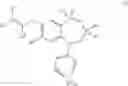


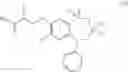


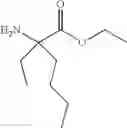


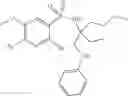


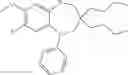


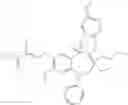


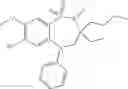


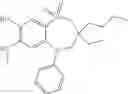
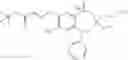


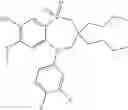


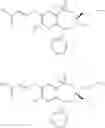


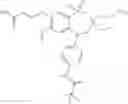


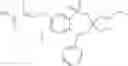


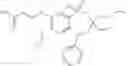


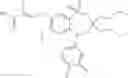
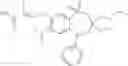


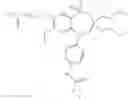


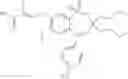


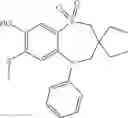


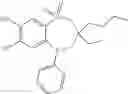


Sources:
- United States Patent and Trademark Office - verify current appl. status at the USPTO↗
Similar patent applications:
- » 20210017141
Benzothia(di)azepine compounds and their use as bile acid modulators - » 20210171480
Benzothia(di)azepine compounds and their use as bile acid modulators - » 20210171481
Benzothia(di)azepine compounds and their use as bile acid modulators - » 20210171482
Benzothia(di)azepine compounds and their use as bile acid modulators - » 20210387956
Benzothia(di)azepine compounds and their use as bile acid modulators - » 20220041567
Benzothia(di)azepine compounds and their use as bile acid modulators - » 20220041568
Benzothia(di)azepine compounds and their use as bile acid modulators - » 20220162176
Benzothia(di)azepine compounds and their use as bile acid modulators - » 20220402885
BENZOTHIA(DI)AZEPINE COMPOUNDS AND THEIR USE AS BILE ACID MODULATORS - » 20230049950
Benzothia(di)azepine compounds and their use as bile acid modulators
Recent applications in this class:
- » 20240391885 2024-11-28
FORMS OF LINERIXIBAT - » 20240067617 2024-02-29
BENZOTHIA(DI)AZEPINE COMPOUNDS AND THEIR USE AS BILE ACID MODULATORS - » 20230234932 2023-07-27
SYNTHESIS AND APPLICATION OF DILTIAZEM HYDROCHLORIDE - » 20220402885 2022-12-22
BENZOTHIA(DI)AZEPINE COMPOUNDS AND THEIR USE AS BILE ACID MODULATORS - » 20220315547 2022-10-06
METHOD FOR PRODUCING A 1,5-BENZOTHIAZEPIN COMPOUND - » 20220055999 2022-02-24
SYNTHETIC METHODS - » 20220041567 2022-02-10
Benzothia(di)azepine compounds and their use as bile acid modulators - » 20210171479 2021-06-10
Benzothiazepine compounds and their use as bile acid modulators - » 20210147372 2021-05-20
Benzothiazepine compounds and their use as bile acid modulators - » 20210017141 2021-01-21
Benzothia(di)azepine compounds and their use as bile acid modulators
Recent applications for this Assignee:
- » 20240109854 2024-04-04
Benzothia(di)azepine compounds and their use as bile acid modulators - » 20230406832 2023-12-21
Benzothiadiazepine compounds and their use as bile acid modulators - » 20230250073 2023-08-10
Benzothia(di)azepine compounds and their use as bile acid modulators - » 20230109432 2023-04-06
IBAT inhibitors for the treatment of liver diseases - » 20230049950 2023-02-16
Benzothia(di)azepine compounds and their use as bile acid modulators - » 20220402885 2022-12-22
BENZOTHIA(DI)AZEPINE COMPOUNDS AND THEIR USE AS BILE ACID MODULATORS - » 20220281832 2022-09-08
Crystal modifications of odevixibat - » 20220162176 2022-05-26
Benzothia(di)azepine compounds and their use as bile acid modulators - » 20220143043 2022-05-12
Treating progressive familial intrahepatic cholestasis (PFIC) with IBAT inhibitors - » 20220041568 2022-02-10
Benzothia(di)azepine compounds and their use as bile acid modulators