System and Method for Generating Permanent Data Records and Assets for Digital Items in a Networked Video Game System
US20190385136A1
2019-12-19
16/007,124
2018-06-13
Abstract:
An improved system for generating and tracking digital items in a networked video game system using blockchain technology are disclosed. The system records the sale of a digital item in a blockchain and allocates a reserve of cryptocurrency for the digital item. Thereafter, the digital item can be returned or cancelled in exchange for the cryptocurrency.
Interested in similar patents?
Get notified when new applications in this technology area are published.
Classification:
G06Q20/123 » CPC main
Payment architectures, schemes or protocols; Payment architectures specially adapted for electronic shopping systems Shopping for digital content
G06Q2220/00 » CPC further
Business processing using cryptography
G06Q20/065 » CPC further
Payment architectures, schemes or protocols; Payment circuits; Private payment circuits, e.g. involving electronic currency used among participants of a common payment scheme using e-cash
G06Q20/12 IPC
Payment architectures, schemes or protocols; Payment architectures specially adapted for electronic shopping systems
G06Q20/06 IPC
Payment architectures, schemes or protocols; Payment circuits Private payment circuits, e.g. involving electronic currency used among participants of a common payment scheme
Description
FIELD OF THE INVENTION
An improved system for generating and tracking digital items in a networked video game system using blockchain technology are disclosed. The system records the sale of a digital item in a blockchain and allocates a reserve of cryptocurrency for the digital item. Thereafter, the digital item can be returned or cancelled in exchange for the cryptocurrency.
BACKGROUND OF THE INVENTION
Blockchain technology is known in the prior art. At a high level, a blockchain is an open, distributed ledger that can record transactions between two parties in a verifiable and permanent way. A blockchain comprises one or more blocks. Each block comprises a cryptographic hash of the previous block in the blockchain, a timestamp, and a ledger containing transaction data.
FIG. 1 depicts blockchain 100i, where “i” is the iteration number of blockchain 100, where each iteration contains one additional block compared to the previous iteration.
Blockchain 100i comprises blocks 1011, 1012, . . . , block 101i. For simplicity, only block 101i is shown in FIG. 1. Block 101i comprises header 102, and ledger 103i.
Header 102i comprises hash 104i of the previous block or the header of the previous block, which here is block 101i−1. Hash 104i can be created using known hash function techniques, which create a cryptographic hash of fixed length based on the input, which here are the contents of block 101i−1 or the header of block 101i−1. Hash 104i is a mechanism for authenticating block 101i, as only a trusted computing device that contains the contents of block 101i−1 or the header of block 101i−1 and the algorithm for the cryptographic hash function will have been able to create hash 104i of block 101i−1 or its header. An example of a cryptographic hash function is the SHA 256 function, which generates a 256 bit (32 byte) hash output for any given input.
Header 102i also comprises timestamp 105i, which is the date and time at which block 101i was created. Header 102i optionally comprises difficulty 106i (which can be a “proof-of-work” algorithm difficulty target for the block), nonce 107i (which is a counter used for the proof-of-work algorithm), and Merkle root 108i (which is a summary or hash of the transactions contained in ledger 103i). Header 102i can include other information as desired.
Ledger 103i comprises data for one or more transactions that are recorded in block 101i. In this example, ledger 103 comprises transactions 109iA and 109iB. Various data structures can be used for transactions 109. Typically, transactions 109 will comprises data indicating the parties involved in the transaction, the subject matter of the transaction, the terms of the transaction, and other relevant information.
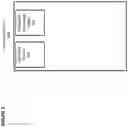
FIGS. 2 and 3 contain further examples of a prior art blockchain. FIG. 2 depicts blockchain 1001, which here represents the very first iteration of the blockchain. Blockchain 1001 comprises only one block, block 1011. Block 1011 sometimes is referred to as “the genesis block,” as it is the first block that starts a blockchain.
Block 1011 comprises header 1021 and ledger 1031. Header 1021 comprises hash 1041 of block 1010. Here, block 1010 does not actually exist (as block 1011 is the first block of the blockchain), so hash 1041 will be blank or null in this instance. Ledger 1031 comprises three transactions, transactions 1091A, 1091B, and 1091C.
FIG. 3 depicts blockchain 1002, which is the next iteration of blockchain 1001 after another block, block 1012, has been added. Block 1012 comprises header 1022 and ledger 1032. Header 1022 comprises hash 1042 of block 1011 or of header 1021. Ledger 1032 comprises two transactions, transaction 1092A and 1092B.
Blocks and blockchains are generated, stored, and retrieved by computing devices. A computing device that generates and/or stores blockchains is referred to as a “node.”
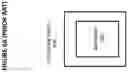
FIG. 4 depicts hardware components of exemplary computing device 400 that can operate as a node. These hardware components are known in the prior art. Computing device 400 is a computing device that comprises processing unit 401, memory 402, non-volatile storage 403, positioning unit 404, network interface 405, image capture unit 406, graphics processing unit 407, and display 408. Computing device 400 can be a server, notebook computer, desktop computer, game system, smartphone, or other computing device, and blockchain processing engine 502 can be a software application running on computing device 400.
Processing unit 401 optionally comprises a microprocessor with one or more processing cores. Memory 402 optionally comprises DRAM or SRAM volatile memory. Non-volatile storage 403 optionally comprises a hard disk drive or flash memory array. Positioning unit 404 optionally comprises a GPS unit or GNSS unit that communicates with GPS or GNSS satellites to determine latitude and longitude coordinates for computing device 400, usually output as latitude data and longitude data. Network interface 405 optionally comprises a wired interface (e.g., Ethernet interface) or wireless interface (e.g., 3G, 4G, GSM, 802.11, protocol known by the trademark “Bluetooth,” etc.). Image capture unit 406 optionally comprises one or more standard cameras (as is currently found on most smartphones and notebook computers). Graphics processing unit 407 optionally comprises a controller or processor for generating graphics for display. Display 408 displays the graphics generated by graphics processing unit 407, and optionally comprises a monitor, touchscreen, or other type of display.
FIG. 5 depicts software components of computing device 400. Computing device 400 comprises operating system 501 (such as the operating systems known by the trademarks “Windows,” “Linux,” “Android,” “iOS,” or others) and blockchain processing engine 502. Blockchain processing engine 502 comprises lines of software code executed by processing unit 401 to perform the functions described below. The prior art includes examples of blockchain processing engine 502, but as discussed in greater detail below, the embodiments of the present invention include improvements to prior art blockchain processing engines to provide additional functionality not available in the prior art.
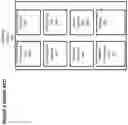
FIGS. 6A-6E depict an exemplary prior art system and method for generating blockchains.
With reference to FIG. 6A, computing device 400i stores blockchain 1001. Computing device 400i might be the device that generated blockchain 1001, or it might merely be a device that is storing blockchain 1001, which was generated by a different computing device 400.
With reference to FIG. 6B, computing device 4002 wishes to add block 1012 to blockchain 1001 to create blockchain 1002. It first does so locally, using its blockchain processing engine 502 to generate blockchain 1002, and it then seeks to have all other computing devices 400 that have stored blockchain 1001 (i.e., other nodes) to add block 1012 to blockchain 1001 to generate blockchain 1002.
With reference to FIG. 6C, computing device 4001 receives the request from computing device 4002. Blockchain processing engine 502 in computing device 4001 compares a hash of block 1011 stored in blockchain 1001 or its header to the hash stored in header 1042 of block 1012. If there is a match, computing device 4001 knows that the request is legitimate, and it then updates blockchain 1001 to add block 1012 to the chain, thus resulting in blockchain 1002, shown in FIG. 6D. Computing devices 4001 and 4002 can store blockchains 1001 and 1002 in their respective non-volatile storage devices 403.
With reference to FIG. 6E, computing device 4003 might then request to add block 1013 to the blockchain, and a request is sent to computing devices 4001 and 4002 (and any other nodes) in the same manner described with reference to FIGS. 6B and 6C. If block 1013 is authenticated by computing devices 4001 and 4002, then block 1013 will be added to blockchain 1002 to generate blockchain 1003.
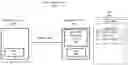
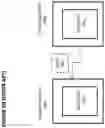
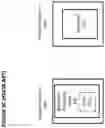
Another aspect of the prior art includes client-server video game systems. With reference to FIG. 7A, video game system 700 comprises server 702 and client 701 operated by User X. Here, server 702 and client 701 can comprise similar hardware components as computing device 400. Server 702 might operate an on-line video game, which client 701 joins. As part of the video game, server 702 might make digital item 703 available to its users for purchase. An example of digital item 703 might be a weapon in a “first person shooter” video game, an article of clothing for a user's online character, a music or video clip, access to special content, enhancements to the video game experience such as an increase in rank or level, or any other digital item.
In the prior art, server 702 and client 701 would engage in a transaction. For example, server 703 might provide digital item 703 to client 701 in exchange for payment, such as by credit card or online payment service.
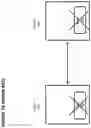
One drawback of prior art method video game system 700 is that digital item 703 typically becomes obsolete and relatively worthless at some point in time. For example, with reference to FIG. 7B, if server 702 discontinues the video game, or if user X completes the video game, then digital item 703 might become non-existent or useless as to user X. This is an inefficient and wasteful aspect of the prior art. Digital items in the prior art are diminishing assets that ultimately have no value.
What is needed is an improved video game system that provides inherent, reserved value for each digital item at the time of purchase so that the digital item can later be returned or exchanged based on the reserved value.
BRIEF SUMMARY OF THE INVENTION
An improved system for generating and tracking digital items in a networked video game system using blockchain technology are disclosed. The system records the sale of a digital item in a blockchain and allocates a reserve of cryptocurrency for the digital item. Thereafter, the digital item can be returned or cancelled in exchange for the cryptocurrency.
BRIEF DESCRIPTION OF THE DRAWINGS
FIG. 1 depicts a prior art blockchain.
FIG. 2 depicts an example of an iteration of the prior art blockchain.
FIG. 3 depicts an example of another iteration of the prior art blockchain.
FIG. 4 depicts hardware components of a prior art computing device.
FIG. 5 depicts software components of a computing device.
FIGS. 6A, 6B, 6C, 6D, and 6E depict a sequence of adding blocks to an existing blockchain.
FIG. 7A depicts the purchase of a digital item in a prior art video game system.
FIG. 7B depicts the impact of the digital item becoming obsolete in the prior art video game system.
FIG. 8 depicts an embodiment of a video game system utilizing blockchain technology.
FIG. 9 depicts the addition of a new block to the blockchain of the video game system.
FIGS. 10A and 10B depict the impact of the digital item becoming obsolete in the video game system.
FIG. 11 depicts the purchase of a second digital item using cryptocurrency obtained from a transaction involving a first digital item.
DETAILED DESCRIPTION OF THE INVENTION
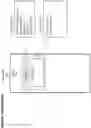
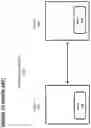
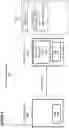
FIG. 8 depicts video game system 800, which in this example comprises computing device 4001 and computing device 400k, which together operate a video game in which user X participates using computing device 4001. It will be appreciated that many other computing devices 400 can also participate in the same video game. Computing device 400k comprises blockchain processing engine 502 and is a node.
In the example of FIG. 8, user X initiates the purchase of digital item 703 from computing device 400k in return for payment 801. Payment 801 can be made by credit card or online payment service or by using cybercurrency such as the cybercurrency described below.
Blockchain processing engine 502 in computing device 400k then generates block 101N to record the purchase transaction and to store reserved value for digital item 703 in the form of cryptocurrency, which involves a three-step process:
-
- 1. A smart contract on the blockchain is activated and creates a token which represents a digital item. In this example, the smart contract is recorded as transaction 109N, which comprises token 110N. Token 110N represents digital item 703.
- 2. A reserve amount of cryptocurrency is held in escrow and attached to the digital item. Here, transaction 109N comprises cryptocurrency 111N, which represents an amount of cryptocurrency (e.g., 0.5 Enjin Coins) associated with digital item 703. The smart contract recorded in transaction 109N ensures this reserve amount of cryptocurrency cannot be released unless digital item 703 is destroyed. Optionally, instead of cryptocurrency 111N, traditional money (e.g., US dollars) can be recorded.
- 3. A number of smart contracts which represent specific attributes for digital item 703 optionally can be activated and stored as part of transaction 109N or in another transaction. These attributes can include:
- a. Whether digital item 703 is tradeable: Tradeable items can be equipped and traded normally between users.
- b. Whether digital item 703 is bound to user X: Bound items cannot be traded but can be melted by its owner (here, user X).
- c. Whether digital item 703 can be transferred only to whitelisted addresses: This restricts transfers outside of whitelisted addresses.
- d. Whether digital item 703 can be combined with other items: These enables token bundles which combine multiple tokens into one.
- e. Whether digital item 703 is part of a fixed maximum supply: This pre-sets a static supply of rare items (e.g., only 100 instantiations of a particular item can exist).
- f. Whether digital item 703 is subject to an annual supply % increase: This provides a dynamic supply that enables item inflation over time.
- g. Whether digital item 703 is subject to an annual supply % decrease: This provides a dynamic supply that enables item deflation over time.
- h. Whether digital item 703 is subject to a periodic increment/decrement by a fixed amount: This provides a dynamic supply which is altered due to demand.
- i. Whether digital item 703 can be rented: This option allows users to rent the item to another user and receive payment in return. Rentals can be set for fixed amounts of time and returns are automatic.
- j. Whether digital item 703 is subject to sales commissions: Minters of an item can opt to earn commission on all sales of that item.
- k. Whether digital item 703 is subject to melting commissions: Minters of an item can opt to earn commission on all melting of that item.
In FIG. 8, computing device 400k records transaction 109N in block 101N, with the transaction detail being stored in ledger 103N. Here transaction 109N might indicate that user X purchased digital item 703 and that cryptocurrency 111N is being held in reserve for digital item 703.
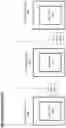
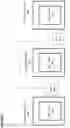
With reference to FIG. 9, computing device 400k then requests all other computing devices that previously stored blockchain 100N−1 (i.e, the nodes) to record block 101N in its blockchain and to store new iteration blockchain 100N. Here, two exemplary devices are shown, computing devices 4001 and 4002.
Computing devices 4001 and 4002 authenticate the request, for example, by using blockchain processing engine 502 to compare the hash 404N in block 101N with a real-time hash calculated using block 101N−1 or its header. If a match is found, then computing devices 400 updates blockchain 100N−1 to include block 101N, thereby creating and storing blockchain 100N.
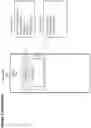
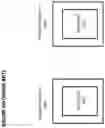
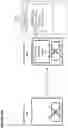
Unlike in the prior art, user X has options for recouping value if item 703 becomes obsolete. In FIG. 10A, computing device 400k stops operating the video game (perhaps because usership has decreased or the company is ending its business operations). Computing device 400k then will record new transaction 109N+X in ledger 103N+X in block 101N+X to indicate that digital item 703 is being cancelled and cryptocurrency 111N is being provided to user X. User X then can use cryptocurrency 111N to purchase other items, or to use cryptocurrency 111N in any other transaction that accepts that form of cryptocurrency.
FIG. 10B depicts another potential scenario. Here, user X no longer wants to own digital item 703 (perhaps because user X has completed the video game or no longer wishes to play the video game or because he or she wishes to replace digital item 703 with a different item). Here, computing device 4001 will send a request to computing device 400k, which will then “melt” digital item 703 by indicating that token 110N for digital item 703 is now cancelled, and will provide cryptocurrency 111N to User X and/or to the operator of computing device 400k (who can be referred to as a “minter”). This involves a two-step process:
-
- 1. The amount of cryptocurrency (111N) held within the melted item is removed and part or all of it goes to the owner of the item (user X), and optionally, part of it goes to the minter. The percentage allocated to the owner and minter is pre-set when item 703 is first created, and, optionally, can be recorded in transaction 109N at the time of sale.
- 2. Item 703 is effectively removed from blockchain 100 when block 101N+X is added to the blockchain, and token 110N is no longer available as a token.
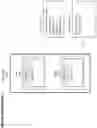
With reference to FIG. 11, at some point after the events of FIG. 10A or 10B, user X wishes to purchase digital item 901 from computing device 400k or from another computing device 400m (which also is a node for blockchain 100N). Unlike in the prior art, user X does not need to provide additional payment for digital item 901. Rather, computing device 400k or computing device 400m can apply cryptocurrency 111N to the purchase. The purchase will be recorded as a new transaction 109N+Y recorded in new block 101N+Y.
It is to be understood that the present invention is not limited to the embodiment(s) described above and illustrated herein but encompasses any and all variations evident from the above description. For example, references to the present invention herein are not intended to limit the scope of any claim or claim term, but instead merely make reference to one or more features that may be eventually covered by one or more claims.
Claims
What is claimed is:1. A computing device comprising a processing unit, memory, and non-volatile storage, the non-volatile storage storing a block, wherein the block is part of a blockchain, the block comprising:
a header comprising:
a hash, generated by the processing unit, of a previous block in the blockchain; and
a timestamp; and
a ledger comprising transaction data for a purchase of a digital item for use in a video game, the transaction data comprising:
a token associated with the digital item and comprising attribute data for the digital item;
a cryptocurrency value for the digital item.
2. The computing device of claim 1, wherein the attribute data comprises data indicating whether the digital item is tradeable.
3. The computing device of claim 1, wherein the attribute data comprises data indicating whether the digital item is bound to an identified user.
4. The computing device of claim 1, wherein the attribute data comprises data indicating whether the digital item can be transferred only to a predetermined set of identified users.
5. The computing device of claim 1, wherein the attribute data comprises data indicating whether the digital item can be combined with other items.
6. The computing device of claim 1, wherein the attribute data comprises data indicating whether the digital item is part of a fixed maximum supply.
7. The computing device of claim 1, wherein the attribute data comprises data indicating whether the digital item us subject to an annual supply percentage increase.
8. The computing device of claim 1, wherein the attribute data comprises data indicating whether the digital item is subject to an annual supply percentage decrease.
9. The computing device of claim 1, wherein the attribute data comprises data indicating whether the digital item is subject to a periodic adjustment by a fixed amount.
10. The computing device of claim 1, wherein the attribute data comprises data indicating whether the digital item can be rented.
11. The computing device of claim 1, wherein the attribute data comprises data indicating whether the digital item is subject to a sales commission.
12. The computing device of claim 1, wherein the attribute data comprises data indicating whether the digital item is subject to a commission for melting of the digital item.
13. A method for facilitating the transaction of a digital item, comprising:
purchasing, by a first computing device, a digital item from a second computing device;
generating and storing, by the second computing device, a block associated with the purchasing step, wherein the block is part of a blockchain and comprises a header comprising a hash of a previous block in the blockchain, and a timestamp, and a ledger comprising transaction data for a purchase of a digital item for use in a video game, the transaction data comprising a token associated with the digital item and comprising attribute data for the digital item, and a cryptocurrency value for the digital item;
altering, by the first computing device or the second computing device, the digital item to render it unusable in the video game; and
transferring, by the second computing device, the cryptocurrency value to the first computing device.
14. The computing device of claim 13, wherein the attribute data comprises data indicating whether the digital item is tradeable.
15. The computing device of claim 13, wherein the attribute data comprises data indicating whether the digital item is bound to an identified user.
16. The computing device of claim 13, wherein the attribute data comprises data indicating whether the digital item can be transferred only to a predetermined set of identified users.
17. The computing device of claim 13, wherein the attribute data comprises data indicating whether the digital item can be combined with other items.
18. The computing device of claim 13, wherein the attribute data comprises data indicating whether the digital item is part of a fixed maximum supply.
19. The computing device of claim 13, wherein the attribute data comprises data indicating whether the digital item us subject to an annual supply percentage increase.
20. The computing device of claim 13, wherein the attribute data comprises data indicating whether the digital item is subject to an annual supply percentage decrease.
21. The computing device of claim 13, wherein the attribute data comprises data indicating whether the digital item is subject to a periodic adjustment by a fixed amount.
22. The computing device of claim 13, wherein the attribute data comprises data indicating whether the digital item can be rented.
23. The computing device of claim 13, wherein the attribute data comprises data indicating whether the digital item is subject to a sales commission.
24. The computing device of claim 13, wherein the attribute data comprises data indicating whether the digital item is subject to a commission for melting of the digital item.
25. A method for facilitating the transfers of a first digital item and a second digital item, comprising:
purchasing, by a first computing device, a first digital item from a second computing device;
generating and storing, by the second computing device, a first block associated with the purchasing of the first digital item, wherein the first block is part of a blockchain and comprises a header comprising a hash of a previous block in the blockchain, and a timestamp, and a ledger comprising transaction data for a purchase of the first digital item for use in a first video game, the transaction data comprising a token associated with the first digital item and comprising attribute data for the first digital item, and a cryptocurrency value for the first digital item;
altering, by the first computing device or the second computing device, the first digital item to render it unusable;
purchasing, by the first computing device, a second digital item from a third computing device, wherein the first computing device transfers the cryptocurrency value for the first digital item to the third computing device; and
generating and storing, by the third computing device, a second block associated with the purchasing of the second digital item, wherein the second block is part of the blockchain and comprises a header comprising a hash of the first block, and a timestamp, and a ledger comprising transaction data for a purchase of the second digital item for use in a second video game, the transaction data comprising a token associated with the second digital item and comprising attribute data for the second digital item, and a cryptocurrency value for the second digital item.
26. The method of claim 25, wherein the attribute data of the first block comprises data indicating whether the first digital item is tradeable and the attribute data of the second block comprises data indicating whether the second digital item is tradeable.
27. The method of claim 25, wherein the attribute data of the first block comprises data indicating whether the first digital item is bound to an identified user and the attribute data of the second block comprises data indicating whether the second digital item is bound to an identified user.
28. The method of claim 25, wherein the attribute data of the first block comprises data indicating whether the first digital item can be transferred only to a predetermined set of identified users and the attribute data of the second block comprises data indicating whether the second digital item can be transferred only to a predetermined set of identified users.
29. The method of claim 25, wherein the attribute data of the first block comprises data indicating whether the first digital item can be combined with other items and the attribute data of the second block comprises data indicating whether the second digital item can be combined with other items.
30. The method of claim 25, wherein the attribute data of the first block comprises data indicating whether the first digital item is part of a fixed maximum supply and the attribute data of the second block comprises data indicating whether the second digital item is part of a fixed maximum supply.
31. The method of claim 25, wherein the attribute data of the first block comprises data indicating whether the first digital item us subject to an annual supply percentage increase and the attribute data of the second block comprises data indicating whether the second digital item us subject to an annual supply percentage increase.
32. The method of claim 25, wherein the attribute data of the first block comprises data indicating whether the first digital item is subject to an annual supply percentage decrease and the attribute data of the second block comprises data indicating whether the second digital item is subject to an annual supply percentage decrease.
33. The method of claim 25, wherein the attribute data of the first block comprises data indicating whether the first digital item is subject to a periodic adjustment by a fixed amount and the attribute data of the second block comprises data indicating whether the second digital item is subject to a periodic adjustment by a fixed amount.
34. The method of claim 25, wherein the attribute data of the first block comprises data indicating whether the first digital item can be rented and the attribute data of the second block comprises data indicating whether the second digital item can be rented.
35. The method of claim 25, wherein the attribute data of the first block comprises data indicating whether the first digital item is subject to a sales commission and the attribute data of the second block comprises data indicating whether the second digital item is subject to a sales commission.
36. The method of claim 25, wherein the attribute data of the first block comprises data indicating whether the first digital item is subject to a commission for melting of the first digital item and the attribute data of the second block comprises data indicating whether the second digital item is subject to a commission for melting of the second digital item.
Images & Drawings included:
Sources:
- United States Patent and Trademark Office - verify current appl. status at the USPTO↗
Recent applications in this class:
- » 20250156828 2025-05-15
TECHNIQUES FOR FACILITATING BRIDGING OF NFTS ACROSS DIFFERENT BLOCKCHAINS AND ORCHESTRATING CROSS-CHAIN FUNCTIONS - » 20250104034 2025-03-27
DISPLAY DEVICE GATED ON NON-FUNGIBLE TOKEN CONTRACTS - » 20250104033 2025-03-27
CONTENT CREATORS' REWARD SYSTEM AND METHOD - » 20250086604 2025-03-13
SYSTEMS AND METHODS FOR TRADING MEMBERSHIPS - » 20250078055 2025-03-06
DIGITAL DATA PROCESSING SYSTEMS AND METHODS FOR COMMERCE-RELATED DIGITAL CONTENT RETRIEVAL AND GENERATION - » 20250061437 2025-02-20
SERVER AND METHOD FOR PROVIDING REVENUE DISTRIBUTION SERVICE IN CASE THERE IS A CURATOR WHO IS A THIRD PARTY USER FOR TRANSACTIONS ON AN NFT CONTENT PLATFORM - » 20250045719 2025-02-06
SYSTEM AND METHODS FOR MANAGING TRANSFERS OF DIGITAL ASSETS - » 20250037097 2025-01-30
Virtual Reality Identity, Digital Asset Tokens, and Carrier Billing of a User - » 20250021955 2025-01-16
Method, System & Computer Program Product for Collateralizing Non-Fungible Tokens - » 20250021954 2025-01-16
METHODS OF GENERATING COLLECTABLE NON-FUNGIBLE TOKENS