DYNAMIC INTERACTIVE NETWORK SYSTEM FOR PROVIDING ONLINE SERVICE AND SOCIAL COMMUNITY FOR ENGAGING, LEARNING, AND TRAINING SKILLS FOR HAPPINESS
US20200099740A1
2020-03-26
16/600,903
2019-10-14
Abstract:
A system and method for providing on-line services, comprising: a server for receiving information from a plurality of sources of data via a network, the plurality of sources of data comprising a plurality of attributes; a storage device for storing the information received from the plurality of sources of data; and a processor for tracking the plurality of sources of data. The processor determines attribute levels for each of the plurality of attributes and transmits updated information to the plurality of sources of data to increase the determined attribute levels.
Inventors:
- Tomer BEN-KIKI 17 🇺🇸 New York, NY, United States
- Acacia PARKS 5 🇺🇸 Hiram, OH, United States
- Amy Jo KIM 6 🇺🇸 Burlingame, CA, United States
Interested in similar patents?
Get notified when new applications in this technology area are published.
Classification:
H04L67/10 » CPC main
Network arrangements or protocols for supporting network services or applications; Protocols in which an application is distributed across nodes in the network
G06Q50/01 » CPC further
Systems or methods specially adapted for specific business sectors, e.g. utilities or tourism Social networking
G06Q50/00 IPC
Systems or methods specially adapted for specific business sectors, e.g. utilities or tourism
G06Q10/10 » CPC further
Administration; Management Office automation, e.g. computer aided management of electronic mail or groupware ; Time management, e.g. calendars, reminders, meetings or time accounting
Description
CROSS-REFERENCE TO RELATED APPLICATIONS
This application is a continuation of U.S. Non-Provisional patent application Ser. No. 14/284,229, filed May 21, 2014, entitled “Systems And Methods For Providing On-Line Services”, which claims priority under 35 U.S.C. 119(e) to U.S. Provisional Patent Application No. 61/825,742, filed May 21, 2013, entitled “Systems And Methods For Providing On-Line Services.” The entire contents the above-referenced applications are incorporated herein by reference.
INTRODUCTION
An exemplary embodiment comprises systems and methods for providing an on-line service referred to herein for convenience as “Happify.” Happify is a science-based online service and social community for engaging, learning and training the skills of happiness. It may be offered through a variety of devices including PC, tablet and mobile.
In an exemplary embodiment, a Happify service is based on a framework developed by psychologists and researchers in the science of happiness (which includes positive psychology and neuroscience), and assists users in the development of certain happiness skills: e.g., Savor, Thank, Aspire, Give and Empathize (or S.T.A.G.E.™). Each skill may be developed using various activities, ordered in increasing skill level, that gradually unlock as the user progresses in building that skill.
In an exemplary embodiment, users who use Happify may be given a range of activities from the S.T.A.G.E. skills, from reflective blogging and science-based games and quizzes, to real-life tasks they are asked to perform and report back on. Each activity is backed by scientific studies that are directly accessible to the user.
An exemplary aspect may comprise a system and method for providing on-line services. The system and method comprise: a server for receiving information from a plurality of sources of data via a network, the plurality of sources of data comprising a plurality of attributes; a storage device for storing the information received from the plurality of sources of data; and a processor for tracking the plurality of sources of data. The processor determines attribute levels for each of the plurality of attributes and transmits updated information to the plurality of sources of data to increase the determined attribute levels.
In one or more exemplary system and method embodiments: (1) the plurality of attributes are based on human psychological happiness skills; and (2) the processor calculates a match score between at least two of the plurality of sources of data based on the determined attribute levels.
BRIEF DESCRIPTION OF THE DRAWINGS
FIG. 1 depicts an exemplary embodiment comprising a computer system.
FIG. 2 depicts a hierarchy of skills, activities and tasks.
FIGS. 3A and 3B depict sample activities.
FIG. 4 depicts an activity post.
FIGS. 5A-5C depict schematics for starting a track.
FIG. 6 depicts an example of a user's profile and posts.
FIG. 7 depicts an example of personalized suggested activities.
FIG. 8 depicts a schematic of self-assessments.
FIG. 9 depicts users engaging in social interaction.
FIG. 10 depicts matchmaking between users.
FIG. 11 depicts a schematic of the initial steps of the Happify compass.
FIG. 12 depicts the user's first week of activities.
FIG. 13 depicts a schematic of the user's happiness graph.
FIG. 14 depicts the user's happiness compass.
FIG. 15 depicts a schematic of insights obtained using the happiness compass.
FIG. 16 depicts examples of advantageous aspects of the happiness graph.
FIG. 17 depicts an example of a quiz.
FIG. 18 depicts an example of a poll.
FIGS. 19 and 20 depict examples of experience boards.
FIG. 21 depicts an example of a mindfulness game.
FIG. 22 depicts an example of guided savoring.
FIG. 23 depicts an example of a funny caption.
FIG. 24 depicts an example of a relaxation game.
FIG. 25 depicts an example of a smile finder.
FIG. 26 depicts an example of a body talk game.
FIG. 27 depicts an example of a quiz.
FIG. 28 depicts an example of a poll.
DETAILED DESCRIPTION OF CERTAIN EXEMPLARY EMBODIMENTS
Happify is a science-based online service and social community for engaging, learning and training the skills of happiness. Happify activities may be offered to users in several ways. Two examples described below are “Tracks” and “Personal Recommendation and a la Carte.”
Tracks:
Tracks contain sets of activities programmed to address a specific life situation or goal (“Cope better with stress; “Enjoy parenting more”, etc.) in, for example, a 4-week time period. Upon signing up, users may complete self-assessments that give them their initial happiness level as well as an initial recommended track. Users may complete approximately one part of a track each week, spanning 4 weeks altogether. When users finish a track part, they may win, for example, a badge that represents their level of activity in that track part.
Personal Recommendation and a La Carte:
When not in a track, a user may be offered a personalized daily activity (an unlocked activity from a skill they haven't accessed in the past week). They also may pick activities from a skill menu and choose any unlocked activity of their choice.
As users perform their activities, they may create activity posts that are saved in their personal profile and build up a ‘digital happiness wallet’ they can reflect on. Posts may include the type of activity performed by the user, any text and images the user added, other people involved, if any, as well as the time and location for the post. Posts also may appear on various activity feeds on the service, which allows other users to read, draw inspiration from, and offer encouragement in the form of comments and likes.
Users may also follow activities posted by other users they find interesting if those users allow themselves to be followed or mark their post “public”. Periodically, the service may make suggestions for users to follow other users whose profiles match in terms of demographics and psychographics, as well as level of activity on the site.
Users can keep track of their progress on Happify, thanks to periodic, scientifically-designed self-assessments that present them with their current happiness level compared to past levels.
Over time, Happify computer systems and software may build a ‘Happiness Graph’ for each user, consisting of activities, people, places and things correlated with the impact they had on the user's happiness levels. This information may be used to optimize the user experience and the activities the service suggests.
Happify is a science-based online service and social community for engaging, learning and training the skills of happiness. It is offered through a variety of devices including PC, tablet and mobile.
The service is based on a framework developed by psychologists and researchers in the science of happiness (which includes positive psychology and neuroscience), and consists of 5 essential happiness skills: Savor, Thank, Aspire, Give and Empathize (or S.T.A.G.E.™). Each skill contains various activities, ordered in increasing skill level, that gradually unlock as the user progresses in building that skill.
Users who join Happify are given a range of activities from the S.T.A.G.E. skills, from reflective blogging and science-based games and quizzes, to real-life tasks they are asked to perform and report back on. Each activity is backed by scientific studies that are directly accessible to the user.
Happify activities are offered to users in two ways:
Tracks:
-
- Tracks contain sets of activities programmed to address a specific life situation or goal (“Cope better with stress; “Enjoy parenting more”, etc.) in a 4-week time period. Upon signing up, users complete self-assessments that give them their initial happiness level as well as an initial recommended track. Users complete approximately one part of a track each week, spanning 4 weeks altogether. When users finish a track part, they win a badge that represents their level of activity in that track part.
Personal Recommendation and a-La-Carte:
-
- When not in a track, a user is offered a personalized daily activity (an unlocked activity from a skill they haven't accessed in the past week). They can also pick activities from a skill menu and choose any unlocked activity of their choice.
As users perform their activities, they create activity posts that are saved in their personal profile and build up a ‘digital happiness wallet’ they can reflect on. Posts include the type of activity performed by the user, any text and images the user added, other people involved, if any, as well as the time and location for the post. Posts also appear on various activity feeds on the service, which allows other users to read, draw inspiration from, and offer encouragement in the form of comments and likes.
Users can also follow activities posted by other users they find interesting if those users allow themselves to be followed or mark their post “public”. Periodically, the service makes suggestions for users to follow other users whose profiles match in terms of demographics and psychographics, as well as level of activity on the site.
Users can keep track of their progress on Happify, thanks to periodic, scientifically-designed self-assessments that present them with their current happiness level compared to past levels.
Over time, Happify builds a ‘Happiness Graph’ for each user, consisting of activities, people, places and things correlated with the impact they had on the user's happiness levels. This information is used to optimize the user experience and the activities the service suggests.
Overview:
-
- 1. Framework: detailed description of the scientific framework, key concepts, features and algorithms for web and mobile product
- 2. Product Directory: list of activity types offered by the service
- 3. Web Spec: mocks and specifications of web product
- 4. Mobile Spec: mocks and specifications of mobile product
- 5. Science Reference: list of scientific studies being referred to by activities in the service
- 6. Creating a Happify track—Partners: guide used to inform partners on how to develop a Happify track
- 7. Follow suggestion: description of the algorithm used to recommend which users may be relevant for a user to follow
- 8. Activities: List of the key activities per skill by skill level. Does not include activities like games, quizzes and polls
- 9. Track recommendation survey: user questionnaire used to recommend the right tracks based on user's input. This questionnaire was developed by happiness researchers.
- 10. Happiness Assessment: user questionnaire used to establish their level of happiness, positive emotion and life satisfaction. This questionnaire was developed by happiness researchers and correlated with standard academy assessments. See Table 3, below, for the Happiness Assessment Questions and Calculations
- 11. Strengths Assessment: Self-assessment that determines the user's character strength profile
- 12. Skill Assessments: Set of questionnaires that determine the level of affinity and mastery for various skill categories for each of the STAGE™ skills
Exemplary embodiments comprise computer components and computer-implemented steps that will be apparent to those skilled in the art. For example, calculations and communications can be performed electronically, and results can be displayed using a graphical user interface.
An exemplary such system is depicted in FIG. 1. Computers 100 communicate via network 110 with a server 130. A plurality of sources of data 120-121 relating to, for example, Happify user information, also communicate via network 110 with a server 130, processor 150, and/or other components operable to calculate and/or transmit, for example, user track and related information. The server 130 may be coupled to one or more storage devices 140, one or more processors 150, and software 160.
Other components and combinations of components may also be used to support processing data or other calculations described herein as will be evident to one of skill in the art. Server 130 may facilitate communication of data from a storage device 140 to and from processor(s) 150, and communications to computers 100. Processor 150 may optionally include or communicate with local or networked storage (not shown) which may be used to store temporary or other information. Software 160 can be installed locally at a computer 100, processor 150 and/or centrally supported for facilitating calculations and applications.
For ease of exposition, not every step or element of the present invention is described herein as part of a computer system, but those skilled in the art will recognize that each step or element may have a corresponding computer system or software component. Such computer system and/or software components are therefore enabled by describing their corresponding steps or elements (that is, their functionality), and are within the scope of the present invention.
Moreover, where a computer system is described or claimed as having a processor for performing a particular function, it will be understood by those skilled in the art that such usage should not be interpreted to exclude systems where a single processor, for example, performs some or all of the tasks delegated to the various processors. That is, any combination of, or all of, the processors specified in the description and/or claims could be the same processor. All such combinations are within the scope of the invention.
Alternatively, or in combination, processing and decision-making may be performed by functionally equivalent circuits such as a digital signal processor circuit or an application specific integrated circuit.
Many routine program elements, such as initialization of loops and variables and the use of temporary variables, are not described in detail herein for brevity. Moreover, it will be appreciated by those of ordinary skill in the art that unless otherwise indicated, the particular sequence of steps described is illustrative only and can generally be varied without departing from the scope of the invention. Unless otherwise stated, the processes described herein are unordered—that is, the processes can be performed in any reasonable order.
All steps described herein will and should be understood by those skilled in the art as being capable of implementation by software, where feasible. Moreover, such software will be understood by those skilled in the art to be storable on a non-transitory computer readable medium and implementable by one or more computer processors.
FIG. 2 depicts a hierarchy of skills, activities and tasks. According to an exemplary embodiment, skills comprise the following:
5 Core Happiness Skills (in Short: S.T.A.G.E.™)
| Savor | (savoring) | |
| Thank | (gratitude) | |
| Aspire | (optimism, meaning, hope) | |
| Give | (kindness) | |
| Empathize | (empathy) | |
Framework was developed by leading happiness scientists. The STAGE framework captures the essence of the science of positive psychology (hundreds of studies) and allows for presentation to mainstream consumers in an accessible way.
Each STAGE skill is associated with a characteristic color and iconography to simplify and reinforce its identity.
Skill Levels:
-
- Users interacting with the system start off at level-1 in all skills. As they complete activities they progress in each skill from level-1 to level-2 etc.
- New activities, self assessments and other options unlock as the user reaches a higher level.
According to an exemplary embodiment, skills comprise the following:
-
- For each skill, Happify offers relevant, science based activities that train the user in an entertaining way
- As the user levels up in a skill, they unlock new activities (Level 1 to level 5 activities are available in each skill)
- Each activity provides the user with several alternatives for completing the activity (“Suggested Tasks”) to pick from
- Users can view an explanation of “why it works”: a short summary of the science behind that activity, complete with footnotes to the actual study this activity is based on.
- Refer to “Happify Science Reference Studies” for the studies referred to from the activities.
FIGS. 3A and 3B depict sample activities. Table 1 provides a list of exemplary activities:
| TABLE 1 | |||||
| Activity | Activity | Activity | Skill Level | ||
| ID | Skill | Type | Name | (1-5) | Activity Description |
| A-01 | Aspire | Essay | My | 1 | Imagine your life years and years in |
| victorious | the future, assuming all has gone as | ||||
| self | well as possible. What would it | ||||
| look like? Write about it in as much | |||||
| depth as possible. Try and address | |||||
| every aspect of your life -- personal | |||||
| and professional. | |||||
| A-03 | Aspire | Essay | What's | 1 | From which activities in your life |
| My | do you derive meaning? What is | ||||
| Why? | unique about those activities that | ||||
| makes them feel meaningful to you? | |||||
| A-11 | Aspire | Essay | I'm | 1 | What upcoming events are you |
| looking | anticipating with joy and optimism | ||||
| forward | instead of anxiety? | ||||
| to . . . | Think of a future event, big or | ||||
| small, that you're really excited | |||||
| about. Imagine the details, | |||||
| including the sounds, smells, and | |||||
| tastes. Spend some time putting | |||||
| yourself right in the middle of it. | |||||
| A-04 | Aspire | Plan- | I think I | 2 | Set a relatively short-term goal (i.e. |
| Do | can | one that can be completed in the | |||
| span of 1-2 wks). Imagine the | |||||
| benefits of achieving that goal. | |||||
| How will you feel? What will happen? | |||||
| A-05 | Aspire | Essay | Find | 2 | Consider the broader meaning the |
| meaning | seemingly non-meaningful | ||||
| in the | activities (hobbies, chores, etc.) you | ||||
| mundane | engage in day to day - how do | ||||
| others benefit (directly, through | |||||
| your actions, or indirectly, through | |||||
| your improved mood) from you | |||||
| engaging in them? | |||||
| A-02 | Aspire | Essay | My core | 3 | Consider yourself at this point in |
| values | your life. When at your best, what | ||||
| kind of a person are you? What | |||||
| positive traits do you associate with | |||||
| yourself? What positive traits | |||||
| would you like to work towards | |||||
| developing? | |||||
| A-07 | Aspire | Essay | Pursue | 3 | Take the essay you composed in A- |
| meaning | 02 and brainstorm some concrete | ||||
| ways to change your everyday life | |||||
| to better pursue the character ideals | |||||
| you identified as being most | |||||
| important to you. | |||||
| A-06 | Aspire | Essay | Setbacks | 4 | Think of a setback or negative |
| and steps | experience you have had in the past | ||||
| forward | (at least a year ago). Now, spend | ||||
| the next ten minutes writing about | |||||
| that event. What role did that event | |||||
| have in shaping who you are today? | |||||
| Did anything good come of it? | |||||
| A-09 | Aspire | Plan- | Spend on | 4 | Spend some money to create a |
| Do | what | leisure experience that will be | |||
| matters | meaningful and rewarding for you | ||||
| (emphasize experiences, NOT | |||||
| material goods) -- for example, if | |||||
| you are passionate about music, | |||||
| take a music class or go to a concert. | |||||
| A-08 | Aspire | Plan- | Create | 5 | Using what you've learned in |
| Do | meaning | previous activities, find ways to | |||
| create meaning from boring tasks or | |||||
| everyday activities (ones that aren't | |||||
| particularly beneficial to anyone | |||||
| but you). The idea is to take | |||||
| something you already do and | |||||
| transform it into something meaningful. | |||||
| A-10 | Aspire | Essay | I have a | 5 | Set a very long-term goal (i.e. one |
| goal | that can be completed in the span of | ||||
| several years). Imagine the benefits | |||||
| of achieving that goal. How will | |||||
| you feel? What will happen? | |||||
| E-01 | Empathize | Essay | Give | 1 | Reflect on what it is like to be you. |
| myself a | What makes you great? What | ||||
| break | challenges have you overcome? | ||||
| What accomplishments have you | |||||
| achieved? Create a narrative or | |||||
| “story” of your life thus far, | |||||
| highlighting the aspects that | |||||
| showcase your positive traits. | |||||
| E-03 | Empathize | Essay | Whats | 1 | Keep a log of the nice things that |
| my | you do for the people in your inner | ||||
| positive | circle and/or at work. Use this | ||||
| impact? | information to draw some | ||||
| conclusions about the positive | |||||
| benefit that you have on those | |||||
| around you. | |||||
| E-02 | Empathize | Essay | Walking | 2 | Consider what it would be like to |
| in their | be someone very different from | ||||
| shoes | yourself, with whom you have very | ||||
| little interaction and of whom you | |||||
| have very little understanding. It | |||||
| may help to do some informal | |||||
| research on the web. | |||||
| E-04 | Empathize | Essay | Weird . . . | 2 | When someone in your inner circle |
| why'd they | behaves in ways that you do not | ||||
| do it? | understand, see if you can look at | ||||
| the context to better understand | |||||
| their behavior. | |||||
| E-05 | Empathize | Plan- | Get to | 3 | Consider something you can do in |
| Do | know | your spare time that will allow you | |||
| someone | to get to know someone very | ||||
| different from yourself and do it. | |||||
| E-06 | Empathize | Essay | Empathize with a | 3 | Think of what it is like to be |
| different | someone with whom you disagree | ||||
| viewpoint | about something somewhat minor. | ||||
| Why do they feel differently from | |||||
| you? | |||||
| E-07 | Empathize | Essay | Not cool - | 3 | When someone in your inner circle |
| why'd they | behaves in ways that hurts or upsets | ||||
| do it? | you, see if you can look at the | ||||
| context to better understand their | |||||
| behavior. | |||||
| E-08 | Empathize | Essay | Empathize | 4 | Think of what it is like to be |
| when you | someone with whom you disagree | ||||
| disagree | strongly about something of | ||||
| moderate important. Why do they | |||||
| feel differently from you? | |||||
| E-10 | Empathize | Plan- | Help | 4 | Consider something you can do in |
| Do | someone | your spare time that will allow you | |||
| to improve the life of someone very | |||||
| different from yourself and do it. | |||||
| E-11 | Empathize | Essay | How will | 4 | Imagine what it would be like for |
| s/he miss | one of your close others if you | ||||
| me? | disappeared, or had never existed in | ||||
| the first place. In what ways would | |||||
| their lives be worse? What would | |||||
| they miss the most about you? | |||||
| E-09 | Empathize | Essay | That | 5 | Reflect on a recent conflict you |
| hurt! | have had with someone and see if | ||||
| What | you can gain some insight into | ||||
| made | where they were coming from. | ||||
| them do | Why were they at odds with you? | ||||
| it? | What was their perspective? | ||||
| E-12 | Empathize | Essay | Empathize when | 5 | Think of what it is like to be |
| you're | someone (real, or hypothetical) | ||||
| resentful | with whom you vehemently | ||||
| disagree about something very | |||||
| important to you - about a political | |||||
| issue, for example. What challenges | |||||
| do they face? Why do they feel as | |||||
| they do? In your mind, try to treat | |||||
| this person with sympathy, | |||||
| understanding, and acceptance. | |||||
| G-01 | Give | Plan- | Give a | 1 | Spend a small amount of money on |
| Do | small gift | someone else - buy them a cup of | |||
| coffee, or some cute little kitchy | |||||
| thing you saw in a store that | |||||
| reminded you of them, or a book | |||||
| you think they'd like. Ideally, it | |||||
| would be something that will spark | |||||
| some interaction with them (you | |||||
| can discuss the book, or chat while | |||||
| drinking the coffee). | |||||
| G-03 | Give | Plan- | Make | 1 | What one nice thing did you do (or |
| Do | someone | are you planning to do) for | |||
| smile | someone else today? | ||||
| Whether it's running an errand for a | |||||
| busy friend, baking cookies for a | |||||
| neighbor or mentoring a child, | |||||
| record it here. | |||||
| G-05 | Give | Plan- | Spend | 2 | Select a skill that is valuable to you |
| Do | time on a | or to someone you love, and invest | |||
| valuable | an hour in developing it (for | ||||
| activity | example, becoming better at | ||||
| playing an instrument, or learning | |||||
| to build coop for the chickens your | |||||
| spouse wants to buy, or practicing | |||||
| French so that you can go on that | |||||
| family vacation to France). | |||||
| G-06 | Give | Plan- | Spend $$ | 3 | Select an activity that costs money, |
| Do | on a | but is relatively inexpensive, and do | |||
| shared | that activity with someone in your | ||||
| experience | inner circle on your dime. | ||||
| Alternatively, you can spend a | |||||
| small-moderate amount of money | |||||
| helping someone else. It can be | |||||
| someone you know, or a stranger - | |||||
| but be sure to stick around to see | |||||
| the other person benefit. | |||||
| G-09 | Give | Plan- | Spend | 3 | Plan an excursion or activity with |
| Do | time with | one or more members of your inner | |||
| someone | circle (friends, family, etc). It | ||||
| doesn't need to be expensive, but in | |||||
| your planning, emphasize new | |||||
| experiences and activities that will | |||||
| involve a lot of interaction with | |||||
| each other. | |||||
| G-02 | Give | Do | One day, | 4 | Deliberately do five kind acts for |
| 5 nice | someone else today. They can be | ||||
| things | big (helping a person cram for a | ||||
| midterm or prepare for a | |||||
| presentation at work) or small | |||||
| (putting coins in someone's nearly- | |||||
| expired meter or telling a stranger | |||||
| on the street that you like their | |||||
| dress). They can be planned or | |||||
| spontaneous, though since you must | |||||
| get five done in a single day, it | |||||
| helps to plan. They do not need to | |||||
| be for the same person, and they | |||||
| can be for people you know, or for | |||||
| strangers, or for some of both. Keep | |||||
| a log of the kind acts you do, | |||||
| including any kind acts you do in | |||||
| excess of the required five | |||||
| G-07 | Give | Do | Celebrate | 4 | Spend the week on the lookout for a |
| someone's | victory, small or large, that one of | ||||
| good | your friends or coworkers | ||||
| news | experiences. Help them savor that | ||||
| victory using active-constructive | |||||
| responding: 1) ask lots of questions, | |||||
| 2) find a way to become genuinely | |||||
| excited about it, 3) help the person | |||||
| see implications of their victory that | |||||
| make it even better than they had | |||||
| realized, 4) prolong the positive | |||||
| emotion associated with the news | |||||
| by celebrating and telling other | |||||
| people about it. | |||||
| G-08 | Give | Essay | Forgive | 4 | Identify something that one or more |
| an | close others in your life do that you | ||||
| annoyance | often find yourself upset about. See | ||||
| if you can become more forgiving | |||||
| about that particular behavior - | |||||
| more understanding about why | |||||
| people do it, and more patient with | |||||
| people when they do it. | |||||
| G-10 | Give | Essay | Forgive | 5 | Identify something that someone |
| an | else did that you hold a grudge | ||||
| offense | about. Do a forgiveness exercise to | ||||
| see if you can let go of the grudge. | |||||
| G-11 | Give | Plan- | Volunteer | 5 | Identify a cause that you care about |
| Do | and volunteer your time to | ||||
| furthering it in some tangible way. | |||||
| G-12 | Give | Plan- | Donate | 5 | Make a substantial charitable |
| Do | $$ for a | contribution. Do something that | |||
| cause | will allow you to directly witness | ||||
| the other person benefitting from | |||||
| your kind act. | |||||
| S-01 | Savor | Plan- | Savor the | 1 | Consider a typical weekday. |
| Do | small | Review your morning routine, your | |||
| stuff | daily activities, and your evening | ||||
| rituals, and consider how much | |||||
| time you spend noticing and | |||||
| enjoying the pleasures of the day, | |||||
| both small and large. Every day for | |||||
| the next week, be sure to savor at | |||||
| least two experiences (for example, | |||||
| your morning coffee, or the sun on | |||||
| your face as you walk to your car). | |||||
| Spend at least 2-3 minutes savoring | |||||
| each experience using the following | |||||
| techniques: 1. Sharing With Others: | |||||
| You can seek out others to share the | |||||
| experience and tell others how | |||||
| much you value the moment. This | |||||
| is probably the single best way to | |||||
| savor pleasure. 2. Memory- | |||||
| Building: Take mental photographs | |||||
| or even a physical souvenir of the | |||||
| event and reminisce about it later | |||||
| with others. 3. Self-Congratulation: | |||||
| Do not be afraid of pride. Tell | |||||
| yourself how impressed others are | |||||
| and remember how long you've | |||||
| waited for this to happen. 4. | |||||
| Sharpening Perceptions: Focus on | |||||
| certain elements and block out | |||||
| others. 5. Absorption: Let yourself | |||||
| get totally immersed and try not to | |||||
| think, just sense. | |||||
| S-02 | Savor | Do | Body | 1 | Dedicate a chunk of time |
| scan | (anywhere between 10 minutes and | ||||
| meditation | an hour) to lie down, in silence, and | ||||
| systematically pay attention to each | |||||
| part of your body. Start by just | |||||
| focusing on your breathing for a | |||||
| minute or so. Then, starting with | |||||
| your feet, work your way through | |||||
| your calves, thighs, pelvis, | |||||
| stomach, back, chest, arms, hands, | |||||
| neck, face, and head, noticing any | |||||
| sensations in each place, and | |||||
| imagining that your breath is | |||||
| focused on that point. You can be | |||||
| more specific if you have more | |||||
| time - for example, you can stop at | |||||
| your ankles and knees on the way | |||||
| up your leg, and you can go | |||||
| through your low, mid, and upper | |||||
| back. There are various YouTube | |||||
| videos to guide you through a body | |||||
| scan, which you might use to get started. | |||||
| S-03 | Savor | Plan- | Savor | 2 | Using the skills you learned in |
| Do | together | Savoring Level 1, find an | |||
| experience to savor that you can do | |||||
| together with other people. For | |||||
| example, you might go to a music | |||||
| performance, savor it while it is | |||||
| happening (you may need to walk | |||||
| them through the savoring | |||||
| techniques), and then discuss it | |||||
| afterwards. You could also savor a | |||||
| shared meal, a walk through a | |||||
| beautiful park, or a piece of good | |||||
| news you have received (go out and | |||||
| celebrate). | |||||
| S-04 | Savor | Essay | Savor a | 2 | Think back on a positive event or |
| memory | experience you have had in your | ||||
| life and reminisce about it. Walk | |||||
| through that experience in your | |||||
| mind in as much detail as possible, | |||||
| using the savoring skills you | |||||
| learned in Level 1 to re-experience | |||||
| every aspect of the memory, | |||||
| including your emotional reactions | |||||
| at the time and the emotional | |||||
| reactions you are having now as | |||||
| you imagine it. | |||||
| S-05 | Savor | Do | Avoid | 3 | Create a plan to distract yourself or |
| overthinking | re-focus yourself on the task at | ||||
| hand whenever your mind starts to | |||||
| wander into over-analyzing your | |||||
| experiences. It can be anything | |||||
| from a mantra (“what is happening | |||||
| right now?”) to a game you play, a | |||||
| poem you recite to yourself, or a | |||||
| rubber band you wear on your wrist | |||||
| and snap every time you catch | |||||
| yourself getting lost in worries. | |||||
| Anything that will help you to | |||||
| “reset” your brain and derail | |||||
| overthinking. | |||||
| S-06 | Savor | Do | Basic | 3 | Sit still, in a comfortable position, |
| meditation | and just breathe. Pay attention to | ||||
| your breathing - to the rise and fall | |||||
| of your chest, or to the air tickling | |||||
| your upper lip as it comes out of | |||||
| your nose, or to any other sensation | |||||
| you experience as a result of | |||||
| breathing. See if you can keep your | |||||
| attention on your breathing, even as | |||||
| thoughts or feelings arise that | |||||
| distract you. You are very likely to | |||||
| experience thoughts such as “This | |||||
| isn't working,” or “I am not doing it | |||||
| right.” You may also have thoughts | |||||
| about other things you feel you | |||||
| should be doing. Acknowledge the | |||||
| thoughts and return to your | |||||
| breathing. Set a timer so that you | |||||
| do not need to check your clock - | |||||
| start with 5 minutes every day, and | |||||
| work your way up to 30. | |||||
| S-07 | Savor | Plan- | Moving | 3 | Choose a low-energy physical |
| Do | meditation | routine, such as yoga or gentle | |||
| stretching, that takes about 20 | |||||
| minutes to complete. Ideally, it | |||||
| should be something you do not | |||||
| have to think about too much. As | |||||
| you go through each pose or | |||||
| stretch, pay close attention to the | |||||
| effect it has on your body. Hold the | |||||
| stretch, focusing your attention on | |||||
| every place where you feel | |||||
| something in your body, one place | |||||
| at a time. What is the sensation | |||||
| like? Repeat this for each pose. | |||||
| S-08 | Savor | Plan- | All-day | 4 | Deliberately arrange a day of |
| Do | savoring | leisure. Fill your day with different | |||
| types of activities to savor - food, | |||||
| or music, or a beautiful walk, or a | |||||
| visit to a museum - and savor each | |||||
| of them in turn using the techniques | |||||
| you have learned in previous levels. | |||||
| S-09 | Savor | Essay | Reframe | 4 | Each day, write down at least one |
| negative | unpleasant thing that happened to | ||||
| thoughts | you. Spend some time exploring | ||||
| why you think it happened. Once | |||||
| you come up with an explanation | |||||
| that you are fairly confident about, | |||||
| see if you can come up with other | |||||
| explanations. What are all of the | |||||
| possible reasons why what | |||||
| happened happened? Once you | |||||
| have a list of at least 3 possibilities | |||||
| (the bigger the better), read through | |||||
| each of them. Which seems most | |||||
| plausible to you? Which seems | |||||
| least plausible? What evidence do | |||||
| you have in favor of and against | |||||
| each possibility? When this is done, | |||||
| go back to your original | |||||
| explanation. How sure do you feel | |||||
| about it now? | |||||
| S-10 | Savor | Plan- | Walking | 4 | Choose a place to spend about 30 |
| Do | meditation | minutes walking. Ideally, it should | |||
| be a place with many things to | |||||
| notice - scenery, activity, or both (a | |||||
| park is a great choice). Walk | |||||
| around, slowly at first, with your | |||||
| eyes looking down at the ground. | |||||
| Notice all of the tactile sensations | |||||
| associated with walking: the feeling | |||||
| of your feet on the ground, the | |||||
| temperature of the air as it stirs | |||||
| from your motion, the way your | |||||
| body feels at each stage of each | |||||
| step, and so on. Continue to do this | |||||
| until you are able to walk at a | |||||
| normal pace while still paying | |||||
| attention to everything sensory that | |||||
| is happening to you. Once you have | |||||
| achieved this, begin paying | |||||
| attention to the sounds around you. | |||||
| Try not to think too much about | |||||
| what is happening; just notice. | |||||
| When you are able to continue | |||||
| attending to both your tactile and | |||||
| auditory sensations, begin looking | |||||
| around you, taking in the sights, | |||||
| noticing any activity around you. If, | |||||
| at any point, you lose track of your | |||||
| tactile sensations, go back to | |||||
| looking at the ground until you are | |||||
| focused again, then build back up to | |||||
| noticing everything around you. | |||||
| S-11 | Savor | Plan- | Organize | 5 | Decide on something to savor with |
| Do | a | a large group of people -- a church | |||
| savoring | group, or all of your coworkers, for | ||||
| event | example. Examples might include a | ||||
| community wine tasting or a class | |||||
| trip to a garden. Instruct the group | |||||
| on how to savor the experience | |||||
| using what you have used from | |||||
| practicing Social Savoring. | |||||
| S-12 | Savor | Essay/ | Living in | 5 | Catch yourself when you are in the |
| Do | the | midst of an unpleasant experience. | |||
| moment | It can be an emotional state (being | ||||
| stressed) or an activity (like waiting | |||||
| in line, being at a frustrating | |||||
| meeting, having an unpleasant | |||||
| conversation, etc). Notice | |||||
| everything you can about what is | |||||
| happening to you internally: your | |||||
| physical sensations, your thoughts, | |||||
| your feelings. Do your best not to | |||||
| evaluate your experience (whether | |||||
| it is ok to feel what you are feeling, | |||||
| whether you are thinking rationally, | |||||
| etc). Just experience it. Afterwards, | |||||
| see what you can write down about | |||||
| what happened to you. Look at each | |||||
| aspect of the experience (physical, | |||||
| thought, and emotional) and see if | |||||
| you can see some ways that your | |||||
| physical sensations, thoughts, and | |||||
| feelings interacted with each other. | |||||
| T-04 | Thank | Essay | Thx Thx | 1 | Each night before bed, write down |
| Thx | three things that happened THAT | ||||
| DAY that you are grateful for in 2- | |||||
| 3 sentences. Also complete a rating | |||||
| of how good the day was, and of | |||||
| how difficult it was to come up | |||||
| with three good things. Track how | |||||
| those two ratings change over time. | |||||
| T-09 | Thank | Essay | Today's | 1 | Think of something, great or small, |
| grateful | that you feel grateful for and | ||||
| moment | describe it in a few words. | ||||
| T-01 | Thank | Essay | Weekly | 2 | Once a week, write down a list of |
| Gratitude | everything in your life for which | ||||
| check-in | you are grateful. Keep a record of | ||||
| your entries so that you can review | |||||
| them periodically. Look for themes | |||||
| in the types of things you often say | |||||
| you are grateful. | |||||
| T-02 | Thank | Plan- | A week's | 2 | Pick someone in your social “inner |
| Do | worth of | circle” and keep a gratitude log. | |||
| thanks | Write down everything they do that | ||||
| (about a | you are grateful for for a fixed | ||||
| person) | period of time (we recommend a | ||||
| month), then, at the end of that | |||||
| period, review the log. Are there | |||||
| any patterns in what this person | |||||
| tends to do that you are grateful | |||||
| for? What generalizations can you | |||||
| draw about who this person is and | |||||
| what they mean to you? | |||||
| T-03 | Thank | Plan- | Deliver a | 3 | Show your gratitude log to the |
| Do | week's | person you wrote it about, in effect | |||
| worth of | giving them a “gratitude report.” | ||||
| thanks | You can make this a regular | ||||
| practice, reporting in periodically. | |||||
| T-05 | Thank | Essay | What am | 3 | Each time you do something that |
| I proud | makes you proud of yourself, write | ||||
| of? | it down for an entire month. At the | ||||
| end of each month, review the log. | |||||
| What types of activities do you | |||||
| seem to value and take pride in? | |||||
| T-06 | Thank | Do | Thank | 4 | Pick some individual to whom you |
| you note | are grateful, but who you have | ||||
| never properly thanked. Your | |||||
| gratitude could be for a particular | |||||
| time when they assisted you, or it | |||||
| could be very general (or both). It | |||||
| can be someone you see all the | |||||
| time, or someone you haven't seen | |||||
| in a while; it can be someone with | |||||
| whom you have an ongoing | |||||
| relationship, or someone who you | |||||
| do not know very well, or someone | |||||
| with whom you have a strained | |||||
| relationship. As long as you are | |||||
| very grateful to that person, they | |||||
| are a good candidate for this | |||||
| activity. Now, write a letter | |||||
| detailing your gratitude to that | |||||
| person - at least one page, but | |||||
| longer, if possible. Reflect, in as | |||||
| much detail as possible, on why | |||||
| you feel gratitude towards them. | |||||
| T-08 | Thank | Plan- | I'm | 4 | Discuss something or someone for |
| Do | thankful, | which/whom you are very grateful | |||
| let's talk! | with someone else who shares that | ||||
| gratitude. It may help if you have | |||||
| written a gratitude letter about the | |||||
| target of the discussion, and can | |||||
| share it with the other person to | |||||
| spark the discussion. | |||||
| T-07 | Thank | Do/Plan- | Deliver a | 5 | Deliver the gratitude letter you |
| Do | thank you | wrote in level 3 to the person for | |||
| note | whom it was intended. | ||||
FIG. 4 depicts an activity post. Every activity a user completes creates a post that is added to the user's profile. Users can mark their posts private (only visible to them) or viewable to other people (people who follow them and people doing the track in group mode with them—see slide 10 for tracks). Users can like and comment on posts to encourage each other and discuss their contents.
The framework offers different types of science-based activities to users. The following provides a sample list, with the complete list provided in the product directory:
Reflective Micro Blogging
-
- The user is asked to reflect on a topic and write down their thoughts (e.g. what they are grateful for, what they look forward to, taking another person's perspective etc.)
“Plan-Do”
-
- The user is asked to perform an activity in real life and write about his/her experience (e.g. do a savoring exercise)
Quizzes
-
- Multiple choice questions and answers around the relevant track domain and the science of happiness
Polls
-
- Polling the user's opinion about a related topic and showing them the community's vote breakdown
Games
-
- Mini games training the user on a specific happiness skill
FIGS. 5A-5C depict schematics for starting a track. Tracks are sets of activities that are programmed together to address specific life situations or concerns that users have. Each track is composed of 4 parts. The number of activities and their level of difficulty increases as the user progresses from part 1 to parts 2, 3, and 4.
Track Rules
-
- Users have approximately one week to complete a track part and thus earn badges (regular/honors badge, depending on the number of activities they completed.
- Users are allowed to extend beyond a week and still win the regular badge.
- If a user reaches the regular badge threshold they are allowed to ‘win’ it and move to the next part, or continue for the honors badge. This allows them to skip the remaining activities and win the regular badge if they prefer.
- Track activities can be ‘time-locked’, ‘queue-locked’, or available. At start, 2 activities are available for the user to perform, and one is ‘queue-locked’—which means that if the user performs an available activity, it will make the ‘queue-locked’ activity become available.
- Each day, 3 time-locked activities become ‘queue-locked’, and queue-locked activities become available up to a limit of 4 available activities. This 4 limit is intended to avoid showing the user too many available activities when they next log in.
Social Interaction
Users can view the shared posts of other people who are doing the track and like/comment on them or follow the authors of those posts.
Premium and Expert Tracks
Happify offers special tracks created by experts and thought leaders in the field of emotional well-being and happiness science as Premium Tracks.
The following provides a sample list of tracks:
Career and Money
-
- Appreciate what I have (currently available)
- Reduce on-the-job stress
- Get energized about my job
- Stay upbeat while out of work
- Balance work and home life
- Control my spending habits
Family and Kids
-
- Enjoy parenting more (currently available)
- Better cope with new parenthood
- Better adjust to becoming an empty nester
- Forgive and forget feud (with a family member)
- Better cope with the stresses related to my aging parents
Leisure and Friends
-
- Be more socially connected (currently available)
- Talkers and listeners (currently available)
- Explore the Art in Happiness (currently available)
- Find more “me” time
- Be a better friend
Love and Intimacy
-
- Feel more loved by my partner (currently available)
- Feel and be more devoted to my spouse
- Fight less and love more in my relationship
- Find Mr. Right—or Mr. Right Now
- Get over a broken heart
- Feel hopeful to start dating after divorce
Mind and Body
-
- Cope better with stress (currently available)
- Nurture my Body and Soul (currently available)
- Come to terms with getting older
- Feel healthier
- Be more optimistic about my potential
- Find more purpose and meaning in my life
FIG. 6 depicts an example of a user's profile and posts. The profile and posts include the following:
-
- User's “Digital Happiness” wallet
- Search posts by skill, track, location and topic
- Track progress by Skill level
- View and manage follower/following
FIG. 7 depicts an example of personalized suggested activities. The personalized suggested activities include the following:
-
- When not in a track, users are offered a personalized daily activity
- User's can also pick any activity directly from the skills menu
- New activities unlock as the user achieves higher skill levels
FIG. 8 depicts a schematic of self-assessments. A component of Happify is continuous progress tracking, as well as gaining insight into the user's happiness profile. The self-assessments include the following:
My Happiness Score
-
- Taken initially and every 2 weeks, scientifically valid test correlated with standard well-being tests.
Track Recommendation Survey
-
- Find out which track is right for the user
- Refer to Table 2, below, for the Question Table and Calculation rules.
| TABLE 2 |
| Happify Track Recommendation Survey |
| Question Table |
| Track | ||||||||||||||
| Multi- | TR- | |||||||||||||
| plier | TR- | 3 be | ||||||||||||
| TR- | 2feel | more | TR- | TR- | TR- | |||||||||
| 1cope | more | so- | 4appre- | 5enjoy | 6 art | TR- | TR- | |||||||
| Answer | better | loved | cially | ciate | parent- | in | 7body | 8talkers | ||||||
| Score | with | by my | con- | what | ing | happi- | and | and | ||||||
| Page | O1 | O2 | O3 | O4 | stress | spouse | nected | I have | more | ness | soul | listeners | ||
| Q1 | 1 | Are you | Yes(1) | No(0) | 2x, 0 | |||||||||
| in a | disables | |||||||||||||
| serious | track | |||||||||||||
| relation- | ||||||||||||||
| ship? | ||||||||||||||
| Q2 | 1 | Do you | Yes(1) | No(0) | 2x, 0 | |||||||||
| have | disables | |||||||||||||
| kids? | track | |||||||||||||
| (enables | ||||||||||||||
| “enjoy | ||||||||||||||
| parenting | ||||||||||||||
| more”) | ||||||||||||||
| Q3 | 1 | How | Very | a | Often(2) | 0 | ||||||||
| often | rare- | little | disables | |||||||||||
| to you | ly(0) | (1) | track, | |||||||||||
| interact | 1 −> 0.5 | |||||||||||||
| with | points, | |||||||||||||
| people | 2 −> 4 | |||||||||||||
| as part | points | |||||||||||||
| of your | ||||||||||||||
| work? | ||||||||||||||
| Q4 | 2 | To what | Not | a | Very | 0 | ||||||||
| degree | at | little | much(2) | disables | ||||||||||
| do you | all(0) | (1) | track, | |||||||||||
| consider | 1 −> 0.5 | |||||||||||||
| yourself | points, | |||||||||||||
| creative? | 2 −> 4 | |||||||||||||
| points | ||||||||||||||
| Q5 | 2 | Do you | Not | a | Very | 0 | ||||||||
| value | at | little | much(2) | disables | ||||||||||
| physical | all(0) | (1) | track, | |||||||||||
| well- | 1 −> 0.5 | |||||||||||||
| being? | points, | |||||||||||||
| 2 −> 4 | ||||||||||||||
| points | ||||||||||||||
| Q6 | 2 | Do you | Not | A | Some- | Very(3) | 1x | 1x | 1x | |||||
| feel like | at | little | what(2) | |||||||||||
| you are | all(0) | (1) | ||||||||||||
| not very | ||||||||||||||
| resilient | ||||||||||||||
| when bad | ||||||||||||||
| things | ||||||||||||||
| happen? | ||||||||||||||
| Q7 | 3 | Do you | Not | A | Some- | Very(3) | 2x | 2x | 2x | |||||
| feel like | at | little | what(2) | |||||||||||
| your | all(0) | (1) | ||||||||||||
| life is | ||||||||||||||
| full of | ||||||||||||||
| drudgery? | ||||||||||||||
| Q8 | 3 | Do you | Not | A | Some- | Very(3) | 1x | 2x | 1x | 1x | ||||
| feel like | at | little | what(2) | |||||||||||
| there isn't | all(0) | (1) | ||||||||||||
| much good | ||||||||||||||
| in your | ||||||||||||||
| life? | ||||||||||||||
| Q9 | 3 | Do you | Not | A | Some- | Very(3) | 2x | 2x | 2x | |||||
| wish you | at | little | what(2) | |||||||||||
| felt more | all(0) | (1) | ||||||||||||
| connected | ||||||||||||||
| with others | ||||||||||||||
| in your | ||||||||||||||
| life? | ||||||||||||||
| Q10 | 4 | Do you | Not | A | Some- | Very(3) | 2x | 1x | 1x | |||||
| have an | at | little | what(2) | |||||||||||
| ongoing | all(0) | (1) | ||||||||||||
| stressful | ||||||||||||||
| situation | ||||||||||||||
| that you | ||||||||||||||
| would | ||||||||||||||
| like to | ||||||||||||||
| learn to | ||||||||||||||
| manage | ||||||||||||||
| better? | ||||||||||||||
| Q11 | 4 | Are you | Not | A | Some- | Very(3) | 2x | 2x | ||||||
| a very | at | little | what(2) | |||||||||||
| sociable | all(0) | (1) | ||||||||||||
| person? | ||||||||||||||
| Q12 | 4 | Do you | Not | Rare- | Occasion- | Very(3) | 2x | 2x | ||||||
| find | at | ly(1) | ally(2) | |||||||||||
| yourself | all(0) | |||||||||||||
| overly | ||||||||||||||
| focused on | ||||||||||||||
| things that | ||||||||||||||
| happened | ||||||||||||||
| in the past, | ||||||||||||||
| or on things | ||||||||||||||
| that will | ||||||||||||||
| happen | ||||||||||||||
| in the | ||||||||||||||
| future? | ||||||||||||||
| Calculation Rules | ||||||||||||||
| 1. Generate a score for each track (TR-1 to TR-8), made up of the score it gets per question (Q1-Q12) in the following manner: | ||||||||||||||
| 2. for each question, if the appropriate track multiplier is greater than zero - take the score specified in the option chosen by the user for that question in “( )”, multiply it by the track multiplier for the question (“1x”, “2x” etc.) and add to the track score | ||||||||||||||
| 3. if an option with a value specified as ‘disabling’ has been picked then score for the track should be zeroed. | ||||||||||||||
| 4. Track with highest score is the recommended one. |
| TABLE 3 |
| Happify Happiness Assessment |
| Questions |
| # | Question | Option 1 | Option 2 | Option 3 | Option 4 | Option 5 | Option 6 | Option 7 |
| q1 | In the past month, how often | Never | Rarely (once | Occasionally | Frequently | Very often | ||
| have you felt joyous, | or twice a | (about once per | (more than | (almost | ||||
| exuberant, inspired, or | month) | week) | once per | every day) | ||||
| awestruck? | week) | |||||||
| q2 | In the past month, how often | Never | Rarely (once | Occasionally | Frequently | Very often | ||
| have you felt serene, | or twice a | (about once per | (more than | (almost | ||||
| grateful, or relaxed? | month) | week) | once per | every day) | ||||
| week) | ||||||||
| q3 | In the past month how often | Never | Rarely (once | Occasionally | Frequently | Very often | ||
| have you felt sad, guilty, or | or twice a | (about once per | (more than | (almost | ||||
| lonely? | month) | week) | once per | every day) | ||||
| week) | ||||||||
| q4 | In the past month, how often | Never | Rarely (once | Occasionally | Frequently | Very often | ||
| have you felt angry, anxious, | or twice a | (about once per | (more than | (almost | ||||
| or afraid? | month) | week) | once per | every day) | ||||
| week) | ||||||||
| q5 | How satisfied do you feel | Very | Somewhat | A little | Neutral | A little | Somewhat | Very |
| with the relationships in your | dissatisfied | dissatisfied | dissatisfied | satisfied | satisfied | satisfied | ||
| life? | ||||||||
| q6 | How satisfied do you feel | Very | Somewhat | A little | Neutral | A little | Somewhat | Very |
| with your work life? | dissatisfied | dissatisfied | dissatisfied | satisfied | satisfied | satisfied | ||
| q7 | How satisfied do you feel | Very | Somewhat | A little | Neutral | A little | Somewhat | Very |
| with your leisure time? | dissatisfied | dissatisfied | dissatisfied | satisfied | satisfied | satisfied | ||
| q8 | How satisfied do you feel | Very | Somewhat | little | Neutral | A little | Somewhat | Very |
| with yourself as a person? | dissatisfied | dissatisfied | dissatisfied | satisfied | satisfied | satisfied | ||
| q9 | How satisfied do you feel | Very | Somewliat | A little | Neutral | A little | Somewhat | Very |
| with the conditions of your | dissatisfied | dissatisfied | dissatisfied | satisfied | satisfied | satisfied | ||
| life? | ||||||||
| Calculation |
| Positive emotion score |
| PES = (q1 + q2 + (6 − q3) + (6 − q4) − 4)/16 * 100 |
| Life Satisfaction |
| LSS = (q5 + q6 + q7 + q8 + q9 − 5)/30 * 100 |
| Happiness Score Number |
| HS = (PES + LSS)/2 |
| Happiness Score Title |
| HS <= 14 | 14 < HS <= 29 | 29 < HS <= 43 | 43 < HS <= 57 | 57 < HS <= 71 | 71 < HS <= 86 | 86 < HS |
| Very unhappy | Moderately unhappy | Mildly unhappy | Neutral | Mildly happy | Moderately happy | Very happy |
Skill Assessments
-
- Helps the user discover which aspects of that skill they're best at, and which they may be interested in further training. Measures affinity and proficiency and is unlocked when the user reaches a certain level in a skill.
Happify Skill Assessments: Method
Assessment
Each skill assessment is composed of an ‘affinity’ and a ‘mastery’ assessment for a group of skill categories. The skill ‘Give’, for example, includes skill categories ‘Forgiveness’, ‘material things’ and ‘immaterial things’.
The user answers a set of questions for affinity and mastery in each of the skill categories by specifying a number between 1 and 7.
Scoring
Affinity
The user's skill affinity profile is presented as a list of skill categories in decreasing order of average score as answered by the user. Higher average score in a skill category corresponds with a higher level of affinity with that category.
Mastery
The user's skill mastery profile is presented as a list of skill categories in decreasing order of average score as answered by the user. Higher average score in a skill category corresponds with a higher level of affinity with that category.
Recommendation
In addition to the ordered lists, the system flags categories that have these score combinations:
“Keep it Up”
High Affinity/High Mastery—These categories are both preferred by, and mastered by the user. The user may benefit from increasing awareness and using this skill category.
“Try it Out”
High Affinity/Low Mastery—These categories are liked by the users but not yet mastered by them. The user may benefit from engaging in and building their skill level in this category.
Savor Assessment
Step 1: Affinity
What types of savoring experiences do you like?
Please rate the extent to which each of the following is true for you (1=not at all true, 7=very true)
Food
- 1. I really enjoy it when I take the time to savor food
- 2. I would consider myself a “foodie”
- 3. I get very excited when I have the opportunity to eat great food
Beauty
- 4. I find listening to music and/or viewing art to be very enjoyable
- 5. Watching artists (i.e. actors and musicians) perform fills me with awe
- 6. I am able to lose myself in art
Sensory
- 7. I love to be in places that are beautiful
- 8. When I'm outside, I notice the temperature, wind, and other weather conditions and appreciate their impact on me
- 9. Beautiful scenery fills me with a sense of wonder
Social
- 10. When I am spending time with someone, I often stop and realize how valuable that experience is
- 11. I am happiest when I am interacting with someone else
- 12. When I relive some of my most precious moments, they involve other people Novelty
- 13. I get excited when I have the opportunity to do something new
- 14. I appreciate activities the most when I am trying them for the first time
- 15. It is so much easier to notice every aspect of an experience when it's a new experience
Step 2: Mastery
Rate, on a scale of 1-7 (1=not at all, 7=completely), the extent to which you are able to appreciate—with deliberate effort, in the moment or in retrospect—the complexities of:
Food
- 1. Your favorite dessert
- 2. Your favorite special-occasion dish
- 3. A dish that you eat very often
- 4. An unusual-tasting dish
- 5. A dessert that you have never had before, and like
- 6. A dessert that you have never had before, and do not particularly like
- 7. A dish that contains flavors you don't like
- 8. Wine or beer
- 9. Scotch or other hard liquor
Beauty
- 10. A piece of art by an unseasoned but talented artist
- 11. A piece of beautiful art
- 12. A piece of music from a genre that you love
- 13. A piece of music from a genre that you are unfamiliar with
- 14. A piece of music from a genre that you dislike
- 15. A familiar scenic view—out of your office window, house, on your daily commute, etc.
- 16. A scenic view that you are seeing for the first time
- 17. The sight of beautiful architecture
- 18. A bustling city or other crowded area that's full of activity
Sensory
- 19. Sitting in a hot tub
- 20. Receiving a massage
- 21. Feeling a mild breeze blowing on your face
- 22. Feeling a bittersweet emotion
- 23. The feeling of being excited
- 24. The feeling of being sad
- 25. Having a foot ache or back ache after a long day of activity
- 26. Taking a shower
- 27. Feeling content
Social
- 28. Hugging or cuddling with someone
- 29. Sharing a fun experience with someone you care about
- 30. Sharing a meaningful experience with someone you care about
- 31. Meeting someone new
- 32. Having a conversation in which you connect deeply with someone else
- 33. Having a mild disagreement with someone you care about
- 34. Sharing a difficult experience with someone you care about
- 35. Having a conversation with someone you don't have much in common with
- 36. Sharing an everyday task (cooking, running errands, etc.) with someone you care about
Novelty
- 37. Trying a new sport
- 38. Visiting a city you've never been to before
- 39. Trying a new hobby for the first time
- 40. Eating a new food for the first time
- 41. Listening to a new piece of music for the first time
- 42. Going to a party full of new people, with whom you may or may not connect
- 43. Watching a movie for the first time
- 44. Your first day working in a new job, or living in a new town
- 45. Doing something that is meaningful to you, but not particularly pleasant
Thank Assessment
Step 1: Affinity
Please rate the extent to which the following statements are true for you (1=not at all true, 7=very true)
Expressing to Others
- 1. I am most happy when I know that the other people in my life feel appreciated.
- 2. I am thrilled when I have the opportunity to show someone I know how thankful I am for him/her.
- 3. I never assume that anyone I know is aware of the gratitude I feel for them; I make sure to express it.
Feeling about Others - 4. When I step back and think about it, the people in my life give me a lot to be thankful for.
- 5. So many people have contributed to my being where I am today.
- 6. I cannot imagine life without my friends, family, and/or coworkers.
Feeling about Circumstances - 7. I am lucky to have had many great opportunities in my life.
- 8. I feel fortunate to have all of my basic needs met (e.g. a place to live, food and clean water).
- 9. Rather than dwell on what I do not have, I instead focus on the good things that I DO have.
Step 2: Mastery
Expressing to Others
In the last week, how frequently did you engage in each of the following behaviors (1=not at all, 7=as frequently as humanly possible):
- 1. Complimenting your partner on his/her appearance (if applicable)
- 2. Expressing your gratitude to someone you know for something he/she did recently
- 3. Telling your partner, child, or friend about one of his/her quirks that you find endearing
- 4. Sending a thank-you email or note
- 5. Verbally thanking someone on the spot in a meaningful way (beyond saying “thanks” when someone opens the door for you)
Feeling to Others
While most people are grateful for other people in their lives, they may not actually FEEL that gratitude on a daily basis. In the last week, did you feel grateful for the following, and if so, how often (1=very rarely, 7=all the time)
- 6. The emotional support you receive from others in your life
- 7. Your partner, child, or friend's sense of humor
- 8. One of your loved ones' quirks
- 9. The love you feel from someone else in your life
- 10. The help you receive from others at work or at home
Feeling about Circumstances
While most people are grateful for other people in their lives, they may not actually FEEL that gratitude on a daily basis. In the last week, did you feel grateful for the following, and if so, how often (1=very rarely, 7=all the time) - 11. The ways in which you have been lucky in life
- 12. The opportunities that have been given to you by others
- 13. The successes in your life for which you have had to work very hard
- 14. The ways in which your life has improved over time
- 15. The ways in which others are less fortunate than you are
Aspire Assessment
Step 1: Affinity
Please rate the extent to which the following statements are true for you (1=not at all true, 7=very true)
Finding Meaning
Involving things that are happening or that have already happened:
- 1. I have an easier time doing everyday tasks if I have an important reason for doing those tasks.
- 2. When I look back on the life I lived so far, I am comforted by the idea that I have done things that are important.
- 3. I find it helpful to look at the positive things that have come out of my most negative experiences.
Creating Meaning
Involving New Behavior:
- 4. When I have had the opportunity to do something new that sounds meaningful to me, I have found it very rewarding.
- 5. I would prefer do something meaningful over something pleasant.
- 6. I would feel better investing my money in something important to others rather than something that is likely to benefit me directly.
Goals
- 7. I feel best about myself when I am living a life in accordance with what I value.
- 8. I am uneasy without a future goal that I can work towards.
- 9. I aspire to become the best version of myself.
Step 2: Mastery
Finding Meaning
In the past, how successful have you been at finding meaning in each of the following (1=not successful, 7=very successful):
- 1. Household chores like dishwashing, sweeping, or doing laundry
- 2. Doing something together with friends or family
- 3. Having a major success, like getting a promotion
- 4. Experiencing a loss (lost job, someone passes away)
Creating Meaning
How frequently do you engage in the following behaviors (1=never, 7=very frequently)
- 5. Donate money to a good cause.
- 6. Choose to spend your spare time on activities that are meaningful rather than activities that are pleasant.
- 7. Find new ways to do something meaningful with your time.
- 8. Work to promote something you deeply believe in.
Goals
How frequently do you engage in the following behaviors (1=never, 7=very frequently)
- 9. Make day to day decisions that are consistent with your long-term goals.
- 10. Choose to spend your time in ways that will help you improve yourself.
- 11. Keep the “big picture” of your long-term goals in mind when living your everyday life.
- 12. Approach any significant activity with some time of goal for yourself.
Give Assessment
Step 1: Affinity
Please rate the extent to which the following statements are true for you (1=not at all true, 7=very true)
Forgiveness
- 1. I find it to be a big relief when I am able to let go of a grudge.
- 2. I think of forgiveness as a gift that I can give to someone else.
- 3. I do better if I can avoid getting hung up on things people say or do that I do not like.
Material Things
- 4. I find giving gifts to other people very rewarding.
- 5. I would rather give my money away to someone I care about than to spend it on myself
- 6. I can think of no better use for money than to have a great experience with the people
I care about.
Immaterial Things
- 7. I feel most content after I have done something nice for someone else.
- 8. I feel most connected to someone when I have had the chance to do something to help them.
- 9. I like to be the person people go to first in order to share their good news.
Step 2: Master
In general, how often do you do each of the following when you have the opportunity (1=not at all, 7=very frequently)
Forgiveness
- 1. Quickly getting over it when I have a disagreement with my significant other, child, or friend
- 2. Let it go when someone says something that unintentionally hurts me
- 3. Recovering from a significant conflict with someone else
Material Things
- 4. Bringing a cup of coffee or other treat to a friend/coworker for no reason
- 5. Buy wonderful but expensive gifts on birthdays or holidays
- 6. Choose to spend money on others instead of yourself
Immaterial Things
- 7. Go out of your way to help a friend celebrate good news
- 8. Spent time helping a friend, colleague, or child with something (e.g. homework, a project)
- 9. Say something to a friend, colleague, or child with the goal of lighting up their day
Empathize Assessment
Step 1: Affinity
Please rate the extent to which the following statements are true for you (1=not at all true, 7=very true)
With Self
- 1. I find it helpful to “turn off” my inner critic and accept myself as I am.
- 2. I find it useful to take my extenuating circumstances into consideration before passing judgment on myself.
- 3. Remembering the positive impact that I have on other peoples' lives helps me to feel good about myself.
With Known Other
- 4. It is much easier for me to interact with someone who is behaving badly if I can understand where they are coming from.
- 5. I feel more connected to people I care about when I think of “the whole picture” of their lives.
- 6. I am more secure in my relationships when I have a clear understanding of how the other person benefits from my presence in their life.
With Unknown Other
- 7. I want to understand the viewpoints of people who are very different from me.
- 8. Even if another person does something I strongly disagree with, I think there is benefit in knowing their motivation.
- 9. I believe that in order to judge a person, I need to put myself in their position.
Step 2: Mastery
With Self
In general, how difficult is it for you to do each of the following (1=not difficult at all, 7=extremely difficult):
- 1. Remember the ways in which you have a positive impact on the world around you
- 2. Forgive yourself for making a minor mistake (locking yourself out of your car, forgetting a meeting)
- 3. Forgive yourself for making a significant mistake (missing an important deadline, forgetting a child's sports game or concert, forgetting a close friend or family member's birthday)
- 4. Forgive yourself for making a grievous mistake (making a job-related error that gets you fired, crashing your car with other people in it)
With Known Other
In general, how difficult is it for you to do each of the following (1=not difficult at all, 7=extremely difficult):
- 5. Be understanding when your friend, significant other, or child gets stressed out and snaps at you
- 6. Be a good listener to a friend, significant other, or child who is distressed about something
- 7. Understand why the others in your life care about you—what impact you have on them
- 8. Help someone else understand where your friend, significant other, or child is coming from
With Unknown Other
In general, how difficult is it for you to do each of the following (1=not difficult at all, 7=extremely difficult):
- 9. Have an extended conversation with someone whose views you do not understand
- 10. Feel sympathy for someone else's perspective when you strongly disagree with it
- 11. Imagine the factors that impact someone whose life is very different from yours
- 12. Help someone else understand a perspective that is very different from their own
Activity Mood
-
- As part of reporting an activity, 1-click mood picker
Strength Test
-
- Finding out one's top character strengths
Happify Strengths Assessment: Method
Assessment
The assessment is composed of five subscales with 6 items each, each with user rating on a scale of 1 to 7.
Classification
Users would be classified based on which of the two subscales are highest for them:
-
- 1. Emotional-Interpersonal
- 2. Emotional-Intellectual
- 3. Emotional-Restrained
- 4. Emotional-Future Oriented
- 5. Intellectual-Interpersonal
- 6. Intellectual-Restrained
- 7. Intellectual-Future Oriented
- 8. Interpersonal-Restrained
- 9. Interpersonal-Future Oriented
- 10. Future Oriented-Restrained
Questions
For each of the statements below, please choose the degree to which it describes what you are like, from 1 (“very much unlike me”) to 7 (“very much like me”):
Interpersonal
-
- 1. I tend to be most focused on other people and the ways in which I am connected to other people.
- 2. I get more gratification from treating someone else with kindness than I do from being treated kindly.
- 3. I prefer to make decisions collaboratively with others rather than independently.
- 4. If I can do a project or activity in a group, I prefer that over working alone.
- 5. It is important to me that others in my life feel heard and respected.
- 6. Harmony with the other people in my life is very important to me, so I work hard to resolve disagreements or misunderstandings as quickly and effectively as possible.
Emotional
-
- 7. At a social event or dinner party, I always manage to make other people laugh.
- 8. I am skilled at perceiving what people want, expect, and need.
- 9. I am able to overcome fear to persist in doing something intimidating.
- 10. When I am presented with two options, I am usually able to choose the most sensible one over the one that is most fun/exciting.
- 11. I am often able to help mediate conflicts or misunderstandings between other people.
- 12. I thrive in tasks that require creativity.
Intellectual
-
- 13. I like to spend my spare time reading about new and interesting things.
- 14. Nothing is more moving to me than a place with beautiful scenery.
- 15. I feel a deep connection to art and/or music and/or literature.
- 16. If I meet someone who works in a field I know nothing about, I am very eager to learn more about it by talking to them.
- 17. My favorite hobbies are those that involve learning a new skill.
- 18. I can enjoy doing nearly anything as long as it's a new experience.
Restraint
-
- 19. I will be honest with someone even if they won't like what I have to say.
- 20. I value being authentic above being pleasant or agreeable.
- 21. I usually persist until I meet my goals, regardless of how difficult things get.
- 22. When people describe a situation to me, I am generally able to offer a new perspective they have not thought of.
- 23. I am often able to explore a problem from many different points of view.
- 24. When a challenge occurs, I find a way around the challenge rather than giving up.
Future Orientation
-
- 25. More so than the average person, people call me “positive” or “upbeat.”
- 26. Whatever happens, I am able to see a positive way that things can work out.
- 27. I am often thinking about and planning for the future.
- 28. I am skilled at improving my own mood when I feel down.
- 29. I feel strongly connected to something larger than myself.
- 30. I believe that what I do now has a meaningful impact on someone or something in the future.
Track Customization
-
- Modify track behavior based on self-assessments and past behavior
FIG. 9 depicts users engaging in social interaction. Users can share their posts, then comment on and like others' posts. Users can follow other users and users can invite other users to Happify.
FIG. 10 depicts matchmaking between users. New users are encouraged to follow others who are similar to them. Match is composed of Demographic, Psychological and Happify Reputation score (see ‘happify follower matching’ doc).
FIG. 11 depicts a schematic of the initial steps of the Happify compass. The user finds out what her Happiness Score is. The user picks a personalized track and is given fun activities to do her first week.
FIG. 12 depicts the user's first week of activities.
FIG. 13 depicts a schematic of the user's happiness graph.
FIG. 14 depicts the user's happiness compass.
FIG. 15 depicts a schematic of insights obtained using the happiness compass. The following provides some examples of information obtained using the happiness compass, which are a rich array of implicit user input sensors:
Presence
-
- Location
- Calendar
Social
-
- Level of interaction
- Meaningful relationships
- Preferred locations
Spending
-
- Purchase preferences
- Spending levels
Communications
-
- Natural language processing
- Pattern analysis
- Facebook, Twitter, email
- Happify posts
Self Reporting
-
- Preferred Activities
- Scientifically backed self tests
Biometrics
-
- Exercise
- Sleep patterns
- Nutrition
- Voice analysis
- Facial expressions
- Heartbeat
FIG. 16 depicts examples of advantageous aspects of the happiness graph.
Some benefits of the embodiments described herein are:
Clarity
-
- 5 skills, level progression
Integrated Self Assessments
-
- Provides self-insights
- Recommends tracks & activities
Progress Measurement
-
- Periodic happiness measurements allow the user to monitor their progress
Guided Experience
-
- 4 week track experience optimizes habit formation
- Enables continued focus on a specific topic (e.g. parenting, stress)
Flexible
-
- Track structure allows the user to pick the activities and tasks they prefer from a wider selection of options
Personalized
-
- COMPASS activity recommendations are based on past user behavior and preference
Integrated Social Experience
-
- Users share and follow, like and comment on other users' posts
Increasingly Challenging
-
- As they progress, tracks require increased number of activities and higher level of challenge
Entertaining
-
- Variety of activity types
- Track content
Extendible in Several Dimensions
-
- Content: new tracks and track content (tasks, quizzes, polls etc.)
- Activity types: adding new games and activity types (see product directory)
- Framework: adding new skills
Multi Screen
-
- web, mobile accessibility
The following attributes are unique to Happify compared to other digital well-being services:
Science-to-Action Framework
-
- Translation of the science of happiness into 5 skills, named activities per skill and actionable tasks per activity
Sustained Guidance
-
- Other feedback mechanisms either track external user activity with visually-limited feedback, or allow users to grow visual environments by interacting with them directly (and not use them to provide feedback on external activities)
Contextual Social Interaction
-
- Users socialize around contextual activity posts prescribed to others
Activity Variety
-
- “One stop show” happiness service with real-life, reflective and gaming activities
Measure—Act—Measure Loop
-
- Allowing users to track their progress as they go
1. All Skills
Reflective Micro-Blogging
User is asked to reflect on an aspect of their life an write a few sentences about it. For example—what they are grateful for, what is the true meaning of their job or in what ways they make the life of their spouse better.
Plan-do Activities
User is given an activity to do in real life and write a few sentences about how it felt to do it. This could be giving a small gift to someone, savoring their favorite food or spending an hour doing something meaningful to them.
Quizzes:
FIG. 17 depicts an example of a quiz.
Polls
FIG. 18 depicts an example of a poll.
Inner Circle
Allow the user to build a list of their closest people who affect their happiness the most, then direct the users to do certain activities with the Inner Circle—like sharing posts and experience boards (see below) etc.
Happiness Check-in
Quick report of user's mood from mobile or web, show stats/people nearby on map
Happify Compass
Recommends activities for users based on the Happiness Graph (=happiness ‘GPS’)
Experience Boards
FIGS. 19 and 20 depict examples of experience boards.
2. Savor
Mindfulness Game
FIG. 21 depicts an example of a mindfulness game.
Movie Moments—Guided Savoring
FIG. 22 depicts an example of guided savoring.
Music Moments
Identify and share the music that makes you happy. User picks a decade they love, scan through top music by year/genre and build their happy music wallet.
Funny Caption: Savor/Humor, Aspire/Meaning
FIG. 23 depicts an example of a funny caption.
Relaxation Game (Savoring—Mindfulness)
FIG. 24 depicts an example of a relaxation game.
Introduction to mindfulness/meditation: user picks a beautiful video scene they like, and just relaxes for 2 to 5 minutes
3. Thank
Don't Break the Thank Chain!
User sends a quick gratitude note to a friend, tasking them to continue the chain of thanks Present leaderboards with longest chains and map view.
4. Aspire
Positive Popper (Optimism)
Balloons containing positive/negative emotions launch into the game board, user needs to only click the ones with positive emotions
5. Give
Send an e-Gift
Allow users to give a small gift to a friend directly from the site
Donate
Allow users to make a donation directly from the site
6. Empathize
Smile Finder
FIG. 25 depicts an example of a smile finder.
FIG. 26 depicts an example of a body talk game. The user click on the emotion that matches the photo. See photo of a person displaying an emotion, click on the right emotion from a list of four emotions.
Step 1: Track Name and Introduction
What is a Track?
A Happify track consists of sets of activities programmed together to address a specific life issue or goal.
A track name is actionable and concise (5 words max). A track description (140 words max) introduces the user to the track and explains what the user will achieve by completing the track.
The partner may write an intro OR provide key messaging points for Happify staff to write the introduction to the track.
-
- Examples of existing tracks: Cope Better with Stress; Enjoy Parenting More; Strengthen My Friendships; Appreciate What I Have
Tracks fall under one of 5 life domains: - Career & Money
- Family & Kids
- Leisure & Fun
- Love & Intimacy
- Mind & Body
- Examples of existing tracks: Cope Better with Stress; Enjoy Parenting More; Strengthen My Friendships; Appreciate What I Have
Track Parts and Activities
Each track consists of 4 parts—each of which takes approximately one week for users to complete. (If they run out of time, they have the option to extend their time by another week.)
Each Part of a track contains a balanced mix of “reporter” activities and “light” activities (see explanation below). The reporter activities gradually increase in difficulty as users progress through each of the 4 Parts.
“Light Activities” include:
-
- Games (currently, Hidden Object “mindfulness” game)
- Quizzes (4 multiple-choice or true/false questions about a happiness topic)
- Activity Quizzes (Users read a science paragraph about a Happify activity and are quizzed with multiple-choice questions at the end)
- Polls
“Reporter activities” fall into two categories: - “Essay” or “Do” activity (Reflective microblogging): Asks user to reflect on a subject and make a log entry
- “Plan-Do” activity: Requires user to plan and perform an action in the real world, then come back and report on how it went
S.T.A.G.E.: The 5 Happiness Skills
Happify's psychologists have created 55 science-based activities to help users build 5 essential happiness skills (Happify's “S.T.A.G.E.” framework):
-
- 1. Savor—Noticing the good stuff around you and taking time to prolong and intensify your enjoyment of the moment. It can involve the past (reminiscing) the present (mindfulness) or the future (positive anticipation)
- 2. Thank—Practicing gratitude; identifying and appreciating the things we have and the people in our lives
- 3. Aspire—Feeling hopeful, having a sense of purpose and meaning in our lives, being optimistic.
- 4. Give—Performing acts of kindness; being generous and forgiving
- 5. Empathize—Imagining and understanding the emotions, behaviors, or ideas of others; having compassion
BELOW: Example of 11 activities that teach the skill of Giving. (Refer to Happify Activity spreadsheet for detailed list of all 55 activity descriptions)
What Can't be Added to a Happify Track:
New skills beyond S.T.A.G.E. skills cannot be added to a Happify track. In rare cases, a new activity may be added to an existing Happify skill ONLY if the creator can provide substantial scientific research on the intervention's effectiveness.
| ID | Skill | Name of Activity | Skill Level |
| G-01 | Give | Give a small gift | 1 |
| G-03 | Give | Make someone smile | 1 |
| G-04 | Give | Act of kindness (3 in one day) | 1 |
| G-05 | Give | Spend time on a valuable activity | 2 |
| G-06 | Give | Spend money on a shared experience | 3 |
| G-09 | Give | Spend time with someone | 3 |
| G-02 | Give | One day, 5 nice things | 4 |
| G-07 | Give | Celebrate someone's good news | 4 |
| G-08 | Give | Forgive an annoyance | 4 |
| G-10 | Give | Forgive an offense | 5 |
| G-11 | Give | Volunteer | 5 |
| G-12 | Give | Donate money for a cause | 5 |
Step 2: Create a Track Outline
The key to programming a track is to select activities that will build happiness skills in the context of a specific life domain or goal.
The track creator can choose from the 55 activities (see Happily Activity spreadsheet for names, descriptions, skill levels) when programming a track.
Key Points:
-
- What are the underlying “emotional issues” (ex: low self-esteem, loneliness, lack of motivation) that are most likely linked to the “problems” underlying the issue that the Track targets?
- Which S.T.A.G.E. skills and their activities are most effective in helping users overcome these issues?
- The 7-day sequence of every track Part should have a narrative purpose and feel like it has a beginning, middle, and an end that gives the user a sense of accomplishment.
- First days of a track Part: These activities jump-start a key positive emotion the user will need for subsequent activities or asks the user to try something new, intriguing, fun, or funny—which rattles the user out of her funk and gets her in a good mood for what's next.
- Middle of a track Part: These activities build on (or complement) previous ones. Here's where we may introduce an activity that requires some extra thought or action. By Day 4 or 5, user feels a little more committed or motivated and willing to take on slightly more demanding activities.
- End of a track Part: On the last day of a track Part, users want something that's fun, easy or inspiring—avoid unfamiliar/demanding tasks. The user anticipates a feeling of accomplishment but is intrigued enough to commit to the next Part of their track.
- Goal: Create an appealing balance between activities that can be completed immediately by writing after a few minutes of reflection VS. activities that require action (and in some cases, pre-planning) before reporting on how it went.
In general, easier (level 1 and 2) activities are programmed towards the beginning of a track (Parts 1 and 2) and as a user progresses to the later Parts of a track, the activities become more difficult (level 4 and 5 activities), but this isn't required.
Users are awarded badges based on how many activities they complete in each Part of a track. (see chart below for explanations)
-
- The Happify team can design special badges for each Part of a track.
The basic structure of every Part of every Happify track is as follows: (Note that Games and activity quizzes already exist on Happify)
| Track Name: | Appreciate What I Have | |||
| Part 1 | Task 1 | Task 2 | Task 3 |
| General recommendation: Reporter activities from Skill Levels | |||
| 1 and 2 | |||
| 6 total activities: Users must complete 4 to get a badge, 5 for a | |||
| blue-ribbon badge |
| reporter | (T-04) Thx Thx Thx | Not that | Love | You |
| into you | what | Decide | ||
| (anymore!) | you | How | ||
| have | ||||
| quiz | Glory of Gratitude | — | — | — |
| game | The Street | — | — | — |
| reporter | (G-03) Make Someone | For | Spur of | You |
| Smile | someone | the | Decide | |
| close to | moment | How | ||
| you | ||||
| poll | You Just Won the Lottery | — | — | — |
| reporter | (S-01) Savor the Small | Savor | Savor | You |
| Stuff | home | your | Decide | |
| sweet | neighborhood | How | ||
| home | ||||
| Part 2 | Task 1 | Task 2 | Task 3 |
| General recommendation: Reporter activities from Skill Levels | |||
| 2 and 3 | |||
| 7 total activities: Users must complete 5 to get a badge, 6 for a | |||
| blue-ribbon badge |
| reporter | (A-03) What's my why? | Find | Find | The big |
| meaning at | meaning at | picture | ||
| home | work | |||
| activity quiz | Power of meditation | — | — | — |
| reporter | (S-03) Savor Together | Start | Cel-E- | You |
| spreadin' | brate | Decide | ||
| the news | good | How | ||
| times | ||||
| game | The Beach | — | — | — |
| reporter | (E-01) Give myself a | Take | Reverse | Be your |
| break | another's | the | biggest | |
| point of | golden | fan | ||
| view | rule | |||
| poll | Happiness and sleep | — | — | — |
| reporter | (T-04) Thx Thx Thx | Angelina is | Pretend | You |
| jealous | shop | Decide | ||
| of . . . | How | |||
| Part 3 | Task 1 | Task 2 | Task 3 |
| General recommendation: Reporter activities from Skill Levels | |||
| 3 and 4 | |||
| 9 total activities: Users must complete 6 to get a badge, 8 for a | |||
| blue-ribbon badge |
| reporter | (T-04) Thx Thx Thx | Thanks for | Thanks | You |
| your time | for the | Decide | ||
| laughs | How | |||
| quiz | A little money goes a | — | — | — |
| long way | ||||
| reporter | (G-01) Give a Small Gift | For a friend | For | You |
| or | some- | Decide | ||
| coworker | one you | How | ||
| love | ||||
| poll | Your down time | — | — | — |
| reporter | (S-02) Body Scan | Body scan | You | |
| Meditation | meditation | Decide | ||
| How | ||||
| game | The folly | — | — | — |
| reporter | (E-03) What's My | All in the | That's | You |
| Positive Impact? | family | what | Decide | |
| friends | How | |||
| are for | ||||
| activity quiz | Savor the moment | — | — | — |
| reporter | (T-04) Thx Thx Thx | About | — | You |
| yourself | Decide | |||
| How | ||||
| Part 4 | Task 1 | Task 2 | Task 3 |
| General recommendation: Reporter activities from Skill | |||
| Levels 4 and 5 | |||
| 9 total activities: Users must complete 6 to get a badge, 8 for a | |||
| blue-ribbon badge |
| reporter | (T-02) A week's worth of | Love the | Love the | You |
| thanks | things you | things you | Decide | |
| say | do | How | ||
| activity quiz | Avoid overthinking | — | — | — |
| reporter | (G-06) Spend Money on a | Familiar in | New | You |
| Shared Experience | a new way | and | Decide | |
| unfamiliar | How | |||
| game | Snow walk | — | — | — |
| reporter | (T-02) A Week's Worth | Thanks for | It could | You |
| of Thanks | not | be | Decide | |
| happening | worse! | How | ||
| poll | Top thanks | — | — | — |
| reporter | (T-05) What Am I Proud | From | From | You |
| Of? | your | your | Decide | |
| past | future | How | ||
| quiz | Spend Time with | — | — | — |
| Someone | ||||
| reporter | (T-02) A Week's Worth | The best in | What | You |
| of Thanks | you | if? | Decide | |
| How | ||||
How Strict Are These Guidelines?
-
- The mix of activities doesn't have to adhere strictly to the framework above. However, we recommend incorporating a mix of approximately 50% “reporter” activities and 50% “light” activities in each track Part to avoid overwhelming the user.
- It's okay for an activity to appear more than once in a track if it's a crucial activity for the track theme and there are new/different suggested tasks for each use.
- Number of activities per track Part is flexible.
Step 3: Come Up with 2-3 Suggested Tasks for Each Activity
Once the “reporter” activities are determined for each track Part, come up with 2-3 suggested tasks for each activity. These tasks retain the essence and the science of the proven intervention activity, but make sense within the theme of the track. They're fun, yet give clear and concise directions. A user will pick ONE of these tasks to complete in order to get credit for the activity.
When a user selects this activity, s/he can choose one of the 2 suggested tasks or a 3rd “You Decide How” option (which already exists in the Happify system).
Partner may come up with general idea for the suggested task, and Happify's writers can flesh these out into 80-word instructions (OR, partner may wish to write all tasks in instruction form)
Each suggested task is accompanied by a “Why It Works” section, which includes science references and explains why the activity is useful and how it relates to happiness.
-
- Why it Works” already exists for each activity on Happify, but in certain cases, the track creator may want to add new science references that relate specifically to the theme of the suggested task. (For example, an empathy activity may reference a few studies about empathy and its effects, but in the context of a Parenting track, the Why It Works for a suggested task may reference a study about parents empathizing with kids.)
Sample Activity and Suggested Tasks:
Track: Feel More Loved by My Partner
Activity Name: Today's Grateful Moment [Skill: Thank]
Suggested Task #1:
Name: The Little Stuff Counts
Think of the reason you first fell in love with your partner or spouse—a trait or characteristic he/she still holds today.
It could be his sense of humor, her kind generosity, or maybe his sex appeal. Jot down some thoughts and spend a minute appreciating those same traits today.
Suggested Task #2:
Name: Thanks, Partner!
Think of one good thing that happened today involving your partner or spouse.
Write it down here and add a few details about how it made you feel and the role you played, if any, in the positive experience.
You Decide How: (already exists on Happify)
Think of something, great or small, that you feel grateful for and describe it in a few words. Add a photo, too!
Why It Works:
Numerous studies show that gratitude is one of the strongest predictors of positive mental health. People who are grateful are more satisfied with their relationships with friends and family. They're happier, less depressed and less stressed. They feel more in control of their lives, have higher self-esteem and cope better with stress.
When the going gets tough, grateful people learn from the experience. They don't avoid the problem, deny there is a problem or blame themselves for the problem. That's probably why grateful people also sleep better!
In a 2005 study[T-2], some participants were asked to transcribe, every night for one week, three positive events that happened during their day, as well as the causes of these events. Compared to participants in the control group, participants who reflected on three positive events experienced more happiness.
Users only need to complete ONE of the task options in order to get credit for a given activity.
Step 4: Determine Quiz Topics and/or Write Quizzes
Each track typically has 3 multiple-choice quizzes, but this can be more or less if desired. FIG. 27 depicts an example of a quiz.
-
- Quizzes can have two answer choices (usually True/False) or 4 answer choices
- Quiz questions may be based on studies or factoids relating to the track theme, or they can be based on one specific S.T.A.G.E. skill learned in that particular track Part. (Ex: A quiz about gratitude)
- Track creator may provide suggested topics for Happify staff to write multiple-choice quizzes (providing relevant studies from which to draw questions if desired) OR creator can write complete quizzes with a 1-2 sentence intro, questions, answer choices, and a few sentences explaining the correct answer, citing references (many already exist on happify.com/research) whenever possible.
- Word counts:
- Quiz name: 2-4 words
- Quiz intro: 50 words max
- Quiz question: 20 words max
- Quiz choice: 10 words max
- Quiz answer: 50 words max
Step 5: Suggest Poll Topics
Each track typically contains 4 polls, one for each Part of the track. Again, track creator may suggest topics OR write the entire poll. FIG. 28 depicts an example of a poll.
Each poll question has up to 4 possible answer choices, plus a 2-3 sentence summary citing any interesting research around that particular poll topic.
Recap
-
- 1) Work with Happify staff to determine track topic and goals/description of the track.
- 2) Create a track outline: What activities will be used? What mix of reporter activities and light activities will be used in each Part of the track?
- 3) Come up with 2-3 suggested tasks for each reporter activity. Include additional research or write-up for “Why It Works” with related science references if appropriate. (Happify staff can write full instructions for the suggested tasks, or you can!)
- 4) Quizzes: Creator may provide topics for Happify staff to write into quizzes OR write quiz questions and answers him/herself
- 5) Polls: Creator may provide topics for Happify staff to write OR write quiz questions and answers him/herself
Happify Follower Matching:
When a user signs up, they autofollow existing users according to the following method:
Step 1: Create a List of Candidates
-
- All Users who's reputation level is above a certain threshold AND
- have approved that their profile would appear for follow suggestion
Step 2: Calculate Fit Levels
| High Fit | ||
| Criteria | for . . . | Formula |
| Demo Fit | Average of below | |
| Age | age close to | 1 − ABS(Age − UserAge)/UserAge |
| user's | ||
| Location | close to user | same city: 1, same state: 0.75, same |
| country: 0.5 | ||
| Psych Fit | Average of below | |
| Happiness Score | high result | (100 − HS)/100 |
| Track | close to user | 1 if all 3 recommended tracks are |
| Recommendation | same and in same order | |
| results | 0 if there is no match | |
| Reputation Fit | ||
| Reputation | high reputation | 1 − 1/Reputation |
Step 3: Calculate Match Score
Match Score=⅓*Demo-Fit+⅓*Psych-Fit+⅓*Reputation-Fit
Step 4: Pick Auto Followers
Same gender: pick 4 people at random from the top 20 matches of the user's same gender.
Opposite gender: pick 2 users at random from the top 10 matches of the other gender
While certain exemplary aspects and embodiments have been described herein, many alternatives, modifications, and variations will be apparent to those skilled in the art. Accordingly, exemplary aspects and embodiments set forth herein are intended to be illustrative, not limiting. Various modifications may be made without departing from the spirit and scope of the disclosure.
Claims
1-6. (canceled)
7. A system for providing an online service and social community for engaging, learning, and training skills for happiness, the system comprising:
a processor; and
memory storing instructions which when executed by the processor configure the processor to:
provide the online service via a network to a plurality computing devices used by users to interact with the online service via the network;
provide a plurality of tracks, wherein each track includes a set of activities, and wherein:
the activities are programmed to address a specific goal,
the activities are arranged in subsets such that the number and difficulty level of activities increase as the users progress through the subsets,
the activities are gradually made available to the users based on progress made by the users in building their skills, and
the activities include links to studies about the activities directly accessible by the users;
provide an initial happiness level and a track from the plurality of tracks to a user based on a self-assessment completed by the user upon signing up for the online service;
receive from the user, after completing each of the activities from the track, a post including the completed activity and data added by the user to the post, wherein the post is marked by the user as private or publishable to other users following the track to offer comments;
store the posts in a profile of the user to allow the user to subsequently search the posts based on skills and tracks for reflection;
monitor progress of the user based on self-assessments periodically completed by the user, wherein each self-assessment includes:
a happiness score determined based on a first set of rules; and
a recommended track selected for the user based on a second set of rules;
modify the track based on the self-assessments;
suggest followers to the user from the users whose profiles match the profile of the user in terms of demographics, psychographics, and level of activity of the users on the online service using a third set of rules, wherein the followers and the user share posts and socialize around shared contextual activity posts; and
generate a happiness graph for the user that correlates the activities and the followers with their impact on the happiness level of the user, wherein the online service optimizes the activities based on the happiness graph.
8. The system of claim 7 wherein the instructions further configure the processor to determine the happiness score using the first set of rules by:
presenting a plurality of questions to the user;
receiving answers to the questions from the user;
generating a positive emotion score based on a first combination of a first plurality of the answers;
generating a life satisfaction score based on a second combination of a second plurality of the answers; and
generating the happiness score based on the positive emotion score and the life satisfaction score.
9. The system of claim 8 wherein the instructions further configure the processor to select the first plurality of the answers that are different than the second plurality of the answers.
10. The system of claim 8 wherein the instructions further configure the processor to generate the happiness score based on an average of the positive emotion score and the life satisfaction score.
11. The system of claim 7 wherein the instructions further configure the processor to select the recommended track using the second set of rules by:
presenting a plurality of questions to the user, wherein for each question, a first weight is assigned to each track;
receiving answers to the questions from the user, wherein an answer for each question is selected from a plurality of choices, and wherein each choice is assigned a second weight;
generating a score for each track by taking products of the second weights of the choices selected by the user in the answers to the questions and the first weights assigned to the track for the questions, and by adding the products; and
selecting the track with the highest score as the recommended track.
12. The system of claim 7 wherein the instructions further configure the processor to suggest the followers using the third set of rules by:
generating a list of candidates that have ratings on the online service above a threshold and that have approved that their profiles to appear on the online service for follow suggestions;
generating fit levels for the candidates, wherein the fit levels include a demographic fit level, a psychological fit level, and a rating of each candidate on the online service;
generating a match score for each candidate based on the fit levels; and
suggesting the followers by selecting some of the candidates based on their match scores and gender.
13. The system of claim 12 wherein the instructions further configure the processor to:
generate the demographic fit level of a candidate based on a relationship of age and location of the candidate relative to the user; and
generate the psychological fit level of a candidate based on a relationship of a happiness score and track recommendations for the candidate relative to the user.
14. The system of claim 12 wherein the instructions further configure the processor to generate the match score for a candidate by adding one third of each of the demographic fit level, the psychological fit level, and the rating of the candidate.
15. The system of claim 7 wherein each of the skills includes skill categories, and the instructions further configure the processor to:
present to the user a set of questions for assessing affinity and mastery of the user in each of the skill categories;
receive answers from the user to the set of questions;
generate, based on the answers, an assessment for the user for each of the skills, wherein the assessment includes an affinity assessment and a mastery assessment for each of the skill categories;
generate an affinity profile of the user for each of the skills, wherein the affinity profile includes a list of the skill categories in decreasing order of average score of the answers, and wherein higher average score in a skill category indicates higher affinity for that skill category; and
generate a mastery profile of the user for each of the skills, wherein the mastery profile includes a list of the skill categories in decreasing order of average score of the answers, and wherein higher average score in a skill category indicates higher mastery for that skill category.
16. The system of claim 15 wherein the instructions further configure the processor to:
identify and indicate to the user some of the skill categories in which the user has high affinity and high mastery, wherein the user benefits from increasing awareness and using the identified categories; and
identify and indicate to the user some of the skill categories in which the user has high affinity and low mastery, wherein the user benefits from engaging in and building skill level in the identified categories.
17. The system of claim 7 wherein the instructions further configure the processor to:
present to the user questions for assessing strength of the user in a plurality of character traits including emotional, intellectual, interpersonal, restraint, and future orientation;
receive answers from the user to the questions; and
indicate dominant character trait or traits of the user based on the answers.
18. The system of claim 7 wherein the instructions further configure the processor to generate the tracks including the activities for a plurality of life domains including career and money, family and children, leisure and fun, love and intimacy, and mind and body.
19. The system of claim 7 wherein the instructions further configure the processor to:
allow the users to complete a subset of activities of a track in a limited time period and provide rewards to the users based on the number of activities completed in the limited time period, wherein a reward for a subset represents a level of activity of the user in the subset;
allow the users to extend the limited time period and yet provide the rewards; and
allow the users to skip some of the activities in one subset and move to a next subset and yet provide some of the rewards.
20. The system of claim 7 wherein the instructions further configure the processor to:
provide each subset including an initial portion, a middle portion, and an end portion;
provide the initial portion including activities to motivate the user;
provide the middle portion including activities to build on or complement the initial portion; and
provide the end portion including activities to lead the user to a next subset of the track.
21. The system of claim 7 wherein the instructions further configure the processor to:
provide each activity in a track including tasks that are consistent with a theme of the track;
provide with each task a scientific reference and an explanation of usefulness and relationship of the task to the happiness of the user;
allow the user to select one of the tasks; and
provide the user a credit for the activity in response to the user completing the selected task.
22. The system of claim 7 wherein the activities include one or more of:
reflecting on a topic and writing about the topic in a blog;
performing a real life activity and writing about the experience of performing the real life activity;
answering multiple choice questions;
polling an opinion of the user about a topic and showing the user a breakdown of votes of other users; and
training the user on a skill by playing a game.
23. The system of claim 7 wherein the instructions further configure the processor to provide to the user several alternatives to complete each activity by providing suggested tasks for the user to select from.
24. The system of claim 7 wherein the number of activities per subset of a track is configurable.
25. The system of claim 7 wherein the activities include:
a first type of activities including games, quizzes, activity quizzes, and opinion polls; and
a second type of activities including writing a blog by reflecting on a topic, and planning and performing an activity in real world and providing a report thereon.
26. The system of claim 7 wherein the instructions further configure the processor to:
offer the user a personalized daily activity when the user is not in a track; or
allow the user to select an available activity from a skill menu.
27. The system of claim 7 wherein the instructions further configure the processor to:
allow the user to build a list of people having maximum impact on the happiness of the user; and
direct the user to perform some of the activities with the people in the list, wherein the activities include sharing posts and experiences with each other.
28. The system of claim 7 wherein the instructions further configure the processor to:
obtain information about the user using a happiness compass of the user, which is an array of implicit user inputs regarding personal data of the user; and
recommend activities for the user based on the information.
29. The system of claim 28 wherein the personal data includes demographic data, social activity data, spending data, data regarding connectivity to social networks and communications, and biometric data.
30. The system of claim 7 wherein the skills include savor, thank, aspire, give, and empathy.
31. The system of claim 7 wherein the activities are designed to train the user in an entertaining way.
32. A system for providing an online service and social community for engaging, learning, and training skills for happiness, the system comprising:
a processor; and
memory storing instructions which when executed by the processor configure the processor to:
provide the online service via a network to a plurality computing devices used by users to interact with the online service via the network;
provide a plurality of tracks, wherein each track includes a set of activities, and wherein:
the activities are programmed to address a specific goal,
the activities are arranged in subsets such that the number and difficulty level of activities increase as the users progress through the subsets,
the activities are gradually made available to the users based on progress made by the users in building their skills, and
the activities include links to studies about the activities directly accessible by the users;
provide an initial happiness level and a track from the plurality of tracks to a user based on a self-assessment completed by the user upon signing up for the online service;
monitor progress of the user based on self-assessments periodically completed by the user as the user performs the activities in the track, wherein each self-assessment includes a happiness score determined by;
presenting a plurality of questions to the user;
receiving answers to the questions from the user;
generating a positive emotion score based on a first combination of a first plurality of the answers;
generating a life satisfaction score based on a second combination of a second plurality of the answers; and
generating the happiness score based on the positive emotion score and the life satisfaction score; and
modify the track based on the self-assessments;
suggest followers to the user from the users whose profiles match the profile of the user in terms of demographics, psychographics, and level of activity of the users on the online service using a set of rules, wherein the followers and the user share posts and socialize around shared contextual activity posts; and
generate a happiness graph for the user that correlates the activities and the followers with their impact on the happiness level of the user, wherein the online service optimizes the activities based on the happiness graph.
33. A system for providing an online service and social community for engaging, learning, and training skills for happiness, the system comprising:
a processor; and
memory storing instructions which when executed by the processor configure the processor to:
provide the online service via a network to a plurality computing devices used by users to interact with the online service via the network;
provide a plurality of tracks, wherein each track includes a set of activities, and wherein:
the activities are programmed to address a specific goal,
the activities are arranged in subsets such that the number and difficulty level of activities increase as the users progress through the subsets,
the activities are gradually made available to the users based on progress made by the users in building their skills, and
the activities include links to studies about the activities directly accessible by the users;
provide an initial happiness level and a track from the plurality of tracks to a user based on a self-assessment completed by the user upon signing up for the online service;
monitor progress of the user based on self-assessments periodically completed by the user as the user performs the activities in the track, wherein each self-assessment includes a recommended track selected for the user by:
presenting a plurality of questions to the user, wherein for each question, a first weight is assigned to each track;
receiving answers to the questions from the user, wherein an answer for each question is selected from a plurality of choices, and wherein each choice is assigned a second weight;
generating a score for each track by taking products of the second weights of the choices selected by the user in the answers to the questions and the first weights assigned to the track for the questions, and by adding the products; and
selecting the track with the highest score as the recommended track; and
modify the track based on the self-assessments.
34. A system for providing an online service and social community for engaging, learning, and training skills for happiness, the system comprising:
a processor; and
memory storing instructions which when executed by the processor configure the processor to:
provide the online service via a network to a plurality computing devices used by users to interact with the online service via the network;
provide a plurality of tracks, wherein each track includes a set of activities, and wherein:
the activities are programmed to address a specific goal,
the activities are arranged in subsets such that the number and difficulty level of activities increase as the users progress through the subsets,
the activities are gradually made available to the users based on progress made by the users in building their skills, and
the activities include links to studies about the activities directly accessible by the users;
present a plurality of questions to a user, wherein for each question, a first weight is assigned to each track;
receive answers to the questions from the user, wherein an answer for each question is selected from a plurality of choices, and wherein each choice is assigned a second weight;
generate a score for each track by taking products of the second weights of the choices selected by the user in the answers to the questions and the first weights assigned to the track for the questions, and by adding the products; and
select the track with the highest score as a recommended track.
35. A system for providing an online service and social community for engaging, learning, and training skills for happiness, the system comprising:
a processor; and
memory storing instructions which when executed by the processor configure the processor to:
provide the online service via a network to a plurality computing devices used by users to interact with the online service via the network;
provide a plurality of tracks, wherein each track includes a set of activities, and wherein:
the activities are programmed to address a specific goal,
the activities are arranged in subsets such that the number and difficulty level of activities increase as the users progress through the subsets,
the activities are gradually made available to the users based on progress made by the users in building their skills, and
the activities include links to studies about the activities directly accessible by the users;
wherein each of the skills includes skill categories, and the instructions further configure the processor to perform a skill assessment of a user by:
presenting to a user a set of questions for assessing affinity and mastery of the user in each of the skill categories;
receiving answers from the user to the set of questions;
generating, based on the answers, an assessment for the user for each of the skills, wherein the assessment includes an affinity assessment and a mastery assessment for each of the skill categories;
generating an affinity profile of the user for each of the skills, wherein the affinity profile includes a list of the skill categories in decreasing order of average score of the answers, and wherein higher average score in a skill category indicates higher affinity for that skill category;
generating a mastery profile of the user for each of the skills, wherein the mastery profile includes a list of the skill categories in decreasing order of average score of the answers, and wherein higher average score in a skill category indicates higher mastery for that skill category;
identify and indicate to the user some of the skill categories in which the user has high affinity and high mastery;
identify and indicate to the user some of the skill categories in which the user has high affinity and low mastery; and
recommending a track from the plurality of tracks to the user based on the skill assessment.
36. A system for providing an online service and social community for engaging, learning, and training skills for happiness, the system comprising:
a processor; and
memory storing instructions which when executed by the processor configure the processor to:
provide the online service via a network to a plurality computing devices used by users to interact with the online service via the network;
provide a plurality of tracks, wherein each track includes a set of activities, and wherein:
the activities are programmed to address a specific goal,
the activities are arranged in subsets such that the number and difficulty level of activities increase as the users progress through the subsets,
the activities are gradually made available to the users based on progress made by the users in building their skills, and
the activities include links to studies about the activities directly accessible by the users;
present to a user questions for assessing strengths of the user in a plurality of character traits including emotional, intellectual, interpersonal, restraint, and future orientation;
receive answers from the user to the questions;
indicate dominant character trait or traits of the user based on the answers; and
recommend a track from the plurality of tracks to the user based on the strengths.
Images & Drawings included:
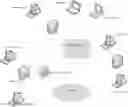













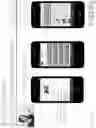
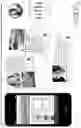
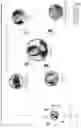















Sources:
- United States Patent and Trademark Office - verify current appl. status at the USPTO↗
Recent applications in this class:
- » 20250168224 2025-05-22
MULTI-CLOUD ACTIVE MESH NETWORK SYSTEM AND METHOD - » 20250168223 2025-05-22
PROVIDING NETWORK QUALITY OF SERVICE FOR MULTIPLE USERS - » 20250168222 2025-05-22
SYSTEMS AND METHODS FOR SECURE AND TRANSPARENT EXECUTION OF DISTRIBUTED OPERATIONS - » 20250168221 2025-05-22
CONNECTIVITY TOLERANT MEDICAL INFORMATION SYSTEM AND METHOD - » 20250150504 2025-05-08
Unified Cross-Application Navigation and Routing - » 20250150503 2025-05-08
SERVICE-PROVIDER HOSTED CONTROL PLANE FOR A REMOTE DATA CENTER - » 20250141953 2025-05-01
COMMAND CENTER - » 20250141952 2025-05-01
INTELLIGENTLY GENERATING AND DEPLOYING A METRIC BLOCKLIST WITHIN A DISTRIBUTED COMPUTING SYSTEM TO EFFICIENTLY MANAGE DATA METRIC REQUESTS - » 20250133129 2025-04-24
CROSS-DOMAIN SOLUTION FOR A RADIO ACCESS NETWORK - » 20250119464 2025-04-10
SHARING A MEMORY RESOURCE AMONG PHYSICALLY REMOTE ENTITIES