Porous liquids
US20200330919A1
2020-10-22
16/611,774
2018-05-11
✅ Patent granted
US 11,565,212 B2
2023-01-31
WO; PCT/GB2018/051279; 20180511
WO; WO2018/206977; 20181115
Daniel Berns
Henry Patent Law Firm PLLC
2038-05-11
Abstract:
The invention relates to dispersions of porous solids in liquids selected from deep eutectic solvents, liquid oligomers, bulky liquids, liquid polymers, silicone oils, halogenated oils, paraffin oils or triglyceride oils, as well as to their methods of preparation. In embodiments of the invention, the porous solids are metal organic framework materials (MOFs), zeolites, covalent organic frameworks (COFs), porous inorganic materials, Mobil Compositions of Matter (MCMs) or a porous carbon. The invention also relates to the use of porous materials to form dispersions, and to assemblages of such dispersions with a gas or gases. The dispersions can exhibit high gas capacities and selectivities.
Inventors:
- David Rooney 3 🇬🇧 Belfast, United Kingdom
- Stuart JAMES 5 🇬🇧 Belfast, United Kingdom
- Min Ying TSANG 2 🇬🇧 Belfast, United Kingdom
- John CAHIR 2 🇬🇧 Belfast, United Kingdom
Assignee:
- The Queen's University of Belfast 104 🇬🇧 Belfast, United Kingdom
Applicant:
Interested in similar patents?
Get notified when new applications in this technology area are published.
Classification:
B01D53/02 IPC
Separation of gases or vapours; Recovering vapours of volatile solvents from gases; Chemical or biological purification of waste gases, e.g. engine exhaust gases, smoke, fumes, flue gases, aerosols, by adsorption, e.g. preparative gas chromatography
B01D53/14 IPC
Separation of gases or vapours; Recovering vapours of volatile solvents from gases; Chemical or biological purification of waste gases, e.g. engine exhaust gases, smoke, fumes, flue gases, aerosols, by absorption
B01D53/025 » CPC further
Separation of gases or vapours; Recovering vapours of volatile solvents from gases; Chemical or biological purification of waste gases, e.g. engine exhaust gases, smoke, fumes, flue gases, aerosols, by adsorption, e.g. preparative gas chromatography with wetted adsorbents; Chromatography
B01D53/1493 » CPC further
Separation of gases or vapours; Recovering vapours of volatile solvents from gases; Chemical or biological purification of waste gases, e.g. engine exhaust gases, smoke, fumes, flue gases, aerosols, by absorption Selection of liquid materials for use as absorbents
B01J20/205 » CPC further
Solid sorbent compositions or filter aid compositions; Sorbents for chromatography; Processes for preparing, regenerating or reactivating thereof comprising inorganic material comprising free carbon; comprising carbon obtained by carbonising processes Carbon nanostructures, e.g. nanotubes, nanohorns, nanocones, nanoballs
B01J20/22 IPC
Solid sorbent compositions or filter aid compositions; Sorbents for chromatography; Processes for preparing, regenerating or reactivating thereof comprising organic material
B01J20/18 » CPC further
Solid sorbent compositions or filter aid compositions; Sorbents for chromatography; Processes for preparing, regenerating or reactivating thereof comprising inorganic material comprising silica or silicate; Alumino-silicates Synthetic zeolitic molecular sieves
B01J20/226 » CPC further
Solid sorbent compositions or filter aid compositions; Sorbents for chromatography; Processes for preparing, regenerating or reactivating thereof comprising organic material containing metals, e.g. organo-metallic compounds, coordination complexes Coordination polymers, e.g. metal-organic frameworks [MOF], zeolitic imidazolate frameworks [ZIF]
B01D53/1475 » CPC further
Separation of gases or vapours; Recovering vapours of volatile solvents from gases; Chemical or biological purification of waste gases, e.g. engine exhaust gases, smoke, fumes, flue gases, aerosols, by absorption; Removing acid components Removing carbon dioxide
B01D2252/2023 » CPC further
Absorbents, i.e. solvents and liquid materials for gas absorption; Organic absorbents; Alcohols or their derivatives Glycols, diols or their derivatives
B01D2252/2026 » CPC further
Absorbents, i.e. solvents and liquid materials for gas absorption; Organic absorbents; Alcohols or their derivatives; Glycols, diols or their derivatives Polyethylene glycol, ethers or esters thereof, e.g. Selexol
B01D2252/2028 » CPC further
Absorbents, i.e. solvents and liquid materials for gas absorption; Organic absorbents; Alcohols or their derivatives; Glycols, diols or their derivatives Polypropylene glycol, ethers or esters thereof
B01D2253/102 » CPC further
Adsorbents used in seperation treatment of gases and vapours; Inorganic adsorbents Carbon
B01D2253/108 » CPC further
Adsorbents used in seperation treatment of gases and vapours; Inorganic adsorbents; Silica or silicates Zeolites
B01D2253/202 » CPC further
Adsorbents used in seperation treatment of gases and vapours; Organic adsorbents Polymeric adsorbents
B01D2253/204 » CPC further
Adsorbents used in seperation treatment of gases and vapours; Organic adsorbents Metal organic frameworks (MOF's)
B01D2256/245 » CPC further
Main component in the product gas stream after treatment; Hydrocarbons Methane
B01D2257/504 » CPC further
Components to be removed; Carbon oxides Carbon dioxide
B01D2257/7025 » CPC further
Components to be removed; Organic compounds not provided for in groups - ; Hydrocarbons; Aliphatic hydrocarbons Methane
Y02C20/20 » CPC further
Capture or disposal of greenhouse gases of methane
Y02C20/20 » CPC further
Capture or disposal of greenhouse gases of methane
Y02C20/40 » CPC further
Capture or disposal of greenhouse gases of CO
Y02C20/40 » CPC further
Capture or disposal of greenhouse gases of CO
B01J20/20 IPC
Solid sorbent compositions or filter aid compositions; Sorbents for chromatography; Processes for preparing, regenerating or reactivating thereof comprising inorganic material comprising free carbon; comprising carbon obtained by carbonising processes
B01D53/10 » CPC main
Separation of gases or vapours; Recovering vapours of volatile solvents from gases; Chemical or biological purification of waste gases, e.g. engine exhaust gases, smoke, fumes, flue gases, aerosols, by adsorption, e.g. preparative gas chromatography with moving adsorbents, e.g. rotating beds with dispersed adsorbents
B01D2257/102 » CPC further
Components to be removed; Single element gases other than halogens Nitrogen
B01D15/02 » CPC further
Separating processes involving the treatment of liquids with solid sorbents ; Apparatus therefor with moving adsorbents
B01D2252/205 » CPC further
Absorbents, i.e. solvents and liquid materials for gas absorption; Organic absorbents Other organic compounds not covered by -
Description
The present invention relates to dispersions of porous solids in liquids selected from deep eutectic solvents, liquid oligomers, bulky liquids, liquid polymers, silicone oils, halogenated oils, paraffin oils or triglyceride oils, as well as to their methods of preparation. In embodiments of the invention, the porous solids are metal organic framework materials (MOFs). The invention also relates to the use of porous materials to form dispersions, and to assemblages of such dispersions with a gas or gases. The dispersions can exhibit high gas capacities and selectivities.
Porous solids such as zeolites, activated carbon and metal-organic frameworks (MOFs) are useful in molecular separation due to their permanent porosity. Porous solid adsorbents have significant advantages, for instance in terms of lower energy penalties in adsorption-desorption cycles when compared with their liquid counterparts, but they are difficult to incorporate into conventional flow processes.
Liquid phases for the dissolution of gases are known. Solutions of various amines in water, or other solvents, are known to dissolve CO2 and are applied industrially in natural gas “sweetening”. However, these methodologies comprise the use of toxic materials; are corrosive towards steel, which limits their uses industrially; and require large amounts of energy to regenerate. They are also non-specific and therefore cannot be used for specific or targeted gas separation.
Porous liquids based on crown-ether cage molecules dissolved in organic solvents are known (Nature, 2015, 527, 216). However, their preparation involves several steps and highly specialised expertise, making them lack viability for commercial use. The use of volatile organic solvents in these porous liquids also limits their application in continuous/reversible gas dissolution methodologies, since the solvents evaporate under the reduced pressure conditions typically used to remove dissolved gases.
Accordingly, materials that could combine the fluid properties of liquids and the permanent porosity of solids would offer significant advantages when compared with existing technologies in the fields of molecular storage and separation. Materials that could be used in continuous/reversible gas dissolution would also be advantageous, particularly where the materials do not require significant amounts of energy to regenerate. Other potential advantages may include a reduction in complexity, ease of preparation, ready availability and lack of toxicity of starting materials.
SUMMARY OF THE INVENTION
According to the present invention there is provided a dispersion comprising a porous solid in a liquid selected from a deep eutectic solvent, a liquid oligomer, a bulky liquid, a liquid polymer, a silicone oil, a halogenated oil, a paraffin oil, a triglyceride oil or a combination thereof.
In some embodiments, the dispersion may comprise 0.1-50 wt % of the porous solid, more particularly 0.5-30 wt %. In particular embodiments, the dispersion may comprise 1-15 wt % of the porous solid. More particularly, the dispersion may comprise 2-140 wt % of the porous solid. In some embodiments, for example when the porous solid is a MOF, zeolite or activated carbon, the dispersion may comprise 11-14 wt % of the porous solid, more particularly 12-13 wt % of the porous solid.
Optionally, the porous solid is a MOF.
Generally, a dispersion is a system in which particles are dispersed in a continuous phase of a different composition. The term “dispersion” is used herein to relate to a system in which particles of a porous solid are dispersed in a liquid phase or medium. According to the invention, the liquid phase or medium is selected from the group consisting of silicone oils, halogenated oils, paraffin oils and triglyceride oils. The dispersion may optionally comprise additives, such as surfactants, in order to increase the stability of the dispersion. Such additives are known to those skilled in the art.
It is known that some dispersions are time dependent before the start of separation of the solid particles in the liquid phase or medium, possibly based on requiring some form of agitation to continue as a dispersion. The present invention is not limited to the stability or transience of the dispersion.
The inventors have surprisingly determined that a dispersion according to the invention has a greater capacity for a gas or gases, than the liquid per se.
The inventors have demonstrated that the measured uptake for various gases in the dispersions of the present invention correlate with the gas uptake for the porous solid and the liquid. This confirms that the liquid of the dispersion does not enter the pores of the porous material, leaving the pores available for adsorption of gases. The present invention can therefore provide a material in a liquid phase or liquid form having a “permanent porosity”, a characteristic previously attributed only to solid materials. Such materials have use in the fields of, among others, gas separation and storage. Furthermore, as the measured uptake for various gases in a dispersion of the present invention has been found to correlate with theoretical gas uptake, the dispersion can be tailored to meet the application of interest.
In an embodiment, the porous solid is selected from a MOF, a zeolite, a covalent organic framework (COF), a porous inorganic material, a Mobil Composition of Matter (MCM) or a porous carbon. Porous solids can be microporous, in which a major part of the porosity results from pores with widths of less than 2 nm, or mesoporous, in which a major part of the porosity results from pores with widths between ˜2 nm and 50 nm.
Zeolites and porous carbon are rigid, chemically stable, physically stable and low cost porous materials, which are widely used for purification and catalysis. They can therefore be used in the present invention to create dispersions with a wide range of applications. In particular, the zeolite may be zeolite 3A, zeolite 5A, zeolite 13X, zeolite Rho, zeolite AgX or zeolite AgA. More particularly, for CO2 uptake the zeolite may be zeolite 3A or zeolite Rho. For C2H4 uptake, the zeolite may be zeolite AgA. For C2H8 uptake, the zeolite may be zeolite 13X. More particularly, for a dispersion comprising a zeolite the liquid may be a silicone oil or a triglyceride oil. In particular, the porous carbon may be activated carbon or graphite. More particularly, for a dispersion comprising an activated carbon the liquid may be polyethylene glycol.
In particular, the porous inorganic solid can be silica.
A covalent organic framework (COF), also sometimes referred to as a Porous Organic Polymer (POP), is a two-dimensional or three-dimensional organic solid. COFs are generally porous and crystalline. They are normally made from light elements. In particular, they may be made entirely from (ie they consist of) H, B, C, N and O. More particularly, the COF may be a porous aromatic framework, for example PAF-1. PAF-1 is a tetraphenylmethane polymer (see, for example, Mater. Horiz., 2015, 2, 11-21). As detailed in the examples below, the starting material for its preparation is tetrakis(4-bromophenyl)methane.
A Mobil Composition of Matter (MOM) is a further type or mesoporous material. In particular, the MCM may be a silicate. More particularly, the MCM may be MCM-41 or MCM-48. Structurally, these MCMs comprise an amorphous silica wall with a long range ordered framework and substantially uniform mesopores.
A metal-organic framework (commonly abbreviated to MOF) is a Co-ordination Polymer or Co-ordination Network with an open framework containing potential voids. MOFs are crystalline or non-crystalline, and are characterised by having particular pores or pore distributions and large specific surface areas. Current applications for MOFs include catalysis, separation and storage of a variety of chemical compounds and gases. Advantageously, MOFs can be modified in terms of porosity, functionality and selectivity, allowing them to be ‘fine-tuned’ to specific applications. Dispersions according to the present invention in which the porous solid is a MOF can therefore be tailored to the application of interest, providing designable dispersions or designable porous liquids.
MOFs comprise metal ions co-ordinated to organic linkers or inorganic anions. Suitable components for MOFs are listed in Table 1 below.
| TABLE 1 |
| Components of MOFs |
| Organic | Carboxylates | Imidazoles | Heterocycles | Sulfonates |
| Linkers | containing | |||
| elements such as | ||||
| N, O, S, B, P | ||||
| Phosphonates | peptides | Carboranes | polyoxometalates |
| i) including mixtures of above mentioned linkers | |
| ii) including derivatives of the above linkers with functional groups | |
| such as halogens, amines, alkyl groups, esters, ethers, silyl groups, | |
| acetylenes, hydroxyls, carboxyls, thio groups, azide groups, amides, | |
| aryl groups, alkenyl groups, alkynyl groups etc.) |
| Metal ions | Alkaline | Transition | Lanthanide | Actinide |
| metals | ||||
| Post-transition | ||||
| metals |
| i) including mixtures of the above mentioned metal ions | |
| ii) including the corresponding metal clusters |
| Linkers | SiF6 | TiF6 | oxalate | |
| which are | ||||
| inorganic | ||||
| anions | ||||
Suitable MOFs for use in the dispersions of the invention are shown in Table 2, below:
| TABLE 2 |
| MOFs |
| MOF-5 | MOF-177 | MOF-74/CPO-27 | MOF-210 | MOF-505 |
| MOF-200 | MOF-253 | MOF-508 | IMOF-3 | MOF-4 |
| MOF-602 | MOF-603 | MOF-2 | Sod-ZMOF | Rho-ZMOF |
| MOF-205 | ZIF-14 | ZIF-65 | ZIF-25 | ZIF-10 |
| ZIF-93 | ZIF-97 | ZIF-11 | ZIF-12 | ZIF-3 |
| ZIF-22 | ZIF-20 | ZIF-21 | ZIF-9 | ZIF-23 |
| ZIF-90 | ZIF-71 | ZIF-78 | ZIF-68 | ZIF-81 |
| ZIF-82 | ZIF-96 | ZIF-79 | ZIF-70 | ZIF-95 |
| ZIF-69 | ZIF-100 | ZIF-6 | CPL-11 | CPL-2 |
| BIF-2Li | BIF-2Cu | BIF-9 | BIF-4 | BIF-10 |
| BIF-6 | BIF-7 | BIF-8 | BIF-3 | BIF-5 |
| TIF-1 | TIF-2 | TIF-5 | TIF-3 | TIF-4 |
| PCN-6 | PCN-14 | PCN-66 | PCN-12 | PCN-224 |
| PCN-9 | PCN-13 | PCN-17 | PCN-333 | PCN-225 |
| PCN-332 | PCN-250 | PCN-222 | PCN-61 | PCN-521 |
| PCN-46 | PCN-223 | UMCM-2 | UMCM-150 | UMCM-1 |
| MIL-53; MIL-53(Al) | MIL-100 | MIL-101 | MIL-96 | MIL-47 |
| MIL-102 | MIL-117; MIL-142A | MIL-141 | MIL-140 | MIL-88 |
| MIL-120 | MIL-84 | MIL-91 | SNU-25 | SNU-50′ |
| SNU-15 | SNU-M10 | SNU-M11 | SNU-21S | SNU-21H |
| SNU-30 | SNU-3 | SNU-9 | SNU-21 | SNU-31′ |
| DUT-10 | DUT-4 | DUT-51 | DUT-13 | DUT-6 |
| NOTT-100 | NOTT-140 | NOTT-140a | NOTT-107 | NOTT-109 |
| NOTT-300 | NOTT-116 | UMCM-150 | USO-2-Ni | USO-3-In |
| USO-1-Al-A | MSF-2 | Cu-BITri | ELM-11 | Ni-STA-12 |
| IRMOF-11 | IRMOF-6 | IRMOF-62 | IRMOF-3 | MOP-23 |
| Mn(pmdc) | Co(tlmb) | YO-MOF | Cd-ADA-1 | CdIF-9 |
| Cu-EBTC | Zn2(BTetB) | Cu2(bptb) | ELM-31 | NU-100 |
| NU-135 | NU-125 | NU-140 | NU-111 | NU-700 |
| Zn(3,5-pydc)(DMA) | H3(Cu4Cl)2(BTTri)8 | Cu2(imta)(DMSO) | Co(dcdd) | Co4((OH)2(dcdd)3 |
| Cd2(tzc)2 | Mn(HCO2)2 | Cu2I2(bttp4) | Cu(1,4-ndc) | Zn(bchp) |
| Ni2(pbmp) | Zn(3,5-pydc)(DMA) | Zn4O(bmpbdc)3 | Cu-TDPAT | Zn2(bdc)2(dabco) |
| UTSA-16 | UTSA-20 | UTSA-34 | UTSA-40 | UTSA-38 |
| UTSA-100 | UTSA-100a | ZJU-5 | ZJU-25 | ZJU-35 |
| Cu-TaTB-30 | CAU-L; CAU-10-H | UoC-1 | Co-BDP | MFU-4 |
| Zn4O(bfbpdc)3 | HNUST-2 | HNUST-3 | UiO-67 | Cu(fma) |
| Cu2(sdc)2(ted) | Cu3(tatb) | Cu3(btb) | Zn4O(fma)3 | MTAF-4 |
| NPC-5 | NJFU-2 | MCM-41 | MAF-49 | MAF-2 |
| CU3(btc)2 | Zn4O(dmcapz)2 | FMOF-1 | FMOF-2 | Co(dcdd)(py)2 |
| ELM-11 | Zn2(bmebdc)2(pipy) | CUK-1 | CUK-2 | ZJNU-41 |
| ZJNU-42 | ZnCar.DMF | MPF-2 | MPF-9 | VSB-3 |
| bio-MOF-1 | bio-MOF-11 | HLJU-1 | HLJU-2 | IFMC-200 |
| NENU-3 | NENU-28 | NENU-29 | NENU-15 | NENU-11 |
| TMOF-1 | Cu-BTT | Ni-BTT | ITHD | NPC-5 |
| MOP-1 | BUT-10 | BUT-11 | SIFSIX-2-Cu | SIFSIX-2-Cu-i |
| ELM-11 | DO-MOF | oCB-MOF-1 | PCMOF-5 | CDMOF-2 |
| i) including isostructural MOFs with different metal ions and/or linkers |
In an embodiment, the MOF is selected from HKUST-1, ZIF-8, A(fumarate)(OH), SIFSIX-3-Zn, SIFSIX-3-Cu, UiO-66-NH2, UiO-66, Zr(fumarate), ZIF-67, MOF-5, IRMOF-3, UiO-67, CAU-10, SIFSIX-3-Ni, MIL-53, MIL-53(Al), MIL-101, NOTT-100, PCN-14, SIFSIX-3-Co, ZIF-90, ZIF-7, BIT-101, MOF-74, MOF-177, CuBTTri, IRMOF-3, MOF-5CH3, PCN-222, and UiO-66-CH3.
In an embodiment, the MOF is selected from HKUST-1, ZIF-7, ZIF-8, Al(fumarate)(OH), SIFSIX-3-Zn, SIFSIX-3-Cu, UiO-66-NH2, UiO-66, Zr(fumarate), ZIF-90 and ZIF-67. The MOFs can be synthesized using methodologies known to the person skilled in the art, and are not further described herein. More particularly, for CO2 uptake the MOF may be HKUST-1, Al(fumarate)(OH) and/or SIFSIX-3-Zn. For C2HN uptake, the MOF may be MIL-142A and/or PCN-250.
The range, nature and efficiency of gas adsorption by porous solids is well known to the person skilled in the art, and the invention is not limited by the gas or gases able to be adsorbed. The person skilled in the art is aware of a range of gases absorbable by various known MOFs including but not limited to carbon dioxide.
Optionally, the dispersions of the invention comprise porous solid particles dispersed in a liquid selected from a deep eutectic solvent, a liquid oligomer, a bulky liquid, a liquid polymer, a silicone oil, a halogenated oil, a paraffin oil or a triglyceride oil. More particularly, the dispersions of the invention comprise porous solid particles dispersed in a liquid selected from a silicone oil, a halogenated oil, a paraffin oil or a triglyceride oil.
A deep eutectic solvent is a type of ionic solvent. They are generally formed from a eutectic mixture of Lewis or Brønsted acids and bases which can contain a variety of anionic and/or cationic species. More particularly, the deep eutectic solvent may be a mixture of choline chloride and urea.
In particular, the liquid oligomer may be derived from an alkene monomer or mixture of alkene monomers, more particularly a conjugated diene, even more particularly butadiene.
A bulky liquid may be defined in the context of the invention as a solvent having a molecular size which is too large to enter the pores of the porous solid. More particularly, the bulky liquid may be bis(2-ethylhexyl) adipate, tributyl phosphate, dioctyl terephthalate, dioctyl phthalate, tributyl phosphate or 15-crown-5 ether.
In particular, the liquid polymer may be a polyether, more particularly polyethylene glycol or dimethyl-polyethylene glycol.
Advantageously, the oils utilised as the liquid component of the invention are widely available and typically low-cost, making them ideal components for industrial or large-scale applications.
According to an embodiment of the invention, the liquid phase is a silicone oil. Suitable silicone oils include, for example, pure silicone oil (eg silicone oil 20 cst, silicone oil 50 cst, silicone oil 350 cst or silicone oil 1000 cst), silicone oil AP 100 and silicone oil AR 20. Silicone oils are cheap, readily available and biocompatible making them advantageous for use in the dispersions of the present invention. In addition, silicone oil has high thermal stability which facilitates material regeneration.
According to an embodiment of the invention, the liquid is a triglyceride oil. Suitable triglyceride oils include, for example olive oil, castor oil, sesame oil, sunflower oil, safflower oil, rapeseed oil, walnut oil, peanut oil, almond oil, clove oil, soybean oil, corn oil, cottonseed oil, anise oil and linseed oil.
According to an embodiment of the invention, the liquid can be a halogenated oil, which may be a chlorinated, brominated or fluorinated oil. Suitable halogenated oils include, for example a perfluoropolyether oil such as Fomblin Y oil, a fluorinated silicone such as Fluorosil J15, a fluorinated polydimethylsiloxane such as Fluorosil D2, a fluorinated alkyl polydimethylsiloxane copolymer such as Fluorosil H418, a fluorocarbon ether such as Krytox oil, chlorinated silicone oil and halocarbon oil 27.
According to an embodiment of the invention, the liquid phase is paraffin oil.
In some embodiments, the dispersion comprises a zeolite dispersed in a silicone oil. In particular, the zeolite may be zeolite 3A, zeolite 5A, zeolite 13X, zeolite Rho, zeolite AgX or zeolite AgA.
In some embodiments, the dispersion may comprise 1-50 wt % of the porous solid. More particularly, the dispersion may comprise 5-30 wt % of the porous solid, even more particularly 10-15 wt % of the porous solid. In particular, the dispersion may comprise 11-14 wt % of the porous solid, more particularly 12-13 wt %.
In the dispersion according to the present invention, the pores of the porous solid are accessible to a gas. Optionally, the gas is CO2, CH4, N2, C2H4 or C2He.
According to another aspect of the present invention there is provided a method for preparing a dispersion comprising at least the step of: mixing a porous solid, in particularly a MOF, and a liquid selected from the group consisting of a deep eutectic solvent, a liquid oligomer, a bulky liquid, a liquid polymer, silicone oils, halogenated oils, paraffin oils and triglyceride oils and combinations thereof. The porous solid may be as defined above.
Optionally, the mixing includes agitating, stirring, sonication or grinding or a combination thereof.
In an embodiment, the method comprises stirring the mixture.
In an embodiment, the mixture is stirred at between 100 to 2,000 rpm. The duration or intensity of the stirring will depend on the nature of the porous solid and the liquid phase and is not particularly limited once a dispersion is formed. For instance, the mixture may be stirred for between 10 minutes to 3 hours, or between 30 minutes to 2 hours.
In an embodiment, the method comprises mixing up to 50 wt % of the porous solid, for example the MOF, with the liquid component of the dispersion. In other embodiments, the method comprises mixing from approximately 5 to approximately 30 wt %, or from approximately 10 to approximately 15 wt % of the porous solid, for example the MOF, with the liquid component of the dispersion.
MOFs can be activated using conventional methods in an oven and/or under vacuum. In an embodiment of the invention, a MOF is provided as a powder, and the powder is activated prior to being mixed with the liquid component of the dispersion.
In an alternative embodiment, a MOF is activated after the dispersion has been formed, i.e. the MOF, in powder form, is mixed with the liquid component of the dispersion and stirred or ground to prepare a dispersion, before the dispersion is activated. The dispersion can be activated in an oven and/or under vacuum.
The present invention also relates to a method of adsorbing a gas into a liquid, comprising at least the step of bringing the gas into contact with a dispersion comprising a porous material dispersed in a liquid phase, wherein the porous material is selected from a zeolite, a covalent organic framework (COF), a porous inorganic material, a Mobil Composition of Matter (MCM), a porous carbon and a MOF, and the liquid phase is selected from the group consisting of a deep eutectic solvent, a liquid oligomer, a bulky liquid, a liquid polymer, silicone oils, halogenated oils, paraffin oils, triglyceride oils and combinations thereof. More particular, the porous material and the liquid phase may be as defined above.
Optionally, the dispersion comprises a MOF in a liquid phase selected from silicone oils, halogenated oils, paraffin oils, triglyceride oils and combinations thereof as described above.
In an embodiment, the gas is in a gas mixture and the gas is selectively adsorbed by the dispersion.
Optionally, the gas is CO2, CH4, N2, C2H4 or C2He. In particular, the gas may be CO2.
The present invention also relates to the use of a porous solid as defined above, such as a MOF, to form a dispersion in a liquid phase or medium selected from deep eutectic solvents, liquid oligomers, bulky liquids, liquid polymers, silicone oils, halogenated oils, paraffin oils and triglyceride oils or a combination thereof.
The present invention also relates to a system comprising a porous solid as defined above, such as a MOF, and a liquid phase or medium capable of forming a dispersion, wherein the liquid medium is selected from deep eutectic solvents, liquid oligomers, bulky liquids, liquid polymers, silicone oils, halogenated oils, paraffin oils and triglyceride oils, or a combination thereof. The liquid medium (or liquid phase) may be as defined above.
The present invention also relates to a porous solid as defined above, such as a MOF, capable of forming a dispersion in a liquid phase, wherein the liquid phase is selected from the group consisting of deep eutectic solvents, liquid oligomers, bulky liquids, liquid polymers, silicone oils, halogenated oils, paraffin oils, triglyceride oils and combinations thereof. The liquid medium (or liquid phase) may be as defined above.
The present invention also relates to an assemblage of a porous solid dispersed in a liquid phase, and a gas contained within the pores of the porous material, wherein the liquid phase is selected from the group consisting of deep eutectic solvents, liquid oligomers, bulky liquids, liquid polymers, silicone oils, halogenated oils, paraffin oils, triglyceride oils and combinations thereof. The porous material may be selected from the group consisting of a zeolite, a covalent organic framework (COF), a porous inorganic material, a Mobil Composition of Matter (MCM), a porous carbon and a MOF. The porous material and liquid phase may be as defined above. Optionally, the porous material is a MOF.
Optionally, the assemblage further comprises at least one of
-
- the porous material being a MOF selected from HKUST-1, ZIF-7, ZIF-8, Al(fumarate)(OH), SIFSIX-3-Zn, SIFSIX-3-Cu, UiO-66-NH2, UiO-66, Zr(fumarate), ZIF-90, and ZIF-67;
- the liquid phase being as defined herein; and
- the gas being CO2.
FIGURES
FIG. 1 is a schematic diagram showing apparatus for gas uptake measurement;
FIG. 2 shows SEM images of the synthesized MOFs; namely FIG. 2(a) ZIF-8, FIG. 2(b) HKUST-1, FIG. 2(c) Al(fumarate)(OH), FIG. 2(d) SIFSIX-3-Zn;
FIG. 3 shows PXRD traces of the dispersions of Examples 5 to 8; wherein FIG. 3(a) shows (i) ZIF-8 in silicone oil, (ii) ZIF-8, and (iii) silicone oil; FIG. 3(b) shows (i) HKUST-1 in silicone oil, (ii) HKUST-1 and (iii) silicone oil; FIG. 3(c) shows (i) Al(fumarate)(OH) in silicone oil, (ii) Al(fumarate)(OH) and (iii) silicone oil; and FIG. 3(d) shows (i) SIFSIX-3-Zn in silicone oil, (ii) SIFSIX-3-Zn and (iii) silicone oil;
FIG. 4 shows IR spectra for the dispersions of Examples 5 to 8; namely FIG. 4(a) shows (i) ZIF-8 in 50 cst silicone oil, (ii) 50 cst silicone oil and (iii) ZIF-8; FIG. 4(b) shows (i) HKUST-1 in 50 cst silicone oil, (ii) 50 cst silicone oil and (iii) HKUST-1;
FIG. 4(c) shows (i) Al(fumarate)(OH) in 50 cst silicone oil, (ii) 50 cst silicone oil and (iii) A(fumarate)(OH): and FIG. 4(d) shows (i) SIFSIX-3-Zn in 50 cst silicone oil, (ii) 50 cst silicone oil and (iii) SIFSIX-3-Zn;
FIG. 5 is a reversibility test and shows CO2 uptake for dispersions of Examples 6 and 7 following regeneration;
FIG. 6 is a regeneration study of HKUST-1 in silicone oil and shows CO2 uptake for dispersions of Examples 6 following multiple regeneration cycles;
FIG. 7 shows further regeneration studies, depicting CO2 update for various dispersions after one, two and three cycles; and
FIG. 8 shows experimental and theoretical_CO2 uptake for dispersions of Examples 37-40.
FIG. 9 shows a Parr reactor used in the high pressure gas update studies.
EXAMPLES
The following examples are intended to be illustrative only.
Experimental Methodology
Materials
All materials were obtained from Sigma Aldrich UK in >98% purity or Molekula in >96% purity and were used as obtained without further purification. PXRD measurements were carried out on a PAN analytical X'Pert Pro X-ray diffractometer. Copper was used as the X-ray source with a wavelength of 1.5405 Å. Diffractograms were typically obtained from 550° with a step size of 0.0167°. CO2 uptake test was carried out on BINDER oven with EDWARDS pressure monitor. Gas uptake measurement was carried out at 25° C. and c.a. 0.8 bar.
Equipment
FIG. 1 is a schematic diagram showing apparatus for gas uptake measurements performed by a pressure drop method. The apparatus is held within a temperature controlled oven and the whole system is attached to a vacuum line. The liquid sample was held in the sample cell with a stirring bar and the gas reservoir was filled with a known amount of CO2 and remains closed before measurement. The system was then isolated from vacuum and the CO2 was released from the gas reservoir. The pressure in the system was monitored by a manometer attached to a PC.
Preparation of MOFs
All MOFs were synthesized as described in the literature and known in the art. Generally, the starting metal salt and corresponding ligand are mixed in methanol and stirred overnight. The resulting precipitate is washed with methanol three times and collected by centrifugation. The resultant MOF is dried under air. Specific syntheses are described below:
Example 1: Synthesis of ZIF-8
Solution synthesis: Zn(NO3)2.6H2O (1.00 g, 3.36 mmol) was dissolved in 20 mL methanol (MeOH) in a conical flask. 2-methylimidazole (1.10 g, 13.44 mmol) was dissolved in a separated 20 mL methanol and mixed with former solution. The mixture is then stirring overnight at room temperature under air. The obtained solid was washed with 20 mL MeOH 3 times. Activation conditions: 200° C. for 3 hours in the oven. Ball mill synthesis: Zn5(CO3)2(OH)6 (0.175 g, 0.32 mmol) and 2-methylimidazole (0.393 g, 4.79 mmol) were added to a 25 mL ball mill jar with 13.6 ball bearing, followed by addition of 50 uL MeOH. The mixture was then milled for 30 min at 20 Hz. The obtained solid was washed with 10 mL EtOH 3 times. Activation conditions: 150° C. for 3 hours in the oven.
Example 2: Synthesis of HKUST-1
Solution synthesis: Cu(NOs)2.2.5H2O (0.5 g, 2.15 mmol) was dissolved in 10 mL methanol in a conical flask. Benzene-1,3,5-tricarboxylic acid (0.91 g, 4.30 mmol) was dissolved in a separated 10 mL methanol and mixed with former solution. The mixture was then stirring overnight at room temperature under air. The obtained solid was washed with 10 mL MeOH 3 times. Activation conditions: 200° C. for 5 hours in the oven. Ball mill synthesis: Cu(OH)2 (0.21 g, 2.15 mmol) and benzene-1,3,5-tricarboxylic acid (0.29 g, 1.37 mmol) were added to a 25 mL ball mill jar with 13.6 ball bearing, followed by addition of 0.5 mL MeOH. The mixture was then milled for 15 min at 25 Hz. The obtained solid was washed with 20 mL EtOH 3 times. Activation conditions: 200° C. for 3 hours in the oven.
Example 3: Synthesis of Al(fumarate)(OH)
A2(SO4)3.18H2O (1.225 g, 3.58 mmol) was dissolved in 15 mL deionised water in a conical flask. Fumaric acid (415 mg, 3.57 mmol) and NaOH (286.4 mg, 7.16 mmol) were dissolved in a separate 15 mL quantity of deionised water and mixed with the former solution. The mixture was then heated at 60° C. for 3 hours and cooled to room temperature. The off-white precipitate was collected by centrifugation and washed with 15 mL deionised water twice, followed by 15 mL MeOH twice, the obtained solid was dried under air. Activation conditions: 200° C. for 3 hours in the oven.
Example 4: Synthesis of SIFSIX-3-Zn
ZnSiF6 (100 mg, 0.48 mmol) was dissolved in 3 mL methanol in a vial. Pyrazine (77.2 mg. 0.96 mmol) was dissolved in a separate 2 mL quantity of methanol and mixed with the former solution. The mixture was stirred overnight at room temperature under air. A pale yellow precipitate was collected by centrifugation, washed with 5 mL MeOH twice, dried under vacuum and stored under N2. Activation conditions: 55° C. for 3 hours under vacuum.
Example 4a: Synthesis of SIFSIX-3-Cu
CuSiF6 (98.7 mg, 0.48 mmol) was dissolved in 3 mL methanol in a vial. Pyrazine (77.2 mg, 0.96 mmol) was dissolved in a separate 2 mL quantity of methanol and mixed with the former solution. The mixture was stirred overnight at room temperature under air. A pale yellow precipitate was collected by centrifugation, washed with 5 mL MeOH twice, dried under vacuum and stored under N2. Activation conditions: 55° C. for 3 hours under vacuum.
Example 4b: Synthesis of UiO-66
ZrCl4 (1.29 g, 5.54 mmol) was dissolved in 30 mL DMF in a conical flask. Terephthalic acid (0.9 g, 7.76 mmol) was dissolved in a separate 30 mL quantity of DMF and mixed with the former solution. The mixture was transferred to an autoclave and heated at 120° C. overnight before being allowed to cool to room temperature. The off-white precipitate was collected by centrifugation, washed with 20 mL DMF twice, followed by 20 mL MeOH, and the obtained solid was dried overnight in air. Activation condition: 200° C. for 2 hours under vacuum.
Example 4c: Synthesis of UiO-66-NH2
ZrCl4 (200 mg, 0.86 mmol) was dissolved in a mixture of 5 mL DMF and 0.1 mL H2O in a conical flask. 2-amino-terephthalic acid (155.5 mg. 0.86 mmol) was dissolved in a separate 5 mL quantity of DMF and mixed with the former solution. The mixture was transferred to an autoclave and heated at 120° C. overnight before being allowed to cool to room temperature. The pale yellow precipitate was collected by centrifugation, washed with 10 mL DMF twice, followed by 10 mL MeOH, and the obtained solid was dried overnight in air. Activation condition: 200° C. for 2 hours under vacuum.
Example 4d: Synthesis of ZIF-67
CO(NO)2.6H2O (1.50 g, 5.15 mmol) was dissolved in 50 mL deionised water in a conical flask. 2-methylimidazole (1.69 g, 20.58 mmol) and triethylamine (2 mL) were dissolved in a separate 50 mL quantity of deionised water and mixed with the former solution. The mixture was stirred overnight at room temperature under air. The obtained solid was washed with 20 mL deionised water 3 times. Activation condition: 150° C. for 3 hours in the oven.
Example 4e: Synthesis of ZIF-90
Zn(NO3)2.6H2O (0.51 g, 1.72 mmol) was dissolved in 10 mL DMF in a conical flask. 2-imidazolecarboxaldehyde (0.79 g, 8.27 mmol) and dihexylamine (1.2 mL) were dissolved in a separate 10 mL quantity of DMF and mixed with the former solution. The mixture was stirred overnight at room temperature under air. The obtained solid was washed with 20 mL DMF twice and methanol twice. Activation condition: 150° C. for 2 hours in the oven.
Example 4f: Synthesis of Zr(Fumarate)
ZrCl4 (2.33 g, 9.99 mmol) was dissolved in 25 mL deionised water in a conical flask. Fumaric acid (1.16 g, 9.99 mmol) was dissolved in acetic acid (25 mL) and mixed with the former solution. The mixture was heated to 95° C. for 1 hour under air. The obtained solid was washed with 50 mL deionised water 3 times. Activation condition: 200° C. for 2 hours in the oven.
Example 4g: Synthesis of MIL-53(Al)
A(NO3).H2O (1.00 g, 2.67 mmol) was dissolved in 10 mL deionised water in a conical flask. Terephthalic acid (0.996 g, 5.99 mmol) was dissolved in 25 mL DMF and mixed with the former solution. The mixture was transferred to autoclave and heated to 150° C. for 3 days. The obtained solid was washed with 10 mL DMF and 10 deionised water 3 times. Activation condition: 200° C. for 2 hours in the oven.
Example 4h: Synthesis of CAU-10-H
Aluminium sulfate hydrate (Al2(SO4)3.18H2O) (5.05 g, 7.5 mmol) was dissolved in 25 mL of H2O, and isophthalic acid (1.32 g, 7.9 mmol) dissolved in 7 mL of DMF. The two solutions were combined in a round bottom flask. The combined mixture was heated under reflux at 105° C. for 117 hrs. After cooling down the precipitate was filtered, redispersed for washing in 200 mL of H2O by stirring. The dispersion was filtered again and dried for 2 days at 100° C. Activation condition: 120° C. for 5 days under vacuum.
Example 41: Synthesis of ZIF-7
A solid mixture of zinc nitrate hexahydrate (0.8 g, 2.69 mmol) and of benzimidazole (0.24 g, 2.03 mmol) was dissolved in 75 mL of dimethylformamide (DMF). The solution was poured into a Teflon autoclave and put into oven at 130° C. for 48 hours. The product was then filtered. To remove the DMF from the pores of ZIF-7, the product underwent a solvent exchange with methanol for 48 hours at room temperature. The solid was then washed with methanol and dried at room temperature. Activation conditions: 150° C. for 2 hours in the oven.
Example 4j: Synthesis of Silver Zeolite AgX or AgA
silver nitrate (8.49 g, 50 mmol) was dissolved in 100 mL distilled water to make a 0.5 M solution. Then 1 g of zeolite 5A/zeolite 13X was added into the silver nitrate solution and allowed to stir for 5 hours at 353K. Afterwards, the solid was washed thoroughly with distilled water (3×30 mL) and dried at room temperature. Activation conditions: 200° C. for 2 hours in the oven.
Example 4k: Synthesis of PAF-1
Tetrakis(4-bromophenyl)methane synthesis
To a three-necked round-bottom flask containing bromine (6.4 mL, 19.9 g), tetraphenylmethane (2.0 g, 6.24 mmol) was added stepwise in small portions under vigorous stirring at room temperature (25° C.). After the addition was completed, the resulting solution was stirred for 60 min and then cooled to 0° C. At 0° C., ethanol (25 mL) was added slowly, and the reaction mixture was allowed to warm to room temperature overnight. Then, the precipitate was filtered and subsequently washed with saturated aqueous sodium hydrogensulfite solution (25 mL) and water (100 mL). After drying at 80° C. for 24 h under vacuum, tetrakis(4-bromophenyl) methane was recrystallized in EtOH/CH2Cl2 to afford a yellow solid.
PAF-1 Synthesis
Tetrakis(4-bromophenyl)methane (509 mg, 0.8 mmol) was added to a solution of 2,2-bipyridyl (565 mg. 3.65 mmol), bis(1,5cyclooctadiene)nickel(0) (1.0 g, 3.65 mmol), and 1,5-cyclooctadiene (0.45 mL, 3.65 mmol) in anhydrous DMF/THF (60 mL/90 mL), and the mixture was stirred overnight at room temperature under nitrogen atmosphere. After the reaction, 6 M HCl (60 mL) was added slowly, and the resulting mixture was stirred for 12 h. The precipitate was collected by filtration, then washed with methanol and water, and dried at 150° C. for 24 h under vacuum (80 mbar) to produce PAF-1 as a white powder.
Activation conditions: 200° C. for 3 hours.
Characterisation of MOFs
The physical characteristics of the selected MOFs of Examples 1 to 4 are shown in Table 3 below.
| TABLE 3 |
| Physical characteristics of synthesized MOFs |
| Average |
| Morphology | particle Size | Density | Aperture | Colour | |
| HKUST-1 | Irregular | 500 | nm | 0.88 | 6.9 Å, | Light blue |
| g/cm3 | 4.1 Å | |||||
| ZIF-8 | Hexagonal | 400 | nm | 0.95 | 3.4 Å | Off white |
| g/cm3 |
| Al(fumarate)(OH) | Flake | N/A | N/A | N/A | Off white |
| SIFSIX-3-Zn | Rectangular | 20 | um | 1.4 | 3.8 Å | Pale yellow |
| g/cm3 | ||||||
The MOFs were also imaged using Scanning Electron Microscopy (SEM) and SEM images of the MOFs of Examples 1 to 4 are shown in FIG. 2.
Synthesis of Dispersions
Example 5: ZIF-8 in Silicone Oil (50 Cst)
ZIF-8 MOF was prepared as described in Example 1, and activated by heating at 200° C. for 2 hours. 200 mg of the activated ZIF-8 powder was added to 1.3 mL silicone oil (density: 0.98 gmL−1) with stirring at 600 rpm with a magnetic stirrer in a 10 mL glass vial. The dispersion was characterized by powder X-Ray Diffraction (PXRD) and Infrared Spectroscopy (IR) and the data are shown in FIGS. 3(a) and 4(a).
Example 6: HKUST-1 in Silicone Oil (50Cst)
HKUST-1 MOF was prepared as described in Example 2, and activated by heating at 200° C. for 3 hours. 180 mg of the activated HKUST-1 powder was added to 1.3 mL silicone oil (density: 0.98 gmL−1) under stirring at 600 rpm with a magnetic stirrer in a 10 mL glass vial. The dispersion was characterized by powder X-Ray Diffraction (PXRD) and Infrared Spectroscopy (IR) and the data are shown in FIGS. 3(b) and 4(b).
Example 7: Al(Fumarate)OH) in Silicone Oil (50Cst)
A(fumarate)(OH) MOF was prepared as described in Example 3 and activated by heating at 200° C. for 2 hours. 180 mg of the activated A(fumarate)(OH) powder was added to 1.3 mL silicone oil (density: 0.98 gmL−1) under stirring at 600 rpm with a magnetic stirrer in a 10 mL glass vial. The dispersion was characterized by powder X-Ray Diffraction (PXRD) and Infrared Spectroscopy (IR) and the spectra are shown in FIGS. 3(c) and 4(c).
Example 8: SIFSIX-3-Zn in Silicone Oil (50Cst)
SIFSIX-3-Zn MOF was prepared as described in Example 4 and activated by vacuum at 55° C. for 3 hours. 180 mg of the activated SIFSIX-3-Zn powder was added to 1.3 mL silicone oil (density: 0.98 gmL1) under stirring at 600 rpm with a magnetic stirrer in a 10 mL glass vial. The dispersion was characterized by powder X-Ray Diffraction (PXRD) and Infrared Spectroscopy (IR) and the data are shown in FIGS. 3(d) and 4(d).
Example 9: ZIF-8 in Silicone Oil (350Cst)
ZIF-8 MOF was prepared as described in Example 1, and activated by heating at 200° C. for 2 hours. 200 mg of the activated ZIF-8 powder was added to 1.3 mL silicone oil (density: 0.98 gmL−1) under stirring at 600 rpm with a magnetic stirrer in a 10 mL glass vial.
Example 10: HKUST-1 in Silicone Oil (350Cst)
HKUST-1 MOF was prepared as described in Example 2, and activated by heating at 200° C. for 3 hours. 180 mg of the activated HKUST-1 powder was added to 1.3 mL silicone oil (density: 0.98 gmL−1) under stirring at 600 rpm with a magnetic stirrer in a 10 mL glass vial.
Example 11: Al(Fumarate)OH) in Silicone Oil (350Cst)
A(fumarate)(OH) MOF was prepared as described in Example 3 and activated by heating at 200° C. for 2 hours. 180 mg of the activated Al(fumarate)(OH) powder was added to 1.3 mL silicone oil (density: 0.98 gmL−1) under stirring at 600 rpm with a magnetic stirrer in a 10 mL glass vial.
Example 12: SIFSIX-3-Zn in Silicone Oil (350Cst)
SIFSIX-3-Zn MOF was prepared as described in Example 4 and activated by vacuum at 55° C. for 3 hours. 180 mg of the activated SIFSIX-3-Zn powder was added to 1.3 mL silicone oil (density: 0.98 gmL−1) under stirring at 600 rpm with a magnetic stirrer in a 10 mL glass vial.
Example 13: ZIF-8 in Silicone Oil (1000Cst)
ZIF-8 MOF was prepared as described in Example 1, and activated by heating at 200° C. for 2 hours. 200 mg of the activated ZIF-8 powder was added to 1.3 mL silicone oil (density: 0.98 gmL−1) under stirring at 600 rpm with a magnetic stirrer in a 10 mL glass vial.
Example 14: HKUST-1 in Silicone Oil (1000Cst)
HKUST-1 MOF was prepared as described in Example 2, and activated by heating at 200° C. for 3 hours. 180 mg of the activated HKUST-1 powder was added to 1.3 mL silicone oil (density: 0.98 gmL−1) under stirring at 600 rpm with a magnetic stirrer in a 10 mL glass vial.
Example 15: Al(Fumarate)(OH) in Silicone Oil (1000Cst)
A(fumarate)(OH) MOF was prepared as described in Example 3 and activated by heating at 200° C. for 2 hours. 180 mg of the activated Al(fumarate)(OH) powder was added to 1.3 mL silicone oil (density: 0.98 gmL−1) under stirring at 600 rpm with a magnetic stirrer in a 10 mL glass vial.
Example 16: SIFSIX-3-Zn in Silicone Oil (1000Cst)
SIFSIX-3-Zn MOF was prepared as described in Example 4 and activated by vacuum at 55° C. for 3 hours. 180 mg of the activated SIFSIX-3-Zn powder was added to 1.3 mL silicone oil (density: 0.98 gmL−1) under stirring at 600 rpm with a magnetic stirrer in a 10 mL glass vial.
Example 17: ZIF-8 in Fomblin Y Oil (60Cst)
ZIF-8 MOF was prepared as described in Example 1, and activated by heating at 200° C. for 2 hours. 200 mg of the activated ZIF-8 powder was added to 1.3 mL Fomblin Y oil (density: 1.88 gmL−1) under stirring at 600 rpm with a magnetic stirrer in a 10 mL glass vial.
Example 18: HKUST-1 in Fomblin Y Oil (60Cst)
HKUST-1 MOF was prepared as described in Example 2, and activated by heating at 200° C. for 3 hours. 180 mg of the activated HKUST-1 powder was added to 1.3 mL Fomblin Y oil (density: 1.88 gmL−1) under stirring at 600 rpm with a magnetic stirrer in a 10 mL glass vial.
Example 19: Al(Fumarate)OH) in Fomblin Y Oil (60Cst)
A(fumarate)(OH) MOF was prepared as described in Example 3 and activated by heating at 200° C. for 2 hours. 180 mg of the activated A(fumarate)(OH) powder was added to 1.3 mL Fomblin Y oil (density: 1.88 gmL−1) under stirring at 600 rpm with a magnetic stirrer in a 10 mL glass vial.
Example 20: SIFSIX-3-Zn in Fomblin Y Oil (60Cst)
SIFSIX-3-Zn MOF was prepared as described in Example 4 and activated by vacuum at 55° C. for 3 hours. 180 mg of the activated SIFSIX-3-Zn powder was added to 1.3 mL Fomblin Y oil (density: 1.88 gmL−1) under stirring at 600 rpm with a magnetic stirrer in a 10 mL glass vial.
Example 21: ZIF-8 in Olive Oil (84 Cst)
ZIF-8 MOF was prepared as described in Example 1, and activated by heating at 200° C. for 2 hours. 200 mg of the activated ZIF-8 powder was added to 1.3 mL olive oil (density: 0.91 gmL−1) under stirring at 600 rpm with a magnetic stirrer in a 10 mL glass vial.
Example 22: HKUST-1 in Olive Oil (84 Cst)
HKUST-1 MOF was prepared as described in Example 2, and activated by heating at 200° C. for 3 hours. 180 mg of the activated HKUST-1 powder was added to 1.3 mL olive oil (density: 0.91 gmL1) under stirring at 600 rpm with a magnetic stirrer in a 10 mL glass vial.
Example 23: Al(Fumarate)(OH) in Olive Oil (84 Cst)
A(fumarate)(OH) MOF was prepared as described in Example 3 and activated by heating at 200° C. for 2 hours. 180 mg of the activated A(fumarate)(OH) powder was added to 1.3 mL olive oil (density: 0.91 gmL−1) under stirring at 600 rpm with a magnetic stirrer in a 10 mL glass vial.
Example 24: SIFSIX-3-Zn in Olive Oil (84 Cst)
SIFSIX-3-Zn MOF was prepared as described in Example 4 and activated by vacuum at 55° C. for 3 hours. 180 mg of the activated SIFSIX-3-Zn powder was added to 1.3 mL olive oil (density: 0.91 gmL−1) under stirring at 600 rpm with a magnetic stirrer in a 10 mL glass vial.
Example 25: ZIF-8 in Sesame Oil (65 Cst)
ZIF-8 MOF was prepared as described in Example 1, and activated by heating at 200° C. for 2 hours. 200 mg of the activated ZIF-8 powder was added to 1.3 mL sesame oil (density: 0.92 gmL−1) under stirring at 600 rpm with a magnetic stirrer in a 10 mL glass vial.
Example 26: HKUST-1 in Sesame Oil (65 Cst)
HKUST-1 MOF was prepared as described in Example 2, and activated by heating at 200° C. for 3 hours. 180 mg of the activated HKUST-1 powder was added to 1.3 mL sesame oil (density: 0.92 gmL−1) under stirring at 600 rpm with a magnetic stirrer in a 10 mL glass vial.
Example 27: Al(Fumarate)OH) in Sesame Oil (65 Cst)
A(fumarate)(OH) MOF was prepared as described in Example 3 and activated by heating at 200° C. for 2 hours. 180 mg of the activated Al(fumarate)(OH) powder was added to 1.3 mL sesame oil (density: 0.92 gmL−1) under stirring at 600 rpm with a magnetic stirrer in a 10 mL glass vial.
Example 28: SIFSIX-3-Zn in Sesame Oil (65 Cst)
SIFSIX-3-Zn MOF was prepared as described in Example 4 and activated by vacuum at 55° C. for 3 hours. 180 mg of the activated SIFSIX-3-Zn powder was added to 1.3 mL sesame oil (density: 0.92 gmL−1) under stirring at 600 rpm with a magnetic stirrer in a 10 mL glass vial.
Example 29: ZIF-8 in Paraffin Oil (110-230 Cst)
ZIF-8 MOF was prepared as described in Example 1, and activated by heating at 200° C. for 2 hours. 200 mg of the activated ZIF-8 powder was added to 1.3 mL paraffin oil (density: 0.827-0.890 gmL−1) under stirring at 600 rpm with a magnetic stirrer in a 10 mL glass vial.
Example 30: HKUST-1 in Paraffin Oil (110-230 Cst)
HKUST-1 MOF was prepared as described in Example 2, and activated by heating at 200° C. for 3 hours. 180 mg of the activated HKUST-1 powder was added to 1.3 mL paraffin oil (density: 0.827-0.890gmL−1) under stirring at 600 rpm with a magnetic stirrer in a 10 mL glass vial.
Example 31: Al(Fumarate)(OH) in Paraffin Oil (110-230 Cst)
A(fumarate)(OH) MOF was prepared as described in Example 3 and activated by heating at 200° C. for 2 hours. 180 mg of the activated A(fumarate)(OH) powder was added to 1.3 mL paraffin oil (density: 0.827-0.890 gmL−1) under stirring at 600 rpm with a magnetic stirrer in a 10 mL glass vial.
Example 32: SIFSIX-3-Zn in Paraffin Oil (110-230 Cst)
SIFSIX-3-Zn MOF was prepared as described in Example 4 and activated by vacuum at 55° C. for 3 hours. 180 mg of the activated SIFSIX-3-Zn powder was added to 1.3 mL paraffin oil (density: 0.827-0.890 gmL−1) under stirring at 600 rpm with a magnetic stirrer in a 10 mL glass vial.
Example 33: ZIF-8 in Castor Oil (964 Cst)
ZIF-8 MOF was prepared as described in Example 1, and activated by heating at 200° C. for 2 hours. 200 mg of the activated ZIF-8 powder was added to 1.3 mL castor oil (density: 0.92 gmL−1) under stirring at 600 rpm with a magnetic stirrer in a 10 mL glass vial.
Example 34: HKUST-1 in Castor Oil (964 Cst)
HKUST-1 MOF was prepared as described in Example 2, and activated by heating at 200° C. for 3 hours. 180 mg of the activated HKUST-1 powder was added to 1.3 mL castor oil (density: 0.92 gmL−1) under stirring at 600 rpm with a magnetic stirrer in a 10 mL glass vial.
Example 35: A(Fumarate)OH) in Castor Oil (964 Cst)
Al(fumarate)(OH) MOF was prepared as described in Example 3 and activated by heating at 200° C. for 2 hours. 180 mg of the activated A(fumarate)(OH) powder was added to 1.3 mL castor oil (density: 0.92 gmL−1) under stirring at 600 rpm with a magnetic stirrer in a 10 mL glass vial.
Example 36: SIFSIX-3-Zn in Castor Oil (964 Cst)
SIFSIX-3-Zn MOF was prepared as described in Example 4 and activated by vacuum at 55° C. for 3 hours. 180 mg of the activated SIFSIX-3-Zn powder was added to 1.3 mL castor oil (density: 0.92 gmL−1) under stirring at 600 rpm with a magnetic stirrer in a 10 mL glass vial.
Example 37: Porous SiO2 in Paraffin Oil
180 mg of the porous SiO2 was added to 1.3 mL paraffin oil (density: 0.827-0.890 gmL−1) under stirring at 600 rpm with a magnetic stirrer in a 10 mL glass vial.
Example 38: PAF-1 in Silicone Oil (50 Cst)
62 mg of PAF-1 was added to 2.2 mL silicone oil (density: 0.98 gmL−1) under stirring at 600 rpm with a magnetic stirrer in a 10 mL glass vial.
Example 38: PAF-1 in Paraffin Oil
62 mg of PAF-1 was added to 2.2 mL paraffin oil (density: 0.827-0.890 gmL−1) under stirring at 600 rpm with a magnetic stirrer in a 10 mL glass vial.
Example 38: PAF-1 In Polyethylene glycol (Genosorb)
180 mg of PAF-1 was added to 1.3 mL polyethylene glycol (density: 0.93 gmL−1) under stirring at 600 rpm with a magnetic stirrer in a 10 mL glass vial.
Comparative Example 1: HKUST-1 in PEG-200
Comparative Example 2: ZIF-8 in PEG-200
Comparative Example 3: ZIF-8 in 15-Crown-5
Comparative Example 4: HKUST-1 in Oleic Acid
Comparative Example 5: ZIF-8 in Oleic Acid
Characterisation of Dispersions
Following synthesis, all dispersions were characterized by Powder X-Ray Diffraction (PXRD) and Infrared Spectroscopy (IR). Each of the PXRD spectra showed MOF patterns which were identical to those of the original MOF, confirming that the structure of the MOF component of the dispersion remained intact after mixing in the dispersion. The PXRD patterns and IR spectra of the dispersions of examples 5 to 8 are shown in FIGS. 3 (PXRD) and 4 (IR).
Stability Studies
The stability of the dispersions of the invention is important for their industrial applicability. The stability of the dispersions can be optimised by, for instance, reducing the size of the porous particles, increasing the viscosity of the liquid component, matching the densities of the porous solid particles and the liquid component, as well as by enhancing interaction between the solid particles and the liquid medium. The stability of MOFs in various liquid phases was determined and the results are shown in Tables 4a and 4b.
| TABLE 4a |
| Summary of dispersion stability |
| Liquid | MOF |
| medium | HKUST-1 | ZIF-8 | Al(fum)(OH) | SIFSIX-3-Zn | SIFSIX-3-Cu |
| Silicone oil | X | √ | √ | X | X |
| (20 cst) | |||||
| Silicone oil | X | √ | √ | X | X |
| (50 cst) | |||||
| Silicone oil | √ | √ | √ | √ | √ |
| (350 cst) | |||||
| Silicone oil | √ | √ | √ | √ | √ |
| (1000 cst) | |||||
| Silicone based oil AR 20 | √ | √ | √ | X | √ |
| Fomblin Y oil 60 cst | X | X | X | √ | X |
| Krytox Y oil 60 cst | √ | √ | √ | √ | √ |
| Paraffin oil | √ | √ | √ | X | √ |
| Olive Oil | √ | √ | √ | √ | √ |
| Castor Oil | √ | √ | √ | √ | √ |
| Sesame Oil | √ | √ | √ | √ | √ |
| Corn oil | √ | √ | √ | √ | √ |
| Soy bean oil | √ | √ | √ | √ | √ |
| Sunflower oil | √ | √ | √ | √ | √ |
| Safflower oil | √ | √ | √ | √ | √ |
| X: requires stirring to maintain homogeneous dispersion. | |||||
| √: without stirring, dispersion remains stable for at least one day. |
| TABLE 4b |
| Summary of dispersion stability |
| Liquid medium |
| Silicone oil (50 cst) | Olive oil | Krytox oil 177 cst | |
| MOFs | |||
| UiO-66 | X | √ | — |
| UiO-66-NH2 | X | √ | — |
| ZIF-67 | √ | √ | — |
| Zr-fumarate | X | √ | — |
| ZIF-90 | √ | √ | — |
| Zeolites | √ | — | |
| Zeolite 3A | X | √ | — |
| Zeolite 5A | X | √ | — |
| Zeolite 13X | X | √ | — |
| Activated carbon | X | √ | √ |
| X: requires stirring to maintain homogeneous dispersion. | |||
| √: without stirring, dispersion remains stable for at least one day. |
From the above tables it can be seen that some of the dispersions are stable for at least one day. Other dispersions require stirring in order to maintain a homogeneous dispersion.
As listed, some porous liquid mixtures can form stable dispersion for at least 1 day, but few of them require stirring in order to maintain the homogeneous dispersion.
Gas Uptake Studies
Gas uptake studies were carried out using a volumetric technique based on an isochoric method. The measurements were carried out at around 0.8 bar and 298 k.
All pure porous solids have been measured to compare with known literature values (Table 5a). Also, pure liquid media have been measured for calculation of prediction gas uptake. All porous liquids were measured with 12.5 wt % porous solid content, unless specified.
| TABLE 5a |
| CO2 uptake of pure porous solids |
| Experimental | Literature | |
| (mg/g (mmol/g)) | (mg/g (mmol/g)) | |
| MOFs | ||
| HKUST-1 | 170.76 (3.88) | 197.61 (4.49) |
| ZIF-8 | 36.97 (0.84) | 43.13 (0.98) |
| Al(fum)(OH) | 95.59 (2.17) | 91.98 (2.09) |
| SIFSIX-3-Zn | 118.83 (2.70) | 112.23 (2.55) |
| SIFSIX-3-Cu | 109.14 (2.48) | — |
| UiO-66 | 79.22 (1.80) | 55.89 (1.27) |
| UiO-66-NH2 | 90.66 (2.06) | 102.10 (2.32) |
| ZIF-67 | 42.25 (0.96) | 41.37 (0.94) |
| Zr-fumarate | 79.22 (1.80) | 80.10 (1.82) |
| ZIF-90 | 104.30 (2.37) | — |
| MIL-53(Al) | 98.6 (2.24) | 110.03 (2.50) |
| CAU-10-H | 98.60 (2.24) | 110.20 (2.30) |
| Zeolites | ||
| Zeolite 3A | 134.23 (3.05)* | — |
| Zeolite 5A | 47.97 (1.09)* | — |
| Zeolite 13X | 69.54 (1.58)* | — |
| Zeolite RhO | 115.7 (2.63) | 154.04 (3.50) |
| Activated carbon | ||
| G-60 | 126.31 (2.87) | — |
| *No activation treatment. |
CO2 Uptake
CO2 uptake was measured for each of the dispersions of Examples 5 to 36 above, and for the dispersions prepared in accordance with comparative examples 1 to 3. Theoretical uptake, based on known uptake for the MOF and liquid phase components were calculated, and the measured and theoretical values are shown in Table 5b below. All solid content in porous liquids are measured at 12.5 wt % loading, unless specified.
| TABLE 5b |
| CO2 uptake of elected compositions of porous liquids (mg/g (mmol/g)) |
| Silicone oil | Silicone oil | Silicone oil | Fluorinated | |
| (50 cst) | (350 cst) | (1000 cst) | oil (60 cst)** | |
| 5.04 (0.12) | 3.87 (0.09) | 3.27 (0.07) | 3.16 (0.07) |
| Exp. | Cal. | Exp. | Cal. | Exp. | Cal. | Exp. | Cal. | |
| HKUST-1 | 23.76 | 25.96 | 24.77 | 24.89 | 21.28 | 24.36 | 6.21 | 14.72 |
| (0.54) | (0.59) | (0.56) | (0.57) | (0.48) | (0.55) | (0.14) | (0.33) | |
| ZIF-8 | 9.68 | 9.24 | 8.61 | 8.41 | 7.76 | 7.89 | 6.40 | 5.48 |
| (0.22) | (0.21) | (0.20) | (0.19) | (0.18) | (0.18) | (0.15) | (0.12) | |
| Al(fum)(OH) | 15.84 | 16.28 | 16.86 | 15.43 | 16.87 | 14.91 | 11.57 | 9.63 |
| (0.36) | (0.37) | (0.38) | (0.35) | (0.38) | (0.39) | (0.26) | (0.22) | |
| SIFSIX-3-Zn | 19.81 | 21.12 | 18.17 | 18.35 | 16.51 | 17.83 | 8.58 | 11.25 |
| (0.45) | (0.48) | (0.41) | (0.42) | (0.38) | (0.41) | (0.19) | (0.26) | |
| Paraffin oil | Olive oil | Castor oil | Sesame oil | |
| 3.67 (0.08) | 3.86 (0.09) | 3.64 (0.08) | 3.80 (0.09) |
| Exp. | Cal. | Exp. | Cal. | Exp. | Cal. | Exp. | Cal. | |
| HKUST-1 | 3.05 | 24.87 | 21.13 | 24.65 | 21.28 | 25.34 | 20.04 | 25.25 |
| (0.07) | (0.57) | (0.48) | (0.56) | (0.48) | (0.58) | (0.46) | (0.57) | |
| ZIF-8 | 8.23 | 7.88 | 9.24 | 7.48 | 9.55 | 7.96 | 8.84 | 7.87 |
| (0.19) | (0.18) | (0.21) | (0.17) | (0.22) | (0.18) | (0.20) | (0.18) | |
| Al(fum)(OH) | 13.73 | 15.26 | 15.40 | 15.40 | 14.21 | 15.34 | 15.81 | 15.25 |
| (0.32) | (0.35) | (0.35) | (0.35) | (0.33) | (0.35) | (0.36) | (0.35) | |
| SIFSIX-3-Zn | 14.89 | 18.32 | 15.84 | 18.48 | 15.53 | 18.40 | 15.12 | 18.31 |
| (0.34) | (0.42) | (0.36) | (0.42) | (0.35) | (0.42) | (0.34) | (0.42) | |
| **6.5 wt % loading |
Additionally, 2 wt % of porous solid loading have been tested and also show good agreement of experimental values and theoretical values (Table 5c)
| TABLE 5c |
| CO2 uptake of 25 wt % porous solid loading |
| Experimental | Theoretical | |
| ZIF-8 in sesame oil | 10.98 | 11.71 |
| HKUST-1 in silicone oil | 42.50 | 44.12 |
| Zn-SIFSIX-3 in paraffin oil | 27.12 | 26.62 |
| Al (fum) (OH) in olive oil | 28.33 | 26.19 |
| TABLE 5d |
| CO2 uptake table for a broader range of example compositions (mg/g |
| (mmol/g)). |
| silicone oil 50 cst | Olive oil | |
| 4.84 (0.11) | 3.08 (0.07) |
| Exp. | Theo. | Exp. | Theo. | |
| MOFs | ||||
| SIFSIX-3-Cu | 14.96 (0.34) | 18.04 (0.41) | 17.60 (0.40) | 16.28 (0.37) |
| UiO-66 | 11.44 (0.26) | 14.52 (0.33) | 11.44 (0.26) | 13.20 (0.30) |
| UiO-66-NH2 | 15.40 (0.35) | 15.84 (0.36) | 15.40 (0.35) | 14.52 (0.33) |
| ZIF-67 | 10.56 (0.24) | 9.68 (0.22) | 8.36 (0.19) | 7.92 (0.18) |
| Zr-fumarate | 16.72 (0.38) | 14.52 (0.33) | 10.56 (0.24) | 12.63 (0.29) |
| ZIF-90 | 15.84 (0.36) | 17.60 (0.40) | 14.52 (0.33) | 15.84 (0.36) |
| MIL-53(Al) | 31.24 (0.71) | 28.16 (0.64) | — | — |
| CAU-10-H | 16.96 (0.39) | 16.74 (0.38) | 13.96 (0.32) | 14.99 (0.34) |
| Zeolites | ||||
| Zeolite 3A | 20.25 (0.46) | 20.68 (0.47) | 20.68 (0.47) | 21.12 (0.48) |
| Zeolite 5A | 9.68 (0.22) | 9.68 (0.22) | 9.68 (0.22) | 9.24 (0.21) |
| Zeolite 13X | 13.64 (0.31) | 13.20 (0.30) | 13.64 (0.31) | 13.20 (0.30) |
| Zeolite Rho | 20.23 (0.46) | 18.92 (0.43) | 20.25 (0.46) | 17.16 (0.39) |
| Act. Carbon | ||||
| Activated carbon | 15.40 (0.35) | 20.24 (0.46) | 15.84 (0.36) | 18.48 (0.42) |
| G-60 | ||||
| TABLE 5d |
| CO2 uptake summary table for a range of further example compositions (mg/g (mmol/g)) |
| Silicone oil | Silicone oil | Silicone oil | Silicone oil | Silicone based | Fomblin Y oil | Krytox oil 177 |
| 20 cst | 50 cst | 350 cst | 1000 cst | oil AR 20 | 60** cst | cst** | |||
| 3.52 (0.08) | 4.84 (0.11) | 3.96 (0.09) | 3.08 (0.07) | 3.08 (0.07) | 3.08 (0.07) | 3.96 (0.09) |
| Exp. | Lit. | Exp. | Theo. | Exp. | Theo. | Exp. | Theo. | Exp. | Theo. | Exp. | Theo. | Exp. | Theo. | Exp | The. | |
| MOFs |
| ZIF-8 | 36.97 | 43.12 | 8.80 | 7.92 | 9.68 | 9.24 | 8.80 | 7.92 | 7.92 | 7.92 | 9.68 | 7.92 | 6.60 | 5.28 | 6.16 | 6.16 |
| (0.84) | (0.98) | (0.20) | (0.18) | (0.22) | (0.21) | (0.20) | (0.18) | (0.18) | (0.18) | (0.22) | (0.18) | (0.15) | (0.12) | (0.14) | (0.14) |
| Zeolites |
| Zeolite | 134.23 | — | 22.89 | 19.80 | 20.24 | 20.68 | 24.65 | 20.25 | 22.45 | 19.80 | 19.36 | 19.81 | 12.76 | 12.32 | 13.20 | 12.32 |
| 3A | (3.05) | (0.52) | (0.45) | (0.46) | (0.47) | (0.56) | (0.46) | (0.51) | (0.45) | (0.44) | (0.45) | (0.29) | (0.28) | (0.30) | (0.28) | |
| **6.5 wt % porous solid loading |
| TABLE 5d ctd |
| CO2 uptake summary table for a range of further example compositions (mg/g (mmol/g)) |
| Paraffin oil | Olive oil | Castor oil | Sesame oil | Sunflower oil | Safflower oil | Soy Bean oil | Corn oil | |||
| 3.52 (0.08) | 3.08 (0.07) | 3.52 (0.08) | 3.52 (0.08) | 3.52 (0.08) | 3.96 (0.09) | 3.08 (0.07) | 3.52 (0.08) |
| Exp. | Lit. | Exp | Theo. | Exp | Theo. | Exp. | Theo. | Exp. | Theo. | Exp. | Theo | Exp. | Theo. | Exp | Theo. | Exp. | Theo. | |
| MOFs |
| ZIF-8 | 36.97 | 43.12 | 8.36 | 7.92 | 9.24 | 7.48 | 9.68 | 7.92 | 8.80 | 7.92 | 7.92 | 7.48 | 7.92 | 7.48 | 7.92 | 7.92 | 8.80 | 7.92 |
| (0.84) | (0.98) | (0.19) | (0.18) | (0.21) | (0.17) | (0.22) | (0.18) | (0.20) | (0.18) | (0.18) | (0.17) | (0.18) | (0.17) | (0.18) | (0.18) | (0.20) | (0.18) |
| Zeolites |
| Zeolite | 134.23 | 20.24 | 20.24 | 20.68 | 21.12 | 20.68 | 20.68 | 20.25 | 21.12 | 20.25 | 20.68 | 20.25 | 20.25 | 20.25 | 20.25 | 20.25 | 20.25 | |
| 3A | (3.05) | (0.46) | (0.46) | (0.47) | (0.48) | (0.47) | (0.47) | (0.46) | (0.48) | (0.46) | (0.47) | (0.46) | (0.46) | (0.46) | (0.46) | (0.46) | (0.46) | |
| TABLE 5e |
| CO2 uptake for PAF-1 (mg/g (mmol/g)) |
| 3 wt % | ||||
| PAF-1 | 3 wt % | 3 wt % | 3 wt % | 3 wt % |
| in silicone | PAF-1 in | PAF-1 in | PAF-1 in | PAF-1 in |
| oil 50 cst | paraffin oil | Olive oil | Sesame oil | Castor oil |
| Exp | Cal | Exp | Cal | Exp | Cal | Exp | Cal | Exp | Cal |
| 8.96 | 8.82 | 8.23 | 8.29 | 8.96 | 8.58 | 9.19 | 8.53 | 7.96 | 8.25 |
| (0.20) | (0.20) | (0.19) | (0.19) | (0.20) | (0.19) | (0.21) | (0.19) | (0.18) | (0.19) |
| 3 wt % | 3 wt % | |||
| PAF-1 in | 3 wt % | PAF-1 in | 3 wt % | 12.5 wt % |
| Safflower | PAF-1 in | Sunflower | PAF-1 in | PAF-1 in |
| oil | Soybean oil | oil | Corn oil | Genosorb |
| Exp | Cal | Exp | Cal | Exp | Cal | Exp | Cal | Exp | Cal |
| 8.33 | 8.36 | 8.56 | 8.39 | 8.29 | 8.36 | 8.24 | 8.19 | 31.91 | 32.34 |
| (0.19) | (0.19) | (0.19) | (0.19) | (0.19) | (0.19) | (0.19) | (0.19) | (0.73) | (0.73) |
| TABLE 5f |
| CO2 uptake for other compositions (mg/g (mmol/g)) |
| 12.5 wt % | 12.5 wt % | 12.5 wt % | 25 wt % | |
| ZIF-8 in | ZIF-8 in | ZIF-8 in | ZIF-8 in | 6.5 wt % |
| Polyethylene | Polyethylene | Polyethylene | Polyethylene | activated |
| glycol | bis(2-ethyl- | dimethyl | bis(2-ethyl- | carbon in |
| dibenzoate | hexanoate) | ether acrylate | hexanoate) | Krytox oil |
| Exp | Cal | Exp | Cal | Exp | Cal | Exp | Cal | Exp | Cal |
| 6.57 | 7.05 | 11.3 | 11.52 | 7.41 | 8.98 | 14.84 | 16.49 | 8.52 | 10.23 |
| (0.15) | (0.16) | (0.26) | (0.26) | (0.16) | (0.20) | (0.34) | (0.37) | (0.19) | (0.23) |
These results show that all of the dispersions show significantly higher levels of CO2 uptake when compared with the uptake of the liquid phase alone, and in many cases up to 5 times higher than that of the pure oil. The measured values also show good correlation to the predicted, or calculated values, allowing for the precise design of the so-called porous liquids or dispersions. When the uptake of the comparative examples were measured, however, the uptake of the dispersions showed significant deviations from the predicted/calculated uptake values for the MOFs and the liquids, and in many cases lower uptake than the pure liquids alone.
CH4 and N2 Uptake
Gas selectivity is essential for industrial applications such as CO2 capture from power plants or natural gas reserves. Accordingly, the CH4 and N2 uptake of the dispersions were also investigated, and the results are shown in Tables 6, 7, 7a, 7b, 7c and 7d.
| TABLE 6 |
| N2 uptake |
| Measured N2 | Calculated N2 | Uptake of N2 in | |||
| Liquid | uptake (mg/g | uptake (mg/g | pure liquid (mg/g | ||
| Example | MOF | phase | (mmol/g)) | (mmol/g)) | (mmol/g)) |
| Ex. 6 | HKUST-1 | Silicone oil | 2.10 (0.07) | 3.43 (0.12) | 0.81 (0.03) |
| (50 cst) | |||||
| Ex. 7 | Al(fum)(OH) | Silicone oil | 1.42 (0.05) | 1.63 (0.06) | 0.81 (0.03) |
| (50 cst) | |||||
| Ex. 22 | HKUST-1 | Olive oil | 3.68 (0.13) | 5.59 (0.18) | 2.65 (0.09) |
| Ex. 23 | Al(fum)(OH) | Olive oil | 2.82 (0.11) | 3.18 (0.11) | 2.65 (0.09) |
| TABLE 7 |
| CH4 uptake |
| Measured CH4 | Calculated CH4 | Uptake of CH4 | |||
| Liquid | uptake (mg/g | uptake (mg/g | in pure liquid | ||
| Example | MOF | phase | (mmol/g)) | (mmol/g)) | (mg/g (mmol/g)) |
| Ex. 6 | HKUST-1 | Silicone oil | 2.80 (0.17) | 3.08 (0.19) | 1.31 (0.07) |
| (50 cst) | |||||
| Ex. 7 | Al(fum)(OH) | Silicone oil | 3.43 (0.21) | 3.58 (0.22) | 1.31 (0.07) |
| (50 cst) | |||||
| Ex. 22 | HKUST-1 | Olive oil | 2.25 (0.14) | 3.1 (0.20) | 1.33 (0.08) |
| Ex. 23 | Al(fum)(OH) | Olive oil | 3.21 (0.20) | 3.72 (0.23) | 1.33 (0.08) |
| TABLE 7a |
| CH4 uptake ctd (units: mg/g (mmol/g)) |
| Silicone oil 50 cst 1.31 (0.07) | Olive oil 1.33 (0.08) |
| Exp. | Exp. | Theo. | Exp. | Theo. | |
| MOFs | |||||
| HKUST-1 | 15.40 (0.96) | 2.80 (0.17) | 3.08 (0.19) | 2.24 (0.14) | 3.19 (0.20) |
| ZIF-8 | 4.49 (0.28) | 1.44 (0.09) | 1.76 (0.11) | 1.28 (0.08) | 1.76 (0.11) |
| Al(fum)(OH) | 19.41 (1.21) | 3.43 (0.21) | 3.58 (0.22) | 3.21 (0.20) | 3.72 (0.23) |
| SIFSIX-3-Zn | 15.56 (0.97) | 2.72 (0.17) | 2.89 (0.18) | 2.89 (0.18) | 2.89 (0.18) |
| UiO-66 | 4.97 (0.31) | 1.60 (0.10) | 1.60 (0.10) | 1.28 (0.08) | 1.76 (0.11) |
| UiO-66-NH2 | 12.67 (0.79) | 2.08 (0.13) | 2.57 (0.16) | 2.73 (0.17) | 2.57 (0.16) |
| Zeolites | |||||
| Zeolite 13X | 5.13 (0.32) | 1.44 (0.09) | 1.60 (0.10) | 1.28 (0.08) | 1.76 (0.11) |
| TABLE 7b |
| N2 uptake (units: mg/g (mmol/g)) |
| Silicone oil 50 cst 0.81 (0.03) | Olive oil 2.65 (0.09) |
| Exp. | Exp. | Theo. | Exp. | Theo. | |
| MOFs | |||||
| HKUST-1 | 12.59 (0.45) | 2.10 (0.07) | 3.43 (0.12) | 3.68 (0.13) | 5.59 (0.18) |
| ZIF-8 | 5.84 (0.21) | 1.67 (0.06) | 1.70 (0.06) | 1.86 (0.07) | 1.96 (0.07) |
| Al(fum)(OH) | 6.64 (0.24) | 1.42 (0.05) | 1.63 (0.06) | 2.82 (0.11) | 3.18 (0.11) |
| SIFSIX-3-Zn | 8.68 (0.31) | 2.01 (0.07) | 2.15 (0.08) | 2.35 (0.08) | 3.39 (0.12) |
| SIFSIX-3-Cu | 10.31 (0.37) | 2.10 (0.07) | 2.13 (0.08) | 2.35 (0.08) | 2.38 (0.08) |
| UiO-66 | 4.20 (0.15) | 1.15 (0.04) | 2.26 (0.06) | 1.12 (0.04) | 1.12 (0.04) |
| TABLE 7c |
| C2H4 uptake (units: mg/g (mmol/g)) |
| Paraffin oil | Silicone oil | Sesame oil | |||
| 1.60 (0.06) | 2.81 (0.10) | 1.96 (0.07) |
| Exp. | Lit. | Exp. | Theo. | Exp. | Theo. | Exp. | Theo. | |
| HKUST- | 171.11 | — | 8.98 | 22.72 | 20.76 | 22.98 | 23.84 | 23.28 |
| 1 | (6.10) | (0.32) | (0.81) | (0.74) | (0.85) | (0.85) | (0.83) | |
| ZIF-8 | 57.22 | 38.99 | 8.78 | 8.42 | 9.26 | 9.54 | 7.85 | 8.98 |
| (2.04) | (1.39) | (0.31) | (0.30) | (0.33) | (0.34) | (0.28) | (0.32) | |
| ZIF-7 | 50.49 | 58.91 | 4.77 | 7.85 | 9.82 | 8.70 | 7.57 | 8.13 |
| (1.80) | (2.10) | (0.17) | (0.28) | (0.35) | (0.31) | (0.27) | (0.29) | |
| Zeolite | 26.65 | — | 5.05 | 4.77 | 4.49 | 5.61 | 4.49 | 5.05 |
| 13X | (0.95) | (0.16) | (0.17) | (0.16) | (0.20) | (0.16) | (0.18) | |
| Zeolite | 44.04 | 68.16 | 8.42 | 7.01 | 7.29 | 7.85 | 10.38 | 7.29 |
| 5A | (1.57) | (2.43) | (0.30) | (0.25) | (0.25) | (0.28) | (0.37) | (0.26) |
| Zeolite | 83.59 | 63.39 | 7.85 | 11.77 | 9.26 | 12.90 | 8.13 | 12.34 |
| AgX | (2.98) | (2.26) | (0.28) | (0.42) | (0.33) | (0.46) | (0.29) | (0.44) |
| Zeolite | 53.58 | 58.91 | 9.82 | 8.13 | 12.62 | 9.26 | 8.42 | 8.42 |
| AgA | (1.91) | (2.10) | (0.35) | (0.29) | (0.45) | (0.33) | 0.30) | (0.30) |
| TABLE 7d |
| C2H6 uptake (units: mg/g (mmol/g)) |
| Paraffin oil | Silicone oil | Sesame oil | |||
| 3.91 (0.13) | 6.01 (0.20) | 4.51 (0.15) |
| Exp. | Lit. | Exp. | Theo. | Exp. | Theo. | Exp. | Theo. | |
| HKUST-1 | 125.99 | — | 6.01 | 19.25 | 16.84 | 21.05 | 20.45 | 19.55 |
| (4.19) | (0.20) | (0.64) | (0.56) | (0.67) | (0.68) | (0.65) | ||
| ZIF-8 | 65.55 | 75.18 | 12.33 | 11.73 | 12.93 | 13.23 | 8.12 | 12.03 |
| (2.18) | (2.50) | (0.41) | (0.39) | (0.43) | (0.44) | (0.27) | (0.40) | |
| ZIF-7 | 69.46 | 67.66 | 13.54 | 12.33 | 9.05 | 13.83 | 13.53 | 12.63 |
| (2.31) | (2.25) | (0.45) | (0.41) | (0.31) | (0.46) | (0.45) | (0.42) | |
| Zeolite | 51.72 | — | 10.53 | 9.92 | 9.02 | 11.73 | 11.73 | 10.22 |
| 13X | (1.72) | (0.35) | (0.33) | (0.30) | (0.39) | (0.39) | (0.34) | |
| Zeolite | 32.48 | 51.72 | 9.62 | 7.52 | 9.02 | 9.32 | 9.92 | 7.82 |
| 5A | (1.08) | (1.72) | (0.32) | (0.25) | (0.3) | (0.31) | (0.33) | (0.26) |
| Zeolite | 9.53 | 43.60 | 7.82 | 10.83 | 12.03 | 12.63 | 11.12 | 11.43 |
| AgX | (1.98) | (1.45) | (0.26) | (0.36) | (0.40) | (0.42) | (0.3) | (0.38) |
| Zeolite | 3.91 | 2.71 | 2.51 | 3.91 | 4.21 | 5.71 | 6.32 | 4.21 |
| AgA | (0.13) | (0.09) | (0.08) | (0.13) | (0.14) | (0.19) | (0.21) | (0.14) |
Selectivity (IAST)
As noted above, gas selectivity is extremely useful in industrial processes. Selectivity can be evaluated by the Ideal Absorbed Solution Theory (IAST) from pure gas adsorption as shown by Equation (1):
S = q i / p i q i / p j Equation ( 1 )
In Equation 1, qi and qj represent the adsorption capacity of pure gas component; while pi and pj represent the partial pressure of the pure gas component.
This method is commonly used in porous solid materials (i.e. MOFs) to predict their gas selectivity behaviour. However, given that porous liquids are novel materials this method needs to be validated in relation to these new materials. Therefore, at this stage, a simpler and more straightforward method is applied for estimating gas selectivity. Selectivity is estimated by ratio (Ammol/g/Bmmol/g) in order to compare it with the existing material (Genosorb 1753).
Values for CO2 selectivity over N2 (CO2/N2) and over CH4 (CO2/CH4) were calculated for the dispersions of Examples 6, 7, 22 and 23, and the results are shown in Table 8 below:
| TABLE 8 |
| CO2 selectivity over N2 (CO2/N2) and over CH4 (CO2/CH4) |
| CO2/N2 | CO2/CH4 |
| Silicone oil | Silicone oil | |||
| 50 cst | Olive oil | 50 cst | Olive oil | |
| 3.67 | 0.77 | 1.57 | 0.88 |
| Exp. | Theo. | Exp. | Theo. | Exp. | Theo. | Exp. | Theo. | |
| MOFs | ||||||||
| HKUST-1 | 7.75 | 4.91 | 3.66 | 2.93 | 3.19 | 3.25 | 3.40 | 2.93 |
| ZIF-8 | 3.67 | 3.67 | 3.00 | 2/45 | 2.41 | 2.22 | 2.62 | 1.62 |
| Al(fum)(OH) | 7.12 | 6.43 | 3.46 | 3.07 | 1.69 | 1.69 | 1.74 | 1.50 |
| SIFSIX-3-Zn | 6.26 | 6.21 | 4.25 | 4.91 | 2.42 | 2.61 | 1.98 | 2.30 |
| SIFSIX-3-Cu | 4.86 | 5.13 | 5.00 | 5.12 | — | — | — | — |
| UiO-66 | 6.38 | 5.55 | 6.85 | 7.49 | 2.62 | 3.23 | 3.21 | 2.72 |
| UiO-66-NH2 | — | — | — | — | 2.73 | 2.25 | 2.09 | 2.09 |
| Zeolites | ||||||||
| Zeolite 13X | — | — | — | — | 3.50 | 2.98 | 3.86 | 2.76 |
In addition, the separation of ethylene (C2H4) and ethane (C2He) is an important industrial process. As shown in Table 8a below, the porous liquids of the invention also have selectivity on ethylene over ethane.
| TABLE 12 |
| Selectivity of porous liquids by ratio: (C2H4/C2H6). |
| Paraffin oil | Silicone oil | Sesame oil | |||
| 0.43 | 0.50 | 0.50 |
| Exp. | Theo. | Exp. | Theo. | Exp. | Theo. | Exp. | Theo. | |
| MOFs | ||||||||
| HKUST-1 | 1.45 | — | 1.63 | 1.27 | 1.32 | 1.22 | 1.25 | 1.27 |
| ZIF-8 | 0.94 | 0.56 | 0.77 | 0.78 | 0.77 | 0.77 | 1.03 | 0.80 |
| ZIF-7 | 0.78 | 0.93 | 0.37 | 0.68 | 1.15 | 0.68 | 0.58 | 0.69 |
| Zeolites | ||||||||
| Zeolite 13X | 0.55 | — | 0.45 | 0.51 | 0.52 | 0.53 | 0.40 | 0.53 |
| Zeolite 5A | 1.46 | 1.41 | 0.94 | 0.98 | 0.84 | 0.92 | 1.12 | 0.99 |
| Zeolite AgX | 1.51 | 1.56 | 1.08 | 1.16 | 0.82 | 1.09 | 0.80 | 1.16 |
| Zeolite AgA | 15.33 | 23.17 | 4.49 | 2.19 | 3.27 | 1.74 | 1.44 | 2.11 |
High Pressure Measurement (1-5 Bar, 25° C.-75° C.)
High pressure gas uptake studies have been carried out using a Parr reactor (see FIG. 9) based on mass flow as developed at Queen's University, Belfast by Prof. David Rooney. All the measurements are carried out from 1 to 5 bar at 298K, 323K and 348K. Examples using Al(fum)(OH) are shown below (Table 13). Importantly, the measured CO2 uptake of porous liquids under high pressure is comparable to the predicted values. This demonstrates the potential of the use of these materials in the gas separation industry (e.g. pressure swing adsorption (PSA) processes).
| TABLE 13 |
| High Pressure gas uptake measurement |
| (1-5 bar; 298, 323, 348K) |
| Al(fum)(OH) | ||
| Silicone oil (50 cst) | literature value |
| 298K | 323K | 348K | 298K | 323K | 348K | |
| 1 bar | 4.58 | 3.74 | 3.28 | 92.42 | 66.02 | 41.81 |
| 2 bar | 8.90 | 7.27 | 6.32 | 136.43 | 96.82 | 66.02 |
| 3 bar | 13.59 | 11.03 | 9.93 | 158.44 | 118.83 | 88.02 |
| 4 bar | 18.50 | 15.05 | 13.62 | 176.04 | 140.83 | 107.83 |
| 5 bar | 24.03 | 19.33 | 17.75 | 184.84 | 154.04 | 121.03 |
| 12.5 wt % Al(fum)(OH) in SC50 |
| 298K | 323K | 348K |
| Exp. | Cal. | Exp. | Cal. | Exp. | Cal. | |
| 1 bar | 17.09 | 17.32 | 11.74 | 11.53 | 6.68 | 8.10 |
| 2 bar | 24.83 | 25.14 | 17.21 | 18.46 | 11.60 | 13.78 |
| 3 bar | 30.79 | 31.43 | 22.29 | 24.51 | 15.63 | 19.69 |
| 4 bar | 36.34 | 38.12 | 26.96 | 30.77 | 19.74 | 25.40 |
| 5 bar | 42.72 | 45.95 | 31.59 | 36.17 | 23.87 | 30.66 |
Reversibility/Regeneration Studies
Material regeneration is a highly desirable characteristic of materials for use in industrial processes such as separation. The dispersions of Examples 6 and 7 were regenerated by applying vacuum (8.5×10⁻² bar) for 30 minutes, and their uptake of CO2 measured after the first and second cycles. The results of these studies are shown in FIG. 5. From these, it can be seen that the dispersions of Examples 6 and 7 showed at least 75% CO2 uptake capacity after two cycles of regeneration. However, the same studies on a conventional amine-based solution (12.5 wt. % MEA in H2O) showed almost no regeneration.
Further regeneration studies were performed with 13 wt % HKUST-1 in silicone oil, by applying vacuum (up to 8.5×10⁻² bar) to remove captured CO2. The results, shown in FIG. 6, show that CO2 uptake capacity can be maintained for at least 5 cycles.
Additional regeneration tests were performed with (i) 13 wt % ZIF-8 in sesame oil, (ii) 13 wt % HKUST-1 in silicone oil, (iii) Al(fum)(OH) in olive oil and (iv) Zn-SIFSIX-3 in paraffin oil, by applying vacuum (up to 8.5×10⁻² bar) to remove captured CO2. The results are shown in FIG. 7, and demonstrate that CO2 uptake capacity can be maintained for at least 3 cycles for a variety of porous liquids.
Claims
1. A method of adsorbing a gas into a liquid, the method comprising:
bringing the gas into contact with a dispersion comprising a porous material dispersed in a liquid phase;
wherein the porous material is selected from a MOF, a zeolite, a covalent organic framework (COF), a porous inorganic material, a Mobil Composition of Matter (MCM) and a porous carbon; and
wherein the liquid phase is selected from the group consisting of deep eutectic solvents, liquid oligomers, bulky liquids, liquid polymers, silicone oils, halogenated oils, paraffin oils, triglyceride oils and combinations thereof.
2. The method of adsorbing a gas into a liquid as claimed in claim 1, wherein the gas is in a gas mixture and the gas is selectively adsorbed by the dispersion.
3. The method as claimed in claim 1, wherein the gas is CO2, CH4, N2, C2H4 or C2H6.
4. A dispersion comprising:
a porous solid selected from a MOF, a zeolite, a covalent organic framework (COF), a porous inorganic material, a Mobil Composition of Matter (MCM) and a porous carbon, dispersed in a liquid phase;
wherein the liquid phase is selected from the group consisting of deep eutectic solvents, liquid oligomers, bulky liquids, liquid polymers, silicone oils, halogenated oils, paraffin oils, triglyceride oils and combinations thereof; and
wherein the dispersion comprises 0.1-50 wt % of the porous solid.
5. The dispersion as claimed in claim 4, wherein the porous solid is a MOF, the MOF comprising a metal ion co-ordinated to an organic ligand selected from carboxylates, imidazoles, sulfonates, phosponates, peptides, carboranes, polyoxymetalates, heterocycles, and derivatives thereof; and mixtures thereof; or to an inorganic anion selected from SiF6, TiF6 and oxalate and mixtures thereof.
6. The dispersion as claimed in claim 4, wherein the MOF is selected from HKUST-1, ZIF-8, Al(fumarate)(OH), SIFSIX-3-Zn, SIFSIX-3-Cu, UiO-66-NH2, UiO-66, Zr(fumarate), ZIF-67, MOF-5, IRMOF-3, UiO-67, CAU-10, SIFSIX-3-Ni, MIL-53, MIL-101, NOTT-100, PCN-14, SIFSIX-3-Co, ZIF-90, ZIF-7, BIT-101, MOF-74, MOF-177, CuBTTri, IRMOF-3, MOF-5CH3, PCN-222, and UiO-66-CH3.
7. The dispersion as claimed in claim 4, wherein the liquid phase is a silicone oil, optionally wherein the silicone oil is selected from silicone oil AP 100 and silicone oil AR 20.
8. The dispersion as claimed in claim, wherein the liquid phase is a halogenated oil, optionally a fluorinated, brominated or chlorinated oil.
9. The dispersion as claimed in claim 4, wherein the liquid phase is a triglyceride oil, optionally wherein the triglyceride oil is selected from olive oil, sesame oil, sunflower oil, safflower oil, castor oil, clove oil, linseed oil, rapeseed oil, soybean oil, walnut oil, corn oil, peanut oil, cottonseed oil, almond oil, anise oil,
10. The dispersion as claimed in claim 4, wherein the liquid phase is paraffin oil.
11. The method of adsorbing a gas as claimed in claim 1, wherein the dispersion comprises:
a porous solid selected from a MOF, a zeolite, a covalent organic framework (COF), a porous inorganic material, a Mobil Composition of Matter (MCM) and a porous carbon, dispersed in a liquid phase;
wherein the liquid phase is selected from the group consisting of deep eutectic solvents, liquid oligomers, bulky liquids, liquid polymers, silicone oils, halogenated oils, paraffin oils, triglyceride oils and combinations thereof; and
wherein the dispersion comprises 0.1-50 wt % of the porous solid.
12. A method for preparing a dispersion comprising:
mixing a porous solid selected from a MOF, a zeolite, a covalent organic framework (COF), a porous inorganic material, a Mobil Composition of Matter (MCM) and a porous carbon, and a liquid selected from the group consisting of deep eutectic solvents, liquid oligomers, bulky liquids, liquid polymers, silicone oils, halogenated oils, paraffin oils and triglyceride oils and combinations thereof in order to form a dispersion comprising 0.1-50 wt % of the porous solid.
13. The method as claimed in claim 12, wherein the mixing comprises at least one of agitating, stirring, sonication, and grinding.
14. (canceled)
15. A system comprising:
a porous solid selected from a MOF, a zeolite, a covalent organic framework (COF), a porous inorganic material, a Mobil Composition of Matter (MCM) and a porous carbon;
a liquid phase capable of forming a dispersion comprising 0.1-50 wt % of the porous solid; and
wherein the liquid phase is selected from deep eutectic solvents, liquid oligomers, bulky liquids, liquid polymers, silicone oils, halogenated oils, paraffin oils, triglyceride oils and combinations thereof.
16. An assemblage comprising:
a porous material dispersed in a liquid phase;
a gas contained within the pores of the porous material;
wherein the porous material is selected from a zeolite, a covalent organic framework (COF), a porous inorganic material, a Mobil Composition of Matter (MCM), a porous carbon and a MOF; and
wherein the liquid phase is selected from the group consisting of deep eutectic solvents, liquid oligomers, bulky liquids, liquid polymers, silicone oils, halogenated oils, paraffin oils, triglyceride oils and combinations thereof.
Images & Drawings included:
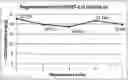


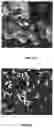

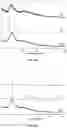
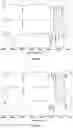
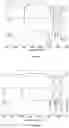
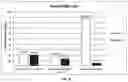


Sources:
- United States Patent and Trademark Office - verify current appl. status at the USPTO↗
Similar patent applications:
- » 20200147543
POROUS LIQUID, SELF-REPLENISHING POROUS LIQUID AND METHODS OF MAKING AND USING THE SAME - » 20230137305
Porous Liquid, Self-Replenishing Porous Liquid And Methods Of Making And Using The Same - » 20230295506
POROUS LIQUID CRYSTAL POLYMER SHEET, METAL LAYER-ATTACHED POROUS LIQUID CRYSTAL POLYMER SHEET, AND ELECTRONIC CIRCUIT BOARD - » 20230295507
POROUS LIQUID CRYSTAL POLYMER SHEET, METAL LAYER-ATTACHED POROUS LIQUID CRYSTAL POLYMER SHEET, AND ELECTRONIC CIRCUIT BOARD - » 20190040223
Method for producing porous gel-containing liquid, porous gel-containing liquid, method for producing high-void layer, method for producing high-void porous body, and method for producing laminated film roll - » 20210205827
Three-dimensional atomization device for heating a porous liquid guiding material - » 20200147545
Porous liquid and methods of making and using the same - » 20210229068
Type 3 porous liquids - » 20090196782
POROUS LIQUID ABSORBING-AND-HOLDING MEMBER, PROCESS FOR PRODUCTION THEREOF, AND ALCOHOL ABSORBING-AND-HOLDING MEMBER - » 20200016829
3D printing of porous liquid handling device
Recent applications in this class:
- » 20240390838 2024-11-28
A system for reducing ammonium bisulfate blockage in air preheaters of coal-fired power plants - » 20240367090 2024-11-07
SYSTEMS AND METHODS FOR REMOVAL OF MERCURY AND/OR HYDROCHLORIC ACID FROM GAS STREAMS USING CALCIUM-CONTAINING PARTICLES - » 20240325964 2024-10-03
Pyrolysis vapor outlet anti-coking device and method of adsorbing medium self-recycling regeneration - » 20240157284 2024-05-16
HYDROGEN FLUORIDE GAS REMOVAL DEVICE AND METHOD FOR REMOVING HYDROGEN FLUORIDE GAS - » 20240042373 2024-02-08
A SYSTEM AND METHOD FOR DRY SORPTION - » 20210370225 2021-12-02
Heterogeneous agglomeration adsorbent for heavy metal adsorption, method for preparing same, and applications thereof - » 20210106942 2021-04-15
Systems and methods for removal of mercury and/or hydrochloric acid from gas streams using calcium-containing particles - » 20200101414 2020-04-02
Inkjet printing apparatus - » 20200016527 2020-01-16
Sorbent composition for an electrostatic precipitator - » 20190358578 2019-11-28
Sorbent compositions having pneumatic conveyance capabilities
Recent applications for this Assignee:
- » 20250163093 2025-05-22
EFFICIENT AND SCALABLE SYNTHESES OF NICOTINOYL RIBOSIDES AND REDUCED NICOTINOYL RIBOSIDES, MODIFIED DERIVATIVES THEREOF, PHOSPHORYLATED ANALOGS THEREOF, ADENYLYL DINUCLEOTIDE CONJUGATES THEREOF, AND NOVEL CRYSTALLINE FORMS THEREOF - » 20240239831 2024-07-18
METHODS OF PREPARING REDUCED NICOTINAMIDE RIBOSIDE AND DERIVATIVES THEREOF - » 20240101588 2024-03-28
Methods of preparing nicotinamide riboside and derivatives thereof - » 20230391815 2023-12-07
Efficient and scalable syntheses of nicotinoyl ribosides and reduced nicotinoyl ribosides, modified derivatives thereof, phosphorylated analogs thereof, adenylyl dinucleotide conjugates thereof, and novel crystalline forms thereof - » 20230340617 2023-10-26
Detection of Mycobacterium species - » 20230318186 2023-10-05
Miniature antenna with omnidirectional radiation field - » 20230203596 2023-06-29
A METHOD OF DIAGNOSING, PROGNOSING AND/OR MONITORING OVARIAN CANCER - » 20230133540 2023-05-04
Biomarker for preeclampsia - » 20220389059 2022-12-08
Peptide for the delivery of anionic materials - » 20220291566 2022-09-15
COLOURED OR BLACK PARTICLES