Gene Therapy For Eye Pathologies
US20220143221A1
2022-05-12
17/600,377
2020-04-02
Abstract:
Compositions and methods are described for the delivery of therapeutic products (such as therapeutic proteins (for example, antibodies), therapeutic RNAs (for example, shRNAs, siRNAs, and miRNAs), and therapeutic aptamers) to the retina/vitreal humour in the eyes of human subjects to treat pathologies of the eye, involving, for example, recombinant viral vectors such as recombinant adeno-associated virus (rAAV) vectors.
Inventors:
- Sherri Van Everen 12 🇺🇸 Menlo Park, CA, United States
- Olivier Danos 14 🇺🇸 Princeton, NJ, United States
- Jesse I. Yoo 4 🇺🇸 Atlanta, GA, United States
- Samir Maganbhai Patel 2 🇺🇸 Columbus, NJ, United States
- Avanti Arvind Ghanekar 2 🇺🇸 St. Louis, MO, United States
- Anthony Ray O'Berry 4 🇺🇸 Clarksburg, MD, United States
- Kim Rees Irwin-Pack 2 🇺🇸 Milcreek, UT, United States
- Darin Thomas Curtiss 2 🇺🇸 Potomac, MD, United States
Assignee:
- REGENXBIO Inc. 17 🇺🇸 Rockville, MD, United States
Interested in similar patents?
Get notified when new applications in this technology area are published.
Classification:
A61K48/0075 » CPC main
Medicinal preparations containing genetic material which is inserted into cells of the living body to treat genetic diseases; Gene therapy characterised by an aspect of the delivery route, e.g. oral, subcutaneous
A61K48/00 IPC
Medicinal preparations containing genetic material which is inserted into cells of the living body to treat genetic diseases; Gene therapy
A61P27/02 » CPC further
Drugs for disorders of the senses Ophthalmic agents
Description
1. CROSS-REFERENCE TO RELATED APPLICATIONS
This application claims the benefit of U.S. Provisional Patent Application Nos. 62/828,949, filed Apr. 3, 2019, 62/856,533, filed Jun. 3, 2019, and 62/946,158, filed Dec. 10, 2019, which are incorporated by reference herein in their entireties.
REFERENCE TO SEQUENCE LISTING SUBMITTED ELECTRONICALLY
This application incorporates by reference a Sequence Listing submitted with this application as text file entitled “12656-126-228_Sequence_Listing.txt” created on Mar. 24, 2020 and having a size of 2,025,574 bytes.
2. INTRODUCTION
Compositions and methods are described for the delivery of therapeutic products (such as therapeutic proteins (for example, antibodies), therapeutic RNAs (for example, shRNAs, siRNAs, and miRNAs), and therapeutic aptamers) to the retina/vitreal humour in the eyes of human subjects to treat pathologies of the eye, involving, for example, recombinant viral vectors such as recombinant adeno-associated virus (rAAV) vectors.
3. BACKGROUND OF THE INVENTION
The human eye is a highly intricate and highly developed sensory organ, which is prone to a host of diseases and disorders. About 285 million people in the world are visually impaired, of whom 39 million are blind and 246 million have moderate to severe visual impairment (World Health Organization, 2012, “Global Data On Visual Impairments 2010,” Geneva: World Health Organization). Some of the leading causes of blindness are cataract (47%), glaucoma (12%), age-related macular degeneration (AMD) (9%), and diabetic retinopathy (5%) (World Health Organization, 2007, “Global Initiative For The Elimination Of Avoidable Blindness: Action Plan 2006-2011,” Geneva: World Health Organization).
An extensive number of ocular diseases and diseases with pathological manifestations in the eye can be traced to genetic alterations or protein dysregulations (Stone et al., 2017, Ophthalmology 124(9): 1314-1331). Recent advances in genomics and proteomics have made a huge impact in our understanding of disease mechanisms and/or genetic basis underlying such ocular diseases or manifestations. Gene therapy has been employed in treating certain eye diseases (see, e.g. International Patent Application No. PCT/US2017/027650 (International Publication No. WO 2017/181021 A1)).
There is a significant unmet medical need for therapies that specifically address the underlying genetic anomalies to treat ocular pathologies.
4. SUMMARY OF THE INVENTION
Compositions and methods are described for the delivery of therapeutic products (such as therapeutic proteins (for example, antibodies), therapeutic RNAs (for example, shRNAs, siRNAs, and miRNAs), and therapeutic aptamers) to the retina/vitreal humour in the eyes of human subjects to treat pathologies of the eye, involving, for example, recombinant viral vectors such as recombinant adeno-associated virus (rAAV) vectors. The therapeutic products can be, for example, therapeutic proteins (for example, antibodies), therapeutic RNAs (for example, shRNAs, siRNAs, and miRNAs), or therapeutic aptamers. In a specific embodiment, the therapeutic products is a human protein or an antibody against a human protein. Antibodies include, but are not limited to, monoclonal antibodies, polyclonal antibodies, recombinantly produced antibodies, human antibodies, humanized antibodies, chimeric antibodies, synthetic antibodies, tetrameric antibodies comprising two heavy chain and two light chain molecules, antibody light chain monomers, antibody heavy chain monomers, antibody light chain dimers, antibody heavy chain dimers, antibody light chain-heavy chain pairs, intrabodies, heteroconjugate antibodies, monovalent antibodies, antigen-binding fragments of full-length antibodies, and fusion proteins of the above. Such antigen-binding fragments include, but are not limited to, single-domain antibodies (variable domain of heavy chain antibodies (VHHs) or nanobodies), Fabs, F(ab′)2s, and scFvs (single-chain variable fragments). In certain embodiment, the therapeutic product (for example, a therapeutic protein) is post-translationally modified. In a specific embodiment, the post-translational modification is specific to the cell type, to which the therapeutic product (for example, a therapeutic protein) is delivered using a specific route as described herein. Delivery may be accomplished via gene therapy—e.g., by administering a recombinant viral vector or a recombinant DNA expression construct (collectively, a “recombinant vector”) encoding an therapeutic product to the suprachoroidal space, subretinal space (with vitrectomy, or without vitrectomy (e.g., with a catheter through the suprachoroidal space, or via peripheral injection), intraretinal space, and/or outer surface of the sclera (i.e., juxtascleral administration) in the eye(s) of a human patient, to create a permanent depot in the eye that continuously supplies the therapeutic product (e.g., a post-translationally modified therapeutic product).
In one aspect, provided herein is a method of subretinal administration without vitrectomy for treating a pathology of the eye, comprising administering to the subretinal space in the eye of a human subject in need of treatment a recombinant viral vector comprising a nucleotide sequence encoding a therapeutic product such that the therapeutic product is expressed and results in treatment of the pathology of the eye, wherein the method does not comprise performing a vitrectomy on the eye of said human patient. In certain embodiments, the administering step comprises administering to the subretinal space in the eye of said human subject the recombinant viral vector therapeutic product via the suprachoroidal space in the eye of said human subject. In certain embodiments, the administering step is by the use of a subretinal drug delivery device comprising a catheter that can be inserted and tunneled through the suprachoroidal space toward the posterior pole, where a small needle injects into the subretinal space. In certain embodiments, the administering step comprises inserting and tunneling the catheter of the subretinal drug delivery device through the suprachoroidal space.
In another aspect, provided herein is a method for treating a pathology of the eye, comprising administering to the subretinal space in the eye of a human subject in need of treatment a recombinant viral vector comprising a nucleotide sequence encoding a therapeutic product such that the therapeutic product is expressed and results in treatment of the pathology of the eye, wherein the method does not comprise performing a vitrectomy on the eye of said human patient. In certain embodiments, the administering step comprises administering to the subretinal space in the eye of said human subject the recombinant viral vector therapeutic product via the suprachoroidal space in the eye of said human subject. In certain embodiments, the administering step is by the use of a subretinal drug delivery device comprising a catheter that can be inserted and tunneled through the suprachoroidal space toward the posterior pole, where a small needle injects into the subretinal space. In certain embodiments, the administering step comprises inserting and tunneling the catheter of the subretinal drug delivery device through the suprachoroidal space.
In one aspect, provided herein is a method of subretinal administration with vitrectomy for treating a pathology of the eye, comprising administering to the subretinal space in the eye of a human subject in need of treatment a recombinant viral vector comprising a nucleotide sequence encoding a therapeutic product such that the therapeutic product is expressed and results in treatment of the pathology of the eye, wherein the method comprises performing a vitrectomy on the eye of said human patient. In certain embodiments, the vitrectomy is a partial vitrectomy.
In another aspect, provided herein is a method for treating a pathology of the eye, comprising administering to the subretinal space in the eye of a human subject in need of treatment a recombinant viral vector comprising a nucleotide sequence encoding a therapeutic product such that the therapeutic product is expressed and results in treatment of the pathology of the eye, wherein the method comprises performing a vitrectomy on the eye of said human patient. In certain embodiments, the vitrectomy is a partial vitrectomy.
In one aspect, provided herein is a method of suprachoroidal administration for treating a pathology of the eye, comprising administering to the suprachoroidal space in the eye of a human subject in need of treatment a recombinant viral vector comprising a nucleotide sequence encoding a therapeutic product such that the therapeutic product is expressed and results in treatment of the pathology of the eye. In certain embodiments, the administering step is by injecting the recombinant viral vector into the suprachoroidal space using a suprachoroidal drug delivery device. In certain embodiments, the suprachoroidal drug delivery device is a microinjector.
In another aspect, provided herein is a method for treating a pathology of the eye, comprising administering to the suprachoroidal space in the eye of a human subject in need of treatment a recombinant viral vector comprising a nucleotide sequence encoding a therapeutic product such that the therapeutic product is expressed and results in treatment of the pathology of the eye. In certain embodiments, the administering step is by injecting the recombinant viral vector into the suprachoroidal space using a suprachoroidal drug delivery device. In certain embodiments, the suprachoroidal drug delivery device is a microinjector.
In certain embodiments, delivery to the subretinal or suprachoroidal space can be performed using the methods and/or devices described and disclosed in International Publication Nos. WO 2016/042162, WO 2017/046358, WO 2017/158365, and WO 2017/158366, each of which is incorporated by reference in its entirety.
In one aspect, provided herein is a method of administration to the outer space of the sclera for treating a pathology of the eye, comprising administering to the outer surface of the sclera in the eye of a human subject in need of treatment a recombinant viral vector comprising a nucleotide sequence encoding a therapeutic product such that the therapeutic product is expressed and results in treatment of the pathology of the eye. In certain embodiments, the administering step is by the use of a juxtascleral drug delivery device that comprises a cannula whose tip can be inserted and kept in direct apposition to the scleral surface. In certain embodiments, the administering step comprises inserting and keeping the tip of the cannula in direct apposition to the scleral surface.
In another aspect, provided herein is a method for treating a pathology of the eye, comprising administering to the outer surface of the sclera in the eye of a human subject in need of treatment a recombinant viral vector comprising a nucleotide sequence encoding a therapeutic product such that the therapeutic product is expressed and results in treatment of the pathology of the eye. In certain embodiments, the administering step is by the use of a juxtascleral drug delivery device that comprises a cannula whose tip can be inserted and kept in direct apposition to the scleral surface. In certain embodiments, the administering step comprises inserting and keeping the tip of the cannula in direct apposition to the scleral surface
In certain embodiments, the therapeutic product is not an anti-human vascular endothelial growth factor (hVEGF) antibody.
In certain embodiments, the pathology of the eye is not associated with neovascular age-related macular degeneration (nAMD) (also known as the “wet,” neovascular form of AMD (“WAMD” or “wet AMD”)).
In certain embodiments, the therapeutic product is an anti-hVEGF antibody.
In certain embodiments, the pathology of the eye is associated with nAMD.
In certain embodiments, the pathology of the eye is associated with nAMD and the therapeutic product is an anti-hVEGF antibody.
In one aspect, provided herein is a method of subretinal administration accompanied by vitrectomy for treating a pathology of the eye, comprising administering to the subretinal space in the eye of a human subject in need of treatment a recombinant viral vector comprising a nucleotide sequence encoding a therapeutic product such that the therapeutic product is expressed and results in treatment of the pathology of the eye, wherein the method comprises performing a vitrectomy on the eye of said human patient, and wherein the therapeutic product is not anti-human vascular endothelial growth factor (hVEGF) antibody. In certain embodiments, the pathology of the eye is an ocular disease or a disease involving multiple organs including the eye. In certain embodiments, the vitrectomy is a partial vitrectomy.
In another aspect, provided herein is a method for treating a pathology of the eye, comprising administering to the subretinal space in the eye of a human subject in need of treatment a recombinant viral vector comprising a nucleotide sequence encoding a therapeutic product such that the therapeutic product is expressed and results in treatment of the pathology of the eye, wherein the method comprises performing a vitrectomy on the eye of said human patient, and wherein the therapeutic product is not anti-human vascular endothelial growth factor (hVEGF) antibody. In certain embodiments, the pathology of the eye is an ocular disease or a disease involving multiple organs including the eye. In certain embodiments, the vitrectomy is a partial vitrectomy.
In one aspect, provided herein is a method of subretinal administration for treating a pathology of the eye, comprising administering to the subretinal space peripheral to the optic disc, fovea and macula located in the back of the eye of a human subject in need of treatment a recombinant viral vector comprising a nucleotide sequence encoding a therapeutic product such that the therapeutic product is expressed and results in treatment of the pathology of the eye, wherein the method does not comprise performing a vitrectomy on the eye of said human patient. In certain embodiments, the injecting step is by transvitreal injection. In certain embodiments, the method of transvitreal administration results in uniform expression of the therapeutic product throughout the eye (e.g. the expression level at the site of injection varies by less than 5%, 10%, 20%, 30%, 40%, or 50% as compared to the expression level at other areas of the eye). In certain embodiments, the transvitreal injection comprises inserting a sharp needle into the sclera via the superior or inferior side of the eye and passing the sharp needle all the way through the vitreous to inject the recombinant viral vector to the subretinal space on the other side. In certain embodiments, a needle is inserted at the 2 or 10 o'clock position. In certain embodiments, the transvitreal injection comprises inserting a trochar into the sclera and inserting a cannula through the trochar and through the vitreous to inject the recombinant viral vector to the subretinal space on the other side. In certain embodiments, the therapeutic product is an anti-hVEGF antibody. In certain embodiments, the anti-hVEGF antibody is an anti-hVEGF antigen-binding fragment. In certain embodiments, the anti-hVEGF antigen-binding fragment is a Fab, F(ab′)2, or single chain variable fragment (scFv). In certain embodiments, the anti-hVEGF antibody comprises a heavy chain comprising the amino acid sequence of SEQ ID NO:2 or SEQ ID NO:4, and a light chain comprising the amino acid sequence of SEQ ID NO:1, or SEQ ID NO:3. In certain embodiments, wherein the anti-hVEGF antibody comprises light chain CDRs 1-3 of SEQ ID NOs:14-16 and heavy chain CDRs 1-3 of SEQ ID NOs:17-19 or SEQ ID NOs:20, 18, and 21. In certain embodiments, wherein the pathology of the eye is associated with nAMD, dry age-related macular degeneration (dry AMD), retinal vein occlusion (RVO), diabetic macular edema (DME), or diabetic retinopathy (DR). In certain embodiments, the pathology of the eye is associated with nAMD.
In another aspect, provided herein is a method for treating a pathology of the eye, comprising administering to the subretinal space peripheral to the optic disc, fovea and macula located in the back of the eye of a human subject in need of treatment a recombinant viral vector comprising a nucleotide sequence encoding a therapeutic product such that the therapeutic product is expressed and results in treatment of the pathology of the eye, wherein the method does not comprise performing a vitrectomy on the eye of said human patient. In certain embodiments, the injecting step is by transvitreal injection. In certain embodiments, the method of transvitreal administration results in uniform expression of the therapeutic product throughout the eye (e.g. the expression level at the site of injection varies by less than 5%, 10%, 20%, 30%, 40%, or 50% as compared to the expression level at other areas of the eye). In certain embodiments, the transvitreal injection comprises inserting a sharp needle into the sclera via the superior or inferior side of the eye and passing the sharp needle all the way through the vitreous to inject the recombinant viral vector to the subretinal space on the other side. In certain embodiments, a needle is inserted at the 2 or 10 o'clock position. In certain embodiments, the transvitreal injection comprises inserting a trochar into the sclera and inserting a cannula through the trochar and through the vitreous to inject the recombinant viral vector to the subretinal space on the other side. In certain embodiments, the therapeutic product is an anti-hVEGF antibody. In certain embodiments, the anti-hVEGF antibody is an anti-hVEGF antigen-binding fragment. In certain embodiments, the anti-hVEGF antigen-binding fragment is a Fab, F(ab′)2, or single chain variable fragment (scFv). In certain embodiments, the anti-hVEGF antibody comprises a heavy chain comprising the amino acid sequence of SEQ ID NO:2 or SEQ ID NO:4, and a light chain comprising the amino acid sequence of SEQ ID NO:1, or SEQ ID NO:3. In certain embodiments, wherein the anti-hVEGF antibody comprises light chain CDRs 1-3 of SEQ ID NOs:14-16 and heavy chain CDRs 1-3 of SEQ ID NOs:17-19 or SEQ ID NOs:20, 18, and 21. In certain embodiments, wherein the pathology of the eye is associated with nAMD, dry age-related macular degeneration (dry AMD), retinal vein occlusion (RVO), diabetic macular edema (DME), or diabetic retinopathy (DR). In certain embodiments, the pathology of the eye is associated with nAMD.
In certain embodiments of the methods described herein, (1) the pathology of the eye is associated with Batten-CLN1 and the therapeutic product is Palmitoyl-Protein Thioesterase 1 (PPT1); (2) the pathology of the eye is associated with Batten-CLN2 and the therapeutic product is Tripeptidyl-Peptidase 1 (TPP1); (3) the pathology of the eye is associated with Batten-CLN3 and the therapeutic product is Battenin (CLN3); (4) the pathology of the eye is associated with Batten-CLN6 and the therapeutic product is CLN6 Transmembrane ER Protein (CLN6); (5) the pathology of the eye is associated with Batten-CLN7 and the therapeutic product is Major Facilitator Superfamily Domain Containing 8 (MFSD8); (6) the pathology of the eye is associated with Usher's-Type 1 and the therapeutic product is Myosin VIIA (MYO7A); (7) the pathology of the eye is associated with Usher's-Type 1 and the therapeutic product is Cadherin Related 23 (CDH23); (8) the pathology of the eye is associated with Usher's-Type 2 and the therapeutic product is Protocadherin Related 15 (PCDH15); (9) the pathology of the eye is associated with Usher's-Type 2 and the therapeutic product is Usherin (USH2A); (10) the pathology of the eye is associated with Usher's-Type 3 and the therapeutic product is Clarin 1 (CLRN1); (11) the pathology of the eye is associated with Stargardt's and the therapeutic product is ATP Binding Cassette Subfamily A Member 4 (ABCA4); (12) the pathology of the eye is associated with Stargardt's and the therapeutic product is ELOVL Fatty Acid Elongase 4 (ELOVL4); (13) the pathology of the eye is associated with uveitis and the therapeutic product is an anti-Interleukin 6 (IL6) monoclonal antibody; (14) the pathology of the eye is associated with uveitis and the therapeutic product is an anti-TNF-alpha (TNF) monoclonal antibody; (15) the pathology of the eye is associated with diabetic macular edema (DME) and the therapeutic product is an anti-IL6 monoclonal antibody; (16) the pathology of the eye is associated with red-green color blindness and the therapeutic product is L opsin (OPN1LW); (17) the pathology of the eye is associated with red-green color blindness and the therapeutic product is M opsin (OPN1MW); (18) the pathology of the eye is associated with blue cone monochromacy and the therapeutic product is M opsin (OPN1MW); (19) the pathology of the eye is associated with Leber congenital amaurosis-1 (LCA 1) and the therapeutic product is Guanylate Cyclase 2D, Retinal (GUCY2D); (20) the pathology of the eye is associated with Leber congenital amaurosis-2 (LCA 2) and the therapeutic product is Retinoid Isomerohydrolase RPE65 (RPE65); (21) the pathology of the eye is associated with LCA 3 and the therapeutic product is Spermatogenesis Associated 7 (SPATA7); (22) the pathology of the eye is associated with Leber congenital amaurosis-4 (LCA 4) and the therapeutic product is Aryl Hydrocarbon Receptor Interacting Protein Like 1 (AIPL1); (23) the pathology of the eye is associated with Leber congenital amaurosis-5 (LCA 5) and the therapeutic product is Lebercilin (LCA5); (24) the pathology of the eye is associated with Leber congenital amaurosis-6 (LCA 6) and the therapeutic product is RPGR Interacting Protein 1 (RPGRIP1); (25) the pathology of the eye is associated with Leber congenital amaurosis-7 (LCA 7) and the therapeutic product is Cone-Rod Homeobox (CRX); (26) the pathology of the eye is associated with Leber congenital amaurosis-8 (LCA 8) and the therapeutic product is Crumbs Cell Polarity Complex Component 1 (CRB1) (also known as LCA8); (27) the pathology of the eye is associated with Leber congenital amaurosis-9 (LCA 9) and the therapeutic product is Nicotinamide Nucleotide Adenylyltransferase 1 (NMNAT1); (28) the pathology of the eye is associated with Leber congenital amaurosis-10 (LCA 10) and the therapeutic product is Centrosomal Protein 290 (CEP290); (29) the pathology of the eye is associated with Leber congenital amaurosis-11 (LCA 11) and the therapeutic product is Inosine Monophosphate Dehydrogenase 1 (IMPDH1); (30) the pathology of the eye is associated with Leber congenital amaurosis-12 (LCA 12) and the therapeutic product is Retinal Degeneration 3, GUCY2D regulator (RD3); (31) the pathology of the eye is associated with Leber congenital amaurosis-13 (LCA 13) and the therapeutic product is Retinol Dehydrogenase 12 (RDH12); (32) the pathology of the eye is associated with Leber congenital amaurosis-14 (LCA 14) and the therapeutic product is Lecithin Retinol Acyltransferase (LRAT); (33) the pathology of the eye is associated with Leber congenital amaurosis-15 (LCA 15) and the therapeutic product is Tubby Like Protein 1 (TULP1); (34) the pathology of the eye is associated with Leber congenital amaurosis-16 (LCA 16) and the therapeutic product is Potassium Voltage-Gated Channel Subfamily J Member 13 (KCNJ13); (35) the pathology of the eye is associated with Leber's hereditary optic neuropathy (LHON) and the therapeutic product is Mitochondrially Encoded NADH Dehydrogenase 1 (MT-ND1); (36) the pathology of the eye is associated with LHON and the therapeutic product is Mitochondrially Encoded NADH Dehydrogenase 4 (MT-ND4); (37) the pathology of the eye is associated with LHON and the therapeutic product is Mitochondrially Encoded NADH Dehydrogenase 6 (MT-ND6); (38) the pathology of the eye is associated with neuromyelitis optica (NMO) and the therapeutic product is an anti-complement antibody or an anti-complement aptamer, wherein the anti-complement monoclonal antibody or aptamer is an anti-complement C1 antibody or aptamer, an anti-complement C1q monoclonal antibody or aptamer, an anti-complement C1s monoclonal antibody or aptamer, an anti-complement C2 monoclonal antibody or aptamer, an anti-complement C2a monoclonal antibody or aptamer, an anti-complement C2b monoclonal antibody or aptamer, an anti-complement C3 monoclonal antibody or aptamer, an anti-complement C3a monoclonal antibody or aptamer, an anti-complement C3b monoclonal antibody or aptamer, an anti-complement C4 monoclonal antibody or aptamer, an anti-complement C4a monoclonal antibody or aptamer, an anti-complement C4b monoclonal antibody or aptamer, an anti-complement C5 monoclonal antibody or aptamer, an anti-complement C5a monoclonal antibody or aptamer, an anti-complement C5b monoclonal antibody or aptamer, an anti-complement C6 monoclonal antibody or aptamer, an anti-complement C7 monoclonal antibody or aptamer, an anti-complement C8 monoclonal antibody or aptamer, or an anti-complement C9 monoclonal antibody or aptamer, or preferably an anti-complement C5 antibody; (39) the pathology of the eye is associated with NMO and the therapeutic product is an anti-IL6 monoclonal antibody or aptamer; (40) the pathology of the eye is associated with uveitis and the therapeutic product is an anti-complement monoclonal antibody or aptamer, wherein the anti-complement monoclonal antibody or aptamer is an anti-complement C1 monoclonal antibody or aptamer, an anti-complement C1q monoclonal antibody or aptamer, an anti-complement C1s monoclonal antibody or aptamer, an anti-complement C2 monoclonal antibody or aptamer, an anti-complement C2a monoclonal antibody or aptamer, an anti-complement C2b monoclonal antibody or aptamer, an anti-complement C3 monoclonal antibody or aptamer, an anti-complement C3a monoclonal antibody or aptamer, an anti-complement C3b monoclonal antibody or aptamer, an anti-complement C4 monoclonal antibody or aptamer, an anti-complement C4a monoclonal antibody or aptamer, an anti-complement C4b monoclonal antibody or aptamer, an anti-complement C5 monoclonal antibody or aptamer, an anti-complement C5a monoclonal antibody or aptamer, an anti-complement C5b monoclonal antibody or aptamer, an anti-complement C6 monoclonal antibody or aptamer, an anti-complement C7 monoclonal antibody or aptamer, an anti-complement C8 monoclonal antibody or aptamer, or an anti-complement C9 monoclonal antibody or aptamers, or preferably an anti-complement C5 antibody; (41) the pathology of the eye is associated with uveitis and the therapeutic product is Angiotensin I Converting Enzyme (ACE); (42) the pathology of the eye is associated with uveitis and the therapeutic product is Interleukin 10 (IL10); (43) the pathology of the eye is associated with uveitis and the therapeutic product is an anti-TNF monoclonal antibody; (44) the pathology of the eye is associated with choroideremia and the therapeutic product is Rab Escort Protein 1 (CHM); (45) the pathology of the eye is associated with X-linked retinoschisis (XLRS) and the therapeutic product is Retinoschisin (RS1); (46) the pathology of the eye is associated with Bardet-Biedl syndrome 1 and the therapeutic product is Bardet-Biedl Syndrome 1 (BBS1); (47) the pathology of the eye is associated with Bardet-Biedl syndrome 2 and the therapeutic product is Bardet-Biedl Syndrome 2 (BBS2); (48) the pathology of the eye is associated with Bardet-Biedl syndrome 3 and the therapeutic product is ADP Ribosylation Factor Like GTPase 6 (ARL6) (also known as BBS3); (49) the pathology of the eye is associated with Bardet-Biedl syndrome 4 and the therapeutic product is Bardet-Biedl Syndrome 4 (BBS4); (50) the pathology of the eye is associated with Bardet-Biedl syndrome 5 and the therapeutic product is Bardet-Biedl Syndrome 5 (BBS5); (51) the pathology of the eye is associated with Bardet-Biedl syndrome 6 and the therapeutic product is McKusick-Kaufman Syndrome (MKKS), also known as BBS6; (52) the pathology of the eye is associated with Bardet-Biedl syndrome 7 and the therapeutic product is Bardet-Biedl Syndrome 7 (BBS7); (53) the pathology of the eye is associated with Bardet-Biedl syndrome 8 and the therapeutic product is Tetratricopeptide Repeat Domain 8 (TTC8), also known as BBS8; (54) the pathology of the eye is associated with Bardet-Biedl syndrome 9 and the therapeutic product is Bardet-Biedl Syndrome 9 (BBS9); (55) the pathology of the eye is associated with Bardet-Biedl syndrome 10 and the therapeutic product is Bardet-Biedl Syndrome 10 (BBS10); (56) the pathology of the eye is associated with Bardet-Biedl syndrome 11 and the therapeutic product is Tripartite Motif Containing 32 (TRIM32), also known as BBS11; (57) the pathology of the eye is associated with Bardet-Biedl syndrome 12 and the therapeutic product is Bardet-Biedl Syndrome 12 (BBS12); (58) the pathology of the eye is associated with Bardet-Biedl syndrome 13 and the therapeutic product is MKS Transition Zone Complex Subunit 1 (MKS1), also known as BBS13; (59) the pathology of the eye is associated with Bardet-Biedl syndrome 14 and the therapeutic product is Centrosomal Protein 290 (CEP290), also known as BBS14 and LCA10; (60) the pathology of the eye is associated with Bardet-Biedl syndrome 15 and the therapeutic product is WD Repeat Containing Planar Cell Polarity Effector (WDPCP), also known as BBS15; (61) the pathology of the eye is associated with Bardet-Biedl syndrome 16 and the therapeutic product is Serologically Defined Colon Cancer Antigen 8 (SDCCAG8), also known as BBS16; (62) the pathology of the eye is associated with Bardet-Biedl syndrome 17 and the therapeutic product is Leucine Zipper Transcription Factor Like 1 (LZTFL1), also known as BBS17; (63) the pathology of the eye is associated with Bardet-Biedl syndrome 18 and the therapeutic product is BBSome Interacting Protein 1 (BBIP1), also known as BBS18; (64) the pathology of the eye is associated with Bardet-Biedl syndrome 19 and the therapeutic product is Intraflagellar Transport 27 (IFT27), also known as BBS19; (65) the pathology of the eye is associated with cone dystrophy and the therapeutic product is Guanylate Cyclase Activator 1A (GUCA1A); (66) the pathology of the eye is associated with optic atrophy and the therapeutic product is OPA1 Mitochondrial Dynamin Like GTPase (OPA1); (67) the pathology of the eye is associated with retinitis pigmentosa 1 and the therapeutic product is RP1 Axonemal Microtubule Associated (RP1); (68) the pathology of the eye is associated with retinitis pigmentosa 2 and the therapeutic product is RP2 Activator of ARL3 GTPase (RP2); (69) the pathology of the eye is associated with retinitis pigmentosa 7 and the therapeutic product is Peripherin 2 (PRPH2); (70) the pathology of the eye is associated with retinitis pigmentosa 11 and the therapeutic product is Pre-mRNA Processing Factor 31(PRPF31); (71) the pathology of the eye is associated with retinitis pigmentosa 12 and the therapeutic product is Crumbs Cell Polarity Complex Component 1 (CRB1), also known as LCA8; (72) the pathology of the eye is associated with retinitis pigmentosa 13 and the therapeutic product is Pre-mRNA Processing Factor 8 (PRPF8); (73) the pathology of the eye is associated with retinitis pigmentosa 25 and the therapeutic product is Eyes Shut Homolog (EYS); (74) the pathology of the eye is associated with retinitis pigmentosa 28 and the therapeutic product is FAM161 Centrosomal Protein A (FAM161A); (75) the pathology of the eye is associated with retinitis pigmentosa 37 and the therapeutic product is Nuclear Receptor Subfamily 2 Group E Member 3 (NR2E3); (76) the pathology of the eye is associated with retinitis pigmentosa 38 and the therapeutic product is MER Proto-Oncogene, Tyrosine Kinase (MERTK); (77) the pathology of the eye is associated with retinitis pigmentosa 40 and the therapeutic product is Phosphodiesterase 6B (PDE6B); (78) the pathology of the eye is associated with retinitis pigmentosa 41 and the therapeutic product is Prominin 1 (PROM1); (79) the pathology of the eye is associated with retinitis pigmentosa 43 and the therapeutic product is Phosphodiesterase 6A (PDE6A); (80) the pathology of the eye is associated with retinitis pigmentosa 56 and the therapeutic product is Interphotoreceptor Matrix Proteoglycan 2 (IMPG2); (81) the pathology of the eye is associated with petinitis pigmentosa 62 and the therapeutic product is Male Germ Cell Associated Kinase (MAK); (82) the pathology of the eye is associated with retinitis pigmentosa 80 and the therapeutic product is Intraflagellar Transport 140 (IFT140); (83) the pathology of the eye is associated with dry AMD and the therapeutic product is an anti-complement monoclonal antibody or an anti-complement aptamer, wherein the anti-complement monoclonal antibody or an anti-complement aptamer is an anti-complement C1 monoclonal antibody or aptamer, an anti-complement C1q monoclonal antibody or aptamer, an anti-complement C1s monoclonal antibody or aptamer, an anti-complement C2 monoclonal antibody or aptamer, an anti-complement C2a monoclonal antibody or aptamer, an anti-complement C2b monoclonal antibody or aptamer, an anti-complement C3 monoclonal antibody or aptamer, an anti-complement C3a monoclonal antibody or aptamer, an anti-complement C3b monoclonal antibody or aptamer, an anti-complement C4 monoclonal antibody or aptamer, an anti-complement C4a monoclonal antibody or aptamer, an anti-complement C4b monoclonal antibody or aptamer, an anti-complement C5 monoclonal antibody or aptamer, an anti-complement C5a monoclonal antibody or aptamer, an anti-complement C5b monoclonal antibody or aptamer, an anti-complement C6 monoclonal antibody or aptamer, an anti-complement C7 monoclonal antibody or aptamer, an anti-complement C8 monoclonal antibody or aptamer, or an anti-complement C9 monoclonal antibody or aptamers, or preferably an anti-complement C5 antibody; (84) the pathology of the eye is associated with dry AMD and the therapeutic product is an anti-membrane attack complex (MAC) therapeutic product, preferably the anti-MAC therapeutic product is an anti-MAC monoclonal antibody, which is a monoclonal antibody against a human protein of the membrane attack complex, which is composed of four complement proteins C5b (SEQ ID NOs. 314-316), C6 (SEQ ID NO. 317), C7 (SEQ ID NO. 318), and C8 (SEQ ID NOs. 319-321); (85) the pathology of the eye is associated with dry AMD and the therapeutic product is HtrA Serine Peptidase 1 (HTRA1); (86) the pathology of the eye is associated with Best disease and the therapeutic product is Bestrophin 1 (BEST1); (87) the pathology of the eye is associated with dry AMD and the therapeutic product is a complement factor B antisense oligonucleotide; (88) the pathology of the eye is associated with dry AMD and the therapeutic product is an anti-beta-amyloid monoclonal antibody; (89) the pathology of the eye is associated with dry AMD and the therapeutic product is CD59 glycoprotein (CD59); (90) the pathology of the eye is associated with dry AMD and the therapeutic product is Channelrhodopsin-1 (ChR1), which includes the human homolog of ChR1; (91) the pathology of the eye is associated with dry AMD and the therapeutic product is Channelrhodopsin-2 (ChR2), which includes the human homolog of ChR2; (92) the pathology of the eye is associated with dry AMD and the therapeutic product is an anti-complement monoclonal antibody or an anti-complement aptamer, wherein the anti-complement monoclonal antibody or an anti-complement aptamer is an anti-complement C1 monoclonal antibody or aptamer, an anti-complement C1q monoclonal antibody or aptamer, an anti-complement C1s monoclonal antibody or aptamer, an anti-complement C2 monoclonal antibody or aptamer, an anti-complement C2a monoclonal antibody or aptamer, an anti-complement C2b monoclonal antibody or aptamer, an anti-complement C3 monoclonal antibody or aptamer, an anti-complement C3a monoclonal antibody or aptamer, an anti-complement C3b monoclonal antibody or aptamer, an anti-complement C4 monoclonal antibody or aptamer, an anti-complement C4a monoclonal antibody or aptamer, an anti-complement C4b monoclonal antibody or aptamer, an anti-complement C5 monoclonal antibody or aptamer, an anti-complement C5a monoclonal antibody or aptamer, an anti-complement C5b monoclonal antibody or aptamer, an anti-complement C6 monoclonal antibody or aptamer, an anti-complement C7 monoclonal antibody or aptamer, an anti-complement C8 monoclonal antibody or aptamer, or an anti-complement C9 monoclonal antibody or aptamers, or preferably an anti-complement C5 antibody; (93) the pathology of the eye is associated with dry AMD and the therapeutic product is anti-complement factor D therapeutic product, including but not limited to an anti-complement factor D monoclonal antibody, or an anti-complement factor D aptamer; (94) the pathology of the eye is associated with age-related retinal ganglion cell (RGC) degeneration and the therapeutic product is DnaJ heat shock protein family (Hsp40) member C3 (DNAJC3), also known as P58IPK; (95) the pathology of the eye is associated with blue cone monochromacy (BCM) and the therapeutic product is L opsin (OPN1LW); (96) the pathology of the eye is associated with glaucoma and the therapeutic product is beta-2 adrenoceptor siRNA; (97) the pathology of the eye is associated with glaucoma and the therapeutic product is Caspase-2 (CASP2); (98) the pathology of the eye is associated with glaucoma and the therapeutic product is Insulin Receptor Substrate 1 (IRS1); (99) the pathology of the eye is associated with glaucoma and the therapeutic product is HIF-1 Responsive Protein RTP801 (RTP801); (100) the pathology of the eye is associated with glaucoma and the therapeutic product is Transforming Growth Factor Beta 2 (TGFB2); (101) the pathology of the eye is associated with glaucoma and the therapeutic product is Brain Derived Neurotrophic Factor (BDNF); (102) the pathology of the eye is associated with glaucoma and the therapeutic product is Ciliary Neurotrophic Factor (CNTF); (103) the pathology of the eye is associated with glaucoma and the therapeutic product is Prostaglandin-Endoperoxide Synthase 2 (PTGS2); (104) the pathology of the eye is associated with glaucoma and the therapeutic product is Prostaglandin F Receptor (PTGFR) (when the pathology of the eye is associated with glaucoma, in a specific embodiment, a recombinant viral vector comprising a nucleotide sequence encoding PTGFR can be administered to the human subject in combination with a recombinant viral vector comprising a nucleotide sequence encoding PTGS2; in another specific embodiment, a recombinant viral vector comprising a nucleotide sequence encoding PTGFR and a nucleotide sequence encoding PTGS2 can be administered to the human subject); (105) the pathology of the eye is associated with glaucoma and the therapeutic product is a hyaluronidase, e.g. HYAL1, HYAL2, HYAL3, HYAL4, and HYAL5; (106) the pathology of the eye is associated with glaucoma and the therapeutic product is Pigment Epithelium-Derived Factor (PEDF); (107) the pathology of the eye is associated with glaucoma and the therapeutic product is Vascular Endothelial Growth Factor (VEGF); (108) the pathology of the eye is associated with glaucoma and the therapeutic product is Placental Growth Factor (PGF), wherein PGF can be used in combo with VEGF; (109) the pathology of the eye is associated with glaucoma (e.g., a congenital glaucoma or juvenile glaucoma) and the therapeutic product is Myocilin (MYOC); (110) the pathology of the eye is associated with NMO and the therapeutic product is an anti-complement C5 monoclonal antibody; (111) the pathology of the eye is associated with NMO and the therapeutic product is C-C Motif Chemokine Receptor 5 (CCR5) siRNA, CCR5 shRNA, siRNA or CCR5 miRNA (preferably, a CCR5 miRNA); (112) the pathology of the eye is associated with NMO and the therapeutic product is an anti-CD19 monoclonal antibody; (113) the pathology of the eye is associated with retinitis pigmentosa that is associated with rhodopsin mutations and the therapeutic product is Channelrhodopsin-1 (ChR1), which includes the human homolog of ChR1; (114) the pathology of the eye is associated with retinitis pigmentosa that is associated with rhodopsin mutations and the therapeutic product is Channelrhodopsin-2 (ChR2), which includes the human homolog of ChR2; (115) the pathology of the eye is associated with retinitis pigmentosa and the therapeutic product is Ciliary Neurotrophic Factor (CNTF); (116) the pathology of the eye is associated with autosomal recessive retinitis pigmentosa and the therapeutic product is Crumbs Cell Polarity Complex Component 1 (CRB1); (117) the pathology of the eye is associated with autosomal recessive retinitis pigmentosa and the therapeutic product is Crumbs Cell Polarity Complex Component 2 (CRB2); (118) the pathology of the eye is associated with retinitis pigmentosa and the therapeutic product is Histone Deacetylase 4 (HDAC4); (119) the pathology of the eye is associated with retinitis pigmentosa and the therapeutic product is Rhodopsin (RHO); (120) the pathology of the eye is associated with retinitis pigmentosa and the therapeutic product is Nerve Growth Factor (NGF); (121) the pathology of the eye is associated with retinitis pigmentosa and the therapeutic product is Nuclear Factor, Erythroid 2 Like 2 (NRF2); (122) the pathology of the eye is associated with retinitis pigmentosa and the therapeutic product is Pigment Epithelium-Derived Factor (PEDF); (123) the pathology of the eye is associated with retinitis pigmentosa and the therapeutic product is Glutathione S-Transferase PI 1 (GSTP1), also known as PI; (124) the pathology of the eye is associated with retinitis pigmentosa and the therapeutic product is Rod-Derived Cone Viability Factor (RDCVF); (125) the pathology of the eye is associated with retinitis pigmentosa and the therapeutic product is Rhodopsin (RHO); (126) the pathology of the eye is associated with retinitis pigmentosa and the therapeutic product is Retinaldehyde Binding Protein 1 (RLBP1); (127) the pathology of the eye is associated with Stargardt's disease and the therapeutic product is an anti-complement C5 aptamer; (128) the pathology of the eye is associated with uveitis and the therapeutic product is Double Homeobox 4 (DUX4); (129) the pathology of the eye is associated with uveitis and the therapeutic product is NLR Family Pyrin Domain Containing 3 (NLRP3); (130) the pathology of the eye is associated with uveitis and the therapeutic product is Spleen Associated Tyrosine Kinase (SYK); (131) the pathology of the eye is associated with uveitis and the therapeutic product is Adrenocorticotropic Hormone (ACTH); (132) the pathology of the eye is associated with uveitis and the therapeutic product is Caspase 1 (CASP1); (133) the pathology of the eye is associated with uveitis and the therapeutic product is anti-CD59 therapeutic product (such as an anti-CD59 therapeutic protein (for example, an anti-CD59 monoclonal antibody), or an anti-CD59 therapeutic RNA (for example, an anti-CD59 shRNA, anti-CD59 siRNA, or anti-CD59 miRNA), preferably an anti-CD59 monoclonal antibody); (134) the pathology of the eye is associated with uveitis and the therapeutic product is an anti-complement monoclonal antibody or an anti-complement aptamer, wherein the anti-complement monoclonal antibody or aptamer is an anti-complement C1 monoclonal antibody or aptamer, an anti-complement C1q monoclonal antibody or aptamer, an anti-complement C1s monoclonal antibody or aptamer, an anti-complement C2 monoclonal antibody or aptamer, an anti-complement C2a monoclonal antibody or aptamer, an anti-complement C2b monoclonal antibody or aptamer, an anti-complement C3 monoclonal antibody or aptamer, an anti-complement C3a monoclonal antibody or aptamer, an anti-complement C3b monoclonal antibody or aptamer, an anti-complement C4 monoclonal antibody or aptamer, an anti-complement C4a monoclonal antibody or aptamer, an anti-complement C4b monoclonal antibody or aptamer, an anti-complement C5 monoclonal antibody or aptamer, an anti-complement C5a monoclonal antibody or aptamer, an anti-complement C5b monoclonal antibody or aptamer, an anti-complement C6 monoclonal antibody or aptamer, an anti-complement C7 monoclonal antibody or aptamer, an anti-complement C8 monoclonal antibody or aptamer, or an anti-complement C9 monoclonal antibody or aptamers, or preferably an anti-complement C5 antibody; (135) the pathology of the eye is associated with corneal neovascularization and the therapeutic product is Insulin Receptor Substrate 1 (IRS1); (136) the pathology of the eye is associated with corneal neovascularization and the therapeutic product is NOTCH Regulated Ankyrin Repeat Protein (NRARP); (137) the pathology of the eye is associated with diabetic retinopathy and the therapeutic product is NOTCH Regulated Ankyrin Repeat Protein (NRARP); (138) the pathology of the eye is associated with diabetic retinopathy and the therapeutic product is Alpha-2-Antiplasmin (A2AP); (139) the pathology of the eye is associated with diabetic retinopathy and the therapeutic product is Plasminogen (PLG); (140) the pathology of the eye is associated with diabetic retinopathy and the therapeutic product can be a growth hormone; (141) the pathology of the eye is associated with diabetic retinopathy and the therapeutic product is Insulin Like Growth Factor 1 (IGF1), wherein IGF1 can be used in combo with growth hormone; (142) the pathology of the eye is associated with diabetic retinopathy and the therapeutic product is Interleukin 1 Beta (IL1B). (143) the pathology of the eye is associated with diabetic retinopathy and the therapeutic product is Angiotensin I Converting Enzyme 2 (ACE2), wherein ACE2 can be used in combo with IL1B; (144) the pathology of the eye is associated with diabetic retinopathy and the therapeutic product is IRS1; (145) the pathology of the eye is associated with diabetic retinopathy and the therapeutic product is an anti-integrin oligopeptide; (146) the pathology of the eye is associated with diabetic retinopathy and the therapeutic product is an anti-Placental Growth Factor (PGF) monoclonal antibody; (147) the pathology of the eye is associated with Graves' ophthalmopathy (also known as Graves' orbitopathy) and the therapeutic product is an anti-CD40 monoclonal antibody; (148) the pathology of the eye is associated with Graves' ophthalmopathy and the therapeutic product is an anti-Insulin-Like Growth Factor 1 Receptor (IGF1R) monoclonal antibody; (149) the pathology of the eye is associated with Graves' ophthalmopathy and the therapeutic product is an anti-Insulin-Like Growth Factor 2 Receptor (IGF2R) monoclonal antibody; (150) the pathology of the eye is associated with DME and the therapeutic product is an anti-integrin oligopeptide; (151) the pathology of the eye is associated with DME and the therapeutic product is an anti-Placental Growth Factor (PGF) monoclonal antibody; (152) the pathology of the eye is associated with DME and the therapeutic product is RTP801 siRNA; (153) the pathology of the eye is associated with multiple sclerosis (MS)-associated vision loss and the therapeutic product is ND1; (154) the pathology of the eye is associated with myopia and the therapeutic product is Matrix Metalloproteinase 2 (MMP2) RNAi; (155) the pathology of the eye is associated with X-linked recessive ocular albinism and the therapeutic product is G-Protein Coupled Receptor 143 (GPR143); (156) the pathology of the eye is associated with oculocutaneous albinism type 1 and the therapeutic product is Tyrosinase (TYR); (157) the pathology of the eye is associated with optic neuritis and the therapeutic product is Caspase 2 (CASP2); (158) the pathology of the eye is associated with optic neuritis and the therapeutic product is an anti-Leucine Rich Repeat And Ig Domain Containing Protein 1 (LINGO1) monoclonal antibody; or (159) the pathology of the eye is associated with polypoidal choroidal vasculopathy and the therapeutic product is anti-complement monoclonal antibody or an anti-complement aptamer, wherein the anti-complement monoclonal antibody or aptamer is an anti-complement C1 monoclonal antibody or aptamer, an anti-complement C1q monoclonal antibody/aptamer, an anti-complement C1s monoclonal antibody/aptamer, an anti-complement C2 monoclonal antibody/aptamer, an anti-complement C2a monoclonal antibody or aptamer, an anti-complement C2b monoclonal antibody or aptamer, an anti-complement C3 monoclonal antibody or aptamer, an anti-complement C3a monoclonal antibody or aptamer, an anti-complement C3b monoclonal antibody or aptamer, an anti-complement C4 monoclonal antibody or aptamer, an anti-complement C4a monoclonal antibody or aptamer, an anti-complement C4b monoclonal antibody or aptamer, an anti-complement C5 monoclonal antibody or aptamer, an anti-complement C5a monoclonal antibody or aptamer, an anti-complement C5b monoclonal antibody or aptamer, an anti-complement C6 monoclonal antibody or aptamer, an anti-complement C7 monoclonal antibody or aptamer, an anti-complement C8 monoclonal antibody or aptamer, or an anti-complement C9 monoclonal antibody or aptamers, or preferably an anti-complement C5 antibody.
In certain embodiments of the methods described herein, the pathology of the eye is associated with X-linked retinitis pigmentosa (XLRP) and the therapeutic product is Retinitis Pigmentosa GTPase Regulator (RPGR). In certain embodiments of any of the foregoing methods, the pathology of the eye is associated with achromatopsia (ACHM) and the therapeutic product is Cyclic Nucleotide Gated Channel Beta 3 (CNGB3). In certain embodiments of any of the foregoing methods, the pathology of the eye is associated with achromatopsia (for example, a CNGA3-linked achromatopsia) and the therapeutic product is Cyclic Nucleotide Gated Channel Alpha 3 (CNGA3). In certain embodiments of any of the foregoing methods, the pathology of the eye is associated with biallelic RPE65 mutation-associated retinal dystrophy and the therapeutic product is Retinoid Isomerohydrolase RPE65 (RPE65).
In certain embodiments of the methods described herein, the pathology of the eye is associated with (1) Batten-CLN1 and the therapeutic product is Palmitoyl-Protein Thioesterase 1 (PPT1); (2) Batten-CLN2 and the therapeutic product is Tripeptidyl-Peptidase 1 (TPP1); (3) Batten-CLN3 and the therapeutic product is Battenin (CLN3); (4) uveitis and the therapeutic product is an anti-Interleukin 6 (IL6) monoclonal antibody; (5) uveitis and the therapeutic product is an anti-TNF-alpha (TNF) monoclonal antibody; (6) diabetic macular edema (DME) and the therapeutic product is an anti-IL6 monoclonal antibody; (7) red-green color blindness and the therapeutic product is L opsin (OPN1LW); (8) red-green color blindness and the therapeutic product is M opsin (OPN1MW); (9) blue cone monochromacy and the therapeutic product is M opsin (OPN1MW); (10) Leber congenital amaurosis-1 (LCA 1) and the therapeutic product is Guanylate Cyclase 2D, Retinal (GUCY2D); (11) Leber congenital amaurosis-2 (LCA 2) and the therapeutic product is Retinoid Isomerohydrolase RPE65 (RPE65); (12) Leber congenital amaurosis-7 (LCA 7) and the therapeutic product is Cone-Rod Homeobox (CRX); (13) Leber congenital amaurosis-11 (LCA 11) and the therapeutic product is Inosine Monophosphate Dehydrogenase 1 (IMPDH1); (14) Leber congenital amaurosis-12 (LCA 12) and the therapeutic product is Retinal Degeneration 3, GUCY2D regulator (RD3); (15) Leber congenital amaurosis-13 (LCA 13) and the therapeutic product is Retinol Dehydrogenase 12 (RDH12); (16) Leber congenital amaurosis-15 (LCA 15) and the therapeutic product is Tubby Like Protein 1 (TULP1); (17) Leber congenital amaurosis-16 (LCA 16) and the therapeutic product is Potassium Voltage-Gated Channel Subfamily J Member 13 (KCNJ13); (18) Leber's hereditary optic neuropathy (LHON) and the therapeutic product is Mitochondrially Encoded NADH Dehydrogenase 1 (MT-ND1); (19) LHON and the therapeutic product is Mitochondrially Encoded NADH Dehydrogenase 4 (MT-ND4); (20) LHON and the therapeutic product is Mitochondrially Encoded NADH Dehydrogenase 6 (MT-ND6); (21) neuromyelitis optica (NMO) and the therapeutic product is an anti-complement monoclonal antibody or an anti-complement aptamer, wherein the anti-complement monoclonal antibody or aptamer is an anti-complement C1 monoclonal antibody or aptamer, an anti-complement C1q monoclonal antibody or aptamer, an anti-complement C1s monoclonal antibody or aptamer, an anti-complement C2 monoclonal antibody or aptamer, an anti-complement C2a monoclonal antibody or aptamer, an anti-complement C2b monoclonal antibody or aptamer, an anti-complement C3 monoclonal antibody or aptamer, an anti-complement C3a monoclonal antibody or aptamer, an anti-complement C3b monoclonal antibody or aptamer, an anti-complement C4 monoclonal antibody or aptamer, an anti-complement C4a monoclonal antibody or aptamer, an anti-complement C4b monoclonal antibody or aptamer, an anti-complement C5 monoclonal antibody or aptamer, an anti-complement C5a monoclonal antibody or aptamer, an anti-complement C5b monoclonal antibody or aptamer, an anti-complement C6 monoclonal antibody or aptamer, an anti-complement C7 monoclonal antibody or aptamer, an anti-complement C8 monoclonal antibody or aptamer, or an anti-complement C9 monoclonal antibody or aptamers, or preferably an anti-complement C5 antibody; (22) NMO and the therapeutic product is an anti-IL6 monoclonal antibody; (23) uveitis and the therapeutic product is an anti-complement C5 monoclonal antibody; (24) uveitis and the therapeutic product is Angiotensin I Converting Enzyme (ACE); (25) uveitis and the therapeutic product is Interleukin 10 (IL10); (26) uveitis and the therapeutic product is an anti-TNF monoclonal antibody; (27) X-linked retinoschisis (XLRS) and the therapeutic product is Retinoschisin (RS1); (28) Bardet-Biedl syndrome 1 and the therapeutic product is Bardet-Biedl Syndrome 1 (BBS1); (29) Bardet-Biedl syndrome 3 and the therapeutic product is ADP Ribosylation Factor Like GTPase 6 (ARL6); (30) Bardet-Biedl syndrome 5 and the therapeutic product is Bardet-Biedl Syndrome 5 (BBS5); (31) Bardet-Biedl syndrome 6 and the therapeutic product is McKusick-Kaufman Syndrome (MKKS); (32) Bardet-Biedl syndrome 10 and the therapeutic product is Bardet-Biedl Syndrome 10 (BBS10); (33) Bardet-Biedl syndrome 11 and the therapeutic product is Tripartite Motif Containing 32 (TRIM32); (34) Bardet-Biedl syndrome 13 and the therapeutic product is MKS Transition Zone Complex Subunit 1 (MKS1); (35) Bardet-Biedl syndrome 18 and the therapeutic product is BBSome Interacting Protein 1 (BBIP1); (36) Bardet-Biedl syndrome 19 and the therapeutic product is Intraflagellar Transport 27 (IFT27); (37) cone dystrophy and the therapeutic product is Guanylate Cyclase Activator 1A (GUCA1A); (38) retinitis pigmentosa 13 and the therapeutic product is Pre-mRNA Processing Factor 8 (PRPF8); (39) retinitis pigmentosa 37 and the therapeutic product is Nuclear Receptor Subfamily 2 Group E Member 3 (NR2E3); or (40) Best disease and the therapeutic product is Bestrophin 1 (BEST1).
In certain embodiments of the methods described herein, the pathology of the eye is associated with biallelic RPE65 mutation-associated retinal dystrophy and the therapeutic product is Retinoid Isomerohydrolase RPE65 (RPE65).
In certain embodiments of the methods described herein, the pathology of the eye is associated with (1) Batten-CLN2 and the therapeutic product is Tripeptidyl-Peptidase 1 (TPP1); (2) Usher's-Type 1 and the therapeutic product is Myosin VIIA (MYO7A); (3) Usher's-Type 1 and the therapeutic product is Cadherin Related 23 (CDH23); (4) Usher's-Type 2 and the therapeutic product is Protocadherin Related 15 (PCDH15); (5) Usher's-Type 2 and the therapeutic product is Usherin (USH2A); (6) Usher's-Type 3 and the therapeutic product is Clarin 1 (CLRN1); (7) Stargardt's and the therapeutic product is ATP Binding Cassette Subfamily A Member 4 (ABCA4); (8) Stargardt's and the therapeutic product is ELOVL Fatty Acid Elongase 4 (ELOVL4); (9) red-green color blindness and the therapeutic product is L opsin (OPN1LW); (10) red-green color blindness and the therapeutic product is M opsin (OPN1MW); (11) blue cone monochromacy and the therapeutic product is M opsin (OPN1MW); (12) Leber congenital amaurosis-1 (LCA 1) and the therapeutic product is Guanylate Cyclase 2D, Retinal (GUCY2D); (13) Leber congenital amaurosis-2 (LCA 2) and the therapeutic product is Retinoid Isomerohydrolase RPE65 (RPE65); (14) Leber congenital amaurosis-4 (LCA 4) and the therapeutic product is Aryl Hydrocarbon Receptor Interacting Protein Like 1 (AIPL1); (15) Leber congenital amaurosis-7 (LCA 7) and the therapeutic product is Cone-Rod Homeobox (CRX); (16) Leber congenital amaurosis-8 (LCA 8) and the therapeutic product is Crumbs Cell Polarity Complex Component 1 (CRB1); (17) Leber congenital amaurosis-9 (LCA 9) and the therapeutic product is Nicotinamide Nucleotide Adenylyltransferase 1 (NMNAT1); (18) Leber congenital amaurosis-10 (LCA 10) and the therapeutic product is Centrosomal Protein 290 (CEP290); (19) Leber congenital amaurosis-11 (LCA 11) and the therapeutic product is Inosine Monophosphate Dehydrogenase 1 (IMPDH1); (20) Leber congenital amaurosis-15 (LCA 15) and the therapeutic product is Tubby Like Protein 1 (TULP1); (21) LHON and the therapeutic product is Mitochondrially Encoded NADH Dehydrogenase 4 (MT-ND4); (22) LHON and the therapeutic product is Mitochondrially Encoded NADH Dehydrogenase 6 (MT-ND6); (23) choroideremia and the therapeutic product is Rab Escort Protein 1 (CHM); (24) X-linked retinoschisis (XLRS) and the therapeutic product is Retinoschisin (RS1); (25) Bardet-Biedl syndrome 1 and the therapeutic product is Bardet-Biedl Syndrome 1 (BBS1); (26) Bardet-Biedl syndrome 6 and the therapeutic product is McKusick-Kaufman Syndrome (MKKS); (27) Bardet-Biedl syndrome 10 and the therapeutic product is Bardet-Biedl Syndrome 10 (BBS10); (28) cone dystrophy and the therapeutic product is Guanylate Cyclase Activator 1A (GUCA1A); (29) optic atrophy and the therapeutic product is OPA1 Mitochondrial Dynamin Like GTPase (OPA1); (30) retinitis pigmentosa 1 and the therapeutic product is RP1 Axonemal Microtubule Associated (RP1); (31) retinitis pigmentosa 2 and the therapeutic product is RP2 Activator of ARL3 GTPase (RP2); (32) retinitis pigmentosa 7 and the therapeutic product is Peripherin 2 (PRPH2); (33) retinitis pigmentosa 11 and the therapeutic product is Pre-mRNA Processing Factor 31(PRPF31); (34) retinitis pigmentosa 13 and the therapeutic product is Pre-mRNA Processing Factor 8 (PRPF8); (35) retinitis pigmentosa 37 and the therapeutic product is Nuclear Receptor Subfamily 2 Group E Member 3 (NR2E3); (36) retinitis pigmentosa 38 and the therapeutic product is MER Proto-Oncogene, Tyrosine Kinase (MERTK); (37) retinitis pigmentosa 40 and the therapeutic product is Phosphodiesterase 6B (PDE6B); (38) retinitis pigmentosa 41 and the therapeutic product is Prominin 1 (PROM1); (39) retinitis pigmentosa 56 and the therapeutic product is Interphotoreceptor Matrix Proteoglycan 2 (IMPG2); (40) petinitis pigmentosa 62 and the therapeutic product is Male Germ Cell Associated Kinase (MAK); (41) retinitis pigmentosa 80 and the therapeutic product is Intraflagellar Transport 140 (IFT140); or (42) Best disease and the therapeutic product is Bestrophin 1 (BEST1).
In certain embodiments of the methods described herein, the pathology of the eye is associated with X-linked retinitis pigmentosa (XLRP) and the therapeutic product is Retinitis Pigmentosa GTPase Regulator (RPGR). In certain embodiments of any of the foregoing methods, the pathology of the eye is associated with achromatopsia and the therapeutic product is Cyclic Nucleotide Gated Channel Beta 3 (CNGB3); or achromatopsia (for example, a CNGA3-linked achromatopsia) and the therapeutic product is Cyclic Nucleotide Gated Channel Alpha 3 (CNGA3).
In certain embodiments of the method described herein, the recombinant viral vector further comprises a nucleotide sequence encoding a promoter or an enhancer-promoter, which nucleotide sequence encoding the promoter or enhancer-promoter is operably linked to the nucleotide sequence encoding the therapeutic product, and wherein the promoter or enhancer-promoter is a ubiquitous promoter/enhancer-promoter, eye-specific promoter/enhancer-promoter, or retina-specific promoter/enhancer-promoter.
In certain embodiments of the methods described herein, the recombinant viral vector further comprises a nucleotide sequence encoding a promoter or an enhancer-promoter, which nucleotide sequence encoding the promoter or enhancer-promoter is operably linked to the nucleotide sequence encoding the therapeutic product, and wherein the promoter or enhancer-promoter is: (1) a CAG promoter; (2) a CBA promoter; (3) a CMV promoter; (4) a 1.7-kb red cone opsin promoter (PR1.7 promoter); (5) a Rhodopsin Kinase (GRK1) photoreceptor-specific enhancer-promoter (see, e.g., Young et al., 2003, Retinal Cell Biology; 44:4076-4085); (6) an hCARp promoter, which is a human cone arrestin promoter; (7) an hRKp, which is a rhodopsin kinase promoter; (8) a cone photoreceptor specific human arrestin 3 (ARR3) promoter; (9) a rhodopsin promoter; or (10) a U6 promoter (in particular when the therapeutic product is a small RNA such as shRNA and siRNA).
In certain embodiments of the methods described herein, the recombinant viral vector further comprises a nucleotide sequence encoding a cone-specific promoter, which nucleotide sequence encoding the cone-specific promoter is operably linked to the nucleotide sequence encoding the therapeutic product, and wherein: (1) the pathology of the eye is associated with red-green color blindness and the therapeutic product is L opsin (OPN1LW); (2) the pathology of the eye is associated with red-green color blindness and the therapeutic product is M opsin (OPN1MW); (3) the pathology of the eye is associated with blue cone monochromacy and the therapeutic product is M opsin (OPN1MW); (4) the pathology of the eye is associated with cone dystrophy and the therapeutic product is Guanylate Cyclase Activator 1A (GUCA1A); or (5) the pathology of the eye is associated with blue cone monochromacy (BCM) and the therapeutic product is L opsin (OPN1LW).
In certain embodiments of the methods described herein, the administering step delivers a therapeutically effective amount of the therapeutic product to the retina of said human subject.
In certain embodiments of the methods described herein, the therapeutically effective amount of the therapeutic product is produced by human retinal cells of said human subject.
In certain embodiments of the methods described herein, the therapeutically effective amount of the therapeutic product is produced by human photoreceptor cells, horizontal cells, bipolar cells, amacrine cells, retina ganglion cells, and/or retinal pigment epithelial cells in the external limiting membrane of said human subject.
In certain embodiments of the methods described herein, the human photoreceptor cells are cone cells and/or rod cells.
In certain embodiments of the methods described herein, the retina ganglion cells are midget cells, parasol cells, bistratified cells, giant retina ganglion cells, photosensitive ganglion cells, and/or Müller glia.
In certain embodiments of the methods described herein, the recombinant viral vector is an rAAV vector (e.g., an rAAV8, rAAV2, rAAV2tYF, or rAAV5 vector).
In certain embodiments of the methods described herein, wherein the recombinant viral vector is an rAAV8 vector.
In certain embodiments of the methods described herein, the method further comprises, after the administering step, a step of monitoring temperature of the surface of the eye using an infrared thermal camera. In a specific embodiment, the infrared thermal camera is an FLIR T530 infrared thermal camera. In a specific embodiment, the infrared thermal camera is an FLIR T420 infrared thermal camera. In a specific embodiment, the infrared thermal camera is an FLIR T440 infrared thermal camera. In a specific embodiment, the infrared thermal camera is an Fluke Ti400 infrared thermal camera. In a specific embodiment, the infrared thermal camera is an FLIRE60 infrared thermal camera. In a specific embodiment, the infrared resolution of the infrared thermal camera is equal to or greater than 75,000 pixels. In a specific embodiment, the thermal sensitivity of the infrared thermal camera is equal to or smaller than 0.05° C. at 30° C. In a specific embodiment, the field of view (FOV) of the infrared thermal camera is equal to or lower than 25°×25°.
In certain embodiments of the methods described herein, delivering to the eye comprises delivering to the retina, choroid, and/or vitreous humor of the eye.
In certain embodiments, the recombinant vector used for delivering the therapeutic product should have a tropism for cells of the eye, for example, human retinal cells, (e.g., photoreceptor cells). Such vectors can include non-replicating recombinant adeno-associated virus vectors (“rAAV”), particularly those bearing an AAV8 capsid are preferred. However, other recombinant viral vectors may be used, including but not limited to recombinant lentiviral vectors, vaccinia viral vectors, or non-viral expression vectors referred to as “naked DNA” constructs. Preferably, the expression of therapeutic product should be controlled by appropriate expression control elements, for example, (1) a CAG promoter; (2) a CBA promoter; (3) a CMV promoter; (4) PR1.7 promoter; (5) a Rhodopsin Kinase (GRK1) photoreceptor-specific enhancer-promoter (6) an hCARp promoter; (7) an hRKp; (8) a cone photoreceptor specific human arrestin 3 (ARR3) promoter; (9) a rhodopsin promoter; or (10) a U6 promoter, and can include other expression control elements that enhance expression of the therapeutic product driven by the vector (e.g., introns such as the chicken β-actin intron, minute virus of mice (MVM) intron, human factor IX intron (e.g., FIX truncated intron 1), β-globin splice donor/immunoglobulin heavy chain spice acceptor intron, adenovirus splice donor/immunoglobulin splice acceptor intron, SV40 late splice donor/splice acceptor (19S/16S) intron, and hybrid adenovirus splice donor/IgG splice acceptor intron and polyA signals such as the rabbit β-globin polyA signal, human growth hormone (hGH) polyA signal, SV40 late polyA signal, synthetic polyA (SPA) signal, and bovine growth hormone (bGH) polyA signal). See, e.g., Powell and Rivera-Soto, 2015, Discov. Med., 19(102):49-57.
In certain embodiments of the method described herein, therapeutically effective doses of the recombinant vector are administered (1) to the subretinal space without vitrectomy (e.g., via the suprachoroidal space or via peripheral injection), (2) to the suprachoroidal space, (3) to the outer space of the sclera (i.e., juxtascleral administration), (4) to the subretinal space via vitrectomy, or (5) to the vitreous cavity, in a volume ranging from 50-100 μl or 100-500 μl, preferably 100-300 μl, and most preferably, 250 μl, depending on the administration method. In certain embodiments, therapeutically effective doses of the recombinant vector are administered suprachoroidally in a volume of 100 μl or less, for example, in a volume of 50-100 μl. In certain embodiments, therapeutically effective doses of the recombinant vector are administered to the outer surface of the sclera (e.g., by a posterior juxtascleral depot procedure) in a volume of 500 μl or less, for example, in a volume of 10-20 μl, 20-50 μl, 50-100 μl, 100-200 μl, 200-300 μl, 300-400 μl, or 400-500 μl. In certain embodiments, therapeutically effective doses of the recombinant vector are administered to the subretinal space via peripheral injection, in a volume ranging from 50-100 μl or 100-500 μl, preferably 100-300 μl, and most preferably, 250 μl.
In certain embodiments, OptoKinetic Nystagmus (OKN) is assessed to measure visual acuity in patients. In certain embodiments, OKN can be performed using the methods and/or devices described and disclosed for example, in Cetinkaya et al., 2008, Eye, 22:77-81; Hyon et al., 2010, IOVS, 51(2): 752-757, Han et al., 2011, IOVS, 52(10): 7492-7497; Wester et al., 2007, IOVS, 48(10):4542-4548; Palmowski-Wolfe et al., 2019, J. AAPOS, 23(4): e49; Turuwhenua et al., Objective Assessment of Visual Performance Using Optokinetic Nystagmus in Young Children, October 2016, <anzctr.org.au/AnzctrAttachments/371914-OKN %20protocol.pdf; and Objective Acuity and Aier Eye Hospital Group Announce Strategic Cooperation Agreement, Cision PR Newswire, Jul. 25, 2019, retrieved from the Internet <prnewswire.com/news-releases/objective-acuity-and-aier-eye-hospital-group-announce-a-strategic-cooperation-agreement-300891165.html>, each of which is incorporated by reference in its entirety.
Without being bound by theory, this visual acuity screening uses the principles of the OKN involuntary reflex to objectively assess whether a patient's eyes can follow a moving target. By using OKN, no verbal communication is needed between the tester and the patient. As such, OKN can be used to measure visual acuity in pre-verbal and/or non-verbal patients. In certain embodiments, OKN is used to measure visual acuity in patients that are 1 month old, 2 months old, 3 months old, 4 months old, 5 months old, 6 months old, 7 months old, 8 months old, 9 months old, 10 months old, 11 months old, 1 year old, 1.5 years old, 2 years old, 2.5 years old, 3 years old, 3.5 years old, 4 years old, 4.5 years old, or 5 years old. In certain embodiments, an iPad is used to measure visual acuity through detection of the OKN reflex when a patient is looking at movement on the iPad.
Without being bound by theory, this visual acuity screening uses the principles of the OKN involuntary reflex to objectively assess whether a patient's eyes can follow a moving target. By using OKN, no verbal communication is needed between the tester and the patient. As such, OKN can be used to measure visual acuity in pre-verbal and/or non-verbal patients. In certain embodiments, OKN is used to measure visual acuity in patients that are less than 1.5 months old, 2 months old, 3 months old, 4 months old, 5 months old, 6 months old, 7 months old, 8 months old, 9 months old, 10 months old, 11 months old, 1 year old, 1.5 years old, 2 years old, 2.5 years old, 3 years old, 3.5 years old, 4 years old, 4.5 years old, or 5 years old. In another specific embodiment, OKN is used to measure visual acuity in patients that are 1-2 months old, 2-3 months old, 3-4 months old, 4-5 months old, 5-6 months old, 6-7 months old, 7-8 months old, 8-9 months old, 9-10 months old, 10-11 months old, 11 months to 1 year old, 1-1.5 years old, 1.5-2 years old, 2-2.5 years old, 2.5-3 years old, 3-3.5 years old, 3.5-4 years old, 4-4.5 years old, or 4.5-5 years old. In another specific embodiment, OKN is used to measure visual acuity in patients that are 6 months to 5 years old. In certain embodiments, an iPad is used to measure visual acuity through detection of the OKN reflex when a patient is looking at movement on the iPad.
In certain embodiments, visual acuity is assessed in a patient presenting with Batten-CLN2-associated vision loss by measuring OKN before the patient has been treated with an AAV, preferably AAV8 or AAV9, encoding Tripeptidyl-Peptidase 1(TPP1). Specifically, the patient presenting with Batten-CLN2-associated vision loss is at the age, and/or within the age range described above. In certain embodiments, visual acuity assessed in a patient up to 5 years old presenting with Batten-CLN2-associated vision loss by measuring OKN after the patient has been treated with an AAV, preferably AAV8 or AAV9, encoding Tripeptidyl-Peptidase 1. In certain embodiments, a visual acuity assessment based on OKN determines that visual acuity does not decrease after treatment with AAV gene therapy. In certain embodiments, a visual acuity assessment based on OKN determines that visual acuity improves in a patient after treatment with AAV gene therapy by 5%, 10%, 15%, 20%, 25%, 30%, 35%, 40% 45%, 50%, 55%, 60%, 65%, 70%, 75%, 80%, 85%, 90%, 95% or 100%. In certain embodiments, a visual acuity assessment based on OKN determines that visual acuity does not further deteriorate in a patient after treatment with AAV gene therapy.
In certain embodiments, visual acuity is assessed in a patient presenting with Batten-CLN2-associated vision loss by measuring OKN before the patient has been treated with an AAV, preferably AAV8 or AAV9, encoding TPP1. Specifically, the patient presenting with Batten-CLN2-associated vision loss is at the age, and/or within the age range described above. In certain embodiments, visual acuity is assessed in a patient up to 5 years old presenting with Batten-CLN2-associated vision loss by measuring OKN after the patient has been treated with an AAV, preferably AAV8 or AAV9, encoding Tripeptidyl-Peptidase 1. In certain embodiments, a visual acuity assessment based on OKN determines that visual acuity does not decrease after treatment with AAV gene therapy. In certain embodiments, a visual acuity assessment based on OKN determines that visual acuity improves in a patient after treatment with AAV gene therapy by at least 5%, 10%, 15%, 20%, 25%, 30%, 35%, 40% 45%, 50%, 55%, 60%, 65%, 70%, 75%, 80%, 85%, 90%, 95% or at least 100%. In certain embodiments, a visual acuity assessment based on OKN determines that visual acuity does not further deteriorate in a patient after treatment with AAV gene therapy.
In certain embodiments, visual acuity is assessed in a patient presenting with Batten-CLN1-associated vision loss by measuring OKN before the patient has been treated with an AAV, preferably AAV8 or AAV9, encoding Palmitoyl-Protein Thioesterase 1 (PPT1). Specifically, the patient up to 5 years old presenting with Batten-CLN1-associated vision loss is at the age, and/or within the age range described above. In certain embodiments, visual acuity is assessed in a patient presenting with Batten-CLN1-associated vision loss by measuring OKN after the patient has been treated with an AAV, preferably AAV8 or AAV9, encoding PPT1. In certain embodiments, a visual acuity assessment based on OKN determines that visual acuity does not decrease after treatment with AAV gene therapy. In certain embodiments, a visual acuity assessment based on OKN determines that visual acuity improves in a patient after treatment with AAV gene therapy by 5%, 10%, 15%, 20%, 25%, 30%, 35%, 40% 45%, 50%, 55%, 60%, 65%, 70%, 75%, 80%, 85%, 90%, 95% or 100%. In certain embodiments, a visual acuity assessment based on OKN determines that visual acuity does not further deteriorate in a patient after treatment with AAV gene therapy.
In certain embodiments, visual acuity is assessed in a patient presenting with Batten-CLN1-associated vision loss by measuring OKN before the patient has been treated with an AAV, preferably AAV8 or AAV9, encoding PPT1. Specifically, the patient presenting with Batten-CLN1-associated vision loss is at the age, and/or within the age range described above. In certain embodiments, visual acuity is assessed in a patient up to 5 years old presenting with Batten-CLN1-associated vision loss by measuring OKN after the patient has been treated with an AAV, preferably AAV8 or AAV9, encoding PPT 1. In certain embodiments, a visual acuity assessment based on OKN determines that visual acuity does not decrease after treatment with AAV gene therapy. In certain embodiments, a visual acuity assessment based on OKN determines that visual acuity improves in a patient after treatment with AAV gene therapy by at least 5%, 10%, 15%, 20%, 25%, 30%, 35%, 40% 45%, 50%, 55%, 60%, 65%, 70%, 75%, 80%, 85%, 90%, 95% or at least 100%. In certain embodiments, a visual acuity assessment based on OKN determines that visual acuity does not further deteriorate in a patient after treatment with AAV gene therapy.
In certain embodiments, visual acuity is assessed in a patient presenting with Batten-CLN3-associated vision loss by measuring OKN before the patient has been treated with an AAV, preferably AAV8 or AAV9, encoding Battenin (CLN3). Specifically, the patient presenting with Batten-CLN3-associated vision loss is at the age, and/or within the age range described above. In certain embodiments, visual acuity is assessed in a patient up to 5 years old presenting with Batten-CLN3-associated vision loss by measuring OKN after the patient has been treated with an AAV, preferably AAV8 or AAV9, encoding Battenin (CLN3). In certain embodiments, a visual acuity assessment based on OKN determines that visual acuity does not decrease after treatment with AAV gene therapy. In certain embodiments, a visual acuity assessment based on OKN determines that visual acuity improves in a patient after treatment with AAV gene therapy by 5%, 10%, 15%, 20%, 25%, 30%, 35%, 40% 45%, 50%, 55%, 60%, 65%, 70%, 75%, 80%, 85%, 90%, 95% or 100%. In certain embodiments, a visual acuity assessment based on OKN determines that visual acuity does not further deteriorate in a patient after treatment with AAV gene therapy.
In certain embodiments, visual acuity is assessed in a patient presenting with Batten-CLN3-associated vision loss by measuring OKN before the patient has been treated with an AAV, preferably AAV8 or AAV9, encoding Battenin (CLN3). Specifically, the patient presenting with Batten-CLN3-associated vision loss is at the age, and/or within the age range described above. In certain embodiments, visual acuity is assessed in a patient up to 5 years old presenting with Batten-CLN3-associated vision loss by measuring OKN after the patient has been treated with an AAV, preferably AAV8 or AAV9, encoding Battenin (CLN3). In certain embodiments, a visual acuity assessment based on OKN determines that visual acuity does not decrease after treatment with AAV gene therapy. In certain embodiments, a visual acuity assessment based on OKN determines that visual acuity improves in a patient after treatment with AAV gene therapy by at least 5%, 10%, 15%, 20%, 25%, 30%, 35%, 40% 45%, 50%, 55%, 60%, 65%, 70%, 75%, 80%, 85%, 90%, 95% or at least 100%. In certain embodiments, a visual acuity assessment based on OKN determines that visual acuity does not further deteriorate in a patient after treatment with AAV gene therapy.
In certain embodiments, visual acuity is assessed in a patient presenting with Batten-CLN6-associated vision loss by measuring OKN before the patient has been treated with an AAV, preferably AAV8 or AAV9, encoding CLN6 Transmembrane ER Protein (CLN6). Specifically, the patient up to 5 years old presenting with Batten-CLN6-associated vision loss is at the age, and/or within the age range described above. In certain embodiments, visual acuity is assessed in a patient presenting with Batten-CLN6-associated vision loss by measuring OKN after the patient has been treated with an AAV, preferably AAV8 or AAV9, encoding CLN6 Transmembrane ER Protein (CLN6). In certain embodiments, a visual acuity assessment based on OKN determines that visual acuity does not decrease after treatment with AAV gene therapy. In certain embodiments, a visual acuity assessment based on OKN determines that visual acuity improves in a patient after treatment with AAV gene therapy by 5%, 10%, 15%, 20%, 25%, 30%, 35%, 40% 45%, 50%, 55%, 60%, 65%, 70%, 75%, 80%, 85%, 90%, 95% or 100%. In certain embodiments, a visual acuity assessment based on OKN determines that visual acuity does not further deteriorate in a patient after treatment with AAV gene therapy.
In certain embodiments, visual acuity is assessed in a patient presenting with Batten-CLN6-associated vision loss by measuring OKN before the patient has been treated with an AAV, preferably AAV8 or AAV9, encoding CLN6 Transmembrane ER Protein (CLN6). Specifically, the patient up to 5 years old presenting with Batten-CLN6-associated vision loss is at the age, and/or within the age range described above. In certain embodiments, visual acuity is assessed in a patient presenting with Batten-CLN6-associated vision loss by measuring OKN after the patient has been treated with an AAV, preferably AAV8 or AAV9, encoding CLN6 Transmembrane ER Protein (CLN6). In certain embodiments, a visual acuity assessment based on OKN determines that visual acuity does not decrease after treatment with AAV gene therapy. In certain embodiments, a visual acuity assessment based on OKN determines that visual acuity improves in a patient after treatment with AAV gene therapy by at least 5%, 10%, 15%, 20%, 25%, 30%, 35%, 40% 45%, 50%, 55%, 60%, 65%, 70%, 75%, 80%, 85%, 90%, 95% or at least 100%. In certain embodiments, a visual acuity assessment based on OKN determines that visual acuity does not further deteriorate in a patient after treatment with AAV gene therapy.
In certain embodiments, visual acuity is assessed in a patient presenting with Batten-CLN7-associated vision loss by measuring OKN before the patient has been treated with an AAV, preferably AAV8 or AAV9, encoding Major Facilitator Superfamily Domain Containing 8 (MFSD8). Specifically, the patient up to 5 years old presenting with Batten-CLN7-associated vision loss is at the age, and/or within the age range described above. In certain embodiments, visual acuity is assessed in a patient presenting with Batten-CLN7-associated vision loss by measuring OKN after the patient has been treated with an AAV, preferably AAV8 or AAV9, encoding MFSD8. In certain embodiments, a visual acuity assessment based on OKN determines that visual acuity does not decrease after treatment with AAV gene therapy. In certain embodiments, a visual acuity assessment based on OKN determines that visual acuity improves in a patient after treatment with AAV gene therapy by 5%, 10%, 15%, 20%, 25%, 30%, 35%, 40% 45%, 50%, 55%, 60%, 65%, 70%, 75%, 80%, 85%, 90%, 95% or 100%. In certain embodiments, a visual acuity assessment based on OKN determines that visual acuity does not further deteriorate in a patient after treatment with AAV gene therapy.
In certain embodiments, visual acuity is assessed in a patient presenting with Batten-CLN7-associated vision loss by measuring OKN before the patient has been treated with an AAV, preferably AAV8 or AAV9, encoding MFSD8. Specifically, the patient presenting with Batten-CLN7-associated vision loss is at the age, and/or within the age range described above. In certain embodiments, visual acuity is assessed in a patient up to 5 years old presenting with Batten-CLN7-associated vision loss by measuring OKN after the patient has been treated with an AAV, preferably AAV8 or AAV9, encoding MFSD8. In certain embodiments, a visual acuity assessment based on OKN determines that visual acuity does not decrease after treatment with AAV gene therapy. In certain embodiments, a visual acuity assessment based on OKN determines that visual acuity improves in a patient after treatment with AAV gene therapy by at least 5%, 10%, 15%, 20%, 25%, 30%, 35%, 40% 45%, 50%, 55%, 60%, 65%, 70%, 75%, 80%, 85%, 90%, 95% or at least 100%. In certain embodiments, a visual acuity assessment based on OKN determines that visual acuity does not further deteriorate in a patient after treatment with AAV gene therapy.
Subretinal administration via vitrectomy is a surgical procedure performed by trained retinal surgeons that involves a vitrectomy with the subject under local anesthesia, and subretinal injection of the gene therapy into the retina (see, e.g., Campochiaro et al., 2017, Hum Gen Ther 28(1):99-111, which is incorporated by reference herein in its entirety). Alternatively, subretinal administration can be performed without vitrectomy. In a specific embodiment, the subretinal administration without vitrectomy is performed via the suprachoroidal space using a suprachoroidal catheter which injects drug into the subretinal space, such as a subretinal drug delivery device that comprises a catheter which can be inserted and tunneled through the suprachoroidal space to the posterior pole, where a small needle injects into the subretinal space (see, e.g., Baldassarre et al., 2017, Subretinal Delivery of Cells via the Suprachoroidal Space: Janssen Trial. In: Schwartz et al. (eds) Cellular Therapies for Retinal Disease, Springer, Cham; International Patent Application Publication No. WO 2016/040635 A1; each of which is incorporated by reference herein in its entirety). In another specific embodiment, the subretinal administration without vitrectomy is performed via peripheral injection. In other words, the recombinant vector can be delivered to the subretinal space by peripheral injection into the retina (i.e., peripheral to the optic disc, fovea and macula located in the back of the eye) without performing a vitrectomy. This can be accomplished by transvitreal injection. Suprachoroidal administration procedures involve administration of a drug to the suprachoroidal space of the eye, and are normally performed using a suprachoroidal drug delivery device such as a microinjector with a microneedle (see, e.g., Hariprasad, 2016, Retinal Physician 13: 20-23; Goldstein, 2014, Retina Today 9(5): 82-87; each of which is incorporated by reference herein in its entirety).
The suprachoroidal drug delivery devices that can be used to deposit the recombinant vector in the suprachoroidal space according to the invention described herein include, but are not limited to, suprachoroidal drug delivery devices manufactured by Clearside® Biomedical, Inc. (see, for example, Hariprasad, 2016, Retinal Physician 13: 20-23) and MedOne suprachoroidal catheters. The subretinal drug delivery devices that can be used to deposit the recombinant vector in the subretinal space via the suprachoroidal space according to the invention described herein include, but are not limited to, subretinal drug delivery devices manufactured by Janssen Pharmaceuticals, Inc. (see, for example, International Patent Application Publication No. WO 2016/040635 A1) The subretinal drug delivery devices that can be used to deposit the recombinant vector in the subretinal space via the peripheral injection approach according to the invention described herein include, but are not limited to, sharp needles that can be inserted into the sclera via the superior or inferior side of the eye (e.g., at the 2 or 10 o'clock position) and pass all the way through the vitreous to inject the retina on the other side, and trochars that can be inserted into the sclera to allow a subretinal cannula to be inserted into the eye and through the vitreous to the area of desired injection. In a specific embodiment, administration to the outer surface of the sclera is performed by a juxtascleral drug delivery device comprising a cannula whose tip can be inserted and kept in direct apposition to the scleral surface.
Suprachoroidal, subretinal, juxtascleral, intravitreal, subconjunctival, and/or intraretinal administration should result in delivery of the soluble therapeutic product to the retina, the vitreous humor, and/or the aqueous humor. The expression of the therapeutic product by retinal cells, e.g., rod, cone, retinal pigment epithelial, horizontal, bipolar, amacrine, ganglion, and/or Müller cells, results in delivery and maintenance of the therapeutic product in the retina, the vitreous humor, and/or the aqueous humor. In specific embodiments, because the therapeutic product is continuously produced, maintenance of low concentrations can be effective. The concentration of the therapeutic product can be measured in patient samples of the vitreous humour and/or aqueous from the anterior chamber of the treated eye. Alternatively, vitreous humour concentrations can be estimated and/or monitored by measuring the patient's serum concentrations of the therapeutic product—the ratio of systemic to vitreal exposure to the therapeutic product is about 1:90,000. (E.g., see, vitreous humor and serum concentrations of ranibizumab reported in Xu L, et al., 2013, Invest. Opthal. Vis. Sci. 54: 1616-1624, at p. 1621 and Table 5 at p. 1623, which is incorporated by reference herein in its entirety).
Pharmaceutical compositions suitable for suprachoroidal, subretinal, juxtascleral, intravitreal, subconjunctival, and/or intraretinal administration comprise a suspension of the recombinant vector in a formulation buffer comprising a physiologically compatible aqueous buffer, a surfactant and optional excipients.
The invention has several advantages over standard of care treatments that involve repeated ocular injections of high dose boluses of therapeutic products that dissipate over time resulting in peak and trough levels. Sustained expression of the therapeutic product, as opposed to injecting a therapeutic product repeatedly, allows for a more consistent levels of antibody to be present at the site of action, and is less risky and more convenient for patients, since fewer injections need to be made, resulting in fewer doctor visits. Consistent protein production may leads to better clinical outcomes as edema rebound in the retina is less likely to occur. Furthermore, in certain embodiments, therapeutic products expressed from recombinant vectors are post-translationally modified in a different manner than those that are directly injected because of the different microenvironment present during and after translation. Without being bound by any particular theory, this results in therapeutic products that have different diffusion, bioactivity, distribution, affinity, pharmacokinetic, and immunogenicity characteristics, such that the therapeutic products delivered to the site of action are “biobetters” in comparison with directly injected therapeutic products.
In addition, when the therapeutic products are antibodies, antibodies expressed from recombinant vectors in vivo are not likely to contain degradation products associated with antibodies produced by recombinant technologies, such as protein aggregation and protein oxidation. Aggregation is an issue associated with protein production and storage due to high protein concentration, surface interaction with manufacturing equipment and containers, and purification with certain buffer systems. These conditions, which promote aggregation, do not exist in antibody expression in gene therapy. Oxidation, such as methionine, tryptophan, and histidine oxidation, is also associated with protein production and storage, and is caused by stressed cell culture conditions, metal and air contact, and impurities in buffers and excipients. The proteins expressed from recombinant vectors in vivo may also oxidize in a stressed condition. However, humans, and many other organisms, are equipped with an antioxidation defense system, which not only reduces the oxidation stress, but sometimes also repairs and/or reverses the oxidation. Thus, proteins produced in vivo are not likely to be in an oxidized form. Both aggregation and oxidation could affect the potency, pharmacokinetics (clearance), and immunogenicity.
Unlike small molecule drugs, biologics usually comprise a mixture of many variants with different modifications or forms that have a different potency, pharmacokinetics, and safety profile. For therapeutic products that are post-translationally modified upon expression in cells of the eye, it is not essential that every molecule produced either in the gene therapy or protein therapy approach be fully post-translationally modified. Rather, the population of such therapeutic products that are produced should have sufficient post-translational modification (for example, from about 1% to about 10% of the population, from about 1% to about 20% of the population, from about 1% to about 50% of the population, or from about 10% to about 50% of the population) to demonstrate efficacy. The goal of gene therapy treatment provided herein is to slow or arrest the progression of the pathology of the eye, and to slow or prevent loss of vision with minimal intervention/invasive procedures. Efficacy may be monitored by measuring BCVA (Best-Corrected Visual Acuity), intraocular pressure, slit lamp biomicroscopy, indirect ophthalmoscopy, SD-OCT (SD-Optical Coherence Tomography), electroretinography (ERG). Signs of vision loss, infection, inflammation and other safety events, including retinal detachment may also be monitored. In certain embodiments, retinal thickness may be monitored to determine efficacy of the treatments provided herein. Without being bound by any particular theory, in certain embodiment, thickness of the retina may be used as a clinical readout, wherein the greater reduction in retinal thickness or the longer period of time before thickening of the retina, the more efficacious the treatment. Retinal thickness may be determined, for example, by SD-OCT. SD-OCT is a three-dimensional imaging technology which uses low-coherence interferometry to determine the echo time delay and magnitude of backscattered light reflected off an object of interest. OCT can be used to scan the layers of a tissue sample (e.g., the retina) with 3 to 15 μm axial resolution, and SD-OCT improves axial resolution and scan speed over previous forms of the technology (Schuman, 2008, Trans. Am. Opthamol. Soc. 106:426-458). Retinal function may be determined, for example, by ERG. ERG is a non-invasive electrophysiologic test of retinal function, approved by the FDA for use in humans, which examines the light sensitive cells of the eye (the rods and cones), and their connecting ganglion cells, in particular, their response to a flash stimulation.
4.1 ILLUSTRATIVE EMBODIMENTS
4.1.1 Set 1
1. A method of subretinal administration without vitrectomy for treating a pathology of the eye, comprising administering to the subretinal space in the eye of a human subject in need of treatment a recombinant viral vector comprising a nucleotide sequence encoding a therapeutic product such that the therapeutic product is expressed and results in treatment of the pathology of the eye, wherein the method does not comprise performing a vitrectomy on the eye of said human patient.
2. The method of paragraph 1, wherein the administering step comprises administering to the subretinal space in the eye of said human subject the recombinant viral vector therapeutic product via the suprachoroidal space in the eye of said human subject.
3. The method of paragraph 2, wherein the administering step is by the use of a subretinal drug delivery device comprising a catheter that can be inserted and tunneled through the suprachoroidal space toward the posterior pole, where a small needle injects into the subretinal space.
4. The method of paragraph 3, wherein the administering step comprises inserting and tunneling the catheter of the subretinal drug delivery device through the suprachoroidal space.
5. A method of suprachoroidal administration for treating a pathology of the eye, comprising administering to the suprachoroidal space in the eye of a human subject in need of treatment a recombinant viral vector comprising a nucleotide sequence encoding a therapeutic product such that the therapeutic product is expressed and results in treatment of the pathology of the eye.
6. The method of paragraph 5, wherein the administering step is by injecting the recombinant viral vector into the suprachoroidal space using a suprachoroidal drug delivery device.
7. The method of paragraph 5 or 6, wherein the suprachoroidal drug delivery device is a microinjector.
8. A method of administration to the outer space of the sclera for treating a pathology of the eye, comprising administering to the outer surface of the sclera in the eye of a human subject in need of treatment a recombinant viral vector comprising a nucleotide sequence encoding a therapeutic product such that the therapeutic product is expressed and results in treatment of the pathology of the eye.
9. The method of paragraph 8, wherein the administering step is by the use of a juxtascleral drug delivery device that comprises a cannula whose tip can be inserted and kept in direct apposition to the scleral surface.
10. The method of paragraph 9, wherein the administering step comprises inserting and keeping the tip of the cannula in direct apposition to the scleral surface.
11. The method of any one of paragraphs 1-10, wherein the therapeutic product is not an anti-human vascular endothelial growth factor (hVEGF) antibody.
12. The method of any one of paragraphs 1-11, wherein the pathology of the eye is not associated with neovascular age-related macular degeneration (nAMID).
13. A method of subretinal administration accompanied by vitrectomy for treating a pathology of the eye, comprising administering to the subretinal space in the eye of a human subject in need of treatment a recombinant viral vector comprising a nucleotide sequence encoding a therapeutic product such that the therapeutic product is expressed and results in treatment of the pathology of the eye, wherein the method comprises performing a vitrectomy on the eye of said human patient, and wherein the therapeutic product is not anti-human vascular endothelial growth factor (hVEGF) antibody
14. The method of paragraph 13, wherein the vitrectomy is a partial vitrectomy.
15. A method of subretinal administration for treating a pathology of the eye, comprising administering to the subretinal space peripheral to the optic disc, fovea and macula located in the back of the eye of a human subject in need of treatment a recombinant viral vector comprising a nucleotide sequence encoding a therapeutic product such that the therapeutic product is expressed and results in treatment of the pathology of the eye, wherein the method does not comprise performing a vitrectomy on the eye of said human patient.
16. The method of paragraph 15, wherein the administering step is by transvitreal injection.
17. The method of paragraph 16, wherein the transvitreal injection comprises inserting a sharp needle into the sclera via the superior or inferior side of the eye and passing the sharp needle all the way through the vitreous to inject the recombinant viral vector to the subretinal space on the other side.
18. The method of paragraph 16, wherein the transvitreal injection comprises inserting a trochar into the sclera and inserting a cannula through the trochar and through the vitreous to inject the recombinant viral vector to the subretinal space on the other side
19. The method of any one of paragraphs 15-18, wherein the therapeutic product is an anti-hVEGF antibody.
20. The method of paragraph 19, wherein the anti-hVEGF antibody is an anti-hVEGF antigen-binding fragment.
21. The method of paragraph 20, wherein the anti-hVEGF antigen-binding fragment is a Fab, F(ab′)2, or single chain variable fragment (scFv).
22. The method of any one of paragraphs 19-21, wherein the anti-hVEGF antibody comprises a heavy chain comprising the amino acid sequence of SEQ ID NO:2 or SEQ ID NO:4, and a light chain comprising the amino acid sequence of SEQ ID NO:1, or SEQ ID NO:3.
23. The method of any one of paragraphs 19-21, wherein the anti-hVEGF antibody comprises light chain CDRs 1-3 of SEQ ID NOs:14-16 and heavy chain CDRs 1-3 of SEQ ID NOs:17-19 or SEQ ID NOs:20, 18, and 21.
24. The method of any one of paragraphs 19-23, wherein the pathology of the eye is associated with nAMD, dry age-related macular degeneration (dry AMD), retinal vein occlusion (RVO), diabetic macular edema (DME), or diabetic retinopathy (DR).
25. The method of any one of paragraphs 19-23, wherein the pathology of the eye is associated with nAMD.
26. The method of any one of paragraphs 1-11 and 13-18, wherein:
-
- (1) the pathology of the eye is associated with Batten-CLN1 and the therapeutic product is Palmitoyl-Protein Thioesterase 1 (PPT1);
- (2) the pathology of the eye is associated with Batten-CLN2 and the therapeutic product is Tripeptidyl-Peptidase 1 (TPP1);
- (3) the pathology of the eye is associated with Batten-CLN3 and the therapeutic product is Battenin (CLN3);
- (4) the pathology of the eye is associated with Batten-CLN6 and the therapeutic product is CLN6 Transmembrane ER Protein (CLN6);
- (5) the pathology of the eye is associated with Batten-CLN7 and the therapeutic product is Major Facilitator Superfamily Domain Containing 8 (MFSD8);
- (6) the pathology of the eye is associated with Usher's-Type 1 and the therapeutic product is Myosin VIIA (MYO7A);
- (7) the pathology of the eye is associated with Usher's-Type 1 and the therapeutic product is Cadherin Related 23 (CDH23);
- (8) the pathology of the eye is associated with Usher's-Type 2 and the therapeutic product is Protocadherin Related 15 (PCDH15);
- (9) the pathology of the eye is associated with Usher's-Type 2 and the therapeutic product is Usherin (USH2A);
- (10) the pathology of the eye is associated with Usher's-Type 3 and the therapeutic product is Clarin 1 (CLRN1);
- (11) the pathology of the eye is associated with Stargardt's and the therapeutic product is ATP Binding Cassette Subfamily A Member 4 (ABCA4);
- (12) the pathology of the eye is associated with Stargardt's and the therapeutic product is ELOVL Fatty Acid Elongase 4 (ELOVL4);
- (13) the pathology of the eye is associated with uveitis and the therapeutic product is an anti-Interleukin 6 (IL6) monoclonal antibody;
- (14) the pathology of the eye is associated with uveitis and the therapeutic product is an anti-TNF-alpha (TNF) monoclonal antibody;
- (15) the pathology of the eye is associated with diabetic macular edema (DME) and the therapeutic product is an anti-IL6 monoclonal antibody;
- (16) the pathology of the eye is associated with red-green color blindness and the therapeutic product is L opsin (OPN1LW);
- (17) the pathology of the eye is associated with red-green color blindness and the therapeutic product is M opsin (OPN1MW);
- (18) the pathology of the eye is associated with blue cone monochromacy and the therapeutic product is M opsin (OPN1MW);
- (19) the pathology of the eye is associated with Leber congenital amaurosis-1 (LCA 1) and the therapeutic product is Guanylate Cyclase 2D, Retinal (GUCY2D);
- (20) the pathology of the eye is associated with Leber congenital amaurosis-2 (LCA 2) and the therapeutic product is Retinoid Isomerohydrolase RPE65 (RPE65);
- (21) the pathology of the eye is associated with LCA 3 and the therapeutic product is Spermatogenesis Associated 7 (SPATA7);
- (22) the pathology of the eye is associated with Leber congenital amaurosis-4 (LCA 4) and the therapeutic product is Aryl Hydrocarbon Receptor Interacting Protein Like 1 (AIPL1);
- (23) the pathology of the eye is associated with Leber congenital amaurosis-5 (LCA 5) and the therapeutic product is Lebercilin (LCA5);
- (24) the pathology of the eye is associated with Leber congenital amaurosis-6 (LCA 6) and the therapeutic product is RPGR Interacting Protein 1 (RPGRIP1);
- (25) the pathology of the eye is associated with Leber congenital amaurosis-7 (LCA 7) and the therapeutic product is Cone-Rod Homeobox (CRX);
- (26) the pathology of the eye is associated with Leber congenital amaurosis-8 (LCA 8) and the therapeutic product is Crumbs Cell Polarity Complex Component 1 (CRB1);
- (27) the pathology of the eye is associated with Leber congenital amaurosis-9 (LCA 9) and the therapeutic product is Nicotinamide Nucleotide Adenylyltransferase 1 (NMNAT1);
- (28) the pathology of the eye is associated with Leber congenital amaurosis-10 (LCA 10) and the therapeutic product is Centrosomal Protein 290 (CEP290);
- (29) the pathology of the eye is associated with Leber congenital amaurosis-11 (LCA 11) and the therapeutic product is Inosine Monophosphate Dehydrogenase 1 (IMPDH1);
- (30) the pathology of the eye is associated with Leber congenital amaurosis-12 (LCA 12) and the therapeutic product is Retinal Degeneration 3, GUCY2D regulator (RD3);
- (31) the pathology of the eye is associated with Leber congenital amaurosis-13 (LCA 13) and the therapeutic product is Retinol Dehydrogenase 12 (RDH12);
- (32) the pathology of the eye is associated with Leber congenital amaurosis-14 (LCA 14) and the therapeutic product is Lecithin Retinol Acyltransferase (LRAT);
- (33) the pathology of the eye is associated with Leber congenital amaurosis-15 (LCA 15) and the therapeutic product is Tubby Like Protein 1 (TULP1);
- (34) the pathology of the eye is associated with Leber congenital amaurosis-16 (LCA 16) and the therapeutic product is Potassium Voltage-Gated Channel Subfamily J Member 13 (KCNJ13);
- (35) the pathology of the eye is associated with Leber's hereditary optic neuropathy (LHON) and the therapeutic product is Mitochondrially Encoded NADH Dehydrogenase 1 (MT-ND1);
- (36) the pathology of the eye is associated with LHON and the therapeutic product is Mitochondrially Encoded NADH Dehydrogenase 4 (MT-ND4);
- (37) the pathology of the eye is associated with LHON and the therapeutic product is Mitochondrially Encoded NADH Dehydrogenase 6 (MT-ND6);
- (38) the pathology of the eye is associated with neuromyelitis optica (NMO) and the therapeutic product is an anti-complement C5 monoclonal antibody;
- (39) the pathology of the eye is associated with NMO and the therapeutic product is an anti-IL6 monoclonal antibody;
- (40) the pathology of the eye is associated with uveitis and the therapeutic product is an anti-complement C5 monoclonal antibody;
- (41) the pathology of the eye is associated with uveitis and the therapeutic product is Angiotensin I Converting Enzyme (ACE);
- (42) the pathology of the eye is associated with uveitis and the therapeutic product is Interleukin 10 (IL10);
- (43) the pathology of the eye is associated with uveitis and the therapeutic product is an anti-TNF monoclonal antibody;
- (44) the pathology of the eye is associated with choroideremia and the therapeutic product is Rab Escort Protein 1 (CHM);
- (45) the pathology of the eye is associated with X-linked retinoschisis (XLRS) and the therapeutic product is Retinoschisin (RS1);
- (46) the pathology of the eye is associated with Bardet-Biedl syndrome 1 and the therapeutic product is Bardet-Biedl Syndrome 1 (BBS1);
- (47) the pathology of the eye is associated with Bardet-Biedl syndrome 2 and the therapeutic product is Bardet-Biedl Syndrome 2 (BBS2);
- (48) the pathology of the eye is associated with Bardet-Biedl syndrome 3 and the therapeutic product is ADP Ribosylation Factor Like GTPase 6 (ARL6);
- (49) the pathology of the eye is associated with Bardet-Biedl syndrome 4 and the therapeutic product is Bardet-Biedl Syndrome 4 (BBS4);
- (50) the pathology of the eye is associated with Bardet-Biedl syndrome 5 and the therapeutic product is Bardet-Biedl Syndrome 5 (BBS5);
- (51) the pathology of the eye is associated with Bardet-Biedl syndrome 6 and the therapeutic product is McKusick-Kaufman Syndrome (MKKS);
- (52) the pathology of the eye is associated with Bardet-Biedl syndrome 7 and the therapeutic product is Bardet-Biedl Syndrome 7 (BBS7);
- (53) the pathology of the eye is associated with Bardet-Biedl syndrome 8 and the therapeutic product is Tetratricopeptide Repeat Domain 8 (TTC8);
- (54) the pathology of the eye is associated with Bardet-Biedl syndrome 9 and the therapeutic product is Bardet-Biedl Syndrome 9 (BBS9);
- (55) the pathology of the eye is associated with Bardet-Biedl syndrome 10 and the therapeutic product is Bardet-Biedl Syndrome 10 (BBS10);
- (56) the pathology of the eye is associated with Bardet-Biedl syndrome 11 and the therapeutic product is Tripartite Motif Containing 32 (TRIM32);
- (57) the pathology of the eye is associated with Bardet-Biedl syndrome 12 and the therapeutic product is Bardet-Biedl Syndrome 12 (BBS12);
- (58) the pathology of the eye is associated with Bardet-Biedl syndrome 13 and the therapeutic product is MKS Transition Zone Complex Subunit 1 (MKS1);
- (59) the pathology of the eye is associated with Bardet-Biedl syndrome 14 and the therapeutic product is Centrosomal Protein 290 (CEP290);
- (60) the pathology of the eye is associated with Bardet-Biedl syndrome 15 and the therapeutic product is WD Repeat Containing Planar Cell Polarity Effector (WDPCP);
- (61) the pathology of the eye is associated with Bardet-Biedl syndrome 16 and the therapeutic product is Serologically Defined Colon Cancer Antigen 8 (SDCCAG8);
- (62) the pathology of the eye is associated with Bardet-Biedl syndrome 17 and the therapeutic product is Leucine Zipper Transcription Factor Like 1 (LZTFL1);
- (63) the pathology of the eye is associated with Bardet-Biedl syndrome 18 and the therapeutic product is BBSome Interacting Protein 1 (BBIP1);
- (64) the pathology of the eye is associated with Bardet-Biedl syndrome 19 and the therapeutic product is Intraflagellar Transport 27 (IFT27);
- (65) the pathology of the eye is associated with cone dystrophy and the therapeutic product is Guanylate Cyclase Activator 1A (GUCA1A);
- (66) the pathology of the eye is associated with optic atrophy and the therapeutic product is OPA1 Mitochondrial Dynamin Like GTPase (OPA1);
- (67) the pathology of the eye is associated with retinitis pigmentosa 1 and the therapeutic product is RP1 Axonemal Microtubule Associated (RP1);
- (68) the pathology of the eye is associated with retinitis pigmentosa 2 and the therapeutic product is RP2 Activator of ARL3 GTPase (RP2);
- (69) the pathology of the eye is associated with retinitis pigmentosa 7 and the therapeutic product is Peripherin 2 (PRPH2);
- (70) the pathology of the eye is associated with retinitis pigmentosa 11 and the therapeutic product is Pre-mRNA Processing Factor 31(PRPF31);
- (71) the pathology of the eye is associated with retinitis pigmentosa 12 and the therapeutic product is Crumbs Cell Polarity Complex Component 1 (CRB1);
- (72) the pathology of the eye is associated with retinitis pigmentosa 13 and the therapeutic product is Pre-mRNA Processing Factor 8 (PRPF8);
- (73) the pathology of the eye is associated with retinitis pigmentosa 25 and the therapeutic product is Eyes Shut Homolog (EYS);
- (74) the pathology of the eye is associated with retinitis pigmentosa 28 and the therapeutic product is FAM161 Centrosomal Protein A (FAM161A);
- (75) the pathology of the eye is associated with retinitis pigmentosa 37 and the therapeutic product is Nuclear Receptor Subfamily 2 Group E Member 3 (NR2E3);
- (76) the pathology of the eye is associated with retinitis pigmentosa 38 and the therapeutic product is MER Proto-Oncogene, Tyrosine Kinase (MERTK);
- (77) the pathology of the eye is associated with retinitis pigmentosa 40 and the therapeutic product is Phosphodiesterase 6B (PDE6B);
- (78) the pathology of the eye is associated with retinitis pigmentosa 41 and the therapeutic product is Prominin 1 (PROM1);
- (79) the pathology of the eye is associated with retinitis pigmentosa 43 and the therapeutic product is Phosphodiesterase 6A (PDE6A);
- (80) the pathology of the eye is associated with retinitis pigmentosa 56 and the therapeutic product is Interphotoreceptor Matrix Proteoglycan 2 (IMPG2);
- (81) the pathology of the eye is associated with petinitis pigmentosa 62 and the therapeutic product is Male Germ Cell Associated Kinase (MAK);
- (82) the pathology of the eye is associated with retinitis pigmentosa 80 and the therapeutic product is Intraflagellar Transport 140 (IFT140);
- (83) the pathology of the eye is associated with dry AMD and the therapeutic product is an anti-complement C5 monoclonal antibody;
- (84) the pathology of the eye is associated with dry AMD and the therapeutic product is an anti-membrane attack complex (MAC) monoclonal antibody;
- (85) the pathology of the eye is associated with dry AMD and the therapeutic product is HtrA Serine Peptidase 1 (HTRA1);
- (86) the pathology of the eye is associated with Best disease and the therapeutic product is Bestrophin 1 (BEST1);
- (87) the pathology of the eye is associated with dry AMD and the therapeutic product is a complement factor B anti sense oligonucleotide;
- (88) the pathology of the eye is associated with dry AMD and the therapeutic product is an anti-beta-amyloid monoclonal antibody;
- (89) the pathology of the eye is associated with dry AMD and the therapeutic product is CD59 glycoprotein (CD59);
- (90) the pathology of the eye is associated with dry AMD and the therapeutic product is Channelrhodopsin-1 (ChR1);
- (91) the pathology of the eye is associated with dry AMD and the therapeutic product is Channelrhodopsin-2 (ChR2), the light-sensitive protein discovered in Chlamydomonas reinhardtii;
- (92) the pathology of the eye is associated with dry AMD and the therapeutic product is an anti-complement factor C5a aptamer;
- (93) the pathology of the eye is associated with dry AMD and the therapeutic product is anti-complement factor D monoclonal antibody;
- (94) the pathology of the eye is associated with age-related retinal ganglion cell (RGC) degeneration and the therapeutic product is DnaJ heat shock protein family (Hsp40) member C3 (DNAJC3);
- (95) the pathology of the eye is associated with blue cone monochromacy (BCM) and the therapeutic product is L opsin (OPN1LW);
- (96) the pathology of the eye is associated with glaucoma and the therapeutic product is beta-2 adrenoceptor siRNA;
- (97) the pathology of the eye is associated with glaucoma and the therapeutic product is Caspase-2 (CASP2);
- (98) the pathology of the eye is associated with glaucoma and the therapeutic product is Insulin Receptor Substrate 1 (IRS1);
- (99) the pathology of the eye is associated with glaucoma and the therapeutic product is HIF-1 Responsive Protein RTP801 (RTP801);
- (100) the pathology of the eye is associated with glaucoma and the therapeutic product is Transforming Growth Factor Beta 2 (TGFB2);
- (101) the pathology of the eye is associated with glaucoma and the therapeutic product is Brain Derived Neurotrophic Factor (BDNF);
- (102) the pathology of the eye is associated with glaucoma and the therapeutic product is Ciliary Neurotrophic Factor (CNTF);
- (103) the pathology of the eye is associated with glaucoma and the therapeutic product is Prostaglandin-Endoperoxide Synthase 2 (PTGS2);
- (104) the pathology of the eye is associated with glaucoma and the therapeutic product is Prostaglandin F Receptor (PTGFR);
- (105) the pathology of the eye is associated with glaucoma and the therapeutic product is a hyaluronidase;
- (106) the pathology of the eye is associated with glaucoma and the therapeutic product is Pigment Epithelium-Derived Factor (PEDF);
- (107) the pathology of the eye is associated with glaucoma and the therapeutic product is Vascular Endothelial Growth Factor (VEGF);
- (108) the pathology of the eye is associated with glaucoma and the therapeutic product is Placental Growth Factor (PGF);
- (109) the pathology of the eye is associated with glaucoma and the therapeutic product is Myocilin (MYOC);
- (110) the pathology of the eye is associated with NMO and the therapeutic product is an anti-complement C5 monoclonal antibody;
- (111) the pathology of the eye is associated with NMO and the therapeutic product is C-C Motif Chemokine Receptor 5 (CCR5) siRNA;
- (112) the pathology of the eye is associated with NMO and the therapeutic product is an anti-CD19 monoclonal antibody;
- (113) the pathology of the eye is associated with retinitis pigmentosa that is associated with rhodopsin mutations and the therapeutic product is Channelrhodopsin-1 (ChR1);
- (114) the pathology of the eye is associated with retinitis pigmentosa that is associated with rhodopsin mutations and the therapeutic product is Channelrhodopsin-2 (ChR2);
- (115) the pathology of the eye is associated with retinitis pigmentosa and the therapeutic product is Ciliary Neurotrophic Factor (CNTF);
- (116) the pathology of the eye is associated with autosomal recessive retinitis pigmentosa and the therapeutic product is Crumbs Cell Polarity Complex Component 1 (CRB1);
- (117) the pathology of the eye is associated with autosomal recessive retinitis pigmentosa and the therapeutic product is Crumbs Cell Polarity Complex Component 2 (CRB2);
- (118) the pathology of the eye is associated with retinitis pigmentosa and the therapeutic product is Histone Deacetylase 4 (HDAC4);
- (119) the pathology of the eye is associated with retinitis pigmentosa and the therapeutic product is Rhodopsin (RHO);
- (120) the pathology of the eye is associated with retinitis pigmentosa and the therapeutic product is Nerve Growth Factor (NGF);
- (121) the pathology of the eye is associated with retinitis pigmentosa and the therapeutic product is Nuclear Factor, Erythroid 2 Like 2 (NRF2);
- (122) the pathology of the eye is associated with retinitis pigmentosa and the therapeutic product is Pigment Epithelium-Derived Factor (PEDF);
- (123) the pathology of the eye is associated with retinitis pigmentosa and the therapeutic product is Glutathione S-Transferase PI 1 (GSTP1);
- (124) the pathology of the eye is associated with retinitis pigmentosa and the therapeutic product is Rod-Derived Cone Viability Factor (RDCVF);
- (125) the pathology of the eye is associated with retinitis pigmentosa and the therapeutic product is Rhodopsin (RHO);
- (126) the pathology of the eye is associated with retinitis pigmentosa and the therapeutic product is Retinaldehyde Binding Protein 1 (RLBP1);
- (127) the pathology of the eye is associated with Stargardt's disease and the therapeutic product is an anti-complement C5 aptamer;
- (128) the pathology of the eye is associated with uveitis and the therapeutic product is Double Homeobox 4 (DUX4);
- (129) the pathology of the eye is associated with uveitis and the therapeutic product is NLR Family Pyrin Domain Containing 3 (NLRP3);
- (130) the pathology of the eye is associated with uveitis and the therapeutic product is Spleen Associated Tyrosine Kinase (SYK);
- (131) the pathology of the eye is associated with uveitis and the therapeutic product is Adrenocorticotropic Hormone (ACTH);
- (132) the pathology of the eye is associated with uveitis and the therapeutic product is Caspase 1 (CASP1);
- (133) the pathology of the eye is associated with uveitis and the therapeutic product is anti-CD59 monoclonal antibody;
- (134) the pathology of the eye is associated with uveitis and the therapeutic product is an anti-complement C5 aptamer;
- (135) the pathology of the eye is associated with corneal neovascularization and the therapeutic product is Insulin Receptor Substrate 1 (IRS1);
- (136) the pathology of the eye is associated with corneal neovascularization and the therapeutic product is NOTCH Regulated Ankyrin Repeat Protein (NRARP);
- (137) the pathology of the eye is associated with diabetic retinopathy and the therapeutic product is NOTCH Regulated Ankyrin Repeat Protein (NRARP);
- (138) the pathology of the eye is associated with diabetic retinopathy and the therapeutic product is Alpha-2-Antiplasmin (A2AP);
- (139) the pathology of the eye is associated with diabetic retinopathy and the therapeutic product is Plasminogen (PLG);
- (140) the pathology of the eye is associated with diabetic retinopathy and the therapeutic product is a growth hormone;
- (141) the pathology of the eye is associated with diabetic retinopathy and the therapeutic product is Insulin Like Growth Factor 1 (IGF1);
- (142) the pathology of the eye is associated with diabetic retinopathy and the therapeutic product is Interleukin 1 Beta (IL1B).
- (143) the pathology of the eye is associated with diabetic retinopathy and the therapeutic product is Angiotensin I Converting Enzyme 2 (ACE2);
- (144) the pathology of the eye is associated with diabetic retinopathy and the therapeutic product is IRS1;
- (145) the pathology of the eye is associated with diabetic retinopathy and the therapeutic product is an anti-integrin oligopeptide;
- (146) the pathology of the eye is associated with diabetic retinopathy and the therapeutic product is an anti-Placental Growth Factor (PGF) monoclonal antibody;
- (147) the pathology of the eye is associated with Graves' ophthalmopathy and the therapeutic product is an anti-CD40 monoclonal antibody;
- (148) the pathology of the eye is associated with Graves' ophthalmopathy and the therapeutic product is an anti-Insulin-Like Growth Factor 1 Receptor (IGF1R) monoclonal antibody;
- (149) the pathology of the eye is associated with Graves' ophthalmopathy and the therapeutic product is an anti-Insulin-Like Growth Factor 2 Receptor (IGF2R) monoclonal antibody;
- (150) the pathology of the eye is associated with DME and the therapeutic product is an anti-integrin oligopeptide;
- (151) the pathology of the eye is associated with DME and the therapeutic product is an anti-Placental Growth Factor (PGF) monoclonal antibody;
- (152) the pathology of the eye is associated with DME and the therapeutic product is RTP801 siRNA;
- (153) the pathology of the eye is associated with multiple sclerosis (MS)-associated vision loss and the therapeutic product is ND1;
- (154) the pathology of the eye is associated with myopia and the therapeutic product is Matrix Metalloproteinase 2 (MMP2) RNAi;
- (155) the pathology of the eye is associated with X-linked recessive ocular albinism and the therapeutic product is G-Protein Coupled Receptor 143 (GPR143);
- (156) the pathology of the eye is associated with oculocutaneous albinism type 1 and the therapeutic product is Tyrosinase (TYR);
- (157) the pathology of the eye is associated with optic neuritis and the therapeutic product is Caspase 2 (CASP2);
- (158) the pathology of the eye is associated with optic neuritis and the therapeutic product is an anti-Leucine Rich Repeat And Ig Domain Containing Protein 1 (LINGO1) monoclonal antibody; or
- (159) the pathology of the eye is associated with polypoidal choroidal vasculopathy and the therapeutic product is an anti-complement C5 aptamer.
27. The method of any one of paragraphs 1-11 and 15-18, wherein:
-
- (1) the pathology of the eye is associated with X-linked retinitis pigmentosa (XLRP) and the therapeutic product is Retinitis Pigmentosa GTPase Regulator (RPGR);
- (2) the pathology of the eye is associated with achromatopsia (ACHM) and the therapeutic product is Cyclic Nucleotide Gated Channel Beta 3 (CNGB3);
- (3) the pathology of the eye is associated with achromatopsia and the therapeutic product is Cyclic Nucleotide Gated Channel Alpha 3 (CNGA3); or
- (4) the pathology of the eye is associated with biallelic RPE65 mutation-associated retinal dystrophy and the therapeutic product is Retinoid Isomerohydrolase RPE65 (RPE65).
28. The method of any one of paragraphs 1-11 and 13-18, wherein:
-
- (1) the pathology of the eye is associated with Batten-CLN1 and the therapeutic product is Palmitoyl-Protein Thioesterase 1 (PPT1);
- (2) the pathology of the eye is associated with Batten-CLN2 and the therapeutic product is Tripeptidyl-Peptidase 1 (TPP1);
- (3) the pathology of the eye is associated with Batten-CLN3 and the therapeutic product is Battenin (CLN3);
- (4) the pathology of the eye is associated with uveitis and the therapeutic product is an anti-Interleukin 6 (IL6) monoclonal antibody;
- (5) the pathology of the eye is associated with uveitis and the therapeutic product is an anti-TNF-alpha (TNF) monoclonal antibody;
- (6) the pathology of the eye is associated with diabetic macular edema (DME) and the therapeutic product is an anti-IL6 monoclonal antibody;
- (7) the pathology of the eye is associated with red-green color blindness and the therapeutic product is L opsin (OPN1LW);
- (8) the pathology of the eye is associated with red-green color blindness and the therapeutic product is M opsin (OPN1MW);
- (9) the pathology of the eye is associated with blue cone monochromacy and the therapeutic product is M opsin (OPN1MW);
- (10) the pathology of the eye is associated with Leber congenital amaurosis-1 (LCA 1) and the therapeutic product is Guanylate Cyclase 2D, Retinal (GUCY2D);
- (11) the pathology of the eye is associated with Leber congenital amaurosis-2 (LCA 2) and the therapeutic product is Retinoid Isomerohydrolase RPE65 (RPE65);
- (12) the pathology of the eye is associated with Leber congenital amaurosis-7 (LCA 7) and the therapeutic product is Cone-Rod Homeobox (CRX);
- (13) the pathology of the eye is associated with Leber congenital amaurosis-11 (LCA 11) and the therapeutic product is Inosine Monophosphate Dehydrogenase 1 (IMPDH1);
- (14) the pathology of the eye is associated with Leber congenital amaurosis-12 (LCA 12) and the therapeutic product is Retinal Degeneration 3, GUCY2D regulator (RD3);
- (15) the pathology of the eye is associated with Leber congenital amaurosis-13 (LCA 13) and the therapeutic product is Retinol Dehydrogenase 12 (RDH12);
- (16) the pathology of the eye is associated with Leber congenital amaurosis-15 (LCA 15) and the therapeutic product is Tubby Like Protein 1 (TULP1);
- (17) the pathology of the eye is associated with Leber congenital amaurosis-16 (LCA 16) and the therapeutic product is Potassium Voltage-Gated Channel Subfamily J Member 13 (KCNJ13);
- (18) the pathology of the eye is associated with Leber's hereditary optic neuropathy (LHON) and the therapeutic product is Mitochondrially Encoded NADH Dehydrogenase 1 (MT-ND1);
- (19) the pathology of the eye is associated with LHON and the therapeutic product is Mitochondrially Encoded NADH Dehydrogenase 4 (MT-ND4);
- (20) the pathology of the eye is associated with LHON and the therapeutic product is Mitochondrially Encoded NADH Dehydrogenase 6 (MT-ND6);
- (21) the pathology of the eye is associated with neuromyelitis optica (NMO) and the therapeutic product is an anti-complement C5 monoclonal antibody;
- (22) the pathology of the eye is associated with NMO and the therapeutic product is an anti-IL6 monoclonal antibody;
- (23) the pathology of the eye is associated with uveitis and the therapeutic product is an anti-complement C5 monoclonal antibody;
- (24) the pathology of the eye is associated with uveitis and the therapeutic product is Angiotensin I Converting Enzyme (ACE);
- (25) the pathology of the eye is associated with uveitis and the therapeutic product is Interleukin 10 (IL10);
- (26) the pathology of the eye is associated with uveitis and the therapeutic product is an anti-TNF monoclonal antibody;
- (27) the pathology of the eye is associated with X-linked retinoschisis (XLRS) and the therapeutic product is Retinoschisin (RS1);
- (28) the pathology of the eye is associated with Bardet-Biedl syndrome 1 and the therapeutic product is Bardet-Biedl Syndrome 1 (BBS1);
- (29) the pathology of the eye is associated with Bardet-Biedl syndrome 3 and the therapeutic product is ADP Ribosylation Factor Like GTPase 6 (ARL6);
- (30) the pathology of the eye is associated with Bardet-Biedl syndrome 5 and the therapeutic product is Bardet-Biedl Syndrome 5 (BBS5);
- (31) the pathology of the eye is associated with Bardet-Biedl syndrome 6 and the therapeutic product is McKusick-Kaufman Syndrome (MKKS);
- (32) the pathology of the eye is associated with Bardet-Biedl syndrome 10 and the therapeutic product is Bardet-Biedl Syndrome 10 (BBS10);
- (33) the pathology of the eye is associated with Bardet-Biedl syndrome 11 and the therapeutic product is Tripartite Motif Containing 32 (TRIM32);
- (34) the pathology of the eye is associated with Bardet-Biedl syndrome 13 and the therapeutic product is MKS Transition Zone Complex Subunit 1 (MKS1);
- (35) the pathology of the eye is associated with Bardet-Biedl syndrome 18 and the therapeutic product is BBSome Interacting Protein 1 (BBIP1);
- (36) the pathology of the eye is associated with Bardet-Biedl syndrome 19 and the therapeutic product is Intraflagellar Transport 27 (IFT27);
- (37) the pathology of the eye is associated with cone dystrophy and the therapeutic product is Guanylate Cyclase Activator 1A (GUCA1A);
- (38) the pathology of the eye is associated with retinitis pigmentosa 13 and the therapeutic product is Pre-mRNA Processing Factor 8 (PRPF8);
- (39) the pathology of the eye is associated with retinitis pigmentosa 37 and the therapeutic product is Nuclear Receptor Subfamily 2 Group E Member 3 (NR2E3); or
- (40) the pathology of the eye is associated with Best disease and the therapeutic product is Bestrophin 1 (BEST1).
29. The method of any one of paragraphs 1-11 and 15-18, wherein:
-
- (1) the pathology of the eye is associated with biallelic RPE65 mutation-associated retinal dystrophy and the therapeutic product is Retinoid Isomerohydrolase RPE65 (RPE65).
30. The method of any one of paragraphs 1-11 and 13-18, wherein:
-
- (1) the pathology of the eye is associated with Batten-CLN2 and the therapeutic product is Tripeptidyl-Peptidase 1 (TPP1);
- (2) the pathology of the eye is associated with Usher's-Type 1 and the therapeutic product is Myosin VIIA (MYO7A);
- (3) the pathology of the eye is associated with Usher's-Type 1 and the therapeutic product is Cadherin Related 23 (CDH23);
- (4) the pathology of the eye is associated with Usher's-Type 2 and the therapeutic product is Protocadherin Related 15 (PCDH15);
- (5) the pathology of the eye is associated with Usher's-Type 2 and the therapeutic product is Usherin (USH2A);
- (6) the pathology of the eye is associated with Usher's-Type 3 and the therapeutic product is Clarin 1 (CLRN1);
- (7) the pathology of the eye is associated with Stargardt's and the therapeutic product is ATP Binding Cassette Subfamily A Member 4 (ABCA4);
- (8) the pathology of the eye is associated with Stargardt's and the therapeutic product is ELOVL Fatty Acid Elongase 4 (ELOVL4);
- (9) the pathology of the eye is associated with red-green color blindness and the therapeutic product is L opsin (OPN1LW);
- (10) the pathology of the eye is associated with red-green color blindness and the therapeutic product is M opsin (OPN1MW);
- (11) the pathology of the eye is associated with blue cone monochromacy and the therapeutic product is M opsin (OPN1MW);
- (12) the pathology of the eye is associated with Leber congenital amaurosis-1 (LCA 1) and the therapeutic product is Guanylate Cyclase 2D, Retinal (GUCY2D);
- (13) the pathology of the eye is associated with Leber congenital amaurosis-2 (LCA 2) and the therapeutic product is Retinoid Isomerohydrolase RPE65 (RPE65);
- (14) the pathology of the eye is associated with Leber congenital amaurosis-4 (LCA 4) and the therapeutic product is Aryl Hydrocarbon Receptor Interacting Protein Like 1 (AIPL1);
- (15) the pathology of the eye is associated with Leber congenital amaurosis-7 (LCA 7) and the therapeutic product is Cone-Rod Homeobox (CRX);
- (16) the pathology of the eye is associated with Leber congenital amaurosis-8 (LCA 8) and the therapeutic product is Crumbs Cell Polarity Complex Component 1 (CRB1);
- (17) the pathology of the eye is associated with Leber congenital amaurosis-9 (LCA 9) and the therapeutic product is Nicotinamide Nucleotide Adenylyltransferase 1 (NMNAT1);
- (18) the pathology of the eye is associated with Leber congenital amaurosis-10 (LCA 10) and the therapeutic product is Centrosomal Protein 290 (CEP290);
- (19) the pathology of the eye is associated with Leber congenital amaurosis-11 (LCA 11) and the therapeutic product is Inosine Monophosphate Dehydrogenase 1 (IMPDH1);
- (20) the pathology of the eye is associated with Leber congenital amaurosis-15 (LCA 15) and the therapeutic product is Tubby Like Protein 1 (TULP1);
- (21) the pathology of the eye is associated with LHON and the therapeutic product is Mitochondrially Encoded NADH Dehydrogenase 4 (MT-ND4);
- (22) the pathology of the eye is associated with LHON and the therapeutic product is Mitochondrially Encoded NADH Dehydrogenase 6 (MT-ND6);
- (23) the pathology of the eye is associated with choroideremia and the therapeutic product is Rab Escort Protein 1 (CHM);
- (24) the pathology of the eye is associated with X-linked retinoschisis (XLRS) and the therapeutic product is Retinoschisin (RS1);
- (25) the pathology of the eye is associated with Bardet-Biedl syndrome 1 and the therapeutic product is Bardet-Biedl Syndrome 1 (BBS1);
- (26) the pathology of the eye is associated with Bardet-Biedl syndrome 6 and the therapeutic product is McKusick-Kaufman Syndrome (MKKS);
- (27) the pathology of the eye is associated with Bardet-Biedl syndrome 10 and the therapeutic product is Bardet-Biedl Syndrome 10 (BBS10);
- (28) the pathology of the eye is associated with cone dystrophy and the therapeutic product is Guanylate Cyclase Activator 1A (GUCA1A);
- (29) the pathology of the eye is associated with optic atrophy and the therapeutic product is OPA1 Mitochondrial Dynamin Like GTPase (OPA1);
- (30) the pathology of the eye is associated with retinitis pigmentosa 1 and the therapeutic product is RP1 Axonemal Microtubule Associated (RP1);
- (31) the pathology of the eye is associated with retinitis pigmentosa 2 and the therapeutic product is RP2 Activator of ARL3 GTPase (RP2);
- (32) the pathology of the eye is associated with retinitis pigmentosa 7 and the therapeutic product is Peripherin 2 (PRPH2);
- (33) the pathology of the eye is associated with retinitis pigmentosa 11 and the therapeutic product is Pre-mRNA Processing Factor 31(PRPF31);
- (34) the pathology of the eye is associated with retinitis pigmentosa 13 and the therapeutic product is Pre-mRNA Processing Factor 8 (PRPF8);
- (35) the pathology of the eye is associated with retinitis pigmentosa 37 and the therapeutic product is Nuclear Receptor Subfamily 2 Group E Member 3 (NR2E3);
- (36) the pathology of the eye is associated with retinitis pigmentosa 38 and the therapeutic product is MER Proto-Oncogene, Tyrosine Kinase (MERTK);
- (37) the pathology of the eye is associated with retinitis pigmentosa 40 and the therapeutic product is Phosphodiesterase 6B (PDE6B);
- (38) the pathology of the eye is associated with retinitis pigmentosa 41 and the therapeutic product is Prominin 1 (PROM1);
- (39) the pathology of the eye is associated with retinitis pigmentosa 56 and the therapeutic product is Interphotoreceptor Matrix Proteoglycan 2 (IMPG2);
- (40) the pathology of the eye is associated with petinitis pigmentosa 62 and the therapeutic product is Male Germ Cell Associated Kinase (MAK);
- (41) the pathology of the eye is associated with retinitis pigmentosa 80 and the therapeutic product is Intraflagellar Transport 140 (IFT140); or (42) the pathology of the eye is associated with Best disease and the therapeutic product is Bestrophin 1 (BEST1).
31. The method of any one of paragraphs 1-11 and 15-18, wherein:
-
- (1) the pathology of the eye is associated with X-linked retinitis pigmentosa (XLRP) and the therapeutic product is Retinitis Pigmentosa GTPase Regulator (RPGR);
- (2) the pathology of the eye is associated with achromatopsia and the therapeutic product is Cyclic Nucleotide Gated Channel Beta 3 (CNGB3); or
- (3) the pathology of the eye is associated with achromatopsia and the therapeutic product is Cyclic Nucleotide Gated Channel Alpha 3 (CNGA3).
32. The method of any one of paragraphs 1-31, wherein the recombinant viral vector further comprises a nucleotide sequence encoding a promoter or an enhancer-promoter, which nucleotide sequence encoding the promoter or enhancer-promoter is operably linked to the nucleotide sequence encoding the therapeutic product, and wherein the promoter or enhancer-promoter is:
-
- (1) a CAG promoter;
- (2) a CBA promoter;
- (3) a CMV promoter;
- (4) a PR1.7 promoter;
- (5) a Rhodopsin Kinase (GRK1) photoreceptor-specific enhancer-promoter;
- (6) an hCARp promoter;
- (7) an hRKp;
- (8) a cone photoreceptor specific human arrestin 3 (ARR3) promoter;
- (9) a rhodopsin promoter; or
- (10) a U6 promoter.
33. The method of any one of paragraphs 1-11 and 13-15, wherein the recombinant viral vector further comprises a nucleotide sequence encoding a cone-specific promoter, which nucleotide sequence encoding the cone-specific promoter is operably linked to the nucleotide sequence encoding the therapeutic product, and wherein:
-
- (1) the pathology of the eye is associated with red-green color blindness and the therapeutic product is L opsin (OPN1LW);
- (2) the pathology of the eye is associated with red-green color blindness and the therapeutic product is M opsin (OPN1MW);
- (3) the pathology of the eye is associated with blue cone monochromacy and the therapeutic product is M opsin (OPN1MW);
- (4) the pathology of the eye is associated with cone dystrophy and the therapeutic product is Guanylate Cyclase Activator 1A (GUCA1A); or
- (5) the pathology of the eye is associated with blue cone monochromacy (BCM) and the therapeutic product is L opsin (OPN1LW).
34. The method of any one of paragraphs 1-33, wherein the administering step delivers a therapeutically effective amount of the therapeutic product to the retina of said human subject.
35. The method of paragraph 34, wherein the therapeutically effective amount of the therapeutic product is produced by human retinal cells of said human subject.
36. The method of paragraph 34, wherein the therapeutically effective amount of the therapeutic product is produced by human photoreceptor cells, horizontal cells, bipolar cells, amacrine cells, retina ganglion cells, and/or retinal pigment epithelial cells in the external limiting membrane of said human subject.
37. The method of paragraph 36, wherein the human photoreceptor cells are cone cells and/or rod cells.
38. The method of paragraph 36, wherein the retina ganglion cells are midget cells, parasol cells, bistratified cells, giant retina ganglion cells, photosensitive ganglion cells, and/or Müller glia.
39. The method of any one of paragraphs 1-38, wherein the recombinant viral vector is an rAAV vector.
40. The method of paragraph 39, wherein the recombinant viral vector is an rAAV8 vector.
41. The method of any one of paragraphs 1-40, which further comprises, after the administering step, a step of monitoring the post ocular injection thermal profile of the injected material in the eye using an infrared thermal camera.
42. The method of paragraph 41, wherein the infrared thermal camera is an FLIR T530 infrared thermal camera.
43. The method of any one of paragraphs 1-43, wherein the recombinant nucleotide expression vector is administered at a dose about 6.0×10¹⁰ genome copies per eye.
44. The method of any one of paragraphs 1-43, wherein the recombinant nucleotide expression vector is administered at a dose about 1.6×10¹¹ genome copies per eye.
45. The method of any one of paragraphs 1-43, wherein the recombinant nucleotide expression vector is administered at a dose about 2.5×10¹¹ genome copies per eye.
46. The method of any one of paragraphs 1-43, wherein the recombinant nucleotide expression vector is administered at a dose about 5.0×10¹¹ genome copies per eye.
47. The method of any one of paragraphs 1-43, wherein the recombinant nucleotide expression vector is administered at a dose about 3.0×10¹² genome copies per eye.
4.1.2 Set 2
1. A method for treating a pathology of the eye, comprising administering to the subretinal space in the eye of a human subject in need of treatment a recombinant viral vector comprising a nucleotide sequence encoding a therapeutic product such that the therapeutic product is expressed and results in treatment of the pathology of the eye, wherein the method does not comprise performing a vitrectomy on the eye of said human patient.
2. The method of paragraph 1, wherein the administering step comprises administering to the subretinal space in the eye of said human subject the recombinant viral vector therapeutic product via the suprachoroidal space in the eye of said human subject.
3. The method of paragraph 2, wherein the administering step is by the use of a subretinal drug delivery device comprising a catheter that can be inserted and tunneled through the suprachoroidal space toward the posterior pole, where a small needle injects into the subretinal space.
4. The method of paragraph 3, wherein the administering step comprises inserting and tunneling the catheter of the subretinal drug delivery device through the suprachoroidal space.
5. A method for treating a pathology of the eye, comprising administering to the suprachoroidal space in the eye of a human subject in need of treatment a recombinant viral vector comprising a nucleotide sequence encoding a therapeutic product such that the therapeutic product is expressed and results in treatment of the pathology of the eye.
6. The method of paragraph 5, wherein the administering step is by injecting the recombinant viral vector into the suprachoroidal space using a suprachoroidal drug delivery device.
7. The method of paragraph 5 or 6, wherein the suprachoroidal drug delivery device is a microinjector.
8. A method for treating a pathology of the eye, comprising administering to the outer surface of the sclera in the eye of a human subject in need of treatment a recombinant viral vector comprising a nucleotide sequence encoding a therapeutic product such that the therapeutic product is expressed and results in treatment of the pathology of the eye.
9. The method of paragraph 8, wherein the administering step is by the use of a juxtascleral drug delivery device that comprises a cannula whose tip can be inserted and kept in direct apposition to the scleral surface.
10. The method of paragraph 9, wherein the administering step comprises inserting and keeping the tip of the cannula in direct apposition to the scleral surface.
11. The method of any one of paragraphs 1-10, wherein the therapeutic product is not an anti-human vascular endothelial growth factor (hVEGF) antibody.
12. The method of any one of paragraphs 1-11, wherein the pathology of the eye is not associated with neovascular age-related macular degeneration (nAMD).
13. A method for treating a pathology of the eye, comprising administering to the subretinal space in the eye of a human subject in need of treatment a recombinant viral vector comprising a nucleotide sequence encoding a therapeutic product such that the therapeutic product is expressed and results in treatment of the pathology of the eye, wherein the method comprises performing a vitrectomy on the eye of said human patient, and wherein the therapeutic product is not anti-human vascular endothelial growth factor (hVEGF) antibody
14. The method of paragraph 13, wherein the vitrectomy is a partial vitrectomy.
15. A method for treating a pathology of the eye, comprising administering to the subretinal space peripheral to the optic disc, fovea and macula located in the back of the eye of a human subject in need of treatment a recombinant viral vector comprising a nucleotide sequence encoding a therapeutic product such that the therapeutic product is expressed and results in treatment of the pathology of the eye, wherein the method does not comprise performing a vitrectomy on the eye of said human patient.
16. The method of paragraph 15, wherein the administering step is by transvitreal injection.
17. The method of paragraph 16, wherein the transvitreal injection comprises inserting a sharp needle into the sclera via the superior or inferior side of the eye and passing the sharp needle all the way through the vitreous to inject the recombinant viral vector to the subretinal space on the other side.
18. The method of paragraph 16, wherein the transvitreal injection comprises inserting a trochar into the sclera and inserting a cannula through the trochar and through the vitreous to inject the recombinant viral vector to the subretinal space on the other side
19. The method of any one of paragraphs 15-18, wherein the therapeutic product is an anti-hVEGF antibody.
20. The method of paragraph 19, wherein the anti-hVEGF antibody is an anti-hVEGF antigen-binding fragment.
21. The method of paragraph 20, wherein the anti-hVEGF antigen-binding fragment is a Fab, F(ab′)2, or single chain variable fragment (scFv).
22. The method of any one of paragraphs 19-21, wherein the anti-hVEGF antibody comprises a heavy chain comprising the amino acid sequence of SEQ ID NO:2 or SEQ ID NO:4, and a light chain comprising the amino acid sequence of SEQ ID NO:1, or SEQ ID NO:3.
23. The method of any one of paragraphs 19-21, wherein the anti-hVEGF antibody comprises light chain CDRs 1-3 of SEQ ID NOs:14-16 and heavy chain CDRs 1-3 of SEQ ID NOs:17-19 or SEQ ID NOs:20, 18, and 21.
24. The method of any one of paragraphs 19-23, wherein the pathology of the eye is associated with nAMD, dry age-related macular degeneration (dry AMD), retinal vein occlusion (RVO), diabetic macular edema (DME), or diabetic retinopathy (DR).
25. The method of any one of paragraphs 19-23, wherein the pathology of the eye is associated with nAMD.
26. The method of any one of paragraphs 1-11 and 13-18, wherein:
-
- (1) the pathology of the eye is associated with Batten-CLN1 and the therapeutic product is Palmitoyl-Protein Thioesterase 1 (PPT1);
- (2) the pathology of the eye is associated with Batten-CLN2 and the therapeutic product is Tripeptidyl-Peptidase 1 (TPP1);
- (3) the pathology of the eye is associated with Batten-CLN3 and the therapeutic product is Battenin (CLN3);
- (4) the pathology of the eye is associated with Batten-CLN6 and the therapeutic product is CLN6 Transmembrane ER Protein (CLN6);
- (5) the pathology of the eye is associated with Batten-CLN7 and the therapeutic product is Major Facilitator Superfamily Domain Containing 8 (MFSD8);
- (6) the pathology of the eye is associated with Usher's-Type 1 and the therapeutic product is Myosin VIIA (MYO7A);
- (7) the pathology of the eye is associated with Usher's-Type 1 and the therapeutic product is Cadherin Related 23 (CDH23);
- (8) the pathology of the eye is associated with Usher's-Type 2 and the therapeutic product is Protocadherin Related 15 (PCDH15);
- (9) the pathology of the eye is associated with Usher's-Type 2 and the therapeutic product is Usherin (USH2A);
- (10) the pathology of the eye is associated with Usher's-Type 3 and the therapeutic product is Clarin 1 (CLRN1);
- (11) the pathology of the eye is associated with Stargardt's and the therapeutic product is ATP Binding Cassette Subfamily A Member 4 (ABCA4);
- (12) the pathology of the eye is associated with Stargardt's and the therapeutic product is ELOVL Fatty Acid Elongase 4 (ELOVL4);
- (13) the pathology of the eye is associated with uveitis and the therapeutic product is an anti-Interleukin 6 (IL6) monoclonal antibody;
- (14) the pathology of the eye is associated with uveitis and the therapeutic product is an anti-TNF-alpha (TNF) monoclonal antibody;
- (15) the pathology of the eye is associated with diabetic macular edema (DME) and the therapeutic product is an anti-IL6 monoclonal antibody;
- (16) the pathology of the eye is associated with red-green color blindness and the therapeutic product is L opsin (OPN1LW);
- (17) the pathology of the eye is associated with red-green color blindness and the therapeutic product is M opsin (OPN1MW);
- (18) the pathology of the eye is associated with blue cone monochromacy and the therapeutic product is M opsin (OPN1MW);
- (19) the pathology of the eye is associated with Leber congenital amaurosis-1 (LCA 1) and the therapeutic product is Guanylate Cyclase 2D, Retinal (GUCY2D);
- (20) the pathology of the eye is associated with Leber congenital amaurosis-2 (LCA 2) and the therapeutic product is Retinoid Isomerohydrolase RPE65 (RPE65);
- (21) the pathology of the eye is associated with LCA 3 and the therapeutic product is Spermatogenesis Associated 7 (SPATA7);
- (22) the pathology of the eye is associated with Leber congenital amaurosis-4 (LCA 4) and the therapeutic product is Aryl Hydrocarbon Receptor Interacting Protein Like 1 (AIPL1);
- (23) the pathology of the eye is associated with Leber congenital amaurosis-5 (LCA 5) and the therapeutic product is Lebercilin (LCA5);
- (24) the pathology of the eye is associated with Leber congenital amaurosis-6 (LCA 6) and the therapeutic product is RPGR Interacting Protein 1 (RPGRIP1);
- (25) the pathology of the eye is associated with Leber congenital amaurosis-7 (LCA 7) and the therapeutic product is Cone-Rod Homeobox (CRX);
- (26) the pathology of the eye is associated with Leber congenital amaurosis-8 (LCA 8) and the therapeutic product is Crumbs Cell Polarity Complex Component 1 (CRB1);
- (27) the pathology of the eye is associated with Leber congenital amaurosis-9 (LCA 9) and the therapeutic product is Nicotinamide Nucleotide Adenylyltransferase 1 (NMNAT1);
- (28) the pathology of the eye is associated with Leber congenital amaurosis-10 (LCA 10) and the therapeutic product is Centrosomal Protein 290 (CEP290);
- (29) the pathology of the eye is associated with Leber congenital amaurosis-11 (LCA 11) and the therapeutic product is Inosine Monophosphate Dehydrogenase 1 (IMPDH1);
- (30) the pathology of the eye is associated with Leber congenital amaurosis-12 (LCA 12) and the therapeutic product is Retinal Degeneration 3, GUCY2D regulator (RD3);
- (31) the pathology of the eye is associated with Leber congenital amaurosis-13 (LCA 13) and the therapeutic product is Retinol Dehydrogenase 12 (RDH12);
- (32) the pathology of the eye is associated with Leber congenital amaurosis-14 (LCA 14) and the therapeutic product is Lecithin Retinol Acyltransferase (LRAT);
- (33) the pathology of the eye is associated with Leber congenital amaurosis-15 (LCA 15) and the therapeutic product is Tubby Like Protein 1 (TULP1);
- (34) the pathology of the eye is associated with Leber congenital amaurosis-16 (LCA 16) and the therapeutic product is Potassium Voltage-Gated Channel Subfamily J Member 13 (KCNJ13);
- (35) the pathology of the eye is associated with Leber's hereditary optic neuropathy (LHON) and the therapeutic product is Mitochondrially Encoded NADH Dehydrogenase 1 (MT-ND1);
- (36) the pathology of the eye is associated with LHON and the therapeutic product is Mitochondrially Encoded NADH Dehydrogenase 4 (MT-ND4);
- (37) the pathology of the eye is associated with LHON and the therapeutic product is Mitochondrially Encoded NADH Dehydrogenase 6 (MT-ND6);
- (38) the pathology of the eye is associated with neuromyelitis optica (NMO) and the therapeutic product is an anti-complement C5 monoclonal antibody;
- (39) the pathology of the eye is associated with NMO and the therapeutic product is an anti-IL6 monoclonal antibody;
- (40) the pathology of the eye is associated with uveitis and the therapeutic product is an anti-complement C5 monoclonal antibody;
- (41) the pathology of the eye is associated with uveitis and the therapeutic product is Angiotensin I Converting Enzyme (ACE);
- (42) the pathology of the eye is associated with uveitis and the therapeutic product is Interleukin 10 (IL10);
- (43) the pathology of the eye is associated with uveitis and the therapeutic product is an anti-TNF monoclonal antibody;
- (44) the pathology of the eye is associated with choroideremia and the therapeutic product is Rab Escort Protein 1 (CHM);
- (45) the pathology of the eye is associated with X-linked retinoschisis (XLRS) and the therapeutic product is Retinoschisin (RS1);
- (46) the pathology of the eye is associated with Bardet-Biedl syndrome 1 and the therapeutic product is Bardet-Biedl Syndrome 1 (BBS1);
- (47) the pathology of the eye is associated with Bardet-Biedl syndrome 2 and the therapeutic product is Bardet-Biedl Syndrome 2 (BBS2);
- (48) the pathology of the eye is associated with Bardet-Biedl syndrome 3 and the therapeutic product is ADP Ribosylation Factor Like GTPase 6 (ARL6);
- (49) the pathology of the eye is associated with Bardet-Biedl syndrome 4 and the therapeutic product is Bardet-Biedl Syndrome 4 (BBS4);
- (50) the pathology of the eye is associated with Bardet-Biedl syndrome 5 and the therapeutic product is Bardet-Biedl Syndrome 5 (BBS5);
- (51) the pathology of the eye is associated with Bardet-Biedl syndrome 6 and the therapeutic product is McKusick-Kaufman Syndrome (MKKS);
- (52) the pathology of the eye is associated with Bardet-Biedl syndrome 7 and the therapeutic product is Bardet-Biedl Syndrome 7 (BBS7);
- (53) the pathology of the eye is associated with Bardet-Biedl syndrome 8 and the therapeutic product is Tetratricopeptide Repeat Domain 8 (TTC8);
- (54) the pathology of the eye is associated with Bardet-Biedl syndrome 9 and the therapeutic product is Bardet-Biedl Syndrome 9 (BBS9);
- (55) the pathology of the eye is associated with Bardet-Biedl syndrome 10 and the therapeutic product is Bardet-Biedl Syndrome 10 (BBS10);
- (56) the pathology of the eye is associated with Bardet-Biedl syndrome 11 and the therapeutic product is Tripartite Motif Containing 32 (TRIM32);
- (57) the pathology of the eye is associated with Bardet-Biedl syndrome 12 and the therapeutic product is Bardet-Biedl Syndrome 12 (BBS12);
- (58) the pathology of the eye is associated with Bardet-Biedl syndrome 13 and the therapeutic product is MKS Transition Zone Complex Subunit 1 (MKS1);
- (59) the pathology of the eye is associated with Bardet-Biedl syndrome 14 and the therapeutic product is Centrosomal Protein 290 (CEP290);
- (60) the pathology of the eye is associated with Bardet-Biedl syndrome 15 and the therapeutic product is WD Repeat Containing Planar Cell Polarity Effector (WDPCP);
- (61) the pathology of the eye is associated with Bardet-Biedl syndrome 16 and the therapeutic product is Serologically Defined Colon Cancer Antigen 8 (SDCCAG8);
- (62) the pathology of the eye is associated with Bardet-Biedl syndrome 17 and the therapeutic product is Leucine Zipper Transcription Factor Like 1 (LZTFL1);
- (63) the pathology of the eye is associated with Bardet-Biedl syndrome 18 and the therapeutic product is BBSome Interacting Protein 1 (BBIP1);
- (64) the pathology of the eye is associated with Bardet-Biedl syndrome 19 and the therapeutic product is Intraflagellar Transport 27 (IFT27);
- (65) the pathology of the eye is associated with cone dystrophy and the therapeutic product is Guanylate Cyclase Activator 1A (GUCA1A);
- (66) the pathology of the eye is associated with optic atrophy and the therapeutic product is OPA1 Mitochondrial Dynamin Like GTPase (OPA1);
- (67) the pathology of the eye is associated with retinitis pigmentosa 1 and the therapeutic product is RP1 Axonemal Microtubule Associated (RP1);
- (68) the pathology of the eye is associated with retinitis pigmentosa 2 and the therapeutic product is RP2 Activator of ARL3 GTPase (RP2);
- (69) the pathology of the eye is associated with retinitis pigmentosa 7 and the therapeutic product is Peripherin 2 (PRPH2);
- (70) the pathology of the eye is associated with retinitis pigmentosa 11 and the therapeutic product is Pre-mRNA Processing Factor 31(PRPF31);
- (71) the pathology of the eye is associated with retinitis pigmentosa 12 and the therapeutic product is Crumbs Cell Polarity Complex Component 1 (CRB1);
- (72) the pathology of the eye is associated with retinitis pigmentosa 13 and the therapeutic product is Pre-mRNA Processing Factor 8 (PRPF8);
- (73) the pathology of the eye is associated with retinitis pigmentosa 25 and the therapeutic product is Eyes Shut Homolog (EYS);
- (74) the pathology of the eye is associated with retinitis pigmentosa 28 and the therapeutic product is FAM161 Centrosomal Protein A (FAM161A);
- (75) the pathology of the eye is associated with retinitis pigmentosa 37 and the therapeutic product is Nuclear Receptor Subfamily 2 Group E Member 3 (NR2E3);
- (76) the pathology of the eye is associated with retinitis pigmentosa 38 and the therapeutic product is MER Proto-Oncogene, Tyrosine Kinase (MERTK);
- (77) the pathology of the eye is associated with retinitis pigmentosa 40 and the therapeutic product is Phosphodiesterase 6B (PDE6B);
- (78) the pathology of the eye is associated with retinitis pigmentosa 41 and the therapeutic product is Prominin 1 (PROM1);
- (79) the pathology of the eye is associated with retinitis pigmentosa 43 and the therapeutic product is Phosphodiesterase 6A (PDE6A);
- (80) the pathology of the eye is associated with retinitis pigmentosa 56 and the therapeutic product is Interphotoreceptor Matrix Proteoglycan 2 (IMPG2);
- (81) the pathology of the eye is associated with petinitis pigmentosa 62 and the therapeutic product is Male Germ Cell Associated Kinase (MAK);
- (82) the pathology of the eye is associated with retinitis pigmentosa 80 and the therapeutic product is Intraflagellar Transport 140 (IFT140);
- (83) the pathology of the eye is associated with dry AMD and the therapeutic product is an anti-complement C5 monoclonal antibody;
- (84) the pathology of the eye is associated with dry AMD and the therapeutic product is an anti-membrane attack complex (MAC) monoclonal antibody;
- (85) the pathology of the eye is associated with dry AMD and the therapeutic product is HtrA Serine Peptidase 1 (HTRA1);
- (86) the pathology of the eye is associated with Best disease and the therapeutic product is Bestrophin 1 (BEST1);
- (87) the pathology of the eye is associated with dry AMD and the therapeutic product is a complement factor B anti sense oligonucleotide;
- (88) the pathology of the eye is associated with dry AMD and the therapeutic product is an anti-beta-amyloid monoclonal antibody;
- (89) the pathology of the eye is associated with dry AMD and the therapeutic product is CD59 glycoprotein (CD59);
- (90) the pathology of the eye is associated with dry AMD and the therapeutic product is Channelrhodopsin-1 (ChR1);
- (91) the pathology of the eye is associated with dry AMD and the therapeutic product is Channelrhodopsin-2 (ChR2), the light-sensitive protein discovered in Chlamydomonas reinhardtii;
- (92) the pathology of the eye is associated with dry AMD and the therapeutic product is an anti-complement factor C5a aptamer;
- (93) the pathology of the eye is associated with dry AMD and the therapeutic product is anti-complement factor D monoclonal antibody;
- (94) the pathology of the eye is associated with age-related retinal ganglion cell (RGC) degeneration and the therapeutic product is DnaJ heat shock protein family (Hsp40) member C3 (DNAJC3);
- (95) the pathology of the eye is associated with blue cone monochromacy (BCM) and the therapeutic product is L opsin (OPN1LW);
- (96) the pathology of the eye is associated with glaucoma and the therapeutic product is beta-2 adrenoceptor siRNA;
- (97) the pathology of the eye is associated with glaucoma and the therapeutic product is Caspase-2 (CASP2);
- (98) the pathology of the eye is associated with glaucoma and the therapeutic product is Insulin Receptor Substrate 1 (IRS1);
- (99) the pathology of the eye is associated with glaucoma and the therapeutic product is HIF-1 Responsive Protein RTP801 (RTP801);
- (100) the pathology of the eye is associated with glaucoma and the therapeutic product is Transforming Growth Factor Beta 2 (TGFB2);
- (101) the pathology of the eye is associated with glaucoma and the therapeutic product is Brain Derived Neurotrophic Factor (BDNF);
- (102) the pathology of the eye is associated with glaucoma and the therapeutic product is Ciliary Neurotrophic Factor (CNTF);
- (103) the pathology of the eye is associated with glaucoma and the therapeutic product is Prostaglandin-Endoperoxide Synthase 2 (PTGS2);
- (104) the pathology of the eye is associated with glaucoma and the therapeutic product is Prostaglandin F Receptor (PTGFR);
- (105) the pathology of the eye is associated with glaucoma and the therapeutic product is a hyaluronidase;
- (106) the pathology of the eye is associated with glaucoma and the therapeutic product is Pigment Epithelium-Derived Factor (PEDF);
- (107) the pathology of the eye is associated with glaucoma and the therapeutic product is Vascular Endothelial Growth Factor (VEGF);
- (108) the pathology of the eye is associated with glaucoma and the therapeutic product is Placental Growth Factor (PGF);
- (109) the pathology of the eye is associated with glaucoma and the therapeutic product is Myocilin (MYOC);
- (110) the pathology of the eye is associated with NMO and the therapeutic product is an anti-complement C5 monoclonal antibody;
- (111) the pathology of the eye is associated with NMO and the therapeutic product is C-C Motif Chemokine Receptor 5 (CCR5) siRNA;
- (112) the pathology of the eye is associated with NMO and the therapeutic product is an anti-CD19 monoclonal antibody;
- (113) the pathology of the eye is associated with retinitis pigmentosa that is associated with rhodopsin mutations and the therapeutic product is Channelrhodopsin-1 (ChR1);
- (114) the pathology of the eye is associated with retinitis pigmentosa that is associated with rhodopsin mutations and the therapeutic product is Channelrhodopsin-2 (ChR2);
- (115) the pathology of the eye is associated with retinitis pigmentosa and the therapeutic product is Ciliary Neurotrophic Factor (CNTF);
- (116) the pathology of the eye is associated with autosomal recessive retinitis pigmentosa and the therapeutic product is Crumbs Cell Polarity Complex Component 1 (CRB1);
- (117) the pathology of the eye is associated with autosomal recessive retinitis pigmentosa and the therapeutic product is Crumbs Cell Polarity Complex Component 2 (CRB2);
- (118) the pathology of the eye is associated with retinitis pigmentosa and the therapeutic product is Histone Deacetylase 4 (HDAC4);
- (119) the pathology of the eye is associated with retinitis pigmentosa and the therapeutic product is Rhodopsin (RHO);
- (120) the pathology of the eye is associated with retinitis pigmentosa and the therapeutic product is Nerve Growth Factor (NGF);
- (121) the pathology of the eye is associated with retinitis pigmentosa and the therapeutic product is Nuclear Factor, Erythroid 2 Like 2 (NRF2);
- (122) the pathology of the eye is associated with retinitis pigmentosa and the therapeutic product is Pigment Epithelium-Derived Factor (PEDF);
- (123) the pathology of the eye is associated with retinitis pigmentosa and the therapeutic product is Glutathione S-Transferase PI 1 (GSTP1);
- (124) the pathology of the eye is associated with retinitis pigmentosa and the therapeutic product is Rod-Derived Cone Viability Factor (RDCVF);
- (125) the pathology of the eye is associated with retinitis pigmentosa and the therapeutic product is Rhodopsin (RHO);
- (126) the pathology of the eye is associated with retinitis pigmentosa and the therapeutic product is Retinaldehyde Binding Protein 1 (RLBP1);
- (127) the pathology of the eye is associated with Stargardt's disease and the therapeutic product is an anti-complement C5 aptamer;
- (128) the pathology of the eye is associated with uveitis and the therapeutic product is Double Homeobox 4 (DUX4);
- (129) the pathology of the eye is associated with uveitis and the therapeutic product is NLR Family Pyrin Domain Containing 3 (NLRP3);
- (130) the pathology of the eye is associated with uveitis and the therapeutic product is Spleen Associated Tyrosine Kinase (SYK);
- (131) the pathology of the eye is associated with uveitis and the therapeutic product is Adrenocorticotropic Hormone (ACTH);
- (132) the pathology of the eye is associated with uveitis and the therapeutic product is Caspase 1 (CASP1);
- (133) the pathology of the eye is associated with uveitis and the therapeutic product is anti-CD59 monoclonal antibody;
- (134) the pathology of the eye is associated with uveitis and the therapeutic product is an anti-complement C5 aptamer;
- (135) the pathology of the eye is associated with corneal neovascularization and the therapeutic product is Insulin Receptor Substrate 1 (IRS1);
- (136) the pathology of the eye is associated with corneal neovascularization and the therapeutic product is NOTCH Regulated Ankyrin Repeat Protein (NRARP);
- (137) the pathology of the eye is associated with diabetic retinopathy and the therapeutic product is NOTCH Regulated Ankyrin Repeat Protein (NRARP);
- (138) the pathology of the eye is associated with diabetic retinopathy and the therapeutic product is Alpha-2-Antiplasmin (A2AP);
- (139) the pathology of the eye is associated with diabetic retinopathy and the therapeutic product is Plasminogen (PLG);
- (140) the pathology of the eye is associated with diabetic retinopathy and the therapeutic product is a growth hormone;
- (141) the pathology of the eye is associated with diabetic retinopathy and the therapeutic product is Insulin Like Growth Factor 1 (IGF1);
- (142) the pathology of the eye is associated with diabetic retinopathy and the therapeutic product is Interleukin 1 Beta (IL1B).
- (143) the pathology of the eye is associated with diabetic retinopathy and the therapeutic product is Angiotensin I Converting Enzyme 2 (ACE2);
- (144) the pathology of the eye is associated with diabetic retinopathy and the therapeutic product is IRS1;
- (145) the pathology of the eye is associated with diabetic retinopathy and the therapeutic product is an anti-integrin oligopeptide;
- (146) the pathology of the eye is associated with diabetic retinopathy and the therapeutic product is an anti-Placental Growth Factor (PGF) monoclonal antibody;
- (147) the pathology of the eye is associated with Graves' ophthalmopathy and the therapeutic product is an anti-CD40 monoclonal antibody;
- (148) the pathology of the eye is associated with Graves' ophthalmopathy and the therapeutic product is an anti-Insulin-Like Growth Factor 1 Receptor (IGF1R) monoclonal antibody;
- (149) the pathology of the eye is associated with Graves' ophthalmopathy and the therapeutic product is an anti-Insulin-Like Growth Factor 2 Receptor (IGF2R) monoclonal antibody;
- (150) the pathology of the eye is associated with DME and the therapeutic product is an anti-integrin oligopeptide;
- (151) the pathology of the eye is associated with DME and the therapeutic product is an anti-Placental Growth Factor (PGF) monoclonal antibody;
- (152) the pathology of the eye is associated with DME and the therapeutic product is RTP801 siRNA;
- (153) the pathology of the eye is associated with multiple sclerosis (MS)-associated vision loss and the therapeutic product is ND1;
- (154) the pathology of the eye is associated with myopia and the therapeutic product is Matrix Metalloproteinase 2 (MMP2) RNAi;
- (155) the pathology of the eye is associated with X-linked recessive ocular albinism and the therapeutic product is G-Protein Coupled Receptor 143 (GPR143);
- (156) the pathology of the eye is associated with oculocutaneous albinism type 1 and the therapeutic product is Tyrosinase (TYR);
- (157) the pathology of the eye is associated with optic neuritis and the therapeutic product is Caspase 2 (CASP2);
- (158) the pathology of the eye is associated with optic neuritis and the therapeutic product is an anti-Leucine Rich Repeat And Ig Domain Containing Protein 1 (LINGO1) monoclonal antibody; or
- (159) the pathology of the eye is associated with polypoidal choroidal vasculopathy and the therapeutic product is an anti-complement C5 aptamer.
27. The method of any one of paragraphs 1-11 and 15-18, wherein:
-
- (1) the pathology of the eye is associated with X-linked retinitis pigmentosa (XLRP) and the therapeutic product is Retinitis Pigmentosa GTPase Regulator (RPGR);
- (2) the pathology of the eye is associated with achromatopsia (ACHM) and the therapeutic product is Cyclic Nucleotide Gated Channel Beta 3 (CNGB3);
- (3) the pathology of the eye is associated with achromatopsia and the therapeutic product is Cyclic Nucleotide Gated Channel Alpha 3 (CNGA3); or
- (4) the pathology of the eye is associated with biallelic RPE65 mutation-associated retinal dystrophy and the therapeutic product is Retinoid Isomerohydrolase RPE65 (RPE65).
28. The method of any one of paragraphs 1-11 and 13-18, wherein:
-
- (1) the pathology of the eye is associated with Batten-CLN1 and the therapeutic product is Palmitoyl-Protein Thioesterase 1 (PPT1);
- (2) the pathology of the eye is associated with Batten-CLN2 and the therapeutic product is Tripeptidyl-Peptidase 1 (TPP1);
- (3) the pathology of the eye is associated with Batten-CLN3 and the therapeutic product is Battenin (CLN3);
- (4) the pathology of the eye is associated with uveitis and the therapeutic product is an anti-Interleukin 6 (IL6) monoclonal antibody;
- (5) the pathology of the eye is associated with uveitis and the therapeutic product is an anti-TNF-alpha (TNF) monoclonal antibody;
- (6) the pathology of the eye is associated with diabetic macular edema (DME) and the therapeutic product is an anti-IL6 monoclonal antibody;
- (7) the pathology of the eye is associated with red-green color blindness and the therapeutic product is L opsin (OPN1LW);
- (8) the pathology of the eye is associated with red-green color blindness and the therapeutic product is M opsin (OPN1MW);
- (9) the pathology of the eye is associated with blue cone monochromacy and the therapeutic product is M opsin (OPN1MW);
- (10) the pathology of the eye is associated with Leber congenital amaurosis-1 (LCA 1) and the therapeutic product is Guanylate Cyclase 2D, Retinal (GUCY2D);
- (11) the pathology of the eye is associated with Leber congenital amaurosis-2 (LCA 2) and the therapeutic product is Retinoid Isomerohydrolase RPE65 (RPE65);
- (12) the pathology of the eye is associated with Leber congenital amaurosis-7 (LCA 7) and the therapeutic product is Cone-Rod Homeobox (CRX);
- (13) the pathology of the eye is associated with Leber congenital amaurosis-11 (LCA 11) and the therapeutic product is Inosine Monophosphate Dehydrogenase 1 (IMPDH1);
- (14) the pathology of the eye is associated with Leber congenital amaurosis-12 (LCA 12) and the therapeutic product is Retinal Degeneration 3, GUCY2D regulator (RD3);
- (15) the pathology of the eye is associated with Leber congenital amaurosis-13 (LCA 13) and the therapeutic product is Retinol Dehydrogenase 12 (RDH12);
- (16) the pathology of the eye is associated with Leber congenital amaurosis-15 (LCA 15) and the therapeutic product is Tubby Like Protein 1 (TULP1);
- (17) the pathology of the eye is associated with Leber congenital amaurosis-16 (LCA 16) and the therapeutic product is Potassium Voltage-Gated Channel Subfamily J Member 13 (KCNJ13);
- (18) the pathology of the eye is associated with Leber's hereditary optic neuropathy (LHON) and the therapeutic product is Mitochondrially Encoded NADH Dehydrogenase 1 (MT-ND1);
- (19) the pathology of the eye is associated with LHON and the therapeutic product is Mitochondrially Encoded NADH Dehydrogenase 4 (MT-ND4);
- (20) the pathology of the eye is associated with LHON and the therapeutic product is Mitochondrially Encoded NADH Dehydrogenase 6 (MT-ND6);
- (21) the pathology of the eye is associated with neuromyelitis optica (NMO) and the therapeutic product is an anti-complement C5 monoclonal antibody;
- (22) the pathology of the eye is associated with NMO and the therapeutic product is an anti-IL6 monoclonal antibody;
- (23) the pathology of the eye is associated with uveitis and the therapeutic product is an anti-complement C5 monoclonal antibody;
- (24) the pathology of the eye is associated with uveitis and the therapeutic product is Angiotensin I Converting Enzyme (ACE);
- (25) the pathology of the eye is associated with uveitis and the therapeutic product is Interleukin 10 (IL10);
- (26) the pathology of the eye is associated with uveitis and the therapeutic product is an anti-TNF monoclonal antibody;
- (27) the pathology of the eye is associated with X-linked retinoschisis (XLRS) and the therapeutic product is Retinoschisin (RS1);
- (28) the pathology of the eye is associated with Bardet-Biedl syndrome 1 and the therapeutic product is Bardet-Biedl Syndrome 1 (BBS1);
- (29) the pathology of the eye is associated with Bardet-Biedl syndrome 3 and the therapeutic product is ADP Ribosylation Factor Like GTPase 6 (ARL6);
- (30) the pathology of the eye is associated with Bardet-Biedl syndrome 5 and the therapeutic product is Bardet-Biedl Syndrome 5 (BBS5);
- (31) the pathology of the eye is associated with Bardet-Biedl syndrome 6 and the therapeutic product is McKusick-Kaufman Syndrome (MKKS);
- (32) the pathology of the eye is associated with Bardet-Biedl syndrome 10 and the therapeutic product is Bardet-Biedl Syndrome 10 (BBS10);
- (33) the pathology of the eye is associated with Bardet-Biedl syndrome 11 and the therapeutic product is Tripartite Motif Containing 32 (TRIM32);
- (34) the pathology of the eye is associated with Bardet-Biedl syndrome 13 and the therapeutic product is MKS Transition Zone Complex Subunit 1 (MKS1);
- (35) the pathology of the eye is associated with Bardet-Biedl syndrome 18 and the therapeutic product is BBSome Interacting Protein 1 (BBIP1);
- (36) the pathology of the eye is associated with Bardet-Biedl syndrome 19 and the therapeutic product is Intraflagellar Transport 27 (IFT27);
- (37) the pathology of the eye is associated with cone dystrophy and the therapeutic product is Guanylate Cyclase Activator 1A (GUCA1A);
- (38) the pathology of the eye is associated with retinitis pigmentosa 13 and the therapeutic product is Pre-mRNA Processing Factor 8 (PRPF8);
- (39) the pathology of the eye is associated with retinitis pigmentosa 37 and the therapeutic product is Nuclear Receptor Subfamily 2 Group E Member 3 (NR2E3); or
- (40) the pathology of the eye is associated with Best disease and the therapeutic product is Bestrophin 1 (BEST1).
29. The method of any one of paragraphs 1-11 and 15-18, wherein:
-
- (1) the pathology of the eye is associated with biallelic RPE65 mutation-associated retinal dystrophy and the therapeutic product is Retinoid Isomerohydrolase RPE65 (RPE65).
30. The method of any one of paragraphs 1-11 and 13-18, wherein:
-
- (1) the pathology of the eye is associated with Batten-CLN2 and the therapeutic product is Tripeptidyl-Peptidase 1 (TPP1);
- (2) the pathology of the eye is associated with Usher's-Type 1 and the therapeutic product is Myosin VIIA (MYO7A);
- (3) the pathology of the eye is associated with Usher's-Type 1 and the therapeutic product is Cadherin Related 23 (CDH23);
- (4) the pathology of the eye is associated with Usher's-Type 2 and the therapeutic product is Protocadherin Related 15 (PCDH15);
- (5) the pathology of the eye is associated with Usher's-Type 2 and the therapeutic product is Usherin (USH2A);
- (6) the pathology of the eye is associated with Usher's-Type 3 and the therapeutic product is Clarin 1 (CLRN1);
- (7) the pathology of the eye is associated with Stargardt's and the therapeutic product is ATP Binding Cassette Subfamily A Member 4 (ABCA4);
- (8) the pathology of the eye is associated with Stargardt's and the therapeutic product is ELOVL Fatty Acid Elongase 4 (ELOVL4);
- (9) the pathology of the eye is associated with red-green color blindness and the therapeutic product is L opsin (OPN1LW);
- (10) the pathology of the eye is associated with red-green color blindness and the therapeutic product is M opsin (OPN1MW);
- (11) the pathology of the eye is associated with blue cone monochromacy and the therapeutic product is M opsin (OPN1MW);
- (12) the pathology of the eye is associated with Leber congenital amaurosis-1 (LCA 1) and the therapeutic product is Guanylate Cyclase 2D, Retinal (GUCY2D);
- (13) the pathology of the eye is associated with Leber congenital amaurosis-2 (LCA 2) and the therapeutic product is Retinoid Isomerohydrolase RPE65 (RPE65);
- (14) the pathology of the eye is associated with Leber congenital amaurosis-4 (LCA 4) and the therapeutic product is Aryl Hydrocarbon Receptor Interacting Protein Like 1 (AIPL1);
- (15) the pathology of the eye is associated with Leber congenital amaurosis-7 (LCA 7) and the therapeutic product is Cone-Rod Homeobox (CRX);
- (16) the pathology of the eye is associated with Leber congenital amaurosis-8 (LCA 8) and the therapeutic product is Crumbs Cell Polarity Complex Component 1 (CRB1);
- (17) the pathology of the eye is associated with Leber congenital amaurosis-9 (LCA 9) and the therapeutic product is Nicotinamide Nucleotide Adenylyltransferase 1 (NMNAT1);
- (18) the pathology of the eye is associated with Leber congenital amaurosis-10 (LCA 10) and the therapeutic product is Centrosomal Protein 290 (CEP290);
- (19) the pathology of the eye is associated with Leber congenital amaurosis-11 (LCA 11) and the therapeutic product is Inosine Monophosphate Dehydrogenase 1 (IMPDH1);
- (20) the pathology of the eye is associated with Leber congenital amaurosis-15 (LCA 15) and the therapeutic product is Tubby Like Protein 1 (TULP1);
- (21) the pathology of the eye is associated with LHON and the therapeutic product is Mitochondrially Encoded NADH Dehydrogenase 4 (MT-ND4);
- (22) the pathology of the eye is associated with LHON and the therapeutic product is Mitochondrially Encoded NADH Dehydrogenase 6 (MT-ND6);
- (23) the pathology of the eye is associated with choroideremia and the therapeutic product is Rab Escort Protein 1 (CHM);
- (24) the pathology of the eye is associated with X-linked retinoschisis (XLRS) and the therapeutic product is Retinoschisin (RS1);
- (25) the pathology of the eye is associated with Bardet-Biedl syndrome 1 and the therapeutic product is Bardet-Biedl Syndrome 1 (BBS1);
- (26) the pathology of the eye is associated with Bardet-Biedl syndrome 6 and the therapeutic product is McKusick-Kaufman Syndrome (MKKS);
- (27) the pathology of the eye is associated with Bardet-Biedl syndrome 10 and the therapeutic product is Bardet-Biedl Syndrome 10 (BBS10);
- (28) the pathology of the eye is associated with cone dystrophy and the therapeutic product is Guanylate Cyclase Activator 1A (GUCA1A);
- (29) the pathology of the eye is associated with optic atrophy and the therapeutic product is OPA1 Mitochondrial Dynamin Like GTPase (OPA1);
- (30) the pathology of the eye is associated with retinitis pigmentosa 1 and the therapeutic product is RP1 Axonemal Microtubule Associated (RP1);
- (31) the pathology of the eye is associated with retinitis pigmentosa 2 and the therapeutic product is RP2 Activator of ARL3 GTPase (RP2);
- (32) the pathology of the eye is associated with retinitis pigmentosa 7 and the therapeutic product is Peripherin 2 (PRPH2);
- (33) the pathology of the eye is associated with retinitis pigmentosa 11 and the therapeutic product is Pre-mRNA Processing Factor 31(PRPF31);
- (34) the pathology of the eye is associated with retinitis pigmentosa 13 and the therapeutic product is Pre-mRNA Processing Factor 8 (PRPF8);
- (35) the pathology of the eye is associated with retinitis pigmentosa 37 and the therapeutic product is Nuclear Receptor Subfamily 2 Group E Member 3 (NR2E3);
- (36) the pathology of the eye is associated with retinitis pigmentosa 38 and the therapeutic product is MER Proto-Oncogene, Tyrosine Kinase (MERTK);
- (37) the pathology of the eye is associated with retinitis pigmentosa 40 and the therapeutic product is Phosphodiesterase 6B (PDE6B);
- (38) the pathology of the eye is associated with retinitis pigmentosa 41 and the therapeutic product is Prominin 1 (PROM1);
- (39) the pathology of the eye is associated with retinitis pigmentosa 56 and the therapeutic product is Interphotoreceptor Matrix Proteoglycan 2 (IMPG2);
- (40) the pathology of the eye is associated with petinitis pigmentosa 62 and the therapeutic product is Male Germ Cell Associated Kinase (MAK);
- (41) the pathology of the eye is associated with retinitis pigmentosa 80 and the therapeutic product is Intraflagellar Transport 140 (IFT140); or
- (42) the pathology of the eye is associated with Best disease and the therapeutic product is Bestrophin 1 (BEST1).
31. The method of any one of paragraphs 1-11 and 15-18, wherein:
-
- (1) the pathology of the eye is associated with X-linked retinitis pigmentosa (XLRP) and the therapeutic product is Retinitis Pigmentosa GTPase Regulator (RPGR);
- (2) the pathology of the eye is associated with achromatopsia and the therapeutic product is Cyclic Nucleotide Gated Channel Beta 3 (CNGB3); or
- (3) the pathology of the eye is associated with achromatopsia and the therapeutic product is Cyclic Nucleotide Gated Channel Alpha 3 (CNGA3).
32. The method of any one of paragraphs 1-31, wherein the recombinant viral vector further comprises a nucleotide sequence encoding a promoter or an enhancer-promoter, which nucleotide sequence encoding the promoter or enhancer-promoter is operably linked to the nucleotide sequence encoding the therapeutic product, and wherein the promoter or enhancer-promoter is:
-
- (1) a CAG promoter;
- (2) a CBA promoter;
- (3) a CMV promoter;
- (4) a PR1.7 promoter;
- (5) a Rhodopsin Kinase (GRK1) photoreceptor-specific enhancer-promoter;
- (6) an hCARp promoter;
- (7) an hRKp;
- (8) a cone photoreceptor specific human arrestin 3 (ARR3) promoter;
- (9) a rhodopsin promoter; or
- (10) a U6 promoter.
33. The method of any one of paragraphs 1-11 and 13-15, wherein the recombinant viral vector further comprises a nucleotide sequence encoding a cone-specific promoter, which nucleotide sequence encoding the cone-specific promoter is operably linked to the nucleotide sequence encoding the therapeutic product, and wherein:
-
- (1) the pathology of the eye is associated with red-green color blindness and the therapeutic product is L opsin (OPN1LW);
- (2) the pathology of the eye is associated with red-green color blindness and the therapeutic product is M opsin (OPN1MW);
- (3) the pathology of the eye is associated with blue cone monochromacy and the therapeutic product is M opsin (OPN1MW);
- (4) the pathology of the eye is associated with cone dystrophy and the therapeutic product is Guanylate Cyclase Activator 1A (GUCA1A); or
- (5) the pathology of the eye is associated with blue cone monochromacy (BCM) and the therapeutic product is L opsin (OPN1LW).
34. The method of any one of paragraphs 1-33, wherein the administering step delivers a therapeutically effective amount of the therapeutic product to the retina of said human subject.
35. The method of paragraph 34, wherein the therapeutically effective amount of the therapeutic product is produced by human retinal cells of said human subject.
36. The method of paragraph 34, wherein the therapeutically effective amount of the therapeutic product is produced by human photoreceptor cells, horizontal cells, bipolar cells, amacrine cells, retina ganglion cells, and/or retinal pigment epithelial cells in the external limiting membrane of said human subject.
37. The method of paragraph 36, wherein the human photoreceptor cells are cone cells and/or rod cells.
38. The method of paragraph 36, wherein the retina ganglion cells are midget cells, parasol cells, bistratified cells, giant retina ganglion cells, photosensitive ganglion cells, and/or Müller glia.
39. The method of any one of paragraphs 1-38, wherein the recombinant viral vector is an rAAV vector.
40. The method of paragraph 39, wherein the recombinant viral vector is an rAAV8 vector.
41. The method of any one of paragraphs 1-40, which further comprises, after the administering step, a step of monitoring the post ocular injection thermal profile of the injected material in the eye using an infrared thermal camera.
42. The method of paragraph 41, wherein the infrared thermal camera is an FLIR T530 infrared thermal camera. 43. The method of any one of paragraphs 1-43, wherein the recombinant nucleotide expression vector is administered at a dose about 6.0×10¹⁰ genome copies per eye.
44. The method of any one of paragraphs 1-43, wherein the recombinant nucleotide expression vector is administered at a dose about 1.6×10¹¹ genome copies per eye.
45. The method of any one of paragraphs 1-43, wherein the recombinant nucleotide expression vector is administered at a dose about 2.5×10¹¹ genome copies per eye.
46. The method of any one of paragraphs 1-43, wherein the recombinant nucleotide expression vector is administered at a dose about 5.0×10¹¹ genome copies per eye.
47. The method of any one of paragraphs 1-43, wherein the recombinant nucleotide expression vector is administered at a dose about 3.0×10¹² genome copies per eye.
5. BRIEF DESCRIPTION OF THE DRAWINGS
FIG. 1. A suprachoroidal drug delivery device manufactured by Clearside® Biomedical, Inc.
FIG. 2. A subretinal drug delivery device comprising a catheter that can be inserted and tunneled through the suprachoroidal space toward the posterior pole, where a small needle injects into the subretinal space, manufactured by Janssen Pharmaceuticals, Inc.
FIG. 3. Diagram of the human eye with cross-sectional view.
FIGS. 4A-4D. Illustration of the posterior juxtascleral depot procedure.
FIG. 5. Schematic of AAV8-antiVEGFfab genome.
FIG. 6. Use of an infrared thermal camera to monitor thermal profile post suprachoroidal injection.
FIGS. 7A and 7B. A micro volume injector drug delivery device manufactured by Altaviz.
FIGS. 8A and 8B. A drug delivery device manufactured by Visionisti OY. Specifically, FIG. 8A depicts the injection adapter, which is able to convert 30 g short hypodermic needles into a suprachoroidal/subretinal needles. The device is able to control the length of the needle tip exposed from the distal tip of the adapter. Adjustments can be made at 10 μL. The device has the ability to adjust for suprachoroidal delivery and/or ab-externo subretinal delivery. FIG. 8B depicts a needle adaptor guide which is able to keep the lids open and hold the needle at the optimal angle and depth for delivery. The needle adapter is locked into the stabilizing device. The needle adapter is an all-in-one tool for standardized and optimized in-office suprachoroidal and/or subretinal injections.
6. DETAILED DESCRIPTION OF THE INVENTION
Provided herein are compositions and methods for the delivery of therapeutic products (such as therapeutic proteins (for example, antibodies), therapeutic RNAs (for example, shRNAs, siRNAs, and miRNAs), and therapeutic aptamers) to the retina/vitreal humour in the eyes of human subjects to treat pathologies of the eye, involving, for example, recombinant viral vectors such as recombinant adeno-associated virus (rAAV) vectors.
The therapeutic products can be, for example, therapeutic proteins (for example, antibodies), therapeutic RNAs (for example, shRNAs, siRNAs, and miRNAs), or therapeutic aptamers.
In a specific embodiment, the therapeutic products is a human protein or an antibody against a human protein. Antibodies include, but are not limited to, monoclonal antibodies, polyclonal antibodies, recombinantly produced antibodies, human antibodies, humanized antibodies, chimeric antibodies, synthetic antibodies, tetrameric antibodies comprising two heavy chain and two light chain molecules, antibody light chain monomers, antibody heavy chain monomers, antibody light chain dimers, antibody heavy chain dimers, antibody light chain-heavy chain pairs, intrabodies, heteroconjugate antibodies, monovalent antibodies, antigen-binding fragments of full-length antibodies, and fusion proteins of the above. Such antigen-binding fragments include, but are not limited to, single-domain antibodies (variable domain of heavy chain antibodies (VHHs) or nanobodies), Fabs, F(ab′)2s, and scFvs (single-chain variable fragments). In certain embodiment, the therapeutic product (for example, a therapeutic protein) is post-translationally modified. In a specific embodiment, the post-translational modification is specific to the cell type, to which the therapeutic product (for example, a therapeutic protein) is delivered using a specific route as described herein. Delivery may be accomplished via gene therapy—e.g., by administering a recombinant viral vector or a recombinant DNA expression construct (collectively, a “recombinant vector”) encoding an therapeutic product to the suprachoroidal space, subretinal space (with vitrectomy, or without vitrectomy (e.g., with a catheter through the suprachoroidal space, or via peripheral injection), intraretinal space, vitreous cavity, and/or outer surface of the sclera (i.e., juxtascleral administration) in the eye(s) of a human patient, to create a permanent depot in the eye that continuously supplies the therapeutic product (e.g., a post-translationally modified therapeutic product).
6.1 Methods for the Delivery of Therapeutic Products
In one aspect, provided herein is a method of subretinal administration without vitrectomy for treating a pathology of the eye, comprising administering to the subretinal space in the eye of a human subject in need of treatment a recombinant viral vector comprising a nucleotide sequence encoding a therapeutic product such that the therapeutic product is expressed and results in treatment of the pathology of the eye, wherein the method does not comprise performing a vitrectomy on the eye of said human patient. In certain embodiments, the administering step comprises administering to the subretinal space in the eye of said human subject the recombinant viral vector therapeutic product via the suprachoroidal space in the eye of said human subject. In certain embodiments, the administering step is by the use of a subretinal drug delivery device comprising a catheter that can be inserted and tunneled through the suprachoroidal space toward the posterior pole, where a small needle injects into the subretinal space. In certain embodiments, the administering step comprises inserting and tunneling the catheter of the subretinal drug delivery device through the suprachoroidal space.
In another aspect, provided herein is a method for treating a pathology of the eye, comprising administering to the subretinal space in the eye of a human subject in need of treatment a recombinant viral vector comprising a nucleotide sequence encoding a therapeutic product such that the therapeutic product is expressed and results in treatment of the pathology of the eye, wherein the method does not comprise performing a vitrectomy on the eye of said human patient. In certain embodiments, the administering step comprises administering to the subretinal space in the eye of said human subject the recombinant viral vector therapeutic product via the suprachoroidal space in the eye of said human subject. In certain embodiments, the administering step is by the use of a subretinal drug delivery device comprising a catheter that can be inserted and tunneled through the suprachoroidal space toward the posterior pole, where a small needle injects into the subretinal space. In certain embodiments, the administering step comprises inserting and tunneling the catheter of the subretinal drug delivery device through the suprachoroidal space.
In one aspect, provided herein is a method of subretinal administration with vitrectomy for treating a pathology of the eye, comprising administering to the subretinal space in the eye of a human subject in need of treatment a recombinant viral vector comprising a nucleotide sequence encoding a therapeutic product such that the therapeutic product is expressed and results in treatment of the pathology of the eye, wherein the method comprises performing a vitrectomy on the eye of said human patient. In certain embodiments, the vitrectomy is a partial vitrectomy.
In another aspect, provided herein is a method for treating a pathology of the eye, comprising administering to the subretinal space in the eye of a human subject in need of treatment a recombinant viral vector comprising a nucleotide sequence encoding a therapeutic product such that the therapeutic product is expressed and results in treatment of the pathology of the eye, wherein the method comprises performing a vitrectomy on the eye of said human patient. In certain embodiments, the vitrectomy is a partial vitrectomy.
In one aspect, provided herein is a method of suprachoroidal administration for treating a pathology of the eye, comprising administering to the suprachoroidal space in the eye of a human subject in need of treatment a recombinant viral vector comprising a nucleotide sequence encoding a therapeutic product such that the therapeutic product is expressed and results in treatment of the pathology of the eye. In certain embodiments, the administering step is by injecting the recombinant viral vector into the suprachoroidal space using a suprachoroidal drug delivery device. In certain embodiments, the suprachoroidal drug delivery device is a microinjector.
In another aspect, provided herein is a method for treating a pathology of the eye, comprising administering to the suprachoroidal space in the eye of a human subject in need of treatment a recombinant viral vector comprising a nucleotide sequence encoding a therapeutic product such that the therapeutic product is expressed and results in treatment of the pathology of the eye. In certain embodiments, the administering step is by injecting the recombinant viral vector into the suprachoroidal space using a suprachoroidal drug delivery device. In certain embodiments, the suprachoroidal drug delivery device is a microinjector.
In certain embodiments, delivery to the subretinal or suprachoroidal space can be performed using the methods and/or devices described and disclosed in International Publication Nos. WO 2016/042162, WO 2017/046358, WO 2017/158365, and WO 2017/158366, each of which is incorporated by reference in its entirety.
In one aspect, provided herein is a method of administration to the outer space of the sclera for treating a pathology of the eye, comprising administering to the outer surface of the sclera in the eye of a human subject in need of treatment a recombinant viral vector comprising a nucleotide sequence encoding a therapeutic product such that the therapeutic product is expressed and results in treatment of the pathology of the eye. In certain embodiments, the administering step is by the use of a juxtascleral drug delivery device that comprises a cannula whose tip can be inserted and kept in direct apposition to the scleral surface. In certain embodiments, the administering step comprises inserting and keeping the tip of the cannula in direct apposition to the scleral surface.
In another aspect, provided herein is a method for treating a pathology of the eye, comprising administering to the outer surface of the sclera in the eye of a human subject in need of treatment a recombinant viral vector comprising a nucleotide sequence encoding a therapeutic product such that the therapeutic product is expressed and results in treatment of the pathology of the eye. In certain embodiments, the administering step is by the use of a juxtascleral drug delivery device that comprises a cannula whose tip can be inserted and kept in direct apposition to the scleral surface. In certain embodiments, the administering step comprises inserting and keeping the tip of the cannula in direct apposition to the scleral surface
In one aspect, provided herein is a method of intravitreal administration for treating a pathology of the eye, comprising administering to the vitreous cavity in the eye of a human subject in need of treatment a recombinant viral vector comprising a nucleotide sequence encoding a therapeutic product such that the therapeutic product is expressed and results in treatment of the pathology of the eye. In certain embodiments, the administering step is by injecting the recombinant viral vector into the vitreous cavity using an intravitreal drug delivery device. In certain embodiments, the intravitreal drug delivery device is a microinjector. In another aspect, provided herein is a method for treating a pathology of the eye, comprising administering to the vitreous cavity in the eye of a human subject in need of treatment a recombinant viral vector comprising a nucleotide sequence encoding a therapeutic product such that the therapeutic product is expressed and results in treatment of the pathology of the eye. In certain embodiments, the administering step is by injecting the recombinant viral vector into the vitreous cavity using an intravitreal drug delivery device. In certain embodiments, the intravitreal drug delivery device is a microinjector.
In certain embodiments, the therapeutic product is not an anti-human vascular endothelial growth factor (hVEGF) antibody.
In certain embodiments, the pathology of the eye is not associated with neovascular age-related macular degeneration (nAMD) (also known as the “wet,” neovascular form of AMD (“WAMD” or “wet AMD”)).
In certain embodiments, the therapeutic product is an anti-hVEGF antibody.
In certain embodiments, the pathology of the eye is associated with nAMD.
In certain embodiments, the pathology of the eye is associated with nAMD and the therapeutic product is an anti-hVEGF antibody.
In one aspect, provided herein is a method of subretinal administration accompanied by vitrectomy for treating a pathology of the eye, comprising administering to the subretinal space in the eye of a human subject in need of treatment a recombinant viral vector comprising a nucleotide sequence encoding a therapeutic product such that the therapeutic product is expressed and results in treatment of the pathology of the eye, wherein the method comprises performing a vitrectomy on the eye of said human patient, and wherein the therapeutic product is not anti-human vascular endothelial growth factor (hVEGF) antibody. In certain embodiments, the pathology of the eye is an ocular disease or a disease involving multiple organs including the eye. In certain embodiments, the vitrectomy is a partial vitrectomy.
In another aspect, provided herein is a method for treating a pathology of the eye, comprising administering to the subretinal space in the eye of a human subject in need of treatment a recombinant viral vector comprising a nucleotide sequence encoding a therapeutic product such that the therapeutic product is expressed and results in treatment of the pathology of the eye, wherein the method comprises performing a vitrectomy on the eye of said human patient, and wherein the therapeutic product is not anti-human vascular endothelial growth factor (hVEGF) antibody. In certain embodiments, the pathology of the eye is an ocular disease or a disease involving multiple organs including the eye. In certain embodiments, the vitrectomy is a partial vitrectomy.
In one aspect, provided herein is a method of subretinal administration for treating a pathology of the eye, comprising administering to the subretinal space peripheral to the optic disc, fovea and macula located in the back of the eye of a human subject in need of treatment a recombinant viral vector comprising a nucleotide sequence encoding a therapeutic product such that the therapeutic product is expressed and results in treatment of the pathology of the eye, wherein the method does not comprise performing a vitrectomy on the eye of said human patient. In certain embodiments, the injecting step is by transvitreal injection. In certain embodiments, the method of transvitreal administration results in uniform expression of the therapeutic product throughout the eye (e.g. the expression level at the site of injection varies by less than 5%, 10%, 20%, 30%, 40%, or 50% as compared to the expression level at other areas of the eye). In certain embodiments, the transvitreal injection comprises inserting a sharp needle into the sclera via the superior or inferior side of the eye and passing the sharp needle all the way through the vitreous to inject the recombinant viral vector to the subretinal space on the other side. In certain embodiments, a needle is inserted at the 2 or 10 o'clock position. In certain embodiments, the transvitreal injection comprises inserting a trochar into the sclera and inserting a cannula through the trochar and through the vitreous to inject the recombinant viral vector to the subretinal space on the other side. In certain embodiments, the therapeutic product is an anti-hVEGF antibody. In certain embodiments, the anti-hVEGF antibody is an anti-hVEGF antigen-binding fragment. In certain embodiments, the anti-hVEGF antigen-binding fragment is a Fab, F(ab′)2, or single chain variable fragment (scFv). In certain embodiments, the anti-hVEGF antibody comprises a heavy chain comprising the amino acid sequence of SEQ ID NO:2 or SEQ ID NO:4, and a light chain comprising the amino acid sequence of SEQ ID NO:1, or SEQ ID NO:3. In certain embodiments, wherein the anti-hVEGF antibody comprises light chain CDRs 1-3 of SEQ ID NOs:14-16 and heavy chain CDRs 1-3 of SEQ ID NOs:17-19 or SEQ ID NOs:20, 18, and 21. In certain embodiments, wherein the pathology of the eye is associated with nAMD, dry age-related macular degeneration (dry AMD), retinal vein occlusion (RVO), diabetic macular edema (DME), or diabetic retinopathy (DR). In certain embodiments, the pathology of the eye is associated with nAMD.
In another aspect, provided herein is a method for treating a pathology of the eye, comprising administering to the subretinal space peripheral to the optic disc, fovea and macula located in the back of the eye of a human subject in need of treatment a recombinant viral vector comprising a nucleotide sequence encoding a therapeutic product such that the therapeutic product is expressed and results in treatment of the pathology of the eye, wherein the method does not comprise performing a vitrectomy on the eye of said human patient. In certain embodiments, the injecting step is by transvitreal injection. In certain embodiments, the method of transvitreal administration results in uniform expression of the therapeutic product throughout the eye (e.g. the expression level at the site of injection varies by less than 5%, 10%, 20%, 30%, 40%, or 50% as compared to the expression level at other areas of the eye). In certain embodiments, the transvitreal injection comprises inserting a sharp needle into the sclera via the superior or inferior side of the eye and passing the sharp needle all the way through the vitreous to inject the recombinant viral vector to the subretinal space on the other side. In certain embodiments, a needle is inserted at the 2 or 10 o'clock position. In certain embodiments, the transvitreal injection comprises inserting a trochar into the sclera and inserting a cannula through the trochar and through the vitreous to inject the recombinant viral vector to the subretinal space on the other side. In certain embodiments, the therapeutic product is an anti-hVEGF antibody. In certain embodiments, the anti-hVEGF antibody is an anti-hVEGF antigen-binding fragment. In certain embodiments, the anti-hVEGF antigen-binding fragment is a Fab, F(ab′)2, or single chain variable fragment (scFv). In certain embodiments, the anti-hVEGF antibody comprises a heavy chain comprising the amino acid sequence of SEQ ID NO:2 or SEQ ID NO:4, and a light chain comprising the amino acid sequence of SEQ ID NO:1, or SEQ ID NO:3. In certain embodiments, wherein the anti-hVEGF antibody comprises light chain CDRs 1-3 of SEQ ID NOs:14-16 and heavy chain CDRs 1-3 of SEQ ID NOs:17-19 or SEQ ID NOs:20, 18, and 21. In certain embodiments, wherein the pathology of the eye is associated with nAMD, dry age-related macular degeneration (dry AMD), retinal vein occlusion (RVO), diabetic macular edema (DME), or diabetic retinopathy (DR). In certain embodiments, the pathology of the eye is associated with nAMD.
In certain embodiments of the methods described herein, the administering step delivers a therapeutically effective amount of the therapeutic product to the retina of said human subject.
In certain embodiments of the methods described herein, the therapeutically effective amount of the therapeutic product is produced by human retinal cells of said human subject.
In certain embodiments of the methods described herein, the therapeutically effective amount of the therapeutic product is produced by human photoreceptor cells, horizontal cells, bipolar cells, amacrine cells, retina ganglion cells, and/or retinal pigment epithelial cells in the external limiting membrane of said human subject.
In certain embodiments of the methods described herein, the human photoreceptor cells are cone cells and/or rod cells.
In certain embodiments of the methods described herein, the retina ganglion cells are midget cells, parasol cells, bistratified cells, giant retina ganglion cells, photosensitive ganglion cells, and/or Müllner glia.
In certain embodiments of the methods described herein, the recombinant viral vector is an rAAV vector (e.g., an rAAV8, rAAV2, rAAV2tYF, or rAAV5 vector).
In certain embodiments of the methods described herein, wherein the recombinant viral vector is an rAAV8 vector.
In certain embodiments of the methods described herein, delivering to the eye comprises delivering to the retina, choroid, and/or vitreous humor of the eye.
6.1.1 Post-Translational Modification
In certain embodiments, the therapeutic product (for example, a therapeutic protein) is post-translationally modified. In a specific embodiment, the post-translational modification is specific to the cell type, to which the therapeutic product (for example, a therapeutic protein) is delivered using a specific route as described herein.
In a specific embodiment, the post-translational modification is glycosylation. In another specific embodiment, the post-translational modification is tyrosine sulfation. In another specific embodiment, the post-translational modification is a phosphorylation. In another specific embodiment, the post-translational modification is a ADP-ribosylation. In another specific embodiment, the post-translational modification is a prenylation. In another specific embodiment, the post-translational modification is a myristoylation or palmitylation. In another specific embodiment, the post-translational modification is ubiquitination. In another specific embodiment, the post-translational modification is sentrinization. In another specific embodiment, the post-translational modification is a ubiquitination-like protein modification.
In a specific embodiment, the therapeutic product is post-translationally modified upon expression from the recombinant vector in a human immortalized retina-derived cell.
In a specific embodiment, the administration of the recombinant vector results in the formation of a depot that releases the therapeutic product containing a post-translational modification.
In a specific embodiment, the recombinant vector, when used to transduce a retina-derived cell in culture results in production of the therapeutic product containing a post-translational modification.
The post-translational modification can be detected by any method known in the art for detecting post-translational modifications, for example, western blot, chromatography, or flow cytometry.
In a specific embodiment, the post-translation can be detected by in vivo labeling of cellular substrate pools with radioactive substrate or substrate precursor molecules, which result in incorporation of radiolabeled moieties, including, but not limited to, phosphate, fatty acyl (e.g. myristoyl, or palmityl), sentrin, methyl, acetyl, hydroxyl, iodine, flavin, ubiquitin or ADP-ribosyls, to therapeutic product. Analysis of modified proteins is typically performed by electrophoresis and autoradiography, with specificity enhanced by immunoprecipitation of proteins of interest prior to electrophoresis.
In a specific embodiment, the post-translation can be detected by enzymatic incorporation of a labeled moiety (including, but not limited to, radioactive, luminescent, or fluorescent label) into a therapeutic product in vitro to estimate the state of modification in vivo.
In a specific embodiment, the post-translation can be detected by analyzing the alteration in electrophoretic mobility of modified therapeutic product (e.g., glycosylated or ubiquitinated) compared with unmodified therapeutic product.
In a specific embodiment, the post-translation can be detected by thin-layer chromatography of radiolabeled fatty acids extracted from the therapeutic product.
In a specific embodiment, the post-translation can be detected by partitioning of therapeutic product into detergent-rich or detergent layer by phase separation, and the effects of enzyme treatment of the therapeutic product on the partitioning between aqueous and detergent-rich environments.
In a specific embodiment, the post-translation can be detected by antibody recognition of the modified form of the protein, e.g., by western blot, or flow cytometry.
6.1.2 Constructs and Formulations
For use in the methods provided herein are recombinant viral vectors or other recombinant DNA expression constructs (collectively, “recombinant vectors”) encoding an therapeutic product. The recombinant viral vectors and other DNA expression constructs provided herein include any suitable ones for delivery of therapeutic products (such as therapeutic proteins (for example, antibodies), therapeutic RNAs (for example, shRNAs, siRNAs, and miRNAs), and therapeutic aptamers)) to a target cell (e.g., retinal pigment epithelial cells). The means of delivery of a therapeutic product include recombinant viral vectors, liposomes, other lipid-containing complexes, other macromolecular complexes, synthetic modified mRNA, unmodified mRNA, small molecules, non-biologically active molecules (e.g., gold particles), polymerized molecules (e.g., dendrimers), naked DNA, plasmids, phages, transposons, cosmids, or episomes. In some embodiments, the vector is a targeted vector, e.g., a vector targeted to retinal pigment epithelial cells.
In some aspects, the disclosure provides for a nucleic acid for use, wherein the nucleic acid encodes a therapeutic product operatively linked to a promoter or enhancer-promoter described herein.
In certain embodiments, provided herein are recombinant vectors that comprise one or more nucleic acids (e.g. polynucleotides). The nucleic acids may comprise DNA, RNA, or a combination of DNA and RNA. In certain embodiments, the DNA comprises one or more of the sequences selected from the group consisting of promoter sequences, the sequence encoding the therapeutic product of interest, untranslated regions, and termination sequences. In certain embodiments, recombinant vectors provided herein comprise a promoter operably linked to the sequence encoding the therapeutic product of interest.
In certain embodiments, nucleic acids (e.g., polynucleotides) and nucleic acid sequences disclosed herein may be codon-optimized, for example, via any codon-optimization technique known to one of skill in the art (see, e.g., review by Quax et al., 2015, Mol Cell 59:149-161).
(a) mRNA
In certain embodiments, the recombinant vectors provided herein comprise modified mRNA encoding for the therapeutic product of interest. The synthesis of modified and unmodified mRNA for delivery of a therapeutic product to cells of the eye, for example, to retinal pigment epithelial cells, is taught, for example, in Hansson et al., J. Biol. Chem., 2015, 290(9):5661-5672, which is incorporated by reference herein in its entirety. In certain embodiments, provided herein is a modified mRNA encoding for a therapeutic product moiety.
(b) shRNAs, siRNAs, and miRNAs
In certain embodiments, the recombinant vectors provided herein comprise a nucleotide sequence encoding for a therapeutic product that is an shRNA, siRNA, or miRNA.
(c) Recombinant Viral Vectors
Recombinant viral vectors include recombinant adenovirus, adeno-associated virus (AAV, e.g., AAV1, AAV2, AAV2tYF, AAV3, AAV4, AAV5, AAV6, AAV7, AAV8, AAV9, AAV10, AAV11, and AAVrh10), lentivirus, helper-dependent adenovirus, herpes simplex virus, poxvirus, hemagglutinin virus of Japan (HVJ), alphavirus, vaccinia virus, and retrovirus vectors. Retroviral vectors include murine leukemia virus (MLV)- and human immunodeficiency virus (HIV)-based vectors. Alphavirus vectors include semliki forest virus (SFV) and sindbis virus (SIN). In certain embodiments, the recombinant viral vectors provided herein are altered such that they are replication-deficient in humans. In certain embodiments, the recombinant viral vectors are hybrid vectors, e.g., an AAV vector placed into a “helpless” adenoviral vector. In certain embodiments, provided herein are recombinant viral vectors comprising a viral capsid from a first virus and viral envelope proteins from a second virus. In specific embodiments, the second virus is vesicular stomatitus virus (VSV). In more specific embodiments, the envelope protein is VSV-G protein.
In certain embodiments, the recombinant viral vectors provided herein are HIV based viral vectors. In certain embodiments, HIV-based vectors provided herein comprise at least two polynucleotides, wherein the gag and pol genes are from an HIV genome and the env gene is from another virus.
In certain embodiments, the recombinant viral vectors provided herein are herpes simplex virus-based viral vectors. In certain embodiments, herpes simplex virus-based vectors provided herein are modified such that they do not comprise one or more immediately early (IE) genes, rendering them non-cytotoxic.
In certain embodiments, the recombinant viral vectors provided herein are MLV based viral vectors. In certain embodiments, MLV-based vectors provided herein comprise up to 8 kb of heterologous DNA in place of the viral genes.
In certain embodiments, the recombinant viral vectors provided herein are lentivirus-based viral vectors. In certain embodiments, lentiviral vectors provided herein are derived from human lentiviruses. In certain embodiments, lentiviral vectors provided herein are derived from non-human lentiviruses. In certain embodiments, lentiviral vectors provided herein are packaged into a lentiviral capsid. In certain embodiments, lentiviral vectors provided herein comprise one or more of the following elements: long terminal repeats, a primer binding site, a polypurine tract, att sites, and an encapsidation site.
In certain embodiments, the recombinant viral vectors provided herein are alphavirus-based viral vectors. In certain embodiments, alphavirus vectors provided herein are recombinant, replication-defective alphaviruses. In certain embodiments, alphavirus replicons in the alphavirus vectors provided herein are targeted to specific cell types by displaying a functional heterologous ligand on their virion surface.
In certain embodiments, the recombinant viral vectors provided herein are AAV based viral vectors. In preferred embodiments, the recombinant viral vectors provided herein are AAV8 based viral vectors. In certain embodiments, the AAV8 based viral vectors provided herein retain tropism for retinal cells. In certain embodiments, the AAV-based vectors provided herein encode the AAV rep gene (required for replication) and/or the AAV cap gene (required for synthesis of the capsid proteins). Multiple AAV serotypes have been identified. In certain embodiments, AAV-based vectors provided herein comprise components from one or more serotypes of AAV. In certain embodiments, AAV based vectors provided herein comprise capsid components from one or more of AAV1, AAV2, AAV2tYF, AAV3, AAV4, AAV5, AAV6, AAV7, AAV8, AAV9, AAV10, AAV11, or AAVrh10. In preferred embodiments, AAV based vectors provided herein comprise components from one or more of AAV8, AAV9, AAV10, AAV11, or AAVrh10 serotypes.
Provided in particular embodiments are AAV8 vectors comprising a viral genome comprising an expression cassette for expression of the therapeutic product, under the control of regulatory elements and flanked by ITRs and a viral capsid that has the amino acid sequence of the AAV8 capsid protein or is at least 95%, 96%, 97%, 98%, 99% or 99.9% identical to the amino acid sequence of the AAV8 capsid protein (SEQ ID NO: 48) while retaining the biological function of the AAV8 capsid. In certain embodiments, the encoded AAV8 capsid has the sequence of SEQ ID NO: 48 with 1, 2, 3, 4, 5, 6, 7, 8, 9, 10, 11, 12, 13, 14, 15, 16, 17, 18, 19, 20, 21, 22, 23, 24, 25, 26, 27, 28, 29 or 30 amino acid substitutions and retaining the biological function of the AAV8 capsid.
In certain embodiments, the AAV that is used in the methods described herein is Anc80 or Anc80L65, as described in Zinn et al., 2015, Cell Rep. 12(6): 1056-1068, which is incorporated by reference in its entirety. In certain embodiments, the AAV that is used in the methods described herein comprises one of the following amino acid insertions: LGETTRP or LALGETTRP, as described in U.S. Pat. Nos. 9,193,956; 9,458,517; and 9,587,282 and US patent application publication no. 2016/0376323, each of which is incorporated herein by reference in its entirety. In certain embodiments, the AAV that is used in the methods described herein is AAV.7m8, as described in U.S. Pat. Nos. 9,193,956; 9,458,517; and 9,587,282 and US patent application publication no. 2016/0376323, each of which is incorporated herein by reference in its entirety. In certain embodiments, the AAV that is used in the methods described herein is any AAV disclosed in U.S. Pat. No. 9,585,971, such as AAV-PHP.B. In certain embodiments, the AAV that is used in the methods described herein is an AAV disclosed in any of the following patents and patent applications, each of which is incorporated herein by reference in its entirety: U.S. Pat. Nos. 7,906,111; 8,524,446; 8,999,678; 8,628,966; 8,927,514; 8,734,809; 9,284,357; 9,409,953; 9,169,299; 9,193,956; 9,458,517; and 9,587,282 US patent application publication nos. 2015/0374803; 2015/0126588; 2017/0067908; 2013/0224836; 2016/0215024; 2017/0051257; and International Patent Application Nos. PCT/US2015/034799; PCT/EP2015/053335.
AAV8-based viral vectors are used in certain embodiments of the methods described herein. Nucleic acid sequences of AAV based viral vectors and methods of making recombinant AAV and AAV capsids are taught, for example, in U.S. Pat. No. 7,282,199 B2, U.S. Pat. No. 7,790,449 B2, U.S. Pat. No. 8,318,480 B2, U.S. Pat. No. 8,962,332 B2 and International Patent Application No. PCT/EP2014/076466, each of which is incorporated herein by reference in its entirety. In one aspect, provided herein are AAV (e.g., AAV8)-based viral vectors encoding a therapeutic product.
In certain embodiments, a single-stranded AAV (ssAAV) may be used supra. In certain embodiments, a self-complementary vector, e.g., scAAV, may be used (see, e.g., Wu, 2007, Human Gene Therapy, 18(2):171-82, McCarty et al, 2001, Gene Therapy, Vol 8, Number 16, Pages 1248-1254; and U.S. Pat. Nos. 6,596,535; 7,125,717; and 7,456,683, each of which is incorporated herein by reference in its entirety).
In certain embodiments, the recombinant viral vectors used in the methods described herein is a recombinant adenovirus vector. The recombinant adenovirus can be a first generation vector, with an E1 deletion, with or without an E3 deletion, and with the expression cassette inserted into either deleted region. The recombinant adenovirus can be a second generation vector, which contains full or partial deletions of the E2 and E4 regions. A helper-dependent adenovirus retains only the adenovirus inverted terminal repeats and the packaging signal (phi). The therapeutic product is inserted between the packaging signal and the 3′ ITR, with or without stuffer sequences to keep the genome close to wild-type size of approx. 36 kb. An exemplary protocol for production of adenoviral vectors may be found in Alba et al., 2005, “Gutless adenovirus: last generation adenovirus for gene therapy,” Gene Therapy 12:S18-S27, which is incorporated by reference herein in its entirety.
In certain embodiments, the recombinant viral vectors used in the methods described herein are lentivirus based viral vectors. Four plasmids are used to make the construct: Gag/pol sequence containing plasmid, Rev sequence containing plasmids, Envelope protein containing plasmid (i.e. VSV-G), and Cis plasmid with the packaging elements and the therapeutic product containing plasmid.
For lentiviral vector production, the four plasmids are co-transfected into cells (i.e., HEK293 based cells), whereby polyethylenimine or calcium phosphate can be used as transfection agents, among others. The lentivirus is then harvested in the supernatant (lentiviruses need to bud from the cells to be active, so no cell harvest needs/should be done). The supernatant is filtered (0.45 μm) and then magnesium chloride and benzonase added. Further downstream processes can vary widely, with using TFF and column chromatography being the most GMP compatible ones. Others use ultracentrifugation with/without column chromatography. Exemplary protocols for production of lentiviral vectors may be found in Lesch et al., 2011, “Production and purification of lentiviral vector generated in 293T suspension cells with baculoviral vectors,” Gene Therapy 18:531-538, and Ausubel et al., 2012, “Production of CGMP-Grade Lentiviral Vectors,” Bioprocess Int. 10(2):32-43, both of which are incorporated by reference herein in their entireties.
(d) Promoters and Modifiers of Gene Expression
In certain embodiments, the recombinant vectors provided herein comprise components that modulate delivery or expression of the therapeutic product (e.g., “expression control elements”). In certain embodiments, the recombinant vectors provided herein comprise components that modulate expression of the therapeutic product. In certain embodiments, the recombinant vectors provided herein comprise components that influence binding or targeting to cells. In certain embodiments, the recombinant vectors provided herein comprise components that influence the localization of the polynucleotide encoding the therapeutic product within the cell after uptake. In certain embodiments, the recombinant vectors provided herein comprise components that can be used as detectable or selectable markers, e.g., to detect or select for cells that have taken up the polynucleotide encoding the therapeutic product.
In certain embodiments, the recombinant vectors provided herein comprise one or more promoters. In certain embodiments, the promoter is a constitutive promoter. In certain embodiments, the promoter is an inducible promoter. Inducible promoters may be preferred so that expression of the therapeutic product may be turned on and off as desired for therapeutic efficacy. Such promoters include, for example, hypoxia-induced promoters and drug inducible promoters, such as promoters induced by rapamycin and related agents. Hypoxia-inducible promoters include promoters with HIF binding sites, see, for example, Schodel, et al., 2011, Blood 117(23):e207-e217 and Kenneth and Rocha, 2008, Biochem J. 414:19-29, each of which is incorporated by reference for teachings of hypoxia-inducible promoters. In addition, hypoxia-inducible promoters that may be used in the constructs include the erythropoietin promoter and N-WASP promoter (see, Tsuchiya, 1993, J. Biochem. 113:395 for disclosure of the erythropoietin promoter and Salvi, 2017, Biochemistry and Biophysics Reports 9:13-21 for disclosure of N-WASP promoter, both of which are incorporated by reference for the teachings of hypoxia-induced promoters). Alternatively, the recombinant vectors may contain drug inducible promoters, for example promoters inducible by administration of rapamycin and related analogs (see, for example, International Patent Application Publication Nos. WO94/18317, WO 96/20951, WO 96/41865, WO 99/10508, WO 99/10510, WO 99/36553, and WO 99/41258, and U.S. Pat. No. 7,067,526 (disclosing rapamycin analogs), which are incorporated by reference herein for their disclosure of drug inducible promoters). In certain embodiments the promoter is a hypoxia-inducible promoter. In certain embodiments, the promoter comprises a hypoxia-inducible factor (HIF) binding site. In certain embodiments, the promoter comprises a HIF-1α binding site. In certain embodiments, the promoter comprises a HIF-2a binding site. In certain embodiments, the HIF binding site comprises an RCGTG motif. For details regarding the location and sequence of HIF binding sites, see, e.g., Schodel, et al., Blood, 2011, 117(23):e207-e217, which is incorporated by reference herein in its entirety. In certain embodiments, the promoter comprises a binding site for a hypoxia induced transcription factor other than a HIF transcription factor. In certain embodiments, the recombinant vectors provided herein comprise one or more IRES sites that is preferentially translated in hypoxia. For teachings regarding hypoxia-inducible gene expression and the factors involved therein, see, e.g., Kenneth and Rocha, Biochem J., 2008, 414:19-29, which is incorporated by reference herein in its entirety.
In certain embodiments, the promoter is a CB7 promoter (see Dinculescu et al., 2005, Hum Gene Ther 16: 649-663, incorporated by reference herein in its entirety). In certain embodiments, the CB7 promoter includes other expression control elements that enhance expression of the therapeutic product driven by the vector, e.g. (1) a CAG promoter; (2) a CBA promoter; (3) a CMV promoter; (4) a 1.7-kb red cone opsin promoter (PR1.7 promoter); (5) a Rhodopsin Kinase (GRK1) photoreceptor-specific enhancer-promoter (Young et al., 2003, Retinal Cell Biology; 44:4076-4085); (6) an hCARp promoter, which is a human cone arrestin promoter; (7) an hRKp, which is a rhodopsin kinase promoter; (8) a cone photoreceptor specific human arrestin 3 (ARR3) promoter; (9) a rhodopsin promoter; and (10) a U6 promoter (in particular when the therapeutic product is a small RNA such as shRNA or siRNA).
In certain embodiments, the other expression control elements include chicken β-actin intron and/or rabbit β-globin polA signal. In certain embodiments, the promoter comprises a TATA box. In certain embodiments, the promoter comprises one or more elements. In certain embodiments, the one or more promoter elements may be inverted or moved relative to one another. In certain embodiments, the elements of the promoter are positioned to function cooperatively. In certain embodiments, the elements of the promoter are positioned to function independently. In certain embodiments, the recombinant vectors provided herein comprise one or more promoters selected from the group consisting of the human CMV immediate early gene promoter, the SV40 early promoter, the Rous sarcoma virus (RS) long terminal repeat, and rat insulin promoter. In certain embodiments, the recombinant vectors provided herein comprise one or more long terminal repeat (LTR) promoters selected from the group consisting of AAV, MLV, MMTV, SV40, RSV, HIV-1, and HIV-2 LTRs. In certain embodiments, the recombinant vectors provided herein comprise one or more tissue specific promoters (e.g., a retinal pigment epithelial cell-specific promoter). In certain embodiments, the recombinant vectors provided herein comprise a RPE65 promoter. In certain embodiments, the recombinant vectors provided herein comprise a VMD2 promoter.
In certain embodiments, the recombinant vectors provided herein comprise one or more regulatory elements other than a promoter. In certain embodiments, the recombinant vectors provided herein comprise an enhancer. In certain embodiments, the recombinant vectors provided herein comprise a repressor. In certain embodiments, the recombinant vectors provided herein comprise an intron or a chimeric intron. In certain embodiments, the recombinant vectors provided herein comprise a polyadenylation sequence.
(e) Signal Peptides
In certain embodiments wherein the therapeutic product is a therapeutic protein, the recombinant vectors provided herein comprise components that modulate protein delivery. In certain embodiments, the recombinant vectors provided herein comprise one or more signal peptides. Signal peptides may also be referred to herein as “leader sequences” or “leader peptides”. In certain embodiments, the signal peptides allow for the therapeutic product to achieve the proper packaging (e.g. glycosylation) in the cell. In certain embodiments, the signal peptides allow for the therapeutic product to achieve the proper localization in the cell. In certain embodiments, the signal peptides allow for the therapeutic product to achieve secretion from the cell. Examples of signal peptides to be used in connection with the recombinant vectors and therapeutic products provided herein may be found in Table 1.
| TABLE 1 |
| Signal peptides for use with the vectors provided |
| herein. |
| SEQ | ||
| ID | ||
| NO. | Signal Peptide | Sequence |
| 5 | VEGF-A signal peptide | MNFLLSWVHW SLALLLYLHH |
| AKWSQA | ||
| 6 | Fibulin-1 signal peptide | MERAAPSRRV PLPLLLLGGL |
| ALLAAGVDA | ||
| 7 | Vitronectin signal | MAPLRPLLIL ALLAWVALA |
| peptide | ||
| 8 | Complement Factor H | MRLLAKIICLMLWAICVA |
| signal peptide | ||
| 9 | Opticin signal peptide | MRLLAFLSLL ALVLQETGT |
| 22 | Albumin signal peptide | MKWVTFISLLFLFSSAYS |
| 23 | Chymotrypsinogen signal | MAFLWLLSCWALLGTTFG |
| peptide | ||
| 24 | Interleukin-2 signal | MYRMQLLSCIALILALVTNS |
| peptide | ||
| 25 | Trypsinogen-2 signal | MNLLLILTFVAAAVA |
| peptide | ||
(f) Polycistronic Messages—IRES and F2A Linkers
Internal ribosome entry sites. A single construct can be engineered to encode two peptides (for example, both the heavy and light chains of an antibody) separated by a cleavable linker or IRES so that the two peptides (for example, separate heavy and light chain polypeptides) are expressed by the transduced cells. In certain embodiments, the recombinant vectors provided herein provide polycistronic (e.g., bicistronic) messages. For example, the recombinant vector can comprise a nucleotide sequence encoding two peptides (for example, the heavy and light chains of an antibody) separated by an internal ribosome entry site (IRES) elements (for example, the use of IRES elements to create bicistronic vectors see, e.g., Gurtu et al., 1996, Biochem. Biophys. Res. Comm. 229(1):295-8, which is herein incorporated by reference in its entirety). IRES elements bypass the ribosome scanning model and begin translation at internal sites. The use of IRES in AAV is described, for example, in Furling et al., 2001, Gene Ther 8(11): 854-73, which is herein incorporated by reference in its entirety. In certain embodiments, the bicistronic message is contained within a recombinant vector with a restraint on the size of the polynucleotide(s) therein. In certain embodiments, the bicistronic message is contained within an AAV virus-based vector (e.g., an AAV8-based vector).
Furin-F2A linkers. In other embodiments, the recombinant vectors provided herein comprise a nucleotide sequence encoding two peptides (for example, the heavy and light chains of an antibody) separated by a cleavable linker such as the self-cleaving furin/F2A (F/F2A) linkers (Fang et al., 2005, Nature Biotechnology 23: 584-590, and Fang, 2007, Mol Ther 15: 1153-9, each of which is incorporated by reference herein in its entirety).
For example, a furin-F2A linker may be incorporated into an expression cassette to separate the coding sequences of the two peptides (for example, the heavy and light chain coding sequences), resulting in a construct with the structure:
Leader—Peptide A (for example, Heavy chain of an antibody)—Furin site—F2A site—Leader—Peptide B (for example, Light chain of an antibody)—PolyA.
The F2A site, with the amino acid sequence LLNFDLLKLAGDVESNPGP (SEQ ID NO: 26) is self-processing, resulting in “cleavage” between the final G and P amino acid residues. Additional linkers that could be used include but are not limited to:
| (SEQ ID NO: 27) |
| T2A: (GSG)E G R G S L L T C G D V E E N P G P; |
| (SEQ ID NO: 28) |
| P2A: (GSG)A T N F S L L K Q A G D V E E N P G P; |
| (SEQ ID NO: 29) |
| E2A: (GSG)Q C T N Y A L L K L A G D V E S N P G P; |
| (SEQ ID NO: 30) |
| F2A: (GSG)V K Q T L N F D L L K L A G D V E S N P |
| G P. |
A peptide bond is skipped when the ribosome encounters the F2A sequence in the open reading frame, resulting in the termination of translation, or continued translation of the downstream sequence (the second peptide). This self-processing sequence results in a string of additional amino acids at the end of the C-terminus of the first peptide. However, such additional amino acids are then cleaved by host cell Furin at the furin sites, located immediately prior to the F2A site and after the sequence of the first peptide, and further cleaved by carboxypeptidases. The resultant first peptide may have one, two, three, or more additional amino acids included at the C-terminus, or it may not have such additional amino acids, depending on the sequence of the Furin linker used and the carboxypeptidase that cleaves the linker in vivo (See, e.g., Fang et al., 17 Apr. 2005, Nature Biotechnol. Advance Online Publication; Fang et al., 2007, Molecular Therapy 15(6):1153-1159; Luke, 2012, Innovations in Biotechnology, Ch. 8, 161-186). Furin linkers that may be used comprise a series of four basic amino acids, for example, RKRR, RRRR, RRKR, or RKKR. Once this linker is cleaved by a carboxypeptidase, additional amino acids may remain, such that an additional zero, one, two, three or four amino acids may remain on the C-terminus of the first peptide, for example, R, RR, RK, RKR, RRR, RRK, RKK, RKRR, RRRR, RRKR, or RKKR. In certain embodiments, one the linker is cleaved by an carboxypeptidase, no additional amino acids remain. In certain embodiments, the furin linker has the sequence R-X-K/R-R, such that the additional amino acids on the C-terminus of the first peptide are R, RX, RXK, RXR, RXKR, or RXRR, where X is any amino acid, for example, alanine (A). In certain embodiments, no additional amino acids may remain on the C-terminus of the first peptide.
In certain embodiments, an expression cassette described herein is contained within a recombinant vector with a restraint on the size of the polynucleotide(s) therein. In certain embodiments, the expression cassette is contained within an AAV virus-based vector (e.g., an AAV8-based vector).
(g) Untranslated Regions
In certain embodiments wherein the therapeutic product is a therapeutic protein, the recombinant vectors provided herein comprise one or more untranslated regions (UTRs), e.g., 3′ and/or 5′ UTRs. In certain embodiments, the UTRs are optimized for the desired level of protein expression. In certain embodiments, the UTRs are optimized for the half-life of the mRNA encoding the therapeutic protein. In certain embodiments, the UTRs are optimized for the stability of the mRNA encoding the therapeutic protein. In certain embodiments, the UTRs are optimized for the secondary structure of the mRNA encoding the therapeutic protein.
(h) Inverted Terminal Repeats
In certain embodiments, the recombinant viral vectors provided herein comprise one or more inverted terminal repeat (ITR) sequences. ITR sequences may be used for packaging the recombinant therapeutic product expression cassette into the virion of the recombinant viral vector. In certain embodiments, the ITR is from an AAV, e.g., AAV8 or AAV2 (see, e.g., Yan et al., 2005, J. Virol., 79(1):364-379; U.S. Pat. No. 7,282,199 B2, U.S. Pat. No. 7,790,449 B2, U.S. Pat. No. 8,318,480 B2, U.S. Pat. No. 8,962,332 B2 and International Patent Application No. PCT/EP2014/076466, each of which is incorporated herein by reference in its entirety).
(i) Therapeutic Product
The therapeutic products can be, for example, therapeutic proteins (for example, antibodies), therapeutic RNAs (for example, shRNAs, siRNAs, and miRNAs), or therapeutic aptamers. Antibodies include, but are not limited to, monoclonal antibodies, polyclonal antibodies, recombinantly produced antibodies, human antibodies, humanized antibodies, chimeric antibodies, synthetic antibodies, tetrameric antibodies comprising two heavy chain and two light chain molecules, antibody light chain monomers, antibody heavy chain monomers, antibody light chain dimers, antibody heavy chain dimers, antibody light chain-heavy chain pairs, intrabodies, heteroconjugate antibodies, monovalent antibodies, antigen-binding fragments of full-length antibodies, and fusion proteins of the above. Such antigen-binding fragments include, but are not limited to, single-domain antibodies (variable domain of heavy chain antibodies (VHHs) or nanobodies), Fabs, F(ab′)2s, and scFvs (single-chain variable fragments).
In certain embodiments of the methods described herein, the therapeutic product is: (1) anti-human vascular endothelial growth factor (hVEGF) antibody or aptamer; (2) an anti-hVEGF antigen-binding fragment; (3) anti-hVEGF antigen-binding fragment is a Fab, F(ab′)2, or single chain variable fragment (scFv); (4) Palmitoyl-Protein Thioesterase 1 (PPT1); (5) Tripeptidyl-Peptidase 1 (TPP1); (6) Battenin (CLN3); (7) CLN6 Transmembrane ER Protein (CLN6); (8) Major Facilitator Superfamily Domain Containing 8 (MFSD8); (9) Myosin VIIA (MYO7A); (1) Cadherin Related 23 (CDH23); (11) Protocadherin Related 15 (PCDH15); (12) Usherin (USH2A); (13) Clarin 1 (CLRN1); (14) ATP Binding Cassette Subfamily A Member 4 (ABCA4); (15) ELOVL Fatty Acid Elongase 4 (ELOVL4); anti-Interleukin 6 (IL6) monoclonal antibody/aptamer; (16) anti-TNF-alpha (TNF) monoclonal antibody or aptamers; (17) L opsin (OPN1LW); (18) M opsin (OPN1MW); (19) Guanylate Cyclase 2D, Retinal (GUCY2D); (20) Retinoid Isomerohydrolase RPE65 (RPE65); (21) Spermatogenesis Associated 7 (SPATA7); (22) Aryl Hydrocarbon Receptor Interacting Protein Like 1 (AIPL1); (23) Lebercilin (LCA5); (24) RPGR Interacting Protein 1 (RPGRIP1); (25) Cone-Rod Homeobox (CRX); (26) Crumbs Cell Polarity Complex Component 1 (CRB1); (27) Nicotinamide Nucleotide Adenylyltransferase 1 (NMNAT1); (28) Centrosomal Protein 290 (CEP290); (29) Inosine Monophosphate Dehydrogenase 1 (IMPDH1); (3) Retinal Degeneration 3, GUCY2D regulator (RD3); (31) Retinol Dehydrogenase 12 (RDH12); (32) Lecithin Retinol Acyltransferase (LRAT); (33) Tubby Like Protein 1 (TULP1); (34) Potassium Voltage-Gated Channel Subfamily J Member 13 (KCNJ13); (35) Mitochondrially Encoded NADH Dehydrogenase 1 (MT-ND1); (36) Mitochondrially Encoded NADH Dehydrogenase 4 (MT-ND4); (37) Mitochondrially Encoded NADH Dehydrogenase 6 (MT-ND6); (38) anti-complement monoclonal antibody or aptamers, wherein the anti-complement monoclonal antibody or aptamer is an anti-complement C1 antibody or aptamer, an anti-complement C1q monoclonal antibody or aptamer, an anti-complement C1s monoclonal antibody or aptamer, an anti-complement C2 monoclonal antibody or aptamer, an anti-complement C2a monoclonal antibody or aptamer, an anti-complement C2b monoclonal antibody or aptamer, an anti-complement C3 monoclonal antibody or aptamer, an anti-complement C3a monoclonal antibody or aptamer, an anti-complement C3b monoclonal antibody or aptamer, an anti-complement C4 monoclonal antibody or aptamer, an anti-complement C4a monoclonal antibody or aptamer, an anti-complement C4b monoclonal antibody or aptamer, an anti-complement C5 monoclonal antibody or aptamer, an anti-complement C5a monoclonal antibody or aptamer, an anti-complement C5b monoclonal antibody or aptamer, an anti-complement C6 monoclonal antibody or aptamer, an anti-complement C7 monoclonal antibody or aptamer, an anti-complement C8 monoclonal antibody or aptamer, or an anti-complement C9 monoclonal antibody or aptamer, or preferably an anti-complement C5 antibody and the pathology of the eye is associated with neuromyelitis optica (NMO); (39) an anti-IL6 monoclonal antibody or aptamer and the pathology of the eye is associated with NMO; (40) anti-complement monoclonal antibody or aptamer, wherein the anti-complement monoclonal antibody or aptamer is an anti-complement C1 monoclonal antibody or aptamer, an anti-complement C1q monoclonal antibody or aptamer, an anti-complement C1s monoclonal antibody or aptamer, an anti-complement C2 monoclonal antibody or aptamer, an anti-complement C2a monoclonal antibody or aptamer, an anti-complement C2b monoclonal antibody or aptamer, an anti-complement C3 monoclonal antibody or aptamer, an anti-complement C3a monoclonal antibody or aptamer, an anti-complement C3b monoclonal antibody or aptamer, an anti-complement C4 monoclonal antibody or aptamer, an anti-complement C4a monoclonal antibody or aptamer, an anti-complement C4b monoclonal antibody or aptamer, an anti-complement C5 monoclonal antibody or aptamer, an anti-complement C5a monoclonal antibody or aptamer, an anti-complement C5b monoclonal antibody or aptamer, an anti-complement C6 monoclonal antibody or aptamer, an anti-complement C7 monoclonal antibody or aptamer, an anti-complement C8 monoclonal antibody or aptamer, or an anti-complement C9 monoclonal antibody or aptamers, or preferably an anti-complement C5 antibody; (41) Angiotensin I Converting Enzyme (ACE); (42) Interleukin 10 (IL10); (43) anti-TNF monoclonal antibody; (43) Rab Escort Protein 1 (CHM); (44) Retinoschisin (RS1); (45) Bardet-Biedl Syndrome 1 (BBS1); (46) Bardet-Biedl Syndrome 2 (BBS2); (47) ADP Ribosylation Factor Like GTPase 6 (ARL6); (48) Bardet-Biedl Syndrome 4 (BBS4); (49) Bardet-Biedl Syndrome 5 (BBS5); (50) McKusick-Kaufman Syndrome (MKKS); (51) Bardet-Biedl Syndrome 7 (BBS7); (52) Tetratricopeptide Repeat Domain 8 (TTC8); (53) Bardet-Biedl Syndrome 9 (BBS9); (54) Bardet-Biedl Syndrome 10 (BBS10); (55) Tripartite Motif Containing 32 (TRIM32); (56) Bardet-Biedl Syndrome 12 (BBS12); (57) MKS Transition Zone Complex Subunit 1 (MKS1); (58) WD Repeat Containing Planar Cell Polarity Effector (WDPCP); (59) Serologically Defined Colon Cancer Antigen 8 (SDCCAG8); (6) Leucine Zipper Transcription Factor Like 1 (LZTFL1); (61) BBSome Interacting Protein 1 (BBIP1); (62) Intraflagellar Transport 27 (IFT27); (63) Guanylate Cyclase Activator 1A (GUCA1A); (64) OPA1 Mitochondrial Dynamin Like GTPase (OPA1); (65) RP1 Axonemal Microtubule Associated (RP1); (66) RP2 Activator of ARL3 GTPase (RP2); (67) Peripherin 2 (PRPH2); (68) Pre-mRNA Processing Factor 31(PRPF31); (69) Pre-mRNA Processing Factor 8 (PRPF8); (70) Eyes Shut Homolog (EYS); (71) FAM161 Centrosomal Protein A (FAM161A); (72) Nuclear Receptor Subfamily 2 Group E Member 3 (NR2E3); (73) MER Proto-Oncogene, Tyrosine Kinase (MERTK); (74) Phosphodiesterase 6B (PDE6B); (75) Prominin 1 (PROM1); (76) Phosphodiesterase 6A (PDE6A); (77) Interphotoreceptor Matrix Proteoglycan 2 (IMPG2); (78) Male Germ Cell Associated Kinase (MAK); (79) Intraflagellar Transport 140 (IFT140); (80) anti-membrane attack complex (MAC) monoclonal antibody; (81) HtrA Serine Peptidase 1 (HTRA1); (82) Bestrophin 1 (BEST1); (83) complement factor B antisense oligonucleotide; (84) anti-beta-amyloid monoclonal antibody; (85) CD59 glycoprotein (CD59); (86) Channelrhodopsin-1 (ChR1); (87) Channelrhodopsin-2 (ChR2), (88) anti-complement factor C5a aptamer or monoclonal antibody; (89) anti-complement factor D monoclonal antibody or aptamers; (90) DnaJ heat shock protein family (Hsp40) member C3 (DNAJC3); (91) beta-2 adrenoceptor siRNA; (92) Caspase-2 (CASP2); (93) Insulin Receptor Substrate 1 (IRS1); (94) HIF-1 Responsive Protein RTP801 (RTP801); (95) Transforming Growth Factor Beta 2 (TGFB2); (96) Brain Derived Neurotrophic Factor (BDNF); (97) Ciliary Neurotrophic Factor (CNTF); (98) Prostaglandin-Endoperoxide Synthase 2 (PTGS2); (99) Prostaglandin F Receptor (PTGFR); (100) hyaluronidase; (101) Pigment Epithelium-Derived Factor (PEDF); (102) Vascular Endothelial Growth Factor (VEGF); (103) Placental Growth Factor (PGF); (104) Myocilin (MYOC); (105) C-C Motif Chemokine Receptor 5 (CCR5) siRNA; (106) anti-CD19 monoclonal antibody or aptamers; (107) Crumbs Cell Polarity Complex Component 2 (CRB2); (108) Histone Deacetylase 4 (HDAC4); (109) Rhodopsin (RHO); (110) Nerve Growth Factor (NGF); (111) Nuclear Factor, Erythroid 2 Like 2 (NRF2); (112) Glutathione S-Transferase PI 1 (GSTP1); (113) Rod-Derived Cone Viability Factor (RDCVF); (114) Retinaldehyde Binding Protein 1 (RLBP1); (115) Double Homeobox 4 (DUX4); (116) NLR Family Pyrin Domain Containing 3 (NLRP3); (117) Spleen Associated Tyrosine Kinase (SYK); (118) Adrenocorticotropic Hormone (ACTH); (119) anti-CD59 monoclonal antibody or aptamers; (120) NOTCH Regulated Ankyrin Repeat Protein (NRARP); (121) Alpha-2-Antiplasmin (A2AP); (122) Plasminogen (PLG); (123) growth hormone; (124) Insulin Like Growth Factor 1 (IGF1); (125) Interleukin 1 Beta (IL1B); (126) Angiotensin I Converting Enzyme 2 (ACE2); (127) anti-integrin oligopeptide; (128) anti-Placental Growth Factor (PGF) monoclonal antibody or aptamer; (129) anti-Insulin-Like Growth Factor 1 Receptor (IGF1R) monoclonal antibody or aptamer; (130) anti-Insulin-Like Growth Factor 2 Receptor (IGF2R) monoclonal antibody or aptamer; (131) RTP801 siRNA; (132) Matrix Metalloproteinase 2 (MMP2) RNAi; (133) G-Protein Coupled Receptor 143 (GPR143); (134) Tyrosinase (TYR); (135) anti-Leucine Rich Repeat And Ig Domain Containing Protein 1 (LINGO1) monoclonal antibody or aptamers; (136) Retinitis Pigmentosa GTPase Regulator (RPGR); (137) Cyclic Nucleotide Gated Channel Beta 3 (CNGB3); (138) Cyclic Nucleotide Gated Channel Alpha 3 (CNGA3); (139) Retinoid Isomerohydrolase RPE65 (RPE65); (14) anti-TNF-alpha (TNF) monoclonal antibody; or (140) Interleukin 10 (IL10).
In certain embodiments of the methods described herein, (1) the pathology of the eye is associated with Batten-CLN1 and the therapeutic product is Palmitoyl-Protein Thioesterase 1 (PPT1); (2) the pathology of the eye is associated with Batten-CLN2 and the therapeutic product is Tripeptidyl-Peptidase 1 (TPP1); (3) the pathology of the eye is associated with Batten-CLN3 and the therapeutic product is Battenin (CLN3); (4) the pathology of the eye is associated with Batten-CLN6 and the therapeutic product is CLN6 Transmembrane ER Protein (CLN6); (5) the pathology of the eye is associated with Batten-CLN7 and the therapeutic product is Major Facilitator Superfamily Domain Containing 8 (MFSD8); (6) the pathology of the eye is associated with Usher's-Type 1 and the therapeutic product is Myosin VIIA (MYO7A); (7) the pathology of the eye is associated with Usher's-Type 1 and the therapeutic product is Cadherin Related 23 (CDH23); (8) the pathology of the eye is associated with Usher's-Type 2 and the therapeutic product is Protocadherin Related 15 (PCDH15); (9) the pathology of the eye is associated with Usher's-Type 2 and the therapeutic product is Usherin (USH2A); (10) the pathology of the eye is associated with Usher's-Type 3 and the therapeutic product is Clarin 1 (CLRN1); (11) the pathology of the eye is associated with Stargardt's and the therapeutic product is ATP Binding Cassette Subfamily A Member 4 (ABCA4); (12) the pathology of the eye is associated with Stargardt's and the therapeutic product is ELOVL Fatty Acid Elongase 4 (ELOVL4); (13) the pathology of the eye is associated with uveitis and the therapeutic product is an anti-Interleukin 6 (IL6) monoclonal antibody; (14) the pathology of the eye is associated with uveitis and the therapeutic product is an anti-TNF-alpha (TNF) monoclonal antibody; (15) the pathology of the eye is associated with diabetic macular edema (DME) and the therapeutic product is an anti-IL6 monoclonal antibody; (16) the pathology of the eye is associated with red-green color blindness and the therapeutic product is L opsin (OPN1LW); (17) the pathology of the eye is associated with red-green color blindness and the therapeutic product is M opsin (OPN1MW); (18) the pathology of the eye is associated with blue cone monochromacy and the therapeutic product is M opsin (OPN1MW); (19) the pathology of the eye is associated with Leber congenital amaurosis-1 (LCA 1) and the therapeutic product is Guanylate Cyclase 2D, Retinal (GUCY2D); (20) the pathology of the eye is associated with Leber congenital amaurosis-2 (LCA 2) and the therapeutic product is Retinoid Isomerohydrolase RPE65 (RPE65); (21) the pathology of the eye is associated with LCA 3 and the therapeutic product is Spermatogenesis Associated 7 (SPATA7); (22) the pathology of the eye is associated with Leber congenital amaurosis-4 (LCA 4) and the therapeutic product is Aryl Hydrocarbon Receptor Interacting Protein Like 1 (AIPL1); (23) the pathology of the eye is associated with Leber congenital amaurosis-5 (LCA 5) and the therapeutic product is Lebercilin (LCA5); (24) the pathology of the eye is associated with Leber congenital amaurosis-6 (LCA 6) and the therapeutic product is RPGR Interacting Protein 1 (RPGRIP1); (25) the pathology of the eye is associated with Leber congenital amaurosis-7 (LCA 7) and the therapeutic product is Cone-Rod Homeobox (CRX); (26) the pathology of the eye is associated with Leber congenital amaurosis-8 (LCA 8) and the therapeutic product is Crumbs Cell Polarity Complex Component 1 (CRB1) (also known as LCA8); (27) the pathology of the eye is associated with Leber congenital amaurosis-9 (LCA 9) and the therapeutic product is Nicotinamide Nucleotide Adenylyltransferase 1 (NMNAT1); (28) the pathology of the eye is associated with Leber congenital amaurosis-10 (LCA 10) and the therapeutic product is Centrosomal Protein 290 (CEP290); (29) the pathology of the eye is associated with Leber congenital amaurosis-11 (LCA 11) and the therapeutic product is Inosine Monophosphate Dehydrogenase 1 (IMPDH1); (30) the pathology of the eye is associated with Leber congenital amaurosis-12 (LCA 12) and the therapeutic product is Retinal Degeneration 3, GUCY2D regulator (RD3); (31) the pathology of the eye is associated with Leber congenital amaurosis-13 (LCA 13) and the therapeutic product is Retinol Dehydrogenase 12 (RDH12); (32) the pathology of the eye is associated with Leber congenital amaurosis-14 (LCA 14) and the therapeutic product is Lecithin Retinol Acyltransferase (LRAT); (33) the pathology of the eye is associated with Leber congenital amaurosis-15 (LCA 15) and the therapeutic product is Tubby Like Protein 1 (TULP1); (34) the pathology of the eye is associated with Leber congenital amaurosis-16 (LCA 16) and the therapeutic product is Potassium Voltage-Gated Channel Subfamily J Member 13 (KCNJ13); (35) the pathology of the eye is associated with Leber's hereditary optic neuropathy (LHON) and the therapeutic product is Mitochondrially Encoded NADH Dehydrogenase 1 (MT-ND1); (36) the pathology of the eye is associated with LHON and the therapeutic product is Mitochondrially Encoded NADH Dehydrogenase 4 (MT-ND4); (37) the pathology of the eye is associated with LHON and the therapeutic product is Mitochondrially Encoded NADH Dehydrogenase 6 (MT-ND6); (38) the pathology of the eye is associated with neuromyelitis optica (NMO) and the therapeutic product is an anti-complement antibody or an anti-complement aptamer, wherein the anti-complement monoclonal antibody or aptamer is an anti-complement C1 antibody or aptamer, an anti-complement C1q monoclonal antibody or aptamer, an anti-complement C1s monoclonal antibody or aptamer, an anti-complement C2 monoclonal antibody or aptamer, an anti-complement C2a monoclonal antibody or aptamer, an anti-complement C2b monoclonal antibody or aptamer, an anti-complement C3 monoclonal antibody or aptamer, an anti-complement C3a monoclonal antibody or aptamer, an anti-complement C3b monoclonal antibody or aptamer, an anti-complement C4 monoclonal antibody or aptamer, an anti-complement C4a monoclonal antibody or aptamer, an anti-complement C4b monoclonal antibody or aptamer, an anti-complement C5 monoclonal antibody or aptamer, an anti-complement C5a monoclonal antibody or aptamer, an anti-complement C5b monoclonal antibody or aptamer, an anti-complement C6 monoclonal antibody or aptamer, an anti-complement C7 monoclonal antibody or aptamer, an anti-complement C8 monoclonal antibody or aptamer, or an anti-complement C9 monoclonal antibody or aptamer, or preferably an anti-complement C5 antibody; (39) the pathology of the eye is associated with NMO and the therapeutic product is an anti-IL6 monoclonal antibody or aptamer; (40) the pathology of the eye is associated with uveitis and the therapeutic product is an anti-complement monoclonal antibody or aptamer, wherein the anti-complement monoclonal antibody or aptamer is an anti-complement C1 monoclonal antibody or aptamer, an anti-complement C1q monoclonal antibody or aptamer, an anti-complement C1s monoclonal antibody or aptamer, an anti-complement C2 monoclonal antibody or aptamer, an anti-complement C2a monoclonal antibody or aptamer, an anti-complement C2b monoclonal antibody or aptamer, an anti-complement C3 monoclonal antibody or aptamer, an anti-complement C3a monoclonal antibody or aptamer, an anti-complement C3b monoclonal antibody or aptamer, an anti-complement C4 monoclonal antibody or aptamer, an anti-complement C4a monoclonal antibody or aptamer, an anti-complement C4b monoclonal antibody or aptamer, an anti-complement C5 monoclonal antibody or aptamer, an anti-complement C5a monoclonal antibody or aptamer, an anti-complement C5b monoclonal antibody or aptamer, an anti-complement C6 monoclonal antibody or aptamer, an anti-complement C7 monoclonal antibody or aptamer, an anti-complement C8 monoclonal antibody or aptamer, or an anti-complement C9 monoclonal antibody or aptamers, or preferably an anti-complement C5 antibody; (41) the pathology of the eye is associated with uveitis and the therapeutic product is Angiotensin I Converting Enzyme (ACE); (42) the pathology of the eye is associated with uveitis and the therapeutic product is Interleukin 10 (IL10); (43) the pathology of the eye is associated with uveitis and the therapeutic product is an anti-TNF monoclonal antibody; (44) the pathology of the eye is associated with choroideremia and the therapeutic product is Rab Escort Protein 1 (CHM); (45) the pathology of the eye is associated with X-linked retinoschisis (XLRS) and the therapeutic product is Retinoschisin (RS1); (46) the pathology of the eye is associated with Bardet-Biedl syndrome 1 and the therapeutic product is Bardet-Biedl Syndrome 1 (BBS1); (47) the pathology of the eye is associated with Bardet-Biedl syndrome 2 and the therapeutic product is Bardet-Biedl Syndrome 2 (BBS2); (48) the pathology of the eye is associated with Bardet-Biedl syndrome 3 and the therapeutic product is ADP Ribosylation Factor Like GTPase 6 (ARL6) (also known as BBS3); (49) the pathology of the eye is associated with Bardet-Biedl syndrome 4 and the therapeutic product is Bardet-Biedl Syndrome 4 (BBS4); (50) the pathology of the eye is associated with Bardet-Biedl syndrome 5 and the therapeutic product is Bardet-Biedl Syndrome 5 (BBS5); (51) the pathology of the eye is associated with Bardet-Biedl syndrome 6 and the therapeutic product is McKusick-Kaufman Syndrome (MKKS), also known as BBS6; (52) the pathology of the eye is associated with Bardet-Biedl syndrome 7 and the therapeutic product is Bardet-Biedl Syndrome 7 (BBS7); (53) the pathology of the eye is associated with Bardet-Biedl syndrome 8 and the therapeutic product is Tetratricopeptide Repeat Domain 8 (TTC8), also known as BBS8; (54) the pathology of the eye is associated with Bardet-Biedl syndrome 9 and the therapeutic product is Bardet-Biedl Syndrome 9 (BBS9); (55) the pathology of the eye is associated with Bardet-Biedl syndrome 10 and the therapeutic product is Bardet-Biedl Syndrome 10 (BBS10); (56) the pathology of the eye is associated with Bardet-Biedl syndrome 11 and the therapeutic product is Tripartite Motif Containing 32 (TRIM32), also known as BBS11; (57) the pathology of the eye is associated with Bardet-Biedl syndrome 12 and the therapeutic product is Bardet-Biedl Syndrome 12 (BBS12); (58) the pathology of the eye is associated with Bardet-Biedl syndrome 13 and the therapeutic product is MKS Transition Zone Complex Subunit 1 (MKS1), also known as BBS13; (59) the pathology of the eye is associated with Bardet-Biedl syndrome 14 and the therapeutic product is Centrosomal Protein 290 (CEP290), also known as BBS14 and LCA10; (60) the pathology of the eye is associated with Bardet-Biedl syndrome 15 and the therapeutic product is WD Repeat Containing Planar Cell Polarity Effector (WDPCP), also known as BBS15; (61) the pathology of the eye is associated with Bardet-Biedl syndrome 16 and the therapeutic product is Serologically Defined Colon Cancer Antigen 8 (SDCCAG8), also known as BBS16; (62) the pathology of the eye is associated with Bardet-Biedl syndrome 17 and the therapeutic product is Leucine Zipper Transcription Factor Like 1 (LZTFL1), also known as BBS17; (63) the pathology of the eye is associated with Bardet-Biedl syndrome 18 and the therapeutic product is BBSome Interacting Protein 1 (BBIP1), also known as BBS18; (64) the pathology of the eye is associated with Bardet-Biedl syndrome 19 and the therapeutic product is Intraflagellar Transport 27 (IFT27), also known as BBS19; (65) the pathology of the eye is associated with cone dystrophy and the therapeutic product is Guanylate Cyclase Activator 1A (GUCA1A); (66) the pathology of the eye is associated with optic atrophy and the therapeutic product is OPA1 Mitochondrial Dynamin Like GTPase (OPA1); (67) the pathology of the eye is associated with retinitis pigmentosa 1 and the therapeutic product is RP1 Axonemal Microtubule Associated (RP1); (68) the pathology of the eye is associated with retinitis pigmentosa 2 and the therapeutic product is RP2 Activator of ARL3 GTPase (RP2); (69) the pathology of the eye is associated with retinitis pigmentosa 7 and the therapeutic product is Peripherin 2 (PRPH2); (70) the pathology of the eye is associated with retinitis pigmentosa 11 and the therapeutic product is Pre-mRNA Processing Factor 31(PRPF31); (71) the pathology of the eye is associated with retinitis pigmentosa 12 and the therapeutic product is Crumbs Cell Polarity Complex Component 1 (CRB1), also known as LCA8; (72) the pathology of the eye is associated with retinitis pigmentosa 13 and the therapeutic product is Pre-mRNA Processing Factor 8 (PRPF8); (73) the pathology of the eye is associated with retinitis pigmentosa 25 and the therapeutic product is Eyes Shut Homolog (EYS); (74) the pathology of the eye is associated with retinitis pigmentosa 28 and the therapeutic product is FAM161 Centrosomal Protein A (FAM161A); (75) the pathology of the eye is associated with retinitis pigmentosa 37 and the therapeutic product is Nuclear Receptor Subfamily 2 Group E Member 3 (NR2E3); (76) the pathology of the eye is associated with retinitis pigmentosa 38 and the therapeutic product is MER Proto-Oncogene, Tyrosine Kinase (MERTK); (77) the pathology of the eye is associated with retinitis pigmentosa 40 and the therapeutic product is Phosphodiesterase 6B (PDE6B); (78) the pathology of the eye is associated with retinitis pigmentosa 41 and the therapeutic product is Prominin 1 (PROM1); (79) the pathology of the eye is associated with retinitis pigmentosa 43 and the therapeutic product is Phosphodiesterase 6A (PDE6A); (80) the pathology of the eye is associated with retinitis pigmentosa 56 and the therapeutic product is Interphotoreceptor Matrix Proteoglycan 2 (IMPG2); (81) the pathology of the eye is associated with petinitis pigmentosa 62 and the therapeutic product is Male Germ Cell Associated Kinase (MAK); (82) the pathology of the eye is associated with retinitis pigmentosa 80 and the therapeutic product is Intraflagellar Transport 140 (IFT140); (83) the pathology of the eye is associated with dry AMD and the therapeutic product is an anti-complement monoclonal antibody or an anti-complement aptamer, wherein the anti-complement monoclonal antibody or an anti-complement aptamer is an anti-complement C1 monoclonal antibody or aptamer, an anti-complement C1q monoclonal antibody or aptamer, an anti-complement C1s monoclonal antibody or aptamer, an anti-complement C2 monoclonal antibody or aptamer, an anti-complement C2a monoclonal antibody or aptamer, an anti-complement C2b monoclonal antibody or aptamer, an anti-complement C3 monoclonal antibody or aptamer, an anti-complement C3a monoclonal antibody or aptamer, an anti-complement C3b monoclonal antibody or aptamer, an anti-complement C4 monoclonal antibody or aptamer, an anti-complement C4a monoclonal antibody or aptamer, an anti-complement C4b monoclonal antibody or aptamer, an anti-complement C5 monoclonal antibody or aptamer, an anti-complement C5a monoclonal antibody or aptamer, an anti-complement C5b monoclonal antibody or aptamer, an anti-complement C6 monoclonal antibody or aptamer, an anti-complement C7 monoclonal antibody or aptamer, an anti-complement C8 monoclonal antibody or aptamer, or an anti-complement C9 monoclonal antibody or aptamers, or preferably an anti-complement C5 antibody; (84) the pathology of the eye is associated with dry AMD and the therapeutic product is an anti-membrane attack complex (MAC) therapeutic product, preferably the anti-MAC therapeutic product is an anti-MAC monoclonal antibody, which is a monoclonal antibody against a human protein of the membrane attack complex, which is composed of four complement proteins C5b (SEQ ID NOs. 314-316), C6 (SEQ ID NO. 317), C7 (SEQ ID NO. 318), and C8 (SEQ ID NOs. 319-321); (85) the pathology of the eye is associated with dry AMD and the therapeutic product is HtrA Serine Peptidase 1 (HTRA1); (86) the pathology of the eye is associated with Best disease and the therapeutic product is Bestrophin 1 (BEST1); (87) the pathology of the eye is associated with dry AMD and the therapeutic product is a complement factor B antisense oligonucleotide; (88) the pathology of the eye is associated with dry AMD and the therapeutic product is an anti-beta-amyloid monoclonal antibody; (89) the pathology of the eye is associated with dry AMD and the therapeutic product is CD59 glycoprotein (CD59); (90) the pathology of the eye is associated with dry AMD and the therapeutic product is Channelrhodopsin-1 (ChR1), which includes the human homolog of ChR1; (91) the pathology of the eye is associated with dry AMD and the therapeutic product is Channelrhodopsin-2 (ChR2), which includes the human homolog of ChR2; (92) the pathology of the eye is associated with dry AMD and the therapeutic product is an anti-complement monoclonal antibody or an anti-complement aptamer, wherein the anti-complement monoclonal antibody or an anti-complement aptamer is an anti-complement C1 monoclonal antibody or aptamer, an anti-complement C1q monoclonal antibody or aptamer, an anti-complement C1s monoclonal antibody or aptamer, an anti-complement C2 monoclonal antibody or aptamer, an anti-complement C2a monoclonal antibody or aptamer, an anti-complement C2b monoclonal antibody or aptamer, an anti-complement C3 monoclonal antibody or aptamer, an anti-complement C3a monoclonal antibody or aptamer, an anti-complement C3b monoclonal antibody or aptamer, an anti-complement C4 monoclonal antibody or aptamer, an anti-complement C4a monoclonal antibody or aptamer, an anti-complement C4b monoclonal antibody or aptamer, an anti-complement C5 monoclonal antibody or aptamer, an anti-complement C5a monoclonal antibody or aptamer, an anti-complement C5b monoclonal antibody or aptamer, an anti-complement C6 monoclonal antibody or aptamer, an anti-complement C7 monoclonal antibody or aptamer, an anti-complement C8 monoclonal antibody or aptamer, or an anti-complement C9 monoclonal antibody or aptamers, or preferably an anti-complement C5 antibody; (93) the pathology of the eye is associated with dry AMD and the therapeutic product is anti-complement factor D therapeutic product, including but not limited to an anti-complement factor D monoclonal antibody, or an anti-complement factor D aptamer; (94) the pathology of the eye is associated with age-related retinal ganglion cell (RGC) degeneration and the therapeutic product is DnaJ heat shock protein family (Hsp40) member C3 (DNAJC3), also known as P58IPK; (95) the pathology of the eye is associated with blue cone monochromacy (BCM) and the therapeutic product is L opsin (OPN1LW); (96) the pathology of the eye is associated with glaucoma and the therapeutic product is beta-2 adrenoceptor siRNA; (97) the pathology of the eye is associated with glaucoma and the therapeutic product is Caspase-2 (CASP2); (98) the pathology of the eye is associated with glaucoma and the therapeutic product is Insulin Receptor Substrate 1 (IRS1); (99) the pathology of the eye is associated with glaucoma and the therapeutic product is HIF-1 Responsive Protein RTP801 (RTP801); (100) the pathology of the eye is associated with glaucoma and the therapeutic product is Transforming Growth Factor Beta 2 (TGFB2); (101) the pathology of the eye is associated with glaucoma and the therapeutic product is Brain Derived Neurotrophic Factor (BDNF); (102) the pathology of the eye is associated with glaucoma and the therapeutic product is Ciliary Neurotrophic Factor (CNTF); (103) the pathology of the eye is associated with glaucoma and the therapeutic product is Prostaglandin-Endoperoxide Synthase 2 (PTGS2); (104) the pathology of the eye is associated with glaucoma and the therapeutic product is Prostaglandin F Receptor (PTGFR) (when the pathology of the eye is associated with glaucoma, in a specific embodiment, a recombinant viral vector comprising a nucleotide sequence encoding PTGFR can be administered to the human subject in combination with a recombinant viral vector comprising a nucleotide sequence encoding PTGS2; in another specific embodiment, a recombinant viral vector comprising a nucleotide sequence encoding PTGFR and a nucleotide sequence encoding PTGS2 can be administered to the human subject); (105) the pathology of the eye is associated with glaucoma and the therapeutic product is a hyaluronidase, e.g. HYAL1, HYAL2, HYAL3, HYAL4, and HYAL5; (106) the pathology of the eye is associated with glaucoma and the therapeutic product is Pigment Epithelium-Derived Factor (PEDF); (107) the pathology of the eye is associated with glaucoma and the therapeutic product is Vascular Endothelial Growth Factor (VEGF); (108) the pathology of the eye is associated with glaucoma and the therapeutic product is Placental Growth Factor (PGF), wherein PGF can be used in combo with VEGF; (109) the pathology of the eye is associated with glaucoma (e.g., a congenital glaucoma or juvenile glaucoma) and the therapeutic product is Myocilin (MYOC); (110) the pathology of the eye is associated with NMO and the therapeutic product is an anti-complement C5 monoclonal antibody; (111) the pathology of the eye is associated with NMO and the therapeutic product is C-C Motif Chemokine Receptor 5 (CCR5) siRNA, CCR5 shRNA, siRNA or CCR5 miRNA (preferably, a CCR5 miRNA); (112) the pathology of the eye is associated with NMO and the therapeutic product is an anti-CD19 monoclonal antibody; (113) the pathology of the eye is associated with retinitis pigmentosa that is associated with rhodopsin mutations and the therapeutic product is Channelrhodopsin-1 (ChR1), which includes the human homolog of ChR1; (114) the pathology of the eye is associated with retinitis pigmentosa that is associated with rhodopsin mutations and the therapeutic product is Channelrhodopsin-2 (ChR2), which includes the human homolog of ChR2; (115) the pathology of the eye is associated with retinitis pigmentosa and the therapeutic product is Ciliary Neurotrophic Factor (CNTF); (116) the pathology of the eye is associated with autosomal recessive retinitis pigmentosa and the therapeutic product is Crumbs Cell Polarity Complex Component 1 (CRB1); (117) the pathology of the eye is associated with autosomal recessive retinitis pigmentosa and the therapeutic product is Crumbs Cell Polarity Complex Component 2 (CRB2); (118) the pathology of the eye is associated with retinitis pigmentosa and the therapeutic product is Histone Deacetylase 4 (HDAC4); (119) the pathology of the eye is associated with retinitis pigmentosa and the therapeutic product is Rhodopsin (RHO); (120) the pathology of the eye is associated with retinitis pigmentosa and the therapeutic product is Nerve Growth Factor (NGF); (121) the pathology of the eye is associated with retinitis pigmentosa and the therapeutic product is Nuclear Factor, Erythroid 2 Like 2 (NRF2); (122) the pathology of the eye is associated with retinitis pigmentosa and the therapeutic product is Pigment Epithelium-Derived Factor (PEDF); (123) the pathology of the eye is associated with retinitis pigmentosa and the therapeutic product is Glutathione S-Transferase PI 1 (GSTP1), also known as PI; (124) the pathology of the eye is associated with retinitis pigmentosa and the therapeutic product is Rod-Derived Cone Viability Factor (RDCVF); (125) the pathology of the eye is associated with retinitis pigmentosa and the therapeutic product is Rhodopsin (RHO); (126) the pathology of the eye is associated with retinitis pigmentosa and the therapeutic product is Retinaldehyde Binding Protein 1 (RLBP1); (127) the pathology of the eye is associated with Stargardt's disease and the therapeutic product is an anti-complement C5 aptamer; (128) the pathology of the eye is associated with uveitis and the therapeutic product is Double Homeobox 4 (DUX4); (129) the pathology of the eye is associated with uveitis and the therapeutic product is NLR Family Pyrin Domain Containing 3 (NLRP3); (130) the pathology of the eye is associated with uveitis and the therapeutic product is Spleen Associated Tyrosine Kinase (SYK); (131) the pathology of the eye is associated with uveitis and the therapeutic product is Adrenocorticotropic Hormone (ACTH); (132) the pathology of the eye is associated with uveitis and the therapeutic product is Caspase 1 (CASP1); (133) the pathology of the eye is associated with uveitis and the therapeutic product is anti-CD59 therapeutic product (such as an anti-CD59 therapeutic protein (for example, an anti-CD59 monoclonal antibody), or an anti-CD59 therapeutic RNA (for example, an anti-CD59 shRNA, anti-CD59 siRNA, or anti-CD59 miRNA), preferably an anti-CD59 monoclonal antibody); (134) the pathology of the eye is associated with uveitis and the therapeutic product is an anti-complement monoclonal antibody or an anti-complement aptamer, wherein the anti-complement monoclonal antibody or aptamer is an anti-complement C1 monoclonal antibody or aptamer, an anti-complement C1q monoclonal antibody or aptamer, an anti-complement C1s monoclonal antibody or aptamer, an anti-complement C2 monoclonal antibody or aptamer, an anti-complement C2a monoclonal antibody or aptamer, an anti-complement C2b monoclonal antibody or aptamer, an anti-complement C3 monoclonal antibody or aptamer, an anti-complement C3a monoclonal antibody or aptamer, an anti-complement C3b monoclonal antibody or aptamer, an anti-complement C4 monoclonal antibody or aptamer, an anti-complement C4a monoclonal antibody or aptamer, an anti-complement C4b monoclonal antibody or aptamer, an anti-complement C5 monoclonal antibody or aptamer, an anti-complement C5a monoclonal antibody or aptamer, an anti-complement C5b monoclonal antibody or aptamer, an anti-complement C6 monoclonal antibody or aptamer, an anti-complement C7 monoclonal antibody or aptamer, an anti-complement C8 monoclonal antibody or aptamer, or an anti-complement C9 monoclonal antibody or aptamers, or preferably an anti-complement C5 antibody; (135) the pathology of the eye is associated with corneal neovascularization and the therapeutic product is Insulin Receptor Substrate 1 (IRS1); (136) the pathology of the eye is associated with corneal neovascularization and the therapeutic product is NOTCH Regulated Ankyrin Repeat Protein (NRARP); (137) the pathology of the eye is associated with diabetic retinopathy and the therapeutic product is NOTCH Regulated Ankyrin Repeat Protein (NRARP); (138) the pathology of the eye is associated with diabetic retinopathy and the therapeutic product is Alpha-2-Antiplasmin (A2AP); (139) the pathology of the eye is associated with diabetic retinopathy and the therapeutic product is Plasminogen (PLG); (140) the pathology of the eye is associated with diabetic retinopathy and the therapeutic product can be a growth hormone; (141) the pathology of the eye is associated with diabetic retinopathy and the therapeutic product is Insulin Like Growth Factor 1 (IGF1), wherein IGF1 can be used in combo with growth hormone; (142) the pathology of the eye is associated with diabetic retinopathy and the therapeutic product is Interleukin 1 Beta (IL1B). (143) the pathology of the eye is associated with diabetic retinopathy and the therapeutic product is Angiotensin I Converting Enzyme 2 (ACE2), wherein ACE2 can be used in combo with IL1B; (144) the pathology of the eye is associated with diabetic retinopathy and the therapeutic product is IRS1; (145) the pathology of the eye is associated with diabetic retinopathy and the therapeutic product is an anti-integrin oligopeptide; (146) the pathology of the eye is associated with diabetic retinopathy and the therapeutic product is an anti-Placental Growth Factor (PGF) monoclonal antibody; (147) the pathology of the eye is associated with Graves' ophthalmopathy (also known as Graves' orbitopathy) and the therapeutic product is an anti-CD40 monoclonal antibody; (148) the pathology of the eye is associated with Graves' ophthalmopathy and the therapeutic product is an anti-Insulin-Like Growth Factor 1 Receptor (IGF1R) monoclonal antibody; (149) the pathology of the eye is associated with Graves' ophthalmopathy and the therapeutic product is an anti-Insulin-Like Growth Factor 2 Receptor (IGF2R) monoclonal antibody; (150) the pathology of the eye is associated with DME and the therapeutic product is an anti-integrin oligopeptide; (151) the pathology of the eye is associated with DME and the therapeutic product is an anti-Placental Growth Factor (PGF) monoclonal antibody; (152) the pathology of the eye is associated with DME and the therapeutic product is RTP801 siRNA; (153) the pathology of the eye is associated with multiple sclerosis (MS)-associated vision loss and the therapeutic product is ND1; (154) the pathology of the eye is associated with myopia and the therapeutic product is Matrix Metalloproteinase 2 (MMP2) RNAi; (155) the pathology of the eye is associated with X-linked recessive ocular albinism and the therapeutic product is G-Protein Coupled Receptor 143 (GPR143); (156) the pathology of the eye is associated with oculocutaneous albinism type 1 and the therapeutic product is Tyrosinase (TYR); (157) the pathology of the eye is associated with optic neuritis and the therapeutic product is Caspase 2 (CASP2); (158) the pathology of the eye is associated with optic neuritis and the therapeutic product is an anti-Leucine Rich Repeat And Ig Domain Containing Protein 1 (LINGO1) monoclonal antibody; or (159) the pathology of the eye is associated with polypoidal choroidal vasculopathy and the therapeutic product is anti-complement monoclonal antibody or an anti-complement aptamer, wherein the anti-complement monoclonal antibody or aptamer is an anti-complement C1 monoclonal antibody or aptamer, an anti-complement C1q monoclonal antibody/aptamer, an anti-complement C1s monoclonal antibody/aptamer, an anti-complement C2 monoclonal antibody/aptamer, an anti-complement C2a monoclonal antibody or aptamer, an anti-complement C2b monoclonal antibody or aptamer, an anti-complement C3 monoclonal antibody or aptamer, an anti-complement C3a monoclonal antibody or aptamer, an anti-complement C3b monoclonal antibody or aptamer, an anti-complement C4 monoclonal antibody or aptamer, an anti-complement C4a monoclonal antibody or aptamer, an anti-complement C4b monoclonal antibody or aptamer, an anti-complement C5 monoclonal antibody or aptamer, an anti-complement C5a monoclonal antibody or aptamer, an anti-complement C5b monoclonal antibody or aptamer, an anti-complement C6 monoclonal antibody or aptamer, an anti-complement C7 monoclonal antibody or aptamer, an anti-complement C8 monoclonal antibody or aptamer, or an anti-complement C9 monoclonal antibody or aptamers, or preferably an anti-complement C5 antibody.
In certain embodiments of the methods described herein, the pathology of the eye is associated with X-linked retinitis pigmentosa (XLRP) and the therapeutic product is Retinitis Pigmentosa GTPase Regulator (RPGR). In certain embodiments of any of the foregoing methods, the pathology of the eye is associated with achromatopsia (ACHM) and the therapeutic product is Cyclic Nucleotide Gated Channel Beta 3 (CNGB3). In certain embodiments of any of the foregoing methods, the pathology of the eye is associated with achromatopsia (for example, a CNGA3-linked achromatopsia) and the therapeutic product is Cyclic Nucleotide Gated Channel Alpha 3 (CNGA3). In certain embodiments of any of the foregoing methods, the pathology of the eye is associated with biallelic RPE65 mutation-associated retinal dystrophy and the therapeutic product is Retinoid Isomerohydrolase RPE65 (RPE65).
In certain embodiments of the methods described herein, (1) the pathology of the eye is associated with Batten-CLN1 and the therapeutic product is Palmitoyl-Protein Thioesterase 1 (PPT1); (2) the pathology of the eye is associated with Batten-CLN2 and the therapeutic product is Tripeptidyl-Peptidase 1 (TPP1); (3) the pathology of the eye is associated with Batten-CLN3 and the therapeutic product is Battenin (CLN3); (4) the pathology of the eye is associated with uveitis and the therapeutic product is an anti-Interleukin 6 (IL6) monoclonal antibody; (5) the pathology of the eye is associated with uveitis and the therapeutic product is an anti-TNF-alpha (TNF) monoclonal antibody; (6) the pathology of the eye is associated with diabetic macular edema (DME) and the therapeutic product is an anti-IL6 monoclonal antibody; (7) the pathology of the eye is associated with red-green color blindness and the therapeutic product is L opsin (OPN1LW); (8) the pathology of the eye is associated with red-green color blindness and the therapeutic product is M opsin (OPN1MW); (9) the pathology of the eye is associated with blue cone monochromacy and the therapeutic product is M opsin (OPN1MW); (10) the pathology of the eye is associated with Leber congenital amaurosis-1 (LCA 1) and the therapeutic product is Guanylate Cyclase 2D, Retinal (GUCY2D); (11) the pathology of the eye is associated with Leber congenital amaurosis-2 (LCA 2) and the therapeutic product is Retinoid Isomerohydrolase RPE65 (RPE65); (12) the pathology of the eye is associated with Leber congenital amaurosis-7 (LCA 7) and the therapeutic product is Cone-Rod Homeobox (CRX); (13) the pathology of the eye is associated with Leber congenital amaurosis-11 (LCA 11) and the therapeutic product is Inosine Monophosphate Dehydrogenase 1 (IMPDH1); (14) the pathology of the eye is associated with Leber congenital amaurosis-12 (LCA 12) and the therapeutic product is Retinal Degeneration 3, GUCY2D regulator (RD3); (15) the pathology of the eye is associated with Leber congenital amaurosis-13 (LCA 13) and the therapeutic product is Retinol Dehydrogenase 12 (RDH12); (16) the pathology of the eye is associated with Leber congenital amaurosis-15 (LCA 15) and the therapeutic product is Tubby Like Protein 1 (TULP1); (17) the pathology of the eye is associated with Leber congenital amaurosis-16 (LCA 16) and the therapeutic product is Potassium Voltage-Gated Channel Subfamily J Member 13 (KCNJ13); (18) the pathology of the eye is associated with Leber's hereditary optic neuropathy (LHON) and the therapeutic product is Mitochondrially Encoded NADH Dehydrogenase 1 (MT-ND1); (19) the pathology of the eye is associated with LHON and the therapeutic product is Mitochondrially Encoded NADH Dehydrogenase 4 (MT-ND4); (20) the pathology of the eye is associated with LHON and the therapeutic product is Mitochondrially Encoded NADH Dehydrogenase 6 (MT-ND6); (21) the pathology of the eye is associated with neuromyelitis optica (NMO) and the therapeutic product is an anti-complement monoclonal antibody or an anti-complement aptamer, wherein the anti-complement monoclonal antibody or aptamer is an anti-complement C1 monoclonal antibody or aptamer, an anti-complement C1q monoclonal antibody or aptamer, an anti-complement C1s monoclonal antibody or aptamer, an anti-complement C2 monoclonal antibody or aptamer, an anti-complement C2a monoclonal antibody or aptamer, an anti-complement C2b monoclonal antibody or aptamer, an anti-complement C3 monoclonal antibody or aptamer, an anti-complement C3a monoclonal antibody or aptamer, an anti-complement C3b monoclonal antibody or aptamer, an anti-complement C4 monoclonal antibody or aptamer, an anti-complement C4a monoclonal antibody or aptamer, an anti-complement C4b monoclonal antibody or aptamer, an anti-complement C5 monoclonal antibody or aptamer, an anti-complement C5a monoclonal antibody or aptamer, an anti-complement C5b monoclonal antibody or aptamer, an anti-complement C6 monoclonal antibody or aptamer, an anti-complement C7 monoclonal antibody or aptamer, an anti-complement C8 monoclonal antibody or aptamer, or an anti-complement C9 monoclonal antibody or aptamers, or preferably an anti-complement C5 antibody; (22) the pathology of the eye is associated with NMO and the therapeutic product is an anti-IL6 monoclonal antibody; (23) the pathology of the eye is associated with uveitis and the therapeutic product is an anti-complement C5 monoclonal antibody; (24) the pathology of the eye is associated with uveitis and the therapeutic product is Angiotensin I Converting Enzyme (ACE); (25) the pathology of the eye is associated with uveitis and the therapeutic product is Interleukin 10 (IL10); (26) the pathology of the eye is associated with uveitis and the therapeutic product is an anti-TNF monoclonal antibody; (27) the pathology of the eye is associated with X-linked retinoschisis (XLRS) and the therapeutic product is Retinoschisin (RS1); (28) the pathology of the eye is associated with Bardet-Biedl syndrome 1 and the therapeutic product is Bardet-Biedl Syndrome 1 (BBS1); (29) the pathology of the eye is associated with Bardet-Biedl syndrome 3 and the therapeutic product is ADP Ribosylation Factor Like GTPase 6 (ARL6); (30) the pathology of the eye is associated with Bardet-Biedl syndrome 5 and the therapeutic product is Bardet-Biedl Syndrome 5 (BBS5); (31) the pathology of the eye is associated with Bardet-Biedl syndrome 6 and the therapeutic product is McKusick-Kaufman Syndrome (MKKS); (32) the pathology of the eye is associated with Bardet-Biedl syndrome 10 and the therapeutic product is Bardet-Biedl Syndrome 10 (BBS10); (33) the pathology of the eye is associated with Bardet-Biedl syndrome 11 and the therapeutic product is Tripartite Motif Containing 32 (TRIM32); (34) the pathology of the eye is associated with Bardet-Biedl syndrome 13 and the therapeutic product is MKS Transition Zone Complex Subunit 1 (MKS1); (35) the pathology of the eye is associated with Bardet-Biedl syndrome 18 and the therapeutic product is BBSome Interacting Protein 1 (BBIP1); (36) the pathology of the eye is associated with Bardet-Biedl syndrome 19 and the therapeutic product is Intraflagellar Transport 27 (IFT27); (37) the pathology of the eye is associated with cone dystrophy and the therapeutic product is Guanylate Cyclase Activator 1A (GUCA1A); (38) the pathology of the eye is associated with retinitis pigmentosa 13 and the therapeutic product is Pre-mRNA Processing Factor 8 (PRPF8); (39) the pathology of the eye is associated with retinitis pigmentosa 37 and the therapeutic product is Nuclear Receptor Subfamily 2 Group E Member 3 (NR2E3); or (40) the pathology of the eye is associated with Best disease and the therapeutic product is Bestrophin 1 (BEST1).
In certain embodiments of the methods described herein, the pathology of the eye is associated with biallelic RPE65 mutation-associated retinal dystrophy and the therapeutic product is Retinoid Isomerohydrolase RPE65 (RPE65).
In certain embodiments of the methods described herein, (1) the pathology of the eye is associated with Batten-CLN2 and the therapeutic product is Tripeptidyl-Peptidase 1 (TPP1); (2) the pathology of the eye is associated with Usher's-Type 1 and the therapeutic product is Myosin VIIA (MYO7A); (3) the pathology of the eye is associated with Usher's-Type 1 and the therapeutic product is Cadherin Related 23 (CDH23); (4) the pathology of the eye is associated with Usher's-Type 2 and the therapeutic product is Protocadherin Related 15 (PCDH15); (5) the pathology of the eye is associated with Usher's-Type 2 and the therapeutic product is Usherin (USH2A); (6) the pathology of the eye is associated with Usher's-Type 3 and the therapeutic product is Clarin 1 (CLRN1); (7) the pathology of the eye is associated with Stargardt's and the therapeutic product is ATP Binding Cassette Subfamily A Member 4 (ABCA4); (8) the pathology of the eye is associated with Stargardt's and the therapeutic product is ELOVL Fatty Acid Elongase 4 (ELOVL4); (9) the pathology of the eye is associated with red-green color blindness and the therapeutic product is L opsin (OPN1LW); (10) the pathology of the eye is associated with red-green color blindness and the therapeutic product is M opsin (OPN1MW); (11) the pathology of the eye is associated with blue cone monochromacy and the therapeutic product is M opsin (OPN1MW); (12) the pathology of the eye is associated with Leber congenital amaurosis-1 (LCA 1) and the therapeutic product is Guanylate Cyclase 2D, Retinal (GUCY2D); (13) the pathology of the eye is associated with Leber congenital amaurosis-2 (LCA 2) and the therapeutic product is Retinoid Isomerohydrolase RPE65 (RPE65); (14) the pathology of the eye is associated with Leber congenital amaurosis-4 (LCA 4) and the therapeutic product is Aryl Hydrocarbon Receptor Interacting Protein Like 1 (AIPL1); (15) the pathology of the eye is associated with Leber congenital amaurosis-7 (LCA 7) and the therapeutic product is Cone-Rod Homeobox (CRX); (16) the pathology of the eye is associated with Leber congenital amaurosis-8 (LCA 8) and the therapeutic product is Crumbs Cell Polarity Complex Component 1 (CRB1); (17) the pathology of the eye is associated with Leber congenital amaurosis-9 (LCA 9) and the therapeutic product is Nicotinamide Nucleotide Adenylyltransferase 1 (NMNAT1); (18) the pathology of the eye is associated with Leber congenital amaurosis-10 (LCA 10) and the therapeutic product is Centrosomal Protein 290 (CEP290); (19) the pathology of the eye is associated with Leber congenital amaurosis-11 (LCA 11) and the therapeutic product is Inosine Monophosphate Dehydrogenase 1 (IMPDH1); (20) the pathology of the eye is associated with Leber congenital amaurosis-15 (LCA 15) and the therapeutic product is Tubby Like Protein 1 (TULP1); (21) the pathology of the eye is associated with LHON and the therapeutic product is Mitochondrially Encoded NADH Dehydrogenase 4 (MT-ND4); (22) the pathology of the eye is associated with LHON and the therapeutic product is Mitochondrially Encoded NADH Dehydrogenase 6 (MT-ND6); (23) the pathology of the eye is associated with choroideremia and the therapeutic product is Rab Escort Protein 1 (CHM); (24) the pathology of the eye is associated with X-linked retinoschisis (XLRS) and the therapeutic product is Retinoschisin (RS1); (25) the pathology of the eye is associated with Bardet-Biedl syndrome 1 and the therapeutic product is Bardet-Biedl Syndrome 1 (BBS1); (26) the pathology of the eye is associated with Bardet-Biedl syndrome 6 and the therapeutic product is McKusick-Kaufman Syndrome (MKKS); (27) the pathology of the eye is associated with Bardet-Biedl syndrome 10 and the therapeutic product is Bardet-Biedl Syndrome 10 (BBS10); (28) the pathology of the eye is associated with cone dystrophy and the therapeutic product is Guanylate Cyclase Activator 1A (GUCA1A); (29) the pathology of the eye is associated with optic atrophy and the therapeutic product is OPA1 Mitochondrial Dynamin Like GTPase (OPA1); (30) the pathology of the eye is associated with retinitis pigmentosa 1 and the therapeutic product is RP1 Axonemal Microtubule Associated (RP1); (31) the pathology of the eye is associated with retinitis pigmentosa 2 and the therapeutic product is RP2 Activator of ARL3 GTPase (RP2); (32) the pathology of the eye is associated with retinitis pigmentosa 7 and the therapeutic product is Peripherin 2 (PRPH2); (33) the pathology of the eye is associated with retinitis pigmentosa 11 and the therapeutic product is Pre-mRNA Processing Factor 31(PRPF31); (34) the pathology of the eye is associated with retinitis pigmentosa 13 and the therapeutic product is Pre-mRNA Processing Factor 8 (PRPF8); (35) the pathology of the eye is associated with retinitis pigmentosa 37 and the therapeutic product is Nuclear Receptor Subfamily 2 Group E Member 3 (NR2E3); (36) the pathology of the eye is associated with retinitis pigmentosa 38 and the therapeutic product is MER Proto-Oncogene, Tyrosine Kinase (MERTK); (37) the pathology of the eye is associated with retinitis pigmentosa 40 and the therapeutic product is Phosphodiesterase 6B (PDE6B); (38) the pathology of the eye is associated with retinitis pigmentosa 41 and the therapeutic product is Prominin 1 (PROM1); (39) the pathology of the eye is associated with retinitis pigmentosa 56 and the therapeutic product is Interphotoreceptor Matrix Proteoglycan 2 (IMPG2); (40) the pathology of the eye is associated with petinitis pigmentosa 62 and the therapeutic product is Male Germ Cell Associated Kinase (MAK); (41) the pathology of the eye is associated with retinitis pigmentosa 80 and the therapeutic product is Intraflagellar Transport 140 (IFT140); or (42) the pathology of the eye is associated with Best disease and the therapeutic product is Bestrophin 1 (BEST1).
In certain embodiments of the methods described herein, the pathology of the eye is associated with X-linked retinitis pigmentosa (XLRP) and the therapeutic product is Retinitis Pigmentosa GTPase Regulator (RPGR). In certain embodiments of any of the foregoing methods, the pathology of the eye is associated with achromatopsia and the therapeutic product is Cyclic Nucleotide Gated Channel Beta 3 (CNGB3); or achromatopsia (for example, a CNGA3-linked achromatopsia) and the therapeutic product is Cyclic Nucleotide Gated Channel Alpha 3 (CNGA3).
In certain embodiments of the methods described herein, the therapeutic product is a protein, or the therapeutic product is an antibody against a protein, which protein has at least 70%, 75%, 80%, 85% 90%, 91%, 92%, 93%, 94%, 95%, 96%, 97%, 98%, 99% or 100% sequence identity to an amino acid sequence selected from SEQ ID NOs: 52-321 provided in Section 7. In a specific embodiment of the methods described herein, the therapeutic product is a protein, or the therapeutic product is an antibody against a protein, which protein has 100% sequence identity to an amino acid sequence selected from SEQ ID NOs: 52-321 provided in Section 7.
(j) Constructs
In certain embodiments of the methods described herein, the recombinant vectors provided herein comprise the following elements in the following order: a) a constitutive or a hypoxia-inducible promoter sequence, and b) a sequence encoding the therapeutic product. In certain embodiments, the sequence encoding the therapeutic product comprises multiple ORFs separated by IRES elements. In certain embodiments, the sequence encoding the therapeutic product comprises multiple subunits in one ORF separated by F/F2A sequences.
In certain embodiments of the methods described herein, the recombinant vectors provided herein comprise the following elements in the following order: a) a first ITR sequence, b) a first linker sequence, c) a constitutive or a hypoxia-inducible promoter sequence, d) a second linker sequence, e) an intron sequence, f) a third linker sequence, g) a first UTR sequence, h) a sequence encoding the therapeutic product, i) a second UTR sequence, j) a fourth linker sequence, k) a poly A sequence, 1) a fifth linker sequence, and m) a second ITR sequence.
(k) Manufacture and Testing of Vectors
The recombinant vectors (for example, recombinant viral vectors) provided herein may be manufactured using host cells. The recombinant vectors provided herein may be manufactured using mammalian host cells, for example, A549, WEHI, 10T1/2, BHK, MDCK, COS 1, COST, BSC 1, BSC 40, BMT 10, VERO, W138, HeLa, 293, Saos, C2C12, L, HT1080, HepG2, primary fibroblast, hepatocyte, and myoblast cells. The recombinant vectors provided herein may be manufactured using host cells from human, monkey, mouse, rat, rabbit, or hamster.
For recombinant viral vectors, the host cells are stably transformed with the sequences encoding the therapeutic product and associated elements (i.e., the vector genome), and the means of producing viruses in the host cells, for example, the replication and capsid genes (e.g., the rep and cap genes of AAV). For a method of producing recombinant AAV vectors with AAV8 capsids, see Section IV of the Detailed Description of U.S. Pat. No. 7,282,199 B2, which is incorporated herein by reference in its entirety. Genome copy titers of said vectors may be determined, for example, by TAQMAN® analysis. Virions may be recovered, for example, by CsCl2 sedimentation.
In vitro assays, e.g., cell culture assays, can be used to measure therapeutic product expression from a vector described herein, thus indicating, e.g., potency of the vector. For example, the PER.C6® Cell Line (Lonza), a cell line derived from human embryonic retinal cells, or retinal pigment epithelial cells, e.g., the retinal pigment epithelial cell line hTERT RPE-1 (available from ATCC®), can be used to assess therapeutic product expression. Once expressed, characteristics of the expressed therapeutic product can be determined, including determination of the post-translational modification patterns. In addition, benefits resulting from post-translational modification of the cell-expressed therapeutic product can be determined using assays known in the art.
(l) Compositions
Compositions are described comprising a recombinant vector encoding a therapeutic product described herein and a suitable carrier. A suitable carrier (e.g., for suprachoroidal, subretinal, juxtascleral, intravitreal, subconjunctival, and/or intraretinal administration) would be readily selected by one of skill in the art.
6.1.3 Gene Therapy
Methods are described for the administration of a therapeutically effective amount of a recombinant vector (i.e., a recombinant viral vector or a DNA expression construct) to human subjects having pathology of the eye. In particular, methods are described for the administration of a therapeutically effective amount of a recombinant vector (i.e., a recombinant viral vector or a DNA expression construct) to human subjects via one of the following approaches: (1) subretinal administration without vitrectomy (for example, administration to subretinal space via the suprachoroidal space or via peripheral injection), (2) suprachoroidal administration, (3) administration to the outer space of the sclera (i.e., juxtascleral administration); (4) subretinal administration accompanied by vitrectomy; (5) intravitreal administration, and (6) subconjunctival administration.
In certain embodiments, delivery to the subretinal or suprachoroidal space can be performed using the methods and/or devices described and disclosed in International Publication Nos. WO 2016/042162, WO 2017/046358, WO 2017/158365, and WO 2017/158366, each of which is incorporated by reference in its entirety.
(a) Target Patient Populations
In certain embodiments of the methods described herein, the methods provided herein are for the administration to patients having a pathology of the eye associated with: (1) neovascular age-related macular degeneration (nAMD); (2) dry age-related macular degeneration (dry AMD); (3) retinal vein occlusion (RVO) diabetic macular edema (DME); (4) diabetic retinopathy (DR); (5) Batten-CLN1; (6) Batten-CLN2; (7) Batten-CLN3; (8) Batten-CLN6; (8) Batten-CLN7; (9) Usher's-Type 1; (10) Usher's-Type 2; (11) Usher's-Type 3; (12) Stargardt's disease; (13) uveitis; (14) red-green color blindness; (15) blue cone monochromacy; (16) Leber congenital amaurosis-1 (LCA 1); (17) Leber congenital amaurosis-2 (LCA 2); (18)) Leber congenital amaurosis-3 (LCA 3); (19) Leber congenital amaurosis-4 (LCA 4); (20) Leber congenital amaurosis-5 (LCA 5); (21) Leber congenital amaurosis-6 (LCA 6); (22) Leber congenital amaurosis-7 (LCA 7); (23) Leber congenital amaurosis-8 (LCA 8); (24) Leber congenital amaurosis-9 (LCA 9); (25) Leber congenital amaurosis-10 (LCA 10); (26) Leber congenital amaurosis-11 (LCA 11); (27) Leber congenital amaurosis-12 (LCA 12); (28) Leber congenital amaurosis-13 (LCA 13); (29) Leber congenital amaurosis-14 (LCA 14); (30) Leber congenital amaurosis-15 (LCA 15); (30) Leber congenital amaurosis-16 (LCA 16); (31) Leber's hereditary optic neuropathy (LHON); (31) neuromyelitis optica (WO); (32) choroideremia; (33) X-linked retinoschisis (XLRS); (34) Bardet-Biedl syndrome 1; (35) Bardet-Biedl syndrome 2; (36) Bardet-Biedl syndrome 3; (37) Bardet-Biedl syndrome 4; (38) Bardet-Biedl syndrome 5; (39) Bardet-Biedl syndrome 6; (40) Bardet-Biedl syndrome 7; (41) Bardet-Biedl syndrome 8; (42) Bardet-Biedl syndrome 9; (43) Bardet-Biedl syndrome 10; (44) Bardet-Biedl syndrome 11; (45) Bardet-Biedl syndrome 12; (46) Bardet-Biedl syndrome 13; (47) Bardet-Biedl syndrome 14; (48) Bardet-Biedl syndrome 15; (49) Bardet-Biedl syndrome 16; (50) Bardet-Biedl syndrome 17; (51) Bardet-Biedl syndrome 18; (52) Bardet-Biedl syndrome 19; (53) cone dystrophy; (54) optic atrophy; (55) retinitis pigmentosa 1; (56) retinitis pigmentosa 2; (57) retinitis pigmentosa 7; (58) retinitis pigmentosa 11; (58) retinitis pigmentosa 12; (59) retinitis pigmentosa 13; (60) retinitis pigmentosa 25; (61) retinitis pigmentosa 28; (62) retinitis pigmentosa 37; (63) retinitis pigmentosa 38; (64) retinitis pigmentosa 40; (65) retinitis pigmentosa 41 (66) retinitis pigmentosa 43; (67) retinitis pigmentosa 56; (68) petinitis pigmentosa 62; (69) retinitis pigmentosa 80; (70) age-related retinal ganglion cell (RGC) degeneration; (71) Best disease; (72) glaucoma; (73) retinitis pigmentosa that is associated with rhodopsin mutations; (74) retinitis pigmentosa; (75) autosomal recessive retinitis pigmentosa; (76) corneal neovascularization; (77) diabetic retinopathy; (78) Graves' ophthalmopathy; (79) multiple sclerosis (MS)-associated vision loss; (80) myopia; (81) X-linked recessive ocular albinism; (82) oculocutaneous albinism type 1; (83) optic neuritis; (84) polypoidal choroidal vasculopathy; (85) X-linked retinitis pigmentosa (XLRP); (86) achromatopsia (ACHM); or (87) biallelic RPE65 mutation-associated retinal dystrophy.
In certain embodiments of the methods described herein, the human subject has a BCVA that is ≤20/20 and ≥20/400. In another specific embodiment, the human subject has a BCVA that is ≤20/63 and ≥20/400. [00152] In certain embodiments, the subject treated in accordance with the methods described herein is female. In certain embodiments, the subject treated in accordance with the methods described herein is male. In certain embodiments, the subject treated in accordance with the methods described herein is a child. In certain embodiments, the subject treated in accordance with the methods described herein is 1 month old, 2 months old, 3 months old, 4 months old, 5 months old, 6 months old, 7 months old, 8 months old, 9 months old, 10 months old, 11 months old, 1 year old, 1.5 years old, 2 years old, 2.5 years old, 3 years old, 3.5 years old, 4 years old, 4.5 years old, or 5 years old. In certain embodiments, the subject treated in accordance with the methods described herein is less than 1.5 months old, 2 months old, 3 months old, 4 months old, 5 months old, 6 months old, 7 months old, 8 months old, 9 months old, 10 months old, 11 months old, 1 year old, 1.5 years old, 2 years old, 2.5 years old, 3 years old, 3.5 years old, 4 years old, 4.5 years old, or less than 5 years old. In another specific embodiment, the subject treated in accordance with the methods described herein is 1-2 months old, 2-3 months old, 3-4 months old, 4-5 months old, 5-6 months old, 6-7 months old, 7-8 months old, 8-9 months old, 9-10 months old, 10-11 months old, 11 months to 1 year old, 1-1.5 years old, 1.5-2 years old, 2-2.5 years old, 2.5-3 years old, 3-3.5 years old, 3.5-4 years old, 4-4.5 years old, or 4.5-5 years old. In another specific embodiment, the subject treated in accordance with the methods described herein is 6 months to 5 years old.
(b) Dosage and Mode of Administration
In certain embodiments of the method described herein, therapeutically effective doses of the recombinant vector are administered (1) to the subretinal space without vitrectomy (e.g., via the suprachoroidal space or via peripheral injection), (2) to the suprachoroidal space, (3) to the outer space of the sclera (i.e., juxtascleral administration), (4) to the subretinal space via vitrectomy, or (5) to the vitreous cavity, in a volume ranging from 50-100 μl or 100-500 μl, preferably 100-300 μl, and most preferably, 250 μl, depending on the administration method. In certain embodiments, therapeutically effective doses of the recombinant vector are administered suprachoroidally in a volume of 100 μl or less, for example, in a volume of 50-100 μl. In certain embodiments, therapeutically effective doses of the recombinant vector are administered to the outer surface of the sclera (e.g., by a posterior juxtascleral depot procedure) in a volume of 500 μl or less, for example, in a volume of 10-20 μl 20-50 μl 50-100 μl 100-200 μl 200-300 μl, 300-400 μl, or 400-500 μl. In certain embodiments, therapeutically effective doses of the recombinant vector are administered to the subretinal space via peripheral injection in a volume of 50-100 μl or 100-500 preferably 100-300 μl and most preferably, 250 μl.
In certain embodiment, described herein is an micro volume injector delivery system, which is manufactured by Altaviz (see FIGS. 7A and 7B) (see, e.g. International Patent Application Publication No. WO 2013/177215, United States Patent Application Publication No. 2019/0175825, and United States Patent Application Publication No. 2019/0167906) that can be used for any administration route described herein for eye administration. The micro volume injector delivery system may include a gas-powered module providing high force delivery and improved precision, as described in United States Patent Application Publication No. 2019/0175825 and United States Patent Application Publication No. 2019/0167906. In addition, the micro volume injector delivery system may include a hydraulic drive for providing a consistent dose rate, and a low-force activation lever for controlling the gas-powered module and, in turn, the fluid delivery.
In certain embodiment, the micro volume injector delivery system can be used for micro volume injector is a micro volume injector with dose guidance and can be used with, for example, a suprachoroidal needle (for example, the Clearside® needle), a subretinal needle, an intravitreal needle, a juxtascleral needle, a subconjunctival needle, and/or intraretinal needle. The benefits of using micro volume injector include: (a) more controlled delivery (for example, due to having precision injection flow rate control and dose guidance), (b) single surgeon, single hand, one finger operation; (c) pneumatic drive with 10 μL increment dosage; (d) divorced from the vitrectomy machine; (e) 400 μL syringe dose; (f) digitally guided delivery; (g) digitally recorded delivery; and (h) agnostic tip (for example, the MedOne 38 g needle and the Dorc 41 g needle can be used for subretinal delivery, while the Clearside® needle and the Visionisti OY adaptor can be used for subretinal delivery).
In certain embodiments of the methods described herein, the recombinant vector is administered suprachoroidally (e.g., by suprachoroidal injection). In a specific embodiment, suprachoroidal administration (e.g., an injection into the suprachoroidal space) is performed using a suprachoroidal drug delivery device. Suprachoroidal drug delivery devices are often used in suprachoroidal administration procedures, which involve administration of a drug to the suprachoroidal space of the eye (see, e.g., Hariprasad, 2016, Retinal Physician 13: 20-23; Goldstein, 2014, Retina Today 9(5): 82-87; Baldassarre et al., 2017; each of which is incorporated by reference herein in its entirety). The suprachoroidal drug delivery devices that can be used to deposit the recombinant vector in the suprachoroidal space according to the invention described herein include, but are not limited to, suprachoroidal drug delivery devices manufactured by Clearside® Biomedical, Inc. (see, for example, Hariprasad, 2016, Retinal Physician 13: 20-23) and MedOne suprachoroidal catheters. In another embodiment, the suprachoroidal drug delivery device that can be used in accordance with the methods described herein comprises the micro volume injector delivery system, which is manufactured by Altaviz (see FIGS. 7A and 7B) (see, e.g. International Patent Application Publication No. WO 2013/177215, United States Patent Application Publication No. 2019/0175825, and United States Patent Application Publication No. 2019/0167906) that can be used for any administration route described herein for eye administration. The micro volume injector delivery system may include a gas-powered module providing high force delivery and improved precision, as described in United States Patent Application Publication No. 2019/0175825 and United States Patent Application Publication No. 2019/0167906. In addition, the micro volume injector delivery system may include a hydraulic drive for providing a consistent dose rate, and a low-force activation lever for controlling the gas-powered module and, in turn, the fluid delivery.
The micro volume injector is a micro volume injector with dose guidance and can be used with, for example, a suprachoroidal needle (for example, the Clearside® needle) or a subretinal needle. The benefits of using micro volume injector include: (a) more controlled delivery (for example, due to having precision injection flow rate control and dose guidance), (b) single surgeon, single hand, one finger operation; (c) pneumatic drive with 10 μL increment dosage; (d) divorced from the vitrectomy machine; (e) 400 μL syringe dose; (f) digitally guided delivery; (g) digitally recorded delivery; and (h) agnostic tip (for example, the MedOne 38 g needle and the Dorc 41 g needle can be used for subretinal delivery, while the Clearside® needle and the Visionisti OY adaptor can be used for suprachoroidal delivery). In another embodiment, the suprachoroidal drug delivery device that can be used in accordance with the methods described herein is a tool that comprises a normal length hypodermic needle with an adaptor (and preferably also a needle guide) manufactured by Visionisti OY, which adaptor turns the normal length hypodermic needle into a suprachoroidal needle by controlling the length of the needle tip exposing from the adapter (see FIG. 8) (see, for example, U.S. Design Pat. No. D878,575; and International Patent Application. Publication No. WO/2016/083669) In a specific embodiment, the suprachoroidal drug delivery device is a syringe with a 1 millimeter 30 gauge needle (see FIG. 1). During an injection using this device, the needle pierces to the base of the sclera and fluid containing drug enters the suprachoroidal space, leading to expansion of the suprachoroidal space. As a result, there is tactile and visual feedback during the injection. Following the injection, the fluid flows posteriorly and absorbs dominantly in the choroid and retina. This results in the production of therapeutic product from all retinal cell layers and choroidal cells. Using this type of device and procedure allows for a quick and easy in-office procedure with low risk of complications. A max volume of 100 μl can be injected into the suprachoroidal space.
In certain embodiments of the methods described herein, the recombinant vector is administered subretinally via vitrectomy. Subretinal administration via vitrectomy is a surgical procedure performed by trained retinal surgeons that involves a vitrectomy with the subject under local anesthesia, and subretinal injection of the gene therapy into the retina (see, e.g., Campochiaro et al., 2017, Hum Gen Ther 28(1):99-111, which is incorporated by reference herein in its entirety).
In certain embodiments of the methods described herein, the recombinant vector is administered subretinally without vitrectomy.
In certain embodiments of the methods described herein, the subretinal administration without vitrectomy is performed via the suprachoroidal space by use of a subretinal drug delivery device. In certain embodiments, the subretinal drug delivery device is a catheter which is inserted and tunneled through the suprachoroidal space around to the back of the eye during a surgical procedure to deliver drug to the subretinal space (see FIG. 2). This procedure allows the vitreous to remain intact and thus, there are fewer complication risks (less risk of gene therapy egress, and complications such as retinal detachments and macular holes), and without a vitrectomy, the resulting bleb may spread more diffusely allowing more of the surface area of the retina to be transduced with a smaller volume. The risk of induced cataract following this procedure is minimized, which is desirable for younger patients. Moreover, this procedure can deliver bleb under the fovea more safely than the standard transvitreal approach, which is desirable for patients with inherited retinal diseases effecting central vision where the target cells for transduction are in the macula. This procedure is also favorable for patients that have neutralizing antibodies (Nabs) to AAVs present in the systemic circulation which may impact other routes of delivery (such as suprachoroidal and intravitreal). Additionally, this method has shown to create blebs with less egress out the retinotomy site than the standard transvitreal approach. The subretinal drug delivery device originally manufactured by Janssen Pharmaceuticals, Inc. now by Orbit Biomedical Inc. (see, for example, Subretinal Delivery of Cells via the Suprachoroidal Space: Janssen Trial. In: Schwartz et al. (eds) Cellular Therapies for Retinal Disease, Springer, Cham; International Patent Application Publication No. WO 2016/040635 A1) can be used for such purpose.
In another specific embodiment, the subretinal administration without vitrectomy is performed via peripheral injection into the retina (i.e., peripheral to the optic disc, fovea and macula located in the back of the eye, see FIG. 3). This can be accomplished by transvitreal injection.
In one embodiment, a sharp needle is inserted into the sclera via the superior or inferior side of the eye (e.g., at the 2 or 10 o'clock position) so that the needle passes all the way through the vitreous to inject the retina on the other side. In another embodiment, a trochar is inserted into the sclera to allow a subretinal cannula to be inserted into the eye. The cannula is inserted through the trochar and through the vitreous to the area of desired injection. In either embodiment, the recombinant vector is injected in the subretinal space, forming a bleb containing the recombinant vector on the opposite inner surface of the eye. Successful injection is confirmed by the appearance of a dome shaped retinal detachment/retinal bleb.
A self-illuminating lens may be used as a light source for the transvitreal administration (see e.g., Chalam et al., 2004, Ophthalmic Surgery and Lasers 35: 76-77, which is incorporated by reference herein in its entirety). Alternatively, one or more trochar(s) can be placed for light (or infusion) if desired. In yet another embodiment, an optic fiber chandelier can be utilized via a trocar for visualizing the subretinal injection.
One, two, or more peripheral injections can be performed to administer the recombinant vector. In this way, one, two, or more blebs containing recombinant vector can be made in the subretinal space peripheral to the optic disc, fovea and macula. Surprisingly, while administration of the recombinant vector is confined to the peripherally injected blebs, expression of the therapeutic product throughout the retina can be detected when using this approach.
In a specific embodiment, the intravitreal administration is performed with a intravitreal drug delivery device that comprises the micro volume injector delivery system, which is manufactured by Altaviz (see FIGS. 7A and 7B) (see, e.g. International Patent Application Publication No. WO 2013/177215), United States Patent Application Publication No. 2019/0175825, and United States Patent Application Publication No. 2019/0167906) that can be used for any administration route described herein for eye administration. The micro volume injector delivery system may include a gas-powered module providing high force delivery and improved precision, as described in United States Patent Application Publication No. 2019/0175825 and United States Patent Application Publication No. 2019/0167906. In addition, the micro volume injector delivery system may include a hydraulic drive for providing a consistent dose rate, and a low-force activation lever for controlling the gas-powered module and, in turn, the fluid delivery. The micro volume injector is a micro volume injector with dose guidance and can be used with, for example, a intravitreal needle. The benefits of using micro volume injector include: (a) more controlled delivery (for example, due to having precision injection flow rate control and dose guidance), (b) single surgeon, single hand, one finger operation; (c) pneumatic drive with 10 μL increment dosage; (d) divorced from the vitrectomy machine; (e) 400 μL syringe dose; (f) digitally guided delivery; (g) digitally recorded delivery; and (h) agnostic tip (for example, the MedOne 38 g needle and the Dorc 41 g needle can be used for subretinal delivery, while the Clearside® needle and the Visionisti OY adaptor can be used for subretinal delivery).
In certain embodiments, the peripheral injection results in uniform expression of the therapeutic product throughout the eye (e.g. the expression level at the site of injection varies by less than 5%, 10%, 20%, 30%, 40%, or 50% as compared to the expression level at other areas of the eye). The expression of the therapeutic product throughout the eye can be measured by any method known in the art for such a purpose, for example, by whole mount immunofluorescent staining of the eye or retina, or by immunofluorescent staining on frozen ocular sections.
In the event that a transvitreal injection results in loss of the recombinant vector in the vitreous instead of the subretinal space, an optional vitrectomy can be performed to remove the recombinant vector that was injected into the vitreous. A subretinal injection with vitrectomy can then be performed to deliver the 250 μl of recombinant vector into the subretinal space. Alternatively, if some of the injected recombinant vector is deposited into the vitreous and a vitrectomy is not performed to remove the recombinant vector from the vitreous, a catheter lined with immobilized (e.g., covalently bound) anti-AAV antibodies (e.g., anti AAV8 antibodies), can be inserted into the vitreous to capture and remove excess recombinant vector from the vitreous.
In a specific embodiment, the subretinal administration is performed with a subretinal drug delivery device that comprises the micro volume injector delivery system, which is manufactured by Altaviz (see FIGS. 7A and 7B) (see, e.g. International Patent Application Publication No. WO 2013/177215, United States Patent Application Publication No. 2019/0175825, and United States Patent Application Publication No. 2019/0167906) that can be used for any administration route described herein for eye administration. The micro volume injector delivery system may include a gas-powered module providing high force delivery and improved precision, as described in United States Patent Application Publication No. 2019/0175825 and United States Patent Application Publication No. 2019/0167906. In addition, the micro volume injector delivery system may include a hydraulic drive for providing a consistent dose rate, and a low-force activation lever for controlling the gas-powered module and, in turn, the fluid delivery. Micro volume injector is a micro volume injector with dose guidance and can be used with, for example, a subretinal needle. The benefits of using micro volume injector include: (a) more controlled delivery (for example, due to having precision injection flow rate control and dose guidance), (b) single surgeon, single hand, one finger operation; (c) pneumatic drive with 10 μL increment dosage; (d) divorced from the vitrectomy machine; (e) 400 μL syringe dose; (f) digitally guided delivery; (g) digitally recorded delivery; and (h) agnostic tip (for example, the MedOne 38 g needle and the Dorc 41 g needle can be used for subretinal delivery, while the Clearside® needle and the Visionisti OY adaptor can be used for suprachoroidal delivery).
In certain embodiments, the recombinant vector is administered to the outer surface of the sclera (for example, by the use of a juxtascleral drug delivery device that comprises a cannula, whose tip can be inserted and kept in direct apposition to the scleral surface). In a specific embodiment, administration to the outer surface of the sclera is performed using a posterior juxtascleral depot procedure, which involves drug being drawn into a blunt-tipped curved cannula and then delivered in direct contact with the outer surface of the sclera without puncturing the eyeball. In particular, following the creation of a small incision to bare sclera, the cannula tip is inserted (see FIG. 4A). The curved portion of the cannula shaft is inserted, keeping the cannula tip in direct apposition to the scleral surface (see FIGS. 4B-4D). After complete insertion of the cannula (FIG. 4D), the drug is slowly injected while gentle pressure is maintained along the top and sides of the cannula shaft with sterile cotton swabs. This method of delivery avoids the risk of intraocular infection and retinal detachment, side effects commonly associated with injecting therapeutic agents directly into the eye.
In a specific embodiment, the juxtascleral administration is performed with a juxtascleral drug delivery device that comprises the micro volume injector delivery system, which is manufactured by Altaviz (see FIGS. 7A and 7B) (see, e.g. International Patent Application Publication No. WO 2013/177215, United States Patent Application Publication No. 2019/0175825, and United States Patent Application Publication No. 2019/0167906) that can be used for any administration route described herein for eye administration. The micro volume injector delivery system may include a gas-powered module providing high force delivery and improved precision, as described in United States Patent Application Publication No. 2019/0175825 and United States Patent Application Publication No. 2019/0167906. In addition, the micro volume injector delivery system may include a hydraulic drive for providing a consistent dose rate, and a low-force activation lever for controlling the gas-powered module and, in turn, the fluid delivery. Micro Volume Injector is a micro volume injector with dose guidance and can be used with, for example, a juxtascleral needle. The benefits of using micro volume injector include: (a) more controlled delivery (for example, due to having precision injection flow rate control and dose guidance), (b) single surgeon, single hand, one finger operation; (c) pneumatic drive with 10 μL increment dosage; (d) divorced from the vitrectomy machine; (e) 400 μL syringe dose; (f) digitally guided delivery; (g) digitally recorded delivery; and (h) agnostic tip.
In certain embodiments, an infrared thermal camera can be used to detect changes in the thermal profile of the ocular surface after the administering of a solution which is cooler than body temperature to detect changes in the thermal profile of the ocular surface that allows for visualization of the spread of the solution, e.g., within the SCS, and can potentially determine whether the administration was successfully completed. This is because in certain embodiments the formulation containing the recombinant vector to be administered is initially frozen, brought to room temperature (68-72° F.), and thawed for a short period of time (e.g., at least 30 minutes) before administration, and thus the formulation is colder than the human eye (about 92° F.) (and sometimes even colder than room temperature) at the time of injection. The drug product is typically used within 4 hours of thaw and the warmest the solution would be is room temperature. In a preferred embodiment, the procedure is videoed with infrared video.
Infrared thermal cameras can detect small changes in temperature. They capture infrared energy through a lens and convert the energy into an electronic signal. The infrared light is focused onto an infrared sensor array which converts the energy into a thermal image. The infrared thermal camera can be used for any method of administration to the eye, including any administration route described herein, for example, suprachoroidal administration, subretinal administration, subconjunctival administration, intravitreal administration, or administration with the use of a slow infusion catheter in to the suprachoroidal space. In a specific embodiment, the infrared thermal camera is an FLIR T530 infrared thermal camera. The FLIR T530 infrared thermal camera can capture slight temperature differences with an accuracy of ±3.6° F. The camera has an infrared resolution of 76,800 pixels. The camera also utilizes a 24° lens capturing a smaller field of view. A smaller field of view in combination with a high infrared resolution contributes to more detailed thermal profiles of what the operator is imaging. However, other infrared camera can be used that have different abilities and accuracy for capturing slight temperature changes, with different infrared resolutions, and/or with different degrees of lens.
In a specific embodiment, the infrared thermal camera is an FLIR T420 infrared thermal camera. In a specific embodiment, the infrared thermal camera is an FLIR T440 infrared thermal camera. In a specific embodiment, the infrared thermal camera is an Fluke Ti400 infrared thermal camera. In a specific embodiment, the infrared thermal camera is an FLIRE60 infrared thermal camera. In a specific embodiment, the infrared resolution of the infrared thermal camera is equal to or greater than 75,000 pixels. In a specific embodiment, the thermal sensitivity of the infrared thermal camera is equal to or smaller than 0.05° C. at 30° C. In a specific embodiment, the field of view (FOV) of the infrared thermal camera is equal to or lower than 25°×25°.
In certain embodiments, an iron filer is used with the infrared thermal camera to detect changes in the thermal profile of the ocular surface. In a preferred embodiment, the use of an iron filter is able to a generate pseudo-color image, wherein the warmest or high temperature parts are colored white, intermediate temperatures are reds and yellows, and the coolest or low temperature parts are black. In certain embodiments, other types of filters can also be used to generate pseudo-color images of the thermal profile.
The thermal profile for each administration method can be different. For example, in one embodiment, a successful suprachoroidal injection can be characterized by: (a) a slow, wide radial spread of the dark color, (b) very dark color at the beginning, and (c) a gradual change of injectate to lighter color, i.e., a temperature gradient noted by a lighter color. In one embodiment, an unsuccessful suprachoroidal injection can be characterized by: (a) no spread of the dark color, and (b) a minor change in color localized to the injection site without any distribution. In certain embodiments, the small localized temperature drop is result from cannula (low temperature) touching the ocular tissues (high temperature). In one embodiment, a successful intravitreal injection can be characterized by: (a) no spread of the dark color, (b) an initial change to very dark color localized to the injection site, and (c) a gradual and uniform change of the entire eye to darker color. In one embodiment, an extraocular efflux can be characterized by: (a) quick flowing streams on outside on the exterior surface of the eye, (b) very dark color at the beginning, and (c) a quick change to lighter color.
Because the therapeutic product is continuously produced (under the control of a constitutive promoter or induced by hypoxic conditions when using an hypoxia-inducible promoter), maintenance of lower concentrations can be effective. Vitreous humour concentrations can be measured directly in patient samples of fluid collected from the vitreous humour or the anterior chamber, or estimated and/or monitored by measuring the patient's serum concentrations of the therapeutic product—the ratio of systemic to vitreal exposure to the therapeutic product is about 1:90,000. (E.g., see, vitreous humor and serum concentrations of ranibizumab reported in Xu L, et al., 2013, Invest. Opthal. Vis. Sci. 54: 1616-1624, at p. 1621 and Table 5 at p. 1623, which is incorporated by reference herein in its entirety).
In certain embodiments, dosages are measured by genome copies per ml or the number of genome copies administered to the eye of the patient (e.g., administered suprachoroidally, subretinally, intravitreally, juxtasclerally, subconjunctivally, and/or intraretinally. In certain embodiments, 1×10⁹ genome copies per ml to 1×10¹⁵ genome copies per ml are administered. In a specific embodiment, 1×10⁹ genome copies per ml to 1×10¹⁰ genome copies per ml are administered. In another specific embodiment, 1×10¹⁰ genome copies per ml to 1×10¹¹ genome copies per ml are administered. In another specific embodiment, 1×10¹⁰ to 5×10¹¹ genome copies are administered. In another specific embodiment, 1×10¹¹ genome copies per ml to 1×10¹² genome copies per ml are administered. In another specific embodiment, 1×10¹² genome copies per ml to 1×10¹³ genome copies per ml are administered. In another specific embodiment, 1×10¹³ genome copies per ml to 1×10¹⁴ genome copies per ml are administered. In another specific embodiment, 1×10¹⁴ genome copies per ml to 1×10¹⁵ genome copies per ml are administered. In another specific embodiment, about 1×10⁹ genome copies per ml are administered. In another specific embodiment, about 1×10¹⁰ genome copies per ml are administered. In another specific embodiment, about 1×10¹¹ genome copies per ml are administered. In another specific embodiment, about 1×10¹² genome copies per ml are administered. In another specific embodiment, about 1×10¹³ genome copies per ml are administered. In another specific embodiment, about 1×10¹⁴ genome copies per ml are administered. In another specific embodiment, about 1×10¹⁵ genome copies per ml are administered. In certain embodiments, 1×10⁹ to 1×10¹⁵ genome copies are administered. In a specific embodiment, 1×10⁹ to 1×10¹⁰ genome copies are administered. In another specific embodiment, 1×10¹⁰ to 1×10¹¹ genome copies are administered. In another specific embodiment, 1×10¹⁰ to 5×10¹¹ genome copies are administered. In another specific embodiment, 1×10¹¹ to 1×10¹² genome copies are administered. In another specific embodiment, 1×10¹² to 1×10¹³ genome copies are administered. In another specific embodiment, 1×10¹³ to 1×10¹⁴ genome copies are administered. In another specific embodiment, 1×10¹³ to 1×10¹⁴ genome copies are administered. In another specific embodiment, 1×10¹⁴ to 1×10¹⁵ genome copies are administered. In another specific embodiment, about 1×10⁹ genome copies are administered. In another specific embodiment, about 1×10¹⁰ genome copies are administered. In another specific embodiment, about 1×10¹¹ genome copies are administered. In another specific embodiment, about 1×10¹² genome copies are administered. In another specific embodiment, about 1×10¹³ genome copies are administered. In another specific embodiment, about 1×10¹⁴ genome copies are administered. In another specific embodiment, about 1×10¹⁵ genome copies are administered. In certain embodiments, about 3.0×10¹³ genome copies per eye are administered. In certain embodiments, up to 3.0×10¹³ genome copies per eye are administered.
In certain embodiments, about 6.0×10¹⁰ genome copies per eye are administered. In certain embodiments, about 1.6×10¹¹ genome copies per eye are administered. In certain embodiments, about 2.5×10¹¹ genome copies per eye are administered. In certain embodiments, about 5.0×10¹¹ genome copies per eye are administered. In certain embodiments, about 3×10¹² genome copies per eye are administered. In certain embodiments, about 1.0×10¹² genome copies per ml per eye are administered. In certain embodiments, about 2.5×10¹² genome copies per ml per eye are administered.
In certain embodiments, about 6.0×10¹⁰ genome copies per eye are administered by subretinal injection. In certain embodiments, about 1.6×10¹¹ genome copies per eye are administered by subretinal injection. In certain embodiments, about 2.5×10¹¹ genome copies per eye are administered by subretinal injection. In certain embodiments, about 3.0×10¹³ genome copies per eye are administered by subretinal injection. In certain embodiments, up to 3.0×10¹³ genome copies per eye are administered by subretinal injection.
In certain embodiments, about 2.5×10¹¹ genome copies per eye are administered by suprachoroidal injection. In certain embodiments, about 5.0×10¹¹ genome copies per eye are administered by suprachoroidal injection. In certain embodiments, about 3×10¹² genome copies per eye are administered by suprachoroidal injection. In certain embodiments, about 2.5×10¹¹ genome copies per eye are administered by a single suprachoroidal injection. In certain embodiments, about 5.0×10¹¹ genome copies per eye are administered by double suprachoroidal injections. In certain embodiments, about 3.0×10¹³ genome copies per eye are administered by suprachoroidal injection. In certain embodiments, up to 3.0×10¹³ genome copies per eye are administered by suprachoroidal injection. In certain embodiments, about 2.5×10¹² genome copies per ml per eye are administered by a single suprachoroidal injection in a volume of 100 μl. In certain embodiments, about 2.5×10¹² genome copies per ml per eye are administered by double suprachoroidal injections, wherein each injection is in a volume of 100 μl.
As used herein and unless otherwise specified, the term “about” means within plus or minus 10% of a given value or range. In certain embodiments, the term “about” encompasses the exact number recited.
(c) Sampling and Monitoring of Efficacy
In certain embodiments, when the human subject has disease manifestations in both the CNS and the eye (for example, when the human subject has a Batten disease), the method provided herein comprises administering a recombinant vector described herein (i.e., a recombinant viral vector or a DNA expression construct) to the human subject via both a central nervous system (CNS) delivery route and an ocular delivery route (for example, an ocular delivery route described herein). In certain embodiments, the ocular delivery route is selected from one of the following: (1) subretinal administration without vitrectomy (for example, administration to subretinal space via the suprachoroidal space or via peripheral injection), (2) suprachoroidal administration, (3) administration to the outer space of the sclera (i.e., juxtascleral administration); (4) subretinal administration accompanied by vitrectomy; (5) intravitreal administration, and (6) intravitreal administration. In certain embodiments, the CNS delivery route is selected from one of the following: intracerebroventricular (ICV) delivery, intracisternal (IC) delivery, or intrathecal-lumbar (IT-L) delivery.
Effects of the methods provided herein on visual deficits may be measured by BCVA (Best-Corrected Visual Acuity), intraocular pressure, slit lamp biomicroscopy, and/or indirect ophthalmoscopy.
In specific embodiments, effects of the methods provided herein on visual deficits may be measured by whether the human patient's eye that is treated by a method described herein achieves BCVA of greater than 43 letters post-treatment (e.g., 46-50 weeks or 98-102 weeks post-treatment). A BCVA of 43 letters corresponds to 20/160 approximate Snellen equivalent. In a specific embodiment, the human patient's eye that is treated by a method described herein achieves BCVA of greater than 43 letters post-treatment (e.g., 46-50 weeks or 98-102 weeks post-treatment).
In specific embodiments, effects of the methods provided herein on visual deficits may be measured by whether the human patient's eye that is treated by a method described herein achieves BCVA of greater than 84 letters post-treatment (e.g., 46-50 weeks or 98-102 weeks post-treatment). A BCVA of 84 letters corresponds to 20/20 approximate Snellen equivalent. In a specific embodiment, the human patient's eye that is treated by a method described herein achieves BCVA of greater than 84 letters post-treatment (e.g., 46-50 weeks or 98-102 weeks post-treatment).
Effects of the methods provided herein on physical changes to eye/retina may be measured by SD-OCT (SD-Optical Coherence Tomography).
Efficacy may be monitored as measured by electroretinography (ERG).
Effects of the methods provided herein may be monitored by measuring signs of vision loss, infection, inflammation and other safety events, including retinal detachment.
Retinal thickness may be monitored to determine efficacy of the methods provided herein. Without being bound by any particular theory, thickness of the retina may be used as a clinical readout, wherein the greater reduction in retinal thickness or the longer period of time before thickening of the retina, the more efficacious the treatment. Retinal function may be determined, for example, by ERG. ERG is a non-invasive electrophysiologic test of retinal function, approved by the FDA for use in humans, which examines the light sensitive cells of the eye (the rods and cones), and their connecting ganglion cells, in particular, their response to a flash stimulation. Retinal thickness may be determined, for example, by SD-OCT. SD-OCT is a three-dimensional imaging technology which uses low-coherence interferometry to determine the echo time delay and magnitude of backscattered light reflected off an object of interest. OCT can be used to scan the layers of a tissue sample (e.g., the retina) with 3 to 15 μm axial resolution, and SD-OCT improves axial resolution and scan speed over previous forms of the technology (Schuman, 2008, Trans. Am. Opthamol. Soc. 106:426-458).
Effects of the methods provided herein may also be measured by a change from baseline in National Eye Institute Visual Functioning Questionnaire, the Rasch-scored version (NEI-VFQ-28-R) (composite score; activity limitation domain score; and socio-emotional functioning domain score). Effects of the methods provided herein may also be measured by a change from baseline in National Eye Institute Visual Functioning Questionnaire 25-item version (NEI-VFQ-25) (composite score and mental health subscale score). Effects of the methods provided herein may also be measured by a change from baseline in Macular Disease Treatment Satisfaction Questionnaire (MacTSQ) (composite score; safety, efficacy, and discomfort domain score; and information provision and convenience domain score).
In specific embodiments, the efficacy of a method described herein is reflected by an improvement in vision at about 4 weeks, 12 weeks, 6 months, 12 months, 24 months, 36 months, or at other desired timepoints. In a specific embodiment, the improvement in vision is characterized by an increase in BCVA, for example, an increase by 1 letter, 2 letters, 3 letters, 4 letters, 5 letters, 6 letters, 7 letters, 8 letters, 9 letters, 10 letters, 11 letters, or 12 letters, or more. In a specific embodiment, the improvement in vision is characterized by a 5%, 10%, 15%, 20%, 30%, 40%, 50% or more increase in visual acuity from baseline.
In specific embodiments, the efficacy of a method described herein is reflected by an reduction in central retinal thickness (CRT) at about 4 weeks, 12 weeks, 6 months, 12 months, 24 months, 36 months, or at other desired timepoint, for example, a 5%, 10%, 15%, 20%, 30%, 40%, 50% or more decrease in central retinal thickness from baseline.
In s specific embodiments, there is no inflammation in the eye after treatment or little inflammation in the eye after treatment (for example, an increase in the level of inflammation by 10%, 5%, 2%, 1% or less from baseline).
Effects of the methods provided herein on visual deficits may be measured by OptoKinetic Nystagmus (OKN).
Without being bound by theory, this visual acuity screening uses the principles of the OKN involuntary reflex to objectively assess whether a patient's eyes can follow a moving target. By using OKN, no verbal communication is needed between the tester and the patient. As such, OKN can be used to measure visual acuity in pre-verbal and/or non-verbal patients. In certain embodiments, OKN is used to measure visual acuity in patients that are 1 month old, 2 months old, 3 months old, 4 months old, 5 months old, 6 months old, 7 months old, 8 months old, 9 months old, 10 months old, 11 months old, 1 year old, 1.5 years old, 2 years old, 2.5 years old, 3 years old, 3.5 years old, 4 years old, 4.5 years old, or 5 years old. In certain embodiments, an iPad is used to measure visual acuity through detection of the OKN reflex when a patient is looking at movement on the iPad.
Without being bound by theory, this visual acuity screening uses the principles of the OKN involuntary reflex to objectively assess whether a patient's eyes can follow a moving target. By using OKN, no verbal communication is needed between the tester and the patient. As such, OKN can be used to measure visual acuity in pre-verbal and/or non-verbal patients. In certain embodiments, OKN is used to measure visual acuity in patients that are less than 1.5 months old, 2 months old, 3 months old, 4 months old, 5 months old, 6 months old, 7 months old, 8 months old, 9 months old, 10 months old, 11 months old, 1 year old, 1.5 years old, 2 years old, 2.5 years old, 3 years old, 3.5 years old, 4 years old, 4.5 years old, or 5 years old. In another specific embodiment, OKN is used to measure visual acuity in patients that are 1-2 months old, 2-3 months old, 3-4 months old, 4-5 months old, 5-6 months old, 6-7 months old, 7-8 months old, 8-9 months old, 9-10 months old, 10-11 months old, 11 months to 1 year old, 1-1.5 years old, 1.5-2 years old, 2-2.5 years old, 2.5-3 years old, 3-3.5 years old, 3.5-4 years old, 4-4.5 years old, or 4.5-5 years old. In another specific embodiment, OKN is used to measure visual acuity in patients that are 6 months to 5 years old. In certain embodiments, an iPad is used to measure visual acuity through detection of the OKN reflex when a patient is looking at movement on the iPad.
In certain embodiments, visual acuity is assessed in a patient presenting with Batten-CLN2-associated vision loss by measuring OKN before the patient has been treated with an AAV, preferably AAV8 or AAV9, encoding Tripeptidyl-Peptidase 1(TPP1). Specifically, the patient presenting with Batten-CLN2-associated vision loss is at the age, and/or within the age range described above. In certain embodiments, visual acuity assessed in a patient up to 5 years old presenting with Batten-CLN2-associated vision loss by measuring OKN after the patient has been treated with an AAV, preferably AAV8 or AAV9, encoding Tripeptidyl-Peptidase 1. In certain embodiments, a visual acuity assessment based on OKN determines that visual acuity does not decrease after treatment with AAV gene therapy. In certain embodiments, a visual acuity assessment based on OKN determines that visual acuity improves in a patient after treatment with AAV gene therapy by 5%, 10%, 15%, 20%, 25%, 30%, 35%, 40% 45%, 50%, 55%, 60%, 65%, 70%, 75%, 80%, 85%, 90%, 95% or 100%. In certain embodiments, a visual acuity assessment based on OKN determines that visual acuity does not further deteriorate in a patient after treatment with AAV gene therapy.
In certain embodiments, visual acuity is assessed in a patient presenting with Batten-CLN2-associated vision loss by measuring OKN before the patient has been treated with an AAV, preferably AAV8 or AAV9, encoding TPP1. Specifically, the patient presenting with Batten-CLN2-associated vision loss is at the age, and/or within the age range described above. In certain embodiments, visual acuity is assessed in a patient up to 5 years old presenting with Batten-CLN2-associated vision loss by measuring OKN after the patient has been treated with an AAV, preferably AAV8 or AAV9, encoding Tripeptidyl-Peptidase 1. In certain embodiments, a visual acuity assessment based on OKN determines that visual acuity does not decrease after treatment with AAV gene therapy. In certain embodiments, a visual acuity assessment based on OKN determines that visual acuity improves in a patient after treatment with AAV gene therapy by at least 5%, 10%, 15%, 20%, 25%, 30%, 35%, 40% 45%, 50%, 55%, 60%, 65%, 70%, 75%, 80%, 85%, 90%, 95% or at least 100%. In certain embodiments, a visual acuity assessment based on OKN determines that visual acuity does not further deteriorate in a patient after treatment with AAV gene therapy.
In certain embodiments, visual acuity is assessed in a patient presenting with Batten-CLN1-associated vision loss by measuring OKN before the patient has been treated with an AAV, preferably AAV8 or AAV9, encoding Palmitoyl-Protein Thioesterase 1 (PPT1). Specifically, the patient up to 5 years old presenting with Batten-CLN1-associated vision loss is at the age, and/or within the age range described above. In certain embodiments, visual acuity is assessed in a patient presenting with Batten-CLN1-associated vision loss by measuring OKN after the patient has been treated with an AAV, preferably AAV8 or AAV9, encoding PPT1. In certain embodiments, a visual acuity assessment based on OKN determines that visual acuity does not decrease after treatment with AAV gene therapy. In certain embodiments, a visual acuity assessment based on OKN determines that visual acuity improves in a patient after treatment with AAV gene therapy by 5%, 10%, 15%, 20%, 25%, 30%, 35%, 40% 45%, 50%, 55%, 60%, 65%, 70%, 75%, 80%, 85%, 90%, 95% or 100%. In certain embodiments, a visual acuity assessment based on OKN determines that visual acuity does not further deteriorate in a patient after treatment with AAV gene therapy.
In certain embodiments, visual acuity is assessed in a patient presenting with Batten-CLN1-associated vision loss by measuring OKN before the patient has been treated with an AAV, preferably AAV8 or AAV9, encoding PPT1. Specifically, the patient presenting with Batten-CLN1-associated vision loss is at the age, and/or within the age range described above. In certain embodiments, visual acuity is assessed in a patient up to 5 years old presenting with Batten-CLN1-associated vision loss by measuring OKN after the patient has been treated with an AAV, preferably AAV8 or AAV9, encoding PPT1. In certain embodiments, a visual acuity assessment based on OKN determines that visual acuity does not decrease after treatment with AAV gene therapy. In certain embodiments, a visual acuity assessment based on OKN determines that visual acuity improves in a patient after treatment with AAV gene therapy by at least 5%, 10%, 15%, 20%, 25%, 30%, 35%, 40% 45%, 50%, 55%, 60%, 65%, 70%, 75%, 80%, 85%, 90%, 95% or at least 100%. In certain embodiments, a visual acuity assessment based on OKN determines that visual acuity does not further deteriorate in a patient after treatment with AAV gene therapy.
In certain embodiments, visual acuity is assessed in a patient presenting with Batten-CLN3-associated vision loss by measuring OKN before the patient has been treated with an AAV, preferably AAV8 or AAV9, encoding Battenin (CLN3). Specifically, the patient presenting with Batten-CLN3-associated vision loss is at the age, and/or within the age range described above. In certain embodiments, visual acuity is assessed in a patient up to 5 years old presenting with Batten-CLN3-associated vision loss by measuring OKN after the patient has been treated with an AAV, preferably AAV8 or AAV9, encoding Battenin (CLN3). In certain embodiments, a visual acuity assessment based on OKN determines that visual acuity does not decrease after treatment with AAV gene therapy. In certain embodiments, a visual acuity assessment based on OKN determines that visual acuity improves in a patient after treatment with AAV gene therapy by 5%, 10%, 15%, 20%, 25%, 30%, 35%, 40% 45%, 50%, 55%, 60%, 65%, 70%, 75%, 80%, 85%, 90%, 95% or 100%. In certain embodiments, a visual acuity assessment based on OKN determines that visual acuity does not further deteriorate in a patient after treatment with AAV gene therapy.
In certain embodiments, visual acuity is assessed in a patient presenting with Batten-CLN3-associated vision loss by measuring OKN before the patient has been treated with an AAV, preferably AAV8 or AAV9, encoding Battenin (CLN3). Specifically, the patient presenting with Batten-CLN3-associated vision loss is at the age, and/or within the age range described above. In certain embodiments, visual acuity is assessed in a patient up to 5 years old presenting with Batten-CLN3-associated vision loss by measuring OKN after the patient has been treated with an AAV, preferably AAV8 or AAV9, encoding Battenin (CLN3). In certain embodiments, a visual acuity assessment based on OKN determines that visual acuity does not decrease after treatment with AAV gene therapy. In certain embodiments, a visual acuity assessment based on OKN determines that visual acuity improves in a patient after treatment with AAV gene therapy by at least 5%, 10%, 15%, 20%, 25%, 30%, 35%, 40% 45%, 50%, 55%, 60%, 65%, 70%, 75%, 80%, 85%, 90%, 95% or at least 100%. In certain embodiments, a visual acuity assessment based on OKN determines that visual acuity does not further deteriorate in a patient after treatment with AAV gene therapy.
In certain embodiments, visual acuity is assessed in a patient presenting with Batten-CLN6-associated vision loss by measuring OKN before the patient has been treated with an AAV, preferably AAV8 or AAV9, encoding CLN6 Transmembrane ER Protein (CLN6). Specifically, the patient up to 5 years old presenting with Batten-CLN6-associated vision loss is at the age, and/or within the age range described above. In certain embodiments, visual acuity is assessed in a patient presenting with Batten-CLN6-associated vision loss by measuring OKN after the patient has been treated with an AAV, preferably AAV8 or AAV9, encoding CLN6 Transmembrane ER Protein (CLN6). In certain embodiments, a visual acuity assessment based on OKN determines that visual acuity does not decrease after treatment with AAV gene therapy. In certain embodiments, a visual acuity assessment based on OKN determines that visual acuity improves in a patient after treatment with AAV gene therapy by 5%, 10%, 15%, 20%, 25%, 30%, 35%, 40% 45%, 50%, 55%, 60%, 65%, 70%, 75%, 80%, 85%, 90%, 95% or 100%. In certain embodiments, a visual acuity assessment based on OKN determines that visual acuity does not further deteriorate in a patient after treatment with AAV gene therapy.
In certain embodiments, visual acuity is assessed in a patient presenting with Batten-CLN6-associated vision loss by measuring OKN before the patient has been treated with an AAV, preferably AAV8 or AAV9, encoding CLN6 Transmembrane ER Protein (CLN6). Specifically, the patient up to 5 years old presenting with Batten-CLN6-associated vision loss is at the age, and/or within the age range described above. In certain embodiments, visual acuity is assessed in a patient presenting with Batten-CLN6-associated vision loss by measuring OKN after the patient has been treated with an AAV, preferably AAV8 or AAV9, encoding CLN6 Transmembrane ER Protein (CLN6). In certain embodiments, a visual acuity assessment based on OKN determines that visual acuity does not decrease after treatment with AAV gene therapy. In certain embodiments, a visual acuity assessment based on OKN determines that visual acuity improves in a patient after treatment with AAV gene therapy by at least 5%, 10%, 15%, 20%, 25%, 30%, 35%, 40% 45%, 50%, 55%, 60%, 65%, 70%, 75%, 80%, 85%, 90%, 95% or at least 100%. In certain embodiments, a visual acuity assessment based on OKN determines that visual acuity does not further deteriorate in a patient after treatment with AAV gene therapy.
In certain embodiments, visual acuity is assessed in a patient presenting with Batten-CLN7-associated vision loss by measuring OKN before the patient has been treated with an AAV, preferably AAV8 or AAV9, encoding Major Facilitator Superfamily Domain Containing 8 (MFSD8). Specifically, the patient up to 5 years old presenting with Batten-CLN7-associated vision loss is at the age, and/or within the age range described above. In certain embodiments, visual acuity is assessed in a patient presenting with Batten-CLN7-associated vision loss by measuring OKN after the patient has been treated with an AAV, preferably AAV8 or AAV9, encoding MFSD8. In certain embodiments, a visual acuity assessment based on OKN determines that visual acuity does not decrease after treatment with AAV gene therapy. In certain embodiments, a visual acuity assessment based on OKN determines that visual acuity improves in a patient after treatment with AAV gene therapy by 5%, 10%, 15%, 20%, 25%, 30%, 35%, 40% 45%, 50%, 55%, 60%, 65%, 70%, 75%, 80%, 85%, 90%, 95% or 100%. In certain embodiments, a visual acuity assessment based on OKN determines that visual acuity does not further deteriorate in a patient after treatment with AAV gene therapy.
In certain embodiments, visual acuity is assessed in a patient presenting with Batten-CLN7-associated vision loss by measuring OKN before the patient has been treated with an AAV, preferably AAV8 or AAV9, encoding MFSD8. Specifically, the patient presenting with Batten-CLN7-associated vision loss is at the age, and/or within the age range described above. In certain embodiments, visual acuity is assessed in a patient up to 5 years old presenting with Batten-CLN7-associated vision loss by measuring OKN after the patient has been treated with an AAV, preferably AAV8 or AAV9, encoding MFSD8. In certain embodiments, a visual acuity assessment based on OKN determines that visual acuity does not decrease after treatment with AAV gene therapy. In certain embodiments, a visual acuity assessment based on OKN determines that visual acuity improves in a patient after treatment with AAV gene therapy by at least 5%, 10%, 15%, 20%, 25%, 30%, 35%, 40% 45%, 50%, 55%, 60%, 65%, 70%, 75%, 80%, 85%, 90%, 95% or at least 100%. In certain embodiments, a visual acuity assessment based on OKN determines that visual acuity does not further deteriorate in a patient after treatment with AAV gene therapy.
If the human patient is a child, visual function can be assessed using an optokinetic nystagmus (OKN)-based approach or a modified OKN-based approach.
6.2 Treatment System, Device, or Apparatus to be Used for a Treatment Method Described Herein
Also provided herein are treatment system, devices, and apparatuses to be used for a treatment method described herein, which may comprise one or more of the following: bottles, tubes, light source, microinjector, and foot pedal. In certain embodiments, the light source is a self-illuminating contact lens, which can be used to deposit vector in the back of the eye and in particular and to avoid damaging the optic disc, fovea and/or macula (see, e.g., Chalam et al., 2004, Ophthalmic surgery and lasers. 35. 76-77, which is incorporated by reference herein in its entirety). In certain embodiments, a self-illuminating contact lens is utilized during peripheral injection for visualizing the subretinal injection (see, e.g., Chalam et al., 2004, Ophthalmic surgery and lasers. 35. 76-77, which is incorporated by reference herein in its entirety). In certain embodiments, an optic fiber chandelier is utilized via a second trocar for visualizing the subretinal injection.
6.3 Delivery of Anti-VEGF Antibody or Antigen-Binding Fragment
In certain embodiments, the therapeutic product is a fully human post-translationally modified (HuPTM) antibody against VEGF. In a specific embodiment, the pathology of the eye is associated with an ocular disease caused by increased neovascularization, for example, nAMD (also known as “wet” AMD), dry AMD, retinal vein occlusion (RVO), diabetic macular edema (DME), or diabetic retinopathy (DR) (in particular, wet AMD). The embodiments/aspects described in other sections of this disclosure are incorporated herein in this section to the extent they are applicable to the delivery of anti-VEGF antibodies or antigen-binding fragments. Described below are certain additional embodiments applicable to the delivery of anti-VEGF antibodies or antigen-binding fragments.
In a preferred embodiment, the fully human post-translationally modified antibody against VEGF is a fully human post-translationally modified antigen-binding fragment of a monoclonal antibody (mAb) against VEGF (“HuPTMFabVEGFi”). In a further preferred embodiment, the HuPTMFabVEGFi is a fully human glycosylated antigen-binding fragment of an anti-VEGF mAb (“HuGlyFabVEGFi”). See, also, International Patent Application Publication No. WO/2017/180936 (International Patent Application No. PCT/US2017/027529, filed Apr. 14, 2017), and International Patent Application Publication No. WO/2017/181021 (International Patent Application No. PCT/US2017/027650, filed Apr. 14, 2017), each of which is incorporated by reference herein in its entirety, for compositions and methods that can be used according to the invention described herein. In an alternative embodiment, full-length mAbs can be used.
Subjects to whom such gene therapy is administered should be those responsive to anti-VEGF therapy. In particular embodiments, the methods encompass treating patients who have been diagnosed with wet AMD, dry AMD, retinal vein occlusion (RVO), diabetic macular edema (DME), or diabetic retinopathy (DR) (in particular, wet AMD) and identified as responsive to treatment with an anti-VEGF antibody. In more specific embodiments, the patients are responsive to treatment with an anti-VEGF antigen-binding fragment. In certain embodiments, the patients have been shown to be responsive to treatment with an anti-VEGF antigen-binding fragment injected intravitreally prior to treatment with gene therapy. In specific embodiments, the patients have previously been treated with LUCENTIS® (ranibizumab), EYLEA® (aflibercept), and/or AVASTIN® (bevacizumab), and have been found to be responsive to one or more of said LUCENTIS (ranibizumab), EYLEA® (aflibercept), and/or AVASTIN® (bevacizumab).
Subjects to whom such recombinant viral vector or other DNA expression construct is delivered should be responsive to the anti-VEGF antigen-binding fragment encoded by the transgene in the recombinant viral vector or expression construct. To determine responsiveness, the anti-hVEGF antigen-binding fragment transgene product (e.g., produced in cell culture, bioreactors, etc.) may be administered directly to the subject, such as by intravitreal injection.
The HuPTMFabVEGFi, e.g., HuGlyFabVEGFi, encoded by the transgene can include, but is not limited to an antigen-binding fragment of an antibody that binds to hVEGF, such as bevacizumab; an anti-hVEGF Fab moiety such as ranibizumab; or such bevacizumab or ranibizumab Fab moieties engineered to contain additional glycosylation sites on the Fab domain (e.g., see Courtois et al., 2016, mAbs 8: 99-112 which is incorporated by reference herein in its entirety for it description of derivatives of bevacizumab that are hyperglycosylated on the Fab domain of the full length antibody).
The recombinant vector used for delivering the transgene should have a tropism for human retinal cells or photoreceptor cells. Such vectors can include non-replicating recombinant adeno-associated virus vectors (“rAAV”), particularly those bearing an AAV8 capsid are preferred. However, other recombinant viral vectors may be used, including but not limited to recombinant lentiviral vectors, vaccinia viral vectors, or non-viral expression vectors referred to as “naked DNA” constructs. Preferably, the HuPTMFabVEGFi, e.g., HuGlyFabVEGFi, transgene should be controlled by appropriate expression control elements, for example, the CB7 promoter (a chicken β-actin promoter and CMV enhancer), the RPE65 promoter, or opsin promoter to name a few, and can include other expression control elements that enhance expression of the transgene driven by the vector (e.g., introns such as the chicken β-actin intron, minute virus of mice (MVM) intron, human factor IX intron (e.g., FIX truncated intron 1), β-globin splice donor/immunoglobulin heavy chain spice acceptor intron, adenovirus splice donor/immunoglobulin splice acceptor intron, SV40 late splice donor/splice acceptor (19S/16S) intron, and hybrid adenovirus splice donor/IgG splice acceptor intron and polyA signals such as the rabbit β-globin polyA signal, human growth hormone (hGH) polyA signal, SV40 late polyA signal, synthetic polyA (SPA) signal, and bovine growth hormone (bGH) polyA signal). See, e.g., Powell and Rivera-Soto, 2015, Discov. Med., 19(102):49-57.
In preferred embodiments, gene therapy constructs are designed such that both the heavy and light chains are expressed. More specifically, the heavy and light chains should be expressed at about equal amounts, in other words, the heavy and light chains are expressed at approximately a 1:1 ratio of heavy chains to light chains. The coding sequences for the heavy and light chains can be engineered in a single construct in which the heavy and light chains are separated by a cleavable linker or IRES so that separate heavy and light chain polypeptides are expressed. See, e.g., Section 6.1.2 for specific leader sequences and specific IRES, 2A, and other linker sequences that can be used with the methods and compositions provided herein.
Without being bound by theory, in certain embodiments, the methods and compositions provided herein for the delivery of anti-VEGF antibodies or antigen-binding fragments are based, in part, on the following principles:
-
- (i) Human retinal cells are secretory cells that possess the cellular machinery for post-translational processing of secreted proteins—including glycosylation and tyrosine-O-sulfation, a robust process in retinal cells. (See, e.g., Wang et al., 2013, Analytical Biochem. 427: 20-28 and Adamis et al., 1993, BBRC 193: 631-638 reporting the production of glycoproteins by retinal cells; and Kanan et al., 2009, Exp. Eye Res. 89: 559-567 and Kanan & Al-Ubaidi, 2015, Exp. Eye Res. 133: 126-131 reporting the production of tyrosine-sulfated glycoproteins secreted by retinal cells, each of which is incorporated by reference in its entirety for post-translational modifications made by human retinal cells).
- (ii) Contrary to the state of the art understanding, anti-VEGF antigen-binding fragments, such as ranibizumab (and the Fab domain of full length anti-VEGF mAbs such as bevacizumab) do indeed possess N-linked glycosylation sites. For example, see FIG. 1 which identifies non-consensus asparaginal (“N”) glycosylation sites in the CH domain (TVSWN165SGAL) and in the CL domain (QSGN158SQE), as well as glutamine (“Q”) residues that are glycosylation sites in the VH domain (Q115GT) and VL domain (TFQ100GT) of ranibizumab (and corresponding sites in the Fab of bevacizumab). (See, e.g., Valliere-Douglass et al., 2009, J. Biol. Chem. 284: 32493-32506, and Valliere-Douglass et al., 2010, J. Biol. Chem. 285: 16012-16022, each of which is incorporated by reference in its entirety for the identification of N-linked glycosylation sites in antibodies).
- (iii) While such non-canonical sites usually result in low level glycosylation (e.g., about 1-5%) of the antibody population, the functional benefits may be significant in immunoprivileged organs, such as the eye (See, e.g., van de Bovenkamp et al., 2016, J. Immunol. 196:1435-1441). For example, Fab glycosylation may affect the stability, half-life, and binding characteristics of an antibody. To determine the effects of Fab glycosylation on the affinity of the antibody for its target, any technique known to one of skill in the art may be used, for example, enzyme linked immunosorbent assay (ELISA), or surface plasmon resonance (SPR). To determine the effects of Fab glycosylation on the half-life of the antibody, any technique known to one of skill in the art may be used, for example, by measurement of the levels of radioactivity in the blood or organs (e.g., the eye) in a subject to whom a radiolabelled antibody has been administered. To determine the effects of Fab glycosylation on the stability, for example, levels of aggregation or protein unfolding, of the antibody, any technique known to one of skill in the art may be used, for example, differential scanning calorimetry (DSC), high performance liquid chromatography (HPLC), e.g., size exclusion high performance liquid chromatography (SEC-HPLC), capillary electrophoresis, mass spectrometry, or turbidity measurement. Provided herein, the HuPTMFabVEGFi, e.g., HuGlyFabVEGFi, transgene results in production of a Fab which is 0.5%, 1%, 2%, 3%, 4%, 5%, 6%, 7%, 8%, 9%, or 10% or more glycosylated at non-canonical sites. In certain embodiments, 0.5%, 1%, 2%, 3%, 4%, 5%, 6%, 7%, 8%, 9%, or 10% or more Fabs from a population of Fabs are glycosylated at non-canonical sites. In certain embodiments, 0.5%, 1%, 2%, 3%, 4%, 5%, 6%, 7%, 8%, 9%, or 10% or more non-canonical sites are glycosylated. In certain embodiments, the glycosylation of the Fab at these non-canonical sites is 25%, 50%, 100%, 200%, 300%, 400%, 500%, or more greater than the amount of glycosylation of these non-canonical sites in a Fab produced in HEK293 cells.
- (iv) In addition to the glycosylation sites, anti-VEGF Fabs such as ranibizumab (and the Fab of bevacizumab) contain tyrosine (“Y”) sulfation sites in or near the CDRs; see FIG. 1 which identifies tyrosine-O-sulfation sites in the VH (EDTAVY94Y95) and VL (EDFATY86) domains of ranibizumab (and corresponding sites in the Fab of bevacizumab). (See, e.g., Yang et al., 2015, Molecules 20:2138-2164, esp. at p. 2154 which is incorporated by reference in its entirety for the analysis of amino acids surrounding tyrosine residues subjected to protein tyrosine sulfation. The “rules” can be summarized as follows: Y residues with E or D within +5 to −5 position of Y, and where position −1 of Y is a neutral or acidic charged amino acid—but not a basic amino acid, e.g., R, K, or H that abolishes sulfation). Human IgG antibodies can manifest a number of other post-translational modifications, such as N-terminal modifications, C-terminal modifications, degradation or oxidation of amino acid residues, cysteine related variants, and glycation (See, e.g., Liu et al., 2014, mAbs 6(5):1145-1154).
- (v) Glycosylation of anti-VEGF Fabs, such as ranibizumab or the Fab fragment of bevacizumab by human retinal cells will result in the addition of glycans that can improve stability, half-life and reduce unwanted aggregation and/or immunogenicity of the transgene product. (See, e.g., Bovenkamp et al., 2016, J. Immunol. 196: 1435-1441 for a review of the emerging importance of Fab glycosylation). Significantly, glycans that can be added to HuPTMFabVEGFi, e.g., HuGlyFabVEGFi, provided herein, are highly processed complex-type biantennary N-glycans that contain 2,6-sialic acid (e.g., see FIG. 2 depicting the glycans that may be incorporated into HuPTMFabVEGFi, e.g., HuGlyFabVEGFi) and bisecting GlcNAc, but not NGNA (N-Glycolylneuraminic acid, Neu5Gc). Such glycans are not present in ranibizumab (which is made in E. coli and is not glycosylated at all) or in bevacizumab (which is made in CHO cells that do not have the 2,6-sialyltransferase required to make this post-translational modification, nor do CHO cells product bisecting GlcNAc, although they do add Neu5Gc (NGNA) as sialic acid not typical (and potentially immunogenic) to humans instead of Neu5Ac (NANA)). See, e.g., Dumont et al., 2015, Crit. Rev. Biotechnol. (Early Online, published online Sep. 18, 2015, pp. 1-13 at p. 5). Moreover, CHO cells can also produce an immunogenic glycan, the α-Gal antigen, which reacts with anti-α-Gal antibodies present in most individuals, and at high concentrations can trigger anaphylaxis. See, e.g., Bosques, 2010, Nat Biotech 28: 1153-1156. The human glycosylation pattern of the HuPTMFabVEGFi, e.g., HuGlyFabVEGFi, provided herein, should reduce immunogenicity of the transgene product and improve efficacy.
- (vi) Tyrosine-sulfation of anti-VEGF Fabs, such as ranibizumab or the Fab fragment of bevacizumab—a robust post-translational process in human retinal cells—could result in transgene products with increased avidity for VEGF. Indeed, tyrosine-sulfation of the Fab of therapeutic antibodies against other targets has been shown to dramatically increase avidity for antigen and activity. (See, e.g., Loos et al., 2015, PNAS 112: 12675-12680, and Choe et al., 2003, Cell 114: 161-170). Such post-translational modifications are not present on ranibizumab (which is made in E. coli a host that does not possess the enzymes required for tyrosine-sulfation), and at best is under-represented in bevacizumab—a CHO cell product. Unlike human retinal cells, CHO cells are not secretory cells and have a limited capacity for post-translational tyrosine-sulfation. (See, e.g., Mikkelsen & Ezban, 1991, Biochemistry 30: 1533-1537, esp. discussion at p. 1537).
For the foregoing reasons, the production of HuPTMFabVEGFi, e.g., HuGlyFabVEGFi, should result in a “biobetter” molecule for the treatment of wet AMD, dry AMD, retinal vein occlusion (RVO), diabetic macular edema (DME), or diabetic retinopathy (DR) (in particular, wet AMD) accomplished via gene therapy—e.g., by administering a recombinant viral vector or a recombinant DNA expression construct encoding HuPTMFabVEGFi, e.g., HuGlyFabVEGFi, to the suprachoroidal space, subretinal space, or outer surface of the sclera in the eye(s) of patients (human subjects) diagnosed with wet AMD, dry AMD, retinal vein occlusion (RVO), diabetic macular edema (DME), or diabetic retinopathy (DR) (in particular, wet AMD), to create a permanent depot in the eye that continuously supplies the fully-human post-translationally modified, e.g., human-glycosylated, sulfated transgene product produced by transduced retinal cells. The cDNA construct for the FabVEGFi should include a signal peptide that ensures proper co- and post-translational processing (glycosylation and protein sulfation) by the transduced retinal cells. Such signal sequences used by retinal cells may include but are not limited to:
| MNFLLSWVHW SLALLLYLHH AKWSQA (VEGF-A signal |
| peptide) |
| MERAAPSRRV PLPLLLLGGL ALLAAGVDA (Fibulin-1 signal |
| peptide) |
| MAPLRPLLIL ALLAWVALA (Vitronectin signal peptide) |
| MRLLAKIICLMLWAICVA (Complement Factor H signal |
| peptide) |
| MRLLAFLSLL ALVLQETGT (Opticin signal peptide) |
| MKWVTFISLLFLFSSAYS (Albumin signal peptide) |
| MAFLWLLSCWALLGTTFG (Chymotrypsinogen signal |
| peptide) |
| MYRMQLLSCIALILALVTNS (Interleukin-2 signal |
| peptide) |
| MNLLLILTFVAAAVA (Trypsinogen-2 signal peptide). |
| See, e.g., Stern et al., 2007, Trends Cell. Mol. |
| Biol., 2: 1-17 and Dalton & Barton, 2014, Protein |
| Sci, 23: 517-525, each of which is incorporated by |
| reference herein in its entirety for the signal |
| peptides that can be used. |
As an alternative, or an additional treatment to gene therapy, the HuPTMFabVEGFi product, e.g., HuGlyFabVEGFi glycoprotein, can be produced in human cell lines by recombinant DNA technology, and administered to patients diagnosed with wet AMD, dry AMD, retinal vein occlusion (RVO), diabetic macular edema (DME), or diabetic retinopathy (DR) (in particular, wet AMD) by intravitreal injection. The HuPTMFabVEGFi product, e.g., glycoprotein, may also be administered to patients with wet AMD, dry AMD, retinal vein occlusion (RVO), diabetic macular edema (DME), or diabetic retinopathy (DR) (in particular, wet AMD). Human cell lines that can be used for such recombinant glycoprotein production include but are not limited to human embryonic kidney 293 cells (HEK293), fibrosarcoma HT-1080, HKB-11, CAP, HuH-7, and retinal cell lines, PER.C6, or RPE to name a few (e.g., see Dumont et al., 2015, Crit. Rev. Biotechnol. (Early Online, published online Sep. 18, 2015, pp. 1-13) “Human cell lines for biopharmaceutical manufacturing: history, status, and future perspectives” which is incorporated by reference in its entirety for a review of the human cell lines that could be used for the recombinant production of the HuPTMFabVEGFi product, e.g., HuGlyFabVEGFi glycoprotein). To ensure complete glycosylation, especially sialylation, and tyrosine-sulfation, the cell line used for production can be enhanced by engineering the host cells to co-express α-2,6-sialyltransferase (or both α-2,3- and α-2,6-sialyltransferases) and/or TPST-1 and TPST-2 enzymes responsible for tyrosine-O-sulfation in retinal cells.
Combinations of delivery of the HuPTMFabVEGFi, e.g., HuGlyFabVEGFi, to the eye/retina accompanied by delivery of other available treatments are encompassed by the methods provided herein. The additional treatments may be administered before, concurrently or subsequent to the gene therapy treatment. Available treatments for wet AMD, dry AMD, retinal vein occlusion (RVO), diabetic macular edema (DME), or diabetic retinopathy (DR) (in particular, wet AMD) that could be combined with the gene therapy provided herein include but are not limited to laser photocoagulation, photodynamic therapy with verteporfin, and intravitreal (IVT) injections with anti-VEGF agents, including but not limited to pegaptanib, ranibizumab, aflibercept, or bevacizumab. Additional treatments with anti-VEGF agents, such as biologics, may be referred to as “rescue” therapy.
6.3.1 N-Glycosylation, Tyrosine Sulfation, and O-Glycosylation
The amino acid sequence (primary sequence) of the anti-VEGF antigen-binding fragment of a HuPTMFabVEGFi, e.g., HuGlyFabVEGFi, used in the methods described herein comprises at least one site at which N-glycosylation or tyrosine sulfation takes place. In certain embodiments, the amino acid sequence of the anti-VEGF antigen-binding fragment comprises at least one N-glycosylation site and at least one tyrosine sulfation site. Such sites are described in detail below. In certain embodiments, the amino acid sequence of the anti-VEGF antigen-binding fragment comprises at least one O-glycosylation site, which can be in addition to one or more N-glycosylation sites and/or tyrosine sulfation sites present in said amino acid sequence.
(a) N-Glycosylation
Reverse Glycosylation Sites
The canonical N-glycosylation sequence is known in the art to be Asn-X-Ser (or Thr), wherein X can be any amino acid except Pro. However, it recently has been demonstrated that asparagine (Asn) residues of human antibodies can be glycosylated in the context of a reverse consensus motif, Ser(or Thr)-X-Asn, wherein X can be any amino acid except Pro. See Valliere-Douglass et al., 2009, J. Biol. Chem. 284:32493-32506; and Valliere-Douglass et al., 2010, J. Biol. Chem. 285:16012-16022. As disclosed herein, and contrary to the state of the art understanding, anti-VEGF antigen-binding fragments for use in accordance with the methods described herein, e.g., ranibizumab, comprise several of such reverse consensus sequences. Accordingly, the methods described herein comprise use of anti-VEGF antigen-binding fragments that comprise at least one N-glycosylation site comprising the sequence Ser(or Thr)-X-Asn, wherein X can be any amino acid except Pro (also referred to herein as a “reverse N-glycosylation site”).
In certain embodiments, the methods described herein comprise use of an anti-VEGF antigen-binding fragment that comprises one, two, three, four, five, six, seven, eight, nine, ten, or more than ten N-glycosylation sites comprising the sequence Ser(or Thr)-X-Asn, wherein X can be any amino acid except Pro. In certain embodiments, the methods described herein comprise use of an anti-VEGF antigen-binding fragment that comprises one, two, three, four, five, six, seven, eight, nine, ten, or more than ten reverse N-glycosylation sites, as well as one, two, three, four, five, six, seven, eight, nine, ten, or more than ten non-consensus N-glycosylation sites (as defined herein, below).
In a specific embodiment, the anti-VEGF antigen-binding fragment comprising one or more reverse N-glycosylation sites used in the methods described herein is ranibizumab, comprising a light chain and a heavy chain of SEQ ID NOs. 1 and 2, respectively. In another specific embodiment, the anti-VEGF antigen-binding fragment comprising one or more reverse N-glycosylation sites used in the methods comprises the Fab of bevacizumab, comprising a light chain and a heavy chain of SEQ ID NOs. 3 and 4, respectively.
Non-Consensus Glycosylation Sites
In addition to reverse N-glycosylation sites, it recently has been demonstrated that glutamine (Gln) residues of human antibodies can be glycosylated in the context of a non-consensus motif, Gln-Gly-Thr. See Valliere-Douglass et al., 2010, J. Biol. Chem. 285:16012-16022. Surprisingly, anti-VEGF antigen-binding fragments for use in accordance with the methods described herein, e.g., ranibizumab, comprise several of such non-consensus sequences. Accordingly, the methods described herein comprise use of anti-VEGF antigen-binding fragments that comprise at least one N-glycosylation site comprising the sequence Gln-Gly-Thr (also referred to herein as a “non-consensus N-glycosylation site”).
In certain embodiments, the methods described herein comprise use of an anti-VEGF antigen-binding fragment that comprises one, two, three, four, five, six, seven, eight, nine, ten, or more than ten N-glycosylation sites comprising the sequence Gln-Gly-Thr.
In a specific embodiment, the anti-VEGF antigen-binding fragment comprising one or more non-consensus N-glycosylation sites used in the methods described herein is ranibizumab (comprising a light chain and a heavy chain of SEQ ID NOs. 1 and 2, respectively). In another specific embodiment, the anti-VEGF antigen-binding fragment comprising one or more non-consensus N-glycosylation sites used in the methods comprises the Fab of bevacizumab (comprising a light chain and a heavy chain of SEQ ID NOs. 3 and 4, respectively).
Engineered N-Glycosylation Sites
In certain embodiments, a nucleic acid encoding an anti-VEGF antigen-binding fragment is modified to include 1, 2, 3, 4, 5, 6, 7, 8, 9, 10, or more N-glycosylation sites (including the canonical N-glycosylation consensus sequence, reverse N-glycosylation site, and non-consensus N-glycosylation sites) than would normally be associated with the HuGlyFabVEGFi (e.g., relative to the number of N-glycosylation sites associated with the anti-VEGF antigen-binding fragment in its unmodified state). In specific embodiments, introduction of glycosylation sites is accomplished by insertion of N-glycosylation sites (including the canonical N-glycosylation consensus sequence, reverse N-glycosylation site, and non-consensus N-glycosylation sites) anywhere in the primary structure of the antigen-binding fragment, so long as said introduction does not impact binding of the antigen-binding fragment to its antigen, VEGF. Introduction of glycosylation sites can be accomplished by, e.g., adding new amino acids to the primary structure of the antigen-binding fragment, or the antibody from which the antigen-binding fragment is derived (i.e., the glycosylation sites are added, in full or in part), or by mutating existing amino acids in the antigen-binding fragment, or the antibody from which the antigen-binding fragment is derived, in order to generate the N-glycosylation sites (i.e., amino acids are not added to the antigen-binding fragment/antibody, but selected amino acids of the antigen-binding fragment/antibody are mutated so as to form N-glycosylation sites). Those of skill in the art will recognize that the amino acid sequence of a protein can be readily modified using approaches known in the art, e.g., recombinant approaches that include modification of the nucleic acid sequence encoding the protein.
In a specific embodiment, an anti-VEGF antigen-binding fragment used in the method described herein is modified such that, when expressed in retinal cells, it can be hyperglycosylated. See Courtois et al., 2016, mAbs 8:99-112 which is incorporated by reference herein in its entirety. In a specific embodiment, said anti-VEGF antigen-binding fragment is ranibizumab (comprising a light chain and a heavy chain of SEQ ID NOs. 1 and 2, respectively). In another specific embodiment, said anti-VEGF antigen-binding fragment comprises the Fab of bevacizumab (comprising a light chain and a heavy chain of SEQ ID NOs. 3 and 4, respectively).
N-Glycosylation of Anti-VEGF Antigen-Binding Fragments
Unlike small molecule drugs, biologics usually comprise a mixture of many variants with different modifications or forms that have a different potency, pharmacokinetics, and safety profile. It is not essential that every molecule produced either in the gene therapy or protein therapy approach be fully glycosylated and sulfated. Rather, the population of glycoproteins produced should have sufficient glycosylation (including 2,6-sialylation) and sulfation to demonstrate efficacy. The goal of gene therapy treatment provided herein is to slow or arrest the progression of retinal degeneration, and to slow or prevent loss of vision with minimal intervention/invasive procedures.
In a specific embodiment, an anti-VEGF antigen-binding fragment, e.g., ranibizumab, used in accordance with the methods described herein, when expressed in a retinal cell, could be glycosylated at 100% of its N-glycosylation sites. However, one of skill in the art will appreciate that not every N-glycosylation site of an anti-VEGF antigen-binding fragment need be N-glycosylated in order for benefits of glycosylation to be attained. Rather, benefits of glycosylation can be realized when only a percentage of N-glycosylation sites are glycosylated, and/or when only a percentage of expressed antigen-binding fragments are glycosylated. Accordingly, in certain embodiments, an anti-VEGF antigen-binding fragment used in accordance with the methods described herein, when expressed in a retinal cell, is glycosylated at 10%-20%, 20%-30%, 30%-40%, 40%-50%, 50%-60%, 60%-70%, 70%-80%, 80%-90%, or 90%-100% of it available N-glycosylation sites. In certain embodiments, when expressed in a retinal cell, 10%-20%, 20%-30%, 30%-40%, 40%-50%, 50%-60%, 60%-70%, 70%-80%, 80%-90%, or 90%-100% of the an anti-VEGF antigen-binding fragments used in accordance with the methods described herein are glycosylated at least one of their available N-glycosylation sites.
In a specific embodiment, at least 10%, 20%, 30%, 40%, 50%, 60%, 70%, 75%, 80%, 85%, 90%, 95%, or 99% of the N-glycosylation sites present in an anti-VEGF antigen-binding fragment used in accordance with the methods described herein are glycosylated at an Asn residue (or other relevant residue) present in an N-glycosylation site, when the anti-VEGF antigen-binding fragment is expressed in a retinal cell. That is, at least 50%, 60%, 70%, 75%, 80%, 85%, 90%, 95%, or 99% of the N-glycosylation sites of the resultant HuGlyFabVEGFi are glycosylated.
In another specific embodiment, at least 10%, 20%, 30%, 40%, 50%, 60%, 70%, 75%, 80%, 85%, 90%, 95%, or 99% of the N-glycosylation sites present in an anti-VEGF antigen-binding fragment used in accordance with the methods described herein are glycosylated with an identical attached glycan linked to the Asn residue (or other relevant residue) present in an N-glycosylation site, when the anti-VEGF antigen-binding fragment is expressed in a retinal cell. That is, at least 50%, 60%, 70%, 75%, 80%, 85%, 90%, 95%, or 99% of the N-glycosylation sites of the resultant HuGlyFabVEGFi an identical attached glycan.
When an anti-VEGF antigen-binding fragment, e.g., ranibizumab, used in accordance with the methods described herein is expressed in a retinal cell, the N-glycosylation sites of the of the antigen-binding fragment can be glycosylated with various different glycans. N-glycans of antigen-binding fragments have been characterized in the art. For example, Bondt et al., 2014, Mol. & Cell. Proteomics 13.11:3029-3039 (incorporated by reference herein in its entirety for it disclosure of Fab-associated N-glycans) characterizes glycans associated with Fabs, and demonstrates that Fab and Fc portions of antibodies comprise distinct glycosylation patterns, with Fab glycans being high in galactosylation, sialylation, and bisection (e.g., with bisecting GlcNAc) but low in fucosylation with respect to Fc glycans. Like Bondt, Huang et al., 2006, Anal. Biochem. 349:197-207 (incorporated by reference herein in its entirety for it disclosure of Fab-associated N-glycans) found that most glycans of Fabs are sialylated. However, in the Fab of the antibody examined by Huang (which was produced in a murine cell background), the identified sialic residues were N-Glycolylneuraminic acid (“Neu5Gc” or “NeuGc”) (which is not natural to humans) instead of N-acetylneuraminic acid (“Neu5Ac,” the predominant human sialic acid). In addition, Song et al., 2014, Anal. Chem. 86:5661-5666 (incorporated by reference herein in its entirety for it disclosure of Fab-associated N-glycans) describes a library of N-glycans associated with commercially available antibodies.
Importantly, when the anti-VEGF antigen-binding fragments, e.g., ranibizumab, used in accordance with the methods described herein are expressed in human retinal cells, the need for in vitro production in prokaryotic host cells (e.g., E. coli) or eukaryotic host cells (e.g., CHO cells) is circumvented. Instead, as a result of the methods described herein (e.g., use of retinal cells to express anti-hVEGF antigen-binding fragments), N-glycosylation sites of the anti-VEGF antigen-binding fragments are advantageously decorated with glycans relevant to and beneficial to treatment of humans. Such an advantage is unattainable when CHO cells or E. coli are utilized in antibody/antigen-binding fragment production, because e.g., CHO cells (1) do not express 2,6 sialyltransferase and thus cannot add 2,6 sialic acid during N-glycosylation and (2) can add Neu5Gc as sialic acid instead of Neu5Ac; and because E. coli does not naturally contain components needed for N-glycosylation. Accordingly, in one embodiment, an anti-VEGF antigen-binding fragment expressed in a retinal cell to give rise to a HuGlyFabVEGFi used in the methods of treatment described herein is glycosylated in the manner in which a protein is N-glycosylated in human retinal cells, e.g., retinal pigment cells, but is not glycosylated in the manner in which proteins are glycosylated in CHO cells. In another embodiment, an anti-VEGF antigen-binding fragment expressed in a retinal cell to give rise to a HuGlyFabVEGFi used in the methods of treatment described herein is glycosylated in the manner in which a protein is N-glycosylated in human retinal cells, e.g., retinal pigment cells, wherein such glycosylation is not naturally possible using a prokaryotic host cell, e.g., using E. coli.
In certain embodiments, a HuGlyFabVEGFi, e.g., ranibizumab, used in accordance with the methods described herein comprises one, two, three, four, five or more distinct N-glycans associated with Fabs of human antibodies. In a specific embodiment, said N-glycans associated with Fabs of human antibodies are those described in Bondt et al., 2014, Mol. & Cell. Proteomics 13.11:3029-3039, Huang et al., 2006, Anal. Biochem. 349:197-207, and/or Song et al., 2014, Anal. Chem. 86:5661-5666. In certain embodiments, a HuGlyFabVEGFi, e.g., ranibizumab, used in accordance with the methods described herein does not comprise detectable NeuGc and/or α-Gal antigen.
In a specific embodiment, the HuGlyFabVEGFi, e.g., ranibizumab, used in accordance with the methods described herein are predominantly glycosylated with a glycan comprising 2,6-linked sialic acid. In certain embodiments, HuGlyFabVEGFi comprising 2,6-linked sialic acid is polysialylated, i.e., contains more than one sialic acid. In certain embodiments, each N-glycosylation site of said HuGlyFabVEGFi comprises a glycan comprising 2,6-linked sialic acid, i.e., 100% of the N-glycosylation site of said HuGlyFabVEGFi comprise a glycan comprising 2,6-linked sialic acid. In another specific embodiment, at least 20%, 30%, 40%, 50%, 60%, 70%, 75%, 80%, 85%, 90%, 95%, or 99% of the N-glycosylation sites of a HuGlyFabVEGFi used in accordance with the methods described herein are glycosylated with a glycan comprising 2,6-linked sialic acid. In another specific embodiment, at least 10%-20%, 20%-30%, 30%-40%, 40%-50%, 50%-60%, 60%-70%, 70%-80%, 80% 90%, or 90%-99% of the N-glycosylation sites of a HuGlyFabVEGFi used in accordance with the methods described herein are glycosylated with a glycan comprising 2,6-linked sialic acid. In another specific embodiment, at least 20%, 30%, 40%, 50%, 60%, 70%, 75%, 80%, 85%, 90%, 95%, or 99% of the antigen-binding fragments expressed in a retinal cell in accordance with methods described herein (i.e., the antigen-binding fragments that give rise to HuGlyFabVEGFi, e.g., ranibizumab) are glycosylated with a glycan comprising 2,6-linked sialic acid. In another specific embodiment, at least 10%-20%, 20%-30%, 30%-40%, 40%-50%, 50%-60%, 60%-70%, 70%-80%, 80%-90%, or 90%-99% of the antigen-binding fragments expressed in a retinal cell in accordance with methods described herein (i.e., the Fabs that give rise to HuGlyFabVEGFi, e.g., ranibizumab) are glycosylated with a glycan comprising 2,6-linked sialic acid. In another specific embodiment, said sialic acid is Neu5Ac. In accordance with such embodiments, when only a percentage of the N-glycosylation sites of a HuGlyFabVEGFi are 2,6 sialylated or polysialylated, the remaining N-glycosylation can comprise a distinct N-glycan, or no N-glycan at all (i.e., remain non-glycosylated).
When a HuGlyFabVEGFi is 2,6 polysialylated, it comprises multiple sialic acid residues, e.g., 2, 3, 4, 5, 6, 7, 8, 9, 10 or more than 10 sialic acid residues. In certain embodiments, when a HuGlyFabVEGFi is polysialylated, it comprises 2-5, 5-10, 10-20, 20-30, 30-40, or 40-50 sialic acid residues. In certain embodiments, when a HuGlyFabVEGFi is polysialylated, it comprises 2,6-linked (sialic acid)n, wherein n can be any number from 1-100.
In a specific embodiment, the HuGlyFabVEGFi, e.g., ranibizumab, used in accordance with the methods described herein are predominantly glycosylated with a glycan comprising a bisecting GlcNAc. In certain embodiments, each N-glycosylation site of said HuGlyFabVEGFi comprises a glycan comprising a bisecting GlcNAc, i.e., 100% of the N-glycosylation site of said HuGlyFabVEGFi comprise a glycan comprising a bisecting GlcNAc. In another specific embodiment, at least 20%, 30%, 40%, 50%, 60%, 70%, 75%, 80%, 85%, 90%, 95%, or 99% of the N-glycosylation sites of a HuGlyFabVEGFi used in accordance with the methods described herein are glycosylated with a glycan comprising a bisecting GlcNAc. In another specific embodiment, at least 10%-20%, 20%-30%, 30%-40%, 40%-50%, 50%-60%, 60%-70%, 70%-80%, 80%-90%, or 90%-99% of the N-glycosylation sites of a HuGlyFabVEGFi used in accordance with the methods described herein are glycosylated with a glycan comprising a bisecting GlcNAc. In another specific embodiment, at least 20%, 30%, 40%, 50%, 60%, 70%, 75%, 80%, 85%, 90%, 95%, or 99% of the antigen-binding fragments expressed in a retinal cell in accordance with methods described herein (i.e., the antigen-binding fragments that give rise to HuGlyFabVEGFi, e.g., ranibizumab) are glycosylated with a glycan comprising a bisecting GlcNAc. In another specific embodiment, at least 10%-20%, 20%-30%, 30%-40%, 40%-50%, 50%-60%, 60%-70%, 70%-80%, 80%-90%, or 90%-99% of the antigen-binding fragments expressed in a retinal cell in accordance with methods described herein (i.e., the antigen-binding fragments that give rise to HuGlyFabVEGFi, e.g., ranibizumab) are glycosylated with a glycan comprising a bisecting GlcNAc.
In certain embodiments, the HuGlyFabVEGFi, e.g., ranibizumab, used in accordance with the methods described herein are hyperglycosylated, i.e., in addition to the N-glycosylation resultant from the naturally occurring N-glycosylation sites, said HuGlyFabVEGFi comprise glycans at N-glycosylation sites engineered to be present in the amino acid sequence of the antigen-binding fragment giving rise to HuGlyFabVEGFi. In certain embodiments, the HuGlyFabVEGFi, e.g., ranibizumab, used in accordance with the methods described herein is hyperglycosylated but does not comprise detectable NeuGc and/or α-Gal antigen.
Assays for determining the glycosylation pattern of antibodies, including antigen-binding fragments are known in the art. For example, hydrazinolysis can be used to analyze glycans. First, polysaccharides are released from their associated protein by incubation with hydrazine (the Ludger Liberate Hydrazinolysis Glycan Release Kit, Oxfordshire, UK can be used). The nucleophile hydrazine attacks the glycosidic bond between the polysaccharide and the carrier protein and allows release of the attached glycans. N-acetyl groups are lost during this treatment and have to be reconstituted by re-N-acetylation. Glycans may also be released using enzymes such as glycosidases or endoglycosidases, such as PNGase F and Endo H, which cleave cleanly and with fewer side reactions than hydrazines. The free glycans can be purified on carbon columns and subsequently labeled at the reducing end with the fluorophor 2-amino benzamide. The labeled polysaccharides can be separated on a GlycoSep-N column (GL Sciences) according to the HPLC protocol of Royle et al, Anal Biochem 2002, 304(1):70-90. The resulting fluorescence chromatogram indicates the polysaccharide length and number of repeating units. Structural information can be gathered by collecting individual peaks and subsequently performing MS/MS analysis. Thereby the monosaccharide composition and sequence of the repeating unit can be confirmed and additionally in homogeneity of the polysaccharide composition can be identified. Specific peaks of low or high molecular weight can be analyzed by MALDI-MS/MS and the result used to confirm the glycan sequence. Each peak in the chromatogram corresponds to a polymer, e.g., glycan, consisting of a certain number of repeat units and fragments, e.g., sugar residues, thereof. The chromatogram thus allows measurement of the polymer, e.g., glycan, length distribution. The elution time is an indication for polymer length, while fluorescence intensity correlates with molar abundance for the respective polymer, e.g., glycan. Other methods for assessing glycans associated with antigen-binding fragments include those described by Bondt et al., 2014, Mol. & Cell. Proteomics 13.11:3029-3039, Huang et al., 2006, Anal. Biochem. 349:197-207, and/or Song et al., 2014, Anal. Chem. 86:5661-5666.
Homogeneity or heterogeneity of the glycan patterns associated with antibodies (including antigen-binding fragments), as it relates to both glycan length or size and numbers glycans present across glycosylation sites, can be assessed using methods known in the art, e.g., methods that measure glycan length or size and hydrodynamic radius. HPLC, such as Size exclusion, normal phase, reversed phase, and anion exchange HPLC, as well as capillary electrophoresis, allows the measurement of the hydrodynamic radius. Higher numbers of glycosylation sites in a protein lead to higher variation in hydrodynamic radius compared to a carrier with less glycosylation sites. However, when single glycan chains are analyzed, they may be more homogenous due to the more controlled length. Glycan length can be measured by hydrazinolysis, SDS PAGE, and capillary gel electrophoresis. In addition, homogeneity can also mean that certain glycosylation site usage patterns change to a broader/narrower range. These factors can be measured by Glycopeptide LC-MS/MS.
Benefits of N-Glycosylation
N-glycosylation confers numerous benefits on the HuGlyFabVEGFi used in the methods described herein. Such benefits are unattainable by production of antigen-binding fragments in E. coli, because E. coli does not naturally possess components needed for N-glycosylation. Further, some benefits are unattainable through antibody production in, e.g., CHO cells, because CHO cells lack components needed for addition of certain glycans (e.g., 2,6 sialic acid and bisecting GlcNAc) and because CHO cells can add glycans, e.g., Neu5Gc not typical to humans. See, e.g., Song et al., 2014, Anal. Chem. 86:5661-5666. Accordingly, by virtue of the discovery set forth herein that anti-VEGF antigen-binding fragments, e.g., ranibizumab, comprise non-canonical N-glycosylation sites (including both reverse and non-consensus glycosylation sites), a method of expressing such anti-VEGF antigen-binding fragments in a manner that results in their glycosylation (and thus improved benefits associated with the antigen-binding fragments) has been realized. In particular, expression of anti-VEGF antigen-binding fragments in human retinal cells results in the production of HuGlyFabVEGFi (e.g., ranibizumab) comprising beneficial glycans that otherwise would not be associated with the antigen-binding fragments or their parent antibody.
While non-canonical glycosylation sites usually result in low level glycosylation (e.g., 1-5%) of the antibody population, the functional benefits may be significant in immunoprivileged organs, such as the eye (See, e.g., van de Bovenkamp et al., 2016, J. Immunol. 196:1435-1441). For example, Fab glycosylation may affect the stability, half-life, and binding characteristics of an antibody. To determine the effects of Fab glycosylation on the affinity of the antibody for its target, any technique known to one of skill in the art may be used, for example, enzyme linked immunosorbent assay (ELISA), or surface plasmon resonance (SPR). To determine the effects of Fab glycosylation on the half-life of the antibody, any technique known to one of skill in the art may be used, for example, by measurement of the levels of radioactivity in the blood or organs (e.g., the eye) in a subject to whom a radiolabeled antibody has been administered. To determine the effects of Fab glycosylation on the stability, for example, levels of aggregation or protein unfolding, of the antibody, any technique known to one of skill in the art may be used, for example, differential scanning calorimetry (DSC), high performance liquid chromatography (HPLC), e.g., size exclusion high performance liquid chromatography (SEC-HPLC), capillary electrophoresis, mass spectrometry, or turbidity measurement. Provided herein, the HuGlyFabVEGFi transgene results in production of an antigen-binding fragment which is 0.5%, 1%, 2%, 3%, 4%, 5%, 6%, 7%, 8%, 9%, or 10% or more glycosylated at non-canonical sites. In certain embodiments, 0.5%, 1%, 2%, 3%, 4%, 5%, 6%, 7%, 8%, 9%, or 10% or more antigen-binding fragments from a population of antigen-binding fragments are glycosylated at non-canonical sites. In certain embodiments, 0.5%, 1%, 2%, 3%, 4%, 5%, 6%, 7%, 8%, 9%, or 10% or more non-canonical sites are glycosylated. In certain embodiments, the glycosylation of the antigen-binding fragment at these non-canonical sites is 25%, 50%, 100%, 200%, 300%, 400%, 500%, or more greater than the amount of glycosylation of these non-canonical sites in an antigen-binding fragment produced in HEK293 cells.
The presence of sialic acid on HuGlyFabVEGFi used in the methods described herein can impact clearance rate of the HuGlyFabVEGFi, e.g., the rate of clearance from the vitreous humour. Accordingly, sialic acid patterns of a HuGlyFabVEGFi can be used to generate a therapeutic having an optimized clearance rate. Method of assessing antigen-binding fragment clearance rate are known in the art. See, e.g., Huang et al., 2006, Anal. Biochem. 349:197-207.
In another specific embodiment, a benefit conferred by N-glycosylation is reduced aggregation. Occupied N-glycosylation sites can mask aggregation prone amino acid residues, resulting in decreased aggregation. Such N-glycosylation sites can be native to an antigen-binding fragment used herein, or engineered into an antigen-binding fragment used herein, resulting in HuGlyFabVEGFi that is less prone to aggregation when expressed, e.g., expressed in retinal cells. Methods of assessing aggregation of antibodies are known in the art. See, e.g., Courtois et al., 2016, mAbs 8:99-112 which is incorporated by reference herein in its entirety.
In another specific embodiment, a benefit conferred by N-glycosylation is reduced immunogenicity. Such N-glycosylation sites can be native to an antigen-binding fragment used herein, or engineered into an antigen-binding fragment used herein, resulting in HuGlyFabVEGFi that is less prone to immunogenicity when expressed, e.g., expressed in retinal cells.
In another specific embodiment, a benefit conferred by N-glycosylation is protein stability. N-glycosylation of proteins is well-known to confer stability on them, and methods of assessing protein stability resulting from N-glycosylation are known in the art. See, e.g., Sola and Griebenow, 2009, J Pharm Sci., 98(4): 1223-1245.
In another specific embodiment, a benefit conferred by N-glycosylation is altered binding affinity. It is known in the art that the presence of N-glycosylation sites in the variable domains of an antibody can increase the affinity of the antibody for its antigen. See, e.g., Bovenkamp et al., 2016, J. Immunol. 196:1435-1441. Assays for measuring antibody binding affinity are known in the art. See, e.g., Wright et al., 1991, EMBO J. 10:2717-2723; and Leibiger et al., 1999, Biochem. J. 338:529-538.
(b) Tyrosine Sulfation
Tyrosine sulfation occurs at tyrosine (Y) residues with glutamate (E) or aspartate (D) within +5 to −5 position of Y, and where position −1 of Y is a neutral or acidic charged amino acid, but not a basic amino acid, e.g., arginine (R), lysine (K), or histidine (H) that abolishes sulfation. Surprisingly, anti-VEGF antigen-binding fragments for use in accordance with the methods described herein, e.g., ranibizumab, comprise tyrosine sulfation sites (see FIG. 1). Accordingly, the methods described herein comprise use of anti-VEGF antigen-binding fragments, e.g., HuPTMFabVEGFi, that comprise at least one tyrosine sulfation site, such the anti-VEGF antigen-binding fragments, when expressed in retinal cells, can be tyrosine sulfated.
Importantly, tyrosine-sulfated antigen-binding fragments, e.g., ranibizumab, cannot be produced in E. coli, which naturally does not possess the enzymes required for tyrosine-sulfation. Further, CHO cells are deficient for tyrosine sulfation—they are not secretory cells and have a limited capacity for post-translational tyrosine-sulfation. See, e.g., Mikkelsen & Ezban, 1991, Biochemistry 30: 1533-1537. Advantageously, the methods provided herein call for expression of anti-VEGF antigen-binding fragments, e.g., HuPTMFabVEGFi, for example, ranibizumab, in retinal cells, which are secretory and do have capacity for tyrosine sulfation. See Kanan et al., 2009, Exp. Eye Res. 89: 559-567 and Kanan & Al-Ubaidi, 2015, Exp. Eye Res. 133: 126-131 reporting the production of tyrosine-sulfated glycoproteins secreted by retinal cells.
Tyrosine sulfation is advantageous for several reasons. For example, tyrosine-sulfation of the antigen-binding fragment of therapeutic antibodies against targets has been shown to dramatically increase avidity for antigen and activity. See, e.g., Loos et al., 2015, PNAS 112: 12675-12680, and Choe et al., 2003, Cell 114: 161-170. Assays for detection tyrosine sulfation are known in the art. See, e.g., Yang et al., 2015, Molecules 20:2138-2164.
(c) O-Glycosylation
O-glycosylation comprises the addition of N-acetyl-galactosamine to serine or threonine residues by the enzyme. It has been demonstrated that amino acid residues present in the hinge region of antibodies can be 0-glycosylated. In certain embodiments, the anti-VEGF antigen-binding fragments, e.g., ranibizumab, used in accordance with the methods described herein comprise all or a portion of their hinge region, and thus are capable of being 0-glycosylated when expressed in human retinal cells. The possibility of O-glycosylation confers another advantage to the HuPTMFabVEGFi, e.g., HuGlyFabVEGFi, provided herein, as compared to, e.g., antigen-binding fragments produced in E. coli, again because the E. coli naturally does not contain machinery equivalent to that used in human O-glycosylation. (Instead, O-glycosylation in E. coli has been demonstrated only when the bacteria is modified to contain specific O-glycosylation machinery. See, e.g., Faridmoayer et al., 2007, J. Bacteriol. 189:8088-8098) O-glycosylated HuPTMFabVEGFi, e.g., HuGlyFabVEGFi, by virtue of possessing glycans, shares advantageous characteristics with N-glycosylated HuGlyFabVEGFi (as discussed above).
6.3.2 Constructs and Formulations
In some aspects, the disclosure provides for a nucleic acid for use, wherein the nucleic acid encodes a HuPTMFabVEGFi, e.g., HuGlyFabVEGFi operatively linked to a promoter selected from the group consisting of: cytomegalovirus (CMV) promoter, Rous sarcoma virus (RSV) promoter, MMT promoter, EF-1 alpha promoter, UB6 promoter, chicken beta-actin promoter, CAG promoter, RPE65 promoter and opsin promoter.
In a specific embodiment, the recombinant vectors described herein comprise the following components: (1) AAV2 inverted terminal repeats that flank the expression cassette; (2) Control elements, which include a) the CB7 promoter, comprising the CMV enhancer/chicken β-actin promoter, b) a chicken β-actin intron and c) a rabbit β-globin poly A signal; and (3) nucleic acid sequences coding for the heavy and light chains of anti-VEGF antigen-binding fragment, separated by a self-cleaving furin (F)/F2A linker, ensuring expression of equal amounts of the heavy and the light chain polypeptides.
The HuPTMFabVEGFi, e.g., HuGlyFabVEGFi encoded by the transgene can include, but is not limited to an antigen-binding fragment of an antibody that binds to VEGF, such as bevacizumab; an anti-VEGF Fab moiety such as ranibizumab; or such bevacizumab or ranibizumab Fab moieties engineered to contain additional glycosylation sites on the Fab domain (e.g., see Courtois et al., 2016, mAbs 8: 99-112 which is incorporated by reference herein in its entirety for it description of derivatives of bevacizumab that are hyperglycosylated on the Fab domain of the full length antibody).
In certain embodiments, the recombinant vectors provided herein encode an anti-VEGF antigen-binding fragment transgene. In specific embodiments, the anti-VEGF antigen-binding fragment transgene is controlled by appropriate expression control elements for expression in retinal cells: In certain embodiments, the anti-VEGF antigen-binding fragment transgene comprises bevacizumab Fab portion of the light and heavy chain cDNA sequences (SEQ ID NOs. 10 and 11, respectively). In certain embodiments, the anti-VEGF antigen-binding fragment transgene comprises ranibizumab light and heavy chain cDNA sequences (SEQ ID NOs. 12 and 13, respectively). In certain embodiments, the anti-VEGF antigen-binding fragment transgene encodes a bevacizumab Fab, comprising a light chain and a heavy chain of SEQ ID NOs: 3 and 4, respectively. In certain embodiments, the anti-VEGF antigen-binding fragment transgene encodes an antigen-binding fragment comprising a light chain comprising an amino acid sequence that is at least 85%, 86%, 87%, 88%, 89%, 90%, 91%, 92%, 93%, 94%, 95%, 96%, 97%, 98% or 99% identical to the sequence set forth in SEQ ID NO: 3. In certain embodiments, the anti-VEGF antigen-binding fragment transgene encodes an antigen-binding fragment comprising a heavy chain comprising an amino acid sequence that is at least 85%, 86%, 87%, 88%, 89%, 90%, 91%, 92%, 93%, 94%, 95%, 96%, 97%, 98% or 99% identical to the sequence set forth in SEQ ID NO: 4. In certain embodiments, the anti-VEGF antigen-binding fragment transgene encodes an antigen-binding fragment comprising a light chain comprising an amino acid sequence that is at least 85%, 86%, 87%, 88%, 89%, 90%, 91%, 92%, 93%, 94%, 95%, 96%, 97%, 98% or 99% identical to the sequence set forth in SEQ ID NO: 3 and a heavy chain comprising an amino acid sequence that is at least 85%, 86%, 87%, 88%, 89%, 90%, 91%, 92%, 93%, 94%, 95%, 96%, 97%, 98% or 99% identical to the sequence set forth in SEQ ID NO: 4. In certain embodiments, the anti-VEGF antigen-binding fragment transgene encodes a hyperglycosylated ranibizumab, comprising a light chain and a heavy chain of SEQ ID NOs: 1 and 2, respectively. In certain embodiments, the anti-VEGF antigen-binding fragment transgene encodes an antigen-binding fragment comprising a light chain comprising an amino acid sequence that is at least 85%, 86%, 87%, 88%, 89%, 90%, 91%, 92%, 93%, 94%, 95%, 96%, 97%, 98% or 99% identical to the sequence set forth in SEQ ID NO: 1. In certain embodiments, the anti-VEGF antigen-binding fragment transgene encodes an antigen-binding fragment comprising a heavy chain comprising an amino acid sequence that is at least 85%, 86%, 87%, 88%, 89%, 90%, 91%, 92%, 93%, 94%, 95%, 96%, 97%, 98% or 99% identical to the sequence set forth in SEQ ID NO: 2. In certain embodiments, the anti-VEGF antigen-binding fragment transgene encodes an antigen-binding fragment comprising a light chain comprising an amino acid sequence that is at least 85%, 86%, 87%, 88%, 89%, 90%, 91%, 92%, 93%, 94%, 95%, 96%, 97%, 98% or 99% identical to the sequence set forth in SEQ ID NO: 1 and a heavy chain comprising an amino acid sequence that is at least 85%, 86%, 87%, 88%, 89%, 90%, 91%, 92%, 93%, 94%, 95%, 96%, 97%, 98% or 99% identical to the sequence set forth in SEQ ID NO: 2.
In certain embodiments, the anti-VEGF antigen-binding fragment transgene encodes a hyperglycosylated bevacizumab Fab, comprising a light chain and a heavy chain of SEQ ID NOs: 3 and 4, with one or more of the following mutations: L118N (heavy chain), E195N (light chain), or Q160N or Q1605 (light chain). In certain embodiments, the anti-VEGF antigen-binding fragment transgene encodes a hyperglycosylated ranibizumab, comprising a light chain and a heavy chain of SEQ ID NOs: 1 and 2, with one or more of the following mutations: L118N (heavy chain), E195N (light chain), or Q160N or Q1605 (light chain). The sequences of the antigen-binding fragment transgene cDNAs may be found, for example, in Table 2. In certain embodiments, the sequence of the antigen-binding fragment transgene cDNAs is obtained by replacing the signal sequence of SEQ ID NOs: 10 and 11 or SEQ ID NOs: 12 and 13 with one or more signal sequences listed in Table 1.
In certain embodiments, the anti-VEGF antigen-binding fragment transgene encodes an antigen-binding fragment and comprises the nucleotide sequences of the six bevacizumab CDRs. In certain embodiments, the anti-VEGF antigen-binding fragment transgene encodes an antigen-binding fragment and comprises the nucleotide sequences of the six ranibizumab CDRs. In certain embodiments, the anti-VEGF antigen-binding fragment transgene encodes an antigen-binding fragment comprising a heavy chain variable region comprising heavy chain CDRs 1-3 of ranibizumab (SEQ ID NOs: 20, 18, and 21). In certain embodiments, the anti-VEGF antigen-binding fragment transgene encodes an antigen-binding fragment comprising a light chain variable region comprising light chain CDRs 1-3 of ranibizumab (SEQ ID NOs: 14-16). In certain embodiments, the anti-VEGF antigen-binding fragment transgene encodes an antigen-binding fragment comprising a heavy chain variable region comprising heavy chain CDRs 1-3 of bevacizumab (SEQ ID NOs: 17-19). In certain embodiments, the anti-VEGF antigen-binding fragment transgene encodes an antigen-binding fragment comprising a light chain variable region comprising light chain CDRs 1-3 of bevacizumab (SEQ ID NOs: 14-16). In certain embodiments, the anti-VEGF antigen-binding fragment transgene encodes an antigen-binding fragment comprising a heavy chain variable region comprising heavy chain CDRs 1-3 of ranibizumab (SEQ ID NOs: 20, 18, and 21) and a light chain variable region comprising light chain CDRs 1-3 of ranibizumab (SEQ ID NOs: 14-16). In certain embodiments, the anti-VEGF antigen-binding fragment transgene encodes an antigen-binding fragment comprising a heavy chain variable region comprising heavy chain CDRs 1-3 of bevacizumab (SEQ ID NOs: 17-19) and a light chain variable region comprising light chain CDRs 1-3 of bevacizumab (SEQ ID NOs: 14-16).
In certain embodiments, the anti-VEGF antigen-binding fragment transgene encodes an antigen-binding fragment comprising a light chain variable region comprising light chain CDRs 1-3 of SEQ ID NOs: 14-16, wherein the second amino acid residue of the light chain CDR3 (i.e., the second Q in QQYSTVPWTF (SEQ ID NO. 16)) does not carry one or more of the following chemical modifications: oxidation, acetylation, deamidation, and pyroglutamation (pyro Glu). In a specific embodiment, the anti-VEGF antigen-binding fragment transgene encodes an antigen-binding fragment comprising a light chain variable region comprising light chain CDRs 1-3 of SEQ ID NOs: 14-16, wherein the eighth and eleventh amino acid residues of the light chain CDR1 (i.e., the two Ns in SASQDISNYLN (SEQ ID NO. 14) each carries one or more of the following chemical modifications: oxidation, acetylation, deamidation, and pyroglutamation (pyro Glu), and the second amino acid residue of the light chain CDR3 (i.e., the second Q in QQYSTVPWTF (SEQ ID NO. 16)) does not carry one or more of the following chemical modifications: oxidation, acetylation, deamidation, and pyroglutamation (pyro Glu). In a specific embodiment, the anti-VEGF antigen-binding fragment transgene encodes an antigen-binding fragment comprising a light chain variable region comprising light chain CDRs 1-3 of SEQ ID NOs: 14-16, wherein the second amino acid residue of the light chain CDR3 (i.e., the second Q in QQYSTVPWTF (SEQ ID NO. 16)) is not acetylated. In a specific embodiment, the anti-VEGF antigen-binding fragment transgene encodes an antigen-binding fragment comprising a light chain variable region comprising light chain CDRs 1-3 of SEQ ID NOs: 14-16, wherein the eighth and eleventh amino acid residues of the light chain CDR1 (i.e., the two Ns in SASQDISNYLN (SEQ ID NO. 14) each carries one or more of the following chemical modifications: oxidation, acetylation, deamidation, and pyroglutamation (pyro Glu), and the second amino acid residue of the light chain CDR3 (i.e., the second Q in QQYSTVPWTF (SEQ ID NO. 16)) is not acetylated. In a preferred embodiment, the chemical modification(s) or lack of chemical modification(s) (as the case may be) described herein is determined by mass spectrometry.
In certain embodiments, the anti-VEGF antigen-binding fragment transgene encodes an antigen-binding fragment comprising a heavy chain variable region comprising heavy chain CDRs 1-3 of SEQ ID NOs: 20, 18, and 21, wherein the last amino acid residue of the heavy chain CDR1 (i.e., the N in GYDFTHYGMN (SEQ ID NO. 20)) does not carry one or more of the following chemical modifications: oxidation, acetylation, deamidation, and pyroglutamation (pyro Glu). In a specific embodiment, the anti-VEGF antigen-binding fragment transgene encodes an antigen-binding fragment comprising a heavy chain variable region comprising heavy chain CDRs 1-3 of SEQ ID NOs: 20, 18, and 21, wherein the ninth amino acid residue of the heavy chain CDR1 (i.e., the M in GYDFTHYGMN (SEQ ID NO. 20)) carries one or more of the following chemical modifications: acetylation, deamidation, and pyroglutamation (pyro Glu), the third amino acid residue of the heavy chain CDR2 (i.e., the N in WINTYTGEPTYAADFKR (SEQ ID NO. 18) carries one or more of the following chemical modifications: acetylation, deamidation, and pyroglutamation (pyro Glu), and the last amino acid residue of the heavy chain CDR1 (i.e., the N in GYDFTHYGMN (SEQ ID NO. 20)) does not carry one or more of the following chemical modifications: oxidation, acetylation, deamidation, and pyroglutamation (pyro Glu). In a specific embodiment, the anti-VEGF antigen-binding fragment transgene encodes an antigen-binding fragment comprising a heavy chain variable region comprising heavy chain CDRs 1-3 of SEQ ID NOs: 20, 18, and 21, wherein the last amino acid residue of the heavy chain CDR1 (i.e., the N in GYDFTHYGMN (SEQ ID NO. 20)) is not acetylated. In a specific embodiment, the anti-VEGF antigen-binding fragment transgene encodes an antigen-binding fragment comprising a heavy chain variable region comprising heavy chain CDRs 1-3 of SEQ ID NOs: 20, 18, and 21, wherein the ninth amino acid residue of the heavy chain CDR1 (i.e., the M in GYDFTHYGMN (SEQ ID NO. 20)) carries one or more of the following chemical modifications: acetylation, deamidation, and pyroglutamation (pyro Glu), the third amino acid residue of the heavy chain CDR2 (i.e., the N in WINTYTGEPTYAADFKR (SEQ ID NO. 18) carries one or more of the following chemical modifications: acetylation, deamidation, and pyroglutamation (pyro Glu), and the last amino acid residue of the heavy chain CDR1 (i.e., the N in GYDFTHYGMN (SEQ ID NO. 20)) is not acetylated. In a preferred embodiment, the chemical modification(s) or lack of chemical modification(s) (as the case may be) described herein is determined by mass spectrometry.
In certain embodiments, the anti-VEGF antigen-binding fragment transgene encodes an antigen-binding fragment comprising a light chain variable region comprising light chain CDRs 1-3 of SEQ ID NOs: 14-16 and a heavy chain variable region comprising heavy chain CDRs 1-3 of SEQ ID NOs: 20, 18, and 21, wherein the second amino acid residue of the light chain CDR3 (i.e., the second Q in QQYSTVPWTF (SEQ ID NO. 16)) does not carry one or more of the following chemical modifications: oxidation, acetylation, deamidation, and pyroglutamation (pyro Glu), and wherein the last amino acid residue of the heavy chain CDR1 (i.e., the N in GYDFTHYGMN (SEQ ID NO. 20)) does not carry one or more of the following chemical modifications: oxidation, acetylation, deamidation, and pyroglutamation (pyro Glu). In a specific embodiment, the anti-VEGF antigen-binding fragment transgene encodes an antigen-binding fragment comprising a light chain variable region comprising light chain CDRs 1-3 of SEQ ID NOs: 14-16 and a heavy chain variable region comprising heavy chain CDRs 1-3 of SEQ ID NOs: 20, 18, and 21, wherein: (1) the ninth amino acid residue of the heavy chain CDR1 (i.e., the M in GYDFTHYGMN (SEQ ID NO. 20)) carries one or more of the following chemical modifications: acetylation, deamidation, and pyroglutamation (pyro Glu), the third amino acid residue of the heavy chain CDR2 (i.e., the N in WINTYTGEPTYAADFKR (SEQ ID NO. 18) carries one or more of the following chemical modifications: acetylation, deamidation, and pyroglutamation (pyro Glu), and the last amino acid residue of the heavy chain CDR1 (i.e., the N in GYDFTHYGMN (SEQ ID NO. 20)) does not carry one or more of the following chemical modifications: oxidation, acetylation, deamidation, and pyroglutamation (pyro Glu); and (2) the eighth and eleventh amino acid residues of the light chain CDR1 (i.e., the two Ns in SASQDISNYLN (SEQ ID NO. 14) each carries one or more of the following chemical modifications: oxidation, acetylation, deamidation, and pyroglutamation (pyro Glu), and the second amino acid residue of the light chain CDR3 (i.e., the second Q in QQYSTVPWTF (SEQ ID NO. 16)) does not carry one or more of the following chemical modifications: oxidation, acetylation, deamidation, and pyroglutamation (pyro Glu). In a specific embodiment, the anti-VEGF antigen-binding fragment transgene encodes an antigen-binding fragment comprising a light chain variable region comprising light chain CDRs 1-3 of SEQ ID NOs: 14-16 and a heavy chain variable region comprising heavy chain CDRs 1-3 of SEQ ID NOs: 20, 18, and 21, wherein the second amino acid residue of the light chain CDR3 (i.e., the second Q in QQYSTVPWTF (SEQ ID NO. 16)) is not acetylated, and wherein the last amino acid residue of the heavy chain CDR1 (i.e., the N in GYDFTHYGMN (SEQ ID NO. 20)) is not acetylated. In a specific embodiment, the antigen-binding fragment comprises a heavy chain CDR1 of SEQ ID NO. 20, wherein: (1) the ninth amino acid residue of the heavy chain CDR1 (i.e., the M in GYDFTHYGMN (SEQ ID NO. 20)) carries one or more of the following chemical modifications: acetylation, deamidation, and pyroglutamation (pyro Glu), the third amino acid residue of the heavy chain CDR2 (i.e., the N in WINTYTGEPTYAADFKR (SEQ ID NO. 18) carries one or more of the following chemical modifications: acetylation, deamidation, and pyroglutamation (pyro Glu), and the last amino acid residue of the heavy chain CDR1 (i.e., the N in GYDFTHYGMN (SEQ ID NO. 20)) is not acetylated; and (2) the eighth and eleventh amino acid residues of the light chain CDR1 (i.e., the two Ns in SASQDISNYLN (SEQ ID NO. 14) each carries one or more of the following chemical modifications: oxidation, acetylation, deamidation, and pyroglutamation (pyro Glu), and the second amino acid residue of the light chain CDR3 (i.e., the second Q in QQYSTVPWTF (SEQ ID NO. 16)) is not acetylated. In a preferred embodiment, the chemical modification(s) or lack of chemical modification(s) (as the case may be) described herein is determined by mass spectrometry.
In certain aspects, also provided herein are anti-VEGF antigen-binding fragments comprising light chain CDRs 1-3 of SEQ ID NOs: 14-16 and heavy chain CDRs 1-3 of SEQ ID NOs: 20, 18, and 21, and transgenes encoding such antigen-VEGF antigen-binding fragments, wherein the second amino acid residue of the light chain CDR3 (i.e., the second Q in QQYSTVPWTF (SEQ ID NO. 16)) does not carry one or more of the following chemical modifications: oxidation, acetylation, deamidation, and pyroglutamation (pyro Glu). In a specific embodiment, the antigen-binding fragment comprises light chain CDRs 1-3 of SEQ ID NOs: 14-16 and heavy chain CDRs 1-3 of SEQ ID NOs: 20, 18, and 21, wherein the eighth and eleventh amino acid residues of the light chain CDR1 (i.e., the two Ns in SASQDISNYLN (SEQ ID NO. 14) each carries one or more of the following chemical modifications: oxidation, acetylation, deamidation, and pyroglutamation (pyro Glu), and the second amino acid residue of the light chain CDR3 (i.e., the second Q in QQYSTVPWTF (SEQ ID NO. 16)) does not carry one or more of the following chemical modifications: oxidation, acetylation, deamidation, and pyroglutamation (pyro Glu). In a specific embodiment, the antigen-binding fragment comprises light chain CDRs 1-3 of SEQ ID NOs: 14-16 and heavy chain CDRs 1-3 of SEQ ID NOs: 20, 18, and 21, wherein the second amino acid residue of the light chain CDR3 (i.e., the second Q in QQYSTVPWTF (SEQ ID NO. 16)) is not acetylated. In a specific embodiment, the antigen-binding fragment comprises light chain CDRs 1-3 of SEQ ID NOs: 14-16 and heavy chain CDRs 1-3 of SEQ ID NOs: 20, 18, and 21, wherein the eighth and eleventh amino acid residues of the light chain CDR1 (i.e., the two Ns in SASQDISNYLN (SEQ ID NO. 14) each carries one or more of the following chemical modifications: oxidation, acetylation, deamidation, and pyroglutamation (pyro Glu), and the second amino acid residue of the light chain CDR3 (i.e., the second Q in QQYSTVPWTF (SEQ ID NO. 16)) is not acetylated. The anti-VEGF antigen-binding fragments and transgenes provided herein can be used in any method according to the invention described herein. In a preferred embodiment, the chemical modification(s) or lack of chemical modification(s) (as the case may be) described herein is determined by mass spectrometry.
In certain aspects, also provided herein are anti-VEGF antigen-binding fragments comprising light chain CDRs 1-3 of SEQ ID NOs: 14-16 and heavy chain CDRs 1-3 of SEQ ID NOs: 20, 18, and 21, and transgenes encoding such antigen-VEGF antigen-binding fragments, wherein the last amino acid residue of the heavy chain CDR1 (i.e., the N in GYDFTHYGMN (SEQ ID NO. 20)) does not carry one or more of the following chemical modifications: oxidation, acetylation, deamidation, and pyroglutamation (pyro Glu). In a specific embodiment, the antigen-binding fragment comprises light chain CDRs 1-3 of SEQ ID NOs: 14-16 and heavy chain CDRs 1-3 of SEQ ID NOs: 20, 18, and 21, wherein the ninth amino acid residue of the heavy chain CDR1 (i.e., the M in GYDFTHYGMN (SEQ ID NO. 20)) carries one or more of the following chemical modifications: acetylation, deamidation, and pyroglutamation (pyro Glu), the third amino acid residue of the heavy chain CDR2 (i.e., the N in WINTYTGEPTYAADFKR (SEQ ID NO. 18) carries one or more of the following chemical modifications: acetylation, deamidation, and pyroglutamation (pyro Glu), and the last amino acid residue of the heavy chain CDR1 (i.e., the N in GYDFTHYGMN (SEQ ID NO. 20)) does not carry one or more of the following chemical modifications: oxidation, acetylation, deamidation, and pyroglutamation (pyro Glu). In a specific embodiment, the antigen-binding fragment comprises light chain CDRs 1-3 of SEQ ID NOs: 14-16 and heavy chain CDRs 1-3 of SEQ ID NOs: 20, 18, and 21, wherein the last amino acid residue of the heavy chain CDR1 (i.e., the N in GYDFTHYGMN (SEQ ID NO. 20)) is not acetylated. In a specific embodiment, the antigen-binding fragment comprises light chain CDRs 1-3 of SEQ ID NOs: 14-16 and heavy chain CDRs 1-3 of SEQ ID NOs: 20, 18, and 21, wherein the ninth amino acid residue of the heavy chain CDR1 (i.e., the M in GYDFTHYGMN (SEQ ID NO. 20)) carries one or more of the following chemical modifications: acetylation, deamidation, and pyroglutamation (pyro Glu), the third amino acid residue of the heavy chain CDR2 (i.e., the N in WINTYTGEPTYAADFKR (SEQ ID NO. 18) carries one or more of the following chemical modifications: acetylation, deamidation, and pyroglutamation (pyro Glu), and the last amino acid residue of the heavy chain CDR1 (i.e., the N in GYDFTHYGMN (SEQ ID NO. 20)) is not acetylated. The anti-VEGF antigen-binding fragments and transgenes provided herein can be used in any method according to the invention described herein. In a preferred embodiment, the chemical modification(s) or lack of chemical modification(s) (as the case may be) described herein is determined by mass spectrometry.
In certain aspects, also provided herein are anti-VEGF antigen-binding fragments comprising light chain CDRs 1-3 of SEQ ID NOs: 14-16 and heavy chain CDRs 1-3 of SEQ ID NOs: 20, 18, and 21, and transgenes encoding such antigen-VEGF antigen-binding fragments, wherein the last amino acid residue of the heavy chain CDR1 (i.e., the N in GYDFTHYGMN (SEQ ID NO. 20)) does not carry one or more of the following chemical modifications: oxidation, acetylation, deamidation, and pyroglutamation (pyro Glu), and the second amino acid residue of the light chain CDR3 (i.e., the second Q in QQYSTVPWTF (SEQ ID NO. 16)) does not carry one or more of the following chemical modifications: oxidation, acetylation, deamidation, and pyroglutamation (pyro Glu). In a specific embodiment, the antigen-binding fragment comprises light chain CDRs 1-3 of SEQ ID NOs: 14-16 and heavy chain CDRs 1-3 of SEQ ID NOs: 20, 18, and 21, wherein: (1) the ninth amino acid residue of the heavy chain CDR1 (i.e., the M in GYDFTHYGMN (SEQ ID NO. 20)) carries one or more of the following chemical modifications: acetylation, deamidation, and pyroglutamation (pyro Glu), the third amino acid residue of the heavy chain CDR2 (i.e., the N in WINTYTGEPTYAADFKR (SEQ ID NO. 18) carries one or more of the following chemical modifications: acetylation, deamidation, and pyroglutamation (pyro Glu), and the last amino acid residue of the heavy chain CDR1 (i.e., the N in GYDFTHYGMN (SEQ ID NO. 20)) does not carry one or more of the following chemical modifications: oxidation, acetylation, deamidation, and pyroglutamation (pyro Glu); and (2) the eighth and eleventh amino acid residues of the light chain CDR1 (i.e., the two Ns in SASQDISNYLN (SEQ ID NO. 14) each carries one or more of the following chemical modifications: oxidation, acetylation, deamidation, and pyroglutamation (pyro Glu), and the second amino acid residue of the light chain CDR3 (i.e., the second Q in QQYSTVPWTF (SEQ ID NO. 16)) does not carry one or more of the following chemical modifications: oxidation, acetylation, deamidation, and pyroglutamation (pyro Glu). In a specific embodiment, the antigen-binding fragment comprises light chain CDRs 1-3 of SEQ ID NOs: 14-16 and heavy chain CDRs 1-3 of SEQ ID NOs: 20, 18, and 21, wherein the last amino acid residue of the heavy chain CDR1 (i.e., the N in GYDFTHYGMN (SEQ ID NO. 20)) is not acetylated, and the second amino acid residue of the light chain CDR3 (i.e., the second Q in QQYSTVPWTF (SEQ ID NO. 16)) is not acetylated. In a specific embodiment, the antigen-binding fragment comprises light chain CDRs 1-3 of SEQ ID NOs: 14-16 and heavy chain CDRs 1-3 of SEQ ID NOs: 20, 18, and 21, wherein: (1) the ninth amino acid residue of the heavy chain CDR1 (i.e., the M in GYDFTHYGMN (SEQ ID NO. 20)) carries one or more of the following chemical modifications: acetylation, deamidation, and pyroglutamation (pyro Glu), the third amino acid residue of the heavy chain CDR2 (i.e., the N in WINTYTGEPTYAADFKR (SEQ ID NO. 18) carries one or more of the following chemical modifications: acetylation, deamidation, and pyroglutamation (pyro Glu), and the last amino acid residue of the heavy chain CDR1 (i.e., the N in GYDFTHYGMN (SEQ ID NO. 20)) is not acetylated; and (2) the eighth and eleventh amino acid residues of the light chain CDR1 (i.e., the two Ns in SASQDISNYLN (SEQ ID NO. 14) each carries one or more of the following chemical modifications: oxidation, acetylation, deamidation, and pyroglutamation (pyro Glu), and the second amino acid residue of the light chain CDR3 (i.e., the second Q in QQYSTVPWTF (SEQ ID NO. 16)) is not acetylated. The anti-VEGF antigen-binding fragments and transgenes provided herein can be used in any method according to the invention described herein. In a preferred embodiment, the chemical modification(s) or lack of chemical modification(s) (as the case may be) described herein is determined by mass spectrometry.
| TABLE 2 |
| Exemplary anti-VEGF transgene and antibody sequences |
| VEGF antigen- | |
| binding fragment | |
| (SEQ ID NO.) | Sequence |
| bevacizumab cDNA | gctagcgcca ccatgggctg gtcctgcatc atcctgttcc tggtggccac |
| (Light chain) | cgccaccggc gtgcactccg acatccagat gacccagtcc ccctcctccc |
| (10) | tgtccgcctc cgtgggcgac cgggtgacca tcacctgctc cgcctcccag |
| gacatctcca actacctgaa ctggtaccag cagaagcccg gcaaggcccc | |
| caaggtgctg atctacttca cctcctccct gcactccggc gtgccctccc | |
| ggttctccgg ctccggctcc ggcaccgact tcaccctgac catctcctcc | |
| ctgcagcccg aggacttcgc cacctactac tgccagcagt actccaccgt | |
| gccctggacc ttcggccagg gcaccaaggt ggagatcaag cggaccgtgg | |
| ccgccccctc cgtgttcatc ttccccccct ccgacgagca gctgaagtcc | |
| ggcaccgcct ccgtggtgtg cctgctgaac aacttctacc cccgggaggc | |
| caaggtgcag tggaaggtgg acaacgccct gcagtccggc aactcccagg | |
| agtccgtgac cgagcaggac tccaaggact ccacctactc cctgtcctcc | |
| accctgaccc tgtccaaggc cgactacgag aagcacaagg tgtacgcctg | |
| cgaggtgacc caccagggcc tgtcctcccc cgtgaccaag tccttcaacc | |
| ggggcgagtg ctgagcggcc gcctcgag | |
| bevacizumab cDNA | gctagcgcca ccatgggctg gtcctgcatc atcctgttcc tggtggccac |
| (Heavy chain) | cgccaccggc gtgcactccg aggtgcagct ggtggagtcc ggcggcggcc |
| (11) | tggtgcagcc cggcggctcc ctgcggctgt cctgcgccgc ctccggctac |
| accttcacca actacggcat gaactgggtg cggcaggccc ccggcaaggg | |
| cctggagtgg gtgggctgga tcaacaccta caccggcgag cccacctacg | |
| ccgccgactt caagcggcgg ttcaccttct ccctggacac ctccaagtcc | |
| accgcctacc tgcagatgaa ctccctgcgg gccgaggaca ccgccgtgta | |
| ctactgcgcc aagtaccccc actactacgg ctcctcccac tggtacttcg | |
| acgtgtgggg ccagggcacc ctggtgaccg tgtcctccgc ctccaccaag | |
| ggcccctccg tgttccccct ggccccctcc tccaagtcca cctccggcgg | |
| caccgccgcc ctgggctgcc tggtgaagga ctacttcccc gagcccgtga | |
| ccgtgtcctg gaactccggc gccctgacct ccggcgtgca caccttcccc | |
| gccgtgctgc agtcctccgg cctgtactcc ctgtcctccg tggtgaccgt | |
| gccctcctcc tccctgggca cccagaccta catctgcaac gtgaaccaca | |
| agccctccaa caccaaggtg gacaagaagg tggagcccaa gtcctgcgac | |
| aagacccaca cctgcccccc ctgccccgcc cccgagctgc tgggcggccc | |
| ctccgtgttc ctgttccccc ccaagcccaa ggacaccctg atgatctccc | |
| ggacccccga ggtgacctgc gtggtggtgg acgtgtccca cgaggacccc | |
| gaggtgaagt tcaactggta cgtggacggc gtggaggtgc acaacgccaa | |
| gaccaagccc cgggaggagc agtacaactc cacctaccgg gtggtgtccg | |
| tgctgaccgt gctgcaccag gactggctga acggcaagga gtacaagtgc | |
| aaggtgtcca acaaggccct gcccgccccc atcgagaaga ccatctccaa | |
| ggccaagggc cagccccggg agccccaggt gtacaccctg cccccctccc | |
| gggaggagat gaccaagaac caggtgtccc tgacctgcct ggtgaagggc | |
| ttctacccct ccgacatcgc cgtggagtgg gagtccaacg gccagcccga | |
| gaacaactac aagaccaccc cccccgtgct ggactccgac ggctccttct | |
| tcctgtactc caagctgacc gtggacaagt cccggtggca gcagggcaac | |
| gtgttctcct gctccgtgat gcacgaggcc ctgcacaacc actacaccca | |
| gaagtccctg tccctgtccc ccggcaagtg agcggccgcc | |
| bevacizumab Fab | DIQMTQSPSSLSASVGDRVTITCSASQDISNYLNWYQQKPGKAPKVLIYFTSSLH |
| Amino Acid | SGVPSRFSGSGSGTDFTLTISSLQPEDFATYYCQQYSTVPWTFGQGTKVEIKRTV |
| Sequence (Light | AAPSVFIFPPSDEQLKSGTASVVCLLNNFYPREAKVQWKVDNALQSGNSQESVTE |
| chain) | QDSKDSTYSLSSTLTLSKADYEKHKVYACEVTHQGLSSPVTKSFNRGEC |
| (3) | |
| bevacizumab Fab | EVQLVESGGGLVQPGGSLRLSCAASGYTFTNYGMNWVRQAPGKGLEWVGWINTYT |
| Amino Acid | GEPTYAADFKRRFTFSLDTSKSTAYLQMNSLRAEDTAVYYCAKYPHYYGSSHWYF |
| Sequence (Heavy | DVWGQGTLVTVSSASTKGPSVFPLAPSSKSTSGGTAALGCLVKDYFPEPVTVSWN |
| chain) | SGALTSGVHTFPAVLQSSGLYSLSSVVTVPSSSLGTQTYICNVNHKPSNTKVDKK |
| (4) | VEPKSCDKTHL |
| ranibizumab cDNA | gagctccatg gagtttttca aaaagacggc acttgccgca ctggttatgg |
| (Light chain | gttttagtgg tgcagcattg gccgatatcc agctgaccca gagcccgagc |
| comprising a | agcctgagcg caagcgttgg tgatcgtgtt accattacct gtagcgcaag |
| signal sequence) | ccaggatatt agcaattatc tgaattggta tcagcagaaa ccgggtaaag |
| (12) | caccgaaagt tctgatttat tttaccagca gcctgcatag cggtgttccg |
| agccgtttta gcggtagcgg tagtggcacc gattttaccc tgaccattag | |
| cagcctgcag ccggaagatt ttgcaaccta ttattgtcag cagtatagca | |
| ccgttccgtg gacctttggt cagggcacca aagttgaaat taaacgtacc | |
| gttgcagcac cgagcgtttt tatttttccg cctagtgatg aacagctgaa | |
| aagcggcacc gcaagcgttg tttgtctgct gaataatttt tatccgcgtg | |
| aagcaaaagt gcagtggaaa gttgataatg cactgcagag cggtaatagc | |
| caagaaagcg ttaccgaaca ggatagcaaa gatagcacct atagcctgag | |
| cagcaccctg accctgagca aagcagatta tgaaaaacac aaagtgtatg | |
| cctgcgaagt tacccatcag ggtctgagca gtccggttac caaaagtttt | |
| aatcgtggcg aatgctaata gaagcttggt acc | |
| ranibizumab cDNA | gagctcatat gaaatacctg ctgccgaccg ctgctgctgg tctgctgctc |
| (Heavy chain | ctcgctgccc agccggcgat ggccgaagtt cagctggttg aaagcggtgg |
| comprising a | tggtctggtt cagcctggtg gtagcctgcg tctgagctgt gcagcaagcg |
| signal sequence) | gttatgattt tacccattat ggtatgaatt gggttcgtca ggcaccgggt |
| (13) | aaaggtctgg aatgggttgg ttggattaat acctataccg gtgaaccgac |
| ctatgcagca gattttaaac gtcgttttac ctttagcctg gataccagca | |
| aaagcaccgc atatctgcag atgaatagcc tgcgtgcaga agataccgca | |
| gtttattatt gtgccaaata tccgtattac tatggcacca gccactggta | |
| tttcgatgtt tggggtcagg gcaccctggt taccgttagc agcgcaagca | |
| ccaaaggtcc gagcgttttt ccgctggcac cgagcagcaa aagtaccagc | |
| ggtggcacag cagcactggg ttgtctggtt aaagattatt ttccggaacc | |
| ggttaccgtg agctggaata gcggtgcact gaccagcggt gttcatacct | |
| ttccggcagt tctgcagagc agcggtctgt atagcctgag cagcgttgtt | |
| accgttccga gcagcagcct gggcacccag acctatattt gtaatgttaa | |
| tcataaaccg agcaatacca aagtggataa aaaagttgag ccgaaaagct | |
| gcgataaaac ccatctgtaa tagggtacc | |
| ranibizumab Fab | DIQLTQSPSSLSASVGDRVTITCSASQDISNYLNWYQQKPGKAPKVLIYFTSSLH |
| Amino Acid | SGVPSRFSGSGSGTDFTLTISSLQPEDFATYYCQQYSTVPWTFGQGTKVEIKRTV |
| Sequence (Light | AAPSVFIFPPSDEQLKSGTASVVCLLNNFYPREAKVQWKVDNALQSGNSQESVTE |
| chain) | QDSKDSTYSLSSTLTLSKADYEKHKVYACEVTHQGLSSPVTKSFNRGEC |
| (1) | |
| ranibizumab Fab | EVQLVESGGGLVQPGGSLRLSCAASGYDFTHYGMNWVRQAPGKGLEWVGWINTYT |
| Amino Acid | GEPTYAADFKRRFTFSLDTSKSTAYLQMNSLRAEDTAVYYCAKYPYYYGTSHWYF |
| Sequence (Heavy | DVWGQGTLVTVSSASTKGPSVFPLAPSSKSTSGGTAALGCLVKDYFPEPVTVSWN |
| chain) | SGALTSGVHTFPAVLQSSGLYSLSSVVTVPSSSLGTQTYICNVNHKPSNTKVDKK |
| (2) | VEPKSCDKTHL |
| bevacizumab Light | SASQDISNYLN |
| Chain CDRs | FTSSLHS |
| (14, 15, and 16) | QQYSTVPWT |
| bevacizumab Heavy | GYTFTNYGMN |
| Chain CDRs | WINTYTGEPTYAADFKR |
| (17, 18, and 19) | YPHYYGSSHWYFDV |
| ranibizumab Light | SASQDISNYLN |
| Chain CDRs | FTSSLHS |
| (14, 15, and 16) | QQYSTVPWT |
| ranibizumab Heavy | GYDFTHYGMN |
| Chain CDRs | WINTYTGEPTYAADFKR |
| (20, 18, and 21) | YPYYYGTSHWYFDV |
In certain embodiments, the recombinant vectors provided herein comprise the following elements in the following order: a) a constitutive or a hypoxia-inducible promoter sequence, and b) a sequence encoding the transgene (e.g., an anti-VEGF antigen-binding fragment moiety). In certain embodiments, the sequence encoding the transgene comprises multiple ORFs separated by IRES elements. In certain embodiments, the ORFs encode the heavy and light chain domains of the anti-VEGF antigen-binding fragment. In certain embodiments, the sequence encoding the transgene comprises multiple subunits in one ORF separated by F/F2A sequences. In certain embodiments, the sequence comprising the transgene encodes the heavy and light chain domains of the anti-VEGF antigen-binding fragment separated by an F/F2A sequence. In certain embodiments, the viral vectors provided herein comprise the following elements in the following order: a) a constitutive or a hypoxia-inducible promoter sequence, and b) a sequence encoding the transgene (e.g., an anti-VEGF antigen-binding fragment moiety), wherein the transgene comprises the signal peptide of VEGF (SEQ ID NO: 5), and wherein the transgene encodes a light chain and a heavy chain sequence separated by an IRES element. In certain embodiments, the recombinant vectors provided herein comprise the following elements in the following order: a) a constitutive or a hypoxia-inducible promoter sequence, and b) a sequence encoding the transgene (e.g., an anti-VEGF antigen-binding fragment moiety), wherein the transgene comprises the signal peptide of VEGF (SEQ ID NO: 5), and wherein the transgene encodes a light chain and a heavy chain sequence separated by a cleavable F/F2A sequence.
In certain embodiments, the recombinant vectors provided herein comprise the following elements in the following order: a) a first ITR sequence, b) a first linker sequence, c) a constitutive or a hypoxia-inducible promoter sequence, d) a second linker sequence, e) an intron sequence, f) a third linker sequence, g) a first UTR sequence, h) a sequence encoding the transgene (e.g., an anti-VEGF antigen-binding fragment moiety), i) a second UTR sequence, j) a fourth linker sequence, k) a poly A sequence, 1) a fifth linker sequence, and m) a second ITR sequence.
In certain embodiments, the recombinant vectors provided herein comprise the following elements in the following order: a) a first ITR sequence, b) a first linker sequence, c) a constitutive or a hypoxia-inducible promoter sequence, d) a second linker sequence, e) an intron sequence, f) a third linker sequence, g) a first UTR sequence, h) a sequence encoding the transgene (e.g., an anti-VEGF antigen-binding fragment moiety), i) a second UTR sequence, j) a fourth linker sequence, k) a poly A sequence, 1) a fifth linker sequence, and m) a second ITR sequence, wherein the transgene comprises the signal peptide of VEGF (SEQ ID NO: 5), and wherein the transgene encodes a light chain and a heavy chain sequence separated by a cleavable F/F2A sequence.
In a specific embodiment, the recombinant vector provided herein is Construct II, wherein the Construct II comprise the following components: (1) AAV2 inverted terminal repeats that flank the expression cassette; (2) control elements, which include a) the CB7 promoter, comprising the CMV enhancer/chicken β-actin promoter, b) a chicken β-actin intron and c) a rabbit β-globin poly A signal; and (3) nucleic acid sequences coding for the heavy and light chains of anti-VEGF antigen-binding fragment, separated by a self-cleaving furin (F)/F2A linker, ensuring expression of equal amounts of the heavy and the light chain polypeptides. In a specific embodiment, the construct described herein is illustrated in FIG. 5.
6.3.3 Gene Therapy
(a) Target Patient Populations
In certain embodiments, the methods provided herein are for the administration to patients diagnosed with an ocular disease (for example, wet AMD, dry AMD, retinal vein occlusion (RVO), diabetic macular edema (DME), or diabetic retinopathy (DR) (in particular, wet AMD)), in particular an ocular disease caused by increased neovascularization.
In certain embodiments, the methods provided herein are for the administration to patients diagnosed with severe AMD. In certain embodiments, the methods provided herein are for the administration to patients diagnosed with attenuated AMD.
In certain embodiments, the methods provided herein are for the administration to patients diagnosed with severe wet AMD. In certain embodiments, the methods provided herein are for the administration to patients diagnosed with attenuated wet AMD.
In certain embodiments, the methods provided herein are for the administration to patients diagnosed with severe diabetic retinopathy. In certain embodiments, the methods provided herein are for the administration to patients diagnosed with attenuated diabetic retinopathy.
In certain embodiments, the methods provided herein are for the administration to patients diagnosed with AMD who have been identified as responsive to treatment with an anti-VEGF antibody.
In certain embodiments, the methods provided herein are for the administration to patients diagnosed with AMD who have been identified as responsive to treatment with an anti-VEGF antigen-binding fragment.
In certain embodiments, the methods provided herein are for the administration to patients diagnosed with AMD who have been identified as responsive to treatment with an anti-VEGF antigen-binding fragment injected intravitreally prior to treatment with gene therapy.
In certain embodiments, the methods provided herein are for the administration to patients diagnosed with AMD who have been identified as responsive to treatment with LUCENTIS® (ranibizumab), EYLEA® (aflibercept), and/or AVASTIN® (bevacizumab).
In certain embodiments, a patient diagnosed with AMD is identified as responsive to treatment with an anti-VEGF antigen-binding fragment (e.g., ranibizumab) if the patient has improvement in fluid after intravitreal injection of the anti-VEGF antigen-binding fragment to the patient prior to treatment with gene therapy. In certain embodiments, a patient diagnosed with AMD is identified as responsive to treatment with an anti-VEGF antigen-binding fragment (e.g., ranibizumab) if the patient has improvement in fluid and has a central retinal thickness (CRT) <400 μm after intravitreal injection of the anti-VEGF antigen-binding fragment to the patient prior to treatment with gene therapy. In some embodiments, the anti-VEGF antigen-binding fragment is intravitreally injected to the patient at 0.5 mg per month for two months prior to treatment with gene therapy. In other embodiments, the anti-VEGF antigen-binding fragment is intravitreally injected to the patient at 0.5 mg per month for three months prior to treatment with gene therapy. In a preferred embodiment, a patient has improvement in fluid if he or she has an improvement in inner retinal (parafovea 3 mm) fluid of >50 μm or 30% relative to the level prior to the intravitreal injection of the anti-VEGF antigen-binding fragment, or has an improvement in center subfield thickness of >50 μm or 30% as determined by the CRC relative to the level prior to the intravitreal injection of the anti-VEGF antigen-binding fragment.
In certain embodiments, the methods provided herein are for the administration to patients diagnosed with AMD who have disease other than fluid contributing to an increase in CRT (i.e., pigment epithelial detachment (PED) or subretinal hyperreflective material (SHRM)) and who have <75 μm of fluid (intraretinal or subretinal), as determined by the CRC.
In certain embodiments of the methods described herein, the patient has a BCVA in the eye to be treated that is ≤20/20 and ≥20/400 before treatment. In a specific embodiment, the patient has a BCVA in the eye to be treated that is ≤20/63 and ≥20/400 before treatment.
In certain embodiments of the methods described herein, the patient has an Early Treatment Diabetic Retinopathy Study (ETDRS) BCVA letter score between ≤78 and ≥44 in the eye to be treated before treatment.
In certain embodiments of the methods described herein, the patient is not concurrently having an anticoagulation therapy.
(b) Dosage
In certain embodiments, doses that maintain a concentration of the therapeutic product at a Cmin of at least 0.330 μg/mL in the Vitreous humour, or 0.110 μg/mL in the Aqueous humour (the anterior chamber of the eye) for three months are desired; thereafter, Vitreous Cmin concentrations of the therapeutic product ranging from 1.70 to 6.60 μg/mL, and/or Aqueous Cmin concentrations ranging from 0.567 to 2.20 μg/mL should be maintained. However, because the therapeutic product is continuously produced (under the control of a constitutive promoter or induced by hypoxic conditions when using an hypoxia-inducible promoter), maintenance of lower concentrations can be effective. Vitreous humour concentrations can be measured directly in patient samples of fluid collected from the vitreous humour or the anterior chamber, or estimated and/or monitored by measuring the patient's serum concentrations of the therapeutic product—the ratio of systemic to vitreal exposure to the therapeutic product is about 1:90,000. (E.g., see, vitreous humor and serum concentrations of ranibizumab reported in Xu L, et al., 2013, Invest. Opthal. Vis. Sci. 54: 1616-1624, at p. 1621 and Table 5 at p. 1623, which is incorporated by reference herein in its entirety).
In certain embodiments, dosages are measured by genome copies per ml or the number of genome copies administered to the eye of the patient (e.g., administered suprachoroidally, subretinally, intravitreally, juxtasclerally, subconjunctivally, and/or intraretinally (e.g., by suprachoroidal injection, subretinal injection via the transvitreal approach (a surgical procedure), subretinal administration via the suprachoroidal space, or a posterior juxtascleral depot procedure)). In certain embodiments, 2.4×10¹¹ genome copies per ml to 1×10¹³ genome copies per ml are administered. In a specific embodiment, 2.4×10¹¹ genome copies per ml to 5×10¹¹ genome copies per ml are administered. In another specific embodiment, 5×10¹¹ genome copies per ml to 1×10¹² genome copies per ml are administered. In another specific embodiment, 1×10¹² genome copies per ml to 5×10¹² genome copies per ml are administered. In another specific embodiment, 5×10¹² genome copies per ml to 1×10¹³ genome copies per ml are administered. In another specific embodiment, about 2.4×10¹¹ genome copies per ml are administered. In another specific embodiment, about 5×10¹¹ genome copies per ml are administered. In another specific embodiment, about 1×10¹² genome copies per ml are administered. In another specific embodiment, about 5×10¹² genome copies per ml are administered. In another specific embodiment, about 1×10¹³ genome copies per ml are administered. In certain embodiments, 1×10⁹ to 1×10¹² genome copies are administered. In specific embodiments, 3×10⁹ to 2.5×10¹¹ genome copies are administered. In specific embodiments, 1×10⁹ to 2.5×10¹¹ genome copies are administered. In specific embodiments, 1×10⁹ to 1×10¹¹ genome copies are administered. In specific embodiments, 1×10⁹ to 5×10⁹ genome copies are administered. In specific embodiments, 6×10⁹ to 3×10¹⁰ genome copies are administered. In specific embodiments, 4×10¹⁰ to 1×10¹¹ genome copies are administered. In specific embodiments, 2×10¹¹ to 1×10¹² genome copies are administered. In a specific embodiment, about 3×10⁹ genome copies are administered (which corresponds to about 1.2×10¹⁰ genome copies per ml in a volume of 250 μl). In another specific embodiment, about 1×10¹⁰ genome copies are administered (which corresponds to about 4×10¹⁰ genome copies per ml in a volume of 250 μl). In another specific embodiment, about 6×10¹⁰ genome copies are administered (which corresponds to about 2.4×10¹¹ genome copies per ml in a volume of 250 μl). In another specific embodiment, about 1.6×10¹¹ genome copies are administered (which corresponds to about 6.2×10¹¹ genome copies per ml in a volume of 250 μl). In another specific embodiment, about 1.55×10¹¹ genome copies are administered (which corresponds to about 6.2×10¹¹ genome copies per ml in a volume of 250 μl). In another specific embodiment, about 2.5×10¹¹ genome copies (which corresponds to about 1.0×10¹² genome copies per ml in a volume of 250 μl) are administered.
In certain embodiments, about 6.0×10¹⁰ genome copies per eye are administered. In certain embodiments, about 1.6×10¹¹ genome copies per eye are administered. In certain embodiments, about 2.5×10¹¹ genome copies per eye are administered. In certain embodiments, about 5.0×10¹¹ genome copies per eye are administered. In certain embodiments, about 3×10¹² genome copies per eye are administered. In certain embodiments, about 1.0×10¹² genome copies per ml per eye are administered. In certain embodiments, about 2.5×10¹² genome copies per ml per eye are administered. In certain embodiments, about 3.0×10¹³ genome copies per eye are administered. In certain embodiments, up to 3.0×10¹³ genome copies per eye are administered.
In certain embodiments, about 6.0×10¹⁰ genome copies per eye are administered by subretinal injection. In certain embodiments, about 1.6×10¹¹ genome copies per eye are administered by subretinal injection. In certain embodiments, about 2.5×10¹¹ genome copies per eye are administered by subretinal injection. In certain embodiments, about 3.0×10¹³ genome copies per eye are administered by subretinal injection. In certain embodiments, up to 3.0×10¹³ genome copies per eye are administered by subretinal injection.
In certain embodiments, about 2.5×10¹¹ genome copies per eye are administered by suprachoroidal injection. In certain embodiments, about 5.0×10¹¹ genome copies per eye are administered by suprachoroidal injection. In certain embodiments, about 3×10¹² genome copies per eye are administered by suprachoroidal injection. In certain embodiments, about 2.5×10¹¹ genome copies per eye are administered by a single suprachoroidal injection. In certain embodiments, about 5.0×10¹¹ genome copies per eye are administered by double suprachoroidal injections. In certain embodiments, about 3.0×10¹³ genome copies per eye are administered by suprachoroidal injection. In certain embodiments, up to 3.0×10¹³ genome copies per eye are administered suprachoroidal injection. In certain embodiments, about 2.5×10¹² genome copies per ml per eye are administered by a single suprachoroidal injection in a volume of 100 μl. In certain embodiments, about 2.5×10¹² genome copies per ml per eye are administered by double suprachoroidal injections, wherein each injection is in a volume of 100 μl.
As used herein and unless otherwise specified, the term “about” means within plus or minus 10% of a given value or range. In certain embodiments, the term “about” encompasses the exact number recited.
(c) Sampling and Monitoring of Efficacy
Effects of the methods provided herein on visual deficits may be measured by BCVA (Best-Corrected Visual Acuity), intraocular pressure, slit lamp biomicroscopy, and/or indirect ophthalmoscopy.
In specific embodiments, effects of the methods provided herein on visual deficits may be measured by whether the human patient's eye that is treated by a method described herein achieves BCVA of greater than 43 letters post-treatment (e.g., 46-50 weeks or 98-102 weeks post-treatment). A BCVA of 43 letters corresponds to 20/160 approximate Snellen equivalent. In a specific embodiment, the human patient's eye that is treated by a method described herein achieves BCVA of greater than 43 letters post-treatment (e.g., 46-50 weeks or 98-102 weeks post-treatment).
In specific embodiments, effects of the methods provided herein on visual deficits may be measured by whether the human patient's eye that is treated by a method described herein achieves BCVA of greater than 84 letters post-treatment (e.g., 46-50 weeks or 98-102 weeks post-treatment). A BCVA of 84 letters corresponds to 20/20 approximate Snellen equivalent. In a specific embodiment, the human patient's eye that is treated by a method described herein achieves BCVA of greater than 84 letters post-treatment (e.g., 46-50 weeks or 98-102 weeks post-treatment).
Effects of the methods provided herein on physical changes to eye/retina may be measured by SD-OCT (SD-Optical Coherence Tomography).
Efficacy may be monitored as measured by electroretinography (ERG).
Effects of the methods provided herein may be monitored by measuring signs of vision loss, infection, inflammation and other safety events, including retinal detachment.
Retinal thickness may be monitored to determine efficacy of the methods provided herein. Without being bound by any particular theory, thickness of the retina may be used as a clinical readout, wherein the greater reduction in retinal thickness or the longer period of time before thickening of the retina, the more efficacious the treatment. Retinal function may be determined, for example, by ERG. ERG is a non-invasive electrophysiologic test of retinal function, approved by the FDA for use in humans, which examines the light sensitive cells of the eye (the rods and cones), and their connecting ganglion cells, in particular, their response to a flash stimulation. Retinal thickness may be determined, for example, by SD-OCT. SD-OCT is a three-dimensional imaging technology which uses low-coherence interferometry to determine the echo time delay and magnitude of backscattered light reflected off an object of interest. OCT can be used to scan the layers of a tissue sample (e.g., the retina) with 3 to 15 μm axial resolution, and SD-OCT improves axial resolution and scan speed over previous forms of the technology (Schuman, 2008, Trans. Am. Opthamol. Soc. 106:426-458).
Effects of the methods provided herein may also be measured by a change from baseline in National Eye Institute Visual Functioning Questionnaire, the Rasch-scored version (NEI-VFQ-28-R) (composite score; activity limitation domain score; and socio-emotional functioning domain score). Effects of the methods provided herein may also be measured by a change from baseline in National Eye Institute Visual Functioning Questionnaire 25-item version (NEI-VFQ-25) (composite score and mental health subscale score). Effects of the methods provided herein may also be measured by a change from baseline in Macular Disease Treatment Satisfaction Questionnaire (MacTSQ) (composite score; safety, efficacy, and discomfort domain score; and information provision and convenience domain score).
In specific embodiments, the efficacy of a method described herein is reflected by an improvement in vision at about 4 weeks, 12 weeks, 6 months, 12 months, 24 months, 36 months, or at other desired timepoints. In a specific embodiment, the improvement in vision is characterized by an increase in BCVA, for example, an increase by 1 letter, 2 letters, 3 letters, 4 letters, 5 letters, 6 letters, 7 letters, 8 letters, 9 letters, 10 letters, 11 letters, or 12 letters, or more. In a specific embodiment, the improvement in vision is characterized by a 5%, 10%, 15%, 20%, 30%, 40%, 50% or more increase in visual acuity from baseline.
In specific embodiments, the efficacy of a method described herein is reflected by an reduction in central retinal thickness (CRT) at about 4 weeks, 12 weeks, 6 months, 12 months, 24 months, 36 months, or at other desired timepoint, for example, a 5%, 10%, 15%, 20%, 30%, 40%, 50% or more decrease in central retinal thickness from baseline.
In specific embodiments, there is no inflammation in the eye after treatment or little inflammation in the eye after treatment (for example, an increase in the level of inflammation by 10%, 5%, 2%, 1% or less from baseline).
If the human patient is a child, visual function can be assessed using an optokinetic nystagmus (OKN)-based approach or a modified OKN-based approach.
6.4 Combination Therapies
The methods provided herein may be combined with one or more additional therapies. In one aspect, the methods provided herein are administered with laser photocoagulation. In one aspect, the methods provided herein are administered with photodynamic therapy with verteporfin.
In one aspect, the methods provided herein are administered with intravitreal (IVT) injections with the therapeutic product. In a specific embodiment wherein the therapeutic product is an anti-VEGF antibody or antigen-binding fragment, the methods provided herein are administered with IVT injections with anti-VEGF agents, including but not limited to HuPTMFabVEGFi, e.g., HuGlyFabVEGFi produced in human cell lines (Dumont et al., 2015, supra), or other anti-VEGF agents such as pegaptanib, ranibizumab, aflibercept, or bevacizumab.
The additional therapies may be administered before, concurrently or subsequent to the gene therapy treatment.
The efficacy of the gene therapy treatment may be indicated by the elimination of or reduction in the number of rescue treatments using standard of care. For example, when the therapeutic product is anti-VEGF antibody or antigen-binding fragment, the efficacy of the gene therapy treatment may be indicated by the elimination or reduction in the number of rescue treatments of intravitreal injections with anti-VEGF agents, including but not limited to HuPTMFabVEGFi, e.g., HuGlyFabVEGFi produced in human cell lines, or other anti-VEGF agents such as pegaptanib, ranibizumab, aflibercept, or bevacizumab.
7. SEQUENCES
| SEQ ID NO: 1 | |
| RANIBIZUMAB FAB AMINO ACID SEQUENCE (LIGHT CHAIN) | |
| DIQLTQSPSSLSASVGDRVTITCSASQDISNYLNWYQQKPGKAPKVLIYFTSSLH | |
| SGVPSRFSGSGSGTDFTLTISSLQPEDFATYYCQQYSTVPWTFGQGTKVEIKRTV | |
| AAPSVFIFPPSDEQLKSGTASVVCLLNNFYPREAKVQWKVDNALQSGNSQESVTE | |
| QDSKDSTYSLSSTLTLSKADYEKHKVYACEVTHQGLSSPVTKSENRGEC | |
| SEQ ID NO: 2 | |
| RANIBIZUMAB FAB AMINO ACID SEQUENCE (HEAVY CHAIN) | |
| EVQLVESGGGLVQPGGSLRLSCAASGYDFTHYGMNWVRQAPGKGLEWVGWINTYT | |
| GEPTYAADFKRRFTESLDTSKSTAYLQMNSLRAEDTAVYYCAKYPYYYGTSHWYF | |
| DVWGQGTLVTVSSASTKGPSVFPLAPSSKSTSGGTAALGCLVKDYFPEPVTVSWN | |
| SGALTSGVHTFPAVLQSSGLYSLSSVVTVPSSSLGTQTYICNVNHKPSNTKVDKK | |
| VEPKSCDKTHL | |
| SEQ ID NO: 3 | |
| BEVACIZUMAB FAB AMINO ACID SEQUENCE (LIGHT CHAIN) | |
| DIQMTQSPSSLSASVGDRVTITCSASQDISNYLNWYQQKPGKAPKVLIYFTSSLH | |
| SGVPSRFSGSGSGTDFTLTISSLQPEDFATYYCQQYSTVPWTFGQGTKVEIKRTV | |
| AAPSVFIFPPSDEQLKSGTASVVCLLNNFYPREAKVQWKVDNALQSGNSQESVTE | |
| QDSKDSTYSLSSTLTLSKADYEKHKVYACEVTHQGLSSPVTKSENRGEC | |
| SEQ ID NO: 4 | |
| BEVACIZUMAB FAB AMINO ACID SEQUENCE (HEAVY CHAIN) | |
| EVQLVESGGGLVQPGGSLRLSCAASGYTFTNYGMNWVRQAPGKGLEWVGWINTYT | |
| GEPTYAADFKRRFTFSLDTSKSTAYLQMNSLRAEDTAVYYCAKYPHYYGSSHWYF | |
| DVWGQGTLVTVSSASTKGPSVFPLAPSSKSTSGGTAALGCLVKDYFPEPVTVSWN | |
| SGALTSGVHTFPAVLQSSGLYSLSSVVTVPSSSLGTQTYICNVNHKPSNTKVDKK | |
| VEPKSCDKTHL | |
| SEQ ID NO: 5 | |
| VEGF-A SIGNAL PEPTIDE | |
| MNFLLSWVHW SLALLLYLHH AKWSQA | |
| SEQ ID NO: 6 | |
| FIBULIN-1 SIGNAL PEPTIDE | |
| MERAAPSRRV PLPLLLLGGL ALLAAGVDA | |
| SEQ ID NO: 7 | |
| VITRONECTIN SIGNAL PEPTIDE | |
| MAPLRPLLIL ALLAWVALA | |
| SEQ ID NO: 8 | |
| COMPLEMENT FACTOR H SIGNAL PEPTIDE | |
| MRLLAKIICLMLWAICVA | |
| SEQ ID NO: 9 | |
| OPTICIN SIGNAL PEPTIDE | |
| MRLLAFLSLL ALVLQETGT | |
| SEQ ID NO: 10 | |
| BEVACIZUMAB CDNA (LIGHT CHAIN) | |
| GCTAGCGCCA CCATGGGCTG GTCCTGCATC ATCCTGTTCC TGGTGGCCAC CGCCACCGGC GTGCACTCCG | |
| ACATCCAGAT GACCCAGTCC CCCTCCTCCC TGTCCGCCTC CGTGGGCGAC CGGGTGACCA TCACCTGCTC | |
| CGCCTCCCAG GACATCTCCA ACTACCTGAA CTGGTACCAG CAGAAGCCCG GCAAGGCCCC CAAGGTGCTG | |
| ATCTACTTCA CCTCCTCCCT GCACTCCGGC GTGCCCTCCC GGTTCTCCGG CTCCGGCTCC GGCACCGACT | |
| TCACCCTGAC CATCTCCTCC CTGCAGCCCG AGGACTTCGC CACCTACTAC TGCCAGCAGT ACTCCACCGT | |
| GCCCTGGACC TTCGGCCAGG GCACCAAGGT GGAGATCAAG CGGACCGTGG CCGCCCCCTC CGTGTTCATC | |
| TTCCCCCCCT CCGACGAGCA GCTGAAGTCC GGCACCGCCT CCGTGGTGTG CCTGCTGAAC AACTTCTACC | |
| CCCGGGAGGC CAAGGTGCAG TGGAAGGTGG ACAACGCCCT GCAGTCCGGC AACTCCCAGG AGTCCGTGAC | |
| CGAGCAGGAC TCCAAGGACT CCACCTACTC CCTGTCCTCC ACCCTGACCC TGTCCAAGGC CGACTACGAG | |
| AAGCACAAGG TGTACGCCTG CGAGGTGACC CACCAGGGCC TGTCCTCCCC CGTGACCAAG TCCTTCAACC | |
| GGGGCGAGTG CTGAGCGGCC GCCTCGAG | |
| SEQ ID NO: 11 | |
| Bevacizumab cDNA (Heavy chain) | |
| gctagcgcca ccatgggctg gtcctgcatc atcctgttcc tggtggccac cgccaccggc gtgcactccg | |
| aggtgcagct ggtggagtcc ggcggcggcc tggtgcagcc cggcggctcc ctgcggctgt cctgcgccgc | |
| ctccggctac accttcacca actacggcat gaactgggtg cggcaggccc ccggcaaggg cctggagtgg | |
| gtgggctgga tcaacaccta caccggcgag cccacctacg ccgccgactt caagcggcgg ttcaccttct | |
| ccctggacac ctccaagtcc accgcctacc tgcagatgaa ctccctgcgg gccgaggaca ccgccgtgta | |
| ctactgcgcc aagtaccccc actactacgg ctcctcccac tggtacttcg acgtgtgggg ccagggcacc | |
| ctggtgaccg tgtcctccgc ctccaccaag ggcccctccg tgttccccct ggccccctcc tccaagtcca | |
| cctccggcgg caccgccgcc ctgggctgcc tggtgaagga ctacttcccc gagcccgtga ccgtgtcctg | |
| gaactccggc gccctgacct ccggcgtgca caccttcccc gccgtgctgc agtcctccgg cctgtactcc | |
| ctgtcctccg tggtgaccgt gccctcctcc tccctgggca cccagaccta catctgcaac gtgaaccaca | |
| agccctccaa caccaaggtg gacaagaagg tggagcccaa gtcctgcgac aagacccaca cctgcccccc | |
| ctgccccgcc cccgagctgc tgggcggccc ctccgtgttc ctgttccccc ccaagcccaa ggacaccctg | |
| atgatctccc ggacccccga ggtgacctgc gtggtggtgg acgtgtccca cgaggacccc gaggtgaagt | |
| tcaactggta cgtggacggc gtggaggtgc acaacgccaa gaccaagccc cgggaggagc agtacaactc | |
| cacctaccgg gtggtgtccg tgctgaccgt gctgcaccag gactggctga acggcaagga gtacaagtgc | |
| aaggtgtcca acaaggccct gcccgccccc atcgagaaga ccatctccaa ggccaagggc cagccccggg | |
| agccccaggt gtacaccctg cccccctccc gggaggagat gaccaagaac caggtgtccc tgacctgcct | |
| ggtgaagggc ttctacccct ccgacatcgc cgtggagtgg gagtccaacg gccagcccga gaacaactac | |
| aagaccaccc cccccgtgct ggactccgac ggctccttct tcctgtactc caagctgacc gtggacaagt | |
| cccggtggca gcagggcaac gtgttctcct gctccgtgat gcacgaggcc ctgcacaacc actacaccca | |
| gaagtccctg tccctgtccc ccggcaagtg agcggccgcc | |
| SEQ ID NO: 12 | |
| ranibizumab cDNA (Light chain comprising a signal sequence) | |
| gagctccatg gagtttttca aaaagacggc acttgccgca ctggttatgg gttttagtgg tgcagcattg | |
| gccgatatcc agctgaccca gagcccgagc agcctgagcg caagcgttgg tgatcgtgtt accattacct | |
| gtagcgcaag ccaggatatt agcaattatc tgaattggta tcagcagaaa ccgggtaaag caccgaaagt | |
| tctgatttat tttaccagca gcctgcatag cggtgttccg agccgtttta gcggtagcgg tagtggcacc | |
| gattttaccc tgaccattag cagcctgcag ccggaagatt ttgcaaccta ttattgtcag cagtatagca | |
| ccgttccgtg gacctttggt cagggcacca aagttgaaat taaacgtacc gttgcagcac cgagcgtttt | |
| tatttttccg cctagtgatg aacagctgaa aagcggcacc gcaagcgttg tttgtctgct gaataatttt | |
| tatccgcgtg aagcaaaagt gcagtggaaa gttgataatg cactgcagag cggtaatagc caagaaagcg | |
| ttaccgaaca ggatagcaaa gatagcacct atagcctgag | |
| cagcaccctg accctgagca aagcagatta tgaaaaacac aaagtgtatg cctgcgaagt tacccatcag | |
| ggtctgagca gtccggttac caaaagtttt aatcgtggcg aatgctaata gaagcttggt | |
| SEQ ID NO: 13 | |
| ranibizumab cDNA (Heavy chain comprising a signal sequence) | |
| gagctcatat gaaatacctg ctgccgaccg ctgctgctgg tctgctgctc ctcgctgccc agccggcgat | |
| ggccgaagtt cagctggttg aaagcggtgg tggtctggtt cagcctggtg gtagcctgcg tctgagctgt | |
| gcagcaagcg gttatgattt tacccattat ggtatgaatt gggttcgtca ggcaccgggt aaaggtctgg | |
| aatgggttgg ttggattaat acctataccg gtgaaccgac ctatgcagca gattttaaac gtcgttttac | |
| ctttagcctg gataccagca | |
| aaagcaccgc atatctgcag atgaatagcc tgcgtgcaga agataccgca gtttattatt gtgccaaata | |
| tccgtattac tatggcacca gccactggta tttcgatgtt tggggtcagg gcaccctggt taccgttagc | |
| agcgcaagca ccaaaggtcc gagcgttttt ccgctggcac cgagcagcaa aagtaccagc ggtggcacag | |
| cagcactggg ttgtctggtt aaagattatt ttccggaacc ggttaccgtg agctggaata gcggtgcact | |
| gaccagcggt gttcatacct | |
| ttccggcagt tctgcagagc agcggtctgt atagcctgag cagcgttgtt accgttccga gcagcagcct | |
| gggcacccag acctatattt gtaatgttaa tcataaaccg agcaatacca aagtggataa aaaagttgag | |
| ccgaaaagct gcgataaaac ccatctgtaa tagggtacc | |
| SEQ ID NO: 14 | |
| Bevacizumab and Ranibizumab Light Chain CDR1 | |
| SASQDISNYLN | |
| SEQ ID NO: 15 | |
| Bevacizumab and Ranibizumab Light Chain CDR2 | |
| FTSSLHS | |
| SEQ ID NO: 16 | |
| Bevacizumab and Ranibizumab Light Chain CDR3 | |
| QQYSTVPWT | |
| SEQ ID NO: 17 | |
| bevacizumab Heavy Chain CDR1 | |
| GYTFTNYGMN | |
| SEQ ID NO: 18 | |
| Bevacizumab and Ranibizumab Heavy Chain CDR2 | |
| WINTYTGEPTYAADFKR | |
| SEQ ID NO: 19 | |
| Bevacizumab Heavy Chain CDR3 | |
| YPHYYGSSHWYFDV | |
| SEQ ID NO: 20 | |
| ranibizumab Heavy Chain CDR1 | |
| GYDFTHYGMN | |
| SEQ ID NO: 21 | |
| ranibizumab Heavy Chain CDR1 | |
| YPYYYGTSHWYFDV | |
| SEQ ID NO: 22 | |
| Albumin signal peptide | |
| MKWVTFISLLFLFSSAYS | |
| SEQ ID NO: 23 | |
| Chymotrypsinogen signal peptide | |
| MAFLWLLSCWALLGTTFG | |
| SEQ ID NO: 24 | |
| Interleukin-2 signal peptide | |
| MYRMQLLSCIALILALVTNS | |
| SEQ ID NO: 25 | |
| Trypsinogen-2 signal peptide | |
| MNLLLILTFVAAAVA | |
| SEQ ID NO: 26 | |
| F2A site | |
| LLNFDLLKLAGDVESNPGP | |
| SEQ ID NO: 27 | |
| T2A site | |
| (GSG)EGRGSLLTCGDVEENPGP | |
| SEQ ID NO: 28 | |
| P2A site | |
| (GSG)ATNFSLLKQAGDVEENPGP | |
| SEQ ID NO: 29 | |
| E2A site | |
| (GSG)QCTNYALLKLAGDVESNPGP | |
| SEQ ID NO: 30 | |
| F2A site | |
| (GSG)VKQTLNFDLLKLAGDVESNPGP | |
| SEQ ID NO: 31 | |
| Furin linker | |
| RKRR | |
| SEQ ID NO: 32 | |
| Furin linker | |
| RRRR | |
| SEQ ID NO: 33 | |
| Furin linker | |
| RRKR | |
| SEQ ID NO: 34 | |
| Furin linker | |
| RKKR | |
| SEQ ID NO: 35 | |
| Furin linker | |
| R-X-K/R-R | |
| SEQ ID NO: 36 | |
| Furin linker | |
| RXKR | |
| SEQ ID NO: 37 | |
| Furin linker | |
| RXRR | |
| SEQ ID NO: 38 | |
| Ranibizumab Fab amino acid sequence (Light chain) | |
| MDIQLTQSPSSLSASVGDRVTITCSASQDISNYLNWYQQKPGKAPKVLIYFTSSLHSGVPSRFSGSGSGTDFTLTIS | |
| SLQPEDFATYYCQQYSTVPWTFGQGTKVEIKRTVAAPSVFIFPPSDEQLKSGTASVVCLLNNFYPREAKVQWKVDNA | |
| LQSGNSQESVTEQDSKDSTYSLSSTLTLSKADYEKHKVYACEVTHQGLSSPVTKSFNRGEC | |
| SEQ ID NO: 39 | |
| Ranibizumab Fab amino acid sequence (Heavy chain) | |
| MEVQLVESGGGLVQPGGSLRLSCAASGYDFTHYGMNWVRQAPGKGLEWVGWINTYTGEPTYAADFKRRFTFSLDTSK | |
| STAYLQMNSLRAEDTAVYYCAKYPYYYGTSHWYFDVWGQGTLVTVSSASTKGPSVFPLAPSSKSTSGGTAALGCLVK | |
| DYFPEPVTVSWNSGALTSGVHTFPAVLQSSGLYSLSSVVTVPSSSLGTQTYICNVNHKPSNTKVDKKVEPKSCDKTH | |
| LRKRR | |
| SEQ ID NO: 40 | |
| Ranibizumab Fab amino acid sequence (Heavy chain) | |
| MEVQLVESGGGLVQPGGSLRLSCAASGYDFTHYGMNWVRQAPGKGLEWVGWINTYTGEPTYAADFKRRFTFSLDTSK | |
| STAYLQMNSLRAEDTAVYYCAKYPYYYGTSHWYFDVWGQGTLVTVSSASTKGPSVFPLAPSSKSTSGGTAALGCLVK | |
| DYFPEPVTVSWNSGALTSGVHTFPAVLQSSGLYSLSSVVTVPSSSLGTQTYICNVNHKPSNTKVDKKVEPKSCDKTH | |
| L | |
| SEQ ID NO: 41 | |
| AAV1 | |
| MAADGYLPDWLEDNLSEGIREWWDLKPGAPKPKANQQKQDDGRGLVLPGYKYLGPFNGLDKGEPVNAADAAALEHDK | |
| AYDQQLKAGDNPYLRYNHADAEFQERLQEDTSFGGNLGRAVFQAKKRVLEPLGLVEEGAKTAPGKKRPVEQSPQEPD | |
| SSSGIGKTGQQPAKKRLNFGQTGDSESVPDPQPLGEPPATPAAVGPTTMASGGGAPMADNNEGADGVGNASGNWHCD | |
| STWLGDRVITTSTRTWALPTYNNHLYKQISSASTGASNDNHYFGYSTPWGYFDFNRFHCHFSPRDWQRLINNNWGFR | |
| PKRLNFKLFNIQVKEVTTNDGVTTIANNLTSTVQVFSDSEYQLPYVLGSAHQGCLPPFPADVFMIPQYGYLTLNNGS | |
| QAVGRSSFYCLEYFPSQMLRTGNNFTFSYTFEEVPFHSSYAHSQSLDRLMNPLIDQYLYYLNRTQNQSGSAQNKDLL | |
| FSRGSPAGMSVQPKNWLPGPCYRQQRVSKTKTDNNNSNFTWTGASKYNLNGRESIINPGTAMASHKDDEDKFFPMSG | |
| VMIFGKESAGASNTALDNVMITDEEEIKATNPVATERFGTVAVNFQSSSTDPATGDVHAMGALPGMVWQDRDVYLQG | |
| PIWAKIPHTDGHFHPSPLMGGFGLKNPPPQILIKNTPVPANPPAEFSATKFASFITQYSTGQVSVEIEWELQKENSK | |
| RWNPEVQYTSNYAKSANVDFTVDNNGLYTEPRPIGTRYLTRPL | |
| SEQ ID NO: 42 | |
| AAV2 | |
| MAADGYLPDWLEDTLSEGIRQWWKLKPGPPPPKPAERHKDDSRGLVLPGYKYLGPFNGLDKGEPVNEADAAALEHDK | |
| AYDRQLDSGDNPYLKYNHADAEFQERLKEDTSFGGNLGRAVFQAKKRVLEPLGLVEEPVKTAPGKKRPVEHSPVEPD | |
| SSSGTGKAGQQPARKRLNFGQTGDADSVPDPQPLGQPPAAPSGLGTNTMATGSGAPMADNNEGADGVGNSSGNWHCD | |
| STWMGDRVITTSTRTWALPTYNNHLYKQISSQSGASNDNHYFGYSTPWGYFDFNRFHCHFSPRDWQRLINNNWGFRP | |
| KRLNFKLFNIQVKEVTQNDGTTTIANNLTSTVQVFTDSEYQLPYVLGSAHQGCLPPFPADVFMVPQYGYLTLNNGSQ | |
| AVGRSSFYCLEYFPSQMLRTGNNFTFSYTFEDVPFHSSYAHSQSLDRLMNPLIDQYLYYLSRTNTPSGTTTQSRLQF | |
| SQAGASDIRDQSRNWLPGPCYRQQRVSKTSADNNNSEYSWTGATKYHLNGRDSLVNPGPAMASHKDDEEKFFPQSGV | |
| LIFGKQGSEKTNVDIEKVMITDEEEIRTTNPVATEQYGSVSTNLQRGNRQAATADVNTQGVLPGMVWQDRDVYLQGP | |
| IWAKIPHTDGHFHPSPLMGGFGLKHPPPQILIKNTPVPANPSTTFSAAKFASFITQYSTGQVSVEIEWELQKENSKR | |
| WNPEIQYTSNYNKSVNVDFTVDTNGVYSEPRPIGTRYLTRNL | |
| SEQ ID NO: 43 | |
| AAV3-3 | |
| MAADGYLPDWLEDNLSEGIREWWALKPGVPQPKANQQHQDNRRGLVLPGYKYLGPGNGLDKGEPVNEADAAALEHDK | |
| AYDQQLKAGDNPYLKYNHADAEFQERLQEDTSFGGNLGRAVFQAKKRILEPLGLVEEAAKTAPGKKGAVDQSPQEPD | |
| SSSGVGKSGKQPARKRLNFGQTGDSESVPDPQPLGEPPAAPTSLGSNTMASGGGAPMADNNEGADGVGNSSGNWHCD | |
| SQWLGDRVITTSTRTWALPTYNNHLYKQISSQSGASNDNHYFGYSTPWGYFDFNRFHCHFSPRDWQRLINNNWGFRP | |
| KKLSFKLFNIQVRGVTQNDGTTTIANNLTSTVQVFTDSEYQLPYVLGSAHQGCLPPFPADVFMVPQYGYLTLNNGSQ | |
| AVGRSSFYCLEYFPSQMLRTGNNFQFSYTFEDVPFHSSYAHSQSLDRLMNPLIDQYLYYLNRTQGTTSGTTNQSRLL | |
| FSQAGPQSMSLQARNWLPGPCYRQQRLSKTANDNNNSNFPWTAASKYHLNGRDSLVNPGPAMASHKDDEEKFFPMHG | |
| NLIFGKEGTTASNAELDNVMITDEEEIRTTNPVATEQYGTVANNLQSSNTAPTTGTVNHQGALPGMVWQDRDVYLQG | |
| PIWAKIPHTDGHFHPSPLMGGFGLKHPPPQIMIKNTPVPANPPTTFSPAKFASFITQYSTGQVSVEIEWELQKENSK | |
| RWNPEIQYTSNYNKSVNVDFTVDTNGVYSEPRPIGTRYLTRNL | |
| SEQ ID NO: 44 | |
| AAV4-4 | |
| MTDGYLPDWLEDNLSEGVREWWALQPGAPKPKANQQHQDNARGLVLPGYKYLGPGNGLDKGEPVNAADAAALEHDKA | |
| YDQQLKAGDNPYLKYNHADAEFQQRLQGDTSEGGNLGRAVFQAKKRVLEPLGLVEQAGETAPGKKRPLIESPQQPDS | |
| STGIGKKGKQPAKKKLVFEDETGAGDGPPEGSTSGAMSDDSEMRAAAGGAAVEGGQGADGVGNASGDWHCDSTWSEG | |
| HVTTTSTRTWVLPTYNNHLYKRLGESLQSNTYNGFSTPWGYFDENRFHCHFSPRDWQRLINNNWGMRPKAMRVKIFN | |
| IQVKEVTTSNGETTVANNLTSTVQIFADSSYELPYVMDAGQEGSLPPFPNDVFMVPQYGYCGLVTGNTSQQQTDRNA | |
| FYCLEYFPSQMLRTGNNFEITYSFEKVPFHSMYAHSQSLDRLMNPLIDQYLWGLQSTTTGTTLNAGTATTNFTKLRP | |
| TNFSNFKKNWLPGPSIKQQGFSKTANQNYKIPATGSDSLIKYETHSTLDGRWSALTPGPPMATAGPADSKFSNSQLI | |
| FAGPKQNGNTATVPGTLIFTSEEELAATNATDTDMWGNLPGGDQSNSNLPTVDRLTALGAVPGMVWQNRDIYYQGPI | |
| WAKIPHTDGHFHPSPLIGGFGLKHPPPQIFIKNTPVPANPATTFSSTPVNSFITQYSTGQVSVQIDWEIQKERSKRW | |
| NPEVQFTSNYGQQNSLLWAPDAAGKYTEPRAIGTRYLTHHL | |
| SEQ ID NO: 45 | |
| AAV5 | |
| MSFVDHPPDWLEEVGEGLREFLGLEAGPPKPKPNQQHQDQARGLVLPGYNYLGPGNGLDRGEPVNRADEVAREHDIS | |
| YNEQLEAGDNPYLKYNHADAEFQEKLADDTSFGGNLGKAVFQAKKRVLEPFGLVEEGAKTAPTGKRIDDHFPKRKKA | |
| RTEEDSKPSTSSDAEAGPSGSQQLQIPAQPASSLGADTMSAGGGGPLGDNNQGADGVGNASGDWHCDSTWMGDRVVT | |
| KSTRTWVLPSYNNHQYREIKSGSVDGSNANAYFGYSTPWGYFDFNRFHSHWSPRDWQRLINNYWGFRPRSLRVKIFN | |
| IQVKEVTVQDSTTTIANNLTSTVQVFTDDDYQLPYVVGNGTEGCLPAFPPQVFTLPQYGYATLNRDNTENPTERSSF | |
| FCLEYFPSKMLRTGNNFEFTYNFEEVPFHSSFAPSQNLFKLANPLVDQYLYRFVSTNNTGGVQFNKNLAGRYANTYK | |
| NWFPGPMGRTQGWNLGSGVNRASVSAFATTNRMELEGASYQVPPQPNGMTNNLQGSNTYALENTMIFNSQPANPGTT | |
| ATYLEGNMLITSESETQPVNRVAYNVGGQMATNNQSSTTAPATGTYNLQEIVPGSVWMERDVYLQGPIWAKIPETGA | |
| HFHPSPAMGGFGLKHPPPMMLIKNTPVPGNITSFSDVPVSSFITQYSTGQVTVEMEWELKKENSKRWNPEIQYTNNY | |
| NDPQFVDFAPDSTGEYRTTRPIGTRYLTRPL | |
| SEQ ID NO: 46 | |
| AAV6 | |
| MAADGYLPDWLEDNLSEGIREWWDLKPGAPKPKANQQKQDDGRGLVLPGYKYLGPFNGLDKGEPVNAADAAALEHDK | |
| AYDQQLKAGDNPYLRYNHADAEFQERLQEDTSFGGNLGRAVFQAKKRVLEPFGLVEEGAKTAPGKKRPVEQSPQEPD | |
| SSSGIGKTGQQPAKKRLNFGQTGDSESVPDPQPLGEPPATPAAVGPTTMASGGGAPMADNNEGADGVGNASGNWHCD | |
| STWLGDRVITTSTRTWALPTYNNHLYKQISSASTGASNDNHYFGYSTPWGYFDFNRFHCHFSPRDWQRLINNNWGFR | |
| PKRLNFKLFNIQVKEVTTNDGVTTIANNLTSTVQVFSDSEYQLPYVLGSAHQGCLPPFPADVFMIPQYGYLTLNNGS | |
| QAVGRSSFYCLEYFPSQMLRTGNNFTFSYTFEDVPFHSSYAHSQSLDRLMNPLIDQYLYYLNRTQNQSGSAQNKDLL | |
| FSRGSPAGMSVQPKNWLPGPCYRQQRVSKTKTDNNNSNFTWTGASKYNLNGRESIINPGTAMASHKDDKDKFFPMSG | |
| VMIFGKESAGASNTALDNVMITDEEEIKATNPVATERFGTVAVNLQSSSTDPATGDVHVMGALPGMVWQDRDVYLQG | |
| PIWAKIPHTDGHFHPSPLMGGFGLKHPPPQILIKNTPVPANPPAEFSATKFASFITQYSTGQVSVEIEWELQKENSK | |
| RWNPEVQYTSNYAKSANVDFTVDNNGLYTEPRPIGTRYLTRPL | |
| SEQ ID NO: 47 | |
| AAV7 | |
| MAADGYLPDWLEDNLSEGIREWWDLKPGAPKPKANQQKQDNGRGLVLPGYKYLGPFNGLDKGEPVNAADAAALEHDK | |
| AYDQQLKAGDNPYLRYNHADAEFQERLQEDTSFGGNLGRAVFQAKKRVLEPLGLVEEGAKTAPAKKRPVEPSPQRSP | |
| DSSTGIGKKGQQPARKRLNFGQTGDSESVPDPQPLGEPPAAPSSVGSGTVAAGGGAPMADNNEGADGVGNASGNWHC | |
| DSTWLGDRVITTSTRTWALPTYNNHLYKQISSETAGSTNDNTYFGYSTPWGYFDFNRFHCHFSPRDWQRLINNNWGF | |
| RPKKLRFKLFNIQVKEVTTNDGVTTIANNLTSTIQVFSDSEYQLPYVLGSAHQGCLPPFPADVFMIPQYGYLTLNNG | |
| SQSVGRSSFYCLEYFPSQMLRTGNNFEFSYSFEDVPFHSSYAHSQSLDRLMNPLIDQYLYYLARTQSNPGGTAGNRE | |
| LQFYQGGPSTMAEQAKNWLPGPCFRQQRVSKTLDQNNNSNFAWTGATKYHLNGRNSLVNPGVAMATHKDDEDRFFPS | |
| SGVLIFGKTGATNKTTLENVLMTNEEEIRPTNPVATEEYGIVSSNLQAANTAAQTQVVNNQGALPGMVWQNRDVYLQ | |
| GPIWAKIPHTDGNFHPSPLMGGFGLKHPPPQILIKNTPVPANPPEVFTPAKFASFITQYSTGQVSVEIEWELQKENS | |
| KRWNPEIQYTSNFEKQTGVDFAVDSQGVYSEPRPIGTRYLTRNL | |
| SEQ ID NO: 48 | |
| AAV8 | |
| MAADGYLPDWLEDNLSEGIREWWALKPGAPKPKANQQKQDDGRGLVLPGYKYLGPFNGLDKGEPVNAADAAALEHDK | |
| AYDQQLQAGDNPYLRYNHADAEFQERLQEDTSFGGNLGRAVFQAKKRVLEPLGLVEEGAKTAPGKKRPVEPSPQRSP | |
| DSSTGIGKKGQQPARKRLNFGQTGDSESVPDPQPLGEPPAAPSGVGPNTMAAGGGAPMADNNEGADGVGSSSGNWHC | |
| DSTWLGDRVITTSTRTWALPTYNNHLYKQISNGTSGGATNDNTYFGYSTPWGYFDFNRFHCHFSPRDWQRLINNNWG | |
| FRPKRLSFKLFNIQVKEVTQNEGTKTIANNLTSTIQVFTDSEYQLPYVLGSAHQGCLPPFPADVFMIPQYGYLTLNN | |
| GSQAVGRSSFYCLEYFPSQMLRTGNNFQFTYTFEDVPFHSSYAHSQSLDRLMNPLIDQYLYYLSRTQTTGGTANTQT | |
| LGFSQGGPNTMANQAKNWLPGPCYRQQRVSTTTGQNNNSNFAWTAGTKYHLNGRNSLANPGIAMATHKDDEERFFPS | |
| NGILIFGKQNAARDNADYSDVMLTSEEEIKTTNPVATEEYGIVADNLQQQNTAPQIGTVNSQGALPGMVWQNRDVYL | |
| QGPIWAKIPHTDGNFHPSPLMGGFGLKHPPPQILIKNTPVPADPPTTFNQSKLNSFITQYSTGQVSVEIEWELQKEN | |
| SKRWNPEIQYTSNYYKSTSVDFAVNTEGVYSEPRPIGTRYLTRNL | |
| SEQ ID NO: 49 | |
| hu31 | |
| MAADGYLPDWLEDTLSEGIRQWWKLKPGPPPPKPAERHKDDSRGLVLPGYKYLGPGNGLDKGEPVNAADAAALEHDK | |
| AYDQQLKAGDNPYLKYNHADAEFQERLKEDTSFGGNLGRAVFQAKKRLLEPLGLVEEAAKTAPGKKRPVEQSPQEPD | |
| SSAGIGKSGSQPAKKKLNFGQTGDTESVPDPQPIGEPPAAPSGVGSLTMASGGGAPVADNNEGADGVGSSSGNWHCD | |
| SQWLGDRVITTSTRTWALPTYNNHLYKQISNSTSGGSSNDNAYFGYSTPWGYFDFNRFHCHFSPRDWQRLINNNWGF | |
| RPKRLNFKLFNIQVKEVTDNNGVKTIANNLTSTVQVFTDSDYQLPYVLGSAHEGCLPPFPADVFMIPQYGYLTLNDG | |
| GQAVGRSSFYCLEYFPSQMLRTGNNFQFSYEFENVPFHSSYAHSQSLDRLMNPLIDQYLYYLSKTINGSGQNQQTLK | |
| FSVAGPSNMAVQGRNYIPGPSYRQQRVSTTVTQNNNSEFAWPGASSWALNGRNSLMNPGPAMASHKEGEDRFFPLSG | |
| SLIFGKQGTGRDNVDADKVMITNEEEIKTTNPVATESYGQVATNHQSAQAQAQTGWVQNQGILPGMVWQDRDVYLQG | |
| PIWAKIPHTDGNFHPSPLMGGFGMKHPPPQILIKNTPVPADPPTAFNKDKLNSFITQYSTGQVSVEIEWELQKENSK | |
| RWNPEIQYTSNYYKSNNVEFAVSTEGVYSEPRPIGTRYLTRNL | |
| SEQ ID NO: 50 | |
| hu32 | |
| MAADGYLPDWLEDTLSEGIRQWWKLKPGPPPPKPAERHKDDSRGLVLPGYKYLGPGNGLDKGEPVNAADAAALEHDK | |
| AYDQQLKAGDNPYLKYNHADAEFQERLKEDTSFGGNLGRAVFQAKKRLLEPLGLVEEAAKTAPGKKRPVEQSPQEPD | |
| SSAGIGKSGSQPAKKKLNFGQTGDTESVPDPQPIGEPPAAPSGVGSLTMASGGGAPVADNNEGADGVGSSSGNWHCD | |
| SQWLGDRVITTSTRTWALPTYNNHLYKQISNSTSGGSSNDNAYFGYSTPWGYFDFNRFHCHFSPRDWQRLINNNWGF | |
| RPKRLNFKLFNIQVKEVTDNNGVKTIANNLTSTVQVFTDSDYQLPYVLGSAHEGCLPPFPADVFMIPQYGYLTLNDG | |
| SQAVGRSSFYCLEYFPSQMLRTGNNFQFSYEFENVPFHSSYAHSQSLDRLMNPLIDQYLYYLSKTINGSGQNQQTLK | |
| FSVAGPSNMAVQGRNYIPGPSYRQQRVSTTVTQNNNSEFAWPGASSWALNGRNSLMNPGPAMASHKEGEDRFFPLSG | |
| SLIFGKQGTGRDNVDADKVMITNEEEIKTTNPVATESYGQVATNHQSAQAQAQTGWVQNQGILPGMVWQDRDVYLQG | |
| PIWAKIPHTDGNFHPSPLMGGFGMKHPPPQILIKNTPVPADPPTAFNKDKLNSFITQYSTGQVSVEIEWELQKENSK | |
| RWNPEIQYTSNYYKSNNVEFAVNTEGVYSEPRPIGTRYLTRNL | |
| SEQ ID NO: 51 | |
| AAV9 | |
| MAADGYLPDWLEDNLSEGIREWWALKPGAPQPKANQQHQDNARGLVLPGYKYLGPGNGLDKGEPVNAADAAALEHDK | |
| AYDQQLKAGDNPYLKYNHADAEFQERLKEDTSFGGNLGRAVFQAKKRLLEPLGLVEEAAKTAPGKKRPVEQSPQEPD | |
| SSAGIGKSGAQPAKKRLNFGQTGDTESVPDPQPIGEPPAAPSGVGSLTMASGGGAPVADNNEGADGVGSSSGNWHCD | |
| SQWLGDRVITTSTRTWALPTYNNHLYKQISNSTSGGSSNDNAYFGYSTPWGYFDFNRFHCHFSPRDWQRLINNNWGF | |
| RPKRLNFKLFNIQVKEVTDNNGVKTIANNLTSTVQVFTDSDYQLPYVLGSAHEGCLPPFPADVFMIPQYGYLTLNDG | |
| SQAVGRSSFYCLEYFPSQMLRTGNNFQFSYEFENVPFHSSYAHSQSLDRLMNPLIDQYLYYLSKTINGSGQNQQTLK | |
| FSVAGPSNMAVQGRNYIPGPSYRQQRVSTTVTQNNNSEFAWPGASSWALNGRNSLMNPGPAMASHKEGEDRFFPLSG | |
| SLIFGKQGTGRDNVDADKVMITNEEEIKTTNPVATESYGQVATNHQSAQAQAQTGWVQNQGILPGMVWQDRDVYLQG | |
| PIWAKIPHTDGNFHPSPLMGGFGMKHPPPQILIKNTPVPADPPTAFNKDKLNSFITQYSTGQVSVEIEWELQKENSK | |
| RWNPEIQYTSNYYKSNNVEFAVNTEGVYSEPRPIGTRYLTRNL | |
| SEQ ID NO: 52 | |
| SPERMATOGENESIS ASSOCIATED 7 (SPATA7); | |
| AAH90875.1 |
| 1 | MDGSRRVRAT SVLPRYGPPC LFKGHLSTKS NAAVDCSVPV SVSTSIKYAD QQRREKLKKE | |
| 61 | LAQCEKEFKL TKTAMRANYK NNSKSLFNTL QKPSGEPQIE DDMLKEEMNG FSSFARSLVP | |
| 121 | SSERLHLSLH KSSKVITNGP EKNSSSSPSS VDYAASGPRK LSSGALYGRR PRSTFPNSHR | |
| 181 | FQLVISKAPS GDLLDKHSEL FSNKQLPFTP RTLKTEAKSF LSQYRYYTPA KRKKDFTDQR | |
| 241 | IEAETQTELS FKSELGTAET KNMTDSEMNI KQASNCVTYD AKEKIAPLPL EGHDSTWDEI | |
| 301 | KDDALQHSSP RAMCQYSLKP PSTRKIYSDE EELLYLSFIE DVTDEILKLG LFSNRFLERL | |
| 361 | FERHIKQNKH LEEEKMRHLL HVLKVDLGCT SEENSVKQND VDMLNVFDFE KAGNSEPNEL | |
| 421 | KNESEVTIQQ ERQQYQKALD MLLSAPKDEN EIFPSPTEFF MPIYKSKHSE GVIIQQVNDE | |
| 481 | TNLETSTLDE NHPSISDSLT DRETSVNVIE GDSDPEKVEI SNGLCGLNTS PSQSVQFSSV | |
| 541 | KGDNNHDMEL STLKIMEMSI EDCPLDV | |
| SEQ ID NO: 53 | |
| LEBERCILIN (LCA5) | |
| NP_001116241.1 |
| 1 | MGERAGSPGT DQERKAGKHH YSYLSDFETP QSSGRSSLVS SSPASVRRKN PKRQTSDGQV | |
| 61 | HHQAPRKPSP KGLPNRKGVR VGFRSQSLNR EPLRKDTDLV TKRILSARLL KINELQNEVS | |
| 121 | ELQVKLAELL KENKSLKRLQ YRQEKALNKF EDAENEISQL IFRHNNEITA LKERLRKSQE | |
| 181 | KERATEKRVK DTESELFRTK FSLQKLKEIS EARHLPERDD LAKKLVSAEL KLDDTERRIK | |
| 241 | ELSKNLELST NSFQRQLLAE RKRAYEAHDE NKVLQKEVQR LYHKLKEKER ELDIKNIYSN | |
| 301 | RLPKSSPNKE KELALRKNAA CQSDFADLCT KGVQTMEDFK PEEYPLTPET IMCYENKWEE | |
| 361 | PGHLTLDLQS QKQDRHGEAG ILNPIMEREE KFVTDEELHV VKQEVEKLED EWEREELDKK | |
| 421 | QKEKASLLER EEKPEWETGR YQLGMYPIQN MDKLQGEEEE RLKREMLLAK LNEIDRELQD | |
| 481 | SRNLKYPVLP LLPDFESKLH SPERSPKTYR FSESSERLFN GHHLQDISFS TPKGEGQNSG | |
| 541 | NVRSPASPNE FAFGSYVPSF AKTSERSNPF SQKSSFLDFQ RNSMEKLSKD GVDLITRKEK | |
| 601 | KANLMEQLFG ASGSSTISSK SSDPNSVASS KGDIDPLNFL PGNKGSRDQE HDEDEGFFLS | |
| 661 | EGRSFNPNRH RLKHADDKPA VKAADSVEDE IEEVALR | |
| SEQ ID NO: 54 | |
| RPGR INTERACTING PROTEIN 1 (RPGRIP1) | |
| CAD01135.1 |
| 1 | MSHLVDPTSG DLPVRDIDAI PLVLPASKGK NMKTQPPLSR MNREELEDSF FRLREDHMLV | |
| 61 | KELSWKQQDE IKRLRTTLLR LTAAGRDLRV AEEAAPLSET ARRGQKAGWR QRLSMHQRPQ | |
| 121 | MHRLQGHFHC VGPASPRRAQ PRVQVGHRQL HTAGAPVPEK PKRGPRDRLS YTAPPSFKEH | |
| 181 | ATNENRGEVA SKPSELVSGS NSIISFSSVI SMAKPIGLCM PNSAHIMASN TMQVEEPPKS | |
| 241 | PEKMWPKDEN FEQRSSLECA QKAAELRASI KEKVELIRLK KLLHERNASL VMTKAQLTEV | |
| 301 | QEAYETLLQK NQGILSAAHE ALLKQVNELR AELKEESKKA VSLKSQLEDV SILQMTLKEF | |
| 361 | QERVEDLEKE RKLLNDNYDK LLESMLDSSD SSSQPHWSNE LIAEQLQQQV SQLQDQLDAE | |
| 421 | LEDKRKVLLE LSREKAQNED LKLEVTNILQ KHKQEVELLQ NAATISQPPD RQSEPATHPA | |
| 481 | VLQENTQIEP SEPKNQEEKK LSQVLNELQV SHAETTLELE KTRDMLILQR KINVCYQEEL | |
| 541 | EAMMTKADND NRDHKEKLER LTRLLDLKNN RIKQLEGILR SHDLPTSEQL KDVAYGTRPL | |
| 601 | SLCLETLPAH GDEDKVDISL LHQGENLFEL HIHQAFLTSA ALAQAGDTQP TTFCTYSFYD | |
| 661 | FETHCTPLSV GPQPLYDFTS QYVMETDSLF LHYLQEASAR LDIHQAMASE HSTLAAGWIC | |
| 721 | FDRVLETVEK VHGLATLIGA GGEEFGVLEY WMRLRFPIKP SLQACNKRKK AQVYLSTDVL | |
| 781 | GGRKAQEEEF RSESWEPQNE LWIEITKCCG LRSRWLGTQP SPYAVYRFFT FSDHDTAIIP | |
| 841 | ASNNPYFRDQ ARFPVLVTSD LDHYLRREAL SIHVFDDEDL EPGSYLGRAR VPLLPLAKNE | |
| 901 | SIKGDFNLTD PAEKPNGSIQ VQLDWKFPYI PPESFLKPEA QTKGKDTKDS SKISSEEEKA | |
| 961 | SFPSQDQMAS PEVPIEAGQY RSKRKPPHGG ERKEKEHQVV SYSRRKHGKR IGVQGKNRME | |
| 1021 | YLSLNILNGN TPQQVNYTEW KFSETNSFIG DGFKNQHEEE EMTLSHSALK QKEPLHPVND | |
| 1081 | KESSEQGSEV SEAQTTDSDD VIVPPMSQKY PKADSEKMCI EIVSLAFYPE AEVMSDENIK | |
| 1141 | QVYVEYKFYD LPLSETETPV SLRKPRAGEE IHFHFSKVID LDPQEQQGRR RFLFDMLNGQ | |
| 1201 | DPDQGHLKFT VVSDPLDEEK KECEEVGYAY LQLWQILESG RDILEQELDI VSPEDLATPI | |
| 1261 | GRLKVSLQAA AVLHAIYKEM TEDLFS | |
| SEQ ID NO: 55 | |
| CONE-ROD HOMEOBOX (CRX) | |
| EAW57515.1 |
| 1 | MMAYMNPGPH YSVNALALSG PSVDLMHQAV PYPSAPRKQR RERTTFTRSQ LEELEALFAK | |
| 61 | TQYPDVYARE EVALKINLPE SRVQVWFKNR RAKCRQQRQQ QKQQQQPPGG QAKARPAKRK | |
| 121 | AGTSPRPSTD VCPDPLGISD SYSPPLPGPS GSPTTAVATV SIWSPASESP LPEAQRAGLV | |
| 181 | ASGPSLTSAP YAMTYAPASA FCSSPSAYGS PSSYFSGLDP YLSPMVPQLG GPALSPLSGP | |
| 241 | SVGPSLAQSP TSLSGQSYGA YSPVDSLEFK DPTGTWKFTY NPMDPLDYKD QSAWKFQIL | |
| SEQ ID NO: 56 | |
| CRUMBS CELL POLARITY COMPLEX COMPONENT 1 (CRB1), HOMOLOG 1 ISOFORM 1 | |
| PRECURSOR | |
| NP_957705.1 |
| 1 | MALKNINYLL IFYLSFSLLI YIKNSFCNKN NTRCLSNSCQ NNSTCKDFSK DNDCSCSDTA | |
| 61 | NNLDKDCDNM KDPCFSNPCQ GSATCVNTPG ERSFLCKCPP GYSGTICETT IGSCGKNSCQ | |
| 121 | HGGICHQDPI YPVCICPAGY AGRFCEIDHD ECASSPCQNG AVCQDGIDGY SCFCVPGYQG | |
| 181 | RHCDLEVDEC ASDPCKNEAT CLNEIGRYTC ICPHNYSGVN CELEIDECWS QPCLNGATCQ | |
| 241 | DALGAYFCDC APGFLGDHCE LNTDECASQP CLHGGLCVDG ENRYSCNCTG SGFTGTHCET | |
| 301 | LMPLCWSKPC HNNATCEDSV DNYTCHCWPG YTGAQCEIDL NECNSNPCQS NGECVELSSE | |
| 361 | KQYGRITGLP SSFSYHEASG YVCICQPGFT GIHCEEDVNE CSSNPCQNGG TCENLPGNYT | |
| 421 | CHCPFDNLSR TFYGGRDCSD ILLGCTHQQC LNNGTCIPHF QDGQHGFSCL CPSGYTGSLC | |
| 481 | EIATTLSFEG DGFLWVKSGS VTTKGSVCNI ALRFQTVQPM ALLLFRSNRD VFVKLELLSG | |
| 541 | YIHLSIQVNN QSKVLLFISH NTSDGEWHFV EVIFAEAVTL TLIDDSCKEK CIAKAPTPLE | |
| 601 | SDQSICAFQN SFLGGLPVGM TSNGVALLNF YNMPSTPSFV GCLQDIKIDW NHITLENISS | |
| 661 | GSSLNVKAGC VRKDWCESQP CQSRGRCINL WLSYQCDCHR PYEGPNCLRE YVAGRFGQDD | |
| 721 | STGYVIFTLD ESYGDTISLS MFVRTLQPSG LLLALENSTY QYIRVWLERG RLAMLTPNSP | |
| 781 | KLVVKFVLND GNVHLISLKI KPYKIELYQS SQNLGFISAS TWKIEKGDVI YIGGLPDKQE | |
| 841 | TELNGGFFKG CIQDVRLNNQ NLEFFPNPTN NASLNPVLVN VTQGCAGDNS CKSNPCHNGG | |
| 901 | VCHSRWDDFS CSCPALTSGK ACEEVQWCGF SPCPHGAQCQ PVLQGFECIA NAVFNGQSGQ | |
| 961 | ILFRSNGNIT RELTNITFGF RTRDANVIIL HAEKEPEFLN ISIQDSRLFF QLQSGNSFYM | |
| 1021 | LSLTSLQSVN DGTWHEVTLS MTDPLSQTSR WQMEVDNETP FVTSTIATGS LNFLKDNTDI | |
| 1081 | YVGDRAIDNI KGLQGCLSTI EIGGIYLSYF ENVHGFINKP QEEQFLKIST NSVVTGCLQL | |
| 1141 | NVCNSNPCLH GGNCEDIYSS YHCSCPLGWS GKHCELNIDE CFSNPCIHGN CSDRVAAYHC | |
| 1201 | TCEPGYTGVN CEVDIDNCQS HQCANGATCI SHTNGYSCLC FGNFTGKFCR QSRLPSTVCG | |
| 1261 | NEKTNLTCYN GGNCTEFQTE LKCMCRPGFT GEWCEKDIDE CASDPCVNGG LCQDLLNKFQ | |
| 1321 | CLCDVAFAGE RCEVDLADDL ISDIFTTIGS VTVALLLILL LAIVASVVTS NKRATQGTYS | |
| 1381 | PSRQEKEGSR VEMWNLMPPP AMERLI | |
| SEQ ID NO: 57 | |
| CRUMBS CELL POLARITY COMPLEX COMPONENT 1 (CRB1), HOMOLOG 1 ISOFORM 2 | |
| PRECURSOR | |
| NP_001180569.1 |
| 1 | MALKNINYLL IFYLSFSLLI YIKNSFCNKN NTRCLSNSCQ NNSTCKDFSK DNDCSCSDTA | |
| 61 | NNLDKDCDNM KDPCFSNPCQ GSATCVNTPG ERSFLCKCPP GYSGTICETT IGSCGKNSCQ | |
| 121 | HGGICHQDPI YPVCICPAGY AGRFCEIDHD ECASSPCQNG AVCQDGIDGY SCFCVPGYQG | |
| 181 | RHCDLEVDEC ASDPCKNEAT CLNEIGRYTC ICPHNYSGYT GAQCEIDLNE CNSNPCQSNG | |
| 241 | ECVELSSEKQ YGRITGLPSS FSYHEASGYV CICQPGFTGI HCEEDVNECS SNPCQNGGTC | |
| 301 | ENLPGNYTCH CPFDNLSRTF YGGRDCSDIL LGCTHQQCLN NGTCIPHFQD GQHGFSCLCP | |
| 361 | SGYTGSLCEI ATTLSFEGDG FLWVKSGSVT TKGSVCNIAL RFQTVQPMAL LLFRSNRDVF | |
| 421 | VKLELLSGYI HLSIQVNNQS KVLLFISHNT SDGEWHFVEV IFAEAVTLTL IDDSCKEKCI | |
| 481 | AKAPTPLESD QSICAFQNSF LGGLPVGMTS NGVALLNFYN MPSTPSFVGC LQDIKIDWNH | |
| 541 | ITLENISSGS SLNVKAGCVR KDWCESQPCQ SRGRCINLWL SYQCDCHRPY EGPNCLREYV | |
| 601 | AGRFGQDDST GYVIFTLDES YGDTISLSMF VRTLQPSGLL LALENSTYQY IRVWLERGRL | |
| 661 | AMLTPNSPKL VVKFVLNDGN VHLISLKIKP YKIELYQSSQ NLGFISASTW KIEKGDVIYI | |
| 721 | GGLPDKQETE LNGGFFKGCI QDVRLNNQNL EFFPNPTNNA SLNPVLVNVT QGCAGDNSCK | |
| 781 | SNPCHNGGVC HSRWDDFSCS CPALTSGKAC EEVQWCGFSP CPHGAQCQPV LQGFECIANA | |
| 841 | VFNGQSGQIL FRSNGNITRE LTNITFGFRT RDANVIILHA EKEPEFLNIS IQDSRLFFQL | |
| 901 | QSGNSFYMLS LTSLQSVNDG TWHEVTLSMT DPLSQTSRWQ MEVDNETPFV TSTIATGSLN | |
| 961 | FLKDNTDIYV GDRAIDNIKG LQGCLSTIEI GGIYLSYFEN VHGFINKPQE EQFLKISTNS | |
| 1021 | VVTGCLQLNV CNSNPCLHGG NCEDIYSSYH CSCPLGWSGK HCELNIDECF SNPCIHGNCS | |
| 1081 | DRVAAYHCTC EPGYTGVNCE VDIDNCQSHQ CANGATCISH TNGYSCLCFG NFTGKFCRQS | |
| 1141 | RLPSTVCGNE KTNLTCYNGG NCTEFQTELK CMCRPGFTGE WCEKDIDECA SDPCVNGGLC | |
| 1201 | QDLLNKFQCL CDVAFAGERC EVDLADDLIS DIFTTIGSVT VALLLILLLA IVASVVTSNK | |
| 1261 | RATQGTYSPS RQEKEGSRVE MWNLMPPPAM ERLI | |
| SEQ ID NO: 58 | |
| NICOTINAMIDE NUCLEOTIDE ADENYLYLTRANSFERASE 1 (NMNAT1) | |
| Q9HAN9.1 |
| 1 | MENSEKTEVV LLACGSFNPI TNMHLRLFEL AKDYMNGTGR YTVVKGIISP VGDAYKKKGL | |
| 61 | IPAYHRVIMA ELATKNSKWV EVDTWESLQK EWKETLKVLR HHQEKLEASD CDHQQNSPTL | |
| 121 | ERPGRKRKWT ETQDSSQKKS LEPKTKAVPK VKLLCGADLL ESFAVPNLWK SEDITQIVAN | |
| 181 | YGLICVTRAG NDAQKFIYES DVLWKHRSNI HVVNEWIAND ISSTKIRRAL RRGQSIRYLV | |
| 241 | PDLVQEYIEK HNLYSSESED RNAGVILAPL QRNTAEAKT | |
| SEQ ID NO: 59 | |
| NICOTINAMIDE NUCLEOTIDE ADENYLYLTRANSFERASE 1 (NMNAT1); ISOFORM CRA_A | |
| EAW71635.1 |
| 1 | MENSEKTEVV LLACGSFNPI TNMHLRLFEL AKDYMNGTGR YTVVKGIISP VGDAYKKKGL | |
| 61 | IPAYHRVIMA ELATKNSKWV EVDTWESLQK EWKETLKVLR HHQEKLEASD CDHQQNSPTL | |
| 121 | ERPGRKRKWT ETQDSSQKKS LEPKTKAVPK VKLLCGADLL ESFAVPNLWK SEDITQIVAN | |
| 181 | YGLICVTRAG NDAQKFIYES DVLWKHRSNI HVVNEWIAND ISSTKIRRAL RRGQSIRYLV | |
| 241 | PDLVQEYIEK HNLYSSESED RNAGVILAPL QRNTAEAKT | |
| SEQ ID NO: 60 | |
| NICOTINAMIDE NUCLEOTIDE ADENYLYLTRANSFERASE 1 (NMNAT1), ISOFORM 2 | |
| NP_001284708.1 |
| 1 | MENSEKTEVV LLACGSFNPI TNMHLRLFEL AKDYMNGTGR YTVVKGIISP VGDAYKKKGL | |
| 61 | IPAYHRVIMA ELATKNSKWV EVDTWESLQK EWKETLKVLR HHQEKLEASD CDHQQNSPTL | |
| 121 | ERPGRKRKWT ETQDSSQKKS LEPKTKDGVS LYHPGWSAVA | |
| SEQ ID NO: 61 | |
| NICOTINAMIDE NUCLEOTIDE ADENYLYLTRANSFERASE 1 (NMNAT1), ISOFORM 1 | |
| NP_073624.2 |
| 1 | MENSEKTEVV LLACGSFNPI TNMHLRLFEL AKDYMNGTGR YTVVKGIISP VGDAYKKKGL | |
| 61 | IPAYHRVIMA ELATKNSKWV EVDTWESLQK EWKETLKVLR HHQEKLEASD CDHQQNSPTL | |
| 121 | ERPGRKRKWT ETQDSSQKKS LEPKTKAVPK VKLLCGADLL ESFAVPNLWK SEDITQIVAN | |
| 181 | YGLICVTRAG NDAQKFIYES DVLWKHRSNI HVVNEWIAND ISSTKIRRAL RRGQSIRYLV | |
| 241 | PDLVQEYIEK HNLYSSESED RNAGVILAPL QRNTAEAKT | |
| SEQ ID NO: 62 | |
| CENTROSOMAL PROTEIN 290 (CEP290); | |
| NP_079390.3 |
| 1 | MPPNINWKEI MKVDPDDLPR QEELADNLLI SLSKVEVNEL KSEKQENVIH LFRITQSLMK | |
| 61 | MKAQEVELAL EEVEKAGEEQ AKFENQLKTK VMKLENELEM AQQSAGGRDT RFLRNEICQL | |
| 121 | EKQLEQKDRE LEDMEKELEK EKKVNEQLAL RNEEAENENS KLRRENKRLK KKNEQLCQDI | |
| 181 | IDYQKQIDSQ KETLLSRRGE DSDYRSQLSK KNYELIQYLD EIQTLTEANE KIEVQNQEMR | |
| 241 | KNLEESVQEM EKMTDEYNRM KAIVHQTDNV IDQLKKENDH YQLQVQELTD LLKSKNEEDD | |
| 301 | PIMVAVNAKV EEWKLILSSK DDEIIEYQQM LHNLREKLKN AQLDADKSNV MALQQGIQER | |
| 361 | DSQIKMLTEQ VEQYTKEMEK NTCIIEDLKN ELQRNKGAST LSQQTHMKIQ STLDILKEKT | |
| 421 | KEAERTAELA EADAREKDKE LVEALKRLKD YESGVYGLED AVVEIKNCKN QIKIRDREIE | |
| 481 | ILTKEINKLE LKISDFLDEN EALRERVGLE PKTMIDLTEF RNSKHLKQQQ YRAENQILLK | |
| 541 | EIESLEEERL DLKKKIRQMA QERGKRSATS GLTTEDLNLT ENISQGDRIS ERKLDLLSLK | |
| 601 | NMSEAQSKNE FLSRELIEKE RDLERSRTVI AKFQNKLKEL VEENKQLEEG MKEILQAIKE | |
| 661 | MQKDPDVKGG ETSLIIPSLE RLVNAIESKN AEGIFDASLH LKAQVDQLTG RNEELRQELR | |
| 721 | ESRKEAINYS QQLAKANLKI DHLEKETSLL RQSEGSNVVF KGIDLPDGIA PSSASIINSQ | |
| 781 | NEYLIHLLQE LENKEKKLKN LEDSLEDYNR KFAVIRHQQS LLYKEYLSEK ETWKTESKTI | |
| 841 | KEEKRKLEDQ VQQDAIKVKE YNNLLNALQM DSDEMKKILA ENSRKITVLQ VNEKSLIRQY | |
| 901 | TTLVELERQL RKENEKQKNE LLSMEAEVCE KIGCLQRFKE MAIFKIAALQ KVVDNSVSLS | |
| 961 | ELELANKQYN ELTAKYRDIL QKDNMLVQRT SNLEHLECEN ISLKEQVESI NKELEITKEK | |
| 1021 | LHTIEQAWEQ ETKLGNESSM DKAKKSITNS DIVSISKKIT MLEMKELNER QRAEHCQKMY | |
| 1081 | EHLRTSLKQM EERNFELETK FAELTKINLD AQKVEQMLRD ELADSVSKAV SDADRQRILE | |
| 1141 | LEKNEMELKV EVSKLREISD IARRQVEILN AQQQSRDKEV ESLRMQLLDY QAQSDEKSLI | |
| 1201 | AKLHQHNVSL QLSEATALGK LESITSKLQK MEAYNLRLEQ KLDEKEQALY YARLEGRNRA | |
| 1261 | KHLRQTIQSL RRQFSGALPL AQQEKFSKTM IQLQNDKLKI MQEMKNSQQE HRNMENKTLE | |
| 1321 | MELKLKGLEE LISTLKDTKG AQKVINWHMK IEELRLQELK LNRELVKDKE EIKYLNNIIS | |
| 1381 | EYERTISSLE EEIVQQNKFH EERQMAWDQR EVDLERQLDI FDRQQNEILN AAQKFEEATG | |
| 1441 | SIPDPSLPLP NQLEIALRKI KENIRIILET RATCKSLEEK LKEKESALRL AEQNILSRDK | |
| 1501 | VINELRLRLP ATAEREKLIA ELGRKEMEPK SHHTLKIAHQ TIANMQARLN QKEEVLKKYQ | |
| 1561 | RLLEKAREEQ REIVKKHEED LHILHHRLEL QADSSLNKFK QTAWDLMKQS PTPVPTNKHF | |
| 1621 | IRLAEMEQTV AEQDDSLSSL LVKLKKVSQD LERQREITEL KVKEFENIKL QLQENHEDEV | |
| 1681 | KKVKAEVEDL KYLLDQSQKE SQCLKSELQA QKEANSRAPT TTMRNLVERL KSQLALKEKQ | |
| 1741 | QKALSRALLE LRAEMTAAAE ERIISATSQK EAHLNVQQIV DRHTRELKTQ VEDLNENLLK | |
| 1801 | LKEALKTSKN RENSLTDNLN DLNNELQKKQ KAYNKILREK EEIDQENDEL KRQIKRLTSG | |
| 1861 | LQGKPLTDNK QSLIEELQRK VKKLENQLEG KVEEVDLKPM KEKNAKEELI RWEEGKKWQA | |
| 1921 | KIEGIRNKLK EKEGEVFTLT KQLNTLKDLF AKADKEKLTL QRKLKTTGMT VDQVLGIRAL | |
| 1981 | ESEKELEELK KRNLDLENDI LYMRAHQALP RDSVVEDLHL QNRYLQEKLH ALEKQFSKDT | |
| 2041 | YSKPSISGIE SDDHCQREQE LQKENLKLSS ENIELKFQLE QANKDLPRLK NQVRDLKEMC | |
| 2101 | EFLKKEKAEV QRKLGHVRGS GRSGKTIPEL EKTIGLMKKV VEKVQRENEQ LKKASGILTS | |
| 2161 | EKMANIEQEN EKLKAELEKL KAHLGHQLSM HYESKTKGTE KIIAENERLR KELKKETDAA | |
| 2221 | EKLRIAKNNL EILNEKMTVQ LEETGKRLQF AESRGPQLEG ADSKSWKSIV VTRMYETKLK | |
| 2281 | ELETDIAKKN QSITDLKQLV KEATEREQKV NKYNEDLEQQ IKILKHVPEG AETEQGLKRE | |
| 2341 | LQVLRLANHQ LDKEKAELIH QIEANKDQSG AESTIPDADQ LKEKIKDLET QLKMSDLEKQ | |
| 2401 | HLKEEIKKLK KELENFDPSF FEEIEDLKYN YKEEVKKNIL LEEKVKKLSE QLGVELTSPV | |
| 2461 | AASEEFEDEE ESPVNFPIY | |
| SEQ ID NO: 63 | |
| CENTROSOMAL PROTEIN 290 (CEP290), ISOFORM X1 | |
| XP_011537059.1 |
| 1 | MPPNINWKEI MKVDPDDLPR QEELADNLLI SLSKVEVNEL KSEKQENVIH LFRITQSLMK | |
| 61 | MKAQEVELAL EEVEKAGEEQ AKFENQLKTK VMKLENELEM AQQSAGGRDT RFLRNEICQL | |
| 121 | EKQLEQKDRE LEDMEKELEK EKKVNEQLAL RNEEAENENS KLRRENKRLK KKNEQLCQDI | |
| 181 | IDYQKQIDSQ KETLLSRRGE DSDYRSQLSK KNYELIQYLD EIQTLTEANE KIEVQNQEMR | |
| 241 | KNLEESVQEM EKMTDEYNRM KAIVHQTDNV IDQLKKENDH YQLQVQELTD LLKSKNEEDD | |
| 301 | PIMVAVNAKV EEWKLILSSK DDEIIEYQQM LHNLREKLKN AQLDADKSNV MALQQGIQER | |
| 361 | DSQIKMLTEQ VEQYTKEMEK NTCIIEDLKN ELQRNKGAST LSQQTHMKIQ STLDILKEKT | |
| 421 | KEAERTAELA EADAREKDKE LVEALKRLKD YESGVYGLED AVVEIKNCKN QIKIRDREIE | |
| 481 | ILTKEINKLE LKISDFLDEN EALRERVGLE PKTMIDLTEF RNSKHLKQQQ YRAENQILLK | |
| 541 | EIESLEEERL DLKKKIRQMA QERGKRSATS GLTTEDLNLT ENISQGDRIS ERKLDLLSLK | |
| 601 | NMSEAQSKIR SSDKAELLHR RSSFNTPQSD QNETEENMTI GSLSRMLSEI HHSVESGMHP | |
| 661 | FVPLTRLSSS MQVKENSTPE TITIREIFKA PCLQSSRNLE SLVSTFSRES HEEINDICLF | |
| 721 | SDDCMKKVSR SHQALEKTSF VQKSNSSFHG LSTASDIMQK LSLRQKSAIF CQQIHENRAD | |
| 781 | MDKSQVATLE EEQVHSQVKY ADINLKEDII KSEVPLQTEI LKNKLKVNLP DPVSITAQSK | |
| 841 | LSQINSLENL IEQLRRELVF LRSQNEIIAQ EFLIKEAECR NADIELEHHR SQAEQNEFLS | |
| 901 | RELIEKERDL ERSRTVIAKF QNKLKELVEE NKQLEEGMKE ILQAIKEMQK DPDVKGGETS | |
| 961 | LIIPSLERLV NAIESKNAEG IFDASLHLKA QVDQLTGRNE ELRQELRESR KEAINYSQQL | |
| 1021 | AKANLKIDHL EKETSLLRQS EGSNVVFKGI DLPDGIAPSS ASIINSQNEY LIHLLQELEN | |
| 1081 | KEKKLKNLED SLEDYNRKFA VIRHQQSLLY KEYLSEKETW KTESKTIKEE KRKLEDQVQQ | |
| 1141 | DAIKVKEYNN LLNALQMDSD EMKKILAENS RKITVLQVNE KSLIRQYTTL VELERQLRKE | |
| 1201 | NEKQKNELLS MEAEVCEKIG CLQRFKEMAI FKIAALQKVV DNSVSLSELE LANKQYNELT | |
| 1261 | AKYRDILQKD NMLVQRTSNL EHLECENISL KEQVESINKE LEITKEKLHT IEQAWEQETK | |
| 1321 | LGNESSMDKA KKSITNSDIV SISKKITMLE MKELNERQRA EHCQKMYEHL RTSLKQMEER | |
| 1381 | NFELETKFAE LTKINLDAQK VEQMLRDELA DSVSKAVSDA DRQRILELEK NEMELKVEVS | |
| 1441 | KLREISDIAR RQVEILNAQQ QSRDKEVESL RMQLLDYQAQ SDEKSLIAKL HQHNVSLQLS | |
| 1501 | EATALGKLES ITSKLQKMEA YNLRLEQKLD EKEQALYYAR LEGRNRAKHL RQTIQSLRRQ | |
| 1561 | FSGALPLAQQ EKFSKTMIQL QNDKLKIMQE MKNSQQEHRN MENKTLEMEL KLKGLEELIS | |
| 1621 | TLKDTKGAQK VINWHMKIEE LRLQELKLNR ELVKDKEEIK YLNNIISEYE RTISSLEEEI | |
| 1681 | VQQNKFHEER QMAWDQREVD LERQLDIFDR QQNEILNAAQ KFEEATGSIP DPSLPLPNQL | |
| 1741 | EIALRKIKEN IRIILETRAT CKSLEEKLKE KESALRLAEQ NILSRDKVIN ELRLRLPATA | |
| 1801 | EREKLIAELG RKEMEPKSHH TLKIAHQTIA NMQARLNQKE EVLKKYQRLL EKAREEQREI | |
| 1861 | VKKHEEDLHI LHHRLELQAD SSLNKFKQTA WDLMKQSPTP VPTNKHFIRL AEMEQTVAEQ | |
| 1921 | DDSLSSLLVK LKKVSQDLER QREITELKVK EFENIKLQLQ ENHEDEVKKV KAEVEDLKYL | |
| 1981 | LDQSQKESQC LKSELQAQKE ANSRAPTTTM RNLVERLKSQ LALKEKQQKA LSRALLELRA | |
| 2041 | EMTAAAEERI ISATSQKEAH LNVQQIVDRH TRELKTQVED LNENLLKLKE ALKTSKNREN | |
| 2101 | SLTDNLNDLN NELQKKQKAY NKILREKEEI DQENDELKRQ IKRLTSGLQG KPLTDNKQSL | |
| 2161 | IEELQRKVKK LENQLEGKVE EVDLKPMKEK NAKEELIRWE EGKKWQAKIE GIRNKLKEKE | |
| 2221 | GEVFTLTKQL NTLKDLFAKA DKEKLTLQRK LKTTGMTVDQ VLGIRALESE KELEELKKRN | |
| 2281 | LDLENDILYM RAHQALPRDS VVEDLHLQNR YLQEKLHALE KQFSKDTYSK PSQNQISGIE | |
| 2341 | SDDHCQREQE LQKENLKLSS ENIELKFQLE QANKDLPRLK NQVRDLKEMC EFLKKEKAEV | |
| 2401 | QRKLGHVRGS GRSGKTIPEL EKTIGLMKKV VEKVQRENEQ LKKASGILTS EKMANIEQEN | |
| 2461 | EKLKAELEKL KAHLGHQLSM HYESKTKGTE KIIAENERLR KELKKETDAA EKLRIAKNNL | |
| 2521 | EILNEKMTVQ LEETGKRLQF AESRGPQLEG ADSKSWKSIV VTRMYETKLK ELETDIAKKN | |
| 2581 | QSITDLKQLV KEATEREQKV NKYNEDLEQQ IKILKHVPEG AETEQGLKRE LQVLRLANHQ | |
| 2641 | LDKEKAELIH QIEANKDQSG AESTIPDADQ LKEKIKDLET QLKMSDLEKQ HLKEEIKKLK | |
| 2701 | KELENFDPSF FEEIEDLKYN YKEEVKKNIL LEEKVKKLSE QLGVELTSPV AASEEFEDEE | |
| 2761 | ESPVNFPIY | |
| SEQ ID NO: 64 | |
| CENTROSOMAL PROTEIN 290 (CEP290), ISOFORM X2 | |
| XP_011537060.1 |
| 1 | MPPNINWKEI MKVDPDDLPR QEELADNLLI SLSKVEVNEL KSEKQENVIH LFRITQSLMK | |
| 61 | MKAQEVELAL EEVEKAGEEQ AKFENQLKTK VMKLENELEM AQQSAGGRDT RFLRNEICQL | |
| 121 | EKQLEQKDRE LEDMEKELEK EKKVNEQLAL RNEEAENENS KLRRENKRLK KKNEQLCQDI | |
| 181 | IDYQKQIDSQ KETLLSRRGE DSDYRSQLSK KNYELIQYLD EIQTLTEANE KIEVQNQEMR | |
| 241 | KNLEESVQEM EKMTDEYNRM KAIVHQTDNV IDQLKKENDH YQLQVQELTD LLKSKNEEDD | |
| 301 | PIMVAVNAKV EEWKLILSSK DDEIIEYQQM LHNLREKLKN AQLDADKSNV MALQQGIQER | |
| 361 | DSQIKMLTEQ VEQYTKEMEK NTCIIEDLKN ELQRNKGAST LSQQTHMKIQ STLDILKEKT | |
| 421 | KEAERTAELA EADAREKDKE LVEALKRLKD YESGVYGLED AVVEIKNCKN QIKIRDREIE | |
| 481 | ILTKEINKLE LKISDFLDEN EALRERVGLE PKTMIDLTEF RNSKHLKQQQ YRAENQILLK | |
| 541 | EIESLEEERL DLKKKIRQMA QERGKRSATS GLTTEDLNLT ENISQGDRIS ERKLDLLSLK | |
| 601 | NMSEAQSKIR SSDKAELLHR RSSFNTPQSD QNETEENMTI GSLSRMLSEI HHSVESGMHP | |
| 661 | FVPLTRLSSS MQVKENSTPE TITIREIFKA PCLQSSRNLE SLVSTFSRES HEEINDICLF | |
| 721 | SDDCMKKVSR SHQALEKTSF VQKSNSSFHG LSTASDIMQK LSLRQKSAIF CQQIHENRAD | |
| 781 | MDKSQVATLE EEQVHSQVKY ADINLKEDII KSEVPLQTEI LKNKLKVNLP DPVSITAQSK | |
| 841 | LSQINSLENL IEQLRRELVF LRSQNEIIAQ EFLIKEAECR NADIELEHHR SQAEQNEFLS | |
| 901 | RELIEKERDL ERSRTVIAKF QNKLKELVEE NKQLEEGMKE ILQAIKEMQK DPDVKGGETS | |
| 961 | LIIPSLERLV NAIESKNAEG IFDASLHLKA QVDQLTGRNE ELRQELRESR KEAINYSQQL | |
| 1021 | AKANLKIDHL EKETSLLRQS EGSNVVFKGI DLPDGIAPSS ASIINSQNEY LIHLLQELEN | |
| 1081 | KEKKLKNLED SLEDYNRKFA VIRHQQSLLY KEYLSEKETW KTESKTIKEE KRKLEDQVQQ | |
| 1141 | DAIKVKEYNN LLNALQMDSD EMKKILAENS RKITVLQVNE KSLIRQYTTL VELERQLRKE | |
| 1201 | NEKQKNELLS MEAEVCEKIG CLQRFKEMAI FKIAALQKVV DNSVSLSELE LANKQYNELT | |
| 1261 | AKYRDILQKD NMLVQRTSNL EHLECENISL KEQVESINKE LEITKEKLHT IEQAWEQETK | |
| 1321 | LGNESSMDKA KKSITNSDIV SISKKITMLE MKELNERQRA EHCQKMYEHL RTSLKQMEER | |
| 1381 | NFELETKFAE LTKINLDAQK VEQMLRDELA DSVSKAVSDA DRQRILELEK NEMELKVEVS | |
| 1441 | KLREISDIAR RQVEILNAQQ QSRDKEVESL RMQLLDYQAQ SDEKSLIAKL HQHNVSLQLS | |
| 1501 | EATALGKLES ITSKLQKMEA YNLRLEQKLD EKEQALYYAR LEGRNRAKHL RQTIQSLRRQ | |
| 1561 | FSGALPLAQQ EKFSKTMIQL QNDKLKIMQE MKNSQQEHRN MENKTLEMEL KLKGLEELIS | |
| 1621 | TLKDTKGAQK VINWHMKIEE LRLQELKLNR ELVKDKEEIK YLNNIISEYE RTISSLEEEI | |
| 1681 | VQQNKFHEER QMAWDQREVD LERQLDIFDR QQNEILNAAQ KFEEATGSIP DPSLPLPNQL | |
| 1741 | EIALRKIKEN IRIILETRAT CKSLEEKLKE KESALRLAEQ NILSRDKVIN ELRLRLPATA | |
| 1801 | EREKLIAELG RKEMEPKSHH TLKIAHQTIA NMQARLNQKE EVLKKYQRLL EKAREEQREI | |
| 1861 | VKKHEEDLHI LHHRLELQAD SSLNKFKQTA WDLMKQSPTP VPTNKHFIRL AEMEQTVAEQ | |
| 1921 | DDSLSSLLVK LKKVSQDLER QREITELKVK EFENIKLQLQ ENHEDEVKKV KAEVEDLKYL | |
| 1981 | LDQSQKESQC LKSELQAQKE ANSRAPTTTM RNLVERLKSQ LALKEKQQKA LSRALLELRA | |
| 2041 | EMTAAAEERI ISATSQKEAH LNVQQIVDRH TRELKTQVED LNENLLKLKE ALKTSKNREN | |
| 2101 | SLTDNLNDLN NELQKKQKAY NKILREKEEI DQENDELKRQ IKRLTSGLQG KPLTDNKQSL | |
| 2161 | IEELQRKVKK LENQLEGKVE EVDLKPMKEK NAKEELIRWE EGKKWQAKIE GIRNKLKEKE | |
| 2221 | GEVFTLTKQL NTLKDLFAKA DKEKLTLQRK LKTTGMTVDQ VLGIRALESE KELEELKKRN | |
| 2281 | LDLENDILYM RAHQALPRDS VVEDLHLQNR YLQEKLHALE KQFSKDTYSK PSNQISGIES | |
| 2341 | DDHCQREQEL QKENLKLSSE NIELKFQLEQ ANKDLPRLKN QVRDLKEMCE FLKKEKAEVQ | |
| 2401 | RKLGHVRGSG RSGKTIPELE KTIGLMKKVV EKVQRENEQL KKASGILTSE KMANIEQENE | |
| 2461 | KLKAELEKLK AHLGHQLSMH YESKTKGTEK IIAENERLRK ELKKETDAAE KLRIAKNNLE | |
| 2521 | ILNEKMTVQL EETGKRLQFA ESRGPQLEGA DSKSWKSIVV TRMYETKLKE LETDIAKKNQ | |
| 2581 | SITDLKQLVK EATEREQKVN KYNEDLEQQI KILKHVPEGA ETEQGLKREL QVLRLANHQL | |
| 2641 | DKEKAELIHQ IEANKDQSGA ESTIPDADQL KEKIKDLETQ LKMSDLEKQH LKEEIKKLKK | |
| 2701 | ELENFDPSFF EEIEDLKYNY KEEVKKNILL EEKVKKLSEQ LGVELTSPVA ASEEFEDEEE | |
| 2761 | SPVNFPIY | |
| SEQ ID NO: 65 | |
| CENTROSOMAL PROTEIN 290 (CEP290), ISOFORM X3 | |
| XP_011537061.1 |
| 1 | MPPNINWKEI MKVDPDDLPR QEELADNLLI SLSKVEVNEL KSEKQENVIH LFRITQSLMK | |
| 61 | MKAQEVELAL EEVEKAGEEQ AKFENQLKTK VMKLENELEM AQQSAGGRDT RFLRNEICQL | |
| 121 | EKQLEQKDRE LEDMEKELEK EKKVNEQLAL RNEEAENENS KLRRENKRLK KKNEQLCQDI | |
| 181 | IDYQKQIDSQ KETLLSRRGE DSDYRSQLSK KNYELIQYLD EIQTLTEANE KIEVQNQEMR | |
| 241 | KNLEESVQEM EKMTDEYNRM KAIVHQTDNV IDQLKKENDH YQLQVQELTD LLKSKNEEDD | |
| 301 | PIMVAVNAKV EEWKLILSSK DDEIIEYQQM LHNLREKLKN AQLDADKSNV MALQQGIQER | |
| 361 | DSQIKMLTEQ VEQYTKEMEK NTCIIEDLKN ELQRNKGAST LSQQTHMKIQ STLDILKEKT | |
| 421 | KEAERTAELA EADAREKDKE LVEALKRLKD YESGVYGLED AVVEIKNCKN QIKIRDREIE | |
| 481 | ILTKEINKLE LKISDFLDEN EALRERVGLE PKTMIDLTEF RNSKHLKQQQ YRAENQILLK | |
| 541 | EIESLEEERL DLKKKIRQMA QERGKRSATS GLTTEDLNLT ENISQGDRIS ERKLDLLSLK | |
| 601 | NMSEAQSKIR SSDKAELLHR RSSFNTPQSD QNETEENMTI GSLSRMLSEI HHSVESGMHP | |
| 661 | FVPLTRLSSS MQVKENSTPE TITIREIFKA PCLQSSRNLE SLVSTFSRES HEEINDICLF | |
| 721 | SDDCMKKVSR SHQALEKTSF VQKSNSSFHG LSTASDIMQK LSLRQKSAIF CQQIHENRAD | |
| 781 | MDKSQVATLE EEQVHSQVKY ADINLKEDII KSEVPLQTEI LKNKLKVNLP DPVSITAQSK | |
| 841 | LSQINSLENL IEQLRRELVF LRSQNEIIAQ EFLIKEAECR NADIELEHHR SQAEQNEFLS | |
| 901 | RELIEKERDL ERSRTVIAKF QNKLKELVEE NKQLEEGMKE ILQAIKEMQK DPDVKGGETS | |
| 961 | LIIPSLERLV NAIESKNAEG IFDASLHLKA QVDQLTGRNE ELRQELRESR KEAINYSQQL | |
| 1021 | AKANLKIDHL EKETSLLRQS EGSNVVFKGI DLPDGIAPSS ASIINSQNEY LIHLLQELEN | |
| 1081 | KEKKLKNLED SLEDYNRKFA VIRHQQSLLY KEYLSEKETW KTESKTIKEE KRKLEDQVQQ | |
| 1141 | DAIKVKEYNN LLNALQMDSD EMKKILAENS RKITVLQVNE KSLIRQYTTL VELERQLRKE | |
| 1201 | NEKQKNELLS MEAEVCEKIG CLQRFKEMAI FKIAALQKVV DNSVSLSELE LANKQYNELT | |
| 1261 | AKYRDILQKD NMLVQRTSNL EHLECENISL KEQVESINKE LEITKEKLHT IEQAWEQETK | |
| 1321 | LGNESSMDKA KKSITNSDIV SISKKITMLE MKELNERQRA EHCQKMYEHL RTSLKQMEER | |
| 1381 | NFELETKFAE LTKINLDAQK VEQMLRDELA DSVSKAVSDA DRQRILELEK NEMELKVEVS | |
| 1441 | KLREISDIAR RQVEILNAQQ QSRDKEVESL RMQLLDYQAQ SDEKSLIAKL HQHNVSLQLS | |
| 1501 | EATALGKLES ITSKLQKMEA YNLRLEQKLD EKEQALYYAR LEGRNRAKHL RQTIQSLRRQ | |
| 1561 | FSGALPLAQQ EKFSKTMIQL QNDKLKIMQE MKNSQQEHRN MENKTLEMEL KLKGLEELIS | |
| 1621 | TLKDTKGAQK VINWHMKIEE LRLQELKLNR ELVKDKEEIK YLNNIISEYE RTISSLEEEI | |
| 1681 | VQQNKFHEER QMAWDQREVD LERQLDIFDR QQNEILNAAQ KFEEATGSIP DPSLPLPNQL | |
| 1741 | EIALRKIKEN IRIILETRAT CKSLEEKLKE KESALRLAEQ NILSRDKVIN ELRLRLPATA | |
| 1801 | EREKLIAELG RKEMEPKSHH TLKIAHQTIA NMQARLNQKE EVLKKYQRLL EKAREEQREI | |
| 1861 | VKKHEEDLHI LHHRLELQAD SSLNKFKQTA WDLMKQSPTP VPTNKHFIRL AEMEQTVAEQ | |
| 1921 | DDSLSSLLVK LKKVSQDLER QREITELKVK EFENIKLQLQ ENHEDEVKKV KAEVEDLKYL | |
| 1981 | LDQSQKESQC LKSELQAQKE ANSRAPTTTM RNLVERLKSQ LALKEKQQKA LSRALLELRA | |
| 2041 | EMTAAAEERI ISATSQKEAH LNVQQIVDRH TRELKTQVED LNENLLKLKE ALKTSKNREN | |
| 2101 | SLTDNLNDLN NELQKKQKAY NKILREKEEI DQENDELKRQ IKRLTSGLQG KPLTDNKQSL | |
| 2161 | IEELQRKVKK LENQLEGKVE EVDLKPMKEK NAKEELIRWE EGKKWQAKIE GIRNKLKEKE | |
| 2221 | GEVFTLTKQL NTLKDLFAKA DKEKLTLQRK LKTTGMTVDQ VLGIRALESE KELEELKKRN | |
| 2281 | LDLENDILYM RAHQALPRDS VVEDLHLQNR YLQEKLHALE KQFSKDTYSK PSISGIESDD | |
| 2341 | HCQREQELQK ENLKLSSENI ELKFQLEQAN KDLPRLKNQV RDLKEMCEFL KKEKAEVQRK | |
| 2401 | LGHVRGSGRS GKTIPELEKT IGLMKKVVEK VQRENEQLKK ASGILTSEKM ANIEQENEKL | |
| 2461 | KAELEKLKAH LGHQLSMHYE SKTKGTEKII AENERLRKEL KKETDAAEKL RIAKNNLEIL | |
| 2521 | NEKMTVQLEE TGKRLQFAES RGPQLEGADS KSWKSIVVTR MYETKLKELE TDIAKKNQSI | |
| 2581 | TDLKQLVKEA TEREQKVNKY NEDLEQQIKI LKHVPEGAET EQGLKRELQV LRLANHQLDK | |
| 2641 | EKAELIHQIE ANKDQSGAES TIPDADQLKE KIKDLETQLK MSDLEKQHLK EEIKKLKKEL | |
| 2701 | ENFDPSFFEE IEDLKYNYKE EVKKNILLEE KVKKLSEQLG VELTSPVAAS EEFEDEEESP | |
| 2761 | VNFPIY | |
| SEQ ID NO: 66 | |
| CENTROSOMAL PROTEIN 290 (CEP290), ISOFORM X4 | |
| XP_011537062.1 |
| 1 | MPPNINWKEI MKVDPDDLPR QEELADNLLI SLSKVEVNEL KSEKQENVIH LFRITQSLMK | |
| 61 | MKAQEVELAL EEVEKAGEEQ AKFENQLKTK VMKLENELEM AQQSAGGRDT RFLRNEICQL | |
| 121 | EKQLEQKDRE LEDMEKELEK EKKVNEQLAL RNEEAENENS KLRRENKRLK KKNEQLCQDI | |
| 181 | IDYQKQIDSQ KETLLSRRGE DSDYRSQLSK KNYELIQYLD EIQTLTEANE KIEVQNQEMR | |
| 241 | KNLEESVQEM EKMTDEYNRM KAIVHQTDNV IDQLKKENDH YQLQVQELTD LLKSKNEEDD | |
| 301 | PIMVAVNAKV EEWKLILSSK DDEIIEYQQM LHNLREKLKN AQLDADKSNV MALQQGIQER | |
| 361 | DSQIKMLTEQ VEQYTKEMEK NTCIIEDLKN ELQRNKGAST LSQQTHMKIQ STLDILKEKT | |
| 421 | KEAERTAELA EADAREKDKE LVEALKRLKD YESGVYGLED AVVEIKNCKN QIKIRDREIE | |
| 481 | ILTKEINKLE LKISDFLDEN EALRERVGLE PKTMIDLTEF RNSKHLKQQQ YRAENQILLK | |
| 541 | EIESLEEERL DLKKKIRQMA QERGKRSATS GLTTEDLNLT ENISQGDRIS ERKLDLLSLK | |
| 601 | NMSEAQSKIR SSDKAELLHR RSSFNTPQSD QNETEENMTI GSLSRMLSEI HHSVESGMHP | |
| 661 | FVPLTRLSSS MQVKENSTPE TITIREIFKA PCLQSSRNLE SLVSTFSRES HEEINDICLF | |
| 721 | SDDCMKKVSR SHQALEKTSF VQKSNSSFHG LSTASDIMQK LSLRQKSAIF CQQIHENRAD | |
| 781 | MDKSQVATLE EEQVHSQVKY ADINLKEDII KSEVPLQTEI LKNKLKVNLP DPVSITAQSK | |
| 841 | LSQINSLENL IEQLRRELVF LRSQNEIIAQ EFLIKEAECR NADIELEHHR SQAEQNEFLS | |
| 901 | RELIEKERDL ERSRTVIAKF QNKLKELVEE NKQLEEGMKE ILQAIKEMQK DPDVKGGETS | |
| 961 | LIIPSLERLV NAIESKNAEG IFDASLHLKA QVDQLTGRNE ELRQELRESR KEAINYSQQL | |
| 1021 | AKANLKIDHL EKETSLLRQS EGSNVVFKGI DLPDGIAPSS ASIINSQNEY LIHLLQELEN | |
| 1081 | KEKKLKNLED SLEDYNRKFA VIRHQQSLLY KEYLSEKETW KTESKTIKEE KRKLEDQVQQ | |
| 1141 | DAIKVKEYNN LLNALQMDSD EMKKILAENS RKITVLQVNE KSLIRQYTTL VELERQLRKE | |
| 1201 | NEKQKNELLS MEAEVCEKIG CLQRFKEMAI FKIAALQKVV DNSVSLSELE LANKQYNELT | |
| 1261 | AKYRDILQKD NMLVQRTSNL EHLECENISL KEQVESINKE LEITKEKLHT IEQAWEQETK | |
| 1321 | LGNESSMDKA KKSITNSDIV SISKKITMLE MKELNERQRA EHCQKMYEHL RTSLKQMEER | |
| 1381 | NFELETKFAE LTKINLDAQK VEQMLRDELA DSVSKAVSDA DRQRILELEK NEMELKVEVS | |
| 1441 | KLREISDIAR RQVEILNAQQ QSRDKEVESL RMQLLDYQAQ SDEKSLIAKL HQHNVSLQLS | |
| 1501 | EATALGKLES ITSKLQKMEA YNLRLEQKLD EKEQALYYAR LEGRNRAKHL RQTIQSLRRQ | |
| 1561 | FSGALPLAQQ EKFSKTMIQL QNDKLKIMQE MKNSQQEHRN MENKTLEMEL KLKGLEELIS | |
| 1621 | TLKDTKGAQK VINWHMKIEE LRLQELKLNR ELVKDKEEIK YLNNIISEYE RTISSLEEEI | |
| 1681 | VQQNKFHEER QMAWDQREVD LERQLDIFDR QQNEILNAAQ KFEEATGSIP DPSLPLPNQL | |
| 1741 | EIALRKIKEN IRIILETRAT CKSLEEKLKE KESALRLAEQ NILSRDKVIN ELRLRLPATA | |
| 1801 | EREKLIAELG RKEMEPKSHH TLKIAHQTIA NMQARLNQKE EVLKKYQRLL EKAREEQREI | |
| 1861 | VKKHEEDLHI LHHRLELQAD SSLNKFKQTA WDLMKQSPTP VPTNKHFIRL AEMEQTVAEQ | |
| 1921 | DDSLSSLLVK LKKVSQDLER QREITELKVK EFENIKLQLQ ENHEDEVKKV KAEVEDLKYL | |
| 1981 | LDQSQKESQC LKSELQAQKE ANSRAPTTTM RNLVERLKSQ LALKEKQQKA LSRALLELRA | |
| 2041 | EMTAAAEERI ISATSQKEAH LNVQQIVDRH TRELKTQVED LNENLLKLKE ALKTSKNREN | |
| 2101 | SLTDNLNDLN NELQKKQKAY NKILREKEEI DQENDELKRQ IKRLTSGLQG KPLTDNKQSL | |
| 2161 | IEELQRKVKK LENQLEGKVE EVDLKPMKEK NAKEELIRWE EGKKWQAKIE GIRNKLKEKE | |
| 2221 | GEVFTLTKQL NTLKDLFAKA DKEKLTLQRK LKTTGMTVDQ VLGIRALESE KELEELKKRN | |
| 2281 | LDLENDILYM RAHQALPRDS VVEDLHLQNR YLQEKLHALE KQFSKDTYSK PSQNQISGIE | |
| 2341 | SDDHCQREQE LQKENLKLSS ENIELKFQLE QANKDLPRLK NQVRDLKEMC EFLKKEKAEV | |
| 2401 | QRKLGHVRGS GRSGKTIPEL EKTIGLMKKV VEKVQRENEQ LKKASGILTS EKMANIEQEN | |
| 2461 | EKLKETDAAE KLRIAKNNLE ILNEKMTVQL EETGKRLQFA ESRGPQLEGA DSKSWKSIVV | |
| 2521 | TRMYETKLKE LETDIAKKNQ SITDLKQLVK EATEREQKVN KYNEDLEQQI KILKHVPEGA | |
| 2581 | ETEQGLKREL QVLRLANHQL DKEKAELIHQ IEANKDQSGA ESTIPDADQL KEKIKDLETQ | |
| 2641 | LKMSDLEKQH LKEEIKKLKK ELENFDPSFF EEIEDLKYNY KEEVKKNILL EEKVKKLSEQ | |
| 2701 | LGVELTSPVA ASEEFEDEEE SPVNFPIY | |
| SEQ ID NO: 67 | |
| CENTROSOMAL PROTEIN 290 (CEP290), ISOFORM X5 | |
| XP_016875469.1 |
| 1 | MPPNINWKEI MKVDPDDLPR QEELADNLLI SLSKVEVNEL KSEKQENVIH LFRITQSLMK | |
| 61 | MKAQEVELAL EEVEKAGEEQ AKFENQLKTK VMKLENELEM AQQSAGGRDT RFLRNEICQL | |
| 121 | EKQLEQKDRE LEDMEKELEK EKKVNEQLAL RNEEAENENS KLRRENKRLK KKNEQLCQDI | |
| 181 | IDYQKQIDSQ KETLLSRRGE DSDYRSQLSK KNYELIQYLD EIQTLTEANE KIEVQNQEMR | |
| 241 | KNLEESVQEM EKMTDEYNRM KAIVHQTDNV IDQLKKENDH YQLQVQELTD LLKSKNEEDD | |
| 301 | PIMVAVNAKV EEWKLILSSK DDEIIEYQQM LHNLREKLKN AQLDADKSNV MALQQGIQER | |
| 361 | DSQIKMLTEQ VEQYTKEMEK NTCIIEDLKN ELQRNKGAST LSQQTHMKIQ STLDILKEKT | |
| 421 | KEAERTAELA EADAREKDKE LVEALKRLKD YESGVYGLED AVVEIKNCKN QIKIRDREIE | |
| 481 | ILTKEINKLE LKISDFLDEN EALRERVGLE PKTMIDLTEF RNSKHLKQQQ YRAENQILLK | |
| 541 | EIESLEEERL DLKKKIRQMA QERGKRSATS GLTTEDLNLT ENISQGDRIS ERKLDLLSLK | |
| 601 | NMSEAQSKIR SSDKAELLHR RSSFNTPQSD QNETEENMTI GSLSRMLSEI HHSVESGMHP | |
| 661 | FVPLTRLSSS MQVKENSTPE TITIREIFKA PCLQSSRNLE SLVSTFSRES HEEINDICLF | |
| 721 | SDDCMKKVSR SHQALEKTSF VQKSNSSFHG LSTASDIMQK LSLRQKSAIF CQQIHENRAD | |
| 781 | MDKSQVATLE EEQVHSQVKY ADINLKEDII KSEVPLQTEI LKNKLKVNLP DPVSITAQSK | |
| 841 | LSQINSLENL IEQLRRELVF LRSQNEIIAQ EFLIKEAECR NADIELEHHR SQAEQNEFLS | |
| 901 | RELIEKERDL ERSRTVIAKF QNKLKELVEE NKQLEEGMKE ILQAIKEMQK DPDVKGGETS | |
| 961 | LIIPSLERLV NAIESKNAEG IFDASLHLKA QVDQLTGRNE ELRQELRESR KEAINYSQQL | |
| 1021 | AKANLKIDHL EKETSLLRQS EGSNVVFKGI DLPDGIAPSS ASIINSQNEY LIHLLQELEN | |
| 1081 | KEKKLKNLED SLEDYNRKFA VIRHQQSLLY KEYLSEKETW KTESKTIKEE KRKLEDQVQQ | |
| 1141 | DAIKVKEYNN LLNALQMDSD EMKKILAENS RKITVLQVNE KSLIRQYTTL VELERQLRKE | |
| 1201 | NEKQKNELLS MEAEVCEKIG CLQRFKEMAI FKIAALQKVV DNSVSLSELE LANKQYNELT | |
| 1261 | AKYRDILQKD NMLVQRTSNL EHLECENISL KEQVESINKE LEITKEKLHT IEQAWEQETK | |
| 1321 | LGNESSMDKA KKSITNSDIV SISKKITMLE MKELNERQRA EHCQKMYEHL RTSLKQMEER | |
| 1381 | NFELETKFAE LTKINLDAQK VEQMLRDELA DSVSKAVSDA DRQRILELEK NEMELKVEVS | |
| 1441 | KLREISDIAR RQVEILNAQQ QSRDKEVESL RMQLLDYQAQ SDEKSLIAKL HQHNVSLQLS | |
| 1501 | EATALGKLES ITSKLQKMEA YNLRLEQKLD EKEQALYYAR LEGRNRAKHL RQTIQSLRRQ | |
| 1561 | FSGALPLAQQ EKFSKTMIQL QNDKLKIMQE MKNSQQEHRN MENKTLEMEL KLKGLEELIS | |
| 1621 | TLKDTKGAQK VINWHMKIEE LRLQELKLNR ELVKDKEEIK YLNNIISEYE RTISSLEEEI | |
| 1681 | VQQNKFHEER QMAWDQREVD LERQLDIFDR QQNEILNAAQ KFEEATGSIP DPSLPLPNQL | |
| 1741 | EIALRKIKEN IRIILETRAT CKSLEEKLKE KESALRLAEQ NILSRDKVIN ELRLRLPATA | |
| 1801 | EREKLIAELG RKEMEPKSHH TLKIAHQTIA NMQARLNQKE EVLKKYQRLL EKAREEQREI | |
| 1861 | VKKHEEDLHI LHHRLELQAD SSLNKFKQTA WDLMKQSPTP VPTNKHFIRL AEMEQTVAEQ | |
| 1921 | DDSLSSLLVK LKKVSQDLER QREITELKVK EFENIKLQLQ ENHEDEVKKV KAEVEDLKYL | |
| 1981 | LDQSQKESQC LKSELQAQKE ANSRAPTTTM RNLVERLKSQ LALKEKQQKA LSRALLELRA | |
| 2041 | EMTAAAEERI ISATSQKEAH LNVQQIVDRH TRELKTQVED LNENLLKLKE ALKTSKNREN | |
| 2101 | SLTDNLNDLN NELQKKQKAY NKILREKEEI DQENDELKRQ IKRLTSGLQG KPLTDNKQSL | |
| 2161 | IEELQRKVKK LENQLEGKVE EVDLKPMKEK NAKEELIRWE EGKKWQAKIE GIRNKLKEKE | |
| 2221 | GEVFTLTKQL NTLKDLFAKA DKEKLTLQRK LKTTGMTVDQ VLGIRALESE KELEELKKRN | |
| 2281 | LDLENDILYM RAHQALPRDS VVEDLHLQNR YLQEKLHALE KQFSKDTYSK PSISGIESDD | |
| 2341 | HCQREQELQK ENLKLSSENI ELKFQLEQAN KDLPRLKNQV RDLKEMCEFL KKEKAEVQRK | |
| 2401 | LGHVRGSGRS GKTIPELEKT IGLMKKVVEK VQRENEQLKK ASGILTSEKM ANIEQENEKL | |
| 2461 | KETDAAEKLR IAKNNLEILN EKMTVQLEET GKRLQFAESR GPQLEGADSK SWKSIVVTRM | |
| 2521 | YETKLKELET DIAKKNQSIT DLKQLVKEAT EREQKVNKYN EDLEQQIKIL KHVPEGAETE | |
| 2581 | QGLKRELQVL RLANHQLDKE KAELIHQIEA NKDQSGAEST IPDADQLKEK IKDLETQLKM | |
| 2641 | SDLEKQHLKE EIKKLKKELE NFDPSFFEEI EDLKYNYKEE VKKNILLEEK VKKLSEQLGV | |
| 2701 | ELTSPVAASE EFEDEEESPV NFPIY | |
| SEQ ID NO: 68 | |
| CENTROSOMAL PROTEIN 290 (CEP290), ISOFORM X6 | |
| XP_011537063.1 |
| 1 | MPPNINWKEI MKVDPDDLPR QEELADNLLI SLSKVEVNEL KSEKQENVIH LFRITQSLMK | |
| 61 | MKAQEVELAL EEVEKAGEEQ AKFENQLKTK VMKLENELEM AQQSAGGRDT RFLRNEICQL | |
| 121 | EKQLEQKDRE LEDMEKELEK EKKVNEQLAL RNEEAENENS KLRRENKRLK KKNEQLCQDI | |
| 181 | IDYQKQIDSQ KETLLSRRGE DSDYRSQLSK KNYELIQYLD EIQTLTEANE KIEVQNQEMR | |
| 241 | KNLEESVQEM EKMTDEYNRM KAIVHQTDNV IDQLKKENDH YQLQVQELTD LLKSKNEEDD | |
| 301 | PIMVAVNAKV EEWKLILSSK DDEIIEYQQM LHNLREKLKN AQLDADKSNV MALQQGIQER | |
| 361 | DSQIKMLTEQ VEQYTKEMEK NTCIIEDLKN ELQRNKGAST LSQQTHMKIQ STLDILKEKT | |
| 421 | KEAERTAELA EADAREKDKE LVEALKRLKD YESGVYGLED AVVEIKNCKN QIKIRDREIE | |
| 481 | ILTKEINKLE LKISDFLDEN EALRERVGLE PKTMIDLTEF RNSKHLKQQQ YRAENQILLK | |
| 541 | EIESLEEERL DLKKKIRQMA QERGKRSATS GLTTEDLNLT ENISQGDRIS ERKLDLLSLK | |
| 601 | NMSEAQSKIR SSDKAELLHR RSSFNTPQSD QNETEENMTI GSLSRMLSEI HHSVESGMHP | |
| 661 | FVPLTRLSSS MQVKENSTPE TITIREIFKA PCLQSSRNLE SLVSTFSRES HEEINDICLF | |
| 721 | SDDCMKKVSR SHQALEKTSF VQKSNSSFHG LSTASDIMQK LSLRQKSAIF CQQIHENRAD | |
| 781 | MDKSQVATLE EEQVHSQVKY ADINLKEDII KSEVPLQTEI LKNKLKVNLP DPVSITAQSK | |
| 841 | LSQINSLENL IEQLRRELVF LRSQNEIIAQ EFLIKEAECR NADIELEHHR SQAEQNEFLS | |
| 901 | RELIEKERDL ERSRTVIAKF QNKLKELVEE NKQLEEGMKE ILQAIKEMQK DPDVKGGETS | |
| 961 | LIIPSLERLV NAIESKNAEG IFDASLHLKA QVDQLTGRNE ELRQELRESR KEAINYSQQL | |
| 1021 | AKANLKIDHL EKETSLLRQS EGSNVVFKGI DLPDGIAPSS ASIINSQNEY LIHLLQELEN | |
| 1081 | KEKKLKNLED SLEDYNRKFA VIRHQQSLLY KEYLSEKETW KTESKTIKEE KRKLEDQVQQ | |
| 1141 | DAIKVKEYNN LLNALQMDSD EMKKILAENS RKITVLQVNE KSLIRQYTTL VELERQLRKE | |
| 1201 | NEKQKNELLS MEAEVCEKIG CLQRFKEMAI FKIAALQKVV DNSVSLSELE LANKQYNELT | |
| 1261 | AKYRDILQKD NMLVQRTSNL EHLECENISL KEQVESINKE LEITKEKLHT IEQAWEQETK | |
| 1321 | LGNESSMDKA KKSITNSDIV SISKKITMLE MKELNERQRA EHCQKMYEHL RTSLKQMEER | |
| 1381 | NFELETKFAE LTKINLDAQK VEQMLRDELA DSVSKAVSDA DRQRILELEK NEMELKVEVS | |
| 1441 | KLREISDIAR RQVEILNAQQ QSRDKEVESL RMQLLDYQAQ SDEKSLIAKL HQHNVSLQLS | |
| 1501 | EATALGKLES ITSKLQKMEA YNLRLEQKLD EKEQALYYAR LEGRNRAKHL RQTIQSLRRQ | |
| 1561 | FSGALPLAQQ EKFSKTMIQL QNDKLKIMQE MKNSQQEHRN MENKTLEMEL KLKGLEELIS | |
| 1621 | TLKDTKGAQK VINWHMKIEE LRLQELKLNR ELVKDKEEIK YLNNIISEYE RTISSLEEEI | |
| 1681 | VQQNKFHEER QMAWDQREVD LERQLDIFDR QQNEILNAAQ KFEEATGSIP DPSLPLPNQL | |
| 1741 | EIALRKIKEN IRIILETRAT CKSLEEKLKE KESALRLAEQ NILSRDKVIN ELRLRLPATA | |
| 1801 | EREKLIAELG RKEMEPKSHH TLKIAHQTIA NMQARLNQKE EVLKKYQRLL EKAREEQREI | |
| 1861 | VKKHEEDLHI LHHRLELQAD SSLNKFKQTA WDLMKQSPTP VPTNKHFIRL AEMEQTVAEQ | |
| 1921 | DDSLSSLLVK LKKVSQDLER QREITELKVK EFENIKLQLQ ENHEDEVKKV KAEVEDLKYL | |
| 1981 | LDQSQKESQC LKSELQAQKE ANSRAPTTTM RNLVERLKSQ LALKEKQQKA LSRALLELRA | |
| 2041 | EMTAAAEERI ISATSQKEAH LNVQQIVDRH TRELKTQVED LNENLLKLKE ALKTSKNREN | |
| 2101 | SLTDNLNDLN NELQKKQKAY NKILREKEEI DQENDELKRQ IKRLTSGLQG KPLTDNKQSL | |
| 2161 | IEELQRKVKK LENQLEGKVE EVDLKPMKEK NAKEELIRWE EGKKWQAKIE GIRNKLKEKE | |
| 2221 | GEVFTLTKQL NTLKDLFAKA DKEKLTLQRK LKTTGMTVDQ VLGIRALESE KELEELKKRN | |
| 2281 | LDLENDILYM RAHQALPRDS VVEDLHLQNR YLQEKLHALE KQFSKDTYSK PSQNQISGIE | |
| 2341 | SDDHCQREQE LQKENLKLSS ENIELKFQLE QANKDLPRLK NQVRDLKEMC EFLKKEKAEV | |
| 2401 | QRKLGHVRGA ELEKLKAHLG HQLSMHYESK TKGTEKIIAE NERLRKELKK ETDAAEKLRI | |
| 2461 | AKNNLEILNE KMTVQLEETG KRLQFAESRG PQLEGADSKS WKSIVVTRMY ETKLKELETD | |
| 2521 | IAKKNQSITD LKQLVKEATE REQKVNKYNE DLEQQIKILK HVPEGAETEQ GLKRELQVLR | |
| 2581 | LANHQLDKEK AELIHQIEAN KDQSGAESTI PDADQLKEKI KDLETQLKMS DLEKQHLKEE | |
| 2641 | IKKLKKELEN FDPSFFEEIE DLKYNYKEEV KKNILLEEKV KKLSEQLGVE LTSPVAASEE | |
| 2701 | FEDEEESPVN FPIY | |
| SEQ ID NO: 69 | |
| CENTROSOMAL PROTEIN 290 (CEP290), ISOFORM X7 | |
| XP_016875470.1 |
| 1 | MPPNINWKEI MKVDPDDLPR QEELADNLLI SLSKVEVNEL KSEKQENVIH LFRITQSLMK | |
| 61 | MKAQEVELAL EEVEKAGEEQ AKFENQLKTK VMKLENELEM AQQSAGGRDT RFLRNEICQL | |
| 121 | EKQLEQKDRE LEDMEKELEK EKKVNEQLAL RNEEAENENS KLRRENKRLK KKNEQLCQDI | |
| 181 | IDYQKQIDSQ KETLLSRRGE DSDYRSQLSK KNYELIQYLD EIQTLTEANE KIEVQNQEMR | |
| 241 | KNLEESVQEM EKMTDEYNRM KAIVHQTDNV IDQLKKENDH YQLQVQELTD LLKSKNEEDD | |
| 301 | PIMVAVNAKV EEWKLILSSK DDEIIEYQQM LHNLREKLKN AQLDADKSNV MALQQGIQER | |
| 361 | DSQIKMLTEQ VEQYTKEMEK NTCIIEDLKN ELQRNKGAST LSQQTHMKIQ STLDILKEKT | |
| 421 | KEAERTAELA EADAREKDKE LVEALKRLKD YESGVYGLED AVVEIKNCKN QIKIRDREIE | |
| 481 | ILTKEINKLE LKISDFLDEN EALRERVGLE PKTMIDLTEF RNSKHLKQQQ YRAENQILLK | |
| 541 | EIESLEEERL DLKKKIRQMA QERGKRSATS GLTTEDLNLT ENISQGDRIS ERKLDLLSLK | |
| 601 | NMSEAQSKIR SSDKAELLHR RSSFNTPQSD QNETEENMTI GSLSRMLSEI HHSVESGMHP | |
| 661 | FVPLTRLSSS MQVKENSTPE TITIREIFKA PCLQSSRNLE SLVSTFSRES HEEINDICLF | |
| 721 | SDDCMKKVSR SHQALEKTSF VQKSNSSFHG LSTASDIMQK LSLRQKSAIF CQQIHENRAD | |
| 781 | MDKSQVATLE EEQVHSQVKY ADINLKEDII KSEVPLQTEI LKNKLKVNLP DPVSITAQSK | |
| 841 | LSQINSLENL IEQLRRELVF LRSQNEIIAQ EFLIKEAECR NADIELEHHR SQAEQNEFLS | |
| 901 | RELIEKERDL ERSRTVIAKF QNKLKELVEE NKQLEEGMKE ILQAIKEMQK DPDVKGGETS | |
| 961 | LIIPSLERLV NAIESKNAEG IFDASLHLKA QVDQLTGRNE ELRQELRESR KEAINYSQQL | |
| 1021 | AKANLKIDHL EKETSLLRQS EGSNVVFKGI DLPDGIAPSS ASIINSQNEY LIHLLQELEN | |
| 1081 | KEKKLKNLED SLEDYNRKFA VIRHQQSLLY KEYLSEKETW KTESKTIKEE KRKLEDQVQQ | |
| 1141 | DAIKVKEYNN LLNALQMDSD EMKKILAENS RKITVLQVNE KSLIRQYTTL VELERQLRKE | |
| 1201 | NEKQKNELLS MEAEVCEKIG CLQRFKEMAI FKIAALQKVV DNSVSLSELE LANKQYNELT | |
| 1261 | AKYRDILQKD NMLVQRTSNL EHLECENISL KEQVESINKE LEITKEKLHT IEQAWEQETK | |
| 1321 | LGNESSMDKA KKSITNSDIV SISKKITMLE MKELNERQRA EHCQKMYEHL RTSLKQMEER | |
| 1381 | NFELETKFAE LTKINLDAQK VEQMLRDELA DSVSKAVSDA DRQRILELEK NEMELKVEVS | |
| 1441 | KLREISDIAR RQVEILNAQQ QSRDKEVESL RMQLLDYQAQ SDEKSLIAKL HQHNVSLQLS | |
| 1501 | EATALGKLES ITSKLQKMEA YNLRLEQKLD EKEQALYYAR LEGRNRAKHL RQTIQSLRRQ | |
| 1561 | FSGALPLAQQ EKFSKTMIQL QNDKLKIMQE MKNSQQEHRN MENKTLEMEL KLKGLEELIS | |
| 1621 | TLKDTKGAQK VINWHMKIEE LRLQELKLNR ELVKDKEEIK YLNNIISEYE RTISSLEEEI | |
| 1681 | VQQNKFHEER QMAWDQREVD LERQLDIFDR QQNEILNAAQ KFEEATGSIP DPSLPLPNQL | |
| 1741 | EIALRKIKEN IRIILETRAT CKSLEEKLKE KESALRLAEQ NILSRDKVIN ELRLRLPATA | |
| 1801 | EREKLIAELG RKEMEPKSHH TLKIAHQTIA NMQARLNQKE EVLKKYQRLL EKAREEQREI | |
| 1861 | VKKHEEDLHI LHHRLELQAD SSLNKFKQTA WDLMKQSPTP VPTNKHFIRL AEMEQTVAEQ | |
| 1921 | DDSLSSLLVK LKKVSQDLER QREITELKVK EFENIKLQLQ ENHEDEVKKV KAEVEDLKYL | |
| 1981 | LDQSQKESQC LKSELQAQKE ANSRAPTTTM RNLVERLKSQ LALKEKQQKA LSRALLELRA | |
| 2041 | EMTAAAEERI ISATSQKEAH LNVQQIVDRH TRELKTQVED LNENLLKLKE ALKTSKNREN | |
| 2101 | SLTDNLNDLN NELQKKQKAY NKILREKEEI DQENDELKRQ IKRLTSGLQG KPLTDNKQSL | |
| 2161 | IEELQRKVKK LENQLEGKVE EVDLKPMKEK NAKEELIRWE EGKKWQAKIE GIRNKLKEKE | |
| 2221 | GEVFTLTKQL NTLKDLFAKA DKEKLTLQRK LKTTGMTVDQ VLGIRALESE KELEELKKRN | |
| 2281 | LDLENDILYM RAHQALPRDS VVEDLHLQNR YLQEKLHALE KQFSKDTYSK PSISGIESDD | |
| 2341 | HCQREQELQK ENLKLSSENI ELKFQLEQAN KDLPRLKNQV RDLKEMCEFL KKEKAEVQRK | |
| 2401 | LGHVRGAELE KLKAHLGHQL SMHYESKTKG TEKIIAENER LRKELKKETD AAEKLRIAKN | |
| 2461 | NLEILNEKMT VQLEETGKRL QFAESRGPQL EGADSKSWKS IVVIRMYETK LKELETDIAK | |
| 2521 | KNQSITDLKQ LVKEATEREQ KVNKYNEDLE QQIKILKHVP EGAETEQGLK RELQVLRLAN | |
| 2581 | HQLDKEKAEL IHQIEANKDQ SGAESTIPDA DQLKEKIKDL ETQLKMSDLE KQHLKEEIKK | |
| 2641 | LKKELENFDP SFFEEIEDLK YNYKEEVKKN ILLEEKVKKL SEQLGVELTS PVAASEEFED | |
| 2701 | EEESPVNFPI Y | |
| SEQ ID NO: 70 | |
| CENTROSOMAL PROTEIN 290 (CEP290), ISOFORM X8 | |
| XP_016875471.1 |
| 1 | MPPNINWKEI MKVDPDDLPR QEELADNLLI SLSKVEVNEL KSEKQENVIH LFRITQSLMK | |
| 61 | MKAQEVELAL EEVEKAGEEQ AKFENQLKTK VMKLENELEM AQQSAGGRDT RFLRNEICQL | |
| 121 | EKQLEQKDRE LEDMEKELEK EKKVNEQLAL RNEEAENENS KLRRENKRLK KKNEQLCQDI | |
| 181 | IDYQKQIDSQ KETLLSRRGE DSDYRSQLSK KNYELIQYLD EIQTLTEANE KIEVQNQEMR | |
| 241 | KNLEESVQEM EKMTDEYNRM KAIVHQTDNV IDQLKKENDH YQLQVQELTD LLKSKNEEDD | |
| 301 | PIMVAVNAKV EEWKLILSSK DDEIIEYQQM LHNLREKLKN AQLDADKSNV MALQQGIQER | |
| 361 | DSQIKMLTEQ VEQYTKEMEK NTCIIEDLKN ELQRNKGAST LSQQTHMKIQ STLDILKEKT | |
| 421 | KEAERTAELA EADAREKDKE LVEALKRLKD YESGVYGLED AVVEIKNCKN QIKIRDREIE | |
| 481 | ILTKEINKLE LKISDFLDEN EALRERVGLE PKTMIDLTEF RNSKHLKQQQ YRAENQILLK | |
| 541 | EIESLEEERL DLKKKIRQMA QERGKRSATS GLTTEDLNLT ENISQGDRIS ERKLDLLSLK | |
| 601 | NMSEAQSKIR SSDKAELLHR RSSFNTPQSD QNETEENMTI GSLSRMLSEI HHSVESGMHP | |
| 661 | FVPLTRLSSS MQVKENSTPE TITIREIFKA PCLQSSRNLE SLVSTFSRES HEEINDICLF | |
| 721 | SDDCMKKVSR SHQALEKTSF VQKSNSSFHG LSTASDIMQK LSLRQKSAIF CQQIHENRAD | |
| 781 | MDKSQVATLE EEQVHSQVKY ADINLKEDII KSEVPLQTEI LKNKLKVNLP DPVSITAQSK | |
| 841 | LSQINSLENL IEQLRRELVF LRSQNEIIAQ EFLIKEAECR NADIELEHHR SQAEQNEFLS | |
| 901 | RELIEKERDL ERSRTVIAKF QNKLKELVEE NKQLEEGMKE ILQAIKEMQK DPDVKGGETS | |
| 961 | LIIPSLERLV NAIESKNAEG IFDASLHLKA QVDQLTGRNE ELRQELRESR KEAINYSQQL | |
| 1021 | AKANLKIDHL EKETSLLRQS EGSNVVFKGI DLPDGIAPSS ASIINSQNEY LIHLLQELEN | |
| 1081 | KEKKLKNLED SLEDYNRKFA VIRHQQSLLY KEYLSEKETW KTESKTIKEE KRKLEDQVQQ | |
| 1141 | DAIKVKEYNN LLNALQMDSD EMKKILAENS RKITVLQVNE KSLIRQYTTL VELERQLRKE | |
| 1201 | NEKQKNELLS MEAEVCEKIG CLQRFKEMAI FKIAALQKVV DNSVSLSELE LANKQYNELT | |
| 1261 | AKYRDILQKD NMLVQRTSNL EHLECENISL KEQVESINKE LEITKEKLHT IEQAWEQETK | |
| 1321 | LGNESSMDKA KKSITNSDIV SISKKITMLE MKELNERQRA EHCQKMYEHL RTSLKQMEER | |
| 1381 | NFELETKFAE LTKINLDAQK VEQMLRDELA DSVSKAVSDA DRQRILELEK NEMELKVEVS | |
| 1441 | KLREISDIAR RQVEILNAQQ QSRDKEVESL RMQLLDYQAQ SDEKSLIAKL HQHNVSLQLS | |
| 1501 | EATALGKLES ITSKLQKMEA YNLRLEQKLD EKEQALYYAR LEGRNRAKHL RQTIQSLRRQ | |
| 1561 | FSGALPLAQQ EKFSKTMIQL QNDKLKIMQE MKNSQQEHRN MENKTLEMEL KLKGLEELIS | |
| 1621 | TLKDTKGAQK VINWHMKIEE LRLQELKLNR ELVKDKEEIK YLNNIISEYE RTISSLEEEI | |
| 1681 | VQQNKFHEER QMAWDQREVD LERQLDIFDR QQNEILNAAQ KFEEATGSIP DPSLPLPNQL | |
| 1741 | EIALRKIKEN IRIILETRAT CKSLEEKLKE KESALRLAEQ NILSRDKVIN ELRLRLPATA | |
| 1801 | EREKLIAELG RKEMEPKSHH TLKIAHQTIA NMQARLNQKE EVLKKYQRLL EKAREEQREI | |
| 1861 | VKKHEEDLHI LHHRLELQAD SSLNKFKQTA WDLMKQSPTP VPTNKHFIRL AEMEQTVAEQ | |
| 1921 | DDSLSSLLVK LKKVSQDLER QREITELKVK EFENIKLQLQ ENHEDEVKKV KAEVEDLKYL | |
| 1981 | LDQSQKESQC LKSELQAQKE ANSRAPTTTM RNLVERLKSQ LALKEKQQKA LSRALLELRA | |
| 2041 | EMTAAAEERI ISATSQKEAH LNVQQIVDRH TRELKTQVED LNENLLKLKE ALKTSKNREN | |
| 2101 | SLTDNLNDLN NELQKKQKAY NKILREKEEI DQENDELKRQ IKRLTSGLQG KPLTDNKQSL | |
| 2161 | IEELQRKVKK LENQLEGKVE EVDLKPMKEK NAKEELIRWE EGKKWQAKIE GIRNKLKEKE | |
| 2221 | GEVFTLTKQL NTLKDLFAKA DKEKLTLQRK LKTTGMTVDQ VLGIRALESE KELEELKKRN | |
| 2281 | LDLENDILYM RAHQALPRDS VVEDLHLQNR YLQEKLHALE KQFSKDTYSK PSQNQISGIE | |
| 2341 | SDDHCQREQE LQKENLKLSS ENIELKFQLE QANKDLPRLK NQVRDLKEMC EFLKKEKAEV | |
| 2401 | QRKLGHVRGS GRSGKTIPEL EKTIGLMKKV VEKVQRENEQ LKKASGILTS EKMANIEQEN | |
| 2461 | EKLKAELEKL KAHLGHQLSM HYESKTKGTE KIIAENERLR KELKKETDAA EKLRIAKNNL | |
| 2521 | EILNEKMTVQ LEETGKRLQF AESRGPQLEG ADSKSWKSIV VTRMYETKLK ELETDIAKKN | |
| 2581 | QSITDLKQLV KEATEREQKV NKYNEDLEQQ IS | |
| SEQ ID NO: 71 | |
| CENTROSOMAL PROTEIN 290 (CEP290), ISOFORM X9 | |
| XP_011537064.1 |
| 1 | MPPNINWKEI MKVDPDDLPR QEELADNLLI SLSKVEVNEL KSEKQENVIH LFRITQSLMK | |
| 61 | MKAQEVELAL EEVEKAGEEQ AKFENQLKTK VMKLENELEM AQQSAGGRDT RFLRNEICQL | |
| 121 | EKQLEQKDRE LEDMEKELEK EKKVNEQLAL RNEEAENENS KLRRENKRLK KKNEQLCQDI | |
| 181 | IDYQKQIDSQ KETLLSRRGE DSDYRSQLSK KNYELIQYLD EIQTLTEANE KIEVQNQEMR | |
| 241 | KNLEESVQEM EKMTDEYNRM KAIVHQTDNV IDQLKKENDH YQLQVQELTD LLKSKNEEDD | |
| 301 | PIMVAVNAKV EEWKLILSSK DDEIIEYQQM LHNLREKLKN AQLDADKSNV MALQQGIQER | |
| 361 | DSQIKMLTEQ VEQYTKEMEK NTCIIEDLKN ELQRNKGAST LSQQTHMKIQ STLDILKEKT | |
| 421 | KEAERTAELA EADAREKDKE LVEALKRLKD YESGVYGLED AVVEIKNCKN QIKIRDREIE | |
| 481 | ILTKEINKLE LKISDFLDEN EALRERVGLE PKTMIDLTEF RNSKHLKQQQ YRAENQILLK | |
| 541 | EIESLEEERL DLKKKIRQMA QERGKRSATS GLTTEDLNLT ENISQGDRIS ERKLDLLSLK | |
| 601 | NMSEAQSKNE IIAQEFLIKE AECRNADIEL EHHRSQAEQN EFLSRELIEK ERDLERSRTV | |
| 661 | IAKFQNKLKE LVEENKQLEE GMKEILQAIK EMQKDPDVKG GETSLIIPSL ERLVNAIESK | |
| 721 | NAEGIFDASL HLKAQVDQLT GRNEELRQEL RESRKEAINY SQQLAKANLK IDHLEKETSL | |
| 781 | LRQSEGSNVV FKGIDLPDGI APSSASIINS QNEYLIHLLQ ELENKEKKLK NLEDSLEDYN | |
| 841 | RKFAVIRHQQ SLLYKEYLSE KETWKTESKT IKEEKRKLED QVQQDAIKVK EYNNLLNALQ | |
| 901 | MDSDEMKKIL AENSRKITVL QVNEKSLIRQ YTTLVELERQ LRKENEKQKN ELLSMEAEVC | |
| 961 | EKIGCLQRFK EMAIFKIAAL QKVVDNSVSL SELELANKQY NELTAKYRDI LQKDNMLVQR | |
| 1021 | TSNLEHLECE NISLKEQVES INKELEITKE KLHTIEQAWE QETKLGNESS MDKAKKSITN | |
| 1081 | SDIVSISKKI TMLEMKELNE RQRAEHCQKM YEHLRTSLKQ MEERNFELET KFAELTKINL | |
| 1141 | DAQKVEQMLR DELADSVSKA VSDADRQRIL ELEKNEMELK VEVSKLREIS DIARRQVEIL | |
| 1201 | NAQQQSRDKE VESLRMQLLD YQAQSDEKSL IAKLHQHNVS LQLSEATALG KLESITSKLQ | |
| 1261 | KMEAYNLRLE QKLDEKEQAL YYARLEGRNR AKHLRQTIQS LRRQFSGALP LAQQEKFSKT | |
| 1321 | MIQLQNDKLK IMQEMKNSQQ EHRNMENKTL EMELKLKGLE ELISTLKDTK GAQKVINWHM | |
| 1381 | KIEELRLQEL KLNRELVKDK EEIKYLNNII SEYERTISSL EEEIVQQNKF HEERQMAWDQ | |
| 1441 | REVDLERQLD IFDRQQNEIL NAAQKFEEAT GSIPDPSLPL PNQLEIALRK IKENIRIILE | |
| 1501 | TRATCKSLEE KLKEKESALR LAEQNILSRD KVINELRLRL PATAEREKLI AELGRKEMEP | |
| 1561 | KSHHTLKIAH QTIANMQARL NQKEEVLKKY QRLLEKAREE QREIVKKHEE DLHILHHRLE | |
| 1621 | LQADSSLNKF KQTAWDLMKQ SPTPVPTNKH FIRLAEMEQT VAEQDDSLSS LLVKLKKVSQ | |
| 1681 | DLERQREITE LKVKEFENIK LQLQENHEDE VKKVKAEVED LKYLLDQSQK ESQCLKSELQ | |
| 1741 | AQKEANSRAP TTTMRNLVER LKSQLALKEK QQKALSRALL ELRAEMTAAA EERIISATSQ | |
| 1801 | KEAHLNVQQI VDRHTRELKT QVEDLNENLL KLKEALKTSK NRENSLTDNL NDLNNELQKK | |
| 1861 | QKAYNKILRE KEEIDQENDE LKRQIKRLTS GLQGKPLTDN KQSLIEELQR KVKKLENQLE | |
| 1921 | GKVEEVDLKP MKEKNAKEEL IRWEEGKKWQ AKIEGIRNKL KEKEGEVFTL TKQLNTLKDL | |
| 1981 | FAKADKEKLT LQRKLKTTGM TVDQVLGIRA LESEKELEEL KKRNLDLEND ILYMRAHQAL | |
| 2041 | PRDSVVEDLH LQNRYLQEKL HALEKQFSKD TYSKPSQNQI SGIESDDHCQ REQELQKENL | |
| 2101 | KLSSENIELK FQLEQANKDL PRLKNQVRDL KEMCEFLKKE KAEVQRKLGH VRGSGRSGKT | |
| 2161 | IPELEKTIGL MKKVVEKVQR ENEQLKKASG ILTSEKMANI EQENEKLKAE LEKLKAHLGH | |
| 2221 | QLSMHYESKT KGTEKIIAEN ERLRKELKKE TDAAEKLRIA KNNLEILNEK MTVQLEETGK | |
| 2281 | RLQFAESRGP QLEGADSKSW KSIVVTRMYE TKLKELETDI AKKNQSITDL KQLVKEATER | |
| 2341 | EQKVNKYNED LEQQIKILKH VPEGAETEQG LKRELQVLRL ANHQLDKEKA ELIHQIEANK | |
| 2401 | DQSGAESTIP DADQLKEKIK DLETQLKMSD LEKQHLKEEI KKLKKELENF DPSFFEEIED | |
| 2461 | LKYNYKEEVK KNILLEEKVK KLSEQLGVEL TSPVAASEEF EDEEESPVNF PIY | |
| SEQ ID NO: 72 | |
| CENTROSOMAL PROTEIN 290 (CEP290), ISOFORM X10 | |
| XP_011537065.1 |
| 1 | MPPNINWKEI MKVDPDDLPR QEELADNLLI SLSKVEVNEL KSEKQENVIH LFRITQSLMK | |
| 61 | MKAQEVELAL EEVEKAGEEQ AKFENQLKTK VMKLENELEM AQQSAGGRDT RFLRNEICQL | |
| 121 | EKQLEQKDRE LEDMEKELEK EKKVNEQLAL RNEEAENENS KLRRENKRLK KKNEQLCQDI | |
| 181 | IDYQKQIDSQ KETLLSRRGE DSDYRSQLSK KNYELIQYLD EIQTLTEANE KIEVQNQEMR | |
| 241 | KNLEESVQEM EKMTDEYNRM KAIVHQTDNV IDQLKKENDH YQLQVQELTD LLKSKNEEDD | |
| 301 | PIMVAVNAKV EEWKLILSSK DDEIIEYQQM LHNLREKLKN AQLDADKSNV MALQQGIQER | |
| 361 | DSQIKMLTEQ VEQYTKEMEK NTCIIEDLKN ELQRNKGAST LSQQTHMKIQ STLDILKEKT | |
| 421 | KEAERTAELA EADAREKDKE LVEALKRLKD YESGVYGLED AVVEIKNCKN QIKIRDREIE | |
| 481 | ILTKEINKLE LKISDFLDEN EALRERVGLE PKTMIDLTEF RNSKHLKQQQ YRAENQILLK | |
| 541 | EIESLEEERL DLKKKIRQMA QERGKRSATS GLTTEDLNLT ENISQGDRIS ERKLDLLSLK | |
| 601 | NMSEAQSKNE FLSRELIEKE RDLERSRTVI AKFQNKLKEL VEENKQLEEG MKEILQAIKE | |
| 661 | MQKDPDVKGG ETSLIIPSLE RLVNAIESKN AEGIFDASLH LKAQVDQLTG RNEELRQELR | |
| 721 | ESRKEAINYS QQLAKANLKI DHLEKETSLL RQSEGSNVVF KGIDLPDGIA PSSASIINSQ | |
| 781 | NEYLIHLLQE LENKEKKLKN LEDSLEDYNR KFAVIRHQQS LLYKEYLSEK ETWKTESKTI | |
| 841 | KEEKRKLEDQ VQQDAIKVKE YNNLLNALQM DSDEMKKILA ENSRKITVLQ VNEKSLIRQY | |
| 901 | TTLVELERQL RKENEKQKNE LLSMEAEVCE KIGCLQRFKE MAIFKIAALQ KVVDNSVSLS | |
| 961 | ELELANKQYN ELTAKYRDIL QKDNMLVQRT SNLEHLECEN ISLKEQVESI NKELEITKEK | |
| 1021 | LHTIEQAWEQ ETKLGNESSM DKAKKSITNS DIVSISKKIT MLEMKELNER QRAEHCQKMY | |
| 1081 | EHLRTSLKQM EERNFELETK FAELTKINLD AQKVEQMLRD ELADSVSKAV SDADRQRILE | |
| 1141 | LEKNEMELKV EVSKLREISD IARRQVEILN AQQQSRDKEV ESLRMQLLDY QAQSDEKSLI | |
| 1201 | AKLHQHNVSL QLSEATALGK LESITSKLQK MEAYNLRLEQ KLDEKEQALY YARLEGRNRA | |
| 1261 | KHLRQTIQSL RRQFSGALPL AQQEKFSKTM IQLQNDKLKI MQEMKNSQQE HRNMENKTLE | |
| 1321 | MELKLKGLEE LISTLKDTKG AQKVINWHMK IEELRLQELK LNRELVKDKE EIKYLNNIIS | |
| 1381 | EYERTISSLE EEIVQQNKFH EERQMAWDQR EVDLERQLDI FDRQQNEILN AAQKFEEATG | |
| 1441 | SIPDPSLPLP NQLEIALRKI KENIRIILET RATCKSLEEK LKEKESALRL AEQNILSRDK | |
| 1501 | VINELRLRLP ATAEREKLIA ELGRKEMEPK SHHTLKIAHQ TIANMQARLN QKEEVLKKYQ | |
| 1561 | RLLEKAREEQ REIVKKHEED LHILHHRLEL QADSSLNKFK QTAWDLMKQS PTPVPTNKHF | |
| 1621 | IRLAEMEQTV AEQDDSLSSL LVKLKKVSQD LERQREITEL KVKEFENIKL QLQENHEDEV | |
| 1681 | KKVKAEVEDL KYLLDQSQKE SQCLKSELQA QKEANSRAPT TTMRNLVERL KSQLALKEKQ | |
| 1741 | QKALSRALLE LRAEMTAAAE ERIISATSQK EAHLNVQQIV DRHTRELKTQ VEDLNENLLK | |
| 1801 | LKEALKTSKN RENSLTDNLN DLNNELQKKQ KAYNKILREK EEIDQENDEL KRQIKRLTSG | |
| 1861 | LQGKPLTDNK QSLIEELQRK VKKLENQLEG KVEEVDLKPM KEKNAKEELI RWEEGKKWQA | |
| 1921 | KIEGIRNKLK EKEGEVFTLT KQLNTLKDLF AKADKEKLTL QRKLKTTGMT VDQVLGIRAL | |
| 1981 | ESEKELEELK KRNLDLENDI LYMRAHQALP RDSVVEDLHL QNRYLQEKLH ALEKQFSKDT | |
| 2041 | YSKPSQNQIS GIESDDHCQR EQELQKENLK LSSENIELKF QLEQANKDLP RLKNQVRDLK | |
| 2101 | EMCEFLKKEK AEVQRKLGHV RGSGRSGKTI PELEKTIGLM KKVVEKVQRE NEQLKKASGI | |
| 2161 | LTSEKMANIE QENEKLKAEL EKLKAHLGHQ LSMHYESKTK GTEKIIAENE RLRKELKKET | |
| 2221 | DAAEKLRIAK NNLEILNEKM TVQLEETGKR LQFAESRGPQ LEGADSKSWK SIVVTRMYET | |
| 2281 | KLKELETDIA KKNQSITDLK QLVKEATERE QKVNKYNEDL EQQIKILKHV PEGAETEQGL | |
| 2341 | KRELQVLRLA NHQLDKEKAE LIHQIEANKD QSGAESTIPD ADQLKEKIKD LETQLKMSDL | |
| 2401 | EKQHLKEEIK KLKKELENFD PSFFEEIEDL KYNYKEEVKK NILLEEKVKK LSEQLGVELT | |
| 2461 | SPVAASEEFE DEEESPVNFP IY | |
| SEQ ID NO: 73 | |
| CENTROSOMAL PROTEIN 290 (CEP290), ISOFORM X11 | |
| XP_016875472.1 |
| 1 | MPPNINWKEI MKVDPDDLPR QEELADNLLI SLSKVEVNEL KSEKQENVIH LFRITQSLMK | |
| 61 | MKAQEVELAL EEVEKAGEEQ AKFENQLKTK VMKLENELEM AQQSAGGRDT RFLRNEICQL | |
| 121 | EKQLEQKDRE LEDMEKELEK EKKVNEQLAL RNEEAENENS KLRRENEQLC QDIIDYQKQI | |
| 181 | DSQKETLLSR RGEDSDYRSQ LSKKNYELIQ YLDEIQTLTE ANEKIEVQNQ EMRKNLEESV | |
| 241 | QEMEKMTDEY NRMKAIVHQT DNVIDQLKKE NDHYQLQVQE LTDLLKSKNE EDDPIMVAVN | |
| 301 | AKVEEWKLIL SSKDDEIIEY QQMLHNLREK LKNAQLDADK SNVMALQQGI QERDSQIKML | |
| 361 | TEQVEQYTKE MEKNTCIIED LKNELQRNKG ASTLSQQTHM KIQSTLDILK EKTKEAERTA | |
| 421 | ELAEADAREK DKELVEALKR LKDYESGVYG LEDAVVEIKN CKNQIKIRDR EIEILTKEIN | |
| 481 | KLELKISDFL DENEALRERV GLEPKTMIDL TEFRNSKHLK QQQYRAENQI LLKEIESLEE | |
| 541 | ERLDLKKKIR QMAQERGKRS ATSGLTTEDL NLTENISQGD RISERKLDLL SLKNMSEAQS | |
| 601 | KNEFLSRELI EKERDLERSR TVIAKFQNKL KELVEENKQL EEGMKEILQA IKEMQKDPDV | |
| 661 | KGGETSLIIP SLERLVNAIE SKNAEGIFDA SLHLKAQVDQ LTGRNEELRQ ELRESRKEAI | |
| 721 | NYSQQLAKAN LKIDHLEKET SLLRQSEGSN VVFKGIDLPD GIAPSSASII NSQNEYLIHL | |
| 781 | LQELENKEKK LKNLEDSLED YNRKFAVIRH QQSLLYKEYL SEKETWKTES KTIKEEKRKL | |
| 841 | EDQVQQDAIK VKEYNNLLNA LQMDSDEMKK ILAENSRKIT VLQVNEKSLI RQYTTLVELE | |
| 901 | RQLRKENEKQ KNELLSMEAE VCEKIGCLQR FKEMAIFKIA ALQKVVDNSV SLSELELANK | |
| 961 | QYNELTAKYR DILQKDNMLV QRTSNLEHLE CENISLKEQV ESINKELEIT KEKLHTIEQA | |
| 1021 | WEQETKLGNE SSMDKAKKSI TNSDIVSISK KITMLEMKEL NERQRAEHCQ KMYEHLRTSL | |
| 1081 | KQMEERNFEL ETKFAELTKI NLDAQKVEQM LRDELADSVS KAVSDADRQR ILELEKNEME | |
| 1141 | LKVEVSKLRE ISDIARRQVE ILNAQQQSRD KEVESLRMQL LDYQAQSDEK SLIAKLHQHN | |
| 1201 | VSLQLSEATA LGKLESITSK LQKMEAYNLR LEQKLDEKEQ ALYYARLEGR NRAKHLRQTI | |
| 1261 | QSLRRQFSGA LPLAQQEKFS KTMIQLQNDK LKIMQEMKNS QQEHRNMENK TLEMELKLKG | |
| 1321 | LEELISTLKD TKGAQKVINW HMKIEELRLQ ELKLNRELVK DKEEIKYLNN IISEYERTIS | |
| 1381 | SLEEEIVQQN KFHEERQMAW DQREVDLERQ LDIFDRQQNE ILNAAQKFEE ATGSIPDPSL | |
| 1441 | PLPNQLEIAL RKIKENIRII LETRATCKSL EEKLKEKESA LRLAEQNILS RDKVINELRL | |
| 1501 | RLPATAEREK LIAELGRKEM EPKSHHTLKI AHQTIANMQA RLNQKEEVLK KYQRLLEKAR | |
| 1561 | EEQREIVKKH EEDLHILHHR LELQADSSLN KFKQTAWDLM KQSPTPVPTN KHFIRLAEME | |
| 1621 | QTVAEQDDSL SSLLVKLKKV SQDLERQREI TELKVKEFEN IKLQLQENHE DEVKKVKAEV | |
| 1681 | EDLKYLLDQS QKESQCLKSE LQAQKEANSR APTTTMRNLV ERLKSQLALK EKQQKALSRA | |
| 1741 | LLELRAEMTA AAEERIISAT SQKEAHLNVQ QIVDRHTREL KTQVEDLNEN LLKLKEALKT | |
| 1801 | SKNRENSLTD NLNDLNNELQ KKQKAYNKIL REKEEIDQEN DELKRQIKRL TSGLQGKPLT | |
| 1861 | DNKQSLIEEL QRKVKKLENQ LEGKVEEVDL KPMKEKNAKE ELIRWEEGKK WQAKIEGIRN | |
| 1921 | KLKEKEGEVF TLTKQLNTLK DLFAKADKEK LTLQRKLKTT GMTVDQVLGI RALESEKELE | |
| 1981 | ELKKRNLDLE NDILYMRAHQ ALPRDSVVED LHLQNRYLQE KLHALEKQFS KDTYSKPSQN | |
| 2041 | QISGIESDDH CQREQELQKE NLKLSSENIE LKFQLEQANK DLPRLKNQVR DLKEMCEFLK | |
| 2101 | KEKAEVQRKL GHVRGSGRSG KTIPELEKTI GLMKKVVEKV QRENEQLKKA SGILTSEKMA | |
| 2161 | NIEQENEKLK AELEKLKAHL GHQLSMHYES KTKGTEKIIA ENERLRKELK KETDAAEKLR | |
| 2221 | IAKNNLEILN EKMTVQLEET GKRLQFAESR GPQLEGADSK SWKSIVVTRM YETKLKELET | |
| 2281 | DIAKKNQSIT DLKQLVKEAT EREQKVNKYN EDLEQQIKIL KHVPEGAETE QGLKRELQVL | |
| 2341 | RLANHQLDKE KAELIHQIEA NKDQSGAEST IPDADQLKEK IKDLETQLKM SDLEKQHLKE | |
| 2401 | EIKKLKKELE NFDPSFFEEI EDLKYNYKEE VKKNILLEEK VKKLSEQLGV ELTSPVAASE | |
| 2461 | EFEDEEESPV NFPIY | |
| SEQ ID NO: 74 | |
| CENTROSOMAL PROTEIN 290 (CEP290), ISOFORM X12 | |
| XP_011537066.1 |
| 1 | MPPNINWKEI MKVDPDDLPR QEELADNLLI SLSKVEVNEL KSEKQENVIH LFRITQSLMK | |
| 61 | MKAQEVELAL EEVEKAGEEQ AKFENQLKTK VMKLENELEM AQQSAGGRDT RFLRNEICQL | |
| 121 | EKQLEQKDRE LEDMEKELEK EKKVNEQLAL RNEEAENENS KLRRENKRLK KKNEQLCQDI | |
| 181 | IDYQKQIDSQ KETLLSRRGE DSDYRSQLSK KNYELIQYLD EIQTLTEANE KIEVQNQEMR | |
| 241 | KNLEESVQEM EKMTDEYNRM KAIVHQTDNV IDQLKKENDH YQLQVQELTD LLKSKNEEDD | |
| 301 | PIMVAVNAKV EEWKLILSSK DDEIIEYQQM LHNLREKLKN AQLDADKSNV MALQQGIQER | |
| 361 | DSQIKMLTEQ VEQYTKEMEK NTCIIEDLKN ELQRNKGAST LSQQTHMKIQ STLDILKEKT | |
| 421 | KEAERTAELA EADAREKDKE LVEALKRLKD YESGVYGLED AVVEIKNCKN QIKIRDREIE | |
| 481 | ILTKEINKLE LKISDFLDEN EALRERVGLE PKTMIDLTEF RNSKHLKQQQ YRAENQILLK | |
| 541 | EIESLEEERL DLKKKIRQMA QERGKRSATS GLTTEDLNLT ENISQGDRIS ERKLDLLSLK | |
| 601 | NMSEAQSKIR SSDKAELLHR RSSFNTPQSD QNETEENMTI GSLSRMLSEI HHSVESGMHP | |
| 661 | FVPLTRLSSS MQVKENSTPE TITIREIFKA PCLQSSRNLE SLVSTFSRES HEEINDICLF | |
| 721 | SDDCMKKVSR SHQALEKTSF VQKSNSSFHG LSTASDIMQK LSLRQKSAIF CQQIHENRAD | |
| 781 | MDKSQVATLE EEQVHSQVKY ADINLKEDII KSEVPLQTEI LKNKLKVNLP DPVSITAQSK | |
| 841 | LSQINSLENL IEQLRRELVF LRSQNEIIAQ EFLIKEAECR NADIELEHHR SQAEQNEFLS | |
| 901 | RELIEKERDL ERSRTVIAKF QNKLKELVEE NKQLEEGMKE ILQAIKEMQK DPDVKGGETS | |
| 961 | LIIPSLERLV NAIESKNAEG IFDASLHLKA QVDQLTGRNE ELRQELRESR KEAINYSQQL | |
| 1021 | AKANLKIDHL EKETSLLRQS EGSNVVFKGI DLPDGIAPSS ASIINSQNEY LIHLLQELEN | |
| 1081 | KEKKLKNLED SLEDYNRKFA VIRHQQSLLY KEYLSEKETW KTESKTIKEE KRKLEDQVQQ | |
| 1141 | DAIKVKEYNN LLNALQMDSD EMKKILAENS RKITVLQVNE KSLIRQYTTL VELERQLRKE | |
| 1201 | NEKQKNELLS MEAEVCEKIG CLQRFKEMAI FKIAALQKVV DNSVSLSELE LANKQYNELT | |
| 1261 | AKYRDILQKD NMLVQRTSNL EHLECENISL KEQVESINKE LEITKEKLHT IEQAWEQETK | |
| 1321 | LGNESSMDKA KKSITNSDIV SISKKITMLE MKELNERQRA EHCQKMYEHL RTSLKQMEER | |
| 1381 | NFELETKFAE LTKINLDAQK VEQMLRDELA DSVSKAVSDA DRQRILELEK NEMELKVEVS | |
| 1441 | KLREISDIAR RQVEILNAQQ QSRDKEVESL RMQLLDYQAQ SDEKSLIAKL HQHNVSLQLS | |
| 1501 | EATALGKLES ITSKLQKMEA YNLRLEQKLD EKEQALYYAR LEGRNRAKHL RQTIQSLRRQ | |
| 1561 | FSGALPLAQQ EKFSKTMIQL QNDKLKIMQE MKNSQQEHRN MENKTLEMEL KLKGLEELIS | |
| 1621 | TLKDTKGAQK VINWHMKIEE LRLQELKLNR ELVKDKEEIK YLNNIISEYE RTISSLEEEI | |
| 1681 | VQQNKFHEER QMAWDQREVD LERQLDIFDR QQNEILNAAQ KFEEATGSIP DPSLPLPNQL | |
| 1741 | EIALRKIKEN IRIILETRAT CKSLEEKLKE KESALRLAEQ NILSRDKVIN ELRLRLPATA | |
| 1801 | EREKLIAELG RKEMEPKSHH TLKIAHQTIA NMQARLNQKE EVLKKYQRLL EKAREEQREI | |
| 1861 | VKKHEEDLHI LHHRLELQAD SSLNKFKQTA WDLMKQSPTP VPTNKHFIRL AEMEQTVAEQ | |
| 1921 | DDSLSSLLVK LKKVSQDLER QREITELKVK EFENIKLQLQ ENHEDEVKKV KAEVEDLKYL | |
| 1981 | LDQSQKESQC LKSELQAQKE ANSRAPTTTM RNLVERLKSQ LALKEKQQKA LSRALLELRA | |
| 2041 | EMTAAAEERI ISATSQKEAH LNVQQIVDRH TRELKTQVED LNENLLKLKE ALKTSKNREN | |
| 2101 | SLTDNLNDLN NELQKKQKAY NKILREKEEI DQENDELKRQ IKRLTSGLQG KPLTDNKQSL | |
| 2161 | IEELQRKVKK LENQLEGKVE EVDLKPMKEK NAKEELIRWE EGKKWQAKIE GIRNKLKEKE | |
| 2221 | GEVFTLTKQL NTLKDLFAKA DKEKLTLQRK LKTTGMTVDQ VLGIRALESE KELEELKKRN | |
| 2281 | LDLENDILYM RAHQALPRDS VVEDLHLQNR YLQEKLHALE KQFSKDTYSK PSQNQDTSHS | |
| 2341 | RIGFTLKSHF NLNTSVKTQS PNKVTF | |
| SEQ ID NO: 75 | |
| CENTROSOMAL PROTEIN 290 (CEP290), ISOFORM X13 | |
| XP_011537067.1 |
| 1 | MPPNINWKEI MKVDPDDLPR QEELADNLLI SLSKVEVNEL KSEKQENVIH LFRITQSLMK | |
| 61 | MKAQEVELAL EEVEKAGEEQ AKFENQLKTK VMKLENELEM AQQSAGGRDT RFLRNEICQL | |
| 121 | EKQLEQKDRE LEDMEKELEK EKKVNEQLAL RNEEAENENS KLRRENKRLK KKNEQLCQDI | |
| 181 | IDYQKQIDSQ KETLLSRRGE DSDYRSQLSK KNYELIQYLD EIQTLTEANE KIEVQNQEMR | |
| 241 | KNLEESVQEM EKMTDEYNRM KAIVHQTDNV IDQLKKENDH YQLQVQELTD LLKSKNEEDD | |
| 301 | PIMVAVNAKV EEWKLILSSK DDEIIEYQQM LHNLREKLKN AQLDADKSNV MALQQGIQER | |
| 361 | DSQIKMLTEQ VEQYTKEMEK NTCIIEDLKN ELQRNKGAST LSQQTHMKIQ STLDILKEKT | |
| 421 | KEAERTAELA EADAREKDKE LVEALKRLKD YESGVYGLED AVVEIKNCKN QIKIRDREIE | |
| 481 | ILTKEINKLE LKISDFLDEN EALRERVGLE PKTMIDLTEF RNSKHLKQQQ YRAENQILLK | |
| 541 | EIESLEEERL DLKKKIRQMA QERGKRSATS GLTTEDLNLT ENISQGDRIS ERKLDLLSLK | |
| 601 | NMSEAQSKIR SSDKAELLHR RSSFNTPQSD QNETEENMTI GSLSRMLSEI HHSVESGMHP | |
| 661 | FVPLTRLSSS MQVKENSTPE TITIREIFKA PCLQSSRNLE SLVSTFSRES HEEINDICLF | |
| 721 | SDDCMKKVSR SHQALEKTSF VQKSNSSFHG LSTASDIMQK LSLRQKSAIF CQQIHENRAD | |
| 781 | MDKSQVATLE EEQVHSQVKY ADINLKEDII KSEVPLQTEI LKNKLKVNLP DPVSITAQSK | |
| 841 | LSQINSLENL IEQLRRELVF LRSQNEIIAQ EFLIKEAECR NADIELEHHR SQAEQNEFLS | |
| 901 | RELIEKERDL ERSRTVIAKF QNKLKELVEE NKQLEEGMKE ILQAIKEMQK DPDVKGGETS | |
| 961 | LIIPSLERLV NAIESKNAEG IFDASLHLKA QVDQLTGRNE ELRQELRESR KEAINYSQQL | |
| 1021 | AKANLKIDHL EKETSLLRQS EGSNVVFKGI DLPDGIAPSS ASIINSQNEY LIHLLQELEN | |
| 1081 | KEKKLKNLED SLEDYNRKFA VIRHQQSLLY KEYLSEKETW KTESKTIKEE KRKLEDQVQQ | |
| 1141 | DAIKVKEYNN LLNALQMDSD EMKKILAENS RKITVLQVNE KSLIRQYTTL VELERQLRKE | |
| 1201 | NEKQKNELLS MEAEVCEKIG CLQRFKEMAI FKIAALQKVV DNSVSLSELE LANKQYNELT | |
| 1261 | AKYRDILQKD NMLVQRTSNL EHLECENISL KEQVESINKE LEITKEKLHT IEQAWEQETK | |
| 1321 | LGNESSMDKA KKSITNSDIV SISKKITMLE MKELNERQRA EHCQKMYEHL RTSLKQMEER | |
| 1381 | NFELETKFAE LTKINLDAQK VEQMLRDELA DSVSKAVSDA DRQRILELEK NEMELKVEVS | |
| 1441 | KLREISDIAR RQVEILNAQQ QSRDKEVESL RMQLLDYQAQ SDEKSLIAKL HQHNVSLQLS | |
| 1501 | EATALGKLES ITSKLQKMEA YNLRLEQKLD EKEQALYYAR LEGRNRAKHL RQTIQSLRRQ | |
| 1561 | FSGALPLAQQ EKFSKTMIQL QNDKLKIMQE MKNSQQEHRN MENKTLEMEL KLKGLEELIS | |
| 1621 | TLKDTKGAQK VINWHMKIEE LRLQELKLNR ELVKDKEEIK YLNNIISEYE RTISSLEEEI | |
| 1681 | VQQNKFHEER QMAWDQREVD LERQLDIFDR QQNEILNAAQ KFEEATGSIP DPSLPLPNQL | |
| 1741 | EIALRKIKEN IRIILETRAT CKSLEEKLKE KESALRLAEQ NILSRDKVIN ELRLRLPATA | |
| 1801 | EREKLIAELG RKEMEPKSHH TLKIAHQTIA NMQARLNQKE EVLKKYQRLL EKAREEQREI | |
| 1861 | VKKHEEDLHI LHHRLELQAD SSLNKFKQTA WDLMKQSPTP VPTNKHFIRL AEMEQTVAEQ | |
| 1921 | DDSLSSLLVK LKKVSQDLER QREITELKVK EFENIKLQLQ ENHEDEVKKV KAEVEDLKYL | |
| 1981 | LDQSQKESQC LKSELQAQKE ANSRAPTTTM RNLVERLKSQ LALKEKQQKA LSRALLELRA | |
| 2041 | EMTAAAEERI ISATSQKEAH LNVQQIVDRH TRELKTQVED LNENLLKLKE ALKTSKNREN | |
| 2101 | SLTDNLNDLN NELQKKQKAY NKILREKEEI DQENDELKRQ IKRLTSGLQG KPLTDNKQSL | |
| 2161 | IEELQRKVKK LENQLEGKVE EVDLKPMKEK NAKEELIRWE EGKKWQAKIE GIRNKLKEKE | |
| 2221 | GEVFTLTKQL NTLKDLFAKA DKEKLTLQRK LKTTGMTVDQ VLGIRALESE KELEELKKRN | |
| 2281 | LDLENDILYM RAHQALPRDS VVEDLHLQNR YLQEKLHALE KQFSKDTYSK PSNQDTSHSR | |
| 2341 | IGFTLKSHFN LNTSVKTQSP NKVTF | |
| SEQ ID NO: 76 | |
| CENTROSOMAL PROTEIN 290 (CEP290), ISOFORM X14 | |
| XP_011537068.1 |
| 1 | MIDLTEFRNS KHLKQQQYRA ENQILLKEIE SLEEERLDLK KKIRQMAQER GKRSATSGLT | |
| 61 | TEDLNLTENI SQGDRISERK LDLLSLKNMS EAQSKIRSSD KAELLHRRSS FNTPQSDQNE | |
| 121 | TEENMTIGSL SRMLSEIHHS VESGMHPFVP LTRLSSSMQV KENSTPETIT IREIFKAPCL | |
| 181 | QSSRNLESLV STFSRESHEE INDICLFSDD CMKKVSRSHQ ALEKTSFVQK SNSSFHGLST | |
| 241 | ASDIMQKLSL RQKSAIFCQQ IHENRADMDK SQVATLEEEQ VHSQVKYADI NLKEDIIKSE | |
| 301 | VPLQTEILKN KLKVNLPDPV SITAQSKLSQ INSLENLIEQ LRRELVFLRS QNEIIAQEFL | |
| 361 | IKEAECRNAD IELEHHRSQA EQNEFLSREL IEKERDLERS RTVIAKFQNK LKELVEENKQ | |
| 421 | LEEGMKEILQ AIKEMQKDPD VKGGETSLII PSLERLVNAI ESKNAEGIFD ASLHLKAQVD | |
| 481 | QLTGRNEELR QELRESRKEA INYSQQLAKA NLKIDHLEKE TSLLRQSEGS NVVFKGIDLP | |
| 541 | DGIAPSSASI INSQNEYLIH LLQELENKEK KLKNLEDSLE DYNRKFAVIR HQQSLLYKEY | |
| 601 | LSEKETWKTE SKTIKEEKRK LEDQVQQDAI KVKEYNNLLN ALQMDSDEMK KILAENSRKI | |
| 661 | TVLQVNEKSL IRQYTTLVEL ERQLRKENEK QKNELLSMEA EVCEKIGCLQ RFKEMAIFKI | |
| 721 | AALQKVVDNS VSLSELELAN KQYNELTAKY RDILQKDNML VQRTSNLEHL ECENISLKEQ | |
| 781 | VESINKELEI TKEKLHTIEQ AWEQETKLGN ESSMDKAKKS ITNSDIVSIS KKITMLEMKE | |
| 841 | LNERQRAEHC QKMYEHLRTS LKQMEERNFE LETKFAELTK INLDAQKVEQ MLRDELADSV | |
| 901 | SKAVSDADRQ RILELEKNEM ELKVEVSKLR EISDIARRQV EILNAQQQSR DKEVESLRMQ | |
| 961 | LLDYQAQSDE KSLIAKLHQH NVSLQLSEAT ALGKLESITS KLQKMEAYNL RLEQKLDEKE | |
| 1021 | QALYYARLEG RNRAKHLRQT IQSLRRQFSG ALPLAQQEKF SKTMIQLQND KLKIMQEMKN | |
| 1081 | SQQEHRNMEN KTLEMELKLK GLEELISTLK DTKGAQKVIN WHMKIEELRL QELKLNRELV | |
| 1141 | KDKEEIKYLN NIISEYERTI SSLEEEIVQQ NKFHEERQMA WDQREVDLER QLDIFDRQQN | |
| 1201 | EILNAAQKFE EATGSIPDPS LPLPNQLEIA LRKIKENIRI ILETRATCKS LEEKLKEKES | |
| 1261 | ALRLAEQNIL SRDKVINELR LRLPATAERE KLIAELGRKE MEPKSHHTLK IAHQTIANMQ | |
| 1321 | ARLNQKEEVL KKYQRLLEKA REEQREIVKK HEEDLHILHH RLELQADSSL NKFKQTAWDL | |
| 1381 | MKQSPTPVPT NKHFIRLAEM EQTVAEQDDS LSSLLVKLKK VSQDLERQRE ITELKVKEFE | |
| 1441 | NIKLQLQENH EDEVKKVKAE VEDLKYLLDQ SQKESQCLKS ELQAQKEANS RAPTITMRNL | |
| 1501 | VERLKSQLAL KEKQQKALSR ALLELRAEMT AAAEERIISA TSQKEAHLNV QQIVDRHTRE | |
| 1561 | LKTQVEDLNE NLLKLKEALK TSKNRENSLT DNLNDLNNEL QKKQKAYNKI LREKEEIDQE | |
| 1621 | NDELKRQIKR LTSGLQGKPL TDNKQSLIEE LQRKVKKLEN QLEGKVEEVD LKPMKEKNAK | |
| 1681 | EELIRWEEGK KWQAKIEGIR NKLKEKEGEV FTLTKQLNTL KDLFAKADKE KLTLQRKLKT | |
| 1741 | TGMTVDQVLG IRALESEKEL EELKKRNLDL ENDILYMRAH QALPRDSVVE DLHLQNRYLQ | |
| 1801 | EKLHALEKQF SKDTYSKPSQ NQISGIESDD HCQREQELQK ENLKLSSENI ELKFQLEQAN | |
| 1861 | KDLPRLKNQV RDLKEMCEFL KKEKAEVQRK LGHVRGSGRS GKTIPELEKT IGLMKKVVEK | |
| 1921 | VQRENEQLKK ASGILTSEKM ANIEQENEKL KAELEKLKAH LGHQLSMHYE SKTKGTEKII | |
| 1981 | AENERLRKEL KKETDAAEKL RIAKNNLEIL NEKMTVQLEE TGKRLQFAES RGPQLEGADS | |
| 2041 | KSWKSIVVTR MYETKLKELE TDIAKKNQSI TDLKQLVKEA TEREQKVNKY NEDLEQQIKI | |
| 2101 | LKHVPEGAET EQGLKRELQV LRLANHQLDK EKAELIHQIE ANKDQSGAES TIPDADQLKE | |
| 2161 | KIKDLETQLK MSDLEKQHLK EEIKKLKKEL ENFDPSFFEE IEDLKYNYKE EVKKNILLEE | |
| 2221 | KVKKLSEQLG VELTSPVAAS EEFEDEEESP VNFPIY | |
| SEQ ID NO: 77 | |
| INOSINE MONOPHOSPHATE DEHYDROGENASE 1 (IMPDH1) | |
| EAL24310.1 |
| 1 | MEGPLTPPPL QGGGAAAVPE PGARQHPGHE TAAQRYSARL LQAGYEPESP RLDLATHPTT | |
| 61 | PRSELSSVVL LAGVGVQMDR LRRASMADYL ISGGTGYVPE DGLTAQQLFA SADGLTYNDF | |
| 121 | LILPGFIDFI ADEVDLTSAL TRKITLKTPL ISSPMDTVTE ADMAIAMALM GGIGFIHHNC | |
| 181 | TPEFQANEVR KVKKFEQGFI TDPVVLSPSH TVGDVLEAKM RHGFSGIPIT ETGTMGSKLV | |
| 241 | GIVTSRDIDF LAEKDHTTLL SEVMTPRIEL VVAPAGVTLK EANEILQRSK KGKLPIVNDC | |
| 301 | DELVAIIART DLKKNRDYPL ASKDSQKQLL CGAAVGTRED DKYRLDLLTQ AGVDVIVLDS | |
| 361 | SQGNSVYQIA MVHYIKQKYP HLQVIGGNVV TAAQAKNLID AGVDGLRVGM GCGSICITQE | |
| 421 | VMACGRPQGT AVYKVAEYAR RFGVPIIADG GIQTVGHVVK ALALGASTVM MGSLLAATTE | |
| 481 | APGEYFFSDG VRLKKYRGMG SLDAMEKSSS SQKRYFSEGD KVKIAQGVSG SIQDKGSIQK | |
| 541 | FVPYLIAGIQ HGCQDIGARS LSVLRSMMYS GELKFEKRTM SAQIEGGVHG LHSYEKRLY | |
| SEQ ID NO: 78 | |
| INOSINE MONOPHOSPHATE DEHYDROGENASE 1 (IMPDH1) | |
| AAH33622.2 |
| 1 | MEGPLTPPPL QGGGAAAVPE PGARQHPGHE TAAQRYSARL LQAGYEPESM ADYLISGGTG | |
| 61 | YVPEDGLTAQ QLFASADGLT YNDFLILPGF IDFIADEVDL TSALTRKITL KTPLISSPMD | |
| 121 | TVTEADMAIA MALMGGIGFI HHNCTPEFQA NEVRKVKKFE QGFITDPVVL SPSHTVGDVL | |
| 181 | EAKMRHGFSG IPITETGTMG SKLVGIVTSR DIDFLAEKDH TTLLSEVMTP RIELVVAPAG | |
| 241 | VTLKEANEIL QRSKKGKLPI VNDCDELVAI IARTDLKKNR DYPLASKDSQ KQLLCGAAVG | |
| 301 | TREDDKYRLD LLTQAGVDVI VLDSSQGNSV YQIAMVHYIK QKYPHLQVIG GNVVTAAQAK | |
| 361 | NLIDAGVDGL RVGMGCGSIC ITQEVMACGR PQGTAVYKVA EYARRFGVPI IADGGIQTVG | |
| 421 | HVVKALALGA STVMMGSLLA ATTEAPGEYF FSDGVRLKKY RGMGSLDAME KSSSSQKRYF | |
| 481 | SEGDKVKIAQ GVSGSIQDKG SIQKFVPYLI AGIQHGCQDI GARSLSVLRS MMYSGELKFE | |
| 541 | KRTMSAQIEG GVHGLHSYEK RLY | |
| SEQ ID NO: 79 | |
| INOSINE MONOPHOSPHATE DEHYDROGENASE 1 (IMPDH1), ISOFORM CRA_A | |
| EAW83649.1 |
| 1 | MEGPLTPPPL QGGGAAAVPE PGARQHPGHE TAAQRYSARL LQAGYEPESM ADYLISGGTG | |
| 61 | YVPEDGLTAQ QLFASADGLT YNDFLILPGF IDFIADEVDL TSALTRKITL KTPLISSPMD | |
| 121 | TVTEADMAIA MALMGGIGFI HHNCTPEFQA NEVRKKFEQG FITDPVVLSP SHTVGDVLEA | |
| 181 | KMRHGFSGIP ITETGTMGSK LVGIVTSRDI DFLAEKDHTT LLSEVMTPRI ELVVAPAGVT | |
| 241 | LKEANEILQR SKKGKLPIVN DCDELVAIIA RTDLKKNRDY PLASKDSQKQ LLCGAAVGTR | |
| 301 | EDDKYRLDLL TQAGVDVIVL DSSQGNSVYQ IAMVHYIKQK YPHLQVIGGN VVTAAQAKNL | |
| 361 | IDAGVDGLRV GMGCGSICIT QEVMACGRPQ GTAVYKVAEY ARRFGVPIIA DGGIQTVGHV | |
| 421 | VKALALGAST VMMGSLLAAT TEAPGEYFFS DGVRLKKYRG MGSLDAMEKS SSSQKRYFSE | |
| 481 | GDKVKIAQGV SGSIQDKGSI QKFVPYLIAG IQHGCQDIGA RSLSVLRSMM YSGELKFEKR | |
| 541 | TMSAQIEGGV HGLHSYEKRL Y | |
| SEQ ID NO: 80 | |
| INOSINE MONOPHOSPHATE DEHYDROGENASE 1 (IMPDH1), ISOFORM CRA_B | |
| EAW83650.1 |
| 1 | MDRLRRASMA DYLISGGTGY VPEDGLTAQQ LFASADGLTY NDFLILPGFI DFIADEVDLT | |
| 61 | SALTRKITLK TPLISSPMDT VTEADMAIAM AKFEQGFITD PVVLSPSHTV GDVLEAKMRH | |
| 121 | GFSGIPITET GTMGSKLVGI VTSRDIDFLA EKDHTTLLSE VMTPRIELVV APAGVTLKEA | |
| 181 | NEILQRSKKG KLPIVNDCDE LVAIIARTDL KKNRDYPLAS KDSQKQLLCG AAVGTREDDK | |
| 241 | YRLDLLTQAG VDVIVLDSSQ GNSVYQIAMV HYIKQKYPHL QVIGGNVVTA AQAKNLIDAG | |
| 301 | VDGLRVGMGC GSICITQEVM ACGRPQGTAV YKVAEYARRF GVPIIADGGI QTVGHVVKAL | |
| 361 | ALGASTVMMG SLLAATTEAP GEYFFSDGVR LKKYRGMGSL DAMEKSSSSQ KRYFSEGDKV | |
| 421 | KIAQGVSGSI QDKGSIQKFV PYLIAGIQHG CQDIGARSLS VLRSMMYSGE LKFEKRTMSA | |
| 481 | QIEGGVHGLH SYEKRLY | |
| SEQ ID NO: 81 | |
| INOSINE MONOPHOSPHATE DEHYDROGENASE 1 (IMPDH1), ISOFORM CRA_C | |
| EAW83651.1 |
| 1 | MRHGFSGIPI TETGTMGSKL VGIVTSRDID FLAEKDHTTL LSEVMTPRIE LVVAPAGVTL | |
| 61 | KEANEILQRS KKGKLPIVND CDELVAIIAR TDLKKNRDYP LASKDSQKQL LCGAAVGTRE | |
| 121 | DDKYRLDLLT QAGVDVIVLD SSQGNSVYQI AMVHYIKQKY PHLQVIGGNV VTAAQAKNLI | |
| 181 | DAGVDGLRVG MGCGSICITQ EVMACGRPQG TAVYKVAEYA RRFGVPIIAD GGIQTVGHVV | |
| 241 | KALALGASTV MMGSLLAATT EAPGEYFFSD GVRLKKYRGM GSLDAMEKSS SSQKRYFSEG | |
| 301 | DKVKIAQGVS GSIQDKGSIQ KFVPYLIAGI QHGCQDIGAR SLSVLRSMMY SGELKFEKRT | |
| 361 | MSAQIEGGVH GLHSYEKRLY | |
| SEQ ID NO: 82 | |
| INOSINE MONOPHOSPHATE DEHYDROGENASE 1 (IMPDH1), ISOFORM CRA_D | |
| EAW83652.1 |
| 1 | MDRLRRASMA DYLISGGTGY VPEDGLTAQQ LFASADGLTY NDFLILPGFI DFIADEVDLT | |
| 61 | SALTRKITLK TPLISSPMDT VTEADMAIAM ALMGGIGFIH HNCTPEFQAN EVRKVKKFEQ | |
| 121 | GFITDPVVLS PSHTVGDVLE AKMRHGFSGI PITETGTMGS KLVGIVTSRD IDFLAEKDHT | |
| 181 | TLLSEVMTPR IELVVAPAGV TLKEANEILQ RSKKGKLPIV NDCDELVAII ARTDLKKNRD | |
| 241 | YPLASKDSQK QLLCGAAVGT REDDKYRLDL LTQAGVDVIV LDSSQGNSVY QIAMVHYIKQ | |
| 301 | KYPHLQVIGG NVVTAAQAKN LIDAGVDGLR VGMGCGSICI TQEVMACGRP QGTAVYKVAE | |
| 361 | YARRFGVPII ADGGIQTVGH VVKALALGAS TVMMGSLLAA TTEAPGEYFF SDGVRLKKYR | |
| 421 | GMGSLDAMEK SSSSQKRYFS EGDKVKIAQG VSGSIQDKGS IQKFVPYLIA GIQHGCQDIG | |
| 481 | ARSLSVLRSM MYSGELKFEK RTMSAQIEGG VHGLHSYEKR LY | |
| SEQ ID NO: 83 | |
| RETINAL DEGENERATION 3, GUCY2D REGULATOR (RD3) | |
| NP_001158160.1 |
| 1 | MSLISWLRWN EAPSRLSTRS PAEMVLETLM MELTGQMREA ERQQRERSNA VRKVCTGVDY | |
| 61 | SWLASTPRST YDLSPIERLQ LEDVCVKIHP SYCGPAILRF RQLLAEQEPE VQEVSQLFRS | |
| 121 | VLQEVLERMK QEEEAHKLTR QWSLRPRGSL ATFKTRARIS PFASDIRTIS EDVERDTPPP | |
| 181 | LRSWSMPEFR APKAD | |
| SEQ ID NO: 84 | |
| RETINOL DEHYDROGENASE 12 (RDH12) | |
| Q96NR8.3 |
| 1 | MLVTLGLLTS FFSFLYMVAP SIRKFFAGGV CRTNVQLPGK VVVITGANTG IGKETARELA | |
| 61 | SRGARVYIAC RDVLKGESAA SEIRVDTKNS QVLVRKLDLS DTKSIRAFAE GFLAEEKQLH | |
| 121 | ILINNAGVMM CPYSKTADGF ETHLGVNHLG HFLLTYLLLE RLKVSAPARV VNVSSVAHHI | |
| 181 | GKIPFHDLQS EKRYSRGFAY CHSKLANVLF TRELAKRLQG TGVTTYAVHP GVVRSELVRH | |
| 241 | SSLLCLLWRL FSPFVKTARE GAQTSLHCAL AEGLEPLSGK YFSDCKRTWV SPRARNNKTA | |
| 301 | ERLWNVSCEL LGIRWE | |
| SEQ ID NO: 85 | |
| RETINOL DEHYDROGENASE 12 (RDH12), ISOFORM 1, PARTIAL | |
| ALQ34323.1 |
| 1 | MLVTLGLLTS FFSFLYMVAP SIRKFFAGGV CRTNVQLPGK VVVITGANTG IGKETARELA | |
| 61 | SRGARVYIAC RDVLKGESAA SEIRVDTKNS QVLVRKLDLS DTKSIRAFAE GFLAEEKQLH | |
| 121 | ILINNAGVMM CPYSKTADGF ETHLGVNHLG HFLLTYLLLE RLKVSAPARV VNVSSVAHHI | |
| 181 | GKIPFHDLQS EKRYSRGFAY CHSKLANVLF TRELAKRLQG TGVTTYAVHP GVVRSELVRH | |
| 241 | SSLLCLLWRL FSPFVKTARE GAQTSLHCAL AEGLEPLSGK YFSDCKRTWV SPRARNNKTA | |
| 301 | ERLWNVSCEL LGIRWE | |
| SEQ ID NO: 86 | |
| RETINOL DEHYDROGENASE 12 (RDH12), ISOFORM 4, PARTIAL | |
| ALQ34324.1 |
| 1 | MLVTLGLLTS FFSFLYMVAP SIRKFFAGGV CRTNVQLPGK VVVITGANTG IGKETARELA | |
| 61 | SRGARVYIAC RDVLKGESAA SEIRVDTKNS QVLVRKLDLS DTKSIRAFAE GFLAEEKQLH | |
| 121 | ILINNAGVMM CPYSKTADGF ETHLGVNHLG TGVTTYAVHP GVVRSELVRH SSLLCLLWRL | |
| 181 | FSPFVKTARE GAQTSLHCAL AEGLEPLSGK YFSDCKRTWV SPRARNNKTA ERLWNVSCEL | |
| 241 | LGIRWE | |
| SEQ ID NO: 87 | |
| RETINOL DEHYDROGENASE 12 (RDH12), PRECURSOR | |
| NP_689656.2 |
| 1 | MLVTLGLLTS FFSFLYMVAP SIRKFFAGGV CRTNVQLPGK VVVITGANTG IGKETARELA | |
| 61 | SRGARVYIAC RDVLKGESAA SEIRVDTKNS QVLVRKLDLS DTKSIRAFAE GFLAEEKQLH | |
| 121 | ILINNAGVMM CPYSKTADGF ETHLGVNHLG HFLLTYLLLE RLKVSAPARV VNVSSVAHHI | |
| 181 | GKIPFHDLQS EKRYSRGFAY CHSKLANVLF TRELAKRLQG TGVTTYAVHP GVVRSELVRH | |
| 241 | SSLLCLLWRL FSPFVKTARE GAQTSLHCAL AEGLEPLSGK YFSDCKRTWV SPRARNNKTA | |
| 301 | ERLWNVSCEL LGIRWE | |
| SEQ ID NO: 88 | |
| LECITHIN RETINOL ACYLTRANSFERASE (LRAT) | |
| AAD13529.1 |
| 1 | MKNPMLEVVS LLLEKLLLIS NFTLFSSGAA GKDKGRNSFY ETSSFHRGDV LEVPRTHLTH | |
| 61 | YGIYLGDNRV AHMMPDILLA LTDDMGRTQK VVSNKRLILG VIVKVASIRV DTVEDFAYGA | |
| 121 | NILVNHLDES LQKKALLNEE VARRAEKLLG FTPYSLLWNN CEHFVTYCRY GTPISPQSDK | |
| 181 | FCETVKIIIR DQRSVLASAV LGLASIVCTG LVSYTTLPAI FIPFFLWMAG | |
| SEQ ID NO: 89 | |
| TUBBY LIKE PROTEIN 1 (TULP1) | |
| AAB97966.1 |
| 1 | MPLRDETLRE VWASDSGHEE ESLSPEAPRR PKQRPAPAQR LRKKRTEAPE SPCPTGSKPR | |
| 61 | KPGAGRRGRP REEPSPDPAQ ARAPQTVYAR FLRDPEAKKR DPRETFLVAR APDAEDEEEE | |
| 121 | EEEDEEDEEE EAEEKKEKIL LPPKKPLREK SSADLKERRA KAQGPRGDLG SPDPPPKPLR | |
| 181 | VRNKEAPAGE GTKMRKTKKK GSGEADKDPS GSPASARKSP AAMFLVGEGS PDKKALKKKG | |
| 241 | TPKGARKEEE EEEEAATVIK NSNQKGKAKG KGKKKAKEER APSPPVEVDE PREFVLRPAP | |
| 301 | QGRTVRCRLT RDKKGMDRGM YPSYFLHLDT EKKVFLLAGR KRKRSKTANY LISIDPTNLS | |
| 361 | RGGENFIGKL RSNLLGNRFT VFDNGQNPQR GYSTNVASLR QELAAVIYET NVLGFRGPRR | |
| 421 | MTVIIPGMSA ENERVPIRPR NASDGLLVRW QNKTLESLIE LHNKPPVWND DSGSYTLNFQ | |
| 481 | GRVTQASVKN FQIVHADDPD YIVLQFGRVA EDAFTLDYRY PLCALQAFAI ALSSFDGKLA | |
| 541 | CE | |
| SEQ ID NO: 90 | |
| TUBBY LIKE PROTEIN 1 (TULP1), ISOFORM CRA_A | |
| EAX03839.1 |
| 1 | MPLRDETLRE VWASDSGHEE ESLSPEAPRR PKQRPAPAQR LRKKRTEAPE SPCPTGSKPR | |
| 61 | KPGEEEEEEE DEEDEEEEAE EKKEKILLPP KKPLREKSSA DLKERRAKAQ GPRGDLGSPD | |
| 121 | PPPKPLRVRN KEAPAGEGTK MRKTKKKGSG EADKDPSGSP ASARKSPAAM FLVGEGSPDK | |
| 181 | KALKKKGTPK GARKEEEEEE EAATVIKNSN QKGKAKGKGK KKEERAPSPP VEVDEPREFV | |
| 241 | LRPAPQGRTV RCRLTRDKKG MDRGMYPSYF LHLDTEKKVF LLAGRKRKRS KTANYLISID | |
| 301 | PTNLSRGGEN FIGKLRSNLL GNRFTVFDNG QNPQRGYSTN VASLRQELAA VIYETNVLGF | |
| 361 | RGPRRMTVII PGMSAENERV PIRPRNASDG LLVRWQNKTL ESLIELHNKP PVWNDDSGSY | |
| 421 | TLNFQGRVTQ ASVKNFQIVH ADDPDYIVLQ FGRVAEDAFT LDYRYPLCAL QAFAIALSSF | |
| 481 | DGKLACE | |
| SEQ ID NO: 91 | |
| TUBBY LIKE PROTEIN 1 (TULP1), ISOFORM CRA_B | |
| EAX03840.1 |
| 1 | MPLRDETLRE VWASDSGHEE ESLSPEAPRR PKQRPAPAQR LRKKRTEAPE SPCPTGSKPR | |
| 61 | KPGAGRRGRP REEPSPDPAQ ARAPQTVYAR FLRDPEAKKR DPRETFLVAR APDAEDEEEE | |
| 121 | EEEDEEDEEE EAEEKKEKIL LPPKKPLREK SSADLKERRA KAQGPRGDLG SPDPPPKPLR | |
| 181 | VRNKEAPAGE GTKMRKTKKK GSGEADKDPS GSPASARKSP AAMFLVGEGS PDKKALKKKG | |
| 241 | TPKGARKEEE EEEEAATVIK NSNQKGKAKG KGKKKEERAP SPPVEVDEPR EFVLRPAPQG | |
| 301 | RTVRCRLTRD KKGMDRGMYP SYFLHLDTEK KVFLLAGRKR KRSKTANYLI SIDPTNLSRG | |
| 361 | GENFIGKLRS NLLGNRFTVF DNGQNPQRGY STNVASLRQE LAAVIYETNV LGFRGPRRMT | |
| 421 | VIIPGMSAEN ERVPIRPRNA SDGLLVRWQN KTLESLIELH NKPPVWNDDS GSYTLNFQGR | |
| 481 | VTQASVKNFQ IVHADDPDYI VLQFGRVAED AFTLDYRYPL CALQAFAIAL SSFDGKLACE | |
| SEQ ID NO: 92 | |
| TUBBY LIKE PROTEIN 1 (TULP1), HOMOLOG ISOFORM A | |
| NP_003311.2 |
| 1 | MGARTPLPSF WVSFFAETGI LFPGGTPWPM GSQHSKQHRK PGPLKRGHRR DRRTTRRKYW | |
| 61 | KEGREIARVL DDEGRNLRQQ KLDRQRALLE QKQKKKRQEP LMVQANADGR PRSRRARQSE | |
| 121 | EQAPLVESYL SSSGSTSYQV QEADSLASVQ LGATRPTAPA SAKRTKAAAT AGGQGGAARK | |
| 181 | EKKGKHKGTS GPAALAEDKS EAQGPVQILT VGQSDHAQDA GETAAGGGER PSGQDLRATM | |
| 241 | QRKGISSSMS FDEDEEDEEE NSSSSSQLNS NTRPSSATSR KSVREAASAP SPTAPEQPVD | |
| 301 | VEVQDLEEFA LRPAPQGITI KCRITRDKKG MDRGMYPTYF LHLDREDGKK VFLLAGRKRK | |
| 361 | KSKTSNYLIS VDPTDLSRGG DSYIGKLRSN LMGTKFTVYD NGVNPQKASS STLESGTLRQ | |
| 421 | ELAAVCYETN VLGFKGPRKM SVIVPGMNMV HERVSIRPRN EHETLLARWQ NKNTESIIEL | |
| 481 | QNKTPVWNDD TQSYVLNFHG RVTQASVKNF QIIHGNDPDY IVMQFGRVAE DVFTMDYNYP | |
| 541 | LCALQAFAIA LSSFDSKLAC E | |
| SEQ ID NO: 93 | |
| TUBBY LIKE PROTEIN 1 (TULP1) | |
| NP_813977.1 |
| 1 | MTSKPHSDWI PYSVLDDEGR NLRQQKLDRQ RALLEQKQKK KRQEPLMVQA NADGRPRSRR | |
| 61 | ARQSEEQAPL VESYLSSSGS TSYQVQEADS LASVQLGATR PTAPASAKRT KAAATAGGQG | |
| 121 | GAARKEKKGK HKGTSGPAAL AEDKSEAQGP VQILTVGQSD HAQDAGETAA GGGERPSGQD | |
| 181 | LRATMQRKGI SSSMSFDEDE EDEEENSSSS SQLNSNTRPS SATSRKSVRE AASAPSPTAP | |
| 241 | EQPVDVEVQD LEEFALRPAP QGITIKCRIT RDKKGMDRGM YPTYFLHLDR EDGKKVFLLA | |
| 301 | GRKRKKSKTS NYLISVDPTD LSRGGDSYIG KLRSNLMGTK FTVYDNGVNP QKASSSTLES | |
| 361 | GTLRQELAAV CYETNVLGFK GPRKMSVIVP GMNMVHERVS IRPRNEHETL LARWQNKNTE | |
| 421 | SIIELQNKTP VWNDDTQSYV LNFHGRVTQA SVKNFQIIHG NDPDYIVMQF GRVAEDVFTM | |
| 481 | DYNYPLCALQ AFAIALSSFD SKLACE | |
| SEQ ID NO: 94 | |
| POTASSIUM VOLTAGE-GATED CHANNEL SUBFAMILY J MEMBER 13 (KCNJ13) | |
| O60928.1 |
| 1 | MDSSNCKVIA PLLSQRYRRM VTKDGHSTLQ MDGAQRGLAY LRDAWGILMD MRWRWMMLVF | |
| 61 | SASFVVHWLV FAVLWYVLAE MNGDLELDHD APPENHTICV KYITSFTAAF SFSLETQLTI | |
| 121 | GYGTMFPSGD CPSAIALLAI QMLLGLMLEA FITGAFVAKI ARPKNRAFSI RFTDTAVVAH | |
| 181 | MDGKPNLIFQ VANTRPSPLT SVRVSAVLYQ ERENGKLYQT SVDFHLDGIS SDECPFFIFP | |
| 241 | LTYYHSITPS SPLATLLQHE NPSHFELVVF LSAMQEGTGE ICQRRTSYLP SEIMLHHCFA | |
| 301 | SLLTRGSKGE YQIKMENFDK TVPEFPTPLV SKSPNRTDLD IHINGQSIDN FQISETGLTE | |
| SEQ ID NO: 95 | |
| POTASSIUM VOLTAGE-GATED CHANNEL SUBFAMILY J MEMBER 13 (KCNJ13) | |
| AAH37290.1 |
| 1 | MDSSNCKVIA PLLSQRYRRM VTKDGHSTLQ MDGAQRGLAY LRDAWGILMD MRWRWMMLVF | |
| 61 | SASFVVHWLV FAVLWYVLAE MNGDLELDHD APPENHTICV KYITSFTAAF SFSLETQLTI | |
| 121 | GYGTMFPSGD CPSAIALLAI QMLLGLMLEA FITGAFVAKI ARPKNRAFSI RFTDIAVVAH | |
| 181 | MDGKPNLIFQ VANTRPSPLT SVRVSAVLYQ ERENGKLYQT SVDFHLDGIS SDECPFFIFP | |
| 241 | LTYYHSITPS SPLATLLQHE NPSHFELVVF LSAMQEGTGE ICQRRTSYLQ SEIMLHHCFA | |
| 301 | SLLTRGSKCE YQIKMENFDK TVPEFPTPLV SKSPNRTDLD IHINGQSIDN FQISETGLTE | |
| SEQ ID NO: 96 | |
| MITOCHONDRIALLY ENCODED NADH DEHYDROGENASE 1 (MT-ND1) | |
| P03886.1 |
| 1 | MPMANLLLLI VPILIAMAFL MLTERKILGY MQLRKGPNVV GPYGLLQPFA DAMKLFTKEP | |
| 61 | LKPATSTITL YITAPTLALT IALLLWTPLP MPNPLVNLNL GLLFILATSS LAVYSILWSG | |
| 121 | WASNSNYALI GALRAVAQTI SYEVTLAIIL LSTLLMSGSF NLSTLITTQE HLWLLLPSWP | |
| 181 | LAMMWFISTL AETNRTPFDL AEGESELVSG FNIEYAAGPF ALFFMAEYTN IIMMNTLTTT | |
| 241 | IFLGTTYDAL SPELYTTYFV TKTLLLTSLF LWIRTAYPRF RYDQLMHLLW KNFLPLTLAL | |
| 301 | LMWYVSMPIT ISSIPPQT | |
| SEQ ID NO: 97 | |
| MITOCHONDRIALLY ENCODED NADH DEHYDROGENASE 4 (MT-ND4) | |
| ACT53103.1 |
| 1 | MLKLIVPTIM LLPLTWLSKK HMIWINTTTH SLIISIIPLL FFNQINNNLF SCSPTFSSDP | |
| 61 | LTTPLLMLTT WLLPLTIMAS QRHLSSEPLS RKKLYLSMLI SLQISLIMTF TATELIMFYI | |
| 121 | FFETTLIPTL AIITRWGNQP ERLNAGTYFL FYTLVGSLPL LIALIYTHNT LGSLNILLLT | |
| 181 | LTAQELSNSW ANNLMWLAYT MAFMVKMPLY GLHLWLPKAH VEAPIAGSMV LAAVLLKLGG | |
| 241 | YGMMRLTLIL NPLTKHMAYP FLVLSLWGMI MTSSICLRQT DLKSLIAYSS ISHMALVVTA | |
| 301 | ILIQTPWSFT GAVILMIAHG LTSSLLFCLA NSNYERTHSR IMILSQGLQT LLPLMAFWWL | |
| 361 | LASLANLALP PTINLLGELS VLVTTFSWSN ITLLLTGLNM LVTALYSLYM FTTTQWGSLT | |
| 421 | HHINNMKPSF TRENTLMFMH LSPILLLSLN PDIITGFSS | |
| SEQ ID NO: 98 | |
| MITOCHONDRIALLY ENCODED NADH DEHYDROGENASE 6 (MT-ND6) | |
| ACT53105.1 |
| 1 | MMYALFLLSV GLVMGFVGFS SKPSPIYGGL VLIVSGVVGC VIILNFGGGY MGLMVFLIYL | |
| 61 | GGMMVVFGYT TAMAIEEYPE AWGSGVEVLV SVLVGLAMEV GLVLWVKEYD GVVVVVNFNS | |
| 121 | VGSWMIYEGE GSGLIREDPI GAGALYDYGR WLVVVTGWTL FVGVYIVIEI ARGN | |
| SEQ ID NO: 99 | |
| ANGIOTENSIN I CONVERTING ENZYME (ACE) | |
| P12821.1 |
| 1 | MGAASGRRGP GLLLPLPLLL LLPPQPALAL DPGLQPGNFS ADEAGAQLFA QSYNSSAEQV | |
| 61 | LFQSVAASWA HDTNITAENA RRQEEAALLS QEFAEAWGQK AKELYEPIWQ NFTDPQLRRI | |
| 121 | IGAVRTLGSA NLPLAKRQQY NALLSNMSRI YSTAKVCLPN KTATCWSLDP DLTNILASSR | |
| 181 | SYAMLLFAWE GWHNAAGIPL KPLYEDFTAL SNEAYKQDGF TDTGAYWRSW YNSPTFEDDL | |
| 241 | EHLYQQLEPL YLNLHAFVRR ALHRRYGDRY INLRGPIPAH LLGDMWAQSW ENIYDMVVPF | |
| 301 | PDKPNLDVTS TMLQQGWNAT HMFRVAEEFF TSLELSPMPP EFWEGSMLEK PADGREVVCH | |
| 361 | ASAWDFYNRK DFRIKQCTRV TMDQLSTVHH EMGHIQYYLQ YKDLPVSLRR GANPGFHEAI | |
| 421 | GDVLALSVST PEHLHKIGLL DRVTNDTESD INYLLKMALE KIAFLPFGYL VDQWRWGVFS | |
| 481 | GRTPPSRYNF DWWYLRTKYQ GICPPVTRNE THFDAGAKFH VPNVTPYIRY FVSFVLQFQF | |
| 541 | HEALCKEAGY EGPLHQCDIY RSTKAGAKLR KVLQAGSSRP WQEVLKDMVG LDALDAQPLL | |
| 601 | KYFQPVTQWL QEQNQQNGEV LGWPEYQWHP PLPDNYPEGI DLVTDEAEAS KFVEEYDRTS | |
| 661 | QVVWNEYAEA NWNYNTNITT ETSKILLQKN MQIANHTLKY GTQARKFDVN QLQNTTIKRI | |
| 721 | IKKVQDLERA ALPAQELEEY NKILLDMETT YSVATVCHPN GSCLQLEPDL TNVMATSRKY | |
| 781 | EDLLWAWEGW RDKAGRAILQ FYPKYVELIN QAARLNGYVD AGDSWRSMYE TPSLEQDLER | |
| 841 | LFQELQPLYL NLHAYVRRAL HRHYGAQHIN LEGPIPAHLL GNMWAQTWSN IYDLVVPFPS | |
| 901 | APSMDTTEAM LKQGWTPRRM FKEADDFFTS LGLLPVPPEF WNKSMLEKPT DGREVVCHAS | |
| 961 | AWDFYNGKDF RIKQCTTVNL EDLVVAHHEM GHIQYFMQYK DLPVALREGA NPGFHEAIGD | |
| 1021 | VLALSVSTPK HLHSLNLLSS EGGSDEHDIN FLMKMALDKI AFIPFSYLVD QWRWRVFDGS | |
| 1081 | ITKENYNQEW WSLRLKYQGL CPPVPRTQGD FDPGAKFHIP SSVPYIRYFV SFIIQFQFHE | |
| 1141 | ALCQAAGHTG PLHKCDIYQS KEAGQRLATA MKLGFSRPWP EAMQLITGQP NMSASAMLSY | |
| 1201 | FKPLLDWLRT ENELHGEKLG WPQYNWTPNS ARSEGPLPDS GRVSFLGLDL DAQQARVGQW | |
| 1261 | LLLFLGIALL VATLGLSQRL FSIRHRSLHR HSHGPQFGSE VELRHS | |
| SEQ ID NO: 100 | |
| ANGIOTENSIN I CONVERTING ENZYME (ACE), ISOFORM 1 PRECURSOR | |
| NP_000780.1 |
| 1 | MGAASGRRGP GLLLPLPLLL LLPPQPALAL DPGLQPGNFS ADEAGAQLFA QSYNSSAEQV | |
| 61 | LFQSVAASWA HDTNITAENA RRQEEAALLS QEFAEAWGQK AKELYEPIWQ NFTDPQLRRI | |
| 121 | IGAVRTLGSA NLPLAKRQQY NALLSNMSRI YSTAKVCLPN KTATCWSLDP DLTNILASSR | |
| 181 | SYAMLLFAWE GWHNAAGIPL KPLYEDFTAL SNEAYKQDGF TDTGAYWRSW YNSPTFEDDL | |
| 241 | EHLYQQLEPL YLNLHAFVRR ALHRRYGDRY INLRGPIPAH LLGDMWAQSW ENIYDMVVPF | |
| 301 | PDKPNLDVTS TMLQQGWNAT HMFRVAEEFF TSLELSPMPP EFWEGSMLEK PADGREVVCH | |
| 361 | ASAWDFYNRK DFRIKQCTRV TMDQLSTVHH EMGHIQYYLQ YKDLPVSLRR GANPGFHEAI | |
| 421 | GDVLALSVST PEHLHKIGLL DRVTNDTESD INYLLKMALE KIAFLPFGYL VDQWRWGVFS | |
| 481 | GRTPPSRYNF DWWYLRTKYQ GICPPVTRNE THFDAGAKFH VPNVTPYIRY FVSFVLQFQF | |
| 541 | HEALCKEAGY EGPLHQCDIY RSTKAGAKLR KVLQAGSSRP WQEVLKDMVG LDALDAQPLL | |
| 601 | KYFQPVTQWL QEQNQQNGEV LGWPEYQWHP PLPDNYPEGI DLVTDEAEAS KFVEEYDRTS | |
| 661 | QVVWNEYAEA NWNYNTNITT ETSKILLQKN MQIANHTLKY GTQARKFDVN QLQNTTIKRI | |
| 721 | IKKVQDLERA ALPAQELEEY NKILLDMETT YSVATVCHPN GSCLQLEPDL TNVMATSRKY | |
| 781 | EDLLWAWEGW RDKAGRAILQ FYPKYVELIN QAARLNGYVD AGDSWRSMYE TPSLEQDLER | |
| 841 | LFQELQPLYL NLHAYVRRAL HRHYGAQHIN LEGPIPAHLL GNMWAQTWSN IYDLVVPFPS | |
| 901 | APSMDTTEAM LKQGWTPRRM FKEADDFFTS LGLLPVPPEF WNKSMLEKPT DGREVVCHAS | |
| 961 | AWDFYNGKDF RIKQCTTVNL EDLVVAHHEM GHIQYFMQYK DLPVALREGA NPGFHEAIGD | |
| 1021 | VLALSVSTPK HLHSLNLLSS EGGSDEHDIN FLMKMALDKI AFIPFSYLVD QWRWRVFDGS | |
| 1081 | ITKENYNQEW WSLRLKYQGL CPPVPRTQGD FDPGAKFHIP SSVPYIRYFV SFIIQFQFHE | |
| 1141 | ALCQAAGHTG PLHKCDIYQS KEAGQRLATA MKLGFSRPWP EAMQLITGQP NMSASAMLSY | |
| 1201 | FKPLLDWLRT ENELHGEKLG WPQYNWTPNS ARSEGPLPDS GRVSFLGLDL DAQQARVGQW | |
| 1261 | LLLFLGIALL VATLGLSQRL FSIRHRSLHR HSHGPQFGSE VELRHS | |
| SEQ ID NO: 101 | |
| ANGIOTENSIN I CONVERTING ENZYME (ACE), ISOFORM 2 PRECURSOR | |
| NP_690043.1 |
| 1 | MGQGWATAGL PSLLFLLLCY GHPLLVPSQE ASQQVTVTHG TSSQATTSSQ TTTHQATAHQ | |
| 61 | TSAQSPNLVT DEAEASKFVE EYDRTSQVVW NEYAEANWNY NTNITTETSK ILLQKNMQIA | |
| 121 | NHTLKYGTQA RKFDVNQLQN TTIKRIIKKV QDLERAALPA QELEEYNKIL LDMETTYSVA | |
| 181 | TVCHPNGSCL QLEPDLTNVM ATSRKYEDLL WAWEGWRDKA GRAILQFYPK YVELINQAAR | |
| 241 | LNGYVDAGDS WRSMYETPSL EQDLERLFQE LQPLYLNLHA YVRRALHRHY GAQHINLEGP | |
| 301 | IPAHLLGNMW AQTWSNIYDL VVPFPSAPSM DTTEAMLKQG WTPRRMFKEA DDFFTSLGLL | |
| 361 | PVPPEFWNKS MLEKPTDGRE VVCHASAWDF YNGKDFRIKQ CTTVNLEDLV VAHHEMGHIQ | |
| 421 | YFMQYKDLPV ALREGANPGF HEAIGDVLAL SVSTPKHLHS LNLLSSEGGS DEHDINFLMK | |
| 481 | MALDKIAFIP FSYLVDQWRW RVFDGSITKE NYNQEWWSLR LKYQGLCPPV PRTQGDFDPG | |
| 541 | AKFHIPSSVP YIRYFVSFII QFQFHEALCQ AAGHTGPLHK CDIYQSKEAG QRLATAMKLG | |
| 601 | FSRPWPEAMQ LITGQPNMSA SAMLSYFKPL LDWLRTENEL HGEKLGWPQY NWTPNSARSE | |
| 661 | GPLPDSGRVS FLGLDLDAQQ ARVGQWLLLF LGIALLVATL GLSQRLFSIR HRSLHRHSHG | |
| 721 | PQFGSEVELR HS | |
| SEQ ID NO: 102 | |
| INTERLEUKIN 10 (IL10) | |
| CAG46790.1 |
| 1 | MHSSALLCCL VLLTGVRASP GQGTQSENSC THFPGNLPNM LRDLRDAFSR VKTFFQMKDQ | |
| 61 | LDNLLLKESL LEDFKGYLGC QALSEMIQFY LEEVMPQAEN QDPDIKAHVN SLGENLKTLR | |
| 121 | LRLRRCHRFL PCENKSKAVE QVKNAFNKLQ EKGIYKAMSE FDIFINYIEA YMTMKIRN | |
| SEQ ID NO: 103 | |
| RAB ESCORT PROTEIN 1 (CHM) | |
| EAW98559.1 |
| 1 | MADTLPSEFD VIVIGTGLPE SIIAAACSRS GRRVLHVDSR SYYGGNWASF SFSGLLSWLK | |
| 61 | EYQENSDIVS DSPVWQDQIL ENEEAIALSR KDKTIQHVEV FCYASQDLHE DVEEAGALQK | |
| 121 | NHALVTSANS TEAADSAFLP TEDESLSTMS CEMLTEQTPS SDPENALEVN GAEVTGEKEN | |
| 181 | HCDDKTCVPS TSAEDMSENV PIAEDTTEQP KKNRITYSQI IKEGRRFNID LVSKLLYSRG | |
| 241 | LLIDLLIKSN VSRYAEFKNI TRILAFREGR VEQVPCSRAD VFNSKQLTMV EKRMLMKFLT | |
| 301 | FCMEYEKYPD EYKGYEEITF YEYLKTQKLT PNLQYIVMHS IAMTSETASS TIDGLKATKN | |
| 361 | FLHCLGRYGN TPFLFPLYGQ GELPQCFCRM CAVFGGIYCL RHSVQCLVVD KESRKCKAII | |
| 421 | DQFGQRIISE HFLVEDSYFP ENMCSRVQYR QISRAVLITD RSVLKTDSDQ QISILTVPAE | |
| 481 | EPGTFAVRVI ELCSSTMTCM KGTYLVHLTC TSSKTAREDL ESVVQKLFVP YTEMEIENEQ | |
| 541 | VEKPRILWAL YFNMRDSSDI SRSCYNDLPS NVYVCSGPDC GLGNDNAVKQ AETLFQEICP | |
| 601 | NEDFCPPPPN PEDIILDGDS LQPEASESSA IPEANSETFK ESTNLGNLEE SSE | |
| SEQ ID NO: 104 | |
| RETINOSCHISIN (RS1) | |
| NP_000321.1 |
| 1 | MSRKIEGFLL LLLFGYEATL GLSSTEDEGE DPWYQKACKC DCQGGPNALW SAGATSLDCI | |
| 61 | PECPYHKPLG FESGEVTPDQ ITCSNPEQYV GWYSSWTANK ARLNSQGFGC AWLSKFQDSS | |
| 121 | QWLQIDLKEI KVISGILTQG RCDIDEWMTK YSVQYRTDER LNWIYYKDQT GNNRVFYGNS | |
| 181 | DRTSTVQNLL RPPIISRFIR LIPLGWHVRI AIRMELLECV SKCA | |
| SEQ ID NO: 105 | |
| RETINOSCHISIN (RS1), PARTIAL | |
| ABK40506.1 |
| 1 | VFYGNSDRTS TVQNLLRPPI ISRFIRLIPL GCHVRIAIRM ELLECVSKCA | |
| SEQ ID NO: 106 | |
| BARDET-BIEDL SYNDROME 1 (BBS1) | |
| AAM92770.1 |
| 1 | MAAASSSDSD ACGAESNEAN SKWLDAHYDP MANIHTFSAC LALADLHGDG EYKLVVGDLG | |
| 61 | PGGQQPRLKV LKGPLVMTES PLPALPAAAA TFLMEQHEPR TPALALASGP CVYVYKNLRP | |
| 121 | YFKFSLPQLP PNPLEQDLWN QAKEDRIDPL TLKEMLESIR ETAEEPLSIQ SLRFLQLELS | |
| 181 | EMEAFVNQHK SNSIKRQTVI TTMTTLKKNL ADEDAVSCLV LGTENKELLV LDPEAFTILA | |
| 241 | KMSLPSVPVF LEVSGQFDVE FRLAAACRNG NIYILRRDSK HPKYCIELSA QPVGLIRVHK | |
| 301 | VLVVGSTQDS LHGFTHKGKK LWTVQMPAAI LTMNLLEQHS RGLQAVMAGL ANGEVRIYRD | |
| 361 | KALLNVIHTP DAVTSLCFGR YGREDNTLIM TTRGGGLIIK ILKRTAVFVE GGSEVGPPPA | |
| 421 | QAMKLNVPRK TRLYVDQTLR EREAGTAMHR AFQTDLYLLR LRAARAYLQA LESSLSPLST | |
| 481 | TAREPLKLHA VVQGLGPTFK LTLHLQNTST TRPVLGLLVC FLYNEALYSL PRAFFKVPLL | |
| 541 | VPGLNYPLET FVESLSNKGI SDIIKVLVLR EGQSAPLLSA HVNMPGSEGL AAA | |
| SEQ ID NO: 107 | |
| BARDET-BIEDL SYNDROME 2 (BBS2) | |
| AAH14140.1 |
| 1 | MLLPVFTLKL RHKISPRMVA IGRYDGTHPC LAAATQTGKV FIHNPHTRNQ HVSASRVFQS | |
| 61 | PLESDVSLLN INQAVSCLTA GVLNPELGYD ALLVGTQTNL LAYDVYNNSD LFYREVADGA | |
| 121 | NVVVLGTLGD ISSPLAIIGG NCALQGFNHE GSDLFWTVTG DNVNSLALCD FDGDGKKELL | |
| 181 | VGSEDFDIRV FKEDEIVAEM TETEIVTSLC PMYGSRFGYA LSNGTVGVYD KTSRYWRIKS | |
| 241 | KNHAMSIHAF DLNSDGVNEL ITGWSNGKVD ARSDRTGEVI FKDNFSSAIA GVVEGDYRMD | |
| 301 | GHIQLICCSV DGEIRGYLPG TAEMRGNLMD TSAEQDLIRE LSQKKQNLLL ELRNYEENAK | |
| 361 | AELASPLNEA DGHRGIIPAN TRLHTTLSVS LGNETQTAHT ELRISTSNDT IIRAVLIFAE | |
| 421 | GIFTGESHVV HPSIHNLSSS ICIPIVPPKD VPVDLHLKAF VGYRSSTQFH VFESTRQLPR | |
| 481 | FSMYALTSLD PASEPISYVN FTIAERAQRV VVWLGQNFLL PEDTHIQNAP FQVCFTSLRN | |
| 541 | GGHLHIKIKL SGEITINTDD IDLAGDIIQS MASFFAIEDL QVEADFPVYF EELRKVLVKV | |
| 601 | DEYHSVHQKL SADMADHSNL IRSLLVGAED ARLMRDMKTM KSRYMELYDL NRDLLNGYKI | |
| 661 | RCNNHTELLG NLKAVNQAIQ RAGRLRVGKP KNQVITACRD AIRSNNINTL FKIMRVGTAS | |
| 721 | S | |
| SEQ ID NO: 108 | |
| ADP RIBOSYLATION FACTOR LIKE GTPASE 6 (ARL6), ISOFORM BB3SL | |
| NP_001310442.1 |
| 1 | MGLLDRLSVL LGLKKKEVHV LCLGLDNSGK TTIINKLKPS NAQSQNILPT IGFSIEKFKS | |
| 61 | SSLSFTVFDM SGQGRYRNLW EHYYKEGQAI IFVIDSSDRL RMVVAKEELD TLLNHPDIKH | |
| 121 | RRIPILFFAN KMDLRDAVTS VKVSQLLCLE NIKDKPWHIC ASDAIKGEGL QEGVDWLQEK | |
| 181 | TIQSDPDCED MKR | |
| SEQ ID NO: 109 | |
| ADP RIBOSYLATION FACTOR LIKE GTPASE 6 (ARL6), ISOFORM 1 | |
| NP_001265222.1 |
| 1 | MGLLDRLSVL LGLKKKEVHV LCLGLDNSGK TTIINKLKPS NAQSQNILPT IGFSIEKFKS | |
| 61 | SSLSFTVFDM SGQGRYRNLW EHYYKEGQAI IFVIDSSDRL RMVVAKEELD TLLNHPDIKH | |
| 121 | RRIPILFFAN KMDLRDAVTS VKVSQLLCLE NIKDKPWHIC ASDAIKGEGL QEGVDWLQDQ | |
| 181 | IQTVKT | |
| SEQ ID NO: 110 | |
| ADP RIBOSYLATION FACTOR LIKE GTPASE 6 (ARL6), ISOFORM 2 | |
| NP_001310443.1 |
| 1 | MGLLDRLSVL LGLKKKEVHV LCLGLDNSGK TTIINKLKPS NAQSQNILPT IGFSIEKFKS | |
| 61 | SSLSFTVFDM SGQGRYRNLW EHYYKEGQAI IFVIDSSDRL RMVVAKEELD TLLNHPDIKH | |
| 121 | RRIPILFFAN KMDLRDAVTS VKVSQLLCLE NIKDKPWHI | |
| SEQ ID NO: 111 | |
| BARDET-BIEDL SYNDROME 4 (BBS4) | |
| AAH27624.1 |
| 1 | MAEERVATRT QFPVSTESQK PRQKKAPEFP ILEKQNWLIH LHYIRKDYEA CKAVIKEQLQ | |
| 61 | ETQGLCEYAI YVQALIFRLE GNIQESLELF QTCAVLSPQS ADNLKQVARS LFLLGKHKAA | |
| 121 | IEVYNEAAKL NQKDWEISHN LGVCYIYLKQ FNKAQDQLHN ALNLNRHDLT YIMLGKIHLL | |
| 181 | EGDLDKAIEV YKKAVEFSPE NTELLTTLGL LYLQLGIYQK AFEHLGNALT YDPTNYKAIL | |
| 241 | AAGSMMQTHG DFDVALTKYR VVACAVPESP PLWNNIGMCF FGKKKYVAAI SCLKRANYLA | |
| 301 | PFDWKILYNL GLVHLTMQQY ASAFHFLSAA INFQPKMGEL YMLLAVALTN LEDTENAKRA | |
| 361 | YAEAVHLDKC NPLVNLNYAV LLYNQGEKKN ALVQYQEMEK KVSLLKDNSS LEFDSEMVEM | |
| 421 | AQKLGAALQV GEALVWTKPV KDPKSKHQTT STSKPASFQQ PLGSNQALGQ AMSSAAAYRT | |
| 481 | LPSGAGGTSQ FTKPPSLPLE PEPAVESSPT ETSEQIREK | |
| SEQ ID NO: 112 | |
| BARDET-BIEDL SYNDROME 4 (BBS4), ISOFORM 1 | |
| NP_149017.2 |
| 1 | MAEERVATRT QFPVSTESQK PRQKKAPEFP ILEKQNWLIH LHYIRKDYEA CKAVIKEQLQ | |
| 61 | ETQGLCEYAI YVQALIFRLE GNIQESLELF QTCAVLSPQS ADNLKQVARS LFLLGKHKAA | |
| 121 | IEVYNEAAKL NQKDWEISHN LGVCYIYLKQ FNKAQDQLHN ALNLNRHDLT YIMLGKIHLL | |
| 181 | EGDLDKAIEV YKKAVEFSPE NTELLTTLGL LYLQLGIYQK AFEHLGNALT YDPTNYKAIL | |
| 241 | AAGSMMQTHG DFDVALTKYR VVACAVPESP PLWNNIGMCF FGKKKYVAAI SCLKRANYLA | |
| 301 | PFDWKILYNL GLVHLTMQQY ASAFHFLSAA INFQPKMGEL YMLLAVALTN LEDIENAKRA | |
| 361 | YAEAVHLDKC NPLVNLNYAV LLYNQGEKKN ALAQYQEMEK KVSLLKDNSS LEFDSEMVEM | |
| 421 | AQKLGAALQV GEALVWTKPV KDPKSKHQTT STSKPASFQQ PLGSNQALGQ AMSSAAAYRT | |
| 481 | LPSGAGGTSQ FTKPPSLPLE PEPAVESSPT ETSEQIREK | |
| SEQ ID NO: 113 | |
| BARDET-BIEDL SYNDROME 4 (BBS4), ISOFORM 2 | |
| NP_001239607.1 |
| 1 | MLGKIHLLEG DLDKAIEVYK KAVEFSPENT ELLTTLGLLY LQLGIYQKAF EHLGNALTYD | |
| 61 | PTNYKAILAA GSMMQTHGDF DVALTKYRVV ACAVPESPPL WNNIGMCFFG KKKYVAAISC | |
| 121 | LKRANYLAPF DWKILYNLGL VHLTMQQYAS AFHFLSAAIN FQPKMGELYM LLAVALTNLE | |
| 181 | DIENAKRAYA EAVHLDKCNP LVNLNYAVLL YNQGEKKNAL AQYQEMEKKV SLLKDNSSLE | |
| 241 | FDSEMVEMAQ KLGAALQVGE ALVWTKPVKD PKSKHQTTST SKPASFQQPL GSNQALGQAM | |
| 301 | SSAAAYRTLP SGAGGTSQFT KPPSLPLEPE PAVESSPTET SEQIREK | |
| SEQ ID NO: 114 | |
| BARDET-BIEDL SYNDROME 4 (BBS4), ISOFORM 3 | |
| NP_001307594.1 |
| 1 | MAEERVATRT QFPVSTESQK PRQKKAPEFP ILEKQNWLIH LHYIRKDYEA CKAVIKEQLQ | |
| 61 | ETQGLCEYAI YVQALIFRLE GNIQESLELF QTCAVLSPQS ADNLKQVARS LFLLGKHKAA | |
| 121 | IEVYNEAAKL NQKDWEISHN LGVCYIYLKQ FNKAQDQLHN ALNLNRHDLT YIMLGKIHLL | |
| 181 | EGDLDKAIEV YKKAVEFSPE NTELLTTLGL LYLQAILAAG SMMQTHGDFD VALTKYRVVA | |
| 241 | CAVPESPPLW NNIGMCFFGK KKYVAAISCL KRANYLAPFD WKILYNLGLV HLTMQQYASA | |
| 301 | FHFLSAAINF QPKMGELYML LAVALTNLED IENAKRAYAE AVHLDKCNPL VNLNYAVLLY | |
| 361 | NQGEKKNALA QYQEMEKKVS LLKDNSSLEF DSEMVEMAQK LGAALQVGEA LVWTKPVKDP | |
| 421 | KSKHQTTSTS KPASFQQPLG SNQALGQAMS SAAAYRTLPS GAGGTSQFTK PPSLPLEPEP | |
| 481 | AVESSPTETS EQIREK | |
| SEQ ID NO: 115 | |
| BARDET-BIEDL SYNDROME 5 (BBS5) | |
| NP_689597.1 |
| 1 | MSVLDALWED RDVRFDLSAQ QMKTRPGEVL IDCLDSIEDT KGNNGDRGRL LVTNLRILWH | |
| 61 | SLALSRVNVS VGYNCILNIT TRTANSKLRG QTEALYILTK CNSTRFEFIF TNLVPGSPRL | |
| 121 | FTSVMAVHRA YETSKMYRDF KLRSALIQNK QLRLLPQEHV YDKINGVWNL SSDQGNLGTF | |
| 181 | FITNVRIVWH ANMNDSFNVS IPYLQIRSIK IRDSKFGLAL VIESSQQSGG YVLGFKIDPV | |
| 241 | EKLQESVKEI NSLHKVYSAS PIFGVDYEME EKPQPLEALT VEQIQDDVEI DSDGHTDAFV | |
| 301 | AYFADGNKQQ DREPVFSEEL GLAIEKLKDG FTLQGLWEVM S | |
| SEQ ID NO: 116 | |
| BARDET-BIEDL SYNDROME 5 (BBS5), ISOFORM 1 | |
| AAT08182.1 |
| 1 | MSVLDALWED RDVRFDLSAQ QMKTRPGEVL IDCLDSIEDT KGNNGDRGRL LVTNLRILWH | |
| 61 | SLALSRVNVS VGYNCILNIT TRTANSKLRG QTEALYILTK CNSTRFEFIF TNLVPGSPRL | |
| 121 | FTSVMAVHRA YETSKMYRDF KLRSALIQNK QLRLLPQEHV YDKINGVWNL SSDQGNLGTF | |
| 181 | FITNVRIVWH ANMNDSFNVS IPYLQIRSIK IRDSKFGLAL VIESSQQSGG YVLGFKIDPV | |
| 241 | EKLQESVKEI NSLHKVYSAS PIFGVDYEME EKPQPLEALT VEQIQDDVEI DSDGHTDAFV | |
| 301 | AYFADGNKQQ DREPVFSEEL GLAIEKLKDG FTLQGLWEVM S | |
| SEQ ID NO: 117 | |
| BARDET-BIEDL SYNDROME 5 (BBS5), ISOFORM 2 | |
| AAT08183.1 |
| 1 | MSVLDALWED RDVRFDLSAQ QMKTRPGEVL IDCLDSIEDT KGNNGDRGRL LVTNLRILWH | |
| 61 | SLALSRVNVS VGYNCILNIT TRTANSKLRG QTEALYILTK CNSTRFEFIF TNLVPGSPRL | |
| 121 | FTSVMAVHRA YETSKMYRDF KLRSALIQNK QLRLLPQEHV YDKINGVWNL SSDQGNLGTF | |
| 181 | FITNVRIVWH ANMNDSFNVS IPYLQISGGY VLGFKIDPVE KLQESVKEIN SLHKVYSASP | |
| 241 | IFGVDYEMEE KPQPLEALTV EQIQDDVEID SDGHTDAFVA YFADGNKQQD REPVFSEELG | |
| 301 | LAIEKLKDGF TLQGLWEVMS | |
| SEQ ID NO: 118 | |
| MCKUSICK-KAUFMAN SYNDROME (MKKS) | |
| AAH28973.1 |
| 1 | MSRLEAKKPS LCKSEPLTTE RVRTTLSVLK RIVTSCYGPS GRLKQLHNGF GGYVCTTSQS | |
| 61 | SALLSHLLVT HPILKILTAS IQNHVSSFSD CGLFTAILCC NLIENVQRLG LIPTIVIRLN | |
| 121 | KHLLSLCISY LKSETCGCRI PVDFSSTQIL LCLVRSILTS KPACMLTRKE TEHVSALILR | |
| 181 | AFLLTIPENA EGHIILGKSL IVPLKGQRVI DSTVLPGILI EMSEVQLMRL LPIKKSTALK | |
| 241 | VALFCTTLSG DTSDTGEGTV VVSYGVSLEN AVLDQLLNLG RQLISDHVDL VLCQKVIHPS | |
| 301 | LKQFLNMHRI IAIDRIGVTL MEPLTKMTGT QPIGSLGSIC PNSYGSVKDV CTAKFGSKHF | |
| 361 | FHLIPNEATI CSLLLCNRND TAWDELKLTC QTALHVLQLT LKEPWALLGG GCTETHLAAY | |
| 421 | IRHKTHNDPE SILKDDECTQ TELQLIAEAF CSALESVVGS LEHDGGEILT DMKYGHLWSV | |
| 481 | QADSPCVANW PDLLSQCGCG LYNSQEELNW SFLRSTCRPF VPQSCLPHEA VVSASNLTLD | |
| 541 | CLTAKLSGLQ VAVETANLIL DLSYVIEDKN | |
| SEQ ID NO: 119 | |
| MCKUSICK-KAUFMAN SYNDROME (MKKS), ISOFORM CRA_A | |
| EAX10343.1 |
| 1 | MSLRNLWRDY KVLVVMVPLV GLIHLGWYRI KSSPVFQIPK NDDIPEQDSL GLSNLQKSQI | |
| 61 | QGK | |
| SEQ ID NO: 120 | |
| MCKUSICK-KAUFMAN SYNDROME (MKKS), ISOFORM CRA_B | |
| EAX10344.1 |
| 1 | MSRLEAKKPS LCKSEPLTTE RVRTTLSVLK RIVTSCYGPS GRLKQLHNGF GGYVCTTSQS | |
| 61 | SALLSHLLVT HPILKILTAS IQNHVSSFSD CGLFTAILCC NLIENVQRLG LIPTIVIRLN | |
| 121 | KHLLSLCISY LKSETCGCRI PVDFSSTQIL LCLVRSILTS KPACMLTRKE TEHVSALILR | |
| 181 | AFLLTIPENA EGHIILGKSL IVPLKGQRVI DSTVLPGILI EMSEVQLMRL LPIKKSTALK | |
| 241 | VALFCTTLSG DTSDTGEGTV VVSYGVSLEN AVLDQLLNLG RQLISDHVDL VLCQKVIHPS | |
| 301 | LKQFLNMHRI IAIDRIGVTL MEPLTKMTGT QPIGSLGSIC PNSYGSVKDV CTAKFGSKHF | |
| 361 | FHLIPNEATI CSLLLCNRND TAWDELKLTC QTALHVLQLT LKEPWALLGG GCTETHLAAY | |
| 421 | IRHKTHNDPE SILKDDECTQ TELQLIAEAF CSALESVVGS LEHDGGEILT DMKYGHLWSV | |
| 481 | QADSPCVANW PDLLSQCGCG LYNSQEELNW SFLRSTRRPF VPQSCLPHEA VGSASNLTLD | |
| 541 | CLTAKLSGLQ VAVETANLIL DLSYVIEDKN | |
| SEQ ID NO: 121 | |
| BARDET-BIEDL SYNDROME 7 (BBS7) | |
| AAH32691.1 |
| 1 | MDLILNRMDY LQVGVTSQKT MKLIPASRHR ATQKVVIGDH DGVVMCFGMK KGEAAAVFKT | |
| 61 | LPGPKIARLE LGGVINTPQE KIFIAAASEI RGFTKRGKQF LSFETNLTES IKAMHISGSD | |
| 121 | LFLSASYIYN HYCDCKDQHY YLSGDKINDV ICLPVERLSR ITPVLACQDR VLRVLQGSDV | |
| 181 | MYAVEVPGPP TVLALHNGNG GDSGEDLLFG TSDGKLALIQ ITTSKPVRKW EIQNEKKRGG | |
| 241 | ILCIDSFDIV GDGVKDLLVG RDDGMVEVYS FDNANEPVLR FDQMLSESVT SIQGGCVGKD | |
| 301 | SYDEIVVSTY SGWVTGLTTE PIHKESGPGE ELKINQEMQN KISSLRNELE HLQYKVLQER | |
| 361 | ENYQQSSQSS KAKSAVPSFG INDKFTLNKD DASYSLILEV QTAIDNVLIQ SDVPIDLLDV | |
| 421 | DKNSAVVSFS SCDSESNDNF LLATYRCQAD TTRLELKIRS IEGQYGTLQA YVTPRIQPKT | |
| 481 | CQVRQYHIKP LSLHQRTHFI DHDRPMNTLT LTGQFSFAEV HSWVVFCLPE VPEKPPAGEC | |
| 541 | VTFYFQNTFL DTQLESTYRK GEGVFKSDNI STISILKDVL SKEATKRKIN LNISYEINEV | |
| 601 | SVKHTLKLIH PKLEYQLLLA KKVQLIDALK ELQIHEGNTN FLIPEYHCIL EEADHLQEEY | |
| 661 | KKQPAHLERL YG | |
| SEQ ID NO: 122 | |
| BARDET-BIEDL SYNDROME 7 (BBS7), ISOFORM A | |
| NP_789794.1 |
| 1 | MDLILNRMDY LQVGVTSQKT MKLIPASRHR ATQKVVIGDH DGVVMCFGMK KGEAAAVFKT | |
| 61 | LPGPKIARLE LGGVINTPQE KIFIAAASEI RGFTKRGKQF LSFETNLTES IKAMHISGSD | |
| 121 | LFLSASYIYN HYCDCKDQHY YLSGDKINDV ICLPVERLSR ITPVLACQDR VLRVLQGSDV | |
| 181 | MYAVEVPGPP TVLALHNGNG GDSGEDLLFG TSDGKLALIQ ITTSKPVRKW EIQNEKKRGG | |
| 241 | ILCIDSFDIV GDGVKDLLVG RDDGMVEVYS FDNANEPVLR FDQMLSESVT SIQGGCVGKD | |
| 301 | SYDEIVVSTY SGWVTGLTTE PIHKESGPGE ELKINQEMQN KISSLRNELE HLQYKVLQER | |
| 361 | ENYQQSSQSS KAKSAVPSFG INDKFTLNKD DASYSLILEV QTAIDNVLIQ SDVPIDLLDV | |
| 421 | DKNSAVVSFS SCDSESNDNF LLATYRCQAD TTRLELKIRS IEGQYGTLQA YVTPRIQPKT | |
| 481 | CQVRQYHIKP LSLHQRTHFI DHDRPMNTLT LTGQFSFAEV HSWVVFCLPE VPEKPPAGEC | |
| 541 | VTFYFQNTFL DTQLESTYRK GEGVFKSDNI STISILKDVL SKEATKRKIN LNISYEINEV | |
| 601 | SVKHTLKLIH PKLEYQLLLA KKVQLIDALK ELQIHEGNTN FLIPEYHCIL EEADHLQEEY | |
| 661 | KKQPAHLERL YGMITDLFID KFKFKGTNVK TKVPLLLEIL DSYDQNALIS FFDAA | |
| SEQ ID NO: 123 | |
| BARDET-BIEDL SYNDROME 7 (BBS7), ISOFORM B | |
| NP_060660.2 |
| 1 | MDLILNRMDY LQVGVTSQKT MKLIPASRHR ATQKVVIGDH DGVVMCFGMK KGEAAAVFKT | |
| 61 | LPGPKIARLE LGGVINTPQE KIFIAAASEI RGFTKRGKQF LSFETNLTES IKAMHISGSD | |
| 121 | LFLSASYIYN HYCDCKDQHY YLSGDKINDV ICLPVERLSR ITPVLACQDR VLRVLQGSDV | |
| 181 | MYAVEVPGPP TVLALHNGNG GDSGEDLLFG TSDGKLALIQ ITTSKPVRKW EIQNEKKRGG | |
| 241 | ILCIDSFDIV GDGVKDLLVG RDDGMVEVYS FDNANEPVLR FDQMLSESVT SIQGGCVGKD | |
| 301 | SYDEIVVSTY SGWVTGLTTE PIHKESGPGE ELKINQEMQN KISSLRNELE HLQYKVLQER | |
| 361 | ENYQQSSQSS KAKSAVPSFG INDKFTLNKD DASYSLILEV QTAIDNVLIQ SDVPIDLLDV | |
| 421 | DKNSAVVSFS SCDSESNDNF LLATYRCQAD TTRLELKIRS IEGQYGTLQA YVTPRIQPKT | |
| 481 | CQVRQYHIKP LSLHQRTHFI DHDRPMNTLT LTGQFSFAEV HSWVVFCLPE VPEKPPAGEC | |
| 541 | VTFYFQNTFL DTQLESTYRK GEGVFKSDNI STISILKDVL SKEATKRKIN LNISYEINEV | |
| 601 | SVKHTLKLIH PKLEYQLLLA KKVQLIDALK ELQIHEGNTN FLIPEYHCIL EEADHLQEEY | |
| 661 | KKQPAHLERL YG | |
| SEQ ID NO: 124 | |
| TETRATRICOPEPTIDE REPEAT DOMAIN 8 (TTC8) | |
| AAH95433.1 |
| 1 | MSSEMEPLLL AWSYFRRRKF QLCADLCTQM LEKSPYDQAA WILKARALTE MVYIDEIDVD | |
| 61 | QEGIAEMMLD ENAIAQVPRP GTSLKLPGTN QTGGPSQAVR PITQAGRPIT GFLRPSTQSG | |
| 121 | RPGTMEQAIR TPRTAYTARP ITSSSGRFVR LGTASMLTSP DGPFINLSRL NLTKYSQKPK | |
| 181 | LAKALFEYIF HHENDVKTAL DLAALSTEHS QYKDWWWKVQ IGKCYYRLGM YREAEKQFKS | |
| 241 | ALKQQEMVDT FLYLAKVYVS LDQPVTALNL FKQGLDKFPG EVTLLCGIAR IYEEMNNMSS | |
| 301 | AAEYYKEVLK QDNTHVEAIA CIGSNHFYSD QPEIALRFYR RLLQMGIYNG QLFNNLGLCC | |
| 361 | FYAQQYDMTL TSFERALSLA ENEEEAADVW YNLGHVAVGI GDTNLAHQCF RLALVNNNNH | |
| 421 | AEAYNNLAVL EMRKGHVEQA RALLQTASSL APHMYEPHFN FATISDKIGD LQRSYVAAQK | |
| 481 | SEAAFPDHVD TQHLIKQLRQ HFAML | |
| SEQ ID NO: 125 | |
| TETRATRICOPEPTIDE REPEAT DOMAIN 8 (TTC8), ISOFORM A | |
| NP_653197.2 |
| 1 | MSSEMEPLLL AWSYFRRRKF QLCADLCTQM LEKSPYDQEP DPELPVHQAA WILKARALTE | |
| 61 | MVYIDEIDVD QEGIAEMMLD ENAIAQVPRP GTSLKLPGTN QTGGPSQAVR PITQAGRPIT | |
| 121 | GFLRPSTQSG RPGTMEQAIR TPRTAYTARP ITSSSGRFVR LGTASMLTSP DGPFINLSRL | |
| 181 | NLTKYSQKPK LAKALFEYIF HHENDVKTAL DLAALSTEHS QYKDWWWKVQ IGKCYYRLGM | |
| 241 | YREAEKQFKS ALKQQEMVDT FLYLAKVYVS LDQPVTALNL FKQGLDKFPG EVTLLCGIAR | |
| 301 | IYEEMNNMSS AAEYYKEVLK QDNTHVEAIA CIGSNHFYSD QPEIALRFYR RLLQMGIYNG | |
| 361 | QLFNNLGLCC FYAQQYDMTL TSFERALSLA ENEEEAADVW YNLGHVAVGI GDTNLAHQCF | |
| 421 | RLALVNNNNH AEAYNNLAVL EMRKGHVEQA RALLQTASSL APHMYEPHFN FATISDKIGD | |
| 481 | LQRSYVAAQK SEAAFPDHVD TQHLIKQLRQ HFAML | |
| SEQ ID NO: 126 | |
| TETRATRICOPEPTIDE REPEAT DOMAIN 8 (TTC8), ISOFORM B | |
| NP_938051.1 |
| 1 | MSSEMEPLLL AWSYFRRRKF QLCADLCTQM LEKSPYDQAA WILKARALTE MVYIDEIDVD | |
| 61 | QEGIAEMMLD ENAIAQVPRP GTSLKLPGTN QTGGPSQAVR PITQAGRPIT GFLRPSTQSG | |
| 121 | RPGTMEQAIR TPRTAYTARP ITSSSGRFVR LGTASMLTSP DGPFINLSRL NLTKYSQKPK | |
| 181 | LAKALFEYIF HHENDVKTAL DLAALSTEHS QYKDWWWKVQ IGKCYYRLGM YREAEKQFKS | |
| 241 | ALKQQEMVDT FLYLAKVYVS LDQPVTALNL FKQGLDKFPG EVTLLCGIAR IYEEMNNMSS | |
| 301 | AAEYYKEVLK QDNTHVEAIA CIGSNHFYSD QPEIALRFYR RLLQMGIYNG QLFNNLGLCC | |
| 361 | FYAQQYDMTL TSFERALSLA ENEEEAADVW YNLGHVAVGI GDTNLAHQCF RLALVNNNNH | |
| 421 | AEAYNNLAVL EMRKGHVEQA RALLQTASSL APHMYEPHFN FATISDKIGD LQRSYVAAQK | |
| 481 | SEAAFPDHVD TQHLIKQLRQ HFAML | |
| SEQ ID NO: 127 | |
| BARDET-BIEDL SYNDROME 9 (BBS9) | |
| AAI03832.1 |
| 1 | MSLFKARDWW STILGDKEEF DQGCLCLANV DNSGNGQDKI IVGSFMGYLR IFSPHPAKTG | |
| 61 | DGAQAEDLLL EVDLRDPVLQ VEVGKFVSGT EMLHLAVLHS RKLCVYSVSG TLGNVEHGNQ | |
| 121 | CQMKLMYEHN LQRTACNMTY GSFGGVKGRD LICIQSMDGM LMVFEQESYA FGRFLPGFLL | |
| 181 | PGPLAYSSRT DSFLTVSSCQ QVESYKYQVL AFATDADKRQ ETEQQKLGSG KRLVVDWTLN | |
| 241 | IGEQALDICI VSFNQSASSV FVLGERNFFC LKDNGQIRFM KKLDWSPSCF LPYCSVSEGT | |
| 301 | INTLIGNHNN MLHIYQDVTL KWATQLPHIP VAVRVGCLHD LKGVIVTLSD DGHLQCSYLG | |
| 361 | TDPSLFQAPN VQSRELNYDE LDVEMKELQK IIKDVNKSQG VWPMTEREDD LNVSVVVSPN | |
| 421 | FDSVSQATDV EVGTDLVPSV TVKVTLQNRV ILQKAKLSVY VQPPLELTCD QFTFEFMTPD | |
| 481 | LTRTVSFSVY LKRSYTPSEL EGNAVVSYSR PTDRNPDGIP RVIQCKFRLP LKLICLPGQP | |
| 541 | SKTASHKITI DTNKSPVSLL SLFPGFASQS DDDQVNVMGF HFLGGARITV LASKTSQRYR | |
| 601 | IQSEQFEDLW LITNELILRL QEYFEKQGVK DFACSFSGSI PLQEYFELID HHFELRINGE | |
| 661 | KLEELLSERA VQFRAIQRRL LARFKDKTPA PLQHLDTLLD GTYKQVIALA DAVEENQGNL | |
| 721 | FQSFTRLKSA THLVILLIAL WQKLSADQVA ILEAAFLPLQ EDTQELGWEE TVDAAISHLL | |
| 781 | KTCLSKSSKE QALNLNSQLN IPKDTSQLKK HITLLCDRLS KGGRLCLSTD AAAPQTMVMP | |
| 841 | GGCTTIPESD LEERSVEQDS TELFTNHRHL TAETPRPEVS PLQGVSE | |
| SEQ ID NO: 128 | |
| BARDET-BIEDL SYNDROME 10 (BBS10) | |
| AAH26355.2 |
| 1 | MLSSMAAAGS VKAALQVAEV LEAIVSCCVG PEGRQVLCTK PTGEVLLSRN GGRLLEALHL | |
| 61 | EHPIARMIVD CVSSHLKKTG DGAKTFIIFL CHLLRGLHAI TDREKDPLMC ENIQTHGRHW | |
| 121 | KNCSRWKFIS QALLTFQTQI LDGIMDQYLS RHFLSIFSSA KERTLCRSSL ELLLEAYFCG | |
| 181 | RVGRNNHKFI SQLMCDYFFK CMTCKSGIGV FELVDDHFVE LNVGVTGLPV SDSRIIAGLV | |
| 241 | LQKDFSVYRP ADGDMRMVIV TETIQPLFST SGSEFILNSE AQFQTSQFWI MEKTKAIMKH | |
| 301 | LHSQNVKLLI SSVKQPDLVS YYAGVNGISV VECLSSEEVS LIRRIIGLSP FVPPQAFSQC | |
| 361 | EIPNTALVKF CKPLILRSKR YVHLGLISTC AFIPHSIVLC GPVHGLIEQH EDALHGALKM | |
| 421 | LRQLFKDLDL NYMTQTNDQN GTSSLFIYKN SGESYQAPDP GNGSIQRPYQ DTVAENKDAL | |
| 481 | EKTQTYLKVH SNLVIPDVEL ETYIPYSTPT LTPTDTFQTV ETLTCLSLER NRLTDYYEPL | |
| 541 | LKNNSTAYST RGNRIEISYE NLQVTNITRK GSMLPVSCKL PNMGTSQSYL SSSMPAGCVL | |
| 601 | PVGGNFDILL HYYLLNYAKK CHQSEETMVS MIIANALLGI PKVLYKSKTG KYSFPHTYIR | |
| 661 | AVHALQTNQP LVSSQTGLES VMGKYQLLTS VLQCLTKILT IDMVITVKRH PQKVHNQDSE | |
| 721 | DEL | |
| SEQ ID NO: 129 | |
| TRIPARTITE MOTIF CONTAINING 32 (TRIM32) | |
| AAH03154.1 |
| 1 | MAAAAASHLN LDALREVLEC PICMESFTEE QLRPKLLHCG HTICRQCLEK LLASSINGVR | |
| 61 | CPFCSKITRI TSLTQLTDNL TVLKIIDTAG LSEAVGLLMC RSCGRRLPRQ FCRSCGLVLC | |
| 121 | EPCREADHQP PGHCTLPVKE AAEERRRDFG EKLTRLRELM GELQRRKAAL EGVSKDLQAR | |
| 181 | YKAVLQEYGH EERRVQDELA RSRKFFTGSL AEVEKSNSQV VEEQSYLLNI AEVQAVSRCD | |
| 241 | YFLAKIKQAD VALLEETADE EEPELTASLP RELTLQDVEL LKVGHVGPLQ IGQAVKKPRT | |
| 301 | VNVEDSWAME ATASAASTSV TFREMDMSPE EVVASPRASP AKQRGPEAAS NIQQCLFLKK | |
| 361 | MGAKGSTPGM FNLPVSLYVT SQGEVLVADR GNYRIQVFTR KGFLKEIRRS PSGIDSFVLS | |
| 421 | FLGADLPNLT PLSVAMNCQG LIGVTDSYDN SLKVYTLDGH CVACHRSQLS KPWGITALPS | |
| 481 | GQFVVTDVEG GKLWCFTVDR GSGVVKYSCL CSAVRPKFVT CDAEGTVYFT QGLGLNLENR | |
| 541 | QNEHHLEGGF SIGSVGPDGQ LGRQISHFFS ENEDFRCIAG MCVDARGDLI VADSSRKEIL | |
| 601 | HFPKGGGYSV LIREGLTCPV GIALTPKGQL LVLDCWDHCI KIYSYHLRRY STP | |
| SEQ ID NO: 130 | |
| TRIPARTITE MOTIF CONTAINING 32 (TRIM32), ISOFORM CRA_A | |
| EAW87447.1 |
| 1 | MAAAAASHLN LDALREVLEC PICMESFTEE QLRPKLLHCG HTICRQCLEK LLASSINGVR | |
| 61 | CPFCSKITRI TSLTQLTDNL TVLKIIDTAG LSEAVGLLMC RSCGRRLPRQ FCRSCGLVLC | |
| 121 | EPCREADHQP PGHCTLPVKE AAEERRRDFG EKLTRLRELM GELQRRKAAL EGVSKDLQAR | |
| 181 | YKAVLQEYGH EERRVQDELA RSRKFFTGSL AEVEKSNSQV VEEQSYLLNI AEVQAVSRCD | |
| 241 | YFLAKIKQAD VALLEETADE EEPELTASLP RELTLQDVEL LKVGHVGPLQ IGQAVKKPRT | |
| 301 | VNVEDSWAME ATASAASTSV TFREMDMSPE EVVASPRASP AKQRGPEAAS NIQQCLFLKK | |
| 361 | MGAKGSTPGM FNLPVSLYVT SQGEVLVADR GNYRIQVFTR KGFLKEIRRS PSGIDSFVLS | |
| 421 | FLGADLPNLT PLSVAMNCQG LIGVTDSYDN SLKVYTLDGH CVACHRSQLS KPWGITALPS | |
| 481 | GQFVVTDVEG GKLWCFTVDR GSGVVKYSCL CSAVRPKFVT CDAEGTVYFT QGLGLNLENR | |
| 541 | QNEHHLEGGF SIGSVGPDGQ LGRQISHFFS ENEDFRCIAG MCVDARGDLI VADSSRKEIL | |
| 601 | HFPKGGGYSV LIREGLTCPV GIALTPKGQL LVLDCWDHCI KIYSYHLRRY STP | |
| SEQ ID NO: 131 | |
| BARDET-BIEDL SYNDROME 12 (BBS12) | |
| AAH55426.1 |
| 1 | MVMACRVVNK RRHMGLQQLS SFAETGRTFL GPLKSSKFII DEECHESVLI SSTVRLLESL | |
| 61 | DLTSAVGQLL NEAVQAQNNT YRTGISTLLF LVGAWSSAVE ECLHLGVPIS IIVSVMSEGL | |
| 121 | NFCSEEVVSL HVPVHNIFDC MDSTKTFSQL ETFSVSLCPF LQVPSDTDLI EELHGLKDVA | |
| 181 | SQTLTISNLS GRPLRSYELF KPQTKVEADN NTSRTLKNSL LADTCCRQSI LIHSRHFNRT | |
| 241 | DNTEGVSKPD GFQEHVTATH KTYRCNDLVE LAVGLSHGDH SSMKLVEEAV QLQYQNACVQ | |
| 301 | QGNCTKPFMF DISRIFTCCL PGLPETSSCV CPGYITVVSV SNNPVIKELQ NQPVRIVLIE | |
| 361 | GDLTENYRHL GFNKSANIKT VLDSMQLQED SSEELWANHV LQVLIQFKVN LVLVQGNVSE | |
| 421 | RLIEKCINSK RLVIGSVNGS VMQAFAEAAG AVQVAYITQV NEDCVGNGVC VTFWRSSPLD | |
| 481 | VVDRNNRIAI LLKTEGINLV TAVLTNPVTA QMQIKEDRFW TCAYRLYYAL KEEKVFLGGG | |
| 541 | AVEFLCLSCL HILAEQSLKK ENHACSGWLH NTSSWLASSL AIYRPTVLKF LANGWQKYLS | |
| 601 | TLLYNTANYS SEFEVSTYIQ HHLQNATDSG SPSSYILNEY SKLNSRIFNS DISNKLEQIP | |
| 661 | RVYDVVTPKI EAWRRALDLV LLVLQTDSEI ITGHGHTQIN SQELTGFLFL | |
| SEQ ID NO: 132 | |
| MKS TRANSITION ZONE COMPLEX SUBUNIT 1 (MKS1) | |
| NP_060247.2 |
| 1 | MAETVWSTDT GEAVYRSRDP VRNLRLRVHL QRITSSNFLH YQPAAELGKD LIDLATFRPQ | |
| 61 | PTASGHRPEE DEEEEIVIGW QEKLFSQFEV DLYQNETACQ SPLDYQYRQE ILKLENSGGK | |
| 121 | KNRRIFTYTD SDRYTNLEEH CQRMTTAASE VPSFLVERMA NVRRRRQDRR GMEGGILKSR | |
| 181 | IVTWEPSEEF VRNNHVINTP LQTMHIMADL GPYKKLGYKK YEHVLCTLKV DSNGVITVKP | |
| 241 | DFTGLKGPYR IETEGEKQEL WKYTIDNVSP HAQPEEEERE RRVFKDLYGR HKEYLSSLVG | |
| 301 | TDFEMTVPGA LRLFVNGEVV SAQGYEYDNL YVHFFVELPT AHWSSPAFQQ LSGVTQTCTT | |
| 361 | KSLAMDKVAH FSYPFTFEAF FLHEDESSDA LPEWPVLYCE VLSLDFWQRY RVEGYGAVVL | |
| 421 | PATPGSHTLT VSTWRPVELG TVAELRRFFI GGSLELEDLS YVRIPGSFKG ERLSRFGLRT | |
| 481 | ETTGTVTFRL HCLQQSRAFM ESSSLQKRMR SVLDRLEGFS QQSSIHNVLE AFRRARRRMQ | |
| 541 | EARESLPQDL VSPSGTLVS | |
| SEQ ID NO: 133 | |
| WD REPEAT CONTAINING PLANAR CELL POLARITY EFFECTOR (WDPCP), HOMOLOG ISOFORM 1 | |
| NP_001036157.1 |
| 1 | MFSSLHSALL TDSFIILSFL AQNKLCFIQF TKKMESSDVN KRLEKLSALD YKIFYYEIPG | |
| 61 | PINKTTERHL AINCVHDRVV CWWPLVNDDA WPWAPISSEK DRANLLLLGY AQGRLEVLSS | |
| 121 | VRTEWDPLDV RFGTKQPYQV FTVEHSVSVD KEPMADSCIY ECIRNKIQCV SVTRIPLKSK | |
| 181 | AISCCRNVTE DKLILGCEDS SLILYETHRR VTLLAQTELL PSLISCHPSG AILLVGSNQG | |
| 241 | ELQIFDMALS PINIQLLAED RLPRETLQFS KLFDASSSLV QMQWIAPQVV SQKGEGSDIY | |
| 301 | DLLFLRFERG PLGVLLFKLG VFTRGQLGLI DIIFQYIHCD EIYEAINILS SMNWDTLGHQ | |
| 361 | CFISMSAIVN HLLRQKLTPE REAQLETSLG TFYAPTRPLL DSTILEYRDQ ISKYARRFFH | |
| 421 | HLLRYQRFEK AFLLAVDVGA RDLFMDIHYL ALDKGELALA EVARKRASDI DAESITSGVE | |
| 481 | LLGPLDRGDM LNEAFIGLSL APQGEDSFPD NLPPSCPTHR HILQQRILNG SSNRQIIDRR | |
| 541 | NELEKDICSG FLMTNTCNAE DGELREDGRE QEIRDGGSLK MIHFGLV | |
| SEQ ID NO: 134 | |
| WD REPEAT CONTAINING PLANAR CELL POLARITY EFFECTOR (WDPCP), HOMOLOG ISOFORM 2 | |
| NP_056994.3 |
| 1 | MRREFCWDAY SKAAGSRASS PLPRQDRDSF CHQMSFCLTE LHLWSLKNTL HIADRDIGIY | |
| 61 | QYYDKKDPPA TEHGNLEKKQ KLAESRDYPW TLKNRRPEKL RDSLKELEEL MQNSRCVLSK | |
| 121 | WKNKYVCQLL FGSGVLVSLS LSGPQLEKVV IDRSLVGKLI SDTISDALLT DSFIILSFLA | |
| 181 | QNKLCFIQFT KKMESSDVNK RLEKLSALDY KIFYYEIPGP INKTTERHLA INCVHDRVVC | |
| 241 | WWPLVNDDAW PWAPISSEKD RANLLLLGYA QGRLEVLSSV RTEWDPLDVR FGTKQPYQVF | |
| 301 | TVEHSVSVDK EPMADSCIYE CIRNKIQCVS VTRIPLKSKA ISCCRNVTED KLILGCEDSS | |
| 361 | LILYETHRRV TLLAQTELLP SLISCHPSGA ILLVGSNQGE LQIFDMALSP INIQLLAEDR | |
| 421 | LPRETLQFSK LFDASSSLVQ MQWIAPQVVS QKGEGSDIYD LLFLRFERGP LGVLLFKLGV | |
| 481 | FTRGQLGLID IIFQYIHCDE IYEAINILSS MNWDTLGHQC FISMSAIVNH LLRQKLTPER | |
| 541 | EAQLETSLGT FYAPTRPLLD STILEYRDQI SKYARRFFHH LLRYQRFEKA FLLAVDVGAR | |
| 601 | DLFMDIHYLA LDKGELALAE VARKRASDID AESITSGVEL LGPLDRGDML NEAFIGLSLA | |
| 661 | PQGEDSFPDN LPPSCPTHRH ILQQRILNGS SNRQIIDRRN ELEKDICSGF LMTNTCNAED | |
| 721 | GELREDGREQ EIRDGGSLKM IHFGLV | |
| SEQ ID NO: 135 | |
| WD REPEAT CONTAINING PLANAR CELL POLARITY EFFECTOR (WDPCP), HOMOLOG ISOFORM 3 | |
| NP_001340973.1 |
| 1 | MDRDSFCHQM SFCLTELHLW SLKNTLHIAD RDIGIYQYYD KKDPPATEHG NLEKKQKLAE | |
| 61 | SRDYPWTLKN RRPEKLRDSL KELEELMQNS RCVLSKWKNK YVCQLLFGSG VLVSLSLSGP | |
| 121 | QLEKVVIDRS LVGKLISDTI SDALLTDSFI ILSFLAQNKL CFIQFTKKME SSDVNKRLEK | |
| 181 | LSALDYKIFY YEIPGPINKT TERHLAINCV HDRVVCWWPL VNDDAWPWAP ISSEKDRANL | |
| 241 | LLLGYAQGRL EVLSSVRTEW DPLDVRFGTK QPYQVFTVEH SVSVDKEPMA DSCIYECIRN | |
| 301 | KIQCVSVTRI PLKSKAISCC RNVTEDKLIL GCEDSSLILY ETHRRVTLLA QTELLPSLIS | |
| 361 | CHPSGAILLV GSNQGELQIF DMALSPINIQ LLAEDRLPRE TLQFSKLFDA SSSLVQMQWI | |
| 421 | APQVVSQKGE GSDIYDLLFL RFERGPLGVL LFKLGVFTRG QLGLIDIIFQ YIHCDEIYEA | |
| 481 | INILSSMNWD TLGHQCFISM SAIVNHLLRQ KLTPEREAQL ETSLGTFYAP TRPLLDSTIL | |
| 541 | EYRDQISKYA RRFFHHLLRY QRFEKAFLLA VDVGARDLFM DIHYLALDKG ELALAEVARK | |
| 601 | RASDIDAESI TSGVELLGPL DRGDMLNEAF IGLSLAPQGE DSFPDNLPPS CPTHRHILQQ | |
| 661 | RILNGSSNRQ IIDRRNELEK DICSGFLMTN TCNAEDGELR EDGREQEIRD GGSLKMIHFG | |
| 721 | LV | |
| SEQ ID NO: 136 | |
| WD REPEAT CONTAINING PLANAR CELL POLARITY EFFECTOR (WDPCP), HOMOLOG ISOFORM 4 | |
| NP_001340974.1 |
| 1 | MRREFCWDAY SKAAGSRASS PLPRQDRDSF CHQMSFCLTE LHLWSLKNTL HIADRDIGIY | |
| 61 | QYYDKKDPPA TEHGNLEKKQ KLAESRDYPW TLKNRRPEKL RDSLKELEEL MQNSRCVLSK | |
| 121 | WKNKYVCQLL FGSGVLVSLS LSGPQLEKVV IDRSLVGKLI SDTISDALLT DSFIILSFLA | |
| 181 | QNKLCFIQFT KKMESSDVNK RLEKLSALDY KIFYYEIPGP INKTTERHLA INCVHDRVVC | |
| 241 | WWPLVNDDAW PWAPISSEKD RANLLLLGYA QGRLEVLSSV RTEWDPLDVR FGTKQPYQVF | |
| 301 | TVEHSVSVDK EPMADSCIYE CIRNKIQCVS VTRIPLKSKA ISCCRNVTED KLILGCEDSS | |
| 361 | LILYETHRRV TLLAQTELLP SLISCHPSGA ILLVGSNQGE LQIFDMALSP INIQLLAEDR | |
| 421 | LPRETLQFSK LFDASSSLVQ MQWIAPQVVS QKGEGSDIYD LLFLRFERGP LGVLLFKLGV | |
| 481 | FTRGQLGLID IIFQYIHCDE IYEAINILSS MNWDTLGHQC FISMSAIVNH LLRQKLTPER | |
| 541 | EAQLETSLGT FYAPTRPLLD STILEYRDQI SKYARRFFHH LLRWSLALSP RLECSDVIAV | |
| 601 | HCHLHLLGSS DSSASASRVA GTTGMCHHTQ LIFVVFSRDG ISPCWPGWS | |
| SEQ ID NO: 137 | |
| SEROLOGICALLY DEFINED COLON CANCER ANTIGEN 8 (SDCCAG8) | |
| Q86SQ7.1 |
| 1 | MAKSPENSTL EEILGQYQRS LREHASRSIH QLTCALKEGD VTIGEDAPNL SFSTSVGNED | |
| 61 | ARTAWPELQQ SHAVNQLKDL LRQQADKESE VSPSRRRKMS PLRSLEHEET NMPTMHDLVH | |
| 121 | TINDQSQYIH HLEAEVKFCK EELSGMKNKI QVVVLENEGL QQQLKSQRQE ETLREQTLLD | |
| 181 | ASGNMHNSWI TTGEDSGVGE TSKRPFSHDN ADFGKAASAG EQLELEKLKL TYEEKCEIEE | |
| 241 | SQLKFLRNDL AEYQRTCEDL KEQLKHKEFL LAANTCNRVG GLCLKCAQHE AVLSQTHTNV | |
| 301 | HMQTIERLVK ERDDLMSALV SVRSSLADTQ QREASAYEQV KQVLQISEEA NFEKTKALIQ | |
| 361 | CDQLRKELER QAERLEKELA SQQEKRAIEK DMMKKEITKE REYMGSKMLI LSQNIAQLEA | |
| 421 | QVEKVTKEKI SAINQLEEIQ SQLASREMDV TKVCGEMRYQ LNKTNMEKDE AEKEHREFRA | |
| 481 | KTNRDLEIKD QEIEKLRIEL DESKQHLEQE QQKAALAREE CLRLTELLGE SEHQLHLTRQ | |
| 541 | EKDSIQQSFS KEAKAQALQA QQREQELTQK IQQMEAQHDK TENEQYLLLT SQNTFLTKLK | |
| 601 | EECCTLAKKL EQISQKTRSE IAQLSQEKRY TYDKLGKLQR RNEELEEQCV QHGRVHETMK | |
| 661 | QRLRQLDKHS QATAQQLVQL LSKQNQLLLE RQSLSEEVDR LRTQLPSMPQ SDC | |
| SEQ ID NO: 138 | |
| LEUCINE ZIPPER TRANSCRIPTION FACTOR LIKE 1 (LZTFL1) | |
| CAB95836.1 |
| 1 | MAELGLNEHH QNEVINYMRF ARSKRGLRLK TVDSCFQDLK ESRLVEDTFT IDEVSEVLNG | |
| 61 | LQAVVHSEVE SELINTAYTN VLLLRQLFAQ AEKWYLKLQT DISELENREL LEQVAEFEKA | |
| 121 | EITSSNKKPI LDVTKPKLAP LNEGGTAELL NKEILRLQEE NEKLKSRLKT IEIQATNALD | |
| 181 | EKSKLEKALQ DLQLDQGNQK DFIKAQDLSN LENTVAALKS EFQKTLNDKT ENQKSLEENL | |
| 241 | ATAKHDLLRV QEQLHMAEKE LEKKFQQTAA YRNMKEILTK KNDQIKDLRK RLAQYEPED | |
| SEQ ID NO: 139 | |
| BBSOME INTERACTING PROTEIN 1 (BBIP1), ISOFORM 1 | |
| NP_001182233.1 |
| 1 | MLKAAAKRPE LSGLLKFNNY GILSESPLTS QRTTWLLYQS PSFIPGFAYP SRCLKTIGGV | |
| 61 | YKQARKKHYI QQLRYGRSEV NVPGSSSKAR ATVCGRYNDN GAV | |
| SEQ ID NO: 140 | |
| BBSOME INTERACTING PROTEIN 1 (BBIP1), ISOFORM 2 | |
| NP_001182234.1 |
| 1 | MLKAAAKRPE LSGKNTISNN SDMAEVKSMF REVLPKQGPL FVEDIMTMVL CKPKLLPLKS | |
| 61 | LTLEKLEKMH QAAQNTIRQQ EMAEKDQRQI TH | |
| SEQ ID NO: 141 | |
| INTRAFLAGELLAR TRANSPORT 27 (IFT27), HOMOLOG ISOFORM 1 | |
| NP_001349932.1 |
| 1 | MVKLAAKCIL AGDPAVGKTA LAQIFRSDGA HFQKSYTLTT GMDLVVKTVP VPDTGDSVEL | |
| 61 | FIFDSAGKEL FSEMLDKLWE SPNVLCLVYD VTNEESFNNC SKWLEKARSQ APGISLPGVL | |
| 121 | VGNKTDLAGR RAVDSAEARA WALGQGLECF ETSVKEMENF EAPFHCLAKQ FHQLYREKVE | |
| 181 | VFRALA | |
| SEQ ID NO: 142 | |
| INTRAFLAGELLAR TRANSPORT 27 (IFT27), HOMOLOG ISOFORM 2 | |
| NP_006851.1 |
| 1 | MVKLAAKCIL ADPAVGKTAL AQIFRSDGAH FQKSYTLTTG MDLVVKTVPV PDTGDSVELF | |
| 61 | IFDSAGKELF SEMLDKLWES PNVLCLVYDV TNEESFNNCS KWLEKARSQA PGISLPGVLV | |
| 121 | GNKTDLAGRR AVDSAEARAW ALGQGLECFE TSVKEMENFE APFHCLAKQF HQLYREKVEV | |
| 181 | FRALA | |
| SEQ ID NO: 143 | |
| GUANYLATE CYCLASE ACTIVATOR 1A (GUCA1A) | |
| EAX04084.1 |
| 1 | MGNVMEGKSV EELSSTECHQ WYKKFMTECP SGQLTLYEFR QFFGLKNLSP SASQYVEQMF | |
| 61 | ETFDFNKDGY IDFMEYVAAL SLVLKGKVEQ KLRWYFKLYD VDGNGCIDRD ELLTIIQAIR | |
| 121 | AINPCSDTTM TAEEFTDTVF SKIDVNGDGE LSLEEFIEGV QKDQMLLDTL TRSLDLTRIV | |
| 181 | RRLQNGEQDE EGADEAAEAA G | |
| SEQ ID NO: 144 | |
| OPA1 MITOCHONDRIAL DYNAMIN LIKE GTPASE (OPA1); | |
| AAH58013.1 |
| 1 | MTEPKGKEHD DIFDKLKEAV KEESIKRHKW NDFAEDSLRV IQHNALEDRS ISDKQQWDAA | |
| 61 | IYFMEEALQA RLKDTENAIE NMVGPDWKKR WLYWKNRTQE QCVHNETKNE LEKMLKCNEE | |
| 121 | HPAYLASDEI TTVRKNLESR GVEVDPSLIK DTWHQVYRRH FLKTALNHCN LCRRGFYYYQ | |
| 181 | RHFVDSELEC NDVVLFWRIQ RMLAITANTL RQQLTNTEVR RLEKNVKEVL EDFAEDGEKK | |
| 241 | IKLLTGKRVQ LAEDLKKVRE IQEKLDAFIE ALHQEK | |
| SEQ ID NO: 145 | |
| RP1 AXONEMAL MICROTUBULE ASSOCIATED (RP1) | |
| AAA20120.1 |
| 1 | MQKWFSAFDD AIIQRQWRAN PSRGGGGVSF TKEVDTNVAT GAPPRRQRVP GRACPWREPI | |
| 61 | RGRRGARPGG GDAGGTPGET VRHCSAPEDP IFRFSSLHSY PFPGTIKSRD MSWKRHHLIP | |
| 121 | ETFGVKRRRK RGPVESDPLR GEPGSARAAV SELMQLFPRG LFEDALPPIV LRSQVYSLVP | |
| 181 | DRTVADRQLK ELQEQGEIRI VQLGFDLDAH GIIFTEDYRT RVLKACDGRP YAGAVQKFLA | |
| 241 | SVLPACGDLS FQQDQMTQTF GFRDSEITHL VNAGVLTVRD AGSWWLAVPG AGRFIKYFVK | |
| 301 | GRQAVLSMVR KAKYRELLLS ELLGRRAPVV VRLGLTYHVH DLIGAQLVDC ISTTSGTLLR | |
| 361 | LPET | |
| SEQ ID NO: 146 | |
| RP2 ACTIVATOR OF ARL3 GTPASE (RP2) | |
| ANZ79619.1 |
| 1 | MGCFFSKRRK ADKESRPENE EERPKQYSWD QREKVDPKDY MFSGLKDETV GRLPGTVAGQ | |
| 61 | QFLIQDCENC NIYIFDHSAT VTIDDCTNCI IFLGPVKGSV FFRNCRDCKC TLACQQFRVR | |
| 121 | DCRKLEVFLC CATQPIIESS SNIKFGCFQW YYPELAFQFK DAGLSIFNNT WSNIHDFTPV | |
| 181 | SGELNWSLLP EDAVVQDYVP IPTTEELKAV RVSTEANRSI VPISRGQRQK SSDESCLVVL | |
| 241 | FAGDYTIANA RKLIDEMVGK GFFLVQTKEV SMKAEDAQRV FREKAPDFLP LLNKGPVIAL | |
| 301 | EFNGDGAVEV CQLIVNEIFN GTKMFVSESK ETASGDVDSF YNFADIQMGI | |
| SEQ ID NO: 147 | |
| PERIPHERIN 2 (PRPH2) | |
| NP_000313.2 |
| 1 | MALLKVKFDQ KKRVKLAQGL WLMNWFSVLA GIIIFSLGLF LKIELRKRSD VMNNSESHFV | |
| 61 | PNSLIGMGVL SCVFNSLAGK ICYDALDPAK YARWKPWLKP YLAICVLFNI ILFLVALCCF | |
| 121 | LLRGSLENTL GQGLKNGMKY YRDTDTPGRC FMKKTIDMLQ IEFKCCGNNG FRDWFEIQWI | |
| 181 | SNRYLDFSSK EVKDRIKSNV DGRYLVDGVP FSCCNPSSPR PCIQYQITNN SAHYSYDHQT | |
| 241 | EELNLWVRGC RAALLSYYSS LMNSMGVVTL LIWLFEVTIT IGLRYLQTSL DGVSNPEESE | |
| 301 | SESQGWLLER SVPETWKAFL ESVKKLGKGN QVEAEGADAG QAPEAG | |
| SEQ ID NO: 148 | |
| PRE-MRNA PROCESSING FACTOR 31 (PRPF31) | |
| AAI17390.1 |
| 1 | MSLADELLAD LEEAAEEEEG GSYGEEEEEP AIEDVQEETQ LDLSGDSVKT IAKLWDSKMF | |
| 61 | AEIMMKIEEY ISKQAKASEV MGPVEAAPEY RVIVDANNLT VEIENELNII HKFIRDKYSK | |
| 121 | RFPELESLVP NALDYIRTVK ELGNSLDKCK NNENLQQILT NATIMVVSVT ASTTQGQQLS | |
| 181 | EEELERLEEA CDMALELNAS KHRIYEYVES RMSFIAPNLS IIIGASTAAK IMGVAGGLTN | |
| 241 | LSKMPACNIM LLGAQRKTLS GFSSTSVLPH TGYIYHSDIV QSLPPDLRRK AARLVAAKCT | |
| 301 | LAARVDSFHE STEGKVGYEL KDEIERKFDK WQEPPPVKQV KPLPAPLDGQ RKKRGGRRYR | |
| 361 | KMKERLGLTE IRKQANRMSF GEIEEDAYQE DLGFSLGHLG KSGSGRVRQT QVNEATKARI | |
| 421 | SKTLQRTLQK QSVVYGGKST IRDRSSGTAS SVAFTPLQGL EIVNPQAAEK KVAEANQKYF | |
| 481 | SSMAEFLKVK GEKSGLMST | |
| SEQ ID NO: 149 | |
| PRE-MRNA PROCESSING FACTOR 31 (PRPF31), ISOFORM CRA_A | |
| EAW72190.1 |
| 1 | MSLADELLAD LEEAAEEEEG GSYGEEEEEP AIEDVQEETQ LDLSGDSVKT IAKLWDSKMF | |
| 61 | AEIMMKIEEY ISKQAKASEV MGPVEAAPEY RVIVDANNLT VEIENELNII HKFIRDKYSK | |
| 121 | RFPELESLVP NALDYIRTVK ELGNSLDKCK NNENLQQILT NATIMVVSVT ASTTQGQQLS | |
| 181 | EEELERLEEA CDMALELNAS KHRIYEYVES RMSFIAPNLS IIIGASTAAK IMGVAGGLTN | |
| 241 | LSKMPACNIM LLGAQRKTLS GFSSTSVLPH TGYIYHSDIV QSLPPDLRRK AARLVAAKCT | |
| 301 | LAARVDSFHE STEGKVGYEL KDEIERKFDK WQEPPPVKQV KPLPAPLDGQ RKKRGGRRYR | |
| 361 | KMKERLGLTE IRKQANRMSF GEIEEDAYQE DLGFSLGHLG KSGSGRVRQT QVNEATKARI | |
| 421 | SKTLQRTLQK QSVVYGGKST IRDRSSGTAS SVAFTPLQGL EIVNPQAAEK KVAEANQKYF | |
| 481 | SSMAEFLKVK GEKSGLMST | |
| SEQ ID NO: 150 | |
| PRE-MRNA PROCESSING FACTOR 31 (PRPF31), ISOFORM CRA_A | |
| EAW72191.1 |
| 1 | MFAEIMMKIE EYISKQAKAS EVMGPVEAAP EYRVIVDANN LTVEIENELN IIHKFIRDKY | |
| 61 | SKRFPELESL VPNALDYIRT VKELGNSLDK CKNNENLQQI LTNATIMVVS VTASTTQGQQ | |
| 121 | LSEEELERLE EACDMALELN ASKHRIYEYV ESRMSFIAPN LSIIIGASTA AKIMGVAGGL | |
| 181 | TNLSKMPACN IMLLGAQRKT LSGFSSTSVL PHTGYIYHSD IVQSLPPDLR RKAARLVAAK | |
| 241 | CTLAARVDSF HESTEGKVGY ELKDEIERKF DKWQEPPPVK QVKPLPAPLD GQRKKRGGRR | |
| SEQ ID NO: 151 | |
| PRE-MRNA PROCESSING FACTOR 8 (PRPF8) | |
| AAH64370.1 |
| 1 | MAGVFPYRGP GNPVPGPLAP LPDYMSEEKL QEKARKWQQL QAKRYAEKRK FGFVDAQKED | |
| 61 | MPPEHVRKII RDHGDMTNRK FRHDKRVYLG ALKYMPHAVL KLLENMPMPW EQIRDVPVLY | |
| 121 | HITGAISFVN EIPWVIEPVY ISQWGSMWIM MRREKRDRRH FKRMRFPPFD DEEPPLDYAD | |
| 181 | NILDVEPLEA IQLELDPEED APVLDWFYDH QPLRDSRKYV NGSTYQHWQF TLPMMSTLYR | |
| 241 | LANQLLTDLV DDNYFYLFDL KAFFTSKALN MAIPGGPKFE PLVRDINLQD EDWNEFNDIN | |
| 301 | KIIIRQPIRT EYKIAFPYLY NNLPHHVHLT WYHTPNVVFI KTEDPDLPAF YFDPLINPIS | |
| 361 | HRHSVKSQEP LPDDDEEFEL PEFVEPFLKD TPLYTDNTAN GIALLWAPRP FNLRSGRTRR | |
| 421 | ALDIPLVKNW YREHCPAGQP VKVRVSYQKL LKYYVLNALK HRPPKAQKKR YLFRSFKATK | |
| 481 | FFQSTKLDWV EVGLQVCRQG YNMLNLLIHR KNLNYLHLDY NFNLKPVKTL TTKERKKSRF | |
| 541 | GNAFHLCREV LRLTKLVVDS HVQYRLGNVD AFQLADGLQY IFAHVGQLTG MYRYKYKLMR | |
| 601 | QIRMCKDLKH LIYYRFNTGP VGKGPGCGFW AAGWRVWLFF MRGITPLLER WLGNLLARQF | |
| 661 | EGRHSKGVAK TVTKQRVESH FDLELRAAVM HDILDMMPEG IKQNKARTIL QHLSEAWRCW | |
| 721 | KANIPWKVPG LPTPIENMIL RYVKAKADWW TNTAHYNRER IRRGATVDKT VCKKNLGRLT | |
| 781 | RLYLKAEQER QHNYLKDGPY ITAEEAVAVY TTTVHWLESR RFSPIPFPPL SYKHDTKLLI | |
| 841 | LALERLKEAY SVKSRLNQSQ REELGLIEQA YDNPHEALSR IKRHLLTQRA FKEVGIEFMD | |
| 901 | LYSHLVPVYD VEPLEKITDA YLDQYLWYEA DKRRLFPPWI KPADTEPPPL LVYKWCQGIN | |
| 961 | NLQDVWETSE GECNVMLESR FEKMYEKIDL TLLNRLLRLI VDHNIADYMT AKNNVVINYK | |
| 1021 | DMNHTNSYGI IRGLQFASFI VQYYGLVMDL LVLGLHRASE MAGPPQMPND FLSFQDIATE | |
| 1081 | AAHPIRLFCR YIDRIHIFFR FTADEARDLI QRYLTEHPDP NNENIVGYNN KKCWPRDARM | |
| 1141 | RLMKHDVNLG RAVFWDIKNR LPRSVTTVQW ENSFVSVYSK DNPNLLFNMC GFECRILPKC | |
| 1201 | RTSYEEFTHK DGVWNLQNEV TKERTAQCFL RVDDESMQRF HNRVRQILMA SGSTIFTKIV | |
| 1261 | NKWNTALIGL MTYFREAVVN TQELLDLLVK CENKIQTRIK IGLNSKMPSR FPPVVFYTPK | |
| 1321 | ELGGLGMLSM GHVLIPQSDL RWSKQTDVGI THFRSGMSHE EDQLIPNLYR YIQPWESEFI | |
| 1381 | DSQRVWAEYA LKRQEAIAQN RRLTLEDLED SWDRGIPRIN TLFQKDRHTL AYDKGWRVRT | |
| 1441 | DFKQYQVLKQ NPFWWTHQRH DGKLWNLNNY RTDMIQALGG VEGILEHTLF KGTYFPTWEG | |
| 1501 | LFWEKASGFE ESMKWKKLTN AQRSGLNQIP NRRFTLWWSP TINRANVYVG FQVQLDLTGI | |
| 1561 | FMHGKIPTLK ISLIQIFRAH LWQKIHESIV MDLCQVFDQE LDALEIETVQ KETIHPRKSY | |
| 1621 | KMNSSCADIL LFASYKWNVS RPSLLADSKD VMDSTTTQKY WIDIQLRWGD YDSHDIERYA | |
| 1681 | RAKFLDYTTD NMSIYPSPTG VLIAIDLAYN LHSAYGNWFP GSKPLIQQAM AKIMKANPAL | |
| 1741 | YVLRERIRKG LQLYSSEPTE PYLSSQNYGE LFSNQIIWFV DDINVYRVII HKTFEGNLTT | |
| 1801 | KPINGAIFIF NPRTGQLFLK IIHTSVWAGQ KRLGQLAKWK TAEEVAALIR SLPVEEQPKQ | |
| 1861 | IIVTRKGMLD PLEVHLLDFP NIVIKGSELQ LPFQACLKVE KFGDLILKAT EPQMVLFNLY | |
| 1921 | DDWLKTISSY TAFSRLILIL RALHVNNDRA KVILKPDKTT ITEPHHIWPT LTDEEWIKVE | |
| 1981 | VQLKDLILAD YGKKNNVNVA SLTQSEIRDI ILGMEISAPS QQRQQIAEIE KQTKEQSQLT | |
| 2041 | ATQTRTVNKH GDEIITSTTS NYETQTFSSK TEWRVRAISA ANLHLRTNHI YVSSDDIKET | |
| 2101 | GYTYILPKNV LKKFICISDL RAQIAGYLYG VSPPDNPQVK EIRCIVMVPQ WGTHQTVHLP | |
| 2161 | GQLPQHEYLK EMEPLGWIHT QPNESPQLSP QDVTTHAKIM ADNPSWDGEK TIIITCSFTP | |
| 2221 | GSCTLTAYKL TPSGYEWGRQ NTDKGNNPKG YLPSHYERVQ MLLSDRFLGF FMVPAQSSWN | |
| 2281 | YNFMGVRHDP NMKYELQLAN PKEFYHEVHR PSHFLNFALL QEGEVYSADR EDLYA | |
| SEQ ID NO: 152 | |
| PRE-MRNA PROCESSING FACTOR 8 (PRPF8), ISOFORM CRA_A | |
| EAW90588.1 |
| 1 | MAGVFPYRGP GNPVPGPLAP LPDYMSEEKL QEKARKWQQL QAKRYAEKRK FGFVDAQKED | |
| 61 | MPPEHVRKII RDHGDMTNRK FRHDKRVYLG ALKYMPHAVL KLLENMPMPW EQIRDVPVLY | |
| 121 | HITGAISFVN EIPWVIEPVY ISQWGSMWIM MRREKRDRRH FKRMRFPPFD DEEPPLDYAD | |
| 181 | NILDVEPLEA IQLELDPEED APVLDWFYDH QPLRDSRKYV NGSTYQRWQF TLPMMSTLYR | |
| 241 | LANQLLTDLV DDNYFYLFDL KAFFTSKALN MAIPGGPKFE PLVRDINLQD EDWNEFNDIN | |
| 301 | KIIIRQPIRT EYKIAFPYLY NNLPHHVHLT WYHTPNVVFI KTEDPDLPAF YFDPLINPIS | |
| 361 | HRHSVKSQEP LPDDDEEFEL PEFVEPFLKD TPLYTDNTAN GIALLWAPRP FNLRSGRTRR | |
| 421 | ALDIPLVKNW YREHCPAGQP VKVRVSYQKL LKYYVLNALK HRPPKAQKKR YLFRSFKATK | |
| 481 | FFQSTKLDWV EVGLQVCRQG YNMLNLLIHR KNLNYLHLDY NFNLKPVKTL TTKERKKSRF | |
| 541 | GNAFHLCREV LRLTKLVVDS HVQYRLGNVD AFQLADGLQY IFAHVGQLTG MYRYKYKLMR | |
| 601 | QIRMCKDLKH LIYYRFNTGP VGKGPGCGFW AAGWRVWLFF MRGITPLLER WLGNLLARQF | |
| 661 | EGRHSKGVAK TVTKQRVESH FDLELRAAVM HDILDMMPEG IKQNKARTIL QHLSEAWRCW | |
| 721 | KANIPWKVPG LPTPIENMIL RYVKAKADWW TNTAHYNRER IRRGATVDKT VCKKNLGRLT | |
| 781 | RLYLKAEQER QHNYLKDGPY ITAEEAVAVY TTTVHWLESR RFSPIPFPPL SYKHDTKLLI | |
| 841 | LALERLKEAY SVKSRLNQSQ REELGLIEQA YDNPHEALSR IKRHLLTQRA FKEVGIEFMD | |
| 901 | LYSHLVPVYD VEPLEKITDA YLDQYLWYEA DKRRLFPPWI KPADTEPPPL LVYKWCQGIN | |
| 961 | NLQDVWETSE GECNVMLESR FEKMYEKIDL TLLNRLLRLI VDHNIADYMT AKNNVVINYK | |
| 1021 | DMNHTNSYGI IRGLQFASFI VQYYGLVMDL LVLGLHRASE MAGPPQMPND FLSFQDIATE | |
| 1081 | AAHPIRLFCR YIDRIHIFFR FTADEARDLI QRYLTEHPDP NNENIVGYNN KKCWPRDARM | |
| 1141 | RLMKHDVNLG RAVFWDIKNR LPRSVTTVQW ENSFVSVYSK DNPNLLFNMC GFECRILPKC | |
| 1201 | RTSYEEFTHK DGVWNLQNEV TKERTAQCFL RVDDESMQRF HNRVRQILMA SGSTIFTKIV | |
| 1261 | NKWNTALIGL MTYFREAVVN TQELLDLLVK CENKIQTRIK IGLNSKMPSR FPPVVFYTPK | |
| 1321 | ELGGLGMLSM GHVLIPQSDL RWSKQTDVGI THFRSGMSHE EDQLIPNLYR YIQPWESEFI | |
| 1381 | DSQRVWAEYA LKRQEAIAQN RRLTLEDLED SWDRGIPRIN TLFQKDRHTL AYDKGWRVRT | |
| 1441 | DFKQYQVLKQ NPFWWTHQRH DGKLWNLNNY RTDMIQALGG VEGILEHTLF KGTYFPTWEG | |
| 1501 | LFWEKASGFE ESMKWKKLTN AQRSGLNQIP NRRFTLWWSP TINRANVYVG FQVQLDLTGI | |
| 1561 | FMHGKIPTLK ISLIQIFRAH LWQKIHESIV MDLCQVFDQE LDALEIETVQ KETIHPRKSY | |
| 1621 | KMNSSCADIL LFASYKWNVS RPSLLADSKD VMDSTTTQKY WIDIQLRWGD YDSHDIERYA | |
| 1681 | RAKFLDYTTD NMSIYPSPTG VLIAIDLAYN LHSAYGNWFP GSKPLIQQAM AKIMKANPAL | |
| 1741 | YVLRERIRKG LQLYSSEPTE PYLSSQNYGE LFSNQIIWFV DDINVYRVII HKTFEGNLTT | |
| 1801 | KPINGAIFIF NPRTGQLFLK IIHTSVWAGQ KRLGQLAKWK TAEEVAALIR SLPVEEQPKQ | |
| 1861 | IIVTRKGMLD PLEVHLLDFP NIVIKGSELQ LPFQACLKVE KFGDLILKAT EPQMVLFNLY | |
| 1921 | DDWLKTISSY TAFSRLILIL RALHVNNDRA KVILKPDKTT ITEPHHIWPT LTDEEWIKVE | |
| 1981 | VQLKDLILAD YGKKNNVNVA SLTQSEIRDI ILGMEISAPS QQRQQIAEIE KQTKEQSQLT | |
| 2041 | ATQTRTVNKH GDEIITSTTS NYETQTFSSK TEWRVRAISA ANLHLRTNHI YVSSDDIKET | |
| 2101 | GYTYILPKNV LKKFICISDL RAQVSKWTQL GHSVCPTHFV PKTQT | |
| SEQ ID NO: 153 | |
| PRE-MRNA PROCESSING FACTOR 8 (PRPF8), ISOFORM CRA_B | |
| EAW90589.1 |
| 1 | MAGVFPYRGP GNPVPGPLAP LPDYMSEEKL QEKARKWQQL QAKRYAEKRK FGFVDAQKED | |
| 61 | MPPEHVRKII RDHGDMTNRK FRHDKRVYLG ALKYMPHAVL KLLENMPMPW EQIRDVPVLY | |
| 121 | HITGAISFVN EIPWVIEPVY ISQWGSMWIM MRREKRDRRH FKRMRFPPFD DEEPPLDYAD | |
| 181 | NILDVEPLEA IQLELDPEED APVLDWFYDH QPLRDSRKYV NGSTYQRWQF TLPMMSTLYR | |
| 241 | LANQLLTDLV DDNYFYLFDL KAFFTSKALN MAIPGGPKFE PLVRDINLQD EDWNEFNDIN | |
| 301 | KIIIRQPIRT EYKIAFPYLY NNLPHHVHLT WYHTPNVVFI KTEDPDLPAF YFDPLINPIS | |
| 361 | HRHSVKSQEP LPDDDEEFEL PEFVEPFLKD TPLYTDNTAN GIALLWAPRP FNLRSGRTRR | |
| 421 | ALDIPLVKNW YREHCPAGQP VKVRVSYQKL LKYYVLNALK HRPPKAQKKR YLFRSFKATK | |
| 481 | FFQSTKLDWV EVGLQVCRQG YNMLNLLIHR KNLNYLHLDY NFNLKPVKTL TTKERKKSRF | |
| 541 | GNAFHLCREV LRLTKLVVDS HVQYRLGNVD AFQLADGLQY IFAHVGQLTG MYRYKYKLMR | |
| 601 | QIRMCKDLKH LIYYRFNTGP VGKGPGCGFW AAGWRVWLFF MRGITPLLER WLGNLLARQF | |
| 661 | EGRHSKGVAK TVTKQRVESH FDLELRAAVM HDILDMMPEG IKQNKARTIL QHLSEAWRCW | |
| 721 | KANIPWKVPG LPTPIENMIL RYVKAKADWW TNTAHYNRER IRRGATVDKT VCKKNLGRLT | |
| 781 | RLYLKAEQER QHNYLKDGPY ITAEEAVAVY TTTVHWLESR RFSPIPFPPL SYKHDTKLLI | |
| 841 | LALERLKEAY SVKSRLNQSQ REELGLIEQA YDNPHEALSR IKRHLLTQRA FKEVGIEFMD | |
| 901 | LYSHLVPVYD VEPLEKITDA YLDQYLWYEA DKRRLFPPWI KPADTEPPPL LVYKWCQGIN | |
| 961 | NLQDVWETSE GECNVMLESR FEKMYEKIDL TLLNRLLRLI VDHNIADYMT AKNNVVINYK | |
| 1021 | DMNHTNSYGI IRGLQFASFI VQYYGLVMDL LVLGLHRASE MAGPPQMPND FLSFQDIATE | |
| 1081 | AAHPIRLFCR YIDRIHIFCR FTADEARDLI QRYLTEHPDP NNENIVGYNN KKCWPRDARM | |
| 1141 | RLMKHDVNLG RAVFWDIKNR LPRSVTTVQW ENSFVSVYSK DNPNLLFNMC GFECRILPKC | |
| 1201 | RTSYEEFTHK DGVWNLQNEV TKERTAQCFL RVDDESMQRF HNRVRQILMA SGSTIFTKIV | |
| 1261 | NKWNTALIGL MTYFREAVVN TQELLDLLVK CENKIQTRIK IGLNSKMPSR FPPVVFYTPK | |
| 1321 | ELGGLGMLSM GHVLIPQSDL RWSKQTDVGI THFRSGMSHE EDQLIPNLYR YIQPWESEFI | |
| 1381 | DSQRVWAEYA LKRQEAIAQN RRLTLEDLED SWDRGIPRIN TLFQKDRHTL AYDKGWRVRT | |
| 1441 | DFKQYQVLKQ NPFWWTHQRH DGKLWNLNNY RTDMIQALGG VEGILEHTLF KGTYFPTWEG | |
| 1501 | LFWEKASGFE ESMKWKKLTN AQRSGLNQIP NRRFTLWWSP TINRANVYVG FQVQLDLTGI | |
| 1561 | FMHGKIPTLK ISLIQIFRAH LWQKIHESIV MDLCQVFDQE LDALEIETVQ KETIHPRKSY | |
| 1621 | KMNSSCADIL LFASYKWNVS RPSLLADSKD VMDSTTTQKY WIDIQLRWGD YDSHDIERYA | |
| 1681 | RAKFLDYTTD NMSIYPSPTG VLIAIDLAYN LHSAYGNWFP GSKPLIQQAM AKIMKANPAL | |
| 1741 | YVLRERIRKG LQLYSSEPTE PYLSSQNYGE LFSNQIIWFV DDINVYRVII HKTFEGNLTT | |
| 1801 | KPINGAIFIF NPRTGQLFLK IIHTSVWAGQ KRLGQLAKWK TAEEVAALIR SLPVEEQPKQ | |
| 1861 | IIVTRKGMLD PLEVHLLDFP NIVIKGSELQ LPFQACLKVE KFGDLILKAT EPQMVLFNLY | |
| 1921 | DDWLKTISSY TAFSRLILIL RALHVNNDRA KVILKPDKTT ITEPHHIWPT LTDEEWIKVE | |
| 1981 | VQLKDLILAD YGKKNNVNVA SLTQSEIRDI ILGMEISAPS QQRQQIAEIE KQTKEQSQLT | |
| 2041 | ATQTRTVNKH GDEIITSTTS NYETQTFSSK TEWRVRAISA ANLHLRTNHI YVSSDDIKET | |
| 2101 | GYTYILPKNV LKKFICISDL RAQIAGYLYG VSPPDNPQVK EIRCIVMVPQ WGTHQTVHLP | |
| 2161 | GQLPQHEYLK EMEPLGWIHT QPNESPQLSP QDVTTHAKIM ADNPSWDGEK TIIITCSFTP | |
| 2221 | GSCTLTAYKL TPSGYEWGRQ NTDKGNNPKG YLPSHYERVQ MLLSDRFLGF FMVPAQSSWN | |
| 2281 | YNFMGVRHDP NMKYELQLAN PKEFYHEVHR PSHFLNFALL QEGEVYSADR EDLYA | |
| SEQ ID NO: 154 | |
| PRE-MRNA PROCESSING FACTOR 8 (PRPF8), ISOFORM CRA_C | |
| EAW90590.1 |
| 1 | MMSTLYRQNT DKGNNPKGYL PSHYERVQML LSDRFLGFFM VPAQSSWNYN FMGVRHDPNM | |
| 61 | KYELQLANPK EFYHEVHRPS HFLNFALLQE GEVYSADRED LYA | |
| SEQ ID NO: 155 | |
| PRE-MRNA PROCESSING FACTOR 8 (PRPF8), ISOFORM CRA_D | |
| EAW90591.1 |
| 1 | MAGVFPYRGP GNPVPGPLAP LPDYMSEEKL QEKARKWQQL QAKRYAEKRK FGFVDAQKED | |
| 61 | MPPEHVRKII RDHGDMTNRK FRHDKRVYLG ALKYMPHAVL KLLENMPMPW EQIRDVPVLY | |
| 121 | HITGAISFVN EIPWVIEPVY ISQWGSMWIM MRREKRDRRH FKRMRFPPFD DEEPPLDYAD | |
| 181 | NILDVEPLEA IQLELDPEED APVLDWFYDH QPLRDSRKYV NGSTYQRWQF TLPMMSTLYR | |
| 241 | LANQLLTDLV DDNYFYLFDL KAFFTSKALN MAIPGGPKFE PLVRDINLQD EDWNEFNDIN | |
| 301 | KIIIRQPIRT EYKIAFPYLY NNLPHHVHLT WYHTPNVVFI KTEDPDLPAF YFDPLINPIS | |
| 361 | HRHSVKSQEP LPDDDEEFEL PEFVEPFLKD TPLYTDNTAN GIALLWAPRP FNLRSGRTRR | |
| 421 | ALDIPLVKNW YREHCPAGQP VKVRVSYQKL LKYYVLNALK HRPPKAQKKR YLFRSFKATK | |
| 481 | FFQSTKLDWV EVGLQVCRQG YNMLNLLIHR KNLNYLHLDY NFNLKPVKTL TTKERKKSRF | |
| 541 | GNAFHLCREV LRLTKLVVDS HVQYRLGNVD AFQLADGLQY IFAHVGQLTG MYRYKYKLMR | |
| 601 | QIRMCKDLKH LIYYRFNTGP VGKGPGCGFW AAGWRVWLFF MRGITPLLER WLGNLLARQF | |
| 661 | EGRHSKGVAK TVTKQRVESH FDLELRAAVM HDILDMMPEG IKQNKARTIL QHLSEAWRCW | |
| 721 | KANIPWKVPG LPTPIENMIL RYVKAKADWW TNTAHYNRER IRRGATVDKT VCKKNLGRLT | |
| 781 | RLYLKAEQER QHNYLKDGPY ITAEEAVAVY TTTVHWLESR RFSPIPFPPL SYKHDTKLLI | |
| 841 | LALERLKEAY SVKSRLNQSQ REELGLIEQA YDNPHEALSR IKRHLLTQRA FKEVGIEFMD | |
| 901 | LYSHLVPVYD VEPLEKITDA YLDQYLWYEA DKRRLFPPWI KPADTEPPPL LVYKWCQGIN | |
| 961 | NLQDVWETSE GECNVMLESR FEKMYEKIDL TLLNRLLRLI VDHNIADYMT AKNNVVINYK | |
| 1021 | DMNHTNSYGI IRGLQFASFI VQYYGLVMDL LVLGLHRASE MAGPPQMPND FLSFQDIATE | |
| 1081 | AAHPIRLFCR YIDRIHIFFR FTADEARDLI QRYLTEHPDP NNENIVGYNN KKCWPRDARM | |
| 1141 | RLMKHDVNLG RAVFWDIKNR LPRSVTTVQW ENSFVSVYSK DNPNLLFNMC GFECRILPKC | |
| 1201 | RTSYEEFTHK DGVWNLQNEV TKERTAQCFL RVDDESMQRF HNRVRQILMA SGSTIFTKIV | |
| 1261 | NKWNTALIGL MTYFREAVVN TQELLDLLVK CENKIQTRIK IGLNSKMPSR FPPVVFYTPK | |
| 1321 | ELGGLGMLSM GHVLIPQSDL RWSKQTDVGI THFRSGMSHE EDQLIPNLYR YIQPWESEFI | |
| 1381 | DSQRVWAEYA LKRQEAIAQN RRLTLEDLED SWDRGIPRIN TLFQKDRHTL AYDKGWRVRT | |
| 1441 | DFKQYQVLKQ NPFWWTHQRH DGKLWNLNNY RTDMIQALGG VEGILEHTLF KGTYFPTCEQ | |
| 1501 | RSGKSDPEAR QDYYYRTTPH LAHSD | |
| SEQ ID NO: 156 | |
| PRE-MRNA PROCESSING FACTOR 8 (PRPF8), ISOFORM CRA_E | |
| EAW90592.1 |
| 1 | MEISAPSQQR QQIAEIEKQT KEQSQLTATQ TRTVNKHGDE IITSTISNYE TQTFSSKTEW | |
| 61 | RVRAISAANL HLRTNHIYVS SDDIKETGYT YILPKNVLKK FICISDLRAQ VSKWTQLGHS | |
| 121 | VCPTHFVPKT QT | |
| SEQ ID NO: 157 | |
| PRE-MRNA PROCESSING FACTOR 8 (PRPF8), ISOFORM CRA_F | |
| EAW90593.1 |
| 1 | MAGVFPYRGP GNPVPGPLAP LPDYMSEEKL QEKARKWQQL QAKRYAEKRK FGFVDAQKED | |
| 61 | MPPEHVRKII RDHGDMTNRK FRHDKRVYLG ALKYMPHAVL KLLENMPMPW EQIRDVPVLY | |
| 121 | HITGAISFVN EIPWVIEPVY ISQWGSMWIM MRREKRDRRH FKRMRFPPFD DEEPPLDYAD | |
| 181 | NILDVEPLEA IQLELDPEED APVLDWFYDH QPLRDSRKYV NGSTYQRWQF TLPMMSTLYR | |
| 241 | LANQLLTDLV DDNYFYLFDL KAFFTSKALN MAIPGGPKFE PLVRDINLQD EDWNEFNDIN | |
| 301 | KIIIRQPIRT EYKIAFPYLY NNLPHHVHLT WYHTPNVVFI KTEDPDLPAF YFDPLINPIS | |
| 361 | HRHSVKSQEP LPDDDEEFEL PEFVEPFLKD TPLYTDNTAN GIALLWAPRP FNLRSGRTRR | |
| 421 | ALDIPLVKNW YREHCPAGQP VKVRVSYQKL LKYYVLNALK HRPPKAQKKR YLFRSFKATK | |
| 481 | FFQSTKLDWV EVGLQVCRQG YNMLNLLIHR KNLNYLHLDY NFNLKPVKTL TTKERKKSRF | |
| 541 | GNAFHLCREV LRLTKLVVDS HVQYRLGNVD AFQLADGLQY IFAHVGQLTG MYRYKYKLMR | |
| 601 | QIRMCKDLKH LIYYRFNTGP VGKGPGCGFW AAGWRVWLFF MRGITPLLER WLGNLLARQF | |
| 661 | EGRHSKGVAK TVTKQRVESH FDLELRAAVM HDILDMMPEG IKQNKARTIL QHLSEAWRCW | |
| 721 | KANIPWKVPG LPTPIENMIL RYVKAKADWW TNTAHYNRER IRRGATVDKT VCKKNLGRLT | |
| 781 | RLYLKAEQER QHNYLKDGPY ITAEEAVAVY TTTVHWLESR RFSPIPFPPL SYKHDTKLLI | |
| 841 | LALERLKEAY SVKSRLNQSQ REELGLIEQA YDNPHEALSR IKRHLLTQRA FKEVGIEFMD | |
| 901 | LYSHLVPVYD VEPLEKITDA YLDQYLWYEA DKRRLFPPWI KPADTEPPPL LVYKWCQGIN | |
| 961 | NLQDVWETSE GECNVMLESR FEKMYEKIDL TLLNRLLRLI VDHNIADYMT AKNNVVINYK | |
| 1021 | DMNHTNSYGI IRGLQFASFI VQYYGLVMDL LVLGLHRASE MAGPPQMPND FLSFQDIATE | |
| 1081 | AAHPIRLFCR YIDRIHIFFR FTADEARDLI QRYLTEHPDP NNENIVGYNN KKCWPRDARM | |
| 1141 | RLMKHDVNLG RAVFWDIKNR LPRSVTTVQW ENSFVSVYSK DNPNLLFNMC GFECRILPKC | |
| 1201 | RTSYEEFTHK DGVWNLQNEV TKERTAQCFL RVDDESMQRF HNRVRQILMA SGSTIFTKIV | |
| 1261 | NKWNTALIGL MTYFREAVVN TQELLDLLVK CENKIQTRIK IGLNSKMPSR FPPVVFYTPK | |
| 1321 | ELGGLGMLSM GHVLIPQSDL RWSKQTDVGI THFRSGMSHE EDQLIPNLYR YIQPWESEFI | |
| 1381 | DSQRVWAEYA LKRQEAIAQN RRLTLEDLED SWDRGIPRIN TLFQKDRHTL AYDKGWRVRT | |
| 1441 | DFKQYQVLKQ NPFWWTHQRH DGKLWNLNNY RTDMIQALGG VEGILEHTLF KGTYFPTWEG | |
| 1501 | LFWEKASGFE ESMKWKKLTN AQRSGLNQIP NRRFTLWWSP TINRANVYVG FQVQLDLTGI | |
| 1561 | FMHGKIPTLK ISLIQIFRAH LWQKIHESIV MDLCQVFDQE LDALEIETVQ KETIHPRKSY | |
| 1621 | KMNSSCADIL LFASYKWNVS RPSLLADSKD VMDSTTTQKY WIDIQLRWGD YDSHDIERYA | |
| 1681 | RAKFLDYTTD NMSIYPSPTG VLIAIDLAYN LHSAYGNWFP GSKPLIQQAM AKIMKANPAL | |
| 1741 | YVLRERIRKG LQLYSSEPTE PYLSSQNYGE LFSNQIIWFV DDINVYRVII HKTFEGNLTT | |
| 1801 | KPINGAIFIF NPRTGQLFLK IIHTSVWAGQ KRLGQLAKWK TAEEVAALIR SLPVEEQPKQ | |
| 1861 | IIVTRKGMLD PLEVHLLDFP NIVIKGSELQ LPFQACLKVE KFGDLILKAT EPQMVLFNLY | |
| 1921 | DDWLKTISSY TAFSRLILIL RALHVNNDRA KVILKPDKTT ITEPHHIWPT LTDEEWIKVE | |
| 1981 | VQLKDLILAD YGKKNNVNVA SLTQSEIRDI ILGMEISAPS QQRQQIAEIE KQTKEQSQLT | |
| 2041 | ATQTRTVNKH GDEIITSTTS NYETQTFSSK TEWRVRAISA ANLHLRTNHI YVSSDDIKET | |
| 2101 | GYTYILPKNV LKKFICISDL RAQIAGYLYG VSPPDNPQVK EIRCIVMVPQ WGTHQTVHLP | |
| 2161 | GQLPQHEYLK EMEPLGWIHT QPNESPQLSP QDVTTHAKIM ADNPSWDGEK TIIITCSFTP | |
| 2221 | GSCTLTAYKL TPSGYEWGRQ NTDKGNNPKG YLPSHYERVQ MLLSDRFLGF FMVPAQSSWN | |
| 2281 | YNFMGVRHDP NMKYELQLAN PKEFYHEVHR PSHFLNFALL QEGEVYSADR EDLYA | |
| SEQ ID NO: 158 | |
| PRE-MRNA PROCESSING FACTOR 8 (PRPF8), ISOFORM CRA_G | |
| EAW90594.1 |
| 1 | MAGVFPYRGP GNPVPGPLAP LPDYMSEEKL QEKARKWQQL QAKRYAEKRK FGFVDAQKED | |
| 61 | MPPEHVRKII RDHGDMTNRK FRHDKRVYLG ALKYMPHAVL KLLENMPMPW EQIRDVPVLY | |
| 121 | HITGAISFVN EIPWVIEPVY ISQWGSMWIM MRREKRDRRH FKRMRFPPFD DEEPPLDYAD | |
| 181 | NILDVEPLEA IQLELDPEED APVLDWFYDH QPLRDSRKYV NGSTYQRWQF TLPMMMSPPM | |
| 241 | PRSWLTTHLG MARRPLSSHA ASRQAPVH | |
| SEQ ID NO: 159 | |
| EYES SHUT HOMOLOG (EYS) | |
| CAR64275.1 |
| 1 | MTDKSIVILS LMVFHSSFIN GKTCRRQLVE EWHPQPSSYV VNWILTENIC LDFYRDCWFL | |
| 61 | GVNTKIDTSG NQAVPQICPL QIQLGDILVI SSEPSLQFPE INLMNVSETS FVGCVQNTTT | |
| 121 | EDQLLFGCRL KGMHTVNSKW LSVGTHYFIT VMASGPSPCP LGLRLNVTVK QQFCQESLSS | |
| 181 | EFCSGHGKCL SEAWSKTYSC HCQPPFSGKY CQELDACSFK PCKNNGSCIN KRENWDEQAY | |
| 241 | ECVCHPPFTG KNCSEIIGQC QPHVCFHGNC SNITSNSFIC ECDEQFSGPF CEVSAKPCVS | |
| 301 | LLFWKRGICP NSSSAYTYEC PKGSSSQNGE TDVSEFSLVP CQNGTDCIKI SNDVMCICSP | |
| 361 | IFTDLLCKSI QTSCESFPLR NNATCKKCEK DYPCSCISGF TEKNCEKAID HCKLLSINCL | |
| 421 | NEEWCFNIIG RFKYVCIPGC TKNPCWFLKN VYLIHQHLCY CGVTFHGICQ DKGPAQFEYV | |
| 481 | WQLGFAGSEG EKCQGVIDAY FFLAANCTED ATYVNDPEDN NSSCWFPHEG TKEICANGCS | |
| 541 | CLSEEDSQEY RYLCFLRWAG NMYLENTTDD QENECQHEAV CKDEINRPRC SCSLSYIGRL | |
| 601 | CVVNVDYCLG NHSISVHGLC LALSHNCNCS GLQRYERNIC EIDTEDCKSA SRKNGTTSTH | |
| 661 | LRGYFFRKCV PGFKGTQCEI DIDECASHPC KNGATCIDQP GNYFCQCVPP FKVVDGFSCL | |
| 721 | CNPGYVGIRC EQDIDDCILN ACEHNSTCKD LHLSYQCVCL SDWEGNFCEQ ESNECKMNPC | |
| 781 | KNNSTCTDLY KSYRCECTSG WTGQNCSEEI NECDSDPCMN GGLCHESTIP GQFVCLCPPL | |
| 841 | YTGQFCHQRY NLCDLLHNPC RNNSTCLALV DANQHCICRE EFEGKNCEID VKDCLFLSCQ | |
| 901 | DYGDCEDMVN NFRCICRPGF SGSLCEIEIN ECSSEPCKNN GTCVDLTNRF FCNCEPEYHG | |
| 961 | PFCELDVNKC KISPCLDEEN CVYRTDGYNC LCAPGYTGIN CEINLDECLS EPCLHDGVCI | |
| 1021 | DGINHYTCDC KSGFFGTHCE TNANDCLSNP CLHGRYTELI NEYPCSCDAD GTSTQCKIKI | |
| 1081 | NDCTSIPCMN EGFCQKSAHG FICICPRGYT GAYCEKSIDN CAEPELNSVI CLNGGICVDG | |
| 1141 | PGHTFDCRCL PGFSGQFCEI NINECSSSPC LHGADCEDHI NGHVCKCQPG WSGHHCENEL | |
| 1201 | ECIPNSCVHE LCMENEPGST CLCTPGFMTC SIGLLCGDEI RRITCLTPIF QRTDPISTQT | |
| 1261 | YTIPPSETLV SSFPSIKATR IPAIMDTYPV DQGPKQTGIV KHDILPTTGL ATLRISTPLE | |
| 1321 | SYLLQELIVT RELSAKHSLL SSADVSSSRF LNFGIRDPAQ IVQDKTSVSH MPIRTSAATL | |
| 1381 | GFFFPDRRAR TPFIMSSLMS DFIFPTQSLL FENCQTVALS ATPTTSVIRS IPGADIELNR | |
| 1441 | QSLLSRGFLL IAASISATPV VSRGAQEDIE EYSADSLISR REHWRLLSPS MSPIFPAKVI | |
| 1501 | ISKQVTILNS SALHRFSTKA FNPSEYQAIT EASSNQRLTN IKSQAADSLR ELSQTCATCS | |
| 1561 | MTEIKSSREF SDQVLHSKQS HFYETFWMNS AILASWYALM GAQTITSGHS FSSATEITPS | |
| 1621 | VAFTEVPSLF PSKKSAKRTI LSSSLEESIT LSSNLDVNLC LDKTCLSIVP SQTISSDLMN | |
| 1681 | SDLTSKMTTD ELSVSENILK LLKIRQYGIT MGPTEVLNQE SLLDMEKSKG SHTLFKLHPS | |
| 1741 | DSSLDFELNL QIYPDVTLKT YSEITHANDF KNNLPPLTGS VPDFSEVTTN VAFYTVSATP | |
| 1801 | ALSIQTSSSM SVIRPDWPYF TDYMTSLKKE VKTSSEWSKW ELQPSVQYQE FPTASRHLPF | |
| 1861 | TRSLTLSSLE SILAPQRLMI SDFSCVRYYG DSYLEFQNVA LNPQNNISLE FQTFSSYGLL | |
| 1921 | LHVKQDSNLV DGFFIQLFIE NGTLKYHFYC PGEAKFKSIN TTVRVDNGQK YTLLIRQELD | |
| 1981 | PCNAELTILG RNTQICESIN HVLGKPLPKS GSVFIGGFPD LHGKIQMPVP VKNFTGCIEV | |
| 2041 | IEINNWRSFI PSKAVKNYHI NNCRSQGFML SPTASFVDAS DVTQGVDTMW TSVSPSVAAP | |
| 2101 | SVCQQDVCHN GGTCHAIFLS SGIVSFQCDC PLHFTGRFCE KDAGLFFPSF NGNSYLELPF | |
| 2161 | LKFVLEKEHN RTVTIYLTIK TNSLNGTILY SNGNNCGKQF LHLFLVEGRP SVKYGCGNSQ | |
| 2221 | NILTVSANYS INTNAFTPIT IRYTTPVGSP GVVCMIEMTA DGKPPVQKKD TEISHASQAY | |
| 2281 | FESMFLGHIP ANVQIHKKAG PVYGFRGCIL DLQVNNKEFF IIDEARHGKN IENCHVPWCA | |
| 2341 | HHLCRNNGTC ISDNENLFCE CPRLYSGKLC QFASCENNPC GNGATCVPKS GTDIVCLCPY | |
| 2401 | GRSGPLCTDA INITQPRFSG TDAFGYTSFL AYSRISDISF RYEFHLKFQL ANNHSALQNN | |
| 2461 | LIFFTEQKGH GLNGDDFLAV GLLNGSVVYS YNLGSGIASI RSEPLNLSLG VHTVHLGKFF | |
| 2521 | QEGWLKVDDH KNKSIIAPGR LVGLNVFSQF YVGGYSEYTP DLLPNGADFK NGFQGCIFTL | |
| 2581 | QVRTEKDGHF RGLGNPEGHP NAGRSVGQCH ASPCSLMKCG NGGTCIESGT SVYCNCTTGW | |
| 2641 | KGSFCTETVS TCDPEHDPPH HCSRGATCIS LPHGYTCFCP LGTTGIYCEQ ALILIVILEK | |
| 2701 | PKPAERKVKK EALSISDPSF RSNELSWMSF ASFHVRKKTH IQLQFQPLAA DGILFYAAQH | |
| 2761 | LKAQSGDFLC ISLVNSSVQL RYNLGDRTII LETLQKVTIN GSTWHIIKAG RVGAEGYLDL | |
| 2821 | DGINVTEKAS TKMSSLDTNT DFYIGGVSSL NLVNPMAIEN EPVGFQGCIR QVIINNQELQ | |
| 2881 | LTEFGAKGGS NVGDCDGTAC GYNTCRNGGE CTVNGTTFSC RCLPDWAGNT CNQSVSCLNN | |
| 2941 | LCLHQSLCIP DQSFSYSCLC TLGWVGRYCE NKTSFSTAKF MGNSYIKYID PNYRMRNLQF | |
| 3001 | TTISLNFSTT KTEGLIVWMG IAQNEENDFL AIGLHNQTLK IAVNLGERIS VPMSYNNGTF | |
| 3061 | CCNKWHHVVV IQNQTLIKAY INNSLILSED IDPHKNFVAL NYDGICYLGG FEYGRKVNIV | |
| 3121 | TQEIFKTNFV GKIKDVVFFQ EPKNIELIKL EGYNVYDGDE QNEVT | |
| SEQ ID NO: 160 | |
| FAM161 CENTROSOMAL PROTEIN A (FAM161A), ISOFORM 1 | |
| NP_001188472.1 |
| 1 | MATSHRVAKL VASSLQTPVN PITGARVAQY EREDPLKALA AAEAILEDEE EEKVAQPAGA | |
| 61 | SADLNTSFSG VDEHAPISYE DFVNFPDIHH SNEEYFKKVE ELKAAHIETM AKLEKMYQDK | |
| 121 | LHLKEVQPVV IREDSLSDSS RSVSEKNSYH PVSLMTSFSE PDLGQSSSLY VSSSEEELPN | |
| 181 | LEKEYPRKNR MMTYAKELIN NMWTDFCVED YIRCKDTGFH AAEKRRKKRK EWVPTITVPE | |
| 241 | PFQMMIREQK KKEESMKSKS DIEMVHKALK KQEEDPEYKK KFRANPVPAS VFLPLYHDLV | |
| 301 | KQKEERRRSL KEKSKEALLA SQKPFKFIAR EEQKRAAREK QLRDFLKYKK KTNRFKARPI | |
| 361 | PRSTYGSTTN DKLKEEELYR NLRTQLRAQE HLQNSSPLPC RSACGCRNPR CPEQAVKLKC | |
| 421 | KHKVRCPTPD FEDLPERYQK HLSEHKSPKL LTVCKPFDLH ASPHASIKRE KILADIEADE | |
| 481 | ENLKETRWPY LSPRRKSPVR CAGVNPVPCN CNPPVPTVSS RGREQAVRRS LEEKKMLEEE | |
| 541 | RNRILTKQKQ RMKELQKLLT TRAKAYDSHQ SLAQISKSRV KCLRKSEKER MREYQRELEE | |
| 601 | REEKLKKRPL LFERVAQKNA RMAAEKHYSN TLKALGISDE FVSKKGQSGK VLEYFNNQET | |
| 661 | KSVTEDKESF NEEEKIEERE NGEENYFIDT NSQDSYKEKD EANEESEEEK SVEESH | |
| SEQ ID NO: 161 | |
| FAM161 CENTROSOMAL PROTEIN A (FAM161A), ISOFORM 2 | |
| NP_115556.2 |
| 1 | MATSHRVAKL VASSLQTPVN PITGARVAQY EREDPLKALA AAEAILEDEE EEKVAQPAGA | |
| 61 | SADLNTSFSG VDEHAPISYE DFVNFPDIHH SNEEYFKKVE ELKAAHIETM AKLEKMYQDK | |
| 121 | LHLKEVQPVV IREDSLSDSS RSVSEKNSYH PVSLMTSFSE PDLGQSSSLY VSSSEEELPN | |
| 181 | LEKEYPRKNR MMTYAKELIN NMWTDFCVED YIRCKDTGFH AAEKRRKKRK EWVPTITVPE | |
| 241 | PFQMMIREQK KKEESMKSKS DIEMVHKALK KQEEDPEYKK KFRANPVPAS VFLPLYHDLV | |
| 301 | KQKEERRRSL KEKSKEALLA SQKPFKFIAR EEQKRAAREK QLRDFLKYKK KTNRFKARPI | |
| 361 | PRSTYGSTTN DKLKEEELYR NLRTQLRAQE HLQNSSPLPC RSACGCRNPR CPEQAVKLKC | |
| 421 | KHKVRCPTPD FEDLPERYQK HLSEHKSPKL LTVCKPFDLH ASPHASIKRE KILADIEADE | |
| 481 | ENLKETRWPY LSPRRKSPVR CAGVNPVPCN CNPPVPTVSS RGREQAVRKS EKERMREYQR | |
| 541 | ELEEREEKLK KRPLLFERVA QKNARMAAEK HYSNTLKALG ISDEFVSKKG QSGKVLEYFN | |
| 601 | NQETKSVTED KESFNEEEKI EERENGEENY FIDTNSQDSY KEKDEANEES EEEKSVEESH | |
| SEQ ID NO: 162 | |
| MER PROTO-ONCOGENE, TYROSINE KINASE (MERTK); | |
| Q12866.2 |
| 1 | MGPAPLPLLL GLFLPALWRR AITEAREEAK PYPLFPGPFP GSLQTDHTPL LSLPHASGYQ | |
| 61 | PALMFSPTQP GRPHTGNVAI PQVTSVESKP LPPLAFKHTV GHIILSEHKG VKFNCSISVP | |
| 121 | NIYQDTTISW WKDGKELLGA HHAITQFYPD DEVTAIIASF SITSVQRSDN GSYICKMKIN | |
| 181 | NEEIVSDPIY IEVQGLPHFT KQPESMNVTR NTAFNLTCQA VGPPEPVNIF WVQNSSRVNE | |
| 241 | QPEKSPSVLT VPGLTEMAVF SCEAHNDKGL TVSKGVQINI KAIPSPPTEV SIRNSTAHSI | |
| 301 | LISWVPGFDG YSPFRNCSIQ VKEADPLSNG SVMIFNISAL PHLYQIKQLQ ALANYSIGVS | |
| 361 | CMNEIGWSAV SPWILASTTE GAPSVAPLNV TVFLNESSDN VDIRWMKPPT KQQDGELVGY | |
| 421 | RISHVWQSAG ISKELLEEVG QNGSRARISV QVHNATCTVR IAAVTRGGVG PFSDPVKIFI | |
| 481 | PAHGWVDYAP SSTPAPGNAD PVLIIFGCFC GFILIGLILY ISLAIRKRVQ ETKFGNAFTE | |
| 541 | EDSELVVNYI AKKSFCRRAI ELTLHSLGVS EELQNKLEDV VIDRNLLILG KILGEGEFGS | |
| 601 | VMEGNLKQED GTSLKVAVKT MKLDNSSQRE IEEFLSEAAC MKDFSHPNVI RLLGVCIEMS | |
| 661 | SQGIPKPMVI LPFMKYGDLH TYLLYSRLET GPKHIPLQTL LKFMVDIALG MEYLSNRNFL | |
| 721 | HRDLAARNCM LRDDMTVCVA DFGLSKKIYS GDYYRQGRIA KMPVKWIAIE SLADRVYTSK | |
| 781 | SDVWAFGVTM WEIATRGMTP YPGVQNHEMY DYLLHGHRLK QPEDCLDELY EIMYSCWRTD | |
| 841 | PLDRPTFSVL RLQLEKLLES LPDVRNQADV IYVNTQLLES SEGLAQGSTL APLDLNIDPD | |
| 901 | SIIASCTPRA AISVVTAEVH DSKPHEGRYI LNGGSEEWED LTSAPSAAVT AEKNSVLPGE | |
| 961 | RLVRNGVSWS HSSMLPLGSS LPDELLFADD SSEGSEVLM | |
| SEQ ID NO: 163 | |
| PHOSPHODIESTERASE 6B (PDE6B) | |
| AAH00249.1 |
| 1 | MSLSEEQARS FLDQNPDFAR QYFGKKLSPE NVAAACEDGC PPDCDSLRDL CQVEESTALL | |
| 61 | ELVQDMQESI NMERVVFKVL RRLCTLLQAD RCSLFMYRQR NGVAELATRL FSVQPDSVLE | |
| 121 | DCLVPPDSEI VFPLDIGVVG HVAQTKKMVN VEDVAECPHF SSFADELTDY KTKNMLATPI | |
| 181 | MNGKDVVAVI MAVNKLNGPF FTSEDEDVFL KYLNFATLYL KIYHLSYLHN CETRRGQVLL | |
| 241 | WSANKVFEEL TDIERQFHKA FYTVRAYLNC ERYSVGLLDM TKEKEFFDVW SVLMGESQPY | |
| 301 | SGPRTPDGRE IVFYKVIDYI LHGKEEIKVI PTPSADHWAL ASGLPSYVAE SGFICNIMNA | |
| 361 | SADEMFKFQE GALDDSGWLI KNVLSMPIVN KKEEIVGVAT FYNRKDGKPF DEQDEVLMES | |
| 421 | LTQFLGWSVM NTDTYDKMNK LENRKDIAQD MVLYHVKCDR DEIQLILPTR ARLGKEPADC | |
| 481 | DEDELGEILK EELPGPTTFD IYEFHFSDLE CTELDLVKCG IQMYYELGVV RKFQIPQEVL | |
| 541 | VRFLFSISKG YRRITYHNWR HGFNVAQTMF TLLMTGKLKS YYTDLEAFAM VTAGLCHDID | |
| 601 | HRGTNNLYQM KSQNPLAKLH GSSILERHHL EFGKFLLSEE TLNIYQNLNR RQHDHVIHLM | |
| 661 | DIAIIATDLA LYFKKRAMFQ KIVDESKNYQ DKKSWVEYLS LETTRKEIVM AMMMTACDLS | |
| 721 | AITKPWEVQS KVALLVAAEF WEQGDLERTV LDQQPIPMMD RNKAAELPKL QVGFIDFVCT | |
| 781 | FVYKEFSRFH EEILPMFDRL QNNRKEWKAL ADEYEAKVKA LEEKEEEERV AAKKGTEICN | |
| 841 | GGPAPKSSTC CIL | |
| SEQ ID NO: 164 | |
| PHOSPHODIESTERASE 6B (PDE6B), ISOFORM CRA_A | |
| EAW82661.1 |
| 1 | MSLSEEQARS FLDQNPDFAR QYFGKKLSPE NVAAACEDGC PPDCDSLRDL CQVEESTALL | |
| 61 | ELVQDMQESI NMERVVFKVL RRLCTLLQAD RCSLFMYRQR NGVAELATRL FSVQPDSVLE | |
| 121 | DCLVPPDSEI VFPLDIGVVG HVAQTKKMVN VEDVAECPHF SSFADELTDY KTKNMLATPI | |
| 181 | MNGKDVVAVI MAVNKLNGPF FTSEDEDVFL KYLNFATLYL KIYHLSYLHN CETRRGQVLL | |
| 241 | WSANKVFEEL TDIERQFHKA FYTVRAYLNC ERYSVGLLDM TKEKEFFDVW SVLMGESQPY | |
| 301 | SGPRTPDGRE IVFYKVIDYI LHGKEEIKVI PTPSADHWAL ASGLPSYVAE SGFICNIMNR | |
| 361 | SADEMFKFQE GALDDSGWLI KNVLSMPIVN KKEEIVGVAT FYNRKDGKPF DEQDEVLMES | |
| 421 | LTQFLGWSVM NTDTYDKMNK LENRKDIAQD MVLYHVKCDR DEIQLILPTR ARLGKEPADC | |
| 481 | DEDELGEILK EELPGPTTFD IYEFHFSDLE CTELDLVKCG IQMYYELGVV RKFQIPQEVL | |
| 541 | VRFLFSISKG YRRITYHNWR HGFNVAQTMF TLLMTGKLKS YYTDLEAFAM VTAGLCHDID | |
| 601 | HRGTNNLYQM KSQNPLAKLH GSSILERHHL EFGKFLLSEE TLNIYQNLNR RQHEHVIHLM | |
| 661 | DIAIIATDLA LYFKKRAMFQ KIVDESKNYQ DKKSWVEYLS LETTRKEIVM AMMMTACDLS | |
| 721 | AITKPWEVQS KVALLVAAEF WEQGDLERTV LDQQPIPMMD RNKAAELPKL QVGFIDFVCT | |
| 781 | FVYKAILSFP RRDPAHVRPT AEQ | |
| SEQ ID NO: 165 | |
| PHOSPHODIESTERASE 6B (PDE6B), ISOFORM CRA_B | |
| EAW82662.1 |
| 1 | MSLSEEQARS FLDQNPDFAR QYFGKKLSPE NVAAACEDGC PPDCDSLRDL CQVEESTALL | |
| 61 | ELVQDMQESI NMERVVFKVL RRLCTLLQAD RCSLFMYRQR NGVAELATRL FSVQPDSVLE | |
| 121 | DCLVPPDSEI VFPLDIGVVG HVAQTKKMVN VEDVAECPHF SSFADELTDY KTKNMLATPI | |
| 181 | MNGKDVVAVI MAVNKLNGPF FTSEDEDVFL KYLNFATLYL KIYHLSYLHN CETRRGQVLL | |
| 241 | WSANKVFEEL TDIERQFHKA FYTVRAYLNC ERYSVGLLDM TKEKEFFDVW SVLMGESQPY | |
| 301 | SGPRTPDGRE IVFYKVIDYI LHGKEEIKVI PTPSADHWAL ASGLPSYVAE SGFVLVRFLF | |
| 361 | SISKGYRRIT YHNWRHGFNV AQTMFTLLMT GKLKSYYTDL EAFAMVTAGL CHDIDHRGTN | |
| 421 | NLYQMKSQNP LAKLHGSSIL ERHHLEFGKF LLSEETLNIY QNLNRRQHEH VIHLMDIAII | |
| 481 | ATDLALYFKK RAMFQKIVDE SKNYQDKKSW VEYLSLETTR KEIVMAMMMT ACDLSAITKP | |
| 541 | WEVQSKVALL VAAEFWEQGD LERTVLDQQP IPMMDRNKAA ELPKLQVGFI DEVCIFVYKA | |
| 601 | SGSRVRHRNL QWRPSTQVFN LLYPVSTVPW DPMAPSIFTH | |
| SEQ ID NO: 166 | |
| PROMININ 1 (PROM1) | |
| O43490.1 |
| 1 | MALVLGSLLL LGLCGNSFSG GQPSSTDAPK AWNYELPATN YETQDSHKAG PIGILFELVH | |
| 61 | IFLYVVQPRD FPEDTLRKFL QKAYESKIDY DKPETVILGL KIVYYEAGII LCCVLGLLFI | |
| 121 | ILMPLVGYFF CMCRCCNKCG GEMHQRQKEN GPFLRKCFAI SLLVICIIIS IGIFYGFVAN | |
| 181 | HQVRTRIKRS RKLADSNFKD LRTLLNETPE QIKYILAQYN TTKDKAFTDL NSINSVLGGG | |
| 241 | ILDRLRPNII PVLDEIKSMA TAIKETKEAL ENMNSTLKSL HQQSTQLSSS LTSVKTSLRS | |
| 301 | SLNDPLCLVH PSSETCNSIR LSLSQLNSNP ELRQLPPVDA ELDNVNNVLR TDLDGLVQQG | |
| 361 | YQSLNDIPDR VQRQTTTVVA GIKRVLNSIG SDIDNVTQRL PIQDILSAFS VYVNNTESYI | |
| 421 | HRNLPTLEEY DSYWWLGGLV ICSLLTLIVI FYYLGLLCGV CGYDRHATPT TRGCVSNTGG | |
| 481 | VFLMVGVGLS FLFCWILMII VVLTFVFGAN VEKLICEPYT SKELFRVLDT PYLLNEDWEY | |
| 541 | YLSGKLFNKS KMKLTFEQVY SDCKKNRGTY GTLHLQNSFN ISEHLNINEH TGSISSELES | |
| 601 | LKVNLNIFLL GAAGRKNLQD FAACGIDRMN YDSYLAQTGK SPAGVNLLSF AYDLEAKANS | |
| 661 | LPPGNLRNSL KRDAQTIKTI HQQRVLPIEQ SLSTLYQSVK ILQRTGNGLL ERVTRILASL | |
| 721 | DFAQNFITNN TSSVIIEETK KYGRTIIGYF EHYLQWIEFS ISEKVASCKP VATALDTAVD | |
| 781 | VFLCSYIIDP LNLFWFGIGK ATVFLLPALI FAVKLAKYYR RMDSEDVYDD VETIPMKNME | |
| 841 | NGNNGYHKDH VYGIHNPVMT SPSQH | |
| SEQ ID NO: 167 | |
| PROMININ 1 (PROM1), ISOFORM CRA_A | |
| EAW92750.1 |
| 1 | MALVLGSLLL LGLCGNSFSG GQPSSTDAPK AWNYELPATN YETQDSHKAG PIGILFELVH | |
| 61 | IFLYVVQPRD FPEDTLRKFL QKAYESKIDY DKIVYYEAGI ILCCVLGLLF IILMPLVGYF | |
| 121 | FCMCRCCNKC GGEMHQRQKE NGPFLRKCFA ISLLVICIII SIGIFYGFVA NHQVRTRIKR | |
| 181 | SRKLADSNFK DLRTLLNETP EQIKYILAQY NTIKDKAFTD LNSINSVLGG GILDRLRPNI | |
| 241 | IPVLDEIKSM ATAIKETKEA LENMNSTLKS LHQQSTQLSS SLTSVKTSLR SSLNDPLCLV | |
| 301 | HPSSETCNSI RLSLSQLNSN PELRQLPPVD AELDNVNNVL RTDLDGLVQQ GYQSLNDIPD | |
| 361 | RVQRQTTTVV AGIKRVLNSI GSDIDNVTQR LPIQDILSAF SVYVNNTESY IHRNLPTLEE | |
| 421 | YDSYWWLGGL VICSLLTLIV IFYYLGLLCG VCGYDRHATP TTRGCVSNTG GVFLMVGVGL | |
| 481 | SFLFCWILMI IVVLTFVFGA NVEKLICEPY TSKELFRVLD TPYLLNEDWE YYLSGKLFNK | |
| 541 | SKMKLTFEQV YSDCKKNRGT YGTLHLQNSF NISEHLNINE HTGSISSELE SLKVNLNIFL | |
| 601 | LGAAGRKNLQ DFAACGIDRM NYDSYLAQTG KSPAGVNLLS FAYDLEAKAN SLPPGNLRNS | |
| 661 | LKRDAQTIKT IHQQRVLPIE QSLSTLYQSV KILQRTGNGL LERVTRILAS LDFAQNFITN | |
| 721 | NTSSVIIEET KKYGRTIIGY FEHYLQWIEF SISEKVASCK PVATALDTAV DVFLCSYIID | |
| 781 | PLNLFWFGIG KATVFLLPAL IFAVKLAKYY RRMDSEDVYD DVETIPMKNM ENGNNGYHKD | |
| 841 | HVYGIHNPVM TSPSQH | |
| SEQ ID NO: 168 | |
| PROMININ 1 (PROM1), ISOFORM CRA_B | |
| EAW92751.1 |
| 1 | MFHLEMACKS NHRETCVTPS DKFKREREIL REKCCSFKSG VVLTDANYGV QFNRVFCCIR | |
| 61 | ININWSAANM SIIRLVSSVL K | |
| SEQ ID NO: 169 | |
| PROMININ 1 (PROM1), ISOFORM CRA_C | |
| EAW92752.1 |
| 1 | MALVLGSLLL LGLCGNSFSG GQPSSTDAPK AWNYELPATN YETQDSHKAG PIGILFELVH | |
| 61 | IFLYVVQPRD FPEDTLRKFL QKAYESKIDY DKPETVILGL KIVYYEAGII LCCVLGLLFI | |
| 121 | ILMPLVGYFF CMCRCCNKCG GEMHQRQKEN GPFLRKCFAI SLLVICIIIS IGIFYGFVAN | |
| 181 | HQVRTRIKRS RKLADSNFKD LRTLLNETPE QIKYILAQYN TIKDKAFTDL NSINSVLGGG | |
| 241 | ILDRLRPNII PVLDEIKSMA TAIKETKEAL ENMNSTLKSL HQQSTQLSSS LTSVKTSLRS | |
| 301 | SLNDPLCLVH PSSETCNSIR LSLSQLNSNP ELRQLPPVDA ELDNVNNVLR TDLDGLVQQG | |
| 361 | YQSLNDIPDR VQRQTTTVVA GIKRVLNSIG SDIDNVTQRL PIQDILSAFS VYVNNTESYI | |
| 421 | HRNLPTLEEY DSYWWLGGLV ICSLLTLIVI FYYLGLLCGV CGYDRHATPT TRGCVSNTGG | |
| 481 | VFLMVGVGLS FLFCWILMII VVLTFVFGAN VEKLICEPYT SKELFRVLDT PYLLNEDWEY | |
| 541 | YLSGKLFNKS KMKLTFEQVY SDCKKNRGTY GTLHLQNSFN ISEHLNINEH TGSISSELES | |
| 601 | LKVNLNIFLL GAAGRKNLQD FAACGIDRMN YDSYLAQTGK SPAGVNLLSF AYDLEAKANS | |
| 661 | LPPGNLRNSL KRDAQTIKTI HQQRVLPIEQ SLSTLYQSVK ILQRTGNGLL ERVTRILASL | |
| 721 | DFAQNFITNN TSSVIIEETK KYGRTIIGYF EHYLQWIEFS ISEKVASCKP VATALDTAVD | |
| 781 | VFLCSYIIDP LNLFWFGIGK ATVFLLPALI FAVKLAKYYR RMDSEDVYDD VETIPMKNME | |
| 841 | NGNNGYHKDH VYGIHNPVMT SPSQH | |
| SEQ ID NO: 170 | |
| PHOSPHODIESTERASE 6A (PDE6A) | |
| AAH35909.1 |
| 1 | MGEVTAEEVE KFLDSNIGFA KQYYNLHYRA KLISDLLGAK EAAVDFSNYH SPSSMEESEI | |
| 61 | IFDLLRDFQE NLQTEKCIFN VMKKLCFLLQ ADRMSLFMYR TRNGIAELAT RLFNVHKDAV | |
| 121 | LEDCLVMPDQ EIVFPLDMGI VGHVAHSKKI ANVPNTEEDE HFCDFVDILT EYKTKNILAS | |
| 181 | PIMNGKDVVA IIMAVNKVDG SHFTKRDEEI LLKYLNFANL IMKVYHLSYL HNCETRRGQI | |
| 241 | LLWSGSKVFE ELTDIERQFH KALYTVRAFL NCDRYSVGLL DMTKQKEFFD VWPVLMGEVP | |
| 301 | PYSGPRTPDG REINFYKVID YILHGKEDIK VIPNPPPDHW ALVSGLPAYV AQNGLICNIM | |
| 361 | NAPAEDFFAF QKEPLDESGW MIKNVLSMPI VNKKEEIVGV ATFYNRKDGK PFDEMDETLM | |
| 421 | ESLTQFLGWS VLNPDTYESM NKLENRKDIF QDIVKYHVKC DNEEIQKILK TREVYGKEPW | |
| 481 | ECEEEELAEI LQAELPDADK YEINKFHFSD LPLTELELVK CGIQMYYELK VVDKFHIPQE | |
| 541 | ALVRFMYSLS KGYRKITYHN WRHGFNVGQT MFSLLVTGKL KRYFTDLEAL AMVTAAFCHD | |
| 601 | IDHRGTNNLY QMKSQNPLAK LHGSSILERH HLEFGKTLLR DESLNIFQNL NRRQHEHAIH | |
| 661 | MMDIAIIATD LALYFKKRTM FQKIVDQSKT YESEQEWTQY MMLEQTRKEI VMAMMMTACD | |
| 721 | LSAITKPWEV QSQVALLVAA EFWEQGDLER TVLQQNPIPM MDRNKADELP KLQVGFIDFV | |
| 781 | CTFVYKEFSR FHEEITPMLD GITNNRKEWK ALADEYDAKM KVQEEKKQKQ QSAKSAAAGN | |
| 841 | QPGGNPSPGG ATTSKSCCIQ | |
| SEQ ID NO: 171 | |
| PHOSPHODIESTERASE 6A (PDE6A), ISOFORM CRA_A | |
| EAW61756.1 |
| 1 | MVTAAFCHDI DHRGTNNLYQ MKSQNPLAKL HGSSILERHH LEFGKTLLRD ESLNIFQNLN | |
| 61 | RRQHEHAIHM MDIAIIATDL ALYFKKRTMF QKIVDQSKTY ESEQEWTQYM MLEQTRKEIV | |
| 121 | MAMMMTACDL SAITKPWEVQ SQVALLVAAE FWEQGDLERT VLQQNPIPMM DRNKADELPK | |
| 181 | LQVGFIDFVC TFVYKEFSRF HEEITPMLDG ITNNRKEWKA LADEYDAKMK VQEEKKQKQQ | |
| 241 | SAKSAAAGNQ PGGNPSPGGA TTSKSCCIQ | |
| SEQ ID NO: 172 | |
| PHOSPHODIESTERASE 6A (PDE6A), ISOFORM CRA_B | |
| EAW61757.1 |
| 1 | MGEVTAEEVE KFLDSNIGFA KQYYNLHYRA KLISDLLGAK EAAVDFSNYH SPSSMEESEI | |
| 61 | IFDLLRDFQE NLQTEKCIFN VMKKLCFLLQ ADRMSLFMYR TRNGIAELAT RLFNVHKDAV | |
| 121 | LEDCLVMPDQ EIVFPLDMGI VGHVAHSKKI ANVPNTEEDE HFCDFVDILT EYKTKNILAS | |
| 181 | PIMNGKDVVA IIMAVNKVDG SHFTKRDEEI LLKYLNFANL IMKVYHLSYL HNCETRRGQI | |
| 241 | LLWSGSKVFE ELTDIERQFH KALYTVRAFL NCDRYSVGLL DMTKQKEFFD VWPVLMGEVP | |
| 301 | PYSGPRTPDG REINFYKVID YILHGKEDIK VIPNPPPDHW ALVSGLPAYV AQNGLICNIM | |
| 361 | NAPAEDFFAF QKEPLDESGW MIKNVLSMPI VNKKEEIVGV ATFYNRKDGK PFDEMDETLM | |
| 421 | ESLTQFLGWS VLNPDTYESM NKLENRKDIF QDIVKYHVKC DNEEIQKILK TREVYGKEPW | |
| 481 | ECEEEELAEI LQAELPDADK YEINKFHFSD LPLTELELVK CGIQMYYELK VVDKFHIPQE | |
| 541 | ALVRFMYSLS KGYRKITYHN WRHGFNVGQT MFSLLVTGKL KRYFTDLEAL AMVTAAFCHD | |
| 601 | IDHRGTNNLY QMKSQNPLAK LHGSSILERH HLEFGKTLLR DESLNIFQNL NRRQHEHAIH | |
| 661 | MMDIAIIATD LALYFKKRTM FQKIVDQSKT YESEQEWTQY MMLEQTRKEI VMAMMMTACD | |
| 721 | LSAITKPWEV QSQVALLVAA EFWEQGDLER TVLQQNPIPM MDRNKADELP KLQVGFIDFV | |
| 781 | CTFVYKEFSR FHEEITPMLD GITNNRKEWK ALADEYDAKM KVQEEKKQKQ QSAKSAAAGN | |
| 841 | QPGGNPSPGG ATTSKSCCIQ | |
| SEQ ID NO: 173 | |
| INTERPHOTORECEPTOR MATRIX PROTEOGLYCAN 2 (IMPG2) | |
| EAW79803.1 |
| 1 | MIMFPLFGKI SLGILIFVLI EGDFPSLTAQ TYLSIEEIQE PKSAVSFLLP EESTDLSLAT | |
| 61 | KKKQPLDRRE TERQWLIRRR RSILFPNGVK ICPDESVAEA VANHVKYFKV RVCQEAVWEA | |
| 121 | FRTFWDRLPG REEYHYWMNL CEDGVTSIFE MGTNFSESVE HRSLIMKKLT YAKETVSSSE | |
| 181 | LSSPVPVGDT STLGDTTLSV PHPEVDAYEG ASESSLERPE ESISNEIENV IEEATKPAGE | |
| 241 | QIAEFSIHLL GKQYREELQD SSSFHHQHLE EEFISEVENA FTGLPGYKEI RVLEFRSPKE | |
| 301 | NDSGVDVYYA VTFNGEAISN TTWDLISLHS NKVENHGLVE LDDKPTVVYT ISNFRDYIAE | |
| 361 | TLQQNFLLGN SSLNPDPDSL QLINVRGVLR HQTEDLVWNT QSSSLQATPS SILDNTFQAA | |
| 421 | WPSADESITS SIPPLDFSSG PPSATGRELW SESPLGDLVS THKLAFPSKM GLSSSPEVLE | |
| 481 | VSSLTLHSVT PAVLQTGLPV ASEERTSGSH LVEDGLANVE ESEDFLSIDS LPSSSFTQPV | |
| 541 | PKETIPSMED SDVSLTSSPY LTSSIPFGLD SLTSKVKDQL KVSPFLPDAS MEKELIFDGG | |
| 601 | LGSGSGQKVD LITWPWSETS SEKSAEPLSK PWLEDDDSLL PAEIEDKKLV LVDKMDSTDQ | |
| 661 | ISKHSKYEHD DRSIHFPEEE PLSGPAVPIF ADTAAESASL TLPKHISEVP GVDDYSVTKA | |
| 721 | PLILTSVAIS ASTDKSDQAD AILREDMEQI TESSNYEWFD SEVSMVKPDM QTLWTILPES | |
| 781 | ERVWTRTSSL EKLSRDILAS TPQSADRLWL SVTQSTKLPP TTISTLLEDE VIMGVQDISL | |
| 841 | ELDRIGTDYY QPEQVQEQNG KVGSYVEMST SVHSTEMVSV AWPTEGGDDL SYTQTSGALV | |
| 901 | VFFSLRVTNM MFSEDLFNKN SLEYKALEQR FLELLVPYLQ SNLTGFQNLE ILNFRNGSIV | |
| 961 | VNSRMKFANS VPPNVNNAVY MILEDFCTTA YNTMNLAIDK YSLDVESGDE ANPCKFQACN | |
| 1021 | EFSECLVNPW SGEAKCRCFP GYLSVEERPC QSLCDLQPDF CLNDGKCDIM PGHGAICRCR | |
| 1081 | VGENWWYRGK HCEEFVSEPV IIGITIASVV GLLVIFSAII YFFIRTLQAH HDRSERESPF | |
| 1141 | SGSSRQPDSL SSIENAVKYN PVYESHRAGC EKYEGPYPQH PFYSSASGDV IGGLSREEIR | |
| 1201 | QMYESSELSR EEIQERMRVL ELYANDPEFA AFVREQQVEE V | |
| SEQ ID NO: 174 | |
| MALE GERM CELL ASSOCIATED KINASE (MAK) | |
| AAN16405.1 |
| 1 | MNRYTTMRQL GDGTYGSVLM GKSNESGELV AIKRMKRKFY SWDECMNLRE VKSLKKLNHA | |
| 61 | NVIKLKEVIR ENDHLYFIFE YMKENLYQLM KDRNKLFPES VIRNIMYQIL QGLAFIHKHG | |
| 121 | FFHRDMKPEN LLCMGPELVK IADFGLAREL RSQPPYTDYV STRWYRAPEV LLRSSVYSSP | |
| 181 | IDVWAVGSIM AELYMLRPLF PGTSEVDEIF KICQVLGTPK KSDWPEGYQL ASSMNFRFPQ | |
| 241 | CVPINLKTLI PNASNEAIQL MTEMLNWDPK KRPTASQALK HPYFQVGQVL GPSSNHLESK | |
| 301 | QSLNKQLQPL ESKPSLVEVE PKPLPDIIDQ VVGQPQPKTS QQPLQPIQPP QNLSVQQPPK | |
| 361 | QQSQEKPPQT LFPSIVKNMP TKPNGTLSHK SGRRRWGQTI FKSGDSWEEL EDYDFGASHS | |
| 421 | KKPSMGVFKE KRKKDSPFRL PEPVPSGSNH STGENKSLPA VTSLKSDSEL STAPTSKQYY | |
| 481 | LKQSRYLPGV NPKKVSLIAS GKEINPHTWS NQLFPKSLGP VGAELAFKRS NAGNLGSYAT | |
| 541 | YNQSGYIPSF LKKEVQSAGQ RIHLAPLNAT ASEYTWNTKT GRGQFSGRTY NPTAKNLNIV | |
| 601 | NRAQPIPSVH GRTDWVAKYG GHR | |
| SEQ ID NO: 175 | |
| MALE GERM CELL ASSOCIATED KINASE (MAK); RETINAL-ENRICHED ISOFORM | |
| AEL29206.1 |
| 1 | MNRYTTMRQL GDGTYGSVLM GKSNESGELV AIKRMKRKFY SWDECMNLRE VKSLKKLNHA | |
| 61 | NVIKLKEVIR ENDHLYFIFE YMKENLYQLM KDRNKLFPES VIRNIMYQIL QGLAFIHKHG | |
| 121 | FFHRDMKPEN LLCMGPELVK IADFGLAREL RSQPPYTDYV STRWYRAPEV LLRSSVYSSP | |
| 181 | IDVWAVGSIM AELYMLRPLF PGTSEVDEIF KICQVLGTPK KSDWPEGYQL ASSMNFRFPQ | |
| 241 | CVPINLKTLI PNASNEAIQL MTEMLNWDPK KRPTASQALK HPYFQVGQVL GPSSNHLESK | |
| 301 | QSLNKQLQPL ESKPSLVEVE PKPLPDIIDQ VVGQPQPKTS QQPLQPIQPP QNLSVQQPPK | |
| 361 | QQSQEKPPQT LFPSIVKNMP TKPNGTLSHK SGRRRWGQTI FKSGDSWEEL EDYDFGASHS | |
| 421 | KKPSMGVFKE KRKKDSPFRL PEPVPSGSNH STGENKSLPA VTSLKSDSEL STAPTSKQYY | |
| 481 | LKQSRYLPGV NPKKVSLIAS GKEINPHTWS NQLFPKSLGP VGAELAFKRS NAEESIIKPI | |
| 541 | EKLSCNETFP EKLEDPQGNL GSYATYNQSG YIPSFLKKEV QSAGQRIHLA PLNATASEYT | |
| 601 | WNTKTGRGQF SGRTYNPTAK NLNIVNRAQP IPSVHGRTDW VAKYGGHR | |
| SEQ ID NO: 176 | |
| INTRAFLAGELLAR TRANSPORT 140 (IFT140) | |
| NP_055529.2 |
| 1 | MALYYDHQIE APDAAGSPSF ISWHPVHPFL AVAYISTTST GSVDIYLEQG ECVPDTHVER | |
| 61 | PFRVASLCWH PTRLVLAVGW ETGEVTVFNK QDKEQHTMPL THTADITVLR WSPSGNCLLS | |
| 121 | GDRLGVLLLW RLDQRGRVQG TPLLKHEYGK HLTHCIFRLP PPGEDLVQLA KAAVSGDEKA | |
| 181 | LDMFNWKKSS SGSLLKMGSH EGLLFFVSLM DGTVHYVDEK GKTTQVVSAD STIQMLFYME | |
| 241 | KREALVVVTE NLRLSLYTVP PEGKAEEVMK VKLSGKTGRR ADIALIEGSL LVMAVGEAAL | |
| 301 | RFWDIERGEN YILSPDEKFG FEKGENMNCV CYCKVKGLLA AGTDRGRVAM WRKVPDFLGS | |
| 361 | PGAEGKDRWA LQTPTELQGN ITQIQWGSRK NLLAVNSVIS VAILSERAMS SHFHQQVAAM | |
| 421 | QVSPSLLNVC FLSTGVAHSL RTDMHISGVF ATKDAVAVWN GRQVAIFELS GAAIRSAGTF | |
| 481 | LCETPVLAMH EENVYTVESN RVQVRTWQGT VKQLLLFSET EGNPCFLDIC GNFLVVGTDL | |
| 541 | AHFKSFDLSR REAKAHCSCR SLAELVPGVG GIASLRCSSS GSTISILPSK ADNSPDSKIC | |
| 601 | FYDVEMDTVT VFDFKTGQID RRETLSFNEQ ETNKSHLFVD EGLKNYVPVN HFWDQSEPRL | |
| 661 | FVCEAVQETP RSQPQSANGQ PQDGRAGPAA DVLILSFFIS EEHGFLLHES FPRPATSHSL | |
| 721 | LGMEVPYYYF TRKPEEADRE DEVEPGCHHI PQMVSRRPLR DFVGLEDCDK ATRDAMLHFS | |
| 781 | FFVTIGDMDE AFKSIKLIKS EAVWENMARM CVKTQRLDVA KVCLGNMGHA RGARALREAE | |
| 841 | QEPELEARVA VLATQLGMLE DAEQLYRKCK RHDLLNKFYQ AAGRWQEALQ VAEHHDRVHL | |
| 901 | RSTYHRYAGH LEASADCSRA LSYYEKSDTH RFEVPRMLSE DLPSLELYVN KMKDKTLWRW | |
| 961 | WAQYLESQGE MDAALHYYEL ARDHFSLVRI HCFQGNVQKA AQIANETGNL AASYHLARQY | |
| 1021 | ESQEEVGQAV HFYTRAQAFK NAIRLCKENG LDDQLMNLAL LSSPEDMIEA ARYYEEKGVQ | |
| 1081 | MDRAVMLYHK AGHFSKALEL AFATQQFVAL QLIAEDLDET SDPALLARCS DFFIEHSQYE | |
| 1141 | RAVELLLAAR KYQEALQLCL GQNMSITEEM AEKMTVAKDS SDLPEESRRE LLEQIADCCM | |
| 1201 | RQGSYHLATK KYTQAGNKLK AMRALLKSGD TEKITFFASV SRQKEIYIMA ANYLQSLDWR | |
| 1261 | KEPEIMKNII GFYTKGRALD LLAGFYDACA QVEIDEYQNY DKAHGALTEA YKCLAKAKAK | |
| 1321 | SPLDQETRLA QLQSRMALVK RFIQARRTYT EDPKESIKQC ELLLEEPDLD STIRIGDVYG | |
| 1381 | FLVEHYVRKE EYQTAYRFLE EMRRRLPLAN MSYYVSPQAV DAVHRGLGLP LPRTVPEQVR | |
| 1441 | HNSMEDAREL DEEVVEEADD DP | |
| SEQ ID NO: 177 | |
| HTRA SERINE PEPTIDASE 1 (HTRA1) | |
| EAW49312.1 |
| 1 | MQIPRAALLP LLLLLLAAPA SAQLSRAGRS APLAAGCPDR CEPARCPPQP EHCEGGRARD | |
| 61 | ACGCCEVCGA PEGAACGLQE GPCGEGLQCV VPFGVPASAT VRRRAQAGLC VCASSEPVCG | |
| 121 | SDANTYANLC QLRAASRRSE RLHRPPVIVL QRGACGQGQE DPNSLRHKYN FIADVVEKIA | |
| 181 | PAVVHIELFR KLPFSKREVP VASGSGFIVS EDGLIVTNAH VVTNKHRVKV ELKNGATYEA | |
| 241 | KIKDVDEKAD IALIKIDHQG KLPVLLLGRS SELRPGEFVV AIGSPFSLQN TVTTGIVSTT | |
| 301 | QRGGKELGLR NSDMDYIQTD AIINYGNSGG PLVNLDGEVI GINTLKVTAG ISFAIPSDKI | |
| 361 | KKFLTESHDR QAKGKAITKK KYIGIRMMSL TSSKAKELKD RHRDFPDVIS GAYIIEVIPD | |
| 421 | TPAEAGGLKE NDVIISINGQ SVVSANDVSD VIKRESTLNM VVRRGNEDIM ITVIPEEIDP | |
| SEQ ID NO: 178 | |
| BESTROPHIN 1 (BEST1), ISOFORM 1 | |
| NP_004174.1 |
| 1 | MTITYTSQVA NARLGSFSRL LLCWRGSIYK LLYGEFLIFL LCYYIIRFIY RLALTEEQQL | |
| 61 | MFEKLTLYCD SYIQLIPISF VLGFYVTLVV TRWWNQYENL PWPDRLMSLV SGFVEGKDEQ | |
| 121 | GRLLRRTLIR YANLGNVLIL RSVSTAVYKR FPSAQHLVQA GFMTPAEHKQ LEKLSLPHNM | |
| 181 | FWVPWVWFAN LSMKAWLGGR IRDPILLQSL LNEMNTLRTQ CGHLYAYDWI SIPLVYTQVV | |
| 241 | TVAVYSFFLT CLVGRQFLNP AKAYPGHELD LVVPVFTFLQ FFFYVGWLKV AEQLINPFGE | |
| 301 | DDDDFETNWI VDRNLQVSLL AVDEMHQDLP RMEPDMYWNK PEPQPPYTAA SAQFRRASFM | |
| 361 | GSTFNISLNK EEMEFQPNQE DEEDAHAGII GRFLGLQSHD HHPPRANSRT KLLWPKRESL | |
| 421 | LHEGLPKNHK AAKQNVRGQE DNKAWKLKAV DAFKSAPLYQ RPGYYSAPQT PLSPTPMFFP | |
| 481 | LEPSAPSKLH SVTGIDTKDK SLKTVSSGAK KSFELLSESD GALMEHPEVS QVRRKTVEFN | |
| 541 | LTDMPEIPEN HLKEPLEQSP TNIHTTLKDH MDPYWALENR DEAHS | |
| SEQ ID NO: 179 | |
| BESTROPHIN 1 (BEST1), ISOFORM 2 | |
| NP_001132915.1 |
| 1 | MFEKLTLYCD SYIQLIPISF VLGFYVTLVV TRWWNQYENL PWPDRLMSLV SGFVEGKDEQ | |
| 61 | GRLLRRTLIR YANLGNVLIL RSVSTAVYKR FPSAQHLVQA GFMTPAEHKQ LEKLSLPHNM | |
| 121 | FWVPWVWFAN LSMKAWLGGR IRDPILLQSL LNEMNTLRTQ CGHLYAYDWI SIPLVYTQVV | |
| 181 | TVAVYSFFLT CLVGRQFLNP AKAYPGHELD LVVPVFTFLQ FFFYVGWLKV AEQLINPFGE | |
| 241 | DDDDFETNWI VDRNLQVSLL AVDEMHQDLP RMEPDMYWNK PEPQPPYTAA SAQFRRASFM | |
| 301 | GSTFNISLNK EEMEFQPNQE DEEDAHAGII GRFLGLQSHD HHPPRANSRT KLLWPKRESL | |
| 361 | LHEGLPKNHK AAKQNVRGQE DNKAWKLKAV DAFKSAPLYQ RPGYYSAPQT PLSPTPMFFP | |
| 421 | LEPSAPSKLH SVTGIDTKDK SLKTVSSGAK KSFELLSESD GALMEHPEVS QVRRKTVEFN | |
| 481 | LTDMPEIPEN HLKEPLEQSP TNIHTTLKDH MDPYWALENR SVLHLNQGHC IALCPTPASL | |
| 541 | ALSLPFLHNF LGFHHCQSTL DLRPALAWGI YLATFTGILG KCSGPFLTSP WYHPEDFLGP | |
| 601 | GEGR | |
| SEQ ID NO: 180 | |
| BESTROPHIN 1 (BEST1), ISOFORM 3 | |
| ALQ33849.1 |
| 1 | MFEKLTLYCD SYIQLIPISF VLGFYVTLVV TRWWNQYENL PWPDRLMSLV SGFVEGKDEQ | |
| 61 | GRLLRRTLIR YANLGNVLIL RSVSTAVYKR FPSAQHLVQA GFMTPAEHKQ LEKLSLPHNM | |
| 121 | FWVPWVWFAN LSMKAWLGGR IRDPILLQSL LNEMNTLRTQ CGHLYAYDWI SIPLVYTQVV | |
| 181 | TVAVYSFFLT CLVGRQFLNP AKAYPGHELD LVVPVFTFLQ FFFYVGWLKV AEQLINPFGE | |
| 241 | DDDDFETNWI VDRNLQVSLL AVDEMHQDLP RMEPDMYWNK PEPQPPYTAA SAQFRRASFM | |
| 301 | GSTFNISLNK EEMEFQPNQE DEEDAHAGII GRFLGLQSHD HHPPRANSRT KLLWPKRESL | |
| 361 | LHEGLPKNHK AAKQNVRGQE DNKAWKLKAV DAFKSAPLYQ RPGYYSAPQT PLSPTPMFFP | |
| 421 | LEPSAPSKLH SVTGIDTKDK SLKTVSSGAK KSFELLSESD GALMEHPEVS QVRRKTVEFN | |
| 481 | LTDMPEIPEN HLKEPLEQSP TNIHTTLKDH MDPYWALENR DEAHS | |
| SEQ ID NO: 181 | |
| BESTROPHIN 1 (BEST1), ISOFORM 4 | |
| NP_001287716.1 |
| 1 | MFEKLTLYCD SYIQLIPISF VLGFYVTLVV TRWWNQYENL PWPDRLMSLV SGFVEGKDEQ | |
| 61 | GRLLRRTLIR YANLGNVLIL RSVSTAVYKR FPSAQHLVQA GFMTPAEHKQ LEKLSLPHNM | |
| 121 | FWVPWVWFAN LSMKAWLGGR IRDPILLQSL LNEMNTLRTQ CGHLYAYDWI SIPLVYTQVA | |
| 181 | EQLINPFGED DDDFETNWIV DRNLQVSLLA VDEMHQDLPR MEPDMYWNKP EPQPPYTAAS | |
| 241 | AQFRRASFMG STFNISLNKE EMEFQPNQED EEDAHAGIIG RFLGLQSHDH HPPRANSRTK | |
| 301 | LLWPKRESLL HEGLPKNHKA AKQNVRGQED NKAWKLKAVD AFKSAPLYQR PGYYSAPQTP | |
| 361 | LSPTPMFFPL EPSAPSKLHS VTGIDTKDKS LKTVSSGAKK SFELLSESDG ALMEHPEVSQ | |
| 421 | VRRKTVEFNL TDMPEIPENH LKEPLEQSPT NIHTTLKDHM DPYWALENRD EAHS | |
| SEQ ID NO: 182 | |
| BESTROPHIN 1 (BEST1), ISOFORM 5 | |
| NP_001350520.1 |
| 1 | MSLVSGFVEG KDEQGRLLRR TLIRYANLGN VLILRSVSTA VYKRFPSAQH LVQAGFMTPA | |
| 61 | EHKQLEKLSL PHNMFWVPWV WFANLSMKAW LGGRIRDPIL LQSLLNEMNT LRTQCGHLYA | |
| 121 | YDWISIPLVY TQVVTVAVYS FFLTCLVGRQ FLNPAKAYPG HELDLVVPVF TFLQFFFYVG | |
| 181 | WLKVAEQLIN PFGEDDDDFE TNWIVDRNLQ VSLLAVDEMH QDLPRMEPDM YWNKPEPQPP | |
| 241 | YTAASAQFRR ASFMGSTFNI SLNKEEMEFQ PNQEDEEDAH AGIIGRFLGL QSHDHHPPRA | |
| 301 | NSRTKLLWPK RESLLHEGLP KNHKAAKQNV RGQEDNKAWK LKAVDAFKSA PLYQRPGYYS | |
| 361 | APQTPLSPTP MFFPLEPSAP SKLHSVTGID TKDKSLKTVS SGAKKSFELL SESDGALMEH | |
| 421 | PEVSQVRRKT VEFNLTDMPE IPENHLKEPL EQSPTNIHTT LKDHMDPYWA LENRSVLHLN | |
| 481 | QGHCIALCPT PASLALSLPF LHNFLGFHHC QSTLDLRPAL AWGIYLATFT GILGKCSGPF | |
| 541 | LTSPWYHPED FLGPGEGR | |
| SEQ ID NO: 183 | |
| BESTROPHIN 1 (BEST1), ISOFORM 6 | |
| NP_001350521.1 |
| 1 | MTITYTSQVA NARLGSFSRL LLCWRGSIYK LLYGEFLIFL LCYYIIRFIY RLALTEEQQL | |
| 61 | MFEKLTLYCD SYIQLIPISF VLGFYVTLVV TRWWNQYENL PWPDRLMSLV SGFVEGKDEQ | |
| 121 | GRLLRRTLIR YANLGNVLIL RSVSTAVYKR FPSAQHLVQA GFMTPAEHKQ LEKLSLPHNM | |
| 181 | FWVPWVWFAN LSMKAWLGGR IRDPILLQSL LNEMNTLRTQ CGHLYAYDWI SIPLVYTQVV | |
| 241 | TVAVYSFFLT CLVGRQFLNP AKAYPGHELD LVVPVFTFLQ FFFYVGWLKV GLSRALLGWR | |
| 301 | HGQRGHGQQL PETRMQCQER KVSRVESSQA WWRTPVIPAT REAEAGESLE PGRRRLWWQS | |
| 361 | SSSTPLERMM MILRPTGLST GICRCPCWLW MRCTRTCLGW SRTCTGISPS HSPPTQLLPP | |
| 421 | SSVEPPLWAP PSTSA | |
| SEQ ID NO: 184 | |
| BESTROPHIN 1 (BEST1), ISOFORM 7 | |
| NP_001350522.1 |
| 1 | MHQDLPRMEP DMYWNKPEPQ PPYTAASAQF RRASFMGSTF NISLNKEEME FQPNQEDEED | |
| 61 | AHAGIIGRFL GLQSHDHHPP RANSRTKLLW PKRESLLHEG LPKNHKAAKQ NVRGQEDNKA | |
| 121 | WKLKAVDAFK SAPLYQRPGY YSAPQTPLSP TPMFFPLEPS APSKLHSVTG IDTKDKSLKT | |
| 181 | VSSGAKKSFE LLSESDGALM EHPEVSQVRR KTVEFNLTDM PEIPENHLKE PLEQSPTNIH | |
| 241 | TTLKDHMDPY WALENRSVLH LNQGHCIALC PTPASLALSL PFLHNFLGFH HCQSTLDLRP | |
| 301 | ALAWGIYLAT FTGILGKCSG PFLTSPWYHP EDFLGPGEGR | |
| SEQ ID NO: 185 | |
| BESTROPHIN 1 (BEST1), ISOFORM 8 | |
| ALQ33852.1 |
| 1 | MFEKLTLYCD SYIQLIPISF VLGDEHLAYS VWTPVCLRLD | |
| SEQ ID NO: 186 | |
| COMPLEMENT FACTOR B | |
| AAA16820.1 |
| 1 | MGSNLSPQLC LMPFILGLLS GGVTTTPWSL AQPQGSCSLE GVEIKGGSFR LLQEGQALEY | |
| 61 | VCPSGFYPYP VQTRTCRSTG SWSTLKTQDQ KTVRKAECRA IHCPRPHDFE NGEYWPRSPY | |
| 121 | YNVSDEISFH CYDGYTLRGS ANRTCQVNGR WSGQTAICDN GAGYCSNPGI PIGTRKVGSQ | |
| 181 | YRLEDSVTYH CSRGLTLRGS QRRTCQEGGS WSGTEPSCQD SFMYDTPQEV AEAFLSSLTE | |
| 241 | TIEGVDAEDG HGPGEQQKRK IVLDPSGSMN IYLVLDGSDS IGASNFTGAK KCLVNLIEKV | |
| 301 | ASYGVKPRYG LVTYATYPKI WVKVSEADSS NADWVTKQLN EINYEDHKLK SGTNTKKALQ | |
| 361 | AVYSMMSWPD DVPPEGWNRT RHVIILMTDG LHNMGGDPIT VIDEIRDLLY IGKDRKNPRE | |
| 421 | DYLDVYVFGV GPLVNQVNIN ALASKKDNEQ HVFKVKDMEN LEDVFYQMID ESQSLSLCGM | |
| 481 | VWEHRKGTDY HKQPWQAKIS VIRPSKGHES CMGAVVSEYF VLTAAHCFTV DDKEHSIKVS | |
| 541 | VGGEKRDLEI EVVLFHPNYN INGKKEAGIP EFYDYDVALI KLKNKLKYGQ TIRPICLPCT | |
| 601 | EGTTRALRLP PTTTCQQQKE ELLPAQDIKA LFVSEEEKKL TRKEVYIKNG DKKGSCERDA | |
| 661 | QYAPGYDKVK DISEVVTPRF LCTGGVSPYA DPNTCRGDSG GPLIVHKRSR FIQVGVISWG | |
| 721 | VVDVCKNQKR QKQVPAHARD FHINLFQVLP WLKEKLQDED LGFL | |
| SEQ ID NO: 187 | |
| BETA-AMYLOID, PARTIAL | |
| AAB29908.1 |
| 1 | DAEFRHDSGY EVHHQKLVFF AEDVGSNKGA | |
| SEQ ID NO: 188 | |
| BETA-AMYLOID, PARTIAL | |
| AAB26264.2 |
| 1 | GSGLTNIKTE EISEVKMDAE FRHDSGYEVH HQKLVFFAED VGSNKGAIIG LMVGGVVIAT | |
| 61 | VIIITLVMLK KQYTSNHHGV VE | |
| SEQ ID NO: 189 | |
| CD59 GLYCOPROTEIN (CD59) | |
| NP_001120697.1 |
| 1 | MGIQGGSVLF GLLLVLAVFC HSGHSLQCYN CPNPTADCKT AVNCSSDFDA CLITKAGLQV | |
| 61 | YNKCWKFEHC NFNDVTTRLR ENELTYYCCK KDLCNFNEQL ENGGTSLSEK TVLLLVTPFL | |
| 121 | AAAWSLHP | |
| SEQ ID NO: 190 | |
| CHANNELRHODOPSIN-1 (CHR1) [VOLVOX CARTERI F. NAGARIENSIS] | |
| ABZ90901.1 |
| 1 | MDYPVARSLI VRYPTDLGNG TVCMPRGQCY CEGWLRSRGT SIEKTIAITL QWVVFALSVA | |
| 61 | CLGWYAYQAW RATCGWEEVY VALIEMMKSI IEAFHEFDSP ATLWLSSGNG VVWMRYGEWL | |
| 121 | LTCPVLLIHL SNLTGLKDDY SKRTMGLLVS DVGCIVWGAT SAMCIGWTKI LFFLISLSYG | |
| 181 | MYTYFHAAKV YIEAFHTVPK GICRELVRVM AWTFFVAWGM FPVLFLLGTE GFGHISPYGS | |
| 241 | AIGHSILDLI AKNMWGVLGN YLRVKIHEHI LLYGDIRKKQ KITIAGQEME VETLVAEEED | |
| 301 | DTVKQSTAKY ASRDSFITMR NRMREKGLEV RASLDAGGGD SGMEAGGGGA AHAQPHMAKP | |
| 361 | GTELGKTMSA SFTNGAATSL EPGRVILAVP DISMVDFFRE QFAQLPVPYE VVPALGAENT | |
| 421 | VQLVQQAAML GGCDFVLMHP EFLRDRGPTG LLPQVKMMGQ RTAAFGWSQM GPMRDLIESS | |
| 481 | GVGAWLEGPS FGSGISQAAL QQLVVKMQQA KRMAAMGSMM GGGMGNGMGM GMGMGMGMGM | |
| 541 | GNGMGNGMGM GNGMGNGMGM GNGMGNGMGM GNGMGMGNGM GMGNGMGMGN GMGNGMGNGM | |
| 601 | GMGNGMGNGM GNGMGNGMGN GMGNGMGMGN GMGMGNGMGN GMGNGMGNGM GNGMGMMTPG | |
| 661 | AMGMGMGGMG NLAAAAGNAM YGGGGGGGGS TMGSGNAAMM TGLVMGGGNG VGAGPGGVVA | |
| 721 | NLGSSALQPQ SQMMGGGNVV GMSSPQLQLQ QSSSMPLGGL APNRIGNNPL FGAAPSPLHS | |
| 781 | QPGASPTGLS SPQLGMGAML PAGTSVGAGG GSVGPTETDM LQQLMTEINR LKDELGE | |
| SEQ ID NO: 191 | |
| CHANNELRHODOPSIN-2 (CHR2) [VOLVOX CARTERI F. NAGARIENSIS] | |
| ABZ90903.1 |
| 1 | MDHPVARSLI GSSYTNLNNG SIVIPSDACF CMKWLKSKGS PVALKMANAL QWAAFALSVI | |
| 61 | ILIYYAYATW RTTCGWEEVY VCCVELTKVV IEFFHEFDEP GMLYLANGNR VLWLRYGEWL | |
| 121 | LTCPVILIHL SNLTGLKDDY NKRTMRLLVS DVGTIVWGAT AAMSTGYIKV IFFLLGCMYG | |
| 181 | ANTFFHAAKV YIESYHTVPK GLCRQLVRAM AWLFFVSWGM FPVLFLLGPE GFGHLSVYGS | |
| 241 | TIGHTIIDLL SKNCWGLLGH FLRLKIHEHI LLYGDIRKVQ KIRVAGEELE VETLMTEEAP | |
| 301 | DTVKKSTAQY ANRESFLTMR DKLKEKGFEV RASLDNSGID AVINHNNNYN NALANAAAAV | |
| 361 | GKPGMELSKL DHVAANAAGM GGIADHVATT SGAISPGRVI LAVPDISMVD YFREQFAQLP | |
| 421 | VQYEVVPALG ADNAVQLVVQ AAGLGGCDFV LLHPEFLRDK SSTSLPARLR SIGQRVAAFG | |
| 481 | WSPVGPVRDL IESAGLDGWL EGPSFGLGIS LPNLASLVLR MQHARKMAAM LGGMGGMLGS | |
| 541 | NLMSGSGGVG LMGAGSPGGG GGAMGVGMTG MGMVGTNAMG RGAVGNSVAN ASMGGGSAGM | |
| 601 | GMGMMGMVGA GVGGQQQMGA NGMGPTSFQL GSNPLYNTAP SPLSSQPGGD ASAAAAAAAA | |
| 661 | AAATGAASNS MNAMQAGGSV RNSGILAGGL GSMMGPPGAP AAPTAAATAA PAVTMGAPGG | |
| 721 | GGAAASEAEM LQQLMAEINR LKSELGE | |
| SEQ ID NO: 192 | |
| COMPLEMENT FACTOR C5, ISOFORM 1 | |
| NP_001726.2 |
| 1 | MGLLGILCFL IFLGKTWGQE QTYVISAPKI FRVGASENIV IQVYGYTEAF DATISIKSYP | |
| 61 | DKKFSYSSGH VHLSSENKFQ NSAILTIQPK QLPGGQNPVS YVYLEVVSKH FSKSKRMPIT | |
| 121 | YDNGFLFIHT DKPVYTPDQS VKVRVYSLND DLKPAKRETV LTFIDPEGSE VDMVEEIDHI | |
| 181 | GIISFPDFKI PSNPRYGMWT IKAKYKEDFS TTGTAYFEVK EYVLPHFSVS IEPEYNFIGY | |
| 241 | KNFKNFEITI KARYFYNKVV TEADVYITFG IREDLKDDQK EMMQTAMQNT MLINGIAQVT | |
| 301 | FDSETAVKEL SYYSLEDLNN KYLYIAVTVI ESTGGFSEEA EIPGIKYVLS PYKLNLVATP | |
| 361 | LFLKPGIPYP IKVQVKDSLD QLVGGVPVTL NAQTIDVNQE TSDLDPSKSV TRVDDGVASF | |
| 421 | VLNLPSGVTV LEFNVKTDAP DLPEENQARE GYRAIAYSSL SQSYLYIDWT DNHKALLVGE | |
| 481 | HLNIIVTPKS PYIDKITHYN YLILSKGKII HFGTREKFSD ASYQSINIPV TQNMVPSSRL | |
| 541 | LVYYIVTGEQ TAELVSDSVW LNIEEKCGNQ LQVHLSPDAD AYSPGQTVSL NMATGMDSWV | |
| 601 | ALAAVDSAVY GVQRGAKKPL ERVFQFLEKS DLGCGAGGGL NNANVFHLAG LTFLTNANAD | |
| 661 | DSQENDEPCK EILRPRRTLQ KKIEEIAAKY KHSVVKKCCY DGACVNNDET CEQRAARISL | |
| 721 | GPRCIKAFTE CCVVASQLRA NISHKDMQLG RLHMKTLLPV SKPEIRSYFP ESWLWEVHLV | |
| 781 | PRRKQLQFAL PDSLTTWEIQ GVGISNTGIC VADTVKAKVF KDVFLEMNIP YSVVRGEQIQ | |
| 841 | LKGTVYNYRT SGMQFCVKMS AVEGICTSES PVIDHQGTKS SKCVRQKVEG SSSHLVTFTV | |
| 901 | LPLEIGLHNI NFSLETWFGK EILVKTLRVV PEGVKRESYS GVTLDPRGIY GTISRRKEFP | |
| 961 | YRIPLDLVPK TEIKRILSVK GLLVGEILSA VLSQEGINIL THLPKGSAEA ELMSVVPVFY | |
| 1021 | VFHYLETGNH WNIFHSDPLI EKQKLKKKLK EGMLSIMSYR NADYSYSVWK GGSASTWLTA | |
| 1081 | FALRVLGQVN KYVEQNQNSI CNSLLWLVEN YQLDNGSFKE NSQYQPIKLQ GTLPVEAREN | |
| 1141 | SLYLTAFTVI GIRKAFDICP LVKIDTALIK ADNFLLENTL PAQSTFTLAI SAYALSLGDK | |
| 1201 | THPQFRSIVS ALKREALVKG NPPIYRFWKD NLQHKDSSVP NTGTARMVET TAYALLTSLN | |
| 1261 | LKDINYVNPV IKWLSEEQRY GGGFYSTQDT INAIEGLTEY SLLVKQLRLS MDIDVSYKHK | |
| 1321 | GALHNYKMTD KNFLGRPVEV LLNDDLIVST GFGSGLATVH VTTVVHKTST SEEVCSFYLK | |
| 1381 | IDTQDIEASH YRGYGNSDYK RIVACASYKP SREESSSGSS HAVMDISLPT GISANEEDLK | |
| 1441 | ALVEGVDQLF TDYQIKDGHV ILQLNSIPSS DFLCVRFRIF ELFEVGFLSP ATFTVYEYHR | |
| 1501 | PDKQCTMFYS TSNIKIQKVC EGAACKCVEA DCGQMQEELD LTISAETRKQ TACKPEIAYA | |
| 1561 | YKVSITSITV ENVFVKYKAT LLDIYKTGEA VAEKDSEITF IKKVICTNAE LVKGRQYLIM | |
| 1621 | GKEALQIKYN FSFRYIYPLD SLTWIEYWPR DTTCSSCQAF LANLDEFAED IFLNGC | |
| SEQ ID NO: 193 | |
| COMPLEMENT FACTOR C5, ISOFORM 2 | |
| NP_001304092.1 |
| 1 | MPGSLGREAS GRAGPTGCGA FAFGLRCRYV ISAPKIFRVG ASENIVIQVY GYTEAFDATI | |
| 61 | SIKSYPDKKF SYSSGHVHLS SENKFQNSAI LTIQPKQLPG GQNPVSYVYL EVVSKHFSKS | |
| 121 | KRMPITYDNG FLFIHTDKPV YTPDQSVKVR VYSLNDDLKP AKRETVLTFI DPEGSEVDMV | |
| 181 | EEIDHIGIIS FPDFKIPSNP RYGMWTIKAK YKEDFSTTGT AYFEVKEYVL PHFSVSIEPE | |
| 241 | YNFIGYKNFK NFEITIKARY FYNKVVTEAD VYITFGIRED LKDDQKEMMQ TAMQNTMLIN | |
| 301 | GIAQVTFDSE TAVKELSYYS LEDLNNKYLY IAVIVIESTG GFSEEAEIPG IKYVLSPYKL | |
| 361 | NLVATPLFLK PGIPYPIKVQ VKDSLDQLVG GVPVTLNAQT IDVNQETSDL DPSKSVTRVD | |
| 421 | DGVASFVLNL PSGVTVLEFN VKTDAPDLPE ENQAREGYRA IAYSSLSQSY LYIDWTDNHK | |
| 481 | ALLVGEHLNI IVTPKSPYID KITHYNYLIL SKGKIIHFGT REKFSDASYQ SINIPVTQNM | |
| 541 | VPSSRLLVYY IVTGEQTAEL VSDSVWLNIE EKCGNQLQVH LSPDADAYSP GQTVSLNMAT | |
| 601 | GMDSWVALAA VDSAVYGVQR GAKKPLERVF QFLEKSDLGC GAGGGLNNAN VFHLAGLTFL | |
| 661 | TNANADDSQE NDEPCKEILR PRRTLQKKIE EIAAKYKHSV VKKCCYDGAC VNNDETCEQR | |
| 721 | AARISLGPRC IKAFTECCVV ASQLRANISH KDMQLGRLHM KTLLPVSKPE IRSYFPESWL | |
| 781 | WEVHLVPRRK QLQFALPDSL TTWEIQGVGI SNTGICVADT VKAKVFKDVF LEMNIPYSVV | |
| 841 | RGEQIQLKGT VYNYRTSGMQ FCVKMSAVEG ICTSESPVID HQGTKSSKCV RQKVEGSSSH | |
| 901 | LVTFTVLPLE IGLHNINFSL ETWFGKEILV KTLRVVPEGV KRESYSGVTL DPRGIYGTIS | |
| 961 | RRKEFPYRIP LDLVPKTEIK RILSVKGLLV GEILSAVLSQ EGINILTHLP KGSAEAELMS | |
| 1021 | VVPVFYVFHY LETGNHWNIF HSDPLIEKQK LKKKLKEGML SIMSYRNADY SYSVWKGGSA | |
| 1081 | STWLTAFALR VLGQVNKYVE QNQNSICNSL LWLVENYQLD NGSFKENSQY QPIKLQGTLP | |
| 1141 | VEARENSLYL TAFTVIGIRK AFDICPLVKI DTALIKADNF LLENTLPAQS TFTLAISAYA | |
| 1201 | LSLGDKTHPQ FRSIVSALKR EALVKGNPPI YRFWKDNLQH KDSSVPNTGT ARMVETTAYA | |
| 1261 | LLTSLNLKDI NYVNPVIKWL SEEQRYGGGF YSTQDTINAI EGLTEYSLLV KQLRLSMDID | |
| 1321 | VSYKHKGALH NYKMTDKNFL GRPVEVLLND DLIVSTGFGS GLATVHVTTV VHKTSTSEEV | |
| 1381 | CSFYLKIDTQ DIEASHYRGY GNSDYKRIVA CASYKPSREE SSSGSSHAVM DISLPTGISA | |
| 1441 | NEEDLKALVE GVDQLFTDYQ IKDGHVILQL NSIPSSDFLC VRFRIFELFE VGFLSPATFT | |
| 1501 | VYEYHRPDKQ CTMFYSTSNI KIQKVCEGAA CKCVEADCGQ MQEELDLTIS AETRKQTACK | |
| 1561 | PEIAYAYKVS ITSITVENVF VKYKATLLDI YKTGEAVAEK DSEITFIKKV TCTNAELVKG | |
| 1621 | RQYLIMGKEA LQIKYNFSFR YIYPLDSLTW IEYWPRDTTC SSCQAFLANL DEFAEDIFLN | |
| 1681 | GC | |
| SEQ ID NO: 194 | |
| COMPLEMENT FACTOR C5, ISOFORM 2 | |
| NP_001304093.1 |
| 1 | MGLLGILCFL IFLGKTWGQE QTYVISAPKI FRVGASENIV IQVYGYTEAF DATISIKSYP | |
| 61 | DKKFSYSSGH VHLSSENKFQ NSAILTIQPK QLPGGQNPVS YVYLEVVSKH FSKSKRMPIT | |
| 121 | YDNGFLFIHT DKPVYTPDQS VKVRVYSLND DLKPAKRETV LTFIDPEGSE VDMVEEIDHI | |
| 181 | GIISFPDFKI PSNPRYGMWT IKAKYKEDFS TTGTAYFEVK EYVLPHFSVS IEPEYNFIGY | |
| 241 | KNFKNFEITI KARYFYNKVV TEADVYITFG IREDLKDDQK EMMQTAMQNT MLINGIAQVT | |
| 301 | FDSETAVKEL SYYSLEDLNN KYLYIAVTVI ESTGGFSEEA EIPGIKYVLS PYKLNLVATP | |
| 361 | LFLKPGIPYP IKVQVKDSLD QLVGGVPVTL NAQTIDVNQE TSDLDPSKSV TRVDDGVASF | |
| 421 | VLNLPSGVTV LEFNVKTDAP DLPEENQARE GYRAIAYSSL SQSYLYIDWT DNHKALLVGE | |
| 481 | HLNIIVTPKS PYIDKITHYN YLILSKGKII HFGTREKFSD ASYQSINIPV TQNMVPSSRL | |
| 541 | LVYYIVTGEQ TAELVSDSVW LNIEEKCGNQ LQVHLSPDAD AYSPGQTVSL NMATGMDSWV | |
| 601 | ALAAVDSAVY GVQRGAKKPL ERVFQFLEKS DLGCGAGGGL NNANVFHLAG LTFLTNANAD | |
| 661 | DSQENDEPCK EILRPRRTLQ KKIEEIAAKY KHSVVKKCCY DGACVNNDET CEQRAARISL | |
| 721 | GPRCIKAFTE CCVVASQLRA NISHKDMQLG RLHMKTLLPV SKPEIRSYFP ESWLWEVHLV | |
| 781 | PRRKQLQFAL PDSLTTWEIQ GVGISNTGIC VADTVKAKVF KDVFLEMNIP YSVVRGEQIQ | |
| 841 | LKGTVYNYRT SGMQSLALSP RLECNGKISG HCKLRLPGSS DSPASASQVA GITGTHHHAQ | |
| 901 | PT | |
| SEQ ID NO: 195 | |
| COMPLEMENT FACTOR CSA | |
| 3PVM_A |
| 1 | MGLLGILCFL IFLGKTWGQE QTYVISAPKI FRVGASENIV IQVYGYTEAF DATISIKSYP | |
| 61 | DKKFSYSSGH VHLSSENKFQ NSAILTIQPK QLPGGQNPVS YVYLEVVSKH FSKSKRMPIT | |
| 121 | YDNGFLFIHT DKPVYTPDQS VKVRVYSLND DLKPAKRETV LTFIDPEGSE VDMVEEIDHI | |
| 181 | GIISFPDFKI PSNPRYGMWT IKAKYKEDFS TTGTAYFEVK EYVLPHFSVS IEPEYNFIGY | |
| 241 | KNFKNFEITI KARYFYNKVV TEADVYITFG IREDLKDDQK EMMQTAMQNT MLINGIAQVT | |
| 301 | FDSETAVKEL SYYSLEDLNN KYLYIAVTVI ESTGGFSEEA EIPGIKYVLS PYKLNLVATP | |
| 361 | LFLKPGIPYP IKVQVKDSLD QLVGGVPVTL NAQTIDVNQE TSDLDPSKSV TRVDDGVASF | |
| 421 | VLNLPSGVTV LEFNVKTDAP DLPEENQARE GYRAIAYSSL SQSYLYIDWT DNHKALLVGE | |
| 481 | HLNIIVTPKS PYIDKITHYN YLILSKGKII HFGTREKFSD ASYQSINIPV TQNMVPSSRL | |
| 541 | LVYYIVTGEQ TAELVSDSVW LNIEEKCGNQ LQVHLSPDAD AYSPGQTVSL NMATGMDSWV | |
| 601 | ALAAVDSAVY GVQRGAKKPL ERVFQFLEKS DLGCGAGGGL NNANVFHLAG LTFLTNANAD | |
| 661 | DSQENDEPCK EILRPRRTLQ KKIEEIAAKY KHSVVKKCCY DGACVNNDET CEQRAARISL | |
| 721 | GPRCIKAFTE CCVVASQLRA NISHKDMQLG RLHMKTLLPV SKPEIRSYFP ESWLWEVHLV | |
| 781 | PRRKQLQFAL PDSLTTWEIQ GVGISNTGIC VADTVKAKVF KDVFLEMNIP YSVVRGEQIQ | |
| 841 | LKGTVYNYRT SGMQFCVKMS AVEGICTSES PVIDHQGTKS SKCVRQKVEG SSSHLVTFTV | |
| 901 | LPLEIGLHNI NFSLETWFGK EILVKTLRVV PEGVKRESYS GVTLDPRGIY GTISRRKEFP | |
| 961 | YRIPLDLVPK TEIKRILSVK GLLVGEILSA VLSQEGINIL THLPKGSAEA ELMSVVPVFY | |
| 1021 | VFHYLETGNH WNIFHSDPLI EKQKLKKKLK EGMLSIMSYR NADYSYSVWK GGSASTWLTA | |
| 1081 | FALRVLGQVN KYVEQNQNSI CNSLLWLVEN YQLDNGSFKE NSQYQPIKLQ GTLPVEAREN | |
| 1141 | SLYLTAFTVI GIRKAFDICP LVKIDTALIK ADNFLLENTL PAQSTFTLAI SAYALSLGDK | |
| 1201 | THPQFRSIVS ALKREALVKG NPPIYRFWKD NLQHKDSSVP NTGTARMVET TAYALLTSLN | |
| 1261 | LKDINYVNPV IKWLSEEQRY GGGFYSTQDT INAIEGLTEY SLLVKQLRLS MDIDVSYKHK | |
| 1321 | GALHNYKMTD KNFLGRPVEV LLNDDLIVST GFGSGLATVH VTTVVHKTST SEEVCSFYLK | |
| 1381 | IDTQDIEASH YRGYGNSDYK RIVACASYKP SREESSSGSS HAVMDISLPT GISANEEDLK | |
| 1441 | ALVEGVDQLF TDYQIKDGHV ILQLNSIPSS DFLCVRFRIF ELFEVGFLSP ATFTVYEYHR | |
| 1501 | PDKQCTMFYS TSNIKIQKVC EGAACKCVEA DCGQMQEELD LTISAETRKQ TACKPEIAYA | |
| 1561 | YKVSITSITV ENVFVKYKAT LLDIYKTGEA VAEKDSEITF IKKVICTNAE LVKGRQYLIM | |
| 1621 | GKEALQIKYN FSFRYIYPLD SLTWIEYWPR DTTCSSCQAF LANLDEFAED IFLNGC | |
| SEQ ID NO: 196 | |
| COMPLEMENT FACTOR D, ISOFORM 1 | |
| NP_001919.2 |
| 1 | MHSWERLAVL VLLGAAACAA PPRGRILGGR EAEAHARPYM ASVQLNGAHL CGGVLVAEQW | |
| 61 | VLSAAHCLED AADGKVQVLL GAHSLSQPEP SKRLYDVLRA VPHPDSQPDT IDHDLLLLQL | |
| 121 | SEKATLGPAV RPLPWQRVDR DVAPGTLCDV AGWGIVNHAG RRPDSLQHVL LPVLDRATCN | |
| 181 | RRTHHDGAIT ERLMCAESNR RDSCKGDSGG PLVCGGVLEG VVTSGSRVCG NRKKPGIYTR | |
| 241 | VASYAAWIDS VLA | |
| SEQ ID NO: 197 | |
| COMPLEMENT FACTOR D, ISOFORM 2 | |
| NP_001304264.1 |
| 1 | MHSWERLAVL VLLGAAACGE EAWAWAAPPR GRILGGREAE AHARPYMASV QLNGAHLCGG | |
| 61 | VLVAEQWVLS AAHCLEDAAD GKVQVLLGAH SLSQPEPSKR LYDVLRAVPH PDSQPDTIDH | |
| 121 | DLLLLQLSEK ATLGPAVRPL PWQRVDRDVA PGTLCDVAGW GIVNHAGRRP DSLQHVLLPV | |
| 181 | LDRATCNRRT HHDGAITERL MCAESNRRDS CKGDSGGPLV CGGVLEGVVT SGSRVCGNRK | |
| 241 | KPGIYTRVAS YAAWIDSVLA | |
| SEQ ID NO: 198 | |
| DNAJ HEAT SHOCK PROTEIN FAMILY (HSP40) MEMBER C3 (DNAJC3), ALSO KNOWN AS | |
| P58IPK | |
| NP_006251.1 |
| 1 | MVAPGSVTSR LGSVFPFLLV LVDLQYEGAE CGVNADVEKH LELGKKLLAA GQLADALSQF | |
| 61 | HAAVDGDPDN YIAYYRRATV FLAMGKSKAA LPDLTKVIQL KMDFTAARLQ RGHLLLKQGK | |
| 121 | LDEAEDDFKK VLKSNPSENE EKEAQSQLIK SDEMQRLRSQ ALNAFGSGDY TAAIAFLDKI | |
| 181 | LEVCVWDAEL RELRAECFIK EGEPRKAISD LKAASKLKND NTEAFYKIST LYYQLGDHEL | |
| 241 | SLSEVRECLK LDQDHKRCFA HYKQVKKLNK LIESAEELIR DGRYTDATSK YESVMKTEPS | |
| 301 | IAEYTVRSKE RICHCFSKDE KPVEAIRVCS EVLQMEPDNV NALKDRAEAY LIEEMYDEAI | |
| 361 | QDYETAQEHN ENDQQIREGL EKAQRLLKQS QKRDYYKILG VKRNAKKQEI IKAYRKLALQ | |
| 421 | WHPDNFQNEE EKKKAEKKFI DIAAAKEVLS DPEMRKKFDD GEDPLDAESQ QGGGGNPFHR | |
| 481 | SWNSWQGFNP FSSGGPFRFK FHFN | |
| SEQ ID NO: 199 | |
| DNAJ HEAT SHOCK PROTEIN FAMILY (HSP40) MEMBER C3 (DNAJC3), ALSO KNOWN AS | |
| P58IPK, ISOFORM X1 | |
| XP_011519406.1 |
| 1 | MVAPGSVTSR LGSVFPFLLV LVDLQYEGAE CGVNADVEKH LELGKKLLAA GQLADALSQF | |
| 61 | HAAVDGDPDN YIAYYRRATV FLAMGKSKAA LPDLTKVIQL KMDFTAARLQ RGHLLLKQGK | |
| 121 | LDEAEDDFKK VVFPVPSLLG LQRSLLDDLY LLFWFFLMKK LKSNPSENEE KEAQSQLIKS | |
| 181 | DEMQRLRSQA LNAFGSGDYT AAIAFLDKIL EVCVWDAELR ELRAECFIKE GEPRKAISDL | |
| 241 | KAASKLKNDN TEAFYKISTL YYQLGDHELS LSEVRECLKL DQDHKRCFAH YKQVKKLNKL | |
| 301 | IESAEELIRD GRYTDATSKY ESVMKTEPSI AEYTVRSKER ICHCFSKDEK PVEAIRVCSE | |
| 361 | VLQMEPDNVN ALKDRAEAYL IEEMYDEAIQ DYETAQEHNE NDQQIREGLE KAQRLLKQSQ | |
| 421 | KRDYYKILGV KRNAKKQEII KAYRKLALQW HPDNFQNEEE KKKAEKKFID IAAAKEVLSD | |
| 481 | PEMRKKFDDG EDPLDAESQQ GGGGNPFHRS WNSWQGFNPF SSGGPFRFKF HFN | |
| SEQ ID NO: 200 | |
| DNAJ HEAT SHOCK PROTEIN FAMILY (HSP40) MEMBER C3 (DNAJC3), ALSO KNOWN AS | |
| P58IPK, ISOFORM X2 | |
| XP_011519407.1 |
| 1 | MGKSKAALPD LTKVIQLKMD FTAARLQRGH LLLKQGKLDE AEDDFKKVVF PVPSLLGLQR | |
| 61 | SLLDDLYLLF WFFLMKKLKS NPSENEEKEA QSQLIKSDEM QRLRSQALNA FGSGDYTAAI | |
| 121 | AFLDKILEVC VWDAELRELR AECFIKEGEP RKAISDLKAA SKLKNDNTEA FYKISTLYYQ | |
| 181 | LGDHELSLSE VRECLKLDQD HKRCFAHYKQ VKKLNKLIES AEELIRDGRY TDATSKYESV | |
| 241 | MKTEPSIAEY TVRSKERICH CFSKDEKPVE AIRVCSEVLQ MEPDNVNALK DRAEAYLIEE | |
| 301 | MYDEAIQDYE TAQEHNENDQ QIREGLEKAQ RLLKQSQKRD YYKILGVKRN AKKQEIIKAY | |
| 361 | RKLALQWHPD NFQNEEEKKK AEKKFIDIAA AKEVLSDPEM RKKFDDGEDP LDAESQQGGG | |
| 421 | GNPFHRSWNS WQGFNPFSSG GPFRFKFHFN | |
| SEQ ID NO: 201 | |
| DNAJ HEAT SHOCK PROTEIN FAMILY (HSP40) MEMBER C3 (DNAJC3), ALSO KNOWN AS | |
| P58IPK, ISOFORM X3 | |
| XP_016876163.1 |
| 1 | MGKSKAALPD LTKVIQLKMD FTAARLQRGH LLLKQGKLDE AEDDFKKVLK SNPSENEEKE | |
| 61 | AQSQLIKSDE MQRLRSQALN AFGSGDYTAA IAFLDKILEV CVWDAELREL RAECFIKEGE | |
| 121 | PRKAISDLKA ASKLKNDNTE AFYKISTLYY QLGDHELSLS EVRECLKLDQ DHKRCFAHYK | |
| 181 | QVKKLNKLIE SAEELIRDGR YTDATSKYES VMKTEPSIAE YTVRSKERIC HCFSKDEKPV | |
| 241 | EAIRVCSEVL QMEPDNVNAL KDRAEAYLIE EMYDEAIQDY ETAQEHNEND QQIREGLEKA | |
| 301 | QRLLKQSQKR DYYKILGVKR NAKKQEIIKA YRKLALQWHP DNFQNEEEKK KAEKKFIDIA | |
| 361 | AAKEVLSDPE MRKKFDDGED PLDAESQQGG GGNPFHRSWN SWQGFNPFSS GGPFRFKFHF | |
| 421 | N | |
| SEQ ID NO: 202 | |
| DNAJ HEAT SHOCK PROTEIN FAMILY (HSP40) MEMBER C3 (DNAJC3), ALSO KNOWN AS | |
| P58IPK, ISOFORM X4 | |
| XP_016876164.1 |
| 1 | MCFLHFFKKV LKSNPSENEE KEAQSQLIKS DEMQRLRSQA LNAFGSGDYT AAIAFLDKIL | |
| 61 | EVCVWDAELR ELRAECFIKE GEPRKAISDL KAASKLKNDN TEAFYKISTL YYQLGDHELS | |
| 121 | LSEVRECLKL DQDHKRCFAH YKQVKKLNKL IESAEELIRD GRYTDATSKY ESVMKTEPSI | |
| 181 | AEYTVRSKER ICHCFSKDEK PVEAIRVCSE VLQMEPDNVN ALKDRAEAYL IEEMYDEAIQ | |
| 241 | DYETAQEHNE NDQQIREGLE KAQRLLKQSQ KRDYYKILGV KRNAKKQEII KAYRKLALQW | |
| 301 | HPDNFQNEEE KKKAEKKFID IAAAKEVLSD PEMRKKFDDG EDPLDAESQQ GGGGNPFHRS | |
| 361 | WNSWQGFNPF SSGGPFRFKF HFN | |
| SEQ ID NO: 203 | |
| BETA-2 ADRENOCEPTOR | |
| NP_000015.1 |
| 1 | MGQPGNGSAF LLAPNRSHAP DHDVTQQRDE VWVVGMGIVM SLIVLAIVFG NVLVITAIAK | |
| 61 | FERLQTVTNY FITSLACADL VMGLAVVPFG AAHILMKMWT FGNFWCEFWT SIDVLCVTAS | |
| 121 | IETLCVIAVD RYFAITSPFK YQSLLTKNKA RVIILMVWIV SGLTSFLPIQ MHWYRATHQE | |
| 181 | AINCYANETC CDFFTNQAYA IASSIVSFYV PLVIMVFVYS RVFQEAKRQL QKIDKSEGRF | |
| 241 | HVQNLSQVEQ DGRTGHGLRR SSKFCLKEHK ALKTLGIIMG TFTLCWLPFF IVNIVHVIQD | |
| 301 | NLIRKEVYIL LNWIGYVNSG FNPLIYCRSP DFRIAFQELL CLRRSSLKAY GNGYSSNGNT | |
| 361 | GEQSGYHVEQ EKENKLLCED LPGTEDFVGH QGTVPSDNID SQGRNCSTND SLL | |
| SEQ ID NO: 204 | |
| CASPASE-2 (CASP2) | |
| AAX36439.1 |
| 61 | PKRGPQAFDA FCEALRETKQ GHLEDMLLTT LSGLQHVLPP LSCDYDLSLP FPVCESCPLY | |
| 121 | KKLRLSTDTV EHSLDNKDGP VCLQVKPCTP EFYQTHFQLA YRLQSRPRGL ALVLSNVHFT | |
| 181 | GEKELEFRSG GDVDHSTLVT LFKLLGYDVH VLCDQTAQEM QEKLQNFAQL PAHRVTDSCI | |
| 241 | VALLSHGVEG AIYGVDGKLL QLQEVFQLFD NANCPSLQNK PKMFFIQACR GGAIGSLGHL | |
| 301 | LLFTAATASL AL | |
| SEQ ID NO: 205 | |
| INSULIN RECEPTOR SUBSTRATE 1 (IRS1) | |
| NP_005535.1 |
| 1 | MASPPESDGF SDVRKVGYLR KPKSMHKRFF VLRAASEAGG PARLEYYENE KKWRHKSSAP | |
| 61 | KRSIPLESCF NINKRADSKN KHLVALYTRD EHFAIAADSE AEQDSWYQAL LQLHNRAKGH | |
| 121 | HDGAAALGAG GGGGSCSGSS GLGEAGEDLS YGDVPPGPAF KEVWQVILKP KGLGQTKNLI | |
| 181 | GIYRLCLTSK TISFVKLNSE AAAVVLQLMN IRRCGHSENF FFIEVGRSAV TGPGEFWMQV | |
| 241 | DDSVVAQNMH ETILEAMRAM SDEFRPRSKS QSSSNCSNPI SVPLRRHHLN NPPPSQVGLT | |
| 301 | RRSRTESITA TSPASMVGGK PGSFRVRASS DGEGTMSRPA SVDGSPVSPS TNRTHAHRHR | |
| 361 | GSARLHPPLN HSRSIPMPAS RCSPSATSPV SLSSSSTSGH GSTSDCLFPR RSSASVSGSP | |
| 421 | SDGGFISSDE YGSSPCDFRS SFRSVTPDSL GHTPPARGEE ELSNYICMGG KGPSTLTAPN | |
| 481 | GHYILSRGGN GHRCTPGTGL GTSPALAGDE AASAADLDNR FRKRTHSAGT SPTITHQKTP | |
| 541 | SQSSVASIEE YTEMMPAYPP GGGSGGRLPG HRHSAFVPTR SYPEEGLEMH PLERRGGHHR | |
| 601 | PDSSTLHTDD GYMPMSPGVA PVPSGRKGSG DYMPMSPKSV SAPQQIINPI RRHPQRVDPN | |
| 661 | GYMMMSPSGG CSPDIGGGPS SSSSSSNAVP SGTSYGKLWT NGVGGHHSHV LPHPKPPVES | |
| 721 | SGGKLLPCTG DYMNMSPVGD SNTSSPSDCY YGPEDPQHKP VLSYYSLPRS FKHTQRPGEP | |
| 781 | EEGARHQHLR LSTSSGRLLY AATADDSSSS TSSDSLGGGY CGARLEPSLP HPHHQVLQPH | |
| 841 | LPRKVDTAAQ TNSRLARPTR LSLGDPKAST LPRAREQQQQ QQPLLHPPEP KSPGEYVNIE | |
| 901 | FGSDQSGYLS GPVAFHSSPS VRCPSQLQPA PREEETGTEE YMKMDLGPGR RAAWQESTGV | |
| 961 | EMGRLGPAPP GAASICRPTR AVPSSRGDYM TMQMSCPRQS YVDTSPAAPV SYADMRTGIA | |
| 1021 | AEEVSLPRAT MAAASSSSAA SASPTGPQGA AELAAHSSLL GGPQGPGGMS AFTRVNLSPN | |
| 1081 | RNQSAKVIRA DPQGCRRRHS SETFSSTPSA TRVGNTVPFG AGAAVGGGGG SSSSSEDVKR | |
| 1141 | HSSASFENVW LRPGELGGAP KEPAKLCGAA GGLENGLNYI DLDLVKDFKQ CPQECTPEPQ | |
| 1201 | PPPPPPPHQP LGSGESSSTR RSSEDLSAYA SISFQKQPED RQ | |
| SEQ ID NO: 206 | |
| HIF-1 RESPONSIVE PROTEIN RTP801 (RTP801) | |
| Q9NX09.1 |
| 1 | MPSLWDRFSS SSTSSSPSSL PRTPTPDRPP RSAWGSATRE EGFDRSTSLE SSDCESLDSS | |
| 61 | NSGFGPEEDT AYLDGVSLPD FELLSDPEDE HLCANLMQLL QESLAQARLG SRRPARLLMP | |
| 121 | SQLVSQVGKE LLRLAYSEPC GLRGALLDVC VEQGKSCHSV GQLALDPSLV PTFQLTLVLR | |
| 181 | LDSRLWPKIQ GLFSSANSPF LPGFSQSLTL STGFRVIKKK LYSSEQLLIE EC | |
| SEQ ID NO: 207 | |
| TRANSFORMING GROWTH FACTOR BETA 2 (TGFB2) | |
| AAH99635.1 |
| 1 | MHYCVLSAFL ILHLVTVALS LSTCSTLDMD QFMRKRIEAI RGQILSKLKL TSPPEDYPEP | |
| 61 | EEVPPEVISI YNSTRDLLQE KASRRAAACE RERSDEEYYA KEVYKIDMPP FFPSENAIPP | |
| 121 | TFYRPYFRIV RFDVSAMEKN ASNLVKAEFR VFRLQNPKAR VPEQRIELYQ ILKSKDLTSP | |
| 181 | TQRYIDSKVV KTRAEGEWLS FDVTDAVHEW LHHKDRNLGF KISLHCPCCT FVPSNNYIIP | |
| 241 | NKSEELEARF AGIDGTSTYT SGDQKTIKST RKKNSGKTPH LLLMLLPSYR LESQQTNRRK | |
| 301 | KRALDAAYCF RNVQDNCCLR PLYIDFKRDL GWKWIHEPKG YNANFCAGAC PYLWSSDTQH | |
| 361 | SRVLSLYNTI NPEASASPCC VSQDLEPLTI LYYIGKTPKI EQLSNMIVKS CKCS | |
| SEQ ID NO: 208 | |
| TRANSFORMING GROWTH FACTOR BETA 2 (TGFB2), ISOFORM CRA_A | |
| EAW93326.1 |
| 1 | MHYCVLSAFL ILHLVTVALS LSTCSTLDMD QFMRKRIEAI RGQILSKLKL TSPPEDYPEP | |
| 61 | EEVPPEVISI YNSTRDLLQE KASRRAAACE RERSDEEYYA KEVYKIDMPP FFPSETVCPV | |
| 121 | VTTPSGSVGS LCSRQSQVLC GYLDAIPPTF YRPYFRIVRF DVSAMEKNAS NLVKAEFRVF | |
| 181 | RLQNPKARVP EQRIELYQIL KSKDLTSPTQ RYIDSKVVKT RAEGEWLSFD VTDAVHEWLH | |
| 241 | HKDRNLGFKI SLHCPCCTFV PSNNYIIPNK SEELEARFAG IDGTSTYTSG DQKTIKSTRK | |
| 301 | KNSGKTPHLL LMLLPSYRLE SQQTNRRKKR ALDAAYCFRN VQDNCCLRPL YIDFKRDLGW | |
| 361 | KWIHEPKGYN ANFCAGACPY LWSSDTQHSR VLSLYNTINP EASASPCCVS QDLEPLTILY | |
| 421 | YIGKTPKIEQ LSNMIVKSCK CS | |
| SEQ ID NO: 209 | |
| TRANSFORMING GROWTH FACTOR BETA 2 (TGFB2), ISOFORM CRA_B | |
| EAW93327.1 |
| 1 | MHYCVLSAFL ILHLVTVALS LSTCSTLDMD QFMRKRIEAI RGQILSKLKL TSPPEDYPEP | |
| 61 | EEVPPEVISI YNSTRDLLQE KASRRAAACE RERSDEEYYA KEVYKIDMPP FFPSENAIPP | |
| 121 | TFYRPYFRIV RFDVSAMEKN ASNLVKAEFR VFRLQNPKAR VPEQRIELYQ ILKSKDLTSP | |
| 181 | TQRYIDSKVV KTRAEGEWLS FDVTDAVHEW LHHKDRNLGF KISLHCPCCT FVPSNNYIIP | |
| 241 | NKSEELEARF AGIDGTSTYT SGDQKTIKST RKKNSGKTPH LLLMLLPSYR LESQQTNRRK | |
| 301 | KRALDAAYCF RNVQDNCCLR PLYIDFKRDL GWKWIHEPKG YNANFCAGAC PYLWSSDTQH | |
| 361 | SRVLSLYNTI NPEASASPCC VSQDLEPLTI LYYIGKTPKI EQLSNMIVKS CKCS | |
| SEQ ID NO: 210 | |
| BRAIN DERIVED NEUROTROPHIC FACTOR (BDNF) | |
| AAO15434.1 |
| 1 | MTILFLTMVI SYFGCMKAAP MKEANIRGQG GLAYPGVRTH GTLESVNGPK AGSRGLTSLA | |
| 61 | DTFEHVIEEL LDEDQKVRPN EENNKDADLY TSRVMLSSQV PLEPPLLFLL EEYKNYLDAA | |
| 121 | NMSMRVRRHS DPARRGELSV CDSISEWVTA ADKKTAVDMS GGTVTVLEKV PVSKGQLKQY | |
| 181 | FYETKCNPMG YTKEGCRGID KRHWNSQCRT TQSYVRALTM DSKKRIGWRF IRIDTSCVCT | |
| 241 | LTIKRGR | |
| SEQ ID NO: 211 | |
| CILIARY NEUROTROPHIC FACTOR (CNTF) | |
| NP_000605.1 |
| 1 | MAFTEHSPLT PHRRDLCSRS IWLARKIRSD LTALTESYVK HQGLNKNINL DSADGMPVAS | |
| 61 | TDQWSELTEA ERLQENLQAY RTFHVLLARL LEDQQVHFTP TEGDFHQAIH TLLLQVAAFA | |
| 121 | YQIEELMILL EYKIPRNEAD GMPINVGDGG LFEKKLWGLK VLQELSQWTV RSIHDLRFIS | |
| 181 | SHQTGIPARG SHYIANNKKM | |
| SEQ ID NO: 212 | |
| PROSTAGLANDIN-ENDOPEROXIDE SYNTHASE 2 (PTGS2) | |
| BAA05698.1 |
| 1 | MLARALLLCA VLALSHTANP CCSHPCQNRG VCMSVGFDQY KCDCTRTGFY GENCSTPEFL | |
| 61 | TRIKLFLKPT PNTVHYILTH FKGFWNVVNN IPFLRNAIMS YVLTSRSHLI DSPPTYNADY | |
| 121 | GYKSWEAFSN LSYYTRALPP VPDDCPTPLG VKGKKQLPDS NEIVEKLLLR RKFIPDPQGS | |
| 181 | NMMFAFFAQH FTHQFFKTDH KRGPAFTNGL GHGVDLNHIY GETLARQRKL RLFKDGKMKY | |
| 241 | QIIDGEMYPP TVKDTQAEMI YPPQVPEHLR FAVGQEVFGL VPGLMMYATI WLREHNRVCD | |
| 301 | VLKQEHPEWG DEQLFQTSRL ILIGETIKIV IEDYVQHLSG YHFKLKFDPE LLFNKQFQYQ | |
| 361 | NRIAAEFNTL YHWHPLLPDT FQIHDQKYNY QQFIYNNSIL LEHGITQFVE SFTRQIAGRV | |
| 421 | AGGRNVPPAV QKVSQASIDQ SRQMKYQSFN EYRKRFMLKP YESFEELTGE KEMSAELEAL | |
| 481 | YGDIDAVELY PALLVEKPRP DAIFGETMVE VGAPFSLKGL MGNVICSPAY WKPSTFGGEV | |
| 541 | GFQIINTASI QSLICNNVKG CPFTSFSVPD PELIKTVTIN ASSSRSGLDD INPTVLLKER | |
| 601 | STEL | |
| SEQ ID NO: 213 | |
| PROSTAGLANDIN F RECEPTOR (PTGFR) | |
| AAQ76788.1 |
| 1 | MSMNNSKQLV SPAAALLSNT TCQTENRLSV FFSVIFMTVG ILSNSLAIAI LMKAYQRFRQ | |
| 61 | KSKASFLLLA SGLVITDFFG HLINGAIAVF VYASDKEWIR FDQSNVLCSI FGICMVFSGL | |
| 121 | CPLLLGSVMA IERCIGVTKP IFHSTKITSK HVKMMLSGVC LFAVFIALLP ILGHRDYKIQ | |
| 181 | ASRTWCFYNT EDIKDWEDRF YLLLFSFLGL LALGVSLLCN AITGITLLRV KFKSQQHRQG | |
| 241 | RSHHLEMVIQ LLAIMCVSCI CWSPFLVTMA NIGINGNHSL ETCETTLFAL RMATWNQILD | |
| 301 | PWVYILLRKA VLKNLYKLAS QCCGVHVISL HIWELSSIKN SLKVAAISES PVAEKSAST | |
| SEQ ID NO: 214 | |
| PROSTAGLANDIN F RECEPTOR (PTGFR), ISOFORM CRA_A | |
| EAX06350.1 |
| 1 | MSMNNSKQLV SPAAALLSNT TCQTENRLSV FFSVIFMTVG ILSNSLAIAI LMKAYQRFRQ | |
| 61 | KSKASFLLLA SGLVITDFFG HLINGAIAVF VYASDKEWIR FDQSNVLCSI FGICMVFSGL | |
| 121 | CPLLLGSVMA IERCIGVTKP IFHSTKITSK HVKMMLSGVC LFAVFIALLP ILGHRDYKIQ | |
| 181 | ASRTWCFYNT EDIKDWEDRF YLLLFSFLGL LALGVSLLCN AITGITLLRV KFKSQQHRQG | |
| 241 | RSHHLEMVIQ LLAIMCVSCI CWSPFLVTMA NIGINGNHSL ETCETTLFAL RMATWNQILD | |
| 301 | PWVYILLRKA VLKNLYKLAS QCCGVHVISL HIWELSSIKN SLKVAAISES PVAEKSAST | |
| SEQ ID NO: 215 | |
| PROSTAGLANDIN F RECEPTOR (PTGFR), ISOFORM CRA_B | |
| EAX06351.1 |
| 1 | MSMNNSKQLV SPAAALLSNT TCQTENRLSV FFSVIFMTVG ILSNSLAIAI LMKAYQRFRQ | |
| 61 | KSKASFLLLA SGLVITDFFG HLINGAIAVF VYASDKEWIR FDQSNVLCSI FGICMVFSGL | |
| 121 | CPLLLGSVMA IERCIGVTKP IFHSTKITSK HVKMMLSGVC LFAVFIALLP ILGHRDYKIQ | |
| 181 | ASRTWCFYNT EDIKDWEDRF YLLLFSFLGL LALGVSLLCN AITGITLLRV KFKSQQHRQG | |
| 241 | RSHHLEMVIQ LLAIMCVSCI CWSPFLGYRI ILNGKEKYKV YEEQSDFLHR LQWPTLE | |
| SEQ ID NO: 216 | |
| HYALURONIDASE | |
| AAC70915.1 |
| 1 | MTTQLGPALV LGVALCLGCG QPLPQVPERP FSVLWNVPSA HCEARFGVHL PLNALGIIAN | |
| 61 | RGQHFHGQNM TIFYKNQLGL YPYFGPRGTA HNGGIPQALP LDRHLALAAY QIHHSLRPGF | |
| 121 | AGPAVLDWEE WCPLWAGNWG RRRAYQAASW AWAQQVFPDL DPQEQLYKAY TGFEQAARAL | |
| 181 | MEDTLRVAQA LRPHGLWGFY HYPACGNGWH SMASNYTGRC HAATLARNTQ LHWLWAASSA | |
| 241 | LFPSIYLPPR LPPAHHQAFV RHRLEEAFRV ALVGHRHPLP VLAYVRLTHR RSGRFLSQDD | |
| 301 | LVQSIGVSAA LGAAGVVLWG DLSLSSSEEE CWHLHDYLVD TLGPYVINVT RAAMACSHQR | |
| 361 | CHGHGRCARR DPGQMEAFLH LWPDGSLGDW KSFSCHCYWG WAGPTCQEPS LGLKKQYKAR | |
| 421 | APATASSFPC CHFSSPGTTL SHSCSIQFTV NPPKHTPRFP WNP | |
| SEQ ID NO: 217 | |
| PIGMENT EPITHELIUM-DERIVED FACTOR (PEDF); | |
| P36955.4 |
| 1 | MQALVLLLCI GALLGHSSCQ NPASPPEEGS PDPDSTGALV EEEDPFFKVP VNKLAAAVSN | |
| 61 | FGYDLYRVRS STSPTTNVLL SPLSVATALS ALSLGAEQRT ESIIHRALYY DLISSPDIHG | |
| 121 | TYKELLDTVT APQKNLKSAS RIVFEKKLRI KSSFVAPLEK SYGTRPRVLT GNPRLDLQEI | |
| 181 | NNWVQAQMKG KLARSTKEIP DEISILLLGV AHFKGQWVTK FDSRKTSLED FYLDEERTVR | |
| 241 | VPMMSDPKAV LRYGLDSDLS CKIAQLPLTG SMSIIFFLPL KVTQNLTLIE ESLTSEFIHD | |
| 301 | IDRELKTVQA VLTVPKLKLS YEGEVTKSLQ EMKLQSLFDS PDFSKITGKP IKLTQVEHRA | |
| 361 | GFEWNEDGAG TTPSPGLQPA HLTFPLDYHL NQPFIFVLRD TDTGALLFIG KILDPRGP | |
| SEQ ID NO: 218 | |
| PIGMENT EPITHELIUM-DERIVED FACTOR (PEDF); ISOFORM 1 PRECURSOR | |
| NP_001316832.1 |
| 1 | MQALVLLLCI GALLGHSSCQ NPASPPEEGS PDPDSTGALV EEEDPFFKVP VNKLAAAVSN | |
| 61 | FGYDLYRVRS STSPTTNVLL SPLSVATALS ALSLGAEQRT ESIIHRALYY DLISSPDIHG | |
| 121 | TYKELLDTVT APQKNLKSAS RIVFEKKLRI KSSFVAPLEK SYGTRPRVLT GNPRLDLQEI | |
| 181 | NNWVQAQMKG KLARSTKEIP DEISILLLGV AHFKGQWVTK FDSRKTSLED FYLDEERTVR | |
| 241 | VPMMSDPKAV LRYGLDSDLS CKIAQLPLTG SMSIIFFLPL KVTQNLTLIE ESLTSEFIHD | |
| 301 | IDRELKTVQA VLTVPKLKLS YEGEVTKSLQ EMKLQSLFDS PDFSKITGKP IKLTQVEHRA | |
| 361 | GFEWNEDGAG TTPSPGLQPA HLTFPLDYHL NQPFIFVLRD TDTGALLFIG KILDPRGP | |
| SEQ ID NO: 219 | |
| PIGMENT EPITHELIUM-DERIVED FACTOR (PEDF); ISOFORM 2 | |
| NP_001316834.1 |
| 1 | MKGKLARSTK EIPDEISILL LGVAHFKGQW VTKFDSRKTS LEDFYLDEER TVRVPMMSDP | |
| 61 | KAVLRYGLDS DLSCKIAQLP LTGSMSIIFF LPLKVTQNLT LIEESLTSEF IHDIDRELKT | |
| 121 | VQAVLTVPKL KLSYEGEVTK SLQEMKLQSL FDSPDFSKIT GKPIKLTQVE HRAGFEWNED | |
| 181 | GAGTTPSPGL QPAHLTFPLD YHLNQPFIFV LRDTDTGALL FIGKILDPRG P | |
| SEQ ID NO: 220 | |
| VASCULAR ENDOTHELIAL GROWTH FACTOR (VEGF) | |
| CAA44447.1 |
| 1 | MNFLLSWVHW SLALLLYLHH AKWSQAAPMA EGGGQNHHEV VKFMDVYQRS YCHPIETLVD | |
| 61 | IFQEYPDEIE YIFKPSCVPL MRCGGCCNDE GLECVPTEES NITMQIMRIK PHQGQHIGEM | |
| 121 | SFLQHNKCEC RPKKDRARQE NPCGPCSERR KHLFVQDPQT CKCSCKNTDS RCKARQLELN | |
| 181 | ERTCRCDKPR R | |
| SEQ ID NO: 221 | |
| PLACENTAL GROWTH FACTOR (PGF) | |
| AAH07789.1 |
| 1 | MPVMRLFPCF LQLLAGLALP AVPPQQWALS AGNGSSEVEV VPFQEVWGRS YCRALERLVD | |
| 61 | VVSEYPSEVE HMFSPSCVSL LRCTGCCGDE NLHCVPVETA NVTMQLLKIR SGDRPSYVEL | |
| 121 | TFSQHVRCEC RPLREKMKPE RRRPKGRGKR RREKQRPTDC HLCGDAVPRR | |
| SEQ ID NO: 222 | |
| MYOCILIN (MYOC) | |
| BAA24532.1 |
| 1 | MPAVQLLLLA CLVWDVGART AQLRKANDQS GRCQYTFSVA SPNESSCPEQ SQAMSVIHNL | |
| 61 | QRDSSTQRLD LEATKARLSS LESLLHQLTL DQAARPQETQ EGLQRELGTL RRERDQLETQ | |
| 121 | TRELETAYSN LLRDKSVLEE EKKRLRQENE NLARRLESSS QEVARLRRGQ CPQTRDTARA | |
| 181 | VPPGSREVST WNLDTLAFQE LKSELTEVPA SRILKESPSG YLRSGEGDTG CGELVWVGEP | |
| 241 | LTLRTAETIT GKYGVWMRDP KPTYPYTQET TWRIDTVGTD VRQVFEYDLI SQFMQGYPSK | |
| 301 | VHILPRPLES TGAVVYSGSL YFQGAESRTV IRYELNTETV KAEKEIPGAG YHGQFPYSWG | |
| 361 | GYTDIDLAVD EAGLWVIYST DEAKGAIVLS KLNPENLELE QTWETNIRKQ SVANAFIICG | |
| 421 | TLYTVSSYTS ADATVNFAYD TGTGISKTLT IPFKNRYKYS SMIDYNPLEK KLFAWDNLNM | |
| 481 | VTYDIKLSKM | |
| SEQ ID NO: 223 | |
| C-C MOTIF CHEMOKINE RECEPTOR 5 (CCR5) | |
| NP_001093638.1 |
| 1 | MDYQVSSPIY DINYYTSEPC QKINVKQIAA RLLPPLYSLV FIFGFVGNML VILILINCKR | |
| 61 | LKSMTDIYLL NLAISDLFFL LTVPFWAHYA AAQWDFGNTM CQLLTGLYFI GFFSGIFFII | |
| 121 | LLTIDRYLAV VHAVFALKAR TVTFGVVTSV ITWVVAVFAS LPGIIFTRSQ KEGLHYTCSS | |
| 181 | HFPYSQYQFW KNFQTLKIVI LGLVLPLLVM VICYSGILKT LLRCRNEKKR HRAVRLIFTI | |
| 241 | MIVYFLFWAP YNIVLLLNTF QEFFGLNNCS SSNRLDQAMQ VTETLGMTHC CINPIIYAFV | |
| 301 | GEKFRNYLLV FFQKHIAKRF CKCCSIFQQE APERASSVYT RSTGEQEISV GL | |
| SEQ ID NO: 224 | |
| CD19 | |
| AAB60697.1 |
| 1 | MPPPRLLFFL LFLTPMEVRP EEPLVVKVEG EGDNAVLQCL KGTSDGPTQQ LTWSRESPLK | |
| 61 | PFLKLSLGLP GLGIHMRPLA SWLFIFNVSQ QMGGFYLCQP GPPSEKAWQP GWTVNVEGSG | |
| 121 | ELFRWNVSDL GGLGCGLKNR SSEGPSSPSG KLMSPKLYVW AKDRPEIWEG EPPCVPPRDS | |
| 181 | LNQSLSQDLT MAPGSTLWLS CGVPPDSVSR GPLSWTHVHP KGPKSLLSLE LKDDRPARDM | |
| 241 | WVMETGLLLP RATAQDAGKY YCHRGNLTMS FHLEITARPV LWHWLLRTGG WKVSAVTLAY | |
| 301 | LIFCLCSLVG ILHLQRALVL RRKRKRMTDP TRRFFKVTPP PGSGPQNQYG NVLSLPTPTS | |
| 361 | GLGRAQRWAA GLGGTAPSYG NPSSDVQADG ALGSRSPPGV GPEEEEGEGY EEPDSEEDSE | |
| 421 | FYENDSNLGQ DQLSQDGSGY ENPEDEPLGP EDEDSFSNAE SYENEDEELT QPVARTMDFL | |
| 481 | SPHGSAWDPS REATSLGSQS YEDMRGILYA APQLRSIRGQ PGPNHEEDAD SYENMDNPDG | |
| 541 | PDPAWGGGGR MGTWSTR | |
| SEQ ID NO: 225 | |
| CRUMBS CELL POLARITY COMPLEX COMPONENT 2 (CRB2), PRECURSOR | |
| NP_775960.4 |
| 1 | MALARPGTPD PQALASVLLL LLWAPALSLL AGTVPSEPPS ACASDPCAPG TECQATESGG | |
| 61 | YTCGPMEPRG CATQPCHHGA LCVPQGPDPT GFRCYCVPGF QGPRCELDID ECASRPCHHG | |
| 121 | ATCRNLADRY ECHCPLGYAG VTCEMEVDEC ASAPCLHGGS CLDGVGSFRC VCAPGYGGTR | |
| 181 | CQLDLDECQS QPCAHGGTCH DLVNGFRCDC AGTGYEGTHC EREVLECASA PCEHNASCLE | |
| 241 | GLGSFRCLCW PGYSGELCEV DEDECASSPC QHGGRCLQRS DPALYGGVQA AFPGAFSFRH | |
| 301 | AAGFLCHCPP GFEGADCGVE VDECASRPCL NGGHCQDLPN GFQCHCPDGY AGPTCEEDVD | |
| 361 | ECLSDPCLHG GTCSDTVAGY ICRCPETWGG RDCSVQLTGC QGHTCPLAAT CIPIFESGVH | |
| 421 | SYVCHCPPGT HGPFCGQNTT FSVMAGSPIQ ASVPAGGPLG LALRFRTTLP AGTLATRNDT | |
| 481 | KESLELALVA ATLQATLWSY STTVLVLRLP DLALNDGHWH QVEVVLHLAT LELRLWHEGC | |
| 541 | PARLCVASGP VALASTASAT PLPAGISSAQ LGDATFAGCL QDVRVDGHLL LPEDLGENVL | |
| 601 | LGCERREQCR PLPCVHGGSC VDLWTHFRCD CARPHRGPTC ADEIPAATFG LGGAPSSASF | |
| 661 | LLQELPGPNL TVSFLLRTRE SAGLLLQFAN DSAAGLTVFL SEGRIRAEVP GSPAVVLPGR | |
| 721 | WDDGLRHLVM LSFGPDQLQD LGQHVHVGGR LLAADSQPWG GPFRGCLQDL RLDGCHLPFF | |
| 781 | PLPLDNSSQP SELGGRQSWN LTAGCVSEDM CSPDPCFNGG TCLVTWNDFH CTCPANFTGP | |
| 841 | TCAQQLWCPG QPCLPPATCE EVPDGFVCVA EATFREGPPA AFSGHNASSG RLLGGLSLAF | |
| 901 | RTRDSEAWLL RAAAGALEGV WLAVRNGSLA GGVRGGHGLP GAVLPIPGPR VADGAWHRVR | |
| 961 | LAMERPAATT SRWLLWLDGA ATPVALRGLA SDLGFLQGPG AVRILLAENF TGCLGRVALG | |
| 1021 | GLPLPLARPR PGAAPGAREH FASWPGTPAP ILGCRGAPVC APSPCLHDGA CRDLFDAFAC | |
| 1081 | ACGPGWEGPR CEAHVDPCHS APCARGRCHT HPDGRFECRC PPGFGGPRCR LPVPSKECSL | |
| 1141 | NVTCLDGSPC EGGSPAANCS CLEGLAGQRC QVPTLPCEAN PCLNGGTCRA AGGVSECICN | |
| 1201 | ARFSGQFCEV AKGLPLPLPF PLLEVAVPAA CACLLLLLLG LLSGILAARK RRQSEGTYSP | |
| 1261 | SQQEVAGARL EMDSVLKVPP EERLI | |
| SEQ ID NO: 226 | |
| CRUMBS CELL POLARITY COMPLEX COMPONENT 2 (CRB2), ISOFORM X1 | |
| XP_011516858.1 |
| 1 | MALARPGTPD PQALASVLLL LLWAPALSLL AGTVPSEPPS ACASDPCAPG TECQATESGG | |
| 61 | YTCGPMEPRG CATQPCHHGA LCVPQGPDPT GFRCYCVPGF QGPRCELDID ECASRPCHHG | |
| 121 | ATCRNLADRY ECHCPLGYAG VTCEMEVDEC ASAPCLHGGS CLDGVGSFRC VCAPGYGGTR | |
| 181 | CQLDLDECQS QPCAHGGTCH DLVNGFRCDC AGTGYEGTHC EREVLECASA PCEHNASCLE | |
| 241 | GLGSFRCLCW PGYSGELCEV DEDECASSPC QHGGRCLQRS DPALYGGVQA AFPGAFSFRH | |
| 301 | AAGFLCHCPP GFEGADCGVE VDECASRPCL NGGHCQDLPN GFQCHCPDGY AGPTCEEDVD | |
| 361 | ECLSDPCLHG GTCSDTVAGY ICRCPETWGG RDCSVQLTGC QGHTCPLAAT CIPIFESGVH | |
| 421 | SYVCHCPPGT HGPFCGQNTT FSVMAGSPIQ ASVPAGGPLG LALRFRTTLP AGTLATRNDT | |
| 481 | KESLELALVA ATLQATLWSY STTVLVLRLP DLALNDGHWH QVEVVLHLAT LELRLWHEGC | |
| 541 | PARLCVASGP VALASTASAT PLPAGISSAQ LGDATFAGCL QDVRVDGHLL LPEDLGENVL | |
| 601 | LGCERREQCR PLPCVHGGSC VDLWTHFRCD CARPHRGPTC ADEIPAATFG LGGAPSSASF | |
| 661 | LLQELPGPNL TVSFLLRTRE SAGLLLQFAN DSAAGLTVFL SEGRIRAEVP GSPAVVLPGR | |
| 721 | WDDGLRHLVM LSFGPDQLQD LGQHVHVGGR LLAADSQPWG GPFRGCLQDL RLDGCHLPFF | |
| 781 | PLPLDNSSQP SELGGRQSWN LTAGCVSEDM CSPDPCFNGG TCLVTWNDFH CTCPANFTGP | |
| 841 | TCAQQLWCPG QPCLPPATCV AEATFREGPP AAFSGHNASS GRLLGGLSLA FRTRDSEAWL | |
| 901 | LRAAAGALEG VWLAVRNGSL AGGVRGGHGL PGAVLPIPGP RVADGAWHRV RLAMERPAAT | |
| 961 | TSRWLLWLDG AATPVALRGL ASDLGFLQGP GAVRILLAEN FTGCLGRVAL GGLPLPLARP | |
| 1021 | RPGAAPGARE HFASWPGTPA PILGCRGAPV CAPSPCLHDG ACRDLFDAFA CACGPGWEGP | |
| 1081 | RCEAHVDPCH SAPCARGRCH THPDGRFECR CPPGFGGPRC RLPVPSKECS LNVTCLDGSP | |
| 1141 | CEGGSPAANC SCLEGLAGQR CQVPTLPCEA NPCLNGGTCR AAGGVSECIC NARFSGQFCE | |
| 1201 | VAKGLPLPLP FPLLEVAVPA ACACLLLLLL GLLSGILAAR KRRQSEGTYS PSQQEVAGAR | |
| 1261 | LEMDSVLKVP PEERLI | |
| SEQ ID NO: 227 | |
| CRUMBS CELL POLARITY COMPLEX COMPONENT 2 (CRB2), ISOFORM X2 | |
| XP_011516860.1 |
| 1 | MEPRGCATQP CHHGALCVPQ GPDPTGFRCY CVPGFQGPRC ELDIDECASR PCHHGATCRN | |
| 61 | LADRYECHCP LGYAGVTCEM EVDECASAPC LHGGSCLDGV GSFRCVCAPG YGGTRCQLDL | |
| 121 | DECQSQPCAH GGTCHDLVNG FRCDCAGTGY EGTHCEREVL ECASAPCEHN ASCLEGLGSF | |
| 181 | RCLCWPGYSG ELCEVDEDEC ASSPCQHGGR CLQRSDPALY GGVQAAFPGA FSFRHAAGFL | |
| 241 | CHCPPGFEGA DCGVEVDECA SRPCLNGGHC QDLPNGFQCH CPDGYAGPTC EEDVDECLSD | |
| 301 | PCLHGGTCSD TVAGYICRCP ETWGGRDCSV QLTGCQGHTC PLAATCIPIF ESGVHSYVCH | |
| 361 | CPPGTHGPFC GQNTTFSVMA GSPIQASVPA GGPLGLALRF RTTLPAGTLA TRNDTKESLE | |
| 421 | LALVAATLQA TLWSYSTTVL VLRLPDLALN DGHWHQVEVV LHLATLELRL WHEGCPARLC | |
| 481 | VASGPVALAS TASATPLPAG ISSAQLGDAT FAGCLQDVRV DGHLLLPEDL GENVLLGCER | |
| 541 | REQCRPLPCV HGGSCVDLWT HFRCDCARPH RGPTCADEIP AATFGLGGAP SSASFLLQEL | |
| 601 | PGPNLTVSFL LRTRESAGLL LQFANDSAAG LTVFLSEGRI RAEVPGSPAV VLPGRWDDGL | |
| 661 | RHLVMLSFGP DQLQDLGQHV HVGGRLLAAD SQPWGGPFRG CLQDLRLDGC HLPFFPLPLD | |
| 721 | NSSQPSELGG RQSWNLTAGC VSEDMCSPDP CFNGGTCLVT WNDFHCTCPA NFTGPTCAQQ | |
| 781 | LWCPGQPCLP PATCEEVPDG FVCVAEATFR EGPPAAFSGH NASSGRLLGG LSLAFRTRDS | |
| 841 | EAWLLRAAAG ALEGVWLAVR NGSLAGGVRG GHGLPGAVLP IPGPRVADGA WHRVRLAMER | |
| 901 | PAATTSRWLL WLDGAATPVA LRGLASDLGF LQGPGAVRIL LAENFTGCLG RVALGGLPLP | |
| 961 | LARPRPGAAP GAREHFASWP GTPAPILGCR GAPVCAPSPC LHDGACRDLF DAFACACGPG | |
| 1021 | WEGPRCEAHV DPCHSAPCAR GRCHTHPDGR FECRCPPGFG GPRCRLPVPS KECSLNVTCL | |
| 1081 | DGSPCEGGSP AANCSCLEGL AGQRCQVPTL PCEANPCLNG GTCRAAGGVS ECICNARFSG | |
| 1141 | QFCEVAKGLP LPLPFPLLEV AVPAACACLL LLLLGLLSGI LAARKRRQSE GTYSPSQQEV | |
| 1201 | AGARLEMDSV LKVPPEERLI | |
| SEQ ID NO: 228 | |
| HISTONE DEACETYLASE 4 (HDAC4) | |
| NP_006028.2 |
| 1 | MSSQSHPDGL SGRDQPVELL NPARVNHMPS TVDVATALPL QVAPSAVPMD LRLDHQFSLP | |
| 61 | VAEPALREQQ LQQELLALKQ KQQIQRQILI AEFQRQHEQL SRQHEAQLHE HIKQQQEMLA | |
| 121 | MKHQQELLEH QRKLERHRQE QELEKQHREQ KLQQLKNKEK GKESAVASTE VKMKLQEFVL | |
| 181 | NKKKALAHRN LNHCISSDPR YWYGKTQHSS LDQSSPPQSG VSTSYNHPVL GMYDAKDDFP | |
| 241 | LRKTASEPNL KLRSRLKQKV AERRSSPLLR RKDGPVVTAL KKRPLDVTDS ACSSAPGSGP | |
| 301 | SSPNNSSGSV SAENGIAPAV PSIPAETSLA HRLVAREGSA APLPLYTSPS LPNITLGLPA | |
| 361 | TGPSAGTAGQ QDAERLTLPA LQQRLSLFPG THLTPYLSTS PLERDGGAAH SPLLQHMVLL | |
| 421 | EQPPAQAPLV TGLGALPLHA QSLVGADRVS PSIHKLRQHR PLGRTQSAPL PQNAQALQHL | |
| 481 | VIQQQHQQFL EKHKQQFQQQ QLQMNKIIPK PSEPARQPES HPEETEEELR EHQALLDEPY | |
| 541 | LDRLPGQKEA HAQAGVQVKQ EPIESDEEEA EPPREVEPGQ RQPSEQELLF RQQALLLEQQ | |
| 601 | RIHQLRNYQA SMEAAGIPVS FGGHRPLSRA QSSPASATFP VSVQEPPTKP RFTTGLVYDT | |
| 661 | LMLKHQCTCG SSSSHPEHAG RIQSIWSRLQ ETGLRGKCEC IRGRKATLEE LQTVHSEAHT | |
| 721 | LLYGTNPLNR QKLDSKKLLG SLASVFVRLP CGGVGVDSDT IWNEVHSAGA ARLAVGCVVE | |
| 781 | LVFKVATGEL KNGFAVVRPP GHHAEESTPM GFCYFNSVAV AAKLLQQRLS VSKILIVDWD | |
| 841 | VHHGNGTQQA FYSDPSVLYM SLHRYDDGNF FPGSGAPDEV GTGPGVGFNV NMAFTGGLDP | |
| 901 | PMGDAEYLAA FRTVVMPIAS EFAPDVVLVS SGFDAVEGHP TPLGGYNLSA RCFGYLTKQL | |
| 961 | MGLAGGRIVL ALEGGHDLTA ICDASEACVS ALLGNELDPL PEKVLQQRPN ANAVRSMEKV | |
| 1021 | MEIHSKYWRC LQRTTSTAGR SLIEAQTCEN EEAETVTAMA SLSVGVKPAE KRPDEEPMEE | |
| 1081 | EPPL | |
| SEQ ID NO: 229 | |
| HISTONE DEACETYLASE 4 (HDAC4) ISOFORM X2 | |
| XP_006712940.1 |
| 1 | MNIDLCAFEI QKTSSPGYEV WFRKQYLAVD GDGLSGRDQP VELLNPARVN HMPSTVDVAT | |
| 61 | ALPLQVAPSA VPMDLRLDHQ FSLPVAEPAL REQQLQQELL ALKQKQQIQR QILIAEFQRQ | |
| 121 | HEQLSRQHEA QLHEHIKQQQ EMLAMKHQQE LLEHQRKLER HRQEQELEKQ HREQKLQQLK | |
| 181 | NKEKGKESAV ASTEVKMKLQ EFVLNKKKAL AHRNLNHCIS SDPRYWYGKT QHSSLDQSSP | |
| 241 | PQSGVSTSYN HPVLGMYDAK DDFPLRKTAS EPNLKLRSRL KQKVAERRSS PLLRRKDGPV | |
| 301 | VTALKKRPLD VTDSACSSAP GSGPSSPNNS SGSVSAENGI APAVPSIPAE TSLAHRLVAR | |
| 361 | EGSAAPLPLY TSPSLPNITL GLPATGPSAG TAGQQDAERL TLPALQQRLS LFPGTHLTPY | |
| 421 | LSTSPLERDG GAAHSPLLQH MVLLEQPPAQ APLVTGLGAL PLHAQSLVGA DRVSPSIHKL | |
| 481 | RQHRPLGRTQ SAPLPQNAQA LQHLVIQQQH QQFLEKHKQQ FQQQQLQMNK IIPKPSEPAR | |
| 541 | QPESHPEETE EELREHQALL DEPYLDRLPG QKEAHAQAGV QVKQEPIESD EEEAEPPREV | |
| 601 | EPGQRQPSEQ ELLFRQQALL LEQQRIHQLR NYQASMEAAG IPVSFGGHRP LSRAQSSPAS | |
| 661 | ATFPVSVQEP PTKPRFTTGL VYDTLMLKHQ CTCGSSSSHP EHAGRIQSIW SRLQETGLRG | |
| 721 | KCECIRGRKA TLEELQTVHS EAHTLLYGTN PLNRQKLDSK KLLGSLASVF VRLPCGGVGV | |
| 781 | DSDTIWNEVH SAGAARLAVG CVVELVFKVA TGELKNGFAV VRPPGHHAEE STPMGFCYFN | |
| 841 | SVAVAAKLLQ QRLSVSKILI VDWDVHHGNG TQQAFYSDPS VLYMSLHRYD DGNFFPGSGA | |
| 901 | PDEVGTGPGV GFNVNMAFTG GLDPPMGDAE YLAAFRTVVM PIASEFAPDV VLVSSGFDAV | |
| 961 | EGHPTPLGGY NLSARCFGYL TKQLMGLAGG RIVLALEGGH DLTAICDASE ACVSALLGNE | |
| 1021 | LDPLPEKVLQ QRPNANAVRS MEKVMEIHSK YWRCLQRTTS TAGRSLIEAQ TCENEEAETV | |
| 1081 | TAMASLSVGV KPAEKRPDEE PMEEEPPL | |
| SEQ ID NO: 230 | |
| HISTONE DEACETYLASE 4 (HDAC4) ISOFORM X3 | |
| XP_011510520.1 |
| 1 | MNIDLCAFEI QKTSSPGYEV WFRKQYLAVD GDGLSGRDQP VELLNPARVN HMPSTVDVAT | |
| 61 | ALPLQVAPSA VPMDLRLDHQ FSLPVAEPAL REQQLQQELL ALKQKQQIQR QILIAEFQRQ | |
| 121 | HEQLSRQHEA QLHEHIKQQQ EMLAMKHQQE LLEHQRKLER HRQEQELEKQ HREQKLQQLK | |
| 181 | NKEKGKESAV ASTEVKMKLQ EFVLNKKKAL AHRNLNHCIS SDPRYWYGKT QHSSLDQSSP | |
| 241 | PQSGVSTSYN HPVLGMYDAK DDFPLRKTAS EPNLKLRSRL KQKVAERRSS PLLRRKDGPV | |
| 301 | VTALKKRPLD VTDSACSSAP GSGPSSPNNS SGSVSAENGI APAVPSIPAE TSLAHRLVAR | |
| 361 | EGSAAPLPLY TSPSLPNITL GLPATGPSAG TAGQQDAERL TLPALQQRLS LFPGTHLTPY | |
| 421 | LSTSPLERDG GAAHSPLLQH MVLLEQPPAQ APLVTDWYLS GLGALPLHAQ SLVGADRVSP | |
| 481 | SIHKLRQHRP LGRTQSAPLP QNAQALQHLV IQQQHQQFLE KHKQQFQQQQ LQMNKIIPKP | |
| 541 | SEPARQPESH PEETEEELRE HQALLDEPYL DRLPGQKEAH AQAGVQVKQE PIESDEEEAE | |
| 601 | PPREVEPGQR QPSEQELLFR QQALLLEQQR IHQLRNYQAS MEAAGIPVSF GGHRPLSRAQ | |
| 661 | SSPASATFPV SVQEPPTKPR FTTGLVYDTL MLKHQCTCGS SSSHPEHAGR IQSIWSRLQE | |
| 721 | TGLRGKCECI RGRKATLEEL QTVHSEAHTL LYGTNPLNRQ KLDSSLASVF VRLPCGGVGV | |
| 781 | DSDTIWNEVH SAGAARLAVG CVVELVFKVA TGELKNGFAV VRPPGHHAEE STPMGFCYFN | |
| 841 | SVAVAAKLLQ QRLSVSKILI VDWDVHHGNG TQQAFYSDPS VLYMSLHRYD DGNFFPGSGA | |
| 901 | PDEVGTGPGV GFNVNMAFTG GLDPPMGDAE YLAAFRTVVM PIASEFAPDV VLVSSGFDAV | |
| 961 | EGHPTPLGGY NLSARCFGYL TKQLMGLAGG RIVLALEGGH DLTAICDASE ACVSALLGNE | |
| 1021 | LDPLPEKVLQ QRPNANAVRS MEKVMEIHSK YWRCLQRTTS TAGRSLIEAQ TCENEEAETV | |
| 1081 | TAMASLSVGV KPAEKRPDEE PMEEEPPL | |
| SEQ ID NO: 231 | |
| HISTONE DEACETYLASE 4 (HDAC4) ISOFORM X4 | |
| XP_011510521.1 |
| 1 | MNIDLCAFEI QKTSSPGYEV WFRKQYLAVD GDGLSGRDQP VELLNPARVN HMPSTVDVAT | |
| 61 | ALPLQVAPSA VPMDLRLDHQ FSLPVAEPAL REQQLQQELL ALKQKQQIQR QILIAEFQRQ | |
| 121 | HEQLSRQHEA QLHEHIKQQQ EMLAMKHQQE LLEHQRKLER HRQEQELEKQ HREQKLQQLK | |
| 181 | NKEKGKESAV ASTEVKMKLQ EFVLNKKKAL AHRNLNHCIS SDPRYWYGKT QHSSLDQSSP | |
| 241 | PQSGVSTSYN HPVLGMYDAK DDFPLRKTAS EPNLKLRSRL KQKVAERRSS PLLRRKDGPV | |
| 301 | VTALKKRPLD VTDSACSSAP GSGPSSPNNS SGSVSAENGI APAVPSIPAE TSLAHRLVAR | |
| 361 | EGSAAPLPLY TSPSLPNITL GLPATGPSAG TAGQQDAERL TLPALQQRLS LFPGTHLTPY | |
| 421 | LSTSPLERDG GAAHSPLLQH MVLLEQPPAQ APLVTGLGAL PLHAQSLVGA DRVSPSIHKL | |
| 481 | RQHRPLGRTQ SAPLPQNAQA LQHLVIQQQH QQFLEKHKQQ FQQQQLQMNK IIPKPSEPAR | |
| 541 | QPESHPEETE EELREHQALL DEPYLDRLPG QKEAHAQAGV QVKQEPIESD EEEAEPPREV | |
| 601 | EPGQRQPSEQ ELLFRQQALL LEQQRIHQLR NYQASMEAAG IPVSFGGHRP LSRAQSSPAS | |
| 661 | ATFPVSVQEP PTKPRFTTGL VYDTLMLKHQ CTCGSSSSHP EHAGRIQSIW SRLQETGLRG | |
| 721 | KCECIRGRKA TLEELQTVHS EAHTLLYGTN PLNRQKLDSS LASVFVRLPC GGVGVDSDTI | |
| 781 | WNEVHSAGAA RLAVGCVVEL VFKVATGELK NGFAVVRPPG HHAEESTPMG FCYFNSVAVA | |
| 841 | AKLLQQRLSV SKILIVDWDV HHGNGTQQAF YSDPSVLYMS LHRYDDGNFF PGSGAPDEVG | |
| 901 | TGPGVGFNVN MAFTGGLDPP MGDAEYLAAF RTVVMPIASE FAPDVVLVSS GFDAVEGHPT | |
| 961 | PLGGYNLSAR CFGYLTKQLM GLAGGRIVLA LEGGHDLTAI CDASEACVSA LLGNELDPLP | |
| 1021 | EKVLQQRPNA NAVRSMEKVM EIHSKYWRCL QRTTSTAGRS LIEAQTCENE EAETVTAMAS | |
| 1081 | LSVGVKPAEK RPDEEPMEEE PPL | |
| SEQ ID NO: 232 | |
| HISTONE DEACETYLASE 4 (HDAC4) ISOFORM X5 | |
| XP_011510522.1 |
| 1 | MRKLGPREDG LSGRDQPVEL LNPARVNHMP STVDVATALP LQVAPSAVPM DLRLDHQFSL | |
| 61 | PVAEPALREQ QLQQELLALK QKQQIQRQIL IAEFQRQHEQ LSRQHEAQLH EHIKQQQEML | |
| 121 | AMKHQQELLE HQRKLERHRQ EQELEKQHRE QKLQQLKNKE KGKESAVAST EVKMKLQEFV | |
| 181 | LNKKKALAHR NLNHCISSDP RYWYGKTQHS SLDQSSPPQS GVSTSYNHPV LGMYDAKDDF | |
| 241 | PLRKTASEPN LKLRSRLKQK VAERRSSPLL RRKDGPVVTA LKKRPLDVTD SACSSAPGSG | |
| 301 | PSSPNNSSGS VSAENGIAPA VPSIPAETSL AHRLVAREGS AAPLPLYTSP SLPNITLGLP | |
| 361 | ATGPSAGTAG QQDAERLTLP ALQQRLSLFP GTHLTPYLST SPLERDGGAA HSPLLQHMVL | |
| 421 | LEQPPAQAPL VTDWYLSGLG ALPLHAQSLV GADRVSPSIH KLRQHRPLGR TQSAPLPQNA | |
| 481 | QALQHLVIQQ QHQQFLEKHK QQFQQQQLQM NKIIPKPSEP ARQPESHPEE TEEELREHQA | |
| 541 | LLDEPYLDRL PGQKEAHAQA GVQVKQEPIE SDEEEAEPPR EVEPGQRQPS EQELLFRQQA | |
| 601 | LLLEQQRIHQ LRNYQASMEA AGIPVSFGGH RPLSRAQSSP ASATFPVSVQ EPPTKPRFTT | |
| 661 | GLVYDTLMLK HQCTCGSSSS HPEHAGRIQS IWSRLQETGL RGKCECIRGR KATLEELQTV | |
| 721 | HSEAHTLLYG TNPLNRQKLD SKKLLGSLAS VFVRLPCGGV GVDSDTIWNE VHSAGAARLA | |
| 781 | VGCVVELVFK VATGELKNGF AVVRPPGHHA EESTPMGFCY FNSVAVAAKL LQQRLSVSKI | |
| 841 | LIVDWDVHHG NGTQQAFYSD PSVLYMSLHR YDDGNFFPGS GAPDEVGTGP GVGFNVNMAF | |
| 901 | TGGLDPPMGD AEYLAAFRTV VMPIASEFAP DVVLVSSGFD AVEGHPTPLG GYNLSARCFG | |
| 961 | YLTKQLMGLA GGRIVLALEG GHDLTAICDA SEACVSALLG NELDPLPEKV LQQRPNANAV | |
| 1021 | RSMEKVMEIH SKYWRCLQRT TSTAGRSLIE AQTCENEEAE TVTAMASLSV GVKPAEKRPD | |
| 1081 | EEPMEEEPPL | |
| SEQ ID NO: 233 | |
| HISTONE DEACETYLASE 4 (HDAC4) ISOFORM X6 | |
| XP_011510523.1 |
| 1 | MSSQSHPDGL SGRDQPVELL NPARVNHMPS TVDVATALPL QVAPSAVPMD LRLDHQFSLP | |
| 61 | VAEPALREQQ LQQELLALKQ KQQIQRQILI AEFQRQHEQL SRQHEAQLHE HIKQQQEMLA | |
| 121 | MKHQQELLEH QRKLERHRQE QELEKQHREQ KLQQLKNKEK GKESAVASTE VKMKLQEFVL | |
| 181 | NKKKALAHRN LNHCISSDPR YWYGKTQHSS LDQSSPPQSG VSTSYNHPVL GMYDAKDDFP | |
| 241 | LRKTASEPNL KLRSRLKQKV AERRSSPLLR RKDGPVVTAL KKRPLDVTDS ACSSAPGSGP | |
| 301 | SSPNNSSGSV SAENGIAPAV PSIPAETSLA HRLVAREGSA APLPLYTSPS LPNITLGLPA | |
| 361 | TGPSAGTAGQ QDAERLTLPA LQQRLSLFPG THLTPYLSTS PLERDGGAAH SPLLQHMVLL | |
| 421 | EQPPAQAPLV TDWYLSGLGA LPLHAQSLVG ADRVSPSIHK LRQHRPLGRT QSAPLPQNAQ | |
| 481 | ALQHLVIQQQ HQQFLEKHKQ QFQQQQLQMN KIIPKPSEPA RQPESHPEET EEELREHQAL | |
| 541 | LDEPYLDRLP GQKEAHAQAG VQVKQEPIES DEEEAEPPRE VEPGQRQPSE QELLFRQQAL | |
| 601 | LLEQQRIHQL RNYQASMEAA GIPVSFGGHR PLSRAQSSPA SATFPVSVQE PPTKPRFTTG | |
| 661 | LVYDTLMLKH QCTCGSSSSH PEHAGRIQSI WSRLQETGLR GKCECIRGRK ATLEELQTVH | |
| 721 | SEAHTLLYGT NPLNRQKLDS KKLLGSLASV FVRLPCGGVG VDSDTIWNEV HSAGAARLAV | |
| 781 | GCVVELVFKV ATGELKNGFA VVRPPGHHAE ESTPMGFCYF NSVAVAAKLL QQRLSVSKIL | |
| 841 | IVDWDVHHGN GTQQAFYSDP SVLYMSLHRY DDGNFFPGSG APDEVGTGPG VGFNVNMAFT | |
| 901 | GGLDPPMGDA EYLAAFRTVV MPIASEFAPD VVLVSSGFDA VEGHPTPLGG YNLSARCFGY | |
| 961 | LTKQLMGLAG GRIVLALEGG HDLTAICDAS EACVSALLGN ELDPLPEKVL QQRPNANAVR | |
| 1021 | SMEKVMEIHS KYWRCLQRTT STAGRSLIEA QTCENEEAET VTAMASLSVG VKPAEKRPDE | |
| 1081 | EPMEEEPPL | |
| SEQ ID NO: 234 | |
| HISTONE DEACETYLASE 4 (HDAC4) ISOFORM X7 | |
| XP_011510526.1 |
| 1 | MFDGLSGRDQ PVELLNPARV NHMPSTVDVA TALPLQVAPS AVPMDLRLDH QFSLPVAEPA | |
| 61 | LREQQLQQEL LALKQKQQIQ RQILIAEFQR QHEQLSRQHE AQLHEHIKQQ QEMLAMKHQQ | |
| 121 | ELLEHQRKLE RHRQEQELEK QHREQKLQQL KNKEKGKESA VASTEVKMKL QEFVLNKKKA | |
| 181 | LAHRNLNHCI SSDPRYWYGK TQHSSLDQSS PPQSGVSTSY NHPVLGMYDA KDDFPLRKTA | |
| 241 | SEPNLKLRSR LKQKVAERRS SPLLRRKDGP VVTALKKRPL DVTDSACSSA PGSGPSSPNN | |
| 301 | SSGSVSAENG IAPAVPSIPA ETSLAHRLVA REGSAAPLPL YTSPSLPNIT LGLPATGPSA | |
| 361 | GTAGQQDAER LTLPALQQRL SLFPGTHLTP YLSTSPLERD GGAAHSPLLQ HMVLLEQPPA | |
| 421 | QAPLVTDWYL SGLGALPLHA QSLVGADRVS PSIHKLRQHR PLGRTQSAPL PQNAQALQHL | |
| 481 | VIQQQHQQFL EKHKQQFQQQ QLQMNKIIPK PSEPARQPES HPEETEEELR EHQALLDEPY | |
| 541 | LDRLPGQKEA HAQAGVQVKQ EPIESDEEEA EPPREVEPGQ RQPSEQELLF RQQALLLEQQ | |
| 601 | RIHQLRNYQA SMEAAGIPVS FGGHRPLSRA QSSPASATFP VSVQEPPTKP RFTTGLVYDT | |
| 661 | LMLKHQCTCG SSSSHPEHAG RIQSIWSRLQ ETGLRGKCEC IRGRKATLEE LQTVHSEAHT | |
| 721 | LLYGTNPLNR QKLDSKKLLG SLASVFVRLP CGGVGVDSDT IWNEVHSAGA ARLAVGCVVE | |
| 781 | LVFKVATGEL KNGFAVVRPP GHHAEESTPM GFCYFNSVAV AAKLLQQRLS VSKILIVDWD | |
| 841 | VHHGNGTQQA FYSDPSVLYM SLHRYDDGNF FPGSGAPDEV GTGPGVGFNV NMAFTGGLDP | |
| 901 | PMGDAEYLAA FRTVVMPIAS EFAPDVVLVS SGFDAVEGHP TPLGGYNLSA RCFGYLTKQL | |
| 961 | MGLAGGRIVL ALEGGHDLTA ICDASEACVS ALLGNELDPL PEKVLQQRPN ANAVRSMEKV | |
| 1021 | MEIHSKYWRC LQRTTSTAGR SLIEAQTCEN EEAETVTAMA SLSVGVKPAE KRPDEEPMEE | |
| 1081 | EPPL | |
| SEQ ID NO: 235 | |
| HISTONE DEACETYLASE 4 (HDAC4) ISOFORM X8 | |
| XP_011510527.1 |
| 1 | MFDGLSGRDQ PVELLNPARV NHMPSTVDVA TALPLQVAPS AVPMDLRLDH QFSLPVAEPA | |
| 61 | LREQQLQQEL LALKQKQQIQ RQILIAEFQR QHEQLSRQHE AQLHEHIKQQ QEMLAMKHQQ | |
| 121 | ELLEHQRKLE RHRQEQELEK QHREQKLQQL KNKEKGKESA VASTEVKMKL QEFVLNKKKA | |
| 181 | LAHRNLNHCI SSDPRYWYGK TQHSSLDQSS PPQSGVSTSY NHPVLGMYDA KDDFPLRKTA | |
| 241 | SEPNLKLRSR LKQKVAERRS SPLLRRKDGP VVTALKKRPL DVTDSACSSA PGSGPSSPNN | |
| 301 | SSGSVSAENG IAPAVPSIPA ETSLAHRLVA REGSAAPLPL YTSPSLPNIT LGLPATGPSA | |
| 361 | GTAGQQDAER LTLPALQQRL SLFPGTHLTP YLSTSPLERD GGAAHSPLLQ HMVLLEQPPA | |
| 421 | QAPLVTGLGA LPLHAQSLVG ADRVSPSIHK LRQHRPLGRT QSAPLPQNAQ ALQHLVIQQQ | |
| 481 | HQQFLEKHKQ QFQQQQLQMN KIIPKPSEPA RQPESHPEET EEELREHQAL LDEPYLDRLP | |
| 541 | GQKEAHAQAG VQVKQEPIES DEEEAEPPRE VEPGQRQPSE QELLFRQQAL LLEQQRIHQL | |
| 601 | RNYQASMEAA GIPVSFGGHR PLSRAQSSPA SATFPVSVQE PPTKPRFTTG LVYDTLMLKH | |
| 661 | QCTCGSSSSH PEHAGRIQSI WSRLQETGLR GKCECIRGRK ATLEELQTVH SEAHTLLYGT | |
| 721 | NPLNRQKLDS KKLLGSLASV FVRLPCGGVG VDSDTIWNEV HSAGAARLAV GCVVELVFKV | |
| 781 | ATGELKNGFA VVRPPGHHAE ESTPMGFCYF NSVAVAAKLL QQRLSVSKIL IVDWDVHHGN | |
| 841 | GTQQAFYSDP SVLYMSLHRY DDGNFFPGSG APDEVGTGPG VGFNVNMAFT GGLDPPMGDA | |
| 901 | EYLAAFRTVV MPIASEFAPD VVLVSSGFDA VEGHPTPLGG YNLSARCFGY LTKQLMGLAG | |
| 961 | GRIVLALEGG HDLTAICDAS EACVSALLGN ELDPLPEKVL QQRPNANAVR SMEKVMEIHS | |
| 1021 | KYWRCLQRTT STAGRSLIEA QTCENEEAET VTAMASLSVG VKPAEKRPDE EPMEEEPPL | |
| SEQ ID NO: 236 | |
| HISTONE DEACETYLASE 4 (HDAC4) ISOFORM X9 | |
| XP_016860883.1 |
| 1 | MNIDLCAFEI QKTSSPGYEV WFRKQYLAVD GDGLSGRDQP VELLNPARVN HMPSTVDVAT | |
| 61 | ALPLQVAPSA VPMDLRLDHQ FSLPVAEPAL REQQLQQELL ALKQKQQIQR QILIAEFQRQ | |
| 121 | HEQLSRQHEA QLHEHIKQQQ EMLAMKHQQE LLEHQRKLER HRQEQELEKQ HREQKLQQLK | |
| 181 | NKEKGKESAV ASTEVKMKLQ EFVLNKKKAL AHRNLNHCIS SDPRYWYGKT QHSSLDQSSP | |
| 241 | PQSGVSTSYN HPVLGMYDAK DDFPLRKTDS ACSSAPGSGP SSPNNSSGSV SAENGIAPAV | |
| 301 | PSIPAETSLA HRLVAREGSA APLPLYTSPS LPNITLGLPA TGPSAGTAGQ QDAERLTLPA | |
| 361 | LQQRLSLFPG THLTPYLSTS PLERDGGAAH SPLLQHMVLL EQPPAQAPLV TDWYLSGLGA | |
| 421 | LPLHAQSLVG ADRVSPSIHK LRQHRPLGRT QSAPLPQNAQ ALQHLVIQQQ HQQFLEKHKQ | |
| 481 | QFQQQQLQMN KIIPKPSEPA RQPESHPEET EEELREHQAL LDEPYLDRLP GQKEAHAQAG | |
| 541 | VQVKQEPIES DEEEAEPPRE VEPGQRQPSE QELLFRQQAL LLEQQRIHQL RNYQASMEAA | |
| 601 | GIPVSFGGHR PLSRAQSSPA SATFPVSVQE PPTKPRFTTG LVYDTLMLKH QCTCGSSSSH | |
| 661 | PEHAGRIQSI WSRLQETGLR GKCECIRGRK ATLEELQTVH SEAHTLLYGT NPLNRQKLDS | |
| 721 | KKLLGSLASV FVRLPCGGVG VDSDTIWNEV HSAGAARLAV GCVVELVFKV ATGELKNGFA | |
| 781 | VVRPPGHHAE ESTPMGFCYF NSVAVAAKLL QQRLSVSKIL IVDWDVHHGN GTQQAFYSDP | |
| 841 | SVLYMSLHRY DDGNFFPGSG APDEVGTGPG VGFNVNMAFT GGLDPPMGDA EYLAAFRTVV | |
| 901 | MPIASEFAPD VVLVSSGFDA VEGHPTPLGG YNLSARCFGY LTKQLMGLAG GRIVLALEGG | |
| 961 | HDLTAICDAS EACVSALLGN ELDPLPEKVL QQRPNANAVR SMEKVMEIHS KYWRCLQRTT | |
| 1021 | STAGRSLIEA QTCENEEAET VTAMASLSVG VKPAEKRPDE EPMEEEPPL | |
| SEQ ID NO: 237 | |
| HISTONE DEACETYLASE 4 (HDAC4) ISOFORM X10 | |
| XP_011510528.1 |
| 1 | MSSQSHPVDV ATALPLQVAP SAVPMDLRLD HQFSLPVAEP ALREQQLQQE LLALKQKQQI | |
| 61 | QRQILIAEFQ RQHEQLSRQH EAQLHEHIKQ QQEMLAMKHQ QELLEHQRKL ERHRQEQELE | |
| 121 | KQHREQKLQQ LKNKEKGKES AVASTEVKMK LQEFVLNKKK ALAHRNLNHC ISSDPRYWYG | |
| 181 | KTQHSSLDQS SPPQSGVSTS YNHPVLGMYD AKDDFPLRKT ASEPNLKLRS RLKQKVAERR | |
| 241 | SSPLLRRKDG PVVTALKKRP LDVTDSACSS APGSGPSSPN NSSGSVSAEN GIAPAVPSIP | |
| 301 | AETSLAHRLV AREGSAAPLP LYTSPSLPNI TLGLPATGPS AGTAGQQDAE RLTLPALQQR | |
| 361 | LSLFPGTHLT PYLSTSPLER DGGAAHSPLL QHMVLLEQPP AQAPLVTDWY LSGLGALPLH | |
| 421 | AQSLVGADRV SPSIHKLRQH RPLGRTQSAP LPQNAQALQH LVIQQQHQQF LEKHKQQFQQ | |
| 481 | QQLQMNKIIP KPSEPARQPE SHPEETEEEL REHQALLDEP YLDRLPGQKE AHAQAGVQVK | |
| 541 | QEPIESDEEE AEPPREVEPG QRQPSEQELL FRQQALLLEQ QRIHQLRNYQ ASMEAAGIPV | |
| 601 | SFGGHRPLSR AQSSPASATF PVSVQEPPTK PRFTTGLVYD TLMLKHQCTC GSSSSHPEHA | |
| 661 | GRIQSIWSRL QETGLRGKCE CIRGRKATLE ELQTVHSEAH TLLYGTNPLN RQKLDSKKLL | |
| 721 | GSLASVFVRL PCGGVGVDSD TIWNEVHSAG AARLAVGCVV ELVFKVATGE LKNGFAVVRP | |
| 781 | PGHHAEESTP MGFCYFNSVA VAAKLLQQRL SVSKILIVDW DVHHGNGTQQ AFYSDPSVLY | |
| 841 | MSLHRYDDGN FFPGSGAPDE VGTGPGVGFN VNMAFTGGLD PPMGDAEYLA AFRTVVMPIA | |
| 901 | SEFAPDVVLV SSGFDAVEGH PTPLGGYNLS ARCFGYLTKQ LMGLAGGRIV LALEGGHDLT | |
| 961 | AICDASEACV SALLGNELDP LPEKVLQQRP NANAVRSMEK VMEIHSKYWR CLQRTTSTAG | |
| 1021 | RSLIEAQTCE NEEAETVTAM ASLSVGVKPA EKRPDEEPME EEPPL | |
| SEQ ID NO: 238 | |
| HISTONE DEACETYLASE 4 (HDAC4) ISOFORM X11 | |
| XP_006712943.1 |
| 1 | MPSTVDVATA LPLQVAPSAV PMDLRLDHQF SLPVAEPALR EQQLQQELLA LKQKQQIQRQ | |
| 61 | ILIAEFQRQH EQLSRQHEAQ LHEHIKQQQE MLAMKHQQEL LEHQRKLERH RQEQELEKQH | |
| 121 | REQKLQQLKN KEKGKESAVA STEVKMKLQE FVLNKKKALA HRNLNHCISS DPRYWYGKTQ | |
| 181 | HSSLDQSSPP QSGVSTSYNH PVLGMYDAKD DFPLRKTASE PNLKLRSRLK QKVAERRSSP | |
| 241 | LLRRKDGPVV TALKKRPLDV TDSACSSAPG SGPSSPNNSS GSVSAENGIA PAVPSIPAET | |
| 301 | SLAHRLVARE GSAAPLPLYT SPSLPNITLG LPATGPSAGT AGQQDAERLT LPALQQRLSL | |
| 361 | FPGTHLTPYL STSPLERDGG AAHSPLLQHM VLLEQPPAQA PLVTDWYLSG LGALPLHAQS | |
| 421 | LVGADRVSPS IHKLRQHRPL GRTQSAPLPQ NAQALQHLVI QQQHQQFLEK HKQQFQQQQL | |
| 481 | QMNKIIPKPS EPARQPESHP EETEEELREH QALLDEPYLD RLPGQKEAHA QAGVQVKQEP | |
| 541 | IESDEEEAEP PREVEPGQRQ PSEQELLFRQ QALLLEQQRI HQLRNYQASM EAAGIPVSFG | |
| 601 | GHRPLSRAQS SPASATFPVS VQEPPTKPRF TTGLVYDTLM LKHQCTCGSS SSHPEHAGRI | |
| 661 | QSIWSRLQET GLRGKCECIR GRKATLEELQ TVHSEAHTLL YGTNPLNRQK LDSKKLLGSL | |
| 721 | ASVFVRLPCG GVGVDSDTIW NEVHSAGAAR LAVGCVVELV FKVATGELKN GFAVVRPPGH | |
| 781 | HAEESTPMGF CYFNSVAVAA KLLQQRLSVS KILIVDWDVH HGNGTQQAFY SDPSVLYMSL | |
| 841 | HRYDDGNFFP GSGAPDEVGT GPGVGFNVNM AFTGGLDPPM GDAEYLAAFR TVVMPIASEF | |
| 901 | APDVVLVSSG FDAVEGHPTP LGGYNLSARC FGYLTKQLMG LAGGRIVLAL EGGHDLTAIC | |
| 961 | DASEACVSAL LGNELDPLPE KVLQQRPNAN AVRSMEKVME IHSKYWRCLQ RTTSTAGRSL | |
| 1021 | IEAQTCENEE AETVTAMASL SVGVKPAEKR PDEEPMEEEP PL | |
| SEQ ID NO: 239 | |
| RHODOPSIN (RHO) | |
| NP_000530.1 |
| 1 | MNGTEGPNFY VPFSNATGVV RSPFEYPQYY LAEPWQFSML AAYMFLLIVL GFPINFLTLY | |
| 61 | VTVQHKKLRT PLNYILLNLA VADLFMVLGG FTSTLYTSLH GYFVFGPTGC NLEGFFATLG | |
| 121 | GEIALWSLVV LAIERYVVVC KPMSNFRFGE NHAIMGVAFT WVMALACAAP PLAGWSRYIP | |
| 181 | EGLQCSCGID YYTLKPEVNN ESFVIYMFVV HFTIPMIIIF FCYGQLVFTV KEAAAQQQES | |
| 241 | ATTQKAEKEV TRMVIIMVIA FLICWVPYAS VAFYIFTHQG SNFGPIFMTI PAFFAKSAAI | |
| 301 | YNPVIYIMMN KQFRNCMLTT ICCGKNPLGD DEASATVSKT ETSQVAPA | |
| SEQ ID NO: 240 | |
| NERVE GROWTH FACTOR (NGF) | |
| CAA37703.1 |
| 1 | MSILFYVIFL AYLRGIQGNN MDQRSLPEDS LNSLIIKLIQ ADILKNKLSK QMVDVKENYQ | |
| 61 | STLPKAEAPR EPERGGPAKS AFQPVIAMDT ELLRQQRRYN SPRVLLSDST PLEPPPLYLM | |
| 121 | EDYVGSPVVA NRTSRRKRYA EHKSHRGEYS VCDSESLWVT DKSSAIDIRG HQVTVLGEIK | |
| 181 | TGNSPVKQYF YETRCKEARP VKNGCRGIDD KHWNSQCKTS QTYVRALTSE NNKLVGWRWI | |
| 241 | RIDTSCVCAL SRKIGRT | |
| SEQ ID NO: 241 | |
| NUCLEAR FACTOR, ERYTHROID 2 LIKE 2 (NRF2) | |
| AAB32188.1 |
| 1 | MDLIDILWRQ DIDLGVSREV FDFSQRRKEY ELEKQKKLEK ERQEQLQKEQ EKAFFTQLQL | |
| 61 | DEETGEFLPI QPAQHTQSET SGSANYSQVA HIPKSDALYF DDCMQLLAQT FPFVDDNEVS | |
| 121 | SATFQSLVPD IPGHIESPVF IATNQAQSPE TSVAQVAPVD LDGMQQDIEQ VWEELLSIPE | |
| 181 | LQCLNIENDK LVETTMVPSP EAKLTEVDNY HFYSSIPSME KEVGNCSPHF LNAFEDSFSS | |
| 241 | ILSTEDPNQL TVNSLNSDAT VNTDFGDEFY SAFIAEPSIS NSMPSPATLS HSLSELLNGP | |
| 301 | IDVSDLSLCK AFNQNHPEST AEFNDSDSGI SLNTSPSVAS PEHSVESSSY GDTLLGLSDS | |
| 361 | EVEELDSAPG SVKQNGPKTP VHSSGDMVQP LSPSQGQSTH VHDAQCENTP EKELPVSPGH | |
| 421 | RKTPFTKDKH SSRLEAHLTR DELRAKALHI PFPVEKIINL PVVDFNEMMS KEQFNEAQLA | |
| 481 | LIRDIRRRGK NKVAAQNCRK RKLENIVELE QDLDHLKDEK EKLLKEKGEN DKSLHLLKKQ | |
| 541 | LSTLYLEVFS MLRDEDGKPY SPSEYSLQQT RDGNVFLVPK SKKPDVKKN | |
| SEQ ID NO: 242 | |
| GLUTATHIONE S-TRANSFERASE PI 1 (GSTP1) | |
| AAH10915.1 |
| 1 | MPPYTVVYFP VRGRCAALRM LLADQGQSWK EEVVTVETWQ EGSLKASCLY GQLPKFQDGD | |
| 61 | LTLYQSNTIL RHLGRTLGLY GKDQQEAALV DMVNDGVEDL RCKYVSLIYT NYEAGKDDYV | |
| 121 | KALPGQLKPF ETLLSQNQGG KTFIVGDQIS FADYNLLDLL LIHEVLAPGC LDAFPLLSAY | |
| 181 | VGRLSARPKL KAFLASPEYV NLPINGNGKQ | |
| SEQ ID NO: 243 | |
| ROD-DERIVED CONE VIABILITY FACTOR (RDCVF) | |
| NP_612463.1 |
| 1 | MASLFSGRIL IRNNSDQDEL DTEAEVSRRL ENRLVLLFFG AGACPQCQAF VPILKDFFVR | |
| 61 | LTDEFYVLRA AQLALVYVSQ DSTEEQQDLF LKDMPKKWLF LPFEDDLRRD LGRQFSVERL | |
| 121 | PAVVVLKPDG DVLTRDGADE IQRLGTACFA NWQEAAEVLD RNFQLPEDLE DQEPRSLTEC | |
| 181 | LRRHKYRVEK AARGGRDPGG GGGEEGGAGG LF | |
| SEQ ID NO: 244 | |
| RETINALDEHYDE BINDING PROTEIN 1 (RLBP1) | |
| EAX02038.1 |
| 1 | MSEGVGTFRM VPEEEQELRA QLEQLTTKDH GPVFGPCSQL PRHTLQKAKD ELNEREETRE | |
| 61 | EAVRELQEMV QAQAASGEEL AVAVAERVQE KDSGFFLRFI RARKFNVGRA YELLRGYVNF | |
| 121 | RLQYPELFDS LSPEAVRCTI EAGYPGVLSS RDKYGRVVML FNIENWQSQE ITFDEILQAY | |
| 181 | CFILEKLLEN EETQINGFCI IENFKGFTMQ QAASLRTSDL RKMVDMLQDS FPARFKAIHF | |
| 241 | IHQPWYFITT YNVVKPFLKS KLLERVFVHG DDLSGFYQEI DENILPSDFG GTLPKYDGKA | |
| 301 | VAEQLFGPQA QAENTAF | |
| SEQ ID NO: 245 | |
| DOUBLE HOMEOBOX 4 (DUX4) | |
| AUA60624.1 |
| 1 | MALPTPSDST LPAEARGRGR RRRLVWTPSQ SEALRACFER NPYPGIATRE RLAQAIGIPE | |
| 61 | PRVQIWFQNE RSRQLRQHRR ESRPWPGRRG PPEGRRKRTA VTGSQTALLL RAFEKDRFPG | |
| 121 | IAAREELARE TGLPESRIQI WFQNRRARHP GQGGRAPAQA GGLCSAAPGG GHPAPSWVAF | |
| 181 | AHTGAWGTGL PAPHVPCAPG ALPQGAFVSQ AARAAPALQP SQAAPAEGIS QPAPARGDFA | |
| 241 | YAAPAPPDGA LSHPQAPRWP PHPGKSREDR DPQRDGLPGP CAVAQPGPAQ AGPQGQGVLA | |
| 301 | PPTSQGSPWW GWGRGPQVAG TAWEPQAGAA PPPQPAPPDA SASARQGQMQ GIPAPSQALQ | |
| 361 | EPAPWSALPC GLLLDELLAS PEFLQQAQPL LETEAPGELE ASEEAASLEA PLSEEEYRAL | |
| 421 | LEEL | |
| SEQ ID NO: 246 | |
| NLR FAMILY PYRIN DOMAIN CONTAINING 3 (NLRP3) | |
| AAI43360.1 |
| 1 | MKMASTRCKL ARYLEDLEDV DLKKFKMHLE DYPPQKGCIP LPRGQTEKAD HVDLATLMID | |
| 61 | FNGEEKAWAM AVWIFAAINR RDLYEKAKRD EPKWGSDNAR VSNPTVICQE DSIEEEWMGL | |
| 121 | LEYLSRISIC KMKKDYRKKY RKYVRSRFQC IEDRNARLGE SVSLNKRYTR LRLIKEHRSQ | |
| 181 | QEREQELLAI GKTKTCESPV SPIKMELLFD PDDEHSEPVH TVVFQGAAGI GKTILARKMM | |
| 241 | LDWASGTLYQ DRFDYLFYIH CREVSLVTQR SLGDLIMSCC PDPNPPIHKI VRKPSRILFL | |
| 301 | MDGFDELQGA FDEHIGPLCT DWQKAERGDI LLSSLIRKKL LPEASLLITT RPVALEKLQH | |
| 361 | LLDHPRHVEI LGFSEAKRKE YFFKYFSDEA QARAAFSLIQ ENEVLFTMCF IPLVCWIVCT | |
| 421 | GLKQQMESGK SLAQTSKTTT AVYVFFLSSL LQPRGGSQEH GLCAHLWGLC SLAADGIWNQ | |
| 481 | KILFEESDLR NHGLQKADVS AFLRMNLFQK EVDCEKFYSF IHMTFQEFFA AMYYLLEEEK | |
| 541 | EGRTNVPGSR LKLPSRDVTV LLENYGKFEK GYLIFVVRFL FGLVNQERTS YLEKKLSCKI | |
| 601 | SQQIRLELLK WIEVKAKAKK LQIQPSQLEL FYCLYEMQEE DFVQRAMDYF PKIEINLSTR | |
| 661 | MDHMVSSFCI ENCHRVESLS LGFLHNMPKE EEEEEKEGRH LDMVQCVLPS SSHAACSHGL | |
| 721 | VNSHLTSSFC RGLFSVLSTS QSLTELDLSD NSLGDPGMRV LCETLQHPGC NIRRLCNQKL | |
| 781 | VELDLSDNAL GDFGIRLLCV GLKHLLCNLK KLWLVSCCLT SACCQDLASV LSTSHSLTRL | |
| 841 | YVGENALGDS GVAILCEKAK NPQCNLQKLG LVNSGLTSVC CSALSSVLST NQNLTHLYLR | |
| 901 | GNTLGDKGIK LLCEGLLHPD CKLQVLELDN CNLTSHCCWD LSTLLTSSQS LRKLSLGNND | |
| 961 | LGDLGVMMFC EVLKQQSCLL QNLGLSEMYF NYETKSALET LQEEKPELTV VFEPSW | |
| SEQ ID NO: 247 | |
| SPLEEN ASSOCIATED TYROSINE KINASE (SYK), ISOFORM SYK(S) | |
| NP_001167639.1 |
| 1 | MASSGMADSA NHLPFFFGNI TREEAEDYLV QGGMSDGLYL LRQSRNYLGG FALSVAHGRK | |
| 61 | AHHYTIEREL NGTYAIAGGR THASPADLCH YHSQESDGLV CLLKKPFNRP QGVQPKTGPF | |
| 121 | EDLKENLIRE YVKQTWNLQG QALEQAIISQ KPQLEKLIAT TAHEKMPWFH GKISREESEQ | |
| 181 | IVLIGSKTNG KFLIRARDNN GSYALCLLHE GKVLHYRIDK DKTGKLSIPE GKKFDTLWQL | |
| 241 | VEHYSYKADG LLRVLTVPCQ KIGTQGNVNF GGRPQLPGSH PASSPAQGNR QESTVSFNPY | |
| 301 | EPELAPWAAD KGPQREALPM DTEVYESPYA DPEEIRPKEV YLDRKLLTLE DKELGSGNFG | |
| 361 | TVKKGYYQMK KVVKTVAVKI LKNEANDPAL KDELLAEANV MQQLDNPYIV RMIGICEAES | |
| 421 | WMLVMEMAEL GPLNKYLQQN RHVKDKNIIE LVHQVSMGMK YLEESNFVHR DLAARNVLLV | |
| 481 | TQHYAKISDF GLSKALRADE NYYKAQTHGK WPVKWYAPEC INYYKFSSKS DVWSFGVLMW | |
| 541 | EAFSYGQKPY RGMKGSEVTA MLEKGERMGC PAGCPREMYD LMNLCWTYDV ENRPGFAAVE | |
| 601 | LRLRNYYYDV VN | |
| SEQ ID NO: 248 | |
| SPLEEN ASSOCIATED TYROSINE KINASE (SYK), ISOFORM SYK(L) | |
| NP_003168.2 |
| 1 | MASSGMADSA NHLPFFFGNI TREEAEDYLV QGGMSDGLYL LRQSRNYLGG FALSVAHGRK | |
| 61 | AHHYTIEREL NGTYAIAGGR THASPADLCH YHSQESDGLV CLLKKPFNRP QGVQPKTGPF | |
| 121 | EDLKENLIRE YVKQTWNLQG QALEQAIISQ KPQLEKLIAT TAHEKMPWFH GKISREESEQ | |
| 181 | IVLIGSKTNG KFLIRARDNN GSYALCLLHE GKVLHYRIDK DKTGKLSIPE GKKFDTLWQL | |
| 241 | VEHYSYKADG LLRVLTVPCQ KIGTQGNVNF GGRPQLPGSH PATWSAGGII SRIKSYSFPK | |
| 301 | PGHRKSSPAQ GNRQESTVSF NPYEPELAPW AADKGPQREA LPMDTEVYES PYADPEEIRP | |
| 361 | KEVYLDRKLL TLEDKELGSG NFGTVKKGYY QMKKVVKTVA VKILKNEAND PALKDELLAE | |
| 421 | ANVMQQLDNP YIVRMIGICE AESWMLVMEM AELGPLNKYL QQNRHVKDKN IIELVHQVSM | |
| 481 | GMKYLEESNF VHRDLAARNV LLVTQHYAKI SDFGLSKALR ADENYYKAQT HGKWPVKWYA | |
| 541 | PECINYYKFS SKSDVWSFGV LMWEAFSYGQ KPYRGMKGSE VTAMLEKGER MGCPAGCPRE | |
| 601 | MYDLMNLCWT YDVENRPGFA AVELRLRNYY YDVVN | |
| SEQ ID NO: 249 | |
| ADRENOCORTICOTROPIC HORMONE (ACTH), PREPROPROTEIN | |
| NP_000930.1 |
| 1 | MPRSCCSRSG ALLLALLLQA SMEVRGWCLE SSQCQDLTTE SNLLECIRAC KPDLSAETPM | |
| 61 | FPGNGDEQPL TENPRKYVMG HFRWDRFGRR NSSSSGSSGA GQKREDVSAG EDCGPLPEGG | |
| 121 | PEPRSDGAKP GPREGKRSYS MEHFRWGKPV GKKRRPVKVY PNGAEDESAE AFPLEFKREL | |
| 181 | TGQRLREGDG PDGPADDGAG AQADLEHSLL VAAEKKDEGP YRMEHFRWGS PPKDKRYGGF | |
| 241 | MTSEKSQTPL VTLFKNAIIK NAYKKGE | |
| SEQ ID NO: 250 | |
| CASPASE 1 (CASP1), ISOFORM ALPHA PRECURSOR | |
| NP_001244047.1 |
| 1 | MADKVLKEKR KLFIRSMGEG TINGLLDELL QTRVLNKEEM EKVKRENATV MDKTRALIDS | |
| 61 | VIPKGAQACQ ICITYICEED SYLAGTLGLS ADQTSGNYLN MQDSQGVLSS FPAPQAVQDN | |
| 121 | PAMPTSSGSE GNVKLCSLEE AQRIWKQKSA EIYPIMDKSS RTRLALIICN EEFDSIPRRT | |
| 181 | GAEVDITGMT MLLQNLGYSV DVKKNLTASD MTTELEAFAH RPEHKTSDST FLVFMSHGIR | |
| 241 | EGICGKKHSE QVPDILQLNA IFNMLNTKNC PSLKDKPKVI IIQACRGDSP GVVWFKDSVG | |
| 301 | VSGNLSLPTT EEFEDDAIKK AHIEKDFIAF CSSTPDNVSW RHPTMGSVFI GRLIEHMQEY | |
| 361 | ACSCDVEEIF RKVRFSFEQP DGRAQMPTTE RVTLTRCFYL FPGH | |
| SEQ ID NO: 251 | |
| CASPASE 1 (CASP1), ISOFORM BETA PRECURSOR | |
| NP_001244048.1 |
| 1 | MADKVLKEKR KLFIRSMGEG TINGLLDELL QTRVLNKEEM EKVKRENATV MDKTRALIDS | |
| 61 | VIPKGAQACQ ICITYICEED SYLAGTLGLS AAPQAVQDNP AMPTSSGSEG NVKLCSLEEA | |
| 121 | QRIWKQKSAE IYPIMDKSSR TRLALIICNE EFDSIPRRTG AEVDITGMTM LLQNLGYSVD | |
| 181 | VKKNLTASDM TTELEAFAHR PEHKTSDSTF LVFMSHGIRE GICGKKHSEQ VPDILQLNAI | |
| 241 | FNMLNTKNCP SLKDKPKVII IQACRGDSPG VVWFKDSVGV SGNLSLPTTE EFEDDAIKKA | |
| 301 | HIEKDFIAFC SSTPDNVSWR HPTMGSVFIG RLIEHMQEYA CSCDVEEIFR KVRFSFEQPD | |
| 361 | GRAQMPTTER VTLTRCFYLF PGH | |
| SEQ ID NO: 252 | |
| CD59 | |
| CAG46523.1 |
| 1 | MGIQGGSVLF GLLLVLAVFC HSGHSLQCYN CPNPTADCKT AVNCSSDFDA CLITKAGLQV | |
| 61 | YNKCWKFEHC NFNDVTTRLR ENELTYYCCK KDLCNFNEQL ENGGTSLSEK TVLLLVTPFL | |
| 121 | AAAWSLHP | |
| SEQ ID NO: 253 | |
| NOTCH REGULATED ANKYRIN REPEAT PROTEIN (NRARP) | |
| NP_001004354.1 |
| 1 | MSQAELSTCS APQTQRIFQE AVRKGNTQEL QSLLQNMTNC EFNVNSFGPE GQTALHQSVI | |
| 61 | DGNLELVKLL VKFGADIRLA NRDGWSALHI AAFGGHQDIV LYLITKAKYA ASGR | |
| SEQ ID NO: 254 | |
| ALPHA-2-ANTIPLASMIN (A2AP), ISOFORM A PRECURSOR | |
| NP_000925.2 |
| 1 | MALLWGLLVL SWSCLQGPCS VFSPVSAMEP LGRQLTSGPN QEQVSPLTLL KLGNQEPGGQ | |
| 61 | TALKSPPGVC SRDPTPEQTH RLARAMMAFT ADLFSLVAQT STCPNLILSP LSVALALSHL | |
| 121 | ALGAQNHTLQ RLQQVLHAGS GPCLPHLLSR LCQDLGPGAF RLAARMYLQK GFPIKEDFLE | |
| 181 | QSEQLFGAKP VSLTGKQEDD LANINQWVKE ATEGKIQEFL SGLPEDTVLL LLNAIHFQGF | |
| 241 | WRNKFDPSLT QRDSFHLDEQ FTVPVEMMQA RTYPLRWFLL EQPEIQVAHF PFKNNMSFVV | |
| 301 | LVPTHFEWNV SQVLANLSWD TLHPPLVWER PTKVRLPKLY LKHQMDLVAT LSQLGLQELF | |
| 361 | QAPDLRGISE QSLVVSGVQH QSTLELSEVG VEAAAATSIA MSRMSLSSFS VNRPFLFFIF | |
| 421 | EDTTGLPLFV GSVRNPNPSA PRELKEQQDS PGNKDFLQSL KGFPRGDKLF GPDLKLVPPM | |
| 481 | EEDYPQFGSP K | |
| SEQ ID NO: 255 | |
| ALPHA-2-ANTIPLASMIN (A2AP), ISOFORM B PRECURSOR | |
| NP_001159393.1 |
| 1 | MALLWGLLVL SWSCLQGPCS VFSPVSAMEP LGRQLTSGPN QEQVSPLTLL KLGNQVQPGA | |
| 61 | QNHTLQRLQQ VLHAGSGPCL PHLLSRLCQD LGPGAFRLAA RMYLQKGFPI KEDFLEQSEQ | |
| 121 | LFGAKPVSLT GKQEDDLANI NQWVKEATEG KIQEFLSGLP EDTVLLLLNA IHFQGFWRNK | |
| 181 | FDPSLTQRDS FHLDEQFTVP VEMMQARTYP LRWFLLEQPE IQVAHFPFKN NMSFVVLVPT | |
| 241 | HFEWNVSQVL ANLSWDTLHP PLVWERPTKV RLPKLYLKHQ MDLVATLSQL GLQELFQAPD | |
| 301 | LRGISEQSLV VSGVQHQSTL ELSEVGVEAA AATSIAMSRM SLSSFSVNRP FLFFIFEDTT | |
| 361 | GLPLFVGSVR NPNPSAPREL KEQQDSPGNK DFLQSLKGFP RGDKLFGPDL KLVPPMEEDY | |
| 421 | PQFGSPK | |
| SEQ ID NO: 256 | |
| PLASMINOGEN (PLG) | |
| AAA60113.1 |
| 1 | MEHKEVVLLL LLFLKSGQGE PLDDYVNTQG ASLFSVTKKQ LGAGSIEECA AKCEEDEEFT | |
| 61 | CRAFQYHSKE QQCVIMAENR KSSIIIRMRD VVLFEKKVYL SECKTGNGKN YRGTMSKTKN | |
| 121 | GITCQKWSST SPHRPRFSPA THPSEGLEEN YCRNPDNDPQ GPWCYTTDPE KRYDYCDILE | |
| 181 | CEEECMHCSG ENYDGKISKT MSGLECQAWD SQSPHAHGYI PSKFPNKNLK KNYCRNPDRE | |
| 241 | LRPWCFTTDP NKRWELCDIP RCTTPPPSSG PTYQCLKGTG ENYRGNVAVT VSGHTCQHWS | |
| 301 | AQTPHTHNRT PENFPCKNLD ENYCRNPDGK RAPWCHTTNS QVRWEYCKIP SCDSSPVSTE | |
| 361 | QLAPTAPPEL TPVVQDCYHG DGQSYRGTSS TTTTGKKCQS WSSMTPHRHQ KTPENYPNAG | |
| 421 | LTMNYCRNPD ADKGPWCFTT DPSVRWEYCN LKKCSGTEAS VVAPPPVVLL PNVETPSEED | |
| 481 | CMFGNGKGYR GKRATTVTGT PCQDWAAQEP HRHSIFTPET NPRAGLEKNY CRNPDGDVGG | |
| 541 | PWCYTTNPRK LYDYCDVPQC AAPSFDCGKP QVEPKKCPGR VVGGCVAHPH SWPWQVSLRT | |
| 601 | RFGMHFCGGT LISPEWVLTA AHCLEKSPRP SSYKVILGAH QEVNLEPHVQ EIEVSRLFLE | |
| 661 | PTRKDIALLK LSSPAVITDK VIPACLPSPN YVVADRTECF ITGWGETQGT FGAGLLKEAQ | |
| 721 | LPVIENKVCN RYEFLNGRVQ STELCAGHLA GGTDSCQGDS GGPLVCFEKD KYILQGVTSW | |
| 781 | GLGCARPNKP GVYVRVSRFV TWIEGVMRNN | |
| SEQ ID NO: 257 | |
| GROWTH HORMONE | |
| AAA98618.1 |
| 1 | MATGSRTSLL LAFGLLCLPW LQEGSAFPTI PLSRLFDNAM LRAHRLHQLA FDTYQEFEEA | |
| 61 | YIPKEQKYSF LQNPQTSLCF SESIPTPSNR EETQQKSNLE LLRISLLLIQ SWLEPVQFLR | |
| 121 | SVFANSLVYG ASDSNVYDLL KDLEEGIQTL MGRLEDGSPR TGQIFKQTYS KFDTNSHNDD | |
| 181 | ALLKNYGLLY CFRKDMDKVE TFLRIVQCRS VEGSCGF | |
| SEQ ID NO: 258 | |
| INSULIN LIKE GROWTH FACTOR 1 (IGF1) | |
| CAG46659.1 |
| 1 | MGKISSLPTQ LFKCCFCDFL KVKMHTMSSS HLFYLALCLL TFTSSATAGP ETLCGAELVD | |
| 61 | ALQFVCGDRG FYFNKPTGYG SSSRRAPQTG IVDECCFRSC DLRRLEMYCA PLKPAKSARS | |
| 121 | VRAQRHTDMP KTQKEVHLKN ASRGSAGNKN YRM | |
| SEQ ID NO: 259 | |
| INTERLEUKIN 1 BETA (IL1B) | |
| AAA74137.1 |
| 1 | MAEVPELASE MMAYYSGNED DLFFEADGPK QMKCSFQDLD LCPLDGGIQL RISDHHYSKG | |
| 61 | FRQAASVVVA MDKLRKMLVP CPQTFQENDL STFFPFIFEE EPIFFDTWDN EAYVHDAPVR | |
| 121 | SLNCTLRDSQ QKSLVMSGPY ELKALHLQGQ DMEQQVVFSM SFVQGEESND KIPVALGLKE | |
| 181 | KNLYLSCVLK DDKPTLQLES VDPKNYPKKK MEKRFVFNKI EINNKLEFES AQFPNWYIST | |
| 241 | SQAENMPVFL GGTKGGQDIT DFTMQFVSS | |
| SEQ ID NO: 260 | |
| ANGIOTENSIN I CONVERTING ENZYME 2 (ACE2) | |
| ACT66268.1 |
| 1 | MSSSSWLLLS LVAVTAAQST IEEQAKTFLD KFNHEAEDLF YQSSLASWNY NTNITEENVQ | |
| 61 | NMNNAGDKWS AFLKEQSTLA QMYPLQEIQN LTVKLQLQAL QQNGSSVLSE DKSKRLNTIL | |
| 121 | NTMSTIYSTG KVCNPDNPQE CLLLEPGLNE IMANSLDYNE RLWAWESWRS EVGKQLRPLY | |
| 181 | EEYVVLKNEM ARANHYEDYG DYWRGDYEVN GVDGYDYSRG QLIEDVEHTF EEIKPLYEHL | |
| 241 | HAYVRAKLMN AYPSYISPIG CLPAHLLGDM WGRFWTNLYS LTVPFGQKPN IDVTDAMVDQ | |
| 301 | AWDAQRIFKE AEKFFVSVGL PNMTQGFWEN SMLTDPGNVQ KAVCHPTAWD LGKGDFRILM | |
| 361 | CTKVTMDDFL TAHHEMGHIQ YDMAYAAQPF LLRNGANEGF HEAVGEIMSL SAATPKHLKS | |
| 421 | IGLLSPDFQE DNETEINFLL KQALTIVGTL PFTYMLEKWR WMVFKGEIPK DQWMKKWWEM | |
| 481 | KREIVGVVEP VPHDETYCDP ASLFHVSNDY SFIRYYTRTL YQFQFQEALC QAAKHEGPLH | |
| 541 | KCDISNSTEA GQKLFNMLRL GKSEPWTLAL ENVVGAKNMN VRPLLNYFEP LFTWLKDQNK | |
| 601 | NSFVGWSTDW SPYADQSIKV RISLKSALGD KAYEWNDNEM YLFRSSVAYA MRQYFLKVKN | |
| 661 | QMILFGEEDV RVANLKPRIS FNFFVTAPKN VSDIIPRTEV EKAIRMSRSR INDAFRLNDN | |
| 721 | SLEFLGIQPT LGPPNQPPVS IWLIVFGVVM GVIVVGIVIL IFTGIRDRKK KNKARSGENP | |
| 781 | YASIDISKGE NNPGFQNTDD VQTSF | |
| SEQ ID NO: 261 | |
| INTEGRIN ALPHA SUBUNIT PRECURSOR | |
| AAA51620.1 |
| 1 | MTRTRAALLL FTALATSLGF NLDTEELTAF RVDSAGFGDS VVQYANSWVV VGAPQKITAA | |
| 61 | NQTGGLYQCG YSTGACEPIG LQVPPEAVNM SLGLSLASTT SPSQLLACGP TVHHECGRNM | |
| 121 | YLTGLCFLLG PTQLTQRLPV SRQECPRQEQ DIVFLIDGSG SISSRNFATM MNFVRAVISQ | |
| 181 | FQRPSTQFSL MQFSNKFQTH LTFEEFRRTS NPLSLLASVH QLQGFTYTAT AIQNVVHRLF | |
| 241 | HASYGARRDA TKILIVITDG KKEGDTLDYK DVIPMADAAG IIRYAIGVGL AFQNRNSWKE | |
| 301 | LNDIASKPSQ EHIFKVEDFD ALKDIQTQLR EKIFPIEGTE TTSSSSFELE MAQEGFSAVF | |
| 361 | TPDGPVLGAV GSFTWSGGAF LYPPNMSPTF INMSQENVDM RDSYLGYSTE LALWKGVQSL | |
| 421 | VLGAPRYQHT GKAVIFTQVS RQWRMKAEVT GTQIGSYFGP SLCSVDVDSD GSTDLVLIGP | |
| 481 | PHYYEQTRGA QVSVCPLPRG WRRWWCDAVL YGEQGHPWGR FGAALTVLGD VNGDKLTDVV | |
| 541 | IGAPGEEENR GAVYLFHGVL GPSISPSHSQ RIAGSQLSSR LQYFGQALSG GQDLTQDGLV | |
| 601 | DLAVGARGQV LLLRTRPVLW VGVSMQFIPA EIPRSAFECR EQVVSEQTLV QSNICLYIDK | |
| 661 | RSKNLLGSRD LQSSVTLDLA LDPGRLSPRA TFQETKNRSL SRVRVLGLKA HCENFNLLLP | |
| 721 | SCVEDSVTPI TLRLNFTLVG KPLLAFRNLR PMLAADAQRY FTASLPFEKN CGADHICQDN | |
| 781 | LGISFSFPGL KSLLVGSNLE LNAEVMVWND GEDSYGTTIT FSHPAGLSYR YVAEGQKQGQ | |
| 841 | LRSLHLTCDS APVGSQGTWS TSCRINHLIF RGGAQITFLA TFDVSPKAVL GDRLLLTANV | |
| 901 | SSENNTPRTS KTTFQLELPV KYAVYTVVSS HEQFTKYLNF SESEEKESHV AMHRYQVNNL | |
| 961 | GQRDLPVSIN FWVPVELNQE AVWMDVEVSL PQNPSLRCSS EKIAGPASDF LAHIQKNPVL | |
| 1021 | DCSIAGCLRF RCDVPSFSVQ EELDFTLKGN LSFGWVRQIL QKKVSVVSVA EITFDTSVYS | |
| 1081 | QLPGQEAFMR AQTTTVLEKY KVHNPTPLIV GSSIGGLLLL ALITAVLYKV GFFKRQYKEM | |
| 1141 | MEEANGQIAP ENGTQTPSPP SEK | |
| SEQ ID NO: 262 | |
| INTEGRIN ALPHA SUBUNIT PRECURSOR | |
| P05556.2 |
| 1 | MNLQPIFWIG LISSVCCVFA QTDENRCLKA NAKSCGECIQ AGPNCGWCTN STFLQEGMPT | |
| 61 | SARCDDLEAL KKKGCPPDDI ENPRGSKDIK KNKNVTNRSK GTAEKLKPED ITQIQPQQLV | |
| 121 | LRLRSGEPQT FTLKFKRAED YPIDLYYLMD LSYSMKDDLE NVKSLGTDLM NEMRRITSDF | |
| 181 | RIGFGSFVEK TVMPYISTTP AKLRNPCTSE QNCTSPFSYK NVLSLTNKGE VFNELVGKQR | |
| 241 | ISGNLDSPEG GFDAIMQVAV CGSLIGWRNV TRLLVFSTDA GFHFAGDGKL GGIVLPNDGQ | |
| 301 | CHLENNMYTM SHYYDYPSIA HLVQKLSENN IQTIFAVTEE FQPVYKELKN LIPKSAVGTL | |
| 361 | SANSSNVIQL IIDAYNSLSS EVILENGKLS EGVTISYKSY CKNGVNGTGE NGRKCSNISI | |
| 421 | GDEVQFEISI TSNKCPKKDS DSFKIRPLGF TEEVEVILQY ICECECQSEG IPESPKCHEG | |
| 481 | NGTFECGACR CNEGRVGRHC ECSTDEVNSE DMDAYCRKEN SSEICSNNGE CVCGQCVCRK | |
| 541 | RDNTNEIYSG KFCECDNFNC DRSNGLICGG NGVCKCRVCE CNPNYTGSAC DCSLDTSTCE | |
| 601 | ASNGQICNGR GICECGVCKC TDPKFQGQTC EMCQTCLGVC AEHKECVQCR AFNKGEKKDT | |
| 661 | CTQECSYFNI TKVESRDKLP QPVQPDPVSH CKEKDVDDCW FYFTYSVNGN NEVMVHVVEN | |
| 721 | PECPTGPDII PIVAGVVAGI VLIGLALLLI WKLLMIIHDR REFAKFEKEK MNAKWDTGEN | |
| 781 | PIYKSAVTTV VNPKYEGK | |
| SEQ ID NO: 263 | |
| CD40 | |
| AAH64518.1 |
| 1 | MVRLPLQCVL WGCLLTAVHP EPPTACREKQ YLINSQCCSL CQPGQKLVSD CTEFTETECL | |
| 61 | PCGESEFLDT WNRETHFHQH KYCDPNLGLR VQQKGTSETD TICTCEEGWH CTSEACESCV | |
| 121 | LHRSCSPGFG VKQIDICQPH FPKDRGLNLL M | |
| SEQ ID NO: 264 | |
| INSULIN-LIKE GROWTH FACTOR 1 RECEPTOR (IGF1R) | |
| AAI43722.1 |
| 1 | MKSGSGGGSP TSLWGLLFLS AALSLWPTSG EICGPGIDIR NDYQQLKRLE NCTVIEGYLH | |
| 61 | ILLISKAEDY RSYRFPKLTV ITEYLLLFRV AGLESLGDLF PNLTVIRGWK LFYNYALVIF | |
| 121 | EMTNLKDIGL YNLRNITRGA IRIEKNADLC YLSTVDWSLI LDAVSNNYIV GNKPPKECGD | |
| 181 | LCPGTMEEKP MCEKTTINNE YNYRCWTTNR CQKMCPSTCG KRACTENNEC CHPECLGSCS | |
| 241 | APDNDTACVA CRHYYYAGVC VPACPPNTYR FEGWRCVDRD FCANILSAES SDSEGFVIHD | |
| 301 | GECMQECPSG FIRNGSQSMY CIPCEGPCPK VCEEEKKTKT IDSVTSAQML QGCTIFKGNL | |
| 361 | LINIRRGNNI ASELENFMGL IEVVTGYVKI RHSHALVSLS FLKNLRLILG EEQLEGNYSF | |
| 421 | YVLDNQNLQQ LWDWDHRNLT IKAGKMYFAF NPKLCVSEIY RMEEVTGTKG RQSKGDINTR | |
| 481 | NNGERASCES DVLHFTSTTT SKNRIIITWH RYRPPDYRDL ISFTVYYKEA PFKNVTEYDG | |
| 541 | QDACGSNSWN MVDVDLPPNK DVEPGILLHG LKPWTQYAVY VKAVTLTMVE NDHIRGAKSE | |
| 601 | ILYIRTNASV PSIPLDVLSA SNSSSQLIVK WNPPSLPNGN LSYYIVRWQR QPQDGYLYRH | |
| 661 | NYCSKDKIPI RKYADGTIDI EEVTENPKTE VCGGEKGPCC ACPKTEAEKQ AEKEEAEYRK | |
| 721 | VFENFLHNSI FVPRPERKRR DVMQVANTTM SSRSRNTTAA DTYNITDPEE LETEYPFFES | |
| 781 | RVDNKERTVI SNLRPFTLYR IDIHSCNHEA EKLGCSASNF VFARTMPAEG ADDIPGPVTW | |
| 841 | EPRPENSIFL KWPEPENPNG LILMYEIKYG SQVEDQRECV SRQEYRKYGG AKLNRLNPGN | |
| 901 | YTARIQATSL SGNGSWTDPV FFYVQAKRYE NFIHLIIALP VAVLLIVGGL VIMLYVFHRK | |
| 961 | RNNSRLGNGV LYASVNPEYF SAADVYVPDE WEVAREKITM SRELGQGSFG MVYEGVAKGV | |
| 1021 | VKDEPETRVA IKTVNEAASM RERIEFLNEA SVMKEFNCHH VVRLLGVVSQ GQPTLVIMEL | |
| 1081 | MTRGDLKSYL RSLRPEMENN PVLAPPSLSK MIQMAGEIAD GMAYLNANKF VHRDLAARNC | |
| 1141 | MVAEDFTVKI GDFGMTRDIY ETDYYRKGGK GLLPVRWMSP ESLKDGVFTT YSDVWSFGVV | |
| 1201 | LWEIATLAEQ PYQGLSNEQV LRFVMEGGLL DKPDNCPDML FELMRMCWQY NPKMRPSFLE | |
| 1261 | IISSIKEEME PGFREVSFYY SEENKLPEPE ELDLEPENME SVPLDPSASS SSLPLPDRHS | |
| 1321 | GHKAENGPGP GVLVLRASFD ERQPYAHMNG GRKNERALPL PQSSTC | |
| SEQ ID NO: 265 | |
| INSULIN-LIKE GROWTH FACTOR 2 RECEPTOR (IGF2R) | |
| AAK56918.1 |
| 1 | MGAAAGRSPH LGPAPARRPQ RSLLLLQLLL LVAAPGSTQA QAAPFPELCS YTWEAVDTKN | |
| 61 | NVLYKINICG SVDIVQCGPS SAVCMHDLKT RTYHSVGDSV LRSATRSLLE FNTTVSCDQQ | |
| 121 | GTNHRVQSSI AFLCGKTLGT PEFVTATECV HYFEWRTTAA CKKDIFKANK EVPCYVFDEE | |
| 181 | LRKHDLNPLI KLSGAYLVDD SDPDTSLFIN VCRDIDTLRD PGSQLRACPP GTAACLVRGH | |
| 241 | QAFDVGQPRD GLKLVRKDRL VLSYVREEAG KLDFCDGHSP AVTITFVCPS ERREGTIPKL | |
| 301 | TAKSNCRYEI EWITEYACHR DYLESKTCSL SGEQQDVSID LTPLAQSGGS SYISDGKEYL | |
| 361 | FYLNVCGETE IQFCNKKQAA VCQVKKSDTS QVKAAGRYHN QTLRYSDGDL TLIYFGGDEC | |
| 421 | SSGFQRMSVI NFECNKTAGN DGKGTPVFTG EVDCTYFFTW DTEYACVKEK EDLLCGATDG | |
| 481 | KKRYDLSALV RHAEPEQNWE AVDGSQTETE KKHFFINICH RVLQEGKARG CPEDAAVCAV | |
| 541 | DKNGSKNLGK FISSPMKEKG NIQLSYSDGD DCGHGKKIKT NITLVCKPGD LESAPVLRTS | |
| 601 | GEGGCFYEFE WHTAAACVLS KTEGENCTVF DSQAGFSFDL SPLTKKNGAY KVETKKYDFY | |
| 661 | INVCGPVSVS PCQPDSGACQ VAKSDEKTWN LGLSNAKLSY YDGMIQLNYR GGTPYNNERH | |
| 721 | TPRATLITFL CDRDAGVGFP EYQEEDNSTY NFRWYTSYAC PEEPLECVVT DPSTLEQYDL | |
| 781 | SSLAKSEGGL GGNWYAMDNS GEHVTWRKYY INVCRPLNPV PGCNRYASAC QMKYEKDQGS | |
| 841 | FTEVVSISNL GMAKTGPVVE DSGSLLLEYV NGSACTTSDG RQTTYTTRIH LVCSRGRLNS | |
| 901 | HPIFSLNWEC VVSFLWNTEA ACPIQTTTDT DQACSIRDPN SGFVFNLNPL NSSQGYNVSG | |
| 961 | IGKIFMFNVC GTMPVCGTIL GKPASGCEAE TQTEELKNWK PARPVGIEKS LQLSTEGFIT | |
| 1021 | LTYKGPLSAK GTADAFIVRF VCNDDVYSGP LKFLHQDIDS GQGIRNTYFE FETALACVPS | |
| 1081 | PVDCQVTDLA GNEYDLTGLS TVRKPWTAVD TSVDGRKRTF YLSVCNPLPY IPGCQGSAVG | |
| 1141 | SCLVSEGNSW NLGVVQMSPQ AAANGSLSIM YVNGDKCGNQ RFSTRITFEC AQISGSPAFQ | |
| 1201 | LQDGCEYVFI WRTVEACPVV RVEGDNCEVK DPRHGNLYDL KPLGLNDTIV SAGEYTYYFR | |
| 1261 | VCGKLSSDVC PTSDKSKVVS SCQEKREPQG FHKVAGLLTQ KLTYENGLLK MNFTGGDTCH | |
| 1321 | KVYQRSTAIF FYCDRGTQRP VFLKETSDCS YLFEWRTQYA CPPFDLTECS FKDGAGNSFD | |
| 1381 | LSSLSRYSDN WEAITGTGDP EHYLINVCKS LAPQAGTEPC PPEAAACLLG GSKPVNLGRV | |
| 1441 | RDGPQWRDGI IVLKYVDGDL CPDGIRKKST TIRFTCSESQ VNSRPMFISA VEDCEYTFAW | |
| 1501 | PTATACPMKS NEHDDCQVTN PSTGHLFDLS SLSGRAGFTA AYSEKGLVYM SICGENENCP | |
| 1561 | PGVGACFGQT RISVGKANKR LRYVDQVLQL VYKDGSPCPS KSGLSYKSVI SFVCRPEARP | |
| 1621 | TNRPMLISLD KQTCTLFFSW HTPLACEQAT ECSVRNGSSI VDLSPLIHRT GGYEAYDESE | |
| 1681 | DDASDTNPDF YINICQPLNP MHGVPCPAGA AVCKVPIDGP PIDIGRVAGP PILNPIANEI | |
| 1741 | YLNFESSTPC LADKHFNYTS LIAFHCKRGV SMGTPKLLRT SECDFVFEWE TPVVCPDEVR | |
| 1801 | MDGCTLTDEQ LLYSFNLSSL STSTFKVTRD SRTYSVGVCT FAVGPEQGGC KDGGVCLLSG | |
| 1861 | TKGASFGRLQ SMKLDYRHQD EAVVLSYVNG DRCPPETDDG VPCVFPFIFN GKSYEECIIE | |
| 1921 | SRAKLWCSTT ADYDRDHEWG FCRHSNSYRT SSIIFKCDED EDIGRPQVFS EVRGCDVTFE | |
| 1981 | WKTKVVCPPK KLECKFVQKH KTYDLRLLSS LTGSWSLVHN GVSYYINLCQ KIYKGPLGCS | |
| 2041 | ERASICRRTT TGDVQVLGLV HTQKLGVIGD KVVVTYSKGY PCGGNKTASS VIELTCTKTV | |
| 2101 | GRPAFKRFDI DSCTYYFSWD SRAACAVKPQ EVQMVNGTIT NPINGKSFSL GDIYFKLFRA | |
| 2161 | SGDMRTNGDN YLYEIQLSSI TSSRNPACSG ANICQVKPND QHFSRKVGTS DKTKYYLQDG | |
| 2221 | DLDVVFASSS KCGKDKTKSV SSTIFFHCDP LVEDGIPEFS HETADCQYLF SWYTSAVCPL | |
| 2281 | GVGFDSENPG DDGQMHKGLS ERSQAVGAVL SLLLVALTCC LLALLLYKKE RRETVISKLT | |
| 2341 | TCCRRSSNVS YKYSKVNKEE ETDENETEWL MEEIQLPPPR QGKEGQENGH ITTKSVKALS | |
| 2401 | SLHGDDQDSE DEVLTIPEVK VHSGRGAGAE SSHPVRNAQS NALQEREDDR VGLVRGEKAR | |
| 2461 | KGKSSSAQQK TVSSTKLVSF HDDSDEDLLH I | |
| SEQ ID NO: 266 | |
| RT P801 | |
| AAL38424.1 |
| 1 | MPSLWDRFSS SSTSSSPSSL PRTPTPDRPP RSAWGSATRE EGFDRSTSLE SSDCESLDSS | |
| 61 | NSGFGPEEDT AYLDGVSLPD FELLSDPEDE HLCANLMQLL QESLAQARLG SRRPARLLMP | |
| 121 | SQLVSQVGKE LLRLAYSEPC GLRGALLDVC VEQGKSCHSV GQLALDPSLV PTFQLTLVLR | |
| 181 | LDSRLWPKIQ GLFSSANSPF LPGFSQSLTL STGFRVIKKK LYSSEQLLIE EC | |
| SEQ ID NO: 267 | |
| METALLOPROTEINASE 2 (MMP2) | |
| BAA12023 |
| 1 | MILLTFSTGR RLDFVHHSGV FFLQTLLWIL CATVCGTEQY FNVEVWLQKY GYLPPTDPRM | |
| 61 | SVLRSAETMQ SALAAMQQFY GINMTGKVDR NTIDWMKKPR CGVPDQTRGS SKFHIRRKRY | |
| 121 | ALTGQKWQHK HITYSIKNVT PKVGDPETRK AIRRAFDVWQ NVTPLTFEEV PYSELENGKR | |
| 181 | DVDITIIFAS GFHGDSSPFD GEGGFLAHAY FPGPGIGGDT HFDSDEPWTL GNPNHDGNDL | |
| 241 | FLVAVHELGH ALGLEHSNDP TAIMAPFYQY METDNFKLPN DDLQGIQKIY GPPDKIPPPT | |
| 301 | RPLPTVPPHR SIPPADPRKN DRPKPPRPPT GRPSYPGAKP NICDGNFNTL AILRREMFVF | |
| 361 | KDQWFWRVRN NRVMDGYPMQ ITYFWRGLPP SIDAVYENSD GNFVFFKVKG DTLSVIQDGW | |
| 421 | LYKYHWKWIL EQRQSVPVLS RQTEKHKTYE ELSSITY | |
| SEQ ID NO: 268 | |
| G-PROTEIN COUPLED RECEPTOR 143 (GPR143) | |
| NP_000264 |
| 1 | MASPRLGTFC CPTRDAATQL VLSFQPRAFH ALCLGSGGLR LALGLLQLLP GRRPAGPGSP | |
| 61 | ATSPPASVRI LRAAAACDLL GCLGMVIRST VWLGFPNFVD SVSDMNHTEI WPAAFCVGSA | |
| 121 | MWIQLLYSAC FWWLFCYAVD AYLVIRRSAG LSTILLYHIM AWGLATLLCV EGAAMLYYPS | |
| 181 | VSRCERGLDH AIPHYVTMYL PLLLVLVANP ILFQKTVTAV ASLLKGRQGI YTENERRMGA | |
| 241 | VIKIRFFKIM LVLIICWLSN IINESLLFYL EMQTDINGGS LKPVRTAAKT TWFIMGILNP | |
| 301 | AQGFLLSLAF YGWTGCSLGF QSPRKEIQWE SLTTSAAEGA HPSPLMPHEN PASGKVSQVG | |
| 361 | GQTSDEALSM LSEGSDASTI EIHTASESCN KNEGDPALPT HGDL | |
| SEQ ID NO: 269 | |
| G-PROTEIN COUPLED RECEPTOR 143 (GPR143) | |
| EAW98773.1 |
| 1 | MTQAGRRGPG TPEPRPRTQP MASPRLGTFC CPTRDAATQL VLSFQPRAFH ALCLGSGGLR | |
| 61 | LALGLLQLLP GRRPAGPGSP ATSPPASVRI LRAAAACDLL GCLGMVIRST VWLGFPNFVD | |
| 121 | SVSDMNHTEI WPAAFCVGSA MWIQLLYSAC FWWLFCYAVD AYLVIRRSAG LSTILLYHIM | |
| 181 | AWGLATLLCV EGAAMLYYPS VSRCERGLDH AIPHYVTMYL PLLLVLVANP ILFQKTVTAV | |
| 241 | ASLLKGRQGI YTENERRMGA VIKIRFFKIM LVLIICWLSN IINESLLFYL EMQTDINGGS | |
| 301 | LKPVRTAAKT TWFIMGILNP AQGFLLSLAF YGWTGCSLGF QSPRKEIQWE SLTTSAAEGA | |
| 361 | HPSPLMPHEN PASGKVSQVG GQTSDEALSM LSEGSDASTI EIHTASESCN KNEGDPALPT | |
| 421 | HGDL | |
| SEQ ID NO: 270 | |
| TYROSINASE (TYR) | |
| AAB60319.1 |
| 1 | MLLAVLYCLL WSFQTSAGHF PRACVSSKNL MEKECCPPWS GDRSPCGQLS GRGSCQNILL | |
| 61 | SNAPLGPQFP FTGVDDRESW PSVFYNRTCQ CSGNFMGFNC GNCKFGFWGP NCTERRLLVR | |
| 121 | RNIFDLSAPE KDKFFAYLTL AKHTISSDYV IPIGTYGQMK NGSTPMFNDI NIYDLFVWMH | |
| 181 | YYVSMDALLG GSEIWRDIDF AHEAPAFLPW HRLFLLRWEQ EIQKLTGDEN FTIPYWDWRD | |
| 241 | AEKCDICTDE YMGGQHPTNP NLLSPASFFS SWQIVCSRLE EYNSHQSLCN GTPEGPLRRN | |
| 301 | PGNHDKSRTP RLPSSADVEF CLSLTQYESG SMDKAANFSF RNTLEGFASP LTGIADASQS | |
| 361 | SMHNALHIYM NGTMSQVQGS ANDPIFLLHH AFVDSIFEQW LQRHRPLQEV YPEANAPIGH | |
| 421 | NRESYMVPFI PLYRNGDFFI SSKDLGYDYS YLQDSDPDSF QDYIKSYLEQ ASRIWSWLLG | |
| 481 | AAMVGAVLTA LLAGLVSLLC RHKRKQLPEE KQPLLMEKED YHSLYQSHL | |
| SEQ ID NO: 271 | |
| CASPASE 2 (CASP2) | |
| CAG46548.1 |
| 1 | MHPHHQETLK KNRVVLAKQL LLSELLEHLL EKDIITLEMR ELIQAKVGSF SQNVELLNLL | |
| 61 | PKRGPQAFDA FCEALRETKQ GHLEDMLLTT LSGLQHVLPP LSCDYDLSLP FPVCESCPLY | |
| 121 | KKLRLSTDTV EHSLDNKDGP VCLQVKPCTP EFYQTHFQLA YRLQSRPRGL ALVLSNVHFT | |
| 181 | GEKELEFRSG GDVDHSTLVT LFKLLGYDVH VLCDQTAQEM QEKLQNFAQL PAHRVTDSCI | |
| 241 | VALLSHGVEG AIYGVDGKLL QLQEVFQLFD NANCPSLQNK PKMFFIQACR GGAIGSLGHL | |
| 301 | LLFTAATASL AL | |
| SEQ ID NO: 272 | |
| LEUCINE RICH REPEAT AND IG DOMAIN CONTAINING PROTEIN 1 (LINGO1) | |
| AAH68558.1 |
| 1 | MLAGGVRSMP SPLLACWQPI LLLVLGSVLS GSATGCPPRY ECSAQDRAVL CHRKRFVAVP | |
| 61 | EGIPTETRLL DLGKNRIKTL NQDEFASFPH LEELELNENI VSAVEPGAFN NLFNLRTLGL | |
| 121 | RSNRLKLIPL GVFTGLSNLT KLDISENKIV ILLDYMFQDL YNLRSLEVGD NDLVYISHRA | |
| 181 | FSGLNSLEQL TLEKCNLTSI PTEALSHLHG LIVLRLRHLN INAIRDYSFK RLYRLKVLEI | |
| 241 | SHWPYLDTMT PNCLYGLNLT SLSITHCNLT AVPYLAVRHL VYLRFLNLSY NRISTIEGSM | |
| 301 | LHELLRLQEI QLVGGQLAVV EPYAFRGLNY LRVLNVSGNQ LTTLEESVFH SVGNLETLIL | |
| 361 | DSNPLACDCR LLWVFRRRWR LNFNRQQPTC ATPEFVQGKE FKDFPDVLLP NYFTCRRARI | |
| 421 | RDRKAQQVFV DEGHTVQFVC RADGDPPPAI LWLSPRKHLV SAKSNGRLTV FPDGTLEVRY | |
| 481 | AQVQDNGTYL CIAANAGGND SMPAHLHVRS YSPDWPHQPN KTFAFISNQP GEGEANSTRA | |
| 541 | TVPFPFDIKT LIIATTMGFI SFLGVVLFCL VLLFLWSRGK GNTKHNIEIE YVPRKSDAGI | |
| 601 | SSADAPRKFN MKMI | |
| SEQ ID NO: 273 | |
| PALMITOYL-PROTEIN THIOESTERASE 1 (PPT1) | |
| AAH08426.1 |
| 1 | MASPGCLWLL AVALLPWTCA SRALQHLDPP APLPLVIWHG MGDSCCNPLS MGAIKKMVEK | |
| 61 | KIPGIYVLSL EIGKTLMEDV ENSFFLNVNS QVTTVCQALA KDPKLQQGYN AMGFSQGGQF | |
| 121 | LRAVAQRCPS PPMINLISVG GQHQGVFGLP RCPGESSHIC DFIRKTLNAG AYSKVVQERL | |
| 181 | VQAEYWHDPI KEDVYRNHSI FLADINQERG INESYKKNLM ALKKFVMVKF LNDSIVDPVD | |
| 241 | SEWFGFYRSG QAKETIPLQE TSLYTQDRLG LKEMDNAGQL VFLATEGDHL QLSEEWFYAH | |
| 301 | IIPFLG | |
| SEQ ID NO: 274 | |
| TRIPEPTIDYL-PEPTIDASE 1 (TPP1) | |
| NP_000382.3 |
| 1 | MGLQACLLGL FALILSGKCS YSPEPDQRRT LPPGWVSLGR ADPEEELSLT FALRQQNVER | |
| 61 | LSELVQAVSD PSSPQYGKYL TLENVADLVR PSPLTLHTVQ KWLLAAGAQK CHSVITQDFL | |
| 121 | TCWLSIRQAE LLLPGAEFHH YVGGPTETHV VRSPHPYQLP QALAPHVDFV GGLHRFPPTS | |
| 181 | SLRQRPEPQV TGTVGLHLGV TPSVIRKRYN LTSQDVGSGT SNNSQACAQF LEQYFHDSDL | |
| 241 | AQFMRLFGGN FAHQASVARV VGQQGRGRAG IEASLDVQYL MSAGANISTW VYSSPGRHEG | |
| 301 | QEPFLQWLML LSNESALPHV HTVSYGDDED SLSSAYIQRV NTELMKAAAR GLTLLFASGD | |
| 361 | SGAGCWSVSG RHQFRPTFPA SSPYVTTVGG TSFQEPFLIT NEIVDYISGG GFSNVFPRPS | |
| 421 | YQEEAVTKFL SSSPHLPPSS YFNASGRAYP DVAALSDGYW VVSNRVPIPW VSGTSASTPV | |
| 481 | FGGILSLINE HRILSGRPPL GFLNPRLYQQ HGAGLFDVTR GCHESCLDEE VEGQGFCSGP | |
| 541 | GWDPVTGWGT PNFPALLKTL LNP | |
| SEQ ID NO: 275 | |
| BATTENIN (CLN3) | |
| AAI11069.1 |
| 1 | MLSAAHDILS HKRTSGNQSH AVLLADILPT LVIKLLAPLG LHLLPYSPRV LVSGICAAGS | |
| 61 | FVLVAFSHSV GTSLCGVVFA SISSGLGEVT FLSLTAFYPR AVISWWSSGT GGAGLLGALS | |
| 121 | YLGLTQAGLS PQQTLLSMLG IPALLLASYF LLLTSPEAQD PGGEEEAESA ARQPLIRTEA | |
| 181 | PESKPGSSSS LSLRERWTVF KGLLWYIVPL VVVYFAEYFI NQGLFELLFF WNTSLSHAQQ | |
| 241 | YRWYQMLYQA GVFASRSSLR CCRIRFTWAL ALLQCLNLVF LLADVWFGFL PSIYLVFLII | |
| 301 | LYEGLLGGAA YVNTFHNIAL ETSDEHREFA MAATCISDTL GISLSGLLAL PLHDFLCQLS | |
| SEQ ID NO: 276 | |
| CLN6 TRANSMEMBRANE ER PROTEIN (CLN6) | |
| NP_060352.1 |
| 1 | MEATRRRQHL GATGGPGAQL GASFLQARHG SVSADEAART APFHLDLWFY FTLQNWVLDF | |
| 61 | GRPIAMLVFP LEWFPLNKPS VGDYFHMAYN VITPFLLLKL IERSPRTLPR SITYVSIIIF | |
| 121 | IMGASIHLVG DSVNHRLLFS GYQHHLSVRE NPIIKNLKPE TLIDSFELLY YYDEYLGHCM | |
| 181 | WYIPFFLILF MYFSGCFTAS KAESLIPGPA LLLVAPSGLY YWYLVTEGQI FILFIFTFFA | |
| 241 | MLALVLHQKR KRLFLDSNGL FLFSSFALTL LLVALWVAWL WNDPVLRKKY PGVIYVPEPW | |
| 301 | AFYTLHVSSR H | |
| SEQ ID NO: 277 | |
| MAJOR FACILITATOR SUPERFAMILY DOMAIN CONTAINING 8 (MFSD8) | |
| AAH29503.1 |
| 1 | MAGLRNESEQ EPLLGDTPGS REWDILETEE HYKSRWRSIR ILYLTMFLSS VGFSVVMMSI | |
| 61 | WPYLQKIDPT ADTSFLGWVI ASYSLGQMVA SPIFGLWSNY RPRKEPLIVS ILISVAANCL | |
| 121 | YAYLHIPASH NKYYMLVARG LLGIGAGNVA VVRSYTAGAT SLQERTSSMA NISMCQALGF | |
| 181 | ILGPVFQTCF TFLGEKGVTW DVIKLQINMY TTPVLLSAFL GILNIILILA ILREHRVDDS | |
| 241 | GRQCKSINFE EASTDEAQVP QGNIDQVAVV AINVLFFVTL FIFALFETII TPLTMDMYAW | |
| 301 | TQEQAVLYNG IILAALGVEA VVIFLGVKLL SKKIGERAIL LGGLIVVWVG FFILLPWGNQ | |
| 361 | FPKIQWEDLH NNSIPNTIFG EIIIGLWKSP MEDDNERPTG CSIEQAWCLY TPVIHLAQFL | |
| 421 | TSAVLIGLGY PVCNLMSYTL YSKILGPKPQ GVYMGWLTAS GSGARILGPM FISQVYAHWG | |
| 481 | PRWAFSLVCG IIVLTITLLG VVYKRLIALS VRYGRIQE | |
| SEQ ID NO: 278 | |
| MYOSIN VIIA (MYO7A) | |
| AAB03679.1 |
| 1 | MVILQQGDHV WMDLRLGQEF DVPIGAVVKL CDSGQVQVVD DEDNEHWISP QNATHIKPMH | |
| 61 | PTSVHGVEDM IRLGDLNEAG ILRNLLIRYR DHLIYTYTGS ILVAVNPYQL LSIYSPEHIR | |
| 121 | QYTNKKIGEM PPHIFAIADN CYFNMKRNSR DQCCIISGES GAGKTESTKL ILQFLAAISG | |
| 181 | QHSWIEQQVL EATPILEAFG NAKTIRNDNS SRFGKYIDIH FNKRGAIEGA KIEQYLLEKS | |
| 241 | RVCRQALDER NYHVFYCMLE GMSEDQKKKL GLGQASDYNY LAMGNCITCE GRVDSQEYAN | |
| 301 | IRSAMKVLMF TDTENWEISK LLAAILHLGN LQYEARTFEN LDACEVLFSP SLATAASLLE | |
| 361 | VNPPDLMSCL TSRTLITRGE TVSTPLSREQ ALDVRDAFVK GIYGRLFVWI VDKINAAIYK | |
| 421 | PPSQDVKNSR RSIGLLDIFG FENFAVNSFE QLCINFANEH LQQFFVRHVF KLEQEEYDLE | |
| 481 | SIDWLHIEFT DNQDALDMIA NKPMNIISLI DEESKFPKGT DTTMLHKLNS QHKLNANYIP | |
| 541 | PKNNHETQFG INHFAGIVYY ETQGFLEKNR DTLHGDIIQL VHSSRNKFIK QIFQADVAMG | |
| 601 | AETRKRSPTL SSQFKRSLEL LMRTLGACQP FFVRCIKPNE FKKPMLFDRH LCVRQLRYSG | |
| 661 | MMETIRIRRA GYPIRYSFVE FVERYRVLLP GVKPAYKQGD LRGTCQRMAE AVLGTHDDWQ | |
| 721 | IGKTKIFLKD HHDMLLEVER DKAITDRVIL LQKVIRGFKD RSNFLKLKNA ATLIQRHWRG | |
| 781 | HNCRKNYGLM RLGFLRLQAL HRSRKLHQQY RLARQRIIQF QARCRAYLVR KAFRHRLWAV | |
| 841 | LTVQAYARGM IARRLHQRLR AEYLWRLEAE KMRLAEEEKL RKEMSAKKAK EEAERKHQER | |
| 901 | LAQLAREDAE RELKEKEAAR RKKELLEQME RARHEPVNHS DMVDKMFGFL GTSGGLPGQE | |
| 961 | GQAPSGFEDL ERGRREMVEE DLDAALPLPD EDEEDLSEYK FAKFAATYFQ GTTTHSYTRR | |
| 1021 | PLKQPLLYHD DEGDQLAALA VWITILRFMG DLPEPKYHTA MSDGSEKIPV MTKIYETLGK | |
| 1081 | KTYKRELQAL QGEGEAQLPE GQKKSSVRHK LVHLTLKKKS KLTEEVTKRL HDGESTVQGN | |
| 1141 | SMLEDRPTSN LEKLHFIIGN GILRPALRDE IYCQISKQLT HNPSKSSYAR GWILVSLCVG | |
| 1201 | CFAPSEKFVK YLRNFIHGGP PGYAPYCEER LRRTFVNGTR TQPPSWLELQ ATKSKKPIML | |
| 1261 | PVTFMDGTTK TLLTDSATTA KELCNALADK ISLKDRFGFS LYIALFDKVS SLGSGSDHVM | |
| 1321 | DAISQCEQYA KEQGAQERNA PWRLFFRKEV FTPWHSPSED NVATNLIYQQ VVRGVKFGEY | |
| 1381 | RCEKEDDLAE LASQQYFVDY GSEMILERLL NLVPTYIPDR EITPLKTLEK WAQLAIAAHK | |
| 1441 | KGIYAQRRTD AQKVKEDVVS YARFKWPLLF SRFYEAYKFS GPSLPKNDVI VAVNWTGVYF | |
| 1501 | VDEQEQVLLE LSFPEIMAVS SSRECRVWLS LGCSDLGCAA PHSGWAGLTP AGPCSPCWSC | |
| 1561 | RGAKTTAPSF TLATIKGDEY TFTSSNAEDI RDLVVTFLEG LRKRSKYVVA LQDNPNPAGE | |
| 1621 | ESGFLSFAKG DLIILDHDTG EQVMNSGWAN GINERTKQRG DFPTDCVYVM PTVIMPPREI | |
| 1681 | VALVTMTPDQ RQDVVRLLQL RTAEPEVRAK PYTLEEFSYD YFRPPPKHTL SRVMVSKARG | |
| 1741 | KDRLWSHTRE PLKQALLKKL LGSEELSQEA CLAFIAVLKY MGDYPSKRTR SVNELTDQIF | |
| 1801 | EGPLKAEPLK DEAYVQILKQ LTDNHIRYSE ERGWELLWLC TGLFPPSNIL LPHVQRFLQS | |
| 1861 | RKHCPLAIDC LQRLQKALRN GSRKYPPHLV EVEAIQHKTT QIFHKVYFPD DTDEAFEVES | |
| 1921 | STKAKDFCQN IATRLLLKSS EGFSLFVKIA DKVISVPEND FFFDFVRHLT DWIKKARPIK | |
| 1981 | DGIVPSLTYQ VFFMKKLWTT TVPGKDPMAD SIFHYYQELP KYLRGYHKCT REEVLQLGAL | |
| 2041 | IYRVKFEEDK SYFPSIPKLL RELVPQDLIR QVSPDDWKRS IVAYFNKHAG KSKEEAKLAF | |
| 2101 | LKLIFKWPTF GSAFFEVKQT TEPNFPEILL IAINKYGVSL IDPKTKDILT THPFTKISNW | |
| 2161 | SSGNTYFHIT IGNLVRGSKL LCETSLGYKM DDLLTSYISQ MLTAMSKQRG SRSGK | |
| SEQ ID NO: 279 | |
| MYOSIN VIIA (MYO7A), ISOFORM CRA_A | |
| EAW75018.1 |
| 1 | MVILQQGDHV WMDLRLGQEF DVPIGAVVKL CDSGQVQVVD DEDNEHWISP QNATHIKPMH | |
| 61 | PTSVHGVEDM IRLGDLNEAG ILRNLLIRYR DHLIYTYTGS ILVAVNPYQL LSIYSPEHIR | |
| 121 | QYTNKKIGEM PPHIFAIADN CYFNMKRNSR DQCCIISGES GAGKTESTKL ILQFLAAISG | |
| 181 | QHSWIEQQVL EATPILEAFG NAKTIRNDNS SRFGKYIDIH FNKRGAIEGA KIEQYLLEKS | |
| 241 | RVCRQALDER NYHVFYCMLE GMSEDQKKKL GLGQASDYNY LAMGNCITCE GRVDSQEYAN | |
| 301 | IRSAMKVLMF TDTENWEISK LLAAILHLGN LQYEARTFEN LDACEVLFSP SLATAASLLE | |
| 361 | VNPPDLMSCL TSRTLITRGE TVSTPLSREQ ALDVRDAFVK GIYGRLFVWI VDKINAAIYK | |
| 421 | PPSQDVKNSR RSIGLLDIFG FENFAVNSFE QLCINFANEH LQQFFVRHVF KLEQEEYDLE | |
| 481 | SIDWLHIEFT DNQDALDMIA NKPMNIISLI DEESKFPKGT DTTMLHKLNS QHKLNANYIP | |
| 541 | PKNNHETQFG INHFAGIVYY ETQGFLEKNR DTLHGDIIQL VHSSRNKFIK QIFQADVAMG | |
| 601 | AETRKRSPTL SSQFKRSLEL LMRTLGACQP FFVRCIKPNE FKKPMLFDRH LCVRQLRYSG | |
| 661 | MMETIRIRRA GYPIRYSFVE FVERYRVLLP GVKPAYKQGD LRGTCQRMAE AVLGTHDDWQ | |
| 721 | IGKTKIFLKD HHDMLLEVER DKAITDRVIL LQKVIRGFKD RSNFLKLKNA ATLIQRHWRG | |
| 781 | HNCRKNYGLM RLGFLRLQAL HRSRKLHQQY RLARQRIIQF QARCRAYLVR KAFRHRLWAV | |
| 841 | LTVQAYARGM IARRLHQRLR AEYLWRLEAE KMRLAEEEKL RKEMSAKKAK EEAERKHQER | |
| 901 | LAQLAREDAE RELKEKEAAR RKKELLEQME RARHEPVNHS DMVDKMFGFL GTSGGLPGQE | |
| 961 | GQAPSGFEDL ERGRREMVEE DLDAALPLPD EDEEDLSEYK FAKFAATYFQ GTTTHSYTRR | |
| 1021 | PLKQPLLYHD DEGDQLAALA VWITILRFMG DLPEPKYHTA MSDGSEKIPV MTKIYETLGK | |
| 1081 | KTYKRELQAL QGEGEAQLPE GQKKSSVRHK LVHLTLKKKS KLTEEVTKRL HDGESTVQGN | |
| 1141 | SMLEDRPTSN LEKLHFIIGN GILRPALRSV PGGGDTRA | |
| SEQ ID NO: 280 | |
| MYOSIN VIIA (MYO7A), ISOFORM CRA_B | |
| EAW75019.1 |
| 1 | MVILQQGDHV WMDLRLGQEF DVPIGAVVKL CDSGQVQVVD DEDNEHWISP QNATHIKPMH | |
| 61 | PTSVHGVEDM IRLGDLNEAG ILRNLLIRYR DHLIYTYTGS ILVAVNPYQL LSIYSPEHIR | |
| 121 | QYTNKKIGEM PPHIFAIADN CYFNMKRNSR DQCCIISGES GAGKTESTKL ILQFLAAISG | |
| 181 | QHSWIEQQVL EATPILEAFG NAKTIRNDNS SRFGKYIDIH FNKRGAIEGA KIEQYLLEKS | |
| 241 | RVCRQALDER NYHVFYCMLE GMSEDQKKKL GLGQASDYNY LAMGNCITCE GRVDSQEYAN | |
| 301 | IRSAMKVLMF TDTENWEISK LLAAILHLGN LQYEARTFEN LDACEVLFSP SLATAASLLE | |
| 361 | VNPPDLMSCL TSRTLITRGE TVSTPLSREQ ALDVRDAFVK GIYGRLFVWI VDKINAAIYK | |
| 421 | PPSQDVKNSR RSIGLLDIFG FENFAVNSFE QLCINFANEH LQQFFVRHVF KLEQEEYDLE | |
| 481 | SIDWLHIEFT DNQDALDMIA NKPMNIISLI DEESKFPKGT DTTMLHKLNS QHKLNANYIP | |
| 541 | PKNNHETQFG INHFAGIVYY ETQGFLEKNR DTLHGDIIQL VHSSRNKFIK QIFQADVAMG | |
| 601 | AETRKRSPTL SSQFKRSLEL LMRTLGACQP FFVRCIKPNE FKKPMLFDRH LCVRQLRYSG | |
| 661 | MMETIRIRRA GYPIRYSFVE FVERYRVLLP GVKPAYKQGD LRGTCQRMAE AVLGTHDDWQ | |
| 721 | IGKTKIFLKD HHDMLLEVER DKAITDRVIL LQKVIRGFKD RSNFLKLKNA ATLIQRHWRG | |
| 781 | HNCRKNYGLM RLGFLRLQAL HRSRKLHQQY RLARQRIIQF QARCRAYLVR KAFRHRLWAV | |
| 841 | LTVQAYARGM IARRLHQRLR AEYLWRLEAE KMRLAEEEKL RKEMSAKKAK EEAERKHQER | |
| 901 | LAQLAREDAE RELKEKEAAR RKKELLEQME RARHEPVNHS DMVDKMFGFL GTSGGLPGQE | |
| 961 | GQAPSGFEDL ERGRREMVEE DLDAALPLPD EDEEDLSEYK FAKFAATYFQ GTTTHSYTRR | |
| 1021 | PLKQPLLYHD DEGDQLAALA VWITILRFMG DLPEPKYHTA MSDGSEKIPV MTKIYETLGK | |
| 1081 | KTYKRELQAL QGEGEAQLPE GQKKSSVRHK LVHLTLKKKS KLTEEVTKRL HDGESTVQGN | |
| 1141 | SMLEDRPTSN LEKLHFIIGN GILRPALRDE IYCQISKQLT HNPSKSSYAR GWILVSLCVG | |
| 1201 | CFAPSEKFVK YLRNFIHGGP PGYAPYCEER LRRTFVNGTR TQPPSWLELQ ATKSKKPIML | |
| 1261 | PVTFMDGTTK TLLTDSATTA KELCNALADK ISLKDRFGFS LYIALFDKVS SLGSGSDHVM | |
| 1321 | DAISQCEQYA KEQGAQERNA PWRLFFRKEV FTPWHSPSED NVATNLIYQQ VVRGVKFGEY | |
| 1381 | RCEKEDDLAE LASQQYFVDY GSEMILERLL NLVPTYIPDR EITPLKTLEK WAQLAIAAHK | |
| 1441 | KGIYAQRRTD AQKVKEDVVS YARFKWPLLF SRFYEAYKFS GPSLPKNDVI VAVNWTGVYF | |
| 1501 | VDEQEQVLLE LSFPEIMAVS SSRECRVWLS LGCSDLGCAA PHSGWAGLTP AGPCSPCWSC | |
| 1561 | RGAKTTAPSF TLATIKGDEY TFTSSNAEDI RDLVVTFLEG LRKRSKYVVA LQDNPNPAGE | |
| 1621 | ESGFLSFAKG DLIILDHDTG EQVMNSGWAN GINERTKQRG DFPTDCVYVM PTVIMPPREI | |
| 1681 | VALVTMTPDQ RQDVVRLLQL RTAEPEVRAK PYTLEEFSYD YFRPPPKHTL SRVMVSKARG | |
| 1741 | KDRLWSHTRE PLKQALLKKL LGSEELSQEA CLAFIAVLKY MGDYPSKRTR SVNELTDQIF | |
| 1801 | EGPLKAEPLK DEAYVQILKQ LTDNHIRYSE ERGWELLWLC TGLFPPSNIL LPHVQRFLQS | |
| 1861 | RKHCPLAIDC LQRLQKALRN GSRKYPPHLV EVEAIQHKTT QIFHKVYFPD DTDEAFEVES | |
| 1921 | STKAKDFCQN IATRLLLKSS EGFSLFVKIA DKVISVPEND FFFDFVRHLT DWIKKARPIK | |
| 1981 | DGIVPSLTYQ VFFMKKLWTT TVPGKDPMAD SIFHYYQELP KYLRGYHKCT REEVLQLGAL | |
| 2041 | IYRVKFEEDK SYFPSIPKLL RELVPQDLIR QVSPDDWKRS IVAYFNKHAG KSKEEAKLAF | |
| 2101 | LKLIFKWPTF GSAFFEVKQT TEPNFPEILL IAINKYGVSL IDPKTKDILT THPFTKISNW | |
| 2161 | SSGNTYFHIT IGNLVRGSKL LCETSLGYKM DDLLTSYISQ MLTAMSKQRG SRSGK | |
| SEQ ID NO: 281 | |
| MYOSIN VIIA (MYO7A), ISOFORM CRA_C | |
| EAW75020.1 |
| 1 | MVILQQGDHV WMDLRLGQEF DVPIGAVVKL CDSGQVQVVD DEDNEHWISP QNATHIKPMH | |
| 61 | PTSVHGVEDM IRLGDLNEAG ILRNLLIRYR DHLIYTYTGS ILVAVNPYQL LSIYSPEHIR | |
| 121 | QYTNKKIGEM PPHIFAIADN CYFNMKRNSR DQCCIISGES GAGKTESTKL ILQFLAAISG | |
| 181 | QHSWIEQQVL EATPILEAFG NAKTIRNDNS SRFGKYIDIH FNKRGAIEGA KIEQYLLEKS | |
| 241 | RVCRQALDER NYHVFYCMLE GMSEDQKKKL GLGQASDYNY LAMGNCITCE GRVDSQEYAN | |
| 301 | IRSAMKVLMF TDTENWEISK LLAAILHLGN LQYEARTFEN LDACEVLFSP SLATAASLLE | |
| 361 | VNPPDLMSCL TSRTLITRGE TVSTPLSREQ ALDVRDAFVK GIYGRLFVWI VDKINAAIYK | |
| 421 | PPSQDVKNSR RSIGLLDIFG FENFAVNSFE QLCINFANEH LQQFFVRHVF KLEQEEYDLE | |
| 481 | SIDWLHIEFT DNQDALDMIA NKPMNIISLI DEESKFPKGT DTTMLHKLNS QHKLNANYIP | |
| 541 | PKNNHETQFG INHFAGIVYY ETQGFLEKNR DTLHGDIIQL VHSSRNKFIK QIFQADVAMG | |
| 601 | AETRKRSPTL SSQFKRSLEL LMRTLGACQP FFVRCIKPNE FKKPMLFDRH LCVRQLRYSG | |
| 661 | MMETIRIRRA GYPIRYSFVE FVERYRVLLP GVKPAYKQGD LRGTCQRMAE AVLGTHDDWQ | |
| 721 | IGKTKIFLKD HHDMLLEVER DKAITDRVIL LQKVIRGFKD RSNFLKLKNA ATLIQRHWRG | |
| 781 | HNCRKNYGLM RLGFLRLQAL HRSRKLHQQY RLARQRIIQF QARCRAYLVR KAFRHRLWAV | |
| 841 | LTVQAYARGM IARRLHQRLR AEYLWRLEAE KMRLAEEEKL RKEMSAKKAK EEAERKHQER | |
| 901 | LAQLAREDAE RELKEKEAAR RKKELLEQME RARHEPVNHS DMVDKMFGFL GTSGGLPGQE | |
| 961 | GQAPSGFEDL ERGRREMVEE DLDAALPLPD EDEEDLSEYK FAKFAATYFQ GTTTHSYTRR | |
| 1021 | PLKQPLLYHD DEGDQLAALA VWITILRFMG DLPEPKYHTA MSDGSEKIPV MTKIYETLGK | |
| 1081 | KTYKRELQAL QGEGEAQLPE GQKKSSVRHK LVHLTLKKKS KLTEEVTKRL HDGESTVQGN | |
| 1141 | SMLEDRPTSN LEKLHFIIGN GILRPALRDE IYCQISKQLT HNPSKSSYAR GWILVSLCVG | |
| 1201 | CFAPSEKFVK YLRNFIHGGP PGYAPYCEER LRRTFVNGTR TQPPSWLELQ ATKSKKPIML | |
| 1261 | PVTFMDGTTK TLLTDSATTA KELCNALADK ISLKDRFGFS LYIALFDKVS SLGSGSDHVM | |
| 1321 | DAISQCEQYA KEQGAQERNA PWRLFFRKEV FTPWHSPSED NVATNLIYQQ VVRGVKFGEY | |
| 1381 | RCEKEDDLAE LASQQYFVDY GSEMILERLL NLVPTYIPDR EITPLKTLEK WAQLAIAAHK | |
| 1441 | KGIYAQRRTD AQKVKEDVVS YARFKWPLLF SRFYEAYKFS GPSLPKNDVI VAVNWTGVYF | |
| 1501 | VDEQEQVLLE LSFPEIMAVS SSRECRVWLS LGCSDLGCAA PHSGWAGLTP AGPCSPCWSC | |
| 1561 | RGAKTTAPSF TLATIKGDEY TFTSSNAEDI RDLVVTFLEG LRKRSKYVVA LQDNPNPAGE | |
| 1621 | ESGFLSFAKG DLIILDHDTG EQVMNSGWAN GINERTKQRG DFPTDCVYVM PTVIMPPREI | |
| 1681 | VALVTMTPDQ RQDVVRLLQL RTAEPEVRAK PYTLEEFSYD YFRPPPKHTL SRVMVSKARG | |
| 1741 | KDRLWSHTRE PLKQALLKKL LGSEELSQEA CLAFIDIPVL KYMGDYPSKR TRSVNELTDQ | |
| 1801 | IFEGPLKAEP LKDEAYVQIL KQLTDNHIRY SEERGWELLW LCTGLFPPSN ILLPHVQRFL | |
| 1861 | QSRKHCPLAI DCLQRLQKAL RNGSRKYPPH LVEVEAIQHK TTQIFHKVYF PDDTDEAFEV | |
| 1921 | ESSTKAKDFC QNIATRLLLK SSEGFSLFVK IADKVISVPE NDFFFDFVRH LTDWIKKARP | |
| 1981 | IKDGIVPSLT YQVFFMKKLW TTTVPGKDPM ADSIFHYYQE LPKYLRGYHK CTREEVLQLG | |
| 2041 | ALIYRVKFEE DKSYFPSIPK LLRELVPQDL IRQVSPDDWK RSIVAYFNKH AGKSKEEAKL | |
| 2101 | AFLKLIFKWP TFGSAFFEVK QTTEPNFPEI LLIAINKYGV SLIDPKTKDI LITHPFTKIS | |
| 2161 | NWSSGNTYFH ITIGNLVRGS KLLCETSLGY KMDDLLTSYI SQMLTAMSKQ RGSRSGK | |
| SEQ ID NO: 282 | |
| MYOSIN VIIA (MYO7A), ISOFORM CRA_D | |
| EAW75021.1 |
| 1 | MVILQQGDHV WMDLRLGQEF DVPIGAVVKL CDSGQVQVVD DEDNEHWISP QNATHIKPMH | |
| 61 | PTSVHGVEDM IRLGDLNEAG ILRNLLIRYR DHLIYTYTGS ILVAVNPYQL LSIYSPEHIR | |
| 121 | QYTNKKIGEM PPHIFAIADN CYFNMKRNSR DQCCIISGES GAGKTESTKL ILQFLAAISG | |
| 181 | QHSWIEQQVL EATPILEAFG NAKTIRNDNS SRFGKYIDIH FNKRGAIEGA KIEQYLLEKS | |
| 241 | RVCRQALDER NYHVFYCMLE GMSEDQKKKL GLGQASDYNY LAMGNCITCE GRVDSQEYAN | |
| 301 | IRSAMKVLMF TDTENWEISK LLAAILHLGN LQYEARTFEN LDACEVLFSP SLATAASLLE | |
| 361 | VNPPDLMSCL TSRTLITRGE TVSTPLSREQ ALDVRDAFVK GIYGRLFVWI VDKINAAIYK | |
| 421 | PPSQDVKNSR RSIGLLDIFG FENFAVNSFE QLCINFANEH LQQFFVRHVF KLEQEEYDLE | |
| 481 | SIDWLHIEFT DNQDALDMIA NKPMNIISLI DEESKFPKGT DTTMLHKLNS QHKLNANYIP | |
| 541 | PKNNHETQFG INHFAGIVYY ETQGFLEKNR DTLHGDIIQL VHSSRNKFIK QIFQADVAMG | |
| 601 | AETRKRSPTL SSQFKRSLEL LMRTLGACQP FFVRCIKPNE FKKPMLFDRH LCVRQLRYSG | |
| 661 | MMETIRIRRA GYPIRYSFVE FVERYRVLLP GVKPAYKQGD LRGTCQRMAE AVLGTHDDWQ | |
| 721 | IGKTKIFLKD HHDMLLEVER DKAITDRVIL LQKVIRGFKD RCVFPPAPPL LSPHTGVRVV | |
| 781 | FGSPLLCPHE H | |
| SEQ ID NO: 283 | |
| MYOSIN VIIA (MYO7A), ISOFORM CRA_E | |
| EAW75022.1 |
| 1 | MVILQQGDHV WMDLRLGQEF DVPIGAVVKL CDSGQVQVVD DEDNEHWISP QNATHIKPMH | |
| 61 | PTSVHGVEDM IRLGDLNEAG ILRNLLIRYR DHLIYTYTGS ILVAVNPYQL LSIYSPEHIR | |
| 121 | QYTNKKIGEM PPHIFAIADN CYFNMKRNSR DQCCIISGES GAGKTESTKL ILQFLAAISG | |
| 181 | QHSWIEQQVL EATPILEAFG NAKTIRNDNS SRFGKYIDIH FNKRGAIEGA KIEQYLLEKS | |
| 241 | RVCRQALDER NYHVFYCMLE GMSEDQKKKL GLGQASDYNY LAMGNCITCE GRVDSQEYAN | |
| 301 | IRSAMKVLMF TDTENWEISK LLAAILHLGN LQYEARTFEN LDACEVLFSP SLATAASLLE | |
| 361 | VNPPDLMSCL TSRTLITRGE TVSTPLSREQ ALDVRDAFVK GIYGRLFVWI VDKINAAIYK | |
| 421 | PPSQDVKNSR RSIGLLDIFG FENFAVNSFE QLCINFANEH LQQFFVRHVF KLEQEEYDLE | |
| 481 | SIDWLHIEFT DNQDALDMIA NKPMNIISLI DEESKFPKGT DTTMLHKLNS QHKLNANYIP | |
| 541 | PKNNHETQFG INHFAGIVYY ETQGFLEKNR DTLHGDIIQL VHSSRNKFIK QIFQADVAMG | |
| 601 | AETRKRSPTL SSQFKRSLEL LMRTLGACQP FFVRCIKPNE FKKPMLFDRH LCVRQLRYSG | |
| 661 | MMETIRIRRA GYPIRYSFVE FVERYRVLLP GVKPAYKQGD LRGTCQRMAE AVLGTHDDWQ | |
| 721 | IGKTKIFLKD HHDMLLEVER DKAITDRVIL LQKVIRGFKD RSNFLKLKNA ATLIQRHWRG | |
| 781 | HNCRKNYGLM RLGFLRLQAL HRSRKLHQQY RLARQRIIQF QARCRAYLVR KAFRHRLWAV | |
| 841 | LTVQAYARGM IARRLHQRLR AEYLWRLEAE KMRLAEEEKL RKEMSAKKAK EEAERKHQER | |
| 901 | LAQLAREDAE RELKEKEAAR RKKELLEQME RARHEPVNHS DMVDKMFGFL GTSGGLPGQE | |
| 961 | GQAPSGFEDL ERGRREMVEE DLDAALPLPD EDEEDLSEYK FAKFAATYFQ GTTTHSYTRR | |
| 1021 | PLKQPLLYHD DEGDQLAALA VWITILRFMG DLPEPKYHTA MSDGSEKIPV MTKIYETLGK | |
| 1081 | KTYKRELQAL QGEGEAQLPE GQKKSSVRHK LVHLTLKKKS KLTEEVTKRL HDGESTVQGN | |
| 1141 | SMLEDRPTSN LEKLHFIIGN GILRPALRDE IYCQISKQLT HNPSKSSYAR GWILVSLCVG | |
| 1201 | CFAPSEKFVK YLRNFIHGGP PGYAPYCEER LRRTFVNGTR TQPPSWLELQ ATKSKKPIML | |
| 1261 | PVTFMDGTTK TLLTDSATTA KELCNALADK ISLKDRFGFS LYIALFDKVS SLGSGSDHVM | |
| 1321 | DAISQCEQYA KEQGAQERNA PWRLFFRKEV FTPWHSPSED NVATNLIYQQ VVRGVKFGEY | |
| 1381 | RCEKEDDLAE LASQQYFVDY GSEMILERLL NLVPTYIPDR EITPLKTLEK WAQLAIAAHK | |
| 1441 | KGIYAQRRTD AQKVKEDVVS YARFKWPLLF SRFYEAYKFS GPSLPKNDVI VAVNWTGVYF | |
| 1501 | VDEQEQVLLE LSFPEIMAVS SSRGAKTTAP SFTLATIKGD EYTFTSSNAE DIRDLVVTFL | |
| 1561 | EGLRKRSKYV VALQDNPNPA GEESGFLSFA KGDLIILDHD TGEQVMNSGW ANGINERTKQ | |
| 1621 | RGDFPTDCVY VMPTVTMPPR EIVALVTMTP DQRQDVVRLL QLRTAEPEVR AKPYTLEEFS | |
| 1681 | YDYFRPPPKH TLSRVMVSKA RGKDRLWSHT REPLKQALLK KLLGSEELSQ EACLAFIDIP | |
| 1741 | VLKYMGDYPS KRTRSVNELT DQIFEGPLKA EPLKDEAYVQ ILKQLTDNHI RYSEERGWEL | |
| 1801 | LWLCTGLFPP SNILLPHVQR FLQSRKHCPL AIDCLQRLQK ALRNGSRKYP PHLVEVEAIQ | |
| 1861 | HKTIQIFHKV YFPDDTDEAF EVESSTKAKD FCQNIATRLL LKSSEGFSLF VKIADKVISV | |
| 1921 | PENDFFFDFV RHLTDWIKKA RPIKDGIVPS LTYQVFFMKK LWTTTVPGKD PMADSIFHYY | |
| 1981 | QELPKYLRGY HKCTREEVLQ LGALIYRVKF EEDKSYFPSI PKLLRELVPQ DLIRQVSPDD | |
| 2041 | WKRSIVAYFN KHAGKSKEEA KLAFLKLIFK WPTFGSAFFE QTTEPNFPEI LLIAINKYGV | |
| 2101 | SLIDPKTKDI LITHPFTKIS NWSSGNTYFH ITIGNLVRGS KLLCETSLGY KMDDLLTSYI | |
| 2161 | SQMLTAMSKQ RGSRSGK | |
| SEQ ID NO: 284 | |
| MYOSIN VITA (MYO7A), ISOFORM CRA_F | |
| EAW75023.1 |
| 1 | MLEGMSEDQK KKLGLGQASD YNYLAMGNCI TCEGRVDSQE YANIRSAMKV LMFTDTENWE | |
| 61 | ISKLLAAILH LGNLQYEART FENLDACEVL FSPSLATAAS LLEVNPPDLM SCLTSRTLIT | |
| 121 | RGETVSTPLS REQALDVRDA FVKGIYGRLF VWIVDKINAA IYKPPSQDVK NSRRSIGLLD | |
| 181 | IFGFENFAVN SFEQLCINFA NEHLQQFFVR HVFKLEQEEY DLESIDWLHI EFTDNQDALD | |
| 241 | MIANKPMNII SLIDEESKFP KGTDTTMLHK LNSQHKLNAN YIPPKNNHET QFGINHFAGI | |
| 301 | VYYETQGFLE KNRDTLHGDI IQLVHSSRNK FIKQIFQADV AMGAETRKRS PTLSSQFKRS | |
| 361 | LELLMRTLGA CQPFFVRCIK PNEFKKPMLF DRHLCVRQLR YSGMMETIRI RRAGYPIRYS | |
| 421 | FVEFVERYRV LLPGVKPAYK QGDLRGTCQR MAEAVLGTHD DWQIGKTKIF LKDHHDMLLE | |
| 481 | VERDKAITDR VILLQKVIRG FKDRSNFLKL KNAATLIQRH WRGHNCRKNY GLMRLGFLRL | |
| 541 | QALHRSRKLH QQYRLARQRI IQFQARCRAY LVRKAFRHRL WAVLTVQAYA RGMIARRLHQ | |
| 601 | RLRAEYLWRL EAEKMRLAEE EKLRKEMSAK KAKEEAERKH QERLAQLARE DAERELKEKE | |
| 661 | AARRKKELLE QMERARHEPV NHSDMVDKMF GFLGTSGGLP GQEGQAPSGF EDLERGRREM | |
| 721 | VEEDLDAALP LPDEDEEDLS EYKFAKFAAT YFQGTTTHSY TRRPLKQPLL YHDDEGDQLA | |
| 781 | ALAVWITILR FMGDLPEPKY HTAMSDGSEK IPVMTKIYET LGKKTYKREL QALQGEGEAQ | |
| 841 | LPEGQKKSSV RHKLVHLTLK KKSKLTEEVT KRLHDGESTV QGNSMLEDRP TSNLEKLHFI | |
| 901 | IGNGILRPAL RDEIYCQISK QLTHNPSKSS YARGWILVSL CVGCFAPSEK FVKYLRNFIH | |
| 961 | GGPPGYAPYC EERLRRTFVN GTRTQPPSWL ELQATKSKKP IMLPVTFMDG TTKTLLTDSA | |
| 1021 | TTAKELCNAL ADKISLKDRF GFSLYIALFD KVSSLGSGSD HVMDAISQCE QYAKEQGAQE | |
| 1081 | RNAPWRLFFR KEVFTPWHSP SEDNVATNLI YQQVVRGVKF GEYRCEKEDD LAELASQQYF | |
| 1141 | VDYGSEMILE RLLNLVPTYI PDREITPLKT LEKWAQLAIA AHKKGIYAQR RTDAQKVKED | |
| 1201 | VVSYARFKWP LLFSRFYEAY KFSGPSLPKN DVIVAVNWTG VYFVDEQEQV LLELSFPEIM | |
| 1261 | AVSSSRECRV WLSLGCSDLG CAAPHSGWAG LTPAGPCSPC WSCRGAKTTA PSFTLATIKG | |
| 1321 | DEYTFTSSNA EDIRDLVVTF LEGLRKRSKY VVALQDNPNP AGEESGFLSF AKGDLIILDH | |
| 1381 | DTGEQVMNSG WANGINERTK QRGDFPTDCV YVMPTVTMPP REIVALVTMT PDQRQDVVRL | |
| 1441 | LQLRTAEPEV RAKPYTLEEF SYDYFRPPPK HTLSRVMVSK ARGKDRLWSH TREPLKQALL | |
| 1501 | KKLLGSEELS QEACLAFIAV LKYMGDYPSK RTRSVNELTD QIFEGPLKAE PLKDEAYVQI | |
| 1561 | LKQLTDNHIR YSEERGWELL WLCTGLFPPS NILLPHVQRF LQSRKHCPLA IDCLQRLQKA | |
| 1621 | LRNGSRKYPP HLVEVEAIQH KTTQIFHKVY FPDDTDEAFE VESSTKAKDF CQNIATRLLL | |
| 1681 | KSSEGFSLFV KIADKVISVP ENDFFFDFVR HLTDWIKKAR PIKDGIVPSL TYQVFFMKKL | |
| 1741 | WTTTVPGKDP MADSIFHYYQ ELPKYLRGYH KCTREEVLQL GALIYRVKFE EDKSYFPSIP | |
| 1801 | KLLRELVPQD LIRQVSPDDW KRSIVAYFNK HAGKSKEEAK LAFLKLIFKW PTFGSAFFEV | |
| 1861 | KQTTEPNFPE ILLIAINKYG VSLIDPKTKD ILTTHPFTKI SNWSSGNTYF HITIGNLVRG | |
| 1921 | SKLLCETSLG YKMDDLLTSY ISQMLTAMSK QRGSRSGK | |
| SEQ ID NO: 285 | |
| CADHERIN RELATED 23 (CDH23) | |
| AAG27034.2 |
| 1 | MGRHVATSCH VAWLLVLISG CWGQVNRLPF FTNHFFDTYL LISEDTPVGS SVTQLLAQDM | |
| 61 | DNDPLVFGVS GEEASRFFAV EPDTGVVWLR QPLDRETKSE FTVEFSVSDH QGVITRKVNI | |
| 121 | QVGDVNDNAP TFHNQPYSVR IPENTPVGTP IFIVNATDPD LGAGGSVLYS FQPPSQFFAI | |
| 181 | DSARGIVTVI RELDYETTQA YQLTVNATDQ DKTRPLSTLA NLAIIITDVQ DMDPIFINLP | |
| 241 | YSTNIYEHSP PGTTVRIITA IDQDKGRPRG IGYTIVSGNT NSIFALDYIS GVLTLNGLLD | |
| 301 | RENPLYSHGF ILTVKGTELN DDRTPSDATV TTTFNILVID INDNAPEFNS SEYSVAITEL | |
| 361 | AQVGFALPLF IQVVDKDENL GLNSMFEVYL VGNNSHHFII SPTSVQGKAD IRIRVAIPLD | |
| 421 | YETVDRYDFD LFANESVPDH VGYAKVKITL INENDNRPIF SQPLYNISLY ENVTVGTSVL | |
| 481 | TVLATDNDAG TFGEVSYFFS DDPDRFSLDK DTGLIMLIAR LDYELIQRFT LTIIARDGGG | |
| 541 | EETTGRVRIN VLDVNDNVPT FQKDAYVGAL RENEPSVTQL VRLRATDEDS PPNNQITYSI | |
| 601 | VSASAFGSYF DISLYEGYGV ISVSRPLDYE QISNGLIYLT VMAMDAGNPP LNSTVPVTIE | |
| 661 | VFDENDNPPT FSKPAYFVSV VENIMAGATV LFLNATDLDR SREYGQESII YSLEGSTQFR | |
| 721 | INARSGEITT TSLLDRETKS EYILIVRAVD GGVGHNQKTG IATVNITLLD INDNHPTWKD | |
| 781 | APYYINLVEM TPPDSDVTTV VAVDPDLGEN GTLVYSIQPP NKFYSLNSTT GKIRTTHAML | |
| 841 | DRENPDPHEA ELMRKIVVSV TDCGRPPLKA TSSATVFVNL LDLNDNDPTF QNLPFVAEVL | |
| 901 | EGIPAGVSIY QVVAIDLDEG LNGLVSYRMP VGMPRMDFLI NSSSGVVVTT TELDRERIAE | |
| 961 | YQLRVVASDA GTPTKSSTST LTIHVLDVND ETPTFFPAVY NVSVSEDVPR EFRVVWLNCT | |
| 1021 | DNDVGLNAEL SYFITGGNVD GKFSVGYRDA VVRTVVGLDR ETTAAYMLIL EAIDNGPVGK | |
| 1081 | RHTGTATVFV TVLDVNDNRP IFLQSSYEAS VPEDIPEGHS ILQLKATDAD EGEFGRVWYR | |
| 1141 | ILHGNHGNNF RIHVSNGLLM RGPRPLDRER NSSHVLIVEA YNHDLGPMRS SVRVIVYVED | |
| 1201 | INDEAPVFTQ QQYSRLGLRE TAGIGTSVIV VQATDRDSGD GGLVNYRILS GAEGKFEIDE | |
| 1261 | STGLIITVNY LDYETKTSYM MNVSATDQAP PFNQGFCSVY ITLLNELDEA VQFSNASYEA | |
| 1321 | AILENLALGT EIVRVQAYSI DNLNQITYRF DAYTSTQAKA LFKIDAITGV ITVQGLVDRE | |
| 1381 | KGDFYTLTVV ADDGGPKVDS TVKVYITVLD ENDNSPRFDF TSDSAVSIPE DCPVGQRVAT | |
| 1441 | VKAWDPDAGS NGQVVFSLAS GNIAGAFEIV TTNDSIGEVF VARPLDREEL DHYILQVVAS | |
| 1501 | DRGTPPRKKD HILQVTILDI NDNPPVIESP FGYNVSVNEN VGGGTAVVQV RATDRDIGIN | |
| 1561 | SVLSYYITEG NKDMTFRMDR ISGEIATRPA PPDRERQSFY HLVATVEDEG TPTLSATTHV | |
| 1621 | YVTIVDENDN APMFQQPHYE VLLDEGPDTL NTSLITIQAL DLDEGPNGTV TYAIVAGNIV | |
| 1681 | NTFRIDRHMG VITAAKELDY EISHGRYTLI VTATDQCPIL SHRLTSTTTV LVNVNDINDN | |
| 1741 | VPTFPRDYEG PFEVTEGQPG PRVWTFLAHD RDSGPNGQVE YSIMDGDPLG EFVISPVEGV | |
| 1801 | LRVRKDVELD RETIAFYNLT ICARDRGMPP LSSTMLVGIR VLDINDNDPV LLNLPMNITI | |
| 1861 | SENSPVSSFV AHVLASDADS GCNARLTFNI TAGNRERAFF INATTGIVTV NRPLDRERIP | |
| 1921 | EYKLTISVKD NPENPRIARR DYDLLLIFLS DENDNHPLFT KSTYQAEVME NSPAGTPLTV | |
| 1981 | LNGPILALDA DQDIYAVVTY QLLGAQSGLF DINSSTGVVT VRSGVIIDRE AFSPPILELL | |
| 2041 | LLAEDIGLLN STAHLLITIL DDNDNRPTFS PATLTVHLLE NCPPGFSVLQ VTATDEDSGL | |
| 2101 | NGELVYRIEA GAQDRFLIHL VTGVIRVGNA TIDREEQESY RLTVVATDRG TVPLSGTAIV | |
| 2161 | TILIDDINDS RPEFLNPIQT VSVLESAEPG TVIANITAID HDLNPKLEYH IVGIVAKDDT | |
| 2221 | DRLVPNQEDA FAVNINTGSV MVKSPMNREL VATYEVTLSV IDNASDLPER SVSVPNAKLT | |
| 2281 | VNVLDVNDNT PQFKPFGITY YMERILEGAT PGTTLIAVAA VDPDKGLNGL VTYTLLDLVP | |
| 2341 | PGYVQLEDSS AGKVIANRTV DYEEVHWLNF TVRASDNGSP PRAAEIPVYL EIVDINDNNP | |
| 2401 | IFDQPSYQEA VFEDVPVGTI ILTVTATDAD SGNFALIEYS LGDGESKFAI NPTTGDIYVL | |
| 2461 | SSLDREKKDH YILTALAKDN PGDVASNRRE NSVQVVIQVL DVNDCRPQFS KPQFSTSVYE | |
| 2521 | NEPAGTSVIT MMATDQDEGP NGELTYSLEG PGVEAFHVDM DSGLVTTQRP LQSYEKFSLT | |
| 2581 | VVATDGGEPP LWGTTMLLVE VIDVNDNRPV FVRPPNGTIL HIREEIPLRS NVYEVYATDK | |
| 2641 | DEGLNGAVRY SFLKTAGNRD WEFFIIDPIS GLIQTAQRLD RESQAVYSLI LVASDLGQPV | |
| 2701 | PYETMQPLQV ALEDIDDNEP LFVRPPKGSP QYQLLTVPEH SPRGTLVGNV TGAVDADEGP | |
| 2761 | NAIVYYFIAA GNEEKNFHLQ PDGCLLVLRD LDREREAIFS FIVKASSNRS WTPPRGPSPT | |
| 2821 | LDLVADLTLQ EVRVVLEDIN DQPPRFTKAE YTAGVATDAK VGSELIQVLA LDADIGNNSL | |
| 2881 | VFYSILAIHY FRALANDSED VGQVFTMGSM DGILRTFDLF MAYSPGYFVV DIVARDLAGH | |
| 2941 | NDTAIIGIYI LRDDQRVKIV INEIPDRVRG FEEEFIHLLS NITGAIVNTD NVQFHVDKKG | |
| 3001 | RVNFAQTELL IHVVNRDTNR ILDVDRVIQM IDENKEQLRN LFRNYNVLDV QPAISVRLPD | |
| 3061 | DMSALQMAII VLAILLFLAA MLFVLMNWYY RTVHKRKLKA IVAGSAGNRG FIDIMDMPNT | |
| 3121 | NKYSFDGANP VWLDPFCRNL ELAAQAEHED DLPENLSEIA DLWNSPTRTH GTFGREPAAV | |
| 3181 | KPDDDRYLRA AIQEYDNIAK LGQIIREGPI KGSLLKVVLE DYLRLKKLFA QRMVQKASSC | |
| 3241 | HSSISELIQT ELDEEPGDHS PGQGSLRFRH KPPVELKGPD GIHVVHGSTG TLLATDLNSL | |
| 3301 | PEEDQKGLGR SLETLTAAEA TAFERNARTE SAKSTPLHKL RDVIMETPLE ITEL | |
| SEQ ID NO: 286 | |
| PROTOCADHERIN RELATED 15 (PCDH15) | |
| AAK31581.1 |
| 1 | MFRQFYLWTC LASGIILGSL FEICLGQYDD DCKLARGGPP ATIVAIDEES RNGTILVDNM | |
| 61 | LIKGTAGGPD PTIELSLKDN VDYWVLMDPV KQMLFLNSTG RVLDRDPPMN IHSIVVQVQC | |
| 121 | INKKVGTIIY HEVRIVVRDR NDNSPTFKHE SYYATVNELT PVGTTIFTGF SGDNGATDID | |
| 181 | DGPNGQIEYV IQYNPDDPTS NDTFEIPLML TGNIVLRKRL NYEDKTRYFV IIQANDRAQN | |
| 241 | LNERRTTTTT LTVDVLDGDD SGPMFLPCVL VPNTRDCRPL TYQAAIPELR TPEELNPIIV | |
| 301 | TPPIQAIDQD RNIQPPSDRP GILYSILVGT PEDYPRFFHM HPRTAELSLL EPVNRDFHQK | |
| 361 | FDLVIKAEQD NGHPLPAFAG LHIEILDENN QSPYFTMPSY QGYILESAPV GATISDSLNL | |
| 421 | TSPLRIVALD KDIEDTKDPE LHLFLNDYTS VFTVTQTGIT RYLTLLLPVD REEQQTYTFS | |
| 481 | ITAFDGVQES EPVIVNIQVM DANDNTPTFP EISYDVYVYT DMRPGDSVIQ LTAVDADEGS | |
| 541 | NGEITYEILV GAQGDFIINK TTGLITIAPG VEMIVGRTYA LTVQAADNAP PAERRNSICT | |
| 601 | VYIEVLPPNN QSPPRFPQLM YSLEISEAMR VGAVLLNLQA TDREGDSITY AIENGDPQRV | |
| 661 | FNLSETTGIL TLGKALDRES TDRYILIITA SDGRPDGTST ATVNIVVTDV NDNAPVFDPY | |
| 721 | LPRNLSVVEE EANAFVGQVK ATDPDAGING QVHYSLGNFN NLFRITSNGS IYTAVKLNRE | |
| 781 | VRDYYELVVV ATDGAVHPRH STLTLAIKVL DIDDNSPVFT NSTYTVLVEE NLPAGTTILQ | |
| 841 | IEAKDVDLGA NVSYRIRSPE VKHFFALHPF TGELSLLRSL DYEAFPDQEA SITFLVEAFD | |
| 901 | IYGTMPPGIA TVTVIVKDMN DYPPVFSKQI YKGMVAPDAV KGTPITTVYA EDADPPGLPA | |
| 961 | SRVRYRVDDV QFPYPASIFE VEEDSGRVIT RVNLNEEPTT IFKLVVVAFD DGEPVMSSSA | |
| 1021 | TVKILVLHPG EIPRFTQEEY RPPPVSELAT KGTMVGVISA AAINQSIVYS IVSGNEEDTF | |
| 1081 | GINNITGVIY VNGPLDYETR TSYVLRVQAD SLEVVLANLR VPSKSNTAKV YIEIQDENNH | |
| 1141 | PPVFQKKFYI GGVSEDARMF TSVLRVKATD KDTGNYSVMA YRLIIPPIKE GKEGFVVETY | |
| 1201 | TGLIKTAMLF HNMRRSYFKF QVIATDDYGK GLSGKADVLV SVVNQLDMQV IVSNVPPTLV | |
| 1261 | EKKIEDLTEI LDRYVREQIP GAKVVVESIG ARRHGDAFSL EDYTKCDLTV YAIDPQTNRA | |
| 1321 | IDRNELFKFL DGKLLDINKD FQPYYGEGGR ILEIRTPEAV TSIKKRGESL GYTEGALLAL | |
| 1381 | AFIIILCCIP AILVVLVSYR QFKVRQAECT KTARIQAALP AAKPAVPAPA PVAAPPPPPP | |
| 1441 | PPPGAHLYEE LGDSSILFLL YHFQQSRGNN SVSEDRKHQQ VVMPFSSNTI EAHKSAHVDG | |
| 1501 | SLKSNKLKSA RKFTFLSDED DLSAHNPLYK ENISQVSTNS DISQRTDFVD PFSPKIQAKS | |
| 1561 | KSLRGPREKI QRLWSQSVSL PRRLMRKVPN RPEIIDLQQW QGTRQKAENE NTGICTNKRG | |
| 1621 | SSNPLLTTEE ANLTEKEEIR QGETLMIEGT EQLKSLSSDS SFCFPRPHFS FSTLPTVSRT | |
| 1681 | VELKSEPNVI SSPAECSLEL SPSRPCVLHS SLSRRETPIC MLPIETERNI FENFAHPPNI | |
| 1741 | SPSACPLPPP PPISPPSPPP APAPLAPPPD ISPFSLFCPP PSPPSIPLPL PPPTFFPLSV | |
| 1801 | STSGPPTPPL LPPFPTPLPP PPPSIPCPPP PSASFLSTEC VCITGVKCTT NLMPAEKIKS | |
| 1861 | SMTQLSTTTV CKTDPQREPK GILRHVKNLA ELEKSVANMY SQIEKNYLRT NVSELQTMCP | |
| 1921 | SEVTNMEITS EQNKGSLNNI VEGTEKQSHS QSTSL | |
| SEQ ID NO: 287 | |
| PROTOCADHERIN RELATED 15 (PCDH15), ISOFORM CRA A | |
| EAW54151.1 |
| 1 | MFRQFYLWTC LASGIILGSL FEICLGQYDD DCKLARGGPP ATIVAIDEES RNGTILVDNM | |
| 61 | LIKGTAGGPD PTIELSLKDN VDYWVLMDPV KQMLFLNSTG RVLDRDPPMN IHSIVVQVQC | |
| 121 | INKKVGTIIY HEVRIVVRDR NDNSPTFKHE SYYATVNELT PVGTTIFTGF SGDNGATDID | |
| 181 | DGPNGQIEYV IQYNPDDPTS NDTFEIPLML TGNIVLRKRL NYEDKTRYFV IIQANDRAQN | |
| 241 | LNERRTTTTT LTVDVLDGDD LGPMFLPCVL VPNTRDCRPL TYQAAIPELR TPEELNPIIV | |
| 301 | TPPIQAIDQD RNIQPPSDRP GILYSILVGT PEDYPRFFHM HPRTAELSLL EPVNRDFHQK | |
| 361 | FDLVIKAEQD NGHPLPAFAG LHIEILDENN QSPYFTMPSY QGYILESAPV GATISDSLNL | |
| 421 | TSPLRIVALD KDIEDTKDPE LHLFLNDYTS VFTVTQTGIT RYLTLLQPVD REEQQTYTFS | |
| 481 | ITAFDGVQES EPVIVNIQVM DANDNTPTFP EISYDVYVYT DMRPGDSVIQ LTAVDADEGS | |
| 541 | NGEITYEILV GAQGDFIINK TTGLITIAPG VEMIVGRTYA LTVQAADNAP PAERRNSICT | |
| 601 | VYIEVLPPNN QSPPRFPQLM YSLEISEAMR VGAVLLNLQA TDREGDSITY AIENGDPQRV | |
| 661 | FNLSETTGIL TLGKALDRES TDRYILIITA SDGRPDGTST ATVNIVVTDV NDNAPVFDPY | |
| 721 | LPRNLSVVEE EANAFVGQVK ATDPDAGING QVHYSLGNFN NLFRITSNGS IYTAVKLNRE | |
| 781 | VRDYYELVVV ATDGAVHPRH STLTLAIKVL DIDDNSPVFT NSTYTVLVEE NLPAGTTILQ | |
| 841 | IEAKDVDLGA NVSYRIRSPE VKHFFALHPF TGELSLLRSL DYEAFPDQEA SITFLVEAFD | |
| 901 | IYGTMPPGIA TVTVIVKDMN DYPPVFSKRI YKGMVAPDAV KGTPITTVYA EDADPPGLPA | |
| 961 | SRVRYRVDDV QFPYPASIFE VEEDSGRVIT RVNLNEEPTT IFKLVVVAFD DGEPVMSSSA | |
| 1021 | TVKILVLHPG EIPRFTQEEY RPPPVSELAT KGTMVGVISA AAINQSIVYS IVSGNEEDTF | |
| 1081 | GINNITGVIY VNGPLDYETR TSYVLRVQAD SLEVVLANLR VPSKSNTAKV YIEIQDENNH | |
| 1141 | PPVFQKKFYI GGVSEDARMF TSVLRVKATD KDTGNYSVMA YRLIIPPIKE GKEGFVVETY | |
| 1201 | TGLIKTAMLF HNMRRSYFKF QVIATDDYGK GLSGKADVLV SVVNQLDMQV IVSNVPPTLV | |
| 1261 | EKKIEDLTEI LDRYVQEQIP GAKVVVESIG ARRHGDAFSL EDYTKCDLTV YAIDPQTNRA | |
| 1321 | IDRNELFKFL DGKLLDINKD FQPYYGEGGR ILEIRTPEAV TSIKKRGESL GYTEGALLAL | |
| 1381 | AFIIILCCIP AILVVLVSYR Q | |
| SEQ ID NO: 288 | |
| PROTOCADHERIN RELATED 15 (PCDH15), ISOFORM X1 | |
| XP_016872062.1 |
| 1 | MFRQFYLWTC LASGIILGSL FEICLGQYDD DWQYEDCKLA RGGPPATIVA IDEESRNGTI | |
| 61 | LVDNMLIKGT AGGPDPTIEL SLKDNVDYWV LMDPVKQMLF LNSTGRVLDR DPPMNIHSIV | |
| 121 | VQVQCINKKV GTIIYHEVRI VVRDRNDNSP TFKHESYYAT VNELTPVGTT IFTGFSGDNG | |
| 181 | ATDIDDGPNG QIEYVIQYNP DDPTSNDTFE IPLMLTGNIV LRKRLNYEDK TRYFVIIQAN | |
| 241 | DRAQNLNERR TTTTTLTVDV LDGDDLGPMF LPCVLVPNTR DCRPLTYQAA IPELRTPEEL | |
| 301 | NPIIVTPPIQ AIDQDRNIQP PSDRPGILYS ILVGTPEDYP RFFHMHPRTA ELSLLEPVNR | |
| 361 | DFHQKFDLVI KAEQDNGHPL PAFAGLHIEI LDENNQSPYF TMPSYQGYIL ESAPVGATIS | |
| 421 | DSLNLTSPLR IVALDKDIED TKDPELHLFL NDYTSVFTVT QTGITRYLTL LQPVDREEQQ | |
| 481 | TYTFSITAFD GVQESEPVIV NIQVMDANDN TPTFPEISYD VYVYTDMRPG DSVIQLTAVD | |
| 541 | ADEGSNGEIT YEILVGAQGD FIINKTTGLI TIAPGVEMIV GRTYALTVQA ADNAPPAERR | |
| 601 | NSICTVYIEV LPPNNQSPPR FPQLMYSLEI SEAMRVGAVL LNLQATDREG DSITYAIENG | |
| 661 | DPQRVFNLSE TTGILTLGKA LDRESTDRYI LIITASDGRP DGTSTATVNI VVTDVNDNAP | |
| 721 | VFDPYLPRNL SVVEEEANAF VGQVKATDPD AGINGQVHYS LGNFNNLFRI TSNGSIYTAV | |
| 781 | KLNREVRDYY ELVVVATDGA VHPRHSTLTL AIKVLDIDDN SPVFTNSTYT VLVEENLPAG | |
| 841 | TTILQIEAKD VDLGANVSYR IRSPEVKHFF ALHPFTGELS LLRSLDYEAF PDQEASITFL | |
| 901 | VEAFDIYGTM PPGIATVTVI VKDMNDYPPV FSKRIYKGMV APDAVKGTPI TTVYAEDADP | |
| 961 | PGLPASRVRY RVDDVQFPYP ASIFEVEEDS GRVITRVNLN EEPTTIFKLV VVAFDDGEPV | |
| 1021 | MSSSATVKIL VLHPGEIPRF TQEEYRPPPV SELATKGTMV GVISAAAINQ SIVYSIVSGN | |
| 1081 | EEDTFGINNI TGVIYVNGPL DYETRTSYVL RVQADSLEVV LANLRVPSKS NTAKVYIEIQ | |
| 1141 | DENNHPPVFQ KKFYIGGVSE DARMFTSVLR VKATDKDTGN YSVMAYRLII PPIKEGKEGF | |
| 1201 | VVETYTGLIK TAMLFHNMRR SYFKFQVIAT DDYGKGLSGK ADVLVSVVNQ LDMQVIVSNV | |
| 1261 | PPTLVEKKIE DLTEILDRYV QEQIPGAKVV VESIGARRHG DAFSLEDYTK CDLTVYAIDP | |
| 1321 | QTNRAIDRNE LFKFLDGKLL DINKDFQPYY GEGGRILEIR TPEAVTSIKK RGESLGYTEG | |
| 1381 | ALLALAFIII LCCIPAILVV LVSYRQFKVR QAECTKTARI QAALPAAKPA VPAPAPVAAP | |
| 1441 | PPPPPPPPGA HLYEELGDSS MHKYEMPQYG SRRRLLPPAG QEEYGEVVGE AEEEYEEEEE | |
| 1501 | EPKKIKKPKV EIREPSEEEE VVVTIEKPPA AEPTYTTWKR ARIFPMIFKK VRGLADKRGI | |
| 1561 | VDLEGEEWQR RLEEEDKDYL KLTLDQEEAT ESTVESEEES SSDYTEYSEE ESEFSESETT | |
| 1621 | EEESESETPS EEEESSTPES EESESTESEG EKARKNIVLA RRRPMVEEVK EVKGRKEEPQ | |
| 1681 | EEQKEPKMEE EEHSEEEESG PAPVEESTDP EAQDIPEEGS AESASVEGGV ESEEESESGS | |
| 1741 | SSSSSESQSG GPWGYQVPAY DRSKNANQKK SPGANSEGYN TAL | |
| SEQ ID NO: 289 | |
| USHERIN (USH2A), ISOFORM A | |
| NP_009054.5 |
| 1 | MNCPVLSLGS GFLFQVIEML IFAYFASISL TESRGLFPRL ENVGAFKKVS IVPTQAVCGL | |
| 61 | PDRSTFCHSS AAAESIQFCT QRFCIQDCPY RSSHPTYTAL FSAGLSSCIT PDKNDLHPNA | |
| 121 | HSNSASFIFG NHKSCFSSPP SPKLMASFTL AVWLKPEQQG VMCVIEKTVD GQIVFKLTIS | |
| 181 | EKETMFYYRT VNGLQPPIKV MTLGRILVKK WIHLSVQVHQ TKISFFINGV EKDHTPFNAR | |
| 241 | TLSGSITDFA SGTVQIGQSL NGLEQFVGRM QDFRLYQVAL TNREILEVFS GDLLRLHAQS | |
| 301 | HCRCPGSHPR VHPLAQRYCI PNDAGDTADN RVSRLNPEAH PLSFVNDNDV GTSWVSNVFT | |
| 361 | NITQLNQGVT ISVDLENGQY QVFYIIIQFF SPQPTEIRIQ RKKENSLDWE DWQYFARNCG | |
| 421 | AFGMKNNGDL EKPDSVNCLQ LSNFTPYSRG NVTFSILTPG PNYRPGYNNF YNTPSLQEFV | |
| 481 | KATQIRFHFH GQYYTTETAV NLRHRYYAVD EITISGRCQC HGHADNCDTT SQPYRCLCSQ | |
| 541 | ESFTEGLHCD RCLPLYNDKP FRQGDQVYAF NCKPCQCNSH SKSCHYNISV DPFPFEHFRG | |
| 601 | GGGVCDDCEH NTTGRNCELC KDYFFRQVGA DPSAIDVCKP CDCDTVGTRN GSILCDQIGG | |
| 661 | QCNCKRHVSG RQCNQCQNGF YNLQELDPDG CSPCNCNTSG TVDGDITCHQ NSGQCKCKAN | |
| 721 | VIGLRCDHCN FGFKFLRSFN DVGCEPCQCN LHGSVNKFCN PHSGQCECKK EAKGLQCDTC | |
| 781 | RENFYGLDVT NCKACDCDTA GSLPGTVCNA KTGQCICKPN VEGRQCNKCL EGNFYLRQNN | |
| 841 | SFLCLPCNCD KTGTINGSLL CNKSTGQCPC KLGVTGLRCN QCEPHRYNLT IDNFQHCQMC | |
| 901 | ECDSLGTLPG TICDPISGQC LCVPNRQGRR CNQCQPGFYI SPGNATGCLP CSCHTTGAVN | |
| 961 | HICNSLTGQC VCQDASIAGQ RCDQCKDHYF GFDPQTGRCQ PCNCHLSGAL NETCHLVTGQ | |
| 1021 | CFCKQFVTGS KCDACVPSAS HLDVNNLLGC SKTPFQQPPP RGQVQSSSAI NLSWSPPDSP | |
| 1081 | NAHWLTYSLL RDGFEIYTTE DQYPYSIQYF LDTDLLPYTK YSYYIETTNV HGSTRSVAVT | |
| 1141 | YKTKPGVPEG NLTLSYIIPI GSDSVTLTWT TLSNQSGPIE KYILSCAPLA GGQPCVSYEG | |
| 1201 | HETSATIWNL VPFAKYDFSV QACTSGGCLH SLPITVTTAQ APPQRLSPPK MQKISSTELH | |
| 1261 | VEWSPPAELN GIIIRYELYM RRLRSTKETT SEESRVFQSS GWLSPHSFVE SANENALKPP | |
| 1321 | QTMTTITGLE PYTKYEFRVL AVNMAGSVSS AWVSERTGES APVFMIPPSV FPLSSYSLNI | |
| 1381 | SWEKPADNVT RGKVVGYDIN MLSEQSPQQS IPMAFSQLLH TAKSQELSYT VEGLKPYRIY | |
| 1441 | EFTITLCNSV GCVTSASGAG QTLAAAPAQL RPPLVKGINS TTIHLKWFPP EELNGPSPIY | |
| 1501 | QLERRESSLP ALMTTMMKGI RFIGNGYCKF PSSTHPVNTD FTGKCV | |
| SEQ ID NO: 290 | |
| USHERIN (USH2A), ISOFORM B PRECURSOR | |
| NP_996816.2 |
| 1 | MNCPVLSLGS GFLFQVIEML IFAYFASISL TESRGLFPRL ENVGAFKKVS IVPTQAVCGL | |
| 61 | PDRSTFCHSS AAAESIQFCT QRFCIQDCPY RSSHPTYTAL FSAGLSSCIT PDKNDLHPNA | |
| 121 | HSNSASFIFG NHKSCFSSPP SPKLMASFTL AVWLKPEQQG VMCVIEKTVD GQIVFKLTIS | |
| 181 | EKETMFYYRT VNGLQPPIKV MTLGRILVKK WIHLSVQVHQ TKISFFINGV EKDHTPFNAR | |
| 241 | TLSGSITDFA SGTVQIGQSL NGLEQFVGRM QDFRLYQVAL TNREILEVFS GDLLRLHAQS | |
| 301 | HCRCPGSHPR VHPLAQRYCI PNDAGDTADN RVSRLNPEAH PLSFVNDNDV GTSWVSNVFT | |
| 361 | NITQLNQGVT ISVDLENGQY QVFYIIIQFF SPQPTEIRIQ RKKENSLDWE DWQYFARNCG | |
| 421 | AFGMKNNGDL EKPDSVNCLQ LSNFTPYSRG NVTFSILTPG PNYRPGYNNF YNTPSLQEFV | |
| 481 | KATQIRFHFH GQYYTTETAV NLRHRYYAVD EITISGRCQC HGHADNCDTT SQPYRCLCSQ | |
| 541 | ESFTEGLHCD RCLPLYNDKP FRQGDQVYAF NCKPCQCNSH SKSCHYNISV DPFPFEHFRG | |
| 601 | GGGVCDDCEH NTTGRNCELC KDYFFRQVGA DPSAIDVCKP CDCDTVGTRN GSILCDQIGG | |
| 661 | QCNCKRHVSG RQCNQCQNGF YNLQELDPDG CSPCNCNTSG TVDGDITCHQ NSGQCKCKAN | |
| 721 | VIGLRCDHCN FGFKFLRSFN DVGCEPCQCN LHGSVNKFCN PHSGQCECKK EAKGLQCDTC | |
| 781 | RENFYGLDVT NCKACDCDTA GSLPGTVCNA KTGQCICKPN VEGRQCNKCL EGNFYLRQNN | |
| 841 | SFLCLPCNCD KTGTINGSLL CNKSTGQCPC KLGVTGLRCN QCEPHRYNLT IDNFQHCQMC | |
| 901 | ECDSLGTLPG TICDPISGQC LCVPNRQGRR CNQCQPGFYI SPGNATGCLP CSCHTTGAVN | |
| 961 | HICNSLTGQC VCQDASIAGQ RCDQCKDHYF GFDPQTGRCQ PCNCHLSGAL NETCHLVTGQ | |
| 1021 | CFCKQFVTGS KCDACVPSAS HLDVNNLLGC SKTPFQQPPP RGQVQSSSAI NLSWSPPDSP | |
| 1081 | NAHWLTYSLL RDGFEIYTTE DQYPYSIQYF LDTDLLPYTK YSYYIETTNV HGSTRSVAVT | |
| 1141 | YKTKPGVPEG NLTLSYIIPI GSDSVTLTWT TLSNQSGPIE KYILSCAPLA GGQPCVSYEG | |
| 1201 | HETSATIWNL VPFAKYDFSV QACTSGGCLH SLPITVTTAQ APPQRLSPPK MQKISSTELH | |
| 1261 | VEWSPPAELN GIIIRYELYM RRLRSTKETT SEESRVFQSS GWLSPHSFVE SANENALKPP | |
| 1321 | QTMTTITGLE PYTKYEFRVL AVNMAGSVSS AWVSERTGES APVFMIPPSV FPLSSYSLNI | |
| 1381 | SWEKPADNVT RGKVVGYDIN MLSEQSPQQS IPMAFSQLLH TAKSQELSYT VEGLKPYRIY | |
| 1441 | EFTITLCNSV GCVTSASGAG QTLAAAPAQL RPPLVKGINS TTIHLKWFPP EELNGPSPIY | |
| 1501 | QLERRESSLP ALMTTMMKGI RFIGNGYCKF PSSTHPVNTD FTGIKASFRT KVPEGLIVFA | |
| 1561 | ASPGNQEEYF ALQLKKGRLY FLFDPQGSPV EVTTTNDHGK QYSDGKWHEI IAIRHQAFGQ | |
| 1621 | ITLDGIYTGS SAILNGSTVI GDNTGVFLGG LPRSYTILRK DPEIIQKGFV GCLKDVHFMK | |
| 1681 | NYNPSAIWEP LDWQSSEEQI NVYNSWEGCP ASLNEGAQFL GAGFLELHPY MFHGGMNFEI | |
| 1741 | SFKFRTDQLN GLLLFVYNKD GPDFLAMELK SGILTFRLNT SLAFTQVDLL LGLSYCNGKW | |
| 1801 | NKVIIKKEGS FISASVNGLM KHASESGDQP LVVNSPVYVG GIPQELLNSY QHLCLEQGFG | |
| 1861 | GCMKDVKFTR GAVVNLASVS SGAVRVNLDG CLSTDSAVNC RGNDSILVYQ GKEQSVYEGG | |
| 1921 | LQPFTEYLYR VIASHEGGSV YSDWSRGRTT GAAPQSVPTP SRVRSLNGYS IEVTWDEPVV | |
| 1981 | RGVIEKYILK AYSEDSTRPP RMPSASAEFV NTSNLTGILT GLLPFKNYAV TLTACTLAGC | |
| 2041 | TESSHALNIS TPQEAPQEVQ PPVAKSLPSS LLLSWNPPKK ANGIITQYCL YMDGRLIYSG | |
| 2101 | SEENYTVTDL AVFTPHQFLL SACTHVGCTN SSWVLLYTAQ LPPEHVDSPV LTVLDSRTIH | |
| 2161 | IQWKQPRKIS GILERYVLYM SNHTHDFTIW SVIYNSTELF QDHMLQYVLP GNKYLIKLGA | |
| 2221 | CTGGGCTVSE ASEALTDEDI PEGVPAPKAH SYSPDSFNVS WTEPEYPNGV ITSYGLYLDG | |
| 2281 | ILIHNSSELS YRAYGFAPWS LHSFRVQACT AKGCALGPLV ENRTLEAPPE GTVNVFVKTQ | |
| 2341 | GSRKAHVRWE APFRPNGLLT HSVLFTGIFY VDPVGNNYTL LNVTKVMYSG EETNLWVLID | |
| 2401 | GLVPFTNYTV QVNISNSQGS LITDPITIAM PPGAPDGVLP PRLSSATPTS LQVVWSTPAR | |
| 2461 | NNAPGSPRYQ LQMRSGDSTH GFLELFSNPS ASLSYEVSDL QPYTEYMFRL VASNGFGSAH | |
| 2521 | SSWIPFMTAE DKPGPVVPPI LLDVKSRMML VTWQHPRKSN GVITHYNIYL HGRLYLRTPG | |
| 2581 | NVTNCTVMHL HPYTAYKFQV EACTSKGCSL SPESQTVWTL PGAPEGIPSP ELFSDTPTSV | |
| 2641 | IISWQPPTHP NGLVENFTIE RRVKGKEEVT TLVTLPRSHS MRFIDKTSAL SPWTKYEYRV | |
| 2701 | LMSTLHGGTN SSAWVEVTTR PSRPAGVQPP VVTVLEPDAV QVTWKPPLIQ NGDILSYEIH | |
| 2761 | MPDPHITLTN VTSAVLSQKV THLIPFTNYS VTIVACSGGN GYLGGCTESL PTYVTTHPTV | |
| 2821 | PQNVGPLSVI PLSESYVVIS WQPPSKPNGP NLRYELLRRK IQQPLASNPP EDLNRWHNIY | |
| 2881 | SGTQWLYEDK GLSRFTTYEY MLFVHNSVGF TPSREVTVTT LAGLPERGAN LTASVLNHTA | |
| 2941 | IDVRWAKPTV QDLQGEVEYY TLFWSSATSN DSLKILPDVN SHVIGHLKPN TEYWIFISVF | |
| 3001 | NGVHSINSAG LHATTCDGEP QGMLPPEVVI INSTAVRVIW TSPSNPNGVV TEYSIYVNNK | |
| 3061 | LYKTGMNVPG SFILRDLSPF TIYDIQVEVC TIYACVKSNG TQITTVEDTP SDIPTPTIRG | |
| 3121 | ITSRSLQIDW VSPRKPNGII LGYDLLWKTW YPCAKTQKLV QDQSDELCKA VRCQKPESIC | |
| 3181 | GHICYSSEAK VCCNGVLYNP KPGHRCCEEK YIPFVLNSTG VCCGGRIQEA QPNHQCCSGY | |
| 3241 | YARILPGEVC CPDEQHNRVS VGIGDSCCGR MPYSTSGNQI CCAGRLHDGH GQKCCGRQIV | |
| 3301 | SNDLECCGGE EGVVYNRLPG MFCCGQDYVN MSDTICCSAS SGESKAHIKK NDPVPVKCCE | |
| 3361 | TELIPKSQKC CNGVGYNPLK YVCSDKISTG MMMKETKECR ILCPASMEAT EHCGRCDFNF | |
| 3421 | TSHICTVIRG SHNSTGKASI EEMCSSAEET IHTGSVNTYS YTDVNLKPYM TYEYRISAWN | |
| 3481 | SYGRGLSKAV RARTKEDVPQ GVSPPTWTKI DNLEDTIVLN WRKPIQSNGP IIYYILLRNG | |
| 3541 | IERFRGTSLS FSDKEGIQPF QEYSYQLKAC TVAGCATSSK VVAATTQGVP ESILPPSITA | |
| 3601 | LSAVALHLSW SVPEKSNGVI KEYQIRQVGK GLIHTDTTDR RQHTVTGLQP YTNYSFTLTA | |
| 3661 | CTSAGCTSSE PFLGQTLQAA PEGVWVTPRH IIINSTTVEL YWSLPEKPNG LVSQYQLSRN | |
| 3721 | GNLLFLGGSE EQNFTDKNLE PNSRYTYKLE VKTGGGSSAS DDYIVQTPMS TPEEIYPPYN | |
| 3781 | ITVIGPYSIF VAWIPPGILI PEIPVEYNVL LNDGSVTPLA FSVGHHQSTL LENLTPFTQY | |
| 3841 | EIRIQACQNG SCGVSSRMFV KTPEAAPMDL NSPVLKALGS ACIEIKWMPP EKPNGIIINY | |
| 3901 | FIYRRPAGIE EESVLFVWSE GALEFMDEGD TLRPFTLYEY RVRACNSKGS VESLWSLTQT | |
| 3961 | LEAPPQDFPA PWAQATSAHS VLLNWTKPES PNGIISHYRV VYQERPDDPT FNSPTVHAFT | |
| 4021 | VKGTSHQAHL YGLEPFTTYR IGVVAANHAG EILSPWTLIQ TLESSPSGLR NFIVEQKENG | |
| 4081 | RALLLQWSEP MRTNGVIKTY NIFSDGFLEY SGLNRQFLFR RLDPFTLYTL TLEACTRAGC | |
| 4141 | AHSAPQPLWT DEAPPDSQLA PTVHSVKSTS VELSWSEPVN PNGKIIRYEV IRRCFEGKAW | |
| 4201 | GNQTIQADEK IVFTEYNTER NTFMYNDTGL QPWTQCEYKI YTWNSAGHTC SSWNVVRTLQ | |
| 4261 | APPEGLSPPV ISYVSMNPQK LLISWIPPEQ SNGIIQSYRL QRNEMLYPFS FDPVTFNYTD | |
| 4321 | EELLPFSTYS YALQACTSGG CSTSKPTSIT TLEAAPSEVS PPDLWAVSAT QMNVCWSPPT | |
| 4381 | VQNGKITKYL VRYDNKESLA GQGLCLLVSH LQPYSQYNFS LVACTNGGCT ASVSKSAWTM | |
| 4441 | EALPENMDSP TLQVTGSESI EITWKPPRNP NGQIRSYELR RDGTIVYTGL ETRYRDFTLT | |
| 4501 | PGVEYSYTVT ASNSQGGILS PLVKDRTSPS APSGMEPPKL QARGPQEILV NWDPPVRTNG | |
| 4561 | DIINYTLFIR ELFERETKII HINTTHNSFG MQSYIVNQLK PFHRYEIRIQ ACTTLGCASS | |
| 4621 | DWTFIQTPEI APLMQPPPHL EVQMAPGGFQ PTVSLLWTGP LQPNGKVLYY ELYRRQIATQ | |
| 4681 | PRKSNPVLIY NGSSTSFIDS ELLPFTEYEY QVWAVNSAGK APSSWTWCRT GPAPPEGLRA | |
| 4741 | PTFHVISSTQ AVVNISAPGK PNGIVSLYRL FSSSAHGAET VLSEGMATQQ TLHGLQAFTN | |
| 4801 | YSIGVEACTC FNCCSKGPTA ELRTHPAPPS GLSSPQIGTL ASRTASFRWS PPMFPNGVIH | |
| 4861 | SYELQFHVAC PPDSALPCTP SQIETKYTGL GQKASLGGLQ PYTTYKLRVV AHNEVGSTAS | |
| 4921 | EWISFTTQKE LPQYRAPFSV DSNLSVVCVN WSDTFLLNGQ LKEYVLTDGG RRVYSGLDTT | |
| 4981 | LYIPRTADKT FFFQVICTTD EGSVKTPLIQ YDTSTGLGLV LTTPGKKKGS RSKSTEFYSE | |
| 5041 | LWFIVLMAML GLILLAIFLS LILQRKIHKE PYIRERPPLV PLQKRMSPLN VYPPGENHMG | |
| 5101 | LADTKIPRSG TPVSIRSNRS ACVLRIPSQN QTSLTYSQGS LHRSVSQLMD IQDKKVLMDN | |
| 5161 | SLWEAIMGHN SGLYVDEEDL MNAIKDFSSV TKERTTFTDT HL | |
| SEQ ID NO: 291 | |
| USHERIN (USH2A), TYPE IIA | |
| AAC23748.2 |
| 1 | MNCPVLSLGS GFLFQVIEML IFAYFASISL TESRGLFPRL ENVGAFKKVS IVPTQAVCGL | |
| 61 | PDRSTFCHSS AAAESIQFCT QRFCIQDCPY RSSHPTYTAL FSAGLSSCIT PDKNDLHPNA | |
| 121 | HSNSASFIFG NHKSCFSSPP SPKLMASFTL AVWLKPEQQG VMCVIEKTVD GQIVFKLTIS | |
| 181 | EKETMFYYRT VNGLQPPIKV MTLGRILVKK WIHLSVQVHQ TKISFFINGV EKDHTPFNAR | |
| 241 | TLSGSITDFA SGTVQIGQSL NGLEQFVGRM QDFRLYQVAL TNREILEVFS GDLLRLHAQS | |
| 301 | HCRCPGSHPR VHPLAQRYCI PNDAGDTADN RVSRLNPEAH PLSFVNDNDV GTSWVSNVFT | |
| 361 | NITQLNQGVT ISVDLENGQY QVFYIIIQFF SPQPTEIRIQ RKKENSLDWE DWQYFARNCG | |
| 421 | AFGMKNNGDL EKPDSVNCLQ LSNFTPYSRG NVTFSILTPG PNYRPGYNNF YNTPSLQESV | |
| 481 | KATQIRFHFH GQYYTTETAV NLRHRYYAVD EITISGRCQC HGHADNCDTT SQPYRCLCSQ | |
| 541 | ESFTEGLHCD RCLPLYNDKP FRQGDQVYAF NCKPCQCNSH SKSCHYNISV DPFPFEHFRG | |
| 601 | GGGVCDDCEH NTTGRNCELC KDYFFRQVGA DPSAIDVCKP CDCDTVGTRN GSILCDQIGG | |
| 661 | QCNCKRHVSG RQCNQCQNGF YNLQELDPDG CSPCNCNTSG TVDGDITCHQ NSGQCKCKAN | |
| 721 | VIGLRCDHCN FGFKFLRSFN DVGCEPCQCN LHGSVNKFCN PHSGQCECKK EAKGLQCDTC | |
| 781 | RENFYGLDVT NCKACDCDTA GSLPGTVCNA KTGQCICKPN VEGRQCNKCL EGNFYLRQNN | |
| 841 | SFLCLPCNCD KTGTINGSLL CNKSTGQCPC KLGVTGLRCN QCEPHRYNLT IDNFQHCQMC | |
| 901 | ECDSLGTLPG TICDPISGQC LCVPNRQGRR CNQCQPGFYI SPGNATGCLP CSCHTTGAVN | |
| 961 | HICNSLTGQC VCQDASIAGQ RCDQCKDHYF GFDPQTGRCQ PCNCHLSGAL NETCHLVTGQ | |
| 1021 | CFCKQFVTGS KCDACVPSAS HLDVNNLLGC SKTPFQQPPP RGQVQSSSAI NLSWSPPDSP | |
| 1081 | NAHWLTYSLL RDGFEIYTTE DQYPYSIQYF LDTDLLPYTK YSYYIETTNV HGSTRSVAVT | |
| 1141 | YKTKPGVPEG NLTLSYIIPI GSDSVTLTWT TLSNQSGPIE KYILSCAPLA GGQPCVSYEG | |
| 1201 | HETSATIWNL VPFAKYDFSV QACTSGGCLH SLPITVTTAQ APPQRLSPPK MQKISSTELH | |
| 1261 | VEWSPPAELN GIIIRYELYM RRLRSTKETT SEESRVFQSS GWLSPHSFVE SANENALKPP | |
| 1321 | QTMTTITGLE PYTKYEFRVL AVNMAGSVSS AWVSERTGES APVFMIPPSV FPLSSYSLNI | |
| 1381 | SWEKPADNVT RGKVVGYDIN MLSEQSPQQS IPMAFSQLLH TAKSQELSYT VEGLKPYRIY | |
| 1441 | EFTITLCNSV GCVTSASGAG QTLAAAPAQL RPPLVKGINS TTIHLKWFPP EELNGPSPIY | |
| 1501 | QLERRESSLP ALMTIMMKGI RFIGNGYCKF PSSTHPVNTD FTGKCV | |
| SEQ ID NO: 292 | |
| CLARIN 1 (CLRN1) | |
| AAH74971.1 |
| 1 | MPSQQKKIIF CMAGVFSFAC ALGVVTALGT PLWIKATVLC KTGALLVNAS GQELDKFMGE | |
| 61 | MQYGLFHGEG VRQCGLGARP FRFSFFPDLL KAIPVSIHVN VILFSAILIV LTMVGTAFFM | |
| 121 | YNAFGKPFET LHGPLGLYLL SFISGSCGCL VMILFASEVK IHHLSEKIAN YKEGTYVYKT | |
| 181 | QSEKYTTSFW VIFFCFFVHF LNGLLIRLAG FQFPFAKSKD AETTNVAADL MY | |
| SEQ ID NO: 293 | |
| CLARIN 1 (CLRN1), ISOFORM A | |
| NP_777367.1 |
| 1 | MPSQQKKIIF CMAGVFSFAC ALGVVTALGT PLWIKATVLC KTGALLVNAS GQELDKFMGE | |
| 61 | MQYGLFHGEG VRQCGLGARP FRFSFFPDLL KAIPVSIHVN VILFSAILIV LTMVGTAFFM | |
| 121 | YNAFGKPFET LHGPLGLYLL SFISGSCGCL VMILFASEVK IHHLSEKIAN YKEGTYVYKT | |
| 181 | QSEKYTTSFW VIFFCFFVHF LNGLLIRLAG FQFPFAKSKD AETTNVAADL MY | |
| SEQ ID NO: 294 | |
| CLARIN 1 (CLRN1), ISOFORM D | |
| NP_001182723.1 |
| 1 | MPSQQKKIIF CMAGVFSFAC ALGVVTALGT PLWIKATVLC KTGALLVNAS GQELDKFMGE | |
| 61 | MQYGLFHGEG VRQCGLGARP FRFSFFPDLL KAIPVSIHVN VILFSAILIV LTMVGTAFFM | |
| 121 | YNAFGKPFET LHGPLGLYLL SFISVALWLP ATRHQAQGSC GCLVMILFAS EVKIHHLSEK | |
| 181 | IANYKEGTYV YKTQSEKYTT SFWVIFFCFF VHFLNGLLIR LAGFQFPFAK SKDAETTNVA | |
| 241 | ADLMY | |
| SEQ ID NO: 295 | |
| CLARIN 1 (CLRN1), ISOFORM C | |
| NP_443721.1 |
| 1 | MQALQQQPVF PDLLKAIPVS IHVNVILFSA ILIVLTMVGT AFFMYNAFGK PFETLHGPLG | |
| 61 | LYLLSFISGS CGCLVMILFA SEVKIHHLSE KIANYKEGTY VYKTQSEKYT TSFWLTKGHS | |
| SEQ ID NO: 296 | |
| CLARIN 1 (CLRN1), ISOFORM E | |
| NP_001243748.1 |
| 1 | MPSQQKKIIF CMAGVFSFAC ALGVVTALGT PLWIKATVLC KTGALLVNAS GQELDKFMGE | |
| 61 | MQYGLFHGEG VRQCGLGARP FRFSCYFLDP FMGLPTGVPH LLSLPCSTSC RREHTSERVQ | |
| 121 | EPAGCFSAVR SKLHAGPAAA TSFSRFAQSN PSEHPRQCHS LLCHPYCVNH GGDSLLHVQC | |
| 181 | FWKTF | |
| SEQ ID NO: 297 | |
| ATP BINDING CASSETTE SUBFAMILY A MEMBER 4 (ABCA4) | |
| P78363.3 |
| 1 | MGFVRQIQLL LWKNWTLRKR QKIRFVVELV WPLSLFLVLI WLRNANPLYS HHECHFPNKA | |
| 61 | MPSAGMLPWL QGIFCNVNNP CFQSPTPGES PGIVSNYNNS ILARVYRDFQ ELLMNAPESQ | |
| 121 | HLGRIWTELH ILSQFMDTLR THPERIAGRG IRIRDILKDE ETLTLFLIKN IGLSDSVVYL | |
| 181 | LINSQVRPEQ FAHGVPDLAL KDIACSEALL ERFIIFSQRR GAKTVRYALC SLSQGTLQWI | |
| 241 | EDTLYANVDF FKLFRVLPTL LDSRSQGINL RSWGGILSDM SPRIQEFIHR PSMQDLLWVT | |
| 301 | RPLMQNGGPE TFTKLMGILS DLLCGYPEGG GSRVLSFNWY EDNNYKAFLG IDSTRKDPIY | |
| 361 | SYDRRTTSFC NALIQSLESN PLTKIAWRAA KPLLMGKILY TPDSPAARRI LKNANSTFEE | |
| 421 | LEHVRKLVKA WEEVGPQIWY FFDNSTQMNM IRDTLGNPTV KDFLNRQLGE EGITAEAILN | |
| 481 | FLYKGPRESQ ADDMANFDWR DIFNITDRTL RLVNQYLECL VLDKFESYND ETQLTQRALS | |
| 541 | LLEENMFWAG VVFPDMYPWT SSLPPHVKYK IRMDIDVVEK TNKIKDRYWD SGPRADPVED | |
| 601 | FRYIWGGFAY LQDMVEQGIT RSQVQAEAPV GIYLQQMPYP CFVDDSFMII LNRCFPIFMV | |
| 661 | LAWIYSVSMT VKSIVLEKEL RLKETLKNQG VSNAVIWCTW FLDSFSIMSM SIFLLTIFIM | |
| 721 | HGRILHYSDP FILFLFLLAF STATIMLCFL LSTFFSKASL AAACSGVIYF TLYLPHILCF | |
| 781 | AWQDRMTAEL KKAVSLLSPV AFGFGTEYLV RFEEQGLGLQ WSNIGNSPTE GDEFSFLLSM | |
| 841 | QMMLLDAAVY GLLAWYLDQV FPGDYGTPLP WYFLLQESYW LGGEGCSTRE ERALEKTEPL | |
| 901 | TEETEDPEHP EGIHDSFFER EHPGWVPGVC VKNLVKIFEP CGRPAVDRLN ITFYENQITA | |
| 961 | FLGHNGAGKT TTLSILTGLL PPTSGTVLVG GRDIETSLDA VRQSLGMCPQ HNILFHHLTV | |
| 1021 | AEHMLFYAQL KGKSQEEAQL EMEAMLEDTG LHHKRNEEAQ DLSGGMQRKL SVAIAFVGDA | |
| 1081 | KVVILDEPTS GVDPYSRRSI WDLLLKYRSG RTIIMSTHHM DEADLLGDRI AIIAQGRLYC | |
| 1141 | SGTPLFLKNC FGTGLYLTLV RKMKNIQSQR KGSEGTCSCS SKGFSTTCPA HVDDLTPEQV | |
| 1201 | LDGDVNELMD VVLHHVPEAK LVECIGQELI FLLPNKNFKH RAYASLFREL EETLADLGLS | |
| 1261 | SFGISDTPLE EIFLKVTEDS DSGPLFAGGA QQKRENVNPR HPCLGPREKA GQTPQDSNVC | |
| 1321 | SPGAPAAHPE GQPPPEPECP GPQLNTGTQL VLQHVQALLV KRFQHTIRSH KDFLAQIVLP | |
| 1381 | ATFVFLALML SIVIPPFGEY PALTLHPWIY GQQYTFFSMD EPGSEQFTVL ADVLLNKPGF | |
| 1441 | GNRCLKEGWL PEYPCGNSTP WKTPSVSPNI TQLFQKQKWT QVNPSPSCRC STREKLTMLP | |
| 1501 | ECPEGAGGLP PPQRTQRSTE ILQDLTDRNI SDFLVKTYPA LIRSSLKSKF WVNEQRYGGI | |
| 1561 | SIGGKLPVVP ITGEALVGFL SDLGRIMNVS GGPITREASK EIPDFLKHLE TEDNIKVWFN | |
| 1621 | NKGWHALVSF LNVAHNAILR ASLPKDRSPE EYGITVISQP LNLTKEQLSE ITVLTTSVDA | |
| 1681 | VVAICVIFSM SFVPASFVLY LIQERVNKSK HLQFISGVSP TTYWVTNFLW DIMNYSVSAG | |
| 1741 | LVVGIFIGFQ KKAYTSPENL PALVALLLLY GWAVIPMMYP ASFLFDVPST AYVALSCANL | |
| 1801 | FIGINSSAIT FILELFENNR TLLRFNAVLR KLLIVFPHFC LGRGLIDLAL SQAVTDVYAR | |
| 1861 | FGEEHSANPF HWDLIGKNLF AMVVEGVVYF LLTLLVQRHF FLSQWIAEPT KEPIVDEDDD | |
| 1921 | VAEERQRIIT GGNKTDILRL HELTKIYPGT SSPAVDRLCV GVRPGECFGL LGVNGAGKTT | |
| 1981 | TFKMLTGDTT VTSGDATVAG KSILTNISEV HQNMGYCPQF DAIDELLTGR EHLYLYARLR | |
| 2041 | GVPAEEIEKV ANWSIKSLGL TVYADCLAGT YSGGNKRKLS TAIALIGCPP LVLLDEPTTG | |
| 2101 | MDPQARRMLW NVIVSIIREG RAVVLTSHSM EECEALCTRL AIMVKGAFRC MGTIQHLKSK | |
| 2161 | FGDGYIVTMK IKSPKDDLLP DLNPVEQFFQ GNFPGSVQRE RHYNMLQFQV SSSSLARIFQ | |
| 2221 | LLLSHKDSLL IEEYSVTQTT LDQVFVNFAK QQTESHDLPL HPRAAGASRQ AQD | |
| SEQ ID NO: 298 | |
| ATP BINDING CASSETTE SUBFAMILY A MEMBER 4 (ABCA4), ISOFORM CRA_A | |
| EAW73056.1 |
| 1 | MGFVRQIQLL LWKNWTLRKR QKIRFVVELV WPLSLFLVLI WLRNANPLYS HHECHFPNKA | |
| 61 | MPSAGMLPWL QGIFCNVNNP CFQSPTPGES PGIVSNYNNS ILARVYRDFQ ELLMNAPESQ | |
| 121 | HLGRIWTELH ILSQFMDTLR THPERIAGRG IRIRDILKDE ETLTLFLIKN IGLSDSVVYL | |
| 181 | LINSQVRPEQ FAHGVPDLAL KDIACSEALL ERFIIFSQRR GAKTVRYALC SLSQGTLQWI | |
| 241 | EDTLYANVDF FKLFRVLPTL LDSRSQGINL RSWGGILSDM SPRIQEFIHR PSMQDLLWVT | |
| 301 | RPLMQNGGPE TFTKLMGILS DLLCGYPEGG GSRVLSFNWY EDNNYKAFLG IDSTRKDPIY | |
| 361 | SYDRRTTSFC NALIQSLESN PLTKIAWRAA KPLLMGKILY TPDSPAARRI LKNANSTFEE | |
| 421 | LEHVRKLVKA WEEVGPQIWY FFDNSTQMNM IRDTLGNPTV KDFLNRQLGE EGITAEAILN | |
| 481 | FLYKGPRESQ ADDMANFDWR DIFNITDRTL RLVNQYLECL VLDKFESYND ETQLTQRALS | |
| 541 | LLEENMFWAG VVFPDMYPWT SSLPPHVKYK IRMDIDVVEK TNKIKDRYWD SGPRADPVED | |
| 601 | FRYIWGGFAY LQDMVEQGIT RSQVQAEAPV GIYLQQMPYP CFVDDSFMII LNRCFPIFMV | |
| 661 | LAWIYSVSMT VKSIVLEKEL RLKETLKNQG VSNAVIWCTW FLDSFSIMSM SIFLLTIFIM | |
| 721 | HGRILHYSDP FILFLFLLAF STATIMLCFL LSTFFSKASL AAACSGVIYF TLYLPHILCF | |
| 781 | AWQDRMTAEL KKAVSLLSPV AFGFGTEYLV RFEEQGLGLQ WSNIGNSPTE GDEFSFLLSM | |
| 841 | QMMLLDAAVY GLLAWYLDQV FPGDYGTPLP WYFLLQESYW LGGEGCSTRE ERALEKTEPL | |
| 901 | TEETEDPEHP EGIHDSFFER EHPGWVPGVC VKNLVKIFEP CGRPAVDRLN ITFYENQITA | |
| 961 | FLGHNGAGKT TTLSILTGLL PPTSGTVLVG GRDIETSLDA VRQSLGMCPQ HNILFHHLTV | |
| 1021 | AEHMLFYAQL KGKSQEEAQL EMEAMLEDTG LHHKRNEEAQ DLSGGMQRKL SVAIAFVGDA | |
| 1081 | KVVILDEPTS GVDPYSRRSI WDLLLKYRSG RTIIMSTHHM DEADLLGDRI AIIAQGRLYC | |
| 1141 | SGTPLFLKNC FGTGLYLTLV RKMKNIQSQR KGSEGTCSCS SKGFSTTCPA HVDDLTPEQV | |
| 1201 | LDGDVNELMD VVLHHVPEAK LVECIGQELI FLLPNKNFKH RAYASLFREL EETLADLGLS | |
| 1261 | SFGISDTPLE EIFLKVTEDS DSGPLFAGGA QQKRENVNPR HPCLGPREKA GQTPQDSNVC | |
| 1321 | SPGAPAAHPE GQPPPEPECP GPQLNTGTQL VLQHVQALLV KRFQHTIRSH KDFLAQIVLP | |
| 1381 | ATFVFLALML SIVIPPFGEY PALTLHPWIY GQQYTFFSMD EPGSEQFTVL ADVLLNKPGF | |
| 1441 | GNRCLKEGWL PEYPCGNSTP WKTPSVSPNI TQLFQKQKWT QVNPSPSCRC STREKLTMLP | |
| 1501 | ECPEGAGGLP PPQRTQRSTE ILQDLTDRNI SDFLVKTYPA LIRSSLKSKF WVNEQRYGGI | |
| 1561 | SIGGKLPVVP ITGEALVGFL SDLGRIMNVS GGPITREASK EIPDFLKHLE TEDNIKVWFN | |
| 1621 | NKGWHALVSF LNVAHNAILR ASLPKDRSPE EYGITVISQP LNLTKEQLSE ITVLTTSVDA | |
| 1681 | VVAICVIFSM SFVPASFVLY LIQERVNKSK HLQFISGVSP TTYWVTNFLW DIMNYSVSAG | |
| 1741 | LVVGIFIGFQ KKAYTSPENL PALVALLLLY GWAVIPMMYP ASFLFDVPST AYVALSCANL | |
| 1801 | FIGINSSAIT FILELFENNR TLLRFNAVLR KLLIVFPHFC LGRGLIDLAL SQAVTDVYAR | |
| 1861 | FGEEHSANPF HWDLIGKNLF AMVVEGVVYF LLTLLVQRHF FLSQWIAEPT KEPIVDEDDD | |
| 1921 | VAEERQRIIT GGNKTDILRL HELTKIYPGT SSPAVDRLCV GVRPGECFGL LGVNGAGKTT | |
| 1981 | TFKMLTGDTT VTSGDATVAG KSILTNISEV HQNMGYCPQF DAIDELLTGR EHLYLYARLR | |
| 2041 | GVPAEEIEKV ANWSIKSLGL TVYADCLAGT YSGGNKRKLS TAIALIGCPP LVLLDEPTTG | |
| 2101 | MDPQARRMLW NVIVSIIREG RAVVLTSHSM EECEALCTRL AIMVKGAFRC MGTIQHLKSK | |
| 2161 | FGDGYIVTMK IKSPKDDLLP DLNPVEQFFQ GNFPGSVQRE RHYNMLQFQV SSSSLARIFQ | |
| 2221 | LLLSHKDSLL IEEYSVTQTT LDQVFVNFAK QQTESHDLPL HPRAAGASRQ AQD | |
| SEQ ID NO: 299 | |
| ATP BINDING CASSETTE SUBFAMILY A MEMBER 4 (ABCA4), ISOFORM CRA_B | |
| EAW73057.1 |
| 1 | MGFVRQIQLL LWKNWTLRKR QKIRFVVELV WPLSLFLVLI WLRNANPLYS HHECHFPNKA | |
| 61 | MPSAGMLPWL QGIFCNVNNP CFQSPTPGES PGIVSNYNNS ILARVYRDFQ ELLMNAPESQ | |
| 121 | HLGRIWTELH ILSQFMDTLR THPERIAGRG IRIRDILKDE ETLTLFLIKN IGLSDSVVYL | |
| 181 | LINSQVRPEQ FAHGVPDLAL KDIACSEALL ERFIIFSQRR GAKTVRYALC SLSQGTLQWI | |
| 241 | EDTLYANVDF FKLFRVLPTL LDSRSQGINL RSWGGILSDM SPRIQEFIHR PSMQDLLWVT | |
| 301 | RPLMQNGGPE TFTKLMGILS DLLCGYPEGG GSRVLSFNWY EDNNYKAFLG IDSTRKDPIY | |
| 361 | SYDRRTTSFC NALIQSLESN PLTKIAWRAA KPLLMGKILY TPDSPAARRI LKNANSTFEE | |
| 421 | LEHVRKLVKA WEEVGPQIWY FFDNSTQMNM IRDTLGNPTV KDFLNRQLGE EGITAEAILN | |
| 481 | FLYKGPRESQ ADDMANFDWR DIFNITDRTL RLVNQYLECL VLDKFESYND ETQLTQRALS | |
| 541 | LLEENMFWAG VVFPDMYPWT SSLPPHVKYK IRMDIDVVEK TNKIKDRYWD SGPRADPVED | |
| 601 | FRYIWGGFAY LQDMVEQGIT RSQVQAEAPV GIYLQQMPYP CFVDDSFMII LNRCFPIFMV | |
| 661 | LAWIYSVSMT VKSIVLEKEL RLKETLKNQG VSNAVIWCTW FLDSFSIMSM SIFLLTIFIM | |
| 721 | HGRILHYSDP FILFLFLLAF STATIMLCFL LSTFFSKASL AAACSGVIYF TLYLPHILCF | |
| 781 | AWQDRMTAEL KKAVSLLSPV AFGFGTEYLV RFEEQGLGLQ WSNIGNSPTE GDEFSFLLSM | |
| 841 | QMMLLDAAVY GLLAWYLDQV FPGDYGTPLP WYFLLQESYW LGGEGCSTRE ERALEKTEPL | |
| 901 | TEETEDPEHP EGIHDSFFER EHPGWVPGVC VKNLVKIFEP CGRPAVDRLN ITFYENQITA | |
| 961 | FLGHNGAGKT TTLSILTGLL PPTSGTVLVG GRDIETSLDA VRQSLGMCPQ HNILFHHLTV | |
| 1021 | AEHMLFYAQL KGKSQEEAQL EMEAMLEDTG LHHKRNEEAQ DLSGGMQRKL SVAIAFVGDA | |
| 1081 | KVVILDEPTS GVDPYSRRSI WDLLLKYRSG RTIIMSTHHM DEADLLGDRI AIIAQGRLYC | |
| 1141 | SGTPLFLKNC FGTGLYLTLV RKMKNIQSQR KGSEVVIPSI CCRGPAAARL RVSPPRVQPT | |
| 1201 | SMT | |
| SEQ ID NO: 300 | |
| ATP BINDING CASSETTE SUBFAMILY A MEMBER 4 (ABCA4), ISOFORM CRA_C | |
| EAW73058.1 |
| 1 | MGFVRQIQLL LWKNWTLRKR QKIRFVVELV WPLSLFLVLI WLRNANPLYS HHECHFPNKA | |
| 61 | MPSAGMLPWL QGIFCNVNNP CFQSPTPGES PGIVSNYNNS ILARVYRDFQ ELLMNAPESQ | |
| 121 | HLGRIWTELH ILSQFMDTLR THPERIAGRG IRIRDILKDE ETLTLFLIKN IGLSDSVVYL | |
| 181 | LINSQVRPEQ FAHGVPDLAL KDIACSEALL ERFIIFSQRR GAKTVRYALC SLSQGTLQWI | |
| 241 | EDTLYANVDF FKLFRVLPTL LDSRSQGINL RSWGGILSDM SPRIQEFIHR PSMQDLLWVT | |
| 301 | RPLMQNGGPE TFTKLMGILS DLLCGYPEGG GSRVLSFNWY EDNNYKAFLG IDSTRKDPIY | |
| 361 | SYDRRTTSFC NALIQSLESN PLTKIAWRAA KPLLMGKILY TPDSPAARRI LKNANSTFEE | |
| 421 | LEHVRKLVKA WEEVGPQIWY FFDNSTQMNM IRDTLGNPTV KDFLNRQLGE EGITAEAILN | |
| 481 | FLYKGPRESQ ADDMANFDWR DIFNITDRTL RLVNQYLECL VLDKFESYND ETQLTQRALS | |
| 541 | LLEENMFWAG VVFPDMYPWT SSLPPHVKYK IRMDIDVVEK TNKIKDRYWD SGPRADPVED | |
| 601 | FRYIWGGFAY LQDMVEQGIT RSQVQAEAPV GIYLQQMPYP CFVDDSFMII LNRCFPIFMV | |
| 661 | LAWIYSVSMT VKSIVLEKEL RLKETLKNQG VSNAVIWCTW FLDSFSIMSM SIFLLTIFIM | |
| 721 | HGRILHYSDP FILFLFLLAF STATIMLCFL LSTFFSKASL AAACSGVIYF TLYLPHILCF | |
| 781 | AWQDRMTAEL KKAVSLLSPV AFGFGTEYLV RFEEQGLGLQ WSNIGNSPTE GDEFSFLLSM | |
| 841 | QMMLLDAAVY GLLAWYLDQV FPGDYGTPLP WYFLLQESYW LGGEGCSTRE ERALEKTEPL | |
| 901 | TEETEDPEHP EGIHDSFFER EHPGWVPGVC VKNLVKIFEP CGRPAVDRLN ITFYENQITA | |
| 961 | FLGHNGAGKT TTLSILTGLL PPTSGTVLVG GRDIETSLDA VRQSLGMCPQ HNILFHHLTV | |
| 1021 | AEHMLFYAQL KGKSQEEAQL EMEAMLEDTG LHHKRNEEAQ DLSGGMQRKL SVAIAFVGDA | |
| 1081 | KVVILDEPTS GVDPYSRRSI WDLLLKYRSG RTIIMSTHHM DEADLLGDRI AIIAQGRLYC | |
| 1141 | SGTPLFLKNC FGTGLYLTLV RKMKNIQSQR KGSEGTCSCS SKGFSTTCPA HVDDLTPEQV | |
| 1201 | LDGDVNELMD VVLHHVPEAK LVECIGQELI FLLPNKNFKH RAYASLFREL EETLADLGLS | |
| 1261 | SFGISDTPLE EIFLKVTEDS DSGPLFAGGA QQKRENVNPR HPCLGPREKA GQTPQDSNVC | |
| 1321 | SPGAPAAHPE GQPPPEPECP GPQLNTGTQL VLQHVQALLV KRFQHTIRSH KDFLAQIVLP | |
| 1381 | ATFVFLALML SIVIPPFGEY PALTLHPWIY GQQYTFFSMD EPGSEQFTVL ADVLLNKPGF | |
| 1441 | GNRCLKEGWL PEYPCGNSTP WKTPSVSPNI TQLFQKQKWT QVNPSPSCRC STREKLTMLP | |
| 1501 | ECPEGAGGLP PPQRTQRSTE ILQDLTDRNI SDFLVKTYPA LIRSSLKSKF WVNEQRYGGI | |
| 1561 | SIGGKLPVVP ITGEALVGFL SDLGRIMNVS GGPITREASK EIPDFLKHLE TEDNIKVWFN | |
| 1621 | NKGWHALVSF LNVAHNAILR ASLPKDRSPE EYGITVISQP LNLTKEQLSE ITVLTTSVDA | |
| 1681 | VVAICVIFSM SFVPASFVLY LIQERVNKSK HLQFISGVSP TTYWVTNFLW DIMNYSVSAG | |
| 1741 | LVVGIFIGFQ KKAYTSPENL PALVALLLLY GWAVIPMMYP ASFLFDVPST AYVALSCANL | |
| 1801 | FIGINSSAIT FILELFENNR TLLRFNAVLR KLLIVFPHFC LGRGLIDLAL SQAVTDVYAR | |
| 1861 | FGEEHSANPF HWDLIGKNLF AMVVEGVVYF LLTLLVQRHF FLSQWIAEPT KEPIVDEDDD | |
| 1921 | VAEERQRIIT GGNKTDILRL HELTKIYPGT SSPAVDRLCV GVRPGECFGL LGVNGAGKTT | |
| 1981 | TFKMLTGDTT VTSGDATVAG KSILTNISEV HQNMGYCPQF DAIDELLTGR EHLYLYARLR | |
| 2041 | GVPAEEIEKV ANWSIKSLGL TVYADCLAGT YSGGNKRKLS TAIALIGCPP LVLLDEPTTG | |
| 2101 | MDPQARRMLW NVIVSIIREG RAVVLTSHRQ EIPRAGEECE ALCTRLAIMV KGAFRCMGTI | |
| 2161 | QHLKSKFGDG YIVTMKIKSP KDDLLPDLNP VEQFFQGNFP GSVQRERHYN MLQFQVSSSS | |
| 2221 | LARIFQLLLS HKDSLLIEEY SVTQTTLDQA SVCKFC | |
| SEQ ID NO: 301 | |
| ELOVL FATTY ACID ELONGASE 4 (ELOVL4) | |
| NP_073563.1 |
| 1 | MGLLDSEPGS VLNVVSTALN DTVEFYRWTW SIADKRVENW PLMQSPWPTL SISTLYLLFV | |
| 61 | WLGPKWMKDR EPFQMRLVLI IYNFGMVLLN LFIFRELFMG SYNAGYSYIC QSVDYSNNVH | |
| 121 | EVRIAAALWW YFVSKGVEYL DTVFFILRKK NNQVSFLHVY HHCTMFTLWW IGIKWVAGGQ | |
| 181 | AFFGAQLNSF IHVIMYSYYG LTAFGPWIQK YLWWKRYLTM LQLIQFHVTI GHTALSLYTD | |
| 241 | CPFPKWMHWA LIAYAISFIF LFLNFYIRTY KEPKKPKAGK TAMNGISANG VSKSEKQLMI | |
| 301 | ENGKKQKNGK AKGD | |
| SEQ ID NO: 302 | |
| INTERLEUKIN 6 (IL6) | |
| AAC41704.1 |
| 1 | MNSFSTSAFG PVAFSLGLLL VLPAAFPAPV PPGEDSKDVA APHRQPLTSS ERIDKQIRYI | |
| 61 | LDGISALRKE TCNKSNMCES SKEALAENNL NLPKMAEKDG CFQSGFNEET CLVKIITGLL | |
| 121 | EFEVYLEYLQ NRFESSEEQA RAVQMSTKVL IQFLQKKAKN LDAITTPDPT TNASLLTKLQ | |
| 181 | AQNQWLQDMT THLILRSFKE FLQSSLRALR QM | |
| SEQ ID NO: 303 | |
| TNF-ALPHA (TNF) | |
| CAA26669.1 |
| 1 | MSTESMIRDV ELAEEALPKK TGGPQGSRRC LFLSLFSFLI VAGATTLFCL LHFGVIGPQR | |
| 61 | EEFPRDLSLI SPLAQAVRSS SRTPSDKPVA HVVANPQAEG QLQWLNRRAN ALLANGVELR | |
| 121 | DNQLVVPSEG LYLIYSQVLF KGQGCPSTHV LLTHTISRIA VSYQTKVNLL SAIKSPCQRE | |
| 181 | TPEGAEAKPW YEPIYLGGVF QLEKGDRLSA EINRPDYLDF AESGQVYFGI IAL | |
| SEQ ID NO: 304 | |
| L OPSIN (OPN1LW) | |
| NP_064445.2 |
| 1 | MAQQWSLQRL AGRHPQDSYE DSTQSSIFTY TNSNSTRGPF EGPNYHIAPR WVYHLTSVWM | |
| 61 | IFVVTASVFT NGLVLAATMK FKKLRHPLNW ILVNLAVADL AETVIASTIS IVNQVSGYFV | |
| 121 | LGHPMCVLEG YTVSLCGITG LWSLAIISWE RWMVVCKPFG NVRFDAKLAI VGIAFSWIWA | |
| 181 | AVWTAPPIFG WSRYWPHGLK TSCGPDVFSG SSYPGVQSYM IVLMVTCCII PLAIIMLCYL | |
| 241 | QVWLAIRAVA KQQKESESTQ KAEKEVTRMV VVMIFAYCVC WGPYTFFACF AAANPGYAFH | |
| 301 | PLMAALPAYF AKSATIYNPV IYVFMNRQFR NCILQLFGKK VDDGSELSSA SKTEVSSVSS | |
| 361 | VSPA | |
| SEQ ID NO: 305 | |
| M OPSIN (OPN1MW) | |
| NP_000504.1 |
| 1 | MAQQWSLQRL AGRHPQDSYE DSTQSSIFTY TNSNSTRGPF EGPNYHIAPR WVYHLTSVWM | |
| 61 | IFVVIASVFT NGLVLAATMK FKKLRHPLNW ILVNLAVADL AETVIASTIS VVNQVYGYFV | |
| 121 | LGHPMCVLEG YTVSLCGITG LWSLAIISWE RWMVVCKPFG NVRFDAKLAI VGIAFSWIWA | |
| 181 | AVWTAPPIFG WSRYWPHGLK TSCGPDVFSG SSYPGVQSYM IVLMVTCCIT PLSIIVLCYL | |
| 241 | QVWLAIRAVA KQQKESESTQ KAEKEVTRMV VVMVLAFCFC WGPYAFFACF AAANPGYPFH | |
| 301 | PLMAALPAFF AKSATIYNPV IYVFMNRQFR NCILQLFGKK VDDGSELSSA SKTEVSSVSS | |
| 361 | VSPA | |
| SEQ ID NO: 306 | |
| GUANYLATE CYCLASE 2D, RETINAL (GUCY2D) | |
| Q02846.2 |
| 1 | MTACARRAGG LPDPGLCGPA WWAPSLPRLP RALPRLPLLL LLLLLQPPAL SAVFTVGVLG | |
| 61 | PWACDPIFSR ARPDLAARLA AARLNRDPGL AGGPRFEVAL LPEPCRTPGS LGAVSSALAR | |
| 121 | VSGLVGPVNP AACRPAELLA EEAGIALVPW GCPWTQAEGT TAPAVTPAAD ALYALLRAFG | |
| 181 | WARVALVTAP QDLWVEAGRS LSTALRARGL PVASVTSMEP LDLSGAREAL RKVRDGPRVT | |
| 241 | AVIMVMHSVL LGGEEQRYLL EAAEELGLTD GSLVFLPFDT IHYALSPGPE ALAALANSSQ | |
| 301 | LRRAHDAVLT LTRHCPSEGS VLDSLRRAQE RRELPSDLNL QQVSPLFGTI YDAVFLLARG | |
| 361 | VAEARAAAGG RWVSGAAVAR HIRDAQVPGF CGDLGGDEEP PFVLLDTDAA GDRLFATYML | |
| 421 | DPARGSFLSA GTRMHFPRGG SAPGPDPSCW FDPNNICGGG LEPGLVFLGF LLVVGMGLAG | |
| 481 | AFLAHYVRHR LLHMQMVSGP NKIILTVDDI TFLHPHGGTS RKVAQGSRSS LGARSMSDIR | |
| 541 | SGPSQHLDSP NIGVYEGDRV WLKKFPGDQH IAIRPATKTA FSKLQELRHE NVALYLGLFL | |
| 601 | ARGAEGPAAL WEGNLAVVSE HCTRGSLQDL LAQREIKLDW MFKSSLLLDL IKGIRYLHHR | |
| 661 | GVAHGRLKSR NCIVDGRFVL KITDHGHGRL LEAQKVLPEP PRAEDQLWTA PELLRDPALE | |
| 721 | RRGTLAGDVF SLAIIMQEVV CRSAPYAMLE LTPEEVVQRV RSPPPLCRPL VSMDQAPVEC | |
| 781 | ILLMKQCWAE QPELRPSMDH TFDLFKNINK GRKTNIIDSM LRMLEQYSSN LEDLIRERTE | |
| 841 | ELELEKQKTD RLLTQMLPPS VAEALKTGTP VEPEYFEQVT LYFSDIVGFT TISAMSEPIE | |
| 901 | VVDLLNDLYT LFDAIIGSHD VYKVETIGDA YMVASGLPQR NGQRHAAEIA NMSLDILSAV | |
| 961 | GTFRMRHMPE VPVRIRIGLH SGPCVAGVVG LTMPRYCLFG DTVNTASRME STGLPYRIHV | |
| 1021 | NLSTVGILRA LDSGYQVELR GRTELKGKGA EDTFWLVGRR GFNKPIPKPP DLQPGSSNHG | |
| 1081 | ISLQEIPPER RRKLEKARPG QFS | |
| SEQ ID NO: 307 | |
| RETINOID ISOMEROHYDROLASE RPE65 (RPE65) | |
| NP_000320.1 |
| 1 | MSIQVEHPAG GYKKLFETVE ELSSPLTAHV TGRIPLWLTG SLLRCGPGLF EVGSEPFYHL | |
| 61 | FDGQALLHKF DFKEGHVTYH RRFIRTDAYV RAMTEKRIVI TEFGTCAFPD PCKNIFSRFF | |
| 121 | SYFRGVEVTD NALVNVYPVG EDYYACTETN FITKINPETL ETIKQVDLCN YVSVNGATAH | |
| 181 | PHIENDGTVY NIGNCFGKNF SIAYNIVKIP PLQADKEDPI SKSEIVVQFP CSDRFKPSYV | |
| 241 | HSFGLTPNYI VFVETPVKIN LFKFLSSWSL WGANYMDCFE SNETMGVWLH IADKKRKKYL | |
| 301 | NNKYRTSPFN LFHHINTYED NGFLIVDLCC WKGFEFVYNY LYLANLRENW EEVKKNARKA | |
| 361 | PQPEVRRYVL PLNIDKADTG KNLVTLPNTT ATAILCSDET IWLEPEVLFS GPRQAFEFPQ | |
| 421 | INYQKYCGKP YTYAYGLGLN HFVPDRLCKL NVKTKETWVW QEPDSYPSEP IFVSHPDALE | |
| 481 | EDDGVVLSVV VSPGAGQKPA YLLILNAKDL SEVARAEVEI NIPVTFHGLF KKS | |
| SEQ ID NO: 308 | |
| RETINOID ISOMEROHYDROLASE RPE65 (RPE65), ISOFORM X1 | |
| XP_016857516.1 |
| 1 | MTEKRIVITE FGTCAFPDPC KNIFSRFFSY FRGVEVTDNA LVNVYPVGED YYACTETNFI | |
| 61 | TKINPETLET IKQVDLCNYV SVNGATAHPH IENDGTVYNI GNCFGKNFSI AYNIVKIPPL | |
| 121 | QADKEDPISK SEIVVQFPCS DRFKPSYVHS FGLTPNYIVF VETPVKINLF KFLSSWSLWG | |
| 181 | ANYMDCFESN ETMGVWLHIA DKKRKKYLNN KYRTSPFNLF HHINTYEDNG FLIVDLCCWK | |
| 241 | GFEFVYNYLY LANLRENWEE VKKNARKAPQ PEVRRYVLPL NIDKADTGKN LVTLPNTTAT | |
| 301 | AILCSDETIW LEPEVLFSGP RQAFEFPQIN YQKYCGKPYT YAYGLGLNHF VPDRLCKLNV | |
| 361 | KTKETWVWQE PDSYPSEPIF VSHPDALEED DGVVLSVVVS PGAGQKPAYL LILNAKDLSE | |
| 421 | VARAEVEINI PVTFHGLFKK S | |
| SEQ ID NO: 309 | |
| ARYL HYDROCARBON RECEPTOR INTERACTING PROTEIN LIKE 1 (AIPL1) | |
| CAH25996.1 |
| 1 | MDAALLLNVE GVKKTILHGG TGELPNFITG SRVIFHFRTM KCDEERTVID DSRQVGQPMH | |
| 61 | IIIGNMFKLE VWEILLTSMR VHEVAEFWCD TIHTGVYPIL SRSLRQMAQG KDPTEWHVHT | |
| 121 | CGLANMFAYH TLGYEDLDEL QKEPQPLVFV IELLQVDAPS DYQRETWNLS NHEKMKAVPV | |
| 181 | LHGEGNRLFK LGRYEEASSK YQEAIICLRN LQTKCLLKKE EYYEVLEHTS DILRHHPGIV | |
| 241 | KAYYVRARAH AEVWNEAEAK ADLQKVLELE PSMQKAVRRE LRLLENRMAE KQEEERLRCR | |
| 301 | NMLSQGATQP PAEPPTEPPA QSSTEPPAEP PTAPSAELSA GPPAEPATEP PPSPGHSLQH | |
| SEQ ID NO: 310 | |
| ARYL HYDROCARBON RECEPTOR INTERACTING PROTEIN LIKE 1 (AIPL1) | |
| CAH25995.1 |
| 1 | MDAALLLNVE GVKKTILHGG TGELPNFITG SRVGQPMHII IGNMFKLEVW EILLTSMRVH | |
| 61 | EVAEFWCDTI HTGVYPILSR SLRQMAQGKD PTEWHVHTCG LANMFAYHTL GYEDLDELQK | |
| 121 | EPQPLVFVIE LLQVDAPSDY QRETWNLSNH EKMKAVPVLH GEGNRLFKLG RYEEASSKYQ | |
| 181 | EAIICLRNLQ TKEKPWEVQW LKLEKMINTL ILNYCQCLLK KEEYYEVLEH TSDILRHHPG | |
| 241 | IVKAYYVRAR AHAEVWNEAE AKADLQKVLE LEPSMQKAVR RELRLLENRM AEKQEEERLR | |
| 301 | CRNMLSQGAT QPPAEPPTEP PAQSSTEPPA EPPTAPSAEL SAGPPAEPAT EPPPSPGHSL | |
| 361 | QH | |
| SEQ ID NO: 311 | |
| ARYL HYDROCARBON RECEPTOR INTERACTING PROTEIN LIKE 1 (AIPL1) | |
| CAG17883.1 |
| 1 | MDAALLLNVE GVKKTILHGG TGELPNFITG SRVIFHFRTM KCDEERTVID DSRQVGQPMH | |
| 61 | IIIGNMFKLE VWEILLTSMR VHEVAEFWCH TIVDAPSDYQ RETWNLSNHE KMKAVPVLHG | |
| 121 | EGNRLFKLGR YEEASSKYQE AIICLRNLQT KEKPWEVQWL KLEKMINTLI LNYCQCLLKK | |
| 181 | EEYYEVLEHT SDILRHHPGI VKAYYVRARA HAEVWNEAEA KADLQKVLEL EPSMQKAVRR | |
| 241 | ELRLLENRMA EKQEEERLRC RNMLSQGATQ PPAEPPTEPP AQSSTEPPAE PPTAPSAELS | |
| 301 | AGPPAEPATE PPPSPGHSLQ H | |
| SEQ ID NO: 312 | |
| ARYL HYDROCARBON RECEPTOR INTERACTING PROTEIN LIKE 1 (AIPL1) | |
| CAG17882.1 |
| 1 | MDAALLLNVE GVKKTILHGG TGELPNFITG SRHTGVYPIL SRSLRQMAQG KDPTEWHVHT | |
| 61 | CGLANMFAYH TLGYEDLDEL QKEPQPLVFV IELLQVDAPS DYQRETWNLS NHEKMKAVPV | |
| 121 | LHGEGNRLFK LGRYEEASSK YQEAIICLRN LQTKEKPWEV QWLKLEKMIN TLILNYCQCL | |
| 181 | LKKKEYYEVL EHTSDILRHH PGIVKAYYVR ARAHAEVWNE AEAKADLQKV LELEPSMQKA | |
| 241 | VRRELRLLEN RMAEKQEEER LRCRNMLSQG ATQPPAEPPT EPPAQSSTEP PAEPPTAPSA | |
| 301 | ELSAGPPAEP ATEPPPSPGH SLQH | |
| SEQ ID NO: 313 | |
| ARYL HYDROCARBON RECEPTOR INTERACTING PROTEIN LIKE 1 (AIPL1) | |
| AAH12055.1 |
| 1 | MDAALLLNVE GVKKTILHGG TGELPNFITG SRVIFHFRTM KCDEERTVID DSRQVGQPMH | |
| 61 | IIIGNMFKLE VWEILLTSMR VHEVAEFWCD TIHTGVYPIL SRSLRQMAQG KDPTEWHVHT | |
| 121 | CGLANMFAYH TLGYEDLDEL QKEPQPLVFV IELLQVDAPS DYQRETWNLS NHEKMKAVPV | |
| 181 | LHGEGNRLFK LGRYEEASSK YQEAIICLRN LQTKEKPWEV QWLKLEKMIN TLILNYCQCL | |
| 241 | LKKEEYYEVL EHTSDILRHH PGIVKAYYVR ARAHAEVWNE AEAKADLQKV LELEPSMQKA | |
| 301 | VRRELRLLEN RMAEKQEEER LRCRNMLSQG ATQPPAEPPT EPPAQSSTEP PAEPPTAPSA | |
| 361 | ELSAGPPAEP ATEPPPSPGH SLQH | |
| SEQ ID NO: 314 | |
| C5B isoform 1 | |
| NP_001726.2 |
| 1 | MGLLGILCFL IFLGKTWGQE QTYVISAPKI FRVGASENIV IQVYGYTEAF DATISIKSYP | |
| 61 | DKKFSYSSGH VHLSSENKFQ NSAILTIQPK QLPGGQNPVS YVYLEVVSKH FSKSKRMPIT | |
| 121 | YDNGFLFIHT DKPVYTPDQS VKVRVYSLND DLKPAKRETV LTFIDPEGSE VDMVEEIDHI | |
| 181 | GIISFPDFKI PSNPRYGMWT IKAKYKEDFS TTGTAYFEVK EYVLPHFSVS IEPEYNFIGY | |
| 241 | KNFKNFEITI KARYFYNKVV TEADVYITFG IREDLKDDQK EMMQTAMQNT MLINGIAQVT | |
| 301 | FDSETAVKEL SYYSLEDLNN KYLYIAVTVI ESTGGFSEEA EIPGIKYVLS PYKLNLVATP | |
| 361 | LFLKPGIPYP IKVQVKDSLD QLVGGVPVTL NAQTIDVNQE TSDLDPSKSV TRVDDGVASF | |
| 421 | VLNLPSGVTV LEFNVKTDAP DLPEENQARE GYRAIAYSSL SQSYLYIDWT DNHKALLVGE | |
| 481 | HLNIIVTPKS PYIDKITHYN YLILSKGKII HFGTREKFSD ASYQSINIPV TQNMVPSSRL | |
| 541 | LVYYIVTGEQ TAELVSDSVW LNIEEKCGNQ LQVHLSPDAD AYSPGQTVSL NMATGMDSWV | |
| 601 | ALAAVDSAVY GVQRGAKKPL ERVFQFLEKS DLGCGAGGGL NNANVFHLAG LTFLTNANAD | |
| 661 | DSQENDEPCK EILRPRRTLQ KKIEEIAAKY KHSVVKKCCY DGACVNNDET CEQRAARISL | |
| 721 | GPRCIKAFTE CCVVASQLRA NISHKDMQLG RLHMKTLLPV SKPEIRSYFP ESWLWEVHLV | |
| 781 | PRRKQLQFAL PDSLTTWEIQ GVGISNTGIC VADTVKAKVF KDVFLEMNIP YSVVRGEQIQ | |
| 841 | LKGTVYNYRT SGMQFCVKMS AVEGICTSES PVIDHQGTKS SKCVRQKVEG SSSHLVTFTV | |
| 901 | LPLEIGLHNI NFSLETWFGK EILVKTLRVV PEGVKRESYS GVTLDPRGIY GTISRRKEFP | |
| 961 | YRIPLDLVPK TEIKRILSVK GLLVGEILSA VLSQEGINIL THLPKGSAEA ELMSVVPVFY | |
| 1021 | VFHYLETGNH WNIFHSDPLI EKQKLKKKLK EGMLSIMSYR NADYSYSVWK GGSASTWLTA | |
| 1081 | FALRVLGQVN KYVEQNQNSI CNSLLWLVEN YQLDNGSFKE NSQYQPIKLQ GTLPVEAREN | |
| 1141 | SLYLTAFTVI GIRKAFDICP LVKIDTALIK ADNFLLENTL PAQSTFTLAI SAYALSLGDK | |
| 1201 | THPQFRSIVS ALKREALVKG NPPIYRFWKD NLQHKDSSVP NTGTARMVET TAYALLTSLN | |
| 1261 | LKDINYVNPV IKWLSEEQRY GGGFYSTQDT INAIEGLTEY SLLVKQLRLS MDIDVSYKHK | |
| 1321 | GALHNYKMTD KNFLGRPVEV LLNDDLIVST GFGSGLATVH VTTVVHKTST SEEVCSFYLK | |
| 1381 | IDTQDIEASH YRGYGNSDYK RIVACASYKP SREESSSGSS HAVMDISLPT GISANEEDLK | |
| 1441 | ALVEGVDQLF TDYQIKDGHV ILQLNSIPSS DFLCVRFRIF ELFEVGFLSP ATFTVYEYHR | |
| 1501 | PDKQCTMFYS TSNIKIQKVC EGAACKCVEA DCGQMQEELD LTISAETRKQ TACKPEIAYA | |
| 1561 | YKVSITSITV ENVFVKYKAT LLDIYKTGEA VAEKDSEITF IKKVICTNAE LVKGRQYLIM | |
| 1621 | GKEALQIKYN FSFRYIYPLD SLTWIEYWPR DTTCSSCQAF LANLDEFAED IFLNGC | |
| SEQ ID NO: 315 | |
| CSB, isoform 2 | |
| NP_001304092.1 |
| 1 | MPGSLGREAS GRAGPTGCGA FAFGLRCRYV ISAPKIFRVG ASENIVIQVY GYTEAFDATI | |
| 61 | SIKSYPDKKF SYSSGHVHLS SENKFQNSAI LTIQPKQLPG GQNPVSYVYL EVVSKHFSKS | |
| 121 | KRMPITYDNG FLFIHTDKPV YTPDQSVKVR VYSLNDDLKP AKRETVLTFI DPEGSEVDMV | |
| 181 | EEIDHIGIIS FPDFKIPSNP RYGMWTIKAK YKEDFSTTGT AYFEVKEYVL PHFSVSIEPE | |
| 241 | YNFIGYKNFK NFEITIKARY FYNKVVTEAD VYITFGIRED LKDDQKEMMQ TAMQNTMLIN | |
| 301 | GIAQVTFDSE TAVKELSYYS LEDLNNKYLY IAVIVIESTG GFSEEAEIPG IKYVLSPYKL | |
| 361 | NLVATPLFLK PGIPYPIKVQ VKDSLDQLVG GVPVTLNAQT IDVNQETSDL DPSKSVTRVD | |
| 421 | DGVASFVLNL PSGVTVLEFN VKTDAPDLPE ENQAREGYRA IAYSSLSQSY LYIDWTDNHK | |
| 481 | ALLVGEHLNI IVTPKSPYID KITHYNYLIL SKGKIIHFGT REKFSDASYQ SINIPVTQNM | |
| 541 | VPSSRLLVYY IVTGEQTAEL VSDSVWLNIE EKCGNQLQVH LSPDADAYSP GQTVSLNMAT | |
| 601 | GMDSWVALAA VDSAVYGVQR GAKKPLERVF QFLEKSDLGC GAGGGLNNAN VFHLAGLTFL | |
| 661 | TNANADDSQE NDEPCKEILR PRRTLQKKIE EIAAKYKHSV VKKCCYDGAC VNNDETCEQR | |
| 721 | AARISLGPRC IKAFTECCVV ASQLRANISH KDMQLGRLHM KTLLPVSKPE IRSYFPESWL | |
| 781 | WEVHLVPRRK QLQFALPDSL TTWEIQGVGI SNTGICVADT VKAKVFKDVF LEMNIPYSVV | |
| 841 | RGEQIQLKGT VYNYRTSGMQ FCVKMSAVEG ICTSESPVID HQGTKSSKCV RQKVEGSSSH | |
| 901 | LVTFTVLPLE IGLHNINFSL ETWFGKEILV KTLRVVPEGV KRESYSGVTL DPRGIYGTIS | |
| 961 | RRKEFPYRIP LDLVPKTEIK RILSVKGLLV GEILSAVLSQ EGINILTHLP KGSAEAELMS | |
| 1021 | VVPVFYVFHY LETGNHWNIF HSDPLIEKQK LKKKLKEGML SIMSYRNADY SYSVWKGGSA | |
| 1081 | STWLTAFALR VLGQVNKYVE QNQNSICNSL LWLVENYQLD NGSFKENSQY QPIKLQGTLP | |
| 1141 | VEARENSLYL TAFTVIGIRK AFDICPLVKI DTALIKADNF LLENTLPAQS TFTLAISAYA | |
| 1201 | LSLGDKTHPQ FRSIVSALKR EALVKGNPPI YRFWKDNLQH KDSSVPNTGT ARMVETTAYA | |
| 1261 | LLTSLNLKDI NYVNPVIKWL SEEQRYGGGF YSTQDTINAI EGLTEYSLLV KQLRLSMDID | |
| 1321 | VSYKHKGALH NYKMTDKNFL GRPVEVLLND DLIVSTGFGS GLATVHVTTV VHKTSTSEEV | |
| 1381 | CSFYLKIDTQ DIEASHYRGY GNSDYKRIVA CASYKPSREE SSSGSSHAVM DISLPTGISA | |
| 1441 | NEEDLKALVE GVDQLFTDYQ IKDGHVILQL NSIPSSDFLC VRFRIFELFE VGFLSPATFT | |
| 1501 | VYEYHRPDKQ CTMFYSTSNI KIQKVCEGAA CKCVEADCGQ MQEELDLTIS AETRKQTACK | |
| 1561 | PEIAYAYKVS ITSITVENVF VKYKATLLDI YKTGEAVAEK DSEITFIKKV TCTNAELVKG | |
| 1621 | RQYLIMGKEA LQIKYNFSFR YIYPLDSLTW IEYWPRDTTC SSCQAFLANL DEFAEDIFLN | |
| 1681 | GC | |
| SEQ ID NO: 316 | |
| C5B, isoform 3 | |
| NP_001304093.1 |
| 1 | MGLLGILCFL IFLGKTWGQE QTYVISAPKI FRVGASENIV IQVYGYTEAF DATISIKSYP | |
| 61 | DKKFSYSSGH VHLSSENKFQ NSAILTIQPK QLPGGQNPVS YVYLEVVSKH FSKSKRMPIT | |
| 121 | YDNGFLFIHT DKPVYTPDQS VKVRVYSLND DLKPAKRETV LTFIDPEGSE VDMVEEIDHI | |
| 181 | GIISFPDFKI PSNPRYGMWT IKAKYKEDFS TTGTAYFEVK EYVLPHFSVS IEPEYNFIGY | |
| 241 | KNFKNFEITI KARYFYNKVV TEADVYITFG IREDLKDDQK EMMQTAMQNT MLINGIAQVT | |
| 301 | FDSETAVKEL SYYSLEDLNN KYLYIAVTVI ESTGGFSEEA EIPGIKYVLS PYKLNLVATP | |
| 361 | LFLKPGIPYP IKVQVKDSLD QLVGGVPVTL NAQTIDVNQE TSDLDPSKSV TRVDDGVASF | |
| 421 | VLNLPSGVTV LEFNVKTDAP DLPEENQARE GYRAIAYSSL SQSYLYIDWT DNHKALLVGE | |
| 481 | HLNIIVTPKS PYIDKITHYN YLILSKGKII HFGTREKFSD ASYQSINIPV TQNMVPSSRL | |
| 541 | LVYYIVTGEQ TAELVSDSVW LNIEEKCGNQ LQVHLSPDAD AYSPGQTVSL NMATGMDSWV | |
| 601 | ALAAVDSAVY GVQRGAKKPL ERVFQFLEKS DLGCGAGGGL NNANVFHLAG LTFLTNANAD | |
| 661 | DSQENDEPCK EILRPRRTLQ KKIEEIAAKY KHSVVKKCCY DGACVNNDET CEQRAARISL | |
| 721 | GPRCIKAFTE CCVVASQLRA NISHKDMQLG RLHMKTLLPV SKPEIRSYFP ESWLWEVHLV | |
| 781 | PRRKQLQFAL PDSLTTWEIQ GVGISNTGIC VADTVKAKVF KDVFLEMNIP YSVVRGEQIQ | |
| 841 | LKGTVYNYRT SGMQSLALSP RLECNGKISG HCKLRLPGSS DSPASASQVA GITGTHHHAQ | |
| 901 | PT | |
| SEQ ID NO: 317 | |
| C6 | |
| NP_001108603.2 |
| 1 | MARRSVLYFI LLNALINKGQ ACFCDHYAWT QWTSCSKTCN SGTQSRHRQI VVDKYYQENF | |
| 61 | CEQICSKQET RECNWQRCPI NCLLGDFGPW SDCDPCIEKQ SKVRSVLRPS QFGGQPCTAP | |
| 121 | LVAFQPCIPS KLCKIEEADC KNKFRCDSGR CIARKLECNG ENDCGDNSDE RDCGRTKAVC | |
| 181 | TRKYNPIPSV QLMGNGFHFL AGEPRGEVLD NSFTGGICKT VKSSRTSNPY RVPANLENVG | |
| 241 | FEVQTAEDDL KTDFYKDLTS LGHNENQQGS FSSQGGSSFS VPIFYSSKRS ENINHNSAFK | |
| 301 | QAIQASHKKD SSFIRIHKVM KVLNFTTKAK DLHLSDVFLK ALNHLPLEYN SALYSRIFDD | |
| 361 | FGTHYFTSGS LGGVYDLLYQ FSSEELKNSG LTEEEAKHCV RIETKKRVLF AKKTKVEHRC | |
| 421 | TTNKLSEKHE GSFIQGAEKS ISLIRGGRSE YGAALAWEKG SSGLEEKTFS EWLESVKENP | |
| 481 | AVIDFELAPI VDLVRNIPCA VTKRNNLRKA LQEYAAKFDP CQCAPCPNNG RPTLSGTECL | |
| 541 | CVCQSGTYGE NCEKQSPDYK SNAVDGQWGC WSSWSTCDAT YKRSRTRECN NPAPQRGGKR | |
| 601 | CEGEKRQEED CTFSIMENNG QPCINDDEEM KEVDLPEIEA DSGCPQPVPP ENGFIRNEKQ | |
| 661 | LYLVGEDVEI SCLTGFETVG YQYFRCLPDG TWRQGDVECQ RTECIKPVVQ EVLTITPFQR | |
| 721 | LYRIGESIEL TCPKGFVVAG PSRYTCQGNS WTPPISNSLT CEKDTLTKLK GHCQLGQKQS | |
| 781 | GSECICMSPE EDCSHHSEDL CVFDTDSNDY FTSPACKFLA EKCLNNQQLH FLHIGSCQDG | |
| 841 | RQLEWGLERT RLSSNSTKKE SCGYDTCYDW EKCSASTSKC VCLLPPQCFK GGNQLYCVKM | |
| 901 | GSSTSEKTLN ICEVGTIRCA NRKMEILHPG KCLA | |
| SEQ ID NO: 318 | |
| C7 | |
| NP_000578.2 |
| 1 | MKVISLFILV GFIGEFQSFS SASSPVNCQW DFYAPWSECN GCTKTQTRRR SVAVYGQYGG | |
| 61 | QPCVGNAFET QSCEPTRGCP TEEGCGERFR CFSGQCISKS LVCNGDSDCD EDSADEDRCE | |
| 121 | DSERRPSCDI DKPPPNIELT GNGYNELTGQ FRNRVINTKS FGGQCRKVFS GDGKDFYRLS | |
| 181 | GNVLSYTFQV KINNDFNYEF YNSTWSYVKH TSTEHTSSSR KRSFFRSSSS SSRSYTSHTN | |
| 241 | EIHKGKSYQL LVVENTVEVA QFINNNPEFL QLAEPFWKEL SHLPSLYDYS AYRRLIDQYG | |
| 301 | THYLQSGSLG GEYRVLFYVD SEKLKQNDFN SVEEKKCKSS GWHFVVKFSS HGCKELENAL | |
| 361 | KAASGTQNNV LRGEPFIRGG GAGFISGLSY LELDNPAGNK RRYSAWAESV TNLPQVIKQK | |
| 421 | LTPLYELVKE VPCASVKKLY LKWALEEYLD EFDPCHCRPC QNGGLATVEG THCLCHCKPY | |
| 481 | TFGAACEQGV LVGNQAGGVD GGWSCWSSWS PCVQGKKTRS RECNNPPPSG GGRSCVGETT | |
| 541 | ESTQCEDEEL EHLRLLEPHC FPLSLVPTEF CPSPPALKDG FVQDEGTMFP VGKNVVYTCN | |
| 601 | EGYSLIGNPV ARCGEDLRWL VGEMHCQKIA CVLPVLMDGI QSHPQKPFYT VGEKVTVSCS | |
| 661 | GGMSLEGPSA FLCGSSLKWS PEMKNARCVQ KENPLTQAVP KCQRWEKLQN SRCVCKMPYE | |
| 721 | CGPSLDVCAQ DERSKRILPL TVCKMHVLHC QGRNYTLTGR DSCTLPASAE KACGACPLWG | |
| 781 | KCDAESSKCV CREASECEEE GFSICVEVNG KEQTMSECEA GALRCRGQSI SVTSIRPCAA | |
| 841 | ETQ | |
| SEQ ID NO: 319 | |
| C8 ALPHA SUBUNIT | |
| NP_000553.1 |
| 1 | MFAVVFFILS LMTCQPGVTA QEKVNQRVRR AATPAAVTCQ LSNWSEWTDC FPCQDKKYRH | |
| 61 | RSLLQPNKFG GTICSGDIWD QASCSSSTTC VRQAQCGQDF QCKETGRCLK RHLVCNGDQD | |
| 121 | CLDGSDEDDC EDVRAIDEDC SQYEPIPGSQ KAALGYNILT QEDAQSVYDA SYYGGQCETV | |
| 181 | YNGEWRELRY DSTCERLYYG DDEKYFRKPY NFLKYHFEAL ADTGISSEFY DNANDLLSKV | |
| 241 | KKDKSDSFGV TIGIGPAGSP LLVGVGVSHS QDTSFLNELN KYNEKKFIFT RIFTKVQTAH | |
| 301 | FKMRKDDIML DEGMLQSLME LPDQYNYGMY AKFINDYGTH YITSGSMGGI YEYILVIDKA | |
| 361 | KMESLGITSR DITTCFGGSL GIQYEDKINV GGGLSGDHCK KFGGGKTERA RKAMAVEDII | |
| 421 | SRVRGGSSGW SGGLAQNRST ITYRSWGRSL KYNPVVIDFE MQPIHEVLRH TSLGPLEAKR | |
| 481 | QNLRRALDQY LMEFNACRCG PCFNNGVPIL EGTSCRCQCR LGSLGAACEQ TQTEGAKADG | |
| 541 | SWSCWSSWSV CRAGIQERRR ECDNPAPQNG GASCPGRKVQ TQAC | |
| SEQ ID NO: 320 | |
| C8 BETA SUBUNIT | |
| AAA51862.1 |
| 1 | MKNSRTWAWR APVELFLLCA ALGCLSLPGS RGERPHSFGS NAVNKSFAKS RQMRSVDVTL | |
| 61 | MPIDCELSSW SSWTTCDPCQ KKRYRYAYLL QPSQFHGEPC NFSDKEVEDC VTNRPCGSQV | |
| 121 | RCEGFVCAQT GRCVNRRLLC NGDNDCGDQS DEANCRRIYK KCQHEMDQYW GIGSLASGIN | |
| 181 | LFTNSFEGPV LDHRYYAGGC SPHYILNTRF RKPYNVESYT PQTQGKYEFI LKEYESYSDF | |
| 241 | ERNVTEKMAS KSGFSFGFKI PGIFELGISS QSDRGKHYIR RTKRFSHTKS VFLHARSDLE | |
| 301 | VAHYKLKPRS LMLHYEFLQR VKRLPLEYSY GEYRDLFRDF GTHYITEAVL GGIYEYTLVM | |
| 361 | NKEAMERGDY TLNNVHACAK NDFKIGGAIE EVYVSLGVSV GKCRGILNEI KDRNKRDTMV | |
| 421 | EDLVVLVRGG ASEHITTLAY QELPTADLMQ EWGDAVQYNP AIIKVKVEPL YELVTATDFA | |
| 481 | YSSTVRQNMK QALEEFQKEV SSCHCAPCQG NGVPVLKGSR CDCICPVGSQ GLACEVSYRK | |
| 541 | NTPIDGKWNC WSNWSSCSGR RKTRQRQCNN PPPQNGGSPC SGPASETLDC S | |
| SEQ ID NO: 321 | |
| C8 GAMMA SUBUNIT | |
| AAA51888.1 |
| 1 | MLPPGTATLL TLLLAAGSLG QKPQRPRRPA SPISTIQPKA NFDAQQFAGT WLLVAVGSAC | |
| 61 | RFLQEQGHRA EATTLHVAPQ GTAMAVSTFR KLDGICWQVR QLYGDTGVLG RFLLQARGAR | |
| 121 | GAVHVVVAET DYQSFAVLYL ERAGQLSVKL YARSLPVSDS VLSGFEQRVQ EAHLTEDQIF | |
| 181 | YFPKYGFCEA ADQFHVLDEV RR |
8. EXAMPLES
8.1 Example 1: Bevacizumab Fab cDNA-Based Vector
A bevacizumab Fab cDNA-based vector is constructed comprising a transgene comprising bevacizumab Fab portion of the light and heavy chain cDNA sequences (SEQ ID NOs. 10 and 11, respectively). The transgene also comprises nucleic acids comprising a signal peptide chosen from the group listed in Table 1. The nucleotide sequences encoding the light chain and heavy chain are separated by IRES elements or 2A cleavage sites to create a bicistronic vector. Optionally, the vector additionally comprises a hypoxia-inducible promoter.
8.2 Example 2: Ranibizumab cDNA-Based Vector
A ranibizumab Fab cDNA-based vector is constructed comprising a transgene comprising ranibizumab Fab light and heavy chain cDNAs (the portions of SEQ ID NOs. 12 and 13, respectively not encoding the signal peptide). The transgene also comprises nucleic acids comprising a signal peptide chosen from the group listed in Table 1. The nucleotide sequences encoding the light chain and heavy chain are separated by IRES elements or 2A cleavage sites to create a bicistronic vector. Optionally, the vector additionally comprises a hypoxia-inducible promoter.
8.3 Example 3: Hyperglycosylated Bevacizumab Fab cDNA-Based Vector
A hyperglycosylated bevacizumab Fab cDNA-based vector is constructed comprising a transgene comprising bevacizumab Fab portion of the light and heavy chain cDNA sequences (SEQ ID NOs. 10 and 11, respectively) with mutations to the sequence encoding one or more of the following mutations: L118N (heavy chain), E195N (light chain), or Q160N or Q1605 (light chain). The transgene also comprises nucleic acids comprising a signal peptide chosen from the group listed in Table 1. The nucleotide sequences encoding the light chain and heavy chain are separated by IRES elements or 2A cleavage sites to create a bicistronic vector. Optionally, the vector additionally comprises a hypoxia-inducible promoter.
8.4 Example 4: Hyperglycosylated Ranibizumab cDNA-Based Vector
A hyperglycosylated ranibizumab Fab cDNA-based vector is constructed comprising a transgene comprising ranibizumab Fab light and heavy chain cDNAs (the portions of SEQ ID NOs.12 and 13, respectively not encoding the signal peptide), with mutations to the sequence encoding one or more of the following mutations: L118N (heavy chain), E195N (light chain), or Q160N or Q1605 (light chain). The transgene also comprises nucleic acids comprising a signal peptide chosen from the group listed in Table 1. The nucleotide sequences encoding the light chain and heavy chain are separated by IRES elements or 2A cleavage sites to create a bicistronic vector. Optionally, the vector additionally comprises a hypoxia-inducible promoter.
8.5 Example 5: Ranibizumab Based HuGlyFabVEGFi
A ranibizumab Fab cDNA-based vector (see Example 2) is expressed in the PER.C6® Cell Line (Lonza) in the AAV8 background. The resultant product, ranibizumab-based HuGlyFabVEGFi is determined to be stably produced. N-glycosylation of the HuGlyFabVEGFi is confirmed by hydrazinolysis and MS/MS analysis. See, e.g., Bondt et al., Mol. & Cell. Proteomics 13.11:3029-3039. Based on glycan analysis, HuGlyFabVEGFi is confirmed to be N-glycosylated, with 2,6 sialic acid a predominant modification. Advantageous properties of the N-glycosylated HuGlyFabVEGFi are determined using methods known in the art. The HuGlyFabVEGFi can be found to have increased stability and increased affinity for its antigen (VEGF). See Sola and Griebenow, 2009, J Pharm Sci., 98(4): 1223-1245 for methods of assessing stability and Wright et al., 1991, EMBO J. 10:2717-2723 and Leibiger et al., 1999, Biochem. J. 338:529-538 for methods of assessing affinity.
8.6 Example 6: Treatment of Wet AMD with Ranibizumab Based HuGlyFabVEGFi by Peripheral Injection
Based on determination of advantageous characteristics of ranibizumab-based HuGlyFabVEGFi (see Example 5), a ranibizumab Fab cDNA-based vector is deemed useful for treatment of wet AMD when expressed as a transgene. A subject presenting with wet AMD is administered AAV8 that encodes ranibizumab Fab at a dose sufficient to produce a concentration of the transgene product at a Cmin of at least 0.330 μg/mL in the Vitreous humour for three months. The administration is done by subretinal administration via peripheral injection into the retina (i.e., peripheral to the optic disc, fovea and macula located in the back of the eye), which is accomplished by transvitreal injection. Following treatment, the subject is evaluated for improvement in symptoms of wet AMD.
8.7 Example 7: Palmitoyl-Protein Thioesterase 1 cDNA-Based Vector
A Palmitoyl-Protein Thioesterase 1 (PPT1) cDNA-based vector is constructed comprising a transgene comprising the nucleotide sequences corresponding to the amino acid sequence of SEQ ID NO. 273. Optionally, the vector additionally comprises a hypoxia-inducible promoter.
8.8 Example 8: Treatment of Batten-CLN1-Associated Vision Loss with
Palmitoyl-Protein Thioesterase 1 cDNA-Based Vector by Peripheral Injection
A subject presenting with Batten-CLN1-associated vision loss is administered AAV8 or AAV9 that encodes Palmitoyl-Protein Thioesterase 1 at a dose sufficient to produce a therapeutically effective concentration of the transgene product in the vitreous humour for three months. The administration is done by subretinal administration via peripheral injection into the retina (i.e., peripheral to the optic disc, fovea and macula located in the back of the eye), which is accomplished by transvitreal injection. Following treatment, the subject is evaluated for improvement in Batten-CLN1-associated vision loss.
Effects of the methods provided herein on visual deficits are measured by one or more visual acuity screenings, including OptoKinetic Nystagmus (OKN). OKN visual acuity screening uses the principles of the OKN involuntary reflex to objectively assess whether a patient's eyes can follow a moving target. By using OKN, no verbal communication is needed between the tester and the patient. As such, OKN is used to measure visual acuity in pre-verbal and/or non-verbal patients, including patients that are 1 month old, 2 months old, 3 months old, 4 months old, 5 months old, 6 months old, 7 months old, 8 months old, 9 months old, 10 months old, 11 months old, 1 year old, 1.5 years old, 2 years old, 2.5 years old, 3 years old, 3.5 years old, 4 years old, 4.5 years old, or 5 years old. The percentage change in OKN screening results before and after the said treatment is calculated.
8.9 Example 9: Treatment of Batten-CLN1-Associated Vision Loss with Palmitoyl-Protein Thioesterase 1 cDNA-Based Vector by Suprachoroidal Injection
A subject presenting with Batten-CLN1-associated vision loss is administered AAV8 or AAV9 that encodes Palmitoyl-Protein Thioesterase 1 at a dose sufficient to produce a therapeutically effective concentration of the transgene product in the vitreous humour for three months. The administration is done by administration to the suprachoroidal space. Following treatment, the subject is evaluated for improvement in Batten-CLN1-associated vision loss.
Effects of the methods provided herein on visual deficits are measured by one or more visual acuity screenings, including OptoKinetic Nystagmus (OKN). OKN visual acuity screening uses the principles of the OKN involuntary reflex to objectively assess whether a patient's eyes can follow a moving target. By using OKN, no verbal communication is needed between the tester and the patient. As such, OKN is used to measure visual acuity in pre-verbal and/or non-verbal patients, including patients that are 1 month old, 2 months old, 3 months old, 4 months old, 5 months old, 6 months old, 7 months old, 8 months old, 9 months old, 10 months old, 11 months old, 1 year old, 1.5 years old, 2 years old, 2.5 years old, 3 years old, 3.5 years old, 4 years old, 4.5 years old, or 5 years old. The percentage change in OKN screening results before and after the said treatment is calculated.
8.10 Example 10: Treatment of Batten-CLN1-Associated Vision Loss with Palmitoyl-Protein Thioesterase 1 cDNA-Based Vector by Subretinal Injection Via Vitrectomy
A subject presenting with Batten-CLN1-associated vision loss is administered AAV8 or AAV9 that encodes Palmitoyl-Protein Thioesterase 1 at a dose sufficient to produce a therapeutically effective concentration of the transgene product in the vitreous humour for three months. The administration is done by administration to the subretinal space via vitrectomy. Following treatment, the subject is evaluated for improvement in Batten-CLN1-associated vision loss.
Effects of the methods provided herein on visual deficits are measured by one or more visual acuity screenings, including OptoKinetic Nystagmus (OKN). OKN visual acuity screening uses the principles of the OKN involuntary reflex to objectively assess whether a patient's eyes can follow a moving target. By using OKN, no verbal communication is needed between the tester and the patient. As such, OKN is used to measure visual acuity in pre-verbal and/or non-verbal patients, including patients that are 1 month old, 2 months old, 3 months old, 4 months old, 5 months old, 6 months old, 7 months old, 8 months old, 9 months old, 10 months old, 11 months old, 1 year old, 1.5 years old, 2 years old, 2.5 years old, 3 years old, 3.5 years old, 4 years old, 4.5 years old, or 5 years old. The percentage change in OKN screening results before and after the said treatment is calculated.
8.11 Example 11: Treatment of Batten-CLN1-Associated Vision Loss with Palmitoyl-Protein Thioesterase 1 cDNA-Based Vector by Subretinal Administrate Via the Suprachoroidal Space
A subject presenting with Batten-CLN1-associated vision loss is administered AAV8 or AAV9 that encodes Palmitoyl-Protein Thioesterase 1 at a dose sufficient to produce a therapeutically effective concentration of the transgene product in the vitreous humour for three months. The administration is done by administration to the subretinal space via the suprachoroidal space. Following treatment, the subject is evaluated for improvement in Batten-CLN1-associated vision loss.
Effects of the methods provided herein on visual deficits are measured by one or more visual acuity screenings, including OptoKinetic Nystagmus (OKN). OKN visual acuity screening uses the principles of the OKN involuntary reflex to objectively assess whether a patient's eyes can follow a moving target. By using OKN, no verbal communication is needed between the tester and the patient. As such, OKN is used to measure visual acuity in pre-verbal and/or non-verbal patients, including patients that are 1 month old, 2 months old, 3 months old, 4 months old, 5 months old, 6 months old, 7 months old, 8 months old, 9 months old, 10 months old, 11 months old, 1 year old, 1.5 years old, 2 years old, 2.5 years old, 3 years old, 3.5 years old, 4 years old, 4.5 years old, or 5 years old. The percentage change in OKN screening results before and after the said treatment is calculated.
8.12 Example 12: Tripeptidyl-Peptidase 1 (TPP1) cDNA-Based Vector
A Tripeptidyl-Peptidase 1 (TPP1) cDNA-based vector is constructed comprising a transgene comprising the nucleotide sequences corresponding to the amino acid sequence of SEQ ID NO. 274. Optionally, the vector additionally comprises a hypoxia-inducible promoter.
8.13 Example 13: Treatment of Batten-CLN2-Associated Vision Loss with Tripeptidyl-Peptidase 1 (TPP1) cDNA-Based Vector by Peripheral Injection
A subject presenting with Batten-CLN2-associated vision loss is administered AAV8 or AAV9 that encodes Tripeptidyl-Peptidase 1 at a dose sufficient to produce a therapeutically effective concentration of the transgene product in the vitreous humour for three months. The administration is done by subretinal administration via peripheral injection into the retina (i.e., peripheral to the optic disc, fovea and macula located in the back of the eye), which is accomplished by transvitreal injection. Following treatment, the subject is evaluated for improvement in Batten-CLN2-associated vision loss.
Effects of the methods provided herein on visual deficits are measured by one or more visual acuity screenings, including OptoKinetic Nystagmus (OKN). OKN visual acuity screening uses the principles of the OKN involuntary reflex to objectively assess whether a patient's eyes can follow a moving target. By using OKN, no verbal communication is needed between the tester and the patient. As such, OKN is used to measure visual acuity in pre-verbal and/or non-verbal patients, including patients that are 1 month old, 2 months old, 3 months old, 4 months old, 5 months old, 6 months old, 7 months old, 8 months old, 9 months old, 10 months old, 11 months old, 1 year old, 1.5 years old, 2 years old, 2.5 years old, 3 years old, 3.5 years old, 4 years old, 4.5 years old, or 5 years old. The percentage change in OKN screening results before and after the said treatment is calculated.
8.14 Example 14: Treatment of Batten-CLN2-Associated Vision Loss with Tripeptidyl-Peptidase 1 (TPP1) cDNA-Based Vector by Suprachoroidal Injection
A subject presenting with Batten-CLN2-associated vision loss is administered AAV8 or AAV9 that encodes Tripeptidyl-Peptidase 1 at a dose sufficient to produce a therapeutically effective concentration of the transgene product in the vitreous humour for three months. The administration is done by administration to the suprachoroidal space. Following treatment, the subject is evaluated for improvement in Batten-CLN2-associated vision loss.
Effects of the methods provided herein on visual deficits are measured by one or more visual acuity screenings, including OptoKinetic Nystagmus (OKN). OKN visual acuity screening uses the principles of the OKN involuntary reflex to objectively assess whether a patient's eyes can follow a moving target. By using OKN, no verbal communication is needed between the tester and the patient. As such, OKN is used to measure visual acuity in pre-verbal and/or non-verbal patients, including patients that are 1 month old, 2 months old, 3 months old, 4 months old, 5 months old, 6 months old, 7 months old, 8 months old, 9 months old, 10 months old, 11 months old, 1 year old, 1.5 years old, 2 years old, 2.5 years old, 3 years old, 3.5 years old, 4 years old, 4.5 years old, or 5 years old. The percentage change in OKN screening results before and after the said treatment is calculated.
8.15 Example 15: Treatment of Batten-CLN2-Associated Vision Loss with Tripeptidyl-Peptidase 1 cDNA-Based Vector by Subretinal Injection via Vitrectomy
A subject presenting with Batten-CLN2-associated vision loss is administered AAV8 or AAV9 that encodes Tripeptidyl-Peptidase 1 at a dose sufficient to produce a therapeutically effective concentration of the transgene product in the vitreous humour for three months. The administration is done by administration to the subretinal space via vitrectomy. Following treatment, the subject is evaluated for improvement in Batten-CLN2-associated vision loss.
Effects of the methods provided herein on visual deficits are measured by one or more visual acuity screenings, including OptoKinetic Nystagmus (OKN). OKN visual acuity screening uses the principles of the OKN involuntary reflex to objectively assess whether a patient's eyes can follow a moving target. By using OKN, no verbal communication is needed between the tester and the patient. As such, OKN is used to measure visual acuity in pre-verbal and/or non-verbal patients, including patients that are 1 month old, 2 months old, 3 months old, 4 months old, 5 months old, 6 months old, 7 months old, 8 months old, 9 months old, 10 months old, 11 months old, 1 year old, 1.5 years old, 2 years old, 2.5 years old, 3 years old, 3.5 years old, 4 years old, 4.5 years old, or 5 years old. The percentage change in OKN screening results before and after the said treatment is calculated.
8.16 Example 16: Treatment of Batten-CLN2-Associated Vision Loss with Tripeptidyl-Peptidase 1 cDNA-Based Vector by Subretinal Administrate Via the Suprachoroidal Space
A subject presenting with Batten-CLN2-associated vision loss is administered AAV8 or AAV9 that encodes Tripeptidyl-Peptidase 1 at a dose sufficient to produce a therapeutically effective concentration of the transgene product in the vitreous humour for three months. The administration is done by administration to the subretinal space via the suprachoroidal space. Following treatment, the subject is evaluated for improvement in Batten-CLN2-associated vision loss.
Effects of the methods provided herein on visual deficits are measured by one or more visual acuity screenings, including OptoKinetic Nystagmus (OKN). OKN visual acuity screening uses the principles of the OKN involuntary reflex to objectively assess whether a patient's eyes can follow a moving target. By using OKN, no verbal communication is needed between the tester and the patient. As such, OKN is used to measure visual acuity in pre-verbal and/or non-verbal patients, including patients that are 1 month old, 2 months old, 3 months old, 4 months old, 5 months old, 6 months old, 7 months old, 8 months old, 9 months old, 10 months old, 11 months old, 1 year old, 1.5 years old, 2 years old, 2.5 years old, 3 years old, 3.5 years old, 4 years old, 4.5 years old, or 5 years old. The percentage change in OKN screening results before and after the said treatment is calculated.
8.17 Example 17: A Randomized, Partially Masked, Controlled, Phase 2b Clinical Study to Evaluate the Safety and Efficacy of Construct II Gene Therapy in Participants with nAMD
8.17.1 Synopsis
Primary Objectives.
To evaluate mean change in best-corrected visual acuity (BCVA) for Construct II compared with ranibizumab at Week 50.
Secondary Objectives.
To evaluate the safety and tolerability of Construct II through Week 102. To evaluate the effect of Construct II on BCVA. To evaluate the effect of Construct II on central retinal thickness (CRT) as measured by spectral domain-optical coherence tomography (SD-OCT). To assess the need for supplemental anti-vascular endothelial growth factor (VEGF) therapy in the Construct II treatment arms. To assess aqueous protein concentrations of Construct II. To evaluate the immunogenicity of Construct II.
Exploratory Objectives.
To evaluate changes over time in the area of geographic atrophy and to assess, in participants with no evidence at baseline, the incidence of new areas of geographic atrophy. To assess the proportion of participants with no fluid on SD-OCT. To assess aqueous VEGF-A concentrations. To evaluate visual function and treatment satisfaction using patient reported outcome (PRO) questionnaires
Study Design.
This phase 2b partially masked, randomized, multicenter study will include 3 periods: an Active Run-in Period (i.e., screening), a Treatment Period, and an Extension Period. Participants who receive Construct II will be asked to participate in a long-term follow-up study after completion of or early discontinuation from the current study and will sign a separate informed consent for the follow-up study at that time.
The Active Run-in Period, which will last up to 10 weeks, will begin when the participant signs the informed consent form and will end once the participant has been evaluated for eligibility and has received 3 monthly intravitreal injections of ranibizumab 0.5 mg. The Treatment Period will last up to 12 months, beginning when the participant is randomized to study treatment and ending at Week 50. The Extension Period will last up to 12 months, beginning after Week 50 and ending at Week 102.
At Screening Visit 1 (Week −10), participants who meet the inclusion/exclusion criteria will enter the study and receive a 0.5-mg intravitreal injection of ranibizumab in the study eye. At Screening Visit 2 (Week −6), participants will receive a second 0.5-mg intravitreal injection of ranibizumab in the study eye. One week later, at Screening Visit 3 (Week −5), participants' anatomic response on SD-OCT will be evaluated against prespecified response criteria. Participants not meeting response criteria will be exited from the study. If participants meet all inclusion criteria, at Screening Visit 4 (Week −2), participants will be randomized. Any participants who withdraw or become ineligible for randomization during the Screening Period and have an adverse event (AE) associated with the intravitreal ranibizumab injections will be followed until the AE resolves (up to 30 days postinjection). Participants who are identified at Screening Visit 4 as being eligible will receive a third 0.5-mg intravitreal injection of ranibizumab in the study eye. Once the Central Reading Center (CRC) has verified the CRT, participants will be randomized (1:1:1) using an interactive response technology system to receive a single dose of Construct II (Dose 1), a single dose of Construct II (Dose 2), or monthly intravitreal ranibizumab 0.5 mg; Construct II will be administered by subretinal delivery. Participants will be stratified by baseline (Screening Visit 4) BCVA score (>58 letters vs ≤58 letters) in the randomization.
Participants randomized to the Construct II treatment arms will undergo the surgical procedure on Day 1 followed by visits on Day 2 and Day 8 to assess postoperative safety. At Week 2, participants will receive intravitreal ranibizumab to supplement any anti-VEGF that may have been removed during the vitrectomy surgery and to provide anti-VEGF therapy coverage while potential production of the gene therapy mediated protein escalates. The participants will then be seen at monthly intervals, beginning with Week 6, during which supplemental intravitreal ranibizumab 0.5-mg therapy may be administered if needed, as determined by the fully masked CRC evaluation of the SD-OCT data and the fully masked visual acuity assessor's evaluation of BCVA. Note that the SD-OCT and BCVA results from the masked assessors, together with predefined retreatment criteria, will inform the investigator's decision to provide supplemental anti-VEGF therapy.
Participants randomized to the ranibizumab control arm will have their first postrandomization visit at Week 2 and will receive intravitreal ranibizumab 0.5 mg. Following the Week 2 visit, the participants will have monthly (˜28 day) study visits during which they will receive an intravitreal injection of ranibizumab 0.5 mg.
At the Week 50 primary endpoint, participants in the ranibizumab control arm will be offered the opportunity to receive Construct II treatment if they still meet key inclusion/exclusion criteria. The treating physician will determine if the participant is eligible and a good candidate for the procedure. Qualified participants will then be administered the highest tolerated dose evaluated in this protocol. Participants in the ranibizumab control arm who switch to Construct II following Week 50 will follow the same visit schedule as the one started on Day 1 for participants originally randomized to receive Construct II. Those participants who either choose not to have treatment with Construct II or are ineligible for treatment with Construct II will be discontinued from the study.
Throughout the study, participants will be evaluated through the assessment of ocular and nonocular AEs including serious adverse events (SAEs) and adverse events of special interest (AESIs) (ocular inflammation deemed by the investigator to be unrelated to the surgical/study procedure and is graded as 2+ or greater on the ocular inflammation grading scales, ocular infections [including endophthalmitis], retinal tears or detachment, retinal thinning, and new arterial thromboembolic events [nonfatal stroke, nonfatal myocardial infarction, or vascular death (including deaths of unknown cause)]), as well as assessments of clinical laboratory testing (chemistry, hematology, coagulation, urinalysis), ocular examinations and imaging (BCVA, intraocular pressure, slit-lamp biomicroscopy, indirect ophthalmoscopy, fluorescein angiography [FA], fundus autofluorescence [FAF], and SD-OCT), and vital signs. Note that AEs will be collected at all study visits. Immunogenicity to the vector and transgene product (TP) of Construct II will also be assessed. Patient reported outcomes will be collected using the supplemented National Eye Institute Visual Functioning Questionnaire 25-item version (NEI-VFQ-25) (also comprises the Rasch-scored version, NEI-VFQ-28-R) and Macular Disease Treatment Satisfaction Questionnaire (MacTSQ).
Planned safety monitoring of the study participants will be conducted on an ongoing basis. These include reviews conducted by the partially masked Medical Monitor and routine reviews conducted by the partially masked Sponsor's Internal Safety Committee. Separately, an Independent Data Monitoring Committee (IDMC) will also be established and will meet on a periodic basis to independently review the clinical data. If unmasked reviews are needed to understand a potential safety signal, these reviews will be conducted by the IDMC.
Diagnosis and Main Criteria for Inclusion.
To be eligible for enrollment in this study, participants, aged ≥50 and ≤89 years, must have a diagnosis of subfoveal choroidal neovascularization secondary to age-related macular degeneration in the study eye. Optical coherence tomography documentation from a current image of center subfield fluid must be confirmed by the CRC. Participants must have a BCVA letter score in the study eye between ≤78 and ≥44 and be pseudophakic (status postcataract surgery) in the study eye. Participants also must be willing and able to provide written, signed informed consent for this study after the nature of the study has been explained, and prior to any research-related procedures being conducted.
Investigational Product, Dosage, and Mode of Administration.
Construct II Dose 1: 1.6×10¹¹ GC/eye (6.2×10¹¹ GC/mL). Construct II Dose 2: 2.5×10¹¹ GC/eye (1.0×10¹² GC/mL). Construct II is administered via subretinal delivery (250 μL in a single dose).
Duration of Treatment.
In the Construct II treatment arms: 1 day. In the ranibizumab control arm: 50 weeks
Reference Therapy, Dosage and Mode of Administration.
Ranibizumab (LUCENTIS®, Genentech) 0.5 mg (0.05 mL of 10 mg/mL solution) will be administered by intravitreal injection approximately every 28 days.
Intravitreal ranibizumab 0.5 mg will also be administered as supplemental anti-VEGF therapy in all treatment arms during the Run-in Period (Screening Visits 1, 2, and 4) and at Week 2. Participants in the Construct II arm will be evaluated for intravitreal ranibizumab 0.5 mg as supplemental anti-VEGF therapy starting at Week 6 according to retreatment criteria; participants in the ranibizumab control arm who switch to Construct II after Week 50 will receive intravitreal ranibizumab 0.5 mg at Week 54 and will be evaluated for intravitreal ranibizumab 0.5 mg as supplemental anti-VEGF therapy starting at Week 58 according to retreatment criteria.
Criteria for Evaluation.
Primary Endpoint:
Mean change from baseline in BCVA to Week 50 (as the average of Week 46 and Week 50) based on the Early Treatment Diabetic Retinopathy Study (ETDRS) score
Secondary Endpoints:
Incidences of ocular and nonocular AEs over 50 weeks.
Incidences of ocular and nonocular AEs over 102 weeks.
Mean change from baseline in BCVA to Week 102 (as the average of Week 98 and Week 102).
Proportion of participants with BCVA of 43 letters (20/160 approximate Snellen equivalent) or worse at Week 50 (as the average of Week 46 and Week 50) and Week 102 (as the average of Week 98 and Week 102).
Proportion of participants with BCVA of 84 letters (20/20 approximate Snellen equivalent) or better at Week 50 (as the average of Week 46 and Week 50) and Week 102 (as the average of Week 98 and Week 102).
Proportion of participants (1) gaining or losing ≥15, ≥10, ≥5, or ≥0 letters; (2) maintaining vision (not losing ≥15 letters) compared with baseline as per BCVA at Week 50 (as the average of Week 46 and Week 50) and Week 102 (as the average of Week 98 and Week 102).
Mean change from baseline in BCVA to Week 50 (as the average of Week 46 and Week 50) for participants who received ≤2 supplemental anti-VEGF injections, 2 supplemental anti-VEGF injections, 1 supplemental anti-VEGF injection, or 0 supplemental anti-VEGF injections (Construct II randomized participants).
Mean change from Week 50 to Week 102 (as the average of Week 98 and Week 102) in BCVA (control arm participants who switch to Construct II).
Mean change from baseline in CRT as measured by SD-OCT to Week 50 (as the average of Week 46 and Week 50) and Week 102 (as the average of Week 98 and Week 102).
Mean change from Week 50 to Week 102 (as the average of Week 98 and Week 102) in CRT as measured by SD-OCT (control arm participants who switch to Construct II).
Proportion of participants who have a reduction of ≥50% in supplemental anti-VEGF injection rate through Week 50 and Week 102 compared with the prior 50 weeks preceding the first intravitreal ranibizumab injection received as part of the Active Run-in Period (Construct II randomized participants).
Mean reduction in supplemental anti VEGF injection rate through Week 50 and Week 102 compared with the prior 50 weeks preceding the first ranibizumab injection received as part of the Active Run-in Period (Construct II randomized participants).
Mean number of supplemental anti-VEGF injections in the Construct II arms through Week 50 and Week 102; Mean number of supplemental anti-VEGF injections after Week 50 through Week 102 relative to the prior 50 weeks in the study (control arm participants who switch to Construct II).
Time to first supplemental anti-VEGF injection after the Week 2 injection in the Construct II arms.
Proportion of participants in the Construct II arms who receive supplemental anti-VEGF injection after Week 2 through Week 26, after Week 26 through Week 50, after Week 50 through Week 74, after Week 74 through Week 102, after Week 2 through Week 50, and after Week 2 through Week 10
Aqueous Construct II TP concentrations at assessed time points; Immunogenicity measurements (serum neutralizing antibodies to AAV8 and serum antibodies to Construct II TP) at assessed time points.
Exploratory Endpoints:
Mean change from baseline in area of geographic atrophy based on FAF at assessed time points.
Incidence of new area of geographic atrophy by FAF (in participants with no geographic atrophy at baseline).
Incidence of retinal thinning in the area of the bleb.
Proportion of participants with no fluid on SD-OCT.
VEGF-A concentrations (aqueous) at assessed time points.
Mean change from baseline in NEI-VFQ-28-R (composite score; activity limitation domain score; and socio-emotional functioning domain score) at assessed time points.
Mean change from baseline in NEI-VFQ-25 (composite score and mental health subscale score) at assessed time points.
Mean change from baseline in MacTSQ (composite score; safety, efficacy, and discomfort domain score; and information provision and convenience domain score) at assessed time points.
| TABLE 3 |
| Objectives and Endpoints |
| Objectives | Endpoints | |
| Primary |
| Efficacy | To evaluate mean change | Mean change from baseline in BCVA to Week 50 |
| in BCVA for Construct II | (as the average of Week 46 and Week 50) based on | |
| compared with | the ETDRS score | |
| ranibizumab at Week 50 |
| Secondary |
| Safety | To evaluate the safety and | Incidences of ocular and nonocular AEs over 50 |
| tolerability of Construct II | weeks | |
| through Week 102 | Incidences of ocular and nonocular AEs over | |
| 102 weeks | ||
| Efficacy | To evaluate the | Mean change from baseline in BCVA to Week 102 |
| effect of Construct | (as the average of Week 98 and Week 102) | |
| II on BCVA | Proportion of participants with BCVA of 43 letters | |
| (20/160 approximate Snellen equivalent) or worse | ||
| at Week 50 (as the average of Week 46 and Week | ||
| 50) and Week 102 (as the average of Week 98 and | ||
| Week 102) | ||
| Proportion of participants with BCVA of 84 letters | ||
| (20/20 approximate Snellen equivalent) or better at | ||
| Week 50 (as the average of Week 46 and Week 50) | ||
| and Week 102 (as the average of Week 98 and | ||
| Week 102) | ||
| Proportion of participants (1) gaining or | ||
| losing ≥15, ≥10, ≥5, or ≥0 letters; | ||
| (2) maintaining vision (not losing ≥15 | ||
| letters) compared with baseline as | ||
| per BCVA at Week 50 (as the average of Week 46 | ||
| and Week 50) and Week 102 (as the average of | ||
| Week 98 and Week 102) | ||
| Mean change from baseline in BCVA to Week 50 | ||
| (as the average of Week 46 and Week 50) for | ||
| participants who received ≤2 supplemental anti- | ||
| VEGF injections, 2 supplemental anti-VEGF | ||
| injections, 1 supplemental anti-VEGF injection, or | ||
| 0 supplemental anti- VEGF injections (Construct II | ||
| randomized participants) | ||
| Mean change from Week 50 to Week 102 (as the | ||
| average of Week 98 and Week 102) in BCVA | ||
| (control arm participants who switch to Construct II) | ||
| Efficacy | To evaluate the effect of | Mean change from baseline in CRT as measured by |
| Construct II on CRT as | SD-OCT to Week 50 (as the average of Week 46 | |
| measured by SD-OCT | and Week 50) and Week 102 (as the average of | |
| Week 98 and Week 102) | ||
| Mean change from Week 50 to Week 102 (as the | ||
| average of Week 98 and Week 102) in CRT as | ||
| measured by SD-OCT (control arm participants who | ||
| switch to Construct II) | ||
| Efficacy | To assess the need | Proportion of participants who have a reduction |
| for supplemental | of ≥50% in supplemental anti-VEGF injection rate | |
| anti-VEGF therapy | through Week 50 and Week 102 compared with the | |
| in the Construct II | prior 50 weeks preceding the first ranibizumab | |
| treatment arms | injection received as part of the Active Run-in | |
| Period (Construct II randomized participants) | ||
| Mean reduction in supplemental anti-VEGF | ||
| injection rate through Week 50 and Week 102 | ||
| compared with the prior 50 weeks preceding | ||
| the first ranibizumab injection received as part | ||
| of the Active Run-in Period (Construct II | ||
| randomized participants) | ||
| Mean number of supplemental anti-VEGF injections | ||
| in the Construct II arms through Week 50 and Week | ||
| 102 | ||
| Mean number of supplemental anti-VEGF injections | ||
| after Week 50 through Week 102 relative to the prior | ||
| 50 weeks in the study (control arm participants who | ||
| switch to Construct II) | ||
| Time to first supplemental anti-VEGF injection after | ||
| the Week 2 injection in the Construct II arms | ||
| Proportion of participants in the Construct II arm | ||
| who receive supplemental anti-VEGF injection | ||
| after Week 2 through Week 26, after Week 26 | ||
| through Week 50, after Week 50 through Week | ||
| 74, after Week 74 through Week 102, after Week | ||
| 2 through Week 50, and after Week 2 through | ||
| Week 102 | ||
| Pharmacodynamics | To assess aqueous | Aqueous Construct II TP concentrations at assessed |
| protein concentrations | time points | |
| of Construct II | ||
| Immunogenicity | To evaluate the | Immunogenicity measurements (serum |
| immunogenicity of | neutralizing antibodies to AAV8 and serum | |
| Construct II | antibodies to Construct II TP) at assessed time | |
| points | ||
| Efficacy | To evaluate changes over | Mean change from baseline in area of geographic |
| time in the area of | atrophy based on FAF at assessed time points | |
| geographic atrophy and to | Incidence of new area of geographic atrophy by | |
| assess, in participants with | FAF (in participants with no geographic atrophy at | |
| no evidence at baseline, the | baseline) | |
| incidence of new areas of | Incidence of retinal thinning in the area of the | |
| geographic atrophy | bleb | |
| Efficacy | To assess the | Proportion of participants with no fluid on SD- |
| proportion of | OCT | |
| participants with no | ||
| fluid on SD-OCT | ||
| Biomarkers | To assess aqueous | VEGF-A concentrations (aqueous) at assessed |
| VEGF-A | time points | |
| concentrations | ||
| PRO | To evaluate visual function | Mean change from baseline in NEI-VFQ-28-R |
| Questionnaires | and treatment satisfaction | (composite score; activity limitation domain |
| using PRO questionnaires | score; and socio-emotional functioning domain | |
| score) at assessed time points | ||
| Mean change from baseline in NEI-VFQ-25 | ||
| (composite score and mental health subscale score) | ||
| at assessed time points | ||
| Mean change from baseline in MacTSQ | ||
| (composite score; safety, efficacy, and discomfort | ||
| domain score; and information provision and | ||
| convenience domain score) at assessed time points | ||
| AAV8 = adeno-associated virus serotype 8; | ||
| AE = adverse event; | ||
| BCVA = best-corrected visual acuity; | ||
| CRT = central retinal thickness; | ||
| ETDRS = Early Treatment Diabetic Retinopathy Study; | ||
| FAF = fundus autofluorescence; | ||
| MacTSQ = Macular Disease Treatment Satisfaction Questionnaire; | ||
| NEI-VFQ-25 = National Eye Institute Visual Functioning Questionnaire 25-item Version; | ||
| NEI-VFQ-28-R = National Eye Institute Visual Functioning Questionnaire 28-item Rasch-scored Version; | ||
| PRO = patient reported outcome; | ||
| SD-OCT = spectral domain-optical coherence tomography; | ||
| TP = transgene product; | ||
| VEGF = vascular endothelial growth factor |
8.17.2 Study Design
Overall Study Design
This phase 2b partially masked, randomized, multicenter study will include 3 periods: an Active Run-in Period (i.e., screening), a Treatment Period, and an Extension Period. Participants who receive Construct II will be asked to participate in a long-term follow-up study after completion of or early discontinuation from the current study and will sign a separate informed consent for the follow-up study at that time.
The Active Run-in Period, which will last up to 10 weeks, will begin when the participant signs the Informed consent form (ICF) and will end once the participant has been evaluated for eligibility and has received 3 monthly injections of intravitreal ranibizumab. The Treatment Period will last up to 12 months, beginning when the participant is randomized to study treatment and ending at Week 50. The Extension Period will last up to 12 months, beginning after Week 50 and ending at Week 102.
At Screening Visit 1 (Week −10), participants who meet the inclusion/exclusion criteria will enter the study and receive a 0.5-mg intravitreal injection of ranibizumab in the study eye. At Screening Visit 2 (Week −6), participants will receive a second 0.5-mg intravitreal injection of ranibizumab in the study eye. One week later, at Screening Visit 3 (Week −5), participants' anatomic response on SD-OCT will be evaluated against prespecified response criteria. Participants not meeting response criteria will be exited from the study. If participants meet all inclusion criteria, at Screening Visit 4 (Week −2), participants will be randomized. Any participants who withdraw or become ineligible for randomization during the Screening Period and have an AE associated with the intravitreal ranibizumab injections will be followed until the AE resolves (up to 30 days postinjection). Participants who are identified at Screening Visit 4 as being eligible will receive a third 0.5-mg intravitreal injection of ranibizumab in the study eye. Once the Central Reading Center (CRC) has verified the central retinal thickness (CRT), participants will be randomized (1:1:1) using an interactive response technology (IRT) system to receive a single dose of Construct II (Dose 1), a single dose of Construct II (Dose 2), or monthly intravitreal ranibizumab 0.5 mg; Construct II will be administered by subretinal delivery. Participants will be stratified by baseline (Screening Visit 4) best-corrected visual acuity (BCVA) score (>58 letters vs ≤58 letters) in the randomization.
Participants randomized to the Construct II treatment arms will undergo the surgical procedure on Day 1 followed by visits on Day 2 and Day 8 to assess postoperative safety. At Week 2, participants will receive intravitreal ranibizumab to supplement any anti-VEGF that may have been removed during the vitrectomy surgery to provide anti-VEGF therapy coverage while potential production of the gene therapy mediated protein escalates. The participants will then be seen at monthly intervals, beginning with Week 6, during which supplemental intravitreal ranibizumab 0.5-mg therapy may be administered if needed, as determined by the fully masked CRC evaluation of the SD-OCT data and the fully masked VA assessor's evaluation of BCVA. Note that the SD-OCT and BCVA results, together with predefined retreatment criteria, will inform the investigator's decision to provide supplemental anti-VEGF therapy.
Participants randomized to the ranibizumab control arm will have their first postrandomization visit at Week 2 and will receive intravitreal ranibizumab 0.5 mg. Following the Week 2 visit, the participants will have monthly (˜28 day) study visits during which they will receive an injection of ranibizumab 0.5 mg.
At the Week 50 primary endpoint, participants in the ranibizumab control arm will be offered the opportunity to receive Construct II treatment if they still meet key inclusion/exclusion criteria. The treating physician will determine if the participant is eligible and a good candidate for the procedure. Qualified participants will then be administered the highest tolerated dose evaluated in this protocol. Participants in the ranibizumab control arm who switch to Construct II following Week 50 will follow the same visit schedule as the one started on Day 1 for participants originally randomized to receive Construct II. Those participants who either choose not to have treatment with Construct II or are ineligible for treatment with Construct II will be discontinued from the study.
Throughout the study, participants will be evaluated through the assessment of ocular and nonocular AEs including serious adverse events (SAEs) and adverse events of special interest (AESIs) (ocular inflammation deemed by the investigator to be unrelated to the surgical/study procedure and is graded as 2+ or greater on the ocular inflammation grading scales (see Section 8.17.7), ocular infections [including endophthalmitis], retinal tears or detachment, retinal thinning, and new arterial thromboembolic events [nonfatal stroke, nonfatal myocardial infarction, or vascular death (including deaths of unknown cause)]), as well as assessments of clinical laboratory testing (chemistry, hematology, coagulation, urinalysis), ocular examinations and imaging (BCVA, IOP, slit-lamp biomicroscopy, indirect ophthalmoscopy, fluorescein angiography [FA], fundus autofluorescence [FAF], and SD-OCT), and vital signs. Note that AEs will be collected at all study visits. Immunogenicity to the vector and TP of Construct II will also be assessed. Patient reported outcomes (PROs) will be collected using the supplemented National Eye Institute Visual Functioning Questionnaire 25-item version (NEI-VFQ-25) (also comprises the Rasch-scored version, NEI-VFQ-28-R) and Macular Disease Treatment Satisfaction Questionnaire (MacTSQ).
Planned safety monitoring of the study participants will be conducted on an ongoing basis. These include reviews conducted by the partially masked Medical Monitor and routine reviews conducted by the partially masked Sponsor's Internal Safety Committee (ISC). Separately, an Independent Data Monitoring Committee (IDMC) will also be established and will meet on a periodic basis to independently review the clinical data. If unmasked reviews are needed to understand a potential safety signal, these reviews will be conducted by the IDMC.
8.17.3 Study Population
(a) General Considerations
Approximately 300 participants with nAMD who meet the inclusion/exclusion criteria will be randomized. It is expected that up to 50 study centers in the United States will participate in this study. Prospective approval of protocol deviations to recruitment and enrollment criteria, also known as protocol waivers or exemptions, is not permitted.
(b) Inclusion Criteria
Participants must meet all the following criteria in order to be eligible for this study:
1. Males or females aged ≥50 years and ≤89 years.
2. An Early Treatment Diabetic Retinopathy Study (ETDRS) BCVA letter score between ≤78 and ≥44 in the study eye at Screening Visit 1.
3. If both eyes are eligible, the study eye must be the participant's worse-seeing eye, as determined by the investigator prior to randomization.
4. Must have a diagnosis of subfoveal CNV secondary to AMD in the study eye, along with fluid within the parafovea (3-mm center of the macula, based on the early treatment diabetic retinopathy grid) at Screening Visit 1. CNV lesion characteristics as assessed by the CRC: lesion size needs to be less than 10-disc areas (typical disc area=2.54 mm2).
5. Must be pseudophakic (at least 12 weeks postcataract surgery) in the study eye
6. Must be willing and able to comply with all study procedures and be available for the duration of the study.
7. Women must be postmenopausal (defined as being at least 12 consecutive months without menses) or surgically sterilized (ie, having a bilateral tubal ligation/bilateral salpingectomy, bilateral tubal occlusive procedure, hysterectomy, or bilateral oophorectomy). If not, women must have a negative serum pregnancy test at Screening Visit 1, have negative urine pregnancy test results at Screening Visit 4, and be willing to have additional pregnancy tests during the study.
8. Women of childbearing potential (and their male partners) must be willing to use a highly effective method of contraception and male participants engaged in a sexual relationship with a woman of childbearing potential must be willing to use condoms from Screening Visit 1 until 24 weeks after Construct II administration. For the purpose of this study, highly effective methods of contraception for women of childbearing potential include the following: combined hormonal contraception associated with inhibition of ovulation (oral, intravaginal, transdermal); progestogen-only hormonal contraception associated with inhibition of ovulation (oral, injecteable, implantable); intrauterine device; intrauterine hormone-releasing system; bilateral tubal occlusion; vasectomized partner; or sexual abstinence, when it is preferred and usual lifestyle of the participant.
9. Must be willing and able to provide written, signed informed consent.
10. Based on the Screening Visit 3 SD-OCT, participants must have improvement in fluid (see Response Criterion below) and have a CRT <400 Note that, if the participant has disease other than fluid contributing to an increase (ie, PED or SHRM) in CRT, they will be enrolled if they have <75 μm of fluid (intraretinal or subretinal), as determined by the CRC. Response Criterion: Subjects must have an improvement in inner retinal (parafovea 3 mm) fluid relative to Screening Visit 1 of >50 μm or 30%; or an improvement in center subfield thickness of >50 μm or 30% as determined by the CRC.
(c) Exclusion Criteria
Participants are excluded from the study if any of the following criteria apply:
1. CNV or macular edema in the study eye secondary to any causes other than AMD.
2. Subfoveal fibrosis or atrophy as determined by the CRC.
3. Participants who required >10 anti-VEGF injections in the 12 months prior to the Screening Visit 1.
4. Any condition in the investigator's opinion that could limit VA improvement in the study eye.
5. Active or history of retinal detachment in the study eye.
6. Advanced glaucoma in the study eye defined as IOP of >23 mmHg not controlled by 2 IOP-lowering medications or any invasive procedure to treat glaucoma (e.g., shunt, tube, or MIGS devices; selective laser trabeculectomy and argon laser trabeculoplasty are permitted).
7. Any condition in the study eye that, in the opinion of the investigator, may increase the risk to the participant, require either medical or surgical intervention during the course of the study to prevent or treat vision loss, or interfere with study procedures or assessments.
8. History of intraocular surgery in the study eye within 12 weeks prior to Screening Visit 1. Yttrium aluminum garnet capsulotomy is permitted if performed >10 weeks prior to the Screening Visit 1.
9. History of intravitreal therapy in the study eye, such as intravitreal steroid injection or investigational product, other than anti-VEGF therapy, in the 6 months prior to Screening Visit 1.
10. Presence of any implant in the study eye at Screening Visit 1 (excluding intraocular lens).
11. History of malignancy or hematologic malignancy that may compromise the immune system requiring chemotherapy and/or radiation in the 5 years prior to Screening Visit 1. Localized basal cell carcinoma will be permitted.
12. Receipt of any investigational product within the 30 days of enrollment or 5 half-lives of the investigational product, whichever is longer.
13. Received gene therapy.
14. History of retinal toxicity caused by a therapy, or concomitant therapy with any drug that may affect VA or with known retinal toxicity, e.g., chloroquine or hydroxychloroquine.
15. Ocular or periocular infection in the study eye that may interfere with the surgical procedure.
16. Myocardial infarction, cerebrovascular accident, or transient ischemic attack within the past 6 months.
17. Uncontrolled hypertension (systolic blood pressure [BP] >180 mmHg, diastolic BP >100 mmHg) despite maximal medical treatment.
18. Any participant with the following laboratory values at Screening Visit 1 will be withdrawn from study:
-
- Aspartate aminotransferase (AST)/alanine aminotransferase (ALT) >2.5×upper limit of normal (ULN).
- Total bilirubin >1.5×ULN, unless the participant has a previously known history of Gilbert's syndrome and a fractionated bilirubin that shows conjugated bilirubin <35% of total bilirubin.
- Prothrombin time >1.5×ULN, unless the participant is anticoagulated. Participants who are anticoagulated will be monitored by local labs and managed per local practice to hold or bridge anticoagulant therapy for the study procedure; consultation with the Medical Monitor is also required.
- Hemoglobin <10 g/dL for male participants and <9 g/dL for female participants.
- Platelets <100×103/μL.
- Estimated glomerular filtration rate <30 mL/min/1.73 m2.
19. Any concomitant treatment that, in the opinion of the investigator, may interfere with ocular surgical procedure or healing process.
20. Known hypersensitivity to ranibizumab or any of its components.
21. Has a serious, chronic, or unstable medical or psychological condition that, in the opinion of the investigator or Sponsor, may compromise the participant's safety or ability to complete all assessments and follow-up in the study.
22. Currently taking anticoagulation therapy for which holding anticoagulation therapy for Construct II administration is not indicated or considered to be unsafe in the opinion of the treating investigator (ie, retinal surgeon), as well as the physician prescribing anticoagulation for the participant.
Criteria for Participants in the Control Arm to Obtain Construct II After Week 50
(a) Inclusion Criteria
1. Study eye will be the eye that qualified at randomization.
2. Participant has a CRT <400 μm of subretinal/intraretinal fluid or (in cases where a participant may have nonfluid elevation in the CRT, eg, pigment epithelial defect)<75 μm of excess fluid, as confirmed by the masked CRC.
3. Women of childbearing potential (and their male partners) must be willing to use a highly effective method of contraception and male participants engaged in a sexual relationship with a woman of childbearing potential must be willing to use condoms from the surgical visit until 24 weeks after Construct II administration. For the purpose of this study, highly effective methods of contraception for women of childbearing potential include the following: combined hormonal contraception associated with inhibition of ovulation (oral, intravaginal, transdermal); progestogen-only hormonal contraception associated with inhibition of ovulation (oral, injecteable, implantable); intrauterine device; intrauterine hormone-releasing system; bilateral tubal occlusion; vasectomized partner; or sexual abstinence, when it is preferred and usual lifestyle of the participant.
4. Women of childbearing potential must have a negative urine pregnancy test at Week 52 and be willing to have additional pregnancy tests during the study.
(b) Exclusion Criteria
1. CNV or macular edema in the study eye secondary to any causes other than AMD.
2. Subfoveal fibrosis or atrophy as determined by the CRC, or any condition preventing VA improvement in the study eye.
3. Ocular or periocular infection in the study eye that may interfere with the surgical procedure.
4. Myocardial infarction, cerebrovascular accident, or transient ischemic attacks since randomization.
5. Uncontrolled hypertension (systolic BP >180 mmHg, diastolic BP >100 mmHg) despite maximal medical treatment.
6. Any concomitant treatment that, in the opinion of the investigator, may interfere with ocular surgical procedure or healing process.
7. History of malignancy or hematologic malignancy that may compromise the immune system requiring chemotherapy and/or radiation in the past year. Localized basal cell carcinoma will be permitted.
8. Currently taking anticoagulation therapy for which holding anticoagulation therapy for Construct II administration is not indicated or considered to be unsafe in the opinion of the treating investigator as well as the physician prescribing anticoagulation for the participant.
8.17.4 Study Intervention
Study intervention is defined as any investigational intervention(s), marketed product(s), placebo, or medical device(s) intended to be administered to a study participant according to the study protocol.
(a) Study Intervention(s) Administered
Eligible participants will be randomized 1:1:1 to receive a single dose of Construct II (Dose 1), a single dose of Construct II (Dose 2), or monthly intravitreal injections of ranibizumab.
Participants in either of the Construct II arms will receive Construct II on Day 1 via subretinal delivery in an operating room. During the study, participants in the Construct II arms will receive ranibizumab 0.5 mg, administered by intravitreal injection, on Screening Visits 1, 2, and 4, at Week 2, and then as needed every 4 weeks starting at Week 6.
Participants in the ranibizumab control arm will receive ranibizumab 0.5 mg, administered by intravitreal injection, on Screening Visits 1, 2, and 4, at Week 2, and then monthly (˜28 days) thereafter.
| TABLE 4 |
| Study Intervention(s) Administered |
| Arm Name |
| Construct II Dose 1 | Construct II Dose 2 | Ranibizumab (LUCENTIS) | |
| Type | Gene therapy | Drug |
| Dose | Solution |
| Formulation |
| Unit Dose | 6.2 × 10¹¹ GC/mL | 1.0 × 10¹²GC/mL | 10 mg/mL |
| Strength | |||
| Dose Level(s) | 250 μL | 250 μL | 0.5 mg (0.05 mL of 10 mg/mL |
| (1.6 × 10¹¹ GC/eye) | (2.5 × 10¹¹ GC/eye) | solution) once a month | |
| one-time dose | one-time dose | (approximately every 28 days) |
| Route of | Subretinal delivery | Intravitreal injection |
| Administration | ||
| Physical | Construct II investigational product is supplied | LUCENTIS is supplied as a |
| Description | as a frozen, sterile, single-use solution of the | preservative-free, sterile |
| AAV vector active ingredient in a formulation | solution in a single-use | |
| buffer. The solution appears clear to opalescent, | container designed to deliver | |
| colorless, and free of visible particulates at | 0.05 mL of 10 mg/mL | |
| room temperature. | LUCENTIS (0.5 mg dose | |
| prefilled syringe or vial) | ||
| aqueous solution. The | ||
| solution appears colorless to | ||
| pale yellow. | ||
| Manufacturer | Advanced Bioscience Laboratories, Inc | Genentech, Inc |
| Packaging and | Construct II will be supplied as a sterile, single- | Study intervention will be |
| Labeling | use solution in 2-mL Crystal Zenith ® vials | obtained in commercial |
| sealed with latex free rubber stoppers and | packaging, either the prefilled | |
| aluminum flip-off seals. Each vial will be | syringe (NDC 50242-080-03) or | |
| labeled as required per country regulatory | single-use 2-mL glass vial (NDC | |
| requirements. | 50242-080-02) designed to | |
| deliver 0.05 mL of 10 mg/mL | ||
| ranibizumab solution. | ||
8.17.5 Ocular Inflammation Grading Scale
Ocular inflammation will be assessed during slit-lamp biomicroscopy and independent ophthalmoscopy and graded using the following scales. The standard practice for slit-lamp biomicroscopy and indirect ophthalmoscopy assessment should be used.
| TABLE 5 |
| Grading Scale for Ocular Inflammation: Anterior |
| Chamber Cells and Anterior Chamber Flare |
| Anterior Chamber Cells |
| Grade | Cells in Field (1 mm × 1 mm slit beam) | |
| 0 | None | |
| +0.5 | 1-5 | |
| +1 | 6-15 | |
| +2 | 16-25 | |
| +3 | 26-50 | |
| +4 | >50 | |
| Anterior Chamber Flare |
| Grade | Description |
| 0 | None |
| +1 | Trace |
| +2 | Moderate (iris and lens detail clear) |
| +3 | Marked (iris and lens detail hazy) |
| +4 | Intense (fibrin or plastic aqueous) |
| Source: Jabs et al., 2005, Am J Ophthalmol 140(3): 509-516. |
| TABLE 6 |
| Grading Scale for Vitreous Haze |
| Grade | Amount of Vitreal Haze |
| 0 | None |
| +0.5 | Trace |
| +1 | Clear optic disc and vessels; hazy nerve fiber layer |
| +2 | Hazy optic disc and vessels |
| +3 | Optic disk visible |
| +4 | Optic disc not visible |
| Source: Nussenblatt et al., 1985, Ophthalmology, 92(4): 467-471. |
8.18 Example 18: A Phase 2, Randomized, Dose-Escalation, Ranibizumab-Controlled Study to Evaluate the Efficacy, Safety, and Tolerability of Construct II Gene Therapy Delivered Via One or Two Suprachoroidal Space (SCS) Injections in Participants with Neovascular Age-Related Macular Degeneration (nAMD)
8.18.1 Synopsis
(a) Objectives and Endpoints
| TABLE 7 |
| Objectives and Endpoints |
| Measure | Objectives | Endpoints |
| Primary |
| Efficacy | To evaluate the mean change in | Mean change from baseline in |
| BCVA for Construct II | BCVA to Week 40 based on the | |
| compared with ranibizumab | ETDRS score | |
| monthly at Week 40 |
| Secondary |
| Safety | To evaluate the safety and | Incidences of overall and ocular |
| tolerability of Construct II | AEs and SAEs through | |
| Week 52 | ||
| Vector shedding analysis in serum, | ||
| urine, and tears | ||
| To evaluate the effect of | Mean change from baseline in | |
| Construct II on CNV lesion | CNV lesion size and leakage | |
| growth and leakage as | area based on FA at Week 40 | |
| measured by FA | and Week 52 | |
| Efficacy | To evaluate the effect of | Mean change from baseline in |
| Construct II on BCVA | BCVA to Week 52 | |
| Proportion of participants (1) gaining | ||
| or losing ≥15, ≥10, ≥5, or ≥0 letters; | ||
| (2) maintaining vision (not | ||
| losing ≥15 letters) compared | ||
| with baseline as per BCVA at | ||
| Week 40 and Week 52 | ||
| Mean change from baseline in | ||
| BCVA to Week 40 and | ||
| Week 52 for participants who | ||
| received ≤2 supplemental | ||
| anti-VEGF injections, | ||
| 2 supplemental anti-VEGF | ||
| injections, 1 supplemental | ||
| anti-VEGF injection, or | ||
| 0 supplemental anti-VEGF | ||
| injections (Construct II | ||
| randomized participants) | ||
| To evaluate the effect of | Mean change from baseline in CRT | |
| Construct II on CRT, as | as measured by SD-OCT to | |
| measured by SD-OCT | Week 40 and Week 52 | |
| To assess the need for | Annualized supplemental | |
| supplemental anti-VEGF | anti-VEGF injection rate | |
| therapy in participants who | through Week 40 and Week 52 | |
| receive Construct II treatment | Proportion of participants who have | |
| a reduction of ≥50% in the | ||
| annualized supplemental | ||
| anti-VEGF injection rate | ||
| through Week 40 and Week 52 | ||
| compared with the prior | ||
| 52 weeks preceding the first | ||
| intravitreal ranibizumab | ||
| injection received as part of the | ||
| Screening Period (Construct II | ||
| randomized participants) | ||
| Mean reduction in the annualized | ||
| supplemental anti-VEGF | ||
| injection rate through Week 40 | ||
| and Week 52 compared with | ||
| the prior 52 weeks preceding | ||
| the first ranibizumab injection | ||
| received as part of the | ||
| Screening Period (Construct II | ||
| randomized participants) | ||
| Time to first supplemental | ||
| anti-VEGF injection | ||
| Pharmacodynamics | To evaluate the concentration of | Mean change from baseline in |
| Construct II TP in aqueous | aqueous Construct II TP | |
| humor | concentrations over time | |
| Immunogenicity | To evaluate the immunogenicity | Immunogenicity measurements |
| of Construct II | (AAV8: NAbs, TAbs, and | |
| ELISpot; Construct II protein: | ||
| TAbs and ELISpot) |
| Exploratory |
| Efficacy | To evaluate the effect of | Proportion of participants with no |
| Construct II on fluid | fluid on SD-OCT | |
| accumulation as assessed by | Proportion of participants with | |
| SD-OCT | stable fluid on SD-OCT within | |
| 30 μm of baseline | ||
| Safety | To assess changes in visual | Changes in visual field testing over |
| function by visual fields | time | |
| To evaluate the incidences of new | Incidence of new area of | |
| areas of geographic atrophy, | geographic atrophy by FAF (in | |
| as assessed by FAF | participants with no geographic | |
| atrophy at baseline) | ||
| Biomarker | To assess aqueous humor VEGF | VEGF-A concentrations (aqueous) |
| concentrations | at assessed time points | |
| AAV8 = adeno-associated virus serotype 8; | ||
| AE = adverse event; | ||
| BCVA = best-corrected visual acuity; | ||
| CNV = choroidal neovascularization; | ||
| CRT = central retinal thickness; | ||
| ELISpot = enzyme-linked ImmunoSpot; | ||
| ETDRS = Early Treatment Diabetic Retinopathy Study; | ||
| FA = fluorescein angiography; | ||
| FAF = fundus autofluorescence; | ||
| NAbs = neutralizing antibodies; | ||
| SAE = serious adverse event; | ||
| SCS = suprachoroidal space; | ||
| SD-OCT = spectral domain-optical coherence tomography; | ||
| TAbs = total binding antibodies; | ||
| TP = transgene product; | ||
| VEGF = vascular endothelial growth factor |
(b) Study Design
In this phase 2, randomized (3:1), dose-escalation, ranibizumab-controlled, study, approximately 40 participants with nAMD will be enrolled into 2 dose cohorts. Within each dose cohort, participants will receive a one-time administration of Construct II in the SCS (n=15 participants) or an intravitreal injection of ranibizumab 0.5 mg every 4 weeks up to Week 52 (n=5 participants).
Participants who receive Construct II will strongly be encouraged to enroll in a long-term follow-up study after completion of the current study at Week 52 (or early discontinuation) and will sign a separate informed consent for the follow-up study at that time. Participants in the ranibizumab control arm will be offered an opportunity following the Week 52 visit to be included in a future Construct II dose cohort.
Screening will comprise 3 visits to select for eligible participants with qualifying AAV8 neutralizing antibodies (NAbs) titers (Visit 1) who demonstrate anatomic responsiveness to ranibizumab during a ranibizumab run-in phase (Visits 2 and 3). During Visit 1, participants who sign the informed consent form (ICF) will be evaluated for eligibility and will have serum samples collected to screen for pre-existing NAbs or will confirm NAb status from a NAb screening protocol. Participants who have negative or low (≤300) titer results for serum AAV8 NAbs will return to the study center to confirm the remaining inclusion/exclusion criteria. Participants continuing to meet eligibility criteria will receive a 0.5-mg intravitreal injection of ranibizumab in the study eye at Visit 2 (Day 1). At Visit 3 (Week 1), participants will be evaluated by spectral domain-optical coherence tomography (SD-OCT) to confirm their anatomic response to the screening anti-VEGF injection via comparison against their Day 1 SD-OCT assessment taken prior to the screening ranibizumab injection. Anatomic response will be determined by a central reading center (CRC) according to pre-specified criteria. Once the CRC has verified anatomic eligibility, 2 sentinel participants in each cohort will be randomized one to Construct II or ranibizumab control. Participants who do not have an anatomic response will be considered screen failures. For screen-failed participants, anyone who has an AE associated with the ranibizumab injections on Day 1 will be followed until the AE resolves (up to 30 days post injection).
At the Week 2 visit, Construct II randomized participants will receive either 1 or 2 injections of Construct II, depending on dose level, administered at the study center by SCS delivery using the Clearside SCS Microinjector™ investigational device; note that the Treatment Period of the study begins at the time of Construct II administration. All investigators will be trained on the SCS procedure. A detailed description of the procedure can be found in the SCS Administration Manual. Following Construct II administration to the sentinel participant who is randomized to Construct II, a 2-week observation period will be conducted for safety. The Sponsor's Internal Safety Committee (ISC) will review the safety data for this participant and, if there are no safety concerns, up to 18 additional participants (14 Construct II and 4 ranibizumab controls) may be randomized. If no safety review triggers (SRTs) are observed, then, following a 2-week observation period for the last dosed participant within the cohort, all available safety data will be evaluated by the Independent Data Monitoring Committee (IDMC). Additionally, if any event meets the criteria of a Stopping Rule, dosing of any new participants will be suspended until a complete review of all safety data has been performed. At any given IDMC meeting, whether planned or called for due to an SRT, the IDMC may recommend stopping the study, proceeding to the next dosing cohort, or proceeding to a lower dose (up to a half-log).
Participants randomized to Construct II will have 2 visits for post injection safety (1-day post procedure and 1-week post procedure). Starting 2 weeks after Construct II administration, participants will have monthly study visits and may receive intravitreal ranibizumab supplemental therapy if they meet predefined supplemental injection criteria. For participants in the Construct II treatment arms, immunogenicity to the vector (as assessed by AAV8 NAbs, AAV8 TAbs, antibodies to Construct II protein, and enzyme-linked ImmunoSpot [ELISpot]), VEGF-A concentrations, and anti-Construct II antibodies will be assessed throughout the study.
Participants randomized to the ranibizumab control arm will have their first post randomization visit at Week 4 and will receive intravitreal ranibizumab 0.5 mg. Following the Week 4 visit, the participants will have monthly (˜every 28 days) study visits during which they will receive an intravitreal injection of ranibizumab 0.5 mg.
Efficacy will be the primary focus of the initial 40 weeks (primary study period). Following completion of the primary study period, participants will continue to be assessed until Week 52. At the end of the Week 52 study visit, participants who received Construct II will be invited to enroll into a long-term follow-up study, while participants who were in the ranibizumab control arm, if eligible, will be offered an opportunity to be included in a future Construct II dose cohort. Participants will be evaluated for safety through the assessment of AEs, including SAEs and adverse events of special interest (AESIs) (ocular inflammation deemed by the investigator to be unrelated to the surgical/study procedure and graded as 2+ or greater on the ocular inflammation grading scales, ocular infections [including endophthalmitis], retinal tears or detachment, retinal thinning, and new arterial thromboembolic events [nonfatal stroke, nonfatal myocardial infarction, or vascular death (including deaths of unknown cause)]), as well as assessments of clinical laboratory tests (chemistry, hematology, coagulation, urinalysis), and ocular examinations and imaging (BCVA, IOP, slit-lamp biomicroscopy, indirect ophthalmoscopy, fluorescein angiography [FA], ultra-wide field Optos fundus auto fluorescence [FAF], ultra-wide field Optos color fundus photography [CFP], Humphrey visual field 120, or microperimetry, and SD-OCT). Note that AEs will be collected at all study visits. Participants who show evidence of new retinal hypo/hyper pigmentation changes as compared with baseline will be monitored using SD-OCT scans. Radial SD-OCT scans that transverse the margin of the hypo/hyper pigmentary area will be captured when possible.
Planned safety monitoring of the study participants will be conducted on an ongoing basis. The monitoring will include reviews conducted by the Medical Monitor and routine reviews conducted by the Sponsor's ISC. Separately, an IDMC will also be established and will meet on a periodic basis to independently review the clinical data.
8.18.2 Inclusion Criteria
All Participants Entering the Study
Participants are eligible to be included in the study only if all of the following criteria apply:
-
- 1. Males or females, aged ≥50 years and ≤89 years.
- 2. Must have a diagnosis of subfoveal CNV secondary to AMD in the study eye, along with retinal fluid (either subretinal or intraretinal) within the parafovea (3-mm center of the macula, based on the early treatment diabetic retinopathy grid), as assessed by the CRC.
- CNV lesion characteristics: lesion size needs to be less than 10-disc areas (typical disc area=2.54 mm2).
- 3. May be phakic or pseudophakic.
- 4. Must have a negative or low serum titer result (≤300) for AAV8 NAbs.
- 5. BCVA between ≤20/25 and ≥20/125 (≤83 and ≥44 Early Treatment Diabetic Retinopathy Study [ETDRS] letters) in the study eye.
- 6. Based on the SD-OCT image obtained at Week 1, participants must have improvement in fluid (see Response Criterion below) and have a central retinal thickness (CRT) <400 μm. Note that, if the participant has disease other than fluid contributing to an increase (ie, PED or SHRM) in CRT, they will be enrolled if they have <75 μm of total fluid (intraretinal or subretinal), as determined by the CRC.
- Response Criterion: Participants must have an improvement in inner retinal (parafovea 3 mm) fluid relative to Visit 2 of >50 μm or 50%; or an improvement in center subfield thickness of >50 μm or 50%, as determined by the CRC.
- 7. If both eyes are eligible, the study eye must be the participant's worse-seeing eye, as determined by the investigator.
- 8. Women must be postmenopausal (defined as being at least 12 consecutive months without menses) or surgically sterilized (i.e., having a bilateral tubal ligation/bilateral salpingectomy, bilateral tubal occlusive procedure, hysterectomy, or bilateral oophorectomy). If not, women must have negative serum and urine pregnancy tests at Day 1 and be willing to undergo additional pregnancy testing during the study.
- 9. Women of childbearing potential (WOCBP) (and their male partners) must be willing to use a highly effective method of contraception (Section 8.5) and male participants engaged in a sexual relationship with a WOCBP must be willing to use condoms from Week 2 until 24 weeks after Construct II administration.
- 10. Must be willing and able to provide signed informed consent, comply with all study procedures, and be available for the duration of the study.
8.18.3 Exclusion Criteria
Participants are excluded from the study if any of the following criteria apply:
-
- 1. CNV or macular edema in the study eye secondary to any causes other than AMD.
- 2. Subfoveal fibrosis or atrophy, as determined by the CRC.
- 3. Participants who required >10 anti-VEGF injections in the 12 months prior to Visit 2.
- 4. Participants who had a prior vitrectomy.
- 5. Any condition in the investigator's opinion that could limit VA improvement in the study eye.
- 6. Active or history of retinal detachment in the study eye.
- 7. Advanced glaucoma in the study eye, defined as IOP of >23 mmHg not controlled by 2 IOP-lowering medications or any invasive procedure to treat glaucoma (eg, shunt, tube, or MIGS devices; however, selective laser trabeculectomy and argon laser trabeculoplasty are permitted).
- 8. Any condition in the study eye that, in the opinion of the investigator, may increase the risk to the participant, require either medical or surgical intervention during the course of the study to prevent or treat vision loss, or interfere with study procedures or assessments.
- 9. History of intravitreal therapy in the study eye, such as intravitreal steroid injection or investigational product, other than anti-VEGF therapy, in the 6 months prior to Visit 2.
- 10. Presence of an implant in the study eye at screening (excluding an intraocular lens).
- 11. History of malignancy requiring chemotherapy and/or radiation in the 5 years prior to screening. Localized basal cell carcinoma will be permitted.
- 12. Received any gene therapy.
- 13. History of therapy known to have caused retinal toxicity, or concomitant therapy with any drug that may affect VA or with known retinal toxicity, e.g., chloroquine or hydroxychloroquine.
- 14. Any concomitant treatment that, in the opinion of the investigator, may interfere with the ocular procedure or healing process.
- 15. Known hypersensitivity to ranibizumab or any of its components or past hypersensitivity (in the investigator's opinion) to agents like Construct II.
- 16. Has a serious, chronic, or unstable medical or psychological condition that, in the opinion of the investigator, may compromise the participant's safety or ability to complete all assessments and follow-up in the study.
- 17. Any condition preventing visualization of the fundus or VA improvement in the study eye, e.g., cataract, vitreous opacity, fibrosis, atrophy, or retinal epithelial tear in the center of the fovea.
- 18. History of intraocular surgery in the study eye within 12 weeks prior to Visit 2. Yttrium aluminum garnet capsulotomy is permitted if performed >10 weeks prior to Visit 2.
- 19. Receipt of any investigational product within 30 days of Visit 2 or 5 half-lives of the investigational product, whichever is longer.
- 20. Ocular or periocular infection in the study eye that may interfere with the administration of Construct II.
- 21. Myocardial infarction, cerebrovascular accident, or transient ischemic attacks within the 6 months prior to Visit 2.
- 22. Uncontrolled hypertension (systolic blood pressure [BP] >180 mmHg, diastolic BP >100 mmHg) despite maximal medical treatment.
- 23. Any participant with the following laboratory values collected at Visit 2 and confirmed at Visit 3:
- Aspartate aminotransferase (AST)/alanine aminotransferase (ALT) >2.5×upper limit of normal (ULN).
- Total bilirubin >1.5×ULN, unless the participant has a previously known history of Gilbert's syndrome and a fractionated bilirubin that shows conjugated bilirubin <35% of total bilirubin.
- Prothrombin time >1.5×ULN, unless the participant is anticoagulated.
- Hemoglobin <10 g/dL for male participants and <9 g/dL for female participants.
- Platelets <100×103/μL.
- Estimated glomerular filtration rate <30 mL/min/1.73 m2.
8.18.4 Study Intervention(s) Administered
Eligible participants will be assigned either to receive Construct II (Dose 1 or Dose 2) or ranibizumab in the study eye. Information regarding Construct II and ranibizumab follows.
| TABLE 8 |
| Information regarding Construct II and ranibizumab |
| Arm Name |
| Construct II Dose 1 | Construct II Dose 2 | Ranibizumab (LUCENTIS) | |
| Type | Gene therapy (AAV8.CB7.CI.amd42.RBG) | Drug (control treatment arm |
| and run-in/rescue) | ||
| Dose | Solution | |
| Formulation |
| Unit Dose | 1.0 × 10¹² GC/mL | 2.5 × 10¹² GC/mL | 10 mg/mL |
| Strength | |||
| Dose Level(s) | 100 μL | 100 μL | 0.5 mg (0.05 mL of |
| (2.5 × 10¹¹ GC/eye) | (5.0 × 10¹¹ GC/eye) | 10 mg/mL solution) once at | |
| delivered via a single | delivered via 2 SCS | Visit 2 or as rescue starting 2 | |
| SCS injection | injections at the | weeks post Construct II | |
| same visit | administration, provided | ||
| according to rescue criteria |
| Route of | Suprachoroidal space injection(s) in the study eye using the | Intravitreal injection in the |
| Administration | Clearside SCS Microinjector ™ investigational device | study eye |
| Physical | Construct II investigational product is supplied as a frozen, | LUCENTIS is supplied as a |
| Description | sterile, single-use solution of the AAV vector active | preservative-free, sterile |
| ingredient (AAV8.CB7.CI.amd42.RBG) in a formulation | solution in a single-use | |
| buffer. The solution appears clear to opalescent, colorless, | container designed to deliver | |
| and free of visible particulates at room temperature. | 0.05 mL of 10 mg/mL | |
| LUCENTIS (0.5-mg dose | ||
| prefilled syringe or vial) | ||
| aqueous solution. The | ||
| solution appears colorless to | ||
| pale yellow. | ||
| Manufacturer | Advanced BioScience Laboratories, Inc | Genentech, Inc |
| Packaging and | Construct II will be supplied as a sterile, single-use solution | Study intervention will be |
| Labeling | in 2-mL Crystal Zenith ® vials sealed with latex-free robber | obtained in commercial |
| stoppers and aluminum flip-off seals. Each vial will be | packaging, either the | |
| labeled as required per country regulatory requirements. | prefilled syringe (NDC | |
| 50242-080-03) or single-use | ||
| 2-mL glass vial (NDC | ||
| 50242-080-02) designed to | ||
| deliver 0.05 mL of | ||
| 10 mg/mL ranibizumab | ||
| solution. | ||
8.19 Example 19: Treatment of Batten-CLN2-Associated Vision Loss with Tripeptidyl-Peptidase 1 (TPP1) cDNA-Based Vector in Non-Human Primates
A nonclinical toxicology study in non-human primates was initiated to evaluate Tripeptidyl-Peptidase 1 (TPP1) cDNA-based vector by two different routes of administration—subretinal and suprachoroidal. All animals were sacrificed and tissues are being analyzed
In this study, groups of cynomolgus monkeys (5 animals/group) were administered TPP1 cDNA-based vector via subretinal (SR) injection at doses of 0 (vehicle), 1×10¹⁰, 1×10¹¹, 1×10¹² or 1×10¹³ GC/eye (100 μL). Additional groups (5 animals/group) were administered TPP1 cDNA-based vector via injection into the suprachoroidal space (SCS) using a microneedle at a dose of 0 (vehicle) or 1×10¹² GC/eye (two 50 μL injections at superior temporal or inferior nasal quadrants). All treated groups were administered TPP1 cDNA-based vector in both eyes. Control animals received an injection of vehicle into via either the SCS (OS) or the SR route (OD). Animals were euthanized either 4 weeks (2 animals/group) or 3 months (3 animals/group) after administration of the TPP1 cDNA-based vector. Endpoints included in this study were: clinical observations, body weights, ophthalmic procedures (ophthalmoscopy, intraocular pressure, optical coherence tomography, fundus ocular photography and full field electroretinography), TPP1 (aqueous and vitreous [terminal only] humor; serum), anti-AAV antibodies (nAbs), anti-transgene product antibodies (ATPA), biodistribution, organ weights, immunohistochemistry (anti-TPP1 in the eye), macroscopic and microscopic examination.
8.20 Example 20: Treatment of Batten-CLN2-Associated Vision Loss with Tripeptidyl-Peptidase 1 (TPP1) cDNA-Based Vector in Human Subject
A subject presenting with Batten-CLN2-associated vision loss is administered AAV9 that encodes Tripeptidyl-Peptidase 1 at a dose (e.g., 1×10¹⁰ to 5×10¹¹ genome copies per eye) sufficient to produce a therapeutically effective concentration of the transgene product in the vitreous humour for three months. The administration is done by a dual route of administration that involves both a central nervous system (CNS) delivery (e.g., intracerebroventricular (ICV), intracisternal (IC), or intrathecal-lumbar (IT-L) delivery) and an ocular delivery (e.g., suprachoroidal, subretinal, juxtascleral, or intravitreal delivery). Following treatment, the subject is evaluated for improvement in Batten-CLN2-associated vision loss.
8.21 Example 21: Use of an Infrared Thermal Camera to Monitor Injection in Pigs
The FLIR T530 infrared thermal camera was used to characterize post ocular injection thermal profiles in live pigs. Alternatively, an FLIR T420, FLIR T440, Fluke Ti400, or FLIRE60 infrared thermal camera is used. Suprachoroidal (FIG. 6), unsuccessful suprachoroidal, intravitreal, and extraocular efflux injections of room temperature saline (68-72° F.). were assessed in the study. Dose volume was 100 μL for every injection with the solution from the refrigerator to room temperature for injection.
Infrared camera lens to ocular surface distance was established at approximately 1 ft. The manual temperature range on the camera for viewing was set to ˜80-90° F. Imaging operator held the camera and set the center screen cursor aimed at the injection site during video recordings. Pigs received a retrobulbar injection of saline to proptose the eye for better visibility, and eye lids were cut and retracted back to expose the sclera at the site of injection. The iron filter was used during thermal video recordings.
A successful suprachoroidal injection was characterized by: (a) a slow, wide radial spread of the dark color, (b) very dark color at the beginning, and (c) a gradual change of injectate to lighter color, i.e., a temperature gradient noted by a lighter color. An unsuccessful suprachoroidal injection was characterized by: (a) no spread of the dark color, and (b) a minor change in color localized to the injection site. A successful intravitreal injection was characterized by: (a) no spread of the dark color, (b) an initial change to very dark color localized to the injection site, and (c) a gradual and uniform change of the entire eye to darker color occurring after the injection developing with time. Extraocular efflux was characterized by: (a) quick flowing streams on outside exterior of the eye, (b) very dark color at the beginning, and (c) a quick change to lighter color.
8.22 Example 22: Use of an Infrared Thermal Camera to Monitor Injection in Human Patients
A subject presenting with wet AMD is administered AAV8 that encodes ranibizumab Fab (e.g., by subretinal administration, suprachoroidal administration, or intravitreal administration) at a dose sufficient to produce a concentration of the transgene product at a Cmin of at least 0.330 μg/mL in the Vitreous humour for three months. The FLIR T530 infrared thermal camera is used to evaluate the injection during the procedure and is available to evaluate after the injection to confirm either that the administration is successfully completed or misdose of the administration. Alternatively, an FLIR T420, FLIR T440, Fluke Ti400, or FLIRE60 infrared thermal camera is used. Following treatment, the subject is evaluated clinically for signs of clinical effect and improvement in signs and symptoms of wet AMD.
8.23 Example 23: Treatment of Batten-CLN2-Associated Vision Loss with Tripeptidyl-Peptidase 1 (TPP1) cDNA-Based Vector in Human Subject by Suprachoroidal Administration
A subject presenting with Batten-CLN2-associated vision loss is administered AAV9 that encodes Tripeptidyl-Peptidase 1 at a dose (e.g., 1×10¹⁰ to 5×10¹¹ genome copies per eye) sufficient to produce a therapeutically effective concentration of the transgene product in the vitreous humour for three months. The TPP1 cDNA-based vector is administered by suprachoroidal administration. Following treatment, the subject is evaluated for improvement in Batten-CLN2-associated vision loss.
8.24 Example 24: Treatment of Batten-CLN2-Associated Vision Loss with Tripeptidyl-Peptidase 1 (TPP1) cDNA-Based Vector in Human Subject by Subretinal Administration
A subject presenting with Batten-CLN2-associated vision loss is administered AAV9 that encodes Tripeptidyl-Peptidase 1 at a dose (e.g., 1×10¹⁰ to 5×10¹¹ genome copies per eye) sufficient to produce a therapeutically effective concentration of the transgene product in the vitreous humour for three months. The TPP1 cDNA-based vector is administered by subretinal administration. Following treatment, the subject is evaluated for improvement in Batten-CLN2-associated vision loss.
EQUIVALENTS
Although the invention is described in detail with reference to specific embodiments thereof, it will be understood that variations which are functionally equivalent are within the scope of this invention. Indeed, various modifications of the invention in addition to those shown and described herein will become apparent to those skilled in the art from the foregoing description and accompanying drawings. Such modifications are intended to fall within the scope of the appended claims. Those skilled in the art will recognize, or be able to ascertain using no more than routine experimentation, many equivalents to the specific embodiments of the invention described herein. Such equivalents are intended to be encompassed by the following claims.
All publications, patents and patent applications mentioned in this specification are herein incorporated by reference into the specification to the same extent as if each individual publication, patent or patent application was specifically and individually indicated to be incorporated herein by reference in their entireties.
Claims
What is claimed is:1. A method of subretinal administration without vitrectomy for treating a pathology of the eye, comprising administering to the subretinal space in the eye of a human subject in need of treatment a recombinant viral vector comprising a nucleotide sequence encoding a therapeutic product such that the therapeutic product is expressed and results in treatment of the pathology of the eye, wherein the method does not comprise performing a vitrectomy on the eye of said human patient.
2. The method of claim 1, wherein the administering step comprises administering to the subretinal space in the eye of said human subject the recombinant viral vector therapeutic product via the suprachoroidal space in the eye of said human subject.
3. The method of claim 2, wherein the administering step is by the use of a subretinal drug delivery device comprising a catheter that can be inserted and tunneled through the suprachoroidal space toward the posterior pole, where a small needle injects into the subretinal space.
4. The method of claim 3, wherein the administering step comprises inserting and tunneling the catheter of the subretinal drug delivery device through the suprachoroidal space.
5. A method of suprachoroidal administration for treating a pathology of the eye, comprising administering to the suprachoroidal space in the eye of a human subject in need of treatment a recombinant viral vector comprising a nucleotide sequence encoding a therapeutic product such that the therapeutic product is expressed and results in treatment of the pathology of the eye.
6. The method of claim 5, wherein the administering step is by injecting the recombinant viral vector into the suprachoroidal space using a suprachoroidal drug delivery device.
7. The method of claim 5 or 6, wherein the suprachoroidal drug delivery device is a microinjector.
8. A method of administration to the outer space of the sclera for treating a pathology of the eye, comprising administering to the outer surface of the sclera in the eye of a human subject in need of treatment a recombinant viral vector comprising a nucleotide sequence encoding a therapeutic product such that the therapeutic product is expressed and results in treatment of the pathology of the eye.
9. The method of claim 8, wherein the administering step is by the use of a juxtascleral drug delivery device that comprises a cannula whose tip can be inserted and kept in direct apposition to the scleral surface.
10. The method of claim 9, wherein the administering step comprises inserting and keeping the tip of the cannula in direct apposition to the scleral surface.
11. The method of any one of claims 1-10, wherein the therapeutic product is not an anti-human vascular endothelial growth factor (hVEGF) antibody.
12. The method of any one of claims 1-11, wherein the pathology of the eye is not associated with neovascular age-related macular degeneration (nAMD).
13. A method of subretinal administration accompanied by vitrectomy for treating a pathology of the eye, comprising administering to the subretinal space in the eye of a human subject in need of treatment a recombinant viral vector comprising a nucleotide sequence encoding a therapeutic product such that the therapeutic product is expressed and results in treatment of the pathology of the eye, wherein the method comprises performing a vitrectomy on the eye of said human patient, and wherein the therapeutic product is not anti-human vascular endothelial growth factor (hVEGF) antibody.
14. The method of claim 13, wherein the vitrectomy is a partial vitrectomy.
15. A method of subretinal administration for treating a pathology of the eye, comprising administering to the subretinal space peripheral to the optic disc, fovea and macula located in the back of the eye of a human subject in need of treatment a recombinant viral vector comprising a nucleotide sequence encoding a therapeutic product such that the therapeutic product is expressed and results in treatment of the pathology of the eye, wherein the method does not comprise performing a vitrectomy on the eye of said human patient.
16. The method of claim 15, wherein the administering step is by transvitreal injection.
17. The method of claim 16, wherein the transvitreal injection comprises inserting a sharp needle into the sclera via the superior or inferior side of the eye and passing the sharp needle all the way through the vitreous to inject the recombinant viral vector to the subretinal space on the other side.
18. The method of claim 16, wherein the transvitreal injection comprises inserting a trochar into the sclera and inserting a cannula through the trochar and through the vitreous to inject the recombinant viral vector to the subretinal space on the other side.
19. The method of any one of claims 15-18, wherein the therapeutic product is an anti-hVEGF antibody.
20. The method of claim 19, wherein the anti-hVEGF antibody is an anti-hVEGF antigen-binding fragment.
21. The method of claim 20, wherein the anti-hVEGF antigen-binding fragment is a Fab, F(ab′)2, or single chain variable fragment (scFv).
22. The method of any one of claims 19-21, wherein the anti-hVEGF antibody comprises a heavy chain comprising the amino acid sequence of SEQ ID NO:2 or SEQ ID NO:4, and a light chain comprising the amino acid sequence of SEQ ID NO:1, or SEQ ID NO:3.
23. The method of any one of claims 19-21, wherein the anti-hVEGF antibody comprises light chain CDRs 1-3 of SEQ ID NOs:14-16 and heavy chain CDRs 1-3 of SEQ ID NOs:17-19 or SEQ ID NOs:20, 18, and 21.
24. The method of any one of claims 19-23, wherein the pathology of the eye is associated with nAMD, dry age-related macular degeneration (dry AMD), retinal vein occlusion (RVO), diabetic macular edema (DME), or diabetic retinopathy (DR).
25. The method of any one of claims 19-23, wherein the pathology of the eye is associated with nAMD.
26. The method of any one of claims 1-11 and 13-18, wherein:
(1) the pathology of the eye is associated with Batten-CLN1 and the therapeutic product is Palmitoyl-Protein Thioesterase 1 (PPT1);
(2) the pathology of the eye is associated with Batten-CLN2 and the therapeutic product is Tripeptidyl-Peptidase 1 (TPP1);
(3) the pathology of the eye is associated with Batten-CLN3 and the therapeutic product is Battenin (CLN3);
(4) the pathology of the eye is associated with Batten-CLN6 and the therapeutic product is CLN6 Transmembrane ER Protein (CLN6);
(5) the pathology of the eye is associated with Batten-CLN7 and the therapeutic product is Major Facilitator Superfamily Domain Containing 8 (MFSD8);
(6) the pathology of the eye is associated with Usher's-Type 1 and the therapeutic product is Myosin VIIA (MYO7A);
(7) the pathology of the eye is associated with Usher's-Type 1 and the therapeutic product is Cadherin Related 23 (CDH23);
(8) the pathology of the eye is associated with Usher's-Type 2 and the therapeutic product is Protocadherin Related 15 (PCDH15);
(9) the pathology of the eye is associated with Usher's-Type 2 and the therapeutic product is Usherin (USH2A);
(10) the pathology of the eye is associated with Usher's-Type 3 and the therapeutic product is Clarin 1 (CLRN1);
(11) the pathology of the eye is associated with Stargardt's and the therapeutic product is ATP Binding Cassette Subfamily A Member 4 (ABCA4);
(12) the pathology of the eye is associated with Stargardt's and the therapeutic product is ELOVL Fatty Acid Elongase 4 (ELOVL4);
(13) the pathology of the eye is associated with uveitis and the therapeutic product is an anti-Interleukin 6 (IL6) monoclonal antibody;
(14) the pathology of the eye is associated with uveitis and the therapeutic product is an anti-TNF-alpha (TNF) monoclonal antibody;
(15) the pathology of the eye is associated with diabetic macular edema (DME) and the therapeutic product is an anti-IL6 monoclonal antibody;
(16) the pathology of the eye is associated with red-green color blindness and the therapeutic product is L opsin (OPN1LW);
(17) the pathology of the eye is associated with red-green color blindness and the therapeutic product is M opsin (OPN1MW);
(18) the pathology of the eye is associated with blue cone monochromacy and the therapeutic product is M opsin (OPN1MW);
(19) the pathology of the eye is associated with Leber congenital amaurosis-1 (LCA 1) and the therapeutic product is Guanylate Cyclase 2D, Retinal (GUCY2D);
(20) the pathology of the eye is associated with Leber congenital amaurosis-2 (LCA 2) and the therapeutic product is Retinoid Isomerohydrolase RPE65 (RPE65);
(21) the pathology of the eye is associated with LCA 3 and the therapeutic product is Spermatogenesis Associated 7 (SPATA7);
(22) the pathology of the eye is associated with Leber congenital amaurosis-4 (LCA 4) and the therapeutic product is Aryl Hydrocarbon Receptor Interacting Protein Like 1 (AIPL1);
(23) the pathology of the eye is associated with Leber congenital amaurosis-5 (LCA 5) and the therapeutic product is Lebercilin (LCA5);
(24) the pathology of the eye is associated with Leber congenital amaurosis-6 (LCA 6) and the therapeutic product is RPGR Interacting Protein 1 (RPGRIP1);
(25) the pathology of the eye is associated with Leber congenital amaurosis-7 (LCA 7) and the therapeutic product is Cone-Rod Homeobox (CRX);
(26) the pathology of the eye is associated with Leber congenital amaurosis-8 (LCA 8) and the therapeutic product is Crumbs Cell Polarity Complex Component 1 (CRB1);
(27) the pathology of the eye is associated with Leber congenital amaurosis-9 (LCA 9) and the therapeutic product is Nicotinamide Nucleotide Adenylyltransferase 1 (NMNAT1);
(28) the pathology of the eye is associated with Leber congenital amaurosis-10 (LCA 10) and the therapeutic product is Centrosomal Protein 290 (CEP290);
(29) the pathology of the eye is associated with Leber congenital amaurosis-11 (LCA 11) and the therapeutic product is Inosine Monophosphate Dehydrogenase 1 (IMPDH1);
(30) the pathology of the eye is associated with Leber congenital amaurosis-12 (LCA 12) and the therapeutic product is Retinal Degeneration 3, GUCY2D regulator (RD3);
(31) the pathology of the eye is associated with Leber congenital amaurosis-13 (LCA 13) and the therapeutic product is Retinol Dehydrogenase 12 (RDH12);
(32) the pathology of the eye is associated with Leber congenital amaurosis-14 (LCA 14) and the therapeutic product is Lecithin Retinol Acyltransferase (LRAT);
(33) the pathology of the eye is associated with Leber congenital amaurosis-15 (LCA 15) and the therapeutic product is Tubby Like Protein 1 (TULP1);
(34) the pathology of the eye is associated with Leber congenital amaurosis-16 (LCA 16) and the therapeutic product is Potassium Voltage-Gated Channel Subfamily J Member 13 (KCNJ13);
(35) the pathology of the eye is associated with Leber's hereditary optic neuropathy (LHON) and the therapeutic product is Mitochondrially Encoded NADH Dehydrogenase 1 (MT-ND1);
(36) the pathology of the eye is associated with LHON and the therapeutic product is Mitochondrially Encoded NADH Dehydrogenase 4 (MT-ND4);
(37) the pathology of the eye is associated with LHON and the therapeutic product is Mitochondrially Encoded NADH Dehydrogenase 6 (MT-ND6);
(38) the pathology of the eye is associated with neuromyelitis optica (NMO) and the therapeutic product is an anti-complement C5 monoclonal antibody;
(39) the pathology of the eye is associated with NMO and the therapeutic product is an anti-IL6 monoclonal antibody;
(40) the pathology of the eye is associated with uveitis and the therapeutic product is an anti-complement C5 monoclonal antibody;
(41) the pathology of the eye is associated with uveitis and the therapeutic product is Angiotensin I Converting Enzyme (ACE);
(42) the pathology of the eye is associated with uveitis and the therapeutic product is Interleukin 10 (IL10);
(43) the pathology of the eye is associated with uveitis and the therapeutic product is an anti-TNF monoclonal antibody;
(44) the pathology of the eye is associated with choroideremia and the therapeutic product is Rab Escort Protein 1 (CHM);
(45) the pathology of the eye is associated with X-linked retinoschisis (XLRS) and the therapeutic product is Retinoschisin (RS1);
(46) the pathology of the eye is associated with Bardet-Biedl syndrome 1 and the therapeutic product is Bardet-Biedl Syndrome 1 (BBS1);
(47) the pathology of the eye is associated with Bardet-Biedl syndrome 2 and the therapeutic product is Bardet-Biedl Syndrome 2 (BBS2);
(48) the pathology of the eye is associated with Bardet-Biedl syndrome 3 and the therapeutic product is ADP Ribosylation Factor Like GTPase 6 (ARL6);
(49) the pathology of the eye is associated with Bardet-Biedl syndrome 4 and the therapeutic product is Bardet-Biedl Syndrome 4 (BBS4);
(50) the pathology of the eye is associated with Bardet-Biedl syndrome 5 and the therapeutic product is Bardet-Biedl Syndrome 5 (BBS5);
(51) the pathology of the eye is associated with Bardet-Biedl syndrome 6 and the therapeutic product is McKusick-Kaufman Syndrome (MKKS);
(52) the pathology of the eye is associated with Bardet-Biedl syndrome 7 and the therapeutic product is Bardet-Biedl Syndrome 7 (BBS7);
(53) the pathology of the eye is associated with Bardet-Biedl syndrome 8 and the therapeutic product is Tetratricopeptide Repeat Domain 8 (TTC8);
(54) the pathology of the eye is associated with Bardet-Biedl syndrome 9 and the therapeutic product is Bardet-Biedl Syndrome 9 (BBS9);
(55) the pathology of the eye is associated with Bardet-Biedl syndrome 10 and the therapeutic product is Bardet-Biedl Syndrome 10 (BBS10);
(56) the pathology of the eye is associated with Bardet-Biedl syndrome 11 and the therapeutic product is Tripartite Motif Containing 32 (TRIM32);
(57) the pathology of the eye is associated with Bardet-Biedl syndrome 12 and the therapeutic product is Bardet-Biedl Syndrome 12 (BBS12);
(58) the pathology of the eye is associated with Bardet-Biedl syndrome 13 and the therapeutic product is MKS Transition Zone Complex Subunit 1 (MKS1);
(59) the pathology of the eye is associated with Bardet-Biedl syndrome 14 and the therapeutic product is Centrosomal Protein 290 (CEP290);
(60) the pathology of the eye is associated with Bardet-Biedl syndrome 15 and the therapeutic product is WD Repeat Containing Planar Cell Polarity Effector (WDPCP);
(61) the pathology of the eye is associated with Bardet-Biedl syndrome 16 and the therapeutic product is Serologically Defined Colon Cancer Antigen 8 (SDCCAG8);
(62) the pathology of the eye is associated with Bardet-Biedl syndrome 17 and the therapeutic product is Leucine Zipper Transcription Factor Like 1 (LZTFL1);
(63) the pathology of the eye is associated with Bardet-Biedl syndrome 18 and the therapeutic product is BBSome Interacting Protein 1 (BBIP1);
(64) the pathology of the eye is associated with Bardet-Biedl syndrome 19 and the therapeutic product is Intraflagellar Transport 27 (IFT27);
(65) the pathology of the eye is associated with cone dystrophy and the therapeutic product is Guanylate Cyclase Activator 1A (GUCA1A);
(66) the pathology of the eye is associated with optic atrophy and the therapeutic product is OPA1 Mitochondrial Dynamin Like GTPase (OPA1);
(67) the pathology of the eye is associated with retinitis pigmentosa 1 and the therapeutic product is RP1 Axonemal Microtubule Associated (RP1);
(68) the pathology of the eye is associated with retinitis pigmentosa 2 and the therapeutic product is RP2 Activator of ARL3 GTPase (RP2);
(69) the pathology of the eye is associated with retinitis pigmentosa 7 and the therapeutic product is Peripherin 2 (PRPH2);
(70) the pathology of the eye is associated with retinitis pigmentosa 11 and the therapeutic product is Pre-mRNA Processing Factor 31(PRPF31);
(71) the pathology of the eye is associated with retinitis pigmentosa 12 and the therapeutic product is Crumbs Cell Polarity Complex Component 1 (CRB1);
(72) the pathology of the eye is associated with retinitis pigmentosa 13 and the therapeutic product is Pre-mRNA Processing Factor 8 (PRPF8);
(73) the pathology of the eye is associated with retinitis pigmentosa 25 and the therapeutic product is Eyes Shut Homolog (EYS);
(74) the pathology of the eye is associated with retinitis pigmentosa 28 and the therapeutic product is FAM161 Centrosomal Protein A (FAM161A);
(75) the pathology of the eye is associated with retinitis pigmentosa 37 and the therapeutic product is Nuclear Receptor Subfamily 2 Group E Member 3 (NR2E3);
(76) the pathology of the eye is associated with retinitis pigmentosa 38 and the therapeutic product is MER Proto-Oncogene, Tyrosine Kinase (MERTK);
(77) the pathology of the eye is associated with retinitis pigmentosa 40 and the therapeutic product is Phosphodiesterase 6B (PDE6B);
(78) the pathology of the eye is associated with retinitis pigmentosa 41 and the therapeutic product is Prominin 1 (PROM1);
(79) the pathology of the eye is associated with retinitis pigmentosa 43 and the therapeutic product is Phosphodiesterase 6A (PDE6A);
(80) the pathology of the eye is associated with retinitis pigmentosa 56 and the therapeutic product is Interphotoreceptor Matrix Proteoglycan 2 (IMPG2);
(81) the pathology of the eye is associated with petinitis pigmentosa 62 and the therapeutic product is Male Germ Cell Associated Kinase (MAK);
(82) the pathology of the eye is associated with retinitis pigmentosa 80 and the therapeutic product is Intraflagellar Transport 140 (IFT140);
(83) the pathology of the eye is associated with dry AMD and the therapeutic product is an anti-complement C5 monoclonal antibody;
(84) the pathology of the eye is associated with dry AMD and the therapeutic product is an anti-membrane attack complex (MAC) monoclonal antibody;
(85) the pathology of the eye is associated with dry AMD and the therapeutic product is HtrA Serine Peptidase 1 (HTRA1);
(86) the pathology of the eye is associated with Best disease and the therapeutic product is Bestrophin 1 (BEST1);
(87) the pathology of the eye is associated with dry AMD and the therapeutic product is a complement factor B anti sense oligonucleotide;
(88) the pathology of the eye is associated with dry AMD and the therapeutic product is an anti-beta-amyloid monoclonal antibody;
(89) the pathology of the eye is associated with dry AMD and the therapeutic product is CD59 glycoprotein (CD59);
(90) the pathology of the eye is associated with dry AMD and the therapeutic product is Channelrhodopsin-1 (ChR1);
(91) the pathology of the eye is associated with dry AMD and the therapeutic product is Channelrhodopsin-2 (ChR2), the light-sensitive protein discovered in Chlamydomonas reinhardtii;
(92) the pathology of the eye is associated with dry AMD and the therapeutic product is an anti-complement factor C5a aptamer;
(93) the pathology of the eye is associated with dry AMD and the therapeutic product is anti-complement factor D monoclonal antibody;
(94) the pathology of the eye is associated with age-related retinal ganglion cell (RGC) degeneration and the therapeutic product is DnaJ heat shock protein family (Hsp40) member C3 (DNAJC3);
(95) the pathology of the eye is associated with blue cone monochromacy (BCM) and the therapeutic product is L opsin (OPN1LW);
(96) the pathology of the eye is associated with glaucoma and the therapeutic product is beta-2 adrenoceptor siRNA;
(97) the pathology of the eye is associated with glaucoma and the therapeutic product is Caspase-2 (CASP2);
(98) the pathology of the eye is associated with glaucoma and the therapeutic product is Insulin Receptor Substrate 1 (IRS1);
(99) the pathology of the eye is associated with glaucoma and the therapeutic product is HIF-1 Responsive Protein RTP801 (RTP801);
(100) the pathology of the eye is associated with glaucoma and the therapeutic product is Transforming Growth Factor Beta 2 (TGFB2);
(101) the pathology of the eye is associated with glaucoma and the therapeutic product is Brain Derived Neurotrophic Factor (BDNF);
(102) the pathology of the eye is associated with glaucoma and the therapeutic product is Ciliary Neurotrophic Factor (CNTF);
(103) the pathology of the eye is associated with glaucoma and the therapeutic product is Prostaglandin-Endoperoxide Synthase 2 (PTGS2);
(104) the pathology of the eye is associated with glaucoma and the therapeutic product is Prostaglandin F Receptor (PTGFR);
(105) the pathology of the eye is associated with glaucoma and the therapeutic product is a hyaluronidase;
(106) the pathology of the eye is associated with glaucoma and the therapeutic product is Pigment Epithelium-Derived Factor (PEDF);
(107) the pathology of the eye is associated with glaucoma and the therapeutic product is Vascular Endothelial Growth Factor (VEGF);
(108) the pathology of the eye is associated with glaucoma and the therapeutic product is Placental Growth Factor (PGF);
(109) the pathology of the eye is associated with glaucoma and the therapeutic product is Myocilin (MYOC);
(110) the pathology of the eye is associated with NMO and the therapeutic product is an anti-complement C5 monoclonal antibody;
(111) the pathology of the eye is associated with NMO and the therapeutic product is C-C Motif Chemokine Receptor 5 (CCR5) siRNA;
(112) the pathology of the eye is associated with NMO and the therapeutic product is an anti-CD19 monoclonal antibody;
(113) the pathology of the eye is associated with retinitis pigmentosa that is associated with rhodopsin mutations and the therapeutic product is Channelrhodopsin-1 (ChR1);
(114) the pathology of the eye is associated with retinitis pigmentosa that is associated with rhodopsin mutations and the therapeutic product is Channelrhodopsin-2 (ChR2);
(115) the pathology of the eye is associated with retinitis pigmentosa and the therapeutic product is Ciliary Neurotrophic Factor (CNTF);
(116) the pathology of the eye is associated with autosomal recessive retinitis pigmentosa and the therapeutic product is Crumbs Cell Polarity Complex Component 1 (CRB1);
(117) the pathology of the eye is associated with autosomal recessive retinitis pigmentosa and the therapeutic product is Crumbs Cell Polarity Complex Component 2 (CRB2);
(118) the pathology of the eye is associated with retinitis pigmentosa and the therapeutic product is Histone Deacetylase 4 (HDAC4);
(119) the pathology of the eye is associated with retinitis pigmentosa and the therapeutic product is Rhodopsin (RHO);
(120) the pathology of the eye is associated with retinitis pigmentosa and the therapeutic product is Nerve Growth Factor (NGF);
(121) the pathology of the eye is associated with retinitis pigmentosa and the therapeutic product is Nuclear Factor, Erythroid 2 Like 2 (NRF2);
(122) the pathology of the eye is associated with retinitis pigmentosa and the therapeutic product is Pigment Epithelium-Derived Factor (PEDF);
(123) the pathology of the eye is associated with retinitis pigmentosa and the therapeutic product is Glutathione S-Transferase PI 1 (GSTP1);
(124) the pathology of the eye is associated with retinitis pigmentosa and the therapeutic product is Rod-Derived Cone Viability Factor (RDCVF);
(125) the pathology of the eye is associated with retinitis pigmentosa and the therapeutic product is Rhodopsin (RHO);
(126) the pathology of the eye is associated with retinitis pigmentosa and the therapeutic product is Retinaldehyde Binding Protein 1 (RLBP1);
(127) the pathology of the eye is associated with Stargardt's disease and the therapeutic product is an anti-complement C5 aptamer;
(128) the pathology of the eye is associated with uveitis and the therapeutic product is Double Homeobox 4 (DUX4);
(129) the pathology of the eye is associated with uveitis and the therapeutic product is NLR Family Pyrin Domain Containing 3 (NLRP3);
(130) the pathology of the eye is associated with uveitis and the therapeutic product is Spleen Associated Tyrosine Kinase (SYK);
(131) the pathology of the eye is associated with uveitis and the therapeutic product is Adrenocorticotropic Hormone (ACTH);
(132) the pathology of the eye is associated with uveitis and the therapeutic product is Caspase 1 (CASP1);
(133) the pathology of the eye is associated with uveitis and the therapeutic product is anti-CD59 monoclonal antibody;
(134) the pathology of the eye is associated with uveitis and the therapeutic product is an anti-complement C5 aptamer;
(135) the pathology of the eye is associated with corneal neovascularization and the therapeutic product is Insulin Receptor Substrate 1 (IRS1);
(136) the pathology of the eye is associated with corneal neovascularization and the therapeutic product is NOTCH Regulated Ankyrin Repeat Protein (NRARP);
(137) the pathology of the eye is associated with diabetic retinopathy and the therapeutic product is NOTCH Regulated Ankyrin Repeat Protein (NRARP);
(138) the pathology of the eye is associated with diabetic retinopathy and the therapeutic product is Alpha-2-Antiplasmin (A2AP);
(139) the pathology of the eye is associated with diabetic retinopathy and the therapeutic product is Plasminogen (PLG);
(140) the pathology of the eye is associated with diabetic retinopathy and the therapeutic product is a growth hormone;
(141) the pathology of the eye is associated with diabetic retinopathy and the therapeutic product is Insulin Like Growth Factor 1 (IGF1);
(142) the pathology of the eye is associated with diabetic retinopathy and the therapeutic product is Interleukin 1 Beta (IL1B).
(143) the pathology of the eye is associated with diabetic retinopathy and the therapeutic product is Angiotensin I Converting Enzyme 2 (ACE2);
(144) the pathology of the eye is associated with diabetic retinopathy and the therapeutic product is IRS1;
(145) the pathology of the eye is associated with diabetic retinopathy and the therapeutic product is an anti-integrin oligopeptide;
(146) the pathology of the eye is associated with diabetic retinopathy and the therapeutic product is an anti-Placental Growth Factor (PGF) monoclonal antibody;
(147) the pathology of the eye is associated with Graves' ophthalmopathy and the therapeutic product is an anti-CD40 monoclonal antibody;
(148) the pathology of the eye is associated with Graves' ophthalmopathy and the therapeutic product is an anti-Insulin-Like Growth Factor 1 Receptor (IGF1R) monoclonal antibody;
(149) the pathology of the eye is associated with Graves' ophthalmopathy and the therapeutic product is an anti-Insulin-Like Growth Factor 2 Receptor (IGF2R) monoclonal antibody;
(150) the pathology of the eye is associated with DME and the therapeutic product is an anti-integrin oligopeptide;
(151) the pathology of the eye is associated with DME and the therapeutic product is an anti-Placental Growth Factor (PGF) monoclonal antibody;
(152) the pathology of the eye is associated with DME and the therapeutic product is RTP801 siRNA;
(153) the pathology of the eye is associated with multiple sclerosis (MS)-associated vision loss and the therapeutic product is ND1;
(154) the pathology of the eye is associated with myopia and the therapeutic product is Matrix Metalloproteinase 2 (MMP2) RNAi;
(155) the pathology of the eye is associated with X-linked recessive ocular albinism and the therapeutic product is G-Protein Coupled Receptor 143 (GPR143);
(156) the pathology of the eye is associated with oculocutaneous albinism type 1 and the therapeutic product is Tyrosinase (TYR);
(157) the pathology of the eye is associated with optic neuritis and the therapeutic product is Caspase 2 (CASP2);
(158) the pathology of the eye is associated with optic neuritis and the therapeutic product is an anti-Leucine Rich Repeat And Ig Domain Containing Protein 1 (LINGO1) monoclonal antibody; or
(159) the pathology of the eye is associated with polypoidal choroidal vasculopathy and the therapeutic product is an anti-complement C5 aptamer.
27. The method of any one of claims 1-11 and 15-18, wherein: (1) the pathology of the eye is associated with X-linked retinitis pigmentosa (XLRP) and the therapeutic product is Retinitis Pigmentosa GTPase Regulator (RPGR);
(2) the pathology of the eye is associated with achromatopsia (ACHM) and the therapeutic product is Cyclic Nucleotide Gated Channel Beta 3 (CNGB3);
(3) the pathology of the eye is associated with achromatopsia and the therapeutic product is Cyclic Nucleotide Gated Channel Alpha 3 (CNGA3); or
(4) the pathology of the eye is associated with biallelic RPE65 mutation-associated retinal dystrophy and the therapeutic product is Retinoid Isomerohydrolase RPE65 (RPE65).
28. The method of any one of claims 1-11 and 13-18, wherein:
(1) the pathology of the eye is associated with Batten-CLN1 and the therapeutic product is Palmitoyl-Protein Thioesterase 1 (PPT1);
(2) the pathology of the eye is associated with Batten-CLN2 and the therapeutic product is Tripeptidyl-Peptidase 1 (TPP1);
(3) the pathology of the eye is associated with Batten-CLN3 and the therapeutic product is Battenin (CLN3);
(4) the pathology of the eye is associated with uveitis and the therapeutic product is an anti-Interleukin 6 (IL6) monoclonal antibody;
(5) the pathology of the eye is associated with uveitis and the therapeutic product is an anti-TNF-alpha (TNF) monoclonal antibody;
(6) the pathology of the eye is associated with diabetic macular edema (DME) and the therapeutic product is an anti-IL6 monoclonal antibody;
(7) the pathology of the eye is associated with red-green color blindness and the therapeutic product is L opsin (OPN1LW);
(8) the pathology of the eye is associated with red-green color blindness and the therapeutic product is M opsin (OPN1MW);
(9) the pathology of the eye is associated with blue cone monochromacy and the therapeutic product is M opsin (OPN1MW);
(10) the pathology of the eye is associated with Leber congenital amaurosis-1 (LCA 1) and the therapeutic product is Guanylate Cyclase 2D, Retinal (GUCY2D);
(11) the pathology of the eye is associated with Leber congenital amaurosis-2 (LCA 2) and the therapeutic product is Retinoid Isomerohydrolase RPE65 (RPE65);
(12) the pathology of the eye is associated with Leber congenital amaurosis-7 (LCA 7) and the therapeutic product is Cone-Rod Homeobox (CRX);
(13) the pathology of the eye is associated with Leber congenital amaurosis-11 (LCA 11) and the therapeutic product is Inosine Monophosphate Dehydrogenase 1 (IMPDH1);
(14) the pathology of the eye is associated with Leber congenital amaurosis-12 (LCA 12) and the therapeutic product is Retinal Degeneration 3, GUCY2D regulator (RD3);
(15) the pathology of the eye is associated with Leber congenital amaurosis-13 (LCA 13) and the therapeutic product is Retinol Dehydrogenase 12 (RDH12);
(16) the pathology of the eye is associated with Leber congenital amaurosis-15 (LCA 15) and the therapeutic product is Tubby Like Protein 1 (TULP1);
(17) the pathology of the eye is associated with Leber congenital amaurosis-16 (LCA 16) and the therapeutic product is Potassium Voltage-Gated Channel Subfamily J Member 13 (KCNJ13);
(18) the pathology of the eye is associated with Leber's hereditary optic neuropathy (LHON) and the therapeutic product is Mitochondrially Encoded NADH Dehydrogenase 1 (MT-ND1);
(19) the pathology of the eye is associated with LHON and the therapeutic product is Mitochondrially Encoded NADH Dehydrogenase 4 (MT-ND4);
(20) the pathology of the eye is associated with LHON and the therapeutic product is Mitochondrially Encoded NADH Dehydrogenase 6 (MT-ND6);
(21) the pathology of the eye is associated with neuromyelitis optica (NMO) and the therapeutic product is an anti-complement C5 monoclonal antibody;
(22) the pathology of the eye is associated with NMO and the therapeutic product is an anti-IL6 monoclonal antibody;
(23) the pathology of the eye is associated with uveitis and the therapeutic product is an anti-complement C5 monoclonal antibody;
(24) the pathology of the eye is associated with uveitis and the therapeutic product is Angiotensin I Converting Enzyme (ACE);
(25) the pathology of the eye is associated with uveitis and the therapeutic product is Interleukin 10 (IL10);
(26) the pathology of the eye is associated with uveitis and the therapeutic product is an anti-TNF monoclonal antibody;
(27) the pathology of the eye is associated with X-linked retinoschisis (XLRS) and the therapeutic product is Retinoschisin (RS1);
(28) the pathology of the eye is associated with Bardet-Biedl syndrome 1 and the therapeutic product is Bardet-Biedl Syndrome 1 (BBS1);
(29) the pathology of the eye is associated with Bardet-Biedl syndrome 3 and the therapeutic product is ADP Ribosylation Factor Like GTPase 6 (ARL6);
(30) the pathology of the eye is associated with Bardet-Biedl syndrome 5 and the therapeutic product is Bardet-Biedl Syndrome 5 (BBS5);
(31) the pathology of the eye is associated with Bardet-Biedl syndrome 6 and the therapeutic product is McKusick-Kaufman Syndrome (MKKS);
(32) the pathology of the eye is associated with Bardet-Biedl syndrome 10 and the therapeutic product is Bardet-Biedl Syndrome 10 (BBS10);
(33) the pathology of the eye is associated with Bardet-Biedl syndrome 11 and the therapeutic product is Tripartite Motif Containing 32 (TRIM32);
(34) the pathology of the eye is associated with Bardet-Biedl syndrome 13 and the therapeutic product is MKS Transition Zone Complex Subunit 1 (MKS1);
(35) the pathology of the eye is associated with Bardet-Biedl syndrome 18 and the therapeutic product is BBSome Interacting Protein 1 (BBIP1);
(36) the pathology of the eye is associated with Bardet-Biedl syndrome 19 and the therapeutic product is Intraflagellar Transport 27 (IFT27);
(37) the pathology of the eye is associated with cone dystrophy and the therapeutic product is Guanylate Cyclase Activator 1A (GUCA1A);
(38) the pathology of the eye is associated with retinitis pigmentosa 13 and the therapeutic product is Pre-mRNA Processing Factor 8 (PRPF8);
(39) the pathology of the eye is associated with retinitis pigmentosa 37 and the therapeutic product is Nuclear Receptor Subfamily 2 Group E Member 3 (NR2E3); or
(40) the pathology of the eye is associated with Best disease and the therapeutic product is Bestrophin 1 (BEST1).
29. The method of any one of claims 1-11 and 15-18, wherein:
(1) the pathology of the eye is associated with biallelic RPE65 mutation-associated retinal dystrophy and the therapeutic product is Retinoid Isomerohydrolase RPE65 (RPE65).
30. The method of any one of claims 1-11 and 13-18, wherein:
(1) the pathology of the eye is associated with Batten-CLN2 and the therapeutic product is Tripeptidyl-Peptidase 1 (TPP1);
(2) the pathology of the eye is associated with Usher's-Type 1 and the therapeutic product is Myosin VIIA (MYO7A);
(3) the pathology of the eye is associated with Usher's-Type 1 and the therapeutic product is Cadherin Related 23 (CDH23);
(4) the pathology of the eye is associated with Usher's-Type 2 and the therapeutic product is Protocadherin Related 15 (PCDH15);
(5) the pathology of the eye is associated with Usher's-Type 2 and the therapeutic product is Usherin (USH2A);
(6) the pathology of the eye is associated with Usher's-Type 3 and the therapeutic product is Clarin 1 (CLRN1);
(7) the pathology of the eye is associated with Stargardt's and the therapeutic product is ATP Binding Cassette Subfamily A Member 4 (ABCA4);
(8) the pathology of the eye is associated with Stargardt's and the therapeutic product is ELOVL Fatty Acid Elongase 4 (ELOVL4);
(9) the pathology of the eye is associated with red-green color blindness and the therapeutic product is L opsin (OPN1LW);
(10) the pathology of the eye is associated with red-green color blindness and the therapeutic product is M opsin (OPN1MW);
(11) the pathology of the eye is associated with blue cone monochromacy and the therapeutic product is M opsin (OPN1MW);
(12) the pathology of the eye is associated with Leber congenital amaurosis-1 (LCA 1) and the therapeutic product is Guanylate Cyclase 2D, Retinal (GUCY2D);
(13) the pathology of the eye is associated with Leber congenital amaurosis-2 (LCA 2) and the therapeutic product is Retinoid Isomerohydrolase RPE65 (RPE65);
(14) the pathology of the eye is associated with Leber congenital amaurosis-4 (LCA 4) and the therapeutic product is Aryl Hydrocarbon Receptor Interacting Protein Like 1 (AIPL1);
(15) the pathology of the eye is associated with Leber congenital amaurosis-7 (LCA 7) and the therapeutic product is Cone-Rod Homeobox (CRX);
(16) the pathology of the eye is associated with Leber congenital amaurosis-8 (LCA 8) and the therapeutic product is Crumbs Cell Polarity Complex Component 1 (CRB1);
(17) the pathology of the eye is associated with Leber congenital amaurosis-9 (LCA 9) and the therapeutic product is Nicotinamide Nucleotide Adenylyltransferase 1 (NMNAT1);
(18) the pathology of the eye is associated with Leber congenital amaurosis-10 (LCA 10) and the therapeutic product is Centrosomal Protein 290 (CEP290);
(19) the pathology of the eye is associated with Leber congenital amaurosis-11 (LCA 11) and the therapeutic product is Inosine Monophosphate Dehydrogenase 1 (IMPDH1);
(20) the pathology of the eye is associated with Leber congenital amaurosis-15 (LCA 15) and the therapeutic product is Tubby Like Protein 1 (TULP1);
(21) the pathology of the eye is associated with LHON and the therapeutic product is Mitochondrially Encoded NADH Dehydrogenase 4 (MT-ND4);
(22) the pathology of the eye is associated with LHON and the therapeutic product is Mitochondrially Encoded NADH Dehydrogenase 6 (MT-ND6);
(23) the pathology of the eye is associated with choroideremia and the therapeutic product is Rab Escort Protein 1 (CHM);
(24) the pathology of the eye is associated with X-linked retinoschisis (XLRS) and the therapeutic product is Retinoschisin (RS1);
(25) the pathology of the eye is associated with Bardet-Biedl syndrome 1 and the therapeutic product is Bardet-Biedl Syndrome 1 (BBS1);
(26) the pathology of the eye is associated with Bardet-Biedl syndrome 6 and the therapeutic product is McKusick-Kaufman Syndrome (MKKS);
(27) the pathology of the eye is associated with Bardet-Biedl syndrome 10 and the therapeutic product is Bardet-Biedl Syndrome 10 (BBS10);
(28) the pathology of the eye is associated with cone dystrophy and the therapeutic product is Guanylate Cyclase Activator 1A (GUCA1A);
(29) the pathology of the eye is associated with optic atrophy and the therapeutic product is OPA1 Mitochondrial Dynamin Like GTPase (OPA1);
(30) the pathology of the eye is associated with retinitis pigmentosa 1 and the therapeutic product is RP1 Axonemal Microtubule Associated (RP1);
(31) the pathology of the eye is associated with retinitis pigmentosa 2 and the therapeutic product is RP2 Activator of ARL3 GTPase (RP2);
(32) the pathology of the eye is associated with retinitis pigmentosa 7 and the therapeutic product is Peripherin 2 (PRPH2);
(33) the pathology of the eye is associated with retinitis pigmentosa 11 and the therapeutic product is Pre-mRNA Processing Factor 31(PRPF31);
(34) the pathology of the eye is associated with retinitis pigmentosa 13 and the therapeutic product is Pre-mRNA Processing Factor 8 (PRPF8);
(35) the pathology of the eye is associated with retinitis pigmentosa 37 and the therapeutic product is Nuclear Receptor Subfamily 2 Group E Member 3 (NR2E3);
(36) the pathology of the eye is associated with retinitis pigmentosa 38 and the therapeutic product is MER Proto-Oncogene, Tyrosine Kinase (MERTK);
(37) the pathology of the eye is associated with retinitis pigmentosa 40 and the therapeutic product is Phosphodiesterase 6B (PDE6B);
(38) the pathology of the eye is associated with retinitis pigmentosa 41 and the therapeutic product is Prominin 1 (PROM1);
(39) the pathology of the eye is associated with retinitis pigmentosa 56 and the therapeutic product is Interphotoreceptor Matrix Proteoglycan 2 (IMPG2);
(40) the pathology of the eye is associated with petinitis pigmentosa 62 and the therapeutic product is Male Germ Cell Associated Kinase (MAK);
(41) the pathology of the eye is associated with retinitis pigmentosa 80 and the therapeutic product is Intraflagellar Transport 140 (IFT140); or
(42) the pathology of the eye is associated with Best disease and the therapeutic product is Bestrophin 1 (BEST1).
31. The method of any one of claims 1-11 and 15-18, wherein:
(1) the pathology of the eye is associated with X-linked retinitis pigmentosa (XLRP) and the therapeutic product is Retinitis Pigmentosa GTPase Regulator (RPGR);
(2) the pathology of the eye is associated with achromatopsia and the therapeutic product is Cyclic Nucleotide Gated Channel Beta 3 (CNGB3); or
(3) the pathology of the eye is associated with achromatopsia and the therapeutic product is Cyclic Nucleotide Gated Channel Alpha 3 (CNGA3).
32. The method of any one of claims 1-31, wherein the recombinant viral vector further comprises a nucleotide sequence encoding a promoter or an enhancer-promoter, which nucleotide sequence encoding the promoter or enhancer-promoter is operably linked to the nucleotide sequence encoding the therapeutic product, and wherein the promoter or enhancer-promoter is:
(1) a CAG promoter;
(2) a CBA promoter;
(3) a CMV promoter;
(4) a PR1.7 promoter;
(5) a Rhodopsin Kinase (GRK1) photoreceptor-specific enhancer-promoter;
(6) an hCARp promoter;
(7) an hRKp;
(8) a cone photoreceptor specific human arrestin 3 (ARR3) promoter;
(9) a rhodopsin promoter; or
(10) a U6 promoter.
33. The method of any one of claims 1-11 and 13-15, wherein the recombinant viral vector further comprises a nucleotide sequence encoding a cone-specific promoter, which nucleotide sequence encoding the cone-specific promoter is operably linked to the nucleotide sequence encoding the therapeutic product, and wherein:
(1) the pathology of the eye is associated with red-green color blindness and the therapeutic product is L opsin (OPN1LW);
(2) the pathology of the eye is associated with red-green color blindness and the therapeutic product is M opsin (OPN1MW);
(3) the pathology of the eye is associated with blue cone monochromacy and the therapeutic product is M opsin (OPN1MW);
(4) the pathology of the eye is associated with cone dystrophy and the therapeutic product is Guanylate Cyclase Activator 1A (GUCA1A); or
(5) the pathology of the eye is associated with blue cone monochromacy (BCM) and the therapeutic product is L opsin (OPN1LW).
34. The method of any one of claims 1-33, wherein the administering step delivers a therapeutically effective amount of the therapeutic product to the retina of said human subject.
35. The method of claim 34, wherein the therapeutically effective amount of the therapeutic product is produced by human retinal cells of said human subject.
36. The method of claim 34, wherein the therapeutically effective amount of the therapeutic product is produced by human photoreceptor cells, horizontal cells, bipolar cells, amacrine cells, retina ganglion cells, and/or retinal pigment epithelial cells in the external limiting membrane of said human subject.
37. The method of claim 36, wherein the human photoreceptor cells are cone cells and/or rod cells.
38. The method of claim 36, wherein the retina ganglion cells are midget cells, parasol cells, bistratified cells, giant retina ganglion cells, photosensitive ganglion cells, and/or Müller glia.
39. The method of any one of claims 1-38, wherein the recombinant viral vector is an rAAV vector.
40. The method of claim 39, wherein the recombinant viral vector is an rAAV8 vector.
41. The method of any one of claims 1-40, which further comprises, after the administering step, a step of monitoring the post ocular injection thermal profile of the injected material in the eye using an infrared thermal camera.
42. The method of claim 41, wherein the infrared thermal camera is an FLIR T530 infrared thermal camera.
43. The method of any one of claims 1-43, wherein the recombinant nucleotide expression vector is administered at a dose about 6.0×10¹⁰ genome copies per eye.
44. The method of any one of claims 1-43, wherein the recombinant nucleotide expression vector is administered at a dose about 1.6×10¹¹ genome copies per eye.
45. The method of any one of claims 1-43, wherein the recombinant nucleotide expression vector is administered at a dose about 2.5×10¹¹ genome copies per eye.
46. The method of any one of claims 1-43, wherein the recombinant nucleotide expression vector is administered at a dose about 5.0×10¹¹ genome copies per eye.
47. The method of any one of claims 1-43, wherein the recombinant nucleotide expression vector is administered at a dose about 3.0×10¹² genome copies per eye.
Images & Drawings included:
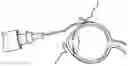
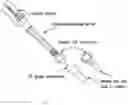
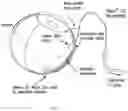
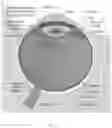
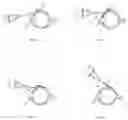
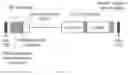
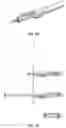
Sources:
- United States Patent and Trademark Office - verify current appl. status at the USPTO↗
Recent applications in this class:
- » 20250152748 2025-05-15
HYDRODYNAMIC GENE DELIVERY - » 20250135041 2025-05-01
INJECTION OF SINGLE-STRANDED OR SELF-COMPLEMENTARY ADENO-ASSOCIATED VIRUS 9 INTO THE CEREBROSPINAL FLUID - » 20250041457 2025-02-06
USE OF ADENO-ASSOCIATED VIRAL VECTORS TO CORRECT GENE DEFECTS/ EXPRESS PROTEINS IN HAIR CELLS AND SUPPORTING CELLS IN THE INNER EAR - » 20250018063 2025-01-16
Method of Treating Geographic Atrophy with a Gene Therapy Vector Expressing Soluble CD59 - » 20250001015 2025-01-02
AAV2-MEDIATED GENE DELIVERY OF SFASL AS A NEUROPROTECTIVE THERAPY IN GLAUCOMA - » 20240285806 2024-08-29
STABLE EXPRESSION OF AAV VECTORS IN JUVENILE SUBJECTS - » 20240108761 2024-04-04
INJECTION OF SINGLE-STRANDED OR SELF-COMPLEMENTARY ADENO-ASSOCIATED VIRUS 9 INTO THE CEREBROSPINAL FLUID - » 20240108759 2024-04-04
NUCLEIC ACID TRANSPORTERS IN NANOCHAIN FORM, PREPARATION METHOD THEREFOR, AND PHARMACEUTICAL COMPOSITION FOR CANCER GENE THERAPY, COMPRISING SAME - » 20240100194 2024-03-28
ADENO-ASSOCIATED VIRAL VECTOR VARIANTS - » 20240091384 2024-03-21
Systemic Delivery of Polypeptides
Recent applications for this Assignee:
- » 20250135041 2025-05-01
INJECTION OF SINGLE-STRANDED OR SELF-COMPLEMENTARY ADENO-ASSOCIATED VIRUS 9 INTO THE CEREBROSPINAL FLUID - » 20250051740 2025-02-13
TREATMENT OF MUCOPOLYSACCHARIDOSIS II WITH RECOMBINANT HUMAN IDURONATE-2-SULFATASE (IDS) PRODUCED BY HUMAN NEURAL OR GLIAL CELLS - » 20240108761 2024-04-04
INJECTION OF SINGLE-STRANDED OR SELF-COMPLEMENTARY ADENO-ASSOCIATED VIRUS 9 INTO THE CEREBROSPINAL FLUID - » 20240058426 2024-02-22
Treatment of mucopolysaccharidosis II with recombinant human iduronate-2-sulfatase (IDS) - » 20240050537 2024-02-15
TREATMENT OF MUCOPOLYSACCHARIDOSIS I WITH FULLY-HUMAN GLYCOSYLATED HUMAN ALPHA-L-IDURONIDASE (IDUA) - » 20230057519 2023-02-23
Treatment of Ocular Diseases with Fully-Human Post-Translationally Modified Anti-VEGF Fab - » 20220143115 2022-05-12
Adeno-Associated Virus Vector Formulations and Methods - » 20210370199 2021-12-02
Anion exchange chromatography for recombinant AAV production - » 20210292789 2021-09-23
Treatment of mucopolysaccharidosis IVA - » 20200149019 2020-05-14
Treatment of mucopolysaccharidosis II with recombinant human iduronate-2-sulfatase (IDS) produced by human neural or glial cells