CAMPTOTHECIN DERIVATIVE, PREPARATION METHOD THEREFOR AND APPLICATION THEREOF
US20220177485A1
2022-06-09
17/251,583
2019-06-11
Abstract:
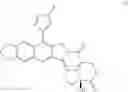
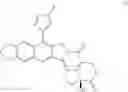
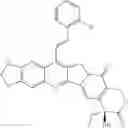
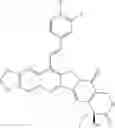
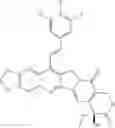
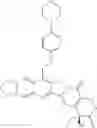
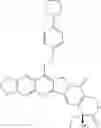
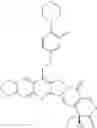
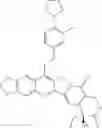
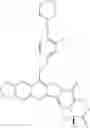
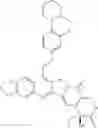
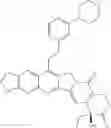
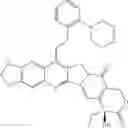
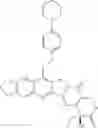
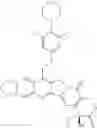
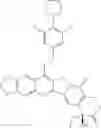
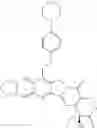
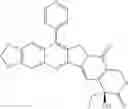
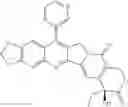
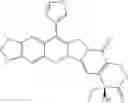
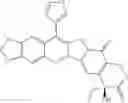
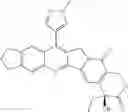
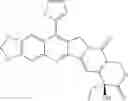
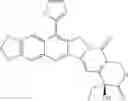
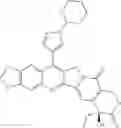
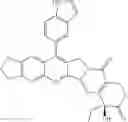
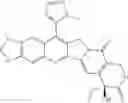
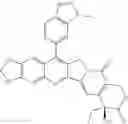
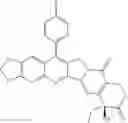
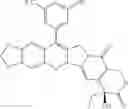
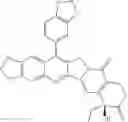
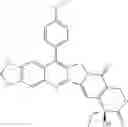
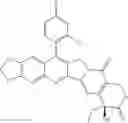
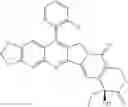
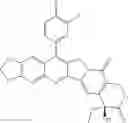
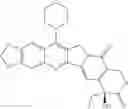
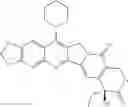
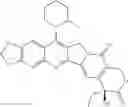
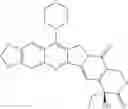
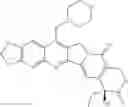
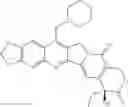
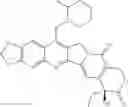
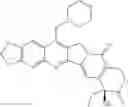
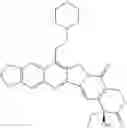
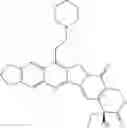
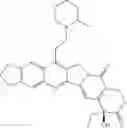
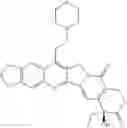
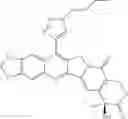
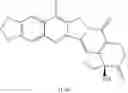
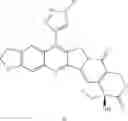
The present invention is directed to compounds according to Formula I as well as to stereoisomer, tautomer or pharmaceutically acceptable salts of such compounds. The invention also is directed to pharmaceutically acceptable compositions containing such compounds and associated methods for preparing and effect dose in treatment as well as the application in preparing medicine for preventing and/or treating cancers. The invention provides the novel derivatives which introduce methylenedioxy in the position of 10,11 and different groups in the position of 7. The derivatives of novel structure, and the raw materials are easily to obtain. In addition, the compounds in this invention have good cytotoxic activity in vitro and anti-tumor activity in vivo. Therefore, this kind of compounds have broad application foreground. The structure of derivatives are as follows:
Inventors:
- Tao JIANG 4 🇨🇳 Shandong, China
- Guanzhao WU 1 🇨🇳 Shandong, China
- Xiong HE 1 🇨🇳 Shandong, China
Interested in similar patents?
Get notified when new applications in this technology area are published.
Classification:
C07D491/22 » CPC main
Heterocyclic compounds containing in the condensed ring system both one or more rings having oxygen atoms as the only ring hetero atoms and one or more rings having nitrogen atoms as the only ring hetero atoms, not provided for by groups - , , or in which the condensed system contains four or more hetero rings
A61P35/00 » CPC further
Antineoplastic agents
Description
TECHNICAL FIELD
This invention relates to a new preparing method and application of camptothecin derivatives.
BACKGROUND ART
Camptothecin derivatives are known as one of the three major discoveries of anticancer drugs in 20th century, which showing a broad-spectrum anti-tumor activity and having a huge research and application prospect. Early camptothecin derivatives whose mechanism of action refers to forming a ternary complex with Top I and DNA, thus blocking DNA replication and transcription, and they display low selectivity, high toxicity and some other shortcomings. With the development of technology, molecular-targeting anticancer drugs have became a hotspot in recent years. These drugs can selectively act on signal transduction pathways related to tumor cell differentiation and proliferation. We take camptothecin as a lead compound and modify its structure to develop candidate compounds with more efficiency and lower toxicity.
The invention provides the novel derivatives which introduce methylenedioxy in the position of 10,11 and different groups in the position of 7, to obtain the compounds which have better antitumor, lower toxicity and better solubleness.
SUMMARY OF INVENTION
This invention provides a new preparing method and application of camptothecin derivatives, which can be used to prepare drugs for preventing or treating tumors.
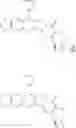
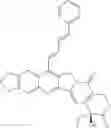
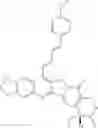
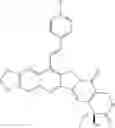
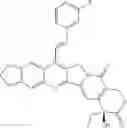
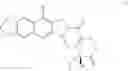
To solve the problems, the following techniques are applied. The invention is directed to compounds according to Formula I as well as their stereoisomer, tautomer or pharmaceutically acceptable salt:
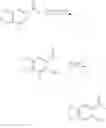
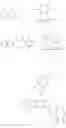
Wherein R could be
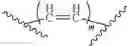
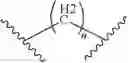
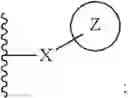
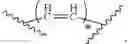
X could be
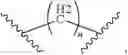
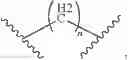
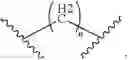
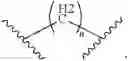
n could be 0, 1 and 2; m could be 0, 1 and 2;
Z could be ring structure; Z is selected from the substituted group or the unsubstituted group of benzene, pyridine, furan, thiophene, pyrazol, benzpyrole, indazole, piperidine, morpholine, thiomorphline, naphthalene or triazole;
When Z is selected from the substituted structures, the substituted groups could be halogen, substituted or unsubstituted of alkyl, substituted or unsubstituted of ester, substituted or unsubstituted of benzene, substituted or unsubstituted of pyrrolidine, substituted or unsubstituted of piperidine, substituted or unsubstituted of morpholine or substituted or unsubstituted of thiomorphline;
The substitution could be single substitution or multiple substitution;
When n and m are 0, Z could be not unsubstituted benzene.
Preferably, the halogen atom is F.
The stereo isomers including: conformer, optical isomer (such as enantiomorphism isomers and diastereomer), geometric isomers (e.g., cis/trans isomers). The isomer or their combinations can be used as a racemic mixture, separate enantiomorphism isomers, separate diastereomer, diastereomer compounds, cis or trans isomer.
Pharmaceutically acceptable salt refers to pharmaceutically acceptable, organic or inorganic acid or base salt of a compound of the invention. Acceptable salts include but no limited, (1) salts formed with the following inorganic acids: e.g., hydrochloride, hydrobromide, iodide, sulfuric acid, phosphoric acid, nitric acid, (2) salts formed with the following organic acids: e.g., acetic acid, lactic acid, citric acid, succinic acid, fumaric acid, glucose acid, benzoic acid, methane sulfonic acid, ethane sulfonate, benzenesulfonic acid, p-toluene sulfonic acid, oxalic acid, succinic acid, tartaric acid, maleic acid, or arginine, (3) other salts, including salts formed with alkali metal or alkaline earth metal (such as sodium, potassium, calcium or magnesium salt, ammonium salt or water-soluble amine salt (such as N-methyl glucosamine salt), lower alkanol ammonium salt and other pharmaceutical acceptable amine salt (such as methylamine, ethylamine, propylamine, dimethyl amine salt, trimethyl amine salt, triethyl amine salt, tertiary butyl amine salt, ethylenediamine, hydroxylethyl amine salt, morpholine, piperazine, lysine amine salt), or other regular prodrug.
Further the present invention also provides the precursor compounds. Precursor described refers to the precursor compound are metabolized or chemically reacted in the patient's body, after being taken by an appropriate method, and then the precursor compounds are converted into general formula, as well as solution or salt of compounds. In this invention precursor compounds described including but not limited to carboxylic acid esters, carbonate, phosphate, nitrate, sulfate, sulfone ester, sulfoxide ester and amino compounds, amino formate, azo compound, phosphoramide, glucoside, ether, acetal and other forms.
In some cases, the compounds mentioned in 1 contain the structure, X could be
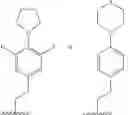
m could be 1 or 2; Z could be substituted or unsubstituted group of benzene. R of the formula I selected optionally from:
In some cases, X could be
n could be 2; Z could be substituted or unsubstituted group of benzene. R of the formula I selected optionally from:
In some cases, X could be
n and m could be 0. R of the formula I selected optionally from:
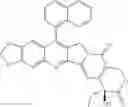
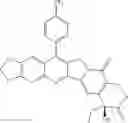
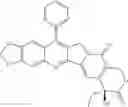
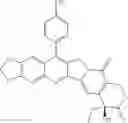
To be specific, the compounds could be:
In some cases, X could be
n could be 0, 1 and 2; Z selected from substituted or unsubstituted group of piperidine, morpholine or thiomorphline. R of the formula I selected optionally from:
In some cases, R of the formula I could be substituted or unsubstituted group of triazole; the compounds contain the structure of Formula II:
The R1 could be substituted or unsubstituted group of alkyl, ester, isohydroxamic acid or benzene.
The invention provides the application of preparing for drugs to prevent and/or treat cancer in some extent. Cancer could be lung cancer, prostate cancer, colon cancer, leukemia and breast cancer.
The invention provides the application that some compounds could be the inhibitor of EGF or FGF in some extent.
The invention also provides a combination of drugs, including: 1) Effective dose of any compounds in the patent and 2) pharmaceutical acceptable carrier.
The drug combination could be troche, capsule, powder, granule, suppository, oral agents, sterile parenteral suspension and other liquid preparation form and large or small volume injection, lyophilized powder and other injection forms. The forms mentioned can be prepared in a regular synthesis method.
For the invention, drug combination can also join one or more pharmaceutical acceptable carrier, including pharmaceutical field of conventional diluter, filler, adhesive, wetting agents, absorption enhancer, surfactant, adsorption carrier and lubricant, etc
This invention also provides the synthesis method of preparing the compounds, and the processes are as follows:
(1) Starting from the raw material of 3,4-methylenedioxyacetophenone (A), 6-amino-3,4-methylenedioxyacetophenone (C) was got through nitration by concentrated nitric acid and hydrogenation by Pd/C.
(2) When it comes to formula (I), X is
and m is 1 or 2; Z is substituted or unsubstituted group of benzene and R is the group of 1-7: 6-amino-3,4-methylenedioxyacetophenone reacted with optionally substituted benzaldehyde or cinnamyl aldehyde through a Claisen-Schmidt reaction. The compound we got was 6-amino-3,4-methylenedioxyacetochalcone (D), it reacted with (4S)-4-Ethyl-7,8-dihydro-4-hydroxy-1H-pyrano[3,4-f]indolizine-3,6,10(4H)-trione (M) was catalyzed by p-toluenesulfonic acid under reflux for 12 hrs, in this way, a Fried lander condensation took place. The compounds were purified by column chromatography and we got the compound 1-7.
(3) When it comes to formula (I), X is
and n is 2; Z is substituted or unsubstituted group of benzene and R is the group of 8-20: the compounds 8-20 were got through hydrogenation of camptothecin derivatives with styrene in 7 position by Pd/C.
(4) When it comes to formula (I), n and m are 0; R is the group of 21-42: 6-amino-3,4-methylenedioxyacetophenone (C) we got in process of (1) and (4S)-4-Ethyl-7,8-dihydro-4-hydroxy-1H-pyrano[3,4-f]indolizine-3,6,10(4H)-trione (M) took condensation reaction in the present of p-toluenesulfonic acid under reflux. Then acylation with acetic acid and oxidizing reaction with hydrogen peroxide were took place to get compound F. Compound F reacted with oxalyl bromide to obtain 20(S)—O-acetyl-7-chlorine-10,11-methylenedioxy-camptothecin (G). The compounds 21-42 were got through the coupling action by G and substituted phenyl group or alkenylboronic acids, and remove the acetyl group by sodium methoxide.
(5) When it comes to formula (I), R is the group of 43-46: the compound 20(S)—O-acetyl-7-chlorine-10,11-methylenedioxy-camptothecin (G) from process (4) reacted with different heterocyclic and then got the compounds 43-46 which were substituted by N-methyl morpholine, N-methyl piperidine, N-methyl-2-methyl piperidine and N-methyl thiomorpholine at 7th position.
(6) When it comes to formula (I), R is the group of 47-50: the compound F from process (4) reacted with nitrogen heterocyclic and got the compounds 47-50 which were substituted by N-methyl morpholine, N-methyl piperidine, N-methyl-2-methyl piperidine and N-methyl morpholine sulfur generation at 7th position.
(7) When it comes to formula (I), R is the group of 51-54: the compound J was got through reacted with compound C, condensation by N,N-Dimethylformamide dimethyl acetal, substitution by heterocyclic group, then these compounds reacted with (4S)-4-Ethyl-7,8-dihydro-4-hydroxy-1H-pyrano[3,4-f]indolizine-3,6,10(4H)-trione (M) catalyzed by p-toluenesulfonic acid under reflux to get compounds 51-54 which were substituted by Morpholine ethyl, Thiomorpholine ethyl, 2-Methylpiperidineethyl at 7th position.
(8) when it comes to formula (II), of which the 7th position of 10,11-ethylenedioxy-camptothecin is triazole substituted by different substituent groups, the preparing process is as follows: 20(S)—O-acetyl-7-chlorine-10,11-methylenedioxy-camptothecin reacted with trimethylsilylaceyene under palladiumacetate to afford trimethylsilylaceyene group on the 7th position, and it reacted with potassium fluoride, then we got 20(S)—O-acetenyl-7-chlorine-10,11-methylenedioxy-camptothecin which reacted with azides substituted by different substituent groups. The compounds were purified by column chromatography and we got 10,11-methylenedioxy-camptothecin derivatives with 7th position substituted by different triazole substituent groups.
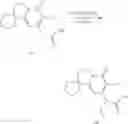
The invention also provides a preparing method of intermediates (M):
Compound M6 reacted with diethyl carbonate at the present of potassium tert-butoxide to yield intermediate M7; M9 was got by reacting with bromoethane and then hydrogenation by Ni/H2; M9 reacted with sodium nitrite to get M10 and then through rearrangement in CCl4 and oxidization to obtain M12 which was a chiral compound. Chiral isocyanates was used to react with M12 catalyzed by copper chloride and we can get two non-corresponding isomers through column chromatography; M13S was hydrolyzed by base and deprotected by TFA to obtain M15.
Compounds of the present invention showed better selectivity to tumor and better solubility than traditional camptothecin compounds. The antitumor activity of the compounds was increased compared with the parent compound significantly, while maintaining the low toxicity. They can be used for the preparation of prevention or treatment of cancer drugs. Camptothecin derivatives in this invention have clear structural features, easy to synthesis and purified, with good biological activity. So this kind of compounds in the prevention or treatment of cancer has a broad application prospect.
DESCRIPTION OF DRAWINGS
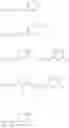
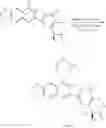
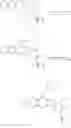
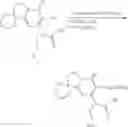
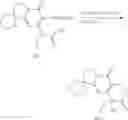
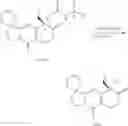
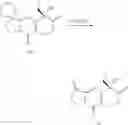
FIG. 1. Synthesis scheme of the compounds in this invention.
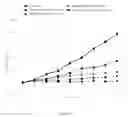
FIG. 2. Efficient of compound 23 on tumor volume change in HCT-116 transplanted tumor model mice.
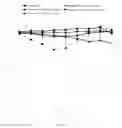
FIG. 3. Efficient of compound 23 on weight change in HCT-116 transplanted tumor model mice.
DETAILED DESCRIPTION OF THE INVENTION
Method and technology in this invention generally based on the known traditional methods in the field, unless claimed specially. The description in this article of the nomenclature in the field of biology, pharmacology, and medical and pharmaceutical chemical, and the experimental method and technique are known and used in this field. Chemical synthesis, chemical analysis, medical method, mixing method and transmission method, as well as the patient's treatment adopt standard technique.
Unless claimed specially, the science and technical terms used in this article should have the common meaning of this field. But the following term has the following definition:
“Cancer” refers to a variety of diseases with abnormal cells in the body characterized by uncontrolled growth. Uncontrolled cell division and growth division lead to a vicious tumor or cell. They invade neighboring tissues and can also transferred to the distal parts of the body through the lymphatic system or bloodstream. “Treat cancer” in the present invention is another equivalent description “treat tumor” or “anticancer”, or “antitumor”.
Cancer is the diseases which uncontrolled cells interfere with the normal function of the body organs and systems. Cancer of the subjects is objectively exists in the subjects that can be measured by the subjects of cancer cells. The subjects at risk of developing cancer are easy to develop cancer (based on family history, genetic predisposition, for example) of the subjects, exposure to radiation or other reagents.
The compounds in invention can be used to treat a variety of subjects of cancer or at risk of developing cancer. Examples of such cancers including breast, prostate cancer, lung cancer, ovarian cancer, cervical cancer, skin cancer, melanoma, colon cancer, gastric cancer, liver cancer, esophageal cancer, kidney cancer, throat cancer, thyroid cancer, pancreatic cancer, testicular cancer, brain cancer, bone cancer and leukemia (such as leukemia, chronic lymphocytic leukemia), etc. Other cancers including but not limited to, basal cell carcinoma, billiard tract cancer, bladder cancer, bone cancer, brain and central nervous system (CNS) cancer, cervical cancer, choriocarcinoma, connective tissue, cancer, digestive system cancer, colorectal cancer, endometrial carcinoma, esophageal cancer, eye cancer, head and neck cancer, epithelial tumors, laryngeal cancer, lung cancer, small cell, large cells), lymphoma (including Hodgkin's lymphoma and non-hodgkin's lymphoma); melanoma; neuroblastoma. Oral cancer (such as lips, tongue, mouth and throat); retinoblastoma; leiomyosarcoma; respiratory cancer; sarcoma; ovarian cancer; urinary tract cancer; as well as other carcinoma and sarcoma.
“Effective dose” are drugs used as described below, when used alone or combined with another therapeutic agent using the amount of drugs, can promote disease subsided that the symptoms of disease severity, the frequency of no disease symptoms and duration increased, or prevent disorder caused by illness or disability.
Drug treatment effective dose or dose including “preventive effective dose” or “prevention effective dose”, “prevention effective dose” or “prevention effective dose is the amount of drugs mentioned in any of the following, when the amount of drug use alone or combined with another therapeutic agent applied to the risk of disease or suffered from relapse of subjects, can inhibit the occurrence or recurrence of disease. Agents to promote disease fade or inhibit the ability of development or recurrence can use technical staff known to evaluate the various methods, such as in human subjects in clinical trials, in predictable in the effectiveness of animal models of human system, or by in vitro activity of measuring system was developed for the determination of reagent.
As an example, anticancer agent (drug combination for the treatment of cancer) promotes the subjects of tumor regression in the body. The implementation of the scheme, the optimal selection of effective dose of the drug to promote cancer cells fades or even eliminate the cancer. “Promote cancer resolve” means to be used alone or in combination with antitumor agent (anti-neoplastic agent) combination use of lead to the growth of tumors by effective dose of drug treatment or size reduction, tumor necrosis, at least one disease symptom is reduced, and the severity of the disease free frequency and duration of symptoms phase increases, prevent disorder caused by illness or disability, or in other ways to improve the patient's disease symptoms.
In addition, the terms about the treatment of “efficient” and “effectiveness” include security both effectiveness of pharmacology and physiology. Pharmacology effectiveness is the ability to drugs promote cancer patients subsided. Physiology security refers to the cells and organs due to drug use and/or biological level of toxic or other harmful physiological effects, adverse effects).
As an example of tumor treatment, compared with the untreated subjects, effective dose and dose of the drug treatment optimization can inhibit the growth of cells or tumor growth of about 20%, at least preferred at least about 40%, or even more preferred at least about 60%, and also preferred at least about 80%. In the optimization of the implementation of the scheme, effective dose and dose of the drug treatment can completely inhibit the growth of cells or tumor growth, namely optimizing to inhibit cell growth or tumor growth of 100%. Compounds that inhibit the ability of tumor growth can be evaluated in the animal model. They are able to predict efficacy of tumor. Instead, the combination of this nature can be evaluated by taking a test that compounds inhibiting the growth of cells. Such inhibition of this can be measured by technical staff in a known measurement in vitro. In other optimization scheme of the invention, the tumor regression can be observed, and lasts at least 20 days, preferred at least 40 days, or even preferred at least 60 days.
The subject “treatment” refers to reversing, reducing and treating, inhibiting, slowing or preventing any related to disease symptoms, complications, illness, or the occurrence of biochemical indicators, progress, development, severity or recurrence for the purpose to make any type of intervention in subjects.
This invention under combined with example for further details.
This invention synthesis and testing of a series of novel structure in female 10, 11 a introduction of methylene two oxygen radicals, 7- to introduce different substitution of camptothecin derivatives, some examples of this kind of compound shown in the table below:
| No. | Structure | |
| 1 | ||
| 2 | ||
| 3 | ||
| 4 | ||
| 5 | ||
| 6 | ||
| 7 | ||
| 8 | ||
| 9 | ||
| 10 | ||
| 11 | ||
| 12 | ||
| 13 | ||
| 14 | ||
| 15 | ||
| 16 | ||
| 17 | ||
| 18 | ||
| 19 | ||
| 20 | ||
| 21 | ||
| 22 | ||
| 23 | ||
| 24 | ||
| 25 | ||
| 26 | ||
| 27 | ||
| 28 | ||
| 29 | ||
| 30 | ||
| 31 | ||
| 32 | ||
| 33 | ||
| 34 | ||
| 35 | ||
| 36 | ||
| 37 | ||
| 38 | ||
| 39 | ||
| 40 | ||
| 41 | ||
| 42 | ||
| 43 | ||
| 44 | ||
| 45 | ||
| 46 | ||
| 47 | ||
| 48 | ||
| 49 | ||
| 50 | ||
| 51 | ||
| 52 | ||
| 53 | ||
| 54 | ||
| 55 | ||
After the test, the present invention compounds synthesized compounds are generally have better solubility in water.
FIG. 1 shows the above compound synthetic route diagram. Combined with concrete example to illustrate the implementation of the below:
The synthesis process of compounds 1-7 was as following:
Example 1 20(S)-7-(styrene-butadiene-yl)-10,11-methylenedioxy-camptothecin (Compound 1)
1) Preparation of (E)-1-(6-aminobenzo[d][1,3]dioxol-5-yl)-3-phenylprop-2-en-1-one (D1)
Concentrated nitric acid (20.7 mL) was added dropwise to the solution of 3,4-methylenedioxy acetophenone was dissolved in nitromethane (80 mL), and the mixture reacted for 2 hrs. Then saturated sodium bicarbonate solution was added dropwise to the reaction mixture to get the pH to about 7. The mixture was extracted with dichloromethane for 3 times. The organic layer was combined, washed with brine, dried by anhydrous MgSO4 and concentrated, then purified by column chromatography (ethyl acetate:petroleum ether=1:8) to afford 6-nitro-3,4-methylenedioxy acetophenone, light yellow solid, yield: 7.8 g (76%). mp 110-112° C.
6-nitro-3,4-methylenedioxy acetophenone (7.8 g, 37.3 mmol) was dissolved in ethyl acetate (70 mL) and catalytic amount Pd/C was added. The mixture reacted under hydrogen condition for 12 hrs. The solution was filtered and the filtrate was concentrated to afford 6-amino-3,4-methylenedioxy acetophenone, light yellow solid, yield: 5.5 g (83%). mp 123-124° C.
Sodium hydroxide (0.4 g, 11 mmol) and benzaldehyde (0.14 g, 1.3 mmol) were added to the solution of 6-amino-3,4-methylenedioxy acetophenone (0.2 g, 1.1 mmol) in anhydrous alcohol (10 mL). The mixture reacted for 12 hrs under room temperature and solution was concentrated. The mixture was purified by column chromatography (ethyl acetate:petroleum ether=1:4) to afford D1, yellow solid, yield: 0.21 g (71%). mp 130-132° C.
1H NMR (CDCl3, 600 MHz) δ: 8.08 (s, 1H, ArH), 7.81 (d, J=15.2 Hz, 1H, ═CHAr), 7.53 (d, J=15.2 Hz, 1H, ArCOCH═), 6.79 (d, J=7.7 Hz, 2H, ArH), 6.67 (d, J=7.7 Hz, 2H, ArH), 6.60 (t, J=7.7 Hz, 1H, ArH), 6.54 (s, 1H, ArH), 6.20 (brs, 2H, NH2), 6.02 (s, 2H, OCH2O). 13C NMR (126 MHz, DMSO-d6) δ 192.0, 164.9, 163.0, 152.7, 149.3, 144.6, 141.4, 132.7, 131.6, 131.1, 126.3, 116.5, 116.3, 108.1, 105.3, 104.5.
2) Preparation of 20(S)-7-(styrene-butadiene-yl)-10,11-methylenedioxy-camptothecin (Compound 1)
(E)-1-(6-aminobenzo[d][1,3]dioxol-5-yl)-3-phenylprop-2-en-1-one (D1) (200 mg, 0.76 mmol) was dissolved in anhydrous toluene (70 mL), and then (S)-4-ethyl-4-hydroxy-7,8-dihydro-1H-pyrano[3,4-f]indolizine-3,6,10(4H)-trione (0.41 g, 1.4 mmol) and p-toluenesulfonic acid (13.0 mg, 0.08 mmol) were added. The mixture reacted at 110° C. under nitron condition for 24 hrs. The mixture was cooled to room temperature and the reaction mixture was concentrated, then purified by column chromatography (dichloromethane:acetone=10:1) to afford compound 1, light yellow solid, yield: 60 mg (15%). mp 206-214° C.; MS(ESI): m/z, 521.4 [M+H]+.
1H NMR (600 MHz, CF3COOD) δ 8.23 (s, 1H), 8.06-7.94 (m, 1H), 7.92 (s, 1H), 7.84 (d, J=16.4 Hz, 1H), 7.79 (s, 1H), 7.72 (d, J=7.4 Hz, 1H), 7.67 (d, J=18.5 Hz, 1H), 7.53 (d, J=8.1 Hz, 1H), 7.48 (d, J=15.6 Hz, 1H), 7.43 (d, J=9.7 Hz, 1H), 7.36 (s, 2H), 7.29-7.14 (m, 1H), 6.57-6.43 (m, 2H), 6.01 (d, J=26.7 Hz, 2H), 5.70 (d, J=16.7 Hz, 1H), 2.29 (d, J=27.2 Hz, 2H), 1.35 (dd, J=117.8, 12.9 Hz, 3H).
13C NMR (151 MHz, CF3COOD) δ 176.5, 161.1, 157.5, 157.6, 149.3, 147.4, 146.5, 145.5, 134.3, 131.7, 130.3, 129.5, 128.7, 128.5, 128.0, 127.9, 127.4, 126.9, 121.0, 117.9, 115.7, 113.8, 111.2, 105.5, 97.4, 74.0, 66.5, 65.5, 31.7, 11.8, 5.4.
Example 2 20(S)-7-(4-fluorostyryl)-10,11-methylenedioxy-camptothecin (Compound 3)
The synthesis and purification of Compound 3 was described as compound 1, only acetophenone was substituted by 4-fluoro benzaldehyde. mp >250° C.; MS(ESI): m/z, 513.5 [M+H]+.
1H NMR (500 MHz, CF3COOD) δ 8.23 (s, 1H), 8.00 (s, 1H), 7.95 (dd, J=7.8, 5.4 Hz, 1H), 7.87 (d, J=16.5 Hz, 1H), 7.85-7.78 (m, 1H), 7.73 (s, 1H), 7.30 (dd, J=22.8, 14.3 Hz, 2H), 7.10 (dd, J=36.5, 25.0 Hz, 1H), 6.52 (s, 2H), 6.03 (t, J=11.9 Hz, 1H), 6.01-5.83 (m, 2H), 5.69 (d, J=17.0 Hz, 1H), 2.24 (dd, J=17.8, 11.0 Hz, 2H), 1.33-1.16 (m, 3H).
13C NMR (125 MHz, CF3COOD) δ 176.2, 157.4, 152.1, 151.8, 148.9, 145.0, 140.1, 139.8, 138.8, 130.6, 130.0, 130.0, 126.1, 126.0, 121.0, 117.3, 116.1, 116.0, 105.0, 103.4, 101.1, 97.3, 73.9, 66.2, 52.5, 31.0, 11.7, 5.8.
Example 3 20(S)-7-(3-fluorostyryl)-10,11-methylenedioxy-camptothecin (Compound 4)
The synthesis and purification of Compound 4 was described as compound 1, only acetophenone was substituted by 3-fluoro benzaldehyde. mp >250° C.; MS(ESI): m/z, 513.5 [M+H]+.
1H NMR (500 MHz, CF3COOD) δ 8.23 (s, 1H), 8.00 (s, 1H), 7.95 (dd, J=7.8, 5.4 Hz, 1H), 7.87 (d, J=16.5 Hz, 1H), 7.85-7.78 (m, 1H), 7.73 (s, 1H), 7.30 (dd, J=22.8, 14.3 Hz, 2H), 7.14 (dd, J=36.5, 25.0 Hz, 1H), 6.56 (s, 2H), 6.03 (t, J=11.9 Hz, 1H), 6.21-5.84 (m, 2H), 5.69 (d, J=17.0 Hz, 1H), 2.24 (dd, J=17.8, 11.0 Hz, 2H), 1.33-1.16 (m, 3H).
13C NMR (126 MHz, CF3COOD) δ 176.2, 157.4, 152.1, 151.8, 148.9, 145.0, 140.1, 139.8, 138.8, 130.6, 130.4, 130.0, 126.8, 126.0, 121.0, 117.5, 116.1, 116.0, 105.0, 103.4, 101.1, 97.3, 73.9, 66.2, 52.5, 31.0, 11.7, 5.8.
Example 4 20(S)-7-(2-fluorostyryl)-10,11-methylenedioxy-camptothecin (Compound 5)
The synthesis and purification of Compound 3 was described as compound 1, only acetophenone was substituted by 3-fluoro benzaldehyde. mp >250° C.; MS(ESI): m/z, 513.5 [M+H]+.
1H NMR (500 MHz, CF3COOD) δ 8.23 (s, 1H), 8.00 (s, 1H), 7.95 (dd, J=7.8, 5.4 Hz, 1H), 7.87 (d, J=16.5 Hz, 1H), 7.81-7.78 (m, 1H), 7.53 (s, 1H), 7.30 (dd, J=22.8, 14.3 Hz, 2H), 7.28 (dd, J=36.5, 25.0 Hz, 1H), 6.56 (s, 2H), 6.03 (t, J=11.9 Hz, 1H), 6.21-5.84 (m, 2H), 5.69 (d, J=17.0 Hz, 1H), 2.24 (dd, J=17.8, 11.0 Hz, 2H), 1.33-1.16 (m, 3H).
13C NMR (126 MHz, CF3COOD) δ 176.2, 157.4, 152.1, 151.8, 148.9, 145.0, 140.1, 139.7, 138.8, 130.9, 130.4, 130.0, 126.8, 126.0, 121.0, 117.5, 116.1, 116.0, 105.0, 103.4, 101.1, 97.3, 73.9, 66.2, 52.5, 31.0, 11.7, 5.8.
The synthesis scheme of 8-20 was as follows:
Example 5 20(S)-7-(4-(4-morpholino)phenethyl)-10,11-methylenedioxy-camptothecin (Compound 8)
(S,E)-7-ethyl-7-hydroxy-14-(4-morpholinostyryl)-10,13-dihydro-11H-[1,3]dioxolo[4,5-g]pyrano[3′,4′:6,7]indolizino[1,2-b]quinoline-8,11(7H)-dione was prepared and purified as described for the synthesis and purifying of compound 1 using 4-morpholine benzaldehyde and then dissolved in EA at the present of Pb/C under hydrogen for 10 hrs. The mixture was filtered and the filtrate was concentrated, then purified by column chromatography (dichloromethane:acetone=10:1) to afford compound 8. mp >250° C.; MS(ESI): m/z, 513.5 [M+H]+.
1H NMR (500 MHz, DMSO) δ 7.58 (s, 1H), 7.46 (s, 1H), 7.19 (s, 1H), 6.95 (d, J=8.3 Hz, 2H), 6.74 (d, J=8.1 Hz, 2H), 6.25 (s, 2H), 5.33 (t, J=11.8 Hz, 2H), 4.75 (q, J=18.8 Hz, 2H), 3.65 (s, 4H), 3.26 (s, 2H), 2.93 (s, 4H), 2.83 (s, 2H), 1.87-1.76 (m, 2H), 0.83 (t, J=7.2 Hz, 3H).
13C NMR (125 MHz, DMSO) δ 172.94, 157.14, 151.29, 150.49, 150.10, 149.44, 149.38, 147.54, 146.67, 142.38, 131.83, 129.60, 128.32, 124.68, 118.31, 115.57, 105.88, 103.01, 99.94, 96.45, 72.74, 66.40, 65.63, 49.85, 49.22, 34.39, 32.34, 30.62, 8.17.
Example 6 20(S)-7-(4-(pyrrolidin-1-yl)phenethyl)-10,11-methylenedioxy-camptothecin (Compound 9)
(S,E)-7-ethyl-7-hydroxy-14-(4-(pyrrolidin-1-yl)styryl)-10,13-dihydro-11H-[1,3]dioxolo[4,5-g]pyrano[3′,4′:6,7]indolizino[1,2-b]quinoline-8,11(7H)-dione was prepared and purified as described for the synthesis and purifying of compound 1 using 4-pyrrolidin benzaldehyde and then dissolved in EA at the present of Pb/C under hydrogen condition for 10 hrs. The mixture was filtered and the filtrate was concentrated, then purified by column chromatography (dichloromethane:acetone=10:1) to afford compound 9; mp 205-207° C.
1H NMR (500 MHz, DMSO) δ 7.61 (s, 1H), 7.47 (s, 1H), 7.19 (s, 1H), 6.89 (d, J=8.2 Hz, 2H), 6.35 (d, J=8.1 Hz, 2H), 6.26 (s, 2H), 5.35 (s, 2H), 4.77 (q, J=18.7 Hz, 2H), 3.25 (d, J=7.4 Hz, 2H), 3.06 (s, 4H), 2.80 (s, 2H), 1.91-1.76 (m, 6H), 0.83 (t, J=7.3 Hz, 3H).
13C NMR (125 MHz, DMSO) δ 172.94, 157.12, 151.28, 150.50, 149.47, 149.38, 147.56, 147.07, 146.72, 142.52, 129.54, 128.35, 127.61, 124.68, 118.29, 112.07, 105.93, 103.01, 99.99, 96.37, 72.75, 65.62, 49.88, 47.93, 34.53, 32.71, 30.56, 25.24, 8.18.
Example 7 20(S)-7-(3-fluoro-4-(4-morpholino)phenethyl)-10,11-methylenedioxy-camptothecin (Compound 10)
(S,E)-7-ethyl-14-(3-fluoro-4-morpholinostyryl)-7-hydroxy-10,13-dihydro-11H-[1,3]dioxolo[4,5-g]pyrano[3′,4′:6,7]indolizino[1,2-b]quinoline-8,11(7H)-dione was prepared and purified as described for the synthesis and purifying of compound 1 using 3-fluoro-4-(4-morpholine)-benzaldehyde and then dissolved in EA at the present of Pb/C under hydrogen condition for 10 hrs. The mixture was filtered and the filtrate was concentrated, then purified by column chromatography (dichloromethane:acetone=10:1) to afford compound 10; mp >250° C.
1H NMR (500 MHz, DMSO) δ 7.56 (s, 1H), 7.44 (s, 1H), 7.20 (s, 1H), 6.99 (d, J=13.3 Hz, 1H), 6.91-6.82 (m, 2H), 6.23 (s, 2H), 5.35 (q, J=16.3 Hz, 2H), 4.90 (q, J=18.7 Hz, 2H), 3.66 (s, 4H), 3.27 (s, 2H), 2.84 (s, 6H), 1.81 (dt, J=24.6, 7.0 Hz, 2H), 0.83 (t, J=7.2 Hz, 3H).
13C NMR (125 MHz, DMSO) δ 172.98, 157.24, 151.31, 150.56, 149.53, 149.40, 147.54, 146.67, 142.16, 136.18, 128.15, 125.36, 124.72, 119.24, 118.35, 116.75, 116.59, 105.81, 103.02, 99.99, 96.56, 72.77, 66.54, 65.65, 51.07, 49.91, 34.12, 31.77, 30.64, 8.16.
Example 8 20(S)-7-(3-fluoro-4-(pyrrolidin-1-yl))-10,11-methylenedioxy-camptothecin (Compound 11)
(S,E)-7-ethyl-14-(3-fluoro-4-(pyrrolidin-1-yl)styryl)-7-hydroxy-10,13-dihydro-11H-[1,3]dioxolo[4,5-g]pyrano[3′,4′:6,7]indolizino[1,2-b]quinoline-8,11(7H)-dione was prepared and purified as described for the synthesis and purifying of compound 1 using 3-fluoro-4-(1-pyrrolidin)-benzaldehyde and then dissolved in EA at the present of Pb/C under hydrogen condition for 10 hrs. The mixture was filtered and the filtrate was concentrated, then purified by column chromatography (dichloromethane:acetone=10:1) to afford compound 11; mp >250° C.
1H NMR (600 MHz, DMSO-D6) δ 7.60 (s, 1H), 7.47 (s, 1H), 7.23 (s, 1H), 6.89 (dd, J=14.9, 1.9 Hz, 1H), 6.75 (d, =8.2 Hz, 1H), 6.59-6.53 (m, 1H), 6.26 (d, J=2.2 Hz, 2H), 5.37 (q, J=16.0 Hz, 2H), 4.86 (q, J=18.6 Hz, 2H), 3.27 (d, J=6.1 Hz, 2H), 3.15 (d, J=2.1 Hz, 4H), 2.82 (d, J=5.0 Hz, 2H), 1.87-1.78 (m, 6H), 0.85 (t, J=7.3 Hz, 3H).
13C NMR (151 MHz, DMSO-D6) δ 173.14, 157.34, 151.44, 150.71, 149.53, 149.51, 147.62, 146.78, 142.40, 136.22, 130.86, 128.28, 125.27, 124.79, 118.43, 116.50, 115.97, 105.91, 103.16, 100.04, 96.70, 72.90, 65.74, 50.12, 49.97, 34.11, 32.25, 30.73, 25.07, 8.26.
Example 9 20(S)-7-(3-fluoro-4-(piperidin-1-yl)phenethyl)-10,11-methylenedioxy-camptothecin (Compound 12)
(S,E)-7-ethyl-14-(3-fluoro-4-(piperidin-1-yl)styryl)-7-hydroxy-10,13-dihydro-11H-[1,3]dioxolo[4,5-g]pyrano[3′,4′:6,7]indolizino[1,2-b]quinoline-8,11(7H)-dione was prepared and purified as described for the synthesis and purifying of compound 1 using 3-fluoro-4-(1-piperidin)-benzaldehyde and then dissolved in EA at the present of Pb/C under hydrogen condition for 10 hrs. The mixture was filtered and the filtrate was concentrated, then purified by column chromatography (dichloromethane:acetone=10:1) to afford compound 12; mp >250° C.
1H NMR (500 MHz, DMSO) δ 7.61 (s, 1H), 7.47 (s, 1H), 7.20 (s, 1H), 6.95 (d, J=13.4 Hz, 1H), 6.86-6.80 (m, 2H), 6.25 (s, 2H), 5.34 (t, J=9.8 Hz, 2H), 4.90 (t, J=13.9 Hz, 2H), 3.30 (s, 2H), 2.82 (d, J=25.5 Hz, 6H), 1.82 (td, J=14.2, 6.7 Hz, 2H), 1.56 (s, 4H), 1.45 (s, 2H), 0.83 (t, J=7.3 Hz, 3H).
13C NMR (125 MHz, DMSO) δ 172.95, 157.19, 151.30, 150.48, 149.56, 149.40, 147.58, 146.69, 142.17, 128.26, 125.22, 124.72, 119.60, 118.35, 116.43, 105.88, 102.99, 100.04, 96.43, 72.75, 65.65, 52.08, 49.92, 34.16, 31.79, 30.61, 26.03, 24.16, 8.15.
Example 10 20(S)-7-(3-(4-morpholino)phenethyl))-10,11-methylenedioxy-camptothecin (Compound 14)
(S,E)-7-ethyl-14-(3-(4-morpholinostyryl))-7-hydroxy-10,13-dihydro-11H-[1,3]dioxolo[4,5-g]pyrano[3′,4′:6,7]indolizino[1,2-b]quinoline-8,11(7H)-dione was prepared and purified as described for the synthesis and purifying of compound 1 using 3-(4-morpholine)-benzaldehyde and then dissolved in EA at the present of Pb/C under hydrogen condition for 10 hrs. The mixture was filtered and the filtrate was concentrated, then purified by column chromatography (dichloromethane:acetone=10:1) to afford compound 14; mp 163-165° C.
1H NMR (500 MHz, DMSO) δ 7.61 (s, 1H), 7.47 (s, 1H), 7.20 (s, 1H), 7.07 (t, J=7.8 Hz, 1H), 6.70 (d, J=7.6 Hz, 1H), 6.64 (d, J=7.5 Hz, 1H), 6.57 (s, 1H), 6.25 (s, 2H), 5.36 (s, 2H), 4.84 (d, J=18.7 Hz, 1H), 4.73 (d, J=18.7 Hz, 1H), 3.62 (s, 4H), 3.37-3.26 (m, 2H), 2.87 (s, 6H), 1.86-1.76 (m, 2H), 0.83 (t, J=7.2 Hz, 3H).
13C NMR (125 MHz, DMSO) δ 172.95, 157.18, 151.43, 151.32, 150.56, 149.49, 149.39, 147.60, 146.69, 142.41, 141.91, 129.38, 128.36, 124.75, 120.21, 118.35, 116.11, 113.81, 105.89, 103.02, 100.04, 96.44, 72.77, 66.44, 65.62, 49.07, 35.56, 31.96, 30.61, 8.19.
Example 11 20(S)-7-(2-(4-morpholino)phenethyl))-10,11-methylenedioxy-camptothecin (Compound 15)
(S,E)-7-ethyl-14-(2-(4-morpholinostyryl))-7-hydroxy-10,13-dihydro-11H-[1,3]dioxolo[4,5-g]pyrano[3′,4′:6,7]indolizino[1,2-b]quinoline-8,11(7H)-dione was prepared and purified as described for the synthesis and purifying of compound 1 using 2-(4-morpholine)-benzaldehyde and then dissolved in EA at the present of Pb/C under hydrogen condition for 10 hrs. The mixture was filtered and the filtrate was concentrated, then purified by column chromatography (dichloromethane:acetone=10:1) to afford compound 15; mp >250° C.
1H NMR (500 MHz, DMSO) δ 7.71 (s, 1H), 7.47 (s, 1H), 7.40 (d, J=7.1 Hz, 1H), 7.19-7.14 (m, 2H), 7.07 (dd, J=15.5, 7.5 Hz, 2H), 6.27 (s, 2H), 5.36 (s, 2H), 4.88 (d, J=18.7 Hz, 1H), 4.76 (d, J=18.6 Hz, 1H), 3.45 (d, J=9.8 Hz, 4H), 3.31-3.20 (m, 2H), 3.00 (t, J=7.4 Hz, 2H), 2.55 (dd, J=34.3, 13.2 Hz, 4H), 1.81 (td, J=14.5, 7.2 Hz, 2H), 0.83 (t, J=7.3 Hz, 3H).
13C NMR (125 MHz, DMSO) δ 172.89, 157.14, 151.93, 151.26, 150.54, 149.51, 149.35, 147.50, 146.62, 142.41, 137.09, 131.07, 128.00, 127.89, 125.10, 124.97, 121.01, 118.40, 105.96, 103.07, 99.98, 96.39, 72.75, 66.77, 65.61, 53.52, 49.80, 32.39, 30.55, 30.44, 8.20.
Example 12 20(S)-7-(2-(pyrrolidin-1-yl)phenethyl)-10,11-methylenedioxy-camptothecin (Compound 16)
(S,E)-7-ethyl-7-hydroxy-14-(3-(pyrrolidin-1-yl)styryl)-10,13-dihydro-11H-[1,3]dioxolo[4,5-g]pyrano[3′,4′:6,7]indolizino[1,2-b]quinoline-8,11(7H)-dione was prepared and purified as described for the synthesis and purifying of compound 1 using 2-(1-pyrrolidin)-benzaldehyde and then dissolved in EA at the present of Pb/C under hydrogen condition for 10 hrs. The mixture was filtered and the filtrate was concentrated, then purified by column chromatography (dichloromethane:acetone=10:1) to afford compound 16; mp 139-140° C.
1H NMR (500 MHz, DMSO) δ 7.66 (s, 1H), 7.47 (s, 1H), 7.18 (d, J=7.5 Hz, 2H), 7.08 (d, J=7.4 Hz, 1H), 6.99 (d, J=8.0 Hz, 1H), 6.86 (t, J=7.2 Hz, 1H), 6.26 (s, 2H), 5.37 (s, 2H), 4.95 (d, J=18.7 Hz, 1H), 4.87 (d, J=18.7 Hz, 1H), 3.26 (d, J=10.4 Hz, 2H), 3.00 (t, J=7.4 Hz, 2H), 2.96-2.87 (m, 4H), 1.86-1.75 (m, 6H), 0.83 (t, J=7.3 Hz, 3H).
13C NMR (125 MHz, DMSO) δ 172.88, 157.19, 151.20, 150.44, 149.58, 149.28, 147.56, 147.46, 146.72, 142.52, 134.59, 131.16, 128.35, 127.61, 125.03, 122.68, 118.97, 112.07, 105.90, 103.01, 99.99, 96.35, 72.75, 65.59, 52.49, 34.53, 32.71, 30.56, 25.24, 8.18.
Example 13 20(S)-7-(4-(piperidin-1-yl)phenethyl)-10,11-methylenedioxy-camptothecin (Compound 17)
(S,E)-7-ethyl-7-hydroxy-14-(4-(piperidin-1-yl)styryl)-10,13-dihydro-11H-[1,3]dioxolo[4,5-g]pyrano[3′,4′:6,7]indolizino[1,2-b]quinoline-8,11(7H)-dione was prepared and purified as described for the synthesis and purifying of compound 1 using 4-(1-piperidin)-benzaldehyde and then dissolved in EA at the present of Pb/C under hydrogen condition for 10 hrs. The mixture was filtered and the filtrate was concentrated, then purified by column chromatography (dichloromethane:acetone=10:1) to afford compound 17; mp >250° C.
1H NMR (500 MHz, DMSO) δ 7.57 (s, 1H), 7.45 (s, 1H), 7.17 (s, 1H), 6.84 (s, 2H), 6.70 (s, 2H), 6.24 (s, 2H), 5.32 (t, J=10.8 Hz, 2H), 4.64 (q, J=18.8 Hz, 2H), 3.24 (d, J=7.2 Hz, 2H), 2.97 (s, 4H), 2.81 (d, J=4.8 Hz, 2H), 1.80 (dt, J=23.4, 7.0 Hz, 2H), 1.45 (s, 6H), 0.83 (t, J=7.3 Hz, 3H).
13C NMR (125 MHz, DMSO) δ 172.96, 157.11, 151.28, 150.46, 149.38, 147.53, 146.65, 142.33, 129.62, 128.44, 124.66, 118.28, 105.90, 103.02, 99.92, 93.40, 72.76, 65.64, 56.39, 49.83, 34.42, 32.39, 30.60, 25.12, 18.86, 8.17.
Example 14 20(S)-7-(3,5-difluoro-4-(4-morpholino)phenethyl)-10,11-methylenedioxy-camptothecin (Compound 18)
(S,E)-14-(3,5-difluoro-4-morpholinostyryl)-7-ethyl-7-hydroxy-10,13-dihydro-11H-[1,3]dioxolo[4,5-g]pyrano[3′,4′:6,7]indolizino[1,2-b]quinoline-8,11(7H)-dione was prepared and purified as described for the synthesis and purifying of compound 1 using 3,5-difluoro-4(4-morpholin)-benzaldehyde and then dissolved in EA at the present of Pb/C under hydrogen condition for 10 hrs. The mixture was filtered and the filtrate was concentrated, then purified by column chromatography (dichloromethane:acetone=10:1) to afford compound 18; mp 246-247° C.
1H NMR (500 MHz, DMSO) δ 7.62 (s, 1H), 7.47 (s, 1H), 7.21 (s, 1H), 7.03-6.94 (m, 2H), 6.24 (s, 2H), 5.36 (d, J=16.8 Hz, 2H), 5.10 (t, J=11.5 Hz, 2H), 3.63 (s, 4H), 3.31 (s, 2H), 2.98 (s, 4H), 2.85 (s, 2H), 1.82 (d, J=10.8 Hz, 2H), 0.83 (t, J=7.1 Hz, 3H).
13C NMR (125 MHz, DMSO) δ 172.98, 157.24, 154.12, 151.31, 150.56, 149.53, 149.40, 147.54, 146.67, 142.16, 138.44, 136.18, 128.15, 125.36, 124.72, 119.24, 118.35, 116.75, 116.59, 105.81, 103.02, 99.99, 96.56, 72.77, 66.54, 65.65, 51.07, 49.91, 34.12, 31.77, 30.64, 8.16.
Example 15 20(S)-7-(3,5-difluoro-4-(pyrrolidin-1-yl)phenethyl)-10,11-methylenedioxy-camptothecin (Compound 19)
(S,E)-14-(3,5-difluoro-4-(pyrrolidin-1-yl)styryl)-7-ethyl-7-hydroxy-10,13-dihydro-11H-[1,3]dioxolo[4,5-g]pyrano[3′,4′:6,7]indolizino[1,2-b]quinoline-8,11(7H)-dione was prepared and purified as described for the synthesis and purifying of compound 1 using 3,5-difluoro-4-(1-pyrrolidin)-benzaldehyde and then dissolved in EA at the present of Pb/C under hydrogen condition for 10 hrs. The mixture was filtered and the filtrate was concentrated, then purified by column chromatography (dichloromethane:acetone=10:1) to afford compound 19, mp>250° C.
1H NMR (500 MHz, DMSO) δ 7.57 (s, 1H), 7.44 (s, 1H), 7.21 (s, 1H), 6.90-6.84 (m, 2H), 6.24 (d, J=1.6 Hz, 2H), 5.37 (t, J=11.8 Hz, 2H), 5.01 (d, J=1.9 Hz, 2H), 3.27 (d, J=17.6 Hz, 6H), 2.82-2.76 (m, 2H), 1.89-1.77 (m, 6H), 0.86 (t, J=7.3 Hz, 3H).
13C NMR (125 MHz, DMSO) δ 172.96, 157.24, 156.21, 154.35, 151.28, 150.54, 149.60, 149.38, 147.53, 146.68, 141.96, 133.30, 128.01, 124.67, 124.47, 118.38, 113.03, 112.84, 105.79, 103.02, 99.99, 96.49, 72.76, 65.67, 51.29, 49.92, 33.83, 31.45, 30.66, 25.45, 8.17.
Example 16 20(S)-7-(4-(4-thiomorpholino)phenethyl)-10,11-methylenedioxy-camptothecin (Compound 20)
(S,E)-7-ethyl-7-hydroxy-14-(4-thiomorpholinostyryl)-10,13-dihydro-11H-[1,3]dioxolo[4,5-g]pyrano[3′,4′:6,7]indolizino[1,2-b]quinoline-8,11(7H)-dione was prepared and purified as described for the synthesis and purifying of compound 1 using 4-thiomorpholin-benzaldehyde and then dissolved in EA at the present of Pb/C under hydrogen condition for 10 hrs. The mixture was filtered and the filtrate was concentrated, then purified by column chromatography (dichloromethane:acetone=10:1) to afford compound 20; mp 154-156° C.
1H NMR (600 MHz, DMSO-D6) δ 7.63 (s, 1H), 7.49 (s, 1H), 7.20 (s, 1H), 6.81 (d, J=8.6 Hz, 2H), 6.67 (d, J=8.6 Hz, 2H), 6.28 (d, J=2.9 Hz, 2H), 5.42-5.32 (m, 2H), 4.58 (q, J=18.2 Hz, 2H), 3.44 (d, J=4.9 Hz, 4H), 3.30 (d, J=8.0 Hz, 2H), 2.90-2.84 (m, 2H), 2.46 (d, J=2.8 Hz, 4H), 1.87-1.76 (m, 2H), 0.85 (t, J=7.4 Hz, 3H).
13C NMR (125 MHz, DMSO) δ 172.95, 157.07, 151.28, 150.32, 149.38, 149.27, 148.52, 147.53, 146.56, 142.26, 130.65, 130.02, 128.72, 124.71, 118.41, 115.97, 105.92, 103.03, 99.97, 99.17, 96.39, 72.72, 65.75, 51.24, 49.80, 34.40, 32.43, 30.65, 24.72, 8.19.
The synthesis scheme of compounds 21-42 was as follows:
Example 17 20(S)-7-(pyridin-4-yl)-10,11-methylenedioxy-camptothecin (Compound 21)
1) The intermediate C obtained in step (1) of example 1 was directly condensed and cyclized according to the method in the step (2) of example 1, and then the intermediate E was obtained by protecting the hydroxyl group with acetic anhydride in the presence of pyridine and DMAP.
2) 30% hydrogen peroxide solution (3.2 mL, 28 mmol) was added to the mixture of 20 (S)—O-acetyl-10,11-methylenedioxy-camptothecin (0.24 g, 0.55 mmol) and acetic acid (20 mL). The mixture reacted at 75° C. for 3 hrs. The mixture was cooled and the solvent was removed under reduced pressure to afford F, yellow solid, yield: 210 mg (85%).
3) Oxalyl bromide (0.1 mL, 1.1 mmol) was added to the mixture of the compound F we got (0.21 g, 0.47 mmol) in DMF (20 mL) at 0° C. The mixture reacted at 15° C. for 3 hrs and then poured into ice water (50 ml), extracted with dichloromethane for 3 times. The organic layer was combined, dried by anhydrous MgSO4 and concentrated. Then it was purified by column chromatography (dichloromethane:methanol=100:1) to afford G, yellow solid, yield: 0.16 g (75%). mp >250° C.
1H NMR (500 MHz, CF3COOD) δ 8.14 (s, 1H), 7.89 (s, 1H), 7.71 (s, 1H), 6.47 (s, 2H), 5.93 (d, J=17.2 Hz, 1H), 5.72 (s, 2H), 5.59 (d, J=17.1 Hz, 1H), 2.16 (q, J=7.4 Hz, 2H), 1.15 (t, J=7.4 Hz, 3H).
13C NMR (125 MHz, CF3COOD) δ 176.01, 158.41, 153.96, 151.23, 139.54, 139.37, 138.51, 138.21, 131.56, 128.70, 125.52, 122.45, 109.98, 105.38, 102.83, 97.44, 73.68, 66.17, 53.26, 31.09, 5.76.
4) In a 25 mL two round bottom flask, 20(S)—O-acetyl-7-bromide-10,11-methylenedioxy-camptothecin G (37.6 mg, 0.08 mmol), pyridyl-4-boric acid (20 mg, 0.16 mmol), cesium fluoride (25 mg, 0.16 mmol). Pd(PPh3)4 (9.2 mg, 0.008 mmol) and dioxane (5 mL), ethnol (1.9 mL) and water (3.2 mL) were added in sequence. The mixture reacted under microwave and nitrogen condition at 105° C. for 6 hrs. The mixture was cooled and the solvent was removed under reduced pressure. Then it was purified by column chromatography (dichloromethane:methanol=10:1) to afford 21, yellow solid, yield: 19 mg (50.3%). mp >250° C.
1H NMR (500 MHz, CF3COOD) δ 9.32 (s, 2H), 8.48 (dd, J=13.7, 5.3 Hz, 2H), 8.22 (s, 1H), 7.84 (d, J=11.1 Hz, 1H), 7.13 (d, J=6.5 Hz, 1H), 6.45 (s, 2H), 5.87 (d, J=17.5 Hz, 1H), 5.56 (t, J=14.9 Hz, 3H), 2.19-2.10 (m, 2H), 1.13 (dd, J=16.1, 8.7 Hz, 3H).
13C NMR (125 MHz, CF3COOD) δ 175.93, 162.76, 160.89, 158.41, 154.08, 151.76, 151.25, 144.14, 143.34, 141.25, 139.92, 138.84, 128.06, 126.43, 124.82, 114.19, 105.68, 104.70, 100.41, 97.95, 73.62, 66.04, 51.11, 31.06, 5.67.
Example 18 20(S)-7-(pyridin-3-yl)-10,11-methylenedioxy-camptothecin (Compound 22)
The synthesis and purification of Compound 22 was described as compound 21, only pyridyl-4-boric acid was substituted by pyridyl-3-boric acid. Yellow solid 23 mg (62%), mp 245-246° C.
1H NMR (500 MHz, CF3COOD) δ 9.39 (d, J=23.3 Hz, 1H), 9.26 (d, J=5.8 Hz, 1H), 8.98 (dd, J=14.9, 8.0 Hz, 1H), 8.51 (t, J=7.1 Hz, 1H), 8.18 (s, 1H), 7.80 (d, J=4.7 Hz, 1H), 7.13 (d, J=2.4 Hz, 1H), 6.42 (d, J=5.7 Hz, 2H), 5.85 (d, J=17.3 Hz, 1H), 5.58-5.49 (m, 3H), 2.12 (d, J=7.6 Hz, 2H), 1.12 (t, J=7.3 Hz, 3H).
13C NMR (125 MHz, CF3COOD) δ 175.96, 158.35, 157.70, 154.05, 151.22, 147.63, 143.39, 142.60, 141.88, 141.12, 139.87, 138.95, 133.06, 128.98, 127.58, 122.52, 109.99, 105.65, 104.68, 100.55, 97.86, 73.66, 66.09, 31.07, 18.44, 5.67.
Example 19 20(S)-7-(furan-3-yl)-10,11-methylenedioxy-camptothecin (Compound 23)
The synthesis and purification of Compound 23 was described as compound 21, only pyridyl-4-boric acid was substituted by 3-furan boric acid. Yellow power 23 mg (62%), mp 246-247° C.
1H NMR (500 MHz, CF3COOD) δ 8.14 (s, 1H), 8.07 (s, 1H), 7.85 (s, 1H), 7.77 (s, 1H), 7.69 (d, J=12.2 Hz, 1H), 6.88 (s, 1H), 6.42 (d, =24.8 Hz, 2H), 5.89 (d, J=16.6 Hz, 1H), 5.61 (dd, J=50.1, 25.2 Hz, 3H), 2.13 (s, 2H), 1.13 (s, 3H).
13C NMR (125 MHz, CF3COOD) δ 176.07, 157.97, 157.61, 152.85, 151.26, 145.88, 144.05, 140.68, 140.07, 139.79, 139.13, 128.06, 127.08, 109.47, 105.36, 104.93, 103.85, 102.25, 97.47, 97.24, 73.74, 66.15, 52.07, 31.01, 5.71.
Example 20 20(S)-7-(thiophene-3-yl)-10,11-methylenedioxy-camptothecin (Compound 24)
The synthesis and purification of Compound 24 was described as compound 21, only pyridyl-4-boric acid was substituted by 3-thiophene boric acid. Yellow power, yield: 23 mg (62%), mp 237-238° C.
1H NMR (500 MHz, CF3COOD) δ 8.15 (s, 1H), 7.91 (s, 1H), 7.84 (s, 1H), 7.69 (s, 1H), 7.63 (s, 1H), 7.45 (d, J=4.6 Hz, 1H), 6.40 (s, 2H), 5.90 (d, J=17.1 Hz, 1H), 5.56 (d, J=15.6 Hz, 2H), 2.15 (q, J=7.2 Hz, 2H), 1.14 (t, J=7.3 Hz, 3H).
13C NMR (125 MHz, CF3COOD) δ 176.08, 157.58, 152.77, 151.24, 149.15, 140.04, 139.83, 139.33, 131.51, 128.93, 128.64, 128.31, 127.41, 126.44, 121.64, 109.99, 104.88, 103.77, 102.55, 97.08, 73.74, 66.14, 51.89, 30.98, 5.68.
Example 21 20(S)-7-(1-methyl-1H-pyrazol-4-yl)-10,11-methylenedioxy-camptothecin (Compound 25)
The synthesis and purification of Compound 25 was described as compound 21, only pyridyl-4-boric acid was substituted by 4-(1-methyl-1H-pyrazol)-boric. Yellow power, mp 237-238° C.
1H NMR (500 MHz, CF1COOD) δ 8.76 (s, 1H), 8.70 (s, 1H), 8.17 (s, 1H), 7.75 (s, 1H), 7.59 (s, 1H), 6.45 (s, 2H), 5.91 (d, J=17.2 Hz, 1H), 5.72 (d, J=3.1 Hz, 2H), 5.57 (d, J=17.1 Hz, 1H), 4.50 (s, 3H), 2.16 (q, J=7.3 Hz, 2H), 1.15 (t, J=7.3 Hz, 3H).
13C NMR (125 MHz, CF3COOD) δ 176.02, 158.09, 157.73, 153.71, 151.21, 140.58, 139.68, 139.52, 139.23, 136.11, 135.92, 129.22, 127.27, 122.20, 109.99, 105.41, 104.17, 101.01, 97.61, 73.68, 66.09, 51.85, 38.46, 31.03, 5.67.
Example 22 20(S)-7-(thiophene-2-yl)-10,11-methylenedioxy-camptothecin (Compound 26)
The synthesis and purification of Compound 26 was described as compound 21, only pyridyl-4-boric acid was substituted by 2-thiophene boric acid. Yellow power, mp 240-241° C.
1H NMR (500 MHz, CF3COOD) δ 8.15 (s, 1H), 7.99 (d, J=5.0 Hz, 1H), 7.87 (s, 1H), 7.69 (d, J=4.2 Hz, 2H), 7.51 (t, J=4.1 Hz, 1H), 6.42 (s, 2H), 5.91 (d, J=17.0 Hz, 1H), 5.68 (s, 2H), 5.57 (d, J=17.0 Hz, 1H), 2.16 (q, J=7.3 Hz, 2H), 1.15 (t, J=7.3 Hz, 3H).
13C NMR (125 MHz, CF3COOD) δ 176.08, 157.57, 153.02, 151.24, 146.96, 140.00, 139.77, 139.42, 132.81, 132.01, 131.02, 128.78, 128.19, 127.21, 121.69, 109.99, 104.97, 103.75, 102.77, 97.17, 73.75, 66.15, 52.35, 30.99, 5.68.
Example 23 20(S)-7-(furan-2-yl)-10,11-methylenedioxy-camptothecin (Compound 27)
The synthesis and purification of Compound 27 was described as compound 21, only pyridyl-4-boric acid was substituted by 2-furan boric acid. Yellow power, mp >250° C.
1H NMR (500 MHz, CF3COOD) δ 8.19 (s, 1H), 8.12 (d, J=15.7 Hz, 2H), 7.71-7.67 (m, 1H), 7.64 (s, 1H), 7.00 (s, 1H), 6.44 (d, J=16.8 Hz, 2H), 5.93 (d, J=23.4 Hz, 3H), 5.59 (d, J=16.9 Hz, 1H), 2.16 (d, J=7.2 Hz, 2H), 1.15 (t, J=7.1 Hz, 3H).
13C NMR (125 MHz, CF3COOD) δ 176.08, 157.58, 152.77, 151.24, 149.15, 140.04, 139.83, 139.33, 131.51, 128.93, 128.64, 128.31, 127.41, 126.44, 121.64, 110.80, 104.88, 103.77, 102.55, 97.08, 73.74, 66.14, 51.89, 30.98, 5.68.
The synthesis scheme of compounds 43-46 was as follows;
Example 24 20(S)-7-morpholino-10,11-methylenedioxy-camptothecin (Compound 43)
In a 25 mL two round bottom flask, 20(S)—O-acetyl-7-bromide-10,11-methylenedioxy-camptothecin G (37.6 mg, 0.08 mmol), morpholin (1 mL), cesium fluoride (52 mg, 0.16 mmol) and dioxane (15 mL) were added in sequence. The mixture reacted under nitrogen condition at 85° C. overnight. The mixture was cooled and the solvent was removed under reduced pressure. Then it was purified by column chromatography (dichloromethane:methanol=10:1) to afford compound 43, brown solid, yield: 19 mg (50.3%). mp >250° C.
1H NMR (500 MHz, CF3COOD) δ 8.14 (s, 1H), 7.89 (s, 1H), 7.71 (s, 1H), 6.47 (s, 2H), 5.93 (d, J=17.2 Hz, 1H), 5.72 (s, 2H), 5.59 (d, J=17.1 Hz, 1H), 3.37-3.26 (m, 2H), 2.87 (s, 6H), 2.16 (q, J=7.4 Hz, 2H), 1.15 (t, J=7.4 Hz, 3H).
13C NMR (125 MHz, CF3COOD) δ 176.01, 158.41, 153.96, 151.23, 139.54, 139.37, 138.51, 138.21, 131.56, 128.70, 125.52, 122.45, 109.98, 105.38, 102.83, 97.44, 73.68, 66.17, 53.26, 35.56, 31.96, 31.09, 30.61, 5.76.
The synthesis scheme of compounds 47-50 was as follows:
Example 25 20(S)-7-(morpholinomethyl)-10,11-methylenedioxy-camptothecin (Compound 47)
1) 20 (S)-7-methyl chloride-10,11-methylenedioxy-camptothecin (H)
In a 25 mL two round bottom flask, intermediates F (37.6 mg, 0.08 mmol), ice acetic acid (1 mL) were mixed and then added 2-chloroacetaldehyde (0.5 mL). The mixture reacted at room temperature overnight. The mixture was cooled and the solvent was removed under reduced pressure. Then it was purified by column chromatography (dichloromethane:methanol=10:1) to afford H, yellow solid, yield: 21 mg (60.3%). mp >250° C.
1H NMR (500 MHz, DMSO) δ 8.45 (s, 1H), 7.49 (s, 2H), 7.24 (s, 1H), 6.47 (s, 1H), 6.27 (s, 2H), 5.39 (d, J=16.5 Hz, 2H), 5.20 (s, 2H), 4.52 (s, 2H), 1.90-1.79 (m, 2H), 0.91-0.81 (m, 3H).
13C NMR (125 MHz, DMSO) δ 172.98, 157.28, 151.78, 150.50, 150.41, 149.09, 147.03, 146.37, 130.60, 128.88, 126.06, 118.54, 105.29, 103.56, 103.03, 96.34, 72.85, 65.69, 62.21, 50.63, 30.68, 8.23.
2) 20(S)-7-(morpholinomethyl)-10,11-methylenedioxy-camptothecin (Compound 47)
The mixture of intermediates H (26.4 mg, 0.08 mmol), morpholin (3 mL) and DMF (10 mL) reacted at room temperature overnight. The mixture was cooled and the solvent was removed under reduced pressure. Then it was purified by column chromatography (dichloromethane:methanol=10:1) to afford 47, yellow solid, yield: 13 mg (33.3%). mp >250° C.
1H NMR (500 MHz, DMSO) δ 8.45 (s, 1H), 7.49 (s, 2H), 7.24 (s, 1H), 6.47 (s, 1H), 6.27 (s, 2H), 5.39 (d, J=16.5 Hz, 2H), 5.20 (s, 2H), 4.52 (s, 2H), 3.37-3.26 (m, 2H), 2.87 (s, 6H), 1.90-1.79 (m, 2H), 0.91-0.81 (m, 3H).
13C NMR (125 MHz, DMSO) δ 172.98, 157.28, 151.78, 150.50, 150.41, 149.09, 147.03, 146.37, 130.60, 128.88, 126.06, 118.54, 105.29, 103.56, 103.03, 96.34, 72.85, 65.69, 62.21, 50.63, 35.56, 31.96, 31.09, 30.68, 30.61, 8.23.
The synthesis scheme of compounds 51-54 was as follows:
Example 26 20(S)-7-(2-morpholinoethyl)-10,11-methylenedioxy-camptothecin (Compound 51)
1) (E)-1-(6-aminobenzo[d][1,3]dioxol-5-yl)-3-(dimethylamino)prop-2-en-1-one
Intermediates C (7.6 g, 37.3 mmol) dissolved in N,N-dimethylformamide dimethyl acetal and reacted at 110° C. for 2 hrs. The mixture was cooled and the solvent n-hexane was added to get yellow solid 9.4 g (95%). The solid (9.4 g, 35.6 mmol) and morpholin (3.6 mL, 36 mmol) are mixed in 60 mL dioxane under refluxing for 6 hrs. Then cooled down and removed the solvent under reduced pressure. Then it was purified by column chromatography (petroleum ether:ethyl acetate=1:2) to afford yellow solid 8.7 g (80%). Dissolved the solid in 20 mL ice acetic acid, then added the sodium borohydride (493.1 mg, 13.1 mmol) at 0° C. and stirred for 3 hrs. Removed the solvent under reduced pressure. Then it was purified by column chromatography (petroleum ether:ethyl acetate=1:2) to afford yellow solid 5.6 g (70%).
1H NMR (500 MHz, DMSO) δ 7.34 (s, 2H), 7.24 (s, 1H), 6.29 (s, 1H), 5.92 (s, 2H), 3.57-3.50 (m, 2H), 2.94 (t, J=7.4 Hz, 2H), 2.57 (t, J=7.3 Hz, 2H), 2.37 (s, 4H).
2) 20(S)-7-(2-morpholinoethyl)-10,11-methylenedioxy-camptothecin (Compound 51)
(4S)-4-Ethyl-7,8-dihydro-4-hydroxy-1H-pyrano[3,4-f]indolizine-3,6,10(4H)-trione (200 mg, 0.76 mmol) was dissolved in anhydrous toluene (70 mL), 6′-amino-3′,4′-methylenedioxy-morpholinylethyl benzophenone (0.38 g, 1.37 mmol) and para-toluenesulfonic (26.2 mg, 0.15 mmol) were added. The mixture reacted at 110° C. under nitron for 24 hrs. The mixture was cooled and the solvent was removed under reduced pressure. The compounds were purified by column chromatography (dichloromethane:methanol=97:3) to afford 51, light yellow solid, yield: 150 mg (40%). mp >250° C.
1H NMR (CF3COOD, 600 MHz) δ: 7.26 (s, 1H), 6.98 (s, 1H), 6.74 (s, 1H), 5.9 (s, 2H), 4.76 (d, 1H), 4.74 (d, 1H), 4.22 (s, 2H), 3.67 (m, 4H), 2.69 (d, 2H), 2.65 (d, 2H), 2.37 (d, 4H), 1.87 (m, 2H), 0.96 (t, 3H).
13C NMR (CF3COOD, 150 MHz) δ: 178.6, 159.4, 157.7, 156.9, 151.7, 149.4, 145.8, 141.4, 139.2, 126.2, 123.5, 120.9, 108.3, 102.2, 101.5, 101.4, 73.0, 66.8, 58.1, 55.5, 53.7, 45.6, 30.2, 28.5, 28.4, 26.2, 5.6.
Example 27 20(S)-7-(2-thiomorpholinoethyl)-10,11-methylenedioxy-camptothecin (Compound 54)
Compound 54 was prepared and purified as described for the synthesis and purifying of 51. Thiomorpholine is used instead of morpholin in step (1) of example 24. Other raw materials and reagents used are the same. Using (4S)-4-Ethyl-7,8-dihydro-4-hydroxy-1H-pyrano[3,4-f]indolizine-3,6,10(4H)-trione and 6′-amino-3′,4′-methylenedioxy-thiomorpholinylethyl benzophenone, we got compound 54, light yellow solid, yield: 170 mg (45%). mp >250° C.
1H NMR (CF3COOD, 600 MHz) δ: 7.26 (s, 1H), 6.98 (s, 1H), 6.74 (s, 1H), 5.9 (s, 2H), 4.76 (d, 1H), 4.74 (d, 1H), 4.22 (s, 2H), 2.73 (m, 4H), 2.69 (d, 2H), 2.65 (d, 2H), 2.54 (d, 4H), 1.87 (m, 2H), 0.96 (t, 3H).
13C NMR (CF3COOD, 150 MHz) δ: 172.6, 159.4, 157.7, 156.9, 151.7, 149.4, 145.8, 141.4, 139.2, 126.2, 123.5, 120.9, 108.3, 102.2, 101.5, 101.4, 73.0, 65.1, 58.3, 58.1, 55.5, 45.6, 30.2, 28.5, 28.4, 26.2, 5.6.
Example 28 20(S)-7-(2-(piperidin-1-yl)ethyl)-10,11-methylenedioxy-camptothecin (Compound 52) and 20(S)-7-(2-(2-methylpiperidin-1-yl)ethyl)-10,11-methylene dioxy-camptothecin (Compound 53)
Compound 52 was prepared and purified as described for the synthesis and purifying of 51, and piperdine is used to replace morpholine in step (1) of example 24. Other raw materials and reagents used are the same. Compound 53 was prepared and purified as described for the synthesis and purifying of 51, and 2-methyl-piperidine is used to replace morpholine in step (1) of example 24.
The synthesis scheme of introducing different thiazole substituent at 7 position of 10, 11-methylene-camptothecin derivatives are as follows:
Example 29 20(S)-7-(1-butyl-1H-1,2,3-triazol-4-yl)-10,11-methylenedioxy-camptothecin (Compound 55)
1) 20 (S)—O-acetyl-7-(2-trimethylsilylaceyene)-10,11-methylenedioxy-camptothecin
To a mixture of 20(S)—O-acetyl-7-chloro-10,11-methylenedioxy-camptothecin (0.47 g, 1 mmol), palladium acetate (45 mg, 0.2 mmol), rac-BINAP (0.25 g, 0.4 mmol) and potassium carbonate (0.28 g, 2 mmol), trimethylsilylaceyene (17 mL, 0.8 mmol) dissolved in toluene were added under nitrogen. The mixture reacted at 100° C. for 9 hrs. The mixture was cooled and the solvent was removed under reduced pressure. The compounds were purified by column chromatography (dichloromethane:acetone=30:1) to afford 350 mg light yellow solid (65%). mp >250° C. The compounds we got above (0.35 g, 0.66 mmol), potassium fluoride (77 mg, 1.32 mmol) and anhydrous methanol (25 mL), reacted at room temperature for 2 hrs. The solvent was removed under reduced pressure and water was added. The mixture was extracted with chloroform for three times. The organic layer was combined, dried by anhydrous MgSO4 and concentrated. The yellow oil we got was purified by column chromatography (dichloromethane:acetone=30:1) to afford K, yellow solid, yield: 0.24 g (80%). mp >250° C.
1H NMR (CF3COOD, 600 MHz) δ: 7.29 (s, 1H), 6.88 (s, 1H), 6.74 (s, 1H), 5.90 (s, 2H), 4.76 (d, 1H), 4.74 (d, 1H), 4.22 (s, 2H), 3.06 (s, 1H), 2.04 (d, 1H), 1.96 (m, 2H), 0.96 (t, 3H).
13C NMR (CF3COOD, 150 MHz) δ: 172.5, 170.3, 159.7, 157.3, 157.0, 150.7, 149.9, 145.5, 141.0, 130.6, 129.1, 126.8, 120.0, 108.1, 106.3, 101.6, 101.2, 76.0, 73.5, 69.7, 65.5, 43.8, 27.0, 21.1, 5.8.
2) 20 (S)-7-(1-butyl-1H-1,2,3-triazole-4-)-10,11-methylenedioxy-camptothecin
20(S)—O-acetyl-7-acetenyl-10,11-methylenedioxy-camptothecin (0.24 g, 0.52 mmol), tertiary butanol (10 mL) and water (10 mL) were mixed. 1-butyl-azido (0.10 g, 0.04 mmol), copper sulfate solvent (10 mmol/L, 0.005 mmol) and sodium ascorbate (0.02 g, 0.1 mmol) were added in sequence to the mixture. The mixture reacted at 60° C. for 6 hrs. The mixture was poured to ice water and extracted with chloroform for three times. The organic layer was combined, dried by anhydrous MgSO4 and concentrated. The compounds were purified by column chromatography (dichloromethane:acetone=30:1) to afford yellow solid, yield: 0.23 g (80%). mp >250° C. Sodium methoxide (0.05 g, 0.84 mmol) was added to the mixture of 20
(S)—O-acetyl-7-(1-butyl-1H-1,2,3-triazole-4-)-10,11-methylenedioxy-camptothecin (0.23 g, 0.41 mmol) and methanol (20 mL). The mixture reacted at room temperature for 6 hrs. pH of the solution was adjusted to 7.0. The solvent was removed under reduced pressure. The compounds were purified by column chromatography (dichloromethane:acetone=30:1) to afford 55, yellow solid, yield: 0.18 g (85%). mp >250° C.
1H NMR (CF3COOD, 600 MHz) δ: 7.6 (s, 1H), 7.29 (s, 1H), 6.88 (s, 1H), 6.74 (s, 1H), 5.90 (s, 2H), 4.76 (d, 1H), 4.74 (d, 1H), 4.22 (s, 2H), 3.73 (t, 2H), 1.87 (m, 2H), 1.77 (m, 2H), 1.33 (m, 2H), 0.98 (t, 2H), 0.96 (t, 3H).
13C NMR (CF3COOD, 150 MHz) δ: 172.5, 159.7, 157.3, 157.0, 151.6, 149.9, 146.3, 145.5, 141.9, 141.0, 130.4, 124.0, 120.0, 119.1, 108.1, 106.3, 101.6, 101.2, 73.5, 65.8, 52.2, 44.6, 30.6, 30.3, 30.3, 20.3, 13.8, 5.8.
Example 30 Synthesis of Intermediate M
The synthesis scheme of M was as follows:
Reagents and conditions: (g) CO(OEt)2, t-BuOK, THF; (h) C2H5Br, K2CO3, CH3CN; (i) H2, Raney Ni, HOAC, Ac2O; (j) NaNO2O, 0° C.; (k) CCl4, reflux; (l) 1) O2, Raney Ni, CuCl, 2) H2SO4; (m) CuCl, CH2Cl2; (n) KOH, CH3OH; (o) CF3COOH, r.t.
Generally, Compound M6 reacted with diethyl carbonate at the present of potassium tert-butoxide to yield intermediate M7; M9 was got by reacting with bromoethane and then hydrogenation by Ni/H2; M9 reacted with sodium nitrite to get M10 and then through rearrangement in CCl4 and oxidization to obtain M12 which was a chiral compound. Chiral isocyanates was used to react with M12 catalyzed by copper chloride and we can get two non-corresponding isomers through column chromatography; M13S was hydrolyzed by base and deprotected by TFA to obtain M15.
1) Synthesis of ethyl 2-(6-cyano-5-oxo-2,3-dihydro-5H-spiro[indolizine-1,2′-[1,3]dioxolan]-7-yl)acetate (M7)
M6 (20 g, 86 mmol) was dissolved in 120 mL anhydrous tetrahydrofuran and then added the potassium tert-butyl alcohol (43.43 g, 387 mmol) and diethyl carbonate (40.6 g, 344 mmol). The mixture was refluxing for 5 hrs. Then cooled down to room temperature and quenched the reaction by adding 5 mL ice acetic acid to get brown solid. The mixture were purified by column chromatography (dichloromethane:ethyl acetate=6:1) to M7, afford yellow solid, yield: 23.65 g (90%). mp 172-173° C.
2) Synthesis of Ethyl 2-(6-cyano-5-oxo-2,3-dihydro-5H-spiro[indolizine-1,2′-[1,3]dioxolan]-7-yl)butanoate (M8)
Mixed the compound M7 (20 g, 65.64 mmol), potassium carbonate (24 g, 172 mmol) and bromine ethane (17.58 g, 162 mmol) in 300 mL acetonitrile and stirred at 85° C. for 3 hrs. Then cooled down to room temperature and filter the inorganic salt and washed the residue using acetonitrile for three times. The filtrate was concentrated under reduced pressure to get M8, yellow solid 21.82 g (95%).
3) Synthesis of Ethyl 2-(6-(acetamidomethyl)-5-oxo-2,3-dihydro-5H-spiro[indolizine-1,2′-[1,3]dioxolan]-7-yl)butanoate (M11)
M8 (12 g, 36.1 mmol) was dissolved in the mixture of acetic anhydride (150 mL) and ice acetic acid (50 mL), then Rainie Ni (6 g) was added under hydrogen at 45° C. for 6 hrs. Filter the catalyst and washed the residue using acetic acid for three times. The filtrate was concentrated under reduced pressure to get yellow oil liquid. Added the mixture made of acetic anhydride (150 mL), ice acetic acid (50 mL) and sodium nitrite (13 g, 188 mmol) into the oil liquid and stirred for 2 hrs. Filter the inorganic salt and washed the residue using acetic acid for three times. The filtrate was concentrated under reduced pressure to get yellow oil liquid. Refluxing for 12 hrs in 200 mL carbon tetrachloride and washed the solvent with water, saturated salt water for three times. Combined the organic layer and concentrated under reduced pressure to get M11, yellow oil liquid, yield: 16.2 g (80%).
4) Synthesis of 4-ethyl-4-hydroxy-1,4,7,8-tetrahydro-3H,10H-spiro[pyrano[3,4-f]indolizine-6,2′-[1,3]dioxolane]-3,10-dione (M12)
The mixture of Raney Ni (3 g, 51.1 mmol), cuprous chloride (0.2 g, 2 mmol) and anhydrous potassium carbonate (8 g, 57.9 mmol) were dissolved in 300 mL methanol under N2 for 1 hr. Then added the M11 (21 g, 53 mmol) under O2 for 6 hrs. Filter the catalyst and concentrated under reduced pressure to get yellow oil liquid. 200 mL water was added in the product and adjusted the pH to 2-3 using sulphuric acid. The mixture was extracted by dichloromethane for three times and combined the organic layer and concentrated under reduced pressure to get M12, white solid, yield: 8 g (49%). mp 177-179° C.
1H NMR (CDCl3, 600 MHz) δ: 6.57 (s, 1H, Ar—H), 5.16-5.63 (m, 2H, ArCH2O), 4.16 (m, 6H, OCH2CH2O, NCH2), 3.69 (s, 1H, OH), 2.42 (t, 2H, NCH2CH2), 1.81 (m, 2H, CH2CH3), 0.98 (t, 3H, CH3).
5) Synthesis of (R)-4-ethyl-3,10-dioxo-4,7,8,10-tetrahydro-1H,3H-spiro[pyrano[3,4-f]indolizine-6,2′-[1,3]dioxolan]-4-yl ((R)-1-phenylethyl)carbamate (M13S)
M12 (5.5 g, 17.9 mmol) was dissolved in 200 mL anhydrous dichloromethane, and then (R)-α-phenyl-ethyl-isocyanate (5.26 g, 35.8 mmol) and cuprous chloride (3.45 g, 35.8 mmol) were added in sequence. Stir the mixture for 8 hrs at room temperature. Filter the inorganic salt and washed the residue using dichloromethane for three times. Then washed the solvent with water, and saturated salt water for three times. Combined the organic layer and concentrated under reduced pressure to get yellow oil liquid. The mixture were purified by column chromatography (dichloromethane:ethyl acetate=4:1) to obtain two compounds M13R (3.92 g, 50%, [α]20D −9.36° (c 0.5, CHCl3); MS(ESI): m/z, 455.3 [M+H]+) and M13S (2.86 g, 45%, [α]20D+139° (c 0.5, CHCl3); MS(ESI): m/z, 455.1 [M+H]+).
1H NMR (CDCl3, 600 MHz) δ: 7.30 (m, 5H, Ar—H), 6.10 (s, 1H, Ar—H), 5.23, 5.55 (s, 2H, ArCH2O), 4.78 (m, 1H, ArCH), 4.0-4.2 (m, 6H, OCH2CH2O, NCH2), 2.38 (t, 2H, NCH2CH2), 1.95, 2.13 (s, 2H, CH2CH3), 1.52 (d, 3H, CHCH3), 0.95 (t, 3H, CH3).
1H NMR (CDCl3, 600 MHz) δ: 7.31 (m, 5H, Ar—H), 6.12 (s, 1H, Ar—H), 5.20, 5.55 (s, 2H, ArCH2O), 4.71 (m, 1H, ArCH), 3.9-4.1 (m, 6H, OCH2CH2O, NCH2), 2.38 (t, 2H, NCH2CH2), 1.98, 2.17 (s, 2H, CH2CH3), 1.55 (d, 3H, CHCH3), 0.95 (t, 3H, CH3).
6) Synthesis of (S)-4-ethyl-4-hydroxy-1,4,7,8-tetrahydro-3H,10H-spiro[pyrano[3,4-f]indolizine-6,2′-[1,3]dioxolane]-3,10-dione (M14)
The mixture of M13S (1.1 g, 2.4 mmol) and potassium hydroxide (0.56 g, 9.9 mmol) were added in 25 mL methanol. The reaction was stirred in 67° C. for 2 hrs and adjusted the pH to 2-3 using sulphuric acid. The mixture was extracted by dichloromethane for three times and combined the organic layer and concentrated under reduced pressure and purified by column chromatography (dichloromethane:ethyl acetate=4:1) to obtain M14, white solid, yield: 0.58 g (80%), mp 163-164° C.; MS(ESI): m/z, 308.4 [M+H]+.
7) Synthesis of (S)-4-ethyl-4-hydroxy-7,8-dihydro-1H-pyrano[3,4-f]indolizine-3,6,10 (4H)-trione (M)
M14 (1 g, 3.26 mmol) was dissolved in 30 mL trifluroacetic acid and stirred for 6 hrs at room temperature. The mixture was concentrated under reduced pressure and purified by column chromatography (dichloromethane:ethyl acetate=4:1) to get M, light yellow solid, yield: 0.88 g (93%), mp 183-185° C.; [α]20D+101° (c 0.5, CHCl3); MS(ESI): m/z, 264.3 [M+H]+.
1H NMR (CDCl3, 600 MHz) δ: 6.85 (s, 1H, Ar—H), 5.34-5.42 (ABq, 2H, ArCH2O), 4.13 (m, 2H, NCH2), 2.89 (t, 2H, NCH2CH2), 1.78 (m, 2H, CH2CH3), 0.80 (t, 3H, CH3).
Example 31 the Anti-Tumour Activities of Compounds in this Invention In Vitro
We tested compounds target a variety of tumor cell for the growth inhibition to show its antitumor activity by using the method of the field technicians known. Chooses the tumor cell lines include: A549 cell non-small cell lung cancer cell line (people), K562 cells (human chronic myeloid leukemia cells), NCI-H1975 cells (non-small cell lung adenocarcinoma cancer cell), MDA-MB-231 cells (human breast cancer cells) and HCT-116 cells (human colon cancer cells).
| TABLE 1 |
| IC50 values of the compounds for A549 and K562 cell lines |
| IC50 (nM) |
| compound | A549 | K562 |
| Topotecan | 559 ± 8.6 | 636 ± 8.95 |
| 1 | 763 ± 5.05 | 1652 ± 10.61 |
| 2 | 1268 ± 4.65 | 2693 ± 9.63 |
| 3 | <8 | 66 ± 3.65 |
| 6 | 530 ± 7.60 | 757 ± 8.62 |
| 7 | 1904 ± 8.64 | 1772 ± 9.68 |
| 9 | 1522 ± 10.5 | 1366 ± 12.51 |
| 10 | 1223 ± 8.75 | 564 ± 9.85 |
| 11 | <8 | 305 ± 8.75 |
| 12 | 36 ± 4.65 | 1178 ± 13.55 |
| 14 | 19 ± 3.47 | 1949 ± 15.65 |
| 16 | <8 | 115 ± 7.6 |
| 18 | 27 ± 3.25 | 489 ± 6.65 |
| 20 | <8 | 145 ± 4.35 |
| 32 | 48 ± 4.95 | 963 ± 7.61 |
| 33 | 174 ± 8.62 | 702 ± 8.87 |
| 36 | 422 ± 10.35 | 1327 ± 8.96 |
| 37 | 387 ± 3.75 | 785 ± 9.23 |
| 38 | 282 ± 7.77 | 202 ± 7.32 |
| 40 | 836 ± 8.69 | 1168 ± 9.69 |
| 41 | 50 ± 5.65 | 1037 ± 10.25 |
| 42 | <8 | 181 ± 8.55 |
| 43 | 13 ± 2.61 | 837 ± 9.44 |
| 51 | <8 | 13 ± 3.25 |
As shown in Table 1, most of the compounds in the invention showed better activity of cell proliferation compared to the drug topotecan. The compounds of 3, 11, 16, 20, 42, 43 and 51 have the IC50 values between 1-10 nM for the A549 cell line. The compounds of 12, 14, 18, 32, 41 and 43 have the IC50 values between 10-50 nM for the A549 cell line. Most of the target compounds showed better inhibition to A549 cells than to K562 cells, which means the compounds in this invention has a good selectivity to cancer.
| TABLE 2 |
| IC50 values of the compounds for NCI-H1975, MDA-MB-231 |
| and HCT-116 cell lines |
| IC50 (nM) |
| Compound | NCI-H1975 | MDA-MB-231 | HCT-116 |
| 21 | 20.36 ± 3.65 | 4.92 ± 0.36 | 0.74 ± 0.07 |
| 22 | 12.64 ± 2.43 | 4.09 ± 0.46 | 0.18 ± 0.03 |
| 23 | 95.47 ± 5.57 | 83.84 ± 6.64 | 2.97 ± 0.25 |
| 24 | 16.25 ± 0.83 | 1.93 ± 0.26 | 0.21 ± 0.02 |
| 25 | 35.20 ± 3.15 | 3.76 ± 1.08 | 0.34 ± 0.06 |
| 26 | 0.36 ± 0.06 | 0.56 ± 0.03 | 101.60 ± 6.18 |
| 27 | 4.53 ± 0.16 | 1.79 ± 0.14 | 0.25 ± 0.01 |
| 28 | 7.97 ± 0.52 | 1.56 ± 0.14 | 0.78 ± 0.06 |
| 29 | 79.73 ± 3.52 | 7.98 ± 0.72 | 1.84 ± 0.11 |
| 30 | 37.28 ± 2.82 | 43.41 ± 2.18 | 0.93 ± 0.08 |
| Topotecan | >500 | 123.40 ± 18.24 | >500 |
As shown in table 2, compounds 21-30 showed better activities of proliferation than the drug topotecan. The compound 26 had the best activities in NCI-H1975 and MDA-MB-231 cell lines. Compound 24 had the best cytotoxic activity for HCT-116 cell line. From the IC50 values, the compounds 21-29 were most sensitive to HCT-116 cell line.
The above in vitro test showed that compounds of this invention have significant anti-tumor activity, and they can be used for the preparation of prevention or treatment of cancer drugs.
Example 32 the Invention of Compounds Affect Cell Proliferation by Experiment of Macromolecular Interaction Combined with EGF, FGF
The experimental scheme:
1. Fixed the compounds on the chip:
| topotecan | 1 | 2 | 3 | 4 | 5 | 6 | |
| 7 | 8 | 9 | 10 | 51 | 52 | 32 | |
| 14 | 21 | 23 | 24 | 25 | |||
Mobile phase were EGF (1 μM), FGF (1 μM), HSP90 (100 nM), FKBP12 (100 nM).
Positive controls were RAPA and FKBP12.
2. Measurements
Detection whether small molecule compounds combined with the provided protein of heat shock protein (HSP90), epidermal growth factor (EGF) and fibroblast growth factor (FGF); and provide relevant data of combined dynamics.
3. Results
| TABLE 3 |
| The KD of compounds combined with different protein. |
| Mobile | Solid phase |
| phase | HSP90 | EGF | FGF | FKBP12 |
| Topotecan | No combination | No combination | No combination | |
| 1 | No combination | No combination | No combination | |
| 2 | No combination | No combination | No combination | |
| 3 | No combination | 5.30E−09 | No combination | |
| 4 | No combination | No combination | No combination | |
| 5 | No combination | No combination | No combination | |
| 6 | No combination | No combination | 8.99E−09 | |
| 7 | No combination | 5.15E−08 | 5.36E−08 | |
| 8 | No combination | No combination | No combination | |
| 9 | No combination | No combination | No combination | |
| 10 | No combination | No combination | No combination | |
| 51 | No combination | 4.15E−09 | 4.60E−08 | |
| 52 | No combination | No combination | 7.15E−09 | |
| 32 | No combination | No combination | No combination | |
| 14 | No combination | No combination | No combination | |
| 71 | No combination | 4.93E−08 | 1.89E−08 | |
| 23 | No combination | No combination | No combination | |
| 24 | No combination | No combination | No combination | |
| 25 | No combination | No combination | No combination | |
| Rapa | 1.17E−09 | |||
As shown in Table 3, the results showed that all the tested compounds have no combination with HSP90. Compounds 3, 7, 51 and 21 can combine with EGF and compounds 6, 7, 51, 52 and 21 can combine with FGF. Some compounds can combine with FGFs and EGF that have a relationship with cell proliferation, which means these compounds could target to the two proteins. Therefore, the compounds in this patent can be the inhibitor of FGF and EGF.
Example 33 the Anti-Tumor Activity In Vivo
Using the known in the field of technology, the antitumor activity of compounds in vivo was tested in kunming mice transplanted tumor model. The transplantation tumor models tested including A549 lung transplantation tumor model and RM-1 (prostate) transplantation tumor model. We conducted the tests by intraperitoneal injection. Compounds at low concentrations (9 mg/kg), which can effectively restrain the growth of the tumor (inhibitory rate reached more than 70%), at the same time showed much lower toxicity in mice and has the qualities of a medicine.
Compounds of 11, 15, 23, and 51 with antitumor activity are better than that of topotecan. They have the qualities to be drugs.
Example 34 the Activity of Anti-Tumor of Compound 23 In Vivo
Using the known technology in the field, the inventor conducted antitumor activity in vivo of compound 23 by transplanting tumor in mice model.
Methods including:
Recovering mice colon cancer cell lines HCT-116 in liquid nitrogen, culturing with 5 A medium containing 10% fetal bovine serum, expanding the cultured cells in the culture bottle. Digesting collecting cells after the desired amount of cells. Diluting the cells into 250 million/ml cell suspension with 5 A culture medium containing 10% fetal bovine serum. Injecting 0.1 ml suspension to each mouse after routine disinfection in BALB/c-nu mice right forelimbs axillary region under the skin. Stay around tumor growth to 1 g tissue block, cutting short diameter growth of around 1 mm plaque, by inserting a catheter method. We began to treat medicine on the sixth day after transplantation According to the tumors size in mice, they were randomly divided into 7 groups, solvent control group, the stand for the Irinotecan group (6 mg/kg), 5-fluorouracil group (20 mg/kg), compound 23 low dose group (2.5 mg/kg) and high dose group (5 mg/kg). Compound of low dose group and high dose group were given by gavages once a week, respectively. The group of irinotecan and 5-fluorouracil were treated by intravenous every three days. Recording changes in body weight in mice, and tumors size three times a week.
Results:
After subcutaneous inoculation of HCT-116 plaque in BALB/c-nu mice, the mice were treated medicine randomly when tumor volume went to 1.01±0.65 mm3. In the 23rd day, when the tumor tissue of solvent control groups growth to 771.70±101.05 mm3, put all the mice to death and kept all the tumor tissues −80° C.
Using days of treating medicine as the abscissa, drawing tumor volume growth curve. As shown in chart 2, compared with solvent control group and positive medicine group, low dose of and high dose of compound 23 can significantly inhibited the growth of HCT-116 transplanted tumors in mice. In the 23rd day after treating medicine, the inhibitory rates were 95.45% and 87.04%, respectively (Table 4).
| TABLE 4 |
| Effects of compounds in the growth of the HCT-116 tumor in mice (x ± SE) |
| Number | Tumor volume | Inhibitory | ||
| Group | Dose (mg/kg) | (Before/After) | size (mm3) | rate (%) |
| Solvent | — | 7/7 | 771.70 ± 101.05a | — |
| Irinotecan | 6 | 6/6 | 168.83 ± 70.18a | 78.12a |
| 5 - fluorouracil | 20 | 6/6 | 342.28 ± 128.00a | 55.64a |
| Low dose of compound 23 | 2.5 | 6/6 | 100.52 ± 20.45*a | 87.04a |
| High dose of compound 23 | 5 | 5/6 | 19.94 ± 2.17*a | 95.45a |
| Ps: *p < 0.01 vs the group of solvent; ameasured after treating medicine for 23 days. |
Using days of treating medicine as the abscissa, drawing the change of weight curve. As shown in FIG. 3, The weight of solvent control group showed a trend of increased gradually. After the treatment of compound 23, mice weight in high and low dose group were declined. The weight returned after 10 days, but the weight still was lower than the control group, prompting its certain side effects. The mild side effects are common problem of camptothecin compounds.
Described above, we just showed the better example of the present invention, and this invention is not limited to other forms. Any technical personnel who familiar with the professional may use the above reveal the technical content of changes or modifications means the equivalent implementation example of equivalent change. But any content that is not out of the present invention technical scheme, according to the technical essence of the present invention. Any simple changes, equivalent change and the retrofit to the above example, still fall within the scope of the present invention.
Claims
1. A compound represented by Formula I below, or a stereoisomer, a tautomer or a pharmaceutically acceptable salt:
wherein R is
X is
n is 0, 1 or 2; and m is 0, 1 or 2;
Z is a ring structure selected from the substituted group or the unsubstituted groups of benzene, pyridine, furan, thiophene, pyrazol, benzpyrole, indazole, piperidine, morpholine, thiomorphline, naphthalene or triazole;
and when Z is selected from the substituted structures, the substituted groups are halogen, substituted or unsubstituted of alkyl, substituted or unsubstituted of ester, substituted or unsubstituted of benzene, substituted or unsubstituted of pyrrolidine, substituted or unsubstituted of piperidine, substituted or unsubstituted of morpholine or substituted or unsubstituted of thiomorphline;
wherein the substitution can be a single substitution or multiple substitution;
and when n and m are 0, Z cannot be unsubstituted benzene.
2. The compound according to claim 1, wherein X is
m is 1 or 2; and Z be the substituted or unsubstituted benzene.
3. The compound according to claim 1, wherein, R is selected optionally from:
4. The compound according to claim 1, wherein X is
n is 2; and Z is substituted or unsubstituted benzene.
5. The compound according to claim 1, where R is selected from:
7. The compound according to claim 1, wherein R is selected from:
8. The compound according to claim 1, wherein the compound is:
9. The compound according to claim 1, wherein X is
n is 0, 1 or 2; and Z is selected from the group of substituted or unsubstituted piperidine, substituted or unsubstituted morpholine, or substituted or unsubstituted thiomorphline.
10. The compound according to claim 1, wherein, R is selected from one of the below structures:
11. The compound according to claim 1, wherein R is substituted or unsubstituted triazole; and the compound is the structure of Formula II:
wherein, R1 is selected from substituted or unsubstituted alkyl, substituted or unsubstituted ester, substituted or unsubstituted isohydroxamic acid or substituted or unsubstituted benzene.
12. A process comprising preparing drugs for the prevention or treatment of cancer using the compound of claim 1.
13. The process of claim 12 wherein the cancer includes lung cancer, prostate cancer, colon cancer, leukemia and breast cancer.
14. The compound of claim 1 wherein the compound is an inhibitor of EGF or FGF.
15. A drug combination comprising:
1) an effective dose of the compound of claim 1; and
2) a pharmaceutically acceptable carrier.
Images & Drawings included:

























Sources:
- United States Patent and Trademark Office - verify current appl. status at the USPTO↗
Recent applications in this class:
- » 20250101032 2025-03-27
EXATECAN DERIVATIVES AND ANTIBODY-DRUG CONJUGATES THEREOF - » 20250092058 2025-03-20
MATTER OF COMPOSITION, SYNTHESIS, FORMULATION AND APPLICATION OF FL 118 PLATFORM POSITIONS 7 AND 9-DERIVED ANALOGUES FOR TREATMENT OF HUMAN DISEASE - » 20250066379 2025-02-27
ANTIMALARIAL AGENTS - » 20250059201 2025-02-20
CAMPTOTHECIN COMPOUND AND CONJUGATE THEREOF - » 20250034162 2025-01-30
IMIDAZOPYRIMIDINES AS EED INHIBITORS AND THE USE THEREOF - » 20240425514 2024-12-26
ALSTONINE DERIVATIVES AND SALTS THEREOF - » 20240383911 2024-11-21
AZAINDAZOLE MACROCYCLE COMPOUNDS AND USES THEREOF - » 20240376120 2024-11-14
CAMPTOTHECIN COMPOUND, PREPARATION METHOD THEREFOR AND USE THEREOF - » 20240352027 2024-10-24
ANTI-CANCER NUCLEAR HORMONE RECEPTOR-TARGETING COMPOUNDS - » 20240317771 2024-09-26
SOLID FORMS, PHARMACEUTICAL COMPOSITIONS AND PREPARATION OF HETEROAROMATIC MACROCYCLIC ETHER COMPOUNDS