Weaving method for closing webbing edges
US20220290341A1
2022-09-15
17/737,961
2022-05-05
✅ Patent granted
US 12,043,928 B2
2024-07-23
-
-
Robert H Muromoto, Jr.
2042-07-12
Abstract:
The embodiment of the present application discloses a weaving method for braid edge overlock, to weave two side edges of the braid, herein a single side edge of the braid includes a plurality of warp yarns and at least one weft yarn; the warp yarns alternately move upward and downward, thereby forming upper and lower layers; the weft yarn shuttles left and right between the upper and lower layers of the warp yarns, thereby forming the braid edges by interweaving with the warp yarns; either of the left and right edges of the braid includes at least four warp yarns, referred to as Warp A, B, C, D from left to right; the right edge of the braid is provided with a right side yarn. The weaving processes include: first fore-and-back trip, second fore-and-back trip, third fore-and-back trip and fourth fore-and-back trip. The tissue form of the braid edge in the present application includes sinking lock sites and floating lock sites, and the structure of two side edges of the braid enables the sinking and floating of the upper and lower layers misalign properly, forming misaligned positions of warp yarns so as to make the weft yarn weave pair locks, which makes the structures of the left and right edges of the braid form shaggy, fluffy and soft round corners, so as to not scratch when contacting with the skins, and wear more comfortably.
Assignee:
- HING MAN (LEE'S) CO., LTD. 1 🇭🇰 Hong Kong, Hong Kong
Applicant:
Interested in similar patents?
Get notified when new applications in this technology area are published.
Classification:
D03D13/004 » CPC main
Woven fabrics characterised by the special disposition of the warp or weft threads, e.g. with curved weft threads, with discontinuous warp threads, with diagonal warp or weft with weave pattern being non-standard or providing special effects
D03D13/00 IPC
Woven fabrics characterised by the special disposition of the warp or weft threads, e.g. with curved weft threads, with discontinuous warp threads, with diagonal warp or weft
D03D5/00 IPC
Selvedges
D03D25/00 IPC
Woven fabrics not otherwise provided for
Description
The present application claims priority to the Application No. 201911094836.1, entitled “A Weaving Method for Braid Edge Overlock”, filed to China National Intellectual Property Administration on Nov. 11, 2019, the entire contents of which are incorporated in the present application by citing.
TECHNICAL FIELD
The present application relates to different type of elastics included shoulder straps, waistband, under bust and fold over elastics all use for underwear, swimwear and sportswear, and in particular to a weaving method for braid edge overlock.
BACKGROUND
The braid is typically interwoven at regular intervals by warp yarns and weft yarns, which is widely used in the garment industry, especially in shoulder straps, waistband, under bust and fold over elastics all use for underwear, swimwear, and sportswear. Currently, the market is focused on the appearance decorations of shoulder straps, waistband, under bust and fold over elastics all use for underwear, swimwear, and sportswear, but ignores the comfort of wearing.
In the prior art, the edges of shoulder straps, waistband, under bust or fold over elastics use for use a common and simple edge process, as shown in FIG. 8 (only two radial lines of the left and right edges are shown in FIG. 8), i. e., the weft 1 is required to bypass the warp at the edge position (overlock position) at each switch-back stroke, and the tissue structure at the edge position is shown in FIG. 9. The use of this common and simple edge process results in the weft 1 being sufficiently exposed to the warp at the edge position (overlock position), making the left and right edges of shoulder straps, waistband, under bust or fold over elastics solid and sharp so that the edges scratch, which results in wearing extremely uncomfortably. As the increasing pursuit of the comfort levels for underwear, swimwear, and sportswear by females, there is a need for improvements in the present technology.
SUMMARY
In order to overcome the deficiencies of the prior art, the object of the present application is to provide a weaving method for braid edge overlock that enables the braid edge portion shaggier and fluffier.
The embodiment of the present application provides a weaving method for braid edge overlock, to weave two side edges of the braid, herein a single side edge of the braid includes a plurality of warp yarns and at least one weft yarn; the warp yarns alternately move upward and downward, thereby forming upper and lower layers; the weft yarn shuttles left and right between the upper and lower layers of the warp yarns, thereby forming the braid edges by interweaving with the warp yarns; either of the left and right edges of the braid includes at least four warp yarns, referred to as Warp A, B, C, D from left to right; the right edge of the braid is provided with a right side yarn. The weaving processes include:
First Fore and Back Trips:
The fore trip of the weft at the left edge: Warp A, B, D move downward, the weft shuttles over Warp A, B, D from left to right, and, Warp C moves upward, the weft shuttles under Warp C from left to right and then reach the right edge, and in the fore trip of the weft at the left edge, Warp A and the weft interweave and lock with each other at Warp A;
The fore trip of the weft at the right edge: Warp A, B, D move downward, the weft shuttles over Warp A, B, D from left to right, and, Warp C moves upward, the weft shuttles under Warp C from left to right and then lock with the right side yarn, and in the fore trip of the weft at the right edge, Warp A and the weft interweave and lock with each other at Warp A;
The back trip of the weft: the weft returns along the way of the fore trip, and in the process of the weft return, Warp A, B, C, D remain motionless, and the tissue form formed by the first fore-and-back trip is referred to as three-sinking-one-floating;
Second Fore-and-Back Trip:
The fore trip of the weft at the left edge: Warp A, B, C move upward, the weft shuttles under Warp A, B, C from left to right, and, Warp D moves downward, the weft shuttles over Warp D from left to right and then reach the right edge, and in the fore trip of the weft at the left edge, Warp B and the weft interweave and lock with each other at Warp B;
The fore trip of the weft at the right edge: Warp A, B, C move upward, the weft shuttles under Warp A, B, C from left to right, and, Warp D moves downward, the weft shuttles over Warp D from left to right and then lock with the right side yarn, and in the fore trip of the weft at the right edge, Warp B and the weft interweave and lock with each other at Warp B;
The back trip of the weft: the weft returns along the way of the fore trip, and in the process of the weft return, Warp A, B, C, D remain motionless, and the tissue form formed by the second fore-and-back trip is referred to as three-floating-one-sinking;
Third Fore-and-Back Trip:
The fore trip of the weft at the left edge: Warp B, C, D move downward, the weft shuttles over Warp B, C, D from left to right, and, Warp A moves upward, the weft shuttles under Warp A from left to right and then reach the right edge, and in the fore trip of the weft at the left edge, Warp C and the weft interweave and lock with each other at Warp C;
The fore trip of the weft at the right edge: Warp B, C, D move downward, the weft shuttles over Warp B, C, D from left to right, and, Warp A moves upward, the weft shuttles under Warp A from left to right and then lock with the right side yarn, and in the fore trip of the weft at the right edge, Warp C and the weft interweave and lock with each other at Warp C;
The back trip of the weft: the weft returns along the way of the fore trip, and in the process of the weft return, Warp A, B, C, D remain motionless, and the tissue form formed by the third fore-and-back trip is referred to as three-sinking-one-floating;
Fourth Fore-and-Back Trip:
The fore trip of the weft at the left edge: Warp A, C, D move upward, the weft shuttles under Warp A, C, D from left to right, and, Warp B moves downward, the weft shuttles over Warp B from left to right and then reach the right edge, and in the fore trip of the weft at the left edge, Warp D and the weft interweave and lock with each other at Warp D;
The fore trip of the weft at the right edge: Warp A, C, D move upward, the weft shuttles under Warp A, C, D from left to right, and, Warp B moves downward, the weft shuttles over Warp B from left to right and then lock with the right side yarn, and in the fore trip of the weft at the right edge, Warp D and the weft interweave and lock with each other at Warp D;
The back trip of the weft: the weft returns along the way of the fore trip, and in the process of the weft return, Warp A, B, C, D remain motionless, and the tissue form formed by the fourth fore-and-back trip is referred to as three-floating-one-sinking;
Particularly, the said Warp A, B, C, D are a group, each warp yarn is independently controlled to move upward and downward, three of Warp A, B, C, D are required to move in the opposite direction of the other one, thereby forming the upper and lower layers, a group of four warp yarns in each fore-and-back trip have only one warp yarn interweaving and locking with weft yarn, thereby forming lock sites, and the lock sites of respectively four successive fore-and-back trips locate on different warp yarns, each lock site is not at the same position, thereby forming misaligned pair lock of the upper and lower layers.
Particularly, the said structure may arbitrarily select the starting point to form a four-lateral-four-longitudinal structure, but the structure is required to conform to a three-sinking-one-floating or three-floating-one-sinking form.
The benefit of the present application compared to the prior art is:
The tissue form of the braid edge in the present application includes sinking lock sites and floating lock sites, and the structure of two side edges of the braid enables the sinking and floating of the upper and lower layers misalign properly, forming misaligned positions of warp yarns so as to make the weft yarn weave pair locks.
The above-described pair locks weaved by the weft yarn are able to utilize the tightness of the back trip of the weft to reduce the exposure of the weft at the overlock, thereby forming elastic band with shaggy, fluffy and soft round corners at the left and right sides that are symmetrical and have no difference in shape. Thus, the structures of the left and right edges of the braid form shaggy, fluffy and soft round corners, so as to not scratch when contacting with the skins, and wear more comfortably.
DESCRIPTION OF THE DRAWINGS
One or more embodiments are illustrated exemplarily by the figures in the accompanying drawings, and the exemplary illustrations do not constitute a limitation of the embodiments. The elements of the drawings with the same reference numeral designations are denoted as similar elements, unless otherwise stated, the figures in the drawings do not constitute a scale limitation.
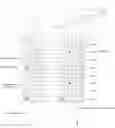
FIG. 1 is a schematic diagram of the weaving process of two side edges of the braid in the present application;
FIG. 2 is a schematic diagram of the tissue form corresponding to the left edge of FIG. 1;
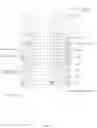
FIG. 3 is a schematic diagram of four fore-and-back trip processes of two side edges of the braid in the present application;
FIG. 4 is a schematic diagram of the first fore-and-back trip of FIG. 3;
FIG. 5 is a schematic diagram of the second fore-and-back trip of FIG. 3;
FIG. 6 is a schematic diagram of the third fore-and-back trip of FIG. 3;
FIG. 7 is a schematic diagram of the fourth fore-and-back trip of FIG. 3;
FIG. 8 is a schematic diagram of the weaving process of two side edges of the braid in the prior art;
FIG. 9 is a schematic diagram of the tissue form corresponding to a single side edge in FIG. 8;
FIG. 10 is a view of the braid in the present application.
In the figures: 1. the weft; 2. the right side yarn.
DETAILED DESCRIPTION OF EMBODIMENTS
In the following, the present application is further described in conjunction with the drawings and detailed embodiments. It should be noted that, on the premise of no conflict, various embodiments or various technical features described below may form new embodiments in any combination.
Referring to FIGS. 1-7, a weaving method for braid edge overlock, to weave two side edges of the braid, herein a single side edge of the braid includes a plurality of warp yarns and at least one weft 1 yarn; the warp yarns alternately move upward and downward, thereby forming upper and lower layers; the weft 1 yarn shuttles left and right between the upper and lower layers of the warp yarns, thereby forming the braid edges by interweaving with the warp yarns; either of the left and right edges of the braid includes at least four warp yarns, referred to as Warp A, B, C, D from left to right; the right edge of the braid is provided with a right side yarn 2. The weaving processes include:
First Fore-and-Back Trip (in Conjunction with FIGS. 3, 4):
The fore trip of the weft 1 at the left edge: Warp A, B, D move downward, the weft 1 shuttles over Warp A, B, D from left to right, and, Warp C moves upward, the weft 1 shuttles under Warp C from left to right and then reach the right edge, and in the fore trip of the weft 1 at the left edge, Warp A and the weft 1 interweave and lock with each other at Warp A (see FIG. 1);
The fore trip of the weft 1 at the right edge: Warp A, B, D move downward, the weft 1 shuttles over Warp A, B, D from left to right, and, Warp C moves upward, the weft 1 shuttles under Warp C from left to right and then lock with the right side yarn 2, and in the fore trip of the weft 1 at the right edge, Warp A and the weft 1 interweave and lock with each other at Warp A (see FIG. 1);
The back trip of the weft 1: the weft 1 returns along the way of the fore trip, and in the process of the weft 1 return, Warp A, B, C, D remain motionless, and the tissue form formed by the first fore-and-back trip is referred to as three-sinking-one-floating (see FIGS. 1, 2).
Second Fore-and-Back Trip (in Conjunction with FIGS. 3, 5):
The fore trip of the weft 1 at the left edge: Warp A, B, C move upward, the weft 1 shuttles under Warp A, B, C from left to right, and, Warp D moves downward, the weft 1 shuttles over Warp D from left to right and then reach the right edge, and in the fore trip of the weft 1 at the left edge, Warp B and the weft 1 interweave and lock with each other at Warp B (see FIG. 1);
The fore trip of the weft 1 at the right edge: Warp A, B, C move upward, the weft 1 shuttles under Warp A, B, C from left to right, and, Warp D moves downward, the weft 1 shuttles over Warp D from left to right and then lock with the right side yarn 2, and in the fore trip of the weft 1 at the right edge, Warp B and the weft 1 interweave and lock with each other at Warp B (see FIG. 1);
The back trip of the weft 1: the weft 1 returns along the way of the fore trip, and in the process of the weft 1 return, Warp A, B, C, D remain motionless, and the tissue form formed by the second fore-and-back trip is referred to as three-floating-one-sinking (see FIGS. 1, 2).
Third Fore-and-Back Trip (in Conjunction with FIGS. 3, 6):
The fore trip of the weft 1 at the left edge: Warp B, C, D move downward, the weft 1 shuttles over Warp B, C, D from left to right, and, Warp A moves upward, the weft 1 shuttles under Warp A from left to right and then reach the right edge, and in the fore trip of the weft 1 at the left edge, Warp C and the weft 1 interweave and lock with each other at Warp C (see FIG. 1);
The fore trip of the weft 1 at the right edge: Warp B, C, D move downward, the weft 1 shuttles over Warp B, C, D from left to right, and, Warp A moves upward, the weft 1 shuttles under Warp A from left to right and then lock with the right side yarn 2, and in the fore trip of the weft 1 at the right edge, Warp C and the weft 1 interweave and lock with each other at Warp C (see FIG. 1);
The back trip of the weft 1: the weft 1 returns along the way of the fore trip, and in the process of the weft 1 return, Warp A, B, C, D remain motionless, and the tissue form formed by the third fore-and-back trip is referred to as three-sinking-one-floating (see FIGS. 1, 2).
Fourth Fore-and-Back Trip (in Conjunction with FIGS. 3, 7):
The fore trip of the weft 1 at the left edge: Warp A, C, D move upward, the weft 1 shuttles under Warp A, C, D from left to right, and, Warp B moves downward, the weft 1 shuttles over Warp B from left to right and then reach the right edge, and in the fore trip of the weft 1 at the left edge, Warp D and the weft 1 interweave and lock with each other at Warp D (see FIG. 1);
The fore trip of the weft 1 at the right edge: Warp A, C, D move upward, the weft 1 shuttles under Warp A, C, D from left to right, and, Warp B moves downward, the weft 1 shuttles over Warp B from left to right and then lock with the right side yarn 2, and in the fore trip of the weft 1 at the right edge, Warp D and the weft 1 interweave and lock with each other at Warp D (see FIG. 1);
The back trip of the weft 1: the weft 1 returns along the way of the fore trip, and in the process of the weft 1 return, Warp A, B, C, D remain motionless, and the tissue form formed by the fourth fore-and-back trip is referred to as three-floating-one-sinking (see FIGS. 1, 2);
Preferably, the said Warp A, B, C, D are a group, each warp yarn is independently controlled to move upward and downward, three of Warp A, B, C, D are required to move in the opposite direction of the other one, thereby forming the upper and lower layers. A group of four warp yarns in each fore-and-back trip have only one warp yarn interweaving and locking with the weft 1 yarn, thereby forming lock sites (see FIG. 1), and the lock sites of respectively four successive fore-and-back trips locate on different warp yarns, each lock site is not at the same position, thereby forming misaligned pair lock of the upper and lower layers.
Preferably, the said structure may arbitrarily select the starting point to form a four-lateral-four-longitudinal structure, but the structure is required to conform to a three-sinking-one-floating or three-floating-one-sinking form. A single side edge of the braid may include five, six, seven or more warp yarns, which may arbitrarily select the starting point to form a four-lateral-four-longitudinal structure, and the structure is required to conform to a three-sinking-one-floating or three-floating-one-sinking form.
In the above-described tissue forms, the lock sites of the structure of two side edges of the braid are shown in FIG. 1, herein the solid points are sinking lock sites and the dotted line points are the floating lock sites. By the above-described tissue forms, the structure of two side edges of the braid enables the sinking and floating of the upper and lower layers misalign properly, forming misaligned positions of warp yarns so as to make the weft 1 yarn weave pair locks.
The above-described pair locks weaved by the weft 1 yarn are able to utilize the tightness of the back trip of the weft to reduce the exposure of the weft at the overlock, thereby forming elastic band with shaggy, fluffy and soft round corners at the left and right sides that are symmetrical and have no difference in shape. Thus, the structures of the left and right edges of the braid form shaggy, fluffy and soft round corners, so as to not scratch when contacting with the skins, and wear more comfortably. FIG. 10 is a view of the braid in the present application.
Finally, it should be noted that: the above embodiments are only used to illustrate the technical solutions of the present application, but not to limit it; in light of the present application, the above embodiments or technical features in different embodiments may be further combined, steps of which may be carried out in any order, and there are many other variations of the different aspects of the present application as described above, which are not provided in detail for the sake of brevity; Although the present application has been described in detail with reference to the foregoing embodiments, it should be understood by those of ordinary skill in the art that: it is still possible to make modifications to the technical solutions described in the foregoing embodiments, or perform equivalent replacements to some the technical features thereof; but these modifications or replacements do not make the essence of the corresponding technical solutions deviate from the scope of the technical solutions of the embodiments in the present application.
Claims
What is claimed is:1. A weaving method for braid edge overlock, to weave two side edges of the braid, herein a single side edge of the braid includes a plurality of warp yarns and at least one weft yarn; the warp yarns alternately move upward and downward, thereby forming upper and lower layers; the weft yarn shuttles left and right between the upper and lower layers of the warp yarns, thereby forming the braid edges by interweaving with the warp yarns; either of the left and right edges of the braid includes at least four warp yarns, referred to as Warp A, B, C, D from left to right; the right edge of the braid is provided with a right side yarn, characterized in that, the weaving processes include:
First fore and back trips:
The fore trip of the weft at the left edge: Warp A, B, D move downward, the weft shuttles over Warp A, B, D from left to right, and, Warp C moves upward, the weft shuttles under Warp C from left to right and then reach the right edge, and in the fore trip of the weft at the left edge, Warp A and the weft interweave and lock with each other at Warp A;
The fore trip of the weft at the right edge: Warp A, B, D move downward, the weft shuttles over Warp A, B, D from left to right, and, Warp C moves upward, the weft shuttles under Warp C from left to right and then lock with the right side yarn, and in the fore trip of the weft at the right edge, Warp A and the weft interweave and lock with each other at Warp A;
The back trip of the weft: the weft returns along the way of the fore trip, and in the process of the weft return, Warp A, B, C, D remain motionless, and the tissue form formed by the first fore-and-back trip is referred to as three-sinking-one-floating;
Second fore-and-back trip:
The fore trip of the weft at the left edge: Warp A, B, C move upward, the weft shuttles under Warp A, B, C from left to right, and, Warp D moves downward, the weft shuttles over Warp D from left to right and then reach the right edge, and in the fore trip of the weft at the left edge, Warp B and the weft interweave and lock with each other at Warp B;
The fore trip of the weft at the right edge: Warp A, B, C move upward, the weft shuttles under Warp A, B, C from left to right, and, Warp D moves downward, the weft shuttles over Warp D from left to right and then lock with the right side yarn, and in the fore trip of the weft at the right edge, Warp B and the weft interweave and lock with each other at Warp B;
The back trip of the weft: the weft returns along the way of the fore trip, and in the process of the weft return, Warp A, B, C, D remain motionless, and the tissue form formed by the second fore-and-back trip is referred to as three-floating-one-sinking;
Third fore-and-back trip:
The fore trip of the weft at the left edge: Warp B, C, D move downward, the weft shuttles over Warp B, C, D from left to right, and, Warp A moves upward, the weft shuttles under Warp A from left to right and then reach the right edge, and in the fore trip of the weft at the left edge, Warp C and the weft interweave and lock with each other at Warp C;
The fore trip of the weft at the right edge: Warp B, C, D move downward, the weft shuttles over Warp B, C, D from left to right, and, Warp A moves upward, the weft shuttles under Warp A from left to right and then lock with the right side yarn, and in the fore trip of the weft at the right edge, Warp C and the weft interweave and lock with each other at Warp C;
The back trip of the weft: the weft returns along the way of the fore trip, and in the process of the weft return, Warp A, B, C, D remain motionless, and the tissue form formed by the third fore-and-back trip is referred to as three-sinking-one-floating;
Fourth fore-and-back trip:
The fore trip of the weft at the left edge: Warp A, C, D move upward, the weft shuttles under Warp A, C, D from left to right, and, Warp B moves downward, the weft shuttles over Warp B from left to right and then reach the right edge, and in the fore trip of the weft at the left edge, Warp D and the weft interweave and lock with each other at Warp D;
The fore trip of the weft at the right edge: Warp A, C, D move upward, the weft shuttles under Warp A, C, D from left to right, and, Warp B moves downward, the weft shuttles over Warp B from left to right and then lock with the right side yarn, and in the fore trip of the weft at the right edge, Warp D and the weft interweave and lock with each other at Warp D;
The back trip of the weft: the weft returns along the way of the fore trip, and in the process of the weft return, Warp A, B, C, D remain motionless, and the tissue form formed by the fourth fore-and-back trip is referred to as three-floating-one-sinking.
2. According to claim 1, the said weaving method for braid edge overlock, characterized in that: the said Warp A, B, C, D are a group, each warp yarn is independently controlled to move upward and downward, three of Warp A, B, C, D are required to move in the opposite direction of the other one, thereby forming the upper and lower layers, a group of four warp yarns in each fore-and-back trip have only one warp yarn interweaving and locking with weft yarn, thereby forming lock sites, and the lock sites of respectively four successive fore-and-back trips locate on different warp yarns, each lock site is not at the same position, thereby forming misaligned pair lock of the upper and lower layers.
3. According to claim 1, the said weaving method for braid edge overlock, characterized in that: the said structure may arbitrarily select the starting point to form a four-lateral-four-longitudinal structure, but the structure is required to conform to a three-sinking-one-floating or three-floating-one-sinking form.
Images & Drawings included:





Sources:
- United States Patent and Trademark Office - verify current appl. status at the USPTO↗
Recent applications in this class:
- » 20250290237 2025-09-18
TEXTILE STRUCTURE, AND MANUFACTURING PROCESS RELATED THERETO - » 20250263870 2025-08-21
NON-SEAMED SHEETING FABRIC HAVING A COOL PORTION AND A WARM PORTION - » 20250257503 2025-08-14
INDUSTRIAL FABRIC - » 20250250724 2025-08-07
HARNESS COMPONENT - » 20250051979 2025-02-13
INDUSTRIAL FABRIC - » 20250034762 2025-01-30
Structuring Fabric Having Long Warp Knuckles - » 20240301596 2024-09-12
TEXTILE FABRIC - » 20240295051 2024-09-05
WEBBING AND RELATED METHODS - » 20240287714 2024-08-29
RIPSTOP MATERIAL AND POOL COVER - » 20240175172 2024-05-30
Industrial fabric