PEPTIDES AND METHODS FOR THE CARBON-CARBON BOND FORMATION
US20220315968A1
2022-10-06
17/638,863
2020-08-29
Abstract:
The present invention relates to methods for the preparation of α-hydroxyacyl compounds, and peptides for the catalyzed formation of α-hydroxyacyl compounds as well as their use in the preparation of α-hydroxyacyl compounds.
Interested in similar patents?
Get notified when new applications in this technology area are published.
Classification:
C12P13/008 » CPC further
Preparation of nitrogen-containing organic compounds containing a N-O bond, e.g. nitro (-NO), nitroso (-NO)
C12Y401/01008 » CPC further
Carbon-carbon lyases (4.1); Carboxy-lyases (4.1.1) Oxalyl-CoA decarboxylase (4.1.1.8)
C12P17/04 » CPC main
Preparation of heterocyclic carbon compounds with only O, N, S, Se or Te as ring hetero atoms; Oxygen as only ring hetero atoms containing a five-membered hetero ring, e.g. griseofulvin, vitamin C
C12P13/00 IPC
Preparation of nitrogen-containing organic compounds
C12P7/42 » CPC further
Preparation of oxygen-containing organic compounds containing a carboxyl group including Peroxycarboxylic acids Hydroxy-carboxylic acids
C12P17/12 » CPC further
Preparation of heterocyclic carbon compounds with only O, N, S, Se or Te as ring hetero atoms; Nitrogen as only ring hetero atom containing a six-membered hetero ring
Description
The present invention relates to methods for the preparation of α-hydroxyacyl compounds, and peptides for the catalyzed formation of α-hydroxyacyl compounds as well as their use in the preparation of α-hydroxyacyl compounds.
BACKGROUND OF THE INVENTION
One of biotechnology's central goals is the synthesis of multicarbon compounds under mild and sustainable conditions from renewable resources. This requires biocatalysts and methods that enable selective C—C bond formation (carboligation) between two carbon units.
Moreover, optically active compounds are useful for optical resolving agents. For example, optically active compounds can be used for optically resolving agents of medical or agriculture supplies such as 2-amino-1-butanol which is a starting material of the antituberculous drug ethambutol, diltiazem hydrochloride which is a coronary vasodilator and tetramizol which is effective as an anthelmintic. Further, optically active compounds can also be used as starting materials or intermediates for the synthesis of optically pure therapeutic agents.
In the international patent application WO 2016/069929 A1, the formation of α-hydroxyacyl-CoA thioester using α-hydroxyacyl-CoA lyase (HACL1) is disclosed, and is thus not directed to aromatic α-hydroxyacyl-CoA or even less to aromatic α-hydroxy carboxylic acids such as mandelic acid or its derivatives. The conversion and even less the yield of the product is not taught. Furthermore, the enantioselectivity of the reaction and the stereochemical information of the stereocenter of the product are not described.
The US patent application US 2003/0119173 A1 refers to the synthesis of mandelic acid derivatives by enzymatic reduction of α-keto acids. It is not described that the reaction can be performed enantioselective.
In the scientific publication Metabolic Engineering Communications 2018, 1-9, the production of hydroxycarboxylic acids, especially mandelic acid starting from a phenylpyruvate is disclosed. For the production, yeast, especially S. cerevisae, is modified with the help of so-called metabolic engineering.
Albeit enantioselective synthesis of (R)-mandelic acid derivatives is well known in the state of the art, the enzymatic enantioselective synthesis of (S)-mandelic acid derivatives is very limited. In the US patent application US 2010/0036150 the synthesis of (S)-mandelic acid derivatives are described, wherein the reaction starts from acetylated α-hydroxy carboxylic acid ester.
Therefore, there is an interest in further synthesis procedure for the preparation of aromatic α-hydroxy carboxylic acids, salts thereof or their esters in particular enantioselective and especially selective for the (S)-configuration.
It is the objective of the present invention to provide methods and peptides for the preparation of aromatic α-hydroxy carboxylic acids, salts thereof or their esters in particular enantioselective, and especially selective for the (S)-enantiomer.
The objective of the present invention is solved by the teaching of the independent claims. Further advantageous features, aspects and details of the invention are evident from the dependent claims, the description, the figures, and the examples of the present application.
BRIEF DESCRIPTION OF THE INVENTION
The objective of the present invention can be solved by a method for the preparation of an α-hydroxyacyl compound of the formula (I′)
wherein R represents
wherein R1, R2, R3, R4, R5, R6, R7, R8, and R9 represent independently of each other —H, —F, —Cl, —Br, —I, -Ph, —OH, —OCH3, —OC2H5, —OC3H7, —OCH(CH3)2, —OC4H9, —OCH(CH3)CH2CH3, —OCH2CH(CH3)2, —OC(CH3)3, —O-cyclo-C3H5, —O-cyclo-C4H7, —O-cyclo-C5H9, —O-cyclo-C6H11, —OPh, —OCH2-Ph, —OCH2CH2-Ph —OCH═CH2, —OCH2—CH═CH2, —OCH2CH2—CH═CH2, —OCF3, —OC2F5, —SCH3, —SC2H5, —SC3H7, —SCH(CH3)2, —SC4H9, —SCH(CH3)CH2CH3, —SCH2CH(CH3)2, —SC(CH3)3, —NO2, —NH2, —NHCH3, —NHC2H5, —NHC3H7, —NH-cyclo-C3H5, —NHCH(CH3)2, —NHC(CH3)3, —N(CH3)2, —N(C2H5)2, —N(C3H7)2, —N(C4H9)2, —N(cyclo-C3H5)2, —N[CH(CH3)2]2, —N[C(CH3)3]2, —CH3, —C2H5, —C3H7, —CH(CH3)2, —C4H9, —CH2—CH(CH3)2, —CH(CH3)—C2H5, —C(CH3)3, —C5H11, —CH(CH3)—C3H7, —CH2—CH(CH3)—C2H5, —CH2—CH2—CH(CH3)2, —CH(CH3)—CH(CH3)—CH3, —C(CH3)2—C2H5, —C6H13, —CH(CH3)—C4H9, —CH2—CH(CH3)—C3H7, —CH2—CH2—CH2—CH(CH3)2, —CH(CH3)—CH(CH3)—C2H5, —C(CH3)2—C3H7, —C7H15, —CH(CH3)—C5H11, —CH2—CH(CH3)—C4H9, —CH2—CH2—CH2—CH2—CH(CH3)2, —C8H17, —C9H19, —C10H21, —CH(CH3)—C3H7, —CH2—CH(CH3)—C2H5, —CH(CH3)—CH(CH3)2, —C(CH3)2—C2H5, —CH2—C(CH3)3, —CH(C2H5)2, —C2H4—CH(CH3)2, —CH2F, —CF2I, —CHF2, —CF3, —CH2I, —CH2Br, —CH2I, —CH2—CH2F, —CH2—CHF2, —CH2—CF3, —CH2—CH2I, —CH2—CH2Br, —CH2—CH2I, —CH═CH2, —CH2—CH═CH2, —C(CH3)═CH2, —CH═CH—CH3, —C2H4—CH═CH2, —C7H15, —C8H17, —CH2—CH═CH—CH3, —CH═CH—C2H5, —CH2—C(CH3)═CH2, —CH(CH3)—CH═CH, —CH═C(CH3)2, —C(CH3)═CH—CH3, —CH═CH—CH═CH2, —C3H6—CH═CH2, —C2H4—CH═CH—CH3, —CH2—CH═CH—C2H5, —CH═CH—C3H7, —CH2—CH═CH—CH═CH2, —CH═CH—CH═CH—CH3, —C≡CH, —C≡C—CH3, —CH2—C≡CH, —C2H4—C≡CH, —CH2—C≡C—CH3, —C≡C—C2H5, —C3H6—C≡CH, —C2H4—C≡C—CH3, —CH2—C≡C—C2H5, —C≡C—C3H7, —CHO, —COCH3, —COC2H5, —COC3H7, —CO-cyclo-C3H5, —COCH(CH3)2, —COC(CH3)3, —COOH, —COOCH3, —COOC2H5, —COOC3H7, —COO-cyclo-C3H5, —COO-cyclo-C4H7, —COO-cyclo-C5H9, —COO-cyclo-C6H11, —COOCH(CH3)2, —COOC(CH3)3, —O—COOCH3, —O—COOC2H5, —O—COOC3H7, —O—COO-cyclo-C3H5, —O—COOCH(CH3)2, —O—COOC(CH3)3, —CONH2, —CONHCH3, —CONHC2H5, —CONHC3H7, —CONH-cyclo-C3H5, —CONH[CH(CH3)2], —CONH[C(CH3)3], —CON(CH3)2, —CON(C2H5)2, —CON(C3H7)2, —CON(cyclo-C3H5)2, —CON [CH(CH3)2]2, —CON[C(CH3)3]2, —NHCOCH3, —NHCOC2H5, —NHCOC3H7, —NHCO-cyclo-C3H5, —NHCO—CH(CH3)2, —NHCO—C(CH3)3, —SOCH3, —SOC2H5, —SOC3H7, —SO-cyclo-C3H5, —SOCH(CH3)2, —SOC(CH3)3, —SO2CH3, —SO2C2H5, —SO2C3H7, —SO2-cyclo-C3H5, —SO2CH(CH3)2, —SO2C(CH3)3, —SO3H, —SO3Na, —SO3K, —SO3CH3, —SO3C2H5, —SO3C3H7, —SO3-cyclo-C3H5, —SO3CH(CH3)2, —SO3C(CH3)3, —SO2NH2, —NHCO—OCH3, —NHCO—OC2H5, —NHCO—OC3H7, —NHCO—O-cyclo-C3H5, —NHCO—OCH(CH3)2, —NHCO—OC(CH3)3, —NH—CO—NH2, —NH—CO—NHCH3, —NH—CO—NHC2H5, —NH—CO—NHC3H7, —NH—CO—NH-cyclo-C3H5, —NH—CO—NH[CH(CH3)2], —NH—CO—NH[C(CH3)3], —NH—CO—N(CH3)2, —NH—CO—N(C2H5)2, —NH—CO—N(C3H7)2, —NH—CO—N(cyclo-C3H5)2, —NH—CO—N[CH(CH3)2]2, —NH—CO—N[C(CH3)3]2, —NH—CS—NH2, —NH—CS—NHCH3, —NH—CS—NHC2H5, —NH—CS—NHC3H7, —NH—CS—N H-cyclo-C3H5, —NH—CS—NH[CH(CH3)2], —NH—CS—NH[C(CH3)3], —NH—CS—N(CH3)2, —NH—CS—N(C2H5)2, —NH—CS—N(C3H7)2, —NH—CS—N(cyclo-C3H5)2, —NH—CS—N[CH(CH3)2]2, —NH—CS—N[C(CH3)3]2, —B(OH)2, —B(OR22),
R11 to R16 represents independently of each other:
—H, —NH2, —OH, —OCH3, —OC2H5, —OC3H7, —OCF3, —CF3, —F, —Cl, —Br, —I, —CH3, —C2H5, —C3H7, —CH(CH3)2, -Ph, or —CN;
R10, R17, R18, R19, R20, and R21 represents independently of each other —H, —CH3, —C2H5, —C3H7, —CH(CH3)2, —C4H9, —CH2—CH(CH3)2, —CH(CH3)—C2H5, —C(CH3)3, —C5H11, —CH(CH3)—C3H7, —CH2—CH(CH3)—C2H5, —CH(CH3)—CH(CH3)2, —C(CH3)2—C2H5, —CH2—C(CH3)3, —CH(C2H5)2, —C2H4—CH(CH3)2, CH2—CH2F, —CH2—CHF2, —CH2—CF3, —CH═CH2, —CH2—CH═CH2, —C(CH3)═CH2, —CH═CH—CH3, —C2H4—CH═CH2, —C7H15, —C8H17, —CH2—CH═CH—CH3, —CH═CH—C2H5, —CH2—C(CH3)═CH2, —CH(CH3)—CH═CH, —CH═C(CH3)2, —C(CH3)═CH—CH3, —CH═CH—CH═CH2, —C3H6—CH═CH2, —C2H4—CH═CH—CH3, —CH2—CH═CH—C2H5, —CH═CH—C3H7, —CH2—CH═CH—CH═CH2, —CH═CH—CH═CH—CH3, —C≡CH, —C≡C—CH3, —CH2—C≡CH, —C2H4—C≡CH, —CH2—C≡C—CH3, —C≡C—C2H5, —C3H6—C≡CH, —C2H4—C≡C—CH3, —CH2—C≡C—C2H5, —C≡C—C3H7, -cyclo-C3H5, -cyclo-C4H7, -cyclo-C5H9, -cyclo-C6H11, —CHO, —COCH3, —COC2H5, —COC3H7, —CO-cyclo-C3H5, —COCH(CH3)2, —COC(CH3)3, —COOH, —COOCH3, —COOC2H5, —COOC3H7, —COO-cyclo-C3H5, —COOCH(CH3)2, —COOC(CH3)3, —CONH2, —CONHCH3, —CONHC2H5, —CONHC3H7, —CONH-cyclo-C3H5, —CONH[CH(CH3)2], —CONH[C(CH3)3], —CON(CH3)2, —CON(C2H5)2, —CON(C3H7)2, —CON(cyclo-C3H5)2, —CON[CH(CH3)2]2, —CON[C(CH3)3]2, preferably R21 cannot be —H;
R22 represents —CH3, —C2H5, —C3H7, —CH(CH3)2, —C4H9, —CH2—CH(CH3)2, —CH(CH3)—C2H5, —C(CH3)3, —C5H11, —CH(CH3)—C3H7, —CH2—CH(CH3)—C2H5, —CH(CH3)—CH(CH3)2, —C(CH3)2—C2H5, —CH2—C(CH3)3, —CH(C2H5)2, —C2H4—CH(CH3)2, CH2—CH2F, —CH2—CHF2, —CH2—CF3, —CH═CH2, —CH2—CH═CH2, —C(CH3)═CH2, —CH═CH—CH3, —C2H4—CH═CH2, —C7H15, —C8H17, —CH2—CH═CH—CH3, —CH═CH—C2H5, —CH2—C(CH3)═CH2, —CH(CH3)—CH═CH, —CH═C(CH3)2, —C(CH3)═CH—CH3, —CH═CH—CH═CH2, —C3H6—CH═CH2, —C2H4—CH═CH—CH3, —CH2—CH═CH—C2H5, —CH═CH—C3H7, —CH2—CH═CH—CH═CH2, —CH═CH—CH═CH—CH3, —C≡CH, —C≡C—CH3, —CH2—C≡CH, —C2H4—C≡CH, —CH2—C≡C—CH3, —C≡C—C2H5, —C3H6—C≡CH, —C2H4—C≡C—CH3, —CH2—C≡C—C2H5, —C≡C—C3H7, -cyclo-C3H5,
X represents —OH, —O− or —SCoA,
wherein n is an integer 1, 2, or 3; or a salt thereof,
comprising or consisting of:
-
- A) providing a compound R—CHO (1) and an acyl-CoA (2)
-
-
- wherein Y represents —H, or —COO−,
- in a buffer solution with a pH-value in the range of 5.0 to 7.5, optionally together with at least one co-solvent;
- B) performing a coupling reaction of R—CHO (1) and acyl-CoA (2) by an oxalyl-CoA decarboxylase (3a) in the presence of thiamine diphosphate (3b) and a magnesium (II) cation to obtain the α-hydroxyacyl-CoA thioester (I′)
-
-
-
- wherein X represents —S—CoA,
- and the oxalyl-CoA decarboxylase (3a) is a peptide encoded by a gene selected from Methylobacterium extorquens or a mutant thereof; and optionally comprising the additional step C)
- C) cleaving the coenzyme A moiety of said α-hydroxyacyl-CoA thioester (I′) by a hydrolase, α-hydroxyacyl-CoA:oxalate CoA-transferase and/or α-hydroxyacyl-CoA:formate CoA-transferase to obtain the compound of the formula (I′) or a salt thereof
-
-
-
- wherein X represents —OH or O−,
- and the hydrolase is acyl-CoA thioester hydrolase YciA (4) encoded by a gene selected from E. coli.
-
An embodiment of the present invention is directed to a method for the preparation of an α-hydroxyacyl compound of the formula (I′)
wherein R represents
wherein R1, R2, R3, R4, R5, R6, R7, R8, and R9 represent independently of each other —H, —F, —Cl, —Br, —I, -Ph, —OH, —OCH3, —OC2H5, —OC3H7, —OCH(CH3)2, —OC4H9, —OCH(CH3)CH2CH3, —OCH2CH(CH3)2, —OC(CH3)3, —O-cyclo-C3H5, —O-cyclo-C4H7, —O-cyclo-C5H9, —O-cyclo-C6H11, —OPh, —OCH2-Ph, —OCH2CH2-Ph —OCH═CH2, —OCH2—CH═CH2, —OCH2CH2—CH═CH2, —OCF3, —OC2F5, —SCH3, —SC2H5, —SC3H7, —SCH(CH3)2, —SC4H9, —SCH(CH3)CH2CH3, —SCH2CH(CH3)2, —SC(CH3)3, —NO2, —NH2, —NHCH3, —NHC2H5, —NHC3H7, —NH-cyclo-C3H5, —NHCH(CH3)2, —NHC(CH3)3, —N(CH3)2, —N(C2H5)2, —N(C3H7)2, —N(C4H9)2, —N(cyclo-C3H5)2, —N[CH(CH3)2]2, —N[C(CH3)3]2, —CH3, —C2H5, —C3H7, —CH(CH3)2, —C4H9, —CH2—CH(CH3)2, —CH(CH3)—C2H5, —C(CH3)3, —C5H11, —CH(CH3)—C3H7, —CH2—CH(CH3)—C2H5, —CH2—CH2—CH(CH3)2, —CH(CH3)—CH(CH3)—CH3, —C(CH3)2—C2H5, —C6H13, —CH(CH3)—C4H9, —CH2—CH(CH3)—C3H7, —CH2—CH2—CH2—CH(CH3)2, —CH(CH3)—CH(CH3)—C2H5, —C(CH3)2—C3H7, —C7H15, —CH(CH3)—C5H11, —CH2—CH(CH3)—C4H9, —CH2—CH2—CH2—CH2—CH(CH3)2, —C8H17, —C9H19, —C10H21, —CH(CH3)—C3H7, —CH2—CH(CH3)—C2H5, —CH(CH3)—CH(CH3)2, —C(CH3)2—C2H5, —CH2—C(CH3)3, —CH(C2H5)2, —C2H4—CH(CH3)2, —CH2F, —CF2I, —CHF2, —CF3, —CH2I, —CH2Br, —CH2I, —CH2—CH2F, —CH2—CHF2, —CH2—CF3, —CH2—CH2I, —CH2—CH2Br, —CH2—CH2I, —CH═CH2, —CH2—CH═CH2, —C(CH3)═CH2, —CH═CH—CH3, —C2H4—CH═CH2, —C7H15, —C8H17, —CH2—CH═CH—CH3, —CH═CH—C2H5, —CH2—C(CH3)═CH2, —CH(CH3)—CH═CH, —CH═C(CH3)2, —C(CH3)═CH—CH3, —CH═CH—CH═CH2, —C3H6—CH═CH2, —C2H4—CH═CH—CH3, —CH2—CH═CH—C2H5, —CH═CH—C3H7, —CH2—CH═CH—CH═CH2, —CH═CH—CH═CH—CH3, —C≡CH, —C≡C—CH3, —CH2—C≡CH, —C2H4—C≡CH, —CH2—C≡C—CH3, —C≡C—C2H5, —C3H6—C≡CH, —C2H4—C≡C—CH3, —CH2—C≡C—C2H5, —C≡C—C3H7, —CHO, —COCH3, —COC2H5, —COC3H7, —CO-cyclo-C3H5, —COCH(CH3)2, —COC(CH3)3, —COOH, —COOCH3, —COOC2H5, —COOC3H7, —COO-cyclo-C3H5, —COO-cyclo-C4H7, —COO-cyclo-C5H9, —COO-cyclo-C6H11, —COOCH(CH3)2, —COOC(CH3)3, —O—COOCH3, —O—COOC2H5, —O—COOC3H7, —O—COO-cyclo-C3H5, —O—COOCH(CH3)2, —O—COOC(CH3)3, —CONH2, —CONHCH3, —CONHC2H5, —CONHC3H7, —CONH-cyclo-C3H5, —CONH[CH(CH3)2], —CONH[C(CH3)3], —CON(CH3)2, —CON(C2H5)2, —CON(C3H7)2, —CON(cyclo-C3H5)2, —CON[CH(CH3)2]2, —CON[C(CH3)3]2, —NHCOCH3, —NHCOC2H5, —NHCOC3H7, —NHCO-cyclo-C3H5, —NHCO—CH(CH3)2, —NHCO—C(CH3)3, —SOCH3, —SOC2H5, —SOC3H7, —SO-cyclo-C3H5, —SOCH(CH3)2, —SOC(CH3)3, —SO2CH3, —SO2C2H5, —SO2C3H7, —SO2-cyclo-C3H5, —SO2CH(CH3)2, —SO2C(CH3)3, —SO3H, —SO3CH3, —SO3C2H5, —SO3C3H7, —SO3-cyclo-C3H5, —SO3CH(CH3)2, —SO3C(CH3)3, —SO2NH2, —NHCO—OCH3, —NHCO—OC2H5, —NHCO—OC3H7, —NHCO—O-cyclo-C3H5, —NHCO—OCH(CH3)2, —NHCO—OC(CH3)3, —NH—CO—NH2, —NH—CO—NHCH3, —NH—CO—NHC2H5, —NH—CO—NHC3H7, —NH—CO—NH-cyclo-C3H5, —NH—CO—NH[CH(CH3)2], —NH—CO—NH[C(CH3)3], —NH—CO—N(CH3)2, —NH—CO—N(C2H5)2, —NH—CO—N(C3H7)2, —NH—CO—N(cyclo-C3H5)2, —NH—CO—N[CH(CH3)2]2, —NH—CO—N[C(CH3)3]2, —NH—CS—NH2, —NH—CS—NHCH3, —NH—CS—NHC2H5, —NH—CS—NHC3H7, —NH—CS—NH-cyclo-C3H5, —NH—CS—NH[CH(CH3)2], —NH—CS—NH[C(CH3)3], —NH—CS—N(CH3)2, —NH—CS—N(C2H5)2, —NH—CS—N(C3H7)2, —NH—CS—N(cyclo-C3H5)2, —NH—CS—N[CH(CH3)2]2, —NH—CS—N[C(CH3)3]2,
R11 to R16 represents independently of each other:
—H, —NH2, —OH, —OCH3, —OC2H5, —OC3H7, —OCF3, —CF3, —F, —Cl, —Br, —I, —CH3, —C2H5, —C3H7, —CH(CH3)2, -Ph, or —CN;
R10, R17, R18, R19, R20, and R21 represents independently of each other —H, —CH3, —C2H5, —C3H7, —CH(CH3)2, —C4H9, —CH2—CH(CH3)2, —CH(CH3)—C2H5, —C(CH3)3, —C5H11, —CH(CH3)—C3H7, —CH2—CH(CH3)—C2H5, —CH(CH3)—CH(CH3)2, —C(CH3)2—C2H5, —CH2—C(CH3)3, —CH(C2H5)2, —C2H4—CH(CH3)2, CH2—CH2F, —CH2—CHF2, —CH2—CF3, —CH═CH2, —CH2—CH═CH2, —C(CH3)═CH2, —CH═CH—CH3, —C2H4—CH═CH2, —C7H15, —C8H17, —CH2—CH═CH—CH3, —CH═CH—C2H5, —CH2—C(CH3)═CH2, —CH(CH3)—CH═CH, —CH═C(CH3)2, —C(CH3)═CH—CH3, —CH═CH—CH═CH2, —C3H6—CH═CH2, —C2H4—CH═CH—CH3, —CH2—CH═CH—C2H5, —CH═CH—C3H7, —CH2—CH═CH—CH═CH2, —CH═CH—CH═CH—CH3, —C≡CH, —C≡C—CH3, —CH2—C≡CH, —C2H4—C≡CH, —CH2—C≡C—CH3, —C≡C—C2H5, —C3H6—C≡CH, —C2H4—C≡C—CH3, —CH2—C≡C—C2H5, —C≡C—C3H7, —CHO, —COCH3, —COC2H5, —COC3H7, —CO-cyclo-C3H5, —COCH(CH3)2, —COC(CH3)3, —COOH, —COOCH3, —COOC2H5, —COOC3H7, —COO-cyclo-C3H5, —COOCH(CH3)2, —COOC(CH3)3, —CONH2, —CONHCH3, —CONHC2H5, —CONHC3H7, —CONH-cyclo-C3H5, —CONH[CH(CH3)2], —CONH[C(CH3)3], —CON(CH3)2, —CON(C2H5)2, —CON(C3H7)2, —CON(cyclo-C3H5)2, —CON[CH(CH3)2]2, —CON[C(CH3)3]2, preferably R21 cannot be —H,
X represents —OH, —O− or —SCoA,
wherein n is an integer 1, 2, or 3; or a salt thereof,
comprising or consisting of:
-
- A) providing a compound R—CHO (1) and an acyl-CoA (2)
-
-
- wherein Y represents —H, or —COO−,
- in a buffer solution with a pH-value in the range of 5.0 to 7.5, optionally together with at least one co-solvent;
- B) performing a coupling reaction of R—CHO (1) and acyl-CoA (2) by an oxalyl-CoA decarboxylase (3a) in the presence of thiamine diphosphate (3b) and a magnesium (II) cation to obtain the α-hydroxyacyl-CoA thioester (I′)
-
-
-
- wherein X represents —S—CoA,
- and the oxalyl-CoA decarboxylase (3a) is a peptide encoded by a gene selected from Methylobacterium extorquens or a mutant thereof; and optionally comprising the additional step C)
- C) cleaving the coenzyme A moiety of said α-hydroxyacyl-CoA thioester (I′) by a hydrolase, α-hydroxyacyl-CoA:oxalate CoA-transferase and/or α-hydroxyacyl-CoA:formate CoA-transferase to obtain the compound of the formula (I′) or a salt thereof
-
-
-
- wherein X represents —OH or O−,
- and the hydrolase is acyl-CoA thioester hydrolase YciA (4) encoded by a gene selected from E. coli.
-
An example for the carbon-carbon-bond formation is depicted in FIGS. 1 and 2.
The use of oxalyl-CoA decarboxylase from Methylobacterium extorquens or a mutant thereof (3a) were not known in the state of the art. Remarkably, the oxalyl-CoA decarboxylase is normally used for the carbon-carbon-bond cleavage. In particular, the oxalyl-CoA decarboxylase from Methylobacterium extorquens exhibits a high activity towards aromatic aldehydes in comparison to aliphatic aldehydes (example 7, and table 4).
Methylobacterium extorquens is also known as Methylorubrum extorquens.
A further aspect of the present invention is related to the use of peptide OXCMe encoded by a gene from Methylobacterium extorquens or mutant thereof for the carbon-carbon-bond formation in particular for the synthesis of an α-hydroxy carboxylic acid, salts thereof or an α-hydroxyacyl-CoA thioester.
In addition, it could be shown that the α-hydroxyacyl-CoA thioester formed can be hydrolyzed by a hydrolase YciA from E. coli (4) to yield an α-hydroxy carboxylic acid, or its salts. The process can be carried out either in subsequent manner or in one pot.
Surprisingly, the hydrolase YciA from E. coli is selective for aromatic α-hydroxyacyl-CoA thioester, i.e. the hydrolysis of oxalyl-CoA or formyl-CoA is slower than for α-hydroxyacyl-CoA thioester.
A further aspect of the present invention is related to the use of a composition comprising a peptide oxalyl-CoA decarboxylase OXCMe encoded by a gene from Methylobacterium extorquens or a mutant thereof for the preparation of an α-hydroxy carboxylic acid, salt thereof or α-hydroxyacyl-CoA thioester starting from oxalyl-CoA and an aldehyde.
DESCRIPTION OF THE INVENTION
“Aromatic aldehydes”, as used herein, refer to a compound of the formula (I), (I′), (II), (II″), (3), (3′), wherein the substituent R is an aromatic substituent including benzyl, homo-benzyl and bis-homo-benzyl substituents.
“Aliphatic aldehydes”, as used herein, refer to a compound of (I), (I′), (II), (II″), (3), (3′), wherein the substituent R is an aliphatic substituent.
The substituent —SCoA as used herein refers to the coenzyme, and not to the disulfide. The sulphur is depicted in order to emphasize the position where it bonds.
The stereochemistry of formula (I), formula (II) and formula (3) as depicted in the following refers to an enantiomeric excess of the depicted enantiomer.
Thus, the compounds can also be a mixture of enantiomers but with an excess of the depicted enantiomer.
It could be shown that the enantiomer having the (S)-configuration can be prepared in an enantiomeric excess. Thus, the methods according to the invention preferably lead to α-hydroxyacyl compound of the formula (I)
Thus, an embodiment of the invention is related to a method for preparation of the compounds according to a method described herein represented by formula (I)
The methods according to the invention are preferably used to prepare an α-hydroxyacyl compound of the formula (I) with an enantiomeric excess of the (S)-enantiomer.
More preferably the method according to the invention is used to prepare a compound of the formula (I), wherein the compound can be mixture of the enantiomers, and wherein the (S)-enantiomer is present in an enantiomeric excess. Preferably, the enantiomeric excess (ee) is at least 5%, preferably 10%, more preferably 15%, more preferably 20%, more preferably 25%, more preferably 30%, more preferably 35%, more preferably 40%, more preferably 45%, more preferably 50%, more preferably 55%, more preferably 60%, more preferably 65%, more preferably 65%, more preferably 70%, more preferably 75%, more preferably 80%, more preferably 85%, more preferably 90%, more preferably 91%, more preferably 92%, more preferably 93%, more preferably 94%, more preferably % 95%, more preferably 96%, more preferably 97%, more preferably 98%, and most preferably 99%.
Moreover, the methods according to the invention preferably lead to α-hydroxyacyl compound of the formula (3)
The methods according to the invention are preferably used to prepare an α-hydroxyacyl compound of the formula (I) with an enantiomeric excess of the (S)-enantiomer.
More preferably the method according to the invention is used to prepare a compound of the formula (3), wherein the compound can be mixture of the enantiomers, and wherein the (S)-enantiomer is present in an enantiomeric excess. Preferably, the enantiomeric excess (ee) is at least 5%, preferably 10%, more preferably 15%, more preferably 20%, more preferably 25%, more preferably 30%, more preferably 35%, more preferably 40%, more preferably 45%, more preferably 50%, more preferably 55%, more preferably 60%, more preferably 65%, more preferably 65%, more preferably 70%, more preferably 75%, more preferably 80%, more preferably 85%, more preferably 90%, more preferably 91%, more preferably 92%, more preferably 93%, more preferably 94%, more preferably % 95%, more preferably 96%, more preferably 97%, more preferably 98%, and most preferably 99%.
Moreover, the methods according to the invention preferably lead to α-hydroxyacyl compound of the formula (II)
The methods according to the invention are preferably used to prepare an α-hydroxyacyl compound of the formula (II) with an enantiomeric excess of the (S)-enantiomer
More preferably the method according to the invention is used to prepare a compound of the formula (II), wherein the compound can be mixture of the enantiomers, and wherein the (S)-enantiomer is present in an enantiomeric excess. Preferably, the enantiomeric excess (ee) is at least 5%, preferably 10%, more preferably 15%, more preferably 20%, more preferably 25%, more preferably 30%, more preferably 35%, more preferably 40%, more preferably 45%, more preferably 50%, more preferably 55%, more preferably 60%, more preferably 65%, more preferably 65%, more preferably 70%, more preferably 75%, more preferably 80%, more preferably 85%, more preferably 90%, more preferably 91%, more preferably 92%, more preferably 93%, more preferably 94%, more preferably % 95%, more preferably 96%, more preferably 97%, more preferably 98%, and most preferably 99%.
Therefore, an embodiment according to the invention is related to a method for the preparation of an α-hydroxyacyl compound of the formula (I)
comprising:
-
- A) providing a compound R—CHO (1) and an acyl-CoA (2)
-
-
- wherein Y represents —H, or —COO−,
- in a buffer solution with a pH-value in the range of 5.0 to 7.5 optionally together with at least one co-solvent;
- B) performing a coupling reaction of R—CHO (1) and acyl-CoA (2) by an oxalyl-CoA decarboxylase (3a) in the presence of thiamine diphosphate (3b) and a magnesium (II) cation to obtain the (S)-α-hydroxyacyl-CoA thioester (I)
-
-
-
- wherein X represents —S—CoA,
- and the oxalyl-CoA decarboxylase (3a) is a peptide encoded by a gene selected from Methylobacterium extorquens or a mutant thereof; and optionally comprising the additional step C)
- C) cleaving the coenzyme A moiety of said (S)-α-hydroxyacyl-CoA thioester (I) by a hydrolase, α-hydroxyacyl-CoA:oxalate CoA-transferase and/or α-hydroxyacyl-CoA:formate CoA-transferase to obtain the compound of the formula (I) or a salt thereof
-
-
-
- wherein X represents —OH or O−,
- and the hydrolase is acyl-CoA thioester hydrolase YciA (4) encoded by a gene selected from E. coli.
-
The peptide in a method according to the invention is preferably used in its isolated form, i.e. the peptide is isolated from the microbe or it is not contained in a microbe.
Herein, the first time the enantioselective carbon-carbon-formation of an α-hydroxyacyl compound according to formula (I), formula (II) or formula (3) by means of an oxalyl-CoA decarboxylase could be shown. In particular, the conditions are suitable for the synthesis of the (S)-enantiomer (example 14, table 5).
It could be shown that the synthesis of α-hydroxyacyl-CoA thioester is faster when oxalyl-CoA thioester is provided as a C1-unit source (see FIG. 14). Thus, in step A) of a method according to the invention acyl-CoA (2) being provided is preferably an oxalyl-CoA (2′).
Thus, an embodiment of the invention is related to a method for the preparation of the compounds according to a method described herein represented by formula (I′)
and wherein in step A) an acyl-CoA (2) is provided
wherein Y represents —COO−.
A further embodiment of the invention is related to a method for the preparation of the compounds according to a method described herein represented by formula (I)
and wherein in step A) an acyl-CoA (2) is provided
wherein Y represents —COO−.
The oxally-CoA according to formula (2)
wherein Y represents —COO− is also represented by formula (2′)
The α-hydroxyacyl-CoA thioester according to formula (I′)
wherein X represents —S—CoA is also represented by formula (3′)
A compound according to formula (I′)
wherein X represents —OH or O− is also represented by formula (II′)
The (S)-α-hydroxyacyl-CoA thioester according to formula (I)
wherein X represents —S—CoA is also represented by formula (3)
A compound according to formula (I)
wherein X represents —OH or O− is also represented by formula (II)
Thus, an embodiment of the invention is directed to a method for preparation of a compound of the formula (I′)
comprising:
-
- A) providing a compound R—CHO (1) and an oxalyl-CoA (2′)
-
-
- in a buffer solution with a pH-value in the range of 5.0 to 7.5, optionally together with at least one co-solvent;
- B) performing a coupling reaction of R—CHO (1) and oxalyl-CoA (2′) by an oxalyl-CoA decarboxylase (3a) in the presence of thiamine diphosphate (3b) and a magnesium (II) cation to obtain the α-hydroxyacyl-CoA thioester (3′)
-
-
-
- wherein the oxalyl-CoA decarboxylase (3a) is a peptide encoded by a gene selected from Methylobacterium extorquens or a mutant thereof; and optionally comprising the additional step C)
- C) cleaving the coenzyme A moiety of said α-hydroxyacyl-CoA thioester (3′) by a hydrolase, α-hydroxyacyl-CoA:oxalate CoA-transferase, and/or α-hydroxyacyl-CoA:formate CoA-transferase to obtain the compound of the formula (II′) or a salt thereof
-
-
-
- wherein the hydrolase is acyl-CoA thioester hydrolase YciA (4) encoded by a gene selected from E. coli.
-
Further, an embodiment of the invention is directed to a method for preparation of a compound of the formula (I)
comprising:
-
- A) providing a compound R—CHO (1) and an oxalyl-CoA (2)
-
-
- wherein Y represents —COO−;
- in a buffer solution with a pH-value in the range of 5.0 to 7.5, and optionally together with at least one co-solvent;
- B) performing a coupling reaction of R—CHO (1) and oxalyl-CoA (2) by an oxalyl-CoA decarboxylase (3a) in the presence of thiamine diphosphate (3b) and a magnesium (II) cation to obtain the (S)-α-hydroxyacyl-CoA thioester (I)
-
wherein X represents —S—CoA, and the oxalyl-CoA decarboxylase (3a) is a peptide encoded by a gene selected from Methylobacterium extorquens or a mutant thereof; and optionally comprising the additional step C)
-
- C) cleaving the coenzyme A moiety of said (S)-α-hydroxyacyl-CoA thioester (3) by a hydrolase, α-hydroxyacyl-CoA:oxalate CoA-transferase and/or α-hydroxyacyl-CoA:formate CoA-transferase to obtain the compound of the formula (I) or a salt thereof
-
-
- wherein X represents —OH or O−, and the hydrolase is acyl-CoA thioester hydrolase YciA (4) encoded by a gene selected from E. coli.
-
The method according to the invention is preferably used to synthesis a compound of the formula (II′)
and preferably a compound according to formula (II)
Thus, a preferred embodiment of the present invention is related to a method for preparation of a compound of the formula (II′)
comprising:
-
- A) providing a compound R—CHO (1) and an oxalyl-CoA (2′)
-
-
- in a buffer solution with a pH-value in the range of 5.0 to 7.5 optionally together with at least one co-solvent;
- B) performing a coupling reaction of R—CHO (1) and oxalyl-CoA (2′) by an oxalyl-CoA decarboxylase (3a) in the presence of thiamine diphosphate (3b) and a magnesium (II) cation to obtain the α-hydroxyacyl-CoA thioester (3′)
-
-
-
- wherein the oxalyl-CoA decarboxylase (3a) is a peptide encoded by a gene selected from Methylobacterium extorquens or a mutant thereof; and
- C) cleaving the coenzyme A moiety of said α-hydroxyacyl-CoA thioester (3′) by a hydrolase, α-hydroxyacyl-CoA:oxalate CoA-transferase and/or α-hydroxyacyl-CoA:formate CoA-transferase to obtain the compound of the formula (II′) or a salt thereof
-
-
-
- wherein the hydrolase is acyl-CoA thioester hydrolase YciA (4) encoded by a gene selected from E. coli.
-
A more preferred embodiment of the present invention is related to a method for preparation of a compound of the formula (II)
wherein R represents
wherein R1, R2, R3, R4, R5, R6, R7, R8, and R9 represent independently of each other —H, —F, —Cl, —Br, —I, -Ph, —OH, —OCH3, —OC2H5, —OC3H7, —OCH(CH3)2, —OC4H9, —OCH(CH3)CH2CH3, —OCH2CH(CH3)2, —OC(CH3)3, —O-cyclo-C3H5, —O-cyclo-C4H7, —O-cyclo-C5H9, —O-cyclo-C6H11, —OPh, —OCH2-Ph, —OCH2CH2-Ph —OCH═CH2, —OCH2—CH═CH2, —OCH2CH2—CH═CH2, —OCF3, —OC2F5, —SCH3, —SC2H5, —SC3H7, —SCH(CH3)2, —SC4H9, —SCH(CH3)CH2CH3, —SCH2CH(CH3)2, —SC(CH3)3, —NO2, —NH2, —NHCH3, —NHC2H5, —NHC3H7, —NH-cyclo-C3H5, —NHCH(CH3)2, —NHC(CH3)3, —N(CH3)2, —N(C2H5)2, —N(C3H7)2, —N(C4H9)2, —N(cyclo-C3H5)2, —N[CH(CH3)2]2, —N[C(CH3)3]2, —CH3, —C2H5, —C3H7, —CH(CH3)2, —C4H9, —CH2—CH(CH3)2, —CH(CH3)—C2H5, —C(CH3)3, —C5H11, —CH(CH3)—C3H7, —CH2—CH(CH3)—C2H5, —CH2—CH2—CH(CH3)2, —CH(CH3)—CH(CH3)—CH3, —C(CH3)2—C2H5, —C6H13, —CH(CH3)—C4H9, —CH2—CH(CH3)—C3H7, —CH2—CH2—CH2—CH(CH3)2, —CH(CH3)—CH(CH3)—C2H5, —C(CH3)2—C3H7, —C7H15, —CH(CH3)—C5H11, —CH2—CH(CH3)—C4H9, —CH2—CH2—CH2—CH2—CH(CH3)2, —C8H17, —C9H19, —C10H21, —CH(CH3)—C3H7, —CH2—CH(CH3)—C2H5, —CH(CH3)—CH(CH3)2, —C(CH3)2—C2H5, —CH2—C(CH3)3, —CH(C2H5)2, —C2H4—CH(CH3)2, —CH2F, —CF2I, —CHF2, —CF3, —CH2I, —CH2Br, —CH2I, —CH2—CH2F, —CH2—CHF2, —CH2—CF3, —CH2—CH2I, —CH2—CH2Br, —CH2—CH2I, —CH═CH2, —CH2—CH═CH2, —C(CH3)═CH2, —CH═CH—CH3, —C2H4—CH═CH2, —C7H15, —C8H17, —CH2—CH═CH—CH3, —CH═CH—C2H5, —CH2—C(CH3)═CH2, —CH(CH3)—CH═CH, —CH═C(CH3)2, —C(CH3)═CH—CH3, —CH═CH—CH═CH2, —C3H6—CH═CH2, —C2H4—CH═CH—CH3, —CH2—CH═CH—C2H5, —CH═CH—C3H7, —CH2—CH═CH—CH═CH2, —CH═CH—CH═CH—CH3, —C≡CH, —C≡C—CH3, —CH2—C≡CH, —C2H4—C≡CH, —CH2—C≡C—CH3, —C≡C—C2H5, —C3H6—C≡CH, —C2H4—C≡C—CH3, —CH2—C≡C—C2H5, —C≡C—C3H7, —CHO, —COCH3, —COC2H5, —COC3H7, —CO-cyclo-C3H5, —COCH(CH3)2, —COC(CH3)3, —COOH, —COOCH3, —COOC2H5, —COOC3H7, —COO-cyclo-C3H5, —COO-cyclo-C4H7, —COO-cyclo-C5H9, —COO-cyclo-C6H11, —COOCH(CH3)2, —COOC(CH3)3, —O—COOCH3, —O—COOC2H5, —O—COOC3H7, —O—COO-cyclo-C3H5, —O—COOCH(CH3)2, —O—COOC(CH3)3, —CONH2, —CONHCH3, —CONHC2H5, —CONHC3H7, —CONH-cyclo-C3H5, —CONH[CH(CH3)2], —CONH[C(CH3)3], —CON(CH3)2, —CON(C2H5)2, —CON(C3H7)2, —CON(cyclo-C3H5)2, —CON[CH(CH3)2]2, —CON[C(CH3)3]2, —NHCOCH3, —NHCOC2H5, —NHCOC3H7, —NHCO-cyclo-C3H5, —NHCO—CH(CH3)2, —NHCO—C(CH3)3, —SOCH3, —SOC2H5, —SOC3H7, —SO-cyclo-C3H5, —SOCH(CH3)2, —SOC(CH3)3, —SO2CH3, —SO2C2H5, —SO2C3H7, —SO2-cyclo-C3H5, —SO2CH(CH3)2, —SO2C(CH3)3, —SO3H, —SO3Na, —SO3K, —SO3CH3, —SO3C2H5, —SO3C3H7, —SO3-cyclo-C3H5, —SO3CH(CH3)2, —SO3C(CH3)3, —SO2NH2, —NHCO—OCH3, —NHCO—OC2H5, —NHCO—OC3H7, —NHCO—O-cyclo-C3H5, —NHCO—OCH(CH3)2, —NHCO—OC(CH3)3, —NH—CO—NH2, —NH—CO—NHCH3, —NH—CO—NHC2H5, —NH—CO—NHC3H7, —NH—CO—NH-cyclo-C3H5, —NH—CO—NH[CH(CH3)2], —NH—CO—NH[C(CH3)3], —NH—CO—N(CH3)2, —NH—CO—N(C2H5)2, —NH—CO—N(C3H7)2, —NH—CO—N(cyclo-C3H5)2, —NH—CO—N[CH(CH3)2]2, —NH—CO—N[C(CH3)3]2, —NH—CS—NH2, —NH—CS—NHCH3, —NH—CS—NHC2H5, —NH—CS—NHC3H7, —NH—CS—NH-cyclo-C3H5, —NH—CS—NH[CH(CH3)2], —NH—CS—NH[C(CH3)3], —NH—CS—N(CH3)2, —NH—CS—N(C2H5)2, —NH—CS—N(C3H7)2, —NH—CS—N(cyclo-C3H5)2, —NH—CS—N[CH(CH3)2]2, —NH—CS—N[C(CH3)3]2, —B(OH)2, —B(OR22),
R11 to R16 represents independently of each other:
—H, —NH2, —OH, —OCH3, —OC2H5, —OC3H7, —OCF3, —CF3, —F, —Cl, —Br, —I, —CH3, —C2H5, —C3H7, —CH(CH3)2, -Ph, or —CN;
R10, R17, R18, R19, R20, and R21 represents independently of each other —H, —CH3, —C2H5, —C3H7, —CH(CH3)2, —C4H9, —CH2—CH(CH3)2, —CH(CH3)—C2H5, —C(CH3)3, —C5H11, —CH(CH3)—C3H7, —CH2—CH(CH3)—C2H5, —CH(CH3)—CH(CH3)2, —C(CH3)2—C2H5, —CH2—C(CH3)3, —CH(C2H5)2, —C2H4—CH(CH3)2, CH2—CH2F, —CH2—CHF2, —CH2—CF3, —CH═CH2, —CH2—CH═CH2, —C(CH3)═CH2, —CH═CH—CH3, —C2H4—CH═CH2, —C7H15, —C8H17, —CH2—CH═CH—CH3, —CH═CH—C2H5, —CH2—C(CH3)═CH2, —CH(CH3)—CH═CH, —CH═C(CH3)2, —C(CH3)═CH—CH3, —CH═CH—CH═CH2, —C3H6—CH═CH2, —C2H4—CH═CH—CH3, —CH2—CH═CH—C2H5, —CH═CH—C3H7, -cyclo-C3H5, -cyclo-C4H7, -cyclo-C5H9, -cyclo-C6H11, —CH2—CH═CH—CH═CH2, —CH═CH—CH═CH—CH3, —C≡CH, —C≡C—CH3, —CH2—C≡CH, —C2H4—C≡CH, —CH2—C≡C—CH3, —C≡C—C2H5, —C3H6—C≡CH, —C2H4—C≡C—CH3, —CH2—C≡C—C2H5, —C≡C—C3H7, —CHO, —COCH3, —COC2H5, —COC3H7, —CO-cyclo-C3H5, —COCH(CH3)2, —COC(CH3)3, —COOH, —COOCH3, —COOC2H5, —COOC3H7, —COO-cyclo-C3H5, —COOCH(CH3)2, —COOC(CH3)3, —CONH2, —CONHCH3, —CONHC2H5, —CONHC3H7, —CONH-cyclo-C3H5, —CONH[CH(CH3)2], —CONH[C(CH3)3], —CON(CH3)2, —CON(C2H5)2, —CON(C3H7)2, —CON(cyclo-C3H5)2, —CON[CH(CH3)2]2, —CON[C(CH3)3]2, preferably R21 cannot be —H;
R22 represents —CH3, —C2H5, —C3H7, —CH(CH3)2, —C4H9, —CH2—CH(CH3)2, —CH(CH3)—C2H5, —C(CH3)3, —C5H11, —CH(CH3)—C3H7, —CH2—CH(CH3)—C2H5, —CH(CH3)—CH(CH3)2, —C(CH3)2—C2H5, —CH2—C(CH3)3, —CH(C2H5)2, —C2H4—CH(CH3)2, CH2—CH2F, —CH2—CHF2, —CH2—CF3, —CH═CH2, —CH2—CH═CH2, —C(CH3)═CH2, —CH═CH—CH3, —C2H4—CH═CH2, —C7H15, —C8H17, —CH2—CH═CH—CH3, —CH═CH—C2H5, —CH2—C(CH3)═CH2, —CH(CH3)—CH═CH, —CH═C(CH3)2, —C(CH3)═CH—CH3, —CH═CH—CH═CH2, —C3H6—CH═CH2, —C2H4—CH═CH—CH3, —CH2—CH═CH—C2H5, —CH═CH—C3H7, —CH2—CH═CH—CH═CH2, —CH═CH—CH═CH—CH3, —C≡CH, —C≡C—CH3, —CH2—C≡CH, —C2H4—C≡CH, —CH2—C≡C—CH3, —C≡C—C2H5, —C3H6—C≡CH, —C2H4—C≡C—CH3, —CH2—C≡C—C2H5, —C≡C—C3H7, -cyclo-C3H5,
wherein n is an integer 1, 2, or 3; or a salt thereof, comprising:
-
- A) providing a compound R—CHO (1) and an oxalyl-CoA (2)
-
-
- wherein Y represents —COO−;
- in a buffer solution with a pH-value in the range of 5.0 to 7.5 optionally together with at least one co-solvent;
- B) performing a coupling reaction of R—CHO (1) and oxalyl-CoA (2) by an oxalyl-CoA decarboxylase (3a) in the presence of thiamine diphosphate (3b) and a magnesium (II) cation to obtain the (S)-α-hydroxyacyl-CoA thioester (I)
-
-
-
- wherein X represents —S—CoA,
- and the oxalyl-CoA decarboxylase (3a) is a peptide encoded by a gene selected from Methylobacterium extorquens or a mutant thereof; and
- C) cleaving the coenzyme A moiety of said (S)-α-hydroxyacyl-CoA thioester (I) by a hydrolase, α-hydroxyacyl-CoA:oxalate CoA-transferase and/or α-hydroxyacyl-CoA:formate CoA-transferase to obtain the compound of the formula (I) or a salt thereof
-
-
-
- wherein X represents —OH or O−,
- and the hydrolase is acyl-CoA thioester hydrolase YciA (4) encoded by a gene selected from E. coli.
-
A more preferred embodiment of the present invention is related to a method for preparation of a compound of the formula (II)
wherein R represents
wherein R1, R2, R3, R4, R5, R6, R7, R8, and R9 represent independently of each other —H, —F, —Cl, —Br, —I, -Ph, —OH, —OCH3, —OC2H5, —OC3H7, —OCH(CH3)2, —OC4H9, —OCH(CH3)CH2CH3, —OCH2CH(CH3)2, —OC(CH3)3, —O-cyclo-C3H5, —O-cyclo-C4H7, —O-cyclo-C5H9, —O-cyclo-C6H11, —OPh, —OCH2-Ph, —OCH2CH2-Ph —OCH═CH2, —OCH2—CH═CH2, —OCH2CH2—CH═CH2, —OCF3, —OC2F5, —SCH3, —SC2H5, —SC3H7, —SCH(CH3)2, —SC4H9, —SCH(CH3)CH2CH3, —SCH2CH(CH3)2, —SC(CH3)3, —NO2, —NH2, —NHCH3, —NHC2H5, —NHC3H7, —NH-cyclo-C3H5, —NHCH(CH3)2, —NHC(CH3)3, —N(CH3)2, —N(C2H5)2, —N(C3H7)2, —N(C4H9)2, —N(cyclo-C3H5)2, —N[CH(CH3)2]2, —N[C(CH3)3]2, —CH3, —C2H5, —C3H7, —CH(CH3)2, —C4H9, —CH2—CH(CH3)2, —CH(CH3)—C2H5, —C(CH3)3, —C5H11, —CH(CH3)—C3H7, —CH2—CH(CH3)—C2H5, —CH2—CH2—CH(CH3)2, —CH(CH3)—CH(CH3)—CH3, —C(CH3)2—C2H5, —C6H13, —CH(CH3)—C4H9, —CH2—CH(CH3)—C3H7, —CH2—CH2—CH2—CH(CH3)2, —CH(CH3)—CH(CH3)—C2H5, —C(CH3)2—C3H7, —C7H15, —CH(CH3)—C5H11, —CH2—CH(CH3)—C4H9, —CH2—CH2—CH2—CH2—CH(CH3)2, —C8H17, —C9H19, —C10H21, —CH(CH3)—C3H7, —CH2—CH(CH3)—C2H5, —CH(CH3)—CH(CH3)2, —C(CH3)2—C2H5, —CH2—C(CH3)3, —CH(C2H5)2, —C2H4—CH(CH3)2, —CH2F, —CF2I, —CHF2, —CF3, —CH2I, —CH2Br, —CH2I, —CH2—CH2F, —CH2—CHF2, —CH2—CF3, —CH2—CH2I, —CH2—CH2Br, —CH2—CH2I, —CH═CH2, —CH2—CH═CH2, —C(CH3)═CH2, —CH═CH—CH3, —C2H4—CH═CH2, —C7H15, —C8H17, —CH2—CH═CH—CH3, —CH═CH—C2H5, —CH2—C(CH3)═CH2, —CH(CH3)—CH═CH, —CH═C(CH3)2, —C(CH3)═CH—CH3, —CH═CH—CH═CH2, —C3H6—CH═CH2, —C2H4—CH═CH—CH3, —CH2—CH═CH—C2H5, —CH═CH—C3H7, —CH2—CH═CH—CH═CH2, —CH═CH—CH═CH—CH3, —C≡CH, —C≡C—CH3, —CH2—C≡CH, —C2H4—C≡CH, —CH2—C≡C—CH3, —C≡C—C2H5, —C3H6—C≡CH, —C2H4—C≡C—CH3, —CH2—C≡C—C2H5, —C≡C—C3H7, —CHO, —COCH3, —COC2H5, —COC3H7, —CO-cyclo-C3H5, —COCH(CH3)2, —COC(CH3)3, —COOH, —COOCH3, —COOC2H5, —COOC3H7, —COO-cyclo-C3H5, —COO-cyclo-C4H7, —COO-cyclo-C5H9, —COO-cyclo-C6H11, —COOCH(CH3)2, —COOC(CH3)3, —O—COOCH3, —O—COOC2H5, —O—COOC3H7, —O—COO-cyclo-C3H5, —O—COOCH(CH3)2, —O—COOC(CH3)3, —CONH2, —CONHCH3, —CONHC2H5, —CONHC3H7, —CONH-cyclo-C3H5, —CONH[CH(CH3)2], —CONH[C(CH3)3], —CON(CH3)2, —CON(C2H5)2, —CON(C3H7)2, —CON(cyclo-C3H5)2, —CON[CH(CH3)2]2, —CON[C(CH3)3]2, —NHCOCH3, —NHCOC2H5, —NHCOC3H7, —NHCO-cyclo-C3H5, —NHCO—CH(CH3)2, —NHCO—C(CH3)3, —SOCH3, —SOC2H5, —SOC3H7, —SO-cyclo-C3H5, —SOCH(CH3)2, —SOC(CH3)3, —SO2CH3, —SO2C2H5, —SO2C3H7, —SO2-cyclo-C3H5, —SO2CH(CH3)2, —SO2C(CH3)3, —SO3H, —SO3CH3, —SO3C2H5, —SO3C3H7, —SO3-cyclo-C3H5, —SO3CH(CH3)2, —SO3C(CH3)3, —SO2NH2, —NHCO—OCH3, —NHCO—OC2H5, —NHCO—OC3H7, —NHCO—O-cyclo-C3H5, —NHCO—OCH(CH3)2, —NHCO—OC(CH3)3, —NH—CO—NH2, —NH—CO—NHCH3, —NH—CO—NHC2H5, —NH—CO—NHC3H7, —NH—CO—NH-cyclo-C3H5, —NH—CO—NH[CH(CH3)2], —NH—CO—NH[C(CH3)3], —NH—CO—N(CH3)2, —NH—CO—N(C2H5)2, —NH—CO—N(C3H7)2, —NH—CO—N(cyclo-C3H5)2, —NH—CO—N[CH(CH3)2]2, —NH—CO—N[C(CH3)3]2, —NH—CS—NH2, —NH—CS—NHCH3, —NH—CS—NHC2H5, —NH—CS—NHC3H7, —NH—CS—NH-cyclo-C3H5, —NH—CS—NH[CH(CH3)2], —NH—CS—NH[C(CH3)3], —NH—CS—N(CH3)2, —NH—CS—N(C2H5)2, —NH—CS—N(C3H7)2, —NH—CS—N(cyclo-C3H5)2, —NH—CS—N[CH(CH3)2]2, —NH—CS—N[C(CH3)3]2,
R11 to R16 represents independently of each other:
—H, —NH2, —OH, —OCH3, —OC2H5, —OC3H7, —OCF3, —CF3, —F, —Cl, —Br, —I, —CH3, —C2H5, —C3H7, —CH(CH3)2, -Ph, or —CN;
R10, R17, R18, R19, R20, and R21 represents independently of each other —H, —CH3, —C2H5, —C3H7, —CH(CH3)2, —C4H9, —CH2—CH(CH3)2, —CH(CH3)—C2H5, —C(CH3)3, —C5H11, —CH(CH3)—C3H7, —CH2—CH(CH3)—C2H5, —CH(CH3)—CH(CH3)2, —C(CH3)2—C2H5, —CH2—C(CH3)3, —CH(C2H5)2, —C2H4—CH(CH3)2, CH2—CH2F, —CH2—CHF2, —CH2—CF3, —CH═CH2, —CH2—CH═CH2, —C(CH3)═CH2, —CH═CH—CH3, —C2H4—CH═CH2, —C7H15, —C8H17, —CH2—CH═CH—CH3, —CH═CH—C2H5, —CH2—C(CH3)═CH2, —CH(CH3)—CH═CH, —CH═C(CH3)2, —C(CH3)═CH—CH3, —CH═CH—CH═CH2, —C3H6—CH═CH2, —C2H4—CH═CH—CH3, —CH2—CH═CH—C2H5, —CH═CH—C3H7, —CH2—CH═CH—CH═CH2, —CH═CH—CH═CH—CH3, —C≡CH, —C≡C—CH3, —CH2—C≡CH, —C2H4—C≡CH, —CH2—C≡C—CH3, —C≡C—C2H5, —C3H6—C≡CH, —C2H4—C≡C—CH3, —CH2—C≡C—C2H5, —C≡C—C3H7, —CHO, —COCH3, —COC2H5, —COC3H7, —CO-cyclo-C3H5, —COCH(CH3)2, —COC(CH3)3, —COOH, —COOCH3, —COOC2H5, —COOC3H7, —COO-cyclo-C3H5, —COOCH(CH3)2, —COOC(CH3)3, —CONH2, —CONHCH3, —CONHC2H5, —CONHC3H7, —CONH-cyclo-C3H5, —CONH[CH(CH3)2], —CONH[C(CH3)3], —CON(CH3)2, —CON(C2H5)2, —CON(C3H7)2, —CON(cyclo-C3H5)2, —CON[CH(CH3)2]2, —CON[C(CH3)3]2, preferably R21 cannot be —H,
wherein n is an integer 1, 2, or 3; or a salt thereof,
comprising:
-
- A) providing a compound R—CHO (1) and an oxalyl-CoA (2)
-
-
- wherein Y represents —COO−;
- in a buffer solution with a pH-value in the range of 5.0 to 7.5 optionally together with at least one co-solvent;
- B) performing a coupling reaction of R—CHO (1) and oxalyl-CoA (2) by an oxalyl-CoA decarboxylase (3a) in the presence of thiamine diphosphate (3b) and a magnesium (II) cation to obtain the (S)-α-hydroxyacyl-CoA thioester (I)
-
-
-
- wherein X represents —S—CoA,
- and the oxalyl-CoA decarboxylase (3a) is a peptide encoded by a gene selected from Methylobacterium extorquens or a mutant thereof; and
- C) cleaving the coenzyme A moiety of said (S)-α-hydroxyacyl-CoA thioester (I) by a hydrolase, α-hydroxyacyl-CoA:oxalate CoA-transferase and/or α-hydroxyacyl-CoA:formate CoA-transferase to obtain the compound of the formula (I) or a salt thereof
-
-
-
- wherein X represents —OH or O−,
- and the hydrolase is acyl-CoA thioester hydrolase YciA (4) encoded by a gene selected from E. coli.
-
Step B) can be performed for at least 0.5 hour, preferably 1 hour, more preferably 2 hours, more preferably 3 hours, more preferably 4 hours, more preferably 5 hours, more preferably 6 hours, more preferably 7 hours, more preferably 8 hours, more preferably 9 hours, more preferably 10 hours, more preferably 11 hours, more preferably 12 hours, more preferably 13 hours, more preferably 14 hours, more preferably 15 hours, more preferably 16 hours, more preferably 17 hours, more preferably 18 hours, more preferably 19 hours, more preferably 20 hours, more preferably 21 hours, more preferably 22 hours, more preferably 23 hours, more preferably 24 hours, more preferably 25 hours, more preferably 26 hours, more preferably 27 hours, and more preferably 28 hours.
Step B) can be performed from 0.5 hour to 48 hours, preferably from 1 hour to 40 hours, more preferably from 2 hours to 35 hours, more preferably from 3 hours to 30 hours, more preferably from 4 hours to 28 hours, more preferably from 5 hours to 26 hours, more preferably from 6 hours to 24 hours, more preferably from 8 hours to 24 hours, more preferably from 10 hours to 24 hours, more preferably form 12 hours to 24 hours, more preferably from 14 hours to 24 hours, more preferably from 16 hours to 24 hours, and most preferably form 18 hours to 24 hours.
In general, after performing step B), i.e. the carbon-carbon-bond forming step, the formed α-hydroxyacyl-CoA thioester can be isolated, and hydrolyzed in a subsequent step C) to obtain the α-hydroxy carboxylic acid, or salts thereof.
In order to increase the efficiency of the method, the steps in particular the steps A), B) and C) of a method according to invention described herein can be carried out as cascade reaction in one-pot system. If in a method according to the invention the steps A), B) and C) is performed as cascade reaction in one-pot system preferably ATP, coenzyme A and/or carboxylate such as oxalate and formate is added last. More preferably oxalate is added last.
For this, an enzyme such as thioesterase capable of hydrolyzing the non-natural metabolite aromatic α-hydroxyacyl-CoA thioester in particular mandelic acid and its derivatives, and it particular capable of selectively hydrolyzing said compound would be necessary since the acyl-CoA (2) as well as the α-hydroxyacyl-CoA thioester encompass a thioester moiety.
Surprisingly, it could be found that YciA from E. coli has shown a relatively high α-hydroxyacyl-CoA in particular mandelyl-CoA thioesterase activity, low activity with formyl-CoA and no activity with oxalyl-CoA (example 11, FIG. 15).
A further aspect of the invention is directed to a composition comprising or consisting of a peptide oxalyl-CoA decarboxylase (OXCMe) encoded by a gene from Methylobacterium extorquens or a mutant thereof, wherein in the mutant at least one tyrosine or serine is replaced independently of each other by alanine, phenylalanine, and/or glycine, and a thioesterase YciA encoded by a gene selected from E. coli. Preferably, at least one tyrosine or serine is replaced by alanine. It could be shown that the formation of mandelyl-CoA is higher using said mutant than the wild type OXCMe (example 9, and FIGS. 14A and 14B).
Further, an aspect of the present invention is directed to use of YciA for the hydrolysis of non-natural α-hydroxyacyl-CoA thioester in particular mandelyl-CoA or for the synthesis non-natural α-hydroxy carboxylic acids, or salts thereof in particular mandelic acid and its derivatives.
Another aspect of the present invention is related to use of a composition comprising a peptide oxalyl-CoA decarboxylase (OXCMe) encoded by a gene from Methylobacterium extorquens or a mutant thereof, wherein in the mutant at least one tyrosine or serine is replaced by an amino acid selected independently of each other from the group comprising or consisting of alanine, phenylalanine and glycine and a thioesterase YciA encoded by a gene selected from E. coli for the preparation of an α-hydroxy carboxylic acid, or its salt preferably starting from oxalyl-CoA and an aldehyde. Preferably, at least one tyrosine or serine is replaced by alanine.
A preferred embodiment of the invention is directed to a method for preparation of a compound of the formula (II)
comprising:
-
- A) providing a compound R—CHO (1) and an oxalyl-CoA (2′)
-
-
- in a buffer solution with a pH-value in the range of 5.0 to 7.5 optionally together with at least one co-solvent;
- B) performing a coupling reaction of R—CHO (1) and oxalyl-CoA (2′) by an oxalyl-CoA decarboxylase (3a) in the presence of thiamine diphosphate (3b) and a magnesium (II) cation to obtain the (S)-α-hydroxyacyl-CoA thioester (3)
-
-
-
- wherein the oxalyl-CoA decarboxylase (3a) is a peptide encoded by a gene selected from Methylobacterium extorquens or a mutant thereof; and
- C) cleaving the coenzyme A moiety of said (S)-α-hydroxyacyl-CoA thioester (3) by a hydrolase, α-hydroxyacyl-CoA:oxalate CoA-transferase and/or α-hydroxyacyl-CoA:formate CoA-transferase to obtain the compound of the formula (II) or a salt thereof
-
-
-
- wherein the hydrolase is acyl-CoA thioester hydrolase YciA (4) encoded by a gene selected from E. coli; and
-
wherein steps A), B) and C) are carried out as cascade reaction in one-pot system.
In the methods according to invention as described herein, the acyl-CoA (2) can be prepared by the following step A′):
-
- A′) reacting a carboxylate (2a) with a free coenzyme A (2b) by acyl-CoA synthetase (2c) in the presence of ATP and a magnesium (II) cation (2e) to produce an acyl-CoA (2).
The carboxylate (2a) can be an oxalate or a formate. As a source for the carboxylate the protonated form of the carboxylate can be used if the carboxylate is generated in solution. In case of the oxalate it is possible to use an oxalic acid (H2C2O4) or a hydrogen oxalate (HC2O4−) as a source for the oxalate. For the formate, formic acid could be used as a source for the formate.
Thus, in the methods according to invention as described herein, the acyl-CoA (2) can be prepared by the following step A′):
-
- A′) reacting an oxalate (C2O42−) (2a′) with a free coenzyme A (2b) by oxalyl-CoA synthetase (2c′) in the presence of ATP (2e) to produce an oxalyl-CoA (2′) or reacting a formate (HCOO−) (2a″) with a free coenzyme A (2b) by formyl-CoA synthetase (2c″) optional in the presence of ATP and magnesium(II) cation to produce formyl-CoA (2″).
In the methods according to invention as described herein, the oxalyl-CoA (2′) or the formyl-CoA (2″) can be prepared by the following step A′):
-
- A′) reacting an oxalate (C2O42−) (2a′) with a free coenzyme A (2b) by oxalyl-CoA synthetase (2c′) in the presence of ATP (2e) to produce an oxalyl-CoA (2′) or reacting a formate (HCOO−) (2a″) with a free coenzyme A (2b) by formyl-CoA synthetase (2c″) to produce formyl-CoA (2″).
The steady-state kinetic parameters are shown in FIG. 18.
Thus, the step A′) is preferably included in the method according to the invention as described herein.
The term “acyl-CoA synthetase” refers to an enzyme capable of catalyzing the formation of acyl-CoA (2) starting from a carboxylate (2a). This includes oxalyl-CoA synthetase, acetyl-CoA synthetase and formyl-CoA synthetase.
The oxalyl-CoA synthetase is preferably encoded by a gene selected from Methylobacterium extorquens preferably having the sequence SEQ ID NO. 5 (FIG. 21).
Therefore, another aspect of the invention is related to the use of an oxalyl-CoA synthetase encoded by a gene selected from Methylobacterium extorquens preferably having the sequence SEQ ID NO. 5 (FIG. 21)) for the synthesis of an α-hydroxycarboxylic acid, salts thereof or an α-hydroxyacyl-CoA thioester.
As a formyl-CoA synthetase, an acyl-CoA-synthetase can be used preferably encoded by a gene selected from Erythrobacter sp. having the sequence SEQ ID NO. 18 (FIG. 23) or mutants thereof can be used. More preferably, the formyl-CoA synthetase is an acyl-CoA synthetase is a mutant of the formyl-CoA synthetase encoded by a gene selected from Erythrobacter sp. Still more preferably, the formyl-CoA synthetase is an acyl-CoA synthetase is a mutant of the formyl-CoA synthetase encoded by a gene selected from Erythrobacter sp., wherein at least one amino acid is replaced by another proteinogenic amino acid. Still more preferably, the formyl-CoA synthetase is an acyl-CoA synthetase is a mutant of the formyl-CoA synthetase encoded by a gene selected from Erythrobacter sp., wherein at position 379 valine is replaced by a proteinogenic amino acid. Most preferably, the formyl-CoA synthetase is an acyl-CoA synthetase is a mutant of the formyl-CoA synthetase encoded by a gene selected from Erythrobacter sp. having the sequence SEQ ID NO. 19 (FIG. 24), i.e. most preferably, the formyl-CoA synthetase is an acyl-CoA synthetase is a mutant of the formyl-CoA synthetase encoded by a gene selected from Erythrobacter sp., wherein at position 379 valine is replaced by isoleucine.
Thus, another aspect of the invention is directed to a mutant of the acyl-CoA synthetase encoded by a gene selected from Erythrobacter sp. having the sequence SEQ ID NO. 19. A further aspect is related to the use of a mutant of the acyl-CoA synthetase encoded by a gene selected from Erythrobacter sp. having the sequence SEQ ID NO. 19 as an oxalyl-CoA synthetase.
An embodiment according to the invention is related to a method for the preparation of α-hydroxyacyl compound of the formula (I)
comprising:
-
- A) providing a compound R—CHO (1) and an acyl-CoA (2)
-
-
- wherein Y represents —H, or —COO−,
- in a buffer solution with a pH-value in the range of 5.0 to 7.5 and optionally together with at least one co-solvent, and wherein acyl-CoA (2) can be prepared by the following step A′):
- A′) reacting an oxalate (C2O42−) (2a′) with a free coenzyme A (2b) by oxalyl-CoA synthetase (2c′) in the presence of ATP (2e) to produce an oxalyl-CoA (2′) or reacting a formate (HCOO−) (2a″) with a free coenzyme A (2b) by formyl-CoA synthetase to produce formyl-CoA (2″);
- B) performing a coupling reaction of R—CHO (1) and acyl-CoA (2) by an oxalyl-CoA decarboxylase (3a) in the presence of thiamine diphosphate (3b) and a magnesium (II) cation to obtain the (S)-α-hydroxyacyl-CoA thioester (3)
-
-
-
- wherein the oxalyl-CoA decarboxylase (3a) is a peptide encoded by a gene selected from Methylobacterium extorquens or a mutant thereof; and optionally comprising the additional step C)
- C) cleaving the coenzyme A moiety of said (S)-α-hydroxyacyl-CoA thioester (3) by a hydrolase, α-hydroxyacyl-CoA:oxalate CoA-transferase and/or α-hydroxyacyl-CoA:formate CoA-transferase to obtain the compound of the formula (II) or a salt thereof
-
-
-
- wherein the hydrolase is acyl-CoA thioester hydrolase YciA (4) encoded by a gene selected from E. coli.
-
An embodiment of the invention is directed to a method for preparation of a compound of the formula (I)
comprising:
-
- A) providing a compound R—CHO (1) and an oxalyl-CoA (2′)
-
-
- in a buffer solution with a pH-value in the range of 5.0 to 7.5, optionally together with at least one co-solvent, wherein the oxalyl-CoA (2′) is prepared by the following step A′)
- A′) reacting an oxalate (C2O42−) (2a′) with a free coenzyme A (2b) by oxalyl-CoA synthetase (2c′) in the presence of ATP (2e) to produce an oxalyl-CoA (2′);
- B) performing a coupling reaction of R—CHO (1) and oxalyl-CoA (2′) by an oxalyl-CoA decarboxylase (3a) in the presence of thiamine diphosphate (3b) and a magnesium (II) cation to obtain the (S)-α-hydroxyacyl-CoA thioester (3)
-
-
-
- wherein the oxalyl-CoA decarboxylase (3a) is a peptide encoded by a gene selected from Methylobacterium extorquens or a mutant thereof; and optionally comprising the additional step C)
- C) cleaving the coenzyme A moiety of said (S)-α-hydroxyacyl-CoA thioester (3) by a hydrolase, α-hydroxyacyl-CoA:oxalate CoA-transferase and/or α-hydroxyacyl-CoA:formate CoA-transferase to obtain the compound of the formula (II) or a salt thereof
-
-
-
- wherein the hydrolase is acyl-CoA thioester hydrolase YciA (4) encoded by a gene selected from E. coli.
-
A preferred embodiment of the invention is related to a method for preparation of a compound of the formula (II)
comprising:
-
- A) providing a compound R—CHO (1) and an oxalyl-CoA (2′)
-
-
- in a buffer solution with a pH-value in the range of 5.0 to 7.5 optionally together with at least one co-solvent, wherein the oxalyl-CoA (2′) is prepared by the following step A′)
- A′) reacting an oxalate (C2O42−) (2a′) with a free coenzyme A (2b) by oxalyl-CoA synthetase (2c′) in the presence of ATP (2e) to produce an oxalyl-CoA (2′);
- B) performing a coupling reaction of R—CHO (1) and oxalyl-CoA (2′) by an oxalyl-CoA decarboxylase (3a) in the presence of thiamine diphosphate (3b) and a magnesium (II) cation to obtain the (S)-α-hydroxyacyl-CoA thioester (3)
-
-
-
- wherein the oxalyl-CoA decarboxylase (3a) is a peptide encoded by a gene selected from Methylobacterium extorquens or a mutant thereof; and
- C) cleaving the coenzyme A moiety of said (S)-α-hydroxyacyl-CoA thioester (3) by a hydrolase, α-hydroxyacyl-CoAoxalate CoA-transferase and/or α-hydroxyacyl-CoA:formate CoA-transferase to obtain the compound of the formula (II) or a salt thereof
-
-
-
- wherein the hydrolase is acyl-CoA thioester hydrolase YciA (4) encoded by a gene selected from E. coli.
-
A more preferred embodiment of the invention is directed to a method for preparation of a compound of the formula (II)
comprising:
-
- A) providing a compound R—CHO (1) and an oxalyl-CoA (2′)
-
-
- in a buffer solution with a pH-value in the range of 5.0 to 7.5 optionally at least one co-solvent, wherein the oxalyl-CoA (2′) is prepared by the following step A′)
- A′) reacting an oxalate (C2O42−) (2a′) with a free coenzyme A (2b) by oxalyl-CoA synthetase (2c′) in the presence of ATP (2e) to produce an oxalyl-CoA (2′);
- B) performing a coupling reaction of R—CHO (1) and oxalyl-CoA (2′) by an oxalyl-CoA decarboxylase (3a) in the presence of thiamine diphosphate (3b) and a magnesium (II) cation to obtain the (S)-α-hydroxyacyl-CoA thioesteer (3)
-
-
-
- wherein the oxalyl-CoA decarboxylase (3a) is a peptide encoded by a gene selected from Methylobacterium extorquens or a mutant thereof; and
- C) cleaving the coenzyme A moiety of said (S)-α-hydroxyacyl-CoA thioester (3) by a hydrolase, α-hydroxyacyl-CoA:oxalate CoA-transferase and/or α-hydroxyacyl-CoA:formate CoA-transferase to obtain the compound of the formula (II) or a salt thereof
-
-
-
- wherein the hydrolase is acyl-CoA thioester hydrolase YciA (4) encoded by a gene selected from E. coli; and
-
wherein steps A), B) and C) are carried out as cascade reaction in one-pot system.
In general, the compounds generated in step A′) or B) can be isolated, and used in step C). In order to increase the efficiency of the method, the steps A′), A), and B) or A′), A), B), and C) of a method according to the invention can be carried out as cascade reaction in one-pot system. Preferably, A′), A), B), and C) of a method according to the invention can be carried out as cascade reaction in one-pot system.
An embodiment of the present invention is directed to a method for preparation of a compound of the formula (I)
comprising:
-
- A) providing a compound R—CHO (1) and an acyl-CoA (2)
-
-
- wherein Y represents —H, or —COO−,
- in a buffer solution with a pH-value in the range of 5.0 to 7.5, optionally together with least one co-solvent, and wherein acyl-CoA (2) can be prepared by the following step A′):
- A′) reacting an oxalate (C2O42−) (2a′) with a free coenzyme A (2b) by oxalyl-CoA synthetase (2c′) in the presence of ATP (2e) to produce an oxalyl-CoA (2′) or reacting a formate (HCOO−) (2a″) with a free coenzyme A (2b) by formyl-CoA synthetase to produce formyl-CoA (2″);
- B) performing a coupling reaction of R—CHO (1) and acyl-CoA (2) by an oxalyl-CoA decarboxylase (3a) in the presence of thiamine diphosphate (3b) and a magnesium (II) cation to obtain the (S)-α-hydroxyacyl-CoA thioester (3)
-
-
-
- wherein the oxalyl-CoA decarboxylase (3a) is a peptide encoded by a gene selected from Methylobacterium extorquens or a mutant thereof; and optionally comprising the additional step C)
- C) cleaving the coenzyme A moiety of said (S)-α-hydroxyacyl-CoA thioester (3) by a hydrolase, α-hydroxyacyl-CoA:oxalate CoA-transferase and/or α-hydroxyacyl-CoA:formate CoA-transferase to obtain the compound of the formula (II) or a salt thereof
-
-
-
- wherein the hydrolase is acyl-CoA thioester hydrolase YciA (4) encoded by a gene selected from E. coli; and
-
wherein steps A′), A), and B), or steps A′), A), and B), and C) are carried out as cascade reaction in one-pot system.
An embodiment of the invention is directed to a method for preparation of a compound of the formula (I)
comprising:
-
- A) providing a compound R—CHO (1) and an oxalyl-CoA (2′)
-
-
- in a buffer solution with a pH-value in the range of 5.0 to 7.5, optionally together with at least one co-solvent, wherein the oxalyl-CoA (2′) is prepared by the following step A′)
- A′) reacting an oxalate (C2O42−) (2a′) with a free coenzyme A (2b) by oxalyl-CoA synthetase (2c′) in the presence of ATP (2e) to produce an oxalyl-CoA (2′);
- B) performing a coupling reaction of R—CHO (1) and oxalyl-CoA (2′) by an oxalyl-CoA decarboxylase (3a) in the presence of thiamine diphosphate (3b) and a magnesium (II) cation to obtain the (S)-α-hydroxyacyl-CoA thioester (3)
-
-
-
- wherein the oxalyl-CoA decarboxylase (3a) is a peptide encoded by a gene selected from Methylobacterium extorquens or a mutant thereof; and optionally comprising the additional step C)
- C) cleaving the coenzyme A moiety of said (S)-α-hydroxyacyl-CoA thioester (3) by a hydrolase, α-hydroxyacyl-CoA:oxalate CoA-transferase and/or α-hydroxyacyl-CoA:formate CoA-transferase to obtain the compound of the formula (II) or a salt thereof
-
-
-
- wherein the hydrolase is acyl-CoA thioester hydrolase YciA (4) encoded by a gene selected from E. coli; and
-
wherein steps A′), A), and B), or steps A′), A), and B), and C) are carried out as cascade reaction in one-pot system.
A preferred embodiment of the invention is related to a method for preparation of a compound of the formula (II)
comprising:
-
- A) providing a compound R—CHO (1) and an oxalyl-CoA (2′)
-
-
- in a buffer solution with a pH-value in the range of 5.0 to 7.5 optionally together with at least one co-solvent, wherein the oxalyl-CoA (2′) is prepared by the following step A′)
- A′) reacting an oxalate (C2O42−) (2a′) with a free coenzyme A (2b) by oxalyl-CoA synthetase (2c′) in the presence of ATP (2e) to produce an oxalyl-CoA (2′);
- B) performing a coupling reaction of R—CHO (1) and oxalyl-CoA (2′) by an oxalyl-CoA decarboxylase (3a) in the presence of thiamine diphosphate (3b) and a magnesium (II) cation to obtain the (S)-α-hydroxyacyl-CoA thioester (3)
-
-
-
- wherein the oxalyl-CoA decarboxylase (3a) is a peptide encoded by a gene selected from Methylobacterium extorquens or a mutant thereof; and
- C) cleaving the coenzyme A moiety of said (S)-α-hydroxyacyl-CoA thioester (3) by a hydrolase, α-hydroxyacyl-CoAoxalate CoA-transferase and/or α-hydroxyacyl-CoA:formate CoA-transferase to obtain the compound of the formula (II) or a salt thereof
-
-
-
- wherein the hydrolase is acyl-CoA thioester hydrolase YciA (4) encoded by a gene selected from E. coli; and
-
wherein steps A′), A), B), and C) are carried out as cascade reaction in one-pot system.
Since the coenzyme A is cleaved during the hydrolysis of the α-hydroxyacyl-CoA thioester, the free coenzyme A can be used in small amounts (catalytic amounts). Thus, the tree enzymes form a catalytic cycle (FIGS. 3, 4 and 5). Therefore, in a method according to the invention, wherein the steps A′), A), B), and C) are carried out as cascade reaction in one-pot system, a ratio of R—CHO (1) and the free coenzyme A (2b) is 10 to 1000, preferably 20 to 500, and more preferably 40 to 250.
In order to receive a method in which the coenzyme A can be used in small amounts (catalytic amounts) or in other words a catalytic cycle, an enzyme composition has to be provided which is adapted to the various reaction demands such as selectivity, activity or stability of the enzyme, the starting material or the product.
Another aspect of the invention is thus directed to a composition comprising or consisting of a peptide OXCMe encoded by a gene from Methylobacterium extorquens or a mutant thereof, wherein in the mutant at least one tyrosine or serine is replaced by alanine, phenylalanine, and/or glycine, and a thioesterase YciA encoded by a gene selected from E. coli, and an acyl-CoA synthetase in particular oxalyl-CoA synthetase. Preferably, tyrosine or serine is replaced by alanine, and more preferably, the at least one tyrosine or serine is replaced by alanine.
A further aspect of the present invention is related to use of a composition comprising or consisting of a peptide OXCMe encoded by a gene from Methylobacterium extorquens or its mutant, wherein in the mutant at least one tyrosine or serine is replaced by alanine, phenylalanine, and/or glycine, and a thioesterase YciA encoded by a gene selected from E. coli, and an acyl-CoA synthetase in particular oxalyl-CoA synthetase for the preparation of an α-hydroxy carboxylic acid or salts thereof in particular starting from an oxalate, hydrogen oxalate, or oxalic acid and an aldehyde. Preferably, at least one tyrosine or serine is replaced by alanine.
An embodiment according to the invention is related to a method for the preparation of α-hydroxyacyl compound of the formula (I)
comprising:
-
- A) providing a compound R—CHO (1) and an acyl-CoA (2)
-
-
- wherein Y represents —H, or —COO−,
- in a buffer solution with a pH-value in the range of 5.0 to 7.5 optionally together with at least one co-solvent, and wherein acyl-CoA (2) can be prepared by the following step A′):
- A′) reacting an oxalate (C2O42−) (2a′) with a free coenzyme A (2b) by oxalyl-CoA synthetase (2c′) in the presence of ATP (2e) to produce an oxalyl-CoA (2′) or reacting a formate (HCOO−) (2a″) with a free coenzyme A (2b) by formyl-CoA synthetase to produce formyl-CoA (2″);
- B) performing a coupling reaction of R—CHO (1) and acyl-CoA (2) by an oxalyl-CoA decarboxylase (3a) in the presence of thiamine diphosphate (3b) and a magnesium (II) cation to obtain the (S)-α-hydroxyacyl-CoA thioester (3)
-
-
-
- wherein the oxalyl-CoA decarboxylase (3a) is a peptide encoded by a gene selected from Methylobacterium extorquens or a mutant thereof; or additionally comprising the step C)
- C) cleaving the coenzyme A moiety of said (S)-α-hydroxyacyl-CoA thioester (3) by a hydrolase, α-hydroxyacyl-CoA:oxalate CoA-transferase and/or α-hydroxyacyl-CoA:formate CoA-transferase to obtain the compound of the formula (II) or a salt thereof
-
-
-
- wherein the hydrolase is acyl-CoA thioester hydrolase YciA (4) encoded by a gene selected from E. coli; and
-
wherein the steps A′), A), and B), and C) are carried out as cascade reaction in one-pot system, and wherein a ratio of R—CHO (1) and the free coenzyme A (2b) is 10 to 1000.
An embodiment of the invention is directed to a method for preparation of a compound of the formula (I)
comprising:
-
- A) providing a compound R—CHO (1) and an oxalyl-CoA (2′)
-
-
- in a buffer solution with a pH-value in the range of 5.0 to 7.5 optionally together with at least one co-solvent, wherein the oxalyl-CoA (2′) is prepared by the following step A′)
- A′) reacting an oxalate (C2O42−) (2a′) with a free coenzyme A (2b) by oxalyl-CoA synthetase (2c′) in the presence of ATP (2e) to produce an oxalyl-CoA (2′);
- B) performing a coupling reaction of R—CHO (1) and oxalyl-CoA (2′) by an oxalyl-CoA decarboxylase (3a) in the presence of thiamine diphosphate (3b) and a magnesium (II) cation to obtain (S)-α-hydroxyacyl-CoA thioester (3)
-
-
-
- wherein the oxalyl-CoA decarboxylase (3a) is a peptide encoded by a gene selected from Methylobacterium extorquens or a mutant thereof; or additionally comprising the step C)
- C) cleaving the coenzyme A moiety of said (S)-α-hydroxyacyl-CoA thioester (3) by a hydrolase, α-hydroxyacyl-CoA:oxalate CoA-transferase and/or α-hydroxyacyl-CoA:formate CoA-transferase to obtain the compound of the formula (II) or a salt thereof
-
-
-
- wherein the hydrolase is acyl-CoA thioester hydrolase YciA (4) encoded by a gene selected from E. coli; and
-
wherein steps A′), A), B), and C) are carried out as cascade reaction in one-pot system, and wherein a ratio of R—CHO (1) and the free coenzyme A (2b) is 10 to 1000.
A preferred embodiment of the invention is related to a method for preparation of a compound of the formula (II)
comprising:
-
- A) providing a compound R—CHO (1) and an oxalyl-CoA (2′)
-
-
- in a buffer solution with a pH-value in the range of 5.0 to 7.5 optionally together with at least one co-solvent, wherein the oxalyl-CoA (2′) is prepared by the following step A′)
- A′) reacting an oxalate (C2O42−) (2a′) with a free coenzyme A (2b) by oxalyl-CoA synthetase (2c′) in the presence of ATP (2e) to produce an oxalyl-CoA (2′);
- B) performing a coupling reaction of R—CHO (1) and oxalyl-CoA (2′) by an oxalyl-CoA decarboxylase (3a) in the presence of thiamine diphosphate (3b) and a magnesium (II) cation to obtain the (S)-α-hydroxyacyl-CoA thioester (3)
-
-
-
- wherein the oxalyl-CoA decarboxylase (3a) is a peptide encoded by a gene selected from Methylobacterium extorquens or a mutant thereof; and
- C) cleaving the coenzyme A moiety of said (S)-α-hydroxyacyl-CoA thioester (3) by a hydrolase, α-hydroxyacyl-CoA:oxalate CoA-transferase and/or α-hydroxyacyl-CoA:formate CoA-transferase to obtain the compound of the formula (II) or a salt thereof
-
-
-
- wherein the hydrolase is acyl-CoA thioester hydrolase YciA (4) encoded by a gene selected from E. coli; and
-
wherein steps A′), A), B), and C) are carried out as cascade reaction in one-pot system, and wherein a ratio of R—CHO (1) and the free coenzyme A (2b) is 10 to 1000.
In a method according to the invention wherein the steps A′), A), B), and C) are carried out as cascade reaction in one-pot system a ratio of the carboxylate (2a) and the free coenzyme A (2b) is preferably 10 to 10,000.
An embodiment of the present invention is directed to a method for preparation of a compound of the formula (I)
comprising:
-
- A) providing a compound R—CHO (1) and an acyl-CoA (2)
-
-
- wherein Y represents —H, or —COO−,
- in a buffer solution with a pH-value in the range of 5.0 to 7.5, optionally together with at least one co-solvent, and wherein acyl-CoA (2) can be prepared by the following step A′):
- A′) reacting an carboxylate (2a) with a free coenzyme A (2b) by acyl-CoA synthetase (2c) in the presence of ATP (2e) to produce an acyl-CoA (2);
- B) performing a coupling reaction of R—CHO (1) and acyl-CoA (2) by an oxalyl-CoA decarboxylase (3a) in the presence of thiamine diphosphate (3b) and a magnesium (II) cation to obtain the (S)-α-hydroxyacyl-CoA thioester (3)
-
-
-
- wherein the oxalyl-CoA decarboxylase (3a) is a peptide encoded by a gene selected from Methylobacterium extorquens or a mutant thereof; or additionally comprising the step C)
- C) cleaving the coenzyme A moiety of said (S)-α-hydroxyacyl-CoA thioester (3) by a hydrolase, α-hydroxyacyl-CoA:oxalate CoA-transferase and/or α-hydroxyacyl-CoA:formate CoA-transferase to obtain the compound of the formula (II) or a salt thereof
-
-
-
- wherein the hydrolase is acyl-CoA thioester hydrolase YciA (4) encoded by a gene selected from E. coli; and
-
wherein the steps A′), A), and B), and C) are carried out as cascade reaction in one-pot system, and wherein a ratio of the carboxylate (2a) and the free coenzyme A (2b) is preferably 10 to 10,000.
In a method according to the invention, wherein the steps A′), A), B), and C) are carried out as cascade reaction in one-pot system a ratio of the oxalate (2a′) and the free coenzyme A (2b) is preferably 10 to 10,000.
The reduction of the used amount of the free coenzyme A leads to a substrate economic procedure. Moreover, due to the reduction of the amount of starting material solvent can be reduced, and in total a higher amount of the starting material aldehyde can be transformed in an apparatus of the same size.
An embodiment of the invention is directed to a method for preparation of a compound of the formula (I)
comprising:
-
- A) providing a compound R—CHO (1) and an oxalyl-CoA (2′)
-
-
- in a buffer solution with a pH-value in the range of 5.0 to 7.5 optionally together with at least one co-solvent wherein the oxalyl-CoA (2′) is prepared by the following step A′)
- A′) reacting an oxalate (C2O42−) (2a′) with a free coenzyme A (2b) by oxalyl-CoA synthetase (2c′) in the presence of ATP (2e) to produce an oxalyl-CoA (2′);
- B) performing a coupling reaction of R—CHO (1) and oxalyl-CoA (2′) by an oxalyl-CoA decarboxylase (3a) in the presence of thiamine diphosphate (3b) and a magnesium (II) cation to obtain the (S)-α-hydroxyacyl-CoA thioester (3)
-
-
-
- wherein the oxalyl-CoA decarboxylase (3a) is a peptide encoded by a gene selected from Methylobacterium extorquens or a mutant thereof; and optionally comprising the additional step C)
- C) cleaving the coenzyme A moiety of said (S)-α-hydroxyacyl-CoA thioester (3) by a hydrolase, α-hydroxyacyl-CoA:oxalate CoA-transferase and/or α-hydroxyacyl-CoA:formate CoA-transferase to obtain the compound of the formula (II) or a salt thereof
-
-
-
- wherein the hydrolase is acyl-CoA thioester hydrolase YciA (4) encoded by a gene selected from E. coli; and
-
wherein steps A′), A), B), and C) are carried out as cascade reaction in one-pot system, and wherein a ratio of the oxalate (2a′) and the free coenzyme A (2b) is 10 to 10,000.
A preferred embodiment of the invention is related to a method for preparation of a compound of the formula (II)
comprising:
-
- A) providing a compound R—CHO (1) and an oxalyl-CoA (2′)
-
-
- in a buffer solution with a pH-value in the range of 5.0 to 7.5 optionally together with at least one co-solvent, wherein the oxalyl-CoA (2′) is prepared by the following step A′)
- A′) reacting an oxalate (C2O42−) (2a′) with a free coenzyme A (2b) by oxalyl-CoA synthetase (2c′) in the presence of ATP (2e) to produce an oxalyl-CoA (2′);
- B) performing a coupling reaction of R—CHO (1) and oxalyl-CoA (2′) by an oxalyl-CoA decarboxylase (3a) in the presence of thiamine diphosphate (3b) and a magnesium (II) cation to obtain the (S)-α-hydroxyacyl-CoA thioester (3)
-
-
-
- wherein the oxalyl-CoA decarboxylase (3a) is a peptide encoded by a gene selected from Methylobacterium extorquens or a mutant thereof; and
- C) cleaving the coenzyme moiety of said (S)-α-hydroxyacyl-CoA thioester (3) by a hydrolase, α-hydroxyacyl-CoA:oxalate CoA-transferase and/or α-hydroxyacyl-CoA:formate CoA-transferase to obtain the compound of the formula (II) or a salt thereof
-
-
-
- wherein the hydrolase is acyl-CoA thioester hydrolase YciA (4) encoded by a gene selected from E. coli; and
-
wherein steps A′), A), B), and C) are carried out as cascade reaction in one-pot system, and wherein a ratio of the oxalate (2a′) and the free coenzyme A (2b) is 10 to 10,000.
In step A) of a method according to the invention, a concentration of R—CHO (1) can be in the range of 5 mM to 50 mM. Preferably the concentration is in the range of 10 mM to 45 mM, more preferably 15 mM to 40 mM, more preferably 20 mM to 35 mM, more preferably 20 mM to 30 mM, more preferably 22.5 mM to 30 mM, and most preferably 25 mM to 30 mM.
An embodiment of the present invention is directed to a method for preparation of a compound of the formula (I)
comprising:
-
- A) providing a compound R—CHO (1) and an acyl-CoA (2)
-
-
- wherein Y represents —H, or —COO−, in a buffer solution with a pH-value in the range of 5.0 to 7.5 optionally together with at least one co-solvent, wherein a concentration of R—CHO (1) is in the range of 5 mM to 50 mM (25 mM);
- B) performing a coupling reaction of R—CHO (1) and acyl-CoA (2) by an oxalyl-CoA decarboxylase (3a) in the presence of thiamine diphosphate (3b) and a magnesium (II) cation to obtain the (S)-α-hydroxyacyl-CoA thioester (3)
-
-
-
- wherein the oxalyl-CoA decarboxylase (3a) is a peptide encoded by a gene selected from Methylobacterium extorquens or a mutant thereof; and optionally comprising the additional step c)
- C) cleaving the coenzyme A moiety of said (S)-α-hydroxyacyl-CoA thioester (3) by a hydrolase, α-hydroxyacyl-CoA:oxalate CoA-transferase and/or α-hydroxyacyl-CoA:formate CoA-transferase to obtain the compound of the formula (II) or a salt thereof
-
-
-
- wherein the hydrolase is acyl-CoA thioester hydrolase YciA (4) encoded by a gene selected from E. coli.
-
An embodiment of the invention is directed to a method for preparation of a compound of the formula (I)
comprising:
-
- A) providing a compound R—CHO (1) and an oxalyl-CoA (2′)
-
-
- in a buffer solution with a pH-value in the range of 5.0 to 7.5 optionally together with at least one co-solvent, wherein a concentration of R—CHO (1) is in the range of 5 mM to 50 mM (25 mM);
- B) performing a coupling reaction of R—CHO (1) and oxalyl-CoA (2′) by an oxalyl-CoA decarboxylase (3a) in the presence of thiamine diphosphate (3b) and a magnesium (II) cation to obtain the (S)-α-hydroxyacyl-CoA thioester (3)
-
-
-
- wherein the oxalyl-CoA decarboxylase (3a) is a peptide encoded by a gene selected from Methylobacterium extorquens or a mutant thereof; and optionally comprising the additional step C)
- C) cleaving the coenzyme A moiety of said (S)-α-hydroxyacyl-CoA thioester (3) by a hydrolase, α-hydroxyacyl-CoA:oxalate CoA-transferase and/or α-hydroxyacyl-CoA:formate CoA-transferase to obtain the compound of the formula (II) or a salt thereof
-
-
-
- wherein the hydrolase is acyl-CoA thioester hydrolase YciA (4) encoded by a gene selected from E. coli.
-
Another embodiment of the present invention is related to a method for preparation of a compound of the formula (II)
comprising:
-
- A) providing a compound R—CHO (1) and an oxalyl-CoA (2′)
-
-
- in a buffer solution with a pH-value in the range of 5.0 to 7.5 optionally together with at least one co-solvent, wherein a concentration of R—CHO (1) is in the range of 5 mM to 50 mM (25 mM);
- B) performing a coupling reaction of R—CHO (1) and oxalyl-CoA (2′) by an oxalyl-CoA decarboxylase (3a) in the presence of thiamine diphosphate (3b) and a magnesium (II) cation to obtain the (S)-α-hydroxyacyl-CoA thioester (3)
-
-
-
- wherein the oxalyl-CoA decarboxylase (3a) is a peptide encoded by a gene selected from Methylobacterium extorquens or a mutant thereof; and
- C) cleaving the coenzyme A moiety of said (S)-α-hydroxyacyl-CoA thioester (3) by a hydrolase, α-hydroxyacyl-CoA:oxalate CoA-transferase and/or α-hydroxyacyl-CoA:formate CoA-transferase to obtain the compound of the formula (II) or a salt thereof
-
-
-
- wherein the hydrolase is acyl-CoA thioester hydrolase YciA (4) encoded by a gene selected from E. coli.
-
A preferred embodiment of the invention is related to a method for preparation of a compound of the formula (II)
comprising:
-
- A) providing a compound R—CHO (1) and an oxalyl-CoA (2′)
-
-
- in a buffer solution with a pH-value in the range of 5.0 to 7.5 optionally together with at least one co-solvent, wherein a concentration of R—CHO (1) is in the range of 5 mM to 50 mM (25 mM), wherein the oxalyl-CoA (2′) is prepared by the following step A′)
- A′) reacting an oxalate (C2O42−) (2a′) with a free coenzyme A (2b) by oxalyl-CoA synthetase (2c′) in the presence of ATP (2e) to produce an oxalyl-CoA (2′);
- B) performing a coupling reaction of R—CHO (1) and oxalyl-CoA (2′) by an oxalyl-CoA decarboxylase (3a) in the presence of thiamine diphosphate (3b) and a magnesium (II) cation to obtain the (S)-α-hydroxyacyl-CoA thioester (3)
-
-
-
- wherein the oxalyl-CoA decarboxylase (3a) is a peptide encoded by a gene selected from Methylobacterium extorquens or a mutant thereof; and
- C) cleaving the coenzyme A moiety of said (S)-α-hydroxyacyl-CoA thioester (3) by a hydrolase, α-hydroxyacyl-CoA:oxalate CoA-transferase and/or α-hydroxyacyl-CoA:formate CoA-transferase to obtain the compound of the formula (II) or a salt thereof
-
-
-
- wherein the hydrolase is acyl-CoA thioester hydrolase YciA (4) encoded by a gene selected from E. coli; and
-
wherein steps A′), A), B), and C) are carried out as cascade reaction in one-pot system, and wherein a ratio of R—CHO (1) and the free coenzyme A (2b) is 10 to 10,000.
In step B) of a method according to invention as described herein, a molar ratio of the thiamine diphosphate (3b) compared to R—CHO (1) can be from 0.001 to 0.01, preferably from 0.002 to 0.008, more preferably from 0.003 to 0.006 with a concentration in the range of 0.05 mM to 0.5 mM, and most preferably 0.1 mM to 0.25 mM.
An embodiment of the present invention is directed to a method for preparation of a compound of the formula (I)
comprising:
-
- A) providing a compound R—CHO (1) and an acyl-CoA (2)
-
-
- wherein Y represents —H, or —COO−, in a buffer solution with a pH-value in the range of 5.0 to 7.5 optionally together with at least one co-solvent;
- B) performing a coupling reaction of R—CHO (1) and acyl-CoA (2) by an oxalyl-CoA decarboxylase (3a) in the presence of thiamine diphosphate (3b) and a magnesium (II) cation to obtain the (S)-α-hydroxyacyl-CoA thioester (3)
-
-
-
- wherein the oxalyl-CoA decarboxylase (3a) is a peptide encoded by a gene selected from Methylobacterium extorquens or a mutant thereof, and wherein a molar ratio of the thiamine diphosphate (3b) compared to R—CHO (1) is 0.001 to 0.01 with a concentration in the range of 0.05 mM to 0.5 mM; and optionally comprising the additional step C)
- C) cleaving the coenzyme A moiety of said (S)-α-hydroxyacyl-CoA thioester (3) by a hydrolase, α-hydroxyacyl-CoA:oxalate CoA-transferase and/or α-hydroxyacyl-CoA:formate CoA-transferase to obtain the compound of the formula (II) or a salt thereof
-
-
-
- wherein the hydrolase is acyl-CoA thioester hydrolase YciA (4) encoded by a gene selected from E. coli.
-
An embodiment of the invention is directed to a method for preparation of a compound of the formula (I)
comprising:
-
- A) providing a compound R—CHO (1) and an oxalyl-CoA (2′)
-
-
- in a buffer solution with a pH-value in the range of 5.0 to 7.5, optionally together with at least one co-solvent;
- B) performing a coupling reaction of R—CHO (1) and oxalyl-CoA (2′) by an oxalyl-CoA decarboxylase (3a) in the presence of thiamine diphosphate (3b) and a magnesium (II) cation to obtain the (S)-α-hydroxyacyl-CoA thioester (3)
-
-
-
- wherein the oxalyl-CoA decarboxylase (3a) is a peptide encoded by a gene selected from Methylobacterium extorquens or a mutant thereof, and wherein a molar ratio of the thiamine diphosphate (3b) compared to R—CHO (1) is 0.001 to 0.01 with a concentration in the range of 0.05 mM to 0.5 mM; and optionally comprising the additional step C)
- C) cleaving the coenzyme A moiety of said (S)-α-hydroxyacyl-CoA thioester (3) by a hydrolase, α-hydroxyacyl-CoA:oxalate CoA-transferase and/or α-hydroxyacyl-CoA:formate CoA-transferase to obtain the compound of the formula (II) or a salt thereof
-
-
-
- wherein the hydrolase is acyl-CoA thioester hydrolase YciA (4) encoded by a gene selected from E. coli.
-
Another embodiment of the present invention is related to a method for preparation of a compound of the formula (II)
comprising:
-
- A) providing a compound R—CHO (1) and an oxalyl-CoA (2′)
-
-
- in a buffer solution with a pH-value in the range of 5.0 to 7.5 optionally together with at least one co-solvent;
- B) performing a coupling reaction of R—CHO (1) and oxalyl-CoA (2′) by an oxalyl-CoA decarboxylase (3a) in the presence of thiamine diphosphate (3b) and a magnesium (II) cation to obtain (S)-2-hydroxyacyl-CoA thioester (3)
-
-
-
- wherein the oxalyl-CoA decarboxylase (3a) is a peptide encoded by a gene selected from Methylobacterium extorquens or a mutant thereof, and wherein a molar ratio of the thiamine diphosphate (3b) compared to R—CHO (1) is 0.001 to 0.01 with a concentration in the range of 0.05 mM to 0.5 mM; and
- C) cleaving the coenzyme A moiety of said (S)-α-hydroxyacyl-CoA thioester (3) by a hydrolase, α-hydroxyacyl-CoA:oxalate CoA-transferase and/or α-hydroxyacyl-CoA:formate CoA-transferase to obtain the compound of the formula (II) or a salt thereof
-
-
-
- wherein the hydrolase is acyl-CoA thioester hydrolase YciA (4) encoded by a gene selected from E. coli.
-
A preferred embodiment of the invention is related to a method for preparation of a compound of the formula (II)
comprising:
-
- A) providing a compound R—CHO (1) and an oxalyl-CoA (2′)
-
-
- in a buffer solution with a pH-value in the range of 5.0 to 7.5 optionally together with at least one co-solvent, wherein a concentration of R—CHO (1) is in the range of 5 mM to 50 mM, wherein the oxalyl-CoA (2′) is prepared by the following step A′)
- A′) reacting an oxalate (C2O42−) (2a′) with a free coenzyme A (2b) by oxalyl-CoA synthetase (2c′) in the presence of ATP (2e) to produce an oxalyl-CoA (2′);
- B) performing a coupling reaction of R—CHO (1) and oxalyl-CoA (2′) by an oxalyl-CoA decarboxylase (3a) in the presence of thiamine diphosphate (3b) and a magnesium (II) cation to obtain the (S)-α-hydroxyacyl-CoA thioester (3)
-
-
-
- wherein the oxalyl-CoA decarboxylase (3a) is a peptide encoded by a gene selected from Methylobacterium extorquens or a mutant thereof, and wherein a molar ratio of the thiamine diphosphate (3b) compared to R—CHO (1) is 0.001 to 0.01 with a concentration in the range of 0.05 mM to 0.5 mM; and
- C) cleaving the coenzyme A moiety of said (S)-α-hydroxyacyl-CoA thioester (3) by a hydrolase, α-hydroxyacyl-CoA:oxalate CoA-transferase and/or α-hydroxyacyl-CoA:formate CoA-transferase to obtain the compound of the formula (II) or a salt thereof
-
-
-
- wherein the hydrolase is acyl-CoA thioester hydrolase YciA (4) encoded by a gene selected from E. coli; and
-
wherein steps A′), A), B), and C) are carried out as cascade reaction in one-pot system, and wherein a ratio of R—CHO (1) and the free coenzyme A (2b) is 10 to 1000.
In step A) of a method according to the invention, the pH-value of the buffer solution is preferably in the range of 6.5 to 7.5, and more preferably in the range of 6.7 to 7.0.
In general, in step A) any buffer can be used to adjust the pH value, notably sodium or potassium phosphate buffer. The buffer solution can contain at least one compound selected from the group comprising or consisting of 2-[[1,3-dihydroxy-2-(hydroxymethyl)propan-2-yl]amino]ethanesulfonic acid (TES), 2-(N-morpholino)ethanesulfonic acid (MES), 2-[Bis(2-hydroxyethyl)amino]-2-(hydroxymethyl)propane-1,3-diol (Bis-Tris), 2-[(2-amino-2-oxoethyl)-(carboxymethyl)amino]acetic acid (ADA), 2-(carbamoylmethylamino)ethanesulfonic acid (ACES), 1,4-Piperazinediethanesulfonic acid (PIPES), 3-Morpholino-2-hydroxypropanesulfonic acid (MOPSO), 2,2′-(Propane-1,3-diyldiimino)bis[2-(hydroxymethyl)propane-1,3-diol] (BTP), N,N-Bis(2-hydroxyethyl)-2-aminoethanesulfonic acid (BES), 3-Morpholinopropane-1-sulfonic acid (MOPS), 2-[4-(2-hydroxyethyl)piperazin-1-yl]ethanesulfonic acid (HEPES), potassium phosphate, sodium phosphate, and imidazole, preferably 2-[[1,3-dihydroxy-2-(hydroxymethyl)propan-2-yl]amino]ethanesulfonic acid (TES).
The buffer can be prepared by use of a base such as lithium hydroxide, sodium hydroxide, potassium hydroxide, rubidium hydroxide, and/or caesium hydroxide. Preferably, potassium hydroxide is used.
In step A) of a method according to the invention, the buffer solution can comprise at least one compound selected from the group comprising or consisting of 2-[[1,3-dihydroxy-2-(hydroxymethyl)propan-2-yl]amino]ethanesulfonic acid, 2-(N-morpholino)ethanesulfonic acid (MES), 2-[Bis(2-hydroxyethyl)amino]-2-(hydroxymethyl)propane-1,3-diol (Bis-Tris), 2-[(2-amino-2-oxoethyl)-(carboxymethyl)amino]acetic acid (ADA), 2-(carbamoylmethylamino)ethanesulfonic acid (ACES), 1,4-Piperazinediethanesulfonic acid (PIPES), 3-Morpholino-2-hydroxypropanesulfonic acid (MOPSO), 2,2′-(Propane-1,3-diyldiimino)bis[2-(hydroxymethyl)propane-1,3-diol] (BTP), N,N-Bis(2-hydroxyethyl)-2-aminoethanesulfonic acid (BES), 3-Morpholinopropane-1-sulfonic acid (MOPS), 2-[4-(2-hydroxyethyl)piperazin-1-yl]ethanesulfonic acid (HEPES), potassium phosphate, sodium phosphate, and imidazole in the range of 0.25 wt % to 2.5 wt %, preferably 1 wt % to 2 wt %
Preferably, in step A) of a method according to the invention, the buffer solution can comprise at least one compound selected from the group comprising or consisting 2-[[1,3-dihydroxy-2-(hydroxymethyl)propan-2-yl]amino]ethanesulfonic acid (TES), 2-(N-morpholino)ethanesulfonic acid (MES), 2-[Bis(2-hydroxyethyl)amino]-2-(hydroxymethyl)propane-1,3-diol (Bis-Tris), 2-[(2-amino-2-oxoethyl)-(carboxymethyl)amino]acetic acid (ADA), 2-(carbamoylmethylamino)ethanesulfonic acid (ACES), 1,4-Piperazinediethanesulfonic acid (PIPES), 3-Morpholino-2-hydroxypropanesulfonic acid (MOPSO), 2,2′-(Propane-1,3-diyldiimino)bis[2-(hydroxymethyl)propane-1,3-diol] (BTP), N,N-Bis(2-hydroxyethyl)-2-aminoethanesulfonic acid (BES), 3-Morpholinopropane-1-sulfonic acid (MOPS), 2-[4-(2-hydroxyethyl)piperazin-1-yl]ethanesulfonic acid (HEPES), potassium phosphate, sodium phosphate, and imidazole in the range of 0.25 wt % to 2.5 wt %, preferably 1 wt % to 2 wt %
In step A) of a method according to the invention, the buffer solution can comprise 2-[[1,3-dihydroxy-2-(hydroxymethyl)propan-2-yl]amino]ethanesulfonic acid (TES) in the range of 0.25 wt % to 2.5 wt %, preferably 1 wt % to 2 wt % and the pH-value is in the range of 6.5 to 7.5, and preferably 6.7 to 7.0.
In step A) of a method according to the invention, the buffer solution can comprise 2-[[1,3-dihydroxy-2-(hydroxymethyl)propan-2-yl]amino]ethanesulfonic acid (TES) in the range of 0.25 wt % to 2.5 wt %, preferably 1 wt % to 2 wt % and the pH-value is in the range of 5.0 to 7.5, preferably in the range of 6.5 to 7.5, and more preferably in range of 6.7 to 7.0.
An embodiment of the present invention is directed to a method for preparation of a compound of the formula (I)
comprising:
-
- A) providing a compound R—CHO (1) and an acyl-CoA (2)
-
-
- wherein Y represents —H, or —COO−,
- in a buffer solution with a pH-value in the range of 5.0 to 7.5 optionally together with at least one co-solvent, and wherein the buffer solution comprises at least one compound selected from the group comprising or consisting of 2-[[1,3-dihydroxy-2-(hydroxymethyl)propan-2-yl]amino]ethanesulfonic acid (TES), 2-(N-morpholino)ethanesulfonic acid (MES), 2-[Bis(2-hydroxyethyl)amino]-2-(hydroxymethyl)propane-1,3-diol (Bis-Tris), 2-[(2-amino-2-oxoethyl)-(carboxymethyl)amino]acetic acid (ADA), 2-(carbamoylmethylamino)ethanesulfonic acid (ACES), 1,4-Piperazinediethanesulfonic acid (PIPES), 3-Morpholino-2-hydroxypropanesulfonic acid (MOPSO), 2,2′-(Propane-1,3-diyldiimino)bis[2-(hydroxymethyl)propane-1,3-diol] (BTP), N,N-Bis(2-hydroxyethyl)-2-aminoethanesulfonic acid (BES), 3-Morpholinopropane-1-sulfonic acid (MOPS), 2-[4-(2-hydroxyethyl)piperazin-1-yl]ethanesulfonic acid (HEPES), potassium phosphate, sodium phosphate, and imidazole;
- B) performing a coupling reaction of R—CHO (1) and acyl-CoA (2) by an oxalyl-CoA decarboxylase (3a) in the presence of thiamine diphosphate (3b) and a magnesium (II) cation to obtain the (S)-α-hydroxyacyl-CoA thioester (3)
-
-
-
- wherein the oxalyl-CoA decarboxylase (3a) is a peptide encoded by a gene selected from Methylobacterium extorquens or a mutant thereof; and optionally comprising the additional step C)
- C) cleaving the coenzyme A moiety of said (S)-α-hydroxyacyl-CoA thioester (3) by a hydrolase, α-hydroxyacyl-CoA:oxalate CoA-transferase and/or α-hydroxyacyl-CoA:formate CoA-transferase to obtain the compound of the formula (II) or a salt thereof
-
-
-
- wherein the hydrolase is acyl-CoA thioester hydrolase YciA (4) encoded by a gene selected from E. coli.
-
A further embodiment of the present invention is directed to a method for preparation of a compound of the formula (I)
comprising:
-
- A) providing a compound R—CHO (1) and an acyl-CoA (2)
-
-
- wherein Y represents —H, or —COO−,
- in a buffer solution with a pH-value in the range of 6.5 to 7.5 optionally together with at least one co-solvent, and wherein the buffer solution comprises at least one compound selected from the group comprising or consisting of 2-[[1,3-dihydroxy-2-(hydroxymethyl)propan-2-yl]amino]ethanesulfonic acid (TES), 2-(N-morpholino)ethanesulfonic acid (MES), 2-[Bis(2-hydroxyethyl)amino]-2-(hydroxymethyl)propane-1,3-diol (Bis-Tris), 2-[(2-amino-2-oxoethyl)-(carboxymethyl)amino]acetic acid (ADA), 2-(carbamoylmethylamino)ethanesulfonic acid (ACES), 1,4-Piperazinediethanesulfonic acid (PIPES), 3-Morpholino-2-hydroxypropanesulfonic acid (MOPSO), 2,2′-(Propane-1,3-diyldiimino)bis[2-(hydroxymethyl)propane-1,3-diol] (BTP), N,N-Bis(2-hydroxyethyl)-2-aminoethanesulfonic acid (BES), 3-Morpholinopropane-1-sulfonic acid (MOPS), 2-[4-(2-hydroxyethyl)piperazin-1-yl]ethanesulfonic acid (HEPES), potassium phosphate, sodium phosphate, and imidazole in the range of 0.25 wt % to 2.5 wt %;
- B) performing a coupling reaction of R—CHO (1) and acyl-CoA (2) by an oxalyl-CoA decarboxylase (3a) in the presence of thiamine diphosphate (3b) and a magnesium (II) cation to obtain the (S)-α-hydroxyacyl-CoA thioester (3)
-
-
-
- wherein the oxalyl-CoA decarboxylase (3a) is a peptide encoded by a gene selected from Methylobacterium extorquens or a mutant thereof; and optionally comprising the additional step C)
- C) cleaving the coenzyme A moiety of said (S)-α-hydroxyacyl-CoA thioester (3) by a hydrolase, α-hydroxyacyl-CoA:oxalate CoA-transferase and/or α-hydroxyacyl-CoA:formate CoA-transferase to obtain the compound of the formula (II) or a salt thereof
-
-
-
- wherein the hydrolase is acyl-CoA thioester hydrolase YciA (4) encoded by a gene selected from E. coli.
-
An embodiment of the invention is directed to a method for preparation of a compound of the formula (I)
comprising:
-
- A) providing a compound R—CHO (1) and an oxalyl-CoA (2′)
-
-
- in a buffer solution with a pH-value in the range of 6.5 to 7.5 optionally together with at least one co-solvent, and wherein the buffer solution comprises at least one compound selected from the group comprising or consisting of 2-[[1,3-dihydroxy-2-(hydroxymethyl)propan-2-yl]amino]ethanesulfonic acid (TES), 2-(N-morpholino)ethanesulfonic acid (MES), 2-[Bis(2-hydroxyethyl)amino]-2-(hydroxymethyl)propane-1,3-diol (Bis-Tris), 2-[(2-amino-2-oxoethyl)-(carboxymethyl)amino]acetic acid (ADA), 2-(carbamoylmethylamino)ethanesulfonic acid (ACES), 1,4-Piperazinediethanesulfonic acid (PIPES), 3-Morpholino-2-hydroxypropanesulfonic acid (MOPSO), 2,2′-(Propane-1,3-diyldiimino)bis[2-(hydroxymethyl)propane-1,3-diol] (BTP), N,N-Bis(2-hydroxyethyl)-2-aminoethanesulfonic acid (BES), 3-Morpholinopropane-1-sulfonic acid (MOPS), 2-[4-(2-hydroxyethyl)piperazin-1-yl]ethanesulfonic acid (HEPES), potassium phosphate, sodium phosphate, and imidazole in the range of 0.25 wt % to 2.5 wt %;
- B) performing a coupling reaction of R—CHO (1) and oxalyl-CoA (2′) by an oxalyl-CoA decarboxylase (3a) in the presence of thiamine diphosphate (3b) and a magnesium (II) cation to obtain the (S)-α-hydroxyacyl-CoA thioester (3)
-
-
-
- wherein the oxalyl-CoA decarboxylase (3a) is a peptide encoded by a gene selected from Methylobacterium extorquens or a mutant thereof and optionally comprising the additional step C)
- C) cleaving coenzyme A moiety of said (S)-α-hydroxyacyl-CoA thioester (3) by a hydrolase, α-hydroxyacyl-CoA:oxalate CoA-transferase and/or α-hydroxyacyl-CoA:formate CoA-transferase to obtain the compound of the formula (II) or a salt thereof
-
-
-
- wherein the hydrolase is acyl-CoA thioester hydrolase YciA (4) encoded by a gene selected from E. coli.
-
Another embodiment of the present invention is related to a method for preparation of a compound of the formula (II)
comprising:
-
- A) providing a compound R—CHO (1) and an oxalyl-CoA (2′)
-
-
- in a buffer solution with a pH-value in the range of 6.5 to 7.5 optionally together with at least one co-solvent, and wherein the buffer solution comprises at least one compound selected from the group comprising or consisting of 2-[[1,3-dihydroxy-2-(hydroxymethyl)propan-2-yl]amino]ethanesulfonic acid (TES), 2-(N-morpholino)ethanesulfonic acid (MES), 2-[Bis(2-hydroxyethyl)amino]-2-(hydroxymethyl)propane-1,3-diol (Bis-Tris), 2-[(2-amino-2-oxoethyl)-(carboxymethyl)amino]acetic acid (ADA), 2-(carbamoylmethylamino)ethanesulfonic acid (ACES), 1,4-Piperazinediethanesulfonic acid (PIPES), 3-Morpholino-2-hydroxypropanesulfonic acid (MOPSO), 2,2′-(Propane-1,3-diyldiimino)bis[2-(hydroxymethyl)propane-1,3-diol] (BTP), N,N-Bis(2-hydroxyethyl)-2-aminoethanesulfonic acid (BES), 3-Morpholinopropane-1-sulfonic acid (MOPS), 2-[4-(2-hydroxyethyl)piperazin-1-yl]ethanesulfonic acid (HEPES), potassium phosphate, sodium phosphate, and imidazole in the range of 0.25 wt % to 2.5 wt %;
- B) performing a coupling reaction of R—CHO (1) and oxalyl-CoA (2′) by an oxalyl-CoA decarboxylase (3a) in the presence of thiamine diphosphate (3b) and a magnesium (II) cation to obtain the (S)-α-hydroxyacyl-CoA thioester (3)
-
-
-
- wherein the oxalyl-CoA decarboxylase (3a) is a peptide encoded by a gene selected from Methylobacterium extorquens or a mutant thereof; and
- C) cleaving the coenzyme A moiety of said (S)-α-hydroxyacyl-CoA thioester (3) by a hydrolase, α-hydroxyacyl-CoA:oxalate CoA-transferase and/or α-hydroxyacyl-CoA:formate CoA-transferase to obtain the compound of the formula (II) or a salt thereof
-
-
-
- wherein the hydrolase is acyl-CoA thioester hydrolase YciA (4) encoded by a gene selected from E. coli.
-
A more preferred embodiment of the invention is related to a method for preparation of a compound of the formula (II)
comprising:
-
- A) providing a compound R—CHO (1) and an oxalyl-CoA (2′)
-
-
- in a buffer solution with a pH-value in the range of 6.5 to 7.5 optionally together with at least one co-solvent, wherein a concentration of R—CHO (1) is in the range of 5 mM to 50 mM, wherein the buffer solution comprises at least one compound selected from the group comprising or consisting of 2-[[1,3-dihydroxy-2-(hydroxymethyl)propan-2-yl]amino]ethanesulfonic acid (TES), 2-(N-morpholino)ethanesulfonic acid (MES), 2-[Bis(2-hydroxyethyl)amino]-2-(hydroxymethyl)propane-1,3-diol (Bis-Tris), 2-[(2-amino-2-oxoethyl)-(carboxymethyl)amino]acetic acid (ADA), 2-(carbamoylmethylamino)ethanesulfonic acid (ACES), 1,4-Piperazinediethanesulfonic acid (PIPES), 3-Morpholino-2-hydroxypropanesulfonic acid (MOPSO), 2,2′-(Propane-1,3-diyldiimino)bis[2-(hydroxymethyl)propane-1,3-diol] (BTP), N,N-Bis(2-hydroxyethyl)-2-aminoethanesulfonic acid (BES), 3-Morpholinopropane-1-sulfonic acid (MOPS), 2-[4-(2-hydroxyethyl)piperazin-1-yl]ethanesulfonic acid (HEPES), potassium phosphate, sodium phosphate, and imidazole in the range of 0.25 wt % to 2.5 wt %, and wherein the oxalyl-CoA (2′) is prepared by the following step A′)
- A′) reacting an oxalate (C2O42−) (2a′) with a free coenzyme A (2b) by oxalyl-CoA synthetase (2c′) in the presence of ATP (2e) to produce an oxalyl-CoA (2′);
- B) performing a coupling reaction of R—CHO (1) and oxalyl-CoA (2′) by an oxalyl-CoA decarboxylase (3a) in the presence of thiamine diphosphate (3b) and a magnesium (II) cation to obtain the (S)-α-hydroxyacyl-CoA thioester (3)
-
-
-
- wherein the oxalyl-CoA decarboxylase (3a) is a peptide encoded by a gene selected from Methylobacterium extorquens or a mutant thereof; and
- C) cleaving the coenzyme A moiety of said (S)-α-hydroxyacyl-CoA thioester (3) by a hydrolase, α-hydroxyacyl-CoA:oxalate CoA-transferase and/or α-hydroxyacyl-CoA:formate CoA-transferase to obtain the compound of the formula (II) or a salt thereof
-
-
-
- wherein the hydrolase is acyl-CoA thioester hydrolase YciA (4) encoded by a gene selected from E. coli; and
-
wherein steps A′), A), B), and C) are carried out as cascade reaction in one-pot system, and wherein a ratio of R—CHO (1) and the free coenzyme A (2b) is 10 to 1000.
In step B) of a method according to the invention, a concentration of the oxalyl-CoA decarboxylase can be in the range of 1 to 25 μM (5 μM), preferably 5 to 20 and/or a concentration of the magnesium (II) cation is in the range of 2.5 mM to 20 mM, preferably 5 mM to 10 mM.
An embodiment of the present invention is directed to a method for preparation of a compound of the formula (I)
comprising:
-
- A) providing a compound R—CHO (1) and an acyl-CoA (2)
-
-
- wherein Y represents —H, or —COO−,
- in a buffer solution with a pH-value in the range of 5.0 to 7.5 optionally together with at least one co-solvent;
- B) performing a coupling reaction of R—CHO (1) and acyl-CoA (2) by an oxalyl-CoA decarboxylase (3a) in the presence of thiamine diphosphate (3b) and a magnesium (II) cation to obtain the (S)-α-hydroxyacyl-CoA thioester (3)
-
-
-
- wherein the oxalyl-CoA decarboxylase (3a) is a peptide encoded by a gene selected from Methylobacterium extorquens or a mutant thereof, and wherein a concentration of the oxalyl-CoA decarboxylase is in the range of 1 to 25 μM and/or a concentration of the magnesium (II) cation is in the range of 2.5 mM to 20 mM; and optionally comprising the additional step C)
- C) cleaving the coenzyme A moiety of said (S)-α-hydroxyacyl-CoA thioester (3) by a hydrolase, α-hydroxyacyl-CoA:oxalate CoA-transferase and/or α-hydroxyacyl-CoA:formate CoA-transferase to obtain the compound of the formula (II) or a salt thereof
-
-
-
- wherein the hydrolase is acyl-CoA thioester hydrolase YciA (4) encoded by a gene selected from E. coli.
-
An embodiment of the invention is directed to a method for preparation of a compound of the formula (I)
comprising:
-
- A) providing a compound R—CHO (1) and an oxalyl-CoA (2′)
-
-
- in a buffer solution with a pH-value in the range of 5.0 to 7.5 optionally together with at least one co-solvent;
- B) performing a coupling reaction of R—CHO (1) and oxalyl-CoA (2′) by an oxalyl-CoA decarboxylase (3a) in the presence of thiamine diphosphate (3b) and a magnesium (II) cation to obtain the (S)-α-hydroxyacyl-CoA thioester (3)
-
-
-
- wherein the oxalyl-CoA decarboxylase (3a) is a peptide encoded by a gene selected from Methylobacterium extorquens or a mutant thereof, and wherein a concentration of the oxalyl-CoA decarboxylase is in the range of 1 to 25 μM and/or a concentration of the magnesium (II) cation is in the range of 2.5 mM to 20 mM and optionally comprising the additional step C)
- C) cleaving the coenzyme A moiety of said (S)-α-hydroxyacyl-CoA thioester (3) by a hydrolase, α-hydroxyacyl-CoA:oxalate CoA-transferase and/or α-hydroxyacyl-CoA:formate CoA-transferase to obtain the compound of the formula (II) or a salt thereof
-
-
-
- wherein the hydrolase is acyl-CoA thioester hydrolase YciA (4) encoded by a gene selected from E. coli.
-
Another embodiment of the present invention is related to a method for preparation of a compound of the formula (II)
comprising:
-
- A) providing a compound R—CHO (1) and an oxalyl-CoA (2′)
-
-
- in a buffer solution with a pH-value in the range of 5.0 to 7.5 optionally together with at least one co-solvent;
- B) performing a coupling reaction of R—CHO (1) and oxalyl-CoA (2′) by an oxalyl-CoA decarboxylase (3a) in the presence of thiamine diphosphate (3b) and a magnesium (II) cation to obtain the (S)-α-hydroxyacyl-CoA thioester (3)
-
-
-
- wherein the oxalyl-CoA decarboxylase (3a) is a peptide encoded by a gene selected from Methylobacterium extorquens or a mutant thereof, and wherein a concentration of the oxalyl-CoA decarboxylase is in the range of 1 to 25 μM and/or a concentration of the magnesium (II) cation is in the range of 2.5 mM to 20 mM; and
- C) cleaving the coenzyme A moiety of said (S)-α-hydroxyacyl-CoA thioester (3) by a hydrolase, α-hydroxyacyl-CoA:oxalate CoA-transferase and/or α-hydroxyacyl-CoA:formate CoA-transferase to obtain the compound of the formula (II) or a salt thereof
-
-
-
- wherein the hydrolase is acyl-CoA thioester hydrolase YciA (4) encoded by a gene selected from E. coli.
-
A preferred embodiment of the invention is related to a method for preparation of a compound of the formula (II)
comprising:
-
- A) providing a compound R—CHO (11 and an oxalyl-CoA (2′)
-
-
- in a buffer solution with a pH-value in the range of 6.5 to 7.5 optionally together with at least one co-solvent, wherein a concentration of R—CHO (1) is in the range of 5 mM to 50 mM, wherein the buffer solution comprises 2-[[1,3-dihydroxy-2-(hydroxymethyl)propan-2-yl]amino]ethanesulfonic acid (TES) in the range of 0.25 wt % to 2.5 wt %, and wherein the oxalyl-CoA (2′) is prepared by the following step A′)
- A′) reacting an oxalate (C2O42−) (2a′) with a free coenzyme A (2b) by oxalyl-CoA synthetase (2c′) in the presence of ATP (2e) to produce an oxalyl-CoA (2′);
- B) performing a coupling reaction of R—CHO (1) and oxalyl-CoA (2′) by an oxalyl-CoA decarboxylase (3a) in the presence of thiamine diphosphate (3b) and a magnesium (II) cation to obtain the (S)-α-hydroxyacyl-CoA thioester (3)
-
-
-
- wherein the oxalyl-CoA decarboxylase (3a) is a peptide encoded by a gene selected from Methylobacterium extorquens or a mutant thereof, wherein a molar ratio of the thiamine diphosphate (3b) compared to R—CHO (1) is 0.001 to 0.01 with a concentration in the range of 0.05 mM to 0.5 mM, and wherein a concentration of the oxalyl-CoA decarboxylase is in the range of 1 to 25 μM and/or a concentration of the magnesium (II) cation is in the range of 2.5 mM to 20 mM; and
- C) cleaving the coenzyme A moiety of said (S)-α-hydroxyacyl-CoA thioester (3) by a hydrolase, α-hydroxyacyl-CoA:oxalate CoA-transferase and/or α-hydroxyacyl-CoA:formate CoA-transferase to obtain the compound of the formula (II) or a salt thereof
-
-
-
- wherein the hydrolase is acyl-CoA thioester hydrolase YciA (4) encoded by a gene selected from E. coli; and
-
wherein steps A′), A), B), and C) are carried out as cascade reaction in one-pot system, and wherein a ratio of R—CHO (1) and the free coenzyme A (2b) is 10 to 1000.
In step B), the mutant can be selected from a group comprising or consisting of OXCMe-Y497A having the sequence SEQ ID NO. 2, OXCMe-S568A having the sequence SEQ ID NO. 3 or OXCMe-Y497A-S568A having the sequence SEQ ID NO. 4. Preferably, the used peptide is OXCMe-Y497A having the sequence SEQ ID NO. 2 and/or OXCMe-S568A, and most preferably OXCMe-Y497A having the sequence SEQ ID NO. 2.
An embodiment of the invention is related to a method for the preparation of a-hydroxyacyl compound of the formula (I)
comprising:
-
- A) providing a compound R—CHO (1) and an acyl-CoA (2)
-
-
- wherein Y represents —H, or —COO−,
- in a buffer solution with a pH-value in the range of 5.0 to 7.5 optionally together with at least one co-solvent;
- B) performing a coupling reaction of R—CHO (1) and acyl-CoA (2) by an oxalyl-CoA decarboxylase (3a) in the presence of thiamine diphosphate (3b) and a magnesium (II) cation to obtain the (S)-α-hydroxyacyl-CoA thioester (3)
-
-
-
- wherein the oxalyl-CoA decarboxylase (3a) is a peptide encoded by a gene selected from Methylobacterium extorquens or a mutant thereof and wherein the mutant preferably is selected from the group comprising or consisting of OXCMe-Y497A having the sequence SEQ ID NO. 2, OXCMe-S568A having the sequence SEQ ID NO. 3 or OXCMe-Y497A-S568A having the sequence SEQ ID NO. 4; and optionally comprising the additional step C)
- C) cleaving the coenzyme A moiety of said (S)-α-hydroxyacyl-CoA thioester (3) by a hydrolase, α-hydroxyacyl-CoA:oxalate CoA-transferase and/or α-hydroxyacyl-CoA:formate CoA-transferase to obtain the compound of the formula (II) or a salt thereof
-
-
-
- wherein the hydrolase is acyl-CoA thioester hydrolase YciA (4) encoded by a gene selected from E. coli.
-
An embodiment of the invention is directed to a method for preparation of a compound of the formula (I)
comprising:
-
- A) providing a compound R—CHO (1) and an oxalyl-CoA (2′)
-
-
- in a buffer solution with a pH-value in the range of 5.0 to 7.5 optionally together with at least one co-solvent;
- B) performing a coupling reaction of R—CHO (1) and oxalyl-CoA (2′) by an oxalyl-CoA decarboxylase (3a) in the presence of thiamine diphosphate (3b) and a magnesium (II) cation to obtain the (S)-α-hydroxyacyl-CoA thioester (3)
-
-
-
- wherein the oxalyl-CoA decarboxylase (3a) is a peptide encoded by a gene selected from Methylobacterium extorquens or a mutant thereof and wherein the mutant preferably is selected from the group comprising or consisting of OXCMe-Y497A having the sequence SEQ ID NO. 2, OXCMe-S568A having the sequence SEQ ID NO. 3 or OXCMe-Y497A-S568A having the sequence SEQ ID NO. 4; and optionally comprising the additional step C)
- C) cleaving the coenzyme A moiety of said (S)-α-hydroxyacyl-CoA thioester (3) by a hydrolase, α-hydroxyacyl-CoA:oxalate CoA-transferase and/or α-hydroxyacyl-CoA:formate CoA-transferase to obtain the compound of the formula (II) or a salt thereof
-
-
-
- wherein the hydrolase is acyl-CoA thioester hydrolase YciA (4) encoded by a gene selected from E. coli.
-
Another embodiment of the present invention is related to a method for preparation of a compound of the formula (II)
comprising:
-
- A) providing a compound R—CHO (1) and an oxalyl-CoA (2′)
-
-
- in a buffer solution with a pH-value in the range of 5.0 to 7.5 optionally together with at least one co-solvent;
- B) performing a coupling reaction of R—CHO (1) and oxalyl-CoA (2′) by an oxalyl-CoA decarboxylase (3a) in the presence of thiamine diphosphate (3b) and a magnesium (II) cation to obtain the (S)-α-hydroxyacyl-CoA thioester (3)
-
-
-
- wherein the oxalyl-CoA decarboxylase (3a) is a peptide encoded by a gene selected from Methylobacterium extorquens or a mutant thereof, and wherein the mutant preferably is selected from the group comprising or consisting of OXCMe-Y497A having the sequence SEQ ID NO. 2, OXCMe-S568A having the sequence SEQ ID NO. 3 or OXCMe-Y497A-S568A having the sequence SEQ ID NO. 4; and
- C) cleaving the coenzyme A moiety of said (S)-α-hydroxyacyl-CoA thioester (3) by a hydrolase, α-hydroxyacyl-CoA:oxalate CoA-transferase and/or α-hydroxyacyl-CoA:formate CoA-transferase to obtain the compound of the formula (II) or a salt thereof
-
-
-
- wherein the hydrolase is acyl-CoA thioester hydrolase YciA (4) encoded by a gene selected from E. coli.
-
A preferred embodiment of the invention is related to a method for preparation of a compound of the formula (II)
comprising:
-
- A) providing a compound R—CHO (1) and an oxalyl-CoA (2′)
-
-
- in a buffer solution with a pH-value in the range of 6.5 to 7.5 optionally together with at least one co-solvent, wherein a concentration of R—CHO (1) is in the range of 5 mM to 50 mM, wherein the buffer solution comprises 2-[[1,3-dihydroxy-2-(hydroxymethyl)propan-2-yl]amino]ethanesulfonic acid (TES) in the range of 0.25 wt % to 2.5 wt %, and wherein the oxalyl-CoA (2′) is prepared by the following step A′)
- A′) reacting an oxalate (C2O42−) (2a′) with a free coenzyme A (2b) by oxalyl-CoA synthetase (2c′) in the presence of ATP (2e) to produce an oxalyl-CoA (2′);
- B) performing a coupling reaction of R—CHO (1) and oxalyl-CoA (2′) by an oxalyl-CoA decarboxylase (3a) in the presence of thiamine diphosphate (3b) and a magnesium (II) cation to obtain the (S)-α-hydroxyacyl-CoA thioester (3)
-
-
-
- wherein the oxalyl-CoA decarboxylase (3a) is a peptide encoded by a gene selected from Methylobacterium extorquens or a mutant thereof, wherein a molar ratio of the thiamine diphosphate (3b) compared to R—CHO (1) is 0.001 to 0.01 with a concentration in the range of 0.05 mM to 0.5 mM, wherein a concentration of the oxalyl-CoA decarboxylase is in the range of 1 to 25 μM and/or a concentration of the magnesium (II) cation is in the range of 2.5 mM to 20 mM, and wherein the mutant preferably is selected from the group comprising or consisting of OXCMe-Y497A having the sequence SEQ ID NO. 2, OXCMe-S568A having the sequence SEQ ID NO. 3 or OXCMe-Y497A-S568A having the sequence SEQ ID NO. 4; and
- C) cleaving the coenzyme A moiety of said (S)-α-hydroxyacyl-CoA thioester (3) by a hydrolase, α-hydroxyacyl-CoA:oxalate CoA-transferase and/or α-hydroxyacyl-CoA:formate CoA-transferase to obtain the compound of the formula (II) or a salt thereof
-
-
-
- wherein the hydrolase is acyl-CoA thioester hydrolase YciA (4) encoded by a gene selected from E. coli; and
-
wherein steps A′), A), B), and C) are carried out as cascade reaction in one-pot system, and wherein a ratio of R—CHO (1) and the free coenzyme A (2b) is 10 to 1000.
It is especially preferred, when the oxalyl-CoA decarboxylase (3a) is selected from a group comprising or consisting of OXCMe, OXCMe-Y497A, OXCMe-S568A or OXCMe-Y497A-S568A.
Decarboxylation of oxalyl-CoA proceeds via formation of the thiamine-α-hydroxyl-CoA adduct (see FIG. 3), which can be either protonated and released as formyl-CoA or undergo a nucleophilic attack on benzaldehyde to form α-hydroxyacyl-CoA in particular mandelyl-CoA. Surprisingly, it could be found that mandelyl-CoA formation can be increased by suppressing the unwanted protonation reaction (and subsequent release of formyl-CoA) that competes with carboligation.
In OXCMe variants OXCMe-Y497A and OXCMe-S568A, formyl-CoA formation was decreased 20 to 50-fold (FIG. 14B), while the KM of both variants was largely unaffected (example 6, table 3, and FIG. 13). When starting with oxalyl-CoA and benzaldehyde as an example OXCMe-Y497A showed 5-fold increased mandelyl-CoA production rate (20 min−1; FIG. 14C), suggesting that activity of the enzyme was successfully redirected towards carboligation by suppressing protonation of thiamine-α-hydroxyl-CoA-adduct (see FIG. 3). Moreover, the reaction time starting from formyl-CoA could be reduced remarkably by means of OXCMe-Y497A in comparison to OXCMe (example 9, FIG. 14).
When the steps A′), A), B) and C) are carried out as cascade reaction in one-pot system, the reaction time could also be reduced significantly along with a higher enantiomeric excess by means of OXCMe-Y497A in comparison to OXCMe.
The variant OXCMe-Y497A-S568A is also suitable for the carbon-carbon-bond formation. The kinetic data are shown example 6, table 3, and FIG. 13.
Thus, another aspect of the present invention is directed to a mutant of a peptide OXCMe encoded by a gene from Methylobacterium extorquens having a sequence according to SEQ ID No. 1 (FIG. 8), wherein at least one tyrosine or serine is replaced by an amino acid selected independently of each other from the group comprising or consisting of alanine, phenylalanine, and glycine, preferably tyrosine is replaced by phenylalanine, alanine, and/or glycine, and serine is replaced by alanine and/or glycine, most preferably the tyrosine of SEQ ID NO. 1 at position 497 is replaced by alanine, phenylalanine or glycine, and/or serine of SEQ ID NO. 1 at position 568 is replaced by alanine or glycine.
The present invention is thus also directed to a peptide having a sequence SEQ ID NO. 1 (FIG. 8), wherein at least one tyrosine or serine is replaced independently of each other by an amino acid selected from the group comprising or consisting of phenylalanine, alanine and glycine, and preferably alanine.
A preferred embodiment according to the invention is related to a peptide OXCMe-Y497A having a sequence SEQ ID NO.2, OXCMe-S568A having the sequence SEQ ID NO. 3 or OXCMe-Y497A-S568A having the sequence SEQ ID NO. 4.
Thus, a preferred embodiment according to the invention is directed to a peptide having a sequence SEQ ID NO. 2 (FIG. 9), SEQ ID NO. 3 (FIG. 10) and/or SEQ ID NO. 4 (FIG. 11).
An embodiment of the present invention is related to a mutant of the peptide oxalyl-CoA decarboxylase OXCMe encoded by a gene from Methylobacterium extorquens, wherein preferably the position 497 and/or 568 of OXCMe having the sequence SEQ ID NO. 1 is replaced independently of each other by amino acid selected from the group comprising or consisting of alanine, phenylalanine, and glycine, preferably alanine.
A preferred embodiment according to the present invention is related to the use of peptide having a sequence SEQ ID NO. 2 (FIG. 9), SEQ ID NO. 3 (FIG. 10) and/or SEQ ID NO. 4 (FIG. 11) for the synthesis of an α-hydroxycarboxylic acids, salts thereof, or α-hydroxyacyl-CoA thioester.
A preferred embodiment according to the invention is directed to a composition comprising or consisting of a peptide having a sequence SEQ ID NO. 2 (FIG. 9), SEQ ID NO. 3 (FIG. 10) and/or SEQ ID NO. 4 (FIG. 11), and a thioesterase YciA encoded by a gene selected from E. coli.
A preferred embodiment according to the present invention is related to the use of a composition comprising or consisting of a peptide having a sequence SEQ ID NO. 2 (FIG. 9), SEQ ID NO. 3 (FIG. 10) and/or SEQ ID NO. 4 (FIG. 11), and a thioesterase YciA encoded by a gene selected from E. coli for the preparation of an α-hydroxycarboxylic acid, salts thereof, or α-hydroxyacyl-CoA thioester.
Another preferred embodiment according to the invention is thus directed to a composition comprising or consisting of a peptide having a sequence SEQ ID NO. 2 (FIG. 9), SEQ ID NO. 3 (FIG. 10) and/or SEQ ID NO. 4 (FIG. 11), a thioesterase YciA encoded by a gene selected from E. coli, and an oxalyl-CoA synthetase OXS encoded by a gene selected from Methylobacterium extorquens.
Another preferred embodiment according to the invention is related to the use of a composition comprising or consisting of a peptide having a sequence SEQ ID NO. 2 (FIG. 9), SEQ ID NO. 3 (FIG. 10) and/or SEQ ID NO. 4 (FIG. 11), a thioesterase YciA encoded by a gene selected from E. coli, and an oxalyl-CoA synthetase (OXS) encoded by a gene selected from Methylobacterium extorquens for the synthesis of an α-hydroxycarboxylic acid, or salts thereof.
A further aspect of the present invention is related to a method for preparation of a mutant of oxalyl-CoA decarboxylase from Methylobacterium extorquens (OXCMe), wherein OXCMe have the sequence SEQ ID NO. 1, comprising the following steps:
- I) Providing a chromosomal DNA from Methylobacterium extorquens;
- II) Providing at least one primer;
- III) Polymer chain reaction to obtain a DNA of oxalyl-CoA decarboxylase (OXCMe);
- IV) Ligation of the DNA of oxalyl-CoA decarboxylase (OXCMe) into a vector to obtain a vector ligated with the DNA of oxalyl-CoA decarboxylase;
- V) mutation of ligated vector obtained in step IV) by polymer chain reaction using at least one primer and the ligated vector obtained in step IV);
- VI) providing a cell culture containing a host cell;
- VII) introducing the ligated vector according to step V) into the host cell and expressing a mutant of oxalyl-CoA decarboxylase from Methylobacterium extorquens; and
- VIII) Isolating of the mutant of oxalyl-CoA decarboxylase from Methylobacterium extorquens.
“Vector”, as used herein, refers to a natural or synthetic single or double stranded plasmid or viral nucleic acid molecule, or any other nucleic acid molecule that can be transfected or transformed into cells and replicate independently of, or within, the host cell genome. A nucleic acid can be inserted into a vector by cutting the vector with restriction enzymes and ligating the pieces together. The nucleic acid molecule can be RNA or DNA. Preferably the nucleic acid molecule is DNA. Preferably, the vector is a plasmid. Preferably, the plasmid is pET-16b.
The host cell can be any cell being suitable for the expression of a mutated oxalyl-CoA decarboxylase from Methylobacterium extorquens. Preferably, the host cell is E. coli.
In step VI) or in a step VI″), further ingredients can be added to the cell culture including induction agent for the protein expression and selection agent.
As an induction agent for protein expression L-(+)-Arabinose or Isopropyl β-D-1-thiogalactopyranoside (IPTG) can be used. Preferably, the induction agent for protein expression is IPTG.
As a selection agent an antibiotic can be used. Preferably, the antibiotic is ampicillin or chloramphenicol.
If a selection agent is used, the method contains a step VII″) after step VII) cultivation of the host cells containing the ligated vector.
“Primer”, as used herein, has a nucleotide sequence complementary to a portion of a targeted nucleic acid molecule, i.e., a priming sequence. The term “complementary” used herein refers to “substantially complementary”, which indicates that a primer is sufficiently complementary to a template or targeted nucleic acid sequence to be selectively hybridized with the template or targeted nucleic acid sequence. Thus, the primer may have at least one mismatch with the template as long as it functions as a primer.
Preferably, the at least one primer is selected from the group comprising or consisting of the following sequences:
| (SEQ ID NO. 13) | |
| CAACAACGGCATCGCTCGCGGCACCGAC | |
| (SEQ ID NO. 14) | |
| GTCGGTGCCGCGAGCGATGCCGTTGTTG | |
| (SEQ ID NO. 15) | |
| CCGGCAGCGAGGCCGGCAATATCGG | |
| (SEQ ID NO. 16) | |
| CCGATATTGCCGGCCTCGCTGCCGG | |
| “DNA” refers to deoxyribonucleic acid. |
Further, in order to accelerate the carbon-carbon formation in step B) or within the cascade reaction in a one-pot system according to a method of invention since the oxalyl-CoA which is partially transformed to formyl-CoA via the protonation of the thiamine adduct during the reaction can be regenerated by means of formyl-CoA:oxalate transferase (FIG. 4).
Moreover, in case of a cascade reaction in a one pot system when using oxalyl-CoA the hydrolysis of the formed formyl-CoA by the thioesterase YciA can be prevented, and thus the consumption of ATP being needed for the hydrolysis by the thioesterase YciA (FIG. 5).
In case of a cascade reaction in a one pot system when using oxalyl-CoA it is further preferred if the acyl-CoA thioester hydrolase YciA (4) encoded by a gene selected from E. coli and/or α-hydroxyacyl-CoA:oxalate CoA-transferase is used.
A “formyl-CoA:oxalate transferase” (“FRC”) transfers the coenzyme A moiety from the formyl-CoA to the oxalate, and thus forms oxalyl-CoA.
Thus, preferably in step B) according to a method of the present invention a formyl-CoA:oxalate transferase (FRC) is used in addition to the oxalyl-CoA decarboxylase. More preferably, the formyl-CoA:oxalate transferase which can be used in step B) according to a method of the present invention is a formyl-CoA:oxalate transferase encoded by a gene selected from Oxalobacter formigenes or a mutant thereof.
In step C) of a method according to the invention, the cleavage of the coenzyme A moiety can be performed by a hydrolase such as the acyl-CoA thioester hydrolase (thioesterase) YciA (4).
Alternative, in step C) of a method according to the invention the cleavage can be performed by a α-hydroxyacyl-CoA:oxalate CoA-transferase or α-hydroxyacyl-CoA:formate CoA-transferase. In this case, a carboxylic acid or a salt thereof is generated by the transfer of the coenzyme A moiety to an oxalate or formate.
Thus, in step C) the coenzyme A moiety can be cleaved from the α-hydroxyacyl-CoA thioester in particular (S)-α-hydroxyacyl-CoA thioester by transferring of said moiety to an oxalate or a formate through α-hydroxyacyl-CoA:oxalate CoA-transferase and/or α-hydroxyacyl-CoA:formate CoA-transferase, or by hydrolysing the α-hydroxyacyl-CoA thioester by a hydrolase, wherein the hydrolase is acyl-CoA thioester hydrolase YciA (4) encoded by a gene selected from E. coli.
Hydrolysing said α-hydroxyacyl-CoA thioester (3′) by a hydrolase to obtain the compound of the formula (II′) or a salt thereof
wherein the hydrolase is acyl-CoA thioester hydrolase YciA (4) encoded by a gene selected from E. coli in step C) is preferred.
Hydrolysing said (S)-α-hydroxyacyl-CoA thioester (3) by a hydrolase to obtain the compound of the formula (II) or a salt thereof
wherein the hydrolase is acyl-CoA thioester hydrolase YciA (4) encoded by a gene selected from E. coli in step C) is more preferred.
“α-hydroxyacyl-CoA:oxalate CoA-transferase” refers a peptide catalyzing the transfer of the coenzyme A of the mandelyl-CoA thioester or a derivative thereof to the oxalate, and thus forms an oxalyl-CoA thioester and a carboxylic acid or or salts thereof.
“α-hydroxyacyl-CoA:formate CoA-transferase” refers a peptide catalyzing the transfer of the coenzyme A of the mandelyl-CoA thioester or a derivative thereof to the formate, and thus forms a formyl-CoA thioester and a carboxylic acid or salts thereof.
In case the method is carried out as a cascade reaction in one-pot system, the catalytic cycle using oxalate and formate is depicted in FIGS. 6 and 7, respectively. It is apparent that stoichiometric amounts of ATP are not required.
“Mandelyl-CoA:oxalate CoA-transferase” refers a peptide catalyzing the transfer of the coenzyme A of the mandelyl-CoA thioester or a derivative thereof to the oxalate, and thus forms an oxalyl-CoA thioester and the mandelic acid or mandelic acid derivative or salts thereof.
“Mandelyl-CoA:formate CoA-transferase” refers a peptide catalyzing the transfer of the coenzyme A of the mandelyl-CoA thioester or a derivative thereof to the formate, and thus forms a formyl-CoA thioester and the mandelic acid or mandelic acid derivative or salts thereof.
The α-hydroxyacyl-CoA:oxalate CoA-transferase or α-hydroxyacyl-CoA:formate CoA-transferase can be a mutant of formyl-CoA:oxalate CoA-transferase in particular encoded by a gene selected from Oxalobacter formigenes, a cinnamoyl-CoA:phenyllactate transferase or a mutant thereof in particular encoded by a gene selected from Clostridium botulinum, isocaprenoyl-CoA:α-hydroxyisocaproate CoA-transferase or a mutant thereof in particular encoded by a gene selected from Clostridium difficile.
The mandelyl-CoA:oxalate transferase or mandelyl-CoA:formate transferase can be a mutant of formyl-CoA:oxalate CoA-transferase in particular encoded by a gene selected from Oxalobacter formigenes, a cinnamoyl-CoA:phenyllactate transferase or a mutant thereof in particular encoded by a gene selected from Clostridium botulinum, isocaprenoyl-CoA:α-hydroxyisocaproate CoA-transferase or a mutant thereof in particular encoded by a gene selected from Clostridium difficile.
A preferred embodiment of the present invention is thus directed to method for the preparation of an α-hydroxyacyl compound of the formula (I′)
comprising:
-
- A) providing a compound R—CHO (1) and an acyl-CoA (2)
-
-
- wherein Y represents —H, or —COO−;
- in a buffer solution with a pH-value in the range of 5.0 to 7.5 optionally together with at least one co-solvent;
- B) performing a coupling reaction of R—CHO (1) and acyl-CoA (2) by an oxalyl-CoA decarboxylase (3a) in the presence of thiamine diphosphate (3b) and a magnesium (II) cation to obtain the α-hydroxyacyl-CoA thioester (3′)
-
-
-
- wherein the oxalyl-CoA decarboxylase (3a) is a peptide encoded by a gene selected from Methylobacterium extorquens or a mutant thereof; and optionally comprising the additional step C)
- C) hydrolysing said α-hydroxyacyl-CoA thioester (3′) by a hydrolase to obtain the compound of the formula (II′) or a salt thereof
-
-
-
- wherein the hydrolase is acyl-CoA thioester hydrolase YciA (4) encoded by a gene selected from E. coli.
-
Another preferred embodiment of the present invention is related to a method for the preparation of α-hydroxyacyl compound of the formula (I)
-
- A) providing a compound R—CHO (1) and an acyl-CoA (2)
-
-
- wherein Y represents —H, or —COO−,
- in a buffer solution with a pH-value in the range of 5.0 to 7.5 optionally together with at least one co-solvent;
- B) performing a coupling reaction of R—CHO (1) and acyl-CoA (2) by an oxalyl-CoA decarboxylase (3a) in the presence of thiamine diphosphate (3b) and a magnesium (II) cation to obtain the (S)-α-hydroxyacyl-CoA thioester (3)
-
-
-
- wherein the oxalyl-CoA decarboxylase (3a) is a peptide encoded by a gene selected from Methylobacterium extorquens or a mutant thereof; or additionally comprising the step C)
- C) hydrolysing said (S)-α-hydroxyacyl-CoA thioester (3) by a hydrolase to obtain the compound of the formula (II) or a salt thereof
-
wherein the hydrolase is acyl-CoA thioester hydrolase YciA (4) encoded by a gene selected from E. coli.
A further preferred embodiment of the present invention is directed to a method for preparation of a compound of the formula (I′)
comprising:
-
- A) providing a compound R—CHO (1) and an oxalyl-CoA (2′)
-
-
- in a buffer solution with a pH-value in the range of 5.0 to 7.5, optionally together with at least one co-solvent;
- B) performing a coupling reaction of R—CHO (1) and oxalyl-CoA (2′) by an oxalyl-CoA decarboxylase (3a) in the presence of thiamine diphosphate (3b) and a magnesium (II) cation to obtain the α-hydroxyacyl-CoA thioester (3′)
-
-
-
- wherein the oxalyl-CoA decarboxylase (3a) is a peptide encoded by a gene selected from Methylobacterium extorquens or a mutant thereof; or additionally comprising the step C)
- C) hydrolysing said α-hydroxyacyl-CoA thioester (3′) by a hydrolase to obtain the compound of the formula (II′) or a salt thereof
-
-
- wherein the hydrolase is acyl-CoA thioester hydrolase YciA (4) encoded by a gene selected from E. coli.
Further, a preferred embodiment of the invention is directed to a method for preparation of a compound of the formula (I)
comprising:
-
- A) providing a compound R—CHO (1) and an oxalyl-CoA (2′)
-
-
- in a buffer solution with a pH-value in the range of 5.0 to 7.5, optionally together with at least one co-solvent;
- B) performing a coupling reaction of R—CHO (1) and oxalyl-CoA (2′) by an oxalyl-CoA decarboxylase (3a) in the presence of thiamine diphosphate (3b) and a magnesium (II) cation to obtain the (S)-α-hydroxyacyl-CoA thioester (3)
-
-
-
- wherein the oxalyl-CoA decarboxylase (3a) is a peptide encoded by a gene selected from Methylobacterium extorquens or a mutant thereof; or additionally comprising the step C)
- C) hydrolysing said (S)-α-hydroxyacyl-CoA thioester (3) by a hydrolase to obtain the compound of the formula (II) or a salt thereof
-
-
- wherein the hydrolase is acyl-CoA thioester hydrolase YciA (4) encoded by a gene selected from E. coli.
Another preferred embodiment of the present invention is related to a method for preparation of a compound of the formula (II′)
comprising:
-
- A) providing a compound R—CHO (1) and an oxalyl-CoA (2′)
-
-
- in a buffer solution with a pH-value in the range of 5.0 to 7.5 optionally together with at least one co-solvent;
- B) performing a coupling reaction of R—CHO (1) and oxalyl-CoA (2′) by an oxalyl-CoA decarboxylase (3a) in the presence of thiamine diphosphate (3b) and a magnesium (II) cation to obtain the α-hydroxyacyl-CoA thioester (3′)
-
-
-
- wherein the oxalyl-CoA decarboxylase (3a) is a peptide encoded by a gene selected from Methylobacterium extorquens or a mutant thereof;
-
and
-
- C) hydrolysing said α-hydroxyacyl-CoA thioester (3′) by a hydrolase to obtain the compound of the formula (II′) or a salt thereof
-
- wherein the hydrolase is acyl-CoA thioester hydrolase YciA (4) encoded by a gene selected from E. coli.
In step C) of a method according to the invention as described herein, a concentration of the acyl-CoA thioester hydrolase YciA encoded by a gene selected from E. coli (4) can be in the range of 0.25 to 5 μM, preferably 0.5 to 3, and more preferably 1 to 2.5.
An embodiment of the invention is related to a method for the preparation of α-hydroxyacyl compound of the formula (I)
comprising:
-
- A) providing a compound R—CHO (1) and an acyl-CoA (2)
-
-
- wherein Y represents —H, or —COO−,
- in a buffer solution with a pH-value in the range of 5.0 to 7.5 optionally together with at least one co-solvent;
- B) performing a coupling reaction of R—CHO (1) and acyl-CoA (2) by an oxalyl-CoA decarboxylase (3a) in the presence of thiamine diphosphate (3b) and a magnesium (II) cation to obtain the (S)-α-hydroxyacyl-CoA thioester (3)
-
-
-
- wherein the oxalyl-CoA decarboxylase (3a) is a peptide encoded by a gene selected from Methylobacterium extorquens or a mutant thereof; and optionally comprising the additional step C)
- C) cleaving the coenzyme A moiety of said (S)-α-hydroxyacyl-CoA thioester (3) by a hydrolase, α-hydroxyacyl-CoA:oxalate CoA-transferase and/or α-hydroxyacyl-CoA:formate CoA-transferase to obtain the compound of the formula (II) or a salt thereof
-
-
-
- wherein the hydrolase is acyl-CoA thioester hydrolase YciA (4) encoded by a gene selected from E. coli, and wherein a concentration of the acyl-CoA thioester hydrolase YciA (4) is in the range of 0.25 to 5 μM.
-
An embodiment of the invention is directed to a method for preparation of a compound of the formula (I)
comprising:
-
- A) providing a compound R—CHO (1) and an oxalyl-CoA (2′)
-
-
- in a buffer solution with a pH-value in the range of 5.0 to 7.5 optionally together with at least one co-solvent;
- B) performing a coupling reaction of R—CHO (1) and oxalyl-CoA (2′) by an oxalyl-CoA decarboxylase (3a) in the presence of thiamine diphosphate (3b) and a magnesium (II) cation to obtain the (S)-α-hydroxyacyl-CoA thioester (3)
-
-
-
- wherein the oxalyl-CoA decarboxylase (3a) is a peptide encoded by a gene selected from Methylobacterium extorquens or a mutant thereof; and optionally comprising the additional step C)
- C) cleaving the coenzyme A moiety of said (S)-α-hydroxyacyl-CoA thioester (3) by a hydrolase, α-hydroxyacyl-CoA:oxalate CoA-transferase and/or α-hydroxyacyl-CoA:formate CoA-transferase to obtain the compound of the formula (II) or a salt thereof
-
-
-
- wherein the hydrolase is acyl-CoA thioester hydrolase YciA (4) encoded by a gene selected from E. coli, and wherein a concentration of the acyl-CoA thioester hydrolase YciA (4) is in the range of 0.25 to 5 μM (2 μM).
-
Another embodiment of the present invention is related to a method for preparation of a compound of the formula (II)
comprising:
-
- A) providing a compound R—CHO (1) and an oxalyl-CoA (2′)
-
-
- in a buffer solution with a pH-value in the range of 5.0 to 7.5 optionally together with at least one co-solvent;
- B) performing a coupling reaction of R—CHO (1) and oxalyl-CoA (2′) by an oxalyl-CoA decarboxylase (3a) in the presence of thiamine diphosphate (3b) and a magnesium (II) cation to obtain the (S)-α-hydroxyacyl-CoA thioester (3)
-
-
-
- wherein the oxalyl-CoA decarboxylase (3a) is a peptide encoded by a gene selected from Methylobacterium extorquens or a mutant thereof; and
- C) cleaving the coenzyme A moiety of said (S)-α-hydroxyacyl-CoA thioester (3) by a hydrolase, α-hydroxyacyl-CoA:oxalate CoA-transferase and/or α-hydroxyacyl-CoA:formate CoA-transferase to obtain the compound of the formula (II) or a salt thereof
-
-
-
- wherein the hydrolase is acyl-CoA thioester hydrolase YciA (4) encoded by a gene selected from E. coli, and wherein a concentration of the acyl-CoA thioester hydrolase YciA (4) is in the range of 0.25 to 5 μM.
-
A preferred embodiment of the invention is related to a method for preparation of a compound of the formula (II)
comprising:
-
- A) providing a compound R—CHO (1) and an oxalyl-CoA (2′)
-
-
- in a buffer solution with a pH-value in the range of 6.5 to 7.5 optionally together with at least one co-solvent, wherein a concentration of R—CHO (1) is in the range of 5 mM to 50 mM, wherein the buffer solution comprises 2-[[1,3-dihydroxy-2-(hydroxymethyl)propan-2-yl]amino]ethanesulfonic acid (TES) in the range of 0.25 wt % to 2.5 wt %, and wherein the oxalyl-CoA (2′) is prepared by the following step A′)
- A′) reacting an oxalate (C2O42−) (2a′) with a free coenzyme A (2b) by oxalyl-CoA synthetase (2c′) in the presence of ATP (2e) to produce an oxalyl-CoA (2′);
- B) performing a coupling reaction of R—CHO (1) and oxalyl-CoA (2′) by an oxalyl-CoA decarboxylase (3a) in the presence of thiamine diphosphate (3b) and a magnesium (II) cation to obtain the (S)-α-hydroxyacyl-CoA thioester (3)
-
-
-
- wherein the oxalyl-CoA decarboxylase (3a) is a peptide encoded by a gene selected from Methylobacterium extorquens or a mutant thereof, wherein a molar ratio of the thiamine diphosphate (3b) compared to R—CHO (1) is 0.001 to 0.01 with a concentration in the range of 0.05 mM to 0.5 mM, wherein a concentration of the oxalyl-CoA decarboxylase is in the range of 1 to 25 μM and/or a concentration of the magnesium (II) cation is in the range of 2.5 mM to 20 mM, and wherein the mutant preferably is selected from the group comprises or consists of OXCMe-Y497A having the sequence SEQ ID NO. 2, OXCMe-S568A having the sequence SEQ ID NO. 3 or OXCMe-Y497A-S568A having the sequence SEQ ID NO. 4; and
- C) cleaving the coenzyme A moiety of said (S)-α-hydroxyacyl-CoA thioester (3) by a hydrolase, α-hydroxyacyl-CoA:oxalate CoA-transferase and/or α-hydroxyacyl-CoA:formate CoA-transferase to obtain the compound of the formula (II) or a salt thereof
-
-
-
- wherein the hydrolase is acyl-CoA thioester hydrolase YciA (4) encoded by a gene selected from E. coli, and wherein a concentration of the acyl-CoA thioester hydrolase YciA (4) is in the range of 0.25 to 5 μM; and
-
wherein steps A′), A), B), and C) are carried out as cascade reaction in one-pot system, and wherein a ratio of R—CHO (1) and the free coenzyme A (2b) is 10 to 1000.
In the methods according to the invention, in step A′) a concentration of the carboxylate (2a) can be in the range of 1 to 100 mM, preferably 5 mM to 50 mM, more preferably 10 mM to 25 mM, and/or a concentration of acyl-CoA synthetase (2c) can be in the range of 1 to 25 μM, preferably 2 to 15, more preferably 5 to 10, and/or ATP can be in the range of 1 mM to 50 mM preferably 5 to 25, more preferably 10 to 20.
An embodiment of the present invention is directed to a method for preparation of a compound of the formula (I)
comprising:
-
- A) providing a compound R—CHO (1) and an acyl-CoA (2)
-
-
- wherein Y represents —H, or —COO−, in a buffer solution with a pH-value in the range of 5.0 to 7.5, optionally together with at least one co-solvent, and wherein acyl-CoA (2) can be prepared by the following step A′):
- A′) reacting an carboxylate (2a) with a free coenzyme A (2b) by acyl-CoA synthetase (2c) in the presence of ATP (2e) to produce an acyl-CoA (2) wherein a concentration of the carboxylate (2a) is in the range of 1 to 100 mM and/or a concentration of acyl-CoA synthetase (2c) is in the range of 1 to 25 μM (5 μM) and/or ATP is in the range of 1 mM to 50 mM;
- B) performing a coupling reaction of R—CHO (1) and acyl-CoA (2) by an oxalyl-CoA decarboxylase (3a) in the presence of thiamine diphosphate (3b) and a magnesium (II) cation to obtain the (S)-α-hydroxyacyl-CoA thioester (3)
-
-
-
- wherein the oxalyl-CoA decarboxylase (3a) is a peptide encoded by a gene selected from Methylobacterium extorquens or a mutant thereof; or additionally comprising the step C)
- C) cleaving the coenzyme A moiety of said (S)-α-hydroxyacyl-CoA thioester (3) by a hydrolase, α-hydroxyacyl-CoA:oxalate CoA-transferase and/or α-hydroxyacyl-CoA:formate CoA-transferase to obtain the compound of the formula (II) or a salt thereof
-
-
-
- wherein the hydrolase is acyl-CoA thioester hydrolase YciA (4) encoded by a gene selected from E. coli; and
-
wherein the steps A′), A), and B), and C) are carried out as cascade reaction in one-pot system, and wherein a ratio of the carboxylate (2a) and the free coenzyme A (2b) is preferably 10 to 10,000
In the methods according to the invention, in step A′) a concentration of the oxalate can be in the range of 1 to 100 mM and/or a concentration of oxalyl-CoA synthetase (2c′) can be in the range of 1 to 25 μM (5 μM) and/or ATP can in the range of 1 mM to 50 mM.
An embodiment of the invention is directed to a method for preparation of a compound of the formula (I)
comprising:
-
- A) providing a compound R—CHO (1) and an oxalyl-CoA (2′)
-
-
- in a buffer solution with a pH-value in the range of 5.0 to 7.5 optionally together with at least one co-solvent, wherein the oxalyl-CoA (2′) is prepared by the following step A′)
- A′) reacting an oxalate (C2O42−) (2a′) with a free coenzyme A (2b) by oxalyl-CoA synthetase (2c′) in the presence of ATP (2e) to produce an oxalyl-CoA (2′), wherein a concentration of the oxalate is in the range of 1 to 100 mM and/or a concentration of oxalyl-CoA synthetase (2c′) is in the range of 1 to 25 μM and/or ATP is in the range of 1 mM to 50 mM;
- B) performing a coupling reaction of R—CHO (1) and oxalyl-CoA (2′) by an oxalyl-CoA decarboxylase (3a) in the presence of thiamine diphosphate (3b) and a magnesium (II) cation to obtain the (S)-α-hydroxyacyl-CoA thioester (3)
-
-
-
- wherein the oxalyl-CoA decarboxylase (3a) is a peptide encoded by a gene selected from Methylobacterium extorquens or a mutant thereof; and optionally comprising the additional step C)
- C) cleaving the coenzyme A moiety of said (S)-α-hydroxyacyl-CoA thioester (3) by a hydrolase, α-hydroxyacyl-CoA:oxalate CoA-transferase and/or α-hydroxyacyl-CoA:formate CoA-transferase to obtain the compound of the formula (II) or a salt thereof
-
-
-
- wherein the hydrolase is acyl-CoA thioester hydrolase YciA (4) encoded by a gene selected from E. coli.
-
Another embodiment of the present invention is related to a method for preparation of a compound of the formula (II)
comprising:
-
- A) providing a compound R—CHO (1) and an oxalyl-CoA (2′)
-
-
- in a buffer solution with a pH-value in the range of 5.0 to 7.5 optionally together with at least one co-solvent, wherein the oxalyl-CoA (2′) is prepared by the following step A′)
- A′) reacting an oxalate (C2O42−) (2a′) with a free coenzyme A (2b) by oxalyl-CoA synthetase (2c′) in the presence of ATP (2e) to produce an oxalyl-CoA (2′), wherein a concentration of the oxalate is in the range of 1 to 100 mM and/or a concentration of oxalyl-CoA synthetase (2c′) is in the range of 1 to 25 μM (5 μM) and/or ATP is in the range of 1 mM to 50 mM;
- B) performing a coupling reaction of R—CHO (1) and oxalyl-CoA (2′) by an oxalyl-CoA decarboxylase (3a) in the presence of thiamine diphosphate (3b) and a magnesium (II) cation to obtain the (S)-α-hydroxyacyl-CoA thioester (3)
-
-
-
- wherein the oxalyl-CoA decarboxylase (3a) is a peptide encoded by a gene selected from Methylobacterium extorquens or a mutant thereof;
-
and
-
- C) cleaving the coenzyme A moiety of said (S)-α-hydroxyacyl-CoA thioester (3) by a hydrolase, α-hydroxyacyl-CoA:oxalate CoA-transferase and/or α-hydroxyacyl-CoA:formate CoA-transferase to obtain the compound of the formula (II) or a salt thereof
-
-
- wherein the hydrolase is acyl-CoA thioester hydrolase YciA (4) encoded by a gene selected from E. coli.
-
A preferred embodiment of the invention is related to a method for preparation of a compound of the formula (II)
comprising:
-
- A) providing a compound R—CHO (1) and an oxalyl-CoA (2′)
-
-
- in a buffer solution with a pH-value in the range of 6.5 to 7.5 optionally together with at least one co-solvent, wherein a concentration of R—CHO (1) is in the range of 5 mM to 50 mM, wherein the buffer solution comprises 2-[[1,3-dihydroxy-2-(hydroxymethyl)propan-2-yl]amino]ethanesulfonic acid (TES) in the range of 0.25 wt % to 2.5 wt %, and wherein the oxalyl-CoA (2′) is prepared by the following step A′)
- A′) reacting an oxalate (C2O42−) (2a′) with a free coenzyme A (2b) by oxalyl-CoA synthetase (2c′) in the presence of ATP (2e) to produce an oxalyl-CoA (2′), wherein a concentration of the oxalate is in the range of 1 to 100 mM and/or a concentration of oxalyl-CoA synthetase (2c′) is in the range of 1 to 25 μM (5 μM) and/or ATP is in the range of 1 mM to 50 mM;
- B) performing a coupling reaction of R—CHO (1) and oxalyl-CoA (2′) by an oxalyl-CoA decarboxylase (3a) in the presence of thiamine diphosphate (3b) and a magnesium (II) cation to obtain the (S)-α-hydroxyacyl-CoA thioester (3)
-
-
-
- wherein the oxalyl-CoA decarboxylase (3a) is a peptide encoded by a gene selected from Methylobacterium extorquens or a mutant thereof, wherein a molar ratio of the thiamine diphosphate (3b) compared to R—CHO (1) is 0.001 to 0.01 with a concentration in the range of 0.05 mM to 0.5 mM, wherein a concentration of the oxalyl-CoA decarboxylase is in the range of 1 to 25 μM and/or a concentration of the magnesium (II) cation is in the range of 2.5 mM to 20 mM, and wherein the mutant preferably is selected from the group comprises or consists of OXCMe-Y497A having the sequence SEQ ID NO. 2, OXCMe-S568A having the sequence SEQ ID NO. 3 or OXCMe-Y497A-S568A having the sequence SEQ ID NO. 4; and
- C) cleaving the coenzyme A moiety of said (S)-α-hydroxyacyl-CoA thioester (3) by a hydrolase, α-hydroxyacyl-CoA:oxalate CoA-transferase and/or α-hydroxyacyl-CoA:formate CoA-transferase to obtain the compound of the formula (II) or a salt thereof
-
-
-
- wherein the hydrolase is acyl-CoA thioester hydrolase YciA (4) encoded by a gene selected from E. coli, and wherein a concentration of the acyl-CoA thioester hydrolase YciA (4) is in the range of 0.25 to 5 μM; and
-
wherein steps A′), A), B), and C) are carried out as cascade reaction in one-pot system, and wherein a ratio of R—CHO (1) and the free coenzyme A (2b) is 10 to 1000.
In step A′) of the method according to the invention, the carboxylate (2a) have a cationic counterion selected from the group comprising or consisting of NH4+, Li+, Na+, K+, Rb+, Cs+, Mg2+, Ca2+, Zn2+, Fe2+, Mn2+, Ni2+, Cu2+, and Co2+. Preferably NH4+, Na+, K+, Mg2+, and Ca2+.
An embodiment of the present invention is directed to a method for preparation of a compound of the formula (I)
comprising:
-
- A) providing a compound R—CHO (1) and an acyl-CoA (2)
-
-
- wherein Y represents —H, or —COO−, in a buffer solution with a pH-value in the range of 5.0 to 7.5, optionally together with at least one co-solvent, and wherein acyl-CoA (2) can be prepared by the following step A′):
- A′) reacting an carboxylate (2a) with a free coenzyme A (2b) by acyl-CoA synthetase (2c) in the presence of ATP (2e) to produce an acyl-CoA (2), and wherein the carboxylate (2a) have a cationic counterion selected from the group consisting of NH4+, Li+, Na+, K+, Rb+, Cs+, Mg2+, Ca2+, Zn2+, Fe2+, Mn2+, Ni2+, Co2+ and Cu2+;
- B) performing a coupling reaction of R—CHO (1) and acyl-CoA (2) by an oxalyl-CoA decarboxylase (3a) in the presence of thiamine diphosphate (3b) and a magnesium (II) cation to obtain the (S)-α-hydroxyacyl-CoA thioester (3)
-
-
-
- wherein the oxalyl-CoA decarboxylase (3a) is a peptide encoded by a gene selected from Methylobacterium extorquens or a mutant thereof; or additionally comprising the step C)
- C) cleaving the coenzyme A moiety of said (S)-α-hydroxyacyl-CoA thioester (3) by a hydrolase, α-hydroxyacyl-CoA:oxalate CoA-transferase and/or α-hydroxyacyl-CoA:formate CoA-transferase to obtain the compound of the formula (II) or a salt thereof
-
-
-
- wherein the hydrolase is acyl-CoA thioester hydrolase YciA (4) encoded by a gene selected from E. coli.
-
In step A′) of the method according to the invention, the oxalate (2a′) can be selected from the group comprising or consisting of (NH4)2C2O4, Li2C2O4, Na2C2O4, K2C2O4, Rb2C2O4, Cs2C2O4, MgC2O4, CaC2O4, ZnC2O4, FeC2O4, MnC2O4, NiC2O4, CuC2O4, and CoC2O4.
An embodiment of the invention is directed to a method for preparation of a compound of the formula (I)
comprising:
-
- A) providing a compound R—CHO (1) and an oxalyl-CoA (2′)
-
-
- in a buffer solution with a pH-value in the range of 5.0 to 7.5 optionally together with at least one co-solvent, wherein the oxalyl-CoA (2′) is prepared by the following step A′)
- A′) reacting an oxalate (C2O42−) (2a′) with a free coenzyme A (2b) by oxalyl-CoA synthetase (2c′) in the presence of ATP (2e) to produce an oxalyl-CoA (2′), wherein the oxalate is selected from the group comprising or consisting of (NH4)2C2O4, Li2C2O4, Na2C2O4, K2C2O4, Rb2C2O4, Cs2C2O4, MgC2O4, CaC2O4, ZnC2O4, FeC2O4, MnC2O4, NiC2O4, CuC2O4; and CoC2O4
- B) performing a coupling reaction of R—CHO (1) and oxalyl-CoA (2′) by an oxalyl-CoA decarboxylase (3a) in the presence of thiamine diphosphate (3b) and a magnesium (II) cation to obtain the (S)-α-hydroxyacyl-CoA thioester (3)
-
-
-
- wherein the oxalyl-CoA decarboxylase (3a) is a peptide encoded by a gene selected from Methylobacterium extorquens or a mutant thereof; and optionally comprising the additional step C)
- C) cleaving the coenzyme A moiety of said (S)-α-hydroxyacyl-CoA thioester (3) by a hydrolase, α-hydroxyacyl-CoA:oxalate CoA-transferase and/or α-hydroxyacyl-CoA:formate CoA-transferase to obtain the compound of the formula (II) or a salt thereof
-
-
-
- wherein the hydrolase is acyl-CoA thioester hydrolase YciA (4) encoded by a gene selected from E. coli.
-
Another embodiment of the present invention is related to a method for preparation of a compound of the formula (II)
comprising:
-
- A) providing a compound R—CHO (1) and an oxalyl-CoA (2′)
-
-
- in a buffer solution with a pH-value in the range of 5.0 to 7.5 optionally together with at least one co-solvent, wherein the oxalyl-CoA (2′) is prepared by the following step A′)
- A′) reacting an oxalate (C2O42−) (2a′) with a free coenzyme A (2b) by oxalyl-CoA synthetase (2c′) in the presence of ATP (2e) to produce an oxalyl-CoA (2′), wherein the oxalate is selected from the group comprising or consisting of (NH4)2C2O4, Li2C2O4, Na2C2O4, K2C2O4, MgC2O4, CaC2O4, ZnC2O4, FeC2O4, MnC2O4, NiC2O4, CuC2O4, Rb2C2O4, Cs2C2O4, and CoC2O4
- B) performing a coupling reaction of R—CHO (1) and oxalyl-CoA (2′) by an oxalyl-CoA decarboxylase (3a) in the presence of thiamine diphosphate (3b) and a magnesium (II) cation to obtain the (S)-α-hydroxyacyl-CoA thioester (3)
-
-
-
- wherein the oxalyl-CoA decarboxylase (3a) is a peptide encoded by a gene selected from Methylobacterium extorquens or a mutant thereof; and
- C) cleaving the coenzyme A moiety of said (S)-α-hydroxyacyl-CoA thioester (3) by a hydrolase, α-hydroxyacyl-CoA:oxalate CoA-transferase and/or α-hydroxyacyl-CoA:formate CoA-transferase to obtain the compound of the formula (II) or a salt thereof
-
-
-
- wherein the hydrolase is acyl-CoA thioester hydrolase YciA (4) encoded by a gene selected from E. coli.
-
A preferred embodiment of the invention is related to a method for preparation of a compound of the formula (II)
comprising:
-
- A) providing a compound R—CHO (1) and an oxalyl-CoA (2′)
-
-
- in a buffer solution with a pH-value in the range of 6.5 to 7.5 optionally together with at least one co-solvent, wherein a concentration of R—CHO (1) is in the range of 5 mM to 50 mM, wherein the buffer solution comprises 2-[[1,3-dihydroxy-2-(hydroxymethyl)propan-2-yl]amino]ethanesulfonic acid (TES) in the range of 0.25 wt % to 2.5 wt %, and wherein the oxalyl-CoA (2′) is prepared by the following step A′)
- A′) reacting an oxalate (C2O42−) (2a′) with a free coenzyme A (2b) by oxalyl-CoA synthetase (2c′) in the presence of ATP (2e) to produce an oxalyl-CoA (2′) wherein a concentration of the oxalate is in the range of 1 to 100 mM and/or a concentration of oxalyl-CoA synthetase (2c′) is in the range of 1 to 25 μM and/or ATP is in the range of 1 mM to 50 mM, and wherein the oxalate is selected from the group comprising or consisting of (NH4)2C2O4, Li2C2O4, Na2C2O4, K2C2O4, MgC2O4, CaC2O4, ZnC2O4, FeC2O4, MnC2O4, NiC2O4, CuC2O4, Rb2C2O4, Cs2O2O4, and CoC2O4, preferably (NH4)2C2O4, Li2C2O4, Na2C2O4, K2C2O4, more preferably Na2C2O4;
- B) performing a coupling reaction of R—CHO (1) and oxalyl-CoA (2′) by an oxalyl-CoA decarboxylase (3a) in the presence of thiamine diphosphate (3b) and a magnesium (II) cation to obtain the (S)-α-hydroxyacyl-CoA thioester (3)
-
-
-
- wherein the oxalyl-CoA decarboxylase (3a) is a peptide encoded by a gene selected from Methylobacterium extorquens or a mutant thereof, wherein a molar ratio of the thiamine diphosphate (3b) compared to R—CHO (1) is 0.001 to 0.01 with a concentration in the range of 0.05 mM to 0.5 mM, wherein a concentration of the oxalyl-CoA decarboxylase is in the range of 1 to 25 μM and/or a concentration of the magnesium (II) cation is in the range of 2.5 mM to 20 mM, and wherein the mutant preferably is selected from the group comprises or consists of OXCMe-Y497A having the sequence SEQ ID NO. 2, OXCMe-S568A having the sequence SEQ ID NO. 3 or OXCMe-Y497A-S568A having the sequence SEQ ID NO. 4; and
- C) cleaving the coenzyme A moiety of said (S)-α-hydroxyacyl-CoA thioester (3) by a hydrolase, α-hydroxyacyl-CoA:oxalate CoA-transferase and/or α-hydroxyacyl-CoA:formate CoA-transferase to obtain the compound of the formula (II) or a salt thereof
-
-
-
- wherein the hydrolase is acyl-CoA thioester hydrolase YciA (4) encoded by a gene selected from E. coli, and wherein a concentration of the acyl-CoA thioester hydrolase YciA (4) is in the range of 0.25 to 5 μM; and wherein steps A′), A), B), and C) are carried out as cascade reaction in one-pot system, and wherein a ratio of R—CHO (1) and the free coenzyme A (2b) is 10 to 1000.
-
In principal each co-solvent can be used when it does not denaturize the enzyme under the used conditions. A skilled person in the art knows how to choose a suitable co-solvent. A co-solvent can be selected from the group comprising or consisting of dimethyl sulfoxide, acetone, acetonitrile (ACN), 2-butanol, tert-butyl alcohol, 1,2-dimethoxy-ethane (DME), dimethyl-formamide (DMF), 1,4-dioxane, ethanol, methanol, 1-propanol, 2-propanol, tetrahydrofuran (THF), and ethylene glycol (EG). Preferably, one of the at least one co-solvent is dimethyl sulfoxide. Preferably, the at least one co-solvent is dimethyl sulfoxide.
Preferably, R represents
and
R1, R2, R3, R4, R5, R6 and R7 represents independently of each other —H, —Cl, —OH, —OCH3, —NO2, —N(CH3)2, —C≡CH, —CHO, —COCH3 or —COOH, and n represents an integer 1.
An embodiment of the invention is related to a method for the preparation of α-hydroxyacyl compound of the formula (I)
wherein R represents
and
R1, R2, R3, R4, R5, R6 and R7 represents independently of each other —H, —Cl, —OH, —OCH3, —NO2, —N(CH3)2, —C≡CH, —CHO, —COCH3 or —COOH, and represents an integer 1; or a salt thereof.
comprising:
-
- A) providing a compound R—CHO (1) and an acyl-CoA (2)
-
-
- wherein Y represents —H, or —COO−,
- in a buffer solution with a pH-value in the range of 5.0 to 7.5 optionally together with at least one co-solvent;
- B) performing a coupling reaction of R—CHO (1) and acyl-CoA (2) by an oxalyl-CoA decarboxylase (3a) in the presence of thiamine diphosphate (3b) and a magnesium (II) cation to obtain the (S)-α-hydroxyacyl-CoA thioester (3)
-
-
-
- wherein the oxalyl-CoA decarboxylase (3a) is a peptide encoded by a gene selected from Methylobacterium extorquens or a mutant thereof; and optionally comprising the additional step C)
- C) cleaving the coenzyme A moiety of said (S)-α-hydroxyacyl-CoA thioester (3) by a hydrolase, α-hydroxyacyl-CoA:oxalate CoA-transferase and/or α-hydroxyacyl-CoA:formate CoA-transferase to obtain the compound of the formula (II) or a salt thereof
-
-
-
- wherein the hydrolase is acyl-CoA thioester hydrolase YciA (4) encoded by a gene selected from E. coli.
-
A preferred embodiment of the invention is related to a method for the preparation of α-hydroxyacyl compound of the formula (I)
wherein R represents
and
R1, R2, R3, R4, R5, R6 and R7 represents independently of each other —H, —Cl, —OH, —OCH3, —NO2, —N(CH3)2, —C≡CH, —CHO, —COCH3 or —COOH, and represents an integer 1; or a salt thereof.
comprising:
-
- A) providing a compound R—CHO (1) and an acyl-CoA (2)
-
-
- wherein Y represents —H, or —COO−, in a buffer solution with a pH-value in the range of 5.0 to 7.5 optionally together with at least one co-solvent;
- B) performing a coupling reaction of R—CHO (1) and acyl-CoA (2) by an oxalyl-CoA decarboxylase (3a) in the presence of thiamine diphosphate (3b) and a magnesium (II) cation to obtain the (S)-α-hydroxyacyl-CoA thioester (3)
-
-
-
- wherein the oxalyl-CoA decarboxylase (3a) is a peptide encoded by a gene selected from Methylobacterium extorquens or a mutant thereof; and optionally comprising the additional step C)
- C) hydrolysing said (S)-α-hydroxyacyl-CoA thioester (3) by a hydrolase to obtain the compound of the formula (II) or a salt thereof,
-
-
-
- wherein the hydrolase is acyl-CoA thioester hydrolase YciA (4) encoded by a gene selected from E. coli.
-
An embodiment of the invention is directed to a method for preparation of a compound of the formula (I)
wherein R represents
and
R1, R2, R3, R4, R5, R6 and R7 represents independently of each other —H, —Cl, —OH, —OCH3, —NO2, —N(CH3)2, —C≡CH, —CHO, —COCH3 or —COOH, and represents an integer 1; or a salt thereof.
comprising:
-
- A) providing a compound R—CHO (1) and an oxalyl-CoA (2′)
-
-
- in a buffer solution with a pH-value in the range of 5.0 to 7.5 optionally together with at least one co-solvent;
- B) performing a coupling reaction of R—CHO (1) and oxalyl-CoA (2′) by an oxalyl-CoA decarboxylase (3a) in the presence of thiamine diphosphate (3b) and a magnesium (II) cation to obtain the (S)-α-hydroxyacyl-CoA thioester (3)
-
-
-
- wherein the oxalyl-CoA decarboxylase (3a) is a peptide encoded by a gene selected from Methylobacterium extorquens or a mutant thereof; and optionally comprising the additional step C)
- C) cleaving the coenzyme A moiety of said (S)-α-hydroxyacyl-CoA thioester (3) by a hydrolase, α-hydroxyacyl-CoA:oxalate CoA-transferase and/or α-hydroxyacyl-CoA:formate CoA-transferase to obtain the compound of the formula (II) or a salt thereof
-
-
-
- wherein the hydrolase is acyl-CoA thioester hydrolase YciA (4) encoded by a gene selected from E. coli.
-
Another embodiment of the present invention is related to a method for preparation of a compound of the formula (II)
wherein R represents
and
R1, R2, R3, R4, R5, R6 and R7 represents independently of each other —H, —Cl, —OH, —OCH3, —NO2, —N(CH3)2, —C≡CH, —CHO, —COCH3 or —COOH, and represents an integer 1; or a salt thereof.
comprising:
-
- A) providing a compound R—CHO (1) and an oxalyl-CoA (2′)
-
-
- in a buffer solution with a pH-value in the range of 5.0 to 7.5 optionally together with at least one co-solvent;
- B) performing a coupling reaction of R—CHO (1) and oxalyl-CoA (2′) by an oxalyl-CoA decarboxylase (3a) in the presence of thiamine diphosphate (3b) and a magnesium (II) cation to obtain the (S)-α-hydroxyacyl-CoA thioester (3)
-
-
-
- wherein the oxalyl-CoA decarboxylase (3a) is a peptide encoded by a gene selected from Methylobacterium extorquens or a mutant thereof; and
- C) cleaving the coenzyme A moiety of said (S)-α-hydroxyacyl-CoA thioester (3) by a hydrolase, α-hydroxyacyl-CoA:oxalate CoA-transferase and/or α-hydroxyacyl-CoA:formate CoA-transferase to obtain the compound of the formula (II) or a salt thereof
-
-
-
- wherein the hydrolase is acyl-CoA thioester hydrolase YciA (4) encoded by a gene selected from E. coli.
-
A preferred embodiment of the present invention is related to a method for preparation of a compound of the formula (II)
wherein R represents
and
R1, R2, R3, R4, R5, R6 and R7 represents independently of each other —H, —Cl, —OH, —OCH3, —NO2, —N(CH3)2, —C≡CH, —CHO, —COCH3 or —COOH, and represents an integer 1; or a salt thereof.
comprising:
-
- A) providing a compound R—CHO (1) and an oxalyl-CoA (2′)
-
-
- in a buffer solution with a pH-value in the range of 5.0 to 7.5 optionally together with at least one co-solvent;
- B) performing a coupling reaction of R—CHO (1) and oxalyl-CoA (2′) by an oxalyl-CoA decarboxylase (3a) in the presence of thiamine diphosphate (3b) and a magnesium (II) cation to obtain the (S)-α-hydroxyacyl-CoA thioester (3)
-
-
-
- wherein the oxalyl-CoA decarboxylase (3a) is a peptide encoded by a gene selected from Methylobacterium extorquens or a mutant thereof; and
- C) hydrolyzing said (S)-α-hydroxyacyl-CoA thioester (3) by a hydrolase to obtain the compound of the formula (II) or a salt thereof
-
-
-
- wherein the hydrolase is acyl-CoA thioester hydrolase YciA (4) encoded by a gene selected from E. coli.
-
A preferred embodiment of the invention is related to a method for preparation of a compound of the formula (II)
wherein R represents
and
wherein R−1, R2, R3, R4, R5, R6 and R7 represent independently —H, —Cl, —OH, —OCH3, —NO2, —N(CH3)2, —C≡CH, —CHO, —COCH3 or —COOH, wherein n represents an integer 1; or a salt thereof.
comprising:
-
- A) providing a compound R—CHO (1) and an oxalyl-CoA (2′)
-
-
- in a buffer solution with a pH-value in the range of 6.5 to 7.5 optionally together with at least one co-solvent, wherein a concentration of R—CHO (1) is in the range of 5 mM to 50 mM, wherein the buffer solution comprises 2-[[1,3-dihydroxy-2-(hydroxymethyl)propan-2-yl]amino]ethanesulfonic acid (TES) in the range of 0.25 wt % to 2.5 wt %, and wherein the oxalyl-CoA (2′) is prepared by the following step A′)
- A′) reacting an oxalate (C2O42−) (2a′) with a free coenzyme A (2b) by oxalyl-CoA synthetase (2c′) in the presence of ATP (2e) to produce an oxalyl-CoA (2′) wherein a concentration of the oxalate is in the range of 1 to 100 mM (FIG. 1.C) and/or a concentration of oxalyl-CoA synthetase (2c′) is in the range of 1 to 25 μM and/or ATP is in the range of 1 mM to 50 mM, and wherein the oxalate is selected from the group comprising or consisting of (NH4)2C2O4, Li2C2O4, Na2C2O4, K2C2O4, Rb2C2O4, Cs2C2O4, MgC2O4, CaC2O4, ZnC2O4, FeC2O4, MnC2O4, NiC2O4, CuC2O4, and CoC2O4, preferably (NH4)2C2O4, Li2C2O4, Na2C2O4, K2C2O4, more preferably Na2C2O4;
- B) performing a coupling reaction of R—CHO (1) and oxalyl-CoA (2′) by an oxalyl-CoA decarboxylase (3a) in the presence of thiamine diphosphate (3b) and a magnesium (II) cation to obtain the (S)-α-hydroxyacyl-CoA thioester (3)
-
-
-
- wherein the oxalyl-CoA decarboxylase (3a) is a peptide encoded by a gene selected from Methylobacterium extorquens or a mutant thereof, wherein a molar ratio of the thiamine diphosphate (3b) compared to R—CHO (1) is 0.001 to 0.01 with a concentration in the range of 0.05 mM to 0.5 mM, wherein a concentration of the oxalyl-CoA decarboxylase is in the range of 1 to 25 μM and/or a concentration of the magnesium (II) cation is in the range of 2.5 mM to 20 mM, and wherein the mutant preferably is selected from the group comprises or consists of OXCMe-Y497A having the sequence SEQ ID NO. 2, OXCMe-S568A having the sequence SEQ ID NO. 3 or OXCMe-Y497A-S568A having the sequence SEQ ID NO. 4; and
- C) cleaving the coenzyme A moiety of said (S)-α-hydroxyacyl-CoA thioester (3) by a hydrolase, α-hydroxyacyl-CoA:oxalate CoA-transferase and/or α-hydroxyacyl-CoA:formate CoA-transferase to obtain the compound of the formula (II) or a salt thereof
-
-
-
- wherein the hydrolase is acyl-CoA thioester hydrolase YciA (4) encoded by a gene selected from E. coli, and wherein a concentration of the acyl-CoA thioester hydrolase YciA (4) is in the range of 0.25 to 5 μM (2 μM); and
-
wherein steps A′), A), B), and C) are carried out as cascade reaction in one-pot system, and wherein a ratio of R—CHO (1) and the free coenzyme A (2b) is 10 to 1000.
A more preferred embodiment of the invention is related to a method for preparation of a compound of the formula (II)
wherein R represents
and
wherein R1, R2, R3, R4, R5, R6 and R7 represent independently —H, —Cl, —OH, —OCH3, —NO2, —N(CH3)2, —C≡CH, —CHO, —COCH3 or —COOH, wherein n represents an integer 1; or a salt thereof.
comprising:
-
- A) providing a compound R—CHO (1) and an oxalyl-CoA (2′)
-
-
- in a buffer solution with a pH-value in the range of 6.5 to 7.5 optionally together with at least one co-solvent, wherein a concentration of R—CHO (1) is in the range of 5 mM to 50 mM, wherein the buffer solution comprises 2-[[1,3-dihydroxy-2-(hydroxymethyl)propan-2-yl]amino]ethanesulfonic acid (TES) in the range of 0.25 wt % to 2.5 wt %, and wherein the oxalyl-CoA (2′) is prepared by the following step A′)
- A′) reacting an oxalate (C2O42−) (2a′) with a free coenzyme A (2b) by oxalyl-CoA synthetase (2c′) in the presence of ATP (2e) to produce an oxalyl-CoA (2′) wherein a concentration of the oxalate is in the range of 1 to 100 mM and/or a concentration of oxalyl-CoA synthetase (2c′) is in the range of 1 to 25 μM and/or ATP is in the range of 1 mM to 50 mM, and wherein the oxalate is selected from the group comprising or consisting of (NH4)2C2O4, Li2C2O4, Na2C2O4, K2C2O4, Rb2C2O4, Cs2C2O4, MgC2O4, CaC2O4, ZnC2O4, FeC2O4, MnC2O4, NiC2O4, CuC2O4, and CoC2O4, preferably (NH4)2C2O4, Li2C2O4, Na2C2O4, K2C2O4, more preferably Na2C2O4;
- B) performing a coupling reaction of R—CHO (1) and oxalyl-CoA (2′) by an oxalyl-CoA decarboxylase (3a) in the presence of thiamine diphosphate (3b) and a magnesium (II) cation to obtain the (S)-α-hydroxyacyl-CoA thioester (3)
-
-
-
- wherein the oxalyl-CoA decarboxylase (3a) is a peptide encoded by a gene selected from Methylobacterium extorquens or a mutant thereof, wherein a molar ratio of the thiamine diphosphate (3b) compared to R—CHO (1) is 0.001 to 0.01 with a concentration in the range of 0.05 mM to 0.5 mM, wherein a concentration of the oxalyl-CoA decarboxylase is in the range of 1 to 25 μM and/or a concentration of the magnesium (II) cation is in the range of 2.5 mM to 20 mM, and wherein the mutant preferably is selected from the group comprises or consists of OXCMe-Y497A having the sequence SEQ ID NO. 2, OXCMe-S568A having the sequence SEQ ID NO. 3 or OXCMe-Y497A-S568A having the sequence SEQ ID NO. 4; and
- C) hydrolysing said (S)-α-hydroxyacyl-CoA thioester (3) by a hydrolase to obtain the compound of the formula (II) or a salt thereof
-
-
-
- wherein the hydrolase is acyl-CoA thioester hydrolase YciA (4) encoded by a gene selected from E. coli, and wherein a concentration of the acyl-CoA thioester hydrolase YciA (4) is in the range of 0.25 to 5 μM (2 μM); and
-
wherein steps A′), A), B), and C) are carried out as cascade reaction in one-pot system, and wherein a ratio of R—CHO (1) and the free coenzyme A (2b) is 10 to 1000.
The method according to the invention as described herein can further be improved when employing a whole-cell catalysts which provides not only the cascade enzymes but also ATP regeneration and a CoA pool without addition of purified enzymes and cofactors.
DESCRIPTION OF THE FIGURES
FIG. 1 shows the reaction of an aldehyde R—CHO with formyl-CoA or oxalyl-CoA to an α-hydroxyacyl-CoA thioester, and a possible subsequent formation of an α-hydroxy carboxylic acid or an α-hydroxy carboxylate.
FIG. 2 shows the hydrolysis of an α-hydroxyacyl-CoA thioester to the α-hydroxy carboxylate (first reaction), and the transfer of the coenzyme A moiety from the α-hydroxyacyl-CoA thioester to a formate (second reaction) resulting in the formation of an α-hydroxy carboxylate and a formyl-CoA thioester as well as the transfer of the coenzyme A moiety from α-hydroxyacyl-CoA thioester to an oxalate resulting in the formation of an α-hydroxy carboxylate and an oxalyl-CoA thioester.
FIG. 3 shows the catalytic cycle of a one-pot system performed as a cascade reaction using a thioesterase YciA in order to hydrolyse an α-hydroxyacyl-CoA thioester to an α-hydroxy carboxylate.
FIG. 4 shows the generation of oxalyl-CoA thioester by a transfer of the coenzyme A moiety from formyl-CoA thioester by means of a formyl-CoA:oxalate CoA transferase (FRC).
FIG. 5 shows the catalytic cycle of a one-pot system performed as a cascade reaction using a thioesterase YciA in order to hydrolyse an α-hydroxyacyl-CoA thioester to an α-hydroxy carboxylate, wherein a formyl-CoA thioester is transferred to a oxalyl-CoA thioester by means of a formyl-CoA:oxalate CoA-transferase (FRC).
FIG. 6 shows the catalytic cycle of a one-pot system performed as a cascade reaction using a transferase in order to transfer the coenzyme A moiety from an α-hydroxyacyl-CoA thioester to an oxalate resulting in the formation of an α-hydroxy carboxylate and oxalyl-CoA thioester.
FIG. 7 shows the catalytic cycle of a one-pot system performed as a cascade reaction using a transferase in order to transfer the coenzyme A moiety from an α-hydroxyacyl-CoA thioester to a formate resulting in the formation of an α-hydroxy carboxylate and formyl-CoA thioester.
FIG. 8 shows the peptide sequence SEQ ID No. 1 of oxalyl-CoA decarboxylase encoded by a gene selected from Methylobacterium extorquens (OXCMe).
FIG. 9 shows the peptide sequence SEQ ID No. 2 (OXCMe-Y497A) of a mutation of oxalyl-CoA decarboxylase encoded by a gene selected from Methylobacterium extorquens.
FIG. 10 shows the peptide sequence SEQ ID No. 3 (OXCMe-S568A) of a mutation of oxalyl-CoA decarboxylase encoded by a gene selected from Methylobacterium extorquens.
FIG. 11 shows the peptide sequence SEQ ID No. 4 (OXCMe-Y497A-S568A) of a mutation of oxalyl-CoA decarboxylase encoded by a gene selected from Methylobacterium extorquens.
FIG. 12 shows the MS/MS spectra of the α-hydroxyacyl-CoA thioester products. Calculated m/z values of the fragmentation products are indicated on top. Spectra on the left show the parent ion. Spectra on the right show the fragmentation products of the parent ion (asterisk). The numbers in the spectrum indicate measured m/z values. Mandelyl-CoA was produced from deuterated benzaldehyde; the deuterium is retained on the α-carbon in the product.
FIG. 13 shows Michaelis-Menten graphs of OXCMe and mutants thereof according to example 6. Error bars show standard deviation of three replicates.
FIG. 14 shows competing reaction pathways of OXC. Assays were carried out at 30° C. in reaction buffer consisting of 50 mM TES-KOH pH 6.8, 10 mM MgCl2. 0.5 mM ADP, 0.15 mM ThDP and 25 mM benzaldehyde, 1 μM OXCMe or 1 μM OXCMe-Y497A. The reaction was started by adding either 1 μM formyl-CoA (A) or 1 μM oxalyl-CoA (B). Samples were taken after 0, 2, 5, 10 and 20 minutes and analyzed with the LC-MS detection of CoA esters. CoA esters were quantified by comparison to synthetic standards of formyl-CoA, oxalyl-CoA and mandelyl-CoA, respectively. Concentration of CoA-esters was determined by comparison to a standard curve obtained from chemically synthesized formyl-CoA, oxalyl-CoA and mandelyl-CoA, respectively. Error bars show standard deviation of three replicates. C, apparent turnover numbers were determined by linear regression of the mandelyl-CoA formation rate over 20 min. wt=wild type=OXCMe; Y497A=OXCMe-Y497A.
FIG. 15 shows the screen for mandelyl-CoA Thioesterase activity. CoA formation was detected with the Ellman's reagent (5,5′-dithiobis-(2-nitrobenzoic acid)), which reacts with free thiols under release of 2-nitro-5-thiobenzoate (ε412nm=14, 150 M−1 cm−1). Assays were carried out at 30° C. in 50 mM MES-KOH pH 6.8 and contained 1 mM Ellman's reagent and 0.5 μM YciA or 0.5 μM TesB or 0.5 μM Paal. The reaction was started by adding 0.1 mM mandelyl-CoA (time point indicated with the arrow).
FIG. 16 shows the thioesterase activity of YciA towards oxalyl-CoA, formyl-CoA and racemic mandelyl-CoA. Assays were carried out at 30° C. in reaction buffer consisting of 50 mM TES-KOH pH 6.8, 10 mM MgCl2. 0.5 mM ADP, 0.15 mM ThDP and 25 mM benzaldehyde, 2 μM YciA (A) or no YciA (B). The reaction was started by adding either 0.5 mM formyl-CoA or 0.5 mM oxalyl-CoA or 0.5 mM mandelyl-CoA. Samples were taken after 0, 1, 5 and 30 minutes and analyzed with the LC-MS detection of CoA esters. CoA esters were quantified by comparison to synthetic standards of formyl-CoA, oxalyl-CoA and mandelyl-CoA, respectively. Error bars show standard deviation of two.
FIG. 17 shows calibration curves of commercially obtained rac. mandelic acid, rac. 3-phenyllactic acid, rac. 4-chloromandelic acid and (S)-2-chloromandelic acid. The lines show linear fit to the data.
FIG. 18 shows Michaelis-Menten graph of OXS with oxalate as substrate according to example 5. Oxalyl-CoA production was followed by coupling OXS to purified PanE2, an NADPH-dependent oxalyl-CoA reductase from M. extorquens. An assay containing 50 mM potassium phosphate pH 6.5, 0.3 mM NADPH, 10 mM MgCl2, 1 mM ATP, 2.5 mM CoA, 1.2 μM PanE2, 176 nM OXS was preincubated for 2 min and the reaction started by adding disodium oxalate to a final concentration of 5, 10, 25, 100, 250, 1,000 μM, respectively. Reaction procedure was monitored by following the oxidation of NADPH at 340 nm. Error bars show standard deviation of three replicates.
FIG. 19 shows mandelic acid formation of the cascade over time. ee of (S)-mandelic acid is indicated for the last time point (22 h) according to example 13. Mandelic acid formation of the OXS-OXC-YciA cascade over time. Enantiomeric excess of (S)-mandelic acid is indicated for the last time point (22 h). Assays were carried out at 30° C. in reaction buffer consisting of 50 mM TES-KOH pH 6.8, 10 mM MgCl2. 0.5 mM ADP, 0.15 mM ThDP, 0.5 mM CoA, 10 mM ATP, 25 mM benzaldehyde, 5 μM OXS, 5 μM OXC and 2 μM YciA. The reaction was started by adding 10 mM oxalate. As negative controls, YciA, OXS or OXC were omitted in separate reactions. Samples were taken after 0, 0.05, 0.25, 0.66, 1, 2, 3, 22 hours and analyzed with the LC-MS detection of mandelic acid derivatives. Mandelic acid was quantified by comparison to commercially obtained standards of mandelic acid.
FIG. 20 shows the oxalyl-CoA decarboxylation activity of OXCMe and HACLHs. Assays were carried out at 30° C. in 100 mM MES-KOH pH 6.8 and contained 10 mM MgCl2. 0.5 mM ADP, 0.15 mM ThDP, 0.05 μM OXCMe or 1 μM HACLHs or no enzyme. The reaction was started by adding 0.5 mM oxalyl-CoA. Samples were taken after 1, 15, 30, 60 min and analyzed with the LC-MS detection of CoA esters.
FIG. 21 shows the peptide sequence of oxalyl-CoA synthetase OXS encoded by a gene selected by Methylobacterium extorquens (SEQ ID NO. 5).
FIG. 22 shows the peptide sequence of YciA by a gene selected from E. coli (SEQ ID NO.6).
FIG. 23 shows the amino acid sequence SEQ ID NO. 18 of acyl-CoA synthetase (eryACS-1) from Erythrobacter sp. NAP1 used as a formyl-CoA synthetase.
FIG. 24 shows the amino acid sequence SEQ ID NO. 19 of a mutant of acyl-CoA synthetase used as a formyl-CoA synthetase.
FIG. 25 shows the nucleotide sequence of eryACS-1 (ENA|EAQ27819|EAQ27819.1acetyl-CoA synthetase from Erythrobactersp. NAP1 a; herein SEQ ID NO. 20).
FIG. 26 shows the nucleotide sequence of eryACS-1 (ENA|EAQ27819|EAQ27819.1 acetyl-CoA synthetase from Erythrobacter sp. NAP1; herein SEQ ID NO. 21) being codon-optimized for E. coli.
FIG. 27 shows the primers used for site directed mutagenesis of eryACS-1 (from Erythrobacter sp. NAP1)
FIG. 28 shows the DNA sequence SEQ ID NO. 25 of the thioesterase YciA encoded by a gene selected from E. coli.
FIG. 29 shows the one-pot synthesis of mandelyl-CoA from oxalate, CoA and benzaldehyde, by combining OXS and OXCMe. Assays were carried out at 30° C. in reaction buffer containing 50 mM TES-KOH pH 6.8, 10 mM MgCl2. 0.5 mM ADP, 0.15 mM ThDP, 0.85 mM CoA, 10 mM ATP, 25 mM benzaldehyde, 5 μM OXS and 5 μM OXCMe. The reaction was started by adding 10 mM disodium oxalate. Samples were taken after 0, 10, 60, 240 min and analyzed with the CoA ester method described above. Error bars show standard deviation of two replicates.
FIG. 30 shows Michaelis-Menten graph of eryACS-1 and variants thereof with formate as substrate according to example 6. AMP production was followed at 30° C. by coupling eryACS-1 to purified adenylate kinase (ADK), pyruvate kinase (PK) and lactate dehydrogenase (LDH). An assay containing 200 mM MOPS-KOH pH 7.8, 0.3 mM NADH, 10 mM MgCl2, 2 mM ATP, 0.5 mM CoA, 2.5 mM PEP, 0.2 mg/mL ADK, 15 U/mL PK from rabbit muscle (Sigma), 23 U/mL LDH from rabbit muscle (Sigma), and an appropriate concentration of eryACS-1 was preincubated for 2 min and the reaction started by adding sodium formate to a final concentration of 10, 25, 50, 100, 150, 200 mM, respectively. Reaction procedure was monitored by following the oxidation of NADH at 340 nm. Error bars show standard deviation of three replicates. eryACS-1 V379I=eryACS-1, wherein at position 379 valine is replaced by isoleucine. eryACS-1 V379I Δpatz=eryACS-1, wherein at position 379 valine is replaced by isoleucine, and the enzyme were expressed by an E. coli strain lacking lysine acetyltransferase patZ.
FIG. 31 shows the one-pot synthesis of mandelyl-CoA from formate, CoA and benzaldehyde, by combining FCS and OXCMe according to example 21. Assays were carried out at 30° C. in reaction buffer containing 50 mM TES-KOH pH 6.8, 10 mM MgCl2. 0.5 mM ADP, 0.15 mM ThDP, 0.85 mM CoA, 10 mM ATP, 25 mM benzaldehyde, 5 μM FCS and 5 μM OXCMe. The reaction was started by adding 50 mM sodium formate. Samples were taken after 0, 10, 60, 240 min and analyzed with the CoA ester method described above. Error bars show standard deviation of two replicates.
FIG. 32 shows (S)-mandelic acid formation of the cascade over time. (S)-Mandelic acid formation of the FCS-OXC-YciA cascade over time. Assays were carried out at 30° C. in reaction buffer consisting of 50 mM TES-KOH pH 6.8, 10 mM MgCl2, 0.5 mM ADP, 0.15 mM ThDP, 0.5 mM CoA, 5 mM ATP, 25 mM benzaldehyde, 1 μM FCS, 2 μM OXC and 2 μM YciA. The reaction was started by adding 50 mM sodium formate. Samples were taken after 0, 2, 15, 30, 60, 120, 300 min and analyzed with the LC-MS detection of mandelic acid derivatives. Mandelic acid was quantified by comparison to commercially obtained standards of mandelic acid.
FIG. 33 shows formyl-CoA ‘proofreading’ by FRC. FRC converts formyl-CoA and oxalate into formate and oxalyl-CoA. Because mandelyl-CoA formation rate proceeds faster with oxalyl-CoA than with formyl-CoA as C1 donor, addition of FRC results in increased mandelyl-CoA formation rate. Assays were carried out at 30° C. in reaction buffer consisting of 50 mM TES-KOH pH 6.8, 10 mM MgCl2, 0.5 mM ADP, 0.15 mM ThDP and 25 mM benzaldehyde, 1 μM OXCMe (A,C) or 1 μM OXCMe-Y497A (B,D). In B and D the reaction additionally contained 20 μM FRC. The reaction was started by adding 1 mM oxalyl-CoA. Samples were taken after 0, 2, 5, 10 and 20 minutes and analyzed with the LC-MS detection of CoA esters. CoA esters were quantified by comparison to synthetic standards of formyl-CoA, oxalyl-CoA and mandelyl-CoA, respectively. Error bars show standard deviation of three replicates. E, mandelyl-CoA formation rates were determined by linear regression (slope of mandelyl-CoA in the graphs). Final concentration refers to the last time point (20 minutes). wt=wild type=OXCMe; Y497A=OXCMe-Y497A.
FIG. 34 shows formyl-CoA ‘proofreading’ by FRC in the OXS-OXCMe-YciA cascade according to example 27. Addition of FRC results in increased mandelic acid and 3-phenyllactic acid formation rate. Assays were carried out at 30° C. in reaction buffer containing 50 mM TES-KOH pH 6.8, 10 mM MgCl2. 0.5 mM ADP, 0.15 mM ThDP, 0.5 mM CoA, 10 mM ATP, 7.6 mM benzaldehyde or phenylacetaldehyde, 2 μM FRC, 2 μM YciA, 10 μM OXCMe-Y497A and 5 μM OXS. The reaction was started by adding 10 mM disodium oxalate. Samples were taken after 0, 15, 30, 60 min and analyzed with the mandelic acid derivatives method described above.
FIG. 35 shows the one-pot synthesis of mandelyl-CoA from oxalate, CoA and benzaldehyde, by combining OXS, OXCMe and FRC according to example 29, which acts as formyl-CoA proofreading enzyme. Assays were carried out at 30° C. in reaction buffer containing 50 mM TES-KOH pH 6.8, 10 mM MgCl2, 0.5 mM ADP, 0.15 mM ThDP, 0.85 mM CoA, 10 mM ATP, 25 mM benzaldehyde, 1 μM OXCMe, 5 μM OXS and 20 μM FRC and were mixed and the reaction was initiated by the addition of 10 mM disodium oxalate. Samples were taken after 0, 2, 5, 10, 30 min and quenched with 4% formic acid and products analyzed with the CoA ester method described above.
EXAMPLES
Abbreviations
- LC-MS liquid chromatography mass spectrometry
- rcf relative centrifugal force
- HPLC high performance liquid chromatography
- UPLC ultra performance liquid chromatography
- TOF time of flight
- ESI electron spray ionization
- HEPES 2-[4-(2-hydroxyethyl)piperazin-1-yl]ethanesulfonic acid
- MES 2-(N-morpholino)ethanesulfonic acid
- MOPS 3-Morpholinopropane-1-sulfonic acid
- TES 2-[[1,3-dihydroxy-2-(hydroxymethyl)propan-2-yl]amino]ethanesulfonic acid
- ThDP thiamine diphosphate
- UV ultraviolet
- CoA coenzyme A
- ATP adenosine triphosphate
- dNTP deoxy nucleoside triphosphate
- NADH nicotinamide adenine dinucleotide
- NADPH nicotinamide adenine dinucleotide phosphate
- CDI carbonyldiimidazole
- THF tetrahydrofuran
- ACN acetonitrile
- DMF dimethylformamide
- EG ethylene glycol
- DMSO dimethyl sulfoxide
- FCS formyl-CoA synthetase
- OXS oxalyl-CoA synthetase
- OXC oxalyl-CoA decarboxylase
- OXCMe oxalyl-CoA decarboxylase from Methylobacterium extorquens
- HACL hydroxyacyl-CoA lyases
- HACLHs human hydroxyacyl-CoA lyases
- HACOT α-hydroxyacyl-CoA:oxalate transferase
- HAFT α-hydroxyacyl-CoA:formate transferase
- FRC formyl-CoA:oxalate transferase
- ADK adenylate kinase
- LDH lactate dehydrogenase
- PK pyruvate kinase
- NdeI endonuclease isolated from Neisseria denitrificans
- BamHI endonuclease isolated from Bacillus amyloliquefaciens
- DpnI endonuclease isolated from Diplococcus pneumoniae
- PCR polymerase chain reaction
- LB lysogeny broth
- TB terrific broth
- IPTG Isopropyl β-D-1-thiogalactopyranoside
- OD600 optical density at 600 nm
- FPLC fast protein liquid chromatography
- SDS-PAGE sodium dodecyl sulfate-polyacrylamide gel electrophoresis
Material and Methods
Chemicals
Unless stated otherwise, standard laboratory reagents were obtained from Sigma-Aldrich® (Steinheim, Germany) or Carl Roth GmbH & Co. KG (Karlsruhe, Germany) with the highest purity available. Propionaldehyde, Vanillin, (R)-mandelic acid were (S)-mandelic acid were obtained from Tokyo Chemical Industry (Zwijndrecht, Belgium). 4-chloromandelic acid was obtained from Alfa Aesar (ThermoFisher (Kandel) GmbH; Kandel, Germany).
Method for Detection of α-Hydroxyacyl-CoA Thioester (that is the Method Described in LC-MS Detection of CoA Esters) or α-Hydroxy Carboxylic Acids (that is the Method Described in LC-MS Detection of Mandelic Acid Derivatives)
LC-MS analyses was used to investigate the formation of the product and side products.
LC-MS Analyses
Samples were prepared for LC-MS analysis by quenching an aliquot of a reaction with formic acid (final concentration 4%) and centrifuging for 10 min at 17,000 rcf, to remove precipitated proteins. LC-MS data were analyzed and quantified using MassHunter Qualitative Navigator and Quantitative Analysis software (Agilent, Waldbronn, Germany).
LC-MS Detection of CoA Esters
Samples were diluted 1:10 in H2O. UPLC-high resolution MS of CoA esters was performed as described previously.[5] CoA esters were analyzed using an Agilent 6550 iFunnel Q-TOF LC-MS system equipped with an electrospray ionization source set to positive ionization mode. Compounds were separated on a RP-18 column (50 mm×2.1 mm, particle size 1.7 μm, Kinetex EVO C18, Phenomenex) using a mobile phase system comprised of 50 mM ammonium formate pH 8.1 (A) and methanol (B). Chromatographic separation was carried out using the following gradient condition at a flow rate of 250 μl/min: 0 min 2.5% B; 2.5 min 2.5% B; 8 min 23% B; 10 min 80% B; 11 min 80%; 12 min 2.5% B; 12.5 min 0% B. The column oven was set to 40° C. and autosampler was maintained at 10° C. Standard injection volume was 1 μl. Capillary voltage was set at 3.5 kV and nitrogen gas was used as nebulizing (20 psig), drying (13 l/min, 225° C.) and sheath gas (12 l/min, 400° C.). The time of flight (kindly confirm) (TOF) was calibrated using an ESI-L Low Concentration Tuning Mix (Agilent) before measurement (residuals less than 2 ppm for five reference ions) and was recalibrated during a run using 922.0908 m/z as reference mass. The scan range for MS and MS/MS data is 100-1000 m/z and 50-1000 m/z respectively. Collision energy used for MS/MS fragmentation was 35 eV.
The MS/MS spectra are depicted in FIG. 12.
LC-MS Detection of Mandelic Acid Derivatives
Samples were diluted 1:10 in H2O. UPLC-high resolution MS analyses were performed on an Agilent 6550 iFunnel QTOF LC/MS system equipped with an electrospray ionization source to negative ionization mode. The analytes were isocratically chromatographed on a chiral column (100 mm×2.1 mm, particle size 2.7 μm, Poroshell 120 Chiral-T, Agilent) kept at ambient temperature using a mobile phase system comprised of 30:70 20 mM ammonium formate pH 4/methanol at a flow rate of 250 μl/min for 10 min. Samples were held at 10° C. and injection volume was 1 μl. Capillary voltage was set at 3.5 kV and nitrogen gas was used as nebulizing (20 psig), drying (13 l/min, 225° C.) and sheath gas (12 l/min, 400° C.). MS data were acquired with a scan range of 100-1100 m/z. For quantification the calculated m/z value of [M-H]− was used to obtain the extracted ion count from the total ion count.
Enzyme Assays with LC-MS Detection
Unless noted otherwise, all LC-MS assays were carried out at 30° C. in reaction buffer consisting of 50 mM TES-KOH pH 6.8, 10 mM MgCl2. 0.5 mM ADP, 0.15 mM ThDP.
Kinetic Investigations
Spectrophotometric enzyme assays Assays were performed on a Cary-60 UV/Vis spectrophotometer (Agilent) at 30° C. using quartz cuvettes (10 mm path length; Hellma, Müllheim, Germany). For the determination of steady-state kinetic parameters, each concentration was measured in triplicates and the obtained curves were fit using GraphPad Prism 7. Hyperbolic curves were fit to the Michaelis-Menten equation to obtain apparent kcat and KM values.
Synthesis of the Starting Materials and Reference Samples
Example 1—Formyl-CoA Synthesis
Formyl-CoA was synthesized as described previously (W. S. Sly, E. R. Stadtman, J. Biol. Chem. 1963, 238, 2632-2638; b) S. Jonsson, S. Ricagno, Y. Lindqvist, N. G. Richards, J. Biol. Chem. 2004, 279, 36003-36012.). After Extraction with diethylether formyl-CoA was purified by preparative HPLC-MS with an acetonitrile gradient in 25 mM ammonium formate pH 4.2. The fractions containing the product were lyophilized and stored at −20° C. Formyl-CoA was dissolved in aq. HCl (pH 4). The concentration was determined by enzymatic depletion with PduP (J. Zarzycki, M. Sutter, N. S. Cortina, T. J. Erb, C. A. Kerfeld, Sci. Rep. 2017, 7, 42757.), following NADH consumption at 340 nm.
Example 2—Oxalyl-CoA Synthesis
Oxalyl-CoA was synthesized enzymatically with OXS. A 5 mL reaction containing 50 mg mM CoA (0.064 mmol, 1 eq.), 52 mg ATP (0.086 mmol, 1.3 eq.), 10 mg disodium oxalate (0.075 mmol, 1.2 eq.) in buffer (100 mM MES-KOH pH 6.8, 15 mM MgCl2) was started by adding OXS to a final concentration of 0.4 mg/mL and incubated at 30° C. for 1 hour. The reaction was quenched with 250 μL formic acid and the enzyme removed by centrifugation (4,000×g, 4° C., 10 min). Oxalyl-CoA was purified by preparative HPLC-MS with an acetonitrile gradient in 25 mM ammonium formate pH 4.2. The fractions containing the product were lyophilized and stored at −20° C. Oxalyl-CoA was dissolved in 10 mM acetate buffer pH 4.5. The concentration was determined spectrophotometrically, using the extinction coefficient for saturated CoA esters (ε260nm=16.4 cm−1 mM−1) or by enzymatic depletion with PanE2, following NADPH consumption at 340 nm.
Example 3—Mandelyl-CoA Synthesis (Reference Sample)
Mandelyl-CoA and (S)-mandelyl-CoA were synthesized chemically with the carbonyldiimidazole (CDI) CoA-acylation method described previously (D. M. Peter, B. Vögeli, N. S. Cortina, T. J. Erb, Molecules 2016, 21, 517.). 21 mg CDI (0.127 mmol, 4 eq.) was dissolved in 1 mL tetrahydrofuran, mandelic acid or (S)-mandelic acid was added (0.127 mmol, 4 eq.) and the mixture stirred at 22° C. for 15 min. 25 mg CoA (0.032 mmol, 1 eq.) was dissolved in 1 mL 0.5 M NaHCO3 and added to the reaction mixture, followed by stirring at 22° C. for 30 min. THF was removed by applying vacuum (100 mbar) for 5 min. The mixture was then purified by preparative HPLC with a methanol gradient in 25 mM ammonium formate pH 8.0. The fractions containing the product were lyophilized and stored at −20° C. Mandelyl-CoA was dissolved in 10 mM acetate buffer pH 4.5. The concentration was determined spectrophotometrically, using the extinction coefficient for saturated CoA esters (ε260nm=16.4 cm−1 mM−1). The concentration was confirmed by enzymatic depletion with YciA, detecting the liberated CoA with Ellman's reagent (ε412nm=14.15 cm−1 mM−1).
Example 4—Synthesis of the Peptides
Example 4a—Cloning and Mutagenesis
Oligonucleotides were obtained from Eurofins Genomics (Ebersbach, Germany). oxc (MexAM1_META1p0990), oxs (MexAM1_META1p2130), and panE2 (MexAM1_META1p3141) were PCR-amplified from M. extorquens chromosomal DNA using the corresponding primers (Table 1). The purified PCR products were digested with NdeI and BamHI and ligated into pET-16b. Correct cloning was confirmed by sequencing (Eurofins Genomics).
The gene encoding eryACS-1 (GenBank: EAQ27819.1) was obtained by gene synthesis performed by the Joint Genome Institute (Walnut Creek, Calif., USA). The gene was codon optimized for E. coli and sub-cloned into pSEVA141.
Human Hacl1 (GenBank: CAB60200.1) was obtained by gene synthesis (Table 2), performed by BaseClear (Leiden, The Netherlands). The gene was codon optimized for E. coli and sub-cloned into pET-16b.
adk, paal, tesB and yciA were obtained from the ASKA collection ([M. Kitagawa, T. Ara, M. Arifuzzaman, T. Ioka-Nakamichi, E. Inamoto, H. Toyonaga, H. Mori, DNA Res. 2005, 12, 291-299).
Point mutations were introduced into oxc by PCR using mismatch primers (Table 1). A 50 μL reaction contained 60 ng of pET-16b_OXCMe, 0.25 μM forward and reverse primer, 200 μM dNTP, 5 μL 10× reaction buffer, 1 μL Phusion polymerase (2 U/μL). Template plasmid was removed by DpnI digest (10 U) at 37° C. immediately after PCR amplification. Mutations were confirmed by sequencing.
| TABLE 1 |
| Primers used for cloning of OXC and OXS |
| and site-directed mutagenesis of OXC. |
| Nucleotide sequence (5′ to 3′) restriction | |
| Primer name | sites or mismatches are underlined) |
| oxc_fw_Ndel | GTTCACATATGACCGTCCAGGCCCAG (SEQ ID NO. 7) |
| oxc_rv_BamHI | CGCTGGATCCTCACTTCTTCTTCAAGGTGCTC (SEQ ID NO. |
| 8) | |
| oxs_fw_Ndel | GTTCACATATGACGATGCTTCTGCC (SEQ ID NO. 9) |
| oxs_rv_BamHI | CAATGGATCCTCAGACCAGCCCGAG (SEQ ID NO. 10) |
| panE2_fw_Ndel | GCGCACATATGAGCATCGCGATCGTCG (SEQ ID NO. 11) |
| panE2_rv_BamHI | CAGAGGATCCTCATGCTCCCTGGATCGC (SEQ ID NO. 12) |
| oxc_Y497A_fw | CAACAACGGCATCGCTCGCGGCACCGAC (SEQ ID NO. 13) |
| oxc_Y497A_rv | GTCGGTGCCGCGAGCGATGCCGTTGTTG (SEQ ID NO. 14) |
| oxc_S568A_fw | CCGGCAGCGAGGCCGGCAATATCGG (SEQ ID NO. 15) |
| oxc_S568A_rv | CCGATATTGCCGGCCTCGCTGCCGG (SEQ ID NO. 16) |
| TABLE 2 |
| Synthetic gene sequences |
| Gene name | DNA sequence |
| hacl1 | ATGCCGGACAGTAACTTCGCAGAGCGCAGCGAGGAGCAGG |
| (Gen Bank: | TGTCTGGTGCTAAAGTCATCGCTCAGGCCCTGAAAACGCAA |
| CAB60200) | GATGTGGAGTACATATTTGGCATCGTAGGCATCCCAGTGAC |
| (SEQ ID NO. | CGAAATCGCCATTGCTGCCCAGCAGCTAGGCATCAAGTACA |
| 24) | TCGGGATGAGGAATGAGCAAGCGGCTTGTTATGCTGCCTCC |
| GCGATTGGATATCTGACAAGCAGGCCAGGAGTCTGCCTTGT | |
| TGTTTCTGGCCCAGGTCTCATCCATGCCTTGGGCGGTATGG | |
| CAAATGCAAACATGAACTGCTGGCCCTTGCTTGTGATTGGTG | |
| GTTCCTCTGAAAGAAACCAAGAAACAATGGGAGCTTTCCAGG | |
| AGTTTCCTCAGGTTGAAGCTTGTAGATTATATACCAAGTTCTC | |
| TGCCCGCYCAAGCAGCATAGAAGCTATTCCTTTTGTTATTGA | |
| AAAGGCAGTGAGAAGCAGTATCTATGGTCGTCCAGGTGCTT | |
| GCTATGTTGACATACCAGCAGATTTTGTGAACCTTCAGGTGA | |
| ATGTGAATTCTATAAAGTACATGGAACGCTGCATGTCACCTC | |
| CTATTAGCATGGCAGAAACCTCTGCTGTGTGCACGGCGGCT | |
| TCTGTTATTAGGAATGCCAAACAACCCCTTCTTATCATCGGG | |
| AAAGGTGCTGCTTACGCTCATGCAGAAGAGAGTATCAAGAAA | |
| TTGGTGGAGCAATATAAACTGCCATTTTTGCCCACCCCTATG | |
| GGAAAGGGTGTTGTCCCTGACAACCATCCATACTGTGTAGG | |
| TGCAGCCAGATCCAGGGCTTTGCAATTTGCTGATGTAATTGT | |
| GTTATTTGGTGCCAGACTAAATTGGATTTTACATTTTGGACTG | |
| CCTCCAAGATATCAGCCAGATGTGAAGTTTATCCAGGTTGAT | |
| ATCTGTGCAGAAGAATTGGGGAATAATGTAAAGCCCGCTGTT | |
| ACTTTGCTAGGAAACATACATGCTGTCACTAAGCAGCTTTTA | |
| GAGGAACTTGATAAAACACCATGGCAGTATCCTCCAGAGAG | |
| CAAGTGGTGGAAAACTCTGAGAGAAAAAATGAAGAGCAATG | |
| AAGCTGCATCCAAGGAACTAGCTTCTAAAAAATCCCTGCCTA | |
| TGAATTATTACACAGTATTCTACCATGTTCAAGAACAACTACC | |
| TAGAGACTGTTTCGTGGTAAGTGAAGGAGCAAATACTATGGA | |
| CATTGGACGGACTGTGCTTCAGAACTACCTTCCTCGTCACAG | |
| GCTTGATGCTGGTACTTTCGGAACAATGGGAGTTGGTTTGG | |
| GATTTGCTATTGCAGCTGCCGTGGTGGCTAAAGATAGAAGC | |
| CCTGGGCATTGGATCATCTGTGTGGAAGGAGACAGTGCATT | |
| TGGGTTTTCTGGCATGGAGGTAGAAACCATCTGCAGGTACA | |
| ACTTGCCAATCATACTGTTGGTAGTGAATAACAATGGAATTTA | |
| CCAAGGTTTTGATACAGATACTTGGAAAGAAATGTTAAAATTT | |
| CAAGATGCTACTGCAGTGGTCCCTCCAATGTGTTTGCTGCCA | |
| AATTCACATTATGAGCAAGTCATGACTGCATTTGGAGGCAAA | |
| GGGTATTTTGTACAAACACCAGAAGAACTCCAAAAATCCCTG | |
| GAGCAGAGCCTAGCAGACACAACTAAACCTTCTCTTATCAAC | |
| ATCATGATTGAGCCACAAGCCACACGGAAGGCCCAGGATTT | |
| TCATTGGCTGACCCGCTCTAATATGTAA | |
| hacl1 codon | ATGCCGGATTCAAACTTTGCTGAACGTTCAGAAGAACAGGTT |
| optimized for | TCTGGCGCAAAAGTGATTGCGCAAGCGCTAAAAACCCAGGA |
| E. coli (SEQ ID | TGTCGAATATATCTTCGGTATAGTGGGTATTCCGGTGACGGA |
| NO. 17) | AATCGCCATCGCGGCTCAGCAACTCGGTATTAAATACATCGG |
| TATGCGTAATGAGCAGGCGGCTTGTTACGCAGCAAGCGCGA | |
| TTGGCTATCTGACCTCAAGACCGGGGGTATGCCTTGTTGTCA | |
| GCGGCCCGGGCCTGATTCATGCCCTGGGTGGTATGGCGAA | |
| TGCTAACATGAACTGCTGGCCGCTGTTAGTTATAGGCGGCA | |
| GCAGTGAACGCAATCAGGAGACCATGGGCGCATTCCAAGAG | |
| TTTCCTCAGGTGGAAGCCTGCCGCCTGTATACCAAATTTTCT | |
| GCTAGACCTTCGTCAATAGAAGCCATCCCCTTCGTGATTGAA | |
| AAAGCGGTCCGTAGTTCTATCTATGGGCGCCCTGGGGCTTG | |
| CTATGTTGACATTCCCGCCGACTTCGTAAACCTCCAAGTGAA | |
| TGTCAATTCCATTAAATACATGGAACGCTGTATGTCGCCGCC | |
| GATCAGTATGGCCGAGACCAGCGCCGTGTGCACAGCGGCG | |
| AGTGTTATCCGCAACGCCAAACAGCCATTACTAATAATTGGG | |
| AAAGGAGCCGCCTATGCTCACGCTGAAGAGTCCATCAAAAA | |
| ACTGGTGGAACAATACAAGTTGCCCTTTTTACCTACTCCCAT | |
| GGGTAAAGGTGTTGTACCTGATAATCATCCATACTGCGTCGG | |
| TGCAGCCCGTTCCCGCGCACTACAGTTCGCTGACGTGATTG | |
| TGCTGTTTGGTGCGCGTTTAAACTGGATACTCCACTTCGGTT | |
| TACCGCCACGCTACCAGCCGGATGTGAAATTTATACAGGTTG | |
| ACATCTGTGCCGAAGAACTGGGCAATAATGTGAAACCAGCA | |
| GTCACTTTGCTGGGGAACATCCATGCAGTCACCAAACAACTG | |
| CTTGAAGAGCTGGACAAGACGCCGTGGCAATATCCGCCAGA | |
| GTCAAAATGGTGGAAGACGCTACGTGAGAAAATGAAGAGCA | |
| ACGAAGCGGCTTCGAAAGAGTTGGCCTCCAAAAAGTCATTG | |
| CCTATGAATTACTATACCGTCTTTTATCATGTCCAAGAGCAGC | |
| TGCCGCGGGATTGCTTTGTCGTGTCGGAGGGCGCCAACACC | |
| ATGGATATAGGTCGCACTGTCCTTCAGAACTATCTGCCCCGG | |
| CATCGCCTGGACGCTGGTACCTTCGGAACTATGGGCGTAGG | |
| GCTGGGCTTTGCTATTGCGGCGGCAGTGGTAGCAAAGGATC | |
| GCAGCCCGGGGCAGTGGATTATTTGTGTAGAAGGGGACTCC | |
| GCATTTGGATTCTCTGGTATGGAGGTAGAGACAATATGCCGT | |
| TATAATTTGCCAATTATCCTTCTAGTGGTGAATAACAATGGTA | |
| TTTATCAGGGCTTTGATACAGATACGTGGAAGGAAATGCTGA | |
| AATTTCAAGATGCCACAGCCGTGGTACCCCCCATGTGTTTGC | |
| TGCCGAACTCTCATTACGAGCAAGTGATGACAGCATTCGGC | |
| GGCAAGGGTTACTTTGTGCAGACACCGGAAGAACTTCAAAA | |
| GAGCCTTCGCCAGAGCTTGGCGGACACCACGAAACCGAGTC | |
| TGATTAATATAATGATTGAACCACAGGCCACAAGGAAGGCAC | |
| AAGACTTTCACTGGCTCACGCGTTCAAATATGTAA | |
Example 4b—Protein Production and Purification
All proteins except HACLHs and FCS were heterologously produced in E. coli BL21 (DE3). 500 mL TB containing 100 μg/mL ampicillin (in the case of OXCMe, OXS, FRC, PduP, PanE2, eryACS-1) or 34 μg/mL chloramphenicol (AdK, Paal, TesB and YciA) was inoculated with freshly-transformed cells and incubated at 37° C. After reaching an OD600 of 0.8, expression was induced by adding IPTG to a final concentration of 0.25 mM and the incubation temperature was lowered to 25° C. FCS was produced in E. coli BL21-AI (ThermoFisher Scientific) in which the peptidyl-lysine N-acetyltransferase gene patZ had been replaced by a kanamycin resistance cassette kanR. 1 L TB containing 100 μg/mL ampicillin and 50 μg/mL kanamycin was inoculated with freshly-transformed cells and incubated at 37° C. After reaching an OD600 of 0.6, L-arabinose was added to a final concentration of 0.2% (w/v) and the incubation temperature was lowered to 25° C. After 30 minutes, expression was induced by IPTG to a final concentration of 0.5 mM. HACLHs was produced in E. coli ArcticExpress (DE3). 1 L LB containing 100 μg/mL ampicillin and 15 μg/mL gentamycin was inoculated with freshly-transformed cells and incubated at 37° C. After reaching an OD600 of 0.8 the culture was cooled on ice for 15 min. Then expression was induced by adding IPTG to a final concentration of 0.1 mM and the incubation temperature was lowered to 15° C. Cells were harvested after 16 h (24 h for HACLHs) by centrifugation (4500×g, 10 min) and resuspended in buffer A (500 mM KCl, 50 mM HEPES-KOH pH 7.6). If not used immediately, cell pellets were flash-frozen in liquid nitrogen and stored at −20° C. The cell lysate obtained by sonication was clarified by centrifugation 75,000×g at 4° C. for 45 min. The supernatant was filtered through a 0.4 μm syringe tip filter (Sarstedt, Nümbrecht, Germany). Ni-affinity purification was performed with an Äkta FPLC system from GE Healthcare (GE Healthcare, Freiburg, Germany). The filtered soluble lysate was loaded onto a 1 mL Ni-Sepharose Fast Flow column (HisTrap FF, GE Healthcare, Little Chalfont, UK) that had been equilibrated with 10 mL buffer A. After washing with 20 mL 85% buffer A, 15% buffer B (500 mM KCl, 50 mM HEPES-KOH pH 7.6, 500 mM imidazole), the protein was eluted with 100% buffer B. Fractions containing purified protein were pooled and the buffer was exchanged to storage buffer (150 mM KCl, 50 mM HEPES-KOH pH 7.6) with a desalting column (HiTrap, GE Healthcare). Proteins were concentrated by ultrafiltration (Amicon Ultra). Concentration was determined on a NanoDrop 2000 Spectrophotometer (Thermo Scientific, Waltham, Mass., USA) using the extinction coefficient at 280 nm, as calculated by protparam (https://web.expasy.org/protparam/). Enzyme purity was confirmed by SDS-PAGE. The purified proteins were stored in 50 vol % glycerol at −20° C. OXCMe wild-type and mutants were flash-frozen in liquid nitrogen and stored at −80° C.
Kinetic Investigations
Example 5—Michaelis-Menten Kinetics of OXS
Oxalyl-CoA production was followed by coupling OXS to purified PanE2, an NADPH-dependent oxalyl-CoA reductase from M. extorquens. An assay containing 50 mM potassium phosphate pH 6.5, 0.3 mM NADPH, 10 mM MgCl2, 1 mM ATP, 2.5 mM CoA, 1.2 μM PanE2, 176 nM OXS was preincubated for 2 min and the reaction started by adding disodium oxalate to a final concentration of 5, 10, 25, 100, 250, 1′000 μM, respectively. Reaction procedure was monitored by following the oxidation of NADPH at 340 nm.
Result: The steady-state kinetic parameters are shown in FIG. 18 (kcat=1.30±0.02 s−1; KM(oxalate)=9±1 μM)
Example 6—Michaelis-Menten Kinetics OXCMe-Decarboxylation
Formyl-CoA production was followed by coupling OXC to purified PduP, a promiscuous CoA-dependent aldehyde dehydrogenase that reduces formyl-CoA to formaldehyde under NADH consumption. An assay containing 50 mM MES-KOH pH 6.5, 0.3 mM NADH, 10 mM MgCl2, 0.5 mM ADP, 0.15 mM ThDP, 5 μM PduP, and OXCMe or mutant thereof like OXCMe-Y497A, OXCMe-S568A or OXCMe-Y497A-S568A (concentration depending on the mutant) was preincubated for 2 min and the reaction started by adding oxalyl-CoA (concentrations depending on the mutant). Reaction procedure was monitored by following the oxidation of NADH at 340
The formyl-CoA formed after the decarboxylation of the oxalyl-CoA by ThDP and OXCMe was removed from the reaction mixture in order to investigate the decarboxylation without the influence of the equilibrium.
Results: The results are depicted in the following table 3 and in curve of the kinetic investigations in FIG. 13.
| TABLE 3 |
| Steady-state kinetic parameters of oxalyl- |
| CoA decarboxylation catalyzed by OXCMe.[a] |
| Mutation | kcat (s−1) | KM (μM) | kcat/KM (s−1 M−1) |
| wild-type | 98 ± 3 | 105 ± 11 | 9.3 × 10⁵ |
| Y497A | 1.32 ± 0.04 | 180 ± 17 | 7.3 × 10³ |
| (OXCMe-Y497A) | |||
| S568A | 5.53 ± 0.11 | 23 ± 2 | 1.1 × 10⁵ |
| (OXCMe-S568A) | |||
| Y497A S568A | 0.32 ± 0.01 | 103 ± 15 | 3.1 × 10³ |
| (OXCMe-Y497A-S568A) | |||
| [a]Michaelis-Menten graphs are shown in FIG. 13. |
In OXCMe variants OXCMe-Y497A having the sequence SEQ ID NO. 2, and OXCMe-S568A having the sequence SEQ ID NO. 3, formyl-CoA formation was decreased 20 to 50-fold, while the KM of both variants was largely unaffected (Table 3 and FIG. 13). When starting with oxalyl-CoA and benzaldehyde OXCMe-Y497A showed 5-fold increased mandelyl-CoA production rate (20 min−1; FIG. 14C), suggesting that activity of the enzyme was successfully redirected towards carboligation by suppressing protonation of thiamine-α-hydroxyl-CoA-adduct (see FIG. 3).
The mutation Y497A increased the ratio of carboligation to decarboxylation by a factor of approximately 400 compared to the wild-type
Example 7—OXCMe Aldehyde and Ketone Screen
In reaction buffer, 1 mM formyl-CoA and 10 mM aldehyde (formaldehyde, acetaldehyde, glycolaldehyde, propionaldehyde, glyceraldehyde, glyoxylate, succinic semialdehyde, benzaldehyde, phenylacetaldehyde, and acetone) was mixed with 5 μM OXCMe or HACLHs. The reaction was stopped after 1 h and products analyzed with the CoA ester method described above.
Result: Glyceraldehyde, glyoxylate and acetone were not accepted by OXCMe, i.e. a carbon-carbon-bond was not formed. The results are listed in table 4:
| TABLE 4 |
| Comparison of the aldehyde substrate scope of OXCMe |
| Entry | R | Product name | OXCMe[c] | HACLHs[c] |
| 1 | H | glycolyl-CoA | 100 | 11 |
| 2 | CH3 | lactyl-CoA | 74 | 100 |
| 3 | CH2CH3 | 2-hydroxybutyryl- | 5 | 100 |
| CoA | ||||
| 4 | CH2OH | glyceryl-CoA | 1 | 100 |
| 5 | CHOHCH2OH | erythronyl-CoA | n.d.[b] | n.d.[b] |
| 6 | COOH | tartronyl-CoA | n.d. | n.d.[b] |
| 7 | (CH2)2COOH | 2- | 1 | 100 |
| hydroxyglutaryl- | ||||
| CoA | ||||
| 8 | Ph | mandelyl-CoA | 100 | 3 |
| 9 | CH2Ph | phenyllactyl-CoA | 22 | 100 |
| [a]The reaction contained 2a-2i (10 mM), formyl-CoA (1 mM), OXCMe. Products were analyzed by LC-MS after 1 h reaction time. | ||||
| [b]Product not detected. | ||||
| [c]Relative activity in %. Relative activity refers to the comparison of OXC and HACL. |
Example 8—Comparison of the Decarboxylation Activity of OXCMe and HACLHs
Oxalyl-CoA decarboxylation activity of OXCMe and HACLHs. Assays were carried out at 30° C. in 100 mM MES-KOH pH 6.8 and contained 10 mM MgCl2. 0.5 mM ADP, 0.15 mM ThDP, 0.05 μM OXCMe or 1 μM HACLHs or no enzyme. The reaction was started by adding 0.5 mM oxalyl-CoA. Samples were taken after 1, 15, 30, 60 min and analyzed with the LC-MS detection of CoA esters.
Results: The results are depicted in FIG. 20. In the control experiment without an enzyme the concentration of the oxalyl-CoA does not change, and thus formyl-CoA is not formed.
Example 9—Comparison OXC Wild Type and OXCMe-Y497A Starting Form Formyl-CoA or Oxalyl-CoA
Assays were carried out at 30° C. in reaction buffer consisting of 50 mM TES-KOH pH 6.8, 10 mM MgCl2. 0.5 mM ADP, 0.15 mM ThDP and 25 mM benzaldehyde, 1 μM OXCMe or 1 μM OXCMe-Y497A. The reaction was started by adding either 1 mM formyl-CoA or 1 mM oxalyl-CoA. Samples were taken after 0, 2, 5, 10 and 20 minutes and analyzed with the LC-MS detection of CoA esters. CoA esters were quantified by comparison to synthetic standards of formyl-CoA, oxalyl-CoA and mandelyl-CoA, respectively. Concentration of CoA-esters was determined by comparison to a standard curve obtained from chemically synthesized formyl-CoA, oxalyl-CoA and mandelyl-CoA, respectively.
Results: The results are depicted in FIGS. 14A and 14B. Starting from the formyl-CoA the formation is faster by means of OXCMe-Y497A than OXCMe (wild type). When oxalyl-CoA is used as a C1-source, the mandelyl-CoA is formed much faster in case of the OXCMe-Y497A.
Example 10—YciA Substrate Screen (Selectivity of YciA Towards Formyl-CoA, Oxalyl-CoA and Mandelyl-CoA)
Thioesterase activity of YciA towards oxalyl-CoA, formyl-CoA and racemic mandelyl-CoA. Assays were carried out at 30° C. in reaction buffer consisting of 50 mM TES-KOH pH 6.8, 10 mM MgCl2. 0.5 mM ADP, 0.15 mM ThDP and 25 mM benzaldehyde, 2 μM YciA (A) or no YciA (B). The reaction was started by adding either 0.5 mM formyl-CoA or 0.5 mM oxalyl-CoA or 0.5 mM mandelyl-CoA. Samples were taken after 0, 1, 5 and 30 minutes and analyzed with the LC-MS detection of CoA esters. CoA esters were quantified by comparison to synthetic standards of formyl-CoA, oxalyl-CoA and mandelyl-CoA, respectively.
Results: The results are depicted in FIG. 16.
YciA from E. coli has shown a relatively high α-hydroxyacyl-CoA in particular mandelyl-CoA thioesterase activity, low activity with formyl-CoA and no activity with oxalyl-CoA.
Example 11—Comparison of the Activity of the Thioesterase Activity of YciA, TesB and Paal
Screen for mandelyl-CoA Thioesterase activity. CoA formation was detected with the Ellman's reagent (5,5′-dithiobis-(2-nitrobenzoic acid)), which reacts with free thiols under release of 2-nitro-5-thiobenzoate (ε412nm=14, 150 M−1 cm−1). Assays were carried out at 30° C. in 50 mM MES-KOH pH 6.8 and contained 1 mM Ellman's reagent and 0.5 μM YciA or 0.5 μM TesB or 0.5 μM Paal. The reaction was started by adding 0.1 mM mandelyl-CoA.
Results: The result is depicted in FIG. 15. YciA exhibits a higher thioesterase activity than TesB and Paal.
Example 12—OXS-OXCMe-YciA Cascade Prototyping
In a 1.5 mL microfuge tube, reaction buffer containing 50 mM TES-KOH pH 6.8, 10 mM MgCl2. 0.5 mM ADP, 0.15 mM ThDP, 0.5 mM CoA, 10 mM ATP, 25 mM benzaldehyde, 2 μM YciA, 5 μM OXCMe and 5 μM OXS were mixed and the reaction was initiated by the addition of 10 mM disodium oxalate. For the negative controls each enzyme was omitted in a separate reaction. Samples were taken after 0, 3, 15, 40 min, 1, 2, 3 and 22 h and analyzed with the mandelic acid derivatives method described above. For quantification commercial, racemic mandelic acid was diluted in reaction buffer to appropriate concentrations to obtain a calibration curve
Example 13—Comparison of OXCMe with its Mutant
Assays were carried out at 30° C. in reaction buffer consisting of 50 mM TES-KOH pH 6.8, 10 mM MgCl2. 0.5 mM ADP, 0.15 mM ThDP, 0.5 mM CoA, 10 mM ATP, 25 mM benzaldehyde, 5 μM OXS, 5 μM OXC and 2 μM YciA. The reaction was started by adding 10 mM oxalate. As negative controls, YciA, OXS or OXC were omitted in separate reactions. Samples were taken after 0, 0.05, 0.25, 0.66, 1, 2, 3, 22 hours and analyzed with the LC-MS detection of mandelic acid derivatives.
Mandelic acid was quantified by comparison to commercially obtained standards of mandelic acid.
Results: The results are depicted in FIG. 19.
When OXCMe is replaced by the OXCMe-Y497A variant having the sequence SEQ ID NO. 2, mandelic acid production rate increased 5-fold and yield increased 4-fold.
Example 14—OXS-OXCMe-YciA Cascade Aldehyde Scope
The aldehyde substrate screen of the OXS-OXCMe-Y497A-YciA cascade was carried out as described above (example 13), except that the aromatic aldehydes were prepared as 33 mM stocks in 20 vol % DMSO and diluted to final concentration of 25 mM into the assay. Samples were analyzed with the mandelic acid derivatives method described above. Mandelic acid (3a), 4-chloromandelic acid (3c), 2-chloromandelic acid (3d) and 3-phenyllactic acid (3b) were quantified by comparison to commercial standards.
The results are depicted in the following table 5.
| TABLE 5 |
| Scope of the OXS-OXCMe-Y497A-YciA cascade for the synthesis of chiral |
| α-hydroxy acids.[a] |
| Conversion | ee | |||
| Entry | R | Product name | [%][b] | [%][b] |
| 1 | Ph | Mandelic acid | 75 | 99 |
| 2 | CH2Ph | 3-phenyllactic acid | 58 | n.d.[c] |
| 3 | 4-OH—Ph | 4-hydroxymandelic acid | n.d. | 95 |
| 4 | 4-NO2—Ph | 4-nitromandelic acid | n.d. | 80 |
| 5 | 4-Cl—Ph | 4-chloromandelic acid | 57 | 95 |
| 6 | 3-Cl—Ph | 3-chloromandelic acid | n.d. | 98 |
| 7 | 2-Cl—Ph | 2-chloromandelic acid | 93 | 44 |
| 8 | 4-CHO—Ph | 4-aldehydemandelic acid | n.d. | 46 |
| 9 | 4-COOH—Ph | 4-formylmandelic acid | n.d. | n.d. |
| 10 | 4-COCH3Ph | 4-acetylmandelic acid | n.d. | 51 |
| 11 | 4-N(CH3)2Ph | 4-(dimethylamino)mandelic | n.d. | n.d. |
| acid | ||||
| 12 | 4-C≡CH—Ph | 4-ethynylmandelic acid | n.d. | 75 |
| 13 | 3-OCH3-4- | 4-hydroxy-3- | n.d., product | n.d. |
| OH—Ph | methoxymandelic acid | detected | ||
| 14 | 2-furyl | Hydroxy(2-furyl)acetic acid | n.d. | 75 |
| 15 | 2-thiopheneyl | Hydroxy(2- | n.d. | 65 |
| thiopheneyl)acetic acid | ||||
| 16 | 3-pyridinyl | Hydroxy(3-pyridinyl)acetic | n.d., product | n.d. |
| acid | detected | |||
| 17 | 2-naphthyl | Hydroxy(2-naphthyl)acetic | n.d. | 80 |
| acid | ||||
| [a]The reaction contained aldehyde (25 mM), disodium oxalate (10 mM), ATP (10 mM), OXS(5 μM), OXCMe-y497A (5 μM), YciA (2 μM). | ||||
| [b]Determined by chiral HPLC (see Figure S5-7 for detailed quantification). | ||||
| [c]Not determined. |
Example 14b—OXS-OXCMe-YciA Cascade
Assays were carried out at 30° C. in reaction buffer consisting of 50 mM TES-KOH pH 6.8, 10 mM MgCl2, 0.5 mM ADP, 0.15 mM ThDP, 0.5 mM CoA, 10 mM ATP, 10 mM oxalate, 5 μM OXS, 5 μM OXC and 2 μM YciA. The reaction was started by adding 25 mM aromatic aldehyde (prepared as 33 mM stock solution containing 20 vol % DMSO). The tested aromatic aldehydes are listed in Table 6. The reactions were quenched by the addition of 4% formic acid after 24 h and analyzed with the LC-MS detection of mandelic acid derivatives.
Results: The results are depicted in Table 6.
| TABLE 6 |
| Extended aldehyde scope of the OXS-OXCMe-Y497A-YciA cascade for the |
| synthesis of chiral α-hydroxy acids. |
| Entry | R | Product |
| 18 | ||
| 19 | ||
| 20 | ||
| 21 | ||
| 22 | ||
| 23 | ||
| 24 | ||
| 25 | ||
| 26 | ||
| 27 | ||
| 28 | ||
| 29 | ||
| 30 | ||
| 31 | ||
| 32 | ||
| 33 | ||
| 34 | ||
| 35 | ||
| 36 | ||
| 37 | ||
| 38 | ||
| 39 | ||
| 40 | ||
| 41 | ||
| 42 | ||
| 43 | ||
| 44 | ||
| 45 | ||
| 46 | ||
| 47 | ||
| 48 | ||
Example 14c: OXS-OXCMe-YciA Cascade on Semi-Preparative Scale
In a glass vial (25 mL reaction volume) 50 mM TES-KOH pH 6.8, 10 mM MgCl2, 0.5 mM ADP (0.0125 mmol, 5.3 mg), 0.15 mM ThDP (0.00375 mmol, 1.7 mg), 0.5 mM CoA (0.0125 mmol, 9.8 mg), 25 mM disodium oxalate (0.625 mmol, 84 mg), 25 mM aldehyde (0.625 mmol), 2 μM YciA, 10 μM OXCMe-Y497A, 5 μM OXS, 1.3 μM adenylate kinase and 25 units creatine kinase (Roth) were mixed and the reaction was initiated by the addition of 10 mM creatine phosphate. The same amount of creatine phosphate was added after 1, 2, 4 and 6 h to reach a final concentration of 50 mM (1.25 mmol, 409 mg). The vials were incubated without shaking at 30° C. for 24 h. Then the pH was lowered to 3 by adding HCl. The quenched reaction was saturated with NaCl and extracted with 25 mL diethylether. The organic phase was dried over MgSO4 and filtered. After evaporation of the ether under vacuum, 50 mg (0.331 mmol, 53%) of a white solid remained, which was confirmed to be mandelic acid by UV, HPLC and NMR. 1H NMR (300 MHz, DMSO-d6) δ 7.4 (m, 5H); 5.05 (s, 1H). 13C NMR (300 MHz, DMSO-d6) δ 174.5, 140.7, 128.6, 128.1, 127.1, 72.9.
The aldehydes 1-46 were used to prepare α-hydroxy carboxylic acid on the basis of the aforementioned procedure.
Synthesis of α-Hydroxyacyl-CoA Thioester and α-Hydroxy Carboxylic Acids
Example 15a—Preparation of α-Hydroxyacyl-CoA Thioester in a One Step Procedure According to the Invention—Starting from Formyl-CoA and Oxalyl-CoA (One Pot)
Assays were carried out at 30° C. in a 1.5 mL microfuge tube. Reactions contained 50 mM TES-KOH pH 6.8, 10 mM MgCl2, 0.5 mM ADP, 0.15 mM ThDP, 10 mM aldehyde (formaldehyde, acetaldehyde, glycolaldehyde, propionaldehyde, glyceraldehyde, glyoxylate, succinic semialdehyde, benzaldehyde, and phenylacetaldehyde) or 10 mM acetone and 5 μM OXCMe or HACLHs, respectively. The reaction was started by adding 1 mM formyl-CoA or oxalyl-CoA. The reaction was stopped after 1 h by quenching with 4% formic acid and products analyzed with the CoA ester method described above.
Example 15b—Preparation of α-Hydroxyacyl-CoA Thioesters a Two Step Procedure Starting from Oxalate by Enzymatic Catalysis (One Pot)
Assays were carried out at 30° C. in a 1.5 mL microfuge tube. Reactions contained 50 mM TES-KOH pH 6.8, 10 mM MgCl2, 0.5 mM ADP, 0.15 mM ThDP, 0.85 mM CoA, 10 mM ATP, 25 mM benzaldehyde, 5 μM OXCMe-Y497A and 5 μM OXS were mixed and the reaction was initiated by the addition of 10 mM disodium oxalate. Samples were taken after 0, 10, 60, 240 min and quenched with 4% formic acid and products analyzed with the CoA ester method described above.
The aldehydes 1-48 according to example 14 were used to prepare α-hydroxyacyl-CoA thioesters on the basis of the aforementioned procedure.
Results: The results for the formation of mandelyl-CoA are depicted in FIG. 29. CoA was converted to mandelyl-CoA. With OXCMe-Y497A the reaction was complete after 60 min, with OXCMe after 120 min.
Example 16—Preparation of α-Hydroxyacyl-CoA Thioesters in a Two Step Procedure Starting from Formate by Enzymatic Catalysis (One Pot)
Assays were carried out at 30° C. in a 1.5 mL microfuge tube. Reactions contained 50 mM TES-KOH pH 6.8, 10 mM MgCl2, 0.5 mM ADP, 0.15 mM ThDP, 0.5 mM CoA, 10 mM ATP, 25 mM benzaldehyde, 5 μM OXCMe-Y497A and 5 μM FCS were mixed and the reaction was initiated by the addition of 50 mM sodium formate. Samples were taken after 0, 10, 60, 240 min and quenched with 4% formic acid and products analyzed with the CoA ester method described above.
The aldehydes 1-46 were used to prepare α-hydroxyacyl-CoA thioesters on the basis of the aforementioned procedure.
Example 17—Preparation of α-Hydroxy Carboxylic Acid Starting from Oxalyl-CoA by Enzymatic Catalysis in a Two Step Procedure According to the Invention (One Pot)
Assays were carried out at 30° C. in a 1.5 mL microfuge tube. Reactions contained 50 mM TES-KOH pH 6.8, 10 mM MgCl2, 0.5 mM ADP, 0.15 mM ThDP, 10 mM aldehyde, 5 μM OXCMe or OXCMe-Y497A, 2 μM YciA. The reaction was started by adding 1 mM formyl-CoA or oxalyl-CoA. The reaction was stopped after 1 h by quenching with 4% formic acid and products analyzed with the mandelic acid derivatives method described above.
Example 18—Preparation of α-Hydroxy Carboxylic Acid Starting from Oxalate by Enzymatic Catalysis in a Three Step One Pot Procedure According to the Invention (One Pot)
Assays were carried out at 30° C. in a 1.5 mL microfuge tube. Reactions contained 15 vol % DMSO, 50 mM TES-KOH pH 6.8, 10 mM MgCl2 0.5 mM ADP, 0.15 mM ThDP, 0.5 mM CoA, 10 mM ATP, 25 mM aldehyde, 5 μM OXS, 5 μM OXCMe or OXCMe-Y497A and 2 μM YciA. The reaction was started by adding 10 mM oxalate. Samples were taken after 0, 0.05, 0.25, 0.66, 1, 2, 3, 22 hours, quenched with 4% formic acid and analyzed with the LC-MS detection of mandelic acid derivatives.
The aldehydes 1-46 were used to prepare α-hydroxy carboxylic acid on the basis of the aforementioned procedure.
Example 19—Michaelis-Menten Kinetics of the Formation of Formyl-CoA Catalyzed by Formyl-CoA Synthetase (Acetyl-CoA Synthetase)
The Michaelis-Menten kinetic of eryACS-1 (an acyl-CoA synthetase from Erythrobacter sp.) and variants thereof as formyl-CoA synthetase (FCS) were investigated with formate as substrate according to example 6.
AMP production was followed at 30° C. by coupling eryACS-1 to purified adenylate kinase (ADK), pyruvate kinase (PK) and lactate dehydrogenase (LDH). An assay containing 200 mM MOPS-KOH pH 7.8, 0.3 mM NADH, 10 mM MgCl2, 2 mM ATP, 0.5 mM CoA, 2.5 mM PEP, 0.2 mg/mL ADK, 15 U/mL PK from rabbit muscle (Sigma), 23 U/mL LDH from rabbit muscle (Sigma), and an appropriate concentration of eryACS-1 was preincubated for 2 min and the reaction started by adding sodium formate to a final concentration of 10, 25, 50, 100, 150, 200 mM, respectively. Reaction procedure was monitored by following the oxidation of NADH at 340 nm.
Results: The results are depicted in FIG. 30.
Acyl-CoA synthetase from Erythrobacter sp. NAP1 (eryACS-1) exhibits a favorable activity towards formate (kcat=0.67±0.03 s−1; KM(formate)=73±8 mM). The enzyme was engineered by replacing valine 379 by isoleucine, which increased catalytic efficiency, mainly through an improved turnover number. Activity of the enzyme was further increased by expressing the gene in an E. coli strain lacking lysine acetyltransferase patZ, which inhibits acetyl-CoA synthetase, to finally obtain a highly active variant (kcat=16±1 s−1; KM(formate)=100±10 mM).
Example 20—Preparation of Formyl-CoA by FCS
Assays were carried out at 30° C. in a 1.5 mL microfuge tube. Reactions contained 50 mM TES-KOH pH 6.8, 10 mM MgCl2, 0.5 mM CoA, 10 mM ATP and 0.1 μM FCS were mixed and the reaction was initiated by the addition of 50 mM sodium formate. Samples were taken after 0, 1, 5, 20 min and quenched with 4% formic acid and products analyzed with the CoA ester method described above.
Example 21—Preparation of α-Hydroxyacyl-CoA Thioesters a Two Step Procedure Starting from Formate by Enzymatic Catalysis (One Pot)
Assays were carried out at 30° C. in a 1.5 mL microfuge tube. Reactions contained 50 mM TES-KOH pH 6.8, 10 mM MgCl2, 0.5 mM ADP, 0.15 mM ThDP, 0.85 mM CoA, 10 mM ATP, 25 mM benzaldehyde, 5 μM OXCMe and 5 μM FCS (eryACS-1—an acyl-CoA synthetase from Erythrobacter sp., FIG. 24) were mixed and the reaction was initiated by the addition of 50 mM sodium formate. Samples were taken after 0, 10, 60, 240 min and quenched with 4% formic acid and products analyzed with the CoA ester method described above.
Results: The results are depicted in FIG. 31. CoA was converted to mandelyl-CoA. The reaction proceeded at the same rate for OXCMe and OXCMe-Y497A. 40% conversion was achieved after 240 min.
Example 22—FCS-OXCMe-YciA Cascade Prototyping
The investigation of (S)-mandelic acid formation of the cascade FCS-OXCMe-YciA using formate as starting material were performed according to example 12.
Assays were carried out at 30° C. in reaction buffer consisting of 50 mM TES-KOH pH 6.8, 10 mM MgCl2, 0.5 mM ADP, 0.15 mM ThDP, 0.5 mM CoA, 5 mM ATP, 25 mM benzaldehyde, 1 μM FCS, 2 μM OXC and 2 μM YciA. The reaction was started by adding 50 mM sodium formate. Samples were taken after 0, 2, 15, 30, 60, 120, 300 min and analyzed with the LC-MS detection of mandelic acid derivatives. Mandelic acid was quantified by comparison to commercially obtained standards of mandelic acid.
Results: The results are depicted in FIG. 32.
The formyl-CoA synthetase can be used in a cascade reaction in a one-pot system along with a thioesterase YciA and oxalyl-CoA synthetase for obtaining mandelic acid.
The aldehydes 1-46 were used to prepare α-hydroxy carboxylic acid on the basis of the aforementioned procedure.
Example 23—OXCMe-Y497A, FRC and Formyl-CoA
Formyl-CoA:oxalate CoA-transferase (FRC) from Oxalobacter formigenes (EC 2.8.3.16) catalyzes the reaction formyl-CoA+oxalate=oxalyl-CoA+formate. This reaction is fully reversible. Converting formyl-CoA into oxalyl-CoA in the context of the cascade should have 2 beneficial effects: First, YciA has (low) thioesterase activity towards formyl-CoA, but none towards oxalyl-CoA (FIG. 16). This means that no (or less) ATP equivalents are lost to formyl-CoA hydrolysis, resulting in higher yield. Secondly, OXCMe-Y497A is faster in the carboligation with oxalyl-CoA than with formyl-CoA (FIG. 14). Therefore, turning formyl-CoA into oxalyl-CoA should increase the rate of OXC, and thus the rate of the whole cascade. In order to test these hypothesis FRC was added to a reaction containing OXC, benzaldehyde, oxalate and oxalyl-CoA.
Results: The results are depicted in FIG. 33. OXCMe-Y497A with FRC gave mandelyl-CoA formation rate of 33 μM/min, a 1.65-fold improvement over no FRC. Also note how the formyl-CoA is not accumulating in the reaction with OXCMe-Y497A, whereas it is still formed rapidly in the case of OXCMe. This can be explained by the kcat for decarboxylation (OXCMe, 98 s−1 vs. OXCMe-Y497A, 1.3 s−1).
Example 24—Preparation of Oxalyl-CoA by FRC
Assays were carried out at 30° C. in a 1.5 mL microfuge tube. Reactions contained 50 mM TES-KOH pH 6.8, 10 mM MgCl2, 10 mM disodium oxalate and 0.1 μM FRC were mixed and the reaction was initiated by the addition of 1 mM formyl-CoA. Samples were taken after 0, 1, 5, 20 min and quenched with 4% formic acid and products analyzed with the CoA ester method described above.
Example 25—Preparation of Formyl-CoA by FRC
Assays were carried out at 30° C. in a 1.5 mL microfuge tube. Reactions contained 50 mM TES-KOH pH 6.8, 10 mM MgCl2, 10 mM sodium formate and 0.1 μM FRC were mixed and the reaction was initiated by the addition of 1 mM oxalyl-CoA. Samples were taken after 0, 1, 5, 20 min and quenched with 4% formic acid and products analyzed with the CoA ester method described above.
Example 26—Preparation of α-Hydroxy Carboxylic Acid Starting from an Oxalate Using OXS-OXCMe-YciA with FRC (One Pot)
In a 1.5 mL microfuge tube, reaction buffer containing 50 mM TES-KOH pH 6.8, 10 mM MgCl2. 0.5 mM ADP, 0.15 mM ThDP, 0.5 mM CoA, 10 mM ATP, 25 mM benzaldehyde, 0.5 μM FRC, 2 μM YciA, 5 μM OXCMe and 5 μM OXS were mixed and the reaction was initiated by the addition of 10 mM disodium oxalate. For the negative control FRC was omitted in a separate reaction. Samples were taken after 0, 3, 15, 40 min, 1, 2, 3 and 22 h and analyzed with the mandelic acid derivatives method described above. For quantification commercial, racemic mandelic acid was diluted in reaction buffer to appropriate concentrations to obtain a calibration curve.
The aldehydes 1-46 were used to prepare α-hydroxy carboxylic acid on the basis of the aforementioned procedure.
Example 27—Preparation of α-Hydroxy Carboxylic Acid Starting from an Oxalate Using OXS-OXCMe-YciA with FRC (One Pot)
In a 1.5 mL microfuge tube, reaction buffer containing 50 mM TES-KOH pH 6.8, 10 mM MgCl2. 0.5 mM ADP, 0.15 mM ThDP, 0.5 mM CoA, 10 mM ATP, 7.6 mM benzaldehyde or phenylacetaldehyde, 2 μM FRC (Formyl-CoA:oxalate CoA-transferase from Oxalobacter formigenes EC 2.8.3.16), 2 μM YciA, 10 μM OXCMe-Y497A and 5 μM OXS were mixed and the reaction was initiated by the addition of 10 mM disodium oxalate. For the negative control FRC was omitted in a separate reaction. Samples were taken after 0, 15, 30, 60 min and analyzed with the mandelic acid derivatives method described above.
Results: The results are depicted in FIG. 34. Addition of FRC increased product formation rate 1.4-fold and 2.3-fold for mandelic acid and 3-phenyllactic acid, respectively.
Example 28—Preparation of α-Hydroxy Carboxylic Acid Starting from an Oxalate Using OXS-OXCMe-HACOT without a Hydrolase (One Pot)
In a 1.5 mL microfuge tube, reaction buffer containing 50 mM TES-KOH pH 6.8, 10 mM MgCl2. 0.5 mM ADP, 0.15 mM ThDP, 0.5 mM CoA, 0.25 mM ATP, 25 mM benzaldehyde, 10 μM HACOT, 5 μM OXCMe and 0.1 μM OXS were mixed and the reaction was initiated by the addition of 10 mM disodium oxalate. For the negative controls FRC was omitted in a separate reaction. Samples were taken after 0, 3, 15, 40 min, 1, 2, 3 and 22 h and analyzed with the mandelic acid derivatives method described above. For quantification commercial, racemic mandelic acid was diluted in reaction buffer to appropriate concentrations to obtain a calibration curve.
The aldehydes 1-46 were used to prepare α-hydroxy carboxylic acid on the basis of the aforementioned procedure.
Example 29—OXS-OXCMe with Formyl-CoA Proofreading by FRC (One Pot)
Assays were carried out at 30° C. in a 1.5 mL microfuge tube. Reactions contained 50 mM TES-KOH pH 6.8, 10 mM MgCl2, 0.5 mM ADP, 0.15 mM ThDP, 0.85 mM CoA, 10 mM ATP, 25 mM benzaldehyde, 1 μM OXCMe, 5 μM OXS and 20 μM FRC and were mixed and the reaction was initiated by the addition of 10 mM disodium oxalate. Samples were taken after 0, 2, 5, 10, 30 min and quenched with 4% formic acid and products analyzed with the CoA ester method described above.
Results: The results are depicted in FIG. 35. CoA was converted to mandelyl-CoA. Addition of FRC increased the reaction rate, indicating that formyl-CoA proofreading has a beneficial effect. The effect is greater with the wild-type OXCMe, which is expected from the higher formyl-CoA release rate compared to OXCMeY497A.
Example 30—Preparation of α-Hydroxy Carboxylic Acid Starting from Oxalyl-CoA Using OXCMe-YciA-FRC
Assays were carried out at 30° C. in a 1.5 mL microfuge tube. Reactions contained 50 mM TES-KOH pH 6.8, 10 mM MgCl2, 0.5 mM ADP, 0.15 mM ThDP, 25 mM benzaldehyde, 10 mM sodium oxalate, 10 μM OXCMe-Y497A, 2 μM YciA and 2 μM FRC and were mixed and the reaction was initiated by the addition of 5 mM oxalyl-CoA. Samples were taken after 0, 15, 30, 60 min and quenched with 4% formic acid and products analyzed with the mandelic acid derivatives method described above.
Example 31—Preparation of α-Hydroxy Carboxylic Acid Starting from Oxalyl-CoA Using OXCMe-HACOT without a Hydrolase
Assays were carried out at 30° C. in a 1.5 mL microfuge tube. Reactions contained 50 mM TES-KOH pH 6.8, 10 mM MgCl2, 0.5 mM ADP, 0.15 mM ThDP, 25 mM benzaldehyde, 10 mM sodium oxalate, 10 μM OXCMe-Y497A, 10 μM HACOT and were mixed and the reaction was initiated by the addition of 5 mM oxalyl-CoA. Samples were taken after 0, 15, 30, 60 min and quenched with 4% formic acid and products analyzed with the mandelic acid derivatives method described above.
Example 32—Preparation of α-Hydroxy Carboxylic Acid Starting from Formyl-CoA Using OXCMe-YciA
Assays were carried out at 30° C. in a 1.5 mL microfuge tube. Reactions contained 50 mM TES-KOH pH 6.8, 10 mM MgCl2, 0.5 mM ADP, 0.15 mM ThDP, 25 mM benzaldehyde, 10 μM OXCMe-Y497A, 2 μM YciA and were mixed and the reaction was initiated by the addition of 5 mM formyl-CoA. Samples were taken after 0, 15, 30, 60 min and quenched with 4% formic acid and products analyzed with the mandelic acid derivatives method described above.
Example 33—Preparation of α-Hydroxy Carboxylic Acid Starting from Formate Using FCS-OXCMe-HAFT (α-Hydroxyacyl-CoA:Formate Transferase) without a Hydrolase
Assays were carried out at 30° C. in a 1.5 mL microfuge tube. Reactions contained 50 mM TES-KOH pH 6.8, 10 mM MgCl2, 0.5 mM ADP, 0.15 mM ThDP, 0.5 mM CoA, 0.25 mM ATP, 25 mM benzaldehyde, 0.1 μM FCS, 10 μM OXCMe-Y497A, 10 μM HAFT and were mixed and the reaction was initiated by the addition of 50 mM sodium formate. Samples were taken after 0, 30, 60, 120 min and quenched with 4% formic acid and products analyzed with the mandelic acid derivatives method described above.
Claims
What is claimed is:1. A method for preparation of a compound of the formula (I′)
wherein R represents
wherein R1, R2, R3, R4, R5, R6, R7, R8, and R9 represent independently of each other —H, —F, —Cl, —Br, —I, -Ph, —OH, —OCH3, —OC2H5, —OC3H7, —OCH(CH3)2, —OC4H9, —OCH(CH3)CH2CH3, —OCH2CH(CH3)2, —OC(CH3)3, —O-cyclo-C3H5, —O-cyclo-C4H7, —O-cyclo-C5H9, —O-cyclo-C6H11, —OPh, —OCH2-Ph, —OCH2CH2-Ph —OCH═CH2, —OCH2—CH═CH2, —OCH2CH2—CH═CH2, —OCF3, —OC2F5, —SCH3, —SC2H5, —SC3H7, —SCH(CH3)2, —SC4H9, —SCH(CH3)CH2CH3, —SCH2CH(CH3)2, —SC(CH3)3, —NO2, —NH2, —NHCH3, —NHC2H5, —NHC3H7, —NH-cyclo-C3H5, —NHCH(CH3)2, —NHC(CH3)3, —N(CH3)2, —N(C2H5)2, —N(C3H7)2, —N(C4H9)2, —N(cyclo-C3H5)2, —N[CH(CH3)2]2, —N[C(CH3)3]2, —CH3, —C2H5, —C3H7, —CH(CH3)2, —C4H9, —CH2—CH(CH3)2, —CH(CH3)—C2H5, —C(CH3)3, —C5H11, —CH(CH3)—C3H7, —CH2—CH(CH3)—C2H5, —CH2—CH2—CH(CH3)2, —CH(CH3)—CH(CH3)—CH3, —C(CH3)2—C2H5, —C6H13, —CH(CH3)—C4H9, —CH2—CH(CH3)—C3H7, —CH2—CH2—CH2—CH(CH3)2, —CH(CH3)—CH(CH3)—C2H5, —C(CH3)2—C3H7, —C7H15, —CH(CH3)—C5H11, —CH2—CH(CH3)—C4H9, —CH2—CH2—CH2—CH2—CH(CH3)2, —C8H17, —C9H19, —C10H21, —CH(CH3)—C3H7, —CH2—CH(CH3)—C2H5, —CH(CH3)—CH(CH3)2, —C(CH3)2—C2H5, —CH2—C(CH3)3, —CH(C2H5)2, —C2H4—CH(CH3)2, —CH2F, —CF2I, —CHF2, —CF3, —CH2I, —CH2Br, —CH2I, —CH2—CH2F, —CH2—CHF2, —CH2—CF3, —CH2—CH2I, —CH2—CH2Br, —CH2—CH2I, —CH═CH2, —CH2—CH═CH2, —C(CH3)═CH2, —CH═CH—CH3, —C2H4—CH═CH2, —C7H15, —C8H17, —CH2—CH═CH—CH3, —CH═CH—C2H5, —CH2—C(CH3)═CH2, —CH(CH3)—CH═CH, —CH═C(CH3)2, —C(CH3)═CH—CH3, —CH═CH—CH═CH2, —C3H6—CH═CH2, —C2H4—CH═CH—CH3, —CH2—CH═CH—C2H5, —CH═CH—C3H7, —CH2—CH═CH—CH═CH2, —CH═CH—CH═CH—CH3, —C≡CH, —C≡C—CH3, —CH2—C≡CH, —C2H4—C≡CH, —CH2—C≡C—CH3, —C≡C—C2H5, —C3H6—C≡CH, —C2H4—C≡C—CH3, —CH2—C≡C—C2H5, —C≡C—C3H7, —CHO, —COCH3, —COC2H5, —COC3H7, —CO-cyclo-C3H5, —COCH(CH3)2, —COC(CH3)3, —COOH, —COOCH3, —COOC2H5, —COOC3H7, —COO-cyclo-C3H5, —COO-cyclo-C4H7, —COO-cyclo-C5H9, —COO-cyclo-C6H11, —COOCH(CH3)2, —COOC(CH3)3, —O—COOCH3, —O—COOC2H5, —O—COOC3H7, —O—COO-cyclo-C3H5, —O—COOCH(CH3)2, —O—COOC(CH3)3, —CONH2, —CONHCH3, —CONHC2H5, —CONHC3H7, —CONH-cyclo-C3H5, —CONH[CH(CH3)2], —CONH[C(CH3)3], —CON(CH3)2, —CON(C2H5)2, —CON(C3H7)2, —CON(cyclo-C3H5)2, —CON[CH(CH3)2]2, —CON[C(CH3)3]2, —NHCOCH3, —NHCOC2H5, —NHCOC3H7, —NHCO-cyclo-C3H5, —NHCO—CH(CH3)2, —NHCO—C(CH3)3, —SOCH3, —SOC2H5, —SOC3H7, —SO-cyclo-C3H5, —SOCH(CH3)2, —SOC(CH3)3, —SO2CH3, —SO2C2H5, —SO2C3H7, —SO2-cyclo-C3H5, —SO2CH(CH3)2, —SO2C(CH3)3, —SO3H, —SO3Na, —SO3K, —SO3CH3, —SO3C2H5, —SO3C3H7, —SO3-cyclo-C3H5, —SO3CH(CH3)2, —SO3C(CH3)3, —SO2NH2, —NHCO—OCH3, —NHCO—OC2H5, —NHCO—OC3H7, —NHCO—O-cyclo-C3H5, —NHCO—OCH(CH3)2, —NHCO—OC(CH3)3, —NH—CO—NH2, —NH—CO—NHCH3, —NH—CO—NHC2H5, —NH—CO—NHC3H7, —NH—CO—NH-cyclo-C3H5, —NH—CO—NH[CH(CH3)2], —NH—CO—NH[C(CH3)3], —NH—CO—N(CH3)2, —NH—CO—N(C2H5)2, —NH—CO—N(C3H7)2, —NH—CO—N(cyclo-C3H5)2, —NH—CO—N[CH(CH3)2]2, —NH—CO—N[C(CH3)3]2, —NH—CS—NH2, —NH—CS—NHCH3, —NH—CS—NHC2H5, —NH—CS—NHC3H7, —NH—CS—NH-cyclo-C3H5, —NH—CS—NH[CH(CH3)2], —NH—CS—NH[C(CH3)3], —NH—CS—N(CH3)2, —NH—CS—N(C2H5)2, —NH—CS—N(C3H7)2, —NH—CS—N(cyclo-C3H5)2, —NH—CS—N[CH(CH3)2]2, —NH—CS—N[C(CH3)3]2, —B(OH)2, —B(OR22),
R11 to R16 represents independently of each other:
—H, —NH2, —OH, —OCH3, —OC2H5, —OC3H7, —OCF3, —CF3, —F, —Cl, —Br, —I, —CH3, —C2H5, —C3H7, —CH(CH3)2, -Ph, or —CN;
R10, R17, R18, R19, R20, and R21 represents independently of each other —H, —CH3, —C2H5, —C3H7, —CH(CH3)2, —C4H9, —CH2—CH(CH3)2, —CH(CH3)—C2H5, —C(CH3)3, —C5H11, —CH(CH3)—C3H7, —CH2—CH(CH3)—C2H5, —CH(CH3)—CH(CH3)2, —C(CH3)2—C2H5, —CH2—C(CH3)3, —CH(C2H5)2, —C2H4—CH(CH3)2, CH2—CH2F, —CH2—CHF2, —CH2—CF3, —CH═CH2, —CH2—CH═CH2, —C(CH3)═CH2, —CH═CH—CH3, —C2H4—CH═CH2, —C7H15, —C8H17, —CH2—CH═CH—CH3, —CH═CH—C2H5, —CH2—C(CH3)═CH2, —CH(CH3)—CH═CH, —CH═C(CH3)2, —C(CH3)═CH—CH3, —CH═CH—CH═CH2, —C3H6—CH═CH2, —C2H4—CH═CH—CH3, —CH2—CH═CH—C2H5, —CH═CH—C3H7, —CH2—CH═CH—CH═CH2, —CH═CH—CH═CH—CH3, —C≡CH, —C≡C—CH3, —CH2—C≡CH, —C2H4—C≡CH, —CH2—C≡C—CH3, —C≡C—C2H5, —C3H6—C≡CH, —C2H4—C≡C—CH3, —CH2—C≡C—C2H5, —C≡C—C3H7, -cyclo-C3H5, -cyclo-C4H7, -cyclo-C5H9, -cyclo-C6H11, —CHO, —COCH3, —COC2H5, —COC3H7, —CO-cyclo-C3H5, —COCH(CH3)2, —COC(CH3)3, —COOH, —COOCH3, —COOC2H5, —COOC3H7, —COO-cyclo-C3H5, —COOCH(CH3)2, —COOC(CH3)3, —CONH2, —CONHCH3, —CONHC2H5, —CONHC3H7, —CONH-cyclo-C3H5, —CONH[CH(CH3)2], —CONH[C(CH3)3], —CON(CH3)2, —CON(C2H5)2, —CON(C3H7)2, —CON(cyclo-C3H5)2, —CON[CH(CH3)2]2, —CON[C(CH3)3]2, preferably R21 cannot be —H;
R22 represents —CH3, —C2H5, —C3H7, —CH(CH3)2, —C4H9, —CH2—CH(CH3)2, —CH(CH3)—C2H5, —C(CH3)3, —C5H11, —CH(CH3)—C3H7, —CH2—CH(CH3)—C2H5, —CH(CH3)—CH(CH3)2, —C(CH3)2—C2H5, —CH2—C(CH3)3, —CH(C2H5)2, —C2H4—CH(CH3)2, CH2—CH2F, —CH2—CHF2, —CH2—CF3, —CH═CH2, —CH2—CH═CH2, —C(CH3)═CH2, —CH═CH—CH3, —C2H4—CH═CH2, —C7H15, —C8H17, —CH2—CH═CH—CH3, —CH═CH—C2H5, —CH2—C(CH3)═CH2, —CH(CH3)—CH═CH, —CH═C(CH3)2, —C(CH3)═CH—CH3, —CH═CH—CH═CH2, —C3H6—CH═CH2, —C2H4—CH═CH—CH3, —CH2—CH═CH—C2H5, —CH═CH—C3H7, —CH2—CH═CH—CH═CH2, —CH═CH—CH═CH—CH3, —C≡CH, —C≡C—CH3, —CH2—C≡CH, —C2H4—C≡CH, —CH2—C≡C—CH3, —C≡C—C2H5, —C3H6—C≡CH, —C2H4—C≡C—CH3, —CH2—C≡C—C2H5, —C≡C—C3H7, -cyclo-C3H5,
X represents —OH, —O− or —SCoA,
wherein n is an integer 1, 2, or 3; or a salt thereof, comprising:
A) providing a compound R—CHO (1) and an acyl-CoA (2)
wherein Y represents —H or —COO−,
in a buffer solution with a pH value in the range of 5.0 to 7.5 optionally together with at least one co-solvent;
B) performing a coupling reaction of R—CHO (1) and acyl-CoA (2) by an oxalyl-CoA decarboxylase (3a) in the presence of thiamine diphosphate (3b) and a magnesium (II) cation to obtain the α-hydroxyacyl-CoA thioester (I′)
wherein X represents —S—CoA,
and the oxalyl-CoA decarboxylase (3a) is a peptide encoded by a gene selected from Methylobacterium extorquens or a mutant thereof; and optionally comprising the additional step C)
C) cleaving the coenzyme A moiety of said α-hydroxyacyl-CoA thioester (I′) by a hydrolase, α-hydroxyacyl-CoA:oxalate CoA-transferase and/or α-hydroxyacyl-CoA:formate CoA-transferase to obtain the compound of the formula (I′) or a salt thereof
wherein X represents —OH or O−,
and the hydrolase is acyl-CoA thioester hydrolase YciA (4) encoded by a gene selected from E. coli.
2. The method for the preparation of the compounds according to claim 1 represented by formula (I)
wherein in step B) a (S)-α-hydroxyacyl-CoA thioester (I)
wherein X represents —S—CoA is obtained, or in step C)
the compound of the formula (I) or a salt thereof
wherein X represents —OH or O− is obtained.
3. The method for preparation of the compounds according to claim 2, wherein the acyl-CoA (2) in step A) and step B) has the following structure
wherein Y represents —COO−;
and wherein in step C) the coenzyme A moiety is cleaved by a hydrolase, α-hydroxyacyl-CoA:oxalate CoA-transferase and/or α-hydroxyacyl-CoA:formate CoA-transferase.
4. The method for the preparation of the compounds according to claim 2 represented by formula (II)
5. The method according to claim 4, wherein steps A), B) and C) are carried out as cascade reaction in one-pot system.
6. The method according to claim 3, further comprising preparing the oxalyl-CoA (2′) by the following step A′)
A′) reacting an oxalate (C2O42−) (2a′) with a free coenzyme A (2b) by oxalyl-CoA synthetase (2c′) in the presence of ATP (2e) to produce an oxalyl-CoA (2′).
7. The method according to claim 6, wherein steps A′), A), B), and C) are carried out as cascade reaction in one-pot system.
8. The method according to claim 7, wherein in step A′) a ratio of the oxalate (2a′) and the free coenzyme A (2b) is 10 to 10,000.
9. The method according to claim 1, wherein in step B), a concentration of the oxalyl-CoA decarboxylase is in the range of 1 to 25 μM and/or a concentration of the magnesium (II) cation is in the range of 2.5 mM to 20 mM.
10. The method according to claim 1, wherein in step B), the mutant comprises OXCMe-Y497A, OXCMe-S568A, or OXCMe-Y497A-S568A.
11. The method according to claim 6, wherein in step A′) the oxalate is selected from the group consisting of (NH4+)2C2O4, Li2C2O4, Na2C2O4, K2C2O4, Rb2C2O4, Cs2C2O4, MgC2O4, CaC2O4, ZnC2O4, FeC2O4, MnC2O4, NiC2O4, CuC2O4, and CoC2O4.
12. The method according to claim 1, wherein
R represents
and
R1, R2, R3, R4, R5, R6 and R7 represents independently of each other —H, —Cl, —OH, —OCH3, —NO2, —N(CH3)2, —C≡CH, —CHO, —COCH3 or —COOH, wherein n represents an integer 1.
13. A peptide OXCMe-Y497A having the sequence SEQ ID NO. 2, OXCMe-S568A having the sequence SEQ ID NO. 3 or OXCMe-Y497A-S568A having the sequence SEQ ID NO. 4.
14. A composition comprising a peptide OXCMe having the sequence SEQ ID NO. 1, OXCMe-Y497A having the sequence SEQ ID NO. 2, OXCMe-S568A having the sequence SEQ ID NO. 3 or OXCMe-Y497A-S568A having the sequence SEQ ID NO. 4 and a thioesterase YciA encoded by a gene selected from E. coli.
15. The composition according to claim 14 further comprising an oxalyl-CoA synthetase.
Images & Drawings included:


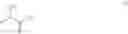





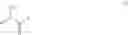


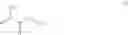





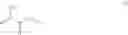





Sources:
- United States Patent and Trademark Office - verify current appl. status at the USPTO↗
Recent applications in this class:
- » 20240425890 2024-12-26
PROCESS FOR THE SYNTHESIS OF ALPHA-METHYLENE-GAMMA-BUTYROLACTONE - » 20240401094 2024-12-05
SOLID FORM OF (-)-AMBROX FORMED BY A BIOCONVERSION OF HOMOFARNESOL IN THE PRESENCE OF A BIOCATALYST - » 20240368647 2024-11-07
ENZYMES AND APPLICATIONS THEREOF - » 20240076703 2024-03-07
S-METHYLTHIORIBOSE KINASE POLYPEPTIDES AND PROCESSES FOR MAKING AND USING S-METHYLTHIORIBOSE KINASE POLYPEPTIDES - » 20240076702 2024-03-07
BIOSYNTHETIC PRODUCTION OF GAMMA-LACTONES - » 20240026398 2024-01-25
DIMERIC STILBENE PRODUCTION METHOD USING CALLUS CULTURE MEDIUM OF PLANT - » 20230357809 2023-11-09
Solid form of (−)-Ambrox formed by a bioconversion of homofarnesol in the presence of a biocatalyst - » 20230279451 2023-09-07
METHODS FOR THE BIOCATALYTICAL MANUFACTURING OF DIHYDROCHALCONES - » 20230265474 2023-08-24
SQUALENE HOPENE CYCLASE DERIVATIVES AND USE THEREOF FOR PRODUCING AMBROX - » 20230242953 2023-08-03
Engineered Bacterial Strain and Method of Use for One-Pot Vitamin C Synthesis