Compositions and method of making a complex able to increase production of a cetuximab-like protein (CLP) in a target cell
US20220356489A1
2022-11-10
17/313,801
2021-05-06
✅ Patent granted
US 11,603,541 B2
2023-03-14
-
-
Robert S Landsman
Gowling WLG (Canada) LLP
2041-08-12
Abstract:
The present disclosure relates to one or more agents, therapies, treatments, and methods of use of the agents and/or therapies and/or treatments for increasing production of a Cetuximab-like protein (CLP) by a subject that is administered the agent, therapy or treatment. Embodiments of the present disclosure can be used as a therapy or a treatment for a subject that has a condition that may benefit from reducing the DNA synthesis of genes that regulate cellular growth and proliferation.
Assignee:
- KINASE PHARMA INC. 3 🇨🇦 Calgary, Canada
Applicant:
Interested in similar patents?
Get notified when new applications in this technology area are published.
Classification:
C07K16/2863 » CPC further
Immunoglobulins [IGs], e.g. monoclonal or polyclonal antibodies against material from animals or humans against receptors, cell surface antigens or cell surface determinants against receptors for growth factors, growth regulators
C07K16/28 IPC
Immunoglobulins [IGs], e.g. monoclonal or polyclonal antibodies against material from animals or humans against receptors, cell surface antigens or cell surface determinants
A61K48/00 » CPC further
Medicinal preparations containing genetic material which is inserted into cells of the living body to treat genetic diseases; Gene therapy
C07K2317/24 » CPC further
Immunoglobulins specific features characterized by taxonomic origin containing regions, domains or residues from different species, e.g. chimeric, humanized or veneered
C12N2330/50 » CPC further
Production Biochemical production, i.e. in a transformed host cell
C12N15/86 » CPC main
Mutation or genetic engineering; DNA or RNA concerning genetic engineering, vectors, e.g. plasmids, or their isolation, preparation or purification; Use of hosts therefor; Recombinant DNA-technology; Introduction of foreign genetic material using vectors; Vectors; Use of hosts therefor; Regulation of expression; Vectors or expression systems specially adapted for eukaryotic hosts for animal cells Viral vectors
C12N2750/14143 » CPC further
ssDNA viruses; Details; Parvoviridae; Dependovirus, e.g. adenoassociated viruses; Use of virus, viral particle or viral elements as a vector viral genome or elements thereof as genetic vector
Description
SEQUENCE LISTING
This application contains a sequence listing electronically submitted via efs web to the United States Patent and Trademark Office as an ascii text file entitled “A8145603US_st25.txt” created on May 4, 2021 and having a size of 16.9 KB. The information contained in the sequence listing is incorporated by reference herein.
TECHNICAL FIELD
The present disclosure generally relates to compositions and methods for regulating tumor cell growth. In particular, the present disclosure relates to compositions and methods for regulating endogenous production of an inhibitor of growth factors that facilitate cancer cell DNA synthesis and cancer cell growth.
BACKGROUND
Epidermal Growth Factor Receptor (EGFR) is a cell surface receptor that spans the cell membrane with an extracellular ligand-binding domain and an intracellular signaling domain. Upon a binding event with a ligand, such as epidermal growth factor and transforming growth factor alpha, EGFR transitions to an active state. In the active state, the EGFR may undergo a dimerization event, which then activates the intracellular signaling domain. In particular, the activated intracellular signaling domain activates a protein-tyrosine kinase enzyme, which activates one or more intracellular cell signaling pathways to ultimately activate synthesis of deoxyribonucleic acid (DNA) synthesis and, in particular, genes associated with cell growth and proliferation.
It is known that dysregulation of EGFR, such as through mutant EGFR phenotypes or otherwise, can result in overstimulation, also referred to as amplification and upregulation, and this overstimulation has been causally linked to various cancers. In effect, the EGFR signaling pathway results in excessive DNA synthesis in tumor cells and, therefore, growth and proliferation of the tumor cells.
In efforts to treat such dysregulated-EGFR related cancers, a number of monoclonal antibody (mAB) protein therapies have been developed. In general, the mAB protein therapies can bind to the extracellular ligand-binding domain inhibit EGFR and that prevents a binding event with any stimulatory ligand, ultimately inhibiting the intracellular signaling and DNA synthesis activation.
Currently, mAB protein therapies require that a patient attend a clinic or hospital setting for intravenous administration. This intravenous administration can be costly, disruptive to the patient's life and potentially expose the patient to a greater risk of acquiring a healthcare-acquired nosocomial infection.
SUMMARY
Some embodiments of the present disclosure relate to compositions and methods that cause a subject to produce a monoclonal antibody (mAB) protein that can act as a targeted therapy for cancer. In some embodiments of the present disclosure, the mAB binds to and inhibits Epidermanl Growth Factor Receptor (EGFR) by binding to the extracellular ligand-binding domain of EGFR. This mAB binding blocks the EGFR's ability to bind other stimulatory ligands and it may reduce excessive deoxyribonucleic acid (DNA) synthesis in tumor cells and, therefore, growth and proliferation of the tumor cells. Some embodiments of the present disclosure relate to compositions and methods that cause a subject to produce a mAB that is substantially similar, or similar or the same as Cetuximab, referred to herein as a Cetuximab-like protein (CLP). In some embodiments of the present disclosure, the subject's production of the CLP is endogenous. The CLP may be bioavailable and functionally equivalent to an exogenously administered Cetuximab.
In some embodiments of the present disclosure, the compositions described herein comprise a vector of plasmid DNA that includes an insert sequence of nucleic acids. The insert sequence encodes for the production of the CLP and the insert sequence may also include a backbone sequence of nucleic acids that facilitates introduction of the insert sequence into one or more of a subject's cells. Within the subject's cells, the insert sequence is expressed and/or replicated. Expression of the insert sequence by one or more cells of the subject results in an increased production of the CLP by the subject. In some embodiments of the present disclosure, the methods that upregulate the production of CLP and to methods of manufacturing and administering the compositions that result in a subject's increased production of CLP.
Some embodiments of the present disclosure relate to compositions and methods that can be used as a therapy or a treatment for a subject that has a condition associated with increased growth and/or proliferation of tumor cells. The embodiments of the present disclosure may result in a subject who receives such therapy or treatment to increase production of the CLP. The CLP may interfere with the biological activity of EGFR. Some embodiments of the present disclosure relate to a recombinant virus vector (RVV) that forms part of such therapy or treatment. The RVV comprises a nucleotide sequence encoding production of the CLP so that a recipient of the RVV may then produce the CLP from their own cells.
Some embodiments of the present disclosure relate to a composition that comprises a nucleotide sequence according to the present disclosure (SEQ ID No. 9) of which at least a portion can be expressed in a target cell.
Some embodiments of the present disclosure relate to an insert for use with an RVV, wherein the insert has a nucleotide sequence has one or more of SEQ ID No. 1, SEQ ID No. 2, SEQ ID No. 3, SEQ ID No. 4, SEQ ID No. 5. SEQ ID No. 6, SEQ ID No. 7, or SEQ ID No. 8.
Some embodiments of the present disclosure relate to the insert with one or more of SEQ ID No. 1, SEQ ID No. 2, SEQ ID No. 3, SEQ ID No. 4, SEQ ID No. 5, SEQ ID No. 6. SEQ ID No. 7, or SEQ ID No. 8 for use with an RVV.
Some embodiments of the present disclosure relate to a method of making an agent/target cell complex, the method comprising a step of administering a therapeutically effective amount of the agent to a subject, wherein the agent/target cell complex increases the subject's production of the CLP.
Some embodiments of the present disclosure relate to a pharmaceutical agent that comprises an agent, a pharmaceutically acceptable carrier and/or an excipient. Administering the pharmaceutical agent to a subject may increase the subject's production of the CLP.
Some embodiments of the present disclosure relate to a method of treating a condition. The method comprises a step of administering to a subject a therapeutically effective amount of an agent that upregulates the subject's production of the CLP and the CLP may ameliorate the condition. In some embodiments of the present disclosure, the condition is cancer.
Some embodiments of the present disclosure relate to a use of an agent for treating a condition, wherein the agent upregulates the subject's production of the CLP and the CLP may ameliorate the condition. In some embodiments of the present disclosure, the condition is cancer.
Embodiments of the present disclosure relate to at least one approach for inducing endogenous production of the CLP. A first approach utilizes one or more gene vectors containing nucleotide sequences for increasing the endogenous production of the CLP. The one or more vectors can be administered to a subject to increase the subject's production of the CLP.
In some embodiments of the present disclosure, following administration of the agent the CLP may be produced within the subject's cells as a precursor CLP protein that can be subjected to one or more post-translational modification processes, which results in subject cells that are producing the precursor CLP protein to produce a final CLP product that is bioavailable and functional. In some embodiments of the present disclosure, the CLP product may be capable of participating in a binding event with a specific family of receptor proteins, such as EGFR. Without being bound by any particular theory, when such a binding event occurs, the CLP product can act to prevent further ligands from binding to and/or activating EGFR.
BRIEF DESCRIPTION OF THE DRAWINGS
These and other features of the present disclosure will become more apparent in the following detailed description in which reference is made to the appended drawings.
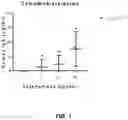
FIG. 1 is a scatter plot that shows Human IgG expression, indicative of CLP expression, up to 28 days following administration of a vector, according to embodiments of the present disclosure, in mice.
DETAILED DESCRIPTION
Unless defined otherwise, all technical and scientific terms used herein have the meanings that would be commonly understood by one of skill in the art in the context of the present description. Although any methods and materials similar or equivalent to those described herein can also be used in the practice or testing of the present disclosure, the preferred methods and materials are now described. All publications mentioned herein are incorporated herein by reference to disclose and describe the methods and/or materials in connection with which the publications are cited.
As used herein, the singular forms “a”, “an”, and “the” include plural references unless the context clearly dictates otherwise. For example, reference to “an agent” includes one or more agents and reference to “a subject” or “the subject” includes one or more subjects.
As used herein, the terms “about” or “approximately” refer to within about 25%, preferably within about 20%, preferably within about 15%, preferably within about 10%, preferably within about 5% of a given value or range. It is understood that such a variation is always included in any given value provided herein, whether or not it is specifically referred to.
As used herein, the term “activity” is used interchangeably with the term “functionality” and both terms refer to the physiologic action of biomolecule.
As used herein, the term “agent” refers to a substance that, when administered to a subject, causes one or more chemical reactions and/or one or more physical reactions and/or or one or more physiological reactions and/or one or more immunological reactions in the subject. In some embodiments of the present disclosure, the agent is a plasmid vector, such as a recombinant virus vector (RVV) as described herein.
As used herein, the term “ameliorate” refers to improve and/or to make better and/or to make more satisfactory.
As used herein, the term “biomolecule” refers to a carbohydrate, a protein, an amino acid sequence, a nucleic acid, a lipid, a primary metabolite, a secondary metabolite or another metabolite that is found within a subject. A biomolecule may be endogenous or exogenous to a subject.
As used herein, the term “cell” refers to a single cell as well as a plurality of cells or a population of the same cell type or different cell types. Administering an agent to a cell includes in vivo, in vitro and ex vivo administrations and/or combinations thereof.
As used herein, the term “complex” refers to an association, either direct or indirect, between one or more particles of an agent and one or more target cells. In some embodiments, reference to a complex includes uptake of one or more particles of the agent by the target cell. In other embodiments, reference to a complex may include uptake and expression by the target cell of one or more nucleotide sequences carried by the particles of the agent. This association results in a change in the metabolism of the target cell. As used herein, the phrase “change in metabolism” refers to an increase or a decrease in the one or more target cells' production of deoxyribonucleic acid (DNA), ribonucleic acid (RNA), one or more proteins, and/or any post-translational modifications of one or more proteins.
As used herein, the terms “dysregulation” and “dysregulated” refer to situations or conditions wherein homeostatic control systems have been disturbed and/or compromised so that one or more metabolic, physiologic and/or biochemical systems within a subject operate partially or entirely without said homeostatic control systems.
As used herein, the term “effector molecule” refers to a molecule within a subject that can directly or indirectly regulate the metabolic activity of a target cell by increasing or decreasing the production of DNA, RNA and/or amino-acid sequences and/or by increasing or decreasing any post-translational modifications of one or more proteins.
As used herein, the term “endogenous” refers to the production and/or modification of a molecule that originates within a cell of a subject.
As used herein, the term “excipient” refers to any substance, not itself an agent, which may be used as a component within a pharmaceutical composition or a medicament for administration of a therapeutically effective amount of the agent to a subject. Additionally, or alternatively, an excipient may, either alone or in combination with further chemical components, improve the handling and/or storage properties and/or permit or facilitate formation of a dose unit of the agent. Excipients include, but are not limited to, one or more of: a binder, a disintegrant, a diluent, a buffer, a taste enhancer, a solvent, a thickening agent, a gelling agent, a penetration enhancer, a solubilizing agent, a wetting agent, an antioxidant, a preservative, a surface active agent, a lubricant, an emollient, a substance that is added to mask or counteract a disagreeable odor, fragrance or taste, a substance added to improve appearance or texture of the composition and/or a substance that is used to form the pharmaceutical compositions or medicaments. Any such excipients can be used in any dosage forms according to the present disclosure. The foregoing classes of excipients are not meant to be exhaustive but are provided merely to be illustrative of what a person of skill in the art would know and would also recognize that additional types and combinations of excipients may be used to achieve delivery of a therapeutically effective amount of the agent to a subject through one or more routes of administration.
As used herein, the term “exogenous” refers to a molecule that is within a subject but that did not originate within the subject.
As used herein, the terms “inhibit”, “inhibiting”, and “inhibition” refer to a decrease in activity, response, or other biological parameter of a biologic process, disease, disorder or symptom thereof. This can include but is not limited to the complete ablation of the activity, response, condition, or disease. This may also include, for example, a 10% reduction in the activity, response, condition, or disease as compared to the native or control level. Thus, the reduction can be a 10%, 20%, 30%, 40%, 50%, 60%, 70%, 80%, 900%, 100%, or any amount of reduction in between the specifically recited percentages, as compared to native or control levels.
As used herein, the term “medicament” refers to a medicine and/or pharmaceutical composition that comprises the agent and that can promote recovery from a disease, disorder or symptom thereof and/or that can prevent a disease, disorder or symptom thereof and/or that can inhibit the progression of a disease, disorder, or symptom thereof.
As used herein, the term “patient” refers to a subject that is afflicted with a disease or disorder. The term “patient” includes human and veterinary subjects.
As used herein, the term “pharmaceutical composition” means any composition comprising, but not necessarily limited to, an agent to be administered a subject in need of therapy or treatment of a disease, disorder or symptom thereof. Pharmaceutical compositions may include additives such as pharmaceutically acceptable carriers, pharmaceutically accepted salts, excipients and the like. Pharmaceutical compositions may also additionally include one or more further active ingredients such as antimicrobial agents, anti-inflammatory agents, anaesthetics, analgesics, and the like.
As used herein, the term “pharmaceutically acceptable carrier” refers to an essentially chemically inert and nontoxic component within a pharmaceutical composition or medicament that does not inhibit the effectiveness and/or safety of the agent. Some examples of pharmaceutically acceptable carriers and their formulations are described in Remington (1995, The Science and Practice of Pharmacy (19th ed.) ed. A. R. Gennaro, Mack Publishing Company, Easton, Pa.), the disclosure of which is incorporated herein by reference. Typically, an appropriate amount of a pharmaceutically acceptable carrier is used in the formulation to render said formulation isotonic. Examples of suitable pharmaceutically acceptable carriers include, but are not limited to: saline solutions, glycerol solutions, ethanol, N-(1(2, 3-dioleyloxy)propyl)-N,N,N-trimethylammonium chloride (DOTMA), dioleolphosphotidylethanolamine (DOPE), and liposomes. Such pharmaceutical compositions contain a therapeutically effective amount of the agent, together with a suitable amount of one or more pharmaceutically acceptable carriers and/or excipients so as to provide a form suitable for proper administration to the subject. The formulation should suit the route of administration. For example, oral administration may require enteric coatings to protect the agent from degrading within portions of the subject's gastrointestinal tract. In another example, injectable routes of administration may be administered in a liposomal formulation to facilitate transport throughout a subject's vascular system and to facilitate delivery across cell membranes of targeted intracellular sites.
As used herein, the phrases “prevention of” and “preventing” refer to avoiding the onset or progression of a disease, disorder, or a symptom thereof.
As used herein, the terms “production”, “producing” and “produce” refer to the synthesis and/or replication of DNA, the transcription of one or more sequences of RNA, the translation of one or more amino acid sequences, the post-translational modifications of an amino-acid sequence, and/or the production of one or more regulatory molecules that can influence the production and/or functionality of an effector molecule or an effector cell. For clarity, “production” is also be used herein to refer to the functionality of a regulatory molecule, unless the context reasonably indicates otherwise.
As used herein, the terms “promote”, “promotion” and “promoting” refer to an increase in an activity, response, condition, disease process, or other biological parameter. This can include, but is not limited to, the initiation of the activity, response, condition, or disease process. This may also include, for example, a 10% increase in the activity, response, condition, or disease as compared to the native or control level. Thus, the increase in an activity, response, condition, disease, or other biological parameter can be 10%, 20%, 30%, 40%, 50%, 60%, 70%, 80%, 90%, 100%, or more, including any amount of increase in between the specifically recited percentages, as compared to native or control levels.
As used herein, the term “prophylactic administration” refers to the administration of any composition to a subject, in the absence of any symptom or indication of a disease or disorder, to prevent the occurrence and/or progression of the disease or disorder within the subject.
As used herein, the terms “signal molecule”, “signalling molecule” and “regulatory molecule” can be used interchangeably and refer to a molecule that can directly or indirectly affect the production and/or functionality of an effector molecule or effector cell. Signal molecules can be enzymes or other types of biomolecules that can act as a direct ligand on a target cell or they may influence the levels or functionality of a downstream ligand or a receptor for a ligand.
As used herein, the term “subject” refers to any therapeutic target that receives the agent. The subject can be a vertebrate, for example, a mammal including a human. The term “subject” does not denote a particular age or sex. The term “subject” also refers to one or more cells of an organism, an in vitro culture of one or more tissue types, an in vitro culture of one or more cell types, ex % vivo preparations, and for a sample of biological materials such as tissue and/or biological fluids.
As used herein, the term “target cell” refers to one or more cells and/or cell types that are deleteriously affected, either directly or indirectly, by a dysregulated immune system and/or a disease process. The term “target cell” also refers to cells that are not deleteriously affected but that are cells in which it is desired that the agent interacts.
As used herein, the term “therapeutically effective amount” refers to the amount of the agent used that is of sufficient quantity to ameliorate, treat and/or inhibit one or more of a disease, disorder or a symptom thereof. The “therapeutically effective amount” will vary depending on the agent used, the route of administration of the agent and the severity of the disease, disorder or symptom thereof. The subject's age, weight and genetic make-up may also influence the amount of the agent that will be a therapeutically effective amount.
As used herein, the terms “treat”. “treatment” and “treating” refer to obtaining a desired pharmacologic and/or physiologic effect. The effect may be prophylactic in terms of completely or partially preventing an occurrence of a disease, disorder or symptom thereof and/or the effect may be therapeutic in providing a partial or complete amelioration or inhibition of a disease, disorder, or symptom thereof. Additionally, the term “treatment” refers to any treatment of a disease, disorder, or symptom thereof in a subject and includes: (a) preventing the disease from occurring in a subject which may be predisposed to the disease but has not yet been diagnosed as having it; (b) inhibiting the disease, i.e., arresting its development; and, (c) ameliorating the disease.
As used herein, the terms “unit dosage form” and “unit dose” refer to a physically discrete unit that is suitable as a unitary dose for patients. Each unit contains a predetermined quantity of the agent and optionally, one or more suitable pharmaceutically acceptable carriers, one or more excipients, one or more additional active ingredients, or combinations thereof. The amount of agent within each unit is a therapeutically effective amount.
In embodiments of the present disclosure, the pharmaceutical compositions disclosed herein comprise an agent as described above in a total amount by weight of the composition of about 0.1% to about 95%. For example, the amount of the agent by weight of the pharmaceutical composition may be about 0.1%, about 0.2%, about 0.3%, about 0.4%, about 0.5%, about 0.6%, about 0.7%, about 0.8%, about 0.9%, about 1%, about 1.1%, about 1.2%, about 1.3%, about 1.4%, about 1.5%, about 1.6%, about 1.7%, about 1.8%, about 1.9%, about 2%, about 2.1%, about 2.2%, about 2.3%, about 2.4%, about 2.5%, about 2.6%, about 2.7%, about 2.8%, about 2.9%, about 3%, about 3.1%, about 3.2%, about 3.3%, about 3.4%, about 3.5%, about 3.6%, about 3.7%, about 3.8%, about 3.9%, about 4%, about 4.1%, about 4.2%, about 4.3%, about 4.4%, about 4.5%, about 4.6%, about 4.7%, about 4.8%, about 4.9%, about 5%, about 5.1%, about 5.2%, about 5.3%, about 5.4%, about 5.5%, about 5.6%, about 5.7%, about 5.8%, about 5.9%, about 6%, about 6.1%, about 6.2%, about 6.3%, about 6.4%, about 6.5%, about 6.6%, about 6.7%, about 6.8%, about 6.9%, about 7%, about 7.1%, about 7.2%, about 7.3%, about 7.4%, about 7.5%, about 7.6%, about 7.7%, about 7.8%, about 7.9%, about 8%, about 8.1%, about 8.2%, about 8.3%, about 8.4%, about 8.5%, about 8.6%, about 8.7%, about 8.8%, about 8.9%, about 9%, about 9.1%, about 9.2%, about 9.3%, about 9.4%, about 9.5%, about 9.6%, about 9.7%, about 9.8%, about 9.9%, about 10%, about 11%, about 12%, about 13%, about 14%, about 15%, about 16%, about 17%, about 18%, about 19%, about 20%, about 25%, about 30%, about 35%, about 40%, about 45%, about 50%, about 55%, about 60%, about 65%, about 70%, about 75%, about 80%, about 85%, about 90% or about 95%.
Where a range of values is provided herein, it is understood that each intervening value, to the tenth of the unit of the lower limit unless the context clearly dictates otherwise, between the upper and lower limit of that range and any other stated or intervening value in that stated range, is encompassed within the disclosure. The upper and lower limits of these smaller ranges may independently be included in the smaller ranges, and are also, encompassed within the disclosure, subject to any specifically excluded limit in the stated range. Where the stated range includes one or both of the limits, ranges excluding either or both of those included limits are also included in the disclosure.
In some embodiments of the present disclosure, an agent is a plasmid vector for introducing into a target cell for reproduction or transcription of an insert that comprises one or more nucleotide sequences that are carried within the plasmid vector. In some embodiments of the present disclosure, the plasmid vector is a viral vector. In some embodiments of the present disclosure, the vector is an adeno-associated virus vector.
As used herein, the term“nucleotide sequence” is intended to also include a human codon optimized variant.
In some embodiments of the present disclosure, the insert comprises one or more nucleotide sequences that encode for production of a protein. The protein is substantially similar, or substantially the same, as a translational product of a gene whose expression results in increased production of a Cetuximab-like protein (CLP) that can reduce or inhibit EGER-mediated dysregulation of DNA synthesis of genes that relate to cell growth and proliferation in tumor cells. In some embodiments of the present disclosure, the CLP may be susceptible to one or more post-translational modification processes to create a CLP product that can bind with and inhibit EGFR. For clarity, references to CLP herein include references to the CLP product.
In some embodiments of the present disclosure, the CLP is substantially similar, or substantially the same, biofunctionality and bioavailability as Cetuximab that a subject could receive from an exogenous source.
The present disclosure relates to one or more agents, therapies, treatments, and methods of use of the agents and/or therapies and/or treatments for initiating or upregulating production of the CLP. Some embodiments of the present disclosure relate to methods for making a complex between at least one particle of an agent and at least one target cell of a subject for initiating or increasing production of the CLP within the subject. Therefore, the administration of the one or more vectors may increase the production of the precursor protein within one or more of a subject's cells. As such, the embodiments of the present disclosure can be used as a therapy or a treatment for a subject that has a condition whereby tumor cells have increased EGFR-mediated growth and proliferation.
In some embodiments of the present disclosure, the agent can be administered to the subject by an intravenous route, an intramuscular route, an intraperitoneal route, an intrathecal route, an intravesical route, a topical route, an intranasal route, a transmucosal route, a pulmonary route, and combinations thereof.
In some embodiments of the present disclosure, the agent can be administered to the subject by pipetting a dose of the agent into an in vitro cell culture, perfusing or immersing an ex vivo cell or tissue preparation with a solution that comprises the agent, mixing a biological fluid sample with a solution or substrate that comprises the agent, or combinations thereof.
Some embodiments of the present disclosure relate to an agent that can be administered to a subject with a condition that could benefit from an endogenous source of CLP. When a therapeutically effective amount of the agent is administered to the subject, one or more of the subject's cell may increase the translational production of the CLP.
In some embodiments of the present disclosure, the agent is a vector used for gene therapy. The gene therapy is useful for increasing the subject's endogenous production of the CLP. For example, the vector can contain one or more nucleotide sequences that that cause increased production of the CLP in the subject's cells where the vector is expressed.
In some embodiments of the present disclosure, the vector used for gene therapy is a virus that can be enveloped or not, replication effective or not, or combinations thereof. In some embodiments of the present disclosure, the vector is a virus that is not enveloped and not replication effective. In some embodiments of the present disclosure, the vector is a virus of the Paroviridae family. In some embodiments of the present disclosure, the vector is a virus of the genus Dependoparvaovirus, in some embodiments of the present disclosure, the vector is an adeno-associated virus (AAV). In some embodiments of the present disclosure, the vector is a recombinant AAV.
The embodiments of the present disclosure also relate to administering a therapeutically effective amount of the agent. In some embodiments of the present disclosure, the therapeutically effective amount of the agent that is administered to a patient is between about 10 and about 1×10¹⁶, TCID50/kg (50% tissue culture infective dose per kilogram of the patient's body weight). In some embodiments of the present disclosure, the therapeutically effective amount of the agent that is administered to the patient is about 1×10¹³ TCID50/kg. In some embodiments of the present disclosure, the therapeutically effective amount of the agent that is administered to a patient is measured in TPC/kg (total particle count of the agent per kilogram of the patient's body weight). In some embodiments the therapeutically effective amount of the agent is between about 10 and about 1×10¹⁶ TCP/kg.
Some embodiments of the present disclosure relate to a method for making a complex within a subject. The method comprises a step of administering a therapeutically effective amount of the agent to the subject. The complex comprises at least one particle of the agent and one or more target cells. When the complex is formed, it affects a change in the metabolism of the one or more target cells, which results in the target cells starting and/or upregulating the production of the CLP. Examples of a target cell include but are not limited to: an innate immune cell, an acquired immune cell, an adrenal gland cell; a bile duct cell; a chondrocyte; a cochlear cell; a corneal cell; an endocardium cell; an endometrial cell; an endothelial cell; an epithelial cell; a fibroblast; a hair follicle cell; a hepatocyte; a lymph node cell; a mucosal cell; a myocyte; a neuron; a glomeruli cell; an optic nerve cell; an osteoblast; an ovarian tissue cell; a pancreatic islet beta cell; a pericardium cell; a platelet; a red blood cell (RBC); a retinal cell; a scleral cell; a Schwann cell; a T cell; a testicular tissue cell; a thyroid gland cell; a uveal cell; a tumor cell, or combinations thereof.
Some embodiments of the present disclosure relate to a therapy, or method of treating a condition, that can be administered to a subject with the condition. The therapy comprises a step of administering to the subject a therapeutically effective amount of an agent that will upregulate the subject's production of the CLP. The increased production of the CLP may result in increased levels of functional and bioavailable CLP, which may reduce deleterious effects of the condition upon the subject. For example, the CLP may reduce the development of new blood vessels in high metabolic-rate cells, such as tumor cells.
Below are examples of nucleotide sequences of each may be present in the insert. As will be appreciated by those skilled in the art, minor modifications, substitutions or replacements of a select few nucleotides or amino acids in the sequences provided below will not substantially impact the physiologic or biologic effect of such modified sequences, as compared to the sequences provided herein below. Any such modified sequences are also contemplated by the present disclosure as are all human codon optimized variants.
Some embodiments of the present disclosure relate to the following nucleotide sequence SEQ ID No. 1 (an inverted terminal repeat):
| ctgcgcgctc gctcgctcac tgaggccgcc cgggcaaagc ccgggcgtcg ggcgaccttt 60 | |
| ggtcgcccgg cctcagtgag cgagcgagcg cgcagagagg gagtggccaa ctccatcact 120 | |
| aggggttcct 130 |
Some embodiments of the present disclosure relate to the following nucleotide sequence SEQ ID No. 2 (an inverted terminal repeat):
| aggaacccct agtgatggag ttggccactc cctctctgcg cgctcgctcg ctcactgagg 60 | |
| ccgggcgacc aaaggtcgcc cgacgcccgg gctttgcccg ggcggcctca gtgagcgagc 120 | |
| gagcgcgc 128 |
Some embodiments of the present disclosure relate to the following nucleotide sequence SEQ ID No. 3 (a CASI promoter):
| ggagttccgc gttacataac ttacggtaaa tggcccgcct ggctgaccgc ccaacgaccc 60 | |
| ccgcccattg acgtcaataa tgacgtatgt tcccatagta acgccaatag ggactttcca 120 | |
| ttgacgtcaa tgggtggagt atttacggta aactgcccac ttggcagtac atcaagtgta 180 | |
| tcatatgcca agtacgcccc ctattgacgt caatgacggt aaatggcccg cctggcatta 240 | |
| tgcccagtac atgaccttat gggactttcc tacttggcag tacatctacg tattagtcat 300 | |
| cgctattacc atggtcgagg tgagccccac gttctgcttc actctcccca tctccccccc 360 | |
| ctccccaccc ccaattttgt atttatttat tttttaatta ttttgtgcag cgatgggggc 420 | |
| gggggggggg gggggcgcgc gccaggcggg gcggggcggg gcgaggggcg gggcggggcg 480 | |
| aggcggagag gtgcggcggc agccaatcag agcggcgcgc tccgaaagtt tccttttatg 540 | |
| gcgaggcggc ggcggcggcg gccctataaa aagcgaagcg cgcggcgggc gggagtcgct 600 | |
| gcgcgctgcc ttcgccccgt gccccgctcc gccgccgcct cgcgccgccc gccccggctc 660 | |
| tgactgaccg cgttactaaa acaggtaagt ccggcctccg cgccgggttt tggcgcctcc 720 | |
| cgcgggcgcc cccctcctca cggcgagcgc tgccacgtca gacgaagggc gcagcgagcg 780 | |
| tcctgatcct tccgcccgga cgctcaggac agcggcccgc tgctcataag actcggcctt 840 | |
| agaaccccag tatcagcaga aggacatttt aggacgggac ttgggtgact ctagggcact 900 | |
| ggttttcttt ccagagagcg gaacaggcga ggaaaagtag tcccttctcg gcgattctgc 960 | |
| ggagggatct ccgtggggcg gtgaacgccg atgatgcctc tactaaccat gttcatgttt 1020 | |
| tctttttttt tctacaggtc ctgggtgacg aacag 1055 |
Some embodiments of the present disclosure relate to the following nucleotide sequence SEQ ID No. 4 (a variable heavy-chain portion):
| caggtacaac tgaaacaaag cgggcctggg ctggtccagc catcccaaag tttgtccata 60 | |
| acttgcactg ttagtggttt tagcttgacc aattacgggg tgcattgggt aagacagagt 120 | |
| cctggtaagg gcctcgaatg gctgggcgtg atatggtcag gcggcaatac tgactacaat 180 | |
| actccattta ccagcagatt gtccatcaat aaagataatt ctaaaagcca ggtattcttt 240 | |
| aagatgaact ctctgcagtc caatgatact gcaatttatt actgtgcccg agcacttacc 300 | |
| tactacgatt acgagttcgc atactggggc cagggtaccc tcgtgaccgt atctgcagcg 360 |
Some embodiments of the present disclosure relate to the following nucleotide sequence SEQ ID No. 5 (a variable light-chain portion):
| gatatccttc tgactcaatc ccctgtgatt ctgtcagtgt caccagggga aagggtcagt 60 | |
| ttttcatgtc gcgcatctca aagcattggc actaacatcc actggtacca acaacgcaca 120 | |
| aacggaagtc cccgcttgct catcaagtat gcaagcgaat caatcagcgg gatcccttcc 180 | |
| aggttcagtg gtagtgggag tggtacagat ttcactctct caattaacag cgtagagtcc 240 | |
| gaggacatcg ccgactatta ttgccaacag aacaacaact ggcctactac atttggtgcc 300 | |
| ggtacaaaac tggagcttaa acgc 324 |
Some embodiments of the present disclosure relate to the following nucleotide sequence SEQ ID No. 6 (a human IgG-1 constant heavy-chain portion):
| agcaccaagg gcccatcggt cttccccctg gcaccctcct ccaagagcac ctctgggggc 60 | |
| acagcggccc tgggctgcct ggtcaaggac tacttccccg aaccggtgac ggtgtcgtgg 120 | |
| aactcaggcg ccctgaccag cggcgtgcac accttcccgg ctgtcctaca gtcctcagga 180 | |
| ctctactccc tcagcagcgt ggtgaccgtg ccctccagca gcttgggcac ccagacctac 240 | |
| atctgcaacg tgaatcacaa gcccagcaac accaaggtgg acaagaaagt tgagcccaaa 300 | |
| tcttgtgaca aaactcacac atgcccaccg tgcccagcac ctgaactcct ggggggaccg 360 | |
| tcagtcttcc tcttcccccc anaacccaag gacaccctca tgatctcccg gacccctgag 420 | |
| gtcacatgcg tggtggtgga cgtgagccac gaagaccctg aggtcaagtt caactggtac 480 | |
| gtggacggcg tggaggtgca taatgccaag acaaagccgc gggaggagca gtacaacagc 540 | |
| acgtaccgtg tggtcagcgt cctcaccgtc ctgcaccagg actggctgaa tggcaaggag 600 | |
| tacaagtgca aggtctccaa caaagccctc ccagccccca tcgagaaaac catctccaaa 660 | |
| gccaaagggc agccccgaga accacaggtg tacaccctgc ccccatcccg ggaggagatg 720 | |
| accaagaacc aggtcagcct gacctgcctg gtcaaaggct tctatcccag cgacatcgcc 780 | |
| gtggagtggg agagcaatgg gcagccggag aacaactaca agaccacgcc tcccgtgctg 840 | |
| gactccgacg gctccttctt cctctacagc aagctcaccg tggacaagag caggtggcag 900 | |
| caggggaacg tcttctcatg ctccgtgatg catgaggctc tgcacaacca ctacacgcag 960 | |
| aagagcctct ccctgtctcc gggtaaa 987 |
Some embodiments of the present disclosure relate to the following nucleotide sequence SEQ ID No. 7 (a human IgG-1 Kappa light-chain portion):
| ggtcagccca aggctgcccc ctcggtcact ctgttcccgc cctcctctga ggagcttcaa 60 | |
| gccaacaagg ccacactggt gtgtctcata agtgacttct acccgggagc cgtgacagtg 120 | |
| gcctggaagg cagatagcag ccccgtcaag gcgggagtgg agaccaccac accctccaaa 180 | |
| caaagcaaca acaagtacgc ggccagcagc tatctgagcc tgacgcctga gcagtggaag 240 | |
| tcccacagaa gctacagctg ccaggtcacg catgaaggga gcaccgtgga gaagacagtg 300 | |
| gcccctacag aatgttcata g 321 |
Some embodiments of the present disclosure relate to the following nucleotide sequence SEQ ID No. 8 (a Woodchuck Hepatitis Posttranslational Regulatory Element (WPRE) portion):
| aatcaacctc tggattacaa aatttgtgaa agattgactg gtattcttaa ctatgttgct 60 | |
| ccttttacgc tatgtggata cgctgcttta atgcctttgt atcatgctat tgcttcccgt 120 | |
| atggctttca ttttctcctc cttgtataaa tcctggttgc tgtctcttta tgaggagttg 180 | |
| tggcccgrtg tcaggcaacg tggcgtggtg tgcactgtgt ttgctgacgc aacccccact 240 | |
| ggttggggca ttgccaccac ctgtcagctc ctttccggga ctttcgcttt ccccctccct 300 | |
| attgccacgg cggaactcat cgccgcctgc cttgcccgct gctggacagg ggctcggctg 360 | |
| ttgggcactg acaattccgt ggtgttgtcg gggaaatcat cgtcctttcc ttggctgctc 420 | |
| gcctgtgttg ccacctggat tctgcgcggg acgtccttct gctacgtccc ttcggccctc 480 | |
| aatccagcgg accttccttc ccgcggcctg ctgccggctc tgcggcctct tccgcgtctt 540 | |
| cgccttcgcc ctcagacgag tcggatctcc ctttgggccg cctccccgc 589 |
Some embodiments of the present disclosure relate to the following nucleotide sequence SEQ ID No. 9 (an AAV vector):
| ctgcgcgctc gctcgctcac tgaggccgcc cgggcaaagc ccgggcgtcg ggcgaccttt 60 | |
| ggtcgcccgg cctcagtgag cgagcgagcg cgcagagagg gagtggccaa ctccatcact 120 | |
| aggggttcct tgtagttaat gattaacccg ccatgctact tatctacgta gccatgctct 180 | |
| aggacattga ttattgacta gtggagttcc gcgttacata acttacggta aatggcccgc 240 | |
| ctggctgacc gcccaacgac ccccgcccat tgacgtcaat aatgacgtat gttcccatag 300 | |
| taacgccaat agggactttc cattgacgtc aatgggtgga gtatttacgg taaactgccc 360 | |
| acttggcagt acatcaagtg tatcatatgc caagtacgcc ccctattgac gtcaatgacg 420 | |
| gtaaatggcc cgcctggcat tatgcccagt acatgacctt atgggacttt cctacttggc 480 | |
| agtacatcta cgtattagtc atcgctatta ccatggtcga ggtgagcccc acgttctgct 540 | |
| tcactctccc catctccccc ccctccccac ccccaatttt gtatttattt attttttaat 600 | |
| tattttgtgc agcgatgggg gcgggggggg gggggggcgc gcgccaggcg gggcggggcg 660 | |
| gggcgagggg cggggcgggg cgaggcggag aggtgcggcg gcagccaatc agagcggcgc 720 | |
| gctccgaaag tttcctttta tggcgaggcg gcggcggcgg cggccctata anaagcgaag 780 | |
| cgcgcggcgg gcgggagtcg ctgcgcgctg ccttcgcccc gtgccccgct ccgccgccgc 840 | |
| ctcgcgccgc ccgccccggc tctgactgac cgcgttacta aaacaggtaa gtccggcctc 900 | |
| cgcgccgggt tttggcgcct cccgcgggcg cccccctcct cacggcgagc gctgccacgt 960 | |
| cagacgaagg gcgcagcgag cgtcctgatc cttccgcccg gacgctcagg acagcggccc 1020 | |
| gctgctcata agactcggcc ttagaacccc agtatcagca gaaggacatt ttaggacggg 1080 | |
| acttgggtga ctctagggca ctggttttct ttccagagag cggaacaggc gaggaaaagt 1140 | |
| agtcccttct cggcgattct gcggagggat ctccgtgggg cggtgaacgc cgatgatgcc 1200 | |
| tctactaacc atgttcatgt tttctttttt tttctacagg tcctgggtga cgaacagggt 1260 | |
| accgccacca tggcgacggg ttcaagaact tccctacttc ttgcatttgg cctgctttgt 1320 | |
| ttgccgtggt tacaggaggg ctcggcacag gtacaactga aacaaagcgg gcctgggctg 1380 | |
| gtccagccat cccaaagttt gtccataact tgcactgtta gtggttttag cttgaccaat 1440 | |
| tacggggtgc attgggtaag acagagtcct ggtaagggcc tcgaatggct gggcgtgata 1500 | |
| tggtcaggcg gcaatactga ctacaatact ccatttacca gcagattgtc catcaataaa 1560 | |
| gataattcta aaagccaggt attctttaag atgaactctc tgcagtccaa tgatactgca 1620 | |
| atttattact gtgcccgagc acttacctac tacgattacg agttcgcata ctggggccag 1680 | |
| ggtaccctcg tgaccgtatc tgcagcgagc accaagggcc catcggtctt ccccctggca 1740 | |
| ccctcctcca agagcacctc tgggggcaca gcggccctgg gctgcctggt caaggactac 1800 | |
| ttccccgaac cggtgacggt gtcgtggaac tcaggcgccc tgaccagcgg cgtgcacacc 1860 | |
| ttcccggctg tcctacagtc ctcaggactc tactccctca gcagcgtggt gaccgtgccc 1920 | |
| tccagcagct tgggcaccca gacctacatc tgcaacgtga atcacaagcc cagcaacacc 1980 | |
| aaggtggaca agaaagttga gcccaaatct tgtgacaaaa ctcacacatg cccaccgtgc 2040 | |
| ccagcacctg aactcctggg gggaccgtca gtcttcctct tccccccaaa acccaaggac 2100 | |
| accctcatga tctcccggac ccctgaggtc acatgcgtgg tggtggacgt gagccacgaa 2160 | |
| gaccctgagg tcaagttcaa ctggtacgtg gacggcgtgg aggtgcataa tgccaagaca 2220 | |
| aagccgcggg aggagcagta caacagcacg taccgtgtgg tcagcgtcct caccgtcctg 2280 | |
| caccaggact ggctgaatgg caaggagtac aagtgcaagg tctccaacaa agccctccca 2340 | |
| gcccccatcg agaaaaccat ctccaaagcc aaagggcagc cccgagaacc acaggtgtac 2400 | |
| accctgcccc catcccggga ggagatgacc aagaaccagg tcagcctgac ctgcctggtc 2460 | |
| aaaggcttct atcccagcga catcgccgtg gagtgggaga gcaatgggca gccggagaac 2520 | |
| aactacaaga ccacgcctcc cgtgctggac tccgacggct ccttcttcct ctacagcaag 2580 | |
| ctcaccgtgg acaagagcag gtggcagcag gggaacgtct tctcatgctc cgtgatgcat 2640 | |
| gaggctctgc acaaccacta cacgcagaag agcctctccc tgtctccggg taaacgaaaa 2700 | |
| agaagatcag gttcgggtgc gccagtaaag cagacattaa actttgattt gctgaaactt 2760 | |
| gcaggtgatg tagagtcaaa tccaggtcca atggcaacag ggagccgaac ctctctgctc 2820 | |
| cttgctttcg ggctcctttg cctaccgtgg ctccaagagg gctcggcaga tatccttctg 2880 | |
| actcaatccc ctgtgattct gtcagtgtca ccaggggaaa gggtcagttt ttcatgtcgc 2940 | |
| gcatctcaaa gcattggcac taacatccac tggtaccaac aacgcacaaa cggaagtccc 3000 | |
| cgcttgctca tcaagtatgc aagcgaatca atcagcggga tcccttccag gttcagtggt 3060 | |
| agtgggagtg gtacagattt cactctctca attaacagcg tagagtccga ggacatcgcc 3120 | |
| gactattatt gccaacagaa caacaactgg cctactacat ttggtgccgg tacaaaactg 3180 | |
| gagcttaaac gcggtcagcc caaggctgcc ccctcggtca ctctgttccc gccctcctct 3240 | |
| gaggagcttc aagccaacaa ggccacactg gtgtgtctca taagtgactt ctacccggga 3300 | |
| gccgtgacag tggcctggaa ggcagatagc agccccgtca aggcgggagt ggagaccacc 3360 | |
| acaccctcca aacaaagcaa caacaagtac gcggccagca gctatctgag cctgacgcct 3420 | |
| gagcagtgga agtcccacag aagctacagc tgccaggtca cgcatgaagg gagcaccgtg 3480 | |
| gagaagacag tggcccctac agaatgttca tagtctagaa taatcaacct ctggattaca 3540 | |
| aaatttgtga aagattgact ggtattctta actatgttgc tccttttacg ctatgtggat 3600 | |
| acgctgcttt aatgcctttg tatcatgcta ttgcttcccg tatggctttc attttctcct 3660 | |
| ccttgtataa atcctggttg ctgtctcttt atgaggagtt gtggcccgtt gtcaggcaac 3720 | |
| gtggcgtggt gtgcactgtg tttgctgacg caacccccac tggttggggc attgccacca 3780 | |
| cctgtcagct cctttccggg actttcgctt tccccctccc tattgccacg gcggaactca 3840 | |
| tcgccgcctg ccttgcccgc tgctggacag gggctcggct gttgggcact gacaattccg 3900 | |
| tggtgttgtc ggggaaatca tcgtcctttc cttggctgct cgcctgtgtt gccacctgga 3960 | |
| ttctgcgcgg gacgtccttc tgctacgtcc cttcggccct caatccagcg gaccttcctt 4020 | |
| cccgcggcct gctgccggct ctgcggcctc ttccgcgtct tcgccttcgc cctcagacga 4080 | |
| gtcggatctc cctttgggcc gcctccccgc ctaagcttat cgataccgtc gagatctaac 4140 | |
| ttgtttattg cagcttataa tggttacaaa taaagcaata gcatcacaaa tttcacaaat 4200 | |
| aaagcatttt tttcactgca ttctagttgt ggtttgtcca aactcatcaa tgtatcttat 4260 | |
| catgtctgga tctcgacctc gactagagca tggctacgta gataagtagc atggcgggtt 4320 | |
| aatcattaac tacaaggaac ccctagtgat ggagttggcc actccctctc tgcgcgctcg 4380 | |
| ctcgctcact gaggccgggc gaccaaaggt cgcccgacgc ccgggctttg cccgggcggc 4440 | |
| ctcagtgagc gagcgagcgc gccagctggc gtaatagcga agaggcccgc accgatcgcc 4500 | |
| cttcccaaca gttgcgcagc ctgaatggcg aatggaattc cagacgattg agcgtcaaaa 4560 | |
| tgtaggtatt tccatgagcg tttttcctgt tgcaatggct ggcggtaata ttgttctgga 4620 | |
| tattaccagc aaggccgata gtttgagttc ttctactcag gcaagtgatg ttattactaa 4680 | |
| tcaaagaagt attgcgacaa cggttaattt gcgtgatgga cagactcttt tactcggtgg 4740 | |
| cctcactgat tataaaaaca cttctcagga ttctggcgta ccgttcctgt ctaaaatccc 4800 | |
| tttaatcggc ctcctgttta gctcccgctc tgattctaac gaggaaagca cgttatacgt 4860 | |
| gctcgtcaaa gcaaccatag tacgcgccct gtagcggcgc attaagcgcg gcgggtgtgg 4920 | |
| tggttacgcg cagcgtgacc gctacacttg ccagcgccct agcgcccgct cctttcgctt 4980 | |
| tcttcccttc ctttctcgcc acgttcgccg gctttccccg tcaagctcta aatcgggggc 5040 | |
| tccctttagg gttccgattt agtgctttac ggcacctcga ccccaaaaaa cttgattagg 5100 | |
| gtgatggttc acgtagtggg ccatcgccct gatagacggt ttttcgccct ttgacgttgg 5160 | |
| agtccacgtt ctttaatagt ggactcttgt tccaaactgg aacaacactc aaccctatct 5220 | |
| cggtctattc ttttgattta taagggattt tgccgatttc ggcctattgg ttaaaaaatg 5280 | |
| agctgattta acaaaaattt aacgcgaatt ttaacaaaat attaacgttt acaatttaaa 5340 | |
| tatttgctta tacaatcttc ctgtttttgg ggcttttctg attatcaacc ggggtacata 5400 | |
| tgattgacat gctagtttta cgattaccgt tcatcgattc tcttgtttgc tccagactct 5460 | |
| caggcaatga cctgatagcc tttgtagaga cctctcaaaa atagctaccc tctccggcat 5520 | |
| gaatttatca gctagaacgg ttgaatatca tattgatggt gatttgactg tctccggcct 5580 | |
| ttctcacccg tttgaatctt tacctacaca ttactcaggc attgcattta aaatatatga 5640 | |
| gggttctaaa aatttttatc cttgcgttga aataaaggct tctcccgcaa aagtattaca 5700 | |
| gggtcataat gtttttggta caaccgattt agctttatgc tctgaggctt tattgcttaa 5760 | |
| ttttgctaat tctttgcctt gcctgtatga tttattggat gttggaattc ctgatgcggt 5820 | |
| attttctcct tacgcatctg tgcggtattt cacaccgcat atggtgcact ctcagtacaa 5880 | |
| tctgctctga tgccgcatag ttaagccagc cccgacaccc gccaacaccc gctgacgcgc 5940 | |
| cctgacgggc ttgtctgctc ccggcatccg cttacagaca agctgtgacc gtctccggga 6000 | |
| gctgcatgtg tcagaggttt tcaccgtcat caccgaaacg cgcgagacga aagggcctcg 6060 | |
| tgatacgcct atttttatag gttaatgtca tgataataat ggtttcttag acgtcaggtg 6120 | |
| gcacttttcg gggaaatgtg cgcggaaccc ctatttgttt atttttctaa atacattcaa 6180 | |
| atatgtatcc gctcatgaga caataaccct gataaatgct tcaataatat tgaaaaagga 6240 | |
| agagtatgag tattcaacat ttccgtgtcg cccttattcc cttttttgcg gcattttgcc 6300 | |
| ttcctgtttt tgctcaccca gaaacgctgg tgaaagtaaa agatgctgaa gatcagttgg 6360 | |
| gtgcacgagt gggttacatc gaactggatc tcaacagcgg taagatcctt gagagttttc 6420 | |
| gccccgaaga acgttttcca atgatgagca cttttaaagt tctgctatgt ggcgcggtat 6480 | |
| tatcccgtat tgacgccggg caagagcaac tcggtcgccg catacactat tctcagaatg 6540 | |
| acttggttga gtactcacca gtcacagaaa agcatcttac ggatggcatg acagtaagag 6600 | |
| aattatgcag tgctgccata accatgagtg ataacactgc ggccaactta cttctgacaa 6660 | |
| cgatcggagg accgaaggag ctaaccgctt ttttgcacaa catgggggat catgtaactc 6720 | |
| gccttgatcg ttgggaaccg gagctgaatg aagccatacc aaacgacgag cgtgacacca 6780 | |
| cgatgcctgt agcaatggca acaacgttgc gcaaactatt aactggcgaa ctacttactc 6840 | |
| tagcttcccg gcaacaatta atagactgga tggaggcgga taaagttgca ggaccacttc 6900 | |
| tgcgctcggc ccttccggct ggctggttta ttgctgataa atctggagcc ggtgagcgtg 6960 | |
| ggtctcgcgg tatcattgca gcactggggc cagatggtaa gccctcccgt atcgtagtta 7020 | |
| tctacacgac ggggagtcag gcaactatgg atgaacgaaa tagacagatc gctgagatag 7080 | |
| gtgcctcact gattaagcat tggtaactgt cagaccaagt ttactcatat atactttaga 7140 | |
| ttgatttaaa acttcatttt taatttaaaa ggatctaggt gaagatcctt tttgataatc 7200 | |
| tcatgaccaa aatcccttaa cgtgagtttt cgttccactg agcgtcagac cccgtagaaa 7260 | |
| agatcaaagg atcttcttga gatccttttt ttctgcgcgt aatctgctgc ttgcaaacaa 7320 | |
| aaaaaccacc gctaccagcg gtggtttgtt tgccggatca agagctacca actctttttc 7380 | |
| cgaaggtaac tggcttcagc agagcgcaga taccaaatac tgtccttcta gtgtagccgt 7440 | |
| agttaggcca ccacttcaag aactctgtag caccgcctac atacctcgct ctgctaatcc 7500 | |
| tgttaccagt ggctgctgcc agtggcgata agtcgtgtct taccgggttg gactcaagac 7560 | |
| gatagttacc ggataaggcg cagcggtcgg gctgaacggg gggttcgtgc acacagccca 7620 | |
| gcttggagcg aacgacctac accgaactga gatacctaca gcgtgagcta tgagaaagcg 7680 | |
| ccacgcttcc cgaagggaga aaggcggaca ggtatccggt aagcggcagg gtcggaacag 7740 | |
| gagagcgcac gagggagctt ccagggggaa acgcctggta tctttatagt cctgtcgggt 7800 | |
| ttcgccacct ctgacttgag cgtcgatttt tgtgatgctc gtcagggggg cggagcctat 7860 | |
| ggaaaaacgc cagcaacgcg gcctttttac ggttcctggc cttttgctgg ccttttgctc 7920 | |
| acatgttctt tcctgcgtta tcccctgatt ctgtggataa ccgtattacc gcctttgagt 7980 | |
| gagctgatac cgctcgccgc agccgaacga ccgagcgcag cgagtcagtg agcgaggaag 8040 | |
| cggaagagcg cccaatacgc aaaccgcctc tccccgcgcg ttggccgatt cattaatgca 8100 | |
| gcag 8104 |
Some embodiments of the present disclosure relate to the insert that comprises the nucleotide sequences: SEQ ID No. 1, SEQ ID No. 2. SEQ ID No. 3, SEQ ID No. 4, SEQ ID No. 5, SEQ ID No. 6, SEQ ID No. 7, SEQ ID No. 8 or combinations thereof. Some embodiments of the present disclosure relate to the insert that comprises the nucleotide sequences: SEQ ID No. 4 and SEQ ID No. 7.
Some embodiments of the present disclosure relate to a composition of matter and/or the agent that comprises the nucleotide sequence of SEQ ID No. 9.
The nucleotide sequence encoding the CLP or a sub-peptide thereof may be linked directly or indirectly to the nucleotide sequence encoding the immunoglobulin. By “directly”, it is meant that the sequences are continuous without intervening nucleotides. By “indirectly”, it is meant that there are intervening nucleotides. The intervening nucleotides may, for example, be a linker peptide and/or a hinge peptide. In an embodiment, there are nucleotides encoding a flexible linker peptide and a hinge peptide positioned between nucleotide sequence encoding the CLP or sub-peptide thereof and the nucleotide sequence encoding the immunoglobulin.
Example 1—Expression Cassette
Expression cassettes for expressing the CLP in a subject cell were synthesized by Genscript. Each cassette contained a signal peptide, the precursor protein that may be followed by a self-cleaving 2A peptide sequence, a signal peptide and the human lambda constant domain. The synthesized CLP expression cassettes were cloned into the pAVA-00200 plasmid backbone containing the CASI promoter1, multiple cloning site (MCS), Woodchuck Hepatitis Virus post-transcriptional regulatory element (WPRE), Simian virus 40 (SV40) polyadenylation (polyA) sequence all flanked by the AAV2 inverted terminal repeats (ITR), pAVA-00200 was cut with the restriction enzymes KpnI and XbaI in the MCS and separated on a 1% agarose gel. The band of interest was excised and purified using a gel extraction kit. Each CLP expression cassette was amplified by PCR using Taq polymerase and the PCR products were gel purified and the bands on interest were also excised and purified using a gel extraction kit. These PCR products contained the CLP expression cassettes in addition to 15 base pair 5′ and 3′ overhangs that align with the ends of the linearized pAVA-00200 backbone. Using in-fusion cloning2, the amplified CLP expression cassettes are integrated with the pAVA-00200 backbone via homologous recombination. The resulting plasmid vectors contained at least the following: 5′ ITR, a CASI promoter, the CLP expression cassette. WPRE, and a 3′ ITR, per SEQ ID No. 9.
Example 2—Experimental Data
The ovarian bursa of C57BL/6 mice were implanted with 1×10⁶ ID8 epithelial carcinoma cells. About 60 days later, eight mice were administered i.p. 50 mM phosphate buffered saline (control group) or 1×10¹⁰ vg of the AAV comprising SEQ ID No. 9 (treatment group).
The serum samples were analyzed using a quantitative ELISA to measure human IgG-1 levels (as an indicator of CLP production). The analysis of the serum samples from the animals in the control group showed that no human IgG-1 was detected. FIG. 1 shows experimental human IgG CLP expression data, as an indirect measure of CLP expression obtained from the treatment group. Without being bound by any particular theory, the mice in the treatment group expressed CLP up to 28 days following administration of the AAV vector that comprised the SEQ ID No. 9.
Claims
The invention claimed is:1. A recombinant virus vector (RVV), the RVV comprising:
a. an insert comprising a nucleotide sequence encoding for production of a Cetuximad-like protein (CLP); and
b. an inverted terminal repeat.
2. The RVV of claim 1, wherein the inverted terminal repeat is SEQ ID No. 1 or SEQ ID No. 2.
3. The RVV of claim 1, wherein the inverted terminal repeat is a first inverted terminal repeat of SEQ ID No. 1 and wherein the RVV further comprises a second inverted terminal repeat of SEQ ID No. 2 and wherein the nucleotide sequence encoding the CLP is positioned between the first inverted terminal repeat and the second inverted terminal repeat.
4. The RVV of claim 1, wherein the RVV is an adeno-associated virus vector.
5. A composition that comprises a nucleotide sequence according to SEQ ID No. 9 that can be expressed in a target cell.
6. A pharmaceutical composition comprising the RVV of claim 1 and one or more pharmaceutically acceptable carriers and/or one or more excipients.
7. A method of making an agent/target cell complex, the method comprising a step of administering a recombinant virus vector (RVV) to a target cell for forming the agent/target cell complex, wherein the agent/target cell complex causes the target cell to increase production of a Cetuximab-like protein (CLP).
8. The method of claim 7, wherein the RVV comprises a nucleotide sequence according to SEQ ID No. 9 for increasing the target cell's production of the CLP.
9. The method of claim 8, wherein the target cell is one or more of an adrenal gland cell; a bile duct cell; a chondrocyte; a cochlear cell; a corneal cell; an endocardium cell; an endometrial cell; an endothelial cell; an epithelial cell; a fibroblast; a hair follicle cell; a hepatocyte; a lymph node cell; a mucosal cell; a myocyte; a neuron; a glomeruli cell; an optic nerve cell; an osteoblast; an ovarian tissue cell; a pancreatic islet beta cell; a pericardium cell; a platelet; a red blood cell (RBC); a retinal cell; a scleral cell; a Schwann cell; a T cell; a testicular tissue cell; a thyroid gland cell; a uveal cell; a tumor cell, and combinations thereof.
Images & Drawings included:
Sources:
- United States Patent and Trademark Office - verify current appl. status at the USPTO↗
Recent applications in this class:
- » 20250290096 2025-09-18
GENE THERAPY TO IMPROVE VISION - » 20250290095 2025-09-18
Trans-Replicating RNA - » 20250290094 2025-09-18
CLOSED-ENDED LINEAR DUPLEX DNA FOR NON-VIRAL GENE TRANSFER - » 20250290093 2025-09-18
HIGH CAPACITY LENTIVIRAL VECTORS - » 20250283111 2025-09-11
RECOMBINANT ADENO-ASSOCIATED VIRAL VECTOR FOR GENE DELIVERY - » 20250283110 2025-09-11
METHODS AND COMPOSITIONS FOR TRANSDUCTION OF NK CELLS - » 20250283109 2025-09-11
PLASMIDS AND METHODS OF PRODUCTION OF ADENO-ASSOCIATED VIRUSES - » 20250277238 2025-09-04
LYMPHOCYTE TARGETED LENTIVIRAL VECTORS - » 20250277237 2025-09-04
Compositions and Methods for the Treatment of Congenital Ichthyoses - » 20250277236 2025-09-04
VIRUS-DERIVED CONSTRUCT PLASMID LIBRARY AND CONSTRUCTION OF SAME