AIR POLLUTION PREVENTION SYSTEM
US20240019161A1
2024-01-18
18/114,442
2023-02-27
✅ Patent granted
US 12,434,183 B2
2025-10-07
-
-
Gabriel E Gitman
Birch, Stewart, Kolasch & Birch, LLP
2044-03-21
Smart Summary: An air pollution prevention system uses advanced technology to detect and clean air pollution. It has a small device that can sense tiny particles and gases in the air, which is made using special manufacturing techniques. When pollution is detected, this device sends a command to a cleaning system. The cleaning system includes a tiny blower and filter that work together to remove pollutants from the air. This system aims to improve air quality and reduce pollution to nearly zero. 🚀 TL;DR
Abstract:
An air pollution prevention system is disclosed and includes at least one detection and processing device and at least one cleaning device. The detection and processing device includes a nano actuator, a nano photodetector, a carbon nanotube and a microprocessor, which are integrated as a single chip device through semiconductor manufacturing processes. The detection and processing device configured to detect a particulate matter and gas contained in an air pollution source and output a control command. The cleaning device includes a nano blower, a nano filter and a controller. The cleaning device receives the control command outputted from the detection and processing device through the controller to control the nano blower for guiding the air pollution source to flow through the nano filter for filtration.
Inventors:
- Yung-Lung Han 293 🇹🇼 Hsinchu, Taiwan
- Chi-Feng Huang 337 🇹🇼 Hsinchu, Taiwan
- Hao-Jan Mou 269 🇹🇼 Hsinchu, Taiwan
- Chin-Chuan Wu 64 🇹🇼 Hsinchu, Taiwan
Assignee:
- MICROJET TECHNOLOGY CO., LTD 349 🇹🇼 Hsinchu, Taiwan
Applicant:
Interested in similar patents?
Get notified when new applications in this technology area are published.
Classification:
B01D46/442 » CPC further
Filters or filtering processes specially modified for separating dispersed particles from gases or vapours; Auxiliary equipment or operation thereof controlling filtration by measuring the concentration of particles
B01D46/543 » CPC further
Filters or filtering processes specially modified for separating dispersed particles from gases or vapours; Particle separators, e.g. dust precipitators, using ultra-fine filter sheets or diaphragms using membranes
B01D46/0028 » CPC further
Filters or filtering processes specially modified for separating dispersed particles from gases or vapours with additional separating or treating functions provided with antibacterial or antifungal means
B01D39/2055 » CPC further
Filtering material for liquid or gaseous fluids; Other self-supporting filtering material ; Other filtering material of inorganic material, e.g. asbestos paper, metallic filtering material of non-woven wires Carbonaceous material
A47L9/2815 » CPC further
Details or accessories of suction cleaners, e.g. mechanical means for controlling the suction or for effecting pulsating action; Storing devices specially adapted to suction cleaners or parts thereof; Carrying-vehicles specially adapted for suction cleaners; Installation of the electric equipment, e.g. adaptation or attachment to the suction cleaner; Controlling suction cleaners by electric means; Parameters or conditions being sensed the amount or condition of incoming dirt or dust using optical detectors
A47L9/2842 » CPC further
Details or accessories of suction cleaners, e.g. mechanical means for controlling the suction or for effecting pulsating action; Storing devices specially adapted to suction cleaners or parts thereof; Carrying-vehicles specially adapted for suction cleaners; Installation of the electric equipment, e.g. adaptation or attachment to the suction cleaner; Controlling suction cleaners by electric means characterised by the parts which are controlled Suction motors or blowers
F24F11/89 » CPC main
Control or safety arrangements Arrangement or mounting of control or safety devices
F24F11/63 » CPC further
Control or safety arrangements characterised by the type of control or by internal processing, e.g. using fuzzy logic, adaptive control or estimation of values Electronic processing
F24F8/108 » CPC further
Treatment, e.g. purification, of air supplied to human living or working spaces otherwise than by heating, cooling, humidifying or drying by separation, e.g. by filtering using dry filter elements
F24F8/158 » CPC further
Treatment, e.g. purification, of air supplied to human living or working spaces otherwise than by heating, cooling, humidifying or drying by separation, e.g. by filtering by chemical means using active carbon
B01D46/44 IPC
Filters or filtering processes specially modified for separating dispersed particles from gases or vapours; Auxiliary equipment or operation thereof controlling filtration
B01D46/46 » CPC main
Filters or filtering processes specially modified for separating dispersed particles from gases or vapours; Auxiliary equipment or operation thereof controlling filtration automatic
B01D46/54 IPC
Filters or filtering processes specially modified for separating dispersed particles from gases or vapours Particle separators, e.g. dust precipitators, using ultra-fine filter sheets or diaphragms
B01D46/00 IPC
Filters or filtering processes specially modified for separating dispersed particles from gases or vapours
B01D39/20 IPC
Filtering material for liquid or gaseous fluids; Other self-supporting filtering material ; Other filtering material of inorganic material, e.g. asbestos paper, metallic filtering material of non-woven wires
A47J36/38 » CPC further
Parts, details or accessories of cooking-vessels for withdrawing or condensing cooking vapours from cooking utensils
A47L9/12 » CPC further
Details or accessories of suction cleaners, e.g. mechanical means for controlling the suction or for effecting pulsating action; Storing devices specially adapted to suction cleaners or parts thereof; Carrying-vehicles specially adapted for suction cleaners; Filters ; Dust separators; Dust removal; Automatic exchange of filters Dry filters
A47L9/28 IPC
Details or accessories of suction cleaners, e.g. mechanical means for controlling the suction or for effecting pulsating action; Storing devices specially adapted to suction cleaners or parts thereof; Carrying-vehicles specially adapted for suction cleaners Installation of the electric equipment, e.g. adaptation or attachment to the suction cleaner; Controlling suction cleaners by electric means
A45D20/00 » CPC further
Hair drying devices; Accessories therefor
B01D2279/50 » CPC further
Filters adapted for separating dispersed particles from gases or vapours specially modified for specific uses for air conditioning
B01D2279/65 » CPC further
Filters adapted for separating dispersed particles from gases or vapours specially modified for specific uses for the sterilisation of air
F24C15/2042 » CPC further
Details; Removing cooking fumes Devices for removing cooking fumes structurally associated with a cooking range e.g. downdraft
F24F2110/65 » CPC further
Control inputs relating to air properties; Air quality properties Concentration of specific substances or contaminants
G01N27/00 » CPC further
Investigating or analysing materials by the use of electric, electrochemical, or magnetic means
F24C15/20 IPC
Details Removing cooking fumes
F24F8/80 » CPC further
Treatment, e.g. purification, of air supplied to human living or working spaces otherwise than by heating, cooling, humidifying or drying Self-contained air purifiers
G01N15/0205 » CPC further
Investigating characteristics of particles; Investigating permeability, pore-volume, or surface-area of porous materials; Investigating particle size or size distribution by optical means, e.g. by light scattering, diffraction, holography or imaging
G01N15/06 » CPC further
Investigating characteristics of particles; Investigating permeability, pore-volume, or surface-area of porous materials Investigating concentration of particle suspensions
Description
CROSS-REFERENCE TO RELATED APPLICATION
This application claims priority to Taiwan Patent Application No. 111108049, filed on Mar. 4, 2022. The entire contents of the above-mentioned patent application are incorporated herein by reference for all purposes.
FIELD OF THE INVENTION
The present disclosure relates to a system for detecting air pollution, and more particularly to an air pollution prevention system capable of detecting and filtering the tiniest air pollution sources.
BACKGROUND OF THE INVENTION
In recent years, people pay more and more attention to the air quality around their living environment. Particulate matter (PM), such as PM1, PM2.5 and PM10, carbon monoxide, carbon dioxide, total volatile organic compounds (TVOC), formaldehyde and even suspended particles, aerosols, bacteria and viruses contained in the air and exposed in the environment might affect human health, and even endanger people's life.
However, it is not easy to control the indoor air quality. In addition to the air quality of the outdoor space, the air environmental conditions and pollution sources, especially the dusts, the bacteria and the viruses originated from poor air circulation in the indoor space, are the major factors that affect indoor air quality.
Therefore, in order to provide a purification solution for detecting the indoor air quality in real time and reducing the harmful gases breathed indoors, how to utilize the nano-level detection and processing device and the purification device having the nano filter to monitor the indoor air quality anytime, anywhere through the artificial intelligence of things (AIoT) for achieving the cleanliness of the tiniest air pollution source and approaching the zero-air-pollution prevention has been the main subject of the present disclosure.
SUMMARY OF THE INVENTION
One object of the present disclosure is to provide an air pollution prevention system. The tiniest air pollution sources are detected through the nano-level detection and processing device for monitoring the status of environmental air quality in real time. Moreover, the cleaning device having the nano filter is linked and actuated through the intelligent internet of things (AIoT) for filtering the tiniest pollution sources through the cleaning device having the nano filter. Thus, the cleanliness of the tiniest air pollution source is achieved and the zero-air-pollution prevention pollution is approached.
In accordance with an aspect of the present disclosure, an air pollution prevention system is provided and includes at least one detection and processing device and at least one cleaning device. The at least one detection and processing device includes a nano actuator, a nano photodetector, a carbon nanotube and a microprocessor, which are integrated as a single chip device through semiconductor manufacturing processes and configured to detect a particulate matter and gas contained in an air pollution source and output a control command. The at least one cleaning device includes a nano blower, a nano filter and a controller. The cleaning device receives the control command outputted from the detection and processing device through the controller to control the nano blower, so that the nano blower is enabled and controlled to guide the air pollution source to flow through the nano filter for filtration.
BRIEF DESCRIPTION OF THE DRAWINGS
The above contents of the present disclosure will become more readily apparent to those ordinarily skilled in the art after reviewing the following detailed description and accompanying drawings, in which:
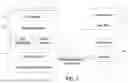
FIG. 1 is a block diagram showing an air pollution prevention system according to an embodiment of the present disclosure; and
FIG. 2 is a schematic view illustrating the nano photodetector of the air pollution prevention system according to the embodiment of the present disclosure.
DETAILED DESCRIPTION OF THE PREFERRED EMBODIMENT
The present disclosure will now be described more specifically with reference to the following embodiments. It is to be noted that the following descriptions of preferred embodiments of this invention are presented herein for purpose of illustration and description only. It is not intended to be exhaustive or to be limited to the precise form disclosed.
Referring to FIG. 1A, the present disclosure provides an air pollution prevention system including: at least one detection and processing device 1 and at least one cleaning device 2. The detection and processing device 1 includes a nano actuator 11, a nano photodetector 12, a carbon nanotube 13 and a microprocessor 14, which are integrated as a single chip device through semiconductor manufacturing processes and configured to detect a particulate matter and gas contained in an air pollution source and output a control command. The cleaning device 2 includes a nano blower 21, a nano filter 22 and a controller 23. The cleaning device 2 receives the control command outputted from the detection and processing device 1 through the controller 23 to control the nano blower 21, so that the nano blower 21 is enabled and controlled to guide the air pollution source to flow through the nano filter 22 for filtration.
In the embodiment, the detection and processing device 1 further includes a flow-guiding channel 15. Preferably but not exclusively, the nano actuator 11 is disposed in the flow-guiding channel 15 to guide the air pollution source to enter, and one end of the flow-guiding channel 15 is connected to the nano photodetector 12 and the carbon nanotubes 13. Thereby, the particulate matter contained in the air pollution source is detected by the nano photodetector 12, and the gas contained in the air pollution source is detected by the carbon nanotubes 13. Notably, in the embodiment, the particulate matter (PM) includes PM1, PM2.5 and PM10. In the embodiment, the gas is at least one selected from the group consisting of carbon monoxide, carbon dioxide, ozone, sulfur dioxide, nitrogen dioxide, lead, total volatile organic compounds (TVOC), formaldehyde, bacteria, fungi, virus and a combination thereof.
As shown in FIG. 2, the nano photodetector 12 is formed by disposing a nano array mirror 122 and a nano light source 123 in a chamber 121. When the air pollution source is guided into the flow channel 15 by the nano actuator 11 and flows into the chamber 121 of the nano photodetector 12, a light source is emitted from the nano light source 123, and the light source is reflected through the nano array mirror 122, thereby the particulate matter contained in the air pollution source is irradiated by the light source, also, the size and concentration of the particulate matter contained in the air pollution source are detected and calculated by the nano photodetector 12. Thus, data output of the of the particulate matter is detected through the nano photodetector 12.
Preferably but not exclusively, in the embodiment, the carbon nanotube 13 is a gas detector formed by carbon nanotubes. An array of carbon nanotubes on a silicon dioxide substrate are used in the gas detector. Each carbon nanotube has a tip radius of 15 nm. A distance formed between each adjacent two carbon nanotubes is 50 nm. An electrode made of aluminum is disposed above the carbon nanotubes with the spaced distance of 150 μm to generate an electric field, so that the gas molecules are dissociated to conduct the circuit. Different gas molecules have different breakdown voltages. It allows to distinguish the type of gas molecules through the different breakdown voltages. In addition, there is a good exponential relationship between the current and the gas concentration. Therefore, it allows to quantify the measured gas in accordance with the current, so as to know the type of gas and detect data output of the tiniest gas contained in the air pollution source.
In the embodiment, the data outputs of the particulate matter and the gas are analyzed and calculated by the microprocessor 14, and the control command is outputted through an artificial intelligence of things (AIoT) 3. Notably, in the embodiment, the AIoT 3 allows the microprocessor 14 using artificial intelligence algorithms to collect the data outputs of the particulate matter and the gas, and outputting the control commend in accordance with the collected data outputs of the particulate matter and the gas through the wireless transmission network.
Notably, in the embodiment, the cleaning device 2 is disposed indoors and includes for example but not limited to a fresh air fan, a purifier, an air conditioner, a range hood, an exhaust fan, a hairdryer, an electric fan or a vacuum cleaner. Preferably but not exclusively, the nano blower 21 of the cleaning device 2 is made of nano particle powders and has a fine surface area, thereby it has advantages of reducing the energy loss of static friction and dynamic friction during rotation, thereby improving the efficiency of air-guiding volume of the nano blower 21. Preferably but not exclusively, in the embodiment, the nano filter 22 of the cleaning device 2 includes a nanofiber, a nano activated carbon, or a nano film. Generally speaking, the nanofiber is made of hollow-fiber membranes, which can remove harmful substances such as bacteria and heavy metal ions. The nano activated carbon is made by combining the carbon nanotube material and the high-efficiency particle filter through the nanofabrication process, so as to filter dust, particles and bacteria. Usually, the high-efficiency particulate filter includes random chemical fibers. Preferably but not exclusively, the high-efficiency particulate filter is made of the non-woven fabric of polypropylene fiber or polyester fiber or the glass fiber, and has the floc structure with a diameter ranged from 0.5 μm to 2.0 μm for removing particles. In addition, the nano activated carbon can be made by spraying, dipping, and coating to attach antiviral agents to the surface for inhibiting influenza virus or enterovirus. Preferably but not exclusively, the nano film includes nano-microporous polytetrafluoroethylene (PTFE) membranes, which can filter particles ranged from 0.1 μm to 2.5 μm. Since the pore size of nano-microporous polytetrafluoroethylene (PTFE) membranes is smaller than that of ordinary microporous membranes, the filtration rate of the nano-microporous polytetrafluoroethylene (PTFE) membranes is as high as 99.9%. Thus, the nano-microporous polytetrafluoroethylene (PTFE) membranes are capable of excluding viruses, allergens and fine particles, and have extremely good filtration characteristics.
In the embodiment, the controller 23 receives the control command output by the detection and processing device 1, and intelligently compare the data outputs of the particulate matter and the gas with a safety data value. The data outputs of the particulate matter and the gas are analyzed and calculated by the microprocessor 14. In case of that the data outputs are inferior to the safety data value, the microprocessor 14 outputs the control command through the AIoT 3, the control command is received by the controller 23 of the cleaning device 2, and then the controller 23 intelligently compares the data outputs of the particulate matter and the gas with the safety data value in order to control actuation operation of the nano blower 21 and adjust air-guiding volume of the nano blower 21. Notably, in the embodiment, the safety detection value may also include at least one selected from the group consisting of a concentration of PM2.5 which is less than 35 μg/m3, a concentration of carbon dioxide which is less than 1000 ppm, a concentration of total volatile organic compounds which is less than 0.56 ppm, a concentration of formaldehyde which is less than 0.08 ppm, a colony-forming unit of bacteria which is less than 1500 CFU/m3, a colony-forming unit of fungi which is less than 1000 CFU/m3, a concentration of sulfur dioxide which is less than 0.075 ppm, a concentration of nitrogen dioxide which is less than 0.1 ppm, a concentration of carbon monoxide which is less than 9 ppm, a concentration of ozone which is less than 0.06 ppm, a concentration of lead which is less than 0.15 μg/m3 and a combination thereof. In addition, it is worth noting that, in accordance with the control command issued from the microprocessor 14, the nano blower 21 of the cleaning device 2 can change the air-guiding volume with the change of the air pollution quality. For example: when the air pollution quality is worse than the safety data value, the air-guiding volume is larger. When the air pollution quality is closer to the safety data value, the air-guiding volume is smaller. When the air pollution quality is better than the safety data value, the nano blower 21 can be turned off.
In summary, the present disclosure provides an air pollution prevention system, the tiniest air pollution sources are detected through the nano-level detection and processing device for monitoring the status of environmental air quality in real time. Moreover, the cleaning device having the nano filter is linked and actuated through the intelligent internet of things (AIoT) for filtering the tiniest pollution sources through the cleaning device having the nano filter. Thus, the cleanliness of the tiniest air pollution source is achieved and the zero-air-pollution prevention pollution is approached, accordingly, the present disclosure demonstrates the high industrial applicability with the inventive steps.
While the invention has been described in terms of what is presently considered to be the most practical and preferred embodiments, it is to be understood that the invention needs not be limited to the disclosed embodiment. On the contrary, it is intended to cover various modifications and similar arrangements included within the spirit and scope of the appended claims which are to be accorded with the broadest interpretation so as to encompass all such modifications and similar structures.
Claims
What is claimed is:1. An air pollution prevention system, comprising:
at least one detection and processing device comprising a nano actuator, a nano photodetector, a carbon nanotube and a microprocessor, which are integrated as a single chip device through semiconductor manufacturing processes and configured to detect a particulate matter and gas contained in an air pollution source and output a control command; and
at least one cleaning device comprising a nano blower, a nano filter and a controller, wherein the cleaning device receives the control command outputted from the detection and processing device through the controller to control the nano blower, so that the nano blower is enabled and controlled to guide the air pollution source to flow through the nano filter for filtration.
2. The air pollution prevention system according to claim 1, wherein the gas is at least one selected from the group consisting of carbon monoxide, carbon dioxide, ozone, sulfur dioxide, nitrogen dioxide, lead, total volatile organic compounds (TVOC), formaldehyde, bacteria, fungi, virus and a combination thereof.
3. The air pollution prevention system according to claim 1, wherein the nano photodetector is formed by disposing a nano array mirror and a nano light source in a chamber.
4. The air pollution prevention system according to claim 1, wherein the detection and processing device comprises a flow-guiding channel, the nano actuator is disposed in the flow-guiding channel to guide the air pollution source to enter, and one end of the flow-guiding channel is connected to the nano photodetector and the carbon nanotubes, so that the particulate matter contained in the air pollution source is detected by the nano photodetector, the gas contained in the air pollution source is detected by the carbon nanotubes, data outputs of the particulate matter and the gas are analyzed and calculated by the microprocessor, and the control command is outputted through an artificial intelligence of things (AIoT).
5. The air pollution prevention system according to claim 1, wherein the controller receives the control command outputted by the detection and processing device, and intelligently compares data outputs of the particulate matter and the gas to control actuation operation of the nano blower and adjust air-guiding volume of the nano blower.
6. The air pollution prevention system according to claim 1, wherein the nano blower is made of nano particle powders.
7. The air pollution prevention system according to claim 1, wherein the nano filter comprises a nanofiber.
8. The air pollution prevention system according to claim 1, wherein the nano filter comprises a nano activated carbon.
9. The air pollution prevention system according to claim 1, wherein the nano filter comprises a nano film.
10. The air pollution prevention system according to claim 1, wherein the cleaning device comprises a fresh air fan.
11. The air pollution prevention system according to claim 1, wherein the cleaning device comprises a purifier.
12. The air pollution prevention system according to claim 1, wherein the cleaning device comprises an air conditioner.
13. The air pollution prevention system according to claim 1, wherein the cleaning device comprises a range hood.
14. The air pollution prevention system according to claim 1, wherein the cleaning device comprises an exhaust fan.
15. The air pollution prevention system according to claim 1, wherein the cleaning device comprises a hairdryer.
16. The air pollution prevention system according to claim 1, wherein the cleaning device comprises an electric fan.
17. The air pollution prevention system according to claim 1, wherein the cleaning device comprises a vacuum cleaner.
Images & Drawings included:


Sources:
- United States Patent and Trademark Office - verify current appl. status at the USPTO↗
Similar patent applications:
- » 20220339992
IN-CAR AIR POLLUTION PREVENTION SYSTEM - » 20220349593
INDOOR AIR POLLUTION PREVENTION SYSTEM - » 20220364748
Indoor air pollution prevention system - » 20250020354
INDOOR AIR POLLUTION PREVENTION SYSTEM - » 20250020355
INDOOR AIR POLLUTION PREVENTION SYSTEM - » 20250035334
INDOOR AIR POLLUTION PREVENTION SYSTEM - » 20250060121
AIR POLLUTION PREVENTION SYSTEM FOR BATHROOM SPACE - » 20250155132
AIR POLLUTION PREVENTION SYSTEM FOR KITCHEN UNIT IN INDOOR FIELD
Recent applications in this class:
- » 20250305709 2025-10-02
THERMOSTAT BACKPLATE - » 20250297766 2025-09-25
Electric Control Box and Air Conditioner - » 20250237405 2025-07-24
ARRANGEMENT FOR REFRIGERANT LEAK MANAGEMENT - » 20250224133 2025-07-10
ELECTRIC CONTROL BOX, AIR-CONDITIONER INDOOR UNIT, AND AIR CONDITIONER - » 20250207805 2025-06-26
AIR CONDITIONER - » 20250129964 2025-04-24
PARAMETER BACKUP METHOD AND APPARATUS FOR AIR CONDITIONING UNIT, AND ELECTRONIC DEVICE - » 20250129963 2025-04-24
INDOOR AIR CLEANING SYSTEM - » 20250129962 2025-04-24
INDOOR AIR CLEANING SYSTEM - » 20250109882 2025-04-03
INDOOR UNIT OF HVAC APPARATUS, AND HVAC APPARATUS - » 20250060124 2025-02-20
Air Quality Monitoring Device
Recent applications for this Assignee:
- » 20250290653 2025-09-18
GENERATIVE ARTIFICIAL INTELLIGENCE INDOOR AIR CLEANING SYSTEM - » 20250271158 2025-08-28
INDOOR AIR CLEANING SYSTEM - » 20250264243 2025-08-21
INDOOR AIR CLEANING SYSTEM - » 20250251157 2025-08-07
INDOOR AIR CLEANING SYSTEM - » 20250237591 2025-07-24
PARTICLE DETECTING MODULE - » 20250237404 2025-07-24
INDOOR AIR CLEANING SYSTEM - » 20250237401 2025-07-24
INDOOR AIR CLEANING METHOD - » 20250224126 2025-07-10
INDOOR AIR CLEANING SYSTEM - » 20250198641 2025-06-19
INDOOR AIR CLEANING SYSTEM - » 20250180529 2025-06-05
REGULATION-DEVICE CONTROL CIRCUIT OF GAS DETECTION MODULE