SLICE INFORMATION FOR CELL SELECTION OR CELL RESELECTION
US20240172063A1
2024-05-23
18/522,620
2023-11-29
✅ Patent granted
US 12,621,731 B2
2026-05-05
-
-
Moustapha Diaby
Perkins Coie LLP
2044-08-23
Smart Summary: New methods help devices choose or switch between different cell networks using specific information called slice information. This slice information tells the device how to connect to various network segments, known as slices. When a device receives this information, it can decide which cell to connect to or switch to. The process ensures that the device connects to the best available network option. Overall, these techniques improve how devices manage their connections in wireless communication. 🚀 TL;DR
Abstract:
Techniques are described to perform cell selection operation or cell reselection operation by using slice information. An example wireless communication method includes receiving, by a communication device, a slice information that indicates a configuration associated with one or more slices; and performing, by the communication device, a cell selection operation or a cell re-selection operation with a target cell that is determined by the communication device using the slice information.
Assignee:
- ZTE Corporation 3,832 🇨🇳 Shenzhen, China
Applicant:
Interested in similar patents?
Get notified when new applications in this technology area are published.
Classification:
H04W36/00 IPC
Hand-off or reselection arrangements
H04W36/08 » CPC further
Hand-off or reselection arrangements Reselecting an access point
H04W36/00835 » CPC main
Hand-off or reselection arrangements; Control or signalling for completing the hand-off; Determination of parameters used for hand-off, e.g. generation or modification of neighbour cell lists Determination of the neighbour cell list
H04W36/12 IPC
Hand-off or reselection arrangements Reselecting a serving backbone network switching or routing node
H04W36/14 IPC
Hand-off or reselection arrangements Reselecting a network or an air interface
H04W36/18 IPC
Hand-off or reselection arrangements; Performing reselection for specific purposes for allowing seamless reselection, e.g. soft reselection
H04W36/20 IPC
Hand-off or reselection arrangements; Performing reselection for specific purposes for optimising the interference level
Description
CROSS REFERENCE TO RELATED APPLICATIONS
This patent document is a continuation of and claims benefit of priority to International Patent Application No. PCT/CN2021/112382, filed on Aug. 13, 2021. The entire content of the before-mentioned patent application is incorporated by reference as part of the disclosure of this application.
TECHNICAL FIELD
This disclosure is directed generally to digital wireless communications.
BACKGROUND
Mobile telecommunication technologies are moving the world toward an increasingly connected and networked society. In comparison with the existing wireless networks, next generation systems and wireless communication techniques will need to support a much wider range of use-case characteristics and provide a more complex and sophisticated range of access requirements and flexibilities.
Long-Term Evolution (LTE) is a standard for wireless communication for mobile devices and data terminals developed by 3rd Generation Partnership Project (3GPP). LTE Advanced (LTE-A) is a wireless communication standard that enhances the LTE standard. The 5th generation of wireless system, known as 5G, advances the LTE and LTE-A wireless standards and is committed to supporting higher data-rates, large number of connections, ultra-low latency, high reliability and other emerging business needs.
SUMMARY
Techniques are disclosed for indicating to a communication device (e.g., user equipment (UE)) slice information with which the communication device can perform cell selection operation or cell reselection operation.
A first example wireless communication method comprises receiving, by a communication device, a slice information that indicates a configuration associated with one or more slices; and performing, by the communication device, a cell selection operation or a cell re-selection operation with a target cell that is determined by the communication device using the slice information. In some embodiments, the slice information includes a first list of one or more slice identifiers of the one or more slices, and each slice identifier in the first list is associated with one or more frequencies that support a slice. In some embodiments, the slice information includes a second list of one or more slice group identifiers, each slice group identifier in the second list is associated with one or more frequencies that support a slice group, and each slice group indicated by the second list is associated with at least one slice. In some embodiments, the slice information includes a third list of one or more access category identifiers associated with the one or more slices, and each slice identifier in the third list is associated with one or more frequencies that support an access category.
In some embodiments, the slice information includes: a serving frequency operated by the network device and one or more other frequencies associated with the network device or each of one or more other network devices. In some embodiments, the slice information includes, for the serving frequency and for each of the one or more frequencies, a first list of one or more slice identifiers of the one or more slices. In some embodiments, the slice information includes, for the serving frequency and for each of the one or more frequencies, a second list of one or more slice group identifiers, and each slice group indicated by the second list is associated with at least one slice. In some embodiments, the slice information includes, for the serving frequency and for each of the one or more frequencies, a third list of one or more access category identifiers associated with the one or more slices. In some embodiments, the slice information includes one or more reselection priority values, and each slice identifier in the first list or each slice group identifier in the second list or each access category identifier in the third list is associated with one reselection priority value for a frequency.
In some embodiments, the communication device performs the cell re-selection operation by determining a plurality of reselection priority values of a plurality of frequencies and by determining the target cell associated with one frequency from the plurality of frequencies. In some embodiments, the plurality of reselection priority values of the plurality of frequencies is determined according to a set of reselection priority values associated with the one or more slices, or one or more slice groups, or the one or more access categories. In some embodiments, the plurality of reselection priority values of the plurality of frequency is determined according to a number of the one or more slices, or a number of the one or more slice groups, or a number of the one or more access categories supported in each frequency. In some embodiments, the communication device performs the cell selection operation or the cell re-selection operation by determining that the target cell is a highest ranked cell from a plurality of cells. In some embodiments, the communication device ranks the plurality of cells in an order based on a cell ranking criterion upon determining that the plurality of cells are associated with a same frequency.
In some embodiments, the communication device ranks the plurality of cells in an order based on a cell ranking criterion upon determining that one frequency from one cell from the plurality of cells is associated with a same reselection priority value as another frequency from another cell from the plurality of cells. In some embodiments, the plurality of cells are associated with at least one frequency that satisfies a cell selection criterion. In some embodiments, the plurality of cells are from a fourth list of cells indicated in the slice information, and the plurality of cells satisfy a cell selection criterion.
A second example wireless communication method comprises transmitting, by a network device to a communication device, a slice information that indicates a configuration associated with one or more slices, where the slice information includes a first list of one or more slice identifiers of the one or more slices, and where each slice identifier in the first list is associated with one or more frequencies that support a slice.
A third example wireless communication method comprises transmitting, by a network device to a communication device, a slice information that indicates a configuration associated with one or more slices, where the slice information includes a second list of one or more slice group identifiers, where each slice group identifier in the second list is associated with one or more frequencies that support a slice group, and where each slice group indicated by the second list is associated with at least one slice.
A third example wireless communication method comprises transmitting, by a network device to a communication device, a slice information that indicates a configuration associated with one or more slices, where the slice information includes a third list of one or more access category identifiers associated with the one or more slices, and where each access category identifier in the third list is associated with one or more frequencies that support an access category.
A fourth example wireless communication method comprises transmitting, by a network device to a communication device, a slice information that indicates a configuration associated with one or more slices, where the slice information includes: a serving frequency operated by the network device, and one or more other frequencies associated with the network device or each of one or more other network devices.
In some embodiments, the slice information includes, for the serving frequency and for each of the one or more frequencies, a first list of one or more slice identifiers of the one or more slices. In some embodiments, the slice information includes, for the serving frequency and for each of the one or more frequencies, a second list of one or more slice group identifiers, and each slice group indicated by the second list is associated with at least one slice. In some embodiments, the slice information includes, for the serving frequency and for each of the one or more frequencies, a third list of one or more access category identifiers associated with the one or more slices. In some embodiments, the slice information includes one or more reselection priority values, and each slice identifier in the first list or each slice group identifier in the second list or each access category identifier in the third list is associated with one reselection priority value for a frequency.
In yet another exemplary aspect, the above-described methods are embodied in the form of processor-executable code and stored in a non-transitory computer-readable storage medium. The code included in the computer readable storage medium when executed by a processor, causes the processor to implement the methods described in this patent document.
In yet another exemplary embodiment, a device that is configured or operable to perform the above-described methods is disclosed.
The above and other aspects and their implementations are described in greater detail in the drawings, the descriptions, and the claims.
BRIEF DESCRIPTION OF THE DRAWING
FIG. 1 shows an exemplary flowchart for indicating slice information for a cell selection operation or a cell re-selection operation.
FIGS. 2A-2C and 3 show exemplary flowcharts for indicating slice information.
FIG. 4 shows an exemplary block diagram of a hardware platform that may be a part of a network device or a communication device.
FIG. 5 shows an example of wireless communication including a base station (BS) and user equipment (UE) based on some implementations of the disclosed technology.
DETAILED DESCRIPTION
Network Slicing has been introduced in New Radio (NR), and Evolved Universal Terrestrial Radio Access (EUTRA) connected to 5GC, which is a concept to allow differentiated treatment depending on each customer requirements. With slicing, it is possible for Mobile Network Operators (MNO) to consider customers as belonging to different tenant types with each having different service requirements that govern in terms of what slice types each tenant is eligible to use based on Service Level Agreement (SLA) and subscriptions. To allow user equipment (UE) to take the slice availability at network side into consideration, the slice information, including the slices supported by the network (e.g., base station) and some configuration applicable for certain slices, can be transmitted from network to UE. The UE can then use such information to select or reselect a cell supporting one or more slices, via which it may initiate service. Thus, this patent document describes techniques for a network to transmit to the UE the slice information, including the slices supported by the network and some configuration applicable for certain slices. This patent document also describes utilization of the slice information at UE side for cell selection and reselection.
In an example embodiment, a UE receive the slice information from network side (e.g., base station) and use such slice information to decide the target cell for selection or reselection using the following two steps:
-
- In a first step, the UE receive slice information from network side (e.g., from a serving cell of a base station on which the UE is camping).
- In a second step, the UE uses the slice information to decide the target cell for selection and reselection. The target cell may be associated with the base station that transmitted the slice information in the first step or the target cell may be associated with another base station.
The example techniques are explained using “item” numbers, “option” numbers and “example” numbers to facilitate the understanding of the disclosed subject matter and do not limit the scope of the claimed subject matter in any way. Accordingly, one or more features of one item/option/example can be combined with one or more features of another item/option/example.
Item 1: In the first step, the slice information further compromise:
-
- Option 1: A list of slices or slice groups or access categories associated with slices supported by the serving frequency of the serving cell and the neighbor frequencies of one or more other cells. An example of the slice information indicated as part of Option 1 is shown in the example Table 1 below.
- A list of slice/slice group/access category associated with slices can be indicated in any one or more of the following way:
- Explicit indication via the slice identity.
- Implicit indication with the absence of the frequency information for a certain slice/slice group/access category associated with slices, where the absence of frequency information shows a lack of support for the certain slice/slice group/access category associated with slices.
- A bitmap with each bit refers to a slice/slice group/access category and value “1” indicates that this slice/slice group/access category is supported.
- The neighbor frequencies may include NR frequencies and/or EUTRA frequencies.
- For each slice or slice group or access category associated with slice(s), a list of frequencies supporting this slice or slice group or access category associated with slice(s) is included.
- For each frequency in the list, a reselection priority value and or a list of cells (identified by PCI) with or without some cell specific configuration (e.g. q-OffsetCell/q-RxLevMinOffsetCell/q-RxLevMinOffsetCellSUL/q-QualMinOffsetCell/ssb-PositionQCL) can be included.
- The frequency can be indicated in any one or more of the following ways:
- Explicitly identified by a frequency index or ARFCN value.
- If the frequency index is used, value 0 refers to the serving frequency, value 1 refers to the first frequency in InterFreqCarrierFreqList in SIB4 or the first frequency in CarrierFreqListEUTRA in SIB5, value 2 refers to the second frequency and so on.
- If the ARFCN is used, it can be ARFCN-ValueEUTRA or ARFCN-ValueNR.
- Implicit indication with the absence of the slice information per frequency showing that the corresponding frequency does not support the slice lice/slice group/access category associated with slices.
- In some embodiments, the priority values or the reselection priority values of the frequencies within one slice Id or within one slice group Id may be the same. In some embodiments, the priority value or the reselection priority value of a frequency within one slice Id or within one slice group Id may be the same as the priority value or the reselection priority value of a frequency within another slice Id or within another slice group Id.
- A list of slice/slice group/access category associated with slices can be indicated in any one or more of the following way:
- Option 1: A list of slices or slice groups or access categories associated with slices supported by the serving frequency of the serving cell and the neighbor frequencies of one or more other cells. An example of the slice information indicated as part of Option 1 is shown in the example Table 1 below.
| TABLE 1 |
| Slice Information |
| Slice Id-1/ | Supported- | Freq-x-priority | Physical cell identity |
| Slice-Group Id-1 | on-Freq-x | (Optional) | (PCI) list (Optional) |
| Supported- | Freq-y-priority | PCI list (Optional) | |
| on-Freq-y | (Optional) | ||
| Slice Id-2/ | Supported- | Freq-x-priority | PCI list (Optional) |
| Slice-Group Id-2 | on-Freq-x | (Optional) | |
| Supported- | Freq-z-priority | PCI list (Optional) | |
| on-Freq-z | (Optional) | ||
| . . . | . . . | . . . | . . . |
The following combinations of different ways to indicate the list of slice/slice group/access category associated with slice and the frequencies supporting a slice/slice group/access category associated with slices can be supported.
-
- Explicit indication of the slice id or the slice group id or the access category associated with slices+Explicit indication of the frequency.
- ·Explicit indication of the slice id or the slice group id or the access category+Bitmap indicating the presence of each frequency.
- Explicit indication of the slice id or the slice group id or the access category+Implicit indication of the frequency.
- Implicit indication of the slice id/the slice group id/access category+Explicit indication of the frequency.
- Implicit indication of the slice id/the slice group id/access category+Bitmap indicating the presence of each frequency.
- ·Implicit indication of the slice id/the slice group id/access category+Implicit indication of the frequency.
- Bitmap indicating presence of slice info for each slice/slice group/access category+Explicit indication of the frequency.
- Bitmap indicating presence of slice info for each slice/slice group/access category+Bitmap indicating the presence of each frequency.
- Bitmap indicating presence of slice info for each slice/slice group/access category+Implicit indication of the frequency.
ASN.1 examples is given below for some combinations.
ASN.1 examples for Option 1 of Item 1 as shown below:
| Example 1 of Option 1 of Item 1 - Explicit indication of the slice id or the |
| slice group id or the access category + Explicit indication of the frequency. |
| SliceInfoList ::= SEQUENCE (SIZE (1..maxSlicesConfigured)) OF SliceInfo//Only slice/slice |
| group supported by a neighbor frequency is included in this list |
| SliceInfo ::= SEQUENCE { |
| sliceIdentityList SEQUENCE (SIZE (1.. maxSlicesConfigured))SliceIdentity,//The |
| slice id or the slice group id or the access category associated with slice(s) |
| freqInfoListNR SEQUENCE (SIZE (1.. maxFreq+1)) OF |
| FrequencyInfoNR OPTIONAL, -- Need R //NR frequencies supporting the slices/slice groups |
| or access categories associated with slice in sliceIdentity |
| freqInfoListEUTRA SEQUENCE (SIZE (1.. maxFreq)) OF |
| FrequencyInfoEUTRA OPTIONAL -- Need R |
| } |
| FrequencyInfoNR::= SEQUENCE { |
| freqIndexNR INTEGER (0.. maxFreq),//Index 0 refers to the serving frequency |
| sliceCellListNR SliceCellListNR |
| OPTIONAL, -- Need R |
| cellReselectionPriority CellReselectionPriority OPTIONAL, -- Need R |
| cellReselectionSubPriority CellReselectionSubPriority OPTIONAL -- Need R |
| } |
| FrequencyInfoEUTRA::= SEQUENCE { |
| freqIndexEUTRA INTEGER (1.. maxEUTRA-Carrier), |
| sliceCellListEUTRA SliceCellListEUTRA |
| OPTIONAL, -- Need R |
| cellReselectionPriority CellReselectionPriority OPTIONAL, -- Need R |
| cellReselectionSubPriority CellReselectionSubPriority OPTIONAL -- Need R |
| } |
| SliceCellListNR ::= SEQUENCE (SIZE (1..maxCellSlice)) OF SliceCellInfoNR |
| SliceCellInfoNR ::= SEQUENCE { |
| physCellId PhysCellId, |
| q-OffsetCell Q-OffsetRange, |
| q-RxLevMinOffsetCell INTEGER (1..8) OPTIONAL, -- Need |
| R |
| q-RxLevMinOffsetCellSUL INTEGER (1..8) OPTIONAL, -- |
| Need R |
| q-QualMinOffsetCell INTEGER (1..8) OPTIONAL, -- Need R |
| ssb-PositionQCL-r16 SSB-PositionQCL-Relation-r16 OPTIONAL, -- |
| Cond SharedSpectrum2 |
| ... |
| } |
| SliceCellListEUTRA ::= SEQUENCE (SIZE (1..maxCellSlice)) OF SliceCellInfo |
| SliceCellInfoEUTRA ::= SEQUENCE { |
| physCellId EUTRA-PhysCellId, |
| dummy EUTRA-Q-OffsetRange, |
| q-RxLevMinOffsetCell INTEGER (1..8) OPTIONAL, -- Need |
| R |
| q-QualMinOffsetCell INTEGER (1..8) OPTIONAL -- Need R |
| } |
The maxSlicesConfigured refers to the maximum number of slice/slice groups/access categories associated with slices allowed to be broadcast in system information or provisioned via RRCRelease message.
The sliceIdentityList information element can include one or more slice ids, slice groups or access categories associated with slice(s). For the case when more than slice ids, slice groups or access categories associated with slice(s) is included, all of them are supported by the frequencies in the freqInfoListNR and/or freqInfoListEUTRA and the associated cell reselection priority and sub-priority applies to all of them.
The sliceCellList include cells supporting the slice(s)/slice group(s)/access category (or access categories) associated with slice(s) identified by sliceIdentityList. The maxCellSlice refers to the maximum number of cells for a slice/slice group/access category that can be provided.
| Example 2 of Option 1 of Item 1 - Implicit indication of the slice id/the |
| slice group id/access category + Explicit indication of the frequency |
| SliceInfoList ::= SEQUENCE (SIZE (maxSlicesDefined)) OF SliceInfo |
| SliceInfo ::= SEQUENCE { |
| frequency InfoList Frequency InfoList |
| OPTIONAL -- Need R |
| } |
| FrequencyInfoList ::= SEQUENCE { |
| freqInfoListNR SEQUENCE (SIZE (1.. maxFreq+1)) OF FrequencyInfoNR |
| OPTIONAL, -- Need R |
| freqInfoListEUTRA SEQUENCE (SIZE (1.. maxFreq)) OF |
| FrequencyInfoEUTRA OPTIONAL -- Need R |
| } |
| FrequencyInfoNR ::= SEQUENCE { |
| freqIndexNR INTEGER (0.. maxFreq), |
| sliceCellListNR SliceCellListNR |
| OPTIONAL, -- Need R |
| cellReselectionPriority CellReselectionPriority OPTIONAL, -- Need R |
| cellReselectionSubPriority CellReselectionSubPriority OPTIONAL -- Need R |
| } |
| Frequency InfoEUTRA::= SEQUENCE { |
| freqIndexEUTRA INTEGER (1.. maxEUTRA-Carrier), |
| sliceCellListEUTRA SliceCellListEUTRA |
| OPTIONAL, -- Need R |
| cellReselectionPriority CellReselectionPriority OPTIONAL, -- Need R |
| cellReselectionSubPriority CellReselectionSubPriority OPTIONAL -- Need R |
| SliceCellListNR ::= SEQUENCE (SIZE (1..maxCellSlice)) OF SliceCellInfoNR |
| SliceCellInfoNR ::= SEQUENCE { |
| physCellId PhysCellId, |
| q-OffsetCell Q-OffsetRange, |
| q-RxLevMinOffsetCell INTEGER (1..8) OPTIONAL, -- Need |
| R |
| q-RxLevMinOffsetCellSUL INTEGER (1..8) OPTIONAL, -- |
| Need R |
| q-QualMinOffsetCell INTEGER (1..8) OPTIONAL, -- Need R |
| ssb-PositionQCL-r16 SSB-PositionQCL-Relation-r16 OPTIONAL, -- |
| Cond SharedSpectrum2 |
| ... |
| } |
| SliceCellListEUTRA ::= SEQUENCE (SIZE (1..maxCellSlice)) OF SliceCellInfo |
| SliceCellInfoEUTRA ::= SEQUENCE { |
| physCellId EUTRA-PhysCellId, |
| dummy EUTRA-Q-OffsetRange, |
| q-RxLevMinOffsetCell INTEGER (1..8) OPTIONAL, -- Need |
| R |
| q-QualMinOffsetCell INTEGER (1..8) OPTIONAL -- Need R |
| } |
The maxSlicesDefined refers to the maximum number of slice/slice groups defined via NAS/AS signaling. The first item in the SliceInfoList refers to the slice/slice group/access category associated with slices with sliceIdentity 0, the second item in this list refer to the slice/slice group/access category associated with slices with sliceIdentity 1 and so on.
The absence of frequencyInfoList in SliceInfo indicates that the corresponding the slice/slice group/access category associated with slices is not supported in the serving and neighbor frequencies.
| Example 3 of Option 1 of Item 1 - Bitmap indicating presence of slice info for |
| each slice/slice group/access category + Explicit indication of the frequency |
| SliceInfoPresenceBitmap BIT STRING (SIZE (maxSlicesDefined)) |
| SliceInfoList ::= SEQUENCE (SIZE (1..maxSlicesConfigured)) OF SliceInfo |
| SliceInfo ::= SEQUENCE { |
| freqInfoListNR SEQUENCE (SIZE (1.. maxFreq+1)) OF FrequencyInfoNR |
| OPTIONAL, -- Need R |
| freqInfoListEUTRA SEQUENCE (SIZE (1.. maxFreq)) OF |
| FrequencyInfoEUTRA OPTIONAL -- Need R |
| } |
| FrequencyInfoNR ::= SEQUENCE { |
| freqIndexNR INTEGER (0.. maxFreq), |
| sliceCellListNR SliceCellListNR |
| OPTIONAL, -- Need R |
| cellReselectionPriority CellReselectionPriority OPTIONAL, -- Need R |
| cellReselectionSubPriority CellReselectionSubPriority OPTIONAL -- Need R |
| } |
| FrequencyInfoEUTRA::= SEQUENCE { |
| freqIndexEUTRA INTEGER (1.. maxEUTRA-Carrier), |
| sliceCellListEUTRA SliceCellListEUTRA |
| OPTIONAL, -- Need R |
| cellReselectionPriority CellReselectionPriority OPTIONAL, -- Need R |
| cellReselectionSubPriority CellReselectionSubPriority OPTIONAL -- Need R |
| SliceCellListNR ::= SEQUENCE (SIZE (1 .. maxCellSlice)) OF SliceCellInfoNR |
| SliceCellInfoNR ::= SEQUENCE { |
| physCellId PhysCellId, |
| q-OffsetCell Q-OffsetRange, |
| q-RxLevMinOffsetCell INTEGER (1..8) OPTIONAL, -- Need |
| R |
| q-RxLevMinOffsetCellSUL INTEGER (1..8) OPTIONAL, -- |
| Need R |
| q-QualMinOffsetCell INTEGER (1..8) OPTIONAL, -- Need R |
| ssb-PositionQCL-r16 SSB-PositionQCL-Relation-r16 OPTIONAL, -- |
| Cond SharedSpectrum2 |
| ... |
| } |
| SliceCellListEUTRA ::= SEQUENCE (SIZE (1..maxCellSlice)) OF SliceCellInfo |
| SliceCellInfoEUTRA ::= SEQUENCE { |
| physCellId EUTRA-PhysCellId, |
| dummy EUTRA-Q-OffsetRange, |
| q-RxLevMinOffsetCell INTEGER (1..8) OPTIONAL, -- Need |
| R |
| q-QualMinOffsetCell INTEGER (1..8) OPTIONAL -- Need R |
| } |
The size of the SliceInfoPresenceBitmap “maxSlicesConfigured” refers to the maximum number of slice/slice groups defined via NAS/AS signaling. The first bit in this bitmap refers to the slice/slice group/access category associated with slices with sliceIdentity 0, the second bit refer to the slice/slice group/access category associated with slices with sliceIdentity 1 and so on with value “0” indicates that the slice/slice group/access category associated with slices is not supported by the serving and neighbor frequencies.
SliceInfoList only include the slice/slice group/access category associated with slices supported by the serving and neighbor frequencies. The first item in this list refer to the first the slice/slice group/access category associated with slices supported by the serving and neighbor frequencies, which is the first slice with the corresponding bit in the SliceInfoPresenceBitmap with value “1”.
| Example 4 of Option 1 of Item 1 - Explicit indication of the slice id or the slice |
| group id or the access category + Bitmap indicating the presence of each frequency |
| SliceInfoList ::= SEQUENCE (SIZE (1..maxSlicesConfigured)) OF SliceInfo |
| SliceInfo ::= SEQUENCE { |
| sliceIdentityList SEQUENCE (SIZE (1..maxSlicesConfigured))SliceIdentity, |
| freqInfoListNR SEQUENCE (SIZE (1..maxFreq+1)) OF FrequencyInfoNR |
| OPTIONAL, -- Need R |
| freqInfoListEUTRA SEQUENCE (SIZE (1.. maxEUTRA-Carrier)) OF |
| FrequencyInfoEUTRA OPTIONAL -- Need R |
| frequencyInfoPresenceBitmapNR BIT STRING (SIZE (maxFreq+1)) |
| OPTIONAL -- Need R//The first bit refers to the serving frequency |
| frequencyInfoPresenceBitmapEUTRA BIT STRING (SIZE (maxEUTRA-Carrier)) |
| OPTIONAL -- Need R |
| } |
| FrequencyInfoNR ::= SEQUENCE { |
| cellReselectionPriority CellReselectionPriority OPTIONAL, -- Need R |
| cellReselectionSubPriority CellReselectionSubPriority OPTIONAL -- Need R |
| sliceCellListNR SliceCellListNR |
| OPTIONAL, -- Need R |
| } |
| FrequencyInfoEUTRA ::= SEQUENCE |
| cellReselectionPriority CellReselectionPriority OPTIONAL, -- Need R |
| cellReselectionSubPriority CellReselectionSubPriority OPTIONAL -- Need R |
| sliceCellListEUTRA SliceCellListEUTRA |
| OPTIONAL, -- Need R |
| } |
The first bit in the frequency InfoPresenceBitmapNR refers to the serving frequency, the second bit refers to the first frequency in InterFreqCarrierFreqList in SIB4, the third bit refers to the second frequency in InterFreqCarrierFreqList in SIB4 and so on. Value “1” indicates that the corresponding frequency supports the slices/slice groups/access categories associated with slices identified in sliceIdentityList. The first item in freqInfoListNR refers to the first frequency supporting the slices/slice groups/access categories associated with slices identified in sliceIdentityList, for which the corresponding bit in frequency InfoPresenceBitmapNR is set to “1”.
The first bit in the frequency InfoPresenceBitmapEUTRA refers to the first frequency in CarrierFreqListEUTRA in SIB5, the second bit refers to the second frequency in CarrierFreqListEUTRA in SIB5 and so on. Value “1” indicates that the corresponding frequency supports the slices/slice groups/access categories associated with slices identified in sliceIdentityList. The first item in freqInfoListEUTRA refers to the first frequency supporting the slices/slice groups/access categories associated with slices identified in sliceIdentityList, for which the corresponding bit in frequency InfoPresenceBitmapEUTRA is set to “1”.
| Example 5 of Option 1 of Item 1 - Explicit indication of the slice id or the |
| slice group id or the access category + Implicit indication of the frequency |
| SliceInfoList ::= SEQUENCE (SIZE (1..maxSlicesConfigured)) OF SliceInfo |
| SliceInfo ::= SEQUENCE { |
| sliceIdentityList SEQUENCE (SIZE (1..maxSlicesConfigured))SliceIdentity, |
| frequencyInfoListNR SEQUENCE (SIZE (maxFreq+1)) OF |
| FrequencyInfoNR OPTIONAL -- Need R//The first bit is for the serving frequency |
| freqInfoListEUTRA SEQUENCE (SIZE (maxEUTRA-Carrier)) OF |
| FrequencyInfoEUTRA OPTIONAL -- Need R |
| } |
| Frequency InfoNR ::= SEQUENCE { |
| sliceInfoPerFreqNR SliceInfoPerFreqNR OPTIONAL - |
| - Need R |
| } |
| Frequency InfoEUTRA ::= SEQUENCE { |
| sliceInfoPerFreqEUTRA SliceInfoPerFreqEUTRA |
| OPTIONAL -- Need R |
| } |
| SliceInfoPerFreqNR ::= SEQUENCE { |
| cellReselectionPriority CellReselectionPriority OPTIONAL, -- Need R |
| cellReselectionSubPriority CellReselectionSubPriority OPTIONAL -- Need R |
| sliceCellListNR SliceCellListNR |
| OPTIONAL, -- Need R |
| } |
| SliceInfoPerFreqEUTRA ::= SEQUENCE { |
| cellReselectionPriority CellReselectionPriority OPTIONAL, -- Need R |
| cellReselectionSubPriority CellReselectionSubPriority OPTIONAL -- Need R |
| sliceCellListEUTRA SliceCellListEUTRA |
| OPTIONAL, -- Need R |
| } |
The first item in frequencyInfoListNR refers to the serving frequency, the second item refers to the first frequency in InterFreqCarrierFreqList in SIB4, the third bit refers to the second frequency in InterFreqCarrierFreqList in SIB4 and so on. For each frequency in the frequency InfoListNR, absence of the sliceInfoPerFreqNR indicates that the slices/slice groups/access categories associated with slices identified in sliceIdentityList is not supported in this frequency.
The first item in frequencyInfoListEUTRA refers to the first frequency in CarrierFreqListEUTRA in SIB5, the second bit refers to the second frequency in CarrierFreqListEUTRA in SIB5 and so on. For each frequency in the frequency InfoListEUTRA, absence of the sliceInfoPerFreqEUTRA indicates that the slices/slice groups/access categories associated with slices identified in sliceIdentityList is not supported in this frequency.
Item 1: In the first step, the slice information may include:
-
- Option 2: Serving frequency of a serving cell and a list of neighbor frequencies of one or more other cells, where the slice information provided for each frequency can be as shown in the example Table 2 below.
- The neighbor frequencies may include NR frequencies and/or EUTRA frequencies.
- For each frequency, a list of slice/slice group/access category associated with slices supported by this frequency is provided. A reselection priority value and or a list of cells (identified by PCI) with or without some cell specific configuration (e.g. q-OffsetCell/q-RxLevMinOffsetCell/q-RxLevMinOffsetCellSUL/q-QualMinOffsetCell/ssb-PositionQCL) can be included for each slice/slice group/access category associated with slices, which are supported in this frequency.
- A list of slice/slice group/access category associated with slices supported by the frequency can be indicated in any one or more of the following way:
- Explicit indication via the slice identity.
- Implicit indication with the absence of the frequency information for a certain slice/slice group/access category associated with slices showing this slice/slice group/access category associated with slices is not supported.
- A bitmap with each bit refers to a slice/slice group/access category and value “1” indicates that this slice/slice group/access category is supported.
- In some embodiments, the priority values or the reselection priority values of at least two slices for a particular frequency may be the same. In some embodiments, the priority values or the reselection priority values at least two slices between one frequency and another frequency may be the same.
- Option 2: Serving frequency of a serving cell and a list of neighbor frequencies of one or more other cells, where the slice information provided for each frequency can be as shown in the example Table 2 below.
| TABLE 2 |
| Slice information |
| For the serving frequency |
| Slice id-1/Slice | Slice specific | PCI list (Optional) | |
| Group Id-1 | priority (Optional) | ||
| Slice id-2/Slice | Slice specific | PCI list (Optional) | |
| Group Id-2 | priority (Optional) | ||
| . . . | . . . | . . . |
| For inter-frequency |
| Frequency 1 | Slice id-1/Slice | Slice specific | PCI list (Optional) |
| Group Id-1 | priority (Optional) | ||
| Slice id-2/Slice | Slice specific | PCI list (Optional) | |
| Group Id-2 | priority (Optional) | ||
| . . . | . . . | . . . | |
| Frequency 2 | Slice id-1/Slice | Slice specific | PCI list (Optional) |
| Group Id-1 | priority (Optional) | ||
| Slice id-2/Slice | Slice specific | PCI list (Optional) | |
| Group Id-2 | priority (Optional) | ||
| . . . | . . . | . . . |
| . . . |
ASN.1 examples for Option 2 of Item 1 as shown below:
| Example 1 of Option 2 of Item 1 - Explicit indication of the slice id or |
| the slice group id or the access category supported by the frequency. |
| • SliceInfo-r17 |
| SliceInfo-r17::= SEQUENCE { |
| sliceIdentityList SEQUENCE (SIZE (1.. |
| maxSlicesConfigured))SliceIdentity,//The slice id or the slice group id or the access category |
| associated with slice(s) |
| cellReselectionPriority CellReselectionPriority OPTIONAL, -- Need R |
| cellReselectionSubPriority CellReselectionSubPriority OPTIONAL -- Need R |
| sliceCellListNR-r17 SliceCellListNR-r17 |
| OPTIONAL, -- Need R |
| sliceCellListEUTRA-r17 SliceCellListEUTRA-r17 |
| OPTIONAL -- Need R |
| } |
| SliceCellListNR-r17 ::= SEQUENCE (SIZE (1. . maxCellSlice)) OF SliceCellInfoNR |
| SliceCellInfoNR-r17 ::= SEQUENCE { |
| physCellId PhysCellId, |
| q-OffsetCell Q-OffsetRange, |
| q-RxLevMinOffsetCell INTEGER (1..8) OPTIONAL, -- Need |
| R |
| q-RxLevMinOffsetCellSUL INTEGER (1..8) OPTIONAL, -- |
| Need R |
| q-QualMinOffsetCell INTEGER (1..8) OPTIONAL, -- Need R |
| ssb-PositionQCL-r16 SSB-PositionQCL-Relation-r16 OPTIONAL, -- |
| Cond SharedSpectrum2 |
| ... |
| } |
| SliceCellListEUTRA-r17 ::= SEQUENCE (SIZE (1..maxCellSlice)) OF SliceCellInfo |
| SliceCellInfoEUTRA-r17 ::= SEQUENCE { |
| physCellId EUTRA-PhysCellId, |
| dummy EUTRA-Q-OffsetRange, |
| q-RxLevMinOffsetCell INTEGER (1..8) OPTIONAL, -- Need |
| R |
| q-QualMinOffsetCell INTEGER (1..8) OPTIONAL -- Need R |
| } |
| • SIB2 |
| SIB2 ::= SEQUENCE { |
| Partly omitted |
| cellReselectionInfoCommon SEQUENCE { |
| nrofSS-BlocksToAverage INTEGER (2 .. maxNrofSS-BlocksToAverage) |
| OPTIONAL, -- Need S |
| absThreshSS-BlocksConsolidation ThresholdNR OPTIONAL, |
| -- Need S |
| rangeToBestCell RangeToBestCell OPTIONAL, -- |
| Need R |
| q-Hyst ENUMERATED { |
| dB0, dB1, dB2, dB3, dB4, dB5, dB6, dB8, dB10, |
| dB12, dB14, dB16, dB18, dB20, dB22, dB24}, |
| speedStateReselectionPars SEQUENCE { |
| mobilityStateParameters MobilityStateParameters, |
| q-HystSF SEQUENCE { |
| sf-Medium ENUMERATED {dB-6, dB-4, dB-2, dB0}, |
| sf-High ENUMERATED {dB-6, dB-4, dB-2, dB0} |
| } |
| } OPTIONAL, -- Need R |
| ..., |
| [[ |
| sliceInfoList-r17 SEQUENCE (SIZE (1..maxSlicesConfigured)) OF SliceInfo-r17 |
| OPTIONAL -- Need R |
| ]] |
| } |
| • SIB 4 |
| SIB4 ::= SEQUENCE { |
| interFreqCarrierFreqList InterFreqCarrierFreqList, |
| lateNonCriticalExtension OCTET STRING OPTIONAL, |
| ..., |
| [[ |
| interFreqCarrierFreqList-v1610 InterFreqCarrierFreqList-v1610 OPTIONAL -- |
| Need R |
| ]] |
| } |
| InterFreqCarrierFreqList ::= SEQUENCE (SIZE (1..maxFreq)) OF InterFreqCarrierFreqInfo |
| InterFreqCarrierFreqList-v1610 ::= SEQUENCE (SIZE (1..maxFreq)) OF |
| InterFreqCarrierFreqInfo-v1610 |
| InterFreqCarrierFreqInfo ::= SEQUENCE { |
| Partly omitted |
| ..., |
| [[ |
| sliceInfoList-r17 SEQUENCE (SIZE (1..maxSlicesConfigured)) OF SliceInfo-r17 |
| OPTIONAL -- Need R |
| ]] |
| } |
| • SIB5 |
| SIB5 ::= SEQUENCE { |
| carrierFreqListEUTRA CarrierFreqListEUTRA OPTIONAL, -- |
| Need R |
| t-ReselectionEUTRA T-Reselection, |
| t-ReselectionEUTRA-SF SpeedStateScaleFactors OPTIONAL, -- |
| Need S |
| lateNonCriticalExtension OCTET STRING OPTIONAL, |
| ..., |
| [[ |
| carrierFreqListEUTRA-v1610 CarrierFreqListEUTRA-v1610 OPTIONAL |
| -- Need R |
| ]] |
| [[ |
| carrierFreqListEUTRA-v17xy CarrierFreqListEUTRA-v17xy OPTIONAL -- |
| Need R |
| ]] |
| } |
| CarrierFreqListEUTRA ::= SEQUENCE (SIZE (1..maxEUTRA-Carrier)) OF |
| CarrierFreqEUTRA |
| CarrierFreqListEUTRA-v1610 ::= SEQUENCE (SIZE (1..maxEUTRA-Carrier)) OF |
| CarrierFreqEUTRA-v1610 |
| CarrierFreqListEUTRA-v17xy::= SEQUENCE (SIZE (1..maxEUTRA-Carrier)) OF |
| CarrierFreqEUTRA-v17xy |
| CarrierFreqEUTRA-v17xy ::= SEQUENCE { |
| sliceInfoList-r17 SEQUENCE (SIZE (1..maxSlicesConfigured)) OF SliceInfo-r17 |
| OPTIONAL -- Need R |
| } |
| • RRCRelease |
| RRCRelease-v17xy-IEs ::= SEQUENCE { |
| sliceSpecificCellReselectionPriorities-r17 SliceSpecificCellReselectionPriorities- |
| r17 OPTIONAL -- Need R |
| nonCriticalExtension SEQUENCE { } OPTIONAL |
| } |
| SliceSpecificCellReselectionPriorities-r17 ::= SEQUENCE { |
| sliceSpecificFreqPriorityListEUTRA-r17 SliceSpecificFreqPriorityListEUTRA-17 |
| OPTIONAL, -- Need M |
| sliceSpecificFreqPriorityListNR-r17 SliceSpecificFreqPriorityListNR-r17 |
| OPTIONAL, -- Need M |
| } |
| SliceSpecificFreqPriorityListEUTRA-17::= SEQUENCE (SIZE (1..maxFreq)) OF |
| SliceSpecificFreqPriorityEUTRA-r17 |
| SliceSpecificFreqPriorityListNR-r17 ::= SEQUENCE (SIZE (1..maxFreq)) OF |
| SliceSpecificFreqPriorityNR-r17 |
| SliceSpecificFreqPriorityEUTRA-r17 ::= SEQUENCE { |
| carrierFreq ARFCN-ValueEUTRA, |
| sliceInfoList-r17 SEQUENCE (SIZE (1..maxSlicesConfigured)) OF SliceInfo-r17 |
| OPTIONAL -- Need R |
| } |
| FreqPriorityNR ::= SEQUENCE { |
| carrierFreq ARFCN-ValueNR, |
| sliceInfoList-r17 SEQUENCE (SIZE (1..maxSlicesConfigured)) OF SliceInfo-r17 |
| OPTIONAL -- Need R |
| } |
| Example 2 of Option 2 of Item 1 - Implicit indication of the slice id |
| or the slice group id or the access category associated with slices |
| SliceInfo-r17 |
| SliceInfo-r17 ::= SEQUENCE { |
| sliceSpecificPriority-r17 SliceSpecificPriority-r17 OPTIONAL -- |
| Need R |
| } |
| SliceSpecificPriority-r17 ::= SEQUENCE { |
| cellReselectionPriority CellReselectionPriority OPTIONAL, -- Need R |
| cellReselectionSubPriority CellReselectionSubPriority OPTIONAL -- Need R |
| sliceCellListNR-r17 SliceCellListNR-r17 |
| OPTIONAL, -- Need R |
| sliceCellListEUTRA-r17 SliceCellListEUTRA-r17 |
| OPTIONAL -- Need R |
| } |
| SIB2 |
| SIB2 ::= SEQUENCE { |
| Partly omitted |
| cellReselectionInfoCommon SEQUENCE { |
| nrofSS-BlocksToAverage INTEGER (2..maxNrofSS-BlocksToAverage) |
| OPTIONAL, -- Need S |
| absThreshSS-BlocksConsolidation ThresholdNR OPTIONAL, |
| -- Need S |
| rangeToBestCell RangeToBestCell OPTIONAL, -- |
| Need R |
| q-Hyst ENUMERATED { |
| dB0, dB1, dB2, dB3, dB4, dB5, dB6, dB8, dB10, |
| dB12, dB14, dB16, dB18, dB20, dB22, dB24}, |
| speedStateReselectionPars SEQUENCE { |
| mobilityStateParameters MobilityStateParameters, |
| q-HystSF SEQUENCE { |
| sf-Medium ENUMERATED {dB-6, dB-4, dB-2, dB0}, |
| sf-High ENUMERATED {dB-6, dB-4, dB-2, dB0} |
| } |
| } OPTIONAL, -- Need R |
| ..., |
| [[ |
| sliceInfoList-R17 SEQUENCE (SIZE (maxSlicesDefined)) OF SliceInfo-r17 |
| OPTIONAL -- Need R |
| ]] |
| } |
| SIB 4 |
| SIB4 ::= SEQUENCE { |
| interFreqCarrierFreqList InterFreqCarrierFreqList, |
| lateNonCriticalExtension OCTET STRING OPTIONAL, |
| ..., |
| [[ |
| interFreqCarrierFreqList-v1610 InterFreqCarrierFreqList-v1610 OPTIONAL -- |
| Need R |
| ]] |
| } |
| InterFreqCarrierFreqList ::= SEQUENCE (SIZE (1..maxFreq)) OF InterFreqCarrierFreqInfo |
| InterFreqCarrierFreqList-v1610 ::= SEQUENCE (SIZE (1..maxFreq)) OF |
| InterFreqCarrierFreqInfo-v1610 |
| InterFreqCarrierFreqInfo ::= SEQUENCE { |
| Partly omitted |
| ..., |
| [[ |
| sliceInfoList-R17 SEQUENCE (SIZE (maxSlicesDefined)) OF SliceInfo-r17 |
| OPTIONAL -- Need R |
| ]] |
| } |
| SIB5 |
| SIB5 ::= SEQUENCE { |
| carrierFreqListEUTRA CarrierFreqListEUTRA OPTIONAL, -- |
| Need R |
| t-ReselectionEUTRA T-Reselection, |
| t-ReselectionEUTRA-SF SpeedStateScaleFactors OPTIONAL, -- |
| Need S |
| lateNonCriticalExtension OCTET STRING OPTIONAL, |
| ..., |
| [[ |
| carrierFreqListEUTRA-v1610 CarrierFreqListEUTRA-v1610 OPTIONAL |
| -- Need R |
| ]] |
| [[ |
| carrierFreqListEUTRA-v17xy CarrierFreqListEUTRA-v17xy OPTIONAL -- |
| Need R |
| ]] |
| } |
| CarrierFreqListEUTRA ::= SEQUENCE (SIZE (1..maxEUTRA-Carrier)) OF |
| CarrierFreqEUTRA |
| CarrierFreqListEUTRA-v1610 ::= SEQUENCE (SIZE (1..maxEUTRA-Carrier)) OF |
| CarrierFreqEUTRA-v1610 |
| CarrierFreqListEUTRA-v17xy ::= SEQUENCE (SIZE (1..maxEUTRA-Carrier)) OF |
| CarrierFreqEUTRA-v17xy |
| CarrierFreqEUTRA-v17xy ::= SEQUENCE { |
| sliceInfoList-R17 SEQUENCE (SIZE (maxSlicesDefined)) OF SliceInfo-r17 |
| OPTIONAL -- Need R |
| } |
| RRCRelease |
| RRCRelease-v17xy-IEs ::= SEQUENCE { |
| sliceSpecificCellReselectionPriorities-r17 SliceSpecificCellReselectionPriorities- |
| r17 OPTIONAL -- Need R |
| nonCriticalExtension SEQUENCE { } OPTIONAL |
| } |
| SliceSpecificCellReselectionPriorities-r17 ::= SEQUENCE { |
| sliceSpecificFreqPriorityListEUTRA-r17 SliceSpecificFreqPriorityListEUTRA-17 |
| OPTIONAL, -- Need M |
| sliceSpecificFreqPriorityListNR-r17 SliceSpecificFreqPriorityListNR-r17 |
| OPTIONAL, -- Need M |
| } |
| SliceSpecificFreqPriorityListEUTRA-17::= SEQUENCE (SIZE (1..maxFreq)) OF |
| SliceSpecificFreqPriorityEUTRA-r17 |
| SliceSpecificFreqPriorityListNR-r17 ::= SEQUENCE (SIZE (1..maxFreq)) OF |
| SliceSpecificFreqPriorityNR-r17 |
| SliceSpecificFreqPriorityEUTRA-r17 ::= SEQUENCE { |
| carrierFreq ARFCN-ValueEUTRA, |
| sliceInfoList-R17 SEQUENCE (SIZE (maxSlicesDefined)) OF SliceInfo-r17 |
| OPTIONAL -- Need R |
| } |
| FreqPriorityNR ::= SEQUENCE { |
| carrierFreq ARFCN-ValueNR, |
| sliceInfoList-R17 SEQUENCE (SIZE (maxSlicesDefined)) OF SliceInfo-r17 |
| OPTIONAL -- Need R |
| } |
| Example 3 of Option 2 of Item 1 - Bitmap indicating presence of slice or slice group. |
| SliceInfo-r17 |
| SliceInfo-r17 ::= SEQUENCE { |
| cellReselectionPriority CellReselectionPriority OPTIONAL, -- Need R |
| cellReselectionSubPriority CellReselectionSubPriority OPTIONAL, -- Need R |
| sliceCellListNR-r17 SliceCellListNR-r17 |
| OPTIONAL, -- Need R |
| sliceCellListEUTRA-r17 SliceCellListEUTRA-r17 |
| OPTIONAL -- Need R |
| } |
| SIB2 |
| SIB2 ::= SEQUENCE { |
| Partly omitted |
| cellReselectionInfoCommon SEQUENCE { |
| nrofSS-BlocksToAverage INTEGER (2..maxNrofSS-BlocksToAverage) |
| OPTIONAL, -- Need S |
| absThreshSS-BlocksConsolidation ThresholdNR OPTIONAL, |
| -- Need S |
| rangeToBestCell RangeToBestCell OPTIONAL, -- |
| Need R |
| q-Hyst ENUMERATED { |
| dB0, dB1, dB2, dB3, dB4, dB5, dB6, dB8, dB10, |
| dB12, dB14, dB16, dB18, dB20, dB22, dB24}, |
| speedStateReselectionPars SEQUENCE { |
| mobilityStateParameters MobilityStateParameters, |
| q-HystSF SEQUENCE { |
| sf-Medium ENUMERATED {dB-6, dB-4, dB-2, dB0}, |
| sf-High ENUMERATED {dB-6, dB-4, dB-2, dB0} |
| } |
| } OPTIONAL, -- Need R |
| ..., |
| [[ |
| SliceInfoPresenceBitmap BIT STRING (SIZE (maxSlicesDefined)) |
| sliceInfoList-R17 SEQUENCE (SIZE (1..maxSlicesConfigured)) OF SliceInfo-r17 |
| OPTIONAL -- Need R |
| ]] |
| } |
| SIB 4 |
| SIB4 ::= SEQUENCE { |
| interFreqCarrierFreqList InterFreqCarrierFreqList, |
| lateNonCriticalExtension OCTET STRING OPTIONAL, |
| ..., |
| [[ |
| interFreqCarrierFreqList-v1610 InterFreqCarrierFreqList-v1610 OPTIONAL -- |
| Need R |
| ]] |
| } |
| InterFreqCarrierFreqList ::= SEQUENCE (SIZE (1..maxFreq)) OF InterFreqCarrierFreqInfo |
| InterFreqCarrierFreqList-v1610 ::= SEQUENCE (SIZE (1..maxFreq)) OF |
| InterFreqCarrierFreqInfo-v1610 |
| InterFreqCarrierFreqInfo ::= SEQUENCE { |
| Partly omitted |
| ..., |
| [[ |
| SliceInfoPresenceBitmap BIT STRING (SIZE (maxSlicesDefined)) |
| sliceInfoList-R17 SEQUENCE (SIZE (maxSlicesDefined)) OF SliceInfo-r17 |
| OPTIONAL -- Need R |
| ]] |
| } |
| SIB5 |
| SIB5 ::= SEQUENCE { |
| carrierFreqListEUTRA CarrierFreqListEUTRA OPTIONAL, -- |
| Need R |
| t-ReselectionEUTRA T-Reselection, |
| t-ReselectionEUTRA-SF SpeedStateScaleFactors OPTIONAL, -- |
| Need S |
| lateNonCriticalExtension OCTET STRING OPTIONAL, |
| ..., |
| [[ |
| carrierFreqListEUTRA-v1610 CarrierFreqListEUTRA-v1610 OPTIONAL |
| -- Need R |
| ]] |
| [[ |
| carrierFreqListEUTRA-v17xy CarrierFreqListEUTRA-v17xy OPTIONAL -- |
| Need R |
| ]] |
| } |
| CarrierFreqListEUTRA ::= SEQUENCE (SIZE (1..maxEUTRA-Carrier)) OF |
| CarrierFreqEUTRA |
| CarrierFreqListEUTRA-v1610 ::= SEQUENCE (SIZE (1..maxEUTRA-Carrier)) OF |
| CarrierFreqEUTRA-v1610 |
| CarrierFreqListEUTRA-v17xy::= SEQUENCE (SIZE (1..maxEUTRA-Carrier)) OF |
| CarrierFreqEUTRA-v17xy |
| CarrierFreqEUTRA-v17xy ::= SEQUENCE { |
| SliceInfoPresenceBitmap BIT STRING (SIZE (maxSlicesDefined)) |
| sliceInfoList-R17 SEQUENCE (SIZE (maxSlicesDefined)) OF SliceInfo-r17 |
| OPTIONAL Need R |
| } |
| RRCRelease |
| RRCRelease-v17xy-IEs ::= SEQUENCE { |
| sliceSpecificCellReselectionPriorities-r17 SliceSpecificCellReselectionPriorities- |
| r17 OPTIONAL -- Need R |
| nonCriticalExtension SEQUENCE { } OPTIONAL |
| } |
| SliceSpecificCellReselectionPriorities-r17 ::= SEQUENCE { |
| sliceSpecificFreqPriorityListEUTRA-r17 SliceSpecificFreqPriorityListEUTRA-17 |
| OPTIONAL, -- Need M |
| sliceSpecificFreqPriorityListNR-r17 SliceSpecificFreqPriorityListEUTRA-17 |
| OPTIONAL, -- Need M |
| } |
| SliceSpecificFreqPriorityListEUTRA-17::= SEQUENCE (SIZE (1..maxFreq)) OF |
| SliceSpecificFreqPriorityEUTRA-r17 |
| SliceSpecificFreqPriorityListNR-r17 ::= SEQUENCE (SIZE (1..maxFreq)) OF |
| SliceSpecificFreqPriorityNR-r17 |
| SliceSpecificFreqPriorityEUTRA-r17 ::= SEQUENCE { |
| carrierFreq ARFCN-ValueEUTRA, |
| SliceInfoPresenceBitmap BIT STRING (SIZE (maxSlicesDefined)) |
| sliceInfoList-R17 SEQUENCE (SIZE (maxSlicesDefined)) OF SliceInfo-r17 |
| OPTIONAL -- Need R |
| } |
| FreqPriorityNR ::= SEQUENCE { |
| carrierFreq ARFCN-ValueNR, |
| SliceInfoPresenceBitmap BIT STRING (SIZE (maxSlicesDefined)) |
| sliceInfoList-R17 SEQUENCE (SIZE (maxSlicesDefined)) OF SliceInfo-r17 |
| OPTIONAL -- Need R |
| } |
The slice information can be provided from network to UE via system information (e.g. SIB2/3/4/5 or a new SIB introduced for the slice information) or RRCRelease message. For the case when a new SIB is introduced for the slice information, this SIB can be configured to be area specific, i.e. the SIB is valid in an area of one of more cells.
Item 2: In the second step, UE decide the target cell for cell selection or reselection as further explained below. In some embodiments, the UE performs the operation(s) in Item 2.1 (discussed below) if a single selected element (e.g., slice or slice group or access category or frequency) is associated with a specific priority or a highest priority. In some embodiments, the UE performs the operation(s) in Item 2.1 followed by the operation(s) in Item 2.2 (discussed below) if at least two cells are associated with a same frequency or if at least two selected elements (e.g., slices or slice groups or access categories or frequencies) are associated with a same specific priority or a same highest priority.
-
- 2.1: Cell reselection priority values determination for frequencies is based on the priority value configured for each slice/slice group/access category or the number of slice/slice group/access categories associated with slices or a set of default reselection priority values.
- Option 1 of Item 2.1: Select one or more slices (or slice group(s) or access category/categories) associated with one or more corresponding reselection priority values specific to the slice(s) (or slice group(s) or access category/categories). Determine the reselection priority values for frequencies associated with the selected slice. Decide or determine the target cell for cell selection or reselection based on the determined reselection priority value for the frequencies.
- The slice can be selected in any one or more of the following ways:
- Alternative 1: Leave to UE implementation to select a slice from the allowed S-NSSAIs/the requested S-NSSAIs/the configured S-NSSAIs with slice specific priority configured.
- Alternative 2: Define a fixed rule for slice selection, e.g. select the first slice in the allowed S-NSSAIs/the requested S-NSSAIs/the configured S-NSSAIs who has slice specific reselection priority configured.
- Alternative 3: Define slice priority and it is up to network (NW) to configure.
- Alternative 3.1: Define slice priority and NAS/AS signaling to configure.
- Alternative 3.2: Reuse the allowed S-NSSAI/the requested S-NSSAIs/the configured S-NSSAIs list and the existing signaling with an additional requirement that the S-NSSAIs will be placed in order with the first one to be the highest priority.
- Alternative 4: Select the latest used slice.
- The slice can be selected in any one or more of the following ways:
- Option 2 of Item 2.1: Determine the frequency priority based on the number of supported allowed S-NSSAIs/the requested S-NSSAIs/the configured S-NSSAIs and decide the target cell for cell selection or reselection following the step to determine the frequency priority.
- For the frequency priority determination:
- Alternative 1: UE determine the frequency priority of all the frequencies provided in system information or RRCRelease message based on the number of the intended slices (e.g., the allowed S-NSSAIs, the requested S-NSSAIs or the configured S-NSSAIs) or based on number of slice groups or based on number of access categories. For example, the frequency that supports the maximum number of slices among UE's intended slices can be determined by the UE to have the highest priority in cell reselection. The frequency that supports the second most number of slices among UE's intended slices can be determined by the UE to have the second highest priority in cell reselection, and so on. In another example, the frequency that supports the maximum number of slice groups (or maximum number of access categories) among UE's intended slices can be determined by the UE to have the highest priority in cell reselection. The frequency that supports the second most number of slice groups (or second most number of access categories) among UE's intended slices can be determined by the UE to have the second highest priority in cell reselection, and so on
- Alternative 2: UE only determine the highest priority frequency, e.g., the frequency that supports the maximum number of slices among UE's intended slices, and all the other frequencies will be considered as lower priority than this frequency. In another example, UE only determine the highest priority frequency, e.g., the frequency that supports the maximum number of slice groups (or maximum number of access categories) among UE's intended slices, and all the other frequencies will be considered as lower priority than this frequency.
- For the case when more than one frequency supports the same number of slices among UE's intended slices, the following alternatives have been proposed:
- Alternative 1: UE treat them with equal priority and the further prioritization among the frequencies which UE considers to be the same priority frequency is left to UE implementation.
- Alternative 2: Further consider the existing absolute cell reselection frequency priority if provided.
- For the frequency priority determination:
- Option 3 of Item 2.1: Determine the frequency priority based on the highest slice specific priority value configured for a frequency and decide the target cell for cell selection or reselection following the frequency priority.
- Option 4 of Item 2.1: Determine the frequency priority based on a set of default frequency priority values for the case when the UE determines that no slice specific cell reselection priority is provided for any frequency.
- Option 1 of Item 2.1: Select one or more slices (or slice group(s) or access category/categories) associated with one or more corresponding reselection priority values specific to the slice(s) (or slice group(s) or access category/categories). Determine the reselection priority values for frequencies associated with the selected slice. Decide or determine the target cell for cell selection or reselection based on the determined reselection priority value for the frequencies.
- Item 2.2: For cells in the same frequency or the frequencies with equal reselection priority, rank cells based on a cell ranking criterion (e.g., R-criterion) and the select the highest rank cell as the target for cell selection and reselection.
- The cell-ranking criterion Rs for serving cell and Rn for neighboring cells is defined by:
- 2.1: Cell reselection priority values determination for frequencies is based on the priority value configured for each slice/slice group/access category or the number of slice/slice group/access categories associated with slices or a set of default reselection priority values.
Rs=Qmeas,s+Qhyst−Qoffsettemp
Rn=Qmeas,n−Qoffset−Qoffsettemp
-
- where a description for the above variables is shown in the table below:
| Qmeas | RSRP measurement quantity used in cell reselections. |
| Qoffset | For intra-frequency: Equals to Qoffsets, n, if Qoffsets, n |
| is valid, otherwise this equals to zero. | |
| For inter-frequency: Equals to Qoffsets, n plus | |
| Qoffsetfrequency, if Qoffsets, n is valid, otherwise this | |
| equals to Qoffsetfrequency. | |
| Qoffsettemp | Offset temporarily applied to a cell as specified in TS |
| 38.331. | |
-
-
- Alternative 1: All the cells in a certain frequency satisfying a cell selection criterion (e.g., S-criterion) will be ranked.
- Alternative 2: Rank only the cells satisfying the cell selection criterion (e.g., S-criterion) in the cell list provided for slice/slice group/access category associated with slices.
- The cell selection criterion S is fulfilled when:
-
Srxlev>0 AND Squal>0
-
- where:
Srxlev=Qrxlevmeas−(Qrxlevmin+Qrxlevminoffset)−Pcompensation−Qoffsettemp
Squal=Qqualmeas−(Qqualmin+Qqualminoffset)−Qoffsettemp
-
- where:
| Srxlev | Cell selection RX level value (dB) |
| Squal | Cell selection quality value (dB) |
| Qoffsettemp | Offset temporarily applied to a cell as specified in TS 38.331 (dB) |
| Qrxlevmeas | Measured cell RX level value (RSRP) |
| Qqualmeas | Measured cell quality value (RSRQ) |
| Qrxlevmin | Minimum required RX level in the cell (dBm). If the UE supports SUL |
| frequency for this cell, Qrxlevmin is obtained from q-RxLevMinSUL, if | |
| present, in SIB1, SIB2 and SIB4, additionally, if QrxlevminoffsetcellSUL is | |
| present in SIB3 and SIB4 for the concerned cell, this cell specific offset | |
| is added to the corresponding Qrxlevmin to achieve the required minimum | |
| RX level in the concerned cell; | |
| else Qrxlevmin is obtained from q-RxLevMin in SIB1, SIB2 and SIB4, | |
| additionally, if Qrxlevminoffsetcell is present in SIB3 and SIB4 for the | |
| concerned cell, this cell specific offset is added to the corresponding | |
| Qrxlevmin to achieve the required minimum RX level in the concerned cell. | |
| Qqualmin | Minimum required quality level in the cell (dB). Additionally, if |
| Qqualminoffsetcell is signalled for the concerned cell, this cell specific offset | |
| is added to achieve the required minimum quality level in the concerned cell. | |
| Qrxlevminoffset | Offset to the signalled Qrxlevmin taken into account in the Srxlev |
| evaluation as a result of a periodic search for a higher priority PLMN | |
| while camped normally in a VPLMN, as specified in TS 23.122. | |
| Qqualminoffset | Offset to the signalled Qqualmin taken into account in the Squal |
| evaluation as a result of a periodic search for a higher priority PLMN | |
| while camped normally in a VPLMN, as specified in TS 23.122. | |
| Pcompensation | For FR1, if the UE supports the additionalPmax in the NR-NS-PmaxList, |
| if present, in SIB1, SIB2 and SIB4: | |
| max(PEMAX1 − PPowerClass, 0) − (min(PEMAX2, PPowerClass) − min(PEMAX1, | |
| PPowerClass)) (dB); | |
| else: | |
| max(PEMAX1 − PPowerClass, 0) (dB) | |
| For FR2, Pcompensation is set to 0. | |
| PEMAX1, | Maximum TX power level of a UE may use when transmitting on the |
| PEMAX2 | uplink in the cell (dBm) defined as PEMAX in TS 38.101. If UE supports |
| SUL frequency for this cell, PEMAX1 and PEMAX2 are obtained from the | |
| p-Max for SUL in SIB1 and NR-NS-PmaxList for SUL respectively in | |
| SIB1, SIB2 and SIB4 as specified in TS 38.331, else PEMAX1 and PEMAX2 | |
| are obtained from the p-Max and NR-NS-PmaxList respectively in | |
| SIB1, SIB2 and SIB4 for normal UL as specified in TS 38.331. | |
| PPowerClass | Maximum RF output power of the UE (dBm) according to the UE |
| power class as defined in TS 38.101-1. | |
In the implementation examples described below, the steps can be performed by a communication device (e.g., UE)
Implementation Example 1 of Option 1 of Item 2.1
-
- Step 1: List Slices in the priority order starting with highest priority slice.
- Step 2: Select the first (or next if from Step 7) slice in the list
- Step 3: Assign the priorities to frequencies according to the priorities provided to the selected slice
- Step 4: Perform cell search according to the legacy procedure using the priorities assigned in step 3
- Step 5: If the highest ranked cell is determined to be suitable then exit this sequence of operation;
- Step 6: If there are remaining cell frequencies then go back to step 3
- Step 7: If the end of the slice list has not been reached go back to step 2
- Step 8: Perform legacy cell reselection (using non-slice-based priorities for example for frequencies not corresponding to any slice support)
Implementation Example 2 of Option 1 of Item 2.1
-
- Step 1: Select a slice (or next if from Step 6) in the list
- Step 2: Assign the priorities to frequencies according to the priorities provided to the selected slice
- Step 3: Perform cell search according to the legacy procedure using the priorities assigned in step 3 and only consider the cells provided in the sliceCellListNR or sliceCellListEUTRA. These cells will be ranked based on the cell ranking criterion (e.g., R-criterion).
- Step 4: If the highest ranked cell is determined to be suitable then exit this sequence of operation;
- Step 5: If there are remaining cell frequencies then go back to step 3
- Step 6: If the end of the slice list has not been reached go back to step 2
- Step 7: Perform legacy cell reselection (using non-slice-based priorities for example for frequencies not corresponding to any slice support)
Implementation Example 3 of Option 1 of Item 2.1
-
- Step 1: Select a slice in the list
- Step 3: Assign the priorities to frequencies according to the priorities provided to the selected slice
- Step 4: Perform cell search according to the legacy procedure using the priorities assigned in step 3.
- Step 5: If the highest ranked cell is determined to be suitable then exit this sequence of operation;
- Step 6: If there are remaining cell frequencies then go back to step 3
- Step 7: Perform legacy cell reselection (using non-slice-based priorities for example for frequencies not corresponding to any slice support)
Implementation Example 4 of Option 1 of Item 2.1
-
- Step 1: List Slices in the priority order starting with highest priority slice.
- Step 2: Select the first slice in the list
- Step 3: Assign the priorities to frequencies according to the priorities provided to the selected slice
- Step 4: Perform cell search according to the legacy procedure using the priorities assigned in step 3
- Step 5: If the highest ranked cell is determined to be suitable and supports the selected slice in step 2 then camp on the cell and exit this sequence of operation.
- Step 5-a: Else if the highest ranked cell is determined to be suitable but doesn't support the selected slice in step 2, then the priority value of this frequency is changed to the priority value of the highest priority slice supported by both UE and the highest ranked cell (e.g., intersection slice set).
- Step 5-b: With updated frequency priority, if legacy inter-frequency cell reselection criteria (as illustrated below) is met, camp on the cell and exit this sequence of operation.
- If priority of target frequency is higher than serving frequency, Srxlev>ThreshX, HighP during a time interval
- If priority of target frequency is lower than serving frequency, Srxlev<ThreshServing, LowP and Srxlev>ThreshX, LowP during a time interval
- Step 6: If there are remaining cell frequencies then go back to step 3
- Step 7: Perform legacy cell reselection (using non-slice-based priorities for example for frequencies not corresponding to any slice support)
Implementation Example 1 of Option 2 of Item 2.1
-
- Step 1: The UE will consider the frequency priority in cell reselection based on the number of supported slices among UE's intended slices (e.g., allowed S-NSSAIs). That is, the frequency that supports the maximum number of slices among UE's intended slices has the highest priority in cell reselection. The frequency that supports the second most slices among UE's intended slices has the second highest priority in cell reselection, and so on.
- Step 2: If more than one frequency supports the same number of slices among UE's intended slices, the UE can treat them with equal priority, with the further prioritization among these frequencies decided via UE implementation.
- Step 3: The UE performs the legacy cell reselection (specified in TS 38.304) following the priority assigned based on the above rules.
Implementation Example 2 of Option 2 of Item 2.1
-
- Step 1: The UE will consider the frequency priority in cell reselection based on the number of supported slices among UE's intended slices (e.g., allowed S-NSSAIs). That is, the frequency that supports the maximum number of slices among UE's intended slices has the highest priority in cell reselection. And all the other frequencies will be considered to be with lower reselection priority than this frequency.
- Step 2: If more than one frequency supports the same number of slices among UE's intended slices, the UE can treat them with equal priority, with the further prioritization among these frequencies decided via UE implementation.
- Step 3: The UE performs the legacy cell reselection (specified in TS 38.304) following the priority assigned based on the above rules.
Implementation Example 3 of Option 2 of Item 2.1
-
- Step 1: The UE will consider the frequency priority in cell reselection based on the number of supported slices among UE's intended slices (e.g., allowed S-NSSAIs). That is, the frequency that supports the maximum number of slices among UE's intended slices has the highest priority in cell reselection. And all the other frequencies will be considered to be with lower reselection priority than this frequency.
- Step 2: If more than one frequency supports the same number of slices among UE's intended slices, the sub-priority among these frequencies will be determined based on the existing reselection priority (e.g., not slice specific), if provided.
- Step 3: The UE performs the legacy cell reselection (specified in TS 38.304) following the priority assigned based on the above rules.
Implementation Example 1 of Option 3 of Item 2.1
-
- Step 1: UE is provided with the list of available slices and the frequency priority corresponding to each of the available slices per frequency.
- Step 2: For each frequency, the UE identifies the available slices on that frequency that are in the UE's configured slice list (e.g., the intersection of the available slices in the slice info (in the SIB or RRCRelease message) and the configured slices.)
- Step 3: For each frequency, the UE assigns a frequency priority equal to the highest frequency priority to the highest frequency priority amongst those identified slices (e.g., for a frequency F1, if the identified slices are slices 1 and 2 with frequency priority of 1 and 8, assign priority 8 for that frequency).
The section below describes example techniques for indicating and using slice information:
UE receive the slice information from network side and use such slice information to decide the target cell for selection or reselection.
-
- The slice information further compromise one of the following:
- A list of slices or slice groups or access categories associated with slices supported by the serving frequency and the neighbor frequencies.
- Serving frequency and a list of neighbor frequencies with the slice information provided for each frequency.
- Use the slice information to decide the target cell for selection or reselection further compromise the following:
- Determine the cell reselection priority for each frequency based on the priority value configured for each slice/slice group/access category associated with slices or the number of slice/slice group/access categories associated with slices
- For cells in the same frequency or frequencies with equal priority, rank cells based on the R-criterion and select the highest ranked cell as the target cell for cell selection or reselection.
- The cells to be ranked include all the cells in a certain frequency satisfying S-criterion or only cells in the cell list provided for slice/slice group/access category associated with slices satisfying S-criterion.
- The slice information further compromise one of the following:
FIG. 1 shows an exemplary flowchart for indicating slice information for a cell selection operation or a cell re-selection operation. Operation 102 includes receiving, by a communication device, a slice information that indicates a configuration associated with one or more slices. Operation 104 includes performing, by the communication device, a cell selection operation or a cell re-selection operation with a target cell that is determined by the communication device using the slice information.
In some embodiments, the slice information includes a first list of one or more slice identifiers of the one or more slices, and each slice identifier in the first list is associated with one or more frequencies that support a slice. In some embodiments, the slice information includes a second list of one or more slice group identifiers, each slice group identifier in the second list is associated with one or more frequencies that support a slice group, and each slice group indicated by the second list is associated with at least one slice. In some embodiments, the slice information includes a third list of one or more access category identifiers associated with the one or more slices, and each slice identifier in the third list is associated with one or more frequencies that support an access category.
In some embodiments, the slice information includes: a serving frequency operated by the network device and one or more other frequencies associated with the network device or each of one or more other network devices. In some embodiments, the slice information includes, for the serving frequency and for each of the one or more frequencies, a first list of one or more slice identifiers of the one or more slices. In some embodiments, the slice information includes, for the serving frequency and for each of the one or more frequencies, a second list of one or more slice group identifiers, and each slice group indicated by the second list is associated with at least one slice. In some embodiments, the slice information includes, for the serving frequency and for each of the one or more frequencies, a third list of one or more access category identifiers associated with the one or more slices. In some embodiments, the slice information includes one or more reselection priority values, and each slice identifier in the first list or each slice group identifier in the second list or each access category identifier in the third list is associated with one reselection priority value for a frequency.
In some embodiments, the communication device performs the cell re-selection operation by determining a plurality of reselection priority values of a plurality of frequencies and by determining the target cell associated with one frequency from the plurality of frequencies. In some embodiments, the plurality of reselection priority values of the plurality of frequencies is determined according to a set of reselection priority values associated with the one or more slices, or one or more slice groups, or the one or more access categories. In some embodiments, the plurality of reselection priority values of the plurality of frequency is determined according to a number of the one or more slices, or a number of the one or more slice groups, or a number of the one or more access categories supported in each frequency. In some embodiments, the communication device performs the cell selection operation or the cell re-selection operation by determining that the target cell is a highest ranked cell from a plurality of cells. In some embodiments, the communication device ranks the plurality of cells in an order based on a cell ranking criterion upon determining that the plurality of cells are associated with a same frequency.
In some embodiments, the communication device ranks the plurality of cells in an order based on a cell ranking criterion upon determining that one frequency from one cell from the plurality of cells is associated with a same reselection priority value as another frequency from another cell from the plurality of cells. In some embodiments, the plurality of cells are associated with at least one frequency that satisfies a cell selection criterion. In some embodiments, the plurality of cells are from a fourth list of cells indicated in the slice information, and the plurality of cells satisfy a cell selection criterion.
FIG. 2A shows an exemplary flowchart for indicating slice information. Operation 202 includes transmitting, by a network device to a communication device, a slice information that indicates a configuration associated with one or more slices, where the slice information includes a first list of one or more slice identifiers of the one or more slices, and where each slice identifier in the first list is associated with one or more frequencies that support a slice.
FIG. 2B shows an exemplary flowchart for indicating slice information. Operation 212 includes transmitting, by a network device to a communication device, a slice information that indicates a configuration associated with one or more slices, where the slice information includes a second list of one or more slice group identifiers, where each slice group identifier in the second list is associated with one or more frequencies that support a slice group, and where each slice group indicated by the second list is associated with at least one slice.
FIG. 2C shows an exemplary flowchart for indicating slice information. Operation 222 includes transmitting, by a network device to a communication device, a slice information that indicates a configuration associated with one or more slices, where the slice information includes a third list of one or more access category identifiers associated with the one or more slices, and where each access category identifier in the third list is associated with one or more frequencies that support an access category.
FIG. 3 shows an exemplary flowchart for indicating slice information. Operation 302 includes transmitting, by a network device to a communication device, a slice information that indicates a configuration associated with one or more slices, where the slice information includes: a serving frequency operated by the network device, and one or more other frequencies associated with the network device or each of one or more other network devices.
In some embodiments, the slice information includes, for the serving frequency and for each of the one or more frequencies, a first list of one or more slice identifiers of the one or more slices. In some embodiments, the slice information includes, for the serving frequency and for each of the one or more frequencies, a second list of one or more slice group identifiers, and each slice group indicated by the second list is associated with at least one slice. In some embodiments, the slice information includes, for the serving frequency and for each of the one or more frequencies, a third list of one or more access category identifiers associated with the one or more slices. In some embodiments, the slice information includes one or more reselection priority values, and each slice identifier in the first list or each slice group identifier in the second list or each access category identifier in the third list is associated with one reselection priority value for a frequency.
FIG. 4 shows an exemplary block diagram of a hardware platform 400 that may be a part of a network device (e.g., base station) or a communication device (e.g., a user equipment (UE)). The hardware platform 400 includes at least one processor 410 and a memory 405 having instructions stored thereupon. The instructions upon execution by the processor 410 configure the hardware platform 400 to perform the operations described in FIGS. 1 to 3 and in the various embodiments described in this patent document. The transmitter 415 transmits or sends information or data to another device. For example, a network device transmitter can send a message to a user equipment. The receiver 420 receives information or data transmitted or sent by another device. For example, a user equipment can receive a message from a network device.
The implementations as discussed above will apply to a wireless communication. FIG. 5 shows an example of a wireless communication system (e.g., a 5G or NR cellular network) that includes a base station 520 and one or more user equipment (UE) 511, 512 and 513. In some embodiments, the UEs access the BS (e.g., the network) using a communication link to the network (sometimes called uplink direction, as depicted by dashed arrows 531, 532, 533), which then enables subsequent communication (e.g., shown in the direction from the network to the UEs, sometimes called downlink direction, shown by arrows 541, 542, 543) from the BS to the UEs. In some embodiments, the BS send information to the UEs (sometimes called downlink direction, as depicted by arrows 541, 542, 543), which then enables subsequent communication (e.g., shown in the direction from the UEs to the BS, sometimes called uplink direction, shown by dashed arrows 531, 532, 533) from the UEs to the BS. The UE may be, for example, a smartphone, a tablet, a mobile computer, a machine to machine (M2M) device, an Internet of Things (IOT) device, and so on.
In this document the term “exemplary” is used to mean “an example of” and, unless otherwise stated, does not imply an ideal or a preferred embodiment.
Some of the embodiments described herein are described in the general context of methods or processes, which may be implemented in one embodiment by a computer program product, embodied in a computer-readable medium, including computer-executable instructions, such as program code, executed by computers in networked environments. A computer-readable medium may include removable and non-removable storage devices including, but not limited to, Read Only Memory (ROM), Random Access Memory (RAM), compact discs (CDs), digital versatile discs (DVD), etc. Therefore, the computer-readable media can include a non-transitory storage media. Generally, program modules may include routines, programs, objects, components, data structures, etc. that perform particular tasks or implement particular abstract data types. Computer- or processor-executable instructions, associated data structures, and program modules represent examples of program code for executing steps of the methods disclosed herein. The particular sequence of such executable instructions or associated data structures represents examples of corresponding acts for implementing the functions described in such steps or processes.
Some of the disclosed embodiments can be implemented as devices or modules using hardware circuits, software, or combinations thereof. For example, a hardware circuit implementation can include discrete analog and/or digital components that are, for example, integrated as part of a printed circuit board. Alternatively, or additionally, the disclosed components or modules can be implemented as an Application Specific Integrated Circuit (ASIC) and/or as a Field Programmable Gate Array (FPGA) device. Some implementations may additionally or alternatively include a digital signal processor (DSP) that is a specialized microprocessor with an architecture optimized for the operational needs of digital signal processing associated with the disclosed functionalities of this application. Similarly, the various components or sub-components within each module may be implemented in software, hardware or firmware. The connectivity between the modules and/or components within the modules may be provided using any one of the connectivity methods and media that is known in the art, including, but not limited to, communications over the Internet, wired, or wireless networks using the appropriate protocols.
While this document contains many specifics, these should not be construed as limitations on the scope of an invention that is claimed or of what may be claimed, but rather as descriptions of features specific to particular embodiments. Certain features that are described in this document in the context of separate embodiments can also be implemented in combination in a single embodiment. Conversely, various features that are described in the context of a single embodiment can also be implemented in multiple embodiments separately or in any suitable sub-combination. Moreover, although features may be described above as acting in certain combinations and even initially claimed as such, one or more features from a claimed combination can in some cases be excised from the combination, and the claimed combination may be directed to a sub-combination or a variation of a sub-combination. Similarly, while operations are depicted in the drawings in a particular order, this should not be understood as requiring that such operations be performed in the particular order shown or in sequential order, or that all illustrated operations be performed, to achieve desirable results.
Only a few implementations and examples are described and other implementations, enhancements and variations can be made based on what is described and illustrated in this disclosure.
Claims
1. A wireless communication method, comprising:
receiving, by a communication device, a slice information that indicates a configuration associated with one or more slices;
performing, by the communication device, a cell re-selection operation with a target cell that is determined by the communication device using the slice information,
wherein the slice information includes:
a first frequency operated by a first network device as a serving frequency;
one or more second frequencies associated with at least one of the first network device or one or more second network devices;
a list of one or more slice group identifiers for the first frequency and each of the one or more second frequencies, wherein each slice group indicated by the list of one or more slice group identifiers is associated with at least one slice; and
one or more reselection priority values, wherein each slice group identifier in the list of one or more slice group identifiers is associated with one reselection priority value for a frequency.
2-9. (canceled)
10. The method of claim 1, wherein the performing the cell re-selection operation includes: determining a plurality of reselection priority values of a plurality of frequencies; and determining, as the target cell, a cell that is associated with one frequency of the plurality of frequencies.
11. The method of claim 10, wherein the plurality of reselection priority values of the plurality of frequencies is determined according to a set of reselection priority values associated with one or more slice groups.
12. (canceled)
13. The method of claim 1,
wherein the performing the cell re-selection operation includes determining that the target cell is a highest ranked cell out of a plurality of cells.
14. The method of claim 13, wherein the communication device ranks the plurality of cells in an order based on a cell ranking criterion upon determining that the plurality of cells are associated with a same frequency.
15. The method of claim 13, wherein the communication device ranks the plurality of cells in an order based on a cell ranking criterion upon determining that one frequency from one cell out of the plurality of cells is associated with a same reselection priority value as another frequency from another cell out of the plurality of cells.
16. The method of claim 13, wherein the plurality of cells are associated with at least one frequency that satisfies a cell selection criterion.
17-20. (canceled)
21. A wireless communication method, comprising:
transmitting, by a first network device to a communication device, a slice information that indicates a configuration associated with one or more slices,
wherein the slice information includes:
a first frequency operated by the network device as a serving frequency;
one or more second frequencies associated with at least one of the first network device or one or more second network devices;
a list of one or more slice group identifiers for the first frequency and each of the one or more second frequencies, wherein each slice group indicated by the list of one or more slice group identifiers is associated with at least one slice; and
one or more reselection priority values, wherein each slice group identifier in the list of one or more slice group identifiers is associated with one reselection priority value for a frequency.
22-27. (canceled)
28. The method of claim 21, wherein a cell re-selection operation is performed by determining that a target cell is a highest ranked cell from a plurality of cells.
29. The method of claim 28, wherein the plurality of cells is ranked in an order based on a cell ranking criterion upon determining that the plurality of cells is associated with a same frequency.
30. The method of claim 28, wherein the plurality of cells is ranked in an order based on a cell ranking criterion upon determining that one frequency from one cell out of the plurality of cells is associated with a same reselection priority value as another frequency from another cell out of the plurality of cells.
31. The method of claim 28, wherein the plurality of cells is associated with at least one frequency that satisfies a cell selection criterion.
32. The method of claim 1, wherein the slice information include a list of slice groups associated with slices supported by each frequency, and one or more of a reselection priority value or a list of cells identified by physical cell identity (PCI) included in each slice group.
33. The method of claim 1, wherein the slice information is indicated using a frequency information list that includes: a first item that refers to the serving frequency; a second item that refers to a first frequency in an inter-frequency carrier frequency list in system information block type 4 (SIB4) and a third item that refers to a second frequency in the inter-frequency carrier frequency list in SIB4.
34. The method of claim 1, wherein the one or more slice group identifiers are indicated using at least one of: radio resource control (RRC) release; slice specific frequency priority list; frequency priority; carrier frequency; absolute radio frequency channel number (ARFCN); slice information; slice identity; cell reselection priority; or cell reselection subpriority.
35. The method of claim 1, wherein a slice is selected based on slice priority and non-access stratum (NAS) signaling to configure.
36. A communication device for wireless communication comprising a processor, configured to implement a method, comprising:
receiving a slice information that indicates a configuration associated with one or more slices;
performing a cell re-selection operation with a target cell that is determined by the communication device using the slice information,
wherein the slice information includes:
a first frequency operated by a first network device as a serving frequency;
one or more second frequencies associated with at least one of the first network device or one or more second network devices;
a list of one or more slice group identifiers for the first frequency and each of the one or more second frequencies, wherein each slice group indicated by the list of one or more slice group identifiers is associated with at least one slice; and
one or more reselection priority values, wherein each slice group identifier in the list of one or more slice group identifiers is associated with one reselection priority value for a frequency.
37. The communication device of claim 36, wherein the performing the cell re-selection operation includes: determining a plurality of reselection priority values of a plurality of frequencies; and determining, as the target cell, a cell that is associated with one frequency of the plurality of frequencies.
38. The communication device of claim 37, wherein the plurality of reselection priority values of the plurality of frequencies is determined according to a set of reselection priority values associated with one or more slice groups.
39. The communication device of claim 36, wherein the performing the cell re-selection operation includes determining that the target cell is a highest ranked cell out of a plurality of cells.
40. The communication device of claim 39, wherein the communication device ranks the plurality of cells in an order based on a cell ranking criterion upon determining that the plurality of cells are associated with a same frequency.
41. The communication device of claim 39, wherein the communication device ranks the plurality of cells in an order based on a cell ranking criterion upon determining that one frequency from one cell out of the plurality of cells is associated with a same reselection priority value as another frequency from another cell out of the plurality of cells.
42. The communication device of claim 39, wherein the plurality of cells are associated with at least one frequency that satisfies a cell selection criterion.
43. The communication device of claim 36, wherein the slice information include a list of slice groups associated with slices supported by each frequency, and one or more of a reselection priority value or a list of cells identified by physical cell identity (PCI) included in each slice group.
44. The communication device of claim 36, wherein the slice information is indicated using a frequency information list that includes: a first item that refers to the serving frequency; a second item that refers to a first frequency in an inter-frequency carrier frequency list in system information block type 4 (SIB4) and a third item that refers to a second frequency in the inter-frequency carrier frequency list in SIB4.
45. The communication device of claim 36, wherein the one or more slice group identifiers are indicated using at least one of: radio resource control (RRC) release; slice specific frequency priority list; frequency priority; carrier frequency; absolute radio frequency channel number (ARFCN); slice information; slice identity; cell reselection priority; or cell reselection subpriority.
46. The communication device of claim 36, wherein a slice is selected based on slice priority and non-access stratum (NAS) signaling to configure.
47. A first network device for wireless communication comprising a processor, configured to implement a method, comprising:
transmitting, to a communication device, a slice information that indicates a configuration associated with one or more slices,
wherein the slice information includes:
a first frequency operated by the network device as a serving frequency;
one or more second frequencies associated with at least one of the first network device or one or more second network devices;
a list of one or more slice group identifiers for the first frequency and each of the one or more second frequencies, wherein each slice group indicated by the list of one or more slice group identifiers is associated with at least one slice; and
one or more reselection priority values, wherein each slice group identifier in the list of one or more slice group identifiers is associated with one reselection priority value for a frequency.
48. The network device of claim 47, wherein a cell re-selection operation is performed by determining that a target cell is a highest ranked cell from a plurality of cells.
49. The network device of claim 48, wherein the plurality of cells is ranked in an order based on a cell ranking criterion upon determining that the plurality of cells is associated with a same frequency.
50. The network device of claim 48, wherein the plurality of cells is ranked in an order based on a cell ranking criterion upon determining that one frequency from one cell out of the plurality of cells is associated with a same reselection priority value as another frequency from another cell out of the plurality of cells.
51. The network device of claim 48, wherein the plurality of cells is associated with at least one frequency that satisfies a cell selection criterion.
Images & Drawings included:
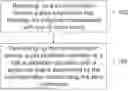
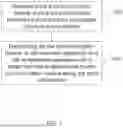



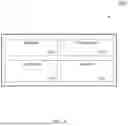
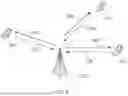
Sources:
- United States Patent and Trademark Office - verify current appl. status at the USPTO↗
Recent applications in this class:
- » 20260101247 2026-04-09
METHOD AND APPARATUS FOR CONFIGURING RESOURCES IN WIRELESS COMMUNICATION SYSTEM - » 20260095825 2026-04-02
PRIORITIZATION FOR CELL RESELECTION - » 20260089585 2026-03-26
METHOD FOR DETERMINING SECONDARY NODE COUNTER, COMMUNICATION DEVICE, AND STORAGE MEDIUM - » 20260089584 2026-03-26
CONFIGURATION FOR CONDITIONAL CELL OPERATION - » 20260082289 2026-03-19
INDICATION METHOD IN BTM AND APPARATUS - » 20260075480 2026-03-12
MULTI-CRITERIA HANDOVER IN SDN-BASED MULTI-RAT NETWORKS - » 20260059403 2026-02-26
METHODS, SYSTEMS, AND DEVICES FOR CELL-RESELECTION OVER MOBILE NETWORKS USING BEAMFORMING - » 20260059402 2026-02-26
SYSTEM AND METHODS FOR IMPLEMENTING LOWER LAYER TRIGGERED MOBILITY (LTM) IN NEXT GENERATION BASE STATION - » 20260052436 2026-02-19
APPARATUS AND METHOD FOR PERFORMING HANDOVER ON BASIS OF MEASUREMENT RESULT USING MEASUREMENT GAP IN WIRELESS COMMUNICATION SYSTEM - » 20250386258 2025-12-18
CELL CONFIGURATION SWITCHING IN WIRELESS COMMUNICATIONS
Recent applications for this Assignee:
- » 20260074937 2026-03-12
SIGNAL RECEPTION METHOD AND TRANSMISSION METHOD, COMMUNICATION DEVICE, AND STORAGE MEDIUM - » 20260067860 2026-03-05
SYSTEMS AND METHODS FOR IMPROVING POSITIONING WITH ERROR SOURCE MODELING - » 20260067817 2026-03-05
METHOD, DEVICE AND COMPUTER PROGRAM PRODUCT FOR WIRELESS COMMUNICATION - » 20260067724 2026-03-05
METHOD, DEVICE AND COMPUTER PROGRAM PRODUCT FOR WIRELESS COMMUNICATION - » 20260066972 2026-03-05
METHOD, DEVICE AND COMPUTER PROGRAM PRODUCT FOR WIRELESS COMMUNICATION - » 20260058707 2026-02-26
REPORTING CHANNEL STATE INFORMATION FOR ANTENNA ARRAYS IN WIRELESS COMMUNICATION SYSTEMS - » 20260052559 2026-02-19
POSITIONING REFERENCE SIGNAL CONFIGURATION ALIGNMENT IN WIRELESS COMMUNICATIONS - » 20260052537 2026-02-19
SYSTEMS AND METHODS FOR COVERAGE ENHANCEMENT IN NON-TERRESTRIAL NETWORK (NTN) - » 20260032696 2026-01-29
SYSTEMS AND METHODS FOR CELLULAR INTERNET OF THINGS (IOT) - » 20260032524 2026-01-29
METHOD FOR SELECTIVE ACTIVATION OF CELL GROUPS