BENZOMORPHAN DERIVATE FOR USE IN THERAPY
US20240197699A1
2024-06-20
18/553,514
2022-03-30
Smart Summary: A new compound has been developed that can help treat certain diseases. It works by acting on a specific receptor in the body called AdipoR. One of the conditions it may help with is diabetic neuropathy, which affects nerves in people with diabetes. The invention also includes related medicines and ways to use them for treatment. Overall, this compound could offer a new option for managing these health issues. 🚀 TL;DR
Abstract:
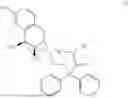
Compound with formula (1)
suitable for use in a method for treating a disease or disorder capable of being treated by an agonist of AdipoR. e.g. diabetic neuropathy. Also disclosed are related pharmaceutical compositions and medicaments, as well as a method for treatment of disorders including administering such compound, pharmaceutical composition, or medicament.
Inventors:
- Salvatore GUCCIONE 1 🇮🇹 Maglie (LE), Italy
- Simone RONSISVALLE 1 🇮🇹 Maglie (LE), Italy
- Livia BASILE 1 🇮🇹 Maglie (LE), Italy
- Matteo PAPPALARDO 1 🇮🇹 Maglie (LE), Italy
- Danilo MILARDI 1 🇮🇹 Maglie (LE), Italy
- Angelo SPADARO 1 🇮🇹 Maglie (LE), Italy
- Chun Laam NG 1 🇮🇹 Maglie (LE), Italy
Applicant:
Interested in similar patents?
Get notified when new applications in this technology area are published.
Classification:
A61K31/439 » CPC main
Medicinal preparations containing organic active ingredients; Heterocyclic compounds having nitrogen as a ring hetero atom, e.g. guanethidine or rifamycins having six-membered rings with one nitrogen as the only ring hetero atom the ring forming part of a bridged ring system, e.g. quinuclidine
A61P25/02 » CPC further
Drugs for disorders of the nervous system for peripheral neuropathies
Description
FIELD OF THE INVENTION
The present description relates to the pharmaceutical sector. More in detail, the present description relates to a specific use of a benzomorphan derivative in the pharmaceutical field. Even more in detail, the present invention relates to the use of a compound, known as an analgesic, for use in the treatment of a disease or disorder capable of being treated by an agonist of AdipoR such as diabetic neuropathy, therefore in addition to its analgesic properties, also used as an activator of adiponectin receptors e.g. in subjects suffering from diabetic neuropathy.
BACKGROUND
Diabetic neuropathy is a common, painful and severe complication of diabetes with a multifactorial etiology which comprises oxidative stress, mitochondrial dysfunction, neuronal damage, autoimmunity, inflammation, and ultimately apoptosis, which can affect up to 50% of people with diabetes. Diabetic neuropathy affects peripheral sensory neurons and occurs in a large percentage of adult diabetic patients.
Diabetic neuropathy is a type of nerve damage that can occur in diabetes. High blood sugar (glucose) can damage, and ultimately kill, nerves throughout the body, most often in the legs and feet.
Depending on the nerves affected, the symptoms of diabetic neuropathy can range from pain and numbness in the legs and feet to problems with the digestive system, urinary tract, blood vessels, and heart.
Some people show mild symptoms but for others, diabetic neuropathy can be quite painful and disabling.
Treatment of diabetic neuropathy is still underdeveloped and currently focuses only on symptomatic and variable pain therapies that show varying levels of effectiveness.
For the purposes of understanding the invention which is the subject of this document, it is of interest to point out that adipokines (from the Greek adipo-, fat; cyto-, cell; and -kinos, movement) are cytokines, that is, signaling protein molecules between cell and cell, produced and secreted by adipose tissue.
Adiponectin is the most abundant plasma adipokine that regulates metabolism through glycemic control and fatty acid oxidation. Adiponectin and its receptors (AdipoR) were initially characterized for their role in lipid and glucose metabolism. More recently, adiponectin has been shown to exhibit anti-inflammatory effects and participate in brain homeostasis and neuroprotection.
The compound AdipoRon (IUPAC name: 2-(4-benzoylphenoxy)-N-(1-benzylpiperidin-4-yl)acetamide) is a known non-selective agonist of Adipo-R (adiponectin receptors) and has been reported as being useful for treating obesity, type II diabetes (Okada-Iwabu et al., Nature 503, 493-499. (2013)) diabetic nephropathy (Kim et al., Journal of the American Society of Nephrology 29(4), 1108-1127. (2018)), diabetic retinopathy (Fu et al., Biochimica et biophysica acta, 1862(8), 1392-1400. (2016)), and atherosclerosis (Yamauchi et al., The Journal of Biological chemistry 278, 4, 2461-2468 (2003)) and ameliorating insulin resistance and dyslipidaemia (Iwabu et al., Frontiers in cardiovascular medicine 6, 116 (2019)) The present invention results from the pharmacological evaluation of a known compound 4-(8-hydroxy-6,11-dimethyl-1,4,5,6-tetrahydro-2,6-methane-3-benzazocin-3(2H)-yl)-N,N-dimethyl-2,2-diphenylbutanamide, a benzomorphan derivative endowed with analgesic activity, which has revealed surprising new pharmacological activities. Multi-target action can present opportunities in complex pathologies.
DESCRIPTION OF THE INVENTION
The present description relates to new further uses in the pharmaceutical field of a known compound in the treatment of certain specific pathologies.
More in detail, the present invention consists in a new use of a benzomorphan derivative, previously indicated as an analgesic.
Even more in detail, the present invention relates to the use of the compound 4-(8-hydroxy-6,11-dimethyl-1,4,5,6-tetrahydro-2,6-methane-3-benzazocin-3(2H)-yl)-N,N-dimethyl-2,2-diphenylbutanamide, in the treatment of a disease or disorder capable of being treated by an agonist of adiponectin receptors (AdipoR) having proved to be an effective activator of Adipo-R.
Specifically, the intuition behind the present invention lies in the evaluation of a structural similarity perceived by the Inventors between the compound of formula (1) and AdipoRon®, a known agonist of said receptors, supported by analysis via docking of the possible binding to said receptors (Adipo-R), and in the recent demonstration of the involvement of adiponectin in the metabolism of lipids and glucose as well as in anti-inflammatory processes, and its important role as an agent that contributes to cerebral homeostasis and neuroprotection.
As mentioned above, considering the perceived structural similarities with AdipoRon®, a well-known non-selective agonist of Adipo-R (adiponectin receptors) (AdipoR1>AdipoR2), it was also thought in the light of in silico evidence (docking) in support of the intuition, to extend the pharmacological evaluation of the compound 4-(8-hydroxy-6,11-dimethyl-1,4,5,6-tetrahydro-2,6-methane-3-benzazocin-3(2H)-yl)-N,N-dimethyl-2,2 [compound of formula (1)], a benzomorphan derivative endowed with analgesic activity, to said adiponectin receptors.
As will be more clearly described below, the compound of formula (1) has been shown to be a potent Adipo-R agonist by increasing the in vitro levels of phosphorylated AMPK on HT-22 cells and representing the first case of a multi-target compound with analgesic and Adipo-R agonist binding properties. The compound of formula (1) has also surprisingly been found to protect neurons against high glucose-induced apoptosis. This dual activity of the compound of formula (1) that makes it particularly suitable for the treatment of diabetic neuropathy.
It is also of interest to point out that in the course of the present description, the name of the compound whose particular use in the medical field is the subject of the present description will be indicated with “SS-SRGR-(+7)” only for simplification, however it is understood that the compound a referred to is 4-(8-hydroxy-6,11-dimethyl-1,4,5,6-tetrahydro-2,6-methane-3-benzazocin-3(2H)-yl)-N,N-dimethyl-2,2-diphenylbutanamide [compound of formula (1)]. The compound 4-(8-hydroxy-6,11-dimethyl-1,4,5,6-tetrahydro-2,6-methane-3-benzazocin-3(2H)-yl)-N,N-dimethyl-2,2-diphenylbutanamide has previously been referred to in the literature as (−)-MML1017 (S. Ronsisvalle et al., Future. Med. Chem. 11(11) 1245-1258 (2019)).
DESCRIPTION OF THE FIGURES
The invention which is the subject of the present document will be described in detail below also with reference to the accompanying figures, in which:
FIG. 1 shows the synthesis scheme of the compound 4-(8-hydroxy-6,11-dimethyl-1,4,5,6-tetrahydro-2,6-methane-3-benzazocin-3(2H)-yl)-N,N-dimethyl-2,2-diphenylbutanamide [compound of formula (1)]. Reagents and conditions: (A) SO2Cl2, Dimethylformamide (DMF) in traces, Chloroform (CHCl3); (B) Dimethylamine (CH3)2NH (2M solution in Tetrahydrofuran (THF), Potassium Carbonate K2CO3, Toluene, (C) cis-(−)-(1R,5R,9R)—N-normetazocine.
FIG. 2 shows the evaluation of SS-SRGR-(+7) to induce the adiponectin signal in the neuronal cell line. A. Concentration-dependent activation of AMPK, the downstream intracellular mediator of adiponectin receptors. B. Densitometric analysis of the pAMPK/AMPK ratio under induction by SS-SRGR-(+7).
FIG. 3 shows the suppression of adiponectin receptors by siRNA transfection. A. Western blot image representative of AdipoR1 from HT22 cells transfected with siCtrl RNA or siAdipoR1. B. Densitometric analysis of the AdipoR1 expression in which β-actin was used to standardize the amount of protein in each group. C. Western blot image representative of AdipoR2 of HT22 cells transfected with siCtrl RNA or siAdipoR1. D. Densitometric analysis of the AdipoR2 expression in which β-actin was used to standardize the amount of protein in each group.
FIG. 4 shows the suppression of AMPK activation, under AdipoR1 and AdipoR2 knock-down conditions, by SS-SRGR-(+7) in HT22 neuronal cells. A. Western blot image representative of pAMPK and AMPK in siCtrl transfected HT22 cells and siAdipoR1 transfected HT22 cells with or without SS-SRGR-(+7) incubation. B. Densitometric analysis of the pAMPK level where AMPK was used to standardize the amount of protein in each group. C. Western blot image representative of pAMPK and AMPK in siCtrl transfected HT22 cells and siAdipoR2 transfected HT22 cells with or without SS-SRGR-(+7) incubation. D. Densitometric analysis of the pAMPK level where AMPK was used to standardize the amount of protein in each group.
FIG. 5 shows the neuronal protective capacity of benzomorphan derivatives in conditions of hyperglycemia. 5A: Viability of NSC-34 cells in the presence of 100 mM glucose; 5B: Viability of NSC-34 cells in the presence of SS-SRGR-(+7). SS-SRGR-(+7) protects NSC-34 (hybrid cell line) from hyperglycemia-induced apoptosis.
DETAILED DESCRIPTION OF THE INVENTION
On the basis of the results described herein, pharmaceutical compositions and their formulations have been devised and prepared comprising the compound of 4-(8-hydroxy-6,11-dimethyl-1,4,5,6-tetrahydro-2,6-methane-3-benzazocin-3(2H)-yl)-N,N-dimethyl-2,2-diphenylbutanamide and pharmaceutically acceptable excipients. One or more excipients appropriate for the route of administration may be provided.
As repeatedly mentioned, said compound, as well as the pharmaceutical preparations comprising it, are intended for use in the treatment of diabetic neuropathy especially in mammals and in particular in humans.
Said composition can be formulated as: solutions, suspensions, powders, granules, tablets, pills, capsules, syrups, suppositories, sprays, aerosols or controlled-release systems, cream, ointment or gel, lubricants, pastes, syrups, ampoules, phials, drops, eye drops, aerosols acceptable for medical use.
The compositions can be administered by various routes, in particular by the oral, transdermal, subcutaneous, intravenous, intramuscular, rectal and intranasal routes.
A tablet may be made by compression or moulding, optionally with one or more accessory ingredients. Compressed tablets may be prepared by compressing in a suitable machine the active ingredient in a free-flowing form such as a powder or granules, optionally mixed with a binder, lubricant, inert diluent, lubricating, surface active or dispersing agent. Moulded tablets may be made by moulding in a suitable machine a mixture of the powdered compound moistened with an inert liquid diluent. The tablets may optionally be coated or scored and may be formulated so as to provide slow or controlled release of the active ingredient therein. Immediate release or extended release can be achieved by the use of suitable pharmaceutical compositions comprising Compound (1), or, particularly in the case of extended release, by the use of devices such as subcutaneous implants or osmotic pumps.
Exemplary compositions for oral administration include suspensions which can contain, for example, microcrystalline cellulose for imparting bulk, alginic acid or sodium alginate as a suspending agent, methylcellulose as a viscosity enhancer, and sweeteners or flavoring agents such as those known in the art; and immediate release tablets which can contain, for example, microcrystalline cellulose, dicalcium phosphate, starch, magnesium stearate, calcium sulfate, sorbitol, glucose and/or lactose and/or other excipients, binders, extenders, disintegrants, diluents and lubricants such as those known in the art. Suitable binders include starch, gelatin, natural sugars such as glucose or beta-lactose, corn sweeteners, natural and synthetic gums such as acacia, tragacanth or sodium alginate, carboxymethylcellulose, polyethylene glycol, waxes and the like. Disintegrators include without limitation starch, methylcellulose, agar, bentonite, xanthan gum and the like. The Compound of the invention can also be delivered through the oral cavity by sublingual and/or buccal administration. Molded tablets, compressed tablets or freeze-dried tablets are exemplary forms which may be used.
Exemplary compositions include those formulating the present compound with fast dissolving diluents such as mannitol, lactose, sucrose and/or cyclodextrins. Also included in such formulations may be high molecular weight excipients such as celluloses (avicel) or polyethylene glycols (PEG). Such formulations can also include an excipient to aid mucosal adhesion such as hydroxy propyl cellulose (HPC), hydroxy propyl methyl cellulose (HPMC), sodium carboxy methyl cellulose (SCMC), maleic anhydride copolymer (e.g., Gantrez), and agents to control release such as polyacrylic copolymer (e.g. Carbopol 934). Lubricants, glidants, flavors, coloring agents and stabilizers may also be added for ease of fabrication and use. Lubricants used in these dosage forms include sodium oleate, sodium stearate, magnesium stearate, sodium benzoate, sodium acetate, sodium chloride and the like. For oral administration in liquid form, the oral drug components can be combined with any oral, non-toxic, pharmaceutically acceptable inert carrier such as ethanol, glycerol, water, and the like. Compositions for parenteral administration include aqueous and non-aqueous sterile injection solutions which may contain anti-oxidants, buffers, bacteriostats and solutes which render the formulation isotonic with the blood of the intended recipient; and aqueous and non-aqueous sterile suspensions which may include suspending agents and thickening agents. The formulations may be presented in unit-dose or multi-dose containers, for example sealed ampoules and vials, and may be stored in a freeze-dried (lyophilised) condition requiring only the addition of the sterile liquid carrier, for example saline or water-for-injection, immediately prior to use. Extemporaneous injection solutions and suspensions may be prepared from sterile powders, granules and tablets of the kind previously described. Exemplary compositions for parenteral administration include injectable solutions or suspensions which can contain, for example, suitable non-toxic, parenterally acceptable diluents or solvents, such as mannitol, 1,3-butanediol, water, Ringer's solution, an isotonic sodium chloride solution, or other suitable dispersing or wetting and suspending agents, including synthetic mono- or diglycerides, and fatty acids, including oleic acid, or Cremaphor.
Exemplary compositions for intranasal administration include solutions in saline, which can contain, for example, benzyl alcohol or other suitable preservatives, absorption promoters to enhance bioavailability, and/or other solubilizing or dispersing agents such as those known in the art.
Formulations for rectal administration may be presented as a suppository with the usual carriers such as cocoa butter, synthetic glyceride esters or polyethylene glycol. Such carriers are typically solid at ordinary temperatures, but liquefy and/or dissolve in the rectal cavity to release the drug.
One aspect of the invention includes a compound of formula (1) or a pharmaceutical composition comprising a compound of formula (1) for use in the treatment of a disease or disorder capable of being treated by an agonist of AdipoR. A further aspect of the invention is a method of treatment of a disease or disorder capable of being treated by an agonist of AdipoR which comprises administering to a patient in need thereof an effective amount of the compound of formula (I) or a pharmaceutical composition comprising the compound of formula (1). There is also provided use of a compound of formula (I) or a pharmaceutical composition comprising the compound of formula (1) in the manufacture of a medicament for the treatment of a disease or disorder capable of being treated by an agonist of AdipoR. As used herein, “AdipoR” means adiponectin receptors, for example, AdipoR1 and/or AdipoR2. In one aspect of the invention AdipoR is AdipoR1 i.e. diseases or disorders are capable of being treated by an agonist of AdipoR1. In one aspect of the invention AdipoR is AdipoR2 i.e. diseases or disorders are capable of being treated by an agonist of AdipoR2. In one aspect of the invention AdipoR is AdipoR1 and AdipoR2 i.e. diseases or disorders are capable of being treated by an agonist of AdipoR1 and AdipoR2.
One aspect of the invention includes a compound of formula (1) or a pharmaceutical composition comprising a compound of formula (1) for use in the treatment of a metabolic disease or disorder. In a further aspect the disease or disorder is selected from obesity, atherosclerosis, dyslipidaemia (including hypercholesterolaemia or hypertriglyceridaemia) and non-alcoholic fatty liver disease. In a further aspect the disease or disorder comprises hyperglycaemia. In a further aspect the disease or disorder is selected from diabetes e.g. Type I or Type II diabetes, especially Type II diabetes, diabetic nephropathy and diabetic retinopathy. In a further specific aspect the disease or disorder is diabetic neuropathy.
There is also provided the compound of formula (1) or a pharmaceutical composition comprising a compound of formula (1) for use in treatment of a disease or disorder capable of being treated by an agonist of AdipoR in combination with a second or further medicine for the treatment of a disease or disorder capable of being treated by an agonist of AdipoR. There is also provided a method of treatment of a disease or disorder capable of being treated by an agonist of AdipoR which comprises administering to a patient in need thereof an effective amount of the compound of formula (I) in combination with a second or further medicine for the treatment of a disease or disorder capable of being treated by an agonist of AdipoR. The compound of formula (I) and the second or further medicine may be administered simultaneously (e.g. are co-formulated) or separately. A suitable dose of such a suitable second or further medicine will be known or can be easily determined by the skilled person.
When the disease or disorder capable of being treated by an agonist of AdipoR is obesity, the second or further medicine may be selected from amphetamine, benzphetamine, bupropion, delamanid, diethylpropion, fluoxetine, lecithin, lorcaserin, naltrexone, orlistat, phendimetrazine, phentermine, pipradrol, and sibutramine.
When the disease or disorder capable of being treated by an agonist of AdipoR is atherosclerosis, the second or further medicine may be selected from acetylsalicylic acid, amlodipine, atorvastatin, bempedoic acid, cholestyramine, fluvastatin, gemfibrozil, inclisiran, lovastatin, picotamide, pravastatin, pyridoxine, rivaroxaban, rosuvastatin, and ticagrelor.
When the disease or disorder capable of being treated by an agonist of AdipoR is non-alcoholic fatty liver disease, the second or further medicine may be selected from aramchol, cenicriviroc, cotadutide, elafibranor, emricasan, GR-MD-02, MSDC-0602K, NGM282, obeticholic acid, pioglitazone, resmetirom, saroglitazar, selonsertib, semaglutide, silibinin, simtuzumab, tirzepatide, and tropifexor.
When the disease or disorder capable of being treated by an agonist of AdipoR is dyslipidaemia, the second or further medicine may be selected from statins such as atorvastatin, rosuvastatin, simvastatin, fluvastatin and pravastatin, fenofibrate, exetimibe, evolocumab, cholestyramine, cholestipol (e.g. as HCl) and alirocumab.
When the disease or disorder capable of being treated by an agonist of AdipoR is diabetes, the second or further medicine may be selected from acarbose, albiglutide, alogliptin, atorvastatin becaplermin, bromocriptine, canagliflozin, captopril, chlorpropamide, colesevelam, dapagliflozin, dasiglucagon, dulaglutide, empagliflozin, ertugliflozin, exenatide, gemigliptin, gliclazide, glimepiride, glipizide, gliquidone, glucagon, glyburide, icosapent ethyl, insulin aspart, insulin degludec, insulin detemir, insulin glargine, insulin glulisine, insulin human, insulin lispro, linagliptin, lipoic acid, liraglutide, lixisenatide, lisinopril, louseogliflozin, metformin, miglitol, mitiglinide, nateglinide, pioglitazone, pramlintide, repaglinide, rosiglitazone, saxagliptin, semaglutide, simvastatin, sitagliptin, sotagliflozin, teneligliptin, tolazamide, tolbutamide, trelagliptin, vildagliptin, and voglibose.
When the disease or disorder capable of being treated by an agonist of AdipoR is diabetic nephropathy, the second or further medicine may be selected from benazepril, canagliflozin, candesartan cilexetil, captopril, enalapril, enalaprilat, eprosartan, irbesartan, lisinopril, losartan, olmesartan, perindopril, quinapril, ramipril, telmisartan, and valsartan.
When the disease or disorder capable of being treated by an agonist of AdipoR is diabetic retinopathy, the second or further medicine may be selected from aflibercept, and ranibizumab. When the disease or disorder capable of being treated by an agonist of AdipoR is diabetic neuropathy, the second or further medicine may be selected from amitriptyline, botulinum toxin A, citalopram, desipramine, duloxetine, lipoic acid, pioglitazone, pregabalin, and tapentadol.
The compound of formula (I) and/or any of the second or further medicines mentioned above may be administered in the form of a salt or a solvate or solvate of a salt thereof. Such salts and/or solvates are suitable physiologically acceptable.
The compound of formula (1) may be administered 1-4 times daily e.g. 1 or 2 times daily. A suitable dose or effective amount of the compound of formula (I) for an average adult may be determined by the skilled person and is, for example, 10-1000 μg per day.
Examples
The synthesis of 4-(8-hydroxy-6,11-dimethyl-1,4,5,6-tetrahydro-2,6-methane-3-benzazocin-3(2H)-yl)-N,N-dimethyl-2,2-diphenylbutanamide was conducted as reported in the literature (S. Ronsisvalle et al., Future. Med. Chem. 11(11) 1245-1258 (2019): 7 [(+)-MML1017]). Specifically, with reference to FIG. 1, the intermediates 2 and 3 were synthesized as previously described by Stokbroekx et al. (J. Med. Chem. 16(7), 782-786 (1973).
A mixture of cis-(+)-(1S,5S,9S)—N-normetazocine (150.00 mg, 0.69 mmol), dimethyl-(tetrahydro-3,3-diphenyl-2-furylidene)-ammonium bromide 3 (263.00 mg, 0.76 mmol), anhydrous K2CO3 (290 mg, 2.10 mmol) in CH3CN (40 ml) was heated under reflux for 16 hours in an argon atmosphere in the dark, subsequently cooled to room temperature and the solvent removed at reduced pressure. The solid residue obtained was then added with 50 ml of H2O and extracted with dichloromethane (3×50 ml). The combined organic extracts were washed with brine (a solution with a high concentration of Sodium Chloride in water) and dried over anhydrous Na2SO4. Evaporation under reduced pressure gave the compound, which was purified by flash chromatography on silica gel, using a CH2Cl2 (dichloromethane)/methanol mixture as eluent. The suitable fractions were combined and the solvent was removed under reduced pressure to give the compound as a colorless crystalline solid (140 mg, 0.29 mmol, 42%). 1H NMR (CDCl3): 7.24-7.45 (m, 10H), 9.52 (s, 1H), 6.96-6.92 (m, 1H), 6.77-6.74 (m, 1H), 6.69-6.64 (m, 1H), 2.95 (s, 3H), 2.90-2.82 (m, 3H), 2.75 (m, 2H), 2.64 (m, 2H), 2.50-2.24 (m, 2H), 2.35 (s, 3H), 1.97-1.71 (m, 2H), 1.42-1.39 (m, 1H), 1.36 (s, 3H), 0.87 (d, J=5 Hz, 3H). (+) -
Experiment 1: Concentration-Dependent Activation of AMPK by SS-SRGR-(+7) 1.
1. Materials and Methods
1.1 Antibody
A rabbit anti-phospho-AMPK polyclonal antibody (pAMPK) (Cell Signaling Technology, Ltd.), a rabbit anti-AMPK polyclonal antibody (Cell Signaling Technology, Ltd.) and an HRP conjugated mouse monoclonal anti-β-actin antibody (Cell Signaling Technology, Ltd.) were used as primary antibodies after being suitably diluted. An HRP-labeled rabbit IgG goat antibody (Dako, Glostrup, Denmark) was used as a secondary antibody.
1.2 Cell Culture
Under conditions of 5% CO2 at 37° C., mouse neuronal cells (HT22) were maintained and expanded in a Dulbecco-modified high-glucose Eagle medium (DMEM, GIBCO, Invitrogen, Life Technologies Hong Kong Ltd.), containing 10% fetal bovine serum (FBS, HiClone, Cytiva Co., Ltd.) and 1% v/v penicillin/streptomycin (Life Technologies Hong Kong Ltd.).
1.3 Concentration Dependent Treatment with the SS-SRGR-(+7) Compound
The compound was dissolved in DMSO (Sigmaldrich Co Ltd.) at a concentration of 10 mM as a stock. Serum dilutions of the compound in serum-free DMEM were prepared fresh (0, 10, 25 nM) prior to incubation in culture. HT22 cells were seeded on a 6-well plate 24 hours prior to treatment. Cells were incubated in serum-free DMEM for 3 hours prior to treatment with the compound. After incubation, HT22 cells were then incubated with SS-SRGR-(+7) for 30 minutes. Cells from different groups were then harvested for protein extraction.
1.4 Quantification of Proteins in Each Soluble Fraction and Western Blot Analysis.
Each cell sample was homogenized in ice-cold lysis buffer (Cell Signaling Technology, USA), containing a cocktail of protease inhibitors, by ultrasonic homogenizer before being centrifuged at 12,000×g, 4° C. for 15 min. The supernatant of each sample was collected as a soluble fraction. The protein concentration of each fraction was measured using the BioRad Protein Assay reagent (Bio-Rad Laboratories, Inc.). Detection was performed by western blotting. 20 μg of protein was dissolved in 1×SDS buffer containing 2-mercaptoethanol and heated to 95° C. for 5 minutes. After performing SDS-PAGE (10% SDS gel electrophoresis), the proteins were transferred to a polyvinylidene fluoride (PVDF) membrane (GE Healthcare Corporation). The PVDF membrane was blocked for 45 min with 5% fat-free milk in TBS/0.1% Tween 20 (TBST). The PVDF membrane was then incubated overnight at 4° C. with the primary antibodies diluted in TBST solution. Unbound antibodies were then washed off by incubating the PVDF membrane in TBST with orbital shaking for 15 minutes. Then, the membrane was incubated with secondary antibodies, thus allowing visualization of the antigen-antibody complex using the Westernbright Quantum HRP substrate (Advansta, USA). The densitometric analysis of the bands detected by the chemiluminescent reaction was quantified by the Image J software (NIH: National Institutes of Health). The amounts of target proteins were standardized on the amount of β (beta)-actin proteins.
2. Results
FIG. 2A is a western blot analysis image showing the experimental results of pAMPK protein amounts in HT22 cells after induction with the compound. FIG. 2B is a semi-quantification graph summarizing the experimental results of FIG. 2A. Each error bar represents the standard error of the mean in AMPK phosphorylation, after normalizing to the amount of AMPK protein, which in turn is standardized to (beta)-actin. Statistically, the amounts of pAMPK proteins were observed to increase significantly in a concentration-dependent manner. Since AMPK is an important cytoplasmic mediator of the adiponectin signaling pathway, this experimental result indicated that the compound induced the adiponectin signal in neuronal cells.
Experiment 2
Suppression of adiponectin receptor expression by siRNA transfection reduced the activation of AMPK by SS-SRGR-(+7).
1. Materials and Methods
1.1 Antibodies
A rabbit adiponectin anti-receptor 1 polyclonal antibody (AdipoR1)(Abcam, Cambridge, MA, USA), a rabbit adiponectin anti-receptor 2 polyclonal antibody (AdipoR2) (Boster Biological Technology, USA), an anti-phospho-AMPK (pAMPK) rabbit polyclonal antibody (Cell Signaling Technology, Ltd.), an anti-AMPK rabbit polyclonal antibody (Cell Signaling Technology, Ltd.) and an HRP conjugated mouse monoclonal anti-§ (beta)-actin antibody (Cell Signaling Technology, Ltd.) were used as primary antibodies after being suitably diluted. An HRP conjugated goat anti-rabbit IgG antibody (Dako, Glostrup, Denmark) was used as secondary antibody.
1.2 Cell Culture
Under conditions of 5% CO2 at 37° C., mouse neuronal cells (HT22) are maintained and expanded in a Dulbecco-modified high-glucose Eagle medium (DMEM, GIBCO, Invitrogen, Life Technologies Hong Kong Ltd.), containing 10% fetal bovine serum (FBS, HiClone, Cytiva Co., Ltd.) and 1% v/v penicillin/streptomycin (Life Technologies Hong Kong Ltd.).
1.3 siRNA Transfection
SiRNA scramble (non-targeting RNA), siAdipoR1 and siAdipoR2 were purchased from Santa Cruz Biotechnology. siAdipoR1, siAdipoR2 were prepared in DMEM to break down the expression of AdipoR1 and AdipoR2, respectively. SiRNA scramble was prepared as a control for transfection specificity. HT22 neuronal cells were cultured using a commercially available 6-well plate and transfected using Lipofectamine 3000 (Invitrogen, Life Technologies Hong Kong Ltd.) in a 70% confluence state. After transfection for 8 hours, the medium was replaced with a DMEM containing 10% FBS. After 24 hours, the medium was then replaced with serum-free DMEM medium to avoid the effects of adiponectin in serum. After 48 hours, transfected HT22 neuronal cells were harvested to detect adipoR1 or adipoR2 by western blot analysis. Another batch of HT22 neuronal cells transfected with siRNA was treated with the compound (25 nM) for 30 minutes to activate the adiponectin signal. The cells were then harvested for soluble protein extraction after treatment with the compound.
1.4 Quantification of Proteins in Each Soluble Fraction and Western Blot Analysis.
The extraction of each soluble fraction and the quantification of the proteins in each soluble fraction by western blot analysis were performed according to procedures similar to section 1.4 of Experiment 1.
2. Results
FIG. 3 is the western blot analysis image showing the protein fractions prepared from HT-22 cells transfected with siAdipoR1 and HT-22 cells transfected with siAdipoR2, respectively. FIGS. 3A and 3C indicate that HT22 neuronal cells transfected with siAdipoR1 and siAdipoR2 had a reduced expression of AdipoR1 and AdipoR2, respectively. FIGS. 3B and 3D show the semi-quantitative expression of the Adipo-R protein normalized with the amount of protein detected by the anti-actin antibody.
FIG. 4 is the western blot analysis image showing the protein fractions prepared from HT-22 cells transfected with siAdipoR1 and HT-22 cells transfected with siAdipoR2, with or without SS-SRGR-(+7), respectively, with the soluble fractions detected using anti-phospho-AMPK antibody (pAMPK). As shown in FIGS. 4A and 4C, siAdipoR1 and siAdipoR2 did not reduce the pAMPK level of HT22 cells. However, Adipo-R1 and Adipo-R2 knock-down significantly reduced SS-SRGR (+7)-induced AMPK activation, compared to siCtrl-transfected HT22 cells.
Therefore, the results indicated that the promotion of AMPK phosphorylation by SS-SRGR-(+7) depended on both AdipoR1 and AdipoR2. SS-SRGR-(+7) is a potent mixed agonist (Adipo-R1 and R2) of the adiponectin receptor.
The results of Experiments 1 and 2 teach that the compound of formula (1), i.e. SS-SRGR-(+7), should be suitable for the treatment of a disease or disorder capable of being treated by an agonist of AdipoR.
Experiment 3
A high glucose level is the cause of neuronal apoptosis leading to diabetic neuropathy. To examine whether SS-SRGR-(+7) can protect neurons from the hyperglycemic condition, neuronal cells in different glucose concentrations (0, 25, 50, 100 mM) were grown. It was seen that the viability of NSC34 neuronal cells was significantly reduced in the 100 mM glucose (FIG. 5A). NSC-34 neurons were then pre-treated with or without SS-SRGR-(+7)(25 nM) prior to incubation with 100 mM glucose. Cell viability of SS-SRGR-(+7) pretreated NSC34 cells was found to be significantly higher than vehicle-pretreated NSC34 under high glucose conditions. These data suggested that SS-SRGR-(+7) protects NSC34 motor neurons from high glucose-induced apoptosis.
The results of Experiments 1, 2, and 3 teach that the compound of formula (1) has dual activity, as a mixed agonist of AdipoR, i.e. AdipoR1 and AdipoR1, and as a neuroprotective agent against high glucose-induced apoptosis of NSC34 motor neurons. This dual activity of the compound of formula (1) means that the compound should be particularly suitable for the treatment of diabetic neuropathy.
Claims
1. Compound of formula (1)
Suitable for use in the treatment of a disease or disorder capable of being treated by an agonist of AdipoR.
2. The compound of claim 1 wherein AdipoR is AdipoR1 and/or AdipoR2.
3. The compound of claim 1, wherein the disease or disorder is a metabolic disease or disorder.
4. The compound of claim 1, wherein the disease or disorder is selected from obesity, atherosclerosis, dyslipidaemia and non-alcoholic fatty liver disease.
5. The compound of claim 1, wherein the disease or disorder comprises hyperglycaemia.
6. The compound of claim 1, wherein the disease or disorder is selected from diabetes, diabetic nephropathy, and diabetic retinopathy
7. The compound of claim 1, wherein the disease or disorder is diabetic neuropathy.
8. The compound of claim 1, suitable for use in mammals.
9. The compound of claim 1, suitable for use in humans.
10. Pharmaceutical composition comprising the compound of formula (1) and pharmaceutically acceptable excipients
11. The pharmaceutical composition according to claim 10 in the form of a solution, suspension, powder, granule, tablet, pill, capsule, syrup, suppository, spray, aerosol, controlled-release system, cream, ointment, gel, lubricant, paste, syrup, ampoule, phial, drop or eye drop.
12. The pharmaceutical composition according to claim 10 suitable for use in the treatment of a disease or disorder capable of being treated by an agonist of AdipoR.
13. The pharmaceutical composition according to claim 12 wherein AdipoR is AdipoR1 and/or AdipoR2.
14. The pharmaceutical composition of claim 12, wherein the disease or disorder is a metabolic disease or disorder.
15. The pharmaceutical composition of claim 12, wherein the disease or disorder is selected from obesity, atherosclerosis, dyslipidaemia and non-alcoholic fatty liver disease.
16. The pharmaceutical composition of claim 12, wherein the disease or disorder comprises hyperglycaemia.
17. The pharmaceutical composition of claim 12, wherein the disease or disorder is selected from diabetes, diabetic nephropathy, and diabetic retinopathy.
18. The pharmaceutical composition of claim 12, wherein the disease or disorder is diabetic neuropathy
19. The pharmaceutical composition of claim 10, suitable for use in the treatment of a disease or disorder capable of being treated by an agonist of AdipoR in mammals.
20. The pharmaceutical composition as defined of claim 10, suitable for use in the treatment of a disease or disorder capable of being treated by an agonist of AdipoR in humans.
21. The pharmaceutical composition as defined according to claim 10, suitable for use in the treatment of a disease or disorder capable of being treated by an agonist of AdipoR, to be administered orally, transdermally, subcutaneously, intravenously, rectally or intranasally.
22. A method of treating a disease or disorder capable of being treated by an agonist of AdipoR the method comprising administering to a subject in need thereof an effective amount of the compound of claim 1 or a pharmaceutical composition comprising the compound of claim 1.
23. A medicament suitable for the treatment of a disease or disorder capable of being treated by an agonist of AdipoR, the medicament comprising the compound of claim 1 or a pharmaceutical composition comprising the composition of claim 1.
Images & Drawings included:



Sources:
- United States Patent and Trademark Office - verify current appl. status at the USPTO↗
Recent applications in this class:
- » 20250161281 2025-05-22
EMOPAMIL-BINDING PROTEIN INHIBITORS AND USES THEREOF - » 20250114339 2025-04-10
COMBINATION THERAPY COMPRISING A KRAS G12D INHIBITOR AND AN EGFR INHIBITOR - » 20250099444 2025-03-27
Methods of Treating a Subject for Long-Haul COVID-19, and Compositions for Use in the Same - » 20250009723 2025-01-09
MANNOSE-DERIVED ANTAGONISTS OF FIMH USEFUL FOR TREATING DISEASE - » 20240415820 2024-12-19
COMBINATIONS FOR RETAINING FOLLICLES RESERVE - » 20240415819 2024-12-19
MACROCYCLIC COMPOUNDS AS PROTEASOME SUBUNIT BETA TYPE-5 INHIBITORS - » 20240366576 2024-11-07
INHIBITORS OF INTRACELLULAR INVASION - » 20240342146 2024-10-17
TRIPLE COMBINATION FORMULATIONS FOR ANTIEMETIC THERAPY - » 20240197698 2024-06-20
TREATMENT OF ACUTE ANXIETY WITH AN ALPHA-7 NICOTINIC ACETYLCHOLINE RECEPTOR MODULATOR - » 20240139166 2024-05-02
OPHTHALMIC COMPOSITIONS FOR PRESBYOPIA