PET RESTRAINT BAG
US20240215531A1
2024-07-04
18/089,605
2022-12-28
✅ Patent granted
US 12,324,417 B2
2025-06-10
-
-
Tien Q Dinh | Katherine June Walter
Leong C. Lei
2043-02-14
Smart Summary: The pet restraint bag is a device designed to safely and efficiently restrain pets during therapy or grooming activities. It consists of an outer layer with a closing mechanism at one end and an extension portion, and an inner layer that fits inside the outer layer. The inner layer also has a closing mechanism at one end and an extension portion that connects to the outer layer. This design allows for easy restraint of pets without the need for additional human labor or inhumane equipment like cages. The invention addresses the limitations of previous animal restraining devices by providing adjustability in size and shape to accommodate various body shapes of pets. Overall, the pet restraint bag offers a more humane and effective way to handle pets during various activities. 🚀 TL;DR
Abstract:
A pet restraint bag includes an outer layer body including a first open end having a first closing member selectively closing the first open end, a closed end, and a first extension portion having a length having two ends respectively connected to the first open end and the closed end, the outer layer body having an internal receiving space, the first extension portion having a through opening; and an inner layer body receivable in the receiving space and including a second open end having a second closing member selectively closing the second open end, a third open end, and a second extension portion having a length having two ends respectively connected to the second open end and the third open end, the third open end being connected to an inside of the first extension portion.
Applicant:
Interested in similar patents?
Get notified when new applications in this technology area are published.
Classification:
A01K1/02 IPC
Housing animals; Equipment therefor Pigsties; Dog-kennels; Rabbit-hutches or the like
A01K15/04 » CPC main
Devices for taming animals, e.g. nose-rings or hobbles; Devices for overturning animals in general; Training or exercising equipment; Covering boxes Devices for impeding movement; Devices for impeding passage through fencing, e.g. hobbles or the like; Anti-kicking devices
A01K1/0254 » CPC main
Housing animals; Equipment therefor; Pigsties; Dog-kennels; Rabbit-hutches or the like; Transport boxes, bags, cages, baskets, harnesses for animals; Fittings therefor Bags or baskets
Description
TECHNICAL FIELD OF THE INVENTION
The present invention relates generally to a pet restraining device, and more particularly to a pet restraint bag that allows efficient and safe restraint of a pet.
DESCRIPTION OF THE PRIOR ART
People of the modern age often treat pets like family members and are willing to have therapy, rehabilitation, or even beauty treatment practiced on the pets. However, the pets may be afraid of such activities, and it often need to forcibly hold the limbs of the pets with additional human labor or applying inhuman equipment (such as a constraining cage) to handle any situation of pet escaping. This is time-consuming and labor-consuming, and also adds pains and strains to the pets.
To cope with such problems, the prior art provides an animal restraining device. The known animal restraining device is made up of an adjustable frame and a suspending device combined with the frame. The frame is adjustable in respect of a size, while the suspending device is adjustable in respect of a front-rear distance in order to accommodate the body shape of a pet. The suspending device is then put on the limbs of the pet and is suspended on the frame for fixing. The prior art still suffering the following deficiencies.
(1) The frame (main frame) allows only adjustment of size in a top-down direction, and is incapable of adjustment conducted in a left-right direction or a front-rear direction, making it difficult to accommodate various body shapes of a variety of pets.
(2) The suspending device (restraining unit) is connected to a connection bar of a preset fixing part of the frame, so that when the body shape of a pet is excessively large or excessive small, the location of the fixing part of the connection bar being not flexibly changeable makes mounting of the suspending device difficult.
(3) The known animal restraining device requires a user to catch or hold a pet, which can be violent, with bare hands before the pet can be placed in the animal restraining device, and this is risky for both sides during the process of catching the pet.
SUMMARY OF THE INVENTION
The primary objective of the present invention is to provide a pet restraint bag, which comprises:an outer layer body, which comprises a first open end, a first extension portion, and a closed end, wherein the outer layer body forms, in an interior thereof, with a receiving space; the first open end is provided with a first closing member, such that the first closing member selectively closes the first open end; the first extension portion has a predetermined length that has two ends respectively connected to the first open end and the closed end; and the first extension portion is formed with at least one through opening; and an inner layer body, which is arranged in the receiving space and comprises a second open end, a second extension portion, and a third open end, wherein the second open end is provided with a second closing member, such that the second closing member selectively closes the second open end; the second extension portion has a predetermined length that has two ends respectively connected to the second open end and the third open end; and the third open end is received in and combined with an inside of the first extension portion.
BRIEF DESCRIPTION OF THE DRAWINGS
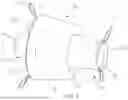
FIG. 1 is a perspective view of the present invention.
FIG. 2 is a cross-sectional view of FIG. 1.
FIG. 3 is a schematic view showing a state of use of the present invention in combination with a rigid pet carrying cage.
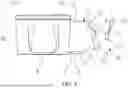
FIG. 4 is a schematic view showing a state of use of the present invention in combination with a box.
FIG. 5 is a schematic view showing a state in which a first end and a second end of the present invention are closed.
FIG. 6 is a schematic view showing an outside of another embodiment of the present invention.
FIG. 7 is a schematic view showing a state of use of FIG. 6.
DETAILED DESCRIPTION OF THE PREFERRED EMBODIMENT
To expound the contents of the present invention, and the efficacy achieved thereby, an embodiment is provided below with reference to the drawings. Referring to FIGS. 1 and 2, the present invention provides a pet restraint bag, which comprises:
-
- an outer layer body 10, which comprises a first open end 11, a first extension portion 12, and a closed end 13, wherein the outer layer body 10 forms, in an interior thereof, with a receiving space 14; the first open end 11 is provided with a first closing member 111, such that the first closing member 111 selectively closes the first open end 11; the first extension portion 12 has a predetermined length that has two ends respectively connected to the first open end 11 and the closed end 13; and the first extension portion 12 is formed with at least one closable through hole 121; and
- an inner layer body 20, which is arranged in the receiving space 14 and comprises a second open end 21, a second extension portion 22, and a third open end 23, wherein the second open end 21 is provided with a second closing member 211, such that the second closing member 211 selectively closes the second open end 21; the second extension portion 22 has a predetermined length that has two ends respectively connected to the second open end 21 and the third open end 23; and the third open end 23 is received in and combined with an inside of the first extension portion 12.
The length of the outer layer body 10 is greater than the length of the inner layer body 20, so that a predetermined distance is presentable between the second open end 21 of the inner layer body 20 and the first open end 11 of the outer layer body 10.
The first open end 11 and the second open end 21 are each provided, on an inside surface thereof, with a channel 112, 212, and the first closing member 111 and the second closing member 211 are respectively arranged inside the channels 112, 212. The first closing member 111 and the second closing member 211 are each in the form of a rope or cable, so that the first closing member 111 and the second closing member 211 are separately pullable to respectively close the first open end 11 and the second open end 21. In other words, the first closing member 111 and the channel 112, and also, the second closing member 211 and the channel 212, form an opening tying structure, but not limited thereto, and alternative structures, such as hook-and-loop fastener or zipper can also be used.
Referring to FIGS. 3 and 4, the outer layer body 10 is disposable in a container A. The container A comprises an opening (not shown) formed in a top or a sidewall thereof, and in the instant embodiment, the container A can be a case or a rigid pet carrying basket or cage.
The first open end 11 and the first extension portion 12 of the outer layer body 10, and the second open end 21, may extend out of the opening and are foldable backward over an outside of the container A, so that a user is allow to hold or grip the container A with a hand in such a way that the receiving space 14 of the present invention is directed toward a pet to force the pet into the receiving space 14, and the second closing member 211 and the first closing member 111 are then sequentially pulled in such an order to respectively close the second open end 21 and the first open end 11 to make up a double-layered structure that prevents the pet to escape therefrom.
Referring to FIG. 5, to remove the pet restraint bag of the present invention from the container A, a tower is used in combination with the pet restraint bag of the present invention to restrain a violent pet (or animal), and pull out a portion of the pet that requires for example therapy through the through hole 121 in order to proceed with diagnosis, treatment, injection, or blood taking, and alternatively, the pet restraint bag of the present invention can allow a pet located therein to be securely held from the outside and a syringe may then extend through the through hole 121 into the bag to proceed with injection or blood taking.
Referring to FIG. 6, to easily move the pet restraint bag of the present invention, the first extension portion 12 is provided, on an outside thereof, with a plurality of carrying straps or handles B, and the first extension portion 12 may be provided, on the outside thereof, with a cover plate (not shown), so as to close the through hole with the cover plate.
Referring to FIG. 6, another embodiment of the present invention is shown, having a structure, which is similar to that of the previous embodiment, with description for the same features between the two being omitted herein, comprising:
-
- an outer layer body 10, which comprises a first open end 11, a first extension portion 12, and a first coupling portion 15;
- an inner layer body 20, which comprises a second open end 21, a second extension portion 22, and a third open end 23, wherein the inner layer body 20 is received in the receiving space 14; the second open end 21 is provided with a second closing member 211, such that the second closing member 211 selectively closes the second open end 21; and the third open end 23 is received in and combined with an inside of a first coupling portion 15; and
- a pet carrying bag 30, which comprises a first opening 31, a second opening 32, and a receiving space (not visible in the drawings), wherein the first opening 31 is combined with the first coupling portion 15, such that the receiving space 14 of the outer layer body 10 is connected to and in communication with the receiving space of the pet carrying bag 30; and at least one cover plate 321 is provided at one side of the second opening 32, such that the cover plate 321 selectively closes the second opening 32.
The instant embodiment can be used in the same way as that of the previous embodiment; however, the pet carrying bag 30 is the main body in respect of the outside appearance and the structure thereof, so that the pet carrying bag 30 additionally includes a function of restraint.
Referring to FIG. 7, further, the animal restraint bag according to the present invention is receivable in a container A, and in the instant embodiment, the container A is a rigid pet carrying basket or cage. The rigid pet carrying basket comprises an upper casing A1 and a lower casing A2. The upper casing A1 has a top that is provided with a first detachable door panel A11. The upper casing A is provided, on one side thereof, with an upper door frame A12, and the lower casing A2 is provided, on one side thereof, with a lower door frame A21. The upper casing A1 and the lower casing A2 are detachably combinable to have the upper door frame A12 and the lower door frame A21 corresponding to and mating with each other. A second detachable door panel (not shown) is arranged inside the upper door frame A12 and the lower door frame A21, so that by opening the first detachable door panel A11 or detaching the upper casing A1, the animal restraint bag according to the present invention in which a pet is enclosed may be retrieved.
Claims
I claim:1. A pet restraint bag, comprising:
an outer layer body, which comprises a first open end, a first extension portion, and a closed end, wherein the outer layer body forms, in an interior thereof, with a receiving space; the first open end is provided with a first closing member, such that the first closing member selectively closes the first open end; the first extension portion has a predetermined length that has two ends respectively connected to the first open end and the closed end; and the first extension portion is formed with at least one through opening; and
an inner layer body, which is arranged in the receiving space and comprises a second open end, a second extension portion, and a third open end, wherein the second open end is provided with a second closing member, such that the second closing member selectively closes the second open end; the second extension portion has a predetermined length that has two ends respectively connected to the second open end and the third open end; and the third open end is received in and combined with an inside of the first extension portion.
2. The pet restraint bag according to claim 1, wherein the length of the outer layer body is greater than the length of the inner layer body, so that a predetermined distance is presentable between the second open end of the inner layer body and the first open end of the outer layer body.
3. The pet restraint bag according to claim 1, wherein the first open end and the second open end are each provided, on an inside surface thereof, with a channel, and the first closing member and the second closing member are respectively arranged inside the channels, wherein the first closing member and the second closing member are each in the form of a rope, so that the first closing member and the second closing member are separately pullable to respectively close the first open end and the second open end.
4. The pet restraint bag according to claim 1, wherein the outer layer body is disposable in a container, the container forming an opening in a top or a sidewall thereof, the first open end, the first extension portion of the outer layer body, and the second open end being extendible out of the opening and then foldable backward over an outside of the container.
5. The pet restraint bag according to claim 4, wherein the container comprises a case or a rigid pet carrying basket.
6. The pet restraint bag according to claim 1, wherein the first extension portion is provided, on an outside thereof, with a plurality of carrying straps or handles, and the first extension portion is provided on an outside thereof with a cover plate, so as to close the through hole with the cover plate.
7. A pet restraint bag, comprising:
an outer layer body, which comprises a first open end, a first extension portion, and a first coupling portion, wherein the outer layer body forms, in an interior thereof, with a receiving space in communication with an outside space; and the first open end is provided with a first closing member, such that the first closing member selectively closes the first open end;
an inner layer body, which comprises a second open end, a second extension portion, and a third open end, wherein the inner layer body is received in the receiving space; the second open end is provided with a second closing member, such that the second closing member selectively closes the second open end; and the third open end is received in and combined with an inside of a first coupling portion; and
a pet carrying bag, which comprises a first opening, a second opening, and a receiving space, wherein the first opening is combined with the first coupling portion, such that the receiving space of the outer layer body is connected to and in communication with the receiving space of the pet carrying bag; and at least one cover plate is provided at one side of the second opening, such that the cover plate selectively closes the second opening.
8. The pet restraint bag according to claim 7, wherein a length of the outer layer body is greater than a length of the inner layer body, so that a predetermined distance is presentable between the second open end of the inner layer body and the first open end of the outer layer body.
9. The pet restraint bag according to claim 7, wherein the first open end and the second open end are each provided, on an inside surface thereof, with a channel, and the first closing member and the second closing member are respectively arranged inside the channels, wherein the first closing member and the second closing member are each in the form of a rope, so that the first closing member and the second closing member are separately pullable to respectively close the first open end and the second open end.
10. The pet restraint bag according to claim 7, wherein the first open end and the first extension portion of the outer layer body, and the second open end and the second extension portion, are extendible out of the opening and then foldable backward over an outside of the pet carrying bag.
11. The pet restraint bag according to claim 7, wherein the outer layer body, the inner layer body, and the pet carrying bag are combined as a combination that is receivable in a rigid pet carrying basket, wherein the rigid pet carrying basket comprises an upper casing and a lower casing, the upper casing having a top that is provided with a first detachable door panel, the upper casing being provided, on one side thereof, with an upper door frame, the lower casing being provided, on one side thereof, with a lower door frame, the upper casing and the lower casing being detachably combinable with each other to have the upper door frame and the lower door frame corresponding to and mating with each other, a second detachable door panel being arranged inside the upper door frame and the lower door frame.
Images & Drawings included:




Sources:
- United States Patent and Trademark Office - verify current appl. status at the USPTO↗
Recent applications in this class:
- » 20250151692 2025-05-15
CARRIER AND STROLLER FRAME - » 20250031662 2025-01-30
CARRIER, LOCKING BASE ASSEMBLY, SUPPORTING FRAME AND WHEELED CARRYING APPARATUS - » 20240268335 2024-08-15
CHILD STROLLER AND PET BASKET THEREOF - » 20240224931 2024-07-11
Pet Carrier - » 20240224930 2024-07-11
PORTABLE PET CRATE WITH VENTILATED PET SAFETY CARRIER - » 20230337624 2023-10-26
Pet carrier stroller - » 20230270075 2023-08-31
ANIMAL TRANSPORTATION BAG - » 20230263126 2023-08-24
Portable Animal Luggage Device - » 20230217892 2023-07-13
SIDECAR PET SEAT - » 20230217891 2023-07-13
Pet Stroller with Entrance Arrangement