POSITIVE ELECTRODE FOR NON-AQUEOUS ELECTROLYTE RECHARGEABLE BATTERY AND NON-AQUEOUS ELECTROLYTE RECHARGEABLE BATTERY INCLUDING THE SAME
US20240243296A1
2024-07-18
18/416,603
2024-01-18
Smart Summary: A new type of positive electrode is designed for rechargeable batteries that don't use water-based electrolytes. It has a current collector, a mixture layer for storing energy, and a special flame retardant layer on top. This flame retardant layer contains particles made from metal hydroxide and other materials that help prevent fires. The invention ensures that certain gases are released at specific temperatures, which helps improve safety and performance. Overall, this design aims to make batteries safer and more efficient for various applications. 🚀 TL;DR
Abstract:
A positive electrode for a non-aqueous electrolyte rechargeable battery is provided and includes a positive electrode current collector, a positive electrode mixture layer on the positive electrode current collector, and a flame retardant layer on a surface of the positive electrode mixture layer opposite to the current collector, wherein the flame retardant layer includes composite particles including a metal hydroxide and a flame retardant, an amount of desorbed P2 (MS1) of the composite particles from about 80° ° C. to about 1400° C. as determined by thermal desorption gas mass spectrometry (TDS-MS) is greater than or equal to about 200×10−6 mol/g and less than or equal to about 2500×10−6 mol/g, and an amount of desorbed H2O (MS2) from about 80° C. to about 200° ° C. by TDS-MS is greater than or equal to about 50×10−6 mol/g and less than or equal to about 1000×10−6 mol/g.
Applicant:
Interested in similar patents?
Get notified when new applications in this technology area are published.
Classification:
H01M4/628 » CPC main
Electrodes; Electrodes composed of, or comprising, active material; Selection of inactive substances as ingredients for active masses, e.g. binders, fillers Inhibitors, e.g. gassing inhibitors, corrosion inhibitors
H01M4/366 » CPC further
Electrodes; Electrodes composed of, or comprising, active material; Selection of substances as active materials, active masses, active liquids; Composites as layered products
H01M2004/021 » CPC further
Electrodes; Electrodes composed of, or comprising, active material Physical characteristics, e.g. porosity, surface area
H01M2004/028 » CPC further
Electrodes; Electrodes composed of, or comprising, active material characterised by the polarity Positive electrodes
H01M4/62 IPC
Electrodes; Electrodes composed of, or comprising, active material Selection of inactive substances as ingredients for active masses, e.g. binders, fillers
H01M4/13 » CPC further
Electrodes; Electrodes composed of, or comprising, active material Electrodes for accumulators with non-aqueous electrolyte, e.g. for lithium-accumulators; Processes of manufacture thereof
H01M4/36 IPC
Electrodes; Electrodes composed of, or comprising, active material Selection of substances as active materials, active masses, active liquids
H01M4/02 IPC
Electrodes Electrodes composed of, or comprising, active material
Description
CROSS-REFERENCE TO RELATED APPLICATION
The present application claims priority to and the benefit of Japanese Patent Application No. 2023-005616, filed on Jan. 18, 2023, in the Japan Patent Office, the entire content of which is incorporated herein by reference.
BACKGROUND
1. Field
According to one or more embodiments, the present disclosure relates to a positive electrode for a non-aqueous electrolyte rechargeable battery and a non-aqueous electrolyte rechargeable battery including the same.
2. Description of the Related Art
Non-aqueous electrolyte rechargeable batteries including rechargeable lithium ion batteries are widely utilized as power sources for smart phones, notebook computers, and/or the like. More recently non-aqueous electrolyte rechargeable batteries are also utilized for large-sized batteries such as those for vehicles (e.g., electrical vehicles (EVs)).
The rechargeable lithium ion batteries may provide the advantages of relatively high energy density, but because they utilize non-aqueous electrolytes, sufficient operational and handling measures are required for adequate safety. Also, with the recent increase in the size of batteries, maintaining and securing safety has become more important.
For example, if (e.g., when) a rechargeable lithium ion battery is placed in a high-temperature environment, there is a possibility that the positive electrode of the rechargeable lithium ion battery may generate a substantial quantity of heat. In some cases, a substantial quantity of heat may be generated from the oxidative decomposition reaction of the electrolyte, e.g., caused by oxygen radicals generated from the positive electrode, that may result in an increase in the internal temperature of the battery.
If (e.g., when) the internal temperature of the battery becomes too or very high (e.g., due to such causes as described herein), a short circuit due to shrinkage of the separator provided in the rechargeable lithium ion battery is likely to occur. The short circuit may create a risk or a gradual increase of the internal temperature of the battery.
Therefore, in order to suppress or reduce the internal temperature rise of the rechargeable lithium ion battery and ensure stability, a flame retardant layer including a flame retardant such as a cyclic phosphazene compound with radical capture ability has been formed on the surface of the positive electrode (as described in Patent Document 1, Japanese Patent Publication No. 2013-054969). However, it has been proposed to improve the safety of the battery by forming a porous insulating layer including a flame retardant on the surface of the positive electrode and further controlling the elastic modulus of the porous insulating layer (Patent Document 2, Japanese Patent Publication No. H11-86844). The entire content of each of Patent Documents 1 and 2 is incorporated herein by reference.
SUMMARY
According to the present inventors' insight and examination, as described in the related art, by simply forming a flame retardant layer on the surface of the positive electrode and including a flame retardant having a radical trapping ability in this flame retardant layer, the internal temperature of the battery could not be sufficiently suppressed or reduced.
For example, forming the preceding-described flame retardant layer on the surface of the electrode may increase resistance of the battery or deteriorate cycle characteristics.
The present disclosure has been made in consideration of the herein-mentioned problems, and provides a positive electrode for a non-aqueous electrolyte rechargeable battery that can sufficiently suppress or reduce a rise in the internal temperature of the battery to improve safety and also improve battery performance such as electrical resistance and cycle characteristics.
For example, some embodiments of the present disclosure are as follows.
One or more aspects are directed toward a positive electrode (e.g., for a non-aqueous electrolyte rechargeable battery), including a positive electrode current collector, a positive electrode mixture layer on the positive electrode current collector, and a flame retardant layer on a surface of the positive electrode mixture layer opposite to the positive electrode current collector, wherein the flame retardant layer includes composite particles including a metal hydroxide and a flame retardant, an amount of desorbed P2 (MS1) of the composite particles from about 80° C. to about 1400° C. as determined by thermal desorption gas mass spectrometry (TDS-MS) may be greater than or equal to about 200×10-6 mole per gram (mol/g) and less than or equal to about 2500×10−6 mol/g, and an amount of desorbed H2O (MS2) from about 80° C. to about 200° C. by TDS-MS may be greater than or equal to about 50×10-6 mol/g and less than or equal to about 1000×10−6 mol/g.
In some embodiments, the positive electrode may have a ratio of MS1 and MS2 (e.g., the amounts of desorbed gases of the composite particles) that may satisfy Formula (1):
0 .5 ≤ ( MS 1 / MS 2 ) ≤ 10 . 0 . ( 1 )
In some embodiments, the positive electrode has an integrated value of 50% (D50) of a volume-based particle size distribution of the composite particles that may be greater than or equal to about 0.05 micrometer (μm) and less than or equal to about 3 μm, and/or an integrated value of 90% (D90) of a volume-based particle size distribution of the composite particles that may be less than or equal to about 5 μm.
In some embodiments, the positive electrode has a specific surface area (BET) of the composite particles calculated by an adsorption isotherm measured by adsorbing nitrogen to the composite particles that may be greater than or equal to about 8 square meter per gram (m2/g) and less than or equal to about 150 m2/g.
In some embodiments, the metal hydroxide may be at least one selected from among aluminum hydroxide, pseudo-boehmite, boehmite, alumina, and kaolinite, and a surface and an interior of the metal hydroxide may each be modified with the flame retardant.
In some embodiments, the flame retardant layer may include at least one of phosphoric acid, phosphoric acid ester, phosphonic acid, or phosphinic acid.
In some embodiments, a content (e.g., amount) of an aluminum element may be about 5 mass % to 30 mass % and a content (e.g., amount) of a phosphorus element may be about 5 mass % to about 30 mass %, based on a total weight of the positive electrode, as determined by inductively coupled plasma emission spectroscopy (ICP-AES).
In some embodiments, the flame retardant layer may include the composite particles and a binder, a content (e.g., amount) of the composite particles in the flame retardant layer may be about 70 mass % to about 99 mass %, and a content (e.g., amount) of the binder in the flame retardant layer may be about 1 mass % to about 30 mass %.
In some embodiments, the flame retardant layer may have a thickness of about 0.1 μm to about 5 μm.
One or more aspects are directed toward a non-aqueous electrolyte rechargeable battery including a positive electrode, a negative electrode, a separator, and a non-aqueous electrolyte solution, wherein the positive electrode is the positive electrode (e.g., for a non-aqueous electrolyte rechargeable battery) as described herein.
According to the present disclosure, a flame retardant layer including composite particles formed by mixing a metal hydroxide and a flame retardant in an appropriate or suitable ratio may be formed on the surface of the positive electrode. Therefore, if (e.g., when) the temperature inside the battery begins to rise, an endothermic reaction occurs in the composite particles. This causes radical capture by the flame retardant and suppresses an electrolyte decomposition reaction, thereby sufficiently suppressing the increase in internal temperature in the non-aqueous electrolyte rechargeable battery. According to the present disclosure, it is possible to improve battery performance such as cell resistance and cycle characteristics compared to the case where the flame retardant layer including composite particles is not provided (e.g., is omitted).
BRIEF DESCRIPTION OF THE DRAWINGS
The preceding and other aspects, features, and advantages of certain embodiments of the present disclosure will be more apparent from the following description taken in conjunction with the accompanying drawings, in which:
FIG. 1 is a schematic view showing the overall structure of a non-aqueous electrolyte rechargeable battery according to some embodiments of the present disclosure.
FIG. 2 is a schematic view showing the structure of the positive electrode of the non-aqueous electrolyte rechargeable battery according to some embodiments of the present disclosure.
FIG. 3 is a schematic view showing the structure of composite particles for a non-aqueous electrolyte rechargeable battery according to some embodiments of the present disclosure.
FIG. 4 is a graph showing discharge capacity retention rates of Example 2 and Comparative Example 1.
FIG. 5 is a graph showing cell resistances of Example 2 and Comparative Example 1.
FIG. 6 is a graph showing exothermic behavior of Example 2 and Comparative Example 1.
DETAILED DESCRIPTION
Reference will now be made in more detail to embodiments, examples of which are illustrated in the accompanying drawings, wherein like reference numerals refer to like elements throughout, and duplicative descriptions thereof may not be provided. In this regard, the present embodiments may have different forms and should not be construed as being limited to the descriptions set forth herein. Accordingly, the embodiments are merely described, by referring to the drawings, to explain aspects of the present description. As utilized herein, the term “and/or” includes any and all combinations of one or more of the associated listed items. Expressions such as “at least one of,” if (e.g., when) preceding a list of elements, modify the entire list of elements and do not modify the individual elements of the list.
As the present disclosure described hereinafter allows for one or more suitable changes and numerous embodiments, embodiments will be illustrated in the drawings and described in more detail in the detailed description.
Hereinafter, embodiments will be described in more detail so that those of ordinary skill in the art can easily implement them. However, this disclosure may be embodied in many different forms and is not construed as limited to the example embodiments set forth herein.
The terminology utilized herein is utilized to describe embodiments only, and is not intended to limit the present disclosure. The singular expression includes the plural expression unless the context clearly dictates otherwise. Unless otherwise defined, all chemical names, technical and scientific terms, and terms defined in common dictionaries should be interpreted as having meanings consistent with the context of the related art, and should not be interpreted in an ideal or overly formal sense. It will be understood that, although the terms first, second, etc. may be used herein to describe various elements, these elements should not be limited by these terms. These terms are only used to distinguish one element from another element. Thus, a first element could be termed a second element without departing from the teachings of the present disclosure. Similarly, a second element could be termed a first element.
As utilized herein, the phrase “combination thereof” refers to a mixture, laminate, composite, copolymer, alloy, blend, reaction product, and/or the like of the constituents.
As used herein, singular forms such as “a,” “an,” and “the” are intended to include the plural forms as well, unless the context clearly indicates otherwise.
As used herein, the terms “use,” “using,” and “used” may be considered synonymous with the terms “utilize,” “utilizing,” and “utilized,” respectively.
As used herein, expressions such as “at least one of,” “one of,” and “selected from,” if (e.g., when) preceding a list of elements, modify the entire list of elements and do not modify the individual elements of the list. For example, the expressions “at least one of a to c,” “at least one of a, b or c,” and “at least one of a, b and/or c” may indicate only a, only b, only c, both (e.g., simultaneously) a and b, both (e.g., simultaneously) a and c, both (e.g., simultaneously) b and c, all of a, b, and c, or variations thereof.
Herein, it should be understood that terms such as “comprises,” “comprise,” “comprising,” “includes,” “including,” “include,” “having,” “has,” or “have” are intended to designate the presence of an embodied feature, number, step, element, or a combination thereof, but it does not preclude the possibility of the presence or addition of one or more other features, number, step, element, or a combination thereof.
The term “may” will be understood to refer to “one or more embodiments of the present disclosure,” some of which include the described element and some of which exclude that element and/or include an alternate element. Similarly, alternative language such as “or” refers to “one or more embodiments of the present disclosure,” each including a corresponding listed item.
Spatially relative terms, such as “beneath,” “below,” “lower,” “above,” “upper,” “bottom,” “top,” and the like, may be used herein for ease of description to describe one element or feature's relationship to another element(s) or feature(s) as illustrated in the drawings. It will be understood that the spatially relative terms are intended to encompass different orientations of the device in use or operation in addition to the orientation depicted in the drawings. For example, if the device in the drawings is turned over, elements described as “below” or “beneath” other elements or features would then be oriented “above” or “over” the other elements or features. Thus, the term “below” may encompass both an orientation of above and below. The device may be otherwise oriented (rotated 90 degrees or at other orientations), and the spatially relative descriptors used herein should be interpreted accordingly.
In this context, “consisting essentially of” means that any additional components will not materially affect the chemical, physical, optical or electrical properties of the semiconductor film.
Further, in this specification, the phrase “on a plane,” or “plan view,” means viewing a target portion from the top, and the phrase “on a cross-section” means viewing a cross-section formed by vertically cutting a target portion from the side.
In present disclosure, “not include (or not including) a or any ‘component’”, “exclude (or excluding) a or any ‘component”, “component’-free”, and/or the like refers to that the “component” not being added, selected or utilized as a component or compound in the composition, but the “component” of less than a suitable amount may still be included due to other impurities and/or external factors.
In the drawings, the thickness of layers, films, panels, regions, and/or the like, are exaggerated for clarity and like reference numerals designate like elements throughout, and duplicative descriptions thereof may not be provided the specification. It will be understood that if (e.g., when) an element such as a layer, film, region, or substrate is referred to as being “on” another element, it can be directly on the other element or intervening elements may also be present. In contrast, if (e.g., when) an element is referred to as being “directly on” another element, there are no intervening elements present.
Definitions
The term “layer,” as utilized herein, includes not only a shape formed on the whole surface if (e.g., when) viewed from a plan view, but also a shape formed on a partial surface.
The term “particle diameter,” as utilized herein, may be an average particle diameter that may be measured by a method well suitable to those skilled in the art, and, for example, may be measured by a particle size analyzer (PSA), or may be measured by a transmission electron microscopic (TEM) image or a scanning electron microscopic (SEM) image.
In some embodiments, it may be possible to obtain an average particle diameter value by measuring utilizing a dynamic light scattering method, performing data analysis, counting the number of particles for each particle size range, and calculating from this. Unless otherwise defined, the average particle diameter may refer to the diameter (D50) of particles having a cumulative volume of 50 volume % in the particle size distribution. As utilized herein, if (e.g., when) a definition is not otherwise provided, the average particle diameter refers to a diameter (D50) of particles having a cumulative volume of 50 volume % in the particle size distribution that is obtained by measuring the size (diameter or length of the long axis) of about 20 particles at random in a scanning electron microscope image. D90 (particles having a cumulative volume of 90 volume % in the particle size distribution) may be measured using the same methods as D50. Also, depending on context, when particles are spherical, “diameter” indicates a particle diameter or an average particle diameter, and when the particles are non-spherical, the “diameter” indicates a major axis length or an average major axis length.
Herein, the term “or” may be not to be construed as an exclusive meaning, for example, “A or B” may be construed to include A, B, A+B, and/or the like.
Herein, the term “metal” may be interpreted as a concept including ordinary metals, transition metals and metalloids (semi-metals).
Hereinafter, a configuration of a non-aqueous electrolyte rechargeable battery according to some embodiments will be described.
1. Basic Configuration of Non-aqueous Electrolyte Rechargeable Battery
As shown in FIG. 1, the non-aqueous electrolyte rechargeable battery 100 according to some embodiments is a rechargeable lithium ion battery including a positive electrode 1, a negative electrode 2, a separator 3, a non-aqueous electrolyte 4, and a case 5 configured to accommodate the positive electrode 1, the negative electrode 2, the separator 3, and the non-aqueous electrolyte 4 therein.
The shape of the rechargeable lithium ion battery is not particularly limited, but may be, for example, a cylindrical shape, a prismatic shape, a laminated shape, or a button shape.
1-1. Positive Electrode
The positive electrode 1 includes a positive electrode current collector 11 and a positive electrode mixture layer 12 on the positive electrode current collector 11.
The positive electrode current collector 11 may be any material as long as it is a conductor, and is, for example, plate-shaped or thin, and may be desirably made of aluminum, stainless steel, nickel coated steel, and/or the like.
The positive electrode mixture layer 12 may include at least a positive electrode active material, and may further include a conductive agent and a positive electrode binder.
The positive electrode active material may be, for example, a transition metal oxide or a solid solution oxide including lithium, and is not particularly limited as long as it can electrochemically intercalate and deintercalate lithium ions. Examples of the transition metal oxide including lithium may include Li1.0Ni0.88Co0.1Al0.01Mg0.01O2, and/or the like. In some embodiments, the transition metal oxide including lithium may include Li·Co composite oxides such as LiCoO2 and Li·Ni·Co—Mn-based composite oxides such as LiNixCoyMnzO2, Li—Ni-based composite oxides such as LiNiO2, or Li—Mn-based composite oxides such as LiMn2O4, and/or the like. Examples of the solid solution oxide may include LiaMnxCoyNizO2 (1.150≤a≤1.430, 0.45≤x≤0.6, 0.10≤y≤0.15, 0.20≤z≤0.28), LiMn1.5Ni0.5O4. On the other hand, a content (e.g., amount) (content (e.g., amount) ratio) of the positive electrode active material is not particularly limited, as long as it is applicable to the positive electrode mixture layer 12 of a non-aqueous electrolyte rechargeable battery 100. Moreover, these compounds may be utilized alone or may be utilized in mixture of plural types (kinds).
The conductive agent is not particularly limited as long as it is for increasing the conductivity of the positive electrode 1. Specific examples of the conductive agent may include those including at least one selected from among carbon black, natural graphite, artificial graphite, fibrous carbon, and sheet-like carbon.
Examples of the carbon black may include furnace black, channel black, thermal black, ketjen black, and acetylene black. Examples of the fibrous carbon may include carbon nanotubes and carbon nanofibers, and examples of the sheet-like carbon include graphene and/or the like.
A content (e.g., amount) of the conductive agent in the positive electrode mixture layer 12 is not particularly limited, but may be greater than or equal to about 0.1 mass % and less than or equal to about 5 mass %, greater than or equal to about 0.5 mass % and less than or equal to about 3 mass % based on the total amount of the positive electrode mixture layer 12, from the viewpoint of achieving both (e.g., simultaneously) conductivity and battery capacity.
The positive electrode binder may include, for example, a fluoro-containing resin such as polyvinylidene fluoride, an ethylene-containing resin such as styrene-butadiene rubber, an ethylene-propylene diene terpolymer, an acrylonitrile-butadiene rubber, a fluoro rubber, polyvinyl acetate, polymethylmethacrylate, polyethylene, polyvinyl alcohol, carboxymethyl cellulose, a carboxymethyl cellulose derivative (a salt of carboxymethyl cellulose, and/or the like), nitrocellulose, and/or the like. The positive electrode binder may be any material capable of binding the positive electrode active material and the conductive agent onto the positive electrode current collector 11, and is not particularly limited.
1-2. Negative Electrode
The negative electrode 2 includes a negative current collector 21 and a negative electrode mixture layer 22 on the negative current collector 21.
The negative current collector 21 may be made of any suitable material as long as it is a conductor, and may be desirably plate-shaped or thin, and made of copper, stainless steel, nickel-plated steel, and/or the like.
The negative electrode mixture layer 22 may include a negative electrode active material, and may further include a conductive agent and a negative electrode binder.
The negative electrode active material is not particularly limited as long as it can electrochemically intercalate and deintercalate lithium ions, but, may be, for example, a graphite active material (artificial graphite, natural graphite, a mixture of artificial graphite and natural graphite, natural graphite coated with artificial graphite), a Si-based active material, or a Sn-based active material (e.g., a mixture of fine particles of silicon (Si) or tin (Sn) or a mixture of oxides thereof and a graphite active material, particulates of silicon or tin, an alloy including silicon or tin as a base material), metallic lithium, and a titanium oxide compound such as Li4Ti5O12, lithium nitride, and/or the like. As the negative electrode active material, one of the described examples may be utilized, or two or more types (kinds) may be utilized in combination. On the other hand, oxides of silicon may be represented by SiOx (0≤x≤2).
The conductive agent is not particularly limited as long as it is for increasing the conductivity of the negative electrode 2, and for example, the same conductive agent as described in the section for the positive electrode 1 may be utilized.
A content (e.g., amount) of the conductive agent in the negative electrode mixture layer 22 is not particularly limited, but may be greater than or equal to about 0.1 mass % and less than or equal to about 5 mass %, or greater than or equal to about 0.5 mass % and less than or equal to about 3 mass % based on the total weight of the negative electrode mixture layer 22, from the viewpoint of achieving both (e.g., simultaneously) conductivity and battery capacity.
The negative electrode binder may be one capable of binding the negative electrode active material and the conductive agent on the negative current collector 21, and is not particularly limited. The negative electrode binder may be, for example, polyvinylidene fluoride (PVDF), polytetrafluoroethylene (PTFE), polyacrylic acid (PAA), a styrene-butadiene-based copolymer (SBR), a metal salt of carboxymethyl cellulose (CMC), and/or the like. The binder may be utilized alone or may be utilized in mixture of two or more types (kinds).
1-3. Separator
The separator is not particularly limited, and any separator may be utilized as long as the separator is utilized as a separator for a rechargeable lithium ion battery. The separator may be a porous film, nonwoven fabric, and/or the like that exhibits excellent or suitable high-rate discharge performance alone or in combination. The resin constituting the separator may be, for example, a polyolefin-based resin such as polyethylene, polypropylene, and/or the like, a polyester resin such as polyethylene terephthalate, polybutylene terephthalate, and/or the like, polyvinylidene difluoride, a vinylidene difluoride-hexafluoropropylene copolymer, a vinylidene difluoride-perfluorovinyl ether copolymer, a vinylidene difluoride-tetrafluoroethylene copolymer, a vinylidene difluoride-trifluoroethylene copolymer, a vinylidene difluoride-hexafluoroacetone copolymer, a vinylidene difluoride-ethylene copolymer, a vinylidene difluoride-propylene copolymer, a vinylidene difluoride-trifluoro propylene copolymer, a vinylidene difluoride-tetrafluoroethylene copolymer, a vinylidene difluoride-ethylene-tetrafluoroethylene copolymer, and/or the like. On the other hand, a porosity of the separator is not particularly limited, and it is possible to arbitrarily apply a porosity of the separator of a rechargeable lithium ion battery.
The separator may further include a surface layer covering the surface of the porous film or non-woven fabric described herein. The surface layer may include an adhesive for immobilizing the battery element by adhering to the electrode. Examples of the adhesive may include a vinylidene fluoride-hexafluoropropylene copolymer, an acid-modified product of vinylidene fluoride polymers, and a styrene-(meth)acrylic acid ester copolymer.
1-4. Non-Aqueous Electrolyte
As the non-aqueous electrolyte, substantially the same non-aqueous electrolyte that has in the related art been utilized for rechargeable lithium ion batteries may be utilized without particular limitation. The non-aqueous electrolyte has a composition in which an electrolyte salt is included in a non-aqueous solvent, which is a solvent for the electrolyte. Examples of the non-aqueous solvent may include cyclic carbonate esters such as propylene carbonate, ethylene carbonate, butylene carbonate, chloroethylene carbonate, fluoroethylene carbonate, and vinylene carbonate, cyclic esters such as γ-butyrolactone and γ-valerolactone, chain carbonates such as dimethyl carbonate, diethyl carbonate, or ethylmethyl carbonate, chain esters such as methylformate, methylacetate, methylbutyrate, ethyl propionate, propyl propionate, ethers such as tetrahydrofuran or a derivative thereof, 1,3-dioxane, 1,4-dioxane, 1,2-dimethoxyethane, 1,4-dibutoxyethane, or methyldiglyme, ethylene glycol monopropyl ether, or propylene glycol monopropyl ether, nitriles such as acetonitrile and benzonitrile, dioxolane or a derivative thereof, ethylene sulfide, sulfolane, sultone, or a derivative thereof, which may be utilized alone or in a mixture of two or more. On the other hand, if (e.g., when) two or more types (kinds) of non-aqueous solvents are mixed and utilized, a mixing ratio of each non-aqueous solvent may be a mixing ratio that may be utilized in a related art rechargeable lithium ion battery.
Examples of the electrolyte salt may include an inorganic ion salt including at least one of lithium (Li), sodium (Na) or potassium (K) such as LiClO4, LiBF4, LiAsF6, LiPF6, LiPF6-x(CnF2n+1)x [provided that 1<x<6, n=1 or 2], LiSCN, LiBr, LiI, Li2SO4, Li2B10Cl10, NaClO4, NaI, NaSCN, NaBr, KClO4, KSCN, KI, KBr, or an organic ion salt such as LiCF3SO3, LIN(CF3SO2)2, LIN(C2F5SO2)2, LIN(CF3SO2)(C4F9SO2), LIC(CF3SO2)3, LiC(C2F5SO2)3, (CH3)4NBF4, (CH3)4NBr, (C2H5)4NClO4, (C2H5)4NI, (C3H7)4NBr, (n-C4H9)4NClO4, (n-C4H9)4NI, (C2H5)4N-maleate, (C2H5)4N-benzoate, (C2H5)4N-phthalate, lithium stearyl sulfonate, lithium octyl sulfonate, lithium dodecylbenzene sulfonate, and/or the like, and it is also possible to utilize these ionic compounds alone or in a mixture of two or more types (kinds). In some embodiments, a concentration of the electrolyte salt may be the same as that of a non-aqueous electrolyte utilized in a related art rechargeable lithium ion battery, and is not particularly limited. In some embodiments, it is desirable to utilize a non-aqueous electrolyte including the herein-described lithium compound (electrolyte salt) at a concentration of greater than or equal to about 0.8 mole per liter (mol/L) and less than or equal to about 1.5 mol/L.
In some embodiments, one or more suitable additives may be added to the non-aqueous electrolyte. Examples of such additives may include negative electrode-acting action additives, positive electrode-acting additives, ester additives, carbonate ester additives, sulfuric acid ester additives, phosphoric acid ester additives, boric acid ester additives, acid anhydride additives, and electrolyte additives. One of these may be added to the non-aqueous electrolyte, and a plurality of types (kinds) of additives may be added.
2. Characteristic Configuration of Non-Aqueous Electrolyte Rechargeable Battery According to the Present Embodiment
Hereinafter, the characteristic configuration of the non-aqueous electrolyte rechargeable battery 100 according to some embodiments will be described.
As shown in FIGS. 1 and 2, the positive electrode 1 of the non-aqueous electrolyte rechargeable battery 100 according to the present embodiment includes a flame retardant layer 13 on the surface opposite to the positive electrode current collector 11 of the positive electrode mixture layer 12.
The flame retardant layer 13 is composed of composite particles for a non-aqueous electrolyte rechargeable battery (also simply referred to as composite particles) that function as a heat suppressing additive to suppress or reduce the internal temperature rise of the non-aqueous electrolyte rechargeable battery 100, and a binder for binding the composite particles in the flame retardant layer to each other and the flame retardant layer 13 and the positive electrode mixture layer 12. The material in the flame retardant layer 13 may be different to the material in the positive electrode mixture layer 12.
The composite particles are composite particles in which a metal hydroxide capable of absorbing heat through an endothermic reaction and a flame retardant having a radical trapping ability are combined. As shown in FIG. 3, these composite particles are combined after the metal hydroxide particles and the flame retardant are mixed as uniformly as possible. More specifically, a plurality of metal hydroxide particles including the flame retardant on the surface and inside are gathered together. Herein, the composite refers to, for example, a state in which a plurality of particles are formed into one aggregate by chemically bonding to each other through the functional groups (for example, hydroxyl and phosphate groups) possessed by each particle. For example, the metal hydroxide may be chemically bonded to the flame retardant in the composite particles. The chemical bond herein includes not only covalent bonds but also one or more suitable bonds such as ionic bonds, coordination bonds, and metallic bonds. For example, the metal hydroxide may be covalently bonded to the flame retardant in the composite particles (e.g. via a phosphoester bond). The bonding state between particles can be confirmed by, for example, X-ray photoelectron spectroscopy.
The particle diameter of the composite particles is desirably such that the integrated value of 50% (D50) of the volume-based particle size distribution may be greater than or equal to about 0.05 micrometer (μm) and less than or equal to about 3 μm. The D50 of the composite particle may be greater than or equal to about 0.1 μm and less than or equal to about 2 μm, for example greater than or equal to about 0.4 μm and less than or equal to about 1.5 μm, greater than or equal to about 0.5 μm and less than or equal to about 1.5 μm, greater than or equal to about 0.4 μm and less than or equal to about 1.3 μm, or greater than or equal to about 0.5 μm and less than or equal to about 1.3 μm.
Additionally, an integrated value of 90% (D90) of the particle size distribution based on the volume of the composite particles may be greater than or equal to about 0.05 μm and less than or equal to about 5 μm. The D90 of the composite particle may be less than or equal to about 4.5 μm, for example, greater than or equal to about 0.5 μm and less than or equal to about 4.5 μm, greater than or equal to about 1 μm and less than or equal to about 4.5 μm, greater than or equal to about 1.5 μm and less than or equal to about 4.5 μm, greater than or equal to about 2.0 μm and less than or equal to about 4.5 μm, greater than or equal to about 2.5 μm and less than or equal to about 4.5 μm, or greater than or equal to about 2.6 μm and less than or equal to about 4.5 μm. The particle size of the composite particles can be controlled or selected by the preparing conditions of the composite particles. For example, if (e.g., when) the temperature for preparing composite particles is increased or the stirring speed is increased, the particle size of the composite particles tends to become smaller. For example, it may be possible to make the particle size of the composite particles smaller than the particle size of the metal hydroxide that is the starting material.
Because the thickness of the flame retardant layer is desirably small as will be described later, it is desirable that the particle size of the composite particles be as small as possible in order to make the thickness of the small flame retardant layer as substantially uniform as possible.
The metal hydroxide particles may be any endothermic material capable of causing an endothermic reaction and are not particularly limited. Specific examples of the metal hydroxides include aluminum hydroxide, pseudo-boehmite, boehmite, alumina, and kaolinite. Metal hydroxides as used herein may include metal oxides, which are mainly composed of metal oxide material but include hydroxyl groups on a surface thereof. These may be utilized individually, or two or more types (kinds) may be utilized together.
The integrated value of 50% (D50) of the volume-based particle size distribution of the metal hydroxide particles may be greater than or equal to about 10 nanometer (nm) and less than or equal to about 10 μm, more desirably greater than or equal to about 50 nm and less than or equal to about 5 μm, and even more desirably greater than or equal to about 0.1 μm and less than or equal to about 3 μm (e.g. greater than or equal to about 0.5 μm and less than or equal to about 2 μm, or greater than or equal to about 1 μm and less than or equal to about 1.5 μm).
The flame retardant may be any that has a radical trapping ability to capture radicals such as oxygen radicals generated in the positive electrode mixture layer 12, and may include, for example, at least one type or kind selected from among phosphoric acid (e.g. H3PO4), phosphoric acid ester (e.g. diphenyl phosphate, phenyl phosphate), phosphonic acid (e.g. methylphosphonic acid, phenylphosphonic acid), and phosphinic acid (e.g. methylphosphinic acid), which can form a functional group including a phosphorus (P) element by combining with the metal hydroxide (e.g. by forming a covalent bond with the metal hydroxide, such as a phosphoester bond).
A content (e.g., amount) of the metal hydroxide particles in the composite particles may be in the range of greater than or equal to about 1 mass % and less than or equal to about 50 mass %, greater than or equal to about 5 mass % and less than or equal to about 30 mass %, or greater than or equal to about 10 mass % and less than or equal to about 20 mass % based on the total weight of the composite particles (100 mass %).
A content (e.g., amount) of the flame retardant in the composite particles may be in the range of greater than or equal to about 0.1 mass % and less than or equal to about 90 mass %, greater than or equal to about 1 mass % and less than or equal to about 85 mass %, or greater than or equal to about 10 mass % and less than or equal to about 80 mass % based on a total weight of the composite particles (100 mass %).
A content (e.g., amount) of composite particles in the flame retardant layer 13 may be in the range of greater than or equal to about 50 mass % and less than or equal to about 99 mass %, greater than or equal to about 65 mass % and less than or equal to about 99 mass %, greater than or equal to about 80 mass % and less than or equal to about 99 mass %, or greater than or equal to about 80 mass % and less than or equal to about 98 mass % based on a total weight of the flame retardant layer 13 (100 mass %). Within this range, sufficient heat suppression effect and good or suitable battery performance can be achieved.
As the binder, for example, those listed as binders for positive electrodes can be utilized.
A content (e.g., amount) of the binder in the flame retardant layer 13 may be in the range of greater than or equal to about 1 mass % and less than or equal to about 50 mass %, greater than or equal to about 1 mass % and less than or equal to about 35 mass %, for example greater than or equal to about 1 mass % and less than or equal to about 20 mass %, or greater than or equal to about 2 mass % and less than or equal to about 20 mass % based on a total weight of the flame retardant layer 13 (100 mass %) from the viewpoint of sufficiently suppressing the rise in internal temperature while demonstrating sufficient binding force.
A thickness of the flame retardant layer 13 may be greater than or equal to about 0.1 μm and less than or equal to about 5 μm. By setting the thickness of the flame retardant layer 13 to greater than or equal to about 0.1 μm, it can be made to have a sufficient heat suppression effect. Additionally, by setting the thickness of the flame retardant layer 13 to less than or equal to about 5 μm, an increase in electrical resistance and a decrease in the energy density of the battery due to the provision of the flame retardant layer 13 may be suppressed or reduced. The thickness of the flame retardant layer 13 may be greater than or equal to about 0.5 μm and less than or equal to about 5 μm, or greater than or equal to about 1 μm and less than or equal to about 4 μm.
In some embodiments, the content (e.g., amount) of the composite particles for non-aqueous electrolyte rechargeable battery based on a total non-aqueous electrolyte rechargeable battery 100 varies depending on the utilize of the non-aqueous electrolyte rechargeable battery 100 and is not limited to the range, but for example, if (e.g., when) the overall mass of the rechargeable battery 100 is 100 mass %, the content (e.g., amount) of composite particles for non-aqueous electrolyte rechargeable batteries included in the non-aqueous electrolyte rechargeable battery 100 may be greater than or equal to about 0.01 mass % and less than or equal to about 5.0 mass %, greater than or equal to about 0.02 mass % and less than or equal to about 2.0 mass %, or greater than or equal to about 0.1 mass % and less than or equal to about 0.5 mass %.
3. Manufacturing Method of Non-Aqueous Electrolyte Rechargeable Battery
Hereinafter, the manufacturing method of the non-aqueous electrolyte rechargeable battery 100 according to the present embodiment is described.
3-1. Preparing Method of Composite Particles
The composite particles for a non-aqueous electrolyte rechargeable battery according to the present embodiment can be prepared by mixing metal hydroxide particles and a flame retardant and heating them. For example, a method of preparing the composite particles may include mixing the metal hydroxide particles and the flame retardant to form a mixture (e.g., dispersion) and heating the mixture (e.g., dispersion).
The mixing may be performed, for example, by dispersing the metal hydroxide particles and the flame retardant in an appropriate or suitable solvent and stirring them (e.g., to form a dispersion of the metal hydroxide particles and the flame retardant). Herein, the stirring speed may be greater than or equal to about 50 meter per minute (m/min) and less than or equal to about 1000 m/min, or for example greater than or equal to about 200 m/min and less than or equal to about 800 m/min.
The composite particles can be obtained by heating the dispersion to a temperature of, for example, greater than or equal to about 40° C. and less than or equal to about 100° C., reacting at this temperature for greater than or equal to about 1 hour and less than or equal to about 48 hours, and then filtering it with filter paper.
The solvent may be water, or a mixture of water and an alcohol-based organic solvent such as ethanol or 2-propanol.
The heating temperature may be greater than or equal to about 60° C. and less than or equal to about 80° C., and/or the heating time (reaction time) may be greater than or equal to about 5 hours and less than or equal to about 30 hours.
The fact that the particles produced as described herein have become the target (e.g., are suitable for use as) composite particles may be confirmed, for example, by an amount of one or more suitable degassing due to one or more suitable modifying groups being in the following range.
In some embodiments, if (e.g., when) the composite particles are heated from about 80° C. to about 1400° C., the amount of P2 gas desorbed from the composite particles measured by TDS-MS (referred to as MS1) may be greater than or equal to about 200×10−6 mol/g and less than or equal to about 2500× 10−6 mole per gram (mol/g) and the amount of desorbed H2O (referred to as MS2) may be greater than or equal to about 50×10−6 mol/g and less than or equal to about 1000×10−6 mol/g.
MS1 may be greater than or equal to about 300×10-6 mol/g and less than or equal to about 2000×10−6 mol/g, greater than or equal to about 400×10−6 mol/g and less than or equal to about 1800×10−6 mol/g, or greater than or equal to about 500×10−6 mol/g and less than or equal to about 1700×10−6 mol/g.
MS2 may be greater than or equal to about 100×10−6 mol/g and less than or equal to about 950×10−6 mol/g, greater than or equal to about 300×10−6 mol/g and less than or equal to about 900×10−6 mol/g, or greater than or equal to about 500×10−6 mol/g and less than or equal to about 900×10−6 mol/g.
In some embodiments, a ratio (MS1/MS2) of the amounts of these desorbed gases may be greater than or equal to about 0.5 and less than or equal to about 10.0, greater than or equal to about 0.5 and less than or equal to about 5.0, greater than or equal to about 0.8 and less than or equal to about 3.0, greater than or equal to about 0.8 and less than or equal to about 2.5, or greater than or equal to about 0.8 and less than or equal to about 2.2. If (e.g., when) the ratio (MS1/MS2) of the amounts of desorbed gases satisfies this range, (1) the temperature increase suppressing effect by increasing the modification by the flame retardant and (2) the battery performance may both be exhibited in a better balance. For example, a ratio of MS1 and MS2 satisfies Formula (1):
0 .5 ≤ ( MS 1 / MS 2 ) ≤ 10. . ( 1 )
In some embodiments, a specific surface area of the composite particles calculated by the adsorption isotherm measured by adsorbing nitrogen to the composite particles may be greater than or equal to about 8 square meter per gram (m2/g) and less than or equal to about 150 m2/g, greater than or equal to about 10 m2/g and less than or equal to about 120 m2/g, or greater than or equal to about 35 m2/g and less than or equal to about 100 m2/g.
In order to prepare the composite particles including metal hydroxide that is more modified by the flame retardant, it may be desirable to utilize a metal hydroxide as a starting material with as large a specific surface area as possible and to mix the metal hydroxide with a relatively large specific surface area with a flame retardant to set the specific surface area of the composite particles in the herein-mentioned range. The specific surface area of the composite particles tends to decrease if (e.g., when) the amount of flame retardant added to the metal hydroxide is increased or the reaction time if (e.g., when) combining the metal hydroxide and flame retardant is lengthened. Accordingly, the specific surface area of the composite particles can be adjusted by changing these conditions, and thus the specific surface area of the metal hydroxide as the starting material is not particularly limited, but the specific surface area of the metal hydroxide may be, for example, greater than or equal to about 100 m2/g and less than or equal to about 500 m2/g.
For the composite particle according to the present embodiment, it is desirable that the content (e.g., amount) of an Al (aluminum) element and a P (phosphorus) element measured by inductively coupled plasma emission spectroscopy (ICP-AES) may be within the following range.
The content (e.g., amount) of an Al element in the composite particles may be greater than or equal to about 5 mass % and less than or equal to about 30 mass %, or greater than or equal to about 5 mass % and less than or equal to about 25 mass %.
The content (e.g., amount) of a P element in the composite particles may be greater than or equal to about 5 mass % and less than or equal to about 30 mass %, or greater than or equal to about 7 mass % and less than or equal to about 28 mass %.
In some embodiments, the content (e.g., amount) of the Al (aluminum) element and the P (phosphorus) element measured by ICP-AES in the composite particle can be adjusted depending on the type or kind and content (e.g., amount) of the metal hydroxide and flame retardant utilized in the preparation of the composite particle.
In order to further improve the endothermic effect of the composite particles, the composite particles may be modified with functional groups such as CH3 groups and CH2OH groups. A degree of modification by these functional groups may be evaluated by the following desorption amounts of one or more suitable gases derived from these functional groups, in substantially the same way as the degree of modification by functional groups including the phosphorus (P) element (e.g., phosphonic acid). It is desirable that the desorption amounts of one or more suitable gases satisfy the following ranges. On the other hand, the desorption amounts of one or more suitable gases can be adjusted depending on the type or kind and content (e.g., amount) of the metal hydroxide and flame retardant utilized in preparing the composite particles.
The amount (referred to as MS3) of desorbed CH4 gas measured by TDS-MS, which may be the amount of CH4 gas desorbed from the composite particle if (e.g., when) the composite particle may be heated from about 80° C. to about 1400° C., may be 0, but may exceed 0 and less than or equal to about 1000×10−6 mol/g, greater than or equal to about 10×10−6 mol/g and less than or equal to about 700×10−6 mol/g, or greater than or equal to about 30×10−6 mol/g and less than or equal to about 500×10−6 mol/g.
Similarly, the amount of released CH3OH (referred to as MS4) measured may be 0, but may exceed 0 and less than or equal to about 4000×10−6 mol/g, greater than or equal to about 200×10−6 mol/g and less than or equal to about 3000×10−6 mol/g, or greater than or equal to about 500×10−6 mol/g and less than or equal to about 3000×10−6 mol/g.
If (e.g., when) the composite particles are modified with a functional group including a phenyl group, it is easy to disperse the metal hydroxide particles in the solvent if (e.g., when) preparing a slurry utilizing a non-aqueous solvent such as N-methyl-2-pyrrolidone (NMP).
Therefore, the amount (referred to as MS5) of desorbed C6H6 from about 80° C. to about 1400° C. by TDS-MS of the metal hydroxide particles may be 0, but may be greater than 0 and less than or equal to about 4000×10−6 mol/g, greater than or equal to about 10×10−6 mol/g and less than or equal to about 3000×10−6 mol/g, or greater than or equal to about 100×10−6 mol/g and less than or equal to about 3000×10−6 mol/g.
The total content (e.g., amount) of modified molecules in the composite particles may be in the range of greater than or equal to about 10 mass % and less than or equal to about 99 mass %, greater than or equal to about 20 mass % and less than or equal to about 97 mass %, or greater than or equal to about 30 mass % and less than or equal to about 95 mass % based on 100 mass % of the total composite particles.
3-2. Manufacturing Method of Positive Electrode
The positive electrode 1 may be produced as follows. First, a positive electrode slurry may be formed by dispersing a mixture of a positive electrode active material, a conductive agent, and a positive electrode binder, in a desired or suitable ratio in a solvent for a positive electrode slurry. Next, this positive electrode slurry may be coated on the positive electrode current collector 11 and dried to form a positive electrode mixture layer 12. On the other hand, the coating method is not particularly limited. The coating method may include a knife coater method, a gravure coater method, a reverse roll coater, a slit die coater, and/or the like. Each of the following coating processes is also performed by the same method. Subsequently, the positive electrode material mixture layer 12 may be pressed by a press to have a desired or suitable density. The aforementioned composite particles and a binder are dispersed in a solvent to produce a flame retardant layer composite slurry. This slurry is then coated on the opposite side of the positive electrode collector 11 where the positive electrode composite layer 12 is formed, and dried to form a flame retardant layer 13. The binder and solvent may be the same as the positive electrode binder and the solvent for the positive electrode slurry. Thus, a positive electrode 1 may be manufactured.
3-3. Manufacturing Method of Negative Electrode
The negative electrode 2 may also be produced in substantially the same way as the positive electrode 1. First, a negative electrode slurry may be prepared by dispersing a mixture of materials constituting the negative electrode mixture layer 22 in a solvent for a negative electrode slurry. Next, a negative electrode mixture layer 22 may be formed by coating the negative electrode slurry on the negative current collector 21 and drying it. Next, the negative electrode material mixture layer 22 may be pressed by a press machine so as to have a desired or suitable density. Thus, a negative electrode 2 may be manufactured.
3-4. Manufacturing Method of Non-Aqueous Electrolyte Rechargeable Battery
Next, an electrode structure may be manufactured by placing a separator 3 between the positive electrode 1 and the negative electrode 2. Then, the electrode structure may be processed into a desired or suitable shape (e.g., cylindrical shape, prismatic shape, laminated shape, button shape, and/or the like) and inserted into a container of the described shape. Subsequently, a non-aqueous electrolyte may be inserted into the corresponding container to impregnate the electrolyte into each pore in the separator or a gap between the positive electrode 1 and negative electrode 2. Accordingly, a rechargeable lithium ion battery may be manufactured.
4. Effect by the Present Embodiment
According to the non-aqueous electrolyte rechargeable battery 100 configured as described herein, even in an environment where the internal temperature is likely to rise due to battery abnormalities such as internal short circuits, the increase in the internal temperature of the non-aqueous electrolyte rechargeable battery 100 may be sufficiently suppressed or reduced, electrical resistance of the non-aqueous electrolyte rechargeable battery 100 may be suppressed or reduced to a small level, and cycle characteristics may be improved.
5. Another Embodiment
The present disclosure is not limited to the aforementioned embodiments.
In the herein-described embodiment, it is explained that the positive electrode mixture layer and the flame retardant layer are formed only on one surface of the positive electrode current collector. However, the positive electrode mixture layer may be formed on both (e.g., opposite) surfaces of the positive electrode current collector, and then the flame retardant layers may be formed on each of these two positive electrode mixture layers, or the flame retardant layer may be formed only on one surface of the two positive electrode mixture layers formed on both (e.g., opposite) surfaces of the positive electrode current collector.
Terms such as “substantially,” “about,” and “approximately” are used as relative terms and not as terms of degree, and are intended to account for the inherent deviations in measured or calculated values that would be recognized by those of ordinary skill in the art. They may be inclusive of the stated value and an acceptable range of deviation as determined by one of ordinary skill in the art, considering the limitations and error associated with measurement of that quantity. For example, “about” may refer to one or more standard deviations, or +30%, 20%, 10%, 5% of the stated value.
Numerical ranges disclosed herein include and are intended to disclose all subsumed sub-ranges of the same numerical precision. For example, a range of “1.0 to 10.0” includes all subranges having a minimum value equal to or greater than 1.0 and a maximum value equal to or less than 10.0, such as, for example, 2.4 to 7.6. Applicant therefore reserves the right to amend this specification, including the claims, to expressly recite any sub-range subsumed within the ranges expressly recited herein.
In some embodiments, the present disclosure is not limited to these embodiments but may be variously modified without deviating from the purpose.
EXAMPLES
Hereinafter, the present disclosure will be described in more detail according to specific examples. However, the following examples are only one example of the present disclosure, and the present disclosure is not limited to the following examples.
Production of Composite Particles or Particle Mixture
Example 1
As starting materials, 1.0 g of aluminum hydroxide (D50: 1.2 μm, BET: 212 m2/g, Manufacturer: Iwatani Chemical Industry Co., Ltd.) and 5.0 g of methyl phosphinic acid were utilized, and these were dispersed in 50 cubic centimeter (cc) of a mixed solution of ethanol and purified water (mixing volume ratio 1:1). This dispersion was heated at 70° C. and a stirring speed of 300 meter per min (m/min) for 24 hours, filtered with water and ethanol, and washed with water and ethanol, and the solid on the filter paper was vacuum dried to obtain Composite particles A.
Example 2
Composite particles B were obtained in substantially the same manner as in Example 1, except that 1.0 g of activated alumina (D50: 1.5 μm, BET: 312 m2/g, Manufacturer: Zibo Yinghe Chemical Co., Ltd.) and 5.0 g of methyl phosphonic acid were utilized as starting materials.
Example 3
Composite particles C were obtained in substantially the same manner as in Example 1, except that 1.0 g of pseudo-boehmite (D50: 1.0 μm, BET: 391 m2/g, Manufacturer: Zibo Linxi Chemical Co., Ltd.) and 5.0 g of diphenyl phosphate were utilized as starting materials.
Example 4
Composite particles D were obtained in substantially the same manner as in Example 1, except that 1.0 g of kaolinite (Al2Si2O5(OH)4, D50: 1 μm, BET: 120 m2/g, Manufacturer: Hebei Jinshi New Materials Technology Co., Ltd.) and 5.0 g of phenyl phosphate were utilized as starting materials.
Example 5
Composite particles E were obtained in substantially the same manner as in Example 1, except that 1.0 g of pseudo-boehmite (D50: 1.0 μm, BET: 391 m2/g, Manufacturer: Zibo Linxi Chemical Co., Ltd.) and 5.0 g of phenyl phosphonic acid were utilized as starting materials.
Example 6
Composite particles F were obtained in substantially the same manner as in Example 1, except that 1.0 g of pseudo-boehmite (D50: 1.0 μm, BET: 391 m2/g, Manufacturer: Zibo Linxi Chemical Co., Ltd.) and 1.0 g of diphenyl phosphate were utilized as starting materials.
Example 7
Composite particles G were obtained in substantially the same manner as in Example 1, except that 1.0 g of pseudo-boehmite (D50: 1.0 μm, BET: 391 m2/g, Manufacturer: Zibo Linxi Chemical Co., Ltd.) and 5.0 g of phenyl phosphate were utilized as starting materials.
Example 8
Composite particles H were obtained in substantially the same manner as in Example 1, except that 1.0 g of pseudo-boehmite (D50: 1.0 μm, BET: 391 m2/g, Manufacturer: Zibo Linxi Chemical Co., Ltd.) and 5.0 g of methyl phosphinic acid were utilized as starting materials.
Example 9
Composite particles J were obtained in substantially the same manner as in Example 1, except that 1.0 g of pseudo-boehmite (D50: 1.0 μm, BET: 391 m2/g, Manufacturer: Zibo Linxi Chemical Co., Ltd.) and 5.0 g of phosphoric acid were utilized as starting materials.
Example 10
Composite particles J were obtained in substantially the same manner as in Example 1, except that 1.0 g of kaolinite (Al2Si2O5(OH)4, (D50: 1 μm, BET: 120 m2/g, Manufacturer: Hebei Jinshi New Materials Technology Co., Ltd.) and 5.0 g of phenyl phosphonic acid were utilized as starting materials.
Example 11
Composite particles K were obtained in substantially the same manner as in Example 1, except that 1.0 g of kaolinite (Al2Si2O5(OH)4, D50: 1 μm, BET: 120 m2/g, Manufacturer: Hebei Jinshi New Materials Technology Co., Ltd.) and 5.0 g of methyl phosphonic acid were utilized as starting materials.
Example 12
Composite particles L were obtained in substantially the same manner as in Example 1, except that 1.0 g of kaolinite (Al2Si2O5(OH)4, D50: 1 μm, BET: 120 m2/g, Manufacturer: Hebei Jinshi New Materials Technology Co., Ltd.) and 5.0 g of methyl phosphinic acid were utilized as starting materials.
Example 13
Composite particles M were obtained in substantially the same manner as in Example 1, except that 1.0 g of aluminum hydroxide (D50: 1.2 μm, BET: 212 m2/g, Manufacturer: Iwatani Chemical Industry Co., Ltd.) and 5.0 g of methyl phosphonic acid were utilized as starting materials.
Example 14
Composite particles N were obtained in substantially the same manner as in Example 1, except that 1.0 g of aluminum hydroxide (D50: 1.2 μm, BET: 212 m2/g, Manufacturer: Iwatani Chemical Industry Co., Ltd.) and 5.0 g of phenyl phosphonic acid were utilized as starting materials.
Example 15
Composite particles O were obtained in substantially the same manner as in Example 1, except that 1.0 g of activated alumina (D50: 1.5 μm, BET: 312 m2/g, Manufacturer: Zibo Yinghe Chemical Co., Ltd.) and 5.0 g of methyl phosphinic acid were utilized as starting materials.
Example 16
Composite particles P were obtained in substantially the same manner as in Example 1, except that 1.0 g of activated alumina (D50: 1.5 μm, BET: 312 m2/g, Manufacturer: Zibo Yinghe Chemical Co., Ltd.) and 5.0 g of phenyl phosphonic acid were utilized as starting materials.
Comparative Example 5
1.0 g of aluminum hydroxide (D50: 1.2 μm, BET: 20 m2/g, Manufacturer: Iwatani Chemical Industry Co., Ltd.) and 1.0 g of phosphoric acid were mixed for 10 minutes utilizing a V-type or kind mixer manufactured by Dalton Co., Ltd. to obtain Particle mixture a.
Comparative Example 6
1.0 g of pseudo-boehmite (D50: 1.0 μm, BET: 391 m2/g, Manufacturer: Zibo Linxi Chemical Co., Ltd.) and 1.0 g of diphenyl phosphate were mixed for 10 minutes utilizing a V-type or kind mixer manufactured by Dalton Co., Ltd. to obtain Particle mixture b.
Manufacture of Positive Electrode
Examples 1 to 16 and Comparative Examples 1 to 6
The positive electrode was manufactured in the following procedure.
LiCoO2, acetylene black, and polyvinylidene fluoride were dispersed and mixed in N-methyl-2-pyrrolidone solvent in a mass ratio of 97.7:1.0:1.3 as a dry powder (solid content (e.g., amount)) including no solvent (e.g., excluding a (e.g., any) solvent), thereby preparing a positive electrode mixture slurry. Next, the slurry was coated on one surface or both (e.g., opposite) surfaces of the aluminum current collector so that the mixture application amount (surface density) after drying was 20.0 milligram per square centimeter (mg/cm2) on one surface, dried, and then pressed with a roll press machine so that the positive electrode mixture layer density was 4.15 gram per cubic centimeter (g/cc) to form a positive electrode mixture layer.
The composite particles, endothermic particles, particle mixtures, or radical scavengers listed in Tables 1A and 1B, (which, alternatively and/or collectively may be referred to as heat suppressing additives, and polyvinylidene fluoride as a binder were dispersed and mixed to prepare a dry powder (solid contents) including no solvent (e.g., excluding a (e.g., any) solvent), and the dry powder was combined with N-methyl-2-pyrrolidone solvent to prepare flame retardant layer mixture slurries. Each heat suppressing additive and the binder were mixed in a mass ratio of X:100-X (X is the mass ratio of the heat suppressing additive shown in Tables 1A and 1B, that is, the mass % in the flame retardant). This flame retardant layer mixture slurry was coated on the surface of the positive electrode mixture layer opposite to the positive electrode current collector to have the thickness shown in Tables 1A and 1B to form a coating layer, and dried under the conditions of a drying temperature of 100° C. and a drying time of 600 seconds to form a flame retardant layer.
Comparative Examples 7 to 10
LiCoO2, acetylene black, polyvinylidene fluoride, and the composite particles shown in Tables 1A and 1B were mixed and dispersed with a mass ratio of 97.0:1.0:1.3:0.7 as dry powder (solid contents) including no solvent (e.g., excluding a (e.g., any) solvent), and the dry powder was combined with N-methyl-2-pyrrolidone solvent to prepare a positive electrode mixture slurry. Next, the slurry was coated on one surface or both (e.g., opposite) surfaces of the aluminum current collector so that the mixture coating amount (surface density) after drying was 20.0 mg/cm2 on one surface, dried, and then pressed with a roll press machine so that the positive electrode mixture layer density was 4.15 g/cc to manufacture a positive electrode including only the positive electrode current collector and the positive electrode mixture layer.
Manufacture of Negative Electrode
Examples 1 to 16 and Comparative Examples 1 to 10
Artificial graphite, carboxymethyl cellulose sodium salt (CMC), and styrene-butadiene-based water dispersion were dissolved and dispersed in an aqueous solvent so that the mass ratio as dry powder (solid contents) including no solvent was 97.5:1.0:1.5, to prepare a negative electrode mixture slurry. Next, the negative electrode mixture slurry was coated and dried on one surface or both (e.g., opposite) surfaces of the copper foil, which is the negative electrode current collector, so that the mixture coating amount (surface density) after drying was 15.0 mg/cm2, and then the pressed with a roll press machine to manufacture a negative electrode so that the negative electrode mixture layer density was 1.65 g/cc.
Manufacture of Rechargeable Battery Cells
Examples 1 to 16 and Comparative Examples 1 to 10
A plurality of the positive electrodes and a plurality of the negative electrode were stacked with a polypropylene porous separator between the positive and negative electrodes to have battery design capacity of 300 milliampere hour (mAh), to manufacture an electrode stack. For example, as the positive electrode and negative electrode placed inside the electrode stack, mixture layers formed on both (e.g., opposite) surfaces of the current collector were utilized, and for the positive electrode or negative electrode provided on the outermost layer, a mixture layer formed on only one surface was utilized. For example, a positive electrode with an electrode plate area of 8.5 square centimeter (cm2) (both (e.g., opposite) surfaces, 5 sheets) and a negative electrode with an electrode plate area of 10.0 cm2 (4 sheets of both (e.g., opposite) surfaces and 2 sheets of one surface) were manufactured. Subsequently, a rechargeable battery cell before the initial charge was manufactured by welding nickel and aluminum lead wires, respectively, to the negative and positive electrodes of the electrode stack, housing the electrode stack in an aluminum laminate film with the lead wires externally pulled out (e.g., exposed), injecting an electrolyte thereinto (e.g., into the film housing), and sealing the aluminum laminate film under a reduced pressure. The electrolyte was prepared by dissolving 1.3 M LiPF6 and 1 mass % of vinylene carbonate in a mixed solvent of ethylene carbonate/dimethyl carbonate/fluoroethylene carbonate in a volume ratio of 15/80/5.
Evaluation of Heat Suppression Additives
The heat suppressing additives utilized in Examples 1 to 16 and Comparative Examples 1 to 10 were evaluated as follows.
Elemental Analysis
Measurements were made in accordance with JIS K0116:2014 utilizing an inductively coupled plasma emission spectroscopic analyzer (ICP-AES, Agilent Technology Co., Ltd., Agilent 5110 VDV type or kind), and the Al element and P element contained in the endothermic particles or radical scavenger of each Example and Comparative Example were quantitatively analyzed.
Specific Surface Area
The specific surface area (BET calculated based on the adsorption isotherm measured by adsorbing water vapor) of the inorganic particles or composite particles was measured utilizing a gas adsorption amount measuring device (BELSORP manufactured by Microtrac Bell), according to JIS K6217-2.
Mass of Desorbed Gas
Thermal desorption gas mass spectrometry (TDS-MS) was conducted by utilizing a thermal desorption gas mass spectrometer (TDS-1200, ESCO, Ltd.) to measure and analyze each desorbed amount of methane molecules, methanol molecules, benzene molecules, diphosphorus molecules, and water molecules, as follows.
In TDS, the negative active materials were set by utilizing a sample stage made of quartz and a sample dish made of Si and C. The temperature increase rate was 60° C./min and was controlled or selected by monitoring a temperature on the sample surface. Furthermore, a weight of the sample was 1 milligram (mg), which was corrected by an actual weight. A quadrupole mass spectrometer was utilized for a detection, and a voltage applied thereto was 1000 V. TDS was utilized to measure an amount (micromole per gram (μmol/g)) of each gas desorbed from the inorganic particles or composite particles during the temperature increase from 80° C. to 1400° C. The mass number [M/z] utilized for analyzing the measurements was 15 for CH4, 18 for H2O, 31 for CH3OH, 62 for P2, and 78 for C6H6, wherein gases corresponding to the mass numbers were all each of the aforementioned substances. Herein, regarding the gas amount of H2O, an integrated value only from 80° C. to 200° C. out of the entire temperature range was utilized to obtain the desorbed H2O amount (MS2).
Evaluation of Particle Diameter
The particle diameter of the composite particle, endothermic particle, or particle mixture was evaluated as D50, 50% of the integrated value of the particle size distribution, and was evaluated as D90, 90% of the integrated value of the particle size distribution based on the particle diameter volume in the particle size distribution obtained by laser diffraction/scattering method. D50 and D90 were measured utilizing the following equipment and conditions.
Measuring Device: Laser Diffraction/Scattering Particle Diameter Distribution Measuring Device MT3300 (Manufactured by Micro Track Bell)
-
- Permeability: Permeable
- Shape: Non-spherical
- Circulation speed: 7
- Measurement time: 30 seconds
- Number of repetitions: 3
- Refractive index:
- a. Composite particles, endothermic particles, or particle mixtures: 1.65
- b. Ethanol solvent: 1.36
Evaluation of Rechargeable Battery Cells
Cycle Characteristics
The rechargeable battery cells according to Examples 1 to 16 and Comparative Examples 1 to 10 were charged under a constant current to 4.3 V at 0.1 CA of design capacity and charged under a constant voltage to 0.05 CA still at 4.3 V in a 25° C. thermostat. Subsequently, the cells were discharged under a constant current to 3.0 V at 0.1 CA. In some embodiments, the cells were measured with respect to initial discharge capacity after the 1st cycle through a constant current charge at 0.2 CA, a constant voltage charge at 0.05 CA, and a constant current discharge at 0.2 CA under conditions of a charge cut-off voltage of 4.3 V and a discharge cut-off voltage of 3.0 V in the 25° C. thermostat. The rechargeable battery cells were 100 cycles charged and discharged through a constant current charge at 0.5 CA, a constant voltage charge at 0.05 CA, and a constant current discharge 0.5 CA under conditions of a charge cut-off voltage of 4.3 V and a discharge cut-off voltage of 3.0 V at 45° C. to test a cycle-life. After the 100 cycles, discharge capacity at a constant current charge of 0.2 CA, a constant voltage charge of 0.05 CA, and a discharge at 0.2 CA of the cells was measured and was divided by the initial discharge capacity to obtain capacity retention after the 100 cycles.
Heating Test
The rechargeable battery cells according to Examples 1 to 16 and Comparative Examples 1 to 10 were charged under a constant current to 4.3 V at design capacity of 0.1 CA and charged under a constant voltage at 4.3 V to 0.05 CA in the 25° C. thermostat. Subsequently, the cells were discharged to 3.0 V at 0.1 CA under a constant current. In some embodiments, in the 25° C. thermostat, after performing a constant current charge at 0.2 CA, a constant voltage charge at 0.05 CA, and a constant current discharge at 0.2 CA under conditions of a charge cut-off voltage of 4.3 V and a discharge cut-off voltage of 3.0 V as 1 cycle, the cells were charged again under a constant current/constant voltage- to 4.42 V, which were regarded as initial cells. These rechargeable battery cells were left for 1 hour in a thermostat heated to 165° C., and a case where a voltage of a battery cell became 4.3 V or less was regarded as “abnormal occurrence”, and an abnormal occurrence rate was evaluated in a total of 10 individual battery tests.
Nail Penetration Test
A nail penetration test was conducted by penetrating the aforementioned initial cells in the center with a nail having a diameter of 3 mm at 50 mm/s. A case where an external temperature of a battery cell reached 50° C. or higher 5 seconds after penetrated with the nail was regarded as “abnormal occurrence,” and an abnormal occurrence rate was evaluated in a total of 10 individual battery tests.
Overcharge Test
A case where an external temperature of a battery cell reached 50° C. or higher after additionally charging the aforementioned initial cells under a constant current to 12 V at 3 CA and then, charging them under a constant voltage for 10 minutes after reaching 12 V was regarded as “abnormal occurrence,” an abnormal occurrence rate was evaluated in a total of 10 individual battery tests.
Evaluation of Cell Resistance (Ω)
Measurements were made utilizing the alternating current impedance (EIS) method at 25° C. in a fully charged initial cell. As measurement conditions, the frequency range was 100 KHz to 100 mHz, and the applied voltage was 10 mV.
Additionally, the VMP-3 Potentiostat manufactured by BioLogic was utilized as a measuring device for this EIS method. The size of the semicircular arc of the Nyquist plot obtained as a result of the measurement was taken as the cell resistance.
Evaluation Results
The types (kinds) and physical properties of the heat suppressing additives utilized in the examples and comparative examples described herein are shown in Tables 1A and 1B. The evaluation results for the rechargeable battery cells of Examples 1 to 16 and Comparative Examples 1 to 10 are summarized in Table 2.
| TABLE 1A | ||
| Placement | Thermal desorption gas mass |
| location | Mass ratio of | ||||
| of flame | Flame | MS1 | MS2 | desorbed gases | |
| retardant | retardant | (μmol/g) | (μmol/g) | (—) | |
| Ex. 1 | Flame retardant | Composite | 1195 | 558 | 2.1 |
| on the surface | particles A | ||||
| Ex. 2 | of positive | Composite | 1598 | 845 | 1.9 |
| electrode plate | particles B | ||||
| Ex. 3 | Composite | 585 | 725 | 0.8 | |
| particles C | |||||
| Ex. 4 | Composite | 908 | 754 | 1.2 | |
| particles D | |||||
| Ex. 5 | Composite | 991 | 738 | 1.3 | |
| particles E | |||||
| Ex. 6 | Composite | 728 | 865 | 0.8 | |
| particles F | |||||
| Ex. 7 | Composite | 921 | 732 | 1.3 | |
| particles G | |||||
| Ex. 8 | Composite | 1192 | 632 | 1.9 | |
| particles H | |||||
| Ex. 9 | Composite | 1598 | 835 | 1.9 | |
| particles I | |||||
| Ex. 10 | Composite | 962 | 752 | 1.3 | |
| particles J | |||||
| Ex. 11 | Composite | 1621 | 831 | 2.0 | |
| particles K | |||||
| Ex. 12 | Composite | 1158 | 605 | 1.9 | |
| particles L | |||||
| Ex. 13 | Composite | 1542 | 801 | 1.9 | |
| particles M | |||||
| Ex. 14 | Composite | 983 | 712 | 1.4 | |
| particles N | |||||
| Ex. 15 | Composite | 1156 | 545 | 2.1 | |
| particles O | |||||
| Ex. 16 | Composite | 958 | 725 | 1.3 | |
| particles P | |||||
| Comp. Ex. 1 | |||||
| Comp. Ex. 2 | Flame | Aluminum | 0 | 63 | 0.0 |
| retardant on | hydroxide | ||||
| the surface | particle | ||||
| Comp. Ex. 3 | of positive | Pseudo- | 0 | 1921 | 0.0 |
| electrode plate | boehmite | ||||
| particle | |||||
| Comp. Ex. 4 | Diphenyl | 765 | 0 | — | |
| phosphate | |||||
| Comp. Ex. 5 | Particle | 493 | 35 | 14.1 | |
| mixture a | |||||
| Comp. Ex. 6 | Particle | 185 | 955 | 0.2 | |
| mixture b | |||||
| Comp. Ex. 7 | Added in | Composite | 1195 | 558 | 2.1 |
| positive | particles A | ||||
| Comp. Ex. 8 | electrode | Composite | 1598 | 845 | 1.9 |
| mixture layer | particles B | ||||
| Comp. Ex. 9 | Composite | 991 | 738 | 1.3 | |
| particles E | |||||
| Comp. Ex. 10 | Composite | 1621 | 831 | 2.0 | |
| particles K | |||||
| TABLE 1B | |||||
| Specific | Mass ratio of | Thickness | |||
| Particle | surface | Element | flame retardant | of flame | |
| diameter | area | amount | composite particles | retardant |
| D50 | D90 | BET | Al | P | in the flame | layer | |
| (μm) | (μm) | (m2/g) | (%) | (%) | retardant layer (%) | (μm) | |
| Ex. 1 | 0.8 | 3.5 | 35 | 17 | 20 | 90 | 2 |
| Ex. 2 | 0.9 | 3.8 | 94 | 11 | 26 | 95 | 3 |
| Ex. 3 | 0.6 | 3 | 69 | 8 | 9 | 92 | 2 |
| Ex. 4 | 1.2 | 4.5 | 61 | 6 | 15 | 90 | 3 |
| Ex. 5 | 0.5 | 2.8 | 38 | 7 | 16 | 85 | 4 |
| Ex. 6 | 0.6 | 2.9 | 91 | 21 | 12 | 80 | 2 |
| Ex. 7 | 0.6 | 2.9 | 51 | 6 | 15 | 85 | 3 |
| Ex. 8 | 0.5 | 2.8 | 35 | 17 | 20 | 95 | 2 |
| Ex. 9 | 0.4 | 2.6 | 71 | 7 | 26 | 90 | 1 |
| Ex. 10 | 1.1 | 3.5 | 52 | 7 | 16 | 95 | 2 |
| Ex. 11 | 1.3 | 3.6 | 76 | 11 | 26 | 90 | 3 |
| Ex. 12 | 1.2 | 3.8 | 35 | 17 | 20 | 85 | 2 |
| Ex. 13 | 0.9 | 3.4 | 71 | 11 | 26 | 98 | 3 |
| Ex. 14 | 0.8 | 3.6 | 49 | 7 | 16 | 97 | 2 |
| Ex. 15 | 0.9 | 3.8 | 35 | 17 | 20 | 95 | 3 |
| Ex. 16 | 0.9 | 3.9 | 53 | 7 | 16 | 90 | 1 |
| Comp. Ex. 1 | |||||||
| Comp. Ex. 2 | 1.2 | 4.8 | 212 | 32 | 0 | 95 | 2 |
| Comp. Ex. 3 | 1.0 | 3.5 | 391 | 32 | 0 | 90 | 2 |
| Comp. Ex. 4 | — | — | — | 0 | 12 | 90 | 2 |
| Comp. Ex. 5 | 1.2 | 4.8 | 105 | 16 | 16 | 95 | 2 |
| Comp. Ex. 6 | 1.0 | 3.5 | 196 | 16 | 6 | 95 | 2 |
| Comp. Ex. 7 | 0.8 | 3.5 | 35 | 17 | 20 | — | 0 |
| Comp. Ex. 8 | 0.9 | 3.8 | 94 | 11 | 26 | — | 0 |
| Comp. Ex. 9 | 0.5 | 2.8 | 38 | 7 | 16 | — | 0 |
| Comp. Ex. 10 | 1.3 | 3.6 | 76 | 11 | 26 | — | 0 |
| TABLE 2 | |||||
| Discharge | Nail | ||||
| capacity | Heating | penetration | Overcharge | ||
| retention | test | test | test | ||
| Cell | rate after | abnormal | abnormal | abnormal | |
| resistance | 100 cycles | occurrence | occurrence | occurrence | |
| (Ω) | (%) | (%) | (%) | (%) | |
| Ex. 1 | 1.2 | 90.8 | 0 | 10 | 10 |
| Ex. 2 | 1.3 | 90.6 | 0 | 10 | 0 |
| Ex. 3 | 1.2 | 90.8 | 0 | 10 | 10 |
| Ex. 4 | 1.3 | 90.6 | 0 | 10 | 0 |
| Ex. 5 | 1.4 | 90.4 | 0 | 0 | 0 |
| Ex. 6 | 1.2 | 90.8 | 0 | 10 | 10 |
| Ex. 7 | 1.3 | 90.6 | 0 | 10 | 10 |
| Ex. 8 | 1.2 | 90.8 | 0 | 10 | 10 |
| Ex. 9 | 1.4 | 90.4 | 0 | 0 | 0 |
| Ex. 10 | 1.2 | 90.8 | 0 | 10 | 10 |
| Ex. 11 | 1.3 | 90.6 | 0 | 10 | 0 |
| Ex. 12 | 1.2 | 90.8 | 0 | 10 | 0 |
| Ex. 13 | 1.3 | 90.6 | 0 | 0 | 0 |
| Ex. 14 | 1.2 | 90.8 | 0 | 10 | 10 |
| Ex. 15 | 1.3 | 90.6 | 0 | 10 | 0 |
| Ex. 16 | 1.3 | 90.6 | 0 | 10 | 0 |
| Comp. Ex. 1 | 1.5 | 90.2 | 100 | 100 | 100 |
| Comp. Ex. 2 | 1.4 | 90.3 | 80 | 100 | 100 |
| Comp. Ex. 3 | 1.4 | 90.3 | 80 | 90 | 90 |
| Comp. Ex. 4 | 2.2 | 85.1 | 80 | 80 | 90 |
| Comp. Ex. 5 | 1.9 | 86.8 | 80 | 90 | 90 |
| Comp. Ex. 6 | 1.9 | 86.2 | 90 | 90 | 90 |
| Comp. Ex. 7 | 1.6 | 90.0 | 0 | 10 | 10 |
| Comp. Ex. 8 | 1.5 | 90.1 | 0 | 10 | 0 |
| Comp. Ex. 9 | 1.6 | 90.0 | 0 | 0 | 10 |
| Comp. Ex. 10 | 1.6 | 90.0 | 0 | 10 | 0 |
FIG. 4 displays a graph of the discharge capacity retention rates for the rechargeable battery cells manufactured in Example 2 and Comparative Example 1 as shown in Tables 1A, 1B, and 2.
FIG. 5 displays a graph of the cell resistance for the rechargeable battery cells manufactured in Example 2 and Comparative Example 1.
Confirmation of Exothermic Behavior Under the Coexistence of Charged Positive Electrode and Electrolyte
The initial cells of the fully charged rechargeable battery cells manufactured in Example 2 and Comparative Example 1 shown in Tables 1A, 1B, and Table 2 were disassembled in a glove box, and the positive electrodes were washed with dimethyl carbonate solvent and dried, and the obtained positive electrodes were utilized as a “charged positive electrode.”
2.0 mg of the “charged positive electrode” and 1.0 mg of the same electrolyte utilized if (e.g., when) manufacturing the rechargeable battery cell were placed in an airtight container, caulked, and then utilizing a differential scanning calorimetry device, DSC (manufactured by Hitachi High-Tech Science), the temperature was raised at a temperature increase rate of 5 K/min in accordance with the provisions of JISK7121, and the exothermic behavior was evaluated. The results are shown in FIG. 6.
Review on Examples and Comparative Examples
From the results in Table 2, compared to Comparative Examples 2 to 6, that included only either a metal hydroxide or a radical scavenger, as well as Comparative Example 1 including no heat suppressing additive, in Examples 1 to 16, even under conditions where the internal temperature of the battery is likely to rise, (e.g., high temperature conditions, external impact from nailing, or overcharging), the abnormal occurrence rate caused by temperature rise inside the battery was sufficiently suppressed or reduced in contrast to the corresponding comparable example. The fact that the peak around 180° C. identified in the graph showing the heating behavior of Comparative Example 1 in FIG. 6 disappears in the graph of Example 2 shows that the internal temperature rise of the battery was sufficiently suppressed or reduced in Example 2. Compared to Comparative Examples 7 to 10, which include composite particles as a heat suppressing additive but include the composite particles in the positive electrode mixture layer, Examples 1 to 16 can suppress or reduce the internal resistance of the battery to be small, and surprisingly, the cell resistance can be reduced (about 8% reduced) and the cycle characteristics are improved compared to Comparative Example 1, which does not include a heat suppressing additive (FIGS. 4 and 5).
From the described experimental results, according to the present, the internal temperature of the battery is increased by making composite particles having both (e.g., simultaneously) an endothermic effect and a radical trapping ability, and by incorporating these composite particles into a flame retardant layer on the positive electrode mixture layer, it is possible to sufficiently suppress or reduce the increase in the internal temperature of the battery and improve battery performance such as cell resistance and cycle characteristics.
A battery management system (BMS) device, and/or any other relevant devices or components according to embodiments of the present disclosure described herein may be implemented utilizing any suitable hardware, firmware (e.g., an application-specific integrated circuit), software, or a combination of software, firmware, and hardware. For example, the various components of the device may be formed on one integrated circuit (IC) chip or on separate IC chips. Further, the various components of the device may be implemented on a flexible printed circuit film, a tape carrier package (TCP), a printed circuit board (PCB), or formed on one substrate. Further, the various components of the device may be a process or thread, running on one or more processors, in one or more computing devices, executing computer program instructions and interacting with other system components for performing the various functionalities described herein. The computer program instructions are stored in a memory which may be implemented in a computing device using a standard memory device, such as, for example, a random access memory (RAM). The computer program instructions may also be stored in other non-transitory computer readable media such as, for example, a CD-ROM, flash drive, or the like. Also, a person of skill in the art should recognize that the functionality of various computing devices may be combined or integrated into a single computing device, or the functionality of a particular computing device may be distributed across one or more other computing devices without departing from the scope of the present disclosure.
While this present disclosure has been described in connection with what is presently considered to be practical example embodiments, it is to be understood that the present disclosure is not limited to the disclosed embodiments. In contrast, it is intended to cover one or more suitable modifications and equivalent arrangements included within the spirit and scope of the appended claims, and equivalents thereof.
Claims
What is claimed is:1. A positive electrode, the positive electrode comprising
a positive electrode current collector,
a positive electrode mixture layer on the positive electrode current collector, and
a flame retardant layer on a side of the positive electrode mixture layer facing oppositely away from the positive electrode current collector,
wherein
the positive electrode is for a non-aqueous electrolyte rechargeable battery,
the flame retardant layer comprises composite particles comprising a metal hydroxide and a flame retardant,
an amount of desorbed P2 (MS1) of the composite particles from about 80° C. to about 1400° C. as determined by thermal desorption gas mass spectrometry (TDS-MS) is greater than or equal to about 200×10−6 mole per gram (mol/g) and less than or equal to about 2500×10−6 mol/g, and
an amount of desorbed H2O (MS2) from about 80° C. to about 200° C. by TDS-MS is greater than or equal to about 50×10−6 mol/g and less than or equal to about 1000×10−6 mol/g.
2. The positive electrode as claimed in claim 1, wherein
a ratio of MS1 and MS2 satisfies Formula (1):
0.5 ≤ ( MS 1 / MS 2 ) ≤ 10. . ( 1 )
3. The positive electrode as claimed in claim 1, wherein
an integrated value of 50% (D50) of a volume-based particle size distribution of the composite particles is greater than or equal to about 0.05 micrometer (μm) and less than or equal to about 3 μm, and
an integrated value of 90% (D90) of a volume-based particle size distribution of the composite particles is less than or equal to about 5 μm.
4. The positive electrode as claimed in claim 1, wherein
a specific surface area (BET) of the composite particles is greater than or equal to about 8 square meter per gram (m2/g) and less than or equal to about 150 m2/g.
5. The positive electrode as claimed in claim 1, wherein
the metal hydroxide is at least one selected from among aluminum hydroxide, pseudo-boehmite, boehmite, alumina, and kaolinite, and
a surface and an interior of the metal hydroxide are each modified with a flame retardant.
6. The positive electrode as claimed in claim 1, wherein
the flame retardant layer comprises at least one of phosphoric acid, phosphoric acid ester, phosphonic acid, or phosphinic acid.
7. The positive electrode as claimed in claim 1, wherein
an amount of an aluminum element is about 5 mass % to 30 mass % and an amount of a phosphorus element is about 5 mass % to about 30 mass %, based on a total weight of the positive electrode, as determined by inductively coupled plasma emission spectroscopy (ICP-AES).
8. The positive electrode as claimed in claim 1, wherein
the flame retardant layer comprises the composite particles and a binder,
an amount of the composite particles in the flame retardant layer is about 70 mass % to about 99 mass %, and
an amount of the binder in the flame retardant layer is about 1 mass % to about 30 mass %.
9. The positive electrode as claimed in claim 1, wherein
the flame retardant layer has a thickness of about 0.1 μm to about 5 μm.
10. The positive electrode as claimed in claim 1, wherein the metal hydroxide has a D50 value greater than or equal to about 10 nanometer (nm) and less than or equal to about 10 μm.
11. The positive electrode as claimed in claim 1, wherein an amount of the metal hydroxide is greater than or equal to about 1 mass % and less than or equal to about 50 mass %, based on a total weight of the composite particles.
12. The positive electrode as claimed in claim 1, wherein an amount of the flame retardant is greater than or equal to about 0.1 mass % and less than or equal to about 90 mass %, based on a total weight of the composite particles.
13. A non-aqueous electrolyte rechargeable battery, the non-aqueous electrolyte rechargeable battery comprising
the positive electrode as claimed in claim 1,
a negative electrode,
a separator, and
a non-aqueous electrolyte solution.
14. The non-aqueous electrolyte rechargeable battery as claimed in claim 13, wherein an amount of the composite particles is greater than or equal to about 0.01 mass % and less than or equal to about 5.0 mass %, based on a total weight of the non-aqueous electrolyte rechargeable battery.
15. A method of preparing composite particles for a non-aqueous electrolyte rechargeable battery, the method comprising:
mixing metal hydroxide particles and a flame retardant to form a mixture; and
heating the mixture.
16. The method as claimed in claim 15, wherein mixing comprises a stirring speed greater than or equal to about 50 meter per minute (m/min) and less than or equal to about 500 m/min.
17. The method as claimed in claim 15, wherein heating comprises heating the mixture to greater than or equal to about 40° C. and less than or equal to about 100° C.
18. The method as claimed in claim 17, wherein heating further comprises reacting the mixture at greater than or equal to about 40° C. and less than or equal to about 100° C. for greater than or equal to about 1 hour and less than or equal to about 48 hours.
Images & Drawings included:


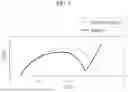

Sources:
- United States Patent and Trademark Office - verify current appl. status at the USPTO↗
Recent applications in this class:
- » 20250174671 2025-05-29
LITHIUM SECONDARY BATTERY - » 20250174670 2025-05-29
ELECTRODES, PREPARATION METHODS THEREOF, AND RECHARGEABLE LITHIUM BATTERIES - » 20250174669 2025-05-29
HOST MATERIAL FOR RECHARGEABLE ZINC ANODES IN AQUEOUS BATTERIES - » 20250167247 2025-05-22
METHOD FOR MANUFACTURING LITHIUM SECONDARY BATTERY - » 20250167246 2025-05-22
ALL-SOLID-STATE RECHARGEABLE BATTERIES - » 20250167245 2025-05-22
LITHIUM SECONDARY BATTERY AND METHOD OF PRODUCING LITHIUM SECONDARY BATTERY - » 20250167244 2025-05-22
POSITIVE ELECTRODE ACTIVE MATERIAL FOR NONAQUEOUS ELECTROLYTE SECONDARY BATTERIES, POSITIVE ELECTRODE FOR NONAQUEOUS ELECTROLYTE SECONDARY BATTERIES, NONAQUEOUS ELECTROLYTE SECONDARY BATTERY, AND METHOD FOR PRODUCING POSITIVE ELECTRODE ACTIVE MATERIAL FOR NONAQUEOUS ELECTROLYTE SECONDARY BATTERIES - » 20250167243 2025-05-22
Negative Electrode and Secondary Battery Including the Negative Electrode - » 20250167242 2025-05-22
POSITIVE ELECTRODE ACTIVE MATERIAL FOR NONAQUEOUS ELECTROLYTE SECONDARY BATTERIES, AND NONAQUEOUS ELECTROLYTE SECONDARY BATTERY - » 20250167241 2025-05-22
CATHODE FOR LITHIUM BATTERY AND LITHIUM BATTERY INCLUDING THE SAME