DISULFIDE CONTAINING THERAPEUTICS
US20240269156A1
2024-08-15
18/543,979
2023-12-18
Smart Summary: New methods and compounds have been developed that include special parts called cleavable moieties. These moieties can be broken apart under certain conditions, which makes them useful in various applications. The compounds can be used in therapies to treat different health conditions. They offer a way to deliver treatments more effectively. Overall, this innovation aims to improve how certain medicines work in the body. 🚀 TL;DR
Abstract:
Disclosed herein, inter alia, are methods and compounds including cleavable moieties, and methods of use thereof.
Inventors:
- Ronald Graham 39 🇺🇸 Carlsbad, CA, United States
- Surya Adhikari 4 🇺🇸 San Diego, CA, United States
Applicant:
Interested in similar patents?
Get notified when new applications in this technology area are published.
Classification:
A61K31/704 » CPC main
Medicinal preparations containing organic active ingredients; Carbohydrates; Sugars; Derivatives thereof; Compounds having saccharide radicals attached to non-saccharide compounds by glycosidic linkages attached to a carbocyclic compound, e.g. phloridzin attached to a condensed carbocyclic ring system, e.g. sennosides, thiocolchicosides, escin, daunorubicin
A61K31/337 » CPC further
Medicinal preparations containing organic active ingredients; Heterocyclic compounds having oxygen as the only ring hetero atom, e.g. fungichromin having four-membered rings, e.g. taxol
A61K31/4745 » CPC further
Medicinal preparations containing organic active ingredients; Heterocyclic compounds having nitrogen as a ring hetero atom, e.g. guanethidine or rifamycins having six-membered rings with one nitrogen as the only ring hetero atom; Quinolines; Isoquinolines ortho- or peri-condensed with heterocyclic ring systems condensed with ring systems having nitrogen as a ring hetero atom, e.g. phenantrolines
A61K31/5355 » CPC further
Medicinal preparations containing organic active ingredients; Heterocyclic compounds having nitrogen as a ring hetero atom, e.g. guanethidine or rifamycins having six-membered rings with at least one nitrogen and one oxygen as the ring hetero atoms, e.g. 1,2-oxazines Non-condensed oxazines and containing further heterocyclic rings
A61K31/7068 » CPC further
Medicinal preparations containing organic active ingredients; Carbohydrates; Sugars; Derivatives thereof; Compounds having saccharide radicals and heterocyclic rings having nitrogen as a ring hetero atom, e.g. nucleosides, nucleotides containing six-membered rings with nitrogen as a ring hetero atom containing condensed or non-condensed pyrimidines having oxo groups directly attached to the pyrimidine ring, e.g. cytidine, cytidylic acid
Description
CROSS-REFERENCES TO RELATED APPLICATIONS
This application claims the benefit of U.S. Provisional Application No. 63/476,870, filed Dec. 22, 2022, which is incorporated herein by reference in its entirety and for all purposes.
BACKGROUND
Prodrugs refer to molecules with minimal measurable biological activity that may be metabolized into a biologically active molecule upon enzymatic, chemical, or a combination of both enzymatic and chemical conversion in vivo. As a result, prodrugs are enticing therapeutics due to the ability to selectively activate the compounds as needed. For example, the antibacterial agent Sultamicillin® includes an ampicillin moiety linked to a β-lactamase inhibitor with a diester bond, that is hydrolyzed in vivo to release the two compounds to treat bacterial infections such as (3-lactamase producing bacteria (e.g., ampicillin-resistant H. influenzae) of the upper and lower respiratory tract. Redox responsive disulfide bonds are being exploited in this field, due to an abundance of glutathione, thioredoxin, and thioredoxin reductase in cells and organisms. However, common approaches to attaching disulfide moieties to bioactive agents suffers from bulky steric hinderance and slow reaction kinetics. Thus, there is a need in in the art to improve the activation of bioactive agents. Disclosed herein, inter alia, are solutions to these and other problems in the art.
BRIEF SUMMARY
In an aspect is provided a prodrug having the formula (I):
R1 is substituted or unsubstituted alkyl, substituted or unsubstituted heteroalkyl, substituted or unsubstituted cycloalkyl, substituted or unsubstituted heterocycloalkyl, substituted or unsubstituted aryl, substituted or unsubstituted heteroaryl. R2 is hydrogen, halogen, —CCl3, —CBr3, —CF3, —CI3,
-
- “\* MERGEFORMAT\*
MERGEFORMAT —CHCl2, —CHBr2, —CHF2, —CHI2, —CH2Cl, —CH2Br, —CH2F, —CH2I, —CN, —OH, —NH2, —COOH, - “\*MERGEFORMAT\*
MERGEFORMAT —CONH2, —NO2, —SH, —SO3H, —SO4H, —SO2NH2, —NHNH2, —ONH2, —NHC(O)NHNH2, - “\* MERGEFORMAT\*
MERGEFORMAT —NHC(O)NH2, —NHSO2H, —NHC(O)H, —NHC(O)OH, —NHOH, —OCCl3, —OCF3, —OCBr3, —OCI3, - “\* MERGEFORMAT\*
MERGEFORMAT —OCHCl2, —OCHBr2, —OCHI2, —OCHF2, —OCH2Cl, —OCH2Br, —OCH2I, —OCH2F, —N3, —SF5, substituted or unsubstituted alkyl, substituted or unsubstituted heteroalkyl, substituted or unsubstituted cycloalkyl, substituted or unsubstituted heterocycloalkyl, substituted or unsubstituted aryl, substituted or unsubstituted heteroaryl; and R1 and R2 may optionally be joined to form a substituted or unsubstituted heterocycloalkyl, or a substituted or unsubstituted heteroaryl. R3 is a monovalent drug (e.g., a therapeutic moiety known in the art).
- “\* MERGEFORMAT\*
In an aspect is provided a method of treating a disease, including administering a therapeutically effective amount of a prodrug of formula (I) to a subject, where the effective amount is sufficient for a compound to accomplish a stated purpose relative to the absence of the compound (e.g., achieve the effect for which it is administered, treat a disease, reduce enzyme activity, increase enzyme activity, reduce a signaling pathway, or reduce one or more symptoms of a disease or condition).
BRIEF DESCRIPTION OF THE DRAWINGS
FIG. 1 illustrates a therapeutic prodrug containing a chemically activatable groups (i.e., a cleavable linking cap, CLC) is administered to a subject. Due to an abundance of glutathione, thioredoxin, cysteine, and thioredoxin reductase in diseased cells and organisms (depicted as shaded circles) the CLC is cleaved and the activated therapeutic moiety is delivered to the diseased cells.
FIGS. 2A-2B. Cleavage kinetics of two CLCs described herein, CLC #1 and CLC #2.
FIG. 3 shows the ylide and related resonance structures for different disulfide-containing CLCs. The greater number of resonant structures is a reflection of the greater electron delocalization, which lowers the potential energy of the thioaldehyde, thereby stabilizing the molecule. A more stable thioaldehyde allows for faster cleavage.
FIG. 4A-4C. Experimentally derived cleavage kinetics of three compounds bearing different cleavable linking caps. FIG. 4A reports that the cleavage kinetics are improved relative to CLC #1 and CLC #3. FIG. 4B reports on the average cleavage halftime for CLC #1, #2, and #3, where CLC #1 is measured at an elevated temperature (65° C.), and CLC #2 and CLC #3 are measured at a lower temperature (55° C.) with identical concentrations of a cleaving agent, 1 mM THPP. FIG. 4C reports on the average cleavage halftime for CLC #2, #3, #45, and #26 under identical cleavage conditions, 0.1 mM THPP at 55° C.
DETAILED DESCRIPTION
I. Definitions
All patents, patent applications, articles and publications mentioned herein, both supra and infra, are hereby expressly incorporated herein by reference in their entireties.
Unless defined otherwise herein, all technical and scientific terms used herein have the same meaning as commonly understood by one of ordinary skill in the art to which this disclosure belongs. Various scientific dictionaries that include the terms included herein are well known and available to those in the art. Although any methods and materials similar or equivalent to those described herein find use in the practice or testing of the disclosure, some preferred methods and materials are described. Accordingly, the terms defined immediately below are more fully described by reference to the specification as a whole. It is to be understood that this disclosure is not limited to the particular methodology, protocols, and reagents described, as these may vary, depending upon the context in which they are used by those of skill in the art. The following definitions are provided to facilitate understanding of certain terms used frequently herein and are not meant to limit the scope of the present disclosure.
As used herein, the singular terms “a”, “an”, and “the” include the plural reference unless the context clearly indicates otherwise. Reference throughout this specification to, for example, “one embodiment”, “an embodiment”, “another embodiment”, “a particular embodiment”, “a related embodiment”, “a certain embodiment”, “an additional embodiment”, or “a further embodiment” or combinations thereof means that a particular feature, structure or characteristic described in connection with the embodiment is included in at least one embodiment of the present disclosure. Thus, the appearances of the foregoing phrases in various places throughout this specification are not necessarily all referring to the same embodiment. Furthermore, the particular features, structures, or characteristics may be combined in any suitable manner in one or more embodiments.
It is understood that the examples and embodiments described herein are for illustrative purposes only and that various modifications or changes in light thereof will be suggested to persons skilled in the art and are to be included within the spirit and purview of this application and scope of the appended claims. All publications, patents, and patent applications cited herein are hereby incorporated by reference in their entirety for all purposes.
The abbreviations used herein have their conventional meaning within the chemical and biological arts. The chemical structures and formulae set forth herein are constructed according to the standard rules of chemical valency known in the chemical arts.
Where substituent groups are specified by their conventional chemical formulae, written from left to right, they equally encompass the chemically identical substituents that would result from writing the structure from right to left, e.g., —CH2O— is equivalent to —OCH2—.
The term “alkyl,” by itself or as part of another substituent, means, unless otherwise stated, a straight (i.e., unbranched) or branched carbon chain (or carbon), or combination thereof, which may be fully saturated, mono- or polyunsaturated and can include mono-, di- and multivalent radicals. The alkyl may include a designated number of carbons (e.g., C1-C10 means one to ten carbons). In embodiments, the alkyl is fully saturated. In embodiments, the alkyl is monounsaturated. In embodiments, the alkyl is polyunsaturated. Alkyl is an uncyclized chain. Examples of saturated hydrocarbon radicals include, but are not limited to, groups such as methyl, ethyl, n-propyl, isopropyl, n-butyl, t-butyl, isobutyl, sec-butyl, methyl, homologs and isomers of, for example, n-pentyl, n-hexyl, n-heptyl, n-octyl, and the like. An unsaturated alkyl group is one having one or more double bonds or triple bonds. Examples of unsaturated alkyl groups include, but are not limited to, vinyl, 2-propenyl, crotyl, 2-isopentenyl, 2-(butadienyl), 2,4-pentadienyl, 3-(1,4-pentadienyl), ethynyl, 1- and 3-propynyl, 3-butynyl, and the higher homologs and isomers. An alkoxy is an alkyl attached to the remainder of the molecule via an oxygen linker (—O—). An alkyl moiety may be an alkenyl moiety. An alkyl moiety may be an alkynyl moiety. An alkenyl includes one or more double bonds. An alkynyl includes one or more triple bonds.
The term “alkylene,” by itself or as part of another substituent, means, unless otherwise stated, a divalent radical derived from an alkyl, as exemplified, but not limited by,
-
- “\* MERGEFORMAT\* MERGEFORMAT —CH2CH2CH2CH2—. Typically, an alkyl (or alkylene) group will have from 1 to 24 carbon atoms, with those groups having 10 or fewer carbon atoms being preferred herein. A “lower alkyl” or “lower alkylene” is a shorter chain alkyl or alkylene group, generally having eight or fewer carbon atoms. The term “alkenylene,” by itself or as part of another substituent, means, unless otherwise stated, a divalent radical derived from an alkene. The term “alkynylene” by itself or as part of another substituent, means, unless otherwise stated, a divalent radical derived from an alkyne. The term “alkynylene” by itself or as part of another substituent, means, unless otherwise stated, a divalent radical derived from an alkyne. In embodiments, the alkylene is fully saturated. In embodiments, the alkylene is monounsaturated. In embodiments, the alkylene is polyunsaturated. An alkenylene includes one or more double bonds. An alkynylene includes one or more triple bonds.
The term “heteroalkyl,” by itself or in combination with another term, means, unless otherwise stated, a stable straight or branched chain, or combinations thereof, including at least one carbon atom and at least one heteroatom (e.g., O, N, P, Si, and S), and wherein the nitrogen and sulfur atoms may optionally be oxidized, and the nitrogen heteroatom may optionally be quaternized. The heteroatom(s) (e.g., O, N, S, Si, or P) may be placed at any interior position of the heteroalkyl group or at the position at which the alkyl group is attached to the remainder of the molecule. Heteroalkyl is an uncyclized chain. Examples include, but are not limited to:
-
- “\*MERGEFORMAT\* MERGEFORMAT —CH2—CH2—O—CH3, —CH2—CH2—NH—CH3, —CH2—CH2—N(CH3)—CH3, —CH2—S—CH2—CH3,
- “\*MERGEFORMAT\* MERGEFORMAT —CH2—S—CH2, —S(O)—CH3, —CH2—CH2—S(O)2—CH3, —CH═CH—O—CH3, —Si(CH3)3,
- “\*MERGEFORMAT\* MERGEFORMAT —CH2—CH═N—OCH3, —CH═CH—N(CH3)—CH3, —O—CH3, —O—CH2—CH3, and —CN. Up to two or three heteroatoms may be consecutive, such as, for example, —CH2—NH—OCH3 and —CH2—O—Si(CH3)3. A heteroalkyl moiety may include one heteroatom (e.g., O, N, S, Si, or P). A heteroalkyl moiety may include two optionally different heteroatoms (e.g., O, N, S, Si, or P). A heteroalkyl moiety may include three optionally different heteroatoms (e.g., O, N, S, Si, or P). A heteroalkyl moiety may include four optionally different heteroatoms (e.g., O, N, S, Si, or P). A heteroalkyl moiety may include five optionally different heteroatoms (e.g., O, N, S, Si, or P). A heteroalkyl moiety may include up to 8 optionally different heteroatoms (e.g., O, N, S, Si, or P). The term “heteroalkenyl,” by itself or in combination with another term, means, unless otherwise stated, a heteroalkyl including at least one double bond. A heteroalkenyl may optionally include more than one double bond and/or one or more triple bonds in additional to the one or more double bonds. The term “heteroalkynyl,” by itself or in combination with another term, means, unless otherwise stated, a heteroalkyl including at least one triple bond. A heteroalkynyl may optionally include more than one triple bond and/or one or more double bonds in additional to the one or more triple bonds. In embodiments, the heteroalkyl is fully saturated. In embodiments, the heteroalkyl is monounsaturated. In embodiments, the heteroalkyl is polyunsaturated.
Similarly, the term “heteroalkylene,” by itself or as part of another substituent, means, unless otherwise stated, a divalent radical derived from heteroalkyl, as exemplified, but not limited by, —CH2—CH2—S—CH2—CH2— and —CH2—S—CH2—CH2—NH—CH2—. For heteroalkylene groups, heteroatoms can also occupy either or both of the chain termini (e.g., alkyleneoxy, alkylenedioxy, alkyleneamino, alkylenediamino, and the like). Still further, for alkylene and heteroalkylene linking groups, no orientation of the linking group is implied by the direction in which the formula of the linking group is written. For example, the formula —C(O)2R′— represents both —C(O)2R′— and —R′C(O)2—. As described above, heteroalkyl groups, as used herein, include those groups that are attached to the remainder of the molecule through a heteroatom, such as
-
- “\*MERGEFORMAT\* MERGEFORMAT —C(O)R′, —C(O)NR′, —NR′R″, —OR′, —SR′, and/or —SO2R′. Where “heteroalkyl” is recited, followed by recitations of specific heteroalkyl groups, such as —NR′R″ or the like, it will be understood that the terms heteroalkyl and —NR′R″ are not redundant or mutually exclusive. Rather, the specific heteroalkyl groups are recited to add clarity. Thus, the term “heteroalkyl” should not be interpreted herein as excluding specific heteroalkyl groups, such as —NR′R″ or the like. The term “heteroalkenylene,” by itself or as part of another substituent, means, unless otherwise stated, a divalent radical derived from a heteroalkene. The term “heteroalkynylene” by itself or as part of another substituent, means, unless otherwise stated, a divalent radical derived from a heteroalkyne. In embodiments, the heteroalkylene is fully saturated. In embodiments, the heteroalkylene is monounsaturated. In embodiments, the heteroalkylene is polyunsaturated. A heteroalkenylene includes one or more double bonds. A heteroalkynylene includes one or more triple bonds.
The terms “cycloalkyl” and “heterocycloalkyl,” by themselves or in combination with other terms, mean, unless otherwise stated, cyclic versions of “alkyl” and “heteroalkyl,” respectively. Cycloalkyl and heterocycloalkyl are not aromatic. Additionally, for heterocycloalkyl, a heteroatom can occupy the position at which the heterocycle is attached to the remainder of the molecule. Examples of cycloalkyl include, but are not limited to, cyclopropyl, cyclobutyl, cyclopentyl, cyclohexyl, 1-cyclohexenyl, 3-cyclohexenyl, cycloheptyl, and the like. Examples of heterocycloalkyl include, but are not limited to, 1-(1,2,5,6-tetrahydropyridyl), 1-piperidinyl, 2-piperidinyl, 3-piperidinyl, 4-morpholinyl, 3-morpholinyl, tetrahydrofuran-2-yl, tetrahydrofuran-3-yl, tetrahydrothien-2-yl, tetrahydrothien-3-yl, 1-piperazinyl, 2-piperazinyl, and the like. A “cycloalkylene” and a “heterocycloalkylene,” alone or as part of another substituent, means a divalent radical derived from a cycloalkyl and heterocycloalkyl, respectively. In embodiments, the cycloalkyl is fully saturated. In embodiments, the cycloalkyl is monounsaturated. In embodiments, the cycloalkyl is polyunsaturated. In embodiments, the heterocycloalkyl is fully saturated. In embodiments, the heterocycloalkyl is monounsaturated. In embodiments, the heterocycloalkyl is polyunsaturated.
In embodiments, the term “cycloalkyl” means a monocyclic, bicyclic, or a multicyclic cycloalkyl ring system. In embodiments, monocyclic ring systems are cyclic hydrocarbon groups containing from 3 to 8 carbon atoms, where such groups can be saturated or unsaturated, but not aromatic. In embodiments, cycloalkyl groups are fully saturated. In embodiments, a bicyclic or multicyclic cycloalkyl ring system refers to multiple rings fused together or multiple spirocyclic rings wherein at least one of the fused or spirocyclic rings is a cycloalkyl ring and wherein the multiple rings are attached to the parent molecular moiety through any carbon atom contained within a cycloalkyl ring of the multiple rings.
In embodiments, a cycloalkyl is a cycloalkenyl. The term “cycloalkenyl” is used in accordance with its plain ordinary meaning. In embodiments, a cycloalkenyl is a monocyclic, bicyclic, or a multicyclic cycloalkenyl ring system. In embodiments, a bicyclic or multicyclic cycloalkenyl ring system refers to multiple rings fused together or multiple spirocyclic rings wherein at least one of the fused or spirocyclic rings is a cycloalkenyl ring and wherein the multiple rings are attached to the parent molecular moiety through any carbon atom contained within a cycloalkenyl ring of the multiple rings.
In embodiments, the term “heterocycloalkyl” means a monocyclic, bicyclic, or a multicyclic heterocycloalkyl ring system. In embodiments, heterocycloalkyl groups are fully saturated. In embodiments, a bicyclic or multicyclic heterocycloalkyl ring system refers to multiple rings fused together or multiple spirocyclic rings wherein at least one of the fused or spirocyclic rings is a heterocycloalkyl ring and wherein the multiple rings are attached to the parent molecular moiety through any atom contained within a heterocycloalkyl ring of the multiple rings.
In embodiments, the term “cycloalkyl” means a monocyclic, bicyclic, or a multicyclic cycloalkyl ring system. In embodiments, monocyclic ring systems are cyclic hydrocarbon groups containing from 3 to 8 carbon atoms, where such groups can be saturated or unsaturated, but not aromatic. In embodiments, cycloalkyl groups are fully saturated. In embodiments, a bicyclic or multicyclic cycloalkyl ring system refers to multiple rings fused together or multiple spirocyclic rings wherein at least one of the fused or spirocyclic rings is a cycloalkyl ring and wherein the multiple rings are attached to the parent molecular moiety through any carbon atom contained within a cycloalkyl ring of the multiple rings.
In embodiments, a cycloalkyl is a cycloalkenyl. The term “cycloalkenyl” is used in accordance with its plain ordinary meaning. In embodiments, a cycloalkenyl is a monocyclic, bicyclic, or a multicyclic cycloalkenyl ring system. In embodiments, a bicyclic or multicyclic cycloalkenyl ring system refers to multiple rings fused together or multiple spirocyclic rings wherein at least one of the fused or spirocyclic rings is a cycloalkenyl ring and wherein the multiple rings are attached to the parent molecular moiety through any carbon atom contained within a cycloalkenyl ring of the multiple rings.
In embodiments, the term “heterocycloalkyl” means a monocyclic, bicyclic, or multicyclic heterocycloalkyl ring system. In embodiments, the term “heterocycloalkyl” means a monocyclic, bicyclic, or a multicyclic heterocycloalkyl ring system. In embodiments, heterocycloalkyl groups are fully saturated. A bicyclic or multicyclic heterocycloalkyl ring system refers to multiple rings fused together wherein at least one of the fused rings is a heterocycloalkyl ring and wherein the multiple rings are attached to the parent molecular moiety through any atom contained within a heterocycloalkyl ring of the multiple rings.
The terms “halo” or “halogen,” by themselves or as part of another substituent, mean, unless otherwise stated, a fluorine, chlorine, bromine, or iodine atom. Additionally, terms such as “haloalkyl” are meant to include monohaloalkyl and polyhaloalkyl. For example, the term “halo(C1-C4)alkyl” includes, but is not limited to, fluoromethyl, difluoromethyl, trifluoromethyl, 2,2,2-trifluoroethyl, 4-chlorobutyl, 3-bromopropyl, and the like.
The term “acyl” means, unless otherwise stated, —C(O)R where R is a substituted or unsubstituted alkyl, substituted or unsubstituted cycloalkyl, substituted or unsubstituted heteroalkyl, substituted or unsubstituted heterocycloalkyl, substituted or unsubstituted aryl, or substituted or unsubstituted heteroaryl.
The term “aryl” means, unless otherwise stated, a polyunsaturated, aromatic, hydrocarbon substituent, which can be a single ring or multiple rings (preferably from 1 to 3 rings) that are fused together (i.e., a fused ring aryl) or linked covalently. A fused ring aryl refers to multiple rings fused together wherein at least one of the fused rings is an aryl ring and wherein the multiple rings are attached to the parent molecular moiety through any carbon atom contained within an aryl ring of the multiple rings. The term “heteroaryl” refers to aryl groups (or rings) that contain at least one heteroatom such as N, O, or S, wherein the nitrogen and sulfur atoms are optionally oxidized, and the nitrogen atom(s) are optionally quaternized. Thus, the term “heteroaryl” includes fused ring heteroaryl groups (i.e., multiple rings fused together wherein at least one of the fused rings is a heteroaromatic ring and wherein the multiple rings are attached to the parent molecular moiety through any atom contained within a heteroaromatic ring of the multiple rings). A 5,6-fused ring heteroarylene refers to two rings fused together, wherein one ring has 5 members and the other ring has 6 members, and wherein at least one ring is a heteroaryl ring. Likewise, a 6,6-fused ring heteroarylene refers to two rings fused together, wherein one ring has 6 members and the other ring has 6 members, and wherein at least one ring is a heteroaryl ring. And a 6,5-fused ring heteroarylene refers to two rings fused together, wherein one ring has 6 members and the other ring has 5 members, and wherein at least one ring is a heteroaryl ring. A heteroaryl group can be attached to the remainder of the molecule through a carbon or heteroatom. Non-limiting examples of aryl and heteroaryl groups include phenyl, naphthyl, pyrrolyl, pyrazolyl, pyridazinyl, triazinyl, pyrimidinyl, imidazolyl, pyrazinyl, purinyl, oxazolyl, isoxazolyl, thiazolyl, furyl, thienyl, pyridyl, pyrimidyl, benzothiazolyl, benzoxazoyl benzimidazolyl, benzofuran, isobenzofuranyl, indolyl, isoindolyl, benzothiophenyl, isoquinolyl, quinoxalinyl, quinolyl, 1-naphthyl, 2-naphthyl, 4-biphenyl, 1-pyrrolyl, 2-pyrrolyl, 3-pyrrolyl, 3-pyrazolyl, 2-imidazolyl, 4-imidazolyl, pyrazinyl, 2-oxazolyl, 4-oxazolyl, 2-phenyl-4-oxazolyl, 5-oxazolyl, 3-isoxazolyl, 4-isoxazolyl, 5-isoxazolyl, 2-thiazolyl, 4-thiazolyl, 5-thiazolyl, 2-furyl, 3-furyl, 2-thienyl, 3-thienyl, 2-pyridyl, 3-pyridyl, 4-pyridyl, 2-pyrimidyl, 4-pyrimidyl, 5-benzothiazolyl, purinyl, 2-benzimidazolyl, 5-indolyl, 1-isoquinolyl, 5-isoquinolyl, 2-quinoxalinyl, 5-quinoxalinyl, 3-quinolyl, and 6-quinolyl. Substituents for each of the above noted aryl and heteroaryl ring systems are selected from the group of acceptable substituents described below. An “arylene” and a “heteroarylene,” alone or as part of another substituent, mean a divalent radical derived from an aryl and heteroaryl, respectively. A heteroaryl group substituent may be —O— bonded to a ring heteroatom nitrogen.
Spirocyclic rings are two or more rings wherein adjacent rings are attached through a single atom. The individual rings within spirocyclic rings may be identical or different. Individual rings in spirocyclic rings may be substituted or unsubstituted and may have different substituents from other individual rings within a set of spirocyclic rings. Possible substituents for individual rings within spirocyclic rings are the possible substituents for the same ring when not part of spirocyclic rings (e.g., substituents for cycloalkyl or heterocycloalkyl rings). Spirocyclic rings may be substituted or unsubstituted cycloalkyl, substituted or unsubstituted cycloalkylene, substituted or unsubstituted heterocycloalkyl or substituted or unsubstituted heterocycloalkylene and individual rings within a spirocyclic ring group may be any of the immediately previous list, including having all rings of one type (e.g., all rings being substituted heterocycloalkylene wherein each ring may be the same or different substituted heterocycloalkylene). When referring to a spirocyclic ring system, heterocyclic spirocyclic rings means a spirocyclic rings wherein at least one ring is a heterocyclic ring and wherein each ring may be a different ring. When referring to a spirocyclic ring system, substituted spirocyclic rings means that at least one ring is substituted and each substituent may optionally be different.
The symbol “” denotes the point of attachment of a chemical moiety to the remainder of a molecule or chemical formula.
The term “oxo,” as used herein, means an oxygen that is double bonded to a carbon atom.
The term “alkylarylene” as an arylene moiety covalently bonded to an alkylene moiety (also referred to herein as an alkylene linker). In embodiments, the alkylarylene group has the formula:
An alkylarylene moiety may be substituted (e.g., with a substituent group) on the alkylene moiety or the arylene linker (e.g., at carbons 2, 3, 4, or 6) with halogen, oxo, —N3, —CF3, —CCl3, —CBr3, —CI3, —CN, —CHO, —OH, —NH2, —COOH, —CONH2, —NO2, —SH,
-
- “\*MERGEFORMAT\*
MERGEFORMAT —SO2CH3, —SO3H, —OSO3H, —SO2NH2, —NHNH2, —ONH2, —NHC(O)NHNH2, substituted or unsubstituted C1-C5 alkyl or substituted or unsubstituted 2 to 5 membered heteroalkyl). In embodiments, the alkylarylene is unsubstituted.
- “\*MERGEFORMAT\*
Each of the above terms (e.g., “alkyl,” “heteroalkyl,” “cycloalkyl,” “heterocycloalkyl,” “aryl,” and “heteroaryl”) includes both substituted and unsubstituted forms of the indicated radical. Preferred substituents for each type of radical are provided below.
Substituents for the alkyl and heteroalkyl radicals (including those groups often referred to as alkylene, alkenyl, heteroalkylene, heteroalkenyl, alkynyl, cycloalkyl, heterocycloalkyl, cycloalkenyl, and heterocycloalkenyl) can be one or more of a variety of groups selected from, but not limited to, —OR′, ═O, ═NR′, ═N—OR′, —NR′R″, —SR′, halogen, —SiR′R″R″, —OC(O)R′,
-
- “\*MERGEFORMAT\*
MERGEFORMAT —C(O)R′, —CO2R′, —CONR′R″, —OC(O)NR′R″, —NR″C(O)R′, —NR′—C(O)NR″R′″, —NR″C(O)2R′, - “\*MERGEFORMAT\* MERGEFORMAT —NR—C(NR′R″R′″)═NR″″, —NR—C(NR′R″)═NR′″, —S(O)R′, —S(O)2R′, —S(O)2NR′R″, —NRSO2R′,
- “\*MERGEFORMAT\*
MERGEFORMAT —NR′NR″R″, —ONR′R″, —NR′C(O)NR″NR′″R″″, —CN, —NO2, —NR′SO2R″, —NR′C(O)R″, - “\*MERGEFORMAT\* MERGEFORMAT —NR′C(O)—OR″, —NR′OR″, in a number ranging from zero to (2m′+1), where m′ is the total number of carbon atoms in such radical. R, R′, R″, R′″, and R″″ each preferably independently refer to hydrogen, substituted or unsubstituted heteroalkyl, substituted or unsubstituted cycloalkyl, substituted or unsubstituted heterocycloalkyl, substituted or unsubstituted aryl (e.g., aryl substituted with 1-3 halogens), substituted or unsubstituted heteroaryl, substituted or unsubstituted alkyl, alkoxy, or thioalkoxy groups, or arylalkyl groups. When a compound described herein includes more than one R group, for example, each of the R groups is independently selected as are each R′, R″, R′″, and R″″ group when more than one of these groups is present. When R′ and R″ are attached to the same nitrogen atom, they can be combined with the nitrogen atom to form a 4-, 5-, 6-, or 7-membered ring. For example, —NR′R″ includes, but is not limited to, 1-pyrrolidinyl and 4-morpholinyl. From the above discussion of substituents, one of skill in the art will understand that the term “alkyl” is meant to include groups including carbon atoms bound to groups other than hydrogen groups, such as haloalkyl (e.g., —CF3 and —CH2CF3) and acyl (e.g., —C(O)CH3, —C(O)CF3, —C(O)CH2OCH3, and the like).
- “\*MERGEFORMAT\*
Similar to the substituents described for the alkyl radical, substituents for the aryl and heteroaryl groups are varied and are selected from, for example: —OR′, —NR′R″, —SR′, halogen, —SiR′R″R′″, —OC(O)R′, —C(O)R′, —CO2R′, —CONR′R″, —OC(O)NR′R″, —NR″C(O)R′,
-
- “\*MERGEFORMAT\* MERGEFORMAT —NR′—C(O)NR″R′″, —NR″C(O)2R′, —NR—C(NR′R″R′″)═NR″″, —NR—C(NR′R″)═NR′″″, —S(O)R′,
- “\*MERGEFORMAT\*
MERGEFORMAT —S(O)2R′, —S(O)2NR′R″, —NRSO2R′, —NR′NR″R′″, —ONR′R″, —NR′C(O)NR″NR″ R″″, —CN, - “\*MERGEFORMAT\* MERGEFORMAT —NO2, —R′, —N3, —CH(Ph)2, fluoro(C1-C4)alkoxy, and fluoro(C1-C4)alkyl, —NR′SO2R″,
- “\*MERGEFORMAT\* MERGEFORMAT —NR′C(O)R″, —NR′C(O)—OR″, —NR′OR″, in a number ranging from zero to the total number of open valences on the aromatic ring system; and where R′, R″, R′″, and R″″ are preferably independently selected from hydrogen, substituted or unsubstituted alkyl, substituted or unsubstituted heteroalkyl, substituted or unsubstituted cycloalkyl, substituted or unsubstituted heterocycloalkyl, substituted or unsubstituted aryl, and substituted or unsubstituted heteroaryl. When a compound described herein includes more than one R group, for example, each of the R groups is independently selected as are each R′, R″, R′″, and R″″ groups when more than one of these groups is present.
As used herein, the term “associated” or “associated with” can mean that two or more species are identifiable as being co-located at a point in time. An association can mean that two or more species are or were within a similar container. An association can be an informatics association, where for example digital information regarding two or more species is stored and can be used to determine that one or more of the species were co-located at a point in time. An association can also be a physical association.
Substituents for rings (e.g., cycloalkyl, heterocycloalkyl, aryl, heteroaryl, cycloalkylene, heterocycloalkylene, arylene, or heteroarylene) may be depicted as substituents on the ring rather than on a specific atom of a ring (commonly referred to as a floating substituent). In such a case, the substituent may be attached to any of the ring atoms (obeying the rules of chemical valency) and in the case of fused rings or spirocyclic rings, a substituent depicted as associated with one member of the fused rings or spirocyclic rings (a floating substituent on a single ring), may be a substituent on any of the fused rings or spirocyclic rings (a floating substituent on multiple rings). When a substituent is attached to a ring, but not a specific atom (a floating substituent), and a subscript for the substituent is an integer greater than one, the multiple substituents may be on the same atom, same ring, different atoms, different fused rings, different spirocyclic rings, and each substituent may optionally be different. Where a point of attachment of a ring to the remainder of a molecule is not limited to a single atom (a floating substituent), the attachment point may be any atom of the ring and in the case of a fused ring or spirocyclic ring, any atom of any of the fused rings or spirocyclic rings while obeying the rules of chemical valency. Where a ring, fused rings, or spirocyclic rings contain one or more ring heteroatoms and the ring, fused rings, or spirocyclic rings are shown with one more floating substituents (including, but not limited to, points of attachment to the remainder of the molecule), the floating substituents may be bonded to the heteroatoms. Where the ring heteroatoms are shown bound to one or more hydrogens (e.g., a ring nitrogen with two bonds to ring atoms and a third bond to a hydrogen) in the structure or formula with the floating substituent, when the heteroatom is bonded to the floating substituent, the substituent will be understood to replace the hydrogen, while obeying the rules of chemical valency.
Two or more substituents may optionally be joined to form aryl, heteroaryl, cycloalkyl, or heterocycloalkyl groups. Such so-called ring-forming substituents are typically, though not necessarily, found attached to a cyclic base structure. In one embodiment, the ring-forming substituents are attached to adjacent members of the base structure. For example, two ring-forming substituents attached to adjacent members of a cyclic base structure create a fused ring structure. In another embodiment, the ring-forming substituents are attached to a single member of the base structure. For example, two ring-forming substituents attached to a single member of a cyclic base structure create a spirocyclic structure. In yet another embodiment, the ring-forming substituents are attached to non-adjacent members of the base structure.
Two of the substituents on adjacent atoms of the aryl or heteroaryl ring may optionally form a ring of the formula -T-C(O)—(CRR′)q—U—, wherein T and U are independently —NR—, —O—,
-
- “\*MERGEFORMAT\* MERGEFORMAT —CRR′—, or a single bond, and q is an integer from 0 to 3. Alternatively, two of the substituents on adjacent atoms of the aryl or heteroaryl ring may optionally be replaced with a substituent of the formula -A-(CH2)r—B—, wherein A and B are independently —CRR′—, —O—, —NR—, —S—, —S(O)—,
- “\*MERGEFORMAT\* MERGEFORMAT —S(O)2—, —S(O)2NR′—, or a single bond, and r is an integer from 1 to 4. One of the single bonds of the new ring so formed may optionally be replaced with a double bond. Alternatively, two of the substituents on adjacent atoms of the aryl or heteroaryl ring may optionally be replaced with a substituent of the formula —(CRR′)s—X′—(C″R″R′″)d—, where s and d are independently integers from 0 to 3, and X′ is —O—, —NR′—, —S—, —S(O)—, —S(O)2—, or —S(O)2NR′—. The substituents R, R′, R″, and R′″ are preferably independently selected from hydrogen, substituted or unsubstituted alkyl, substituted or unsubstituted heteroalkyl, substituted or unsubstituted cycloalkyl, substituted or unsubstituted heterocycloalkyl, substituted or unsubstituted aryl, and substituted or unsubstituted heteroaryl.
As used herein, the terms “heteroatom” or “ring heteroatom” are meant to include oxygen (O), nitrogen (N), sulfur (S), phosphorus (P), and silicon (Si).
A “substituent group,” as used herein, means a group selected from the following moieties:
-
- (A) oxo, halogen, —CCl3, —CBr3, —CF3, —CI3, —CHCl2, —CHBr2, —CHF2, —CHI2, —CH2Cl, —CH2Br, —CH2F, —CH2I, —CN, —OH, —NH2, —COOH, —CONH2, —NO2, —SH, —SO3H, —SO4H, —SO2NH2, —NHNH2, —ONH2, —NHC(O)NHNH2, —NHC(O)NH2, —NHSO2H, —NHC(O)H, —NHC(O)OH, —NHOH, —OCCl3, —OCF3, —OCBr3, —OCI3, —OCHCl2, —OCHBr2, —OCHI2, —OCHF2, —OCH2Cl, —OCH2Br, —OCH2I, —OCH2F, —N3, unsubstituted alkyl (e.g., C1-C8 alkyl, C1-C6 alkyl, or C1-C4 alkyl), unsubstituted heteroalkyl (e.g., 2 to 8 membered heteroalkyl, 2 to 6 membered heteroalkyl, or 2 to 4 membered heteroalkyl), unsubstituted cycloalkyl (e.g., C3-C8 cycloalkyl, C3-C6 cycloalkyl, or C5-C6 cycloalkyl), unsubstituted heterocycloalkyl (e.g., 3 to 8 membered heterocycloalkyl, 3 to 6 membered heterocycloalkyl, or 5 to 6 membered heterocycloalkyl), unsubstituted aryl (e.g., C6-C10 aryl, C10 aryl, or phenyl), or unsubstituted heteroaryl (e.g., 5 to 10 membered heteroaryl, 5 to 9 membered heteroaryl, or 5 to 6 membered heteroaryl), and
- (B) alkyl (e.g., C1-C8 alkyl, C1-C6 alkyl, or C1-C4 alkyl), heteroalkyl (e.g., 2 to 8 membered heteroalkyl, 2 to 6 membered heteroalkyl, or 2 to 4 membered heteroalkyl), cycloalkyl (e.g., C3-C8 cycloalkyl, C3-C6 cycloalkyl, or C5-C6 cycloalkyl), heterocycloalkyl (e.g., 3 to 8 membered heterocycloalkyl, 3 to 6 membered heterocycloalkyl, or 5 to 6 membered heterocycloalkyl), aryl (e.g., C6-C10 aryl, C10 aryl, or phenyl), heteroaryl (e.g., 5 to 10 membered heteroaryl, 5 to 9 membered heteroaryl, or 5 to 6 membered heteroaryl), substituted with at least one substituent selected from:
- (i) oxo, halogen, —CCl3, —CBr3, —CF3, —CI3, —CHCl2, —CHBr2, —CHF2, —CHI2, —CH2Cl, —CH2Br, —CH2F, —CH2I, —CN, —OH, —NH2, —COOH, —CONH2, —NO2, —SH, —SO3H, —SO4H, —SO2NH2, —NHNH2, —ONH2, —NHC(O)NHNH2, —NHC(O)NH2, —NHSO2H, —NHC(O)H, —NHC(O)OH, —NHOH, —OCCl3, —OCF3, —OCBr3, —OCI3, —OCHCl2, —OCHBr2, —OCHI2, —OCHF2, —OCH2Cl, —OCH2Br, —OCH2I, —OCH2F, —N3, unsubstituted alkyl (e.g., C1-C8 alkyl, C1-C6 alkyl, or C1-C4 alkyl), unsubstituted heteroalkyl (e.g., 2 to 8 membered heteroalkyl, 2 to 6 membered heteroalkyl, or 2 to 4 membered heteroalkyl), unsubstituted cycloalkyl (e.g., C3-C8 cycloalkyl, C3-C6 cycloalkyl, or C5-C6 cycloalkyl), unsubstituted heterocycloalkyl (e.g., 3 to 8 membered heterocycloalkyl, 3 to 6 membered heterocycloalkyl, or 5 to 6 membered heterocycloalkyl), unsubstituted aryl (e.g., C6-C10 aryl, C10 aryl, or phenyl), or unsubstituted heteroaryl (e.g., 5 to 10 membered heteroaryl, 5 to 9 membered heteroaryl, or 5 to 6 membered heteroaryl), and
- (ii) alkyl (e.g., C1-C8 alkyl, C1-C6 alkyl, or C1-C4 alkyl), heteroalkyl (e.g., 2 to 8 membered heteroalkyl, 2 to 6 membered heteroalkyl, or 2 to 4 membered heteroalkyl), cycloalkyl (e.g., C3-C8 cycloalkyl, C3-C6 cycloalkyl, or C5-C6 cycloalkyl), heterocycloalkyl (e.g., 3 to 8 membered heterocycloalkyl, 3 to 6 membered heterocycloalkyl, or 5 to 6 membered heterocycloalkyl), aryl (e.g., C6-C10 aryl, C10 aryl, or phenyl), heteroaryl (e.g., 5 to 10 membered heteroaryl, 5 to 9 membered heteroaryl, or 5 to 6 membered heteroaryl), substituted with at least one substituent selected from:
- (a) oxo, halogen, —CCl3, —CBr3, —CF3, —CI3, —CHCl2, —CHBr2, —CHF2, —CHI2, —CH2Cl, —CH2Br, —CH2F, —CH2I, —CN, —OH, —NH2, —COOH, —CONH2, —NO2, —SH, —SO3H, —SO4H, —SO2NH2, —NHNH2, —ONH2, —NHC(O)NHNH2, —NHC(O)NH2, —NHSO2H, —NHC(O)H, —NHC(O)OH, —NHOH, —OCCl3, —OCF3, —OCBr3, —OCI3, —OCHCl2, —OCHBr2, —OCHI2, —OCHF2, —OCH2Cl, —OCH2Br, —OCH2I, —OCH2F, —N3, unsubstituted alkyl (e.g., C1-C8 alkyl, C1-C6 alkyl, or C1-C4 alkyl), unsubstituted heteroalkyl (e.g., 2 to 8 membered heteroalkyl, 2 to 6 membered heteroalkyl, or 2 to 4 membered heteroalkyl), unsubstituted cycloalkyl (e.g., C3-C8 cycloalkyl, C3-C6 cycloalkyl, or C5-C6 cycloalkyl), unsubstituted heterocycloalkyl (e.g., 3 to 8 membered heterocycloalkyl, 3 to 6 membered heterocycloalkyl, or 5 to 6 membered heterocycloalkyl), unsubstituted aryl (e.g., C6-C10 aryl, C10 aryl, or phenyl), or unsubstituted heteroaryl (e.g., 5 to 10 membered heteroaryl, 5 to 9 membered heteroaryl, or 5 to 6 membered heteroaryl), and
- (b) alkyl (e.g., C1-C8 alkyl, C1-C6 alkyl, or C1-C4 alkyl), heteroalkyl (e.g., 2 to 8 membered heteroalkyl, 2 to 6 membered heteroalkyl, or 2 to 4 membered heteroalkyl), cycloalkyl (e.g., C3-C8 cycloalkyl, C3-C6 cycloalkyl, or C5-C6 cycloalkyl), heterocycloalkyl (e.g., 3 to 8 membered heterocycloalkyl, 3 to 6 membered heterocycloalkyl, or 5 to 6 membered heterocycloalkyl), aryl (e.g., C6-C10 aryl, C10 aryl, or phenyl), heteroaryl (e.g., 5 to 10 membered heteroaryl, 5 to 9 membered heteroaryl, or 5 to 6 membered heteroaryl), substituted with at least one substituent selected from: oxo, halogen, —CCl3, —CBr3, —CF3, —CI3, —CHCl2, —CHBr2, —CHF2, —CHI2, —CH2Cl, —CH2Br, —CH2F, —CH2I, —CN, —OH, —NH2, —COOH, —CONH2, —NO2, —SH, —SO3H, —SO4H, —SO2NH2, —NHNH2, —ONH2, —NHC(O)NHNH2, —NHC(O)NH2, —NHSO2H, —NHC(O)H, —NHC(O)OH, —NHOH, —OCCl3, —OCF3, —OCBr3, —OCI3, —OCHCl2, —OCHBr2, —OCHI2, —OCHF2, —OCH2Cl, —OCH2Br, —OCH2I, —OCH2F, —N3, unsubstituted alkyl (e.g., C1-C8 alkyl, C1-C6 alkyl, or C1-C4 alkyl), unsubstituted heteroalkyl (e.g., 2 to 8 membered heteroalkyl, 2 to 6 membered heteroalkyl, or 2 to 4 membered heteroalkyl), unsubstituted cycloalkyl (e.g., C3-C8 cycloalkyl, C3-C6 cycloalkyl, or C5-C6 cycloalkyl), unsubstituted heterocycloalkyl (e.g., 3 to 8 membered heterocycloalkyl, 3 to 6 membered heterocycloalkyl, or 5 to 6 membered heterocycloalkyl), unsubstituted aryl (e.g., C6-C10 aryl, C10 aryl, or phenyl), or unsubstituted heteroaryl (e.g., 5 to 10 membered heteroaryl, 5 to 9 membered heteroaryl, or 5 to 6 membered heteroaryl).
A “size-limited substituent” or “size-limited substituent group,” as used herein, means a group selected from all of the substituents described above for a “substituent group,” wherein each substituted or unsubstituted alkyl is a substituted or unsubstituted C1-C20 alkyl, each substituted or unsubstituted heteroalkyl is a substituted or unsubstituted 2 to 20 membered heteroalkyl, each substituted or unsubstituted cycloalkyl is a substituted or unsubstituted C3-C8 cycloalkyl, each substituted or unsubstituted heterocycloalkyl is a substituted or unsubstituted 3 to 8 membered heterocycloalkyl, each substituted or unsubstituted aryl is a substituted or unsubstituted C6-C10 aryl, and each substituted or unsubstituted heteroaryl is a substituted or unsubstituted 5 to 10 membered heteroaryl.
A “lower substituent” or “lower substituent group,” as used herein, means a group selected from all of the substituents described above for a “substituent group,” wherein each substituted or unsubstituted alkyl is a substituted or unsubstituted C1-C8 alkyl, each substituted or unsubstituted heteroalkyl is a substituted or unsubstituted 2 to 8 membered heteroalkyl, each substituted or unsubstituted cycloalkyl is a substituted or unsubstituted C3-C7 cycloalkyl, each substituted or unsubstituted heterocycloalkyl is a substituted or unsubstituted 3 to 7 membered heterocycloalkyl, each substituted or unsubstituted aryl is a substituted or unsubstituted phenyl, and each substituted or unsubstituted heteroaryl is a substituted or unsubstituted 5 to 6 membered heteroaryl.
In some embodiments, each substituted group described in the compounds herein is substituted with at least one substituent group. More specifically, in some embodiments, each substituted alkyl, substituted heteroalkyl, substituted cycloalkyl, substituted heterocycloalkyl, substituted aryl, substituted heteroaryl, substituted alkylene, substituted heteroalkylene, substituted cycloalkylene, substituted heterocycloalkylene, substituted arylene, and/or substituted heteroarylene described in the compounds herein are substituted with at least one substituent group. In other embodiments, at least one or all of these groups are substituted with at least one size-limited substituent group. In other embodiments, at least one or all of these groups are substituted with at least one lower substituent group.
In other embodiments of the compounds herein, each substituted or unsubstituted alkyl may be a substituted or unsubstituted C1-C20 alkyl, each substituted or unsubstituted heteroalkyl is a substituted or unsubstituted 2 to 20 membered heteroalkyl, each substituted or unsubstituted cycloalkyl is a substituted or unsubstituted C3-C8 cycloalkyl, each substituted or unsubstituted heterocycloalkyl is a substituted or unsubstituted 3 to 8 membered heterocycloalkyl, each substituted or unsubstituted aryl is a substituted or unsubstituted C6-C10 aryl, and/or each substituted or unsubstituted heteroaryl is a substituted or unsubstituted 5 to 10 membered heteroaryl. In some embodiments of the compounds herein, each substituted or unsubstituted alkylene is a substituted or unsubstituted C1-C20 alkylene, each substituted or unsubstituted heteroalkylene is a substituted or unsubstituted 2 to 20 membered heteroalkylene, each substituted or unsubstituted cycloalkylene is a substituted or unsubstituted C3-C8 cycloalkylene, each substituted or unsubstituted heterocycloalkylene is a substituted or unsubstituted 3 to 8 membered heterocycloalkylene, each substituted or unsubstituted arylene is a substituted or unsubstituted C6-C10 arylene, and/or each substituted or unsubstituted heteroarylene is a substituted or unsubstituted 5 to 10 membered heteroarylene.
In some embodiments, each substituted or unsubstituted alkyl is a substituted or unsubstituted C1-C8 alkyl, each substituted or unsubstituted heteroalkyl is a substituted or unsubstituted 2 to 8 membered heteroalkyl, each substituted or unsubstituted cycloalkyl is a substituted or unsubstituted C3-C7 cycloalkyl, each substituted or unsubstituted heterocycloalkyl is a substituted or unsubstituted 3 to 7 membered heterocycloalkyl, each substituted or unsubstituted aryl is a substituted or unsubstituted phenyl, and/or each substituted or unsubstituted heteroaryl is a substituted or unsubstituted 5 to 6 membered heteroaryl. In some embodiments, each substituted or unsubstituted alkylene is a substituted or unsubstituted C1-C8 alkylene, each substituted or unsubstituted heteroalkylene is a substituted or unsubstituted 2 to 8 membered heteroalkylene, each substituted or unsubstituted cycloalkylene is a substituted or unsubstituted C3-C7 cycloalkylene, each substituted or unsubstituted heterocycloalkylene is a substituted or unsubstituted 3 to 7 membered heterocycloalkylene, each substituted or unsubstituted arylene is a substituted or unsubstituted phenylene, and/or each substituted or unsubstituted heteroarylene is a substituted or unsubstituted 5 to 6 membered heteroarylene. In some embodiments, the compound (e.g., nucleotide analogue) is a chemical species set forth in the Examples section, claims, embodiments, figures, or tables below.
In embodiments, a substituted or unsubstituted moiety (e.g., substituted or unsubstituted alkyl, substituted or unsubstituted heteroalkyl, substituted or unsubstituted cycloalkyl, substituted or unsubstituted heterocycloalkyl, substituted or unsubstituted aryl, substituted or unsubstituted heteroaryl, substituted or unsubstituted alkylene, substituted or unsubstituted heteroalkylene, substituted or unsubstituted cycloalkylene, substituted or unsubstituted heterocycloalkylene, substituted or unsubstituted arylene, and/or substituted or unsubstituted heteroarylene) is unsubstituted (e.g., is an unsubstituted alkyl, unsubstituted heteroalkyl, unsubstituted cycloalkyl, unsubstituted heterocycloalkyl, unsubstituted aryl, unsubstituted heteroaryl, unsubstituted alkylene, unsubstituted heteroalkylene, unsubstituted cycloalkylene, unsubstituted heterocycloalkylene, unsubstituted arylene, and/or unsubstituted heteroarylene, respectively). In embodiments, a substituted or unsubstituted moiety (e.g., substituted or unsubstituted alkyl, substituted or unsubstituted heteroalkyl, substituted or unsubstituted cycloalkyl, substituted or unsubstituted heterocycloalkyl, substituted or unsubstituted aryl, substituted or unsubstituted heteroaryl, substituted or unsubstituted alkylene, substituted or unsubstituted heteroalkylene, substituted or unsubstituted cycloalkylene, substituted or unsubstituted heterocycloalkylene, substituted or unsubstituted arylene, and/or substituted or unsubstituted heteroarylene) is substituted (e.g., is a substituted alkyl, substituted heteroalkyl, substituted cycloalkyl, substituted heterocycloalkyl, substituted aryl, substituted heteroaryl, substituted alkylene, substituted heteroalkylene, substituted cycloalkylene, substituted heterocycloalkylene, substituted arylene, and/or substituted heteroarylene, respectively).
In embodiments, a substituted moiety (e.g., substituted alkyl, substituted heteroalkyl, substituted cycloalkyl, substituted heterocycloalkyl, substituted aryl, substituted heteroaryl, substituted alkylene, substituted heteroalkylene, substituted cycloalkylene, substituted heterocycloalkylene, substituted arylene, and/or substituted heteroarylene) is substituted with at least one substituent group, wherein if the substituted moiety is substituted with a plurality of substituent groups, each substituent group may optionally be different. In embodiments, if the substituted moiety is substituted with a plurality of substituent groups, each substituent group is different.
In embodiments, a substituted moiety (e.g., substituted alkyl, substituted heteroalkyl, substituted cycloalkyl, substituted heterocycloalkyl, substituted aryl, substituted heteroaryl, substituted alkylene, substituted heteroalkylene, substituted cycloalkylene, substituted heterocycloalkylene, substituted arylene, and/or substituted heteroarylene) is substituted with at least one size-limited substituent group, wherein if the substituted moiety is substituted with a plurality of size-limited substituent groups, each size-limited substituent group may optionally be different. In embodiments, if the substituted moiety is substituted with a plurality of size-limited substituent groups, each size-limited substituent group is different.
In embodiments, a substituted moiety (e.g., substituted alkyl, substituted heteroalkyl, substituted cycloalkyl, substituted heterocycloalkyl, substituted aryl, substituted heteroaryl, substituted alkylene, substituted heteroalkylene, substituted cycloalkylene, substituted heterocycloalkylene, substituted arylene, and/or substituted heteroarylene) is substituted with at least one lower substituent group, wherein if the substituted moiety is substituted with a plurality of lower substituent groups, each lower substituent group may optionally be different. In embodiments, if the substituted moiety is substituted with a plurality of lower substituent groups, each lower substituent group is different.
In embodiments, a substituted moiety (e.g., substituted alkyl, substituted heteroalkyl, substituted cycloalkyl, substituted heterocycloalkyl, substituted aryl, substituted heteroaryl, substituted alkylene, substituted heteroalkylene, substituted cycloalkylene, substituted heterocycloalkylene, substituted arylene, and/or substituted heteroarylene) is substituted with at least one substituent group, size-limited substituent group, or lower substituent group; wherein if the substituted moiety is substituted with a plurality of groups selected from substituent groups, size-limited substituent groups, and lower substituent groups; each substituent group, size-limited substituent group, and/or lower substituent group may optionally be different. In embodiments, if the substituted moiety is substituted with a plurality of groups selected from substituent groups, size-limited substituent groups, and lower substituent groups; each substituent group, size-limited substituent group, and/or lower substituent group is different.
Certain compounds of the present disclosure possess asymmetric carbon atoms (optical or chiral centers) or double bonds; the enantiomers, racemates, diastereomers, tautomers, geometric isomers, stereoisomeric forms that may be defined, in terms of absolute stereochemistry, as (R)-or (S)- or, as (D)- or (L)- for amino acids, and individual isomers are encompassed within the scope of the present disclosure. The compounds of the present disclosure do not include those that are known in art to be too unstable to synthesize and/or isolate. The present disclosure is meant to include compounds in racemic and optically pure forms. Optically active (R)- and (S)-, or (D)- and (L)-isomers may be prepared using chiral synthons or chiral reagents, or resolved using conventional techniques. When the compounds described herein contain olefinic bonds or other centers of geometric asymmetry, and unless specified otherwise, it is intended that the compounds include both E and Z geometric isomers.
As used herein, the term “isomers” refers to compounds having the same number and kind of atoms, and hence the same molecular weight, but differing in respect to the structural arrangement or configuration of the atoms.
The term “tautomer,” as used herein, refers to one of two or more structural isomers which exist in equilibrium and which are readily converted from one isomeric form to another.
It will be apparent to one skilled in the art that certain compounds of this disclosure may exist in tautomeric forms, all such tautomeric forms of the compounds being within the scope of the disclosure.
Unless otherwise stated, structures depicted herein are also meant to include all stereochemical forms of the structure; i.e., the R and S configurations for each asymmetric center. Therefore, single stereochemical isomers as well as enantiomeric and diastereomeric mixtures of the present compounds are within the scope of the disclosure.
Unless otherwise stated, structures depicted herein are also meant to include compounds which differ only in the presence of one or more isotopically enriched atoms. For example, compounds having the present structures except for the replacement of a hydrogen by a deuterium or tritium, or the replacement of a carbon by 13C- or 14C-enriched carbon are within the scope of this disclosure. The compounds of the present disclosure may also contain unnatural proportions of atomic isotopes at one or more of the atoms that constitute such compounds. For example, the compounds may be radiolabeled with radioactive isotopes, such as for example tritium (3H), iodine-125 (121I), or carbon-14 (14C). All isotopic variations of the compounds of the present disclosure, whether radioactive or not, are encompassed within the scope of the present disclosure.
It should be noted that throughout the application that alternatives are written in Markush groups, for example, each amino acid position that contains more than one possible amino acid. It is specifically contemplated that each member of the Markush group should be considered separately, thereby comprising another embodiment, and the Markush group is not to be read as a single unit.
“Analog,” “analogue” or “derivative” is used in accordance with its plain ordinary meaning within Chemistry and Biology and refers to a chemical compound that is structurally similar to another compound (i.e., a so-called “reference” compound) but differs in composition, e.g., in the replacement of one atom by an atom of a different element, or in the presence of a particular functional group, or the replacement of one functional group by another functional group, or the absolute stereochemistry of one or more chiral centers of the reference compound. Accordingly, an analog is a compound that is similar or comparable in function and appearance but not in structure or origin to a reference compound.
The terms “a” or “an,” as used in herein means one or more. In addition, the phrase “substituted with a[n],” as used herein, means the specified group may be substituted with one or more of any or all of the named substituents. For example, where a group, such as an alkyl or heteroaryl group, is “substituted with an unsubstituted C1-C20 alkyl, or unsubstituted 2 to 20 membered heteroalkyl,” the group may contain one or more unsubstituted C1-C20 alkyls, and/or one or more unsubstituted 2 to 20 membered heteroalkyls.
Descriptions of compounds (e.g., nucleotide analogues) of the present disclosure are limited by principles of chemical bonding known to those skilled in the art. Accordingly, where a group may be substituted by one or more of a number of substituents, such substitutions are selected so as to comply with principles of chemical bonding and to give compounds which are not inherently unstable and/or would be known to one of ordinary skill in the art as likely to be unstable under ambient conditions, such as aqueous, neutral, and several known physiological conditions. For example, a heterocycloalkyl or heteroaryl is attached to the remainder of the molecule via a ring heteroatom in compliance with principles of chemical bonding known to those skilled in the art thereby avoiding inherently unstable compounds.
As used herein, the term “salt” refers to acid or base salts of the compounds described herein. Thus, the compounds as described herein may exist as salts, such as with pharmaceutically acceptable acids. The compounds described herein includes such salts. Non-limiting examples of such salts include hydrochlorides, hydrobromides, phosphates, sulfates, methanesulfonates, nitrates, maleates, acetates, citrates, fumarates, proprionates, tartrates (e.g., (+)-tartrates, (−)-tartrates, or mixtures thereof including racemic mixtures), succinates, benzoates, and salts with amino acids such as glutamic acid, and quaternary ammonium salts (e.g., methyl iodide, ethyl iodide, and the like). These salts may be prepared by methods known to those skilled in the art. Illustrative examples of acceptable salts are mineral acid (hydrochloric acid, hydrobromic acid, phosphoric acid, and the like) salts, organic acid (acetic acid, propionic acid, glutamic acid, citric acid and the like) salts, quaternary ammonium (methyl iodide, ethyl iodide, and the like) salts. In embodiments, compounds may be presented with a positive charge, and it is understood an appropriate counter-ion (e.g., chloride ion, fluoride ion, or acetate ion) may also be present, though not explicitly shown. Likewise, for compounds having a negative charge
it is understood an appropriate counter-ion (e.g., a proton, sodium ion, potassium ion, or ammonium ion) may also be present, though not explicitly shown. The protonation state of the compound (e.g., a compound described herein) depends on the local environment (i.e., the pH of the environment), therefore, in embodiments, the compound may be described as having a moiety in a protonated state
or an ionic state
and it is understood these are interchangeable. In embodiments, the counter-ion is represented by the symbol M (e.g., M+ or M−).
The neutral forms of the compounds are preferably regenerated by contacting the salt with a base or acid and isolating the parent compound in the conventional manner. The parent form of the compound may differ from the various salt forms in certain physical properties, such as solubility in polar solvents.
In addition to salt forms, the compounds described herein are in a prodrug form. Prodrugs of the compounds described herein are those compounds that readily undergo chemical changes under physiological conditions. Prodrugs of the compounds described herein may be converted in vivo after administration. Additionally, prodrugs can be converted to the compounds described herein by chemical or biochemical methods in an ex vivo environment, such as, for example, when contacted with a suitable enzyme or chemical reagent.
Certain compounds described herein can exist in unsolvated forms as well as solvated forms, including hydrated forms. In general, the solvated forms are equivalent to unsolvated forms and are encompassed within the scope of the compounds described herein. Certain compounds described herein may exist in multiple crystalline or amorphous forms. In general, all physical forms are equivalent for the uses contemplated by the compounds described herein and are intended to be within the scope of the compounds described herein.
“Pharmaceutically acceptable excipient” and “pharmaceutically acceptable carrier” refer to a substance that aids the administration of an active agent to and absorption by a subject and can be included in the compositions of the compounds described herein without causing a significant adverse toxicological effect on the patient. Non-limiting examples of pharmaceutically acceptable excipients include water, NaCl, normal saline solutions, lactated Ringer's, normal sucrose, normal glucose, binders, fillers, disintegrants, lubricants, coatings, sweeteners, flavors, salt solutions (such as Ringer's solution), alcohols, oils, gelatins, carbohydrates such as lactose, amylose or starch, fatty acid esters, hydroxymethycellulose, polyvinyl pyrrolidine, and colors, and the like. Such preparations can be sterilized and, if desired, mixed with auxiliary agents such as lubricants, preservatives, stabilizers, wetting agents, emulsifiers, salts for influencing osmotic pressure, buffers, coloring, and/or aromatic substances and the like that do not deleteriously react with the compounds of the invention. One of skill in the art will recognize that other pharmaceutical excipients are useful for compounds described herein.
The term “preparation” is intended to include the formulation of the active compound with encapsulating material as a carrier providing a capsule in which the active component with or without other carriers, is surrounded by a carrier, which is thus in association with it. Similarly, cachets and lozenges are included. Tablets, powders, capsules, pills, cachets, and lozenges can be used as solid dosage forms suitable for oral administration.
The terms “polypeptide,” “peptide” and “protein” are used interchangeably herein to refer to a polymer of amino acid residues, wherein the polymer may optionally be conjugated to a moiety that does not consist of amino acids. The terms apply to amino acid polymers in which one or more amino acid residue is an artificial chemical mimetic of a corresponding naturally occurring amino acid, as well as to naturally occurring amino acid polymers and non-naturally occurring amino acid polymer.
A polypeptide, or a cell is “recombinant” when it is artificial or engineered, or derived from or contains an artificial or engineered protein or nucleic acid (e.g., non-natural or not wild type). For example, a polynucleotide that is inserted into a vector or any other heterologous location, e.g., in a genome of a recombinant organism, such that it is not associated with nucleotide sequences that normally flank the polynucleotide as it is found in nature is a recombinant polynucleotide. A protein expressed in vitro or in vivo from a recombinant polynucleotide is an example of a recombinant polypeptide. Likewise, a polynucleotide sequence that does not appear in nature, for example a variant of a naturally occurring gene, is recombinant.
As used herein, the term “about” means a range of values including the specified value, which a person of ordinary skill in the art would consider reasonably similar to the specified value. In embodiments, about means within a standard deviation using measurements generally acceptable in the art. In embodiments, about means a range extending to +/−10% of the specified value. In embodiments, about includes the specified value.
An “effective amount” is an amount sufficient for a compound to accomplish a stated purpose relative to the absence of the compound (e.g., achieve the effect for which it is administered, treat a disease, reduce enzyme activity, increase enzyme activity, reduce a signaling pathway, or reduce one or more symptoms of a disease or condition). An “activity decreasing amount,” as used herein, refers to an amount of antagonist required to decrease the activity of an enzyme relative to the absence of the antagonist. A “function disrupting amount,” as used herein, refers to the amount of antagonist required to disrupt the function of an enzyme or protein relative to the absence of the antagonist.
“Control” or “control experiment” is used in accordance with its plain ordinary meaning and refers to an experiment in which the subjects or reagents of the experiment are treated as in a parallel experiment except for omission of a procedure, reagent, or variable of the experiment. In some instances, the control is used as a standard of comparison in evaluating experimental effects. In some embodiments, a control is the measurement of the activity of a protein in the absence of a compound as described herein (including embodiments and examples).
The term “modulate” is used in accordance with its plain ordinary meaning and refers to the act of changing or varying one or more properties. “Modulation” refers to the process of changing or varying one or more properties. For example, as applied to the effects of a modulator on a target protein, to modulate means to change by increasing or decreasing a property or function of the target molecule or the amount of the target molecule.
“Nucleic acid” refers to nucleotides (e.g., deoxyribonucleotides or ribonucleotides) and polymers thereof in either single-, double- or multiple-stranded form, or complements thereof; or nucleosides (e.g., deoxyribonucleosides or ribonucleosides). In embodiments, “nucleic acid” does not include nucleosides. The terms “polynucleotide,” “oligonucleotide,” “oligo” or the like refer, in the usual and customary sense, to a linear sequence of nucleotides. Oligonucleotides are typically from about 5, 6, 7, 8, 9, 10, 12, 15, 25, 30, 40, 50 or more nucleotides in length, up to about 100 nucleotides in length. Nucleic acids and polynucleotides are polymers of any length, including longer lengths, e.g., 200, 300, 500, 1000, 2000, 3000, 5000, 7000, 10,000, etc. In certain embodiments the nucleic acids herein contain phosphodiester bonds. In other embodiments, nucleic acid analogs are included that may have alternate backbones, comprising, e.g., phosphoramidate, phosphorothioate, phosphorodithioate, or O-methylphosphoroamidite linkages (see, Eckstein, Oligonucleotides and Analogues: A Practical Approach, Oxford University Press); and peptide nucleic acid backbones and linkages. Other analog nucleic acids include those with positive backbones; non-ionic backbones, and non-ribose backbones, including those described in U.S. Pat. Nos. 5,235,033 and 5,034,506, and Chapters 6 and 7, ASC Symposium Series 580, Carbohydrate Modifications in Antisense Research, Sanghui & Cook, eds. Nucleic acids containing one or more carbocyclic sugars are also included within one definition of nucleic acids. Modifications of the ribose-phosphate backbone may be done for a variety of reasons, e.g., to increase the stability and half-life of such molecules in physiological environments or as probes on a biochip. Mixtures of naturally occurring nucleic acids and analogs can be made; alternatively, mixtures of different nucleic acid analogs, and mixtures of naturally occurring nucleic acids and analogs may be made. A residue of a nucleic acid, as referred to herein, is a monomer of the nucleic acid (e.g., a nucleotide). The term “nucleoside” refers, in the usual and customary sense, to a glycosylamine including a nucleobase and a five-carbon sugar (ribose or deoxyribose). Non-limiting examples of nucleosides include cytidine, uridine, adenosine, guanosine, thymidine and inosine. Nucleosides may be modified at the base and/or the sugar. The term “nucleotide” refers, in the usual and customary sense, to a single unit of a polynucleotide, i.e., a monomer. Nucleotides can be ribonucleotides, deoxyribonucleotides, or modified versions thereof. Examples of polynucleotides contemplated herein include single and double stranded DNA, single and double stranded RNA, and hybrid molecules having mixtures of single and double stranded DNA and RNA. Examples of nucleic acid, e.g., polynucleotides contemplated herein include any types of RNA, e.g., mRNA, siRNA, miRNA, and guide RNA and any types of DNA, genomic DNA, plasmid DNA, and minicircle DNA, and any fragments thereof. The term “duplex” in the context of polynucleotides refers, in the usual and customary sense, to double strandedness. Nucleic acids can be linear or branched. For example, nucleic acids can be a linear chain of nucleotides or the nucleic acids can be branched, e.g., such that the nucleic acids comprise one or more arms or branches of nucleotides. Optionally, the branched nucleic acids are repetitively branched to form higher ordered structures such as dendrimers and the like. A “nucleic acid moiety” as used herein is a monovalent form of a nucleic acid. In embodiments, the nucleic acid moiety is attached to the 3′ or 5′ position of a nucleotide or nucleoside.
Nucleic acids, including e.g., nucleic acids with a phosphorothioate backbone, can include one or more reactive moieties. As used herein, the term reactive moiety includes any group capable of reacting with another molecule, e.g., a nucleic acid or polypeptide through covalent, non-covalent or other interactions. By way of example, the nucleic acid can include an amino acid reactive moiety that reacts with an amino acid on a protein or polypeptide through a covalent, non-covalent or other interaction.
“Nucleotide,” as used herein, refers to a nucleoside-5′-phosphate (e.g., polyphosphate) compound, or a structural analog thereof, which can be incorporated (e.g., partially incorporated as a nucleoside-5′-monophosphate or derivative thereof) by a nucleic acid polymerase to extend a growing nucleic acid chain (such as a primer). Nucleotides may comprise bases such as adenine (A), cytosine (C), guanine (G), thymine (T), uracil (U), or analogues thereof, and may comprise 1, 2, 3, 4, 5, 6, 7, 8, or more phosphates in the phosphate group. Nucleotides may be modified at one or more of the base, sugar, or phosphate group. A nucleotide may have a label or tag attached (a “labeled nucleotide” or “tagged nucleotide”). In an embodiment, the nucleotide is a deoxyribonucleotide. In another embodiment, the nucleotide is a ribonucleotide. In embodiments, nucleotides comprise 3 phosphate groups (e.g., a triphosphate group).
The terms also encompass nucleic acids containing known nucleotide analogs or modified backbone residues or linkages, which are synthetic, naturally occurring, and non-naturally occurring, which have similar binding properties as the reference nucleic acid, and which are metabolized in a manner similar to the reference nucleotides. Examples of such analogs include, without limitation, phosphodiester derivatives including, e.g., phosphoramidate, phosphorodiamidate, phosphorothioate (also known as phosphorothioate having double bonded sulfur replacing oxygen in the phosphate), phosphorodithioate, phosphonocarboxylic acids, phosphonocarboxylates, phosphonoacetic acid, phosphonoformic acid, methyl phosphonate, boron phosphonate, or O-methylphosphoroamidite linkages (see, Eckstein, Oligonucleotides and Analogues: A Practical Approach, Oxford University Press) as well as modifications to the nucleotide bases such as in 5-methyl cytidine or pseudouridine; and peptide nucleic acid backbones and linkages. Other analog nucleic acids include those with positive backbones; non-ionic backbones, modified sugars, and non-ribose backbones (e.g., phosphorodiamidate morpholino oligos or locked nucleic acids (LNA) as known in the art), including those described in U.S. Pat. Nos. 5,235,033 and 5,034,506, and Chapters 6 and 7, ASC Symposium Series 580, Carbohydrate Modifications in Antisense Research, Sanghui & Cook, eds. Nucleic acids containing one or more carbocyclic sugars are also included within one definition of nucleic acids. Modifications of the ribose-phosphate backbone may be done for a variety of reasons, e.g., to increase the stability and half-life of such molecules in physiological environments or as probes on a biochip. Mixtures of naturally occurring nucleic acids and analogs can be made; alternatively, mixtures of different nucleic acid analogs, and mixtures of naturally occurring nucleic acids and analogs may be made. In embodiments, the internucleotide linkages in DNA are phosphodiester, phosphodiester derivatives, or a combination of both.
In embodiments, “nucleotide analogue,” “nucleotide analog,” or “nucleotide derivative” shall mean an analogue of adenine (A), cytosine (C), guanine (G), thymine (T), or uracil (U) (that is, an analogue or derivative of a nucleotide comprising the base A, G, C, T or U), comprising a phosphate group, which may be recognized by DNA or RNA polymerase (whichever is applicable) and may be incorporated into a strand of DNA or RNA (whichever is appropriate). Examples of nucleotide analogues include, without limitation, 7-deaza-adenine, 7-deaza-guanine, the analogues of deoxynucleotides shown herein, analogues in which a label is attached through a cleavable linker to the 5-position of cytosine or thymine or to the 7-position of deaza-adenine or deaza-guanine, and analogues in which a small chemical moiety is used to cap the —OH group at the 3′-position of deoxyribose. Nucleotide analogues and DNA polymerase-based DNA sequencing are also described in U.S. Pat. No. 6,664,079, which is incorporated herein by reference in its entirety for all purposes.
The term “nucleobase” or “base” as used herein refers to a purine or pyrimidine compound, or a derivative thereof, that may be a constituent of nucleic acid (i.e., DNA or RNA, or a derivative thereof). In embodiments, the nucleobase is a divalent purine or pyrimidine, or derivative thereof. In embodiments, the nucleobase is a monovalent purine or pyrimidine, or derivative thereof. In embodiments, the base is a derivative of a naturally occurring DNA or RNA base (e.g., a base analogue). In embodiments the base is a hybridizing base. In embodiments the base hybridizes to a complementary base. In embodiments, the base is capable of forming at least one hydrogen bond with a complementary base (e.g., adenine hydrogen bonds with thymine, adenine hydrogen bonds with uracil, guanine pairs with cytosine). Non-limiting examples of a base includes cytosine or a derivative thereof (e.g., cytosine analogue), guanine or a derivative thereof (e.g., guanine analogue), adenine or a derivative thereof (e.g., adenine analogue), thymine or a derivative thereof (e.g., thymine analogue), uracil or a derivative thereof (e.g., uracil analogue), hypoxanthine or a derivative thereof (e.g., hypoxanthine analogue), xanthine or a derivative thereof (e.g., xanthine analogue), 7-methylguanine or a derivative thereof (e.g., 7-methylguanine analogue), deaza-adenine or a derivative thereof (e.g., deaza-adenine analogue), deaza-guanine or a derivative thereof (e.g., deaza-guanine), deaza-hypoxanthine or a derivative thereof, 5,6-dihydrouracil or a derivative thereof (e.g., 5,6-dihydrouracil analogue), 5-methylcytosine or a derivative thereof (e.g., 5-methylcytosine analogue), or 5-hydroxymethylcytosine or a derivative thereof (e.g., 5-hydroxymethylcytosine analogue) moieties. In embodiments, the base is adenine, guanine, uracil, cytosine, thymine, hypoxanthine, xanthine, theobromine, caffeine, uric acid, or isoguanine, which may be optionally substituted or modified. In embodiments, the base is adenine, guanine, hypoxanthine, xanthine, theobromine, caffeine, uric acid, or isoguanine, which may be optionally substituted or modified.
The term “cleavable linker” or “cleavable moiety” as used herein refers to a divalent or monovalent, respectively, moiety which is capable of being separated (e.g., detached, split, disconnected, hydrolyzed, a stable bond within the moiety is broken) into distinct entities. In embodiments, a cleavable linker is cleavable (e.g., specifically cleavable) in response to external stimuli (e.g., enzymes, nucleophilic/basic reagents, reducing agents, photo-irradiation, electrophilic/acidic reagents, organometallic and metal reagents, or oxidizing reagents). In embodiments, a cleavable linker is a self-immolative linker, a trivalent linker, or a linker capable of dendritic amplification of signal, or a self-immolative dendrimer containing linker (e.g., all as described in US 2007/0009980, US 2006/0003383, and US 2009/0047699, which are incorporated by reference in their entirety for any purpose). A chemically cleavable linker refers to a linker which is capable of being split in response to the presence of a chemical (e.g., acid, base, oxidizing agent, reducing agent, Pd(0), tris-(2-carboxyethyl)phosphine, dilute nitrous acid, fluoride, tris(3-hydroxypropyl)phosphine), sodium dithionite (Na2S2O4), hydrazine (N2H4)). A chemically cleavable linker is non-enzymatically cleavable. In embodiments, the cleavable linker is cleaved by contacting the cleavable linker with a cleaving agent. In embodiments, the cleaving agent is sodium dithionite (Na2S2O4), weak acid, hydrazine (N2H4), Pd(0), or light-irradiation (e.g., ultraviolet radiation). In embodiments, cleaving includes removing. A “cleavable site” or “scissile linkage” in the context of a polynucleotide is a site which allows controlled cleavage of the polynucleotide strand (e.g., the linker, the primer, or the polynucleotide) by chemical, enzymatic, or photochemical means known in the art and described herein. A scissile site may refer to the linkage of a nucleotide between two other nucleotides in a nucleotide strand (i.e., an internucleosidic linkage). In embodiments, the scissile linkage can be located at any position within the one or more nucleic acid molecules, including at or near a terminal end (e.g., the 3′ end of an oligonucleotide) or in an interior portion of the one or more nucleic acid molecules. In embodiments, conditions suitable for separating a scissile linkage include a modulating the pH and/or the temperature. In embodiments, a scissile site can include at least one acid-labile linkage. For example, an acid-labile linkage may include a phosphoramidate linkage. In embodiments, a phosphoramidate linkage can be hydrolysable under acidic conditions, including mild acidic conditions such as trifluoroacetic acid and a suitable temperature (e.g., 30° C.), or other conditions known in the art, for example Matthias Mag, et al Tetrahedron Letters, Volume 33, Issue 48, 1992, 7319-7322. In embodiments, the scissile site can include at least one photolabile internucleosidic linkage (e.g., o-nitrobenzyl linkages, as described in Walker et al, J. Am. Chem. Soc. 1988, 110, 21, 7170-7177), such as o-nitrobenzyloxymethyl or p-nitrobenzyloxymethyl group(s). In embodiments, the scissile site includes at least one uracil nucleobase. In embodiments, a uracil nucleobase can be cleaved with a uracil DNA glycosylase (UDG) or Formamidopyrimidine DNA Glycosylase (Fpg). In embodiments, the scissile linkage site includes a sequence-specific nicking site having a nucleotide sequence that is recognized and nicked by a nicking endonuclease enzyme or a uracil DNA glycosylase. The term “self-immolative” referring to a linker is used in accordance with its well understood meaning in Chemistry and Biology as used in US 2007/0009980, US 2006/0003383, and US 2009/0047699, which are incorporated by reference in their entirety for any purpose. In embodiments “self-immolative” referring to a linker refers to a linker that is capable of additional cleavage following initial cleavage by an external stimuli. The term dendrimer is used in accordance with its well understood meaning in Chemistry. In embodiments, the term “self-immolative dendrimer” is used as described in US 2007/0009980, US 2006/0003383, and US 2009/0047699, which are incorporated by reference in their entirety for any purpose and in embodiments refers to a dendrimer that is capable of releasing all of its tail units through a self-immolative fragmentation following initial cleavage by an external stimulus.
As used herein, the terms “polynucleotide primer” and “primer” refers to any polynucleotide molecule that may hybridize to a polynucleotide template, be bound by a polymerase, and be extended in a template-directed process for nucleic acid synthesis. The primer may be a separate polynucleotide from the polynucleotide template, or both may be portions of the same polynucleotide (e.g., as in a hairpin structure having a 3′ end that is extended along another portion of the polynucleotide to extend a double-stranded portion of the hairpin). Primers (e.g., forward or reverse primers) may be attached to a solid support. A primer can be of any length depending on the particular technique it will be used for. For example, PCR primers are generally between 10 and 40 nucleotides in length. The length and complexity of the nucleic acid fixed onto the nucleic acid template may vary. In some embodiments, a primer has a length of 200 nucleotides or less. In certain embodiments, a primer has a length of 10 to 150 nucleotides, 15 to 150 nucleotides, 5 to 100 nucleotides, 5 to 50 nucleotides or 10 to 50 nucleotides. One of skill can adjust these factors to provide optimum hybridization and signal production for a given hybridization procedure. The primer permits the addition of a nucleotide residue thereto, or oligonucleotide or polynucleotide synthesis therefrom, under suitable conditions. In an embodiment the primer is a DNA primer, i.e., a primer consisting of, or largely consisting of, deoxyribonucleotide residues. The primers are designed to have a sequence that is the complement of a region of template/target DNA to which the primer hybridizes. The addition of a nucleotide residue to the 3′ end of a primer by formation of a phosphodiester bond results in a DNA extension product. The addition of a nucleotide residue to the 3′ end of the DNA extension product by formation of a phosphodiester bond results in a further DNA extension product. In another embodiment the primer is an RNA primer. In embodiments, a primer is hybridized to a target polynucleotide. A “primer” is complementary to a polynucleotide template, and complexes by hydrogen bonding or hybridization with the template to give a primer/template complex for initiation of synthesis by a polymerase, which is extended by the addition of covalently bonded bases linked at its 3′ end complementary to the template in the process of DNA synthesis.
The term “polymer” refers to a molecule including repeating subunits (e.g., polymerized monomers). For example, polymeric molecules may be based upon polyethylene glycol (PEG), tetraethylene glycol (TEG), polyvinylpyrrolidone (PVP), poly(xylene), or poly(p-xylylene). The term “polymerizable monomer” is used in accordance with its meaning in the art of polymer chemistry and refers to a compound that may covalently bind chemically to other monomer molecules (such as other polymerizable monomers that are the same or different) to form a polymer.
“Solid substrate” or “solid support” shall mean any suitable medium present in the solid phase to which a nucleic acid or an agent may be affixed. Non-limiting examples include chips, beads and columns. The solid substrate can be non-porous or porous. Exemplary solid substrates include, but are not limited to, glass and modified or functionalized glass, plastics (including acrylics, polystyrene and copolymers of styrene and other materials, polypropylene, polyethylene, polybutylene, polyurethanes, Teflon™, cyclic olefins, polyimides, etc.), nylon, ceramics, resins, Zeonor, silica or silica-based materials including silicon and modified silicon, carbon, metals, inorganic glasses, optical fiber bundles, and polymers. In embodiments, the solid substrate for have at least one surface located within a flow cell. The solid substrate, or regions thereof, can be substantially flat. The solid substrate can have surface features such as wells, pits, channels, ridges, raised regions, pegs, posts or the like. The term solid substrate is encompassing of a substrate (e.g., a flow cell) having a surface comprising a polymer coating covalently attached thereto. In embodiments, the solid substrate is a flow cell. The term “flowcell” or “flow cell” as used herein refers to a chamber including a solid surface across which one or more fluid reagents can be flowed. Examples of flowcells and related fluidic systems and detection platforms that can be readily used in the methods of the present disclosure are described, for example, in Bentley et al., Nature 456:53-59 (2008).
A person of ordinary skill in the art will understand when a variable (e.g., moiety or linker) of a compound or of a compound genus (e.g., a genus described herein) is described by a name or formula of a standalone compound with all valencies filled, the unfilled valence(s) of the variable will be dictated by the context in which the variable is used. For example, when a variable of a compound as described herein is connected (e.g., bonded) to the remainder of the compound through a single bond, that variable is understood to represent a monovalent form (i.e., capable of forming a single bond due to an unfilled valence) of a standalone compound (e.g., if the variable is named “methane” in an embodiment but the variable is known to be attached by a single bond to the remainder of the compound, a person of ordinary skill in the art would understand that the variable is actually a monovalent form of methane, i.e., methyl or —CH3). Likewise, for a linker variable (e.g., L1, L2, or L3 as described herein), a person of ordinary skill in the art will understand that the variable is the divalent form of a standalone compound (e.g., if the variable is assigned to “PEG” or “polyethylene glycol” in an embodiment but the variable is connected by two separate bonds to the remainder of the compound, a person of ordinary skill in the art would understand that the variable is a divalent (i.e., capable of forming two bonds through two unfilled valences) form of PEG instead of the standalone compound PEG).
As used herein, the term “kit” refers to any delivery system for delivering materials. In the context of reaction assays, such delivery systems include systems that allow for the storage, transport, or delivery of reaction reagents (e.g., oligonucleotides, enzymes, etc. in the appropriate containers) and/or supporting materials (e.g., packaging, buffers, written instructions for performing a method, etc.) from one location to another. For example, kits include one or more enclosures (e.g., boxes) containing the relevant reaction reagents and/or supporting materials. As used herein, the term “fragmented kit” refers to a delivery system comprising two or more separate containers that each contain a subportion of the total kit components. The containers may be delivered to the intended recipient together or separately. For example, a first container may contain an enzyme for use in an assay, while a second container contains oligonucleotides. In contrast, a “combined kit” refers to a delivery system containing all of the components of a reaction assay in a single container (e.g., in a single box housing each of the desired components). The term “kit” includes both fragmented and combined kits.
The terms “treating”, or “treatment” refers to any indicia of success in the therapy or amelioration of an injury, disease, pathology or condition, including any objective or subjective parameter such as abatement; remission; diminishing of symptoms or making the injury, pathology or condition more tolerable to the patient; slowing in the rate of degeneration or decline; making the final point of degeneration less debilitating; improving a patient's physical or mental well-being. The treatment or amelioration of symptoms can be based on objective or subjective parameters; including the results of a physical examination, neuropsychiatric exams, and/or a psychiatric evaluation. The term “treating” and conjugations thereof, may include prevention of an injury, pathology, condition, or disease. In embodiments, treating is preventing. In embodiments, treating does not include preventing.
As used herein, the term “administering” means oral administration, administration as a suppository, topical contact, intravenous, intraperitoneal, intramuscular, intralesional, intrathecal, intranasal or subcutaneous administration, or the implantation of a slow-release device, e.g., a mini-osmotic pump, to a subject. Administration is by any route, including parenteral and transmucosal (e.g., buccal, sublingual, palatal, gingival, nasal, vaginal, rectal, or transdermal) compatible with the preparation. Parenteral administration includes, e.g., intravenous, intramuscular, intra-arteriole, intradermal, subcutaneous, intraperitoneal, intraventricular, and intracranial. Other modes of delivery include, but are not limited to, the use of liposomal formulations, intravenous infusion, transdermal patches, etc.
The term “prodrug” is used in accordance with its plain and ordinary meaning and refers a therapeutic agent precursor (e.g., a pharmacologically inactive molecule) that requires an enzymatic, chemical, or a combination of both enzymatic and chemical transformation in vivo to release the pharmacological active molecule or therapeutic moiety. Prodrugs contain a prodrug moiety (e.g., a chemical masking moiety) to render the therapeutic agent inactive prior to the removal of the prodrug moiety, and prodrug moieties are also often employed to improve physicochemical and pharmacokinetic properties of pharmacologically active compounds. Examples of notable prodrugs include prednisone and irinotecan, which undergo conversion in vivo to provide their active pharmacological forms, prednisolone and SN-38 (a camptothecin analog), respectively. Additional examples of prodrugs include compounds as described herein, which require cleavage of the cleavable linking cap (i.e., CLC) described herein to release the activated therapeutic moiety.
The term “drug” is used in accordance with its plain and ordinary meaning and refers to a substance which has a physiological effect (e.g., beneficial effect, is useful for treating a subject) when introduced into or to a subject (e.g., in or on the body of a subject or patient). For example, a drug can have a therapeutic effect useful for treating a condition or disease state. A drug moiety may be a radical of a drug. A drug moiety can be a monovalent drug moiety.
As used herein, the term “monovalent drug” is used in accordance with its plain and ordinary meaning and refers to a drug capable of forming one covalent bond. In embodiments, the monovalent drugs form part of the prodrug compounds provided herein, wherein after cleavage of the disulfide, the monovalent drug forms the corresponding drug with full chemical valence (including salts thereof).
As used herein, the term “BCS class IV drug” is used in accordance with its plain and ordinary meaning and refers to a drug defined by biopharmaceutical classification system (BCS). BCS class IV drugs may be characterized by low aqueous solubility and low intestinal permeability. Examples of BCS class IV drugs include, but are not limited to, chemotherapeutic drugs (e.g., doxorubicin, paclitaxel, and campothecin), neprilysin inhibitors (e.g., sacubitril), and anti-inflammatory drugs (e.g., mesalamine).
As used herein, the term “substrate of hepatic drug metabolizing enzymes” is used in accordance with its plain and ordinary meaning and refers to a substrate that is subject to drug metabolism in the liver that is catalyzed by enzymes involved in oxidation, reduction, and hydrolysis reactions. Such enzymes include, but are not limited to, uridine 5′-diphospho-glucuronosyltransferase (UGT), aldehyde oxidase (AO), and cytochrome P450 (CYP450) enzymes and isoforms thereof. Known substrates of hepatic drug metabolizing enzymes include, but are not limited to, carbazeran, diazepam, and imipramine.
As used herein, the term “substrate of CYP3A4” is used in accordance with its plain and ordinary meaning and refers to a substrate that is subject to oxidation catalyzed by cytochrome P450 family 3 subfamily A member 4 (i.e., CYP450 isoform 3A4). Known substrates of CYP3A4 include, but are not limited to, BCS class IV drugs (e.g., ritonavir), corticosteroids, antibacterial drugs, antiepileptic drugs, and immunomodulator drugs.
As used herein, the term “substrate of efflux transporters” is used in accordance with its plain and ordinary meaning and refers a substrate of transmembrane transporters responsible for preventing cellular uptake of toxic chemicals. Exemplary efflux transporters include ATP-binding cassette (ABC) superfamily, and members of the ABC superfamily include P-glycoprotein (P-gp), multidrug resistance protein (MRP), and breast cancer resistance protein (BCRP).
As used herein, the term “substrate of P-glycoprotein” or “substrate of P-gp” is used in accordance with its plain and ordinary meaning and refers a substrate that is subject to excretion from cells by P-glycoprotein. P-glycoprotein is expressed on surfaces of cells of gastrointestinal tract, liver, kidney, and brain and its efflux of drugs impact the permeability of the drug. Example substrates of P-gp include, but are not limited to, chemotherapeutic drugs (e.g., tamoxifen), antiviral drugs (e.g., ombitasvir), and antimalarial drugs (e.g., quinine).
As used herein, the term “antibacterial drug” is used in accordance with its plain and ordinary meaning and refers to any agent capable of killing bacteria or preventing its growth. Exemplary examples of an antibacterial drug include vancomycin and cefuroxime axetil.
As used herein, the term “antidiarrheal drug” is used in accordance with its plain and ordinary meaning and refers to any agent that relieves symptoms associated with diarrhea. An example of an antidiarrheal drug is telotristat epitrate.
As used herein, the term “antiepileptic drug” is used in accordance with its plain and ordinary meaning and refers to any agent that prevents, controls, and treats seizures caused by aberrant excitation in the brain. An example of an antiepileptic drug is eslicarbazepine.
As used herein, the term “antimalarial drug” is used in accordance with its plain and ordinary meaning and refers to any chemical agent that prevents or treats malaria infection. Exemplary antimalarial drugs include quinine and chloroquine.
As used herein, the term “anti-inflammatory drug” is used in accordance with its plain and ordinary meaning and refers to any agent that reduces inflammation manifested as redness, swelling, fever, and pain. Examples of anti-inflammatory drugs include ibuprofen, naproxen, and aspirin.
As used herein, the term “antiviral drug” is used in accordance with its plain and ordinary meaning and refers to a class of medications that combats viral infections by preventing viral growth in the host. A myriad of antiviral drugs exists and are commonly used to treat influenza, hepatitis C, and HIV. Examples of antiviral drugs include, but are not limited to, oseltamivir, baloxavir marboxil, and tenofovir.
As used herein, the term “angiotensin receptor antagonist” is used in accordance with its plain and ordinary meaning and refers to any agent that reduces blood pressure by dilating blood vessels. These drugs are used in the treatment of hypertension, heart failure, and kidney failure. Examples of angiotensin receptor antagonists include olmesartan, azilsartan, and valsartan.
As used herein, the term “neprilysin inhibitor” is used in accordance with its plain and ordinary meaning and refers to a cardiovascular drug that maintains blood volume and sodium balance in treatment of heart failure. Neprilysin inhibitors can also refer to angiotensin receptor-neprilysin inhibitors, such as sacubitril.
As used herein, the term “corticosteroid” is used in accordance with its plain and ordinary meaning and refer to any agent that is a synthetic analogs of steroid hormones produced by adrenal gland. Corticosteroid drugs exert its effects by reducing inflammation and activity of the immune system in various indications. Examples of corticosteroid drugs include, but are not limited to, prednisolone, deflazacort, and cortisone.
As used herein, the term “immunomodulator drug” is used in accordance with its plain and ordinary meaning and refers to any agent that inhibits (e.g., immunosuppressive) or accentuates (e.g., immunostimulant) the activity of immune responsive cells for the treatment of autoimmune and inflammatory disorders. Therapeutic modalities for immunomodulator drugs can include small molecules and biologics. Examples of immunomodulator drugs include, but are not limited to vaccines, monoclonal/polyclonal antibodies, pomalidomide, and prednisone.
As used herein, the term “photosensitizer drug” is used in accordance with its plain and ordinary meaning and refers any agent that absorbs a specific wavelength of light, resulting in the generation of reactive oxygen species (ROS) from diseased cells and ultimately, cell death. Examples of photosensitizer drugs include, but are not limited to, temoporfin, radachlorin, and verteporfin.
As used herein, the term “chemotherapeutic drug” is used in accordance with its plain and ordinary meaning and refers any agent used for the eradication of cancer cells through various mechanisms (e.g., damaging DNA, inhibiting DNA replication, interfering with proteins involved in the mitotic cycle). Types and examples of chemotherapeutic drugs include, but are not limited to, alkylating agents (e.g., cisplatin), antimetabolites (e.g., cytidine analogs such as gemicitabine, folate antagonists, purine analogs, and pyrimidine analogs), antimicrotubular agents (e.g., taxanes such as paclitaxel and topoisomerase I/II inhibitors such as irinotecan), and anti-cancer antibiotics (e.g., doxorubicin).
“Anti-cancer agent” or “anti-cancer drug” is used in accordance with its plain ordinary meaning and refers to a composition (e.g. compound, drug, antagonist, inhibitor, modulator) having antineoplastic properties or the ability to inhibit the growth or proliferation of cells. In some embodiments, an anti-cancer agent is a chemotherapeutic. In some embodiments, an anti-cancer agent is an agent approved by the FDA or similar regulatory agency of a country other than the USA, for treating cancer. Examples of anti-cancer agents include, but are not limited to, anti-androgens (e.g., Casodex, Flutamide, MDV3100, or ARN-509), MEK (e.g. MEK1, MEK2, or MEK1 and MEK2) inhibitors (e.g. XL518, CI-1040, PD035901, selumetinib/AZD6244, GSK1120212/trametinib, GDC-0973, ARRY-162, ARRY-300, AZD8330, PD0325901, U0126, PD98059, TAK-733, PD318088, AS703026, BAY 869766), alkylating agents (e.g., cyclophosphamide, ifosfamide, chlorambucil, busulfan, melphalan, mechlorethamine, uramustine, thiotepa, nitrosoureas, nitrogen mustards (e.g., mechloroethamine, cyclophosphamide, chlorambucil, meiphalan), ethylenimine and methylmelamines (e.g., hexamethlymelamine, thiotepa), alkyl sulfonates (e.g., busulfan), nitrosoureas (e.g., carmustine, lomusitne, semustine, streptozocin), triazenes (decarbazine)), anti-metabolites (e.g., 5-azathioprine, leucovorin, capecitabine, fludarabine, gemcitabine, pemetrexed, raltitrexed, folic acid analog (e.g., methotrexate), pyrimidine analogs (e.g., fluorouracil, floxouridine, Cytarabine), purine analogs (e.g., mercaptopurine, thioguanine, pentostatin), etc.), plant alkaloids (e.g., vincristine, vinblastine, vinorelbine, vindesine, podophyllotoxin, paclitaxel, docetaxel, etc.), topoisomerase inhibitors (e.g., irinotecan, topotecan, amsacrine, etoposide (VP16), etoposide phosphate, teniposide, etc.), antitumor antibiotics (e.g., doxorubicin, adriamycin, daunorubicin, epirubicin, actinomycin, bleomycin, mitomycin, mitoxantrone, plicamycin, etc.), platinum-based compounds (e.g. cisplatin, oxaloplatin, carboplatin), anthracenedione (e.g., mitoxantrone), substituted urea (e.g., hydroxyurea), methyl hydrazine derivative (e.g., procarbazine), adrenocortical suppressant (e.g., mitotane, aminoglutethimide), epipodophyllotoxins (e.g., etoposide), antibiotics (e.g., daunorubicin, doxorubicin, bleomycin), enzymes (e.g., L-asparaginase), inhibitors of mitogen-activated protein kinase signaling (e.g. U0126, PD98059, PD184352, PD0325901, ARRY-142886, SB239063, SP600125, BAY 43-9006, wortmannin, or LY294002), mTOR inhibitors, antibodies (e.g., rituxan), 5-aza-2′-deoxycytidine, doxorubicin, vincristine, etoposide, gemcitabine, imatinib (Gleevec®), geldanamycin, 17-N-Allylamino-17-Demethoxygeldanamycin (17-AAG), bortezomib, trastuzumab, anastrozole; angiogenesis inhibitors; antiandrogen, antiestrogen; antisense oligonucleotides; apoptosis gene modulators; apoptosis regulators; arginine deaminase; BCR/ABL antagonists; beta lactam derivatives; bFGF inhibitor; bicalutamide; camptothecin derivatives; casein kinase inhibitors (ICOS); clomifene analogues; cytarabine dacliximab; dexamethasone; estrogen agonists; estrogen antagonists; etanidazole; etoposide phosphate; exemestane; fadrozole; finasteride; fludarabine; fluorodaunorunicin hydrochloride; gadolinium texaphyrin; gallium nitrate; gelatinase inhibitors; gemcitabine; glutathione inhibitors; hepsulfam; immunostimulant peptides; insulin-like growth factor-1 receptor inhibitor; interferon agonists; interferons; interleukins; letrozole; leukemia inhibiting factor; leukocyte alpha interferon; leuprolide+estrogen+progesterone; leuprorelin; matrilysin inhibitors; matrix metalloproteinase inhibitors; MIF inhibitor; mifepristone; mismatched double stranded RNA; monoclonal antibody; mycobacterial cell wall extract; nitric oxide modulators; oxaliplatin; panomifene; pentrozole; phosphatase inhibitors; plasminogen activator inhibitor; platinum complex; platinum compounds; prednisone; proteasome inhibitors; protein A-based immune modulator; protein kinase C inhibitor; protein tyrosine phosphatase inhibitors; purine nucleoside phosphorylase inhibitors; ras farnesyl protein transferase inhibitors; ras inhibitors; ras-GAP inhibitor; ribozymes; signal transduction inhibitors; signal transduction modulators; single chain antigen-binding protein; stem cell inhibitor; stem-cell division inhibitors; stromelysin inhibitors; synthetic glycosaminoglycans; tamoxifen methiodide; telomerase inhibitors; thyroid stimulating hormone; translation inhibitors; tyrosine kinase inhibitors; urokinase receptor antagonists; steroids (e.g., dexamethasone), finasteride, aromatase inhibitors, gonadotropin-releasing hormone agonists (GnRH) such as goserelin or leuprolide, adrenocorticosteroids (e.g., prednisone), progestins (e.g., hydroxyprogesterone caproate, megestrol acetate, medroxyprogesterone acetate), estrogens (e.g., diethlystilbestrol, ethinyl estradiol), antiestrogen (e.g., tamoxifen), androgens (e.g., testosterone propionate, fluoxymesterone), antiandrogen (e.g., flutamide), immunostimulants (e.g., Bacillus Calmette-Gudrin (BCG), levamisole, interleukin-2, alpha-interferon, etc.), monoclonal antibodies (e.g., anti-CD20, anti-HER2, anti-CD52, anti-HLA-DR, and anti-VEGF monoclonal antibodies), immunotoxins (e.g., anti-CD33 monoclonal antibody-calicheamicin conjugate, anti-CD22 monoclonal antibody-pseudomonas exotoxin conjugate, etc.), radioimmunotherapy (e.g., anti-CD20 monoclonal antibody conjugated to 111In, 90Y, or 131I, etc.), triptolide, homoharringtonine, dactinomycin, doxorubicin, epirubicin, topotecan, itraconazole, vindesine, cerivastatin, vincristine, deoxyadenosine, sertraline, pitavastatin, irinotecan, clofazimine, 5-nonyloxytryptamine, vemurafenib, dabrafenib, erlotinib, gefitinib, EGFR inhibitors, epidermal growth factor receptor (EGFR)-targeted therapy or therapeutic (e.g. gefitinib (Iressa™), erlotinib (Tarceva™), cetuximab (Erbitux™), lapatinib (Tykerb™), panitumumab (Vectibix™), vandetanib (Caprelsa™), afatinib/BIBW2992, CI-1033/canertinib, neratinib/HKI-272, CP-724714, TAK-285, AST-1306, ARRY334543, ARRY-380, AG-1478, dacomitinib/PF299804, OSI-420/desmethyl erlotinib, AZD8931, AEE788, pelitinib/EKB-569, CUDC-101, WZ8040, WZ4002, WZ3146, AG-490, XL647, PD153035, BMS-599626), sorafenib, imatinib, sunitinib, dasatinib, pyrrolo benzodiazepines (e.g. tomaymycin), carboplatin, CC-1065 and CC-1065 analogs including amino-CBIs, nitrogen mustards (such as chlorambucil and melphalan), dolastatin and dolastatin analogs (including auristatins: eg. monomethyl auristatin E), anthracycline antibiotics (such as doxorubicin, daunorubicin, etc.), duocarmycins and duocarmycin analogs, enediynes (such as neocarzinostatin and calicheamicins), leptomycin derivatives, maytansinoids and maytansinoid analogs (e.g. mertansine), methotrexate, mitomycin C, taxoids, vinca alkaloids (such as vinblastine and vincristine), epothilones (e.g. epothilone B), camptothecin and its clinical analogs topotecan and irinotecan, or the like.
“Disease” or “condition” refer to a state of being or health status of a patient or subject capable of being treated with the compounds or methods provided herein. Examples of diseases, disorders, or conditions include, but are not limited to cancer. Examples of diseases, disorders, or conditions include, but are not limited to MYH-associated polyposis. In some instances, “disease” or “condition” refers to cancer. In some instances, “disease” or “condition” refers to MYH-associated polyposis. In some further instances, “cancer” refers to human cancers and carcinomas, sarcomas, adenocarcinomas, lymphomas, leukemias, etc., including solid and lymphoid cancers, kidney, breast, lung (NSCLC), bladder, colon, ovarian, prostate, pancreas, stomach, brain, head and neck, skin, uterine, testicular, glioma, esophagus, and liver cancer, including hepatocarcinoma, lymphoma, including B-acute lymphoblastic lymphoma, non-Hodgkin's lymphomas (e.g., Burkitt's, Small Cell, and Large Cell lymphomas), Hodgkin's lymphoma, leukemia (including AML, ALL, and CML), or multiple myeloma.
As used herein, the term “cancer” refers to all types of cancer, neoplasm or malignant tumors found in mammals (e.g. humans), including leukemia, lymphomas, carcinomas and sarcomas. Exemplary cancers that may be treated with a compound or method provided herein include cancer of the thyroid, endocrine system, brain, breast, cervix, colon, head & neck, liver, kidney, lung, non-small cell lung, melanoma, mesothelioma, ovary, sarcoma, stomach, uterus, Medulloblastoma, colorectal cancer, pancreatic cancer. Additional examples include, Hodgkin's Disease, Non-Hodgkin's Lymphoma, multiple myeloma, neuroblastoma, glioma, glioblastoma multiforme, ovarian cancer, rhabdomyosarcoma, primary thrombocytosis, primary macroglobulinemia, primary brain tumors, cancer, malignant pancreatic insulanoma, malignant carcinoid, urinary bladder cancer, premalignant skin lesions, testicular cancer, lymphomas, thyroid cancer, neuroblastoma, esophageal cancer, genitourinary tract cancer, malignant hypercalcemia, endometrial cancer, adrenal cortical cancer, neoplasms of the endocrine or exocrine pancreas, medullary thyroid cancer, medullary thyroid carcinoma, melanoma, colorectal cancer, papillary thyroid cancer, hepatocellular carcinoma, or prostate cancer.
The term “leukemia” refers broadly to progressive, malignant diseases of the blood-forming organs and is generally characterized by a distorted proliferation and development of leukocytes and their precursors in the blood and bone marrow. Leukemia is generally clinically classified on the basis of (1) the duration and character of the disease-acute or chronic; (2) the type of cell involved; myeloid (myelogenous), lymphoid (lymphogenous), or monocytic; and (3) the increase or non-increase in the number abnormal cells in the blood-leukemic or aleukemic (subleukemic). Exemplary leukemias that may be treated with a compound or method provided herein include, for example, acute nonlymphocytic leukemia, chronic lymphocytic leukemia, acute granulocytic leukemia, chronic granulocytic leukemia, acute promyelocytic leukemia, adult T-cell leukemia, aleukemic leukemia, a leukocythemic leukemia, basophylic leukemia, blast cell leukemia, bovine leukemia, chronic myelocytic leukemia, leukemia cutis, embryonal leukemia, eosinophilic leukemia, Gross' leukemia, hairy-cell leukemia, hemoblastic leukemia, hemocytoblastic leukemia, histiocytic leukemia, stem cell leukemia, acute monocytic leukemia, leukopenic leukemia, lymphatic leukemia, lymphoblastic leukemia, lymphocytic leukemia, lymphogenous leukemia, lymphoid leukemia, lymphosarcoma cell leukemia, mast cell leukemia, megakaryocytic leukemia, micromyeloblastic leukemia, monocytic leukemia, myeloblastic leukemia, myelocytic leukemia, myeloid granulocytic leukemia, myelomonocytic leukemia, Naegeli leukemia, plasma cell leukemia, multiple myeloma, plasmacytic leukemia, promyelocytic leukemia, Rieder cell leukemia, Schilling's leukemia, stem cell leukemia, subleukemic leukemia, or undifferentiated cell leukemia.
As used herein, the term “lymphoma” refers to a group of cancers affecting hematopoietic and lymphoid tissues. It begins in lymphocytes, the blood cells that are found primarily in lymph nodes, spleen, thymus, and bone marrow. Two main types of lymphoma are non-Hodgkin lymphoma and Hodgkin's disease. Hodgkin's disease represents approximately 15% of all diagnosed lymphomas. This is a cancer associated with Reed-Sternberg malignant B lymphocytes. Non-Hodgkin's lymphomas (NHL) can be classified based on the rate at which cancer grows and the type of cells involved. There are aggressive (high grade) and indolent (low grade) types of NHL. Based on the type of cells involved, there are B-cell and T-cell NHLs. Exemplary B-cell lymphomas that may be treated with a compound or method provided herein include, but are not limited to, small lymphocytic lymphoma, Mantle cell lymphoma, follicular lymphoma, marginal zone lymphoma, extranodal (MALT) lymphoma, nodal (monocytoid B-cell) lymphoma, splenic lymphoma, diffuse large cell B-lymphoma, Burkitt's lymphoma, lymphoblastic lymphoma, immunoblastic large cell lymphoma, or precursor B-lymphoblastic lymphoma. Exemplary T-cell lymphomas that may be treated with a compound or method provided herein include, but are not limited to, cunateous T-cell lymphoma, peripheral T-cell lymphoma, anaplastic large cell lymphoma, mycosis fungoides, and precursor T-lymphoblastic lymphoma.
The term “sarcoma” generally refers to a tumor which is made up of a substance like the embryonic connective tissue and is generally composed of closely packed cells embedded in a fibrillar or homogeneous substance. Sarcomas that may be treated with a compound or method provided herein include a chondrosarcoma, fibrosarcoma, lymphosarcoma, melanosarcoma, myxosarcoma, osteosarcoma, Abemethy's sarcoma, adipose sarcoma, liposarcoma, alveolar soft part sarcoma, ameloblastic sarcoma, botryoid sarcoma, chloroma sarcoma, chorio carcinoma, embryonal sarcoma, Wilms' tumor sarcoma, endometrial sarcoma, stromal sarcoma, Ewing's sarcoma, fascial sarcoma, fibroblastic sarcoma, giant cell sarcoma, granulocytic sarcoma, Hodgkin's sarcoma, idiopathic multiple pigmented hemorrhagic sarcoma, immunoblastic sarcoma of B cells, lymphoma, immunoblastic sarcoma of T-cells, Jensen's sarcoma, Kaposi's sarcoma, Kupffer cell sarcoma, angiosarcoma, leukosarcoma, malignant mesenchymoma sarcoma, parosteal sarcoma, reticulocytic sarcoma, Rous sarcoma, serocystic sarcoma, synovial sarcoma, or telangiectaltic sarcoma.
The term “melanoma” is taken to mean a tumor arising from the melanocytic system of the skin and other organs. Melanomas that may be treated with a compound or method provided herein include, for example, acral-lentiginous melanoma, amelanotic melanoma, benign juvenile melanoma, Cloudman's melanoma, S91 melanoma, Harding-Passey melanoma, juvenile melanoma, lentigo maligna melanoma, malignant melanoma, nodular melanoma, subungal melanoma, or superficial spreading melanoma.
The term “carcinoma” refers to a malignant new growth made up of epithelial cells tending to infiltrate the surrounding tissues and give rise to metastases. Exemplary carcinomas that may be treated with a compound or method provided herein include, for example, medullary thyroid carcinoma, familial medullary thyroid carcinoma, acinar carcinoma, acinous carcinoma, adenocystic carcinoma, adenoid cystic carcinoma, carcinoma adenomatosum, carcinoma of adrenal cortex, alveolar carcinoma, alveolar cell carcinoma, basal cell carcinoma, carcinoma basocellulare, basaloid carcinoma, basosquamous cell carcinoma, bronchioalveolar carcinoma, bronchiolar carcinoma, bronchogenic carcinoma, cerebriform carcinoma, cholangiocellular carcinoma, chorionic carcinoma, colloid carcinoma, comedo carcinoma, corpus carcinoma, cribriform carcinoma, carcinoma en cuirasse, carcinoma cutaneum, cylindrical carcinoma, cylindrical cell carcinoma, duct carcinoma, carcinoma durum, embryonal carcinoma, encephaloid carcinoma, epiermoid carcinoma, carcinoma epitheliale adenoides, exophytic carcinoma, carcinoma ex ulcere, carcinoma fibrosum, gelatinifomi carcinoma, gelatinous carcinoma, giant cell carcinoma, carcinoma gigantocellulare, glandular carcinoma, granulosa cell carcinoma, hair-matrix carcinoma, hematoid carcinoma, hepatocellular carcinoma, Hurthle cell carcinoma, hyaline carcinoma, hypemephroid carcinoma, infantile embryonal carcinoma, carcinoma in situ, intraepidermal carcinoma, intraepithelial carcinoma, Krompecher's carcinoma, Kulchitzky-cell carcinoma, large-cell carcinoma, lenticular carcinoma, carcinoma lenticulare, lipomatous carcinoma, lymphoepithelial carcinoma, carcinoma medullare, medullary carcinoma, melanotic carcinoma, carcinoma molle, mucinous carcinoma, carcinoma muciparum, carcinoma mucocellulare, mucoepidermoid carcinoma, carcinoma mucosum, mucous carcinoma, carcinoma myxomatodes, nasopharyngeal carcinoma, oat cell carcinoma, carcinoma ossificans, osteoid carcinoma, papillary carcinoma, periportal carcinoma, preinvasive carcinoma, prickle cell carcinoma, pultaceous carcinoma, renal cell carcinoma of kidney, reserve cell carcinoma, carcinoma sarcomatodes, schneiderian carcinoma, scirrhous carcinoma, carcinoma scroti, signet-ring cell carcinoma, carcinoma simplex, small-cell carcinoma, solanoid carcinoma, spheroidal cell carcinoma, spindle cell carcinoma, carcinoma spongiosum, squamous carcinoma, squamous cell carcinoma, string carcinoma, carcinoma telangiectaticum, carcinoma telangiectodes, transitional cell carcinoma, carcinoma tuberosum, tuberous carcinoma, verrucous carcinoma, or carcinoma villosum.
As used herein, the terms “biomolecule” or “analyte” refer to an agent (e.g., a compound, macromolecule, or small molecule), and the like derived from a biological system (e.g., an organism, a cell, or a tissue). The biomolecule may contain multiple individual components that collectively construct the biomolecule, for example, in embodiments, the biomolecule is a polynucleotide wherein the polynucleotide is composed of nucleotide monomers. The biomolecule may be or may include DNA, RNA, organelles, carbohydrates, lipids, peptides, proteins, antigen binding fragments, antibodies, or any combination thereof. These components may be extracellular. In some examples, the biomolecule may be referred to as a clump or aggregate of combinations of components. In some instances, the biomolecule may include one or more constituents of a cell but may not include other constituents of the cell. In embodiments, a biomolecule is a molecule produced by a biological system (e.g., an organism). The biomolecule may facilitate target specific delivery of the compound described herein. Biomolecules of particular interest may thus include proteinaceous molecules such as peptides, polypeptides, proteins or prions or any molecule which includes a protein or polypeptide component, etc., or fragments thereof. The biomolecule may be a single molecule or a complex that contains two or more molecular subunits, which may or may not be covalently bound to one another, and which may be the same or different. Thus, in addition to cells or microorganisms, such a complex biomolecule may also be a protein complex. Such a complex may thus be a homo- or hetero-multimer. Aggregates of molecules e.g., proteins may also be target analytes, for example aggregates of the same protein or different proteins. The biomolecule may also be a complex between proteins or peptides and nucleic acid molecules such as DNA or RNA. Of particular interest may be the interactions between proteins and nucleic acids, e.g., regulatory factors, such as transcription factors, and interactions between DNA or RNA molecules. Examples of biomolecules conjugated to the compounds described herein to facilitate target specificity include, but are not limited to, antibody, a biomolecule-binding portion of a receptor, a biomolecule for a receptor, an aptamer, a carbohydrate-based biomolecule, a group including galactose, a multivalent galactose, N-acetyl-galactosamine (GalNAc), multivalent GalNAc, a mannose, multivalent mannose, lactose, multivalent lactose, N-acetyl-glucosamine (GlcNAc), multivalent GlcNAc, glucose, multivalent glucose, fucose, multivalent fucose, a fatty acid, a lipoprotein, folate, thyrotropin, melanotropin, surfactant protein A, mucin, glycosylated polyaminoacids, transferrin, bisphosphonate, polyglutamate, polyaspartate, a lipophilic moiety, a cholesterol, a steroid, bile acid, vitamin B12, biotin, a fluorophore, and a peptide.
An “analyte-specific binding moiety” or “biomolecule-specific binding moiety” is a substance that allows for selective, specific, binding to another substance (e.g. an analyte). A particular example of specific binding is that which occurs between an antibody and an antigen. Another example of specific binding is that which occurs between the prodrug described herein and the population of cells targeted by the prodrug. Typically, specific binding can be distinguished from non-specific when the dissociation constant (KD) is less than about 1×10⁻⁵ M or less than about 1×10⁻⁶ M or 1×10⁻⁷ M. Specific binding can be detected, for example, by ELISA, immunoprecipitation, coprecipitation, with or without chemical crosslinking, two-hybrid assays and the like. A binding agent is typically a biological or synthetic molecule that has high affinity for another molecule or macromolecule, through covalent or non-covalent bonding. Examples of a binding agent can include streptavidin, antibody, antigen, enzyme, enzyme cofactor or inhibitor, hormone, or hormone receptor. This binding agent can bind to an analyte (e.g., a protein), often in a heterogeneous population of proteins and other biologics. Thus, under designated immunoassay conditions, the specified binding agents bind to a particular analyte at least two times the background and more typically more than 10 to 100 times background.
The term “thiolation reagent” is used in accordance with its plain ordinary meaning in the arts and refers to a substance (e.g., a compound or solution) which participates in chemical reaction and results in the formation of a dithio containing moiety (e.g., —SS—R6P or
-
- “\*MERGEFORMAT\* MERGEFORMAT —SSCH3) (e.g., between bioconjugate reactive moieties, between a bioconjugate reactive moiety and the thiolation reagent) in aqueous solution. In embodiments, the thiolation reagent is capable of converting —SH to —SSMe in water. In embodiments, the thiolation reagent is
In embodiments the thiolation reagent is
In embodiments, the thiolation reagent is
In embodiments, the thiolation reagent is a compound (e.g., a reagent) described in Mandal and Basu (RSC Adv., 2014, 4, 13854) or Musiejuk and Witt (Organic Preparations and Procedures International, 47:95-131, 2015), which are incorporated by reference in their entirety for all purposes. Non-limiting examples of a thiolation reagent include 1,2-propanediol, 3-(2-pyridinyldithio)-; 1,4,7,10-tetraazacyclododecane, 1-[2-(2-pyridinyldithio)ethyl]-; 1,4,7,10-tetraazacyclododecane-1,4,7-triacetic acid, α1,α4,α7,2,5,8,11-heptamethyl-10-[(is)-1-methyl-2-oxo-2-[[2-(2-pyridinyldithio)ethyl]amino]ethyl]-, (α1s,α4s,α7s,2s,5s,8s,11s)-; 1-butanol, 4-(2-pyridinyldithio)-; 1h,7h-pyrazolo[1,2-a]pyrazole-1,7-dione, 2,3,6-trimethyl-5-[(2-pyridinyldithio)methyl]-; 1-hexanol, 6-(2-pyridinyldithio)-; 1h-thieno[3,4-d]imidazole-4-pentanamide, hexahydro-2-oxo-n-[2-(2-pyridinyldithio)ethyl]-, (4s)-; 1h-thieno[3,4-d]imidazole-4-pentanamide, hexahydro-2-oxo-n-[2-(2-pyridinyldithio)ethyl]-, [3as-(3aα,4β,6aα)]-(9ci); 1h-thieno[3,4-d]imidazole-4-pentanamide, hexahydro-2-oxo-n-[6-[[1-oxo-3-(2-pyridinyldithio)propyl]amino]hexyl]-, (3as,4s,6ar)-; 1h-thieno[3,4-d]imidazole-4-pentanamide, hexahydro-2-oxo-n-[6-[[1-oxo-3-(2-pyridinyldithio)propyl]amino]hexyl]-, (4s)-; 1-propanamine, 2-methyl-2-(2-pyridinyldithio)-; 1-propanamine, 3-(2-pyridinyldithio)-; 1-propanol, 3-(2-pyridinyldithio)-; 2(1h)-pyridinone, 6-(2-pyridinyldithio)-; 2-buten-1-ol, 3-methyl-4-(2-pyridinyldithio)-, (2e)-; 2-naphthalenol, 6-(2-pyridinyldithio)-; 2-propenamide, n-[2-(2-pyridinyldithio)ethyl]-; 2-pyridinamine, 6-(2-pyridinyldithio)-; 2-pyridinecarbonitrile, 6-(2-pyridinyldithio)-; 3,6,9,12,15-pentaoxaheptadecan-1-amine, 17-(2-pyridinyldithio)-; 3-buten-1-ol, 2-(2-pyridinyldithio)-; 3-pyridinamine, 2-(2-pyridinyldithio)-; 3-pyridinamine, 6-(2-pyridinyldithio)-; 3-pyridinecarbonitrile, 2-(2-pyridinyldithio)-; 3-pyridinecarbonitrile, 6-(2-pyridinyldithio)-; 3-pyridinol, 2-(2-pyridinyldithio)-; 3-pyridinol, 6-(2-pyridinyldithio)-; 4,7,10,13,16,19-hexaoxa-22-azapentacosanoic acid, 23-oxo-25-(2-pyridinyldithio)-, 1,1-dimethylethyl ester; 4,7,10,13-tetraoxa-16-azanonadecanoic acid, 17-oxo-19-(2-pyridinyldithio)-, 2,5-dioxo-1-pyrrolidinyl ester; 4,7,10,13-tetraoxapentadecanoic acid, 15-(2-pyridinyldithio)-, 2,5-dioxo-1-pyrrolidinyl ester; 4-pyridinamine, 2-(2-pyridinyldithio)-; 4-pyridinecarbonitrile, 2-(2-pyridinyldithio)-; 4-pyridinol, 2-(2-pyridinyldithio)-; acetamide, 2-(aminooxy)-n-[2-(2-pyridinyldithio)ethyl]-; acetamide, 2-amino-n-[2-(2-pyridinyldithio)ethyl]-; acetamide, 2-chloro-n-[2-(2-pyridinyldithio)ethyl]-; acetamide, n-[(2-pyridinyldithio)methyl]-; acetamide, n-[2-(2-pyridinyldithio)ethyl]-; acetic acid, 2-[[16-oxo-18-(2-pyridinyldithio)-3,6,9,12-tetraoxa-15-azaoctadec-1-yl]oxy]-, 2,5-dioxo-1-pyrrolidinyl ester; adenosine, 3′-deoxy-3′-(2-pyridinyldithio)-(9ci); benzamide, 4-hydrazinyl-n-[2-(2-pyridinyldithio)ethyl]-; benzenamine, 2-(2-pyridinyldithio)-; benzenamine, 2,4-dinitro-n-[2-(2-pyridinyldithio)ethyl]-; benzenemethanol, 2-(2-pyridinyldithio)-; benzenemethanol, 3-(2-pyridinyldithio)-; benzenemethanol, 4-(2-pyridinyldithio)-; benzenepropanamide, α-(acetylamino)-n-[2-(2-pyridinyldithio)ethyl]-, (as)-; benzenesulfonamide, 4-methyl-n-[2-(2-pyridinyldithio)ethyl]-; benzoic acid, 2-(2-pyridinyldithio)-, 1,1′-(3-oxospiro[isobenzofuran-1(3h),9′-[9h]xanthene]-3′,6′-diyl) ester; benzoic acid, 2-(2-pyridinyldithio)-, 6′-methoxy-3-oxospiro[isobenzofuran-1(3h),9′-[9h]xanthen]-3′-yl ester; benzoic acid, 2-[[3,5-dichloro-4-[[14-(2-pyridinyldithio)-3,6,9,12-tetraoxatetradec-1-yl]oxy]phenyl]amino]-; benzoic acid, 2-[[3,5-dichloro-4-[[17-(2-pyridinyldithio)-3,6,9,12,15-pentaoxaheptadec-1-yl]oxy]phenyl]amino]-; benzoic acid, 2-[[3,5-dichloro-4-[2-(2-pyridinyldithio)ethoxy]phenyl]amino]-; benzoic acid, 2-[[3,5-dichloro-4-[2-[2-(2-pyridinyldithio)ethoxy]ethoxy]phenyl]amino]-; benzoic acid, 2-[[3,5-dichloro-4-[2-[2-[2-(2-pyridinyldithio)ethoxy]ethoxy]ethoxy]phenyl]amino]-; benzoic acid, 2-[[3,5-dichloro-4-[2-[2-[2-[2-(2-pyridinyldithio)ethoxy]ethoxy]ethoxy]ethoxy]phenyl]amino]-; benzoic acid, 4-[(2-pyridinyldithio)methyl]-; benzoic acid, 4-[(2-pyridinyldithio)methyl]-, 2,5-dioxo-1-pyrrolidinyl ester; benzoic acid, 4-[1-(2-pyridinyldithio)ethyl]-, 2,5-dioxo-1-pyrrolidinyl ester; benzothiazole, 2-(2-pyridinyldithio)-; butanamide, 2-(acetylamino)-4-(2-pyridinyldithio)-, (s)-(9ci); butanamide, 2-[(1-oxo-2-propenyl)amino]-4-(2-pyridinyldithio)-, (s)-(9ci); butanimidamide, 4-(2-pyridinyldithio)-; butanoic acid, 2-(dimethylamino)-4-(2-pyridinyldithio)-; butanoic acid, 2-(dimethylamino)-4-(2-pyridinyldithio)-, 2,5-dioxo-1-pyrrolidinyl ester; butanoic acid, 3-(2-pyridinyldithio)-, (r)-(9ci); butanoic acid, 3-(2-pyridinyldithio)-, 2,5-dioxo-1-pyrrolidinyl ester; butanoic acid, 3-methyl-3-(2-pyridinyldithio)-; butanoic acid, 3-methyl-3-(2-pyridinyldithio)-, 2,5-dioxo-1-pyrrolidinyl ester; butanoic acid, 3-methyl-3-(2-pyridinyldithio)-, hydrazide; butanoic acid, 4-(2-pyridinyldithio)-; butanoic acid, 4-(2-pyridinyldithio)-, 2,3,4,5,6-pentafluorophenyl ester; butanoic acid, 4-(2-pyridinyldithio)-, 2,5-dioxo-1-pyrrolidinyl ester; butanoic acid, 4-(2-pyridinyldithio)-, 2,5-dioxo-3-sulfo-1-pyrrolidinyl ester; butanoic acid, 4-(2-pyridinyldithio)-, hydrazide; butanoic acid, 4-(2-pyridinyldithio)-2-sulfo-; butanoic acid, 4-(2-pyridinyldithio)-2-sulfo-, 1-(2,5-dioxo-1-pyrrolidinyl) ester; butanoic acid, 4-[[1-oxo-3-(2-pyridinyldithio)propyl]amino]-, 2,5-dioxo-1-pyrrolidinyl ester; butanoic acid, 4-[2-[2-(2-pyridinyldithio)ethoxy]ethoxy]-, 2,5-dioxo-1-pyrrolidinyl ester; butanoic acid, 4-oxo-4-[[4-(2-pyridinyldithio)phenyl]amino]-, hydrazide; carbamic acid, [2-(2-pyridinyldithio)ethyl]-, 1,1-dimethylethyl ester (9ci); carbamic acid, [2-oxo-2-[[2-(2-pyridinyldithio)ethyl]amino]ethoxy]-, 1,1-dimethylethyl ester (9ci); carbamic acid, [3-(methylthio)-1-[(2-pyridinyldithio)methyl]propyl]-, 1,1-dimethylethyl ester, (s)-(9ci); carbamic acid, n-methyl-n-[2-(2-pyridinyldithio)ethyl]-, 1,1-dimethylethyl ester; carbonic acid, 1h-benzotriazol-1-yl 2-(2-pyridinyldithio)ethyl ester; carbonic acid, 2-methyl-2-(2-pyridinyldithio)propyl 4-nitrophenyl ester; carbonic acid, 4-nitrophenyl 2-(2-pyridinyldithio)ethyl ester; carbonic acid, 4-nitrophenyl 2-(2-pyridinyldithio)propyl ester; carbonochloridic acid, 2-(2-pyridinyldithio)ethyl ester; carbonochloridic acid, 3-(2-pyridinyldithio)propyl ester; cas index name; cytidine, n-[1-oxo-3-(2-pyridinyldithio)propyl]-(9ci); d-phenylalanine, n-acetyl-, 2-(2-pyridinyldithio)ethyl ester; ethanamine, 2-(2-pyridinyldithio)-; ethanamine, n,n-dimethyl-2-(2-pyridinyldithio)-; ethanol, 2-(2-pyridinyldithio)-; ethanol, 2-[2-(2-pyridinyldithio)ethoxy]-; ethanol, 2-[2-[2-[2-(2-pyridinyldithio)ethoxy]ethoxy]ethoxy]-; glycine, n-[2-[bis(carboxymethyl)amino]ethyl]-n-[2-oxo-2-[[2-(2-pyridinyldithio)ethyl]amino]ethyl]-; guanosine, 3′-deoxy-3′-(2-pyridinyldithio)-(9ci); heptanoic acid, 7-[[1-oxo-3-(2-pyridinyldithio)propyl]amino]-, 2,5-dioxo-1-pyrrolidinyl ester; hexadecanoic acid, 16-(2-pyridinyldithio)-; hexanamide, 2,6-diamino-n-[2-(2-pyridinyldithio)ethyl]-, (2s)-; hexanamide, n-(2-ethoxy-1,3-dioxan-5-yl)-6-(2-pyridinyldithio)-; hexanamide, n-(cis-2-methoxy-1,3-dioxan-5-yl)-6-(2-pyridinyldithio)-; hexanamide, n-(trans-2-methoxy-1,3-dioxan-5-yl)-6-(2-pyridinyldithio)-; hexanamide, n-[2-(2-propyn-1-yloxy)-1,1-bis[(2-propyn-1-yloxy)methyl]ethyl]-6-(2-pyridinyldithio)-; hexanamide, n-[2-hydroxy-1-(hydroxymethyl)ethyl]-6-(2-pyridinyldithio)-; hexanoic acid, 6-(2-pyridinyldithio)-; hexanoic acid, 6-(2-pyridinyldithio)-, 2,5-dioxo-1-pyrrolidinyl ester; hexanoic acid, 6-[[1-oxo-3-(2-pyridinyldithio)propyl]amino]-; hexanoic acid, 6-[[1-oxo-3-(2-pyridinyldithio)propyl]amino]-, 2,5-dioxo-1-pyrrolidinyl ester; hexanoic acid, 6-[[11-oxo-3-(2-pyridinyldithio)propyl]amino]-, 2,5-dioxo-3-sulfo-1-pyrrolidinyl ester; hydrazinecarboxylic acid, 2-(2-pyridinyldithio)ethyl ester; hydrazinecarboxylic acid, 2-[1-oxo-3-(2-pyridinyldithio)propyl]-, 1,1-dimethylethyl ester; index name not yet assigned; 1-alanine, 3-(2-pyridinyldithio)-; 1-ornithinamide, 1-valyl-n5-(aminocarbonyl)-n-[4-[[[[[2-(2-pyridinyldithio)ethyl]amino]carbonyl]oxy]methyl]phenyl]-; octanoic acid, 6,8-bis(2-pyridinyldithio)-; pentanamide, 2-amino-4-methyl-n-[2-(2-pyridinyldithio)ethyl]-, (2s)-; pentanediamide, 2-amino-n1-[2-(2-pyridinyldithio)ethyl]-, (2s)-; pentanoic acid, 4-(2-pyridinyldithio)-; pentanoic acid, 4-(2-pyridinyldithio)-, (4s)-; pentanoic acid, 4-(2-pyridinyldithio)-, 2,3,4,5,6-pentafluorophenyl ester; pentanoic acid, 4-(2-pyridinyldithio)-, 2,5-dioxo-1-pyrrolidinyl ester; pentanoic acid, 4-(2-pyridinyldithio)-, 2,5-dioxo-1-pyrrolidinyl ester, (4s)-; pentanoic acid, 4-(2-pyridinyldithio)-, 2,5-dioxo-3-sulfo-1-pyrrolidinyl ester; pentanoic acid, 4-methyl-4-(2-pyridinyldithio)-; pentanoic acid, 4-methyl-4-(2-pyridinyldithio)-, 2,3,4,5,6-pentafluorophenyl ester; pentanoic acid, 4-methyl-4-(2-pyridinyldithio)-, 2,5-dioxo-1-pyrrolidinyl ester; pentanoic acid, 4-methyl-4-(2-pyridinyldithio)-, 2,5-dioxo-3-sulfo-1-pyrrolidinyl ester; pentanoic acid, 5-(2-pyridinyldithio)-; pentanoic acid, 5-(2-pyridinyldithio)-, 2,5-dioxo-1-pyrrolidinyl ester; phenol, 2-(2-pyridinyldithio)-; propanamide, 3-(2-pyridinyldithio)-; propanamide, 3-(2-pyridinyldithio)-n-[(3,3a,7,7a-tetrahydro-1,3-dioxo-4,7-epoxyisobenzofuran-4(1h)-yl)methyl]-; propanamide, n-(2-aminoethyl)-3-(2-pyridinyldithio)-; propanamide, n-(2-hydroxyethyl)-3-(2-pyridinyldithio)-; propanamide, n-(3-aminopropyl)-3-(2-pyridinyldithio)-; propanamide, n-(6-aminohexyl)-3-(2-pyridinyldithio)-; propanamide, n,n′-1,4-butanediylbis[3-(2-pyridinyldithio)-; propanamide, n,n′-1,6-hexanediylbis[3-(2-pyridinyldithio)-; propanamide, n-[[(3as,4r,7s,7ar)-1,3,3a,4,7,7a-hexahydro-1,3-dioxo-4,7-epoxyisobenzofuran-4-yl]methyl]-3-(2-pyridinyldithio)-; propanamide, n-octadecyl-3-(2-pyridinyldithio)-; propanenitrile, 3-(2-pyridinyldithio)-; propanoic acid, 2-bromo-2-methyl-, 2-(2-pyridinyldithio)ethyl ester; propanoic acid, 2-bromo-2-methyl-, 3-(2-pyridinyldithio)propyl ester; propanoic acid, 3-(2-pyridinyldithio)-; propanoic acid, 3-(2-pyridinyldithio)-, 2,3,4,5,6-pentafluorophenyl ester; propanoic acid, 3-(2-pyridinyldithio)-, 2,5-dihydro-2,5-dioxo-1h-pyrrol-1-yl ester; propanoic acid, 3-(2-pyridinyldithio)-, 2,5-dioxo-1-pyrrolidinyl ester; propanoic acid, 3-(2-pyridinyldithio)-, 2,5-dioxo-3-sulfo-1-pyrrolidinyl ester; propanoic acid, 3-(2-pyridinyldithio)-, hydrazide; propanoic acid, 3-(2-pyridinyldithio)-, methyl ester; propanoic acid, 3-[[13-oxo-15-(2-pyridinyldithio)-3,6,9-trioxa-12-azapentadec-1-yl]oxy]-; propanoic acid, 3-[[19-oxo-21-(2-pyridinyldithio)-3,6,9,12,15-pentaoxa-18-azaheneicos-1-yl]oxy]-; propanoic acid, 3-[[19-oxo-21-(2-pyridinyldithio)-3,6,9,12,15-pentaoxa-18-azaheneicos-1-yl]oxy]-, 2,5-dioxo-1-pyrrolidinyl ester; propanoic acid, 3-[[25-oxo-27-(2-pyridinyldithio)-3,6,9,12,15,18,21-heptaoxa-24-azaheptacos-1-yl]oxy]-; propanoic acid, 3-[[25-oxo-27-(2-pyridinyldithio)-3,6,9,12,15,18,21-heptaoxa-24-azaheptacos-1-yl]oxy]-, 2,5-dioxo-1-pyrrolidinyl ester; propanoic acid, 3-[2-[2-(2-pyridinyldithio)ethoxy]ethoxy]-, 1,1-dimethylethyl ester; propanoic acid, 3-[2-[2-[2-(2-pyridinyldithio)ethoxy]ethoxy]ethoxy]-; propanoic acid, 3-[2-[2-[2-[[1-oxo-3-(2-pyridinyldithio)propyl]amino]ethoxy]ethoxy]ethoxy]-; propanoic acid, 3-[2-[2-[2-[[1-oxo-3-(2-pyridinyldithio)propyl]amino]ethoxy]ethoxy]ethoxy]-, 2,5-dioxo-1-pyrrolidinyl ester; pyridine, 2-(2-naphthalenyldithio)-; pyridine, 2-(2-propen-1-yldithio)-; pyridine, 2-(3,6,9,12-tetraoxapentadec-14-yn-1-yldithio)-; pyridine, 2-(butyldithio)-; pyridine, 2-(cyclohexyldithio)-; pyridine, 2-(ethyldithio)-; pyridine, 2-(hexyldithio)-; pyridine, 2-(methyldithio)-; pyridine, 2-(phenyldithio)-; pyridine, 2-(propyldithio)-; pyridine, 2,2′-[1,2-ethanediylbis(dithio)]bis-(9ci); pyridine, 2,2′-[1,2-ethanediylbis(oxy-2,1-ethanediyldithio)]bis-; pyridine, 2,2′-dithiobis-; pyridine, 2-[(1,1-diethylpropyl)dithio]-; pyridine, 2-[(1,1-dimethylethyl)dithio]-; pyridine, 2-[(1-methylethyl)dithio]-; pyridine, 2-[(1-methylpropyl)dithio]-; pyridine, 2-[(2,4,6-trimethylphenyl)dithio]-; pyridine, 2-[(2,4-dinitrophenyl)dithio]-; pyridine, 2-[(2-isocyanatoethyl)dithio]-; pyridine, 2-[(2-nitrophenyl)dithio]-; pyridine, 2-[(3p)-cholest-5-en-3-yldithio]-; pyridine, 2-[(4-chlorophenyl)dithio]-; pyridine, 2-[(4-methylphenyl)dithio]-; pyridine, 2-[(4-nitrophenyl)dithio]-; pyridine, 2-[(phenylmethyl)dithio]-; pyridine, 2-[[2-(tetrahydro-2h-thiopyran-2-yl)ethyl]dithio]-; pyridine, 2-[[2-[2-(2-methoxyethoxy)ethoxy]ethyl]dithio]-; pyridine, 2-[[3-(trimethoxysilyl)propyl]dithio]-; pyridine, 2-bromo-6-(2-pyridinyldithio)-; pyridine, 3-bromo-2-(2-pyridinyldithio)-; pyridine, 4-bromo-2-(2-pyridinyldithio)-; pyridine, 4-chloro-2-(2-pyridinyldithio)-; pyridine, 5-bromo-2-(2-pyridinyldithio)-; thymidine 5′-(tetrahydrogen triphosphate), 3′-deoxy-3′-[[1-oxo-3-(2-pyridinyldithio)propyl]amino]-(9ci); uridine 5′-(tetrahydrogen triphosphate), 2′-deoxy-5-[2-[[1-oxo-3-(2-pyridinyldithio)propyl]amino]ethenyl]-; uridine 5′-(tetrahydrogen triphosphate), 2′-deoxy-5-[2-oxo-2-[[6-[[1-oxo-3-(2-pyridinyldithio)propyl]amino]hexyl]amino]ethyl]-(9ci); uridine 5′-(tetrahydrogen triphosphate), 2′-deoxy-5-[3-[[1-oxo-3-(2-pyridinyldithio)propyl]amino]-1-propen-1-yl]-; uridine, 2′-amino-2′,3′-dideoxy-3′-(2-pyridinyldithio)-(9ci); uridine, 2′-deoxy-5-[3-oxo-3-[[2-[[1-oxo-3-(2-pyridinyldithio)propyl]amino]ethyl]amino]propyl]-(9ci); uridine, 5′-o-[bis(4-methoxyphenyl)phenylmethyl]-2′-deoxy-5-[3-oxo-3-[[2-[[1-oxo-3-(2-pyridinyldithio)propyl]amino]ethyl]amino]propyl]-(9ci); or β-alanine, n-[1-oxo-3-(2-pyridinyldithio)propyl]-2,5-dioxo-1-pyrrolidinyl ester.
II. Compounds, Complexes, and Kits
In an aspect is provided a prodrug having the formula (I):
R1 is substituted or unsubstituted alkyl, substituted or unsubstituted heteroalkyl, substituted or unsubstituted cycloalkyl, substituted or unsubstituted heterocycloalkyl, substituted or unsubstituted aryl, substituted or unsubstituted heteroaryl. R2 is hydrogen, halogen, —CCl3, —CBr3, —CF3,
-
- “\*MERGEFORMAT\*
MERGEFORMAT —CI3, —CHCl2, —CHBr2, —CHF2, —CHI2, —CH2Cl, —CH2Br, —CH2F, —CH2I, —CN, —O H, —NH2, —COOH, - “\*MERGEFORMAT\*
MERGEFORMAT —CONH2, —NO2, —SH, —SO3H, —SO4H, —SO2NH2, —NHNH2, —ONH2, —NHC(O)NHNH2, - “\*MERGEFORMAT\* MERGEFORMAT
—NHC(O)NH2, —NHSO2H, —NHC(O)H, —NHC(O)OH, —NHOH, —OCCl3, —OCF3, —OCBr3, —OC3, - “\*MERGEFORMAT\*
MERGEFORMAT —OCHCl2, —OCHBr2, —OCHI2, —OCHF2, —OCH2Cl, —OCH2Br, —OCH2I, —OCH2F, —N3, —SF5, substituted or unsubstituted alkyl, substituted or unsubstituted heteroalkyl, substituted or unsubstituted cycloalkyl, substituted or unsubstituted heterocycloalkyl, substituted or unsubstituted aryl, substituted or unsubstituted heteroaryl; and R1 and R2 may optionally be joined to form a substituted or unsubstituted heterocycloalkyl, or a substituted or unsubstituted heteroaryl. R3 is a monovalent drug (e.g., a therapeutic moiety known in the art).
- “\*MERGEFORMAT\*
In embodiments, prodrugs undergo chemical changes under physiological conditions to provide a therapeutic compound (i.e., a drug). Prodrugs described herein may be converted in vivo after administration. Additionally, in embodiments, prodrugs can be converted to compounds by chemical or biochemical methods in an ex vivo environment, such as, for example, when contacted with a suitable enzyme or chemical reagent.
In embodiments, a substituted R1 (e.g., substituted alkyl, substituted heteroalkyl, substituted cycloalkyl, substituted heterocycloalkyl, substituted aryl, and/or substituted heteroaryl) is substituted with at least one substituent group, size-limited substituent group, or lower substituent group; wherein if the substituted R1 is substituted with a plurality of groups selected from substituent groups, size-limited substituent groups, and lower substituent groups; each substituent group, size-limited substituent group, and/or lower substituent group may optionally be different. In embodiments, when R1 is substituted, it is substituted with at least one substituent group. In embodiments, when R1 is substituted, it is substituted with at least one size-limited substituent group. In embodiments, when R1 is substituted, it is substituted with at least one lower substituent group. In embodiments, when R1 is substituted, it is substituted with 1 to 10 substituent groups. In embodiments, when R1 is substituted, it is substituted with 1 to 10 size-limited substituent groups. In embodiments, when R1 is substituted, it is substituted with 1 to 10 lower substituent groups. In embodiments, when R1 is substituted, it is substituted with 1 to 5 substituent groups. In embodiments, when R1 is substituted, it is substituted with 1 to 5 size-limited substituent groups. In embodiments, when R1 is substituted, it is substituted with 1 to 5 lower substituent groups. In embodiments, when R1 is substituted, it is substituted with a substituent group. In embodiments, when R1 is substituted, it is substituted with a size-limited substituent group. In embodiments, when R1 is substituted, it is substituted with a lower substituent group.
In embodiments, R1 is substituted or unsubstituted alkyl, substituted or unsubstituted heteroalkyl. In embodiments, R1 is substituted or unsubstituted alkyl. In embodiments, R1 is unsubstituted alkyl. In embodiments, R1 is unsubstituted C1-C4 alkyl. In embodiments, R1 is an unsubstituted C1-C2 alkyl. In embodiments, R1 is unsubstituted C1 alkyl. In embodiments, R1 is unsubstituted C2 alkyl. In embodiments, R1 is unsubstituted C3 alkyl. In embodiments, R1 is unsubstituted C4 alkyl.
In embodiments, R1 is substituted alkyl. In embodiments, R1 is substituted C1-C6 or C1-C4 alkyl. In embodiments, R1 is R1A-substituted C1-C6 or C1-C4 alkyl. R1A is independently oxo, halogen, —CCl3, —CBr3, —CF3, —CI3, —CHCl2, —CHBr2, —CHF2, —CHI2, —CH2Cl, —CH2Br,
-
- “\*MERGEFORMAT\*
MERGEFORMAT —CH2F, —CH2I, —CN, —OH, —NH2, —COOH, —CONH2, —NO2, —SH, —SO3H, —SO4H, —SO2NH2, - “\*MERGEFORMAT\*
MERGEFORMAT —NHNH2, —ONH2, —NHC(O)NHNH2, —NHC(O)NH2, —NHSO2H, —NHC(O)H, —N HC(O)OH, - “\*MERGEFORMAT\*
MERGEFORMAT —NHOH, —OCCl3, —OCF3, —OCBr3, —OCI3, —OCHCl2, —OCHBr2, —OCHI2, —OCHF 2, —OCH2Cl, - “\*MERGEFORMAT\* MERGEFORMAT —OCH2Br, —OCH2I, —OCH2F, —N3, —SF5, unsubstituted alkyl (e.g., C1-C20, C10-C20, C1-C8, C1-C6, or C1-C4), unsubstituted heteroalkyl (e.g., 2 to 20, 8 to 20, 2 to 10, 2 to 8, 2 to 6, or 2 to 4 membered), unsubstituted cycloalkyl (e.g., C3-C8, C3-C6, or C5-C6), unsubstituted heterocycloalkyl (e.g., 3 to 8, 3 to 6, or 5 to 6 membered), unsubstituted aryl (e.g., C6-C10, C10, or phenyl), or unsubstituted heteroaryl (e.g., 5 to 10, 5 to 9, or 5 to 6 membered).
- “\*MERGEFORMAT\*
In embodiments, R1 is R1A-substituted alkyl. In embodiments, R1 is R1A-substituted C1-C6 or R1A-substituted C1-C4 alkyl. In embodiments, R1 is R1A-substituted C1-C6 or C1-C4 alkyl. R1A is independently oxo, halogen, —CCl3, —CBr3, —CF3, —CI3, —CHCl2, —CHBr2, —CHF2, —CHI2, —CH2Cl,
-
- “\*MERGEFORMAT\*
MERGEFORMAT —CH2Br, —CH2F, —CH2I, —CN, —OH, —NH2, —COOH, —CONH2, —NO2, —SH, —SO3H, —SO4H, —SO2NH2, - “\*MERGEFORMAT\*
MERGEFORMAT —NHNH2, —ONH2, —NHC(O)NHNH2, —NHC(O)NH2, —NHSO2H, —NHC(O)H, —N HC(O)OH, - “\*MERGEFORMAT\*
MERGEFORMAT —NHOH, —OCCl3, —OCF3, —OCBr3, —OCI3, —OCHCl2, —OCHBr2, —OCHI2, —OCHF2, —OCH2Cl, - “\*MERGEFORMAT\* MERGEFORMAT —OCH2Br, —OCH2I, —OCH2F, —N3, —SF5, unsubstituted alkyl (e.g., C1-C20, C10-C20, C1-C8, C1-C6, or C1-C4), unsubstituted heteroalkyl (e.g., 2 to 20, 8 to 20, 2 to 10, 2 to 8, 2 to 6, or 2 to 4 membered), unsubstituted cycloalkyl (e.g., C3-C5, C3-C6, or C5-C6), unsubstituted heterocycloalkyl (e.g., 3 to 8, 3 to 6, or 5 to 6 membered), unsubstituted aryl (e.g., C6-C10, C10, or phenyl), or unsubstituted heteroaryl (e.g., 5 to 10, 5 to 9, or 5 to 6 membered).
- “\*MERGEFORMAT\*
In embodiments, R1 is unsubstituted C1-C6 or C1-C4 alkyl. In embodiments, R1 is unsubstituted C1-C4 alkyl. In embodiments, R1 is unsubstituted C1-C6 alkyl. In embodiments, R1 is unsubstituted methyl. In embodiments, R1 is unsubstituted C2 alkyl. In embodiments, R1 is unsubstituted C3 alkyl. In embodiments, R1 is unsubstituted C4 alkyl. In embodiments, R1 is unsubstituted C5 alkyl. In embodiments, R1 is unsubstituted C6 alkyl.
In embodiments, R1 is unsubstituted C1-C6 or C1-C4 saturated alkyl. In embodiments, R1 is unsubstituted C1-C4 saturated alkyl. In embodiments, R1 is unsubstituted C1-C6 saturated alkyl. In embodiments, R1 is unsubstituted methyl. In embodiments, R1 is unsubstituted C2 saturated alkyl. In embodiments, R1 is unsubstituted C3 saturated alkyl. In embodiments, R1 is unsubstituted C4 saturated alkyl. In embodiments, R1 is unsubstituted C5 saturated alkyl. In embodiments, R1 is unsubstituted C6 saturated alkyl.
In embodiments, R1 is —CH3. In embodiments, R1 is unsubstituted C1-C6 alkyl. In embodiments, R1 is substituted or unsubstituted C1-C6 alkyl. In embodiments, R1 is substituted or unsubstituted C1-C6 alkyl. In embodiments, R1 is substituted or unsubstituted C1 alkyl. In embodiments, R1 is substituted or unsubstituted C2 alkyl. In embodiments, R1 is substituted or unsubstituted C3 alkyl. In embodiments, R1 is substituted or unsubstituted C4 alkyl. In embodiments, R1 is substituted or unsubstituted C5 alkyl. In embodiments, R1 is substituted or unsubstituted C6 alkyl. In embodiments, R1 is substituted C1 alkyl. In embodiments, R1 is substituted C2 alkyl. In embodiments, R1 is substituted C3 alkyl. In embodiments, R1 is substituted C4 alkyl. In embodiments, R1 is substituted C5 alkyl. In embodiments, R1 is substituted C6 alkyl. In embodiments, R1 is R1A-substituted C1 alkyl. In embodiments, R1 is R1A-substituted C2 alkyl. In embodiments, R1 is R1A-substituted C3 alkyl. In embodiments, R1 is R1A-substituted C4 alkyl. In embodiments, R1 is R1A-substituted C5 alkyl. In embodiments, R1 is R1A-substituted C6 alkyl. In embodiments, R1 is unsubstituted C1 alkyl. In embodiments, R1 is unsubstituted C2 alkyl. In embodiments, R1 is unsubstituted C3 alkyl. In embodiments, R1 is unsubstituted C4 alkyl. In embodiments, R1 is unsubstituted C5 alkyl. In embodiments, R1 is unsubstituted C6 alkyl. In embodiments, R1 is a substituted alkyl. In embodiments, R1 is an unsubstituted alkyl.
In embodiments, R1 is R1A-substituted 2 to 10 membered heteroalkyl. In embodiments, R1 is R1A-substituted 2 to 8 membered heteroalkyl. In embodiments, R1 is R1A-substituted 2 to 6 membered heteroalkyl. In embodiments, R1 is R1A-substituted 2 to 4 membered heteroalkyl. In embodiments, R1 is an unsubstituted 2 to 10 membered heteroalkyl. In embodiments, R1 is an unsubstituted 2 to 8 membered heteroalkyl. In embodiments, R1 is an unsubstituted 2 to 6 membered heteroalkyl. In embodiments, R1 is an unsubstituted 2 to 4 membered heteroalkyl. In embodiments, R1 is unsubstituted C2-C6 alkenyl or C2-C4 alkenyl. In embodiments, R1 is unsubstituted C2 alkenyl. In embodiments, R1 is unsubstituted C3 alkenyl. In embodiments, R1 is unsubstituted C4 alkenyl. In embodiments, R1 is unsubstituted C5 alkenyl. In embodiments, R1 is unsubstituted C6 alkenyl. In embodiments, R1 is R1A-substituted C2-C6 or C2-C4 alkenyl. In embodiments, R1 is R1A-substituted C2-C4 alkenyl. In embodiments, R1 is R1A-substituted C2-C6 alkenyl. In embodiments, R1 is R1A-substituted C2 alkenyl. In embodiments, R1 is R1A-substituted C3 alkenyl. In embodiments, R1 is R1A-substituted C4 alkenyl. In embodiments, R1 is R1A-substituted C5 alkenyl. In embodiments, R1 is R1A-substituted C6 alkenyl. In embodiments, R1 is R1A-substituted 2 to 10 membered heteroalkenyl. In embodiments, R1 is R1A-substituted 2 to 8 membered heteroalkenyl. In embodiments, R1 is R1A-substituted 2 to 6 membered heteroalkenyl. In embodiments, R1 is R1A-substituted 2 to 4 membered heteroalkenyl. In embodiments, R1 is an unsubstituted 2 to 10 membered heteroalkenyl. In embodiments, R1 is an unsubstituted 2 to 8 membered heteroalkenyl. In embodiments, R1 is an unsubstituted 2 to 6 membered heteroalkenyl. In embodiments, R1 is an unsubstituted 2 to 4 membered heteroalkenyl.
In embodiments, R1 is substituted or unsubstituted 2 to 8 membered heteroalkyl. In embodiments, R1 is substituted or unsubstituted 2 to 6 membered heteroalkyl. In embodiments, R1 is substituted or unsubstituted 2 to 4 membered heteroalkyl. In embodiments, R1 is substituted 2 to 8 membered heteroalkyl. In embodiments, R1 is substituted 2 to 6 membered heteroalkyl. In embodiments, R1 is substituted 2 to 4 membered heteroalkyl. In embodiments, R1 is unsubstituted 2 to 8 membered heteroalkyl. In embodiments, R1 is unsubstituted 2 to 6 membered heteroalkyl. In embodiments, R1 is unsubstituted 2 to 4 membered heteroalkyl.
In embodiments, R1 is substituted or unsubstituted cycloalkyl (e.g., C3-C8, C3-C6, C4-C6, or C5-C6), substituted or unsubstituted heterocycloalkyl (e.g., 3 to 8 membered, 3 to 6 membered, 4 to 6 membered, 4 to 5 membered, or 5 to 6 membered), substituted or unsubstituted aryl (e.g., C6-C10 or phenyl), or substituted or unsubstituted heteroaryl (e.g., 5 to 10 membered, 5 to 9 membered, or 5 to 6 membered).
In embodiments, R1 is substituted or unsubstituted cycloalkyl (e.g., C3-C5, C3-C6, C4-C6, or C5-C6). In embodiments, R1 is substituted cycloalkyl (e.g., C3-C8, C3-C6, C4-C6, or C5-C6). In embodiments, R1 is an unsubstituted cycloalkyl (e.g., C3-C8, C3-C6, C4-C6, or C5-C6). In embodiments, R1 is substituted or unsubstituted heterocycloalkyl (e.g., 3 to 8 membered, 3 to 6 membered, 4 to 6 membered, 4 to 5 membered, or 5 to 6 membered). In embodiments, R1 is substituted heterocycloalkyl (e.g., 3 to 8 membered, 3 to 6 membered, 4 to 6 membered, 4 to 5 membered, or 5 to 6 membered). In embodiments, R1 is an unsubstituted heterocycloalkyl (e.g., 3 to 8 membered, 3 to 6 membered, 4 to 6 membered, 4 to 5 membered, or 5 to 6 membered).
In embodiments, R1 is R1A-substituted cycloalkyl (e.g., C3-C8, C3-C6, C4-C6, or C5-C6). In embodiments, R1 is an unsubstituted cycloalkyl (e.g., C3-C8, C3-C6, C4-C6, or C5-C6). In embodiments, R1 is substituted or unsubstituted heterocycloalkyl (e.g., 3 to 8 membered, 3 to 6 membered, 4 to 6 membered, 4 to 5 membered, or 5 to 6 membered). In embodiments, R1 is R1A-substituted heterocycloalkyl (e.g., 3 to 8 membered, 3 to 6 membered, 4 to 6 membered, 4 to 5 membered, or 5 to 6 membered). In embodiments, R1 is an unsubstituted heterocycloalkyl (e.g., 3 to 8 membered, 3 to 6 membered, 4 to 6 membered, 4 to 5 membered, or 5 to 6 membered).
In embodiments, R1 is substituted or unsubstituted aryl (e.g., C6-C10, C10, or phenyl). In embodiments, R1 is substituted aryl (e.g., C6-C10, C10, or phenyl). In embodiments, R1 is unsubstituted aryl (e.g., C6-C10, C10, or phenyl). In embodiments, R1 is unsubstituted phenyl. In embodiments, R1 is substituted or unsubstituted heteroaryl (e.g., 5 to 10, 5 to 9, or 5 to 6 membered). In embodiments, R1 is substituted heteroaryl (e.g., 5 to 10, 5 to 9, or 5 to 6 membered). In embodiments, R1 is unsubstituted heteroaryl (e.g., 5 to 10, 5 to 9, or 5 to 6 membered). In embodiments, R1 is a substituted or unsubstituted 5 membered heteroaryl. In embodiments, R1 is a substituted or unsubstituted 6 membered heteroaryl. In embodiments, R1 is an unsubstituted 5 membered heteroaryl. In embodiments, R1 is an unsubstituted 6 membered heteroaryl. In embodiments, R1 is an unsubstituted 7 membered heteroaryl.
In embodiments, R1 is R1A-substituted aryl (e.g., C6-C10, C10, or phenyl). In embodiments, R1 is R1A-substituted C6-C10 aryl. In embodiments, R1 is R1A-substituted phenyl. In embodiments, R1 is unsubstituted C6-C10 aryl. In embodiments, R1 is unsubstituted phenyl. In embodiments, R1 is R1A-substituted or unsubstituted heteroaryl (e.g., 5 to 10, 5 to 9, or 5 to 6 membered). In embodiments, R1 is R1A-substituted 5 to 10 heteroaryl. In embodiments, R1 is R1A-substituted 5 to 9 heteroaryl. In embodiments, R1 is R1A-substituted 5 to 6 heteroaryl. In embodiments, R1 is unsubstituted 5 to 10 heteroaryl. In embodiments, R1 is unsubstituted 5 to 9 heteroaryl. In embodiments, R1 is unsubstituted 5 to 6 heteroaryl. In embodiments, R1 is a R1A-substituted or unsubstituted 5 membered heteroaryl. In embodiments, R1 is a R1A-substituted or unsubstituted 6 membered heteroaryl. In embodiments, R1 is a R1A-substituted 5 membered heteroaryl. In embodiments, R1 is an unsubstituted 5 membered heteroaryl. In embodiments, R1 is a R1A-substituted 6 membered heteroaryl. In embodiments, R1 is an unsubstituted 6 membered heteroaryl. In embodiments, R1 is a R1A-substituted 7 membered heteroaryl. In embodiments, R1 is an unsubstituted 7 membered heteroaryl.
R1A is independently oxo, halogen, —CCl3, —CBr3, —CF3, —CI3, —CHCl2, —CHBr2, —CHF2,
-
- “\*MERGEFORMAT\* MERGEFORMAT —CHI2, —CH2Cl, —CH2Br, —CH2F, —CH2I, —CN, —OH, —NH2, —COOH, —CONH2, —NO2, —SH, —SO3H,
- “\*MERGEFORMAT\* MERGEFORMAT —SO4H, —SO2NH2, —NHNH2, —ONH2, —NHC(O)NHNH2, —NHC(O)NH2, —NHSO2H, —NHC(O)H,
- “\*MERGEFORMAT\* MERGEFORMAT —NHC(O)OH, —NHOH, —OCCl3, —OCF3, —OCBr3, —OCI3, —OCHCl2, —OCHBr2, —OCHI2, —OCHF2,
- “\*MERGEFORMAT\* MERGEFORMAT —OCH2Cl, —OCH2Br, —OCH2I, —OCH2F, —N3, —SF5, —NH3+, —SO3, —OPO3H, —SCN, —ONO2, unsubstituted alkyl (e.g., C1-C20, C10-C20, C1-C8, C1-C6, or C1-C4), unsubstituted heteroalkyl (e.g., 2 to 20, 8 to 20, 2 to 10, 2 to 8, 2 to 6, or 2 to 4 membered), unsubstituted cycloalkyl (e.g., C3-C8, C3-C6, or C5-C6), unsubstituted heterocycloalkyl (e.g., 3 to 8, 3 to 6, or 5 to 6 membered), unsubstituted aryl (e.g., C6-C10, C10, or phenyl), or unsubstituted heteroaryl (e.g., 5 to 10, 5 to 9, or 5 to 6 membered). In embodiments, R1A is —OH. In embodiments, R1A is —OCOCH3. In embodiments, R1A is —CH2OCOCH3. In embodiments, R1A is —NHCOCH3. In embodiments, R1A is —CH3. In embodiments, R1A is —NO2. In embodiments, R1A is unsubstituted alkyl (e.g., C1-C20, C10-C20, C1-C8, C1-C6, or C1-C4). In embodiments, R1A is unsubstituted heteroalkyl (e.g., 2 to 20, 8 to 20, 2 to 10, 2 to 8, 2 to 6, or 2 to 4 membered). In embodiments, R1A is unsubstituted cycloalkyl (e.g., C3-C8, C3-C6, or C5-C6). In embodiments, R1A is unsubstituted heterocycloalkyl (e.g., 3 to 8, 3 to 6, or 5 to 6 membered). In embodiments, R1A is unsubstituted aryl (e.g., C6-C10, C10, or phenyl). In embodiments, R1A is unsubstituted heteroaryl (e.g., 5 to 10, 5 to 9, or 5 to 6 membered).
In embodiments, R1 is
as described in WO 2022/147223, which is incorporated herein by reference in its entirety. In embodiments, R1 is
wherein n is an integer from 1-20 and the biomolecule is as described herein. In embodiments, for the biomolecule described herein, n is an integer from 1-5. In embodiments, for the biomolecule described herein, n is an integer from 2-10. In embodiments, for the biomolecule described herein, n is an integer from 5-10. In embodiments, for the biomolecule described herein, n is an integer from 6-12. In embodiments, for the biomolecule described herein, n is an integer from 10-15. In embodiments, for the biomolecule described herein, n is an integer from 15-20.
In embodiments, the biomolecule described herein is capable of targeting a biomolecule-specific binding moiety of a cell (e.g., in or on a cell) to facilitate the delivery of the compound described herein. In embodiments, the biomolecule-specific binding moiety is an extracellular target. In embodiments, the biomolecule-specific binding moiety is an intracellular target. In embodiments, the biomolecule-specific binding moiety is a cell surface receptor. In embodiments, the biomolecule described herein is capable of targeting an antibody. In embodiments, the biomolecule described herein is capable of targeting a protein. In embodiments, the biomolecule described herein is capable of targeting a polynucleotide. In embodiments, the biomolecule described herein is capable of targeting an oligonucleotide. In embodiments, the biomolecule described herein is capable of targeting a DNA molecule. In embodiments, the biomolecule described herein is capable of targeting a RNA molecule. In embodiments, the biomolecule described herein is capable of targeting a guide RNA molecule. In embodiments, the biomolecule is capable of targeting a peptide, a cell penetrating peptide, an aptamer, a DNA aptamer, an RNA aptamer, an antibody, an antibody fragment, a light chain antibody fragment, a single-chain variable fragment (scFv), a lipid, a lipid derivative, a phospholipid, a fatty acid, a triglyceride, a glycerolipid, a glycerophospholipid, a sphingolipid, a saccharolipid, a polyketide, a polylysine, polyethyleneimine, diethylaminoethyl (DEAE)-dextran, cholesterol, a carbohydrate, or a sterol moiety.
In embodiments, a substituted R2 (e.g., substituted alkyl, substituted heteroalkyl, substituted cycloalkyl, substituted heterocycloalkyl, substituted aryl, and/or substituted heteroaryl) is substituted with at least one substituent group, size-limited substituent group, or lower substituent group; wherein if the substituted R2 is substituted with a plurality of groups selected from substituent groups, size-limited substituent groups, and lower substituent groups; each substituent group, size-limited substituent group, and/or lower substituent group may optionally be different. In embodiments, when R2 is substituted, it is substituted with at least one substituent group. In embodiments, when R2 is substituted, it is substituted with at least one size-limited substituent group. In embodiments, when R2 is substituted, it is substituted with at least one lower substituent group. In embodiments, when R2 is substituted, it is substituted with 1 to 10 substituent groups. In embodiments, when R2 is substituted, it is substituted with 1 to 10 size-limited substituent groups. In embodiments, when R2 is substituted, it is substituted with 1 to 10 lower substituent groups. In embodiments, when R2 is substituted, it is substituted with 1 to 5 substituent groups. In embodiments, when R2 is substituted, it is substituted with 1 to 5 size-limited substituent groups. In embodiments, when R2 is substituted, it is substituted with 1 to 5 lower substituent groups. In embodiments, when R2 is substituted, it is substituted with a substituent group. In embodiments, when R2 is substituted, it is substituted with a size-limited substituent group. In embodiments, when R2 is substituted, it is substituted with a lower substituent group.
In embodiments, R2 is hydrogen, substituted or unsubstituted alkyl, substituted or unsubstituted heteroalkyl, substituted or unsubstituted cycloalkyl, substituted or unsubstituted heterocycloalkyl, substituted or unsubstituted aryl, or substituted or unsubstituted heteroaryl.
In embodiments, R2 is hydrogen, R2A-substituted or unsubstituted alkyl, R2A-substituted or unsubstituted heteroalkyl, R2A-substituted or unsubstituted cycloalkyl, R2A-substituted or unsubstituted heterocycloalkyl, R2A-substituted or unsubstituted aryl, or R2A-substituted or unsubstituted heteroaryl.
In embodiments, R2 is hydrogen, halogen, —CCl3, —CBr3, —CF3, —CI3, —CHCl2, —CHBr2,
-
- “\*MERGEFORMAT\*
MERGEFORMAT —CHF2, —CHI2, —CH2Cl, —CH2Br, —CH2F, —CH2I, —CN, —OH, —NH2, —COOH, —CO NH2, —NO2, —SH, - “\*MERGEFORMAT\* MERGEFORMAT —SO3H, —SO4H, —SO2NH2, —NHNH2, —ONH2, —NHC(O)NHNH2, —NHC(O)NH2, —NHSO2H,
- “\*MERGEFORMAT\*
MERGEFORMAT —NHC(O)H, —NHC(O)OH, —NHOH, —OCCl3, —OCF3, —OCBr3, —OCI3, —OCHCl2, —OCHBr2, —OCHI2, - “\*MERGEFORMAT\*
MERGEFORMAT —OCHF2, —OCH2Cl, —OCH2Br, —OCH2I, —OCH2F, —N3, —SF5, R2A-substituted or unsubstituted alkyl (e.g., C1-C20, C10-C20, C1-C8, C1-C6, or C1-C4), R2A-substituted or unsubstituted heteroalkyl (e.g., 2 to 20, 8 to 20, 2 to 10, 2 to 8, 2 to 6, or 2 to 4 membered), R2A-substituted or unsubstituted cycloalkyl (e.g., C3-C8, C3-C6, or C5-C6), R2A-substituted or unsubstituted heterocycloalkyl (e.g., 3 to 8, 3 to 6, or 5 to 6 membered), R2A-substituted or unsubstituted aryl (e.g., C6-C10, C10, or phenyl), or R2A-substituted or unsubstituted heteroaryl (e.g., 5 to 10, 5 to 9, or 5 to 6 membered). In embodiments, R2 is hydrogen, halogen, —CCl3, —CBr3, —CF3, —CI3, —CHCl2, —CHBr2, —CHF2, - “\*MERGEFORMAT\*
MERGEFORMAT —CHI2, —CH2Cl, —CH2Br, —CH2F, —CH2I, —CN, —OH, —NH2, —COOH, —CONH2, —N O2, —SH, —SO3H, - “\*MERGEFORMAT\* MERGEFORMAT —SO4H, —SO2NH2, —NHNH2, —ONH2, —NHC(O)NHNH2, —NHC(O)NH2, —NHSO2H, —NHC(O)H,
- “\*MERGEFORMAT\*
MERGEFORMAT —NHC(O)OH, —NHOH, —OCCl3, —OCF3, —OCBr3, —OCI3, —OCHCl2, —OCHBr2, —OCHI2, —OCHF2, - “\*MERGEFORMAT\*
MERGEFORMAT —OCH2Cl, —OCH2Br, —OCH2I, —OCH2F, —N3, −SF5, substituted or unsubstituted alkyl (e.g., C1-C20, C10-C20, C1-C8, C1-C6, or C1-C4), substituted or unsubstituted heteroalkyl (e.g., 2 to 20, 8 to 20, 2 to 10, 2 to 8, 2 to 6, or 2 to 4 membered), substituted or unsubstituted cycloalkyl (e.g., C3-C8, C3-C6, or C5-C6), substituted or unsubstituted heterocycloalkyl (e.g., 3 to 8, 3 to 6, or 5 to 6 membered), substituted or unsubstituted aryl (e.g., C6-C10, C10, or phenyl), or substituted or unsubstituted heteroaryl (e.g., 5 to 10, 5 to 9, or 5 to 6 membered).
- “\*MERGEFORMAT\*
R2A is independently oxo, halogen, —CCl3, —CBr3, —CF3, —CI3, —CHCl2, —CHBr2, —CHF2,
-
- “\*MERGEFORMAT\*
MERGEFORMAT —CHI2, —CH2Cl, —CH2Br, —CH2F, —CH2I, —CN, —OH, —NH2, —COOH, —CONH2, —N O2, —SH, —SO3H, - “\*MERGEFORMAT\*
MERGEFORMAT —SO4H, —SO2NH2, —NHNH2, —ONH2, —NHC(O)NHNH2, —NHC(O)NH2, —NHSO2 H, —NHC(O)H, - “\*MERGEFORMAT\*
MERGEFORMAT —NHC(O)OH, —NHOH, —OCCl3, —OCF3, —OCBr3, —OCI3, —OCHCl2, —OCHBr2, —OCHI2, —OCHF2, - —OCH2Cl, —OCH2Br, —OCH2I, —OCH2F, —N3, —SF5, unsubstituted alkyl (e.g., C1-C20, C10-C20, C1-C8, C1-C6, or C1-C4), unsubstituted heteroalkyl (e.g., 2 to 20, 8 to 20, 2 to 10, 2 to 8, 2 to 6, or 2 to 4 membered), unsubstituted cycloalkyl (e.g., C3-C8, C3-C6, or C5-C6), unsubstituted heterocycloalkyl (e.g., 3 to 8, 3 to 6, or 5 to 6 membered), unsubstituted aryl (e.g., C6-C10, C10, or phenyl), or unsubstituted heteroaryl (e.g., 5 to 10, 5 to 9, or 5 to 6 membered). In embodiments, R2A is —CONHCH3. In embodiments, R2A is —C(O)NHCH3. In embodiments, R2A is —CH3. In embodiments, R2A is —CH2CH3. In embodiments, R2A is —NH2. In embodiments, R2A is —OH. In embodiments, R2A is —F. In embodiments, R2A is —CN. In embodiments, R2A is —OCH3. In embodiments, R2A is —N(CH2CH3)2. In embodiments, R2A is —COOH. In embodiments, R2A is —CF3. In embodiments, R2A is —CH2OH.
- “\*MERGEFORMAT\*
In embodiments, R2 is hydrogen. In embodiments, R2 is not hydrogen. In embodiments, R2 is substituted or unsubstituted alkyl (e.g., C1-C20, C10-C20, C1-C8, C1-C6, or C1-C4). In embodiments, R2 is substituted or unsubstituted C1-C20 alkyl. In embodiments, R2 is substituted or unsubstituted C10-C20 alkyl. In embodiments, R2 is substituted or unsubstituted C1-C8 alkyl. In embodiments, R2 is substituted or unsubstituted C1-C6 alkyl. In embodiments, R2 is substituted or unsubstituted C1-C4 alkyl.
In embodiments, R2 is substituted or unsubstituted heteroalkyl (e.g., 2 to 20, 8 to 20, 2 to 10, 2 to 8, 2 to 6, or 2 to 4 membered). In embodiments, R2 is substituted or unsubstituted 2 to 20 membered heteroalkyl. In embodiments, R2 is substituted or unsubstituted 8 to 20 membered heteroalkyl. In embodiments, R2 is substituted or unsubstituted 2 to 10 membered heteroalkyl. In embodiments, R2 is substituted or unsubstituted 2 to 8 membered heteroalkyl. In embodiments, R2 is substituted or unsubstituted 2 to 6 heteroalkyl. In embodiments, R2 is substituted or unsubstituted 2 to 4 membered heteroalkyl.
In embodiments, R2 is substituted or unsubstituted cycloalkyl (e.g., C3-C5, C3-C6, or C5-C6). In embodiments, R2 is substituted or unsubstituted C3-C8 cycloalkyl. In embodiments, R2 is substituted or unsubstituted C3-C6 cycloalkyl. In embodiments, R2 is substituted or unsubstituted C5-C8 cycloalkyl.
In embodiments, R2 is substituted or unsubstituted heterocycloalkyl (e.g., 3 to 8, 3 to 6, or 5 to 6 membered). In embodiments, R2 is substituted or unsubstituted 3 to 8 heterocycloalkyl. In embodiments, R2 is substituted or unsubstituted 3 to 6 heterocycloalkyl. In embodiments, R2 is substituted or unsubstituted 5 to 6 heterocycloalkyl.
In embodiments, R2 is substituted or unsubstituted aryl (e.g., C6-C10, C10, or phenyl). In embodiments, R2 is substituted or unsubstituted C6 aryl. In embodiments, R2 is substituted or unsubstituted C7 aryl. In embodiments, R2 is substituted or unsubstituted C8 aryl. In embodiments, R2 is substituted or unsubstituted C9 aryl. In embodiments, R2 is substituted or unsubstituted C10 aryl.
In embodiments, R2 is substituted or unsubstituted heteroaryl (e.g., 5 to 10, 5 to 9, or 5 to 6 membered). In embodiments, R2 is substituted or unsubstituted 5 to 10 membered heteroaryl. In embodiments, R2 is substituted or unsubstituted 5 to 9 membered heteroaryl. In embodiments, R2 is substituted or unsubstituted 5 to 6 membered heteroaryl. In embodiments, R2 is substituted or unsubstituted 5 membered heteroaryl. In embodiments, R2 is substituted or unsubstituted 6 membered heteroaryl. In embodiments, R2 is substituted or unsubstituted 7 membered heteroaryl. In embodiments, R2 is substituted or unsubstituted 8 membered heteroaryl. In embodiments, R2 is substituted or unsubstituted 9 membered heteroaryl. In embodiments, R2 is substituted or unsubstituted 10 membered heteroaryl.
In embodiments, R2 is hydrogen. In embodiments, R2 is not hydrogen. In embodiments, R2 is R2A-substituted or unsubstituted alkyl (e.g., C1-C20, C1-C20, C1-C8, C1-C6, or C1-C4). In embodiments, R2 is R2A-substituted or unsubstituted C1-C20 alkyl. In embodiments, R2 is R2A-substituted or unsubstituted C10-C20 alkyl. In embodiments, R2 is R2A substituted or unsubstituted C1-C8 alkyl. In embodiments, R2 is R2A-substituted or unsubstituted C1-C6alkyl. In embodiments, R2 is R2A-substituted or unsubstituted C1-C4 alkyl.
In embodiments, R2 is R2A-substituted or unsubstituted heteroalkyl (e.g., 2 to 20, 8 to 20, 2 to 10, 2 to 8, 2 to 6, or 2 to 4 membered). In embodiments, R2 is R2A substituted or unsubstituted 2 to 20 membered heteroalkyl. In embodiments, R2 is R2A-substituted or unsubstituted 8 to 20 membered heteroalkyl. In embodiments, R2 is R2A-substituted or unsubstituted 2 to 10 membered heteroalkyl. In embodiments, R2 is R2A-substituted or unsubstituted 2 to 8 membered heteroalkyl. In embodiments, R2 is R2A-substituted or unsubstituted 2 to 6 heteroalkyl. In embodiments, R2 is R2A-substituted or unsubstituted 2 to 4 membered heteroalkyl.
In embodiments, R2 is R2A-substituted or unsubstituted cycloalkyl (e.g., C3-C8, C3-C6, or C5-C6). In embodiments, R2 is R2A-substituted or unsubstituted C3-C8 cycloalkyl. In embodiments, R2 is R2A-substituted or unsubstituted C3-C6 cycloalkyl. In embodiments, R2 is R2A-substituted or unsubstituted C5-C8 cycloalkyl.
In embodiments, R2 is R2A-substituted or unsubstituted heterocycloalkyl (e.g., 3 to 8, 3 to 6, or 5 to 6 membered). In embodiments, R2 is R2A-substituted or unsubstituted 3 to 8 heterocycloalkyl. In embodiments, R2 is R2A-substituted or unsubstituted 3 to 6 heterocycloalkyl. In embodiments, R2 is R2A-substituted or unsubstituted 5 to 6 heterocycloalkyl.
In embodiments, R2 is R2A-substituted or unsubstituted aryl (e.g., C6-C10, C10, or phenyl). In embodiments, R2 is R2A-substituted C6 aryl. In embodiments, R2 is unsubstituted C6 aryl. In embodiments, R2 is R2A-substituted C7 aryl. In embodiments, R2 is unsubstituted C7 aryl. In embodiments, R2 is R2A-substituted C8 aryl. In embodiments, R2 is unsubstituted C8 aryl. In embodiments, R2 is R2A-substituted C9 aryl. In embodiments, R2 is unsubstituted C9 aryl. In embodiments, R2 is R2A-substituted C10 aryl. In embodiments, R2 is unsubstituted C10 aryl.
In embodiments, R2 is R2A-substituted or unsubstituted heteroaryl (e.g., 5 to 10, 5 to 9, or 5 to 6 membered). In embodiments, R2 is R2A-substituted 5 to 10 membered heteroaryl. In embodiments, R2 is unsubstituted 5 to 10 membered heteroaryl. In embodiments, R2 is R2A-substituted 5 to 9 membered heteroaryl. In embodiments, R2 is unsubstituted 5 to 9 membered heteroaryl. In embodiments, R2 is R2A-substituted 5 to 6 membered heteroaryl. In embodiments, R2 is unsubstituted 5 to 6 membered heteroaryl. In embodiments, R2 is R2A-substituted 5 membered heteroaryl. In embodiments, R2 is unsubstituted 5 membered heteroaryl. In embodiments, R2 is R2A-substituted 6 membered heteroaryl. In embodiments, R2 is unsubstituted 6 membered heteroaryl. In embodiments, R2 is R2A-substituted 7 membered heteroaryl. In embodiments, R2 is unsubstituted 7 membered heteroaryl. In embodiments, R2 is R2A-substituted 8 membered heteroaryl. In embodiments, R2 is unsubstituted 8 membered heteroaryl. In embodiments, R2 is R2A-substituted 9 membered heteroaryl. In embodiments, R2 is unsubstituted 9 membered heteroaryl. In embodiments, R2 is R2A-substituted 10 membered heteroaryl. In embodiments, R2 is unsubstituted 10 membered heteroaryl.
In embodiments, R2 is hydrogen. In embodiments, R2 is —CH3. In embodiments, R2 is unsubstituted C1-C6 alkyl. In embodiments, R2 is —F or —C1. In embodiments, R2 is a halogen. In embodiments, R2 is —CN. In embodiments, R2 is phenyl.
In embodiments, R2 is substituted or unsubstituted C1-C6 alkyl. In embodiments, R2 is substituted or unsubstituted C1-C6 alkyl. In embodiments, R2 is substituted or unsubstituted C1 alkyl. In embodiments, R2 is substituted or unsubstituted C2 alkyl. In embodiments, R2 is substituted or unsubstituted C3 alkyl. In embodiments, R2 is substituted or unsubstituted C4 alkyl. In embodiments, R2 is substituted or unsubstituted C5 alkyl. In embodiments, R2 is substituted or unsubstituted C6 alkyl. In embodiments, R2 is substituted C1 alkyl. In embodiments, R2 is substituted C2 alkyl. In embodiments, R2 is substituted C3 alkyl. In embodiments, R2 is substituted C4 alkyl. In embodiments, R2 is substituted C5 alkyl. In embodiments, R2 is substituted C6 alkyl. In embodiments, R2 is unsubstituted C1 alkyl. In embodiments, R2 is unsubstituted C2 alkyl. In embodiments, R2 is unsubstituted C3 alkyl. In embodiments, R2 is unsubstituted C4 alkyl. In embodiments, R2 is unsubstituted C5 alkyl. In embodiments, R2 is unsubstituted C6 alkyl.
In embodiments, R2 is substituted or unsubstituted 2 to 8 membered heteroalkyl. In embodiments, R2 is substituted or unsubstituted 2 to 6 membered heteroalkyl. In embodiments, R2 is substituted or unsubstituted 2 to 4 membered heteroalkyl. In embodiments, R2 is substituted 2 to 8 membered heteroalkyl. In embodiments, R2 is substituted 2 to 6 membered heteroalkyl. In embodiments, R2 is substituted 2 to 4 membered heteroalkyl. In embodiments, R2 is unsubstituted 2 to 8 membered heteroalkyl. In embodiments, R2 is unsubstituted 2 to 6 membered heteroalkyl. In embodiments, R2 is unsubstituted 2 to 4 membered heteroalkyl.
In embodiments, R2 is substituted or unsubstituted cycloalkyl (e.g., C3-C8, C3-C6, C4-C6, or C5-C6), substituted or unsubstituted heterocycloalkyl (e.g., 3 to 8 membered, 3 to 6 membered, 4 to 6 membered, 4 to 5 membered, or 5 to 6 membered), substituted or unsubstituted aryl (e.g., C6-C10 or phenyl), or substituted or unsubstituted heteroaryl (e.g., 5 to 10 membered, 5 to 9 membered, or 5 to 6 membered).
In embodiments, R2 is substituted or unsubstituted cycloalkyl (e.g., C3-C8, C3-C6, C4-C6, or C5-C6). In embodiments, R2 is substituted cycloalkyl (e.g., C3-C8, C3-C6, C4-C6, or C5-C6). In embodiments, R2 is an unsubstituted cycloalkyl (e.g., C3-C8, C3-C6, C4-C6, or C5-C6). In embodiments, R2 is substituted or unsubstituted heterocycloalkyl (e.g., 3 to 8 membered, 3 to 6 membered, 4 to 6 membered, 4 to 5 membered, or 5 to 6 membered). In embodiments, R2 is substituted heterocycloalkyl (e.g., 3 to 8 membered, 3 to 6 membered, 4 to 6 membered, 4 to 5 membered, or 5 to 6 membered). In embodiments, R2 is an unsubstituted heterocycloalkyl (e.g., 3 to 8 membered, 3 to 6 membered, 4 to 6 membered, 4 to 5 membered, or 5 to 6 membered).
In embodiments, R2 is substituted or unsubstituted aryl (e.g., C6-C10, C10, or phenyl). In embodiments, R2 is substituted aryl (e.g., C6-C10, C10, or phenyl). In embodiments, R2 is unsubstituted aryl (e.g., C6-C10, C10, or phenyl). In embodiments, R2 is unsubstituted phenyl. In embodiments, R2 is substituted or unsubstituted heteroaryl (e.g., 5 to 10, 5 to 9, or 5 to 6 membered). In embodiments, R2 is substituted heteroaryl (e.g., 5 to 10, 5 to 9, or 5 to 6 membered). In embodiments, R2 is unsubstituted heteroaryl (e.g., 5 to 10, 5 to 9, or 5 to 6 membered). In embodiments, R2 is a substituted or unsubstituted 5 membered heteroaryl. In embodiments, R2 is a substituted or unsubstituted 6 membered heteroaryl. In embodiments, R2 is a substituted or unsubstituted 5 membered heteroaryl. In embodiments, R2 is an unsubstituted 5 membered heteroaryl. In embodiments, R2 is an unsubstituted 6 membered heteroaryl. In embodiments, R2 is an unsubstituted 7 membered heteroaryl.
In embodiments, R2 is substituted or unsubstituted alkyl. In embodiments, R2 is substituted or unsubstituted aryl, or substituted or unsubstituted heteroaryl. In embodiments, R2 is substituted or unsubstituted aryl.
In embodiments, R2 is R2A substituted or unsubstituted C1-C6 alkyl. In embodiments, R2 is R2A-substituted or unsubstituted C1-C6 alkyl. In embodiments, R2 is R2A-substituted or unsubstituted C1 alkyl. In embodiments, R2 is R2A-substituted or unsubstituted C2 alkyl. In embodiments, R2 is R2A-substituted or unsubstituted C3 alkyl. In embodiments, R2 is R2A-substituted or unsubstituted C4 alkyl. In embodiments, R2 is R2A-substituted or unsubstituted C5 alkyl. In embodiments, R2 is R2A-substituted or unsubstituted C6 alkyl. In embodiments, R2 is R2A-substituted C1 alkyl. In embodiments, R2 is R2A-substituted C2 alkyl. In embodiments, R2 is R2A-substituted C3 alkyl. In embodiments, R2 is R2A-substituted C4 alkyl. In embodiments, R2 is R2A-substituted C5 alkyl. In embodiments, R2 is R2A-substituted C6 alkyl. In embodiments, R2 is unsubstituted C1 alkyl. In embodiments, R2 is unsubstituted C2 alkyl. In embodiments, R2 is unsubstituted C3 alkyl. In embodiments, R2 is unsubstituted C4 alkyl. In embodiments, R2 is unsubstituted C5 alkyl. In embodiments, R2 is unsubstituted C6 alkyl.
In embodiments, R2 is R2A-substituted or unsubstituted 2 to 8 membered heteroalkyl. In embodiments, R2 is R2A-substituted or unsubstituted 2 to 6 membered heteroalkyl. In embodiments, R2 is R2A-substituted or unsubstituted 2 to 4 membered heteroalkyl. In embodiments, R2 is R2A-substituted 2 to 8 membered heteroalkyl. In embodiments, R2 is R2A-substituted 2 to 6 membered heteroalkyl. In embodiments, R2 is R2A-substituted 2 to 4 membered heteroalkyl. In embodiments, R2 is unsubstituted 2 to 8 membered heteroalkyl. In embodiments, R2 is unsubstituted 2 to 6 membered heteroalkyl. In embodiments, R2 is unsubstituted 2 to 4 membered heteroalkyl.
In embodiments, R2 is R2A-substituted or unsubstituted cycloalkyl (e.g., C3-C8, C3-C6, C4-C6, or C5-C6), R2A-substituted or unsubstituted heterocycloalkyl (e.g., 3 to 8 membered, 3 to 6 membered, 4 to 6 membered, 4 to 5 membered, or 5 to 6 membered), R2A-substituted or unsubstituted aryl (e.g., C6-C10 or phenyl), or R2A-substituted or unsubstituted heteroaryl (e.g., 5 to 10 membered, 5 to 9 membered, or 5 to 6 membered).
In embodiments, R2 is R2A-substituted or unsubstituted cycloalkyl (e.g., C3-C8, C3-C6, C4-C6, or C5-C6). In embodiments, R2 is R2A-substituted cycloalkyl (e.g., C3-C8, C3-C6, C4-C6, or C5-C6). In embodiments, R2 is an unsubstituted cycloalkyl (e.g., C3-C8, C3-C6, C4-C6, or C5-C6). In embodiments, R2 is R2A-substituted or unsubstituted heterocycloalkyl (e.g., 3 to 8 membered, 3 to 6 membered, 4 to 6 membered, 4 to 5 membered, or 5 to 6 membered). In embodiments, R2 is R2A-substituted heterocycloalkyl (e.g., 3 to 8 membered, 3 to 6 membered, 4 to 6 membered, 4 to 5 membered, or 5 to 6 membered). In embodiments, R2 is an unsubstituted heterocycloalkyl (e.g., 3 to 8 membered, 3 to 6 membered, 4 to 6 membered, 4 to 5 membered, or 5 to 6 membered).
In embodiments, R2 is R2A substituted or unsubstituted aryl (e.g., C6-C10, C10, or phenyl). In embodiments, R2 is R2A-substituted aryl (e.g., C6-C10, C10, or phenyl). In embodiments, R2 is unsubstituted aryl (e.g., C6-C10, C10, or phenyl). In embodiments, R2 is unsubstituted phenyl. In embodiments, R2 is R2A-substituted or unsubstituted heteroaryl (e.g., 5 to 10, 5 to 9, or 5 to 6 membered). In embodiments, R2 is R2A-substituted heteroaryl (e.g., 5 to 10, 5 to 9, or 5 to 6 membered). In embodiments, R2 is unsubstituted heteroaryl (e.g., 5 to 10, 5 to 9, or 5 to 6 membered). In embodiments, R2 is a R2A-substituted or unsubstituted 5 membered heteroaryl. In embodiments, R2 is a R2A-substituted or unsubstituted 6 membered heteroaryl. In embodiments, R2 is a R2A-substituted or unsubstituted 5 membered heteroaryl. In embodiments, R2 is an unsubstituted 5 membered heteroaryl. In embodiments, R2 is an unsubstituted 6 membered heteroaryl. In embodiments, R2 is an unsubstituted 7 membered heteroaryl.
In embodiments, R2 is R2A substituted or unsubstituted alkyl. In embodiments, R2 is R2A-substituted or unsubstituted aryl, or R2A-substituted or unsubstituted heteroaryl. In embodiments, R2 is R2A-substituted or unsubstituted aryl.
In embodiments, R2 is
In embodiments, R2 is
In embodiments, R2 is
In embodiments, R2
In embodiments, R2 is
In embodiments, R2 is
In embodiments, R2 is
In embodiments, R2 is
In embodiments, R2 is
In embodiments, R2 is
In embodiments, R2 is
In embodiments, R2 is
In embodiments, R2 is
In embodiments, R2 is
In embodiments, R2 is
In embodiments, R2 is
In embodiments, R2 is
In embodiments, R2 is
In embodiments, R2 is
In embodiments, R2 is
In embodiments, R2 is
In embodiments, R2 is
In embodiments, R2 is
In embodiments, R2 is
In embodiments, R2 is
In embodiments, R2 is
In embodiments, R2 is
In embodiments, R2 is
In embodiments, R2 is
In embodiments, R2 is
In embodiments, R2 is
In embodiments, R2 is
In embodiments, R2 is
In embodiments, R2 is
In embodiments, R2 is
In embodiments, R2 is
In embodiments, R2 is
In embodiments, R2 is
In embodiments, R2 is
In embodiments, R2 is
In embodiments, R2 is
In embodiments, R2 is
In embodiments, R2 is
In embodiments, R2 is
In embodiments, R2 is
In embodiments, R2 is
In embodiments, R2 is
In embodiments, R2 is
In embodiments, R2 is
In embodiments, R2 is
In embodiments, R2 is
In embodiments, R2 is
In embodiments, R2 is
In embodiments, R2 is
In embodiments, R2 is
In embodiments, R2 is
In embodiments, R2 is
In embodiments, R2 is
In embodiments, R2 is
In embodiments, R2 is
In embodiments, R2 is
In embodiments, R2 is
In embodiments, R2 is
In embodiments, R2 is
In embodiments, R2 is
In embodiments, R2 is
In embodiments, R2 is
In embodiments, R2 is
In embodiments, R2 is
In embodiments, R2 is or
In embodiments, R1 and R2 are joined to form a substituted or unsubstituted heterocycloalkyl (e.g., 3 to 8 membered heterocycloalkyl). In embodiments, R1 and R2 are joined to form a substituted or unsubstituted 3 membered heterocycloalkyl. In embodiments, R1 and R2 are joined to form a substituted or unsubstituted 4 membered heterocycloalkyl. In embodiments, R1 and R2 are joined to form a substituted or unsubstituted 5 membered heterocycloalkyl. In embodiments, R1 and R2 are joined to form a substituted or unsubstituted 6 membered heterocycloalkyl. In embodiments, R1 and R2 are joined to form a substituted or unsubstituted 7 membered heterocycloalkyl. In embodiments, R1 and R2 are joined to form a substituted or unsubstituted 8 membered heterocycloalkyl. In embodiments, R1 and R2 are joined to form an unsubstituted heterocycloalkyl.
In embodiments, a substituted ring is formed when R1 and R2 are joined (e.g., substituted cycloalkyl, substituted heterocycloalkyl, substituted aryl, and/or substituted heteroaryl) is substituted with at least one substituent group, size-limited substituent group, or lower substituent group; wherein if the substituted ring formed when R1 and R2 are joined is substituted with a plurality of groups selected from substituent groups, size-limited substituent groups, and lower substituent groups; each substituent group, size-limited substituent group, and/or lower substituent group may optionally be different. In embodiments, when the substituted ring formed when R1 and R2 are joined is substituted, it is substituted with at least one substituent group. In embodiments, when the substituted ring formed when R1 and R2 are joined is substituted, it is substituted with at least one size-limited substituent group. In embodiments, when the substituted ring formed when R1 and R2 are joined is substituted, it is substituted with at least one lower substituent group.
In embodiments, R1 and R2 may optionally be joined to form a substituted or unsubstituted heterocycloalkyl, or substituted or unsubstituted heteroaryl. In embodiments, R1 and R2 may optionally be joined to form a R1A-substituted or unsubstituted heterocycloalkyl or R1A-substituted or unsubstituted heteroaryl. In embodiments, R1 and R2 may optionally be joined to form a substituted or unsubstituted 3 to 8 membered heterocycloalkyl, or substituted or unsubstituted 5 to 6 membered heteroaryl. In embodiments, R1 and R2 may optionally be joined to form a substituted or unsubstituted 3 to 8 membered heterocycloalkyl. In embodiments, R1 and R2 may optionally be joined to form a substituted or unsubstituted 4 to 7 membered heterocycloalkyl. In embodiments, R1 and R2 may optionally be joined to form a substituted or unsubstituted 4 to 6 membered heterocycloalkyl.
In embodiments, R1 and R2 may optionally be joined to form a substituted or unsubstituted 3 membered heterocycloalkyl. In embodiments, R1 and R2 may optionally be joined to form a substituted or unsubstituted 4 membered heterocycloalkyl. In embodiments, R1 and R2 may optionally be joined to form a substituted or unsubstituted 5 membered heterocycloalkyl. In embodiments, R1 and R2 may optionally be joined to form a substituted or unsubstituted 6 membered heterocycloalkyl. In embodiments, R1 and R2 may optionally be joined to form a substituted or unsubstituted 7 membered heterocycloalkyl. In embodiments, R1 and R2 may optionally be joined to form a substituted or unsubstituted 8 membered heterocycloalkyl. In embodiments, R1 and R2 may optionally be joined to form a substituted 3 membered heterocycloalkyl. In embodiments, R1 and R2 may optionally be joined to form a substituted 4 membered heterocycloalkyl. In embodiments, R1 and R2 may optionally be joined to form a substituted 5 membered heterocycloalkyl. In embodiments, R1 and R2 may optionally be joined to form a substituted 6 membered heterocycloalkyl. In embodiments, R1 and R2 may optionally be joined to form a substituted 7 membered heterocycloalkyl. In embodiments, R1 and R2 may optionally be joined to form a substituted 8 membered heterocycloalkyl. In embodiments, R1 and R2 may optionally be joined to form an unsubstituted 3 membered heterocycloalkyl. In embodiments, R1 and R2 may optionally be joined to form an unsubstituted 4 membered heterocycloalkyl. In embodiments, R1 and R2 may optionally be joined to form an unsubstituted 5 membered heterocycloalkyl. In embodiments, R1 and R2 may optionally be joined to form an unsubstituted 6 membered heterocycloalkyl. In embodiments, R1 and R2 may optionally be joined to form an unsubstituted 7 membered heterocycloalkyl. In embodiments, R1 and R2 may optionally be joined to form an unsubstituted 8 membered heterocycloalkyl.
In embodiments, R1 and R2 may optionally be joined to form an R1A-substituted or unsubstituted 3 to 8 membered heterocycloalkyl, or R1A-substituted or unsubstituted 5 to 6 membered heteroaryl. In embodiments, R1 and R2 may optionally be joined to form an R1A-substituted or unsubstituted 3 membered heterocycloalkyl. In embodiments, R1 and R2 may optionally be joined to form an R1A-substituted or unsubstituted 4 membered heterocycloalkyl. In embodiments, R1 and R2 may optionally be joined to form an R1A-substituted or unsubstituted 5 membered heterocycloalkyl. In embodiments, R1 and R2 may optionally be joined to form an R1A-substituted or unsubstituted 6 membered heterocycloalkyl. In embodiments, R1 and R2 may optionally be joined to form an R1A-substituted or unsubstituted 7 membered heterocycloalkyl. In embodiments, R1 and R2 may optionally be joined to form an R1A-substituted or unsubstituted 8 membered heterocycloalkyl. In embodiments, R1 and R2 may optionally be joined to form an R1A-substituted 3 membered heterocycloalkyl. In embodiments, R1 and R2 may optionally be joined to form an R1A-substituted 4 membered heterocycloalkyl. In embodiments, R1 and R2 may optionally be joined to form an R1A-substituted 5 membered heterocycloalkyl. In embodiments, R1 and R2 may optionally be joined to form an R1A-substituted 6 membered heterocycloalkyl. In embodiments, R1 and R2 may optionally be joined to form an R1A-substituted 7 membered heterocycloalkyl. In embodiments, R1 and R2 may optionally be joined to form an R1A-substituted 8 membered heterocycloalkyl.
In embodiments, R1 and R2 may optionally be joined to form a substituted or unsubstituted 5 to 6 membered heteroaryl. In embodiments, R1 and R2 may optionally be joined to form a substituted or unsubstituted 5 membered heteroaryl. In embodiments, R1 and R2 may optionally be joined to form a substituted or unsubstituted 6 membered heteroaryl. In embodiments, R1 and R2 may optionally be joined to form a R1A-substituted 5 to 6 membered heteroaryl. In embodiments, R1 and R2 may optionally be joined to form a substituted 5 membered heteroaryl. In embodiments, R1 and R2 may optionally be joined to form an R1A-substituted 5 membered heteroaryl. In embodiments, R1 and R2 may optionally be joined to form a substituted 6 membered heteroaryl. In embodiments, R1 and R2 may optionally be joined to form an R1A-substituted 6 membered heteroaryl. In embodiments, R1 and R2 may optionally be joined to form an unsubstituted 5 to 6 membered heteroaryl. In embodiments, R1 and R2 may optionally be joined to form an unsubstituted 5 membered heteroaryl. In embodiments, R1 and R2 may optionally be joined to form an unsubstituted 6 membered heteroaryl.
In embodiments, R1 and R2 are joined to form a substituted or unsubstituted 3 to 6 membered heterocycloalkyl. In embodiments, R1 and R2 are be joined to form Ring A. In embodiments, Ring A is R1A-substituted 6 membered heterocycloalkyl including two adjacent sulfur atoms, wherein R1 and R2 are joined to form a substituted or unsubstituted 3 to 5 membered heterocycloalkyl. In embodiments, Ring A is R1A-substituted 6 membered heterocycloalkyl including two adjacent sulfur atoms, wherein R1 and R2 are joined to form a substituted or unsubstituted 3 membered heterocycloalkyl.
In embodiments, Ring A is
wherein m is an integer from 0 to 8 where the wavy line represents the point of attachment. In embodiments, m is the integer 0, 1, 2, 3, 4, 5, 6, 7 or 8. In embodiments, Ring A is R1A-substituted
wherein m is an integer from 0 to 8 where the wavy line represents the point of attachment. In embodiments, m is the integer 0, 1, 2, 3, 4, 5, 6, 7 or 8. In embodiments, Ring A is
In embodiments, Ring A is
In embodiments, Ring A is
In embodiments, Ring A is
In embodiments, Ring A is
In embodiments, Ring A is
In embodiments, Ring A is
In embodiments, Ring A is R1A-substituted
In embodiments, Ring A is R1A-substituted
In embodiments, Ring A is R1A-substituted
In embodiments, Ring A is R1A-substituted
In embodiments, Ring A is R1A-substituted
In embodiments, Ring A is R1A-substituted
In embodiments, Ring A is R1A-substituted
In embodiments, Ring A is
wherein is a single bond or a double bond. In embodiments, Ring A is R1A-substituted
wherein is a single bond or a double bond. In embodiments, Ring A is
In embodiments, Ring A is
In embodiments, Ring A is R1A-substituted
In embodiments, Ring A is R1A-substituted
In embodiments, Ring A is
In embodiments, Ring A is R1A-substituted
In embodiments, Ring A is
In embodiments, Ring A is R1A-substituted
In embodiments, Ring A is
In embodiments, Ring A is R1A-substituted
In embodiments, Ring A is
In embodiments, Ring A is
In embodiments, Ring A is
In embodiments, Ring A is
In embodiments, Ring A is
In embodiments, Ring A is
In embodiments, Ring A is
In embodiments, Ring A is
In embodiments, Ring A is
In embodiments, Ring A is
In embodiments, Ring A is
In embodiments, Ring A is a R1A-substituted or unsubstituted heteroaryl including two adjacent sulfur atoms. In embodiments, Ring A is a R1A-substituted or unsubstituted heteroaryl including two adjacent sulfur atoms that is 4 to 12 membered (e.g., 4 to 12, 4 to 10, 4 to 8, 4 to 6, or 5 to 6 membered). In embodiments, Ring A is a R1A-substituted or unsubstituted heteroaryl including two adjacent sulfur atoms that is 5 to 6 membered. In embodiments, Ring A is a R1A-substituted or unsubstituted heteroaryl including two adjacent sulfur atoms that is 5 membered. In embodiments, Ring A is a R1A-substituted or unsubstituted heteroaryl including two adjacent sulfur atoms that is 6 membered.
In embodiments, R3 is a monovalent drug. In embodiments, the oxygen atom in Formula (I) forms part of the resulting hydroxyl moiety attached to the drug following removal of the cleavable linking cap (referred herein as CLC). In embodiments, R3 is a drug categorized as class IV drugs using the biopharmaceutical classification system (BCS). In embodiments, R3 is antibacterial drug. In embodiments, R3 is anti-diarrheal drug. In embodiments, R3 is anti-epileptic drug. In embodiments, R3 is anti-malarial drug. In embodiments, R3 is anti-inflammatory drug. In embodiments, R3 is antiviral drugs. In embodiments, R3 is angiotensin receptor antagonist. In embodiments, R3 is neprilysin inhibitor. In embodiments, R3 is a corticosteroid. In embodiments, R3 is immunomodulator drug. In embodiments, R3 is photosensitizer drug. In embodiments, R3 is chemotherapeutic drug. In embodiments, R3 is a substrate of hepatic drug metabolizing enzymes. In embodiments, R3 is a substrate of efflux transporters.
In embodiments, R3 is a BCS class IV drug, which refers to drugs characterized by low aqueous solubility and low intestinal permeability and may include drugs that are substrates for P-glycoprotein and cytochrome P450 isoform 3A4 (CYP3A4). An example of a BCS class IV drugs is paclitaxel (PTX).
In embodiments, R3 is a substrate for hepatic drug metabolizing enzymes, which refer to enzymes that convert prodrug to the corresponding active form of the drug. An example of a hepatic drug metabolizing enzyme is cytochrome P450 family, including CYP3A4. In embodiments, R3 is a substrate for efflux transporters (e.g. ATP-binding cassette transporters superfamily). An example of ATP-binding cassette transporters is P-glycoprotein (P-gp). In embodiments, R3 a substrate for a P-glycoprotein. In embodiments, R3 a substrate for CYP3A4. In embodiments, R3 is an antibacterial drug. In embodiments, R3 is an immunomodulator drug. In embodiments, R3 is a photosensitizer drug. In embodiments, R3 is a chemotherapeutic drug.
In embodiments, R3 is a DNA alkylator. In embodiments, R3 is a DNA alkylator capable of binding to the minor groove of DNA. An example of a DNA alkylator capable of binding to the minor groove of DNA is duocarmycin. Disulfide-containing prodrugs of duocarmycins exploit the in situ formation of an activated cyclopropane following the bioreduction of the disulfide moiety, which facilitates DNA alkylation via a reaction between the activated cyclopropane of duocarmycins with a nucleobase of DNA as described by Felber, J. G. et al. (ACS Cent Sci. 2023 Mar. 28; 9(4):763-776). In embodiments, R3 is a duocarmycin molecule or an analogue thereof. In embodiments, the prodrug of formula (I) is
In embodiments, the prodrug of formula (I) is
In embodiments, R3 is a monovalent doxorubicin (DOX), monovalent paclitaxel (PTX), monovalent camptothecin (CPT), monovalent gemcitabine (GEM), monovalent AZD8055 (i.e., having the structure
or a derivative thereof.
In embodiments, R3 is a monovalent doxorubicin (DOX), where the compound described herein is attached to the monovalent doxorubicin moiety or derivative thereof at the amine of the daunosamine sugar of the doxorubicin (DOX) moiety as described in Pereira et al. Mol Pharm. 2019 Apr. 1; 16(4):1573-1585. In embodiments, R3 is a monovalent paclitaxel (PTX), where the compound described herein is attached to the monovalent paclitaxel moiety or derivative thereof at 2′ position as described in Skwarczynski et al. J Med Chem. 2006 Dec. 14; 49(25):7253-69. In embodiments, R3 is a monovalent camptothecin (CPT), where the compound described herein is attached to the monovalent camptothecin moiety or derivative thereof at C20 position as described in Checa-Chavarria et al. Mol Pharm. 2021 Apr. 5; 18(4): 1558-1572. In embodiments, R3 is a monovalent gemcitabine (GEM), where the compound described herein is attached to the monovalent gemcitabine moiety or derivative thereof at 5′ position of the deoxycytidine or at C4 nitrogen of the cytosine as described in Pandit et al. Genes (Basel). 2022 March; 13(3): 466.
In embodiments, the prodrug of formula (I) is
for DOX-SS, where DOX refers to doxorubicin. In embodiments, the prodrug of formula (I) is
for EP-SS, where EP refers to epothilone. In embodiments, the prodrug of formula (I) is
for GEM-SS, where GEM refers to gemcitabine. In embodiments, the prodrug of formula (I) is
for NLG919-SS. In embodiments, the prodrug of formula (I) is
for PTX-SS, where PTX refers to paclitaxel. In embodiments, the prodrug of formula (I) is
for QUI-SS, where QUI refers to quinine. In embodiments, the prodrug of formula (I) is
for CPT-SS, where CPT refers to camptothecin. In embodiments, the prodrug of formula (I) is
for Propofol-SS. In embodiments, the prodrug of formula (I) is
for Prenisolone-SS. In embodiments, the prodrug of formula (I) is
for Irinotecan-SS. In embodiments, the prodrug of formula (I) is
or Oseltamivir-SS. In embodiments, the prodrug of formula (I) is
for Olmesartan-SS. In embodiments, the prodrug of formula (I) is
for Sacubitril-SS. In embodiments, the prodrug of formula (I) is
for Cefuroxime axetil-SS. In embodiments, the prodrug of formula (I) is
for Tenofovir-SS. In embodiments, the prodrug of formula (I) is
for Deflazacort-SS. In embodiments, the prodrug of formula (I) is
for Telotristat epitrate-SS. In embodiments, the prodrug of formula (I) is
for Valbenazine-SS. In embodiments, the prodrug of formula (I) is
for Eslicarbazepine-SS. In embodiments, the prodrug of formula (I) is
for Baloxavir marboxil-SS.
In embodiments, the prodrug with formula (I) is a derivative of camptothecin and is
In embodiments, the prodrug with formula (I) is a derivative of camptothecin and is
In embodiments, the prodrug with formula (I) is a derivative of camptothecin and is
In embodiments, the prodrug with formula (I) is a derivative of camptothecin and is
In embodiments, the prodrug with formula (I) is
In embodiments, the prodrug with formula (I) is
In embodiments, the prodrug with formula (I) is
In embodiments, the prodrug with formula (I) is
In embodiments, the prodrug with formula (I) is
In embodiments, the prodrug with formula (I) is
In embodiments, the prodrug with formula (I) is
In embodiments, the prodrug with formula (I) is
In embodiments, the prodrug with formula (I) is
In embodiments, the prodrug with formula (I) is
In embodiments, the prodrug with formula (I) is
In embodiments, the prodrug with formula (I) is
In embodiments, the prodrug with formula (I) is
In embodiments, the prodrug with formula (I) is
In embodiments, the prodrug with formula (I) is
In embodiments, the prodrug with formula (I) is
In embodiments, the prodrug with formula (I) is
In embodiments, the prodrug with formula (I) is
In embodiments, the prodrug with formula (I) is
In embodiments, the prodrug with formula (I) is
In embodiments, the prodrug with formula (I) is
In embodiments, the prodrug with formula (I) is
In embodiments, the prodrug with formula (I) is
In embodiments, the prodrug with formula (I) is
In embodiments, the prodrug with formula (I) is
In embodiments, the prodrug with formula (I) is
In embodiments, the prodrug with formula (I) is
In embodiments, the prodrug with formula (I) is
In embodiments, the prodrug with formula (I) is
In embodiments, the prodrug with formula (I) is
In embodiments, the prodrug with formula (I) is
In embodiments, the prodrug with formula (I) is
In embodiments, the prodrug with formula (I) is
In embodiments, the prodrug with formula (I) is
In embodiments, the prodrug with formula (I) is
In embodiments, the prodrug with formula (I) is
In embodiments, the prodrug with formula (I) is
In embodiments, the prodrug with formula (I) is
In embodiments, the prodrug with formula (I) is
In embodiments, the prodrug with formula (I) is
In embodiments, the prodrug with formula (I) is
In embodiments, the prodrug with formula (I) is
In embodiments, the prodrug with formula (I) is
In embodiments, the prodrug with formula (I) is
In embodiments, the prodrug with formula (I) is
In embodiments, the prodrug with formula (I) is
In embodiments, the prodrug with formula (I) is
In embodiments, the prodrug with formula (I) is
In embodiments, the prodrug with formula (I) is
In embodiments, the prodrug with formula (I) is
In embodiments, the prodrug with formula (I) is
In an aspect is provided a composition including a prodrug having formula (I)
and a pharmaceutically acceptable excipient. For example, a composition of prodrug having formula (I) may be formulated with pharmaceutically acceptable excipients including water, NaCl, normal saline solutions, lactated Ringer's, normal sucrose, normal glucose, binders, fillers, disintegrants, lubricants, coatings, sweeteners, flavors, hydb solutions (such as Ringer's solution), alcohols, oils, gelatins, carbohydrates such as lactose, amylose or starch, fatty acid esters, hydroxymethycellulose, polyvinyl pyrrolidine, and colors, and the like. Such preparations can be sterilized and, if desired, mixed with auxiliary agents such as lubricants, preservatives, stabilizers, wetting agents, emulsifiers, salts for influencing osmotic pressure, buffers, coloring, and/or aromatic substances and the like that do not deleteriously react with the compounds of the invention. Certain compounds of the present disclosure can exist in unsolvated forms as well as solvated forms, including hydrated forms. In general, the solvated forms are equivalent to unsolvated forms and are encompassed within the scope of the present disclosure. Certain compounds of the present disclosure may exist in multiple crystalline or amorphous forms. In general, all physical forms are equivalent for the uses contemplated by the present disclosure and are intended to be within the scope of the present disclosure.
In an aspect is provided a pharmaceutical composition including a pharmaceutically acceptable excipient and a compound as described herein.
For use in the methods and/or applications (e.g. therapeutic applications) described herein, kits and articles of manufacture are also provided. In some embodiments, such kits comprise a carrier, package, or container that is compartmentalized to receive one or more containers such as vials, tubes, and the like, each of the container(s) comprising one of the separate elements to be used in a method described herein. Suitable containers include, for example, bottles, vials, syringes, and test tubes. The containers are formed from a variety of materials such as glass or plastic.
III. Methods of Use
In an aspect is provided a method of treating a disease, including administering a therapeutically effective amount of a prodrug of formula (I) to a subject, where the effective amount is sufficient for a compound to accomplish a stated purpose relative to the absence of the compound (e.g., achieve the effect for which it is administered, treat a disease, reduce enzyme activity, increase enzyme activity, reduce a signaling pathway, or reduce one or more symptoms of a disease or condition). In embodiments, the disease is cancer. In embodiments, the cancer is lung cancer, colon cancer, colorectal cancer, pancreatic cancer, breast cancer, or leukemia. In embodiments, the cancer is lung cancer. In embodiments, the cancer is colon cancer. In embodiments, the cancer is colorectal cancer. In embodiments, the cancer is pancreatic cancer. In embodiments, the cancer is breast cancer. In embodiments, the cancer is leukemia.
In an aspect is provided a method of treating a disease in a patient in need of such treatment, the method including administering a therapeutically effective amount of a compound as described herein to the patient.
In embodiments, the disease is an infectious disease, an autoimmune disease, hereditary disease, or cancer. In embodiments, the disease is an acute disease, a chronic disease (e.g., a malady that exists for greater than 6 months), an idiopathic disease, or a syndrome (e.g., Down syndrome). In embodiments, the disease is a relapsed disease (e.g., a malady that is detectable after a period of time of not being detectable).
In embodiments, the infectious disease is a disease or disorder associated with an infection from a pathogenic organism. In embodiments, the infectious disease is Acinetobacter infections, Actinomycosis, African sleeping sickness (African trypanosomiasis), AIDS (acquired immunodeficiency syndrome), Amoebiasis, Anaplasmosis, Angiostrongyliasis, Anisakiasis, Anthrax, Arcanobacterium haemolyticum infection, Argentine hemorrhagic fever, Ascariasis, Aspergillosis, Astrovirus infection, Babesiosis, Bacillus cereus infection, Bacterial meningitis, Bacterial pneumonia, Bacterial vaginosis, Bacteroides infection, Balantidiasis, Bartonellosis, Baylisascaris infection, BK virus infection, Black piedra, Blastocystosis, Blastomycosis, Bolivian hemorrhagic fever, Botulism (and Infant botulism), Brazilian hemorrhagic fever, Brucellosis, Bubonic plague, Burkholderia infection, Buruli ulcer, Calicivirus infection (Norovirus and Sapovirus), Campylobacteriosis, Candidiasis (Moniliasis; Thrush), Capillariasis, Carrion's disease, Cat-scratch disease, Cellulitis, Chagas disease (American trypanosomiasis), Chancroid, Chickenpox, Chikungunya, Chlamydia, Chlamydophila pneumoniae infection (Taiwan acute respiratory agent or TWAR), Cholera, Chromoblastomycosis, Chytridiomycosis, Clonorchiasis, Clostridium difficile colitis, Coccidioidomycosis, Colorado tick fever (CTF), Common cold (Acute viral rhinopharyngitis; Acute coryza), Coronavirus disease 2019 (COVID-19), Creutzfeldt-Jakob disease (CJD), Crimean-Congo hemorrhagic fever (CCHF), Cryptococcosis, Cryptosporidiosis, Cutaneous larva migrans (CLM), Cyclosporiasis, Cysticercosis, Cytomegalovirus infection, Dengue fever, Desmodesmus infection, Dientamoebiasis, Diphtheria, Diphyllobothriasis, Dracunculiasis, Ebola hemorrhagic fever, Echinococcosis, Ehrlichiosis, Enterobiasis (Pinworm infection), Enterococcus infection, Enterovirus infection, Epidemic typhus, Erythema infectiosum (Fifth disease), Exanthem subitum (Sixth disease), Fasciolasis, Fasciolopsiasis, Fatal familial insomnia (FFI), Filariasis, Food poisoning by Clostridium perfringens, Free-living amebic infection, Fusobacterium infection, Gas gangrene (Clostridial myonecrosis), Geotrichosis, Gerstmann-Sträussler-Scheinker syndrome (GSS), Giardiasis, Glanders, Gnathostomiasis, Gonorrhea, Granuloma inguinale (Donovanosis), Group A streptococcal infection, Group B streptococcal infection, Haemophilus influenzae infection, Hand, foot and mouth disease (HFMD), Hantavirus Pulmonary Syndrome (HPS), Heartland virus disease, Helicobacter pylori infection, Hemolytic-uremic syndrome (HUS), Hemorrhagic fever with renal syndrome (HFRS), Hendra virus infection, Hepatitis A, Hepatitis B, Hepatitis C, Hepatitis D, Hepatitis E, Herpes simplex, Histoplasmosis, Hookworm infection, Human bocavirus infection, Human ewingii ehrlichiosis, Human granulocytic anaplasmosis (HGA), Human metapneumovirus infection, Human monocytic ehrlichiosis, Human papillomavirus (HPV) infection, Human parainfluenza virus infection, Hymenolepiasis, Epstein-Barr virus infectious mononucleosis (Mono), Influenza (flu), Isosporiasis, Kawasaki disease, Keratitis, Kingella kingae infection, Kuru, Lassa fever, Legionellosis (Legionnaires' disease), Pontiac fever, Leishmaniasis, Leprosy, Leptospirosis, Listeriosis, Lyme disease (Lyme borreliosis), Lymphatic filariasis (Elephantiasis), Lymphocytic choriomeningitis, Malaria, Marburg hemorrhagic fever (MHF), Measles, Middle East respiratory syndrome (MERS), Melioidosis (Whitmore's disease), Meningitis, Meningococcal disease, Metagonimiasis, Microsporidiosis, Molluscum contagiosum (MC), Monkeypox, Mumps, Murine typhus (Endemic typhus), Mycoplasma pneumonia, Mycoplasma genitalium infection, Mycetoma, Myiasis, Neonatal conjunctivitis (Ophthalmia neonatorum), Nipah virus infection, Norovirus, Variant Creutzfeldt-Jakob disease (vCJD, nvCJD), Nocardiosis, Onchocerciasis (River blindness), Opisthorchiasis, Paracoccidioidomycosis (South American blastomycosis), Paragonimiasis, Pasteurellosis, Pediculosis capitis (Head lice), Pediculosis corporis (Body lice), Pediculosis pubis (pubic lice, crab lice), Pelvic inflammatory disease (PID), Pertussis (whooping cough), Plague, Pneumococcal infection, Pneumocystis pneumonia (PCP), Pneumonia, Poliomyelitis, Prevotella infection, Primary amoebic meningoencephalitis (PAM), Progressive multifocal leukoencephalopathy, Psittacosis, Q fever, Rabies, Relapsing fever, Respiratory syncytial virus infection, Rhinosporidiosis, Rhinovirus infection, Rickettsial infection, Rickettsialpox, Rift Valley fever (RVF), Rocky Mountain spotted fever (RMSF), Rotavirus infection, Rubella, Salmonellosis, Severe acute respiratory syndrome (SARS), Scabies, Scarlet fever, Schistosomiasis, Sepsis, Shigellosis (bacillary dysentery), Shingles (Herpes zoster), Smallpox (variola), Sporotrichosis, Staphylococcal food poisoning, Staphylococcal infection, Strongyloidiasis, Subacute sclerosing panencephalitis, Bejel, Syphilis, and Yaws, Taeniasis, Tetanus (lockjaw), Tinea barbae (barber's itch), Tinea capitis (ringworm of the scalp), Tinea corporis (ringworm of the body), Tinea cruris (Jock itch), Tinea manum (ringworm of the hand), Tinea nigra, Tinea pedis (athlete's foot), Tinea unguium (onychomycosis), Tinea versicolor (Pityriasis versicolor), Toxic shock syndrome (TSS), Toxocariasis (ocular larva migrans (OLM)), Toxocariasis (visceral larva migrans (VLM)), Toxoplasmosis, Trachoma, Trichinosis, Trichomoniasis, Trichuriasis (whipworm infection), Tuberculosis, Tularemia, Typhoid fever, Typhus fever, Ureaplasma urealyticum infection, Valley fever, Venezuelan equine encephalitis, Venezuelan hemorrhagic fever, Vibrio vulnificus infection, Vibrio parahaemolyticus enteritis, Viral pneumonia, West Nile fever, White piedra (Tinea blanca), Yersinia pseudotuberculosis infection, Yersiniosis, Yellow fever, Zeaspora, Zika fever, or Zygomycosis.
In embodiments, the disease is an autoimmune disease. In embodiments, the autoimmune disease is arthritis, rheumatoid arthritis, psoriatic arthritis, juvenile idiopathic arthritis, multiple sclerosis, systemic lupus erythematosus (SLE), myasthenia gravis, juvenile onset diabetes, diabetes mellitus type 1, Guillain-Barre syndrome, Hashimoto's encephalitis, Hashimoto's thyroiditis, ankylosing spondylitis, psoriasis, Sjogren's syndrome, vasculitis, glomerulonephritis, auto-immune thyroiditis, Behcet's disease, Crohn's disease, ulcerative colitis, bullous pemphigoid, sarcoidosis, ichthyosis, Graves ophthalmopathy, inflammatory bowel disease, Addison's disease, Vitiligo, asthma, allergic asthma, acne vulgaris, celiac disease, chronic prostatitis, inflammatory bowel disease, pelvic inflammatory disease, reperfusion injury, ischemia reperfusion injury, stroke, sarcoidosis, transplant rejection, interstitial cystitis, atherosclerosis, scleroderma, or atopic dermatitis. In embodiments, the autoimmune disease is Achalasia, Addison's disease, Adult Still's disease, Agammaglobulinemia, Alopecia areata, Amyloidosis, Ankylosing spondylitis, Anti-GBM/Anti-TBM nephritis, Antiphospholipid syndrome, Autoimmune angioedema, Autoimmune dysautonomia, Autoimmune encephalomyelitis, Autoimmune hepatitis, Autoimmune inner ear disease (AIED), Autoimmune myocarditis, Autoimmune oophoritis, Autoimmune orchitis, Autoimmune pancreatitis, Autoimmune retinopathy, Autoimmune urticaria, Axonal & neuronal neuropathy (AMAN), Baló disease, Behcet's disease, Benign mucosal pemphigoid, Bullous pemphigoid, Castleman disease (CD), Celiac disease, Chagas disease, Chronic inflammatory demyelinating polyneuropathy (CIDP), Chronic recurrent multifocal osteomyelitis (CRMO), Churg-Strauss Syndrome (CSS) or Eosinophilic Granulomatosis (EGPA), Cicatricial pemphigoid, Cogan's syndrome, Cold agglutinin disease, Congenital heart block, Coxsackie myocarditis, CREST syndrome, Crohn's disease, Dermatitis herpetiformis, Dermatomyositis, Devic's disease (neuromyelitis optica), Discoid lupus, Dressler's syndrome, Endometriosis, Eosinophilic esophagitis (EoE), Eosinophilic fasciitis, Erythema nodosum, Essential mixed cryoglobulinemia, Evans syndrome, Fibromyalgia, Fibrosing alveolitis, Giant cell arteritis (temporal arteritis), Giant cell myocarditis, Glomerulonephritis, Goodpasture's syndrome, Granulomatosis with Polyangiitis, Graves' disease, Guillain-Barre syndrome, Hashimoto's thyroiditis, Hemolytic anemia, Henoch-Schonlein purpura (HSP), Herpes gestationis or pemphigoid gestationis (PG), Hidradenitis Suppurativa (HS) (Acne Inversa), Hypogammalglobulinemia, IgA Nephropathy, IgG4-related sclerosing disease, Immune thrombocytopenic purpura (ITP), Inclusion body myositis (IBM), Interstitial cystitis (IC), Juvenile arthritis, Juvenile diabetes (Type 1 diabetes), Juvenile myositis (JM), Kawasaki disease, Lambert-Eaton syndrome, Leukocytoclastic vasculitis, Lichen planus, Lichen sclerosus, Ligneous conjunctivitis, Linear IgA disease (LAD), Lupus, Lyme disease chronic, Meniere's disease, Microscopic polyangiitis (MPA), Mixed connective tissue disease (MCTD), Mooren's ulcer, Mucha-Habermann disease, Multifocal Motor Neuropathy (MMN) or MMNCB, Multiple sclerosis, Myasthenia gravis, Myositis, Narcolepsy, Neonatal Lupus, Neuromyelitis optica, Neutropenia, Ocular cicatricial pemphigoid, Optic neuritis, Palindromic rheumatism (PR), PANDAS, Paraneoplastic cerebellar degeneration (PCD), Paroxysmal nocturnal hemoglobinuria (PNH), Parry Romberg syndrome, Pars planitis (peripheral uveitis), Parsonage-Turner syndrome, Pemphigus, Peripheral neuropathy, Perivenous encephalomyelitis, Pernicious anemia (PA), POEMS syndrome, Polyarteritis nodosa, Polyglandular syndromes type I, II, III, Polymyalgia rheumatica, Polymyositis, Postmyocardial infarction syndrome, Postpericardiotomy syndrome, Primary biliary cirrhosis, Primary sclerosing cholangitis, Progesterone dermatitis, Psoriasis, Psoriatic arthritis, Pure red cell aplasia (PRCA), Pyoderma gangrenosum, Raynaud's phenomenon, Reactive Arthritis, Reflex sympathetic dystrophy, Relapsing polychondritis, Restless legs syndrome (RLS), Retroperitoneal fibrosis, Rheumatic fever, Rheumatoid arthritis, Sarcoidosis, Schmidt syndrome, Scleritis, Scleroderma, Sjögren's syndrome, Sperm & testicular autoimmunity, Stiff person syndrome (SPS), Subacute bacterial endocarditis (SBE), Susac's syndrome, Sympathetic ophthalmia (SO), Takayasu's arteritis, Temporal arteritis/Giant cell arteritis, Thrombocytopenic purpura (TTP), Thyroid eye disease (TED), Tolosa-Hunt syndrome (THS), Transverse myelitis, Type 1 diabetes, Ulcerative colitis (UC), Undifferentiated connective tissue disease (UCTD), Uveitis, Vasculitis, Vitiligo, or Vogt-Koyanagi-Harada Disease.
In embodiments the disease is a hereditary disease. In embodiments, the hereditary disease is cystic fibrosis, alpha-thalassemia, beta-thalassemia, sickle cell anemia (sickle cell disease), Marfan syndrome, fragile X syndrome, Huntington's disease, or hemochromatosis.
In an aspect is provided a method making a prodrug (e.g., a prodrug as described herein). In embodiments, the method includes synthesizing a prodrug having the formula (I):
wherein R1, R2, and R3 are as described herein. In embodiments, the method includes mixing a drug and a thiolation reagent together in a reaction vessel. In embodiments, the thiolation reagent is AcSH (thioacetic acid) or S-methyl methanesulfonothioate
In embodiments, the method includes the synthetic protocol provided in the schemes provided herein (e.g., Schemes 3-7). In embodiments, the thiolation reagent is
In embodiments, the thiolation reagent is
In embodiments, the thiolation reagent is
In embodiments, the thiolation reagent is
In embodiments, the thiolation reagent is
In embodiments, the thiolation reagent is
In embodiments, the thiolation reagent is
In embodiments, the thiolation reagent is
In embodiments, the thiolation reagent is a compound (e.g., a reagent) described in Mandal and Basu (RSC Adv., 2014, 4, 13854) or Musiejuk and Witt (Organic Preparations and Procedures International, 47:95-131, 2015), which are incorporated by reference in their entirety for all purposes. In embodiments, the thiolation reagent is K-thiotosylate. In embodiments, the thiolation reagent is NaSCH3. In embodiments, the method of synthesizing a prodrug includes mixing the drug and TMSOTf, collidine, K-thiotosylate, 18-crown-6, and NaSMe; followed by purification (e.g., HPLC).
EXAMPLES
Example 1. Disulfide-Based Functional Groups for Biological Applications
Prodrugs refer to molecules with minimal measurable biological activity that may be metabolized into a biologically active molecule upon enzymatic, chemical, or a combination of both enzymatic and chemical conversion in vivo. As a result, prodrugs are enticing therapeutics due to the ability to selectively activate the compounds as needed. For example, the antibacterial agent Sultamicillin® includes an ampicillin moiety linked to a β-lactamase inhibitor with a diester bond, that is hydrolyzed in vivo to release the two compounds to treat bacterial infections such as (3-lactamase producing bacteria (e.g., ampicillin-resistant H. influenzae) of the upper and lower respiratory tract.
To maximize efficacy, drugs require high transcellular absorption following oral administration. Typical parameters include restrictions on molecular size, hydrogen bonding potential, and/or adequate lipophilicity. Synthetic strategies exist to maximize the physicochemical properties required for high transcellular absorption, however, there are drug targets where the structure activity relationship (SAR) requires properties at odds with good membrane permeability. For example, beneficial SAR components include significant polarity and/or functional groups that exhibit high hydrogen bonding potential (e.g., carboxylic acids and alcohols). Bonding a chemically activatable groups (i.e., a cleavable linking cap, CLC) serves to introduce lipophilicity and mask hydrogen bonding groups of a therapeutically active compound. An ideal prodrug should include the following properties: 1) Little to no (i.e., weak) measurable activity against any pharmacological target, 2) chemical stability across a pH range, 3) high aqueous solubility, 4) good transcellular absorption, 5) resistance to hydrolysis during the absorption phase, 6) rapid and quantitative breakdown to yield high concentrations of the active component post absorption at the location of interest. Redox responsive disulfide bonds are being exploited in this field, due to an abundance of glutathione, thioredoxin, cysteine, and thioredoxin reductase in cells and organisms. However, common approaches to attaching disulfide moieties to bioactive agents suffers from bulky steric hinderance and slow reaction kinetics.
During the years 2008-2018, a total of 287 new molecular entities were FDA approved, 33 of which were prodrugs. Some of these prodrugs include ceftaroline fosamil, dabigatran etexilate, fingolimod, abiraterone acetate, azilsartan medoximil, gabapentin enacarbil, tafluprost, sofosbuvir, dimethyl fumarate, eslicarbazepine acetate, droxidopa, tedizolid phosphate, isavuconazonium, sacubitril, uridine triacetate, aripiprazole lauroxil, tenofovir alafenamide, ixazomid, selexipag, deflazacort, telotristat etiprate, valbenazine, benznidazole, secnidazole, latanoprosteneo, fostamatinib, fosnetupitant, and baloxavir marboxil. Table 1 provides a collection of successful prodrugs and their corresponding tradenames.
| TABLE 1 |
| Commercially available prodrugs and associated tradename and |
| active form. The prodrug modification is enclosed by a dashed circle. |
| Tradename | Prodrug | Active form |
| Accupril ™ | ||
| Quinapril | ||
| Acecol ™ | ||
| Temocapril | ||
| Akynzeo ™ | ||
| Fosnetupitant | Netupitant | |
| Altace ™ | ||
| Ramipril | ||
| Amias ™ | ||
| Candesartan cilexitil | ||
| Aptiom ™ | ||
| Eslicarbazepine acetate | Eslicarbazepine | |
| Aristada ™ | ||
| Aripiprazole lauroxil | Aripiprazole | |
| Candoxantril ™ | ||
| Candoxatrilat | ||
| Coversyl Arginine | ||
| Perindopril | ||
| Cresemba ® | ||
| Isavuconazonium sulfate | Isavuconazole | |
| Delapril | ||
| Dynorm ™ | ||
| Cilazapril | ||
| Edarbi ® | ||
| Azilsartan medoxomil | Azilsartan | |
| Effient ™ | ||
| Prasugrel | ||
| Emend ™ | ||
| Fosaprepitant | Aprepitant | |
| Emflaza ™ | ||
| Deflazacort | 21-desacetyldeflazacort | |
| Entresto ® | ||
| Sacubitril | LBQ657 | |
| Epclusa ® | ||
| Sofosbuvir | GS-331007 | |
| Exanta ™ | ||
| Ximelagatran | ||
| Famvir ™ | ||
| Famciclovir | ||
| Genvoya ®/ Odefsey ®/ Descovy ® | ||
| Tenofovir alafenamide | Tenofovir | |
| Geopen ® | ||
| Carbenicillin indanyl | ||
| Geocillin ® | ||
| Carbenicillin phenyl | ||
| Horizant ® | ||
| Gabapentin enacarbil | Gabapentin | |
| Ingrezza ® | ||
| Valbenazine | NBI-98782 | |
| Invega Sustenna ® | ||
| Paliperidone palmitate | ||
| Krintafel ® | ||
| Tafenoquine | 5,6 ortho-quinone tafenoquine | |
| Lotensin ™ | ||
| Benazepril | ||
| Lusedra ® | ||
| Fospropofoldisodium | Propofol | |
| Mavik ™ | ||
| Trandolapril | ||
| Ninlaro ® | ||
| Ixazomib citrate | MLN2238 | |
| Olmetec ™ | ||
| Olmesartan Medoximil | ||
| Pondocillin ® | ||
| Pivampicillin | ||
| Pradaxa ® | ||
| Dabigatran etexilate | Dabigatran | |
| Renormax | ||
| Spirapril | ||
| Selexid ® | ||
| Pivmecillinam | ||
| Sivextro ® | ||
| Tedizolid phosphate | Tedizolid | |
| Sovaldi ® | ||
| Sofosbuvir | GS-461203 | |
| Spectracef ® | ||
| Cefetamet pivoxil | ||
| Spectrobid ® | ||
| Bacampicillin | ||
| Tamiflu ® | ||
| Oseltamivir | ||
| Toviaz ™ | ||
| Fesoterodine | 5-hydroxymethyl tolterodine | |
| Univasc ™ | ||
| Moexipril | ||
| Uptravi | ||
| Selexipag | ||
| Valcyte ® | ||
| Valganciclovir | ||
| Valtrex ® | ||
| Valaciclovir | ||
| Vantin ® | ||
| Cefpodoxime Proxetil | ||
| Vasotec ™ | ||
| Enalapril | ||
| Vyzulta ® | ||
| Latanoprostene bunod | ||
| Xermelo ® | ||
| Telotristat ethyl | Lp-778902 | |
| Xofluza ® | ||
| Baloxavir marboxil | ||
| Xuriden ® | ||
| Uridine triacetate | Uridine | |
| Zioptan ® | ||
| Tafluprost | Tafluprost acid | |
| Zytiga ® | ||
| Abiraterone acetate | ||
Disulfide bonds are important redox-reactive bonds and play an important role in protein stability (i.e., cysteine-cysteine disulfide bond formation) and/or signaling pathways. Glutathione, a cysteine containing tripeptide, is about 2 to 10 μM in blood and other body fluids, and approximately 1 to 10 μM within cellular cytosol (Lee et al. Chem. Rev. 2013, 113, 7, 5071-5109). Importantly, glutathione has been recognized as a biomarker of tumor development, associated with a 100-fold increase in glutathione concentration within tumor tissue and a 7-fold increase in cancer cells relative to normal tissues and cells (Russo et al. Cancer Res (1986) 46 (6): 2845-2848), enabling disulfide containing materials to be preferentially activated within diseased cells and tissues. Accordingly, therapeutic prodrugs containing chemically activatable groups (i.e., a cleavable linking cap, CLC), as illustrated in FIG. 1, show promise in detecting and treating diseases.
Previous attempts to derive CLC therapeutics include dithiobenzyl carbamates (DTB), wherein upon introduction to the cell the disulfide is cleaved and the self-immolative cap degrades to release the bioavailable drug, as depicted in Scheme 1.
For disulfide-containing prodrugs to be selective and potent, the cleavable moiety should be (i) stable while in transit to the desired target (e.g., a cancer cell) and (ii) rapidly degradable to ensure efficient payload release. Chemistry originally developed for nucleic acid sequencing nucleotides may be applicable in developing redox responsive agents. In the context of nucleic acid sequencing, the use of nucleotides bearing a 3′ reversible terminator (RT) allows successive nucleotides to be incorporated into a polynucleotide chain in a controlled manner in a sequencing by synthesis approach. Sequencing by synthesis of nucleic acids ideally requires the controlled (i.e., one at a time), yet rapid, incorporation of the correct complementary nucleotide opposite the oligonucleotide being sequenced. This allows for accurate sequencing by adding nucleotides in multiple cycles as each nucleotide residue is sequenced one at a time, thus preventing an uncontrolled series of incorporations occurring. Nucleotides bearing a 3′ RT have been described in the literature, see for example U.S. Pat. Nos. 6,664,079, 10,738,072, 11,174,281, or Ju J. et al. (2006) Proc Natl Acad. Sci USA 103(52):19635-19640.
There are similar limitations for redox-responsive agents as for the reversible terminators. For example, the reversible terminator should prevent additional nucleotide molecules from being added to the polynucleotide while simultaneously being easily removable from the sugar moiety without causing damage to the polynucleotide or sequencing enzyme. Ideal reversible terminators therefore possess long term stability, can be efficiently incorporated by the sequencing enzyme, can prevent secondary or further nucleotide incorporation, and have the ability to be removed under mild conditions that do not cause damage to any sequencing component (e.g., nucleotides, primers, enzymes, polymers, etc.) preferably under aqueous conditions.
An important property of a redox-responsive agent is that it can be rapidly cleaved under appropriate conditions. Removal of a disulfide containing moiety or linker requires the formation of a thiol, followed by conversion to a hydroxide (see Scheme 2), via a tandem nucleophilic fragmentation reaction.
FIGS. 2A-2B shows the cleavage kinetics of two cleavable linking caps, CLC #1 and CLC #2, for a model system. CLC #1 is
and CLC #2 has the formula
For the assay, a plurality of compounds containing the CLC was immobilized on a solid support. Next, a cleavage solution containing 10 mM THPP as a reducing agent was introduced for controlled periods of time. A second labeled compound was introduced to the solid support; compounds without a CLC will bind the labeled compounds. The cleavage reaction was carried out at 55° C., in a buffer solution at pH 9.5. The degree of cleavage was measured as the percent of compounds that include a labeled compound as a function of time. As seen in FIG. 2A, the cleavage occurs approximately 10-fold faster with CLC #2. This can be further observed by calculating the halftime, as depicted in FIG. 2B, which shows a drastic improvement in the kinetics (i.e., a reduction in halftime) of CLC #2 compared to CLC #1. While the cleavage of the disulfide bond (cleavable linking cap) is rapid in both cases, the subsequent hydrolysis reaction that removes the residual portion is much faster with the new moiety (i.e., CLC #2). Modifying the reaction conditions (e.g., elevating the temperature to 65° C., modulating the pH, increasing the amount of reducing agent) results in faster cleavage of CLC #2. For example, data presented in FIG. 2B shows that by varying the amount of reducing agent and keeping the temperature constant at 65° C., the kinetics can be further improved. Increasing the amount of reducing agent THPP from 1 mM to 10 mM results in a further reduction in halftime of CLC #2 compared to CLC #1, within detection limits.
The data demonstrates the stability of the resultant thioaldehyde influences the cleavage rate of the thioacetal. For example, a CLC having the structure
(referred to as a methylene disulfide, or CLC #1), wherein the oxygen is attached to drug agent, results in the formation of thioformaldehyde, a notoriously unstable molecule which rapidly oligomerizes to 1,3,5-trithiane. Thioformaldehydes are highly reactive and inherently unstable species due to the lack of steric and resonance stabilization afforded to the sp2 carbon by the hydrogens. In accordance with the Hammond Postulate, the transition state is geometrically more similar to the thioaldehyde for this particular reaction (see for example March's Advanced Organic Chemistry, 6th Ed., Wiley, 2007, Michael B. Smith and Jerry March, Chapter 6 Methods of determining mechanisms, page 308). Conceptualizing the thioaldehyde with all available resonance geometries (see FIG. 3) suggests a stable ylide structure that is geometrically similar to the resultant thioaldehyde will be more thermodynamically favored. Therefore, increasing the resonance stabilization to the sp2 carbon by including a resonance-stabilizing moiety (e.g., a cyclic moiety, such as an aromatic or heteroaromatic moiety) involves only a small reorganization of the molecular structures and thus permits faster cleavage. This concept is further illustrated in FIG. 3 and supported vide infra. For example, a CLC that includes a methyl substituent on the methylene carbon having the structure
increases the cleavage rate approximately 10-fold relative to CLC #1. Additionally, merely extending the alkyl chain
did not significantly improve the cleavage rate relative to CLC #2. Without wishing to be bound by theory, aliphatic thioaldehydes (e.g., such as the thioaldehyde produced when cleaving CLC #2 or CLC #2a) may polymerize and their isolation may be problematic, suggesting substituents which further stabilize the resultant thioaldehyde (i.e., have a greater number of resonant structures) results in an increased cleavage rate. Aromatic thioaldehydes are more stable (see Moldoveanu, S. Chapter 10—Pyrolysis of Aldehydes and Ketones, Pyrolysis of Organic Molecules (Second Edition), Elsevier, 2019, Pages 391-418), therefore the cleavage rate of disulfide-containing redox-responsive agents that produce aromatic thioaldehydes increases relative to a methylene disulfide. Thus, the modified compounds as described herein are stable and rapidly cleaved under mild conditions.
FIGS. 4A-4B reports the cleavage halftime rates for three different compounds containing cleavable linking caps (CLCs). CLC #1 has the structure
CLC #2 is the methyl-substituted methylene, e.g., having the formula
and CLC #3 is
A similar assay as described supra was performed, except that the concentration of the reducing agent was diluted to 1 mM of THPP and the cleavage reaction was carried out at 55° C. The cleavage reaction for CLC #1 was slow at 55° C., as shown in FIG. 4A, so to make a meaningful comparison to the other RT moieties, the temperature for only CLC #1 was increased to 65° C., as shown in FIG. 4B. As observed in FIGS. 4A-4C, there is a drastic improvement in the cleavage kinetics (i.e., a reduction in halftime) of CLC #3 compared to CLC #1 and CLC #2. While the cleavage of the disulfide bond (cleavable linking cap) is rapid in both cases, the subsequent hydrolysis reaction that removes the residual portion is much faster with the CLC moieties described herein. Modifying the reaction conditions (e.g., elevating the temperature to 65° C., increasing the pH, increasing the amount or concentration of the reducing agent) results in faster cleavage.
The kinetics of the disulfide cleavage are not significantly affected by the terminal alkyl group. Data presented within Table 3 show that when R2 is methyl and R1 is methyl or ethyl, the kinetics are relatively invariant. Similarly, when R2 is unsubstituted phenyl and R1 is unsubstituted methyl, unsubstituted ethyl, or unsubstituted propyl, the cleavage kinetics are comparable. Advantageously, the cleavage kinetics for the compounds described herein are surprisingly 10× faster than control compounds (e.g., when R1 and R2 are methyl).
| TABLE 3 |
| Cleavage kinetics measurements varying R1 and R2 for dTTP |
| nucleotides. Cleavage conditions were measured using 0.1 |
| mM THPP at 55° C. |
| Cleavage | |||
| R2 | R1 | halftime (s) | |
| 21.2 ± 3 | |||
| 20.3 ± 3 | |||
| 21.1 ± 3 | |||
| 1.6 ± 3 | |||
| 2.8 ± 3 | |||
| 2.9 ± 3 | |||
| 0.9 ± 3 | |||
| 2.7 ± 3 | |||
| 2.0 ± 3 | |||
| 3.5 ± 3 | |||
Example 2. Thioaldehyde Stability
The kinetics of a reaction depend on the activation energy, i.e., the difference between the energy of the reactants and the transition state. However, transition states have only a transitory existence and are difficult, if not impossible, to observe, isolate, and quantify. A generalization to predicting reaction rates is provided in the Hammond Postulate, which suggests the activation energy of the rate determining step is inversely proportional to the stability of the transition state. In an endothermic reaction the transition state structure is closer to the structure of the products, and so it follows that a more stable product reflects a more stable transition state and has a lower activation energy.
Invoking the Hammond Postulate for the reaction of interest, i.e., the thiol bearing compound converting to the free OH (i.e., the activated prodrug) and a thioaldehyde, depicted in Scheme 3, posits the thermodynamic stability of the resultant thioaldehyde influences the cleavage rate. Simple thermodynamics provides the enthalpy changes of the reaction, ΔH, as a measure of the thermodynamic stability. The enthalpy change is calculated as the difference in the enthalpy of the products and reactants, ΔH=ΔHproducts−ΔHreactants.
Using ΔH as a corollary for the reaction rate, it is possible to predict which CLC moiety will cleave rapidly under suitable conditions. Gas phase calculations were performed using hybrid Density Functional Theory (B3LYP) with a large basis set (Valence triple-zeta with two sets of polarization functions) to determine the optimized structure and energy of the reactants and the products were performed to derive a ΔH for a variety of compounds; see Table 4. Experimental evidence supports using ΔH as a proxy for the reaction rate; the experimentally derived cleavage halftimes for CLC #1, CLC #2, and CLC #3, as reported in Example 1 and depicted in FIGS. 2 and 4 and Table 4, are functions of the calculated ΔH. Reducing the energetic burden on the system, i.e., reducing the enthalpy, corresponds to faster cleavage rates. This is readily observed in FIGS. 2 and 4 suggesting that as the enthalpy decreases for CLC #1, CLC #2, and CLC #3, the cleavage halftime similarly reduces. In embodiments, the compound has an enthalpy of about 5 to about 12 kcal/mol.
| TABLE 4 |
| Calculated enthalpies for Scheme 3 reactions. |
| ΔH | ||
| R2 (of Scheme 3) | Reference No. | (kcal/mol) |
| CLC #1 | 18.0 | |
| CLC #2 | 13.5 | |
| CLC #3 | 5.6 | |
| CLC #4 | 4.1 | |
| CLC #5 | 3.6 | |
| CLC #6 | 5.4 | |
| CLC #7 | 6.6 | |
| CLC #8 | 5.8 | |
| CLC #9 | 7.9 | |
| CLC #10 | 6.8 | |
| CLC #11 | 5.7 | |
| CLC #12 | 2.5 | |
| CLC #13 | 6.3 | |
| CLC #14 | 5.5 | |
| CLC #15 | 4.9 | |
| CLC #16 | 6.3 | |
| CLC #17 | 3.8 | |
| CLC #18 | 5.3 | |
| CLC #19 | 7.2 | |
| CLC #20 | 3.7 | |
| CLC #21 | 2.2 | |
| CLC #22 | 7.2 | |
| CLC #23 | 3.0 | |
| CLC #24 | 2.7 | |
| CLC #25 | 0.7 | |
| CLC #26 | 6.7 | |
| CLC #27 | 6.3 | |
| CLC #28 | −1.2 | |
| CLC #29 | 4.2 | |
| CLC #30 | 0.1 | |
| CLC #31 | 4.9 | |
| CLC #32 | 2.4 | |
| CLC #33 | 0.8 | |
| CLC #34 | −1.0 | |
| CLC #35 | 2.6 | |
| CLC #36 | 7.4 | |
| CLC #37 | 4.8 | |
| CLC #38 | 5.2 | |
| CLC #39 | 3.2 | |
| CLC #40 | 7.3 | |
| CLC #41 | 5.5 | |
| CLC #42 | 4.1 | |
| CLC #43 | 3.3 | |
| CLC #44 | 6.1 | |
| CLC #45 | 8.0 | |
| CLC #46 | 5.9 | |
| CLC #47 | 2.8 | |
| CLC #48 | 0.5 | |
| CLC #49 | 6.2 | |
| CLC #50 | 9.2 | |
| CLC #51 | 6.4 | |
| CLC #52 | 6.0 | |
| CLC #53 | 10.0 | |
| CLC #54 | 10.8 | |
| CLC #55 | 9.8 | |
| CLC #56 | 11.2 | |
| CLC #57 | −5.6 | |
| CLC #58 | 10.6 | |
| CLC #59 | 10.2 | |
| CLC #60 | 10.5 | |
| CLC #61 | 6.6 | |
| CLC #62 | 5.6 | |
| CLC #63 | 7.9 | |
| CLC #64 | 5.8 | |
| CLC #65 | 5.1 | |
| CLC #66 | 4.9 | |
| CLC #67 | 10.3 | |
| CLC #68 | 9.3 | |
| CLC #69 | 10.0 | |
| CLC #70 | 14.7 | |
| CLC #71 | 10.4 | |
| CLC #72 | 8.1 | |
| CLC #73 | 9.2 | |
| CLC #74 | 9.3 | |
| CLC #75 | 7.1 | |
| CLC #76 | 9.1 | |
| CLC #77 | 5.3 | |
| CLC #78 | 5.4 | |
| CLC #79 | 4.6 | |
| CLC #80 | 10.6 | |
Example 3. Synthetic Protocols to Generate a Prodrug for Camptothecin
Camptothecin (CPT) is a topoisomerase inhibitor derived from the bark and stem of Camptotheca acuminata (i.e., the Happy tree). CPT showed anticancer activity in preliminary clinical trials, especially against breast, ovarian, colon, lung, and stomach cancers, by forming disrupting the function of topoisomerase I during cellular replication. As a result, the enzyme is inhibited and DNA structure is damaged, leading to apoptosis. Unfortunately, major pharmacological limitations preclude clinical application due to poor water solubility and rapid hydrolysis at physiological pH, leading to an inactive carboxylate form, make CPT a suitable candidate for developing a CPT-prodrug. Below are synthetic schemes (Schemes 4-7) for deriving a prodrug form of a therapeutic agent with different CLC moieties. These protocols are applicable to camptothecin and related derivatives (e.g., topotecan, irinotecan, silatecan, cositecan, exatecan, lurtotecan, gimatecan, belotecan, or rubitecan) as well as an array of different therapeutic moieties.
Example 4. Synthetic Protocols to Generate a Prodrug for Acyclovir
Acyclovir is a synthetic guanine derivative with antiviral properties. Due to its chemical structure, it suffers from poor water solubility, variable absorption into the target tissue, low oral bioavailability, and requires the use of high doses for intravenous administration. Efforts have been taken to generate prodrug systems that can facilitate improved bioavailability of acyclovir and expose the active form of acyclovir to the target tissue site in a controlled manner. Below is a synthetic scheme (Scheme 7) for deriving a prodrug form of acyclovir using the compounds described herein. These protocols are applicable to acyclovir and related derivatives (e.g., penciclovir and valacyclovir) as well as an array of different therapeutic moieties.
Claims
What is claimed is:1. A prodrug having the formula:
wherein,
R1 is substituted or unsubstituted alkyl, substituted or unsubstituted heteroalkyl, substituted or unsubstituted cycloalkyl, substituted or unsubstituted heterocycloalkyl, substituted or unsubstituted aryl, substituted or unsubstituted heteroaryl;
R2 is
halogen, —CCl3, —CBr3, —CF3, —CI3, —CHCl2, —CHBr2, —CHF2, —CHI2, —CH2Cl, —CH2Br, —CH2F, —CH2I, —CN, —OH, —NH2, —COOH, —CONH2, —NO2, —SH, —SO3H, —SO4H, —SO2NH2, —NHNH2, —ONH2, —NHC(O)NHNH2, —NHC(O)NH2, —NHSO2H, —NHC(O)H, —NHC(O)OH, —NHOH, —OCCl3, —OCF3, —OCBr3, —OCI3, —OCHCl2, —OCHBr2, —OCHI2, —OCHF2, —OCH2Cl, —OCH2Br, —OCH2I, —OCH2F, —N3, —SF5, substituted or unsubstituted alkyl, substituted or unsubstituted heteroalkyl, substituted or unsubstituted cycloalkyl, substituted or unsubstituted heterocycloalkyl, substituted or unsubstituted aryl, substituted or unsubstituted heteroaryl; and
R1 and R2 may optionally be joined to form a substituted or unsubstituted heterocycloalkyl, or a substituted or unsubstituted heteroaryl;
R3 is a monovalent drug.
2. The prodrug of claim 1, wherein R3 is a BCS class IV drug.
3. The prodrug of claim 1, wherein R3 is a substrate for a P-glycoprotein or CYP3A4.
4. The prodrug of claim 1, wherein R3 is an antibacterial drug, immunomodulator drug, a photosensitizer drug, or chemotherapeutic drug.
5. The prodrug of 1, wherein R3 is a doxorubicin (DOX), paclitaxel (PTX), camptothecin (CPT), gemcitabine (GEM), or AZD8055.
6. The prodrug of claim 1, wherein R1 is substituted or unsubstituted alkyl.
7. The prodrug of claim 1, wherein R1 is unsubstituted alkyl.
8. The prodrug of claim 1, wherein R1 is unsubstituted C1-C4 alkyl.
9. The prodrug of claim 1, wherein R1 and R2 are joined to form a substituted or unsubstituted heterocycloalkyl.
10. The prodrug of claim 1, wherein R1 and R2 are joined to form an unsubstituted heterocycloalkyl.
11. The prodrug of claim 1, wherein R2 is hydrogen, substituted or unsubstituted alkyl, substituted or unsubstituted heteroalkyl, substituted or unsubstituted cycloalkyl, substituted or unsubstituted heterocycloalkyl, substituted or unsubstituted aryl, or substituted or unsubstituted heteroaryl.
12. The prodrug of claim 1, wherein R2 is hydrogen.
13. The prodrug of claim 1, wherein R2 is substituted or unsubstituted alkyl.
14. The prodrug of claim 1, wherein R2 is substituted or unsubstituted aryl.
15. The prodrug of claim 1, wherein R2 is
16. The prodrug of claim 1, having the formula:
17. The prodrug of claim 1, having the formula:
18. The prodrug of claim 1, having the formula:
19. A composition comprising the prodrug of claim 1, and a pharmaceutically acceptable excipient.
20. A method of treating a disease, said method comprising administering a therapeutically effective amount of a prodrug of claim 1 to a subject.
Images & Drawings included:


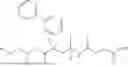


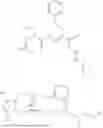


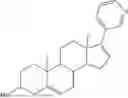


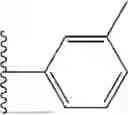


Sources:
- United States Patent and Trademark Office - verify current appl. status at the USPTO↗
Similar patent applications:
- » 20240316036
DISULFIDE CONTAINING THERAPEUTICS AND DIAGNOSTICS
Recent applications in this class:
- » 20250161342 2025-05-22
METHOD FOR TREATING ECZEMA IN SKIN AND METHOD FOR PREPARING GLYCYRRHININIC ACID BACTERIAL CELLULOSE COMPOSITE - » 20250161341 2025-05-22
GLYCYRRHIZIC ACID BACTERIAL CELLULOSE COMPOSITE FOR PROMOTING THE GROWTH AND DEVELOPMENT OF SKIN HAIR FOLLICLES - » 20250152613 2025-05-15
COMPOSITIONS AND METHODS FOR COVID-19 TREATMENT - » 20250064839 2025-02-27
METHODS FOR OVERCOMING WNT/BETA-CATENIN ANTI-CANCER RESISTANCE IN LEUKEMIA STEM CELLS - » 20250057864 2025-02-20
COMPOSITION FOR IMPROVING EXERCISE PERFORMANCE COMPRISING GYPENOSIDE COMPOUND AS ACTIVE INGREDIENT - » 20250049829 2025-02-13
NOVEL THERAPEUTIC MOLECULES TARGETING THE H-RAS ISOFORM WITH G12D MUTATION INVOLVED IN CANCER FORMATION - » 20250049828 2025-02-13
PHARMACEUTICAL COMPOSITION FOR TREATING TUMORS AND USE - » 20250032525 2025-01-30
NOVEL ANTICANCER THERAPY - » 20250009772 2025-01-09
Compositions and methods for targeted immunomodulatory antibodies and fusion proteins - » 20250009771 2025-01-09
PHARMACEUTICAL COMPOSITION FOR TREATING COLORECTAL CANCER, INCLUDING TUMOR-TARGETED LIPOSOMES CONTAINING PLATYCODIN D2