METHODS OF TREATING ABNORMAL CELL GROWTH
US20240382485A1
2024-11-21
18/704,267
2022-11-02
Smart Summary: New methods have been developed to help treat abnormal cell growth, which can be linked to certain diseases. These methods involve using a special type of medication that targets two proteins known as RAF and MEK. To make the treatment safer, an antibiotic can also be given to reduce side effects. Additionally, a corticosteroid may be included to further help with any adverse reactions. Overall, this approach aims to improve treatment outcomes while minimizing harmful effects on patients. 🚀 TL;DR
Abstract:
The present disclosure provides, in part, methods of reducing the severity of or preventing toxicity or an adverse event associated with administration of a dual RAF/MEK inhibitor in a subject, comprising administering to the subject an effective amount of the dual RAF/MEK inhibitor, an effective amount of an antibiotic agent, and optionally an effective amount of a corticosteroid.
Inventors:
- Silvia COMA 9 🇺🇸 Needham, MA, United States
- Jonathan A. PACHTER 4 🇺🇸 Needham, MA, United States
- BRIAN M. STUGLIK 1 🇺🇸 Needham, MA, United States
- ANDREW KOUSTENIS 1 🇺🇸 Carmel, IN, United States
Applicant:
Interested in similar patents?
Get notified when new applications in this technology area are published.
Classification:
A61K31/506 » CPC main
Medicinal preparations containing organic active ingredients; Heterocyclic compounds having nitrogen as a ring hetero atom, e.g. guanethidine or rifamycins having six-membered rings with two nitrogen atoms as the only ring heteroatoms, e.g. piperazine; Pyrimidines; Hydrogenated pyrimidines, e.g. trimethoprim not condensed and containing further heterocyclic rings
A61K31/573 » CPC further
Medicinal preparations containing organic active ingredients; Compounds containing cyclopenta[a]hydrophenanthrene ring systems; Derivatives thereof, e.g. steroids substituted in position 17 beta by a chain of two carbon atoms, e.g. pregnane or progesterone substituted in position 21, e.g. cortisone, dexamethasone, prednisone or aldosterone
A61K31/65 » CPC further
Medicinal preparations containing organic active ingredients Tetracyclines
A61P35/00 » CPC further
Antineoplastic agents
Description
CROSS REFERENCE TO RELATED APPLICATIONS
This application claims the benefit of and priority to U.S. Provisional Patent Application No. 63/274,745 filed Nov. 2, 2021, the entire contents of which are incorporated herein by reference.
BACKGROUND
Components of the RAS/RAF/MEK/ERK (MAPK) signal transduction pathway represent opportunities for the treatment of abnormal cell growth, e.g., cancer. Mutations in RAS/RAF/MEK/ERK are frequently found in human cancers. These mutants result in a constitutively active MAPK kinase cascade, leading to tumor cell proliferation, differentiation, survival, and migration. Selective inhibitors of certain components of the RAS/RAF/MEK/ERK signal transduction pathway, such as RAS, RAF, MEK and ERK, are useful in the treatment of abnormal cell growth, in particular cancer, in mammals.
Due to the severity and breadth of diseases and disorders associated with abnormal cell growth, e.g., cancer, there is a need for effective therapeutic means and methods for treatment. The compounds, compositions, and methods described herein are directed toward this end.
SUMMARY
The present disclosure provides, in part, methods and combinations of compounds (e.g., combinations of compounds as described herein, e.g., a dual RAF/MEK inhibitor and an antibiotic agent, and optionally a corticosteroid) useful for treating abnormal cell growth (e.g., cancer) in a subject in need thereof.
In some embodiments, provided herein is a method of administering a dual RAF/MEK inhibitor to a subject in need thereof, comprising administering to the subject an effective amount of the dual RAF/MEK inhibitor, an effective amount of an antibiotic agent, and an effective amount of a corticosteroid.
In some embodiments, provided herein is a method of reducing the severity of or preventing toxicity or an adverse event associated with administration of a dual RAF/MEK inhibitor in a subject, comprising administering to the subject an effective amount of the dual RAF/MEK inhibitor, an effective amount of an antibiotic agent, and an effective amount of a corticosteroid.
In some embodiments, provided herein is a method of treating a cancer in a subject in need thereof, the method comprising administering to the subject an effective amount of a dual RAF/MEK inhibitor and an effective amount of an antibiotic agent.
In some embodiments, the method further comprises administering to the subject an effective amount of a FAK inhibitor.
In some embodiments, provided herein is a method of treating a cancer in a subject in need thereof, the method comprising administering to the subject an effective amount of a FAK inhibitor and an effective amount of an antibiotic agent.
In some embodiments, the dual RAF/MEK inhibitor is a compound of formula (I):
-
- or a pharmaceutically acceptable salt thereof.
In some embodiments, the dual RAF/MEK inhibitor is IMM-1-104, or a pharmaceutically acceptable salt thereof.
In some embodiments, the dual RAF/MEK inhibitor is a compound of formula (II):
-
- including pharmaceutically acceptable salts thereof, wherein the variables are as defined herein.
In some embodiments, the dual RAF/MEK inhibitor is a compound selected from the compound of Table I, or a pharmaceutically acceptable salt thereof.
In some embodiments, the corticosteroid is hydrocortisone, prednisone, triamcinolone, cortisol, corticosterone, cortisone, aldosterone, dexamethasone, prednisolone, or methylprednisolone.
In some embodiments, the antibiotic agent is minocycline, doxycycline, tetracycline, clindamycin, sulfadiazine, diphenhydramine, polysporin, prednisone, neomycin, bacitracin, erythromycin, or azithromycin.
In some embodiments, the FAK inhibitor is defactinib, or a pharmaceutically acceptable salt thereof.
BRIEF DESCRIPTION OF THE DRAWINGS
FIG. 1 illustrates exemplary combination effects of VS-6766 or defactinib with and without minocycline or doxycycline.
FIG. 2 illustrates exemplary calculated synergy score plots for the combination of VS-6766 and doxycycline.
FIG. 3 illustrates exemplary calculated synergy score plots for the combination of VS-6766 or defactinib with minocycline or doxycycline in NCI-H358 cell line.
FIG. 4 illustrates exemplary calculated synergy score plots for the combination of VS-6766 and doxycycline across multiple cell lines.
DETAILED DESCRIPTION
As generally described herein, the present disclosure provides methods and combinations of compounds (e.g., combinations of compounds as described herein, e.g., a dual RAF/MEK inhibitor and an antibiotic agent, and optionally a corticosteroid) useful for treating abnormal cell growth (e.g., cancer) in a subject in need thereof.
Definitions
Chemical Definitions
Definitions of specific functional groups and chemical terms are described in more detail below. The chemical elements are identified in accordance with the Periodic Table of the Elements, CAS version, Handbook of Chemistry and Physics, 75th Ed., inside cover, and specific functional groups are generally defined as described therein. Additionally, general principles of organic chemistry, as well as specific functional moieties and reactivity, are described in Thomas Sorrell, Organic Chemistry, University Science Books, Sausalito, 1999; Smith and March, March's Advanced Organic Chemistry, 5th Edition, John Wiley & Sons, Inc., New York, 2001; Larock, Comprehensive Organic Transformations, VCH Publishers, Inc., New York, 1989; and Carruthers, Some Modern Methods of Organic Synthesis, 3rd Edition, Cambridge University Press, Cambridge, 1987.
Compounds described herein can comprise one or more asymmetric centers, and thus can exist in various isomeric forms, e.g., enantiomers and/or diastereomers. For example, the compounds described herein can be in the form of an individual enantiomer, diastereomer or geometric isomer, or can be in the form of a mixture of stereoisomers, including racemic mixtures and mixtures enriched in one or more stereoisomer. Isomers can be isolated from mixtures by methods known to those skilled in the art, including chiral high pressure liquid chromatography (HPLC) and the formation and crystallization of chiral salts; or preferred isomers can be prepared by asymmetric syntheses. See, for example, Jacques et al., Enantiomers, Racemates and Resolutions (Wiley Interscience, New York, 1981); Wilen et al., Tetrahedron 33:2725 (1977); Eliel, Stereochemistry of Carbon Compounds (McGraw-Hill, NY, 1962); and Wilen, Tables of Resolving Agents and Optical Resolutions p. 268 (E. L. Eliel, Ed., Univ. of Notre Dame Press, Notre Dame, IN 1972). The invention additionally encompasses compounds described herein as individual isomers substantially free of other isomers, and alternatively, as mixtures of various isomers.
As used herein a pure enantiomeric compound is substantially free from other enantiomers or stereoisomers of the compound (i.e., in enantiomeric excess). In other words, an “S” form of the compound is substantially free from the “R” form of the compound and is, thus, in enantiomeric excess of the “R” form. The term “enantiomerically pure” or “pure enantiomer” denotes that the compound comprises more than 75% by weight, more than 80% by weight, more than 85% by weight, more than 90% by weight, more than 91% by weight, more than 92% by weight, more than 93% by weight, more than 94% by weight, more than 95% by weight, more than 96% by weight, more than 97% by weight, more than 98% by weight, more than 98.5% by weight, more than 99% by weight, more than 99.2% by weight, more than 99.5% by weight, more than 99.6% by weight, more than 99.7% by weight, more than 99.8% by weight or more than 99.9% by weight, of the enantiomer. In certain embodiments, the weights are based upon total weight of all enantiomers or stereoisomers of the compound.
In the compositions provided herein, an enantiomerically pure compound can be present with other active or inactive ingredients. For example, a pharmaceutical composition comprising enantiomerically pure R-compound can comprise, for example, about 90% excipient and about 10% enantiomerically pure R-compound. In certain embodiments, the enantiomerically pure R-compound in such compositions can, for example, comprise, at least about 95% by weight R-compound and at most about 5% by weight S-compound, by total weight of the compound. For example, a pharmaceutical composition comprising enantiomerically pure S-compound can comprise, for example, about 90% excipient and about 10% enantiomerically pure S-compound. In certain embodiments, the enantiomerically pure S-compound in such compositions can, for example, comprise, at least about 95% by weight S-compound and at most about 5% by weight R-compound, by total weight of the compound. In certain embodiments, the active ingredient can be formulated with little or no excipient or carrier.
Compound described herein may also comprise one or more isotopic substitutions. For example, H may be in any isotopic form, including 1H, 2H (D or deuterium), and 3H (T or tritium); C may be in any isotopic form, including 12C, 13C, and 14C; O may be in any isotopic form, including 16O and 18O; F may be in any isotopic form, including 18F and 19F; and the like.
The following terms are intended to have the meanings presented therewith below and are useful in understanding the description and intended scope of the present invention. When describing the invention, which may include compounds and pharmaceutically acceptable salts thereof, pharmaceutical compositions containing such compounds and methods of using such compounds and compositions, the following terms, if present, have the following meanings unless otherwise indicated. It should also be understood that when described herein any of the moieties defined forth below may be substituted with a variety of substituents, and that the respective definitions are intended to include such substituted moieties within their scope as set out below.
The term “halogen atom,” as used herein, means any one of the radio stable atoms of column 7 of the Periodic Table of the Elements, e.g., fluorine, chlorine, bromine, or iodine, with fluorine and chlorine being preferred.
The term “ester,” as used herein, refers to a chemical moiety with formula —(R)n—COOR′, where R and R′ are independently selected from the group consisting of alkyl, cycloalkyl, aryl, heteroaryl (bonded through a ring carbon) and heteroalicyclic (bonded through a ring carbon), and where n is 0 or 1.
The term “amide,” as used herein, refers to a chemical moiety with formula —(R)n—C(O)NHR′ or —(R)n—NHC(O)R′, where R and R′ are independently selected from the group consisting of alkyl, cycloalkyl, aryl, heteroaryl (bonded through a ring carbon) and heteroalicyclic (bonded through a ring carbon), and where n is 0 or 1. An amide may be an amino acid or a peptide molecule attached to a molecule of the present invention, thereby forming a prodrug.
Any amine, hydroxyl, or carboxyl side chain on the compounds disclosed herein can be esterified or amidified. The procedures and specific groups to be used to achieve this end are known to those of skill in the art and can readily be found in reference sources such as Greene and Wuts, Protective Groups in Organic Synthesis, 3rd Ed., John Wiley & Sons, New York, NY, 1999, which is incorporated herein in its entirety.
The term “aromatic,” as used herein, refers to an aromatic group which has at least one ring having a conjugated pi electron system and includes both carbocyclic aryl (e.g., phenyl) and heterocyclic aryl groups (e.g., pyridine). The term includes monocyclic or fused-ring polycyclic (i.e., rings which share adjacent pairs of carbon atoms) groups. The term “carbocyclic” refers to a compound which contains one or more covalently closed ring structures, and that the atoms forming the backbone of the ring are all carbon atoms. The term thus distinguishes carbocyclic from heterocyclic rings in which the ring backbone contains at least one atom which is different from carbon. The term “hetero aromatic” refers to an aromatic group which contains at least one heterocyclic ring.
As used herein, “Ca to Cb” in which “a” and “b” are integers refer to the number of carbon atoms in an alkyl, alkenyl or alkynyl group, or the number of carbon atoms in the ring of a cycloalkyl, aryl, heteroaryl or heterocyclyl group. That is, the alkyl, alkenyl, alkynyl, ring of the cycloalkyl, ring of the aryl, ring of the heteroaryl or ring of the heterocyclyl can contain from “a” to “b”, inclusive, carbon atoms. Thus, for example, a “C1 to C4 alkyl” group or a “C1-C4 alkyl” group refers to all alkyl groups having from 1 to 4 carbons, that is, CH3—, CH3CH2—, CH3CH2CH2—, (CH3)2CH—, CH3CH2CH2CH2—, CH3CH2CH(CH3)— and (CH3)3C—. Likewise, for example, cycloalkyl group may contain from “a” to “b”, inclusive, total atoms, such as a C3-C8 cycloalkyl group, 3 to 8 carbon atoms in the ring(s). If no “a” and “b” are designated with regard to an alkyl, cycloalkyl, or cycloalkenyl, the broadest range described in these definitions is to be assumed. Similarly, a “4 to 7 membered heterocyclyl” group refers to all heterocyclyl groups with 4 to 7 total ring atoms, for example, azetidine, oxetane, oxazoline, pyrrolidine, piperidine, piperazine, morpholine, and the like. As used herein, the term “C1-C6” includes C1, C2, C3, C4, C5 and C6, and a range defined by any of the two preceding numbers. For example, C1-C6 alkyl includes C1, C2, C3, C4, C5 and C6 alkyl, C2-C6 alkyl, C1-C3 alkyl, etc. Similarly, C3-C8 carbocyclyl or cycloalkyl each includes hydrocarbon ring containing 3, 4, 5, 6, 7 and 8 carbon atoms, or a range defined by any of the two numbers, such as C3-C7 cycloalkyl or C5-C6 cycloalkyl. As another example, 3 to 10 membered heterocyclyl includes 3, 4, 5, 6, 7, 8, 9, or 10 ring atoms, or a range defined by any of the two preceding numbers, such as 4 to 6 membered or 5 to 7 membered heterocyclyl.
As used herein, “alkyl” refers to a straight or branched hydrocarbon chain fully saturated (no double or triple bonds) hydrocarbon group. The alkyl group may have 1 to 20 carbon atoms (whenever it appears herein, a numerical range such as “1 to 20” refers to each integer in the given range; e.g., “1 to 20 carbon atoms” means that the alkyl group may consist of 1 carbon atom, 2 carbon atoms, 3 carbon atoms, etc., up to and including 20 carbon atoms, although the present definition also covers the occurrence of the term “alkyl” where no numerical range is designated). The alkyl group may also be a medium size alkyl having 1 to 10 carbon atoms. The alkyl group could also be a lower alkyl having 1 to 5 carbon atoms. The alkyl group of the compounds may be designated as “C1-C4 alkyl” or similar designations. By way of example only, “C1-C4 alkyl” indicates that there are one to four carbon atoms in the alkyl chain, i.e., the alkyl chain is selected from the group consisting of methyl, ethyl, propyl, iso-propyl, n-butyl, iso-butyl, sec-butyl, and t-butyl. Exemplary alkyl groups include, but are in no way limited to, methyl, ethyl, propyl, isopropyl, butyl, isobutyl, tertiary butyl, pentyl, hexyl, ethenyl, propenyl, butenyl, and the like.
The alkyl group may be substituted or unsubstituted. When substituted, the substituent group(s) is (are) one or more group(s) individually and independently selected from alkenyl, alkynyl, cycloalkyl, cycloalkenyl, cycloalkynyl, aryl, heteroaryl, heteroalicyclyl, aralkyl, heteroaralkyl, (heteroalicyclyl) alkyl, hydroxy, protected hydroxyl, alkoxy, aryloxy, acyl, ester, mercapto, alkylthio, arylthio, cyano, halogen, carbonyl, thiocarbonyl, O-carbamyl, N-carbamyl, O-thiocarbamyl, N-thiocarbamyl, C-amido, N-amido, S-sulfonamido, N-sulfonamido, C-carboxy, protected C-carboxy, O-carboxy, isocyanato, thiocyanato, isothiocyanato, nitro, silyl, sulfenyl, sulfinyl, sulfonyl, haloalkyl, haloalkoxy, trihalomethanesulfonyl, trihalomethanesulfonamido, and amino, including mono- and di-substituted amino groups, and the protected derivatives thereof. Wherever a substituent is described as being “optionally substituted” that substituent may be substituted with one of the above substituents.
As used herein, “alkenyl” refers to an alkyl group that contains in the straight or branched hydrocarbon chain one or more double bonds. An alkenyl group may be unsubstituted or substituted. When substituted, the substituent(s) may be selected from the same groups disclosed above with regard to alkyl group substitution. The alkenyl group may have 2 to 20 carbon atoms, although the present definition also covers the occurrence of the term “alkenyl” where no numerical range is designated. The alkenyl group may also be a medium size alkenyl having 2 to 9 carbon atoms. The alkenyl group could also be a lower alkenyl having 2 to 4 carbon atoms. The alkenyl group of the compounds may be designated as “C2-C4 alkenyl” or similar designations. By way of example only, “C2-C4 alkenyl” indicates that there are two to four carbon atoms in the alkenyl chain, i.e., the alkenyl chain is selected from the group consisting of ethenyl, propen-1-yl, propen-2-yl, propen-3-yl, buten-1-yl, buten-2-yl, buten-3-yl, buten-4-yl, 1-methyl-propen-1-yl, 2-methyl-propen-1-yl, 1-ethyl-ethen-1-yl, 2-methyl-propen-3-yl, buta-1,3-dienyl, buta-1,2, -dienyl, and buta-1,2-dien-4-yl. Exemplary alkenyl groups include, but are in no way limited to, ethenyl, propenyl, butenyl, pentenyl, and hexenyl, and the like.
As used herein, “alkynyl” refers to an alkyl group that contains in the straight or branched hydrocarbon chain one or more triple bonds. An alkynyl group may be unsubstituted or substituted. When substituted, the substituent(s) may be selected from the same groups disclosed above with regard to alkyl group substitution. The alkynyl group may have 2 to 20 carbon atoms, although the present definition also covers the occurrence of the term “alkynyl” where no numerical range is designated. The alkynyl group may also be a medium size alkynyl having 2 to 9 carbon atoms. The alkynyl group could also be a lower alkynyl having 2 to 4 carbon atoms. The alkynyl group of the compounds may be designated as “C2-C4 alkynyl” or similar designations. By way of example only, “C2-C4 alkynyl” indicates that there are two to four carbon atoms in the alkynyl chain, i.e., the alkynyl chain is selected from the group consisting of ethynyl, propyn-1-yl, propyn-2-yl, butyn-1-yl, butyn-3-yl, butyn-4-yl, and 2-butynyl. Exemplary alkynyl groups include, but are in no way limited to, ethynyl, propynyl, butynyl, pentynyl, and hexynyl, and the like.
As used herein, “heteroalkyl” refers to a straight or branched hydrocarbon chain containing one or more heteroatoms, that is, an element other than carbon, including but not limited to, nitrogen, oxygen and sulfur, in the chain backbone. The heteroalkyl group may have 1 to 20 carbon atoms although the present definition also covers the occurrence of the term “heteroalkyl” where no numerical range is designated. The heteroalkyl group may also be a medium size heteroalkyl having 1 to 9 carbon atoms. The heteroalkyl group could also be a lower heteroalkyl having 1 to 4 carbon atoms. The heteroalkyl group of the compounds may be designated as “C1-C4 heteroalkyl” or similar designations. The heteroalkyl group may contain one or more heteroatoms. By way of example only, “C1-C4 heteroalkyl” indicates that there are one to four carbon atoms in the heteroalkyl chain and additionally one or more heteroatoms in the backbone of the chain.
As used herein, “aryl” refers to a carbocyclic (all carbon) ring or two or more fused rings (rings that share two adjacent carbon atoms) that have a fully delocalized pi-electron system. Examples of aryl groups include, but are not limited to, benzene, naphthalene and azulene. An aryl group may be substituted or unsubstituted. When substituted, hydrogen atoms are replaced by substituent group(s) that is (are) one or more group(s) independently selected from alkyl, alkenyl, alkynyl, cycloalkyl, cycloalkenyl, cycloalkynyl, aryl, heteroaryl, heteroalicyclyl, aralkyl, heteroaralkyl, (heteroalicyclyl) alkyl, hydroxy, protected hydroxyl, alkoxy, aryloxy, acyl, ester, mercapto, alkylthio, arylthio, cyano, halogen, carbonyl, thiocarbonyl, O-carbamyl, N-carbamyl, O-thiocarbamyl, N-thiocarbamyl, C-amido, N-amido, S-sulfonamido, N-sulfonamido, C-carboxy, protected C-carboxy, O-carboxy, isocyanato, thiocyanato, isothiocyanato, nitro, silyl, sulfenyl, sulfinyl, sulfonyl, haloalkyl, haloalkoxy, trihalomethanesulfonyl, trihalomethanesulfonamido, and amino, including mono- and di-substituted amino groups, and the protected derivatives thereof. When substituted, substituents on an aryl group may form a non-aromatic ring fused to the aryl group, including a cycloalkyl, cycloalkenyl, cycloalkynyl, and heterocyclyl.
As used herein, “heteroaryl” refers to a monocyclic or multicyclic aromatic ring system (a ring system with fully delocalized pi-electron system), one or two or more fused rings that contain(s) one or more heteroatoms, that is, an element other than carbon, including but not limited to, nitrogen, oxygen and sulfur. Examples of heteroaryl rings include, but are not limited to, furan, thiophene, phthalazine, pyrrole, oxazole, thiazole, imidazole, pyrazole, isoxazole, isothiazole, triazole, thiadiazole, pyridine, pyridazine, pyrimidine, pyrazine and triazine. A heteroaryl group may be substituted or unsubstituted. When substituted, hydrogen atoms are replaced by substituent group(s) that is (are) one or more group(s) independently selected from alkyl, alkenyl, alkynyl, cycloalkyl, cycloalkenyl, cycloalkynyl, aryl, heteroaryl, heteroalicyclyl, aralkyl, heteroaralkyl, (heteroalicyclyl) alkyl, hydroxy, protected hydroxyl, alkoxy, aryloxy, acyl, ester, mercapto, alkylthio, arylthio, cyano, halogen, carbonyl, thiocarbonyl, O-carbamyl, N-carbamyl, O-thiocarbamyl, N-thiocarbamyl, C-amido, N-amido, S-sulfonamido, N-sulfonamido, C-carboxy, protected C-carboxy, O-carboxy, isocyanato, thiocyanato, isothiocyanato, nitro, silyl, sulfenyl, sulfinyl, sulfonyl, haloalkyl, haloalkoxy, trihalomethanesulfonyl, trihalomethanesulfonamido, and amino, including mono- and di-substituted amino groups, and the protected derivatives thereof. When substituted, substituents on a heteroayl group may form a non-aromatic ring fused to the aryl group, including a cycloalkyl, cycloalkenyl, cycloalkynyl, and heterocyclyl.
As used herein, an “aralkyl” or “arylalkyl” refers to an aryl group connected, as a substituent, via an alkylene group. The alkylene and aryl group of an aralkyl may be substituted or unsubstituted. Examples include but are not limited to benzyl, substituted benzyl, 2-phenylethyl, 3-phenylpropyl, and naphtylalkyl. In some cases, the alkylene group is a lower alkylene group.
As used herein, a “heteroaralkyl” or “heteroarylalkyl” is heteroaryl group connected, as a substituent, via an alkylene group. The alkylene and heteroaryl group of heteroaralkyl may be substituted or unsubstituted. Examples include but are not limited to 2-thienylmethyl, 3-thienylmethyl, furylmethyl, thienylethyl, pyrrolylalkyl, pyridylalkyl, isoxazollylalkyl, and imidazolylalkyl, and their substituted as well as benzo-fused analogs. In some cases, the alkylene group is a lower alkylene group.
As used herein, a “alkylene” refers to a branched, or straight chain fully saturated di-radical chemical group containing only carbon and hydrogen that is attached to the rest of the molecule via two points of attachment (i.e., an alkanediyl). The alkylene group may have 1 to 20 carbon atoms, although the present definition also covers the occurrence of the term alkylene where no numerical range is designated. The alkylene group may also be a medium size alkylene having 1 to 9 carbon atoms. The alkylene group could also be a lower alkylene having 1 to 4 carbon atoms. The alkylene group may be designated as “C1-C4 alkylene” or similar designations. By way of example only, “C1-C4 alkylene” indicates that there are one to four carbon atoms in the alkylene chain, i.e., the alkylene chain is selected from the group consisting of methylene, ethylene, ethan-1,1-diyl, propylene, propan-1,1-diyl, propan-2,2-diyl, 1-methyl-ethylene, butylene, butan-1,1-diyl, butan-2,2-diyl, 2-methyl-propan-1,1-diyl, 1-methyl-propylene, 2-methyl-propylene, 1,1-dimethyl-ethylene, 1,2-dimethyl-ethylene, and 1-ethyl-ethylene.
As used herein, “alkenylene” refers to a straight or branched chain di radical chemical group containing only carbon and hydrogen and containing at least one carbon-carbon double bond that is attached to the rest of the molecule via two points of attachment. The alkenylene group may have 2 to 20 carbon atoms, although the present definition also covers the occurrence of the term alkenylene where no numerical range is designated. The alkenylene group may also be a medium size alkenylene having 2 to 9 carbon atoms. The alkenylene group could also be a lower alkenylene having 2 to 4 carbon atoms. The alkenylene group may be designated as “C2-C4 alkenylene” or similar designations. By way of example only, “C2 alkenylene” indicates that there are two to four carbon atoms in the alkenylene chain, i.e., the alkenylene chain is selected from the group consisting of ethenylene, ethen-1,1-diyl, propenylene, propen-1,1-diyl, prop-2-en-1,1-diyl, 1-methyl-ethenylene, but-1-enylene, but-2-enylene, but-1,3-dienylene, buten-1,1-diyl, but-1,3-dien-1,1-diyl, but-2-en-1,1-diyl, but-3-en-1,1-diyl, 1-methyl-prop-2-en-1,1-diyl, 2-methyl-prop-2-en-1,1-diyl, 1-ethyl-ethenylene, 1,2-dimethyl-ethenylene, 1-methyl-propenylene, 2-methyl-propenylene, 3-methyl-propenylene, 2-methyl-propen-1,1-diyl, and 2,2-dimethyl-ethen-1,1-diyl.
As used herein, “alkylidene” refers to a divalent group, such as ═CR′R″, which is attached to one carbon of another group, forming a double bond, alkylidene groups include, but are not limited to, methylidene (═CH2) and ethylidene (═CHCH3). As used herein, “arylalkylidene” refers to an alkylidene group in which either R′ and R″ is an aryl group. An alkylidene group may be substituted or unsubstituted.
As used herein, “alkoxy” refers to the formula —OR wherein R is an alkyl is defined as above, e.g. methoxy, ethoxy, n-propoxy, 1-methylethoxy (isopropoxy), n-butoxy, iso-butoxy, sec-butoxy, tert-butoxy, amoxy, tert-amoxy and the like. An alkoxy may be substituted or unsubstituted.
As used herein, “alkylthio” refers to the formula —SR wherein R is an alkyl is defined as above, e.g. methylmercapto, ethylmercapto, n-propylmercapto, 1-methylethylmercapto (isopropylmercapto), n-butylmercapto, iso-butylmercapto, sec-butylmercapto, tert-butylmercapto, and the like. An alkylthio may be substituted or unsubstituted.
As used herein, “aryloxy” and “arylthio” refers to RO— and RS—, respectively, in which R is an aryl, such as but not limited to phenyl. Both an aryloxyl and arylthio may be substituted or unsubstituted.
As used herein, “acyl” refers to —C(═O)R, wherein R is hydrogen, C1-C6 alkyl, C2-C6 alkenyl, C2-C6 alkynyl, C3-C8 carbocyclyl, aryl, 5-10 membered heteroaryl, and 5-10 membered heterocyclyl, as defined herein. Non-limiting examples include formyl, acetyl, propanoyl, benzoyl, and acryl.
As used herein, “cycloalkyl” refers to a completely saturated (no double bonds) mono- or multi-cyclic hydrocarbon ring system. When composed of two or more rings, the rings may be joined together in a fused, bridged or spiro-connected fashion. Cycloalkyl groups may range from C3 to C10, in other embodiments it may range from C3 to C6. A cycloalkyl group may be unsubstituted or substituted. Exemplary cycloalkyl groups include, but are in no way limited to, cyclopropyl, cyclobutyl, cyclopentyl, cyclohexyl, and the like. If substituted, the substituent(s) may be an alkyl or selected from those indicated above with regard to substitution of an alkyl group unless otherwise indicated. When substituted, substituents on a cycloalkyl group may form an aromatic ring fused to the cycloalkyl group, including an aryl and a heteroaryl.
As used herein, “cycloalkenyl” refers to a cycloalkyl group that contains one or more double bonds in the ring although, if there is more than one, they cannot form a fully delocalized pi-electron system in the ring (otherwise the group would be “aryl,” as defined herein). When composed of two or more rings, the rings may be connected together in a fused, bridged or spiro-connected fashion. A cycloalkenyl group may be unsubstituted or substituted. When substituted, the substituent(s) may be an alkyl or selected from the groups disclosed above with regard to alkyl group substitution unless otherwise indicated. When substituted, substituents on a cycloalkenyl group may form an aromatic ring fused to the cycloalkenyl group, including an aryl and a heteroaryl.
As used herein, “cycloalkynyl” refers to a cycloalkyl group that contains one or more triple bonds in the ring. When composed of two or more rings, the rings may be joined together in a fused, bridged or spiro-connected fashion. A cycloalkynyl group may be unsubstituted or substituted. When substituted, the substituent(s) may be an alkyl or selected from the groups disclosed above with regard to alkyl group substitution unless otherwise indicated. When substituted, substituents on a cycloalkynyl group may form an aromatic ring fused to the cycloalkynyl group, including an aryl and a heteroaryl.
As used herein, “heteroalicyclic” or “heteroalicyclyl” refers to a stable 3- to 18 membered ring which consists of carbon atoms and from one to five heteroatoms selected from the group consisting of nitrogen, oxygen and sulfur. The “heteroalicyclic” or “heteroalicyclyl” may be monocyclic, bicyclic, tricyclic, or tetracyclic ring system, which may be joined together in a fused, bridged or spiro-connected fashion; and the nitrogen, carbon and sulfur atoms in the “heteroalicyclic” or “heteroalicyclyl” may be optionally oxidized; the nitrogen may be optionally quaternized; and the rings may also contain one or more double bonds provided that they do not form a fully delocalized pi-electron system throughout all the rings. Heteroalicyclyl groups may be unsubstituted or substituted. When substituted, the substituent(s) may be one or more groups independently selected from the group consisting of alkyl, alkenyl, alkynyl, cycloalkyl, cycloalkenyl, cycloalkynyl, aryl, heteroaryl, heteroalicyclyl, aralkyl, heteroaralkyl, (heteroalicyclyl) alkyl, hydroxy, protected hydroxyl, alkoxy, aryloxy, acyl, ester, mercapto, alkylthio, arylthio, cyano, halogen, carbonyl, thiocarbonyl, O-carbamyl, N-carbamyl, O-thiocarbamyl, N-thiocarbamyl, C-amido, N-amido, S-sulfonamido, N-sulfonamido, C-carboxy, protected C-carboxy, O-carboxy, isocyanato, thiocyanato, isothiocyanato, nitro, silyl, haloalkyl, haloalkoxy, trihalomethanesulfonyl, trihalomethanesulfonamido, and amino, including mono- and di-substituted amino groups, and the protected derivatives thereof. Examples of such “heteroalicyclic” or “heteroalicyclyl” include but are not limited to, azepinyl, acridinyl, carbazolyl, cinnolinyl, dioxolanyl, imidazolinyl, morpholinyl, oxiranyl, piperidinyl A-oxide, piperidinyl, piperazinyl, pyrrolidinyl, 4-piperidonyl, pyrazolidinyl, 2-oxopyrrolidinyl, thiamorpholinyl, thiamorpholinyl sulfoxide, and thiamorpholinyl sulfone. When substituted, substituents on a heteroalicyclyl group may form an aromatic ring fused to the heteroalicyclyl group, including an aryl and a heteroaryl.
As used herein, the term “(cycloalkenyl) alkyl” refers to a cycloalkenyl group connected, as a substituent, via an alkylene group. The alkylene and cycloalkenyl of a (cycloalkenyl) alkyl may be substituted or unsubstituted. In some cases, the alkylene group is a lower alkylene group.
As used herein, the term “(cycloalkynyl) alkyl” to a cycloalkynyl group connected, as a substituent, via an alkylene group. The alkylene and cycloalkynyl of a (cycloalkynyl) alkyl may be substituted or unsubstituted. In some cases, the alkylene group is a lower alkylene group.
As used herein, the term “O-carboxy” refers to a “RC(═O)O—” group in which R can be hydrogen, alkyl, alkenyl, alkynyl, cycloalkyl, cycloalkenyl, cycloalkynyl, aryl, heteroaryl, heteroalicyclyl, aralkyl, or (heteroalicyclyl) alkyl, as defined herein. An O-carboxy may be substituted or unsubstituted.
As used herein, the term “C-carboxy” refers to a “—C(═O) R” group in which R can be the same as defined with respect to O-carboxy. A C-carboxy may be substituted or unsubstituted.
As used herein, the term “trihalomethanesulfonyl” refers to an “X3CSO2—” group wherein X is a halogen.
As used herein, the term “cyano” refers to a “—CN” group.
As used herein, the term “cyanato” refers to an “—OCN” group.
As used herein, the term “isocyanato” refers to a “—NCO” group.
As used herein, the term “thiocyanato” refers to a “—SCN” group.
As used herein, the term “isothiocyanato” refers to an “—NCS” group.
As used herein, the term “sulfinyl” refers to a “—S(═O)—R” group in which R can be the same as defined with respect to O-carboxy. A sulfinyl may be substituted or unsubstituted.
As used herein, the term “sulfonyl” refers to an “—SO2R” group in which R can be the same as defined with respect to O-carboxy. A sulfonyl may be substituted or unsubstituted.
As used herein, the term “S-sulfonamido” refers to a “—SO2NRARB” group in which RA and RB can be the same as defined with respect to O-carboxy. An S-sulfonamido may be substituted or unsubstituted.
As used herein, the term “N-sulfonamido” refers to a “—SO2N(RA)(RB)” group in which RA and RB can be the same as defined with respect to O-carboxy. A sulfonyl may be substituted or unsubstituted.
As used herein, the term “trihalomethanesulfonamido” refers to an “X3CSO2N(R)—” group with X as halogen and R can be the same as defined with respect to O-carboxy. A trihalomethanesulfonamido may be substituted or unsubstituted.
As used herein, the term “O-carbamyl” refers to a “—OC(═O) NRARB” group in which RA and RB can be the same as defined with respect to O-carboxy. An O-carbamyl may be substituted or unsubstituted.
As used herein, the term “N-carbamyl” refers to an “ROC(═O) NRA group in which R and RA can be the same as defined with respect to O-carboxy. An N-carbamyl may be substituted or unsubstituted.
As used herein, the term “O-thiocarbamyl” refers to a “—OC(═S)—NRARB” group in which RA and RB can be the same as defined with respect to O-carboxy. An O-thiocarbamyl may be substituted or unsubstituted.
As used herein, the term “N-thiocarbamyl” refers to an “ROC(═S) NRA-” group in which R and RA can be the same as defined with respect to O-carboxy. An N-thiocarbamyl may be substituted or unsubstituted.
As used herein, the term “C-amido” refers to a “—C(═O) NRARB” group in which RA and RB can be the same as defined with respect to O-carboxy. A C-amido may be substituted or unsubstituted.
As used herein, the term “N-amido” refers to a “RC(═O) NRA-” group in which R and RA can be the same as defined with respect to O-carboxy. An N-amido may be substituted or unsubstituted.
As used herein, the term “amino” refers to a “—NRARB” group in which RA and RB are each independently selected from hydrogen, C1-C6 alkyl, C2-C6 alkenyl, C2-C6 alkynyl, C3-C8 carbocyclyl, C6-C10 aryl, 5-10 membered heteroaryl, and 5-10 membered heterocyclyl, as defined herein.
As used herein, the term “aminoalkyl” refers to an amino group connected via an alkylene group.
As used herein, the term “ester” refers to a “—C(═O) OR” group in which R can be the same as defined with respect to O-carboxy. An ester may be substituted or unsubstituted.
As used herein, the term “lower aminoalkyl” refers to an amino group connected via a lower alkylene group. A lower aminoalkyl may be substituted or unsubstituted.
As used herein, the term “lower alkoxyalkyl” refers to an alkoxy group connected via a lower alkylene group. A lower alkoxyalkyl may be substituted or unsubstituted.
As used herein, the term “acetyl” refers to a —C(═O) CH3, group.
As used herein, the term “perhaloalkyl” refers to an alkyl group where all of the hydrogen atoms are replaced by halogen atoms.
As used herein, the term “carbocyclyl” refers to a non-aromatic cyclic ring or ring system containing only carbon atoms in the ring system backbone. When the carbocyclyl is a ring system, two or more rings may be joined together in a fused, bridged or spiro-connected fashion. Carbocyclyls may have any degree of saturation provided that at least one ring in a ring system is not aromatic. Thus, carbocyclyls include cycloalkyls, cycloalkenyls, and cycloalkynyls. The carbocyclyl group may have 3 to 20 carbon atoms, although the present definition also covers the occurrence of the term “carbocyclyl” where no numerical range is designated. The carbocyclyl group may also be a medium size carbocyclyl having 3 to 10 carbon atoms. The carbocyclyl group could also be a carbocyclyl having 3 to 6 carbon atoms. The carbocyclyl group may be designated as “C3-C6 carbocyclyl” or similar designations. Examples of carbocyclyl rings include, but are not limited to, cyclopropyl, cyclobutyl, cyclopentyl, cyclohexyl, cyclohexenyl, 2,3-dihydro-indene, bicycle [2.2.2] octanyl, adamantyl, and spiro [4.4] nonanyl.
As used herein, the term “(cycloalkyl) alkyl” refers to a cycloalkyl group connected, as a substituent, via an alkylene group. The alkylene and cycloalkyl of a (cycloalkyl) alkyl may be substituted or unsubstituted. Examples include but are not limited cyclopropylmethyl, cyclobutylmethyl, cyclopropylethyl, cyclopropylbutyl, cyclobutylethyl, cyclopropylisopropyl, cyclopentylmethyl, cyclopentylethyl, cyclohexylmethyl, cyclohexylethyl, cycloheptylmethyl, and the like. In some cases, the alkylene group is a lower alkylene group.
As used herein, the term “cycloalkyl” refers to a fully saturated carbocyclyl ring or ring system. Examples include cyclopropyl, cyclobutyl, cyclopentyl, and cyclohexyl.
As used herein, the term “cycloalkenyl” means a carbocyclyl ring or ring system having at least one double bond, wherein no ring in the ring system is aromatic. An example is cyclohexenyl.
As used herein, the term “heterocyclyl” refers to three-, four-, five-, six-, seven-, and eight- or more membered rings wherein carbon atoms together with from 1 to 3 heteroatoms constitute said ring. A heterocyclyl can optionally contain one or more unsaturated bonds situated in such a way, however, that an aromatic pi-electron system does not arise. The heteroatoms are independently selected from oxygen, sulfur, and nitrogen. A heterocyclyl can further contain one or more carbonyl or thiocarbonyl functionalities, so as to make the definition include oxo-systems and thio-systems such as lactams, lactones, cyclic imides, cyclic thioimides, cyclic carbamates, and the like. A “heterocyclyl” can refer to a non-aromatic cyclic ring or ring system containing at least one heteroatom in the ring backbone. Heterocyclyls may be joined together in a fused, bridged or spiro-connected fashion. Heterocyclyls may have any degree of saturation provided that at least one ring in the ring system is not aromatic. The heteroatom(s) may be present in either a non-aromatic or aromatic ring in the ring system. The heterocyclyl group may have 3 to 20 ring members (i.e., the number of atoms making up the ring backbone, including carbon atoms and heteroatoms), although the present definition also covers the occurrence of the term “heterocyclyl” where no numerical range is designated. The heterocyclyl group may also be a medium size heterocyclyl having 3 to 10 ring members. The heterocyclyl group could also be a heterocyclyl having 3 to 6 ring members. The heterocyclyl group may be designated as “3-6 membered heterocyclyl” or similar designations. In preferred six membered monocyclic heterocyclyls, the heteroatom(s) are selected from one up to three of O, N or S, and in preferred five membered monocyclic heterocyclyls, the heteroatom(s) are selected from one or two heteroatoms selected from O, N, or S. Examples of heterocyclyl rings include, but are not limited to, azepinyl, acridinyl, carbazolyl, cinnolinyl, dioxolanyl, imidazolinyl, imidazolidinyl, morpholinyl, oxiranyl, oxepanyl, thiepanyl, piperidinyl, piperazinyl, dioxopiperazinyl, pyrrolidinyl, pyrrolidonyl, pyrrolidionyl, 4-piperidonyl, pyrazolinyl, pyrazolidinyl, 1,3-dioxinyl, 1,3-dioxanyl, 1,4-dioxinyl, 1,4-dioxanyl, 1,3-oxathianyl, 1,4-oxathiinyl, 1,4-oxathianyl, 2//-1,2-oxazinyl, trioxanyl, hexahydro-1,3,5-triazinyl, 1,3-dioxolyl, 1,3-dioxolanyl, 1,3-dithiolyl, 1,3-dithiolanyl, isoxazolinyl, isoxazolidinyl, oxazolinyl, oxazolidinyl, oxazolidinonyl, thiazolinyl, thiazolidinyl, 1,3-oxathiolanyl, indolinyl, isoindolinyl, tetrahydrofuranyl, tetrahydropyranyl, tetrahydrothiophenyl, tetrahydrothiopyranyl, tetrahydro-1,4-thiazinyl, thiamorpholinyl, dihydrobenzofuranyl, benzimidazolidinyl, and tetrahydroquinoline.
As used herein, the term “(heterocyclyl) alkyl” refers to a heterocyclyl group connected, as a substituent, via an alkylene group. Examples include, but are not limited to, imidazolinylmethyl and indolinylethyl.
Substituted groups are based upon or derived from the unsubstituted parent group in which there has been an exchange of one or more hydrogen atoms for another atom or group. Unless otherwise indicated, when a group is deemed to be “substituted,” the group is substituted with one or more substituents independently selected from C1-C6 alkyl, C2-C6 alkenyl, C2-C6 alkynyl, C1-C6 heteroalkyl, C3-C7 carbocyclyl (optionally substituted with halo, C1-C6 alkyl, C1-C6 alkoxy, C1-C6 haloalkyl, and C1-C6 haloalkoxy), C3-C7-carbocyclyl-C1-C6-alkyl (optionally substituted with halo, C1-C6 alkyl, C1-C6 alkoxy, C1-C6 haloalkyl, and C1-C6 haloalkoxy), 5-10 membered heterocyclyl (optionally substituted with halo, C1-C6 alkyl, C1-C6 alkoxy, C1-C6 haloalkyl, and C1-C6 haloalkoxy), 5-10 membered heterocyclyl-C1-C6-alkyl (optionally substituted with halo, C1-C6 alkyl, C1-C6 alkoxy, C1-C6 haloalkyl, and C1-C6 haloalkoxy), aryl (optionally substituted with halo, C1-C6 alkyl, C1-C6 alkoxy, C1-C6 haloalkyl, and C1-C6 haloalkoxy), aryl (C1-C6) alkyl (optionally substituted with halo, C1-C6 alkyl, C1-C6 alkoxy, C1-C6 haloalkyl, and C1-C6 haloalkoxy), 5-10 membered heteroaryl (optionally substituted with halo, C1-C6 alkyl, C1-C6 alkoxy, C1-C6 haloalkyl, and C1-C6 haloalkoxy), 5-10 membered heteroaryl (C1-C6) alkyl (optionally substituted with halo, C1-C6 alkyl, C1-C6 alkoxy, C1-C6 haloalkyl, and C1-C6 haloalkoxy), halo, cyano, hydroxy, C1-C6 alkoxy, C1-C6 alkoxy (C1-C6) alkyl (i.e., ether), aryloxy, sulfhydryl (mercapto), halo (C1-C6) alkyl (e.g., —CF3), halo (C1-C6) alkoxy (e.g., —OCF3), C1-C6 alkylthio, arylthio, amino, amino (C1-C6) alkyl, nitro, O-carbamyl, N-carbamyl, O-thiocarbamyl, N-thiocarbamyl, C-amido, N-amido, S-sulfonamido, N-sulfonamido, C-carboxy, O-carboxy, acyl, cyanato, isocyanato, thiocyanato, isothiocyanato, sulfinyl, sulfonyl, and oxo (═O). Wherever a group is described as “optionally substituted” that group can be substituted with the above substituents.
In some embodiments, a substituted group is substituted with one or more substituent(s) individually and independently selected from C1-C4 alkyl, amino, hydroxy, and halogen.
It is to be understood that certain radical naming conventions can include either a mono-radical or a di-radical, depending on the context. For example, where a substituent requires two points of attachment to the rest of the molecule, it is understood that the substituent is a di-radical. For example, a substituent identified as alkyl that requires two points of attachment includes di-radicals such as —CH2—, —CH2CH2—, —CH2CH(CH3) CH2—, and the like. Other radical naming conventions clearly indicate that the radical is a di-radical such as “alkylene” or “alkenylene.”
Unless otherwise indicated, when a substituent is deemed to be “optionally substituted,” it is meant that the substituent” is a group that may be substituted with one or more group(s) individually and independently selected from alkyl, alkenyl, alkynyl, cycloalkyl, aryl, heteroaryl, heteroalicyclic, hydroxyl, alkoxy, aryloxy, mercapto, alkylthio, arylthio, cyano, halo, carbonyl, thiocarbonyl, O-carbamyl, N-carbamyl, O-thiocarbamyl, N-thiocarbamyl, C-amido, N-amido, S-sulfonamido, N-sulfonamido, C-carboxy, O-carboxy, isocyanato, thiocyanato, isothiocyanato, nitro, silyl, trihalomethanesulfonyl, and amino, including mono- and di-substituted amino groups, and the protected derivatives thereof. The protecting groups that may form the protective derivatives of the above substituents are known to those of skill in the art and may be found in references such as Greene and Wuts, above.
Other Definitions
“About” and “approximately” shall generally mean an acceptable degree of error for the quantity measured given the nature or precision of the measurements. Exemplary degrees of error are within 20 percent (%), typically, within 10%, and more typically, within 5% of a given value or range of values.
As used herein, “pharmaceutically acceptable salt” refers to those salts which are, within the scope of sound medical judgment, suitable for use in contact with the tissues of humans and lower animals without undue toxicity, irritation, allergic response and the like, and are commensurate with a reasonable benefit/risk ratio. Pharmaceutically acceptable salts are well known in the art. For example, Berge et al., describes pharmaceutically acceptable salts in detail in J. Pharmaceutical Sciences (1977) 66:1-19. Pharmaceutically acceptable salts of the compounds of this invention include those derived from suitable inorganic and organic acids and bases. Examples of pharmaceutically acceptable, nontoxic acid addition salts are salts of an amino group formed with inorganic acids such as hydrochloric acid, hydrobromic acid, phosphoric acid, sulfuric acid and perchloric acid or with organic acids such as acetic acid, oxalic acid, maleic acid, tartaric acid, citric acid, succinic acid or malonic acid or by using other methods used in the art such as ion exchange. Other pharmaceutically acceptable salts include adipate, alginate, ascorbate, aspartate, benzenesulfonate, benzoate, bisulfate, borate, butyrate, camphorate, camphorsulfonate, citrate, cyclopentanepropionate, digluconate, dodecylsulfate, ethanesulfonate, formate, fumarate, glucoheptonate, glycerophosphate, gluconate, hemisulfate, heptanoate, hexanoate, hydroiodide, 2-hydroxy-ethanesulfonate, lactobionate, lactate, laurate, lauryl sulfate, malate, maleate, malonate, methanesulfonate, 2-naphthalenesulfonate, nicotinate, nitrate, oleate, oxalate, palmitate, pamoate, pectinate, persulfate, 3-phenylpropionate, phosphate, picrate, pivalate, propionate, stearate, succinate, sulfate, tartrate, thiocyanate, p-toluenesulfonate, undecanoate, valerate salts, and the like. Pharmaceutically acceptable salts derived from appropriate bases include alkali metal, alkaline earth metal, ammonium and N+(C1-4alkyl)4 salts. Representative alkali or alkaline earth metal salts include sodium, lithium, potassium, calcium, magnesium, and the like. Further pharmaceutically acceptable salts include, when appropriate, nontoxic ammonium, quaternary ammonium, and amine cations formed using counterions such as halide, hydroxide, carboxylate, sulfate, phosphate, nitrate, lower alkyl sulfonate, and aryl sulfonate.
As used herein, “pharmaceutically acceptable carrier” refers to a non-toxic carrier, adjuvant, or vehicle that does not destroy the pharmacological activity of the compound with which it is formulated. Pharmaceutically acceptable carriers, adjuvants or vehicles that may be used in the compositions described herein include, but are not limited to, ion exchangers, alumina, aluminum stearate, lecithin, serum proteins, such as human serum albumin, buffer substances such as phosphates, glycine, sorbic acid, potassium sorbate, partial glyceride mixtures of saturated vegetable fatty acids, water, salts or electrolytes, such as protamine sulfate, disodium hydrogen phosphate, potassium hydrogen phosphate, sodium chloride, zinc salts, colloidal silica, magnesium trisilicate, polyvinyl pyrrolidone, cellulose-based substances, polyethylene glycol, sodium carboxymethylcellulose, polyacrylates, waxes, polyethylene-polyoxypropylene-block polymers, polyethylene glycol and wool fat.
As used herein, a “subject” to which administration is contemplated includes, but is not limited to, humans (i.e., a male or female of any age group, e.g., a pediatric subject (e.g., infant, child, adolescent) or adult subject (e.g., young adult, middle-aged adult or senior adult)) and/or a non-human animal, e.g., a mammal such as primates (e.g., cynomolgus monkeys, rhesus monkeys), cattle, pigs, horses, sheep, goats, rodents, cats, and/or dogs. In certain embodiments, the subject is a human. In certain embodiments, the subject is a non-human animal. The terms “human,” “patient,” and “subject” are used interchangeably herein.
Disease, disorder, and condition are used interchangeably herein.
As used herein, and unless otherwise specified, the terms “treat,” “treating” and “treatment” contemplate an action that occurs while a subject is suffering from the specified disease, disorder or condition, which reduces the severity of the disease, disorder or condition, or retards or slows the progression of the disease, disorder or condition (also “therapeutic treatment”).
In general, the “effective amount” of a compound refers to an amount sufficient to elicit the desired biological response. As will be appreciated by those of ordinary skill in this art, the effective amount of a compound of the invention may vary depending on such factors as the desired biological endpoint, the pharmacokinetics of the compound, the disease being treated, the mode of administration, and the age, weight, health, and condition of the subject. As used herein, and unless otherwise specified, a “therapeutically effective amount” of a compound is an amount sufficient to provide a therapeutic benefit in the treatment of a disease, disorder or condition, or to delay or minimize one or more symptoms associated with the disease, disorder or condition. A therapeutically effective amount of a compound means an amount of therapeutic agent, alone or in combination with other therapies, which provides a therapeutic benefit in the treatment of the disease, disorder or condition. The term “therapeutically effective amount” can encompass an amount that improves overall therapy, reduces or avoids symptoms or causes of disease or condition, or enhances the therapeutic efficacy of another therapeutic agent. As used herein, and unless otherwise specified, a “prophylactically effective amount” of a compound is an amount sufficient to prevent a disease, disorder or condition, or one or more symptoms associated with the disease, disorder or condition, or prevent its recurrence. A prophylactically effective amount of a compound means an amount of a therapeutic agent, alone or in combination with other agents, which provides a prophylactic benefit in the prevention of the disease, disorder or condition. The term “prophylactically effective amount” can encompass an amount that improves overall prophylaxis or enhances the prophylactic efficacy of another prophylactic agent.
As used herein, “prophylactic treatment” contemplates an action that occurs before a subject begins to suffer from the specified disease, disorder or condition.
The term, “oral dosage form,” as used herein, refers to a composition or medium used to administer an agent to a subject. Typically, an oral dosage form is administered via the mouth, however, “oral dosage form” is intended to cover any substance which is administered to a subject and is absorbed across a membrane, e.g., a mucosal membrane, of the gastrointestinal tract, including, e.g., the mouth, esophagus, stomach, small intestine, large intestine, and colon. For example, “oral dosage form” covers a solution which is administered through a feeding tube into the stomach.
A “cycle”, as used herein in the context of a cycle of administration of a drug, refers to a period of time for which a drug is administered and may further include a rest period of not administering the drug to a subject. In some embodiments, one cycle is four weeks.
Kras protein (i.e., an amino acid mutation) that results in aberrant Kras protein function associated with increased and/or constitutive activity by favoring the active GTP-bound state of the Kras protein. The mutation may be at conserved sites that favor GTP binding and constitutively active Kras protein. In some instances, the mutation is at one or more of codons 12, 13, and 16 of the KRAS gene. For example, a KRAS mutation may be at codon 12 of the KRAS gene, for instance, as a single point substitution mutation at codon 12 (i.e., KRAS G12X mutation) (e.g., a KRAS G12V mutation arises from a single nucleotide change (c.35G>T) and results in an amino acid substitution of the glycine (G) at position 12 by a valine (V)). Exemplary KRAS G12X mutations include, but are not limited to, KRAS G12V, KRAS G12D, KRAS G12A, KRAS G12R, KRAS G12S, or KRAS G12C.
A “RAF mutation” is a mutation in the RAF gene such as a BRAF mutation. For example, a BRAF mutation is a mutation in the BRAF gene.
Methods of Treatment
Methods described herein, in part, are related to treating a cancer in a subject in need thereof, comprising administering to the subject a dual RAF/MEK inhibitor in combination with an additional agent.
In some embodiments, provided herein is a method of administering a dual RAF/MEK inhibitor to a subject in need thereof, comprising administering to the subject an effective amount of the dual RAF/MEK inhibitor and an effective amount of an antibiotic agent.
In some embodiments, provided herein is a method of administering a dual RAF/MEK inhibitor to a subject in need thereof, comprising administering to the subject an effective amount of the dual RAF/MEK inhibitor and an effective amount of a corticosteroid.
In some embodiments, provided herein is a method of administering a dual RAF/MEK inhibitor to a subject in need thereof, comprising administering to the subject an effective amount of the dual RAF/MEK inhibitor, an effective amount of an antibiotic agent, and an effective amount of a corticosteroid.
In some embodiments, provided herein is a method of reducing the severity of or preventing toxicity or an adverse event associated with administration of a dual RAF/MEK inhibitor in a subject, comprising administering to the subject an effective amount of the dual RAF/MEK inhibitor and an effective amount of an antibiotic agent.
In some embodiments, provided herein is a method of reducing the severity of or preventing toxicity or an adverse event associated with administration of a dual RAF/MEK inhibitor in a subject, comprising administering to the subject an effective amount of the dual RAF/MEK inhibitor and an effective amount of a corticosteroid.
In some embodiments, provided herein is a method of reducing the severity of or preventing toxicity or an adverse event associated with administration of a dual RAF/MEK inhibitor in a subject, comprising administering to the subject an effective amount of the dual RAF/MEK inhibitor, an effective amount of an antibiotic agent, and an effective amount of a corticosteroid.
In some embodiments, the dual RAF/MEK inhibitor is a compound of formula (I):
-
- or a pharmaceutically acceptable salt thereof.
In some embodiments, the dual RAF/MEK inhibitor is IMM-1-104, or a pharmaceutically acceptable salt thereof.
In some embodiments, the dual RAF/MEK inhibitor is a compound of formula (II):
-
- including pharmaceutically acceptable salts thereof, wherein the variables are as described herein.
In some embodiments, the corticosteroid is hydrocortisone, prednisone, triamcinolone, cortisol, corticosterone, cortisone, aldosterone, dexamethasone, prednisolone, or methylprednisolone. In some embodiments, the corticosteroid is administered topically. In some embodiments, the corticosteroid is administered at least once daily. In some embodiments, the corticosteroid is administered once daily or twice daily. In some embodiments, the corticosteroid is administered once daily. In some embodiments, the corticosteroid is administered twice daily. In some embodiments, the corticosteroid is administered for at least four weeks. In some embodiments, the corticosteroid is administered for at least eight weeks. In some embodiments, the corticosteroid is administered for eight weeks. For example, the corticosteroid may be administered for eight consecutive weeks (e.g., the first two cycles of administration of the dual RAF/MEK inhibitor). In some embodiments, the corticosteroid is administered for at least eight consecutive weeks (e.g., the first two cycles and addition subsequent cycles of administration of the dual RAF/MEK inhibitor).
In some embodiments, the antibiotic agent is administered twice daily. In some embodiments, the antibiotic agent is minocycline, doxycycline, tetracycline, clindamycin, sulfadiazine, diphenhydramine, polysporin, prednisone, neomycin, bacitracin, erythromycin, or azithromycin. In some embodiments, the antibiotic agent is administered at least once daily. In some embodiments, the antibiotic agent is administered once daily or twice daily. In some embodiments, the antibiotic agent is administered once daily. In some embodiments, the antibiotic agent is administered for at least four weeks. In some embodiments, the antibiotic agent is administered for at least eight weeks. In some embodiments, the antibiotic agent is administered for eight weeks. For example, the antibiotic agent may be administered for eight consecutive weeks (e.g., first two cycles of administration of the dual RAF/MEK inhibitor. In some embodiments, the antibiotic agent is administered for at least eight consecutive weeks (e.g., the first two cycles and addition subsequent cycles of administration of the dual RAF/MEK inhibitor).
In some embodiments, the administration of the dual RAF/MEK inhibitor and the antibiotic agent is synergistic (e.g., provides a synergistic effect in the inhibition of tumor cell proliferation). In some embodiments, the administration of the dual RAF/MEK inhibitor and the antibiotic agent is synergistic as identified by a combined synergy score of ≥5. In some embodiments, the administration of the dual RAF/MEK inhibitor and the antibiotic agent has a combined synergy score of ≥5. In some embodiments, the administration of the dual RAF/MEK inhibitor and the antibiotic agent has a combined synergy score of ≥10. In some embodiments, the administration of the dual RAF/MEK inhibitor and the antibiotic agent has a combined synergy score of ≥15.
In some embodiments, the method treats inflammation. In some embodiments, the method reduces the severity of or prevents inflammation.
In some embodiments, the toxicity or adverse event is a skin toxicity, macular edema, nausea, diarrhea, hyperbilirubinemia, CPK elevation, AST elevation, ALT elevation, fatigue, glossitis, oral mucositis, mouth ulcers, visual disturbance, peripheral edema, pruritic lesion, fissuring lesion, desquamation, paronychia, or infected lesion, or any combination thereof. In some embodiments, the toxicity or adverse event is a skin toxicity, such as but not limited to rash. In some embodiments, the toxicity or adverse event is macular edema. In some embodiments, the toxicity or adverse event is nausea. In some embodiments, the toxicity or adverse event is diarrhea. In some embodiments, the toxicity or adverse event is hyperbilirubinemia. In some embodiments, the toxicity or adverse event is CPK elevation. In some embodiments, the toxicity or adverse event is AST elevation. In some embodiments, the toxicity or adverse event is ALT elevation. In some embodiments, the toxicity or adverse event is fatigue. In some embodiments, the toxicity or adverse event is fissuring lesion. In some embodiments, the toxicity or adverse event is desquamation. In some embodiments, the toxicity or adverse event is paronychia. In some embodiments, the toxicity or adverse event is infected lesion.
In certain embodiments, the cancer is pancreatic cancer. In certain embodiments, the cancer is colorectal cancer. In certain embodiments, the cancer is NSCLC. In certain embodiments, the cancer is melanoma. In certain embodiments, the cancer is gynecologic cancer (e.g., cervical cancer, ovarian cancer (e.g., low grade serous ovarian cancer), uterine cancer, vaginal cancer, or vulvar cancer).
In some embodiments, the cancer is a cancer characterized as having a RAS mutation. In some embodiments, the cancer is a cancer characterized as having a RAF mutation. In some embodiments, the cancer is a cancer characterized as having a KRAS, NRAS, HRAS, and/or BRAF mutation. In some embodiments, the cancer is a cancer characterized as having a KRAS mutation. In some embodiments, the cancer is a cancer characterized as having a NRAS mutation. In some embodiments, the cancer is a cancer characterized as having a HRAS mutation. In some embodiments, the cancer is a cancer characterized as having a BRAF mutation.
Dual RAF/MEK Inhibitors
An exemplary dual RAF/MEK inhibitor described herein is VS-6766 (also referred to as CKI27, CH5126766, or RO5126766).
In some embodiments, the dual RAF/MEK inhibitor is a compound of formula (I):
or a pharmaceutically acceptable salt thereof.
In some embodiments, the compound of formula (I) is:
which is also referred to herein as Compound 1 or VS-6766 free form.
In some embodiments, the dual RAF/MEK inhibitor is a pharmaceutically acceptable salt of the compound of formula (I). In some embodiments, the dual RAF/MEK inhibitor is a potassium salt of the compound of formula (I), which is also referred to as VS-6766. Other pharmaceutically acceptable salts of the compound of formula (I) are contemplated herein.
In some embodiments, the dual RAF/MEK inhibitor is a compound having the structure of Formula (II):
-
- including pharmaceutically acceptable salts thereof, wherein:
- Ring A is
- including pharmaceutically acceptable salts thereof, wherein:
R1, R2, R3, and R4 are each independently selected from the group consisting of H, deuterium, hydroxyl, halogen, cyano, nitro, optionally substituted amino, optionally substituted C-amido, optionally substituted N-amido, optionally substituted ester, optionally substituted sulfonyl, optionally substituted S-sulfonamido, optionally substituted N-sulfonamido, optionally substituted sulfonate, optionally substituted O-thiocarbamyl, optionally substituted N-thiocarbamyl, optionally substituted N-carbamyl, optionally substituted O-carbamyl, optionally substituted urea, optionally substituted C1 to C6 alkoxy, optionally substituted C1 to C6 alkyl, optionally substituted C2 to C6 alkenyl, optionally substituted C2 to C6 alkynyl, optionally substituted C3 to C8 cycloalkyl, optionally substituted C6 to C10 aryl, optionally substituted C3 to C8 heterocyclyl, optionally substituted C3 to C10 heteroaryl, and L; R6 is selected from the group consisting of H, deuterium, hydroxyl, halogen, cyano, nitro, optionally substituted amino, optionally substituted C1 to C6 alkoxy, optionally substituted C1 to C6 alkyl, optionally substituted C2 to C6 alkenyl, and optionally substituted C2 to C6 alkynyl;
-
- X is C(R5)2, CH(R5), CH2, —O—,
-
- L is —Z1—Z2 or —Z1—Z2—Z3;
- Z1, Z2, and Z3 are independently selected from the group consisting of —CH2—, —O—, —S—, S═O, —SO2—, C═O, —CO2—, —NO2, —NH—, —CH2CCH, —CH2CN, —NR5R5′, —NH(CO)—, —(CO)NH—, —(CO)NR5R5′—, —NH—SO2—, —SO2—NH—, —R5CH2—, —R5O—, —R5S—, R5—S—O, —R5SO2—, R5—C═O, —R5CO2—, —R5NH—, —R5NH(CO)—, —R5 (CO)NH—, —R5NH—SO2—, —R5SO2—NH—, —NHCH2CO—, —CH2R5—, —OR5—, —SR5—, S═O—R5, —SO2R5—, C═O—R5, —CO2R5—, —NHR5—, —NH(CO) R5—, —(CO)NHR5—, —NH—SO2R5—, —SO2—NHR5—, optionally substituted C1 to C6 alkyl, optionally substituted C3 to C8 cycloalkyl, optionally substituted C6 to C10 aryl, optionally substituted C3 to C8 heterocyclyl, optionally substituted C3 to C10 heteroaryl, —CH2-(optionally substituted aryl), —CH2-(optionally substituted C3 to C8 cycloalkyl), and —CH2-(optionally substituted C3 to C10 heteroaryl); each R5 and R5 are independently selected from H, deuterium, optionally substituted C1 to C6 alkyl, optionally substituted C2 to C6 alkenyl, optionally substituted C2 to C6 alkynyl, optionally substituted C3 to C8 carbocyclyl, optionally substituted C6 to C10 aryl, optionally substituted C3 to C8 heterocyclyl, and optionally substituted C3 to C10 heteroaryl; and
- Y is CH2, NH, or O, with the proviso that R1 is not-O-pyrimidyl.
In some embodiments, the dual RAF/MEK inhibitor is a compound selected from a compound in Table I:
| TABLE I | |
| No. | Structure |
| 7 | |
| 9 | |
| 10 | |
| 11 | |
| 12 | |
| 13 | |
| 14 | |
| 15 | |
| 16 | |
| 17 | |
| 18 | |
| 19 | |
| 20 | |
| 21 | |
| 22 | |
| 23 | |
| 24 | |
| 25 | |
| 26 | |
| 27 | |
| 28 | |
| 29 | |
| 30 | |
| 31 | |
| 32 | |
| 33 | |
| 34 | |
| 35 | |
| 36 | |
| 37 | |
| 38 | |
| 39 | |
| 40 | |
| 41 | |
| 42 | |
| 43 | |
| 44 | |
| 45 | |
| 46 | |
| 47 | |
| 48 | |
| 49 | |
| 50 | |
| 51 | |
| 52 | |
| 53 | |
| 54 | |
| 55 | |
| 56 | |
| 57 | |
| 58 | |
| 59 | |
| 60 | |
| 61 | |
| 62 | |
| 63 | |
| 64 | |
| 65 | |
| 66 | |
| 67 | |
| 68 | |
| 69 | |
| 70 | |
| 71 | |
| 72 | |
| 73 | |
| 74 | |
| 75 | |
| 76 | |
| 77 | |
| 78 | |
| 79 | |
| 80 | |
| 81 | |
| 82 | |
| 83 | |
| 84 | |
| 85 | |
| 86 | |
| 87 | |
| 88 | |
| 89 | |
| 90 | |
| 91 | |
| 92 | |
| 93 | |
| 94 | |
| 95 | |
| 96 | |
| 97 | |
| 98 | |
| 99 | |
| 100 | |
| 101 | |
| 102 | |
| 103 | |
| 104 | |
| 105 | |
| 106 | |
| 107 | |
| 108 | |
| 109 | |
| 110 | |
| 111 | |
| 112 | |
| 113 | |
| 114 | |
| 115 | |
| 116 | |
| 117 | |
| 118 | |
| 119 | |
| 120 | |
| 121 | |
| 122 | |
| 123 | |
| 124 | |
| 125 | |
| 126 | |
| 127 | |
| 128 | |
| 129 | |
| 130 | |
| 131 | |
| 132 | |
| 133 | |
| 134 | |
| 135 | |
| 136 | |
| 137 | |
| 138 | |
| 139 | |
| 140 | |
| 141 | |
| 142 | |
| 143 | |
| 144 | |
| 145 | |
| 146 | |
| 147 | |
| 148 | |
| 149 | |
| 150 | |
| 151 | |
| 152 | |
| 153 | |
| 154 | |
| 155 | |
| 156 | |
| 157 | |
| 158 | |
| 159 | |
| 160 | |
| 161 | |
| 162 | |
| 163 | |
| 164 | |
| 165 | |
| 166 | |
| 167 | |
| 168 | |
| 169 | |
| 170 | |
| 171 | |
| 172 | |
| 173 | |
| 174 | |
| 175 | |
| 176 | |
| 177 | |
| 178 | |
| 179 | |
| 180 | |
| 181 | |
| 182 | |
| 183 | |
| 184 | |
| 185 | |
| 186 | |
| 187 | |
| 188 | |
| 189 | |
| 190 | |
| 191 | |
| 192 | |
| 193 | |
| 194 | |
| 195 | |
| 196 | |
| 197 | |
| 198 | |
| 199 | |
| 200 | |
| 201 | |
| 202 | |
| 203 | |
| 204 | |
| 205 | |
| 206 | |
| 207 | |
| 208 | |
| 209 | |
| 210 | |
| 211 | |
| 212 | |
| 213 | |
| 214 | |
| 215 | |
| 216 | |
| 217 | |
| 218 | |
| 219 | |
| 220 | |
| 221 | |
| 222 | |
| 223 | |
| 224 | |
| 225 | |
| 226 | |
| 227 | |
| 228 | |
| 229 | |
| 230 | |
| 231 | |
| 232 | |
| 233 | |
| 234 | |
| 235 | |
In some embodiments, the dual RAF/MEK inhibitor is IMM-1-104 (Immuneering) or a pharmaceutically acceptable salt thereof.
In some embodiments, the dual RAF/MEK inhibitor is dosed at least once a week (e.g., once a week, twice a week, three times a week, four times a week, five times a week, or six times a week). In some embodiments, the dual RAF/MEK inhibitor is dosed once a week. In some embodiments, the dual RAF/MEK inhibitor is dosed twice a week. In some embodiments, the dual RAF/MEK inhibitor is dosed three times a week.
In some embodiments, the dual RAF/MEK inhibitor is dosed at about 0.1 mg to about 100 mg, e.g., about 0.1 mg to about 50 mg, about 0.1 mg to about 10 mg, about 0.1 mg to about 5 mg, about 0.1 mg to about 4 mg, about 0.1 mg to about 3 mg, about 0.1 mg to about 2 mg, about 0.1 mg to about 1 mg, about 1 mg to about 5 mg, about 1 mg to about 10 mg, about 1 mg to about 20 mg, about 1 mg to about 40 mg, about 1 mg to about 60 mg, about 1 mg to about 80 mg, about 1 mg to about 100 mg, about 10 mg to about 100 mg, about 20 mg to about 100 mg, about 40 mg to about 100 mg, about 60 mg to about 100 mg, or about 80 mg to about 100 mg. In some embodiments, the dual RAF/MEK inhibitor is dosed at about 0.5 mg to about 50 mg per administration. In some embodiments, the dual RAF/MEK inhibitor is dosed at about 0.1 mg to about 50 mg per administration. In some embodiments, the dual RAF/MEK inhibitor is dosed at about 0.5 mg to about 10 mg per administration. In some embodiments, the dual RAF/MEK inhibitor is dosed at about 0.8 mg to about 10 mg per administration. In some embodiments, the dual RAF/MEK inhibitor is dosed at about 1 mg to about 5 mg per administration. In some embodiments, the dual RAF/MEK inhibitor is dosed at about 2 mg to about 4 mg per administration. In some embodiments, the dual RAF/MEK inhibitor is dosed at about 0.1 mg, 0.2 mg, 0.5 mg, 1 mg, 1.5 mg, 3 mg, 4 mg, 5 mg, 10 mg, 15 mg, 20 mg, 25 mg, 30 mg, 35 mg, 40 mg, 45 mg, 50 mg, 65 mg, 70 mg, 75 mg, 80 mg, 85 mg, 90 mg, 95 mg, or 100 mg per administration. In some embodiments, the dual RAF/MEK inhibitor is dosed at about 4 mg per administration. In some embodiments, the dual RAF/MEK inhibitor is dosed at about 3.2 mg per administration. In some embodiments, the dual RAF/MEK inhibitor is administered orally.
In some embodiments, the dual RAF/MEK inhibitor is dosed as a cycle. In some embodiments, the cycle comprises administering the dual RAF/MEK inhibitor for three weeks and then not administering the dual RAF/MEK inhibitor for one week. In some embodiments, the dual RAF/MEK inhibitor is dosed once a week. In some embodiments, the dual RAF/MEK inhibitor is dosed twice a week. In some embodiments, the dual RAF/MEK inhibitor is dosed three times a week. In some embodiments, the dual RAF/MEK inhibitor is dosed at about 0.8 mg to about 10 mg per administration. In some embodiments, the dual RAF/MEK inhibitor is dosed at about 1 mg to about 5 mg per administration. In some embodiments, the dual RAF/MEK inhibitor is dosed at about 2 mg to about 4 mg per administration. In some embodiments, the dual RAF/MEK inhibitor is dosed at about 4 mg per administration. In some embodiments, the dual RAF/MEK inhibitor is dosed at about 3.2 mg per administration.
In some embodiments, the dual RAF/MEK inhibitor is dosed twice a week as a cycle, wherein the cycle comprises administering the dual RAF/MEK inhibitor for three weeks at a dose of about 0.8 mg to about 10 mg per administration and then not administering the dual RAF/MEK inhibitor for one week. In some embodiments, the dual RAF/MEK inhibitor is dosed twice a week as a cycle, wherein the cycle comprises administering the dual RAF/MEK inhibitor for three weeks at a dose of about 1 mg to about 5 mg per administration and then not administering the dual RAF/MEK inhibitor for one week. In some embodiments, the dual RAF/MEK inhibitor is dosed twice a week as a cycle, wherein the cycle comprises administering the dual RAF/MEK inhibitor for three weeks at a dose of about 2 mg to about 4 mg per administration and then not administering the dual RAF/MEK inhibitor for one week. In some embodiments, the dual RAF/MEK inhibitor is dosed twice a week as a cycle, wherein the cycle comprises administering the dual RAF/MEK inhibitor for three weeks at a dose of 3.2 mg per administration and then not administering the dual RAF/MEK inhibitor for one week. In some embodiments, the dual RAF/MEK inhibitor is dosed twice a week as a cycle, wherein the cycle comprises administering the dual RAF/MEK inhibitor for three weeks at a dose of 4 mg per administration and then not administering the dual RAF/MEK inhibitor for one week. In some embodiments, the cycle is repeated at least once.
In some embodiments, the dual RAF/MEK inhibitor is dosed thrice a week as a cycle, wherein the cycle comprises administering the dual RAF/MEK inhibitor for three weeks at a dose of about 0.8 mg to about 10 mg per administration and then not administering the dual RAF/MEK inhibitor for one week. In some embodiments, the dual RAF/MEK inhibitor is dosed thrice a week as a cycle, wherein the cycle comprises administering the dual RAF/MEK inhibitor for three weeks at a dose of about 1 mg to about 5 mg per administration and then not administering the dual RAF/MEK inhibitor for one week. In some embodiments, the dual RAF/MEK inhibitor is dosed thrice a week as a cycle, wherein the cycle comprises administering the dual RAF/MEK inhibitor for three weeks at a dose of about 2 mg to about 4 mg per administration and then not administering the dual RAF/MEK inhibitor for one week. In some embodiments, the dual RAF/MEK inhibitor is dosed thrice a week as a cycle, wherein the cycle comprises administering the dual RAF/MEK inhibitor for three weeks at a dose of 3.2 mg per administration and then not administering the dual RAF/MEK inhibitor for one week. In some embodiments, the dual RAF/MEK inhibitor is dosed thrice a week as a cycle, wherein the cycle comprises administering the dual RAF/MEK inhibitor for three weeks at a dose of 4 mg per administration and then not administering the dual RAF/MEK inhibitor for one week. In some embodiments, the cycle is repeated at least once.
In alternative embodiments, the dual RAF/MEK inhibitor is dosed continuously (i.e., without a period of time, e.g., one week, wherein the dual RAF/MEK inhibitor is not administered). In some embodiments, the dual RAF/MEK inhibitor is dosed once a week. In some embodiments, the dual RAF/MEK inhibitor is dosed twice a week. In some embodiments, the dual RAF/MEK inhibitor is dosed three times a week.
FAK Inhibitors
Potent inhibitors of the FAK protein tyrosine kinases may be adapted to therapeutic use as antiproliferative agents (e.g., anticancer), antitumor (e.g., effective against solid tumors), antiangiogenesis (e.g., stop or prevent proliferation of blood vessels) in mammals, particularly in humans. In some embodiments, the methods described herein further comprise administering to the subject a FAK inhibitor described herein. The FAK inhibitors may be useful in the prevention and treatment of non-hematologic malignancies, a variety of human hyperproliferative disorders such as malignant and benign tumors of the liver, kidney, bladder, breast, gastric, ovarian, colorectal, prostate, pancreatic, lung, vulval, thyroid, hepatic carcinomas, sarcomas, glioblastomas, head and neck, and other hyperplastic conditions such as benign hyperplasia of the skin (e.g., psoriasis) and benign hyperplasia of the prostate (e.g., BPH), and in the prevention and treatment of disorders such as mesothelioma. In some embodiments, the compounds described herein, e.g., FAK inhibitors, inhibit protein tyrosine kinase 2 (PYK2).
In some embodiments, the methods described herein further comprise administering to the subject an effective amount of a FAK inhibitor.
An exemplary FAK inhibitor includes, but is not limited to, defactinib having the following structure:
or a pharmaceutically acceptable salt thereof. Defactinib is also known as VS-6063 (e.g., VS-6063 free base) or PF-04554878. VS-6063 and related compounds are also disclosed in, for example, U.S. Pat. No. 7,928,109, the content of which is incorporated herein by reference. In some embodiments, VS-6063 can form a pharmaceutically acceptable salt (e.g., VS-6063 hydrochloride).
In some embodiments, the FAK inhibitor is VS-4718, having the following structure:
or a pharmaceutically acceptable salt thereof.
In some embodiments, the FAK inhibitor is TAE226, having the following structure:
or a pharmaceutically acceptable salt thereof.
In some embodiments, the FAK inhibitor is GSK2256098, having the following structure:
or a pharmaceutically acceptable salt thereof.
In some embodiments, the FAK inhibitor is PF-03814735, having the following structure:
or a pharmaceutically acceptable salt thereof.
In some embodiments, the FAK inhibitor is BI-4464, having the following structure:
or a pharmaceutically acceptable salt thereof.
In some embodiments, the FAK inhibitor is BI-853520 (IN10018; Boehringer Ingelheim). In some other embodiments, the FAK inhibitor is APG-2449 (Ascentage Pharma Group).
In some embodiments, the FAK inhibitor is selected from the group consisting of defactinib, TAE226, BI-853520, GSK2256098, PF-03814735, BI-4464, VS-4718, and APG-2449, or a pharmaceutically acceptable salt thereof. For example, the FAK inhibitor is defactinib or a pharmaceutically acceptable salt thereof.
In some embodiments, the FAK inhibitor (e.g., defactinib) is dosed at least once daily. For example, in some embodiments, the FAK inhibitor (e.g., defactinib) is dosed once daily. In some embodiments, the FAK inhibitor (e.g., defactinib) is dosed twice daily.
In some embodiments, the FAK inhibitor (e.g., defactinib) is dosed at about 100 mg to about 1000 mg, e.g., about 100 mg to about 800 mg, about 100 mg to about 600 mg, about 100 mg to about 400 mg, about 100 mg to about 200 mg, about 200 mg to about 1000 mg, about 400 mg to about 1000 mg, about 600 mg to about 1000 mg, about 800 mg to about 1000 mg, about 200 mg to about 800 mg, about 200 mg to about 600 mg, about 200 mg to about 400 mg, about 400 mg to about 800 mg, or about 400 mg to about 600 mg per administration. In some embodiments, the FAK inhibitor (e.g., defactinib) is dosed at about 200 mg to about 400 mg per administration. In some embodiments, the FAK inhibitor (e.g., defactinib) is dosed at about 100 mg per administration. In some embodiments, the FAK inhibitor (e.g., defactinib) is dosed at about 200 mg per administration. In some embodiments, the FAK inhibitor (e.g., defactinib) is dosed at about 300 mg per administration. In some embodiments, the FAK inhibitor (e.g., defactinib) is dosed at about 400 mg per administration. In some embodiments, the FAK inhibitor (e.g., defactinib) is dosed at about 500 mg per administration. In some embodiments, the FAK inhibitor (e.g., defactinib) is dosed at about 600 mg per administration. In some embodiments, the FAK inhibitor (e.g., defactinib) is administered orally.
In some embodiments, the FAK inhibitor is dosed as a cycle, wherein the cycle comprises administering the FAK inhibitor for three weeks and then not administering the FAK inhibitor for one week. In some embodiments, the cycle is repeated at least once.
Corticosteroids
Exemplary corticosteroids include, but are not limited to, hydrocortisone, prednisone, triamcinolone, cortisol, corticosterone, cortisone, aldosterone, dexamethasone, prednisolone, and methylprednisolone.
In some embodiments, the corticosteroid is administered topically. In other embodiments, the corticosteroid is administered orally.
In some embodiments, the corticosteroid is administered at least once a week. In some embodiments, the corticosteroid is administered once a week. In some embodiments, the corticosteroid is administered twice a week. In some embodiments, the corticosteroid is administered three times a week. In some embodiments, the corticosteroid is administered four times a week. In some embodiments, the corticosteroid is administered five times a week. In some embodiments, the corticosteroid is administered six times a week. In some embodiments, the corticosteroid is administered at least once daily. In some embodiments, the corticosteroid is administered once daily. In some embodiments, the corticosteroid is administered twice daily. In some embodiments, the corticosteroid is administered thrice daily. In some embodiments, the corticosteroid is administered twice daily. In some embodiments, the corticosteroid is administered four times daily. In some embodiments, the corticosteroid is administered twice daily. In some embodiments, the corticosteroid is administered five times daily. In some embodiments, the corticosteroid is administered twice daily. In some embodiments, the corticosteroid is administered six times daily.
In some embodiments, the corticosteroid is hydrocortisone. In some embodiments, the hydrocortisone is comprised in a composition comprising about 0.01% to 10% w/w hydrocortisone. In some embodiments, the hydrocortisone is comprised in a composition comprising about 0.01% to 1% w/w hydrocortisone. In some embodiments, the hydrocortisone is comprised in a composition comprising about 0.01% to 5% w/w hydrocortisone. In some embodiments, the hydrocortisone is comprised in a composition comprising about 0.1% to 10% w/w hydrocortisone. In some embodiments, the hydrocortisone is comprised in a composition comprising about 0.1% to 5% w/w hydrocortisone. In some embodiments, the hydrocortisone is comprised in a composition comprising about 0.1% to 1% w/w hydrocortisone.
In some embodiments, the hydrocortisone is comprised in a composition comprising about 0.1% w/w hydrocortisone. In some embodiments, the hydrocortisone is comprised in a composition comprising about 0.2% w/w hydrocortisone. In some embodiments, the hydrocortisone is comprised in a composition comprising about 0.3% w/w hydrocortisone. In some embodiments, the hydrocortisone is comprised in a composition comprising about 0.4% w/w hydrocortisone. In some embodiments, the hydrocortisone is comprised in a composition comprising about 0.5% w/w hydrocortisone. In some embodiments, the hydrocortisone is comprised in a composition comprising about 0.6% w/w hydrocortisone. In some embodiments, the hydrocortisone is comprised in a composition comprising about 0.7% w/w hydrocortisone. In some embodiments, the hydrocortisone is comprised in a composition comprising about 0.8% w/w hydrocortisone. In some embodiments, the hydrocortisone is comprised in a composition comprising about 0.9% w/w hydrocortisone. In some embodiments, the hydrocortisone is comprised in a composition comprising about 1% w/w hydrocortisone. In some embodiments, the hydrocortisone is comprised in a composition comprising about 2% w/w hydrocortisone. In some embodiments, the hydrocortisone is comprised in a composition comprising about 3% w/w hydrocortisone. In some embodiments, the hydrocortisone is comprised in a composition comprising about 4% w/w hydrocortisone. In some embodiments, the hydrocortisone is comprised in a composition comprising about 5% w/w hydrocortisone.
In some embodiments, the hydrocortisone is comprised in a composition suitable for topical administration wherein the composition comprises about 0.1% to about 5% w/w hydrocortisone. In some embodiments, the hydrocortisone is comprised in a composition suitable for topical administration wherein the composition comprises about 0.1% to about 2% w/w hydrocortisone. In some embodiments, the hydrocortisone is comprised in a composition suitable for topical administration wherein the composition comprises about 0.1% to about 1% w/w hydrocortisone. In some embodiments, the hydrocortisone is comprised in a composition suitable for topical administration wherein the composition comprises about 0.5% to about 5% w/w hydrocortisone. In some embodiments, the hydrocortisone is comprised in a composition suitable for topical administration wherein the composition comprises about 0.5% to about 2% w/w hydrocortisone. In some embodiments, the hydrocortisone is comprised in a composition suitable for topical administration wherein the composition comprises about 0.5% to about 1% w/w hydrocortisone. In some embodiments, the hydrocortisone is comprised in a composition suitable for topical administration wherein the composition comprises about 1% w/w hydrocortisone. In some embodiments, the hydrocortisone is comprised in a composition suitable for topical administration wherein the composition comprises about 0.5% w/w hydrocortisone. In some embodiments, the hydrocortisone is comprised in a composition suitable for topical administration wherein the composition comprises about 0.1% w/w hydrocortisone. In some embodiments, the hydrocortisone is comprised in a composition suitable for topical administration wherein the composition comprises about 2% w/w hydrocortisone. In some embodiments, the hydrocortisone is comprised in a composition suitable for topical administration wherein the composition comprises about 3% w/w hydrocortisone. In some embodiments, the hydrocortisone is comprised in a composition suitable for topical administration wherein the composition comprises about 5% w/w hydrocortisone. For example, the hydrocortisone may be in the form of a topical cream comprising about 0.1% to 10% w/w hydrocortisone. In some embodiments, the hydrocortisone cream is a 1% w/w hydrocortisone cream. In some embodiments, the hydrocortisone cream is a 2% w/w hydrocortisone cream. In some embodiments, the hydrocortisone cream is a 3% w/w hydrocortisone cream. In some embodiments, the hydrocortisone cream is a 0.1% w/w hydrocortisone cream. In some embodiments, the hydrocortisone cream is a 0.5% w/w hydrocortisone cream.
In some embodiments, the corticosteroid is administered for at least one week. In some embodiments, the corticosteroid is administered for two weeks. In some embodiments, the corticosteroid is administered for three weeks. In some embodiments, the corticosteroid is administered for four weeks. In some embodiments, the corticosteroid is administered for five weeks. In some embodiments, the corticosteroid is administered for six weeks. In some embodiments, the corticosteroid is administered for seven weeks. In some embodiments, the corticosteroid is administered for eight weeks. In some embodiments, the corticosteroid is administered for first two cycles (e.g., wherein the dual RAF/MEK inhibitor is administered for 3 weeks and then not administered for 1 week then administered for 3 weeks and then not administered for 1 week). In other embodiments, the corticosteroid is administered at least once a week for as long as the dual RAF/MEK inhibitor is administered to the subject. In some embodiments, the corticosteroid is administered at least twice a week for as long as the dual RAF/MEK inhibitor is administered to the subject. In some embodiments, the corticosteroid is administered at least three times a week for as long as the dual RAF/MEK inhibitor is administered to the subject. In some embodiments, the corticosteroid is administered at least four times a week for as long as the dual RAF/MEK inhibitor is administered to the subject. In some embodiments, the corticosteroid is administered at least five a week for as long as the dual RAF/MEK inhibitor is administered to the subject. In some embodiments, the corticosteroid is administered at least once daily for as long as the dual RAF/MEK inhibitor is administered to the subject. In some embodiments, the corticosteroid is administered at least twice daily for as long as the dual RAF/MEK inhibitor is administered to the subject.
Antibiotics
Exemplary antibiotic agents include, but are not limited to minocycline, doxycycline, tetracycline, clindamycin, sulfadiazine, polysporin, neomycin, bacitracin, erythromycin, and azithromycin. In some embodiments, the antibiotic agent is minocycline. In some embodiments, the antibiotic agent is doxycycline.
In some embodiments, the antibiotic agent reduces inflammation. In some embodiments, the antibiotic agent is an anti-inflammatory agent.
In some embodiments, the antibiotic agent is administered topically. In other embodiments, the antibiotic agent is administered orally.
In some embodiments, the antibiotic agent is administered at least once daily. In some embodiments, the antibiotic agent is administered once daily. In some embodiments, the antibiotic agent is administered twice daily. In some embodiments, the antibiotic agent is administered thrice daily. In some embodiments, the antibiotic agent is administered at least once a week. In some embodiments, the antibiotic agent is administered once a week. In some embodiments, the antibiotic agent is administered twice a week. In some embodiments, the antibiotic agent is administered three times a week. In some embodiments, the antibiotic agent is administered four times a week. In some embodiments, the antibiotic agent is administered five times a week. In some embodiments, the antibiotic agent is administered six times a week. In some embodiments, the antibiotic agent is administered seven times a week.
In some embodiments, the antibiotic agent is administered at a dose of about 1 mg to 10000 mg per administration. In some embodiments, the antibiotic agent is administered at a dose of about 1 mg to 5000 mg per administration. In some embodiments, the antibiotic agent is administered at a dose of about 10 mg to 5000 mg per administration. In some embodiments, the antibiotic agent is administered at a dose of about 10 mg to 2000 mg per administration. In some embodiments, the antibiotic agent is administered at a dose of about 10 mg to 1000 mg per administration. In some embodiments, the antibiotic agent is administered at a dose of about 50 mg to 1000 mg per administration. In some embodiments, the antibiotic agent is administered at a dose of about 50 mg to 500 mg per administration. In some embodiments, the antibiotic agent is administered at a dose of about 100 mg to 900 mg per administration. In some embodiments, the antibiotic agent is administered at a dose of about 100 mg to 800 mg per administration. In some embodiments, the antibiotic agent is administered at a dose of about 100 mg to 700 mg per administration. In some embodiments, the antibiotic agent is administered at a dose of about 100 mg to 600 mg per administration. In some embodiments, the antibiotic agent is administered at a dose of about 100 mg to 500 mg per administration. In some embodiments, the antibiotic agent is administered at a dose of about 10 mg per administration. In some embodiments, the antibiotic agent is administered at a dose of about 50 mg per administration. In some embodiments, the antibiotic agent is administered at a dose of about 100 mg per administration. In some embodiments, the antibiotic agent is administered at a dose of about 150 mg per administration. In some embodiments, the antibiotic agent is administered at a dose of about 200 mg per administration. In some embodiments, the antibiotic agent is administered at a dose of about 250 mg per administration. In some embodiments, the antibiotic agent is administered at a dose of about 300 mg per administration. In some embodiments, the antibiotic agent is administered at a dose of about 350 mg per administration. In some embodiments, the antibiotic agent is administered at a dose of about 400 mg per administration. In some embodiments, the antibiotic agent is administered at a dose of about 450 mg per administration. In some embodiments, the antibiotic agent is administered at a dose of about 500 mg per administration. In some embodiments, the antibiotic agent is administered at a dose of about 550 mg per administration. In some embodiments, the antibiotic agent is administered at a dose of about 600 mg per administration. In some embodiments, the antibiotic agent is administered at a dose of about 650 mg per administration. In some embodiments, the antibiotic agent is administered at a dose of about 700 mg per administration. In some embodiments, the antibiotic agent is administered at a dose of about 750 mg per administration. In some embodiments, the antibiotic agent is administered at a dose of about 800 mg per administration. In some embodiments, the antibiotic agent is administered at a dose of about 850 mg per administration. In some embodiments, the antibiotic agent is administered at a dose of about 900 mg per administration. In some embodiments, the antibiotic agent is administered at a dose of about 950 mg per administration. In some embodiments, the antibiotic agent is administered at a dose of about 1000 mg per administration.
In some embodiments, the antibiotic agent is administered in combination with the dual RAF/MEK inhibitor to produce a synergistic effect. For example, an effective amount of the antibiotic agent for administering to the subject is an amount to produce a synergistic effect (i.e., more than an additive effect) with the administration of the dual RAF/MEK inhibitor. In some embodiments, the administration of the dual RAF/MEK inhibitor and the antibiotic agent is synergistic as identified by a combined synergy score of ≥5. In some embodiments, the combined synergy score is a sum of Bliss, ZIP, HSA, and Loewe scores.
In some embodiments, the antibiotic agent is administered for at least one week. In some embodiments, the antibiotic agent is administered for two weeks. In some embodiments, the antibiotic agent is administered for three weeks. In some embodiments, the antibiotic agent is administered for four weeks. In some embodiments, the antibiotic agent is administered for five weeks. In some embodiments, the antibiotic agent is administered for six weeks. In some embodiments, the antibiotic agent is administered for seven weeks. In some embodiments, the antibiotic agent is administered for eight weeks. In some embodiments, the antibiotic agent is administered for first two cycles wherein the subject is administered the dual RAF/MEK inhibitor (e.g., wherein the dual RAF/MEK inhibitor is administered for 3 weeks and then not administered for 1 week then administered for 3 weeks and then not administered for 1 week). In other embodiments, the antibiotic agent is administered at least once daily for as long as the dual RAF/MEK inhibitor is administered to the subject. In some embodiments, the antibiotic agent is administered at least twice daily for as long as the dual RAF/MEK inhibitor is administered to the subject.
Additional Agents
In some embodiments, the methods described herein further comprise administering one or more agents (e.g., prophylactic agents) including but not limited to cool compresses, oral antihistamines (e.g., diphenhydramine), Monsel's solution, silver nitrate or zinc oxide cream, emollients, mild soap, antiseptic bath, fungal driven systemic or topical antibiotic agents, and sunscreen.
Diseases and Disorders
Abnormal Cell Growth
Abnormal cell growth, as used herein and unless otherwise indicated, refers to cell growth that is independent of normal regulatory mechanisms (e.g., loss of contact inhibition). This includes the abnormal growth of: (1) tumor cells (tumors) that proliferate, for example, by expressing a mutated tyrosine kinase or overexpression of a receptor tyrosine kinase; (2) benign and malignant cells of other proliferative diseases, for example, in which aberrant tyrosine kinase activation occurs; (3) any tumors that proliferate, for example, by receptor tyrosine kinases; (4) any tumors mat proliferate, for example, by aberrant serine/threonine kinase activation; and (5) benign and malignant cells of other proliferative diseases, for example, in which aberrant serine/threonine kinase activation occurs. Abnormal cell growth can refer to cell growth in epithelial (e.g., carcinomas, adenocarcinomas): mesenchymal (e.g., sarcomas (e.g. leiomyosarcoma. Ewing's sarcoma)); hematopoetic (e.g., lymphomas, leukemias, myelodysplasias (e.g., pre-malignant)); or other (e.g., melanoma, mesothelioma, and other tumors of unknown origin) cell.
Neoplastic Disorders
Abnormal cell growth can refer to a neoplastic disorder. A “neoplastic disorder” is a disease or disorder characterized by cells that have the capacity for autonomous growth or replication, e.g., an abnormal state or condition characterized by proliferative cell growth. An abnormal mass of tissue as a result of abnormal cell growth or division, or a “neoplasm,” can be benign, pre-malignant (carcinoma in situ) or malignant (cancer).
Exemplary neoplastic disorders include: carcinoma, sarcoma, metastatic disorders (e.g., tumors arising from prostate, colon, lung, breast and liver origin), hematopoietic neoplastic disorders, e.g., leukemias, metastatic tumors. Treatment with the compound may be in an amount effective to ameliorate at least one symptom of the neoplastic disorder, e.g., reduced cell proliferation, reduced tumor mass, etc.
Cancer
The inventive methods of the present invention may be useful in the prevention and treatment of cancer, including for example, solid tumors, soft tissue tumors, and metastases thereof. The disclosed methods are also useful in treating non-solid cancers. Exemplary solid tumors include malignancies (e.g., sarcomas, adenocarcinomas, and carcinomas) of the various organ systems, such as those of lung, breast, lymphoid, gastrointestinal (e.g., colon), and genitourinary (e.g., renal, urothelial, or testicular tumors) tracts, pharynx, prostate, and ovary. Exemplary adenocarcinomas include colorectal cancers, renal-cell carcinoma, liver cancer (e.g., Hepatocellular carcinoma), non-small cell carcinoma of the lung, pancreatic (e.g., metastatic pancreatic adenocarcinoma) and cancer of the small intestine.
The cancer can include mesothelioma; neurofibromatosis, e.g., neurofibromatosis type 2, neurofibromatosis type 1; renal cancer; lung cancer, non small cell lung cancer; liver cancer; thyroid cancer; ovarian; breast cancer; a nervous system tumor; schwannoma; meningioma; schwannomatosis; neuroma acoustic; adenoid cystic carcinoma; ependymoma; ependymal tumors, or any other tumor which exhibits decreased merlin expression and/or mutation, and/or deletion and/or promotor hypermethylation of the NF-2 gene. In some embodiments, the cancer is renal cancer.
For example, the cancer may include, but is not limited to, ovarian cancer, non-small cell lung cancer (e.g., NSCLC adenocarcinoma)), uterine endometrioid carcinoma, pancreatic adenocarcinoma, colorectal adenocarcinoma, or lung adenocarcinoma. In some embodiments, the NSCLC is characterized as having a KRAS mutation. In some embodiments, the ovarian cancer is low grade serous ovarian cancer.
The cancer can include cancers characterized as comprising cancer stem cells, cancer associated mesenchymal cells, or tumor initiating cancer cells. The cancer can include cancers that have been characterized as being enriched with cancer stem cells, cancer associated mesenchymal cells, or tumor initiating cancer cells (e.g., a tumor enriched with cells that have undergone an epithelial-to-mesenchymal transition or a metastatic tumor).
The cancer can be a primary tumor, i.e., located at the anatomical site of tumor growth initiation. The cancer can also be metastatic, i.e., appearing at least a second anatomical site other than the anatomical site of tumor growth initiation. The cancer can be a recurrent cancer, i.e., cancer that returns following treatment, and after a period of time in which the cancer was undetectable. The recurrent cancer can be anatomically located locally to the original tumor, e.g., anatomically near the original tumor; regionally to the original tumor, e.g., in a lymph node located near the original tumor; or distantly to the original tumor, e.g., anatomically in a region remote from the original tumor.
The cancer can also include for example, but is not limited to, epithelial cancers, breast, lung, pancreatic, colorectal (e.g., metastatic colorectal, e.g., metastatic KRAS mutated), prostate, head and neck, melanoma (e.g., NRAS mutated locally advanced or metastatic malignant cutaneous melanoma), acute myelogenous leukemia, and glioblastoma. Exemplary breast cancers include triple negative breast cancer, basal-like breast cancer, claudin-low breast cancer, invasive, inflammatory, metaplastic, and advanced HER-2 positive or ER-positive cancers resistant to therapy.
In some embodiments, the cancer is characterized as having a RAS mutation. In some embodiments, the cancer is a cancer characterized as having a KRAS mutation. In some embodiments, the KRAS mutation is KRAS mutation is KRAS G12V mutation, KRAS G12D mutation, KRAS G12A mutation, KRAS G12R mutation, KRAS G12S mutation, or KRAS G12C mutation. In some embodiments, the cancer is a cancer characterized as having a NRAS mutation. In some embodiments, the cancer is a cancer characterized as having a HRAS mutation.
In some embodiments, the cancer is a cancer characterized as having a RAF mutation. In some embodiments, the cancer is a cancer characterized as having a BRAF mutation. In some embodiments, the BRAF mutation is BRAF V600E/K mutation. In some embodiments, the cancer is a cancer characterized as having a CRAF mutation. In some embodiments, the cancer is a cancer characterized as having an atypical BRAF mutation.
The cancer can also include lung adenocarcinoma, colorectal cancer (CRC), uveal melanoma, ovarian cancer, uterine endometrioid carcinoma, bladder urothelial carcinoma, breast invasive lobular carcinoma, cervical squamous cell carcinoma, cutaneous melanoma, endocervical adenocarcinoma, hepatocellular carcinoma, pancreatic adenocarcinoma, biphasic type pleural mesothelioma, renal clear cell carcinoma, renal clear cell carcinoma, stomach adenocarcinoma, tubular stomach adenocarcinoma, uterine carcinosarcoma, or uterine malignant mixed Mullerian tumor.
In some embodiments, the cancer is unresectable or metastatic melanoma, melanoma with lymph node involvement or metastatic disease who have undergone complete resection, metastatic non-small cell lung cancer and progression on or after platinum-based chemotherapy, metastatic small cell lung cancer with progression after platinum-based chemotherapy and at least one other line of therapy, advanced renal cell carcinoma who have received prior antiangiogenic therapy, advanced renal cell carcinoma, classical Hodgkin lymphoma, recurrent or metastatic squamous cell carcinoma of the head and neck with disease progression on or after a platinum-based therapy, locally advanced or metastatic urothelial carcinoma, microsatellite instability-high (MSI-H) or mismatch repair deficient (dMMR) metastatic colorectal cancer, or hepatocellular carcinoma.
In some embodiments, the cancer is melanoma, non-small cell lung cancer, small cell lung cancer, head and neck squamous cell cancer, classical Hodgkin lymphoma, primary mediastinal large B-cell lymphoma, urothelial carcinoma, microsatellite instability-high cancer, gastric cancer, esophageal cancer, cervical cancer, hepatocellular carcinoma, merkel cell carcinoma, renal cell carcinoma, or endometrial carcinoma.
Other cancers include but are not limited to, uveal melanoma, brain, abdominal, esophagus, gastrointestinal, glioma, liver, tongue, neuroblastoma, osteosarcoma, ovarian, retinoblastoma, Wilm's tumor, multiple myeloma, skin, lymphoma, blood and bone marrow cancers (e.g., advanced hematological malignancies, leukemia, e.g., acute myeloid leukemia (e.g., primary or secondary), acute lymphoblastic leukemia, acute lymphocytic leukemia, T cell leukemia, hematological malignancies, advanced myeloproliferative disorders, myelodysplastic syndrome, relapsed or refractory multiple myeloma, advanced myeloproliferative disorders), retinal, bladder, cervical, kidney, endometrial, meningioma, lymphoma, skin, uterine, lung, non small cell lung, nasopharyngeal carcinoma, neuroblastoma, solid tumor, hematologic malignancy, squamous cell carcinoma, testicular, thyroid, mesothelioma, brain vulval, sarcoma, intestine, oral, endocrine, salivary, spermatocyte seminoma, sporadic medullary thyroid carcinoma, non-proliferating testes cells, cancers related to malignant mast cells, non-Hodgkin's lymphoma, and diffuse large B cell lymphoma.
In some embodiments, the tumor is a solid tumor. In some embodiments, the solid tumor is locally advanced or metastatic, hi some embodiments, the solid tumor is refractory (e.g., resistant) after standard therapy.
Methods described herein can reduce, ameliorate or altogether eliminate the disorder, and/or its associated symptoms, to keep it from becoming worse, to slow the rate of progression, or to minimize the rate of recurrence of the disorder once it has been initially eliminated (i.e., to avoid a relapse). A suitable dose and therapeutic regimen may vary depending upon the specific compounds, combinations, and/or pharmaceutical compositions used and the mode of delivery of the compounds, combinations, and/or pharmaceutical compositions. In some embodiments, the method increases the average length of survival, increases the average length of progression-free survival, and/or reduces the rate of recurrence, of subjects treated with the combinations described herein in a statistically significant manner.
In some embodiments, the cancer is lung cancer (e.g., non-small cell lung cancer CNSCLC), e.g., KRAS mutant NSCLC; metastatic cancer), bone cancer, pancreatic cancer, skin cancer, cancer of the head or neck, cutaneous or intraocular melanoma, uterine cancer, ovarian cancer (e.g., unresectable low-grade ovarian, advanced or metastatic ovarian cancer), rectal cancer, cancer of the anal region, stomach cancer, colon cancer, breast cancer (e.g., triple-negative breast cancer (e.g., breast cancer which does not express the genes for the estrogen receptor, progesterone receptor, and Her2/neu)), uterine cancer, carcinoma of the fallopian tubes, carcinoma of the endometrium, carcinoma of the cervix, carcinoma of the vagina, carcinoma of the vulva, Hodgkin's Disease, cancer of the esophagus, cancer of the small intestine, cancer of the endocrine system, cancer of the thyroid gland, cancer of the parathyroid gland, cancer of the adrenal gland, sarcoma of soft tissue, cancer of the urethra, cancer of the penis, prostate cancer, chronic or acute leukemia, lymphocytic lymphomas, cancer of the bladder, cancer of the kidney or ureter, renal cell carcinoma, carcinoma of the renal pelvis, neoplasms of the central nervous system (CNS), primary CNS lymphoma, spinal axis tumors, brain stem glioma, pituitary adenoma, mesothelioma (e.g., malignant pleural mesothelioma, e.g., surgical resectable malignant pleural mesothelioma) or a combination of one or more of the foregoing cancers. In some embodiments, the cancer is metastatic. In some embodiments, the abnormal cell growth is locally recurring (e.g., the subject has a locally recurrent disease, e.g., cancer).
Additional Therapies
In some embodiments, the methods and compositions described herein is administered together with an additional therapy or additional agent. In one embodiment, a mixture of one or more compounds or pharmaceutical compositions may be administered with the combination described herein to a subject in need thereof. In yet another embodiment, one or more compounds or compositions (e.g., pharmaceutical compositions) may be administered with the combination described herein for the treatment or avoidance of various diseases, including, for example, cancer, diabetes, neurodegenerative diseases, cardiovascular disease, blood clotting, inflammation, flushing, obesity, aging, stress, etc. In various embodiments, combination therapies comprising a compound or pharmaceutical composition described herein may refer to (1) pharmaceutical compositions that comprise one or more compounds in combination with the combination described herein; and (2) co-administration of one or more compounds or pharmaceutical compositions described herein with the combination described herein, wherein the compound or pharmaceutical composition described herein have not been formulated in the same compositions. In some embodiments, the combinations described herein is administered with an additional treatment (e.g., an additional cancer treatment). In some embodiments, the additional treatment (e.g., an additional cancer treatment) can be administered simultaneously (e.g., at the same time), in the same or in separate compositions, or sequentially. Sequential administration refers to administration of one treatment before (e.g., immediately before, less than 5, 10, 15, 30, 45, 60 minutes; 1, 2, 3, 4, 6, 8, 10, 12, 16, 20, 24, 48, 72, 96 or more hours; 4, 5, 6, 7, 8, 9 or more days: 1, 2, 3, 4, 5, 6, 7, 8 or more weeks before) administration of an additional, e.g., secondary, treatment (e.g., a compound or therapy). The order of administration of the first and secondary compound or therapy can also be reversed.
Exemplary cancer treatments include, for example: chemotherapy, targeted therapies such as antibody therapies, immunotherapy, and hormonal therapy. Examples of each of these treatments are provided below.
Chemotherapy
In some embodiments, a combination described herein is administered with a chemotherapy. Chemotherapy is the treatment of cancer with drugs that can destroy cancer cells. “Chemotherapy” usually refers to cytotoxic drugs which affect rapidly dividing cells in general, in contrast with targeted therapy. Chemotherapy drugs interfere with cell division in various possible ways, e.g., with the duplication of DNA or the separation of newly formed chromosomes Most forms of chemotherapy target all rapidly dividing cells and are not specific for cancer cells, although some degree of specificity may come from the inability of many cancer cells to repair DNA damage, while normal cells generally can.
Examples of chemotherapeutic agents used in cancer therapy include, for example, antimetabolites (e.g., folic acid, purine, and pyrimidine derivatives) and alkylating agents (e.g., nitrogen mustards, nitrosoureas, platinum, alkyl sulfonates, hydrazines, triazenes, aziridines, spindle poison, cytotoxic agents, toposimerase inhibitors and others). Exemplary agents include Aclarubicin, Actinomycin, Alitretinon, Altretamine, Aminopterin, Aminolevulinic acid, Amrubicin, Amsacrine, Anagrelide, Arsenic trioxide, Asparaginase, Atrasentan, Belotecan, Bexarotene, endamustine, Bleomycin, Bortezomib, Busulfan, Camptotnecin, Capecitabine, Carboplatin, Carboquone, Carmofur, Carmustine, Celecoxib, Chlorambucil, Chlormethine, Cisplatin, Cladribine, Clofarabine, Crisantaspase, Cyclophosphamide, Cytarabine, Dacarbazine, Dactinomycin, Daunorubicin, Decitabine, Demecolcine, Docetaxel, Doxorubicin, Efaproxiral, Elesclomol, Elsamitrucin, Enocitabine, Epirubicin, Estramustine, Etoglucid, Etoposide, Floxuridine, Fludarabine, Fluorouracil (SFU), Fotemustine, Gemcitabine, Gliadel implants, Hydroxycarbamide, Hydroxyurea, idarubicin, Ifosfamide, Irinotecan, Irofulven, Ixabepilone, Larotaxel, Leucovorin, Liposomal doxorubicin, Liposomal daunorubicin, Lonidamine, Lomustine, Lucanthone, Mannosulfan, Masoprocol, Melphalan, Mercaptopurine, Mesna, Methotrexate, Methyl aminolevulinate, Mitobronitol, Mitoguazone, Mitotane, Mitomycin, Mitoxantrone, Nedaplatin, Nimustine, Oblimersen, Omacetaxine, Ortataxel, Oxaliplatin, Paclitaxel, Pegaspargase, Pemetrexed, Pentostatin, Pirarubicin, Pixanlrone, Plicamycin, Porfimer sodium, Prednimustine, Procarbazine, Raltitrexed, Ranimustine, Rubitecan, Sapacitabine, Semustine, Sitimagene ceradenovec, Strataplatin, Streptozocin, Talaporfm, Tegafur-uracil, Temoporfin, Temozolomide, Teniposide, Tesetaxel, Testolactone, Tetranitrate, Thiotepa, Tiazofurine, Tioguanine, Tipifarnib, Topotecan, Trabectedin, Triaziquone, Triethylenemelamine, Triplatin, Tretinoin, Treosulfan, Trofosfamide, Uramustine, Valrubicin, Verteporfin, Vinblastine, Vincristine, Vindesine, Vinflunine, Vinorelbine, Vorinostat, Zorubicin, and other cytostatic or cytotoxic agents described herein.
Because some drugs work better together than alone, two or more drugs are often given at the same time or sequentially. Often, two or more chemotherapy agents are used as combination chemotherapy. In some embodiments, the chemotherapy agents (including combination chemotherapy) can be used in combination with a combination described herein.
Targeted Therapy
In some embodiments, a combination described herein is administered with a targeted therapy. Targeted therapy constitutes the use of agents specific for the deregulated proteins of cancer cells. Small molecule targeted therapy drugs are generally inhibitors of enzymatic domains on mutated, overexpressed, or otherwise critical proteins within the cancer cell. Prominent examples are the tyrosine kinase inhibitors such as Axitinib, Bosutinib, Cediranib, desatinib, erolotinib, imatinib, gefitinib, lapatinib, Lestaurtinib, Nilotinib, Semaxanib, Sorafenib, Sunitinib, and Vandetanib, and also cyclin-dependent kinase inhibitors such as Alvocidib and Seliciclib. Monoclonal antibody therapy is another strategy in which the therapeutic agent is an antibody which specifically binds to a protein on the surface of the cancer cells. Examples include the anti-HER2/neu antibody trastuzumab (HERCEPTIN®) typically used in breast cancer, and the anti-CD20 antibody rituximab and Tositumomab typically used in a variety of B-cell malignancies. Other exemplary antibodies include Ctuximab, Panitumumab, Trastuzumab, Alemtuzumab, Bevacizumab, Edrecolomab, and Gemtuzumab. Exemplary fusion proteins include Aflibercept and Denileukin diftitox. In some embodiments, the targeted therapy can be used in combination with a combination described herein.
Targeted therapy can also involve small peptides as “homing devices” which can bind to cell surface receptors or affected extracellular matrix surrounding the tumor. Radionuclides which are attached to these peptides (e.g., RGDs) eventually kill the cancer cell if the nuclide decay s in the vicinity of the cell. An example of such therapy includes BEXXAR®.
Immunotherapy
In some embodiments, a combination described herein is administered with an immunotherapy. Cancer immunotherapy refers to a diverse set of therapeutic strategies designed to induce the subject's own immune system to fight the tumor.
Contemporary methods for generating an immune response against tumors include intravesicular BCG immunotherapy for superficial bladder cancer, and use of interferons and other cytokines to induce an immune response in subjects with renal cell carcinoma and melanoma. Allogeneic hematopoietic stem cell transplantation can be considered a form of immunotherapy, since the donor's immune cells will often attack the tumor in a graft-versus-tumor effect. In some embodiments, the immunotherapy agents can be used in combination with a combination as described herein.
Hormonal Therapy
In some embodiments, a combination described is administered with a hormonal therapy. The growth of some cancers can be inhibited by providing or blocking certain hormones. Common examples of hormone-sensitive tumors include certain types of breast and prostate cancers. Removing or blocking estrogen or testosterone is often an important additional treatment. In certain cancers, administration of hormone agonists, such as progestogens may be therapeutically beneficial. In some embodiments, the hormonal therapy agents can be used in combination with a combination described herein.
In some embodiments, the additional agent is an agent that modifies ER, PR, and/or AR. For example, the additional agent is an AR antagonist, which includes, but is not limited to, flutamide, bicalutamide and nilutamide. In some embodiments, the additional agent is an agent that blocks estrogen or progesterone, which includes, aromatase inhibitors including but is not limited to, anastrozole, letrozole, and exemestane. In some embodiments, the additional agent is an estrogen receptor modulator including, but not limited to, fulvetrant, tamoxifen and raloxifene.
Radiation Therapy
The combinations described herein can be used in combination with directed energy or particle, or radioisotope treatments, e.g., radiation therapies, e.g., radiation oncology, for the treatment of proliferative disease, e.g., cancer, e.g., cancer associated with cancer stem cells. The combinations described herein may be administered to a subject simultaneously or sequentially along with the directed energy or particle, or radioisotope treatments. For example, the combinations described herein may be administered before, during, or after the directed energy or particle, or radioisotope treatment, or a combination thereof. The directed energy or particle therapy may comprise total body irradiation, local body irradiation, or point irradiation. The directed energy or particle may originate from an accelerator, synchrotron, nuclear reaction, vacuum tube, laser, or from a radioisotope. The therapy may comprise external beam radiation therapy, teletherapy, brachy therapy, sealed source radiation therapy, systemic radioisotope therapy, or unsealed source radiotherapy. The therapy may comprise ingestion of, or placement in proximity to, a radioisotope, e.g., radioactive iodine, cobalt, cesium, potassium, bromine, fluorine, carbon. External beam radiation may comprise exposure to directed alpha particles, electrons (e.g., beta particles), protons, neutrons, positrons, or photons (e.g., radiowave, millimeter wave, microwave, infrared, visible, ultraviolet, X-ray, or gamma-ray photons). The radiation may be directed at any portion of the subject in need of treatment.
Surgery
The combinations described herein can be used in combination with surgery, e.g., surgical exploration, intervention, biopsy, for the treatment of proliferative disease, e.g., cancer, e.g., cancer associated with cancer stem cells. The combinations described herein may be administered to a subject simultaneously or sequentially along with the surgery. For example, the combinations described herein may be administered before (preoperative), during, or after (post-operative) the surgery, or a combination thereof. The surgery may be a biopsy during which one or more cells are collected for further analysis. The biopsy may be accomplished, for example, with a scalpel, a needle, a catheter, an endoscope, a spatula, or scissors. The biopsy may be an excisional biopsy, an incisional biopsy, a core biopsy, or a needle biopsy, e.g., a needle aspiration biopsy. The surgery may involve the removal of localized tissues suspected to be or identified as being cancerous. For example, the procedure may involve the removal of a cancerous lesion, lump, polyp, or mole. The procedure may involve the removal of larger amounts of tissue, such as breast, bone, skin, fat, or muscle. The procedure may involve removal of part of, or the entirety of, an organ or node, for example, lung, throat, tongue, bladder, cervix, ovary, testicle, lymph node, liver, pancreas, brain, eye, kidney, gallbladder, stomach, colon, rectum, or intestine. In one embodiment, the cancer is breast cancer, e.g., triple negative breast cancer, and the surgery is a mastectomy or lumpectomy.
Anti-Inflammatory Agents
A combination described herein can be administered with an anti-inflammatory agent. Anti-inflammatory agents can include, but are not limited to, non-steroidal anti-inflammatory agents (e.g., Salicylates (Aspirin (acetylsalicylic acid), Diflunisal, Salsalate), Propionic acid derivatives (Ibuprofen, Naproxen, Fenoprofen, Ketoprofen, Flurbiprofen, Oxaprozin, Loxoprofen), Acetic acid derivatives (Indomethacin, Sulindac, Etodolac, Ketorolac, Diclofenac, Nabumetone), Enolic acid (Oxicam) derivatives (Piroxicam, Meloxicam, Tenoxicam, Droxicam, Lomoxicam, Isoxicam), Fenamic acid derivatives (Fenamates) (Mefenamic acid, Meclofenamic acid, Flufenamic acid. Tolfenamic acid). Selective COX-2 inhibitors (Coxibs) (Celecoxib), Sulphonanilides (Nimesulide). Steriods (e.g. Hydrocortisone (Cortisol), Cortisone acetate, Prednisone, Prednisolone, Methylprednisolone, Dexamethasone, Betamethasone, Triamcinolone, Beclometasone, Fludrocortisone acetate, Deoxycorticosterone acetate, Aldosterone).
Analgesic Agents
Analgesics can include but are not limited to, opiates (e.g. morphine, codeine, oxycodone, hydrocodone, dihydromorphine, pethidine, buprenorphine, tramadol, venlafaxine), paracetamol and Nonsteroidal anti-inflammatory agents (e.g., Salicylates (Aspirin (acetylsalicylic acid), Diflunisal, Salsalate), Propionic acid derivatives (Ibuprofen, Naproxen, Fenoprofen, Ketoprofen, Flurbiprofen, Oxaprozin, Loxoprofen), Acetic acid derivatives (Indomethacin, Sulindac, Etodolac, Ketorolac, Diclofenac, Nabumetone), Enolic acid (Oxicam) derivatives (Piroxicam, Meloxicam, Tenoxicam, Droxicam, Lomoxicam, Isoxicam), Fenamic acid derivatives (Fenamates) (Mefenamic acid, Meclofenamic acid, Flufenamic acid. Tolfenamic acid). Selective COX-2 inhibitors (Coxibs) (Celecoxib), Sulphonanilides (Nimesulide).
Antiemetic Agents
A combination described herein can be administered with an antiemetic agent. Antiemetic agents can include, but are not limited to, 5-HT3 receptor antagonists (Dolasetron (Anzemet), Granisetron (Kytril, Sancuso), Ondansetron (Zofran), Tropisetron (Navoban), Palonosetron (Aloxi), Mirtazapine (Remeron)), Dopamine antagonists (Domperidone, Olanzapine, Droperidol, Haloperidol, Chlorpromazine, Promethazine, Prochlorperazine, Metoclopramide (Reglan), Alizapride, Prochlorperazine (Compazine, Stemzine, Buccastem, Stemetil, Phenotil), NK1 receptor antagonist (Aprepitant (Emend), Antihistamines (Cyclizine, Diphenhydramine (Benadryl), Dimenhydrinate (Gravol, Dramamine), Meclozine (Bonine, Antivert), Promethazine (Pentazine, Phenergan, Promacot), Hydroxyzine), benzodiazapines (Lorazepam, Midazolam), Anticholinergics (hyoscine), steriods (Dexamethasone).
Combinations
The phrase, “in combination with,” and the terms “co-administration,” “co-administering,” or “co-providing”, as used herein in the context of the administration of a compound described herein or a therapy described herein, means that two (or more) different compounds or therapies are delivered to the subject during the course of the subject's affliction with the disease or disorder (e.g., a disease or disorder as described herein, e.g., cancer), e.g., two (or more) different compounds or therapies are delivered to the subject after the subject has been diagnosed with the disease or disorder (e.g., a disease or disorder as described herein, e.g., cancer) and before the disease or disorder has been cured or eliminated or treatment has ceased for other reasons.
In some embodiments, the delivery of one compound or therapy is still occurring when the delivery of the second begins, so that there is overlap in terms of administration. This is sometimes referred to herein as “simultaneous” or “concurrent delivery.” In other embodiments, the delivery of one compound or therapy ends before the delivery of the other compound or therapy begins. In some embodiments of either case, the treatment (e.g., administration of compound, composition, or therapy) is more effective because of combined administration. For example, the second compound or therapy is more effective, e.g., an equivalent effect is seen with less of the second compound or therapy, or the second compound or therapy reduces symptoms to a greater extent, than would be seen if the second compound or therapy were administered in the absence of the first compound or therapy, or the analogous situation is seen with the first compound or therapy. In some embodiments, delivery is such that the reduction in a symptom, or other parameter related to the disorder is greater than what would be observed with one compound or therapy delivered in the absence of the other. The effect of the two compounds or therapies can be partially additive, wholly additive, or great than additive (e.g., synergistic). The delivery can be such that the first compound or therapy delivered is still detectable when the second is delivered.
In some embodiments, the first compound or therapy and second compound or therapy can be administered simultaneously (e.g., at the same time), in the same or in separate compositions, or sequentially. Sequential administration refers to administration of one compound or therapy before (e.g., immediately before, less than 5, 10, 15, 30, 45, 60 minutes; 1, 2, 3, 4, 6, 8, 10, 12, 16, 20, 24, 48, 72, 96 or more hours; 4, 5, 6, 7, 8, 9 or more days; 1, 2, 3, 4, 5, 6, 7, 8 or more weeks before) administration of an additional, e.g., secondary, compound or therapy. The order of administration of the first and secondary compound or therapy can also be reversed.
The combinations described herein can be a first line treatment for abnormal cell growth, e.g., cancer, i.e., it is used in a subject who has not been previously administered another drug intended to treat the cancer; a second line treatment for the cancer, i.e., it is used in a subject in need thereof who has been previously administered another drug intended to treat the cancer; a third or fourth treatment for the cancer, i.e., it is used in a subject who has been previously administered two or three other drugs intended to treat the cancer.
Administration and Dosage
The combinations of this invention may be administered orally, parenterally, topically, rectally, or via an implanted reservoir, preferably by oral administration or administration by injection. In some cases, the pH of the composition (e.g., pharmaceutical composition) may be adjusted with pharmaceutically acceptable acids, bases or buffers to enhance the stability or efficacy of the composition.
In some embodiments, the subject is administered the composition (e.g., pharmaceutical composition) orally. In some embodiments the composition (e.g., pharmaceutical composition) is be orally administered in any orally acceptable dosage form including, but not limited to, liqui-gel tablets or capsules, syrups, emulsions and aqueous suspensions. Liqui-gels may include gelatins, plasticisers, and/or opacifiers, as needed to achieve a suitable consistency and may be coated with enteric coatings that are approved for use, e.g., shellacs. Additional thickening agents, for example gums, e.g., xanthum gum, starches, e.g., corn starch, or glutens may be added to achieve a desired consistency of the composition (e.g., pharmaceutical composition) when used as an oral dosage. If desired, certain sweetening and/or flavoring and/or coloring agents may be added.
In some embodiments, the subject is administered the composition (e.g., pharmaceutical composition) in a form suitable for oral administration such as a tablet, capsule, pill, powder, sustained release formulations, solution, and suspension. The composition (e.g., pharmaceutical composition) may be in unit dosage forms suitable for single administration of precise dosages. Pharmaceutical compositions may comprise, in addition to a compound as described herein a pharmaceutically acceptable carrier, and may optionally further comprise one or more pharmaceutically acceptable excipients, such as, for example, stabilizers, diluents, binders, and lubricants. In addition, the tablet may include other medicinal or pharmaceutical agents, carriers, and or adjuvants. Exemplary pharmaceutical compositions include compressed tablets (e.g., directly compressed tablets).
Tablets are also provided comprising the active or therapeutic ingredient (e.g., compound as described herein). In addition to the active or therapeutic ingredients, tablets may contain a number of inert materials such as carriers. Pharmaceutically acceptable carriers can be sterile liquids, such as water and oils, including those of petroleum, animal, vegetable or synthetic origin, such as peanut oil, sesame oil and the like. Saline solutions and aqueous dextrose can also be employed as liquid earners. Oral dosage forms for use in accordance with the present invention thus may be formulated in conventional manner using one or more pharmaceutically acceptable carriers comprising excipients and auxiliaries, which facilitate processing of the active ingredients into preparations which, can be used pharmaceutically.
Excipients can impart good powder flow and compression characteristics to the material being compressed Examples of excipients are described, for example, in the Handbook of Pharmaceutical Excipients (5th edition), Edited by Raymond C Rowe, Paul J. Sheskey, and Sian C. Owen; Publisher: Pharmaceutical Press.
For oral administration, the active ingredients, e.g., the compound as described herein can be formulated readily by combining the active ingredients with pharmaceutically acceptable carriers well known in the art. Such carriers enable the active ingredients of the invention to be formulated as tablets, pills, capsules, liquids, gels, syrups, slurries, powders or granules, suspensions or solutions in water or non-aqueous media, and the like, for oral ingestion by a subject. Pharmacological preparations for oral use can be made using a solid excipient, optionally grinding the resulting mixture, and processing the mixture of granules, after adding suitable auxiliaries if desired, to obtain, for example, tablets. Suitable excipients such as diluents, binders or disintegrants may be desirable.
The dosage may vary depending upon the dosage form employed and the route of administration utilized. The exact formulation, route of administration and dosage can be chosen by the individual physician in view of the subject's condition. (See e.g., Fingl, et al., 1975, in ‘he Pharmacological Basis of Therapeutics”). Lower or higher doses than those recited above may be required Specific dosage and treatment regimens for any particular subject will depend upon a variety of factors, including the activity of the specific compound employed, the age, body weight, general health status, sex, diet, time of administration, rate of excretion, drug combination, the severity and course of the disease, condition or symptoms, the subject's disposition to the disease, condition or symptoms, and the judgment of the treating physician. A course of therapy can comprise one or more separate administrations of a compound as described herein. A course of therapy can comprise one or more cycles of a compound as described herein.
In some embodiments, a cycle, as used herein in the context of a cycle of administration of a drug, refers to a period of time for which a drug is administered to a subject. For example, if a drug is administered for a cycle of 21 days, the periodic administration, e.g., daily or twice daily, is given for 21 days. A drug can be administered for more than one cycle. Rest periods may be interposed between cycles. A rest cycle may be 1, 2, 4, 6, 8, 10, 12, 16, 20, 24 hours, 1, 2, 3, 4, 5, 6, 7 days, or 1, 2, 3, 4 or more weeks in length.
Oral dosage forms may, if desired, be presented in a pack or dispenser device, such as an FDA approved kit, which may contain one or more unit dosage forms containing the active ingredient. The pack may, for example, comprise metal or plastic foil, such as a blister pack. The pack or dispenser device may be accompanied by instructions for administration. The pack or dispenser may also be accompanied by a notice associated with the container in a form prescribed by a governmental agency regulating the manufacture, use or sale of pharmaceuticals, which notice is reflective of approval by the agency of the form of the compositions or human or veterinary administration. Such notice, for example, may be of labeling approved by the U.S. Food and Drug Administration for prescription drugs or of an approved product insert.
EXAMPLES
The representative examples that follow are intended to help illustrate the invention, and are not intended to, nor should they be construed to, limit the scope of the invention.
Example 1. Rash Prophylaxis for Administration of VS-6766 Alone and in Combination with Defactinib in Subjects with Cancer Such as Recurrent Low-Grade Serous Ovarian Cancer or Non-Small Cell Lung Cancer
One cohort of subjects with KRAS-mutant tumors was administered 4.0 mg of VS-6766 by mouth, twice weekly (M/Th or Tu/F) for 3 weeks, followed by a 1-week rest period (i.e., not administered VS-6766), in each 4-week (28-day) cycle.
Another cohort of subjects with KRAS-mutant tumors was administered 3.2 mg of VS-6766 by mouth, twice weekly (M/Th or Tu/F) and 200 mg of defactinib twice daily by mouth, both for three weeks followed by a 1 week rest period (i.e., not administered VS-6766 and defactinib), in each 4-week (28-day) cycle.
Risks for VS-6766 treatment include skin toxicity. No apparent toxicities unique to the combination of VS-6766 and defactinib were observed in 52 subjects treated with the combination. The most common treatment-related AEs were rash (90%), CPK elevation (56%), hyperbilirubinemia (42%), AST elevation (38%), fatigue (31%), glossitis/oral mucositis/mouth ulcers (31%), ALT elevation (29%), diarrhea (29%), visual disturbance (29%), nausea (25%) and peripheral edema (21%).
Prophylactic medications were used during the first two cycles of study therapy and optionally starting with cycle 3 to mitigate against dermatologic toxicities. Hydrocortisone 1% cream, moisturizer and sunscreen were applied topically twice daily, along with a systemic antibiotic (minocycline 100 mg daily or doxycycline 100 mg twice daily). Application of topical agents included the most commonly affected skin areas such as face, scalp, neck, upper chest and upper back. In addition, subjects were advised to avoid unnecessary exposure to sunlight.
Subjects who developed rash/skin toxicities were advised to be seen by a qualified dermatologist and receive evaluation for symptomatic/supportive care management.
General recommendations for symptomatic care include:
-
- Pruritic lesions: cool compresses and oral antihistamine therapies
- Fissuring lesions: Monsel's solution, silver nitrate or zinc oxide cream
- Desquamation: thick emollients and mild soap
- Paronychia: antiseptic bath, local potent corticosteroids in addition to antibiotics; if no improvement, consult dermatologist or surgeon
- Infected lesions: appropriate bacterial/fungal culture-driven systematic or topical antibiotics
Table 2 shows dose modification and clinical management guidance for specific toxicities.
| TABLE 2 |
| Dose Modifications and Management Guidance for Specific Toxicities |
| Adverse | Management Guidelines and | ||
| Toxicity | Reaction Grade | Dose Modification | Dosing Notes |
| Rash | Grade 1 (papules | No change | Treat with any of the following: |
| or pus ules | minocycline (recommended dose: | ||
| covering <10% | 200 mg BID [loading dose] | ||
| of body surface | followed by 100 mg PO BID x 7 to | ||
| area [BSA]) | 10 days), topical tetracycline, | ||
| Grade 2 ( | No change. If rash does not | topical clindamycin, topical silver | |
| or pustules | respond to supportive care or | sulfadiazine, oral diphenhydramine, | |
| covering 10-30% | reoccurs after resolution to | or oral prednisone (short course) at | |
| of BSA) | Grade ≤1, consult Medical | discretion of the Investigator | |
| Monitor regarding possible dose | Provide supportive care per | ||
| modification. | institutional guidelines | ||
| Grade 3 (papules | Interrupt dosing. Resume one | ||
| or pustules | dose level lower if resolution to | ||
| covering >30% | Grade 2. Resume at current | ||
| of BSA) | dose if resolution to Grade ≤1. | ||
| Grade 4 (papules | Discontinue | NA | |
| or pustules | |||
| covering any % | |||
| of BSA with | |||
| extensive | |||
| superinfection | |||
| with IV | |||
| antibiotics | |||
| indicated) | |||
| Hyperbilirubinemia | Grade 1 (> ULN | No change | Monitor at least weekly until return |
| to 1.5 ULN) | to baseline. | ||
| Grade 2 (>2x | If subject has Gilbert's | ||
| ULN to 3 x | syndrome and isolated Grade 2, | ||
| ULN) | no change. For isolated Grade 2 | ||
| in the absence of Gilbert's | |||
| syndrome, hold until resolution | |||
| to Grade 1, then resume at same | |||
| dose. For Grade 2 | |||
| hyperbilirubinemia (with or | |||
| without Gilbert's syndrome) | |||
| with Grade 2 AST of ALT | |||
| elevation, hold dose, then | |||
| resume at same dose upon | |||
| Grade 1 resolution. | |||
| For Grade 2 hyperbilirubinemia | |||
| (with or without Gilbert's | |||
| syndrome) with Grade 3 AST or | |||
| ALT elevation, discontinue. | |||
| Grade 3 (3 to 10 | Regardless of presence or | ||
| x ULN) | absence of Gilbert's syndrome. | ||
| if increased bilirubin is not | |||
| associated with increased ALT | |||
| or AST, interrupt dosing until | |||
| bilirubin returns to Grade ≤2. | |||
| If on retreatment bilirubin | |||
| returns to Grade ≥3, withhold | |||
| treatment until toxicity is Grade | |||
| ≤2 or bilirubin returns to | |||
| baseline levels then decrease the | |||
| dose by one dose level. | |||
| If on retreatment bilirubin | |||
| increases to Grade ≥2 and is | |||
| associated with a Grade ≥2 | |||
| increase in AST and/or ALT, | |||
| permanently discontinue | |||
| Grade 4 (>10 x | Discontinue unless duration ≤1 | NA | |
| ULN) | week | ||
| Creatine Phospho- | Gade 1 (> ULN | No change | Monitor at least weekly until return |
| kinase Elevation | to 1.5 ULN) | so baseline. | |
| Grade 2 (>2.5 | No change | ||
| to 5 x ULN) | |||
| Grade 3 (>5 to | First occurence: interrupt | Investigators should measure | |
| 10 x ULN) | dosing until CPK return a | myoglobin using dipstick or | |
| Grade ≤2 | accurate urine analysis and consider | ||
| Second occurrence: interrupt | additional diagnostic evaluation | ||
| dosing until CPK returns to | (CPK-MB, CPK electrophoresis, | ||
| Grade ≤2 the decrease dose by | ) to help determine the | ||
| 1 dose level | etiology of the CPK abnormality | ||
| Third occurrence: interrupt | to guide treatment. | ||
| dosing until CPK returns to | Investigators should check for any | ||
| Grade ≤2 then decrease dose by | cardiac symptoms and conduct a | ||
| 1 dose level | muscle examination Information | ||
| Fourth occurrence: discontinue | regarding muscle symptoms, | ||
| exercise, medications, | |||
| and alcohol consumption should be | |||
| recorded. | |||
| Regardless of the Grade of the CPK | |||
| elevation, CPK should be | |||
| monitored until levels return to | |||
| normal and at least weakly and/ or | |||
| bimonthly as per the protocol | |||
| Grade 4 (>10 x | Discontinue | ||
| ULM | |||
| Other Toxicities | Grade 1 | No change | Provide supportive care per |
| Grade 2 | No change. If toxicity does not | institutional gadelines | |
| respond to supportive care or | |||
| reoccurs, consult Medical | |||
| Monitor regarding possible dose | |||
| modification | |||
| Grade 3 | First occurrence: interrupt | ||
| dosing until toxicity Grade ≤2 | |||
| Subsequent occurrences: | |||
| interrupt dosing until toxicity | |||
| Grade ≤2. Consult Sponsor's | |||
| Medical Monitor regarding dose | |||
| level for resumed dosing. | |||
| Grade 4 | Discontinue | ||
| Abbreviations: ULN: upper limit of nommal. | |||
| indicates data missing or illegible when filed |
Example 2. Combination of VS-6766 and/or Defactinib with an Antibiotic Agent
Anti-proliferative effects of an antibiotic agent such as doxycycline (e.g., 5 or 10 μM) or minocycline (e.g., 1.25 μM) in combination with VS-6766 (e.g., 40 nM) or defactinib (e.g., 1 μM) were tested in 2D culture in 3 different human tumor cell lines.
2D Proliferation Assays In Vitro
Human cancer cell lines were grown in 2D conditions. Briefly, cells were seeded in 100 μL of growth medium. After an overnight incubation (17-22 hours), cells were treated with VS-6766+/−minocycline or doxycycline for 7 days. Alternatively, cells were treated with defactinib+/−doxycycline for 7 days. Cell viability was measured using the cell viability CellTiter-Glo assay.
Synergy Analysis
Raw data and metadata files were processed with a custom R-script for single agent and combination activity. Bliss, Loewe, Highest Single Agent (HSA) and ZIP synergy analysis were performed to generate a composite synergy score (e.g., see Malyutina A et al, “Drug combination sensitivity scoring facilitates the discovery of synergistic and efficacious drug combinations in cancer,” PLOS Computational Biology 15 (5): e1006752). Summary graphics and reports were saved for visualization and further analysis.
For example, consider that drug 1 at concentration x1 and drug 2 at concentration x2 were combined to produce the inhibition effect of yc, while their respective single drug effects were y1(x1) and y2(x2). The synergy score was calculated as the difference between yc and the expected effect ye if there is no synergy. Each synergy scoring takes a different model for ye:
-
- 1. HSA: ye is the maximal single drug effect, defining
SHSA=yc−max(y1(x1),y2(x2)) (1)
-
- 2. Bliss: ye is the expected effect of two drugs acting independently, defining
S Bliss = y e - ( y 1 ( x 1 ) + y 2 ( x 2 ) - y 1 ( x 1 ) y 2 ( x 2 ) ) ( 2 )
-
- 3. Loewe: ye is the expected effect of a drug combined with itself, defining
S Loewe = y e - y 1 ( x 1 + x 2 ) = y e - y 2 ( x 1 + x 2 ) ( 3 )
-
- 4. ZIP: ye is the expected effect of two drugs that do not potentiate each other, defining
SZIP=y′c−(y′1(x1)+y′2(x2)−y′1(x1)y′2(x2)), (4)
where (3) and (a) are the fitted values based on the full-dose response matrix for the combination and monotherapy drugs, respectively.
Dose-response matrices were used to assess anti-proliferative effects of the combination of VS-6766+/−minocycline or doxycycline, and the combination of defactinib+/−doxycycline. FIG. 1 shows exemplary combination effects of VS-6766 or defactinib with and without minocycline or doxycycline. H358 human non-small cell lung cancer (NSCLC) cells were grown in 2D conditions. Cells were treated with VS-6766+/−minocycline or doxycycline for 7 days. Alternatively, cells were treated with defactinib+/−doxycycline for 7 days. Cell viability was measured using the cell viability CellTiter-Glo assay.
FIG. 2 shows exemplary calculated synergy score plots for the combination of VS-6766 and doxycycline. Synergy scores were calculated using a combination of 4 different methods (Bliss, Loewe, HSA and ZIP). Human cancer cell lines were run in a CTG proliferation assay. Raw data and metadata files were processed with a custom R-script for single agent and combination activity. Bliss, Loewe, Highest Single Agent (HSA) and ZIP synergy analysis were performed to generate a composite synergy score. The example used in this figure is VS-6766+doxycycline in H358 cells.
FIG. 3 shows exemplary calculated synergy score plots for the combination of VS-6766 or defactinib with minocycline or doxycycline in NCI-H358 cell line. H358 human NSCLC cells were run in a CTG proliferation assay. Raw data and metadata files were processed with a custom R-script for single agent and combination activity. Bliss, Loewe, Highest Single Agent (HSA) and ZIP synergy analysis were performed to generate a composite synergy score. As example, 3D plots show Bliss synergy analysis of the combination of VS-6766+doxycycline, VS-6766+minocycline+defactinib+doxycycline in H358 cells.
FIG. 4 shows exemplary calculated synergy score plots for the combination of VS-6766 and doxycycline across multiple cell lines. Human cancer cell lines (H358 NSCLC, H2122 NSCLC and TOV21G ovarian cancer) were run in a CTG proliferation assay. Raw data and metadata files were processed with a custom R-script for single agent and combination activity. Bliss, Loewe, Highest Single Agent (HSA) and ZIP synergy analysis were performed to generate a composite synergy score. As example, 3D plots show Bliss synergy analysis of the combination of VS-6766+doxycycline in H358, H2122 and TOV21.
It was surprising to find that doxycycline or minocycline increased anti-tumor potency of VS-6766 and defactinib. As shown in FIG. 3, VS-6766 and defactinib are synergistic with antibiotics in the inhibition of tumor cell proliferation. FIG. 4 shows that this synergistic effect is across multiple tumor cell lines.
Equivalents and Scope
In the claims articles such as “a,” “an,” and “the” may mean one or more than one unless indicated to the contrary or otherwise evident from the context. Claims or descriptions that include “or” between one or more members of a group are considered satisfied if one, more than one, or all of the group members are present in, employed in, or otherwise relevant to a given product or process unless indicated to the contrary or otherwise evident from the context. The invention includes embodiments in which exactly one member of the group is present in, employed in, or otherwise relevant to a given product or process. The invention includes embodiments in which more than one, or all of the group members are present in, employed in, or otherwise relevant to a given product or process.
Furthermore, the invention encompasses all variations, combinations, and permutations in which one or more limitations, elements, clauses, and descriptive terms from one or more of the listed claims is introduced into another claim. For example, any claim that is dependent on another claim can be modified to include one or more limitations found in any other claim that is dependent on the same base claim. Where elements are presented as lists, e.g., in Markush group format, each subgroup of the elements is also disclosed, and any element(s) can be removed from the group. It should it be understood that, in general, where the invention, or aspects of the invention, is/are referred to as comprising particular elements and/or features, certain embodiments of the invention or aspects of the invention consist, or consist essentially of, such elements and/or features. For purposes of simplicity, those embodiments have not been specifically set forth in haec verba herein. It is also noted that the terms “comprising” and “containing” are intended to be open and permits the inclusion of additional elements or steps. Where ranges are given, endpoints are included. Furthermore, unless otherwise indicated or otherwise evident from the context and understanding of one of ordinary skill in the art, values that are expressed as ranges can assume any specific value or sub-range within the stated ranges in different embodiments of the invention, to the tenth of the unit of the lower limit of the range, unless the context clearly dictates otherwise.
This application refers to various issued patents, published patent applications, journal articles, and other publications, all of which are incorporated herein by reference. If there is a conflict between any of the incorporated references and the instant specification, the specification shall control. In addition, any particular embodiment of the present invention that falls within the prior art may be explicitly excluded from any one or more of the claims. Because such embodiments are deemed to be known to one of ordinary skill in the art, they may be excluded even if the exclusion is not set forth explicitly herein. Any particular embodiment of the invention can be excluded from any claim, for any reason, whether or not related to the existence of prior art.
Those skilled in the art will recognize or be able to ascertain using no more than routine experimentation many equivalents to the specific embodiments described herein. The scope of the present embodiments described herein is not intended to be limited to the above Description, but rather is as set forth in the appended claims. Those of ordinary skill in the art will appreciate that various changes and modifications to this description may be made without departing from the spirit or scope of the present invention, as defined in the following claims.
Claims
1. A method of administering a dual RAF/MEK inhibitor to a subject in need thereof, comprising administering to the subject an effective amount of the dual RAF/MEK inhibitor, an effective amount of an antibiotic agent, and an effective amount of a corticosteroid.
2. A method of reducing the severity of or preventing toxicity or an adverse event associated with administration of a dual RAF/MEK inhibitor in a subject, comprising administering to the subject an effective amount of the dual RAF/MEK inhibitor, an effective amount of an antibiotic agent, and an effective amount of a corticosteroid.
3. The method of claim 1 or 2, further comprising administering to the subject an effective amount of a FAK inhibitor.
4. The method of claim 3, wherein the FAK inhibitor is defactinib, or a pharmaceutically acceptable salt thereof.
5. The method of any one of claims 1-4, wherein the dual RAF/MEK inhibitor is a compound of formula (I):
or a pharmaceutically acceptable salt thereof.
6. The method of any one of claims 1-4, wherein the dual RAF/MEK inhibitor is IMM-1-104, or a pharmaceutically acceptable salt thereof.
7. The method of any one of claims 1-4, wherein the dual RAF/MEK inhibitor is a compound of formula (II):
including pharmaceutically acceptable salts thereof, wherein:
Ring A is
R1, R2, R3, and R4 are each independently selected from the group consisting of H, deuterium, hydroxyl, halogen, cyano, nitro, optionally substituted amino, optionally substituted C-amido, optionally substituted N-amido, optionally substituted ester, optionally substituted sulfonyl, optionally substituted S-sulfonamido, optionally substituted N-sulfonamido, optionally substituted sulfonate, optionally substituted O-thiocarbamyl, optionally substituted N-thiocarbamyl, optionally substituted N-carbamyl, optionally substituted O-carbamyl, optionally substituted urea, optionally substituted C1 to C6 alkoxy, optionally substituted C1 to C6 alkyl, optionally substituted C2 to C6 alkenyl, optionally substituted C2 to C6 alkynyl, optionally substituted C3 to C8 cycloalkyl, optionally substituted C6 to C10 aryl, optionally substituted C3 to C8 heterocyclyl, optionally substituted C3 to C10 heteroaryl, and L; R6 is selected from the group consisting of H, deuterium, hydroxyl, halogen, cyano, nitro, optionally substituted amino, optionally substituted C1 to C6 alkoxy, optionally substituted C1 to C6 alkyl, optionally substituted C2 to C6 alkenyl, and optionally substituted C2 to C6 alkynyl;
X is C(R5)2, CH(R5), CH2, —O—,
L is —Z1—Z2 or —Z1—Z2—Z3;
Z1, Z2, and Z3 are independently selected from the group consisting of —CH2—, —O—, —S—, S═O, —SO2—, C═O, —CO2—, —NO2, —NH—, —CH2CCH, —CH2CN, —NR5R5, —NH(CO)—, —(CO)NH—, —(CO)NR5R5′—, —NH—SO2—, —SO2—NH—, —R5CH2—, —R5O—, —R5S—, R5—S—O, —R5SO2, R5—C═O, —R5CO2—, —R5NH—, —R5NH(CO)—, —R5 (CO)NH—, —R5NH—SO2—, —R5SO2—NH—, —NHCH2CO—, —CH2R5—, —OR5—, —SR5—, S═O—R5, —SO2R5—, C═O—R5, —CO2R5—, —NHR5—, —NH(CO) R5—, —(CO)NHR5—, —NH—SO2R5—, —SO2—NHR5—, optionally substituted C1 to C6 alkyl, optionally substituted C3 to C8 cycloalkyl, optionally substituted C6 to C10 aryl, optionally substituted C3 to C8 heterocyclyl, optionally substituted C3 to C10 heteroaryl, —CH2-(optionally substituted aryl), —CH2-(optionally substituted C3 to C8 cycloalkyl), and —CH2-(optionally substituted C3 to C10 heteroaryl); each R5 and R5 are independently selected from H, deuterium, optionally substituted C1 to C6 alkyl, optionally substituted C2 to C6 alkenyl, optionally substituted C2 to C6 alkynyl, optionally substituted C3 to C8 carbocyclyl, optionally substituted C6 to C10 aryl, optionally substituted C3 to C8 heterocyclyl, and optionally substituted C3 to C10 heteroaryl; and
Y is CH2, NH, or O, with the proviso that R1 is not-O-pyrimidyl.
8. The method of any one of claims 1-4, wherein the dual RAF/MEK inhibitor is a compound selected from the compound of Table I, or a pharmaceutically acceptable salt thereof.
9. The method of any one of claims 1-8, wherein the dual RAF/MEK inhibitor is administered at a dose of about 0.5 mg to about 10 mg per administration.
10. The method of claim 9, wherein the dual RAF/MEK inhibitor is administered at a dose of 3.2 mg per administration.
11. The method of claim 9, wherein the dual RAF/MEK inhibitor is administered at a dose of 4 mg per administration.
12. The method of any one of claims 1-11, wherein the dual RAF/MEK inhibitor is administered twice a week.
13. The method of any one of claims 1-12, wherein the dual RAF/MEK inhibitor is dosed as a cycle comprising administering the dual RAF/MEK inhibitor for three weeks and then not administering the dual RAF/MEK inhibitor for one week.
14. The method of any one of claims 1-13, wherein the dual RAF/MEK inhibitor is orally administered to the subject.
15. The method of any one of claims 3-14, wherein the FAK inhibitor (e.g., defactinib, or a pharmaceutically acceptable salt thereof) is administered twice daily to the subject.
16. The method of any one of claims 3-14, wherein the FAK inhibitor (e.g., defactinib, or a pharmaceutically acceptable salt thereof) is administered once daily to the subject.
17. The method of claim 15 or 16, wherein the FAK inhibitor (e.g., defactinib, or a pharmaceutically acceptable salt thereof) is administered at a dose of about 100 mg to about 1000 mg per administration.
18. The method of claim 17, wherein the FAK inhibitor (e.g., defactinib, or a pharmaceutically acceptable salt thereof) is administered at a dose of 200 mg per administration.
19. The method of claim 17, wherein the FAK inhibitor (e.g., defactinib, or a pharmaceutically acceptable salt thereof) is administered at a dose of 400 mg per administration.
20. The method of any one of claims 3-19, wherein the FAK inhibitor (e.g., defactinib, or a pharmaceutically acceptable salt thereof) is dosed as a cycle, comprising administering the FAK inhibitor (e.g., defactinib, or a pharmaceutically acceptable salt thereof) for three weeks and then not administering the FAK inhibitor (e.g., defactinib, or a pharmaceutically acceptable salt thereof) for one week.
21. The method of any one of claims 3-20, wherein the FAK inhibitor (e.g., defactinib, or a pharmaceutically acceptable salt thereof) is administered orally to the subject.
22. The method of any one of claims 3-21, wherein the dual RAF/MEK inhibitor and the FAK inhibitor (e.g., defactinib, or a pharmaceutically acceptable salt thereof) are independently dosed cyclically.
23. The method of any one of claims 3-21, wherein the dual RAF/MEK inhibitor and the FAK inhibitor (e.g., defactinib, or a pharmaceutically acceptable salt thereof) are simultaneously dosed cyclically.
24. The method of any one of claims 1-23, wherein the corticosteroid is hydrocortisone, prednisone, triamcinolone, cortisol, corticosterone, cortisone, aldosterone, dexamethasone, prednisolone, or methylprednisolone.
25. The method of any one of claims 1-24, wherein the corticosteroid is administered topically.
26. The method of any one of claims 1-25, wherein the corticosteroid is administered twice daily.
27. The method of any one of claims 1-25, wherein the corticosteroid is administered once daily.
28. The method of any one of claims 1-27, wherein the corticosteroid is hydrocortisone.
29. The method of claim 28, wherein the hydrocortisone is comprised in a composition comprising about 0.1 to about 10% hydrocortisone.
30. The method of claim 29, wherein the composition is a topical cream comprising 1% hydrocortisone.
31. The method of claim any one of claims 1-30, wherein the antibiotic agent is administered once daily or twice daily.
32. The method of claim 31, wherein the antibiotic agent is minocycline, doxycycline, tetracycline, clindamycin, sulfadiazine, diphenhydramine, polysporin, prednisone, neomycin, bacitracin, erythromycin, or azithromycin.
33. The method of any one of claims 1-32, wherein the antibiotic agent is administered orally.
34. The method of any one of claims 1-33, wherein the antibiotic agent is administered at a dose of about 50 to about 500 mg per administration.
35. The method of any one of claims 1-34, wherein the antibiotic agent is minocycline.
36. The method of claim 35, wherein the minocycline is administered once daily.
37. The method of claim 35 or 36, wherein the minocycline is administered at a dose of 100 mg per administration.
38. The method of any one of claims 1-34, wherein the antibiotic agent is doxycycline.
39. The method of claim 38, wherein the doxycycline is administered twice daily.
40. The method of claim 38 or 39, wherein the doxycycline is administered at a dose of 100 mg per administration.
41. The method of any one of claims 1-40, wherein the method reduces inflammation.
42. The method of any one of claims 2-41, wherein the toxicity or adverse event is a skin toxicity.
43. The method of claim 42, wherein the skin toxicity is rash.
44. The method of any one of claims 2-41, wherein the toxicity or adverse event is macular edema.
45. The method of any one of claims 2-41, wherein the toxicity or adverse event is nausea.
46. The method of any one of claims 2-41, wherein the toxicity or adverse event is diarrhea.
47. The method of any one of claims 1-46, wherein the antibiotic agent is administered for at least eight weeks.
48. The method of any one of claims 1-47, wherein the antibiotic agent is administered for eight consecutive weeks (e.g., first two cycles of administration of the dual RAF/MEK inhibitor).
49. The method of any one of claims 1-48, wherein the corticosteroid is administered for at least eight weeks.
50. The method of any one of claims 1-49, wherein the corticosteroid is administered for eight consecutive weeks (e.g., the first two cycles of administration of the dual RAF/MEK inhibitor).
51. The method of any one of claims 1-46, wherein the antibiotic agent is administered for more than eight consecutive weeks.
52. The method of any one of claims 1-46, wherein the corticosteroid is administered for more than eight consecutive weeks.
53. The method of any one of claims 1-52, wherein the subject is identified as having a cancer.
54. The method of claim 53, wherein the cancer is a cancer characterized as having a RAS mutation.
55. The method of claim 53, wherein the cancer is a cancer characterized as having a RAF mutation.
56. The method of claim 53, wherein the cancer is a cancer characterized as having a KRAS, NRAS, HRAS, and/or BRAF mutation.
57. The method of any one of claims 46-49, wherein the cancer is lung cancer, colorectal cancer, pancreatic cancer, melanoma, or gynecologic cancer (e.g., cervical cancer, ovarian cancer, uterine cancer, vaginal cancer, or vulvar cancer).
58. The method of claim 57, wherein the ovarian cancer is low grade serous ovarian cancer.
59. The method of claim 57, wherein the lung cancer is non-small cell lung cancer.
60. A method of treating a cancer in a subject in need thereof, the method comprising administering to the subject an effective amount of a dual RAF/MEK inhibitor and an effective amount of an antibiotic agent.
61. The method of claim 60, further comprising administering to the subject an effective amount of a FAK inhibitor.
62. The method of claim 61, wherein the FAK inhibitor is defactinib, or a pharmaceutically acceptable salt thereof.
63. The method of any one of claims 60-62, wherein the dual RAF/MEK inhibitor is a compound of formula (I):
or a pharmaceutically acceptable salt thereof.
64. The method of any one of claims 60-62, wherein the dual RAF/MEK inhibitor is IMM-1-104, or a pharmaceutically acceptable salt thereof.
65. The method of any one of claims 60-62, wherein the dual RAF/MEK inhibitor is a compound of formula (II):
including pharmaceutically acceptable salts thereof, wherein:
Ring A is
R1, R2, R3, and R4 are each independently selected from the group consisting of H, deuterium, hydroxyl, halogen, cyano, nitro, optionally substituted amino, optionally substituted C-amido, optionally substituted N-amido, optionally substituted ester, optionally substituted sulfonyl, optionally substituted S-sulfonamido, optionally substituted N-sulfonamido, optionally substituted sulfonate, optionally substituted O-thiocarbamyl, optionally substituted N-thiocarbamyl, optionally substituted N-carbamyl, optionally substituted O-carbamyl, optionally substituted urea, optionally substituted C1 to C6 alkoxy, optionally substituted C1 to C6 alkyl, optionally substituted C2 to C6 alkenyl, optionally substituted C2 to C6 alkynyl, optionally substituted C3 to C8 cycloalkyl, optionally substituted C6 to C10 aryl, optionally substituted C3 to C8 heterocyclyl, optionally substituted C3 to C10 heteroaryl, and L; R6 is selected from the group consisting of H, deuterium, hydroxyl, halogen, cyano, nitro, optionally substituted amino, optionally substituted C1 to C6 alkoxy, optionally substituted C1 to C6 alkyl, optionally substituted C2 to C6 alkenyl, and optionally substituted C2 to C6 alkynyl;
X is C(R5)2, CH(R5), CH2, —O—,
L is —Z1—Z2 or —Z1—Z2—Z3;
Z1, Z2, and Z3 are independently selected from the group consisting of —CH2—, —O—, —S—, S═O, —SO2—, C—O, —CO2—, —NO2, —NH—, —CH2CCH, —CH2CN, —NR5R5′, —NH(CO)—, —(CO)NH—, —(CO)NR5R5′—, —NH—SO2—, —SO2—NH—, —R5CH2—, —R5O—, —R5S—, R5—S═O, —R5SO2, R5—C═O, —R5CO2—, —R5NH—, —R5NH(CO)—, —R5 (CO)NH—, —R5NH—SO2—, —R5SO2—NH—, —NHCH2CO—, —CH2R5—, —OR5—, —SR5—, S—O—R5, —SO2R5—, C═O—R5, —CO2R5—, —NHR5—, —NH(CO) R5—, —(CO)NHR5—, —NH—SO2R5—, —SO2—NHR5—, optionally substituted C1 to C6 alkyl, optionally substituted C3 to C8 cycloalkyl, optionally substituted C6 to C10 aryl, optionally substituted C3 to C8 heterocyclyl, optionally substituted C3 to C10 heteroaryl, —CH2-(optionally substituted aryl), —CH2-(optionally substituted C3 to C8 cycloalkyl), and —CH2-(optionally substituted C3 to C10 heteroaryl); each R5 and R5 are independently selected from H, deuterium, optionally substituted C1 to C6 alkyl, optionally substituted C2 to C6 alkenyl, optionally substituted C2 to C6 alkynyl, optionally substituted C3 to C8 carbocyclyl, optionally substituted C6 to C10 aryl, optionally substituted C3 to C8 heterocyclyl, and optionally substituted C3 to C10 heteroaryl; and
Y is CH2, NH, or O, with the proviso that R1 is not-O-pyrimidyl.
66. The method of any one of claims 60-62, wherein the dual RAF/MEK inhibitor is a compound selected from the compound of Table I, or a pharmaceutically acceptable salt thereof.
67. The method of any one of claims 60-66, wherein the dual RAF/MEK inhibitor is administered at a dose of about 0.5 mg to about 10 mg per administration.
68. The method of claim 67, wherein the dual RAF/MEK inhibitor is administered at a dose of 3.2 mg per administration.
69. The method of claim 67, wherein the dual RAF/MEK inhibitor is administered at a dose of 4 mg per administration.
70. The method of any one of claims 60-69, wherein the dual RAF/MEK inhibitor is administered twice a week.
71. The method of any one of claims 60-70, wherein the dual RAF/MEK inhibitor is dosed as a cycle comprising administering the dual RAF/MEK inhibitor for three weeks and then not administering the dual RAF/MEK inhibitor for one week.
72. The method of any one of claims 60-71, wherein the dual RAF/MEK inhibitor is orally administered to the subject.
73. The method of any one of claims 61-72, wherein the FAK inhibitor (e.g., defactinib, or a pharmaceutically acceptable salt thereof) is administered twice daily to the subject.
74. The method of any one of claims 61-72, wherein the FAK inhibitor (e.g., defactinib, or a pharmaceutically acceptable salt thereof) is administered once daily to the subject.
75. The method of claim 73 or 74, wherein the FAK inhibitor (e.g., defactinib, or a pharmaceutically acceptable salt thereof) is administered at a dose of about 100 mg to about 1000 mg per administration.
76. The method of claim 75, wherein the FAK inhibitor (e.g., defactinib, or a pharmaceutically acceptable salt thereof) is administered at a dose of 200 mg per administration.
77. The method of claim 75, wherein the FAK inhibitor (e.g., defactinib, or a pharmaceutically acceptable salt thereof) is administered at a dose of 400 mg per administration.
78. The method of any one of claims 61-77, wherein the FAK inhibitor (e.g., defactinib, or a pharmaceutically acceptable salt thereof) is dosed as a cycle, comprising administering the FAK inhibitor (e.g., defactinib, or a pharmaceutically acceptable salt thereof) for three weeks and then not administering the FAK inhibitor (e.g., defactinib, or a pharmaceutically acceptable salt thereof) for one week.
79. The method of any one of claims 61-78, wherein the FAK inhibitor (e.g., defactinib, or a pharmaceutically acceptable salt thereof) is administered orally to the subject.
80. The method of any one of claims 61-79, wherein the dual RAF/MEK inhibitor and the FAK inhibitor (e.g., defactinib, or a pharmaceutically acceptable salt thereof) are independently dosed cyclically.
81. The method of any one of claims 61-79, wherein the dual RAF/MEK inhibitor and the FAK inhibitor (e.g., defactinib, or a pharmaceutically acceptable salt thereof) are simultaneously dosed cyclically.
82. The method of claim any one of claims 60-81, wherein the antibiotic agent is administered once daily or twice daily.
83. The method of claim 82, wherein the antibiotic agent is minocycline, doxycycline, tetracycline, clindamycin, sulfadiazine, diphenhydramine, polysporin, prednisone, neomycin, bacitracin, erythromycin, or azithromycin.
84. The method of any one of claims 60-83, wherein the antibiotic agent is administered orally.
85. The method of any one of claims 60-84, wherein the antibiotic agent is administered at a dose of about 50 to about 500 mg per administration.
86. The method of any one of claims 60-85, wherein the antibiotic agent is minocycline.
87. The method of claim 86, wherein the minocycline is administered once daily.
88. The method of claim 86 or 87, wherein the minocycline is administered at a dose of 100 mg per administration.
89. The method of any one of claims 60-85, wherein the antibiotic agent is doxycycline.
90. The method of claim 89, wherein the doxycycline is administered twice daily.
91. The method of claim 89 or 90, wherein the doxycycline is administered at a dose of 100 mg per administration.
92. The method of any one of claims 1-91, wherein the administration of the dual RAF/MEK inhibitor and the antibiotic agent is synergistic (e.g., provides a synergistic effect in the inhibition of tumor cell proliferation).
93. The method of any one of claims 1-92, wherein the administration of the dual RAF/MEK inhibitor and the antibiotic agent is synergistic as identified by a combined synergy score of ≥5.
94. The method of claim 93, wherein the combined synergy score is a sum of Bliss, ZIP, HSA, and Loewe scores.
95. A method of treating a cancer in a subject in need thereof, the method comprising administering to the subject an effective amount of a FAK inhibitor and an effective amount of an antibiotic agent.
96. The method of claim 95, wherein the FAK inhibitor is defactinib, or a pharmaceutically acceptable salt thereof.
97. The method of claim 95 or 96, wherein the FAK inhibitor (e.g., defactinib, or a pharmaceutically acceptable salt thereof) is administered twice daily to the subject.
98. The method of any one of claims 95-97, wherein the FAK inhibitor (e.g., defactinib, or a pharmaceutically acceptable salt thereof) is administered once daily to the subject.
99. The method of any one of claims 95-98, wherein the FAK inhibitor (e.g., defactinib, or a pharmaceutically acceptable salt thereof) is administered at a dose of about 100 mg to about 1000 mg per administration.
100. The method of claim 99, wherein the FAK inhibitor (e.g., defactinib, or a pharmaceutically acceptable salt thereof) is administered at a dose of 200 mg per administration.
101. The method of claim 99, wherein the FAK inhibitor (e.g., defactinib, or a pharmaceutically acceptable salt thereof) is administered at a dose of 400 mg per administration.
102. The method of any one of claims 95-101, wherein the FAK inhibitor (e.g., defactinib, or a pharmaceutically acceptable salt thereof) is dosed as a cycle, comprising administering the FAK inhibitor (e.g., defactinib, or a pharmaceutically acceptable salt thereof) for three weeks and then not administering the FAK inhibitor (e.g., defactinib, or a pharmaceutically acceptable salt thereof) for one week.
103. The method of any one of claims 95-102, wherein the FAK inhibitor (e.g., defactinib, or a pharmaceutically acceptable salt thereof) is administered orally to the subject.
104. The method of claim any one of claims 95-103, wherein the antibiotic agent is administered once daily or twice daily.
105. The method of claim 104, wherein the antibiotic agent is minocycline, doxycycline, tetracycline, clindamycin, sulfadiazine, diphenhydramine, polysporin, prednisone, neomycin, bacitracin, erythromycin, or azithromycin.
106. The method of any one of claims 95-104, wherein the antibiotic agent is administered orally.
107. The method of any one of claims 95-105, wherein the antibiotic agent is administered at a dose of about 50 to about 500 mg per administration.
108. The method of any one of claims 95-107, wherein the antibiotic agent is minocycline.
109. The method of claim 108, wherein the minocycline is administered once daily.
110. The method of claim 108 or 109, wherein the minocycline is administered at a dose of 100 mg per administration.
111. The method of any one of claims 95-107, wherein the antibiotic agent is doxycycline.
112. The method of claim 111, wherein the doxycycline is administered twice daily.
113. The method of claim 111 or 112, wherein the doxycycline is administered at a dose of 100 mg per administration.
114. The method of any one of claims 95-113, wherein the administration of the FAK inhibitor and the antibiotic agent is synergistic (e.g., provides a synergistic effect in the inhibition of tumor cell proliferation).
115. The method of any one of claims 95-114, wherein the administration of the FAK inhibitor and the antibiotic agent is synergistic as identified by a combined synergy score of ≥5.
116. The method of claim 115, wherein the combined synergy score is a sum of Bliss, ZIP, HSA, and Loewe scores.
Images & Drawings included:


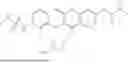


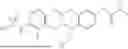


Sources:
- United States Patent and Trademark Office - verify current appl. status at the USPTO↗
Similar patent applications:
- » 20050272755
Method for treating abnormal cell growth - » 20060035907
Methods of treating abnormal cell growth using c-MET and m-TOR inhibitors - » 20230201198
METHODS OF TREATING ABNORMAL CELL GROWTH - » 20050182122
Method of treating abnormal cell growth using indolinone compounds - » 20080300273
Method of treating abnormal cell growth - » 20050267140
Method for treating abnormal cell growth - » 20230321097
METHODS AND COMPOSITIONS FOR TREATING ABNORMAL CELL GROWTH - » 20160346282
Methods and compositions for treating abnormal cell growth - » 20190046531
Methods and compositions for treating abnormal cell growth - » 20200147080
METHODS AND COMPOSITIONS FOR TREATING ABNORMAL CELL GROWTH
Recent applications in this class:
- » 20250170132 2025-05-29
SALTS AND POLYMORPHIC FORMS OF MENIN INHIBITORS AND PHARMACEUTICAL COMPOSITIONS THEREOF - » 20250170131 2025-05-29
METHOD FOR THE TREATMENT OF ANTERIOR ISCHEMIC OPTIC NEUROPATHY - » 20250170130 2025-05-29
MODULATORS OF MYC FAMILY PROTO-ONCOGENE PROTEIN - » 20250170129 2025-05-29
SENOTHERAPEUTIC AGENTS AND ALPHA-KLOTHO POLYPEPTIDES - » 20250170128 2025-05-29
Obicetrapib and SGLT2 Inhibitor Combination - » 20250161304 2025-05-22
Methods for Treating Cancer Using Pyrimidine and Pyridine Compounds with BTK Inhibitory Activity - » 20250152585 2025-05-15
PHARMACEUTICAL COMPOUND - » 20250144097 2025-05-08
COMPOSITIONS AND METHODS FOR PREVENTING AND TREATING NEURODEGENERATIVE DISEASES WITH DIABETES - » 20250144096 2025-05-08
PHARMACEUTICAL COMPOSITIONS COMPRISING NILOTINIB - » 20250144095 2025-05-08
COMPOSITIONS AND METHODS FOR TREATMENT OF CONNECTIVE TISSUE DISORDERS