Compounds that Inhibit Necroptosis and Their Preparation Methods
US20250049812A1
2025-02-13
18/691,807
2022-09-13
Smart Summary: Researchers have developed new compounds that can stop a process called necroptosis, which is a type of cell death. These compounds work by blocking a specific protein known as RIPK1. The document explains how to make these compounds and shares results showing they effectively inhibit necroptosis and RIPK1 activity. These new compounds could be useful in treating and preventing diseases related to inflammation and degeneration. Overall, this discovery could lead to better treatments for various health issues. 🚀 TL;DR
Abstract:
RIPK1 inhibitors for inhibiting necroptosis and their preparation methods. The RIPK1 inhibitors are as shown in general formula I, wherein, X1, X2, X3, X4, X5, Z1, Z2, Z3, L1, L2, L3, R, R1, ring D and n are as disclosed in the specification. Preparation methods of general formula I and the test results of inhibition of necroptosis and RIPK1 activity are also provided. The compounds in formula I can be used for used for treating and preventing inflammatory and degenerative diseases.
Inventors:
- Zhaoyin WANG 7 🇨🇳 Shanghai, China
- Shuailong YANG 1 🇨🇳 Shanghai, China
- Zhimin ZHAO 1 🇨🇳 Shanghai, China
Applicant:
Interested in similar patents?
Get notified when new applications in this technology area are published.
Classification:
A61K31/5517 » CPC main
Medicinal preparations containing organic active ingredients; Heterocyclic compounds having nitrogen as a ring hetero atom, e.g. guanethidine or rifamycins having seven-membered rings, e.g. azelastine, pentylenetetrazole having two nitrogen atoms, e.g. dilazep 1,4-Benzodiazepines, e.g. diazepam or clozapine condensed with five-membered rings having nitrogen as a ring hetero atom, e.g. imidazobenzodiazepines, triazolam
C07D471/16 » CPC further
Heterocyclic compounds containing nitrogen atoms as the only ring hetero atoms in the condensed system, at least one ring being a six-membered ring with one nitrogen atom, not provided for by groups - in which the condensed system contains three hetero rings Peri-condensed systems
C07D487/06 » CPC further
Heterocyclic compounds containing nitrogen atoms as the only ring hetero atoms in the condensed system, not provided for by groups - in which the condensed system contains two hetero rings Peri-condensed systems
Description
CROSS REFERENCE TO RELATED APPLICATIONS
This application claims the priority of the Chinese invention patent application numbered 202111074627.8, submitted on Sep. 14, 2021, with its content being incorporated into this application by cross reference.
TECHNICAL FIELD
The present invention relates to an inhibitor of necroptosis, specifically relating to its preparation method and using method for treating and preventing inflammatory and degenerative diseases.
BACKGROUND ART
Necroptosis is a highly inflammatory form of cell death, which can be induced by various promoting factors, such as tumor necrosis factor (TNF) and FAS ligand. This process occurs in multiple types of cells and is considered the primary mode of cell death in pathological conditions, which is directly associated with various inflammatory and degenerative diseases. These diseases include neurodegenerative diseases, stroke, coronary heart disease, myocardial infarction, retinal degenerative diseases, inflammatory intestinal diseases, nephropathy, hepatopathy, and various other related diseases.
RIPK1 (Receptor Interacting Protein Kinase 1) is involved not only in necroptosis, but also in many crucial intracellular inflammatory signaling pathways. Besides, scientific experiments have shown that it can induce widespread inflammatory cell processes by causing cell rupture. RIPK1 is a major regulator of the cell determinant in NF-κB signaling transduction and death response, wherein, the NF-κB signaling transduction responds to widespread inflammatory and pro-apoptotic stimuli in human diseases.
Therefore, the RIPK1 inhibitor can effectively inhibit necroptosis for preventing and treating related inflammatory and degenerative diseases.
SUMMARY OF THE INVENTION
The purpose of the present invention is to provide novel RIPK1 inhibitors that inhibit necroptosis.
Another purpose of the present invention is to provide the preparation method for the inhibitors.
The first aspect of the present invention provides compounds as shown in general formula I, or its various isomers or pharmaceutically acceptable salts.
Wherein,
-
- Z1, Z2, and Z3 are independently N, C(R);
- R is independently H, halogen, —OH, —CN, —COOH, C1-C6 alkyl, —C0-C6 alkylene alkoxy, C1-C6 alkyl-, C1-C6 halogenated alkyl, C1-C6 alkoxy, C1-C6 halogenated alkoxy, C2-C10 alkoxyl-alkyl, C2-C10 halogenated alkoxyl-alkyl, C1-C6 hydroxyalkyl, —C0-C6 alkylene, —S—C1-C6 alkyl-, —C0-C6 alkylene, —C6-C10 aryl, —C0-C6 alkylene-X—C6-C10 aryl, —C0-C6 alkylene-5-10-membered heteroaryl, —C0-C6 alkoxy-X-5-10-membered heteroaryl, —C0-C6 alkylene-3-10-membered non-aromatic heterocyclyl (wherein, the heteroatoms are independently one or more of sulfur, oxygen, NH, or NRg), —C0-C6 alkylene, —C3-C10 cycloalkyl, —C0-C6 alkylene, —C3-C10 cycloalkenyl, —C0-C6 alkylene-CORc, —C0-C6 alkylene-CO2—C1-C6 alkyl, —C0-C6 alkylene-CONRaRb, —C0-C6 alkylene-SO2NRaRb, —C0-C6 alkylene-S(O)2Rc, SF5, —C0-C6 alkylene-NRaRb, —C0-C6 alkylene-NHC(O)Rc, —C0-C6 alkylene-NHC(O)C(O)NRaRb, —C0-C6 alkoxy-NHC(O)C(O)ORa, —C0-C6 alkylene-NHC(O)NRaRb, —P(O)Me2, —P(O)(OMe)2, —C0-C6 alkylene-C3-C6 cycloalkyloxy, —C0-C6 alkylene-C1-C6 alkoxy, —C0-C6 alkylene-C1-C6 halogenated alkoxy, —C0-C6 alkylene-C≡C—R2, —O—C1-C6 alkylene-C≡C—R2, —S—C1-C6 alkylene-C≡C—R2, and —C0-C6 alkylene-CH═CH—R2; R can be unsubstituted or substituted by 1 to 4 Rf; when R is connected to a nitrogen atom, R is not a halogen.
R can be specifically selected from the following groups:
-
- X can be O, S, SO, S(O)2, NH, C(O), CH2, CF2, CH(CH3), CH(OH), or N(CH3);
- R1 and R1a are independently of H, C1-C6 alkyl or —C0-C3 alkylene-C3-C6 cycloalkyl;
- R2 is hydrogen, C1-C10 alkyl, —C0-C6 alkylene-C6-C10 aryl, —C0-C6 alkylene-5-10-membered heteroaryl, —C0-C6 alkylene-3-10-membered non-aromatic heterocyclyl (wherein, the heteroatoms are independent one or more of sulfur, oxygen, NH, or NRg), —C0-C6 alkylene-C3-C10 cycloalkyl, or —C0-C6 alkylene-C1-C10 alkoxy; R2 can be independently unsubstituted or substituted by 1 to 4 Rf;
- Rf, at each occurrence, is independently halogen, —OH, carbonyl, —CN, —COOH, C1-C6 alkyl, —C0-C6 alkylene alkoxy, C1-C6 alkyl, C1-C6 halogenated alkyl, C1-C6 alkoxy, C1-C6 halogenated alkoxy, C2-C10 alkoxyl-alkyl, C2-C10 halogenated alkoxyl-alkyl, C1-C6 hydroxyalkyl, —C0-C6 alkylene-S—C1-C6 alkyl, —SF5, —C0-C6 alkylene-CORc, —C0-C6 alkylene-CO2C1-C6 alkyl, —C0-C6 alkylene-CONRaRb, —C0-C6 alkylene-SO2NRaRb, —C0-C6 alkylene-S(O)2Rc, —C0-C6 alkylene-NRaRb, —C0-C6 alkylene-C(O)NRaRb, —C0-C6 alkylene-NHC(O)Rc, —C0-C6 alkylene-NHC(O)C(O)NRaRb, —C0-C6 alkylene-NHC(O)C(O)ORa, —C0-C6 alkylene-NHC(O)NRaRb, —C0-C6 alkylene-P(O)Me2, —C0-C6 alkylene-P(O)(OMe)2. Two neighboring Rf or two Rf connected to the same carbon atom together form a 3- to 8-membered ring or a 4- to 8-membered heterocyclic ring, which may contain heteroatoms such as sulfur, oxygen, NH, or NRg;
- Ra and Rb are independently hydrogen, substituted or unsubstituted C1-C10 alkyl, substituted or unsubstituted C3-C10 cycloalkyl, substituted or unsubstituted C2-C10 alkenyl, substituted or unsubstituted C6-C10 aryl, or substituted or unsubstituted C3-C10 heteroaryl respectively; Ra and Rb can form a 3- to 8-membered ring or a 4- to 8-membered heterocyclic ring when connected to a nitrogen or carbon atom, which may contain heteroatoms such as sulfur, oxygen, NH, or NRg; the said 3- to 8-membered ring or 4- to 8-membered heterocyclic ring can be substituted by one or multiple Re;
- Rc is independently H, C1-C6 alkyl, C3-C6 cycloalkyl, C1-C6 halogenated alkyl, C3-C10 cycloalkenyl, C1-C6 alkoxy, C1-C6 cycloalkyloxy, C0-C6 alkylene hydroxyl, C6-C10 aryl, 5- to 10-membered heteroaryl, 3- to 10-membered non-aromatic heterocyclyl, —C0-C6 alkylene-CF3, —C1-C6 alkylene-CN, —C1-C6 alkylene-C1-C6 alkoxy, C1-C6 alkylene-NRaRb, C1-C6 alkylene-NRbC(O)Ra, C1-C6 alkylene-NRS(O)2Ra, C1-C6 alkylene-carboxyl, —C1-C6 alkylene-CO2C1-C6 alkyl, C1-C6 alkylene-CORa, —C0-C6 alkylene-CONRaRb; wherein, the said C6-C10 aryl, 5- to 10-membered heteroaryl, 3- to 10-membered non-aromatic heterocyclyl, C3-C6 cycloalkyl, or C3-C10 cycloalkenyl is each independently unsubstituted or substituted by one or two substituents independently selected from the following: halogen, C1-C6 alkyl, C3-C6 cycloalkyl, C1-C4 alkoxy, C0-C6 alkylene-NRaRb, —C0-C6 alkylene-CN, —C0-C6 alkylene-OH;
- Rg is C1-C10 alkyl, C1-C10 heteroalkyl, C3-C10 cycloalkyl, C6-C10 aryl, or C3-C10 heteroaryl;
- X1, X2, X3, X4, and X5 are independently selected from C, CR, N, and NR, provided that the rules of valence bonding are conformed;
is selected from the following:
The said 3- to 10-membered non-aromatic heterocyclyl can also have the bicyclic or spiral ring structures as follows:
-
- L1 is structured as follows:
-
- Ring A is a substituted or unsubstituted benzene ring, a 5- to 6-membered heteroaromatic ring, or a 5- to 6-membered non-aromatic heterocyclic ring; Ring A can be furan, thiophene, isoxazole, oxazole, thiazole, oxadiazole, pyrrole, pyrazole, imidazole, triazole, or tetrazole;
Preferably, Ring A is selected from the following structures:
-
- Ring A can be substituted by one or two halogens, —CN, C1-C6 alkyl, or C1-C6 halogenated alkyl;
- Ring B is a substituted or unsubstituted 5- to 7-membered heterocyclic ring containing nitrogen atom;
- Ring C is a substituted or unsubstituted benzene ring, or a 5- to 6-membered heteroaromatic ring;
- Y1 and Y2 are independently carbon atoms or nitrogen atoms;
Preferably,
is structured as follows:
-
- Rd is independently selected from H, halogen, C1-C6 alkyl, or C1-C6 halogenated alkyl;
- Re is H, C1-C6 alkyl, or C1-C6 halogenated alkyl;
- L2 is O, NRg CRaRb, or absent;
- L3 is C0-C6 alkylene, C2-C6 alkenylene, C3-C6 cycloalkyl, benzene ring, 5- to 6-membered heteroaromatic ring, or 5- to 6-membered non-aromatic heterocyclic ring; L3 can be substituted by 1 to 3 R5;
- R5 is independently H, halogen, —OH, —CN, carbonyl, C1-C6 alkyl, C1-C6 halogenated alkyl, C1-C6 alkoxy, or C1-C6 halogenated alkoxy;
- Ring D is C3-C6 cycloalkyl, phenyl, naphthyl, C3-C6 cycloalkyl and phenyl, 5- to 6-membered heteroaryl, or 5- to 6-membered non-aromatic heterocyclyl;
- R10 is independently selected from halogen, CN, C1-C6 alkyl, C1-C6 halogenated alkyl, OC1-C6 alkyl, or C3-C6 cycloalkyl;
- n is 0, 1, 2, or 3.
In another preferred embodiment, the said compound of general formula I is the compound shown in general formula II:
Wherein, the independent definitions of R are as stated for general formula I; R1 is H, methyl or ethyl.
Rd is independently H, halogen, C1-C6 alkyl, or C1-C6 halogenated alkyl;
Ring A is structured as follows:
-
- Ring D is a benzene ring or thiophene;
- R10 is a halogen or —CN.
- n is 0, 1, 2, or 3.
In another preferred embodiment, the said compound of general formula I is the compound shown in general formula III:
Wherein, the independent definitions of R are as stated for general formula I, provided that R is not a halogen when R is connected to a nitrogen atom; R1 is H, methyl or ethyl.
-
- W is N or CRd;
- Rd is H, halogen, C1-C6 alkyl, or C1-C6 halogenated alkyl;
Ring A is structured as follows:
-
- Ring D is a benzene ring or thiophene;
- R10 is an independently halogen or —CN;
- n is 0, 1, 2, or 3.
In another preferred embodiment, the said compound of general formula I is the compound shown in general formula IV:
Wherein, the independent definitions of R are as stated in general formula I; R1 is H, methyl or ethyl.
Rd is independently H, halogen, C1-C6 alkyl, or C1-C6 halogenated alkyl;
Ring A is structured as follows:
-
- Ring D is a benzene ring or thiophene;
- R10 is an independently halogen or —CN;
- n is 0, 1, 2, or 3.
In another preferred embodiment, the said compound of general formula I is the compounds shown in general formula V:
Wherein, the independent definitions of R and R10 are as stated for general formula I; R1 is H, methyl or ethyl.
is structured as follows:
-
- Rd is independently H, halogen, C1-C6 alkyl, or C1-C6 halogenated alkyl;
- Re is independently H, C1-C6 alkyl, or C1-C6 halogenated alkyl;
- Ring D is a benzene ring or thiophene;
- R10 is an independently halogen or —CN.
- n is 0, 1, 2, or 3.
In another preferred embodiment, the said compound of general formula I is the compound shown in general formula VI:
Wherein, the independent definitions of R and R10 are as stated for general formula I, provided that R is not a halogen when R is connected to a nitrogen atom; R1 is H, methyl or ethyl.
is structured as follows:
-
- Rd is independently H, halogen, C1-C6 alkyl, or C1-C6 halogenated alkyl;
- Re is H, C1-C6 alkyl, or C1-C6 halogenated alkyl;
- Ring D is a benzene ring or thiophene;
- R10 is an independently halogen or —CN.
- n is 0, 1, 2, or 3.
In another preferred embodiment, the said compound of general formula I is the compound shown in general formula VII:
Wherein, the independent definitions of R are as stated for general formula I, provided that R is not a halogen when R is connected to a nitrogen atom; R1 is H, methyl or ethyl.
is structured as follows:
-
- Rd is independently H, halogen, C1-C6 alkyl, or C1-C6 halogenated alkyl;
- Re is H, C1-C6 alkyl, or C1-C6 halogenated alkyl;
- Ring D is a benzene ring or thiophene;
- R10 is an independently halogen or —CN.
- n is 0, 1, 2, or 3.
In another preferred embodiment, the said compound of general formula I is the compound shown in general formula VIII:
Wherein, the independent definitions of R are as stated for general formula I; R1 is H, methyl or ethyl.
-
- Ring D is a benzene ring or thiophene;
- Rd is H, halogen, C1-C6 alkyl, or C1-C6 halogenated alkyl;
- R10 is an independently halogen or —CN;
- n is 0, 1, 2, or 3.
In another preferred embodiment, the said compound of general formula I is the compound shown in general formula IX:
Wherein, the independent definitions of R are as stated for general formula I, provided that R is not a halogen when R is connected to a nitrogen atom; R1 is H or methyl;
-
- R10 is a halogen or —CN;
- Rd is H, halogen, C1-C6 alkyl, or C1-C6 halogenated alkyl;
- Ring D is a benzene ring or thiophene;
- n is 0, 1, 2, or 3.
In another preferred embodiment, the said compound of general formula I is the compound shown in general formula X:
Wherein, the independent definitions of R are as stated for general formula I; R1 is H, methyl or ethyl.
-
- Ring D is a benzene ring or thiophene;
- Rd is H, halogen, C1-C6 alkyl, or C1-C6 halogenated alkyl;
- R10 is a halogen or —CN;
- n is 0, 1, 2, or 3.
In another preferred embodiment, the said compound of general formula I is the compound shown in general formula XI:
Wherein, the independent definitions of R are as stated for general formula I; R1 is H, methyl or ethyl.
-
- Ring D is a benzene ring or thiophene;
- Rd is H, halogen, C1-C6 alkyl, or C1-C6 halogenated alkyl;
- R10 is a halogen or —CN;
- n is 0, 1, 2, or 3.
In another preferred embodiment, the said compound of general formula I is the compound shown in general formula XII:
Wherein, the independent definitions of R are as stated for general formula I; R1 is H, methyl or ethyl.
-
- Ring D is a benzene ring or thiophene;
- Rd is H, halogen, C1-C6 alkyl, or C1-C6 halogenated alkyl;
- R10 is a halogen or —CN;
- n is 0, 1, 2, or 3.
In another preferred embodiment, R in the compounds of general formulas I to XII is selected from the following groups: halogen,
In another preferred embodiment, the said compounds of general formulas I to XII are as follows:
In another preferred embodiment, the said compounds of general formulas I to XII include all stereoisomers.
In another preferred embodiment, the said stereoisomers are cis-trans isomers.
In another preferred embodiment, the said compounds are optically pure isomers.
In another preferred embodiment, the said compounds are racemates.
In another preferred embodiment, the said stereoisomers are enantiomers.
In another preferred embodiment, any one or more hydrogen atoms in the said compounds may be substituted by deuterium atoms.
In another preferred embodiment, the said compounds of general formulas I to XII include their prodrugs.
In another preferred embodiment, the pharmaceutically acceptable salt in the said general formulas I to XII is selected from: hydrochloride, hydrobromate, sulfate, phosphate, mesylate, trifluoromethanesulfonate, benzene sulfonate, p-toluenesulfonate (tosylate), 1-naphthalenesulfonate, 2-naphthalenesulfonate, acetate, trifluoroacetate, malate, tartrate, citrate, lactate, oxalate, succinate, fumarate, maleate, benzoate, salicylate, phenylacetate and mandelate.
The second aspect of the present invention provides the preparation method for the said compounds in general formulas I to XII in the first aspect, wherein the method is selected from one of the following schemes.
Methyl acrylate is reacted with a suitably substituted 7-nitroindole using a base to obtain I-1, followed by reducing the nitro to amine I-2 (the reduction conditions include but are not limited to Zn/AcOH, Fe/NH4Cl/EtOH, Zn/NH4Cl/EtOH, and Pd/C/H2/MeOH). Using a coupling reagent, the (formula I-4) intermediate is obtained through an intramolecular coupling (the coupling reagent includes but is not limited to HOAT, HOBT, HATU, EDCI, BOP, and TCFH/NMI). Afterward, the compound I-4 is alkylated to obtain I-5, and I-5 is reacted with isopentyl nitrite under basic conditions to obtain the intermediate I-6. Subsequently, the oxime is reduced to amine I-7 (the reduction conditions include but are not limited to Pd/C/H2/MeOH, Ni/C/H2/MeOH, and NaBH4/NiCl2(H2O)6/MeOH). After chiral resolution, the desired enantiomer of I-7 is coupled with acid (a) using the amide coupling reagent (the amide coupling reagent includes but is not limited to HOAT, EDCI, HATU, and TCFH) to obtain the final product I.
Reduction of a properly substituted 7-nitro-indole gives rise to II-1 (the reduction conditions include but are not limited to Zn/AcOH, Fe/NH4Cl/EtOH, Zn/NH4Cl/EtOH, and Pd/C/H2/MeOH). II-1 then reacts with an acid chloride under basic conditions to obtain the intermediate II-2. Intermediate I-4 is obtained through cyclization of II-2 under basic conditions. The final product I is obtained using the same method as in Scheme 1.
A suitably substituted 4-nitroindole undergoes Mannich reaction with dimethylamine and formaldehyde, catalyzed by a Lewis acid or a Bronsted acid, to provide III-1. III-1 then reacts with diethyl malonate under catalysis of ethyl propiolate or by heating to obtain III-2. Subsequently, reduction of III-2 gives amine III-3 (the reduction conditions include but are not limited to Zn/AcOH, Fe/NH4Cl/EtOH, Zn/NH4Cl/EtOH, and Pd/C/H2/MeOH). III-3 is then reacted with acid anhydride to obtain amide intermediate which is reduced to alkylamine III-4. Refluxing III-4 in toluene with a catalytic amount of acid provide III-5. Hydrolysis of III-5, followed by Curtis reaction and Boc protection gives III-7. Using III-7 as an intermediate, nucleophilic substitutions followed by amide coupling reactions with a coupling reagent (which includes but is not limited to HOAT, EDCI, HATU, and TCFH) after removal of Boc group provide the final product III. Depending on the difficulty of the resolution conditions, chiral resolution can be carried out for III-7, III-8, or the racemic III.
A suitable halogenated isoindole-4-carboxylic acid ester is hydrolyzed to acid IV-1, which is subjected to Curtius rearrangement, followed by quenching with formic acid to obtain IV-2. Mannich reaction of IV-2 provides IV-3, which is reacted with ethyl nitroacetate under heating conditions to obtain IV-4. Subsequently, reduction of the formamide group with borane-methyl sulfide and then reduction of the nitro group (the reduction conditions include but are not limited to Zn/AcOH, Fe/NH4Cl/EtOH, Zn/NH4Cl/EtOH, and Raney Ni/H2/MeOH), followed by Boc protection afford IV-6. After ester hydrolysis of IV-6, the acid intermediate is cyclized using the amide coupling reagent (which includes but is not limited to HOAT, EDCI, HATU, and TCFH), followed by removal of the protecting group to obtain IV-8. Sonogashira reaction of IV-8 obtain IV-9. Resolution of IV-9 and coupling of the desired enantiomer with acid (a) using an amide coupling reagent (which includes but is not limited to HOAT, EDCI, HATU, and TCFH) afford the final product IV.
Using an appropriate amine as the starting material, reductive amination followed by hydrolysis affords acid V-2, which is cyclized with an amide coupling reagent (which includes but is not limited to HOAT, EDCI, HATU, and TCFH) to obtain the final product V.
A suitably substituted 4-nitroindole is halogenated at the 3-position to give VI-1 which is then protected with a Boc group to give VI-2. Negishi coupling of VI-2 with (R)—N-(tert-butoxycarbonyl)-3-iodo-L-alanine methyl ester obtain VI-3. Reduction of the nitro group (reduction conditions include but are not limited to Zn/AcOH, Fe/NH4Cl/EtOH, Zn/NH4Cl/EtOH, and Ranney Ni/H2/MeOH), and base hydrolysis followed by cyclization with an amide coupling reagent (coupling reagents include but are not limited to HOAT, EDCI, HATU, and TCFH) obtain VI-5. Reaction of VI-5 with a suitable alkyl iodide to obtain VI-6. Manipulations of Boc protecting groups in VI-6 lead to VI-7. Introduction of different substituents onto the nitrogen atom of the indole in VI-7 by various means, followed by removal of the Boc group afford VI-8, which is coupled with the acid (a) using an amide coupling reagent (coupling reagents include but are not limited to HOAT, EDCI, HATU, and TCFH) to obtain the final product VI.
A suitably substituted 4-nitroindole is halogenated at the 3-position to give VII-1 which is then protected with a Boc group to give VII-2. Negishi coupling of VII-2 with (R)—N-(tert-butoxycarbonyl)-3-iodo-L-alanine methyl ester obtain VII-3. Reduction of the nitro group (reduction conditions include but are not limited to Zn/AcOH, Fe/NH4Cl/EtOH, Zn/NH4Cl/EtOH, and Ranney Ni/H2/MeOH), and base hydrolysis followed by cyclization with an amide coupling reagent (coupling reagents include but are not limited to HOAT, EDCI, HATU, and TCFH) obtain VII-5. Boc protection of VII-5 affords VII-6. Reaction of VII-6 with a suitable alkyl iodide to obtain VII-7. Manipulations of Boc protecting groups in VII-7 lead to VII-8. Introduction of different substituents onto the nitrogen atom of the indole in VII-7 by various means, followed by removal of the Boc group afford VII-9, which is coupled with the acid (a) using an amide coupling reagent (coupling reagents include but are not limited to HOAT, EDCI, HATU, and TCFH) to obtain the final product VII.
A suitably substituted 4-nitroindole is halogenated at the 3-position to give VIII-1 which is then protected with a Boc group to give VIII-2. Negishi coupling of VIII-2 with (R)—N-(tert-butoxycarbonyl)-3-iodo-L-alanine methyl ester obtain VIII-3. Reduction of the nitro group (reduction conditions include but are not limited to Zn/AcOH, Fe/NH4Cl/EtOH, Zn/NH4Cl/EtOH, and Ranney Ni/H2/MeOH), and base hydrolysis followed by cyclization with an amide coupling reagent (coupling reagents include but are not limited to HOAT, EDCI, HATU, and TCFH) obtain VIII-5. Boc protection of VIII-5 affords VIII-6. Reaction of VIII-6 with a suitable alkyl iodide to obtain VIII-7. Manipulations of Boc protecting groups in VIII-7 lead to VIII-8. Introduction of different substituents onto the nitrogen atom of the indole in VIII-8 by various means, followed by removal of the Boc group afford VIII-9, which is coupled with the acid (a) using an amide coupling reagent (coupling reagents include but are not limited to HOAT, EDCI, HATU, and TCFH) to obtain the final product VIII.
Reaction of methyl bromoacetate react with a suitably substituted 7-nitroindole under basic conditions to obtain IX-1. Reduction of the ester group provides aldehyde IX-2, which is coupled with a suitable chiral tert-butanesulfinamide to afford IX-3. Treatment of IX-3 with trimethylsilyl cyanide to obtain IX-4. Reduction (reduction conditions include but are not limited to Zn/AcOH, Fe/NH4Cl/EtOH, Zn/NH4Cl/EtOH, and Pd/C/H2/MeOH) of the nitro group of IX-4, followed by separation via silica gel column chromatograph to give rise to the desired enantiomer IX-5. Heating IX-5 in a methanol solution of hydrochloric acid to obtain intermediate IX-6. Protecting the amine group in IX-6 with Boc group to obtain IX-7, which is alkylated with a suitable alkyl iodide to obtain IX-8. Removal of the Boc group in IX-8 obtain IX-9. Coupling of IX-9 with acid (a) using an amide coupling reagent (coupling reagents include but are not limited to HOAT, EDCI, HATU, and TCFH) to obtain the final product I.
Reaction of (2-bromoethoxy)-tert-butyldimethylsilane with a suitably substituted 7-chloroindole and a base to obtain X-1. Removal of the silyl protecting group by tetrabutylammonium fluoride provide X-2, which is oxidized to aldehyde X-3 using an oxidizing agent (oxidation conditions include but are not limited to Dess-Martin periodinane). Coupling of X-3 with a chiral tert-butanesulfinamide afford X-4. Treatment of X-4 with trimethylsilyl cyanide followed by separation via silica gel column chromatograph to give rise to the desired enantiomer X-5. Heating X-5 in a methanol solution of hydrochloric acid obtains X-6. Protecting the amino group in X-6 with Boc affords X-7, which undergoes aminolysis reaction in the methanol solution of ammonia to obtain X-8. Intramolecular Buchwald coupling (coupling conditions include but are not limited to Pd2dba3/Xantphos) to provides X-9. Reaction of X-9 with suitable alkyl iodide and a base gives rise to X-10. Removal of Boc group of X-10 affords X-11, which is coupled with acid (a) using an amide coupling reagent (coupling reagents include but are not limited to HOAT, EDCI, HATU, and TCFH) to obtain the final product X.
Mannich reaction of a suitable 4-halogenoindole, or a heteroindole, or a substituted indole with dimethylamine, and formaldehyde under the catalysis of a Lewis acid or Bronsted acid provides XI-1. Reaction of XI-1 with ethyl nitroacetate under catalysis of propynoic ester or by heating obtains XI-2. Reduction of the nitro group of XI-2 affords amine XI-3 (reduction conditions include but are not limited to SnCl2·2H2O, Zn/AcOH, Fe/NH4Cl/EtOH, and Zn/NH4Cl/EtOH). Boc protection of XI-3 gives rise to XI-4. Aminolysis of XI-4 provides amide XI-5. Intramolecular coupling reaction of XI-5 such as Buchwald coupling (coupling conditions include but are not limited to Pd2dba3/Xantphos) affords cyclic compound XI-6. Protection of the indole NH of XI-6 with Boc group gives rise to XI-7. Alkylation of XI-7 with alkyl halide and a base provides XI-8. Manipulations of Boc protecting group in XI-8 lead to XI-9. Introduction of different substituents onto the nitrogen atom of the indole in XI-9 by various means, followed by removal of the Boc group afford XI-10, which is coupled with the acid (a) using an amide coupling reagent (coupling reagents include but are not limited to HOAT, EDCI, HATU, and TCFH) to obtain the final product XI.
The third aspect of the present invention provides the purposes of the said compounds of general formulas I-XII in the first aspect, as follows:
-
- (i) preparation of necroptosis inhibitor;
- (ii) preparation of a medicine for the prevention and/or treatment of diseases mediated by necroptosis.
In another preferred embodiment, the said diseases mediated by necroptosis include cancer, COVID-19 infection, inflammatory bowel disease, Crohn's disease, ulcerative colitis, psoriasis, retinal detachment, pigmentary retinitis, macular degeneration, pancreatitis, atopic dermatitis, rheumatoid arthritis, spondyloarthritis, gout, systemic lupus erythematosus, Sjögren's syndrome, systemic scleroderma, antiphospholipid syndrome, vasculitis, osteoarthritis, non-alcoholic steatohepatitis, autoimmune hepatitis, autoimmune liver and gallbladder diseases, primary sclerosing cholangitis, nephritis, celiac sprue, primary immunologic thrombocytopenic purpura, transplant rejection, ischemia-reperfusion injury of solid organs, septicemia, systemic inflammatory response syndrome, cerebrovascular accident, myocardial infarction, Huntington's disease, Alzheimer's disease, Parkinson's disease, allergic diseases, asthma, multiple sclerosis, diabetes mellitus type 1, Wegener's granulomatosis, pulmonary sarcoidosis, Behçet's disease, interleukin-1 conversion enzyme-related fever syndrome, chronic obstructive pulmonary disease, tumor necrosis factor receptor-associated periodic syndrome, and periodontitis.
It is noteworthy that, within the scope of the present invention, the technical features as mentioned above and described in detail below (embodiments) can be combined with each other to form new or preferred technical schemes, which will not be expatiated here due to limited space.
DETAILED DESCRIPTION OF EMBODIMENTS
Definition
The term “alkyl” refers to monovalent saturated aliphatic hydrocarbyl having 1-10 carbon atoms, including straight-chain hydrocarbyl and branched-chain hydrocarbyl, such as methyl (CH3—), ethyl (CH3CH2—), n-propyl (CH3CH2CH2—), isopropyl ((CH3)2CH—), n-butyl (CH3CH2CH2CH2—), isobutyl ((CH3)2CHCH2—), sec-butyl ((CH3)(CH3CH2)CH—), tert-butyl ((CH3)3C—), and n-amyl (CH3CH2CH2CH2CH2—), and neopentyl ((CH3)3CCH2—).
As used herein, the term “aryl” refers to the monovalent aromatic carbon ring group with 6-20 (preferably 6-14) carbon atoms having monocyclic (e.g. phenyl) or coupled rings (e.g. naphthyl or anthracyl), and the coupled ring may be nonaromatic (e.g. 2-benzoxazolinone, 2H-1, and 4-benzoxazine-3(4H)-keone-7-yl) if the attachment point is on the aromatic carbon atom. Phenyl and naphthyl are preferred aryls.
As used herein, the term “alkenyl” refers to an alkenyl with 2-10 (e.g. 2-6 or 2-4) carbon atoms and at least 1 (e.g. 1-2) unsaturated olefinic bond (>C═C<). Such groups include ethenyl, allyl, and but-3-enyl. As used herein, the term “cycloalkyl” refers to a cyclic alkyl with 3-10 carbon atoms and single/multiple rings (including coupled, bridged, and spiro systems). In a coupled ring system, one or more rings can be cycloalkyl, heterocyclic, aryl or heteroaryl, only if the connecting sites are rings passing through the cycloalkyl. Examples of suitable cycloalkyls include adamantyl, cyclopropyl, cyclobutyl, cyclopentyl, and cyclooctyl.
As used herein, the term “halogenated”/“halogen” refers to fluorine, chlorine, bromine and iodine.
As used herein, the term “heteroaryl” refers to an aromatic group that has 1 to 10 carbon atoms and 1 to 4 heteroatoms selected from oxygen, nitrogen, and sulfur in the ring. Such a heteroaryl can be monocyclic (such as pyridyl or furyl) or coupled (such as indolizinyl or benzo[b]thienyl), wherein the coupled ring can be non-aromatic and/or contain a heteroatom, as long as the connecting sites are atoms passing through the aromatic heteroaryl. In one embodiment, nitrogen and/or sulfur atoms on the heteroaryl ring are selectively oxidized to N-oxide (N—O), sulfinyl, or sulfonyl. Preferably, the heteroaryl group includes pyridyl, pyrrolil, indolyl, thienyl, and furyl.
As used herein, the term “substituted heteroaryl” refers to a heteroaryl substituted by 1-5, preferably 1-3, more preferably 1-2 substituent that is the same as substituents defined by the substituted aryl.
As used herein, the term “heterocyclic ring”/“heterocyclic”/“heterocyclic alkyl”/“heterocyclyl” refers to a saturated, partially saturated, or unsaturated (but not aromatic) group, with single rings or coupled rings (including the bridged ring system and the spiro system) in which there are 1-10 carbon atoms and 1-4 heteroatoms selected from nitrogen, sulfur or oxygen. In a coupled ring system, one or more rings can be cycloalkyl, aryl or heteroaryl, only if the connecting sites pass through the nonaromatic rings. In one embodiment, nitrogen and/or sulfur atoms of a heterocyclic group are selectively oxidized to provide N-oxide, sulfinyl, and sulfonyl.
As used herein, the term “substituted heterocyclic”/“substituted heterocyclic alkyl”/“substituted heterocyclyl” refers to a heterocyclic group substituted by 1-5 (e.g. 1-3) substituents which are the same as the substituent defined by the substituted cycloalkyl.
The said substituents include but are not limited to the following groups: halogen, —C1-6 alkyl, —C3-8 cycloalkyl, —C1-6 halogenated alkyl, —C3-8 halogenated cycloalkyl, —C1-6 alkoxy, —C3-8 cycloalkyloxy, —C1-6 alkylthio, —C0-6 alkylene-OH, nitro, aldehyde, —SF5, —C0-6 alkylene-NRaRb, —C0-6 alkylene-carboxyl, —C0-6 alkylene-CORa, —C0-6 alkylene-CO2Ra, —C0-6 alkylene-CONRdRe, —C0-6 alkylene-SO2Ra, —C0-6 alkylene-SO2NRdRe, carbonyl, —C0-6 alkylene-CN, —C3-8 cycloalkyl-OH, —C2-6 alkenyl, C2-6 alkynyl, —C0-6 alkylene-S(O)(NH)C1-6alkyl, —C0-6 alkylene-S(O)(NCN)C1-6alkyl, —C0-6 alkylene-NRcS(O)2Rb, —C0-6 alkylene-NRcS(O)2NRcRb, —C0-6 alkylene-NRcC(O)NH2, —C0-6 alkylene-NRcC(O)Rb, —C0-6 alkylene-NRcC(O)NRdRe, —C0-6 alkylene-NRcC(O)ORb, —C0-6 alkylene-NRSO2RbC(O)—Rb, —C0-6 alkylene-P(O)RcRb, —C0-6 alkylene-P(O)(ORc)(ORb), —C0-6 alkylene-C(O)C1-6 alkylene amino, C1-6 heteroalkyl, C5-10 carbocycle, C5-10 aryl, C2-10 heterocyclic ring, C2-10 heteroaromatic ring, —C1-6 halogenated alkoxy.
In the present invention, C0-6 alkylene refers to no alkylene or C1-6 alkylene.
As used herein, the term “stereoisomer” refers to compounds with different chirality in one or several stereocenters. Stereoisomers include enantiomers and diastereomers.
As used herein, the term “tautomer” refers to alternative forms of compounds with different proton locations, such as tautomers of enol-ketone and imine-enamine, or tautomeric forms of heteroaryl which contains ring atoms connected to the —NH— and ═N— parts of the ring, such as pyrazol, imidazole, benzimidazole, triazole, and tetrazole.
“Prodrug” refers to any derivative of the embodiment compound, which can directly or indirectly provide the embodiment compound, its active metabolite or residue when being applied to a subject. Particularly preferred derivatives and prodrugs are those that improve the bioavailability of the embodiment compound (e.g. the compound administered orally tends to be absorbed in the blood more easily) or the delivery of the parent compound to a biological compartment (such as brain or lymphocytic system) when being applied to a subject. Prodrugs include ester forms in the compounds of the present invention.
Where there are stereoisomers of the compounds as mentioned in the present invention, the present invention shall include all the stereoisomers of such compounds.
Where there are tautomers of the compounds as mentioned in the present invention, the present invention shall include all the tautomers of such compounds.
The present invention also includes the deuterated compounds generated from the substitution of any one/more hydrogen atoms in the said compounds with its/their stable isotope deuterium.
The present invention also provides the active ingredients within the safe and effective dosage of compounds of general formulas I-XII, as well as their pharmaceutically acceptable carriers.
The said “active ingredients” in the present invention refer to the compounds of general formulas I-XII.
The said “active ingredients” and pharmaceutical composition of the present invention can be used as inhibitors for diseases mediated by necroptosis. In another preferred embodiment, it is used to prepare drugs for the prevention and/or treatment of necroptosis mediated diseases.
“Safe and effective dosage” refers to the dosage of active ingredients is sufficient to improve the condition without serious side effects significantly. Generally, a pharmaceutical composition contains 1-2,000 mg of active ingredients/agents; preferably, it contains 10-200 mg of active ingredients/agents. More preferably, the said “one dosage” is contained in a tablet or a capsule.
“Pharmaceutically acceptable carrier” refers to one or more compatible solid/liquid fillers or gel substances, which are suitable for human use, and shall be of sufficient purity and low toxicity. “Compatibility” here refers to the fact that each component of the composition can be blended with and among the active ingredients in the present invention without significant reduction of the active ingredient's efficacy.
In general, the compounds of preferred embodiment will be administered in a therapeutically effective dosage and any acceptable mode via any medicament of a similar effect. The actual dosages of the compounds (i.e. active ingredients) in the preferred embodiments are determined based on numerous factors, such as the severity of diseases to be treated, age and relative health of the patient, efficacy of the compounds used, and route & form of application. The drug may be administered for times a day (once or twice preferably a day). All of such factors are taken into account by the attending physician.
For the purpose of the preferred embodiment, the therapeutically effective dosage can be a daily total dosage generally, for example, from 0.001-1,000 mg/kg for one time or times (preferably 1.0-30 mg/kg per day for a patient). Dosage unit composition may include its dosage factors to form a daily dosage. The dosage forms depend on various factors, such as administration mode and bioavailability of drug substances. In general, the compounds of the preferred embodiment can be administered as a pharmaceutical composition through any of the routes as follows: oral, systemic (e.g. transdermal, intranasal or suppository), or parenteral (e.g. intramuscular, intravenous or subcutaneous). The preferred method of administration is oral, whose appropriate daily dosage can be adjusted as per the bitterness. The composition may be made in the forms of tablet, pill, capsule, semi-solid, powder, sustained-release preparation, solution, suspension, elixir, aerosol or any other appropriate composition. Another preferred administration mode of compounds in the preferred embodiment is inhalation, which is an effective mode to deliver therapeutic agents directly to the respiratory tract (refer to U.S. Pat. No. 5,607,915 for example).
Pharmaceutically acceptable carriers or excipients include treatment agents, drug delivery modifiers, and accelerators, such as calcium phosphate, magnesium stearate, talc, monosaccharide, disaccharide, starch, gelatin, cellulose, sodium methylcellulose, carboxymethyl cellulose, glucose, hydroxypropyl-B-cyclodextrin, polyvinylpyrrolidone, low-melting-point wax, ion exchange resin, and any combination of two or more of them. Liquid and semi-solid excipients can be selected from glycerol, propylene glycol, water, ethanol, and various oils (including petroleum, animal oil, vegetable oil or synthetic oils, such as peanut oil, soybean oil, mineral oil and sesame oil). The preferred liquid carriers (in particular those for injectable solutions) include water, brine, glucose aqueous solution, and ethylene glycol. Other pharmaceutically acceptable excipients are described in Remington's Pharmaceutical Sciences, Mack pub. Co., New Jersey (1991) and incorporated by reference.
As used herein, the term “pharmaceutically acceptable salt” refers to non-toxic acid or alkaline-earth metal salts of compounds in general formulas I-XII. Such salts can be prepared in situ during the final separation and purification of compounds in general formulas I-XII, or via the reaction among proper organic/inorganic acids, alkalis and alkali/acidic functional groups. Representative salts include, but are not limited to acetate, adipate, alginate, citrate, aspartate, benzoate, benzene sulfonate, disulfate, butyrate, camphorate, camphorsulfonate, digluconate, cypionate, lauryl sulfate, esilate, glucose heptanate, glycerophosphate, hemisulphate, enanthate, hexanoate, fumarate, hydrochloride, hydrobromate, hydriodate, 2-hydroxyethyl sulfonate, lactate, maleate, mesylate, nicotinate, 2-naphthyl sulfonate, oxalate, pamoate, pectate, thiocyanate, 3-phenyl propionate, picrate, pivalate, propionate, succinate, sulfate, tartrate, thiocyanate, p-toluenesulfonate, and undecanoate. In addition, the basic groups containing nitrogen can be quaternary-ammonium salted with the agents as follows: alkyl halides such as chlorides, bromides, and iodides of methyl, ethyl, propyl and butyl; dialkyl sulfates such as dimethyl, diethyl, dibutyl, and diamyl sulfate; long-chain halides such as chlorides, bromides and iodides of decyl, lauryl, myristyl, and stearyl; aromatic alkyl halides such as benzyl and phenylethyl bromide. Water soluble, oil soluble or dispersible products are obtained. Examples of acids that can be used to form pharmaceutically acceptable acid-addition salts include inorganic acids of hydrochloride, sulfuric acid, phosphoric acid, as well as the organic acids of oxalic acid, maleic acid, methanesulfonic acid, succinic acid, and citric acid. Alkali-addition salts can be prepared in situ while final separation and purification of compounds in general formulas I-XII, or via the reaction of carboxylic acid portion with proper alkali (such as pharmaceutically acceptable hydroxides of metal cations, carbonate or bicarbonate), ammonia, organic primary, secondary or tertiary amines, respectively. Pharmaceutically acceptable salts include, but are not limited to, alkali metal and alkaline-earth metal based cations, such as sodium, lithium, potassium, calcium, magnesium, aluminum salts, as well as non-toxic ammonium, quaternary ammonium, and amine cations, including but not limited to: ammonium, tetramethyl-ammonium, tetraethylammonium, methylamine, dimethylamine, trimethylamine, triethylamine, and ethylamine. Other representative organic amines used to produce alkali-addition salts include diethylamine, ethylenediamine, ethanolamine, diethanolamine, and piperazine.
The following abbreviations have the meanings indicated: EA: ethyl acetate. DBU: 1,8-diazabicyclo[5.4.0]undec-7-ene; DCM: dichloromethane; DIBAL: diisobutylaluminum hydride; DIEA: diisopropylamine; DMAP: N,N-dimethylaminopyridine; DME: 1,2-dimethoxyethane; DMF: N, N-dimethylformamide; DMPE: 1,2-bis(dimethylphosphino)ethane; DMSO: dimethyl sulfoxide; DPPB: 1,4-bis(diphenylphosphino)butane; DPPE: 1,2-bis(diphenylphosphino)ethane; DPPF: 1,1′-bis(diphenylphosphino)ferrocene; DPPM: 1,1′-bis(diphenylphosphino)methane; DIAD: diisopropyl azodicarboxylate; EDCI: 1-(3-dimethylaminopropyl)-3-ethylcarbodiimide methiodide; HATU: O-(7-azabenzotriazol-1-yl)-1,1,3,3-tetramethyluronium Hexafluorophosphate; HMPA: hexamethyl phosphoramide; HOAT: N-hydroxy-7-azabenzotriazole; IPA: isopropanol; LDA: lithium diisopropylamide; LHMDS: lithium bis(trimethylsilyl)amide; LAH: lithium aluminium hydride; NCS: N-chlorosuccinimide; PE: petroleum ether; PyBOP: benzotriazol-1-yloxytripyrrolidinophosphonium hexafluorophosphate; TDA: tris(2-(2-methoxyethoxy)ethyl)amine; DCM: dichloromethane; TEA: triethylamine; TFA: trifluoroacetic acid; THF: tetrahydrofuran; NCS: N-chlorosuccinimide; NMM: N-methyl morpholine; NMP: N-methyl pyrrolidinone; PPh3: triphenylphosphine; rt: room temperature; T3P: propylphosphonic anhydride; TCFH: N,N,N′,N′-tetramethylchloroformamidinium hexafluorophosphate; SGCC: silica gel column chromatography.
HPLC purification conditions: The Waters micromass ZQ 4000 (MAA050 model) is used as the mass detector and the Waters 2487 UV as the detector, and the HPLC-MS analysis is carried on the Waters HPLC 2790. The chromatographic column used is Phenomenex OOB-4605-E0 (5U-XB-C18-100A, 50*4.6 mm). The mobile phase is eluent A (water, 0.05% TFA) and eluent B (CH3CN, 0.05% TFA), with an elution rate of 1 mL/minute. The initial condition is 90% A acting for 1 minute, and the 90% A linearly decreases to 10% A in 5 minutes and rises back to 90% A in 1 minute, with a total operation time of 7 minutes. Depending on the properties of compounds, the gradient of the mobile phase and the operation time can be adjusted.
HPLC chiral resolution conditions: an Agilent Technologies 1200 Infinity LC system is used, with a chiral chromatographic column from Daicel CHIRALPAK IG (product number: IG00EE-AT002). The mobile phase is eluent A (n-hexane) and eluent B (ethanol), with an elution rate of 3 mL/min, and the elution consumes a constant proportion of ethanol. Depending on the properties of compounds and the types of chiral chromatographic columns, ethanol proportion in the mobile phase and the operation time can be adjusted.
The following examples are given to make the present invention more readily comprehensible, instead of limiting its scope. Unless otherwise specified, all percentages and parts are calculated by weight, with units of parts by weight.
Unless otherwise specified, all materials and reagents used in the examples of the present invention are commercially available.
Unless otherwise specified, all the professional and scientific terms referred herein share the same meaning as those familiar to the skilled in this field. In addition, any method and material similar to the content described herein can be applied to the methods in the present invention. The preferable implementation methods and materials described herein are only for demonstration.
Example 1: Preparation of Intermediate Z-7
Step 1: Preparation of Z-1
To a solution of 500 mg of 7-nitroindole in 10 mL of acetonitrile, were added methyl acrylate (670.4 mg) and DBU (234.9 mg) and the reaction mixture was stirred for reaction at 50° C. for 4 hours. The reaction mixture was cooled to room temperature and quenched with water. Extraction was conducted with ethyl acetate. The extract was dried over anhydrous sodium sulfate, and concentrated to obtain the intermediate Z-1 which was purified by SGCC.
MS ESI: m/z=249.4, [M+H]+.
Step 2: Preparation of Z-2
Z-1 (330 mg), NH4Cl (290.4 mg), and iron powder (744.9 mg) were dissolved in ethanol (12 mL) and water (4 mL) and the mixture was stirred for reaction at rt for 1 hour. Extraction was conducted with ethyl acetate. The extract was dried over anhydrous sodium sulfate, and concentrated to obtain the intermediate Z-2 which was purified by SGCC.
MS ESI: m/z=218.2, [M+H]+.
Step 3: Preparation of Z-3
Z-2 (250 mg) and lithium hydroxide (140 mg) were dissolved in methanol (10 mL) and water (3 mL) and the mixture was stirred for reaction at rt for 1 hour. The reaction mixture was adjusted to pH 5 with hydrochloric acid, and extracted with ethyl acetate. The extract was dried over anhydrous sodium sulfate and concentrated to obtain the crude product Z-3.
MS ESI: m/z=205, [M+H]+.
Step 4: Preparation of Z-4
A mixture of Z-3, NMI (N-methylimidazole), and TCFH in DMF (10 mL) was stirred at rt for 3 hours and then poured into water and extracted with ethyl acetate. The extract was dried over anhydrous sodium sulfate, and concentrated to obtain the intermediate Z-4 which was purified by SGCC.
MS ESI: m/z=187.2, [M+H]+.
Step 5: Preparation of Z-5
A mixture of Z-4 (100 mg), iodomethane (233.5 mg), and cesium carbonate (185.7 mg) in DMF (5 mL) stirred at room temperature for 3 hours and then poured into water and extracted with ethyl acetate. The extract was dried over anhydrous sodium sulfate, concentrated to obtain the intermediate Z-5 which was purified by SGCC.
MS ESI: m/z=201.2, [M+H]+.
Step 6: Preparation of Z-6
Z-5 (100 mg), NaHMDS, and isopentyl nitrite were dissolved in THF (5 mL). The mixture was stirred in an ice bath for 3 hours and then poured into water and extracted with ethyl acetate. The extract was dried over anhydrous sodium sulfate, and concentrated to give the intermediate Z-6 which was purified by SGCC.
MS ESI: m/z=230.2, [M+H]+.
Step 7: Preparation of Z-7
A solution of Z-6 (200 mg) and nickel chloride hexahydrate (423.5 mg) in MeOH (8 mL). After was stirred at 0° C. for 30 minutes, and was then treated with sodium borohydride (198.2 mg. After the reaction mixture was stirred at rt for 3 hours, the reaction mixture was concentrated and the residue was swished from dichloromethane, and the solid was collected by filtration to obtain the intermediate Z-7.
MS ESI: m/z=216.2, [M+H]+.
Example 2: T-1
(±)-5-benzyl-N-(1-methyl-2-oxy-1,2,3,4-tetrahydro-[1,4] diazepino [3,2,1-hi] indol-3-yl)-4H-1,2,4-triazole-3-carboxamide
Acid-1 (73.6 mg), NMI (34.3 mg), and TCFH (119.7 mg) were dissolved in DMF (1 mL). The mixture was stirred under ice bath conditions for 10 minutes before Z-7 (60 mg) was added. After stirring at rt for 3 hours, the reaction was quenched with ice water. The mixture was extracted with EA three times, and the organic phase was combined. The combined organic phase was washed three times with water, three times with saturated brine, dried over anhydrous sodium sulfate, and concentrated. The residue was purified by HPLC [mobile phase: A: H2O (+0.1% CF3COOH); B: MeCN; separation condition: 50% B; flow rate: 10 mL/min; chromatographic column: Waters Xterra® Prep MSC18, 19*250 mm, 10 μm] to provide the product 5 mg of white solid (T-1).
1H NMR (400 MHz, CDCl3) δ 8.63 (s, 1H), 7.49 (d, J=7.8 Hz, 1H), 7.09-7.32 (m, 7H), 7.06 (d, J=7.7 Hz, 1H), 6.58 (m, 1H), 4.92 (m, 1H), 4.67 (m, 1H), 4.33 (m, 1H), 4.19 (s, 2H), 3.64 (s, 3H).
MS ESI: m/z=401.1, [M+H]+.
Example 3: T-2
(±)-5-benzyl-N-(1-methyl-2-oxy-1,2,3,4-tetrahydro-[1,4] diazepino [3,2,1-hi] indol-3-yl) oxazole-2-carboxamide
Using Acid-2 (56.6 mg) and Z-7 as starting materials, T-2 was prepared under the same conditions as in Example 2.
1H NMR (400 MHz, CD3OD) δ 7.45-7.12 (m, 10H), 7.02 (s, 1H), 6.55 (m, 1H), 4.76 (m, 1H), 4.63 (m, 1H), 4.58 (s, 1H), 4.39 (m, 1H), 4.11 (s, 2H), 3.59 (s, 3H).
MS ESI: m/z=401.1, [M+H]+.
Example 4: T-3
(±)-5-benzyl-N-(7-iodo-1-methyl-2-oxo-1,2,3,4-tetrahydro-[1,4] diazepino [3,2,1-hi] indol-3-yl)-4H-1,2,4-triazole-3-carboxamide
Step 1: Preparation of Z-8
The intermediate Z-7 (1 eq), di-tert-butyl dicarbonate (1.1 eq), and triethylamine (1.5 eq) were dissolved in dichloromethane. After stirring at rt for 2 hours, the reaction was quenched with ice water. Extraction was conducted three times with ethyl acetate, and the organic phase was combined. The combined organic phase was washed three times with water and three times with saturated brine respectively, dried over anhydrous sodium sulfate, and concentrated. The residue was purified by SGCC to give the intermediate Z-8.
Step 2: Preparation of Z-9
The intermediate Z-8 (1 eq) and N-iodosuccinimide (1.1 eq) were dissolved in dichloromethane. The mixture was stirred at room temperature for 30 minutes, and then quenched with ice water. Extraction was conducted three times with ethyl acetate, the extracted mixture was washed with saturated solution of sodium thiosulfate pentahydrate, and the organic phase was combined. The combined organic phase was washed three times with water and three times with saturated brine respectively, dried over anhydrous sodium sulfate, and concentrated. The residue was purified by SGCC to give intermediate Z-9.
Step 3: Preparation of Z-10
The intermediate Z-9 (1 eq) and trifluoroacetic acid (10 eq) were dissolved in dichloromethane. The mixture was stirred at rt for 3 hours and then concentrated. The residue was purified by SGCC to give intermediate Z-10.
MS ESI: m/z=341.6, [M+H]+.
Step 4: Preparation of T-3
Using Acid-1 (1.5 eq) and Z-9 (1 eq) as starting materials, T-3 was prepared under the same conditions as in Example 2.
1H NMR (400 MHz, acetone-d6) δ 8.55 (s, 1H), 7.62 (s, 1H), 7.43-7.21 (m, 8H), 4.88-4.70 (m, 2H), 4.45 (m, 1H), 4.21 (s, 2H), 3.60 (s, 3H).
MS ESI: m/z=527, [M+H]+.
Example 5: T-4
(±)-5-benzyl-N-(1-methyl-7-(methylthio)-2-carbonyl-1,2,3,4-tetrahydro-[1,4] diazepino [3,2,1-hi] indol-3-yl)-4H-1,2,4-triazole-3-carboxamide
Step 1: Preparation of Z-11
The intermediate Z-8 (1 eq), dimethyl sulfide (1.3 eq), and N-chlorosuccinimide (1.3 eq) were dissolved in dichloromethane. The mixture was stirred at rt for 2 hours, and then quenched with ice water. Extraction was conducted three times with ethyl acetate, and the organic phase was combined. The combined organic phase was washed three times with water and three times with saturated brine respectively, dried over anhydrous sodium sulfate, and concentrated. The residue was purified by SGCC to give intermediate Z-11.
Step 2: Preparation of Z-12
The intermediate Z-11 (1 eq) and trifluoroacetic acid (10 eq) were dissolved in dichloromethane, and then the mixture was stirred at rt for 3 hours. The reaction mixture was concentrated, and the residue was purified by SGCC to give intermediate Z-12.
MS ESI: m/z=262, [M+H]+.
Step 3: Preparation of T-4
Using Acid-1 (1.5 eq) and Z-2 (1 eq) as starting materials, T-4 was prepared under the same conditions as in Example 2.
1H NMR (400 MHz, CD3OD) δ 7.54 (m, 1H), 7.34-7.17 (m, 7H), 4.77 (m, 1H), 4.65-4.59 (m, 1H), 4.37-4.30 (m, 1H), 4.16 (s, 2H), 3.57 (s, 3H), 2.32 (s, 3H).
MS ESI: m/z=447, [M+H]+.
Example 6: T-5
(±)-5-benzyl-N-(9-chloro-1-methyl-2-oxo-1,2,3,4-tetrahydro-[1,4] diazepino [3,2,1-hi] indol-3-yl)-4H-1,2,4-triazole-3-carboxamide
Using 5-chloro-7-nitroindole as starting material, Z-13 was prepared under the same conditions as in Example 1; Starting with acid-1 (1.5 eq) and Z-13 (1 eq) as starting materials, T-5 was prepared under the same conditions as in Example 2.
1H NMR (400 MHz, CDCl3) δ 8.60 (m, 1H), 7.45 (d, J=1.8 Hz, 1H), 7.33-7.27 (m, 5H), 7.08 (d, J=3.2 Hz, 1H), 7.03 (d, J=1.8 Hz, 1H), 6.51 (d, J=3.1 Hz, 1H), 4.91-4.86 (m, 1H), 4.65 (m, 1H), 4.30 (m, 1H), 4.19 (s, 2H), 3.61 (s, 3H).
MS ESI: m/z=435, [M+H]+.
Example 7: T-6
(±)-5-benzyl-N-(9-bromo-1-methyl-2-oxo-1,2,3,4-tetrahydro-[1,4] diazepino [3,2,1-hi] indol-3-yl)-4H-1,2,4-triazole-3-carboxamide
Using 5-bromo-7-nitroindole as starting material, Z-14 was prepared under the same conditions as in Example 1; Starting with acid-1 (1.5 eq) and Z-14 (1 eq) as starting materials, T-6 was prepared under the same conditions as in Example 2.
1H NMR (400 MHz, CDCl3) δ 8.59 (m, 1H), 7.61 (d, J=1.6 Hz, 1H), 7.33-7.27 (m, 5H), 7.15 (d, J=1.6 Hz, 1H), 7.06 (d, J=3.1 Hz, 1H), 6.51 (d, J=3.2 Hz, 1H), 4.91-4.84 (m, 1H), 4.65 (m, 1H), 4.29 (m, 1H), 4.19 (s, 2H), 3.61 (s, 3H).
MS ESI: m/z=481, [M+H]+.
Example 8: T-7
(±)-5-benzyl-N-(9-fluoro-1-methyl-2-oxo-1,2,3,4-tetrahydro-[1,4] diazepino [3,2,1-hi] indol-3-yl)-4H-1,2,4-triazole-3-carboxamide
Using 5-fluoro-7-nitroindole as starting material, Z-15 was prepared under the same conditions as in Example 1; Starting with acid-1 (1.5 eq) and Z-15 (1 eq) as starting materials, T-7 was prepared under the same conditions as in Example 2.
1H NMR (400 MHz, DMSO-d6) δ 8.66 (s, 1H), 7.52 (d, J=3.1 Hz, 1H), 7.40-7.19 (m, 6H), 7.09 (m, 1H), 6.55 (d, J=3.1 Hz, 1H), 4.70 (m, 1H), 4.59 (m, 1H), 4.41 (m, 2H), 4.13 (s, 2H), 3.50 (s, 3H).
MS ESI: m/z=419, [M+H]+.
Example 9: T-8
(±)-5-benzyl-N-(1-methyl-7-((1-methyl-1H-pyrazol-4-yl)ethynyl)-2-oxy-1,2,3,4-tetrahydro-[1,4] diazepino [3,2,1-hi] indol-3-yl)-4H-1,2,4-triazole-3-carboxamide
Step 1: Preparation of Z-16
4-Ethynyl-1-methyl-1-H-pyrazole (1.3 eq), intermediate Z-10 (1 eq), CuI (0.05 eq) and PdCl2(PPh3)2 (0.1 eq) were dissolved in a mixed of triethylamine and DMF. The reaction mixture was stirred at 85° C. for 0.5 hour, cooled to rt and poured in to water. Extraction was conducted with EA, and the extract was washed three times with water and concentrated. The residue was purified by SGCC to give intermediate Z-16.
MS-ESI: m/z=420, [M+H]+.
Step 2: Preparation of T-8
Using Acid-1 (1.5 eq) and Z-16 (1 eq) as starting materials, T-8 was prepared under the same conditions as in Example 2.
1H NMR (400 MHz, acetone-d6) δ7.88 (s, 1H), 7.68 (s, 1H), 7.60 (s, 1H), 7.58-7.55 (m, 1H), 7.34-7.27 (m, 7H), 4.86-4.73 (m, 2H), 4.44 (m, 1H), 4.21 (s, 2H), 3.92 (s, 3H), 3.62 (s, 3H).
MS ESI: m/z=505, [M+H]+.
Example 10: T-9
(±)-5-benzyl-N-(1-methyl-9-((1-methyl-1H-pyrazol-4-yl)ethynyl)-2-oxy-1,2,3,4-tetrahydro-[1,4] diazepino [3,2,1-hi] indol-3-yl)-4H-1,2,4-triazole-3-carboxamide
Step 1: Preparation of Z-17
4-Ethynyl-1-methyl-1-H-pyrazole (1.3 eq), intermediate Z-14 (1 eq), CuI (0.05 eq) and PdCl2(PPh3)2 (0.1 eq) were dissolved in a mixture of triethylamine and DMF. The reaction mixture was stirred at 85° C. for 3 hours and cooled to rt. Water was added and the mixture was extracted with EA. The extract was washed three times with water, the organic phase was concentrated. The residue was purified by SGCC to give intermediate Z-17.
MS-ESI: m/z=420, [M+H]+.
Step 2: Preparation of T-9
Using Acid-1 (1.5 eq) and Z-17 (1 eq) as starting materials, T-9 was prepared under the same conditions as in Example 2.
1H NMR (400 MHz, acetone-d6) δ 8.56 (s, 1H), 7.87 (s, 1H), 7.58 (s, 1H), 7.45 (d, J=3.2 Hz, 1H), 7.34-7.24 (m, 6H), 6.62 (d, J=3.2 Hz, 1H), 4.82 (m, 1H), 4.75 (m, 1H), 4.42 (m, 1H), 4.21 (s, 2H), 3.91 (s, 3H), 3.63 (s, 3H).
MS ESI: m/z=505, [M+H]+.
Example 11: T-10
(±)-5-benzyl-N-(1-ethyl-2-oxy-1,2,3,4-tetrahydro-[1,4] diazepino [3,2,1-hi] indol-3-yl)-4H-1,2,4-triazole-3-carboxamide
Step 1: Preparation of Z-18
Using Iodoethane and intermediate Z-4 as starting materials, Z-18 was prepared under the same conditions as in Example 1.
MS-ESI: m/z=230, [M+H]+.
Step 2: Preparation of T-10
Using Acid-1 (1.5 eq) and Z-18 (1 eq) as starting materials, T-10 under was prepared the same conditions as in Example 2.
1H NMR (400 MHz, CD3OD) δ 7.47 (m, 1H), 7.35-7.21 (m, 7H), 7.14 (m, 1H), 6.56 (m, 1H), 4.77 (m, 1H), 4.65 (m, 1H), 4.32 (m, 1H), 4.18 (q, J=6.6 Hz, 4H), 1.28 (t, J=7.1 Hz, 3H).
MS ESI: m/z=415, [M+H]+.
Example 12: T-11
(±)-5-benzyl-N-(7-bromo-1-methyl-2-oxo-1,2,3,4-tetrahydro-[1,4] diazepino [3,2,1-hi] indol-3-yl)-4H-1,2,4-triazole-3-carboxamide
Step 1: Preparation of Z-19
Using NBS and intermediate Z-8 as starting materials, Z-19 was prepared under the same conditions as in Example 4.
MS-ESI: m/z=296, [M+H]+.
Step 2: Preparation of T-11
Using Acid-1 (1.5 eq) and Z-19 (1 eq) as starting materials, T-11 was prepared under the same conditions as in Example 2.
1H NMR (400 MHz, CD3OD) δ 7.37-7.20 (m, 9H), 4.80-4.75 (m, 1H), 4.65-4.59 (m, 1H), 4.35 (m, 1H), 4.16 (s, 2H), 3.56 (s, 3H).
MS ESI: m/z=481, [M+H]+.
Example 13: T-12
(±)-3-(5-benzyl-4H-1,2,4-triazole-3-carboxamido)-1-methyl-2-oxy-1,2,3,4-tetrahydro-[1,4] diazepino [3,2,1-hi] indole-6-carboxylate
7-nitroindole-2-carboxylate was used as the starting material and Z-20 was prepared under the same conditions as in Example 1; Starting acid-1 (1.5 eq) and Z-20 (1 eq) as starting materials, T-12 was prepared under the same conditions as in Example 2.
1H NMR (400 MHz, acetone-d6) δ 8.55 (s, 1H), 7.62 (m, 1H), 7.42 (s, 1H), 7.38-7.26 (m, 7H), 5.37 (m, 1H), 4.86-4.80 (m, 1H), 4.43 (m, 1H), 4.39-4.32 (q, J=7.1 Hz, 2H), 4.21 (s, 2H), 3.60 (s, 3H), 1.37 (t, J=7.1 Hz, 3H).
MS ESI: m/z=473, [M+H]+.
Example 14: T-13
(±)-3-(5-benzyl-4H-1,2,4-triazole-3-carboxamido)-1-methyl-2-oxy-1,2,3,4-tetrahydro-[1,4] diazepino [3,2,1-hi] indole-6-carboxylic Acid
T-12 (1 eq) and 2M aqueous solution of lithium hydroxide were dissolved in THF, and the mixture was stirred at 60° C. for three hours. The reaction mixture was then neutralized with 2N HCl, extracted with EA three times, and the organic phase was combined. The combined organic phase was washed three times with water and three times with saturated brine respectively, dried over anhydrous sodium sulfate, and concentrated. The residue was purified by HPLC to give intermediate T-13.
1H NMR (400 MHz, acetone-d6) δ 8.55 (s, 1H), 7.63 (m, 1H), 7.45 (s, 1H), 7.38-7.30 (m, 5H), 7.25 (m, 2H), 5.44 (m, 1H), 4.83 (m, 1H), 4.40 (m, 1H), 4.21 (s, 2H), 3.61 (s, 3H).
MS ESI: m/z=445, [M+H]+.
Example 15: T-14
(±)-5-benzyl-N-(1-methyl-2-oxo-1,2,3,4,6,7-hexahydro-[1,4] diazepino [3,2,1-hi] indol-3-yl)-4H-1,2,4-triazole-3-carboxamide
Z-8 (1 eq) and sodium cyanoborohydride (3 eq) were dissolved in acetic acid, and the reaction mixture was stirred for 3 hours under ice bath conditions and poured into water. Extraction was conducted with EA three times, and the organic phase was combined and dried over anhydrous sodium sulfate. The organic phase was concentrated, and the intermediate Z-21 was obtained under the same conditions as in the Step 3 of Example 4. Using acid-1 (1.5 eq) and Z-21 (1 eq) as starting materials, T-14 was prepared under the same conditions as in Example 2.
1H NMR (400 MHz, CDCl3) δ 8.34 (s, 1H), 7.39-7.29 (m, 4H), 6.96-6.90 (m, 2H), 6.75 (m, 2H), 4.87 (m, 1H), 4.17 (s, 2H), 3.78 (m, 2H), 3.62 (m, 2H), 3.44 (s, 3H), 3.27-3.18 (m, 2H).
MS ESI: m/z=403, [M+H]+.
Example 16: T-15
(±)-5-benzyl-N-(1-methyl-7-(1-methyl-1H-pyrazol-4-yl)-2-oxy-1,2,3,4-tetrahydro-[1,4] diazepino [3,2,1-hi] indol-3-yl)-4H-1,2,4-triazole-3-carboxamide
Step 1: Preparation of Z-22
1-methyl-1H-pyrazol-4-boronic acid pinacol ester (1.5 eq), Z-9 (1 eq), Pd(dppf)Cl2 (0.1 eq), and K3PO4 were dissolved in a mixture of dioxane and water. The reaction mixture was stirred under argon protection at 95° C. overnight. After cooling to rt, the mixture was poured into water and extracted with EA. The extract was washed three times with water and concentrated. The residue was purified by SGCC to give intermediate Z-22.
Step 2: Preparation of Z-23
Z-22 (1 eq) and trifluoroacetic acid (10 eq) were dissolved in dichloromethane, and then the mixture was stirred at room temperature for 3 hours. The reaction mixture was concentrated and the residue was purified by SGCC to give intermediate Z-23.
MS ESI: m/z=296, [M+H]+.
Step 3: Preparation of T-15
Using Acid-1 (1.5 eq) and Z-23 (1 eq) as starting materials, T-15 was prepared under the same conditions as in Example 2.
1H NMR (400 MHz, CDCl3) δ 7.73 (s, 1H), 7.60 (m, 2H), 7.32 (m, 4H), 7.23-7.07 (m, 4H), 4.91 (m, 1H), 4.65 (m, 1H), 4.34 (m, 1H), 4.20 (s, 2H), 3.98 (s, 3H), 3.63 (s, 3H).
MS ESI: m/z=481, [M+H]+.
Example 17: T-16
(±)-5-benzyl-N-(1-methyl-7-(1-methyl-1H-pyrazol-5-yl)-2-oxy-1,2,3,4-tetrahydro-[1,4] diazepino [3,2,1-hi] indol-3-yl)-4H-1,2,4-triazole-3-carboxamide
Using 1-methyl-1H-pyrazol-5-boronic acid pinacol ester and Z-9 as starting materials, T-16 was prepared under the same conditions as in Example 16.
1H NMR (400 MHz, CDCl3) δ 8.65 (s, 1H), 7.62 (s, 1H), 7.43 (m, 1H), 7.22-7.14 (m, 8H), 6.41 (m, 1H), 4.97-4.91 (m, 1H), 4.71 (m, 1H), 4.40-4.33 (m, 1H), 4.19 (s, 2H), 3.87 (s, 3H), 3.64 (s, 3H).
MS ESI: m/z=481, [M+H]+.
Example 18: T-17
(±)-5-benzyl-N-(1-methyl-2-oxo-7-(pyridin-3-yl)-1,2,3,4-tetrahydro-[1,4] diazepino [3,2,1-hi] indol-3-yl)-4H-1,2,4-triazole-3-carboxamide
Using 3-pyridineboronic acid pinacol ester and Z-9 as starting materials, T-17 was prepared under the same conditions as in Example 16.
1H NMR (400 MHz, CDCl3) δ 8.88 (m, 1H), 8.64 (s, 1H), 8.56 (m, 1H), 7.93 (d, J=7.9 Hz, 1H), 7.71 (m, 1H), 7.42-7.30 (m, 7H), 7.14 (d, J=7.9 Hz, 1H), 4.99 (m, 1H), 4.75 (m, 1H), 4.45-4.36 (m, 1H), 4.20 (s, 2H), 3.66 (s, 3H).
MS ESI: m/z=478, [M+H]+.
Example 19: T-18
(±)-5-benzyl-N-(1-methyl-7-(1-methyl-3-(trifluoromethyl)-1H-pyrazol-5-yl)-2-oxo-1,2,3,4-tetrahydro-[1,4] diazepino [3,2,1-hi] indol-3-yl)-4H-1,2,4-triazole-3-carboxamide
Starting from 1-methyl-3-trifluoromethylpyrazole-5-boronic acid pinacol ester and Z-9, T-18 was prepared under the same conditions as in example 16.
1H NMR (400 MHz, CDCl3) δ 8.65 (s, 1H), 7.42 (d, J=7.9 Hz, 1H), 7.38-7.29 (m, 5H), 7.24 (s, 1H), 7.17 (d, J=7.8 Hz, 1H), 6.65 (s, 1H), 5.01 (m, 1H), 4.75 (m, 1H), 4.40 (m, 1H), 4.21 (s, 2H), 3.93 (s, 3H), 3.67 (s, 3H).
MS ESI: m/z=549, [M+H]+.
Example 20: Preparation of Intermediate Y-8
Step 1: Preparation of Y-1
A mixture of 4-nitroindole (4,000 mg), NH(CH3)2 (13.58 mL, 2 mol/l in MeOH), HCHO (2.2 mL, 37%), ZnCl2 (5,048 mg) in 10 mL methanol was stirred at rt for 2 hours, and additional NH(CH3)2 (2.46 mL) and HCHO (0.5 mL) was added. After stirring for 4 hours, NaOH solution was added to adjust the pH to ˜13. EA was then added and filtered. The filtrate was extracted using EA, the extract was dried over anhydrous sodium sulfate, and concentrated to obtain a yellow solid which was swished from 10:1 of PE/EA to obtain 4.2 g of Y-1.
MS ESI: m/z=220, [M+1]+.
Step 2: Preparation of Y-2
Y-1 (4,250 mg), diethyl malonate (2.94 mL), ethyl propiolate (1.96 mL), and anhydrous ether (97 mL) were mixed at 0° C. under N2. After stirring at rt for 3 hours, additional diethyl malonate (0.59 mL) and ethyl propiolate (1.96 mL) were added. The mixture was stirred for additional 4 hours, and was quenched with 1N HCl. Extraction was conducted with EA and the extract was dried over anhydrous sodium sulfate and concentrated. The residue was purified by SGCC to give 5.47 g of Y-2 as a yellow solid.
MS ESI: m/z=335, [M+1]+.
Step 3: Preparation of Y-3
A solution of Y-2 (5,470 mg), Pd/C (3,530 mg, 5%) in MeOH (78 mL) was stirred at rt under hydrogen atmosphere for 2 hours. The reaction mixture was then filtered through celite and concentrated to give 5.04 g of Y-3 as a yellow-brown oil.
MS ESI: m/z=305, [M+1]+.
Step 4: Preparation of Y-4
Formic acid (3.1 mL) and acetic anhydride (1.9 mL) were mixed and stirred at rt for 20 minutes to prepare formic acetic mixed anhydride, which was then added into a solution of Y-3 (4,900 mg) in dichloromethane (16 mL) at 0° C. After the mixture was stirred at rt for 3 hours, additional of the mixed anhydride prepared from 1 mL of formic acid and 0.6 mL of acetic anhydride was added. The mixture was then stirred for another 2 hours and concentrated to give a solid which was dissolved in 64 mL of THF and treated with a solution of borane-methyl sulfide complex (16.2 mL, 2 mol/l in THF) at 0° C. The mixture was stirred at rt overnight and then quenched with dilute hydrochloric acid. Extraction was conducted with EA, the extract was dried over Na2SO4 and concentrated. The residue was purified by SGCC to give 4.87 g of Y-4 as a pale-green oil.
MS ESI: m/z=319, [M+1]+.
Step 5: Preparation of Y-5
A mixture of Y-4 (2 g), TFA (10 mL), and toluene (52 mL) was refluxed for 26 hours under nitrogen atmosphere. The reaction mixture was then concentrated, and the residue was purified by SGCC to give 1.2 g of Y-5.
MS ESI: m/z=273, [M+1]+.
Step 6: Preparation of Y-6
A mixture of Y-5 (1,225 mg), KOH (1,010 mg), water (1.6 mL), and MeOH (10.5 mL) was stirred at rt for 2.5 hours. The reaction mixture was acidified with 1N HCl and extracted with EA. The organic phase was dried over anhydrous sodium sulfate, and concentrated to give 1.2 g of Y-6 as a yellowish-brown soli.
MS ESI: m/z=245, [M+1]+.
Step 7: Preparation of Y-7
A mixture of Y-6 (500 mg), DPPA (845.3 mg), DIEA (399.6 mg), and toluene (10 mL) was stirred at 85° C. under N2 for 2 hour. A solution of 1.25N NaOH (10 mL) was added, and was then stirred overnight. The reaction mixture was acidified with hydrochloric acid, and washed away with EA. The aqueous phase was basified with NaOH solution, extracted with EA. The extract was dried over Na2SO4 and concentrated to give 274.2 mg of Y-7 as a pale-yellow solid.
MS ESI: m/z=216, [M+1]+.
Step 8: Preparation of Y-8
A mixture of Y-7 (224 mg), Boc2O (340.7 mg), NEt3 (315.1 mg), and THF (5 mL) was stirred at rt for 6 hours. The mixture was concentrated and a small amount of EA was added to dissolve the solid. PE was then added to precipitate the product, and the solid was collected by filtration to give 285.7 mg of Y-8 as a yellow solid. Using Daicel CHIRALPAK IG column, the product was eluted with the ratio of ethanol/n-hexane=25%. The result showed that the first peak corresponded to the S configuration, while the second peak corresponded to the R configuration.
MS ESI: m/z=314, [M−1]−.
Example 21: T-19
(±)-5-benzyl-N-(1-methyl-2-oxo-2,3,4,6-tetrahydro-1H-azacyclo [4,3,2-cd] indol-3-yl)-4H-1,2,4-triazole-3-carboxamide
A mixture of Y-7 (20 mg), 5-benzyl-4H-1,2,4-triazole-3-carboxylic acid (18.9 mg), EDCI (23.4 mg), HOBT (16.6 mg), DIEA (22.8 ul), and anhydrous DCM (2 mL) were sealed in a 10 mL reaction tube under nitrogen, and stirred at rt overnight. The reaction was quenched with saturated NaHCO3 solution, extracted with EA. The extract was concentrated and the residue was purified by SGCC to give the crude product which was purified by HPLC [mobile phase: A: H2O (+0.1% TFA); B: MeCN; separation condition: 50% B; flow rate: 18 mL/min; chromatographic column: Waters Xterra® Prep MSC18, 19*250 mm, 10 μm] to obtain 5 mg of Y-7 as a white solid. Starting from optically pure Y-7, S-T-19 and R-T-19 were prepared using the same method.
1H NMR (400 MHz, DMSO-d6) δ 14.37 (s, 1H), 11.19 (s, 1H), 8.67 (s, 1H), 7.39-7.08 (m, 8H), 6.95 (d, J=7.6 Hz, 1H), 4.65-4.54 (m, 1H), 4.13 (s, 2H), 3.50 (s, 3H), 3.24 (m, 1H), 3.09-2.93 (m, 1H).
MS ESI: m/z=401, [M+1]+.
Example 22: T-20
(±)-5-benzyl-N-(1,6-dimethyl-2-oxo-2,3,4,6-tetrahydro-1H-azacyclo [4,3,2-cd] indol-3-yl)-4H-1,2,4-triazole-3-carboxamide
Step 1: Preparation of Y-9
A mixture of Y-8 (29 mg), K2CO3 (15.2 mg), MeI and DMF (1 mL) was stirred under N2 at rt overnight. Additional Mel and K2CO3 ware added until the reaction was complete. TFA was added to quench the reaction, and the solvent was evaporated. DCM (2 mL) and TFA (0.4 mL) were added into the residue, and the mixture was stirred overnight to remove the BOC. Then the mixture was concentrated to give the crude Y-9, which was directly used in the next step.
MS ESI: m/z=230, [M+1]+.
Step 2: Preparation of T-20
Y-9 was used as the starting material to obtain 10 mg of T-20 as a white solid under the same conditions as in Example 21.
1H NMR (400 MHz, DMSO-d6) δ 14.59 (s, 1H), 8.71 (m, 1H), 7.43-7.07 (m, 8H), 6.99 (d, J=7.5 Hz, 1H), 4.57 (m, 1H), 4.16 (s, 2H), 3.78 (s, 3H), 3.47 (s, 3H), 3.22 (m, 1H), 3.01 (m, 1H).
MS ESI: m/z=415, [M+1]+.
Example 23: T-21
(±)-5-benzyl-N-(1-methyl-2-oxo-6-(benzenesulfonyl)-2,3,4,6-tetrahydro-1H-aza [4,3,2-cd] indol-3-yl)-4H-1,2,4-triazole-3-carboxamide
Step 1: Preparation of Y-10
A mixture of Y-8 (29 mg), NaH (4.4 mg, 60%) and THF (1 mL) was stirred for a few minutes, and then treated with PhSO2Cl (35.52 mg). After stirring for 2 hours, additional NaH (10 mg) was added and the mixture was stirred for 1 hour. The mixture was washed with saturated NaHCO3 solution and NH4Cl solution twice respectively, and the organic phase was dried with anhydrous Na2SO4 and concentrated. The residue was dissolved in DCM (1.6 mL) and treated with TFA (0.4 mL). After stirring for 2 hours, the reaction mixture was concentrated to obtain Y-10.
MS ESI: m/z=356, [M+1]+.
Step 2: Preparation of T-21
Y-10 was used as the starting material to obtain 15.7 mg of white solid under the same conditions as in Example 21.
1H NMR (400 MHz, DMSO-d6) δ 14.39 (s, 1H), 8.69 (s, 1H), 8.06-7.96 (m, 2H), 7.83-7.76 (m, 2H), 7.72 m, 1H), 7.62 m, 2H), 7.44 (m, 1H), 7.38-7.12 (m, 6H), 4.54 (m, 1H), 4.13 (s, 2H), 3.43 (s, 3H), 3.23 (m, 1H), 3.13-2.78 (m, 1H).
MS ESI: m/z=541, [M+1]+.
Example 24: T-22
(±)-5-benzyl-N-(6-(cyclopropylmethyl)-1-methyl-2-oxo-2,3,4,6-tetrahydro-1H-azacyclo [4,3,2-cd] indol-3-yl)-4H-1,2,4-triazole-3-carboxamide
Step 1: Preparation of Y-11
A mixture of Y-8 (29 mg), NaH (7.4 mg, 60%) and DMF (1 mL) was stirred for a few minutes, and then treated with (bromomethyl)cyclopropane (14.9 mg). After stirring for 3 hours, the reaction mixture was washed with saturated NH4Cl solution twice, and the organic phase was dried with anhydrous Na2SO4, concentrated to obtain 44.5 mg of an intermediate which was dissolved in DCM (0.9 mL) and TFA (0.3 mL. After the mixture was stirred at rt for 4 hours, the mixture was then concentrated to obtain Y-11.
MS ESI: m/z=270, [M+1]+.
Step 2: Preparation of T-22
Y-11 was used as the starting material to obtain 17.8 mg of pale-yellow solid under the same conditions as in Example 21.
1H NMR (400 MHz, CDCl3) 8.75 (d, J=7.0 Hz, 1H), 7.38-7.12 (m, 7H), 7.04 (s, 1H), 6.90 (d, J=7.5 Hz, 2H), 4.98-4.75 (m, 1H), 4.16 (s, 2H), 3.99 (dd, J=14.3, 6.7 Hz, 1H), 3.87 (dd, J=14.3, 6.7 Hz, 1H), 3.61 (s, 3H), 3.39 (m, 1H), 3.18-3.00 (m, 1H), 1.33-1.11 (m, 1H), 0.64 (m, 2H), 0.37 (m, 2H).
MS ESI: m/z=455, [M+1]+.
Example 25: T-23
(±)-5-benzyl-N-(6-cyclopropyl-1-methyl-2-oxo-2,3,4,6-tetrahydro-1H-azacyclo [4,3,2-cd] indol-3-yl)-4H-1,2,4-triazole-3-carboxamide
Step 1: Preparation of Y-12
A mixture of Y-8 (29 mg), cyclopropylboronic acid (9.5 mg), DMAP (33 mg), Cu(AcO)2 (20 mg), and toluene (1 mL) was stirred at 100° C. under N2 for 19 hours. Then, additional cyclopropylboronic acid (15 mg) and Cu(AcO)2 (20 mg) were added and the mixture was stirred for another 17 hours. The mixture was washed with saturated NaHCO3 solution, and the organic phase was dried over anhydrous Na2SO4, and concentrated. The residue was purified by SGCC to give 20 mg of intermediate, which was dissolved in DCM (0.9 mL) and TFA (0.3 mL). The mixture was stirred at rt for 4 hours and then concentrated to obtain Y-12.
MS ESI: m/z=256, [M+1]+.
Step 2: Preparation of T-23
Y-12 was used as the starting material to obtain 10.8 mg of T-23 as a white solid under the same conditions as in Example 21.
1H NMR (400 MHz, CDCl3) δ 11.75 (s, 1H), 8.72 (d, J=6.6 Hz, 1H), 7.36 (m, 1H), 7.32-7.29 (m, 4H), 7.25-7.20 (m, 2H), 6.94 (s, 1H), 6.91 (m, 1H), 4.96-4.76 (m, 1H), 4.17 (s, 2H), 3.60 (s, 3H), 3.36 m, 1H), 3.33-3.27 (m, 1H), 3.08 (m, 1H), 1.06 (m, 2H), 1.02-0.95 (m, 2H).
MS ESI: m/z=441, [M+1]+.
Example 26: T-24
(±)-5-benzyl-N-(1-methyl-2-oxo-6-phenyl-2,3,4,6-tetrahydro-1H-azacyclo [4,3,2-cd] indol-3-yl)-4H-1,2,4-triazole-3-carboxamide
Step 1: Preparation of Y-13
A mixture of Y-8 (29 mg), phenylboronic acid (13.4 mg), DMAP (33 mg), Cu(AcO)2 (20 mg) in toluene (1 mL) was stirred at 100° C. under N2 for 6 hours. Additional phenylboronic acid (13.4 mg) and Cu(AcO)2 (20 mg) were added. After stirring for 17 hours, the mixture was washed with saturated NaHCO3 solution, and the organic phase was dried over anhydrous Na2SO4, concentrated. The residue was purified by SGCC to give 10 mg of intermediate which was dissolved in DCM (0.9 mL) and TFA (0.3 mL). After stirring at room temperature for 4 hours, the reaction mixture was concentrated to obtain Y-13.
MS ESI: m/z=292, [M+1]+.
Step 2: Preparation of T-24
Y-13 was used as the starting material to obtain 6.2 mg of white solid under the same conditions as in Example 21.
1H NMR (400 MHz, CDCl3) δ 8.78 (d, J=5.7 Hz, 1H), 7.51˜7.10 (m, 13H), 6.98 (dd, J=15.8, 6.4 Hz, 1H), 5.02-4.84 (m, 1H), 4.20 (s, 2H), 3.64 (s, 3H), 3.47 (m, 1H), 3.10 m, 1H).
MS ESI: m/z=477, [M+1]+.
Example 27: T-25
(±)-5-benzyl-N-(6-(cyanomethyl)-1-methyl-2-oxo-2,3,4,6-tetrahydro-1H-azacyclo [4,3,2-cd] indol-3-yl)-4H-1,2,4-triazole-3-carboxamide
Step 1: Preparation of Y-14
A mixture of Y-8 (15 mg), KOH (5.1 mg), and THF (0.5 mL) was stirred at room temperature for several minutes and then treated with BrCH2CN (7.2 mg). After stirring for 2 hours, additional KOH and BrCH2CN were added until TLC indicated that the reaction was complete. The reaction was quenched with saturated NH4Cl solution, and extracted with EA. The organic phase was dried over anhydrous Na2SO4 and concentrated. The residue was purified by SGCC to give 14 mg of intermediate which was dissolved in DCM (0.9 mL) and TFA (0.3 mL). After stirring for 2 hours, the mixture was concentrated to obtain Y-14.
MS ESI: m/z=255, [M+1]+.
Step 2: Preparation of T-25
Y-14 was used as the starting material to obtain 3.9 mg of white solid under the same conditions as in example 21.
1H NMR (400 MHz, acetone-d6) δ 13.36 (s, 1H), 8.66 (d, J=5.0 Hz, 1H), 7.46-7.20 (m, 8H), 7.11 (d, J=7.7 Hz, 1H), 5.55-5.37 (m, 2H), 4.86-4.62 (m, 1H), 4.20 (s, 2H), 3.60 (s, 3H), 3.41 m, 1H), 3.01 (m, 1H).
MS ESI: m/z=440, [M+1]+.
Example 28: T-26
(±)-5-benzyl-N-(6-(2-fluoroethyl)-1-methyl-2-oxo-2,3,4,6-tetrahydro-1H-azacyclo [4,3,2-cd] indol-3-yl)-4H-1,2,4-triazole-3-carboxamide
Step 1: Preparation of Y-15
A mixture of Y-8 (30 mg), 1-fluoro-2-iodoethane (62.6 mg), NaH (14.4 mg, 60%), and THF (1 mL) was stirred at room temperature under N2 for 13 hours. Additional NaH (20 mg) was added and the mixture was stirred for another 4 hours. The mixture was quenched with saturated NH4Cl solution, and extracted with EA. The organic phase was dried over anhydrous Na2SO4, and concentrated. The residue was purified by SGCC to give 22.5 mg of intermediate which was dissolved in DCM (2 mL) and TFA (0.5 mL). After stirring at room temperature for 2 hours, the mixture was then concentrated to obtain Y-15.
MS ESI: m/z=262, [M+1]+.
Step 2: Preparation of T-26
Y-15 was used as the starting material to obtain 8.8 mg of white solid under the same conditions as in Example 21.
1H NMR (400 MHz, CDCl3) δ 12.62 (s, 1H), 8.74 (d, J=6.7 Hz, 1H), 7.33-7.07 (m, 6H), 6.91 (d, J=7.7 Hz, 1H), 6.88 (s, 1H), 4.95-4.80 (m, 1H), 4.72 (m, 1H), 4.60 (m, 1H), 4.33 (m, 2H), 4.17 (s, 2H), 3.61 (s, 3H), 3.45-3.31 (m, 1H), 3.22-2.97 (m, 1H).
MS ESI: m/z=447, [M+1]+.
Example 29: T-27
(±)-5-benzyl-N-(6-(2-cyanopropyl)-1-methyl-2-oxo-2,3,4,6-tetrahydro-1H-azacyclo [4,3,2-cd] indol-3-yl)-4H-1,2,4-triazole-3-carboxamide
Step 1: Preparation of Y-16
A mixture of Y-8 (30 mg), 2-bromo-2-methylpropanenitrile (140.6 mg), NaH (16 mg, 60%), and THF (2 mL) was stirred at 70° C. for 2 hours. Additional 2-bromo-2-methylpropionitrile (109 mg) was added and the mixture was stirred for another 5 hours. The mixture was washed with saturated NH4Cl solution, and extracted with EA. The organic phase was dried over anhydrous Na2SO4, and concentrated. The residue was purified by SGCC to give 21 mg of intermediate which was dissolved in DCM (2 mL) and TFA (0.5 mL). After stirring at room temperature for 2 hours, the reaction mixture was then concentrated to obtain Y-16.
MS ESI: m/z=283, [M+1]+.
Step 2: Preparation of T-27
Y-16 was used as the starting material to obtain 4 mg of white solid under the same conditions as in Example 21.
1H NMR (400 MHz, CDCl3) δ 8.72 (d, J=6.3 Hz, 1H), 7.34-0.24 (6H), 7.12 (m, 1H), 6.93 (m, 2H), 4.94-4.77 (m, 1H), 4.43 (m, 0.5H), 4.26 (m 1H), 4.17 (s, 2H), 4.15-4.05 (m, 0.5H), 3.61 (s, 3H), 3.38 (m, 1H), 3.20-2.97 (m, 2H), 1.33 (dd, J=22.6, 7.1 Hz, 3H).
MS ESI: m/z=468, [M+1]+.
Example 30: T-28
(±)-5-benzyl-N-(6-(2-methoxyethyl)-1-methyl-2-oxo-2,3,4,6-tetrahydro-1H-azacyclo [4,3,2-cd] indol-3-yl)-4H-1,2,4-triazole-3-carboxamide
Step 1: Preparation of Y-17
A mixture of Y-8 (30 mg), 1-bromo-2-methoxyethane (36 ul), NaH (15.2 mg, 60%), and THF (1 mL) was stirred at room temperature overnight. Additional 1-bromo-2-methoxyethane (40 ul) was added and mixture was stirred for another 20 hours. The reaction mixture was then quenched with saturated NH4Cl solution and extracted with EA. The organic phase was dried over anhydrous Na2SO4, and concentrated. The residue was purified by SGCC to give 13 mg of intermediate. The reaction was repeated under similar conditions again to obtain a total of 26 mg of intermediate. The combined intermediate was dissolved in DCM (2 mL) and TFA (0.5 mL. After stirring at room temperature for 2 hours, the reaction mixture was then concentrated to obtain Y-17.
MS ESI: m/z=274, [M+1]+.
Step 2: Preparation of T-28
Y-17 was used as the starting material to obtain 5 mg of white solid under the same conditions as in Example 21.
1H NMR (400 MHz, CDCl3) δ 8.73 (d, J=6.0 Hz, 1H), 7.25-7.09 (m, 7H), 6.91 (s, 1H), 6.87 (d, J=7.6 Hz, 1H), 4.87-4.75 (m, 1H), 4.30-4.17 (m, 2H), 4.14 (s, 2H), 3.66 (t, J=5.4 Hz, 2H), 3.58 (s, 3H), 3.32 (m, 1H), 3.30 (s, 3H), 3.12-2.98 (m, 1H).
MS ESI: m/z=459, [M+1]+.
Example 31: T-29
(±)-methyl2-(3-(5-benzyl-4H-1,2,4-triazole-3-carboxamide)-1-methyl-2-oxo-1,2,3,4-tetrahydro-6H-azacyclo [4,3,2-cd] indol-6-yl)acetate
Step 1: Preparation of Y-18
A mixture of Y-8 (63 mg), NaH (32 mg, 60%), and THF (1 mL) was stirred for a few minutes and then treated with methyl 2-bromoacetate (306 mg). After stirring at room temperature overnight, the reaction mixture was quenched with saturated NH4Cl solution and extracted with EA. The organic phase was dried over anhydrous Na2SO4, and concentrated. The residue was purified by SGCC to give 51 mg of intermediate which was dissolved in DCM (2 mL) and TFA (0.5 mL). After stirring at room temperature for 2 hours, the reaction mixture was then concentrated to obtain Y-18.
MS ESI: m/z=288, [M+1]+.
Step 2: Preparation of T-29
Y-18 was used as the starting material to obtain 30 mg of white solid under the same conditions as in Example 21.
1H NMR (400 MHz, CDCl3) δ 13.47 (s, 1H), 8.75 (d, J=6.7 Hz, 1H), 7.25-7.16 (m, 6H), 7.02 (d, J=8 Hz, 1H), 6.91 (d, J=8 Hz, 1H), 6.69 (m, 1H), 4.85 (m, 1H), 4.79 (d, J=17.7 Hz, 1H), 4.65 (d, J=17.7 Hz, 1H), 4.17 (s, 2H), 3.73 (s, 3H), 3.59 (s, 3H), 3.43-3.30 (m, 1H), 3.15-2.97 (m, 1H).
MS ESI: m/z=473, [M+1]+.
Example 32: T-30
(±)-2-(3-(5-benzyl-4H-1,2,4-triazole-3-carboxamide)-1-methyl-2-oxo-1,2,3,4-tetrahydro-6H-azacyclo [4,3,2-cd] indol-6-yl)acetic Acid
A mixture of T-29 (8 mg), KOH (4.9 mg), MeOH (0.5 mL) and water (0.1 mL) was stirred at room temperature for about 18 hours, and then quenched with dilute HCl until it was acidic. The mixture was concentrated and the residue was purified by HPLC (mobile phase: A: H2O (+0.1% TFA); B: MeCN; separation condition: 50% B; flow rate: 18 mL/min; chromatographic column: Waters Xterra® Prep MSC18, 19*250 mm, 10 μm) to obtain 5 mg of T-30 as a white solid.
1H NMR (400 MHz, DMSO-d6) δ 14.49 (s, 1H), 8.68 (s, 1H), 7.40-7.13 (m, 8H), 6.99 (d, J=7.2 Hz, 1H), 4.95 (s, 2H), 4.69-4.52 (m, 1H), 4.13 (s, 2H), 3.50 (s, 3H), 3.22 (m, 1H), 3.11-2.93 (m, 1H).
MS ESI: m/z=459, [M+1]+.
Example 33: T-31
(±)-N-(6-(2-amino-2-oxoethyl)-1-methyl-2-oxo-2,3,4,6-tetrahydro-1H-azacyclo [4,3,2-cd] indol-3-yl)-5-benzyl-4H-1,2,4-triazole-3-carboxamide
A mixture of T-29 (6 mg), ammonium hydroxide (0.5 mL) and MeOH (0.2 mL) was stirred at room temperature for 18 hours, and then concentrated. The residue was purified by for HPLC (mobile phase: A: H2O (+0.1% TFA); B: MeCN; separation condition: 50% B; flow rate: 18 mL/min; chromatographic column: Waters Xterra® Prep MSC18, 19*250 mm, 10 μm) to obtain 3 mg of T-31 as a white solid.
1H NMR (400 MHz, DMSO-d6) δ 14.36 (s, 1H), 8.66 (s, 2H), 7.58 (s, 1H), 7.39-7.15 (m, 8H), 7.00 (dd, J=6.8, 1.5 Hz, 1H), 4.79 (s, 2H), 4.66-4.57 (m, 1H), 4.13 (s, 2H), 3.50 (s, 3H), 3.22 (m, 1H), 3.10-2.93 (m, 1H).
MS ESI: m/z=458, [M+1]+.
Example 34: T-32
(±)-3-(2-benzyl-3-chloro-7-oxo-2,4,5,7-tetrahydro-6H-pyrazole [3,4-c]pyridin-6-yl)-1-methyl-1,3,4,6-tetrahydro-2H-azacyclo [4,3,2-cd] indole-2-one
Step 1: Preparation of Y-20
A mixture of Y-19 (32 mg), THF (1 mL) and HCl (1 mL, 6N) was stirred at room temperature overnight. The mixture was then concentrated to give the crude Y-20.
MS ESI: m/z=307, [M+1]+.
Step 2: Preparation of Y-21
A mixture of Y-7 (18 mg), Y-20 (30 mg), borane-2-picoline complex (11.1 mg), MeOH (1 mL) and TFA (0.1 mL) was stirred at room temperature for 1 day. The reaction was quenched with saturated NH4Cl solution, extracted with EA. The organic phase was dried over anhydrous Na2SO4, and concentrated. The residue was purified by SGCC to give 22 mg of intermediate which was dissolved in MeOH (1 mL) and water (0.5 mL) and treated with KOH (100 mg). The mixture was then stirred at room temperature overnight, and quenched with HCl (1N), and extracted with EA. The extract was concentrated to obtain 20 mg of Y-21 as a solid.
MS ESI: m/z=478, [M+1]+.
Step 3: Preparation of T-32
A mixture of Y-21 (20 mg), TCFH (17 mg), NMI (6.6 mg) and MeCN (1 mL) was stirred at room temperature overnight. The reaction was then quenched with saturated NH4Cl solution, and extracted with EA. The EA extract wad concentrated and the residue was purified by HPLC (mobile phase: A: H2O (+0.1% TFA); B: MeCN; separation condition: 50% B; flow rate: 18 mL/min; chromatographic column: Waters Xterra® Prep MSC18, 19*250 mm, 10 μm) to obtain 6 mg of T-32 as a white solid.
1H NMR (400 MHz, acetone-d6) δ 10.33 (s, 1H), 7.40-7.26 (m, 5H), 7.27-7.13 (m, 3H), 6.95 (dd, J=7.6, 0.7 Hz, 1H), 5.51 (dd, J=11.5, 1.5 Hz, 1H), 5.43 (s, 2H), 4.18-4.05 (m, 1H), 3.85-3.73 (m, 1H), 3.57 (dd, J=14.0, 7.0 Hz, 2H), 3.52 (s, 3H), 3.46-3.37 (m, 1H), 3.25 (m, 1H).
MS ESI: m/z=460, [M+1]+.
Example 35: T-33
(±)-5-benzyl-N-(6-(2-hydroxyethyl)-1-methyl-2-oxo-2,3,4,6-tetrahydro-1H-azacyclo [4,3,2-cd] indol-3-yl)-4H-1,2,4-triazole-3-carboxamide
Step 1: Preparation of Y-22
A mixture of Y-8 (30 mg), KOH (10 mg) and DMSO (1 mL) was stirred for several minutes under N2 and treated with 2-bromoethanol (17.5 mg). The mixture was then stirred at room temperature overnight and quenched with saturated NH4Cl solution, extracted with EA. The organic phase was dried over anhydrous Na2SO4, and concentrated. The residue was purified by SGCC to give 19.6 mg of intermediate which was dissolved in DCM (2 mL) and TFA (0.5 mL. After stirring at room temperature for 2 hours, the reaction mixture was then concentrated to obtain Y-22.
MS ESI: m/z=260, [M+1]+.
Step 2: Preparation of T-33
Y-22 was used as the starting material to obtain 2.4 mg of T-33 as a white solid under the same conditions as in Example 21.
1H NMR (400 MHz, CDCl3) δ 8.74 (d, J=6.0 Hz, 1H), 7.26 (m, 7H), 6.95 (s, 1H), 6.89 (d, J=7.4 Hz, 1H), 4.82 (m, 1H), 4.20 (m, 2H), 4.14 (s, 2H), 3.91 (m, 2H), 3.60 (s, 3H), 3.34 (m, 1H), 3.14-2.99 (m, 1H).
MS ESI: m/z=445, [M+1]+.
Example 36: T-34
(±)-5-benzyl-N-(1-methyl-6-(1-methyl-1H-pyrazol-4-yl)-2-oxo-2,3,4,6-tetrahydro-1H-azacyclo [4,3,2-cd] indol-3-yl)-4H-1,2,4-triazole-3-carboxamide
Step 1: Preparation of Y-23
A mixture of Y-8 (30 mg), 1-methyl-4-iodo-pyrazole (29.7 mg), trans-(1R,2R)—N,N′-dimethyl-cyclohexane-1,2-diamine (7.1 mg), CuI (4 mg), K3PO4 (64 mg) and DMSO (1 mL) was stirred at 90° C. under N2 overnight. The mixture was quenched with saturated NH4Cl solution and extracted with EA. The organic phase was dried over and concentrated. The residue was purified by SGCC to give 25.4 mg of intermediate which was dissolved in DCM (2 mL) and TFA (0.5 mL). After stirring at room temperature for 2 hours, the reaction mixture was then concentrated to obtain Y-23.
MS ESI: m/z=296, [M+1]+.
Step 2: Preparation of T-34
Y-23 was used as the starting material to obtain 4 mg of T-34 as a white solid under the same conditions as in Example 21.
1H NMR (400 MHz, DMSO-d6) δ 14.33 (s, 1H), 8.72 (s, 1H), 8.24 (s, 1H), 7.82 (s, 1H), 7.46 (s, 1H), 7.41-7.17 (m, 7H), 7.08 (d, J=6.9 Hz, 1H), 4.68-4.64 (m, 1H), 4.14 (s, 2H), 3.93 (s, 3H), 3.52 (s, 3H), 3.26 (m, 1H), 3.15-2.92 (m, 1H).
MS ESI: m/z=481, [M+1]+.
Example 37: T-35
(±)-5-benzyl-N-(1-methyl-6-((1-methyl-1H-pyrazol-4-yl)methyl)-2-oxo-2,3,4,6-tetrahydro-1H-azacyclo [4,3,2-cd] indol-3-yl)-4H-1,2,4-triazole-3-carboxamide
Step 1: Preparation of Y-24
A mixture of 4-(bromomethyl)-1-methyl-1H-pyrazole hydrobromide (29.3 mg), KOH (16 mg) and DMF (2 mL) was stirred at room temperature for several minutes and then treated with Y-8 (30 mg) under N2. The mixture was stirred at room temperature for 20 hours, and additional 4-(bromomethyl)-1-methyl-1H-pyrazole hydrobromide (29 mg) was then added. After the mixture was stirred at room temperature overnight, the reaction was quenched with saturated NH4Cl solution, and extracted with EA. The organic phase was dried over and concentrated. The residue was purified by SGCC to give 15 mg of intermediate which was dissolved in DCM (2 mL) and TFA (0.5 mL). After the mixture was stirred at room temperature for 2 hours, the reaction mixture was then concentrated to obtain Y-24.
MS ESI: m/z=310, [M+1]+.
Step 2: Preparation of T-35
Y-24 was used as the starting material to obtain 18 mg of T-35 as a white solid under the same conditions as in Example 21.
1H NMR (400 MHz, CDCl3) δ 8.71 (d, J=6.1 Hz, 1H), 7.44 (s, 1H), 7.31 (m, 4H), 7.21 (m 3H), 7.16 (m, 1H), 6.90 (m, 2H), 5.12 (m, 2H), 4.92-4.83 (m, 1H), 4.17 (s, 2H), 3.84 (s, 3H), 3.61 (s, 3H), 3.36 (m, 1H), 3.24-2.77 (m, 1H).
MS ESI: m/z=495, [M+1]+.
Example 38: T-36
(±)-5-benzyl-N-(1-methyl-6-(1-methyl-1H-pyrazol-5-yl)-2-oxo-2,3,4,6-tetrahydro-1H-azacyclo [4,3,2-cd] indol-3-yl)-4H-1,2,4-triazole-3-carboxamide
Step 1: Preparation of Y-25
Y-8 (100 mg) and 5-iodo-1-methyl-1H-pyrazole were used as starting materials to obtain 22 mg of solid Y-25 under the same conditions as in the Step 1 of Example 36.
MS ESI: m/z=296, [M+1]+.
Step 2: Preparation of T-36
Y-25 was used as the starting material to obtain 10 mg of T-36 as a white solid under the same conditions as in Example 21.
1H NMR (400 MHz, CDCl3) δ 8.74 (d, J=6.7 Hz, 1H), 7.62 (d, J=1.7 Hz, 1H), 7.34-7.21 (m, 6H), 7.01 (d, J=8.0 Hz, 1H), 6.96 (s, 1H), 6.92 (d, J=8.0 Hz, 1H), 6.35 (d, J=1.7 Hz, 1H), 5.03-4.91 (m, 1H), 4.19 (s, 2H), 3.64 (s, 6H), 3.45 (m, 1H), 3.23-2.95 (m, 1H).
MS ESI: m/z=481, [M+1]+.
Example 39: T-37
(±)-5-benzyl-N-(1-methyl-6-(1-methyl-1H-pyrazol-3-yl)-2-oxo-2,3,4,6-tetrahydro-1H-azacyclo [4,3,2-cd] indol-3-yl)-4H-1,2,4-triazole-3-carboxamide
Step 1: Preparation of Y-26
Y-8 (100 mg) and 3-iodo-1-methyl-1H-pyrazole were used as starting materials to obtain 13 mg of Y-26 as a sold under the same conditions as in the Step 1 of Example 36.
MS ESI: m/z=296, [M+1]+.
Step 2: Preparation of T-37
Y-26 was used as the starting material to obtain 7.3 mg of T-37 as a pale-yellow solid under the same conditions as in Example 21.
1H NMR (400 MHz, CDCl3) δ 8.72 (d, J=6.8 Hz, 1H), 7.78 (d, J=8.0 Hz, 1H), 7.41 (d, J=1.7 Hz, 1H), 7.26-7.35 (m, 7H), 6.97 (d, J=8.0 Hz, 1H), 6.31 (d, J=1.9 Hz, 1H), 4.93 (m, 1H), 4.17 (s, 2H), 3.95 (s, 3H), 3.63 (s, 3H), 3.44 (m, 1H), 3.21-2.99 (m, 1H).
MS ESI: m/z=481, [M+1]+.
Example 40: T-38
(±)-5-benzyl-N-(1-methyl-6-(2-morpholinoethyl)-2-oxo-2,3,4,6-tetrahydro-1H-azacyclo [4,3,2-cd] indol-3-yl)-4H-1,2,4-triazole-3-carboxamide
Step 1: Preparation of Y-27
Y-8 (50 mg) and 4-(2-bromoethyl)morpholine hydrobromate (48 mg) were used as starting materials to obtain 52 mg of solid Y-27 under the same conditions as in the Step 1 of Example 37.
MS ESI: m/z=329, [M+1]+.
Step 2: Preparation of T-38
A mixture of Y-27 (52 mg), 5-benzyl-4H-1,2,4-triazole-3-carboxylic acid (48.7 mg), TCFH (65 mg), NMI (40 ul) and anhydrous DCM (2 mL) was stirred at room temperature for 5 hours. The reaction was quenched with saturated NH4Cl solution, and extracted with EA. The extract was concentrated and the residue was purified by SGCC. The product was further purified by HPLC (mobile phase: A: H2O (+0.1% TFA); B: MeCN; separation condition: 60% B; flow rate: 18 mL/min; chromatographic column: Waters Xterra® Prep MSC18, 19*250 mm, 10 μm) to obtain 20 mg of T-38 as a white solid.
1H NMR (400 MHz, CDCl3) δ 8.75 (d, J=6.8 Hz, 1H), 7.26-7.09 (m, 7H), 6.90-6088 (m, 2H), 4.93-4.72 (m, 1H), 4.32-3.98 (m, 4H), 3.78-3.66 (m, 4H), 3.60 (s, 3H), 3.41 (m, 1H), 3.23-2.99 (m, 1H), 2.70 (t, J=7.0 Hz, 2H), 2.48 (m, 4H).
MS ESI: m/z=514, [M+1]+.
Example 41: T-39
(±)-5-benzyl-N-(1-methyl-2-oxo-6-pivaloyl-2,3,4,6-tetrahydro-1H-azacyclo [4,3,2-cd] indol-3-yl)-4H-1,2,4-triazole-3-carboxamide
Step 1: Preparation of Y-28
A mixture of Y-8 (50 mg), DCM (2 mL), pivaloyl chloride (100 ul), DMAP (12.5 mg) and triethylamine (144 ul) was stirred at room temperature overnight, The reaction was quenched with NaHCO3, and extracted with EA. The organic phase was then dried over anhydrous Na2SO4, and concentrated. The residue was purified by SGCC to give 64 mg of an oily intermediate. 24 mg of intermediate was dissolved in DCM (2 mL) and treated with BBr3 (0.12 mL, 1N). After stirring at room temperature for 5 hours, the reaction was quenched with NaHCO3 and extracted with EA. The organic phase was then dried over Na2SO4 and concentrated to obtain Y-28.
MS ESI: m/z=300, [M+1]+.
Step 2: Preparation of T-39
Y-28 was used as the starting material to obtain 3 mg of T-39 as a white solid under the same conditions as in the Step 2 of Example 40.
1H NMR (400 MHz, CDCl3) δ 8.70 (d, J=6.6 Hz, 1H), 8.36 (d, J=8.0 Hz, 1H), 7.56 (s 1H), 7.39 (t, J=8.2 Hz, 1H), 7.30 (m, 5H), 7.09 (d, J=8.0 Hz, 1H), 4.98-4.80 (m, 1H), 4.18 (s, 2H), 3.60 (s, 3H), 3.39 (m 1H), 3.14-2.97 (m, 1H), 1.50 (s, 9H).
MS ESI: m/z=485, [M+1]+.
Example 42: T-40
(±)-5-benzyl-N-(1-methyl-2-oxo-6-(3-(trifluoromethyl)pyridin-2-yl)-2,3,4,6-tetrahydro-1H-azacyclo [4,3,2-cd] indol-3-yl)-4H-1,2,4-triazole-3-carboxamide
Step 1: Preparation of Y-29
A mixture of Y-8 (50 mg), 2-bromo-3-(trifluoromethyl)pyridine (66.6 mg), trans-(1R,2R)—N,N′-dimethyl-cyclohexane-1,2-diamine (11.4 mg), CuI (15.2 mg), K3PO4 (101.9 mg) and toluene (2 mL) was stirred at 110° C. under N2 for 21 hours. The mixture was quenched with saturated NH4Cl solution and extracted with EA. The organic phase was dried over anhydrous Na2SO4, and concentrated. The residue was purified by SGCC to give 13.1 mg of intermediate which was dissolved in DCM (2 mL) and TFA (0.5 mL). After the mixture was stirred at room temperature for 2 hours, the mixture was then concentrated to obtain Y-29.
MS ESI: m/z=361, [M+1]+.
Step 2: Preparation of T-40
Y-29 was used as the starting material to obtain 6 mg of T-40 as a pale-yellow solid under the same conditions as in the Step 2 of Example 40.
1H NMR (400 MHz, CDCl3) δ 8.82 (d, J=3.6 Hz, 1H), 8.70 (d, J=6.4 Hz, 1H), 8.25 (d, J=7.9 Hz, 1H), 7.54 (dd, J=12.9, 5.2 Hz, 1H), 7.35-7.25 (m, 5H), 7.19 (d, J=7.9 Hz, 2H), 7.01 (d, J=7.6 Hz, 1H), 5.10-4.78 (m, 1H), 4.17 (s, 2H), 3.64 (s, 3H), 3.45 (m, 1H), 3.19 (m, 1H).
MS ESI: m/z=546, [M+1]+.
Example 43: T-41
(±)-5-benzyl-N-(6-(3-methoxypyridin-2-yl)-1-methyl-2-oxo-2,3,4,6-tetrahydro-1H-azacyclo [4,3,2-cd] indol-3-yl)-4H-1,2,4-triazole-3-carboxamide
Step 1: Preparation of Y-30
Y-8 (50 mg) and 2-bromo-3-methoxypyridine were used as starting materials to obtain 68.3 mg of an intermediate under the same conditions as in the Step 1 of Example 42 at 120° C. 20 mg of the intermediate was dissolved in DCM (2 mL) and TFA (0.5 mL). After the mixture was stirred at room temperature for 2 hours, the reaction mixture was then concentrated to obtain Y-30, which was directly used in the next step.
MS ESI: m/z=323, [M+1]+.
Step 2: Preparation of T-41
Y-30 was used as the starting material to obtain 8 mg of T-41 as a white solid under the same conditions as in the Step 2 of Example 40.
1H NMR (400 MHz, acetone-d6) δ 8.55 (m, 1H), 8.07-8.03 (m, 1H), 7.61 (d, J=8.3 Hz, 1H), 7.49 (s, 1H), 7.35 (d, J=8.0 Hz, 1H), 7.31 (dd, J=8.3, 4.7 Hz, 1H), 7.28-7.17 (m, 4H), 7.14 (m 2H), 6.98 (d, J=8.0 Hz, 1H), 4.72 (m, 1H), 4.07 (s, 2H), 3.84 (s, 3H), 3.50 (s, 3H), 3.35 (m, 1H), 3.07-2.87 (m, 1H).
MS ESI: m/z=508, [M+1]+.
Example 44: T-42
(±)-5-benzyl-N-(6-(4-(methoxymethyl)pyridin-3-yl)-1-methyl-2-oxo-2,3,4,6-tetrahydro-1H-azacyclo [4,3,2-cd] indol-3-yl)-4H-1,2,4-triazole-3-carboxamide
Step 1: Preparation of Y-31
Y-8 (100 mg) and 3-bromo-4-(methoxymethyl)pyridine were used as starting materials to obtain 100 mg of solid Y-31 under the same conditions as in the Step 1 of Example 43.
MS ESI: m/z=337, [M+1]+.
Step 2: Preparation of T-42
Y-31 was used as the starting material to obtain 40 mg of T-42 as a white solid under the same conditions as in the Step 2 of Example 40.
1H NMR (400 MHz, acetone-d6) δ 13.54 (s, 1H), 8.72 (d, J=5.0 Hz, 1H), 8.69 (d, J=6.2 Hz, 1H), 8.63 (s, 1H), 7.68 (d, J=4.8 Hz, 1H), 7.44-7.18 (m, 7H), 7.12 (d, J=7.8 Hz, 1H), 6.89 (d, J=8.2 Hz, 1H), 4.86 (m, 1H), 4.35-4.23 (m, 2H), 4.20 (s, 2H), 3.63 (s, 3H), 3.49 (m, 1H), 3.29 (s, 3H), 3.20-3.02 (m, 1H).
MS ESI: m/z=522, [M+1]+.
Example 45: T-43
(±)-2-(3-(5-benzyl-4H-1,2,4-triazole-3-carboxamide)-1-methyl-2-oxo-1,2,3,4-tetrahydro-6H-azacyclo [4,3,2-cd] indol-6-yl)nicotinate
Step 1: Preparation of Y-32
Y-8 (50 mg) and methyl 2-bromonicotinate were used as starting materials to obtain 56 mg of solid Y-32 under the same conditions as in the Step 1 of Example 43.
MS ESI: m/z=351, [M+1]+.
Step 2: Preparation of T-43
Y-32 was used as the starting material to obtain 30 mg of T-43 as a white solid under the same conditions as in the Step 2 of Example 40.
1H NMR (400 MHz, acetone-d6) δ 8.67 (dd, J=4.8, 1.8 Hz, 1H), 8.55 (d, J=5.6 Hz, 1H), 8.27 (dd, J=7.8, 1.8 Hz, 1H), 7.48 (dd, J=7.7, 4.8 Hz, 1H), 7.31 (s, 1H), 7.28-7.07 (m, 7H), 7.01 (d, J=7.8 Hz, 1H), 4.71 (m, 1H), 4.07 (s, 2H), 3.53 (s, 3H), 3.50 (s, 3H), 3.37 (m, 1H), 3.05-2.89 (m, 1H).
MS ESI: m/z=536, [M+1]+.
Example 46: T-44
(±)-5-benzyl-N-(1-methyl-6-(3-methylpyridin-2-yl)-2-oxo-2,3,4,6-tetrahydro-1H-azacyclo [4,3,2-cd] indol-3-yl)-4H-1,2,4-triazole-3-carboxamide
Step 1: Preparation of Y-33
Y-8 (50 mg) and 2-bromo-3-methylpyridine were used as starting materials to obtain 46.3 mg of Y-33 under the same conditions as in the Step 1 of Example 43.
MS ESI: m/z=307, [M+1]+.
Step 2: Preparation of T-44
Y-33 was used as the starting material to obtain 52.9 mg of T-44 as a white solid under the same conditions as in the Step 2 of Example 40.
1H NMR (400 MHz, acetone-d6) δ 8.68 (d, J=4.8 Hz, 1H), 8.47 (d, J=3.5 Hz, 1H), 7.94 (d, J=7.5 Hz, 2H), 7.48 (s, 1H), 7.44 (dd, J=7.5, 4.8 Hz, 1H), 7.39-7.20 (m, 6H), 7.11 (d, J=2.9 Hz, 1H), 7.09 (d, J=3.4 Hz, 1H), 4.86 (m, 1H), 4.19 (s, 2H), 3.63 (s, 3H), 3.50 (m, 1H), 3.24-3.03 (m, 1H), 2.24 (s, 3H).
MS ESI: m/z=492, [M+1]+.
Example 47: T-45
(±)-5-benzyl-N-(1-methyl-8-((1-methyl-1H-pyrazol-4-yl)ethynyl)-2-oxo-2,3,4,6-tetrahydro-1H-aza [4,3,2-cd] indol-3-yl)-4H-1,2,4-triazole-3-carboxamide
Step 1: Preparation of S-1
A mixture of 6-bromo-4-indolecarboxylic acid methyl ester (25 g), KOH (22.05 g), water (28 mL) and MeOH (169 mL) was stirred at room temperature for 3 hours. The pH of the mixture was adjusted to about 2 with dilute hydrochloric acid and a large amount of solid was precipitated. The mixture was filtrated with the Buchner funnel, and the filter cake was dried in a vacuum drying oven. The filtrate was further extracted with EA. The extract was then dried over anhydrous Na2SO4, and concentrated to obtain a combined amount of 23 g of S-1 as a light red solid.
MS ESI: m/z=238, [M−1]−.
Step 2: Preparation of S-2
A mixture of S-1 (8.62 g), DPPA (10.86 g), TEA (7.47 mL) and THF (180 mL) was heated at 70° C. for about 2 hours, and was cooled to room temperature. HCOOH (100 mL) was added and the mixture was heated for another 2 hours. Part of the solvent was removed under reduced pressure before EA was added. The mixture was washed with water, and the organic phase was dried over anhydrous Na2SO4, and then concentrated. The residue was purified by SGCC to give 3.65 g of of S-2 as a yellowish-brown solid.
MS ESI: m/z=239, [M+1]+.
Step 3: Preparation of S-3
A mixture of S-2 (3.65 g), dimethylamine (8.4 mL, 2N in THF), HCHO (1.36 mL, 37% aqueous solution), ZnCl2 (3,122.6 mg) and MeOH (76 mL) was stirred at room temperature overnight. The mixture was then treated with NaOH (2N) until the pH is basic. The mixture was filtered, and the filtrate was extracted with EA. The extract was then dried with anhydrous Na2SO4 and concentrated to obtain 1.7 g of S-3 as a yellowish-brown solid.
MS ESI: m/z=296, [M+1]+.
Step 4: Preparation of S-4
A mixture of S-3 (1,676 mg), ethyl nitroacetate (3,781 mg) and anhydrous xylene (28 mL) was heated at 140° C. for about 16 hours. The reaction mixture was concentrated and the residue was dissolved in EA. The EA solution was treated with activated carbon for decolorization. The mixture was then filtered, and the activated carbon was washed with ethanol. The filtrate was concentrated and the residue was purified by SGCC to give 561 mg of S-4 as a white solid.
MS ESI: m/z=384, [M+1]+.
Step 5: Preparation of S-5
A mixture of S-4 (775 mg), borane-methyl sulfide complex (2.02 mL, 2N in THF) and THF (10 mL) was stirred at room temperature for about 20 hours. The reaction was then quenched with saturated NH4Cl solution, and extracted with EA. The organic phase was dried with anhydrous Na2SO4, and concentrated. The residue was purified by SGCC to give 330 mg of S-5 as a solid.
MS ESI: m/z=370, [M+1]+.
Step 6: Preparation of S-6
A mixture of S-5 (330 mg), zinc powder (1,169 mg), AcOH (4 mL) and THF (4 mL) was stirred at room temperature for 12 hour. EA was added into the reaction mixture and the mixture was filtered. The filtrate was washed with saturated NaHCO3 solution. The organic phase was dried over anhydrous Na2SO4 and concentrated to obtain 120 mg of solid intermediate which was dissolved in THF (4 mL) before (Boc)2O (85.1 mg) and TEA (54 ul). After the mixture had been stirred at room temperature for 6 hours, the reaction mixture was concentrated. The residue was purified by SGCC to give 130 mg of S-6 as a solid.
MS ESI: m/z=440, [M+1]+.
Step 7: Preparation of S-7
A mixture of S-6 (130 mg), MeOH (2 mL), water (0.5 mL) and KOH (67.2 mg) was stirred at room temperature for about 6 hours. The mixture was acidified with Dilute HCl, and extracted with EA. The organic phase was dried with Na2SO4 and concentrated to obtain 121 mg of S-7 as a solid.
MS ESI: m/z=412, [M+1]+.
Step 8: Preparation of S-8
A mixture of S-7 (125 mg) was dissolved in MeCN (3 mL) cooled at 0° C. was treated with TCFH (102 mg) and NMI (36 ul). After the mixture was stirred at room temperature for 2 hours, additional TCFH (10 mg) and NMI (5 ul) were added. After stirring for another 3 hours, The mixture was quenched with saturated NH4Cl solution and extracted with EA. The organic phase was dried and concentrated over Na2SO4, and concentrated. The residue was purified by SGCC to give 66 mg of S-8 as a white solid.
MS ESI: m/z=392, [M−1]−.
Step 9: Preparation of S-9
A mixture S-8 (60 mg), trans-(1R,2R)—N,N′-dimethyl-cyclohexane-1,2-diamine (22.8 mg), CuI (30.5 mg), NaI (48 mg) and 1,4-dioxane (2 mL) was heated at 110° C. under N2 for 3 days. The reaction was quenched with saturated NH4Cl solution, and extracted with EA. The organic phase was dried over anhydrous Na2SO4, and concentrated. The residue was purified by SGCC to give 53 mg of a white solid (the ratio of starting materials to products was about 1:1). The sold was dissolved in DCM (2 mL) and treated with CF3COOH (0.4 mL). After the mixture had been stirred at room temperature for about 3 hours, the reaction mixture was then concentrated to obtain 38 mg of a mixture, which was directly used for the next step.
MS ESI: m/z=342, [M+1]+.
Step 10: Preparation of S-10
A mixture of S-9 (38 mg, containing bromides), 4-ethynyl-1-methyl-1-H-pyrazole (14 mg), Pd(PPh)3Cl2 (8.4 mg), CuI (2.3 mg), NEt3 (1 mL) and DMF (1 mL) was heated at 70° C. under N2 for 2 hours. The reaction was quenched with saturated NH4Cl solution and extracted with EA. The organic phase was dried over anhydrous Na2SO4, and concentrated. The residue was purified by SGCC to give 22.4 mg of S-10 as a solid (containing a small amount of bromide).
MS ESI: m/z=320, [M+1]+.
Step 11: Preparation of T-45
S-10 was used as the starting material to obtain 2 mg of T-45 as a white solid under the same conditions as in Example 21.
1H NMR (400 MHz, DMSO-d6) δ 11.36 (s, 1H), 8.69 (s, 1H), 8.06 (s, 1H), 7.69 (s, 1H), 7.28 (m, 7H), 7.02 (s, 1H), 4.68-4.47 (m, 1H), 4.13 (s, 2H), 3.86 (s, 3H), 3.23 (m, 1H), 3.10-2.93 (m, 1H).
MS ESI: m/z=505, [M+1]+.
Example 48: T-46
(±)-2-(3-(5-benzyl-4H-1,2,4-triazole-3-carboxamide)-1-methyl-2-oxo-1,2,3,4-tetrahydro-6H-azacyclo [4,3,2-cd] indol-6-yl)nicotinic Acid
T-43 (10 mg) was used as the starting material to obtain 3.2 mg of T-46 as a white solid under the same conditions as in Embodiment 32.
1H NMR (400 MHz, acetone-d6) δ 8.77 (d, J=2.7 Hz, 1H), 8.67 (d, J=5.6 Hz, 1H), 7.56 m, 1H), 7.47 (s, 1H), 7.32 (m, 7H), 7.10 (d, J=7.5 Hz, 1H), 4.83 (m, 1H), 4.20 (s, 2H), 3.61 (s, 3H), 3.59-3.53 (m, 1H), 3.51-3.42 (m, 1H).
MS ESI: m/z=522, [M+1]+.
Example 49: T-47
(±)-5-benzyl-N-(6-(3-hydroxypyridin-2-yl)-1-methyl-2-oxo-2,3,4,6-tetrahydro-1H-azacyclo [4,3,2-cd] indol-3-yl)-4H-1,2,4-triazole-3-carboxamide
Step 1: Preparation of Y-34
Y-8 (30 mg) and 2-bromo-3-(methoxymethoxy)pyridine were used as starting materials to obtain 28.6 mg of Y-34 as a solid under the same conditions as in the Step 1 of Example 43.
MS ESI: m/z=309, [M+1]+.
Step 2: Preparation of T-47
Y-34 was used as the starting material to obtain 6.9 mg of T-47 as a white solid under the same conditions as in the Step 2 of Example 40.
1H NMR (400 MHz, acetone-d6) δ 8.69 (d, J=6.1 Hz, 1H), 8.12 (dd, J=4.8 Hz, J=1.2 Hz, 1H), 7.66 (s, 1H), 7.58 (d, J=8.0 Hz, 1H), 7.53 (d, J=8.3 Hz, 1H), 7.41-7.19 (m, 7H), 7.09 (d, J=7.8 Hz, 1H), 4.91-4.74 (m, 1H), 4.19 (s, 3H), 3.62 (s, 3H), 3.49 (m, 1H), 3.08 m, 1H).
MS ESI: m/z=494, [M+1]+.
Example 50: T-48
(±)-5-benzyl-N-(6-(4-(hydroxymethyl)pyridin-3-yl)-1-methyl-2-oxo-2,3,4,6-tetrahydro-1H-azacyclo [4,3,2-cd] indol-3-yl)-4H-1,2,4-triazole-3-carboxamide
Step 1: Preparation of Y-35
Y-8 (30 mg) and (3-bromopyridin-4-yl) methanol were used as starting materials to obtain 21 mg of Y-35 under the same conditions as in the Step 1 of Example 43. A longer reaction time was required for this Ullmann reaction.
MS ESI: m/z=323, [M+1]+.
Step 2: Preparation of T-48
Subjecting Y-35 to the same conditions as in the Step 2 of Example 40, both the amino and hydroxyl groups on Y-35 reacted with the triazole carboxylic acid. After the product was isolated, the ester group was hydrolyzed using lithium hydroxide monohydrate (20 mg), MeOH (2 mL) in water (0.3 mL). Subsequently, the product was purified under the same conditions as in the Step 2 of Example 40 to obtain 6.7 mg of T-48 as a white solid.
1H NMR (400 MHz, Acetone-d6) δ 8.72 (d, J=4.8 Hz, 1H), 8.69 (s, 1H), 8.59 (m, 1H), 7.81 (d, J=4.8 Hz, 1H), 7.42-7.20 (m, 7H), 7.12 (d, J=7.8 Hz, 1H), 6.87 (d, J=8.0 Hz, 1H), 4.87 (s, 1H), 4.50 s, 2H), 4.20 (s, 2H), 3.63 (s, 3H), 3.49 (m, 1H), 3.23-3.01 (m, 1H).
MS ESI: m/z=508, [M+1]+.
Example 51: T-49
(±)-5-benzyl-N-(6-(3-(hydroxymethyl)pyridin-2-yl)-1-methyl-2-oxo-2,3,4,6-tetrahydro-1H-azacyclo [4,3,2-cd] indol-3-yl)-4H-1,2,4-triazole-3-carboxamide
Step 1: Preparation of Y-36
Y-8 (30 mg) and (2-bromopyridin-3-yl) methanol were used as starting materials to obtain 24 mg of Y-36 as a solid under the same conditions as in the Step 1 of Example 43. A longer reaction time was required for this Ullmann reaction.
MS ESI: m/z=323, [M+1]+.
Step 2: Preparation of T-49
Y-36 was used as the starting material to obtain 5.3 mg of T-49 as a white solid under the same conditions as in Example 21.
1H NMR (400 MHz, acetone-d6) δ 8.68 (m, 1H), 8.54 (d, J=2.9 Hz, 1H), 8.23 (d, J=7.0 Hz, 1H), 7.59-7.48 (m, 2H), 7.40-7.16 (m, 7H), 7.11 (d, J=7.4 Hz, 1H), 4.84 (m, 1H), 4.68-4.43 (s, 3H), 4.20 (s, 2H), 3.63 (s, 3H), 3.48 (m, 1H), 3.07 (m, 1H).
MS ESI: m/z=508, [M+1]+.
Example 52: T-50
(±)-3-(3-(5-benzyl-4H-1,2,4-triazole-3-carboxamide)-1-methyl-2-oxo-1,2,3,4-tetrahydro-6H-azacyclo [4,3,2-cd] indol-6-yl)methyl pyrazine-2-carboxylate
Step 1: Preparation of Y-37
Y-8 (50 mg) and 3-bromopyrazine-2-carboxylate were used as starting materials to obtain 58.3 mg of Y-37 as a solid under the same conditions as in the Step 1 of Example 43.
MS ESI: m/z=352, [M+1]+.
Step 2: Preparation of T-50
Y-37 was used as the starting material to obtain 53.6 mg of T-50 as a white solid under the same conditions as in the Step 2 of Embodiment 40.
1H NMR (400 MHz, DMSO-d6) δ 14.38 (s, 1H), 8.91 (d, J=2.2 Hz, 1H), 8.82 (d, J=2.2 Hz, 1H), 8.69 (bs, 1H), 7.52 (s, 1H), 7.42 (d, J=8.2 Hz, 1H), 7.38-7.22 (m, 6H), 7.17 (d, J=7.8 Hz, 1H), 4.75-4.63 (m, 1H), 4.14 (s, 2H), 3.72 (s, 3H), 3.53 (s, 3H), 3.29 (m, 1H), 3.19-2.95 (m, 1H).
MS ESI: m/z=537, [M+1]+.
Example 53: T-51
(±)-5-(3-(5-benzyl-4H-1,2,4-triazole-3-carboxamide)-1-methyl-2-oxo-1,2,3,4-tetrahydro-6H-azacyclo [4,3,2-cd] indol-6-yl)pyrimidine-4-carboxylic Acid Methyl Ester
Step 1: Preparation of Y-38
Y-8 (50 mg) and 5-bromo-4-pyrimidinecarboxylate were used as starting materials to obtain 26.5 mg of Y-38 as a solid under the same conditions as in the Step 1 of Example 43.
MS ESI: m/z=352, [M+1]+.
Step 2: Preparation of T-51
Y-38 was used as the starting material to obtain 19 mg of T-51 as a pale-yellow solid under the same conditions as in the Step 2 of Example 40.
1H NMR (400 MHz, acetone-d6) δ 9.36 (s, 1H), 9.26 (s, 1H), 8.67 (bs, 1H), 7.40 (s, 1H), 7.32 (m, 5H), 7.26 (m, 1H), 7.16 (d, J=7.8 Hz, 1H), 7.09 (d, J=8.1 Hz, 1H), 4.84 (m, 1H), 4.20 (s, 2H), 3.68 (s, 3H), 3.63 (s, 3H), 3.48 (m, 1H), 3.20-3.02 (m, 1H).
MS ESI: m/z=537, [M+1]+.
Example 54: T-52
(±)-5-benzyl-N-(6-(3-cyclopropylpyridin-2-yl)-1-methyl-2-oxo-2,3,4,6-tetrahydro-1H-azacyclo [4,3,2-cd] indol-3-yl)-4H-1,2,4-triazole-3-carboxamide
Step 1: Preparation of Y-39
Y-8 (50 mg) and 2-bromo-3-cyclopropylpyridine were used as starting materials to obtain 57.6 mg of Y-39 as a solid under the same conditions as in the Step 1 of Example 43.
MS ESI: m/z=333, [M+1]+.
Step 2: Preparation of T-52
Y-39 was used as the starting material to obtain 56 mg of T-52 as a white solid under the same conditions as in the Step 2 of Example 40.
1H NMR (400 MHz, acetone-d6) δ 8.67 (d, J=4.6 Hz, 1H), 8.43-8.40 (m, 1H), 7.61 (d, J=8.0 Hz, 1H), 7.57 (s, 1H), 7.42 (dd, J=7.6, 4.6 Hz, 1H), 7.28 (m, 8H), 7.11 (d, J=7.6 Hz, 1H), 4.87 (s, 1H), 4.19 (s, 2H), 3.63 (s, 3H), 3.51 (m, 1H), 3.19-3.02 (m, 1H), 1.77 (m, 1H), 1.08-0.89 (m, 2H), 0.80 (m, 2H).
MS ESI: m/z=518, [M+1]+.
Example 55: T-53
(±)-5-benzyl-N-(6-(3-(difluoromethyl)pyridin-2-yl)-1-methyl-2-oxo-2,3,4,6-tetrahydro-1H-azacyclo [4,3,2-cd] indol-3-yl)-4H-1,2,4-triazole-3-carboxamide
Step 1: Preparation of Y-40
Y-8 (50 mg) and 2-bromo-3-(difluoromethyl)pyridine were used as starting materials to obtain 58 mg of Y-40 as a solid under the same conditions as in the Step 1 of Example 43.
MS ESI: m/z=343, [M+1]+.
Step 2: Preparation of T-53
Y-40 was used as the starting material to obtain 80 mg of T-53 as a white solid under the same conditions as in the Step 2 of Example 40.
1H NMR (400 MHz, acetone-d6) δ 8.82 (d, J=4.8 Hz 1H), 8.66 (d, J=5.2 Hz, 1H), 8.38 (d, J=7.7 Hz, 2H), 7.74 (dd, J=7.6, 4.8 Hz, 1H), 7.48 (s, 1H), 7.41-7.19 (m, 7H), 7.16 (d, J=7.4 Hz, 1H), 6.92 (t, J=54.1 Hz, 1H), 4.87 (s, 1H), 4.20 (s, 2H), 3.63 (s, 3H), 3.50 (m, 1H), 3.20-3.02 (m, 1H).
MS ESI: m/z=528, [M+1]+.
Example 56: T-54
(±)-5-benzyl-N-(6-(3-(fluoromethyl)pyridin-2-yl)-1-methyl-2-oxo-2,3,4,6-tetrahydro-1H-azacyclo [4,3,2-cd] indol-3-yl)-4H-1,2,4-triazole-3-carboxamide
Step 1: Preparation of Y-41
Y-8 (50 mg) and 2-bromo-3-(fluoromethyl)pyridine were used as starting materials to obtain 51.2 mg of Y-41 as a solid under the same conditions as in the Step 1 of Example 43.
MS ESI: m/z=325, [M+1]+.
Step 2: Preparation of T-54
Y-41 was used as the starting material to obtain 73 mg of T-54 as a white solid under the same conditions as in the Step 2 of Example 40.
1H NMR (400 MHz, acetone-d6) δ 8.67 (m, 2H), 8.22 (d, J=7.0 Hz, 1H), 7.70-7.56 (m, 1H), 7.49 (s, 1H), 7.40-7.17 (m, 7H), 7.14 (m, 1H), 5.46 (d, J=47.4 Hz, 2H), 4.86 (m, 1H), 4.19 (s, 2H), 3.63 (s, 3H), 3.49 (m, 1H), 3.20-3.01 (m, 1H).
MS ESI: m/z=510, [M+1]+.
Example 57: T-55
(±)-5-benzyl-N-(6-(3-(2-hydroxypropan-2-yl)pyridin-2-yl)-1-methyl-2-oxy-2,3,4,6-tetrahydro-1H-azacyclo [4,3,2-cd] indol-3-yl)-4H-1,2,4-triazole-3-carboxamide
Step 1: Preparation of Y-43
To a solution of Y-42 (30 mg) and THF (1 mL) was added MeMgBr (0.07 mL, 3M in THF) under ice bath conditions. After the mixture had been stirred at room temperature for 1 hour, additional MeMgBr (0.2 mL, 3M in THF) was added. After stirring for another 2 hours, the reaction mixture was quenched with saturated NH4Cl solution, and extracted with EA. The organic phase was dried over Na2SO4 and concentrated to obtain 22 mg of crude product, which was dissolved in DCM (2 mL) and treated with Me3SiCl. After stirring at room temperature for 1 hour, the reaction was quenched with saturated NH4Cl solution, and extracted with EA. The organic phase was dried with anhydrous Na2SO4 and concentrated to obtain 17 mg of Y-43, which was directly used in the next step.
MS ESI: m/z=351, [M+1]+.
Step 2: Preparation of T-55
Y-43 was used as the starting material to obtain 7 mg of T-55 as a white solid under the same conditions as in the Step 2 of Example 40.
1H NMR (400 MHz, acetone-d6) δ 8.32-8.28 (m, 1H), 8.19 (s, 1H), 8.01 (d, J=8.0 Hz, 1H), 7.68 (d, J=7.6 Hz, 1H), 7.35 (m, 5H), 7.24 (m, 1H), 6.97 (dd, J=7.6, 4.9 Hz, 1H), 6.90 (d, J=8.0 Hz, 1H), 5.57 (d, J=3.6 Hz, 1H), 4.80 (m, 1H), 4.17 (s, 2H), 3.59 (m, 1H), 3.43 (s, 3H), 2.62 (m, 1H), 1.70 (s, 3H), 1.52 (s, 3H).
MS ESI: m/z=536, [M+1]+.
Example 58: Intermediate Y-45
A mixture of Y-44 (40 mg), KOH (37.3 mg), MeOH (1 mL) and water (0.2 mL) was stirred at room temperature overnight, and then treated with saturated NH4Cl solution, followed by adjusting the the pH to acidic with 2N HCl. The mixture was extracted with EA, and the extract was dried and concentrated to obtain 58 mg of Y-45.
MS ESI: m/z=435, [M−1]−.
Example 59: T-56
(±)-2-(3-(5-benzyl-4H-1,2,4-triazole-3-carboxamide)-1-methyl-2-oxy-1,2,3,4-tetrahydro-6H-azacyclo [4,3,2-cd] indol-6-yl)-N-methylnicotinamide
Step 1: Preparation of Y-46
Y-45 (32 mg) and methylamine hydrochloride were used as the starting materials to prepare Y-46 (26.4 mg, solid) under the same conditions as in the Step 2 of Example 40.
MS ESI: m/z=350, [M+1]+.
Step 2: Preparation of T-56
Y-46 was used as the starting material to obtain 27 mg of T-56 as a white solid under the same conditions as in the Step 2 of Example 40.
1H NMR (400 MHz, acetone-d6) δ 8.66 (d, J=3.3 Hz, 1H), 8.11 (d, J=7.1 Hz, 1H), 7.60 (d, J=8.2 Hz, 1H), 7.54-7.45 (m, 2H), 7.42 (s, 1H), 7.39-7.19 (m, 6H), 7.12 (d, J=7.6 Hz, 1H), 4.81 (m, 1H), 4.19 (s, 2H), 3.62 (s, 3H), 3.46 (m, 1H), 3.05 (mz, 1H), 2.72 (s, 3H).
MS ESI: m/z=535, [M+1]+.
Example 60: T-57
(±)-2-(3-(5-benzyl-4H-1,2,4-triazole-3-carboxamide)-1-methyl-2-oxy-1,2,3,4-tetrahydro-6H-azacyclo [4,3,2-cd] indol-6-yl)-N,N-dimethylnicotinamide
Step 1: Preparation of Y-47
Y-45 (26 mg) and dimethylamine were used as the starting materials to prepare Y-47 (13.3 mg, solid) under the same conditions as in the Step 2 of Example 40.
MS ESI: m/z=364, [M+1]+.
Step 2: Preparation of T-57
Y-47 was used as the starting material to obtain 10.9 mg of T-67 as a white solid under the same conditions as in the Step 2 of Example 40.
1H NMR (400 MHz, DMSO-d6) δ 14.34 (s, 1H), 8.71 (d, J=4.6 Hz, 1H), 8.04 (d, J=7.6 Hz, 1H), 7.60 (d, J=8.4 Hz, 1H), 7.58-7.52 (m, 1H), 7.40-7.20 (m, 8H), 7.14 (d, J=7.8 Hz, 1H), 4.65 (m, 1H), 4.14 (s, 2H), 3.53 (s, 3H), 3.26 (s, 1H), 3.15-2.95 (m, 1H), 2.84 (s, 3H), 2.49-2.40 (m, 3H).
MS ESI: m/z=549, [M+1]+.
Example 61: T-58
(±)-5-benzyl-N-(6-(3-(1-hydroxyethyl)pyridin-2-yl)-1-methyl-2-oxo-2,3,4,6-tetrahydro-1H-azacyclo [4,3,2-cd] indol-3-yl)-4H-1,2,4-triazole-3-carboxamide
Step 1: Preparation of Y-48
Y-8 (50 mg) and 1-(2-bromopyridin-3-yl)ethan-1-ol were used as starting materials to prepare Y-48 under the same conditions as in the Step 1 of Example 43. Since crude Y-48 was used, the next step was carried out according to the theoretical yield.
MS ESI: m/z=325, [M+1]+.
Step 2: Preparation of T-58
Y-48 was used as the starting material to obtain 10.4 mg of T-58 as a white solid under the same conditions as in Example 21.
1H NMR (400 MHz, acetone-d6) δ 8.68 (m, 1H), 8.58-8.47 (m, 1H), 8.30 (d, J=7.9 Hz, 1H), 7.58 (m, 1H), 7.46 (s, 1H), 7.42-7.30 (m, 4H), 7.27-7.19 (m, 2H), 7.08 (m 2H), 4.95 (m, 1H), 4.88 (m, 1H), 4.20 (s, 2H), 3.63 (s, 3H), 3.49 (m, 1H), 3.14 (m, 1H), 1.26 (dd, J=22.0, 6.3 Hz, 3H).
MS ESI: m/z=522, [M+1]+.
Example 62: T-59
(±)-N-(6-(3-acetylpyridin-2-yl)-1-methyl-2-oxo-2,3,4,6-tetrahydro-1H-azacyclo [4,3,2-cd] indol-3-yl)-5-benzyl-4H-1,2,4-triazole-3-carboxamide
Step 1: Preparation of Y-49
Y-8 (50 mg) and 1-(2-bromopyridin-3-yl)ethan-1-one were used as starting materials to prepare 42.3 mg of Y-49 as a solid under the same conditions as in the Step 1 of Example 43.
MS ESI: m/z=335, [M+1]+.
Step 2: Preparation of T-59
Y-49 was used as the starting material to obtain 37 mg of T-59 as a white solid under the same conditions as in the Step 2 of Example 40.
1H NMR (400 MHz, DMSO-d6) δ 14.33 (s, 1H), 8.77 (d, J=3.2 Hz, 1H), 8.67 (bs, 1H), 8.29 (d, J=6.3 Hz, 1H), 7.64 (dd, J=7.7, 4.8 Hz, 1H), 7.47 (s, 1H), 7.40-7.22 (m, 7H), 7.14 (d, J=7.0 Hz, 1H), 4.67 (m, 1H), 4.15 (s, 2H), 3.53 (s, 3H), 3.28 (m, 1H), 3.10 (m, 1H), 2.13 (s, 3H).
MS ESI: m/z=520, [M+1]+.
Example 63: T-60
(±)-3-(2-benzyl-3-chloro-7-oxo-2,4,5,7-tetrahydro-6H-pyrazole [3,4-c]pyridin-6-yl)-1-methyl-6(3-(trifluoromethyl)pyridin-2-yl)-1,3,4,6-tetrahydro-2H-azepine [4,3,2-cd] indole-2-one
Step 1: Preparation of Y-50
Y-29 (50 mg) was used as the starting material to prepare 31.5 mg of Y-50 as a solid under the same conditions as in the Step 2 of Example 34.
MS ESI: m/z=623, [M+1]+.
Step 2: Preparation of T-60
Y-50 was used as the starting material to obtain 20 mg of T-60 as a white solid under the same conditions as in the Step 3 of Example 34.
1H NMR (400 MHz, acetone-d6) δ 8.90 (d, J=4.0 Hz, 1H), 8.48 (d, J=7.9 Hz, 1H), 7.84-7.78 (m, 1H), 7.31 (m, 7H), 7.10 (dd, J=8.0, 4.2 Hz, 2H), 5.59 (d, J=11.5 Hz, 1H), 5.44 (s, 2H), 4.22-4.03 (m, 1H), 3.80 (m, 1H), 3.55 (s, 3H), 3.53-3.44 (m, 1H), 3.33 (d, J=14.5 Hz, 1H), 3.00-2.89 (m, 1H), 2.89-2.82 (m, 1H).
MS ESI: m/z=605, [M+1]+.
Example 64: T-61
(±)-2-(3-(5-benzyl-4H-1,2,4-triazole-3-carboxamide)-1-methyl-2-oxy-1,2,3,4-tetrahydro-6H-azacyclo [4,3,2-cd] indol-6-yl)nicotinamide
A mixture of T-51 (30 mg) and ammonia-methanol solution (2 mL, 7N) was stirred at 50° C. for about 3 days. The mixture was then concentrated and the residue was purified by HPLC (mobile phase: A: H2O (+0.1% TFA); B: MeCN; separation condition: 50% B; flow rate: 18 mL/min; chromatographic column: Waters Xterra® Prep MSC18, 19*250 mm, 10 μm) to obtain 23 mg of T-61 as a white solid.
1H NMR (400 MHz, acetone-d6) δ 8.65 (d, J=2.8 Hz, 1H), 8.17 (d, J=7.4 Hz, 1H), 7.56 (d, J=8.2 Hz, 1H), 7.49 (dd, J=6.4, 4.2 Hz, 1H), 7.47 (s, 1H), 7.40-7.18 (m, 7H), 7.10 (d, J=7.7 Hz, 1H), 6.97 (s, 1H), 4.80 (m, 1H), 4.19 (s, 2H), 3.60 (s, 2H), 3.43 (m, 1H), 3.15-2.93 (m, 1H).
MS ESI: m/z=521, [M+1]+.
Example 65: T-62
(±)-5-benzyl-N-(6-(3-chloropyridin-2-yl)-1-methyl-2-oxo-2,3,4,6-tetrahydro-1H-azacyclo [4,3,2-cd] indol-3-yl)-4H-1,2,4-triazole-3-carboxamide
Step 1: Preparation of Y-51
Y-8 (30 mg) and 2-bromo-3-chloropyridine were used as starting materials to obtain 25 mg of Y-51 as a solid under the same conditions as in the Step 1 of Example 43.
MS ESI: m/z=327, [M+1]+.
Step 2: Preparation of T-62
Y-51 was used as the starting material to obtain 38 mg of T-62 as a white solid under the same conditions as in the Step 2 of Example 40.
1H NMR (400 MHz, acetone-d6) δ 8.68 (d, J=5.6 Hz, 1H), 8.60 (dd, J=4.6, 1.5 Hz, 1H), 8.19 (dd, J=8.0, 1.5 Hz, 1H), 7.59-7.56 (m, 1H), 7.55 (d, J=4.7 Hz, 1H), 7.41-7.18 (m, 7H), 7.13 (d, J=7.4 Hz, 1H), 4.86 (m, 1H), 4.11 (s, 2H), 3.63 (s, 3H), 3.48 (m, 1H), 3.09 (m, 1H).
MS ESI: m/z=512, [M+1]+.
Example 66: T-63
(±)-5-benzyl-N-(1-methyl-2-oxo-6-(3-(trifluoromethyl)pyridin-2-yl)-2,3,4,6-tetrahydro-1H-azacyclo [4,3,2-cd] indol-3-yl) oxazole-2-carboxamide
Y-29 (23.5 mg) and the newly prepared Y-52 were used as starting materials to prepare 17 mg of T-63 as a white solid under the same conditions as in the Step 2 of Example 40.
1H NMR (400 MHz, acetone-d6) δ 8.91 (d, J=3.3 Hz, 1H), 8.57 (bs, 1H), 8.49 (d, J=7.9 Hz, 1H), 7.82 (dd, J=7.2, 5.0 Hz, 1H), 7.42 (s, 1H), 7.40-7.21 (m, 6H), 7.18-7.08 (m, 2H), 7.06 (s, 1H), 4.96-4.65 (m, 1H), 4.15 (s, 2H), 3.62 (s, 3H), 3.47 (m, 1H), 3.12 (m, 1H).
MS ESI: m/z=546, [M+1]+.
Example 67: T-64
(±)-5-benzyl-N-(6-(3-methoxy-6-methylpyridin-2-yl)-1-methyl-2-oxo-2,3,4,6-tetrahydro-1H-azacyclo [4,3,2-cd] indol-3-yl)-4H-1,2,4-triazole-3-carboxamide
Step 1: Preparation of Y-53
Y-8 (30 mg) and 2-bromo-3-methoxy-6-methylpyridine were used as starting materials to obtain 31 mg of Y-53 as a solid under the same conditions as in the Step 1 of Example 43.
MS ESI: m/z=337, [M+1]+.
Step 2: Preparation of T-64
Y-53 was used as the starting material to obtain 38 mg of T-64 as a white solid under the same conditions as in the Step 2 of Example 40.
1H NMR (400 MHz, acetone-d6) δ 8.68 (d, J=5.8 Hz, 1H), 7.63 (d, J=8.3 Hz, 1H), 7.60 (s, 1H), 7.49 (d, J=8.2 Hz, 1H), 7.34 (m, 4H), 7.30-7.21 (m, 3H), 7.09 (d, J=7.8 Hz, 1H), 4.89-4.81 (m, 1H), 4.20 (s, 2H), 3.91 (s, 3H), 3.62 (s, 3H), 3.47 (m, 1H), 3.07 (m, 1H), 2.49 (s, 3H).
MS ESI: m/z=522, [M+1]+.
Example 68: T-65
(±)-5-benzyl-N-(6-(3-isopropylpyridin-2-yl)-1-methyl-2-oxo-2,3,4,6-tetrahydro-1H-azacyclo [4,3,2-cd] indol-3-yl)-4H-1,2,4-triazole-3-carboxamide
Step 1: Preparation of Y-54
Y-8 (30 mg) and 2-bromo-3-isopropylpyridine were used as starting materials to obtain 30 mg of Y-54 as a solid under the same conditions as in the Step 1 of Example 43.
MS ESI: m/z=335, [M+1]+.
Step 2: Preparation of T-65
Y-54 was used as the starting material to obtain 41 mg of T-65 as a white solid under the same conditions as in the Step 2 of Example 40.
1H NMR (400 MHz, acetone-d6) δ 8.69 (d, J=5.3 Hz, 1H), 8.55-8.42 (m, 1H), 8.08 (d, J=7.9 Hz, 1H), 7.55 (dd, J=7.8, 4.6 Hz, 1H), 7.42 (s, 1H), 7.34 (m, 4H), 7.25 (m, 2H), 7.09 (d, J=7.8 Hz, 1H), 6.97 (d, J=8.2 Hz, 1H), 4.88 (m, 1H), 4.25 (s, 2H), 3.63 (s, 3H), 3.50 (m, 1H), 3.13 (m, 1H), 2.90 (m, 1H), 1.21 (d, J=6.8 Hz, 3H), 1.17 (d, J=6.8 Hz, 3H).
MS ESI: m/z=520, [M+1]+.
Example 69: T-66
(±)-2-(3-(5-benzyl-4H-1,2,4-triazole-3-carboxamide)-1-methyl-2-oxo-1,2,3,4-tetrahydro-6H-azacyclo [4,3,2-cd] indol-6-yl)nicotinic Acid Cyclopropane
Step 1: Preparation of Y-55
A mixture of Y-55 (30 mg), cyclopropanol (20.3 mg), DCC (21.6 mg), DMAP (4.3 mg) and DCM (2 mL) was stirred at room temperature overnight. The reaction was quenched with saturated NH4Cl solution, and the mixture was extracted with EA, and the organic phase was dried and concentrated. The residue was purified by SGCC to obtain 30 mg of Y-55 as a white solid. The white solid was dissolved in DCM (2 mL) and TFA (0.5 mL). The mixture was stirred at room temperature for 2 hours, and concentrated to obtain 23.7 mg of Y-55 as a solid.
MS ESI: m/z=377, [M+1]+.
Step 2: Preparation of T-66
Y-55 was used as the starting material to obtain 16.6 mg of T-66 as a white solid under the same conditions as in the Step 2 of Example 40.
1H NMR (400 MHz, acetone-d6) δ 8.81-8.78 (m, 1H), 8.67 (bs, 1H), 8.40 (dd, J=7.8, 1.8 Hz, 1H), 7.63 (dd, J=7.8, 4.8 Hz, 1H), 7.47 (s, 1H), 7.40-7.21 (m, 6H), 7.16 (m, 2H), 4.85 (m, 1H), 4.20 (s, 2H), 4.06 (m, 1H), 3.64 (s, 3H), 3.51 (m, 1H), 3.07 (m, 1H), 0.56-0.47 (m, 2H), 0.19 (m, 1H), 0.08 m, 1H).
MS ESI: m/z=562, [M+1]+.
Example 70: T-67
(±)-5-benzyl-N-(6-(3-ethoxypyridin-2-yl)-1-methyl-2-oxy-2,3,4,6-tetrahydro-1H-azacyclo [4,3,2-cd] indol-3-yl)-4H-1,2,4-triazole-3-carboxamide
Step 1: Preparation of Y-56
Y-8 (30 mg) and 2-bromo-3-ethoxypyridine were used as starting materials to obtain 26.2 mg of Y-56 as a solid under the same conditions as in the Step 1 of Example 43.
MS ESI: m/z=337, [M+1]+.
Step 2: Preparation of T-67
Y-56 was used as the starting material to obtain 21.8 mg of T-67 as a white solid under the same conditions as in the Step 2 of Example 40.
1H NMR (400 MHz, acetone-d6) δ 8.66 (d, J=5.6 Hz, 1H), 8.16 (d, J 4.7 Hz, 1H), 7.70 (d, J=8.0 Hz, 1H), 7.66 (s, 1H), 7.51 (d, J=8.1 Hz, 1H), 7.43-7.20 (m, 7H), 7.10 (d, J=7.8 Hz, 1H), 4.85 (m, 1H), 4.31-4.20 (m, 2H), 4.19 (s, 2H), 3.62 (s, 3H), 3.49 (m, 1H), 3.07 (m, 1H), 1.37 (t, J=6.9 Hz, 3H).
MS ESL: m/z=522, [M+1]+.
Example 71: T-68
(±)-5-benzyl-N-(1-methyl-6-(3-(methylsulfonyl)pyridin-2-yl)-2-oxo-2,3,4,6-tetrahydro-1H-azepine [4,3,2-cd] indol-3-yl)-4H-1,2,4-triazole-3-carboxamide
Step 1: Preparation of Y-57
Y-8 (30 mg) and 2-bromo-3-(methylsulfonyl)pyridine were used as starting materials to obtain 15.7 mg of Y-57 as a solid under the same conditions as in the Step 1 of Example 43.
MS ESI: m/z=371, [M+1]+.
Step 2: Preparation of T-68
Y-57 was used as the starting material to obtain 21.6 mg of T-68 as a white solid under the same conditions as in the Step 2 of Example 40.
1H NMR (400 MHz, acetone-d6) δ 8.91 (d, J=2.9 Hz, 1H), 8.68 (d, J=7.9 Hz, 2H), 7.87 (dd, J=7.9, 4.8 Hz, 1H), 7.60 (s, 1H), 7.44-7.19 (m, 6H), 7.15 (d, J=8.1 Hz, 2H), 4.87 (m, 1H), 4.23 (s, 2H), 3.63 (s, 3H), 3.49 (m, 1H), 3.14 (m, 1H), 2.86 (s, 3H).
MS ESI: m/z=556, [M+1]+.
Example 72: T-69
(±)-5-benzyl-N-(1-methyl-2-oxo-6-(pyridin-2-yl)-2,3,4,6-tetrahydro-1H-azacyclo [4,3,2-cd] indol-3-yl)-4H-1,2,4-triazole-3-carboxamide
Step 1: Preparation of Y-58
Y-8 (30 mg) and 2-bromopyridine were used as starting materials to obtain 26 mg of Y-58 as a solid under the same conditions as in the Step 1 of Example 43.
MS ESI: m/z=293, [M+1]+.
Step 2: Preparation of T-69
Y-58 was used as the starting material to obtain 30.4 mg of T-89 as a white solid under the same conditions as in the Step 2 of Embodiment 40.
1H NMR (400 MHz, acetone-d6) δ 8.67 (bs, 1H), 8.60 (d, J=3.0 Hz, 1H), 8.28 (d, J=8.4 Hz, 1H), 8.00 (t, J=7.5 Hz, 1H), 7.87 (s, 1H), 7.75 (d, J=8.3 Hz, 1H), 7.42-7.28 (m, 6H), 7.25 (d, J=6.1 Hz, 1H), 7.17 (d, J=7.8 Hz, 1H), 4.83 (m, 1H), 4.20 (s, 2H), 3.62 (s, 3H), 3.49 (m, 1H), 3.06 (m, 1H).
MS ESI: m/z=478, [M+1]+.
Example 73: T-70
(±)-N-(1-methyl-2-oxo-6-(3-(trifluoromethyl) pyridin-2-yl)-2,3,4,6-tetrahydro-1H-azacyclo[4,3,2-cd]indol-3-yl)-4-phenoxy Pyridinamide
Y-29 (14 mg) and Y-59 were used as starting materials to prepare 17 mg of T-70 as a white solid under the same conditions as in the Step 2 of Example 40.
1H NMR (400 MHz, acetone-d6) δ 9.41 (d, J=5.2 Hz, 1H), 8.91 (d, J=3.5 Hz, 1H), 8.58 (d, J=5.5 Hz, 1H), 8.49 (d, J=6.7 Hz, 1H), 7.82 (dd, J=7.3, 4.9 Hz, 1H), 7.59-7.47 (m, 3H), 7.41 (s, 1H), 7.33 (t, J=7.5 Hz, 1H), 7.27 (t, J=8.0 Hz, 1H), 7.22 (m, 2H), 7.12 (m, 3H), 4.94-4.80 (m, 1H), 3.64 (s, 3H), 3.48 (m 1H), 3.08 (m, 1H).
MS ESI: m/z=558, [M+1]+.
Example 74: Preparation of Intermediate R-7
Step 1: Preparation of R-1
To a solution of 4-nitro-indole (11 g) and pyridine (150 mL) was added a solution of pyridine tribromide in pyridine (50 mL) at 0° C. After stirring at room temperature overnight, the reaction mixture was concentrated. Water was added and the mixture was extracted with EA. The organic phase was concentrated and the residue was purified by SGCC to obtain 15.62 g of R-1 as a yellow solid.
MS ESI: m/z=241, [M+1]+.
Step 2: Preparation of R-2
A mixture of R-1 (15.62 g), (Boc)2O (15.5 g), DMAP (0.79 g) and THF (100 mL) was stirred at room temperature for 2 hours. The reaction mixture was concentrated and the residue was purified by SGCC to give 21.23 g of R-2 as a yellow solid.
Step 3: Preparation of R-3
A mixture of zinc powder (43.56 g), DMF (50 mL) and 1,2-dibromoethane (1.9 mL) was stirred at 50° C. for 30 minutes and then was cooled to room temperature. TMSCl (0.68 mL) was added and the mixture was stirred at room temperature for 30 minutes. A solution of (R)—N-(tert-butoxycarbonyl)-3-iodo-L-alanine methyl ester (43.84 g) in DMF (50 mL) was added to the mixture. The mixture was stirred at room temperature for 2 hours and stood for 30 minutes. After the excess zinc powder settled down, the supernatant was taken to a 500 mL flask containing R-2 (22.72 g), Pd (OAc)2 (1.50 g), and Sphos (2.74 g). The mixture was stirred for 3 hours at 35° C. The reaction was quenched with NH4Cl and the mixture was extracted with EA. The organic phase was concentrated and the residue was purified by SGCC to obtain 10.21 g of R-3 as a solid.
MS ESI: m/z=364, [(M-Boc)+1]+.
Step 4: Preparation of R-4
A mixture of R-3 (4,000 mg), Pd/C (1,839 mg, 10% of active ingredient, and 55% of water), and MeOH (43 mL) was stirred at room temperature overnight under H2 atmosphere. The mixture was filtered through celite. The filtrate was was concentrated and the residue was purified by SGCC to give 2.995 g of R-4 as a light pale-yellow.
MS ESI: m/z=424, [M+1]+.
Step 5: Preparation of R-5
A mixture of R-4 (2,998 mg) was dissolved in MeOH (30 mL) and water (5 mL) and lithium hydroxide monohydrate (1,162.6 mg) was stirred at room temperature for about 3 hours, and then diluted with the saturated solution of NH4Cl. The mixture was adjusted to acidic with 2N of HCl, and extracted with EA. The organic phase was dried with anhydrous Na2SO4 and then concentrated. The residue was dissolved in MeCN (30 mL), and treated with TCFH (2,912.4 mg) and NMI (2.76 mL). The mixture was stirred at room temperature for 2 hours, and then quenched with saturated NH4Cl solution, extracted with EA. The organic phase was concentrated and the residue was purified by SGCC to give 2,588.6 mg of R-5 as a solid.
MS ESI: m/z=400, [M−1]−.
Step 6: Preparation of R-6
A mixture of R-5 (2,807 mg), Cs2CO3 (2,738.4 mg) and MeI (1,192.8 mg) in DMF (30 mL) was stirred at room temperature for 5 hours. The reaction was quenched with saturated NH4Cl solution and the mixture was extracted with EA. The organic phase was concentrated and the residue was purified by SGCC to give 2.9 g of solid R-6.
MS ESI: m/z=316, [(M-Boc)+1]+.
Step 7: Preparation of R-7
A solution of R-6 (2,900 mg) in DCM (35 mL) was treated with TFA (8 mL). The mixture was stirred at room temperature for 2 hours, and the reaction mixture was then concentrated. The residue was dissolved in THF (30 mL), and treated with (Boc)2O (1.6 g), and the mixture was stirred at room temperature for 20 minutes. The reaction mixture was concentrated and the residue was purified by SGCC to give 1,876 mg of colorless solid R-7. The S-isomer with the same structure could be obtained using enantiopure R-7 as a starting material under the same conditions as in Example 72.
MS ESI: m/z=314, [M−1]−.
Example 75: Preparation of Intermediate L-7
Step 1: Preparation of L-1
To a solution of 4-nitro-7-azindole (1 g) and pyridine (10 mL) was added a solution of pyridine tribromide in pyridine (5 mL) at 0° C. After the mixture was stirred at room temperature for 3 hours. The mixture was concentrated and water and EA were added to extract the product. The organic phase was concentrated and the residue was purified by SGCC to give 1.09 g of L-1 as a yellow solid.
MS ESI: m/z=242, [M+1]+.
Step 2: Preparation of L-2
A mixture of L-1 (1,090 mg), (Boc)2O (1,800.2 mg), DMAP (55 mg), and THF (10 mL) was stirred at room temperature overnight. The reaction mixture concentrated and the residue was purified by SGCC to give 1.197 g of L-2 as a yellow solid.
Step 3: Preparation of L-3
A mixture of Zinc powder (2,288.3 mg), DMF (8 mL) and 1, 2-dibromoethane (0.1 mL) was stirred at 50° C. for 30 minutes. The mixture was cooled to room temperature and TMSCl (35 ul) was added. The mixture was stirred at room temperature for 30 minutes. A solution of (R)—N-(tert-butoxycarbonyl)-3-iodo-L-alanine methyl ester (2,533.3 mg) in DMF (8 mL) was added to the mixture. The mixture was stirred at room temperature for 2 hours and stood for 30 minutes. After the excess zinc powder settled down, the supernatant was taken to a 50 mL flask containing L-2 (1,197 mg), Pd (OAc)2 (78 mg), and Sphos (144 mg). The mixture was stirred for 4 hours at 35° C. and then quenched with NH4Cl. The mixture was extracted with EA. The organic phase was concentrated and the residue was purified by SGCC to give 404 mg of yellow solid L-3.
MS ESI: m/z=365, [M+1]+.
Step 4: Preparation of L-4
A mixture of L-3 (404 mg), Pd/C (236.9 mg, 10% of active ingredient, and 55% of water) in MeOH (5 mL) was stirred at room temperature overnight in H2 atmosphere, and then filtrated with celite. The filtrate was concentrated to obtain L-4, which was directly used in the next step.
MS ESI: m/z=335, [M+1]+.
Step 5: Preparation of L-5
L-4 was dissolved in MeOH (20 mL) and water (0.5 mL), followed by addition of lithium hydroxide monohydrate (186.5 mg). The mixture was stirred at room temperature for 3 hours, and diluted with the saturated solution of NH4Cl. The mixture was adjusted to acidic with 2N of HCl, and extracted with EA. The organic phase was dried with anhydrous Na2SO4 and concentrated. The residue was dissolved in MeCN (10 mL), and treated with TCFH (467.2 mg) and NMI (0.44 mL). The mixture was stirred at room temperature for 2 hours, quenched with saturated NH4Cl solution, and extracted with EA. The organic phase was concentrated and the residue was purified by SGCC to give 75 mg of solid L-5.
MS ESI: m/z=303, [M+1]+.
Step 6: Preparation of L-6
A mixture of L-5 (75 mg), (Boc)2O (266.2 mg) and DMAP (13.5 mg) in THF (5 mL) was stirred overnight. NH4Cl saturated solution was added to quench the reaction and the mixture was extracted with EA. The organic phase was concentrated and the residue was purified by SGCC to give 100 mg of solid L-6.
MS ESI: m/z=403, [M+1]+.
Step 7: Preparation of L-7
L-6 was dissolved in DMF (2 mL), and Cs2CO3 (162.2 mg) and MeI (42.4 mg) were added under ice bath conditions. After the mixture had been stirred at room temperature for 1 hour, the reaction mixture was quenched with NH4Cl and extracted with EA. The organic phase was concentrated and the residue was purified by SGCC to give 93 mg of L-7 as a pale-yellow solid.
MS ESI: m/z=417, [M+1]+.
Example 76: T-71
(S)-5-benzyl-N-(6-methyl-7-oxo-6,7,8,9-tetrahydro-2H-2, 3, 6-triazabenzene[cd]azulene-8-yl)-4H-1,2,4-triazole-3-carboxamide
Step 1: Preparation of L-8
A solution of L-7 (30 mg) in DCM (2 mL) was treated with TFA (0.5 mL). The mixture was stirred at room temperature for 2 hours, and then was concentrated to obtain L-8, which was directly used in the next step.
MS ESI: m/z=217, [M+1]+.
Step 2: Preparation of T-71
L-8 was used as the starting material to obtain 43.9 mg of T-71 as a white solid under the same conditions as in the Step 2 of Example 40.
1H NMR (400 MHz, acetone-d6) δ 13.36 (s, 1H), 10.69 (s, 1H), 8.61 (s, 1H), 8.25 (d, J=5.4 Hz, 1H), 7.38-7.29 (m, 5H), 7.24 (m, 1H), 6.97 (d, J=5.4 Hz, 1H), 4.84 (m, 1H), 4.19 (s, 2H), 3.61 (s, 3H), 3.43 (m, 1H), 3.24-2.94 (m, 1H).
MS ESI: m/z=402, [M+1]+.
Example 77: Preparation of Intermediate S-7
4-nitro-1H-indazole (1 g) was used as the starting material to prepare L-15 (33 mg) under the same conditions as in Example 75.
Example 78: T-72
(S)-5-benzyl-N-(6-methyl-7-oxo-6,7,8,9-tetrahydro-2H-azacyclo [4,3,2-cd] indazol-8-yl)-4H-1,2,4-triazole-3-carboxamide
S-7 (33 mg) was used as the starting material to prepare 20.8 mg of T-72 as a white solid under the same conditions as in Example 76.
1H NMR (400 MHz, acetone-d6) δ 12.19 (s, 2H), 8.66 (s, 1H), 7.51-7.39 (m, 1H), 7.34 (m, 5H), 7.25 (m, 1H), 7.02 (d, J=7.5 Hz, 1H), 4.86 (m, 1H), 4.20 (s, 2H), 3.66-3.59 (m, 1H), 3.62 (s, 3H), 3.37-3.15 (m, 1H).
MS ESI: m/z=402, [M+1]+.
Example 79: T-73
(±)-5-benzyl-N-(1-methyl-6-(1-methyl-1H-1,2,4-triazole-3-yl)-2-oxo-2,3,4,6-tetrahydro-1H-azacyclo [4,3,2-cd] indol-3-yl)-4H-1,2,4-triazole-3-carboxamide
Step 1: Preparation of Y-60
Y-8 (30 mg) and 3-bromo-1-methyl-1,2,4-thiazole were used as starting materials to obtain 15.1 mg of solid Y-60 under the same conditions as in the Step 1 of Example 43 (4N of HCl dioxane solution was used to remove the Boc group).
MS ESI: m/z=297, [M+1]+.
Step 2: Preparation of T-73
Y-60 was used as the starting material to obtain 10 mg of T-73 as a white solid under the same conditions as in the Step 2 of Example 40.
1H NMR (400 MHz, acetone-d6) δ 13.31 (s, 1H), 8.65 (bs, 1H), 8.36 (s, 1H), 8.27 (d, J=8.2 Hz, 1H), 7.84 (s, 1H), 7.41 (d, J=8.1 Hz, 1H), 7.35 (m, 4H), 7.22 (d, J=21.3 Hz, 1H), 7.16 (d, J=7.8 Hz, 1H), 4.81 (m, 1H), 4.20 (s, 2H), 4.03 (s, 3H), 3.62 (s, 3H), 3.49 (m, 1H), 3.04 (m, 1H).
MS ESI: m/z=482, [M+1]+.
Example 80: T-74
(±)-5-benzyl-N-(1-methyl-6-(1-methyl-1H-imidazol-5-yl)-2-oxo-2,3,4,6-tetrahydro-1H-azacyclo [4,3,2-cd] indol-3-yl)-4H-1,2,4-triazole-3-carboxamide
Step 1: Preparation of Y-61
Y-8 (30 mg) and 5-iodo-1-methyl-1H-imidazole were used as starting materials to obtain 18.6 mg of solid Y-61 under the same conditions as in the Step 1 of Example 43 (4N of HCl dioxane solution was used to remove the Boc group).
MS ESI: m/z=296, [M+1]+.
Step 2: Preparation of T-74
Y-61 was used as the starting material to obtain 12 mg of T-74 as a white solid under the same conditions as in the Step 2 of Example 40.
1H NMR (400 MHz, acetone-d6) δ 8.67 (bs, 1H), 7.69 (s, 1H), 7.40-7.28 (m, 6H), 7.25 (m, 1H), 7.13 (m, 1H), 6.96 (d, J=8.0 Hz, 1H), 4.84 (m, 1H), 4.20 (s, 2H), 3.63 (s, 3H), 3.48 (m, 1H), 3.45 (s, 3H), 3.18-3.00 (m, 1H).
MS ESI: m/z=481, [M+1]+.
Example 81: T-75
(±)-5-benzyl-N-(1-methyl-6-(3-(N-methylsulfamoyl)pyridin-2-yl)-2-oxo-2,3,4,6-tetrahydro-1H-azacyclo [4,3,2-cd] indol-3-yl)-4H-1,2,4-triazole-3-carboxamide
Step 1: Preparation of Y-62
Y-8 (30 mg), 2-chloro-N-methylpyridine-3-sulfonamide and KI (1 eq) were used as starting materials to obtain 15.8 mg of solid Y-62 under the same conditions as in the Step 1 of Example 80.
MS ESI: m/z=386, [M+1]+.
Step 2: Preparation of T-75
Y-62 was used as the starting material to obtain 8 mg of T-75 as a white solid under the same conditions as in the Step 2 of Example 40.
1H NMR (400 MHz, acetone-d6) δ 8.83 (dd, J=4.7, 1.7 Hz, 1H), 8.65 (d, J=5.0 Hz, 1H), 8.61 (dd, J=7.9, 1.7 Hz, 1H), 7.77 (dd, J=7.9, 4.7 Hz, 1H), 7.55 (s, 1H), 7.34 (m, 4H), 7.26 (m, 2H), 7.18 (d, J=8.0 Hz, 1H), 7.12 (d, J=7.7 Hz, 1H), 6.14 (s, 1H), 4.85 (m, 1H), 4.21 (s, 2H), 3.62 (s, 3H), 3.46 (m, 1H), 3.05 (m, 1H), 2.47 (d, J=4.4 Hz, 3H).
MS ESI: m/z=571, [M+1]+.
Example 82: T-76
(±)-5-benzyl-N-(7-cyano-1-methyl-2-oxo-1,2,3,4-tetrahydro-[1,4] diazepino [3,2,1-hi] indol-3-yl)-4H-1,2,4-triazole-3-carboxamide
Step 1: Preparation of Z-24
A mixture of Z-8 (1 eq) and chlorosulfonate isocyanate (1.1 eq) in acetonitrile was stirred for 2 hours of reaction under ice bath conditions. DMF (25 eq) was added to continue the reaction mixture and the mixture was stirred for another 2 hours. The mixture was then diluted with EA, washed with water three times, and the organic phase was concentrated and the residue was purified by SGCC to give the intermediate Z-24.
Step 2: Preparation of Z-25
A solution of Z-24 (1 eq) and trifluoroacetic acid (10 eq) in dichloromethane was stirred at room temperature for 3 hours. The mixture was concentrated and the residue was purified by SGCC to give Z-25.
MS ESI: m/z=241, [M+H]+.
Step 3: Preparation of T-76
Acid-1 (1.5 eq) and Z-25 (1 eq) were used as starting materials under the same conditions as in Example 2 to obtain T-76.
1H NMR (400 MHz, acetone-d6) δ 8.23 (s, 1H), 7.59-7.51 (m, 2H), 7.44-7.30 (m, 6H), 7.26 (m, 2H), 4.88-4.83 (m, 2H), 4.59-4.50 (m, 1H), 4.21 (s, 2H), 3.62 (s, 3H).
MS ESI: m/z=426, [M+H]+.
Example 83: T-77
(±)-5-benzyl-N-(1-methyl-2-oxo-7-(2-(trifluoromethyl) pyridin-4-yl)-1,2,3,4-tetrahydro-[1,4] diazepino [3,2,1-hi] indol-3-yl)-4H-1,2,4-triazole-3-carboxamide
2-Trifluoromethylpyridine-4-boronic acid pinacol ester and Z-9 were used to obtain T-77 under the same conditions as in Example 16.
1H NMR (400 MHz, acetone-d6) δ 8.76 (d, J=5.2 Hz, 1H), 8.58 (s, 1H), 8.19 (s, 1H), 8.14 (s, 1H), 8.05 (d, J=5.3 Hz, 1H), 7.94 (m, 1H), 7.41-7.30 (m, 6H), 7.26 (m, 2H), 4.88-4.84 (m, 2H), 4.58-4.51 (m, 1H), 4.22 (s, 2H), 3.64 (s, 3H).
MS ESI: m/z=546, [M+H]+.
Example 84: T-78
5-benzyl-N-(7-(2-methoxypyridin-3-yl)-1-methyl-2-oxo-1,2,3,4-tetrahydro-[1,4] diazepino[3,2,1-hi]indol-3-yl)-4H-1,2,4-triazole-3-carboxamide
2-methoxy-3-(4,4,5,5-tetramethyl-1,3,2-dioxaborolan-2-yl) pyridine and intermediate Z-9 were used as starting materials to obtain T-78 under the same conditions as in Example 16.
1H NMR (400 MHz, acetone-d6) δ 8.58 (s, 1H), 8.12 (dd, J=4.9, 1.7 Hz, 1H), 7.99 (dd, J=7.3, 1.7 Hz, 1H), 7.77 (s, 1H), 7.62 (m, 1H), 7.34 (m, 4H), 7.28-7.19 (m, 3H), 7.08 (dd, J=7.3, 5.0 Hz, 1H), 4.89 (m, 1H), 4.84-4.76 (m, 1H), 4.47 (m, 1H), 4.21 (s, 2H), 3.97 (s, 3H), 3.63 (s, 3H).
MS ESI: m/z=508, [M+H]+.
Example 85: T-79
(±)-5-benzyl-N-(7,10-dibromo-1-methyl-2-oxo-1,2,3,4-tetrahydro-[1,4] diazepino [3,2,1-hi] indol-3-yl)-4H-1,2,4-triazole-3-carboxamide
Step 1: Preparation of Z-26
A solution of Z-8 (1 eq) and N-bromosuccinimide (1.1 eq) in dichloromethane was stirred for 1 hour at room temperature and then was quenched with saturated sodium thiosulfate solution. The mixture was extracted with EA, and the extract was washed with water three times. The organic phase was concentrated and the residue was purified by SGCC to give Z-26 was obtained.
Step 2: Preparation of Z-27
A solution of Z-26 (1 eq) and trifluoroacetic acid (10 eq) in dichloromethane was stirred at room temperature for 3 hours. The mixture was concentrated and the residue was purified by SGCC to give Z-27.
MS ESI: m/z=374, [M+H]+.
Step 3: Preparation of T-79
Acid-1 (1.5 eq) and Z-27 (1 eq) were used as starting materials to obtain T-79 under the same conditions as in Example 2.
1H NMR (400 MHz, acetone-d6) δ 8.51 (s, 1H), 7.70 (s, 1H), 7.41 (d, J=8.4 Hz, 1H), 7.34 (m, 4H), 7.26 (m, 1H), 7.17 (d, J=8.4 Hz, 1H), 4.85 (m, 1H), 4.77-4.70 (m, 1H), 4.45 (m, 1H), 4.21 (s, 2H), 3.58 (s, 3H).
MS ESI: m/z=560, [M+H]+.
Example 86: T-80
(±)-5-benzyl-N-(7-(3-(methoxymethyl) phenyl)-1-methyl-2-oxo-1,2,3,4-tetrahydro-[1,4] diazepino [3,2,1-hi] indol-3-yl)-4H-1,2,4-triazole-3-carboxamide
2-(3-(methoxymethyl) phenyl)-4,4,5,5-tetramethyl-1,3,2-dioxaborolan and the intermediate Z-9 were used to obtain T-80 under the same conditions as in Example 16.
1H NMR (400 MHz, acetone-d6) δ 8.58 (s, 1H), 7.78 (m, 1H), 7.68 (s, 2H), 7.63 (m, 1H), 7.45 (m, 1H), 7.39-7.30 (m, 4H), 7.29-7.21 (m, 4H), 4.87 (m, 1H), 4.81 (m, 1H), 4.53 (s, 2H), 4.47 (m, 1H), 4.21 (s, 2H), 3.63 (s, 3H), 3.39 (s, 3H).
MS ESI: m/z=521, [M+H]+.
Example 87: T-81
5-benzyl-N-(7-(1,4-dimethyl-1H-pyrazol-5-yl)-1-methyl-2-oxo-1,2,3,4-tetrahydro-[1,4]diazepino[3,2,1-hi]indol-3-yl)-4H-1,2,4-triazole-3-carboxamide
1,4-dimethylpyrazole-5-boronic acid pinacol ester and the intermediate Z-9 were used to obtain T-81 under the same conditions as in Example 16.
1H NMR (400 MHz, acetone-d6) δ 8.59 (s, 1H), 7.59 (s, 1H), 7.34 (m, 5H), 7.29-7.21 (m, 4H), 4.91 (m, 1H), 4.88-4.81 (m, 1H), 4.51 (m, 1H), 4.21 (s, 2H), 3.72 (s, 3H), 3.64 (s, 3H).
MS ESI: m/z=495, [M+H]+.
Example 88: T-82
5-benzyl-N-(1-methyl-2-oxo-7-(3-(trifluoromethyl) pyridin-2-yl)-1,2,3,4-tetrahydro-[1,4] diazepino[3,2,1-hi]indol-3-yl)-4H-1,2,4-triazole-3-carboxamide
Step 1: Preparation of Z-28
A solution of Z-8 (1 eq) and N-bromosuccinimide (1.1 eq) in dichloromethane was stirred for 1 hour at room temperature, and then the reaction was quenched with saturated sodium thiosulfate solution. The mixture was extracted with EA, and the extract was washed with water three times concentrated. The residue was purified by SGCC to give Z-28.
MS ESI: m/z=396, [M+H]+.
Step 2: Preparation of Z-29
A mixture of Z-28 (1 eq), pinacolborane (2 eq), Pd2(dba)3 (0.02 eq), Xphos (0.02 eq) and triethylamine (3 eq) in anhydrous 1,4-dioxane solution was stirred for 3 hours under nitrogen at 110° C. The reaction mixture was cooled to room temperature, poured into water and extracted with EA. The extract was washed with water three times, concentrate. The residue was purified by SGCC to give Z-29.
Step 3: Preparation of Z-30
A mixture of 2-bromo-3-trifluoromethylpyridine (1.5 eq), the intermediate Z-29 (1 eq), Pd (dppf)Cl2 (0.1 eq), and K3PO4 in a mixed solvent of dioxane and water was stirred under argon protection at 95° C. overnight. The reaction mixture was cooled to room temperature, poured into water and extracted with EA. The extract was washed with water three times, concentrate. The residue was purified by SGCC to give Z-30.
Step 4: Preparation of Z-31
A mixture of Z-30 (1 eq) and TFA (10 eq) in dichloromethane was stirred at room temperature for 3 hours. The mixture was concentrated, and the residue was purified by SGCC to give Z-31.
MS ESI: m/z=361, [M+H]+.
Step 5: Preparation of T-82
Acid-1 (1.5 eq) and Z-31 (1 eq) were used as starting materials to obtain T-82 under the same conditions as in Example 2.
1H NMR (400 MHz, acetone-d6) δ 8.96 (m, 1H), 8.56 (s, 1H), 8.26 (m, 1H), 7.81 (m, 1H), 7.73 (s, 1H), 7.54 (m, 1H), 7.34 (m, 4H), 7.29-7.21 (m, 3H), 4.94-4.83 (m, 2H), 4.55-4.46 (m, 1H), 4.21 (s, 2H), 3.64 (s, 3H).
MS ESI: m/z=546, [M+H]+.
Example 89: T-83
(±)-5-benzyl-N-(1-methyl-7-(1-methyl-1H-pyrazol-5-yl)-2-oxo-1,2,3,4-tetrahydro-[1,4] diazepino[3,2,1-hi]indol-3-yl)-oxazole-2-carboxamide
1-methyl-1H-pyrazole-5-boronic acid pinacol ester, the intermediate Z-9, and acid-2 were used to obtain T-83 under the same conditions as in Example 16.
1H NMR (400 MHz, acetone-d6) δ 8.46 (s, 1H), 7.66 (s, 1H), 7.49 (m, 2H), 7.32 (m, 4H), 7.25 (m, 3H), 7.08 (s, 1H), 6.45 (m, 1H), 4.88-4.75 (m, 2H), 4.48 (m, 1H), 4.15 (s, 2H), 3.89 (s, 3H), 3.61 (s, 3H).
MS ESI: m/z=481, [M+H]+.
Example 90: T-84
(±)-5-benzyl-N-(1-methyl-2-oxo-7-(2-(trifluoromethyl) phenyl)-1,2,3,4-tetrahydro-[1,4] diazepino [3,2,1-hi] indol-3-yl)-4H-1,2,4-triazole-3-carboxamide
2-trifluoromethylphenylboronic acid pinacol ester and the intermediate Z-9 were used to obtain T-84 under the same conditions as in Example 16.
1H NMR (400 MHz, acetone-d6) δ 8.58 (s, 1H), 7.89 (d, J=8.1 Hz, 1H), 7.76 (t, J=7.4 Hz, 1H), 7.68-7.57 (m, 2H), 7.48 (s, 1H), 7.34 (q, J=8.0 Hz, 4H), 7.27-7.22 (m, 3H), 7.22-7.16 (m, 1H), 4.89 (d, J=6.7 Hz, 1H), 4.83 (d, J=12.5 Hz, 1H), 4.53-4.45 (m, 1H), 4.21 (s, 2H), 3.64 (s, 3H).
MS ESI: m/z=555, [M+H]+.
Example 91: T-85
(±)-5-benzyl-N-(7-(2,6-dimethoxyphenyl)-1-methyl-2-oxo-1,2,3,4-tetrahydro-[1,4] diazepino [3,2,1-hi] indol-3-yl)-4H-1,2,4-triazole-3-carboxamide
2,6-dimethoxyphenylborate pinacol ester and the intermediate Z-9 were used to obtain T-85 under the same conditions as in Example 16.
1H NMR (400 MHz, acetone-d6) δ 8.45 (s, 1H), 7.49-7.44 (m, 1H), 7.41-7.34 (m, 1H), 7.30 (m, 4H), 7.23 (m, 1H), 7.14 (m, 2H), 6.78 (m, 1H), 6.73 (m, 1H), 6.55 (s, 1H), 4.81 (m, 1H), 4.21 (m, 1H), 4.15 (s, 2H), 4.09 (m, 1H), 3.78 (s, 3H), 3.75 (s, 3H), 3.62 (s, 3H).
MS ESI: m/z=537, [M+H]+.
Example 92: T-86
5-benzyl-N-(7-(3,5-dimethylisoxazol-4-yl)-1-methyl-2-oxo-1,2,3,4-tetrahydro-[1,4]diazepine[3,2,1-hi]indol-3-yl)-4H-1,2,4-triazole-3-carboxamide
3,5-dimethylisoxazole-4-boronic acid pinacol ester and the intermediate Z-9 were used to obtain T-86 under the same conditions as in Example 16.
1H NMR (400 MHz, acetone-d6) δ 8.58 (s, 1H), 7.51 (s, 1H), 7.38-7.19 (m, 8H), 4.92-4.84 (m, 1H), 4.81 (m, 1H), 4.52-4.43 (m, 1H), 4.21 (s, 2H), 3.63 (s, 3H), 2.37 (s, 3H), 2.20 (s, 3H).
MS ESI: m/z=496, [M+H]+.
Example 93: T-87
(±)-5-benzyl-N-(7-(2-methoxyphenyl)-1-methyl-2-oxo-1,2,3,4-tetrahydro-[1,4] diazepine [3,2,1-hi] indol-3-yl)-4H-1,2,4-triazole-3-carboxamide
2-methoxyphenylboronic acid pinacol ester and the intermediate Z-9 were used to obtain T-87 under the same conditions as in Example 16.
1H NMR (400 MHz, acetone-d6) δ 8.58 (s, 1H), 7.60 (s, 1H), 7.59-7.52 (m, 2H), 7.38-7.28 (m, 5H), 7.27-7.11 (m, 4H), 7.05 (m, 1H), 4.93-4.86 (m, 1H), 4.79 (m, 1H), 4.49-4.40 (m, 1H), 4.21 (s, 2H), 3.85 (s, 3H), 3.63 (s, 3H).
MS ESI: m/z=507, [M+H]+.
Example 94: T-88
(±)-5-benzyl-N-(7-(isoxazol-4-yl)-1-methyl-2-oxo-1,2,3,4-tetrahydro-[1,4] diazepine [3,2,1-hi] indol-3-yl)-4H-1,2,4-triazole-3-carboxamide
4-isoxazoleboronic acid pinacol ester and the intermediate Z-9 were used to obtain T-88 under the same conditions as in Example 16.
1H NMR (400 MHz, acetone-d6) δ 9.21 (s, 1H), 8.91 (s, 1H), 8.56 (s, 1H), 7.79 (s, 1H), 7.72 (m, 1H), 7.40-7.30 (m, 4H), 7.30-7.21 (m, 3H), 4.85 (m, 1H), 4.78 (m, 1H), 4.46 (m, 1H), 4.21 (s, 2H), 3.63 (s, 3H).
MS ESI: m/z=468, [M+H]+.
Example 95: T-89
(±)-3-(2-benzyl-3-chloro-7-oxo-2,4,5,7-tetrahydro-6H-pyrazole [3,4-c]pyridin-6-yl)-1-methyl-7-(1-methyl-1H-pyrazol-5-yl)-3,4-dihydro-[1,4]diazepine[3,2,1-hi]indole-2(1H)-one
The amine intermediate of Example 89 was used as the starting material together with Y-20 to obtain T-89 under the same conditions as in Example 34.
1H NMR (400 MHz, acetone-d6) δ 7.62 (s, 1H), 7.50-7.44 (m, 2H), 7.39-7.28 (m, 5H), 7.25 (m, 2H), 6.44 (m, 1H), 5.52-5.46 (m, 1H), 5.45 (s, 2H), 5.06-4.99 (m, 1H), 4.90 (m, 1H), 4.08-4.01 (m, 1H), 3.88 (s, 3H), 3.77-3.70 (m, 1H), 3.56 (s, 3H), 2.83 (m, 2H).
MS ESI: m/z=541, [M+H]+.
Example 96: T-90
(±)-5-benzyl-N-(7-(1-isopropyl-1H-pyrazol-5-yl)-1-methyl-2-oxo-1,2,3,4-tetrahydro-1,4-diazepine [3,2,1-hi] indol-3-yl)-4H-1,2,4-triazole-3-carboxamide
1-Isopropylpyrazole-5-boronic acid pinacol ester and Z-9 were used to obtain T-90 under the same conditions as in Example 16.
1H NMR (400 MHz, acetone-d6) δ 8.57 (s, 1H), 7.62 (s, 1H), 7.56 (d, J=1.8 Hz, 1H), 7.43-7.27 (m, 6H), 7.27-7.20 (m, 2H), 6.35 (d, J=1.8 Hz, 1H), 4.94-4.79 (m, 2H), 4.68 (p, J=6.7 Hz, 1H), 4.48 (m, 1H), 4.25 (s, 2H), 3.63 (s, 3H), 1.43 (t, J=6.8 Hz, 6H).
MS ESI: m/z=509, [M+H]+.
Example 97: T-91
(±)-5-benzyl-N-(1-methyl-7-(3-methylthiophen-2-yl)-2-oxo-1,2,3,4-tetrahydro-[1,4] diazepine [3,2,1-hi] indol-3-yl)-4H-1,2,4-triazole-3-carboxamide
3-methylthiophene-2-boronic acid pinacol ester and Z-9 were used to obtain T-90 under the same conditions as in Example 16.
1H NMR (400 MHz, DMSO-d6) δ 7.60 (s, 1H), 7.47 (m, 1H), 7.38 (d, J=5.1 Hz, 1H), 7.31-7.11 (m, 7H), 6.97 (d, J=5.1 Hz, 1H), 4.71 (m, 1H), 4.64-4.56 (m, 1H), 4.41 (m, 1H), 4.08 (s, 2H), 3.45 (s, 3H), 2.19 (s, 3H).
MS ESI: m/z=497, [M+H]+.
Example 98: Preparation of Intermediate Z-40
Step 1: Preparation of Z-33
A mixture 7-nitroindole (1 eq), methyl bromoacetate (1.1 eq), and cesium carbonate (1.5 eq) in DMF was stirred for 2 hours at 0° C. The reaction was quenched with water, and the mixture was extracted with EA. The extract was washed with water three times, and concentrated. The residue was purified by SGCC to give Z-33.
MS ESI: m/z=235, [M+H]+.
Step 2: Preparation of Z-34
A mixture of Z-33 (1 eq) in anhydrous toluene was treated slowly with diisobutylaluminium hydride (1.5 eq) at −70° C. After stirring at −70° C. for 4 hours, methanol was added. After stirring for another 0.5 hour, the reaction mixture was quenched with 2M of sodium hydroxide aqueous solution, extracted with EA. The extract was washed with water three times, and concentrated. The residue was purified by SGCC to give Z-34.
MS ESI: m/z=205, [M+H]+.
Step 3: Preparation of Z-35
A mixture of Z-34 (1 eq), Ti(O-iPr)4 (2.5 eq), and R-(+)-tert-butylsulfinamide (1.2 eq) in anhydrous THF was stirred at room temperature for 6 hours. The mixture was poured into water and extracted with EA. The extract was washed with water three times, and concentrated. The residue was purified by SGCC to give Z-35.
MS ESI: m/z=308, [M+H]+.
Step 4: Preparation of Z-36
To a solution of Z-35 (1 eq) in anhydrous DMF was added trimethylsilyl cyanide (3 eq) at −70° C. After stirring at −70° C. to room temperature for 12 hours, the mixture was treated with water and extracted with EA. The extract was washed with water three times, and the organic phase was concentrated. The residue was purified by SGCC to give Z-36.
MS ESI: m/z=335, [M+H]+.
Step 5: Preparation of Z-37
A mixture of Z-36 (1 eq) and iron powder (8 eq) in ethanol solution was treated with aqueous solution of ammonium chloride (4 eq) at room temperature. The mixture was stirred for 4 hours at room temperature, filtrated with celite, extracted with EA. The extract was washed with water three times. The organic phase was concentrated and the residue was purified by SGCC to give Z-37 was obtained.
MS ESI: m/z=305, [M+H]+.
Step 6: Preparation of Z-38
A solution of Z-37 (1 eq) in 4N of hydrochloric methanol solution was stirred at 100° C. for 1 hour. The mixture was cooled to room temperature, extracted with EA. The extract was washed with water three times, was concentrated. The residue was purified by SGCC to give intermediate Z-38.
MS ESI: m/z=202, [M+H]+.
Step 7: Preparation of Z-39
To a solution of Z-38 (1 eq) in dichloromethane were added triethylamine (1 eq) and di-tert-butyl dicarbonate (1.2 eq). After stirring at room temperature for 3 hours, the mixture was diluted with EA and washed with water three times. The organic phase was concentrated and the residue was purified by SGCC to give Z-39.
Step 8: Preparation of Z-40
A mixture of Z-39 (1 eq), cesium carbonate (1.5 eq) and iodomethane (1.2 eq) in anhydrous DMF, was stirred at room temperature for 3 hours. The mixture was diluted with EA, and washed with water three times. The organic phase was concentrated and the residue was purified by SGCC to give Z-40.
MS ESI: m/z=216, [M+H]+.
Example 99: T-92
Methyl(S)-2-(3-(5-benzyl-4H-1,2,4-triazole-3-carboxamide)-1-methyl-2-oxo-1,2,3,4-tetrahydro-[1,4] diazepine [3,2,1-hi] indol-7-yl)-2-oxoacetic Acid
Step 1: Preparation of Z-41
A solution of Z-40 (1 eq) and oxalyl chloride (1.1 eq) in anhydrous ether was stirred for 2.5 hours at 0° C. The reaction mixture was concentrated. The resulting material was directly dissolved in a mixture of dichloromethane and methanol, followed by addition of trimethylsilyldiazomethane (2 eq). The mixture was stirred at room temperature for 3 hours, diluted with EA, washed with water three times. The organic phase was concentrated and the residue was purified by SGCC to give Z-41.
Step 2: Preparation of Z-42
A solution of Z-41 (1 eq) and TFA (10 eq) in dichloromethane was stirred at room temperature for 3 hours. The mixture was concentrated and the residue was purified by SGCC to give Z-42.
MS ESI: m/z=302, [M+H]+.
Step 3: Preparation of T-92
Acid-1 (1.5 eq) and Z-42 (1 eq) were used as starting materials to obtain T-92 under the same conditions as in Example 2.
1H NMR (400 MHz, acetone-d6) δ 8.56 (s, 2H), 8.21 (m, 1H), 7.45-7.25 (m, 7H), 4.90 (m, 2H), 4.56 (m, 1H), 4.22 (s, 2H), 3.93 (s, 3H), 3.62 (s, 3H).
MS ESI: m/z=487, [M+H]+.
Example 100: T-93
(S)-5-benzyl-N-(1-methyl-2-oxo-7-(2,2,2-trifluoroacetyl)-1,2,3,4-tetrahydro-[1,4] diazepine [3,2,1-hi] indol-3-yl)-4H-1,2,4-triazole-3-carboxamide
Step 1: Preparation of Z-43
A mixture of Z-40 (1 eq) and TFAA (1.5 eq) in DMF was stirred at room temperature for 2 hours, and quenched with water. The mixture was extracted with EA, and the extract was washed with water three times. The organic phase was concentrated and the residue was purified by SGCC to give e Z-43.
Step 2: Preparation of Z-44
A solution of Z-43 (1 eq) and trifluoroacetic acid (10 eq) in dichloromethane was stirred at room temperature for 3 hours. The mixture was concentrated, and the residue was purified by SGCC to give Z-44.
MS ESI: m/z=312, [M+H]+.
Step 3: Preparation of T-93
Acid-1 (1.5 eq) and Z-44 (1 eq) were used as starting materials to obtain T-93 under the same conditions as in Example 2.
1H NMR (400 MHz, acetone-d6) δ 8.57 (s, 2H), 8.21 (m, 1H), 7.52-7.39 (m, 2H), 7.34 (m, 4H), 7.26 (m, 1H), 4.97 (m, 2H), 4.62 (m, 1H), 4.23 (s, 2H), 3.63 (s, 3H).
MS ESI: m/z=497, [M+H]+.
Example 101: T-94
(S)-3-(5-benzyl-4H-1,2,4-triazole-3-carboxamide)-1-methyl-2-oxo-1,2,3,4-tetrahydro-[1,4] diazabicyclo[3,2,1-hi] indole-7-carboxylic Acid
To a solution of T-92 (1 eq) in THF solution was added 2M sodium hydroxide aqueous solution (3 eq). The mixture was stirred at room temperature for 3 hours, quenched with water, and extracted with EA. The extract was washed with water three times and concentrated. The residue was purified by SGCC and HPLC to give T-94.
1H NMR (400 MHz, acetone-d6) δ 8.56 (s, 1H), 8.13 (s, 1H), 8.06 (m, 1H), 7.39-7.22 (m, 7H), 4.90-4.85 (m, 1H), 4.83 (m, 1H), 4.55-4.44 (m, 1H), 4.21 (s, 2H), 3.62 (s, 3H).
MS ESI: m/z=445, [M+H]+.
Example 102: T-95
Methyl (S)-3-(5-benzyl-4H-1,2,4-triazole-3-carboxamide)-1-methyl-2-oxo-1,2,3,4-tetrahydro-[1,4] diazepine [3,2,1-hi] indole-7-carboxylate
To a solution of T-94 (1 eq) was directly dissolved in a mixed solvent of dichloromethane and methanol was added trimethylsilyldiazomethane (2 eq). The mixture was stirred at room temperature for 3 hours, diluted with EA, washed with water three times. The organic phase was concentrated and the residue was purified by SGCC and HPLC to give T-95.
1H NMR (400 MHz, acetone-d6) δ 8.55 (s, 1H), 8.13 (s, 1H), 8.03 (m, 1H), 7.40-7.22 (m, 7H), 4.90-4.80 (m, 2H), 4.21 (m, 1H), 3.86 (s, 3H), 3.61 (s, 3H).
MS ESI: m/z=459, [M+H]+.
Example 103: T-96
(S)-5-benzyl-N-(1-methyl-2-oxo-6-(3-(trifluoromethyl)pyridin-2-yl)-2,3,4,6-tetrahydro-1H-azacyclo [4,3,2-cd] indol-3-yl)-4H-1,2,4-triazole-3-carboxamide
R-7 (400 mg) was used as the starting material to obtain 520 mg of T-96 as a white solid under the same conditions as in Example 42.
1H NMR (400 MHz, acetone-d6) δ 8.92 (d, J=4.5 Hz, 1H), 8.67 (d, J=5.7 Hz, 1H), 8.50 (d, J=7.9 Hz, 1H), 7.83 (dd, J=7.6, 4.9 Hz, 1H), 7.43 (s, 1H), 7.30 (m, 6H), 7.17-7.07 (m, 2H), 4.86 (m, 1H), 4.19 (s, 2H), 3.63 (s, 3H), 3.49 (m, 1H), 3.20-3.05 (m, 1H).
MS ESI: m/z=546, [M+1]+.
Example 104: T-97
(±)-5-benzyl-N-(1-methyl-2-oxo-6-(3-(2,2,2-trifluoroethyl)pyridin-2-yl)-2,3,4,6-tetrahydro-1H-azacyclo [4,3,2-cd] indol-3-yl)-4H-1,2,4-triazole-3-carboxamide
Step 1: Preparation of Y-63
Y-8 (30 mg) and 2-bromo-3-(2,2,2-trifluoroethyl)pyridine were used as starting materials to obtain 33.9 mg of Y-64 as a solid under the same conditions as in the Step 1 of Example 80.
MS ESI: m/z=375, [M+1]+.
Step 2: Preparation of T-97
Y-64 was used as the starting material to obtain 40 mg of T-97 as a white solid under the same conditions as in the Step 2 of Example 40.
1H NMR (400 MHz, acetone-d6) δ 8.67 (m, 2H), 8.19 (d, J=7.9 Hz, 1H), 7.63 (dd, J=7.6, 4.6 Hz, 1H), 7.48 (s, 1H), 7.40-7.18 (m, 6H), 7.13 (d, J=7.8 Hz, 1H), 7.02 (d, J=8.2 Hz, 1H), 4.87 (m, 1H), 4.19 (s, 2H), 3.82-3.65 (m, 2H), 3.63 (s, 3H), 3.50 (m, 1H), 3.21-3.08 (m, 1H).
MS ESI: m/z=560, [M+1]+.
Example 105: T-98
(±)-5-(3-(5-benzyl-4H-1,2,4-triazole-3-carboxamido)-1-methyl-2-oxo-1,2,3,4-tetrahydro-6H-azacyclo [4,3,2-cd] indol-6-yl)oxazole-4-carboxylate
Step 1: Preparation of Y-65
Y-8 (30 mg) and ethyl 4-bromoxazole-5-carboxylate were used as starting materials to obtain 31 mg of Y-65 as a solid under the same conditions as in the Step 1 of Example 80.
MS ESI: m/z=355, [M+1]+.
Step 2: Preparation of T-98
Y-65 was used as the starting material to obtain 4 mg of T-98 as a white solid under the same conditions as in the Step 2 of Embodiment 40.
1H NMR (400 MHz, acetone-d6) δ 8.65 (m, 1H), 8.55 (s, 1H), 7.79 (s, 1H), 7.70 (d, J=8.3 Hz, 1H), 7.34 (m, 5H), 7.24 (m, 1H), 7.18 (d, J=7.9 Hz, 1H), 4.84 (m, 1H), 4.35 (q, J=7.1 Hz, 2H), 4.22 (s, 2H), 3.62 (s, 3H), 3.48 (m, 1H), 3.11 (m, 1H), 1.30 (t, J=7.1 Hz, 3H).
MS ESI: m/z=540, [M+1]+.
Example 106: T-99
(±)-5-benzyl-N-(6-(isoquinolin-1-yl)-1-methyl-2-oxo-2,3,4,6-tetrahydro-1H-aza [4,3,2-cd] indol-3-yl)-4H-1,2,4-triazole-3-carboxamide
Step 1: Preparation of Y-66
Y-8 (30 mg) and 1-bromoisoquinoline were used as starting materials to obtain 27 mg of Y-66 as a solid under the same conditions as in the Step 1 of Example 80.
MS ESI: m/z=355, [M+1]+.
Step 2: Preparation of T-99
Y-66 was used as the starting material to obtain 25.7 mg of T-99 as a pale-yellow solid under the same conditions as in the Step 2 of Example 40.
1H NMR (400 MHz, acetone-d6) δ 8.70 (m, 1H), 8.53 (d, J=5.3 Hz, 1H), 8.16 (d, J=8.1 Hz, 1H), 7.94 (m, 2H), 7.89 (t, J=7.4 Hz, 1H), 7.73 (d, J=7.3 Hz, 1H), 7.69 (s, 1H), 7.41-7.20 (m, 5H), 7.17 (t, J=8.6 Hz, 3H), 4.93 (m, 1H), 4.20 (s, 2H), 3.66 (s, 3H), 3.56 (m, 1H), 3.25-3.13 (m, 1H).
MS ESI: m/z=528, [M+1]+.
Example 107: T-100
(±)-methyl4-(3-(5-benzyl-4H-1,2,4-triazole-3-carboxamide)-1-methyl-2-oxo-1,2,3,4-tetrahydro-6H-azacyclo [4,3,2-cd] indol-6-yl)-1-methyl-1H-pyrrole-2-carboxylate
Step 1: Preparation of Y-67
Y-8 (50 mg) and 1-bromoisoquinoline were used as starting materials to obtain 38.9 mg of Y-67 as solid under the same conditions as in the Step 1 of Example 80.
MS ESI: m/z=353, [M+1]+.
Step 2: Preparation of T-100
Y-67 was used as the starting material to obtain 28 mg of T-100 as a white solid under the same conditions as in the Step 2 of Example 40.
1H NMR (400 MHz, acetone-d6) δ 8.68 (m, 1H), 7.44 (m, 1H), 7.40-7.16 (m, 8H), 7.08 (m, 2H), 4.80 (m, 1H), 4.20 (s, 2H), 4.05 (s, 3H), 3.83 (s, 3H), 3.61 (s, 3H), 3.45 (m, 1H), 3.18-2.98 (m, 1H).
MS ESI: m/z=538, [M+1]+.
Example 108: T-101
(±)-5-benzyl-N-(1-methyl-2-oxo-6-(pyridin-3-yl)-2,3,4,6-tetrahydro-1H-azacyclo [4,3,2-cd] indol-3-yl)-4H-1,2,4-triazole-3-carboxamide
Step 1: Preparation of Y-68
Y-8 (30 mg) and 3-bromopyridine were used as starting materials to obtain 29.8 mg of Y-68 as a solid under the same conditions as in the Step 1 of Example 80.
MS ESI: m/z=293, [M+1]+.
Step 2: Preparation of T-101
Y-68 was used as the starting material to obtain 12.4 mg of T-101 as a white solid under the same conditions as in the Step 2 of Example 40.
1H NMR (400 MHz, DMSO-d6) δ 8.86 (m, 1H), 8.75 (m, 1H), 8.63 (d, J=4.0 Hz, 1H), 8.09 (d, J=8.3 Hz, 1H), 7.69 (s, 1H), 7.64 (dd, J=7.9, 4.8 Hz, 1H), 7.45-7.20 (m, 7H), 7.14 (d, J=7.6 Hz, 1H), 4.69 (m, 1H), 4.14 (s, 2H), 3.53 (s, 3H), 3.49 (s, 1H), 3.18-3.05 (m, 1H).
MS ESI: m/z=478, [M+1]+.
Example 109: T-102
(±)-5-benzyl-N-(1-methyl-2-oxo-6-(pyridin-4-yl)-2,3,4,6-tetrahydro-1H-azacyclo [4,3,2-cd] indol-3-yl)-4H-1,2,4-triazole-3-carboxamide
Step 1: Preparation of Y-69
Y-8 (30 mg) and 4-bromopyridine were used as starting materials to obtain 27.6 mg of slid Y-69 as a solid under the same conditions as in the Step 1 of Example 80.
MS ESI: m/z=293, [M+1]+.
Step 2: Preparation of T-102
Y-69 was used as the starting material to obtain 10.5 mg of T-102 as a white solid under the same conditions as in the Step 2 of Example 40.
1H NMR (400 MHz, acetone-d6) δ 8.76 (s, 2H), 8.67 (m, 1H), 7.71 (m, 2H), 7.65 (m, 2H), 7.49-7.29 (m, 5H), 7.25 (m, 1H), 7.19 (d, J=7.8 Hz, 1H), 4.82 (m, 1H), 4.26 (s, 2H), 3.62 (s, 3H), 3.49 (m, 1H), 3.13 (m, 1H).
MS ESI: m/z=478, [M+1]+.
Example 110: T-103
(±)-2-(3-(5-benzyl-4H-1,2,4-triazole-3-carboxamide)-1-methyl-2-oxo-1,2,3,4-tetrahydro-6H-azacyclo [4,3,2-cd] indol-6-yl)ethyl nicotinate
Step 1: Preparation of Y-70
A mixture of DCC (21.6 mg), DMAP (4.3 mg), EtOH (40 ul), and Y-45 (30 mg) in DCM (2 mL) was stirred overnight, quenched with a saturated NH4Cl solution. The mixture was extracted with ethyl acetate. The extract was concentrated and the residue was purified by SGCC to give 41.8 mg of crude intermediate which was dissolved in a 4N HCl dioxane solution, and stirred at room temperature for 2 hours. The mixture was then concentrated to give Y-70.
MS ESI: m/z=365, [M+1]+.
Step 2: Preparation of T-103
Y-70 was used as the starting material to obtain 12.4 mg of T-103 as a white solid under the same conditions as in the Step 2 of Example 40.
1H NMR (400 MHz, acetone-d6) δ 8.79 (m, 1H), 8.67 (m, 1H), 8.40 (d, J=6.0 Hz, 1H), 7.61 (dd, J=7.6, 4.8 Hz, 1H), 7.47 (s, 1H), 7.32 (m, 7H), 7.13 (m, 1H), 4.86 (m, 1H), 4.20 (s, 2H), 4.06 (q, J=7.1 Hz, 2H), 3.63 (s, 2H), 3.50 (d, J=14.7 Hz, 1H), 3.20-3.03 (m, 2H), 0.93 (t, J=7.1 Hz, 3H).
MS ESI: m/z=550, [M+1]+.
Example 111: T-104
(±)-2-(3-(5-benzyl-4H-1,2,4-triazole-3-carboxamide)-1-methyl-2-oxo-1,2,3,4-tetrahydro-6H-azacyclo [4,3,2-cd] indol-6-yl)isopropyl Nicotinate
Step 1: Preparation of Y-71
Y-45 (30 mg) and i-PrOH were used as starting materials to obtain 31.6 mg of Y-71 as a solid under the same conditions as in the Step 1 of Example 110.
MS ESI: m/z=379, [M+1]+.
Step 2: Preparation of T-104
Y-71 was used as the starting material to obtain 16.9 mg of T-104 as a white solid under the same conditions as in the Step 2 of Example 40.
1H NMR (400 MHz, DMSO-d6) δ 8.84-8.76 (m, 1H), 8.69 (m, 1H), 8.38 (dd, J=7.7, 1.6 Hz, 1H), 7.64 (dd, J=7.7, 4.8 Hz, 1H), 7.56 (s, 1H), 7.40-7.17 (m, 6H), 7.11 (dd, J=7.9, 4.6 Hz, 2H), 4.80 (q, 6.2 Hz, 1H), 4.73-4.64 (m, 1H), 4.14 (s, 2H), 3.52 (s, 3H), 3.29 (m, 1H), 3.19-3.02 (m, 1H), 0.91 (d, J=6.2 Hz, 3H), 0.84 (d, J=6.2 Hz, 3H).
MS ESI: m/z=564, [M+1]+.
Example 112: T-105
(±)-5-benzyl-N-(1-methyl-2-oxo-6-(3-(trifluoromethoxy) pyridin-2-yl)-2,3,4,6-tetrahydro-1H-azacyclo [4,3,2-cd] indol-3-yl)-4H-1,2,4-triazole-3-carboxamide
Step 1: Preparation of Y-72
Y-8 (30 mg) and 2-bromo-3-(trifluoromethoxy)pyridine were used as starting materials to obtain 22 mg of Y-72 as a solid under the same conditions as in the Step 1 of Example 80.
MS ESI: m/z=377, [M+1]+.
Step 2: Preparation of T-105
Y-72 was used as the starting material to obtain 17.8 mg of T-105 as a white solid under the same conditions as in the Step 2 of Example 40.
1H NMR (400 MHz, acetone-d6) δ 8.66 (d, J=3.6 Hz, 1H), 8.15 (d, J=7.9 Hz, 1H), 7.64 (dd, J=8.5, 5.0 Hz, 1H), 7.61 (s, 1H), 7.54 (d, J=8.1 Hz, 1H), 7.42-7.29 (m, 5H), 7.25 (m, 1H), 7.17 (d, J=7.8 Hz, 1H), 4.85 (m, 1H), 4.19 (s, 2H), 3.63 (s, 3H), 3.50 (m 1H), 3.18-3.05 (m, 1H).
MS ESI: m/z=562, [M+1]+.
Example 113: T-106
(±)-5-benzyl-N-(1-methyl-2-oxo-6-(pyridazin-3-yl)-2,3,4,6-tetrahydro-1H-aza [4,3,2-cd] indol-3-yl)-4H-1,2,4-triazole-3-carboxamide
Step 1: Preparation of Y-73
Y-8 (30 mg) and 3-bromopyridazine were used as starting materials to obtain 30.6 mg of Y-73 as a solid under the same conditions as in the Step 1 of Example 80.
MS ESI: m/z=294, [M+1]+.
Step 2: Preparation of T-106
Y-73 was used as the starting material to obtain 13.8 mg of T-106 as a white solid under the same conditions as in the Step 2 of Example 40.
1H NMR (400 MHz, acetone-d6) δ 9.16 (m, 1H), 8.66 (m, 1H), 8.39 (m, 1H), 8.10 (m, 1H), 7.92 (s, 1H), 7.88 (dd, J=9.1, 4.2 Hz, 1H), 7.35 (m, 7H), 4.82 (m, 1H), 4.20 (s, 2H), 3.63 (s, 3H), 3.51 (m, 1H), 3.14 (m, 1H).
MS ESI: m/z=479, [M+1]+.
Example 114: T-107
(±)-5-benzyl-N-(6-(3-(difluoromethoxy)pyridin-2-yl)-1-methyl-2-oxy-2,3,4,6-tetrahydro-1H-azacyclo [4,3,2-cd] indol-3-yl)-4H-1,2,4-triazole-3-carboxamide
Step 1: Preparation of Y-74
Y-8 (30 mg) and 2-bromo-3-(difluoromethoxy)pyridine were used as starting materials to obtain 15.6 mg of Y-74 as a solid under the same conditions as in the Step 1 of Example 80.
MS ESI: m/z=359, [M+1]+.
Step 2: Preparation of T-107
Y-74 was used as the starting material to obtain 17 mg of T-107 as a white solid under the same conditions as in the Step 2 of Example 40.
1H NMR (400 MHz, acetone-d6) δ 8.67 (m, 1H), 8.50 (m, 1H), 7.98 (d, J=8.0 Hz, 1H), 7.61 (s, 1H), 7.55 (m, 2H), 7.40-7.24 (m, 6H), 7.14 (d, J=7.8 Hz, 1H), 7.00 (t, J=72.7 Hz, 1H), 4.84 (m, 1H), 4.19 (s, 2H), 3.62 (s, 3H), 3.49 (m, 1H), 3.19-3.01 (m, 1H).
MS ESI: m/z=544, [M+1]+.
Example 115: T-108
(±)-5-benzyl-N-(6-(3-(ethylsulfonyl)pyridin-2-yl)-1-methyl-2-oxo-2,3,4,6-tetrahydro-1H-aza [4,3,2-cd] indol-3-yl)-4H-1,2,4-triazole-3-carboxamide
Step 1: Preparation of Y-75
Y-8 (30 mg) and 2-bromo-3-(ethylsulfonyl chloride)pyridine were used as starting materials to obtain 37.7 mg of Y-75 as a solid under the same conditions as in the Step 1 of Example 80.
MS ESI: m/z=385, [M+1]+.
Step 2: Preparation of T-108
Y-75 was used as the starting material to obtain 34.8 mg of T-108 as a white solid under the same conditions as in the Step 2 of Example 40.
1H NMR (400 MHz, acetone-d6) δ 8.92 (m, 1H), 8.68 (m, 2H), 7.88 (dd, J=7.8, 4.7 Hz, 1H), 7.59 (s, 1H), 7.41-7.19 (m, 6H), 7.19-7.06 (m, 2H), 4.87 (m, 1H), 4.19 (s, 2H), 3.63 (s, 3H), 3.48 (m, 1H), 3.27-3.02 (m, 1H), 2.88 (q, J=7.1 Hz, 2H), 1.05 (t, J=7.1 Hz, 3H).
MS ESI: m/z=570, [M+1]+.
Example 116: T-109
(±)-5-benzyl-N-(6-(3-(cyclopropylsulfonyl)pyridin-2-yl)-1-methyl-2-oxo-2,3,4,6-tetrahydro-1H-azacyclo [4,3,2-cd] indol-3-yl)-4H-1,2,4-triazole-3-carboxamide
Step 1: Preparation of Y-76
Y-8 (30 mg) and 2-bromo-3-(cyclopropylsulfonyl)pyridine were used as starting materials to obtain 27.1 mg of Y-76 as a solid under the same conditions as in the Step 1 of Example 80.
MS ESI: m/z=397, [M+1]+.
Step 2: Preparation of T-109
Y-76 was used as the starting material to obtain 26.6 mg of T-109 as a white solid under the same conditions as in the Step 2 of Example 40.
1H NMR (400 MHz, acetone-d6) δ 8.90 (m, 1H), 8.64 (m, 2H), 7.86 (m, 1H), 7.57 (s, 1H), 7.30 (m, 6H), 7.12 (m, 2H), 4.87 (m, 1H), 4.23 (s, 2H), 3.62 (s, 3H), 3.49 (m, 1H), 3.14 (m, 1H), 2.21 (m, 1H), 0.93 (m, 2H), 0.81 (m, 2H).
MS ESI: m/z=582, [M+1]+.
Example 117: T-110
(±)-5-benzyl-N-(6-(3-(dimethylphosphoryl)pyridin-2-yl)-1-methyl-2-oxo-2,3,4,6-tetrahydro-1H-aza [4,3,2-cd] indol-3-yl)-4H-1,2,4-triazole-3-carboxamide
Step 1: Preparation of Y-77
Y-8 (30 mg) and (2-bromopyridin-3-yl)dimethylphosphine oxide were used as starting materials to prepare 19.7 mg of Y-77 as a solid under the same conditions as in the Step 1 of Example 80.
MS ESI: m/z=369, [M+1]+.
Step 2: Preparation of T-110
Y-77 was used as the starting material to obtain 19.8 mg of T-110 as a white solid under the same conditions as in the Step 2 of Example 40.
1H NMR (400 MHz, acetone-d6) δ 8.78 (m, 1H), 8.66 (m, 1H), 8.62-8.53 (m, 1H), 7.73 (m, 2H), 7.30 (m, 6H), 7.16 (m, 2H), 4.86 (m, 1H), 4.18 (s, 2H), 3.63 (s, 3H), 3.47 (m, 1H), 3.22-3.03 (m, 1H), 1.49 (d, J=13.5 Hz, 3H), 1.40 (d, J=13.5 Hz, 3H).
MS ESI: m/z=554, [M+1]+.
Example 118: T-111
(±)-5-benzyl-N-(1-methyl-2-oxo-6-(3-((trifluoromethyl)thio)pyridin-2-yl)-2,3,4,6-tetrahydro-1H-aza [4,3,2-cd] indol-3-yl)-4H-1,2,4-triazole-3-carboxamide
Step 1: Preparation of Y-78
Y-8 (30 mg) and 2-bromo-3-((trifluoromethyl)thio)pyridine were used as starting materials to obtain 15.9 mg of Y-78 as a solid under the same conditions as in the Step 1 of Example 80.
MS ESI: m/z=393, [M+1]+.
Step 2: Preparation of T-111
Y-78 was used as the starting material to obtain 18.5 mg of T-111 as a white solid under the same conditions as in the Step 2 of Example 40.
1H NMR (400 MHz, acetone-d6) δ 8.82 (dd, J=4.7, 1.6 Hz, 1H), 8.70 (d, J=6.1 Hz, 1H), 8.46 (d, J=7.3 Hz, 1H), 7.68 (dd, J=7.8, 4.7 Hz, 1H), 7.60 (s, 1H), 7.39-7.27 (m, 5H), 7.27-7.20 (m, 2H), 7.14 (m, 2H), 4.86 (m, 1H), 4.20 (s, 2H), 3.63 (s, 3H), 3.48 (m, 1H), 3.11 (m, 1H).
MS ESI: m/z=578, [M+1]+.
Example 119: T-112
(S)-5-benzyl-N-(6-(3-(difluoromethoxy)pyridin-2-yl)-1-methyl-2-oxo-2,3,4,6-tetrahydro-1H-aza [4,3,2-cd] indol-3-yl)-4H-1,2,4-triazole-3-carboxamide
R-7 (200 mg) was used as the starting material to obtain 306 mg of T-112 as a white solid under the same conditions as in Example 114.
1H NMR (400 MHz, acetone-d6) δ 8.68 (m, 1H), 8.51 (m, 1H), 7.98 (d, J=7.9 Hz, 1H), 7.61 (s, 1H), 7.54 (m, 2H), 7.42-7.26 (m, 6H), 7.18-7.11 (m, 1H), 7.01 (t, J=72.7 Hz, 1H), 4.85 (m, 1H), 4.20 (s, 2H), 3.62 (s, 3H), 3.49 (m, 1H), 3.20-3.00 (m, 1H).
MS ESI: m/z=544, [M+1]+.
Example 120: T-113
(S)-5-benzyl-N-(1-methyl-2-oxo-7-(3-(trifluoromethyl)-1H-pyrazol-4-yl)-1,2,3,4-tetrahydro-[1,4] diazepine [3,2,1-hi] indol-3-yl)-4H-1,2,4-triazole-3-carboxamide
Z-45 was obtained under the same conditions as in the Example 4. 3-trifluoromethyl-1H-pyrazole-4-boric acid phenyl ester and the intermediate Z-45 were used to obtain T-113 under the same conditions as in the Example 16.
1H NMR (400 MHz, acetone-d6) δ 8.56 (s, 1H), 8.20 (s, 1H), 7.49 (m, 2H), 7.40-7.29 (m, 4H), 7.29-7.17 (m, 3H), 4.84 (m, 2H), 4.51-4.41 (m, 1H), 4.21 (s, 2H), 3.63 (s, 3H).
MS ESI: m/z=535 [M+H]+.
Example 121: T-114
(±)-5-benzyl-N-(1-methyl-2-oxo-7-(1,3,5-trimethyl-1H-pyrazol-4-yl)-1,2,3,4-tetrahydro-[1,4] diazepine [3,2,1-hi] indol-3-yl)-4H-1,2,4-triazole-3-carboxamide
1,3,5-trimethyl-1H-pyrazol-4-boronic acid pinacol ester and Z-9 were used to obtain T-114 under the same conditions as in Example 16.
1H NMR (400 MHz, acetone-d6) δ 8.44 (s, 1H), 7.25-7.15 (m, 5H), 7.07 (m, 4H), 4.74 (m, 1H), 4.66 (m, 1H), 4.30 (m, 1H), 4.08 (s, 2H), 3.63 (s, 3H), 3.50 (s, 3H), 2.07 (s, 3H), 1.98 (s, 3H).
MS ESI: m/z=509 [M+H]+.
Example 122: T-115
(S)-5-benzyl-N-(7-(1-(difluoromethyl)-1H-pyrazol-4-yl)-1-methyl-2-oxo-1,2,3,4-tetrahydro-1,4-diazepine [3,2,1-hi] indol-3-yl)-4H-1,2,4-triazole-3-carboxamide
1-difluoromethyl-pyrrole-4-boronic acid pinacol ester and the intermediate Z-45 were used to obtain T-115 under the same conditions as in Example 16.
1H NMR (400 MHz, acetone-d6) δ 8.58 (s, 1H), 8.49 (s, 1H), 8.12 (s, 1H), 7.75 (m, 2H), 7.38-7.28 (m, 4H), 7.27-7.19 (m, 3H), 4.84 (m, 1H), 4.76 (m, 1H), 4.43 (m, 1H), 4.20 (s, 2H), 3.61 (s, 3H).
MS ESI: m/z=517[M+H]+.
Example 123: T-116
(S)-5-benzyl-N-(1-methyl-2-oxo-7-(1H-pyrazol-5-yl)-1,2,3,4-tetrahydro-[1,4] diazepine [3,2,1-hi] indol-3-yl)-4H-1,2,4-triazole-3-carboxamide
1H-pyrazol-3-boronic acid pinacol ester and Z-45 were used to obtain T-116 under the same conditions as in Example 16.
1H NMR (400 MHz, acetone-d6) δ 8.57 (s, 1H), 8.12 (s, 1H), 7.76 (m, 1H), 7.72 (m, 1H), 7.40-7.29 (m, 4H), 7.25 (m, 3H), 6.65 (m, 1H), 4.86 (m, 1H), 4.78 (m, 1H), 4.49-4.40 (m, 1H), 4.21 (s, 2H), 3.63 (s, 3H).
MS ESI: m/z=467 [M+H]+.
Example 124: T-117
(S)-5-benzyl-N-(7-(1,3-dimethyl-1H-pyrazol-4-yl)-1-methyl-2-oxo-1,2,3,4-tetrahydro-1,4-diazepine [3,2,1-hi] indol-3-yl)-4H-1,2,4-triazole-3-carboxamide
1,3-dimethyl-1H-pyrazol-4-boronic acid pinacol ester and Z-45 were used to obtain T-117 under the same conditions as in Example 16.
1H NMR (400 MHz, acetone-d6) δ 8.56 (s, 1H), 7.83 (s, 1H), 7.54 (m, 1H), 7.45 (s, 1H), 7.34 (m, 4H), 7.27-7.16 (m, 3H), 4.88-4.82 (m, 1H), 4.78 (m, 1H), 4.47-4.38 (m, 1H), 4.21 (s, 2H), 3.88 (s, 3H), 3.62 (s, 3H), 2.31 (s, 3H).
MS ESI: m/z=495 [M+H]+.
Example 125: T-118
(S)-5-benzyl-N-(1-methyl-7-(1-methyl-3-(trifluoromethyl)-1H-pyrazol-4-yl)-2-oxo-1,2,3,4-tetrahydro-[1,4] diazepine [3,2,1-hi] indol-3-yl)-4H-1,2,4-triazole-3-carboxamide
Use 1-methyl-3-trifluoromethyl-1H-pyrazole-4-boronic acid pinacol ester and Z-45 were used to obtain the T-118 under the same conditions as in Example 16.
1H NMR (400 MHz, acetone-d6) δ 8.57 (s, 1H), 8.09 (s, 1H), 7.49 (m, 1H), 7.46 (s, 1H), 7.32 (m, 4H), 7.27-7.15 (m, 3H), 4.89-4.76 (m, 2H), 4.49-4.39 (m, 1H), 4.20 (s, 2H), 4.06 (s, 3H).
MS ESI: m/z=549 [M+H]+.
Example 126: T-119
(±)-5-benzyl-N-(1-methyl-2-oxo-7-(1,3,5-trimethyl-1H-pyrazol-4-yl)-1,2,3,4-tetrahydro-[1,4] diazepine [3,2,1-hi] indol-3-yl)-4H-1,2,4-triazole-3-carboxamide
1,3,5-trimethyl-1H-pyrazol-4-boronic acid pinacol ester and Z-9 were used to obtain T-119 under the same conditions as in Example 16.
1H NMR (400 MHz, acetone-d6) δ 8.44 (s, 1H), 7.25-7.15 (m, 5H), 7.14-7.00 (m, 4H), 4.74 (m, 1H), 4.65 (m, 1H), 4.35-4.25 (m, 1H), 4.08 (s, 2H), 3.64 (s, 3H), 3.50 (s, 3H), 2.07 (s, 3H), 1.98 (s, 3H).
MS ESI: m/z=509 [M+H]+.
Example 127: T-120
(S)-5-benzyl-N-(1-methyl-2-oxo-7-(1-(tetrahydro-2H-pyran-4-yl)-1H-pyrazol-4-yl)-1,2,3,4-tetrahydro-1,4-diazepine[3,2,1-hi]indol-3-yl)-4H-1,2,4-triazole-3-carboxamide
1-(tetrahydropyran-4-yl)-1H-pyrazole-4-boronic acid pinacol ester and Z-45 were used to obtain the T-120 under the same conditions as in Example 16.
1H NMR (400 MHz, acetone-d6) δ 8.56 (s, 1H), 8.09 (s, 1H), 7.81 (s, 1H), 7.72 (m, 1H), 7.56 (s, 1H), 7.34 (m, 4H), 7.24 (m, 3H), 4.83 (m, 1H), 4.75 (m, 1H), 4.49 (m, 1H), 4.45-4.35 (m, 1H), 4.21 (s, 2H), 4.05 (m, 2H), 3.62 (s, 3H), 3.56 (m, 2H), 2.19-2.08 (m, 4H).
MS ESI: m/z=551 [M+H]+.
Example 128: T-121
(S)-5-benzyl-N-(7-(1-cyclopropyl-1H-pyrazol-4-yl)-1-methyl-2-oxo-1,2,3,4-tetrahydro-1,4-diazepino [3,2,1-hi] indol-3-yl)-4H-1,2,4-triazole-3-carboxamide
1-cyclopropylpyrazole-4-boronic acid pinacol ester and Z-45 were used to obtain T-121 under the same conditions as in Example 16.
1H NMR (400 MHz, acetone-d6) δ 8.56 (s, 1H), 8.06 (s, 1H), 7.75 (s, 1H), 7.70 (m, 1H), 7.55 (s, 1H), 7.34 (m, 4H), 7.22 (m, 3H), 4.83 (m, 1H), 4.74 (m, 1H), 4.43 (m, 1H), 4.21 (s, 2H), 3.77 (m, 1H), 3.62 (s, 3H), 1.18 (m, 2H), 1.02 (m, 2H).
MS ESI: m/z=507 [M+H]+.
Example 129: T-122
(S)-5-benzyl-N-(1-methyl-7-(1-methyl-3-phenyl-1H-pyrazol-4-yl)-2-oxo-1,2,3,4-tetrahydro-[1,4] diazepine [3,2,1-hi] indol-3-yl)-4H-1,2,4-triazole-3-carboxamide
1-methyl-3-phenylpyrazole-4-boronic acid pinacol ester and Z-45 were used to obtain T-122 under the same conditions as in Example 16.
1H NMR (400 MHz, acetone-d6) δ 8.55 (s, 1H), 7.79 (s, 1H), 7.60 (m, 2H), 7.38-7.29 (m, 4H), 7.28-7.13 (m, 7H), 7.05 (m, 1H), 4.84 (m, 1H), 4.71 (m, 1H), 4.40 (m, 1H), 4.23 (s, 2H), 4.00 (s, 3H), 3.61 (s, 3H).
MS ESI: m/z=557 [M+H]+.
Example 130: T-123
(S)-5-benzyl-N-(1-methyl-2-oxo-7-(thiazol-5-yl)-1,2,3,4-tetrahydro-[1,4] diazepine [3,2,1-hi] indol-3-yl)-4H-1,2,4-triazole-3-carboxamide
Thiazole-5-pyridylboronic acid pinacol ester and Z-45 were used to obtain T-123 under the same conditions as in Example 16.
1H NMR (400 MHz, acetone-d6) δ 13.42 (s, 1H), 8.93 (s, 1H), 8.56 (s, 1H), 8.16 (s, 1H), 7.84 (s, 1H), 7.80-7.73 (m, 1H), 7.40-7.28 (m, 6H), 7.26 (m, 1H), 4.88 (m, 1H), 4.81 (m, 1H), 4.49 (m, 1H), 4.22 (s, 2H), 3.63 (s, 3H).
MS ESI: m/z=484 [M+H]+.
Example 131: T-124
(S)-5-benzyl-N-(1-methyl-2-oxo-7-(1-(2,2,2-trifluoroethyl)-1H-pyrazol-4-yl)-1,2,3,4-tetrahydro-[1,4] diazepine [3,2,1-hi] indol-3-yl)-4H-1,2,4-triazole-3-carboxamide
1-(2,2,2-trifluoroethyl)-1H-pyrazole-4-boronic acid pinacol ester and Z-45 were used to obtain the T-124 under the same conditions as in Example 16.
1H NMR (400 MHz, acetone-d6) δ 8.56 (s, 1H), 8.22 (s, 1H), 7.94 (s, 1H), 7.72-7.67 (m, 1H), 7.64 (s, 1H), 7.34 (m, 4H), 7.24 (m, 3H), 5.09 (q, J=8.9 Hz, 2H), 4.84 (m, 1H), 4.76 (m, 1H), 4.43 (m, 1H), 4.22 (s, 2H), 3.62 (s, 3H).
MS ESI: m/z=549[M+H]+.
Example 132: T-125
(S)-5-benzyl-N-(7-(1,5-dimethyl-1H-pyrazol-4-yl)-1-methyl-2-oxo-1,2,3,4-tetrahydro-1,4-diazepine [3,2,1-hi] indol-3-yl)-4H-1,2,4-triazole-3-carboxamide
1,5-dimethyl-1H-pyrazol-4-boronic acid pinacol ester and Z-45 were used to obtain T-125 under the same conditions as in Example 16.
1H NMR (400 MHz, acetone-d6) δ 8.56 (s, 1H), 7.55 (s, 1H), 7.49 (m, 1H), 7.36 (m, 5H), 7.20 (m, 3H), 4.85 (m, 1H), 4.78 (m, 1H), 4.42 (m, 1H), 4.26 (s, 2H), 3.85 (s, 3H), 3.63 (s, 3H), 2.36 (s, 3H).
MS ESI: m/z=495[M+H]+.
Example 133: T-126
(S)-5-benzyl-N-(7-(2-chloro-1-methyl-1H-imidazol-5-yl)-1-methyl-2-oxo-1,2,3,4-tetrahydro-1,4-diazepine [3,2,1-hi] indol-3-yl)-4H-1,2,4-triazole-3-carboxamide
1-methyl-2-chlorimidazole-5-boronic acid pinacol ester and Z-45 were used to obtain T-126 under the same conditions as in Example 16.
1H NMR (400 MHz, acetone-d6) δ 8.57 (s, 1H), 7.65 (s, 1H), 7.47 (m, 1H), 7.39-7.21 (m, 7H), 7.04 (s, 1H), 4.93-4.77 (m, 2H), 4.48 (m, 1H), 4.21 (s, 2H), 3.63 (s, 6H).
MS ESI: m/z=515[M+H]+.
Example 134: T-127
(S)-5-benzyl-N-(1-methyl-7-(1-methyl-3-(trifluoromethyl)-1H-pyrazol-4-yl)-2-oxo-1,2,3,4-tetrahydro-[1,4] diazepine [3,2,1-hi] indol-3-yl)oxazole-2-carboxamide
1-methyl-3-trifluoromethyl-1H-pyrazol-4-boronic acid pinacol ester, Z-45 and acid-2 were used to obtain the T-127 under the same conditions in the Example 16.
1H NMR (400 MHz, acetone-d6) δ 8.47 (s, 1H), 8.10 (s, 1H), 7.50 (m, 1H), 7.46 (s, 1H), 7.38-7.30 (m, 4H), 7.30-7.18 (m, 3H), 7.09 (s, 1H), 4.87-4.76 (m, 2H), 4.45 (m, 1H), 4.16 (s, 2H), 4.06 (s, 3H), 3.62 (s, 3H).
MS ESI: m/z=549[M+H]+.
Example 135: T-128
(±)-5-benzyl-N-(6-methyl-7-oxo-6,7,8,9-tetrahydro-5, 6, 9a-triazabenzene[cd] azulene-8-yl)-4H-1,2,4-triazole-3-carboxamide
Step 1: Preparation of Intermediate Z-46
A mixture of 7-chloro-6-azaindole (1 eq), (2-bromoethoxy)-tert-butyldimethylsilane (1.1 eq), and cesium carbonate (1.5 eq) in anhydrous acetonitrile was stirred at room temperature for 2 hours. The the reaction was quenched with water, and the mixture was extracted with EA. The extract was washed with water three times, and the organic phase was concentrated. The residue was purified by SGCC to give Z-46.
MS ESI: m/z=312, [M+H]+.
Step 2: Preparation of Intermediate Z-47
Toe a solution of Z-46 (1 eq) in anhydrous THF, was added 2 eq of 1M tetrabutylammonium fluoride tetrahydrofuran solution. The mixture was stirred at room temperature for 1 hour and then poured into water. The mixture was extracted with EA, washed with water three times, and the organic phase was concentrated. The residue was purified by SGCC to give Z-47.
MS ESI: m/z=197, [M+H]+.
Step 3: Preparation of Intermediate Z-48
To a solution of Z-47 (1 eq) in anhydrous DCM cooled at 0° C. was added 1.2 eq of Dess-Martin periodinane. After stirring at 0° C. for 2 hours, the reaction was quenched with water. The mixture was diluted with EA, and washed three times respectively with saturated aqueous solutions of sodium thiosulfate and sodium bicarbonate. The organic phase was concentrated and the residue was purified by SGCC to give Z-48.
MS ESI: m/z=195, [M+H]+.
Step 4: Preparation of Intermediate Z-49
A mixture of Z-48 (1 eq), Ti(Or-Pr)4 (2.5 eq), tert-butylsulfinamide (1.2 eq) in anhydrous THF was stirred at room temperature for 6 hours and then quenched with water. The mixture was extracted with EA. The extract was washed with water three times and concentrated. The residue was purified by SGCC to give Z-49.
MS ESI: m/z=298, [M+H]+.
Step 5: Preparation of Intermediate Z-50
To a solution of Z-49 (1 eq) in anhydrous DMF was added trimethylsilyl cyanide (3 eq) was added slowly at 0° C. After stirring at −70° C. to room temperature for 12 hours, the reaction was quenched with water and the mixture was extracted with EA. The extract was washed with water three times, and concentrated. The residue was purified by SGCC to give Z-50.
MS ESI: m/z=325, [M+H]+.
Step 6: Preparation of Intermediate Z-51
A mixture of Z-50 (1 eq) in 4M of hydrochloric methanol solution was stirred at 100° C. for 1 hour. The mixture was cooled to room temperature and concentrated. The residue was purified by SGCC to give Z-51.
MS ESI: m/z=254, [M+H]+.
Step 7: Preparation of Intermediate Z-52
To a solution of Z-51 (1 eq) in dichloromethane were added triethylamine (1 eq) and di-tert-butyl dicarbonate (1.2 eq). After stirring at room temperature for 3 hours, the reaction mixture was quenched with water, and extracted with EA. The extract was washed with water three times and concentrated. The residue was purified by SGCC to give Z-52.
MS ESI: m/z=354, [M+H]+.
Step 8: Preparation of Intermediate Z-53
A solution of Z-52 (1 eq) in a methylamine solution was stirred at room temperature for 3 hours and then concentrated to obtain Z-53.
MS ESI: m/z=339, [M+H]+.
Step 9: Preparation of Intermediate Z-54
A mixture of Z-53 (1 eq), tris (dibenzalacetone) dipalladium (0.15 eq), 4, 5-bis (diphenylphosphino)-9, 9-dimethyloxyanthracene (0.3 eq), and cesium carbonate (2 eq) in anhydrous 1,4-dioxane was heated to 110° C. and stirred for 10 hours. The reaction was quenched with water. The mixture was extracted with EA, washed with water three times, and concentrated. The residue was purified by SGCC to give Z-54.
Step 10: Preparation of Intermediate Z-55
Toe a solution of Z-54 (1 eq) in anhydrous DMF were added cesium carbonate (1.5 eq) and iodomethane (1.2 eq). The mixture was stirred at room temperature for 3 hours, and quenched with water. The mixture was extracted with EA. The extract was washed with water three times and concentrated. The residue was purified by SGCC to give Z-55.
MS ESI: m/z=317, [M+H]+.
Step 11: Preparation of Intermediate Z-56
A solution of Z-40 (1 eq) and trifluoroacetic acid (1.5 eq) in DMF was stirred at room temperature for 2 hours. The reaction was quenched with ethanol, and concentrated to obtain Z-56.
MS ESI: m/z=217, [M+H]+.
Step 12: Preparation of T-128
Acid-1 (1.5 eq) and Z-56 (1 eq) were used as starting materials to obtain T-128 under the same conditions as in Example 2.
1H NMR (400 MHz, acetone-d6) δ 8.66-8.57 (m, 1H), 8.05 (d, J=5.3 Hz, 1H), 7.61 (d, J=3.2 Hz, 1H), 7.42 (d, J=5.2 Hz, 1H), 7.34 (m, 4H), 7.26 (m, 1H), 6.64 (d, J=3.2 Hz, 1H), 4.93-4.77 (m, 2H), 4.46 (m, 1H), 4.23 (s, 2H), 3.67 (s, 3H).
MS ESI: m/z=402, [M+H]+.
Example 136: T-129
(±)-5-benzyl-N-(6-methyl-7-oxo-6,7,8,9-tetrahydro-2H-2, 5, 6-triazabenzene[cd] azulene-8-yl)-4H-1,2,4-triazol-3-carboxamide
Step 1: Preparation of Intermediate X-1
4-chloro-1H-pyrrolo [3,2-c] pyridine was used as the starting material to prepare X-1 under the same conditions as in the Step 1 of Example 20.
MS ESI: m/z=210, [M+H]+.
Step 2: Preparation of Intermediate X-2
Using X-1 was used as the starting material, and ethyl nitroacetate as the starting materials under the conditions in the Step 2 of Example 20, X-2 was prepared with a longer reaction time.
MS ESI: m/z=298, [M+H]+.
Step 3: Preparation of Intermediate X-3
A mixture of X-2 (1,000 mg), stannous chloride dihydrate (3,789.9 mg), and ethyl acetate (17 mL) was heated at 80° C. overnight. The reaction was then quenched with a saturated solution of NaHCO3. The mixture was filtered, extracted with EA. The extract concentrated and the residue was purified by SGCC to obtain 465 mg of X-3 as a pale-yellow solid.
MS ESI: m/z=268, [M+H]+.
Step 4: Preparation of Intermediate X-4
A mixture of X-3 (465 mg), Boc2O (796.57 mg), DMAP (21.2 mg) and NEt3 (0.6 mL) in THF (9 mL) was stirred for 2 hours and then concentrated. The residue was purified by SGCC to give 606 mg of X-4 as a solid.
Step 5: Preparation of Intermediate X-5
A mixture of X-4 (200 mg) and NH3 MeOH (2 mL) in a sealed tube was heated at 100° C. for 2 days. After evaporation, the residue was purified by SGCC to obtain 34 mg of X-5. This experiment was repeated to prepare more X-5.
MS ESI: m/z=339, [M+H]+.
Step 6: Preparation of Intermediate X-6
A mixture of X-5 (100 mg), Pd2(dba)3 (137.4 mg), Xphos (71.5 mg) and Cs2CO3 (293.2 mg) in anhydrous toluene (3 mL) was heated at 120° C. under N2 for 26 hours. The reaction was quenched with saturated NH4Cl solution, and the mixture was extracted with EA. The extract was concentrated and the residue was purified by SGCC to obtain 34 mg of X-6.
MS ESI: m/z=303, [M+H]+.
Step 7: Preparation of Intermediate X-7
The X-6 (34 mg) was used as the starting material to prepare X-7 (18.3 mg) under the same conditions as in the Step 4.
Step 8: Preparation of Intermediate X-8
A mixture of X-7 (18.3 mg), MeI (3.4 ul), Cs2CO3 (17.8 mg) in DMF (2 mL) was stirred at room temperature for 1 hour and then quenched with saturated NH4Cl solution. The mixture was extracted with EA. The extract was concentrated and the solid obtained was dissolved in HCl (2 mL, 4N in dioxane). The solution was stirred at room temperature for 2 hours and then concentrated to give 13.5 mg of X-8.
MS ESI: m/z=217, [M+H]+.
Step 9: Preparation of T-129
X-7 was used as the starting material to prepare 11.6 mg of T-129 as a white solid under the same conditions as in the Step 2 of Example 40.
1H NMR (400 MHz, DMSO-d6) δ 14.35 (s, 1H), 11.60 (s, 1H), 8.77 (s, 1H), 8.05 (d, J=5.7 Hz, 1H), 7.39-7.22 (m, 6H), 7.20 (d, J=5.7 Hz, 1H), 4.66 (m, 1H), 4.13 (s, 2H), 3.56 (s, 3H), 3.27 (m, 1H), 3.14-2.97 (m, 1H).
MS ESI: m/z=402, [M+H]+.
Example 137: T-130
(±)-5-benzyl-N-(6-methyl-7-oxo-6,7,8,9-tetrahydro-2H-2, 3, 6-triazabenzene[cd]azulene-8-yl)-4H-1,2,4-triazol-3-carboxamide
Using 4-bromo-1H-pyrrolo [2,3-c] pyridine as the starting material, T-140 was prepared under the same conditions as in the Example 136. For the preparation of intermediate X-10, the same conditions as in the Step 4 of Example 47 were used. For the preparation of intermediate X-14, the conventional heating was replaced with microwave heating.
1H NMR (400 MHz, DMSO-d6) δ 12.85 (s, 1H), 8.97 (s, 1H), 8.76 (s, 1H), 8.30 (s, 1H), 8.13 (s, 1H), 7.42-7.17 (m, 6H), 4.69 (m, 1H), 4.15 (s, 2H), 3.56 (s, 3H), 3.33 (m, 1H), 3.26-3.12 (m, 1H).
MS ESI: m/z=402, [M+H]+.
Example 138: T-131
(±)-5-benzyl-N-(9-fluoro-1-methyl-2-oxo-2,3,4,6-tetrahydroazepincd [4,3,2-cd]indol-3-yl)-4H-1,2,4-triazole-3-carboxamide
Step 1: Preparation of Intermediate X-17
To a mixture of 5-fluoroindole (5 g), triisopropylchlorosilane (8.72 mL) in THF (150 mL) cooled at −78° C. was added n-BuLi (16.3 mL, 2.5N in THF). After stirring at −78° C. for 1 hour, the reaction was quenched with NH4Cl saturated solution, and the mixture was extracted with EA. The organic phase was concentrated to give 12.1 g of X-17 as an oil.
Step 2: Preparation of Intermediate X-18
To a mixture of THF (140 mL), n-BuLi (30.5 mL, 2.5N in THF) cool at −78° C. was added t-BuOK (76.2 mL, 1N in THF). After stirring at −78° C. for 20 minutes, a solution of X-17 (11.1 g) in THF (100 mL) was added to the reaction mixture. After stirring at −78° C. for 3 hours, 1,2-dibromotetrafluoroethane (5.91 mL) was added and the mixture was slowly warmed to room temperature, and stirred overnight. The reaction mixture was concentrated and the residue was purified by SGCC to give 5.78 g of X-18.
Step 3: Preparation of Intermediate X-19
A solution of X-18 (5.78 g) in TBAF (18.75 mL, 1N in THF) was stirred at room temperature for 3 hours, and then concentrated. The residue was purified by SGCC to give X-19 (3.91 g).
MS ESI m/z=214, [M+H]+.
Step 4: Preparation of Intermediate X-20
Using X-19 (3,910 mg) was used as the starting material, and X-20 (4.7 g) was prepared by the same methods described in Step 1 of Example 20 except ZnCl2 was replaced with an equivalent amount of CH3COOH.
MS ESI: m/z=271, [M+H]+.
Step 5: Preparation of Intermediate X-21
Using X-20 was used as the starting material, and X-21 was prepared by the same methods described in Step 2 of Example 136 except THF was used as the solvent.
MS ESI: m/z=360, [M+H]+.
Preparation of the Final Product T-131
X-21 was used as the starting material to obtain T-131 by following the same procedures described in Example 136.
1H NMR (400 MHz, acetone-d6) δ 13.40 (s, 1H), 10.46 (s, 1H), 8.43 (m, 1H), 7.38-7.28 (m, 6H), 7.25 (m, 1H), 7.05 (dd, J=12.8, 8.9 Hz, 1H), 4.87-4.65 (m, 1H), 4.19 (s, 2H), 3.48 (d, J=5.0 Hz, 2H), 3.39 (m, 1H), 3.06-2.94 (m, 1H).
MS ESI: m/z=419, [M+H]+.
Biological Activity Test:
1. Cell Activity Testing System (TNF-α Induces the Necroptosis of Jurkat Cells, the Human Leukemia Cells Deficient in FADD).
(1) Cell culture: Jurkat FADD-deficient cells were cultured in an RPMI 1640 medium with 10% fetal bovine serum (FBS), 100 U/mL penicillin, and 100 U/mL streptomycin. The cells were cultured in a cell culture incubator at 37° C. with 5% CO2. And all the cells were cryopreserved in a complete medium containing 5-10% DMSO. Medium change and passage were performed 3-4 times per week.
(2) Experiment materials Reagent:
RPMI 1640 medium (GIBCO, USA), FBS (GIBCO, USA), Human recombinant TNF (Novoprotein C008), Cell Titer-Glo Kit (Promega, USA), Nec-1s (synthesized by the research group of Ma Dawei from the Shanghai Institute of Organic Chemistry, and compound GSK2982772 (Bidepharm).
(3) Experimental consumables:
Cell culture dishes (100/60/35 mm) (BD or Corning, USA), cell culture plates (384/96/24/6 wells) (BD or Corning, USA), and centrifuge tube (15/50 mL) (BD or Corning, USA).
(4) Experimental scheme: The system of TNF-α inducing the necroptosis of Jurkat FADD-deficient cells was used to screen for compounds with RIPKl kinase inhibitory activity.
Jurkat FADD-deficient cells were evenly inoculated into a 384-well plate with each well added with a 40 μL complete culture medium, followed by the addition of 5 μL of the under-testing compound to each well. The initial concentration of the compounds was set at 25 μM (for some compounds with higher activity, the initial concentration was set at 0.5 μM), with a three-fold gradient dilution, totaling 12 gradient points. Three replicate wells were set for each compound. In addition, there was a blank control group and a control group with TNFα stimulation only. After the compound was added, the mixture needed to be centrifuged and incubated in a cell culture incubator at 37° C. containing 5% CO2 for 1 hour. After that, 5 μL of 5 ng/mL TNFα was added to stimulate the occurrence of necroptosis. After centrifugation and mixing, the mixture was placed in the cell culture incubator for 13 hours (until the cell death rate reaches 65% in the group with only TNF-α), with a total volume of 50 μL per well. Then, the steps below were followed to test the cell survival rate.
The CellTiter-Glo® Buffer was removed from the reagent kit, equilibrated to room temperature, and used to dissolve the CellTiter-Glo® Substrate. The CellTiter-Glo® Reagent obtained could be directly used for the experiment.
15 μL of CellTiter-Glo® Reagent which has been equilibrated to room temperature was added to each well, and incubated in the dark for 15 minutes. After that, a microplate reader (Enspire Multimode Plate Reader of PerkinElmer, USA) was used to measure the chemiluminescence. The value of the blank control group was taken as 100%, the relative change in ATP of the experimental group was calculated, and then the data was fitted through Graphpad Prism software to get the compound's IC50: A (<0.01 uM), B (0.01-0.1 uM), C (0.1-1.0 uM), D (>1 uM).
| TABLE 1 |
| Inhibitory Activity Test Results of Jurkat FADD (−/−) Cells |
| Compound No. | IC50 | |
| T-1 | A | |
| T-2 | A | |
| T-3 | B | |
| T-4 | B | |
| T-5 | C | |
| T-6 | C | |
| T-7 | B | |
| T-8 | A | |
| T-9 | A | |
| T-10 | B | |
| T-11 | B | |
| T-12 | C | |
| T-13 | D | |
| T-14 | B | |
| T-15 | A | |
| T-16 | A | |
| T-17 | B | |
| T-18 | A | |
| T-19 | A | |
| S-T-19 | A | |
| R-T-19 | C | |
| T-20 | B | |
| T-21 | C | |
| T-22 | B | |
| T-23 | C | |
| T-24 | B | |
| T-25 | A | |
| T-26 | B | |
| T-27 | B | |
| T-28 | A | |
| T-29 | A | |
| T-30 | C | |
| T-31 | C | |
| T-32 | A | |
| T-33 | B | |
| T-34 | A | |
| T-35 | A | |
| T-36 | A | |
| T-37 | A | |
| T-38 | A | |
| T-39 | B | |
| T-40 | A | |
| T-41 | A | |
| T-42 | A | |
| T-43 | A | |
| T-44 | A | |
| T-45 | A | |
| T-46 | C | |
| T-47 | C | |
| T-48 | A | |
| T-49 | A | |
| T-50 | A | |
| T-51 | B | |
| T-52 | A | |
| T-53 | A | |
| T-54 | A | |
| T-55 | B | |
| T-56 | B | |
| T-57 | C | |
| T-58 | B | |
| T-59 | A | |
| T-60 | A | |
| T-61 | B | |
| T-62 | A | |
| T-63 | A | |
| T-64 | A | |
| T-65 | B | |
| T-66 | A | |
| T-67 | A | |
| T-68 | A | |
| T-69 | B | |
| T-70 | A | |
| T-71 | B | |
| T-72 | C | |
| T-73 | B | |
| T-74 | A | |
| T-75 | B | |
| T-76 | B | |
| T-77 | C | |
| T-78 | A | |
| T-79 | D | |
| T-80 | B | |
| T-81 | A | |
| T-82 | A | |
| T-83 | A | |
| T-84 | B | |
| T-85 | C | |
| T-86 | A | |
| T-87 | B | |
| T-88 | B | |
| T-89 | B | |
| T-90 | A | |
| T-91 | B | |
| T-92 | D | |
| T-93 | C | |
| T-94 | D | |
| T-95 | C | |
| T-96 | A | |
| T-97 | A | |
| T-98 | A | |
| T-99 | A | |
| T-100 | B | |
| T-101 | B | |
| T-102 | B | |
| T-103 | B | |
| T-104 | B | |
| T-105 | A | |
| T-106 | C | |
| T-107 | A | |
| T-108 | B | |
| T-109 | A | |
| T-110 | D | |
| T-111 | A | |
| T-112 | A | |
| T-113 | A | |
| T-114 | A | |
| T-115 | B | |
| T-116 | B | |
| T-117 | A | |
| T-118 | A | |
| T-119 | A | |
| T-120 | A | |
| T-121 | B | |
| T-122 | B | |
| T-123 | B | |
| T-124 | B | |
| T-125 | A | |
| T-126 | B | |
| T-127 | A | |
| T-128 | B | |
| T-129 | C | |
| T-130 | D | |
| T-131 | A | |
2. RIPK1 Activity Inhibition Test
The RIPK1 activity inhibition test was completed by NANOSYN from the USA (3100 Central Expressway, Santa Clara, CA 95051). The test compounds were dissolved in DMSO, with the highest concentration being 1 μmol. Subsequently, the concentrations were serially diluted threefold, with the DMSO concentration in the test medium maintained at 1%. IC50 values were calculated from data generated prom 12 tested concentrations.
| TABLE 2 |
| Results of RIPK1 Activity Inhibition Test |
| Compound No. | IC50 (nM) | |
| Staurosporine (kinase inhibitor standard substance) | 79.8 | |
| GSK2982772 (positive control) | 11.1 | |
| T-16 | 47.8 | |
| T-34 | 50.4 | |
| T-96 | 15.2 | |
| T-112 | 28.3 | |
| T-118 | 24.9 | |
3. Study of Oral Pharmacokinetics in Rats:
Healthy male SD rats were used as experimental animals. The intragastric (p.o.) administration was performed, with a dosage of 5 mg/kg or 15 mg/kg. Preparation: the compound was dissolved in a formulation made of 1% tween 80, 1% HMPC, and 98% water. The mixture was ground and shaken until the compound was uniformly distributed with a small particle size, and then 1 equivalent of methanesulfonic acid was added. The intravenous administration was performed with a dosage of 1 mg/kg. Preparation: 5% DMSO, 10% EtOH, 10% sulotol, and 75% physiological saline was added to the compound, and mixed well. Samples were taken at 5 minutes, 15 minutes, 30 minutes, 1 hour, 2 hours, 4 hours, 6 hours, and 8 hours after administration, and then the samples were analyzed using liquid chromatography tandem mass spectrometry (LC-MS/MS).
| TABLE 3 |
| PK (p.o.)Data of Partial Compounds |
| Compound | AUC0-8 | Bioavailability | Dosage | |||
| No. | T1/2(h) | Tmax(h) | Cmax(ng/ml) | (h*ng/ml) | (%) | (mg/kg) |
| T-40 | 3.26 | 1 | 2230 | 9040 | 31.35 | 5 |
| T-96 | 3.76 | 1 | 1272 | 4899 | 28.23 | 5 |
| T-112 | 1.99 | 0.75 | 494.5 | 1702.93 | 18.3 | 5 |
| T-112 | 1.91 | 1.50 | 3930 | 15925.04 | 57.15 | 15 |
All the literature reviews in the present invention are used as the reference of the application, just like individual reference of each literature review. Besides, it's noteworthy that, after reading the above content, the technicians in this field can change or modify the present invention, and these equivalent forms are also in the scope restricted by the claims attached with the application.
Claims
1. A compound as shown in general formula I, or a pharmaceutically acceptable salt thereof, its stereoisomer or its tautomer, or a prodrug:
wherein,
Z1, Z2, and Z3 are independently N, C(R);
R is independently H, halogen, —OH, —CN, —COOH, C1-C6 alkyl, —C0-C6 alkylene alkoxy, C1-C6 alkyl-, C1-C6 halogenated alkyl, C1-C6 alkoxy, C1-C6 halogenated alkoxy, C2-C10 alkoxyl-alkyl, C2-C10 halogenated alkoxyl-alkyl, C1-C6 hydroxyalkyl, —C0-C6 alkylene, —S—C1-C6 alkyl-, —C0-C6 alkylene, —C6-C10 aryl, —C0-C6 alkylene-X—C6-C10 aryl, —C0-C6 alkylene-5-10-membered heteroaryl, —C0-C6 alkoxy-X-5-10-membered heteroaryl, —C0-C6 alkylene-3-10-membered non-aromatic heterocyclyl (wherein, the heteroatoms are independently one or more of sulfur, oxygen, NH, or NRg), —C0-C6 alkylene, —C3-C10 cycloalkyl, —C0-C6 alkylene, —C3-C10 cycloalkenyl, —C0-C6 alkylene-CORc, —C0-C6 alkylene-CO2, C1-C6 alkyl, —C0-C6 alkylene-CONRaRb, —C0-C6 alkylene-SO2NRaRb, —C0-C6 alkylene-S(O)2Rc, SF5, —C0-C6 alkylene-NRaRb, —C0-C6 alkylene-NHC(O)Rc, —C0-C6 alkylene-NHC(O)C(O)NRaRb, —C0-C6 alkoxy-NHC(O)C(O)ORa, —C0-C6 alkylene-NHC(O)NRaRb, —C0-C6 alkylene-P(O)Me2, —C0-C6 alkylene-P(O)(OMe)2, —C0-C6 alkylene, C3-C6 cycloalkyloxy, —C0-C6 alkylene, C1-C6 alkoxy, —C0-C6 alkylene, C1-C6 halogenated alkoxy, —C0-C6 alkylene, —C≡C—R2, —O—C1-C6 alkylene, —C≡C—R2, —S—C1-C6 alkylene, —C≡C—R2, and —C0-C6 alkylene-C(Ra)═C(Rb)—R2; R can be unsubstituted or substituted by 1 to 4 Rf; when R is connected to a nitrogen atom, R is not a halogen;
R is specifically selected from the following groups:
X can be O, S, SO, S(O)2, NH, C(O), CH2, CF2, CH(CH3), CH(OH), or N(CH3);
R1 and R1a are independently of H, C1-C6 alkyl or —C0-C3 alkylene-C3-C6 cycloalkyl;
R2 is hydrogen, C1-C10 alkyl, —C0-C6 alkylene-C6-C10 aryl, —C0-C6 alkylene-5-10-membered heteroaryl, —C0-C6 alkylene-3-10-membered non-aromatic heterocyclyl (wherein, the heteroatoms are independent one or more of sulfur, oxygen, NH, or NRg), —C0-C6 alkylene-C3-C10 cycloalkyl, or —C0-C6 alkylene-C1-C10 alkoxy; R2 can be independently unsubstituted or substituted by 1 to 4 Rf;
Rf, at each occurrence, is independently halogen, —OH, carbonyl, —CN, —COOH, C1-C6 alkyl, —C0-C6 alkylene alkoxy, C1-C6 alkyl, C1-C6 halogenated alkyl, C1-C6 alkoxy, C1-C6 halogenated alkoxy, C2-C10 alkoxyl-alkyl, C2-C10 halogenated alkoxyl-alkyl, C1-C6 hydroxyalkyl, —C0-C6 alkylene-S—C1-C6 alkyl, —SF5, —C0-C6 alkylene-CORc, —C0-C6 alkylene-CO2C1-C6 alkyl, —C0-C6 alkylene-CONRaRb, —C0-C6 alkylene-SO2NRaRb, —C0-C6 alkylene-S(O)2R, —C0-C6 alkylene-NRaRb, —C0-C6 alkylene-C(O)NRaRb, —C0-C6 alkylene-NHC(O)Rc, —C0-C6 alkylene-NHC(O)C(O)NRaRb, —C0-C6 alkylene-NHC(O)C(O)ORa, —C0-C6 alkylene-NHC(O)NRaRb, —C0-C6 alkylene-P(O)Me2, —C0-C6 alkylene-P(O)(OMe)2. Two neighboring Rf or two Rf connected to the same carbon atom together form a 3- to 8-membered ring or a 4- to 8-membered heterocyclic ring, which may contain heteroatoms such as sulfur, oxygen, NH, or NRg;
Ra and Rb are independent hydrogen, substituted or unsubstituted C1-C10 alkyl, substituted or unsubstituted C3-C10 cycloalkyl, substituted or unsubstituted C2-C10 alkenyl, substituted or unsubstituted C6-C10 aryl, or substituted or unsubstituted C3-C10 heteroaryl respectively; Ra and Rb can form a 3- to 8-membered ring or a 4- to 8-membered heterocyclic ring when connected to a nitrogen or carbon atom, which may contain heteroatoms such as sulfur, oxygen, NH, or NRg; the said 3- to 8-membered ring or 4- to 8-membered heterocyclic ring can be substituted by one or multiple Re;
Rc is independently H, C1-C6 alkyl, C3-C6 cycloalkyl, C1-C6 halogenated alkyl, C3-C10 cycloalkenyl, C1-C6 alkoxy, C1-C6 cycloalkyloxy, C0-C6 alkylene hydroxyl, C6-C10 aryl, 5- to 10-membered heteroaryl, 3- to 10-membered non-aromatic heterocyclyl, —C0-C6 alkylene CF3, —C1-C6 alkylene CN, —C1-C6 alkylene-C1-C6 alkoxy, C1-C6 alkylene NRaRb, C1-C6 alkylene NRbC(O)Ra, C1-C6 alkylene NRS(O)2Ra, C1-C6 alkylene carboxyl, —C1-C6 alkylene CO2, C1-C6 alkyl, C1-C6 alkylene CORa, —C0-C6 alkylene CONRaRb; wherein, the said C6-C10 aryl, 5- to 10-membered heteroaryl, 3- to 10-membered non-aromatic heterocyclyl, C3-C6 cycloalkyl, or C3-C10 cycloalkenyl is each independently unsubstituted or substituted by one or two substituents independently selected from the following: halogen, C1-C6 alkyl, C3-C6 cycloalkyl, C1-C4 alkoxy, C0-C6 alkylene NRaRb, —C0-C6 alkylene CN, —C0-C6 alkylene OH;
Rg is C1-C10 alkyl, C1-C10 heteroalkyl, C3-C10 cycloalkyl, C6-C10 aryl, or C3-C10 heteroaryl;
X1, X2, X3, X4, and X5 are independently selected from C, CR, N, and NR, provided that the rules of valence bonding are conformed;
is selected from the following:
the said 3- to 10-membered non-aromatic heterocyclyl can also have the bicyclic or spiral ring structures as follows:
L1 is structured as follows:
Ring A is a substituted or unsubstituted benzene ring, a 5- to 6-membered heteroaromatic ring, or a 5- to 6-membered non-aromatic heterocyclic ring; Ring A can be furan, thiophene, isoxazole, oxazole, thiazole, oxadiazole, pyrrole, pyrazole, imidazole, triazole, or tetrazole;
preferably, Ring A is structured as follows:
Ring A can be substituted by one or two halogens, —CN, C1-C6 alkyl, or C1-C6 halogenated alkyl;
Ring B is a substituted or unsubstituted 5- to 7-membered heterocyclic ring containing nitrogen atom;
Ring C is a substituted or unsubstituted benzene ring, or a 5- to 6-membered heteroaromatic ring;
Y1 and Y2 are independent carbon atoms or nitrogen atoms;
preferably,
is structured as follows:
Rd is independently selected from H, halogen, C1-C6 alkyl, or C1-C6 halogenated alkyl;
Re is H, C1-C6 alkyl, or C1-C6 halogenated alkyl;
L2 is O, NRg, CRaRb, or a chemical bond;
L3 is C0-C6 alkylene, C2-C6 alkenylene, C3-C6 cycloalkyl, benzene ring, 5- to 6-membered heteroaromatic ring, or 5- to 6-membered non-aromatic heterocyclic ring; L3 can be substituted by 1 to 3 R5;
R5 is independently H, halogen, —OH, —CN, carbonyl, C1-C6 alkyl, C1-C6 halogenated alkyl, C1-C6 alkoxy, or C1-C6 halogenated alkoxy;
Ring D is C3-C6 cycloalkyl, phenyl, naphthyl, C3-C6 cycloalkyl and phenyl, 5- to 6-membered heteroaryl, or 5- to 6-membered non-aromatic heterocyclyl;
R10 is independently selected from halogen, CN, C1-C6 alkyl, C1-C6 halogenated alkyl, OC1-C6 alkyl, or C3-C6 cycloalkyl;
n is 0, 1, 2, or 3.
2. The compound according to claim 1, the said compound has the structure shown in general formula II,
wherein, the independent definitions of R and R10 are as stated in general formula I; R1 is H, methyl or ethyl;
Rd is independent H, halogen, C1-C6 alkyl, or C1-C6 halogenated alkyl;
Ring A is structured as follows:
Ring D is a benzene ring or thiophene;
R10 is an independent halogen or —CN;
n is 0, 1, 2, or 3.
3. The compound according to claim 1, the said compound has a structure shown in general formula III,
wherein, the independent definitions of R and R10 are as stated in general formula I, provided that R is not a halogen when connected to a nitrogen atom; R1 is H, methyl or ethyl;
W is N or CRd;
Rd is H, halogen, C1-C6 alkyl, or C1-C6 halogenated alkyl;
Ring A is structured as follows:
Ring D is a benzene ring or thiophene;
R10 is an independent halogen or —CN;
n is 0, 1, 2, or 3.
4. The compound according to claim 1, the said compound has the structure shown in general formula IV,
wherein, the independent definitions of R and R10 are as stated in general formula I; R1 is H, methyl or ethyl;
Rd is independent H, halogen, C1-C6 alkyl, or C1-C6 halogenated alkyl;
n is 0, 1, 2, or 3;
Ring A is structured as follows:
Ring D is a benzene ring or thiophene;
R10 is an independent halogen or —CN;
n is 0, 1, 2, or 3.
5. The compound according to claim 1, the said compound is represented by general formula V,
wherein, the independent definitions of R are as stated in general formula I; R1 is H, methyl or ethyl;
is structured as follows:
Rd is independent H, halogen, C1-C6 alkyl, or C1-C6 halogenated alkyl;
Re is H, C1-C6 alkyl, or C1-C6 halogenated alkyl;
Ring D is a benzene ring or thiophene;
R10 is an independent halogen or —CN;
n is 0, 1, 2, or 3.
6. The compound according to claim 1, the said compound is represented by general formula VI,
wherein, the independent definitions of R are as stated in general formula I, provided that R is not a halogen when connected to a nitrogen atom; R1 is H, methyl or ethyl;
is structured as follows:
Rd is independent H, halogen, C1-C6 alkyl, or C1-C6 halogenated alkyl;
Re is H, C1-C6 alkyl, or C1-C6 halogenated alkyl;
Ring D is a benzene ring or thiophene;
R10 is an independent halogen or —CN;
n is 0, 1, 2, or 3.
7. The compound according to claim 1, the said compound is represented by general formula VII,
wherein, the independent definitions of R and R10 are as stated in general formula I, provided that R is not a halogen when connected to a nitrogen atom; R1 is H, methyl or ethyl;
is structured as follows:
Rd is H halogen, C1-C6 alkyl, or C1-C6 halogenated alkyl;
Re is H, C1-C6 alkyl, or C1-C6 halogenated alkyl;
Ring D is a benzene ring or thiophene;
R10 is an independent halogen or —CN;
n is 0, 1, 2, or 3.
8. The compound according to claim 1, the said compound is represented by general formula VIII,
wherein, the independent definitions of R and R10 are as stated in general formula I; R1 is H, methyl or ethyl;
Rd is H, halogen, C1-C6 alkyl, or C1-C6 halogenated alkyl;
Ring D is a benzene ring or thiophene;
n is 0, 1, 2, or 3.
9. The compound according to claim 1, the said compound is represented by general formula IX,
wherein, the independent definitions of R and R10 are as stated in general formula I, provided that R is not a halogen when connected to a nitrogen atom; R1 is H, methyl or ethyl;
Rd is H, halogen, C1-C6 alkyl, or C1-C6 halogenated alkyl;
Ring D is a benzene ring or thiophene;
n is 0, 1, 2, or 3.
10. The compound according to claim 1, the said compound is represented by general formula X,
wherein, the independent definitions of R and R10 are as stated in general formula I; R1 is H, methyl or ethyl;
Ring D is a benzene ring or thiophene;
Rd is H, halogen, C1-C6 alkyl, or C1-C6 halogenated alkyl;
n is 0, 1, 2, or 3.
11. The compound according to claim 1, the said compound is represented by general formula XI,
wherein, the independent definitions of R and R10 are as stated in general formula I, provided that R is not a halogen when connected to a nitrogen atom; R1 is H, methyl or ethyl;
Ring D is a benzene ring or thiophene;
Rd is H, halogen, C1-C6 alkyl, or C1-C6 halogenated alkyl;
n is 0, 1, 2, or 3.
12. The compound according to claim 1, the said compound is represented by general formula XII,
wherein, the independent definitions of R and R10 are as stated in general formula I; R1 is H, methyl or ethyl;
Rd is H, halogen, C1-C6 alkyl, or C1-C6 halogenated alkyl;
Ring D is a benzene ring or thiophene;
n is 0, 1, 2, or 3.
14. The purpose of the said compound according to claim 1, wherein, it is used for:
(i) preparation of RIPK1 inhibitor;
(ii) preparation of necroptosis inhibitor;
(iii) preparation of medicine for the prevention and/or treatment of diseases mediated by necroptosis.
15. According to claim 14, the disease mediated by necroptosis is selected from the following group: cancer, COVID-19 infection, inflammatory bowel disease, Crohn's disease, ulcerative colitis, psoriasis, retinal detachment, pigmentary retinitis, macular degeneration, pancreatitis, atopic dermatitis, rheumatoid arthritis, spondyloarthritis, gout, systemic lupus erythematosus, Sjögren's syndrome, systemic scleroderma, antiphospholipid syndrome, vasculitis, osteoarthritis, non-alcoholic steatohepatitis, autoimmune hepatitis, autoimmune liver and gallbladder diseases, primary sclerosing cholangitis, nephritis, celiac sprue, primary immunologic thrombocytopenic purpura, transplant rejection, ischemia-reperfusion injury of solid organs, septicemia, systemic inflammatory response syndrome, cerebrovascular accident, myocardial infarction, Huntington's disease, Alzheimer's disease, Parkinson's disease, allergic diseases, asthma, multiple sclerosis, diabetes mellitus type 1, Wegener's granulomatosis, pulmonary sarcoidosis, Behçet's disease, interleukin-1 conversion enzyme-related fever syndrome, chronic obstructive pulmonary disease, tumor necrosis factor receptor-associated periodic syndrome, and periodontitis.
Images & Drawings included:








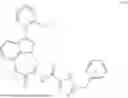





Sources:
- United States Patent and Trademark Office - verify current appl. status at the USPTO↗
Recent applications in this class:
- » 20250170142 2025-05-29
METHODS OF TREATMENT - » 20250082650 2025-03-13
COMBINED USE OF MULTIKINASE INHIBITOR - » 20240398827 2024-12-05
Oral Formulation of Clonidine and Midazolam for Sedation in Dental Procedures - » 20240390387 2024-11-28
SULFONAMIDE OR SULFINAMIDE COMPOUND HAVING EFFECT OF INDUCING BRD4 PROTEIN DEGRADATION AND PHARMACEUTICAL USE THEREOF - » 20240374612 2024-11-14
IMIDAZOBENZODIAZEPINES FOR TREATMENT OF COGNITIVE AND MOOD SYMPTOMS - » 20240374611 2024-11-14
ORAL FILM UNIT DOSAGE FORM - » 20240285647 2024-08-29
Cancer treatment - » 20240245706 2024-07-25
THERAPEUTIC COMPOUNDS AND COMPOSITIONS FOR TREATING SOCIAL DISORDERS AND SUBSTANCE USE DISORDERS - » 20240216392 2024-07-04
METHODS OF TREAMENT - » 20240207285 2024-06-27
MIDAZOLAM AND KETAMINE FOR ENHANCED SEDATION