NOVEL AROMATIC MOLECULES
US20250084023A2
2025-03-13
17/270,646
2019-08-23
Smart Summary: New aromatic molecules have been created that can help treat various health problems. These include serious issues like cancer and skin diseases, as well as muscle disorders. They may also be useful for treating problems related to the immune system. This applies to both humans and animals. Overall, these molecules could offer new options for medical treatments. 🚀 TL;DR
Abstract:
The present invention comprises novel aromatic molecules, which can be used in the treatment of pathological conditions, such as cancer, skin diseases, muscle disorders, and immune system-related disorders such as disorders of the haematopoietic system including the haematologic system in human and veterinary medicine.
Inventors:
- Viktoria REINMÜLLER 10 🇨🇭 Allschwil, Switzerland
- Roman MARTY 7 🇨🇭 Allschwil, Switzerland
- Olivier WAGNIÈRES 5 🇨🇭 Lausanne, Switzerland
- Jean-Baptiste GUALTIEROTTI 5 🇨🇭 Allschwil, Switzerland
- Verena KÜPPERS 5 🇨🇭 Binningen, Switzerland
Assignee:
- XENIOPRO GmbH 11 🇩🇪 Kelkheim (Taunus), Germany
Applicant:
Interested in similar patents?
Get notified when new applications in this technology area are published.
Classification:
C07C43/21 » CPC main
Ethers; Compounds having groups, groups or groups; Ethers having an ether-oxygen atom bound to a carbon atom of a six-membered aromatic ring containing rings other than six-membered aromatic rings
A61P35/00 » CPC further
Antineoplastic agents
C07C43/215 » CPC further
Ethers; Compounds having groups, groups or groups; Ethers having an ether-oxygen atom bound to a carbon atom of a six-membered aromatic ring having unsaturation outside the six-membered aromatic rings
C07C43/225 » CPC further
Ethers; Compounds having groups, groups or groups; Ethers having an ether-oxygen atom bound to a carbon atom of a six-membered aromatic ring containing halogen
C07C47/575 » CPC further
Compounds having —CHO groups; Compounds having —CHO groups bound to carbon atoms of six—membered aromatic rings containing ether groups, groups, groups, or groups
C07C65/26 » CPC further
Compounds having carboxyl groups bound to carbon atoms of six—membered aromatic rings and containing any of the groups OH, O—metal, —CHO, keto, ether, groups, groups, or groups containing ether groups, groups, groups, or groups polycyclic containing rings other than six-membered aromatic rings
C07C217/60 » CPC further
Compounds containing amino and etherified hydroxy groups bound to the same carbon skeleton having etherified hydroxy groups bound to carbon atoms of at least one six-membered aromatic ring and amino groups bound to acyclic carbon atoms or to carbon atoms of rings other than six-membered aromatic rings of the same carbon skeleton with amino groups linked to the six-membered aromatic ring, or to the condensed ring system containing that ring, by carbon chains not further substituted by singly-bound oxygen atoms linked by carbon chains having two carbon atoms between the amino groups and the six-membered aromatic ring or the condensed ring system containing that ring
C07C217/62 » CPC further
Compounds containing amino and etherified hydroxy groups bound to the same carbon skeleton having etherified hydroxy groups bound to carbon atoms of at least one six-membered aromatic ring and amino groups bound to acyclic carbon atoms or to carbon atoms of rings other than six-membered aromatic rings of the same carbon skeleton with amino groups linked to the six-membered aromatic ring, or to the condensed ring system containing that ring, by carbon chains not further substituted by singly-bound oxygen atoms linked by carbon chains having at least three carbon atoms between the amino groups and the six-membered aromatic ring or the condensed ring system containing that ring
C07D205/04 » CPC further
Heterocyclic compounds containing four-membered rings with one nitrogen atom as the only ring hetero atom not condensed with other rings having no double bonds between ring members or between ring members and non-ring members
C07D239/34 » CPC further
Heterocyclic compounds containing 1,3-diazine or hydrogenated 1,3-diazine rings not condensed with other rings having three or more double bonds between ring members or between ring members and non-ring members with hetero atoms or with carbon atoms having three bonds to hetero atoms with at the most one bond to halogen, directly attached to ring carbon atoms; One oxygen, sulfur or nitrogen atom One oxygen atom
C07D303/22 » CPC further
Compounds containing three-membered rings having one oxygen atom as the only ring hetero atom; Compounds containing oxirane rings with hydrocarbon radicals, substituted by singly or doubly bound oxygen atoms by etherified hydroxyl radicals; Ethers with hydroxy compounds containing no oxirane rings with monohydroxy compounds
C07D305/08 » CPC further
Heterocyclic compounds containing four-membered rings having one oxygen atom as the only ring hetero atoms not condensed with other rings having no double bonds between ring members or between ring members and non-ring members with hetero atoms or with carbon atoms having three bonds to hetero atoms with at the most one bond to halogen, e.g. ester or nitrile radicals, directly attached to ring atoms
Description
CROSS REFERENCE TO RELATED APPLICATION
This application is a 35 U.S.C. 371 National Phase Entry Application from PCT/EP2019/072640, filed Aug. 23, 2019, which claims the benefit of European Patent Application No. 18190756.9 filed on Aug. 24, 2018, the disclosure of which is incorporated herein in its entirety by reference.
BACKGROUND/SUMMARY
The present invention relates to novel compounds and their use as therapeutic agents in human and veterinary medicine. The compounds of the present invention can be used in the treatment of pathological conditions including cancer, skin disorders, muscle disorders, disorders of the lung, disorders of the haematopoietic system including the haematologic system and immune system-related disorders.
DESCRIPTION OF THE INVENTION
The present invention covers novel molecules that show remarkable biological activity on human and animal derived cells. According compounds were found to influence the growth and survival of cancer cells and primary non-cancer cells. In particular, molecules were identified that are able to completely or partially inhibit cell growth or result in cell death. Moreover, some of the compounds were found to impact cellular signaling pathways, in particular the Notch signaling pathway. According molecules were found to enhance the Notch signaling pathway.
Thus, the present invention relates to compounds as defined herein that feature antiproliferative activity, which can be used in the treatment of benign and malignant hyperproliferative disorders in human and veterinary medicine. In particular, the present invention relates to compounds as defined herein for the treatment of disorders of the haematopoietic system including the haematologic system and immune system-related disorders, concerning malignancies of both the myeloid lineage and the lymphoid lineage, malignant and non-malignant disorders of the skin and mucosa, e.g. cornification disorders, malignant and non-malignant disorders of the muscle, including hyperproliferative disorders of the muscle, such as muscle hyperplasia and muscle hypertrophy, disorders of the neuroendocrine system, hyperproliferative disorders, cancer and pre-cancerous lesions of the skin and mucosa, such as non-melanoma skin cancer including squamous and basal cell carcinoma, actinic keratosis, hyperproliferative disorders and cancer of the oral cavity and tongue, hyperproliferative disorders and cancer of the neuroendocrine system such as medullary thyroid cancer, hyperproliferative disorders and cancer of the haematopoietic system including the haematologic system such as leukemia and lymphoma, hyperproliferative disorders and cancer of the lung, breast, stomach, genitourinary tract, e.g. cervical cancer and including cancer of the ovaries, in human and veterinary medicine.
The biological activity, e.g. the antiproliferative activity of the claimed compounds can be attributed to but may not be limited to Notch signaling enhancing activity. Thus, the present invention also relates to compounds as defined herein that feature Notch enhancing activity, which can be used in the treatment of pathological conditions that are responsive for Notch-regulation, such as cancer, skin diseases, muscle disorders, disorders of the haematopoietic system including the haematologic system and immune system-related disorders, in human and veterinary medicine.
The compounds of the present invention relate to bisarylether structures composed of two six-membered aromatic cycles, wherein one of the aromatic cycles is an unsubstituted or substituted benzyl ring and the other aromatic cycle is an unsubstituted or substituted aryl ring, which optionally contains N-atoms, thus optionally being a six-membered heteroaromatic cycle. All such bisarylether structures share the common feature of containing a substituent in both para-positions relative to the ether bond, wherein such substituent on the benzyl ring, which cannot be a heteroaromatic cycle, is preferably selected from apolar residues and/or from sterically demanding residues; and wherein such substituent on the aryl ring, which can optionally be a heteroaromatic cycle, is selected from structural units preferably containing a high amount of heteroatoms.
A first aspect of the present invention relates to compounds of general formula (I) and salts and solvates thereof:
R1═C1-C12 preferably C4-C12 alkyl, C2-C12 preferably C4-C12 alkenyl, C2-C12 preferably C4-C12 alkynyl, C3-C8 cycloalkyl, C5-C8 cycloalkenyl, C5-C12 bicycloalkyl, C7-C12 bicycloalkenyl, C8-C14 tricycloalkyl, —OC1-C12 preferably —OC3-C12 alkyl, —OC2-C12 preferably —OC3-C12 alkenyl, —OC2-C12 preferably —OC3-C12 alkynyl, —OC3-C8 cycloalkyl, —OC5-C8 cycloalkenyl, —OC5-C12 bicycloalkyl, —OC7-C12 bicycloalkenyl, —OC8-C14 tricycloalkyl, —SC1-C12 preferably —SC3-C12 alkyl, —SC2-C12 preferably —SC3-C12 alkenyl, —SC2—C12 preferably —SC3-C12 alkynyl, —SC3-C8 cycloalkyl, —SC5-C8 cycloalkenyl, —SC5-C12 bicycloalkyl, —SC7-C12 bicycloalkenyl, —SC8-C14 tricycloalkyl, —NHR6 or —NR6R7 wherein R6 and R7 are independently from each other selected from: C1-C12 preferably C3-C12 alkyl, C2-C12 preferably C3-C12 alkenyl, C2-C12 preferably C3-C12 alkynyl, C3-C8 cycloalkyl, C5-C8 cycloalkenyl, C5-C12 bicycloalkyl, C7-C12 bicycloalkenyl, C8-C14 tricycloalkyl, or wherein R6 can form a ring structure together with R7 wherein the said ring structure including the N-atom is selected from three to eight membered cyclic structures or five to twelve membered bicyclic structures and wherein all said ring structures can additionally contain one or more heteroatoms independently selected from O, S and N in replacement of a carbon atom contained in the ring structure, and particularly wherein such a replacement results in residues that contain at least twice the number of C atoms than heteroatoms independently selected from O, S and N;
wherein all alkyl, alkenyl and alkynyl residues contained in the definitions of R1, R6 and R7 are linear or branched, and are unsubstituted or substituted with one or more substituents independently selected from: —F, —Cl, —Br, —I, —CN, —NCO, —NCS, —OH, —NH2, —NO2, ═O, C3-C8 cycloalkyl, C5-C8cycloalkenyl, C5-C12 bicycloalkyl, C7-C12 bicycloalkenyl, C8-C14 tricycloalkyl, linear or branched —OC1-C5 alkyl such as —OCH3, —OC3-C5 cycloalkyl such as —O(cyclopropyl), linear or branched —NH(C1-C5 alkyl), linear or branched —N(C1-C5 alkyl)(C1-C5 alkyl), —NH(C3-C5 cycloalkyl) such as —NH(cyclopropyl), —N(C3-C5 cycloalkyl)(C3-C5 cycloalkyl), linear or branched —N(C1-C5 alkyl)(C3-C5 cycloalkyl);
wherein when an alkyl, alkenyl and alkynyl residue contained in the definitions of R1, R6 and R7 is substituted with one or more substituents being ═O, such substitution with ═O cannot result in one of the groups selected from C═O, S═O and N═O directly bound to an aromatic ring;
wherein all cyclic structures, bicyclic structures and tricyclic structures including cycloalkyl, cycloalkenyl, bicycloalkyl, bicycloalkenyl and tricycloalkyl residues contained in the definitions of R1, R6 and R7 are unsubstituted or substituted with one or more substituents independently selected from: —F, —Cl, —Br, —I, —CN, —NCO, —NCS, —OH, —NH2, —NO2, ═O, linear or branched C1-C5 alkyl such as —CH3, linear or branched —OC1-C5 alkyl such as —OCH3, linear or branched —NH(C1-C5 alkyl), linear or branched —N(C1-C5 alkyl)(C1-C5 alkyl), —NH(C3-C5 cycloalkyl) such as —NH(cyclopropyl), —N(C3-C5 cycloalkyl)(C3-C5 cycloalkyl), linear or branched —N(C1-C5 alkyl)(C3-C5 cycloalkyl);
wherein all alkyl, alkenyl and alkynyl residues contained in the definitions of R1, R6 and R7 can contain one or more heteroatoms independently selected from O, S and N in replacement of a carbon atom, and wherein such a replacement results in residues that contain at least twice the number of C atoms than heteroatoms independently selected from O, S and N, and wherein such replacement additionally cannot result in one of the groups selected from C═O, S═O and N═O directly bound to an aromatic ring;
wherein all cycloalkyl, cycloalkenyl, bicycloalkyl, bicycloalkenyl and tricycloalkyl residues contained in the definitions of R1, R6 and R7 can contain one or more heteroatoms independently selected from O, S and N in replacement of a carbon atom, and wherein such a replacement results in residues that contain at least the same number of C atoms than heteroatoms independently selected from O, S and N;
wherein all alkyl, alkenyl, alkynyl, cycloalkyl, cycloalkenyl, bicycloalkyl, bicycloalkenyl and tricycloalkyl residues contained in the definitions of R1, R6 and R7 can be partially or fully halogenated, particularly fluorinated, more particularly perfluorinated;
wherein bicyclic and tricyclic residues include fused, bridged and spiro systems;
and wherein R1 is preferably selected from methyl, ethyl, n-propyl, n-butyl, n-pentyl, n-hexyl, iso-propyl, sec-butyl, tert-butyl, tert-pentyl, tert-octyl, 3-pentyl, —CF3, —CF2CF3, —(CF2)2CF3, —CH(CF3)2, —CH2SCH3, —CH2CH2SCH3, —CH2SCH2CH3, —CH2CH2SCH2CH3, methoxymethyl, methoxyethyl, methoxypropyl, ethoxymethyl, ethoxyethyl, propoxymethyl, dimethyl-aminomethyl, dimethyl-aminoethyl, diethyl-aminomethyl, ethyl-methyl-aminomethyl, cyclopropyl, methyl-cyclopropyl, ethyl-cyclopropyl, trifluoromethyl-cyclopropyl, perfluoroethyl-cyclopropyl, cyclobutyl, cyclopentyl, cyclohexyl, cycloheptyl, bicyclopentyl, bicyclohexyl, bicycloheptyl preferably norbornyl, bicyclooctyl, bicyclooctenyl, bicyclononyl, methylbicyclononyl, adamantyl, tricyclodecyl, oxiranyl, oxetanyl, tetrahydrofuranyl, methyltetrahydrofuranyl, trimethyltetrahydrofuranyl, tetrahydropyranyl, aziridinyl, N-methylaziridinyl, azetidinyl, N-methylazetidinyl, difluoroazetidinyl, pyrrolidinyl, N-methylpyrrolidinyl, piperidinyl, N-methylpiperidinyl, difluoropiperidinyl, thiiranyl, thietanyl, tetrahydrothiophenyl, tetrahydrothiopyranyl, dioxanyl, piperazinyl, dimethylpiperazinyl, dithianly, morpholinyl, N-methylmorpholinyl, thiomorpholinyl, N-methylthiomorpholinyl, oxa-azaspiroheptyl, N-methyloxa-azaspiroheptyl, azaspiroheptyl, N-methylazaspiroheptyl, thia-azaspiroheptyl, N-methylthia-azaspiroheptyl, difluorothia-azaspiroheptyl, azaspirooctyl, N-methylazaspirooctyl, oxa-azaspirooctyl, N-methyloxa-azaspirooctyl, oxa-azaspirononyl, N-methyloxa-azaspirononyl, azaspirononyl, N-methylazaspirononyl, oxa-azaspirodecyl, N-methyloxa-azaspirodecyl, azaspirodecyl, N-methylazaspirodecyl, dihydro-oxazinyl, N-methyldihydro-oxazinyl, oxazolidinyl, N-methyloxazolidinyl, dioxolanyl, imidazolidinyl, N-methylimidazolidinyl, N,N-dimethylimidazolidinyl, azepanyl, N-methylazepanyl, azaspirohexyl, N-methylazaspirohexyl, oxa-azadispirodecyl, N-methyloxa-azadispirodecyl, azadispirodecyl, N-methylazadispirodecyl, oxa-azabicyclooctyl, N-methyloxa-azabicyclooctyl, azabicyclooctyl, N-methylazabicyclooctyl, azabicycloheptyl, N-methylazabicycloheptyl, azabicyclononyl, N-methylazabicyclononyl, azaadamantyl, —O(adamantyl), oxa-azabicyclononyl, N-methyloxa-azabicyclononyl, oxa-azabicycloheptyl, N-methyloxa-azabicycloheptyl, diazabicyclooctyl, N-methyldiazabicyclooctyl, N,N-dimethyldiazabicyclooctyl, diazabicycloheptyl, N-methyldiazabicycloheptyl, N,N-dimethyldiazabicycloheptyl; 4-oxocyclohexyl; 3-oxocyclopentyl; 2-oxocyclobutyl, 4-oxobicyclo[4.1.0]heptan-1-yl
and wherein R1 is even more preferably selected from C4-C12 alkyl, C4-C12 alkenyl, C4-C12 alkynyl, cyclic, bicyclic and tricyclic residues, wherein the alkyl, alkenyl and alkynyl residues are preferably branched, including:
R2-R5 are independently from each other selected from —H, —F, —Cl, —Br, —I, —CN, —NCO, —NCS, —OH, —NH2, —NO2, linear or branched C1-C4 alkyl, linear or branched C2-C4 alkenyl, linear or branched C2-C4 alkynyl, C3-C6 cycloalkyl, —CH2(C3-C6 cycloalkyl), linear or branched —OC1-C3 alkyl, —O(cyclopropyl), linear or branched —NH(C1-C3 alkyl), linear or branched —N(C1-C3 alkyl)(C1-C3 alkyl), —NH(cyclopropyl), —N(cyclopropyl)2, linear or branched —N(C1-C3 alkyl)(cyclopropyl);
wherein all alkyl, alkenyl, alkynyl and cycloalkyl residues contained in the definitions of R2-R5 are unsubstituted or substituted with one or more substituents independently selected from —F, —Cl, —Br, —I, —CH3, —CF3, —OH and —OCH3, —OCF3, —NH2, —NHCH3, —N(CH3)2; wherein all alkyl, alkenyl, alkynyl and cycloalkyl residues contained in the definitions of R2-R5 can contain one or more heteroatoms independently selected from O, S and N in replacement of a carbon atom, and wherein such a replacement cannot result in one of the groups selected from C═O and S═O directly bound to an aromatic ring;
wherein R2—R3 each are preferably —H, R4 is preferably —H or —F, and R5 is preferably —H, —F, —Cl, —Br, —CH3, —CF3, —CH═CH2, —C≡CH, —CH2OH, —CH2NHCH3, —OH, —OCH3, —OCF3, cyclopropyl, oxiranyl, —CH2—N-morpholinyl, —C(CH3)3, —CH2OCH3, —NO2, —CN, —NH2, —N(CH3)2, —OCH(CH3)2, —CH2NH2, —CH2N(CH3)2;
wherein the six-membered aromatic ring, to which substituents R1 to R5 are bound as defined in general formula (I), is preferably selected from:
X1—X4 are independently from each other selected from N, CR8, CR9, CR10, CR11;
R8—R11 are independently from each other selected from —H, —F, —Cl, —Br, —I, —CN, —NCO, —NCS, —OH, —NH2, —NO2, linear or branched C1-C4 alkyl, linear or branched C2-C4 alkenyl, linear or branched C2-C4 alkynyl, C3-C6 cycloalkyl, —CH2(C3-C6 cycloalkyl), linear or branched —OC1-C3 alkyl, —O(cyclopropyl), linear or branched —NH(C1-C3 alkyl), linear or branched —N(C1-C3 alkyl)(C1-C3 alkyl), —NH(cyclopropyl), —N(cyclopropyl)2, linear or branched —N(C1-C3 alkyl)(cyclopropyl);
wherein all alkyl, alkenyl, alkynyl and cycloalkyl residues contained in the definitions of R8—R11 are unsubstituted or substituted with one or more substituents independently selected from —F, —Cl, —Br, —I, —CH3, —CF3, —OH and —OCH3, —OCF3, —NH2, —NHCH3, —N(CH3)2;
wherein all alkyl, alkenyl, alkynyl and cycloalkyl residues contained in the definitions of R8—R11 can contain one or more heteroatoms independently selected from O, S and N in replacement of a carbon atom, and wherein such a replacement cannot result in one of the groups selected from C═O and S═O directly bound to an aromatic ring;
wherein R8—R11 are preferably selected from —H, —F, —Cl, —Br, —CH3, —CF3, —OH, —OCH3, —OCF3, cyclopropyl, oxiranyl, —C(CH3)3, —N(CH3)2, —NH2, —CN, —CH2OCH3, —OCH(CH3)2, —CH2NH2, —CH2N(CH3)2, —CH2OH, —NO2, —CH2—N-morpholinyl;
and wherein the six-membered aromatic ring containing X1—X4 as defined in general formula (I) is preferably selected from:
wherein all alkyl, alkenyl, alkynyl and cycloalkyl residues contained in the definitions of R2-R5 and R8—R11 can be partially or fully halogenated, particularly fluorinated, more particularly perfluorinated;
Y=—H, —OH, linear or branched —OC1-C6 alkyl, linear or branched —OC2-C6 alkenyl, linear or branched —OC2-C6 alkynyl, —OC3-C6 cycloalkyl, —SH, linear or branched —SC1-C6 alkyl, linear or branched —SC2-C6 alkenyl, linear or branched —SC2-C6 alkynyl, —SC3-C6 cycloalkyl, aromatic and heteroaromatic residues preferably six-membered aromatic cycles and five- to six-membered heteroaromatic cycles;
wherein all aromatic and heteroaromatic residues contained in the definition of Y are linked through an —O—, or an —S—, or an —O—CH2—, or an —O—CH2—CH2—, or an —S—CH2—, or an —S—CH2—CH2—, or an —O—CH2—O—, or an —S—CH2—O—, or an —O—CH2—NH—, or an —S—CH2—NH— linker to the carbon atom to which Y is bound; wherein the said linkers are connected by their heteroatoms to the carbon atom to which Y is bound;
wherein the said linkers contained in the definition of Y are unsubstituted or substituted with one or more substituents independently selected from: —F, —Cl, —Br, —I, —CN, —NCO, —NCS, —OH, —NH2, ═O, linear or branched C1-C3 alkyl, C2-C3 alkenyl, C2-C3 alkynyl, cyclopropyl, linear or branched —OC1-C3 alkyl such as —OCH3, —O(cyclopropyl), linear or branched —NH(C1-C3 alkyl), linear or branched —N(C1-C3 alkyl)(C1-C3 alkyl), —NH(cyclopropyl), —N(cyclopropyl)2, linear or branched —N(C1-C3 alkyl)(cyclopropyl);
wherein all aromatic and heteroaromatic residues contained in the definition of Y are unsubstituted or substituted with one or more substituents independently selected from: —F, —Cl, —Br, —I, —CN, —NCO, —NCS, —OH, —NH2, —NO2, linear or branched C1-C3 alkyl, C2-C3 alkenyl, C2-C3 alkynyl, cyclopropyl, linear or branched —OC1-C3 alkyl such as —OCH3, —O(cyclopropyl), linear or branched —NH(C1-C3 alkyl), linear or branched —N(C1-C3 alkyl)(C1-C3 alkyl), —NH(cyclopropyl), —N(cyclopropyl)2, linear or branched —N(C1-C3 alkyl)(cyclopropyl);
wherein all alkyl, alkenyl, alkynyl, cycloalkyl, and cycloalkenyl residues contained in the definition of Y are linear or branched, and are unsubstituted or substituted with one or more substituents independently selected from: —F, —Cl, —Br, —I, —CN, —NCO, —NCS, —OH, —NH2, ═O, linear or branched C1-C3 alkyl, C2-C3 alkenyl, C2-C3 alkynyl, cyclopropyl, linear or branched —OC1-C3 alkyl such as —OCH3, —O(cyclopropyl), linear or branched —NH(C1-C3 alkyl), linear or branched —N(C1-C3 alkyl)(C1-C3 alkyl), —NH(cyclopropyl), —N(cyclopropyl)2, linear or branched —N(C1-C3 alkyl)(cyclopropyl);
wherein all alkyl, alkenyl, alkynyl, cycloalkyl, cycloalkenyl and heteroaromatic residues contained in the definition of Y can contain one or more heteroatoms independently selected from O, S and N in replacement of a carbon atom;
wherein all alkyl, alkenyl, alkynyl, cycloalkyl, cycloalkenyl, aromatic and heteroaromatic residues and the said linkers contained in the definition of Y can be partially or fully halogenated, particularly fluorinated, more particularly perfluorinated;
wherein Y is preferably —H, —OH, —OCH3, —OCH2CH3, —O(cyclopropyl), —OC6H5, —OCH2C6H5, —SH, —SCH3, —SCH2CH3, —S(cyclopropyl), —SCH2C6H5, —OS(O)C(CH3)3, —OS(O)2CH3, —OS(O)2CF3, —OS(O)2C6H4CH3;
Z1 and Z2 are selected from the following groups:
wherein Z1 is —H, and wherein Z2 is —OH, linear or branched —OC1-C6 alkyl, linear or branched —OC2-C6 alkenyl, linear or branched —OC2-C6 alkynyl, —OC3-C6 cycloalkyl, —SH, linear or branched —SC1-C6alkyl, linear or branched —SC2-C6 alkenyl, linear or branched —SC2-C6 alkynyl, —SC3-C6 cycloalkyl, aromatic and heteroaromatic residues preferably five- to six-membered aromatic cycles and five- to six-membered heteroaromatic cycles, —OS(O)R12 and —OS(O)2R12 wherein R12 is selected from linear or branched C1-C6 alkyl, linear or branched C2-C6 alkenyl, linear or branched C2-C6 alkynyl, C3-C6 cycloalkyl, C5-C6 cycloalkenyl, —CF3, and —C6H4CH3 (general formula Ia);
wherein all aromatic and heteroaromatic residues contained in the definition of Z2 are linked through an —O—, or an —S—, or an —O—CH2—, or an —O—CH2—CH2—, or an —S—CH2—, or an —S—CH2—CH2—, or an —O—CH2—O—, or an —S—CH2—O—, or an —O—CH2—NH—, or an —S—CH2—NH— linker to the carbon atom to which Z2 is bound; wherein the said linkers are connected by their heteroatoms to the carbon atom to which Y is bound;
wherein the said linkers contained in the definition of Z2 are unsubstituted or substituted with one or more substituents independently selected from: —F, —Cl, —Br, —I, —CN, —NCO, —NCS, —OH, —NH2, ═O, linear or branched C1-C3 alkyl, C2-C3 alkenyl, C2-C3 alkynyl, cyclopropyl, linear or branched —OC1-C3 alkyl such as —OCH3, —O(cyclopropyl), linear or branched —NH(C1-C3 alkyl), linear or branched —N(C1-C3 alkyl)(C1-C3 alkyl), —NH(cyclopropyl), —N(cyclopropyl)2, linear or branched —N(C1-C3 alkyl)(cyclopropyl);
wherein all aromatic and heteroaromatic residues contained in the definition of Z2 are unsubstituted or substituted with one or more substituents independently selected from: —F, —Cl, —Br, —I, —CN, —NCO, —NCS, —OH, —NH2, —NO2, linear or branched C1-C3 alkyl, C2-C3 alkenyl, C2-C3 alkynyl, cyclopropyl, linear or branched —OC1-C3 alkyl such as —OCH3, —O(cyclopropyl), linear or branched —NH(C1-C3 alkyl), linear or branched —N(C1-C3 alkyl)(C1-C3 alkyl), —NH(cyclopropyl), —N(cyclopropyl)2, linear or branched —N(C1-C3alkyl)(cyclopropyl);
wherein all alkyl, alkenyl, alkynyl, cycloalkyl, and cycloalkenyl residues contained in the definition of Z2 are linear or branched, and are unsubstituted or substituted with one or more substituents independently selected from: —F, —Cl, —Br, —I, —CN, —NCO, —NCS, —OH, —NH2, ═O, linear or branched C1-C3 alkyl, C2-C3 alkenyl, C2-C3 alkynyl, cyclopropyl, linear or branched —OC1-C3 alkyl such as —OCH3, —O(cyclopropyl), linear or branched —NH(C1-C3 alkyl), linear or branched —N(C1-C3 alkyl)(C1-C3 alkyl), —NH(cyclopropyl), —N(cyclopropyl)2, linear or branched —N(C1-C3 alkyl)(cyclopropyl);
wherein all alkyl, alkenyl, alkynyl, cycloalkyl, cycloalkenyl and heteroaromatic residues contained in the definition of Z2 can contain one or more heteroatoms independently selected from O, S and N in replacement of a carbon atom;
wherein all alkyl, alkenyl, alkynyl, cycloalkyl, cycloalkenyl, aromatic and heteroaromatic residues and the said linkers contained in the definition of Z2 can be partially or fully halogenated, particularly fluorinated, more particularly perfluorinated;
wherein Z2 is preferably —OH, —OCH3, —OCH2CH3, —O(cyclopropyl), —OC6H5, —OCH2C6H5 and —SCH2CH3; or wherein Z1 and Z2 are together ═O or ═S, (general formula Ib);
wherein Z1 and Z2 are together preferably ═O
or wherein Z1 and Z2 form together a cyclic residue including the carbon atom to which they are bound (general formula Ic); wherein the cyclic residue is selected from three-membered rings, four-membered rings five-membered rings and six-membered rings, wherein all rings optionally can contain one or more heteroatoms independently selected from O, S and N in replacement of a carbon atom; wherein all rings are unsubstituted or substituted with one or more substituents independently selected from: —F, —Cl, —Br, —I, —CN, —NCO, —NCS, —OH, —OCH3, —NH2, —NHCH3, —N(CH3)2, ═O, —CH3 and —CF3, tert-butyloxycarbonyl, and —CH2C6H5;
wherein Z1 and Z2 form together preferably a cyclic residue including the carbon atom to which they are bound if Y is different from —H; wherein the cyclic residue is selected from three-membered rings, four-membered rings five-membered rings and six-membered rings, wherein all rings optionally can contain one or more heteroatoms independently selected from O, S and N in replacement of a carbon atom; wherein all rings are unsubstituted or substituted with one or more substituents independently selected from: —F, —Cl, —Br, —I, —CN, —NCO, —NCS, —OH, —OCH3, —NH2, —NHCH3, —N(CH3)2, ═O, —CH3, tert-butyloxycarbonyl, —CF3 and —CH2C6H5;
and wherein Z1 and Z2 form together preferably a three membered or four membered cyclic residue including the carbon atom to which they are bound; wherein this cyclic residue is preferably selected from cyclopropyl, cyclobutyl, oxiranyl, oxetanyl, aziridinyl, azetidinyl, thietanyl, thiazolidinyl, methylthiazolidinyl, thiazolidine-dionyl, methylthiazolidine-dionyl, oxazolidinyl, methyloxazolidinyl, oxazolidine-dionyl, methyloxazolidine-dionyl and wherein this cyclic residue is optionally substituted preferably with —F, —OH, —OCH3, —NH2, —NHCH3, —N(CH3)2, ═O, —CH3, tert-butyloxycarbonyl, —CF3 and —CH2C6H5:
wherein all cyclic residues contained in the definitions of Z1 and Z2 can be partially or fully halogenated, particularly fluorinated, more particularly perfluorinated.
Following preferred definitions of R1—R12, X1—X4, Z1, Z2 and Y may be optionally independently and/or in combination applied on all aspects including preferred and certain aspects, on all embodiments including preferred and certain embodiments, and on all subgenera as defined in the present invention:
-
- 1) R1 preferably contains four or more preferably six or more and even more preferably seven or more carbon atoms;
- 2) R1 is preferably selected from branched alkyl, alkenyl and alkynyl residues;
- 3) R1 is preferably selected from cyclic, bicyclic and tricyclic structures, wherein bicyclic and tricyclic residues include fused, bridged and spiro systems;
- 4) R1 preferably contains no heteroatom;
- 5) R1 is preferably selected from cyclohexyl, norbornyl, bicyclooctyl, bicyclononyl, methylbicyclononyl, tricyclodecyl and most preferably adamantyl, e.g. 1-adamantyl and 2-adamantyl;
- 6) R1 preferably contains one or more heteroatoms, preferably one, two or three heteroatoms independently selected from O, S and N in replacement of a carbon atom contained in R1;
- 7) R1 is preferably selected from tetrahydropyranyl, N-methylpiperidinyl, morpholinyl, 4-oxocyclohexyl, azabicycloheptyl, N-methylazabicycloheptyl, oxa-azabicycloheptyl, N-methyldiazabicycloheptyl, azabicyclooctyl, diazabicyclooctyl, N-methyldiazabicyclooctyl, oxa-azabicyclooctyl, azabicyclononyl, azaadamantyl and —O(adamantyl);
- 8) preferably two, or more preferably three of the substituents independently selected from R2-R5 are —H, i.e. preferably two and more preferably one of the substituents independently selected from R2-R5 are different from —H;
- 9) in the case that two of the substituents independently selected from R2-R5 are different from —H and are in ortho position relative to the ether bond, these two substituents are preferably different from —F, —Cl, —Br, —I and —NO2 and more preferably different from each other;
- 10) the composition of ring atoms as defined by X1—X4 is preferably selected from the cases that all of X1—X4 are independently selected from CR8, CR9, CR10, CR11, or that one of X1—X4 is N and the other three are independently selected from CR8, CR9, CR10, CR11, or that two of X1—X4 are N and the other two are independently selected from CR8, CR9, CR10, CR11; i.e. the aromatic or heteromeric ring is selected from benzene, pyridine, pyrimidine, pyridazine and pyrazine;
- 11) preferably two, or more preferably three of the substituents independently selected from R8—R11 are —H, i.e. preferably two and more preferably one of the substituents independently selected from R8—R11 are different from —H;
- 12) in the case that two of the substituents independently selected from R8—R11 are different from —H and are in ortho position relative to the ether bond, these two substituents are preferably different from —F, —Cl, —Br, —I and —NO2 and more preferably different from each other;
- 13) Y is preferably selected from —OH, —OCH3 and —OCH2CH3.
A preferred aspect of the present invention relates to compounds of general formula (I) and salts and solvates thereof, wherein R1 is selected from residues as contained in the general definition of R1, which contain four or more preferably six or more and even more preferably seven or more carbon atoms,
and wherein R1 contains no heteroatom,
and wherein R1 is even more preferably selected from cyclic, bicyclic and tricyclic structures
and wherein R1 is even more preferably selected from cyclohexyl, norbornyl, bicyclooctyl, bicyclononyl, methylbicyclononyl, tricyclodecyl and adamantyl,
and wherein R1 is most preferably adamantyl,
and R2-R5, R8—R12, X1—X4, Z1, Z2 and Y are defined as in general formula (I) including the substitutions and preferred definitions.
A further preferred aspect of the present invention relates to compounds of general formula (I) and salts and solvates thereof, wherein R1 is selected from residues as contained in the general definition of R1, which contain four or more preferably six or more and even more preferably seven or more carbon atoms,
and wherein R1 contains one or more preferably one to two heteroatoms independently selected from O, S and N in replacement of a carbon atom contained in R1,
and wherein R1 is even more preferably selected from cyclic, bicyclic and tricyclic structures, or wherein R1 is selected from residues containing cyclic, bicyclic and tricyclic structures,
and wherein R1 is even more preferably selected from tetrahydropyranyl, N-methylpiperidinyl, morpholinyl, 4-oxocyclohexyl, azabicycloheptyl, N-methylazabicycloheptyl, oxa-azabicycloheptyl, N-methyldiazabicycloheptyl, azabicyclooctyl, diazabicyclooctyl, N-methyldiazabicyclooctyl, oxa-azabicyclooctyl, azabicyclononyl, aza-adamantyl and —O(adamantyl),
and wherein R1 is most preferably tetrahydropyranyl, N-methylpiperidinyl, morpholinyl, 4-oxocyclohexyl, azabicyclooctyl, aza-adamantyl and —O(adamantyl),
and R2—R12, X1—X4, Z1, Z2 and Y are defined as in general formula (I) including the substitutions and preferred definitions.
A further preferred aspect of the present invention relates to compounds of general formula (I) and salts and solvates thereof, which fall under the scope of the herein defined subgenera:
-
- S.1 If Z1 and Z2 are defined as in general formula (I) including their substitutions and preferred definitions, with the proviso that Z1 and Z2 are different from being together ═O or ═S,
- then R1—R12, X1—X4, and Y are defined as in general formula (I) including their substitutions and preferred definitions.
- S.2 If Y is defined as in general formula (I) including the substitutions and preferred definitions, with the proviso that Y is different from —OH, or linear unsubstituted or branched unsubstituted —OC1-C6 alkyl,
- then R1—R12, X1—X4, Z1 and Z2 are defined as in general formula (I) including their substitutions and preferred definitions.
- S.3 If Z1 and Z2 are together ═O or ═S, and Y is —OH, or linear unsubstituted or branched unsubstituted —OC1-C6 alkyl,
- then R1═C1-C12 preferably C1-C6 alkyl, C2-C12 preferably C2-C6 alkenyl, C2-C12 preferably C2-C6 alkynyl, C3-C8 cycloalkyl, C5-C8 cycloalkenyl, C5-C12 bicycloalkyl, C7-C12 bicycloalkenyl, C8-C14 tricycloalkyl, —OC1-C12 preferably —OC1-C6 alkyl, —OC2-C12 preferably —OC2-C6 alkenyl, —OC2-C12 preferably —OC2-C6 alkynyl, —OC3-C8 cycloalkyl, —OC5-C8 cycloalkenyl, —OC5-C12 bicycloalkyl, —OC7-C12 bicycloalkenyl, —OC8-C14 tricycloalkyl, —SC1-C12 preferably —SC1-C6 alkyl, —SC2-C12 preferably —SC2-C6 alkenyl, —SC2-C12 preferably —SC2-C6 alkynyl, —SC3-C8 cycloalkyl, —SC5-C8 cycloalkenyl, —SC5-C12 bicycloalkyl, —SC7-C12 bicycloalkenyl, —SC8-C14 tricycloalkyl, —NHR6 or —NR6R7 wherein R6 and R7 are independently from each other selected from: C1-C12 preferably C1-C6 alkyl, C2-C12 preferably C2-C6 alkenyl, C2-C12 preferably C2-C6 alkynyl, C3-C8 cycloalkyl, C5-C8 cycloalkenyl, C5-C12 bicycloalkyl, C7-C12 bicycloalkenyl, C8-C14 tricycloalkyl, or wherein R6 can form a ring structure together with R7 wherein the said ring structure including the N-atom is selected from three to eight membered cyclic structures or five to twelve membered bicyclic structures and wherein all said ring structures can additionally contain one or more heteroatoms independently selected from O, S and N in replacement of a carbon atom contained in the ring structure;
- wherein all C1-C12 alkyl, C2-C8 alkenyl, C2-C8 alkynyl, C3-C8 cycloalkyl, C5-C8 cycloalkenyl, norbornyl and adamantyl residues are linear or branched, and are substituted with one or more substituents, here referred to as side-substituents, independently selected from: —OH, —NH2, —NO2, ═O, C3-C8 cycloalkyl, C5-C8 cycloalkenyl, C5-C12 bicycloalkyl including norbornyl, C7-C12 bicycloalkenyl, C8-C14 tricycloalkyl including adamantyl, linear or branched —OC1-C5 alkyl such as —OCH3, —OC3-C5 cycloalkyl such as —O(cyclopropyl), linear or branched —NH(C1-C5 alkyl), linear or branched —N(C1-C5 alkyl)(C1-C8 alkyl), —NH(C3-C5 cycloalkyl) such as —NH(cyclopropyl), —N(C3-C5 cycloalkyl)(C3-C5 cycloalkyl), linear or branched —N(C1-C5 alkyl)(C3-C5 cycloalkyl); and wherein all said C1-C12 alkyl, C2-C8 alkenyl, C2-C8 alkynyl, C3-C8 cycloalkyl, C5-C8 cycloalkenyl, adamantyl or norbornyl residues can optionally contain in addition one or more substituents independently selected from —F, —Cl, —Br, —I, —CN, —NCO, —NCS;
- and all C9-C12 alkenyl, C9-C12 alkynyl, —OC1-C12 alkyl, —OC2-C12 alkenyl, —OC2-C12 alkynyl, —SC1-C12 alkyl, —SC2-C12 alkenyl, —SC2-C12 alkynyl, and all residues contained in the definition of R6 and R7 are linear or branched, and are unsubstituted or substituted with one or more substituents, here referred to as side-substituents, independently selected from: —F, —Cl, —Br, —I, —CN, —NCO, —NCS, —OH, —NH2, —NO2, ═O, C3-C8 cycloalkyl, C5-C8 cycloalkenyl, C5-C12 bicycloalkyl, C7-C12 bicycloalkenyl, C8-C14 tricycloalkyl, linear or branched —OC1-C5 alkyl such as —OCH3, —OC3-C5 cycloalkyl such as —O(cyclopropyl), linear or branched —NH(C1-C5 alkyl), linear or branched —N(C1-C5 alkyl)(C1-C5 alkyl), —NH(C3-C5 cycloalkyl) such as —NH(cyclopropyl), —N(C3-C5 cycloalkyl)(C3-C5 cycloalkyl), linear or branched —N(C1-C5 alkyl)(C3-C5 cycloalkyl);
- wherein all —OC3-C8 cycloalkyl, —OC5-C8 cycloalkenyl, —SC3-C8 cycloalkyl, —SC5-C8 cycloalkenyl residues, and all cycloalkyl and cycloalkenyl residues contained in the definition of R6 and R7 and contained in the selection of the named side-substituents, and all bicyclic and tricyclic structures including bicycloalkyl, bicycloalkenyl and tricycloalkyl residues contained in the definitions of R1, R6 and R7, with the proviso that they are different from adamantyl and norbornyl, are unsubstituted or substituted with one or more substituents independently selected from: —F, —Cl, —Br, —I, —CN, —NCO, —NCS, —OH, —NH2, —NO2, ═O, linear or branched C1-C5 alkyl such as —CH3, linear or branched —OC1-C5alkyl such as —OCH3, linear or branched —NH(C1-C5 alkyl), linear or branched —N(C1-C5 alkyl)(C1-C8 alkyl), —NH(C3-C5 cycloalkyl) such as —NH(cyclopropyl), —N(C3-C5 cycloalkyl)(C3-C5 cycloalkyl), linear or branched —N(C1-C5 alkyl)(C3-C5 cycloalkyl);
- wherein all alkyl, alkenyl, alkynyl, cycloalkyl, cycloalkenyl, bicycloalkyl, bicycloalkenyl and tricycloalkyl residues contained in the definitions of R6 and R7 can contain one or more heteroatoms independently selected from O, S and N in replacement of a carbon atom;
- and wherein all alkyl, alkenyl, alkynyl, cycloalkyl, cycloalkenyl, bicycloalkyl, bicycloalkenyl and tricycloalkyl residues contained in the definition of R1 can contain one or more heteroatoms independently selected from O, S and N in replacement of a carbon atom, with the proviso that the combination of the said heteroatoms in a terminal position is different from the residues —CN, —NCO, —NCS and —N3 if not explicitly contained in the definition of R1;
- wherein all alkyl, alkenyl, alkynyl, cycloalkyl, cycloalkenyl, bicycloalkyl, bicycloalkenyl and tricycloalkyl residues contained in the definitions of R1, R6 and R7 can be partially or fully halogenated, particularly fluorinated, more particularly perfluorinated;
- wherein bicyclic and tricyclic residues include fused, bridged and spiro systems;
- and then R2-R5, R8—R11, and X1—X4 are defined as in general formula (I) including their substitutions and preferred definitions.
- S.4 If Z1 and Z2 are together ═O or ═S, and Y is —OH, or linear unsubstituted or branched unsubstituted —OC1-C6 alkyl,
- then R2 is selected from —CN, —NCO, —NCS, —OH, —NH2, —NO2, linear or branched C1-C4 alkyl, linear or branched C2-C4 alkenyl, linear or branched C2-C4 alkynyl, C3-C6 cycloalkyl, —CH2(C3-C6 cycloalkyl), linear or branched —OC1-C3 alkyl, —O(cyclopropyl), linear or branched —NH(C1-C3 alkyl), linear or branched —N(C1-C3 alkyl)(C1-C3 alkyl), —NH(cyclopropyl), —N(cyclopropyl)2, linear or branched —N(C1-C3 alkyl)(cyclopropyl);
- wherein all C1-C4 alkyl, C2-C4 alkenyl, C2-C4 alkynyl, and C3-C4 cycloalkyl residues are substituted with one or more substituents independently selected from —OH, —OCH3, —OCF3, —NH2, —NHCH3 and —N(CH3)2;
- wherein the C5-C6 cycloalkyl residues are unsubstituted or substituted with one or more substituents independently selected from —F, —Cl, —Br, —I, —CH3, —CF3, —OH, —OCH3, —OCF3, —NH2, —NHCH3 and —N(CH3)2;
- wherein all alkyl, alkenyl, alkynyl and cycloalkyl residues contained in the definition of R2 can contain one or more heteroatoms independently selected from O, S and N in replacement of a carbon atom;
- and R3—R5 are independently from each other selected from —H, —F, —Cl, —Br, —I, —CN, —NCO, —NCS, —OH, —NH2, —NO2, linear or branched C1-C4 alkyl, linear or branched C2-C4 alkenyl, linear or branched C2-C4 alkynyl, C3-C6 cycloalkyl, —CH2(C3-C6 cycloalkyl), linear or branched —OC1-C3 alkyl, —O(cyclopropyl), linear or branched —NH(C1-C3 alkyl), linear or branched —N(C1-C3 alkyl)(C1-C3 alkyl), —NH(cyclopropyl), —N(cyclopropyl)2, linear or branched —N(C1-C3 alkyl)(cyclopropyl);
- wherein all alkyl, alkenyl, alkynyl and cycloalkyl residues contained in the definitions of R3-R5 are unsubstituted or substituted with one or more substituents independently selected from —F, —Cl, —Br, —I, —CH3, —CF3, —OH and —OCH3, —OCF3, —NH2, —NHCH3, —N(CH3)2;
- wherein all alkyl, alkenyl, alkynyl and cycloalkyl residues contained in the definitions of R3-R5 can contain one or more heteroatoms independently selected from O, S and N in replacement of a carbon atom;
- and then R1, R6—R11, and X1—X4 are defined as in general formula (I) including their substitutions and preferred definitions.
- S.5 If Z1 and Z2 are together ═O or ═S, and Y is —OH, or linear unsubstituted or branched unsubstituted —OC1-C6 alkyl,
- then X1 is CR8
- and R8 is selected from —CN, —NCO, —NCS, —OH, —NH2, —NO2, linear or branched C1-C4 alkyl, linear or branched C2-C4 alkenyl, linear or branched C2-C4 alkynyl, C3-C6 cycloalkyl, —CH2(C3-C6 cycloalkyl), linear or branched —OC1-C3 alkyl, —O(cyclopropyl), linear or branched —NH(C1-C3 alkyl), linear or branched —N(C1-C3 alkyl)(C1-C3 alkyl), —NH(cyclopropyl), —N(cyclopropyl)2, linear or branched —N(C1-C3alkyl)(cyclopropyl);
- wherein all C1-C4 alkyl, C2-C4 alkenyl, C2-C4 alkynyl, and C3-C4 cycloalkyl residues are substituted with one or more substituents independently selected from —OH, —OCH3, —OCF3, —NH2, —NHCH3 and —N(CH3)2;
- wherein the C5-C6 cycloalkyl residues are unsubstituted or substituted with one or more substituents independently selected from —F, —Cl, —Br, —I, —CH3, —CF3, —OH, —OCH3, —OCF3, —NH2, —NHCH3 and —N(CH3)2;
- wherein all alkyl, alkenyl, alkynyl and cycloalkyl residues contained in the definition of R8 can contain one or more heteroatoms independently selected from O, S and N in replacement of a carbon atom;
- and then R1—R7, R9—R11, and X2—X4 are defined as in general formula (I) including their substitutions and preferred definitions.
- S.6 If Z1 and Z2 are together ═O or ═S, and Y is —OH, or linear unsubstituted or branched unsubstituted —OC1-C6 alkyl,
- then X2 is CR8
- and R8 is selected from —CN, —NCO, —NCS, —OH, —NH2, —NO2, linear or branched C1-C4alkyl, linear or branched C2-C4 alkenyl, linear or branched C2-C4 alkynyl, C3-C6 cycloalkyl, —CH2(C3-C6 cycloalkyl), linear or branched —OC1-C3 alkyl, —O(cyclopropyl), linear or branched —NH(C1-C3 alkyl), linear or branched —N(C1-C3 alkyl)(C1-C3 alkyl), —NH(cyclopropyl), —N(cyclopropyl)2, linear or branched —N(C1-C3 alkyl)(cyclopropyl);
- wherein all C1-C4 alkyl, C2-C4 alkenyl, C2-C4 alkynyl, and C3-C4 cycloalkyl residues are substituted with one or more substituents independently selected from —OH, —OCH3, —OCF3, —NH2, —NHCH3 and —N(CH3)2;
- wherein the C5-C6 cycloalkyl residues are unsubstituted or substituted with one or more substituents independently selected from —F, —Cl, —Br, —I, —CH3, —CF3, —OH, —OCH3, —OCF3, —NH2, —NHCH3 and —N(CH3)2;
- wherein all alkyl, alkenyl, alkynyl and cycloalkyl residues contained in the definition of R8 can contain one or more heteroatoms independently selected from O, S and N in replacement of a carbon atom;
- and then R1—R7, R9—R11, X1, X3 and X4 are defined as in general formula (I) including their substitutions and preferred definitions.
- S.7 If Z1 and Z2 are together ═O or ═S, and Y is —OH, or linear unsubstituted or branched unsubstituted —OC1-C6 alkyl,
- then X3 is CR8
- and R8 is selected from —CN, —NCO, —NCS, —OH, —NH2, —NO2, linear or branched C1-C4 alkyl, linear or branched C2-C4 alkenyl, linear or branched C2-C4 alkynyl, C3-C6 cycloalkyl, —CH2(C3-C6 cycloalkyl), linear or branched —OC1-C3 alkyl, —O(cyclopropyl), linear or branched —NH(C1-C3 alkyl), linear or branched —N(C1-C3 alkyl)(C1-C3 alkyl), —NH(cyclopropyl), —N(cyclopropyl)2, linear or branched —N(C1-C3 alkyl)(cyclopropyl);
- wherein all C1-C4 alkyl, C2-C4 alkenyl, C2-C4 alkynyl, and C3-C4 cycloalkyl residues are substituted with one or more substituents independently selected from —OH, —OCH3, —OCF3, —NH2, —NHCH3 and —N(CH3)2;
- wherein the C5-C6 cycloalkyl residues are unsubstituted or substituted with one or more substituents independently selected from —F, —Cl, —Br, —I, —CH3, —CF3, —OH, —OCH3, —OCF3, —NH2, —NHCH3 and —N(CH3)2;
- wherein all alkyl, alkenyl, alkynyl and cycloalkyl residues contained in the definition of R8 can contain one or more heteroatoms independently selected from O, S and N in replacement of a carbon atom;
- and then R1—R7, R9—R11, X1, X2 and X4 are defined as in general formula (I) including their substitutions and preferred definitions.
- S.8 If Z1 and Z2 are together ═O or ═S, and Y is —OH, or linear unsubstituted or branched unsubstituted —OC1-C6 alkyl,
- then X4 is CR8
- and R8 is selected from —CN, —NCO, —NCS, —OH, —NH2, —NO2, linear or branched C1-C4 alkyl, linear or branched C2-C4 alkenyl, linear or branched C2-C4 alkynyl, C3-C6 cycloalkyl, —CH2(C3-C6 cycloalkyl), linear or branched —OC1-C3 alkyl, —O(cyclopropyl), linear or branched —NH(C1-C3 alkyl), linear or branched —N(C1-C3 alkyl)(C1-C3 alkyl), —NH(cyclopropyl), —N(cyclopropyl)2, linear or branched —N(C1-C3 alkyl)(cyclopropyl);
- wherein all C1-C4 alkyl, C2-C4 alkenyl, C2-C4 alkynyl, and C3-C4 cycloalkyl residues are substituted with one or more substituents independently selected from —OH, —OCH3, —OCF3, —NH2, —NHCH3 and —N(CH3)2;
- wherein the C5-C6 cycloalkyl residues are unsubstituted or substituted with one or more substituents independently selected from —F, —Cl, —Br, —I, —CH3, —CF3, —OH, —OCH3, —OCF3, —NH2, —NHCH3 and —N(CH3)2;
- wherein all alkyl, alkenyl, alkynyl and cycloalkyl residues contained in the definition of R8 can contain one or more heteroatoms independently selected from O, S and N in replacement of a carbon atom;
- and then R1—R7, R9—R11 and X1—X3 are defined as in general formula (I) including their substitutions and preferred definitions.
- S.9 If Z1 and Z2 are together ═O or ═S, and Y is —OH, or linear unsubstituted or branched unsubstituted —OC1-C6 alkyl,
- then X1, X2 and X3 are each N
- and then R1—R11, and X4 are defined as in general formula (I) including their substitutions and preferred definitions.
- S.10 If Z1 and Z2 are together ═O or ═S, and Y is —OH, or linear unsubstituted or branched unsubstituted —OC1-C6 alkyl,
- then X1, X2 and X4 are each N
- and then R1—R11, and X3 are defined as in general formula (I) including their substitutions and preferred definitions.
- S.11 If Z1 and Z2 are together ═O or ═S, and Y is —OH, or linear unsubstituted or branched unsubstituted —OC1-C6 alkyl,
- then X1, X3 and X4 are each N
- and then R1—R11, and X2 are defined as in general formula (I) including their substitutions and preferred definitions.
- S.12 If Z1 and Z2 are together ═O or ═S, and Y is —OH, or linear unsubstituted or branched unsubstituted —OC1-C6 alkyl,
- then X2, X3 and X4 are each N
- and then R1—R11, and X1 are defined as in general formula (I) including their substitutions and preferred definitions.
- S.13 If R1 is defined as in general formula (I) including the substitutions and preferred definitions, with the proviso that R1 contains one or more heteroatoms independently selected from O, S and N in replacement of a carbon atom, with the proviso that the combination of the said heteroatoms in a terminal position is different from the residues —CN, —NCO, —NCS,
- then R2—R12, X1—X4, Y, Z1 and Z2 are defined as in general formula (I) including their substitutions and preferred definitions.
- S.14 If Z1 and Z2 are defined as in general formula (I) including their substitutions and preferred definitions, with the proviso that Z1 and Z2 are different from being together ═O,
- then R1—R12, X1—X4, and Y are defined as in general formula (I) including their substitutions and preferred definitions.
- S.15 If Y is defined as in general formula (I) including the substitutions and preferred definitions, with the proviso that Y is different from —OH, or —OC1-C6 alkyl, or —OC3-C6 cycloalkyl,
- wherein all said —OC1-C6 alkyl residues are linear or branched, and unsubstituted or substituted with one or more substituents independently selected from —F, —Cl, —Br, —I and —OC1-C3 alkyl,
- and wherein all said —OC3-C6 cycloalkyl residues are unsubstituted or substituted with one or more substituents independently selected from —F, —Cl, —Br, —I, C1-C3 alkyl and —OC1-C3 alkyl,
- and wherein all said alkyl and cycloalkyl residues can optionally be halogenated or perhalogenated,
- then R1—R12, X1—X4, Z1 and Z2 are defined as in general formula (I) including their substitutions and preferred definitions.
- S.16 If Z1 and Z2 are together ═O or ═S, and Y is —OH, or —OC1-C6 alkyl, or —OC3-C6 cycloalkyl,
- wherein all said —OC1-C6 alkyl residues are linear or branched, and unsubstituted or substituted with one or more substituents independently selected from —F, —Cl, —Br, —I and —OC1-C3 alkyl,
- and wherein all said —OC3-C6 cycloalkyl residues are unsubstituted or substituted with one or more substituents independently selected from —F, —Cl, —Br, —I, C1-C3 alkyl and —OC1-C3 alkyl,
- and wherein all said alkyl and cycloalkyl residues can optionally be halogenated or perhalogenated,
- then R1═C1-C12 preferably C1-C6 alkyl, C2-C12 preferably C2-C6 alkenyl, C2-C12 preferably C2-C6 alkynyl, C3-C5 cycloalkyl, C5-C8cycloalkenyl, C5-C12 bicycloalkyl, C7-C12 bicycloalkenyl, C8-C14 tricycloalkyl, —OC1-C12 preferably —OC1-C6 alkyl, —OC2-C12 preferably —OC2-C6 alkenyl, —OC2-C12 preferably —OC2-C6 alkynyl, —OC3-C5 cycloalkyl, —OC5-C8 cycloalkenyl, —OC5-C12 bicycloalkyl, —OC7-C12 bicycloalkenyl, —OC8-C14 tricycloalkyl, —SC1-C12 preferably —SC1-C6 alkyl, —SC2-C12 preferably —SC2-C6 alkenyl, —SC2-C12 preferably —SC2-C6 alkynyl, —SC3-C8 cycloalkyl, —SC5-C8 cycloalkenyl, —SC5-C12 bicycloalkyl, —SC7-C12 bicycloalkenyl, —SC8-C14 tricycloalkyl, —NHR6 or —NR6R7 wherein R6 and R7 are independently from each other selected from: C1-C12 preferably C1-C6 alkyl, C2-C12 preferably C2-C6 alkenyl, C2-C12 preferably C2-C6 alkynyl, C3-C8 cycloalkyl, C5-C8 cycloalkenyl, C5-C12 bicycloalkyl, C7-C12 bicycloalkenyl, C8-C14 tricycloalkyl, or wherein R6 can form a ring structure together with R7 wherein the said ring structure including the N-atom is selected from three to eight membered cyclic structures or five to twelve membered bicyclic structures and wherein all said ring structures can additionally contain one or more heteroatoms independently selected from O, S and N in replacement of a carbon atom contained in the ring structure;
- wherein all C1-C12 alkyl, C2-C12 alkenyl, C2-C12 alkynyl, C3-C8 cycloalkyl, C5-C8 cycloalkenyl, C5-C12 bicycloalkyl, C7-C12 bicycloalkenyl and C8-C14 tricycloalkyl residues are linear or branched, and are substituted with one or more substituents, here referred to as side-substituents, independently selected from: —OH, —NH2, —NO2, ═O, C3-C8 cycloalkyl, C5-C8cycloalkenyl, C5-C12 bicycloalkyl, C7-C12 bicycloalkenyl, C8-C14 tricycloalkyl, linear or branched —OC4-C5 alkyl, —OC3-C5 cycloalkyl such as —O(cyclopropyl), linear or branched —NH(C1-C5 alkyl), linear or branched —N(C1-C5 alkyl)(C1-C8 alkyl), —NH(C3-C5 cycloalkyl) such as —NH(cyclopropyl), —N(C3-C5 cycloalkyl)(C3-C5 cycloalkyl), linear or branched —N(C1-C5 alkyl)(C3-C5 cycloalkyl); and wherein all said C1-C12 alkyl, C2-C12 alkenyl, C2-C12 alkynyl, C3-C8 cycloalkyl, C5-C8 cycloalkenyl, C5-C12 bicycloalkyl, C7-C12 bicycloalkenyl and C8-C14 tricycloalkyl residues can optionally contain in addition one or more substituents independently selected from —F, —Cl, —Br, —I, —CN, —NCO, —NCS;
- and all —OC1-C12 alkyl, —OC2-C12 alkenyl, —OC2-C12 alkynyl, —SC1-C12 alkyl, —SC2-C12 alkenyl, —SC2-C12 alkynyl, and all alkyl, alkenyl and alkynyl residues contained in the definition of R6 and R7 are linear or branched, and are unsubstituted or substituted with one or more substituents, here referred to as side-substituents, independently selected from: —F, —Cl, —Br, —I, —CN, —NCO, —NCS, —OH, —NH2, —NO2, ═O, C3-C8 cycloalkyl, C5-C8cycloalkenyl, C5-C12 bicycloalkyl, C7-C12 bicycloalkenyl, C8-C14 tricycloalkyl, linear or branched —OC1-C8 alkyl such as —OCH3, —OC3-C5 cycloalkyl such as —O(cyclopropyl), linear or branched —NH(C1-C5 alkyl), linear or branched —N(C1-C5 alkyl)(C1-C5 alkyl), —NH(C3-C5 cycloalkyl) such as —NH(cyclopropyl), —N(C3-C5 cycloalkyl)(C3-C5 cycloalkyl), linear or branched —N(C1-C5 alkyl)(C3-C5 cycloalkyl);
- wherein all —OC3-C8 cycloalkyl, —OC5-C8 cycloalkenyl, —OC5-C12 bicycloalkyl, —OC7-C12 bicycloalkenyl, —OC8-C14 tricycloalkyl, —SC3-C8 cycloalkyl, —SC5-C8 cycloalkenyl, —SC5-C12 bicycloalkyl, —SC7-C12 bicycloalkenyl, —SC8-C14 tricycloalkyl, residues, and all cycloalkyl, cycloalkenyl, bicycloalkyl, bicycloalkenyl and tricycloalkyl residues contained in the definition of R6 and R7 and contained in the selection of the named side-substituents, are unsubstituted or substituted with one or more substituents independently selected from: —F, —Cl, —Br, —I, —CN, —NCO, —NCS, —OH, —NH2, —NO2, ═O, linear or branched C1-C5 alkyl such as —CH3, linear or branched —OC1-C5 alkyl such as —OCH3, linear or branched —NH(C1-C5 alkyl), linear or branched —N(C1-C5 alkyl)(C1-C5 alkyl), —NH(C3-C5 cycloalkyl) such as —NH(cyclopropyl), —N(C3-C5 cycloalkyl)(C3-C5 cycloalkyl), linear or branched —N(C1-C5 alkyl)(C3-C5 cycloalkyl);
- wherein all alkyl, alkenyl, alkynyl, cycloalkyl, cycloalkenyl, bicycloalkyl, bicycloalkenyl and tricycloalkyl residues contained in the definitions of R6 and R7 can contain one or more heteroatoms independently selected from O, S and N in replacement of a carbon atom;
- and wherein all alkyl, alkenyl, alkynyl, cycloalkyl, cycloalkenyl, bicycloalkyl, bicycloalkenyl and tricycloalkyl residues contained in the definition of R1 can contain one or more heteroatoms independently selected from O, S and N in replacement of a carbon atom, with the proviso that the combination of the said heteroatoms in a terminal position is different from the residues —CN, —NCO, —NCS and —OC1-C3 alkyl if not explicitly contained in the definition of R1;
- wherein bicyclic and tricyclic residues include fused, bridged and spiro systems;
- and then R2-R5, R8—R11 and X1—X4 are defined as in general formula (I) including their substitutions and preferred definitions.
- S.17 If Z1 and Z2 are together ═O or ═S, and Y is —OH, or —OC1-C6 alkyl, or —OC3-C6 cycloalkyl,
- wherein all said —OC1-C6 alkyl residues are linear or branched, and unsubstituted or substituted with one or more substituents independently selected from —F, —Cl, —Br, —I and —OC1-C3 alkyl,
- and wherein all said —OC3-C6 cycloalkyl residues are unsubstituted or substituted with one or more substituents independently selected from —F, —Cl, —Br, —I, C1-C3 alkyl and —OC1-C3 alkyl,
- and wherein all said alkyl and cycloalkyl residues can optionally be halogenated or perhalogenated,
- then R2 is selected from —F, —Cl, —Br, —I, —CN, —NCO, —NCS, —OH, —NH2, —NO2, linear or branched C1-C4alkyl, linear or branched C2-C4 alkenyl, linear or branched C2-C4 alkynyl, C3-C6 cycloalkyl, —CH2(C3-C6 cycloalkyl), linear or branched —OC1-C3 alkyl, —O(cyclopropyl), linear or branched —NH(C1-C3 alkyl), linear or branched —N(C1-C3 alkyl)(C1-C3 alkyl), —NH(cyclopropyl), —N(cyclopropyl)2, linear or branched —N(C1-C3alkyl)(cyclopropyl);
- wherein all alkyl, alkenyl, alkynyl and cycloalkyl residues contained in the definition of R2 are unsubstituted or substituted with one or more substituents independently selected from —F, —Cl, —Br, —I, —CH3, —CF3, —OH and —OCH3, —OCF3, —NH2, —NHCH3, —N(CH3)2;
- wherein all alkyl, alkenyl, alkynyl and cycloalkyl residues contained in the definition of R2 can contain one or more heteroatoms independently selected from O, S and N in replacement of a carbon atom;
- and then R1, R3—R11 and X1—X4 are defined as in general formula (I) including their substitutions and preferred definitions.
- S.18 If Z1 and Z2 are together ═O or ═S, and Y is —OH, or —OC1-C6 alkyl, or —OC3-C6 cycloalkyl,
- wherein all said —OC1-C6 alkyl residues are linear or branched, and unsubstituted or substituted with one or more substituents independently selected from —F, —Cl, —Br, —I and —OC1-C3 alkyl,
- and wherein all said —OC3-C6 cycloalkyl residues are unsubstituted or substituted with one or more substituents independently selected from —F, —Cl, —Br, —I, C1-C3 alkyl and —OC1-C3 alkyl,
- and wherein all said alkyl and cycloalkyl residues can optionally be halogenated or perhalogenated,
- then X1 is CR8
- and R8 is selected from —C1, —Br, —I, CN, —NCO, —NCS, —OH, —NH2, —NO2, linear or branched C1-C4 alkyl, linear or branched C2-C4 alkenyl, linear or branched C2-C4 alkynyl, C3-C6 cycloalkyl, —CH2(C3-C6 cycloalkyl), linear or branched —OC1-C3 alkyl, —O(cyclopropyl), linear or branched —NH(C1-C3 alkyl), linear or branched —N(C1-C3 alkyl)(C1-C3 alkyl), —NH(cyclopropyl), —N(cyclopropyl)2, linear or branched —N(C1-C3 alkyl)(cyclopropyl);
- wherein all alkyl, alkenyl, alkynyl and cycloalkyl residues contained in the definition of R8 are unsubstituted or substituted with one or more substituents independently selected from —F, —Cl, —Br, —I, —CH3, —CF3, —OH and —OCH3, —OCF3, —NH2, NHCH3, N(CH3)2;
- wherein all alkyl, alkenyl, alkynyl and cycloalkyl residues contained in the definition of R8 can contain one or more heteroatoms independently selected from O, S and N in replacement of a carbon atom;
- and then R1—R7, R9—R11 and X2—X4 are defined as in general formula (I) including their substitutions and preferred definitions.
- S.19 If Z1 and Z2 are together ═O or ═S, and Y is —OH, or —OC1-C6 alkyl, or —OC3-C6 cycloalkyl,
- wherein all said —OC1-C6 alkyl residues are linear or branched, and unsubstituted or substituted with one or more substituents independently selected from —F, —Cl, —Br, —I and —OC1-C3 alkyl,
- and wherein all said —OC3-C6 cycloalkyl residues are unsubstituted or substituted with one or more substituents independently selected from —F, —Cl, —Br, —I, C1-C3 alkyl and —OC1-C3 alkyl,
- and wherein all said alkyl and cycloalkyl residues can optionally be halogenated or perhalogenated,
- then X2 is CR8
- and R8 is selected from —C1, —Br, —I, CN, —NCO, —NCS, —OH, —NH2, —NO2, linear or branched C1-C4 alkyl, linear or branched C2-C4 alkenyl, linear or branched C2-C4 alkynyl, C3-C6 cycloalkyl, —CH2(C3-C6 cycloalkyl), linear or branched —OC1-C3 alkyl, —O(cyclopropyl), linear or branched —NH(C1-C3 alkyl), linear or branched —N(C1-C3 alkyl)(C1-C3 alkyl), —NH(cyclopropyl), —N(cyclopropyl)2, linear or branched —N(C1-C3 alkyl)(cyclopropyl);
- wherein all alkyl, alkenyl, alkynyl and cycloalkyl residues contained in the definition of R8 are unsubstituted or substituted with one or more substituents independently selected from —F, —Cl, —Br, —I, —CH3, —CF3, —OH and —OCH3, —OCF3, —NH2, NHCH3, N(CH3)2;
- wherein all alkyl, alkenyl, alkynyl and cycloalkyl residues contained in the definition of R8 can contain one or more heteroatoms independently selected from O, S and N in replacement of a carbon atom;
- and then R1—R7, R9—R11, X1, X3 and X4 are defined as in general formula (I) including their substitutions and preferred definitions.
- S.20 If Z1 and Z2 are together ═O or ═S, and Y is —OH, or —OC1-C6 alkyl, or —OC3-C6 cycloalkyl,
- wherein all said —OC1-C6 alkyl residues are linear or branched, and unsubstituted or substituted with one or more substituents independently selected from —F, —Cl, —Br, —I and —OC1-C3 alkyl,
- and wherein all said —OC3-C6 cycloalkyl residues are unsubstituted or substituted with one or more substituents independently selected from —F, —Cl, —Br, —I, C1-C3 alkyl and —OC1-C3 alkyl,
- and wherein all said alkyl and cycloalkyl residues can optionally be halogenated or perhalogenated,
- then X3 is CR8
- and R8 is selected from —F, —Cl, —Br, —I, CN, —NCO, —NCS, —OH, —NH2, —NO2, linear or branched C1-C4alkyl, linear or branched C2-C4 alkenyl, linear or branched C2-C4 alkynyl, C3-C6 cycloalkyl, —CH2(C3-C6 cycloalkyl), linear or branched —OC1-C3 alkyl, —O(cyclopropyl), linear or branched —NH(C1-C3 alkyl), linear or branched —N(C1-C3 alkyl)(C1-C3 alkyl), —NH(cyclopropyl), —N(cyclopropyl)2, linear or branched —N(C1-C3alkyl)(cyclopropyl);
- wherein all alkyl, alkenyl, alkynyl and cycloalkyl residues contained in the definition of R8 are unsubstituted or substituted with one or more substituents independently selected from —F, —Cl, —Br, —I, —CH3, —CF3, —OH and —OCH3, —OCF3, —NH2, NHCH3, N(CH3)2;
- wherein all alkyl, alkenyl, alkynyl and cycloalkyl residues contained in the definition of R8 can contain one or more heteroatoms independently selected from O, S and N in replacement of a carbon atom;
- and then R1—R7, R9—R11, X1, X2 and X4 are defined as in general formula (I) including their substitutions and preferred definitions.
- S.21 If Z1 and Z2 are together ═O or ═S, and Y is —OH, or —OC1-C6 alkyl, or —OC3-C6 cycloalkyl,
- wherein all said —OC1-C6 alkyl residues are linear or branched, and unsubstituted or substituted with one or more substituents independently selected from —F, —Cl, —Br, —I and —OC1-C3 alkyl,
- and wherein all said —OC3-C6 cycloalkyl residues are unsubstituted or substituted with one or more substituents independently selected from —F, —Cl, —Br, —I, C1-C3 alkyl and —OC1-C3 alkyl,
- and wherein all said alkyl and cycloalkyl residues can optionally be halogenated or perhalogenated,
- then X4 is CR8
- and R8 is selected from —F, —Cl, —Br, —I, CN, —NCO, —NCS, —OH, —NH2, —NO2, linear or branched C1-C4alkyl, linear or branched C2-C4 alkenyl, linear or branched C2-C4 alkynyl, C3-C6 cycloalkyl, —CH2(C3-C6 cycloalkyl), linear or branched —OC1-C3 alkyl, —O(cyclopropyl), linear or branched —NH(C1-C3 alkyl), linear or branched —N(C1-C3 alkyl)(C1-C3 alkyl), —NH(cyclopropyl), —N(cyclopropyl)2, linear or branched —N(C1-C3alkyl)(cyclopropyl);
- wherein all alkyl, alkenyl, alkynyl and cycloalkyl residues contained in the definition of R8 are unsubstituted or substituted with one or more substituents independently selected from —F, —Cl, —Br, —I, —CH3, —CF3, —OH and —OCH3, —OCF3, —NH2, NHCH3, N(CH3)2;
- wherein all alkyl, alkenyl, alkynyl and cycloalkyl residues contained in the definition of R8 can contain one or more heteroatoms independently selected from O, S and N in replacement of a carbon atom;
- and then R1—R7, R9—R11 and X1—X3 are defined as in general formula (I) including their substitutions and preferred definitions.
- S.22 If Z1 and Z2 are together ═O or ═S, and Y is —OH, or —OC1-C6 alkyl, or —OC3-C6 cycloalkyl,
- wherein all said —OC1-C6 alkyl residues are linear or branched, and unsubstituted or substituted with one or more substituents independently selected from —F, —Cl, —Br, —I and —OC1-C3 alkyl,
- and wherein all said —OC3-C6 cycloalkyl residues are unsubstituted or substituted with one or more substituents independently selected from —F, —Cl, —Br, —I, C1-C3 alkyl and —OC1-C3 alkyl,
- and wherein all said alkyl and cycloalkyl residues can optionally be halogenated or perhalogenated,
- then X3 is N
- and then R1—R11, X1, X2 and X4 are defined as in general formula (I) including their substitutions and preferred definitions.
- S.23 If Z1 and Z2 are together ═O or ═S, and Y is —OH, or —OC1-C6 alkyl, or —OC3-C6 cycloalkyl,
- wherein all said —OC1-C6 alkyl residues are linear or branched, and unsubstituted or substituted with one or more substituents independently selected from —F, —Cl, —Br, —I and —OC1-C3 alkyl,
- and wherein all said —OC3-C6 cycloalkyl residues are unsubstituted or substituted with one or more substituents independently selected from —F, —Cl, —Br, —I, C1-C3 alkyl and —OC1-C3 alkyl,
- and wherein all said alkyl and cycloalkyl residues can optionally be halogenated or perhalogenated,
- then X4 is N
- and then R1—R11 and X1—X3 are defined as in general formula (I) including their substitutions and preferred definitions.
- S.24 If Z1 and Z2 are together ═O or ═S, and Y is —OH, or —OC1-C6 alkyl, or —OC3-C6 cycloalkyl,
- wherein all said —OC1-C6 alkyl residues are linear or branched, and unsubstituted or substituted with one or more substituents independently selected from —F, —Cl, —Br, —I and —OC1-C3 alkyl,
- and wherein all said —OC3-C6 cycloalkyl residues are unsubstituted or substituted with one or more substituents independently selected from —F, —Cl, —Br, —I, C1-C3 alkyl and —OC1-C3 alkyl,
- and wherein all said alkyl and cycloalkyl residues can optionally be halogenated or perhalogenated,
- then X1 and X2 are each N
- and then R1—R11, X3 and X4 are defined as in general formula (I) including their substitutions and preferred definitions.
- S.25 If Z1 and Z2 are together ═O or ═S, and Y is —OH, or —OC1-C6 alkyl, or —OC3-C6 cycloalkyl,
- wherein all said —OC1-C6 alkyl residues are linear or branched, and unsubstituted or substituted with one or more substituents independently selected from —F, —Cl, —Br, —I and —OC1-C3 alkyl,
- and wherein all said —OC3-C6 cycloalkyl residues are unsubstituted or substituted with one or more substituents independently selected from —F, —Cl, —Br, —I, C1-C3 alkyl and —OC1-C3 alkyl,
- and wherein all said alkyl and cycloalkyl residues can optionally be halogenated or perhalogenated,
- then X1 and X3 are each N
- and then R1—R11, X2 and X4 are defined as in general formula (I) including their substitutions and preferred definitions.
- S.26 If Z1 and Z2 are together ═O or ═S, and Y is —OH, or —OC1-C6 alkyl, or —OC3-C6 cycloalkyl,
- wherein all said —OC1-C6 alkyl residues are linear or branched, and unsubstituted or substituted with one or more substituents independently selected from —F, —Cl, —Br, —I and —OC1-C3 alkyl,
- and wherein all said —OC3-C6 cycloalkyl residues are unsubstituted or substituted with one or more substituents independently selected from —F, —Cl, —Br, —I, C1-C3 alkyl and —OC1-C3 alkyl,
- and wherein all said alkyl and cycloalkyl residues can optionally be halogenated or perhalogenated,
- then X1 and X4 are each N
- and then R1—R11, X2 and X3 are defined as in general formula (I) including their substitutions and preferred definitions.
- S.27 If R1 is defined as in general formula (I) including the substitutions and preferred definitions, with the proviso that R1 is different from C3-C8 cycloalkyl,
- wherein the said C3-C8 cycloalkyl residues are unsubstituted or substituted with one or more substituents independently selected from —F, —Cl, —Br, —I, —CN, —NCO, —NCS, C1-C3 alkyl and —OC1-C3 alkyl,
- wherein the said C3-C8 cycloalkyl residues can optionally be perhalogenated
- and wherein the said C3-C8 cycloalkyl residues are substituted at the same carbon atom, which is bound to the phenyl ring as defined in general formula (I), with a substituent selected from C1-C12 alkyl, C2-C12 alkenyl, C2-C12 alkynyl, C3-C5 cycloalkyl or C5-C8 cycloalkenyl,
- wherein all said alkyl, alkenyl and alkynyl residues are linear or branched, and unsubstituted or substituted with one or more substituents independently selected from —F, —Cl, —Br, —I, —CN, —NCO, —NCS and —OC1-C3 alkyl, wherein all said cycloalkyl and cycloalkenyl residues are unsubstituted or substituted with one or more substituents independently selected from —F, —Cl, —Br, —I, —CN, —NCO, —NCS, C1-C3 alkyl and —OC1-C3 alkyl,
- and wherein all said alkyl, alkenyl, alkynyl, cycloalkyl and cycloalkenyl residues can optionally be perhalogenated,
- then R2—R12, X1—X4, Y, Z1 and Z2 are defined as in general formula (I) including their substitutions and preferred definitions.
- S.1 If Z1 and Z2 are defined as in general formula (I) including their substitutions and preferred definitions, with the proviso that Z1 and Z2 are different from being together ═O or ═S,
In a certain embodiment, the present invention relates to compounds of general formula (I) and salts and solvates thereof, wherein R1 is adamantyl,
and wherein Z1 and Z2 are defined as in general formula (I), including general formula (Ia), general formula (Ib) and general formula (Ic), including the substitutions and preferred definitions, with the proviso that in the case of general formula (Ib) Z1 and Z2 are together different from ═O,
and wherein R12 is defined as in general formula (Ia), including the substitutions and preferred definitions,
and wherein R2-R5, R8—R11, X1—X4 and Y are defined as in general formula (I) including the substitutions and preferred definitions,
and wherein the compounds share the following structure (I-1):
and wherein the compounds of structure (I-1) are preferred for use in human and veterinary medicine, in particular for the medical use described in the present invention, preferably for the use in immune system-related applications including immunotherapy and other immunotherapy methods as defined in the present invention, and in the treatment of immune system-related disorders, skin diseases, muscle diseases, hyperproliferative disorders and cancer including cancer of the haematopoietic and haematologic system such as leukemias and lymphomas, cancer of the skin, oral mucosa, tongue, lung, stomach, breast, cervix, ovaries, and cancer of the neuroendocrine system.
Examples are compounds XPA-0014, XPA-0140, XPA-0154, XPA-0168, XPA-0182, XPA-0196, XPA-0210, XPA-0238, XPA-0518, XPA-0644, XPA-0658, XPA-0672, XPA-1278, XPA-1280, XPA-1308, XPA-1311, XPA-1312, XPA-1316, XPA-1318, XPA-1326, XPA-1327, XPA-1328, XPA-1329, XPA-1330, XPA-1331, XPA-1333, XPA-1336 and XPA-1338.
In a further certain embodiment, the present invention relates to compounds of general formula (I) and salts and solvates thereof, wherein R1 is adamantyl, and wherein X2 is CR8, and R8 is —Br,
and wherein Z1 and Z2 are defined as in general formula (I), including general formula (Ia), general formula (Ib) and general formula (Ic), including the substitutions and preferred definitions,
and wherein R12 is defined as in general formula (Ia), including the substitutions and preferred definitions,
and wherein R2-R5, R9—R11, X1, X3, X4 and Y are defined as in general formula (I) including the substitutions and preferred definitions,
and wherein the compounds share the following structure (I-2):
and wherein the compounds of structure (I-2) are preferred for use in human and veterinary medicine, in particular for the medical use described in the present invention, preferably for the use in immune system-related applications including immunotherapy and other immunotherapy methods as defined in the present invention, and in the treatment of immune system-related disorders, skin diseases, muscle diseases, hyperproliferative disorders and cancer including cancer of the haematopoietic and haematologic system such as leukemias and lymphomas, cancer of the skin, oral mucosa, tongue, lung, stomach, breast, cervix, ovaries, and cancer of the neuroendocrine system.
Examples are compounds XPA-1299, XPA-1300, XPA-1320, XPA-1321, XPA-1326 and XPA-1327.
In a further certain embodiment, the present invention relates to compounds of general formula (I) and salts and solvates thereof, wherein R1 is adamantyl,
and wherein R5 is defined as in general formula (I) including the substitutions and preferred definitions, with the proviso that R5 is different from —H,
and wherein Z1 and Z2 are defined as in general formula (I), including general formula (Ia), general formula (Ib) and general formula (Ic), including the substitutions and preferred definitions,
and wherein R12 is defined as in general formula (Ia), including the substitutions and preferred definitions,
and wherein R2—R4, R8—R11, X1—X4 and Y are defined as in general formula (I) including the substitutions and preferred definitions,
and wherein the compounds share the following structure (I-3):
and wherein the compounds of structure (I-3) are preferred for use in human and veterinary medicine, in particular for the medical use described in the present invention, preferably for the use in immune system-related applications including immunotherapy and other immunotherapy methods as defined in the present invention, and in the treatment of immune system-related disorders, skin diseases, muscle diseases, hyperproliferative disorders and cancer including cancer of the haematopoietic and haematologic system such as leukemias and lymphomas, cancer of the skin, oral mucosa, tongue, lung, stomach, breast, cervix, ovaries, and cancer of the neuroendocrine system.
Examples are compounds XPA-1270, XPA-1272, XPA-1274, XPA-1276, XPA-1278, XPA-1280, XPA-1284 and XPA-1286.
In a further certain embodiment, the present invention relates to compounds of general formula (I) and salts and solvates thereof, and wherein R1 is defined as in general formula (I) including the substitutions and preferred definitions, and wherein R1 is selected from unsubstituted or substituted C6-C8 cycloalkyl, C6-C8 cycloalkenyl, C6-C12 bicycloalkyl, C7-C12 bicycloalkenyl, C8-C14 tricycloalkyl, wherein optionally any carbon atom contained in R1 can be independently replaced by a heteroatom selected from O, S and N as defined in general formula (I),
and wherein Z1 and Z2 are defined as in general formula (I), including general formula (Ia), general formula (Ib) and general formula (Ic), including the substitutions and preferred definitions, wherein in the case of general formula (Ib) Z1 and Z2 are together different from ═O,
and wherein Y is defined as in general formula (I) including the substitutions and preferred definitions, optionally with the proviso that Y is different from —H,
and wherein R12 is defined as in general formula (Ia), including the substitutions and preferred definitions,
and wherein R2—R11 and X1—X4 are defined as in general formula (I) including the substitutions and preferred definitions,
and wherein the compounds share the following structure (I-4):
and wherein the compounds of structure (I-4) are preferred for use in human and veterinary medicine, in particular for the medical use described in the present invention, preferably for the use in immune system-related applications including immunotherapy and other immunotherapy methods as defined in the present invention, and in the treatment of immune system-related disorders, skin diseases, muscle diseases, hyperproliferative disorders and cancer including cancer of the haematopoietic and haematologic system such as leukemias and lymphomas, cancer of the skin, oral mucosa, tongue, lung, stomach, breast, cervix, ovaries, and cancer of the neuroendocrine system.
Examples are compounds XPA-0006, XPA-0007, XPA-0008, XPA-0009, XPA-0014, XPA-0132, XPA-0140, XPA-0146, XPA-0154, XPA-0160, XPA-0168, XPA-0174, XPA-0182, XPA-0188, XPA-0196, XPA-0210, XPA-0230, XPA-0238, XPA-0510, XPA-0518, XPA-0644, XPA-0658, XPA-0672, XPA-1266, XPA-1277, XPA-1278, XPA-1279, XPA-1280, XPA-1281, XPA-1282, XPA-1293, XPA-1296, XPA-1297, XPA-1308, XPA-1309, XPA-1310, XPA-1311, XPA-1312, XPA-1313, XPA-1315, XPA-1316, XPA-1317, XPA-1318, XPA-1325, XPA-1326, XPA-1327, XPA-1328, XPA-1329, XPA-1330, XPA-1331, XPA-1333, XPA-1336, XPA-1338 and XPA-1884.
In a further certain embodiment, the present invention relates to compounds of general formula (Ia) and salts and solvates thereof, wherein Y and Z1 are each —H, and wherein X1 is CR11, and X2 is CR8, and X3 is CR9, and X4 is CR10,
and wherein R1 is selected from unsubstituted or substituted C6-C8 cycloalkyl, C6-C8 cycloalkenyl, C6-C12 bicycloalkyl, C7-C12 bicycloalkenyl, C8-C14 tricycloalkyl, wherein optionally any carbon atom in R1 can be independently replaced by a heteroatom selected from O, S and N as defined in general formula (I),
and wherein R5 is defined as in general formula (I) including the substitutions and preferred definitions, wherein R5 is in ortho-position relative to the ether bond, with the proviso that R5 is different from —H,
and wherein R12 is defined as in general formula (Ia), including the substitutions and preferred definitions, and R2—R4, R6—R11 and Z2 are defined as in general formula (I) including the substitutions and preferred definitions,
and wherein the compounds share the following structure (Ia-1):
and wherein the compounds of structure (Ia-1) are preferred for use in human and veterinary medicine, in particular for the medical use described in the present invention, preferably for the use in immune system-related applications including immunotherapy and other immunotherapy methods as defined in the present invention, and in the treatment of immune system-related disorders, skin diseases, muscle diseases, hyperproliferative disorders and cancer including cancer of the haematopoietic and haematologic system such as leukemias and lymphomas, cancer of the skin, oral mucosa, tongue, lung, stomach, breast, and cancer of the neuroendocrine system.
Examples are compounds XPA-1277, XPA-1278, XPA-1279, XPA-1280, XPA-1293, XPA-1296 and XPA-1297.
In a further certain embodiment, the present invention relates to compounds of general formula (Ia) and salts and solvates thereof, wherein Y and Z1 are each —H, and wherein X1 is N, and X2 is CR8, and X3 is CR9, and X4 is CR10,
and wherein R1 is defined as in general formula (I) including the substitutions and preferred definitions, wherein R1 contains six or more carbon atoms, which are optionally independently replaced by a heteroatom selected from O, S and N as defined in general formula (I), optionally with the proviso that R1 including any substituent contains no heteroatom or one or two heteroatoms independently selected from O, S, N,
and wherein Z2 and R12 are defined as in general formula (Ia), including the substitutions and preferred definitions,
and wherein R2—R10 are defined as in general formula (I) including the substitutions and preferred definitions,
and wherein the compounds share the following structure (Ia-2):
and wherein the compounds of structure (Ia-2) are—particularly without the proviso—preferred for use in human and veterinary medicine, in particular for the medical use described in the present invention, preferably for the use in immune system-related applications including immunotherapy and other immunotherapy methods as defined in the present invention, and in the treatment of immune system-related disorders, skin diseases, muscle diseases, hyperproliferative disorders and cancer including cancer of the haematopoietic and haematologic system such as leukemias and lymphomas, cancer of the skin, oral mucosa, tongue, lung, stomach, breast, and cancer of the neuroendocrine system.
Examples are compounds XPA-0510, XPA-0518, XPA-1281, XPA-1327, XPA-1333, XPA-1338, and XPA-1884.
In a further certain embodiment, the present invention relates to compounds of general formula (Ib) and salts and solvates thereof, wherein Z1 and Z2 are together ═O and Y is —OH, and wherein R2, R3 and R4 are each —H,
and wherein R1 is defined as in general formula (I) including the substitutions and preferred definitions, wherein R1 contains five or more, preferably six or more carbon atoms, and R1 including any substituent contains no atom different from C and H,
and wherein R5 is defined as in general formula (I) including the substitutions and preferred definitions, wherein R5 is in ortho-position relative to the ether bond, with the proviso that R5 is different from —H,
and R8—R11 and X1—X4 are defined as in general formula (I) including the substitutions and preferred definitions,
and wherein the compounds share the following structure (Ib-1):
and wherein the compounds of structure (Ib-1) are preferred for use in human and veterinary medicine, in particular for the medical use described in the present invention, preferably for the use in immune system-related applications including immunotherapy and other immunotherapy methods as defined in the present invention, and in the treatment of immune system-related disorders, skin diseases, hyperproliferative disorders and cancer including cancer of the haematopoietic and haematologic system such as leukemias and lymphomas and cancer of the tongue.
Examples are compounds XPA-1273, XPA-1274, XPA-1275, XPA-1276 and XPA-1292.
In a further certain embodiment, the present invention relates to compounds of general formula (Ib) and salts and solvates thereof, wherein Z1 and Z2 are together ═O and Y is —OH, and wherein R2, R3 and R4 are each —H,
and wherein R1 is defined as in general formula (I) including the substitutions and preferred definitions, wherein R1 contains nine or more carbon atoms, which are optionally independently replaced by a heteroatom selected from O, S and N as defined in general formula (I),
and wherein R5 is defined as in general formula (I) including the substitutions and preferred definitions, wherein R5 is in ortho-position relative to the ether bond, with the proviso that R5 is different from —H,
and R6—R11 and X1—X4 are defined as in general formula (I) including the substitutions and preferred definitions,
and wherein the compounds share the following structure (Ib-2):
and wherein the compounds of structure (Ib-2) are preferred for use in human and veterinary medicine, in particular for the medical use described in the present invention, preferably for the use in immune system-related applications including immunotherapy and other immunotherapy methods as defined in the present invention, and in the treatment of immune system-related disorders, skin diseases, hyperproliferative disorders and cancer including cancer of the haematopoietic and haematologic system such as leukemias and lymphomas and cancer of the tongue.
Examples are compounds XPA-1274 and XPA-1276.
In a further certain embodiment, the present invention relates to compounds of general formula (Ib) and salts and solvates thereof, wherein Z1 and Z2 are together ═O and Y is —OH, and wherein R2, R3 and R4 are each —H,
and wherein R1 is defined as in general formula (I) including the substitutions and preferred definitions, wherein R1 is selected from cyclic, bicyclic and tricyclic structures, and wherein R1 contains six or more carbon atoms, which are optionally independently replaced by a heteroatom selected from O, S and N as defined in general formula (I),
and wherein R5 is defined as in general formula (I) including the substitutions and preferred definitions, and wherein R5 is in ortho-position relative to the ether bond, with the proviso that R5 is different from —H,
and R6—R11 and X1—X4 are defined as in general formula (I) including the substitutions and preferred definitions,
and wherein the compounds share the following structure (Ib-3):
and wherein the compounds of structure (Ib-3) are preferred for use in human and veterinary medicine, in particular for the medical use described in the present invention, preferably for the use in immune system-related applications including immunotherapy and other immunotherapy methods as defined in the present invention, and in the treatment of immune system-related disorders, skin diseases, hyperproliferative disorders and cancer including cancer of the haematopoietic and haematologic system such as leukemias and lymphomas and cancer of the tongue.
Examples are compounds XPA-1273, XPA-1274, XPA-1275, XPA-1276 and XPA-1292.
In a further certain embodiment, the present invention relates to compounds of general formula (Ib) and salts and solvates thereof, wherein Z1 and Z2 are together ═O, and wherein X4 is N, and wherein Y is defined as in general formula (I) including the substitutions and preferred definitions, wherein Y is different from —H,
and wherein R1 is defined as in general formula (I) including the substitutions and preferred definitions, wherein R1 is selected from cyclic, bicyclic and tricyclic structures or contains a cyclic, bicyclic or tricyclic structure, optionally with the proviso that R1 contains five or more carbon atoms, which are optionally independently replaced by a heteroatom selected from O, S and N as defined in general formula (I),
and R2—R11 and X1—X3 are defined as in general formula (I) including the substitutions and preferred definitions,
and wherein the compounds share the following structure (Ib-4):
and wherein the compounds of structure (Ib-4) are—particularly without the proviso—preferred for use in human and veterinary medicine, in particular for the medical use described in the present invention, preferably for the use in immune system-related applications including immunotherapy and other immunotherapy methods as defined in the present invention, and in the treatment of immune system-related disorders, skin diseases, muscle diseases, hyperproliferative disorders and cancer including cancer of the haematopoietic and haematologic system such as leukemias and lymphomas, cancer of the skin, oral mucosa, tongue, lung, stomach, breast, ovaries, and cancer of the neuroendocrine system.
Examples are compounds XPA-1302, XPA-1303, XPA-1304, XPA-1305, XPA-1306, XPA-1322, XPA-1323 and XPA-1324.
In a further certain embodiment, the present invention relates to compounds of general formula (Ib) and salts and solvates thereof, wherein Z1 and Z2 are together ═O, and wherein X2 is CR9 and X3 is CR10, and R9 and R10 are each —H, and wherein X4 is CR8, and R8 is defined as in general formula (I) including the substitutions and preferred definitions, wherein R8 is different from —H,
and wherein R1 is defined as in general formula (I) including the substitutions and preferred definitions, wherein R1 contains six or more carbon atoms, which are optionally independently replaced by a heteroatom selected from O, S and N as defined in general formula (I), and wherein R1 including any substituent contains no heteroatom or one, two or three heteroatoms independently selected from O, S, N,
and wherein Y is defined as in general formula (I) including the substitutions and preferred definitions, with the proviso that Y is different from —H,
and wherein R2—R7, R11 and X1 are defined as in general formula (I) including the substitutions and preferred definitions,
and wherein the compounds share the following structure (Ib-5):
and wherein the compounds of structure (Ib-5) are preferred for use in human and veterinary medicine, in particular for the medical use described in the present invention, preferably for the use in immune system-related applications including immunotherapy and other immunotherapy methods as defined in the present invention, and in the treatment of immune system-related disorders, skin diseases, muscle diseases, hyperproliferative disorders and cancer including cancer of the haematopoietic and haematologic system such as leukemias and lymphomas, cancer of the tongue, and breast.
Examples are compounds XPA-1334 and XPA-1335.
In a further certain embodiment, the present invention relates to compounds of general formula (Ib) and salts and solvates thereof, wherein Z1 and Z2 are together ═O, and wherein X2 is CR8, and R8 is selected from —Br and —I,
and wherein Y is defined as in general formula (I) including the substitutions and preferred definitions, wherein Y is different from —H,
and wherein R1 is defined as in general formula (I) including the substitutions and preferred definitions, wherein R1 contains six or more carbon atoms, which are optionally independently replaced by a heteroatom selected from O, S and N as defined in general formula (I), with the proviso that R1 including any substituent contains no heteroatom or one, two, three or four heteroatoms independently selected from O, S, N,
and R2—R7, R9—R11, X1, X3 and X4 are defined as in general formula (I) including the substitutions and preferred definitions,
and wherein the compounds share the following structure (Ib-6):
and wherein the compounds of structure (Ib-6) are preferred for use in human and veterinary medicine, in particular for the medical use described in the present invention, preferably for the use in immune system-related applications including immunotherapy and other immunotherapy methods as defined in the present invention, and in the treatment of immune system-related disorders, skin diseases, muscle diseases, hyperproliferative disorders and cancer including cancer of the haematopoietic and haematologic system such as leukemias, cancer of the skin, tongue and breast.
Examples are compounds XPA-1299, XPA-1300, XPA-1320 and XPA-1321.
In a further certain embodiment, the present invention relates to compounds of general formula (Ib) and salts and solvates thereof, wherein Z1 and Z2 are together ═O, and wherein X2 is CR8, and R8 is —Br,
and wherein R1 is defined as in general formula (I) including the substitutions and preferred definitions, wherein R1 contains six or more carbon atoms, which are optionally independently replaced by a heteroatom selected from O, S and N as defined in general formula (I),
and R2—R7, R9—R11, X1, X3, X4 and Y are defined as in general formula (I) including the substitutions and preferred definitions,
and wherein the compounds share the following structure (Ib-7):
and wherein the compounds of structure (Ib-7) are preferred for use in human and veterinary medicine, in particular for the medical use described in the present invention, preferably for the use in immune system-related applications including immunotherapy and other immunotherapy methods as defined in the present invention, and in the treatment of immune system-related disorders, skin diseases, muscle diseases, hyperproliferative disorders and cancer including cancer of the haematopoietic and haematologic system such as leukemias, cancer of the skin, tongue and breast.
Examples are compounds XPA-1299, XPA-1300, XPA-1301, XPA-1320, XPA-1321 and XPA-1344.
In a further certain embodiment, the present invention relates to compounds of general formula (Ib) and salts and solvates thereof, wherein Z1 and Z2 are together ═O, and wherein Y is —H,
and wherein R1 is defined as in general formula (I) including the substitutions and preferred definitions, wherein R1 contains six or more carbon atoms, which are optionally independently replaced by a heteroatom selected from O, S and N as defined in general formula (I), and wherein R1 is selected from cyclic, bicyclic and tricyclic structures, optionally with the proviso that R1 is different from unsubstituted cyclohexyl,
and R2—R11 and X1—X4 are defined as in general formula (I) including the substitutions and preferred definitions,
and wherein the compounds share the following structure (Ib-8):
and wherein the compounds of structure (Ib-8) are—particularly without the proviso—preferred for use in human and veterinary medicine, in particular for the medical use described in the present invention, preferably for the use in immune system-related applications including immunotherapy and other immunotherapy methods as defined in the present invention, and in the treatment of immune system-related disorders, skin diseases, muscle diseases, hyperproliferative disorders and cancer including cancer of the haematopoietic and haematologic system such as leukemias and lymphomas, cancer of the skin, tongue, lung, stomach, breast and cancer of the neuroendocrine system.
Examples are compounds XPA-0020, XPA-0028, XPA-0280, XPA-0511, XPA-0512, XPA-0524, XPA-0532, XPA-1283, XPA-1284, XPA-1285, XPA-1286, XPA-1298, XPA-1337 and XPA-1339.
In a further certain embodiment, the present invention relates to compounds of general formula (Ib) and salts and solvates thereof, wherein Z1 and Z2 are together ═O, and wherein Y is —H,
and wherein R5 is defined as in general formula (I) including the substitutions and preferred definitions, wherein R5 is in ortho-position relative to the ether bond, and wherein R5 is different from —H,
and wherein R1 is defined as in general formula (I) including the substitutions and preferred definitions, wherein R1 is selected from cyclic, bicyclic and tricyclic structures or contains a cyclic, bicyclic or tricyclic structure, optionally with the proviso that R1 including any substituent contains no heteroatom or one, two, three or four heteroatoms independently selected from O, S, N,
and R2—R4, R6—R11 and X1—X4 are defined as in general formula (I) including the substitutions and preferred definitions,
and wherein the compounds share the following structure (Ib-9):
and wherein the compounds of structure (Ib-9) are—particularly without the proviso—preferred for use in human and veterinary medicine, in particular for the medical use described in the present invention, preferably for the use in immune system-related applications including immunotherapy and other immunotherapy methods as defined in the present invention, and in the treatment of immune system-related disorders, skin diseases, muscle diseases, hyperproliferative disorders and cancer including cancer of the haematopoietic and haematologic system such as leukemias and lymphomas, cancer of the skin, tongue, lung, stomach, breast and cancer of the neuroendocrine system.
Examples are compounds XPA-1283, XPA-1284, XPA-1285, XPA-1286 and XPA-1298.
In a further certain embodiment, the present invention relates to compounds of general formula (Ib) and salts and solvates thereof, wherein Z1 and Z2 are together ═O,
and wherein R1 is defined as in general formula (I) including the substitutions and preferred definitions, wherein R1 is unsubstituted or substituted cyclohexyl, and wherein any ring carbon atom can optionally be independently replaced by a heteroatom selected from O, S and N as defined in general formula (I), and wherein R1 including any substituent contains one or more heteroatoms independently selected from O, S, N,
and wherein Y is defined as in general formula (I) including the substitutions and preferred definitions, wherein Y is different from —H, optionally with the additional proviso that Y is different from —OCH3,
and R2—R11 and X1—X4 are defined as in general formula (I) including the substitutions and preferred definitions,
and wherein the compounds share the following structure (Ib-10):
and wherein the compounds of structure (Ib-10) are—particularly without the additional proviso—preferred for use in human and veterinary medicine, in particular for the medical use described in the present invention, preferably for the use in immune system-related applications including immunotherapy and other immunotherapy methods as defined in the present invention, and in the treatment of immune system-related disorders, skin diseases, muscle diseases, hyperproliferative disorders and cancer including cancer of the haematopoietic and haematologic system such as leukemias and lymphomas, cancer of the skin, oral mucosa, tongue, stomach and breast.
Examples are compounds XPA-0035, XPA-0036, XPA-0037, XPA-0063, XPA-0064, XPA-0065, XPA-0079, XPA-0541, XPA-0569, XPA-1267 and XPA-1268.
In a further certain embodiment, the present invention relates to compounds of general formula (Ic) and salts and solvates thereof, wherein Z1 and Z2 form together a cyclic residue including the carbon atom to which they are bound, and wherein Z1 and Z2 are defined as in general formula (Ic) including the substitutions and preferred definitions, wherein the cyclic residue is a four-membered ring, and wherein the said cyclic residue preferably contains one heteroatom selected from O, S and N in replacement of a carbon atom, and/or wherein the said cyclic residue is preferably substituted as defined in general formula (I), optionally with the proviso that the cyclic residue is not perhalogenated,
and wherein Y is defined as in general formula (I) including the substitutions and preferred definitions, wherein Y is different from —H,
and R1—R11 and X1—X4 are defined as in general formula (I) including the substitutions and preferred definitions,
and wherein the compounds share the following structure (Ic-1):
and wherein the compounds of structure (Ic-1) are—particularly without the proviso—preferred for use in human and veterinary medicine, in particular for the medical use described in the present invention, preferably for the use in immune system-related applications including immunotherapy and other immunotherapy methods as defined in the present invention, and in the treatment of immune system-related disorders, skin diseases, muscle diseases, hyperproliferative disorders and cancer including cancer of the haematopoietic and haematologic system such as leukemias and lymphomas, cancer of the skin, oral mucosa, tongue, lung, stomach, breast, cervix, ovaries, and cancer of the neuroendocrine system.
Examples are compounds XPA-0132, XPA-0140, XPA-0146, XPA-0154, XPA-0160, XPA-0168, XPA-0174, XPA-0182, XPA-0188, XPA-0196, XPA-0210, XPA-0230, XPA-0238, XPA-0644, XPA-0658, XPA-0672, XPA-1308, XPA-1309, XPA-1310, XPA-1311, XPA-1312, XPA-1313, XPA-1315, XPA-1316, XPA-1317, XPA-1318 and XPA-1331.
In a further certain embodiment, the present invention relates to compounds of general formula (Ic) and salts and solvates thereof, wherein Z1 and Z2 form together a cyclic residue including the carbon atom to which they are bound, and wherein Z1 and Z2 are defined as in general formula (Ic) including the substitutions and preferred definitions,
and wherein Y is defined as in general formula (I) including the substitutions and preferred definitions, wherein Y is different from —H, optionally with the additional proviso that Y is different from —OH and —OCH3,
and R1—R11 and X1—X4 are defined as in general formula (I) including the substitutions and preferred definitions,
and wherein the compounds share the following structure (Ic-2):
and wherein the compounds of structure (Ic-2) are—particularly without the additional proviso—preferred for use in human and veterinary medicine, in particular for the medical use described in the present invention, preferably for the use in immune system-related applications including immunotherapy and other immunotherapy methods as defined in the present invention, and in the treatment of immune system-related disorders, skin diseases, muscle diseases, hyperproliferative disorders and cancer including cancer of the haematopoietic and haematologic system such as leukemias and lymphomas, cancer of the skin, oral mucosa, tongue, lung, stomach, breast, cervix, ovaries, and cancer of the neuroendocrine system.
Examples are compounds XPA-0132, XPA-0140, XPA-0146, XPA-0154, XPA-0160, XPA-0168, XPA-0174, XPA-0182, XPA-0188, XPA-0196, XPA-0210, XPA-0230, XPA-0238, XPA-0644, XPA-0658, XPA-0672, XPA-1308, XPA-1309, XPA-1310, XPA-1311, XPA-1312, XPA-1313, XPA-1315, XPA-1316, XPA-1317, XPA-1318 and XPA-1331.
In a further certain embodiment, the present invention relates to compounds of general formula (Ic) and salts and solvates thereof, wherein Z1 and Z2 form together a cyclic residue including the carbon atom to which they are bound, and wherein Z1 and Z2 are defined as in general formula (Ic) including the substitutions and preferred definitions, wherein the cyclic residue is not perhalogenated,
and wherein Y is —OH,
and wherein R1 is defined as in general formula (I) including the substitutions and preferred definitions, optionally with the proviso that R1 contains two or more carbon atoms,
and R2—R11 and X1—X4 are defined as in general formula (I) including the substitutions and preferred definitions,
and wherein the compounds share the following structure (Ic-3):
and wherein the compounds of structure (Ic-3) are—particularly without the proviso—preferred for use in human and veterinary medicine, in particular for the medical use described in the present invention, preferably for the use in immune system-related applications including immunotherapy and other immunotherapy methods as defined in the present invention, and in the treatment of immune system-related disorders, skin diseases, muscle diseases, hyperproliferative disorders and cancer including cancer of the haematopoietic and haematologic system such as leukemias and lymphomas, cancer of the skin, oral mucosa, tongue, lung, stomach, breast, cervix, ovaries, and cancer of the neuroendocrine system.
Examples are compounds XPA-0132, XPA-0140, XPA-0174, XPA-0182, XPA-0644, XPA-1308, XPA-1309, XPA-1312 and XPA-1313.
In a further certain embodiment, the present invention relates to compounds of general formula (Ic) and salts and solvates thereof, wherein Z1 and Z2 form together a cyclic residue including the carbon atom to which they are bound, and wherein Z1 and Z2 are defined as in general formula (Ic) including the substitutions and preferred definitions, optionally with the proviso that the cyclic residue is different from oxiranyl,
and wherein Y is —OCH3,
and R1—R11 and X1—X4 are defined as in general formula (I) including the substitutions and preferred definitions,
and wherein the compounds share the following structure (Ic-4):
and wherein the compounds of structure (Ic-4) are—particularly without the proviso—preferred for use in human and veterinary medicine, in particular for the medical use described in the present invention, preferably for the use in immune system-related applications including immunotherapy and other immunotherapy methods as defined in the present invention, and in the treatment of immune system-related disorders, skin diseases, muscle diseases, hyperproliferative disorders and cancer including cancer of the haematopoietic and haematologic system such as leukemias and lymphomas, cancer of the skin, oral mucosa, tongue, lung, stomach, breast, cervix, ovaries, and cancer of the neuroendocrine system.
Examples are compounds XPA-0146, XPA-0154, XPA-0188, XPA-0196, XPA-0230, XPA-0238, XPA-0658, XPA-1310, XPA-1311, XPA-1315 and XPA-1316.
In some embodiments, the following compounds shown in Table 1 to Table 3 are explicitly excluded from the scope of the invention:
The compounds of Table 1 specifically indicated by CAS registry numbers have been identified by the inventors as state of the art. In embodiments where these compounds are encompassed by general formula (I) or any subgeneric formula as defined herein, they are explicitly excluded from the scope of the invention with regard to compound protection. To the best of the inventors' knowledge, these compounds are not known for any medical use. Thus, the invention encompasses any medical use for compounds of Table 1.
| TABLE 1 |
| CAS |
| 139-63-9 |
| 534-50-9 |
| 637-13-8 |
| 1814-47-7 |
| 2215-79-4 |
| 2288-40-6 |
| 2350-43-8 |
| 2416-40-2 |
| 2506-19-6 |
| 3072-49-9 |
| 3287-73-8 |
| 3287-74-9 |
| 3287-75-0 |
| 5280-88-6 |
| 5741-65-1 |
| 5741-66-2 |
| 5741-67-3 |
| 7344-22-1 |
| 7572-63-6 |
| 7572-65-8 |
| 7572-66-9 |
| 7572-67-0 |
| 7595-16-6 |
| 7595-17-7 |
| 7619-92-3 |
| 7708-35-2 |
| 7708-36-3 |
| 7708-38-5 |
| 7718-92-5 |
| 10436-58-5 |
| 13072-81-6 |
| 13753-60-1 |
| 14416-04-7 |
| 14416-25-2 |
| 14970-31-1 |
| 15962-63-7 |
| 17096-62-7 |
| 18133-76-1 |
| 18835-38-6 |
| 18835-39-7 |
| 18838-58-9 |
| 19103-38-9 |
| 19443-91-5 |
| 20105-31-1 |
| 20546-12-7 |
| 22071-36-9 |
| 23501-44-2 |
| 23501-46-4 |
| 23501-48-6 |
| 23501-49-7 |
| 23501-50-0 |
| 23582-77-6 |
| 24702-01-0 |
| 24982-69-2 |
| 30425-06-0 |
| 30920-59-3 |
| 31582-77-1 |
| 37768-13-1 |
| 40843-23-0 |
| 40843-63-8 |
| 41540-10-7 |
| 50772-75-3 |
| 51489-45-3 |
| 51489-46-4 |
| 51489-48-6 |
| 51489-49-7 |
| 51489-55-5 |
| 51489-56-6 |
| 51489-58-8 |
| 51489-59-9 |
| 51885-75-7 |
| 55047-07-9 |
| 57422-20-5 |
| 57422-25-0 |
| 61343-86-0 |
| 62050-97-9 |
| 62584-49-0 |
| 62584-52-5 |
| 64762-84-1 |
| 64762-85-2 |
| 64762-86-3 |
| 64762-87-4 |
| 64771-90-0 |
| 64771-91-1 |
| 64961-93-9 |
| 65538-20-7 |
| 65538-21-8 |
| 65781-88-6 |
| 67941-79-1 |
| 68548-71-0 |
| 68548-81-2 |
| 68548-87-8 |
| 68795-70-0 |
| 70115-13-8 |
| 70151-68-7 |
| 71108-60-6 |
| 71860-72-5 |
| 78303-12-5 |
| 78303-13-6 |
| 78303-15-8 |
| 78725-47-0 |
| 78725-49-2 |
| 80199-53-7 |
| 80199-54-8 |
| 83642-13-1 |
| 83642-16-4 |
| 84492-16-0 |
| 84492-18-2 |
| 84859-64-3 |
| 90035-20-4 |
| 90549-22-7 |
| 90570-89-1 |
| 92060-22-5 |
| 92554-36-4 |
| 92851-87-1 |
| 94757-14-9 |
| 94762-26-2 |
| 95524-26-8 |
| 96681-14-0 |
| 96681-19-5 |
| 97116-05-7 |
| 100537-24-4 |
| 100541-47-7 |
| 100717-19-9 |
| 100725-28-8 |
| 100866-75-9 |
| 100873-30-1 |
| 100874-06-4 |
| 100874-18-8 |
| 100961-27-1 |
| 100965-66-0 |
| 101096-21-3 |
| 101168-14-3 |
| 101284-59-7 |
| 101350-17-8 |
| 101350-18-9 |
| 101571-62-4 |
| 102224-78-2 |
| 102374-76-5 |
| 102767-18-0 |
| 102767-21-5 |
| 102873-38-1 |
| 104009-17-8 |
| 106473-15-8 |
| 106653-40-1 |
| 107455-96-9 |
| 108934-20-9 |
| 109600-68-2 |
| 109733-99-5 |
| 110789-83-8 |
| 114878-38-5 |
| 115414-87-4 |
| 115773-15-4 |
| 117088-67-2 |
| 117113-93-6 |
| 117114-43-9 |
| 117114-59-7 |
| 117114-60-0 |
| 117114-76-8 |
| 117114-77-9 |
| 117114-78-0 |
| 117114-84-8 |
| 117114-93-9 |
| 117114-97-3 |
| 117115-01-2 |
| 117115-09-0 |
| 117115-13-6 |
| 117115-15-8 |
| 117115-20-5 |
| 117115-22-7 |
| 118308-53-5 |
| 118308-54-6 |
| 118308-61-5 |
| 121244-66-4 |
| 121244-67-5 |
| 121244-68-6 |
| 124353-72-6 |
| 124746-95-8 |
| 124746-96-9 |
| 125587-34-0 |
| 128079-86-7 |
| 128079-91-4 |
| 128079-92-5 |
| 128158-28-1 |
| 128268-33-7 |
| 130936-31-1 |
| 131798-17-9 |
| 132129-98-7 |
| 132529-78-3 |
| 133256-12-9 |
| 134484-09-6 |
| 134484-16-5 |
| 135199-52-9 |
| 135533-55-0 |
| 135533-57-2 |
| 136805-22-6 |
| 137736-08-4 |
| 140841-13-0 |
| 143030-87-9 |
| 146057-99-0 |
| 146719-18-8 |
| 146719-19-9 |
| 146719-20-2 |
| 152609-23-9 |
| 152609-25-1 |
| 153308-13-5 |
| 157126-43-7 |
| 157126-44-8 |
| 157126-45-9 |
| 158018-75-8 |
| 158769-47-2 |
| 158769-48-3 |
| 158769-49-4 |
| 158769-50-7 |
| 158769-51-8 |
| 158769-52-9 |
| 158769-53-0 |
| 158769-54-1 |
| 158769-60-9 |
| 158769-68-7 |
| 158770-91-3 |
| 158770-92-4 |
| 158770-93-5 |
| 158770-94-6 |
| 158770-95-7 |
| 158770-96-8 |
| 158771-24-5 |
| 158771-25-6 |
| 158771-36-9 |
| 158771-38-1 |
| 165118-97-8 |
| 169244-02-4 |
| 169244-03-5 |
| 169245-34-5 |
| 169245-35-6 |
| 169245-40-3 |
| 178044-23-0 |
| 179056-16-7 |
| 180636-78-6 |
| 180636-79-7 |
| 181231-61-8 |
| 185614-05-5 |
| 196604-16-7 |
| 204592-28-9 |
| 204592-31-4 |
| 204592-34-7 |
| 208171-61-3 |
| 219692-13-4 |
| 219692-19-0 |
| 250129-95-4 |
| 264927-56-2 |
| 282100-39-4 |
| 282100-47-4 |
| 282100-51-0 |
| 282100-66-7 |
| 282100-73-6 |
| 322472-29-7 |
| 322472-30-0 |
| 322472-32-2 |
| 322472-33-3 |
| 322472-40-2 |
| 322472-41-3 |
| 322472-43-5 |
| 322472-44-6 |
| 322472-48-0 |
| 322472-49-1 |
| 322472-51-5 |
| 322472-52-6 |
| 322472-54-8 |
| 322472-55-9 |
| 329063-84-5 |
| 332010-61-4 |
| 338960-65-9 |
| 341510-25-6 |
| 341510-27-8 |
| 367912-11-6 |
| 367953-29-5 |
| 367953-34-2 |
| 367953-39-7 |
| 367953-40-0 |
| 391927-56-3 |
| 391927-70-1 |
| 408341-46-8 |
| 428467-15-6 |
| 448956-60-3 |
| 448957-06-0 |
| 459125-44-1 |
| 503617-35-4 |
| 515813-60-2 |
| 515813-61-3 |
| 521289-55-4 |
| 529507-54-8 |
| 592508-69-5 |
| 592508-70-8 |
| 592508-76-4 |
| 606933-00-0 |
| 676501-50-1 |
| 676501-52-3 |
| 676501-53-4 |
| 680579-64-0 |
| 688318-27-6 |
| 688318-39-0 |
| 688318-48-1 |
| 688318-60-7 |
| 698356-65-9 |
| 698356-74-0 |
| 698356-82-0 |
| 724760-25-2 |
| 726151-45-7 |
| 750641-06-6 |
| 763932-52-1 |
| 802915-08-8 |
| 808168-39-0 |
| 808168-42-5 |
| 816450-55-2 |
| 847951-19-3 |
| 848773-54-6 |
| 850084-03-6 |
| 851431-78-2 |
| 851431-85-1 |
| 851431-86-2 |
| 851431-88-4 |
| 851431-91-9 |
| 851431-92-0 |
| 851431-93-1 |
| 851431-96-4 |
| 852631-21-1 |
| 852949-05-4 |
| 855264-88-9 |
| 857015-72-6 |
| 857397-05-8 |
| 857397-07-0 |
| 857825-76-4 |
| 857838-96-1 |
| 857951-02-1 |
| 859034-08-5 |
| 860523-83-7 |
| 860562-95-4 |
| 860679-73-8 |
| 860695-23-4 |
| 872187-37-6 |
| 872187-39-8 |
| 872976-92-6 |
| 872976-93-7 |
| 872977-19-0 |
| 875699-96-0 |
| 875699-97-1 |
| 875700-37-1 |
| 875700-45-1 |
| 875700-46-2 |
| 875702-23-1 |
| 875702-24-2 |
| 875706-31-3 |
| 875706-32-4 |
| 875707-69-0 |
| 875707-70-3 |
| 875707-71-4 |
| 875848-97-8 |
| 882976-32-1 |
| 883236-85-9 |
| 893723-95-0 |
| 897036-69-0 |
| 897036-70-3 |
| 897036-71-4 |
| 897036-72-5 |
| 903566-55-2 |
| 903566-56-3 |
| 904671-70-1 |
| 904671-72-3 |
| 904671-74-5 |
| 909789-16-8 |
| 909901-03-7 |
| 912755-79-4 |
| 915155-96-3 |
| 915407-05-5 |
| 915953-46-7 |
| 916075-75-7 |
| 918157-14-9 |
| 918157-21-8 |
| 918157-22-9 |
| 918157-23-0 |
| 918337-11-8 |
| 921609-83-8 |
| 926295-88-7 |
| 926305-00-2 |
| 926305-03-5 |
| 926305-05-7 |
| 926642-16-2 |
| 926642-25-3 |
| 931420-98-3 |
| 933786-79-9 |
| 934765-31-8 |
| 934765-37-4 |
| 934765-38-5 |
| 934765-51-2 |
| 934765-52-3 |
| 935252-64-5 |
| 946851-85-0 |
| 946884-24-8 |
| 958652-33-0 |
| 1000558-35-9 |
| 1009101-92-1 |
| 1009102-09-3 |
| 1009102-10-6 |
| 1020934-55-7 |
| 1021233-54-4 |
| 1030379-82-8 |
| 1030379-95-3 |
| 1033777-82-0 |
| 1033777-83-1 |
| 1038966-29-8 |
| 1039898-13-9 |
| 1054553-99-9 |
| 1054554-00-5 |
| 1054554-01-6 |
| 1054554-02-7 |
| 1054554-03-8 |
| 1054554-04-9 |
| 1054554-05-0 |
| 1054554-06-1 |
| 1054554-07-2 |
| 1054554-08-3 |
| 1054554-09-4 |
| 1055361-67-5 |
| 1055361-72-2 |
| 1055361-73-3 |
| 1055361-74-4 |
| 1055361-85-7 |
| 1061685-77-5 |
| 1061686-42-7 |
| 1061686-75-6 |
| 1061687-73-7 |
| 1061687-75-9 |
| 1061687-76-0 |
| 1061687-78-2 |
| 1061689-55-1 |
| 1061689-59-5 |
| 1071161-52-8 |
| 1081545-99-4 |
| 1094166-66-1 |
| 1094166-78-5 |
| 1094166-84-3 |
| 1094166-95-6 |
| 1098622-86-6 |
| 1126633-00-8 |
| 1130877-74-5 |
| 1150100-30-3 |
| 1150100-68-7 |
| 1150100-71-2 |
| 1150100-95-0 |
| 1150103-12-0 |
| 1150103-15-3 |
| 1150103-16-4 |
| 1150103-18-6 |
| 1150103-19-7 |
| 1150103-24-4 |
| 1150187-90-8 |
| 1155197-52-6 |
| 1155391-95-9 |
| 1155391-97-1 |
| 1160430-68-1 |
| 1160430-79-4 |
| 1160430-81-8 |
| 1161086-36-7 |
| 1161086-82-3 |
| 1161086-91-4 |
| 1161086-94-7 |
| 1188327-63-0 |
| 1188327-68-5 |
| 1188327-72-1 |
| 1188476-56-3 |
| 1190360-96-3 |
| 1191038-86-4 |
| 1192310-84-1 |
| 1194817-15-6 |
| 1195191-30-0 |
| 1195200-95-3 |
| 1195632-25-7 |
| 1195670-81-5 |
| 1198164-69-0 |
| 1198164-70-3 |
| 1198165-49-9 |
| 1198166-54-9 |
| 1198166-63-0 |
| 1198168-18-1 |
| 1198168-51-2 |
| 1216165-79-5 |
| 1217505-86-6 |
| 1225032-58-5 |
| 1225032-59-6 |
| 1225032-61-0 |
| 1225032-63-2 |
| 1225032-64-3 |
| 1231952-22-9 |
| 1233540-72-1 |
| 1233540-86-7 |
| 1236349-47-5 |
| 1236349-49-7 |
| 1237606-12-0 |
| 1237606-15-3 |
| 1237606-16-4 |
| 1237606-18-6 |
| 1237606-19-7 |
| 1237606-23-3 |
| 1237606-25-5 |
| 1237606-26-6 |
| 1237606-28-8 |
| 1237606-29-9 |
| 1237606-33-5 |
| 1237606-35-7 |
| 1237606-36-8 |
| 1237606-38-0 |
| 1237606-39-1 |
| 1237606-59-5 |
| 1237606-61-9 |
| 1237606-64-2 |
| 1237606-65-3 |
| 1237606-66-4 |
| 1237606-69-7 |
| 1237606-71-1 |
| 1237606-72-2 |
| 1237606-74-4 |
| 1237606-75-5 |
| 1237606-94-8 |
| 1237606-95-9 |
| 1237608-34-2 |
| 1237608-37-5 |
| 1237608-38-6 |
| 123760-41-1 |
| 1237608-41-1 |
| 1237608-45-5 |
| 1237608-47-7 |
| 1237608-48-8 |
| 1237608-50-2 |
| 1237608-51-3 |
| 1237608-55-7 |
| 1237608-57-9 |
| 1237608-58-0 |
| 1237608-60-4 |
| 1237608-61-5 |
| 1237608-81-9 |
| 1237608-83-1 |
| 1237608-86-4 |
| 1237608-87-5 |
| 1237608-88-6 |
| 1237608-91-1 |
| 1237608-93-3 |
| 1237608-94-4 |
| 1237608-96-6 |
| 1237608-97-7 |
| 1237609-16-3 |
| 1237609-17-4 |
| 1237610-57-9 |
| 1237610-60-4 |
| 1237610-61-5 |
| 1237610-63-7 |
| 1237610-64-8 |
| 1237610-68-2 |
| 1237610-70-6 |
| 1237610-71-7 |
| 1237610-73-9 |
| 1237610-74-0 |
| 1237610-78-4 |
| 1237610-80-8 |
| 1237610-81-9 |
| 1237610-83-1 |
| 1237610-84-2 |
| 1237611-04-9 |
| 1237611-06-1 |
| 1237611-09-4 |
| 1237611-10-7 |
| 1237611-11-8 |
| 1237611-14-1 |
| 1237611-16-3 |
| 1237611-17-4 |
| 1237611-19-6 |
| 1237611-20-9 |
| 1237611-39-0 |
| 1237611-40-3 |
| 1237612-78-0 |
| 1237612-81-5 |
| 1237612-82-6 |
| 1237612-84-8 |
| 1237612-85-9 |
| 1237612-89-3 |
| 1237612-91-7 |
| 1237612-92-8 |
| 1237612-94-0 |
| 1237612-95-1 |
| 1237612-99-5 |
| 1237613-01-2 |
| 1237613-02-3 |
| 1237613-04-5 |
| 1237613-05-6 |
| 1237613-25-0 |
| 1237613-27-2 |
| 1237613-30-7 |
| 1237613-31-8 |
| 1237613-32-9 |
| 1237613-35-2 |
| 1237613-37-4 |
| 1237613-38-5 |
| 1237613-40-9 |
| 1237613-41-0 |
| 1237613-60-3 |
| 1237613-61-4 |
| 1237615-10-9 |
| 1237615-13-2 |
| 1237615-14-3 |
| 1237615-16-5 |
| 1237615-17-6 |
| 1237615-21-2 |
| 1237615-23-4 |
| 1237615-24-5 |
| 1237615-26-7 |
| 1237615-27-8 |
| 1237615-31-4 |
| 1237615-33-6 |
| 1237615-34-7 |
| 1237615-36-9 |
| 1237615-37-0 |
| 1237615-57-4 |
| 1237615-59-6 |
| 1237615-62-1 |
| 1237615-63-2 |
| 1237615-64-3 |
| 1237615-67-6 |
| 1237615-69-8 |
| 1237615-70-1 |
| 1237615-72-3 |
| 1237615-73-4 |
| 1237615-92-7 |
| 1237615-93-8 |
| 1237617-33-2 |
| 1237617-36-5 |
| 1237617-37-6 |
| 1237617-39-8 |
| 1237617-40-1 |
| 1237617-44-5 |
| 1237617-46-7 |
| 1237617-47-8 |
| 1237617-49-0 |
| 1237617-50-3 |
| 1237617-54-7 |
| 1237617-56-9 |
| 1237617-57-0 |
| 1237617-59-2 |
| 1237617-60-5 |
| 1237617-80-9 |
| 1237617-82-1 |
| 1237617-85-4 |
| 1237617-86-5 |
| 1237617-87-6 |
| 1237617-90-1 |
| 1237617-92-3 |
| 1237617-93-4 |
| 1237617-95-6 |
| 1237617-96-7 |
| 1237618-15-3 |
| 1237618-16-4 |
| 1237619-55-4 |
| 1237619-58-7 |
| 1237619-59-8 |
| 1237619-61-2 |
| 1237619-62-3 |
| 1237619-66-7 |
| 1237619-68-9 |
| 1237619-69-0 |
| 1237619-71-4 |
| 1237619-72-5 |
| 1237619-76-9 |
| 1237619-78-1 |
| 1237619-79-2 |
| 1237619-81-6 |
| 1237619-82-7 |
| 1237620-02-8 |
| 1237620-04-0 |
| 1237620-07-3 |
| 1237620-08-4 |
| 1237620-09-5 |
| 1237620-12-0 |
| 1237620-14-2 |
| 1237620-15-3 |
| 1237620-17-5 |
| 1237620-18-6 |
| 1237620-37-9 |
| 1237620-38-0 |
| 1237621-81-6 |
| 1237621-84-9 |
| 1237621-85-0 |
| 1237621-87-2 |
| 1237621-88-3 |
| 1237621-92-9 |
| 1237621-94-1 |
| 1237621-95-2 |
| 1237621-97-4 |
| 1237621-98-5 |
| 1237622-02-4 |
| 1237622-04-6 |
| 1237622-05-7 |
| 1237622-07-9 |
| 1237622-08-0 |
| 1237622-28-4 |
| 1237622-30-8 |
| 1237622-33-1 |
| 1237622-34-2 |
| 1237622-35-3 |
| 1237622-38-6 |
| 1237622-40-0 |
| 1237622-41-1 |
| 1237622-43-3 |
| 1237622-44-4 |
| 1237622-63-7 |
| 1237622-64-8 |
| 1237688-59-3 |
| 1237688-62-8 |
| 1237688-63-9 |
| 1237688-65-1 |
| 1237688-66-2 |
| 1237688-70-8 |
| 1237688-72-0 |
| 1237688-73-1 |
| 1237688-75-3 |
| 1237688-76-4 |
| 1237688-80-0 |
| 1237688-82-2 |
| 1237688-83-3 |
| 1237688-85-5 |
| 1237688-86-6 |
| 1237689-06-3 |
| 1237689-08-5 |
| 1237689-11-0 |
| 1237689-12-1 |
| 1237689-13-2 |
| 1237689-16-5 |
| 1237689-18-7 |
| 1237689-19-8 |
| 1237689-21-2 |
| 1237689-22-3 |
| 1237689-41-6 |
| 1237689-42-7 |
| 1237690-83-3 |
| 1237690-86-6 |
| 1237690-87-7 |
| 1237690-89-9 |
| 1237690-90-2 |
| 1237690-94-6 |
| 1237690-96-8 |
| 1237690-97-9 |
| 1237690-99-1 |
| 1237691-00-7 |
| 1237691-04-1 |
| 1237691-06-3 |
| 1237691-07-4 |
| 1237691-09-6 |
| 1237691-10-9 |
| 1237691-30-3 |
| 1237691-32-5 |
| 1237691-35-8 |
| 1237691-36-9 |
| 1237691-37-0 |
| 1237691-40-5 |
| 1237691-42-7 |
| 1237691-43-8 |
| 1237691-45-0 |
| 1237691-46-1 |
| 1237691-65-4 |
| 1237691-66-5 |
| 1237693-12-7 |
| 1237693-15-0 |
| 1237693-16-1 |
| 1237693-18-3 |
| 1237693-19-4 |
| 1237693-23-0 |
| 1237693-25-2 |
| 1237693-26-3 |
| 1237693-28-5 |
| 1237693-29-6 |
| 1237693-33-2 |
| 1237693-35-4 |
| 1237693-36-5 |
| 1237693-38-7 |
| 1237693-39-8 |
| 1237693-59-2 |
| 1237693-61-6 |
| 1237693-64-9 |
| 1237693-65-0 |
| 1237693-66-1 |
| 1237693-69-4 |
| 1237693-71-8 |
| 1237693-72-9 |
| 1237693-74-1 |
| 1237693-75-2 |
| 1237693-94-5 |
| 1237693-95-6 |
| 1237695-40-7 |
| 1237695-43-0 |
| 1237695-44-1 |
| 1237695-46-3 |
| 1237695-47-4 |
| 1237695-51-0 |
| 1237695-53-2 |
| 1237695-54-3 |
| 1237695-56-5 |
| 1237695-58-7 |
| 1237695-66-7 |
| 1237695-70-3 |
| 1237695-72-5 |
| 1237695-76-9 |
| 1237695-77-0 |
| 1237696-01-3 |
| 1237696-03-5 |
| 1237696-06-8 |
| 1237696-07-9 |
| 1237696-08-0 |
| 1237696-11-5 |
| 1237696-13-7 |
| 1237696-14-8 |
| 1237696-16-0 |
| 1237696-17-1 |
| 1237696-36-4 |
| 1237696-37-5 |
| 1237697-83-4 |
| 1237697-86-7 |
| 1237697-87-8 |
| 1237697-89-0 |
| 1237697-90-3 |
| 1237697-94-7 |
| 1237697-96-9 |
| 1237697-97-0 |
| 1237697-99-2 |
| 1237698-00-8 |
| 1237698-04-2 |
| 1237698-06-4 |
| 1237698-07-5 |
| 1237698-09-7 |
| 1237698-10-0 |
| 1237698-30-4 |
| 1237698-32-6 |
| 1237698-35-9 |
| 1237698-36-0 |
| 1237698-37-1 |
| 1237698-40-6 |
| 1237698-42-8 |
| 1237698-43-9 |
| 1237698-45-1 |
| 1237698-46-2 |
| 1237698-65-5 |
| 1237698-66-6 |
| 1237700-03-6 |
| 1237700-05-8 |
| 1237700-06-9 |
| 1237700-08-1 |
| 1237700-09-2 |
| 1237700-12-7 |
| 1237700-15-0 |
| 1237700-16-1 |
| 1237700-18-3 |
| 1237700-22-9 |
| 1237700-24-1 |
| 1237700-25-2 |
| 1237700-27-4 |
| 1237700-44-5 |
| 1237700-46-7 |
| 1237700-49-0 |
| 1237700-50-3 |
| 1237700-51-4 |
| 1237700-54-7 |
| 1237700-56-9 |
| 1237700-57-0 |
| 1237700-59-2 |
| 1237700-60-5 |
| 1237700-79-6 |
| 1237700-80-9 |
| 1237702-14-5 |
| 1237702-17-8 |
| 1237702-18-9 |
| 1237702-20-3 |
| 1237702-21-4 |
| 1237702-25-8 |
| 1237702-27-0 |
| 1237702-28-1 |
| 1237702-30-5 |
| 1237702-31-6 |
| 1237702-35-0 |
| 1237702-37-2 |
| 1237702-38-3 |
| 1237702-40-7 |
| 1237702-41-8 |
| 1237702-61-2 |
| 1237702-63-4 |
| 1237702-66-7 |
| 1237702-67-8 |
| 1237702-68-9 |
| 1237702-71-4 |
| 1237702-73-6 |
| 1237702-74-7 |
| 1237702-76-9 |
| 1237702-77-0 |
| 1237702-96-3 |
| 1237702-97-4 |
| 1237704-37-8 |
| 1237704-40-3 |
| 1237704-41-4 |
| 1237704-43-6 |
| 1237704-44-7 |
| 1237704-48-1 |
| 1237704-50-5 |
| 1237704-51-6 |
| 1237704-53-8 |
| 1237704-54-9 |
| 1237704-58-3 |
| 1237704-60-7 |
| 1237704-61-8 |
| 1237704-63-0 |
| 1237704-64-1 |
| 1237704-84-5 |
| 1237704-86-7 |
| 1237704-89-0 |
| 1237704-90-3 |
| 1237704-91-4 |
| 1237704-94-7 |
| 1237704-96-9 |
| 1237704-97-0 |
| 1237704-99-2 |
| 1237705-00-8 |
| 1237705-20-2 |
| 1237705-21-3 |
| 1238110-97-8 |
| 1239518-83-2 |
| 1239521-18-6 |
| 1239620-71-3 |
| 1240114-79-7 |
| 1240117-21-8 |
| 1240613-87-9 |
| 1242172-59-3 |
| 1262328-74-4 |
| 1293368-01-0 |
| 1312596-78-3 |
| 1316759-32-6 |
| 1316759-34-8 |
| 1316759-36-0 |
| 1316759-38-2 |
| 1316759-40-6 |
| 1316759-43-9 |
| 1316759-45-1 |
| 1316759-47-3 |
| 1326216-70-9 |
| 1338916-32-7 |
| 1339805-31-0 |
| 1344734-55-9 |
| 1346148-63-7 |
| 1354961-37-7 |
| 1355070-20-0 |
| 1355070-22-2 |
| 1355071-15-6 |
| 1355071-18-9 |
| 1355071-33-8 |
| 1355071-36-1 |
| 1355071-40-7 |
| 1355071-42-9 |
| 1355071-44-1 |
| 1355071-48-5 |
| 1355071-50-9 |
| 1355071-53-2 |
| 1355071-55-4 |
| 1355071-58-7 |
| 1355071-63-4 |
| 1355071-66-7 |
| 1357346-75-8 |
| 1361451-37-7 |
| 1361968-40-2 |
| 1369257-64-6 |
| 1369257-65-7 |
| 1380430-22-7 |
| 1381805-28-2 |
| 1392279-49-0 |
| 1398091-01-4 |
| 1398091-06-9 |
| 1403316-37-9 |
| 1407493-68-8 |
| 1408173-78-3 |
| 1420363-28-5 |
| 1420365-61-2 |
| 1420365-65-6 |
| 1420366-53-5 |
| 1420369-27-2 |
| 1421433-93-3 |
| 1421434-06-1 |
| 1421434-10-7 |
| 1421434-36-7 |
| 1421434-62-9 |
| 1421434-63-0 |
| 1421434-68-5 |
| 1421434-69-6 |
| 1422261-85-5 |
| 1426224-07-8 |
| 1438425-40-1 |
| 1441954-06-8 |
| 1448759-01-0 |
| 1455432-80-0 |
| 1467695-23-3 |
| 1467697-98-8 |
| 1483811-30-8 |
| 1491329-66-8 |
| 1499185-20-4 |
| 1505224-22-5 |
| 1521289-35-9 |
| 1528349-36-1 |
| 1531626-31-9 |
| 1531626-34-2 |
| 1531626-56-8 |
| 1531626-59-1 |
| 1531626-62-6 |
| 1531626-65-9 |
| 1531626-68-2 |
| 1531626-74-0 |
| 1531626-93-3 |
| 1531627-15-2 |
| 1531627-17-4 |
| 1531627-21-0 |
| 1553268-30-6 |
| 1554127-50-2 |
| 1554132-62-5 |
| 1554133-77-5 |
| 1554134-23-4 |
| 1554154-94-7 |
| 1554156-42-1 |
| 1554159-62-4 |
| 1554164-24-7 |
| 1554382-13-6 |
| 1554382-79-4 |
| 1554384-10-9 |
| 1554385-91-9 |
| 1554386-44-5 |
| 1554388-71-4 |
| 1558001-53-8 |
| 1609019-17-1 |
| 1609019-19-3 |
| 1609019-21-7 |
| 1609019-22-8 |
| 1609019-23-9 |
| 1609019-24-0 |
| 1609019-25-1 |
| 1609019-26-2 |
| 1609019-27-3 |
| 1609019-28-4 |
| 1609019-29-5 |
| 1609019-41-1 |
| 1609019-42-2 |
| 1609019-43-3 |
| 1609019-45-5 |
| 1609019-47-7 |
| 1609019-48-8 |
| 1616458-13-9 |
| 1616592-16-5 |
| 1620680-48-9 |
| 1620680-49-0 |
| 1629326-33-5 |
| 1629350-80-6 |
| 1629459-49-9 |
| 1629485-99-9 |
| 1629632-02-5 |
| 1643132-46-0 |
| 1643132-92-6 |
| 1646816-78-5 |
| 1646816-86-5 |
| 1646816-88-7 |
| 1681054-64-7 |
| 1686102-88-4 |
| 1788036-31-6 |
| 1788036-47-4 |
| 1799518-98-1 |
| 1799519-00-8 |
| 1817658-18-6 |
| 1817658-19-7 |
| 1818866-22-6 |
| 1818866-28-2 |
| 1818866-29-3 |
| 1818866-32-8 |
| 1818866-33-9 |
| 1818870-30-2 |
| 1824042-44-5 |
| 1824042-46-7 |
| 1824042-49-0 |
| 1824042-53-6 |
| 1824042-54-7 |
| 1840958-09-9 |
| 1840958-14-6 |
| 1840958-15-7 |
| 1840958-18-0 |
| 1840958-19-1 |
| 1840958-20-4 |
| 1851361-16-4 |
| 1865785-32-5 |
| 1873325-41-7 |
| 1875080-94-6 |
| 1875080-95-7 |
| 1875080-96-8 |
| 1875080-98-0 |
| 1878180-12-1 |
| 1878180-14-3 |
| 1878180-16-5 |
| 1884560-40-0 |
| 1902928-14-6 |
| 1902928-16-8 |
| 1902928-25-9 |
| 1902928-31-7 |
| 1902928-33-9 |
| 1902928-49-7 |
| 1908452-86-7 |
| 1908452-88-9 |
| 1908452-89-0 |
| 1908452-90-3 |
| 1908452-92-5 |
| 1908452-94-7 |
| 1908452-97-0 |
| 1908452-98-1 |
| 1908452-99-2 |
| 1908453-02-0 |
| 1908453-05-3 |
| 1908453-84-8 |
| 1973409-98-1 |
| 1973409-99-2 |
| 1974285-92-1 |
| 2017556-57-7 |
| 2017556-58-8 |
| 2017556-59-9 |
| 2017556-72-6 |
| 2017556-73-7 |
| 2017556-74-8 |
| 2019212-09-8 |
| 2029044-28-6 |
| 2043951-55-7 |
| 2081130-42-7 |
| 2088051-80-1 |
| 2088051-81-2 |
| 2089059-98-1 |
| 2089290-68-4 |
| 2098376-10-2 |
| 2098671-39-5 |
| 2098671-40-8 |
| 2098671-41-9 |
| 2133291-91-3 |
| 2166377-88-2 |
| 2180956-84-5 |
| 2197983-82-5 |
| 2201104-40-5 |
| 2201104-41-6 |
| 2205862-78-6 |
| 2222531-08-8 |
| 2222532-04-7 |
| 2234239-43-9 |
| 2234239-47-3 |
| 2243103-86-6 |
| 2243103-96-8 |
| 2243258-35-5 |
| 2243258-36-6 |
| 2252484-90-3 |
| 2252489-06-6 |
| 2284445-56-1 |
The compounds of Table 2 specifically indicated by CAS registry numbers have been identified by the inventors as state of the art. In embodiments, where these compounds are encompassed by general formula (I) or any subgeneric formula as defined herein, they are explicitly excluded from the scope of the invention with regard to compound protection. To the best of the inventors' knowledge, these compounds are not known for any medical use as defined in the invention. Thus, the compounds of Table 2 are explicitly included into the scope of the invention with regard to medical use as defined herein, particularly in the treatment of non-malignant or malignant hyperproliferative diseases.
| TABLE 2 |
| CAS |
| 2260-08-4 |
| 52606-55-0 |
| 72133-26-7 |
| 72133-36-9 |
| 72133-40-5 |
| 72133-57-4 |
| 72133-59-6 |
| 72133-61-0 |
| 73441-69-7 |
| 73441-81-3 |
| 107947-02-4 |
| 183269-42-3 |
| 183269-51-4 |
| 192768-22-2 |
| 213692-22-9 |
| 219765-88-5 |
| 364323-06-8 |
| 364323-07-9 |
| 364323-08-0 |
| 364323-09-1 |
| 364323-10-4 |
| 364323-11-5 |
| 364323-12-6 |
| 364323-13-7 |
| 364323-62-6 |
| 397871-91-9 |
| 397871-92-0 |
| 402912-59-8 |
| 473255-43-5 |
| 620628-09-3 |
| 620628-10-6 |
| 676501-11-4 |
| 676642-20-9 |
| 717821-91-5 |
| 720695-22-7 |
| 755017-94-8 |
| 761455-51-0 |
| 851461-59-1 |
| 857167-45-4 |
| 859505-52-5 |
| 866949-35-1 |
| 866949-38-4 |
| 866949-39-5 |
| 866949-40-8 |
| 866949-97-5 |
| 866949-98-6 |
| 866950-11-0 |
| 866950-12-1 |
| 897035-90-4 |
| 913090-08-1 |
| 931421-04-4 |
| 931421-08-8 |
| 1033777-52-4 |
| 1033777-54-6 |
| 1055424-58-2 |
| 1056951-64-4 |
| 1056952-71-6 |
| 1056952-72-7 |
| 1061378-00-4 |
| 1061686-44-9 |
| 1061686-45-0 |
| 1204513-18-7 |
| 1240613-66-4 |
| 1262328-59-5 |
| 1355063-66-9 |
| 1355064-15-1 |
| 1355064-56-0 |
| 1355064-57-1 |
| 1355064-70-8 |
| 1355064-71-9 |
| 1355064-73-1 |
| 1355064-74-2 |
| 1355064-76-4 |
| 1355064-77-5 |
| 1355065-31-4 |
| 1355318-52-3 |
| 1381792-28-4 |
| 1403681-85-5 |
| 1427279-41-1 |
| 1427279-41-1 |
| 1453851-81-4 |
| 1558081-43-8 |
| 1802916-06-8 |
| 1818842-81-7 |
| 1984790-55-7 |
| 1987879-22-0 |
| 2170885-80-8 |
| 2196258-67-8 |
The compounds of Table 3 specifically indicated by CAS registry numbers have been identified by the inventors as state of the art. In embodiments, where these compounds are encompassed by general formula (I) or any subgeneric formula as defined herein, they are explicitly excluded from the scope of the invention with regard to compound protection. Further, these compounds are, to the best of the inventors' knowledge, known for a medical use, which in some embodiments may be encompassed by a medical use as defined herein. Thus, the compounds of Table 3 may be explicitly excluded from the scope of the invention with regard to compound protection and with regard to certain medical use in some embodiments as defined herein.
| TABLE 3 | ||
| CAS | Reference | |
| 21120-65-0 | WO2003073999 | |
| 21120-72-9 | PCT/EP2018/054686 | |
| 33927-09-2 | 1.WO9920263 A1 | |
| 33927-30-9 | 10.1016/j.bmcl.2006.12.048 | |
| 34043-77-1 | WO9920263 A1 | |
| 50793-28-7 | 10.1016/j.bmcl.2006.12.048 | |
| 51362-47-1 | PCT/EP2018/054686 | |
| 61343-83-7 | JP56012310 | |
| 69240-57-9 | WO9842328 A1 | |
| 78161-82-7 | PCT/EP2018/054686 | |
| 94709-08-7 | WO9842328 A1 | |
| 101169-11-3 | PCT/EP2018/054686 | |
| 145224-76-6 | 10.1016/s0031-9422(00)97570-8 | |
| 158769-86-9 | WO2017158190 A1 | |
| 158769-99-4 | WO9324442 A1 | |
| 158770-01-5 | WO9324442 A1 | |
| 158770-02-6 | WO9324442 A1 | |
| 158770-03-7 | WO9324442 A1 | |
| 158770-04-8 | WO9324442 A1 | |
| 158770-05-9 | WO9324442 A1 | |
| 158770-06-0 | WO9324442 A1 | |
| 158770-07-1 | WO9324442 A1 | |
| 158770-08-2 | WO9324442 A1 | |
| 158770-55-9 | WO 9324442 A1 | |
| 158770-58-2 | WO 9324442 A1 | |
| 158770-60-6 | WO 9324442 A1 | |
| 158770-68-4 | WO 9324442 A1 | |
| 176694-37-4 | EP700899 A1 | |
| 179018-67-8 | WO9610999 A2 | |
| 188609-20-3 | WO9707769 A2 | |
| 188609-21-4 | WO9707769 A2 | |
| 188609-22-5 | WO9707769 A2 | |
| 189156-55-6 | WO9920263 A1 | |
| 189156-57-8 | WO9920263 A1 | |
| 189156-58-9 | WO9920263 A1 | |
| 189156-59-0 | WO9920263 A1 | |
| 189156-66-9 | WO9920263 A1 | |
| 189156-67-0 | WO9920263 | |
| 189156-68-1 | WO9920263 | |
| 189156-69-2 | WO9920263 | |
| 189156-70-5 | WO9920263 | |
| 213684-07-2 | WO9842328 A1 | |
| 213684-08-3 | WO9842328 A1 | |
| 213684-09-4 | WO9842328 A1 | |
| 257605-04-2 | WO2000005198 A1 | |
| 262287-91-2 | WO 2000017162 A1 | |
| 270260-24-7 | JP2000143650 A | |
| 270260-26-9 | JP2000143650 A | |
| 303146-33-0 | US 20090163545 A1 | |
| 342912-00-9 | WO2001040227 A1 | |
| 342912-94-1 | WO2001040227 A1 | |
| 342914-22-1 | WO2001040227 A1 | |
| 343274-25-9 | WO2001040227 A1 | |
| 343276-73-3 | WO2001040227 A1 | |
| 420122-09-4 | WO2002034726 A2 | |
| 420122-10-7 | WO2002034726 A2 | |
| 420122-15-2 | WO2002034726 A2 | |
| 461021-18-1 | WO2002074770 A1 | |
| 461021-88-5 | WO2002074770 A1 | |
| 461022-02-6 | WO2002074770 A1 | |
| 461441-44-1 | WO2002074770 A1 | |
| 461442-03-5 | WO2002074770 A1 | |
| 461442-52-4 | WO2002074770 A1 | |
| 461442-59-1 | WO2002074770 A1 | |
| 491861-74-6 | WO2003007955 A2 | |
| 503617-61-6 | PCT/EP2018/054686 | |
| 676455-11-1 | WO2004026873 A1 | |
| 862088-75-3 | PCT/EP2018/054686 | |
| 862088-98-0 | PCT/EP2018/054686 | |
| 866152-40-1 | PCT/EP2018/054686 | |
| 873927-78-7 | US 20060014812 A1 | |
| 873927-81-2 | US 20060014812 A1 | |
| 892217-09-3 | WO2009051801 A2 | |
| 900015-10-3 | WO2017158190 A1 | |
| 915017-69-5 | PCT/EP2018/054686 | |
| 915155-97-4 | WO2006125208 A1 | |
| 918157-19-4 | US20080200521 A1 | |
| 925005-92-1 | WO2017158190 A1 | |
| 933786-93-7 | WO2007039171 A1 | |
| 934690-57-0 | 10.1016/j.bmcl.2006.12.048 | |
| 934690-58-1 | 10.1016/j.bmcl.2006.12.048 | |
| 934690-60-5 | 10.1016/j.bmcl.2006.12.048 | |
| 934690-62-7 | 10.1016/j.bmcl.2006.12.048 | |
| 934690-63-8 | 10.1016/j.bmcl.2006.12.048 | |
| 934690-64-9 | 10.1016/j.bmcl.2006.12.048 | |
| 934690-65-0 | 10.1016/j.bmcl.2006.12.048 | |
| 934690-70-7 | 10.1016/j.bmcl.2006.12.048 | |
| 934690-74-1 | 10.1016/j.bmcl.2006.12.048 | |
| 934690-75-2 | 10.1016/j.bmcl.2006.12.048 | |
| 934690-76-3 | 10.1016/j.bmcl.2006.12.048 | |
| 934690-77-4 | 10.1016/j.bmcl.2006.12.048 | |
| 934690-78-5 | 10.1016/j.bmcl.2006.12.048 | |
| 938301-04-3 | PCT/EP2018/054686 | |
| 938356-51-5 | WO2017158190 A1 | |
| 954564-77-3 | PCT/EP2018/054686 | |
| 960133-36-2 | US20070292883 | |
| 1036524-79-4 | PCT/EP2018/054686 | |
| 1036598-46-5 | PCT/EP2018/054686 | |
| 1039970-54-1 | WO2017158190 A1 | |
| 1040017-39-7 | WO2017158190 A1 | |
| 1041517-52-5 | PCT/EP2018/054686 | |
| 1041551-78-3 | WO2017158190 A1 | |
| 1049144-30-0 | PCT/EP2018/054686 | |
| 1099155-64-2 | WO2017158190 A1 | |
| 1128268-16-5 | PCT/EP2018/054686 | |
| 1216118-86-3 | WO2017158190 A1 | |
| 1268609-70-6 | PCT/EP2018/054686 | |
| 1411168-7788 | PCT/EP2018/054686 | |
| 1316759-21-3 | 10.1016/j.bmcl.2011.11.034 | |
| 1316759-24-6 | 10.1016/j.bmcl.2011.11.034 | |
| 1357175-98-4 | 10.1016/j.bmcl.2011.11.034 | |
| 1357175-99-5 | 10.1016/j.bmcl.2011.11.034 | |
| 1417988-54-5 | WO2013004190 A1 | |
| 1417988-55-6 | WO 2013004190 A1 | |
| 1417988-66-9 | WO2013004190 A1 | |
| 1417989-82-2 | WO2013004190 A1 | |
| 1417989-83-3 | WO 2013004190 A1 | |
| 1417989-94-6 | WO2013004190 A1 | |
| 1431503-10-4 | WO 2013059648 A1 | |
| 1431503-11-5 | WO 2013059648 A1 | |
| 1431504-43-6 | WO 2013059648 A1 | |
| 1431504-44-7 | WO 2013059648 A1 | |
| 1431504-45-8 | WO 2013059648 A1 | |
| 1480752-41-7 | PCT/EP2018/054686 | |
| 1506498-75-4 | PCT/EP2018/054686 | |
| 1550449-98-3 | PCT/EP2018/054686 | |
| 1550451-20-1 | PCT/EP2018/054686 | |
| 1550461-90-9 | PCT/EP2018/054686 | |
| 1623468-51-8 | Anticancer Research (2014), 34(4), 1801-1810 | |
| 1627709-06-1 | Anticancer Research (2014), 34(4), 1801-1810 | |
| 1627709-79-8 | Anticancer Research (2014), 34(4), 1801-1810 | |
| 1627709-86-7 | Anticancer Research (2014), 34(4), 1801-1810 | |
| 1627709-96-9 | Anticancer Research (2014), 34(4), 1801-1810 | |
| 1627710-75-1 | Anticancer Research (2014), 34(4), 1801-1810 | |
| 1628281-17-3 | Anticancer Research (2014), 34(4), 1801-1810 | |
| 1875080-72-0 | 10.1002/cmdc.201500461 | |
| 1875080-73-1 | 10.1002/cmdc.201500461 | |
| 1875080-74-2 | 10.1002/cmdc.201500461 | |
| 1875080-76-4 | 10.1002/cmdc.201500461 | |
| 1917642-56-8 | PCT/EP2018/054686 | |
| 1944481-23-5 | PCT/EP2018/054686 | |
| 2089290-66-2 | PCT/EP2018/054686 | |
| 2133382-71-3 | WO2017158190 A1 | |
| 2133382-74-6 | WO2017158190 A1 | |
| 2133382-76-8 | WO2017158190 A1 | |
| 2133382-78-0 | WO2017158190 A1 | |
| 2133382-81-5 | WO2017158190 A1 | |
| 2133382-86-0 | WO2017158190 A1 | |
| 2133382-89-3 | WO2017158190 A1 | |
| 2133382-92-8 | WO2017158190 A1 | |
| 2133382-94-0 | WO2017158190 A1 | |
| 2133382-97-3 | WO2017158190 A1 | |
| 2133382-99-5 | WO2017158190 A1 | |
| 2243095-72-7 | PCT/EP2018/054686 | |
| 2243096-02-6 | PCT/EP2018/054686 | |
| 2243099-18-3 | PCT/EP2018/054686 | |
| 2243099-43-4 | PCT/EP2018/054686 | |
| 2243098-92-0 | PCT/EP2018/054686 | |
| 2243102-88-5 | PCT/EP2018/054686 | |
| 2247265-52-5 | CN108309959 A | |
Specific examples of compounds falling under the scope of compounds contained in pending application PCT/EP2018/054686 have been identified in the present application to have novel medical use, in particular to have growth inhibitory properties on keratinocytes and cells and malignant cells selected from cutaneous T-cell lymphoma and acute promyelocytic leukemia.
Thus, these compounds as well as salts and solvates thereof are particularly suitable for the treatment of hyperproliferative skin diseases as defined herein, as well as for the treatment of diseases of the haematopoietic system including the haematologic system and immune system-related disorders, such as cutaneous T-cell lymphoma and acute promyelocytic leukemia, as defined herein.
Specific examples of compounds falling under the scope of compounds contained in pending application PCT/EP2018/054686 have been identified in the present application to have further novel medical use, in particular to have growth inhibitory properties on cells and malignant cells selected from T-cell leukemia, B-cell leukemia, gastric cancer, breast cancer, ovarian cancer, epidermoid squamous cell carcinoma, oral and tongue squamous cell carcinoma, lung squamous cell carcinoma, acute myeloid leukemia and muscle cells.
Thus, these compounds as well as salts and solvates thereof are particularly suitable for the treatment of diseases of the haematopoietic system including the haematologic system such as T-cell leukemia, B-cell leukemia, gastric cancer, breast cancer and ovarian cancer, epidermoid skin cancer such as non-melanoma skin cancer, cancer of the oral cavity, cancer of the tongue, lung cancer, acute myeloid leukemia and hyperproliferative muscle diseases as defined herein.
The herein identified novel medical use for specific compounds falling under the scope of compounds contained in pending application PCT/EP2018/054686 are shown in Table 4 and Table 5, wherein the medical applications are selected from the treatments of hyperproliferative skin diseases as defined herein (A), cutaneous T-cell lymphoma (B), acute promyelocytic leukemia (C), T-cell leukemia (D), B-cell leukemia (E), gastric cancer (F), breast cancer (G), ovarian cancer (H), epidermoid skin cancer (I), cancer of the tongue (J), lung cancer (K), acute myeloid leukemia (L), cancer of oral cavity (M) and hyperproliferative muscle diseases (N).
The following compounds described in PCT/EP2018/054686 are specifically claimed for the indicated medical use.
| TABLE 4 | ||
| Compound | ||
| No. | Medical use | |
| XPA-0033 | B C | |
| XPA-0042 | B | |
| XPA-0044 | C | |
| XPA-0070 | A | |
| XPA-0282 | A | |
| XPA-0310 | A | |
| XPA-0313 | C | |
| XPA-0547 | C | |
| XPA-0565 | C | |
| XPA-0574 | A | |
| XPA-0814 | C | |
| XPA-0817 | C | |
| XPA-1009 | B C | |
| XPA-1011 | C | |
| XPA-1013 | C | |
| XPA-1014 | A | |
| XPA-1017 | C | |
| XPA-1018 | C | |
| XPA-1019 | C | |
| XPA-1020 | C | |
| XPA-1021 | C | |
The following compounds described in PCT/EP2018/054686 are specifically claimed for the indicated medical use.
| TABLE 5 | ||
| Compound | ||
| No. | Medical use | |
| XPA-0029 | A | |
| XPA-0030 | A | |
| XPA-0033 | A | |
| XPA-0034 | A E | |
| XPA-0039 | A | |
| XPA-0040 | A | |
| XPA-0042 | A C J N | |
| XPA-0043 | A | |
| XPA-0044 | A E J N | |
| XPA-0047 | A D E F G I J K | |
| XPA-0048 | A D E G I | |
| XPA-0053 | A D G | |
| XPA-0054 | A D E G I | |
| XPA-0056 | A D G I | |
| XPA-0057 | A | |
| XPA-0058 | A | |
| XPA-0061 | D E G I J | |
| XPA-0062 | A G | |
| XPA-0067 | A D E G I | |
| XPA-0068 | A D G J | |
| XPA-0070 | D E G L | |
| XPA-0285 | A | |
| XPA-0294 | A B | |
| XPA-0299 | A I E | |
| XPA-0300 | A E I | |
| XPA-0308 | D E G | |
| XPA-0309 | A | |
| XPA-0310 | C N | |
| XPA-0313 | A D E I N | |
| XPA-0314 | A I | |
| XPA-0322 | A D | |
| XPA-0533 | A | |
| XPA-0534 | A | |
| XPA-0537 | A | |
| XPA-0544 | A | |
| XPA-0546 | J N | |
| XPA-0547 | A | |
| XPA-0551 | A | |
| XPA-0558 | A J | |
| XPA-0560 | A J | |
| XPA-0561 | E | |
| XPA-0562 | A D K N | |
| XPA-0565 | D E G I J K M | |
| XPA-0566 | A | |
| XPA-0571 | A D E G I J | |
| XPA-0572 | A D E G I J N | |
| XPA-0574 | D E G J L | |
| XPA-0786 | K H | |
| XPA-0789 | A K | |
| XPA-0803 | A D I J | |
| XPA-0804 | A B | |
| XPA-0814 | A E G I | |
| XPA-0817 | A D E G I K N | |
| XPA-0818 | A D G | |
| XPA-0826 | A E G | |
| XPA-1009 | A | |
| XPA-1011 | A | |
| XPA-1012 | A | |
| XPA-1013 | A | |
| XPA-1015 | E G I J K N | |
| XPA-1016 | A | |
| XPA-1017 | A I | |
| XPA-1018 | A B E H I | |
| XPA-1019 | A B H | |
| XPA-1020 | A I | |
| XPA-1021 | A E | |
| XPA-1034 | G | |
| XPA-1035 | D E G I J | |
| XPA-1246 | A I N | |
| XPA-1247 | A D H I | |
| XPA-1248 | A I | |
| XPA-1249 | A E | |
| XPA-1250 | A D I N | |
| XPA-1251 | A D I J | |
| XPA-1252 | A I | |
| XPA-1253 | A I K | |
| XPA-1254 | A K | |
| XPA-1255 | A K | |
| XPA-1256 | A H K | |
| XPA-1257 | A H | |
| XPA-1258 | A D E | |
| XPA-1259 | A | |
| XPA-1261 | A H | |
| XPA-1262 | A C D E G I J K N | |
| XPA-1263 | A C D E F G I N | |
| XPA-1264 | G I | |
| XPA-1265 | A G I J | |
| XPA-1340 | A E | |
| XPA-1341 | A E | |
| XPA-1342 | G | |
| XPA-1343 | D E G I | |
| XPA-1345 | A I E K | |
| XPA-1346 | A | |
| XPA-1347 | A | |
| XPA-1826 | A | |
| XPA-1827 | A | |
| XPA-1830 | A N | |
| XPA-1831 | A | |
| XPA-1832 | A C | |
| XPA-1855 | A | |
| XPA-1856 | A | |
| XPA-1857 | A B | |
| XPA-1885 | A | |
| XPA-1886 | A | |
| XPA-1887 | A | |
| XPA-1890 | A | |
| XPA-1891 | A | |
| XPA-1892 | A | |
| XPA-1893 | A | |
| XPA-1894 | A | |
Specific examples of compounds falling under the scope of formula (I) are shown in Table 6 to Table 29. Intermediates are denoted as “XPA-I”.
| TABLE 6 |
| A\B | |||
| XPA-0001 | XPA-1348 | XPA-1362 | |
| XPA-0002 | XPA-1349 | XPA-1363 | |
| XPA-0003 | XPA-1350 | XPA-1364 | |
| XPA-0004 | XPA-1351 | XPA-1365 | |
| XPA-0005 | XPA-1352 | XPA-1366 | |
| XPA-0006 | XPA-1353 | XPA-1266 | |
| XPA-0007 | XPA-1354 | XPA-1367 | |
| XPA-0008 | XPA-1355 | XPA-1368 | |
| XPA-0009 | XPA-1356 | XPA-1369 | |
| XPA-0010 | XPA-1357 | XPA-1370 | |
| XPA-0011 | XPA-1358 | XPA-1371 | |
| XPA-0012 | XPA-1359 | XPA-1372 | |
| XPA-0013 | XPA-1360 | XPA-1373 | |
| XPA-0014 | XPA-1361 | XPA-1374 | |
The above table constitutes an individualized description of each of the specifically indicated compounds therein as well as their salts and solvates.
| TABLE 7 |
| A\B | |||||
| XPA-0015 | XPA-0029 | XPA-0043 | XPA-0057 | XPA-0071 | |
| XPA-0016 | XPA-0030 | XPA-0044 | XPA-0058 | XPA-0072 | |
| XPA-0017 | XPA-0031 | XPA-0045 | XPA-0059 | XPA-0073 | |
| XPA-0018 | XPA-0032 | XPA-0046 | XPA-0060 | XPA-0074 | |
| XPA-0019 | XPA-0033 | XPA-0047 | XPA-0061 | XPA-0075 | |
| XPA-0020 | XPA-0034 | XPA-0048 | XPA-0062 | XPA-0076 | |
| XPA-0021 | XPA-0035 | XPA-0049 | XPA-0063 | XPA-0077 | |
| XPA-0022 | XPA-0036 | XPA-0050 | XPA-0064 | XPA-0078 | |
| XPA-0023 | XPA-0037 | XPA-0051 | XPA-0065 | XPA-0079 | |
| XPA-0024 | XPA-0038 | XPA-0052 | XPA-0066 | XPA-0080 | |
| XPA-0025 | XPA-0039 | XPA-0053 | XPA-0067 | XPA-0081 | |
| XPA-0026 | XPA-0040 | XPA-0054 | XPA-0068 | XPA-0082 | |
| XPA-0027 | XPA-0041 | XPA-0055 | XPA-0069 | XPA-0083 | |
| XPA-0028 | XPA-0042 | XPA-0056 | XPA-0070 | XPA-0084 | |
The above table constitutes an individualized description of each of the specifically indicated compounds therein as well as their salts and solvates.
| TABLE 8 |
| A\B | ||||||
| XPA-0085 | XPA-0099 | XPA-0113 | XPA-0127 | XPA-0141 | XPA-0155 | |
| XPA-0086 | XPA-0100 | XPA-0114 | XPA-0128 | XPA-0142 | XPA-0156 | |
| XPA-0087 | XPA-0101 | XPA-0115 | XPA-0129 | XPA-0143 | XPA-0157 | |
| XPA-0088 | XPA-0102 | XPA-0116 | XPA-0130 | XPA-0144 | XPA-0158 | |
| XPA-0089 | XPA-0103 | XPA-0117 | XPA-0131 | XPA-0145 | XPA-0159 | |
| XPA-0090 | XPA-0104 | XPA-0118 | XPA-0132 | XPA-0146 | XPA-0160 | |
| XPA-0091 | XPA-0105 | XPA-0119 | XPA-0133 | XPA-0147 | XPA-0161 | |
| XPA-0092 | XPA-0106 | XPA-0120 | XPA-0134 | XPA-0148 | XPA-0162 | |
| XPA-0093 | XPA-0107 | XPA-0121 | XPA-0135 | XPA-0149 | XPA-0163 | |
| XPA-0094 | XPA-0108 | XPA-0122 | XPA-0136 | XPA-0150 | XPA-0164 | |
| XPA-0095 | XPA-0109 | XPA-0123 | XPA-0137 | XPA-0151 | XPA-0165 | |
| XPA-0096 | XPA-0110 | XPA-0124 | XPA-0138 | XPA-0152 | XPA-0166 | |
| XPA-0097 | XPA-0111 | XPA-0125 | XPA-0139 | XPA-0153 | XPA-0167 | |
| XPA-0098 | XPA-0112 | XPA-0126 | XPA-0140 | XPA-0154 | XPA-0168 | |
| A\B | ||||||
| XPA-0169 | XPA-0183 | XPA-0197 | XPA-0211 | XPA-0225 | XPA-1375 | |
| XPA-0170 | XPA-0184 | XPA-0198 | XPA-0212 | XPA-0226 | XPA-1376 | |
| XPA-0171 | XPA-0185 | XPA-0199 | XPA-0213 | XPA-0227 | XPA-1377 | |
| XPA-0172 | XPA-0186 | XPA-0200 | XPA-0214 | XPA-0228 | XPA-1378 | |
| XPA-0173 | XPA-0187 | XPA-0201 | XPA-0215 | XPA-0229 | XPA-1379 | |
| XPA-0174 | XPA-0188 | XPA-0202 | XPA-0216 | XPA-0230 | XPA-1380 | |
| XPA-0175 | XPA-0189 | XPA-0203 | XPA-0217 | XPA-0231 | XPA-1381 | |
| XPA-0176 | XPA-0190 | XPA-0204 | XPA-0218 | XPA-0232 | XPA-1382 | |
| XPA-0177 | XPA-0191 | XPA-0205 | XPA-0219 | XPA-0233 | XPA-1383 | |
| XPA-0178 | XPA-0192 | XPA-0206 | XPA-0220 | XPA-0234 | XPA-1384 | |
| XPA-0179 | XPA-0193 | XPA-0207 | XPA-0221 | XPA-0235 | XPA-1385 | |
| XPA-0180 | XPA-0194 | XPA-0208 | XPA-0222 | XPA-0236 | XPA-1386 | |
| XPA-0181 | XPA-0195 | XPA-0209 | XPA-0223 | XPA-0237 | XPA-1387 | |
| XPA-0182 | XPA-0196 | XPA-0210 | XPA-0224 | XPA-0238 | XPA-1331 | |
The above table constitutes an individualized description of each of the specifically indicated compounds therein as well as their salts and solvates.
| TABLE 9 |
| A\B | ||||||
| XPA-0239 | XPA-1022 | XPA-1036 | XPA-1050 | XPA-1064 | XPA-1388 | |
| XPA-0240 | XPA-1023 | XPA-1037 | XPA-1051 | XPA-1065 | XPA-1389 | |
| XPA-0241 | XPA-1024 | XPA-1038 | XPA-1052 | XPA-1066 | XPA-1390 | |
| XPA-0242 | XPA-1025 | XPA-1039 | XPA-1053 | XPA-1067 | XPA-1391 | |
| XPA-0243 | XPA-1026 | XPA-1040 | XPA-1054 | XPA-1068 | XPA-1392 | |
| XPA-0244 | XPA-1027 | XPA-1041 | XPA-1055 | XPA-1069 | XPA-1309 | |
| XPA-0245 | XPA-1028 | XPA-1042 | XPA-1056 | XPA-1070 | XPA-1393 | |
| XPA-0246 | XPA-1029 | XPA-1043 | XPA-1057 | XPA-1071 | XPA-1394 | |
| XPA-0247 | XPA-1030 | XPA-1044 | XPA-1058 | XPA-1072 | XPA-1395 | |
| XPA-0248 | XPA-1031 | XPA-1045 | XPA-1059 | XPA-1073 | XPA-1396 | |
| XPA-0249 | XPA-1032 | XPA-1046 | XPA-1060 | XPA-1074 | XPA-1397 | |
| XPA-0250 | XPA-1033 | XPA-1047 | XPA-1061 | XPA-1075 | XPA-1398 | |
| XPA-0251 | XPA-1034 | XPA-1048 | XPA-1062 | XPA-1076 | XPA-1399 | |
| XPA-0252 | XPA-1035 | XPA-1049 | XPA-1063 | XPA-1077 | XPA-1308 | |
| A\B | ||||||
| XPA-1400 | XPA-1412 | XPA-1425 | XPA-1438 | XPA-1450 | ||
| XPA-1401 | XPA-1413 | XPA-1426 | XPA-1439 | XPA-1451 | ||
| XPA-1402 | XPA-1414 | XPA-1427 | XPA-1440 | XPA-1452 | ||
| XPA-1403 | XPA-1415 | XPA-1428 | XPA-1441 | XPA-1453 | ||
| XPA-1404 | XPA-1416 | XPA-1429 | XPA-1442 | XPA-1454 | ||
| XPA-1310 | XPA-1313 | XPA-1314 | XPA-1315 | XPA-1317 | ||
| XPA-1405 | XPA-1417 | XPA-1430 | XPA-1443 | XPA-1455 | ||
| XPA-1406 | XPA-1418 | XPA-1431 | XPA-1444 | XPA-1456 | ||
| XPA-1407 | XPA-1419 | XPA-1432 | XPA-1445 | XPA-1457 | ||
| XPA-1408 | XPA-1420 | XPA-1433 | XPA-1446 | XPA-1458 | ||
| XPA-1409 | XPA-1421 | XPA-1434 | XPA-1447 | XPA-1459 | ||
| XPA-1410 | XPA-1422 | XPA-1435 | XPA-1448 | XPA-1460 | ||
| XPA-1411 | XPA-1423 | XPA-1436 | XPA-1449 | XPA-1461 | ||
| XPA-1311 | XPA-1424 | XPA-1437 | XPA-1316 | XPA-1318 | ||
The above table constitutes an individualized description of each of the specifically indicated compounds therein as well as their salts and solvates.
| TABLE 10 |
| A\B | |||
| XPA-0253 | XPA-1462 | XPA-1476 | |
| XPA-0254 | XPA-1463 | XPA-1477 | |
| XPA-0255 | XPA-1464 | XPA-1478 | |
| XPA-0256 | XPA-1465 | XPA-1479 | |
| XPA-0257 | XPA-1466 | XPA-1480 | |
| XPA-0258 | XPA-1467 | XPA-1481 | |
| XPA-0259 | XPA-1468 | XPA-1482 | |
| XPA-0260 | XPA-1469 | XPA-1483 | |
| XPA-0261 | XPA-1470 | XPA-1484 | |
| XPA-0262 | XPA-1471 | XPA-1485 | |
| XPA-0263 | XPA-1472 | XPA-1486 | |
| XPA-0264 | XPA-1473 | XPA-1487 | |
| XPA-0265 | XPA-1474 | XPA-1488 | |
| XPA-0266 | XPA-1475 | XPA-1489 | |
The above table constitutes an individualized description of each of the specifically indicated compounds therein as well as their salts and solvates.
| TABLE 11 |
| A\B | |||||
| XPA-0267 | XPA-0281 | XPA-0295 | XPA-0309 | XPA-0323 | |
| XPA-0268 | XPA-0282 | XPA-0296 | XPA-0310 | XPA-0324 | |
| XPA-0269 | XPA-0283 | XPA-0297 | XPA-0311 | XPA-0325 | |
| XPA-0270 | XPA-0284 | XPA-0298 | XPA-0312 | XPA-0326 | |
| XPA-0271 | XPA-0285 | XPA-0299 | XPA-0313 | XPA-0327 | |
| XPA-0272 | XPA-0286 | XPA-0300 | XPA-0314 | XPA-0328 | |
| XPA-0273 | XPA-0287 | XPA-0301 | XPA-0315 | XPA-0329 | |
| XPA-0274 | XPA-0288 | XPA-0302 | XPA-0316 | XPA-0330 | |
| XPA-0275 | XPA-0289 | XPA-0303 | XPA-0317 | XPA-0331 | |
| XPA-0276 | XPA-0290 | XPA-0304 | XPA-0318 | XPA-0332 | |
| XPA-0277 | XPA-0291 | XPA-0305 | XPA-0319 | XPA-0333 | |
| XPA-0278 | XPA-0292 | XPA-0306 | XPA-0320 | XPA-0334 | |
| XPA-0279 | XPA-0293 | XPA-0307 | XPA-0321 | XPA-0335 | |
| XPA-0280 | XPA-0294 | XPA-0308 | XPA-0322 | XPA-0336 | |
The above table constitutes an individualized description of each of the specifically indicated compounds therein as well as their salts and solvates.
| TABLE 12 |
| A\B | ||||||
| XPA-0337 | XPA-0351 | XPA-0365 | XPA-0379 | XPA-0393 | XPA-0407 | |
| XPA-0338 | XPA-0352 | XPA-0366 | XPA-0380 | XPA-0394 | XPA-0408 | |
| XPA-0339 | XPA-0353 | XPA-0367 | XPA-0381 | XPA-0395 | XPA-0409 | |
| XPA-0340 | XPA-0354 | XPA-0368 | XPA-0382 | XPA-0396 | XPA-0410 | |
| XPA-0341 | XPA-0355 | XPA-0369 | XPA-0383 | XPA-0397 | XPA-0411 | |
| XPA-0342 | XPA-0356 | XPA-0370 | XPA-0384 | XPA-0398 | XPA-0412 | |
| XPA-0343 | XPA-0357 | XPA-0371 | XPA-0385 | XPA-0399 | XPA-0413 | |
| XPA-0344 | XPA-0358 | XPA-0372 | XPA-0386 | XPA-0400 | XPA-0414 | |
| XPA-0345 | XPA-0359 | XPA-0373 | XPA-0387 | XPA-0401 | XPA-0415 | |
| XPA-0346 | XPA-0360 | XPA-0374 | XPA-0388 | XPA-0402 | XPA-0416 | |
| XPA-0347 | XPA-0361 | XPA-0375 | XPA-0389 | XPA-0403 | XPA-0417 | |
| XPA-0348 | XPA-0362 | XPA-0376 | XPA-0390 | XPA-0404 | XPA-0418 | |
| XPA-0349 | XPA-0363 | XPA-0377 | XPA-0391 | XPA-0405 | XPA-0419 | |
| XPA-0350 | XPA-0364 | XPA-0378 | XPA-0392 | XPA-0406 | XPA-0420 | |
| A\B | ||||||
| XPA-0421 | XPA-0435 | XPA-0449 | XPA-0463 | XPA-0477 | XPA-1490 | |
| XPA-0422 | XPA-0436 | XPA-0450 | XPA-0464 | XPA-0478 | XPA-1491 | |
| XPA-0423 | XPA-0437 | XPA-0451 | XPA-0465 | XPA-0479 | XPA-1492 | |
| XPA-0424 | XPA-0438 | XPA-0452 | XPA-0466 | XPA-0480 | XPA-1493 | |
| XPA-0425 | XPA-0439 | XPA-0453 | XPA-0467 | XPA-0481 | XPA-1494 | |
| XPA-0426 | XPA-0440 | XPA-0454 | XPA-0468 | XPA-0482 | XPA-1495 | |
| XPA-0427 | XPA-0441 | XPA-0455 | XPA-0469 | XPA-0483 | XPA-1496 | |
| XPA-0428 | XPA-0442 | XPA-0456 | XPA-0470 | XPA-0484 | XPA-1497 | |
| XPA-0429 | XPA-0443 | XPA-0457 | XPA-0471 | XPA-0485 | XPA-1498 | |
| XPA-0430 | XPA-0444 | XPA-0458 | XPA-0472 | XPA-0486 | XPA-1499 | |
| XPA-0431 | XPA-0445 | XPA-0459 | XPA-0473 | XPA-0487 | XPA-1500 | |
| XPA-0432 | XPA-0446 | XPA-0460 | XPA-0474 | XPA-0488 | XPA-1501 | |
| XPA-0433 | XPA-0447 | XPA-0461 | XPA-0475 | XPA-0489 | XPA-1502 | |
| XPA-0434 | XPA-0448 | XPA-0462 | XPA-0476 | XPA-0490 | XPA-1503 | |
The above table constitutes an individualized description of each of the specifically indicated compounds therein as well as their salts and solvates.
| TABLE 13 |
| A\B | ||||||
| XPA-0491 | XPA-1078 | XPA-1092 | XPA-1106 | XPA-1120 | XPA-1504 | |
| XPA-0492 | XPA-1079 | XPA-1093 | XPA-1107 | XPA-1121 | XPA-1505 | |
| XPA-0493 | XPA-1080 | XPA-1094 | XPA-1108 | XPA-1122 | XPA-1506 | |
| XPA-0494 | XPA-1081 | XPA-1095 | XPA-1109 | XPA-1123 | XPA-1507 | |
| XPA-0495 | XPA-1082 | XPA-1096 | XPA-1110 | XPA-1124 | XPA-1508 | |
| XPA-0496 | XPA-1083 | XPA-1097 | XPA-1111 | XPA-1125 | XPA-1509 | |
| XPA-0497 | XPA-1084 | XPA-1098 | XPA-1112 | XPA-1126 | XPA-1510 | |
| XPA-0498 | XPA-1085 | XPA-1099 | XPA-1113 | XPA-1127 | XPA-1511 | |
| XPA-0499 | XPA-1086 | XPA-1100 | XPA-1114 | XPA-1128 | XPA-1512 | |
| XPA-0500 | XPA-1087 | XPA-1101 | XPA-1115 | XPA-1129 | XPA-1513 | |
| XPA-0501 | XPA-1088 | XPA-1102 | XPA-1116 | XPA-1130 | XPA-1514 | |
| XPA-0502 | XPA-1089 | XPA-1103 | XPA-1117 | XPA-1131 | XPA-1515 | |
| XPA-0503 | XPA-1090 | XPA-1104 | XPA-1118 | XPA-1132 | XPA-1516 | |
| XPA-0504 | XPA-1091 | XPA-1105 | XPA-1119 | XPA-1133 | XPA-1517 | |
| A\B | ||||||
| XPA-1518 | XPA-1532 | XPA-1546 | XPA-1560 | XPA-1574 | ||
| XPA-1519 | XPA-1533 | XPA-1547 | XPA-1561 | XPA-1575 | ||
| XPA-1520 | XPA-1534 | XPA-1548 | XPA-1562 | XPA-1576 | ||
| XPA-1521 | XPA-1535 | XPA-1549 | XPA-1563 | XPA-1577 | ||
| XPA-1522 | XPA-1536 | XPA-1550 | XPA-1564 | XPA-1578 | ||
| XPA-1523 | XPA-1537 | XPA-1551 | XPA-1565 | XPA-1579 | ||
| XPA-1524 | XPA-1538 | XPA-1552 | XPA-1566 | XPA-1580 | ||
| XPA-1525 | XPA-1539 | XPA-1553 | XPA-1567 | XPA-1581 | ||
| XPA-1526 | XPA-1540 | XPA-1554 | XPA-1568 | XPA-1582 | ||
| XPA-1527 | XPA-1541 | XPA-1555 | XPA-1569 | XPA-1583 | ||
| XPA-1528 | XPA-1542 | XPA-1556 | XPA-1570 | XPA-1584 | ||
| XPA-1529 | XPA-1543 | XPA-1557 | XPA-1571 | XPA-1585 | ||
| XPA-1530 | XPA-1544 | XPA-1558 | XPA-1572 | XPA-1586 | ||
| XPA-1531 | XPA-1545 | XPA-1559 | XPA-1573 | XPA-1587 | ||
The above table constitutes an individualized description of each of the specifically indicated compounds therein as well as their salts and solvates.
| TABLE 14 |
| A\B | |||
| XPA-0505 | XPA-1588 | XPA-1601 | |
| XPA-0506 | XPA-1589 | XPA-1602 | |
| XPA-0507 | XPA-1590 | XPA-1603 | |
| XPA-0508 | XPA-1591 | XPA-1604 | |
| XPA-0509 | XPA-1592 | XPA-1605 | |
| XPA-0510 | XPA-1593 | XPA-1606 | |
| XPA-0511 | XPA-1594 | XPA-1607 | |
| XPA-0512 | XPA-1595 | XPA-1608 | |
| XPA-0513 | XPA-1281 | XPA-1282 | |
| XPA-0514 | XPA-1596 | XPA-1609 | |
| XPA-0515 | XPA-1597 | XPA-1610 | |
| XPA-0516 | XPA-1598 | XPA-1611 | |
| XPA-0517 | XPA-1599 | XPA-1612 | |
| XPA-0518 | XPA-1600 | XPA-1613 | |
The above table constitutes an individualized description of each of the specifically indicated compounds therein as well as their salts and solvates.
| TABLE 15 |
| A\B | |||||
| XPA-0519 | XPA-0533 | XPA-0547 | XPA-0561 | XPA-0575 | |
| XPA-0520 | XPA-0534 | XPA-0548 | XPA-0562 | XPA-0576 | |
| XPA-0521 | XPA-0535 | XPA-0549 | XPA-0563 | XPA-0577 | |
| XPA-0522 | XPA-0536 | XPA-0550 | XPA-0564 | XPA-0578 | |
| XPA-0523 | XPA-0537 | XPA-0551 | XPA-0565 | XPA-0579 | |
| XPA-0524 | XPA-0538 | XPA-0552 | XPA-0566 | XPA-0580 | |
| XPA-0525 | XPA-0539 | XPA-0553 | XPA-0567 | XPA-0581 | |
| XPA-0526 | XPA-0540 | XPA-0554 | XPA-0568 | XPA-0582 | |
| XPA-0527 | XPA-0541 | XPA-0555 | XPA-0569 | XPA-0583 | |
| XPA-0528 | XPA-0542 | XPA-0556 | XPA-0570 | XPA-0584 | |
| XPA-0529 | XPA-0543 | XPA-0557 | XPA-0571 | XPA-0585 | |
| XPA-0530 | XPA-0544 | XPA-0558 | XPA-0572 | XPA-0586 | |
| XPA-0531 | XPA-0545 | XPA-0559 | XPA-0573 | XPA-0587 | |
| XPA-0532 | XPA-0546 | XPA-0560 | XPA-0574 | XPA-0588 | |
The above table constitutes an individualized description of each of the specifically indicated compounds therein as well as their salts and solvates.
| TABLE 16 |
| A\B | ||||||
| XPA-0589 | XPA-0603 | XPA-0617 | XPA-0631 | XPA-0645 | XPA-0659 | |
| XPA-0590 | XPA-0604 | XPA-0618 | XPA-0632 | XPA-0646 | XPA-0660 | |
| XPA-0591 | XPA-0605 | XPA-0619 | XPA-0633 | XPA-0647 | XPA-0661 | |
| XPA-0592 | XPA-0606 | XPA-0620 | XPA-0634 | XPA-0648 | XPA-0662 | |
| XPA-0593 | XPA-0607 | XPA-0621 | XPA-0635 | XPA-0649 | XPA-0663 | |
| XPA-0594 | XPA-0608 | XPA-0622 | XPA-0636 | XPA-0650 | XPA-0664 | |
| XPA-0595 | XPA-0609 | XPA-0623 | XPA-0637 | XPA-0651 | XPA-0665 | |
| XPA-0596 | XPA-0610 | XPA-0624 | XPA-0638 | XPA-0652 | XPA-0666 | |
| XPA-0597 | XPA-0611 | XPA-0625 | XPA-0639 | XPA-0653 | XPA-0667 | |
| XPA-0598 | XPA-0612 | XPA-0626 | XPA-0640 | XPA-0654 | XPA-0668 | |
| XPA-0599 | XPA-0613 | XPA-0627 | XPA-0641 | XPA-0655 | XPA-0669 | |
| XPA-0600 | XPA-0614 | XPA-0628 | XPA-0642 | XPA-0656 | XPA-0670 | |
| XPA-0601 | XPA-0615 | XPA-0629 | XPA-0643 | XPA-0657 | XPA-0671 | |
| XPA-0602 | XPA-0616 | XPA-0630 | XPA-0644 | XPA-0658 | XPA-0672 | |
| A\B | ||||||
| XPA-0673 | XPA-0687 | XPA-0701 | XPA-0715 | XPA-0729 | XPA-1614 | |
| XPA-0674 | XPA-0688 | XPA-0702 | XPA-0716 | XPA-0730 | XPA-1615 | |
| XPA-0675 | XPA-0689 | XPA-0703 | XPA-0717 | XPA-0731 | XPA-1616 | |
| XPA-0676 | XPA-0690 | XPA-0704 | XPA-0718 | XPA-0732 | XPA-1617 | |
| XPA-0677 | XPA-0691 | XPA-0705 | XPA-0719 | XPA-0733 | XPA-1618 | |
| XPA-0678 | XPA-0692 | XPA-0706 | XPA-0720 | XPA-0734 | XPA-1619 | |
| XPA-0679 | XPA-0693 | XPA-0707 | XPA-0721 | XPA-0735 | XPA-1620 | |
| XPA-0680 | XPA-0694 | XPA-0708 | XPA-0722 | XPA-0736 | XPA-1621 | |
| XPA-0681 | XPA-0695 | XPA-0709 | XPA-0723 | XPA-0737 | XPA-1622 | |
| XPA-0682 | XPA-0696 | XPA-0710 | XPA-0724 | XPA-0738 | XPA-1623 | |
| XPA-0683 | XPA-0697 | XPA-0711 | XPA-0725 | XPA-0739 | XPA-1624 | |
| XPA-0684 | XPA-0698 | XPA-0712 | XPA-0726 | XPA-0740 | XPA-1625 | |
| XPA-0685 | XPA-0699 | XPA-0713 | XPA-0727 | XPA-0741 | XPA-1626 | |
| XPA-0686 | XPA-0700 | XPA-0714 | XPA-0728 | XPA-0742 | XPA-1627 | |
The above table constitutes an individualized description of each of the specifically indicated compounds therein as well as their salts and solvates.
| TABLE 17 |
| B |
| A | ||||
| XPA-0743 | XPA-1134 | XPA-1148 | XPA-1162 | |
| XPA-0744 | XPA-1135 | XPA-1149 | XPA-1163 | |
| XPA-0745 | XPA-1136 | XPA-1150 | XPA-1164 | |
| XPA-0746 | XPA-1137 | XPA-1151 | XPA-1165 | |
| XPA-0747 | XPA-1138 | XPA-1152 | XPA-1166 | |
| XPA-0748 | XPA-1139 | XPA-1153 | XPA-1167 | |
| XPA-0749 | XPA-1140 | XPA-1154 | XPA-1168 | |
| XPA-0750 | XPA-1141 | XPA-1155 | XPA-1169 | |
| XPA-0751 | XPA-1142 | XPA-1156 | XPA-1170 | |
| XPA-0752 | XPA-1143 | XPA-1157 | XPA-1171 | |
| XPA-0753 | XPA-1144 | XPA-1158 | XPA-1172 | |
| XPA-0754 | XPA-1145 | XPA-1159 | XPA-1173 | |
| XPA-0755 | XPA-1146 | XPA-1160 | XPA-1174 | |
| XPA-0756 | XPA-1147 | XPA-1161 | XPA-1175 | |
| B |
| A | ||||
| XPA-1176 | XPA-1628 | XPA-1642 | XPA-1656 | |
| XPA-1177 | XPA-1629 | XPA-1643 | XPA-1657 | |
| XPA-1178 | XPA-1630 | XPA-1644 | XPA-1658 | |
| XPA-1179 | XPA-1631 | XPA-1645 | XPA-1659 | |
| XPA-1180 | XPA-1632 | XPA-1646 | XPA-1660 | |
| XPA-1181 | XPA-1633 | XPA-1647 | XPA-1661 | |
| XPA-1182 | XPA-1634 | XPA-1648 | XPA-1662 | |
| XPA-1183 | XPA-1635 | XPA-1649 | XPA-1663 | |
| XPA-1184 | XPA-1636 | XPA-1650 | XPA-1664 | |
| XPA-1185 | XPA-1637 | XPA-1651 | XPA-1665 | |
| XPA-1186 | XPA-1638 | XPA-1652 | XPA-1666 | |
| XPA-1187 | XPA-1639 | XPA-1653 | XPA-1667 | |
| XPA-1188 | XPA-1640 | XPA-1654 | XPA-1668 | |
| XPA-1189 | XPA-1641 | XPA-1655 | XPA-1669 | |
| B |
| A | ||||
| XPA-1670 | XPA-1684 | XPA-1698 | ||
| XPA-1671 | XPA-1685 | XPA-1699 | ||
| XPA-1672 | XPA-1686 | XPA-1700 | ||
| XPA-1673 | XPA-1687 | XPA-1701 | ||
| XPA-1674 | XPA-1688 | XPA-1702 | ||
| XPA-1675 | XPA-1689 | XPA-1703 | ||
| XPA-1676 | XPA-1690 | XPA-1704 | ||
| XPA-1677 | XPA-1691 | XPA-1705 | ||
| XPA-1678 | XPA-1692 | XPA-1706 | ||
| XPA-1679 | XPA-1693 | XPA-1707 | ||
| XPA-1680 | XPA-1694 | XPA-1708 | ||
| XPA-1681 | XPA-1695 | XPA-1709 | ||
| XPA-1682 | XPA-1696 | XPA-1710 | ||
| XPA-1683 | XPA-1697 | XPA-1711 | ||
The above table constitutes an individualized description of each of the specifically indicated compounds therein as well as their salts and solvates.
| TABLE 18 |
| B |
| A | |||
| XPA-0757 | XPA-1698 | XPA-1712 | |
| XPA-0758 | XPA-1699 | XPA-1713 | |
| XPA-0759 | XPA-1700 | XPA-1714 | |
| XPA-0760 | XPA-1701 | XPA-1715 | |
| XPA-0761 | XPA-1702 | XPA-1716 | |
| XPA-0762 | XPA-1703 | XPA-1717 | |
| XPA-0763 | XPA-1704 | XPA-1718 | |
| XPA-0764 | XPA-1705 | XPA-1719 | |
| XPA-0765 | XPA-1706 | XPA-1720 | |
| XPA-0766 | XPA-1707 | XPA-1721 | |
| XPA-0767 | XPA-1708 | XPA-1722 | |
| XPA-0768 | XPA-1709 | XPA-1723 | |
| XPA-0769 | XPA-1710 | XPA-1724 | |
| XPA-0770 | XPA-1711 | XPA-1725 | |
The above table constitutes an individualized description of each of the specifically indicated compounds therein as well as their salts and solvates.
| TABLE 19 |
| B |
| A | |||||
| XPA-0771 | XPA-0785 | XPA-0799 | XPA-0813 | XPA-0827 | |
| XPA-0772 | XPA-0786 | XPA-0800 | XPA-0814 | XPA-0828 | |
| XPA-0773 | XPA-0787 | XPA-0801 | XPA-0815 | XPA-0829 | |
| XPA-0774 | XPA-0788 | XPA-0802 | XPA-0816 | XPA-0830 | |
| XPA-0775 | XPA-0789 | XPA-0803 | XPA-0817 | XPA-0831 | |
| XPA-0776 | XPA-0790 | XPA-0804 | XPA-0818 | XPA-0832 | |
| XPA-0777 | XPA-0791 | XPA-0805 | XPA-0819 | XPA-0833 | |
| XPA-0778 | XPA-0792 | XPA-0806 | XPA-0820 | XPA-0834 | |
| XPA-0779 | XPA-0793 | XPA-0807 | XPA-0821 | XPA-0835 | |
| XPA-0780 | XPA-0794 | XPA-0808 | XPA-0822 | XPA-0836 | |
| XPA-0781 | XPA-0795 | XPA-0809 | XPA-0823 | XPA-0837 | |
| XPA-0782 | XPA-0796 | XPA-0810 | XPA-0824 | XPA-0838 | |
| XPA-0783 | XPA-0797 | XPA-0811 | XPA-0825 | XPA-0839 | |
| XPA-0784 | XPA-0798 | XPA-0812 | XPA-0826 | XPA-0840 | |
The above table constitutes an individualized description of each of the specifically indicated compounds therein as well as their salts and solvates.
| TABLE 20 |
| B |
| A | ||||||
| XPA-0841 | XPA-0855 | XPA-0869 | XPA-0883 | XPA-0897 | XPA-0911 | |
| XPA-0842 | XPA-0856 | XPA-0870 | XPA-0884 | XPA-0898 | XPA-0912 | |
| XPA-0843 | XPA-0857 | XPA-0871 | XPA-0885 | XPA-0899 | XPA-0913 | |
| XPA-0844 | XPA-0858 | XPA-0872 | XPA-0886 | XPA-0900 | XPA-0914 | |
| XPA-0845 | XPA-0859 | XPA-0873 | XPA-0887 | XPA-0901 | XPA-0915 | |
| XPA-0846 | XPA-0860 | XPA-0874 | XPA-0888 | XPA-0902 | XPA-0916 | |
| XPA-0847 | XPA-0861 | XPA-0875 | XPA-0889 | XPA-0903 | XPA-0917 | |
| XPA-0848 | XPA-0862 | XPA-0876 | XPA-0890 | XPA-0904 | XPA-0918 | |
| XPA-0849 | XPA-0863 | XPA-0877 | XPA-0891 | XPA-0905 | XPA-0919 | |
| XPA-0850 | XPA-0864 | XPA-0878 | XPA-0892 | XPA-0906 | XPA-0920 | |
| XPA-0851 | XPA-0865 | XPA-0879 | XPA-0893 | XPA-0907 | XPA-0921 | |
| XPA-0852 | XPA-0866 | XPA-0880 | XPA-0894 | XPA-0908 | XPA-0922 | |
| XPA-0853 | XPA-0867 | XPA-0881 | XPA-0895 | XPA-0909 | XPA-0923 | |
| XPA-0854 | XPA-0868 | XPA-0882 | XPA-0896 | XPA-0910 | XPA-0924 | |
| B |
| A | |||||||
| XPA-0925 | XPA-0939 | XPA-0953 | XPA-0967 | XPA-0981 | XPA-1726 | ||
| XPA-0926 | XPA-0940 | XPA-0954 | XPA-0968 | XPA-0982 | XPA-1727 | ||
| XPA-0927 | XPA-0941 | XPA-0955 | XPA-0969 | XPA-0983 | XPA-1728 | ||
| XPA-0928 | XPA-0942 | XPA-0956 | XPA-0970 | XPA-0984 | XPA-1729 | ||
| XPA-0929 | XPA-0943 | XPA-0957 | XPA-0971 | XPA-0985 | XPA-1730 | ||
| XPA-0930 | XPA-0944 | XPA-0958 | XPA-0972 | XPA-0986 | XPA-1731 | ||
| XPA-0931 | XPA-0945 | XPA-0959 | XPA-0973 | XPA-0987 | XPA-1732 | ||
| XPA-0932 | XPA-0946 | XPA-0960 | XPA-0974 | XPA-0988 | XPA-1733 | ||
| XPA-0933 | XPA-0947 | XPA-0961 | XPA-0975 | XPA-0989 | XPA-1734 | ||
| XPA-0934 | XPA-0948 | XPA-0962 | XPA-0976 | XPA-0990 | XPA-1735 | ||
| XPA-0935 | XPA-0949 | XPA-0963 | XPA-0977 | XPA-0991 | XPA-1736 | ||
| XPA-0936 | XPA-0950 | XPA-0964 | XPA-0978 | XPA-0992 | XPA-1737 | ||
| XPA-0937 | XPA-0951 | XPA-0965 | XPA-0979 | XPA-0993 | XPA-1738 | ||
| XPA-0938 | XPA-0952 | XPA-0966 | XPA-0980 | XPA-0994 | XPA-1739 | ||
The above table constitutes an individualized description of each of the specifically indicated compounds therein as well as their salts and solvates.
| TABLE 21 |
| B |
| A | ||||
| XPA-0995 | XPA-1190 | XPA-1204 | XPA-1218 | |
| XPA-0996 | XPA-1191 | XPA-1205 | XPA-1219 | |
| XPA-0997 | XPA-1192 | XPA-1206 | XPA-1220 | |
| XPA-0998 | XPA-1193 | XPA-1207 | XPA-1221 | |
| XPA-0999 | XPA-1194 | XPA-1208 | XPA-1222 | |
| XPA-1000 | XPA-1195 | XPA-1209 | XPA-1223 | |
| XPA-1001 | XPA-1196 | XPA-1210 | XPA-1224 | |
| XPA-1002 | XPA-1197 | XPA-1211 | XPA-1225 | |
| XPA-1003 | XPA-1198 | XPA-1212 | XPA-1226 | |
| XPA-1004 | XPA-1199 | XPA-1213 | XPA-1227 | |
| XPA-1005 | XPA-1200 | XPA-1214 | XPA-1228 | |
| XPA-1006 | XPA-1201 | XPA-1215 | XPA-1229 | |
| XPA-1007 | XPA-1202 | XPA-1216 | XPA-1230 | |
| XPA-1008 | XPA-1203 | XPA-1217 | XPA-1231 | |
| B |
| A | ||||
| XPA-1232 | XPA-1740 | XPA-1754 | XPA-1768 | |
| XPA-1233 | XPA-1741 | XPA-1755 | XPA-1769 | |
| XPA-1234 | XPA-1742 | XPA-1756 | XPA-1770 | |
| XPA-1235 | XPA-1743 | XPA-1757 | XPA-1771 | |
| XPA-1236 | XPA-1744 | XPA-1758 | XPA-1772 | |
| XPA-1237 | XPA-1745 | XPA-1759 | XPA-1773 | |
| XPA-1238 | XPA-1746 | XPA-1760 | XPA-1774 | |
| XPA-1239 | XPA-1747 | XPA-1761 | XPA-1775 | |
| XPA-1240 | XPA-1748 | XPA-1762 | XPA-1776 | |
| XPA-1241 | XPA-1749 | XPA-1763 | XPA-1777 | |
| XPA-1242 | XPA-1750 | XPA-1764 | XPA-1778 | |
| XPA-1243 | XPA-1751 | XPA-1765 | XPA-1779 | |
| XPA-1244 | XPA-1752 | XPA-1766 | XPA-1780 | |
| XPA-1245 | XPA-1753 | XPA-1767 | XPA-1781 | |
| B |
| A | ||||
| XPA-1782 | XPA-1796 | XPA-1810 | ||
| XPA-1783 | XPA-1797 | XPA-1811 | ||
| XPA-1784 | XPA-1798 | XPA-1812 | ||
| XPA-1785 | XPA-1799 | XPA-1813 | ||
| XPA-1786 | XPA-1800 | XPA-1814 | ||
| XPA-1787 | XPA-1801 | XPA-1815 | ||
| XPA-1788 | XPA-1802 | XPA-1816 | ||
| XPA-1789 | XPA-1803 | XPA-1817 | ||
| XPA-1790 | XPA-1804 | XPA-1818 | ||
| XPA-1791 | XPA-1805 | XPA-1819 | ||
| XPA-1792 | XPA-1806 | XPA-1820 | ||
| XPA-1793 | XPA-1807 | XPA-1821 | ||
| XPA-1794 | XPA-1808 | XPA-1822 | ||
| XPA-1795 | XPA-1809 | XPA-1823 | ||
The above table constitutes an individualized description of each of the specifically indicated compounds therein as well as their salts and solvates.
| TABLE 22 |
| B |
| A | ||||
| XPA-1887 | XPA-1888 | XPA-1889 | ||
| XPA-1016 | XPA-1343 | XPA-1835 | ||
| XPA-1249 | XPA-1246 | XPA-1345 | ||
| XPA-1824 | XPA-1247 | XPA-1836 | ||
| XPA-1825 | XPA-1830 | XPA-1251 | ||
| XPA-1826 | XPA-1831 | XPA-1258 | ||
| XPA-1827 | XPA-1832 | XPA-1260 | ||
| XPA-1855 | XPA-1856 | XPA-1857 | ||
| XPA-1828 | XPA-1833 | XPA-1837 | XPA-I-0017 | |
| XPA-1268 | XPA-1267 | XPA-1838 | ||
| XPA-1289 | XPA-1288 | XPA-1839 | ||
| XPA-1829 | XPA-1834 | XPA-1840 | ||
The above table constitutes an individualized description of the specifically indicated compound therein as well as its salts and solvates, and the intermediate as well as its salts and solvates used for the synthesis of the specifically indicated compound. Intermediates as such as well as their salts and solvates are also part of the invention, also in the frame of the process of generating the final compounds.
| TABLE 23 | |
| B |
| A | ||||||
| XPA-1012 | XPA-I-0005 | XPA-1347 | XPA-I-0008 | XPA-1018 | ||
| XPA-1011 | XPA-I-0004 | XPA-I-0009 | XPA-1342 | XPA-1019 | ||
| XPA-1892 | XPA-1248 | XPA-I-0011 | XPA-I-0013 | XPA-1020 | ||
| XPA-1013 | XPA-1341 | XPA-1890 | XPA-1885 | XPA-1257 | ||
| XPA-1891 | XPA-1886 | XPA-I-0014 | XPA-I-0015 | XPA-1021 | ||
| XPA-1010 | XPA-I-0003 | XPA-1014 | XPA-1015 | |||
| XPA-1009 | XPA-1340 | XPA-1259 | XPA-1346 | XPA-1261 | ||
| XPA-1034 | XPA-1035 | XPA-1265 | ||||
| XPA-I-0001 | ||||||
| B | ||||
| A | ||||||
| XPA-1252 | XPA-1255 | |||||
| XPA-1017 | XPA-1254 | |||||
| XPA-1250 | XPA-1893 | |||||
| XPA-1253 | XPA-1256 | |||||
The above table constitutes an individualized description of each of the specifically indicated compounds therein as well as their salts and solvates, and intermediates as well as their salts and solvates used for the synthesis of the specifically indicated compounds. Intermediates as such as well as their salts and solvates are also part of the invention, also in the frame of the process of generating the final compounds.
| TABLE 24 | |
| B | |
| A | ||||
| XPA-1262 | XPA-1841 | XPA-1842 | XPA-1843 | |
| XPA-1269 | XPA-1273 | XPA-1277 | XPA-1283 | |
| XPA-1270 | XPA-1274 | XPA-1278 | XPA-1284 | |
| B | |||
| A | |||||
| XPA-1263 | XPA-1894 | XPA-1264 | |||
| XPA-1844 | XPA-1895 | XPA-1846 | |||
| XPA-1845 | XPA-1896 | XPA-1847 | |||
| B | ||
| A | |||||
| XPA-1848 | XPA-1849 | XPA-1850 | XPA-1851 | ||
| XPA-1271 | XPA-1275 | XPA-1279 | XPA-1285 | ||
| XPA-1272 | XPA-1276 | XPA-1280 | XPA-1286 | ||
The above table constitutes an individualized description of the specifically indicated compound therein as well as its salts and solvates.
| TABLE 25 | ||
| B |
| A | |||
| XPA-I-0019 | XPA-1287 | ||
| XPA-1852 | |||
| B |
| A | |||
| XPA-1290 | XPA-1294 | ||
| XPA-1853 | XPA-1854 | ||
The above table constitutes an individualized description of each of the specifically indicated compounds therein as well as their salts and solvates, and intermediates as well as their salts and solvates used for the synthesis of the specifically indicated compounds. Intermediates as such as well as their salts and solvates are also part of the invention, also in the frame of the process of generating the final compounds.
| TABLE 26 | ||
| A | |||||
| XPA-1897 | XPA-1898 | XPA-1858 | XPA-1859 | XPA-1860 | |
| XPA-1302 | XPA-1303 | XPA-1304 | XPA-1322 | XPA-1328 | |
| B | |
| A | |||||
| XPA-1861 | XPA-1862 | XPA-1863 | XPA-1864 | XPA-1865 | |
| XPA-1305 | XPA-1323 | XPA-1329 | XPA-1337 | XPA-1336 | |
| B | ||||
| A | |||||
| XPA-1866 | XPA-1867 | ||||
| XPA-1307 | XPA-1332 | ||||
The above table constitutes an individualized description of each of the specifically indicated compounds therein as well as their salts and solvates.
| TABLE 27 | |
| B | |
| A | ||||||
| XPA-1291 | XPA-1292 | XPA-1294 | XPA-1293 | XPA-1296 | XPA-1297 | |
| XPA-1868 | XPA-1869 | XPA-1870 | XPA-1871 | XPA-1872 | XPA-1873 | |
| B |
| A | ||||
| XPA-1298 | XPA-1306 | XPA-1324 | XPA-1330 | |||
| XPA-1874 | XPA-1875 | XPA-1876 | XPA-1877 | |||
The above table constitutes an individualized description of each of the specifically indicated compounds therein as well as their salts and solvates.
| TABLE 28 | |
| B | |
| A | |||||
| XPA-1878 | XPA-1879 | XPA-1880 | XPA-1881 | XPA-1882 | |
| XPA-1334 | XPA-1335 | XPA-1333 | XPA-1338 | XPA-1339 | |
The above table constitutes an individualized description of each of the specifically indicated compounds therein as well as their salts and solvates.
| TABLE 29 | |
| B |
| A | ||||||
| XPA-1301 | XPA-1319 | XPA-1325 | XPA-1344 | XPA-1883 | XPA-1884 | |
| XPA-1299 | XPA-1320 | XPA-1326 | XPA-1300 | XPA-1321 | XPA-1327 | |
The above table constitutes an individualized description of each of the specifically indicated compounds therein as well as their salts and solvates.
Also included are isomers, e.g. enantiomers or diastereomers or mixtures of isomers, salts, particularly pharmaceutically acceptable salts, and solvates of the compounds listed above.
Further Definitions
The term “C1-C12 alkyl” comprises all isomers of the corresponding saturated aliphatic hydrocarbon groups containing one to twelve carbon atoms; this includes methyl, ethyl, n-propyl, iso-propyl, n-butyl, sec-butyl, iso-butyl, tert-butyl, n-pentyl, sec-pentyl, 3-pentyl, 2-methylbutyl, iso-pentyl, 2-methylbut-2-yl, 3-methylbut-2-yl, all hexyl-isomers, all heptyl-isomers, all octyl-isomers, all nonyl-isomers, all decyl-isomers, all undecyl-isomers and all dodecyl-isomers.
The term “C2-C12 alkenyl” comprises all isomers of the corresponding unsaturated olefinic hydrocarbon groups containing two to twelve carbon atoms linked by (i.e. comprising) one or more double bonds; this includes vinyl, all propenyl-isomers, all butenyl-isomers, all pentenyl-isomers, all hexenyl-isomers, all heptenyl-isomers, all octenyl-isomers, all nonenyl-isomers, all decenyl-isomers, all undecenyl-isomers and all dodecenyl-isomers.
The term “C2-C12 alkynyl” comprises all isomers of the corresponding unsaturated acetylenic hydrocarbon groups containing two to twelve carbon atoms linked by (i.e. comprising) one or more triple bonds; this includes ethynyl, all propynyl-isomers, all butynyl-isomers, all pentynyl-isomers, all hexynyl-isomers, all heptynyl-isomers, all octynyl-isomers, all nonynyl-isomers, all decynyl-isomers, all undecynyl-isomers and all dodecynyl-isomers. The term “alkynyl” also includes compounds having one or more triple bonds and one or more double bonds.
The term “C3-C8 cycloalkyl” comprises the corresponding saturated hydrocarbon groups containing three to eight carbon atoms arranged in a monocyclic ring structure; this includes cyclopropyl, cyclobutyl, cyclopentyl, cyclohexyl, cycloheptyl, cyclooctyl.
The term “C5-C8 cycloalkenyl” comprises the corresponding unsaturated non-aromatic and non-heteroaromatic hydrocarbon groups containing five to eight carbon atoms, of which at least one is sp3-hybridized, and which are arranged in a monocyclic ring structure and linked by (i.e. comprising) one or more double bonds; this includes all cyclopentenyl-isomers, all cyclohexenyl-isomers, all cycloheptenyl-isomers, all cyclooctenyl-isomers.
The term “C5-C12 bicycloalkyl” comprises the corresponding saturated hydrocarbon groups containing five to twelve carbon atoms arranged in a bicyclic ring structure; wherein these bicyclic ring structures include fused, bridged and spiro systems;
The term “C7-C12 bicycloalkenyl” comprises the corresponding unsaturated non-aromatic and non-heteroaromatic hydrocarbon groups containing seven to twelve carbon atoms arranged in a bicyclic ring structure and linked by (i.e. comprising) one or more double bonds; wherein these bicyclic ring structures include fused, bridged and spiro systems;
The term “C8-C14 tricycloalkyl” comprises the corresponding saturated hydrocarbon groups containing eight to fourteen carbon atoms arranged in a tricyclic ring structure; wherein these tricyclic ring structures include fused, bridged and spiro systems;
The terms “cyclic”, “bicyclic”, “tricyclic”, “cycloalkyl”, “cycloalkenyl”, “bicycloalkyl”, “bicycloalkenyl” and “tricycloalkyl” for R1 mean that such cyclic, bicyclic or tricyclic residue is directly linked by a chemical bond to the aromatic ring to which R1 is bound, and wherein the terms “cyclic”, “bicyclic”, “tricyclic”, “cycloalkyl”, “cycloalkenyl”, “bicycloalkyl”, “bicycloalkenyl” and “tricycloalkyl” for a substituent of R1 mean that such cyclic, bicyclic or tricyclic residue is directly linked by a chemical bond to one of the C-atoms or N-atoms or O-atoms or S-atoms contained in R1; e.g. “R1 is cyclohexyl” means that the cyclohexyl residue is linked to the aromatic ring to which R1 is bound; and “R1 is methyl and R1 is substituted with cyclohexyl” means that the resulting —CH2(cyclohexyl) residue is linked to the aromatic ring to which R1 is bound.
In case a carbon atom is replaced by a heteroatom selected from O, N, or S, the number of substituents on the respective heteroatom is adapted according to its valency, e.g. a —CR2— group may be replaced by a —NR—, —NR2+—, —O— or —S— group.
The term “perhalogenated” relates to the exhaustive halogenation of the carbon scaffold; according residues comprise the corresponding perfluorinated, perchlorinated, perbrominated and periodinated groups. Preferably, the term “perhalogenated” relates to perfluorinated or perchlorinated groups, more preferably to perfluorinated groups.
The following contains definitions of terms used in this specification. The initial definition provided for a group or term herein applies to that group or term throughout the present specification, individually or as part of another group, unless otherwise indicated.
The compounds of the present invention may form salts, which are also within the scope of this invention. Reference to a compound of the invention herein is understood to include reference to salts thereof, unless otherwise indicated. The term “salt(s)”, as employed herein, denotes acidic and/or basic salts formed with inorganic and/or organic acids and bases. Zwitterions (internal or inner salts) are included within the term “salt(s)” as used herein (and may be formed, for example, where the substituents comprise an acid moiety such as a carboxyl group and an amino group). Also included herein are quaternary ammonium salts such as alkylammonium salts. Salts of the compounds may be formed, for example, by reacting a compound with an amount of acid or base, such as an equivalent amount, in a medium such as one in which the salt precipitates or in an aqueous medium followed by lyophilization.
Exemplary salts resulting from the addition of acid include acetates (such as those formed with acetic acid or trihaloacetic acid, for example, trifluoroacetic acid), adipates, alginates, ascorbates, aspartates, benzoates, benzenesulfonates, bisulfates, borates, butyrates, citrates, camphorates, camphorsulfonates, cyclopentanepropionates, digluconates, dodecylsulfates, ethanesulfonates, fumarates, glucoheptanoates, glycerophosphates, hemisulfates, heptanoates, hexanoates, hydrochlorides, hydrobromides, hydroiodides, chlorates, bromates, iodates, 2-hydroxyethanesulfonates, lactates, maleates, methanesulfonates, 2-naphthalenesulfonates, nicotinates, nitrates, oxalates, pectinates, persulfates, 3-phenylpropionates, phosphates, picrates, pivalates, propionates, salicylates, succinates, sulfates (such as those formed with sulfuric acid), sulfonates (such as those mentioned herein), tartrates, thiocyanates, toluenesulfonates such as tosylates, undecanoates, and the like.
Exemplary salts resulting from the addition of base (formed, for example, where the substituents comprise an acidic moiety such as a carboxyl group) include ammonium salts, alkali metal salts such as sodium, lithium, and potassium salts, alkaline earth metal salts such as calcium and magnesium salts, salts with organic bases (for example, organic amines) such as benzathines, dicyclohexylamines, hydrabamines, N-methyl-D-glucamines, N-methyl-D-glucamides, tert-butyl amines, and salts with amino acids such as arginine, lysine and the like. The basic nitrogen-containing groups may be quaternized with agents such as lower alkyl halides (e.g., methyl, ethyl, propyl, and butyl chlorides, bromides and iodides), dialkyl sulfates (e.g. dimethyl, diethyl, dibutyl, and diamyl sulfates), long chain halides (e.g. decyl, lauryl, myristyl and stearyl chlorides, bromides and iodides), aralkyl halides (e.g. benzyl and phenethyl bromides), and others.
The present invention also includes pharmaceutically acceptable salts of the compounds described herein. As used herein, “pharmaceutically acceptable salts” refers to derivatives of the disclosed compounds wherein the parent compound is modified by converting an existing acid or base moiety to its salt form. Examples of pharmaceutically acceptable salts include, but are not limited to, mineral or organic acid salts of basic residues such as amines; alkali or organic salts of acidic residues such as carboxylic acids; and the like. The pharmaceutically acceptable salts of the present invention include the conventional non-toxic salts of the parent compound formed, for example, from non-toxic inorganic or organic acids. The pharmaceutically acceptable salts of the present invention can be synthesized from the parent compound which contains a basic or acidic moiety by conventional chemical methods. Generally, such salts can be prepared by reacting the free acid or base forms of these compounds with a stoichiometric amount of the appropriate base or acid in water or in an organic solvent, or in a mixture of the two; generally, nonaqueous media like ether, ethyl acetate, ethanol, isopropanol, or acetonitrile are preferred. Lists of suitable salts are found in Remington's Pharmaceutical Sciences, 17th ed., Mack Publishing Company, Easton, Pa., 1985, p. 1418 and Journal of Pharmaceutical Science 1977, 66 (2), each of which is incorporated herein by reference in its entirety.
The phrase “pharmaceutically acceptable” is employed herein to refer to those compounds, materials, compositions, and/or dosage forms which are, within the scope of sound medical judgment, suitable for use in contact with the tissues of human beings and animals without excessive toxicity, irritation, allergic response, or other problem or complication, commensurate with a reasonable benefit/risk ratio.
Furthermore, in the case of the compounds of the invention which contain an asymmetric carbon atom or an atropoisomeric bond, the invention relates to the D form, the L form and D,L mixtures and also, where more than one asymmetric carbon atom or atropoisomeric bond is present, to the diastereomeric forms. Those compounds of the invention which contain asymmetric carbon atoms or atropoisomeric bonds, and which as a rule accrue as racemates, can be separated into the optically active isomers in a known manner, for example using an optically active acid. However, it is also possible to use an optically active starting substance from the outset, with a corresponding optically active or diastereomeric compound then being obtained as the end product.
Compounds of the invention also include tautomeric forms. Tautomeric forms result from the swapping of a single bond with an adjacent double bond together with the concomitant migration of a proton. Tautomeric forms include prototropic tautomers which are isomeric protonation states having the same empirical formula and total charge. Example prototropic tautomers include ketone—enol pairs, amide—imidic acid pairs, lactam—lactim pairs, amide—imidic acid pairs, enamine—imine pairs, and annular forms where a proton can occupy two or more positions of a heterocyclic system, for example, 1H- and 3H-imidazole, 1H-, 2H- and 4H-1,2,4-triazole, 1H- and 2H-isoindole, and 1H- and 2H-pyrazole. Tautomeric forms can be in equilibrium or sterically locked into one form by appropriate substitution.
The compounds described herein can be asymmetric (e.g., having one or more stereocenters). All stereoisomers, such as enantiomers and diastereomers, are intended unless otherwise indicated. Compounds of the present invention that contain asymmetrically substituted carbon atoms can be isolated in optically active or racemic forms. Methods on how to prepare optically active forms from optically active starting materials are known in the art, such as by resolution of racemic mixtures or by stereoselective synthesis. Many geometric isomers of olefins, C═N double bonds, and the like can also be present in the compounds described herein, and all such stable isomers are contemplated in the present invention. Cis and trans geometric isomers of the compounds of the present invention are described and may be isolated as a mixture of isomers or as separated isomeric forms.
Compounds of the invention can also include all isotopes of atoms occurring in the intermediates or final compounds. Isotopes include those atoms having the same atomic number but different mass numbers. For example, isotopes of hydrogen include tritium and deuterium.
Also included are solvates and hydrates of the compounds of the invention and solvates and hydrates of their pharmaceutically acceptable salts.
The term “compound” as used herein is meant to include all stereoisomers, geometric isomers, tautomers, rotamers, and isotopes of the structures depicted, unless otherwise indicated.
In some embodiments, the compound can be provided as a prodrug. The term “prodrug”, as employed herein, denotes a compound, which, upon administration to a subject, undergoes chemical conversion by metabolic or chemical processes to yield a compound of the invention, or a salt and/or solvate thereof.
In some embodiments, the compounds of the invention, and salts thereof, are substantially isolated. By “substantially isolated” is meant that the compound is at least partially or substantially separated from the environment in which it was formed or detected. Partial separation can include, for example, a composition enriched in the compound of the invention. Substantial separation can include compositions containing at least about 50%, at least about 60%, at least about 70%, at least about 80%, at least about 90%, at least about 95%, at least about 97%, or at least about 99% by weight of the compound of the invention, or salt thereof.
Pharmaceutical Methods
The compounds according to the invention have been found to have pharmacologically important properties, which can be used therapeutically. The compounds of the invention can be used alone, in combination with each other or in combination with other active compounds.
In certain embodiments, compounds of the present invention may exhibit growth inhibiting properties in hyperproliferative processes.
The antiproliferative activities of compounds falling under formula (Ia), (Ib) and (Ic), respectively, were investigated on cells or cell lines originating from a disorder of the haematopoietic system, including the myeloid cell compartment and the lymphoid cell compartment (T-cells and B-cells), the neuroendocrine system, the cervix, the breast, the ovaries, the lung, the gastrointestinal tract, and the mucosal epithelium, as well as from the skin epithelium and from the muscle. To this end, HL-60 cells, NB-4 cells, HH cells, RPMI-8402 cells, TANOUE cells, TT cells, HeLa cells, MDA-MB-231 cells, FU—OV-1 cells, LOU-NH91 cells, 23132/87 cells, CAL-27 cells, BHY cells, SCC-25 cells, A-431 cells, human primary epidermal keratinocytes (HPEK), and C2C12 cells were seeded into 96-well plates suitable for fluorescence assays (CORNING #3598) at following initial cell numbers: 1000 cells per well for HL-60; 1000 cells per well for NB-4; 5000 cells per well for HH; 5000 cells per well for RPMI-8402; 1500 cells per well for TANOUE; 9000 cells per well for TT; 2000 cells per well for HeLa; 3000 cells per well for MDA-MB-231; 3000 cells per well for FU—OV-1; 4000 cells per well for LOU-NH91; 2000 cells per well for 23132/87; 2000 cells per well for CAL-27; 1500 cells per well for BHY; 1500 cells per well for SCC-25; 700 cells per well for A-431; 1000 cells per well for HPEK; 500 cells per well for C2C12. The cells were treated with compounds at indicated final concentrations (diluted from the 1000× stock-solutions in DMSO to a final DMSO concentration of 0.1% v/v in H2O (Water For Injection, WFI, Fisherscientific #10378939)) or with the empty carrier DMSO at 0.1% v/v as control for 5 days. At day 5 after starting the treatments the cells were subjected to the alamarBlue® Proliferation Assay (Bio-Rad Serotec GmbH, BUF012B) according to the protocol of the manufacturer. The readout was taken with a multi-well plate-reader in the fluorescence mode with applying a filter for excitation at 560 nm (bandwidth 10 nm) and for emission at 590 nm (bandwidth 10 nm). Control treatments for growth inhibition with commercial compounds such as Methotrexate (MTREX) and Resveratrol (RES) were included on every plate. Some of the test compounds of the present invention were obtained and applied as their salts. According cases are indicated in the column “Specification” in Table 30 to Table 62 and by their sum formula in Table 63.
The assays were performed in duplicate or more replicates of independent single experiments each containing a six-fold replicate for every condition. For every individual plate, the measured fluorescence intensity values of the conditions with compound treatment were normalized against the corresponding equally weighted arithmetic mean of the fluorescence intensity values of the six DMSO treated control wells in order to obtain the relative values to a baseline level of 1.0.
Two independent outlier analyses were performed according to the methods by Peirce and Chauvenet (Ross, Journal of Engineering Technology 2003, 1-12). Outliers confirmed by at least one of the methods were excluded from the calculations but not more than one value out of six per compound within a single experiment. The weighted arithmetic mean (here abbreviated as AVEw) for each compound was calculated from the normalized values over all independent replicates of the single experiments comprising the six replicates each. The corresponding standard deviation for the weighted arithmetic mean was calculated according to the method described by Bronstein et al. (Bronstein, Semendjajew, Musiol, Mühlig, Taschenbuch der Mathematik, 5th edition 2001 (German), publisher: Verlag Harri Deutsch, Frankfurt am Main and Thun) and was combined with the Gauß' error propagation associated with the performed calculation for the normalization. The resulting standard deviation is herein referred to as “combined standard deviation”.
In cases with considerable variation in the normalized equally weighted arithmetic means derived from two independent replicates, the number of independent replicates was increased to three or more. In the cases of four or more independent replicates, a second-line outlier analysis was applied on all normalized equally weighted arithmetic means according to the methods by Peirce and Chauvenet as described above.
In certain embodiments, the compounds of the present invention may be growth inhibitors in hyperproliferative processes, including malignant and non-malignant hyperproliferative processes.
In one embodiment, several compounds of the invention were found to inhibit the growth of HL-60 cells (human acute myeloid leukemia cells) obtainable from the Deutsche Sammlung von Mikroorganismen und Zellkulturen GmbH (DSMZ) under the accession number ACC 3. HL-60 cells were cultivated in RPMI 1640 medium (Fisherscientific, #11554526) containing 10% fetal bovine serum (Fisherscientific, #15517589) at 37° C. and 5% CO2.
A compound is considered as a growth inhibitor of HL-60 cells, if—at a reference concentration of 20 μM—the weighted arithmetic mean of the normalized fluorescence intensity values after addition of the corresponding combined standard deviation amounts to 0.9 or lower, in particular to 0.8 or lower, 0.7 or lower, 0.6 or lower, 0.4 or lower, and 0.2 or lower, relative to the overall basis level of 1.0. The overall basis level was calculated as the weighted arithmetic mean of all normalized values from the DMSO control measurements in analogy to the calculations performed for the test-compounds. The corresponding combined standard deviation for the DMSO values amounts to less than 1·10−2.
According to the method described above, several molecules falling under the scope of the compounds herein defined in formula (Ia), (Ib) and (Ic), respectively, have been identified as growth inhibitors of HL-60 cells. The so far identified HL-60 growth inhibitors relate to the compounds listed in Table 30 and Table 31. The entries of Table 30 and Table 31 are categorized by the corresponding weighted arithmetic means of the compounds without consideration of the respective standard deviations, hence falling into the activity ranges as indicated.
| TABLE 30 |
| Proliferation assay with HL-60 cells at 20 μM |
| Activity Range | Entry | Compound No. | Specification |
| 1.0 ± 0.0 | 1 | DMSO | Baseline control |
| 0.8 < AVEw ≤ 0.9 | 2 | XPA-0006 | |
| 3 | XPA-1289 | ||
| 4 | XPA-1325 | ||
| 0.7 < AVEw ≤ 0.8 | 5 | XPA-0020 | |
| 6 | XPA-0064 | ||
| 7 | XPA-0188 | ||
| 8 | XPA-0840 | ||
| 9 | XPA-1274 | ||
| 10 | XPA-1296 | ||
| 11 | XPA-1307 | ||
| 0.6 < AVEw ≤ 0.7 | 12 | XPA-0160 | |
| 13 | XPA-1276 | ||
| 14 | XPA-1277 | ||
| 15 | XPA-1279 | ||
| 16 | XPA-1283 | ||
| 17 | XPA-1288 | ||
| 18 | XPA-1308 | ||
| 19 | XPA-1334 | ||
| 0.4 < AVEw ≤ 0.6 | 20 | XPA-0007 | |
| 21 | XPA-0028 | ||
| 22 | XPA-0132 | ||
| 23 | XPA-0174 | ||
| 24 | XPA-0672 | ||
| 25 | XPA-1298 | ||
| 26 | XPA-1310 | ||
| 27 | XPA-1311 | ||
| 28 | XPA-1322 | ||
| 29 | XPA-1333 | ||
| 0.4 ± 0.1 | 30 | RES | Control at 20 μM |
| 0.2 < AVEw ≤ 0.4 | 31 | XPA-0146 | |
| 32 | XPA-0154 | ||
| 33 | XPA-0644 | ||
| 34 | XPA-0658 | ||
| 35 | XPA-1285 | ||
| 36 | XPA-1293 | ||
| 37 | XPA-1302 | ||
| 38 | XPA-1306 | ||
| 39 | XPA-1323 | ||
| 40 | XPA-1331 | ||
| 0.2 ± 0.1 | 41 | RES | Control at 40 μM |
| 0.1 ± 0.1 | 42 | MTREX | Control at 20 μM |
| 0.0 < AVEw ≤ 0.2 | 43 | XPA-0140 | |
| 44 | XPA-0182 | ||
| 45 | XPA-0230 | ||
| 46 | XPA-0238 | ||
| 47 | XPA-0280 | ||
| 48 | XPA-1278 | ||
| 49 | XPA-1280 | ||
| 50 | XPA-1284 | ||
| 51 | XPA-1286 | ||
| 52 | XPA-1299 | Measured at 10 μM | |
| 53 | XPA-1300 | Measured at 10 μM | |
| 54 | XPA-1309 | ||
| 55 | XPA-1312 | ||
| 56 | XPA-1313 | ||
| 57 | XPA-1315 | ||
| 58 | XPA-1316 | ||
| 59 | XPA-1317 | ||
| 60 | XPA-1318 | ||
| 61 | XPA-1324 | ||
| 62 | XPA-1326 | ||
| 63 | XPA-1337 | ||
| 64 | XPA-1338 | ||
| 65 | XPA-1339 | ||
| TABLE 31 |
| Proliferation assay with HL-60 cells at 20 μM |
| Activity Range | Entry | Compound No. | Specification |
| 1.0 ± 0.0 | 1 | DMSO | Baseline control |
| 0.6 < AVEw ≤ 0.7 | 2 | XPA-0070 | |
| 0.4 ± 0.1 | 3 | RES | Control at 20 μM |
| 0.2 ± 0.1 | 4 | RES | Control at 40 μM |
| 0.2 < AVEw ≤ 0.4 | 5 | XPA-0574 | |
| 0.1 ± 0.1 | 6 | MTREX | Control at 20 μM |
The data in Table 30 relate to novel compounds, wherein the data in Table 31 relate to a novel medical use of compounds disclosed in PCT/EP2018/054686.
In one embodiment, several compounds of the invention were found to inhibit the growth of NB-4 cells (human acute promyelocytic leukemia cells) obtainable from the Deutsche Sammlung von Mikroorganismen und Zellkulturen GmbH (DSMZ) under the accession number ACC 207. NB-4 cells were cultivated in RPMI 1640 medium (Fisherscientific, #11554526) containing 10% fetal bovine serum (Fisherscientific, #15517589) at 37° C. and 5% CO2.
A compound is considered as a growth inhibitor of NB-4 cells, if—at a reference concentration of 20 μM—the weighted arithmetic mean of the normalized fluorescence intensity values after addition of the corresponding combined standard deviation amounts to 0.9 or lower, in particular to 0.8 or lower, 0.7 or lower, 0.6 or lower, 0.4 or lower, and 0.2 or lower, relative to the overall basis level of 1.0. The overall basis level was calculated as the weighted arithmetic mean of all normalized values from the DMSO control measurements in analogy to the calculations performed for the test-compounds. The corresponding combined standard deviation for the DMSO values amounts to less than 1·10−2.
According to the method described above, several molecules falling under the scope of the compounds herein defined in formula (Ib) and (Ic), respectively, have been identified as growth inhibitors of NB-4 cells. The so far identified NB-4 growth inhibitors relate to the compounds listed in Table 32 and Table 33. The entries of Table 32 and Table 33 are categorized by the corresponding weighted arithmetic means of the compounds without consideration of the respective standard deviations, hence falling into the activity ranges as indicated.
| TABLE 32 |
| Proliferation assay with NB-4 cells at 20 μM |
| Activity Range | Entry | Compound No. | Specification |
| 1.0 ± 0.0 | 1 | DMSO | Baseline control |
| 0.8 < AVEw ≤ 0.9 | 2 | XPA-0020 | |
| 3 | XPA-0060 | ||
| 4 | XPA-0146 | ||
| 5 | XPA-0644 | ||
| 6 | XPA-0672 | ||
| 7 | XPA-1288 | ||
| 8 | XPA-1289 | ||
| 9 | XPA-1298 | ||
| 10 | XPA-1310 | ||
| 11 | XPA-1335 | ||
| 0.7 < AVEw ≤ 0.8 | 12 | XPA-1321 | |
| 0.6 < AVEw ≤ 0.7 | 13 | XPA-0140 | |
| 14 | XPA-1293 | ||
| 15 | XPA-1331 | ||
| 0.4 < AVEw ≤ 0.6 | 16 | XPA-0028 | |
| 17 | XPA-0154 | ||
| 18 | XPA-1274 | ||
| 19 | XPA-1276 | ||
| 20 | XPA-1280 | ||
| 21 | XPA-1322 | ||
| 22 | XPA-1333 | ||
| 0.2 < AVEw ≤ 0.4 | 23 | XPA-0064 | |
| 24 | XPA-0658 | ||
| 25 | XPA-1278 | ||
| 26 | XPA-1284 | ||
| 27 | XPA-1286 | ||
| 28 | XPA-1323 | ||
| 0.1 ± 0.0 | 29 | MTREX | Control at 20 μM |
| 0.1 ± 0.0 | 30 | RES | Control at 20 μM |
| 0.0 < AVEw ≤ 0.2 | 31 | XPA-0182 | |
| 32 | XPA-0230 | ||
| 33 | XPA-0238 | ||
| 34 | XPA-0280 | ||
| 35 | XPA-1299 | Measured at 10 μM | |
| 36 | XPA-1300 | Measured at 10 μM | |
| 37 | XPA-1306 | ||
| 38 | XPA-1309 | ||
| 39 | XPA-1312 | ||
| 40 | XPA-1313 | ||
| 41 | XPA-1315 | ||
| 42 | XPA-1316 | ||
| 43 | XPA-1317 | ||
| 44 | XPA-1318 | ||
| 45 | XPA-1324 | ||
| 46 | XPA-1326 | ||
| 47 | XPA-1337 | ||
| 48 | XPA-1338 | ||
| 49 | XPA-1339 | ||
| 0.0 ± 0.0 | 50 | RES | Control at 40 μM |
| TABLE 33 |
| Proliferation assay with NB-4 cells at 20 μM |
| Activity Range | Entry | Compound No. | Specification |
| 1.0 ± 0.0 | 1 | DMSO | Baseline control |
| 0.8 < AVEw ≤ 0.9 | 2 | XPA-0033 | |
| 3 | XPA-0042 | ||
| 4 | XPA-0044 | ||
| 5 | XPA-0310 | ||
| 6 | XPA-0547 | ||
| 7 | XPA-0565 | ||
| 8 | XPA-0814 | ||
| 9 | XPA-1009 | ||
| 10 | XPA-1011 | ||
| 11 | XPA-1013 | ||
| 12 | XPA-1017 | ||
| 13 | XPA-1018 | ||
| 14 | XPA-1019 | ||
| 15 | XPA-1020 | ||
| 16 | XPA-1021 | ||
| 17 | XPA-1262 | ||
| 18 | XPA-1263 | ||
| 19 | XPA-1832 | ||
| 0.7 < AVEw ≤ 0.8 | 20 | XPA-0313 | |
| 21 | XPA-0817 | ||
| 0.1 ± 0.0 | 22 | MTREX | Control at 20 μM |
| 0.1 ± 0.0 | 23 | RES | Control at 20 μM |
| 0.0 ± 0.0 | 24 | RES | Control at 40 μM |
The data in Table 32 relate to novel compounds, wherein the data in Table 33 relate to a novel medical use of compounds disclosed in PCT/EP2018/054686.
In one embodiment, several compounds of the invention were found to inhibit the growth of HH cells (human cutaneous T-cell lymphoma cells) obtainable from the Deutsche Sammlung von Mikroorganismen und Zellkulturen GmbH (DSMZ) under the accession number ACC 707. HH cells were cultivated in RPMI 1640 medium (Fisherscientific, #11554526) containing 10% fetal bovine serum (Fisherscientific, #15517589) at 37° C. and 5% CO2.
A compound is considered as a growth inhibitor of HH cells, if—at a reference concentration of 20 μM—the weighted arithmetic mean of the normalized fluorescence intensity values after addition of the corresponding combined standard deviation amounts to 0.9 or lower, in particular to 0.8 or lower, 0.7 or lower, 0.6 or lower, 0.4 or lower, and 0.2 or lower, relative to the overall basis level of 1.0. The overall basis level was calculated as the weighted arithmetic mean of all normalized values from the DMSO control measurements in analogy to the calculations performed for the test-compounds. The corresponding combined standard deviation for the DMSO values amounts to less than 1·10−2.
According to the method described above, several molecules falling under the scope of the compounds herein defined in formula (Ib) and (Ic), respectively, have been identified as growth inhibitors of HH cells. The so far identified HH growth inhibitors relate to the compounds listed in Table 34 and Table 35. The entries of Table 34 and Table 35 are categorized by the corresponding weighted arithmetic means of the compounds without consideration of the respective standard deviations, hence falling into the activity ranges as indicated.
| TABLE 34 |
| Proliferation assay with HH cells at 20 μM |
| Activity Range | Entry | Compound No. | Specification |
| 1.0 ± 0.0 | 1 | DMSO | Baseline control |
| 0.8 < AVEw ≤ 0.9 | 2 | XPA-0512 | |
| 0.7 < AVEw ≤ 0.8 | 3 | XPA-0140 | |
| 4 | XPA-0182 | ||
| 5 | XPA-1280 | ||
| 6 | XPA-1322 | ||
| 7 | XPA-1335 | ||
| 0.6 < AVEw ≤ 0.7 | 8 | XPA-0060 | |
| 9 | XPA-1278 | ||
| 10 | XPA-1284 | ||
| 11 | XPA-1323 | ||
| 0.6 ± 0.1 | 12 | RES | Control at 20 μM |
| 0.4 < AVEw ≤ 0.6 | 13 | XPA-0064 | |
| 14 | XPA-1286 | ||
| 15 | XPA-1306 | ||
| 16 | XPA-1309 | ||
| 17 | XPA-1326 | ||
| 18 | XPA-1339 | ||
| 0.4 ± 0.1 | 19 | MTREX | Control at 20 μM |
| 0.4 ± 0.1 | 20 | RES | Control at 40 μM |
| 0.2 < AVEw ≤ 0.4 | 21 | XPA-1274 | |
| 22 | XPA-1276 | ||
| 23 | XPA-1324 | ||
| 0.0 < AVEw ≤ 0.2 | 24 | XPA-0230 | |
| 25 | XPA-0238 | ||
| 26 | XPA-1312 | ||
| 27 | XPA-1313 | ||
| 28 | XPA-1315 | ||
| 29 | XPA-1316 | ||
| 30 | XPA-1317 | ||
| 31 | XPA-1318 | ||
| 32 | XPA-1338 | ||
| TABLE 35 |
| Proliferation assay with HH cells at 20 μM |
| Activity Range | Entry | Compound No. | Specification |
| 1.0 ± 0.0 | 1 | DMSO | Baseline control |
| 0.8 < AVEw ≤ 0.9 | 2 | XPA-0033 | |
| 3 | XPA-0042 | ||
| 4 | XPA-0294 | ||
| 5 | XPA-0804 | ||
| 6 | XPA-1009 | ||
| 7 | XPA-1018 | ||
| 8 | XPA-1019 | ||
| 9 | XPA-1857 | ||
| 0.6 ± 0.1 | 10 | RES | Control at 20 μM |
| 0.4 ± 0.1 | 11 | MTREX | Control at 20 μM |
| 0.4 ± 0.1 | 12 | RES | Control at 40 μM |
The data in Table 34 relate to novel compounds, wherein the data in Table 35 relate to a novel medical use of compounds disclosed in PCT/EP2018/054686.
In one embodiment, several compounds of the invention were found to inhibit the growth of RPMI-8402 cells (human T cell acute lymphoblastic leukemia cells) obtainable from the Deutsche Sammlung von Mikroorganismen und Zellkulturen GmbH (DSMZ) under the accession number ACC 290. RPMI-8402 cells were cultivated in RPMI 1640 medium (Fisherscientific, #11554526) containing 10% fetal bovine serum (Fisherscientific, #15517589) at 37° C. and 5% CO2.
A compound is considered as a growth inhibitor of RPMI-8402 cells, if—at a reference concentration of 20 μM—the weighted arithmetic mean of the normalized fluorescence intensity values after addition of the corresponding combined standard deviation amounts to 0.9 or lower, in particular to 0.8 or lower, 0.7 or lower, 0.6 or lower, 0.4 or lower, and 0.2 or lower, relative to the overall basis level of 1.0. The overall basis level was calculated as the weighted arithmetic mean of all normalized values from the DMSO control measurements in analogy to the calculations performed for the test-compounds. The corresponding combined standard deviation for the DMSO values amounts to less than 1·10−2.
According to the method described above, several molecules falling under the scope of the compounds herein defined in formula (Ia), (Ib) and (Ic), respectively, have been identified as growth inhibitors of RPMI-8402 cells. The so far identified RPMI-8402 growth inhibitors relate to the compounds listed in Table 36 and Table 37. The entries of Table 36 and Table 37 are categorized by the corresponding weighted arithmetic means of the compounds without consideration of the respective standard deviations, hence falling into the activity ranges as indicated.
| TABLE 36 |
| Proliferation assay with RPMI-8402 cells at 20 μM |
| Activity Range | Entry | Compound No. | Specification |
| 1.0 ± 0.0 | 1 | DMSO | Baseline control |
| 0.8 < AVEw ≤ 0.9 | 2 | XPA-0008 | |
| 3 | XPA-0009 | ||
| 4 | XPA-0063 | ||
| 5 | XPA-0076 | ||
| 6 | XPA-0196 | ||
| 7 | XPA-0328 | ||
| 8 | XPA-0505 | ||
| 9 | XPA-0506 | ||
| 10 | XPA-0510 | ||
| 11 | XPA-0518 | ||
| 12 | XPA-0532 | ||
| 13 | XPA-0563 | ||
| 14 | XPA-1269 | ||
| 15 | XPA-1271 | ||
| 16 | XPA-1272 | ||
| 17 | XPA-1274 | ||
| 18 | XPA-1287 | ||
| 19 | XPA-1297 | ||
| 20 | XPA-1303 | ||
| 21 | XPA-1328 | ||
| 22 | XPA-1329 | ||
| 23 | XPA-1330 | ||
| 24 | XPA-1336 | ||
| 0.7 < AVEw ≤ 0.8 | 25 | XPA-0079 | |
| 26 | XPA-0511 | ||
| 27 | XPA-0524 | ||
| 28 | XPA-0580 | ||
| 29 | XPA-0832 | ||
| 30 | XPA-0840 | ||
| 31 | XPA-1266 | ||
| 32 | XPA-1267 | ||
| 33 | XPA-1270 | ||
| 34 | XPA-1282 | ||
| 35 | XPA-1300 | Measured at 10 μM | |
| 36 | XPA-1320 | ||
| 37 | XPA-1321 | ||
| 38 | XPA-1332 | ||
| 39 | XPA-1334 | ||
| 0.6 < AVEw ≤ 0.7 | 40 | XPA-0006 | |
| 41 | XPA-0188 | ||
| 42 | XPA-1276 | ||
| 43 | XPA-1288 | ||
| 44 | XPA-1307 | ||
| 45 | XPA-1311 | ||
| 46 | XPA-1325 | ||
| 0.6 ± 0.0 | 47 | RES | Control at 20 μM |
| 0.4 < AVEw ≤ 0.6 | 48 | XPA-0007 | |
| 49 | XPA-0014 | ||
| 50 | XPA-0020 | ||
| 51 | XPA-0028 | ||
| 52 | XPA-0060 | ||
| 53 | XPA-0132 | ||
| 54 | XPA-0160 | ||
| 55 | XPA-0174 | ||
| 56 | XPA-0280 | ||
| 57 | XPA-0512 | ||
| 58 | XPA-0644 | ||
| 59 | XPA-0658 | ||
| 60 | XPA-0672 | ||
| 61 | XPA-1277 | ||
| 62 | XPA-1279 | ||
| 63 | XPA-1283 | ||
| 64 | XPA-1285 | ||
| 65 | XPA-1293 | ||
| 66 | XPA-1298 | ||
| 67 | XPA-1302 | ||
| 68 | XPA-1308 | ||
| 69 | XPA-1310 | ||
| 70 | XPA-1333 | ||
| 0.2 < AVEw ≤ 0.4 | 71 | XPA-0140 | |
| 72 | XPA-0146 | ||
| 73 | XPA-0154 | ||
| 74 | XPA-1278 | ||
| 75 | XPA-1284 | ||
| 76 | XPA-1286 | ||
| 77 | XPA-1326 | ||
| 78 | XPA-1331 | ||
| 79 | XPA-1337 | ||
| 0.1 ± 0.0 | 80 | MTREX | Control at 20 μM |
| 0.1 ± 0.0 | 81 | RES | Control at 40 μM |
| 0.0 < AVEw ≤ 0.2 | 82 | XPA-0064 | |
| 83 | XPA-0182 | ||
| 84 | XPA-0230 | ||
| 85 | XPA-0238 | ||
| 86 | XPA-1280 | ||
| 87 | XPA-1299 | Measured at 10 μM | |
| 88 | XPA-1306 | ||
| 89 | XPA-1309 | ||
| 90 | XPA-1312 | ||
| 91 | XPA-1313 | ||
| 92 | XPA-1315 | ||
| 93 | XPA-1316 | ||
| 94 | XPA-1317 | ||
| 95 | XPA-1318 | ||
| 96 | XPA-1322 | ||
| 97 | XPA-1323 | ||
| 98 | XPA-1324 | ||
| 99 | XPA-1338 | ||
| 100 | XPA-1339 | ||
| TABLE 37 |
| Proliferation assay with RPMI-8402 cells at 20 μM |
| Activity Range | Entry | Compound No. | Specification |
| 1.0 ± 0.0 | 1 | DMSO | Baseline control |
| 0.8 < AVEw ≤ 0.9 | 2 | XPA-0322 | |
| 3 | XPA-0562 | ||
| 4 | XPA-0803 | ||
| 5 | XPA-0818 | ||
| 6 | XPA-1247 | ||
| 7 | XPA-1251 | ||
| 8 | XPA-1258 | ||
| 0.7 < AVEw ≤ 0.8 | 9 | XPA-0048 | |
| 10 | XPA-0053 | ||
| 11 | XPA-0054 | ||
| 12 | XPA-0067 | ||
| 13 | XPA-0068 | ||
| 14 | XPA-0308 | ||
| 15 | XPA-0313 | ||
| 16 | XPA-0571 | ||
| 17 | XPA-0817 | ||
| 18 | XPA-1250 | ||
| 19 | XPA-1343 | ||
| 0.6 < AVEw ≤ 0.7 | 20 | XPA-0047 | |
| 21 | XPA-0056 | ||
| 22 | XPA-0061 | ||
| 23 | XPA-0070 | ||
| 24 | XPA-0565 | ||
| 25 | XPA-0572 | ||
| 26 | XPA-1035 | ||
| 0.6 ± 0.0 | 27 | RES | Control at 20 μM |
| 0.4 < AVEw ≤ 0.6 | 28 | XPA-0574 | |
| 29 | XPA-1262 | ||
| 30 | XPA-1263 | ||
| 0.1 ± 0.0 | 31 | MTREX | Control at 20 μM |
| 0.1 ± 0.0 | 32 | RES | Control at 40 μM |
The data in Table 36 relate to novel compounds, wherein the data in Table 37 relate to a novel medical use of compounds disclosed in PCT/EP2018/054686.
In one embodiment, several compounds of the invention were found to inhibit the growth of TANOUE cells (human B cell leukemia cells) obtainable from the Deutsche Sammlung von Mikroorganismen und Zellkulturen GmbH (DSMZ) under the accession number ACC 399. TANOUE cells were cultivated in RPMI 1640 medium (Fisherscientific, #11554526) containing 10% fetal bovine serum (Fisherscientific, #15517589) at 37° C. and 5% CO2.
A compound is considered as a growth inhibitor of TANOUE cells, if—at a reference concentration of 20 μM—the weighted arithmetic mean of the normalized fluorescence intensity values after addition of the corresponding combined standard deviation amounts to 0.9 or lower, in particular to 0.8 or lower, 0.7 or lower, 0.6 or lower, 0.4 or lower, and 0.2 or lower, relative to the overall basis level of 1.0. The overall basis level was calculated as the weighted arithmetic mean of all normalized values from the DMSO control measurements in analogy to the calculations performed for the test-compounds. The corresponding combined standard deviation for the DMSO values amounts to less than 1·10−2.
According to the method described above, several molecules falling under the scope of the compounds herein defined in formula (Ia), (Ib) and (Ic), respectively, have been identified as growth inhibitors of TANOUE cells. The so far identified TANOUE growth inhibitors relate to the compounds listed in Table 38 and Table 39. The entries of Table 38 and Table 39 are categorized by the corresponding weighted arithmetic means of the compounds without consideration of the respective standard deviations, hence falling into the activity ranges as indicated.
| TABLE 38 |
| Proliferation assay with TANOUE cells at 20 μM |
| Activity Range | Entry | Compound No. | Specification |
| 1.0 ± 0.0 | 1 | DMSO | Baseline control |
| 0.8 < AVEw ≤ 0.9 | 2 | XPA-0014 | |
| 3 | XPA-0063 | ||
| 4 | XPA-0160 | ||
| 5 | XPA-0505 | ||
| 6 | XPA-0510 | ||
| 7 | XPA-0511 | ||
| 8 | XPA-0518 | ||
| 9 | XPA-0532 | ||
| 10 | XPA-0580 | ||
| 11 | XPA-0832 | ||
| 12 | XPA-1282 | ||
| 13 | XPA-1290 | ||
| 14 | XPA-1303 | ||
| 15 | XPA-1321 | ||
| 16 | XPA-1328 | ||
| 0.7 < AVEw ≤ 0.8 | 17 | XPA-0020 | |
| 18 | XPA-1267 | ||
| 19 | XPA-1325 | ||
| 0.6 < AVEw ≤ 0.7 | 20 | XPA-0007 | |
| 0.4 < AVEw ≤ 0.6 | 21 | XPA-0132 | |
| 22 | XPA-0672 | ||
| 23 | XPA-1274 | ||
| 24 | XPA-1276 | ||
| 25 | XPA-1277 | ||
| 26 | XPA-1279 | ||
| 27 | XPA-1283 | ||
| 28 | XPA-1293 | ||
| 29 | XPA-1310 | ||
| 0.2 < AVEw ≤ 0.4 | 30 | XPA-0154 | |
| 31 | XPA-0174 | ||
| 32 | XPA-0644 | ||
| 33 | XPA-0658 | ||
| 34 | XPA-1285 | ||
| 35 | XPA-1298 | ||
| 36 | XPA-1322 | ||
| 37 | XPA-1331 | ||
| 0.1 ± 0.0 | 38 | MTREX | Control at 20 μM |
| 0.1 ± 0.0 | 39 | RES | Control at 20 μM |
| 0.0 < AVEw ≤ 0.2 | 40 | XPA-0028 | |
| 41 | XPA-0064 | ||
| 42 | XPA-0140 | ||
| 43 | XPA-0146 | ||
| 44 | XPA-0182 | ||
| 45 | XPA-0230 | ||
| 46 | XPA-0238 | ||
| 47 | XPA-0280 | ||
| 48 | XPA-1278 | ||
| 49 | XPA-1280 | ||
| 50 | XPA-1284 | ||
| 51 | XPA-1286 | ||
| 52 | XPA-1302 | ||
| 53 | XPA-1306 | ||
| 54 | XPA-1309 | ||
| 55 | XPA-1312 | ||
| 56 | XPA-1313 | ||
| 57 | XPA-1315 | ||
| 58 | XPA-1316 | ||
| 59 | XPA-1317 | ||
| 60 | XPA-1318 | ||
| 61 | XPA-1323 | ||
| 62 | XPA-1324 | ||
| 63 | XPA-1326 | ||
| 64 | XPA-1337 | ||
| 65 | XPA-1338 | ||
| 66 | XPA-1339 | ||
| 0.0 ± 0.0 | 67 | RES | Control at 40 μM |
| TABLE 39 |
| Proliferation assay with TANOUE cells at 20 μM |
| Activity Range | Entry | Compound No. | Specification |
| 1.0 ± 0.0 | 1 | DMSO | Baseline control |
| 0.8 < AVEw ≤ 0.9 | 2 | XPA-0034 | |
| 3 | XPA-0044 | ||
| 4 | XPA-0048 | ||
| 5 | XPA-0054 | ||
| 6 | XPA-0067 | ||
| 7 | XPA-0070 | ||
| 8 | XPA-0300 | ||
| 9 | XPA-0308 | ||
| 10 | XPA-0561 | ||
| 11 | XPA-0571 | ||
| 12 | XPA-0814 | ||
| 13 | XPA-0826 | ||
| 14 | XPA-1018 | ||
| 15 | XPA-1021 | ||
| 16 | XPA-1035 | ||
| 17 | XPA-1249 | ||
| 18 | XPA-1258 | ||
| 19 | XPA-1340 | ||
| 20 | XPA-1341 | ||
| 21 | XPA-1343 | ||
| 22 | XPA-1345 | ||
| 0.7 < AVEw ≤ 0.8 | 23 | XPA-0047 | |
| 24 | XPA-0299 | ||
| 25 | XPA-0313 | ||
| 26 | XPA-0565 | ||
| 27 | XPA-0572 | ||
| 28 | XPA-0574 | ||
| 29 | XPA-0817 | ||
| 30 | XPA-1015 | ||
| 0.6 < AVEw ≤ 0.7 | 31 | XPA-1263 | |
| 0.4 < AVEw ≤ 0.6 | 32 | XPA-0061 | |
| 0.2 < AVEw ≤ 0.4 | 33 | XPA-1262 | |
| 0.1 ± 0.0 | 34 | MTREX | Control at 20 μM |
| 0.1 ± 0.0 | 35 | RES | Control at 20 μM |
| 0.0 ± 0.0 | 36 | RES | Control at 40 μM |
The data in Table 38 relate to novel compounds, wherein the data in Table 39 relate to a novel medical use of compounds disclosed in PCT/EP2018/054686.
In one embodiment, several compounds of the invention were found to inhibit the growth of MDA-MB-231 cells (human breast carcinoma cells) obtainable from the Deutsche Sammlung von Mikroorganismen und Zellkulturen GmbH (DSMZ) under the accession number ACC 732. MDA-MB-231 cells were cultivated in Leibovitz's L-15 (no phenol red) medium (Fisherscientific, #11540556) containing 10% fetal bovine serum (Fisherscientific, #15517589) at 37° C. and 0% CO2.
A compound is considered as a growth inhibitor of MDA-MB-231 cells, if—at a reference concentration of 20 μM—the weighted arithmetic mean of the normalized fluorescence intensity values after addition of the corresponding combined standard deviation amounts to 0.9 or lower, in particular to 0.8 or lower, 0.7 or lower, 0.6 or lower, 0.4 or lower, and 0.2 or lower, relative to the overall basis level of 1.0. The overall basis level was calculated as the weighted arithmetic mean of all normalized values from the DMSO control measurements in analogy to the calculations performed for the test-compounds. The corresponding combined standard deviation for the DMSO values amounts to less than 1·10−2.
According to the method described above, several molecules falling under the scope of the compounds herein defined in formula (Ia), (Ib) and (Ic), respectively, have been identified as growth inhibitors of MDA-MB-231 cells. The so far identified MDA-MB-231 growth inhibitors relate to the compounds listed in Table 40 and Table 41. The entries of Table 40 and Table 41 are categorized by the corresponding weighted arithmetic means of the compounds without consideration of the respective standard deviations, hence falling into the activity ranges as indicated.
| TABLE 40 |
| Proliferation assay with MDA-MB-231 cells at 20 μM |
| Activity Range | Entry | Compound No. | Specification |
| 1.0 ± 0.0 | 1 | DMSO | Baseline control |
| 0.8 < AVEw ≤ 0.9 | 2 | XPA-0020 | |
| 3 | XPA-0036 | Used as HCl Salt | |
| 4 | XPA-0063 | ||
| 5 | XPA-0076 | ||
| 6 | XPA-0328 | ||
| 7 | XPA-0505 | ||
| 8 | XPA-0511 | ||
| 9 | XPA-0512 | ||
| 10 | XPA-0519 | ||
| 11 | XPA-0520 | ||
| 12 | XPA-0524 | ||
| 13 | XPA-0535 | ||
| 14 | XPA-0563 | ||
| 15 | XPA-1281 | ||
| 16 | XPA-1296 | ||
| 17 | XPA-1301 | ||
| 18 | XPA-1310 | ||
| 19 | XPA-1321 | ||
| 20 | XPA-1330 | ||
| 21 | XPA-1344 | ||
| 0.7 < AVEw ≤ 0.8 | 22 | XPA-0008 | |
| 23 | XPA-0009 | ||
| 24 | XPA-0028 | ||
| 25 | XPA-0196 | ||
| 26 | XPA-0336 | ||
| 27 | XPA-0506 | ||
| 28 | XPA-0510 | ||
| 29 | XPA-0518 | ||
| 30 | XPA-0532 | ||
| 31 | XPA-0569 | ||
| 32 | XPA-0580 | ||
| 33 | XPA-1266 | ||
| 34 | XPA-1267 | ||
| 35 | XPA-1288 | ||
| 36 | XPA-1290 | ||
| 37 | XPA-1297 | ||
| 38 | XPA-1307 | ||
| 39 | XPA-1308 | ||
| 40 | XPA-1325 | ||
| 41 | XPA-1327 | ||
| 42 | XPA-1328 | ||
| 43 | XPA-1334 | ||
| 44 | XPA-1337 | ||
| 0.6 < AVEw ≤ 0.7 | 45 | XPA-0006 | |
| 46 | XPA-0079 | ||
| 47 | XPA-0160 | ||
| 48 | XPA-0188 | ||
| 49 | XPA-0280 | ||
| 50 | XPA-0832 | ||
| 51 | XPA-0840 | ||
| 52 | XPA-1283 | ||
| 0.6 ± 0.0 | 53 | MTREX | Control at 20 μM |
| 0.6 ± 0.0 | 54 | RES | Control at 20 μM |
| 0.4 < AVEw ≤ 0.6 | 55 | XPA-0014 | |
| 56 | XPA-0060 | ||
| 57 | XPA-0064 | ||
| 58 | XPA-1282 | ||
| 59 | XPA-1285 | ||
| 60 | XPA-1326 | ||
| 61 | XPA-1333 | ||
| 0.2 < AVEw ≤ 0.4 | 62 | XPA-0007 | |
| 63 | XPA-0140 | ||
| 64 | XPA-0154 | ||
| 65 | XPA-0174 | ||
| 66 | XPA-0644 | ||
| 67 | XPA-1277 | ||
| 68 | XPA-1279 | ||
| 69 | XPA-1284 | ||
| 70 | XPA-1286 | ||
| 71 | XPA-1298 | ||
| 72 | XPA-1306 | ||
| 73 | XPA-1324 | ||
| 74 | XPA-1331 | ||
| 75 | XPA-1338 | ||
| 76 | XPA-1339 | ||
| 0.0 < AVEw ≤ 0.2 | 77 | XPA-0132 | |
| 78 | XPA-0146 | ||
| 79 | XPA-0182 | ||
| 80 | XPA-0230 | ||
| 81 | XPA-0238 | ||
| 82 | XPA-0658 | ||
| 83 | XPA-0672 | ||
| 84 | XPA-1278 | ||
| 85 | XPA-1280 | ||
| 86 | XPA-1293 | ||
| 87 | XPA-1309 | ||
| 88 | XPA-1312 | ||
| 89 | XPA-1313 | ||
| 90 | XPA-1315 | ||
| 91 | XPA-1316 | ||
| 92 | XPA-1317 | ||
| 93 | XPA-1318 | ||
| TABLE 41 |
| Proliferation assay with MDA-MB-231 cells at 20 μM |
| Activity Range | Entry | Compound No. | Specification |
| 1.0 ± 0.0 | 1 | DMSO | Baseline control |
| 0.8 < AVEw ≤ 0.9 | 2 | XPA-0062 | |
| 3 | XPA-0814 | ||
| 4 | XPA-0826 | ||
| 5 | XPA-1034 | ||
| 6 | XPA-1264 | ||
| 7 | XPA-1265 | ||
| 8 | XPA-1342 | ||
| 0.7 < AVEw ≤ 0.8 | 9 | XPA-0047 | |
| 10 | XPA-0048 | ||
| 11 | XPA-0053 | ||
| 12 | XPA-0308 | ||
| 13 | XPA-0817 | ||
| 14 | XPA-0818 | ||
| 0.6 < AVEw ≤ 0.7 | 15 | XPA-0056 | |
| 16 | XPA-0067 | ||
| 17 | XPA-0068 | ||
| 18 | XPA-0070 | ||
| 19 | XPA-0571 | ||
| 20 | XPA-1015 | ||
| 21 | XPA-1035 | ||
| 22 | XPA-1343 | ||
| 0.6 ± 0.0 | 23 | MTREX | Control at 20 μM |
| 0.6 ± 0.0 | 24 | RES | Control at 20 μM |
| 0.4 < AVEw ≤ 0.6 | 25 | XPA-0054 | |
| 26 | XPA-0061 | ||
| 27 | XPA-0565 | ||
| 28 | XPA-0572 | ||
| 29 | XPA-0574 | ||
| 30 | XPA-1262 | ||
| 31 | XPA-1263 | ||
The data in Table 40 relate to novel compounds, wherein the data in Table 41 relate to a novel medical use of compounds disclosed in PCT/EP2018/054686.
In one embodiment, several compounds of the invention were found to inhibit the growth of FU—OV-1 cells (human ovarian carcinoma cells) obtainable from the Deutsche Sammlung von Mikroorganismen und Zellkulturen GmbH (DSMZ) under the accession number ACC 444. FU—OV-1 cells were cultivated in Ham's F-12/DMEM (1:1) medium (Fisherscientific, #11514436) containing 10% fetal bovine serum (Fisherscientific, #15517589) and 1 mM sodium pyruvate (Fisherscientific, #11501871) at 37° C. and 5% CO2.
A compound is considered as a growth inhibitor of FU—OV-1 cells, if—at a reference concentration of 20 μM—the weighted arithmetic mean of the normalized fluorescence intensity values after addition of the corresponding combined standard deviation amounts to 0.9 or lower, in particular to 0.8 or lower, 0.7 or lower, 0.6 or lower, 0.4 or lower, and 0.2 or lower, relative to the overall basis level of 1.0. The overall basis level was calculated as the weighted arithmetic mean of all normalized values from the DMSO control measurements in analogy to the calculations performed for the test-compounds. The corresponding combined standard deviation for the DMSO values amounts to less than 1·10−2.
According to the method described above, several molecules falling under the scope of the compounds herein defined in formula (Ib) and (Ic), respectively, have been identified as growth inhibitors of FU—OV-1 cells. The so far identified FU—OV-1 growth inhibitors relate to the compounds listed in Table 42 and Table 43. The entries of Table 42 and Table 43 are categorized by the corresponding weighted arithmetic means of the compounds without consideration of the respective standard deviations, hence falling into the activity ranges as indicated.
| TABLE 42 |
| Proliferation assay with FU-OV-1 cells at 20 μM |
| Activity Range | Entry | Compound No. | Specification |
| 1.0 ± 0.0 | 1 | DMSO | Baseline control |
| 1.0 ± 0.0 | 2 | MTREX | Control at 20 μM |
| 0.7 ± 0.0 | 3 | RES | Control at 20 μM |
| 0.6 < AVEw ≤ 0.7 | 4 | XPA-1324 | |
| 0.4 ± 0.0 | 5 | RES | Control at 40 μM |
| 0.0 < AVEw ≤ 0.2 | 6 | XPA-0230 | |
| 7 | XPA-0238 | ||
| 8 | XPA-1312 | ||
| 9 | XPA-1313 | ||
| 10 | XPA-1315 | ||
| 11 | XPA-1316 | ||
| 12 | XPA-1317 | ||
| 13 | XPA-1318 | ||
| TABLE 43 |
| Proliferation assay with FU-OV-1 cells at 20 μM |
| Activity Range | Entry | Compound No. | Specification |
| 1 ± 0.0 | 1 | MTREX | Control at 20 μM |
| 1.0 ± 0.0 | 2 | DMSO | Baseline control |
| 0.8 < AVEw ≤ 0.9 | 3 | XPA-0786 | |
| 4 | XPA-1018 | ||
| 5 | XPA-1019 | ||
| 6 | XPA-1247 | ||
| 7 | XPA-1256 | ||
| 8 | XPA-1257 | ||
| 9 | XPA-1261 | ||
| 0.7 ± 0.0 | 10 | RES | Control at 20 μM |
| 0.4 ± 0.0 | 11 | RES | Control at 40 μM |
The data in Table 42 relate to novel compounds, wherein the data in Table 43 relate to a novel medical use of compounds disclosed in PCT/EP2018/054686.
In one embodiment, several compounds of the invention were found to inhibit the growth of LOU-NH91 cells (human lung squamous cell carcinoma cells) obtainable from the Deutsche Sammlung von Mikroorganismen und Zellkulturen GmbH (DSMZ) under the accession number ACC 393. LOU-NH91 cells were cultivated in RPMI 1640 medium (Fisherscientific, #11554526) containing 10% fetal bovine serum (Fisherscientific, #15517589) at 37° C. and 5% CO2.
A compound is considered as a growth inhibitor of LOU-NH91 cells, if—at a reference concentration of 20 μM—the weighted arithmetic mean of the normalized fluorescence intensity values after addition of the corresponding combined standard deviation amounts to 0.9 or lower, in particular to 0.8 or lower, 0.7 or lower, 0.6 or lower, 0.4 or lower, and 0.2 or lower, relative to the overall basis level of 1.0. The overall basis level was calculated as the weighted arithmetic mean of all normalized values from the DMSO control measurements in analogy to the calculations performed for the test-compounds. The corresponding combined standard deviation for the DMSO values amounts to less than 1·10−2.
According to the method described above, several molecules falling under the scope of the compounds herein defined in formula (Ib) and (Ic), respectively, have been identified as growth inhibitors of LOU-NH91 cells. The so far identified LOU-NH91 growth inhibitors relate to the compounds listed in Table 44 and Table 45. The entries of Table 44 and Table 45 are categorized by the corresponding weighted arithmetic means of the compounds without consideration of the respective standard deviations, hence falling into the activity ranges as indicated.
| TABLE 44 |
| Proliferation assay with LOU-NH91 cells at 20 μM |
| Activity Range | Entry | Compound No. | Specification |
| 1.0 ± 0.0 | 1 | DMSO | Baseline control |
| 0.9 ± 0.1 | 2 | RES | Control at 20 μM |
| 0.8 < AVEw ≤ 0.9 | 3 | XPA-0028 | |
| 4 | XPA-0132 | ||
| 5 | XPA-0154 | ||
| 6 | XPA-0174 | ||
| 7 | XPA-0532 | ||
| 8 | XPA-1277 | ||
| 9 | XPA-1293 | ||
| 10 | XPA-1298 | ||
| 11 | XPA-1322 | ||
| 12 | XPA-1323 | ||
| 13 | XPA-1325 | ||
| 0.7 < AVEw ≤ 0.8 | 14 | XPA-0644 | |
| 15 | XPA-0658 | ||
| 16 | XPA-1279 | ||
| 17 | XPA-1326 | ||
| 18 | XPA-1331 | ||
| 0.7 ± 0.0 | 19 | RES | Control at 40 μM |
| 0.6 < AVEw ≤ 0.7 | 20 | XPA-0140 | |
| 21 | XPA-0280 | ||
| 22 | XPA-1286 | ||
| 23 | XPA-1309 | ||
| 0.5 ± 0.1 | 24 | MTREX | Control at 20 μM |
| 0.4 < AVEw ≤ 0.6 | 25 | XPA-1278 | |
| 26 | XPA-1280 | ||
| 27 | XPA-1284 | ||
| 28 | XPA-1338 | ||
| 29 | XPA-1339 | ||
| 0.2 < AVEw ≤ 0.4 | 30 | XPA-0182 | |
| 31 | XPA-1306 | ||
| 32 | XPA-1324 | ||
| 0.0 < AVEw ≤ 0.2 | 33 | XPA-0230 | |
| 34 | XPA-0238 | ||
| 35 | XPA-1312 | ||
| 36 | XPA-1313 | ||
| 37 | XPA-1315 | ||
| 38 | XPA-1316 | ||
| 39 | XPA-1317 | ||
| 40 | XPA-1318 | ||
| TABLE 45 |
| Proliferation assay with LOU-NH91 cells at 20 μM |
| Activity Range | Entry | Compound No. | Specification |
| 1.0 ± 0.0 | 1 | DMSO | Baseline control |
| 0.9 ± 0.1 | 2 | RES | Control at 20 μM |
| 0.8 < AVEw ≤ 0.9 | 3 | XPA-0047 | |
| 4 | XPA-0565 | ||
| 5 | XPA-0817 | ||
| 6 | XPA-1254 | ||
| 7 | XPA-1345 | ||
| 0.7 < AVEw ≤ 0.8 | 8 | XPA-0562 | |
| 9 | XPA-0786 | ||
| 10 | XPA-0789 | ||
| 11 | XPA-1015 | ||
| 12 | XPA-1253 | ||
| 13 | XPA-1255 | ||
| 14 | XPA-1256 | ||
| 0.7 ± 0.0 | 15 | RES | Control at 40 μM |
| 0.5 ± 0.1 | 16 | MTREX | Control at 20 μM |
| 0.2 < AVEw ≤ 0.4 | 17 | XPA-1262 | |
The data in Table 44 relate to novel compounds, wherein the data in Table 45 relate to a novel medical use of compounds disclosed in PCT/EP2018/054686.
In one embodiment, several compounds of the invention were found to inhibit the growth of 23132/87 cells (human gastric adenocarcinoma cells) obtainable from the Deutsche Sammlung von Mikroorganismen und Zellkulturen GmbH (DSMZ) under the accession number ACC 201.23132/87 cells were cultivated in RPMI 1640 medium (Fisherscientific, #11554526) containing 10% fetal bovine serum (Fisherscientific, #15517589) at 37° C. and 5% CO2.
A compound is considered as a growth inhibitor of 23132/87 cells, if—at a reference concentration of 20 μM—the weighted arithmetic mean of the normalized fluorescence intensity values after addition of the corresponding combined standard deviation amounts to 0.9 or lower, in particular to 0.8 or lower, 0.7 or lower, 0.6 or lower, 0.4 or lower, and 0.2 or lower, relative to the overall basis level of 1.0. The overall basis level was calculated as the weighted arithmetic mean of all normalized values from the DMSO control measurements in analogy to the calculations performed for the test-compounds. The corresponding combined standard deviation for the DMSO values amounts to less than 1·10−2.
According to the method described above, several molecules falling under the scope of the compounds herein defined in formula (Ia), (Ib) and (Ic), respectively, have been identified as growth inhibitors of 23132/87 cells. The so far identified 23132/87 growth inhibitors relate to the compounds listed in Table 46 and Table 47. The entries of Table 46 and Table 47 are categorized by the corresponding weighted arithmetic means of the compounds without consideration of the respective standard deviations, hence falling into the activity ranges as indicated.
| TABLE 46 |
| Proliferation assay with 23132/87 cells at 20 μM |
| Activity Range | Entry | Compound No. | Specification |
| 1.0 ± 0.0 | 1 | DMSO | Baseline control |
| 0.8 < AVEw ≤ 0.9 | 2 | XPA-0132 | |
| 3 | XPA-0672 | ||
| 4 | XPA-1302 | ||
| 0.7 < AVEw ≤ 0.8 | 5 | XPA-0064 | |
| 6 | XPA-0140 | ||
| 7 | XPA-0160 | ||
| 8 | XPA-0174 | ||
| 9 | XPA-1277 | ||
| 10 | XPA-1284 | ||
| 11 | XPA-1323 | ||
| 12 | XPA-1325 | ||
| 0.6 < AVEw ≤ 0.7 | 13 | XPA-0146 | |
| 14 | XPA-0154 | ||
| 15 | XPA-1286 | ||
| 0.5 ± 0.1 | 16 | RES | Control at 20 μM |
| 0.3 ± 0.0 | 17 | MTREX | Control at 20 μM |
| 0.2 < AVEw ≤ 0.4 | 18 | XPA-1278 | |
| 19 | XPA-1280 | ||
| 20 | XPA-1306 | ||
| 0.2 ± 0.0 | 21 | RES | Control at 40 μM |
| 0.0 < AVEw ≤ 0.2 | 22 | XPA-0182 | |
| 23 | XPA-0230 | ||
| 24 | XPA-0238 | ||
| 25 | XPA-1309 | ||
| 26 | XPA-1312 | ||
| 27 | XPA-1313 | ||
| 28 | XPA-1315 | ||
| 29 | XPA-1316 | ||
| 30 | XPA-1317 | ||
| 31 | XPA-1318 | ||
| 32 | XPA-1324 | ||
| 33 | XPA-1326 | ||
| 34 | XPA-1338 | ||
| 35 | XPA-1339 | ||
| TABLE 47 |
| Proliferation assay with 23132/87 cells at 20 μM |
| Activity Range | Entry | Compound No. | Specification |
| 1.0 ± 0.0 | 1 | DMSO | Baseline control |
| 0.8 < AVEw ≤ 0.9 | 2 | XPA-0047 | |
| 3 | XPA-1263 | ||
| 0.5 ± 0.1 | 4 | RES | Control at 20 μM |
| 0.3 ± 0.0 | 5 | MTREX | Control at 20 μM |
| 0.2 ± 0.0 | 6 | RES | Control at 40 μM |
The data in Table 46 relate to novel compounds, wherein the data in Table 47 relate to a novel medical use of compounds disclosed in PCT/EP2018/054686.
In one embodiment, several compounds of the invention were found to inhibit the growth of CAL-27 cells (human tongue squamous cell carcinoma cells) obtainable from the Deutsche Sammlung von Mikroorganismen und Zellkulturen GmbH (DSMZ) under the accession number ACC 446. CAL-27 cells were cultivated in DMEM medium (Fisherscientific, #11584456) containing 10% fetal bovine serum (Fisherscientific, #15517589) at 37° C. and 5% CO2.
A compound is considered as a growth inhibitor of CAL-27 cells, if—at a reference concentration of 20 μM—the weighted arithmetic mean of the normalized fluorescence intensity values after addition of the corresponding combined standard deviation amounts to 0.9 or lower, in particular to 0.8 or lower, 0.7 or lower, 0.6 or lower, 0.4 or lower, and 0.2 or lower, relative to the overall basis level of 1.0. The overall basis level was calculated as the weighted arithmetic mean of all normalized values from the DMSO control measurements in analogy to the calculations performed for the test-compounds. The corresponding combined standard deviation for the DMSO values amounts to less than 1·10−2.
According to the method described above, several molecules falling under the scope of the compounds herein defined in formula (Ia) and (Ib), respectively, have been identified as growth inhibitors of CAL-27 cells. The so far identified CAL-27 growth inhibitors relate to the compounds listed in Table 48. The entries of Table 48 are categorized by the corresponding weighted arithmetic means of the compounds without consideration of the respective standard deviations, hence falling into the activity ranges as indicated.
| TABLE 48 |
| Proliferation assay with CAL-27 cells at 20 μM |
| Activity Range | Entry | Compound No. | Specification |
| 1.0 ± 0.0 | 1 | DMSO | Baseline control |
| 0.8 ± 0.1 | 2 | RES | Control at 20 μM |
| 0.7 < AVEw ≤ 0.8 | 3 | XPA-0007 | |
| 4 | XPA-0644 | ||
| 5 | XPA-1277 | ||
| 6 | XPA-1298 | ||
| 0.6 < AVEw ≤ 0.7 | 7 | XPA-0672 | |
| 8 | XPA-1279 | ||
| 9 | XPA-1284 | ||
| 10 | XPA-1324 | ||
| 11 | XPA-1339 | ||
| 0.4 < AVEw ≤ 0.6 | 12 | XPA-0060 | |
| 13 | XPA-0132 | ||
| 14 | XPA-1286 | ||
| 15 | XPA-1293 | ||
| 16 | XPA-1306 | ||
| 17 | XPA-1326 | ||
| 18 | XPA-1338 | ||
| 0.4 ± 0.3 | 19 | RES | Control at 40 μM |
| 0.2 < AVEw ≤ 0.4 | 20 | XPA-0140 | |
| 21 | XPA-0146 | ||
| 22 | XPA-0154 | ||
| 23 | XPA-0174 | ||
| 24 | XPA-1278 | ||
| 25 | XPA-1280 | ||
| 26 | XPA-1309 | ||
| 0.1 ± 0.0 | 27 | MTREX | Control at 20 μM |
| 0.0 < AVEw ≤ 0.2 | 28 | XPA-0064 | |
| 29 | XPA-0182 | ||
| 30 | XPA-0230 | ||
| 31 | XPA-0238 | ||
| 32 | XPA-0658 | ||
| 33 | XPA-1312 | ||
| 34 | XPA-1313 | ||
| 35 | XPA-1315 | ||
| 36 | XPA-1316 | ||
| 37 | XPA-1317 | ||
| 38 | XPA-1318 | ||
In one embodiment, several compounds of the invention were found to inhibit the growth of BHY cells (human oral squamous cell carcinoma cells) obtainable from the Deutsche Sammlung von Mikroorganismen und Zellkulturen GmbH (DSMZ) under the accession number ACC 404. BHY cells were cultivated in DMEM medium (Fisherscientific, #11584456) containing 10% fetal bovine serum (Fisherscientific, #15517589) at 37° C. and 5% CO2.
A compound is considered as a growth inhibitor of BHY cells, if—at a reference concentration of 20 μM—the weighted arithmetic mean of the normalized fluorescence intensity values after addition of the corresponding combined standard deviation amounts to 0.9 or lower, in particular to 0.8 or lower, 0.7 or lower, 0.6 or lower, 0.4 or lower, and 0.2 or lower, relative to the overall basis level of 1.0. The overall basis level was calculated as the weighted arithmetic mean of all normalized values from the DMSO control measurements in analogy to the calculations performed for the test-compounds. The corresponding combined standard deviation for the DMSO values amounts to less than 1·10−2.
According to the method described above, several molecules falling under the scope of the compounds herein defined in formula (Ia), (Ib) and (Ic), respectively, have been identified as growth inhibitors of BHY cells. The so far identified BHY growth inhibitors relate to the compounds listed in Table 49 and Table 50. The entries of Table 49 and Table 50 are categorized by the corresponding weighted arithmetic means of the compounds without consideration of the respective standard deviations, hence falling into the activity ranges as indicated.
| TABLE 49 |
| Proliferation assay with BHY cells at 20 μM |
| Activity Range | Entry | Compound No. | Specification |
| 1.0 ± 0.0 | 1 | DMSO | Baseline control |
| 0.8 < AVEw ≤ 0.9 | 2 | XPA-0006 | |
| 3 | XPA-0154 | ||
| 4 | XPA-0644 | ||
| 5 | XPA-1323 | ||
| 6 | XPA-1326 | ||
| 0.7 < AVEw ≤ 0.8 | 7 | XPA-0007 | |
| 8 | XPA-0060 | ||
| 9 | XPA-0140 | ||
| 10 | XPA-0146 | ||
| 11 | XPA-1277 | ||
| 0.6 < AVEw ≤ 0.7 | 12 | XPA-0174 | |
| 13 | XPA-1279 | ||
| 14 | XPA-1293 | ||
| 15 | XPA-1338 | ||
| 0.5 ± 0.1 | 16 | RES | Control at 20 μM |
| 0.4 < AVEw ≤ 0.6 | 17 | XPA-0132 | |
| 18 | XPA-0658 | ||
| 19 | XPA-1278 | ||
| 20 | XPA-1280 | ||
| 21 | XPA-1306 | ||
| 22 | XPA-1324 | ||
| 0.3 ± 0.0 | 23 | MTREX | Control at 20 μM |
| 0.3 ± 0.0 | 24 | RES | Control at 40 μM |
| 0.2 < AVEw ≤ 0.4 | 25 | XPA-1309 | |
| 0.0 < AVEw ≤ 0.2 | 26 | XPA-0064 | |
| 27 | XPA-0182 | ||
| 28 | XPA-0230 | ||
| 29 | XPA-0238 | ||
| 30 | XPA-1312 | ||
| 31 | XPA-1313 | ||
| 32 | XPA-1315 | ||
| 33 | XPA-1316 | ||
| 34 | XPA-1317 | ||
| 35 | XPA-1318 | ||
| TABLE 50 |
| Proliferation assay with BHY cells at 20 μM |
| Activity Range | Entry | Compound No. | Specification |
| 1.0 ± 0.0 | 1 | DMSO | Baseline control |
| 0.8 < AVEw ≤ 0.9 | 2 | XPA-0565 | |
| 0.5 ± 0.1 | 3 | RES | Control at 20 μM |
| 0.3 ± 0.0 | 4 | MTREX | Control at 20 μM |
| 0.3 ± 0.0 | 5 | RES | Control at 40 μM |
The data in Table 49 relate to novel compounds, wherein the data in Table 50 relate to a novel medical use of compounds disclosed in PCT/EP2018/054686.
In one embodiment, several compounds of the invention were found to inhibit the growth of SCC-25 cells (human tongue squamous cell carcinoma cells) obtainable from the Deutsche Sammlung von Mikroorganismen und Zellkulturen GmbH (DSMZ) under the accession number ACC 617. SCC-25 cells were cultivated in Ham's F-12/DMEM (1:1) medium (Fisherscientific, #11514436) containing 10% fetal bovine serum (Fisherscientific, #15517589) and 1 mM sodium pyruvate (Fisherscientific, #11501871) at 37° C. and 5% CO2.
A compound is considered as a growth inhibitor of SCC-25 cells, if—at a reference concentration of 20 μM—the weighted arithmetic mean of the normalized fluorescence intensity values after addition of the corresponding combined standard deviation amounts to 0.9 or lower, in particular to 0.8 or lower, 0.7 or lower, 0.6 or lower, 0.4 or lower, and 0.2 or lower, relative to the overall basis level of 1.0. The overall basis level was calculated as the weighted arithmetic mean of all normalized values from the DMSO control measurements in analogy to the calculations performed for the test-compounds. The corresponding combined standard deviation for the DMSO values amounts to less than 1·10−2.
According to the method described above, several molecules falling under the scope of the compounds herein defined in formula (Ib) have been identified as growth inhibitors of SCC-25 cells. The so far identified SCC-25 growth inhibitors relate to the compounds listed in Table 51 and Table 52. The entries of Table 51 and Table 52 are categorized by the corresponding weighted arithmetic means of the compounds without consideration of the respective standard deviations, hence falling into the activity ranges as indicated.
| TABLE 51 |
| Proliferation assay with SCC-25 cells at 20 μM |
| Activity Range | Entry | Compound No. | Specification |
| 1.0 ± 0.0 | 1 | DMSO | Baseline control |
| 0.8 < AVEw ≤ 0.9 | 2 | XPA-0020 | |
| 3 | XPA-0028 | ||
| 4 | XPA-0520 | ||
| 5 | XPA-0532 | ||
| 6 | XPA-1269 | ||
| 7 | XPA-1270 | ||
| 8 | XPA-1271 | ||
| 9 | XPA-1272 | ||
| 10 | XPA-1274 | ||
| 11 | XPA-1276 | ||
| 12 | XPA-1302 | ||
| 13 | XPA-1304 | ||
| 14 | XPA-1307 | ||
| 15 | XPA-1325 | ||
| 16 | XPA-1329 | ||
| 17 | XPA-1331 | ||
| 18 | XPA-1332 | ||
| 19 | XPA-1334 | ||
| 0.7 < AVEw ≤ 0.8 | 20 | XPA-1284 | |
| 21 | XPA-1286 | ||
| 22 | XPA-1335 | ||
| 23 | XPA-1337 | ||
| 0.6 < AVEw ≤ 0.7 | 24 | XPA-1322 | |
| 0.5 ± 0.1 | 25 | MTREX | Control at 20 μM |
| 0.4< AVEw ≤ 0.6 | 26 | XPA-1323 | |
| 27 | XPA-1338 | ||
| 0.4 ± 0.1 | 28 | RES | Control at 20 μM |
| 0.2 < AVEw ≤ 0.4 | 29 | XPA-0060 | |
| 30 | XPA-0140 | ||
| 31 | XPA-1278 | ||
| 32 | XPA-1280 | ||
| 33 | XPA-1306 | ||
| 34 | XPA-1309 | ||
| 35 | XPA-1324 | ||
| 36 | XPA-1339 | ||
| 0.1 ± 0.0 | 37 | RES | Control at 40 μM |
| 0.0 < AVEw ≤ 0.2 | 38 | XPA-0064 | |
| 39 | XPA-0182 | ||
| 40 | XPA-0230 | ||
| 41 | XPA-0238 | ||
| 42 | XPA-1312 | ||
| 43 | XPA-1313 | ||
| 44 | XPA-1315 | ||
| 45 | XPA-1316 | ||
| 46 | XPA-1317 | ||
| 47 | XPA-1318 | ||
| 48 | XPA-1326 | ||
| TABLE 52 |
| Proliferation assay with SCC-25 cells at 20 μM |
| Activity Range | Entry | Compound No. | Specification |
| 1.0 ± 0.0 | 1 | DMSO | Baseline control |
| 0.8 < AVEw ≤ 0.9 | 2 | XPA-0044 | |
| 3 | XPA-0047 | ||
| 4 | XPA-0061 | ||
| 5 | XPA-0068 | ||
| 6 | XPA-0546 | ||
| 7 | XPA-0558 | ||
| 8 | XPA-0560 | ||
| 9 | XPA-0571 | ||
| 10 | XPA-0574 | ||
| 11 | XPA-0803 | ||
| 12 | XPA-1015 | ||
| 13 | XPA-1251 | ||
| 14 | XPA-1262 | ||
| 0.7 < AVEw ≤ 0.8 | 15 | XPA-0042 | |
| 16 | XPA-0565 | ||
| 17 | XPA-0572 | ||
| 18 | XPA-1035 | ||
| 19 | XPA-1265 | ||
| 0.5 ± 0.1 | 20 | MTREX | Control at 20 μM |
| 0.4 ± 0.1 | 21 | RES | Control at 20 μM |
| 0.1 ± 0.0 | 22 | RES | Control at 40 μM |
The data in Table 51 relate to novel compounds, wherein the data in Table 52 relate to a novel medical use of compounds disclosed in PCT/EP2018/054686.
In one embodiment, several compounds of the invention were found to inhibit the growth of A-431 cells (human epidermoid squamous cell carcinoma cells) obtainable from the Cell Lines Service GmbH (CLS) under the accession number 300112. A-431 cells were cultivated in DMEM medium (Fisherscientific, #11584456) containing 10% fetal bovine serum (Fisherscientific, #15517589) at 37° C. and 5% CO2.
A compound is considered as a growth inhibitor of A-431 cells, if—at a reference concentration of 20 μM—the weighted arithmetic mean of the normalized fluorescence intensity values after addition of the corresponding combined standard deviation amounts to 0.9 or lower, in particular to 0.8 or lower, 0.7 or lower, 0.6 or lower, 0.4 or lower, and 0.2 or lower, relative to the overall basis level of 1.0. The overall basis level was calculated as the weighted arithmetic mean of all normalized values from the DMSO control measurements in analogy to the calculations performed for the test-compounds. The corresponding combined standard deviation for the DMSO values amounts to less than 1·10−2.
According to the method described above, several molecules falling under the scope of the compounds herein defined in formula (Ia) and (Ib), respectively, have been identified as growth inhibitors of A-431 cells. The so far identified A-431 growth inhibitors relate to the compounds listed in Table 53 and Table 54. The entries of Table 53 and Table 54 are categorized by the corresponding weighted arithmetic means of the compounds without consideration of the respective standard deviations, hence falling into the activity ranges as indicated.
| TABLE 53 |
| Proliferation assay with A-431 cells at 20 μM |
| Activity Range | Entry | Compound No. | Specification |
| 1.0 ± 0.0 | 1 | DMSO | Baseline control |
| 0.8 < AVEw ≤ 0.9 | 2 | XPA-0020 | |
| 3 | XPA-0028 | ||
| 4 | XPA-0060 | ||
| 5 | XPA-0174 | ||
| 6 | XPA-0520 | ||
| 7 | XPA-1277 | ||
| 8 | XPA-1279 | ||
| 0.7 < AVEw ≤ 0.8 | 9 | XPA-0006 | |
| 10 | XPA-0132 | ||
| 11 | XPA-0524 | ||
| 12 | XPA-1293 | ||
| 13 | XPA-1298 | ||
| 14 | XPA-1299 | Measured at 10 μM | |
| 15 | XPA-1331 | ||
| 0.6 < AVEw ≤ 0.7 | 16 | XPA-1280 | |
| 17 | XPA-1310 | ||
| 0.6 ± 0.0 | 18 | RES | Control at 20 μM |
| 0.4 < AVEw ≤ 0.6 | 19 | XPA-0140 | |
| 20 | XPA-0672 | ||
| 21 | XPA-1278 | ||
| 22 | XPA-1284 | ||
| 23 | XPA-1286 | ||
| 24 | XPA-1306 | ||
| 25 | XPA-1338 | ||
| 0.2 < AVEw ≤ 0.4 | 26 | XPA-0146 | |
| 27 | XPA-0658 | ||
| 28 | XPA-1324 | ||
| 0.2 ± 0.1 | 29 | MTREX | Control at 20 μM |
| 0.2 ± 0.0 | 30 | RES | Control at 40 μM |
| 0.0 < AVEw ≤ 0.2 | 31 | XPA-0064 | |
| 32 | XPA-0154 | ||
| 33 | XPA-0182 | ||
| 34 | XPA-0230 | ||
| 35 | XPA-0238 | ||
| 36 | XPA-1309 | ||
| 37 | XPA-1312 | ||
| 38 | XPA-1313 | ||
| 39 | XPA-1315 | ||
| 40 | XPA-1316 | ||
| 41 | XPA-1317 | ||
| 42 | XPA-1318 | ||
| 43 | XPA-1339 | ||
| TABLE 54 |
| Proliferation assay with A-431 cells at 20 μM |
| Activity Range | Entry | Compound No. | Specification |
| 1.0 ± 0.0 | 1 | DMSO | Baseline control |
| 0.8 < AVEw ≤ 0.9 | 2 | XPA-0048 | |
| 3 | XPA-0054 | ||
| 4 | XPA-0056 | ||
| 5 | XPA-0067 | ||
| 6 | XPA-0300 | ||
| 7 | XPA-0314 | ||
| 8 | XPA-0565 | ||
| 9 | XPA-0814 | ||
| 10 | XPA-0817 | ||
| 11 | XPA-1017 | ||
| 12 | XPA-1018 | ||
| 13 | XPA-1020 | ||
| 14 | XPA-1247 | ||
| 15 | XPA-1248 | ||
| 16 | XPA-1250 | ||
| 17 | XPA-1251 | ||
| 18 | XPA-1252 | ||
| 19 | XPA-1253 | ||
| 20 | XPA-1265 | ||
| 21 | XPA-1343 | ||
| 22 | XPA-1345 | ||
| 0.7 < AVEw ≤ 0.8 | 23 | XPA-0047 | |
| 24 | XPA-0061 | ||
| 25 | XPA-0299 | ||
| 26 | XPA-0313 | ||
| 27 | XPA-0571 | ||
| 28 | XPA-0572 | ||
| 29 | XPA-0803 | ||
| 30 | XPA-1015 | ||
| 31 | XPA-1035 | ||
| 32 | XPA-1246 | ||
| 33 | XPA-1262 | ||
| 34 | XPA-1263 | ||
| 35 | XPA-1264 | ||
| 0.6 ± 0.0 | 36 | RES | Control at 20 μM |
| 0.2 ± 0.1 | 37 | MTREX | Control at 20 μM |
| 0.2 ± 0.0 | 38 | RES | Control at 40 μM |
The data in Table 53 relate to novel compounds, wherein the data in Table 54 relate to a novel medical use of compounds disclosed in PCT/EP2018/054686.
In one embodiment, several compounds of the invention were found to inhibit the growth of human epidermal keratinocyte progenitors, (HPEKp, pooled), obtainable from CELLnTEC Advanced Cell Systems AG under the accession number HPEKp. HPEKp cells were cultivated in CnT-Prime epithelial culture medium (CELLnTEC, #CnT-PR, a fully defined, low calcium formulation, completely free of animal or human-derived components) without addition of further components at 37° C. and 5% CO2.
A compound is considered as a growth inhibitor of HPEKp cells, if—at a reference concentration of 10 μM—the weighted arithmetic mean of the normalized fluorescence intensity values after addition of the corresponding combined standard deviation amounts to 0.9 or lower, in particular to 0.8 or lower, 0.7 or lower, 0.6 or lower, 0.4 or lower, and 0.2 or lower, relative to the overall basis level of 1.0. The overall basis level was calculated as the weighted arithmetic mean of all normalized values from the DMSO control measurements in analogy to the calculations performed for the test-compounds. The corresponding combined standard deviation for the DMSO values amounts to less than 1·10−2.
According to the method described above, several molecules falling under the scope of the compounds herein defined in formula (Ia) and (Ib), respectively, have been identified as growth inhibitors of HPEKp cells. The so far identified HPEKp growth inhibitors relate to the compounds listed in Table 55, Table 56 and Table 57. The entries of Table 55, Table 56 and Table 57 are categorized by the corresponding weighted arithmetic means of the compounds without consideration of the respective standard deviations, hence falling into the activity ranges as indicated.
| TABLE 55 |
| Proliferation assay with HPEKp cells at 10 μM |
| Activity Range | Entry | Compound No. | Specification |
| 1.0 ± 0.0 | 1 | DMSO | Baseline control |
| 0.9 ± 0.0 | 2 | MTREX | Control at 20 μM |
| 0.8 < AVEw ≤ 0.9 | 3 | XPA-0001 | |
| 4 | XPA-0510 | ||
| 5 | XPA-0511 | ||
| 6 | XPA-0524 | ||
| 7 | XPA-0580 | ||
| 8 | XPA-0840 | ||
| 9 | XPA-1267 | ||
| 10 | XPA-1282 | ||
| 11 | XPA-1305 | ||
| 0.7 < AVEw ≤ 0.8 | 12 | XPA-0007 | |
| 13 | XPA-0519 | ||
| 14 | XPA-1288 | ||
| 15 | XPA-1295 | ||
| 16 | XPA-1300 | Measured at 10 μM | |
| 17 | XPA-1304 | ||
| 18 | XPA-1311 | ||
| 19 | XPA-1328 | ||
| 20 | XPA-1336 | ||
| 0.6 < AVEw ≤ 0.7 | 21 | XPA-0076 | |
| 22 | XPA-0146 | ||
| 23 | XPA-0188 | ||
| 24 | XPA-0328 | ||
| 25 | XPA-0505 | ||
| 26 | XPA-0506 | ||
| 27 | XPA-1293 | ||
| 28 | XPA-1294 | ||
| 29 | XPA-1301 | ||
| 0.4 < AVEw ≤ 0.6 | 30 | XPA-0002 | |
| 31 | XPA-0006 | ||
| 32 | XPA-0008 | ||
| 33 | XPA-0020 | ||
| 34 | XPA-0132 | ||
| 35 | XPA-0210 | ||
| 36 | XPA-0238 | ||
| 37 | XPA-0520 | ||
| 38 | XPA-0532 | ||
| 39 | XPA-1269 | ||
| 40 | XPA-1271 | ||
| 41 | XPA-1277 | ||
| 42 | XPA-1307 | ||
| 43 | XPA-1308 | ||
| 44 | XPA-1318 | ||
| 45 | XPA-1332 | ||
| 46 | XPA-1334 | ||
| 47 | XPA-1337 | ||
| 0.2 < AVEw ≤ 0.4 | 48 | XPA-0060 | |
| 49 | XPA-0336 | ||
| 50 | XPA-1273 | ||
| 51 | XPA-1275 | ||
| 52 | XPA-1298 | ||
| 53 | XPA-1299 | Measured at 10 μM | |
| 54 | XPA-1327 | ||
| 55 | XPA-1335 | ||
| 0.2 ± 0.0 | 56 | RES | Control at 20 μM |
| 0.2 ± 0.0 | 57 | RES | Control at 40 μM |
| 0.0 < AVEw ≤ 0.2 | 58 | XPA-0014 | |
| 59 | XPA-0028 | ||
| 60 | XPA-0064 | ||
| 61 | XPA-0140 | ||
| 62 | XPA-0154 | ||
| 63 | XPA-0168 | ||
| 64 | XPA-0174 | ||
| 65 | XPA-0182 | ||
| 66 | XPA-0196 | ||
| 67 | XPA-0230 | ||
| 68 | XPA-0280 | ||
| 69 | XPA-0512 | ||
| 70 | XPA-0644 | ||
| 71 | XPA-0658 | ||
| 72 | XPA-0672 | ||
| 73 | XPA-1270 | ||
| 74 | XPA-1272 | ||
| 75 | XPA-1274 | ||
| 76 | XPA-1276 | ||
| 77 | XPA-1278 | ||
| 78 | XPA-1279 | ||
| 79 | XPA-1280 | ||
| 80 | XPA-1283 | ||
| 81 | XPA-1284 | ||
| 82 | XPA-1285 | ||
| 83 | XPA-1286 | ||
| 84 | XPA-1290 | ||
| 85 | XPA-1302 | ||
| 86 | XPA-1306 | ||
| 87 | XPA-1309 | ||
| 88 | XPA-1312 | ||
| 89 | XPA-1313 | ||
| 90 | XPA-1315 | ||
| 91 | XPA-1316 | ||
| 92 | XPA-1317 | ||
| 93 | XPA-1320 | ||
| 94 | XPA-1321 | ||
| 95 | XPA-1322 | ||
| 96 | XPA-1323 | ||
| 97 | XPA-1324 | ||
| 98 | XPA-1325 | ||
| 99 | XPA-1326 | ||
| 100 | XPA-1331 | ||
| 101 | XPA-1333 | ||
| 102 | XPA-1338 | ||
| 103 | XPA-1339 | ||
| TABLE 56 |
| Proliferation assay with HPEKp cells at 10 μM |
| Activity Range | Entry | Compound No. | Specification |
| 1.0 ± 0.0 | 1 | DMSO | Baseline control |
| 0.9 ± 0.0 | 2 | MTREX | Control 20 μM |
| 0.8 < AVEw ≤ 0.9 | 3 | XPA-0282 | |
| 4 | XPA-1014 | ||
| 0.6 < AVEw ≤ 0.7 | 5 | XPA-0310 | |
| 0.2 ± 0.0 | 6 | RES | Control 20 μM |
| 0.2 ± 0.0 | 7 | RES | Control 40 μM |
| 0.0 ≤ AVEw ≤ 0.2 | 8 | XPA-0070 | |
| 9 | XPA-0574 | ||
| TABLE 57 |
| Proliferation assay with HPEKp cells at 10 μM |
| Activity Range | Entry | Compound No. | Specification |
| 1.0 ± 0.0 | 1 | DMSO | Baseline control |
| 0.9 ± 0.0 | 2 | MTREX | Control at 20 μM |
| 0.8 < AVEw ≤ 0.9 | 3 | XPA-0029 | |
| 4 | XPA-0030 | ||
| 5 | XPA-0033 | ||
| 6 | XPA-0040 | ||
| 7 | XPA-0057 | ||
| 8 | XPA-0533 | ||
| 9 | XPA-1017 | ||
| 10 | XPA-1249 | ||
| 11 | XPA-1252 | ||
| 12 | XPA-1257 | ||
| 13 | XPA-1826 | ||
| 14 | XPA-1830 | ||
| 15 | XPA-1832 | ||
| 16 | XPA-1885 | ||
| 17 | XPA-1891 | ||
| 18 | XPA-1892 | ||
| 0.7 < AVEw ≤ 0.8 | 19 | XPA-0062 | |
| 20 | XPA-0285 | ||
| 21 | XPA-0299 | ||
| 22 | XPA-0309 | ||
| 23 | XPA-0547 | ||
| 24 | XPA-0551 | ||
| 25 | XPA-0562 | ||
| 26 | XPA-0566 | ||
| 27 | XPA-0814 | ||
| 28 | XPA-1013 | ||
| 29 | XPA-1020 | ||
| 30 | XPA-1247 | ||
| 31 | XPA-1248 | ||
| 32 | XPA-1250 | ||
| 33 | XPA-1253 | ||
| 34 | XPA-1254 | ||
| 35 | XPA-1258 | ||
| 36 | XPA-1340 | ||
| 37 | XPA-1346 | ||
| 38 | XPA-1347 | ||
| 39 | XPA-1827 | ||
| 40 | XPA-1831 | ||
| 41 | XPA-1856 | ||
| 42 | XPA-1890 | ||
| 43 | XPA-1893 | ||
| 0.6 < AVEw ≤ 0.7 | 44 | XPA-0043 | |
| 45 | XPA-0314 | ||
| 46 | XPA-0537 | ||
| 47 | XPA-0560 | ||
| 48 | XPA-0804 | ||
| 49 | XPA-0817 | ||
| 50 | XPA-0818 | ||
| 51 | XPA-1011 | ||
| 52 | XPA-1018 | ||
| 53 | XPA-1246 | ||
| 54 | XPA-1255 | ||
| 55 | XPA-1256 | ||
| 56 | XPA-1265 | ||
| 57 | XPA-1341 | ||
| 58 | XPA-1886 | ||
| 59 | XPA-1887 | ||
| 0.4 < AVEw ≤ 0.6 | 60 | XPA-0047 | |
| 61 | XPA-0048 | ||
| 62 | XPA-0058 | ||
| 63 | XPA-0068 | ||
| 64 | XPA-0300 | ||
| 65 | XPA-0313 | ||
| 66 | XPA-0534 | ||
| 67 | XPA-0544 | ||
| 68 | XPA-0558 | ||
| 69 | XPA-0789 | ||
| 70 | XPA-0803 | ||
| 71 | XPA-1009 | ||
| 72 | XPA-1012 | ||
| 73 | XPA-1019 | ||
| 74 | XPA-1021 | ||
| 75 | XPA-1251 | ||
| 76 | XPA-1261 | ||
| 77 | XPA-1263 | ||
| 78 | XPA-1345 | ||
| 79 | XPA-1857 | ||
| 80 | XPA-1894 | ||
| 0.2 ± 0.0 | 81 | RES | Control at 20 μM |
| 0.2 ± 0.0 | 82 | RES | Control at 40 μM |
| 0.2 < AVEw ≤ 0.4 | 83 | XPA-0044 | |
| 84 | XPA-0053 | ||
| 85 | XPA-0054 | ||
| 86 | XPA-0067 | ||
| 87 | XPA-0294 | ||
| 88 | XPA-0571 | ||
| 89 | XPA-0572 | ||
| 90 | XPA-1016 | ||
| 91 | XPA-1259 | ||
| 92 | XPA-1855 | ||
| 0.0 < AVEw ≤ 0.2 | 93 | XPA-0034 | |
| 94 | XPA-0039 | ||
| 95 | XPA-0042 | ||
| 96 | XPA-0056 | ||
| 97 | XPA-0322 | ||
| 98 | XPA-0826 | ||
| 99 | XPA-1262 | ||
The data in Table 55 relate to novel compounds, wherein the data in Table 56 and Table 57 relate to a novel medical use of compounds disclosed in PCT/EP2018/054686.
In one embodiment, several compounds of the invention were found to inhibit the growth of C2C12 cells (murine myoblast cells) obtainable from the Deutsche Sammlung von Mikroorganismen und Zellkulturen GmbH (DSMZ) under the accession number ACC 565. C2C12 cells were cultivated in RPMI 1640 medium (Fisherscientific, #11554526) containing 10% fetal bovine serum (Fisherscientific, #15517589) at 37° C. and 5% CO2.
A compound is considered as a growth inhibitor of C2C12 cells, if—at a reference concentration of 20 μM—the weighted arithmetic mean of the normalized fluorescence intensity values after addition of the corresponding combined standard deviation amounts to 0.9 or lower, in particular to 0.8 or lower, 0.7 or lower, 0.6 or lower, 0.4 or lower, and 0.2 or lower, relative to the overall basis level of 1.0. The overall basis level was calculated as the weighted arithmetic mean of all normalized values from the DMSO control measurements in analogy to the calculations performed for the test-compounds.
The corresponding combined standard deviation for the DMSO values amounts to less than 1·10−2.
According to the method described above, several molecules falling under the scope of the compounds herein defined in formula (Ia) and (Ib), respectively, have been identified as growth inhibitors of C2C12 cells. The so far identified C2C12 growth inhibitors relate to the compounds listed in Table 58 and Table 59. The entries of Table 58 and Table 59 are categorized by the corresponding weighted arithmetic means of the compounds without consideration of the respective standard deviations, hence falling into the activity ranges as indicated.
| TABLE 58 |
| Proliferation assay with C2C12 cells at 20 μM |
| Activity Range | Entry | Compound No. | Specification |
| 1.0 ± 0.0 | 1 | DMSO | Baseline control |
| 0.8 < AVEw ≤ 0.9 | 2 | XPA-0032 | Used as HCl Salt |
| 3 | XPA-0059 | ||
| 4 | XPA-0506 | ||
| 5 | XPA-0532 | ||
| 6 | XPA-0563 | ||
| 7 | XPA-0658 | ||
| 8 | XPA-1277 | ||
| 9 | XPA-1279 | ||
| 10 | XPA-1320 | ||
| 11 | XPA-1321 | ||
| 12 | XPA-1329 | ||
| 13 | XPA-1332 | ||
| 0.8 ± 0.0 | 14 | RES | Control at 20 μM |
| 0.7 < AVEw ≤ 0.8 | 15 | XPA-0140 | |
| 16 | XPA-1280 | ||
| 17 | XPA-1299 | Measured at 10 μM | |
| 18 | XPA-1302 | ||
| 19 | XPA-1335 | ||
| 0.6 < AVEw ≤ 0.7 | 20 | XPA-0028 | |
| 21 | XPA-1298 | ||
| 0.4 < AVEw ≤ 0.6 | 22 | XPA-0060 | |
| 23 | XPA-0182 | ||
| 24 | XPA-0280 | ||
| 25 | XPA-0512 | ||
| 26 | XPA-0672 | ||
| 27 | XPA-1278 | ||
| 28 | XPA-1293 | ||
| 0.2 < AVEw ≤ 0.4 | 29 | XPA-1284 | |
| 30 | XPA-1286 | ||
| 31 | XPA-1306 | ||
| 32 | XPA-1309 | ||
| 33 | XPA-1322 | ||
| 34 | XPA-1323 | ||
| 35 | XPA-1326 | ||
| 36 | XPA-1338 | ||
| 0.2 ± 0.1 | 37 | RES | Control at 40 μM |
| 0.1 ± 0.0 | 38 | MTREX | Control at 20 μM |
| 0.0 < AVEw ≤ 0.2 | 39 | XPA-0064 | |
| 40 | XPA-0230 | ||
| 41 | XPA-0238 | ||
| 42 | XPA-1312 | ||
| 43 | XPA-1313 | ||
| 44 | XPA-1315 | ||
| 45 | XPA-1316 | ||
| 46 | XPA-1317 | ||
| 47 | XPA-1318 | ||
| 48 | XPA-1324 | ||
| 49 | XPA-1337 | ||
| 50 | XPA-1339 | ||
| TABLE 59 |
| Proliferation assay with C2C12 cells at 20 μM |
| Activity Range | Entry | Compound No. | Specification |
| 1.0 ± 0.0 | 1 | DMSO | Baseline control |
| 0.8 ± 0.0 | 2 | RES | Control at 20 μM |
| 0.8 < AVEw ≤ 0.9 | 3 | XPA-0044 | |
| 4 | XPA-0310 | ||
| 5 | XPA-0313 | ||
| 6 | XPA-0546 | ||
| 7 | XPA-0572 | ||
| 8 | XPA-0817 | ||
| 9 | XPA-1246 | ||
| 10 | XPA-1250 | ||
| 11 | XPA-1262 | ||
| 12 | XPA-1830 | ||
| 0.7 < AVEw ≤ 0.8 | 13 | XPA-0042 | |
| 14 | XPA-0562 | ||
| 15 | XPA-1015 | ||
| 16 | XPA-1263 | ||
| 0.2 ± 0.1 | 17 | RES | Control at 40 μM |
| 0.1 ± 0.0 | 18 | MTREX | Control at 20 μM |
The data in Table 58 relate to novel compounds, wherein the data in Table 59 relate to a novel medical use of compounds disclosed in PCT/EP2018/054686.
In one embodiment, several compounds of the invention were found to inhibit the growth of TT cells (human medullary thyroid carcinoma cells) obtainable from the American Type Culture Collection (ATCC) under the accession number ATCC-CRL-1803. TT cells were cultivated in F-12K medium (Fisherscientific, #11580556, or ATCC, #ATCC-30-2004) containing 10% fetal bovine serum (Fisherscientific, #15517589) at 37° C. and 5% CO2.
A compound is considered as a growth inhibitor of TT cells, if—at a reference concentration of 20 μM—the weighted arithmetic mean of the normalized fluorescence intensity values after addition of the corresponding combined standard deviation amounts to 0.9 or lower, in particular to 0.8 or lower, 0.7 or lower, 0.6 or lower, 0.4 or lower, and 0.2 or lower, relative to the overall basis level of 1.0. The overall basis level was calculated as the weighted arithmetic mean of all normalized values from the DMSO control measurements in analogy to the calculations performed for the test-compounds. The corresponding combined standard deviation for the DMSO values amounts to less than 1·10−2.
According to the method described above, several molecules falling under the scope of the compounds herein defined in formula (Ia), (Ib) and (Ic), respectively, have been identified as growth inhibitors of TT cells. The so far identified TT growth inhibitors relate to the compounds listed in Table 60. The entries of Table 60 are categorized by the corresponding weighted arithmetic means of the compounds without consideration of the respective standard deviations, hence falling into the activity ranges as indicated
| TABLE 60 |
| Proliferation assay with TT cells at 20 μM |
| Activity Range | Entry | Compound No. | Specification |
| 1.0 ± 0.0 | 1 | DMSO | Baseline control |
| 1.0 ± 0.0 | 2 | MTREX | Control at 20 μM |
| 0.9 ± 0.0 | 3 | RES | Control at 20 μM |
| 0.8 < AVEw ≤ 0.9 | 4 | XPA-0006 | |
| 5 | XPA-1283 | ||
| 6 | XPA-1298 | ||
| 7 | XPA-1325 | ||
| 8 | XPA-1333 | ||
| 0.7 < AVEw ≤ 0.8 | 9 | XPA-0014 | |
| 10 | XPA-0132 | ||
| 11 | XPA-0174 | ||
| 12 | XPA-0280 | ||
| 13 | XPA-1277 | ||
| 14 | XPA-1279 | ||
| 15 | XPA-1284 | ||
| 16 | XPA-1285 | ||
| 17 | XPA-1286 | ||
| 18 | XPA-1293 | ||
| 19 | XPA-1306 | ||
| 20 | XPA-1324 | ||
| 21 | XPA-1331 | ||
| 0.7 ± 0.0 | 22 | RES | Control at 40 μM |
| 0.6 < AVEw ≤ 0.7 | 23 | XPA-0140 | |
| 24 | XPA-1309 | ||
| 25 | XPA-1339 | ||
| 0.4 < AVEw ≤ 0.6 | 26 | XPA-1278 | |
| 0.2 < AVEw ≤ 0.4 | 27 | XPA-1280 | |
| 28 | XPA-1326 | ||
| 0.0 < AVEw ≤ 0.2 | 29 | XPA-0182 | |
| 30 | XPA-0230 | ||
| 31 | XPA-0238 | ||
| 32 | XPA-1312 | ||
| 33 | XPA-1313 | ||
| 34 | XPA-1315 | ||
| 35 | XPA-1316 | ||
| 36 | XPA-1317 | ||
| 37 | XPA-1318 | ||
| 38 | XPA-1338 | ||
In one embodiment, several compounds of the invention were found to inhibit the growth of HeLa cells (human cervical adenocarcinoma cells) obtainable from the American Type Culture Collection (ATCC) under the accession number ATCC-CCL-2. HeLa cells were cultivated in DMEM medium (Fisherscientific, #11584456) containing 10% fetal bovine serum (Fisherscientific, #15517589) at 37° C. and 5% CO2.
A compound is considered as a growth inhibitor of HeLa cells, if—at a reference concentration of 20 μM—the weighted arithmetic mean of the normalized fluorescence intensity values after addition of the corresponding combined standard deviation amounts to 0.9 or lower, in particular to 0.8 or lower, 0.7 or lower, 0.6 or lower, 0.4 or lower, and 0.2 or lower, relative to the overall basis level of 1.0. The overall basis level was calculated as the weighted arithmetic mean of all normalized values from the DMSO control measurements in analogy to the calculations performed for the test-compounds. The corresponding combined standard deviation for the DMSO values amounts to less than 1·10−2.
According to the method described above, several molecules falling under the scope of the compounds herein defined in formula (Ic) have been identified as growth inhibitors of HeLa cells. The so far identified HeLa growth inhibitors relate to the compounds listed in Table 61. The entries of Table 61 are categorized by the corresponding weighted arithmetic means of the compounds without consideration of the respective standard deviations, hence falling into the activity ranges as indicated.
| TABLE 61 |
| Proliferation assay with HeLa cells at 20 μM |
| Activity Range | Entry | Compound No. | Specification |
| 1.0 ± 0.0 | 1 | DMSO | Baseline control |
| 0.9 ± 0.0 | 2 | RES | Control at 20 μM |
| 0.4 ± 0.1 | 3 | RES | Control at 40 μM |
| 0.4 ± 0.0 | 4 | MTREX | Control at 20 μM |
| 0.0 < AVEw ≤ 0.2 | 5 | XPA-0230 | |
| 6 | XPA-0238 | ||
| 7 | XPA-1312 | ||
| 8 | XPA-1313 | ||
| 9 | XPA-1315 | ||
| 10 | XPA-1316 | ||
| 11 | XPA-1317 | ||
| 12 | XPA-1318 | ||
In certain embodiments, compounds of the present invention may be modulators, in particular enhancers of Notch signalling.
The communication between cells via Notch signaling (reviewed in Kopan et al., Cell 2009, 137, 216-233; Bray, Nat. Rev. Mol. Cell Biol. 2016, 17, 722-735) is in the first step mediated by two types of transmembrane proteins: The Notch receptors being distributed across the cell membrane of the signal-receiving cell and the Notch ligands covering the membrane of the signal-sending cell. Mechanistically, Notch signaling is activated by receptor-ligand interaction, which leads to the proteolytic release of the intracellular domain (NICD) of the membrane bound Notch receptor into the inside of the signal-receiving cell. Subsequent translocation of NICD into the nucleus in turn leads to the transcriptional activation of certain and cell type specific genes. The Notch-mediated alteration of the previous gene-expression program of a cell is manifested in according cellular changes, which represent the response of the cell to a Notch signal.
The activation level of Notch signaling can be quantified in vitro reliably by measuring the expression levels of Notch specific target genes. This can be accomplished by the quantification of corresponding mRNA or protein of a particular Notch target gene. Alternatively, cells can be genetically modified to carry a luciferase gene as an artificial Notch target gene, which is expressed in dependence of Notch activity. In this setting, Notch signaling levels can be quantified by measuring the luciferase-derived bioluminescence values.
An according Notch-reporter assay, i.e. a luciferase-based luminescence readout, was used here to quantify the ability of the claimed compounds to augment Notch signaling in a cellular system. For this purpose, HeLa cells, obtainable from the American Type Culture Collection (ATCC) under the accession number ATCC-CCL-2, were transiently transfected for 24 hours using FuGENE® HD (Promega, #E2311) as transfection reagent with expression vectors of a membrane-tethered form of the constitutively active intracellular domain of the human Notch1 receptor (hNotch1ΔE) to activate the Notch signaling cascade (BPS Bioscience, customized human analogue to Notch Pathway Reporter Kit #60509 component C), a Firefly luciferase being expressed under the control of a Notch-responsive promoter to monitor Notch signaling (BPS Bioscience, Notch Pathway Reporter Kit #60509, CSL luciferase reporter vector from component A not premixed with Renilla luciferase vector), and a Renilla luciferase being constitutively expressed in a Notch signaling independent manner to include a measure for the cell number per sample (Promega, pRL-SV40, #E2231). HeLa cells were cultivated in DMEM medium (Fisherscientific, #11584456) containing 10% fetal bovine serum (Fisherscientific, #15517589). The transfection was carried out in a 100 mm-culture dish (StarLab, #CC7682-3394) with cells being properly attached to the plate at a cell confluency of 80-90% in a total volume of 7 mL culture medium. Per dish to be transfected, a transfection mix was prepared by adding to 238 μL Opti-MEM (Fisherscientific, #10149832) 40 μL of the h Notch1ΔE expression vector (100 ng/μL), 80 μL of the CSL luciferase reporter vector (40 ng/μL), 4 μL of the pRL-SV40-Renilla luciferase vector (10 ng/μL), and in the last step 18.1 μL of FuGENE® HD. After addition of FuGENE® HD the transfection mix was let stand for 15 min at room temperature and hereafter equally distributed into the culture dish. After 24 hours of transfection, the transfected cells were carefully detached from the dish using 0.5 mM EDTA in PBS and seeded into 96-well plates suitable for luminescence readouts (CORNING, #3610) at 10′000 cells per well. The cells were then incubated with the test-compounds at a final concentration of 10 μM (diluted from 10 mM stock-solutions in DMSO to a final DMSO concentration of 0.1% v/v in H2O (Water For Injection, WFI, Fisherscientific #10378939)) or with the empty carrier DMSO at 0.1% v/v as control for 20 hours. Hereafter, the cells were washed once with PBS and then lysed with 30 μL per well of Passive Lysis Buffer (Promega, #E194A, component of Dual-Luciferase® Reporter Assay System, #E1910) by gently shaking the plates for 20 min at room temperature with an orbital plate shaker. Directly after the lysis, first the Firefly and then the Renilla luciferase values were measured consecutively from the same well with a luminescence reader immediately after applying 15 μL per well each of the corresponding enzyme substrates needed to create the luminescence signals (Promega, Dual-Luciferase® Reporter Assay System, #E1910).
The suitability of the assays for monitoring Notch signaling was controlled by additionally including a generally accepted commercial Notch inhibitor, i.e. DAPT, as negative control, as well as the reported Notch enhancer resveratrol (RES) as positive control (Pinchot et al., Cancer 2011, 117, 1386-1398; Truong et al., Ann. Surg. Oncol. 2011, 18, 1506-1511; Yu et al., Mol. Cancer Ther. 2013, 12, 1276-1287). Both control compounds were likewise tested at 10 μM.
Per single experiment the measurement was performed in six replicates per compound. For every compound, this experiment was repeated in three or more independent replicates. The values of the Notch-reporter luciferase were normalized by division through the corresponding individual Notch-independent Renilla values in order to eliminate the impact of variation in the absolute cell numbers in between the samples. For every individual plate, a second normalization was performed against the equally weighted arithmetic mean (here abbreviated as AVE) of the six associated Renilla-normalized DMSO-control values within a single experiment in order to obtain the relative values to a baseline level of 1.0. The statistical calculations were performed in analogy to the proliferation assay as described above. To this end, two independent outlier analyses were performed according to the methods by Peirce and Chauvenet (Ross, Journal of Engineering Technology 2003, 1-12). Outliers confirmed by at least one of the methods were excluded from the calculations but not more than one value out of six per compound within a single experiment. The weighted arithmetic mean AVEW for each compound was calculated from the double-normalized values over all independent replicates of the single experiments comprising the six replicates each. The corresponding standard deviation for the weighted arithmetic mean was calculated according to the method described by Bronstein et al. (Bronstein, Semendjajew, Musiol, Miihlig, Taschenbuch der Mathematik, 5th edition 2001 (German), publisher: Verlag Harri Deutsch, Frankfurt am Main and Thun) and was combined with the Gauß' error propagation associated with the performed calculation for the normalization. The resulting standard deviation is herein referred to as “combined standard deviation”.
In cases with considerable variation in the double-normalized equally weighted arithmetic means derived from three independent replicates, the number of independent replicates was increased to four or more. In the cases of four or more independent replicates, a second-line outlier analysis was applied on all double-normalized equally weighted arithmetic means according to the methods by Peirce and Chauvenet as described above.
A compound is considered as a Notch signaling augmenting molecule, i.e. an enhancer of Notch signaling, if the weighted arithmetic mean of the luminescence values after subtraction of the corresponding combined standard deviation amounts to 1.1 or higher, in particular to 1.2 or higher, 1.3 or higher, 1.4 or higher, 1.5 or higher, 1.7 or higher, and 2.0 or higher relative to the overall basis level of 1.0. The overall basis level was calculated as the weighted arithmetic mean of all double-normalized values from the DMSO control measurements in analogy to the calculations performed for the test-compounds. The corresponding combined standard deviation for the DMSO values amounts to less than 1·10−2.
According to the method described above, several molecules falling under the scope of the compounds herein defined in formula (Ia) and (Ib), respectively, have been identified as enhancers of Notch signaling. The so far identified Notch enhancers relate to the compounds listed in Table 62. The entries of Table 62 are categorized by the corresponding weighted arithmetic mean of the compounds without consideration of the respective standard deviations, hence falling into the activity ranges as indicated.
| TABLE 62 |
| Notch reporter assay |
| Activity Range | Entry | Compound No. | Specification |
| 2.0 ≤ AVEw | 1 | XPA-0020 | |
| 2 | XPA-0028 | ||
| 3 | XPA-0031 | ||
| 4 | XPA-0035 | ||
| 5 | XPA-0037 | ||
| 6 | XPA-0076 | ||
| 7 | XPA-0511 | ||
| 8 | XPA-0512 | ||
| 9 | XPA-1274 | ||
| 10 | XPA-1276 | ||
| 11 | XPA-1335 | ||
| 1.9 ± 0.5 | 12 | RES | Control at 10 μM |
| 1.7 ≤ AVEw < 2.0 | 13 | XPA-0001 | |
| 14 | XPA-0002 | ||
| 15 | XPA-0007 | ||
| 16 | XPA-0008 | ||
| 17 | XPA-0032 | Used as HCl Salt | |
| 18 | XPA-0063 | ||
| 19 | XPA-0064 | ||
| 20 | XPA-0065 | ||
| 21 | XPA-0079 | ||
| 22 | XPA-0563 | ||
| 23 | XPA-0580 | ||
| 24 | XPA-1273 | ||
| 25 | XPA-1283 | ||
| 26 | XPA-1284 | ||
| 27 | XPA-1298 | ||
| 1.4 ≤ AVEw < 1.7 | 28 | XPA-0009 | |
| 29 | XPA-0059 | ||
| 30 | XPA-0060 | ||
| 31 | XPA-0280 | ||
| 32 | XPA-0505 | ||
| 33 | XPA-0506 | ||
| 34 | XPA-0510 | ||
| 35 | XPA-0519 | ||
| 36 | XPA-1266 | ||
| 37 | XPA-1269 | ||
| 38 | XPA-1271 | ||
| 39 | XPA-1281 | ||
| 40 | XPA-1285 | ||
| 41 | XPA-1286 | ||
| 42 | XPA-1293 | ||
| 43 | XPA-1294 | ||
| 1.3 ≤ AVEw < 1.4 | 44 | XPA-0006 | |
| 45 | XPA-1270 | ||
| 46 | XPA-1291 | ||
| 47 | XPA-1306 | ||
| 48 | XPA-1323 | ||
| 49 | XPA-1338 | ||
| 1.2 ≤ AVEw < 1.3 | 50 | XPA-0328 | |
| 51 | XPA-0524 | ||
| 52 | XPA-1272 | ||
| 53 | XPA-1277 | ||
| 54 | XPA-1282 | ||
| 55 | XPA-1287 | ||
| 56 | XPA-1292 | ||
| 57 | XPA-1320 | ||
| 58 | XPA-1324 | ||
| 59 | XPA-1333 | ||
| 60 | XPA-1339 | ||
| 1.1 ≤ AVEw < 1.2 | 61 | XPA-0569 | |
| 62 | XPA-0541 | ||
| 1.0 ± 0.0 | 63 | DMSO | Baseline control |
| 0.1 ± 0.0 | 64 | DAPT | Control at 10 μM |
Several other molecules have not been identified as enhancers of Notch signaling according to the above method.
In some cases, the growth inhibiting properties correlate with Notch enhancing properties, in other cases the growth inhibiting properties do not correlate with Notch enhancing properties.
The biological activity of the claimed compounds can be attributed to but may not be limited to Notch signaling enhancing activity. The Notch regulating properties of the claimed compounds can be used alternatively or in combination with the mechanisms leading to antiproliferative effects in medicinal treatments, preferably in the treatment of hyperproliferative disorders including cancer and non-malignant hyperproliferative disorders.
In one aspect, the present invention relates to the treatment of skin, skin appendages, mucosa, mucosal appendages, cornea, and all kinds of epithelial tissue. The term “skin” relates to tissue including epidermis and dermis. The term “mucosa” relates to mucous and submucous tissues including oral mucosa, nasal mucosa, ocular mucosa, mucosa of the ear, respiratory mucosa, genital mucosa, urothelial mucosa, anal mucosa and rectal mucosa. The term “appendages” relates to tissue including hair follicles, hair, fingernails, toenails and glands including sebaceous glands, sweat glands, e.g. apocrine or eccrine sweat glands and mammary glands.
In one embodiment, the present invention relates to treatment of non-melanoma skin cancer and pre-cancerous lesions, such as basal cell carcinoma (BCC), squamous cell carcinoma (SCC), sebaceous gland carcinoma, Merkel cell carcinoma, angiosarcoma, cutaneous B-cell lymphoma, cutaneous T-cell lymphoma, dermatofibrosarcoma, actinic keratosis (AK) or Bowen's disease (BD), and cancer and pre-cancerous lesions of other squamous epithelia e.g. cutaneous SCC, lung SCC, head and neck SCC, oral SCC, tongue SCC, esophageal SCC, cervical SCC, periocular SCC, SCC of the thyroid, SCC of the penis, SCC of the vagina, SCC of the prostate and SCC of the bladder.
In a further embodiment, the present invention relates to the treatment of skin and mucosal disorders with cornification defects (keratoses) and/or abnormal keratinocyte proliferation, such as Psoriasis, Darier's disease, Lichen planus, Lupus erythematosus, Ichthyosis or Verruca vulgaris (senilis).
In a further embodiment, the invention relates to the treatment of skin and mucosal diseases, and skin and mucosal cancer each related to and/or caused by viral infections, such as warts, and warts related to HPV (human papilloma virus), papillomas, HPV-related papillomas, papillomatoses and HPV-related papillomatoses, e.g.Verruca (plantar warts), Verruca plana (flat warts/plane warts), Verruca filiformis (filiform warts), mosaic warts, periungual warts, subungual warts, oral warts, genital warts, fibroepithelial papilloma, intracanalicular papilloma, intraductal papilloma, inverted papilloma, basal cell papilloma, squamous papilloma, cutaneous papilloma, fibrovasular papilloma, plexus papilloma, nasal papilloma, pharyngeal papilloma, Papillomatosis cutis carcinoides, Papillomatosis cutis lymphostatica, Papillomatosis confluens et reticularis or laryngeal papillomatosis (respiratory papillomatosis), Herpes-related diseases, e.g. Herpes labialis, Herpes genitalis, Herpes zoster, Herpes corneae or Kaposi's sarcoma and HPV-related cancer of the cervix, vulva, penis, vagina, anus, oropharynx, tongue and oral cavity.
In a further embodiment, the invention relates to the treatment of atopic dermatitis.
In a further embodiment, the invention relates to the treatment of acne.
In a further embodiment, the invention relates to the treatment of wounds of the skin, wherein the process of wound healing is accelerated.
In a further embodiment, the invention relates to the treatment of cancer related to and/or caused by viral infections, i.e. oncoviral infections, e.g. cancer related to HBV—and HCV (hepatitis virus B and C) such as liver cancer, cancer related to EBV (Epstein-Barr virus) such as Burkitt lymphoma, Hodgkin's and non-Hodgkin's lymphoma and stomach cancer, cancer related to HPV (human papilloma virus) such as cervical cancer, cancer related to HHV (human herpes virus) such as Kaposi's sarcoma, and cancer related to HTLV (human T-lymphotrophic virus) such as T-cell leukemia and T-cell lymphoma.
A further aspect of the present invention relates to the treatment of immune system-related disorders. The term “immune system-related disorders” as used herein applies to a pathological condition of the haematopoietic system including the haematologic system, in particular a pathological condition of immune cells belonging to the innate or adaptive immune system.
Examples are diseases of the haematopoietic system including the haematologic system, such as malignancies of the myeloid lineage including acute and chronic forms of leukemia, e.g. chronic myelomonocytic leukemia (CMML), acute myeloid leukemia (AML), and acute promyelocytic leukemia (APL); or malignancies of the lymphoid lineage including acute and chronic forms of leukemia and lymphoma, e.g. T-cell acute lymphoblastic leukemia (T-ALL), pre-T-cell acute lymphoblastic leukemia (pre-T-ALL), cutaneous T-cell lymphoma, chronic lymphocytic leukemia (CLL) including T-cell-CLL (T-CLL) and B-cell-CLL (B-CLL), prolymphocytic leukemia (PLL) including T-cell-PLL (T-PLL) and B-cell-PLL (B-PLL), B-cell acute lymphoblastic leukemia (B-ALL), pre-B-cell acute lymphoblastic leukemia (pre-B-ALL), cutaneous B-cell lymphoma, Hodgkin lymphoma, non-Hodgkin lymphoma, mantle cell lymphoma, myeloma or multiple myeloma; or acute lymphoblastic and acute myeloid mixed lineage leukemia with MLL gene translocation.
A further aspect of the present invention relates to the therapeutic use in immune system-related applications. The term “immune system-related application” as used herein applies to the intervention into proliferation, differentiation and/or activation of cell lineages of the haematopoietic system including the haematologic system in order to modulate an immune response (immune modulation). The term “immune system-related application” as used herein also applies to the intervention into the cellular and non-cellular microenvironment of sites of action of immune cells in order to support and/or enable immune cells in their performance. In particular, the interventions as here defined with the term “immune system-related application” relate to immune cells belonging to the innate or adaptive immune system.
Thus, the compounds of the invention may be used in immunotherapy, alone or together with other immunotherapeutic methods or compounds, as immunologic adjuvant, e.g. as vaccine adjuvant, or as adjuvant for immunotherapy. The term “immunotherapy” as used herein applies to activation-immunotherapy in patients without immune deficiency or with acquired or congenital immune deficiency, and as immune recovery to enhance the functionality of the immune system in the response against pathogens or pathologically transformed endogenous cells, such as cancer cells.
The term “other immunotherapy methods” as used herein applies to vaccinations, antibody treatment, cytokine therapy, the use of immune checkpoint inhibitors and immune response-stimulating drugs, as well as to autologous transplantations of genetically modified or non-modified immune cells, which may be stimulated with intercellular signals, or signaling molecules, or antigens, or antibodies, i.e. adoptive immune-cell transfer.
The method of use of the present invention in immune system-related applications and other immunotherapy methods relates to the use in vivo, in vitro, and ex vivo, respectively.
Specific examples are activation and/or enhancement of activation of peripheral T-lymphocytes, including T-helper cells and cytotoxic T-cells, in order to amplify an immune response, particularly the stimulation of proliferation and/or production and/or secretion of cytokines and/or cytotoxic agents upon antigen recognition in order to amplify an immune response; and the activation and/or enhancement of activation of B-lymphocytes in order to amplify an immune response, particularly the stimulation of proliferation and/or antibody production and/or secretion; and the enhancement of an immune response through augmentation of the number of specific immune-cell subtypes, by regulation of differentiation and/or cell fate decision during immune-cell development, as for example to regulate, particularly to augment the number of immune cells belonging to the T- and B-cell lineage, including marginal zone B-cells, cytotoxic T-cells or T-helper (Th) subsets in particular Th1, Th2, Th17 and regulatory T-cells; or the use as immunologic adjuvant such as vaccine adjuvant.
A still further aspect of the invention relates to the treatment of muscular diseases including diseases of skeletal muscle, cardiac muscle and smooth muscle.
In one embodiment, the invention relates to the treatment of muscular dystrophies (MD).
Specific examples are Duchenne MD, Becker MD, congenital MD, Limb-Girdle MD, facioscapulohumeral MD, Emery-Dreifuss MD, distal MD, myotonic MD or oculopharyngeal MD.
In a further embodiment, the invention relates to the treatment of hyperproliferative disorders of the muscle, including myoblastoma, rhabdomyoma, and rhabdomyosarcoma, as well as muscle hyperplasia and muscle hypertrophy.
In a further embodiment, the compounds of the invention may be used for muscle regeneration after pathologic muscle degeneration or atrophy, e.g. caused by traumata, caused by muscle ischemia or caused by inflammation, in aging-related muscle-atrophy or in disease-related muscle atrophy such as myositis and fibromyositis or poliomyelitis.
A still further aspect relates to the treatment of disorders of the neuroendocrine system such as cancer of the neuroendocrine system, comprising neuroendocrine small cell carcinomas, neuroendocrine large cell carcinomas and carcinoid tumors, e.g. of the brain, thyroid, pancreas, gastrointestinal tract, liver, esophagus, and lung, such as neuroendocrine tumor of the pituitary gland, neuroendocrine tumor of the adrenal gland, medullary thyroid cancer (MTC), C-cell hyperplasia, anaplastic thyroid cancer (ATC), parathyroid adenoma, intrathyroidal nodules, insular carcinoma, hyalinizing trabecular neoplasm, paraganglioma, lung carcinoid tumors, neuroblastoma, gastrointestinal carcinoid, Goblet-cell carcinoid, pancreatic carcinoid, gastrinoma, glucagenoma, somatostatinoma, VIPoma, insulinoma, non-functional islet cell tumor, multiple endocrine neoplasia type-1, or pulmonary carcinoid.
A still further aspect relates to the treatment of disorders of the lung such as cancer of the lung, comprising small-cell lung cancer (SCLC) and non-small-cell lung cancer (NSCLC), including lung squamous cell carcinoma, lung adenocarcinoma and lung large cell carcinoma.
A still further aspect relates to the treatment of hyperproliferative diseases, cancers or pre-cancerous lesions of the brain, pancreas, breast, ovaries, liver, thyroid, genitourinary tract, gastrointestinal tract, and endothelial tissue, including glioma, mixed glioma, glioblastoma multiforme, astrocytoma, anaplastic astrocytoma, glioblastoma, oligodendroglioma, anaplastic oligodendroglioma, anaplastic oligoastrocytoma, ependymoma, anaplastic ependymoma, myxopapillary ependymoma, subependymoma, brain stem glioma, optic nerve glioma, and forebrain tumors, pancreatic adenocarcinoma, pancreatic ductal adenocarcinoma, pancreatic acinar cell carcinoma, pancreatic pseudopapillary neoplasm, pancreatic intraductal papillary-mucinous neoplasm, pancreatic mucinous cystadenocarcinoma, pancreatoblastoma and pancreatic intraepithelial neoplesia, hepatocellular carcinoma, fibrolamellar hepatocellular carcinoma, papillary thyroid cancer and follicular thyroid cancer, cervical cancer, hormone receptor-positive breast cancer and hormone receptor-negative breast cancer, ovarian cancer, gastric cancer and angiosarcoma.
The method of use of the present invention relates to the use in vivo, in vitro, and ex vivo, respectively.
As used herein, the term “treating” or “treatment” refers to one or more of (1) inhibiting the disease; for example, inhibiting a disease, condition or disorder in an individual who is experiencing or displaying the pathology or symptomatology of the disease, condition or disorder (i.e., arresting further development of the pathology and/or symptomatology); and (2) ameliorating the disease; for example, ameliorating a disease, condition or disorder in an individual who is experiencing or displaying the pathology or symptomatology of the disease, condition or disorder (i.e., reversing the pathology and/or symptomatology) such as decreasing the severity of disease; and (3) slowing down disease progression. The term “treating” also encompasses post-treatment care.
In some embodiments, administration of a compound of the invention, or pharmaceutically acceptable salt thereof, is effective in preventing the disease; for example, preventing a disease, condition or disorder in an individual who may be predisposed to the disease, condition or disorder but does not yet experience or display the pathology or symptomatology of the disease.
The compounds of the invention may be used in human and veterinary medicine, which includes the treatment of companion animals, e.g. horses, dogs, cats, rabbits, guinea pigs, fishes e.g. koi, birds e.g. falcon; and livestock, e.g. cattle, poultry, pig, sheep, goat, donkey, yak and camel.
Pharmaceutical Compositions
The present invention further provides pharmaceutical compositions comprising a compound as described herein or a pharmaceutically acceptable salt thereof for use in medicine, e.g. in human or veterinary medicine. In some embodiments, the composition further comprises a pharmaceutically acceptable carrier.
An effective dose of the compounds according to the invention, or their salts, solvates or prodrugs thereof is used, in addition to physiologically acceptable carriers, diluents and/or adjuvants for producing a pharmaceutical composition. The dose of the active compounds can vary depending on the route of administration, the age and weight of the patient, the nature and severity of the diseases to be treated, and similar factors. The daily dose can be given as a single dose, which is to be administered once, or be subdivided into two or more daily doses, and is as a rule 0.001-2000 mg. Particular preference is given to administering daily doses of 0.1-500 mg, e.g. 0.1-100 mg.
Suitable administration forms are topical or systemical including enteral, oral, rectal, and parenteral, as infusion and injection, intravenous, intra-arterial, intraperitoneal, intramuscular, intracardial, epidural, intracerebral, intracerebroventricular, intraosseous, intra-articular, intraocular, intravitreal, intrathecal, intravaginal, intracavernous, intravesical, subcutaneous, intradermal, transdermal, transmucosal, inhalative, intranasal, buccal, sublingual and intralesional preparations. Particular preference is given to using oral, parenteral, e.g. intravenous or intramuscular, intranasal preparations, e.g. dry powder or sublingual, of the compounds according to the invention. The customary galenic preparation forms, such as tablets, sugar-coated tablets, capsules, dispersible powders, granulates, aqueous solutions, alcohol-containing aqueous solutions, aqueous or oily suspensions, gels, hydrogels, ointments, creams, lotions, shampoos, lip balms, mouthwashes, foams, pastes, tinctures, dermal patches and tapes, forms in occlusion or in combination with time release drug delivery systems, with electrophoretic dermal delivery systems including implants and devices, and with jet injectors, liposome and transfersome vesicles, vapors, sprays, syrups, juices or drops and eye drops, can be used.
Solid medicinal forms can comprise inert components and carrier substances, such as calcium carbonate, calcium phosphate, sodium phosphate, lactose, starch, mannitol, alginates, gelatine, guar gum, magnesium stearate, aluminium stearate, methyl cellulose, talc, highly dispersed silicic acids, silicone oil, higher molecular weight fatty acids, (such as stearic acid), gelatine, agar agar or vegetable or animal fats and oils, or solid high molecular weight polymers (such as polyethylene glycol); preparations which are suitable for oral administration can comprise additional flavourings and/or sweetening agents, if desired.
Liquid medicinal forms can be sterilized and/or, where appropriate, comprise auxiliary substances, such as preservatives, stabilizers, wetting agents, penetrating agents, emulsifiers, spreading agents, solubilizers, salts, sugars or sugar alcohols for regulating the osmotic pressure or for buffering, and/or viscosity regulators. Examples of such additives are tartrate and citrate buffers, ethanol and sequestering agents (such as ethylenediaminetetraacetic acid and its non-toxic salts). High molecular weight polymers, such as liquid polyethylene oxides, microcrystalline celluloses, carboxymethyl celluloses, polyvinylpyrrolidones, dextrans or gelatine, are suitable for regulating the viscosity. Examples of solid carrier substances are starch, lactose, mannitol, methyl cellulose, talc, highly dispersed silicic acids, high molecular weight fatty acids (such as stearic acid), gelatine, agar agar, calcium phosphate, magnesium stearate, animal and vegetable fats, and solid high molecular weight polymers, such as polyethylene glycol.
Oily suspensions for parenteral or topical applications can be vegetable, synthetic or semisynthetic oils, such as liquid fatty acid esters having in each case from 8 to 22 C atoms in the fatty acid chains, for example palmitic acid, lauric acid, tridecanoic acid, margaric acid, stearic acid, arachidic acid, myristic acid, behenic acid, pentadecanoic acid, linoleic acid, elaidic acid, brasidic acid, erucic acid or oleic acid, which are esterified with monohydric to trihydric alcohols having from 1 to 6 C atoms, such as methanol, ethanol, propanol, butanol, pentanol or their isomers, glycol or glycerol. Examples of such fatty acid esters are commercially available miglyols, isopropyl myristate, isopropyl palmitate, isopropyl stearate, PEG 6-capric acid, caprylic/capric acid esters of saturated fatty alcohols, polyoxyethylene glycerol trioleates, ethyl oleate, waxy fatty acid esters, such as artificial ducktail gland fat, coconut fatty acid isopropyl ester, oleyl oleate, decyl oleate, ethyl lactate, dibutyl phthalate, diisopropyl adipate, polyol fatty acid esters, inter alia. Silicone oils of differing viscosity, or fatty alcohols, such as isotridecyl alcohol, 2-octyldodecanol, cetylstearyl alcohol or oleyl alcohol, or fatty acids, such as oleic acid, are also suitable. It is furthermore possible to use vegetable oils, such as castor oil, almond oil, olive oil, sesame oil, cotton seed oil, groundnut oil or soybean oil.
Suitable solvents, gelatinizing agents and solubilizers are water or water-miscible solvents. Examples of suitable substances are alcohols, such as ethanol or isopropyl alcohol, benzyl alcohol, 2-octyldodecanol, polyethylene glycols, phthalates, adipates, propylene glycol, glycerol, di- or tripropylene glycol, waxes, methyl cellosolve, cellosolve, esters, morpholines, dioxane, dimethyl sulphoxide, dimethylformamide, tetrahydrofuran, cyclohexanone, etc.
Cellulose ethers which can dissolve or swell both in water or in organic solvents, such as hydroxypropylmethyl cellulose, methyl cellulose or ethyl cellulose, or soluble starches, can be used as film-forming agents.
Mixtures of gelatinizing agents and film-forming agents are also perfectly possible. In this case, use is made, in particular, of ionic macromolecules such as sodium carboxymethyl cellulose, polyacrylic acid, polymethacrylic acid and their salts, sodium amylopectin semiglycolate, alginic acid or propylene glycol alginate as the sodium salt, gum arabic, xanthan gum, guar gum or carrageenan. The following can be used as additional formulation aids: glycerol, paraffin of differing viscosity, triethanolamine, collagen, allan-toin and novantisolic acid. Use of surfactants, emulsifiers or wetting agents, for example of Na lauryl sulphate, fatty alcohol ether sulphates, di-Na—N-lauryl-β-iminodipropionate, polyethoxylated castor oil or sorbitan monooleate, sorbitan monostearate, polysorbates (e.g. Tween), cetyl alcohol, lecithin, glycerol monostearate, polyoxyethylene stearate, alkylphenol polyglycol ethers, cetyltrimethylammonium chloride or mono-/dialkylpolyglycol ether orthophosphoric acid monoethanolamine salts can also be required for the formulation. Stabilizers, such as montmorillonites or colloidal silicic acids, for stabilizing emulsions or preventing the breakdown of active substances such as antioxidants, for example tocopherols or butylhydroxyanisole, or preservatives, such as p-hydroxybenzoic acid esters, can likewise be used for preparing the desired formulations.
Preparations for parenteral administration can be present in separate dose unit forms, such as ampoules or vials. Use is preferably made of solutions of the active compound, preferably aqueous solution and, in particular, isotonic solutions and also suspensions. These injection forms can be made available as ready-to-use preparations or only be prepared directly before use, by mixing the active compound, for example the lyophilisate, where appropriate containing other solid carrier substances, with the desired solvent or suspending agent.
Intranasal preparations can be present as aqueous or oily solutions or as aqueous or oily suspensions. They can also be present as lyophilisates which are prepared before use using the suitable solvent or suspending agent.
Inhalable preparations can present as powders, solutions or suspensions. Preferably, inhalable preparations are in the form of powders, e.g. as a mixture of the active ingredient with a suitable formulation aid such as lactose.
The preparations are produced, aliquoted and sealed under the customary antimicrobial and aseptic conditions.
As indicated above, the compounds of the invention may be administered as a combination therapy, as sequence therapy or as simultaneous combination therapy, with further active agents, e.g. therapeutically active compounds useful in the treatment of the above indicated disorders. These therapeutically active compounds may include but are not limited to chemotherapeutic agents such as nucleoside and nucleobase analogs, e.g. Cytarabin, Gemcitabine, Azathioprine, Mercaptopurine, Fluorouracil, Thioguanine, Azacitidine, Capecitabine, Doxifluridine; such as platinum-based drugs, e.g. Cisplatin, Oxaliplatin, Carboplatin and Nedaplatin; such as anthracyclines, e.g. Doxorubicin, Epirubicin, Valrubicin, Idarubicin, Daunorubicin, Sabarubicin, Pixantrone and Mitoxantrone; such as peptide antibiotics, e.g. Actinomycin and Bleomycin; such as alkylating agents e.g. Mechlorethamine, Chlorambucil, Melphalan, Nitrosoureas, Dacarbazine, Temozolomide and Cyclophosphamide; such as antimitotic agents including taxanes and vinca alkaloids, e.g. Docetaxel, Paclitaxel, Abraxane, Cabazitaxel, Vinblastine, Vindesine, Vinorelbine and Vincristine; such as topoisomerase inhibitors, e.g. Irinotecan, Topotecan, Teniposide and Etoposide; such as other cytostatic agents e.g. Hydroxyurea and Methotrexate; such as proteasome inhibitors, e.g Bortezomib, Ixazomib; and other targeted therapeutic agents such as kinase inhibitors, cell cycle inhibitors, regulators i.e. inhibitors and activators of signaling pathways including growth factor signaling, cytokine signaling, NF-kappaB signaling, AP1 signaling, JAK/STAT signaling, EGFR signaling, TGF-beta signaling, Notch signaling, Wnt signaling, Hedgehog signaling, hormone and nuclear receptor signaling, e.g. Erlotinib, Lapatinib, Dasatinib, Imatinib, Afatinib, Vemurafenib, Dabrafenib, Nilotinib, Cetuximab, Trametinib, Palbociclib, Cobimetinib, Cabozantinib, Pegaptanib, Crizotinib, Olaparib, Panitumumab, Cabozantinib, Ponatinib, Regorafenib, Entrectinib, Ranibizumab, Ibrutinib, Trastuzumab, Rituximab, Alemtuzumab, Gefitinib, Bevacizumab, Lenvatinib, Bosutinib, Axitinib, Pazopanib, Everolimus, Temsirolimus, Ruxolitinib, Tofacitinib, Sorafenib, Sunitinib, Aflibercept, Vandetanib; Vismodegib and Sonidegib; retinoids such as retinol, tretinoin, isotretinoin, alitretinoin, bexarotene, tazarotene, acitretin, adapalene and etretinate; hormone signaling modulators including estrogen receptor modulators, androgen receptor modulators and aromatase inhibitors e.g. Raloxifene, Tamoxifen, Fulvestrant, Lasofoxifene, Toremifene, Bicalutamide, Flutamide, Anastrozole, Letrozole and Exemestane; histone deacetylase inhibitors, e.g. Vorinostat, Romidepsin, Panobinostat, Belinostat and Chidamide; and Ingenol mebutate; and other Notch enhancers not encompassed by the compounds of the present invention, e.g. Valproic acid, Resveratrol, hesperetin, chrysin, phenethyl isothiocyanate, thiocoraline, N-methylhemeanthidine chloride and Notch Signaling-activating peptides or antibodies; and immune response modulating agents including immune checkpoint inhibitors e.g. Imiquimod, Ipilimumab, Atezolizumab, Ofatumumab, Rituximab, Nivolumab and Pembrolizumab; and anti-inflammatory agents including glucocorticoids and non-steroidal anti-inflammatory drugs, e.g. cortisol-based preparations, Dexamethason, Betamethason, Prednisone, Prednisolone, Methylprednisolone, Triamcinolon-hexacetonid, Mometasonfuroat, Clobetasolpropionat, acetylsalicylic acid, salicylic acid and other salicylates, Diflunisal, Ibuprofen, Dexibuprofen, Naproxen, Fenoprofen, Ketoprofen, Dexketoprofen, Loxoprofen, Flurbiprofen, Oxaprozin, Indomethacin, Ketorolac, Tolmetin, Diclofenac, Etodolac, Aceclofenac, Nabumetone, Sulindac, Mefenamic acid, Meclofenamic acid, Flufenamic acid, Tolfenamic acid, Celecoxib, Parecoxib, Etoricoxib and Firocoxib; and ACE inhibitors; and beta-blockers; and myostatin inhibitors; and PDE-5 inhibitors; and antihistamines. For a combination therapy, the active ingredients may be formulated as compositions containing several active ingredients in a single dose form and/or as kits containing individual active ingredients in separate dose forms. The active ingredients used in combination therapy may be co-administered or administered separately.
The compounds of the invention may be administered as antibody-drug conjugates.
The compounds of the invention may be administered in combination with surgery, cryotherapy, electrodessication, radiotherapy, photodynamic therapy, laser therapy, chemotherapy, targeted therapy, immunotherapy, gene therapy, antisense therapy, cell-based transplantation therapy, stem cell therapy, physical therapy and occupational therapy.
Chemical Synthesis
Abbreviations
-
- Ac Acetyl
- Alk Alkyl
- aq Aqueous
- Bn Benzyl
- BRSM Based on Recovered Starting Material (yield)
- Bu Butyl
- BOC tert-Butyloxycarbonyle
- mCPBA meta-chloroperoxybenzoic acid
- DCE 1,2-dichloroethane
- DCM Dichloromethane
- DIBAL-H Diisobutylaluminium hydride
- DMF N,N-dimethylformamide
- DMSO Dimethyl sulfoxide
- equiv equivalent
- ESI Electron Spray Ionization
- Et Ethyl
- LiHMDS Lithium bis(trimethylsilyl)amide
- Me Methyl
- NMR Nuclear Magnetic Resonance Spectroscopy
- PE Petroleum Ether
- PTSA p-Toluenesulfonic acid
- sat Saturated
- TBAF Tetrabutylammonium Fluoride
- TFA Trifluoroacetic acid
- THF Tetrahydrofuran
- TLC Thin Layer Chromatography
- TMS Trimethylsilyl
- Ts p-Toluenesulfonyl
- UV Ultraviolet
GENERAL CONSIDERATIONS
The compounds listed in Table 63 and
Table 64 have been identified by TLC using pre-coated silica TLC sheets and common organic solvents such as petroleum ether, ethyl acetate, dichloromethane, methanol, toluene, triethylamine or acetic acid as eluent, preferably as binary or tertiary solvent mixtures thereof. UV light at a wavelength of 254 or 366 nm, and/or common staining solutions such as phosphomolybdic acid, potassium permanganate, or ninhydrin were used to visualize the compounds. Reactions were also monitored for completion this way. Reactions were run under inert atmosphere unless otherwise stated. Dry solvents were used wherever required. All reactions were stirred using a stir plate and magnetic stir bar.
The compounds listed in Table 63 have furthermore been identified by mass spectrometry using formic acid in the mobile phase for detection of positive ions, while no additive was used for negative ions. Ammonium Carbonate was used if the molecule was difficult to ionize in negative mode. Representative compounds and those which showed poor ionization in mass spectrometry were also identified by nuclear magnetic resonance spectroscopy (Table 64). Chemical shifts (δ) were reported in parts per million (ppm) relative to residual solvent peaks rounded to the nearest 0.01 ppm for proton and 0.1 ppm for carbon (ref.: CHCl3 [1H: 7.26 ppm, 13C: 77.2 ppm], DMSO [1H: 2.50 ppm, 13C: 39.5 ppm]). Coupling constants (J) were reported in Hz to the nearest 0.1 Hz. Peak multiplicity was indicated as follows: s (singlet), d (doublet), t (triplet), q (quartet), hept (heptet), m (multiplet), and br (broad).
Synthesis of the Described Compounds
The aforementioned compounds of the invention falling under the scope of formula I can be synthesized and purified by those persons skilled in the art and are preferably synthesized according to the general procedures (A to N) mentioned herein as illustrated in Scheme 1.
-
- A) To the corresponding mono or bisubstituted phenol (1.0-1.5 equiv) and 4-alkyl ester halo(hetero)aryl (1 equiv), dissolved in DMSO (0.5 M) under argon and stirring, was added K2CO3 (1.5 equiv) and the mixture was either stirred at room temperature or heated between 40° C. and 160° C. until full conversion. The mixture was allowed to return to room temperature and was partitioned between an organic solvent, preferably petroleum ether and water. The aqueous layer was extracted twice more and the combined organic phases were then washed with NaOH (aq, 2M) followed by Brine, dried over Na2SO4, filtered and concentrated under vacuum. The residue was then purified by flash chromatography (SiO2, gradient petroleum ether/AcOEt, DCM/MeOH or petroleum ether/AcOEt/NEt3) to yield the desired bi(hetero)aryl ether ethyl ester.
- B) The corresponding bi(hetero)aryl ether alykl ester (1 equiv) was dissolved in dry THF (0.2 M) under argon and stirring and the resulting solution was cooled to 0° C. with an ice bath. DIBAL-H (2.5 equiv, 1.2 M in toluene) was then added dropwise and the mixture left to stir at that temperature till full conversion. The reaction was quenched via the Fieser method, filtered, concentrated under vacuum and the residue was then purified by flash chromatography (SiO2, gradient petroleum ether/AcOEt) to yield the desired alcohol.
- C) Depending on the scale and substrate, either of these procedures were used.
- To the corresponding alcohol (1 equiv), dissolved in DCM (0.2 M) under vigorous stirring, was added MnO2 (2-4 equiv). The resulting suspension was stirred at room temperature or 40° C. till full conversion. The reaction was then diluted with AcOEt, filtered over celite and concentrated under vacuum. The residue was then purified by flash chromatography (SiO2, gradient petroleum ether/AcOEt) to yield the desired aldehyde.
- To the corresponding alcohol (1 equiv), dissolved in DCM or DMSO (0.2 M) under vigorous stirring, was added Dess Martin Periodinane (1.2 equiv). The resulting suspension was stirred at room temperature till full conversion. The solution was diluted in AcOEt and quenched with aq. sat. NaHCO3 and the phases separated. The aqueous layer was extracted twice more and the combined organic phases were then washed with Brine, dried over Na2SO4, filtered and concentrated under vacuum. The residue was then purified by flash chromatography (SiO2, gradient petroleum ether/AcOEt) to yield the desired aldehyde.
- To a solution of oxalyl chloride (2 equiv) in DCM (0.2 M) at −78° C. was added dry DMSO (4 equiv) and the mixture was stirred for 30 min. A solution in DCM (0.2 M) of the corresponding alcohol (1 equiv) was then added followed by freshly distilled NEt3 (8 equiv). The resulting solution was stirred for 1 hour before being slowly returned to room temperature. The solution was diluted in AcOEt and quenched with aq HCl 1M and the phases separated. The aqueous layer was extracted twice more and the combined organic phases were then washed with Brine, dried over Na2SO4, filtered and concentrated under vacuum. The residue was then purified by flash chromatography (SiO2, gradient petroleum ether/AcOEt) to yield the desired aldehyde.
- D) To the corresponding bi(hetero)aryl ether alkyl ester (1 equiv), dissolved in EtOH or THF (0.5 M) was added NaOH aq 2 M (2 equiv) and the reaction was left to stir till completion. The reaction was then partitioned between AcOEt and HCl aq (1 M). The aqueous layer was extracted twice more and the combined organic phases were then washed with Brine, dried over Na2SO4, filtered and concentrated under vacuum. The residue was then purified either by flash chromatography (SiO2, gradient petroleum ether/AcOEt) or by recrystallization (cyclohexane, AcOEt, EtOH or aq HCl) to yield the desired carboxylic acid.
- E) To the corresponding 4-substituted phenol (1 equiv) and 1,4-dibromoaryl (2.5 equiv), dissolved in DMF (0.2 M), was added Cs2CO3 (2 equiv), CuI (10 mol %) and tBuXPos (20 mol %). The mixture was degassed using the freeze-pump-thaw method, placed under argon, vigorously stirred and refluxed (165° C.) for 72 h. The mixture was allowed to return to room temperature and was partitioned between petroleum ether and NaOH aq 2M. The aqueous layer was extracted twice more and the combined organic phases were then washed with Brine, dried over Na2SO4, filtered and concentrated under vacuum. The residue was then purified by flash chromatography (SiO2, gradient petroleum ether/AcOEt) to yield the desired biaryl ether bromide.
- F) To the corresponding 4-substituted phenol (1.2-1.5 equiv) and 1,4-dibromo(hetero)aryl (1 equiv), dissolved in DMSO (0.5 M) under argon and stirring, was added K2CO3 (1.5 equiv) and the mixture was heated between 80° C. and 160° C. until full conversion. The mixture was allowed to return to room temperature and was partitioned between petroleum ether and NaOH aq 2M. The aqueous layer was extracted twice more and the combined organic phases were then washed with Brine, dried over Na2SO4, filtered and concentrated under vacuum. The residue was then purified by flash chromatography (SiO2, gradient petroleum ether/AcOEt) to yield the desired bi(hetero)aryl ether bromide.
- G) The corresponding bi(hetero)aryl ether bromide (1 equiv) was dissolved in dry THF (0.2 M) under argon and stirring and the resulting solution was cooled to −78° C. with a dry ice/acetone bath. n- or t-BuLi (1.1-2.2 equiv, 1.9-2.5 M in hexane or pentane) was then added dropwise and the mixture left to stir at that temperature for 30 min then at −50° C. till full consumption of the starting material (monitored by TLC in pentane). The mixture was then cooled back down to −78° C., a solution in dry THF of the corresponding electrophile (2 equiv, 0.5 M) was added, and the reaction was allowed to return to room temperature slowly over 16 h. The reaction was then partitioned between AcOEt and NH4Cl aq. sat., the aqueous layer was extracted twice more and the combined organic phases were then washed with Brine, dried over Na2SO4, filtered and concentrated under vacuum. The residue was then purified by flash chromatography (SiO2, gradient petroleum ether/AcOEt/NEt3) or recrystalized in an appropriate solvent to yield the desired compound.
- H) Depending on the scale and substrate, either of these procedures were used.
- To the corresponding bis(hetero)aryl ether carboxylic acid (1 equiv), suspended in stirred toluene (0.2 M), under argon, was added first SOCl2 (2.5 equiv) then DMF (1 mol %) and the mixture was heated to 80° C. for 3 hours. The reaction mixture was then evaporated to dryness and the resulting residue placed under argon again. It was redissolved in the corresponding alcohol (0.2 M) or in a solution of the corresponding alcohol (1.5 equiv) in DCM (0.2 M). To this was added triethylamine (2.5 equiv) and the suspension was stirred for 16 hours. The reaction was then partitioned between AcOEt and HCl aq (1 M). The aqueous layer was extracted twice more and the combined organic phases were then washed with Brine, dried over Na2SO4, filtered and concentrated under vacuum. The residue was then purified by flash chromatography (SiO2, gradient petroleum ether/AcOEt) to yield the desired ester.
- To the corresponding bis(hetero)aryl ether carboxylic acid (1 equiv), suspended in the corresponding alcohol (0.2 M) or in DCM (0.2 M) was added SOCl2 (2.5 equiv) followed by, if needed, then the corresponding alcohol (1.5 equiv) and the mixture stirred for 3 hours. The reaction was then partitioned between AcOEt and aq. sat. NaHCO3. The aqueous layer was extracted twice more and the combined organic phases were then washed with Brine, dried over Na2SO4, filtered and concentrated under vacuum. The residue was then purified by flash chromatography (SiO2, gradient petroleum ether/AcOEt) to yield the desired ester.
- I) To the corresponding alcohol (1 equiv) in dry THF (0.2 M) was added NaH (1.2-2 equiv, 60% in oil) at 0° C. and the mixture stirred for 15-30 min at room temperature. The corresponding alkyl halide or acyl anhydride (1.5-2 equiv) was then added to the mixture, with KI (1.2-2 equiv) in the cases of alkyl bromides, and the whole was stirred at room temperature or 50° C. for the aklyl bromides for 16 h. The reaction was then partitioned between AcOEt and HCl aq (1 M). The aqueous layer was extracted twice more and the combined organic phases were then washed with Brine, dried over Na2SO4, filtered and concentrated under vacuum. The residue was then purified by flash chromatography (SiO2, gradient petroleum ether/AcOEt) to yield the desired ether or ester.
- J) To the corresponding aldehyde (1 equiv) in dry THF (0.2 M) was added the corresponding Wittig reagent (1.5 equiv) at 0° C. To this stirred mixture was added dropwise LiHMDS (1.3 equiv, 1 M in THF). The reaction was stirred until completion before being partitioned between AcOEt and HCl aq (1 M). The aqueous layer was extracted twice more and the combined organic phases were then washed with aq. sat. NaHCO3, Brine, dried over Na2SO4, filtered and concentrated under vacuum. The residue was then purified by flash chromatography (SiO2, gradient petroleum ether/AcOEt) to yield the desired olefin.
- K) To the corresponding olefin (1 equiv) in DCM (0.2 M) at 0° C. was added NaHCO3 (2 equiv) and a solution of mCPBA (1.2 equiv) in DCM (1 M). The reaction was then allowed to return to room temperature slowly over 16 h. The mixture was then partitioned between AcOEt and aq. sat. NaHCO3, the aqueous layer was extracted twice more and the combined organic phases were then washed with Brine, dried over Na2SO4, filtered and concentrated under vacuum. The residue was then purified by flash chromatography (SiO2, gradient petroleum ether/AcOEt) to yield the desired compound.
- L) To DCM (0.2 M) at 0° C. was added dropwise ZnEt2 (2 equiv, 1.5 M in toluene). The reaction was then stirred for 30 min. CH2I2 (4 equiv) was then added dropwise and the resulting mixture stirred for 30 more min. Next a solution of TFA (0.2 equiv) and 1,4-dioxane (1 equiv) in DCM (1 M) was added dropwise and the resulting mixture stirred for 30 more min. The corresponding olefin (1 equiv) in DCM (1 M) was then added and the resulting mixture stirred 16 h at room temperature. The reaction was then partitioned between DCM and aq. HCl 1 M, the aqueous layer was extracted twice more and the combined organic phases were then washed with NaHCO3, Brine, dried over Na2SO4, filtered and concentrated under vacuum. The residue was then purified by flash chromatography (SiO2, gradient petroleum ether/AcOEt) to yield the desired compound.
- M) The corresponding BOC-protected amine (1 equiv) was dissolved in a mixture of 1,4-dioxane and aq 1 M HCl (0.2 M, 4:1 mixture). The reaction mixture was then stirred till completion at 80° C. It was then partitioned between AcOEt and aq. sat. NaHCO3, the aqueous layer was extracted twice more and the combined organic phases were then washed with Brine, dried over Na2SO4, filtered and concentrated under vacuum to yield the clean free amine.
- N) To the corresponding free amine (1 equiv) in acetonitrile (0.2 M) was added formaldehyde (6 equiv, 37% w/w in water) followed by NaBH3CN (2 equiv). The reaction mixture was stirred till completion before being partitioned between AcOEt and aq. sat. NaHCO3, the aqueous layer was extracted twice more and the combined organic phases were then washed with Brine, dried over Na2SO4, filtered and concentrated under vacuum. The residue was then purified by flash chromatography (SiO2, gradient DCM/MeOH/NEt3) to yield the desired compound.
Analytical Data
The following compounds were synthetized according to the aforementioned protocols and characterized via mass spectrometry (Table 63) or NMR (Table 64).
| TABLE 63 | ||||||
| Compound | m/z | Ion | m/z | Ion | ||
| No. | Formula | [ESI+] | [ESI+] | [ESI−] | [ESI−] | Procedure |
| XPA-0001 | C17H20O2 | 239.2 | [M − OH]+ | B | ||
| XPA-0002 | C17H20O2 | 239.2 | [M − OH]+ | B | ||
| XPA-0006 | C19H22O2 | 265.1 | [M − OH]+ | B | ||
| XPA-0007 | C18H20O3 | 267.1 | [M − OH]+ | B | ||
| XPA-0008 | C19H23NO2 | 298.2 | [M + H]+ | B | ||
| XPA-0009 | C17H19NO3 | 286.4 | [M + H]+ | B | ||
| XPA-0014 | C23H26O2 | 317.2 | [M − OH]+ | B | ||
| XPA-0015 | C17H18O2 | 255.1 | [M + H]+ | C | ||
| XPA-0016 | C17H18O2 | 255.1 | [M + H]+ | C | ||
| XPA-0020 | C19H20O2 | 281.2 | [M + H]+ | C | ||
| XPA-0028 | C23H24O2 | 333.3 | [M + H]+ | C | ||
| XPA-0029 | C17H18O3 | 269.18 | [M − H]− | D | ||
| XPA-0030 | C17H18O3 | 269.18 | [M − H]− | D | ||
| XPA-0031 | C16H16O4 | 273.1 | [M + H]+ | 271.13 | [M − H]− | D |
| XPA-0032 | C17H19NO3—HCl | 286.1 | [M + H]+ | D | ||
| XPA-0033 | C17H13F3O3 | 321.22 | [M − H]− | D | ||
| XPA-0034 | C19H20O3 | 295.27 | [M − H]− | D | ||
| XPA-0035 | C18H18O4 | 299.2 | [M + H]+ | 297.13 | [M − H]− | D |
| XPA-0036 | C19H21NO3—HCl | 312.2 | [M + H]+ | D | ||
| XPA-0037 | C19H21NO6 | 300.4 | [M + H]+ | D | ||
| XPA-0039 | C20H20O3 | 307.28 | [M − H]− | D | ||
| XPA-0040 | C21H22O3 | 321.34 | [M − H]− | D | ||
| XPA-0042 | C23H24O3 | 347.37 | [M − H]− | D | ||
| XPA-0043 | C18H20O3 | 285.1 | [M + H]+ | H | ||
| XPA-0044 | C18H20O3 | 285.1 | [M + H]+ | H | ||
| XPA-0047 | C18H15F3O3 | 337.2 | [M + H]+ | H | ||
| XPA-0048 | C20H22O3 | 311.2 | [M + H]+ | H | ||
| XPA-0053 | C21H22O3 | 323.2 | [M + H]+ | H | ||
| XPA-0054 | C22H24O3 | 337.3 | [M + H]+ | H | ||
| XPA-0056 | C24H26O3 | 363.3 | [M + H]+ | H | ||
| XPA-0057 | C19H22O3 | 299.2 | [M + H]+ | A | ||
| XPA-0058 | C19H22O3 | 299.2 | [M + H]+ | A | ||
| XPA-0059 | C18H20O4 | 301.2 | [M + H]+ | A | ||
| XPA-0060 | C19H23NO3 | 314.3 | [M + H]+ | A | ||
| XPA-0061 | C19H17F3O3 | 351.2 | [M + H]+ | A | ||
| XPA-0062 | C21H24O3 | 325.3 | [M + H]+ | A | ||
| XPA-0063 | C20H22O4 | 327.2 | [M + H]+ | A | ||
| XPA-0064 | C21H25NO3 | 340.4 | [M + H]+ | A | ||
| XPA-0065 | C19H21NO4 | 328.5 | [M + H]+ | A | ||
| XPA-0067 | C22H24O3 | 337.3 | [M + H]+ | A | ||
| XPA-0068 | C23H26O3 | 351.3 | [M + H]+ | A | ||
| XPA-0070 | C25H28O3 | 377.4 | [M + H]+ | A | ||
| XPA-0076 | C26H26O3 | 387.7 | [M + H]+ | H | ||
| XPA-0079 | C24H23NO4 | 390.6 | [M + H]+ | H | ||
| XPA-0132 | C21H24O3 | 307.5 | [M − OH]+ | G | ||
| XPA-0140 | C25H28O3 | 359.6 | [M − OH]+ | G | ||
| XPA-0146 | C22H26O3 | 307.5 | [M − Ome]+ | I | ||
| XPA-0154 | C26H30O3 | 359.6 | [M − Ome]+ | I | ||
| XPA-0160 | C28H30O3 | 307.5 | [M − Obn]+ | I | ||
| XPA-0168 | C32H34O3 | 359.6 | [M − OBn]+ | I | ||
| XPA-0174 | C21H24O2S | 323.5 | [M − OH]+ | G | ||
| XPA-0182 | C25H28O2S | 375.6 | [M − OH]+ | G | ||
| XPA-0188 | C22H26O2S | 323.5 | [M − OMe]+ | I | ||
| XPA-0196 | C26H30O2S | 375.6 | [M − OMe]+ | I | ||
| XPA-0230 | C23H29NO2 | 352.6 | [M + H]+ | N | ||
| XPA-0238 | C27H33NO2 | 404.7 | [M + H]+ | N | ||
| XPA-0280 | C23H23FO2 | 351.3 | [M + H]+ | C | ||
| XPA-0282 | C17H17FO3 | 287.18 | [M − H]− | D | ||
| XPA-0285 | C17H12F4O3 | 339.22 | [M − H]− | D | ||
| XPA-0294 | C23H23FO3 | 365.39 | [M − H]− | D | ||
| XPA-0299 | C18H14F4O3 | 353.31 | [M − H]− | H | ||
| XPA-0300 | C20H21FO3 | 329.2 | [M + H]+ | H | ||
| XPA-0308 | C24H25FO3 | 381.3 | [M + H]+ | H | ||
| XPA-0309 | C19H21FO3 | 317.2 | [M + H]+ | A | ||
| XPA-0310 | C19H21FO3 | 317.2 | [M + H]+ | A | ||
| XPA-0313 | C19H16F4O3 | 369.2 | [M + H]+ | A | ||
| XPA-0314 | C21H23FO3 | 343.3 | [M + H]+ | A | ||
| XPA-0322 | C25H27FO3 | 395.3 | [M + H]+ | A | ||
| XPA-0328 | C26H25FO3 | 405.6 | [M + H]+ | H | ||
| XPA-0505 | C16H19NO2 | 258.1 | [M + H]+ | B | ||
| XPA-0506 | C16H19NO2 | 258.1 | [M + H]+ | B | ||
| XPA-0510 | C18H21NO2 | 284.1 | [M + H]+ | B | ||
| XPA-0511 | C18H18O3 | 283.1 | [M + H]+ | B | ||
| XPA-0512 | C18H21NO2 | 296.2 | [M + H]+ | B | ||
| XPA-0518 | C22H25NO2 | 336.3 | [M + H]+ | B | ||
| XPA-0519 | C16H17NO2 | 256.1 | [M + H]+ | C | ||
| XPA-0520 | C16H17NO2 | 256.1 | [M + H]+ | C | ||
| XPA-0524 | C18H19NO2 | 282.1 | [M + H]+ | C | ||
| XPA-0532 | C22H23NO2 | 334.3 | [M + H]+ | C | ||
| XPA-0533 | C16H17NO3 | 272.1 | [M + H]+ | 270.18 | [M − H]− | D |
| XPA-0534 | C16H17NO3 | 272.1 | [M + H]+ | 270.18 | [M − H]− | D |
| XPA-0535 | C15H15NO4 | 274.1 | [M + H]+ | 272.12 | [M − H]− | D |
| XPA-0537 | C16H12F3NO3 | 324.1 | [M + H]+ | 322.22 | [M − H]− | D |
| XPA-0541 | C20H24N2O8 | 301.4 | [M + H]+ | D | ||
| XPA-0544 | C20H21NO3 | 322.3 | [M − H]− | D | ||
| XPA-0546 | C22H23NO3 | 348.37 | [M − H]− | D | ||
| XPA-0547 | C17H19NO3 | 286.2 | [M + H]+ | H | ||
| XPA-0551 | C17H14F3NO3 | 338.2 | [M + H]+ | H | ||
| XPA-0558 | C21H23NO3 | 338.2 | [M + H]+ | H | ||
| XPA-0560 | C23H25NO3 | 364.3 | [M + H]+ | H | ||
| XPA-0561 | C18H21NO3 | 300.2 | [M + H]+ | A | ||
| XPA-0562 | C18H21NO3 | 300.2 | [M + H]+ | A | ||
| XPA-0563 | C17H19NO4 | 302.2 | [M + H]+ | A | ||
| XPA-0565 | C18H16F3NO3 | 352.2 | [M + H]+ | A | ||
| XPA-0566 | C20H23NO3 | 326.3 | [M + H]+ | A | ||
| XPA-0569 | C18H20N2O4 | 329.5 | [M + H]+ | A | ||
| XPA-0571 | C21H23NO3 | 338.2 | [M + H]+ | A | ||
| XPA-0572 | C22H25NO3 | 352.3 | [M + H]+ | A | ||
| XPA-0574 | C24H27NO3 | 378.3 | [M + H]+ | A | ||
| XPA-0580 | C25H25NO3 | 388.7 | [M + H]+ | H | ||
| XPA-0644 | C24H27NO3 | 378.3 | [M + H]+ | G | ||
| XPA-0658 | C25H29NO3 | 392.7 | [M + H]+ | I | ||
| XPA-0672 | C31H33NO2 | 468.7 | [M + H]+ | I | ||
| XPA-0786 | C16H16FNO3 | 288.17 | [M − H]− | D | ||
| XPA-0789 | C16H11F4NO3 | 340.21 | [M − H]− | D | ||
| XPA-0798 | C22H22FNO3 | 368.3 | [M + H]+ | 366.37 | [M − H]− | D |
| XPA-0803 | C17H13F4NO3 | 356.2 | [M + H]+ | H | ||
| XPA-0804 | C19H20FNO3 | 330.2 | [M + H]+ | H | ||
| XPA-0814 | C18H20FNO3 | 318.2 | [M + H]+ | A | ||
| XPA-0817 | C18H15F4NO3 | 370.2 | [M + H]+ | A | ||
| XPA-0818 | C20H22FNO3 | 344.2 | [M + H]+ | A | ||
| XPA-0826 | C24H26FNO3 | 396.3 | [M + H]+ | A | ||
| XPA-0832 | C25H24FNO3 | 406.6 | [M + H]+ | H | ||
| XPA-1009 | C14H8F4O3 | 299.12 | [M − H]− | D | ||
| XPA-1011 | C15H13FO3 | 259.15 | [M − H]− | D | ||
| XPA-1012 | C14H11FO3 | 245.13 | [M − H]− | D | ||
| XPA-1013 | C16H15FO3 | 273.15 | [M − H]− | D | ||
| XPA-1014 | C17H19NO3 | 286.2 | [M + H]+ | 284.2 | [M − H]− | D |
| XPA-1015 | C19H23NO3 | 314.2 | [M + H]+ | A | ||
| XPA-1016 | C18H13F5O3 | n.a | [M + H]+ | 371.3 | [M − H]− | D |
| XPA-1017 | C17H18FNO3 | 304.2 | [M + H]+ | A | ||
| XPA-1018 | C14H13NO3 | 244.1 | [M + H]+ | H | ||
| XPA-1019 | C15H15NO3 | 258.1 | [M + H]+ | H | ||
| XPA-1020 | C16H17NO3 | 272.1 | [M + H]+ | H | ||
| XPA-1021 | C18H21NO3 | 300.2 | [M + H]+ | H | ||
| XPA-1034 | C17H12F5NO3 | 374.2 | [M + H]+ | 372.3 | [M − H]− | D |
| XPA-1035 | C19H16F5NO3 | 402.3 | [M + H]+ | A | ||
| XPA-1246 | C18H20O3 | 285.2 | [M + H]+ | A | ||
| XPA-1247 | C16H13F3O3 | 311.2 | [M + H]+ | A | ||
| XPA-1248 | C18H19FO3 | 303.2 | [M + H]+ | A | ||
| XPA-1249 | C16H16O3 | 255.18 | [M − H]− | D | ||
| XPA-1250 | C19H22FNO3 | 332.2 | [M + H]+ | A | ||
| XPA-1251 | C19H22O3 | 299.2 | [M + H]+ | H | ||
| XPA-1252 | C15H14FNO3 | 276.1 | [M + H]+ | A | ||
| XPA-1253 | C15H11F4NO3 | 330.1 | [M + H]+ | A | ||
| XPA-1254 | C15H14FNO3 | 274.15 | [M − H]− | D | ||
| XPA-1255 | C13H10FNO3 | 246.12 | [M − H]− | D | ||
| XPA-1256 | C13H7F4NO3 | 300.1 | [M − H]− | D | ||
| XPA-1257 | C16H17NO3 | 272.1 | [M + H]+ | H | ||
| XPA-1258 | C17H18O3 | 271.1 | [M + H]+ | H | ||
| XPA-1259 | C13H8F3NO3 | 284 | [M + H]+ | 282.1 | [M − H]− | D |
| XPA-1261 | C14H10F3NO3 | 298.1 | [M + H]+ | H | ||
| XPA-1262 | C19H16ClF3O3 | 385.2 | [M + H]+ | A | ||
| XPA-1263 | C18H15ClF3NO3 | 386.2 | [M + H]+ | A | ||
| XPA-1264 | C17H13ClF3NO3 | 372.2 | [M + H]+ | H | ||
| XPA-1265 | C18H14F5NO3 | 388.2 | [M + H]+ | H | ||
| XPA-1266 | C20H24O2 | 265.4 | [M − OMe]+ | I | ||
| XPA-1267 | C21H22O4 | 339.6 | [[M + H]+ | A | ||
| XPA-1268 | C19H18O4 | 309.45 | [M − H]− | D | ||
| XPA-1269 | C21H23ClO3 | 359.6 | [M + H]+ | A | ||
| XPA-1270 | C25H27ClO3 | 411.6 | [M + H]+ | A | ||
| XPA-1271 | C21H23BrO3 | 403.56/405.55 | [M + H]+ | A | ||
| XPA-1273 | C19H19ClO3 | 329.44 | [M − H]− | D | ||
| XPA-1274 | C23H23ClO3 | 381.57 | [M − H]− | D | ||
| XPA-1275 | C19H19BrO3 | 373.49 | [M − H]− | D | ||
| XPA-1276 | C23H23BrO3 | 425.55 | [M − H]− | D | ||
| XPA-1277 | C19H21ClO2 | 299.4 | [M − OH]+ | B | ||
| XPA-1278 | C23H25ClO2 | 351.6 | [M − OH]+ | B | ||
| XPA-1279 | C19H21BrO2 | 343.45/354.43 | [M − OH]+ | B | ||
| XPA-1280 | C23H25BrO2 | 395.56/397.55 | [M − OH]+ | B | ||
| XPA-1281 | C23H24N2O3 | 377.6 | [M + H]+ | I | ||
| XPA-1282 | C18H21NO3 | 300.5 | [M + H]+ | I | ||
| XPA-1289 | C23H24O4 | 363.61 | [M − H]− | D | ||
| XPA-1292 | C20H22O3 | 309.48 | [M − H]− | D | ||
| XPA-1293 | C20H24O2 | 296.5 | [M + H]+ | B | ||
| XPA-1300 | C23H24BrNO3 | 442.56/443.53 | [M + H]+ | A | ||
| XPA-1301 | C20H21BrO3 | 389.51/391.50 | [M + H]+ | A | ||
| XPA-1302 | C21H22N2O3 | 351.6 | [M + H]+ | A* | ||
| XPA-1303 | C23H26N2O3 | 379.6 | [M + H]+ | H | ||
| XPA-1304 | C22H24N2O3 | 365.6 | [M + H]+ | A | ||
| XPA-1305 | C22H24N2O3 | 365.6 | [M + H]+ | A | ||
| XPA-1306 | C24H27NO3 | 378.7 | [M + H]+ | A | ||
| XPA-1307 | C23H26N2O3 | 379.6 | [M + H]+ | A | ||
| XPA-1308 | C30H37NO4 | 376.67/358.62 | [M − BOC + 2H]+ | G | ||
| [M − BOC − OH + H]+ | ||||||
| XPA-1309 | C26H33NO4 | 324.56/306.50 | [M − BOC + 2H]+ | G | ||
| [M − BOC − OH + H]+ | ||||||
| XPA-1310 | C27H35NO4 | 338.59/306.51 | [M − BOC + 2H]+ | I | ||
| [M − BOC − OH + H]+ | ||||||
| XPA-1312 | C25H29NO2 | 376.7 | [M + H]+ | M | ||
| XPA-1315 | C22H27NO2 | 338.6 | [M + H]+ | M | ||
| XPA-1316 | C26H31NO2 | 390.7 | [M + H]+ | M | ||
| XPA-1317 | C28H31NO2 | 414.7 | [M + H]+ | M | ||
| XPA-1318 | C32H35NO2 | 466.7 | [M + H]+ | M | ||
| XPA-1320 | C23H23BrO3 | 425.57/427.57 | [M − H]− | D | ||
| XPA-1321 | C22H22BrNO3 | 426.56/428.56 | [M − H]− | D | ||
| XPA-1322 | C21H22N2O3 | 351.6 | [M + H]+ | D | ||
| XPA-1323 | C21H22N2O3 | 351.6 | [M + H]+ | D | ||
| XPA-1324 | C22H23NO3 | 350.6 | [M + H]+ | D | ||
| XPA-1327 | C22H24BrNO2 | 414.58/416.57 | [M + H]+ | B | ||
| XPA-1328 | C21H24N2O2 | 337.6 | [M + H]+ | B | ||
| XPA-1329 | C21H24N2O2 | 337.6 | [M + H]+ | B | ||
| XPA-1330 | C22H25NO2 | 336.6 | [M + H]+ | B | ||
| XPA-1331 | C27H30O4 | 419.7 | [M + H]+ | I | ||
| XPA-1332 | C21H22N2O3 | 351.6 | [M + H]+ | 349.54 | [M − H]− | D |
| XPA-1333 | C23H27NO2 | 350.6 | [M + H]+ | B | ||
| XPA-1334 | C24H27NO3 | 378.6 | [M + H]+ | A | ||
| XPA-1335 | C23H25NO3 | 364.6 | [M + H]+ | D | ||
| XPA-1337 | C21H22N2O2 | 335.6 | [M + H]+ | C | ||
| XPA-1338 | C25H26D5NO2S | 364.7 | [M − SCD3]+ | C | ||
| XPA-1339 | C23H25NO2 | 348.6 | [M + H]+ | C | ||
| XPA-1340 | C20H23FO3 | 331.3 | [M + H]+ | A | ||
| XPA-1341 | C18H19FO3 | 303.2 | [M + H]+ | A | ||
| XPA-1342 | C16H17NO3 | 272.1 | [M + H]+ | A | ||
| XPA-1343 | C20H17F5O3 | 401.3 | [M + H]+ | A | ||
| XPA-1344 | C19H20BrNO3 | 390.50/392.51 | [M + H]+ | A | ||
| XPA-1345 | C17H18O3 | 271.1 | [M + H]+ | H | ||
| XPA-1346 | C15H12F3NO3 | 312.1 | [M + H]+ | A | ||
| XPA-1347 | C13H11NO3 | 230.1 | [M + H]+ | 228.15 | [M − H]− | D |
| XPA-1826 | C16H16O3 | 255.18 | [M − H]− | D | ||
| XPA-1827 | C15H14O3 | 241.17 | [M − H]− | D | ||
| XPA-1830 | C20H24O3 | 313.3 | [M + H]+ | A | ||
| XPA-1831 | C18H20O3 | 285.2 | [M + H]+ | A | ||
| XPA-1832 | C17H18O3 | 271.1 | [M + H]+ | A | ||
| XPA-1855 | C18H20O3 | 283.21 | [M − H]− | D | ||
| XPA-1856 | C20H24O3 | 313.3 | [M + H]+ | A | ||
| XPA-1857 | C19H22O3 | 299.2 | [M + H]+ | H | ||
| XPA-1885 | C17H19NO3 | 286.2 | [M + H]+ | A | ||
| XPA-1886 | C20H23FO3 | 331.2 | [M + H]+ | A | ||
| XPA-1887 | C14H12O3 | 227.16 | [M − H]− | D | ||
| XPA-1890 | C15H15NO3 | 258.1 | [M + H]+ | 256.17 | [M − H]− | D |
| XPA-1891 | C18H19FO3 | 301.21 | [M − H]− | D | ||
| XPA-1892 | C16H15FO3 | 273.17 | [M − H]− | D | ||
| XPA-1893 | C18H20FNO3 | 318.2 | [M + H]+ | H | ||
| XPA-1894 | C16H11ClF3NO3 | 358.1 | [M + H]+ | 356.2 | [M − H]− | D |
| XPA-I-0001 | C21H22BrNO | 384.21/386.20 | [M + H]+ | F | ||
| XPA-I-0002 | C16H12F4O3 | 329.2 | [M + H]+ | A | ||
| XPA-I-0004 | C17H17FO3 | 289.1 | [M + H]+ | A | ||
| XPA-I-0005 | C16H15FO3 | 275.1 | [M + H]+ | A | ||
| XPA-I-0008 | C15H15NO3 | 258.1 | [M + H]+ | A | ||
| XPA-I-0009 | C14H13NO3 | 244 | [M + H]+ | 242.15 | [M − H]− | D |
| XPA-I-0011 | C15H15NO3 | 258.1 | [M + H]+ | 256.17 | [M − H]− | D |
| XPA-I-0013 | C17H19NO3 | 286.2 | [M + H]+ | A | ||
| XPA-I-0014 | C17H19NO3 | 286.2 | [M + H]+ | 284.2 | [M − H]− | D |
| XPA-I-0015 | C19H23NO3 | 314.2 | [M + H]+ | A | ||
| TABLE 64 | |||
| Compound | |||
| No. | Formula | 1H-NMR | Procedure |
| XPA-0210 | C32H34O2S | 1H NMR (400 MHz, CDCl3) δ 7.63-7.59 (m, 2H), 7.39-7.27 (m, 7H), 7.10- | I |
| 7.04 (m, 2H), 7.04-6.99 (m, 2H), 4.13 (s, 2H), 3.87-3.80 (m, 2H), 3.43- | |||
| 3.36 (m, 2H), 2.11 (q, J = 3.2 Hz, 3H), 1.93 (d, J = 2.9 Hz, 6H), 1.87-1.70 | |||
| (m, 6H). | |||
| XPA-0336 | C30H29FO3 | 1H NMR (400 MHz, CDCl3) δ 7.87 (dd, J = 11.1, 2.0 Hz, 1H), 7.78 (ddd, J = | H |
| 8.6, 2.1, 1.2 Hz, 1H), 7.46-7.31 (m, 5H), 7.23-7.16 (m, 2H), 6.99-6.91 | |||
| (m, 3H), 5.35 (s, 2H), 2.58-2.43 (m, 1H), 1.95-1.70 (m, 5H), 1.47-1.18 | |||
| (m, 5H). | |||
| XPA-0840 | C29H28FNO3 | 1H NMR (400 MHz, CDCl3) δ 8.63 (d, J = 1.9 Hz, 1H), 8.05 (dd, J = 9.9, 2.0 | H |
| Hz, 1H), 7.45-7.33 (m, 7H), 7.16-7.10 (m, 2H), 5.37 (s, 2H), 2.12 (p, J = | |||
| 3.2 Hz, 3H), 1.94 (d, J = 2.9 Hz, 6H), 1.86-1.69 (m, 6H). | |||
| XPA-1272 | C25H27BrO3 | 1H NMR (400 MHz, CDCl3) δ 8.05-7.95 (m, 2H), 7.61 (d, J = 2.3 Hz, 1H), | A |
| 7.31 (dd, J = 8.5, 2.3 Hz, 1H), 7.02 (d, J = 8.5 Hz, 1H), 6.95-6.87 (m, 2H), | |||
| 4.35 (q, J = 7.1 Hz, 2H), 2.12 (s, 3H), 1.91 (d, J = 2.9 Hz, 6H), 1.78 (q, J = | |||
| 12.5 Hz, 6H), 1.38 (d, J = 7.1 Hz, 2H). | |||
| XPA-1283 | C19H19ClO2 | 1H NMR (400 MHz, CDCl3) δ 9.85 (s, 1H), 7.81-7.73 (m, 2H), 7.28 (dd, J = | C |
| 9.8, 2.2 Hz, 1H), 7.10-7.04 (m, 1H), 6.99 (d, J = 8.3 Hz, 1H), 6.92 (dd, J = | |||
| 6.8, 1.9 Hz, 2H), 2.45 (s, 1H), 1.89-1.64 (m, 6H), 1.37-1.11 (m, 6H). | |||
| XPA-1284 | C23H23ClO2 | 1H NMR (400 MHz, CDCl3) δ 9.92 (s, 1H), 7.88-7.80 (m, 2H), 7.46 (d, J = | C |
| 2.3 Hz, 1H), 7.30 (dd, J = 8.6, 2.3 Hz, 1H), 7.08 (d, J = 8.5 Hz, 1H), 7.02- | |||
| 6.94 (m, 2H), 2.13 (s, 3H), 1.92 (d, J = 2.9 Hz, 6H), 1.78 (q, J = 12.6 Hz, | |||
| 6H). | |||
| XPA-1285 | C19H19BrO2 | 1H NMR (400 MHz, CDCl3) δ 9.92 (s, 1H), 7.89-7.80 (m, 2H), 7.50 (d, J = | C |
| 2.1 Hz, 1H), 7.19 (dd, J = 8.3, 2.1 Hz, 1H), 7.04 (d, J = 8.3 Hz, 1H), 7.01- | |||
| 6.95 (m, 2H), 2.52 (s, 1H), 1.99-1.70 (m, 5H), 1.48-1.17 (m, 5H). | |||
| XPA-1286 | C23H23BrO2 | 1H NMR (400 MHz, CDCl3) δ 9.92 (s, 1H), 7.88-7.81 (m, 2H), 7.62 (d, J = | C |
| 2.3 Hz, 1H), 7.34 (dd, J = 8.5, 2.3 Hz, 1H), 7.06 (d, J = 8.5 Hz, 1H), 7.02- | |||
| 6.97 (m, 2H), 2.13 (s, 3H), 1.91 (d, J = 2.9 Hz, 6H), 1.78 (q, J = 12.7 Hz, | |||
| 6H). | |||
| XPA-1287 | C23H26O3 | 1H NMR (400 MHz, CDCl3) δ 8.00-7.95 (m, 2H), 7.45 (d, J = 2.2 Hz, 1H), | J |
| 7.12 (dd, J = 8.3, 2.2 Hz, 1H), 6.93-6.86 (m, 3H), 6.82 (dd, J = 17.7, 11.1 | |||
| Hz, 1H), 5.76 (dd, J = 17.7, 1.3 Hz, 1H), 5.23 (dd, J = 11.1, 1.3 Hz, 1H), 4.35 | |||
| (q, J = 7.1 Hz, 2H), 2.59-2.46 (m, 1H), 1.89 (td, J = 9.8, 5.2 Hz, 4H), 1.77 | |||
| (d, J = 12.9 Hz, 1H), 1.47-1.33 (m, 7H), 1.32-1.19 (m, 1H). | |||
| XPA-1288 | C25H28O4 | 1H NMR (400 MHz, CDCl3) δ 8.02-7.91 (m, 2H), 6.99-6.89 (m, 6H), 4.32 | A |
| (q, J = 7.1 Hz, 2H), 2.16 (s, 3H), 1.84 (d, J = 3.0 Hz, 6H), 1.61 (t, J = 10.8 Hz, | |||
| 6H), 1.34 (t, J = 7.1 Hz, 3H). | |||
| XPA-1290 | C23H26O4 | 1H NMR (400 MHz, CDCl3) δ 8.03-7.97 (m, 2H), 7.14 (dd, J = 8.3, 2.3 Hz, | K |
| 1H), 7.10 (d, J = 2.2 Hz, 1H), 6.96-6.88 (m, 3H), 4.36 (qd, J = 7.1, 0.7 Hz, | |||
| 2H), 4.02 (dd, J = 4.1, 2.6 Hz, 1H), 3.02 (ddd, J = 5.7, 4.1, 0.7 Hz, 1H), 2.69 | |||
| (ddd, J = 5.7, 2.6, 0.7 Hz, 1H), 2.56-2.43 (m, 1H), 1.80 (d, J = 48.9 Hz, 5H), | |||
| 1.47-1.18 (m, 8H). | |||
| XPA-1291 | C22H26O3 | 1H NMR (400 MHz, CDCl3) δ 8.00-7.92 (m, 2H), 7.10 (d, J = 2.2 Hz, 1H), | A |
| 7.04 (dd, J = 8.3, 2.3 Hz, 1H), 6.91-6.83 (m, 3H), 4.35 (q, J = 7.1 Hz, 2H), | |||
| 2.54-2.40 (m, 1H), 2.15 (s, 3H), 1.95-1.70 (m, 5H), 1.46-1.18 (m, 8H). | |||
| XPA-1294 | C27H28O3 | 1H NMR (400 MHz, CDCl3) δ 8.04-7.97 (m, 2H), 7.45-7.30 (m, 5H), 7.10 | H |
| (d, J = 2.2 Hz, 1H), 7.04 (dd, J = 8.2, 2.3 Hz, 1H), 6.91-6.83 (m, 3H), 5.34 | |||
| (s, 2H), 2.48 (s, 1H), 2.14 (s, 3H), 1.94-1.70 (m, 5H), 1.49-1.18 (m, 5H). | |||
| XPA-1295 | C24H28O3 | 1H NMR (400 MHz, CDCl3) δ 8.00-7.94 (m, 2H), 7.01 (dd, J = 8.3, 2.2 Hz, | L |
| 1H), 6.93-6.86 (m, 3H), 6.77 (d, J = 2.2 Hz, 1H), 4.35 (q, J = 7.1 Hz, 2H), | |||
| 2.46 (s, 1H), 1.96-1.69 (m, 6H), 1.46-1.17 (m, 8H), 0.86-0.74 (m, 2H), | |||
| 0.69-0.59 (m, 2H). | |||
| XPA-1296 | C27H30O2—HCl | 1H NMR (400 MHz, CDCl3) δ 7.40-7.27 (m, 7H), 7.07 (d,) = 2.3 Hz, 1H), | I |
| 6.99 (dd, J = 8.2, 2.4 Hz, 1H), 6.90-6.84 (m, 2H), 6.83 (d, J = 8.2 Hz, 1H), | |||
| 4.55 (s, 2H), 4.50 (s, 2H), 2.53-2.40 (m, 1H), 2.20 (s, 3H), 1.95-1.69 (m, | |||
| 5H), 1.48-1.15 (m, 5H). | |||
| XPA-1297 | C21H26O203 | 1H NMR (400 MHz, CDCl3) δ 7.25 (d, J = 8.0 Hz, 2H), 7.07 (d, J = 2.3 Hz, | I |
| 1H), 6.99 (dd, J = 8.3, 2.3 Hz, 1H), 6.89-6.84 (m, 2H), 6.82 (d, J = 8.3 Hz, | |||
| 1H), 4.40 (s, 2H), 3.38 (s, 3H), 2.52-2.39 (m, 1H), 2.19 (s, 3H), 1.96- | |||
| 1.80 (m, 4H), 1.75 (d, J = 12.1 Hz, 1H), 1.48-1.19 (m, 5H). | |||
| XPA-1298 | C20H2O2 | 1H NMR (400 MHz, CDCl3) δ 9.90 (s, 1H), 7.84-7.78 (m, 2H), 7.12 (d, J = | C |
| 2.2 Hz, 1H), 7.09-7.04 (m, 1H), 6.98-6.93 (m, 2H), 6.92 (d, J = 8.2 Hz, | |||
| 1H), 2.55-2.41 (m, 1H), 2.15 (s, 3H), 1.95-1.70 (m, 5H), 1.50-1.17 (m, | |||
| 5H). | |||
| XPA-1299 | C24H25BrO3 | 1H NMR (400 MHz, CDCl3) δ 8.31 (d, J = 2.1 Hz, 1H), 7.87 (dd, J = 8.6, 2.1 | A |
| Hz, 1H), 7.40-7.34 (m, 2H), 7.03-6.96 (m, 2H), 6.84 (d, J = 8.6 Hz, 1H), | |||
| 3.91 (s, 3H), 2.11 (q, J = 3.1 Hz, 3H), 1.92 (d, J = 2.9 Hz, 6H), 1.84-1.70 | |||
| (m, 6H). | |||
| XPA-1311 | C31H39NO4 | 1H NMR (400 MHz, CDCl3) δ 7.36-7.29 (m, 4H), 7.03-6.94 (m, 4H), 4.15 | I |
| (s, 4H), 3.08 (s, 3H), 2.10 (q, J = 3.2 Hz, 3H), 1.91 (d, J = 2.9 Hz, 6H), 1.86- | |||
| 1.69 (m, 6H), 1.45 (s, 9H). | |||
| XPA-1313 | C21H25NO2 | 1H NMR (400 MHz, CDCl3) δ 7.52-7.44 (m, 2H), 7.34-7.28 (m, 2H), | M |
| 7.04-6.98 (m, 2H), 6.98-6.92 (m, 2H), 4.14 (d, J = 9.2 Hz, 2H), 3.85 (d, J = | |||
| 9.3 Hz, 2H), 3.57 (s, 2H), 2.10 (p, J = 3.2 Hz, 3H), 1.91 (d, J = 2.9 Hz, 6H), | |||
| 1.84-1.71 (m, 6H). | |||
| XPA-1325 | C19H21BrO2 | 1H NMR (400 MHz, CDCl3) δ 7.64 (d, J = 2.1 Hz, 1H), 7.22 (dt, J = 8.3, 1.4 | B |
| Hz, 1H), 7.19-7.12 (m, 2H), 6.94-6.86 (m, 3H), 4.65 (d, J = 5.7 Hz, 2H), | |||
| 2.48 (td, J = 8.4, 4.3 Hz, 1H), 1.96-1.69 (m, 5H), 1.47-1.16 (m, 5H). | |||
| XPA-1326 | C23H25BrO2 | 1H NMR (400 MHZ, CDCl3) δ 7.65 (d, J = 2.0 Hz, 1H), 7.35-7.28 (m, 2H), | B |
| 7.23 (ddt, J = 8.4, 2.2, 0.7 Hz, 1H), 6.96-6.88 (m, 3H), 4.66 (d, J = 5.9 Hz, | |||
| 2H), 2.09 (s, 3H), 1.90 (d, J = 2.9 Hz, 6H), 1.84-1.70 (m, 6H), 1.66 (t, J = | |||
| 5.9 Hz, 1H). | |||
| XPA-1336 | C23H23D5N2O2S | 1H NMR (400 MHz, CDCl3) δ 8.37 (d, J = 1.3 Hz, 1H), 8.21 (d, J = 1.4 Hz, | C |
| 1H), 7.45-7.37 (m, 2H), 7.14-7.04 (m, 2H), 4.66 (s, 2H), 2.11 (p, J = 3.1 | |||
| Hz, 3H), 1.93 (d, J = 2.9 Hz, 6H), 1.85-1.71 (m, 6H). | |||
| XPA-I-0017 | C22H23BrO3 | 1H NMR (400 MHz, CDCl3) δ 7.43-7.38 (m, 2H), 7.35-7.30 (m, 2H), | F |
| 6.97-6.91 (m, 2H), 6.90-6.84 (m, 2H), 2.10 (s, 3H), 1.90 (d, J = 2.9 Hz, | |||
| 6H), 1.84-1.69 (m, 6H). | |||
| XPA-I-0019 | C22H24O4O3 | 1H NMR (400 MHz, CDCl3) δ 10.36 (s, 1H), 8.12-7.98 (m, 2H), 7.80 (d, J = | A |
| 2.4 Hz, 1H), 7.43 (dd, J = 8.5, 2.4 Hz, 1H), 7.07-6.99 (m, 2H), 6.93 (d, J = | |||
| 8.5 Hz, 1H), 4.37 (q, J = 7.1 Hz, 2H), 2.56 (s, 1H), 1.97-1.81 (m, 4H), 1.77 | |||
| (d, J = 13.1 Hz, 1H), 1.51-1.20 (m, 8H). | |||
For illustrative purposes the synthesis and characterisation of the following examples are described in detail.
XPA-0006: (4-(4-cyclohexylphenoxy)phenyl)methanol
Ethyl 4-(4-cyclohexylphenoxy)benzoate (4.82 g, 14.86 mmol, 1 equiv) was dissolved in dry THF (74.3 mL, 0.2 M) under argon and stirring and the resulting solution was cooled to 0° C. with an ice bath. DIBAL-H (31.9 mL, 37.15 mmol, 2.5 equiv, 1.2 M in toluene) was then added dropwise and the mixture left to stir at that temperature till full conversion. The reaction was quenched via the Fieser method, filtered, concentrated under vacuum and the residue was then purified by flash chromatography (SiO2, gradient petroleum ether/AcOEt) to yield 4.07 g of (4-(4-cyclohexylphenoxy)phenyl)methanol (97%).
MS: m/z [M-OH]+, calc for [C19H21O]+=265.16; found 265.11
1H-NMR (300 MHz, CDCl3) δ 7.38-7.28 (m, 2H), 7.23-7.12 (m, 2H), 7.02-6.87 (m, 4H), 4.65 (s, 2H), 2.56-2.40 (m, 1H), 2.00-1.71 (m, 5H), 1.51-1.15 (m, 5H).
13C-NMR (75 MHz, CDCl3) δ 157.3, 154.9, 143.3, 135.4, 128.7, 128.0, 118.8, 118.6, 65.0, 43.9, 34.7, 26.9, 26.2.
XPA-0028: 4-(4-(adamantan-1-yl)phenoxy)benzaldehyde
To (4-(4-(adamantan-1-yl)phenoxy)phenyl)methanol (1.49 g, 4.47 mmol, 1 equiv), dissolved in DCM (22.5 mL, 0.2 M) under vigorous stirring, was added MnO2 (1.56 g, 17.9 mmol, 2-4 equiv) and the resulting suspension was heated to 40° C. and left till full conversion. The reaction was then diluted with AcOEt, filtered over celite and concentrated under vacuum. The residue was then purified by flash chromatography (SiO2, gradient petroleum ether/AcOEt) to yield 1.1 g of 4-(4-(adamantan-1-yl)phenoxy)benzaldehyde (74%).
MS: m/z [M+H]+, calc for [C23H25O2]+=333.18; found 333.26
1H-NMR (300 MHz, CDCl3) δ 9.91 (s, 1H), 7.90-7.72 (m, 2H), 7.47-7.33 (m, 2H), 7.13-6.97 (m, 4H), 2.19-2.05 (m, 3H), 1.97-1.86 (m, 6H), 1.87-1.64 (m, 7H).
13C-NMR (75 MHz, CDCl3) δ 190.8, 163.6, 152.6, 148.3, 131.9, 131.1, 126.6, 120.0, 117.4, 43.3, 36.7, 36.0, 28.9.
XPA-0060: 4-(4-(2-(dimethylamino)ethyl)phenoxy)benzoate
To 4-(2-(dimethylamino)ethyl)phenol (5.16 g, 31.25 mmol, 1.25 equiv) and ethyl 4-fluorobenzoate (4.2 g, 25 mmol, 1 equiv), dissolved in DMSO (50 mL, 0.5 M) under argon and stirring, was added K2CO3 (5.2 g, 37.5 mmol, 1.5 equiv) and the mixture was heated to 120° C. until full conversion. The mixture was allowed to return to room temperature and was partitioned between an organic solvent, preferably petroleum ether and water. The aqueous layer was extracted twice more and the combined organic phases were then washed with NaOH (aq, 2M) followed by Brine, dried over Na2SO4, filtered and concentrated under vacuum. The residue was then purified by flash chromatography (SiO2, gradient petroleum ether/AcOEt/NEt3) to yield 6.27 g of ethyl 4-(4-(2-(dimethylamino)ethyl)phenoxy)benzoate (80%).
MS: m/z [M+H]+, calc for [C19H24NO3]+=314.18; found 314.27
1H-NMR (300 MHz, CDCl3) δ 7.96-7.84 (m, 2H), 7.27-7.08 (m, 2H), 6.98-6.79 (m, 4H), 4.28 (q, J=7.1 Hz, 2H), 2.85-2.67 (m, 2H), 2.58-2.41 (m, 2H), 2.26 (s, 6H), 1.31 (t, J=7.1 Hz, 3H).
13C-NMR (75 MHz, CDCl3) δ 166.2, 161.9, 153.9, 136.4, 131.6, 130.1, 124.7, 120.1, 117.1, 61.4, 60.8, 45.4, 33.5, 14.4.
XPA-0063: ethyl 4-(4-(tetrahydro-2H-pyran-4-yl)phenoxy)benzoate
To 4-(tetrahydro-2H-pyran-4-yl)phenol (0.85 g, 4.75 mmol, 1 equiv) and ethyl 4-fluorobenzoate (0.80 g, 4.75 mmol, 1 equiv), dissolved in DMSO (15 mL, 0.5 M) under argon and stirring, was added K2CO3 (0.98 g, 7.13 mmol, 1.5 equiv) and the mixture was heated to 120° C. until full conversion. The mixture was allowed to return to room temperature and was partitioned between an organic solvent, preferably petroleum ether and water. The aqueous layer was extracted twice more and the combined organic phases were then washed with NaOH (aq, 2M) followed by Brine, dried over Na2SO4, filtered and concentrated under vacuum. The residue was then purified by flash chromatography (SiO2, gradient petroleum ether/AcOEt) to yield 1.01 g of ethyl 4-(4-(tetrahydro-2H-pyran-4-yl)phenoxy)benzoate 65%.
MS: m/z [M+H]+, calc for [C20H23O4]+=327.16; found 327.24
1H-NMR (300 MHz, CDCl3) δ 7.96-7.90 (m, 2H), 7.24-7.12 (m, 2H), 6.97-6.87 (m, 4H), 4.29 (q, J=7.1 Hz, 2H), 4.09-3.95 (m, 2H), 3.54-3.39 (m, 2H), 2.70 (tq, J=10.2, 5.4 Hz, 1H), 1.84-1.63 (m, 4H), 1.31 (t, J=7.1 Hz, 3H).
13C NMR (75 MHz, CDCl3) δ 166.2, 161.9, 154.0, 142.1, 131.6, 128.2, 124.8, 120.1, 117.2, 68.4, 60.8, 41.0, 34.1, 14.4.
XPA-0064: ethyl 4-(4-(1-methylpiperidin-4-yl)phenoxy)benzoate
To 4-(1-methylpiperidin-4-yl)phenol (0.84 mg, 4.38 mmol, 1 equiv) and ethyl 4-fluorobenzoate (0.74 g, 4.38 mmol, 1 equiv), dissolved in DMSO (8.76 mL, 0.5 M) under argon and stirring, was added K2CO3 (0.91 g, 6.57 mmol, 1.5 equiv) and the mixture was heated to 120° C. until full conversion. The mixture was allowed to return to room temperature and was partitioned between an organic solvent, preferably petroleum ether and water. The aqueous layer was extracted twice more and the combined organic phases were then washed with NaOH (aq, 2M) followed by Brine, dried over Na2SO4, filtered and concentrated under vacuum. The residue was then purified by flash chromatography (SiO2, gradient DCM/MeOH) to yield 1.0 g of ethyl 4-(4-(1-methylpiperidin-4-yl)phenoxy)benzoate (67%).
MS: m/z [M+H]+, calc for [C21H26NO3]+=340.19; found 340.35
1H-NMR (300 MHz, CDCl3) δ 7.92 (d, J=8.9 Hz, 2H), 7.29-7.09 (m, 2H), 7.00-6.80 (m, 4H), 4.28 (q, J=7.1 Hz, 2H), 3.06-2.86 (m, 2H), 2.51-2.36 (m, 1H), 2.29 (s, 3H), 2.14-1.95 (m, 2H), 1.78 (ddd, J=10.5, 7.2, 3.4 Hz, 4H), 1.31 (t, J=7.1 Hz, 3H).
13C-NMR (75 MHz, CDCl3) δ 166.2, 161.9, 153.9, 142.4, 131.6, 128.3, 124.7, 120.0, 117.1, 60.8, 56.3, 46.3, 41.3, 33.4, 14.4.
XPA-0036: 4-(4-(1-methylpiperidin-4-yl)phenoxy)benzoic acid
To ethyl 4-(4-(1-methylpiperidin-4-yl)phenoxy)benzoate (0.25 g, 0.73 mmol, 1 equiv), dissolved in EtOH (5 mL, 0.5 M) was added NaOH aq 2M (0.73 mL, 1.46 mmol, 2 equiv) and the reaction was left to stir till completion. The reaction was then partitioned between AcOEt and HCl aq (1 M). The aqueous layer was extracted twice more and the combined organic phases were then washed with Brine, dried over Na2SO4, filtered and concentrated under vacuum. The residue was then recrystallized from 1 M HCl to yield, after iteration, 219.5 mg of 4-(4-(1-methylpiperidin-4-yl)phenoxy)benzoic acid-HCl salt (96%).
MS: m/z [M+H]+, calc for [C19H22NO3]+=312.16; found 312.19
1H-NMR (300 MHz, DMSO-d6) δ 12.60 (brs, 1H), 11.02 (brs, 1H), 7.99-7.90 (m, 2H), 7.33 (d, J=8.2 Hz, 2H), 7.10 (d, J=8.4 Hz, 2H), 7.05-6.95 (m, 2H), 3.55-3.27 (m, 2H), 3.20-2.99 (m, 2H), 2.92-2.70 (m, 4H), 2.19-1.83 (m, 4H).
13C-NMR (300 MHz, DMSO-d6) δ 167.2, 161.6, 154.1, 141.0, 132.1, 128.9, 125.6, 120.6, 117.5, 53.9, 42.9, 38.1, 30.3.
XPA-I-0018: (3r,5r,7r)-1-(4-(4-bromophenoxy)phenyl)adamantane
To 4-(1-adamentyl)phenol (2 g, 8.76 mmol, 1 equiv) and 1,4-dibromobenzene (5.16 g, 21.90 mmol, 2.5 equiv), dissolved in DMF (44 ml, 0.2 M), was added Cs2CO3 (5.7 g, 17.51 mmol, 2 equiv), CuI (83.4 mg, 0.44 mmol, 10 mol %) and tBuXPos (744 mg, 1.752 mmol, 20 mol %). The mixture was degassed using the freeze-pump-thaw method, placed under argon, vigorously stirred and refluxed (165° C.) for 72 h. The mixture was allowed to return to room temperature and was partitioned between petroleum ether and NaOH aq 2 M. The aqueous layer was extracted twice more and the combined organic phases were then washed with Brine, dried over Na2SO4, filtered and concentrated under vacuum. The residue was then purified by flash chromatography (SiO2, gradient petroleum ether/AcOEt) to yield 2.33 g (69%) of the desired (3r,5r,7r)-1-(4-(4 bromophenoxy)phenyl)adamantane.
1H NMR (400 MHz, CDCl3) δ 7.43-7.38 (m, 2H), 7.35-7.30 (m, 2H), 6.97-6.91 (m, 2H), 6.90-6.84 (m, 2H), 2.10 (s, 3H), 1.90 (d, J=2.9 Hz, 6H), 1.84-1.69 (m, 6H).
13C NMR (101 MHz, CDCl3) δ 156.4, 154.2, 147.0, 132.6, 126.3, 120.2, 118.7, 115.2, 43.3, 36.8, 35.9, 29.0.
XPA-I-0020: 2-(4-((3r,5r,7r)-adamantan-1-yl)phenoxy)-5-bromopyridine
To 4-(1-adamentyl)phenol (2.89 g, 12.66 mmol, 1.5 equiv) and 1,4-diromopyridine (2 g, 8.44 mmol, 1 equiv), dissolved in DMSO (42 ml, 0.5 M) under argon and stirring, was added K2CO3 (2.92 g, 21.1 mmol, 1.5 equiv) and the mixture was heated at 80° C. until full conversion. The mixture was allowed to return to room temperature and was partitioned between petroleum ether and NaOH aq 2M. The aqueous layer was extracted twice more and the combined organic phases were then washed with Brine, dried over Na2SO4, filtered and concentrated under vacuum. The residue was recrystalized in hexanes to yield 1.9 g (59%) of 2-(4-((3r,5r,7r)-adamantan-1-yl)phenoxy)-5-bromopyridine.
MS: m/z [M+H]+, calc for [C21H23BrNO]+=384.10/386.09; found 384.21/386.20
1H NMR (400 MHz, CDCl3) δ 8.23 (d, J=2.5 Hz, 1H), 7.74 (dd, J=8.7, 2.6 Hz, 1H), 7.42-7.34 (m, 2H), 7.10-7.02 (m, 2H), 6.81 (d, J=8.7 Hz, 1H), 2.16-2.03 (m, 3H), 1.92 (d, J=2.9 Hz, 6H), 1.79 (dd, J=11.5, 8.4 Hz, 6H).
13C NMR (101 MHz, CDCl3) δ 162.8, 151.4, 148.4, 148.0, 141.8, 126.3, 120.4, 113.3, 113.0, 43.3, 36.8, 36.0, 29.00.
XPA-0140: 3-(4-(4-((3r,5r,7r)-adamantan-1-yl)phenoxy)phenyl)oxetan-3-ol
(3r,5r,7r)-1-(4-(4 bromophenoxy)phenyl)adamantane (0.5 g, 1.30 mmol, 1 equiv) was dissolved in dry THF (6.5 ml, 0.2 M) under argon and stirring and the resulting solution was cooled to −78° C. with a dry ice/acetone bath. n-BuLi (1.1 equiv, 2.1 M in hexane) was then added dropwise and the mixture left to stir at that temperature for 30 min then at −50° C. till full consumption of the starting material (monitored by TLC in pentane). The mixture was then cooled back down to −78° C., a solution in dry THF of 3-oxetanone (0.17 ml, 2 equiv, 0.5 M) was added, and the reaction was allowed to return to room temperature slowly over 16 h. The reaction was then partitioned between AcOEt and NH4Cl aq. sat., the aqueous layer was extracted twice more and the combined organic phases were then washed with Brine, dried over Na2SO4, filtered and concentrated under vacuum. The residue was then purified by flash chromatography (SiO2, gradient petroleum ether/AcOEt) to yield 350 mg (71%) of 3-(4-(4-((3r,5r,7r)-adamantan-1-yl)phenoxy)phenyl)oxetan-3-ol.
MS: m/z [M-OH]+, calc for [C25H27O2]+=359.49; found 359.59
1H NMR (400 MHz, CDCl3) δ 7.50-7.60 (m, 2H), 7.40-7.30 (m, 2H), 7.10-7.05 (m, 2H), 7.00-6.90 (m, 2H), 5.00-4.90 (m, 4H), 2.45 (s, 3H), 2.20-2.10 (m, 6H), 1.85-1.75 (m, 6H).
13C NMR (101 MHz, CDCl3) δ 157.5, 154.4, 146.9, 136.7, 126.2, 126.0, 118.7, 118.6, 85.6, 75.8, 43.3, 36.8, 35.9, 29.0.
XPA-1303: ethyl 5-(4-((3r,5r,7r)-adamantan-1-yl)phenoxy)pyrimidine-2-carboxylate
To 5-(4-((3r,5r,7r)-adamantan-1-yl)phenoxy)pyrimidine-2-carboxylic acid (0.94 g, 2.68 mmol, 1 equiv, exceptionally obtained via procedure A due to cleavage of the ester group under reaction conditions) suspended in ethanol (13.4 ml, 0.2 M) was added SOCl2 (0.49 ml, 6.7 mmol, 2.5 equiv) and the mixture stirred for 3 hours. The reaction was then partitioned between AcOEt and aq. sat. NaHCO3. The aqueous layer was extracted twice more and the combined organic phases were then washed with Brine, dried over Na2SO4, filtered and concentrated under vacuum. The residue was then purified by flash chromatography (SiO2, gradient petroleum ether/AcOEt) to yield 1 g (98%) of ethyl 5-(4-((3r,5r,7r)-adamantan-1-yl)phenoxy)pyrimidine-2-carboxylate.
MS: m/z [M+H]+, calc for [C23H27N2O3]+=379.20; found 379.63
1H NMR (400 MHz, CDCl3) δ 8.55 (s, 2H), 7.46-7.37 (m, 2H), 7.07-6.98 (m, 2H), 4.51 (q, J=7.2 Hz, 2H), 2.10 (q, J=3.2 Hz, 3H), 1.91 (d, J=2.9 Hz, 6H), 1.85-1.70 (m, 6H), 1.45 (t, J=7.1 Hz, 3H).
13C NMR (101 MHz, CDCl3) δ 162.85, 153.96, 151.77, 150.32, 149.27, 146.50, 127.02, 119.06, 62.63, 43.22, 36.66, 36.09, 28.87, 14.30.
XPA-0146: 3-(4-(4-cyclohexylphenoxy)phenyl)-3-methoxyoxetane
To 3-(4-(4-cyclohexylphenoxy)phenyl)oxetan-3-ol (25 mg, 0.08 mmol, 1 equiv) in dry THF (0.4 ml, 0.2 M) was added NaH (6.10 mg, 0.15 mmol, 2 equiv, 60% in oil) at 0° C. and the mixture stirred for 15-30 min at room temperature. Mel (0.01 ml, 0.15 mmol, 2 equiv) was then added to the mixture and the whole was stirred at room temperature for 16 h. The reaction was then partitioned between AcOEt and HCl aq (1 M). The aqueous layer was extracted twice more and the combined organic phases were then washed with Brine, dried over Na2SO4, filtered and concentrated under vacuum. The residue was then purified by flash chromatography (SiO2, gradient petroleum ether/AcOEt) to yield 21.4 mg (82%) of 3-(4-(4-cyclohexylphenoxy)phenyl)-3-methoxyoxetane.
MS: m/z [M-OMe]+, calc for [C21H23O2]+=307.17; found 307.46
1H NMR (400 MHz, CDCl3) δ 7.40-7.34 (m, 2H), 7.21-7.16 (m, 2H), 7.05-7.00 (m, 2H), 6.99-6.93 (m, 2H), 4.91 (d, J=6.7 Hz, 2H), 4.83 (d, J=6.7 Hz, 2H), 3.13 (s, 3H), 2.49 (ddt, J=11.7, 6.6, 3.7 Hz, 1H), 1.87 (ddt, J=15.6, 8.4, 2.6 Hz, 4H), 1.75 (dtt, J=12.6, 3.1, 1.6 Hz, 1H), 1.50-1.33 (m, 4H), 1.25 (dtt, J=11.3, 8.0, 4.0 Hz, 1H).
13C NMR (101 MHz, CDCl3) δ 157.6, 154.5, 143.6, 133.8, 128.1, 127.4, 119.2, 118.3, 80.9, 80.6, 51.6, 43.9, 34.6, 26.9, 26.1.
XPA-1284: ethyl 4-(4-cyclohexyl-2-vinylphenoxy)benzoate
To ethyl 4-(4-cyclohexyl-2-formylphenoxy)benzoate (300 mg, 0.85 mmol, 1 equiv) in dry THF (4.25 ml, 0.2 M) was added methyl triphenylphosphonium bromide (456.13 mg, 1.27 mmol, 1.5 equiv) at 0° C. To this stirred mixture was added dropwise LiHMDS (1.1 ml, 1.1 mmol, 1.3 equiv, 1 M in THF). The reaction was stirred until completion before being partitioned between AcOEt and HCl aq (1 M). The aqueous layer was extracted twice more and the combined organic phases were then washed with aq. sat. NaHCO3, Brine, dried over Na2SO4, filtered and concentrated under vacuum. The residue was then purified by flash chromatography (SiO2, gradient petroleum ether/AcOEt) to yield 153 mg (51%) of ethyl 4-(4-cyclohexyl-2-vinylphenoxy)benzoate.
1H NMR (400 MHz, CDCl3) δ 8.00-7.95 (m, 2H), 7.45 (d, J=2.2 Hz, 1H), 7.12 (dd, J=8.3, 2.2 Hz, 1H), 6.93-6.86 (m, 3H), 6.82 (dd, J=17.7, 11.1 Hz, 1H), 5.76 (dd, J=17.7, 1.3 Hz, 1H), 5.23 (dd, J=11.1, 1.3 Hz, 1H), 4.35 (q, J=7.1 Hz, 2H), 2.59-2.46 (m, 1H), 1.89 (td, J=9.8, 5.2 Hz, 4H), 1.77 (d, J=12.9 Hz, 1H), 1.47-1.33 (m, 7H), 1.32-1.19 (m, 1H).
13C NMR (101 MHz, CDCl3) δ 166.2, 162.4, 150.1, 145.1, 131.6, 130.8, 129.9, 127.7, 125.0, 124.3, 121.2, 116.2, 115.6, 60.8, 44.2, 34.6, 26.9, 26.1, 14.4.
XPA-1290: ethyl 4-(4-cyclohexyl-2-(oxiran-2-yl)phenoxy)benzoate
To ethyl 4-(4-cyclohexyl-2-vinylphenoxy)benzoate (40 mg, 0.11 mmol, 1 equiv) in DCM (0.57 ml, 0.2 M) at 0° C. was added NaHCO3 (24 mg, 0.23 mmol, 2 equiv) and a solution of mCPBA (33 mg, 0.14 mmol, 1.2 equiv) in DCM (0.14 ml, 1 M). The reaction was then allowed to return to room temperature slowly over 16 h. The mixture was then partitioned between AcOEt and aq. sat. NaHCO3, the aqueous layer was extracted twice more and the combined organic phases were then washed with Brine, dried over Na2SO4, filtered and concentrated under vacuum. The residue was then purified by flash chromatography (SiO2, gradient petroleum ether/AcOEt) to yield 22 mg (52%) of ethyl 4-(4-cyclohexyl-2-(oxiran-2-yl)phenoxy)benzoate.
1H NMR (400 MHz, CDCl3) δ 8.03-7.97 (m, 2H), 7.14 (dd, J=8.3, 2.3 Hz, 1H), 7.10 (d, J=2.2 Hz, 1H), 6.96-6.88 (m, 3H), 4.36 (qd, J=7.1, 0.7 Hz, 2H), 4.02 (dd, J=4.1, 2.6 Hz, 1H), 3.02 (ddd, J=5.7, 4.1, 0.7 Hz, 1H), 2.69 (ddd, J=5.7, 2.6, 0.7 Hz, 1H), 2.56-2.43 (m, 1H), 1.94-1.69 (m, 5H), 1.47-1.18 (m, 8H).
13C NMR (101 MHz, CDCl3) δ 166.1, 162.1, 151.6, 145.4, 131.7, 129.5, 127.6, 124.7, 123.9, 120.3, 116.4, 60.8, 50.7, 48.1, 44.1, 34.6, 34.5, 26.8, 26.1, 14.4.
XPA-1295: 4-(4-cyclohexyl-2-cyclopropylphenoxy)benzoate
To DCM (0.57 ml, 0.2 M) at 0° C. was added dropwise ZnEt2 (0.15 ml, 0.23 mmol, 2 equiv, 1.5 M in toluene). The reaction was then stirred for 30 min. CH2I2 (122 mg, 0.46 mmol, 4 equiv) was then added dropwise and the resulting mixture stirred for 30 more min. Next a solution of TFA (1.8 μl, 23 μm, 0.2 equiv) and 1,4-dioxane (10 μl, 0.11 mmol, 1 equiv) in DCM (0.11 ml, 1 M) was added dropwise and the resulting mixture stirred for 30 more min. Ethyl 4-(4-cyclohexyl-2-vinylphenoxy)benzoate (40 mg, 0.11 mmol, 1 equiv) in DCM (0.11 ml, 1 M) was then added and the resulting mixture stirred 16 h at room temperature. The reaction was then partitioned between DCM and aq. HCl 1 M, the aqueous layer was extracted twice more and the combined organic phases were then washed with NaHCO3, Brine, dried over Na2SO4, filtered and concentrated under vacuum. The residue was then purified by flash chromatography (SiO2, gradient petroleum ether/AcOEt) to yield 33.7 mg (81%) of ethyl 4-(4-cyclohexyl-2-cyclopropylphenoxy)benzoate.
1H NMR (400 MHz, CDCl3) δ 8.00-7.94 (m, 2H), 7.01 (dd, J=8.3, 2.2 Hz, 1H), 6.93-6.86 (m, 3H), 6.77 (d, J=2.2 Hz, 1H), 4.35 (q, J=7.1 Hz, 2H), 2.46 (s, 1H), 1.96-1.69 (m, 6H), 1.46-1.17 (m, 8H), 0.86-0.74 (m, 2H), 0.69-0.59 (m, 2H).
13C NMR (101 MHz, CDCl3) δ 166.3, 162.8, 151.5, 145.2, 135.4, 131.5, 124.9, 124.1, 123.9, 120.9, 115.9, 60.7, 44.2, 34.6, 26.9, 26.1, 14.4, 9.8, 8.0.
XPA-1317: 3-(benzyloxy)-3-(4-(4-cyclohexylphenoxy)phenyl)azetidine
To tert-butyl 3-(benzyloxy)-3-(4-(4-cyclohexylphenoxy)phenyl)azetidine-1-carboxylate (60 mg, 0.12 mmol, 1 equiv) was dissolved in a mixture of 1,4-dioxane and aq 1 M HCl (0.6 ml, 0.2 M, 4:1 mixture). The reaction mixture was then stirred till completion at 80° C. It was then partitioned between AcOEt and aq. sat. NaHCO3, the aqueous layer was extracted twice more and the combined organic phases were then washed with Brine, dried over Na2SO4, filtered and concentrated under vacuum to yield 40 mg (82%) of 3-(benzyloxy)-3-(4-(4-cyclohexylphenoxy)phenyl)azetidine.
MS: m/z [M+H]+, calc for [C28H31NO2]+=414.24; found 414.72
1H NMR (400 MHz, CDCl3) δ 7.51-7.42 (m, 2H), 7.39-7.23 (m, 5H), 7.21-7.14 (m, 2H), 7.07-7.01 (m, 2H), 6.99-6.94 (m, 2H), 4.18 (s, 2H), 4.05 (d, J=8.7 Hz, 2H), 3.90 (d, J=8.6 Hz, 2H), 2.50 (tt, J=8.4, 3.6 Hz, 1H), 1.95-1.80 (m, 4H), 1.76 (dtt, J=12.7, 3.2, 1.6 Hz, 1H), 1.49-1.20 (m, 5H).
13C NMR (101 MHz, CDCl3) δ 157.5, 154.6, 143.5, 138.1, 135.2, 131.9, 128.4, 128.0, 127.7, 127.6, 119.1, 118.4, 67.1, 65.9, 57.5, 43.9, 34.7, 26.9, 26.2.
XPA-0238: 3-(4-(4-((3r,5r,7r)-adamantan-1-yl)phenoxy)phenyl)-3-methoxy-1-methylazetidine
To 3-(4-(4-((3r,5r,7r)-adamantan-1-yl)phenoxy)phenyl)-3-methoxyazetidine (20 mg, 0.05 mmol, 1 equiv) in acetonitrile (0.26 ml, 0.2 M) was added formaldehyde (0.03 ml, 0.31 mmol, 6 equiv, 37% w/w in water) followed by NaBH3CN (6.45 mg, 0.10 mmol, 2 equiv). The reaction mixture was stirred till completion before being partitioned between AcOEt and aq. sat. NaHCO3, the aqueous layer was extracted twice more and the combined organic phases were then washed with Brine, dried over Na2SO4, filtered and concentrated under vacuum. The residue was then purified by flash chromatography (SiO2, gradient DCM/MeOH/NEt3) to yield 15 mg (72%) of 3-(4-(4-((3r,5r,7r)-adamantan-1-yl)phenoxy)phenyl)-3-methoxy-1-methylazetidine.
MS: m/z [M+H]+, calc for [C26H32NO2]+=404.57; found 404.72
1H NMR (400 MHz, CDCl3) δ 7.43-7.37 (m, 2H), 7.34-7.29 (m, 2H), 7.04-6.98 (m, 2H), 6.98-6.93 (m, 2H), 3.67-3.57 (m, 2H), 3.42-3.33 (m, 2H), 3.03 (s, 3H), 2.44 (s, 3H), 2.09 (q, J=3.2 Hz, 3H), 1.91 (d, J=2.9 Hz, 6H), 1.84-1.69 (m, 6H).
13C NMR (101 MHz, CDCl3) δ 157.0, 154.6, 146.6, 135.4, 127.7, 126.1, 118.5, 118.5, 76.3, 66.2, 51.3, 46.2, 43.3, 36.8, 35.8, 29.0.
Claims
1. A compound according to general formula (I) as defined herein or a salt or solvate thereof:
R1═C1-C12 preferably C4-C12 alkyl, C2-C12 preferably C4-C12 alkenyl, C2-C12 preferably C4-C12 alkynyl, C3-C8 cycloalkyl, C5-C8 cycloalkenyl, C5-C12 bicycloalkyl, C7-C12 bicycloalkenyl, C8-C14 tricycloalkyl, —OC1-C12 preferably —OC3-C12 alkyl, —OC2-C12 preferably —OC3-C12 alkenyl, —OC2-C12 preferably —OC3-C12 alkynyl, —OC3-C8 cycloalkyl, —OC5-C8 cycloalkenyl, —OC5-C12 bicycloalkyl, —OC7-C12 bicycloalkenyl, —OC8-C14 tricycloalkyl, —SC1-C12 preferably —SC3-C12 alkyl, —SC2-C12 preferably —SC3-C12 alkenyl, —SC2-C12 preferably —SC3-C12 alkynyl, —SC3-C8 cycloalkyl, —SC5-C8 cycloalkenyl, —SC5-C12 bicycloalkyl, —SC7-C12 bicycloalkenyl, —SC8-C14 tricycloalkyl, —NHR6 or —NR6R7 wherein R6 and R7 are independently from each other selected from: C1-C12 preferably C3-C12 alkyl, C2-C12 preferably C3-C12 alkenyl, C2-C12 preferably C3-C12 alkynyl, C3-C8 cycloalkyl, C5-C8 cycloalkenyl, C5-C12 bicycloalkyl, C7-C12 bicycloalkenyl, C8-C14 tricycloalkyl, or wherein R6 can form a ring structure together with R7 wherein the said ring structure including the N-atom is selected from three to eight membered cyclic structures or five to twelve membered bicyclic structures and wherein all said ring structures can additionally contain one or more heteroatoms independently selected from O, S and N in replacement of a carbon atom contained in the ring structure, and particularly wherein such a replacement results in residues that contain at least twice the number of C atoms than heteroatoms independently selected from O, S and N;
wherein all alkyl, alkenyl and alkynyl residues contained in the definitions of R1, R6 and R7 are linear or branched, and are unsubstituted or substituted with one or more substituents independently selected from: —F, —Cl, —Br, —I, —CN, —NCO, —NCS, —OH, —NH2, —NO2, ═O, C3-C8 cycloalkyl, C5-C8 cycloalkenyl, C5-C12 bicycloalkyl, C7-C12 bicycloalkenyl, C8-C14 tricycloalkyl, linear or branched —OC1-C5 alkyl such as —OCH3, —OC3-C5 cycloalkyl such as —O(cyclopropyl), linear or branched —NH(C1-C5 alkyl), linear or branched —N(C1-C5 alkyl)(C1-C5 alkyl), —NH(C3-C5 cycloalkyl) such as —NH(cyclopropyl), —N(C3-C5 cycloalkyl)(C3-C5 cycloalkyl), linear or branched —N(C1-C5 alkyl)(C3-C5 cycloalkyl);
wherein when an alkyl, alkenyl and alkynyl residue contained in the definitions of R1, R6 and R7 is substituted with one or more substituents being ═O, such substitution with ═O cannot result in one of the groups selected from C═O, S═O and N═O directly bound to an aromatic ring;
wherein all cyclic structures, bicyclic structures and tricyclic structures including cycloalkyl, cycloalkenyl, bicycloalkyl, bicycloalkenyl and tricycloalkyl residues contained in the definitions of R1, R6 and R7 are unsubstituted or substituted with one or more substituents independently selected from: —F, —Cl, —Br, —I, —CN, —NCO, —NCS, —OH, —NH2, —NO2, ═O, linear or branched C1-C5 alkyl such as —CH3, linear or branched —OC1-C5 alkyl such as —OCH3, linear or branched —NH(C1-C5 alkyl), linear or branched —N(C1-C5 alkyl)(C1-C5 alkyl), —NH(C3-C5 cycloalkyl) such as —NH(cyclopropyl), —N(C3-C5 cycloalkyl)(C3-C5 cycloalkyl), linear or branched —N(C1-C5 alkyl)(C3-C5 cycloalkyl);
wherein all alkyl, alkenyl and alkynyl residues contained in the definitions of R1, R6 and R7 can contain one or more heteroatoms independently selected from O, S and N in replacement of a carbon atom, and wherein such a replacement results in residues that contain at least twice the number of C atoms than heteroatoms independently selected from O, S and N, and wherein such replacement additionally cannot result in one of the groups selected from C═O, S═O and N═O directly bound to an aromatic ring;
wherein all cycloalkyl, cycloalkenyl, bicycloalkyl, bicycloalkenyl and tricycloalkyl residues contained in the definitions of R1, R6 and R7 can contain one or more heteroatoms independently selected from O, S and N in replacement of a carbon atom, and wherein such a replacement results in residues that contain at least the same number of C atoms than heteroatoms independently selected from O, S and N;
wherein all alkyl, alkenyl, alkynyl, cycloalkyl, cycloalkenyl, bicycloalkyl, bicycloalkenyl and tricycloalkyl residues contained in the definitions of R1, R6 and R7 can be partially or fully halogenated, particularly fluorinated, more particularly perfluorinated;
wherein bicyclic and tricyclic residues include fused, bridged and spiro systems;
R2-R5 are independently from each other selected from —H, —F, —Cl, —Br, —I, —CN, —NCO, —NCS, —OH, —NH2, —NO2, linear or branched C1-C4 alkyl, linear or branched C2-C4 alkenyl, linear or branched C2-C4 alkynyl, C3-C6 cycloalkyl, —CH2(C3-C6 cycloalkyl), linear or branched —OC1-C3 alkyl, —O(cyclopropyl), linear or branched —NH(C1-C3 alkyl), linear or branched —N(C1-C3 alkyl)(C1-C3 alkyl), —NH(cyclopropyl), —N(cyclopropyl)2, linear or branched —N(C1-C3 alkyl)(cyclopropyl);
wherein all alkyl, alkenyl, alkynyl and cycloalkyl residues contained in the definitions of R2-R5 are unsubstituted or substituted with one or more substituents independently selected from —F, —Cl, —Br, —I, —CH3, —CF3, —OH and —OCH3, —OCF3, —NH2, —NHCH3, —N(CH3)2;
wherein all alkyl, alkenyl, alkynyl and cycloalkyl residues contained in the definitions of R2-R5 can contain one or more heteroatoms independently selected from O, S and N in replacement of a carbon atom, and wherein such a replacement cannot result in one of the groups selected from C═O and S═O directly bound to an aromatic ring;
X1—X4 are independently from each other selected from N, CR8, CR9, CR10, CR11;
R8—R11 are independently from each other selected from —H, —F, —Cl, —Br, —I, —CN, —NCO, —NCS, —OH, —NH2, —NO2, linear or branched C1-C4 alkyl, linear or branched C2-C4 alkenyl, linear or branched C2-C4 alkynyl, C3-C6 cycloalkyl, —CH2(C3-C6 cycloalkyl), linear or branched —OC1-C3 alkyl, —O(cyclopropyl), linear or branched —NH(C1-C3 alkyl), linear or branched —N(C1-C3 alkyl)(C1-C3 alkyl), —NH(cyclopropyl), —N(cyclopropyl)2, linear or branched —N(C1-C3alkyl)(cyclopropyl);
wherein all alkyl, alkenyl, alkynyl and cycloalkyl residues contained in the definitions of R8—R11 are unsubstituted or substituted with one or more substituents independently selected from —F, —Cl, —Br, —I, —CH3, —CF3, —OH and —OCH3, —OCF3, —NH2, —NHCH3, —N(CH3)2;
wherein all alkyl, alkenyl, alkynyl and cycloalkyl residues contained in the definitions of R8—R11 can contain one or more heteroatoms independently selected from O, S and N in replacement of a carbon atom, and wherein such a replacement cannot result in one of the groups selected from C═O and S═O directly bound to an aromatic ring;
wherein R8—R11 are preferably selected from —H, —F, —Cl, —Br, —CH3, —CF3, —OH, —OCH3, —OCF3, cyclopropyl, oxiranyl, —C(CH3)3, —N(CH3)2, —NH2, —CN, —CH2OCH3, —OCH(CH3)2, —CH2NH2, —CH2N(CH3)2, —CH2OH, —NO2 or —CH2—N-morpholinyl;
wherein all alkyl, alkenyl, alkynyl and cycloalkyl residues contained in the definitions of R2-R5 and R8—R11 can be partially or fully halogenated, particularly fluorinated, more particularly perfluorinated;
Y═—H, —OH, linear or branched —OC1-C6 alkyl, linear or branched —OC2-C6 alkenyl, linear or branched —OC2-C6 alkynyl, —OC3-C6 cycloalkyl, —SH, linear or branched —SC1-C6 alkyl, linear or branched —SC2-C6 alkenyl, linear or branched —SC2-C6 alkynyl, —SC3-C6 cycloalkyl, aromatic and heteroaromatic residues preferably six-membered aromatic cycles and five- to six-membered heteroaromatic cycles;
wherein all aromatic and heteroaromatic residues contained in the definition of Y are linked through an —O—, or an —S—, or an —O—CH2—, or an —O—CH2—CH2—, or an —S—CH2—, or an —S—CH2—CH2—, or an —O—CH2—O—, or an —S—CH2—O—, or an —O—CH2—NH—, or an —S—CH2—NH—linker to the carbon atom to which Y is bound; wherein the said linkers are connected by their heteroatoms to the carbon atom to which Y is bound;
wherein the said linkers contained in the definition of Y are unsubstituted or substituted with one or more substituents independently selected from: —F, —Cl, —Br, —I, —CN, —NCO, —NCS, —OH, —NH2, ═O, linear or branched C1-C3 alkyl, C2-C3 alkenyl, C2-C3 alkynyl, cyclopropyl, linear or branched —OC1-C3 alkyl such as —OCH3, —O(cyclopropyl), linear or branched —NH(C1-C3 alkyl), linear or branched —N(C1-C3 alkyl)(C1-C3 alkyl), —NH(cyclopropyl), —N(cyclopropyl)2, linear or branched —N(C1-C3 alkyl)(cyclopropyl);
wherein all aromatic and heteroaromatic residues contained in the definition of Y are unsubstituted or substituted with one or more substituents independently selected from: —F, —Cl, —Br, —I, —CN, —NCO, —NCS, —OH, —NH2, —NO2, linear or branched C1-C3 alkyl, C2-C3 alkenyl, C2-C3 alkynyl, cyclopropyl, linear or branched —OC1-C3 alkyl such as —OCH3, —O(cyclopropyl), linear or branched —NH(C1-C3alkyl), linear or branched —N(C1-C3 alkyl)(C1-C3 alkyl), —NH(cyclopropyl), —N(cyclopropyl)2, linear or branched —N(C1-C3 alkyl)(cyclopropyl);
wherein all alkyl, alkenyl, alkynyl, cycloalkyl, and cycloalkenyl residues contained in the definition of Y are linear or branched, and are unsubstituted or substituted with one or more substituents independently selected from: —F, —Cl, —Br, —I, —CN, —NCO, —NCS, —OH, —NH2, ═O, linear or branched C1-C3 alkyl, C2-C3 alkenyl, C2-C3 alkynyl, cyclopropyl, linear or branched —OC1-C3 alkyl such as —OCH3, —O(cyclopropyl), linear or branched —NH(C1-C3 alkyl), linear or branched —N(C1-C3 alkyl)(C1-C3 alkyl), —NH(cyclopropyl), —N(cyclopropyl)2, linear or branched —N(C1-C3 alkyl)(cyclopropyl);
wherein all alkyl, alkenyl, alkynyl, cycloalkyl, cycloalkenyl and heteroaromatic residues contained in the definition of Y can contain one or more heteroatoms independently selected from O, S and N in replacement of a carbon atom;
wherein all alkyl, alkenyl, alkynyl, cycloalkyl, cycloalkenyl, aromatic and heteroaromatic residues and the said linkers contained in the definition of Y can be partially or fully halogenated, particularly fluorinated, more particularly perfluorinated;
Z1 and Z2 are selected from the following groups:
wherein Z1 is —H, and wherein Z2 is —OH, linear or branched —OC1-C6 alkyl, linear or branched —OC2-C6 alkenyl, linear or branched —OC2-C6 alkynyl, —OC3-C6 cycloalkyl, —SH, linear or branched —SC1-C6 alkyl, linear or branched —SC2-C6 alkenyl, linear or branched —SC2-C6 alkynyl, —SC3-C6 cycloalkyl, aromatic and heteroaromatic residues preferably five- to six-membered aromatic cycles and five- to six-membered heteroaromatic cycles, —OS(O)R12 and —OS(O)2R12 wherein R12 is selected from linear or branched C1-C6 alkyl, linear or branched C2-C6 alkenyl, linear or branched C2-C6 alkynyl, C3-C6 cycloalkyl, C5-C6 cycloalkenyl, —CF3, and —C6H4CH3 (general formula Ia);
wherein all aromatic and heteroaromatic residues contained in the definition of Z2 are linked through an —O—, or an —S—, or an —O—CH2—, or an —O—CH2—CH2—, or an —S—CH2—, or an —S—CH2—CH2—, or an —O—CH2—O—, or an —S—CH2—O—, or an —O—CH2—NH—, or an —S—CH2—NH—linker to the carbon atom to which Z2 is bound; wherein the said linkers are connected by their heteroatoms to the carbon atom to which Y is bound;
wherein the said linkers contained in the definition of Z2 are unsubstituted or substituted with one or more substituents independently selected from: —F, —Cl, —Br, —I, —CN, —NCO, —NCS, —OH, —NH2, ═O, linear or branched C1-C3 alkyl, C2-C3 alkenyl, C2-C3 alkynyl, cyclopropyl, linear or branched —OC1-C3 alkyl such as —OCH3, —O(cyclopropyl), linear or branched —NH(C1-C3 alkyl), linear or branched —N(C1-C3 alkyl)(C1-C3 alkyl), —NH(cyclopropyl), —N(cyclopropyl)2, linear or branched —N(C1-C3 alkyl)(cyclopropyl);
wherein all aromatic and heteroaromatic residues contained in the definition of Z2 are unsubstituted or substituted with one or more substituents independently selected from: —F, —Cl, —Br, —I, —CN, —NCO, —NCS, —OH, —NH2, —NO2, linear or branched C1-C3 alkyl, C2-C3 alkenyl, C2-C3 alkynyl, cyclopropyl, linear or branched —OC1-C3 alkyl such as —OCH3, —O(cyclopropyl), linear or branched —NH(C1-C3 alkyl), linear or branched —N(C1-C3 alkyl)(C1-C3 alkyl), —NH(cyclopropyl), —N(cyclopropyl)2, linear or branched —N(C1-C3 alkyl)(cyclopropyl);
wherein all alkyl, alkenyl, alkynyl, cycloalkyl, and cycloalkenyl residues contained in the definition of Z2 are linear or branched, and are unsubstituted or substituted with one or more substituents independently selected from: —F, —Cl, —Br, —I, —CN, —NCO, —NCS, —OH, —NH2, ═O, linear or branched C1-C3 alkyl, C2-C3 alkenyl, C2-C3 alkynyl, cyclopropyl, linear or branched —OC1-C3 alkyl such as —OCH3, —O(cyclopropyl), linear or branched —NH(C1-C3 alkyl), linear or branched —N(C1-C3 alkyl)(C1-C3 alkyl), —NH(cyclopropyl), —N(cyclopropyl)2, linear or branched —N(C1-C3 alkyl)(cyclopropyl);
wherein all alkyl, alkenyl, alkynyl, cycloalkyl, cycloalkenyl and heteroaromatic residues contained in the definition of Z2 can contain one or more heteroatoms independently selected from O, S and N in replacement of a carbon atom;
wherein all alkyl, alkenyl, alkynyl, cycloalkyl, cycloalkenyl, aromatic and heteroaromatic residues and the said linkers contained in the definition of Z2 can be partially or fully halogenated, particularly fluorinated, more particularly perfluorinated;
wherein Z2 is preferably —OH, —OCH3, —OCH2CH3, —O(cyclopropyl), —OC6H5, —OCH2C6H5 and —SCH2CH3;
or wherein Z1 and Z2 are together ═O or ═S, (general formula Ib);
or wherein Z1 and Z2 form together a cyclic residue including the carbon atom to which they are bound (general formula Ic); wherein the cyclic residue is selected from three-membered rings, four-membered rings five-membered rings and six-membered rings, wherein all rings optionally can contain one or more heteroatoms independently selected from O, S and N in replacement of a carbon atom; wherein all rings are unsubstituted or substituted with one or more substituents independently selected from: —F, —Cl, —Br, —I, —CN, —NCO, —NCS, —OH, —OCH3, —NH2, —NHCH3, —N(CH3)2, ═O, —CH3 and —CF3, tert-butyloxycarbonyl, and —CH2C6H5;
wherein all cyclic residues contained in the definitions of Z1 and Z2 can be partially or fully halogenated, particularly fluorinated, more particularly perfluorinated.
2. The compound of claim 1 according to general formula (Ia) or a salt or solvate thereof.
3. The compound of claim 1 according to general formula (Ib) or a salt or solvate thereof.
4. The compound of claim 1 according to general formula (Ic) or a salt or solvate thereof.
5. The compound of claim 1, with the proviso that
(i) compounds as indicated in Table 1 are exclude,
(ii) compounds as indicated in Table 2 are excluded and/or
(iii) the compound as indicated in Table 3 are excluded.
6. The compound of claim 1, wherein R1 is selected from methyl, ethyl, n-propyl, n-butyl, n-pentyl, n-hexyl, iso-propyl, sec-butyl, tert-butyl, tert-pentyl, tert-octyl, 3-pentyl, —CF3, —CF2CF3, —(CF2)2CF3, —CH(CF3)2, —CH2SCH3, —CH2CH2SCH3, —CH2SCH2CH3, —CH2CH2SCH2CH3, methoxymethyl, methoxyethyl, methoxypropyl, ethoxymethyl, ethoxyethyl, propoxymethyl, dimethyl-aminomethyl, dimethyl-aminoethyl, diethyl-aminomethyl, ethyl-methyl-aminomethyl, cyclopropyl, methyl-cyclopropyl, ethyl-cyclopropyl, trifluoromethyl-cyclopropyl, perfluoroethyl-cyclopropyl, cyclobutyl, cyclopentyl, cyclohexyl, cycloheptyl, bicyclopentyl, bicyclohexyl, bicycloheptyl preferably norbornyl, bicyclooctyl, bicyclooctenyl, bicyclononyl, methylbicyclononyl, adamantyl, tricyclodecyl, oxiranyl, oxetanyl, tetrahydrofuranyl, methyltetrahydrofuranyl, trimethyltetrahydrofuranyl, tetrahydropyranyl, aziridinyl, N-methylaziridinyl, azetidinyl, N-methylazetidinyl, difluoroazetidinyl, pyrrolidinyl, N-methylpyrrolidinyl, piperidinyl, N-methylpiperidinyl, difluoropiperidinyl, thiiranyl, thietanyl, tetrahydrothiophenyl, tetrahydrothiopyranyl, dioxanyl, piperazinyl, dimethylpiperazinyl, dithianly, morpholinyl, N-methylmorpholinyl, thiomorpholinyl, N-methylthiomorpholinyl, oxa-azaspiroheptyl, N-methyloxa-azaspiroheptyl, azaspiroheptyl, N-methylazaspiroheptyl, thia-azaspiroheptyl, N-methylthia-azaspiroheptyl, difluorothia-azaspiroheptyl, azaspirooctyl, N-methylazaspirooctyl, oxa-azaspirooctyl, N-methyloxa-azaspirooctyl, oxa-azaspirononyl, N-methyloxa-azaspirononyl, azaspirononyl, N-methylazaspirononyl, oxa-azaspirodecyl, N-methyloxa-azaspirodecyl, azaspirodecyl, N-methylazaspirodecyl, dihydro-oxazinyl, N-methyldihydro-oxazinyl, oxazolidinyl, N-methyloxazolidinyl, dioxolanyl, imidazolidinyl, N-methylimidazolidinyl, N,N-dimethylimidazolidinyl, azepanyl, N-methylazepanyl, azaspirohexyl, N-methylazaspirohexyl, oxa-azadispirodecyl, N-methyloxa-azadispirodecyl, azadispirodecyl, N-methylazadispirodecyl, oxa-azabicyclooctyl, N-methyloxa-azabicyclooctyl, azabicyclooctyl, N-methylazabicyclooctyl, azabicycloheptyl, N-methylazabicycloheptyl, azabicyclononyl, N-methylazabicyclononyl, azaadamantyl, —O(adamantyl), oxa-azabicyclononyl, N-methyloxa-azabicyclononyl, oxa-azabicycloheptyl, N-methyloxa-azabicycloheptyl, diazabicyclooctyl, N-methyldiazabicyclooctyl, N,N-dimethyldiazabicyclooctyl, diazabicycloheptyl, N-methyldiazabicycloheptyl, N,N-dimethyldiazabicycloheptyl; 4-oxocyclohexyl; 3-oxocyclopentyl; 2-oxocyclobutyl, 4-oxobicyclo[4.1.0]heptan-1-yl.
7. The compound of claim 1, wherein R1 is selected from C4-C12 alkyl, C4-C12 alkenyl, C4-C12 alkynyl, cyclic, bicyclic or tricyclic residues, wherein the alkyl, alkenyl, and alkynyl residues are preferably branched, including:
8. The compound of claim 1, wherein R2—R3 each are —H, R4 is preferably —H or —F, and/or R5 is —H, —F, —Cl, —Br, —CH3, —CF3, —CH═CH2, —C≡CH, —CH2OH, —CH2NHCH3, —OH, —OCH3, —OCF3, cyclopropyl, oxiranyl, —CH2—N-morpholinyl, —C(CH3)3, —CH2OCH3, —NO2, —CN, —NH2, —N(CH3)2, —OCH(CH3)2, —CH2NH2, —CH2N(CH3)2.
9. The compound of claim 1, wherein the six-membered aromatic ring, to which substituents R1 to R5 are bound as defined in general formula (I), is selected from:
10. The compound of claim 1, wherein the six-membered aromatic ring containing X1—X4 as defined in general formula (I) is selected from:
11. The compound of claim 1, wherein Y is —H, —OH, —OCH3, —OCH2CH3, —O(cyclopropyl), —OC6H5, —OCH2C6H5, —SH, —SCH3, —SCH2CH3, —S(cyclopropyl), —SCH2C6H5, —OS(O)C(CH3)3, —OS(O)2CH3, —OS(O)2CF3, or —OS(O)2C6H4CH3.
12. The compound of claim 1, wherein Z1 and Z2 are together ═O.
13. The compound of claim 1, wherein Z1 and Z2 form together a cyclic residue including the carbon atom to which they are bound if Y is different from —H; wherein the cyclic residue is selected from three-membered rings, four-membered rings five-membered rings and six-membered rings, wherein all rings optionally can contain one or more heteroatoms independently selected from O, S and N in replacement of a carbon atom; wherein all rings are unsubstituted or substituted with one or more substituents independently selected from: —F, —Cl, —Br, —I, —CN, —NCO, —NCS, —OH, —OCH3, —NH2, —NHCH3, —N(CH3)2, ═O, —CH3, tert-butyloxycarbonyl, —CF3 and —CH2C6H5; and
wherein Z1 and Z2 form together preferably a three membered or four membered cyclic residue including the carbon atom to which they are bound; wherein this cyclic residue is preferably selected from cyclopropyl, cyclobutyl, oxiranyl, oxetanyl, aziridinyl, azetidinyl, thietanyl, thiazolidinyl, methylthiazolidinyl, thiazolidine-dionyl, methylthiazolidine-dionyl, oxazolidinyl, methyloxazolidinyl, oxazolidine-dionyl, methyloxazolidine-dionyl and wherein this cyclic residue is optionally substituted preferably with —F, —OH, —OCH3, —NH2, —NHCH3, —N(CH3)2, ═O, —CH3, tert-butyloxycarbonyl, —CF3 and —CH2C6H5, and
wherein this cyclic residue is even more preferably selected from:
14. The compound of claim 1, wherein Y is selected from —OH, —OCH3 and —OCH2CH3.
15. The compound of claim 1, wherein R1 contains no heteroatom.
16. The compound of claim 1, wherein R1 is selected from cyclic, bicyclic and tricyclic structures.
17. The compound of claim 1, wherein R1 is selected from cyclohexyl, norbornyl, bicyclooctyl, bicyclononyl, methylbicyclononyl, tricyclodecyl and adamantyl.
18. The compound of claim 17 wherein R1 is adamantyl.
19. The compound of claim 1, wherein R1 contains four or more, preferably six or more and even more preferably seven or more carbon atoms.
20. The compound of claim 19 wherein R1 contains one or more, preferably one to two heteroatoms independently selected from O, S and N in replacement of a carbon atom contained in R1.
21. The compound of claim 1, wherein the compound has the following structure (I-1):
wherein Z1 and Z2 are defined as in general formula (I), including general formula (Ia), general formula (Ib) and general formula (Ic), including the substitutions and preferred definitions, with the proviso that in the case of general formula (Ib) Z1 and Z2 are together different from ═O, and
wherein R12 is defined as in general formula (Ia), including the substitutions and preferred definitions, and
wherein R2-R5, R8—R11, X1—X4 and Y are defined as in general formula (I) including the substitutions and preferred definitions.
22. The compound of claim 1, wherein the compound has the following structure (I-2):
wherein Z1 and Z2 are defined as in general formula (I), including general formula (Ia), general formula (Ib) and general formula (Ic), including the substitutions and preferred definitions, and
wherein R12 is defined as in general formula (Ia), including the substitutions and preferred definitions, and
wherein R2-R5, R9—R11, X1, X3, X4 and Y are defined as in general formula (I) including the substitutions and preferred definitions.
23. The compound of claim 1, wherein the compound has following structure (I-3):
wherein R5 is different from —H, and
wherein Z1 and Z2 are defined as in general formula (I), including general formula (Ia), general formula (Ib) and general formula (Ic), including the substitutions and preferred definitions, and
wherein R12 is defined as in general formula (Ia), including the substitutions and preferred definitions, and
wherein R2—R4, R8—R11, X1—X4 and Y are defined as in general formula (I) including the substitutions and preferred definitions.
24. The compound of claim 1, wherein the compound has the following structure (I-4):
wherein R1 is defined as in general formula (I) including the substitutions and preferred definitions, and wherein R1 is selected from unsubstituted or substituted C6-C8 cycloalkyl, C6-C8 cycloalkenyl, C6-C12 bicycloalkyl, C7-C12 bicycloalkenyl, C8-C14 tricycloalkyl, wherein optionally any carbon atom contained in R1 can be independently replaced by a heteroatom selected from O, S and N as defined in general formula (I), and
wherein Z1 and Z2 are defined as in general formula (I), including general formula (Ia), general formula (Ib) and general formula (Ic), including the substitutions and preferred definitions, wherein in the case of general formula (Ib) Z1 and Z2 are together different from ═O, and
wherein Y is defined as in general formula (I) including the substitutions and preferred definitions, optionally with the proviso that Y is different from —H, and
wherein R12 is defined as in general formula (Ia), including the substitutions and preferred definitions, and
wherein R2—R11 and X1—X4 are defined as in general formula (I) including the substitutions and preferred definitions.
25. A compound as shown in any one of Table 6 to Table 29 or a salt or solvate thereof.
26. A pharmaceutical composition comprising the compound of claim 1, in combination with a pharmaceutically acceptable carrier suitable for human medicine or veterinary medicine.
27. (canceled)
28. A method for enhancing Notch signaling, comprising administering the compound of claim 1 to a patient in need of such treatment.
29. (canceled)
30. A method for treating diseases and malignant, non-malignant and hyperproliferative disorders of the skin, mucosa, skin and mucosal appendages, cornea, and epithelial tissues, including cancer such as non-melanoma skin cancer including squamous and basal cell carcinoma and precancerous lesions including actinic keratosis, skin and/or mucosal disorders with cornification defects and/or abnormal keratinocyte proliferation, skin and/or mucosal diseases associated with, accompanied by and/or caused by viral infections, atopic dermatitis and acne and in the promotion of wound healing of the skin and mucosa, comprising administering a compound of claim 1 to a patient in need of such treatment.
31. A method for treating hyperproliferative disorders, cancers or precancerous lesions of the skin, oral mucosa, tongue, lung, stomach, breast, cancer of the neuroendocrine system, such as medullary thyroid cancer, brain, pancreas, liver, thyroid, and genitourinary tract, including cancer of the cervix and ovaries, comprising administering the compound according to claim 1 to a patient in need of such treatment.
32. A method for treating malignant and non-malignant muscular diseases including muscular dystrophies, or in muscle regeneration, or in hyperproliferative disorders of the muscle, such as muscle hyperplasia and muscle hypertrophy, comprising administering the compound according to claim 1 to a patient in need of such treatment.
33. A method for treating immune system-related disorders, including disorders of the haematopoietic system including the haematologic system, such as cancer of the haematopoietic and haematologic system such as leukemias and lymphomas, such as malignancies of the myeloid lineage e.g. acute and chronic myeloid leukemia and acute and chronic promyelocytic leukemia, and malignancies of the lymphoid lineage, e.g. acute and chronic T-cell leukemia and acute and chronic B-cell leukemia, and cutaneous T-cell lymphoma, comprising administering the compound according to claim 1 to a patient in need of such treatment.
34. A method for improving therapeutic immune system-related applications including immunotherapy and other immunotherapy methods such as for use as an immunologic adjuvant or as vaccine adjuvant, comprising administering the compound according to claim 1 to a patient in need of therapeutic immune system-related treatment.
35. A method of treating a hyperproliferative disorder comprising administering a subject in need thereof, particularly a human subject, a therapeutically effective amount of a compound according to claim 1.
36. A method of treating a disorder associated with, accompanied by and/or caused by dysfunctional Notch signaling, comprising administering a subject in need thereof, particularly a human subject, a therapeutically effective amount of a compound according to claim 1.
Images & Drawings included:


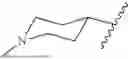


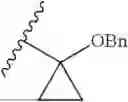


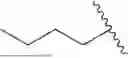


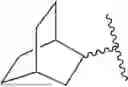


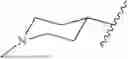


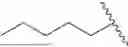


Sources:
- United States Patent and Trademark Office - verify current appl. status at the USPTO↗
Similar patent applications:
- » 20240140895
NOVEL AROMATIC MOLECULES - » 20190169134
NOVEL CLASS OF QUINOLONE HETEROCYCLIC AROMATIC MOLECULES FOR CANCER TREATMENT
Recent applications in this class:
- » 20240140895 2024-05-02
NOVEL AROMATIC MOLECULES - » 20190233358 2019-08-01
Materials coated with calixarenes - » 20150064455 2015-03-05
Materials coated with calixarenes - » 20130245327 2013-09-19
Carbon nanohoops and methods of making - » 20090162675 2009-06-25
PLASTIC PACKAGING ARTICLES FOR OXYGEN SENSITIVE PRODUCTS
Recent applications for this Assignee:
- » 20240140895 2024-05-02
NOVEL AROMATIC MOLECULES - » 20230406814 2023-12-21
NOVEL AROMATIC COMPOUNDS - » 20230150923 2023-05-18
NOVEL AROMATIC COMPOUNDS - » 20230141913 2023-05-11
PHENOXY(HETERO)ARYL ETHERS OF ANTIPROLIFERACTIVE ACTIVITY - » 20220354949 2022-11-10
NOVEL COMPOUNDS - » 20220348535 2022-11-03
NOVEL AROMATIC COMPOUNDS - » 20220249500 2022-08-11
PHENOXY(HETERO)ARYL ETHERS OF ANTIPROLIFERACTIVE ACTIVITY - » 20210107863 2021-04-15
NOVEL AROMATIC COMPOUNDS - » 20200031763 2020-01-30
Aromatic compounds - » 20190083476 2019-03-21
Enhancers of Notch signaling and the use thereof in the treatment of cancers and malignancies medicable by upregulation of Notch