FLEXIBLE LED STRIP WITH A NOVEL FPCB STRUCTURE
US20250155095A1
2025-05-15
18/637,402
2024-04-16
Smart Summary: A new type of flexible LED light strip has been created using a special structure called FPCB. This light strip is made up of several flat FPCB lamp boards, each connected by metal plates that extend out on both sides. There are metal wires attached to these plates, and multiple LED lights are placed on the boards. An insulating layer covers the entire light strip to protect it. This design allows the strip to bend in different directions easily and can be produced more efficiently using automation. 🚀 TL;DR
Abstract:
A flexible LED light strip with a novel FPCB structure is disclosed. The flexible LED light strip with a novel FPCB structure at least comprises: a PCB light strip assembled from a plurality of planar FPCB lamp boards, each said planar FPCB lamp board is soldered with a conductive connection plate which extends beyond both sides of said planar FPCB lamp board, at least one metal wire is soldered on the same side of a plurality of conductive connection plates respectively, and a plurality of LED light sources are disposed on at least one side of each said planar FPCB lamp board; an insulating layer wrapped around said PCB light strip. Implementing this invention allows for installation and use with bending in different directions, and enables automated production, which can improve production efficiency.
Inventors:
- Changgui LIU 5 🇨🇳 Shenzhen, China
- Chenghuo SHANG 2 🇨🇳 Shenzhen, China
- Minfei HUANG 3 🇨🇳 Shenzhen, China
- Xianqi CHEN 1 🇨🇳 Shenzhen, China
- Yuanbiao TANG 1 🇨🇳 Shenzhen, China
Applicant:
Interested in similar patents?
Get notified when new applications in this technology area are published.
Classification:
F21S4/26 » CPC main
Lighting devices or systems using a string or strip of light sources with light sources held by or within elongate supports flexible or deformable, e.g. into a curved shape of rope form, e.g. LED lighting ropes, or of tubular form
F21V23/001 » CPC further
Arrangement of electric circuit elements in or on lighting devices the elements being electrical wires or cables
F21V23/06 » CPC further
Arrangement of electric circuit elements in or on lighting devices the elements being coupling devices, e.g. connectors
F21V23/00 IPC
Arrangement of electric circuit elements in or on lighting devices
Description
RELATED APPLICATIONS
This application claims priority to Chinese Patent Application Number CN 202323071912.1, filed on Nov. 14, 2023, entitled A FLEXIBLE LED STRIP WITH A NOVEL FPCB STRUCTURE, all of the disclosures of which are incorporated herein by reference in their entirety.
FIELD OF THE INVENTION
Embodiments of the present disclosure relate to the field of lighting technology, and more particularly to a flexible LED light strip with a novel FPCB (Flexible Printed Circuit Board) structure.
DISCUSSION OF THE RELATED ART
As shown in FIG. 1, a conventional LED flexible light strip is presented, which includes a core wire 1′. A strip-shaped FPCB lamp board 2′ is disposed within the core wire 1′. An outer layer of soft elastic plastic or silicone insulation 3′ is wrapped around the core wire 1′, thus forming a complete LED flexible light strip.
As depicted in FIG. 2, a structural schematic of the strip-shaped FPCB lamp board 2′ from FIG. 1 is illustrated. It comprises multiple individual FPCB lamp boards. Each single-section FPCB lamp board is designed with solder points, LED beads, or other electronic components. These are connected in parallel by several single-section FPCB lamp boards, metal jumpers 4′, and metal wires 5′ to form the strip-shaped FPCB lamp board. This type of strip-shaped FPCB lamp board requires the metal jumpers 4′ to be soldered onto each section of the FPCB lamp boards to establish an electrical circuit.
However, the current method of forming a strip-shaped FPCB lamp board by connecting multiple sections of FPCB lamp boards, metal jumpers, and metal leads in parallel involves soldering several metal jumpers 4′ onto the long metal wires 5′. This process generally requires manual intervention for parallel soldering and presents the following disadvantages:
It cannot achieve automated production, resulting in lower production efficiency.
The use of multiple metal leads (such as 3, 4, 5, etc.) becomes complex.
Manual soldering is prone to form false solder connections, and manual operation has certain safety risks.
SUMMARY
The technical problem to be solved by the present invention is to provide a flexible LED light strip with a novel FPCB structure that allows for installation and use in different directions, and can achieve automated production to enhance production efficiency.
To solve above-mentioned technical problem, one aspect of the present invention provides a flexible LED light strip with a novel FPCB structure which at least comprises: a PCB light strip assembled from a plurality of planar FPCB lamp boards, each said planar FPCB lamp board is soldered with a conductive connection plate which extends beyond both sides of said planar FPCB lamp board, at least one metal wire is soldered on the same side of a plurality of conductive connection plates respectively, and a plurality of LED light sources are disposed on at least one side of each said planar FPCB lamp board; and an insulating layer wrapped around said PCB light strip.
Advantageously, each said conductive connection plate is provided with bent lines at both ends to enable bending, and one or more spaced wire soldering areas are defined on one side or both sides of said conductive connection plate.
Advantageously, said metal wire is a flexible or a retractable wire, and said insulating layer is made from silicone or plastic materials.
Another aspect of the present invention provides a flexible LED light strip with a novel FPCB structure which at least comprises: a PCB light strip assembled from a plurality of L-shaped FPCB lamp boards, each said L-shaped FPCB lamp board is soldered with a conductive connection plate which extends beyond both sides of said L-shaped FPCB lamp board, at least one metal wire is soldered on the same side of a plurality of conductive connection plates respectively, and a plurality of LED light sources are disposed on at least one side of each said L-shaped FPCB lamp board; and an insulating layer wrapped around said PCB light strip.
Advantageously, each said conductive connection plate is provided with bent lines at both ends to enable bending, and one or more spaced wire soldering areas are defined on one side or both sides of said conductive connection plate.
Advantageously, said metal wire is a flexible or a retractable wire, and said insulating layer is made from silicone or plastic materials.
Advantageously, said L-shaped FPCB lamp board comprises a first board body, and a plurality of second board bodies extending from said first board body and perpendicular to said first board body, said LED light sources are disposed on at least one side of said second board bodies.
Performing the present invention will bring out the following beneficial effects:
Due to the adoption of a conductive connection plate structure, the invention can achieve automated production and support more complex circuit designs. This significantly improves production efficiency, reduces labor costs, and minimizes safety risks during production.
In this invention, the PCB light strip is designed with a segmented structure, and the metal leads are made from retractable wires, allowing the LED flexible light strip provided by the invention to bend in different directions when in use. Moreover, with the novel FPCB lamp board employed in this invention, the light strip maintains its flexibility when bent in various directions.
BRIEF DESCRIPTION OF THE DRAWINGS
In order to more clearly illustrate the embodiments of the present invention or the technical solutions in the prior art, the drawings used in the embodiments or the description of the prior art will be briefly described below. Obviously, the drawings in the following description are only certain embodiments of the present invention, and other drawings can be obtained from those skilled in the art without any creative work.
FIG. 1 illustrates the structure of a conventional LED flexible light strip.
FIG. 2 shows the structural schematic of the elongated FPCB lamp board from FIG. 1.
FIG. 3 presents the structural schematic of the first embodiment of a flexible LED light strip with a novel FPCB structure provided by the present invention.
FIG. 4 depicts the assembled structure of the PCB light strip from FIG. 3.
FIG. 5 is the cross-sectional view along A-A from FIG. 4.
FIG. 6 demonstrates the connection principle schematic from FIG. 4.
FIG. 7 illustrates the structural schematic of the L-shaped FPCB lamp board from FIG. 4.
FIG. 8 shows the structural schematic of the conductive connection plate from FIG. 4.
FIG. 9 displays the structure after connecting the conductive connection plate and the L-shaped FPCB lamp board.
FIG. 10 exhibits the assembled structure of the PCB light strip for the second embodiment of a flexible LED light strip with a novel FPCB structure provided by the present invention.
FIG. 11 shows the structure after connecting the conductive connection plate and the L-shaped FPCB lamp board from FIG. 10.
FIG. 12 illustrates the structural schematic of the planar FPCB lamp board from FIG. 11.
FIG. 13 presents the connection principle schematic from FIG. 11.
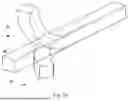
FIG. 14 is a schematic illustrating the bending directions of the present invention.
DETAILED DESCRIPTION OF THE EMBODIMENTS
The technical solutions in the embodiments of the present invention are clearly and completely described below with reference to the accompanying drawings in the embodiments of the present invention. Apparently, the described embodiments are merely a part of but not all embodiments of the present invention. All other embodiments obtained by a person of ordinary skilled in the art based on the embodiments of the present invention without creative efforts shall fall within the protection scope of the present invention.
As shown in FIG. 3, a schematic representation of the structure of the first embodiment of a flexible LED light strip provided by this invention is depicted. In conjunction with FIGS. 4 through 9, in this embodiment, the flexible LED light strip comprises at least:
PCB light strip 1, assembled from a plurality of L-shaped FPCB lamp boards 11. Each L-shaped FPCB lamp board 10 is soldered with a conductive connection plate 2, which extends beyond both sides of the L-shaped FPCB lamp board 10. On the same side of multiple conductive connection plates 2, there is at least one metal wire 3 soldered respectively. Each L-shaped FPCB lamp board 10 has a plurality of LED light sources on at least one side, in some cases, the number of metal wires 3 could be, for example, 2, 3, 4, 5, or other quantities. The conductive connection plate 2 may be made of iron, copper, aluminum, brass, or alloys thereof.
a protective layer 4 encasing the PCB light strip 1.
an insulating layer 5 wrapped around the protective layer 4.
It should be understood that, in practical applications, the protective layer 4 can be omitted, and the insulating layer 5 can be directly wrapped around the PCB light strip 1.
More specifically, both ends of each conductive connection plate 2 are bent, for instance, into a U-shape, and the dashed line shown in the figure indicates the bending position. One or more spaced wire soldering areas 21 are provided on one or both sides of the conductive connection plate 2. In a specific example, the circuit connection board 6 can be fabricated using FPCB board technology or other manufacturing processes.
Similarly, the metal wires 3 may be made of iron, copper, aluminum, brass, or alloys thereof, and they can further be configured as flexible or retractable wires. The insulating layer 5 is made from silicone or plastic materials. Specifically, it could be made of PVC, silicone, PU, or other soft plastic materials. In practical examples, the insulating layer 5 might be transparent, white, black, or colored plastic material with light-transmitting or light-blocking properties.
More specifically, the L-shaped FPCB lamp board 10 comprises a first board body 100, and a plurality of second board bodies 101 extending from the first board body 100 and perpendicular to the first board body 100. LED light sources 102 are disposed on at least one side of the second board bodies 101.
In the present invention, the optimal structure involves placing the PCB light strip at the symmetrical center of the insulating layer 5. The cross-section of the light strip formed by the insulating layer 5 could be circular, oval, rectangular, or another polygonal shape.
It is understood that in this embodiment, the circuit connection board 6 is connected in parallel to the main metal wire after being soldered to the main circuit board, which can perform the function of diverting and guiding the circuit current. This allows the main wire current to be transferred to the retractable metal wires, enabling more complex circuit designs on the FPCB lamp panel. At the same time, it allows for the parallel use of multiple wires. As a result, it can achieve automated production and enhance production efficiency.
As shown in FIG. 10, a schematic representation of the structure of the second embodiment of a flexible LED light strip provided by this invention is depicted. In conjunction with FIGS. 11 through 13, in the second embodiment, the flexible LED light strip comprises at least:
PCB light strip 1, assembled from a plurality of planar FPCB lamp boards 11. Each planar FPCB lamp board 10 is soldered with a conductive connection plate 2, which extends beyond both sides of the planar FPCB lamp board 10. On the same side of a plurality of conductive connection plates 2, there is at least one metal wire 3 soldered respectively. Each planar FPCB lamp board 10 has a plurality of LED light sources on at least one side.
A protective layer 4 encasing the PCB light strip 1.
An insulating layer 5 wrapped around the protective layer 4.
It should be understood that, in practical applications, the protective layer 4 can be omitted, and the insulating layer 5 can be directly wrapped around the PCB light strip 1.
More specifically, both ends of each conductive connection plate 2 are bent, for instance, into a U-shape. One or more spaced wire soldering areas 20 are provided on one or both sides of the conductive connection plate 2.
Preferably, the metal wires 3 can be made of iron, copper, aluminum, brass, or alloys thereof. They can further be configured as flexible or retractable wires.
The insulating layer 5 is made from silicone or plastic materials. Specifically, it could be made of PVC, silicone, PU, or other soft plastic materials. In practical examples, the insulating layer 5 might be transparent, white, black, or colored plastic material with light-transmitting or light-blocking properties.
In the present invention, the optimal structure involves placing the PCB light strip at the symmetrical center of the insulating layer 5. The cross-section of the light strip formed by the insulating layer 5 could be circular, oval, rectangular, or another polygonal shape.
For more details, refer to and combine the previous description of the first embodiment, which will not be repeated here.
It is understood that in this invention, the metal wires 3 may be woven from a plurality of wires, providing retractable properties. The metal wires 3 can also adopt retractable structures such as spring-like wires, wavy wires, coiled wires, etc.
As shown in FIG. 14, a schematic of the bending directions of this utility model is illustrated. It is understood that, due to the segmented structure of the PCB light strip and the use of retractable structure for the metal wires in this embodiment, the LED flexible light strip provided by the present invention can achieve bending in different directions when in use.
Implementing the embodiments of the present invention has the following beneficial effects:
Due to the adoption of a conductive connection plate structure, the invention can achieve automated production and support more complex circuit designs. This significantly improves production efficiency, reduces labor costs, and minimizes safety risks during production.
In this invention, the PCB light strip is designed with a segmented structure, and the metal leads are made from retractable wires, allowing the LED flexible light strip provided by the invention to bend in different directions when in use. Moreover, with the novel FPCB lamp board employed in this invention, the light strip maintains its flexibility when bent in various directions.
It is believed that the present embodiments and their advantages will be understood from the foregoing description, and it will be apparent that various changes may be made thereto without departing from the spirit and scope of the invention or sacrificing all of its material advantages, the examples hereinbefore described merely being preferred or exemplary embodiments of the invention.
Claims
1. A flexible LED light strip with a novel FPCB structure, at least comprises:
a PCB light strip assembled from a plurality of planar FPCB lamp boards, each said planar FPCB lamp board is soldered with a conductive connection plate which extends beyond both sides of said planar FPCB lamp board, at least one metal wire is soldered on the same side of a plurality of conductive connection plates respectively, and a plurality of LED light sources are disposed on at least one side of each said planar FPCB lamp board; and
an insulating layer wrapped around said PCB light strip,
wherein said conductive connection plate is made of a metallic material having a U-shaped configuration, the U-shaped configuration defining an interior space in which said planar FPCB lamp board is received and soldered with the U-shaped configuration, wherein the U-shaped configuration comprises a planar bottom portion and two opposite limb portions extending from two opposite ends of the planar bottom portion, said planar FPCB lamp board being supported on and positioned against the planar bottom portion and located between the two limb portions, the two limb portions being in conductive engagement with said at least one metal wire.
2. The flexible LED light strip as claimed in claim 1, wherein each said conductive connection plate is provided with bent lines at both ends to enable bending, and one or more spaced wire soldering areas are defined on one side or both sides of said conductive connection plate.
3. The flexible LED light strip structure as claimed in claim 2, wherein said metal wire is a flexible or a retractable wire, and said insulating layer is made from silicone or plastic materials.
4. A flexible LED light strip with a novel FPCB structure, at least comprises:
a PCB light strip assembled from a plurality of L-shaped FPCB lamp boards, each said L-shaped FPCB lamp board is soldered with a conductive connection plate which extends beyond both sides of said L-shaped FPCB lamp board, at least one metal wire is soldered on the same side of a plurality of conductive connection plates respectively, and a plurality of LED light sources are disposed on at least one side of each said L-shaped FPCB lamp board; and
an insulating layer wrapped around said PCB light strip,
wherein said conductive connection plate is made of a metallic material having a U-shaped configuration, the U-shaped configuration defining an interior space in which said L-shaped FPCB lamp board is received and soldered with the U-shaped configuration, wherein the U-shaped configuration comprises a planar bottom portion and two opposite limb portions extending from two opposite ends of the planar bottom portion, said planar FPCB lamp board being supported on and positioned against the planar bottom portion and located between the two limb portions, the two limb portions being in conductive engagement with said at least one metal wire.
5. The flexible LED light strip as claimed in claim 4, wherein each said conductive connection plate is provided with bent lines at both ends to enable bending, and one or more spaced wire soldering areas are defined on one side or both sides of said conductive connection plate.
6. The flexible LED light strip as claimed in claim 5, wherein said metal wire is a flexible or a retractable wire, and said insulating layer is made from silicone or plastic materials.
7. The flexible LED light strip as claimed in claim 4, wherein said L-shaped FPCB lamp board comprises a first board body, and a plurality of second board bodies extending from said first board body and perpendicular to said first board body, said LED light sources are disposed on at least one side of said second board bodies.
Images & Drawings included:



Sources:
- United States Patent and Trademark Office - verify current appl. status at the USPTO↗
Recent applications in this class:
- » 20250012414 2025-01-09
Convertible light device - » 20240360965 2024-10-31
ASSEMBLY INCLUDING AT LEAST ONE GROOVE - » 20240337357 2024-10-10
LIGHT-EMITTING FLAT CABLE STRUCTURE - » 20240230040 2024-07-11
HIGH-VOLTAGE RUBBER WIRE LIGHT - » 20240084983 2024-03-14
Convertible light device - » 20230417379 2023-12-28
LED lighting capable of being bent and twisted at will - » 20230417378 2023-12-28
Decorative lamp string and method for manufacturing same - » 20230332751 2023-10-19
FLEXIBLE LIGHTING DEVICE AND SUPPORT STRUCTURE - » 20230250927 2023-08-10
FLEXIBLE LIGHT EMITTING DIODE (LED) SHEET SYSTEMS AND METHODS - » 20230235864 2023-07-27
Systems and methods for providing a show effect for an attraction system