CXCR4-TARGETING COMPOUNDS, AND METHODS OF MAKING AND USING THE SAME
US20250242064A1
2025-07-31
18/855,675
2023-04-20
Smart Summary: New peptidic compounds have been developed that can specifically target a protein called CXCR4. These compounds can be used in medical imaging and treatment. They come in different forms and can be made into various compositions. The goal is to help doctors see and treat diseases more effectively. Overall, these compounds offer new ways to approach health care related to CXCR4. 🚀 TL;DR
Abstract:
The present disclosure relates to peptidic compounds of Formula A, A-II, A-III, A-III, A-IV, B, or C, or salt or solvate thereof, compositions thereof, and methods of use thereof. The compounds of the present disclosure are useful for targeting CXCR4 for purposes such as imaging and/or therapeutics.
Inventors:
- Zhengxing Zhang 12 🇨🇦 Vancouver, Canada
- David Perrin 16 🇨🇦 Vancouver, Canada
- Hsiou-ting KUO 2 🇨🇦 Vancouver, Canada
- Kuo-Shyan Lin 17 🇨🇦 Richmond, Canada
- MIHAJLO TODOROVIC 4 🇨🇦 VANCOUVER, Canada
- François BÉNARD 14 🇨🇦 Vancouver, Canada
- Joseph LAU 2 🇨🇦 Richmond, Canada
- Samson LAI 2 🇨🇦 Vancouver, Canada
- Lee Lee LI 3 🇨🇦 Vancouver, Canada
- Daniel KWON 1 🇨🇦 Burnaby, Canada
Applicant:
Interested in similar patents?
Get notified when new applications in this technology area are published.
Classification:
A61K51/088 » CPC main
Preparations containing radioactive substances for use in therapy or testing characterised by the carrier, i.e. characterised by the agent or material covalently linked or complexing the radioactive nucleus; Organic compounds; Peptides, e.g. proteins, carriers being peptides, polyamino acids, proteins conjugates with carriers being peptides, polyamino acids or proteins
C07K1/13 » CPC further
General methods for the preparation of peptides, i.e. processes for the organic chemical preparation of peptides or proteins of any length Labelling of peptides
C07K7/56 » CPC further
Peptides having 5 to 20 amino acids in a fully defined sequence; Derivatives thereof; Cyclic peptides containing at least one abnormal peptide link with at least one abnormal peptide link in the ring the cyclisation not occurring through 2,4-diamino-butanoic acid
A61K51/08 IPC
Preparations containing radioactive substances for use in therapy or testing characterised by the carrier, i.e. characterised by the agent or material covalently linked or complexing the radioactive nucleus; Organic compounds Peptides, e.g. proteins, carriers being peptides, polyamino acids, proteins
Description
CROSS REFERENCE TO RELATED APPLICATIONS
This application claims priority to U.S. Provisional Application No. 63/332,885, filed Apr. 20, 2022, the disclosure of which is hereby incorporated by reference in its entirety.
FIELD OF INVENTION
The present invention relates to novel peptidic compounds, particularly compounds that target CXCR4 for purposes such as imaging and/or therapeutics.
BACKGROUND OF THE INVENTION
C—X—C chemokine receptor type 4 (CXCR4) is a G protein-coupled transmembrane receptor that is expressed in hematological and immune tissues and systems.1,2 CXCR4 has only one chemokine as a substrate named stromal-derived-factor-1 (SDF-1), also known as CXCL12.3 CXCR4 is aberrantly expressed in a number of important pathologies that involve inflammation and immune cell trafficking, including athersclerosis,4 systemic erythematous lupus5,6, cancer and others. Importantly, CXCR4 has been found to play key roles in tumourigenesis, chemoresistance and metastasis and its expression has been detected in more than twenty different subtypes of cancers with an accompanying negative prognosis.7-12 As such, there is a need for non-invasive in vivo molecular probes to image CXCR4-expressing tumours for better detection, staging and monitoring of aggressive cancers.13-16 Such imaging agents enable the rapid assessment of patients for expression of specific biomarkers without the need for invasive biopsy procedures that may not always properly capture the heterogeneity of a patient's disease. Furthermore, with the largely poor efficacy of CXCR4 inhibitors in clinical trials, an alternative strategy is to couple the inhibitor with a radiotherapeutic isotope to deliver ionizing β, α, or auger electrons to the sites of the disease.
LY2510924 (cyclo[Phe-Tyr-Lys(iPr)-D-Arg-2-Nal-Gly-D-Glu]-Lys(iPr)-NH2) is a cyclic peptide that is reported to block SDF-1a binding to CXCR4 with an IC50 value of 79 pM17. It was reported that LY2510924 was able to inhibit growth of non-Hodgkin lymphoma, renal cTbaell carcinoma, lung cancer, colorectal cancer, and breast cancer xenograft models. LY2510924 failed to improve treatment efficacy of carboplatin/etoposide chemotherapy for small cell lung cancer patients18.
Many CXCR4 peptide-based inhibitors rely on key amino acid residues that include 1) one or more cationic charged side chain residues to make contact with several anionic residues present on the CXCR4 pocket, 2) a tyrosine residue and 3) a naphthalene-based unnatural amino acid in order to maintain good binding affinity with CXCR4.19 This is exemplified in the development of T140, which systematically substituted out each amino acid of a prototype peptide (T22) based on a natural peptide with HIV inhibitory activity via CXCR4 antagonism.19 This has resulted in a number of strong antagonists to CXCR4, including FC131 (which was later repurposed as Pentixafor and Pentixather for imaging and radionuclide therapeutic purposes, respectively) and LY2510924 for radiotheranostic purposes.20
There is therefore an unmet need in the field for improved CXCR4-targeting compounds, e.g. imaging and therapeutic agents for in-vivo diagnosis and treatment, respectively, of diseases/disorders characterized by expression of CXCR4.
No admission is necessarily intended, nor should it be construed, that any of the preceding information constitutes prior art against the present invention.
SUMMARY OF THE DISCLOSURE
The present disclosure relates to compounds useful as imaging agents and/or therapeutic agents.
In some embodiments, the present provides a compound of Formula A, Formula B, or Formula C, or a salt or solvate thereof:
wherein:
-
- R2a is —(CH2)—(R2b)-(phenyl), wherein R2b is absent, —CH2—, —NH—, —S— or —O—, wherein the phenyl is optionally 4-substituted with —NH2, —NO2, —OH, —OR2c, —SH, —SR2c, —N3, —CN, or —O-phenyl, wherein the phenyl is optionally 3-substituted with halogen or —OH, wherein the phenyl is optionally 5-substituted with halogen or —OH, wherein the —O-phenyl ring is optionally 4-substituted with —NH2, —NO2, —OH, —OR2c, —SH, —SR2c, —N3, or —CN, wherein the —O-phenyl ring is optionally 3-substituted with halogen or —OH, wherein the —O-phenyl ring is optionally 5-substituted with halogen or —OH, wherein each R2c is independently a C1-C3 linear or branched alkyl group;
- R3a is C1-C5 alkyl or R3bR3c wherein R3b is a linear C1-C5 alkylenyl, C2-C5 alkenylenyl, or C2-C5 alkynylenyl, wherein 0-2 carbons in C2-C5 are independently replaced with one or more N, S, and/or O heteroatoms, wherein R3c is —N(R3d)2-3 or guanidino, wherein each R3d is independently —H or a linear or branched C1-C3 alkyl;
- R4a is R4bR4c wherein R4b is a linear C1-C5 alkylenyl, C2-C5 alkenylenyl, or C2-C5 alkynylenyl, in which 0-2 carbons in C2-C5 are independently replaced with one or more N, S, and/or O heteroatoms, wherein R4c is —N(R4d)2-3 or guanidino, wherein each R4d is independently —H or a linear or branched C1-C3 alkyl;
- R5a is —(CH2)1-3—R5b, wherein 1 carbon in —(CH2)2-3— is optionally replaced with a N, S, or O heteroatom, wherein R5b is:
- phenyl optionally substituted with one or a combination of the following:
- 4-substituted with —NH2, —NO2, —OH, —OR5c, —SH, —SR5c, —N3, —CN, or —O-phenyl; 3-substituted with halogen or —OH; and/or 5-substituted with halogen or —OH; wherein the —O-phenyl ring is optionally 4-substituted with —NH2, —NO2, —OH, —OR5c, —SH, —SR5c, —N3, or —CN, wherein the —O-phenyl ring is optionally 3-substituted with halogen or —OH, wherein the —O-phenyl ring is optionally 5-substituted with halogen or —OH; or
- a fused bicyclic or fused tricyclic aryl or heteroaryl ring, each optionally substituted with one or more of halogen, —OH, —OR5c, amino, —NHR5c, and/or N(R5c)2;
- wherein each R5c is independently a C1-C3 linear or branched alkyl group;
- either R6a is H, methyl, ethyl, —C≡CH, —CH═CH2, —C≡C—(CH2)1-3—OH, —C≡C—(CH2)1-3—SH, —C≡C—(CH2)1-3—NH2, —C≡C—(CH2)1-3—COOH, —C≡C—(CH2)1-3—CONH2, —C≡C—(CH2)1-3R6bR6c, —CH═CH—(CH2)1-3—OH, —CH═CH—(CH2)1-3—SH, —CH═CH—(CH2)1-3—NH2, —CH═CH—(CH2)1-3—COOH, —CH═CH—(CH2)1-3—CONH2, —CH═CH—(CH2)1-3R6bR6c, —CH2—R6b—OH, —CH2—R6b—COOH, —CH2—(R6b)1-3—NH2, —CH2—R6b—CONH2, or —CH2—R6bR6c, wherein each R6b is independently absent, —CH2—, —NH—, —S— or —O—, and wherein R6c is:
- a 5 or 6 membered aromatic ring wherein one or more carbons are optionally independently replaced by N, S, and/or O heteroatoms, and optionally substituted with one or more groups independently selected from oxo, hydroxyl, sulfhydryl, nitro, amino, and/or halogen;
- or —NH—CH(R6a)—C(O)—NH— is replaced with:
-
- RA7a is a linear C1-C5 alkylenyl wherein 0-2 carbons in C2-C5 are independently replaced with one or more N, S, and/or O heteroatoms;
- R8a is R8bR8c wherein R8b is a linear C1-C5 alkylenyl, C2-C5 alkenylenyl, or C2-C5 alkynylenyl, in which 0-2 carbons in C2-C5 alkylenyl, alkenylenyl, or alkynylenyl are independently replaced with one or more N, S, and/or O heteroatoms, wherein R8a is —N(R8d)2-3 or guanidino, wherein each R8d is independently —H or a linear or branched C1-C3 alkyl;
- R9a is —C(O)NH2, —C(O)—OH, —CH2—C(O)NH2, —CH2—C(O)—OH, —CH2—NH2, —CH2—OH, —CH2—CH2—NH2, —R9b—R9c, or —R9b-[linker]-RXn1, wherein:
- R9b is —CH2—NH—C(O)—, —CH2—C(O)—, —CH2—O—, —C(O)NH—, —C(O)—N(CH3)—, —CH2—NHC(S)—, —C(S)NH—, —CH2—N(CH3)C(S)—, —C(O)N(CH3)—, —CH2—N(CH3)C(O)—, —C(S)N(CH3)—, —CH2—NHC(S)NH—, —CH2—NHC(O)NH—, —CH2—S—, —CH2—S(O)—, —CH2—S(O)2—, —CH2—S(O)2—NH—, —CH2—S(O)—NH—, —CH2—Se—, —CH2—Se(O)—, —CH2—Se(O)2—, —CH2—NHNHC(O)—, —C(O)NHNH—, —CH2—OP(O)(O−)O—, —CH2-phosphamide-, —CH2-thiophosphodiester-, —CH2—S-tetrafluorophenyl-S—,
-
-
- or polyethylene glycol; and
- R9c is hydrogen or a linear, branched, and/or cyclic C1-C20 alkyl, alkenyl or alkynyl, wherein 0-6 carbons in C2-C20 are independently replaced by N, S, and/or O heteroatoms, and substituted with 0-3 groups independently selected from one or a combination of oxo, hydroxyl, sulfhydryl, halogen, guanidino, carboxylic acid, sulfonic acid, sulfinic acid, and/or phosphoric acid;
- RA10 is absent or -[linker]-RXn1;
- when RA10 is absent, then RA1a is:
- a linear C1-C5 alkyl, C2-C5 alkenyl, or C2-C5 alkynyl, wherein 0-2 carbons in C2-C5 alkyl, alkenyl, or alkynyl are independently replaced by one or more N, S, and/or O heteroatoms, optionally C-substituted with a single substituent selected from: —SH, —OH, amino, carboxy, guanidino, —NH—C(O)—CH3, —S—C(O)—CH3, —O—C(O)—CH3, —NH—C(O)-(phenyl), —S—C(O)-(phenyl), —O—C(O)-(phenyl), —NH—(CH3)1-2, —NH2—CH3, —N(CH3)2-3, —S—CH3, or —O—CH3;
- a branched C1-C10alkyl, alkenyl, or alkynyl, wherein 0-3 carbons in C2-C10 are independently replaced by one or more N, S, and/or O heteroatoms; or
- RA1bRA1c, wherein RA1b is a linear C1-C3 alkylenyl, wherein C2 alkylenyl or C3 alkylenyl is optionally replaced with a N, S, or O heteroatom, wherein RA1c is:
- a 5 or 6 membered aromatic ring wherein one or more carbons are optionally independently replaced by N, S, and/or O heteroatoms, and optionally substituted with one or more groups independently selected from oxo, hydroxyl, sulfhydryl, nitro, amino, and/or halogen; or
- a fused bicyclic or fused tricyclic aryl group wherein one or more carbons are optionally independently replaced by N, S, and/or O heteroatoms, and optionally substituted with one or more groups independently selected from halogen, —OH, —ORA1d, amino, —NHRA1d, and/or N(RA1d)2, wherein each RA1d is independently a C1-C3 linear or branched alkyl group;
- when RA10 is -[linker]-RXn1, then RA1a is RA1eRA1f, wherein RA1e is a linear C1-C5 alkylenyl, C2-C5 alkenylenyl, or C2-C5 alkynylenyl, in which 0-2 carbons in C2-C5 alkylenyl, alkenylenyl, alkynylenyl are independently replaced with N, S, and/or O heteroatoms, and RA1f is —NH—C(O)—, —C(O)—, —O—, —C(O)NH—, —C(O)—N(CH3)—, —NHC(S)—, —C(S)NH—, —N(CH3)C(S)—, —C(O)N(CH3)—, —N(CH3)C(O)—, —C(S)N(CH3)—, —NHC(S)NH—, —NHC(O)NH—, —S—, —S(O)—, —S(O)—O—, —S(O)2—, —S(O)2—O—, —S(O)2—NH—, —S(O)—NH—, —Se—, —Se(O)—, —Se(O)2—, —NHNHC(O)—, —C(O)NHNH—, —OP(O)(O−)O—, -phosphamide-, -thiophosphodiester-, —S-tetrafluorophenyl-S—,
-
or polyethylene glycol;
-
- RB1a is a linear, branched, and/or cyclic C1-C10alkylenyl, C2-C10 alkenylenyl, or C2-C10 alkynylenyl, wherein one or more carbons in C2-C10 alkylenyl, alkenylenyl, alkynylenyl are optionally independently replaced with N, S, and/or O heteroatoms;
- RB1-7 is
-
- wherein the indole ring and the isoindole ring are each optionally substituted with one or more of —F, —Br, —Cl, —I, —OH, —O—RB1-7b, —CO—, —COOH, —CONH2, —CN, —O-aryl, —NH2, —NHRB1-7b, N3, —NO2, —NH, —CHO, and/or —RB1-7b, wherein each RB1-7b is a linear or branched C1-C3 alkyl, C2-C3 alkenyl, or C2-C3 alkynyl;
- RB7a is a linear C1-C5 alkylenyl wherein 0-2 carbons in C2-C5 alkylenyl are independently replaced with one or more N, S, and/or O heteroatoms;
- RB10a is amine, —NH—(CH3)1-2, —N(CH3)2-3, —NH—C(O)—CH3, —NH—C(O)-(phenyl), or —RB10b-[linker]-RXn1 wherein RB10b is:
- —NH—C(O)—, —C(O)—, —O—, —C(O)NH—, —C(O)—N(CH3)—, —NHC(S)—, —C(S)NH—, —N(CH3)C(S)—, —C(O)N(CH3)—, —N(CH3)C(O)—, —C(S)N(CH3)—, —NHC(S)NH—, —NHC(O)NH—, —S—, —S(O)—, —S(O)—O—, —S(O)2—, —S(O)2—O—, —S(O)2—NH—, —S(O)—NH—, —Se—, —Se(O)—, —Se(O)2—, —NHNHC(O)—, —C(O)NHNH—, —OP(O)(O−)O—, -phosphamide-, -thiophosphodiester-, —S-tetrafluorophenyl-S—,
-
-
- or polyethylene glycol;
- RC1a is
-
-
- wherein the indole, the isoindole, and the triazole ring are each optionally substituted with one or more of —F, —Br, —Cl, —I, —OH, —O—RC1b, —CO—, —COOH, —CONH2, —CN, —O-aryl, —NH2, —NHRC1b, N3, —NO2, —NH, —CHO, and/or —RC1b, wherein each RC1b is a linear or branched C1-C3 alkyl, C2-C3 alkenyl, or C2-C3 alkynyl;
- RC7a is a linear C1-C5 alkylenyl, wherein optionally 0-2 carbons in C2-C5 alkylenyl are independently replaced with one or more N, S, and/or O heteroatoms;
- RC10a is RC10b—RC10c-[linker]-RXn or RC10d, wherein:
- RC10b is a linear C1-C5 alkylenyl, C2-C5 alkenylenyl, or C2-C5 alkynylenyl, in which 0-2 carbons in C2-C5 alkylenyl, alkenylenyl, alkynylenyl are independently replaced with N, S, and/or O heteroatoms;
- RC10c is —NH—C(O)—, —C(O)—, —O—, —C(O)NH—, —C(O)—N(CH3)—, —NHC(S)—, —C(S)NH—, —N(CH3)C(S)—, —C(O)N(CH3)—, —N(CH3)C(O)—, —C(S)N(CH3)—, —NHC(S)NH—, —NHC(O)NH—, —S—, —S(O)—, —S(O)—O—, —S(O)2—, —S(O)2—O—, —S(O)2—NH—, —S(O)—NH—, —Se—, —Se(O)—, —Se(O)2—, —NHNHC(O)—, —C(O)NHNH—, —OP(O)(O−)O—, -phosphamide-, -thiophosphodiester-, —S-tetrafluorophenyl-S—,
-
-
- or polyethylene glycol; and
- RC10d is:
- a linear C1-C5 alkyl, C2-C5 alkenyl, or C2-C5 alkynyl, wherein 0-2 carbons in C2-C5 alkyl, alkenyl, or alkynyl are independently replaced by N, S, and/or O heteroatoms, optionally C-substituted with a single substituent selected from: —SH, —OH, amino, carboxy, guanidino, —NH—C(O)—CH3, —S—C(O)—CH3, —O—C(O)—CH3, —NH—C(O)-(phenyl), —S—C(O)-(phenyl), —O—C(O)-(phenyl), —NH—(CH3)1-2, —NH2—CH3, —N(CH3)2-3, —S—CH3, or —O—CH3;
- a branched C1-C10 alkyl, C2-C10 alkenyl, or C2-C10 alkynyl, wherein 0-3 carbons in C2-C10 alkyl, alkenyl, or alkynyl are independently replaced by N, S, and/or O heteroatoms; or
- RC10eRC10f, wherein RC10e is a linear C1-C3 alkyl, wherein C2 alkyl or C3 alkyl is optionally replaced with N, S, or O heteroatom, wherein RC10f is:
- a 5 or 6 membered aromatic ring wherein one or more carbons are optionally independently replaced by N, S, and/or O heteroatoms, and optionally substituted with one or more groups independently selected from oxo, hydroxyl, sulfhydryl, nitro, amino, and/or halogen;
- a fused bicyclic or fused tricyclic aryl group wherein one or more carbons are optionally independently replaced by N, S, and/or O heteroatoms, and optionally substituted with one or more groups independently selected from halogen, —OH, —ORC10g, amino, —NHRC10g, and/or N(RC10g)2, wherein RC10g is C1-C3 linear or branched alkyl;
- Ry is hydrogen or R3eR3f wherein R3e is a linear C1-C5 alkylenyl, wherein R3f is —N(R3g)2-3, wherein each R3g is independently —H or a linear or branched C1-C3 alkyl;
- each n1 is independently 0, 1 or 2;
- each RX is an albumin binder, therapeutic moiety, a fluorescent label, a radiolabeled group, or a group capable of being radiolabelled; wherein 0-3 peptide backbone amides are independently replaced with
-
-
- amidine, or thioamide;
- wherein 0-3 peptide backbone amides are N-methylated; and
- wherein C-terminal is optionally amidated.
In some embodiments, the present disclosure relates a compound selected from Table 2, or a salt or a solvate thereof. In some embodiments, the compound is optionally bound to a radiolabled group, a group capable of being radiolabeled, or an alubumin binder.
In some embodiments, the present disclosure relates a compound selected from Table 4, or a salt or a solvate thereof.
In some embodiments of the compounds of the present disclosure, the compound is complexed with a radioisotope.
In some embodiments, the present disclosure relates to use of any one of the compounds disclosed herein for imaging a CXCR4-expressing tissue in a subject.
In some embodiments, the present disclosure relates to use of any one of the compounds disclosed herein for imaging an inflammatory condition or disease.
In some embodiments, the present disclosure provides a method of treating a disease or a condition characterized by expression of CXCR4 in a subject, comprising administering an effective amount of the compound to a subject in need thereof. In some embodiments, the disease or condition is a CXCR4-expressing cancer.
In some embodiments, the present disclosure provides a method of imaging a CXCR4-expressing tissue in a subject, comprising administering an effective amount of the compound to the subject in need of such imaging.
BRIEF DESCRIPTION OF THE DRAWINGS
The features of the invention will become apparent from the following description in which reference is made to the appended drawings wherein:
FIG. 1 shows a representative PET/CT image of [68Ga]Ga-BL34L11 in Z138 tumor-bearing mice at 1 h and 3 h (p.i.). Scale bar is in unit of % ID/g.
FIG. 2 shows a representative SPECT/CT image of [177Lu]Lu-BL34L11 in Z138 tumor-bearing mice at 1 h, 4 h, 24 h, 72 h, and 120 h (p.i.). Scale bar is in unit of % ID/g.
FIG. 3 shows a representative SPECT/CT image of [177Lu]Lu-BL34L20 in Z138 tumor-bearing mice at 1 h, 4 h, 24 h, 72 h, and 120 h (p.i.). Scale bar is in unit of % ID/g.
FIG. 4 shows a representative SPECT/CT image of [177Lu]Lu-crown-BL34 in Z138 tumor-bearing mice at 1 h, 4 h, 24 h, 72 h, and 120 h (p.i.). Scale bar is in unit of % ID/g.
FIG. 5 shows a representative PET/CT image of [68Ga]Ga-BL34N1 in Z138 tumor-bearing mice at 1 h (p.i.). Scale bar is in unit of % ID/g.
FIG. 6 shows a representative PET/CT image of [68Ga]Ga-BL34T1 in Z138 tumor-bearing mice at 1 h and 3 h (p.i.). Scale bar is in unit of % ID/g.
FIG. 7 shows a representative SPECT/CT image of [177Lu]Lu-_BL34T1 in Z138 tumor-bearing mice at 4 h, 24 h, 72 h, and 120 h (p.i.). Scale bar is in unit of % ID/g.
FIG. 8 shows a representative SPECT/CT image of [177Lu]Lu-_BL34L20S in Z138 tumor-bearing mice at 4 h, 24 h, 72 h, and 120 h (p.i.). Scale bar is in unit of % ID/g.
DETAILED DESCRIPTION
All publications, patents and patent applications, including any drawings and appendices therein are incorporated by reference in their entirety for all purposes to the same extent as if each individual publication, patent or patent application, drawing, or appendix was specifically and individually indicated to be incorporated by reference in its entirety for all purposes.
Definitions
As used herein, the terms “comprising,” “having”, “including” and “containing,” and grammatical variations thereof, are inclusive or open-ended and do not exclude additional, unrecited elements and/or method steps. The term “consisting essentially of” if used herein in connection with a composition, use or method, denotes that additional elements and/or method steps may be present, but that these additions do not materially affect the manner in which the recited composition, method or use functions. The term “consisting of” if used herein in connection with a composition, use or method, excludes the presence of additional elements and/or method steps. A composition, use or method described herein as comprising certain elements and/or steps may also, in certain embodiments consist essentially of those elements and/or steps, and in other embodiments consist of those elements and/or steps, whether or not these embodiments are specifically referred to. A use or method described herein as comprising certain elements and/or steps may also, in certain embodiments consist essentially of those elements and/or steps, and in other embodiments consist of those elements and/or steps, whether or not these embodiments are specifically referred to.
A reference to an element by the indefinite article “a” does not exclude the possibility that more than one of the elements is present, unless the context clearly requires that there be one and only one of the elements. The singular forms “a”, “an”, and “the” include plural referents unless the content clearly dictates otherwise. The use of the word “a” or “an” when used herein in conjunction with the term “comprising” may mean “one,” but it is also consistent with the meaning of “one or more,” “at least one” and “one or more than one.”
Unless otherwise specified, “certain embodiments”, “various embodiments”, “an embodiment” and similar terms includes the particular feature(s) described for that embodiment either alone or in combination with any other embodiment or embodiments described herein, whether or not the other embodiments are directly or indirectly referenced and regardless of whether the feature or embodiment is described in the context of a method, product, use, composition, compound, etcetera.
As used herein, the terms “treat”, “treatment”, “therapeutic” and the like includes ameliorating symptoms, reducing disease progression, improving prognosis and reducing recurrence (e.g. reducing cancer recurrence).
As used herein, the term “diagnostic agent” includes an “imaging agent”. As such, a “diagnostic radiometal” includes radiometals that are suitable for use in imaging agents and “diagnostic radioisotope” includes radioisotopes that are suitable for use in imaging agents. Without limitation, diagnostic and imaging agents include compounds comprising at least one fluorescent moiety and/or at least one radioisotope that is suitable for imaging.
The term “subject” refers to an animal (e.g. a mammal or a non-mammal animal). The subject may be a human or a non-human primate. The subject may be a laboratory mammal (e.g., mouse, rat, rabbit, hamster and the like). The subject may be an agricultural animal (e.g., equine, ovine, bovine, porcine, camelid and the like) or a domestic animal (e.g., canine, feline and the like). In some embodiments, the subject is a human.
The compounds disclosed herein may also include free-base forms, salts or pharmaceutically acceptable salts thereof. Unless otherwise specified, the compounds claimed and described herein are meant to include all racemic mixtures and all individual enantiomers or combinations thereof, whether or not they are explicitly represented herein.
The compounds disclosed herein may be shown as having one or more charged groups, may be shown with ionizable groups in an uncharged (e.g. protonated) state or may be shown without specifying formal charges. As will be appreciated by the person of skill in the art, the ionization state of certain groups within a compound (e.g. without limitation, carboxylic acid, sulfonic acid, sulfinic acid, phosphoric acid and the like) is dependent, inter alia, on the pKa of that group and the pH at that location. For example, but without limitation, a carboxylic acid group (i.e. COOH) would be understood to usually be deprotonated (and negatively charged) at neutral pH and at most physiological pH values, unless the protonated state is stabilized. Likewise, sulfonic acid groups, sulfinic acid groups, and phosphoric acid groups would generally be deprotonated (and negatively charged) at neutral and physiological pH values.
As used herein, the terms “salt” and “solvate” have their usual meaning in chemistry. As such, when the compound is a salt or solvate, it is associated with a suitable counter-ion. It is well known in the art how to prepare salts or to exchange counter-ions. Generally, such salts can be prepared by reacting free acid forms of these compounds with a stoichiometric amount of a suitable base (e.g. without limitation, Na, Ca, Mg, or K hydroxide, carbonate, bicarbonate, or the like), or by reacting free base forms of these compounds with a stoichiometric amount of a suitable acid. Such reactions are generally carried out in water or in an organic solvent, or in a mixture of the two. Counter-ions may be changed, for example, by ion-exchange techniques such as ion-exchange chromatography. Solvates may be made any methodology known in the art, e.g. by dissolving the compound in hot solvent (e.g. water or another solvent) followed by cooling and/or evaporation. All zwitterions, salts, solvates and counter-ions are intended, unless a particular form is specifically indicated.
In certain embodiments, the salt or counter-ion may be pharmaceutically acceptable, for administration to a subject. More generally, with respect to any pharmaceutical composition disclosed herein, non-limiting examples of suitable excipients include any suitable buffers, stabilizing agents, salts, antioxidants, complexing agents, tonicity agents, cryoprotectants, lyoprotectants, suspending agents, emulsifying agents, antimicrobial agents, preservatives, chelating agents, binding agents, surfactants, wetting agents, non-aqueous vehicles such as fixed oils, or polymers for sustained or controlled release. See, for example, Berge et al. 1977. (J. Pharm Sci. 66:1-19), or Remington—The Science and Practice of Pharmacy, 21st edition (Gennaro et al editors. Lippincott Williams & Wilkins Philadelphia), each of which is incorporated by reference in its entirety.
As used herein, the expression “Cy-Cz”, where y and z are integers (e.g. C1-C15, C1-C5, and the like), refers to the number of carbons in a compound, R-group or substituent, or refers to the number of carbons plus heteroatoms when a certain number of carbons are specified as being replaced (or optionally replaced) by heteroatoms. Heteroatoms may include any, some or all possible heteroatoms. For example, in some embodiments, the heteroatoms are selected from N, O, S, P and Se. In some embodiments, the heteroatoms are selected from N, S and O. Unless otherwise specified, such embodiments are non-limiting. When replacing a carbon with a heteroatom, it will be understood that the replacements only include those that would be reasonably made by the person of skill in the art. For example, —O—O-linkages are explicitly excluded. The expression “C1-C5 . . . wherein one or more carbons in C2-C5 are optionally independently replaced with N, S, and or O heteroatoms” and similar expressions are intended to specify that the C, carbon (i.e. the first carbon in the defined group and therefore the carbon directly bonded to the remainder of the compound) is not replaced. Such expressions are also intended to include replacement of one carbon, and replacement of multiple carbons, either with the same heteroatom (e.g. one of N, S, or O) or with a combination of different heteroatoms (e.g. combinations of N, S, and/or O in suitable configurations).
Unless explicitly stated otherwise, the term “alkyl” includes any reasonable combination of the following: (1) linear or branched; (2) acyclic or cyclic, the latter of which may include multi-cyclic (fused rings, multiple non-fused rings or a combination thereof; and (3) unsubstituted or substituted. In the context of the expression “alkyl, alkenyl or alkynyl” and similar expressions, the “alkyl” would be understood to be a saturated alkyl. As used herein, the term “linear” may be used as it is normally understood to a person of skill in the art and generally refers to a chemical entity that comprises a skeleton or main chain that does not split off into more than one contiguous chain. Non-limiting examples of linear alkyls include methyl, ethyl, n-propyl, and n-butyl. As used herein, the term “branched” may be used as it is normally understood to a person of skill in the art and generally refers to a chemical entity that comprises a skeleton or main chain that splits off into more than one contiguous chain. The portions of the skeleton or main chain that split off in more than one direction may be linear, cyclic or any combination thereof. Non-limiting examples of a branched alkyl group include tert-butyl and isopropyl.
The term “alkylenyl” refers to a divalent analog of an alkyl group. In the context of the expression “alkylenyl, alkenylenyl or alkynylenyl”, and similar expressions, the “alkylenyl” would be understood to be a saturated alkylenyl.
As used herein, the term “saturated” when referring to a chemical entity may be used as it is normally understood to a person of skill in the art and generally refers to a chemical entity that comprises only single bonds, and may include linear, branched, and/or cyclic groups. Non-limiting examples of a saturated C1-C20 alkyl group may include methyl, ethyl, n-propyl, i-propyl, sec-propyl, n-butyl, i-butyl, sec-butyl, t-butyl, n-pentyl, i-pentyl, sec-pentyl, t-pentyl, n-hexyl, i-hexyl, 1,2-dimethylpropyl, 2-ethylpropyl, 1-methyl-2-ethylpropyl, I-ethyl-2-methylpropyl, 1,1,2-trimethylpropyl, 1,1,2-triethylpropyl, 1,1-dimethylbutyl, 2,2-dimethylbutyl, 2-ethylbutyl, 1,3-dimethylbutyl, 2-methylpentyl, 3-methylpentyl, sec-hexyl, t-hexyl, n-heptyl, i-heptyl, sec-heptyl, t-heptyl, n-octyl, i-octyl, sec-octyl, t-octyl, n-nonyl, i-nonyl, sec-nonyl, t-nonyl, n-decyl, i-decyl, sec-decyl, t-decyl, cyclopropanyl, cyclobutanyl, cyclopentanyl, cyclohexanyl, cycloheptanyl, cyclooctanyl, cyclononanyl, cyclodecanyl, and the like. Unless otherwise specified, a C1-C20 alkylenyl therefore encompasses, without limitation, all divalent analogs of the above-listed saturated alkyl groups.
As used herein, an expression such as “C3-C5 alkylenyl, alkenylenyl or alkynylenyl” is understood to mean C3-C5 alkylenyl, C3-C5 alkenylenyl, or C3-C5 alkynylenyl and expression such as “C1-C5 alkylenyl, alkenylenyl or alkynylenyl” is understood to mean C1-C5 alkylenyl, C2-C5 alkenylenyl, or C2-C5 alkynylenyl. Similarly, as used herein, an expression such as “C5-C20 alkyl, alkenyl or alkynyl” is understood to mean C5-C20 alkyl, C5-C20 alkenyl or C5-C20 alkynyl and expression such as “C1-C20 alkyl, alkenyl or alkynyl” is understood to mean C1-C20 alkyl, C2-C20 alkenyl or C2-C20 alkynyl.
As used herein, the term “unsaturated” when referring to a chemical entity may be used as it is normally understood to a person of skill in the art and generally refers to a chemical entity that comprises at least one double or triple bond, and may include linear, branched, and/or cyclic groups. Non-limiting examples of a C2-C20 alkenyl group may include vinyl, allyl, isopropenyl, I-propene-2-yl, 1-butene-1-yl, I-butene-2-yl, I-butene-3-yl, 2-butene-1-yl, 2-butene-2-yl, octenyl, decenyl, cyclopropenyl, cyclobutenyl, cyclopentenyl, cyclohexenyl, cycloheptenyl, cyclooctenyl, cyclononanenyl, cyclodecanenyl, and the like. Unless otherwise specified, a C1-C20 alkenylenyl therefore encompasses, without limitation, all divalent analogs of the above-listed alkenyl groups. Non-limiting examples of a C2-C20 alkynyl group may include ethynyl, propynyl, butynyl, pentynyl, hexynyl, heptynyl, octynyl, nonynyl, decynyl, and the like. Unless otherwise specified, a C1-C20 alkynylenyl therefore encompasses, without limitation, all divalent analogs of the above-listed alkynyl groups.
Where it is specified that 1 or more carbons in an alkyl, alkenyl, alkynyl, alkylenyl, alkenylenyl, alkynylenyl, etc., are independently replaced by a heteroatom, the person of skill in the art would understand that various combinations of different heteroatoms may be used. Non-limiting examples of non-aromatic heterocyclic groups include aziridinyl, azetidinyl, diazetidinyl, pyrrolidinyl, pyrrolinyl, piperidinyl, piperazinyl, imidazolinyl, pyrazolidinyl, imidazolydinyl, phthalimidyl, succinimidyl, oxiranyl, tetrahydropyranyl, oxetanyl, dioxanyl, thietanyl, thiepinyl, morpholinyl, oxathiolanyl, and the like. The expression “a linear, branched, and/or cyclic . . . alkyl, alkenyl or alkynyl” includes, inter alia, aryl groups. Unless further specified, an “aryl” group includes both single aromatic rings as well as fused rings containing at least one aromatic ring. Non-limiting examples of C3-C20 aryl groups include phenyl (Ph), pentalenyl, indenyl, naphthyl and azulenyl. Non-limiting examples of C3-C20 aromatic rings with one or more carbons replaced with heteroatoms include pyrrolyl, imidazolyl, pyrazolyl, pyridinyl, pyridazinyl, pyrimidinyl, pirazinyl, quinolinyl, isoquinolinyl, acridinyl, indolyl, isoindolyl, indolizinyl, purinyl, carbazolyl, indazolyl, phthalazinyl, naphthyridinyl, quinoxalinyl, quinazolinyl, cinnolinyl, pteridinyl, phenanthridinyl, phenazinyl, phenanthrolinyl, perimidinyl, furyl, dibenzofuryl, xanthenyl, benzofuryl, thiophenyl, thianthrenyl, benzothiophenyl, phosphorinyl, phosphinolinyl, phosphindolyl, thiazolyl, oxazolyl, isoxazolyl, and the like. Likewise, the expression “a linear, branched, and/or cyclic . . . alkylenyl, alkenylenyl or alkynylenyl” includes, inter alia, divalent analogs of the above-defined linear, branched, and/or cyclic alkyl, alkenyl or alkynyl groups, including all aryl groups encompassed therein.
As used herein, the term “substituted” is used as it would normally be understood to a person of skill in the art and generally refers to a compound or chemical entity that has one chemical group replaced with a different chemical group. Unless otherwise specified, a substituted alkyl is an alkyl in which one or more hydrogen atom(s) are independently each replaced with an atom that is not hydrogen. For example, chloromethyl is a non-limiting example of a substituted alkyl, more particularly an example of a substituted methyl. Aminoethyl is another non-limiting example of a substituted alkyl, more particularly an example of a substituted ethyl. Unless otherwise specified, a substituted compound or group (e.g. alkyl, alkylenyl, aryl, and the like) may be substituted with any chemical group reasonable to the person of skill in the art. For example, but without limitation, a hydrogen bonded to a carbon or heteroatom (e.g. N) may be substituted with halide (e.g. F, I, Br, Cl), amine, amide, oxo, hydroxyl, thiol (sulfhydryl), phosphate (or phosphoric acid), phosphonate, sulfate, SO2H (sulfinic acid), SO3H (sulfonic acid), alkyls, aryl, ketones, carboxaldehyde, carboxylic acid, carboxamides, nitriles, guanidino, monohalomethyl, dihalomethyl or trihalomethyl.
As used herein, the term “guanidino” refers to the group —NHC(═NH)NH2 or —NHC(═NR)NR2, wherein each R is independently H or alkyl.
As used herein, the term “unsubstituted” is used as it would normally be understood to a person of skill in the art. Non-limiting examples of unsubstituted alkyls include methyl, ethyl, tert-butyl, pentyl and the like. The expression “optionally . . . substituted” is used interchangeably with the expression “unsubstituted or substituted”.
In the structures provided herein, hydrogen may or may not be shown. In some embodiments, hydrogens (whether shown or implicit) may be protium (i.e. 1H), deuterium (i.e. 2H) or combinations of 1H and 2H. Methods for exchanging 1H with 2H are well known in the art. For solvent-exchangeable hydrogens, the exchange of 1H with 2H occurs readily in the presence of a suitable deuterium source, without any catalyst. The use of acid, base or metal catalysts, coupled with conditions of increased temperature and pressure, can facilitate the exchange of non-exchangeable hydrogen atoms, generally resulting in the exchange of all 1H to 2H in a molecule.
The compounds disclosed herein incorporate amino acids, e.g. as residues in a peptide chain (linear or branched) or as amino acids that are otherwise part of a compound. Amino acids have both an amino group and a carboxylic acid group, either or both of which can be used for covalent attachment. In attaching to the remainder of the compound, the amino group and/or the carboxylic acid group may be converted to an amide or another structure; e.g. a carboxylic acid group of a first amino acid is converted to an amide (e.g. a peptide bond) when bonded to the amino group of a second amino acid. As such, amino acid residues may have the formula —N(Ra)RbC(O)—, where Ra and Rb are R-groups. Ra will typically be hydrogen or methyl. The amino acid residues of a peptide may comprise typical peptide (amide) bonds and may further comprise bonds between side chain functional groups and the side chain or main chain functional group of another amino acid. For example, the side chain carboxylate of one amino acid residue in the peptide (e.g. Asp, Glu, etc.) may be bonded to and the amine of another amino acid residue in the peptide (e.g. Dap, Dab, Orn, Lys). Further details are provided below. The term “amino acid” includes proteinogenic and nonproteinogenic amino acids. Non-limiting examples of nonproteinogenic amino acids are shown in Table 1 and include: D-amino acids (including without limitation any D-form of the following amino acids), ornithine (Orn), 3-(1-naphtyl)alanine (Nal), 3-(2-naphtyl)alanine (2-Nal), α-aminobutyric acid, norvaline, norleucine (Nle), homonorleucine, beta-(1,2,3-triazol-4-yl)-L-alanine, 1,2,4-triazole-3-alanine, Phe(4-F), Phe(4-Cl), Phe(4-Br), Phe(4-1), Phe(4-NH2), Phe(4-NO2), Nε, Nε, Nε-trimethyl-lysine, homoarginine (hArg), 2-amino-4-guanidinobutyric acid (Agb), 2-amino-3-guanidinopropionic acid (Agp), B-alanine, 4-aminobutyric acid, 5-aminovaleric acid, 6-aminohexanoic acid, 7-aminoheptanoic acid, 8-aminooctanoic acid, 9-aminononanoic acid, 10-aminodecanoic acid, 2-aminooctanoic acid, 2-amino-3-(anthracen-2-yl)propanoic acid, 2-amino-3-(anthracen-9-yl)propanoic acid, 2-amino-3-(pyren-1-yl) propanoic acid, Trp(5-Br), Trp(5-OCH3), Trp(6-F), Trp(5-OH) or Trp(CHO), 2-aminoadipic acid (2-Aad), 3-aminoadipic acid (3-Aad), propargylglycine (Pra), homopropargylglycine (Hpg), beta-homopropargylglycine (Bpg), 2,3-diaminopropionic acid (Dap), 2,4-diaminobutyric acid (Dab), azidolysine (Lys(N3)), azido-ornithine (Orn(N3)), 2-amino-4-azidobutanoic acid Dab(N3), Dap(N3), 2-(5-azidopentyl)alanine, 2-(6-azidohexyl)alanine, 4-amino-1-carboxymethyl-piperidine (Pip), 4-(2-aminoethyl)-1-carboxymethyl-piperazine (Acp), and tranexamic acid. If not specified as an L- or D-amino acid, an amino acid shall be understood to be an L-amino acid.
| TABLE 1 |
| List of non-limiting examples of non-proteinogenic amino acids. |
| Any D-amino acid of a proteinogenic amino acid | 10-aminodecanoic acid |
| ornithine (Orn) | 2-aminooctanoic acid |
| 3-(1-naphtyl)alanine (Nal) | 2-amino-3-(anthracen-2-yl)propanoic acid |
| 3-(2-naphtyl)alanine (2-Nal) | 2-amino-3-(anthracen-9-yl)propanoic acid |
| α-aminobutyric acid | 2-amino-3-(pyren-1-yl)propanoic acid |
| norvaline | Trp(5-Br) |
| norleucine (Nle) | Trp(5-OCH3) |
| homonorleucine | Trp(6-F) |
| beta-(1,2,3-triazol-4-yl)-L-alanine | Trp(5-OH) |
| 1,2,4-triazole-3-alanine | Trp(CHO) |
| Phe(4-F) or (4-F)Phe | 2-aminoadipic acid (2-Aad) |
| Phe(4-Cl) or (4-Cl)Phe | 3-aminoadipic acid (3-Aad) |
| Phe(4-Br) or (4-Br)Phe | propargylglycine (Pra) |
| Phe(4-I) or (4-I)Phe | homopropargylglycine (Hpg) |
| Phe(4-NH2) or (4-NH2)Phe | beta-homopropargylglycine (Bpg) |
| Phe(4-NO2) or (4-NO2)Phe | 2,3-diaminopropionic acid (Dap) |
| (3-I)Tyr | 2,4-diaminobutyric acid (Dab) |
| homoarginine (hArg) | Cysteic acid (CysAcid) |
| homotyrosine (hTyr) | Nε-isopropyl-lysine (Lys(iPr)) |
| 3-(2-phenanthryl)-L-alanine (2-(Ant)Ala) | Arg(Me) |
| 3-(9-phenanthryl)-L-alanine (9-(Ant)Ala) | Arg(Me)2 (symmetrical or asymmetrical) |
| 4-(2-aminoethyl)-1-carboxymethyl-piperazine (Acp) | azidolysine (Lys(N3)) |
| 2-(5′-azidopentyl)alanine | azido-ornithine (Orn(N3)) |
| 2-(6′-azidohexyl)alanine | amino-4-azidobutanoic acid Dab(N3) |
| 2-amino-4-guanidinobutyric acid (Agb) | tranexamic acid |
| 2-amino-3-guanidinopropionic acid (Agp) | 4-amino-1-carboxymethyl-piperidine (Pip) |
| β-alanine | NH2(CH2)2O(CH2)2C(O)OH |
| 4-aminobutyric acid | NH2(CH2)2[O(CH2)2]2C(O)OH |
| 5-aminovaleric acid | NH2(CH2)2[O(CH2)2]3C(O)OH |
| 6-aminohexanoic acid | NH2(CH2)2[O(CH2)2]4C(O)OH |
| 7-aminoheptanoic acid | NH2(CH2)2[O(CH2)2]5C(O)OH |
| 8-aminooctanoic acid | NH2(CH2)2[O(CH2)2]6C(O)OH |
| 9-aminononanoic acid | Nε-acetyl-lysine (Lys(Ac)) |
As used herein, “peptide backbone amides” refers to the amides (—C(O)—NH—) drawn in the structures of Formula A-I, A-II, A-III, A-III, A-IV, B, or C, for example, including the amide bond between carbon atoms bonded to R2, R3a, R4a, R5a, R6a, RA7a, RB7a, and RC7a. One or more peptide backbone amides can be methylated or N-methylated, unless otherwise discussed herein. For example, the amide bond between carbon atoms bonded to R2a, R3aR4a, R5a, R6a, RA7a, RB7a, and RC7a can methylated (—C(O)—NCH3—).
The wavy line “” symbol shown through or at the end of a bond in a chemical formula (e.g. in the definition L1) is intended to define the R group on one side of the wavy line, without modifying the definition of the structure on the opposite side of the wavy line. Where an R group is bonded on two or more sides (e.g. certain definitions of X1), any atoms shown outside the wavy lines are intended to clarify orientation of the R group. As such, only the atoms between the two wavy lines constitute the definition of the R group. When atoms are not shown outside the wavy lines, or for a chemical group shown without wavy lines but does have bonds on multiple sides (e.g. —C(O)NH—, and the like.), the chemical group should be read from left to right matching the orientation in the formula that the group relates to (e.g. for formula —Ra—Rb—RC—, the definition of Rb as —C(O)NH— would be incorporated into the formula as —Ra—C(O)NH—RC— not as —Ra—NHC(O)—RC—).
Compounds
In various aspects, there is disclosed a compound of Formula A, B, or C, or a salt or solvate of Formula A, B, or C:
-
- R-groups are defined below;
- wherein 0-3 peptide backbone amides are independently replaced with
-
- amidine, or thioamide;
- wherein 0-3 peptide backbone amides are N-methylated; and
- wherein C-terminal is optionally amidated.
In some embodiments, the compound has the structure of Formula A. In some embodiments, the compound is a salt of Formula A. In some embodiments, the compound is a solvate of Formula A.
In some embodiments, the compound has the structure of Formula A, or a salt or solvate thereof:
wherein:
-
- R2a is —(CH2)—(R2b)-(phenyl), wherein R2b is absent, —CH2—, —NH—, —S— or —O—, wherein the phenyl is optionally 4-substituted with —NH2, —NO2, —OH, —OR2c, —SH, —SR2c, —N3, —CN, or —O-phenyl, wherein the phenyl is optionally 3-substituted with halogen or —OH, wherein the phenyl is optionally 5-substituted with halogen or —OH, wherein the —O-phenyl ring is optionally 4-substituted with —NH2, —NO2, —OH, —OR2c, —SH, —N3, —CN, or —SR2c, wherein the —O-phenyl ring is optionally 3-substituted with halogen or —OH, wherein the —O-phenyl ring is optionally 5-substituted with halogen or —OH, wherein each R2c is independently a C1-C3 linear or branched alkyl group;
- R3a is C1-C5 alkyl or R3bR3c wherein R3b is a linear C1-C5 alkylenyl, C2-C5 alkenylenyl, or C2-C5 alkynylenyl, wherein 0-2 carbons in C2-C5 are independently replaced with one or more N, S, and/or O heteroatoms, wherein R3c is —N(R3d)2-3 or guanidino, wherein each R3d is independently —H or a linear or branched C1-C3 alkyl;
- R4a is R4bR4c wherein R4b is a linear C1-C5 alkylenyl, C2—C alkenylenyl, or C2—C alkynylenyl, in which 0-2 carbons in C2-C5 are independently replaced with one or more N, S, and/or O heteroatoms, wherein R4c is —N(R4d)2-3 or guanidino, wherein each R4d is independently —H or a linear or branched C1-C3 alkyl;
- R5a is —(CH2)1-3—R5b, wherein 1 carbon in —(CH2)2-3— is optionally replaced with a N, S, or O heteroatom, wherein R5b is:
- phenyl optionally substituted with one or a combination of the following:
- 4-substituted with —NH2, —NO2, —OH, —OR5c, —SH, —SR5c, —N3, —CN, or —O-phenyl; 3-substituted with halogen or —OH; and/or 5-substituted with halogen or —OH; wherein the —O-phenyl ring is optionally 4-substituted with —NH2, —NO2, —OH, —OR5c, —SH, —SR5c, —N3, or —CN, wherein the —O-phenyl ring is optionally 3-substituted with halogen or —OH, wherein the —O-phenyl ring is optionally 5-substituted with halogen or —OH; or
- a fused bicyclic or fused tricyclic aryl or heteroaryl ring, each optionally substituted with one or more of halogen, —OH, —OR5c, amino, —NHR5c, and/or N(R5c)2;
- wherein each R5c is independently a C1-C3 linear or branched alkyl group;
- either R6a is H, methyl, ethyl, —C≡CH, —CH═CH2, —C≡C—(CH2)1-3—OH, —C≡C—(CH2)1-3—SH, —C≡C—(CH2)1-3—NH2, —C≡C—(CH2)1-3—COOH, —C≡C—(CH2)1-3—CONH2, —C≡C—(CH2)1-3R6bR6c, —CH═CH—(CH2)1-3—OH, —CH═CH—(CH2)1-3—SH, —CH═CH—(CH2)1-3—NH2, —CH═CH—(CH2)1-3—OOH, —CH═CH—(CH2)1-3—CONH2, —CH═CH—(CH2)1-3R6bR6c, —CH2—R6b—OH, —CH2—R6b—COOH, —CH2—(R6b)1-3—NH2, —CH2—R6b—CONH2, or —CH2—R6bR6c, wherein each R6b is independently absent, —CH2—, —NH—, —S— or —O—, and wherein R6c is:
- a 5 or 6 membered aromatic ring wherein one or more carbons are optionally independently replaced by N, S, and/or O heteroatoms, and optionally substituted with one or more groups independently selected from oxo, hydroxyl, sulfhydryl, nitro, amino, and/or halogen;
- or —NH—CH(R6a)—C(O)—NH— is replaced with:
-
- RA7a is a linear C1-C5 alkylenyl wherein 0-2 carbons in C2-C5 are independently replaced with one or more N, S, and/or O heteroatoms;
- R8a is R8bR8c wherein R8b is a linear C1-C5 alkylenyl, C2-C5 alkenylenyl, or C2-C5 alkynylenyl, in which 0-2 carbons in C2-C5 alkylenyl, alkenylenyl, or alkynylenyl are independently replaced with one or more N, S, and/or O heteroatoms, wherein R8c is —N(R8d)2-3 or guanidino, wherein each R8d is independently —H or a linear or branched C1-C3 alkyl;
- R9a is —C(O)NH2, —C(O)—OH, —CH2—C(O)NH2, —CH2—C(O)—OH, —CH2—NH2, —CH2—OH, —CH2—CH2—NH2, —R9b—R9c, or —R9b-[linker]-RXn1, wherein:
- R9b is —CH2—NH—C(O)—, —CH2—C(O)—, —CH2—O—, —C(O)NH—, —C(O)—N(CH3)—, —CH2—NHC(S)—, —C(S)NH—, —CH2—N(CH3)C(S)—, —C(O)N(CH3)—, —CH2—N(CH3)C(O)—, —C(S)N(CH3)—, —CH2—NHC(S)NH—, —CH2—NHC(O)NH—, —CH2—S—, —CH2—S(O)—, —CH2—S(O)2—, —CH2—S(O)2—NH—, —CH2—S(O)—NH—, —CH2—Se—, —CH2—Se(O)—, —CH2—Se(O)2—, —CH2—NHNHC(O)—, —C(O)NHNH—, —CH2—OP(O)(O−)O—, —CH2-phosphamide-, —CH2-thiophosphodiester-, —CH2—S-tetrafluorophenyl-S—,
-
-
- or polyethylene glycol; and
- R9c is hydrogen or a linear, branched, and/or cyclic C1-C20 alkyl, alkenyl or alkynyl, wherein 0-6 carbons in C2-C20 are independently replaced by N, S, and/or O heteroatoms, and substituted with 0-3 groups independently selected from one or a combination of oxo, hydroxyl, sulfhydryl, halogen, guanidino, carboxylic acid, sulfonic acid, sulfinic acid, and/or phosphoric acid;
- RA10 is absent or -[linker]-RXn1;
- when RA10 is absent, then RA1a is:
- a linear C1-C5 alkyl, C2-C5 alkenyl, or C2-C5 alkynyl, wherein 0-2 carbons in C2-C5 alkyl, alkenyl, or alkynyl are independently replaced by one or more N, S, and/or O heteroatoms, optionally C-substituted with a single substituent selected from: —SH, —OH, amino, carboxy, guanidino, —NH—C(O)—CH3, —S—C(O)—CH3, —O—C(O)—CH3, —NH—C(O)-(phenyl), —S—C(O)-(phenyl), —O—C(O)-(phenyl), —NH—(CH3)1-2, —NH2—CH3, —N(CH3)2-3, —S—CH3, or —O—CH3;
- a branched C1-C10alkyl, alkenyl, or alkynyl, wherein 0-3 carbons in C2-C10 are independently replaced by one or more N, S, and/or O heteroatoms; or
- RA1bRA1c, wherein RA1b is a linear C1-C3 alkylenyl, wherein C2 alkylenyl or C3 alkylenyl is optionally replaced with a N, S, or O heteroatom, wherein RA1c is:
- a 5 or 6 membered aromatic ring wherein one or more carbons are optionally independently replaced by N, S, and/or O heteroatoms, and optionally substituted with one or more groups independently selected from oxo, hydroxyl, sulfhydryl, nitro, amino, and/or halogen; or
- a fused bicyclic or fused tricyclic aryl group wherein one or more carbons are optionally independently replaced by N, S, and/or O heteroatoms, and optionally substituted with one or more groups independently selected from halogen, —OH, —ORA1d, amino, —NHRA1d, and/or N(RA1d)2, wherein each RA1d is independently a C1-C3 linear or branched alkyl group;
- when RA10 is -[linker]-RXn1, then RA1a is RA1eRA1f, wherein RA1e is a linear C1-C5 alkylenyl, C2-C5 alkenylenyl, or C2-C5 alkynylenyl, in which 0-2 carbons in C2-C5 alkylenyl, alkenylenyl, alkynylenyl are independently replaced with N, S, and/or O heteroatoms, and RA1f is —NH—C(O)—, —C(O)—, —O—, —C(O)NH—, —C(O)—N(CH3)—, —NHC(S)—, —C(S)NH—, —N(CH3)C(S)—, —C(O)N(CH3)—, —N(CH3)C(O)—, —C(S)N(CH3)—, —NHC(S)NH—, —NHC(O)NH—, —S—, —S(O)—, —S(O)—O—, —S(O)2—, —S(O)2—O—, —S(O)2—NH—, —S(O)—NH—, —Se—, —Se(O)—, —Se(O)2—, —NHNHC(O)—, —C(O)NHNH—, —OP(O)(O−)O—, -phosphamide-, -thiophosphodiester-, —S-tetrafluorophenyl-S—,
-
-
- or polyethylene glycol;
- Ry is hydrogen or R3eR3f wherein R3e is a linear C1-C5 alkylenyl, wherein R3f is —N(R3g)2-3, wherein each R3g is independently —H or a linear or branched C1-C3 alkyl;
- each n1 is independently 0, 1 or 2;
- each RX is an albumin binder, therapeutic moiety, a fluorescent label, a radiolabeled group, or a group capable of being radiolabelled;
- wherein 0-3 peptide backbone amides are independently replaced with
-
- amidine, or thioamide;
- wherein 0-3 peptide backbone amides are N-methylated; and
- wherein C-terminal is optionally amidated.
In some embodiments of the compounds of Formula A, the compound does not have the combination: —NH—CH(R2a)—C(O)— forms a Tyr residue; —NH—CH(R4a)—C(O)— forms a D-Arg residue; —NH—CH(R5a)—C(O)— forms a 2-Nal residue; and R6a is H.
In some embodiments of the compounds of Formula A,
-
- RA10 is -[linker]-RXn1;
- the linker is X1L1, X1L1X1L1, or X1L1X1L1X1L1;
- X1 is each independently —CH2—,
-
- L1 is each independently —NH—, —C(O)—, —NHC(O)—, —C(O)NH—, —N(CH3)C(O)—, or —C(O)N(CH3)—;
- R11 is each independently a carboxylic acid, a sulfonic acid, a sulfinic acid, or a phosphoric acid; and
- RZ is each independently an albumin binder.
In some embodiments of the compounds of Formula A, Ry is R3eR3f.
In some embodiments of the compounds of Formula A, the compound comprises an albumin binder.
In some embodiments, the compound has the structure of Formula B. In some embodiments, the compound is a salt of Formula B. In some embodiments, the compound is a solvate of Formula B.
In some embodiments, the compound has the structure of Formula B, or a salt or solvate thereof:
wherein:
-
- R2a is —(CH2)—(R2b)-(phenyl), wherein R2b is absent, —CH2—, —NH—, —S— or —O—, wherein the phenyl is optionally 4-substituted with —NH2, —NO2, —OH, —OR2c, —SH, —SR2c, —N3, —CN, or —O-phenyl, wherein the phenyl is optionally 3-substituted with halogen or —OH, wherein the phenyl is optionally 5-substituted with halogen or —OH, wherein the —O-phenyl ring is optionally 4-substituted with —NH2, —NO2, —OH, —OR2c, —SH, —SR2c, —N3, or —CN, wherein the —O-phenyl ring is optionally 3-substituted with halogen or —OH, wherein the —O-phenyl ring is optionally 5-substituted with halogen or —OH, wherein each R2c is independently a C1-C3 linear or branched alkyl group;
- R3a is C1-C5 alkyl or R3bR3c wherein R3b is a linear C1-C5 alkylenyl, C2-C5 alkenylenyl, or C2-C5 alkynylenyl, wherein 0-2 carbons in C2-C5 are independently replaced with one or more N, S, and/or O heteroatoms, wherein R3c is —N(R3d)2-3 or guanidino, wherein each R3d is independently —H or a linear or branched C1-C3 alkyl;
- R4a is R4bR4c wherein R4b is a linear C1-C5 alkylenyl, C2—C alkenylenyl, or C2—C alkynylenyl, in which 0-2 carbons in C2-C5 are independently replaced with one or more N, S, and/or O heteroatoms, wherein R4c is —N(R4d)2-3 or guanidino, wherein each R4d is independently —H or a linear or branched C1-C3 alkyl;
- R5a is —(CH2)1-3—R5b, wherein 1 carbon in —(CH2)2-3— is optionally replaced with a N, S, or O heteroatom, wherein R5b is:
- phenyl optionally substituted with one or a combination of the following:
- 4-substituted with —NH2, —NO2, —OH, —OR5c, —SH, —SR5c, —N3, —CN, or —O-phenyl; 3-substituted with halogen or —OH; and/or 5-substituted with halogen or —OH; wherein the —O-phenyl ring is optionally 4-substituted with —NH2, —NO2, —OH, —OR5c, —SH, —SR5c, —N3, or —CN, wherein the —O-phenyl ring is optionally 3-substituted with halogen or —OH, wherein the —O-phenyl ring is optionally 5-substituted with halogen or —OH; or
- a fused bicyclic or fused tricyclic aryl or heteroaryl ring, each optionally substituted with one or more of halogen, —OH, —OR5c, amino, —NHR5c, and/or N(R5c)2;
- wherein each R5c is independently a C1-C3 linear or branched alkyl group;
- either R6a is H, methyl, ethyl, —C≡CH, —CH═CH2, —C≡C—(CH2)1-3—OH, —C≡C—(CH2)1-3—SH, —C≡C—(CH2)1-3—NH2, —C≡C—(CH2)1-3—COOH, —C≡C—(CH2)1-3—CONH2, —C≡C—(CH2)1-3R6bR6c, —CH═CH—(CH2)1-3—OH, —CH═CH—(CH2)1-3—SH, —CH═CH—(CH2)1-3—NH2, —CH═CH—(CH2)1-3—COOH, —CH═CH—(CH2)1-3—CONH2, —CH═CH—(CH2)1-3R6bR6c, —CH2—R6b—OH, —CH2—R6b—COOH, —CH2—(R6b)1-3—NH2, —CH2—R6b—CONH2, or —CH2—R6bR6c, wherein each R6b is independently absent, —CH2—, —NH—, —S— or —O—, and wherein R6c is:
- a 5 or 6 membered aromatic ring wherein one or more carbons are optionally independently replaced by N, S, and/or O heteroatoms, and optionally substituted with one or more groups independently selected from oxo, hydroxyl, sulfhydryl, nitro, amino, and/or halogen;
-
- R8a is R8bR8c wherein R8b is a linear C1-C5 alkylenyl, C2-C5 alkenylenyl, or C2-C5 alkynylenyl, in which 0-2 carbons in C2-C5 alkylenyl, alkenylenyl, or alkynylenyl are independently replaced with one or more N, S, and/or O heteroatoms, wherein R8c is —N(R8d)2-3 or guanidino, wherein each R8d is independently —H or a linear or branched C1-C3 alkyl;
- R9a is —C(O)NH2, —C(O)—OH, —CH2—C(O)NH2, —CH2—C(O)—OH, —CH2—NH2, —CH2—OH, —CH2—CH2—NH2, —R9b—R9c, or —R9b-[linker]-RXn1, wherein:
- R9b is —CH2—NH—C(O)—, —CH2—C(O)—, —CH2—O—, —C(O)NH—, —C(O)—N(CH3)—, —CH2—NHC(S)—, —C(S)NH—, —CH2—N(CH3)C(S)—, —C(O)N(CH3)—, —CH2—N(CH3)C(O)—, —C(S)N(CH3)—, —CH2—NHC(S)NH—, —CH2—NHC(O)NH—, —CH2—S—, —CH2—S(O)—, —CH2—S(O)2—, —CH2—S(O)2—NH—, —CH2—S(O)—NH—, —CH2—Se—, —CH2—Se(O)—, —CH2—Se(O)2—, —CH2—NHNHC(O)—, —C(O)NHNH—, —CH2—OP(O)(O−)O—, —CH2-phosphamide-, —CH2-thiophosphodiester-, —CH2—S-tetrafluorophenyl-S—,
-
-
- or polyethylene glycol; and
- R9c is hydrogen or a linear, branched, and/or cyclic C1-C20 alkyl, alkenyl or alkynyl, wherein 0-6 carbons in C2-C20 are independently replaced by N, S, and/or O heteroatoms, and substituted with 0-3 groups independently selected from one or a combination of oxo, hydroxyl, sulfhydryl, halogen, guanidino, carboxylic acid, sulfonic acid, sulfinic acid, and/or phosphoric acid;
- RB1a is a linear, branched, and/or cyclic C1-C10alkylenyl, C2-C10 alkenylenyl, or C2-C10 alkynylenyl, wherein one or more carbons in C2-C10 alkylenyl, alkenylenyl, alkynylenyl are optionally independently replaced with N, S, and/or O heteroatoms;
- RB1-7 is
-
-
- wherein the indole ring and the isoindole ring are each optionally substituted with one or more of —F, —Br, —Cl, —I, —OH, —O—RB1-7b, —CO—, —COOH, —CONH2, —CN, —O-aryl, —NH2, —NHRB1-7b, N3, —NO2, —NH, —CHO, and/or —RB1-7b, wherein each RB1-7b is a linear or branched C1-C3 alkyl, C2-C3 alkenyl, or C2-C3 alkynyl;
- RB7a is a linear C1-C5 alkylenyl wherein 0-2 carbons in C2-C5 alkylenyl are independently replaced with one or more N, S, and/or O heteroatoms;
- RB10a is amine, —NH—(CH3)1-2, —N(CH3)2-3, —NH—C(O)—CH3, —NH—C(O)-(phenyl), or —RB10b-[linker]-RXn1 wherein RB10b is:
- —NH—C(O)—, —C(O)—, —O—, —C(O)NH—, —C(O)—N(CH3)—, —NHC(S)—, —C(S)NH—, —N(CH3)C(S)—, —C(O)N(CH3)—, —N(CH3)C(O)—, —C(S)N(CH3)—, —NHC(S)NH—, —NHC(O)NH—, —S—, —S(O)—, —S(O)—O—, —S(O)2—, —S(O)2—O—, —S(O)2—NH—, —S(O)—NH—, —Se—, —Se(O)—, —Se(O)2—, —NHNHC(O)—, —C(O)NHNH—, —OP(O)(O−)O—, -phosphamide-, -thiophosphodiester-, —S-tetrafluorophenyl-S—,
-
- or polyethylene glycol;
- each n1 is independently 0, 1 or 2;
- each RX is an albumin binder, therapeutic moiety, a fluorescent label, a radiolabeled group, or a group capable of being radiolabelled;
- wherein 0-3 peptide backbone amides are independently replaced with
-
- amidine, or thioamide;
- wherein 0-3 peptide backbone amides are N-methylated; and
- wherein C-terminal is optionally amidated.
In some embodiments, the compound has the structure of Formula C. In some embodiments, the compound is a salt of Formula C. In some embodiments, the compound is a solvate of Formula C.
In some embodiments, the compound has the structure of Formula C, or a salt or solvate thereof:
wherein:
-
- R2a is —(CH2)—(R2b)-(phenyl), wherein R2b is absent, —CH2—, —NH—, —S— or —O—, wherein the phenyl is optionally 4-substituted with —NH2, —NO2, —OH, —OR2c, —SH, —SR2c, —N3, —CN, or —O-phenyl, wherein the phenyl is optionally 3-substituted with halogen or —OH, wherein the phenyl is optionally 5-substituted with halogen or —OH, wherein the —O-phenyl ring is optionally 4-substituted with —NH2, —NO2, —OH, —OR2c, —SH, —SR2c, —N3, or —CN, wherein the —O-phenyl ring is optionally 3-substituted with halogen or —OH, wherein the —O-phenyl ring is optionally 5-substituted with halogen or —OH, wherein each R2c is independently a C1-C3 linear or branched alkyl group;
- R3a is C1-C5 alkyl or R3bR3c wherein R3b is a linear C1-C5 alkylenyl, C2-C5 alkenylenyl, or C2-C5 alkynylenyl, wherein 0-2 carbons in C2-C5 are independently replaced with one or more N, S, and/or O heteroatoms, wherein R3c is —N(R3d)2-3 or guanidino, wherein each R3d is independently —H or a linear or branched C1-C3 alkyl;
- R4a is R4bR4c wherein R4b is a linear C1-C5 alkylenyl, C2-C5 alkenylenyl, or C2—C alkynylenyl, in which 0-2 carbons in C2-C5 are independently replaced with one or more N, S, and/or O heteroatoms, wherein R4c is —N(R4d)2-3 or guanidino, wherein each R4d is independently —H or a linear or branched C1-C3 alkyl;
- R5a is —(CH2)1-3—R5b, wherein 1 carbon in —(CH2)2-3— is optionally replaced with a N, S, or O heteroatom, wherein R5b is:
- phenyl optionally substituted with one or a combination of the following:
- 4-substituted with —NH2, —NO2, —OH, —OR5c, —SH, —SR5c, —N3, —CN, or —O-phenyl; 3-substituted with halogen or —OH; and/or 5-substituted with halogen or —OH; wherein the —O-phenyl ring is optionally 4-substituted with —NH2, —NO2, —OH, —OR5c, —SH, —SR5c, —N3, or —CN, wherein the —O-phenyl ring is optionally 3-substituted with halogen or —OH, wherein the —O-phenyl ring is optionally 5-substituted with halogen or —OH; or
- a fused bicyclic or fused tricyclic aryl or heteroaryl ring, each optionally substituted with one or more of halogen, —OH, —OR5c, amino, —NHR5c, and/or N(R5c)2;
- wherein each R5c is independently a C1-C3 linear or branched alkyl group;
- either R6a is H, methyl, ethyl, —C≡CH, —CH═CH2, —C≡C—(CH2)1-3—OH, —C≡C—(CH2)1-3—SH, —C≡C—(CH2)1-3—NH2, —C≡C—(CH2)1-3—COOH, —C≡C—(CH2)1-3—CONH2, —C≡C—(CH2)1-3R6bR6c, —CH═CH—(CH2)1-3—OH, —CH═CH—(CH2)1-3—SH, —CH═CH—(CH2)1-3—NH2, —CH═CH—(CH2)1-3—COOH, —CH═CH—(CH2)1-3—CONH2, —CH═CH—(CH2)1-3R6bR6c, —CH2—R6b—OH, —CH2—R6b—COOH, —CH2—(R6b)1-3—NH2, —CH2—R6b—CONH2, or —CH2—R6bR6c, wherein each R6b is independently absent, —CH2—, —NH—, —S— or —O—, and wherein R6c is:
- a 5 or 6 membered aromatic ring wherein one or more carbons are optionally independently replaced by N, S, and/or O heteroatoms, and optionally substituted with one or more groups independently selected from oxo, hydroxyl, sulfhydryl, nitro, amino, and/or halogen;
- or —NH—CH(R6a)C(O)—NH— is replaced with:
-
- RA7a is a linear C1-C5 alkylenyl wherein 0-2 carbons in C2-C5 are independently replaced with one or more N, S, and/or O heteroatoms;
- R8a is R8bR8c wherein R8b is a linear C1-C5 alkylenyl, C2-C5 alkenylenyl, or C2-C5 alkynylenyl, in which 0-2 carbons in C2-C5 alkylenyl, alkenylenyl, or alkynylenyl are independently replaced with one or more N, S, and/or O heteroatoms, wherein R8c is —N(R8d)2-3 or guanidino, wherein each R8d is independently —H or a linear or branched C1-C3 alkyl;
- R9a is —C(O)NH2, —C(O)—OH, —CH2—C(O)NH2, —CH2—C(O)—OH, —CH2—NH2, —CH2—OH, —CH2—CH2—NH2, —R9b—R9c, or —R9b-[linker]-RXn1, wherein:
- R9b is —CH2—NH—C(O)—, —CH2—C(O)—, —CH2—O—, —C(O)NH—, —C(O)—N(CH3)—, —CH2—NHC(S)—, —C(S)NH—, —CH2—N(CH3)C(S)—, —C(O)N(CH3)—, —CH2—N(CH3)C(O)—, —C(S)N(CH3)—, —CH2—NHC(S)NH—, —CH2—NHC(O)NH—, —CH2—S—, —CH2—S(O)—, —CH2—S(O)2—, —CH2—S(O)2—NH—, —CH2—S(O)—NH—, —CH2—Se—, —CH2—Se(O)—, —CH2—Se(O)2—, —CH2—NHNHC(O)—, —C(O)NHNH—, —CH2—OP(O)(O−)O—, —CH2-phosphamide-, —CH2-thiophosphodiester-, —CH2—S-tetrafluorophenyl-S—,
-
-
- or polyethylene glycol; and
- R9c is hydrogen or a linear, branched, and/or cyclic C1-C20 alkyl, alkenyl or alkynyl, wherein 0-6 carbons in C2-C20 are independently replaced by N, S, and/or O heteroatoms, and substituted with 0-3 groups independently selected from one or a combination of oxo, hydroxyl, sulfhydryl, halogen, guanidino, carboxylic acid, sulfonic acid, sulfinic acid, and/or phosphoric acid;
-
-
- wherein the indole, the isoindole, and the triazole ring are each optionally substituted with one or more of —F, —Br, —Cl, —I, —OH, —O—RC1b, —CO—, —COOH, —CONH2, —CN, —O-aryl, —NH2, —NHRC1b, N3, —NO2, —NH, —CHO, and/or —RC1b, wherein each RC1b is a linear or branched C1-C3 alkyl, C2-C3 alkenyl, or C2-C3 alkynyl;
- RC7a is a linear C1-C5 alkylenyl, wherein optionally 0-2 carbons in C2-C5 alkylenyl are independently replaced with one or more N, S, and/or O heteroatoms;
- RC10a is RC10b—RC10c-[linker]-RXn1 or RC10d, wherein:
- RC10b is a linear C1-C5 alkylenyl, C2-C5 alkenylenyl, or C2-C5 alkynylenyl, in which 0-2 carbons in C2-C5 alkylenyl, alkenylenyl, alkynylenyl are independently replaced with N, S, and/or O heteroatoms;
- RC10c is —NH—C(O)—, —C(O)—, —O—, —C(O)NH—, —C(O)—N(CH3)—, —NHC(S)—, —C(S)NH—, —N(CH3)C(S)—, —C(O)N(CH3)—, —N(CH3)C(O)—, —C(S)N(CH3)—, —NHC(S)NH—, —NHC(O)NH—, —S—, —S(O)—, —S(O)—O—, —S(O)2—, —S(O)2—O—, —S(O)2—NH—, —S(O)—NH—, —Se—, —Se(O)—, —Se(O)2—, —NHNHC(O)—, —C(O)NHNH—, —OP(O)(O−)O—, -phosphamide-, -thiophosphodiester-, —S-tetrafluorophenyl-S—,
-
-
- or polyethylene glycol; and
- RC10d is:
- a linear C1-C5 alkyl, C2-C5 alkenyl, or C2-C5 alkynyl, wherein 0-2 carbons in C2-C5 alkyl, alkenyl, or alkynyl are independently replaced by N, S, and/or O heteroatoms, optionally C-substituted with a single substituent selected from: —SH, —OH, amino, carboxy, guanidino, —NH—C(O)—CH3, —S—C(O)—CH3, —O—C(O)—CH3, —NH—C(O)-(phenyl), —S—C(O)-(phenyl), —O—C(O)-(phenyl), —NH—(CH3)1-2, —NH2—CH3, —N(CH3)2-3, —S—CH3, or —O—CH3;
- a branched C1-C10alkyl, C2-C10 alkenyl, or C2-C10 alkynyl, wherein 0-3 carbons in C2-C10 alkyl, alkenyl, or alkynyl are independently replaced by N, S, and/or O heteroatoms; or
- RC10eRC10f, wherein RC10e is a linear C1-C3 alkyl, wherein C2 alkyl or C3 alkyl is optionally replaced with N, S, or O heteroatom, wherein RC10f is:
- a 5 or 6 membered aromatic ring wherein one or more carbons are optionally independently replaced by N, S, and/or O heteroatoms, and optionally substituted with one or more groups independently selected from oxo, hydroxyl, sulfhydryl, nitro, amino, and/or halogen;
- a fused bicyclic or fused tricyclic aryl group wherein one or more carbons are optionally independently replaced by N, S, and/or O heteroatoms, and optionally substituted with one or more groups independently selected from halogen, —OH, —ORC10g, amino, —NHRC10g, and/or N(RC10g)2, wherein RC10g is C1-C3 linear or branched alkyl;
- each n1 is independently 0, 1 or 2;
- each RX is an albumin binder, therapeutic moiety, a fluorescent label, a radiolabeled group, or a group capable of being radiolabelled;
- wherein 0-3 peptide backbone amides are independently replaced with
-
-
- amidine, or thioamide;
- wherein 0-3 peptide backbone amides are N-methylated; and
- wherein C-terminal is optionally amidated.
In some embodiments of the compounds of Formula A, B, and/or C, the compound comprises an albumin binder.
In some embodiments of the compounds of Formula A, B, and/or C, R9a is R9b-[linker]Rxn1. In some embodiments of the compounds of Formula A, B, and/or C, R3a is C1-C5 alkyl. In some embodiments of the compounds of Formula A, B, and/or C, at least one peptide backbone amides are N-methylated. In some embodiments of the compounds of Formula A, B, and/or C, at least one peptide backbone amides are replaced with an amidine.
In some embodiments of the compounds of Formula A, B, and/or C, 1 peptide backbone amide is replaced with
amidine, or thioamide. In some embodiments, two peptide backbone amides are replaced. In some embodiments, three peptide backbone amides are replaced. In some embodiments, zero peptide backbone amides are replaced.
In some embodiments of the compounds of Formula A, B, and/or C, at least one peptide backbone is N-methylated. In some embodiments, one peptide backbone amide is N-methylated. In some embodiments, two peptide backbone amides are N-methylated. In some embodiments, three peptide backbone amides are N-methylated. In some embodiments, zero peptide backbone amides are N-methylated.
In some embodiments of the compounds of Formula A, B, and/or C, at least one peptide backbone amide is replaced with an amidine. In some embodiments, one peptide backbone amide is replaced with an amidine. In some embodiments, two peptide backbone amides are each replaced with an amidine. In some embodiments, three peptide backbone amides are each replated with an amidine. In some embodiments, zero peptide backbone amides are each replaced with an amidine.
In some embodiments, the peptide backbone carbonyl between R3a and R4a; between R4a and R5a; or between R5a and R6a is replaced with an imino (—CH(R3a)—C(═N)—NH—CH(R4a)—, —CH(R4a)—C(═N)—NH—CH(R5a)— or —CH(R5a)—C(═N)—NH—CH(R6a)—). In some embodiments, the peptide backbone carbonyl between R3a and R4a is replaced with an imino ((—CH(R3a)—C(═N)—NH—CH(R4a)—). In some embodiments, the peptide backbone carbonyl between R4a and R5a is replaced with an imino (—CH(R4a)—C(═N)—NH—CH(R5a)—). the peptide backbone carbonyl between R5a and R6a is replaced with an imino (—CH(R5a)—C(═N)—NH—CH(R6a)—).
In some embodiments of the compounds of Formula A, B, and/or C, R2a is —(CH2)—(R2b)-(phenyl), wherein R2b is absent, —CH2—, —NH—, —S— or —O—, wherein the phenyl is 4-substituted with —NH2, —NO2, —OH, —OR2c, —SH, —SR2c, —N3, —CN, or —O-phenyl, wherein the phenyl is optionally 3-substituted with halogen or —OH, wherein the phenyl is optionally 5-substituted with halogen or —OH, wherein the —O-phenyl ring is optionally 4-substituted with —NH2, —NO2, —OH, —OR2c, —SH, —SR2c, —N3, or —CN, wherein the —O-phenyl ring is optionally 3-substituted with halogen or —OH, wherein the —O-phenyl ring is optionally 5-substituted with halogen or —OH, wherein each R2c is independently a C1-C3 linear or branched alkyl group.
In some embodiments of the compounds of Formula A, B, and/or C, R2b is absent. In some embodiments, R2b is —CH2—. In some embodiments, R2b is —NH—. In some embodiments, R2b is —S—. In some embodiments, R2b is —O—.
In some embodiments of the compounds of Formula A, B, and/or C, R2a is —(CH2)—(R2b)-(phenyl), wherein R2b is absent or —CH2—, wherein the phenyl is 4-substituted with —NH2, —NO2, —OH, —OR2c, —SH, —SR2c, —N3, —CN, or —O-phenyl. In some embodiments, the phenyl is 4-substituted with —NH2. In some embodiments, the phenyl is 4-substituted with —NO2. In some embodiments, the phenyl is 4-substituted with —OH. In some embodiments, the phenyl is 4-substituted with —SH. In some embodiments, the phenyl is 4-substituted with —O-phenyl. In some embodiments, the phenyl is 3,5-unsubstituted. In some embodiments, the phenyl is 3-substituted. In some embodiments, phenyl is 5-substituted. In some embodiments, the phenyl is 3,5-substituted. In some embodiments, the halogen substituent is iodine. The 3,5-substituents may be the same or different (e.g. different halogens, or a mix of halogen and —OH).
In some embodiments of the compounds of Formula A, B, and/or C, —NH—CH(R2a)—C(O)— forms an L-amino acid residue. In some embodiments, —NH—CH(R2a)—C(O)— forms a D-amino acid residue. In some embodiments, —NH—CH(R2a)—C(O)— forms a Tyr residue. In some embodiments, —NH—CH(R2a)—C(O)— forms a Phe residue. In some embodiments, —NH—CH(R2a)—C(O)— forms a (4-NO2)-Phe residue. In some embodiments, —NH—CH(R2a)—C(O)— forms a (4-NH2)-Phe residue. In some embodiments, —NH—CH(R2a)—C(O)— forms a hTyr residue. In some embodiments, —NH—CH(R2a)—C(O)— forms a (3-I)Tyr residue. In some embodiments, —NH—CH(R2a)—C(O)— forms a Glu residue. In some embodiments, —NH—CH(R2a)—C(O)— forms a Gln residue. In some embodiments, —NH—CH(R2a)—C(O)— forms a D-Tyr residue.
In some embodiments of the compounds of Formula A, B, and/or C, R3a is C1-C5 alkyl or R3bR3c wherein R3b is a linear C1-C5 alkylenyl, alkenylenyl, or alkynylenyl, wherein 0-2 carbons in C2-C5 alkylenyl, alkenylenyl, or alkynylenyl are independently replaced with one or more N, S, and/or O heteroatoms, wherein R3c is —N(R3d)2-3 or guanidino, wherein each R3d is independently —H or a linear or branched C1-C3 alkyl.
In some embodiments of the compounds of Formula A, B, and/or C, R3a is R3bR3c wherein R3b is a linear C1-C5 alkylenyl, alkenylenyl, or alkynylenyl, wherein 0-2 carbons in C2-C5 alkylenyl, alkenylenyl, or alkynylenyl are independently replaced with one or more N, S, and/or O heteroatoms, wherein R3c is —N(R3d)2-3 or guanidino, wherein each R3d is independently —H or a linear or branched C1-C3 alkyl.
In some embodiments of the compounds of Formula A, B, and/or C, R3b is a linear C1-C5 alkylenyl, alkenylenyl, or alkynylenyl (i.e. no heteroatoms). In some embodiments, R3b comprises a single heteroatom (N, S or O) in any one of C2-C5 alkylenyl, alkenylenyl, or alkynylenyl. In some embodiments, R3b is a linear C1-C5 alkylenyl.
In some embodiments of the compounds of Formula A, B, and/or C, R3c is guanidino. In some embodiments, R3c is —N(R3d)2-3. In some embodiments, R3c is —N(R3d)2-3 wherein each R3d is a linear or branched C1-C3 alkyl. In some embodiments, R3c is —N(R3d)2-3 wherein each R3d is methyl. In some embodiments, R3c is —N(R3d)2-3 wherein each R3d is independently —H or methyl. In some embodiments, R3c is —NH2 or —NH3.
In some embodiments of the compounds of Formula A, B, and/or C, R3a is C1-C5 alkyl. In some embodiments, R3a is methyl. In some embodiments, R3a is ethyl. In some embodiments, R3a is propyl. In some embodiments, R3a is butyl. In some embodiments, R3a is pentyl.
In some embodiments of the compounds of Formula A, —NRy—CH(R3a)—C(O)— forms an L-amino acid residue. In some embodiments, —NRy—CH(R3a)—C(O)— forms a D-amino acid residue. In some embodiments, —NRy—CH(R3a)—C(O)— forms a Lys(iPr) residue. In some embodiments, —NRy—CH(R3a)—C(O)— forms an Arg(Me)2 (asymmetrical) residue. In some embodiments, —NRy—CH(R3a)—C(O)— forms an Arg(Me) residue.
In some embodiments of the compounds of Formula A, NRy—CH(R3a)—C(O)— is —NH—CH(R3a)—C(O)—. In some embodiments, —NH—CH(R3a)—C(O)— forms an L-amino acid residue. In some embodiments, —NH—CH(R3a)—C(O)— forms a D-amino acid residue. In some embodiments, —NH—CH(R3a)—C(O)— forms a Lys(iPr) residue. In some embodiments, —NH—CH(R3a)—C(O)— forms an Arg(Me)2 (asymmetrical) residue. In some embodiments, —NH—CH(R3a)—C(O)— forms an Arg(Me) residue.
In some embodiments of the compounds of Formula A, NRy—CH(R3a)—C(O)— is —NCH3—CH(R3a)—C(O)—. In some embodiments, —NCH3—CH(R3a)—C(O)— forms an L-amino acid residue. In some embodiments, —NCH3—CH(R3a)—C(O)— forms a D-amino acid residue. In some embodiments, —NCH3—CH(R3a)—C(O)— forms a Lys(iPr) residue. In some embodiments, —NCH3—CH(R3a)—C(O)— forms an Arg(Me)2 (asymmetrical) residue. In some embodiments, —NCH3—CH(R3a)—C(O)— forms an Arg(Me) residue.
In some embodiments of Formula A, Ry is hydrogen, C1-C5 alkyl, or R3eR3f wherein R3e is a linear C1-C5 alkylenyl, wherein R3f is —N(R3g)2-3, wherein each R3g is independently —H or a linear or branched C1-C3 alkyl.
In some embodiments of Formula A, Ry is hydrogen. In some embodiments of Formula A, Ry is a C1-C5 alkyl. In some embodiments, Ry is methyl.
In some embodiments of Formula A, Ry is R3eR3f wherein R3e is a linear C1-C5 alkylenyl, wherein R3f is —N(R3g)2-3, wherein each R3g is independently —H or a linear or branched C1-C3 alkyl. In some embodiments, Ry is (C1-5 alkylenyl)-NH(C2-3 alkyl). In some embodiments, Ry is (C4 alkylenyl)-NH(isopropyl).
In some embodiments of the compounds of Formula B and/or C, —NH—CH(R3a)—C(O)— forms an L-amino acid residue. In some embodiments, —NH—CH(R3a)—C(O)— forms a D-amino acid residue. In some embodiments, —NH—CH(R3a)—C(O)— forms a Lys(iPr) residue. In some embodiments, —NH—CH(R3a)—C(O)— forms an Arg(Me)2 (asymmetrical) residue. In some embodiments, —NH—CH(R3a)—C(O)— forms an Arg(Me) residue.
In some embodiments of the compounds of Formula A, B, and/or C, R4a is R4bR4c wherein R4b is a linear C1-C5 alkylenyl, alkenylenyl, or alkynylenyl, in which 0-2 carbons in C2-C5 are independently replaced with one or more N, S, and/or O heteroatoms, wherein R4c is —N(R4d)2-3 or guanidino, wherein each R4d is independently —H or a linear or branched C1-C3 alkyl.
In some embodiments of the compounds of Formula A, B, and/or C, R4b is a linear C1-C5 alkylenyl, alkenylenyl, or alkynylenyl (i.e. no heteroatoms). In some embodiments, R4b comprises a single heteroatom (N, S or O) in any one of C2-C5. In some embodiments, R4b is a linear C1-C5 alkylenyl.
In some embodiments of the compounds of Formula A, B, and/or C, R4c is guanidino. In some embodiments, R4c is —N(R4d)2-3. In some embodiments, R4c is —N(R4d)2-3 wherein each R4d is a linear or branched C1-C3 alkyl. In some embodiments, R4c is —N(R4d)2-3 wherein each R4d is methyl. In some embodiments, R4c is —N(R4d)2-3 wherein each R4d is independently —H or methyl. In some embodiments, R4c is —NH2 or —NH3.
In some embodiments of the compounds of Formula A, B, and/or C, —NH—CH(R4a)—C(O)— forms a D-amino acid residue. In some embodiments, —NH—CH(R4a)—C(O)— forms an L-amino acid residue. In some embodiments, —NH—CH(R4a)—C(O)— forms a D-Arg residue. In some embodiments, —NH—CH(R4a)—C(O)— forms a D-hArg residue.
In some embodiments, of Formula A, B, and/or C, the carbonyl of —NH—CH(R4a)—C(O)— is replaced with an imino to form —NH—CH(R4a)—C(═NH)—. In some embodiments, —NH—CH(R4a)—C(═NH)— forms a D-amino acid residue. In some embodiments, —NH—CH(R4a)—C(═NH)— forms an L-amino acid residue. In some embodiments, —NH—CH(R4a)—C(O)— forms a D-Arg residue. In some embodiments, —NH—CH(R4a)—C(═NH)— forms a D-hArg residue.
In some embodiments of the compounds of Formula A, B, and/or C, R5a is —(CH2)1-3—R5b, wherein 1 carbon in —(CH2)2-3— is optionally replaced with a N, S, or O heteroatom, wherein R5b is:
-
- phenyl optionally substituted with one or a combination of the following: 4-substituted with —NH2, —NO2, —OH, —OR5c, —SH, —SR5c, —N3, —CN, or —O-phenyl; 3-substituted with halogen or —OH; and/or 5-substituted with halogen or —OH; wherein the —O-phenyl ring is optionally 4-substituted with —NH2, —NO2, —OH, —OR5c, —SH, —SR5c, —N3, or —CN, wherein the —O-phenyl ring is optionally 3-substituted with halogen or —OH, wherein the —O-phenyl ring is optionally 5-substituted with halogen or —OH; or a fused bicyclic or fused tricyclic aryl group wherein one or more carbons are optionally independently replaced by N, S, and/or O heteroatoms, and independently optionally substituted with one or a combination of halogen, —OH, —OR5c, amino, —NHR5c, and/or N(R5c)2;
- wherein each R5c is independently a C1-C3 linear or branched alkyl group.
In some embodiments of the compounds of Formula A, B, and/or C, R5a is —CH2—R5b. In some embodiments, R5a is —CH2—CH2—R5b. In some embodiments, R5a is —CH2—CH2—CH2—R5b.
In some embodiments of the compounds of Formula A, B, and/or C, R5b is phenyl optionally substituted with one or a combination of the following: 4-substituted with —NH2, —NO2, —OH, —OR5c, —SH, —SR5c, —N3, —CN, or —O-phenyl; 3-substituted with halogen or —OH; and/or 5-substituted with halogen or —OH; wherein the —O-phenyl ring is optionally 4-substituted with —NH2, —NO2, —OH, —OR5c, —SH, —SR5c, —N3, or —CN, wherein the —O-phenyl ring is optionally 3-substituted with halogen or —OH, wherein the —O-phenyl ring is optionally 5-substituted with halogen or —OH. In some embodiments, R5b is phenyl optionally substituted with one or a combination of the following: 4-substituted with —NH2, —NO2, —OH, —SH, —N3, —CN, or —O-phenyl; 3-substituted with halogen or —OH; and/or 5-substituted with halogen or —OH. In some embodiments, the phenyl is 4-unsubstituted. In some embodiments, the phenyl is 4-substituted with —NH2. In some embodiments, the phenyl is 4-substituted with —NO2. In some embodiments, the phenyl is 4-substituted with —OH. In some embodiments, the phenyl is 4-substituted with —OR5c. In some embodiments, the phenyl is 4-substituted with —SH. In some embodiments, the phenyl is 4-substituted with —SR5c. In some embodiments, the phenyl is 4-substituted with —N3. In some embodiments, the phenyl is 4-substituted with —CN. In some embodiments, the phenyl is 4-substituted with —O-phenyl. In some embodiments, each R5c is independently a C1-C3 linear or branched alkyl group. In some embodiments, each R5c is methyl. In some embodiments, the phenyl is 3-unsubstituted. In some embodiments, the phenyl is 3-substituted with halogen. In some embodiments, the phenyl is 3-substituted with —OH. In some embodiments, the phenyl is 5-substituted with halogen. In some embodiments, the phenyl is 5-substituted with —OH. In some embodiments, the halogen is iodine. In some embodiments, the —O-phenyl ring is unsubstituted. In some embodiments, the —O-phenyl ring is 4-substituted. In some embodiments, the —O-phenyl ring is 3-substituted. In some embodiments, the —O-phenyl ring is 5-substituted.
In some embodiments of the compounds of Formula A, B, and/or C, R5b is a fused bicyclic or fused tricyclic aryl group wherein one or more carbons are optionally independently replaced by N, S, and/or O heteroatoms, and optionally independently substituted with one or a combination of halogen, —OH, —OR5c, amino, —NHR5c, and/or N(R5c)2. In some embodiments, each R5c is independently a C1-C3 linear or branched alkyl group. In some embodiments, each R5c is methyl. In some embodiments, R5b is a fused bicyclic or fused tricyclic aryl group wherein 0-3 carbons are independently replaced by N, S, and/or O heteroatoms, and optionally independently substituted with one or a combination of halogen, —OH, and/or amino. In some embodiments, R5b is a fused bicyclic or fused tricyclic aryl group optionally independently substituted with one or a combination of halogen, —OH, and/or amino. In some embodiments, R5b is a fused bicyclic or fused tricyclic aryl group optionally independently substituted with 0-3 groups selected from halogen, —OH, and/or amino. In some embodiments, R5b is a fused bicyclic or fused tricyclic aryl group. In some embodiments, R5b excludes 9-linked anthracenyl. In some embodiments, each ring in the fused bicyclic or fused tricyclic aryl group independently has 4, 5 or 6 ring carbons, wherein 0-3 carbons are independently replaced by N, S, and/or O heteroatoms; such embodiments may be substituted or unsubstituted as defined above.
In some embodiments of the compounds of Formula A, B, and/or C, —NH—CH(R5a)—C(O)— forms an L-amino acid residue. In some embodiments, —NH—CH(R5a)—C(O)— forms a D-amino acid residue. In some embodiments, —NH—CH(R5a)—C(O)— forms a 2-(Ant)Ala residue. In some embodiments, —NH—CH(R5a)—C(O)— forms a 2-Nal residue. In some embodiments, —NH—CH(R5a)—C(O)— forms a Trp residue. In some embodiments, —NH—CH(R5a)—C(O)— forms a (4-NH2)Phe residue. In some embodiments, —NH—CH(R5a)—C(O)— forms a hTyr residue. In some embodiments, —NH—CH(R5a)—C(O)— forms a Tyr residue.
In some embodiments of Formula A, B, and/or C, the carbonyl of —NH—CH(R5a)—C(O)— is replaced with an imino to form —NH—CH(R5a)—C(═NH)—. In some embodiments of Formula A, B, and/or C, the backbone amide of —NH—CH(R5a)—C(O)— is replaced with an amidine to form —NH—CH(R5a)—C(═NH)—. In some embodiments, —NH—CH(R5a)—C(O)— forms an L-amino acid residue and the backbone amide is replaced with an amidine. In some embodiments, —NH—CH(R5a)—C(O)— forms a D-amino acid residue and the backbone amide is replaced with an amidine. In some embodiments, —NH—CH(R5a)—C(O)— forms a 2-(Ant)Ala residue and the backbone amide is replaced with an amidine. In some embodiments, —NH—CH(R5a)—C(O)— forms a 2-Nal residue and the backbone amide is replaced with an amidine. In some embodiments, —NH—CH(R5a)—C(O)— forms a Trp residue and the backbone amide is replaced with an amidine. In some embodiments, —NH—CH(R5a)—C(O)— forms a (4-NH2)Phe residue and the backbone amide is replaced with an amidine. In some embodiments, —NH—CH(R5a)—C(O)— forms a hTyr residue and the backbone amide is replaced with an amidine. In some embodiments, —NH—CH(R5a)—C(O)— forms a Tyr residue and the backbone amide is replaced with an amidine.
In some embodiments of the compounds of Formula A, B, and/or C, either:
-
- (a) R6a is H, methyl, ethyl, —C≡CH, —CH═CH2, —C≡C—(CH2)1-3—OH, —C≡C—(CH2)1-3—SH, —C≡C—(CH2)1-3—NH2, —C≡C—(CH2)1-3—COOH, —C≡C—(CH2)1-3—CONH2, —C≡C—(CH2)1-3R6bR6c, —CH═CH—(CH2)1-3—OH, —CH═CH—(CH2)1-3—SH, —CH═CH—(CH2)1-3—NH2, —CH═CH—(CH2)1-3—COOH, —CH═CH—(CH2)1-3—CONH2, —CH═CH—(CH2)1-3R6bR6c, —CH2—R6b—OH, —CH2—R6b—COOH, —CH2—(R61)1-3—NH2, —CH2—R6b—CONH2, or —CH2—R6bR6c, wherein each R6b is independently absent, —CH2—, —NH—, —S— or —O—, and wherein R6c is:
- a 5 or 6 membered aromatic ring wherein one or more carbons are optionally independently replaced by N, S, and/or O heteroatoms, and optionally substituted with one or more groups independently selected from oxo, hydroxyl, sulfhydryl, nitro, amino, and/or halogen; or
- (b) —NH—CH(R6)—C(O)—NH— is replaced with:
- (a) R6a is H, methyl, ethyl, —C≡CH, —CH═CH2, —C≡C—(CH2)1-3—OH, —C≡C—(CH2)1-3—SH, —C≡C—(CH2)1-3—NH2, —C≡C—(CH2)1-3—COOH, —C≡C—(CH2)1-3—CONH2, —C≡C—(CH2)1-3R6bR6c, —CH═CH—(CH2)1-3—OH, —CH═CH—(CH2)1-3—SH, —CH═CH—(CH2)1-3—NH2, —CH═CH—(CH2)1-3—COOH, —CH═CH—(CH2)1-3—CONH2, —CH═CH—(CH2)1-3R6bR6c, —CH2—R6b—OH, —CH2—R6b—COOH, —CH2—(R61)1-3—NH2, —CH2—R6b—CONH2, or —CH2—R6bR6c, wherein each R6b is independently absent, —CH2—, —NH—, —S— or —O—, and wherein R6c is:
In some embodiments of the compounds of Formula A, B, and/or C, R6a is H. In some embodiments, R6a is methyl. In some embodiments, R6a is ethyl. In some embodiments, R6a is —C≡CH. In some embodiments, R6a is —CH═CH2. In some embodiments, R6a is —CH2—R6b—OH. In some embodiments, R6a is —CH2—R6b—COOH. In some embodiments, R6a is —CH2—(R6b)1-3—NH2. In some embodiments, R6a is —CH2—R6b—CONH2. In some embodiments, R6a is —C≡C—(CH2)1-3—OH. In some embodiments, R6a is —C≡C—(CH2)1-3—SH. In some embodiments, R6a is —C≡C—(CH2)1-3—NH2. In some embodiments, R6a is —C≡C—(CH2)1-3—COOH. In some embodiments, R6a is —C≡C—(CH2)1-3—CONH2. In some embodiments, R6a is —C≡C—(CH2)1-3R6bR6c. In some embodiments, R6a is —CH═CH—(CH2)1-3—OH. In some embodiments, R6a is —CH═CH—(CH2)1-3—SH. In some embodiments, R6a is —CH═CH—(CH2)1-3—NH2. In some embodiments, R6a is —CH═CH—(CH2)1-3—COOH. In some embodiments, R6a is —CH═CH—(CH2)1-3—CONH2. In some embodiments, R6a is —CH═CH—(CH2)1-3R6bR6c. Each R6b is independently absent, —CH2—, —NH—, —S— or —O—. In some embodiments, R6b is absent. In some embodiments, R6b is —CH2—.
In some embodiments of the compounds of Formula A, B, and/or C, R6a is H, methyl, ethyl, —C≡CH, —CH═CH2, —CH2—R6b—OH, —CH2—R6b—COOH, —CH2—(R6b)1-3—NH2, —CH2—R6b—CONH2, or —CH2—R6bR6c. In some embodiments, R6a is —CH2—R6bR6c. Each R6b is independently absent, —CH2—, —NH—, —S— or —O—. In some embodiments, R6b is absent. In some embodiments, R6b is —CH2—. In some embodiments, R6c is a 5 or 6 membered aromatic ring wherein 0-3 carbons are independently replaced by N, S, and/or O heteroatoms, and optionally substituted with 0-3 groups independently selected from oxo, hydroxyl, sulfhydryl, nitro, amino, and/or halogen; in some embodiments, the ring is unsubstituted. In some embodiments, R6c is a 5 or 6 membered aryl, optionally substituted with 0-3 groups independently selected from oxo, hydroxyl, sulfhydryl, nitro, amino, and/or halogen; in some embodiments, the aryl is unsubstituted.
In some embodiments of the compounds of Formula A, B, and/or C, —NH—CH(R6a)—C(O)—NH— is replaced with:
In some embodiments, —NH—CH(R6a)—C(O)—NH— is replaced with:
In some embodiments of the compounds of Formula A, B, and/or C, —NH—CH(R6a)—C(O)— forms a D-amino acid residue. In some embodiments, —NH—CH(R6a)—C(O)— forms an L-amino acid residue. In some embodiments, —NH—CH(R6a)—C(O)— forms a His residue. In some embodiments, —NH—CH(R6a)—C(O)— forms a D-His residue. In some embodiments, —NH—CH(R6a)—C(O)— forms a D-Glu residue. In some embodiments, —NH—CH(R6a)—C(O)— forms a D-Gln residue. In some embodiments, —NH—CH(R6a)—C(O)— forms a D-Ala residue. In some embodiments, —NH—CH(R6a)—C(O)— forms a D-Phe residue. In some embodiments, —NH—CH(R6a)—C(O)— forms a D-Ser residue. In some embodiments, —NH—CH(R6a)—C(O)— forms a D-Dab residue. In some embodiments, —NH—CH(R6a)—C(O)— forms a D-Dap residue.
In some embodiments of the compounds of Formula A, B, and/or C, R8a is R8bR8c wherein R8b is a linear C1-C5 alkylenyl, alkenylenyl, or alkynylenyl, in which 0-2 carbons in C2-C5 are independently replaced with one or more N, S, and/or O heteroatoms, wherein R8a is —N(R8d)2-3 or guanidino, wherein each R8d is independently —H or a linear or branched C1-C3 alkyl.
In some embodiments of the compounds of Formula A, B, and/or C, R8b is a linear C1-C5 alkylenyl, alkenylenyl, or alkynylenyl (i.e. no heteroatoms). In some embodiments, R8b comprises a single heteroatom (N, S or O) in any one of C2-C5. In some embodiments, R8b is a linear C1-C5 alkylenyl.
In some embodiments of the compounds of Formula A, B, and/or C, R8c is guanidino. In some embodiments, R8c is —N(R8d)2-3. In some embodiments, R8c is —N(R8d)2-3 wherein each R8d is a linear or branched C1-C3 alkyl. In some embodiments, R8c is —N(R8d)2-3 wherein each R8d is methyl. In some embodiments, R8c is —N(R8d)2-3 wherein each R8d is independently —H or methyl. In some embodiments, R8c is —NH2 or —NH3.
In some embodiments of the compounds of Formula A, B, and/or C, —NH—CH(R8a)—C(O)— forms an L-amino acid residue. In some embodiments, —NH—CH(R8a)— C(O)— forms a D-amino acid residue. In some embodiments, —NH—CH(R8a)— C(O)— forms a Lys(iPr) residue. As used herein, in the expression “—NH—CH(R8a)— C(O)—” made about Formula A, A-I, A-II, A-III, A-IV, B, and/or C, it is understood that the —C(O)— portion is part of R9a definition. For example, in some embodiments, —NH—CH(R8a)-together with —C(O)— from R9a forms an L amino acid residue, a D-amino acid residue, or a Lys(iPr) residue.
In some embodiments of the compounds of Formula A, B, and/or C, —NH—CH(R8a)— together with —C(O)— from R9a forms an amino acid residue. In some embodiments, the amino acid residue formed by —NH—CH(R8a)— together with —C(O)— from R9a is amidated. In some embodiments, —NH—CH(R8a)— together with —C(O)— from R9a forms a Lys(iPr) residue. In some embodiments, —NH—CH(R8a)— together with —C(O)— from R9a forms a Lys(iPr) residue which is amidated. In some embodiments, —NH—CH(R8a)— together with —C(O)— from R9a forms a Lys(iPr)—NH2.
In some embodiments of the compounds of Formula A, B, and/or C, R9a is: —C(O)NH2, —C(O)—OH, —CH2—C(O)NH2, —CH2—C(O)—OH, —CH2—NH2, —CH2—OH, —CH2—CH2—NH2, —R9b—R9c, or —R9b-[linker]-RXn1, wherein:
-
- R9b is —CH2—NH—C(O)—, —CH2—C(O)—, —CH2—O—, —C(O)NH—, —C(O)—N(CH3)—, —CH2—NHC(S)—, —C(S)NH—, —CH2—N(CH3)C(S)—, —C(O)N(CH3)—, —CH2—N(CH3)C(O)—, —C(S)N(CH3)—, —CH2—NHC(S)NH—, —CH2—NHC(O)NH—, —CH2—S—, —CH2—S(O)—, —CH2—S(O)2—, —CH2—S(O)2—NH—, —CH2—S(O)—NH—, —CH2—Se—, —CH2—Se(O)—, —CH2—Se(O)2—, —CH2—NHNHC(O)—, —C(O)NHNH— —CH2—OP(O)(O)O—, —CH2-phosphamide-, —CH2-thiophosphodiester-, —CH2—S-tetrafluorophenyl-S—,
-
- or polyethylene glycol; and
- R9c is hydrogen or a linear, branched, and/or cyclic C1-C20 alkyl, alkenyl or alkynyl, wherein 0-6 carbons in C2-C20 are independently replaced by N, S, and/or O heteroatoms, and substituted with 0-3 groups independently selected from one or a combination of oxo, hydroxyl, sulfhydryl, halogen, guanidino, carboxylic acid, sulfonic acid, sulfinic acid, and/or phosphoric acid.
In some embodiments of the compounds of Formula A, B, and/or C, R9c is: —C(O)NH2, —C(O)—OH, —CH2—C(O)NH2, —CH2—C(O)—OH. In some embodiments, R9a is —R9b—R9c wherein R9b is —C(O)NH—.
In some embodiments of the compounds of Formula A, B, and/or C, R9c is
wherein R9d is a linear or branched C1-C5 alkylenyl, alkenylenyl, or alkynylenyl, in which 0-2 carbons in C2-C5 are independently replaced with N, S, and/or O heteroatoms, wherein R9e is carboxylic acid, sulfonic acid, sulfinic acid, phosphoric acid, amino, guanidino, —SH, —OH, —NH—C(O)—CH3, —S—C(O)—CH3, —O—C(O)—CH3, —NH—C(O)-(phenyl), —S—C(O)-(phenyl), —O—C(O)-(phenyl), —NH—CH3, —N(CH3)2, —S—CH3, —O—CH3, and phenyl, and wherein R9f is amino or —OH. In some embodiments, R9d is a linear or branched C1-C5 alkylenyl, alkenylenyl, or alkynylenyl (i.e. no heteroatoms). In some embodiments, R9d is a linear or branched C1-C5 alkylenyl.
In some embodiments of the compounds of Formula A, B, and/or C, R9a is —R9b-[linker]-RXn1. In some of these embodiments, R9b is —C(O)NH—.
In some embodiments of the compounds of Formula A, B, and/or C: R9a is —C(O)NH2, —C(O)—OH, —R9b—R9c, or —R9b-[linker]-RXnm; and R9b is —C(O)NH—, —C(O)—N(CH3)—, —C(O)N(CH3)—, or —C(O)NHNH—.
In some embodiments of the compounds of Formula A, RA7a is a linear C1-C5 alkylenyl wherein 0-2 carbons in C2-C5 are independently replaced with one or more N, S, and/or O heteroatoms. In some embodiments, RA7a is a linear C1-C5 alkylenyl (i.e. no heteroatoms). In some embodiments, RA7a is a linear C1-C5 alkylenyl in which one carbon in C2-C5 is a heteroatom selected from N, S or O. In some embodiments, RA7a is —CH2—. In some embodiments, RA7a is —CH2—CH2—.
In some embodiments, —NH—CH(RA7a)—C(O)— forms a D-amino acid residue. In some embodiments, —NH—CH(RA7a)—C(O)— forms an L-amino acid residue.
In some embodiments, —NH—CH(RA7a)—C(O)— forms a D-amino acid residue and RA7a is C1-C3 alkyenyl. In some embodiments, —NH—CH(RA7a)—C(O)— forms an L-amino acid residue and RA7a is C1-C3 alkyenyl.
In some embodiments of the compounds of Formula A, RA10 is absent or -[linker]-RXn1.
In some embodiments of the compounds of Formula A, when RA10 is absent, then RA1a is:
-
- a linear C1-C5 alkyl, alkenyl, or alkynyl, wherein 0-2 carbons in C2-C5 are independently replaced by one or more N, S, and/or O heteroatoms, optionally C-substituted with a single substituent selected from: —SH, —OH, amino, carboxy, guanidino, —NH—C(O)—CH3, —S—C(O)—CH3, —O—C(O)—CH3, —NH—C(O)-(phenyl), —S—C(O)-(phenyl), —O—C(O)-(phenyl), —
- NH—(CH3)1-2, —NH2—CH3, —N(CH3)2-3, —S—CH3, or —O—CH3;
- a branched C1-C10 alkyl, alkenyl, or alkynyl, wherein 0-3 carbons in C2-C10 are independently replaced by one or more N, S, and/or O heteroatoms; or
- RA1bRA1c, wherein RA1b is a linear C1-C3 alkylenyl, wherein C2 alkylenyl or C3 alkylenyl is optionally replaced with a N, S, or O heteroatom, wherein RA1c is:
- a 5 or 6 membered aromatic ring wherein one or more carbons are optionally independently replaced by N, S, and/or O heteroatoms, and optionally substituted with one or more groups independently selected from oxo, hydroxyl, sulfhydryl, nitro, amino, and/or halogen; or
- a fused bicyclic or fused tricyclic aryl group wherein one or more carbons are optionally independently replaced by N, S, and/or O heteroatoms, and optionally substituted with one or more groups independently selected from halogen, —OH, —ORA1d, amino, —NHRA1d and/or N(RA1d)2, wherein each RA1d is independently a C1-C3 linear or branched alkyl group.
In some embodiments of the compounds of Formula A, when RA10 is -[linker]-RXn1, then RA1a is RA1eRA1f, wherein RA1e is a linear C1-C5 alkylenyl, alkenylenyl, or alkynylenyl, in which 0-2 carbons in C2-C5 are independently replaced with N, S, and/or O heteroatoms, and RA1f is —NH—C(O)—, —C(O)—, —O—, —C(O)NH—, —C(O)—N(CH3)—, —NHC(S)—, —C(S)NH—, —N(CH3)C(S)—, —C(O)N(CH3)—, —N(CH3)C(O)—, —C(S)N(CH3)—, —NHC(S)NH—, —NHC(O)NH—, —S—, —S(O)—, —S(O)—O—, —S(O)2—, —S(O)2—O—, —S(O)2—NH—, —S(O)—NH—, —Se—, —Se(O)—, —Se(O)2—, —NHNHC(O)—, —C(O)NHNH—, —OP(O)(O−)O—, -phosphamide-, -thiophosphodiester-, —S-tetrafluorophenyl-S—, polyethylene glycol,
In some embodiments of the compounds of Formula A, —NH—CH(RA1a)—C(O)— forms an L-amino acid residue. In some embodiments, —NH—CH(RA1a)—C(O)— forms a D-amino acid residue.
In some embodiments of the compounds of Formula A, RA10 is absent.
In some of embodiments of the compounds of Formula A, where RA10 is absent, RA1a is a linear C1-C5 alkyl, alkenyl, or alkynyl, optionally substituted with a single substituent selected from: —SH, —OH, amino, carboxy, guanidino, —NH—C(O)—CH3, —S—C(O)—CH3, —O—C(O)—CH3, —NH—C(O)-(phenyl), —S—C(O)-(phenyl), —O—C(O)-(phenyl), —NH—(CH3)1-2, —NH2—CH3, —N(CH3)2-3, —S—CH3, or —O—CH3. In some of embodiments where RA10 is absent, RA1a is a linear C1-C5 alkyl optionally substituted with a single substituent selected from: —SH, —OH, amino, carboxy, guanidino, —NH—C(O)—CH3, —S—C(O)—CH3, —O—C(O)—CH3, —NH—C(O)-(phenyl), —S—C(O)-(phenyl), —O—C(O)-(phenyl), —NH—(CH3)1-2, —NH2—CH3, —N(CH3)2-3, —S—CH3, or —O—CH3.
In some of embodiments of the compounds of Formula A, where RA10 is absent, RA1a is a branched C1-C10 alkyl, alkenyl, or alkynyl. In some of embodiments where RA10 is absent, RA1a is a branched C1-C10 alkyl.
In some of embodiments of the compounds of Formula A, where RA10 is absent, RA1a is RA1bRA1c. In some embodiments, RA1b is a linear C1-C3 alkylenyl. In some embodiments, RA1c is a 5 or 6 membered aromatic ring wherein 0-4 carbons are independently replaced by N, S, and/or O heteroatoms, and substituted with 0-4 groups independently selected from oxo, hydroxyl, sulfhydryl, nitro, amino, and/or halogen. In some embodiments, RA1c is a fused bicyclic or fused tricyclic aryl group wherein 0-6 carbons are independently replaced by N, S, and/or O heteroatoms, and optionally substituted with 0-6 groups independently selected from halogen, —OH, —ORA1d, amino, —NHRA1d, and/or N(RA1d)2. In some embodiments, RA1d is methyl. In some embodiments, each ring in the fused bicyclic or fused tricyclic aryl group independently has 4, 5 or 6 ring carbons, wherein 0-3 carbons are independently replaced by N, S, and/or O heteroatoms; such embodiments may be substituted or unsubstituted as defined above.
In some embodiments of the compounds of Formula A, —NH—CH(RA1a)—C(O)— forms a Phe residue, a 1-Nal residue, a 2-Nal residue, a Tyr residue, a Trp residue, a Lys residue, a hLys residue, a Lys(Ac) residue, a Dap residue, a Dab residue, or an Orn residue. n some embodiments of the compounds of Formula A, —NH—CH(RA1a)—C(O)— forms an L-Phe residue, an L-1-Nal residue, an L-2-Nal residue, an L-Tyr residue, an L-Trp residue, an L-Lys residue, an L-hLys residue, an L-Lys(Ac) residue, an L-Dap residue, an L-Dab residue, or an L-Orn residue. In some embodiments of the compounds of Formula A, —NH—CH(RA1a)—C(O)— forms a Phe residue. In some embodiments, —NH—CH(RA1a)—C(O)— forms a 1-Nal residue. In some embodiments, —NH—CH(RA1a)—C(O)— forms a 2-Nal residue. In some embodiments, —NH—CH(RA1a)—C(O)— forms a Tyr residue. In some embodiments, —NH—CH(RA1a)—C(O)— forms a Trp residue. In some embodiments, —NH—CH(RA1a)—C(O)— forms a Lys residue. In some embodiments, —NH—CH(RA1a)—C(O)— forms a hLys residue. In some embodiments, —NH—CH(RA1a)—C(O)— forms a Lys(Ac) residue. In some embodiments, —NH—CH(RA1a)—C(O)— forms a Dap residue. In some embodiments, —NH—CH(RA1a)—C(O)— forms a Dab residue. In some embodiments, —NH—CH(RA1a)—C(O)— forms an Orn residue.
In some embodiments of the compounds of Formula A, RA10 is -[linker]-RXn1 and RA1a is RA1eRA1f. In some embodiments, RA1e is a linear C1-C5 alkylenyl, alkenylenyl, or alkynylenyl. In some embodiments, RA1e is a linear C1-C5 alkylenyl. In some embodiments, RA1f is —NH—C(O)—, —C(O)—, —O—, —C(O)NH—, —C(O)—N(CH3)—, —NHC(S)—, —C(S)NH—, —N(CH3)C(S)—, —C(O)N(CH3)—, —N(CH3)C(O)—, —C(S)N(CH3)—, —NHC(S)NH—, —NHC(O)NH—, —S—, —S(O)—, —S(O)—O—, —S(O)2—, —S(O)2—NH—, —S(O)—NH—, —NHNHC(O)—, —C(O)NHNH—, polyethylene glycol,
All embodiments described herein for Formula A can be embodiments for Formula A-I, Formula A-II, Formula III and/or Formula A-IV to the extent the definitions are encompassed by Formula A-I, Formula A-II, Formula III, and/or Formula IV.
In some embodiments of the compounds of Formula B, RB1a is a linear, branched, and/or cyclic C1-C10 alkylenyl, alkenylenyl, or alkynylenyl, wherein one or more carbons in C2-C10 are optionally independently replaced with N, S, and/or O heteroatoms.
In some embodiments of the compounds of Formula B, RB1-7 is:
wherein the indole and the isoindole are optionally substituted with one or more of —F, —Br, —Cl, —I, —OH, —O—RB1-7b, —CO—, —COOH, —CONH2, —CN, —O-aryl, —NH2, —NHRB1-7b, N3, —NO2, —NH, —CHO, and/or —RB1-7b, wherein each RB1-7b is a linear or branched C1-C3 alkyl, alkenyl, or alkynyl. In some embodiments, the indole and the isoindole are not substituted. In some embodiments, the indole and the isoindole are substituted with 1-3 groups selected from —F, —Br, —Cl, —I, —OH, —O—RC1b, —CO—, —COOH, —CONH2, —CN, —O-aryl, —NH2, —NHRC1b, N3, —NO2, —NH, —CHO, and/or —RC1b. In some embodiments, each RC1b is methyl. In some embodiments, the aryl is a 5 or 6 membered aromatic ring.
In some embodiments of the compounds of Formula B, RB7a is a linear C1-C5 alkylenyl wherein optionally 0-2 carbons in C2-C5 are independently replaced with one or more N, S, and/or O heteroatoms. In some embodiments, RB7a is a linear C1-C5 alkylenyl (i.e. no heteroatoms). In some embodiments, RB7a is a linear C1-C5 alkylenyl in which one carbon in C2-C5 is a heteroatom selected from N, S or O. In some embodiments, RB7a is —CH2—. In some embodiments, RB7a is —CH2—CH2—. In some embodiments, —NH—CH(RC7a)—C(O)— forms a D-amino acid residue. In some embodiments, —NH—CH(RC7a)—C(O)— forms an L-amino acid residue.
In some embodiments of the compounds of Formula B, RB1-7 is
wherein the indole and the isoindole are optionally substituted with one or more of —F, —Br, —C, —I, —OH, —O—RB1-7b, —CO—, —COOH, —CONH2, —CN, —O-aryl, —NH2, —NHRB1-7b, N3, —NO2, —NH, —CHO, and/or —RB1-7b, wherein each RB1-7b is a linear or branched C1-C3 alkyl, alkenyl, or alkynyl. In some embodiments, the indole and the isoindole are substituted with 1-3 groups selected from —F, —Br, —C, —I, —OH, —O—RC1b, —CO—, —COOH, —CONH2, —CN, —O-aryl, —NH2, —NHRC1b, N3, —NO2, —NH, —CHO, and/or —RC1b. In some embodiments, each RC1b is methyl. In some embodiments, the aryl is a 5 or 6 membered aromatic ring. In some embodiments, RB1-7 is or
In some embodiments of the compounds of Formula B, RB1a is —(CH2)1-2—, RB1-7 is
and RB7a is —(CH2)1-2—.
In some embodiments of the compounds of Formula B, RB1a—RB1-7—RB7a is
In some embodiments of the compounds of Formula B, —NH—CH(RB7a)—C(O)— forms a D-amino acid residue. In some embodiments, —NH—CH(RB7a)—C(O)— forms an L-amino acid residue.
In some embodiments of the compounds of Formula B, RB10a is: amine, —NH—(CH3)1-2, —N(CH3)2-3, —NH—C(O)—CH3, —NH—C(O)-(phenyl), or —RB10b-[linker]-RXn1 wherein RB10b is:
-
- —NH—C(O)—, —C(O)—, —O—, —C(O)NH—, —C(O)—N(CH3)—, —NHC(S)—, —C(S)NH—, —N(CH3)C(S)—, —C(O)N(CH3)—, —N(CH3)C(O)—, —C(S)N(CH3)—, —NHC(S)NH—, —NHC(O)NH—, —S—, —S(O)—, —S(O)—O—, —S(O)2—, —S(O)2—O—, —S(O)2—NH—, —S(O)—NH—, —Se—, —Se(O)—, —Se(O)2—, —NHNHC(O)—, —C(O)NHNH—, —OP(O)(O−)O—, -phosphamide-, -thiophosphodiester-, —S-tetrafluorophenyl-S—,
-
- or polyethylene glycol.
In some embodiments of the compounds of Formula B, RB10a is: amine, —NH—(CH3)1-2, —N(CH3)2-3, —NH—C(O)—CH3, or —NH—C(O)-(phenyl).
In some embodiments of the compounds of Formula B, RB10a is —RB10b-[linker]-RXn1. In some of these embodiments RB10b is: —NH—C(O)—, —C(O)—, —O—, —C(O)NH—, —C(O)—N(CH3)—, —NHC(S)—, —C(S)NH—, —N(CH3)C(S)—, —C(O)N(CH3)—, —N(CH3)C(O)—, —C(S)N(CH3)—, —NHC(S)NH—, —NHC(O)NH—, —NHNHC(O)—, —C(O)NHNH—,
or polyethylene glycol. In some embodiments, RB10a is —NHC(O)-[linker]-RXn1 or —N(CH3)C(O)— [linker]-RXn1.
In some embodiments, the linker is X1L1, X1L1X1L1, or X1L1X1L1X1L1;
-
- X1 is each independently —CH2—,
-
- L1 is each independently —NH—, —C(O)—, —NHC(O)—, —C(O)NH—, —N(CH3)C(O)—, or —C(O)N(CH3)—;
- R11 is each independently a carboxylic acid, a sulfonic acid, a sulfinic acid, or a phosphoric acid; and
- RZ is each independently an albumin binder.
In some embodiments, the linker is X1aL1aX1bL1b;
-
- X1a is
-
- L1a is —NH— or —NHC(O)—;
- X1b is
-
- and
- L1b is —NH— or —NHC(O)—.
In some embodiments, the linker is X1aL1aX1bL1b.
-
- X1a is
-
- L1a is —NH— or —NHC(O)—;
- X1b is
-
- and
- L1b is —NH— or —NHC(O)—.
In some embodiments, RB10a is —NHC(O)-[linker]-RXn1, the linker is X1aL1aX1bL1b,
-
- X1a is C1-C2 alkenyl; L1a is —NH—C(O); X1b is
-
- and L1b is —NH—, and R11 is independently carboxylic acid, sulfonic acid, sulfinic acid, or phosphoric acid. In some embodiments, R11 is sulfonic acid (—SO3H).
In some embodiments of the compounds of Formula C, RC1a is:
wherein the indole, the isoindole, and the triazole rings are optionally substituted with one or more of —F, —Br, —Cl, —I, —OH, —O—RC1b, —CO—, —COOH, —CONH2, —CN, —O-aryl, —NH2, —NHRC1b, N3, —NO2, —NH, —CHO, and/or —RC1b, wherein each RC1b is a linear or branched C1-C3 alkyl, alkenyl, or alkynyl, provided that the compound of Formula C is not cyclo(isoindole)[Phe-Tyr-Lys(iPr)-D-Arg-2-Nal-Gly-D-Cys]-Lys(iPr)—NH2, cyclo(isoindole)[Phe-Tyr-Lys(iPr)-D-Arg-2-Nal-Gly-Cys]-Lys(iPr)—NH2, cyclo(isoindole Na—S)[Lys(Cys(Acid)-DOTA-Ga)-Tyr-Lys(iPr)-D-Arg-2-Nal-D-Ala-D-Cys]-Lys(iPr)—NH2, cyclo(Me-isoindole Na—S)[Lys(Cys(Acid)-DOTA-Ga)-Tyr-Lys(iPr)-D-Arg-2-Nal-D-Ala-D-Cys]-Lys(iPr)—NH2, cyclo(NO2-isoindole Na—S)[Lys(Cys(Acid)-DOTA-Ga)-Tyr-Lys(iPr)-D-Arg-2-Nal-D-Ala-D-Cys]-Lys(iPr)—NH2, and cyclo(NO2-isoindole Na—S)[Lys(Cys(Acid)-DOTA-Ga)-Tyr-Lys(iPr)-D-Arg-2-Nal-D-Ala-D-hCys]-Lys(iPr)—NH2. In some embodiments, the indole and the isoindole are not substituted. In some embodiments, the indole and the isoindole are substituted with 1-3 groups selected from —F, —Br, —Cl, —I, —OH, —O—RC1b, —CO—, —COOH, —CONH2, —CN, —O-aryl, —NH2, —NHRC1b, N3, —NO2, —NH, —CHO, and/or —RC1b. In some embodiments, each RC1b is methyl. In some embodiments, the aryl is a 5 or 6 membered aromatic ring.
In some embodiments of the compounds of Formula C, RC1a is:
wherein the indole and the isoindole are optionally substituted with one or more of —F, —Br, —Cl, —I, —OH, —O—RC1b, —CO—, —COOH, —CONH2, —CN, —O-aryl, —NH2, —NHRC1b, N3, —NO2, —NH, —CHO, and/or —RC1b, wherein each RC1b is a linear or branched C1-C3 alkyl, alkenyl, or alkynyl, provided that the compound of Formula C is not cyclo(isoindole)[Phe-Tyr-Lys(iPr)-D-Arg-2-Nal-Gly-D-Cys]-Lys(iPr)—NH2, cyclo(isoindole)[Phe-Tyr-Lys(iPr)-D-Arg-2-Nal-Gly-Cys]-Lys(iPr)—NH2, cyclo(isoindole Na—S)[Lys(Cys(Acid)-DOTA-Ga)-Tyr-Lys(iPr)-D-Arg-2-Nal-D-Ala-D-Cys]-Lys(iPr)—NH2, cyclo(Me-isoindole Na—S)[Lys(Cys(Acid)-DOTA-Ga)-Tyr-Lys(iPr)-D-Arg-2-Nal-D-Ala-D-Cys]-Lys(iPr)—NH2, cyclo(NO2-isoindole Na—S)[Lys(Cys(Acid)-DOTA-Ga)-Tyr-Lys(iPr)-D-Arg-2-Nal-D-Ala-D-Cys]-Lys(iPr)—NH2, and cyclo(NO2-isoindole Na—S)[Lys(Cys(Acid)-DOTA-Ga)-Tyr-Lys(iPr)-D-Arg-2-Nal-D-Ala-D-hCys]-Lys(iPr)—NH2. In some embodiments, the indole and the isoindole are not substituted. In some embodiments, the indole and the isoindole are substituted with 1-3 groups selected from —F, —Br, —Cl, —I, —OH, —O—RC1b, —CO—, —COOH, —CONH2, —CN, —O-aryl, —NH2, —NHRC1b, N3, —NO2, —NH, —CHO, and/or —RC1b. In some embodiments, each RC1b is methyl. In some embodiments, the aryl is a 5 or 6 membered aromatic ring.
In some embodiments of the compounds of Formula C, RC1a is:
In some embodiments of the compounds of Formula C, RC1a is:
provided that the compound of Formula C is not cyclo(isoindole)[Phe-Tyr-Lys(iPr)-D-Arg-2-Nal-Gly-D-Cys]-Lys(iPr)—NH2, cyclo(isoindole)[Phe-Tyr-Lys(iPr)-D-Arg-2-Nal-Gly-Cys]-Lys(iPr)—NH2, cyclo(isoindole Na—S)[Lys(Cys(Acid)-DOTA-Ga)-Tyr-Lys(iPr)-D-Arg-2-Nal-D-Ala-D-Cys]-Lys(iPr)—NH2, cyclo(Me-isoindole Na—S)[Lys(Cys(Acid)-DOTA-Ga)-Tyr-Lys(iPr)-D-Arg-2-Nal-D-Ala-D-Cys]-Lys(iPr)—NH2, cyclo(NO2-isoindole Na—S)[Lys(Cys(Acid)-DOTA-Ga)-Tyr-Lys(iPr)-D-Arg-2-Nal-D-Ala-D-Cys]-Lys(iPr)—NH2, and cyclo(NO2-isoindole Na—S)[Lys(Cys(Acid)-DOTA-Ga)-Tyr-Lys(iPr)-D-Arg-2-Nal-D-Ala-D-hCys]-Lys(iPr)—NH2.
In some embodiments of the compounds of Formula C, RC7a is a linear C1-C5 alkylenyl wherein optionally 0-2 carbons in C2-C5 are independently replaced with one or more N, S, and/or O heteroatoms. In some embodiments, RC7a is a linear C1-C5 alkylenyl (i.e. no heteroatoms). In some embodiments, RC7a is a linear C1-C2 alkylenyl. In some embodiments, RC7a is a linear C1-C5 alkylenyl in which one carbon in C2-C5 is a heteroatom selected from N, S or O. In some embodiments, RC7a is —(CH2)1-2—. In some embodiments, —NH—CH(RC1a)—C(O)— forms a D-amino acid residue. In some embodiments, —NH—CH(RC1a)—C(O)— forms an L-amino acid residue.
In some embodiments of compounds of Formula C, RC1a is:
and RC7a is a linear C1-C2 alkylenyl.
In some embodiments of compounds of Formula C, RC1a is:
and RC7a is a linear C1-C2 alkylenyl, provided that the compound of Formula C is not cyclo(isoindole)[Phe-Tyr-Lys(iPr)-D-Arg-2-Nal-Gly-D-Cys]-Lys(iPr)—NH2, cyclo(isoindole)[Phe-Tyr-Lys(iPr)-D-Arg-2-Nal-Gly-Cys]-Lys(iPr)—NH2, cyclo(isoindole Na—S)[Lys(Cys(Acid)-DOTA-Ga)-Tyr-Lys(iPr)-D-Arg-2-Nal-D-Ala-D-Cys]-Lys(iPr)—NH2, cyclo(Me-isoindole Na—S)[Lys(Cys(Acid)-DOTA-Ga)-Tyr-Lys(iPr)-D-Arg-2-Nal-D-Ala-D-Cys]-Lys(iPr)—NH2, cyclo(NO2-isoindole Na—S)[Lys(Cys(Acid)-DOTA-Ga)-Tyr-Lys(iPr)-D-Arg-2-Nal-D-Ala-D-Cys]-Lys(iPr)—NH2, and cyclo(NO2-isoindole Na—S)[Lys(Cys(Acid)-DOTA-Ga)-Tyr-Lys(iPr)-D-Arg-2-Nal-D-Ala-D-hCys]-Lys(iPr)—NH2.
In some embodiments of the compounds of Formula C, RC10a is RC10b—RC10c-[linker]-RXn1 or RC10d, wherein:
-
- RC10b is a linear C1-C5 alkylenyl, alkenylenyl, or alkynylenyl, in which 0-2 carbons in C2-C5 are independently replaced with N, S, and/or O heteroatoms;
- RC10b is —NH—C(O)—, —C(O)—, —O—, —C(O)NH—, —C(O)—N(CH3)—, —NHC(S)—, —C(S)NH—, —N(CH3)C(S)—, —C(O)N(CH3)—, —N(CH3)C(O)—, —C(S)N(CH3)—, —NHC(S)NH—, —NHC(O)NH—, —S—, —S(O)—, —S(O)—O—, —S(O)2—, —S(O)2—O—, —S(O)2—NH—, —S(O)—NH—, —Se—, —Se(O)—, —Se(O)2—, —NHNHC(O)—, —C(O)NHNH—, —OP(O)(O)O—, -phosphamide-, -thiophosphodiester-, —S-tetrafluorophenyl-S—,
-
- or polyethylene glycol; and
- RC10d is:
- a linear C1-C5 alkyl, alkenyl, or alkynyl, wherein 0-2 carbons in C2-C5 are independently replaced by N, S, and/or O heteroatoms, optionally C-substituted with a single substituent selected from: —SH, —OH, amino, carboxy, guanidino, —NH—C(O)—CH3, —S—C(O)—CH3, —O—C(O)—CH3, —NH—C(O)-(phenyl), —S—C(O)-(phenyl), —O—C(O)-(phenyl), —NH—(CH3)1-2, —NH2—CH3, —N(CH3)2-3, —S—CH3, or —O—CH3;
- a branched C1-C10alkyl, alkenyl, or alkynyl, wherein 0-3 carbons in C2-C10 are independently replaced by N, S, and/or O heteroatoms; or
- RC10eRC10f, wherein RC10e is a linear C1-C3 alkyl, wherein C2 alkyl or C3 alkyl is optionally replaced with N, S, or O heteroatom, wherein RC10f is:
- a 5 or 6 membered aromatic ring wherein one or more carbons are optionally independently replaced by N, S, and/or O heteroatoms, and optionally substituted with one or more groups independently selected from oxo, hydroxyl, sulfhydryl, nitro, amino, and/or halogen; or a fused bicyclic or fused tricyclic aryl group wherein one or more carbons are optionally independently replaced by N, S, and/or O heteroatoms, and optionally substituted with one or more groups independently selected from halogen, —OH, —ORC10g, amino, —NHRC10g and/or N(RC10g)2, wherein RC10g is C1-C3 linear or branched alkyl.
In some embodiments of the compounds of Formula C, RC10a is RC10b—RC10b-[linker]-RXn1. In some embodiments, RC10b is a linear C1-C5 alkylenyl, alkenylenyl, or alkynylenyl. In some embodiments, RC10b is a linear C1-C5 alkylenyl. In some embodiments, RC10c is: —NH—C(O)—, —C(O)—, —O—, —C(O)NH—, —C(O)—N(CH3)—, —NHC(S)—, —C(S)NH—, —N(CH3)C(S)—, —C(O)N(CH3)—, —N(CH3)C(O)—, —C(S)N(CH3)—, —NHC(S)NH—, —NHC(O)NH—, —NHNHC(O)—, —C(O)NHNH—,
or polyethylene glycol. In some embodiments, RC10c is —NHC(O)— or —N(CH3)C(O)—.
In some embodiments, the linker is X1L1, X1L1X1L1, or X1L1X1L1X1L1;
-
- X1 is each independently —CH2—,
-
- L1 is each independently —NH—, —C(O)—, —NHC(O)—, —C(O)NH—, —N(CH3)C(O)—, or —C(O)N(CH3)—;
- R11 is each independently a carboxylic acid, a sulfonic acid, a sulfinic acid, or a phosphoric acid; and
- RZ is each independently an albumin binder.
In some embodiments, the linker is X1aL1aX1bL1b;
-
- X1a is
-
- L1a is —NH— or —NHC(O)—;
- X1b is
-
- L1b is —NH— or —NHC(O)—.
In some embodiments, the linker is X1aL1aX1bL1b;
-
- X1a is
-
- L1a is —NH— or —NHC(O)—;
- X1b is
-
- and
- L1b is —NH— or —NHC(O)—.
In some embodiments, the linker is X1aL1aX1bL1b;
-
- X1a is
-
- L1a is —NH— or —NHC(O)—;
- X1b is R1;
-
- and
- L1b is —NH— or —NHC(O)—.
In some embodiments, the linker is X1aL1aX1bL1bX1cL1c;
-
- X1a is
-
- L1a is —NH— or —NHC(O)—;
- X1b is
-
- L1b is —NH— or —NHC(O)—;
- X1c is —CH2—; and
- L1c is —NH— or —NHC(O)—.
In some embodiments, the linker is X1aL1aX1bLbX1cL1c;
-
- X1a is
-
- L1c is —NH— or —NHC(O)—;
- X1b is —CH2—;
- L1b is —NH— or —NHC(O)—;
- X1c is
-
- and
- L1c is —NH— or —NHC(O)—.
In some embodiments, RC10a is —NHC(O)—[linker]-RXn1, the linker is X1aL1aX1bL1b,
-
- X1a is C1-C2 alkenyl; L1a is —NH—C(O); X1b is
and L1b is —NH—, and R11 is independently carboxylic acid, sulfonic acid, sulfinic acid, or phosphoric acid.
In some embodiments, R11 is sulfonic acid (—SO3H).
In some embodiments of the compounds of Formula C, RC10a is RC10d.
In some embodiments of the compounds of Formula C, RC10d is a linear C1-C5 alkyl, alkenyl, or alkynyl, wherein 0-2 carbons in C2-C5 are independently replaced by N, S, and/or O heteroatoms, optionally C-substituted with a single substituent selected from the group consisting of: —SH, —OH, amino, carboxy, guanidino, —NH—C(O)—CH3, —S—C(O)—CH3, —O—C(O)—CH3, —NH—C(O)-(phenyl), —S—C(O)-(phenyl), —O—C(O)-(phenyl), —NH—(CH3)1-2, —NH2—CH3, —N(CH3)2-3, —S—CH3, and —O—CH3.
In some embodiments of the compounds of Formula C, RC10d is a linear C1-C5 alkyl, alkenyl, or alkynyl, optionally C-substituted with a single substituent selected from the group consisting of: —SH, —OH, amino, carboxy, guanidino, —NH—C(O)—CH3, —S—C(O)—CH3, —O—C(O)—CH3, —NH—C(O)-(phenyl), —S—C(O)-(phenyl), —O—C(O)-(phenyl), —NH—(CH3)1-2, —NH2—CH3, —N(CH3)2-3, —S—CH3, and —O—CH3. In some embodiments, RC10d is a linear C1-C5 alkyl optionally C-substituted with a single substituent selected from the group consisting of: —SH, —OH, amino, carboxy, guanidino, —NH—C(O)—CH3, —S—C(O)—CH3, —O—C(O)—CH3, —NH—C(O)-(phenyl), —S—C(O)-(phenyl), —O—C(O)-(phenyl), —NH—(CH3)1-2, —NH2—CH3, —N(CH3)2-3, —S—CH3, and —O—CH3.
In some embodiments of the compounds of Formula C, RC10d is a branched C1-C10 alkyl, alkenyl, or alkynyl, wherein 0-3 carbons in C2-C10 are independently replaced by N, S, and/or O heteroatoms. In some embodiments, RC10d is a branched C1-C10 alkyl, alkenyl, or alkynyl. In some embodiments, RC10d is a branched C1-C10 alkyl.
In some embodiments of the compounds of Formula C, RC10d is RC10eRC10f. In some embodiments, RC10e is a linear C1-C3 alkyl. In some embodiments, RC10f is a 5 or 6 membered aromatic ring wherein 0-4 carbons are independently replaced by N, S, and/or O heteroatoms, and substituted with 0-4 groups independently selected from oxo, hydroxyl, sulfhydryl, nitro, amino, and/or halogen. In some embodiments, RC10f is a fused bicyclic or fused tricyclic aryl group wherein 0-6 carbons are independently replaced by N, S, and/or O heteroatoms, and substituted with 0-6 groups independently selected from halogen, —OH, —ORC10g, amino, —NHRC10g, and/or N(RC10g)2, wherein RC10g is C1-C3 linear or branched alkyl. In some embodiments, RC10g is methyl. In some embodiments, each ring in the fused bicyclic or fused tricyclic aryl group independently has 4, 5 or 6 ring carbons, wherein 0-3 carbons are independently replaced by N, S, and/or O heteroatoms; such embodiments may be substituted or unsubstituted as defined above.
In some embodiments of the compounds of Formula A: —NH—CH(R2a)—C(O)— forms a (3-I)Tyr residue; —NH—CH(R3a)—C(O)— forms a Lys(iPr) residue; —NH—CH(R4a)—C(O)— forms a D-Arg residue; —NH—CH(R5a)—C(O)— forms a 2-Nal or a (4-NH2)Phe residue; —NH—CH(R6a)—C(O)— forms a Gly residue; —NH—CH(RA7a)—C(O)— forms a D-amino acid, wherein RA7a is C1-C3 alkyenyl; and —NH—CH(R8a)— C(O)— forms a Lys(iPr) residue. In some of these embodiments, —NH—CH(R5a)—C(O)— forms a 2-Nal residue. In some of these embodiments, —NH—CH(R5a)—C(O)— forms a (4-NH2)Phe residue.
In some embodiments of the compounds of Formula A: —NH—CH(R2a)—C(O)— forms a Tyr residue; —NH—CH(R3a)—C(O)— forms a Lys(iPr) residue; —NH—CH(R4a)—C(O)— forms a D-Arg residue; —NH—CH(R5a)—C(O)— forms a 2-Nal residue or a (4-NH2)Phe residue; —NH—CH(R6a)—C(O)— forms a D-Ala residue; —NH—CH(RA7a)—C(O)— forms a D-amino acid residue, wherein RA7a is C1-C3 alkyenyl; and —NH—CH(R8a)— C(O)— forms a Lys(iPr) residue. In some of these embodiments, —NH—CH(R5a)—C(O)— forms a 2-Nal residue. In some of these embodiments, —NH—CH(R5a)—C(O)— forms a (4-NH2)Phe residue.
In some embodiments of the compounds of Formula A: —NH—CH(R2a)—C(O)— forms a (4-NH2)Phe residue; —NH—CH(R3a)—C(O)— forms a Lys(iPr) residue; —NH—CH(R4a)—C(O)— forms a D-Arg residue; —NH—CH(R5a)—C(O)— forms a 2-Nal residue or a (4-NH2)Phe residue; —NH—CH(R6a)—C(O)— forms a Gly residue; —NH—CH(RA7a)—C(O)— forms a D-amino acid residue, wherein RA7a is C1-C3 alkyenyl; and —NH—CH(R8a)— C(O)— forms a Lys(iPr) residue. In some of these embodiments, —NH—CH(R5a)—C(O)— forms a 2-Nal residue. In some of these embodiments, —NH—CH(R5a)—C(O)— forms a (4-NH2)Phe residue.
In some embodiments of the compounds of Formula A: —NH—CH(R2a)—C(O)— forms a (4-NO2)Phe residue; —NH—CH(R3a)—C(O)— forms a Lys(iPr) residue; —NH—CH(R4a)—C(O)— forms a D-Arg residue; —NH—CH(R5a)—C(O)— forms a 2-Nal residue or a (4-NH2)Phe residue; —NH—CH(R6a)—C(O)— forms a Gly residue; —NH—CH(RA7a)—C(O)— forms a D-amino acid residue, wherein RA7a is C1-C3 alkyenyl; and —NH—CH(R8a)— C(O)— forms a Lys(iPr) residue. In some of these embodiments, —NH—CH(R5a)—C(O)— forms a 2-Nal residue. In some of these embodiments, —NH—CH(R5a)—C(O)— forms a (4-NH2)Phe residue.
In some embodiments of the compounds of Formula A: —NH—CH(R2a)—C(O)— forms a hTyr residue; —NH—CH(R3a)—C(O)— forms a Lys(iPr) residue; —NH—CH(R4a)—C(O)— forms a D-Arg residue; —NH—CH(R5a)—C(O)— forms a 2-Nal residue or a (4-NH2)Phe residue; —NH—CH(R6a)—C(O)— forms a Gly residue; —NH—CH(RA7a)—C(O)— forms a D-amino acid residue, wherein RA7a is C1-C3 alkyenyl; and —NH—CH(R8a)— C(O)— forms a Lys(iPr) residue. In some of these embodiments, —NH—CH(R5a)—C(O)— forms a 2-Nal residue. In some of these embodiments, —NH—CH(R5a)—C(O)— forms a (4-NH2)Phe residue.
In some embodiments of the compounds of Formula A: —NH—CH(R2a)—C(O)— forms a Tyr residue; —NH—CH(R3a)—C(O)— forms a Lys(iPr) residue; —NH—CH(R4a)—C(O)— forms a D-Arg residue; —NH—CH(R5a)—C(O)— forms a 2-Nal residue or (4-NH2)Phe residue; —NH—CH(R6a)—C(O)— forms a D-His residue; —NH—CH(RA7a)—C(O)— forms a D-amino acid residue, wherein RA7a is C1-C3 alkyenyl; and —NH—CH(R8a)— C(O)— forms a Lys(iPr) residue. In some of these embodiments, —NH—CH(R5a)—C(O)— forms a 2-Nal residue. In some of these embodiments, —NH—CH(R5a)—C(O)— forms a (4-NH2)Phe residue.
In some embodiments of the compounds of Formula A: —NH—CH(R2a)—C(O)— forms a Tyr residue; —NH—CH(R3a)—C(O)— forms a Lys(iPr) residue; —NH—CH(R4a)—C(O)— forms a D-Arg residue; —NH—CH(R5a)—C(O)— forms a 2-Nal residue or a (4-NH2)Phe residue; —NH—CH(R6a)—C(O)— forms a His residue; —NH—CH(RA7a)—C(O)— forms a D-amino acid residue, wherein RA7a is C1-C3 alkyenyl; and —NH—CH(R8a)— C(O)— forms a Lys(iPr) residue. In some of these embodiments, —NH—CH(R5a)—C(O)— forms a 2-Nal residue. In some of these embodiments, —NH—CH(R5a)—C(O)— forms a (4-NH2)Phe residue.
In some embodiments of the compounds of Formula A: —NH—CH(R2a)—C(O)— forms a Tyr residue; —NH—CH(R3a)—C(O)— forms a Lys(iPr) residue; —NH—CH(R4a)—C(O)— forms a D-Arg residue; —NH—CH(R5a)—C(O)— forms a 2-Nal residue or a (4-NH2)Phe residue; —NH—CH(R6a)—C(O)— forms a D-Ser residue; —NH—CH(RA7a)—C(O)— forms a D-amino acid residue, wherein RA7a is C1-C3 alkyenyl; and —NH—CH(R8a)— C(O)— forms a Lys(iPr) residue. In some of these embodiments, —NH—CH(R5a)—C(O)— forms a 2-Nal residue. In some of these embodiments, —NH—CH(R5a)—C(O)— forms a (4-NH2)Phe residue.
In some embodiments of the compounds of Formula A: —NH—CH(R2a)—C(O)— forms a Tyr residue; —NH—CH(R3a)—C(O)— forms a Lys(iPr) residue; —NH—CH(R4a)—C(O)— forms a D-Arg residue; —NH—CH(R5a)—C(O)— forms a 2-Nal residue or a (4-NH2)Phe residue; —NH—CH(R6a)—C(O)— forms a D-Glu residue; —NH—CH(RA7a)—C(O)— forms a D-amino acid residue, wherein RA7a is C1-C3 alkyenyl; and —NH—CH(R8a)— C(O)— forms a Lys(iPr) residue. In some of these embodiments, —NH—CH(R5a)—C(O)— forms a 2-Nal residue. In some of these embodiments, —NH—CH(R5a)—C(O)— forms a (4-NH2)Phe residue.
In some embodiments of the compounds of Formula A: —NH—CH(R2a)—C(O)— forms a Tyr residue; —NH—CH(R3a)—C(O)— forms a Lys(iPr) residue; —NH—CH(R4a)—C(O)— forms a D-Arg residue; —NH—CH(R5a)—C(O)— forms a 2-Nal residue or a (4-NH2)Phe residue; —NH—CH(R6a)—C(O)— forms a D-His residue; —NH—CH(RA7a)—C(O)— forms a D-amino acid residue, wherein RA7a is C1-C3 alkyenyl; and —NH—CH(R8a)— C(O)— forms a Lys(iPr) residue. In some of these embodiments, —NH—CH(R5a)—C(O)— forms a 2-Nal residue. In some of these embodiments, —NH—CH(R5a)—C(O)— forms a (4-NH2)Phe residue.
In some embodiments of the compounds of Formula A:—NH—CH(R2a)—C(O)— forms a Tyr residue; —NH—CH(R3a)—C(O)— forms a Lys(iPr) residue; —NH—CH(R4a)—C(O)— forms a D-Arg residue; —NH—CH(R5a)—C(O)— forms a (2-Ant)Ala residue; —NH—CH(R6a)—C(O)— forms a Gly residue; —NH—CH(RA7a)—C(O)— forms a D-amino acid residue, wherein RA7a is C1-C3 alkyenyl; and —NH—CH(R8a)— C(O)— forms a Lys(iPr) residue. In some of these embodiments, —NH—CH(R5a)—C(O)— forms a 2-Nal residue. In some of these embodiments, —NH—CH(R5a)—C(O)— forms a (4-NH2)Phe residue.
In some embodiments of the compounds of Formula A: —NH—CH(R2a)—C(O)— forms a Tyr residue; —NH—CH(R3a)—C(O)— forms a Lys(iPr) residue; —NH—CH(R4a)—C(O)— forms a D-Arg residue; —NH—CH(R5a)—C(O)— forms a 2-Nal residue or a (4-NH2)Phe residue; —NH—CH(R6a)—C(O)— forms a D-Ala residue; —NH—CH(RA7a)—C(O)— forms a D-amino acid residue, wherein RA7a is C1-C3 alkyenyl; and —NH—CH(R8a)— C(O)— forms a Lys(iPr) residue. In some of these embodiments, —NH—CH(R5a)—C(O)— forms a 2-Nal residue. In some of these embodiments, —NH—CH(R5a)—C(O)— forms a (4-NH2)Phe residue.
In some embodiments of the compounds of Formula A: —NH—CH(R2a)—C(O)— forms a Tyr residue; —NH—CH(R3a)—C(O)— forms a Lys(iPr) residue; —NH—CH(R4a)—C(O)— forms a D-Arg residue; —NH—CH(RA7a)—C(O)— forms a D-amino acid residue, wherein RA7a is C1-C3 alkyenyl; and —NH—CH(R8a)— C(O)— forms a Lys(iPr) residue. In some of these embodiments, —NH—CH(R6a)—C(O)— forms a Gly residue. In some of these embodiments, —NH—CH(R6a)—C(O)— forms a D-Ala residue. In some of these embodiments, —NH—CH(R5a)—C(O)— forms a 2-Nal residue. In some of these embodiments, —NH—CH(R5a)—C(O)— forms a (4-NH2)Phe residue. In some of these embodiments, —NH—CH(RA1a)—C(O)— forms a Phe residue and RA10 is absent. In some embodiments, RA10 is -[linker]-RXn1, RA1e is linear C1-C5 alkylenyl, and RA1f is —NHC(O).
In some embodiments of the compounds of Formula A, one or more of the following conditions are met:
-
- a) —NH—CH(R2a)—C(O)— forms a Tyr residue;
- b) —NH—CH(R3a)—C(O)— forms a Lys(iPr) residue;
- c) —NH—CH(R4a)—C(O)— forms a D-Arg residue;
- d) —NH—CH(R5a)—C(O)— forms a 2-Nal residue; and/or
- e) —NH—CH(R6a)—C(O)— forms a D-Ala residue.
In some embodiments of the compounds of Formula A, —NH—CH(R2a)—C(O)— forms a Tyr residue; —NH—CH(R3a)—C(O)— forms a Lys(iPr) residue; —NH—CH(R4a)—C(O)— forms a D-Arg residue; —NH—CH(R5a)—C(O)— forms a 2-Nal residue; and —NH—CH(R6a)—C(O)— forms a D-Ala residue.
In some embodiments of the compounds of Formula A:—NH—CH(R2a)—C(O)— forms a Tyr residue; —NH—CH(R3a)—C(O)— forms a Lys(iPr) residue; —NH—CH(R4a)—C(O)— forms a D-Arg residue; —NH—CH(RA7a)—C(O)— forms a D-amino acid residue, wherein RA7a is C1-C3 alkyenyl; and —NH—CH(R8a)— together with —C(O)— from R9a forms a Lys(iPr) residue. In some embodiments, —NH—CH(R6a)—C(O)— forms a Gly residue, a D-Ala residue, a D-Gln residue, or a D-Asn residue. In some embodiments, —NH—CH(RA1a)—C(O)— forms a Phe residue and R10A is absent. In some embodiments, RA10 is -[linker]-RXn1, RA1e is linear C1-C5 alkylenyl, and RA1f is —NH—C(O)—.
In some embodiments of the compound of Formula A: —NH—CH(R2a)—C(O)— forms a Tyr residue; —NCH3—CH(R3a)—C(O)— forms a Lys(iPr) residue; —NH—CH(R4a)—C(O)— forms a D-Arg residue; —NH—CH(R5a)—C(O)— forms a 2-Nal residue; —NH—CH(R6a)—C(O)— forms a D-Ala; —NH—CH(RA7a)—C(O)— forms a D-amino acid residue, wherein RA7a is C1-C3 alkyenyl; and —NH—CH(R8a)— together with —C(O)— from R9a forms a Lys(iPr) residue. In some embodiments, —NH—CH(R8a)— together with —C(O)— from R9a forms a Lys(iPr) residue which is amidated. In some embodiments, —NH—CH(R8a)— together with —C(O)— from R9a forms a Lys(iPr)—NH2.
In some embodiments of the compounds of Formula A: —NH—CH(R2a)—C(O)— forms a Tyr residue; —NH—CH(R3a)—C(O)— forms a Lys(iPr) residue; —NH—CH(R4a)—C(O)— forms a D-Arg residue; —NH—CH(R5a)—C(═NH)— forms a 2-Nal residue; —NH—CH(R6a)—C(O)— forms a D-Ala; —NH—CH(RA7a)—C(O)— forms a D-amino acid residue, wherein RA7a is C1-C3 alkyenyl; and —NH—CH(R8a)— together with —C(O)— from R9a forms a Lys(iPr) residue. In some embodiments of the compounds of Formula A: —NH—CH(R2a)—C(O)— forms a Tyr residue; —NH—CH(R3a)—C(O)— forms a Lys(iPr) residue; —NH—CH(R4a)—C(O)— forms a D-Arg residue; —NH—CH(R5a)—C(O)— forms a 2-Nal residue and the backbone amide is replaced with an amidine; —NH—CH(R6a)—C(O)— forms a D-Ala; —NH—CH(RA7a)—C(O)— forms a D-amino acid residue, wherein RA7a is C1-C3 alkyenyl; and —NH—CH(R8a)— together with —C(O)— from R9a forms a Lys(iPr) residue. In some embodiments of the compounds of Formula A: —NH—CH(R2a)—C(O)— forms a Tyr residue; —NH—CH(R3a)—C(O)— forms a Lys(iPr) residue; —NH—CH(R4a)—C(O)— forms a D-Arg residue; —NH—CH(R5a)—C(═NH)—, wherein R5a is a —CH2(2-naphthyl); —NH—CH(R6a)—C(O)— forms a D-Ala; —NH—CH(RA7a)—C(O)— forms a D-amino acid residue, wherein RA7a is C1-C3 alkyenyl; and —NH—CH(R8a)— together with —C(O)— from R9a forms a Lys(iPr) residue. In some embodiments, —NH—CH(R8a)— together with —C(O)— from R9a forms a Lys(iPr) residue which is amidated. In some embodiments, —NH—CH(R8a)— together with —C(O)— from R9a forms a Lys(iPr)—NH2.
In some embodiments of the compounds of Formula A: —NH—CH(R2a)—C(O)— forms a Tyr residue; —NH—CH(R3a)—C(O)— forms a Lys(iPr) residue; —NH—CH(R4a)—C(═NH)— forms a D-Arg residue; —NH—CH(R5a)—C(O)— forms a 2-Nal residue; —NH—CH(R6a)—C(O)— forms a D-Ala; —NH—CH(RA7a)—C(O)— forms a D-amino acid residue, wherein RA7a is C1-C3 alkyenyl; and —NH—CH(R8a)— together with —C(O)— from R9a forms a Lys(iPr) residue. In some embodiments of the compounds of Formula A: —NH—CH(R2a)—C(O)— forms a Tyr residue; —NH—CH(R3a)—C(O)— forms a Lys(iPr) residue; —NH—CH(R4a)—C(O)— forms a D-Arg residue and the backbone amide is replaced with an amidine; —NH—CH(R5a)—C(O)— forms a 2-Nal residue; —NH—CH(R6a)—C(O)— forms a D-Ala; —NH—CH(RA7a)—C(O)— forms a D-amino acid residue, wherein RA7a is C1-C3 alkyenyl; and —NH—CH(R8a)— together with —C(O)— from R9a forms a Lys(iPr) residue. In some embodiments of the compounds of Formula A: —NH—CH(R2a)—C(O)— forms a Tyr residue; —NH—CH(R3a)—C(O)— forms a Lys(iPr) residue; —NH—CH(R4a)—C(═NH)—, wherein R4a is —(CH2)3NHC(═NH)NH2; —NH—CH(R5a)—C(O)— forms a 2-Nal residue; —NH—CH(R6a)—C(O)— forms a D-Ala; —NH—CH(RA7a)—C(O)— forms a D-amino acid residue, wherein RA7a is C1-C3 alkyenyl; and —NH—CH(R8a)— together with —C(O)— from R9a forms a Lys(iPr) residue. In some embodiments, —NH—CH(R8a)— together with —C(O)— from R9a forms a Lys(iPr) residue which is amidated. In some embodiments, —NH—CH(R8a)— together with —C(O)— from R9a forms a Lys(iPr)—NH2.
In some embodiments of the compounds of Formula A: —NH—CH(R2a)—C(O)— forms a Tyr residue; —NH—CH(R3a)—C(═NH)— forms a Lys(iPr) residue; —NH—CH(R4a)—C(O)— forms a D-Arg residue; —NH—CH(R5a)—C(O)— forms a 2-Nal residue; —NH—CH(R6a)—C(O)— forms a D-Ala; —NH—CH(RA7a)—C(O)— forms a D-amino acid residue, wherein RA7a is C1-C3 alkyenyl; and —NH—CH(R8a)— together with —C(O)— from R9a forms a Lys(iPr) residue. In some embodiments of the compounds of Formula A: —NH—CH(R2a)—C(O)— forms a Tyr residue; —NH—CH(R3a)—C(O)— forms a Lys(iPr) residue and the backbone amide is replaced with an amidine; —NH—CH(R4a)—C(O)— forms a D-Arg residue; —NH—CH(R5a)—C(O)— forms a 2-Nal residue; —NH—CH(R6a)—C(O)— forms a D-Ala; —NH—CH(RA7a)—C(O)— forms a D-amino acid residue, wherein RA7a is C1-C3 alkyenyl; and —NH—CH(R8a)— together with —C(O)— from R9a forms a Lys(iPr) residue. In some embodiments of the compounds of Formula A: —NH—CH(R2a)—C(O)— forms a Tyr residue; —NH—CH(R3a)—C(═NH)—, wherein R3a is —(CH2)4NH(iPr); —NH—CH(R4a)—C(O)— forms a D-Arg residue; —NH—CH(R5a)—C(O)— forms a 2-Nal residue; —NH—CH(R6a)—C(O)— forms a D-Ala; —NH—CH(RA7a)—C(O)— forms a D-amino acid residue, wherein RA7a is C1-C3 alkyenyl; and —NH—CH(R8a)— together with —C(O)— from R9a forms a Lys(iPr) residue. In some embodiments, —NH—CH(R8a)— together with —C(O)— from R9a forms a Lys(iPr) residue which is amidated. In some embodiments, —NH—CH(R8a)— together with —C(O)— from R9a forms a Lys(iPr)—NH2.
In some embodiments of the compounds of Formula B: —NH—CH(R2a)—C(O)— forms a Tyr residue; —NH—CH(R3a)—C(O)— forms a Lys(iPr) residue; —NH—CH(R4a)—C(O)— forms a D-Arg residue; and —NH—CH(R8a)— C(O)— forms a Lys(iPr) residue. In some of these embodiments, —NH—CH(R6a)—C(O)— forms a Gly residue, a D-Ala residue, a D-Gln residue, or a D-Asn residue; and —NH—CH(R5a)—C(O)— forms a 2-Nal residue, a (2-Ant)Ala residue or a (4-NH2)Phe residue.
In embodiments of the compounds of Formula B: —NH—CH(R2a)—C(O)— forms a Tyr residue; —NH—CH(R3a)—C(O)— forms a Lys(iPr) residue; —NH—CH(R4a)—C(O)— forms a D-Arg residue; —NH—CH(R5a)—C(O)— forms a 2-Nal residue; and —NH—CH(R6a)—C(O)— forms a D-Ala.
In some embodiments of the compounds of Formula C: —NH—CH(R2a)—C(O)— forms a Tyr residue; —NH—CH(R3a)—C(O)— forms a Lys(iPr) residue; —NH—CH(R4a)—C(O)— forms a D-Arg residue; —NH—CH(R5a)—C(O)— forms a 2-Nal residue; and —NH—CH(R6a)—C(O)— forms a D-Ala.
In some embodiments of the compound of Formula A, the compound has the structure of Formula A-I or salt or solvate thereof:
-
- wherein:
- R2a is —(CH2)—(R2b)-(phenyl), wherein R2b is absent, —CH2—, —NH—, —S— or —O—, wherein the phenyl is optionally 4-substituted with —NH2, —NO2, —OH, —OR2c, —SH, —SR2c, —N3, —CN, or —O-phenyl or optionally 3-substituted with halogen or —OH, wherein each R2c is independently a C1-C3 linear or branched alkyl group;
- R3a is R3bR3c wherein R3b is a linear C1-C5 alkylenyl, C2-C5 alkenylenyl, or C2-C5 alkynylenyl, wherein R3c is —N(R3d)2-3 or guanidino, wherein each R3d is independently —H or a linear or branched C1-C3 alkyl;
- R4a is R4bR4c wherein R4b is a linear C1-C5 alkylenyl, C2-C5 alkenylenyl, or C2-C5 alkynylenyl, wherein R4c is —N(R4d)2-3 or guanidino, wherein each R4d is independently —H or a linear or branched C1-C3 alkyl;
- R5a is —(CH2)1-3—R5b, wherein R5b is:
- phenyl optionally substituted with one or a more of the following: 4-substituted with —NH2, —NO2, —OH, —SH, —N3, —CN, or —O-phenyl; 3-substituted with halogen or —OH; and/or 5-substituted with halogen or —OH;
- a fused bicyclic or fused tricyclic aryl or heteroaryl ring which is optionally substituted with one or more of halogen, —OH, —OR5c, amino, —NHR5c, and/or N(R5c)2; and
- wherein R5c is each independently a C1-C3 linear or branched alkyl group;
- R6a is methyl, ethyl, —C≡CH, —CH═CH2, —CH2—R6b—OH, —CH2—R6b—COOH, —CH2—(R6b)1-3—NH2, —CH2—R6b—CONH2, or —CH2—R6bR6c, wherein each R6b is independently absent, —CH2—, —NH—, —S— or —O—; and wherein R6c is a 5 or 6 membered aromatic ring wherein 0-3 carbons are independently replaced by N, S, and/or O heteroatoms, and optionally substituted with 0-3 groups independently selected from oxo, hydroxyl, sulfhydryl, nitro, amino, and/or halogen;
- R8a is R8bR8c, wherein R8b is a linear C1-C5 alkylenyl, C2-C5 alkenylenyl, or C2-C5 alkynylenyl, wherein R8c is —N(R8d)2-3 or guanidino, wherein each R8d is independently —H or a linear or branched C1-C3 alkyl;
- R9a is: —C(O)NH2, —C(O)—OH, —CH2—C(O)NH2, —CH2—C(O)—OH, —R9b—R9c or —R9b-[linker]-RXn1; wherein R9b is —C(O)NH—; and R9c is
- wherein:
-
-
- wherein R9d is a linear or branched C1-C5 alkylenyl, R9e is carboxylic acid, sulfonic acid, sulfinic acid, phosphoric acid, amino, guanidino, —SH, —OH, —NH—C(O)—CH3, —S—C(O)—CH3, —O—C(O)—CH3, —NH—C(O)-(phenyl), —S—C(O)-(phenyl), —O—C(O)-(phenyl), —NH—CH3, —N(CH3)2, —S—CH3, —O—CH3, or phenyl, and R9f is amino or —OH;
- RA7a is C1-C3 alkylenyl;
- RA10 is absent or -[linker]-RXn1;
- when RA10 is absent, then RA1a is:
- a linear C1-C5 alkyl, alkenyl, or alkynyl, wherein 0-2 carbons in C2-C5 are independently replaced by one or more N, S, and/or O heteroatoms, optionally C-substituted with a single substituent selected from: —SH, —OH, amino, carboxy, guanidino, —NH—C(O)—CH3, —S—C(O)—CH3, —O—C(O)—CH3, —NH—C(O)-(phenyl), —S—C(O)-(phenyl), —O—C(O)-(phenyl), —NH—(CH3)1-2, —NH2—CH3, —N(CH3)2-3, —S—CH3, or —O—CH3;
- a branched C1-C10 alkyl, alkenyl, or alkynyl, wherein 0-3 carbons in C2-C10 are independently replaced by one or more N, S, and/or O heteroatoms; or
- RA1bRA1c, wherein RA1b is a linear C1-C3 alkylenyl, wherein C2 alkylenyl or C3 alkylenyl is optionally replaced with a N, S, or O heteroatom, wherein RA1c is:
- a 5 or 6 membered aromatic ring wherein one or more carbons are optionally independently replaced by N, S, and/or O heteroatoms, and optionally substituted with one or more groups independently selected from oxo, hydroxyl, sulfhydryl, nitro, amino, and/or halogen; or
- a fused bicyclic or fused tricyclic aryl group wherein one or more carbons are optionally independently replaced by N, S, and/or O heteroatoms, and optionally substituted with one or more groups independently selected from halogen, —OH, —ORA1d, amino, —NHRA1d, and/or N(RA1d)2, wherein each RA1d is independently a C1-C3 linear or branched alkyl group;
- when RA10 is -[linker]-RXn1, then RA1a is RA1eRA1f, wherein RA1e is a linear C1-C5 alkylenyl, alkenylenyl, or alkynylenyl, in which 0-2 carbons in C2-C5 are independently replaced with N, S, and/or O heteroatoms, and RA1f is —NH—C(O)—, —C(O)—, —O—, —C(O)NH—, —C(O)—N(CH3)—, —NHC(S)—, —C(S)NH—, —N(CH3)C(S)—, —C(O)N(CH3)—, —N(CH3)C(O)—, —C(S)N(CH3)—, —NHC(S)NH—, —NHC(O)NH—, —S—, —S(O)—, —S(O)—O—, —S(O)2—, —S(O)2—O—, —S(O)2—NH—, —S(O)—NH—, —Se—, —Se(O)—, —Se(O)2—, —NHNHC(O)—, —C(O)NHNH—, —OP(O)(O−)O—, -phosphamide-, -thiophosphodiester-, —S-tetrafluorophenyl-S—,
-
-
-
- or polyethylene glycol;
- the linker is X1L1, X1L1X1L1, or X1L1X1L1X1L1;
- X1 is each independently —CH2—,
-
-
-
- L1 is each independently —NH—, —C(O)—, —NHC(O)—, —C(O)NH—, —N(CH3)C(O)—, or —C(O)N(CH3)—;
- R11 is each independently a carboxylic acid, a sulfonic acid, a sulfinic acid, or a phosphoric acid; and
- RZ is each independently an albumin binder;
- each n1 is independently 0, 1 or 2;
- each RX is an albumin binder, a therapeutic moiety, a fluorescent label, a radiolabeled group, or a group capable of being radiolabelled;
- wherein 0-3 peptide backbone amides are independently replaced with
-
-
-
- amidine, or thioamide;
- wherein 0-3 peptide backbone amides are N-methylated; and
- wherein C-terminal is optionally amidated.
-
In some embodiments of the compounds of Formula A or A-I, —NH—CH(RA1a)—C(O)— forms an L amino acid residue.
In some embodiments of the compounds of Formula A or A-I, —NH—CH(RA1a)—C(O)— forms a Phe residue, a 1-Nal residue, a 2-Nal residue, a Tyr residue, a Trp residue, a Lys residue, a hLys residue, a Lys(Ac) residue, a Dap residue, a Dab residue, or an Orn residue. n some embodiments of the compounds of Formula A, —NH—CH(RA1a)—C(O)— forms an L-Phe residue, an L-1-Nal residue, an L-2-Nal residue, an L-Tyr residue, an L-Trp residue, an L-Lys residue, an L-hLys residue, an L-Lys(Ac) residue, an L-Dap residue, an L-Dab residue, or an L-Orn residue.
In some embodiments of the compounds of Formula A or A-1, RA10 is -[linker]-RXn1 and R9a is —C(O)NH2, —C(O)—OH, —CH2—C(O)NH2, or —CH2—C(O)—OH.
In some embodiments of the compound of Formula A, the compound has the structure of Formula A-II or salt or solvate thereof:
-
- wherein:
- —NH—CH(R2a)—C(O)— in Formula A-II forms a Tyr residue, a Phe residue, a (4-NO2)-Phe residue, a (4-NH2)-Phe residue, a hTyr residue, a (3-I)Tyr residue, a Glu residue, a Gln residue, or a D-Tyr residue;
- —NH—CH(R3a)—C(O)— in Formula A-II forms a Lys(iPr) residue, a Arg(Me)2 (asymmetrical) residue, or a Arg(Me) residue;
- —NH—CH(R4a)—C(O)— in Formula A-II forms a D-Arg residue or a D-hArg residue;
- —NH—CH(R5a)—C(O)— in Formula A-II forms a 2-(Ant)Ala residue, a 2-Nal residue, a Trp residue, a (4-NH2)Phe residue, a hTyr residue, or a Tyr residue;
- —NH—CH(R6a)—C(O)— in Formula A-II forms a His residue, a D-His residue, a D-Glu residue, a D-Gln residue, a D-Ala residue, a D-Phe residue, a D-Ser residue, a D-Dab residue, a D-Dap residue;
- R8a is R8bR8c, wherein R8b is a linear C1-C5 alkylenyl, C2-C5 alkenylenyl, or C2-C5 alkynylenyl, wherein R8c is —N(R8d)2-3 or guanidino, wherein each R8d is independently —H or a linear or branched C1-C3 alkyl;
- R9a is —C(O)NH2, —C(O)—OH, —CH2—C(O)NH2, —CH2—C(O)—OH, or —R9b-[linker]-RXn1;
- R9b is —C(O)NH—;
- RA7a is C1-C3 alkylenyl;
- RA10 is absent or -[linker]-RXn1;
- when RA10 is absent, then RA1a is a linear C1-C5 alkyl optionally substituted with a single substituent selected from: —SH, —OH, amino, carboxy, guanidino, —NH—C(O)—CH3, —S—C(O)—CH3, —O—C(O)—CH3, —NH—C(O)-(phenyl), —S—C(O)-(phenyl), —O—C(O)-(phenyl), —NH—(CH3)1-2, —NH2—CH3, —N(CH3)2-3, —S—CH3, or —O—CH3, or a branched C1-C10 alkyl, alkenyl, or alkynyl;
- when RA10 is -[linker]-RXn1, then RA1a is RA1eRA1f wherein RA1e is a linear C1-C5 alkylenyl, C2-C5 alkenylenyl, or C2-C5 alkynylenyl, and RA1f is —NH—C(O)—, —C(O)—, —O—, —C(O)NH—, —C(O)—N(CH3)—, —NHC(S)—, —C(S)NH—, —N(CH3)C(S)—, —C(O)N(CH3)—, —N(CH3)C(O)—, —C(S)N(CH3)—, —NHC(S)NH—, —NHC(O)NH—, —S—, —S(O)—, —S(O)—O—, —S(O)2—, —S(O)2—NH—, —S(O)—NH—, —NHNHC(O)—, —C(O)NHNH—,
- wherein:
-
-
- or polyethylene glycol; the linker is each independently a linear or branched chain of 1-10 units of X1L1 and/or X1(L1)2, wherein:
- each X1 is, independently, a linear, branched, and/or cyclic C1-C15 alkylenyl, C2-C15 alkenylenyl or C2-C15 alkynylenyl wherein 0-6 carbons are independently replaced by N, S, and/or O heteroatoms, and substituted with 0-3 groups independently selected from one or a combination of oxo, hydroxyl, sulfhydryl, halogen, guanidino, carboxylic acid, sulfonic acid, sulfinic acid, and/or phosphoric acid;
- each L1 is independently —NH—C(O)—, —NH—, —C(O)—, —O—, —C(O)NH—, —C(O)—N(CH3)—, —NHC(S)—, —C(S)NH—, —N(CH3)C(S)—, —C(O)N(CH3)—, —N(CH3)C(O)—, —C(S)N(CH3)—, —NHC(S)NH—, —NHC(O)NH—, —S—, —S(O)—, —S(O)—O—, —S(O)2—, —S(O)2—O—, —S(O)2—NH—, —S(O)—NH—, —Se—, —Se(O)—, —Se(0)2—, —NHNHC(O)—, —C(O)NHNH—, —OP(O)(O−)O—, -phosphamide-, -thiophosphodiester-, —S-tetrafluorophenyl-S—,
-
-
-
- or polyethylene glycol;
- the linker is X1L1, X1L1X1L1, or X1L1X1L1X1L1;
- X1 is each independently —CH2—,
-
-
-
- L1 is each independently —NH—, —C(O)—, —NHC(O)—, —C(O)NH—, —N(CH3)C(O)—, or —C(O)N(CH3)—;
- R11 is each independently a carboxylic acid, a sulfonic acid, a sulfinic acid, or a phosphoric acid; and
- RZ is each independently an albumin binder;
- each n1 is independently 0, 1 or 2;
- each RX is an albumin binder, a therapeutic moiety, a fluorescent label, a radiolabeled group, or a group capable of being radiolabelled;
- wherein 0-3 peptide backbone amides are independently replaced with
-
-
-
- amidine, or thioamide;
- wherein 0-3 peptide backbone amides are N-methylated; and
- wherein C-terminal is optionally amidated.
-
In some embodiments of the compound of Formula A, the compound has the structure of Formula A-III or salt or solvate thereof:
-
- wherein:
- R2a is —(CH2)—(R2b)-(phenyl), wherein R2b is absent, —CH2—, —NH—, —S— or —O—, wherein the phenyl is optionally 4-substituted with —NH2, —NO2, —OH, —OR2c, —SH, —SR2c, —N3, —CN, or —O-phenyl or optionally 3-substituted with halogen or —OH, wherein each R2c is independently a C1-C3 linear or branched alkyl group;
- R3a is C1-C5 alkyl;
- Ry is hydrogen or R3eR3f wherein R3e is a linear C1-C5 alkylenyl, wherein R3f is —N(R3g)2-3, wherein each R3g is independently —H or a linear or branched C1-C3 alkyl;
- R4a is R4bR4c wherein R4b is a linear C1-C5 alkylenyl, C2-C5 alkenylenyl, or C2-C5 alkynylenyl, wherein R4c is —N(R4d)2-3 or guanidino, wherein each R4d is independently —H or a linear or branched C1-C3 alkyl;
- R5a is —(CH2)1-3—R5b, wherein R5b is:
- phenyl optionally substituted with one or a more of the following: 4-substituted with —NH2, —NO2, —OH, —SH, —N3, —CN, or —O-phenyl; 3-substituted with halogen or —OH; and/or 5-substituted with halogen or —OH;
- a fused bicyclic or fused tricyclic aryl or heteroaryl ring which is optionally substituted with one or more of halogen, —OH, —OR5c, amino, —NHR5c, and/or N(R5c)2; and
- wherein R5c is each independently a C1-C3 linear or branched alkyl group;
- R6a is H, methyl, ethyl, —C≡CH, —CH═CH2, —CH2—R6b—OH, —CH2—R6b—COOH, —CH2—(R6b)1-3—NH2, —CH2—R6b—CONH2, or —CH2—R6bR6c, wherein each R6b is independently absent, —CH2—, —NH—, —S— or —O—; and wherein R6c is a 5 or 6 membered aromatic ring wherein 0-3 carbons are independently replaced by N, S, and/or O heteroatoms, and optionally substituted with 0-3 groups independently selected from oxo, hydroxyl, sulfhydryl, nitro, amino, and/or halogen;
- R8a is R8bR8c, wherein R8b is a linear C1-C5 alkylenyl, C2-C5 alkenylenyl, or C2-C5 alkynylenyl, wherein R8c is —N(R8d)2-3 or guanidino, wherein each R8d is independently —H or a linear or branched C1-C3 alkyl;
- R9a is —C(O)NH2, —C(O)—OH, —CH2—C(O)NH2, —CH2—C(O)—OH, —R9b—R9c or —R9b-[linker]-RXn1; wherein R9b is —C(O)NH—; and R9c is
- wherein:
-
-
- wherein R9d is a linear or branched C1-C5 alkylenyl, R9e is carboxylic acid, sulfonic acid, sulfinic acid, phosphoric acid, amino, guanidino, —SH, —OH, —NH—C(O)—CH3, —S—C(O)—CH3, —O—C(O)—CH3, —NH—C(O)-(phenyl), —S—C(O)-(phenyl), —O—C(O)-(phenyl), —NH—CH3, —N(CH3)2, —S—CH3, —O—CH3, or phenyl, and R9f is amino or —OH;
- RA7a is C1-C3 alkylenyl;
- RA10 is absent or -[linker]-RXn1;
- when RA10 is absent, then RA1a is:
- a linear C1-C5 alkyl, C2-C5 alkenyl, or C2-C5 alkynyl, wherein 0-2 carbons in C2-C5 alkyl, alkenyl, or alkynyl are independently replaced by one or more N, S, and/or O heteroatoms, optionally C-substituted with a single substituent selected from: —SH, —OH, amino, carboxy, guanidino, —NH—C(O)—CH3, —S—C(O)—CH3, —O—C(O)—CH3, —NH—C(O)-(phenyl), —S—C(O)-(phenyl), —O—C(O)-(phenyl), —NH—(CH3)1-2, —NH2—CH3, —N(CH3)2-3, —S—CH3, or —O—CH3;
- a branched C1-C10 alkyl, alkenyl, or alkynyl, wherein 0-3 carbons in C2-C10 are independently replaced by one or more N, S, and/or O heteroatoms; or RA1bRA1c, wherein RA1b is a linear C1-C3 alkylenyl, wherein C2 alkylenyl or C3 alkylenyl is optionally replaced with a N, S, or O heteroatom, wherein RA1c is:
- a 5 or 6 membered aromatic ring wherein one or more carbons are optionally independently replaced by N, S, and/or O heteroatoms, and optionally substituted with one or more groups independently selected from oxo, hydroxyl, sulfhydryl, nitro, amino, and/or halogen; or
- a fused bicyclic or fused tricyclic aryl group wherein one or more carbons are optionally independently replaced by N, S, and/or O heteroatoms, and optionally substituted with one or more groups independently selected from halogen, —OH, —ORA1d, amino, —NHRA1d, and/or N(RA1d)2, wherein each RA1d is independently a C1-C3 linear or branched alkyl group;
- when RA10 is -[linker]-RXn1, then RA1a is RA1eRA1f, wherein:
- RA1e is a linear C1-C5 alkylenyl, C2-C5 alkenylenyl, or C2-C5 alkynylenyl, in which 0-2 carbons in C2-C5 alkylenyl, alkenylenyl, or alkynylenyl are independently replaced with N, S, and/or O heteroatoms;
- RA1f is —NH—C(O)—, —C(O)—, —O—, —C(O)NH—, —C(O)—N(CH3)—, —NHC(S)—, —C(S)NH—, —N(CH3)C(S)—, —C(O)N(CH3)—, —N(CH3)C(O)—, —C(S)N(CH3)—, —NHC(S)NH—, —NHC(O)NH—, —S—, —S(O)—, —S(O)—O—, —S(O)2—, —S(O)2—O—, —S(O)2—NH—, —S(O)—NH—, —Se—, —Se(O)—, —Se(O)2—, —NHNHC(O)—, —C(O)NHNH—, —OP(O)(O−)O—, -phosphamide-, -thiophosphodiester-, —S-tetrafluorophenyl-S—,
-
-
-
-
- or polyethylene glycol;
- the linker is X1L1, X1L1X1L1, or X1L1X1L1X1L1;
- X1 is each independently —CH2—,
-
-
-
-
-
- L1 is each independently —NH—, —C(O)—, —NHC(O)—, —C(O)NH—, —N(CH3)C(O)—, or —C(O)N(CH3)—;
- R11 is each independently a carboxylic acid, a sulfonic acid, a sulfinic acid, or a phosphoric acid; and
- RZ is each independently an albumin binder;
- each n1 is independently 0, 1 or 2;
- each RX is an albumin binder, therapeutic moiety, a fluorescent label, a radiolabeled group, or a group capable of being radiolabelled;
- wherein 0-3 peptide backbone amides are independently replaced with
-
-
-
-
- amidine, or thioamide;
- wherein 0-3 peptide backbone amides are N-methylated; and
- wherein C-terminal is optionally amidated.
-
In some embodiments of the compound of Formula A, the compound has the structure of Formula A-IV or salt or solvate thereof:
-
- wherein:
- —NH—CH(R2a)—C(O)— in Formula A-IV forms a Tyr residue, a Phe residue, a (4-NO2)-Phe residue, a (4-NH2)-Phe residue, a hTyr residue, a (3-I)Tyr residue, a Glu residue, a Gln residue, or a D-Tyr residue;
- —NH—CH(R4a)—C(O)— in Formula A-IV forms a D-Arg residue or a D-hArg residue;
- —NH—CH(R5a)—C(O)— in Formula A-IV forms a 2-(Ant)Ala residue, a 2-Nal residue, a Trp residue, a (4-NH2)Phe residue, a hTyr residue, or a Tyr residue;
- —NH—CH(R6a)—C(O)— in Formula A-IV forms a His residue, a D-His residue, a D-Glu residue, a D-Gln residue, a D-Ala residue, a D-Phe residue, a D-Ser residue, a D-Dab residue, a D-Dap residue;
- R3a is C1-C5 alkyl;
- Ry is hydrogen or R3eR3f wherein R3e is a linear C1-C5 alkylenyl, wherein R3f is —N(R3g)2-3, wherein each R3g is independently —H or a linear or branched C1-C3 alkyl;
- R8a is R8bR8c, wherein R8b is a linear C1-C5 alkylenyl, C2-C5 alkenylenyl, or C2-C5 alkynylenyl, wherein R8c is —N(R8d)2-3 or guanidino, wherein each R8d is independently —H or a linear or branched C1-C3 alkyl;
- R9a is —C(O)NH2, —C(O)—OH, —CH2—C(O)NH2, —CH2—C(O)—OH, or —R9b-[linker]-RXn1;
- R9b is —C(O)NH—;
- RA7a is C1-C3 alkylenyl;
- RA10 is absent or -[linker]-RXn1;
- when RA10 is absent, then RA1a is a linear C1-C5 alkyl optionally substituted with a single substituent selected from: —SH, —OH, amino, carboxy, guanidino, —NH—C(O)—CH3, —S—C(O)—CH3, —O—C(O)—CH3, —NH—C(O)-(phenyl), —S—C(O)-(phenyl), —O—C(O)-(phenyl), —NH—(CH3)1-2, —NH2—CH3, —N(CH3)2-3, —S—CH3, —O—CH3, or a branched C1-C10 alkyl, alkenyl, or alkynyl;
- when RA10 is -[linker]-RXn1, then RA1a is RA1eRA1f, wherein:
- RA1e is a linear C1-C5 alkylenyl, C2-C5 alkenylenyl, or C2-C5 alkynylenyl, in which 0-2 carbons in C2-C5 alkylenyl, alkenylenyl, or alkynylenyl are independently replaced with N, S, and/or O heteroatoms;
- RA1f is —NH—C(O)—, —C(O)—, —O—, —C(O)NH—, —C(O)—N(CH3)—, —NHC(S)—, —C(S)NH—, —N(CH3)C(S)—, —C(O)N(CH3)—, —N(CH3)C(O)—, —C(S)N(CH3)—, —NHC(S)NH—, —NHC(O)NH—, —S—, —S(O)—, —S(O)—O—, —S(O)2—, —S(O)2—O—, —S(O)2—NH—, —S(O)—NH—, —Se—, —Se(O)—, —Se(O)2—, —NHNHC(O)—, —C(O)NHNH—, —OP(O)(O−)O—, -phosphamide-, -thiophosphodiester-, —S-tetrafluorophenyl-S—,
- wherein:
-
-
-
- or polyethylene glycol;
- the linker is X1L1, X1L1X1L1, or X1L1X1L1X1L1;
- X1 is each independently —CH2—,
-
-
-
-
- L1 is each independently —NH—, —C(O)—, —NHC(O)—, —C(O)NH—, —N(CH3)C(O)—, or —C(O)N(CH3)—;
- R11 is each independently a carboxylic acid, a sulfonic acid, a sulfinic acid, or a phosphoric acid; and
- RZ is each independently an albumin binder;
- each n1 is independently 0, 1 or 2;
- each RX is an albumin binder, a therapeutic moiety, a fluorescent label, a radiolabeled group, or a group capable of being radiolabelled;
- wherein 0-3 peptide backbone amides are independently replaced with
- L1 is each independently —NH—, —C(O)—, —NHC(O)—, —C(O)NH—, —N(CH3)C(O)—, or —C(O)N(CH3)—;
-
-
-
- amidine, or thioamide;
- wherein 0-3 peptide backbone amides are N-methylated; and
- wherein C-terminal is optionally amidated.
-
In some embodiments of the compounds of Formula A, A-III, or A-IV: —NH—CH(R2a)—C(O)— forms a Tyr residue; —NH—CH(R4a)—C(O)— forms a D-Arg residue; —NH—CH(R5a)—C(O)— forms a 2-Nal residue; —NH—CH(R6a)—C(O)— forms a D-Ala; —NH—CH(RA7a)—C(O)— forms a D-amino acid residue, wherein RA7a is C1-C3 alkyenyl; and —NH—CH(R8a)— together with —C(O)— from R9a forms a Lys(iPr) residue; and wherein Ry is —(CH2)4—NH-(iPr) and R3a is —CH3.
Various embodiments discussed herein for Formula A can also apply to compounds of Formula A-I, A-II, A-III, and/or A-IV.
In some embodiments of the compounds of Formula A, A-I, A-II, A-III, A-IV, B, or C, —NH—CH(R6a)—C(O)— forms a Gly residue, a D-Ala residue, a D-Gln residue, or a D-Asn residue.
In some embodiments of the compounds of Formula A, A-I, A-II, A-III, A-IV, B, or C, —NH—CH(RA1a)—C(O)— forms a Phe residue and RA10 is absent. In some embodiments, RA10 is -[linker]-RXn1, RA1e is linear C1-C5 alkylenyl, and RA1f is —NH—C(O)—.
The term “[linker]” represents a linker, which may be any linker. Non-limiting examples include peptide and polyethylene glycol-based linkers.
In some embodiments of the compounds of Formula A, A-1, A-II, A-III, A-IV, B, or C, each n1 in RXn1 is independently 0, 1 or 2. In some embodiments, each n1 is 0. In some embodiments, each n1 is 1. In some embodiments, each n1 is 2. In some embodiments, each n1 is the same. In some embodiments, each n1 is different.
In some embodiments of the compounds of Formula A, A-1, A-II, A-III, A-IV, B, or C, each RX is an albumin binder, a therapeutic moiety, a fluorescent label, a radiolabeled group, or a group capable of being radiolabelled. In some embodiments, each RX is a therapeutic moiety, a fluorescent label, a radiolabeled group, or a group capable of being radiolabelled.
The present disclosure also relates to one or more of compounds comprising a compound selected from Table 2, or a salt or solvate thereof; wherein the compound is optionally bound to a radiolabeled group, a group capable of being radiolabelled, or an albumin binding group, optionally through a linker. In one embodiment, the compound of the disclosure is bound to a metal chelator and/or an albumin binder, optionally through one or more linkers. In one embodiment, the compound of the disclosure is bound to a metal chelator and an albumin binder, optionally through one or more linkers.
The present disclosure also relates to one or more of compounds selected from Table 2, or a salt or solvate thereof; wherein the compound is optionally bound to a radiolabeled group, a group capable of being radiolabelled, or an albumin binding group, optionally through a linker. In one embodiment, the compound of the disclosure is bound to a metal chelator and/or an albumin binder, optionally through one or more linkers. In one embodiment, the compound of the disclosure is bound to a metal chelator and an albumin binder, optionally through one or more linkers.
| TABLE 2 |
| Exemplary Compounds |
| cyclo[Lys-Tyr-Lys(iPr)-D-Arg-2Nal-D-Ala-D-Glu]Lys(iPr)-NH2 |
| cyclo[Lys-Tyr-NMe-Lys(iPr)-D-Arg-2Nal-D-Ala-D-Glu]Lys(iPr)-NH2 |
| cyclo[Lys-NH2-Tyr-NMe-Lys(iPr)-D-Arg-2Nal-D-Ala-D-Glu]Lys(iPr)-NH2 |
| cyclo[Lys(ivDde)-Tyr-NMe-Lys(iPr)-D-Arg-2Nal-D-Ala-D-Glu]Lys(iPr)-NH2 |
| cyclo[Lys-Tyr-(N-isopropylbutan-1-amine)-D-Ala-D-Arg-2Nal-D-Ala-D-Glu]Lys(iPr)-NH2 |
| cyclo[Lys-NH2-Tyr-(N-isopropylbutan-1-amine)-D-Ala-D-Arg-2Nal-D-Ala-D-Glu]Lys(iPr)- |
| NH2 |
| cyclo[Lys(ivDde)-Tyr-(N-isopropylbutan-1-amine)-D-Ala-D-Arg-2Nal-D-Ala-D- |
| Glu]Lys(iPr)-NH2 |
| cyclo(Ttn)[β-Ala(iPr)-Tyr-Lys(iPr)-D-Arg-2Nal-D-Ala-Cys]Lys(iPr)-NH2 |
| cyclo(Ttn)[D-β-Ala(iPr)-Tyr-Lys(iPr)-D-Arg-2Nal-D-Ala-Cys]Lys(iPr)-NH2 |
| cyclo[Lys-Tyr-(N-isopropylbutan-1-amine)-Ala-D-Arg-2Nal-D-Ala-D-Glu]Lys(iPr)-NH2 |
| cyclo[Lys-NH2-Tyr-(N-isopropylbutan-1-amine)-Ala-D-Arg-2Nal-D-Ala-D-Glu]Lys(iPr)- |
| NH2 |
| cyclo[Lys(ivDde)-Tyr-(N-isopropylbutan-1-amine)-Ala-D-Arg-2Nal-D-Ala-D-Glu]Lys(iPr)- |
| NH2 |
| cyclo[Lys-Tyr-Lys(iPr)-D-Arg-2Nal-Ψ-D-Ala-D-Glu]Lys(iPr)-NH2 |
| cyclo[Lys-NH2-Tyr-Lys(iPr)-D-Arg-2Nal-Ψ-D-Ala-D-Glu]Lys(iPr)-NH2 |
| cyclo[Lys(ivDde)-Tyr-Lys(iPr)-D-Arg-2Nal-Ψ-D-Ala-D-Glu]Lys(iPr)-NH2 |
| cyclo[Lys-Tyr-Lys(iPr)-D-Arg-Ψ-2Nal-D-Ala-D-Glu]Lys(iPr)-NH2 |
| cyclo[Lys-NH2-Tyr-Lys(iPr)-D-Arg-Ψ-2Nal-D-Ala-D-Glu]Lys(iPr)-NH2 |
| cyclo[Lys(ivDde)-Tyr-Lys(iPr)-D-Arg-Ψ-2Nal-D-Ala-D-Glu]Lys(iPr)-NH2 |
| cyclo[Lys-Tyr-Lys(iPr)-Y-D-Arg-2Nal-D-Ala-D-Glu]Lys(iPr)-NH2 |
| cyclo[Lys-NH2-Tyr-Lys(iPr)-Ψ-D-Arg-2Nal-D-Ala-D-Glu]Lys(iPr)-NH2 |
| cyclo[Lys(ivDde)-Tyr-Lys(iPr)-Ψ-D-Arg-2Nal-D-Ala-D-Glu]Lys(iPr)-NH2 |
| Ψ indicates [—C(═N)—NH—] substructure |
| ivDde = 1-(4,4-dimethyl-2,6-dioxocyclohex-1-ylidene)-3-methylbutyl |
| Ttn = tryptathionine |
In some embodiments of the compounds of Formula A, A-1, A-II, A-III, A-IV, B, or C, or Table 2, each linker, if present, is independently a linear or branched chain of 1-10 units of X1L1, X1L1X1L1, X1L1X1L1 X1L1, and/or X1(L1)2, wherein:
-
- each X1 is, independently, a linear, branched, and/or cyclic C1-C15 alkylenyl, alkenylenyl or alkynylenyl wherein 0-6 carbons are independently replaced by N, S, and/or O heteroatoms, and substituted with 0-3 groups independently selected from one or a combination of oxo, hydroxyl, sulfhydryl, halogen, guanidino, carboxylic acid, sulfonic acid, sulfinic acid, and/or phosphoric acid; each L1 is independently —NH—, —NH—C(O)—, —C(O)—, —O—, —C(O)NH—, —C(O)—N(CH3)—, —NHC(S)—, —C(S)NH—, —N(CH3)C(S)—, —C(O)N(CH3)—, —N(CH3)C(O)—, —C(S)N(CH3)—, —NHC(S)NH—, —NHC(O)NH—, —S—, —S(O)—, —S(O)—O—, —S(O)2—, —S(O)2—O—, —S(O)2—NH—, —S(O)—NH—, —Se—, —Se(O)—, —Se(O)2—, —NHNHC(O)—, —C(O)NHNH—, —OP(O)(O−)O—, -phosphamide-, -thiophosphodiester-, —S-tetrafluorophenyl-S—,
-
- or polyethylene glycol.
In some embodiments, each L1 is independently —S—, —NHC(O)—, —C(O)NH—, —N(CH3)C(O)—, —C(O)N(CH3)—, —NHC(S)—, —C(S)NH—, —N(CH3)C(S)—, —C(S)N(CH3)—, NHC(S)NH—, —S—, —O—, —S(O)—, —S(O)2—, —Se—, —Se(O)—, —Se(O)2—, —NHNHC(O)—, —C(O)NHNH—, —OP(O)(O−)O—, —OP(O)(S—)O—,
In some embodiments, each L1 is independently —S—, —NHC(O)—, —C(O)NH—, —N(CH3)C(O)—, —C(O)N(CH3)—,
In some embodiments, each L1 is independently —NH—, —C(O)—, —NHC(O)—, —C(O)NH—, —N(CH3)C(O)—, or —C(O)N(CH3)—.
In some embodiments, linker is X1L1, wherein X1 is —(CH2)1-5—, —CH(COOH)—(CH2)0-4—, or —CH(CONH2)—(CH2)0-4—; and L1 is-NH—, —C(O)—, —NHC(O)—, —C(O)NH—, —N(CH3)C(O)—, or —C(O)N(CH3)—.
In some embodiments of the compounds of Formula A, A-I, A-II, A-III, A-IV, B, or C or Table 2, at least one linker comprises at least one carboxylic acid, sulfonic acid, sulfinic acid, or phosphoric acid, and has a net negative charge at physiological pH.
In some embodiments of the compounds of Formula A, A-1, A-II, A-III, A-IV, B, or C, or Table 2, at least one linker comprises at least one chemical group such as a guanidino or an amino group that has a net positive charge at physiological pH.
In some embodiments of the compounds of Formula A, A-1, A-II, A-III, A-IV, B, or C, or Table 2, at least one linker consists of 1-8 units of X1L1 and 0-2 units of X1(L1)2.
In some embodiments, each X1 is independently a linear, branched, and/or cyclic C1-C15 alkylenyl.
In some embodiments, each X1 is independently: —CH2—;
wherein each R11 is independently carboxylic acid, sulfonic acid, sulfinic acid, or phosphoric acid;
In some embodiments, each L1 between two X1 groups is independently —NHC(O)—, —C(O)NH—, —N(CH3)C(O)—, or —C(O)N(CH3)—, and each L1 linking an RX is independently —S—, —NHC(O)—, —C(O)NH—, —N(CH3)C(O)—, —C(O)N(CH3)—,
In some embodiments of the compounds of Formula A, A-1, A-II, A-III, A-IV, B, or C, or Table 2, the linker is X1L1, X1L1X1L1, or X1L1X1L1X1L1, wherein each X1 is same or different, and each L1 is same or different.
In one embodiment, X1 is
R11, wherein each R11 is independently a carboxylic acid, a sulfonic acid, a sulfinic acid, or a phosphoric acid. In one embodiment, X1 is
wherein each R11 is independently a carboxylic acid, a sulfonic acid, a sulfinic acid, or a phosphoric acid.
In one embodiment, X1 is
wherein each R11 is independently a guanidino or an amino group. In one embodiment, X1 is
wherein each R11 is independently a guanidino or an amino group.
In one embodiment, X1 is
wherein each RZ is independently an albumin binder. In some embodiments, L1 is —NH—, —NHC(O)—, or —C(O)NH—.
In one embodiment, X1 is
wherein each RZ is independently an albumin binder. In some embodiments, L1 is —NH—, —NHC(O)—, or —C(O)NH—.
In one embodiment, the linker is X1L1, where X1 is
wherein each R11 is independently a carboxylic acid, a sulfonic acid, a sulfinic acid, or a phosphoric acid; and L1 is —NH— or —NHC(O)—.
In one embodiment, the linker is X1aL1aX1bL1b where X1a is
wherein each R11 is independently a carboxylic acid, a sulfonic acid, a sulfinic acid, or a phosphoric acid; L1a is —NH— or —NHC(O)—; X1b is
wherein each RZ is independently an albumin binder; and L1b is —NH— or —NHC(O)—. In some embodiments, L, is —NH—, —NHC(O)—, or —C(O)NH—.
In one embodiment, the linker is X1aL1aX1bL1b where X1a is
wherein each RZ is independently an albumin binder; L1a is —NH— or —NHC(O)—; X1b is R11
wherein each R11 is independently a carboxylic acid, a sulfonic acid, a sulfinic acid, or a phosphoric acid; and L1b is —NH— or —NHC(O)—. In some embodiments, L, is —NH—, —NHC(O)— or —C(O)NH—.
In one embodiment, the linker is X1aL1aX1bL1b where X1a is R11, wherein each R11 is independently a carboxylic acid, a sulfonic acid, a sulfinic acid, or a phosphoric acid; L1a is —NH— or —NHC(O)—; X1b is
wherein each RZ is independently an albumin binder and L, is —NH—, —NHC(O)—, or —C(O)NH—; and L1b is —NH— or —NHC(O)—.
In one embodiment, the linker is X1aL1aX1bL1b where X1a is
wherein each RZ is independently an albumin binder and L, is —NH—, —NHC(O)—, or —C(O)NH—; L1a is —NH— or —NHC(O)—; X1b is
R11 wherein each R11 is independently a carboxylic acid, a sulfonic acid, a sulfinic acid, or a phosphoric acid; and L1b is —NH— or —NHC(O)—.
In one embodiment, the linker is X1aL1aX1bL1bX1cL1c, where X1a is
wherein each RZ is independently an albumin binder and L1 is —NH—, —NHC(O)—, or —C(O)NH—; L1a is —NH— or —NHC(O)—; X1b is —CH2—; Lib is —NH— or —NHC(O)—; X1c is
wherein each R11 is independently a carboxylic acid, a sulfonic acid, a sulfinic acid, or a phosphoric acid; and L1c is —NH— or —NHC(O)—.
In one embodiment, the linker is X1aL1aX1bL1bX1cL1c, where X1a is
wherein each RZ is independently an albumin binder and L1 is —NH—, —NHC(O)—, or —C(O)NH—; L1a is —NH— or —NHC(O)—; X1b is
wherein each R11 is independently a carboxylic acid, a sulfonic acid, a sulfinic acid, or a phosphoric acid; L1b is —NH— or —NHC(O)—; X1c is —CH2—; and L1c is —NH— or —NHC(O)—.
In some embodiments of the compounds of Formula A, A-1, A-II, A-III, A-IV, B, or C, or Table 2, the linker together with RA1f forms a linear or branched peptide linker (Xaa)1-5, wherein each Xaa is independently selected from a proteinogenic amino acid residue or a nonproteinogenic amino acid residue; and wherein an amino group in each Xaa is optionally methylated. In one embodiment, the amino group in each Xaa is optionally N-methylated.
In some embodiments of the compounds of Formula A, A-1, A-II, A-III, A-IV, B, or C, or Table 2, the linker together with RA1f forms a linear or branched peptide linker (Xaa)1-5, wherein at least one Xaa is selected from cysteic acid, Glu, Asp, or 2-aminoadipic acid (2-Aad); and wherein an amino group in each Xaa is optionally methylated. In one embodiment, the amino group in each Xaa is optionally N-methylated.
In some embodiments of the compounds of Formula A, A-1, A-II, A-III, A-IV, B, or C, or Table 2, the linker together with RA1f forms a single amino acid residue selected from cysteic acid, Glu, Asp, or 2-aminoadipic acid (2-Aad); and wherein an amino group in Xaa is optionally methylated. In one embodiment, the amino group in each Xaa is optionally N-methylated.
In some embodiments of the compounds of Formula A, A-1, A-II, A-III, A-IV, B, or C, or Table 2, the linker together with RA1f forms a linear or branched peptide linker (Xaa)1-5, wherein at least one Xaa is selected from Dap, Dab, Orn, Arg, hArg, Agb, Agp, Acp, Pip, or Nε, Nε, Nε-trimethyl-lysine; and wherein an amino group in each Xaa is optionally methylated. In one embodiment, the amino group in each Xaa is optionally N-methylated.
In some embodiments of the compounds of Formula A, A-1, A-II, A-III, A-IV, B, or C, or Table 2, the linker together with RA1f forms a single amino acid residue selected from D-Arg, L-Arg, D-hArg, L-hArg, or Pip; and wherein an amino group in Xaa is optionally methylated. In one embodiment, the amino group in each Xaa is optionally N-methylated.
In some embodiments of the compounds of Formula A, A-1, A-II, A-III, A-IV, B, or C, or Table 2, at least one linker is a linear or branched peptide of amino acid residues selected from proteinogenic amino acid residues and/or nonproteinogenic amino acid residues listed in Table 1.
In some embodiments of the compounds of Formula A, A-1, A-II, A-III, A-IV, B, or C, each L1 between two X1 groups in the linker is methylated or unmethylated, and wherein each L1 linking an RX is independently —S—, —NHC(O)—, —C(O)NH—, —N(CH3)C(O)—, —C(O)N(CH3)—,
In some embodiments, each L1 between two X1 groups is an unmethylated amide.
In some embodiments of the compounds of Formula A, A-1, A-II, A-III, A-IV, B, or C, or Table 2, the linker forms a peptide linker of 1 to 3 amino acids selected from one or a combination of: cysteic acid, Glu, Asp, and/or 2-aminoadipic acid (2-Aad) connected via amide bonds. In some embodiments, the linker forms a single amino acid residue selected from cysteic acid, Glu, Asp, or 2-aminoadipic acid (2-Aad). In some embodiments, the linker is a cysteic acid residue.
In some embodiments, each L1 linking an RX is independently —NHC(O)—, —C(O)NH—,
In some embodiments, each L1 linking an RX is independently —NHC(O)— or —C(O)NH—.
In some embodiments of the compounds of Formula A, A-1, A-II, A-III, A-IV, B, or C, at least one RX is an albumin binder. In some embodiments, the albumin binder is bonded to an L1 of the linker, wherein the albumin binder is: —(CH2)n2—CH3 wherein n2 is 8-20; —(CH2)n3—C(O)OH wherein n3 is 8-20, or
wherein n4=1-4 and R12 is I, Br, F, Cl, H, OH, OCH3, NH2, NO2 or CH3.
In some embodiments of the compounds of Formula A, A-1, A-II, A-III, A-IV, B, or C, least one RX is an albumin binder, the albumin binder is bonded to an L1 of the linker, and the albumin binder is: —(CH2)8-20—CH3, —(CH2)8-20—C(O)OH, or
wherein R12 is I, Br, F, Cl, H, OH, OCH3, NH2, NO2 or CH3. In some embodiments, the albumin binder is
wherein R12 is I, Br, F, Cl, H, OH, OCH3, NH2, NO2 or CH3. In some embodiments, the albumin binder is
wherein R12 is I, Br, Cl, H, OCH3, NO2 or CH3.
In some embodiments of the compounds of Formula A, A-1, A-II, A-III, A-IV, B, or C, the albumin binder is
In some embodiments of the compounds of Formula A, A-1, A-II, A-III, A-IV, B, or C, the albumin binder is
In some embodiments of the compounds of Formula A, A-1, A-II, A-III, A-IV, B, or C, at binder.
In some embodiments of the compounds of Formula A, A-1, A-II, A-III, A-IV, B, or C, or Table 2, the compound comprises a first linker bonded to a first radiolabeled group or to a first group capable of being radiolabelled, and further comprises a second linker bonded to a second radiolabeled group or to a second group capable of being radiolabelled, wherein the compound optionally further comprises an albumin binder attached to either or both of the first linker and the second linker.
In some embodiments of the compounds of Formula A, A-1, A-II, A-III, A-IV, B, or C, or Table 2, the compound comprises only a single linker bonded to 1-2 groups consisting of radiolabeled groups and/or group capable of being radiolabelled, the linker optionally further bonded to an albumin binder.
In some embodiments of the compounds of Formula A, A-1, A-II, A-III, A-IV, B, or C, or Table 2, each group capable of being radiolabelled is independently selected from: a metal chelator optionally in complex with a radiometal or radioisotope-bound metal; a prosthetic group containing trifluoroborate (BF3); or a prosthetic group containing a silicon-fluorine-acceptor moiety, a sulphonyl fluoride, or a phosphoryl fluoride.
In some embodiments of the compounds of Formula A, A-1, A-II, A-III, A-IV, B, or C, or Table 2, an RX comprises a metal chelator optionally in complex with a radiometal (e.g. 68Ga or 177Lu) or in complex with a radioisotope-bound metal (e.g. Al18F). In some embodiments of the compounds of Formula A, A-I, A-II, A-III, A-IV, B, or C, or Table 2, an RX is a metal chelator optionally in complex with a radiometal (e.g. 68Ga or 177Lu) or in complex with a radioisotope-bound metal (e.g. Al18F). The chelator may be any metal chelator suitable for binding to the radiometal or to the metal-containing prosthetic group bonded to the radioisotope (e.g. polyaminocarboxylates and the like). Many suitable chelators are known, e.g. as summarized in Price and Orvig, Chem. Soc. Rev., 2014, 43, 260-290, which is incorporated by reference in its entirety. Non-limiting examples of suitable chelators include those selected from the group consisting of: DOTA and derivatives; DOTAGA; NOTA; NODAGA; NODASA; CB-DO2A; 3p-C-DEPA; TCMC; DO3A; DTPA and DTPA analogues optionally selected from CHX-A″-DTPA and 1B4M-DTPA; TETA; NOPO; Me-3,2-HOPO; CB-TE1A1P; CB-TE2P; MM-TE2A; DM-TE2A; sarcophagine and sarcophagine derivatives optionally selected from SarAr, SarAr-NCS, diamSar, AmBaSar, and BaBaSar; TRAP; AAZTA; DATA and DATA derivatives; H2-macropa or a derivative thereof; H2dedpa, H4octapa, H4py4pa, H4Pypa, H2azapa, H5decapa, and other picolinic acid derivatives; CP256; PCTA; C-NETA; C-NE3TA; HBED; SHBED; BCPA; CP256; YM103; desferrioxamine (DFO) and DFO derivatives; and H6phospa. Exemplary non-limiting examples of suitable chelators and example radioisotopes (radiometals) chelated by these chelators are shown in Table 3. In alternative embodiments, an RX comprises a chelator selected from those listed above or in Table 3, or is any other suitable chelator. One skilled in the art could replace any of the chelators listed herein with another chelator.
| TABLE 3 |
| Exemplary Chelators and Exemplary Isotopes Which Bind Said Chelators. |
| Chelator | Isotopes |
| Cu-64/67 Ga-67/68 In-111 Lu-177 Y-86/90 Bi-203/212/213 Pb-212 Ac-225 | |
| Gd-159 | |
| DOTA, 1,4,7, 10-tetraazacyclododecane- | Yb-175 |
| 1,4,7, 10-tetraacetic acid | Ho-166 |
| As-211 | |
| Sc-44/47 | |
| Pm-149 | |
| Pr-142 | |
| Sn-117m | |
| Sm-153 | |
| Tb-149/161 | |
| Er-165 | |
| Ra-223/224 | |
| Th-227 | |
| Cu-64/67 | |
| CB-DO2A, 4,10-bis(carboxymethyl)-1,4,7,10- | |
| tetraazabicyclo[5.5.2]tetradecane | |
| Pb-212 | |
| TCMC, 1,4,7,10-tetrakis(carbamoylmethyl)- | |
| 1,4,7,10-tetraazacyclododecane | |
| Bi-212/213 | |
| 3p-C-DEPA | |
| Cu-64/67 | |
| p-NH2-Bn-Oxo-DO3A | |
| Cu-64/67 | |
| TETA, 1,4,8,11-tetraazacyclotetradecane- | |
| 1,4,8,11-tetraacetic acid | |
| Cu-64/67 | |
| CB-TE2A, 4,11-bis-(carboxymethyl)-1,4,8,11- | |
| tetraazabicyclo[6.6.2]-hexadecane | |
| Cu-64/67 | |
| Diamsar | |
| Cu-64/67 Ga-68 In-111 Sc-44/47 | |
| NOTA, 1,4,7-triazacyclononane-1,4,7-triacetic acid | |
| Cu-64/67 Ga-68 Lu-177 Y-86/90 Bi-213 Pb-212 | |
| NETA, {4-[2-(bis-carboxymethylamino)-ethyl]- | |
| 7-carboxymethyl-[1,4,7]triazonan-1-yl}-acetic acid | |
| Au-198/199 | |
| HxTSE | |
| Rh-105 | |
| In-111 Sc-44/47 Lu-177 Y-86/90 Sn-117m Pd-109 | |
| DTPA, diethylenetriaminepentaacetic acid | |
| In-111 Lu-177 Y-86/90 Bi-212/213 | |
| CHX-A00-DTPA, 2-(p-isothiocyanatobenzyl)- | |
| Cyclohexyldiethylenetriaminepentaacetic acid | |
| Cu-64/67 | |
| H2dedpa, 1,2-[[6-(carboxy)-pyridin-2-yl]- | |
| methylaminolethane | |
| Cu-64/67 | |
| H2azapa, N,N′-[1-benzyl-1,2,3-triazole-4-yl]methyl- | |
| N,N′-[6-(carboxy)pyridin-2-yl]-1,2-diaminoethane | |
| In-111 Lu-177 Y-86/90 Ac-225 | |
| Ac-225 | |
| In-111 Ac-225 | |
| In-111 Lu-177 Ac-225 | |
| In-111 Lu-177 Ac-225 | |
| In-111 Ga-68 | |
| SHBED, N,N′-bis(2-hydroxy-5-sulfobenzyl)- | |
| ethylenediamine-N,N′-diacetic acid | |
| In-111 | |
| BPCA | |
| Cu-64/67 | |
| PCTA, 3,6,9,15-tetraazabicyclo[9.3.1]-pentadeca-1(15), 11,13- | |
| triene-3,6,9,-triacetic acid | |
| Ac-225 | |
| H2-MACROPA (N,N′-bis[(6-carboxy-2-pyridil)methyl]-4,13- | |
| diaza-18-crown-6) | |
| Bis-213 Lu-177 Ac-225 Tb- 149/152/155/161 Th-227 | |
| CROWN, 2,2′,2″,2″'-(1,10-dioxa-4,7,13,16- | |
| tetraazacyclooctadecane-4,7, 13, 16-tetrayl)tetraacetic acid | |
It would be understood by one skilled in the art how the metal chelators, such as those listed in Table 3, can be connected to a linker or the peptide of the present disclosure by replacing one or more atoms or chemical groups of the metal chelators to form the connection. For example, one of the carboxylic acids present in the metal chelator structure can form an amide or an ester bond with the linker or the peptide. In one embodiment, the link formed between the linker and the metal chelator can be covered by the definition of the linker, such as L1 (e.g., if an amide bond connects to the metal chelator to the linker, even if the carbonyl group could be coming from the metal chelator as drawn in Table 3, the definition of L1 (—NH—C(O)—) can encompass the amide under Formula A, A-1, A-II, A-III, A-IV, B, or C).
In some embodiments of the compounds of Formula A, A-1, A-II, A-III, A-IV, B, or C, the compound excludes compounds disclosed in International Application No. PCT/CA2021/051486, which is hereby incorporated by reference in its entirety for all purposes. In some embodiments, the compound is not cyclo[Phe-(4-NH2)Phe-Lys(iPr)-D-Arg-2-Nal-Gly-D-Glu]-Lys(iPr), cyclo[Phe-(4-NO2)Phe-Lys(iPr)-D-Arg-2-Nal-Gly-D-Glu]-Lys(iPr), cyclo[Phe-hTyr-Lys(iPr)-D-Arg-2-Nal-Gly-D-Glu]-Lys(iPr), cyclo[Phe-(3-I)Tyr-Lys(iPr)-D-Arg-2-Nal-Gly-D-Glu]-Lys(iPr), cyclo[Phe-Tyr-Arg(Me)2(asym)-D-Arg-2-Nal-Gly-D-Glu]-Lys(iPr), cyclo[Phe-Tyr-Lys(iPr)-D-Arg-(2-Ant)Ala-Gly-D-Glu]-Lys(iPr), cyclo[Phe-Tyr-Lys(iPr)-D-Arg-(9-Ant)Ala-Gly-D-Glu]-Lys(iPr), cyclo[Phe-Tyr-Lys(iPr)-D-Arg-(Adamantyl)Ala-Gly-D-Glu]-Lys(iPr), cyclo[Phe-Tyr-Lys(iPr)-D-Arg-2Nal-D-Ala-D-Glu]-Lys(iPr), cyclo[Phe-Tyr-Lys(iPr)-D-Arg-2Nal-D-His-D-Glu]-Lys(iPr), cyclo[Phe-Tyr-Lys(iPr)-D-Arg-2Nal-His-D-Glu]-Lys(iPr), cyclo[Phe-Tyr-Lys(iPr)-D-Arg-2Nal-D-Phe-D-Glu]-Lys(iPr), cyclo[Phe-Tyr-Lys(iPr)-D-Arg-2Nal-D-Leu-D-Glu]-Lys(iPr), cyclo[Phe-Tyr-Lys(iPr)-D-Arg-2Nal-D-Glu-D-Glu]-Lys(iPr), cyclo[Phe-Tyr-Lys(iPr)-D-Arg-2Nal-D-Dab-D-Glu]-Lys(iPr), cyclo[Phe-Tyr-Lys(iPr)-D-Arg-2Nal-D-Dap-D-Glu]-Lys(iPr), cyclo[Phe-Tyr-Lys(iPr)-D-Arg-2Nal-D-Ser-D-Glu]-Lys(iPr), cyclo[Phe-Tyr-Lys(iPr)-D-Arg-2Nal-D-Gln-D-Glu]-Lys(iPr), cyclo[Phe-Tyr-Lys(iPr)-D-Arg-2Nal-D-Asn-D-Glu]-Lys(iPr), cyclo[1 Nal-Tyr-Lys(iPr)-D-Arg-2Nal-Gly-D-Glu]-Lys(iPr), cyclo[Tyr-Tyr-Lys(iPr)-D-Arg-2Nal-Gly-D-Glu]-Lys(iPr), cyclo[Trp-Tyr-Lys(iPr)-D-Arg-2Nal-Gly-D-Glu]-Lys(iPr), cyclo(isoindole)[Phe-Tyr-Lys(iPr)-D-Arg-2-Nal-Gly-D-Cys]-Lys(iPr), cyclo(isoindole)[Phe-Tyr-Lys(iPr)-D-Arg-2-Nal-Gly-Cys]-Lys(iPr), cyclo[Phe-Tyr-Lys(iPr)-D-Arg-(carboxy-m-carborane)Dap-Gly-D-Glu]-Lys(iPr), cyclo[Lys(Ac)-Tyr-Lys(iPr)-D-Arg-2Nal-Gly-D-Glu]-Lys(iPr), cyclo[Phe-D-Tyr-Lys(iPr)-DArg-2Nal-D-Ala-D-Glu]-Lys(iPr), cyclo[Phe-Tyr-Lys(iPr)-DArg-(4-NH2)Phe-D-Ala-D-Glu]-Lys(iPr), cyclo[Phe-Tyr-Lys(iPr)-DArg-hTyr-D-Ala-D-Glu]-Lys(iPr), cyclo[Phe-Tyr-Lys(iPr)-DArg-(COOH)Phe-D-Ala-D-Glu]-Lys(iPr), cyclo[Phe-Tyr-Lys(iPr)-DArg-Thyronine-D-Ala-D-Glu]-Lys(iPr), cyclo[Phe-Tyr-Arg(Me)-D-Arg-2Nal-D-Ala-D-Glu]-Lys(iPr), cyclo[Lys(Ac)-Gln-Lys(iPr)-D-Arg-2Nal-D-Ala-D-Glu]-Lys(iPr), cyclo[Lys(Ac)-Glu-Lys(iPr)-D-Arg-2Nal-D-Ala-D-Glu]-Lys(iPr), cyclo[Phe-(4-NH2)Phe-Lys(iPr)-D-Arg-2-Nal-D-Ala-D-Glu]-Lys(iPr), cyclo[Lys(Ac)-Tyr-Lys(iPr)-D-Arg-Trp-D-Ala-D-Glu]-Lys(iPr), cyclo[Lys(D-Glu-Ac)-Tyr-Lys(iPr)-D-Arg-2Nal-D-Ala-D-Glu]-Lys(iPr), cyclo[Lys(Ac-D-Arg)-Tyr-Lys(iPr)-D-Arg-2Nal-D-Ala-D-Glu]-Lys(iPr), cyclo[Lys(Ac-D-Arg)-Tyr-Lys(iPr)-D-Arg-2Nal-D-Ala-D-Glu]-Lys(iPr), cyclo[Lys(Ac-D-Phe)-Tyr-Lys(iPr)-D-Arg-2Nal-D-Ala-D-Glu]-Lys(iPr), cyclo[Lys(CysAcid-CysAcid-CysAcid-DOTA-Ga)-Tyr-Lys(iPr)-D-Arg-2Nal-D-Ala-D-Glu]-Lys(iPr), cyclo[Phe-Tyr-Lys(iPr)-D-Arg-2Nal-D-Ala-D-Glu]-Lys(iPr)-Lys(Glu-Ac), cyclo[Phe-Tyr-Lys(iPr)-D-Arg-2Nal-D-Ala-D-Glu]-Lys(iPr)-Lys(Ac), cyclo[Phe-Tyr-Lys(iPr)-D-Arg-2Nal-D-Ala-D-Glu]-Lys(iPr)-Lys(Glu-Glu-Ac), cyclo[Phe-(4NH2)Phe-Lys(iPr)-D-Arg-2Nal-Gly-D-Glu]-Lys(iPr)-Lys(Glu-Glu-Glu-DOTA-Ga), cyclo[Phe-(4-NH2)Phe-Lys(iPr)-D-Arg-2Nal-D-Ala-D-Glu]-Lys(iPr)-Lys(Glu-Glu-Glu-DOTA-Ga), cyclo[Phe-Tyr-Lys(iPr)-D-Arg-2Nal-D-Ala-D-Glu]-Lys(iPr)-Lys(Glu-Glu-Glu-DOTA-Ga), cyclo[Phe-hTyr-Lys(iPr)-D-Arg-2Nal-D-Ala-D-Glu]-Lys(iPr)-Lys(Glu-Glu-Glu-DOTA-Ga), cyclo(tryptathionine)[Tyr-Lys(iPr)-D-Arg-2Nal-D-Ala-D-Cys]-Lys(iPr), cyclo(isoindole Na—S)[Lys(Cys(Acid)-DOTA-Ga)-Tyr-Lys(iPr)-D-Arg-2-Nal-D-Ala-D-Cys]-Lys(iPr), cyclo(Me-isoindole Na—S)[Lys(Cys(Acid)-DOTA-Ga)-Tyr-Lys(iPr)-D-Arg-2-Nal-D-Ala-D-Cys]-Lys(iPr), cyclo(NO2-isoindole Na—S)[Lys(Cys(Acid)-DOTA-Ga)-Tyr-Lys(iPr)-D-Arg-2-Nal-D-Ala-D-Cys]-Lys(iPr), Cyclo(NO2-isoindole Na—S)[Lys(Cys(Acid)-DOTA-Ga)-Tyr-Lys(iPr)-D-Arg-2-Nal-D-Ala-D-hCys]-Lys(iPr), cyclo[Lys(CysAcid2-DOTA-Ga)-Tyr-Lys(iPr)-D-Arg-2Nal-D-Ala-D-Glu]-Lys(iPr), cyclo[Lys(CysAcid-DOTA)-Tyr-Lys(iPr)-D-Arg-2Nal-D-Ala-D-Glu]-Lys(iPr), cyclo[Lys(CysAcid-DOTA-Ga)-Tyr-Lys(iPr)-D-Arg-2Nal-D-Ala-D-Glu]-Lys(iPr), cyclo[Lys(CysAcid-DOTA-Lu)-Tyr-Lys(iPr)-D-Arg-2Nal-D-Ala-D-Glu]-Lys(iPr), cyclo[Lys(CysAcid-DOTA)-(4-NH2)Phe-Lys(iPr)-D-Arg-2Nal-Gly-D-Glu]-Lys(iPr), cyclo[Lys(CysAcid-DOTA)-(4-NH2)Phe-Lys(iPr)-D-Arg-2Nal-Gly-D-Glu]-Lys(iPr), cyclo[Lys(CysAcid-DOTA)-Tyr-Lys(iPr)-D-Arg-2Nal-D-Asn-D-Glu]-Lys(iPr), cyclo[Lys(CysAcid-DOTA)-Tyr-Lys(iPr)-D-Arg-2Nal-D-Asn-D-Glu]-Lys(iPr), cyclo[Phe-Tyr-Lys(iPr)-D-Arg-2Nal-D-Asn-D-Glu]-Lys(iPr)-Lys(CysAcid-DOTA), cyclo[Phe-Tyr-Lys(iPr)-D-Arg-2Nal-D-Asn-D-Glu]-Lys(iPr)-Lys(CysAcid-DOTA), cyclo[Phe-Tyr-Lys(iPr)-D-Arg-2Nal-D-Asn-D-Glu]-Lys(iPr)-Lys(CysAcid2-DOTA), cyclo[Phe-Tyr-Lys(iPr)-D-Arg-2Nal-D-Asn-D-Glu]-Lys(iPr)-Lys(CysAcid2-DOTA-Ga), cyclo[Lys(CysAcid-amido-N,N-dimethyl-ammoniomethyl-trifluoroborate)-Tyr-Lys(iPr)-D-Arg-2Nal-D-Ala-D-Glu]-Lys(iPr), cyclo[Lys(CysAcid-triazole-N,N-dimethyl-ammoniomethyl-trifluoroborate)-Tyr-Lys(iPr)-D-Arg-2Nal-D-Ala-D-Glu]-Lys(iPr), cyclo[Lys(D-Arg-DOTA)-Tyr-Lys(iPr)-D-Arg-2Nal-D-Ala-D-Glu]-Lys(iPr), cyclo[Lys(D-Arg-DOTA-Ga)-Tyr-Lys(iPr)-D-Arg-2Nal-D-Ala-D-Glu]-Lys(iPr), cyclo[Lys(CysAcid-DOTA)-(3-I)Tyr-Lys(iPr)-D-Arg-2Nal-D-Ala-D-Glu]-Lys(iPr), cyclo[Lys(CysAcid-DOTA-Ga)-(3-1)Tyr-Lys(iPr)-D-Arg-2Nal-D-Ala-D-Glu]-Lys(iPr), cyclo[Orn(CysAcid-DOTA)-Tyr-Lys(iPr)-D-Arg-2Nal-D-Ala-D-Glu]-Lys(iPr), or cyclo[Dap(CysAcid-DOTA)-Tyr-Lys(iPr)-D-Arg-2Nal-D-Ala-D-Glu]-Lys(iPr). In some embodiments of the present disclosure, the compound comprises a compound from Table 4, or a salt or solvate thereof. In some embodiment, the compound is is in complex with a radioisotope.
In some embodiments of the present disclosure, the compound is selected from Table 4, or a salt or solvate thereof. In some embodiment, the compound is is in complex with a radioisotope.
In some embodiments, the compound is selected from BL34L6, BL34L7, BL34L8, BL34L11, BL34N1, BL34P1, BL34L16, BL34L20, Crown-BL34, 3NOPA-BL34L2, BL34T1, BL34L20S, Compound A, Compound B, Compound C, or Compound D, or a salt or solvate thereof. In some embodiment, the compound is is in complex with a radioisotope.
In some embodiments, the compound is selected from [68Ga]Ga-BL34L6, [68Ga]Ga-BL34L7, [177Lu]Lu-BL34L11, [68Ga]Ga-BL34L16, [177Lu]Lu-BL34L20, [68Ga]Ga-3NOPA-BL34L2, [177Lu]Lu-crown-BL34, [68Ga]Ga-BL34N1, or [68Ga]Ga-BL34T1.
| TABLE 4 |
| Exemplary Compounds |
| cyclo[Lys(CysAcid-Lys(p-methoxybutyric acid)-DOTA)-Tyr-Lys(iPr)-D-Arg-2-Nal-D-Ala-D-Glu]- |
| Lys(iPr)-NH2 |
| cyclo[Lys(Lys(p-methoxybutyric acid)CysAcid-DOTA)-Tyr-Lys(iPr)-D-Arg-2-Nal-D-Ala-D-Glu]- |
| Lys(iPr)-NH2 |
| cyclo[Lys(CysAcid-DOTA)-Tyr-Lys(iPr)-D-Arg-2-Nal-D-Ala-D-Glu]-Lys(iPr)-Lys(p- |
| methoxybutyric acid)-NH2 |
| cyclo[Lys(Lys(p-iodobutyric acid)CysAcid-DOTA)-Tyr-Lys(iPr)-D-Arg-2-Nal-D-Ala-D-Glu]- |
| Lys(iPr)-NH2 |
| cyclo[Lys(CysAcid-DOTA)-Tyr-(N-isopropylbutan-1-amine)-D-Ala-D-Arg-2Nal-D-Ala-D- |
| Glu]Lys(iPr)-NH2 |
| cyclo[Lys(CysAcid-DOTA)-Tyr-(N-isopropylbutan-1-amine)-Ala-D-Arg-2Nal-D-Ala-D- |
| Glu]Lys(iPr)-NH2 |
| cyclo[Lys(CysAcid-DOTA)-Tyr-Lys(iPr)-D-Arg-2Nal-Ψ-D-Ala-D-Glu]Lys(iPr)-NH2 |
| cyclo[Lys(CysAcid-DOTA)-Tyr-Lys(iPr)-D-Arg-Ψ-2Nal-D-Ala-D-Glu]Lys(iPr)-NH2 |
| cyclo[Lys(CysAcid-DOTA)-Tyr-Lys(iPr)-Ψ-D-Arg-2Nal-D-Ala-D-Glu]Lys(iPr)-NH2 |
| cyclo(Ttn)[β-Ala(CysAcid-DOTA)-Tyr-Lys(iPr)-D-Arg-2Nal-D-Ala-Cys]Lys(iPr)-NH2 |
| cyclo(Ttn)[D-β-Ala(CysAcid-DOTA)-Tyr-Lys(iPr)-D-Arg-2Nal-D-Ala-Cys]Lys(iPr)-NH2 |
| Ψ indicates [—C(═N)—NH—] substructure |
| Ttn = tryptathionine |
In some embodiments, the compounds of the present disclosure comprise a group capable of being radiolabelled. In some embodiments, the compounds of the present disclosure comprise a metal chelator.
In some embodiments, the compounds of the present disclosure comprise DOTA as the metal chelator. In some embodiments, the compound of the present disclosure comprising DOTA as the metal chelator is in complex with a radioisotope. In one embodiment, the radioisotope is 64Cu, 67Cu, 90Y, 153Sm, 149Tb, 152Tb, 155Tb, 161Tb, 177Lu, 225Ac, 213Bi, 224Ra, 212Bi, 227Th, 223Ra, 186Re, 188Re, 94mTc, 68Ga, 61Cu, 67Ga, 99mTc, 111In, 44Sc, 86Y, 89Zr, 90Nb, 117mSn, 165Er, 211At, 203Pb, 212Pb, 47Sc, 166Ho, 149Pm, 159Gd, 105Rh, 109Pd, 198Au, 199Au, 175Yb, 142Pr, or 114mIn. In one embodiment, the radioisotope is 177Lu, 111In, 213Bi, 68Ga, 67Ga, 203Pb, 212Pb, 44Sc, 47Sc 90Y, 86Y, 225Ac, 117mSn, 153Sm, 149Tb, 152Tb, 155Tb, 161Tb, 165Er, 224Ra, 212Bi, 227Th, 223Ra, 64Cu, or 67Cu. In one embodiment, the radioisotope in complex with DOTA is 68Ga or 67Ga.
In some embodiments of the compounds of Formula A, A-1, A-II, A-III, A-IV, B, or C, an RX of the compound is a polyaminocarboxylate chelator. In some such embodiments, the chelator is attached through an amide bond. In some embodiments, RX is: DOTA or a derivative thereof; TETA or a derivative thereof; SarAr or a derivative thereof; NOTA or a derivative thereof; TRAP or a derivative thereof; HBED or a derivative thereof; 2,3-HOPO or a derivative thereof; PCTA (3,6,9,15-tetraazabicyclo[9.3.1]-pentadeca-1(15),11,13-triene-3,6,9,-triacetic acid) or a derivative thereof; DFO or a derivative thereof; DTPA or a derivative thereof; OCTAPA (N,N′-bis(6-carboxy-2-pyridylmethyl)-ethylenediamine-N,N′-diacetic acid) or a derivative thereof; or H2-MACROPA or a derivative thereof. In some embodiments, an RX is DOTA. In some embodiments, an RX is a chelator moiety in complex with radioisotope X wherein X is 64Cu, 67Cu, 90Y, 111In, 114mIn, 117mSn, 153Sm, 149Tb, 152Tb, 155Tb, 161Tb, 177Lu, 225Ac, 213Bi, 224Ra, 212Bi, 212Pb, 227Th, 223Ra, 47Sc, 186Re or 188Re. In some embodiments, X is 177Lu. In some embodiments, an RX is a chelator moiety in complex with radioisotope X wherein X is 64Cu, 68Ga, 86Y, 111In, 94mTc, 44Sc, 89Zr, or 99mTc. In some embodiments, X is 68Ga.
In some embodiments, the chelator is conjugated with a radioisotope. The conjugated radioisotope may be, without limitation, 68Ga, 61Cu, 64Cu, 67Ga, 99mTc, 111In, 44Sc, 86Y, 89Zr, 90Nb, 177Lu, 117mSn, 165Er, 90Y, 227Th, 225Ac, 213Bi, 212Bi, 211At, 203Pb, 212Pb, 47Sc, 166Ho, 188Re, 186Re, 149Pm, 159Gd, 105Rh, 109Pd, 198Au, 199Au, 175Yb, 142Pr, 114mIn, and the like. In some embodiments, the chelator is a chelator from Table 3 and the conjugated radioisotope is a radioisotope indicated in Table 3 as a binder of the chelator.
In some embodiments, the chelator is not conjugated to a radioisotope.
In some embodiments, the chelator is: DOTA or a derivative thereof, conjugated with 177Lu, 111In, 213Bi, 68Ga, 67Ga, 203Pb, 212Pb, 44Sc, 47Sc, 90Y, 86Y, 225Ac, 117mSn, 153Sm, 149Tb, 152Tb, 155Tb, 161Tb, 165Er, 224Ra, 212Bi, 227Th, 223Ra, 64Cu or 67Cu; H2-MACROPA conjugated with 225Ac; Me-3,2-HOPO conjugated with 227Th; H4py4pa conjugated with 225Ac, 227Th or 177Lu; H4pypa conjugated with 177Lu; NODAGA conjugated with 68Ga; DTPA conjugated with 111In; or DFO conjugated with 89Zr.
In some embodiments, the chelator is TETA, SarAr, NOTA, TRAP, HBED, 2,3-HOPO, PCTA, DFO, DTPA, OCTAPA or another picolinic acid derivative.
In some embodiments, the compounds of the present disclosure comprise CROWN as the metal chelator. In some embodiments, the compound of the present disclosure comprising CROWN as the metal chelator is in complex with a radioisotope. In some embodiments, the radioisotope is 225Ac. In some embodiments, the radioisotope is 227Th. In some embodiments, the radioisotope is 152Tb, 155Tb, 149Tb, or 161Tb.
In some embodiments of the compounds of Formula A, A-1, A-II, A-III, A-IV, B, or C, an RX is a chelator for radiolabelling with 99mTc, 94mTc, 186Re, or 188Re, such as mercaptoacetyl, hydrazinonicotinamide, dimercaptosuccinic acid, 1,2-ethylenediylbis-L-cysteine diethyl ester, methylenediphosphonate, hexamethylpropyleneamineoxime and hexakis(methoxy isobutyl isonitrile), and the like. In some embodiments, an RX is a chelator, wherein the chelator is mercaptoacetyl, hydrazinonicotinamide, dimercaptosuccinic acid, 1,2-ethylenediylbis-L-cysteine diethyl ester, methylenediphosphonate, hexamethylpropyleneamineoxime or hexakis(methoxy isobutyl isonitrile). In some of these embodiments, the chelator is bound by a radioisotope. In some such embodiments, the radioisotope is 99mTc, 94mTc, 186Re, or 188Re.
In one embodiment of the compounds of Formula A, A-I, A-II, A-III, A-IV, B, or C, Table 2 or derivatives thereof (e.g., where compounds of Table 2 is bound to a radiolabeled group or a group capable of being radiolabelled, optionally through a linker), or Table 4, the radioisotope is 64Cu, 67Cu, 90Y, 153Sm, 152Tb, 155Tb, 149Tb, 161Tb, 177Lu, 225Ac, 213Bi, 224Ra, 212Bi, 227Th, 223Ra, 186Re, 188Re, 94mTc, 68Ga, 61Cu, 67Ga, 99mTc, 111In, 44Sc, 86Y, 89Zr, 90Nb, 117mSn, 165Er, 211At, 203Pb, 212Pb, 47Sc, 166Ho, 149Pm, 159Gd, 105Rh, 109Pd, 198Au, 199Au, 175Yb, 142Pr, or 114mIn. In one embodiment, the radioisotope is 177Lu, 111In, 213Bi, 68Ga, 67Ga, 203Pb, 212Pb, 44Sc, 47Sc 90Y, 86Y, 225Ac, 117mSn, 153Sm, 149Tb, 152Tb, 155Tb, 161Tb, 165Er, 224Ra, 212Bi, 227Th, 223Ra, 64Cu, or 67CU.
In one embodiment of the compounds of Formula A, A-1, A-II, A-III, A-IV, B, or C, or Table 2 or derivatives thereof, or Table 4, at least one RX comprises an imaging radioisotope or is complexed with an imaging radioisotope, the compound is bound to a metal chelator complexed with an imaging radioisotope, or the compound is bound to a prosthetic group containing BF3 comprising an imaging radioisotope.
In one embodiment of the compounds of Formula A, A-1, A-II, A-III, A-IV, B, or C, or Table 2 or derivatives thereof, or Table 4, the imaging radioisotope is 68Ga, 67Ga, 61Cu, 64Cu, 99mTc, 114mIn, 111In, 44Sc, 86Y, 89Zr, 90Nb, 18F, 131I, 123I, 124I, 152Tb, 155Tb, or 72As. In one embodiment, the imaging radioisotope is 68Ga, 67Ga, 61Cu, 64Cu, 99mTc, 114mIn, 111In, 44Sc, 86Y, 89Zr, 90Nb, 131I, 123I, 124I or 72As.
In one embodiment of the compounds of Formula A, A-1, A-II, A-III, A-IV, B, or C, or Table 2 or derivatives thereof, or Table 4, at least one RX comprises an imaging radioisotope or is complexed with a therapeutic radioisotope, or the compound is bound to a metal chelator complexed with a therapeutic radioisotope.
In one embodiment of the compounds of Formula A, A-1, A-II, A-III, A-IV, B, or C, or Table 2 or derivatives thereof, or Table 4, the therapeutic radioisotope is 165Er, 212Bi, 211At, 166Ho, 149Pm, 159Gd, 105Rh, 109Pd, 198Au, 199Au, 175Yb, 142Pr, 177Lu, 111In, 213Bi, 212Pb, 47Sc, 90Y, 117mSn, 153Sm, 149Tb, 161Tb, 224Ra, 225Ac, 227Th, 223Ra, 77As, 131I, 64Cu, or 67Cu.
In some embodiments of the compounds of Formula A, A-1, A-II, A-III, A-IV, B, or C, an RX is a chelator that can bind 18F-aluminum fluoride ([18F]AlF), such as 1,4,7-triazacyclononane-1,4-diacetate (NODA) and the like. In some embodiments, the chelator is NODA. In some embodiments, the chelator is bound by [18F]AlF.
In some embodiments of the compounds of Formula A, A-1, A-II, A-III, A-IV, B, or C, an RX is a chelator that can bind 72As or 77As, such as a trithiol chelate and the like. In some embodiments, the chelator is a trithiol chelate. In some embodiments, the chelator is conjugated to 72As. In some embodiments, the chelator is conjugated to 77As.
In some embodiments of the compounds of Formula A, A-1, A-II, A-III, A-IV, B, or C, an RX is a prosthetic group containing a trifluoroborate (BF3), capable of 18F/19F exchange radiolabeling. Such an RX group may be the only RX (n1=1), or may be in addition to additional RX groups, which may be the same as or different than the first RX. The prosthetic group may be —R13R14BF3, wherein R13 is independently —(CH2)1-5— and the group —R14BF3 may independently be selected from one or a combination of those listed in Table 5 (below), Table 6 (below), or
wherein each R15 and each R16 are independently C1-C5 linear or branched alkyl groups. For Tables 5 and 6, the R in the pyridine substituted with —OR, —SR, —NR—, —NHR or —NR2 groups is C1-C5 branched or linear alkyl.
In some embodiments of the compounds of Formula A, A-I, A-II, A-III, A-IV, B, or C, or Table 2 or derivatives thereof, or Table 4, —R14BF3 is selected from those listed in Table 5. In some embodiments, —R14BF3 is independently selected from one or a combination of those listed in Table 6. In some embodiments, at least one fluorine is 18F. In some embodiments, all three fluorines are 19F.
| TABLE 5 |
| Exemplary R14BF3 groups. |
| TABLE 6 |
| Exemplary R14BF3 groups. |
In some embodiments, R14BF3 may form
in which the R (when present) in the pyridine substituted —OR, —SR, —NR—, —NHR or —NR2 is a branched or linear C1-C5 alkyl. In some embodiments, R is a branched or linear C1-C5 saturated alkyl. In some embodiments, R is methyl. In some embodiments, R is ethyl. In some embodiments, R is propyl. In some embodiments, R is isopropyl. In some embodiments, R is n-butyl. In some embodiments, one fluorine is 18F. In some embodiments, all three fluorines are 19F.
In some embodiments, R14BF3 may form
in which the R (when present) in the pyridine substituted —OR, —SR, —NR— or —NR2 is branched or linear C1-C5 alkyl. In some embodiments, R is a branched or linear C1-C5 saturated alkyl. In some embodiments, R is methyl. In some embodiments, R is ethyl. In some embodiments, R is propyl. In some embodiments, R is isopropyl. In some embodiments, R is n-butyl. In some embodiments, —R14BF3 is
In some embodiments, one fluorine is 18F. In some embodiments, all three fluorines are 19F.
In some embodiments, —R14BF3 is
In some embodiments, R15 is methyl. In some embodiments, R15 is ethyl. In some embodiments, R15 is propyl. In some embodiments, R15 is isopropyl. In some embodiments, R15 is butyl. In some embodiments, R15 is n-butyl. In some embodiments, R15 is pentyl. In some embodiments, R16 is methyl. In some embodiments, R16 is ethyl. In some embodiments, R16 is propyl. In some embodiments, R16 is isopropyl. In some embodiments, R16 is butyl. In some embodiments, R16 is n-butyl. In some embodiments, R16 is pentyl. In some embodiments, R15 and R16 are both methyl. In some embodiments, at least one fluorine is 18F. In some embodiments, all three fluorines are 19F.
In some embodiments of the compounds of Formula A, A-1, A-II, A-III, A-IV, B, or C, an RX is a prosthetic group containing a silicon-fluorine-acceptor moiety. In some embodiments, the fluorine of the silicon-fluorine acceptor moiety is 18F. The prosthetic groups containing a silicon-fluorine-acceptor moiety may be independently selected from one or a combination of the following:
or wherein R17 and R18 are independently a linear or branched, cyclic or acyclic, and/or aromatic or non-aromatic C1-C10 alkyl, alkenyl or alkynyl group. In some embodiments, R17 and R18 are independently selected from the group consisting of phenyl, tert-butyl, sec-propyl, isopropyl, methyl, pyridyl, 2-indolyl, and 3-indolyl. In some embodiments, the prosthetic group is
In some embodiments, the prosthetic group is
In some embodiments, the prosthetic group is
In some embodiments, the prosthetic group is
In some embodiments, the prosthetic group is a heteroarylated exemplified by the following abut not limited to:
wherein R is hydrogen, alkyl, or aryl.
In some embodiments of the compounds of Formula A, A-1, A-II, A-III, A-IV, B, or C, an RX is a therapeutic moiety, including any chemical moiety capable of producing a therapeutic effect, e.g. small molecule drugs.
In some embodiments of the compounds of Formula A, A-1, A-II, A-III, A-IV, B, or C, RX is fluorescent label.
The present disclosure also relates to a composition comprising any one of the compounds of Formula A, A-I, A-II, A-III, A-IV, B, or C, or Table 2 or derivatives thereof, or Table 4 as described herein.
In some embodiments of the compounds of Formula A, the compound is:
or a salt or solvate thereof. In some embodiments, the compound is complexed with a radioisotope.
In some embodiments of the compounds of Formula A, the compound is:
or a salt or solvate thereof. In some embodiments, the compound is complexed with a radioisotope.
In some embodiments of the compounds of Formula B, the compound is:
or a salt or solvate thereof. In some embodiments, the compound is complexed with a radioisotope.
In some embodiments of the compounds of Formula C, the compound is:
or a salt or solvate thereof. In some embodiments, the compound is complexed with a radioisotope.
Methods of Use
The present disclosure also relates to any one of the compounds of Formula A, A-I, A-II, A-III, A-IV, B, or C, or Table 2 or derivatives thereof, or Table 4 as described herein, for use in imaging a CXCR4-expressing tissue in a subject or for imaging an inflammatory condition or disease. In one embodiment, the compound comprises at least one RX comprises an imaging radioisotope or is complexed with an imaging radioisotope, the compound is bound to a metal chelator complexed with an imaging radioisotope, or the compound is bound to a prosthetic group containing BF3 comprising an imaging radioisotope. In one embodiment, the imaging radioisotope is 68Ga, 67Ga, 61Cu, 64Cu, 99mTc, 114mIn, 111In, 44Sc, 86Y, 89Zr, 90Nb, 18F, 131I, 123I, 124I, 152Tb, 155Tb, or 72As. In one embodiment, the imaging radioisotope is 68Ga, 67Ga, 61Cu, 64Cu, 99mTc, 114mIn, 111In, 44Sc, 86Y, 89Zr, 90Nb, 131I, 123I, 124I or 72As.
The present disclosure also relates to a method of imaging a CXCR4-expressing tissue, comprising administering an effective amount of any one of the compounds of Formula A, A-I, A-II, A-III, A-IV, B, or C, or Table 2 or derivatives thereof, or Table 4 as described herein, to a subject in need of such imaging. In one embodiment, the compound comprises at least one RX comprises an imaging radioisotope or is complexed with an imaging radioisotope, the compound is bound to a metal chelator complexed with an imaging radioisotope, or the compound is bound to a prosthetic group containing BF3 comprising an imaging radioisotope. In one embodiment, the imaging radioisotope is 68Ga, 67Ga, 61Cu, 64Cu, 99mTc, 114mIn, 111In, 44Sc, 86Y, 89Zr, 90Nb, 18F, 131I, 123I, 124I, 152Tb, 155Tb, or 72As. In one embodiment, the imaging radioisotope is 68Ga, 67Ga, 61Cu, 64Cu, 99mTc, 114mIn, 111In, 44Sc, 86Y, 89Zr, 90Nb, 131I, 123I, 124I or 72As.
The present disclosure also relates to any one of the compounds of Formula A, A-I, A-II, A-III, A-IV, B, or C, or Table 2 or derivatives thereof, or Table 4 as described herein, for use in treating a disease or condition characterized by expression of CXCR4 in a subject. In one embodiment, the disease or condition is a CXCR4-expressing cancer. In one embodiment, the compound comprises at least one RX comprises an imaging radioisotope or the compound is complexed with a therapeutic radioisotope, or the compound is bound to a metal chelator complexed with a therapeutic radioisotope. In one embodiment, the therapeutic radioisotope is 165Er, 212Bi 211At, 166Ho, 149Pm, 159Gd, 105Rh, 109Pd, 198Au, 199Au, 175Yb, 142Pr, 177Lu, 111In, 213Bi, 212Pb, 47Sc, 90Y, 117mSn, 153Sm, 149Tb, 161Tb, 224Ra, 225Ac, 227Th, 223Ra, 77As, 131I, 64Cu or 67Cu.
The present disclosure also relates to a method of treating a disease or condition characterized by expression of CXCR4, comprising administering an effective amount of any one of the compounds of Formula A, A-I, A-II, A-III, A-IV, B, or C, or Table 2 or derivatives thereof, or Table 4 as described herein, to a subject in need thereof. In one embodiment, the disease or condition is a CXCR4-expressing cancer. In one embodiment, the compound comprises at least one RX comprises an imaging radioisotope or the compound is complexed with a therapeutic radioisotope, or the compound is bound to a metal chelator complexed with a therapeutic radioisotope. In one embodiment, the therapeutic radioisotope is 165Er, 212Bi, 211At, 166Ho, 149Pm, 159Gd, 105Rh, 109Pd, 198Au, 199Au, 175Yb, 142Pr, 177Lu, 111In, 213Bi, 212Pb, 47Sc, 90Y, 117mSn, 153Sm, 149Tb, 161Tb, 224Ra, 225Ac, 227Th, 223Ra, 77As, 131I, 64Cu or 67Cu.
In some embodiments, the compounds of Formula A, A-1, A-II, A-III, A-IV, B, or C, or Table 2 or derivatives thereof, or Table 4, inhibit SDF-1a binding to CXCR4 in vitro with an IC50 of 50 nM or lower. In some embodiments, the compounds inhibit SDF-1a binding to CXCR4 in vitro with an IC50 of 25 nM or lower. In some embodiments, the compounds inhibit SDF-1a binding to CXCR4 in vitro with an IC50 of 10 nM or lower.
The overexpression of CXCR4 has been observed in over 23 types of malignancies, including brain, breast, and prostate cancers. Moreover, leukemia, lymphoma and myeloma have significant CXCR4 expression. Retrospective studies have shown that CXCR4 expression is correlated with lowered survival for prostate and melanoma patients. Furthermore, CXCR4 expression is a prognostic factor of disease relapse for acute and chronic myeloid leukemia, acute myelogenous leukemia and multiple myeloma. The SDF-1/CXCR4 axis mediates cancer growth, potentiates metastasis, recruits stromal and immune cells to support malignant growth, and confers chemotherapeutic resistance. Radiolabeled CXCR4 probes could be used in the early diagnosis of solid and hematological malignancies that express CXCR4. Such imaging agents could be used to confirm the diagnostic of malignancy, or guide focal ablative treatment if the disease is localized. Such ligands could also be used to monitor response to therapy, by providing an independent assessment of the residual cellular content of a tumour known to overexpress CXCR4. [68Ga]Ga-Pentixafor has been used by the Wester group for cancer imaging and to identify potential responders to endoradiotherapy.
Dysregulation of the SDF-1/CXCR4 axis also mediates a number of inflammatory conditions. In rheumatoid arthritis (RA), SDF-1/CXCR4 signaling is responsible for the pro-inflammatory migration of activated T-cells into the site of inflammation; specifically, the synovium of patients with RA showed that the presence of T-cells with increased expression of CXCR4. Given the burden of RA on the population with respect to morbidity and mortality, there is a significant amount of research into developing therapeutics to mediate the inflammatory response, especially with novel biologics being approved by the FDA in the past few years. Radiolabeled CXCR4 probes for positron emission tomography imaging would enable diagnosis and prognosis of the rheumatoid arthritis and also be used to monitor therapy of emerging disease-modifying antirheumatic drugs in clinical trials. CXCR4 expression has been detected with PET imaging using [68Ga]Ga-Pentixafor in diseases with an inflammatory component, including infectious bone diseases, urinary tract infections as a complication after kidney transplantation, myocardial infarctions, and ischemic strokes. CXCR4 imaging may have a significant role in diagnosing and monitoring other inflammatory diseases in the future.
In the setting of cardiac pathology, inflammatory diseases of the cardiac vessel walls are mediated in part by the dysregulation of the SDF-1/CXCR4 axis. In the early stages of atherosclerosis, the SDF-1/CXCR4 axis recruits endothelial progenitor cells towards sites of peripheral vascular damage, thereby initiating plaque formation, though there is some evidence towards an atheroprotective effect. Atherosclerotic plaques are characterized by the presence of hypoxia, which has been shown to upregulate the expression of CXCR4 and influence cell trafficking. Finally, in a rabbit model of atherosclerosis, [68Ga]Ga-Pentixafor enabled visualization of atherosclerotic plaques by PET. In the same study, atherosclerotic plaques were identified in patients with a history of atherosclerosis using [68Ga]Ga-Pentixafor. As such, PET diagnostic agents targeting CXCR4 are potentially viable as an alternative method of diagnosing and obtaining prognostic information about atherosclerosis.
In some embodiments, the disease or condition characterized by expression of CXCR4 is leukemia, lymphoma and myeloma. In some embodiments, the disease or condition characterized by expression of CXCR4 is a hematological malignany. In some embodiments, the disease or condition characterized by expression of CXCR4 is an inflammatory disease. In some embodiments, inflammatory disease is atherosclerosis.
In some embodiments, the disease or condition characterized by expression of CXCR4 is a cardiovaacular disease.
In some embodiments, the disease or condition characterized by expression of CXCR4 is a disease or condition characterized by an overexpression of CXCR4 or an abnormal expression of CXCR4.
In some embodiment, the CXCR4-expressing cancer is a hematologic malignancy. In some embodiment, the CXCR4-expressing cancer is leukemia, lymphoma and myeloma.
In certain embodiments, the compound of Formula A, A-I, A-II, A-III, A-IV, B, or C is conjugated with a radioisotope for positron emission tomography (PET) or single photon emission computed tomography (SPECT) imaging of a CXCR4-expressing tissue or for imaging an inflammatory condition or disease (e.g. rheumatoid arthritis or cardiovascular disease), wherein the compound is conjugated with a radioisotope that is a positron emitter or a gamma emitter. Without limitation, the positron or gamma emitting radioisotope may be 68Ga, 67Ga, 61Cu, 64Cu, 99mTc, 110mIn, 111In, 44Sc, 86Y, 89Zr, 90Nb, 18F, 131I, 123I, 124I or 72As.
When the radioisotope (e.g. X) is a diagnostic radioisotope, there is disclosed use of certain embodiments of the compound for preparation of a radiolabelled tracer for imaging. There is also disclosed a method of imaging CXCR4-expressing tissues or an inflammatory condition or disease in a subject, in which the method comprises: administering to the subject a composition comprising certain embodiments of the compound and a pharmaceutically acceptable excipient; and imaging the subject, e.g. using positron emission tomography (PET). When the tissue is a diseased tissue (e.g. a CXCR4-expressing cancer), CXCR4-targeted treatment may then be selected for treating the subject. There is therefore disclosed the use of certain compounds of the invention in imaging a CXCR4-expressing cancer in a subject, wherein RX comprises or is complexed with a diagnostic or imaging radioisotope. In some embodiments, the subject is human.
Given the broad expression of CXCR4 in cancers, there has been a significant push to develop CXCR4-targeting therapeutics. While CXCR4 inhibitors have demonstrated efficacy in tumor models in mice, in both treating tumors and preventing metastasis, very few pharmaceutical agents have demonstrated efficacy in clinical trials. Plerixafor, also known as AMD3100, developed originally for HIV treatment, is the lone CXCR4 antagonist to receive FDA approval to date. AMD3100 is given to lymphoma and multiple myeloma patients to mobilize hematopoietic stem cells into peripheral blood for collection and autologous transplantation, and not as a method of direct treatment. There is an unmet clinical need for treating CXCR4-expressing cancers, many of which are resistant to the standard of care available today.
Cancers that are CXCR4 positive could be susceptible to endoradiotherapy. In this application, a peptide targeting CXCR4 is radiolabeled with a radioisotope, usually a β- or α-particle emitter, to deliver a high local dose of radiation to lesions. These radioactive emissions usually inflict DNA damage, thereby inducing cellular death. This method of therapy has been exploited in oncology, with the somatostatin receptor (for neuroendocrine tumors) and prostate-specific membrane antigen (for metastatic castration-resistant prostate cancer) being two examples. Unlike external beam radiation therapy, this systemic treatment can be effective even in the metastatic setting. Therapeutic radioisotopes include but are not restricted to 177Lu, 90Y, 225Ac and 64Cu.
With respect to cardiac pathologies, a small retrospective study with endoradiotherapy by [90Y]Y— or [177Lu]Lu-Pentixather demonstrated regression of CXCR4 expression and activity in patients with previously identified atherosclerotic plaques. Therefore, radionuclide therapy may present a novel route of therapy for inflammatory diseases such as atherosclerosis.
In certain embodiments the compound of Formula A, A-I, A-II, A-III, A-IV, B, or C is conjugated with a radioisotope that is used for therapy (e.g. cancer therapy). This includes radioisotopes such as 165Er, 212Bi, 211At, 166Ho, 149Pm, 159Gd, 105Rh, 109Pd, 198Au, 199Au, 175Yb, 142Pr, 177Lu (β-emitter, t2/1=6.65 d), 111In, 213Bi, 212Pb, 47Sc, 90Y (μ-emitter, t2/1=2.66 d), 117mSn, 153Sm, 149Tb, 161Tb, 224Ra, 225Ac (α-emitter, t2/1=9.95 d), 227Th, 223Ra, 77As, 131I, 64Cu or 67Cu.
When the radioisotope (e.g. X) is a therapeutic radioisotope, there is disclosed use of certain embodiments of the compound (or a pharmaceutical composition thereof) for the treatment of a disease or condition characterized by expression of CXCR4 in a subject. Accordingly, there is provided use of the compound in preparation of a medicament for treating a disease or condition characterized by expression of CXCR4 in a subject. There is also provided a method of treating a disease or condition characterized by expression of CXCR4 in a subject, in which the method comprises: administering to the subject a composition comprising the compound of Formula A, A-I, A-II, A-III, A-IV, B, or C, or a salt or solvate thereof and a pharmaceutically acceptable excipient. For example, but without limitation, the disease may be a CXCR4-expressing cancer (e.g. non-Hodgkin lymphoma, lymphoma, multiple myeloma, leukemia, adrenocortical cancer, lung cancer, breast cancer, renal cell cancer, colorectal cancer). There is therefore disclosed the use of certain compounds of the invention for treating a CXCR4-expressing cancer in a subject, wherein RX comprises or is complexed with a therapeutic radioisotope. In some embodiments, the subject is human.
Methods of Manufacturing
The compounds presented herein incorporate peptides, which may be synthesized by any of a variety of methods established in the art. This includes but is not limited to liquid-phase as well as solid-phase peptide synthesis using methods employing 9-fluorenylmethoxycarbonyl (Fmoc) and/or t-butyloxycarbonyl (Boc) chemistries, and/or other synthetic approaches.
Solid-phase peptide synthesis methods and technology are well-established in the art. For example, peptides may be synthesized by sequential incorporation of the amino acid residues of interest one at a time. In such methods, peptide synthesis is typically initiated by attaching the C-terminal amino acid of the peptide of interest to a suitable resin. Prior to this, reactive side chain and alpha amino groups of the amino acids are protected from reaction by suitable protecting groups, allowing only the alpha carboxyl group to react with a functional group such as an amine group, a hydroxyl group, or an alkyl halide group on the solid support. Following coupling of the C-terminal amino acid to the support, the protecting group on the side chain and/or the alpha amino group of the amino acid is selectively removed, allowing the coupling of the next amino acid of interest. This process is repeated until the desired peptide is fully synthesized, at which point the peptide can be deprotected and cleaved from the support, and purified. A non-limiting example of an instrument for solid-phase peptide synthesis is the Aapptec Endeavor 90 peptide synthesizer.
To allow coupling of additional amino acids, Fmoc protecting groups may be removed from the amino acid on the solid support, e.g. under mild basic conditions, such as piperidine (20-50% v/v) in DMF. The amino acid to be added must also have been activated for coupling (e.g. at the alpha carboxylate). Non-limiting examples of activating reagents include without limitation 2-(1H-benzotriazol-1-yl)-1,1,3,3-tetramethyluronium hexafluorophosphate (HBTU), 2-(1H-benzotriazol-1-yl)-1,1,3,3-tetramethyluronium tetrafluoroborate (TBTU), 2-(7-Aza-1H-benzotriazole-1-yl)-1,1,3,3-tetramethyluronium hexafluorophosphate (HATU), benzotriazole-1-yl-oxy-tris(dimethylamino)phosphoniumhexafluorophosphate (BOP), benzotriazole-1-yl-oxy-tris(pyrrolidino)phosphoniumhexafluorophosphate (PyBOP). Racemization is minimized by using triazoles, such as 1-hydroxy-benzotriazole (HOBt) and 1-hydroxy-7-aza-benzotriazole (HOAt). Coupling may be performed in the presence of a suitable base, such as N,N-diisopropylethylamine (DIPEA/DIEA) and the like. For long peptides or if desired, peptide synthesis and ligation may be used.
Apart from forming typical peptide bonds to elongate a peptide, peptides may be elongated in a branched fashion by attaching to side chain functional groups (e.g. carboxylic acid groups or amino groups), either: side chain to side chain; or side chain to backbone amino or carboxylate. Coupling to amino acid side chains may be performed by any known method, and may be performed on-resin or off-resin. Non-limiting examples include: forming an amide between an amino acid side chain containing a carboxyl group (e.g. Asp, D-Asp, Glu, D-Glu, Aad, and the like) and an amino acid side chain containing an amino group (e.g. Lys, D-Lys, Orn, D-Orn, Dab, D-Dab, Dap, D-Dap, and the like) or the peptide N-terminus; forming an amide between an amino acid side chain containing an amino group (e.g. Lys, D-Lys, Orn, D-Orn, Dab, D-Dab, Dap, D-Dap, and the like) and either an amino acid side chain containing a carboxyl group (e.g. Asp, D-Asp, Glu, D-Glu, and the like) or the peptide C-terminus; and forming a 1, 2, 3-triazole via click chemistry between an amino acid side chain containing an azide group (e.g. Lys(N3), D-Lys(N3), and the like) and an alkyne group (e.g. Pra, D-Pra, and the like). The protecting groups on the appropriate functional groups must be selectively removed before amide bond formation, whereas the reaction between an alkyne and an azido groups via the click reaction to form an 1,2,3-triazole does not require selective deprotection. Non-limiting examples of selectively removable protecting groups include 2-phenylisopropyl esters (0-2-PhiPr) (e.g. on Asp/Glu) as well as 4-methyltrityl (Mtt), allyloxycarbonyl (alloc), 1-(4,4-dimethyl-2,6-dioxocyclohex-1-ylidene))ethyl (Dde), and 1-(4,4-dimethyl-2,6-dioxocyclohex-1-ylidene)-3-methylbutyl (ivDde) (e.g. on Lys/Orn/Dab/Dap). O-2-PhiPr and Mtt protecting groups can be selectively deprotected under mild acidic conditions, such as 2.5% trifluoroacetic acid (TFA) in DCM. Alloc protecting groups can be selectively deprotected using tetrakis(triphenylphosphine)palladium(0) and phenylsilane in DCM. Dde and ivDde protecting groups can be selectively deprotected using 2-5% of hydrazine in DMF. Deprotected side chains of Asp/Glu (L- or D-forms) and Lys/Orn/Dab/Dap (L- or D-forms) can then be coupled, e.g. by using the coupling reaction conditions described above.
Formula A, A-I, A-II, A-III, and A-IV compounds may be cyclized by linking the peptide N-terminus to a side chain carboxylate (at residue 7 in the peptide) using the technologies discussed above (exemplary reaction conditions are described in the Examples). Formula B compounds may be cyclized using an intra-annular tryptathionine stapling reaction or an isoindole stapling reaction, called FIICk21, to link the side chains of residues 1 and 7 in the peptide (exemplary reaction conditions are described in the Examples); the resulting isoindoles have intrinsic fluorescent properties imaging. Formula C compounds may be similarly cyclized using a thiolactic amino acid at residue 1 in the peptide, e.g. as shown in the following scheme:
Peptide backbone amides may be N-methylated (i.e. alpha amino methylated). This may be achieved by directly using Fmoc-N-methylated amino acids during peptide synthesis. Alternatively, N-methylation under Mitsunobu conditions may be performed. First, a free primary amine group is protected using a solution of 4-nitrobenzenesulfonyl chloride (Ns-Cl) and 2,4,6-trimethylpyridine (collidine) in NMP. N-methylation may then be achieved in the presence of triphenylphosphine, diisopropyl azodicarboxylate (DIAD) and methanol. Subsequently, N-deprotection may be performed using mercaptoethanol and 1,8-diazabicyclo[5.4.0]undec-7-ene (DBU) in NMP. For coupling protected amino acids to N-methylated alpha amino groups, HATU, HOAt and DIEA may be used.
The formation of the thioether (—S—) linkages (e.g. for L1) can be achieved either on solid phase or in solution phase. For example, the formation of thioether (—S—) linkage can be achieved by coupling between a thiol-containing compound (such as the thiol group on cysteine side chain) and an alkyl halide (such as 3-(Fmoc-amino) propyl bromide and the like) in an appropriate solvent (such as N,N-dimethylformamide and the like) in the presence of base (such as N,N-diisopropylethylamine and the like). If the reactions are carried out in solution phase, the reactants used are preferably in equivalent molar ratio (1 to 1), and the desired products can be purified by flash column chromatography or high performance liquid chromatography (HPLC). If the reactions are carried out on solid phase, meaning one reactant has been attached to a solid phase, then the other reactant is normally used in excess amount (3 equivalents of the reactant attached to the solid phase). After the reactions, the excess unreacted reactant and reagents can be removed by sequentially washing the solid phase (resin) using a combination of solvents, such as N,N-dimethylformamide, methanol and dichloromethane, for example.
The formation of the linkage (e.g. for L1) between a thiol group and a maleimide group can be performed using the conditions described above for the formation of the thioether (—S—) linkage simply by replacing the alkyl halide with a maleimide-containing compounds. Similarly, this reaction can be conducted in solid phase or solution phase. If the reactions are carried out in solution phase, the reactants used are preferably in equivalent molar ratio (1 to 1), and the desired products can be purified by flash column chromatography or high performance liquid chromatography (HPLC). If the reactions are carried out on solid phase, meaning one reactant has been attached to a solid phase, then the other reactant is normally used in excess amount (3 equivalents of the reactant attached to the solid phase). After the reactions, the excess unreacted reactant and reagents can be removed by sequentially washing the solid phase (resin) using a combination of solvents, such as N,N-dimethylformamide, methanol and dichloromethane, for example.
Non-peptide moieties (e.g. radiolabeling groups, albumin-binding groups and/or linkers) may be coupled to the peptide N-terminus while the peptide is attached to the solid support. This is facile when the non-peptide moiety comprises an activated carboxylate (and protected groups if necessary) so that coupling can be performed on resin. For example, but without limitation, a bifunctional chelator, such as 1,4,7,10-tetraazacyclododecane-1,4,7,10-tetraacetic acid (DOTA) tris(tert-butyl ester) may be activated in the presence of N-hydroxysuccinimide (NHS) and N,N′-dicyclohexylcarbodiimide (DCC) for coupling to a peptide. Alternatively, a non-peptide moiety may be incorporated into the compound via a copper-catalyzed click reaction under either liquid or solid phase conditions. Copper-catalyzed click reactions are well established in the art. For example, 2-azidoacetic acid is first activated by NHS and DCC and coupled to a peptide. Then, an alkyne-containing non-peptide moiety may be clicked to the azide-containing peptide in the presence of Cu2+ and sodium ascorbate in water and organic solvent, such as acetonitrile (ACN) and DMF and the like. Non-peptide moieties may also be added in solution phase, which is routinely performed.
The synthesis of chelators is well-known and many chelators are commercially available (e.g. from Sigma-Aldrich™/Milipore Sigma™ and others). Protocols for conjugation of radiometals to the chelators are also well known (e.g. see Example 1, below). The synthesis of the silicon-fluorine-acceptor moieties can be achieved following previously reported procedures (e.g. Bernard-Gauthier et al. Biomed Res Int. 2014 2014:454503; Kostikov et al. Nature Protocols 2012 7:1956-1963; Kostikov et al. Bioconjug Chem. 2012 18:23:106-114; each of which is incorporated by reference in its entirety). The synthesis or acquisition of radioisotope-substituted aryl groups is likewise facile.
The synthesis of the R13R14BF3 component on the compounds can be achieved following previously reported procedures (e.g.: Liu et al. Angew Chem Int Ed 2014 53:11876-11880; Liu et al. J Nucl Med 2015 55:1499-1505; Liu et al. Nat Protoc 2015 10:1423-1432; Kuo et al., J Nucl Med 2019 60:1160-1166; each of which is incorporated by reference in its entirety). Generally, the BF3-containing motif can be coupled to the linker via click chemistry by forming a 1,2,3-triazole ring between a BF3-containing azido (or alkynyl) group and an alkynyl (or azido) group on the linker, or by forming an amide linkage between a BF3-containing carboxylate and an amino group on the linker. To make the BF3-containing azide, alkyne or carboxylate, a boronic acid ester-containing azide, alkyne or carboxylate is first prepared following by the conversion of the boronic acid ester to BF3 in a mixture of HCl, DMF and KHF2. For alkyl BF3, the boronic acid ester-containing azide, alkyne or carboxylate can be prepared by coupling boronic acid ester-containing alkyl halide (such as iodomethylboronic acid pinacol ester) with an amine-containing azide, alkyne or carboxylate (such as N,N-dimethylpropargylamine). For aryl BF3, the boronic acid ester can be prepared via Suzuki coupling using aryl halide (iodine or bromide) and bis(pinacolato)diboron.
18F-Fluorination of the BF3-containing compounds via 18F-19F isotope exchange reaction can be achieved following previously published procedures (Liu et al. Nat Protoc 2015 10:1423-1432, incorporated by reference in its entirety). Generally, ˜100 nmol of the BF3-containing compound is dissolved in a mixture of 15 μl of pyridazine-HCl buffer (pH=2.0-2.5, 1 M), 15 μl of DMF and 1 μl of a 7.5 mM KHF2 aqueous solution. 18F-Fluoride solution (in saline, 60 μl) is added to the reaction mixture, and the resulting solution is heated at 80° C. for 20 min. At the end of the reaction, the desired product can be purified by solid phase extraction or by reversed high performance liquid chromatography (HPLC) using a mixture of water and acetonitrile as the mobile phase.
When the peptide has been fully synthesized on the solid support, the desired peptide may be cleaved from the solid support using suitable reagents, such as TFA, tri-isopropylsilane (TIS) and water. Side chain protecting groups, such as Boc, pentamethyldihydrobenzofuran-5-sulfonyl (Pbf), trityl (Trt) and tert-butyl (tBu) are simultaneously removed (i.e. deprotection). The crude peptide may be precipitated and collected from the solution by adding cold ether followed by centrifugation. Purification and characterization of the peptides may be performed by standard separation techniques, such as high performance liquid chromatography (HPLC) based on the size, charge and polarity of the peptides. The identity of the purified peptides may be confirmed by mass spectrometry or other similar approaches.
The present invention will be further illustrated in the following examples for the synthesis and evaluation of specific compounds.
EXAMPLES
Chemical Synthesis
Experimental:
Reagents and solvents were purchased from commercial sources and used without further purification, unless otherwise stated. Peptides were synthesized on a Liberty Blue automated microwave peptide synthesis (CEM Corporations) or on a PurePep Chorus GT (Gyros Protein Technologies). High performance liquid chromatography (HPLC) was performed on (1) an Agilent 1260 infinity system equipped with a model 1200 quaternary pump, a model 1200 UV absorbance detector and a Bioscan Nal scintillation detector, (2) an Agilent 1100 HPLC system or (3) an Agilent 1260 Infinity II Preparative System equipped with a model 1260 Infinity II preparative binary pump, a model 1260 Infinity variable wavelength detector (set at 220 nm), and a 1290 Infinity II preparative open-bed fraction collector. The HPLC column used for synthesis was a semi-preparative column (Agilent Eclipse XDB-C18, 5 μm, 9.4×250 mm) or a preparative column (Gemini, NX—C18, 5 μm, 110 Å, 50×30 mm) purchased from Phenomenex. Mass analyses were performed using an AB SCIEX 4000 QTRAP mass spectrometer system with an ESI ion source or a Waters 2695 Separation module and a Waters-Micromass ZQ mass spectrometer system.
Synthesis of BL34L6
At a 0.1 mmol scale, Rink Amide Protide resin was deprotected with 20% Piperidine-DMF (3 mL) at 90° C. (1 min), and then washed with DMF (3 mL×3). Then, Fmoc-Lys(iPr, Boc)-OH (5 eq., 0.5 mmol, 0.2 M in DMF) was coupled at 90° C. (4 min) using 1 M DIC/1 M Oxyma in DMF (1 mL/0.5 mL), followed by Fmoc-deprotection as described above. Fmoc-D-Glu(OAll)-OH, Fmoc-D-Ala-OH (×2), Fmoc-2-Nal-OH (×2), Fmoc-D-Arg(Pbf)-OH (×2), Fmoc-Lys(iPr, Boc)-OH, Fmoc-Tyr(tBu)-OH (×2) and Fmoc-Lys(ivDde)-OH were coupled consecutively in a similar manner. The —OAll (allyloxy) group was removed with Pd(PPh3)4/phenylsilane (0.25/15 eq) (35° C., 6 min, ×2), followed by Fmoc-deprotection. Cyclization was performed with HATU/HOAt/DIPEA (1/1/2 eq.) at 75° C. (12 min, ×3). The ivDde group was removed with 2% hydrazine in DMF (3 mL, RT, 5 min, ×5). Fmoc-cysteic acid and Fmoc-Lys(ivDde)-OH were coupled as described above. The synthesis was continued with DOTA (4 eq.) coupling using HATU/HOAt/DIPEA (4/4/8 eq.), followed by ivDde deprotection, and 4-(4-methoxyphenyl)butanoic acid coupling with HATU/HOAt/DIPEA (4/4/8 eq.). The peptide was cleaved from the resin with TFA/TIPs/H2O/Phenol (90/2.5/2.5/5%) at 35° C. for 3 h. The crude peptide was precipitated in cold diethyl ether, washed with ether (×2) and lyophilized in a H2O/MeCN mixture. The crude peptide was purified with semi-prep HPLC column using solvents A: H2O/0.1% TFA and B: MeCN/0.1% TFA, 4.5 mL/min. (31% B over 20 min, tR=7.189 min). The sample was lyophilized to a white solid. Calc mass (M+H+): 2026.08 m/z; found (M+3H+)/3: 676.21 m/z.
Synthesis of BL34L7
At a 0.1 mmol scale, Rink Amide Protide resin was deprotected with 20% Piperidine-DMF (3 mL) at 90° C. (1 min), and then washed with DMF (3 mL×3). Then, Fmoc-Lys(iPr, Boc)-OH (5 eq., 0.5 mmol, 0.2 M in DMF) was coupled at 90° C. (4 min) using 1 M DIC/1 M Oxyma in DMF (1 mL/0.5 mL), followed by Fmoc-deprotection as described above. Fmoc-D-Glu(OAll)-OH, Fmoc-D-Ala-OH (×2), Fmoc-2-Nal-OH (×2), Fmoc-D-Arg(Pbf)-OH (×2), Fmoc-Lys(iPr, Boc)-OH, Fmoc-Tyr(tBu)-OH (×2) and Fmoc-Lys(ivDde)-OH were coupled consecutively in a similar manner. The —OAll group was removed with Pd(PPh3)4/phenylsilane (0.25/15 eq) (35° C., 6 min, ×2), followed by Fmoc-deprotection. Cyclization was performed with HATU/HOAt/DIPEA (1/1/2 eq.) at 75° C. (12 min, ×3). The ivDde group was removed with 2% hydrazine in DMF (3 mL, RT, 5 min, ×5). Fmoc-Lys(ivDde)-OH and Fmoc-cysteic acid were coupled as described above. The synthesis was continued with DOTA (4 eq.) coupling using HATU/HOAt/DIPEA (4/4/8 eq.), followed by ivDde deprotection, and 4-(4-methoxyphenyl)butanoic acid coupling with HATU/HOAt/DIPEA (4/4/8 eq.). The peptide was cleaved from the resin with TFA/TIPs/H2O/Phenol (90/2.5/2.5/5%) at 35° C. for 3 h. The crude peptide was precipitated in cold diethyl ether, washed with ether (×2) and lyophilized in a H2O/ACN mixture. The crude peptide was purified with a semi-prep HPLC column using solvents A: H2O/0.1% TFA and B: MeCN/0.1% TFA, 4.5 mL/min. (31% B over 20 min, tR=6.796 min). The sample was lyophilized to a white solid. Calc mass (M+H+): 2026.08 m/z; found (M+3H)3+/3: 676.21 m/z.
Synthesis of BL34L8
At a 0.1 mmol scale, Rink Amide Protide resin was deprotected with 20% Piperidine-DMF (3 mL) at 90° C. (1 min), and then washed with DMF (3 mL×3). Then, Fmoc-Lys(Mtt)-OH (5 eq., 0.5 mmol, 0.2 M in DMF) was coupled at 75° C. (12 min) using HATU/HOAt/DIPEA (5/5/10 eq.) twice. The resin was deprotected with 20% Piperidine-DMF (3 mL) at 90° C. (1 min), and then washed with DMF (3 mL×3). Then, Fmoc-Lys(iPr, Boc)-OH (5 eq., 0.5 mmol, 0.2 M in DMF) was coupled at 90° C. (4 min) using 1 M DIC/1 M Oxyma in DMF (1 mL/0.5 mL), followed by Fmoc-deprotection as described above. Fmoc-D-Glu(OAll)-OH, Fmoc-D-Ala-OH (×2), Fmoc-2-Nal-OH (×2), Fmoc-D-Arg(Pbf)-OH (×2), Fmoc-Lys(iPr, Boc)-OH, Fmoc-Tyr(tBu)-OH (×2) and Fmoc-Lys(ivDde)-OH were coupled consecutively in a similar manner. The —OAll group was removed with Pd(PPh3)4/phenylsilane (0.25/15 eq) (35° C., 6 min, ×2), followed by Fmoc-deprotection. Cyclization was performed with HATU/HOAt/DIPEA (1/1/2 eq.) at 75° C. (12 min, ×3). The ivDde group was removed with 2% hydrazine in DMF (3 mL, RT, 5 min, ×5). Fmoc-cysteic acid was coupled as described above. Following Fmoc-deprotection, DOTA (4 eq.) was coupled using HATU/HOAt/DIPEA (4/4/8 eq.). After that, the Mtt protecting group was removed with 2% TFA in DCM (4 mL, RT, 2 min, ×8), washed with DCM (3 mL×5) and DMF (4 mL×5). The resin was neutralized with 10% DIPEA in DMF (5 mL, 5 min, twice) before coupling of 4-(4-methoxyphenyl)butanoic acid. The peptide was cleaved from the resin with TFA/TIPs/H2O/Phenol (90/2.5/2.5/5%) at 35° C. for 3 h. The crude peptide was precipitated in cold diethyl ether, washed with ether (×2) and lyophilized in a H2O/MeCN mixture. The crude peptide was purified with semi-prep HPLC column using solvents A: H2O/0.1% TFA and B: MeCN/0.1% TFA, 4.5 mL/min. (31% B over 20 min, tR=5.827 min). Calc mass (M+H+): 2026.08 m/z; found (M+3H)3+/3: 676.41 m/z.
Synthesis of BL34L11
At a 0.1 mmol scale, Rink Amide Protide resin was deprotected with 20% Piperidine-DMF (3 mL) at 90° C. (1 min), and then washed with DMF (3 mL×3). Then, Fmoc-Lys(iPr, Boc)-OH (5 eq., 0.5 mmol, 0.2 M in DMF) was coupled at 90° C. (4 min) using 1 M DIC/1 M Oxyma in DMF (1 mL/0.5 mL), followed by Fmoc-deprotection as described above. Fmoc-D-Glu(OAll)-OH, Fmoc-D-Ala-OH (×2), Fmoc-2-Nal-OH (×2), Fmoc-D-Arg(Pbf)-OH (×2), Fmoc-Lys(iPr, Boc)-OH, Fmoc-Tyr(tBu)-OH (×2) and Fmoc-Lys(ivDde)-OH were coupled consecutively in a similar manner. The —OAll group was removed with Pd(PPh3)4/phenylsilane (0.25/15 eq) (35° C., 6 min, ×2), followed by Fmoc-deprotection. Cyclization was performed with HATU/HOAt/DIPEA (1/1/2 eq.) at 75° C. (12 min, ×3). The ivDde group was removed with 2% hydrazine in DMF (3 mL, RT, 5 min, ×5). Fmoc-Lys(ivDde)-OH and Fmoc-cysteic acid were coupled as described above. The synthesis was continued with DOTA (4 eq.) coupling using HATU/HOAt/DIPEA (4/4/8 eq.), followed by ivDde deprotection, and 4-(4-iodophenyl)butanoic acid coupling with HATU/HOAt/DIPEA (4/4/8 eq.). The peptide was cleaved from the resin with TFA/TIPs/H2O/Phenol (90/2.5/2.5/5%) at 35° C. for 3 h. The crude peptide was precipitated in cold diethyl ether, washed with ether (×2) and lyophilized in a H2O/MeCN mixture. The crude peptide was purified with prep HPLC using solvents A: H2O/0.1% TFA and B: MeCN/0.1% TFA, 30 mL/min (31% B over 15 min, tR=8.617 min). The sample was lyophilized to a white solid. Calc mass (M+H+): 2121.96 m/z; found (M+2H)2+/2: 1061.98 m/z.
Synthesis of Compound A
Synthesis of MT16-145-L-Hpi: MBHA Rink Amide (0.04 mmol) resin was solvated in 3 mL of DMF and mixed by bubbling N2 for 20 min and then drained. Resin was resuspended in 3 mL 20% Piperidine-DMF and mixed by bubbling N2 for 1 min at 50° C., solution was drained, and the process was repeated with a fresh 3 mL portion of DMF. Resin was washed three times with 3 mL portions of DMF (mixed by bubbling with N2 and then drained.) Resin was resuspended in 3 mL DMF containing Fmoc-Xaa-OH (100 mM), HCTU (100 mM), N-methyl-morpholine (200 mM) with at least 7.5 equivalents of amino acid and coupling agent to initial resin loading. Resin suspended in coupling solution was mixed by bubbling with N2 for 5 min at 50° C. Exceptions were as follows: Fmoc-aza-Xaa-OH dipeptides were mixed by bubbling with N2 at 50° C. for 50 min. Fmoc-Hpi-OH was mixed by bubbling with N2 at RT for 1 h. Resin was washed 3 mL portions of DMF (×3) (mixed by N2 bubbling and then drained.) After the last coupling, resin was then washed with 3 mL portions of DCM (×4) (mixed by N2 bubbling and then drained.) The resin was then dried by flushing with N2 for 20 min. Resin was suspended in 5 mL DMF on synthesizer manually, mixed with N2 bubbling for 20 min, Fmoc deprotected on synthesizer, then washed with DMF (×3). A solution of 74.1 mg Fmoc-β-Ala-OH, 102.2 mg COMU, 0.12 mL DIEA in 1 mL DMF was added to reaction vessel, bubbled for ˜1-1.5 h. Fresh coupling solution was prepared for each hour. The process was repeated three times resulting in total reaction time of 5.5 h. After last round of coupling, resin was washed with DCM (×4) and dried for 20 min on peptide synthesizer. The resin bound linear peptide was suspended in 5 mL DMF on the synthesizer manually and mixed with N2 bubbling for 20 min. Fmoc deprotected by treatment with 20% Piperidine-DMF (3 mL), mixed by N2 bubbling. Resin was washed with DMF (×3). Incubated with 1:2:2 Ac2O/EtOAc/Collidine (5 mL) for 30 min on synthesizer, then washed with DMF (×3), then washed with DCM (×4), then dried for 20 min. The dry resin was stirred in a round-bottom flask with 2 mL TFA overnight. In the morning, 50 μL TIS and 50 μL H2O were added until the bright yellow colour disappeared. The TFA is filtered into a 15 mL falcon tube, triturated with Et2O (×3), pellet allowed to dry under air and dissolved in H2O/MeCN 0.1% FA and purified by HPLC on C18 with gradient elution using 0.1% FA H2O/MeCN on 50×21 mm column. Pure fraction collected, frozen and lyophilized. The pure peptide was re-injected using solvents A: H2O/0.1% FA and B: MeCN/0.1% FA with an Agilent Eclipse XDDC18 C18 column (9.4×250 mm) eluted with first 95% H2O to 65% H2O with 0.1% FA from 0-32 min, then 65-0% H2O with 0.1% FA for 32-35 min at a flow rate of 2 mL/min. (tR=23.362 min). LRMS-ESI (m/z): C68H98N16O11S (M+2H)2+/2 calc 673.4 m/z obs. 673.7 m/z.
Synthesis of Compound A: From the synthesis of MT16-145-L-Hpi, after the appendage of Fmoc-β-Ala-OH, Fmoc is deprotected by treatment with 20% Piperidine-DMF (3 mL), mixed by N2 bubbling. Resin is washed with DMF (×3). Fmoc-cysteic acid is coupled and then DOTA at RT using HATU and DIEA in DMF using 4/4/8 equivalents. The dry resin is stirred in a round-bottom flask with 2 mL TFA overnight. In the morning, 50 μL TIS and 50 μL H2O are added until the bright yellow colour disappeared. The TFA is filtered into a 15 mL falcon tube, triturated with Et2O (×3), and the pellet is allowed to dry under air.
Synthesis of Compound B
Synthesis of MT16-145-D-Hpi: From the synthesis of MT16-145-L-Hpi, instead of Fmoc-L-Hpi, Fmoc-D-Hpi-OH was mixed by N2 bubbling at RT for 1 hour. Resin was washed with 3 mL portions of DMF (×3) (mixed by N2 bubbling and then drained.) After the last coupling, resin was then washed with 3 mL portions of DCM (×4) (mixed by N2 bubbling and then drained.) The resin was dried by flushing with N2 for 20 min. Resin was suspended in 5 mL DMF on synthesizer manually, mixed with N2 bubbling for 20 min. Fmoc deprotected on synthesizer, then washed with DMF (×3). 74.1 mg Fmoc-β-Ala-OH, 102.2 mg COMU 0.12 mL DIEA in 1 mL DMF added to reaction vessel, bubbled for ˜1-1.5 h. Fresh coupling solution made for each hour. Repeated ×3 resulting in total reaction time of 5.5 h. After last round of coupling, resin was washed with DCM (×4) and dried for 20 min on the peptide synthesizer. The resin bound linear peptide was suspended in 5 mL DMF on the synthesizer manually and mixed with N2 bubbling for 20 min. Fmoc deprotected by treatment with 20% Piperidine-DMF (3 mL), mixed by N2 bubbling. Resin was washed with DMF (×3). Incubated with 1:2:2 Ac2O/EtOAc/Collidine (5 mL) for 30 min on synthesizer, then washed with DMF (×3), then washed with DCM (×4), then dried for 20 min. The dry resin was stirred in a round-bottom flask with 2 mL TFA overnight. In the morning, 50 μL TIS and 50 μL H2O were added until the bright yellow colour disappeared. The TFA is filtered into a 15 mL falcon tube, triturated with Et2O (×3), pellet allowed to dry under air and dissolved in H2O/MeCN 0.1% FA and purified by HPLC on C18 with gradient elution using 0.1% FA H2O/MeCN on 50×21 mm column. Pure fraction collected, frozen and lyophilized. The pure peptide was re-injected using solvents A: H2O/0.1% FA and B: MeCN/0.1% FA with an Agilent Eclipse XDDC18 C18 column (9.4×250 mm) eluted with first 95% H2O to 65% H2O with 0.1% FA from 0-32 min, then 65-0% H2O with 0.1% FA for 32-35 min at a flow rate of 2 mL/min. (tR=24.171 min). LRMS-ESI (m/z): C68H98N16O11S (M+2H)2+/2 calc 673.4 m/z obs. 673.6 m/z.
Synthesis of Compound B: From the synthesis of MT16-145-D-Hpi, after the appendage of Fmoc-β-Ala-OH, Fmoc is deprotected by treatment with 20% Piperidine-DMF (3 mL), mixed by N2 bubbling. Resin is washed with DMF (×3). Fmoc-cysteic acid is coupled and then DOTA at RT using HATU and DIEA in DMF using 4/4/8 equivalents. The dry resin is stirred in a round-bottom flask with 2 mL TFA overnight. In the morning, 50 μL TIS and 50 μL H2O are added until the bright yellow colour disappeared. The TFA is filtered into a 15 mL falcon tube, triturated with Et2O (×3), pellet allowed to dry under air.
Synthesis of BL34N1
At a 0.2 mmol scale Fmoc-Rink Amide MBHA resin (Iris GMBH, 0.08 mmol/g) was deprotected with 20% v/v piperidine in DMF for 30 min at RT twice and washed with 3 mL of DMF 7 times. Fmoc-Lys(iPr, Boc)-OH was then conjugated to the resin using 4/8/4 equiv. of Fmoc-AA-OH/DIC/Oxyma in DMF for 1 hr. The resin was washed 7 times with 3 mL DMF after each deprotection. The Fmoc group was removed with 20% v/v piperidine in DMF for 25 min. Fmoc-D-Glu(OAll)-OH, Fmoc-D-Ala (×2), Fmoc-2-Nal-OH (×2), Fmoc-D-Arg(Pbf)-OH (×2), and Fmoc-Lys(iPr, Boc)-OH were sequentially coupled to the peptidyl resin following similar procedures.
Resin (0.15 mmol) was treated with o-nitrobenzenesulfonyl chloride (3 eq.) and 2,4,6-collidine (5 eq.) in CH2Cl2 (0.1 M) for 2 h at RT. After the resin was washed (CH2Cl2×3, DMF×3, and THF×3), to a suspension of the N-Ns-protected resin in anhydrous THF (0.1 M) were added MeOH (5 eq.), PPh3 (5 eq.), and diethyl diazodicarboxylate (5 eq.) at 0° C. The mixture was shaken for 2 h at RT, followed by washing the resin (THF×3 and CHCl3×3). The N-methylated resin was treated with DBU (5 eq.) and 2-mercaptoethanol (10 eq.) for 1.5 h at RT to give the protected peptide resin having an N-methyl amino acid at the N-terminus. For the coupling of Fmoc amino acid to the N-methyl amino acid, HATU and 1-hydroxy-7-azabenzotriazole (HOAt) were employed. The Fmoc group was deprotected by treatment with 20% (v/v) piperidine-DMF for 20 min. In this case it would be Fmoc-Tyr(tBu)-OH. Fmoc-Lys(ivDde)-OH (×2) was sequentially coupled to the peptidyl resin using 4/8/4 equiv. of Fmoc-AA-OH/DIC/Oxyma in DMF and shaken for 1 hr. The —OAll protecting group on D-Glu was removed using Pd(PPh3)4(30 mg)/Phenylsilane (450 μL) in DCM (6 mL) (4×25 min at rt). The Na-Fmoc on Lys(ivDde) was then removed, and cyclization was performed using DIC/HOBt in DMF (2×2 h at rt). Following cyclization, the ivDde group was removed via adding 3 mL of 2% N2H4 in DMF for 10 minutes, with 4 cycles. Fmoc-cysteic acid was coupled and then DOTA(tBu)3 at RT using HATU and DIEA in DMF using 4/4/8 equivalents. The peptide was deprotected and simultaneously cleaved from the resin by treating with a cocktail solution of 92.5/2.5/2.5 TFA/TIS/H2O for 5 h at RT. After filtration, the TFA was removed in vacuo and the peptide was precipitated by the addition of cold diethyl ether. The crude peptide was purified by semi-preparative HPLC using the semi-preparative column eluted with first 5% MeCN in H2O with 0.1% TFA for 0-7 min, then 5-35% MeCN for 7-8 min, then 35-100% MeCN in 8-9 min at a flow rate of 15 mL/min (tR=5.167 min). C80H126N20O21S Calc mass: [M+2H]2+/2: 868.5 m/z; found [M+2H]2+/2: 869.0 m/z.
Synthesis of BL34P1
From the synthesis of BL34N1, following the removal of the Fmoc group of Fmoc-D-Arg-OH at a 0.05 mmol scale, the resin was coupled twice using 4/8/4 equiv. of Fmoc-D-Ala-OH/DIC/Oxyma in DMF for 1 hr at rt. After coupling Fmoc-D-Ala-OH, the Fmoc group was removed with 20% v/v piperidine in DMF for 25 min and the resin washed seven times before treated with o-nitrobenzenesulfonyl chloride (3 eq.) and 2,4,6-collidine (5 eq.) in CH2Cl2 (0.1 M) for 2 h at RT. After the resin was washed (CH2Cl2×3, DMF×3, and THF×3), to a suspension of the N-Ns-protected resin in anhydrous THF (0.1 M) were added tBu-(4-hydroxybutyl)(isopropyl)carbamate (5 eq.), PPh3 (5 eq.), and diethyl diazodicarboxylate (5 eq.) at 0° C. The mixture was shaken for 2 h at RT, followed by washing the resin (THF×3 and CHCl3×3). This cycle was repeated three times for complete alkylation. The N-alkylated resin was treated with DBU (5 eq.) and 2-mercaptoethanol (10 eq.) for 1.5 h at RT to give the protected peptide resin having an N-methyl amino acid at the N-terminus. For the coupling of Fmoc amino acid to the N-methyl amino acid, HATU and HOAt were employed. The Fmoc group was deprotected by treatment with 20% (v/v) piperidine-DMF for 20 min. In this case it would be Fmoc-Tyr(tBu)-OH. Fmoc-Lys(ivDde)-OH (×2) was sequentially coupled to the peptidyl resin using 4/8/4 equiv. of Fmoc-AA-OH/DIC/Oxyma in DMF and shaken for 1 hr. The —OAll protecting group on D-Glu was removed using Pd(PPh3)4 (10 mg)/Phenylsilane (150 μL) in DCM (5 mL) (4×25 min at rt). The Na-Fmoc on Lys(ivDde) was then removed, and cyclization was performed using DIC/HOBt in DMF (2×2 h at rt). Following cyclization, the ivDde group was removed via adding 3 mL of 2% N2H4 in DMF for 10 min, with 4 cycles. Fmoc-cysteic acid-OH was coupled and then DOTA(tBu)3 at RT using HATU and DIEA in DMF using 4/4/8 equivalents. The peptide was deprotected and simultaneously cleaved from the resin by treating with a cocktail solution of 92.5/2.5/2.5 TFA/TIS/H2O for 5 h at rt. After filtration, the TFA was removed in vacuo and the peptide was precipitated by the addition of cold diethyl ether.
The crude peptide was purified by semi-preparative HPLC using the semi-preparative column eluted with first 5% acetonitrile in water with 0.1% TFA for 0-7 mins, then 5-35% acetonitrile for 7-8 min, then 35-100% acetonitrile in 8-9 min at a flow rate of 15 mL/min (tR=5.478 min). ESI-MS: calculated [M+Na+K]2+/2 for BL34P1 C81H128N20O21SNaK 906.1 m/z; found [M+Na+K]2+/2 906.6 m/z.
Synthesis of BL34L16
At a 0.1 mmol scale, Rink Amide Protide resin was deprotected with 20% Piperidine-DMF (3 mL) at 90° C. (1 min), and then washed with DMF (3 mL×3). Then, Fmoc-Lys(iPr, Boc)-OH (5 eq., 0.5 mmol, 0.2 M in DMF) was coupled at 90° C. (4 min) using 1 M DIC/1 M Oxyma in DMF (1 mL/0.5 mL), followed by Fmoc-deprotection as described above. Fmoc-D-Glu(OAll)-OH, Fmoc-D-Ala-OH (×2), Fmoc-2-Nal-OH (×2), Fmoc-D-Arg(Pbf)-OH (×2), Fmoc-Lys(iPr, Boc)-OH, Fmoc-Tyr(tBu)-OH (×2) and Fmoc-Lys(ivDde)-OH were coupled consecutively in a similar manner. The —OAll group was removed with Pd(PPh3)4/phenylsilane (0.25/15 eq) (35° C., 6 min, ×2), followed by Fmoc-deprotection. Cyclization was performed with HATU/HOAt/DIPEA (1/1/2 eq.) at 75° C. (12 min, ×3). The ivDde group was removed with 2% hydrazine in DMF (3 mL, RT, 5 min, ×5). Fmoc-Lys(ivDde)-OH and Fmoc-cysteic acid were coupled as described above. The synthesis was continued with DOTA (4 eq.) coupling using HATU/HOAt/DIPEA (4/4/8 eq.), followed by ivDde deprotection, and 4-(4-chlorophenyl)butanoic acid coupling with HATU/HOAt/DIPEA (4/4/8 eq.). The peptide was cleaved from the resin with TFA/TIPs/H2O/Phenol (90/2.5/2.5/5%) at 35° C. for 3 h. The crude peptide was precipitated in cold diethyl ether, washed with ether (×2) and lyophilized in a H2O/MeCN mixture. The crude peptide was purified with prep HPLC using solvents A: H2O/0.1% TFA and B: MeCN/0.1% TFA, 30 mL/min (20%-40% B over 15 min, tR=7.82 min). The sample was lyophilized to a white solid. Calc mass (M+H+): 2030.03 m/z; found (M+3H)3+/3: 677.81 m/z.
Synthesis of Compounds C and D
Compounds C and D can made according to the exemplary synthetic route outlined above for BL34L16.
Synthesis of BL34L20
At a 0.1 mmol scale, Rink Amide Protide resin was deprotected with 20% Piperidine-DMF (3 mL) at 90° C. (1 min), and then washed with DMF (3 mL×3). Then, Fmoc-Lys(iPr, Boc)-OH (5 eq., 0.5 mmol, 0.2 M in DMF) was coupled at 90° C. (4 min) using 1 M DIC/1 M Oxyma in DMF (1 mL/0.5 mL), followed by Fmoc-deprotection as described above. Fmoc-D-Glu(OAll)-OH, Fmoc-D-Ala-OH (×2), Fmoc-2-Nal-OH (×2), Fmoc-D-Arg(Pbf)-OH (×2), Fmoc-Lys(iPr, Boc)-OH, Fmoc-Tyr(tBu)-OH (×2) and Fmoc-Lys(ivDde)-OH were coupled consecutively in a similar manner. The —OAll group was removed with Pd(PPh3)4/phenylsilane (0.25/15 eq) (35° C., 6 min, ×2), followed by Fmoc-deprotection. Cyclization was performed with HATU/HOAt/DIPEA (1/1/2 eq.) at 75° C. (12 min, ×3). The ivDde group was removed with 2% hydrazine in DMF (3 mL, RT, 5 min, ×5). Fmoc-Lys(ivDde)-OH and Fmoc-cysteic acid were coupled as described above. The synthesis was continued with DOTA (4 eq.) coupling using HATU/HOAt/DIPEA (4/4/8 eq.), followed by ivDde deprotection, and 4-(4-bromophenyl)butanoic acid coupling with HATU/HOAt/DIPEA (4/4/8 eq.). The peptide was cleaved from the resin with TFA/TIPs/H2O/Phenol (90/2.5/2.5/5%) at 35° C. for 3 h. The crude peptide was precipitated in cold diethyl ether, washed with ether (×2) and lyophilized in a H2O/MeCN mixture. The crude peptide was purified with prep HPLC using solvents A: H2O/0.1% TFA and B: MeCN/0.1% TFA, 30 mL/min (25%-35% B over 15 min, tR=6.00 min). The sample was lyophilized to a white solid. Calc mass (M+H+): 2073.98 m/z; found (M+2H)2+/2: 1038.29 m/z.
Synthesis of Crown-BL34
At a 0.05 mmol scale, Rink Amide Protide resin was deprotected by treating the resin with 20% piperidine in DMF (3×8 min). Then, Fmoc-Lys(iPr, Boc)-OH was coupled to the resin followed by Fmoc-D-Glu(OAll)-OH, Fmoc-D-Ala-OH, Fmoc-2-Nal-OH, Fmoc-D-Arg(Pbf)-OH, Fmoc-Lys(iPr, Boc)-OH, Fmoc-Tyr(tBu)-OH and Fmoc-Lys(ivDde)-OH via solid-phase peptide synthesis using Fmoc-based chemistry. All couplings were carried out in DMF using Fmoc-protected amino acid (4 eq.), HATU (4 eq.), and DIEA (7 eq.). The —OAll group was removed with Pd(PPh3)4/phenylsilane (0.25/24 eq) (30 min, ×2), followed by Fmoc-deprotection. Cyclization was performed with HATU/HOAt/DIPEA (3/3/6 eq) and coupled for 12 hr. The ivDde group was removed with 2% hydrazine in DMF (5×5 min). Fmoc-cysteic acid was coupled as described above. The synthesis was continued with Crown(tBu)3 (4 eq.) coupling using HATU/DIPEA (4/7 eq). The peptide was then deprotected and simultaneously cleaved from the resin by treating with 95/5 trifluoroacetic acid (TFA)/triisopropylsilane (TIS) for 2 h at room temperature. After filtration, the peptide was precipitated by the addition of cold diethyl ether to the TFA solution. The crude peptide was purified by HPLC using the semi-preparative column. HPLC condition was 13% acetonitrile in trace metal water with 0.1% Formic acid at a flow rate of 4.5 mL/min. The retention time was 9.7 min. The eluates containing the desired peptide were collected, pooled, and lyophilized the Calc mass (M+H+): 1809.96 m/z; found (M+2H)2+/2: 905.72 m/z.
Synthesis of 3NOPA-BL34L2
Flick and Gallium Chelation: ˜2 μmole crude peptide (lyophilized, in a 15 mL falcon tube) was dissolved in 400 μL 2M HEPES (pH 9) and 80 μL of 3-NOPA in EtOH Solution (0.05M) was added. Solution was allowed to react overnight at room temperature. Reaction mixture was then acidified with 1 M HCl(aq) to pH˜4, 300 μL Ga(NO2)3 in 1M HCl (0.0282M) added (pH˜3) and then transferred to a scintillation vial and heated in a microwave for 1 min at 20% power. Entire reaction mixture was then directly purified by RP-HPLC usings Method A (below).
Flick only: 4 μmole of pure peptide dissolved in 1 mL Borate Buffer (pH˜9.5), 120 μL of 0.05M 3-NOPA in EtOH solution added, reaction vortexed and allowed to react at room temperature for 4 hours. 10 μL of formic acid was then added, and the entire reaction mixture was purified directly by RP-HPLC using Method A.
Pure Peptide Reinjection:
LRMS (C86H124GaN21O22S2): (M+2H)2+/2 Observed: 969.8, Calculated: 969.4 (For 1 13C)
HPLC Retention Time: (Method A) 27.6 min
Method A: 15 mL/min 50×21 mm C18 Solvent A: 0.1% Formic Acid H2O Solvent B: 0.1% Formic Acid MeCN
0-7.5 min 95:5 A/B-65:35 A/B
7.5 min-8.0 min 65:35 A/B-0:1 A/B
8.0 min-9.5 min 0:1 A/B
HPLC Method B: 2 mL/min 9.4×250 mm C18 Solvent A: 0.1% Formic Acid H2O, Solvent B: 0.1% Formic Acid MeCN.
0-12 min 80:20 A/B-60:40 A/B
12 min-15 min 60:40 A/B-0:1 A/B
15 min-20 min 0:1 A/B
20 min-23 min 0:1 A/B-80:20 A/B
23 min-29 min 80:20 A/B
Synthesis of BL34T1
At a 0.05 mmol scale, Rink Amide Protide resin was deprotected by treating the resin with 20% piperidine in DMF (3×8 min). Then, Fmoc-Lys(iPr, Boc)-OH was coupled to the resin followed by Fmoc-D-Glu(OAll)-OH, Fmoc-D-Ala-OH, Fmoc-2-Nal-OH, Fmoc-D-Arg(Pbf)-OH, Fmoc-Lys(iPr, Boc)-OH, Fmoc-Tyr(tBu)-OH and Fmoc-Lys(ivDde)-OH via solid-phase peptide synthesis using Fmoc-based chemistry. All couplings were carried out in DMF using Fmoc-protected amino acid (4 eq.), HATU (4 eq.), and DIEA (7 eq.). The —OAll group was removed with Pd(PPh3)4/phenylsilane (0.25/24 eq) (30 min, ×2), followed by Fmoc-deprotection. Cyclization was performed with HATU/HOAt/DIPEA (3/3/6 eq) and coupled for 12 hr. The ivDde group was removed with 2% hydrazine in DMF (5×5 min). Fmoc-Lys(ivDde)-OH, Fmoc-GlyOH and p-chloro 4-phenylbutyric acid were subsequently coupled to the sequence as described above. After selective removal of the ivDde-protecting group with 2% hydrazine in DMF (5×5 min), Fmoc-cysteic acid was then coupled to the Lys side chain. The synthesis was continued with Crown(tBu)3 (4 eq.) coupling using HATU/DIPEA (4/7 eq). The peptide was then deprotected and simultaneously cleaved from the resin by treating with 95/5 trifluoroacetic acid (TFA)/triisopropylsilane (TIS) for 2 h at room temperature. After filtration, the peptide was precipitated by the addition of cold diethyl ether to the TFA solution. The crude peptide was purified by HPLC using the semi-preparative column. HPLC condition was 28% acetonitrile with 0.1% TFA at a flow rate of 4.5 mL/min. The retention time was 12.7 min. The eluates containing the desired peptide were collected, pooled, and lyophilized. Calc mass (M+2H)2+/2: 1044.0 m/z; found (M+2H)2+/2: 1044.0 m/z.
Synthesis of BL34L20S
At a 0.05 mmol scale, Rink Amide Protide resin was deprotected by treating the resin with 20% piperidine in DMF (3×8 min). Then, Fmoc-Lys(iPr, Boc)-OH was coupled to the resin followed by Fmoc-D-Glu(OAll)-OH, Fmoc-D-Ala-OH, Fmoc-2-Nal-OH, Fmoc-D-Arg(Pbf)-OH, Fmoc-Lys(iPr, Boc)-OH, Fmoc-Tyr(tBu)-OH and Fmoc-Lys(ivDde)-OH via solid-phase peptide synthesis using Fmoc-based chemistry. All couplings were carried out in DMF using Fmoc-protected amino acid (4 eq.), HATU (4 eq.), and DIEA (7 eq.). The —OAll group was removed with Pd(PPh3)4/phenylsilane (0.25/24 eq) (30 min, ×2), followed by Fmoc-deprotection. Cyclization was performed with HATU/HOAt/DIPEA (3/3/6 eq) and coupled for 12 hr. The ivDde group was removed with 2% hydrazine in DMF (5×5 min). Fmoc-cysteic acid and Fmoc-Lys(ivDde)-OH were then coupled as described above. The synthesis was continued with DOTA (4 eq.) coupling using HATU/DIPEA (4/7 eq.), followed by ivDde deprotection, and 4-(4-bromophenyl)butanoic acid coupling with HATU/DIPEA (4/7 eq.). The peptide was then deprotected and simultaneously cleaved from the resin by treating with 95/5 trifluoroacetic acid (TFA)/triisopropylsilane (TIS) for 2 h at room temperature. After filtration, the peptide was precipitated by the addition of cold diethyl ether to the TFA solution. The crude peptide was purified by HPLC using the semi-preparative column. HPLC condition was 29% acetonitrile with 0.1% TFA at a flow rate of 4.5 mL/min. The retention time was 13.2 min. The eluates containing the desired peptide were collected, pooled, and lyophilized. Calc mass (M+2H)2+/2: 1037.5 m/z; found (M+2H)2+/2: 1038.0 m/z.
Activity Data
Cell Culture
The Z138 Mantle cell lymphoma cell line was purchased from the American Type Culture Collection (ATCC©CRL-3001). The cell line was cultured in a 5% CO2 atmosphere at 37° C. in a humidified incubator with IMDM medium supplemented with 10% fetal bovine serum, 100 I.U./mL penicillin, and 100 μg/mL streptomycin.
Competitive Binding Assay
CHO:CXCR4 cells were seeded at a density of 1×10⁵ cells/well in 24-well poly-D-lysine coated plates (Corning BioCoat) and incubated with [125I]SDF-1α (0.01 nM, PerkinElmer) and competing nonradioactive ligands (1 μM to 0.1 μM). The cells, radioligand, and competing peptides were incubated for 1 h at 27° C. with moderate shaking. Following the incubation period, the supernatant was aspirated, followed by three washes with 1 mL of ice-cold PBS. Cells were harvested with 200 μL of trypsin and counted on a y counter. Data were plotted in GraphPad Prism 7 to determine IC50 values (GraphPad Software, Inc., La Jolla, CA). The values are reported as mean±standard deviation. Results for a subset of compounds are shown in Table 7.
Radiolabeling
[68Ga]GaCl3 was eluted from an iThemba Labs generator with a total of 4 mL of 0.1 M HCl. The eluted [68Ga]GaCl3 solution was added to 2 mL of concentrated HCl. This radioactive mixture was then added to a DGA resin column and washed with 3 mL of 5 M HCl. The column was then dried with air and the [68Ga]GaCl3 (0.10-0.50 GBq) was eluted with 0.5 mL of water into a vial containing a solution of the unlabeled precursor (25 μg) in 0.7 mL HEPES buffer (2 M, pH 5.3). The reaction mixture was heated in a microwave oven (Danby; DMW7700WDB) for 1 min at power setting 2. The mixture was purified by semi-prep HPLC and quality control was performed via analytical HPLC with the co-injection of the unlabeled standard with a one-twelfth of the radiotracer. Radiochemical yields (decay-corrected) were >50% and radiochemical purities were >95%.
Animal Models
Animal experiments were performed in accordance with guidelines established by the Canadian Council on Animal Care, under a research protocol approved by the Animal Ethics Committee of the University of British Columbia. For all studies, male NOD.Cg-Rag1tm1Momll2rgtm1Wjl/SzJ (NRG) mice were used and cells injected in a 100 μL solution of 1:1 ratio of PBS/Matrigel. For preclinical imaging and biodistribution studies, 5×10⁶ cells of Z138, cells were subcutaneously inoculated on the left or right flank and tumors were grown to a size of 200-300 mm3.
PET/CT Imaging
PET/CT imaging experiments were conducted using a Siemens Inveon small-animal PET/CT scanner. Each tumor-bearing mouse was injected with about 6-8 MBq of 68Ga-labeled tracer through a lateral caudal tail vein. After 50 min after injection, a 10-min CT scan was conducted first for localization and attenuation correction after segmentation for reconstructing the PET images; this scan was followed by a 10-min static PET acquisition.
Radiolabeling with 177Lu
For compounds conjugated to DOTA chelator, [177Lu]LuCl3 (740-925 MBq) was added to a solution of precursor (10 nmole) in sodium acetate buffer (0.5 mL, 0.1 M, pH 4.5). The mixture was incubated at 90° C. for 15 min, and then purified by HPLC using the semi-preparative column. For compounds conjugated to Crown chelator, [177Lu]LuCl3 (810 MBq) was added to a solution of precursor (10 nmole) in ammonia acetate buffer (0.5 mL, 0.1 M, pH 5.5) with 10% ethanol. The mixture was incubated at 37° C. for 30 min, and then purified by HPLC using the semi-preparative column. The eluate fraction containing the radiolabeled product was collected, diluted with water (50 mL), and passed through a C18 Sep-Pak cartridge that was pre-washed with ethanol (1 mL) and water (1 mL×2). The 177Lu-labeled product was eluted off the cartridge with ethanol (0.4 mL) and diluted with saline in 1% ascorbate for imaging and biodistribution. Quality control and the co-injection of the natLu-labeled standard with the radiotracer were performed using the analytical column.
SPECT/CT Imaging
SPECT/CT imaging experiments were conducted using the MILabs U-SPECT-II/CT scanner. The tumor-bearing mouse was injected with about 18.5-37 MBq of 177Lu-labeled compound through a lateral caudal tail vein. The mice were imaged at 1, 4, 24, 72, and 120 h after injection. At each time point, a 5-min CT scan was conducted first for anatomic reference; afterward, two 30-min static emission scans were acquired in list mode. Results for the following subset of compounds: [68Ga]Ga-BL34L11, [177Lu]Lu-BL34L11, and [177Lu]Lu-BL34L20, [177Lu]Lu-crown-BL34, [68Ga]Ga-BL34N1, [68Ga]Ga-BL34T1, [177Lu]Lu-_BL34T1, and [177Lu]Lu-_BL34L20S are shown at FIGS. 1-8, respectively.
Biodistribution
Under isoflurane anesthesia (2-2.5% isoflurane in 2 L/min 02), mice were injected intravenously with [68Ga]Ga-BL34L6 or [68Ga]Ga-BL34L7. Mice were euthanized by CO2 inhalation after anesthesia with isoflurane. Tissues were harvested, washed in PBS, patted dry, weighed, and then assayed radioactivity on a gamma counter. Counted radioactivities were converted to percentage injected dose per gram of tissue (% ID/g) using a calibration curve. Results for a subset of compounds are shown in Tables 8-17.
| TABLE 7 |
| Binding affinity of BL34L6, BL34L7, and BL34L8 for hCXCR4 |
| Peptide | IC50 (nM) | |
| BL34L6 | 10-50 | |
| BL34L7 | 10-50 | |
| BL34L8 | >100 | |
| TABLE 8 |
| Biodistribution data (% ID/g) of [68Ga]Ga-BL34L6 |
| in Z138 tumor-bearing mice at 1 h (p.i.) |
| 1 h |
| [68Ga]Ga-BL34L6 | Mean | SD | n | |
| Blood | 0.83 | 0.37 | 4 | |
| Testes | 0.26 | 0.10 | 4 | |
| Stomach | 0.05 | 0.01 | 4 | |
| Small Intestine | 0.24 | 0.09 | 4 | |
| Spleen | 0.45 | 0.17 | 4 | |
| Pancreas | 0.12 | 0.04 | 4 | |
| Liver | 1.60 | 0.49 | 4 | |
| Adrenals | 0.29 | 0.15 | 4 | |
| Kidneys | 2.07 | 0.54 | 4 | |
| Lungs | 0.99 | 0.51 | 4 | |
| Heart | 0.22 | 0.07 | 4 | |
| Muscle | 0.12 | 0.06 | 4 | |
| Bone | 0.14 | 0.04 | 4 | |
| Brain | 0.01 | 0.00 | 4 | |
| Z138 Tumor | 8.92 | 2.36 | 4 |
| Ratios |
| Tumor-to-Blood | 11.55 | 2.91 | 4 | |
| Tumor-to-Muscle | 84.57 | 31.12 | 4 | |
| Tumor-to-Kidney | 4.36 | 0.62 | 4 | |
| Tumor-to-Pancreas | 75.31 | 17.14 | 4 | |
| Tumor-to-Bone | 66.48 | 12.82 | 4 | |
| TABLE 9 |
| Biodistribution data (% ID/g) of [68Ga]Ga-BL34L7 |
| in Z138 tumor-bearing mice at 1 h (p.i.) |
| 1 h |
| [68Ga]Ga-BL34L7 | Mean | SD | n | |
| Blood | 1.73 | 0.44 | 4 | |
| Testes | 0.44 | 0.14 | 4 | |
| Stomach | 0.09 | 0.01 | 4 | |
| Small Intestine | 0.34 | 0.06 | 4 | |
| Spleen | 0.59 | 0.18 | 4 | |
| Pancreas | 0.23 | 0.05 | 4 | |
| Liver | 1.24 | 0.32 | 4 | |
| Adrenals | 0.52 | 0.31 | 4 | |
| Kidneys | 2.45 | 0.44 | 4 | |
| Lungs | 1.75 | 0.91 | 4 | |
| Heart | 0.41 | 0.14 | 4 | |
| Muscle | 0.14 | 0.04 | 4 | |
| Bone | 0.40 | 0.32 | 4 | |
| Brain | 0.04 | 0.01 | 3 | |
| Z138 Tumor | 11.09 | 2.15 | 4 |
| Ratios |
| Tumor-to-Blood | 6.50 | 0.40 | 4 | |
| Tumor-to-Muscle | 87.08 | 38.47 | 4 | |
| Tumor-to-Kidney | 4.51 | 0.12 | 4 | |
| Tumor-to-Pancreas | 9.07 | 0.70 | 4 | |
| Tumor-to-Bone | 37.21 | 17.44 | 4 | |
| TABLE 10 |
| Biodistribution data (% ID/g) of [68Ga]Ga-BL34L11 |
| in Z138 tumor-bearing mice at 1 h and 3 h (p.i.) |
| 1 h | 3 h |
| [68Ga]Ga-BL34L11 | Mean | SD | n | Mean | SD | n |
| Blood | 18.70 | 1.61 | 4 | 13.44 | 1.17 | 5 |
| Testes | 2.14 | 0.47 | 4 | 2.59 | 0.14 | 5 |
| Stomach | 0.97 | 0.73 | 4 | 0.48 | 0.19 | 5 |
| Small Intestine | 1.28 | 0.62 | 4 | 1.11 | 0.08 | 5 |
| Spleen | 2.35 | 0.16 | 4 | 2.00 | 0.48 | 5 |
| Pancreas | 1.67 | 0.19 | 4 | 1.42 | 0.12 | 5 |
| Liver | 3.70 | 0.30 | 4 | 3.02 | 0.38 | 5 |
| Adrenals | 4.99 | 3.37 | 4 | 2.34 | 1.17 | 5 |
| Kidneys | 5.39 | 1.14 | 4 | 3.90 | 0.43 | 5 |
| Lungs | 8.36 | 1.27 | 4 | 6.64 | 0.92 | 5 |
| Heart | 4.53 | 0.47 | 4 | 3.17 | 0.41 | 5 |
| Muscle | 1.39 | 0.20 | 4 | 1.08 | 0.05 | 5 |
| Bone | 1.53 | 0.40 | 4 | 1.23 | 0.37 | 5 |
| Brain | 0.29 | 0.04 | 4 | 0.22 | 0.02 | 5 |
| Z138 Tumor | 6.55 | 1.52 | 4 | 11.31 | 1.56 | 5 |
| Ratios |
| Tumor-to-Blood | 0.35 | 0.09 | 4 | 0.85 | 0.15 | 5 |
| Tumor-to-Muscle | 4.85 | 1.67 | 4 | 10.51 | 1.51 | 5 |
| Tumor-to-Kidney | 1.27 | 0.45 | 4 | 2.91 | 0.42 | 5 |
| Tumor-to-Pancreas | 3.91 | 0.73 | 4 | 7.95 | 0.80 | 5 |
| Tumor-to-Bone | 4.32 | 0.38 | 4 | 10.33 | 4.93 | 5 |
| TABLE 11 |
| Biodistribution data (% ID/g) of [177Lu]Lu-BL34L11 in Z138 |
| tumor-bearing mice at 1 h, 3 h, 24 h, 72 h, and 120 h (p.i.) |
| [177Lu]Lu- | 1 h | 3 h | 24 h | 72 h | 120 h |
| BL34L11 | Mean | SD | n | Mean | SD | n | Mean | SD | n | Mean | SD | n | Mean | SD | n |
| Blood | 18.59 | 2.84 | 8 | 14.23 | 2.99 | 8 | 7.82 | 0.95 | 8 | 2.84 | 0.33 | 8 | 1.60 | 0.20 | 7 |
| Testes | 2.49 | 0.63 | 8 | 3.53 | 0.85 | 8 | 2.64 | 0.59 | 8 | 1.47 | 1.08 | 8 | 2.04 | 0.23 | 7 |
| Stomach | 0.61 | 0.24 | 8 | 0.83 | 0.30 | 8 | 0.75 | 0.36 | 8 | 0.32 | 0.09 | 8 | 0.24 | 0.05 | 7 |
| Small | 1.56 | 0.30 | 8 | 1.35 | 0.36 | 8 | 0.79 | 0.22 | 8 | 0.38 | 0.05 | 8 | 0.21 | 0.05 | 7 |
| Intestine | |||||||||||||||
| Spleen | 1.56 | 0.30 | 8 | 2.03 | 0.54 | 8 | 2.13 | 0.44 | 8 | 1.96 | 0.41 | 8 | 1.86 | 0.41 | 7 |
| Pancreas | 1.80 | 0.34 | 8 | 1.54 | 0.39 | 8 | 1.05 | 0.09 | 8 | 0.45 | 0.11 | 8 | 0.53 | 0.31 | 7 |
| Liver | 3.14 | 0.62 | 8 | 3.18 | 0.74 | 8 | 1.99 | 0.14 | 8 | 1.10 | 0.18 | 8 | 0.45 | 0.12 | 7 |
| Adrenals | 3.76 | 0.81 | 8 | 3.12 | 1.55 | 8 | 2.44 | 0.94 | 8 | 1.80 | 0.62 | 8 | 1.62 | 0.62 | 7 |
| Kidneys | 5.23 | 0.80 | 8 | 3.92 | 0.82 | 8 | 2.67 | 0.38 | 8 | 1.19 | 0.13 | 8 | 0.75 | 0.10 | 7 |
| Lungs | 14.83 | 5.82 | 8 | 7.95 | 2.85 | 8 | 4.88 | 1.29 | 8 | 2.86 | 0.67 | 8 | 1.91 | 0.41 | 7 |
| Heart | 4.23 | 0.62 | 8 | 3.34 | 0.54 | 8 | 1.80 | 0.77 | 8 | 1.10 | 0.14 | 8 | 0.76 | 0.15 | 7 |
| Muscle | 1.20 | 0.20 | 8 | 1.25 | 0.22 | 8 | 0.76 | 0.12 | 8 | 0.38 | 0.05 | 8 | 0.21 | 0.04 | 7 |
| Bone | 1.16 | 0.29 | 8 | 0.97 | 0.39 | 8 | 0.71 | 0.28 | 8 | 0.42 | 0.12 | 8 | 0.29 | 0.10 | 7 |
| Brain | 0.29 | 0.05 | 8 | 0.22 | 0.05 | 8 | 0.18 | 0.05 | 8 | 0.07 | 0.01 | 8 | 0.05 | 0.01 | 7 |
| Z138 | 4.09 | 1.56 | 8 | 9.81 | 2.13 | 8 | 26.60 | 4.91 | 8 | 35.03 | 5.31 | 8 | 41.23 | 18.18 | 7 |
| Tumor |
| Ratios |
| Tumor-to- | 0.22 | 0.05 | 8 | 0.69 | 0.11 | 8 | 3.42 | 0.56 | 8 | 12.31 | 1.06 | 8 | 24.97 | 9.12 | 7 |
| Blood | |||||||||||||||
| Tumor-to- | 3.35 | 0.80 | 8 | 7.89 | 1.20 | 8 | 35.82 | 9.79 | 8 | 91.84 | 8.20 | 8 | 189.63 | 60.05 | 7 |
| Muscle | |||||||||||||||
| Tumor-to- | 0.78 | 0.22 | 8 | 2.52 | 0.37 | 8 | 10.08 | 1.89 | 8 | 29.32 | 2.88 | 8 | 54.25 | 23.16 | 7 |
| Kidney | |||||||||||||||
| Tumor-to- | 2.31 | 0.78 | 8 | 6.59 | 1.67 | 8 | 25.85 | 6.69 | 8 | 71.68 | 8.43 | 8 | 122.17 | 50.99 | 7 |
| Pancreas | |||||||||||||||
| Tumor-to- | 2.39 | 1.55 | 8 | 8.14 | 10.00 | 8 | 28.27 | 30.56 | 8 | 53.72 | 69.32 | 8 | 55.86 | 70.90 | 7 |
| Bone | |||||||||||||||
| TABLE 12 |
| Biodistribution data (% ID/g) of [68Ga]Ga-BL34L16 |
| in Z138 tumor-bearing mice at 1 h and 3 h (p.i.) |
| 1 h | 3 h |
| [68Ga]Ga-BL34L16 | Mean | SD | n | Mean | SD | n |
| Blood | 7.27 | 0.99 | 4 | 2.70 | 0.65 | 5 |
| Testes | 1.16 | 0.57 | 4 | 0.68 | 0.13 | 5 |
| Stomach | 0.26 | 0.05 | 4 | 0.16 | 0.05 | 5 |
| Small Intestine | 0.86 | 0.19 | 4 | 0.41 | 0.07 | 5 |
| Spleen | 2.48 | 1.94 | 4 | 2.05 | 1.65 | 5 |
| Pancreas | 0.76 | 0.19 | 4 | 0.31 | 0.07 | 5 |
| Liver | 2.61 | 1.01 | 4 | 2.33 | 1.04 | 5 |
| Adrenals | 1.63 | 0.50 | 4 | 0.70 | 0.20 | 5 |
| Kidneys | 3.56 | 0.57 | 4 | 2.20 | 0.30 | 5 |
| Lungs | 5.90 | 1.46 | 4 | 2.85 | 0.90 | 5 |
| Heart | 1.66 | 0.22 | 4 | 0.67 | 0.20 | 5 |
| Muscle | 0.61 | 0.14 | 4 | 0.32 | 0.07 | 5 |
| Bone | 2.65 | 2.06 | 4 | 2.01 | 1.37 | 5 |
| Brain | 0.11 | 0.01 | 4 | 0.06 | 0.01 | 5 |
| Z138 Tumor | 10.08 | 2.02 | 4 | 15.23 | 2.15 | 5 |
| Ratios |
| Tumor-to-Blood | 1.38 | 0.18 | 4 | 5.74 | 0.56 | 5 |
| Tumor-to-Muscle | 16.78 | 2.79 | 4 | 50.43 | 15.51 | 5 |
| Tumor-to-Kidney | 2.83 | 0.36 | 4 | 6.92 | 0.21 | 5 |
| Tumor-to-Pancreas | 13.55 | 1.88 | 4 | 50.69 | 4.69 | 5 |
| Tumor-to-Bone | 6.11 | 4.03 | 4 | 19.26 | 26.50 | 5 |
| TABLE 13 |
| Biodistribution data (% ID/g) of [177Lu]Lu-BL34L20 in Z138 |
| tumor-bearing mice at 1 h, 3 h, 24 h, 72 h, and 120 h (p.i.) |
| [177Lu]Lu- | 1 h | 3 h | 24 h | 72 h | 120 h |
| BL34L20 | Mean | SD | n | Mean | SD | n | Mean | SD | n | Mean | SD | n | Mean | SD | n |
| Blood | 14.07 | 1.59 | 8 | 11.84 | 0.81 | 8 | 2.84 | 0.52 | 8 | 0.45 | 0.10 | 8 | 0.36 | 0.09 | 9 |
| Testes | 1.78 | 0.30 | 8 | 2.81 | 0.42 | 8 | 1.01 | 0.37 | 8 | 0.65 | 0.14 | 8 | 0.56 | 0.11 | 9 |
| Stomach | 0.52 | 0.12 | 8 | 0.71 | 0.20 | 8 | 0.41 | 0.09 | 8 | 0.13 | 0.07 | 8 | 0.07 | 0.02 | 9 |
| Small | 1.16 | 0.05 | 8 | 1.02 | 0.14 | 8 | 0.53 | 0.24 | 8 | 0.11 | 0.03 | 8 | 0.08 | 0.02 | 9 |
| Intestine | |||||||||||||||
| Spleen | 1.92 | 0.29 | 8 | 1.86 | 0.25 | 8 | 1.12 | 0.21 | 8 | 0.95 | 0.34 | 8 | 0.77 | 0.20 | 9 |
| Pancreas | 1.59 | 0.20 | 8 | 1.25 | 0.20 | 8 | 1.38 | 0.28 | 8 | 0.12 | 0.04 | 8 | 0.23 | 0.13 | 9 |
| Liver | 2.80 | 0.34 | 8 | 3.16 | 0.42 | 8 | 0.84 | 0.52 | 8 | 0.44 | 0.15 | 8 | 0.19 | 0.12 | 9 |
| Adrenals | 2.44 | 1.49 | 8 | 2.29 | 0.73 | 8 | 1.10 | 0.76 | 8 | 0.81 | 0.39 | 8 | 1.24 | 2.08 | 9 |
| Kidneys | 4.50 | 0.48 | 8 | 3.98 | 0.47 | 8 | 1.53 | 0.22 | 8 | 0.40 | 0.09 | 8 | 0.33 | 0.07 | 9 |
| Lungs | 8.78 | 0.84 | 8 | 6.60 | 1.04 | 8 | 1.90 | 0.27 | 8 | 0.68 | 0.17 | 8 | 0.72 | 0.64 | 9 |
| Heart | 3.05 | 0.33 | 8 | 3.01 | 0.18 | 8 | 0.76 | 0.33 | 8 | 0.25 | 0.04 | 8 | 0.18 | 0.04 | 9 |
| Muscle | 1.13 | 0.07 | 8 | 0.93 | 0.07 | 8 | 0.27 | 0.03 | 8 | 0.15 | 0.13 | 8 | 0.08 | 0.03 | 9 |
| Bone | 1.02 | 0.25 | 8 | 0.78 | 0.20 | 8 | 0.29 | 0.09 | 8 | 0.26 | 0.17 | 8 | 0.30 | 0.23 | 9 |
| Brain | 0.22 | 0.02 | 8 | 0.20 | 0.04 | 8 | 0.06 | 0.01 | 8 | 0.03 | 0.02 | 8 | 0.02 | 0.01 | 9 |
| Z138 | 5.94 | 1.20 | 8 | 15.38 | 2.37 | 8 | 27.38 | 6.03 | 8 | 23.65 | 5.21 | 8 | 23.59 | 9.39 | 9 |
| Tumor |
| Ratios |
| Tumor-to- | 0.42 | 0.08 | 8 | 1.30 | 0.15 | 8 | 9.65 | 1.60 | 8 | 53.94 | 8.13 | 8 | 71.48 | 40.82 | 9 |
| Blood | |||||||||||||||
| Tumor-to- | 5.29 | 1.14 | 8 | 16.67 | 2.76 | 8 | 101.97 | 15.64 | 8 | 233.96 | 116.23 | 8 | 356.88 | 210.38 | 9 |
| Muscle | |||||||||||||||
| Tumor-to- | 1.32 | 0.23 | 8 | 3.93 | 0.82 | 8 | 17.99 | 3.98 | 8 | 60.33 | 11.41 | 8 | 75.48 | 34.84 | 9 |
| Kidney | |||||||||||||||
| Tumor-to- | 3.77 | 0.83 | 8 | 12.58 | 2.60 | 8 | 70.90 | 13.72 | 8 | 206.32 | 40.30 | 8 | 257.05 | 140.78 | 9 |
| Pancreas | |||||||||||||||
| Tumor-to- | 3.63 | 3.06 | 8 | 10.47 | 10.86 | 8 | 45.34 | 49.49 | 8 | 44.26 | 49.86 | 8 | 27.03 | 36.72 | 9 |
| Bone | |||||||||||||||
| TABLE 14 |
| Biodistribution data (% ID/g) of [68Ga]Ga-3NOPA-BL34L2 |
| in Z138 tumor-bearing mice at 1 h (p.i.) |
| 1 h |
| [68Ga]Ga-3NOPA-BL34L2 | Mean | SD | n | |
| Blood | 0.77 | 0.05 | 3 | |
| Testes | 0.33 | 0.10 | 3 | |
| Stomach | 0.12 | 0.05 | 3 | |
| Small Intestine | 0.58 | 0.08 | 3 | |
| Spleen | 2.44 | 0.38 | 3 | |
| Pancreas | 0.21 | 0.03 | 3 | |
| Liver | 12.48 | 0.55 | 3 | |
| Adrenals | 0.70 | 0.18 | 3 | |
| Kidneys | 5.66 | 0.38 | 3 | |
| Lungs | 4.14 | 2.02 | 3 | |
| Heart | 0.45 | 0.19 | 3 | |
| Muscle | 0.19 | 0.01 | 3 | |
| Bone | 0.56 | 0.20 | 3 | |
| Brain | 0.03 | 0.00 | 3 | |
| Z138 Tumor | 7.97 | 0.54 | 3 |
| Ratios |
| Tumor-to-Blood | 10.41 | 1.09 | 3 | |
| Tumor-to-Muscle | 41.84 | 1.11 | 3 | |
| Tumor-to-Kidney | 1.41 | 0.17 | 3 | |
| Tumor-to-Pancreas | 38.10 | 6.99 | 3 | |
| Tumor-to-Bone | 15.53 | 5.65 | 3 | |
| TABLE 15 |
| Biodistribution data (% ID/g) of [177Lu]Lu-crown-BL34 in Z138 tumor-bearing mice at 1 h, 3 h, 24 h, 72 h, and 120 h (p.i.) |
| [177Lu]Lu- | |||||
| crown- | 1 h | 3 h | 24 h | 72 h | 120 h |
| BL34L20 | Mean | SD | n | Mean | SD | n | Mean | SD | n | Mean | SD | n | Mean | SD | n |
| Blood | 0.35 | 0.04 | 5 | 0.08 | 0.01 | 6 | 0.02 | 0.01 | 6 | 0.01 | 0.00 | 5 | 0.00 | 0.00 | 4 |
| Testes | 0.11 | 0.02 | 5 | 0.04 | 0.00 | 6 | 0.04 | 0.01 | 6 | 0.03 | 0.01 | 5 | 0.03 | 0.01 | 4 |
| Stomach | 0.08 | 0.03 | 5 | 0.09 | 0.07 | 6 | 0.52 | 0.78 | 6 | 0.12 | 0.05 | 5 | 0.14 | 0.17 | 4 |
| Small | 0.23 | 0.03 | 5 | 0.10 | 0.06 | 6 | 0.17 | 0.15 | 6 | 0.08 | 0.03 | 5 | 0.06 | 0.05 | 4 |
| Intestine | |||||||||||||||
| Spleen | 0.29 | 0.04 | 5 | 0.23 | 0.11 | 6 | 0.26 | 0.04 | 6 | 0.24 | 0.09 | 5 | 0.22 | 0.01 | 4 |
| Pancreas | 0.12 | 0.08 | 5 | 0.04 | 0.01 | 6 | 0.04 | 0.01 | 6 | 0.03 | 0.01 | 5 | 0.03 | 0.01 | 4 |
| Liver | 0.73 | 0.04 | 5 | 0.77 | 0.11 | 6 | 0.81 | 0.13 | 6 | 0.67 | 0.12 | 5 | 0.59 | 0.10 | 4 |
| Adrenals | 0.20 | 0.07 | 5 | 0.11 | 0.03 | 6 | 0.10 | 0.03 | 6 | 0.08 | 0.04 | 5 | 0.05 | 0.02 | 4 |
| Kidneys | 3.02 | 0.29 | 5 | 2.45 | 0.19 | 6 | 1.81 | 0.21 | 6 | 0.94 | 0.13 | 5 | 0.59 | 0.07 | 4 |
| Lungs | 0.53 | 0.06 | 5 | 0.28 | 0.09 | 6 | 0.20 | 0.05 | 6 | 0.17 | 0.06 | 5 | 0.15 | 0.04 | 4 |
| Heart | 0.14 | 0.03 | 5 | 0.06 | 0.01 | 6 | 0.05 | 0.02 | 6 | 0.05 | 0.01 | 5 | 0.05 | 0.01 | 4 |
| Muscle | 0.09 | 0.04 | 5 | 0.03 | 0.01 | 6 | 0.03 | 0.02 | 6 | 0.02 | 0.01 | 5 | 0.01 | 0.00 | 4 |
| Bone | 0.15 | 0.03 | 5 | 0.15 | 0.05 | 6 | 0.51 | 0.18 | 6 | 0.66 | 0.16 | 5 | 0.56 | 0.24 | 4 |
| Brain | 0.01 | 0.00 | 5 | 0.01 | 0.00 | 6 | 0.01 | 0.00 | 6 | 0.01 | 0.00 | 5 | 0.00 | 0.00 | 4 |
| Z138 | 13.66 | 1.12 | 5 | 11.71 | 0.91 | 6 | 7.28 | 1.14 | 6 | 3.47 | 0.48 | 5 | 2.38 | 0.30 | 4 |
| Tumor |
| Ratios |
| Tumor-to- | 39.37 | 2.89 | 5 | 146.52 | 24.33 | 6 | 301.45 | 63.41 | 6 | 396.35 | 119.01 | 5 | 606.54 | 260.33 | 4 |
| Blood | |||||||||||||||
| Tumor-to- | 161.45 | 48.94 | 5 | 429.51 | 114.75 | 6 | 280.73 | 132.04 | 6 | 175.09 | 62.98 | 5 | 177.51 | 44.59 | 4 |
| Muscle | |||||||||||||||
| Tumor-to- | 4.54 | 0.30 | 5 | 4.78 | 0.14 | 6 | 4.01 | 0.25 | 6 | 3.69 | 0.11 | 5 | 4.10 | 0.77 | 4 |
| Kidney | |||||||||||||||
| Tumor-to- | 140.13 | 51.79 | 5 | 275.94 | 50.95 | 6 | 198.39 | 14.48 | 6 | 103.04 | 19.81 | 5 | 77.98 | 15.75 | 4 |
| Pancreas | |||||||||||||||
| Tumor-to- | 94.00 | 17.25 | 5 | 83.21 | 21.28 | 6 | 15.27 | 4.11 | 6 | 5.53 | 1.47 | 5 | 5.33 | 3.61 | 4 |
| Bone | |||||||||||||||
| TABLE 16 |
| Biodistribution data (% ID/g) of [68Ga]Ga-BL34N1 |
| in Z138 tumor-bearing mice at 1 h (p.i.) |
| 1 h |
| [68Ga]Ga-BL34N1 | Mean | SD | n | |
| Blood | 0.32 | 0.04 | 5 | |
| Testes | 0.18 | 0.08 | 5 | |
| Stomach | 0.05 | 0.02 | 5 | |
| Small Intestine | 0.19 | 0.02 | 5 | |
| Spleen | 0.26 | 0.02 | 5 | |
| Pancreas | 0.08 | 0.01 | 5 | |
| Liver | 0.71 | 0.05 | 5 | |
| Adrenals | 0.17 | 0.02 | 5 | |
| Kidneys | 2.70 | 0.59 | 5 | |
| Lungs | 0.44 | 0.06 | 5 | |
| Heart | 0.12 | 0.01 | 5 | |
| Muscle | 0.09 | 0.05 | 5 | |
| Bone | 0.13 | 0.02 | 5 | |
| Brain | 0.02 | 0.00 | 5 | |
| Z138 Tumor | 11.96 | 1.04 | 5 |
| Ratios |
| Tumor-to-Blood | 37.70 | 3.76 | 5 | |
| Tumor-to-Muscle | 156.75 | 58.2 | 5 | |
| Tumor-to-Kidney | 4.60 | 1.05 | 5 | |
| Tumor-to-Pancreas | 145.97 | 12.13 | 5 | |
| Tumor-to-Bone | 92.20 | 21.57 | 5 | |
| TABLE 17 |
| Biodistribution data (% ID/g) of [68Ga]Ga-BL34T1 |
| in Z138 tumor-bearing mice at 1 h and 3 h (p.i.) |
| 1 h | 3 h |
| [68Ga]Ga-BL34T1 | Mean | SD | n | Mean | SD | n |
| Blood | 13.31 | 1.79 | 5 | 7.55 | 1.13 | 5 |
| Testes | 1.95 | 0.26 | 5 | 1.71 | 0.24 | 5 |
| Stomach | 0.49 | 0.15 | 5 | 0.44 | 0.16 | 5 |
| Small Intestine | 1.31 | 0.20 | 5 | 0.89 | 0.14 | 5 |
| Spleen | 2.30 | 0.40 | 5 | 2.08 | 0.61 | 5 |
| Pancreas | 1.24 | 0.20 | 5 | 0.92 | 0.12 | 5 |
| Liver | 2.90 | 0.27 | 5 | 3.02 | 0.56 | 5 |
| Adrenals | 2.62 | 0.89 | 5 | 1.93 | 0.43 | 5 |
| Kidneys | 5.01 | 0.96 | 5 | 4.15 | 0.66 | 5 |
| Lungs | 9.23 | 2.86 | 5 | 5.90 | 1.13 | 5 |
| Heart | 3.11 | 0.49 | 5 | 1.91 | 0.35 | 5 |
| Muscle | 0.99 | 0.18 | 5 | 0.73 | 0.09 | 5 |
| Bone | 1.04 | 0.40 | 5 | 1.28 | 0.78 | 5 |
| Brain | 0.19 | 0.03 | 5 | 0.16 | 0.03 | 5 |
| Z138 Tumor | 12.19 | 1.55 | 5 | 23.67 | 1.92 | 5 |
| Tumor-to-Blood | 0.93 | 0.19 | 5 | 3.17 | 0.25 | 5 |
| Tumor-to-Muscle | 12.85 | 3.48 | 5 | 32.58 | 1.97 | 5 |
| Tumor-to-Kidney | 2.52 | 0.63 | 5 | 5.78 | 0.67 | 5 |
| Tumor-to-Pancreas | 10.12 | 2.42 | 5 | 25.98 | 2.10 | 5 |
| Tumor-to-Bone | 12.68 | 3.70 | 5 | 21.94 | 7.02 | 5 |
INCORPORATION BY REFERENCE
All references, articles, publications, patents, patent publications, and patent applications cited herein are incorporated by reference in their entireties for all purposes. However, mention of any reference, article, publication, patent, patent publication, and patent application cited herein is not, and should not be taken as acknowledgment or any form of suggestion that they constitute valid prior art or form part of the common general knowledge in any country in the world.
REFERENCES
- 1. Murdoch, C. CXCR4: chemokine receptor extraordinaire. Immunol. Rev. 177, 175-184 (2000).
- 2. Griffith, J. W., Sokol, C. L. & Luster, A. D. Chemokines and Chemokine Receptors: Positioning Cells for Host Defense and Immunity. Annu. Rev. Immunol. 32, 659-702 (2014).
- 3. Ratajczak, M. Z. et al. The pleiotropic effects of the SDF-1-CXCR4 axis in organogenesis, regeneration and tumorigenesis. Leukemia 20, 1915-1924 (2006).
- 4. George, J. et al. Transfer of Endothelial Progenitor and Bone Marrow Cells Influences Atherosclerotic Plaque Size and Composition in Apolipoprotein E Knockout Mice. Arterioscler. Thromb. Vasc. Biol. 25, 2636-2641 (2005).
- 5. Wang, A. et al. CXCR4/CXCL12 Hyperexpression Plays a Pivotal Role in the Pathogenesis of Lupus. J. Immunol. 182, 4448-4458 (2009).
- 6. Wang, A. et al. Dysregulated expression of CXCR4/CXCL12 in subsets of patients with systemic lupus erythematosus. Arthritis Rheum. 62, 3436-3446 (2010).
- 7. Guo, F. et al. CXCL12/CXCR4: a symbiotic bridge linking cancer cells and their stromal neighbors in oncogenic communication networks. Oncogene 35, 816-26 (2016).
- 8. Jacobson, O. & Weiss, I. D. CXCR4 chemokine receptor overview: biology, pathology and applications in imaging and therapy. Theranostics 3, 1-2 (2013).
- 9. Balkwill, F. Cancer and the chemokine network. Nat. Rev. Cancer 4, 540-550 (2004).
- 10. Zlotnik, A., Burkhardt, A. M. & Homey, B. Homeostatic chemokine receptors and organ-specific metastasis. Nat. Rev. Immunol. 11, 597-606 (2011).
- 11. Domanska, U. M. et al. A review on CXCR4/CXCL12 axis in oncology: No place to hide. Eur. J. Cancer 49, 219-230 (2013).
- 12. Zhao, H. et al. CXCR4 over-expression and survival in cancer: a system review and meta-analysis. Oncotarget 6, 5022-40 (2015).
- 13. Woodard, L. E. & Nimmagadda, S. CXCR4-Based Imaging Agents. J. Nucl. Med. 52, 1665-1669 (2011).
- 14. Kuil, J., Buckle, T. & van Leeuwen, F. W. B. Imaging agents for the chemokine receptor 4 (CXCR4). Chem. Soc. Rev. 41, 5239 (2012).
- 15. Weiss, I. D. & Jacobson, O. Molecular Imaging of Chemokine Receptor CXCR4. Theranostics 3, 76-84 (2013).
- 16. George, G. P. C., Pisaneschi, F., Nguyen, Q.-D. & Aboagye, E. O. Positron Emission Tomographic Imaging of CXCR4 in Cancer: Challenges and Promises. Mol. Imaging 14, 7290.2014.00041 (2015).
- 17. Peng, S. et al. Identification of LY2510924, a Novel Cyclic Peptide CXCR4 Antagonist That Exhibits Antitumor Activities in Solid Tumor and Breast Cancer Metastatic Models. Mol. Cancer Ther. 14, 480-491 (2015).
- 18. Salgia, R. et al. A randomized phase II study of LY2510924 and carboplatin/etoposide versus carboplatin/etoposide in extensive-disease small cell lung cancer. Lung Cancer 105, 7-13 (2017).
- 19. Tamamura, H. et al. A Low-Molecular-Weight Inhibitor against the Chemokine Receptor CXCR4: A Strong Anti-HIV Peptide T140. Biochem. Biophys. Res. Commun. 253, 877-882 (1998).
- 20. Fujii, N. et al. Molecular-Size Reduction of a Potent CXCR4-Chemokine Antagonist Using Orthogonal Combination of Conformation- and Sequence-Based Libraries. Angew. Chemie Int. Ed. 42, 3251-3253 (2003).
- 21. Todorovic, M. et al. Fluorescent Isoindole Crosslink (FlICk) Chemistry: A Rapid, User-friendly Stapling Reaction. Angew. Chemie Int. Ed. 58, 14120-14124 (2019).
Claims
What is claimed is:1. A compound of Formula A, Formula B, or Formula C, or a salt or solvate thereof:
wherein:
R2a is —(CH2)—(R2b)-(phenyl), wherein R2b is absent, —CH2—, —NH—, —S— or —O—, wherein the phenyl is optionally 4-substituted with —NH2, —NO2, —OH, —OR2c, —SH, —SR2c, —N3, —CN, or —O-phenyl, wherein the phenyl is optionally 3-substituted with halogen or —OH, wherein the phenyl is optionally 5-substituted with halogen or —OH, wherein the —O-phenyl ring is optionally 4-substituted with —NH2, —NO2, —OH, —OR2c, —SH, —SR2c, —N3, or —CN, wherein the —O-phenyl ring is optionally 3-substituted with halogen or —OH, wherein the —O-phenyl ring is optionally 5-substituted with halogen or —OH, wherein each R2c is independently a C1-C3 linear or branched alkyl group;
R3a is C1-C5 alkyl or R3bR3c wherein R3b is a linear C1-C5 alkylenyl, C2-C5 alkenylenyl, or C2-C5 alkynylenyl, wherein 0-2 carbons in C2-C5 are independently replaced with one or more N, S, and/or O heteroatoms, wherein R3c is —N(R3d)2-3 or guanidino, wherein each R3d is independently —H or a linear or branched C1-C3 alkyl;
R4a is R4bR4c wherein R4b is a linear C1-C5 alkylenyl, C2-C5 alkenylenyl, or C2-C5 alkynylenyl, in which 0-2 carbons in C2-C5 are independently replaced with one or more N, S, and/or O heteroatoms, wherein R4c is —N(R4d)2-3 or guanidino, wherein each R4d is independently —H or a linear or branched C1-C3 alkyl;
R5a is —(CH2)1-3—R5b, wherein 1 carbon in —(CH2)2-3— is optionally replaced with a N, S, or O heteroatom, wherein R5b is:
phenyl optionally substituted with one or a combination of the following:
4-substituted with —NH2, —NO2, —OH, —OR5c, —SH, —SR5c, —N3, —CN, or —O-phenyl; 3-substituted with halogen or —OH; and/or 5-substituted with halogen or —OH; wherein the —O-phenyl ring is optionally 4-substituted with —NH2, —NO2, —OH, —OR5c, —SH, —SR5c, —N3, or —CN, wherein the —O-phenyl ring is optionally 3-substituted with halogen or —OH, wherein the —O-phenyl ring is optionally 5-substituted with halogen or —OH; or
a fused bicyclic or fused tricyclic aryl or heteroaryl ring, each optionally substituted with one or more of halogen, —OH, —OR5c, amino, —NHR5c, and/or N(R5c)2;
wherein each R5c is independently a C1-C3 linear or branched alkyl group;
either R6a is H, methyl, ethyl, —C≡CH, —CH═CH2, —C≡C—(CH2)1-3—OH, —C≡C—(CH2)1-3—SH, —C≡C—(CH2)1-3—NH2, —C≡C—(CH2)1-3—COOH, —C≡C—(CH2)1-3—CONH2, —C≡C—(CH2)1-3R6bR6c, —CH═CH—(CH2)1-3—OH, —CH═CH—(CH2)1-3—SH, —CH═CH—(CH2)1-3—NH2, —CH═CH—(CH2)1-3—COOH, —CH═CH—(CH2)1-3—CONH2, —CH═CH—(CH2)1-3R6bR6c, —CH2—R6b—OH, —CH2—R6b—COOH, —CH2—(R6b)1-3—NH2, —CH2—R6b—CONH2, or —CH2—R6bR6c, wherein each R6b is independently absent, —CH2—, —NH—, —S— or —O—, and wherein R6c is:
a 5 or 6 membered aromatic ring wherein one or more carbons are optionally independently replaced by N, S, and/or O heteroatoms, and optionally substituted with one or more groups independently selected from oxo, hydroxyl, sulfhydryl, nitro, amino, and/or halogen;
or —NH—CH(R6a)—C(O)—NH— is replaced with:
RA7a is a linear C1-C5 alkylenyl wherein 0-2 carbons in C2-C5 are independently replaced with one or more N, S, and/or O heteroatoms;
R8a is R8bR8c wherein R8b is a linear C1-C5 alkylenyl, C2-C5 alkenylenyl, or C2-C5 alkynylenyl, in which 0-2 carbons in C2-C5 alkylenyl, alkenylenyl, or alkynylenyl are independently replaced with one or more N, S, and/or O heteroatoms, wherein R8c is —N(R8d)2-3 or guanidino, wherein each R8d is independently —H or a linear or branched C1-C3 alkyl;
R9a is —C(O)NH2, —C(O)—OH, —CH2—C(O)NH2, —CH2—C(O)—OH, —CH2—NH2, —CH2—OH, —CH2—CH2—NH2, —R9b—R9c, or —R9b-[linker]-RXn1, wherein:
R9b is —CH2—NH—C(O)—, —CH2—C(O)—, —CH2—O—, —C(O)NH—, —C(O)—N(CH3)—, —CH2—NHC(S)—, —C(S)NH—, —CH2—N(CH3)C(S)—, —C(O)N(CH3)—, —CH2—N(CH3)C(O)—, —C(S)N(CH3)—, —CH2—NHC(S)NH—, —CH2—NHC(O)NH—, —CH2—S—, —CH2—S(O)—, —CH2—S(O)2—, —CH2—S(O)2—NH—, —CH2—S(O)—NH—, —CH2—Se—, —CH2—Se(O)—, —CH2—Se(O)2—, —CH2—NHNHC(O)—, —C(O)NHNH—, —CH2—OP(O)(O−)O—, —CH2-phosphamide-, —CH2-thiophosphodiester-, —CH2—S-tetrafluorophenyl-S—,
or polyethylene glycol; and
R9c is hydrogen or a linear, branched, and/or cyclic C1-C20 alkyl, alkenyl or alkynyl, wherein 0-6 carbons in C2-C20 are independently replaced by N, S, and/or O heteroatoms, and substituted with 0-3 groups independently selected from one or a combination of oxo, hydroxyl, sulfhydryl, halogen, guanidino, carboxylic acid, sulfonic acid, sulfinic acid, and/or phosphoric acid;
RA10 is absent or -[linker]-RXn1;
when RA10 is absent, then RA1a is:
a linear C1-C5 alkyl, C2—C alkenyl, or C2—C alkynyl, wherein 0-2 carbons in C2-C5 alkyl, alkenyl, or alkynyl are independently replaced by one or more N, S, and/or O heteroatoms, optionally C-substituted with a single substituent selected from: —SH, —OH, amino, carboxy, guanidino, —NH—C(O)—CH3, —S—C(O)—CH3, —O—C(O)—CH3, —NH—C(O)-(phenyl), —S—C(O)-(phenyl), —O—C(O)-(phenyl), —NH—(CH3)1-2, —NH2—CH3, —N(CH3)2-3, —S—CH3, or —O—CH3;
a branched C1-C10alkyl, alkenyl, or alkynyl, wherein 0-3 carbons in C2-C10 are independently replaced by one or more N, S, and/or O heteroatoms; or
RA1bRA1c, wherein RA1b is a linear C1-C3 alkylenyl, wherein C2 alkylenyl or C3 alkylenyl is optionally replaced with a N, S, or O heteroatom, wherein RA1c is:
a 5 or 6 membered aromatic ring wherein one or more carbons are optionally independently replaced by N, S, and/or O heteroatoms, and optionally substituted with one or more groups independently selected from oxo, hydroxyl, sulfhydryl, nitro, amino, and/or halogen; or
a fused bicyclic or fused tricyclic aryl group wherein one or more carbons are optionally independently replaced by N, S, and/or O heteroatoms, and optionally substituted with one or more groups independently selected from halogen, —OH, —OR Ad, amino, —NHRA1d, and/or N(RA1d)2, wherein each RA1d is independently a C1-C3 linear or branched alkyl group;
when RA10 is -[linker]-RXn1, then RA1a is RA1eRA1f, wherein RA1e is a linear C1-C5 alkylenyl, C2-C5 alkenylenyl, or C2-C5 alkynylenyl, in which 0-2 carbons in C2-C5 alkylenyl, alkenylenyl, alkynylenyl are independently replaced with N, S, and/or O heteroatoms, and RA1f is —NH—C(O)—, —C(O)—, —O—, —C(O)NH—, —C(O)—N(CH3)—, —NHC(S)—, —C(S)NH—, —N(CH3)C(S)—, —C(O)N(CH3)—, —N(CH3)C(O)—, —C(S)N(CH3)—, —NHC(S)NH—, —NHC(O)NH—, —S—, —S(O)—, —S(O)—O—, —S(O)2—, —S(O)2—O—, —S(O)2—NH—, —S(O)—NH—, —Se—, —Se(O)—, —Se(O)2—, —NHNHC(O)—, —C(O)NHNH—, —OP(O)(O−)O—, -phosphamide-, -thiophosphodiester-, —S-tetrafluorophenyl-S—,
or polyethylene glycol;
RB1a is a linear, branched, and/or cyclic C1-C10alkylenyl, C2-C10 alkenylenyl, or C2-C10 alkynylenyl, wherein one or more carbons in C2-C10 alkylenyl, alkenylenyl, alkynylenyl are optionally independently replaced with N, S, and/or O heteroatoms;
RB1-7 is
wherein the indole ring and the isoindole ring are each optionally substituted with one or more of —F, —Br, —Cl, —I, —OH, —O—RB1-7b, —CO—, —COOH, —CONH2, —CN, —O-aryl, —NH2, —NHRB1-7b, N3, —NO2, —NH, —CHO, and/or —RB1-7b, wherein each RB1-7b is a linear or branched C1-C3 alkyl, C2-C3 alkenyl, or C2-C3 alkynyl;
RB7a is a linear C1-C5 alkylenyl wherein 0-2 carbons in C2-C5 alkylenyl are independently replaced with one or more N, S, and/or O heteroatoms;
RB10a is amine, —NH—(CH3)1-2, —N(CH3)2-3, —NH—C(O)—CH3, —NH—C(O)-(phenyl), or —RB10b-[linker]-RXn1 wherein RB10b is:
—NH—C(O)—, —C(O)—, —O—, —C(O)NH—, —C(O)—N(CH3)—, —NHC(S)—, —C(S)NH—, —N(CH3)C(S)—, —C(O)N(CH3)—, —N(CH3)C(O)—, —C(S)N(CH3)—, —NHC(S)NH—, —NHC(O)NH—, —S—, —S(O)—, —S(O)—O—, —S(O)2—, —S(O)2—O—, —S(O)2—NH—, —S(O)—NH—, —Se—, —Se(O)—, —Se(O)2—, —NHNHC(O)—, —C(O)NHNH—, —OP(O)(O−)O—, -phosphamide-, -thiophosphodiester-, —S-tetrafluorophenyl-S—,
or polyethylene glycol;
RC1a is
wherein the indole, the isoindole, and the triazole ring are each optionally substituted with one or more of —F, —Br, —Cl, —I, —OH, —O—RC1b, —CO—, —COOH, —CONH2, —CN, —O-aryl, —NH2, —NHRC1b, N3, —NO2, —NH, —CHO, and/or —RC1b, wherein each RC1b is a linear or branched C1-C3 alkyl, C2-C3 alkenyl, or C2-C3 alkynyl;
RC1a is a linear C1-C5 alkylenyl, wherein optionally 0-2 carbons in C2-C5 alkylenyl are independently replaced with one or more N, S, and/or O heteroatoms;
RC10a is RC10b—RC10c-[linker]-RXn1, or RC10d, wherein:
RC10b is a linear C1-C5 alkylenyl, C2-C5 alkenylenyl, or C2-C5 alkynylenyl, in which 0-2 carbons in C2-C5 alkylenyl, alkenylenyl, alkynylenyl are independently replaced with N, S, and/or O heteroatoms;
RC10c is —NH—C(O)—, —C(O)—, —O—, —C(O)NH—, —C(O)—N(CH3)—, —NHC(S)—, —C(S)NH—, —N(CH3)C(S)—, —C(O)N(CH3)—, —N(CH3)C(O)—, —C(S)N(CH3)—, —NHC(S)NH—, —NHC(O)NH—, —S—, —S(O)—, —S(O)—O—, —S(O)2—, —S(O)2—O—, —S(O)2—NH—, —S(O)—NH—, —Se—, —Se(O)—, —Se(O)2—, —NHNHC(O)—, —C(O)NHNH—, —OP(O)(O−)O—, -phosphamide-, -thiophosphodiester-, —S-tetrafluorophenyl-S—,
or polyethylene glycol; and
RC10d is:
a linear C1-C5 alkyl, C2-C5 alkenyl, or C2-C5 alkynyl, wherein 0-2 carbons in C2-C5 alkyl, alkenyl, or alkynyl are independently replaced by N, S, and/or O heteroatoms, optionally C-substituted with a single substituent selected from:
—SH, —OH, amino, carboxy, guanidino, —NH—C(O)—CH3, —S—C(O)—CH3, —O—C(O)—CH3, —NH—C(O)-(phenyl), —S—C(O)-(phenyl), —O—C(O)-(phenyl), —NH—(CH3)1-2, —NH2—CH3, —N(CH3)2-3, —S—CH3, or —O—CH3;
a branched C1-C10alkyl, C2-C10 alkenyl, or C2-C10 alkynyl, wherein 0-3 carbons in C2-C10 alkyl, alkenyl, or alkynyl are independently replaced by N, S, and/or O heteroatoms; or
RC10eRC10f, wherein RC10e is a linear C1-C3 alkyl, wherein C2 alkyl or C3 alkyl is optionally replaced with N, S, or O heteroatom, wherein RC10f is:
a 5 or 6 membered aromatic ring wherein one or more carbons are optionally independently replaced by N, S, and/or O heteroatoms, and optionally substituted with one or more groups independently selected from oxo, hydroxyl, sulfhydryl, nitro, amino, and/or halogen;
a fused bicyclic or fused tricyclic aryl group wherein one or more carbons are optionally independently replaced by N, S, and/or O heteroatoms, and optionally substituted with one or more groups independently selected from halogen, —OH, —ORC10g, amino, —NHRC10g, and/or N(RC10g)2, wherein RC10g is C1-C3 linear or branched alkyl;
Ry is hydrogen or R3eR3f wherein R3e is a linear C1-C5 alkylenyl, wherein R3f is —N(R3g)2-3, wherein each R3g is independently —H or a linear or branched C1-C3 alkyl;
each n1 is independently 0, 1 or 2;
each RX is an albumin binder, therapeutic moiety, a fluorescent label, a radiolabeled group, or a group capable of being radiolabelled; wherein 0-3 peptide backbone amides are independently replaced with
amidine, or thioamide;
wherein 0-3 peptide backbone amides are N-methylated; and
wherein C-terminal is optionally amidated.
2. The compound of claim 1, wherein:
RA10 is -[linker]-RXn1;
the linker is X1L1, X1L1X1L1, X1L1X1L1X1L1;
X1 is each independently —CH2—,
L1 is each independently —NH—, —C(O)—, —NHC(O)—, —C(O)NH—, —N(CH3)C(O)—, or —C(O)N(CH3)—;
R11 is each independently a carboxylic acid, a sulfonic acid, a sulfinic acid, or a phosphoric acid; and
RZ is each independently an albumin binder.
3. The compound of claim 1 or 2, wherein:
a) R9a is R9b-[linker]RXn1;
b) R3a is C1-C5 alkyl;
c) Ry is R3eR3f;
d) at least one peptide backbone amide is N-methylated; or
e) at least one peptide backbone amide is replaced with an amidine.
4. The compound of any one of claims 1-3, wherein:
a) RC1a is
b) RC1a is
wherein the indole ring and the isoindole ring are each optionally substituted with one or more of —F, —Br, —Cl, —I, —OH, —O—RC1b, —CO—, —COOH, —CONH2, —CN, —O-aryl, —NH2, —NHRC1b, N3, —NO2, —NH, —CHO, and/or —RC1b, wherein each RC1b is a linear or branched C1-C3 alkyl, C2-C3 alkenyl, or C2-C3 alkynyl; provided that the compound of Formula C is not cyclo(isoindole)[Phe-Tyr-Lys(iPr)-D-Arg-2-Nal-Gly-D-Cys]-Lys(iPr)—NH2, cyclo(isoindole)[Phe-Tyr-Lys(iPr)-D-Arg-2-Nal-Gly-Cys]-Lys(iPr)—NH2, cyclo(isoindole Na—S)[Lys(Cys(Acid)-DOTA-Ga)-Tyr-Lys(iPr)-D-Arg-2-Nal-D-Ala-D-Cys]-Lys(iPr)—NH2, cyclo(Me-isoindole Na—S)[Lys(Cys(Acid)-DOTA-Ga)-Tyr-Lys(iPr)-D-Arg-2-Nal-D-Ala-D-Cys]-Lys(iPr)—NH2, cyclo(NO2-isoindole Na—S)[Lys(Cys(Acid)-DOTA-Ga)-Tyr-Lys(iPr)-D-Arg-2-Nal-D-Ala-D-Cys]-Lys(iPr)—NH2, and cyclo(NO2-isoindole Na—S)[Lys(Cys(Acid)-DOTA-Ga)-Tyr-Lys(iPr)-D-Arg-2-Nal-D-Ala-D-hCys]-Lys(iPr)—NH2.
5. The compound of any one of claims 1-4, wherein RC1a is
6. The compound of claim 1, wherein RC1a is
7. The compound of claim 5 or 6, wherein RC7a is linear C1-C2 alkylenyl.
8. The compound of claim 2, wherein at least one X1 is
10. The compound of claim 2 or 8, wherein:
the linker is X1aL1aX1bL1b;
X1a is
L1a is —NH— or —NHC(O)—;
X1b is
and
L1b is —NH— or —NHC(O)—.
11. The compound of claim 2 or 8, wherein:
the linker is X1aL1aX1bL1b;
X1a is
L1a is —NH— or —NHC(O)—;
X1b is
and
L1b is —NH— or —NHC(O)—.
12. The compound of claim 2, wherein:
the linker is X1aL1aX1bL1b;
X1a is
L1a is —NH— or —NHC(O)—;
X1b is
and
L1b is —NH— or —NHC(O)—.
13. The compound of claim 2 or 8, wherein:
the linker is X1aL1aX1bL1bX1cL1c;
X1a is
L1a is —NH— or —NHC(O)—;
X1b is
L1b is —NH— or —NHC(O)—;
X1b is —CH2—; and
L1c is —NH— or —NHC(O)—.
14. The compound of claim 2 or 8, wherein:
the linker is X1aL1aX1bL1bX1cL1c;
X1a is
L1a is —NH— or —NHC(O)—;
X1b is —CH2—;
L1b is —NH— or —NHC(O)—;
X1c is
and
L1c is —NH— or —NHC(O)—.
15. The compound of any one of claims 2 and 8-14, wherein R11 is sulfonic acid (—SO3H).
16. The compound of any one of claims 1-15, wherein:
R9a is R9b-[linker]-RXn1,
R9b is —C(O)NH—;
the linker is X1L1;
X1 is —(CH2)1-5—, —CH(COOH)—(CH2)0-4—, or —CH(CONH2)—(CH2)0-4—; and
L1 is each independently —NH—, —C(O)—, —NHC(O)—, —C(O)NH—, —N(CH3)C(O)—, or —C(O)N(CH3)—.
17. The compound of claim 16, wherein Rxn1 is an albumin binder.
18. The compound of any one of claims 1-17, wherein the albumin binder is —(CH2)8-20—CH3, —(CH2)8-20—C(O)OH, or
wherein R12 is I, Br, F, Cl, H, OH, OCH3, NH2, NO2 or CH3.
19. The compound of claim 18, wherein the albumin binder is
wherein R12 is I, Br, F, Cl, H, OH, OCH3, NH2, NO2 or CH3.
20. The compound of any one of claims 1-19, wherein at least one peptide backbone amide is N-methylated.
21. The compound of any one of claims 1-20, wherein Ry is methyl.
22. The compound of any one of claims 1-21, wherein at least one peptide backbone amide is replaced with an amidine.
23. The compound of any one of claims 1-22, wherein the amide backbone between R3a and R4a; between R4a and R5a; or between R5a and R6a is replaced with amidine (—CH(R3a)—C(═N)—NH—CH(R4a)—, —CH(R4a)—C(═N)—NH—CH(R5a)— or —CH(R5a)—C(═N)—NH—CH(R6a)—).
24. The compound of any one of claims 1-23, wherein Ry is R3eR3f wherein R3e is a linear C1-C5 alkylenyl, wherein R3f is —N(R3g)2, wherein each R3g is independently —H or a linear or branched C1-C3 alkyl.
25. The compound of claim 24, wherein R3a is methyl.
26. The compound of claim 1, wherein R2a is —(CH2)—(R2b)-(phenyl), wherein R2b is absent, —CH2—, —NH—, —S— or —O—, wherein the phenyl is optionally 4-substituted with —NH2, —NO2, —OH, —OR2c, —SH, —SR2c, —N3, —CN, or —O-phenyl, or optionally 3-substituted with halogen or —OH, wherein each R2c is independently a C1-C3 linear or branched alkyl group.
27. The compound of any of claims 1-26, wherein —NH—CH(R2a)—C(O)— of Formula A, Formula B, or Formula C forms an L-amino acid residue.
28. The compound of any one of claims 1-27, wherein —NH—CH(R2a)—C(O)— of Formula A, Formula B, or Formula C forms a Tyr residue, a Phe residue, a (4-NO2)-Phe residue, a (4-NH2)-Phe residue, a hTyr residue, a (3-I)Tyr residue, a Glu residue, a Gln residue, or a D-Tyr residue.
29. The compound of any one of claims 1-22 and 26-28, wherein R3a is R3bR3c wherein R3b is a linear C1-C5 alkylenyl, C2-C5 alkenylenyl, or C2-C5 alkynylenyl, wherein R3c is —N(R3d)2-3 or guanidino, wherein each R3d is independently —H or a linear or branched C1-C3 alkyl.
30. The compound of any one of claims 1-29, wherein —NRy—CH(R3a)—C(O)— of Formula A or —NH—CH(R3a)—C(O)— of Formula B or Formula C forms an L-amino acid residue.
31. The compound of any one of claims 1-29, wherein —NRy—CH(R3a)—C(O)— of Formula A or —NH—CH(R3a)—C(O)— of Formula B, or Formula C forms a Lys(iPr) residue, a Arg(Me)2 (asymmetrical) residue, or a Arg(Me) residue.
32. The compound of any one of claims 1-31, wherein R4a is R4bR4c wherein R4b is a linear C1-C5 alkylenyl, C2-C5 alkenylenyl, or C2-C5 alkynylenyl, wherein R4c is —N(R4d)2-3 or guanidino, wherein each R4d is independently —H or a linear or branched C1-C3 alkyl.
33. The compound of any one of claims 1-32, wherein —NH—CH(R4a)—C(O)— of Formula A, Formula B, or Formula C forms a D-amino acid residue.
34. The compound of any one of claims 1-33, wherein —NH—CH(R4a)—C(O)— forms a D-Arg residue or a D-hArg residue.
35. The compound of any one of claims 1-34, wherein R5a is —(CH2)1-3—R5b, wherein R5b is:
phenyl optionally substituted with one or a more of the following: 4-substituted with —NH2, —NO2, —OH, —SH, —N3, —CN, or —O-phenyl; 3-substituted with halogen or —OH;
and/or 5-substituted with halogen or —OH; or
a fused bicyclic or fused tricyclic aryl or heteroaryl ring which is optionally substituted with one or more of halogen, —OH, —OR5c, amino, —NHR5c, and/or N(R5c)2; and
wherein R5c is each independently a C1-C3 linear or branched alkyl group.
36. The compound of any one of claims 1-35, wherein —NH—CH(R5a)—C(O)— of Formula A, Formula B, or Formula C forms an L-amino acid residue.
37. The compound of any one of claims 1-36, wherein —NH—CH(R5a)—C(O)— of Formula A, Formula B, or Formula C forms a 2-(Ant)Ala residue, a 2-Nal residue, a Trp residue, a (4-NH2)Phe residue, a hTyr residue, or a Tyr residue.
38. The compound of any one of claims 1-37, wherein R6a is H, methyl, ethyl, —C≡CH, —CH═CH2, —CH2—R6b—OH, —CH2—R6—COOH, —CH2—(R61)1-3—NH2, —CH2—R6b—CONH2, or —CH2—R6bR6c, wherein each R6b is independently absent, —CH2—, —NH—, —S— or —O—; and wherein R6c is a 5 or 6 membered aromatic ring wherein 0-3 carbons are independently replaced by N, S, and/or O heteroatoms, and optionally substituted with 0-3 groups independently selected from oxo, hydroxyl, sulfhydryl, nitro, amino, and/or halogen.
39. The compound of any one of claims 1-37, wherein —NH—CH(R6a)—C(O)—NH— of Formula A, Formula B, or Formula C is replaced with:
40. The compound of any one of claims 1-39, wherein —NH—CH(R6a)—C(O)— of Formula A, Formula B, or Formula C forms a D-amino acid residue.
41. The compound of any one of claims 1-40, wherein —NH—CH(R6a)—C(O)— of Formula A, Formula B, or Formula C forms a His residue, a D-His residue, a D-Glu residue, a D-Gln residue, a D-Ala residue, a D-Phe residue, a D-Ser residue, a D-Dab residue, a D-Dap residue.
42. The compound of any one of claims 1-41, wherein R8a is R8bR8c, wherein R8b is a linear C1-C5 alkylenyl, C2-C5 alkenylenyl, or C2—C alkynylenyl, wherein R8c is —N(R8d)2-3 or guanidino, wherein each R8d is independently —H or a linear or branched C1-C3 alkyl.
43. The compound of any one of claims 1-42, wherein:
R9a is —C(O)NH2, —C(O)—OH, —R9b—R9c, or —R9b-[linker]-RXn1; and
R9b is —C(O)NH—, —C(O)—N(CH3)—, —C(O)N(CH3)—, or —C(O)NHNH—.
44. The compound of any one of claims 1-43, wherein —NH—CH(R8a)— together with —C(O)— from R9a in Formula A, Formula B, or Formula C forms an L-amino acid residue.
45. The compound of any one of claims 1-44, wherein —NH—CH(R8a)— together with —C(O)— from R9a in Formula A, Formula B, or Formula C forms a Lys(iPr) residue.
46. The compound of any one of claims 1-45, wherein R9a is —C(O)NH2, —C(O)—OH, —CH2—C(O)NH2, —CH2—C(O)—OH, or —R9b—R9c; R9b is —C(O)NH—; and R9c is
wherein R9d is a linear or branched C1-C5 alkylenyl, R9e is carboxylic acid, sulfonic acid, sulfinic acid, phosphoric acid, amino, guanidino, —SH, —OH, —NH—C(O)—CH3, —S—C(O)—CH3, —O—C(O)—CH3, —NH—C(O)-(phenyl), —S—C(O)-(phenyl), —O—C(O)-(phenyl), —NH—CH3, —N(CH3)2, —S—CH3, —O—CH3, or phenyl, and R9f is amino or —OH.
47. The compound of any one of claims 1-45, wherein R9a is —R9b-[linker]-RXn1.
48. The compound of any one of claims 1-47, wherein R9b is —C(O)NH—.
49. The compound of any one of claims 1-48, wherein —NH—CH(RA1a)—C(O)— of Formula A forms an L-amino acid residue.
50. The compound of any one of claims 1-49, wherein —NH—CH(RA1a)—C(O)— of Formula A, forms a Phe residue, a 1-Nal residue, a 2-Nal residue, a Tyr residue, a Trp residue, Lys residue, a hLys residue, a Lys(Ac) residue, a Dap residue, a Dab residue, or an Orn residue.
51. The compound of any one of claims 1-50, wherein RA10 is -[linker]-RXn1.
52. The compound of any one of claims 1-51, wherein —NH—CH(RA7a)—C(O)— of Formula A forms a D-amino acid residue.
53. The compound of any one of claims 1-52, wherein RA7a is C1-C3 alkyl.
54. The compound of any one of claims 1-53, wherein RB1-7 is
55. The compound of any one of claims 1-48, wherein RB1a is —(CH2)1-2—, RB1-7 is
56. The compound of any one of claims 1-47, wherein RB1a—RB1-7—RB7a is
57. The compound of any one of claims 1-48 and 54-56, wherein —NH—CH(RB7a)—C(O)— of Formula B forms a D-amino acid residue.
58. The compound of any one of claims 1-48 and 54-57, wherein RB10a is: amine, —NH—(CH3)1-2, —N(CH3)2-3, —NH—C(O)—CH3, or —NH—C(O)-(phenyl).
59. The compound of any one of claims 1-48 and 54-58, wherein RB10a is —RB10b-[linker]-RXn1.
60. The compound of claim 59, wherein RB10b is:
—NH—C(O)—, —C(O)—, —O—, —C(O)NH—, —C(O)—N(CH3)—, —NHC(S)—, —C(S)NH—, —N(CH3)C(S)—, —C(O)N(CH3)—, —N(CH3)C(O)—, —C(S)N(CH3)—, —NHC(S)NH—, —NHC(O)NH—, —NHNHC(O)—, —C(O)NHNH—,
or polyethylene glycol.
61. The compound of claim 59, wherein RB10a is —NHC(O)—[linker]-RXn1 or —N(CH3)C(O)-[linker]-RXn1.
62. The compound of any one of claims 1-48, wherein —NH—CH(RC7a)—C(O)— of Formula C forms a D-amino acid residue.
63. The compound of any one of claims 1-48 and 62, wherein RC7a is a linear C1-C5 alkylenyl.
64. The compound of any one of claims 1-48 and 62-63, wherein RC10a is RC10b—RC10c-[linker]-RXn1.
65. The compound of claim 64, wherein RC10b is a linear C1-C5 alkylenyl; and
RC10c is:
—NH—C(O)—, —C(O)—, —O—, —C(O)NH—, —C(O)—N(CH3)—, —NHC(S)—, —C(S)NH—, —N(CH3)C(S)—, —C(O)N(CH3)—, —N(CH3)C(O)—, —C(S)N(CH3)—, —NHC(S)NH—, —NHC(O)NH—, —NHNHC(O)—, —C(O)NHNH—,
or polyethylene glycol.
66. The compound of any one of claims 1-48 and 61-63, wherein RC10a is RC10d, wherein RC10d is:
a) a linear C1-C5 alkyl, C2-C5 alkenyl, or C2-C5 alkynyl, optionally C-substituted with a single substituent selected from: —SH, —OH, amino, carboxy, guanidino, —NH—C(O)—CH3, —S—C(O)—CH3, —O—C(O)—CH3, —NH—C(O)-(phenyl), —S—C(O)-(phenyl), —O—C(O)-(phenyl), —NH—(CH3)1-2, —NH2—CH3, —N(CH3)2-3, —S—CH3, —O—CH3;
b) a branched C1-C10alkyl, C2-C10 alkenyl, or C2-C10 alkynyl; or
c) RC10eRC10f;
wherein RC10e is a linear C1-C3 alkyl; and RC10f is
(i) a 5 or 6 membered aromatic ring wherein 0-4 carbons are independently replaced by N, S, and/or O heteroatoms, and substituted with 0-4 groups independently selected from oxo, hydroxyl, sulfhydryl, nitro, amino, and/or halogen; or
(ii) a fused bicyclic or fused tricyclic aryl group wherein 0-6 carbons are independently replaced by N, S, and/or O heteroatoms, and substituted with 0-6 groups independently selected from halogen, —OH, —ORC10g, amino, —NHRC10g and/or N(RC10g)2, wherein RC10g is C1-C3 linear or branched alkyl.
67. The compound of claim 1, wherein the compound has the structure of Formula A-1 or salt or solvate thereof:
wherein:
R2c is —(CH2)—(R2b)-(phenyl), wherein R2b is absent, —CH2—, —NH—, —S— or —O—, wherein the phenyl is optionally 4-substituted with —NH2, —NO2, —OH, —OR2c, —SH, —SR2c, —N3, —CN, or —O-phenyl or optionally 3-substituted with halogen or —OH, wherein each R2c is independently a C1-C3 linear or branched alkyl group;
R3a is R3bR3c wherein R3b is a linear C1-C5 alkylenyl, C2-C5 alkenylenyl, or C2-C5 alkynylenyl, wherein R3c is —N(R3d)2-3 or guanidino, wherein each R3d is independently —H or a linear or branched C1-C3 alkyl;
R4a is R4bR4c wherein R4b is a linear C1-C5 alkylenyl, C2-C5 alkenylenyl, or C2-C5 alkynylenyl, wherein R4c is —N(R4d)2-3 or guanidino, wherein each R4d is independently —H or a linear or branched C1-C3 alkyl;
R5a is —(CH2)1-3—R5b, wherein R5b is:
phenyl optionally substituted with one or a more of the following: 4-substituted with —NH2, —NO2, —OH, —SH, —N3, —CN, or —O-phenyl; 3-substituted with halogen or —OH;
and/or 5-substituted with halogen or —OH;
a fused bicyclic or fused tricyclic aryl or heteroaryl ring which is optionally substituted with one or more of halogen, —OH, —OR5c, amino, —NHR5c, and/or N(R5c)2; and
wherein R5c is each independently a C1-C3 linear or branched alkyl group;
R6a is H, methyl, ethyl, —C≡CH, —CH═CH2, —CH2—R6b—OH, —CH2—R6b—COOH, —CH2—(R6b)1-3—NH2, —CH2—R6b—CONH2, or —CH2—R6bR6c, wherein each R6b is independently absent, —CH2—, —NH—, —S— or —O—; and wherein R6c is a 5 or 6 membered aromatic ring wherein 0-3 carbons are independently replaced by N, S, and/or O heteroatoms, and optionally substituted with 0-3 groups independently selected from oxo, hydroxyl, sulfhydryl, nitro, amino, and/or halogen;
R8a is R8bR8c, wherein R8b is a linear C1-C5 alkylenyl, C2—C alkenylenyl, or C2-C5 alkynylenyl, wherein R8c is —N(R8d)2-3 or guanidino, wherein each R8d is independently —H or a linear or branched C1-C3 alkyl;
R9a is —C(O)NH2, —C(O)—OH, —CH2—C(O)NH2, —CH2—C(O)—OH, —R9b—R9c or —R9b-[linker]-RXn1;
wherein R9b is —C(O)NH—; and R9c is
wherein R9d is a linear or branched C1-C5 alkylenyl, R9e is carboxylic acid, sulfonic acid, sulfinic acid, phosphoric acid, amino, guanidino, —SH, —OH, —NH—C(O)—CH3, —S—C(O)—CH3, —O—C(O)—CH3, —NH—C(O)-(phenyl), —S—C(O)-(phenyl), —O—C(O)-(phenyl), —NH—CH3, —N(CH3)2, —S—CH3, —O—CH3, or phenyl, and R9f is amino or —OH;
RA7a is C1-C3 alkylenyl;
RA10 is absent or -[linker]-RXn1;
when RA10 is absent, then RA1a is:
a linear C1-C5 alkyl, C2-C5 alkenyl, or C2-C5 alkynyl, wherein 0-2 carbons in C2-C5 alkyl, alkenyl, or alkynyl are independently replaced by one or more N, S, and/or O heteroatoms, optionally C-substituted with a single substituent selected from: —SH, —OH, amino, carboxy, guanidino, —NH—C(O)—CH3, —S—C(O)—CH3, —O—C(O)—CH3, —NH—C(O)-(phenyl), —S—C(O)-(phenyl), —O—C(O)-(phenyl), —NH—(CH3)1-2, —NH2—CH3, —N(CH3)2-3, —S—CH3, or —O—CH3;
a branched C1-C10alkyl, alkenyl, or alkynyl, wherein 0-3 carbons in C2-C10 are independently replaced by one or more N, S, and/or O heteroatoms; or
RA1bRA1c, wherein RA1b is a linear C1-C3 alkylenyl, wherein C2 alkylenyl or C3 alkylenyl is optionally replaced with a N, S, or O heteroatom, wherein RA1c is:
a 5 or 6 membered aromatic ring wherein one or more carbons are optionally independently replaced by N, S, and/or O heteroatoms, and optionally substituted with one or more groups independently selected from oxo, hydroxyl, sulfhydryl, nitro, amino, and/or halogen; or
a fused bicyclic or fused tricyclic aryl group wherein one or more carbons are optionally independently replaced by N, S, and/or O heteroatoms, and optionally substituted with one or more groups independently selected from halogen, —OH, —ORA1d, amino, —NHRA1d, and/or N(RA1d)2, wherein each RA1d is independently a C1-C3 linear or branched alkyl group;
when RA10 is -[linker]-RXn1, then RA1a is RA1eRA1f, wherein:
RA1e is a linear C1-C5 alkylenyl, C2-C5 alkenylenyl, or C2-C5 alkynylenyl, in which 0-2 carbons in C2-C5 alkylenyl, alkenylenyl, or alkynylenyl are independently replaced with N, S, and/or O heteroatoms;
RA1f is —NH—C(O)—, —C(O)—, —O—, —C(O)NH—, —C(O)—N(CH3)—, —NHC(S)—, —C(S)NH—, —N(CH3)C(S)—, —C(O)N(CH3)—, —N(CH3)C(O)—, —C(S)N(CH3)—, —NHC(S)NH—, —NHC(O)NH—, —S—, —S(O)—, —S(O)—O—, —S(O)2—, —S(O)2—O—, —S(O)2—NH—, —S(O)—NH—, —Se—, —Se(O)—, —Se(O)2—, —NHNHC(O)—, —C(O)NHNH—, —OP(O)(O−)O—, -phosphamide-, -thiophosphodiester-, —S-tetrafluorophenyl-S—,
or polyethylene glycol;
the linker is X1L1, X1L1X1L1, or X1L1X1L1X1L1;
X1 is each independently —CH2—,
L1 is each independently —NH—, —C(O)—, —NHC(O)—, —C(O)NH—, —N(CH3)C(O)—, or —C(O)N(CH3)—;
R11 is each independently a carboxylic acid, a sulfonic acid, a sulfinic acid, or a phosphoric acid; and
RZ is each independently an albumin binder;
each n1 is independently 0, 1 or 2;
each RX is an albumin binder, therapeutic moiety, a fluorescent label, a radiolabeled group, or a group capable of being radiolabelled;
wherein 0-3 peptide backbone amides are independently replaced with
amidine, or thioamide;
wherein 0-3 peptide backbone amides are N-methylated; and
wherein C-terminal is optionally amidated.
68. The compound of claim 1 or 67, wherein the compound has the structure of Formula A-II or salt or solvate thereof:
wherein:
—NH—CH(R2a)—C(O)— in Formula A-II forms a Tyr residue, a Phe residue, a (4-NO2)-Phe residue, a (4-NH2)-Phe residue, a hTyr residue, a (3-I)Tyr residue, a Glu residue, a Gln residue, or a D-Tyr residue;
—NH—CH(R3a)—C(O)— in Formula A-II forms a Lys(iPr) residue, a Arg(Me)2 (asymmetrical) residue, or a Arg(Me) residue;
—NH—CH(R4a)—C(O)— in Formula A-II forms a D-Arg residue or a D-hArg residue;
—NH—CH(R5a)—C(O)— in Formula A-II forms a 2-(Ant)Ala residue, a 2-Nal residue, a Trp residue, a (4-NH2)Phe residue, a hTyr residue, or a Tyr residue;
—NH—CH(R6a)—C(O)— in Formula A-II forms a His residue, a D-His residue, a D-Glu residue, a D-Gln residue, a D-Ala residue, a D-Phe residue, a D-Ser residue, a D-Dab residue, a D-Dap residue;
R8a is R8bR8c, wherein R8b is a linear C1-C5 alkylenyl, C2—C alkenylenyl, or C2—C alkynylenyl, wherein R8c is —N(R8d)2-3 or guanidino, wherein each R8d is independently —H or a linear or branched C1-C3 alkyl;
R9a is —C(O)NH2, —C(O)—OH, —CH2—C(O)NH2, —CH2—C(O)—OH, or —R9b-[linker]-RXn1;
R9b is —C(O)NH—;
RA7a is C1-C3 alkylenyl;
RA10 is absent or -[linker]-RXn1;
when RA10 is absent, then RA1a is a linear C1-C5 alkyl optionally substituted with a single substituent selected from: —SH, —OH, amino, carboxy, guanidino, —NH—C(O)—CH3, —S—C(O)—CH3, —O—C(O)—CH3, —NH—C(O)-(phenyl), —S—C(O)-(phenyl), —O—C(O)-(phenyl), —NH—(CH3)1-2, —NH2—CH3, —N(CH3)2-3, —S—CH3, —O—CH3, or a branched C1-C10alkyl, alkenyl, or alkynyl;
when RA10 is -[linker]-RXn1, then RA1a is RA1eRA1f, wherein:
RA1e is a linear C1-C5 alkylenyl, C2-C5 alkenylenyl, or C2-C5 alkynylenyl, in which 0-2 carbons in C2-C5 alkylenyl, alkenylenyl, or alkynylenyl are independently replaced with N, S, and/or O heteroatoms;
RA1f is —NH—C(O)—, —C(O)—, —O—, —C(O)NH—, —C(O)—N(CH3)—, —NHC(S)—, —C(S)NH—, —N(CH3)C(S)—, —C(O)N(CH3)—, —N(CH3)C(O)—, —C(S)N(CH3)—, —NHC(S)NH—, —NHC(O)NH—, —S—, —S(O)—, —S(O)—O—, —S(O)2—, —S(O)2—O—, —S(O)2—NH—, —S(O)—NH—, —Se—, —Se(O)—, —Se(O)2—, —NHNHC(O)—, —C(O)NHNH—, —OP(O)(O−)O—, -phosphamide-, -thiophosphodiester-, —S-tetrafluorophenyl-S—,
or polyethylene glycol;
the linker is X1L1, X1L1X1L1, or X1L1X1L1X1L1;
X1 is each independently —CH2—,
L1 is each independently —NH—, —C(O)—, —NHC(O)—, —C(O)NH—, —N(CH3)C(O)—, or —C(O)N(CH3)—;
R11 is each independently a carboxylic acid, a sulfonic acid, a sulfinic acid, or a phosphoric acid; and
RZ is each independently an albumin binder;
each n1 is independently 0, 1 or 2;
each RX is an albumin binder, a therapeutic moiety, a fluorescent label, a radiolabeled group, or a group capable of being radiolabelled;
wherein 0-3 peptide backbone amides are independently replaced with
amidine, or thioamide;
wherein 0-3 peptide backbone amides are N-methylated; and
wherein C-terminal is optionally amidated.
69. The compound of claim 67 or 68, wherein —NH—CH(RA1a)—C(O)— of Formula A-1 or Formula A-II forms a Phe residue, a 1-Nal residue, a 2-Nal residue, a Tyr residue, a Trp residue, a Lys residue, a hLys residue, a Lys(Ac) residue, a Dap residue, a Dab residue, or an Orn residue.
70. The compound of any one of claims 67-69, wherein RA10 is -[linker]-RXn1 and R9a is —C(O)NH2, —C(O)—OH, —CH2—C(O)NH2, or —CH2—C(O)—OH.
71. The compound of any one of claims 67-70, wherein at least one X1 is
72. The compound of any one of claims 67-70, wherein the linker is X1L1; X1 is
and L1 is —NH— or —NHC(O)—.
73. The compound of any one of claims 67-70, wherein:
the linker is X1aL1aX1bL1b;
X1a is
L1a is —NH— or —NHC(O)—;
X1b is
and
L1b is —NH— or —NHC(O)—.
74. The compound of any one of claims 67-70, wherein:
the linker is X1aL1aX1bL1b;
X1c is
L1a is —NH— or —NHC(O)—;
X1b is
and
L1b is —NH— or —NHC(O)—.
75. The compound of any one of claims 67-70, wherein:
the linker is X1aL1aX1bL1b;
X1a is
L1a is —NH— or —NHC(O)—;
X1b is
and
L1b is —NH— or —NHC(O)—.
76. The compound of any one of claims 67-70, wherein:
the linker is X1aL1aX1bL1bX1cL1c;
X1a is
L1a is —NH— or —NHC(O)—;
(CH2)1-5
X1b is R11;
L1b is —NH— or —NHC(O)—;
X1c is-CH2—; and
L1c is —NH— or —NHC(O)—.
77. The compound of any one of claims 67-70, wherein:
the linker is X1aL1aX1bL1bX1cL1c;
X1a is
L1a is —NH— or —NHC(O)—;
X1b is —CH2—;
L1b is —NH— or —NHC(O)—;
X1c is
and
L1c is —NH— or —NHC(O)—.
78. The compound of any one of claims 67-77, wherein R11 is sulfonic acid (—SO3H).
79. The compound of any one of claims 67-78, wherein:
R9a is R9b-[linker]-Rxn1,
R9b is —C(O)NH—;
the linker is X1L1;
X1 is —(CH2)1-5—, —CH(COOH)—(CH2)0-4—, or —CH(CONH2)—(CH2)0-4—; and
L1 is each independently —NH—, —C(O)—, —NHC(O)—, —C(O)NH—, —N(CH3)C(O)—, or —C(O)N(CH3)—.
80. The compound of claim 79, wherein RX is an albumin binder.
81. The compound of any one of claims 67-80, wherein the albumin binder is —(CH2)8-20—CH3, —(CH2)8-20—C(O)OH, or
wherein R12 is I, Br, F, Cl, H, OH, OCH3, NH2, NO2 or CH3.
82. The compound of claim 81, wherein the albumin binder is
wherein R12 is I, Br, F, Cl, H, OH, OCH3, NH2, NO2 or CH3.
83. The compound of any one of claims 67-82, wherein one peptide backbone amide is N-methylated.
84. The compound of any one of claims 67-83, wherein one peptide backbone carbonyl is replaced with an imino.
85. The compound of claim 1, wherein the compound has the structure of Formula A-III or salt or solvate thereof:
wherein:
R2a is —(CH2)—(R2b)-(phenyl), wherein R2b is absent, —CH2—, —NH—, —S— or —O—, wherein the phenyl is optionally 4-substituted with —NH2, —NO2, —OH, —OR2c, —SH, —SR2c, —N3, —CN, or —O-phenyl or optionally 3-substituted with halogen or —OH, wherein each R2c is independently a C1-C3 linear or branched alkyl group;
R3a is C1-C5 alkyl;
Ry is hydrogen or R3eR3f wherein R3e is a linear C1-C5 alkylenyl, wherein R3f is —N(R3g)2-3, wherein each R3g is independently —H or a linear or branched C1-C3 alkyl;
R4a is R4bR4c wherein R4b is a linear C1-C5 alkylenyl, C2-C5 alkenylenyl, or C2-C5 alkynylenyl, wherein R4c is —N(R4d)2-3 or guanidino, wherein each R4d is independently —H or a linear or branched C1-C3 alkyl;
R5a is —(CH2)1-3—R5b, wherein R5b is:
phenyl optionally substituted with one or a more of the following: 4-substituted with —NH2, —NO2, —OH, —SH, —N3, —CN, or —O-phenyl; 3-substituted with halogen or —OH;
and/or 5-substituted with halogen or —OH;
a fused bicyclic or fused tricyclic aryl or heteroaryl ring which is optionally substituted with one or more of halogen, —OH, —OR5c, amino, —NHR5c, and/or N(R5c)2; and
wherein R5c is each independently a C1-C3 linear or branched alkyl group;
R6a is H, methyl, ethyl, —C≡CH, —CH═CH2, —CH2—R6b—OH, —CH2—R6b—COOH, —CH2—(R6b)1-3—NH2, —CH2—R6b—CONH2, or —CH2—R6bR6c, wherein each R6b is independently absent, —CH2—, —NH—, —S— or —O—; and wherein R6c is a 5 or 6 membered aromatic ring wherein 0-3 carbons are independently replaced by N, S, and/or O heteroatoms, and optionally substituted with 0-3 groups independently selected from oxo, hydroxyl, sulfhydryl, nitro, amino, and/or halogen;
R8a is R8bR8c, wherein R8b is a linear C1-C5 alkylenyl, C2—C alkenylenyl, or C2-C5 alkynylenyl, wherein R8c is —N(R8d)2-3 or guanidino, wherein each R8d is independently —H or a linear or branched C1-C3 alkyl;
R9a is —C(O)NH2, —C(O)—OH, —CH2—C(O)NH2, —CH2—C(O)—OH, —R9b—R9c or —R9b-[linker]-RXn1;
wherein R9b is —C(O)NH—; and R9c is
wherein R9d is a linear or branched C1-C5 alkylenyl, R9e is carboxylic acid, sulfonic acid, sulfinic acid, phosphoric acid, amino, guanidino, —SH, —OH, —NH—C(O)—CH3, —S—C(O)—CH3, —O—C(O)—CH3, —NH—C(O)-(phenyl), —S—C(O)-(phenyl), —O—C(O)-(phenyl), —NH—CH3, —N(CH3)2, —S—CH3, —O—CH3, or phenyl, and R9f is amino or —OH;
RA7a is C1-C3 alkylenyl;
RA10 is absent or -[linker]-RXn1;
when RA10 is absent, then RA1a is:
a linear C1-C5 alkyl, C2-C5 alkenyl, or C2-C5 alkynyl, wherein 0-2 carbons in C2-C5 alkyl, alkenyl, or alkynyl are independently replaced by one or more N, S, and/or O heteroatoms, optionally C-substituted with a single substituent selected from: —SH, —OH, amino, carboxy, guanidino, —NH—C(O)—CH3, —S—C(O)—CH3, —O—C(O)—CH3, —NH—C(O)-(phenyl), —S—C(O)-(phenyl), —O—C(O)-(phenyl), —NH—(CH3)1-2, —NH2—CH3, —N(CH3)2-3, —S—CH3, or —O—CH3;
a branched C1-C10alkyl, alkenyl, or alkynyl, wherein 0-3 carbons in C2-C10 are independently replaced by one or more N, S, and/or O heteroatoms; or
RA1bRA1c, wherein RA1b is a linear C1-C3 alkylenyl, wherein C2 alkylenyl or C3 alkylenyl is optionally replaced with a N, S, or O heteroatom, wherein RA1c is:
a 5 or 6 membered aromatic ring wherein one or more carbons are optionally independently replaced by N, S, and/or O heteroatoms, and optionally substituted with one or more groups independently selected from oxo, hydroxyl, sulfhydryl, nitro, amino, and/or halogen; or
a fused bicyclic or fused tricyclic aryl group wherein one or more carbons are optionally independently replaced by N, S, and/or O heteroatoms, and optionally substituted with one or more groups independently selected from halogen, —OH, —ORA1d, amino, —NHRA1d, and/or N(RA1d)2, wherein each RA1d is independently a C1-C3 linear or branched alkyl group;
when RA10 is -[linker]-RXn1, then RA1a is RA1eRA1f, wherein:
RA1e is a linear C1-C5 alkylenyl, C2-C5 alkenylenyl, or C2-C5 alkynylenyl, in which 0-2 carbons in C2-C5 alkylenyl, alkenylenyl, or alkynylenyl are independently replaced with N, S, and/or O heteroatoms;
RA1f is —NH—C(O)—, —C(O)—, —O—, —C(O)NH—, —C(O)—N(CH3)—, —NHC(S)—, —C(S)NH—, —N(CH3)C(S)—, —C(O)N(CH3)—, —N(CH3)C(O)—, —C(S)N(CH3)—, —NHC(S)NH—, —NHC(O)NH—, —S—, —S(O)—, —S(O)—O—, —S(O)2—, —S(O)2—O—, —S(O)2—NH—, —S(O)—NH—, —Se—, —Se(O)—, —Se(O)2—, —NHNHC(O)—, —C(O)NHNH—, —OP(O)(O−)O—, -phosphamide-, -thiophosphodiester-, —S-tetrafluorophenyl-S—,
or polyethylene glycol;
the linker is X1L1, X1L1X1L1, or X1L1X1L1X1L1;
X1 is each independently —CH2—,
L1 is each independently —NH—, —C(O)—, —NHC(O)—, —C(O)NH—, —N(CH3)C(O)—, or —C(O)N(CH3)—;
R11 is each independently a carboxylic acid, a sulfonic acid, a sulfinic acid, or a phosphoric acid; and
RZ is each independently an albumin binder;
each n1 is independently 0, 1 or 2;
each RX is an albumin binder, therapeutic moiety, a fluorescent label, a radiolabeled group, or a group capable of being radiolabelled;
wherein 0-3 peptide backbone amides are independently replaced with
amidine, or thioamide;
wherein 0-3 peptide backbone amides are N-methylated; and
wherein C-terminal is optionally amidated.
86. The compound of claim 1 or 85, wherein the compound has the structure of Formula A-IV or salt or solvate thereof:
wherein:
—NH—CH(R2a)—C(O)— in Formula A-IV forms a Tyr residue, a Phe residue, a (4-NO2)-Phe residue, a (4-NH2)-Phe residue, a hTyr residue, a (3-I)Tyr residue, a Glu residue, a Gln residue, or a D-Tyr residue;
—NH—CH(R4a)—C(O)— in Formula A-IV forms a D-Arg residue or a D-hArg residue;
—NH—CH(R5a)—C(O)— in Formula A-IV forms a 2-(Ant)Ala residue, a 2-Nal residue, a Trp residue, a (4-NH2)Phe residue, a hTyr residue, or a Tyr residue;
—NH—CH(R6a)—C(O)— in Formula A-IV forms a His residue, a D-His residue, a D-Glu residue, a D-Gln residue, a D-Ala residue, a D-Phe residue, a D-Ser residue, a D-Dab residue, a D-Dap residue;
R3a is C1-C5 alkyl;
Ry is hydrogen or R3eR3f wherein R3e is a linear C1-C5 alkylenyl, wherein R3f is —N(R3g)2-3, wherein each R3g is independently —H or a linear or branched C1-C3 alkyl;
R8a is R8bR8c, wherein R8b is a linear C1-C5 alkylenyl, C2-C5 alkenylenyl, or C2-C5 alkynylenyl, wherein R8c is —N(R8d)2-3 or guanidino, wherein each R8d is independently —H or a linear or branched C1-C3 alkyl;
R9a is —C(O)NH2, —C(O)—OH, —CH2—C(O)NH2, —CH2—C(O)—OH, or —R9b-[linker]-RXn1;
R9b is —C(O)NH—;
RA7a is C1-C3 alkylenyl;
RA10 is absent or -[linker]-RXn1;
when RA10 is absent, then RA1a is a linear C1-C5 alkyl optionally substituted with a single substituent selected from: —SH, —OH, amino, carboxy, guanidino, —NH—C(O)—CH3, —S—C(O)—CH3, —O—C(O)—CH3, —NH—C(O)-(phenyl), —S—C(O)-(phenyl), —O—C(O)-(phenyl), —NH—(CH3)1-2, —NH2—CH3, —N(CH3)2-3, —S—CH3, —O—CH3, or a branched C1-C10 alkyl, alkenyl, or alkynyl;
when RA10 is -[linker]-RXn1, then RA1a is RA1eRA1f, wherein:
RA1e is a linear C1-C5 alkylenyl, C2-C5 alkenylenyl, or C2-C5 alkynylenyl, in which 0-2 carbons in C2-C5 alkylenyl, alkenylenyl, or alkynylenyl are independently replaced with N, S, and/or O heteroatoms;
RA1f is —NH—C(O)—, —C(O)—, —O—, —C(O)NH—, —C(O)—N(CH3)—, —NHC(S)—, —C(S)NH—, —N(CH3)C(S)—, —C(O)N(CH3)—, —N(CH3)C(O)—, —C(S)N(CH3)—, —NHC(S)NH—, —NHC(O)NH—, —S—, —S(O)—, —S(O)—O—, —S(O)2—, —S(O)2—O—, —S(O)2—NH—, —S(O)—NH—, —Se—, —Se(O)—, —Se(O)2—, —NHNHC(O)—, —C(O)NHNH—, —OP(O)(O−)O—, -phosphamide-, -thiophosphodiester-, —S-tetrafluorophenyl-S—,
or polyethylene glycol;
the linker is X1L1, X1L1X1L1, or X1LX1L1X1L1;
X1 is each independently —CH2—,
L1 is each independently —NH—, —C(O)—, —NHC(O)—, —C(O)NH—, —N(CH3)C(O)—, or —C(O)N(CH3)—;
R11 is each independently a carboxylic acid, a sulfonic acid, a sulfinic acid, or a phosphoric acid; and
RZ is each independently an albumin binder;
each n1 is independently 0, 1 or 2;
each RX is an albumin binder, a therapeutic moiety, a fluorescent label, a radiolabeled group, or a group capable of being radiolabelled;
wherein 0-3 peptide backbone amides are independently replaced with
amidine, or thioamide;
wherein 0-3 peptide backbone amides are N-methylated; and
wherein C-terminal is optionally amidated.
87. The compound of claim 85 or 86, wherein —NH—CH(RA1a)—C(O)— of Formula A-III or Formula A-IV forms a Phe residue, a 1-Nal residue, a 2-Nal residue, a Tyr residue, a Trp residue, a Lys residue, a hLys residue, a Lys(Ac) residue, a Dap residue, a Dab residue, or an Orn residue.
88. The compound of any one of claims 85-87, wherein Ry is R3bR3c wherein R3b is a linear C1-C5 alkylenyl, wherein R3c is —N(R3d)2, wherein each R3d is independently —H or a linear or branched C1-C3 alkyl.
89. The compound of claim 88, wherein R3a is methyl.
90. The compound of any one of claims 85-89, wherein the linker is X1L1; X1 is
and L1 is —NH— or —NHC(O)—.
91. The compound of any one of claims 85-90, wherein R11 is sulfonic acid (—SO3H).
92. The compound of any one of claims 1-89, wherein:
R9a is —C(O)NH2, —C(O)—OH, —R9b—R9c, or —R9b-[linker]-RXn1; and
R9b is —C(O)NH—.
93. The compound of any one of claims 1-92, wherein zero peptide backbone amides are replaced.
94. The compound of any one of claims 1-93, wherein one peptide backbone amide is N-methylated.
95. The compound of any one of claims 1-19, 21-82, and 84-93, wherein zero peptide backbone amides are N-methylated.
96. The compound of any one of claims 1-95, wherein the compound of Formula A, Formula A-I, or Formula A-II, Formula A-III, Formula A-IV, or a salt or solvate thereof have the following combinations:
(1) —NH—CH(R2a)—C(O)— forms a Tyr residue;
—NH—CH(R3a)—C(O)— forms a Lys(iPr) residue;
—NH—CH(R4a)—C(O)— forms a D-Arg residue;
—NH—CH(R5a)—C(O)— forms a 2-Nal residue;
—NH—CH(R6a)—C(O)— forms a D-Ala;
—NH—CH(RA7a)—C(O)— forms a D-amino acid residue, wherein RA7a is C1-C3 alkyenyl; and
—NH—CH(R8a)— together with —C(O)— from R9a forms a Lys(iPr) residue;
(2) —NH—CH(R2a)—C(O)— forms a Tyr residue;
—NCH3—CH(R3a)—C(O)— forms a Lys(iPr) residue;
—NH—CH(R4a)—C(O)— forms a D-Arg residue;
—NH—CH(R5a)—C(O)— forms a 2-Nal residue;
—NH—CH(R6a)—C(O)— forms a D-Ala;
—NH—CH(RA7a)—C(O)— forms a D-amino acid residue, wherein RA7a is C1-C3 alkyenyl; and
—NH—CH(R8a)— together with —C(O)— from R9a forms a Lys(iPr) residue;
(3) —NH—CH(R2a)—C(O)— forms a Tyr residue;
—NH—CH(R3a)—C(O)— forms a Lys(iPr) residue;
—NH—CH(R4a)—C(O)— forms a D-Arg residue;
—NH—CH(R5a)—C(═NH)—, wherein R5a is a —CH2(2-naphthyl);
—NH—CH(R6a)—C(O)— forms a D-Ala;
—NH—CH(RA7a)—C(O)— forms a D-amino acid residue, wherein RA7a is C1-C3 alkyenyl; and
—NH—CH(R8a)— together with —C(O)— from R9a forms a Lys(iPr) residue;
(4) —NH—CH(R2a)—C(O)— forms a Tyr residue;
—NH—CH(R3a)—C(O)— forms a Lys(iPr) residue;
—NH—CH(R4a)—C(═NH)—, wherein R4a is —(CH2)3NHC(═NH)NH2;
—NH—CH(R5a)—C(O)— forms a 2-Nal residue;
—NH—CH(R6a)—C(O)— forms a D-Ala;
—NH—CH(RA7a)—C(O)— forms a D-amino acid residue, wherein RA7a is C1-C3 alkyenyl; and
—NH—CH(R8a)— together with —C(O)— from R9a forms a Lys(iPr) residue;
(5) —NH—CH(R2a)—C(O)— forms a Tyr residue;
—NH—CH(R3a)—C(═NH)—, wherein R3a is —(CH2)4NH(iPr);
—NH—CH(R4a)—C(O)— forms a D-Arg residue;
—NH—CH(R5a)—C(O)— forms a 2-Nal residue;
—NH—CH(R6a)—C(O)— forms a D-Ala;
—NH—CH(RA7a)—C(O)— forms a D-amino acid residue, wherein RA7a is C1-C3 alkyenyl; and
—NH—CH(R8a)— together with —C(O)— from R9a forms a Lys(iPr) residue; or
(6) —NH—CH(R2a)—C(O)— forms a Tyr residue;
—NH—CH(R4a)—C(O)— forms a D-Arg residue;
—NH—CH(R5a)—C(O)— forms a 2-Nal residue;
—NH—CH(R6a)—C(O)— forms a D-Ala;
—NH—CH(RA7a)—C(O)— forms a D-amino acid residue, wherein RA7a is C1-C3 alkyenyl; and
—NH—CH(R8a)— together with —C(O)— from R9a forms a Lys(iPr) residue; and
wherein Ry is —(CH2)4—NH-(iPr) and R3a is —CH3.
97. The compound of any of claims 1 to 66 and 93 to 95, wherein the compound of Formula B, or a salt or solvate thereof have the following combinations:
—NH—CH(R2a)—C(O)— forms a Tyr residue;
—NH—CH(R3a)—C(O)— forms a Lys(iPr) residue;
—NH—CH(R4a)—C(O)— forms a D-Arg residue;
—NH—CH(R5a)—C(O)— forms a 2-Nal residue; and
—NH—CH(R6a)—C(O)— forms a D-Ala.
98. The compound of any of claims 1 to 66 and 93 to 95, wherein the compound of Formula C, or a salt or solvate thereof have the following combinations:
—NH—CH(R2a)—C(O)— forms a Tyr residue;
—NH—CH(R3a)—C(O)— forms a Lys(iPr) residue;
—NH—CH(R4a)—C(O)— forms a D-Arg residue;
—NH—CH(R5a)—C(O)— forms a 2-Nal residue; and
—NH—CH(R6a)—C(O)— forms a D-Ala.
99. The compound of any one of claims 1 to 98, wherein at least one RX is a radiolabeled group or a group capable of being radiolabelled.
100. The compound of any one of claims 1 to 99, wherein each group capable of being radiolabelled is independently selected from: a metal chelator optionally in complex with a radiometal or radioisotope-bound metal; a prosthetic group containing trifluoroborate (BF3); or a prosthetic group containing a silicon-fluorine-acceptor moiety, a sulphonyl fluoride, or a phosphoryl fluoride.
101. The compound of claim 100, wherein the metal chelator is in complex with the radioisotope.
102. The compound of claim 100 or 101, wherein the metal chelator is a polyaminocarboxylate chelator.
103. The compound of claim 100 or 101, wherein the metal chelator is DOTA, MACROPA, or a derivative thereof.
104. The compound of claim 100 or 101, wherein the metal chelator is selected from Table 3.
105. The compound of claim 100, wherein the prosthetic group containing BF3 is —R13R14BF3 wherein R13 is —(CH2)1-5— and —R14BF3 is selected from Table 5 or Table 6 or is
wherein each R15 and each R16 are independently a branched or linear C1-C5 alkyl.
106. The compound of claim 105, wherein —R14BF3 is
107. The compound of claim 106, wherein R15 and R16 are each methyl.
108. The compound of any one of claims 100 and 105-107, wherein the prosthetic group containing BF3 comprises at least one 18F.
109. The compound of any one of claims 1-108, wherein at least one RX is a therapeutic moiety.
110. The compound of any one of claims 1-109, wherein at least one RX is fluorescent label.
111. A compound selected from one or more of:
cyclo[Lys-Tyr-Lys(iPr)-D-Arg-2Nal-D-Ala-D-Glu]Lys(iPr)—NH2;
cyclo[Lys-Tyr-NMe-Lys(iPr)-D-Arg-2Nal-D-Ala-D-Glu]Lys(iPr)—NH2;
cyclo[Lys-NH2-Tyr-NMe-Lys(iPr)-D-Arg-2Nal-D-Ala-D-Glu]Lys(iPr)—NH2;
cyclo[Lys(ivDde)-Tyr-NMe-Lys(iPr)-D-Arg-2Nal-D-Ala-D-Glu]Lys(iPr)—NH2;
cyclo[Lys-Tyr-(N-isopropylbutan-1-amine)-D-Ala-D-Arg-2Nal-D-Ala-D-Glu]Lys(iPr)—NH2;
cyclo[Lys-NH2-Tyr-(N-isopropylbutan-1-amine)-D-Ala-D-Arg-2Nal-D-Ala-D-Glu]Lys(iPr)—NH2;
cyclo[Lys(ivDde)-Tyr-(N-isopropylbutan-1-amine)-D-Ala-D-Arg-2Nal-D-Ala-D-Glu]Lys(iPr)—NH2;
cyclo(Ttn)[β-Ala(iPr)-Tyr-Lys(iPr)-D-Arg-2Nal-D-Ala-Cys]Lys(iPr)—NH2;
cyclo(Ttn)[D-β-Ala(iPr)-Tyr-Lys(iPr)-D-Arg-2Nal-D-Ala-Cys]Lys(iPr)—NH2;
cyclo[Lys-Tyr-(N-isopropylbutan-1-amine)-Aa-D-Arg-2Nal-D-Ala-D-Glu]Lys(iPr)—NH2;
cyclo[Lys-NH2-Tyr-(N-isopropylbutan-1-amine)-Ala-D-Arg-2Nal-D-Ala-D-Glu]Lys(iPr)—NH2;
cyclo[Lys(ivDde)-Tyr-(N-isopropylbutan-1-amine)-Aa-D-Arg-2Nal-D-Ala-D-Glu]Lys(iPr)—NH2;
cyclo[Lys-Tyr-Lys(iPr)-D-Arg-2Nal-Ψ-D-Ala-D-Glu]Lys(iPr)—NH2;
cyclo[Lys-NH2-Tyr-Lys(iPr)-D-Arg-2Nal-Ψ-D-Ala-D-Glu]Lys(iPr)—NH2;
cyclo[Lys(ivDde)-Tyr-Lys(iPr)-D-Arg-2Nal-Ψ-D-Ala-D-Glu]Lys(iPr)—NH2;
cyclo[Lys-Tyr-Lys(iPr)-D-Arg-Ψ-2Nal-D-Ala-D-Glu]Lys(iPr)—NH2;
cyclo[Lys-NH2-Tyr-Lys(iPr)-D-Arg-Ψ-2Nal-D-Ala-D-Glu]Lys(iPr)—NH2;
cyclo[Lys(ivDde)-Tyr-Lys(iPr)-D-Arg-Ψ-2Nal-D-Aa-D-Glu]Lys(iPr)—NH2;
cyclo[Lys-Tyr-Lys(iPr)-)-D-Arg-2Nal-D-Ala-D-Glu]Lys(iPr)—NH2;
cyclo[Lys-NH2-Tyr-Lys(iPr)-Ψ-D-Arg-2Nal-D-Ala-D-Glu]Lys(iPr)—NH2; or
cyclo[Lys(ivDde)-Tyr-Lys(iPr)-Ψ-D-Arg-2Nal-D-Aa-D-Glu]Lys(iPr)—NH2;
or a salt or solvate thereof;
wherein the compound is optionally bound to a radiolabeled group, a group capable of being radiolabelled, and/or albumin binder, optionally through one or more linkers.
112. The compound of claim 111, wherein the linker is each independently a linear or branched chain of 1-10 units of X1L1 and/or X1(L1)2, wherein:
each X1 is, independently, a linear, branched, and/or cyclic C1-C15 alkylenyl, C2-C15 alkenylenyl or C2-C15 alkynylenyl wherein 0-6 carbons are independently replaced by N, S, and/or O heteroatoms, and substituted with 0-3 groups independently selected from one or a combination of oxo, hydroxyl, sulfhydryl, halogen, guanidino, carboxylic acid, sulfonic acid, sulfinic acid, and/or phosphoric acid; and
each L1 is independently —NH—C(O)—, —NH—, —C(O)—, —O—, —C(O)NH—, —C(O)—N(CH3)—, —NHC(S)—, —C(S)NH—, —N(CH3)C(S)—, —C(O)N(CH3)—, —N(CH3)C(O)—, —C(S)N(CH3)—, —NHC(S)NH—, —NHC(O)NH—, —S—, —S(O)—, —S(O)—O—, —S(O)2—, —S(O)2—O—, —S(O)2—NH—, —S(O)—NH—, —Se—, —Se(O)—, —Se(O)2—, —NHNHC(O)—, —C(O)NHNH—, —OP(O)(O−)O—, -phosphamide-, -thiophosphodiester-, —S-tetrafluorophenyl-S—,
or polyethylene glycol; or
alternatively, the linker is a linear or branched peptide linker (Xaa)1-5, wherein each Xaa is independently selected from a proteinogenic amino acid residue or a nonproteinogenic amino acid residue; and wherein an amino group in each Xaa is optionally methylated.
113. The compound of claim 111 or 112, wherein the linker is X1L1, X1L1X1L1, or X1L1X1L1X1L1, wherein each X1 is same or different and each L1 is same or different;
wherein:
each X1 is, independently, a linear, branched, and/or cyclic C1-C15 alkylenyl, C2-C15 alkenylenyl or C2-C15 alkynylenyl wherein 0-6 carbons are independently replaced by N, S, and/or O heteroatoms, and substituted with 0-3 groups independently selected from one or a combination of oxo, hydroxyl, sulfhydryl, halogen, guanidino, carboxylic acid, sulfonic acid, sulfinic acid, and/or phosphoric acid; and
each L1 is independently —NH—C(O)—, —C(O)—, —O—, —C(O)NH—, —C(O)—N(CH3)—, —NHC(S)—, —C(S)NH—, —N(CH3)C(S)—, —C(O)N(CH3)—, —N(CH3)C(O)—, —C(S)N(CH3)—, —NHC(S)NH—, —NHC(O)NH—, —S—, —S(O)—, —S(O)—O—, —S(O)2—, —S(O)2—O—, —S(O)2—NH—, —S(O)—NH—, —Se—, —Se(O)—, —Se(O)2—, —NHNHC(O)—, —C(O)NHNH—, —OP(O)(O−)O—, -phosphamide-, -thiophosphodiester-, —S-tetrafluorophenyl-S—,
or polyethylene glycol.
114. The compound of claim 112 or 113, wherein the linker is X1L1, X1L1X1L1, or X1L1X1L1X1L1, wherein each X1 is same or different and each L1 is same or different; and
X1 is
wherein each R11 is independently a carboxylic acid, a sulfonic acid, a sulfinic acid, or a phosphoric acid.
115. The compound of claim 112 or 113, wherein each X1 is R1, wherein each R11 is independently a carboxylic acid, a sulfonic acid, a sulfinic acid, or a phosphoric acid.
116. The compound of claim 112, wherein the linker is a linear or branched peptide linker (Xaa)1-5, wherein at least one Xaa is selected from cysteic acid, Glu, Asp, or 2-aminoadipic acid (2-Aad); and wherein an amino group in each Xaa is optionally methylated.
117. The compound of claim 112, wherein the linker is a single amino acid residue selected from cysteic acid, Glu, Asp, or 2-aminoadipic acid (2-Aad); and wherein an amino group the single amino acid residue is optionally methylated.
118. The compound of claim 112, wherein the linker is a linear or branched peptide linker (Xaa)1-5, wherein at least one Xaa is selected from Dap, Dab, Orn, Arg, hArg, Agb, Agp, Acp, Pip, or Nε, Nε, Nε-trimethyl-lysine; and wherein an amino group in each Xaa is optionally methylated.
119. The compound of claim 112, wherein the linker is a single amino acid residue selected from D-Arg, L-Arg, D-hArg, L-hArg, or Pip; and wherein an amino group in the single amino acid residue is optionally methylated.
120. The compound of any one of claims 111-119, wherein the group capable of being radiolabelled is independently selected from: a metal chelator optionally in complex with a radiometal or radioisotope-bound metal; a prosthetic group containing trifluoroborate (BF3); or a prosthetic group containing a silicon-fluorine-acceptor moiety, a sulphonyl fluoride, or a phosphoryl fluoride.
121. The compound of claim 120, wherein the metal chelator is in complex with the radioisotope.
122. The compound of claim 120 or 121, wherein the metal chelator is DOTA, H2-MACROPA, or a derivative thereof.
123. The compound of claim 120 or 121, wherein the metal chelator is selected from Table 3.
124. The compound of claim 120, wherein the prosthetic group containing BF3 is —R13R14BF3 wherein R13 is —(CH2)1-5— and —R14BF3 is selected from Table 5 or Table 6 or is
wherein each R15 and each R16 are independently a branched or linear C1-C5 alkyl.
125. The compound of claim 124, wherein —R14BF3 is R, wherein R15 and R16 are each methyl.
126. The compound of any one of claims 120, 124, and 125, wherein the prosthetic group containing BF3 comprises at least one 18F.
127. The compound of any one of claims 100-104 and 120-123, wherein the radioisotope is 64Cu, 67Cu, 90Y, 153Sm, 149Tb, 161Tb, 177Lu, 225Ac, 213Bi, 224Ra, 212Bi, 212Pb, 227Th, 223Ra, 47Sc, 186Re, 188Re, 94mTc, 68Ga, 61Cu, 67Ga, 99mTc, 111In, 44Sc, 86Y, 89Zr, 90Nb, 117mSn, 165Er, 211At, 203Pb 166Ho, 149Pm, 159Gd, 105Rh, 109Pd, 198Au, 199Au, 175Yb, 142Pr, 152Tb, 155Tb, or 114mIn.
128. The compound of claim 127, wherein the radioisotope is 177Lu, 111In, 213Bi, 68Ga, 67Ga, 203Pb 212Pb, 44Sc, 47Sc, 90Y, 86Y, 225Ac, 117mSn, 153Sm, 149Tb, 161Tb, 165Er, 224Ra, 212Bi, 227Th, 223Ra, 64Cu, 155Tb, 155Tb, or 67Cu.
129. The compound of claim 1 of Formula A having the following chemical formula:
or salt or solvate thereof.
130. The compound of claim 1 of Formula A having the following chemical formula:
or salt or solvate thereof.
131. The compound of claim 1 of Formula A having the following chemical formula:
or salt or solvate thereof.
132. The compound of claim 1 of Formula A having the following chemical formula:
or salt or solvate thereof.
133. The compound of claim 1 of Formula B having the following chemical formula:
or salt or solvate thereof.
134. A compound having the following chemical formula:
or salt or solvate thereof.
135. The compound of any one of claims 1-134, for use in imaging a CXCR4-expressing tissue in a subject or for imaging an inflammatory condition or disease, wherein at least one RX comprises an imaging radioisotope or is complexed with an imaging radioisotope.
136. The compound of claim 135, wherein the imaging radioisotope is 68Ga, 67Ga, 61Cu, 64Cu, 99mTc, 114mIn, 111In, 44Sc, 86Y, 89Zr, 90Nb, 18F, 131I, 123I, 124I, 152Tb, 155Tb, or 72As.
137. The compound of any one of claims 1-136, for use in imaging a CXCR4-expressing tissue in a subject or for imaging an inflammatory condition or disease, wherein the compound is bound to a metal chelator complexed with an imaging radioisotope, optionally through a linker; or the compound is bound to a prosthetic group containing BF3 comprising at least one 18F, optionally through a linker.
138. The compound of claim 137, wherein the imaging radioisotope is 68Ga, 67Ga, 61Cu, 64Cu, 99mTc, 114mIn, 111In, 44Sc, 86Y, 89Zr, 90Nb, 131I, 123I, 124I, 152Tb, 155Tb, or 72As.
139. The compound of any one of claims 1-134, for use in treating a disease or condition characterized by expression of CXCR4 in a subject, wherein at least one RX comprises a therapeutic radioisotope or is complexed with a therapeutic radioisotope, or at least one RX comprises a therapeutic moiety.
140. The compound of any one of claims 1-134, for use in treating a disease or condition characterized by expression of CXCR4 in a subject, wherein the compound is bound to a metal chelator complexed with a therapeutic radioisotope, optionally through a linker.
141. The compound of claim 139 or 140, wherein the therapeutic radioisotope is 165Er, 212Bi, 211At, 166Ho, 149Pm, 159Gd, 105Rh, 109Pd, 198Au, 199Au, 175Yb, 142Pr, 177Lu, 111In, 213Bi, 212Pb, 47Sc, 90Y, 117mSn, 153Sm, 149Tb, 161Tb, 224Ra, 225Ac, 227Th, 223Ra, 77As, 131I, 64Cu, or 67Cu.
142. The compound of any one of claims 139-141, wherein the disease or condition is a CXCR4-expressing cancer.
143. A method of imaging a CXCR4-expressing tissue, comprising administering an effective amount of the compound of any one of claims 137-138 to a subject in need of such imaging.
144. A method of treating a disease or condition characterized by expression of CXCR4 in a subject, comprising administering an effective amount of the compound of any one of claims 139-142 to a subject in need thereof.
145. The method of claim 144, wherein the disease or condition is a CXCR4-expressing cancer.
Images & Drawings included:


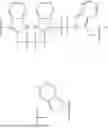




Sources:
- United States Patent and Trademark Office - verify current appl. status at the USPTO↗
Recent applications in this class:
- » 20250242065 2025-07-31
MINIPROTEINS, CONJUGATES & USES THEREOF - » 20250235566 2025-07-24
TRISLINKER-CONJUGATED DIMERIC LABELING PRECURSORS AND RADIOTRACERS DERIVED THEREFROM - » 20250205373 2025-06-26
ENRICHED AND STABLE RADIOLIGAND THERAPY FORMULATIONS AND PHARMACEUTICAL COMPOSITIONS COMPRISING SAME - » 20250205372 2025-06-26
RADIOPHARMACEUTICAL COMPOSITIONS, SYNTHETIC METHODS, AND METHODS OF TREATMENT - » 20250195702 2025-06-19
RADIOLABELED COMPOUNDS FOR IN VIVO IMAGING OF GASTRIN-RELEASING PEPTIDE RECEPTOR (GRPR) AND TREATMENT OF GRPR-RELATED DISORDERS - » 20250186634 2025-06-12
METHODS OF TREATING SMALL CELL LUNG CANCER - » 20250177582 2025-06-05
HIGH-AFFINITY LIGANDS OF FIBROBLAST ACTIVATION PROTEIN FOR TARGETED DELIVERY APPLICATIONS - » 20250161505 2025-05-22
CD206 Targeted Peptide Conjugates and Methods of Using the Same - » 20250135047 2025-05-01
IMPROVED ALUMINUM FLUORIDE RADIOSYNTHESIS OF [18F]DK222 - » 20250135046 2025-05-01
CHOLECYSTOKININ B RECEPTOR-TARGETED COMPLEX AND A CONTRAST AGENT THEREOF