FERROELECTRIC NEMATIC LIQUID CRYSTALLINE MEDIUM
US20250282995A1
2025-09-11
18/858,650
2023-05-30
Smart Summary: A new type of liquid crystal material works at normal temperatures and has special properties called ferroelectric nematic phase. It is made from certain chemical compounds that have at least five ring structures. These materials can be mixed together to create useful products. They are particularly valuable in areas like electronics and electro-optics. The unique features of this liquid crystal allow for very high dielectric permittivity, making it suitable for advanced technology applications. 🚀 TL;DR
Abstract:
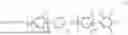
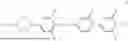
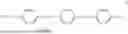
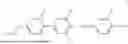
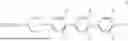
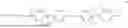
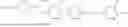
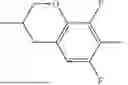
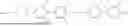
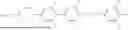
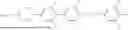
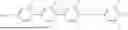
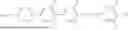
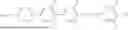
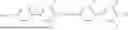
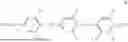
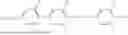
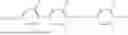
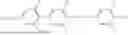
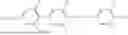
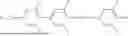
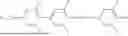
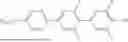
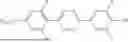
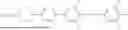
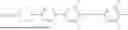
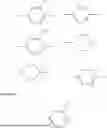
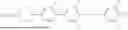
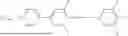
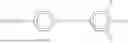
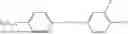
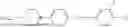
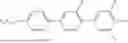
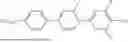
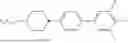
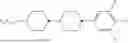
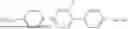
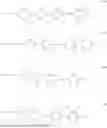
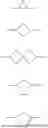
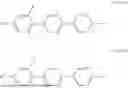
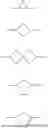
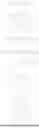
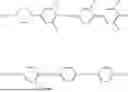
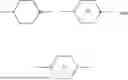
LC media exhibiting a ferroelectric nematic phase at ambient temperature, comprising at least one or more compounds of formula IA having at least five rings,
The mixtures are useful for electro-optics, electronics, electro-mechanic and other applications for materials with very high dielectric permittivity.
Assignee:
- MERCK PATENT GMBH 3,357 🇩🇪 DARMSTADT, Germany
Applicant:
Interested in similar patents?
Get notified when new applications in this technology area are published.
Classification:
C09K19/3402 » CPC main
Liquid crystal materials characterised by the chemical structure of the liquid crystal components, e.g. by a specific unit; Non-steroidal liquid crystal compounds containing at least one heterocyclic ring having oxygen as hetero atom
C09K19/0225 » CPC further
Liquid crystal materials characterised by optical, electrical or physical properties of the components, in general Ferroelectric
C09K2019/0466 » CPC further
Liquid crystal materials characterised by the chemical structure of the liquid crystal components, e.g. by a specific unit characterized by a linking chain between rings or ring systems, a bridging chain between extensive mesogenic moieties or an end chain group the linking chain being a -CFO- chain
C09K2019/3422 » CPC further
Liquid crystal materials characterised by the chemical structure of the liquid crystal components, e.g. by a specific unit; Non-steroidal liquid crystal compounds containing at least one heterocyclic ring having oxygen as hetero atom the heterocyclic ring being a six-membered ring
C09K2019/3425 » CPC further
Liquid crystal materials characterised by the chemical structure of the liquid crystal components, e.g. by a specific unit; Non-steroidal liquid crystal compounds containing at least one heterocyclic ring having oxygen as hetero atom the heterocyclic ring being a six-membered ring Six-membered ring with oxygen(s) in fused, bridged or spiro ring systems
G02F1/135 » CPC further
Devices or arrangements for the control of the intensity, colour, phase, polarisation or direction of light arriving from an independent light source, e.g. switching, gating or modulating; Non-linear optics for the control of the intensity, phase, polarisation or colour based on liquid crystals, e.g. single liquid crystal display cells; Constructional arrangements; Operation of liquid crystal cells; Circuit arrangements Liquid crystal cells structurally associated with a photoconducting or a ferro-electric layer, the properties of which can be optically or electrically varied
C09K19/34 IPC
Liquid crystal materials characterised by the chemical structure of the liquid crystal components, e.g. by a specific unit; Non-steroidal liquid crystal compounds containing at least one heterocyclic ring
C09K19/02 IPC
Liquid crystal materials characterised by optical, electrical or physical properties of the components, in general
C09K19/04 IPC
Liquid crystal materials characterised by the chemical structure of the liquid crystal components, e.g. by a specific unit
Description
CROSS-REFERENCE TO RELATED APPLICATIONS
This application is a U.S. national stage application filed and claiming priority under 35 U.S.C. §§ 120 and 365(a) of International Application No. PCT/EP2023/064350, filed May 30, 2023, and claiming priority under 35 U.S.C. § 119 of and to European Patent Application No. 22176580.3, filed May 31, 2022, each of which applications is incorporated herein by reference in its entirety and for all purposes.
BACKGROUND OF THE INVENTION
An aspect of the invention relates to liquid crystalline media exhibiting a ferroelectric nematic liquid crystalline phase over a substantial range of temperatures, preferably at ambient temperature. The media typically comprise one or more compounds of the formulae IA, and optionally IB and IC as defined below. In addition, the present invention relates to liquid crystal devices (e.g. displays), electric and electronic elements which contain the liquid crystalline media according to the invention.
In previous years, the areas of application for liquid crystal compounds have been considerably expanded to various types of display devices, electro-optical devices, electronic components, sensors, etc. For this reason, a number of different structures have been proposed, in particular in the area of nematic liquid crystals. The nematic liquid-crystal mixtures have to date found the broadest use in flat-panel display devices. They have been employed, in particular, in passive TN or STN matrix displays or systems having a TFT active matrix, including the well-known TN, IPS, FFS and VA systems.
Most of these devices employ the nematic liquid crystal phase, including all common LCD television sets, LCD desktop monitors and mobile LCD devices. Some alternative liquid crystalline phases are known, like ferroelectric smectic phases or blue phases. However, a ferroelectric nematic phase (Nf-LC phase) had been postulated by theory for decades only, without finding a suitable liquid crystalline material with such property.
Only recently, a few chemical structures have been reported to show ferroelectric nematic behaviour.
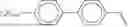
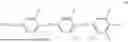
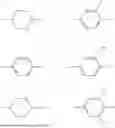
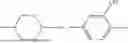
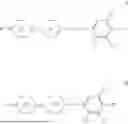
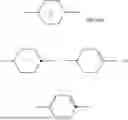
Firstly, Hiroya Nishikawa, Kazuya Shiroshita, Hiroki Higuchi, Yasushi Okumura, Yasuhiro Haseba, Shin-ichi Yamamoto, Koki Sago, and Hirotsugu Kikuchi, Adv. Mater. (2017), 29, 1702354, describe a compound of formula A to have a ferroelectric nematic behaviour at temperatures between about 45° C. to 68° C.
Further, Nerea Sebastián, Luka Cmok, Richard J. Mandle, María Rosario de la Fuente, Irena Drevenšek Olenik, Martin Čopič and Alenka Mertelj, Physical Review Letters (2020), 124, 037801, describe a compound of formula B with similar behaviour between about 120° C. to 133° C.
Further comparison of the two only available substances for Nf-LC phases is presented by Xi Chen et al., PNAS (Jun. 23, 2020), 117 (25) 14021-14031. The high significance of the advent of the new Nf-LC phase underlines O. D. Lavrentovich, Proc Nat Acad Sci USA (2020), 117(26), 14629-14631.
Very high values of the dielectric susceptibility of these substances and some structural variations thereof are reported in the publication Li et al., Sci. Adv. 2021, 7.
A new ferroelectric nematic substance of formula C is published by Atsutaka Manabe, Matthias Bremer, Martin Kraska (2021): Ferroelectric phase at and below room temperature, Liquid Crystals, 48, 1079-1086 (DOI 10.1080/02678292.2021.1921867) which is described to have a ferroelectric nematic liquid crystalline phase (Nf-LC phase) close to ambient temperature. Ambient temperature, also sometimes called room temperature, means in a narrower sense a temperature of 20° C. here.
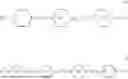
Y. Song et al. (Phys. Chem. Chem. Phys., 2022, DOI: 10.1039/d2cp01110g) describe a substance with ferroelectric nematic phase at high temperatures, which has the following structure D:
Exploitation of the Nf-LC phase for technical applications would clearly benefit from applicability to ambient temperatures. Technical devices and electronic applications are usually designed to have a working range above and below ambient temperature, respectively room temperature, e. g. from 15° C. to 25° C., preferably from 0° to 50° C. and more preferably even broader.
A ferroelectric nematic display is proposed in DE19629551 A1, however it does not disclose any specific materials at all, that can fulfil the requested ferroelectric nematic properties.
The use of fluorinated liquid crystal substances is known to the person skilled in the art. Various compounds containing two 2,6-difluorinated 1,4-phenylene rings have already been described as liquid-crystalline or mesogenic material, such as, for example, in the publication WO 2015/101405 A1 and various more. The compounds proposed therein have three to four aromatic rings and are characterized as conventional nematic material without ferroelectric nematic properties.
SUMMARY OF THE INVENTION
An object of the present invention was finding novel stable compounds which are suitable as component(s) of ferroelectric nematic liquid crystal media (Nf-LC phase media). In particular, the compounds should simultaneously have a Nf-LC phase or support such phase in a Nf-LC medium. They should also have a moderate to high optical anisotropy for achieving the electrooptical switching effect as with conventional nematic LC media.
In view of the very wide variety of areas of application of compounds of this type having high dielectric anisotropy (Δε), it was desirable to have available further compounds, preferably having a high clearing point and low melting point, while showing a broad and suitable temperature range of the ferroelectric nematic phase.
It was thus a further object of the invention to find novel stable compounds which are suitable as component(s) of ferroelectric nematic liquid crystal media, in particular for displays analogous to conventional nematic TN, STN, IPS, FFS and TN-TFT displays.
In addition, it was an aim for the compounds to be thermally and photochemically stable under the conditions prevailing in the areas of application. As mesogens, they should facilitate a broad ferroelectric nematic phase, in particular at low temperatures, at least below room temperature.
Surprisingly, it has been found that a medium comprising several selected compounds as described below can achieve the ferroelectric phase in a highly advantageous temperature range, and specific new and conventional compounds in combination are eminently suitable as components of Nf-LC media. They can be used to obtain LC media with unprecedent properties, including, but not limited to liquid crystal media for devices which require particularly high or even extremely high dielectric anisotropies, in particular for IPS or FFS displays, but also for other devices, for electronic applications, capacitors and electro-mechanic devices making use of the high dielectric permittivity of the materials. The media and compounds used according to the invention are sufficiently stable and colourless. In particular, they are distinguished by extraordinarily high dielectric constants and in particular by very high dielectric anisotropies (Δε), owing to which low threshold voltages are necessary on use in optical switching elements. The compounds have reasonably good solubility for compounds having comparable properties and can be admixed with similar compounds almost unlimited. In addition, the compounds used according to the present invention have a high clearing point. These compounds also have relatively low melting points, or can be stably kept below their melting point as super-cooled melts. The invention enables the formation of the desired Nf-LC phase already at room temperature and below.
The high dielectric permeability will enable outstanding physical performance. The high (relative) dielectric permittivity is also especially advantageous for dielectrics in capacitors, since it causes high capacitance on a specific electrode area. In addition, the media have very low electric conductivity and are unique over conventional high-εr materials (e.g. barium titanates) due to their fluid nature.
The liquid crystal media can be used for displays based on the principle of the twisted cell, the guest-host effect, the effect of deformation of aligned phases DAP or ECB (electrically controlled birefringence), the IPS (inplane switching) effect or the effect of dynamic scattering.
DETAILED DESCRIPTION OF THE INVENTION
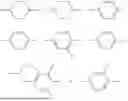
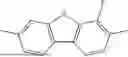
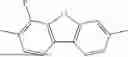
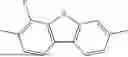
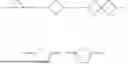
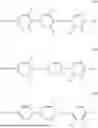
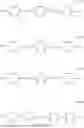
The invention thus in one main aspect relates to liquid crystalline media comprising one or more compounds of formula IA, preferably 15% by weight or more of,
wherein
-
- X1A denotes —CN, F or —NCS, preferably —CN,
- Z1A and Z2A independently of one another is —(CO)—O— or —CF2—O— or a single bond,
- L1A is H or CH3,
- L2A independently, is F or H, preferably H,
- L3A independently, is F or H, preferably F,
- L4A independently, is F or H,
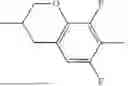
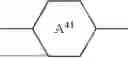
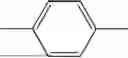
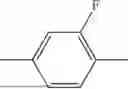
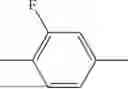
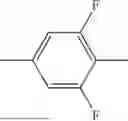
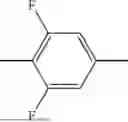
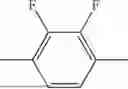
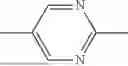
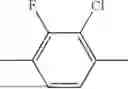
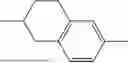
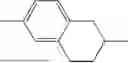
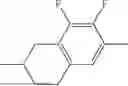
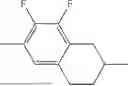
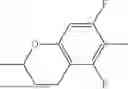
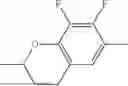
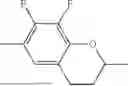
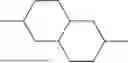
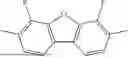
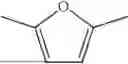
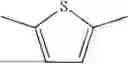
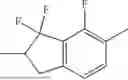
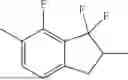
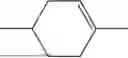
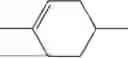
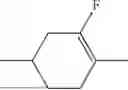
- A1A denotes
-
- R1A independently is an alkyl radical having 1 to 12 C atoms, preferably 1 to 8, more preferably 1 to 6 and most preferably 1 to 5 C atoms, where, in addition, one or more CH2 groups in these radicals may in each case be replaced, independently of one another, by —C≡C—, —CF2—O—, —OCF2—, —CH═CH—,
-
- —O—, —S—, —(CO)—O— or —O—(CO)— in such a way that O/S atoms are not linked directly to one another, and in which, in addition, one or more H atoms may be replaced by halogen, or denotes H,
- preferably R1A is a halogenated or unsubstituted alkyl radical having 1 to 10 C atoms, where, in addition, one or more CH2 groups in these radicals may be replaced by —O— or —CH═CH— in such a way that O atoms are not linked directly,
- n1 0 or 1, preferably 1,
- n2 0 or 1, and
- n3 is 2 or 3, while if n1+n2+n3 is 2, one or more of A1A is
This means, if n1 and n2 are both 0, then at least one of A1A is
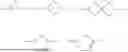
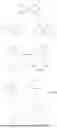
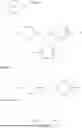
The liquid crystalline medium preferably comprises additionally one or more of compounds selected from compounds of formula IB and IC,
R1C-A3C-Z2C-A2C-Z1C-A1C-X1C IC
in which
-
- X1B denotes —CN, F or —NCS, preferably —CN,
- X1C denotes —CN, F, CF3, —OCF3, —NCS, SF5 or O—CF═CF2, preferably —CN or —NCS, most preferably CN,
- Z1B and Z2B independently of one another denote a single bond, —(CO)—O— or —CF2—O—,
- preferably a single bond,
- Z1C and Z2C one of the both groups denotes —(CO)—O— or —CF2—O— and the other a single bond,
- preferably Z1C is —(CO)—O— or —CF2—O— and Z2C is a single bond,
- L1B independently is H or CH3, preferably H,
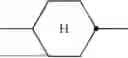
- A1B denotes
-
- wherein L8B denotes alkyl, alkoxy or alkoxyalkyl, each with 1 to 7 C atoms, preferably CH3, OCH3, OCH2CH3, CH2OCH3, CH2OCH2CH3, CH2CH2OCH3, CH2CH2OCH2CH3 or CH2CH2CH2OCH3,
- A1C independently denotes
-
- R1B and R1C independently of each another denote an alkyl radical having 1 to 12 C atoms, preferably 1 to 8, more preferably 1 to 6 and most preferably 1 to 5 C atoms, where, in addition, one or more CH2 groups in these radicals may in each case be replaced, independently of one another, by —C≡C—, —CF2—O—, —OCF2—, —CH═CH—,
-
- —O—, —S—, —(CO)—O— or —O—(CO)— in such a way that O/S atoms are not linked directly to one another, and in which, in addition, one or more H atoms may be replaced by halogen, or denotes H,
- preferably R1A, R1B and R1C independently are a halogenated or unsubstituted alkyl radical having 1 to 10 C atoms, where, in addition, one or more CH2 groups in these radicals may be replaced by —O— or —CH═CH— in such a way that O atoms are not linked directly.
The medium comprises:
-
- preferably 15% by weight or more of compounds of formula IB,
and/or
-
- preferably 15%, preferably 20% by weight or more of one or more compounds of formula IC, preferably selected from formula IC-1 to IC-3 as described below.
The percentages are provided under the circumstance that the whole medium makes up 100% by weight of the medium.
The radicals R1A, R1B and R1C in the respective formulae IA, IB and IC and their respective sub-formulae preferably denote alkyl having 1 to 8 carbon atoms, alkoxy having 1 to 8 carbon atoms or alkenyl having 2 to 8 carbon atoms. These alkyl chains are preferably linear or they, preferably in case of R1C, are branched by a single methyl or ethyl substituent, preferably in 2- or 3-position. R1A, R1B and R1C particularly preferably denote a straight-chain alkyl radical having 1 to 7 C atoms or an unbranched alkenyl radical having 2 to 8 C atoms, in particular unbranched alkyl having 1 to 5 C atoms.
Alternative preferred radicals R1A, R1B and R1C are selected from cyclopentyl, 2-fluoroethyl, cyclopropylmethyl, cyclopentylmethyl, cyclopentylmethoxy, cyclobutylmethyl, 2-methylcyclopropyl, 2-methylcyclobutyl, 2-methylbutyl, 2-ethylpentyl and 2-alkyloxyethoxy.
Compounds of the formula IA, IB and IC1 to IC-3 containing branched or substituted end groups R1A, R1B and R1C, respectively, may occasionally be of importance owing to better solubility in the liquid-crystalline base materials. The groups R1A, R1B and R1C, respectively, are preferably straight chain.
The radicals R1A, R1B and R1C, respectively, particularly preferably selected from the moieties:
-
- CH3
- C2H5
- n-C3H7
- n-C4H9
- n-C5H11
- C2H5CH(CH3)CH2
- n-C6H13
- n-C7H15
- n-C3H7CH(C2H5)CH2
- n-C8H17
- c-C3H5
- c-C3H5CH2
- c-C4H7
- c-C5H7
- c-C5H9
- c-C5H9CH2
- CH2═CH
- CH3CH═CH
- CH2═CH(CH2)2
- CH3O
- C2H5O
- n-C3H7O
- n-C4H9O
- n-C5H11O
- CH3OCH2
- C2H5OCH2
- CH3OCH2CH2
- C2H5OCH2CH2
- H
wherein the following abbreviations for the end groups are used:
A further embodiment of the invention is directed to a ferroelectric nematic liquid crystalline medium comprising one or more compounds selected from formulae IA and one or more from formulae IB and IC as defined above.
In a preferred embodiment the invention is directed to a ferroelectric nematic liquid crystalline medium comprising one or more compounds selected from formulae IC-1 to IC-3 as defined below, preferably in the percentages and preferred formulae as provided throughout this disclosure:
wherein the variables are defined as for formula IC and m, n are 0 or 1, where m+n=1. Among these formula IC-1 is preferred. More preferably the medium according to the invention has at least one compound of formula IC-1.
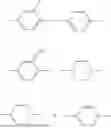
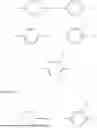
In a preferred embodiment, the media according to the present invention preferably comprise one, two, three or more compounds of formula IA-1
preferably selected from the group of formulae IA-1 to IA-3, preferably of formula IA-1-1, IA-2-1 and IA-3-1:
in which the parameters have the respective meanings given above and preferably
-
- L2A, L3A, L4A H or F,
- Z1A denotes —CF2—O—.
For subformula IA-1, L2A is preferably F, and L3A, L4A are preferably H.
For subformula IA-2, L2A is preferably H, and L3A L4A are preferably F. Z2A preferably is a single bond or —CF2O—, more preferably a single bond.
In a preferred embodiment, the media according to the present invention preferably comprise one, two, three or more compounds of formula IB-1 and/or IB-2 and/or IB-3, preferably of formula IB-1,
-
- R1B denotes an alkyl radical having 1 to 12 C atoms, preferably 1 to 7, more preferably 1 to 6, and most preferably 1 to 5 C atoms, where, in addition, one or more CH2 groups in these radicals may in each case be replaced, independently of one another, by —C≡C—, —CF2—O—, —OCF2—, —CH═CH—,
-
- —O—, —S—, —CO—O— or —O—CO— in such a way that O/S atoms are not linked directly to one another, and in which, in addition, one or more H atoms may be replaced by halogen, or denotes H,
- preferably R1B is a halogenated or unsubstituted alkyl radical having 1 to 12 C atoms, where, in addition, one or more CH2 groups in these radicals may in each case be replaced, independently of one another, by —C≡C— or —CH═CH—,
- A1B denotes
-
- and
- Z1B, Z2B independently denote —(CO)—O— or —CF2—O—,
- preferably selected from the group of the following formulae, formulae IB-1-1 to IB-3-1:
-
- in which the parameters have the respective meanings given above
- and, in particular, in formula IB-1-1 to IB-1-3,
- Z1B preferably denotes —CF2—O—
- and, in particular, in formula IB-2-1 and IB-2-2,
- Z2B denotes preferably —CF2—O—;
- and, in particular, in formula IB-2-3,
- Z2B denotes preferably —C(O)O—.
In a preferred embodiment, the media according to the present invention preferably comprise one, two, three or more compounds selected of formulae IC-1-1 to IC-3-6:
wherein A1C is defined as above,
preferably selected from the group of the following formulae IC-1-1-1 to IC-3-5-2, preferably selected from the group of formulae IC-1-1-1, IC-1-1-2, IC-1-1-3, IC-1-1-4, IC-3-1-1 and IC-3-2-1:
in which the parameters have the respective meanings given above and preferably
-
- L1C denotes H,
- Z1C denotes —CF2—O— or —(CO)—O—, and
- X1C denotes —CN or —SCN, preferably —CN.
Particularly preferred compounds of the formula IC-1-1 to IC-1-4 used in the media are the compounds of the formulae below:
wherein the parameters are defined as above, preferably L1C is H.
In addition to the compounds of formulae IA, IB and IC-1/-2/-3 the media according to the invention optionally, preferably obligatory, comprise one, two, three or more compounds selected from formula ID-1 to ID-4
-
- XD denotes CN, F, CF3, —OCF3, NCS, SF5 or O—CF═CF2, preferably —CN, F, —CF3, —OCF3, —Cl or —NCS, most preferably F or CN,
- L1D, L2D, L3D, L4D, L5D, L6D and L7D, independently denote F, H, alkyl, alkoxy or alkoxyalkyl, each with 1 to 7 C atoms, preferably H, F, CH3, OCH3, OCH2CH3, CH2OCH3, CH2OCH2CH3, CH2CH2OCH3, CH2CH2OCH2CH3 or CH2CH2CH2OCH3,
- Z1D and Z2D independently of one another denote —(CO)—O—, —CF2—O—, a single bond, and preferably both —(CO)—O—,
- R1D denotes an alkyl radical having 1 to 12 C atoms, preferably 1 to 7, more preferably 1 to 6 and most preferably 1 to 5 C atoms, where, in addition, one or more CH2 groups in these radicals may in each case be replaced, independently of one another, by —C≡C—, —CF2—O—, —OCF2—, —CH═CH—,
-
- —O—, —S—, —(CO)—O— or —O—(CO)— in such a way that O/S atoms are not linked directly to one another, and in which, in addition, one or more H atoms may be replaced by halogen, or denotes H,
- preferably R1D is a halogenated or unsubstituted alkyl radical having 1 to 12 C atoms, where, in addition, one or more CH2 groups in these radicals may in each case be replaced, independently of one another, by —C≡C— or —CH═CH—,
- R2D denotes alkyl, alkoxy or alkoxyalkyl, each with 1 to 7 C atoms, preferably CH3, OCH3, OCH2CH3, CH2OCH3, CH2OCH2CH3, CH2CH2OCH3, CH2CH2OCH2CH3 or CH2CH2CH2OCH3,
- A1D denotes a single bond,
-
-
- preferably a single bond,
-
-
- wherein
- L8D denotes alkyl, alkoxy or alkoxyalkyl, each with 1 to 7 C atoms, preferably CH3, OCH3, OCH2CH3, CH2OCH3, CH2OCH2CH3, CH2CH2OCH3, CH2CH2OCH2CH3 or CH2CH2CH2OCH3,
- preferably it comprises one or more of formulae ID-1-1 to ID-3-1:
-
- wherein the variable groups R1D and L8D are defined as above.
The media optionally comprise additionally one or more compounds selected from the following groups of compounds:
The compounds of formula IA, IB, IC and ID represent the “group 1” of compounds. In a preferred embodiment of the present invention the media comprise up to 100% of one or more compounds, preferably of three, four, five, six or more, compounds selected from group 1 of compounds. In this embodiment the media preferably predominantly consist of, more preferably they essentially consist of, and most preferably, they virtually completely consist of these compounds.
For the present invention, the following definitions apply in connection with the specification of the constituents of the compositions, unless indicated otherwise in individual cases:
-
- “comprise”: the concentration of the constituents in question in the composition is preferably 5% or more, particularly preferably 10% or more, very particularly preferably 20% or more,
- “predominantly consist of”: the concentration of the constituents in question in the composition is preferably 50% or more, particularly preferably 55% or more and very particularly preferably 60% or more,
- “essentially consist of”: the concentration of the constituents in question in the composition is preferably 80% or more, particularly preferably 90% or more and very particularly preferably 95% or more, and
- “virtually completely consist of”: the concentration of the constituents in question in the composition is preferably 98% or more, particularly preferably 99% or more and very particularly preferably 100.0%.
Preferably the media according to the present application fulfil one or more of the following conditions. They preferably comprise:
-
- 15% or more of compounds of formula IA, more preferably 20%, more preferably 25%, 30%, 35, 45 or 50% by weight or more of compounds of formula IA,
- 5% or more of compounds of formula IB, more preferably 10% or more, more preferably 20% or more and most preferably 30% by weight or more of compounds of formula IB,
- 40% or more of compounds selected from formula IA and IB altogether, more preferably 60%, more preferably 75% or more and most preferably 90% by weight or more of compounds selected from formula IA and IB, i. e. the sum of compounds of formula IA and IB preferably is at least of the above values,
- 5% or more, preferably 10% or more of compounds selected of formula IC-1, IC-2 and IC-3, more preferably 15%, more preferably 20% or more and most preferably 25% by weight or more,
- 45% or more of compounds selected from formula IA, IB and IC altogether, more preferably 70%, more preferably 85% or more and most preferably 90% by weight or more of compounds selected from formula IA, IB and IC, i. e. the sum of compounds of these formulae,
- optionally 2% or more of compounds of formula ID (ID-1, ID-2, ID-3, ID-4), more preferably 5%, more preferably 10% or more and most preferably 15% by weight or more of compounds of formula ID,
- one, two, three or more, compounds of the formula IA-1-1 or IA-1-2, preferably of formula AUUQGU-n-N, AUUQGG-n-N, PGGUQU-n-F, most preferably selected from the group of the compounds AUUQGU-2-N, AUUQGU-3-N, AUUQGU-4-N, AUUQGU-5-N and AUUQGU-6-N.
- one, two, three or more, preferably three or more, compounds of the formula IB-1, preferably of formulae GUUQU-n-N and/or DUUQU-n-N, most preferably selected from the group of the compounds GUUQU-2-N, GUUQU-3-N, GUUQU-4-N, GUUQU-5-N, GUUQU-6-N, GUUQU-7-N, DUUQU-2-N, DUUQU-3-N, DUUQU-4-N, DUUQU-5-N and DUUQU-6-N,
- one, two, three or more compounds of the formula IB-1-3, preferably of formula GUUQU-n-N, more preferred selected from the group of the compounds GUUQU-3-N, GUUQU-4-N and GUUQU-5-N,
- one, two, three or more compounds of the formula IB-3-1, preferably of formula DUUQU-n-F, more preferred selected from the group of the compounds DUUQU-3-F, DUUQU-4-F and DUUQU-5-F,
- one, two, three or more compounds of the formula IC-1-1, preferably of formula MUZU-n-N or MUQU-n-N, more preferred selected from the group of the compounds MUZU-2-N, MUZU-3-N, MUZU-4-N and MUZU-5-N,
- one, two, three or more compounds of the formula IC-3, preferably selected from IC-3-2 and IC-3-3, more preferably from the formulae MUU-n-N or UMU-n-N, more preferably selected from the group of the compounds MUU-3-N, MUU-4-N, MUU-5-F, UMU-3-N, UMU-4-N and UMU-5-N,
- one, two, three or more compounds of the formula IC-1-1, preferably selected from the formulae GUZU-n-N or GUQU-n-N, more preferably selected from the group of the compounds GUZU-3-N, GUZU-4-N, GUZU-5-F, GUQU-3-N, GUQU-4-N and GUQU-5-N,
and/or
-
- one, two, three or more compounds of the group of formulae IC-1-1-3 and IC-1-1-4, preferably of formulae UUZU-n-N and/or UUQU-n-N, most preferably selected from the group of the compounds UUZU-2-N, UUZU-3-N, UUZU-4-N, UUZU-5-N, UUQU-2-N, UUQU-3-N and UUQU-4-N,
wherein n is 1, 2, 3, 4, 5, 6 or 7.
In another preferred embodiment of the present invention said compounds of formulae IA, IB and IC-1/-2/-3 are a first group of compounds, group 1, of compounds. In this embodiment the concentration of the compounds of this group 1 of compounds preferably is in the range from 70% or more, preferably 80% or more, more preferably 90% or more to 100% or less.
The media according to this disclosure optionally comprise one or more compounds, selected from the group of compounds of formulae II and III (group 2), preferably in a concentration from more than 0% to 40% or less,
wherein
-
- R2 denotes alkyl, alkoxy, fluorinated alkyl or fluorinated alkoxy having 1 to 7 C atoms, alkenyl, alkenyloxy, alkoxyalkyl or fluorinated alkenyl having 2 to 7 C atoms and preferably alkyl or alkenyl,
-
- on each appearance, independently of one another, denote
-
- L21 and L22 denote H or F, preferably L21 denotes F,
- L32 and L33 denote H, F or CH3, preferably H,
- X2 denotes halogen, halogenated alkyl or alkoxy having 1 to 3 C atoms or halogenated alkenyl or alkenyloxy having 2 or 3 C atoms, preferably F, Cl, —OCF3, —O—CH2CF3, —O—CH═CH2, —O—CH═CF2 or —CF3, very preferably F, Cl, —O—CH═CF2 or —OCF3,
- m denotes 0, 1, 2 or 3, preferably 1 or 2 and particularly preferably 2,
- R3 denotes alkyl, alkoxy, fluorinated alkyl or fluorinated alkoxy having 1 to 7 C atoms, alkenyl, alkenyloxy, alkoxyalkyl or fluorinated alkenyl having 2 to 7 C atoms and preferably n-alkyl, cyclopropyl, cyclopentyl or alkenyl,
-
- on each appearance, independently of one another, are
-
- L31 and L32, independently of one another, denote H or F, preferably L31 denotes F,
- X3 denotes halogen, halogenated alkyl or alkoxy having 1 to 3 C atoms or halogenated alkenyl or alkenyloxy having 2 or 3 C atoms, F, Cl, —OCF3, —OCHF2, —O—CH2CF3, —O—CH═CF2, —O—CH═CH2 or —CF3, very preferably F, Cl, —O—CH═CF2, —OCHF2 or —OCF3,
- Z3 denotes —CH2CH2—, —CF2CF2—, —COO— trans-CH═CH—, trans-CF═CF— —CH2O— or a single bond, preferably —CH2CH2—, —COO— trans-CH═CH— or a single bond and very preferably —(CO)—O—, trans-CH═CH— or a single bond, and
- n denotes 0, 1, 2 or 3, preferably 1, 2 or 3 and particularly preferably 1,
wherein the respective rings, and preferably the phenylene rings, optionally may each be substituted by one or two alkyl groups, preferably by methyl and/or ethyl groups, preferably by one methyl group, and,
wherein the compounds of formulae IA, IB, IC and ID are excluded from the compounds of formula II,
again optionally, either alternatively or additionally, one or more compounds, selected from the group of compounds of formulae IV and V (group 3), preferably in a concentration from more than 0% to 15%,
wherein
-
- R41 and R42, independently of one another, have the meaning indicated above for R2 under formula II, preferably R41 denotes alkyl and R42 denotes alkyl or alkoxy or R41 denotes alkenyl and R42 denotes alkyl,
-
-
- independently of one another and, if
-
-
-
- occurs twice,
- also these independently of one another, denote
-
-
-
- preferably one or more of
-
-
-
- denotes or denote,
-
-
- Z41 and Z42, independently of one another and, if Z41 occurs twice, also these independently of one another,
- denote —CH2CH2—, —COO—, trans —CH═CH—, trans —CF═CF—, —CH2O—, —CF2—O—, —C≡C— or a single bond, preferably one or more thereof denotes/denote a single bond, and
- p denotes 0, 1 or 2, preferably 0 or 1, and
- R51 and R52, independently of one another, have one of the meanings given for R41 and R42 and preferably denote alkyl having 1 to 7 C atoms, preferably n-alkyl, particularly preferably n-alkyl having 1 to 5 C atoms, alkoxy having 1 to 7 C atoms, preferably n-alkoxy, particularly preferably n-alkoxy having 2 to 5 C atoms, alkoxyalkyl, alkenyl or alkenyloxy having 2 to 7 C atoms, preferably having 2 to 4 C atoms, preferably alkenyloxy,
-
-
- if present, each, independently of one another, denote
-
-
- and, if present,
-
- Z51 to Z53 each, independently of one another, denote —CH2—CH2—, —CH2—O—, —CH═CH—, —C≡C—, —COO— or a single bond, preferably —CH2—CH2—, —CH2—O— or a single bond and particularly preferably a single bond,
- i and j each, independently of one another, denote 0 or 1,
- (i+j) preferably denotes 0, 1 or 2, more preferably 0 or 1 and, most preferably 1,
wherein the respective rings, and preferably the phenylene rings, optionally may each be substituted by one or two alkyl groups, preferably by methyl and/or ethyl groups, preferably by one methyl group, and
again optionally, either alternatively or additionally, one or more compounds, preferably two, three or more compounds, selected from the group 4 the group of compounds of formulae I and VI to IX, preferably in a concentration from more than 0% to 20%,
-
- n denotes 0 or 1,
- R11 and R12 independently of each other denote alkyl, alkoxy, fluorinated alkyl or fluorinated alkoxy, preferably having 1 to 7 C atoms, wherein one CH2 group may be replaced by a 1,2-cyclopropyl group, by a 1,3-cyclopentyl group or by a 1,3-cyclopentenylene group, alkenyl, alkenyloxy, alkoxyalkyl or fluorinated alkenyl having 2 to 7 C atoms and preferably alkyl, alkoxy, alkenyl or alkenyloxy, most preferably alkyl, alkoxy or alkenyloxy,
- R61 denotes an unsubstituted alkyl radical having 1 to 7 C atoms, preferably a straight-chain alkyl radical, more preferably an n-alkyl radical, most preferably propyl or pentyl, an unsubstituted alkenyl radical having 2 to 7 C atoms, preferably a straight-chain alkenyl radical, particularly preferably having 2 to 5 C atoms, an unsubstituted alkoxy radical having 1 to 6 C atoms or an unsubstituted alkenyloxy radical having 2 to 6 C atoms,
- R62 denotes an unsubstituted alkyl radical having 1 to 7 C atoms, an unsubstituted alkoxy radical having 1 to 6 C atoms or an unsubstituted alkenyloxy radical having 2 to 6 C atoms, and
- I denotes 0 or 1,
- R71 denotes an unsubstituted alkyl radical having 1 to 7 C atoms, preferably a straight-chain alkyl radical, more preferably an n-alkyl radical, most preferably propyl or pentyl, or an unsubstituted alkenyl radical having 2 to 7 C atoms, preferably a straight-chain alkenyl radical, particularly preferably having 2 to 5 C atoms,
- R72 denotes an unsubstituted alkyl radical having 1 to 7 C atoms, preferably having 2 to 5 C atoms, an unsubstituted alkoxy radical having 1 to 6 C atoms, preferably having 1, 2, 3 or 4 C atoms, or an unsubstituted alkenyloxy radical having 2 to 6 C atoms, preferably having 2, 3 or 4 C atoms, and
-
- R81 denotes an unsubstituted alkyl radical having 1 to 7 C atoms, preferably a straight-chain alkyl radical, more preferably an n-alkyl radical, most preferably propyl or pentyl, or an unsubstituted alkenyl radical having 2 to 7 C atoms, preferably a straight-chain alkenyl radical, particularly preferably having 2 to 5 C atoms,
- R82 denotes an unsubstituted alkyl radical having 1 to 7 C atoms, preferably having 2 to 5 C atoms, an unsubstituted alkoxy radical having 1 to 6 C atoms, preferably having 1, 2, 3 or 4 C atoms, or an unsubstituted alkenyloxy radical having 2 to 6 C atoms, preferably having 2, 3 or 4 C atoms,
-
- Z8 denotes —(CO)—O—, —CH2—O—, —CF2—O— or —CH2—CH2—, preferably —(CO)—O— or —CH2—O—, and
- o denotes 0 or 1,
- R91 and R92 independently of one another have the meaning given for R72 above,
- R91 preferably denotes an alkyl radical having 2 to 5 C atoms, preferably having 3 to 5 C atoms,
- R92 preferably denotes an alkyl or alkoxy radical having 2 to 5 C atoms, more preferably an alkoxy radical having 2 to 4 C atoms, or an alkenyloxy radical having 2 to 4 C atoms.
-
- p and q independently of each other denote 0 or 1, and
- (p+q) preferably denotes 0 or 1,
- in case
-
- alternatively, preferably p=q=1,
wherein the respective rings, and preferably the phenylene rings, optionally may each be substituted by one or two alkyl groups, preferably by methyl and/or ethyl groups, preferably by one methyl group,
and wherein especially the rings
alternatively be replaced by
and wherein the compounds of formula VII are excluded from the compounds of formula IX, and the compounds of formula I are excluded from the compounds of formulae VI to IX, resp. formula IX,
again optionally, preferably obligatorily, either alternatively or additionally, one or more compounds, preferably two, three or more compounds, selected from the group 5, the group of compounds of formula B, preferably in a concentration from more than 0% to 20%,
denotes, in each occurrence independently of one another,
-
- n denotes 0, 1 or 2, preferably 1,
- R1 denotes an alkyl, radical having 1 to 7 C atoms, wherein one or more CH2 groups, preferably one CH2 group, in this radical may each be replaced, independently of one another, by —C≡C—, —CF2—O—, —OCF2—, —O—, —(CO)—O—, —O—(C═O)—, cyclo-propylene, 1,3-cyclobutylene, 1,3-cyclopentylene, 1,3-cyclo-pentenylene, preferably by cyclopropylene or 1,3-cyclopentylene, preferably one CH2 group may be replaced by a 1,2-cyclopropylene group, by a 1,3-cyclopentylene group or by a 1,3-cyclopentenylene group, alkenyl, alkenyloxy, alkoxyalkyl or fluorinated alkenyl having 2 to 7 C atoms and preferably alkyl or alkenyl, wherein one —CH2— group may be replaced by cyclo-propylene, 1,3-cyclobutylene, 1,3-cyclopentylene, 1,3-cyclo-pentenylene, preferably by cyclopropylene or 1,3-cyclopentenylene, in such a way that O atoms are not linked directly to one another, and in which one or more H atoms may be replaced by halogen, and
- X1 denotes F, Cl, fluorinated alkyl, fluorinated alkenyl, fluorinated alkoxy or fluorinated, the latter four groups preferably having 1 to 4 C atoms, more preferably F, Cl, CF3 or OCF3, and
wherein the respective rings, and preferably the phenylene rings, optionally may each be substituted by one or two alkyl groups, preferably by methyl and/or ethyl groups, preferably by one methyl group.
Preferred are media comprising one or more compounds of groups 1 and 2.
Corresponding starting materials can generally readily be prepared by the person skilled in the art by synthetic methods known from the literature or are commercially available. The reaction methods and reagents used are in principle known from the literature.
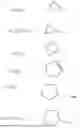
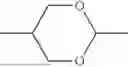
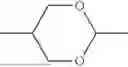
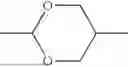
In the present disclosure, the 2,5-disubstituted dioxane ring of the formula
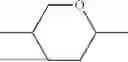
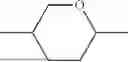
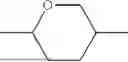
preferably denotes a 2,5-trans-configured dioxane ring, i.e., the substituents R are preferably both in the equatorial position in the preferred chair conformation. The 2,5-disubstituted tetrahydropyran of the formula
likewise preferably denotes a 2,5-trans-configured tetrahydropyran ring, i.e., the substituents are preferably both in the equatorial position in the preferred chair conformation.
The liquid crystalline medium according to the invention has a broad temperature range of the ferroelectric nematic phase. It exhibits the ferroelectric nematic phase ranges at 20° and above and below (ambient temperature). It covers the technically most interesting range from at least 10 to 50° C. and significantly beyond to lower and/or higher temperatures.
So it is highly suitable for all kind of household or industry use, and with some limitations even outdoors. The medium exhibits a ferroelectric nematic phase at least over a temperature range of 20 Kelvin or more, more preferably over 30 K or more, and most preferably over a range of 40 K or more. Preferably the medium exhibits an enantiotropic ferroelectric nematic phase, i.e. a temperature range of the ferroelectric nematic phase which appears at cooling from higher temperatures as well as at heating from lower temperatures. The achievable combinations of temperature range of the ferroelectric nematic phase, clearing point, low-temperature stability (LTS), (relative) dielectric permittivity, dielectric anisotropy and optical anisotropy containing the compounds of formulae IA, IB and IC-1/-2/-3 are far superior to previous materials of such kind from the prior art. Previously only single compound materials were available with limited choice, which have a limited ferroelectric nematic phase range.
In addition, the mixtures according to the invention generally exhibit very broad nematic phase ranges having clearing points of 65° C. or more.
The liquid crystal media according to the invention preferably exhibit a temperature range of the ferroelectric nematic phase which is 20 degrees wide or more, preferably it extends over a range of 40 degrees or more, more preferably of 60 degrees or more.
Preferably the liquid crystal media according to the invention preferably exhibit the ferroelectric nematic phase from 10° C. to 30° C., more preferably from 10° C. to 40° C., more preferably from 10° C. to 50° C., more preferably from 0° C. to 50° C. and, most preferably, from −10° C. to 50° C.
In another preferred embodiment the liquid crystal media according to the invention preferably exhibit the ferroelectric nematic phase
from 10° C. to 40° C., more preferably from 10° C. to 50° C., more preferably from 10° C. to 60° C. and, most preferably, from 10° C. to 70° C.
The liquid crystal media according to the invention exhibit outstanding dielectric properties.
Due to their outstanding properties the media can perform in many new areas of technology and may have use for electro-optical purposes, for supercapacitors, non-linear optic elements, sensors for electrical fields, memory devices and electro-mechanic devices, including electric generators (i. e. energy harvesting devices) and actuators. The materials may for example enable unconventional modes of energy harvesting from vibrational motion.
Preferably the media according to the invention have values of εr of 700 or more, more preferably of 800 or more, more preferably 15000, even more preferably 30000 or more, and more preferably 35000 or more (at 20° C. and 10 Hz).
These dielectric properties are achieved at temperatures at which the media are in the ferroelectric nematic phase. The dielectric characteristics may show a hysteresis behaviour, particularly over varying temperature, and in that case the values obtained at a certain temperature may depend on the history of the material, i.e. whether the material is being heated up or cooled down.
This effect enables, amongst others, the operation of devices e.g. in bistable modes, which may be used beneficially in electro-optical devices, as e.g. known from ferroelectric smectic devices.
The liquid crystal media according to the invention preferably comprise 2 to 40, particularly preferably 4 to 20, compounds as further constituents besides one or more compounds according to the invention. In particular, these media may comprise 1 to 25 components besides one or more compounds according to the invention. These further constituents are preferably selected from ferroelectric nematic or nematogenic (monotropic or isotropic) substances,
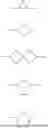
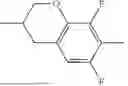
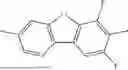
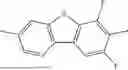
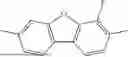
Prior art ferroelectric substances and similar compounds with high dielectric permittivity for combination with the current substances are selected from e.g. the following structures:
The media according to the invention preferably comprise 1% to 100%, more preferably 10% to 100% and, particularly preferably, 50% to 100%, of the compounds of formulae IA and/or IB and/or IC-1/IC-2/IC-3 preferably used according to the invention.
The invention also relates to a method of preparation of a liquid crystalline medium describes herein, wherein at least two or more compounds selected of formulae IA, optionally one or more compounds of formula IB, IC and any other components or additives are combined and mixed with each other. The resulting mixture amounts to 100% by weight.
The liquid-crystal mixtures according to the invention are prepared in a manner which is conventional per se. In general, the desired amount of the components used in lesser amount is dissolved in the components making up the principal constituent, preferably at elevated temperature. It is also possible to mix solutions of the components in an organic solvent, for example in acetone, chloroform or methanol, and to remove the solvent again, for example by distillation, after thorough mixing. It is furthermore possible to prepare the mixtures in other conventional manners, for example by using premixes, for example homologue mixtures, or using so-called “multi-bottle” systems.
The liquid-crystal mixtures may also comprise further additives known to the person skilled in the art and described in the literature. For example, 0 to 15%, preferably 0 to 10%, of pleochroic dyes, chiral dopants, stabilisers or nanoparticles can be added. The individual compounds added are employed in concentrations of 0.01 to 6%, preferably 0.1 to 3%. However, the concentration data of the other constituents of the liquid-crystal mixtures, i.e. the liquid-crystalline or mesogenic compounds, are given here without taking into account the concentration of these additives.
The liquid-crystal mixtures according to the invention enable a significant broadening of the available parameter latitude.
The invention also relates to electro-optical devices, preferably displays (in particular TFT displays having two plane-parallel outer plates, which, together with a frame, form a cell, integrated non-linear elements for switching individual pixels on the outer plates, and a ferroelectric nematic liquid-crystal material having positive dielectric anisotropy and high specific resistance located in the cell) which contain media of this type, and to the use of these media for electro-optical purposes.
The expression “alkyl” encompasses unbranched and branched alkyl groups having 1 to 12 carbon atoms, preferably 1 to 10 carbon atoms, in particular and preferably the unbranched groups methyl, ethyl, n-propyl, n-butyl, n-pentyl, n-hexyl and n-heptyl and further, alternatively, the groups n-butyl, n-pentyl, n-hexyl and n-heptyl substituted by one methyl, ethyl or propyl. Groups having 1-5 carbon atoms are generally preferred.
The expression “alkenyl” encompasses unbranched and branched alkenyl groups having up to 12 carbon atoms, in particular the unbranched groups. Particularly preferred alkenyl groups are C2-C7-1E-alkenyl, C4-C7-3E-alkenyl, C5-C7-4-alkenyl, C6-C7-5-alkenyl and C7-6-alkenyl, in particular C2-C7-1E-alkenyl, C4-C7-3E-alkenyl and C5-C7-4-alkenyl. Examples of preferred alkenyl groups are vinyl, 1E-propenyl, 1E-butenyl, 1E-pentenyl, 1E-hexenyl, 1E-heptenyl, 3-butenyl, 3E-pentenyl, 3E-hexenyl, 3E-heptenyl, 4-pentenyl, 4Z-hexenyl, 4E-hexenyl, 4Z-heptenyl, 5-hexenyl, 6-heptenyl and the like. Groups having 2 to 5 carbon atoms are generally preferred.
The expression “halogenated alkyl radical” preferably encompasses mono- or polyfluorinated and/or -chlorinated radicals. Perhalogenated radicals are included. Particular preference is given to fluorinated alkyl radicals, in particular CF3, CH2CF3, CH2CHF2, CHF2, CH2F, CHFCF3 and CF2CHFCF3. The expression “halogenated alkenyl radical” and related expressions are explained correspondingly.
The construction of a matrix display according to the invention from polarisers, electrode base plates and surface-treated electrodes corresponds to the usual design for displays of this type. The term usual design is broadly drawn here and also encompasses all derivatives and modifications of the matrix display, in particular also matrix display elements based on poly-Si TFTs.
An essential difference between the displays according to the invention and the hitherto conventional ones based on the twisted nematic cell consists, however, in the choice of the liquid-crystal parameters of the liquid-crystal layer.
The following examples explain the invention without intending to restrict it. The person skilled in the art will be able to glean from the examples working details that are not given in detail in the general description, generalise them in accordance with general expert knowledge and apply them to a specific problem.
Above and below, percentage data denote percent by weight. All temperature values indicated in the present application, such as, for example, the melting point T(C,N), the smectic (Sm) to nematic (N) phase transition T(S,N) and the clearing point T(N,I), resp. T(Nf,I), are indicated in degrees Celsius (° C.) and all temperature differences are correspondingly indicated in differential degrees (° or degrees), unless explicitly indicated otherwise. Furthermore, C=crystalline state, N=nematic phase, Nf=ferroelectric nematic phase, Sm=smectic phase (more especially SmA, SmB, etc.), Tg=glass-transition temperature and I=isotropic phase. The data between these symbols represent the transition temperatures. Δn denotes optical anisotropy (589 nm, 20° C.), Δε the dielectric anisotropy (1 kHz, 20° C.).
The physical, physicochemical and electro-optical parameters are determined by generally known methods, as described, inter alia, in the brochure “Merck Liquid Crystals—Licristal®—Physical Properties of Liquid Crystals—Description of the Measurement Methods”, 1998, Merck KGaA, Darmstadt.
The occurrence of the ferroelectric nematic phase of the materials is identified using differential scanning calorimetry (DSC), via observation of the textures under a polarising microscope equipped with a hot-stage for controlled cooling resp. heating and additionally confirmed by temperature dependent determination of the dielectric properties. Transition temperatures are predominantly determined by detection of the optical behaviour under a polarising microscope.
The dielectric anisotropy Δε of the individual substances is determined at 20° C. and 1 kHz. To this end, 5 to 10% by weight of the substance to be investigated are measured dissolved in the dielectrically positive mixture ZLI-4792 (Merck KGaA), and the measurement value is extrapolated to a concentration of 100%. The optical anisotropy Δn is determined at 20° C. and a wavelength of 589.3 nm by linear extrapolation.
The relative dielectric permittivity (εr) of the materials, especially in the ferroelectric nematic phase is directly determined by measuring the capacitance of at least one test cell containing the compound and having cell thickness of 250 μm with homeotropic and with homogeneous alignment, respectively. Temperature is controlled by a Novocontrol Novocool system set to temperature gradients of +/−1 K/min; +/−2 K/min; +/−5 K/min; +/−10 K/min applied to the sample cell. Capacitance is measured by a Novocontrol alpha-N analyzer at a frequency of 1 kHz or 10 Hz with a typical voltage <50 mV down to 0.1 mV in order make sure to be below the threshold of the investigated compound. Measurements are performed both upon heating and upon cooling of the sample(s).
In the present application, unless explicitly indicated otherwise, the plural form of a term denotes both the singular form and the plural form, and vice versa. Further combinations of the embodiments and variants of the invention in accordance with the description also arise from the appended claims or from combinations of a plurality of these claims.
Further combinations of the embodiments of the current invention and variants of the invention are also disclosed by the claims.
Without further elaboration, it is believed that one skilled in the art can, using the preceding description, utilize the present invention to its fullest extent. The preceding preferred specific embodiments are, therefore, to be construed as merely illustrative, and not limitative of the remainder of the disclosure in any way whatsoever. The preceding examples can be repeated with similar success by substituting the generically or specifically described reactants and/or operating conditions of this invention for those used in the preceding examples.
From the foregoing description, one skilled in the art can easily ascertain the essential characteristics of this invention and, without departing from the spirit and scope thereof, can make various changes and modifications of the invention to adapt it to various usages and conditions.
This applies both to the media as compositions with their constituents, which can be groups of compounds as well as individual compounds, and also to the groups of compounds with their respective constituents, the compounds. Only in relation to the concentration of an individual compound relative to the medium as a whole does the term comprise mean: the concentration of the compound or compounds in question is preferably 1% or more, particularly preferably 2% or more, very particularly preferably 4% or more.
For the present invention, “≤” means less than or equal to, preferably less than, and “≥” means greater than or equal to, preferably greater than.
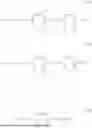
For the present invention
-
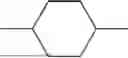
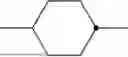
- denote trans-1,4-cyclohexylene,
-
- denotes a mixture of both cis- and trans-1,4-cyclohexylene and
-
- denote 1,4-phenylene.
For the present invention, the expression “dielectrically positive compounds” means compounds having a Δε of >1.5, the expression “dielectrically neutral compounds” means compounds having −1.5≤Δε≤1.5 and the expression “dielectrically negative compounds” means compounds having Δε<−1.5. The dielectric anisotropy of the compounds is determined here by dissolving 10% of the compounds in a liquid-crystalline host and determining the capacitance of the resultant mixture in each case in at least one test cell having a cell thickness of 20 μm with homeotropic and with homogeneous surface alignment at 1 kHz. The measurement voltage is typically 0.5 V to 1.0 V, but is always lower than the capacitive threshold of the respective liquid-crystal mixture (material) investigated.
The host mixture used for dielectrically positive and dielectrically neutral compounds is ZLI-4792 and that used for dielectrically negative compounds is ZLI-2857, both from Merck KGaA, Germany. The values for the respective compounds to be investigated are obtained from the change in the dielectric constant of the host mixture after addition of the compound to be investigated and extrapolation to 100% of the compound employed. The compound to be investigated is dissolved in the host mixture in an amount of 10%. If the solubility of the substance is too low for this purpose, the concentration is halved in steps until the investigation can be carried out at the desired temperature.
The liquid-crystal media according to the invention may, if necessary, also comprise further additives, such as, for example, stabilisers in the usual amounts. The amount of these additives employed is preferably in total 0% or more to 10% or less, based on the amount of the entire mixture, particularly preferably 0.1% or more to 6% or less. The concentration of the individual compounds employed is preferably 0.1% or more to 3% or less. The concentration of these and similar additives is generally not taken into account when specifying the concentrations and concentration ranges of the liquid-crystal compounds in the liquid-crystal media.
For the purposes of the present invention, all concentrations are, unless explicitly noted otherwise, indicated in percent by weight and relate to the corresponding mixture as a whole or mixture constituents, again a whole, unless explicitly indicated otherwise. In this context the term “the mixture” describes the liquid crystalline medium.
The following symbols are used, unless explicitly indicated otherwise:
-
- T(N,I) resp. T(Nf,I) (or clp.)
- clearing point [° C.],
- Dielectric properties at 1 kHz and preferably at 20° C. or at the respective temperature specified:
- ε⊥ dielectric susceptibility perpendicular to the director,
- ε∥ dielectric susceptibility parallel to the director,
- Δε dielectric anisotropy and especially for the screening data of single compounds.
- And, in particular for the data from the screening of the respective compounds in the nematic host mixture ZLI-4792:
- ne extraordinary refractive index measured at 20° C. and 589 nm,
- no ordinary refractive index measured at 20° C. and 589 nm and
- Δn optical anisotropy measured at 20° C. and 589 nm.
- T(N,I) resp. T(Nf,I) (or clp.)
The following examples explain the present invention without limiting it. However, they show the person skilled in the art preferred mixture concepts with compounds preferably to be employed and the respective concentrations thereof and combinations thereof with one another. In addition, the examples illustrate the properties and property combinations that are accessible.
Definitions of structural elements by abbreviations for use in acronyms for chemical compounds:
| TABLE A |
| Ring elements |
| C | |||
| D | DI | ||
| A | AI | ||
| P | |||
| G | GI | ||
| U | UI | ||
| Y | M | ||
| P(F,Cl)Y | P(Cl,F)Y | ||
| np | |||
| n3f | nN3fl | ||
| th | thl | ||
| tH2f | tH2fl | ||
| au | |||
| o2f | o2fl | ||
| dh | |||
| B | |||
| O | S | ||
| K | KI | ||
| L | LI | ||
| F | FI | ||
| Bh | Bh(S) | ||
| Bf | Bf(S) | ||
| Bfi | Bfi(S) | ||
| TABLE B |
| Bridging units |
| E | —CH2—CH2— | |||
| V | —CH═CH— | |||
| T | —C≡C— | |||
| W | —CF2—CF2— | |||
| B | —CF═CF— | |||
| Z | —CO—O— | ZI | —O—CO— | |
| X | —CF═CH— | XI | —CH═CF— | |
| O | —CH2—O— | OI | —O—CH2— | |
| Q | —CF2—O— | QI | —O—CF2— | |
| TABLE C |
| End groups |
| On the left individually or in combination | On the right individually or in combination |
| -n- | CnH2n+1— | -n | —CnH2n+1 |
| -nO— | CnH2n+1—O— | —On | —O—CnH2n+1 |
| —V— | CH2═CH— | —V | —CH═CH2 |
| -nV— | CnH2n+1—CH═CH— | -nV | —CnH2n—CH═CH2 |
| —Vn- | CH2═CH—CnH2n— | —Vn | —CH═CH—CnH2n+1 |
| -nVm- | CnH2n+1—CH═CH—CmH2m— | -nVm | —CnH2n—CH═CH—CmH2m+1 |
| —N— | N≡C— | —N | —C≡N |
| —S— | S═C═N— | —S | —N═C═S |
| —F— | F— | —F | —F |
| —CL— | Cl— | —CL | —Cl |
| —M— | CFH2— | —M | —CFH2 |
| —D— | CF2H— | —D | —CF2H |
| —T— | CF3— | —T | —CF3 |
| —MO— | CFH2O— | —OM | —OCFH2 |
| —DO— | CF2HO— | —OD | —OCF2H |
| —TO— | CF3O— | —OT | —OCF3 |
| —A— | H—C≡C— | —A | —C≡C—H |
| -nA— | CnH2n+1—C≡C— | —An | —C≡C—CnH2n+1 |
| —NA— | N≡C—C≡C— | —AN | —C≡C—C≡N |
| On the left only in combination | On the right only in combination | ||
| - . . . n . . . - | —CnH2n— | - . . . n . . . | —CnH2n— | |
| - . . . M . . . - | —CFH— | - . . . M . . . | —CFH— | |
| - . . . D . . . - | —CF2— | - . . . D . . . | —CF2— | |
| - . . . V . . . - | —CH═CH— | - . . . V . . . | —CH═CH— | |
| - . . . Z . . . - | —CO—O— | - . . . Z . . . | —CO—O— | |
| - . . . ZI . . . - | —O—CO— | - . . . ZI . . . | —O—CO— | |
| - . . . K . . . - | —CO— | - . . . K . . . | —CO— | |
| - . . . W . . . - | —CF═CF— | - . . . W . . . | —CF═CF— | |
in which n and m are each integers, and the three dots “ . . . ” are placeholders for other abbreviations from this table.
Besides the compounds of formulae IA, IB and IC-1/-2/-3 the mixtures according to the invention preferably comprise one or more compounds of the compounds mentioned below.
The following abbreviations are used:
(n, m, k and l are, independently of one another, each an integer, preferably 1 to 9 preferably 1 to 7, k and l possibly may be also 0 and preferably are 0 to 4, more preferably 0 or 2 and most preferably 2, n preferably is 1, 2, 3, 4 or 5, in the combination “-nO—” it preferably is 1, 2, 3 or 4, preferably 2 or 4, m preferably is 1, 2, 3, 4 or 5, in the combination “—Om” it preferably is 1, 2, 3 or 4, more preferably 2 or 4. The combination “—IVm” preferably is “2V1”.)
For the present invention and in the following examples, the structures of the liquid-crystal compounds are indicated by means of acronyms, with the transformation into chemical formulae taking place in accordance with Tables A to C above. All radicals CnH2n+1, CmH2m+1 and ClH2l+1 or CnH2n, CmH2m and ClH2l are straight-chain alkyl radicals or alkylene radicals, in each case having n, m and l C atoms respectively. Preferably n, m and l are independently of each other 1, 2, 3, 4, 5, 6, or 7. Table A shows the codes for the ring elements of the nuclei of the compound, Table B lists the bridging units, and Table C lists the meanings of the symbols for the left- and right-hand end groups of the molecules. The acronyms are composed of the codes for the ring elements with optional linking groups, followed by a first hyphen and the codes for the left-hand end group, and a second hyphen and the codes for the right-hand end group. Table D shows illustrative structures of compounds together with their respective abbreviations.
| TABLE D |
| Exemplary, preferred compounds of formula IA |
| AUUQGU-n-N |
| AUUQGG-n-N |
| PGGUQU-n-F |
| DauUQU-n-N |
| AUUQGG-n-F |
| PGGUQU-n-N |
| PUQGUQGU-n-F |
| Exemplary, preferred compounds of formula IB |
| DUUQU-n-F |
| AUUQU-n-F |
| GUUQU-n-F |
| GUUQU-n-N |
| DUUQU-n-N |
| AUUQU-n-N |
| GUQGU-n-N |
| Exemplary, preferred compounds of formula IC-1 |
| GUQU-n-N |
| GUZU-n-N |
| UUQU-n-N |
| UUZU-n-N |
| UUZU-n-F |
| UUQU-n-F |
| Exemplary, preferred compounds of formula IC-3 |
| MUU-n-N |
| UMU-n-N |
| Further compounds optionally used |
| APUQU-n-F |
| DPUQU-n-F |
| DGUQU-n-F |
| PUQU-n-F |
| PZU-V-N |
| PZU-Vn-N |
| PZU-nV-N |
| PZG-n-N |
| CPZG-n-N |
| PGU-n-F |
| PGU-n-T |
| CPU-n-F |
| CCU-n-F |
| CC-n-m |
| CC-n-V |
| CP-n-m |
| CCP-n-m |
| PP-n-m |
| PP-n-Om |
| PP-n-mVI |
| PP-n-V |
| PP-n-Vm |
| PGP-n-m |
| PGP-n-IV |
| PGP-n-IVm |
MIXTURE EXAMPLES
In the following exemplary mixtures are disclosed.
Mixture Example 1
The following mixture (M-1) is prepared and investigated.
| Mixture M-1 |
| Composition |
| Compound | Concentration |
| No. | Abbreviation | /% by weight | Physical properties |
| 1 | AUUQGU-3-N | 80.00 | T(N, I) = 187° C. |
| 2 | UUQU-4-N | 20.00 | T(FerroN)c = 47° C. |
| Σ | 100.0 | ||
| cvalue upon cooling, |
The mixture has a monotropic ferroelectric nematic phase from 47° C. to about −20° C. upon cooling from above the melting point (67° C.).
Mixture Example 2
The following mixture (M-2) is prepared and investigated.
| Mixture M-2 |
| Composition |
| Compound | Concentration |
| No. | Abbreviation | /% by weight | Physical properties |
| 1 | AUUQGU-3-N | 75.0 | T(N, I) = 97° C. |
| 2 | AUUQGG-3-N | 25.0 | T(FerroN)c = tbd. ° C. |
| Σ | 100.0 | ||
| cvalue upon cooling, |
Mixture Example 3
The following mixture (M-3) is prepared and investigated.
| Mixture M-3 |
| Composition |
| Compound | Concentration |
| No. | Abbreviation | /% by weight | Physical properties |
| 1 | AUUQGU-3-N | 25.0 | T(N, I) = tbd. ° C. |
| 2 | AUUQGG-4-N | 75.0 | T(FerroN)c = tbd. ° C. |
| Σ | 100.0 | = | |
| cvalue upon cooling, |
Mixture Example 4
The following mixture (M-4) is prepared and investigated.
| Mixture M-4 |
| Composition |
| Compound | Concentration |
| No. | Abbreviation | /% by weight | Physical properties |
| 1 | DauUQU-3-N | 5.0 | T(N, I) = 91° C. |
| 2 | DUUQU-3-F | 13.3 | T(FerroN)c = 33° C. |
| 3 | DUUQU-4-F | 12.35 | ε(20° C., 1 kHz)c = 5270 |
| 4 | DUUQU-5-F | 4.75. | ε(20° C., 10 Hz)c = 40500 |
| 5 | GUUQU-3-N | 7.6 | |
| 6 | GUUQU-4-N | 10.45 | |
| 7 | GUUQU-5-N | 2.85 | |
| 8 | GUZU-4-N | 16.15 | |
| 9 | GUZU-5-N | 11.4 | |
| 10 | GUQU-4-N | 16.15 | |
| Σ | 100.0 | ||
| cvalue upon cooling, |
Mixture Example 5
The following mixture (M-5) is prepared and investigated.
| Mixture M-5 |
| Composition |
| Compound | Concentration |
| No. | Abbreviation | /% by weight | Physical properties |
| 1 | DauUQU-3-N | 34.0 | T(N, I) = 88° C. |
| 2 | AUUQGU-3-N | 33.0 | T(FerroN)c = 25° C. |
| 3 | AUUQGG-4-F | 33.0 | ε(20° C., 1 kHz)c = 5010 |
| Σ | 100.0 | ε(20° C., 10 Hz)c = 40200 | |
| cvalue upon cooling, |
Mixture Example 6
The following mixture (M-6) is prepared and investigated.
| Mixture M-1 |
| Composition |
| Compound | Concentration |
| No. | Abbreviation | /% by weight | Physical properties |
| 1 | AUUQGU-3-N | 25.00 | T(N, I) = tbd ° C. |
| 2 | PGGUQU-3-F | 5.00 | T(FerroN)c = tbd ° C. |
| 3 | PGGUQU-4-F | 20.00 | |
| 4 | PGGUQU-5-F | 20.00 | |
| 5 | PGGUQU-6-F | 20.00 | |
| 6 | PUQGUQGU-5-F | 10.00 | |
| Σ | 100.0 | ||
| cvalue upon cooling, |
Device Example 1
A capacitor comprising two glass substrates with ITO electrodes is filled with a layer of 110 μm of dielectric consisting of the medium of Mixture Example 4. A capacitance of 1.41 μF is determined using a 10 Hz alternating voltage. The resulting relative dielectric permittivity (εr) of the medium is 4.0·104.
Claims
1. A ferroelectric nematic liquid crystalline medium comprising one or more compounds of formula IA,
wherein
X1A denotes —CN, F or —NCS,
Z1A and Z2A independently of one another are —(CO)—O— or —CF2—O— or a single bond,
L1A is H or CH3,
L2A independently, is F or H,
L3A independently, is F or H,
L4A independently, is F or H,
A1A denotes
R1A independently is an alkyl radical having 1 to 12 C atoms, where, in addition, one or more CH2 groups in these radicals may in each case be replaced, independently of one another, by —C≡C—, —CF2—O—, —OCF2—, —CH═CH—,
—O—, —S—, —(CO)—O— or —O—(CO)— in such a way that O/S atoms are not linked directly to one another, and in which, in addition, one or more H atoms may be replaced by halogen, or denotes H,
n1, n2 independently are 0 or 1, and
n3 is 2 or 3, while if n1+n2+n3 is 2, one or more of A1A is
2. A liquid crystalline medium according to claim 1, which comprises one or more of compounds selected from formula IB or IC
R1C-A3C-Z2C-A2C-Z1C-A1C-X1C IC
wherein
X1B is —CN, F or —NCS,
X1C denotes —CN, F, CF3, —OCF3, —NCS, SF5 or O—CF═CF2, preferably —CN,
Z1B and Z2B independently of one another denote a single bond,
—(CO)—O— or —CF2—O—,
Z1C and Z2C one of the both groups denotes —(CO)—O— or —CF2—O— and the other a single bond,
L1B independently is H or CH3,
L2B is F or H,
A1B denotes
wherein L8B denotes alkyl, alkoxy or alkoxyalkyl, each with 1 to 7 C atoms,
A1C denotes
R1B and R1C independently of each another denote an alkyl radical having 1 to 12 C atoms, where, in addition, one or more CH2 groups in these radicals may in each case be replaced, independently of one another, by —C≡C—, —CF2—O—,
—OCF2—, —CH═CH—,
—O—, —S—, —(CO)—O— or —O—(CO)— in such a way that O/S atoms are not linked directly to one another, and in which, in addition, one or more H atoms may be replaced by halogen, or denotes H.
3. A liquid crystalline medium according to claim 1, which comprises 15% by weight or more of compounds of formula IA.
4. A liquid crystalline medium according to claim 1, which exhibits a relative dielectric permittivity εr of 700 or more at 20° C. and 1 kHz.
5. A liquid crystalline medium according to claim 1, which comprises at least 80% altogether of compounds of formula IA, IB and IC.
6. A medium according to claim 1, exhibiting a ferroelectric nematic phase at least at a temperature from 10° C. to 30° C. upon cooling from higher temperatures.
7. A medium according to claim 1, exhibiting a hysteresis in its dielectric properties over varying temperature.
8. A medium according to claim 1, exhibiting an enantiotropic ferroelectric nematic phase.
9. An electro-optical apparatus, electro-mechanic device, supercapacitor, generator, or actuator comprising the liquid crystalline medium according to claim 1.
10. A non-linear optic element, sensor, or memory device comprising the liquid crystalline medium according to claim 1.
11. An electro-optical liquid-crystal device comprising the liquid crystalline medium according to claim 1.
12. A method of preparation of the liquid crystalline medium according to claim 1, comprising the steps of combining and mixing at least one or more compounds of formula IA, optionally one or more compounds selected from formulae IB and IC, and any other components or additives.
13. A liquid crystalline medium according to claim 2, which comprises 15% by weight or more of compounds of formula IA, which exhibits a relative dielectric permittivity εr of 700 or more at 20° C. and 1 kHz, which comprises at least 80% altogether of compounds of formula IA, IB and IC, which exhibits a ferroelectric nematic phase at least at a temperature from 10° C. to 30° C. upon cooling from higher temperatures, which exhibits a hysteresis in its dielectric properties over varying temperature, and which exhibits an enantiotropic ferroelectric nematic phase.
Images & Drawings included:






















Sources:
- United States Patent and Trademark Office - verify current appl. status at the USPTO↗
Similar patent applications:
- » 20240002727
FERROELECTRIC NEMATIC LIQUID CRYSTALLINE MEDIUM
Recent applications in this class:
- » 20250215322 2025-07-03
LIQUID-CRYSTAL MEDIUM - » 20250026983 2025-01-23
LIQUID-CRYSTALLINE MEDIA - » 20240002727 2024-01-04
FERROELECTRIC NEMATIC LIQUID CRYSTALLINE MEDIUM - » 20230183572 2023-06-15
Liquid crystal composition with good frequency dependence and liquid crystal display element - » 20220315838 2022-10-06
LIQUID-CRYSTALLINE MEDIA - » 20220298419 2022-09-22
LC medium - » 20220267676 2022-08-25
Liquid-crystalline medium and liquid-crystal display comprising the same and compounds - » 20210222066 2021-07-22
LIQUID CRYSTAL COMPOUND, LIQUID CRYSTAL COMPOSITION AND PHOTOELECTRIC DISPLAY DEVICE THEREOF - » 20210087469 2021-03-25
LIQUID-CRYSTALLINE MEDIUM - » 20200407640 2020-12-31
LC medium
Recent applications for this Assignee:
- » 20250284151 2025-09-11
Liquid-crystal medium - » 20250281633 2025-09-11
HER2 TARGETING FC ANTIGEN BINDING FRAGMENT-DRUG CONJUGATES - » 20250277152 2025-09-04
LIQUID-CRYSTAL MEDIUM - » 20250250486 2025-08-07
LIQUID-CRYSTALLINE MEDIUM - » 20250246949 2025-07-31
ELECTRO-MECHANICAL CONVERTERS USING FERROELECTRIC NEMATIC MATERIAL - » 20250236795 2025-07-24
LIQUID-CRYSTALLINE MEDIUM - » 20250230882 2025-07-17
HOLDER FOR A FLUID CONNECTOR FITTING AND FLUID DISPENSER INCLUDING THE SAME - » 20250230360 2025-07-17
LIQUID-CRYSTALLINE MEDIUM - » 20250230359 2025-07-17
LIQUID CRYSTALLINE MEDIUM AND ELECTRO-OPTICAL DEVICE - » 20250223496 2025-07-10
LIQUID-CRYSTAL MEDIUM