LUXURY COMFORTABLE SHOE
US20250288053A1
2025-09-18
18/607,361
2024-03-15
Smart Summary: A new type of shoe combines comfort and luxury without sacrificing style. It has special rubber bumps on the bottom for better grip and a thin insole that can be adjusted for arch support. There are also features to support the ball of the foot and protect the heel, making it feel good to wear. The shoe looks elegant while still providing the benefits of orthopedic footwear. Overall, it offers a perfect blend of comfort and luxury. 🚀 TL;DR
Abstract:
A comfortable luxury shoe that features all the elements of an orthopedic shoe that does not compromise the luxury aesthetic. The comfortable luxury shoe features rubber protrusions at the bottom of the outsole, a thin insole with an adjustable arch support, support for the metatarsal footpad and a heel crash pad, a rubber heel protector, and an Achilles pad. The features of the comfortable luxury shoe provide the comfort and support of an orthopedic shoe but are constructed to provide the function and comfort of an orthopedic show, such that the sleek luxury aesthetic of a shoe is not compromised.
Inventors:
- Victoria Forbes-Roberts 1 🇺🇸 Atlanta, GA, United States
- Anthony Forbes-Roberts 1 🇺🇸 Atlanta, GA, United States
Applicant:
Interested in similar patents?
Get notified when new applications in this technology area are published.
Classification:
A43B13/122 » CPC main
Soles; Sole-and-heel integral units characterised by the material; Soles with several layers of different materials characterised by the outsole or external layer
A43B17/003 » CPC further
Insoles for insertion, e.g. footbeds or inlays, for attachment to the shoe after the upper has been joined characterised by the material
A43B17/02 » CPC further
Insoles for insertion, e.g. footbeds or inlays, for attachment to the shoe after the upper has been joined wedge-like or resilient
A43B13/12 IPC
Soles; Sole-and-heel integral units characterised by the material Soles with several layers of different materials
A43B17/00 IPC
Insoles for insertion, e.g. footbeds or inlays, for attachment to the shoe after the upper has been joined
Description
FIELD OF INVENTION
The present invention relates to an item of footwear, generally luxury shoes. More specifically, to luxury dress shoes that are made of premium materials that are built to last with a timeless and classic esthetic with the comfort, balance, and postural stability of an orthopedic shoe without compromise to the esthetic elements of a luxury dress shoe.
BACKGROUND OF INVENTION
Generally, comfort and luxury shoes have been considered to be diametrically opposed, such that luxury shoes are considered uncomfortable and cannot be worn for a long period of time and comfortable shoes that provide the requisite support and comfort are unattractive and bulky.
Luxury shoes feature extraordinary craftsmanship and are built with the highest quality materials and are built to last. Luxury shoes, which include dress shoes, are for occasions of importance, work, meetings, weddings, family affairs and nights out. Luxury classic shoes generally are not for protection and utility, they have become a fashion symbol and are used for adornment, with less and less consideration for comfort.
A luxury dress shoe is made predominantly of leather, including the upper portion, the midsole and the outsole portions of the luxury shoe. The “upper” or the upper portion of the shoe is the top of the shoe that is visible and covers the top portion of the foot. The outsole or outer sole is the portion of the shoe that is touching the ground when walking. The insole portion of the shoe is the portion where the foot abuts or rests during wear and the midsole is in between the insole and the outsole.
During the construction of a shoe, the leather upper of the shoe is stretched over a piece of wood, called a “last” that is generally shaped like a foot. The shape of the last determines the final shape and fit of a shoe. It is common for consumers to purchase different styles of shoes in different sizes, due to the shape of the upper of a shoe which is predetermined by the type and the shape of the last used. Generally, the longer and the narrower the shape of a shoe the more elegant, luxurious and dressy a shoe is considered. The narrowness of a shoe generally makes a shoe less comfortable, causing foot pain and discomfort. The pressure from the tight shoes can also lead to the formation of corns, blisters and calluses, which can have long term effects and create deformities in the anatomy of the foot causing chronic pain and discomfort.
The midsole of a luxury dress shoe is traditionally made entirely of leather, however in recent years shoemakers have incorporated the use of cork in combination with leather. The sole of a luxury dress shoe is also traditionally made entirely of leather. A sole made entirely of leather, is generally smooth, and can be slippery when walking on smooth surfaces, such as carpet, stone floors and/or hard wood floors, because the leather doesn't grip and tends to slide, resulting in loss of balance and difficulty in walking. The heel of a luxury dress shoe is usually made of stacked leather or rubber, or a combination of both. The same issue of slipping and loss of balance arises with an all-leather heel during wear as the leather slips on low friction surfaces such as tile floors, carpets and hard wood floors resulting in loss of balance and difficulty walking.
On the other end of the spectrum comfortable shoes such as orthopedic shoes provide all the comfort and support for a wearer but are generally unattractive and bulky. Orthopedic shoes are designed to support the structure of the feet and legs, helping to improve the foot health and prevent injury. Orthopedic shoes are designed to provide extra support in areas like the arches and ankles that tend to be weak points for many people. They can help relieve strain on other parts of the body that may be affected by foot problems, such as the knees, hips and back. They are usually recommended because they can provide relief from common foot conditions like plantar fasciitis, heel pain and bunions.
Orthopedic shoes usually have extra depth, to accommodate thick insoles and orthotics, they provide a wide toe box which offers pressure relief for bunions and hammertoe deformities and allows extra room for toe movement. Orthopedic shoes usually offer stretchable uppers, that stretch and shape to the contours of the foot, easing pressure on bunions and hammertoes, and eliminating pressure points on the foot and allowing the foot to swell during the day without discomfort. Most notably orthopedic shoes provide special insoles with good arch support. The main purpose of the arch support is to eliminate excessive pronation, which affects foot function and is one of the main causes of foot and heel pain. Orthotic insoles help reduce pressure on the heel and the ball of the foot, by transferring a substantial portion of the body weight to the arch. In shoes without good arch support, the arch area doesn't participate in distributing the pressure under the foot. Excessive pronation causes the leg to internally rotate, putting stress on the knee, hip and lower back. Orthotic insoles with good arch support play an important role in alleviating stress on the knees, hips and lower back, as well as in improving foot and leg alignment.
Orthopedic shoes are usually made of premium materials and are long lasting, however, to accommodate for the additional comfort and support features they tend to be bulky and unattractive. Despite all the benefits of orthopedic shoes, they are notoriously unattractive, bulky and have generally an undesirable aesthetic and are inappropriate for special occasions. It is generally thought that comfort and aesthetic form of footwear, are diametrically opposed. If a shoe is thought of as beautiful and luxurious, it is most likely uncomfortable and cannot be worn for a long period of time without discomfort and pain. If a shoe is comfortable and provides the benefits enumerated above, then it is generally unattractive and bulky. The current invention solves this problem, by providing the benefits of an orthopedic shoe without compromising the aesthetic elements of a luxury shoe.
There remains a need for an improved luxury shoe that maintains the style aesthetic of a traditional luxury shoe, can be worn comfortably for many hours, will have the same long lasting quality components and provide the benefits of an orthopedic shoe.
SUMMARY OF THE INVENTION
The present invention relates to a luxury shoe that maintains the aesthetic of a luxury shoe and has the comforts and benefits of an orthopedic shoe. The present invention features a gusset or an expandable material at the upper of the shoe to allow for a comfortable fit and to accommodate the foot during swelling. The shoe features about a more length from the sole to the upper of the shoe to allow for more room and a comfortable fit. The shoe also is wider in the toe box than the traditional luxury shoe, to allow more space for toe movement and comfort. The additional length of the shoe and in the toe box varies based on its respective size. The larger the size of the shoe the wider the toe box and longer the distance between the outsole and the upper.
Further the present invention features an all-leather outsole that is cut complementary to a rubber insert as shown in FIG. 3. The rubber insert, features protrusions that extend outwards and contact the floor during walking by the wearer. The rubber protrusions provide friction such that the shoe grips and does not slide on smooth surfaces providing comfort and balance to the wearer. Further the rubber insert allows for additional cushion and support due to the expansion properties of rubber. The present invention also features a rubber portion on the posterior end of the heel to further add balance and support to the wearer. The rubber portion of the heel immediately contacts the walking surface during walking, and due to the properties of rubber creates friction with the walking surface further providing balance and support for the wearer.
The comfortable luxury shoe features a thin Achilles pad that is placed in the back portion of the interior of the shoe that provides cushion and comfort to the Achilles tendon and generally the back of the heel during walking. The Achilles pad of the preferred embodiment is made of suede like material to increase friction and features additional padding at the contact point with the Achilles tendon with the heel portion of the shoe.
The comfortable luxury shoe features a thinner insole that provides the support and comfort of a traditional thicker insole used in orthopedic shoes. Traditional thicker insoles require more space inside the shoe dictating a bulky outside compromising the luxury aesthetic. By maintaining the function of a thicker insole, the thinner insole does not require more space inside the shoe thus maintaining a sleek and luxurious aesthetic. The insole is made of EVA (Ehylene-Vinyl Acetate) foam and features a metatarsal foot pad, that is of higher density material than the remainder of the EVA foam. The metatarsal food pad can be made of EVA foam as well, but in a higher density to provide the requisite rigidness and support. The insole is specifically designed to provide support to the metatarsal portion of the foot reducing pain and reducing callus development on feet. The bottom of the insole features forefoot flex zones, that feature depressions or indentations in the EVA foam and with a design that extends the entirety of the ball of the foot in a crisscross pattern. The forefoot flex zones help maintain the shape and integrity of the insole by allowing an easy bend at the forefoot during walking. To allow for a thinner insole, the EVA foam insole is higher in density than traditional less dense and softer insoles, which can strain the foot during walking, thus the forefoot flex zones provide the requisite relief and bend to eliminate the stress on the foot during walking without compromising the esthetic elements of the shoe. The metatarsal foot pad maintains the shape and cushioning properties under the weight of the wearer, increasing comfort that would be otherwise provided with a much thicker insole. The insole further features arch support, that is made of EVA foam but can also be made of a gel like material as well. The arch support is buildable, where the wearer can add an additional layer of arch support if needed.
The insole also features a heel crash pad, that is horseshoe shaped and extends and encompasses the outer portion of the heel providing support. The heel crash pad provides support and structure to the heel of the wearer by maintaining the shape and integrity of the insole. Further, the heel crash pad provides additional support and protection to the heel of the wearer during walking by absorbing the shock caused by the contact of the heel with hard walking surfaces. In addition, the insole can either be treated with a long-lasting antimicrobial spray or be lined with a fabric that has antimicrobial properties. In the preferred embodiment the insole is lined with Alcantara® fabric that is a soft suede like material that is treated with an antimicrobial solution.
The luxury comfortable shoe is understood to be a women's pump shoe, an oxford shoe for men, a loafer shoe for men and women, a slingback shoe for women, a boot for men or women, a short boot for men or women and can be modified for all shoe types.
BRIEF DESCRIPTION OF THE DRAWINGS
In the accompanying drawings, which form a part of the specifications and are to be read in conjunction therewith and in which like reference numerals are used to indicate like part in the various views:
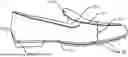
FIG. 1—is a side perspective view of one embodiment of the comfortable luxury shoe.
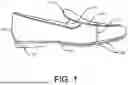
FIG. 2—is a bottom perspective view of one embodiment of the comfortable luxury shoe.
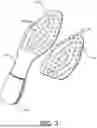
FIG. 3—demonstrates the elements that comprise the out sole of the comfortable luxury shoe.
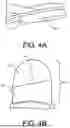
FIG. 4 (a)—demonstrates the lateral view of the heel of the preferred embodiment of the comfortable luxury shoe.
FIG. 4(b)—demonstrates the bottom view of the heel of the preferred embodiment of the comfortable luxury shoe.
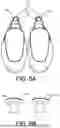
FIG. 5(a)—demonstrates a top elevated view of the comfortable luxury shoe showing the placement of the Achilles pad.
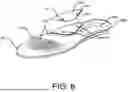
FIG. 5(b)—demonstrates the Achilles pad of the comfortable luxury shoe.
FIG. 6—demonstrates a top elevational view of the insole of the comfortable luxury shoe and its respective components.
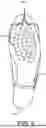
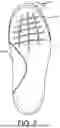
FIG. 7—demonstrates a bottom view of the insole of the comfortable luxury shoe and its respective components.
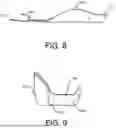
FIG. 8—demonstrates a side view of the insole.
FIG. 9—demonstrates a horizontal cross section view of the insole, from the medial plane of the arch support.
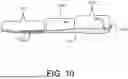
FIG. 10—demonstrates a longitudinal cross section of the insole, from the medial position of the insole.
DETAILED DESCRIPTION OF THE DRAWINGS
FIG. 1 shows a side view of the comfortable luxury shoe. On each of the sides of the tongue 102 features a gusset 101 made from elastic that provides the ability of the tongue 102 to extend during walking and to otherwise stretch and provide room for the shoe to expand and retract with the movement of the foot. The gusset 101 can be placed internally as well such that it is not visible and is covered by the tongue 102. To further maximize comfort the distance 104 between the edge of the tongue 103 or otherwise top of the upper portion of the shoe 104 is longer than traditional luxury shoes ranging between 30-70 mm to allow more space for the foot increasing comfort and longer wearability. The distance 104 between the edge of tongue 103 or otherwise the top of the upper portion of the shoe 104 depends on the shoe size, the longer the distance 104 conversely the smaller the size of the shoe the shorter the distance 104. The bottom of the shoe is made of three components, the outsole 105 which is primarily made of leather, the rubber protrusions 106 that extend beyond the outsole and the heel 107. The outsole 105 extends from the edge of the back of the shoe under the heel 107.
FIG. 2 is a bottom view of the comfortable luxury shoe. The outsole is composed of two components, first the outsole 105 is made primarily of leather and extends throughout the bottom of the shoe and second the rubber protrusions 106 which extend outwardly interact with the ground when walking increasing friction with various walking surfaces making walking safer and less slippery. Further the rubber protrusions 106 provide a cushioning by expanding and retracting with the movement of the foot. The width of the front of the shoe, the toe box 201 is wider than traditional luxury shoes to allow additional space specifically to allow movement of the toes and ranges from 8.6 cm to 11.3 cm for sizes for 4-12 in women's shoes. The width of the front of the shoe, the toe box 201 depends on the size of the shoe, the larger sizes have a wider toe box 201. For example, the standard width of a woman's shoe for size 7 is approximately 8.7 cm for a luxury shoe, and the comfortable luxury shoe would be approximately 9.7 cm (see chart below). This provides comfort to the wearer and further relieves the wearer from pain due to chronic foot deformities and/or the formation thereof. The increase in height and width of the luxury comfortable shoe, provides sufficient space within the shoe for the insole FIG. 6, without comprising the luxury esthetic.
| US Women's | Standard | The Width of the Claimed |
| Size | Width (cm) | invention (cm) |
| 4 | 7.7 | 8.7 |
| 4.5 | 7.9 | 8.9 |
| 5 | 8.1 | 9.2 |
| 5.5 | 8.3 | 9.3 |
| 6 | 8.4 | 9.4 |
| 6.5 | 8.6 | 9.6 |
| 7 | 8.7 | 9.7 |
| 7.5 | 8.9 | 9.9 |
| 8 | 9 | 10 |
| 8.5 | 9.2 | 10.2 |
| 9 | 9.4 | 10.4 |
| 9.5 | 9.5 | 10.5 |
| 10 | 9.7 | 10.7 |
| 10.5 | 9.9 | 10.9 |
| 11 | 10 | 11 |
| 11.5 | 10.2 | 11.2 |
| 12 | 10.3 | 11.3 |
FIG. 3 demonstrates the components of the bottom of the comfortable luxury shoe. The bottom of the shoe is composed of a leather outsole 105 that extends throughout the outer sole portion 301. The outer sole 301, contains openings 302 and are complementary to the outsole insert 303 that contains the protrusions 106. The outsole insert 303 is made entirely of rubber including the protrusions 106. The rubber protrusions 106 in terms of their respective shape and spacing with one another are complementary to the outsole portion 301 such that the rubber protrusions 106 of the outsole insert 303 fit directly into the openings 302. The shape outline of the outsole insert 303 is complementary to the outline and shape of the outer sole 301. The outsole insert 303 in the preferred embodiment is made of rubber and provides comfort and cushion to the wearer, further the rubber protrusions 106 provide grip and friction with a walking surface, making walking comfortable and safe.
FIGS. 4A and 4B show the composition of the heel 107 of the preferred embodiment. FIG. 4A demonstrates a side view of the heel 107 of the preferred embodiment. The heel 107 is primarily made of leather, that is formed from strong soling leather that is tightly nailed together. A rubber protector 401 can be used to either fully cover the bottom of the heel 107 or only a portion of the heel as shown in FIG. 4A and 4B. The rubber protector 401 is a thin layer of rubber that does not to compromise the look of the heel and is attached to the bottom of the heel 107. The rubber protection 401 that can either fully extend and fully cover the bottom of the heel or partially cover the bottom of the heel as shown in FIG. 4A. FIG. 4B shows a bottom view of the heel 107, where the rubber protector 401 is shown covering the posterior portion of the heel. The placement of the rubber protector 401 either partially or completely, provides support and comfort during walking by absorbing the shock caused when the heel of the wearer encounters the walking surface. Further, the rubber protector 401 provides friction and decreases likelihood of slipping or losing balance for the wearer.
FIG. 5A shows a top elevated view of the comfortable luxury shoe, where the Achilles pads 502 are placed such that, the Achilles pads 502 are abutting the inside of the heel counter 501. FIG. 5B is an isolated and close up view of the Achilles pads 502. The Achilles pads 502 are made of thin foam with the outer portion covered in suede or suede like material. The outer suede or suede like material provides friction which holds the wearer's heel in place and is simultaneously soft such that it protects the Achilles tendon of the wearer's foot during walking. At the top portion of the Achilles pad 502 is a vertical portion 503 that is made of neoprene foam with an approximate width of 2-4 mm to provide additional support, cushioning, and comfort to the wearers Achilles tendon during walking.
The Achilles pad 502 prevents the heel from slipping and causing friction against the back of the heel. It is understood that depending on the type of shoe, the shape of the Achilles pad 502 will vary. For example, in a sling back type of shoe, that features a thin strap that extends to the back of the heel, the Achilles pad 502 would feature the vertical portion 503 that is made with neoprene foam and is covered with suede or a suede like material. The Achilles pad 502 of a sling back type of shoe would be 2 mm in height such that it provides the support and non-slip function to the heel of the wearer but is not visible when wearing the shoe.
FIG. 6 shows the top elevational view of insole 601 in the comfortable luxury shoe. The insole 601 in pertinent part is comprised of the metatarsal foot pad 602, arch support 604, and a heel crash pad 608. In the preferred embodiment the insole 601 is made of memory foam or EVA foam. Memory foam consists mainly of polyurethane with additional chemicals that increase its viscosity and density. EVA (Ethylene Vinyl Acetate) foam is a highly versatile plastic with rubber like properties. It is understood that the insole can be made of other materials that have the same or similar properties to memory foam or EVA foam or other iterations such as EVA Asker C. Asker Durometer Type C is measuring device to measure the hardness of a product specifically closed cell XLPE foams, rubbers, and sponges.
In the preferred embodiment the height of the insole 601 is ranges from 2.0 mm-3.5 mm. The metatarsal foot pad 602, in the preferred embodiment features ridges 603 in a wavelike configuration and is made memory foam that is denser than the insole 601 material, to provide additional friction, support and maintain the shape of the insole increasing comfort and durability for the wearer during activity such as walking. The metatarsal foot pad 602, can be a separate element that is attached to the insole 601 or can be made as part of the insole 602.
The insole of the comfortable luxury shoe features arch support 604, that is raised and shaped in the same configuration as the arch of the wearer and is raised to approximately 18-22 mm in height. The arch support 604 in the preferred embodiment is made of a gel material, that features a hardness of Shore D approximately 65+/−2. The arch support can also be made of EVA foam or memory foam, or any material that features the same properties and serves the functions identified above. It is understood that the arch support 604 can be made of other materials that have the same or similar properties to memory foam or EVA foam or other iterations such as EVA Asker C. Asker Durometer Type C is measuring device to measure the hardness of a product specifically closed cell XLPE foams, rubbers, and sponges.
The arch support 604 provides the wearer with arch support to distribute pressure and help eliminate the primary pressure points which are usually on the heel and ball of the feet. The arch support 604 helps reduce and even eliminate a wearer's pain caused by overuse and strenuous physical activity. Further it helps to maintain a good posture and further provides comfort to the comfortable luxury shoe for long term wear. For wearers who require additional arch support, an additional arch support piece 605 raising the height of the arch support 604 can be added. The additional arch support can range anywhere from 3 mm to 6 mm in height. The arch support 604, feature two openings 606 that are complementary and configured to securely receive the protrusions 607 of the additional arch support 605 and securely fasten to the arch support 604.
The insole 601, further comprises a crash pad 608, which provides heel support for the wearer. The crash pad 608 is horseshoe shaped and it extends and encompasses the heel of the wearer. The crash pad 608 is made of memory foam, for example PORON™ that is generally of higher density material than the insole 601, provides support to the heel and reduces stress caused to the heel of the wearer from hard contact made with a walking surface during activity. The crash pad 608 further increases the balance and posture of the wearer as it maintains the integrity of the insole 601. The insole 601 comprises a back support edge 609 that hugs and curves around the heel of the wearer to further increase comfort and support. It is understood that the crash pad 608 can be made of other materials that have the same or similar properties to PORON™ or EVA foam or other iterations such as EVA Asker C. Asker Durometer Type C is measuring device to measure the hardness of a product specifically closed cell XLPE foams, rubbers, and sponges.
FIG. 7 shows a bottom view of the insole 601. The bottom of the insole 601 comprises flex zones 701 that cover the front half portion of the foot. The flex zones 701 are indentations that are crisscrossed and expand throughout the bottom of the metatarsal area of the foot. These flex zones 701 allow for the insole 601 to easily bend and stretch, and flex with the foot during activity. In addition to providing flexibility, the flex zones 701 further provide structure to the insole. During walking, due to the overall hardness of the insole, the insole can cause tension, discomfort and otherwise rigidity of the insole making walking uncomfortable and causing strain on the foot during walking. The flex zones 701 provide the ability of the insole to comfortably stretch, bend and adapt to the foot of the wearer during walking eliminating discomfort and stress. The insole 601, has three lines 702 that can be used as guidelines to adjust the size of the insole's 601 size to accommodate differing foot sizes and shapes of the wearer.
FIG. 8 is a side view of the insole 601. FIG. 8 demonstrates the relative height of each of each of the sections and is not an actual representation of the relative proportions of each of the sections presented. The arch support 604 has the most height to provide the requisite support to the arch of the wearer's foot and is shaped complementary to arch shape of a foot. The back portion of the 801 of the insole 601 that is made of memory foam, descends and maintains its height to provide additional support for the transition section between the arch and the heel. The metatarsal foot pad 602, is raised and sits right under the metatarsal portion of the insole 601, demonstrating the protruding ridges 603 that provide additional support and integrity to the insole.
FIG. 9 is a horizontal cross section view of the insole 601, from the medial plane of the insole 601. FIG. 9 demonstrates each of the components of the insole 601 and demonstrates how each component relates to one another. The arch support 604 extends 902 slightly under the insole 601. This extension 902 allows the arch support 604 to grip and attach to the insole 601. The insole 601 extends and thinly covers the arch support 604 to further create comfort and secure the arch support 604 in place. Further the extension of the insole over the arch support 604 creates a smooth transition and uniformity by securely holding the arch support in place. The insole 601 is lined by an antimicrobial layer 901, either as a fabric featuring antimicrobial properties or is treated by a long lasting antimicrobial solution. In the preferred embodiment the antimicrobial layer 901 is an Alcantara™ brand fabric of a common synthetic textile material that is soft, suede-like microfiber and is noted for its durability that is treated with a long lasting anti-microbial solution. This reduces microbial growth inside the show, eliminating unpleasant odors.
FIG. 10 is a longitudinal cross section of the insole 601, from the medial position of the insole 601. FIG. 10 shows the general thickness of the insole 601 at varying positions. The insole 601 is the thinnest in the front section 1001, where the flex zones 701 are featured at the bottom of the front section 1001 of the insole 601 and the metatarsal footpad 602 that rests on top of the front section 1001 of the insole 601. The metatarsal footpad 602, is relatively of the same thickness as the insole 601 and is to provide additional support for the ball of the foot of the wearer. The material of the insole 601 and its features including the metatarsal footpad 602 and the flex zones 701 allows the insole to be relatively thin in the front portion 1001 of the insole 601 without compromising support. The relative thinness of the front portion of the insole 1001 ranges from 2.0 mm-3.5 mm in the front one-third 1001 of the insole 601 allows the insole 601 to provide the requisite support to the foot without taking additional and unnecessary space inside the shoe and compromising the overall look and sleekness of the shoe. A thicker insole which would require more space within the shoe, causing the shoe to have a more bulky and non-luxurious appearance. The metatarsal footpad 602, the flex zones and the material of the insole 601 allows the insole to be thin especially in the front portion, allowing sufficient space for toe movement, providing the requisite support to the foot and concurrently maintaining the sleek and luxurious look of a shoe. The middle portion 1002 of the insole 601 gradually thickens and the thickness of the back portion 1003 and ranges from 8.5 mm-14 mm to provide sufficient cushion and support to heel of the foot, to also accommodate the heel crash pad 608. The heel crash pad 608, provides the requisite support of a traditional thicker insole, without requiring additional space in the back of the insole 1003. The heel crash pad 608 provides the requisite support and structure to the heel of the wearer's foot such that a thicker back portion of the insole is not needed. The addition of the flex zone 701, the metatarsal footpad 602, and the heel crash pad 608 provide the requisite comfort and support to the insole and to the wearer without requiring a thicker insole, and allowing the insole 601 to be thin, which in turn allows a shoe to maintain its sleek and luxurious appearance. The insole 601 features a heel cup 609 that extends upwards hugging the heel of the foot 1004 which has a height ranging from 19.5 mm-32.5 mm. The extension of the insole 601 hugging the heel of the foot 1004, provides comfort, continuity and support to the wearer.
Claims
1. A luxury comfortable shoe comprising:
An upper portion;
An outsole which is made of two components, the first component a leather portion and a second component a rubber insert, where the leather component has a plurality of openings and the rubber portion has a plurality of protrusions such that the plurality of openings are complementary to the plurality of rubber protrusions of the leather outsole;
An insole;
An Achilles pad; and
A heel.
2. The upper portion of claim 1, where the upper portion features a toe box that is between 8.7 cm to 11.3 cm.
3. The upper portion of the luxury comfortable shoe of claim 1, further comprising a gusset.
4. The luxury comfortable shoe of claim 1, where the distance between the top of the upper portion and the outsole ranges between 30 mm-70 mm.
5. The heel of the luxury comfortable shoe of claim 1, further comprising a leather protector that is attached to the bottom of the heel.
6. The heel of the luxury comfortable shoe of claim 5, further comprising a front portion and a back portion and the rubber protector is placed on the back portion of the heel.
7. The Achilles pad of the luxury comfortable shoe of claim 1, further comprising of a cushioning section that is encapsulated by suede material.
8. The insole of the luxury comfortable shoe of claim 1, having a front portion, a middle portion and a back portion and further comprising of an arch support, a heel crash pad, a metatarsal foot pad, and flex zones.
9. The arch support of claim 8, located in the middle portion of the insole, being made of memory foam.
10. The arch support of claim 8, further comprising a plurality of openings for an additional removable arch support element that features a plurality of protrusions that are complementary to the plurality of openings of the arch support.
11. The heel crash pad of claim 7, located in the back portion of the insole is horseshoe shaped.
12. The heel crash pad of claim 10, further comprising of Poron Foam.
13. The metatarsal crash pad of claim 8, located in the front portion of the insole further comprising a plurality of raised protrusions.
14. The insole of claim 8, having a top portion and a bottom portion, with the flex zones located in the front bottom portion of the insole, comprising of plurality of indentations or depressions.
15. The plurality of indentations or depressions of claim 14, further comprising of horizontal and vertical lines that are perpendicular to one another.
16. The top portion of the insole of claim 8, further comprising a fabric cover that is made of Alcantara fabric.
17. The fabric cover of claim 16, that is treated with an antimicrobial solution.
Images & Drawings included:
Sources:
- United States Patent and Trademark Office - verify current appl. status at the USPTO↗
Recent applications in this class:
- » 20250280920 2025-09-11
OUTSOLES FOR FOOTWEAR - » 20250204636 2025-06-26
SOLE STRUCTURES FOR ARTICLES OF FOOTWEAR - » 20250049173 2025-02-13
GOLF SHOE WITH REINFORCEMENT STRUCTURE - » 20250040654 2025-02-06
ARTICLE OF FOOTWEAR HAVING A SOLE PLATE - » 20250031804 2025-01-30
MAGNETIC SOLE AND SHOE - » 20250024911 2025-01-23
SOLE SYSTEM FOR AN ARTICLE OF FOOTWEAR INCORPORATING A KNITTED COMPONENT WITH A ONE-PIECE KNIT OUTSOLE AND A TENSILE ELEMENT - » 20250017315 2025-01-16
ARTICLE OF FOOTWEAR WITH RIBBED OUTSOLE AND NOTCHED MIDSOLE - » 20240398061 2024-12-05
VARIABLE FRICTION SHOE - » 20240389710 2024-11-28
ARTICLE OF FOOTWEAR - » 20240358110 2024-10-31
SOLE ASSEMBLY FOR FOOTWEAR AND FOOTWEAR EQUIPPED THEREWITH