NOVEL (PER)FLUOROPOLYETHER POLYMERS AND USE THEREOF
US20250353954A1
2025-11-20
18/871,096
2023-05-30
Smart Summary: New types of (per)fluoropolyether (PFPE) polymers have been developed. These polymers have a special structure with two ends that are different from each other. One end can have groups that help it bond with other materials, like alkoxysilane or groups that can be linked together. The other end has different chemical groups, such as piperidine, pyridine, or pyrrole, which can also be modified. These PFPE polymers can be used as additives in coatings to improve their properties. 🚀 TL;DR
Abstract:
The present invention relates to novel (per)fluoropolyether (PFPE) polymers, to a process for their manufacture and to their use as additives in coating compositions. Specifically, the invention relates to a (per)fluoropolyether polymer [polymer (PP)] comprising a (per)fluoropolyoxyalkylene chain [chain (Rpf)] having two chain ends bonded to opposite sides of said chain (Rpf), wherein: * one of said chain ends comprises at least one, preferably from 1 to 3, group (group [I]) selected from: alkoxysilane [group (Si)] or cross-linkable group, preferably selected from unsaturated moiety [group (U)] and epoxide [group (E)]; and * the other chain end comprises at least one, preferably from 1 to 3, group (group [II]) selected from: optionally substituted piperidine, optionally substituted pyridine or optionally substituted pyrrole.
Inventors:
- Simonetta Antonella Fontana 8 🇮🇹 Milano, Italy
- Mary Thomson 3 🇮🇹 Milano (MI), Italy
- Solange Barbieri 1 🇮🇹 Bollate (MI), Italy
Assignee:
- SOLVAY SPECIALTY POLYMERS ITALY S.P.A. 86 🇮🇹 Bollate (Milano), Italy
Applicant:
Interested in similar patents?
Get notified when new applications in this technology area are published.
Classification:
C08G65/007 » CPC main
Macromolecular compounds obtained by reactions forming an ether link in the main chain of the macromolecule from unsaturated compounds containing halogens containing fluorine
C09D171/03 » CPC further
Coating compositions based on polyethers obtained by reactions forming an ether link in the main chain ; Coating compositions based on derivatives of such polymers; Polyalkylene oxides Polyepihalohydrins
C08G65/00 IPC
Macromolecular compounds obtained by reactions forming an ether link in the main chain of the macromolecule
Description
REFERENCE TO RELATED APPLICATIONS
This application claims priority from European patent application EP22176290.9 filed on May 31, 2022, the whole content of this application being incorporated herein by reference for all purposes.
TECHNICAL FIELD
The present invention relates to novel (per)fluoropolyether (PFPE) polymers, endowed with enhanced UV stability, to a process for their manufacture and to their use as additives in coating compositions.
BACKGROUND ART
The use of (per)fluoropolyether (PFPE) polymers as ingredients in the manufacture of anti-soil coating compositions, for coating different types of substrates is known in the art. For example, EP 3312242 (3M Innovative Properties Company) discloses protective coating compositions with mixed functionalities, wherein PFPE are mentioned among other backbones; WO 2016/079195 (Solvay Specialty polymers Italy S.p.A.) discloses zwitterionic derivatives of PFPE, which are disclosed as suitable for coating applications; WO 2019/106366 (Sphere Fluidic Limited) discloses surfactants comprising perfluoropolyether structure.
Coatings based on (per)fluoropolyether (PFPE) polymers have been disclosed in the art, such as for example in U.S. Pat. Nos. 5,623,037 and 6,071,564 (both in the name of Ausimont S.p.A.).
When a substrate is treated by a perfluoropolyether-containing silane compound, a membrane layer, which has hydrophobicity, oleophobicity, anti-fouling, low coefficient of friction and durability, can be formed on the surface thereof. Reference is made for example to US 2020/407378 (Guangzhou UR Materials Technology Co., Ltd).
PFPE polymers containing alkoxy-silane groups and an aliphatic cyclic moiety comprising at least one nitrogen atom have been disclosed for example in US 2018/0244844 (in the name of Daikin Industries, Ltd.).
CN 109642000 (in the name of Nissan Chemical Industries, Ltd.) discloses a composition comprising a PFPE polymer having at both its chain ends an unsaturated moiety.
SUMMARY OF INVENTION
Many different substrates that are used nowadays for example in the automotive field require anti-smudge coatings, which should meet certain requirements, notably with respect to clarity (transparency), durability and oil- and water-repellency, as well as UV resistance.
The Applicant perceived that despite the efforts made in the art, there is still the need for additives capable of increasing the UV resistance of coating compositions, wherein said additives do not negatively affect the anti-smudge properties, as well as transparency, durability and oil- and water-repellency of the coatings, for use in several substrates.
Facing the above technical problem, the Applicant found that (per)fluoropolyether polymers bearing two different functional groups at their chain ends can be advantageously used as additives to enhance the UV-stability of coatings.
Thus, in a first aspect the present invention relates to a (per)fluoropolyether polymer [polymer (PP)] comprising a (per)fluoropolyoxyalkylene chain [chain (Rpf)] having two chain ends bonded to opposite sides of said chain (Rpf), wherein
-
- one of said chain ends comprises at least one, preferably from 1 to 3, group (group [I]) selected from: alkoxysilane [group (Si)] or cross-linkable group, preferably selected from unsaturated moiety [group (U)] and epoxide [group (E)];
- and
- the other chain end comprises at least one, preferably from 1 to 3, group (group [II]) selected from one of the following: optionally substituted piperidine, optionally substituted pyridine or optionally substituted pyrrole.
Advantageously, the presence of different groups at the two chain ends of the (per)fluoropolyoxyalkylene chain (Rpf) provides for an “asymmetric PFPE polymer” that can be used as additive capable of providing outstanding UV resistance with a good durability over time.
Also advantageously, polymer (PP) according to the present invention is manufactured via a process that allows the fine tuning of the amount of groups [I] and [II], which allows to properly select the amount of desired functional groups [I] or [II] depending on the final composition in which the polymer (PP) is intended to be used.
While polymer (PP) as defined above is particularly preferred, the present invention also encompasses compositions comprising polymer (PP) as defined above, and at least one other polymer having at its chain ends either two groups [I] or two groups [II].
Such compositions are also useful to provide good UV resistance over time, when added as an additive in a coating composition, without negatively addicting the water- and oil-repellency, easy to clean and stain removal properties of the initial composition.
DETAILED DESCRIPTION OF THE INVENTION
For the purpose of the present description and of the following claims:
-
- the use of parentheses around symbols or numbers identifying the formulae, for example in expressions like “polymer (PP)”, etc., has the mere purpose of better distinguishing the symbol or number from the rest of the text and, hence, said parenthesis can also be omitted;
- the acronym “PFPE” stands for “(per)fluoropolyether” and, when used as substantive, is intended to mean either the singular or the plural form, depending on the context;
- the term “(per)fluoropolyether” is intended to indicate fully or partially fluorinated polyether;
- the terms “clear” and “transparent” are used as synonyms.
Polymer (PP) of the present invention comprises a (per)fluoropolyoxyalkylene chain [chain (Rpf)] having two chain ends bonded to opposite sides of said chain (Rpf), wherein
-
- one of said chain ends comprises at least one group (group [I]) selected from and alkoxysilane [group (Si)] or a cross-linkable group, which is preferably selected from an unsaturated moiety [group (U)] or an epoxide [group (E)];
- and
- the other chain end comprises at least one group (group [II]) selected from one of the following: optionally substituted piperidine, optionally substituted pyridine or optionally substituted pyrrole.
For the avoidance of doubt, the expression “selected from one of the following: optionally substituted piperidine, optionally substituted pyridine or optionally substituted pyrrole.” is used to indicate that group (II) is derived from any one of the optionally substituted compounds in the list. Group (II) is bound to [chain (Rpf)].
Polymer (PP) may comprise one, two or three group (I) at one chain end and one, two or three group (II) at the other chain end.
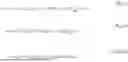
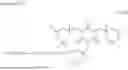
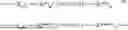
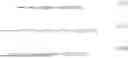
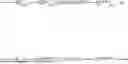
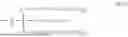
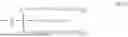
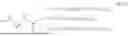
In polymer (PP) according to the present invention, chain (Rpf) is preferably a chain of formula
-
- wherein
- z1 and z2, equal or different from each other, are equal to or higher than 1, preferably from 1 to 10, more preferably from 1 to 3;
- X and X′, equal or different from each other, are —F or —CF3, provided that when z1 and/or z2 are higher than 1, X and X′ are —F;
- D and D′, equal or different from each other, are a sigma bond or a hydrogenated alkylene chain comprising from 1 to 6 and even more preferably from 1 to 3 carbon atoms, said alkyl chain being optionally substituted with at least one perfluoroalkyl group comprising from 1 to 3 carbon atoms;
- (Rf) comprises, preferably consists of, repeating units R∘, said repeating units being independently selected from the group consisting of:
- (i) —CFXO—, wherein X is F or CF3;
- (ii) —CFXCFXO—, wherein X, equal or different at each occurrence, is F or CF3, with the proviso that at least one of X is-F;
- (iii) —CF2CF2CW2O—, wherein each of W, equal or different from each other, are F, Cl, H;
- (iv) —CF2CF2CF2CF2O—;
- (v) —(CF2)j—CFZ—O— wherein j is an integer from 0 to 3 and Z is a group of general formula —O—R(f-a)-T, wherein R(f-a) is a fluoropolyoxyalkene chain comprising a number of repeating units from 0 to 10, said recurring units being chosen among the following: —CFXO—, —CF2CFXO—, —CF2CF2CF2O—, —CF2CF2CF2CF2O—, with each of X being independently F or CF3 and T being a C1-C3 perfluoroalkyl group.
More preferably, each of D′ and D is a sigma bond or —CH2—.
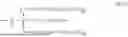
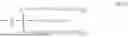
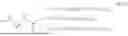
Preferably, said chain (Rf) complies with the following formula:
-
- wherein
- X1 is independently selected from —F and —CF3,
- X2, X3, equal or different from each other and at each occurrence, are independently —F, —CF3, with the proviso that at least one of X is-F;
- g1, g2, g3, and g4, equal or different from each other, are independently integers ≥0, such that g1+g2+g3+g4 is in the range from 2 to 300, preferably from 2 to 100; should at least two of g1, g2, g3 and g4 be different from zero, the different recurring units are generally statistically distributed along the chain.
- wherein
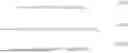
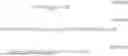
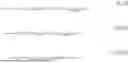
More preferably, chain (Rf) is selected from chains of formula:
-
- wherein:
- a1 and a2 are independently integers ≥0 such that the number average molecular weight is between 400 and 10,000, preferably between 1,000 and 6,000; both a1 and a2 are preferably different from zero, with the ratio a1/a2 being preferably comprised between 0.1 and 10;
- wherein:
-
- wherein:
- b1, b2, b3, b4, are independently integers ≥0 such that the number average molecular weight is between 400 and 10,000, preferably between 1,000 and 6,000; preferably b1 is 0, b2, b3, b4 are >0, with the ratio b4/(b2+b3) being ≥1;
-
- wherein:
- cw=1 or 2;
- c1, c2, and c3 are independently integers >0 chosen so that the number average molecular weight is between 400 and 10,000, preferably between 1,000 and 6,000; preferably c1, c2 and c3 are all >0, with the ratio c3/(c1+c2) being generally lower than 0.2;
-
- wherein:
- d is an integer >0 such that the number average molecular weight is between 400 and 10,000, preferably between 1,000 and 6,000;
-
- wherein:
- Hal*, equal or different at each occurrence, is a halogen selected from fluorine and chlorine atoms, preferably a fluorine atom;
- e1, e2, and e3, equal to or different from each other, are independently integers ≥0 such that the (e1+e2+e3) sum is comprised between 2 and 300.
- wherein:
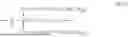
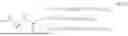
Still more preferably, chain (Rf) complies with formula (Rf-III) here below:
-
- wherein:
- a1, and a2 are integers >0 such that the number average molecular weight is between 400 and 10,000, preferably between 1,000 and 6,000, with the ratio a1/a2 being generally between 0.1 and 10, more preferably between 0.2 and 5.
- wherein:
As described above, polymer (PP) according to the present invention is advantageously an asymmetric polymer, in other words polymer (PP) comprises at one chain end at least one group [I] and at the other chain end at least one group [II], wherein group [I] and group [II] are different from each other.
Preferably, said group [I] is linked to chain (Rpf) via a linking group.
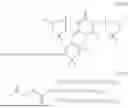
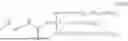
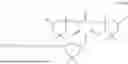
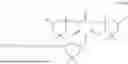
More preferably, said linking group complies with the following formula:
-
- wherein:
- * indicates the bond to chain (Rpf)
- § indicates the bond to group [I];
- Ra is a poly(oxy)alkylene chain;
- t is 0 or an integer from 1 to 15, preferably from 1 to 10;
- v is 0 or 1;
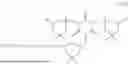
- Rb is a group of formula:
-
- wherein
- e is an integer from 1 to 6,
- R′ is H or a linear or branched alkyl group having from 1 to 6 carbon atoms,
- f is an integer from 1 to 4,
- g is an integer from 1 to 4, and
- each h is independently 0 or an integer equal to 1 or 2, with the proviso that when h is 0, e and f, each independently, are 1;
- Rc is a linear or branched alkyl chain having from 1 to 12 carbon atoms, optionally comprising one or more oxygen atoms, or an optionally substituted aliphatic cycloalkyl comprising 5 or 6 members; and
- u is 0 or 1.
As described above, from 1 to 3 groups [I] can be present at one of the chain ends of chain (Rpf). It will be understood that the presence of 1, 2 or 3 groups [I] depends on the valence of group Rb or Rc.
For example, when (Rb) complies with formulae (Rb-I) or (Rb-II) as described above:
-
- when h is equal to 2, then the carbon atom bears two hydrogen atoms and one group [I]
- when h is equal to 1, then the carbon atom bears one hydrogen atom and two groups [I] and
- when h is equal to 0, then the carbon atom bears three groups [I].
Preferably, (Ra) is a poly(oxy)alkylene chain comprising from 1 to 50 fluorine-free oxyalkylene units. More preferably said units, being the same or different from each other, comply with formula:
-
- wherein each of J and J* is independently selected from hydrogen atom, straight or branched alkyl or aryl, preferably hydrogen atom, methyl, ethyl or phenyl.
More preferably, —(Ra)t— complies with one of the following formulae (Ra-I) to (Ra-III):
-
- wherein
- t1 and t2, each independently, are an integer from 1 to 15, preferably from 1 to 10; and
- t3, t4 and tx are integers higher than 1, such that the sum of t3 and t4 is from 2 to 15, more preferably from 2 to 10.
Preferably, group [I] is group (U).
More preferably, group (U) is selected in the group consisting of:
-
- wherein
- RH is H or a C1-C6 alkyl group;
- RA is selected from the group consisting of (RA-I) and (RA-II):
-
- wherein
- each of j5 is independently 0 or 1 and
- RB is a divalent, trivalent or tetravalent group selected from the group consisting of C1-C10 aliphatic group; C3-C12 cycloaliphatic group; C5-C14 aromatic or alkylaromatic group, optionally comprising at least one heteroatom selected from N, O and S;
-
- wherein
- j6 is 0 or 1;
- each of j7 is independently 0 or 1;
- RB′ is a divalent, trivalent or tetravalent group selected from the group consisting of C1-C10 aliphatic group; C3-C12 cycloaliphatic group; C5-C14 aromatic or alkylaromatic group, optionally comprising at least one heteroatom selected from N, O and S; and
- RB* has the same meanings defined above for RB′ or it is a group of
-
- wherein
- substituent U is selected from the groups (U-I) to (U-III) as defined above and
- * and # indicate the bonding site to the nitrogen atoms in formula (RA-II) above.
Alternatively, group [I] is group (Si).
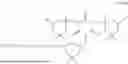
Preferably, group (Si) complies with formula:
-
- wherein R30 is a linear or branched alkyl chain having from 1 to 12 carbon atoms.
Preferably, according to this embodiment, the chain end comprises one to three groups (Si) as defined above.
Alternatively, said group [I] is group (E).
Preferably, according to this embodiment, the chain end comprises one group (E).
Preferably, group (E) is bonded to said chain (Rpf) via a linking group complying with the following formula:
-
- wherein *, §, Ra, t, Rc and u are as defined above.
Preferably, group [II] is bonded to group D or D′ of chain (Rpf) via a group of formula:
-
- wherein:
- * indicates the bond to chain (Rpf) and § indicates the bond to group [II] and
- each of Ra and t have the meaning given above for group [I].
According to this embodiment, each of group D and D′ in chain (Rpf) is a hydrogenated alkylene chain comprising 1 to 6 carbon atoms.
Alternatively, group [II] is bonded to chain (Rpf) via a group of formula:
-
- wherein
- p, q, r and s are each independently 0 or an integer from 1 to 6,
- Ra and t have the meanings defined above and
- each of R*, R**, R*** and R**** is independently a linear or branched alkyl chain comprising from 1 to 6 carbon atoms.
According to this embodiment, each group D and D′ in chain (Rpf) is a sigma bond.
Preferably, group [II] is selected from, that is derived from, substituted piperidine, substituted pyridine and substituted pyrrole.
Good results have been obtained when group [II] is a derivative of 4-amino-2,2,6,6-tetramethyl-piperidine.
In a second aspect, the present invention relates to a composition [composition (CPOL)] comprising:
-
- a polymer (PP) as defined above;
- a (per)fluoropolyether polymer [polymer (PU)] comprising a (per)fluoropolyoxyalkylene chain [chain (Rpf)] having two chain ends bonded to opposite sides of chain (Rpf),
- wherein both chain ends comprise a group of formula [I] as defined above; and
- a (per)fluoropolyether polymer [polymer (PN)] comprising a (per)fluoropolyoxyalkylene chain [chain (Rpf)] having two chain ends bonded to opposite sides of chain (Rpf),
- wherein both chain ends comprise a group of formula [II] as defined above.
Advantageously, composition (CPOL) comprises at least 25 wt. % of said polymer (PP) as defined above.
Preferably, composition (CPOL) comprises:
-
- from 2.0 to 50.0 wt. % of polymer (PP),
- from 0.1 to 25.0 wt. % of polymer (PN) and
- from 25.0 to 95.0 wt. % of polymer (PU).
Composition (CPOL) can further comprise a (per)fluoropolyether polymer [polymer (Px)] comprising a (per)fluoropolyether chain [chain (Rpf)] having two chain ends bonded to opposite sides of chain (Rpf), wherein one chain end comprises a perfluoroalkyl group and the other chain end comprises either at least one group of formula [I] or of formula [II] as defined above.
When present, said polymer (PX) is preferably in an amount up to 15.00 wt. % more preferably in amount from 0.01 to 12.00 wt. % and even more preferably from 0.05 to 10.00 wt. %, based on the total weight of composition (CPOL).
Preferably, in any of polymer (PU), polymer (PN) and polymer (PX), each of chain (Rpf), group [I] and group [II] is as defined above for polymer (PP).
Preferably, said polymer (Px) comprises at one chain end a perfluoroalkyl group selected in the group comprising, more preferably consisting of: —CF3, —C2F5, —C3F7, —CF2Cl, —CF2CF2Cl and —C3F6Cl.
Said polymer (Px) comprising a perfluoroalkyl group as defined above is also referred to as “monofunctional polymer (Px)”.
As it is known in the art, the functionality (F) of polymer P according to the present invention, i.e. the average number of functional groups per molecule of polymer, is from 1.00 to 2.00. Bifunctional polymers P typically have a functionality (F) from 1.50 to 1.99, more preferably from 1.70 to 1.98 and even more preferably from 1.85 to 1.95. The functionality (F) can be calculated for example as disclosed in EP 1810987 A (SOLVAY SOLEXIS S.P.A.).
The process for preparing polymer (PP) provides for a mixture of polymers, which is herein referred to as composition (CPOL). If required by the circumstances, said composition (CPOL) can then undergo purification step(s) in order to obtain polymer (PP).
Composition (CPOL) as defined above can be advantageously prepared starting from (per)fluoropolyether (PFPE) polymers comprising a (per)fluoropolyether chain [chain (Rpf)] having two chain ends bonded to opposite sides of chain (Rpf), wherein said chain ends comprise a group of formula —OH or —C(═O)OR10 wherein R10 is H or a linear or branched alkyl chain comprising from 1 to 6 carbon atoms, preferably from 1 to 3 carbon atoms.
In a further aspect, the present invention relates to a process for the synthesis of composition (CPOL) as defined above.
Preferably, the process for the synthesis of composition (CPOL) passes through the synthesis of an intermediate composition [composition (INT)] comprising:
-
- a (per)fluoropolyether polymer [polymer (PINT)] comprising a (per)fluoropolyether chain [chain (Rpf)] having two chain ends bonded to opposite sides of said chain (Rpf), wherein one of said chain ends comprises a group of formula —OH or —C(═O)OR10 wherein R10 is as defined above and the other chain end comprises group [II] as defined above;
- a (per)fluoropolyether polymer [polymer PFPE] comprising a (per)fluoropolyether chain [chain (Rpf)] having two chain ends bonded to opposite sides of said chain (Rpf), wherein both chain ends comprise a group of formula —OH or —C(═O)OR10 wherein R10 is as defined above; and
- a (per)fluoropolyether polymer [polymer (P″)] comprising a (per)fluoropolyether chain [chain (Rpf)] having two chain ends bonded to opposite sides of said chain (Rpf), wherein both said chain ends comprise group [II] as defined above.
Composition (INT) as defined above is another aspect of the present invention.
Hence, in a further aspect, the present invention relates to a process for the synthesis of composition (INT) as defined above, comprising: (i) providing a (per)fluoropolyether polymer [polymer PFPE] comprising a (per)fluoropolyether chain [chain (Rpf)] having two chain ends bonded to opposite sides of said chain (Rpf), both said chain ends comprising a groups selected from: —C(═O)OR∘ or —OH;
-
- (ii) if present, converting at least a part of said groups-OH into a leaving group for a nucleophilic substitution reaction or into a group of formula —O(R***)rC(═O)O—(RV) wherein R*** and r are as defined above, RV is an alkyl chain comprising from 1 to 3 carbon atoms;
- (iii) contacting the PFPE polymer of step (i) or the composition obtained in step (ii) with at least one compound comprising a group of formula —OH or —NH2 and a group derived from one of the following: an optionally substituted piperidine, an optionally substituted pyridine or an optionally substituted pyrrole, thus obtaining a composition [composition (INT)] as defined above.
Composition (CPOL) according to the present invention can be advantageously prepared starting from composition (INT) as defined above, according to a process comprising:
-
- (iv) providing composition (INT) as above defined and contacting said composition (INT) with at least one compound selected in the group consisting of:
- a compound [A] bearing at least one group (U) as defined above and at least one of: halogen atom, isocyanate group, or amino group; or
- a compound [B] bearing at least one group (E) as defined above and at least one halogen atom or at least one isocyanate group; or
- a compound [C] bearing at least one group (Si) as defined above and at least one of: isocyanate group or amino group,
- thus obtaining said composition (CPOL).
- (iv) providing composition (INT) as above defined and contacting said composition (INT) with at least one compound selected in the group consisting of:
Furthermore and advantageously, composition (INT) as defined above can be subjected to purification according to methods known in the art in order to purify at least polymer (PINT).
According to this embodiment, polymer (PINT) is then contacted with at least one of compound [A], [B] or [C] as defined in step (iv) above, thus obtaining polymer (PP) as a pure compound.
According to one embodiment, composition (CPOL) can be prepared via a one-pot synthesis, i.e. without recovering composition (INT) from the reaction mixture.
According to this embodiment, composition (CPOL) is prepared via a process comprising the following steps:
-
- (i*) providing a (per)fluoropolyether polymer [polymer PFPE] comprising a (per)fluoropolyether chain [chain (Rpf)] having two chain ends bonded to opposite sides of said chain (Rpf), both said chain ends comprising a group selected from: —C(═O)OR10 or —OH wherein R10 is as defined above;
- (ii*) if present, converting at least a part of said-OH groups into a leaving group for a nucleophilic substitution reaction or into a group of formula —O(R***)rC(═O)O—(RV) wherein R*** and r are as defined above, RV is an alkyl chain comprising from 1 to 3 carbon atoms;
- (iii*) contacting the PFPE polymer of step (i) or the composition obtained in step (ii) with at least one compound comprising a group of formula —OH or —NH2 and a group derived from one of the following: an optionally substituted piperidine, an optionally substituted pyridine or an optionally substituted pyrrole, and, thus obtaining composition (INT) as above defined; and
- (iv*) contacting composition (INT) as obtained in step (iii) with at least one compound selected in the group consisting of:
- a compound [A] bearing at least one group (U) as defined above and at least one of: halogen atom, isocyanate group or amino group; or
- a compound [B] bearing at least one group (E) as defined above and at least one halogen atom or at least one isocyanate group; or
- a compound [C] bearing at least one group (Si) as defined above and at least one of: isocyanate group or amino group,
- thus obtaining composition (CPOL).
The polymer PFPE used as starting material in step (i) and (i*) above is preferably a PFPE polymer complying with one of the following formulae:
-
- wherein
- (Rpf) is as defined above,
- t1 and t2, each independently, is an integer from 1 to 50, and
- J and J*, each independently, is as defined above for (Ra).
Good results have been obtained within the present invention when starting from polymer PFPE commercially available from Solvay Specialty Polymers Italy S.p.A. under the tradename Fomblin® PFPE and Fluorolink® PFPE.
Advantageously, under step (ii) or step (ii*) above, at least a part of said —OH groups in the PFPE polymer of formula (PFPE-i) or (PFPE-ii) is converted into a leaving group for a nucleophilic substitution reaction selected in the group comprising, preferably consisting of: mesyl, tosyl, perfluorobutanesulfonyl or trifluoromethylsulfonyl group.
Alternatively, under step (ii) or step (ii*) above, at least a part of said-OH groups in the PFPE polymer of formula (PFPE-i) or (PFPE-ii) is converted into a group of formula —O(R***)rC(═O)O—(RV) as defined above by reaction with methyl chloroacetate, methyl-3-bromo propionate, methyl-4-iodobutyrate.
Such reaction in step (ii) or step (ii*) can be properly controlled to transform a predefined amount of such-OH groups. To do so, the person skilled in the art can select the amount of reactant to provide a predetermined amount of said leaving group for a nucleophilic substitution of said group of formula —O(R***)rC(═O)O—(RV)t— as defined above. The amount of —OH groups that can be transformed is not limited and can be properly determined by the person skilled in the art depending on the desired final product. For example, within the present invention, good results were obtained by transforming about 30% of the —OH groups in the starting PFPE polymer. However, from about 1 to 100% of the —OH groups in the starting PFPE polymer can be transformed into the groups as described under step (ii) or step (ii*) above.
Preferably, said step (ii) or step (ii*) is performed in the presence of a fluorinated solvent. Said fluorinated solvent is preferably selected from the group comprising: fluorinated hydrocarbons, α,α,α,α′,α′,α′-hexafluoro-m-xylene, α,α,α,α′,α′,α′-hexafluoro-p-xylene, chloro trifluoro-toluene isomers (including 4-chlorobenzotrifluoride, 2-chlorobenzotrifluoride), α,α,α-trifluorotoluene, hexafluorobenzene and mixtures thereof.
Preferably, in step (iii) or (iii*), the compound comprising a group of formula —OH or —NH2 and a group derived from one of the following: an optionally substituted piperidine, an optionally substituted pyridine or an optionally substituted pyrrole, is selected from 4-amino-2,2,6,6-tetramethyl piperidine, 2,2,6,6-tetramethyl-4-piperidinol, 2-(2,2,6,6-tetramethyl-piperidin-4-yl)-ethanol.
Preferably, in step (iv) or step (iv*), the reaction with said compound [A] bearing at least one group (U) and at least one isocyanate group is preferred.
Preferably, in step (iv) or step (iv*), said compound [A] complies with the following formula:
-
- wherein
- RH has the same meanings defined above for group (U);
- R20 is a linear or branched alkyl chain having from 1 to 6 carbon atoms, optionally substituted with a group comprising a tri-alkoxy-silyl group;
- R21 is a divalent group of formula —O—C(═O)—, —O—C(═O)—NH—CO—, —O—C(═O)—RA— wherein RA is as defined above for group (U-III).
More preferably, compound [A] is selected in the group consisting of: isocyanatoethyl methacrylate (IEM), allyl isocyanate, 3-isopropenyl-α,α-dimethylbenzyl isocyanate, vinyl isocyanate, acryloyl isocyanate, methacryloyl isocyanate, 2-isocyanatoethyl acrylate, 1,1-(bisacryloyloxy methyl)ethyl isocyanate, 2-(2-metacryloyloxyethyloxy)ethyl isocyanate.
Said polymer (PP) or said composition (CPOL) is advantageously used as an additive in a composition for anti-smudge coating.
Alternatively, said polymer (PP) or said composition (CPOL) can be provided in admixture with a suitable solvent and then used as an additive in a composition for anti-smudge coating. Said solvent is preferably a solvent capable of reacting with said polymer (PP) or composition (CPOL).
In a further aspect, the present invention relates to a composition [composition (DIL)] comprising at least one polymer (PP) or composition (CPOL) as defined above and at least one solvent (S), preferably selected from (per)fluoropolyether polymers having at the chain ends thereof at least one functional group, preferably selected from: unsaturated group, alkoxysilane group or epoxy group.
Preferably, composition (DIL) comprises from 0.01 to 50.00 wt. %, preferably from 1.00 to 25.00 wt. % of composition (CPOL) or polymer (PP) and from 50.00 to 99.99 wt. %, preferably 75.00 to 99.00 wt. % of at least one solvent (S) as defined above, the amounts being based on the total weight of composition (DIL).
According to an embodiment, when polymer (PP) comprises group (Si), said solvent (S) is selected from at least one hydrofluoroether or (per)fluoropolyether polymer(s) containing one silane group.
According to a preferred embodiment, when polymer (PP) comprises group (U), said solvent (S) is selected from (per)fluoropolyether polymers having at the chain ends thereof at least one, more preferably at least two, unsaturated group(s).
According to a preferred embodiment, when polymer (PP) comprises group (U), said composition (DIL) is advantageously added to a composition comprising at least one UV-curable component, to provide a composition [composition (CF)] comprising at least one polymer (PP), at least one solvent (S) as defined above and at least one UV-curable component, such that the amount of said polymer (PP) in said composition (CF) is from 0.01 to 8.00 wt. %, more preferably from 0.50 to 5.00 wt. %, based on the total weight of said composition (CF).
Preferably, composition (CF) according to the present invention can be advantageously prepared by contacting composition (DIL) as defined above with said composition comprising at least one UV-curable component and optionally mixing.
At least one further ingredient may be added to the above mentioned compositions depending on the final intended use.
Such at least one further ingredient is preferably selected from: cross-linkers, transparent fillers, photo-initiators, volatile or non-volatile additives, for example selected from binders, catalysts, levelling agents, wetting agents, anti cratering agents, dyes, rheology control agents, antioxidants and/or light stabilisers.
Suitable cross-linker agents are selected for example from trans-esterification cross-linking agents, amino resin cross-linking agents, such as melamine-formaldehyde resins; tris alkoxycarbonyl amino triazine cross-linking agents, and the like.
Suitable transparent fillers are selected for example from silica, more preferably nano-silica.
Each of said additional ingredients and additives is preferably used in conventional amounts, such as for example in an amount up to 8.00 wt. %, more preferably from 0.01 to 5.00 wt. % based on the total weight of composition (CF).
In a further aspect, the present invention relates to the use of said polymer (PP), composition (CPOL), composition (DIL) or composition (CF) as defined above, for providing a transparent coating onto at least one surface of at least a substrate.
Composition (DIL) or composition (CF) can be applied to at least a surface of a suitable substrate to form a clear (i.e. transparent) coating layer.
In still a further aspect, the present invention relates to a method for providing a transparent coating onto at least a surface of a substrate, said method comprising:
-
- (i) providing at least one glass substrate having at least one surface; and
- (ii) contacting said at least one surface with at least one of composition (DIL) or composition (CF) as defined above.
The way and conditions suitable to contact said compositions to said substrate can be selected from the person skilled in the art, depending on the composition and the substrate used.
For example, said step (ii) of contacting can be performed by spraying said composition (DIL) or said composition (CF) onto at least a surface of a suitable surface so as to provide a film.
More preferably, when composition (DIL) or composition (CF) comprises at least polymer (PP) comprising a group (Si) at one chain end, the coating has a thickness below 1 μm, even more preferably from 10 to 50 nm.
More preferably, when composition (DIL) or composition (CF) comprises at least polymer (PP) comprising a group (U) or a group (E) at one chain end, the coating has a thickness from 20 to 500 μm, even more preferably from 30 to 250 μm.
Preferably, when composition (DIL) or composition (CF) comprises at least polymer (PP) comprising a group (U) at one chain end, a step (iii) of UV-curing said composition (DIL) or composition (CF) is performed.
The curing conditions can be selected by the person skilled in the art based on the ingredients of said composition (DIL) or composition (CF) and from the circumstances under which the coating and curing process are carried out.
Any source of radiation can be used. The radiation dose can be adjusted by the skilled persons based on the composition (DIL) or (CF) used. Good results have been obtained by applying a radiation of from 200 to 750 W. Preferably, when said step of curing is performed using UV, the curing time is from 1 to 50 seconds, more preferably from 5 to 30 seconds.
The invention will be hereinafter illustrated in greater detail by means of the Examples contained in the following Experimental Section; the Examples are merely illustrative and are by no means to be interpreted as limiting the scope of the invention.
EXPERIMENTAL SECTION
Materials and Methods
Fluorolink® E10H and Fomblin® Z DOL were obtained from Solvay Specialty Polymers Italy S.p.A.
-
- Bis(trifluoromethyl)benzene, triethylamine, methanesulfonyl chloride, acid chloride (37% sol), potassium hydroxide, ethanol, methanol 2,6-di-tert-butyl-4-methylphenol (BHT), 2-isocyanatoethyl methacrylate, 4-amino-2,2,6,6-tetramethylpiperidine, methyl chloroacetate and sodium methoxide solution in methanol (25 wt. %), dibutyltin dilaurate, ethyl methyl ketone, potassium tert-butoxide, tert-butanol epibromohydrin were obtained from Aldrich.
- 3-(trimethoxysilyl) propyl isocyanate was obtained by TCI.
- SnapCure™ 1030 was obtained from Alfa Aesar Gmbh & Co.
1H-NMR and 19F-NMR were recorded on an Agilent System 500 operating at 499.86 MHz for 1H and 470.30 MHz for 19F.
FT-IR spectra were measured with a ThermoScientific FTIR spectrophotometer on liquid samples as thin films on KBr. Spectra were acquired by co-adding 256 scans with a resolution of 2 cm−1.
Example 1—Synthesis of Composition A
Step 1: A 4-necked round bottom flask with 0.5 L capacity, kept under nitrogen atmosphere and equipped with a condenser, a mechanical stirrer, a thermometer probe and a dropping funnel, was charged with 150 g (EW=908 g/mol; 165.2 meq) of Fluorolink® E10H, 100 g of 1,3-bis(trifluoromethyl)benzene and 6.0 g triethylamine (59.4 meq). Thereafter, the flask was refrigerated and 5.8 g of methanesulfonyl chloride (50.1 meq) were added at such a rate as to keep the temperature in the range of 15-30° C. When the methanesulfonyl chloride addition was complete, the reaction-mixture was let under stirring at 25-30° C. for further 6 hours. 70 g of a 4M aqueous solution of HCl were then added into the reaction mixture and the thereby formed organic phase was separated. After distillation of the fluorinated solvent under reduced pressure (T=80° C., P=2 Pa), 151.9 g of a limpid liquid were isolated and characterised. 1H-NMR analysis confirmed that the obtained product was the starting Fluorolink® E10H with 29% of the —OH groups converted into mesylate esters.
Step 2:30 g of 1,3-bis(trifluoromethyl)benzene, 15 g of ethanol, 100 g of the product obtained in Step 1 and 11.5 g of 4-amino-2,2,6,6-tetramethyl piperidine (73.6 mmol) were charged into a 4-necked round bottom flask of 0.5 L capacity, kept under nitrogen atmosphere and equipped with a condenser, a mechanical stirrer, a thermometer probe and a dropping funnel. The resulting mixture was heated up to 70° and after 20 hours of vigorous stirring was cooled down to room temperature, added with 100 g of potassium hydroxide solution in ethanol (10 wt. %) and 50 g of 1,3-bis(trifluoromethyl)benzene. After 3 hours of stirring, the reaction mass was added with 100 g of water and the thereby formed organic phase was separated and submitted 3 times to additional washing by treatment with 100 g of water and 50 g of ethanol. Eventually, the lower organic phase was separated and distilled under reduced pressure (T=80° C., P=2 Pa) to remove the solvent provided 103.5 g of the target PFPE-amine derivative, whose structure was confirmed by 1H NMR analysis.
Step 3: A 4-necked round bottom flask of 100 ml capacity, equipped with a condenser, a mechanical stirrer a dropping funnel and a thermometer probe, was charged with 90 g of the product obtained in Step 2, 3.5*10−2 g of 2,6-di-tert-butyl-4-methylphenol (BHT), 8.6*10−2 g of SnapCure™ 1030 and the obtained mixture was heated up to 50° C.
10.8 g of 2-isocyanatoethyl methacrylate (69.4 mmol) were then slowly added, the temperature was raised up to 60° C. and the reaction mixture was left under vigorous stirring for 3 hours. Thereafter, 1.0 g of methanol were added, the reaction mixture was stirred for further 2 hours and dried under reduced pressure (T=60° C., P=2 Pa) obtaining 98.1 g of Composition A.
Example 2—Synthesis of Composition B
Step 1: A 4-necked round bottom flask with 0.5 L capacity, kept under nitrogen atmosphere and equipped with a condenser, a mechanical stirrer, a thermometer probe and a dropping funnel, was charged with 250 g (EW=g/mol 871; 287.0 meq) of Fomblin® ZDOL, 125 g of 1,3-bis(trifluoromethyl)benzene and 18.7 g of sodium methoxide solution in methanol (25 wt. %). The flask was then heated up at 60° C. and left under stirring for 1 hours under nitrogen and a mild nitrogen flow. Thereafter 9.7 g of methyl chloroacetate (89.0 meq) were added and the reaction-mixture was left under stirring for further 4 hours.
100 g of a 4M aqueous solution of HCl, and 10 g of methanol were then added into the reaction mixture and the thereby formed organic phase was separated. After distillation of the fluorinated solvent under reduced pressure (T=80° C., P=2 Pa), 253.9 g of a limpid liquid were isolated and characterised.
1H-NMR and 19F-NMR analyses confirmed that the obtained product was the starting Fomblin® ZDOL, with 29% of the methylol groups converted into the corresponding methylenoxy methylacetate.
Step 2: A 4-necked round bottom flask of 0.25 L capacity, kept under nitrogen atmosphere and equipped with a condenser, a mechanical stirrer, a thermometer probe and a dropping funnel, was charged with 40 g of 1,3-bis(trifluoromethyl)benzene, 4-amino-2,2,6,6-tetramethylpiperidine 11.0 g (70.0 mmol) 150 g of the product obtained in Step 1. The resulting mixture was heated up to 70° and left under vigorous stirring for 36 hours. Distillation under reduced pressure (T=80° C., P=2 Pa) to remove the solvent and the excess of 4-amino-2,2,6,6-tetramethylpiperidine provided 154.8 g of a limpid liquid that was characterised.
1H NMR and FT-IR analyses confirmed the quantitative conversion of the methyl ester into the target amide.
Step 3: A 4-necked round bottom flask of 100 ml capacity, equipped with a condenser, a mechanical stirrer a dropping funnel and a thermometer probe, was charged with 100 g of the product obtained in Step 2, 3.9*10−2 g of 2,6-di-tert-butyl-4-methylphenol (BHT), 9.7*10−2 g of SnapCure™ 1030 and the obtained mixture was heated up to 50° C.
12.3 g of 2-isocyanatoethyl methacrylate (79.1 meq) were then slowly added, the temperature was raised up to 60° C. and the reaction mixture was left under vigorous stirring for 3 hours. Thereafter, 1.2 g of methanol were added, the reaction mixture was stirred for further 2 hours and dried under reduced pressure (T=60° C., P=2 Pa) obtaining 110.7 g of Composition B.
Example 3—Synthesis of Composition C
A 3-necked round bottom flask of 50 ml capacity, equipped with a condenser, a thermometer probe, a rubber septum and a magnetic stir, was charged with 40 g of the product obtained in Step 2 of Example 2, 6.50 g of 3-(trimethoxysylil) propyl isocyanate (31.6 mmol) and the obtained mixture was heated up to 50° C. 187 μl of DBTDL solution, 20 wt. % in ethyl methyl ketone were then added, the temperature was raised up to 60° C. and the reaction was let under vigorous stirring for 3 hours. Thereafter, 0.5 g of methanol were added, the reaction mixture was stirred for further 2 hours and dried under reduced pressure (T=60° C., P=2 Pa) obtaining 45.1 of Composition C.
Example 4—Synthesis of Composition D
Step 1: A 4-necked round bottom flask with 0.5 L capacity, kept under nitrogen atmosphere and equipped with a condenser, a mechanical stirrer, a thermometer probe and a dropping funnel, was charged with 200 g (EW=g/mol 871; 229.6 meq) of Fomblin® ZDOL, 150 g of 1,3-bis(trifluoromethyl)benzene and 52.1 g of sodium methoxide solution in methanol (25 wt. %). The flask was then heated up at 60° C. and left under stirring for 1 hours under nitrogen and a mild nitrogen flow. Thereafter 26.7 g of methyl chloroacetate (245.7 meq) were added and the reaction mixture was left under stirring for further 4 hours.
150 g of a 4M aqueous solution of HCl, and 20 g of methanol were then added into the reaction mixture and the thereby formed organic phase was separated. After distillation of the fluorinated solvent under reduced pressure (T=80° C., P=2 Pa), 211.5 g of a limpid liquid were isolated and characterised.
1H-NMR and 19N-NMR analysis confirmed 100% conversion of the methylol groups into the corresponding methylenoxy methylacetate.
Step 2: A 4-necked round bottom flask of 0.25 L capacity, kept under nitrogen atmosphere and equipped with a condenser, a mechanical stirrer, a thermometer probe and a dropping funnel, was charged with 60 g of 1,3-bis(trifluoromethyl)benzene, 4-amino-2,2,6,6-tetramethylpiperidine 7.7 g (49.3 mmol) and 150 g of the product obtained in Step 1. The resulting mixture was heated up to 70° and left under vigorous stirring for 36 hours. Distillation under reduced pressure (T=80° C., P=2 Pa) to remove the solvent provided 152.1 g of a limpid liquid that was characterised. 1H NMR confirmed 30% conversion of the methyl ester group into the target amide.
Step 3: A 4-necked round bottom flask of 0.25 L capacity, kept under nitrogen atmosphere and equipped with a condenser, a mechanical stirrer, a thermometer probe, was charged with 100 g of 1,3-bis(trifluoromethyl)benzene, 50 g of the product obtained in Example 4 Step 2 and oxirane-2-amine 2.4 g (40.8 mmol). The resulting mixture was heated up to 65° and left under vigorous stirring for 35 hours. Distillation under reduced pressure (T=80° C., P=2 Pa) to remove the solvent provided 50.2 g of Composition D.
Test A—Evaluation of UV Resistance
A composition (A) was prepared by mixing 90 wt. % of Fluorolink® MD700 and 10 wt. % of Composition B according to the present invention prepared as described in example 2.
Composition (B) comprising 100 wt. % of Fluorolink® MD700 were used as comparison.
Specimens were coated with the composition (A) according to the present invention and with the composition (B) of comparison and then exposed to UV rays for 300 hours (QUV test exposure). After this time, the coatings were visually inspected and gloss was measured (ASTM) D2457-60° after the QUV test exposure with the following settings:
-
- UVB: 310 nm;
- Irradiance 0.63 W/m2;
- water shower time 3 min/hour;
- dark board temperature 63° C.
The coatings obtained with composition (A) according to the present invention appeared homogeneous, while the coatings obtained with composition (B) of comparison presented a few damaged areas with gloss below 100.
Claims
1. A (per)fluoropolyether polymer, polymer (PP), comprising a (per)fluoropolyoxyalkylene chain, chain (Rpf), having two chain ends bonded to opposite sides of said chain (Rpf),
wherein
one of said chain ends comprises at least one group, group (I), selected from: alkoxysilane, group (Si), or cross-linkable group, group (U), and epoxide, group (E);
and
the other chain end comprises at least one group, group (II), selected from the following: optionally substituted piperidine, optionally substituted pyridine, or optionally substituted pyrrole.
2. The polymer (PP) according to claim 1, wherein chain (Rpf) is a chain of formula
wherein
z1 and z2, equal or different from each other, are equal to or higher than 1;
X and X′, equal or different from each other, are —F or —CF3,
provided that when z1 and/or z2 are higher than 1, X and X′ are —F;
D and D′, equal or different from each other, are a sigma bond or a hydrogenated alkylene chain comprising from 1 to 6 carbon atoms, said alkyl chain being optionally substituted with at least one perfluoroalkyl group comprising from 1 to 3 carbon atoms;
(Rf) comprises repeating units R∘, said repeating units being independently selected from the group consisting of:
(i) —CFXO—, wherein X is F or CF3;
(ii) —CFXCFXO—, wherein X, equal or different at each occurrence, is F or CF3, with the proviso that at least one of X is-F;
(iii) —CF2CF2CW2O—, wherein each of W, equal or different from each other, are F, Cl, or H;
(iv) —CF2CF2CF2CF2O—;
(v) —(CF2)j—CFZ—O— wherein j is an integer from 0 to 3 and Z is a group of general formula —O—R(f-a)-T, wherein R(f-a) is a fluoropolyoxyalkene chain comprising a number of repeating units from 0 to 10, said recurring units being chosen among the following: —CFXO—, —CF2CFXO—, —CF2CF2CF2O—, —CF2CF2CF2CF2O—, with each of X being independently F or CF3 and T being a C1-C3 perfluoroalkyl group.
3. The polymer (PP) according to claim 1, wherein group (I) is linked to chain (Rpf) via a linking group.
4. The polymer (PP) according to claim 3, wherein said linking group complies with the following formula:
wherein:
* indicates the bond to chain (Rpf);
§ indicates the bond to group (I);
Ra is a poly(oxy)alkylene chain;
t is 0 or an integer from 1 to 15;
v is 0 or 1;
Rb is a group of formula:
wherein
e is an integer from 1 to 6,
R′ is H or a linear or branched alkyl group having from 1 to 6 carbon atoms,
f is an integer from 1 to 4,
g is an integer from 1 to 4, and
each h is independently 0 or an integer equal to 1 or 2, with the proviso that when h is 0, e and f, each independently, are 1;
Rc is a linear or branched alkyl chain having from 1 to 12 carbon atoms, optionally comprising one or more oxygen atoms, or an optionally substituted aliphatic cycloalkyl comprising 5 or 6 members; and
u is 0 or 1.
5. (canceled)
6. The polymer (PP) according to claim 1, wherein group (I) is group (U) and said group (U) is selected from the group consisting of:
wherein
RH is H or a C1-C6 alkyl group;
RA is selected from the group consisting of (RA-I) and (RA-II):
wherein
each of j5 is independently 0 or 1 and
RB is a divalent, trivalent or tetravalent group selected from the group consisting of C1-C10 aliphatic group; C3-C12 cycloaliphatic group; C5-C14 aromatic or alkylaromatic group, optionally comprising at least one heteroatom selected from N, O and S;
Wherein
j6 is 0 or 1;
each of j7 is independently 0 or 1;
RB′ is a divalent, trivalent or tetravalent group selected from the group consisting of C1-C10 aliphatic group; C3-C12 cycloaliphatic group; C5-C14 aromatic or alkylaromatic group, optionally comprising at least one heteroatom selected from N, O and S; and
RB* is a divalent, trivalent or tetravalent group selected from the group consisting of C1-C10 aliphatic group; C3-C12 cycloaliphatic group; C5-C14 aromatic or alkylaromatic group, optionally comprising at least one heteroatom selected from N, O and S; or it is a group of formula (RB-I):
wherein
substituent U is selected from the groups (U-I) to (U-III) and
* and # indicate the bonding site to the nitrogen atoms in formula (RA-II).
7. The polymer (PP) according to claim 1, wherein group (I) is group (Si) and group (Si) complies with formula:
wherein R30 is a linear or branched alkyl chain having from 1 to 12 carbon atoms.
8. The polymer (PP) according to claim 1, wherein group (I) is group (E) and group (E) is bonded to chain (Rpf) via a linking group complying with the following formula:
wherein
* indicates the bond to chain (Rpf);
§ indicates the bond to group (I);
Ra is a poly(oxy)alkylene chain;
t is 0 or an integer from 1 to 15;
Rc is a linear or branched alkyl chain having from 1 to 12 carbon atoms, optionally comprising one or more oxygen atoms, or an optionally substituted aliphatic cycloalkyl comprising 5 or 6 members; and
u is 0 or 1.
9. The polymer (PP) according to claim 1, wherein group (II) is bonded:
to each of group D or D′ of chain (Rpf) via a group of formula: *—(Ra)t—NH-§ or *—(Ra)t—O-§
wherein:
* indicates the bond to chain (Rpf) and § indicates the bond to group (II) and Ra is a poly(oxy)alkylene chain, and t is 0 or an integer from 1 to 15;
and
each of groups D and D′ in chain (Rpf) is a hydrogenated alkylene chain comprising 1 to 6 carbon atoms;
or
to each of group D or D′ of chain (Rpf) via a group of formula:
wherein
p, q, r and s are each independently 0 or an integer from 1 to 6,
Ra is a poly(oxy)alkylene chain, and t is 0 or an integer from 1 to 15 and
each of R*, R**, R*** and R**** is independently a linear or branched alkyl chain comprising from 1 to 6 carbon atoms, and
each group D and D′ in chain (Rpf) is a sigma bond.
10. (canceled)
11. (canceled)
12. A composition, composition (CPOL), comprising:
a polymer (PP) according to claim 1;
a (per)fluoropolyether polymer, polymer (PU), comprising a (per)fluoropolyoxyalkylene chain, chain (Rpf), having two chain ends bonded to opposite sides of said chain (Rpf), wherein both chain ends comprise a group (I); and
a (per)fluoropolyether polymer, polymer (PN), comprising a (per)fluoropolyoxyalkylene chain, chain (Rpf), having two chain ends bonded to opposite sides of said chain (Rpf), wherein both chain ends comprise a group (II).
13. The composition (CPOL) according to claim 12, said composition (CPOL) further comprising a (per)fluoropolyether polymer, polymer (Px), comprising a (per)fluoropolyether chain, chain (Rpf), having two chain ends bonded to opposite sides of said chain (Rpf), wherein one chain end comprises a perfluoroalkyl group and the other chain end comprises either at least one group (I) or group (II).
14. A composition, composition (INT), comprising:
a (per)fluoropolyether polymer, polymer (PINT), comprising a (per)fluoropolyether chain, chain (Rpf), having two chain ends bonded to opposite sides of said chain (Rpf), wherein one of said chain ends comprises a group of formula —OH or —C(═O)OR10 wherein R10 is H or a linear or branched alkyl chain comprising from 1 to 6 carbon atoms and the other chain end comprises group (II) as defined in claim 1;
a (per)fluoropolyether polymer, polymer PFPE, comprising a (per)fluoropolyether chain, chain (Rpf), having two chain ends bonded to opposite sides of said chain (Rpf), wherein both chain ends comprise a group of formula —OH or —C(═O)OR10 wherein R10 is R10 is H or a linear or branched alkyl chain comprising from 1 to 6 carbon atoms; and
a (per)fluoropolyether polymer, polymer (PI), comprising a (per)fluoropolyether chain, chain (Rpf), having two chain ends bonded to opposite sides of said chain (Rpf), wherein both said chain ends comprise group (II) as defined in claim 1.
15. (canceled)
16. A (per)fluoropolyether polymer, polymer (PINT), comprising a (per)fluoropolyether chain, chain (Rpf), having two chain ends bonded to opposite sides of said chain (Rpf), wherein one of said chain ends comprises a group of formula —OH or —C(═O)OR10 wherein R10 is H or a linear or branched alkyl chain comprising from 1 to 6 carbon atoms and the other chain end comprises group (II) selected from the following: optionally substituted piperidine, optionally substituted pyridine, or optionally substituted pyrrole.
17. (canceled)
18. A process for the synthesis of composition (INT) according to claim 14, said process comprising:
(i) providing a (per)fluoropolyether polymer, polymer PFPE, comprising a (per)fluoropolyether chain, [chain (Rpf)], having two chain ends bonded to opposite sides of said chain (Rpf), both said chain ends comprising a groups selected from: —OH or —C(═O)OR10 wherein R10 is H or a linear or branched alkyl chain comprising from 1 to 6 carbon atoms;
(ii) (ii) if present, converting at least a part of said groups-OH into a leaving group for a nucleophilic substitution reaction or into a group of formula —O(R***)rC(═O)O—(RV) wherein R*** is independently a linear or branched alkyl chain comprising from 1 to 6 carbon atoms, and r is 0 or an integer from 1 to 6, RV is an alkyl chain comprising from 1 to 3 carbon atoms;
(iii) contacting the PFPE polymer of step (i) or the composition obtained in step (ii) with at least one compound comprising a group of formula —OH or —NH2 and a group derived from one of the following: an optionally substituted piperidine, an optionally substituted pyridine or an optionally substituted pyrrole, thus obtaining the composition (INT).
19. A process for the synthesis of composition (CPOL) of claim 12, said process comprising:
(iii) providing a composition (INT) comprising:
a (per)fluoropolyether polymer, polymer (PINT), comprising a (per)fluoropolyether chain, chain (Rpf), having two chain ends bonded to opposite sides of said chain (Rpf), wherein one of said chain ends comprises a group of formula —OH or —C(═O)OR10 wherein R10 is H or a linear or branched alkyl chain comprising from 1 to 6 carbon atoms and the other chain end comprises group (II);
a (per)fluoropolyether polymer, polymer PFPE, comprising a (per)fluoropolyether chain, chain (Rpf), having two chain ends bonded to opposite sides of said chain (Rpf), wherein both chain ends comprise a group of formula —OH or —C(═O)OR10 wherein R10 is H or a linear or branched alkyl chain comprising from 1 to 6 carbon atoms; and
a (per)fluoropolyether polymer, polymer (PII), comprising a (per)fluoropolyether chain, chain (Rpf), having two chain ends bonded to opposite sides of said chain (Rpf), wherein both said chain ends comprise group (II)
and contacting said composition (INT) with at least one compound selected from the group consisting of:
a compound (A) bearing at least one group (U) and at least one of: halogen atom, isocyanate group, or amino group; or
a compound (B) bearing at least one group (E) and at least one halogen atom or at least one isocyanate group; or
a compound (C) bearing at least one group (Si) and at least one of: isocyanate group or amino group,
thus obtaining said composition (CPOL);
or
(i*) providing a (per)fluoropolyether polymer, polymer PFPE, comprising a (per)fluoropolyether chain, chain (Rpf), having two chain ends bonded to opposite sides of chain (Rpf), both chain ends comprising a groups selected from: —OH or —C(═O)OR10 wherein R10 is H or a linear or branched alkyl chain comprising from 1 to 6 carbon atoms;
(ii*) if present, converting at least a part of said-OH groups into a leaving group for a nucleophilic substitution reaction or into a group of formula —O(R***)rC(═O)O—(RV) wherein R*** is independently a linear or branched alkyl chain comprising from 1 to 6 carbon atoms and r is 0 or an integer from 1 to 6 as defined above, RV is an alkyl chain comprising from 1 to 3 carbon atoms;
(iii*) contacting the PFPE polymer of step (i) or the composition obtained in step (ii) with at least one compound comprising a group of formula —OH or —NH2 and a group derived from one of the following: an optionally substituted piperidine, an optionally substituted pyridine or an optionally substituted pyrrole and thus obtaining composition (INT); and
(iv*) contacting composition (INT) as obtained in step (iii) with at least one compound selected from the group consisting of:
a compound (A) bearing at least one group (U) wherein group (U) is selected from the group consisting of:
wherein
RH is H or a C1-C6 alkyl group;
RA is selected from the group consisting of (RA-I) and (RA-II):
wherein
each of j5 is independently 0 or 1 and
RB is a divalent, trivalent or tetravalent group selected from the group consisting of C1-C10 aliphatic group; C3-C12 cycloaliphatic group; C5-C14 aromatic or alkylaromatic group, optionally comprising at least one heteroatom selected from N, O and S;
Wherein
j6 is 0 or 1;
each of j7 is independently 0 or 1;
RB′ is a divalent, trivalent or tetravalent group selected from the group consisting of C1-C10 aliphatic group; C3-C12 cycloaliphatic group; C5-C14 aromatic or alkylaromatic group, optionally comprising at least one heteroatom selected from N, O and S; and
RB* is a divalent, trivalent or tetravalent group selected from the group consisting of C1-C10 aliphatic group; C3-C12 cycloaliphatic group; C5-C14 aromatic or alkylaromatic group, optionally comprising at least one heteroatom selected from N, O and S; or it is a group of formula (RB-I):
wherein
substituent U is selected from the groups (U-I) to (U-III) and
* and # indicate the bonding site to the nitrogen atoms in formula (RA-II),
and at least one of: halogen atom, isocyanate group or amino group;
or
a compound (B) bearing at least one group (E) wherein group (E) is bonded to chain (Rpf) via a linking group complying with the following formula:
wherein
* indicates the bond to chain (Rpf);
§ indicates the bond to group (I);
Ra is a poly(oxy)alkylene chain;
t is 0 or an integer from 1 to 15;
Rc is a linear or branched alkyl chain having from 1 to 12 carbon atoms, optionally comprising one or more oxygen atoms, or an optionally substituted aliphatic cycloalkyl comprising 5 or 6 members; and
u is 0 or 1,
and at least one halogen atom or at least one isocyanate group;
or
a compound (C) bearing at least one group (Si) wherein group (Si) complies with formula:
—Si—(OR30)3
wherein R30 is a linear or branched alkyl chain having from 1 to 12 carbon atoms, and at least one of: isocyanate group or amino group, thus obtaining composition (CPOL).
20. (canceled)
21. (canceled)
22. A composition, composition (DIL), comprising at least one polymer (PP) according to claim 1; and at least one solvent (S).
23. A composition, composition (CF), comprising composition (DIL) of claim 22 comprising at least one polymer (PP) comprising group (U), and at least one UV-curable component, such that the amount of polymer (PP) in said composition (CF) is from 0.01 to 8.00 wt. % based on the total weight of said composition (CF),
wherein group (U) is selected from the group consisting of:
wherein
RH is H or a C1-C6 alkyl group;
RA is selected from the group consisting of (RA-I) and (RA-II):
wherein
each of j5 is independently 0 or 1 and
RB is a divalent, trivalent or tetravalent group selected from the group consisting of C1-C10 aliphatic group; C3-C12 cycloaliphatic group; C5-C14 aromatic or alkylaromatic group, optionally comprising at least one heteroatom selected from N, O and S;
Wherein
j6 is 0 or 1;
each of j7 is independently 0 or 1;
RB′ is a divalent, trivalent or tetravalent group selected from the group consisting of C1-C10 aliphatic group; C3-C12 cycloaliphatic group; C5-C14 aromatic or alkylaromatic group, optionally comprising at least one heteroatom selected from N, O and S; and
RB* is a divalent, trivalent or tetravalent group selected from the group consisting of C1-C10 aliphatic group; C3-C12 cycloaliphatic group; C5-C14 aromatic or alkylaromatic group, optionally comprising at least one heteroatom selected from N, O and S; or it is a group of formula (RB-I):
wherein
substituent U is selected from the groups (U-I) to (U-III) and
* and # indicate the bonding site to the nitrogen atoms in formula (RA-II).
24. A method for providing a transparent coating onto at least a surface of a substrate, said method comprising:
(i) providing at least one substrate having at least one surface; and
(ii) contacting said at least one surface with at least one selected from the group consisting of:
polymer (PP) according to claim 1,
composition (CPOL) comprising:
a polymer (PP);
a (per)fluoropolyether polymer, polymer (PU), comprising a (per)fluoropolyoxyalkylene chain, chain (Rpf), having two chain ends bonded to opposite sides of said chain (Rpf), wherein both chain ends comprise a group (I); and
a (per)fluoropolyether polymer, polymer (PN), comprising a (per)fluoropolyoxyalkylene chain, chain (Rpf), having two chain ends bonded to opposite sides of said chain (Rpf), wherein both chain ends comprise a group (II),
composition (DIL) comprising at least one polymer (PP) and at least one solvent (S); or
composition (CF) comprising composition (DIL) comprising at least one polymer (PP) comprising group (U), and at least one UV-curable component, such that the amount of polymer (PP) in said composition (CF) is from 0.01 to 8.00 wt. % based on the total weight of said composition (CF),
wherein group (U) is selected from the group consisting of:
wherein
RH is H or a C1-C6 alkyl group;
RA is selected from the group consisting of (RA-I) and (RA-II):
wherein
each of j5 is independently 0 or 1 and
RB is a divalent, trivalent or tetravalent group selected from the group consisting of C1-C10 aliphatic group; C3-C12 cycloaliphatic group; C5-C14 aromatic or alkylaromatic group, optionally comprising at least one heteroatom selected from N, O and S;
Wherein
j6 is 0 or 1;
each of j7 is independently 0 or 1;
RB′ is a divalent, trivalent or tetravalent group selected from the group consisting of C1-C10 aliphatic group; C3-C12 cycloaliphatic group; C5-C14 aromatic or alkylaromatic group, optionally comprising at least one heteroatom selected from N, O and S; and
RB* is a divalent, trivalent or tetravalent group selected from the group consisting of C1-C10 aliphatic group; C3-C12 cycloaliphatic group; C5-C14 aromatic or alkylaromatic group, optionally comprising at least one heteroatom selected from N, O and S; or it is a group of formula (RB-I):
wherein
substituent U is selected from the groups (U-I) to (U-III) and
* and # indicate the bonding site to the nitrogen atoms in formula (RA-II).
25. A composition, composition (DIL), comprising at least one composition (CPOL) claim 12; and at least one solvent (S).
26. The composition (DIL) according to claim 22, wherein solvent (S) is selected from (per)fluoropolyether polymers having at the chain ends thereof at least one functional group selected from: unsaturated group, alkoxysilane group or epoxy group.
27. The composition (DIL) according to claim 25, wherein solvent (S) is selected from (per)fluoropolyether polymers having at the chain ends thereof at least one functional group selected from: unsaturated group, alkoxysilane group or epoxy group.
Images & Drawings included:























Sources:
- United States Patent and Trademark Office - verify current appl. status at the USPTO↗
Similar patent applications:
- » 20230391951
NOVEL (PER)FLUOROPOLYETHER POLYMERS AND USE THEREOF - » 20230391958
NOVEL (PER)FLUOROPOLYETHER POLYMERS AND USE THEREOF
Recent applications in this class:
- » 20250333566 2025-10-30
METHOD FOR PRODUCING FLUOROPOLYETHER GROUP-CONTAINING CARBOXYLIC ACID - » 20250297063 2025-09-25
FLUORINE-CONTAINING ETHER COMPOUND, METHOD FOR PRODUCING SAME, LUBRICANT FOR MAGNETIC RECORDING MEDIA, AND MAGNETIC RECORDING MEDIA - » 20250282911 2025-09-11
FLUORINE-CONTAINING ETHER COMPOUND, LUBRICANT FOR MAGNETIC RECORDING MEDIUM, AND MAGNETIC RECORDING MEDIUM - » 20250122336 2025-04-17
PERFLUOROPOLYETHER COMPOUND, AND LUBRICANT AND MAGNETIC DISK EACH USING SAME - » 20250034333 2025-01-30
THREE-DIMENSIONAL PRINTING - » 20250011538 2025-01-09
FLUORINE-CONTAINING ETHER COMPOUND, LUBRICANT FOR MAGNETIC RECORDING MEDIUM, AND MAGNETIC RECORDING MEDIUM - » 20240400757 2024-12-05
METHOD FOR PRODUCING FLUORINATED POLYETHER - » 20240360277 2024-10-31
PERFLUOROPOLYETHER-BASED RUBBER COMPOSITION, CURED OBJECT OBTAINED THEREFROM, AND PRODUCT INCLUDING SAME - » 20240262959 2024-08-08
FLUORINE-INCLUDING ORGANOHYDROSILANE COMPOUND - » 20230416457 2023-12-28
DUAL MODALITY UPS NANOPROBES FOR TUMOR ACIDOSIS IMAGING
Recent applications for this Assignee:
- » 20250339851 2025-11-06
FIBER REINFORCEMENT FOR ION EXCHANGE COMPOSITE MEMBRANE - » 20250270349 2025-08-28
METHOD FOR MANUFACTURING FLUOROELASTOMERS - » 20250253423 2025-08-07
METHOD FOR SEPARATING THE ELECTRODE MATERIALS FROM THE CURRENT COLLECTOR IN ELECTRODES FROM SPENT LITHIUM-ION BATTERIES - » 20250253337 2025-08-07
POSITIVE ELECTRODE BINDER FOR LITHIUM ION BATTERIES - » 20250188211 2025-06-12
METHOD FOR MAKING FLUOROPOLYMERS CONTAINING ION EXCHANGE GROUPS - » 20250171626 2025-05-29
THERMOPLASTIC POLYMERIC COMPOSITION HAVING GOOD ADHESION TO POLYOLEFIN AND FLUOROPOLYMER BASED MATERIALS - » 20250154296 2025-05-15
METHOD FOR PREPARING FUNCTIONALIZED POLYMERS - » 20250145753 2025-05-08
PERFLUOROPOLYETHER POLYMERS COMPRISING PENDANT FUNCTIONAL GROUPS - » 20250105297 2025-03-27
BATTERY ELECTRODE AND METHOD OF MAKING THE SAME - » 20250059308 2025-02-20
METHOD FOR THE EMULSION POLYMERIZATION OF FLUOROMONOMER