Self-Cleaning Method of Cleaning System
US20250375083A1
2025-12-11
18/027,918
2023-03-10
Smart Summary: A cleaning system has a main machine that can be easily attached or removed from a base. It includes a self-cleaning feature that only runs when certain conditions are met. If the self-cleaning process is interrupted due to a mistake, it can pick up where it left off instead of starting over, which saves energy and time. This method allows for a more efficient cleaning experience for users. The system can adapt to different cleaning needs based on various conditions, making it flexible. 🚀 TL;DR
Abstract:
The disclosure provides a self-cleaning method of a cleaning system, wherein the cleaning system includes a main cleaning machine and a base, and the main cleaning machine is detachably arranged on the base; and in a self-cleaning process, when a self-cleaning running condition is not met, the cleaning system stops the self-cleaning, and after the self-cleaning running condition is met, the cleaning system selects to continue to perform the self-cleaning or restart the self-cleaning. Since the self-cleaning process takes a long time, if the cleaning system stops the self-cleaning due to mis-operation in the self-cleaning process, the self-cleaning is able to be continued by means of the method after the self-cleaning condition is met again, instead of restarting self-cleaning, thereby avoiding repeated running, saving energy and improving the user experience. The disclosure is able to be applicable to different self-cleaning modes according to different conditions, thereby being flexible and efficient.
Inventors:
- Weidong LU 6 🇨🇳 Shanghai, China
- Lizhi ZHU 1 🇨🇳 Shanghai, China
- Yufan DOU 1 🇨🇳 Shanghai, China
Applicant:
Interested in similar patents?
Get notified when new applications in this technology area are published.
Classification:
A47L11/4091 » CPC main
Machines for cleaning floors, carpets, furniture, walls, or wall coverings; Parts or details of machines not groups - , , e.g. handles, arrangements of switches, skirts, buffers, levers Storing or parking devices, arrangements therefor; Means allowing transport of the machine when it is not being used
A47L11/4025 » CPC further
Machines for cleaning floors, carpets, furniture, walls, or wall coverings; Parts or details of machines not groups - , , e.g. handles, arrangements of switches, skirts, buffers, levers; Contaminants collecting devices, i.e. hoppers, tanks or the like Means for emptying
A47L2201/028 » CPC further
Robotic cleaning machines, i.e. with automatic control of the travelling movement or the cleaning operation; Docking stations; Docking operations Refurbishing floor engaging tools, e.g. cleaning of beating brushes
A47L11/40 IPC
Machines for cleaning floors, carpets, furniture, walls, or wall coverings Parts or details of machines not groups - , , e.g. handles, arrangements of switches, skirts, buffers, levers
Description
CROSS-REFERENCE TO RELATED APPLICATION
The disclosure is a National Stage Filing of the PCT International Application No: PCT/CN2023/080895 filed on 10 Mar. 2023, which claims priority to and the benefit of Chinese Patent Application No. 202310187886.4, filed to the China National Intellectual Property Administration (CHIPA) on 1 Mar. 2023, which is hereby incorporated by reference in its entirety.
TECHNICAL FIELD
The disclosure relates to the technical field of cleaning system, and particularly to a self-cleaning method of a cleaning system.
BACKGROUND
In order to achieve intelligence, an existing cleaning system usually performs a self-cleaning after use, and in a self-cleaning process, when a self-cleaning running condition is not met, the cleaning system stops the self-cleaning, and after the self-cleaning running condition is met, the cleaning system restarts the self-cleaning, since the time consumption of the self-cleaning process is generally long, if the self-cleaning is stopped by non-subjective willingness resulting from unintentional collision, water shortage of a clear water tank, water fullness of a sewage tank and the like, the self-cleaning has to be restarted, thereby wasting energy, and affecting the user experience.
SUMMARY
In view of the deficiencies of the related art, the objective of the disclosure is to provide a self-cleaning method of a cleaning system. In a self-cleaning process, when a self-cleaning running condition is not met, the cleaning system stops the self-cleaning, and after the self-cleaning running condition is met, the cleaning system continues to perform the self-cleaning or restarts the self-cleaning. Since the self-cleaning process takes a long time, if the cleaning system stops the self-cleaning due to mis-operation in the self-cleaning process, the self-cleaning is continued by means of the method after the self-cleaning condition is met again, instead of restarting the self-cleaning, thereby avoiding repeated running, saving energy and improving user experience; and if an operation of cleaning a surface to be cleaned is performed by using a main cleaning machine in the self-cleaning process, the self-cleaning is restarted at the moment, thereby ensuring that the cleaning is in place. The disclosure is applicable to different self-cleaning modes according to different conditions, thereby being flexible and efficient.
In order to achieve the above objective, the technical means adopted in the disclosure is as follows: a self-cleaning method of a cleaning system, wherein the cleaning system includes a main cleaning machine and a base, and the main cleaning machine is detachably arranged on the base; and in a self-cleaning process, when a self-cleaning running condition is not met, the cleaning system stops the self-cleaning, and after the self-cleaning running condition is met, the cleaning system selects to continue to perform the self-cleaning or restart the self-cleaning.
In an implementation mode, the cleaning system automatically selects to continue to perform the self-cleaning or restart the self-cleaning according to an operation performed by the cleaning system after stopping the self-cleaning, such that the cleaning system is more intelligent.
In an implementation mode, a user selects, by himself/herself, to make the cleaning system continue to perform the self-cleaning or restart the self-cleaning. At this time, a user operability is stronger, and different user requirements are met.
In an implementation mode, a condition of not meeting the self-cleaning running includes that the main cleaning machine is separated from the base; or a clear water tank lacks water; or a sewage tank is full; or a user initiatively stops the self-cleaning.
In an implementation mode, in the self-cleaning process, after the main cleaning machine is separated from the base, the cleaning system stops the self-cleaning, and when the main cleaning machine is placed on the base again, the cleaning system continues to perform the self-cleaning.
In an implementation mode, in the self-cleaning process, after the main cleaning machine is separated from the base, the main cleaning machine performs an operation of cleaning a surface to be cleaned, and when the main cleaning machine is placed on the base again, the cleaning system restarts the self-cleaning.
In an implementation mode, the self-cleaning includes a self-washing and/or a self-drying. In the self-cleaning process, only the self-washing is performed, or only the self-drying is performed, or both the self-washing and the self-drying are performed, thereby meeting different user requirements and different use scenarios.
In an implementation mode, only after the main cleaning machine is placed on the base and a user completes a trigger condition, the cleaning system performs the self-cleaning.
In an implementation mode, after the main cleaning machine is placed on the base, the cleaning system automatically performs the self-cleaning. As long as the main cleaning machine is connected to the base, the cleaning system automatically performs the self-cleaning, thereby avoiding a user starting the self-cleaning by pressing a button or in voice. In this way, one operation step is omitted, such that the product operation is simpler and more convenient.
The disclosure further provides a self-cleaning method of a cleaning system, wherein the cleaning system includes a main cleaning machine and a base, and the main cleaning machine is detachably arranged on the base; the self-cleaning includes the self-washing and/or the self-drying; in a self-washing process, when a self-washing running condition is not met, the cleaning system stops the self-washing, and after the self-washing running condition is met, the cleaning system restarts the self-washing; and in a self-drying process, when a self-drying running condition is not met, the cleaning system stops the self-drying, and after the self-drying running condition is met, the cleaning system selects to continue to perform the self-drying or restart the self-drying. When the self-cleaning includes the self-washing and the self-drying, in comparison, the self-washing takes a shorter time, and the self-drying takes a longer time, such that no matter what condition occurs, the self-washing is restarted after a stop event occurs in the self-washing process; and in the self-drying process, it is selected to continue to perform the self-drying or restart the self-drying for different conditions in which the stop event occurs.
The beneficial effects of the disclosure are as follows: since the self-cleaning process takes a long time, if the cleaning system stops the self-cleaning due to mis-operation in the self-cleaning process, the self-cleaning is continued by means of the method after the self-cleaning condition is met again, instead of restarting the self-cleaning, thereby avoiding repeated running, saving energy and improving user experience; and if the operation of cleaning the surface to be cleaned is performed by using the main cleaning machine in the self-cleaning process, the self-cleaning is restarted at the moment, thereby ensuring that the cleaning is in place. The disclosure is applicable to different self-cleaning modes according to different conditions, thereby being flexible and efficient.
BRIEF DESCRIPTION OF THE DRAWINGS
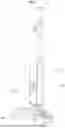
FIG. 1 is a structural schematic diagram of a cleaning system according to an embodiment of the disclosure;
FIG. 2 is a flow diagram of a self-cleaning method of a cleaning system according to an embodiment of the disclosure; and
FIG. 3 is a flow diagram of a self-cleaning method of a cleaning system according to another embodiment of the disclosure.
The drawings include the following reference signs:
-
- 1000. a cleaning system; 100. a main cleaning machine; 110. a clear water tank; 120. a sewage tank; 200. a base.
DETAILED DESCRIPTION OF THE EMBODIMENTS
According to requirements, specific embodiments of the disclosure will be disclosed herein. However, it should be understood that, the embodiments disclosed herein are merely exemplary examples of the disclosure, and are embodied in various forms. Therefore, specific details disclosed herein are not considered to be restrictive, but merely as a basis for claims and as a representative basis for teaching those skilled in the art to variously employ the disclosure in any suitable manner in practice, and the specific details include various features disclosed herein and incorporate features that are not explicitly disclosed herein.
In the description of disclosure, it should be understood that, orientation or position relationships indicated by terms “length”, “upper”, “lower”, “front”, “rear”, “left”, “right”, “horizontal”, “top”, “bottom”, “inner”, “outer”, “circumferential” and the like are base on orientation or position relationships shown in the drawings, are merely for the convenience of describing the disclosure and simplifying the description, rather than indicating or implying that the referred apparatuses or elements must have particular orientations, or constructed and operated in particular orientations, and therefore cannot be understood as limitations to the disclosure.
As shown in FIG. 1, a cleaning system 1000 includes a main cleaning machine 100 and a base 200, and the main cleaning machine 100 is detachably arranged on the base 200. The main cleaning machine 100 is configured for cleaning a daily living environment, for example, cleaning a ground, a carpet, and the like. According to different usages, the main cleaning machine 100 is a floor-cleaning machine, a vacuum cleaner, or the like. It should be understood that, during daily use, the main cleaning machine 100 needs to be separated from the base 200, and after cleaning is completed, the main cleaning machine 100 is placed on the base 200, therefore the base 200 provides an accommodation for the main cleaning machine 100. Of course, with the technical progress, the base 200 is also endowed with more functions, for example, a charging component (not shown) is provided in the main cleaning machine 100, and when the main cleaning machine 100 is used up and placed on the base 200, the base 200 charges the main cleaning machine 100; and as another example, after completing cleaning, the main cleaning machine 100 performs the self-cleaning or self-detection on the base 200, at this time, an auxiliary element is arranged on the base 200 to assist the main cleaning machine 100 in completing the foregoing functions.
The main cleaning machine 100 includes a clear water tank 110 and a sewage tank 120, the clear water tank 110 is configured for storing cleaning liquid, the cleaning liquid is sprayed to a rolling brush to assist in cleaning, and the sewage tank 120 is configured for storing redundant liquid and solid wastes on the surface to be cleaned, which are sucked by a suction motor. When the clear water tank 110 lacks water or the sewage tank 120 is full, the cleaning system 1000 stops running, and after a user adds clear water into the clear water tank 110 or pours out the solid-liquid garbage in the sewage tank 120, the cleaning system 1000 continues to run. In a self-cleaning process, the cleaning system 1000 also sprays the liquid to the rolling brush and sucks the redundant liquid after cleaning the rolling brush, therefore in the self-cleaning process, the cleaning system 1000 will also stop running because the clear water tank 110 lacks water or the sewage tank 120 is full.
As shown in FIG. 2, an embodiment provides a self-cleaning method of the cleaning system 1000. In a self-cleaning process, when a self-cleaning running condition is not met, the cleaning system 1000 stops the self-cleaning, and after the self-cleaning running condition is met, the cleaning system 1000 selects to continue to perform the self-cleaning or restart the self-cleaning.
A condition of not meeting the self-cleaning running includes that the main cleaning machine 100 is separated from the base 200; or the clear water tank 110 lacks water; or the sewage tank 120 is full; or the user initiatively stops the self-cleaning.
Specifically, in an embodiment, in the self-cleaning process, after the main cleaning machine 100 is separated from the base 200, the cleaning system 1000 stops the self-cleaning, and when the main cleaning machine 100 is placed on the base 200 again, the cleaning system 1000 continues to perform the self-cleaning until it completes the self-cleaning instead of restarting the self-cleaning. At this time, it is possible to avoid a situation in which the self-cleaning is stopped before being completed in the self-cleaning process, when the main cleaning machine 100 and the base 200 cannot be connected successfully since the main cleaning machine 100 is accidentally touched by mistake, at this time, the main cleaning machine 100 only restarts the self-cleaning after being placed again, thereby wasting energy, and affecting user experience. A stop of the self-cleaning of the cleaning system 1000 caused by non-subjective willingness of the user, such as water shortage of the clear water tank 110, water fullness of the sewage tank 120 and the like, is avoided by using the method, so as to avoid wasting energy and to improve user experience.
In another embodiment, in the self-cleaning process, after the main cleaning machine 100 is separated from the base 200, the main cleaning machine 100 performs an operation of cleaning a surface to be cleaned, and when the main cleaning machine 100 is placed on the base 200 again, the cleaning system 1000 restarts the self-cleaning until the self-cleaning is completed. Since the main cleaning machine 100 performs the operation of cleaning the surface to be cleaned again, if the cleaning system 1000 does not restart the self-cleaning but continues to perform the self-cleaning at this time, it is conceivable that the main cleaning machine 100 cannot be thoroughly cleaned up according to a set self-cleaning duration, therefore, it is more reasonable to restart the self-cleaning at this time. The stop of the self-cleaning of the cleaning system 1000 caused by subjective willingness of the user is avoided by using the method, so as to avoid that the main cleaning machine 100 cannot be thoroughly cleaned up.
The cleaning system 1000 automatically selects to continue to perform the self-cleaning or restart the self-cleaning according to the operation performed by the cleaning system 1000 after completing the self-cleaning, such that the cleaning system 1000 is more intelligent. The process is implemented by algorithm software, after the self-cleaning is started, whether the main cleaning machine 100 leaves the base 200 is judged by detecting whether there is a charging voltage, whether the communication is interrupted, and the like, and after it is detected that the connection between the main cleaning machine 100 and the base 200 is disconnected, self-cleaning running parameters are stored in a memory, after the main cleaning machine 100 is placed back on the base 200 again, the previously stored the self-cleaning running parameters are read from the memory, and then the self-cleaning program continues to run according to the previous parameters. The situation that the clear water tank 110 lacks water and the sewage tank 120 is full is similar to this situation, and thus details are not described herein again. Before the main cleaning machine 100 is placed back on the base 200 again, the operation of cleaning the surface to be cleaned is performed, when the self-cleaning stops, the self-cleaning running parameters stored in the memory are cleared up, after the main cleaning machine 100 is placed back on the base 200 again, the previously stored the self-cleaning running parameters cannot be read from the memory, and at this time, the cleaning system 1000 restarts the self-cleaning.
In addition, the user selects, by himself/herself, to make the cleaning system 1000 continue to perform the self-cleaning or restart the self-cleaning. The user judges whether to restart the self-cleaning by himself/herself, at this time, a user operability is stronger, and different user requirements are met. The user makes the choice by pressing a button, voice control and the like.
The self-cleaning includes a self-washing and/or a self-drying. In the self-cleaning process, only the self-washing is performed, or only the self-drying is performed, or both the self-washing and the self-drying are performed, the user selects the self-cleaning mode by himself/herself, thereby meeting different user requirements and different use scenarios.
When only the self-washing is performed in the self-cleaning process, and when a self-washing running condition is not met, the cleaning system 1000 stops the self-cleaning, and after the self-washing running condition is met, the cleaning system 1000 selects to continue to perform the self-washing or restart the self-washing.
When only the self-drying is performed in the self-cleaning process, and when a self-drying running condition is not met, the cleaning system 1000 stops the self-cleaning, and after the self-drying running condition is met, the cleaning system 1000 selects to continue to perform the self-drying or restart the self-drying.
When both the self-washing and the self-drying are performed in the self-cleaning process, and when the self-cleaning running condition is not met, the cleaning system 1000 stops the self-cleaning, and after the self-cleaning running condition is met, the cleaning system 1000 selects to continue to perform the self-cleaning or restart the self-cleaning.
Before running a set duration for the self-cleaning, no matter how many times the cleaning system 1000 stops the self-cleaning due to the self-cleaning running condition being not met, the self-cleaning is performed according to the method provided by the disclosure.
In an embodiment, only after the main cleaning machine 100 is placed on the base 200 and the user completes a trigger condition, the cleaning system 1000 performs the self-cleaning. The trigger condition includes that the user starts the self-cleaning by pressing a button or in voice, thereby giving the user the right to choose independently, and if the user thinks that the main cleaning machine 100 does not need to be self-cleaned at this time, the main cleaning machine 100 is only placed on the base 200 without continuing to perform or restarting the self-cleaning.
In another embodiment, after the main cleaning machine 100 is placed on the base 200, the cleaning system 1000 automatically performs the self-cleaning. As long as the main cleaning machine 100 is connected to the base 200, the cleaning system 1000 automatically performs the self-cleaning, thereby avoiding the user starting the self-cleaning by pressing the button or in voice. In this way, one operation step is omitted, such that the product operation is simpler and more convenient.
As shown in FIG. 3, it shows a self-cleaning method of the cleaning system 1000 of another embodiment. The self-cleaning includes the self-washing and the self-drying; in a self-washing process, when a self-washing running condition is not met, the cleaning system 1000 stops the self-washing, and after the self-washing running condition is met, the cleaning system 1000 restarts the self-washing; after the self-washing is completed, the self-drying is started; and in a self-drying process, when a self-drying running condition is not met, the cleaning system 1000 stops the self-drying, and after the self-drying running condition is met, the cleaning system 1000 selects to continue to perform the self-drying or restart the self-drying. When the self-cleaning includes the self-washing and the self-drying, in comparison, the self-washing takes a shorter time, and the self-drying takes a longer time, such that no matter what condition occurs, the self-washing is restarted after a stop event occurs in the self-washing process; and in the self-drying process, it is selected to continue to perform the self-drying or restart the self-drying for different conditions in which the stop event occurs. The disclosure is applicable to different self-cleaning modes according to different conditions, thereby being flexible and efficient.
The technical content and technical features of the disclosure have been disclosed as above, however, it should be understood that, under the creation idea of the disclosure, those skilled in the art make various changes and improvements to the structures and materials described above, including combinations of technical features individually disclosed or claimed herein, and obviously include other combinations of these features. These variations and/or combinations all fall within the technical field involved in the disclosure, and fall within the protection scope of the claims of the disclosure.
Claims
What is claimed is:1. A self-cleaning method of a cleaning system, wherein the cleaning system comprises a main cleaning machine and a base, and the main cleaning machine is detachably arranged on the base; and
in a self-cleaning process, when a self-cleaning running condition is not met, the cleaning system stops a self-cleaning, and after the self-cleaning running condition is met, the cleaning system selects to continue to perform the self-cleaning or restart the self-cleaning.
2. The self-cleaning method of the cleaning system according to claim 1, wherein the cleaning system automatically selects to continue to perform the self-cleaning or restart the self-cleaning according to an operation performed by the cleaning system after stopping the self-cleaning.
3. The self-cleaning method of the cleaning system according to claim 1, wherein a user selects, by himself/herself, to make the cleaning system continue to perform the self-cleaning or restart the self-cleaning.
4. The self-cleaning method of the cleaning system according to claim 1, wherein a condition of not meeting the self-cleaning running comprises:
the main cleaning machine is separated from the base; or
a clear water tank lacks water; or
a sewage tank is full; or
a user initiatively stops the self-cleaning.
5. The self-cleaning method of the cleaning system according to claim 4, wherein in the self-cleaning process, after the main cleaning machine is separated from the base, the cleaning system stops the self-cleaning, and when the main cleaning machine is placed on the base again, the cleaning system continues to perform the self-cleaning.
6. The self-cleaning method of the cleaning system according to claim 4, wherein in the self-cleaning process, after the main cleaning machine is separated from the base, the main cleaning machine performs an operation of cleaning a surface to be cleaned, and when the main cleaning machine is placed on the base again, the cleaning system restarts the self-cleaning.
7. The self-cleaning method of the cleaning system according to claim 1, wherein the self-cleaning comprises a self-washing and/or a self-drying.
8. The self-cleaning method of the cleaning system according to claim 1, wherein only after the main cleaning machine is placed on the base and the user completes a trigger condition, the cleaning system performs the self-cleaning.
9. The self-cleaning method of the cleaning system according to claim 1, wherein after the main cleaning machine is placed on the base, the cleaning system automatically performs self-cleaning.
10. A self-cleaning method of a cleaning system, wherein the cleaning system comprises a main cleaning machine and a base, and the main cleaning machine is detachably arranged on the base;
a self-cleaning comprises a self-washing and/or a self-drying;
in a self-washing process, when a self-washing running condition is not met, the cleaning system stops the self-washing, and after the self-washing running condition is met, the cleaning system restarts the self-washing; and
in a self-drying process, when a self-drying running condition is not met, the cleaning system stops the self-drying, and after the self-drying running condition is met, the cleaning system selects to continue to perform the self-drying or restart the self-drying.
11. The self-cleaning method of the cleaning system according to claim 7, wherein in the self-cleaning process,
only the self-washing is performed; or
only the self-drying is performed; or
both the self-washing and the self-drying are performed.
12. The self-cleaning method of the cleaning system according to claim 11, wherein when only the self-washing is performed in the self-cleaning process, and when a self-washing running condition is not met, the cleaning system stops the self-cleaning, and after the self-washing running condition is met, the cleaning system selects to continue to perform the self-washing or restart the self-washing.
13. The self-cleaning method of the cleaning system according to claim 11, wherein when only the self-drying is performed in the self-cleaning process, and when a self-drying running condition is not met, the cleaning system stops the self-cleaning, and after the self-drying running condition is met, the cleaning system selects to continue to perform the self-drying or restart the self-drying.
14. The self-cleaning method of the cleaning system according to claim 11, wherein when both the self-washing and the self-drying are performed in the self-cleaning process, and when the self-cleaning running condition is not met, the cleaning system stops the self-cleaning, and after the self-cleaning running condition is met, the cleaning system selects to continue to perform the self-cleaning or restart the self-cleaning.
Images & Drawings included:



Sources:
- United States Patent and Trademark Office - verify current appl. status at the USPTO↗
Similar patent applications:
- » 20220378260
Self-cleaning system and method for extraction cleaners - » 20210071898
SELF-CLEANING SYSTEM AND METHOD FOR AIR CONDITIONERS - » 20200063277
Self-cleaning system and method of cleaning electrolytic cells - » 20210371996
Self-Cleaning System and Method of Cleaning Electrolytic Cells - » 20230404342
SELF-CLEANING SYSTEM AND METHOD FOR EXTRACTION CLEANERS - » 20240197136
Cleaning systems and self-cleaning methods for cleaning devices - » 20140022375
Borehole inspection device and system with a self-cleaning system and method for loading explosives in boreholes - » 20180344112
Self-cleaning system and method for extraction cleaners - » 20140261543
APPARATUS, SYSTEM, AND METHOD FOR SELF-CLEANING HANDHELD DUST REMOVAL - » 20080283220
Machine having self-cleaning cooling system and method
Recent applications in this class:
- » 20250302268 2025-10-02
CLEANING SYSTEM AND METHOD FOR CONTROLLING THE SAME - » 20250302267 2025-10-02
CHARGING AND REFUELLING STATION FOR AUTONOMOUS CLEANING ROBOTS - » 20250295285 2025-09-25
STATION AND CLEANING DEVICE - » 20250275662 2025-09-04
BASE STATION AND CLEANING ROBOT SYSTEM - » 20250194891 2025-06-19
BASE STATION AND CLEANING ROBOT SYSTEM - » 20250176787 2025-06-05
DOCKING STATION, AND METHOD, APPARATUS AND STORAGE MEDIUM FOR CONTROLLING DOCKING STATION - » 20250143530 2025-05-08
BASE, LAUNDRY TREATMENT DEVICE AND CLEANING SYSTEM - » 20250134335 2025-05-01
CLEANING ROBOT, MAINTENANCE STATION AND CLEANING SYSTEM HAVING THEM - » 20250127368 2025-04-24
ROBOT CLEANER STATION AND ROBOT CLEANER SYSTEM WITH THE SAME - » 20250127367 2025-04-24
SELF-CLEANING DUST COLLECTION HOLDER, AND DUST COLLECTION SYSTEM