BIFIDOBACTERIUM BREVE FOR IMPROVING AGING-RELATED COGNITIVE DISORDER AND USE THEREOF
US20260000718A1
2026-01-01
18/833,541
2023-11-16
Smart Summary: Bifidobacterium breve BBr16 is a specific strain of bacteria that can help improve memory and thinking problems related to aging. It has been given a special identification number, CGMCC No. 24471. Research shows that this strain can significantly enhance cognitive function in older adults. It can be used to create products aimed at preventing or treating cognitive issues that come with age. Overall, this bacteria offers a potential way to support brain health as people get older. 🚀 TL;DR
Abstract:
Provided is a Bifidobacterium breve for improving an aging-related cognitive disorder and use thereof. The Bifidobacterium breve for improving the aging-related cognitive disorder is named Bifidobacterium breve BBr16 strain with a deposit number CGMCC No. 24471. The strain can significantly improve the aging-related cognitive disorder and can be used for preparing a product with an efficacy of preventing, improving or treating the aging-related cognitive disorder.
Inventors:
- Shuguang FANG 5 🇨🇳 Jiangsu, China
- Zhonghui GAI 2 🇨🇳 Jiangsu, China
- Yao DONG 2 🇨🇳 Jiangsu, China
- Yawen SHAO 1 🇨🇳 Jiangsu, China
Applicant:
Interested in similar patents?
Get notified when new applications in this technology area are published.
Classification:
A61K35/745 » CPC main
Medicinal preparations containing materials or reaction products thereof with undetermined constitution; Microorganisms or materials therefrom; Bacteria; Probiotics; Lactic acid bacteria, e.g. enterococci, pediococci, lactococci, streptococci or leuconostocs Bifidobacteria
A61K35/742 » CPC further
Medicinal preparations containing materials or reaction products thereof with undetermined constitution; Microorganisms or materials therefrom; Bacteria; Probiotics Spore-forming bacteria, e.g. Bacillus coagulans, Bacillus subtilis, clostridium or Lactobacillus sporogenes
A61P25/28 » CPC further
Drugs for disorders of the nervous system for treating neurodegenerative disorders of the central nervous system, e.g. nootropic agents, cognition enhancers, drugs for treating Alzheimer's disease or other forms of dementia
Description
TECHNICAL FIELD
The present application belongs to the technical field of probiotic agents, relates to a Bifidobacterium breve BBr16 for improving an aging-related cognitive disorder and use thereof and, in particular, relates to a Bifidobacterium breve BBr16 strain, a culture including the Bifidobacterium breve BBr16 strain, a probiotic agent including the Bifidobacterium breve BBr16 strain and use of the Bifidobacterium breve BBr16 strain in preparation of a drug or a health care product for preventing, improving or treating an aging-related cognitive disorder.
BACKGROUND
As a trend of aging of a global population aggravates, an incidence of brain dysfunction including a neurodegenerative disease quickly increases. Although studies have proved some methods for alleviating these symptoms, memory deficit is still a serious problem in the old. As a main nutrient absorption organ, an intestinal tract contains about 1014 types of microorganisms. Intestinal floras maintain a balance under a normal physiological condition. The pathogenesis of an aging-related cognitive disorder is closely related to gut-liver axis imbalance and enterogenic endotoxemia. In addition, a lipopolysaccharide derived from the intestinal tract can promote an inflammatory response.
Bifidobacterium, a probiotic widely existing in an intestinal tract of a human body, is regarded as an important component of an intestinal microecological balance. With good adhesion, Bifidobacterium can maintain a structure of an intestinal flora and effectively protect the integrity of the morphology of an intestinal mucosa and a metabolic function. Bifidobacterium plays an important role in preventing and treating intestinal flora imbalance with a main mechanism including regulating the balance of floras in a manner of steric hindrance. In addition, Bifidobacterium can also produce multiple bacteriostatic components such as an acidic substance, an antimicrobial peptide and a biological enzyme, thereby inhibiting the growth and activity of a pathogenic bacterium. As a probiotic with characteristics of safety, health and no side effects, a Bifidobacterium microecological preparation can be colonized in an animal in vivo and can exert multiple beneficial health effects. Therefore, the Bifidobacterium microecological preparation is widely used in the field of clinical supplements.
At present, there is still a lack of particular drugs for the aging-related cognitive disorder. According to the pathogenesis and clinical pathway of the aging-related cognitive disorder, an anti-inflammatory cytokine, an antioxidant and a method for regulating intestinal floras can be selected for treating the aging-related cognitive disorder. In this context, it is particularly important to develop more probiotic products to improve the aging-related cognitive disorder.
SUMMARY
The present application provides a Bifidobacterium breve BBr16 for improving an aging-related cognitive disorder and use thereof and, in particular, provides a Bifidobacterium breve BBr16 strain, a culture including the Bifidobacterium breve BBr16 strain, a probiotic agent including the Bifidobacterium breve BBr16 strain and use of the Bifidobacterium breve BBr16 strain in preparation of a drug or a health care product for preventing, improving or treating an aging-related cognitive disorder.
In a first aspect, the present application provides a Bifidobacterium breve for improving an aging-related cognitive disorder. The Bifidobacterium breve for improving the aging-related cognitive disorder is named Bifidobacterium breve BBr16 strain and deposited on Mar. 7, 2022, with a deposit number CGMCC No. 24471.
In the present application, a new Bifidobacterium breve that can prevent or treat the aging-related cognitive disorder is separated from feces of a healthy infant fed with breast milk in Bama Yao Autonomous County, Guangxi, and deposited. The Bifidobacterium breve is named as Bifidobacterium breve BBr16 strain. The strain can significantly improve the aging-related cognitive disorder, which is embodied in the following aspects: (1) significantly decreasing aging scores of SAMP mice (rapid aging mice); (2) significantly increasing movement distances of the SAMP mice in an open field and dwell time spent by the SAMP mice in a central area, and decreasing delay time for arriving at a platform in a maze test; (3) significantly increasing contents of dopamine and 5-hydroxytryptamine in striata and hippocampi of brains of the SAMP mice; (4) decreasing levels of inflammatory factors TNF-α and IL-6 in pro-inflammatory cells in sera of the SAMP mice, and increasing levels of inflammatory factors IL10 in anti-inflammatory cells in the sera of the SAMP mice; and (5) significantly improving activity of SOD enzymes in livers of the mice, increasing contents of GSH in the livers, increasing levels of CAT enzymes in the livers, and decreasing levels of MDA in the livers. Therefore, the Bifidobacterium breve BBr16 strain can be used for preparing a product with an efficacy of preventing, improving or treating the aging-related cognitive disorder. As a probiotic, the BBr16 strain is high in safety and not easy to develop drug resistance.
Screening steps of the Bifidobacterium breve BBr16 strain involved in the present application are described below:
-
- (1) selecting a sample separated from feces of a healthy infant fed with breast milk in Bama Yao Autonomous County, Guangxi, performing 10-fold gradient dilution with normal saline having a mass concentration of 0.9% three times, and coating on a solid medium; after 48 h of culture at 37° C., picking multiple colonies with different morphology, streaking and purifying on a surface of an improved MRS solid medium, and picking single colonies, expanding culture in a liquid medium at 37° C., and depositing in glycerol having a mass concentration of 40%;
- (2) subjecting the deposited multiple single colonies to a physiological characteristic test in vitro, and screening a single strain with more excellent gastric acid and bile salt resistance (artificial simulation), identifying and depositing.
In a second aspect, the present application provides a culture of a Bifidobacterium breve for improving an aging-related cognitive disorder, wherein a method for preparing the culture includes: inoculating the Bifidobacterium breve BBr16 strain according to the first aspect in a medium, and culturing at 30-40° C. (for example, 30° C., 32° C., 35° C., 36° C., 37° C. or 38° C.) for 12-30 h (for example, 12 h, 14 h, 18 h, 20 h, 21 h, 22 h, 23 h, 24 h or 30 h).
Other specific point values within the preceding numerical ranges may be selected, and details are not described here.
The medium may be an MRS medium, wherein a formula composition of the MRS medium exemplarily includes a peptone, a beef extract, glucose, sodium acetate, yeast powder, ammonium citrate dibasic, K2PO4.3H2O, MgSO4.7H2O, MnSO4, L-cysteine and polysorbate 80 (Tween 80).
In a third aspect, the present application provides a probiotic agent for preventing, improving or treating an aging-related cognitive disorder, wherein a strain in the probiotic agent includes the Bifidobacterium breve BBr16 strain according to the first aspect.
The Bifidobacterium breve BBr16 strain involved in the present application may be used in a related product alone, or may be used in a related product in combination with another strain.
Preferably, a viable bacteria count of the Bifidobacterium breve BBr16 strain in the probiotic agent is not less than 1×10⁸ CFU/mL or 1×10⁸ CFU/g, for example, 1×10⁸ CFU/mL (CFU/g), 1×10⁹ CFU/mL (CFU/g), 2×10⁹ CFU/mL (CFU/g), 5×10⁹ CFU/mL (CFU/g), 8×10⁹ CFU/mL (CFU/g), 1×10¹⁰ CFU/mL (CFU/g), 5×10¹⁰ CFU/mL (CFU/g) or 1×10¹¹ CFU/mL (CFU/g).
Other specific point values within the numerical ranges may be selected, and details are not described here.
Preferably, a dosage form of the probiotic agent includes lyophilized powder, a capsule, a tablet or a granule.
Preferably, the probiotic agent further includes a protective agent and/or an auxiliary additive.
Preferably, the protective agent includes skim milk powder.
The auxiliary additive includes any one or a combination of at least two of an inulin, a fructooligosaccharide, a galactooligosaccharide, a manno-oligosaccharide, trehalose, a soybean oligosaccharide, a resistant dextrin, spirulina, polydextrose, α-lactoalbumin or lactoferrin.
Preferably, the strain in the probiotic agent further includes a Lactobacillus paracasei LC86 strain, wherein the Lactobacillus paracasei LC86 strain is deposited on Jul. 20, 2020, with a deposit number CGMCC No. 1.12731.
In the present application, it is creatively found that the preceding BBr16 strain can be used in combination with the LC86 strain for preventing, improving or treating the aging-related cognitive disorder, which has a significantly excellent effect compared with a single bacterial agent or another combination manner, indicating that the BBr16 strain and the LC86 strain have a synergistic effect on the preceding efficacy.
Further preferably, a ratio of the viable bacteria count of the Bifidobacterium breve BBr16 strain to the viable bacteria count of the Lactobacillus paracasei LC86 strain is (3-5): 1, for example, 3:1, 7:2, 4:1, 9:2 or 5:1. Other specific point values within the numerical range may be selected, and details are not described here.
Based on a potential interaction between the BBr16 strain and the LC86 strain in the preceding efficacy, the two strains have a more excellent synergistic effect when satisfying the preceding particular mass ratio relationship.
In a fourth aspect, the present application provides use of the Bifidobacterium breve BBr16 strain according to the first aspect, the culture according to the second aspect or the probiotic agent according to the third aspect in preparation of a drug or a health care product for preventing, improving or treating an aging-related cognitive disorder.
Compared with the prior art, the present application has the beneficial effects below.
In the present application, the new Bifidobacterium breve that can prevent or treat the aging-related cognitive disorder is separated from the feces of the healthy infant fed with the breast milk in Bama Yao Autonomous County, Guangxi, and deposited, and named as Bifidobacterium breve BBr16 strain. The strain can significantly improve the aging-related cognitive disorder, which is embodied in the following aspects: (1) significantly decreasing the aging scores of the SAMP mice (the rapid aging mice); (2) significantly increasing the movement distances of the SAMP mice in the open field and the dwell time spent by the SAMP mice in the central area, and decreasing the delay time for arriving at the platform in the maze test; (3) significantly increasing the contents of dopamine and 5-hydroxytryptamine in the striata and hippocampi of the brains of the SAMP mice; (4) decreasing the levels of the inflammatory factors TNF-α and IL-6 in the pro-inflammatory cells in the sera of the SAMP mice, and increasing the levels of the inflammatory factors IL10 in the anti-inflammatory cells in the sera of the SAMP mice; and (5) significantly improving the activity of the SOD enzymes in the livers of the mice, increasing the contents of GSH in the livers, increasing the levels of the CAT enzymes in the livers, and decreasing the levels of MDA in the livers. Therefore, the Bifidobacterium breve BBr16 strain can be used for preparing the product with the efficacy of preventing, improving or treating the aging-related cognitive disorder. As the probiotic, the BBr16 strain is high in safety and not easy to develop the drug resistance.
BRIEF DESCRIPTION OF DRAWINGS
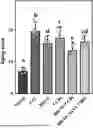
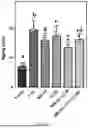
FIG. 1 is a statistical graph illustrating an evaluation result of an aging degree of each group of mice.
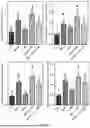
FIG. 2 illustrates a movement distance (cm) of each group of mice in an open field test.
FIG. 3 illustrates dwell time(s) spent by each group of mice in a central area in an open field test.
FIG. 4 illustrates delay time(s) for each group of mice to arrive at a platform in a water maze test.
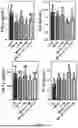
FIG. 5 is a statistical graph illustrating levels of dopamine and 5-hydroxytryptamine in bilateral striata and hippocampi of each group of mice.
FIG. 6 is a statistical graph illustrating levels of tumor necrosis factors TNFα, interleukin 6 (IL6), MCP1 and IL10 in sera of each group of mice.
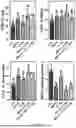
FIG. 7 is a statistical graph illustrating levels of superoxide dismutase (SOD), glutathione (GSH), peroxidase (CAT) and malondialdehyde (MDA) in colon tissues of each group of mice.
DETAILED DESCRIPTION
Technical solutions of the present application are further described below through specific examples. Those skilled in the art are to understand that the examples described herein are used for a better understanding of the present application and are not to be construed as specific limitations to the present application.
The Bifidobacterium breve BBr16 strain involved below is deposited in the China General Microbial Culture Collection Center on Mar. 7, 2022, with a deposit number CGMCC No. 24471, where the CGMCC is located at No. 3 NO. 1 West Beichen Road, Chaoyang District, Beijing.
The Lactobacillus paracasei LC86 strain involved below is deposited in the China General Microbial Culture Collection Center on Jul. 20, 2020, with a deposit number CGMCC No. 1.12731, where the CGMCC is located at No. 3 NO. 1 West Beichen Road, Chaoyang District, Beijing.
MRS solid media used as follows: 10 g of peptone, 10 g of beef extract, 20 g of glucose, 2 g of sodium acetate, 5 g of yeast powder, 2 g of ammonium citrate dibasic, 2.6 g of K2PO4.3H2O, 0.1 g of MgSO4.7H2O, 0.05 g of MnSO4, 20 g of agar and 0.5 g of L-cysteine were weighed and dissolved in deionized water, 1 mL Tween 80 was added, a volume of the solution was precisely adjusted to 1 L, and after sterilization and cooling, the mixture was poured into a sterilized Petri dish for later use.
MRS liquid media used as follows: 10 g of peptone, 10 g of beef extract, 20 g of glucose, 2 g of sodium acetate, 5 g of yeast powder, 2 g of ammonium citrate dibasic, 2.6 g of K2PO4.3H2O, 0.1 g of MgSO4.7H2O, 0.05 g of MnSO4 and 0.5 g of L-cysteine were weighed and dissolved in deionized water, 1 mL Tween 80 was added, a volume of the solution was precisely adjusted to 1 L, and after sterilization and cooling, the mixture was for later use.
Method for preparing the bacterial suspension involved in the following: required strains were inoculated in an MRS liquid medium and cultured for 24 h at 37° C. for activation two consecutive times to obtain an activation solution, the activation solution was inoculated in an MRS liquid medium at an inoculation dose of 2% (v/v) and cultured for 24 h at 37° C. to obtain a bacterial solution, the bacterial solution was centrifuged at 8000 g for 10 min, and the strains were resuspended with PBS to obtain the bacterial suspension.
Test animals were SPF-grade male SAMP8 mice, and feed of the mice was purchased from Shanghai SLAC Laboratory Animal Co., Ltd. Levels of TNFα, IL1b, IL6 and MCP1 were measured by an ELISA kit purchased from Shanghai Enzyme-linked Biotechnology Co., Ltd, and levels of superoxide dismutase (SOD), glutathione (GSH), peroxidase (CAT) and malondialdehyde (MDA) were measured by an assay kit purchased from Nanjing Jiancheng Bioengineering Institute.
A statistical method for the following graphs illustrating test results is as follows: using an R language (R4.2.2) for statistical analysis, and using a ggplot2 package for graphing. Different letters in a histogram indicate that there is a significant difference between groups (p<0.05).
Example 1
In this example, a Bifidobacterium breve for improving an aging-related cognitive disorder was screened out. Steps are described below.
(1) A sample separated from feces of a healthy infant fed with breast milk in Bama Yao Autonomous County, Guangxi, was selected, subjected to 10-fold gradient dilution with normal saline having a mass concentration of 0.9% three times and coated on a solid medium. After 48 h of culture at 37° C., multiple colonies that are different in morphology were picked and subjected to streaking purification on a surface of an improved MRS solid medium, and single colonies were picked, subjected to amplification culture in a liquid medium at 37° C. and deposited in glycerol having a mass concentration of 40%.
(2) The deposited multiple single colonies were subjected to a physiological characteristic test in vitro, and a single strain with more excellent gastric acid and bile salt resistance (artificial simulation) was screened out, which is specifically described below.
(2.1) Acid and Bile Salt Resistance Test
A pH of MRS media was adjusted to 3.0. After sterilization for 15 min at 121° C., liquid-cultured amplification cultures that had been activated for two generations were inoculated at an inoculation dose of 2% and cultured for 24 h at 37° C. Variations in absorbance (ΔOD600 values) of the liquid-cultured amplification cultures during 24 h were measured. 0.3% bovine bile salt was added to MRS media. After sterilization for 15 min at 121° C., liquid cultures that had been activated for two generations were inoculated at an inoculation dose of 2% and cultured for 24 h at 37° C., and variations in absorbance (ΔOD600 values) of the liquid cultures during 24 h were measured. Finally, ten strains with two relatively large ΔOD600 values were selected for the next test.
Acid resistance test: on the basis of a PBS buffer with pH=6.80, the pH was adjusted to 3.0 by 37% hydrochloric acid, liquid cultures that had been activated for two generations were inoculated at an inoculation dose of 10% after sterilization for 15 min at 121° C. and cultured at 37° C., and samples were taken at 0 min, 30 min, 60 min, 90 min and 120 min, respectively, and the viable bacteria counts were measured.
Bile salt resistance test: liquid cultures obtained after the strains had been activated for two generations were inoculated in MRS media containing different concentrations of bile salt (the media contained 0.1%, 0.2%, 0.3%, 0.5% and 2% bile salt, respectively) at an inoculation dose of 2%, an MRS medium containing no bile salt was used as a control, samples were taken after culture for 24 h at a constant temperature of 37° C., the viable bacteria counts were measured, and combined with the results of the previous one test, an excellent strain with acid resistance and bile salt resistance was screened out.
(2.2) Acid Generation Test
The acid generation of the strains was determined through a titration method. The strains deposited in glycerol tubes were taken, activated, inoculated in MRS liquid media at an inoculation dose of 2% and cultured for 18 h at a constant temperature. 10 mL of fermentation broth of each strain was taken and added to 50 mL of sterile water. Two to three drops of 1 g/L of phenolphthalein were added dropwise as an indicator. A 0.1 mol/L of NaOH standard solution was used for titration. The case where the solution appeared pink and did not fade after 30 s was used as a titration end-point. Each sample was in parallel for three times. An uninoculated MRS liquid medium was used as a blank control. A calculation formula is as follows: total acidity/(g·L−1)=(V1−V2)·c·100·V0−1 (V1 is a volume of a NaOH solution consumed by the sample, mL; V2 is a volume of a NaOH solution consumed by the blank control, mL; V0 is a total volume of a diluent, mL; c is a concentration of standard NaOH, mol/L).
Based on the preceding screening tests, a strain with the largest yield of lactic acid and the strongest gastric acid and bile salt resistance was selected.
Example 2
In this example, the strain screened in Example 1 was subjected to physiological and biochemical characteristic and 16S rRNA molecular biological identification. Steps are described below.
-
- (1) Physiological and biochemical characteristics are shown in the following Table 1:
| TABLE 1 | |||||
| Test Project | Result | Test Project | Result | Test Project | Result |
| Gram stain | positive | catalase | − | oxidase | − |
| cell morphology | polymorphic rod-shaped |
| Acid Generation of Carbohydrates (API 50CH) |
| glycerol | − | inositol | − | inulin | − |
| erythritol | − | mannitol | + | melezitose | − |
| D-arabinose | − | sorbitol | + | raffinose | + |
| L-arabinose | − | α-methyl-D-mannoside | − | starch | + |
| D-ribose | + | α-methyl-D-glucoside | + | glycogen | + |
| D-xylose | − | N-acetyl-glucosamine | − | xylitol | + |
| L-xylose | − | amygdalin | + | gentiobiose | + |
| adonitol | − | arbutin | − | D-turanose | + |
| β-methyl-D-xyloside | − | aesculin | + | D-lyxose | − |
| D-galactose | + | salicin | + | D-tagatose | − |
| D-glucose | + | cellobiose | + | D-fucose | − |
| D-fructose | + | maltose | + | L-fucose | − |
| D-mannose | + | lactose | + | D-arabitol | − |
| L-sorbose | − | melibiose | + | L-arabitol | − |
| L-rhamnose | − | sucrose | + | gluconate | − |
| galactitol | − | trehalose | − | 2-keto-gluconate | − |
-
- (2) 16S rDNA molecular biological identification
The strain deposited at −80° C. was taken out, inoculated in a centrifuge tube containing 20 mL of MRS liquid medium according to a proportion of 2%, cultured for 24 h at 37° C., centrifuged and separated. The centrifugation was performed at 8000 rpm for 15 min. Supernatant was removed, and the strains were collected. A genome of the strain was extracted, a general primer for bacteria was added for PCR amplification, and an amplification product was sent to Sangon Biotech (Shanghai) Co., Ltd. for sequencing and identification. The strain was subjected to sequencing and analysis. A 16S rDNA sequence of the strain is shown in SEQ ID No: 1. The sequence obtained through the sequencing was subjected to nucleic acid sequence alignment in GeneBank. The result shows that the strain is Bifidobacterium breve.
| SEQ ID No: 1: |
| GCAAGGGGTTAGGCCACCGGCTTCGGGTGCTGCCCACTTTCATGACTTG |
| ACGGGCGGTGTGTACAAGGCCCGGGAACGCATTCACCGCGACGTTGCTG |
| ATTCGCGATTACTAGCGACTCCGCCTTCACGCAGTCGAGTTGCAGACTG |
| CGATCCGAACTGAGACCGGTTTTCAGGGATCCGCTCCAGCTCGCACTGT |
| CGCATCCCGTTGTACCGGCCATTGTAGCATGCGTGAAGCCCTGGACGTA |
| AGGGGCATGATGATCTGACGTCATCCCCACCTTCCTCCGAGTTAACCCC |
| GGCGGTCCCCCGTGAGTTCCCGGCACAATCCGCTGGCAACACGGGGCGA |
| GGGTTGCGCTCGTTGCGGGACTTAACCCAACATCTCACGACACGAGCTG |
| ACGACGACCATGCACCACCTGTGAACCCGCCCCGAAGGGAAACCCCATC |
| TCTGGGATCGTCGGGAACATGTCAAGCCCAGGTAAGGTTCTTCGCGTTG |
| CATCGAATTAATCCGCATGCTCCGCCGCTTGTGCGGGCCCCCGTCAATT |
| TCTTTGAGTTTTAGCCTTGCGGCCGTACTCCCCAGGCGGGATGCTTAAC |
| GCGTTAGCTCCGACACGGAACCCGTGGAACGGGCCCCACATCCAGCATC |
| CACCGTTTACGGCGTGGACTACCAGGGTATCTAATCCTGTTCGCTCCCC |
| ACGCTTTCGCTCCTCAGCGTCAGTAACGGCCCAGAGACCTGCCTTCGCC |
| ATTGGTGTTCTTCCCGATATCTACACATTCCACCGTTACACCGGGAATT |
| CCAGTCTCCCCTACCGCACTCAAGCCCGCCCGTACCCGGCGCGGATCCA |
| CCGTTAAGCGATGGACTTTCACACCGGACGCGACGAACCGCCTACGAGC |
| CCTTTACGCCCAATAATTCCGGATAACGCTTGCACCCTACGTATTACCG |
| CGGCTGCTGGCACGTAGTTAGCCGGTGCTTATTCGAAAGGTACACTCAA |
| CACAAAGTGCCTTGCTCCCTAACAAAAGAGGTTTACAACCCGAAGGCCT |
| CCATCCCTCACGCGGCGTCGCTGCATCAGGCTTGCGCCCATTGTGCAAT |
| ATTCCCCACTGCTGCCTCCCGTAGGAGTCTGGGCCGTATCTCAGTCCCA |
| ATGTGGCCGGTCGCCCTCTCAGGCCGGCTACCCGTCGAAGCCATGGTGG |
| GCCGTTACCCCGCCATCAAGCTGATAGGACGCGACCCCATCCCATGCCG |
| CAAAGGCTTTCCCAACACACCATGCGGTGTGATGGAGCATCCGGCATTA |
| CCACCCGTTTCCAGGAGCTATTCCGGTGCATGGGGCAGGTCGGTCACGC |
| ATTACTCACCCGTTCGCCACTCTCACCACCAAGCAAAGCCCGATGGATC |
| CCGTTCGACT. |
Based on the results of the 16S rDNA molecular biological identification and the morphological identification in Example 2, it is confirmed that the strain belongs to Bifidobacterium breve, which is named Bifidobacterium breve BBr16 strain.
Example 3
In this example, culture conditions of the Bifidobacterium breve BBr16 strain were optimized. Steps are described below.
The Bifidobacterium breve BBr16 strain was inoculated in an MRS liquid medium and separately cultured for 48 h at different temperatures of 10-50° C., and in a culture process, OD600 values of a culture solution were measured with a microplate reader at intervals. The results are shown in Table 2.
| TABLE 2 | |||||||||
| Culture | |||||||||
| Condition | 2 h | 4 h | 8 h | 12 h | 20 h | 24 h | 30 h | 40 h | 48 h |
| 10° C. | 0.504 | 0.512 | 0.539 | 0.541 | 0.5 | 0.539 | 0.539 | 0.538 | 0.539 |
| 20° C. | 0.523 | 0.549 | 0.553 | 0.561 | 0.595 | 0.595 | 0.594 | 0.595 | 0.594 |
| 30° C. | 0.611 | 0.685 | 0.875 | 1.164 | 1.635 | 1.964 | 2.165 | 2.178 | 2.175 |
| 35° C. | 0.62 | 0.796 | 1.325 | 4.106 | 5.683 | 6.046 | 6.011 | 6.125 | 6.221 |
| 40° C. | 0.623 | 0.644 | 1.345 | 4.486 | 5.375 | 5.968 | 6.125 | 6.135 | 6.133 |
| 45° C. | 0.54 | 0.556 | 0.964 | 1.635 | 1.931 | 2.053 | 2.145 | 2.143 | 2.145 |
| 50° C. | 0.556 | 0.563 | 0.573 | 0.603 | 0.721 | 1.395 | 1.394 | 1.41 | 1.396 |
The results show that the Bifidobacterium breve BBr16 strain grows optimally at 35-40° C. and can be in a growth stabilization period after 18-22 h of culture.
Example 4
In this example, the gastric acid and bile salt resistance of the Bifidobacterium breve BBr16 strain was verified. Steps are described below.
(1) Preparation of Artificial Gastric Juice and Bile Salt
The artificial gastric juice contained 0.20% NaCl and 0.30% pepsin in mass fraction, a pH was separately adjusted to 2.0, 2.5 and 3.0 by HCl, and the mixture was filtered and sterilized for later use.
10% bovine bile salt: 10.0 g of bovine bile salt (Ourchem, Sinopharm Chemical Reagent Co., Ltd, Shanghai, China) was weighed into 100 mL of sterile water, and the mixture was filtered by a 0.22 μm filter membrane and sterilized.
MRS medium containing 0.1% bile salt: the MRS medium (Beijing Solarbio Science & Technology Co., Ltd) was prepared according to a specification, and after high-pressure steam sterilization (121° C., 15 min), a proper amount of 10% bovine bile salt solution was added until a final concentration was 0.1%.
(2) Gastric Acid Resistance Test
1.0 mL bacterial suspension of the Bifidobacterium breve BBr16 (with a concentration of 1×10⁹ CFU/mL, where the concentration of the bacterial solution was measured through a method in a national standard GB4789.35-2016 National Food Safety Standard—Microbiological Examination of Food—Examination of Lactic Acid Bacteria) was separately mixed with 9.0 mL artificial gastric juice with a pH of 2.0, 2.5 and 3.0 and subjected to anaerobic standing culture at 37° C., samples were taken at the beginning (0 h) and 3 h after treatment, respectively, the viable bacteria count was measured through a pouring culture method, and a survival rate of the viable bacteria was calculated. A formula is as follows:
survival rate ( % ) = N 1 / N 0 × 100 % ,
-
- in the formula, N1 is the viable bacteria count 3 h after the treatment of the artificial gastric juice, and N0 is the viable bacteria count at 0 h. The test results are shown in Table 3.
| TABLE 3 | ||
| Resistance | Survival Rate (%) | |
| artificial gastric juice 2.0 | 81.5% | |
| artificial gastric juice 2.5 | 90.1% | |
| artificial gastric juice 3.0 | 93.7% | |
(3) Bile Salt Resistance Test
1.0 mL bacterial suspension of the Bifidobacterium breve BBr16 (with a concentration of 1×10⁹ CFU/mL, where the concentration of the bacterial solution was measured through the method in the national standard GB4789.35-2016 National Food Safety Standard—Microbiological Examination of Food—Examination of Lactic Acid Bacteria) was mixed with 9.0 mL MRS medium containing 0.1% bovine bile salt and subjected to anaerobic standing culture at 37° C., samples were taken at the beginning (0 h) and 3 h after treatment, respectively, the number of viable bacteria was measured through the pouring culture method, and a survival rate of the viable bacteria was calculated. A formula is as follows:
survival rate ( % ) = N 1 / N 0 × 100 % ,
-
- in the formula, N1 is the viable bacteria count 3 h after the treatment of the bile salt, and NO is the viable bacteria count at 0 h. The test result is a survival rate of 32%.
As can be seen from the preceding result, the Bifidobacterium breve BBr16 in the present application has good gastric acid resistance and choline resistance. The good gastric acid and bile salt resistance creates conditions for the Bifidobacterium breve BBr16 to be colonized in a gastrointestinal tract, maintain the homeostasis of a mucosal barrier of the gastrointestinal tract and prepare a product for preventing, improving or treating the aging-related cognitive disorder.
Example 5
In this example, effects of the Bifidobacterium breve BBr16 strain on aging scores, cognitive abilities, neurotransmitters, pro-inflammatory cytokines in sera and contents of oxidative stress markers of mice suffering from aging-related cognitive disorders were explored.
(1) Animal grouping: 50 adult male SAMP8 mice (22±2 g) at 16 weeks of age were randomly divided into five groups (ten mice for each group): a model control group (a CTL group), a Bifidobacterium breve BBr16 intervention group (a BBr16 group), a Lactobacillus paracasei LC86 intervention group (a LC86 group), a composite bacteria including Bifidobacterium breve BBr16 and Lactobacillus paracasei LC86 intervention group (a BBr16+LC86 group with a ratio of the viable bacteria count of 4:1) and a composite bacteria including Bifidobacterium breve BBr16 and Lactobacillus paracasei ATCC27092 intervention group (a BBr16+ATCC27092 group with a ratio of the viable bacteria counts of 4:1). Moreover, ten adult male SAMP8 mice (22±2 g) at 16 weeks of age were used as a young control group (a Young group). None of the mice had a specific pathogen. The mice were raised in cages alone. The environment was clean and quiet, with a temperature of 23-25° C. and humidity of 50 to 70%. Each group of mice were free to obtain food and water in an experimental period.
(2) Intervention method: BBr16 gavage was administered to the BBr16 group according to 1×10⁹ CFU/day/mouse, LC86 gavage was administered to the LC86 group according to 1×10⁹ CFU/day/mouse, gavage was administered to the BBr16+LC86 group according to a total bacteria amount of BBr16 and LC86 of 1×10⁹ CFU/day/mouse, and distilled water (10 mL/kg) gavage was administered to the Young group and the CTL group. A suspension of distilled water and a probiotic was orally taken once per day for 12 consecutive weeks.
(3) An aging degree of the preceding each group of mice was evaluated by a grading scoring system. Each category had five grades, which were denoted as 0, 1, 2, 3 and 4, respectively. The higher the score was, the more severe the aging was. Indicators used in the evaluation include aspects such as a reactive behavior, a passive behavior, glossiness, roughness, hair loss, a skin ulcer, a periocular lesion, lordosis and kyphosis. Scores of the aspects were added to obtain a score of each mouse. Scoring criteria of the aging of the mice are shown in Table 4.
| TABLE 4 | ||||||
| Project | Definition | Grade 0 | Grade 1 | Grade 2 | Grade 3 | Grade 4 |
| (1) Behavior |
| 1. reactive | the most | natural | A. | significant | does not | motionless |
| behavior | intensive | behavior | abnormal | decrease in | move on its | |
| exploratory | gait with | agility and | own | |||
| response | no | behavioral | initiative, | |||
| observed | reduction | patterns | but will | |||
| within 30 s | in agility | move if | ||||
| and | urged | |||||
| behavioral | ||||||
| patterns | ||||||
| B. | ||||||
| fidgetiness | ||||||
| 2. passive | escape | the trouble | reduction | the escape | there is no | zero escape |
| behavior | response | of the | of escape | response to | escape | response |
| caused by | natural | response | squeezing | responses | ||
| pinching | escape | is lost, and | and no | |||
| the skin of | response | the righting | righting | |||
| the neck or | response of | responses | ||||
| hanging the | manual | when the | ||||
| forelimbs | turn-over is | skin of the | ||||
| reserved | neck is | |||||
| pinched, | ||||||
| and there is | ||||||
| an escape | ||||||
| response | ||||||
| during | ||||||
| forelimb | ||||||
| suspension |
| (2) Appearance |
| 1. skin and hair |
| {circle around (1)} | brightness | natural | decrease in | the gloss | the gloss | the gloss |
| glossiness | gloss | glossiness | completely | completely | completely | |
| disappears | disappears, | disappears, | ||||
| and the | and the | |||||
| hair looks | hair | |||||
| very dirty | appears | |||||
| very dirty | ||||||
| {circle around (2)} | hair | not rough | the region | the area of | the area of | the gloss |
| roughness | thickness | of the | the | the | completely | |
| of the head, | roughness | roughness | roughness | disappears, | ||
| neck and | is less than | is less than | is less than | and the | ||
| back is | one region | twice the | three times | hair | ||
| determined | of the head | area of the | the area of | appears | ||
| according | head | the head | very dirty | |||
| to the | ||||||
| number of | ||||||
| tiny | ||||||
| patches of | ||||||
| hair that | ||||||
| can be felt | ||||||
| {circle around (3)} | hair loss or | no hair loss | A. the | A. the | the area of | the area of |
| hair loss | thinning of | or thinning | region of | region of | the hair | the hair |
| the head, | the hair | the hair | loss is | loss is | ||
| neck and | loss is less | loss is | greater | greater | ||
| back | than one | greater | than ¼ | than ½ of | ||
| except | region of | than one | but less | the total | ||
| changes | the head | region of | than ½ of | area | ||
| caused by | B. the area | the head, | the total | |||
| ulcers or | of the hair | and the | area | |||
| periocular | thinning is | area of the | ||||
| lesions | less than | hair loss is | ||||
| ½ of the | less than | |||||
| area | ¼ of the | |||||
| total area | ||||||
| B. the area | ||||||
| of the hair | ||||||
| thinning is | ||||||
| greater | ||||||
| than ½ of | ||||||
| the total | ||||||
| area | ||||||
| {circle around (4)} skin | ulcers or | no ulcers | healed | the ulcers | the ulcers | the ulcers |
| ulcer | healed | ulcers or | have no | have no | have no | |
| ulcers over | ulcers with | tendency to | tendency to | tendency to | ||
| the entire | crusts | heal, and | heal, the | heal, and | ||
| skin except | the | ulcerated | the area of | |||
| changes | ulcerated | site is | the ulcers | |||
| related to | region is | greater | is greater | |||
| periocular | less than | than one | than ¼ of | |||
| lesions | one region | site of the | the area of | |||
| of the head | head, and | the entire | ||||
| the area of | skin | |||||
| the ulcers | ||||||
| is less than | ||||||
| ¼ of the | ||||||
| area of the | ||||||
| entire skin |
| 2. eyes |
| {circle around (1)} | catarrhal | no changes | catarrhal | catarrhal | changes in | |
| periocular | changes in | changes | changes | diarrhea | ||
| lesion | periocular | only | extending | extend | ||
| region or | around the | to the nose | further | |||
| facial | eyes or | |||||
| swelling | metacarpal | |||||
| swelling | ||||||
| {circle around (2)} capacity | opaque | no opacity | opacity | the iris is | the entire | |
| of cornea | changes in | with visible | opaque and | cornea is | ||
| rough | iris | visible, and | opaque | |||
| cornea on | the retinal | |||||
| lower | reflex is | |||||
| surface of | positive | |||||
| eyes when | after | |||||
| looking | transillumination | |||||
| directly | inspection | |||||
| {circle around (3)} coronary | opaque | no ulcers | linear ulcer | ulcers | ulcers over | |
| sulcus | changes in | corresponding | extend to | the entire | ||
| ulcer | rough | to the | most | cornea | ||
| cornea on | palpebral | regions | ||||
| lower | fissure | |||||
| surface of | ||||||
| eyes when | ||||||
| looking | ||||||
| directly | ||||||
| {circle around (4)} cataract | opaque | natural | reduced | no reflexes | ||
| changes in | reflexes | reflexes | ||||
| lens, no | ||||||
| retinal | ||||||
| reflexes | ||||||
| after | ||||||
| transillumination | ||||||
| inspection | ||||||
| and | ||||||
| impossible | ||||||
| complete | ||||||
| eyeballs | ||||||
| due to | ||||||
| Grade 3 | ||||||
| corneal | ||||||
| opacity or | ||||||
| ulcers that | ||||||
| are present | ||||||
| at the same | ||||||
| time |
| 3. vertebral column |
| {circle around (1)} kyphotic | examination | natural | when the | in the case | permanent | |
| deformity | is performed | front and | back is | of the | curvature | |
| of vertebral | through | back | subjected | combination | ||
| column | inspection | curvatures | to digital | of artificial | ||
| and | pressure, | head and | ||||
| palpation | the | neck | ||||
| increased | traction | |||||
| curvature | and digital | |||||
| disappears | pressure on | |||||
| the back, | ||||||
| the increased | ||||||
| curvature | ||||||
| disappears | ||||||
The evaluation result of the aging degree of each group of mice is shown in FIG. 1 (presented as an average value). As can be seen from the figure, compared with young mice (Young), the aging score of the model control group (CTL) is significantly increased. Compared with the model control group (CTL), the scores obtained after the intervention of the strains are decreased to different degrees. The BBr16+LC86 group is decreased to the highest degree, which is higher than the BBr16 group and the LC86 group, indicating that the BBr16 strain and the LC86 strain have a synergistic effect on improving the aging degree of the SAMP8 mice.
(4) The cognitive abilities were evaluated. Spatial learning and memory abilities of the mice were evaluated through an open field test and a water maze test.
Open field test method: the mice were gently transferred to an organic glass activity chamber with a size of 25×25×40 cm; the mice were allowed to explore the activity room freely for 10 min; behaviors of the mice in the open field activity chamber were observed and recorded, including movement distances (cm) and dwell time(s) spent in a central area; after each test, 70% ethanol was used for cleaning the chamber to reduce the interference of odors; the statistical results are shown in FIGS. 2 and 3 (presented as average values).
Water maze test method: the test was carried out in a circular water pool with a diameter of 100 cm, a height of 40 cm, a water depth of 30 cm and a water temperature maintained at 26±1° C.; during six-day training, the mice were trained to find a platform underwater four times a day; if the mice cannot arrive at the platform within 60 s, the mice will be guided to the platform; on day 7, the platform was removed, and the mice were allowed 60 s to search a maze; swimming paths of the mice were analyzed by Etho Vision video tracking software of Noldus; the delay time(s) for the mice to arrive at the platform was recorded; the statistical results are shown in FIG. 4 (presented as average values).
As can be seen from the results in the preceding figures, BBr16 can significantly improve the aging-caused cognitive disorders of the mice, and the BBr16+LC86 group has the best improvement ability, which is better than the BBr16 group and the LC86 group, indicating that the BBr16 strain and LC86 strain have a synergistic effect on improving the aging-caused cognitive disorders of the mice.
(5) Levels of the neurotransmitters in brains of the mice were affected. Levels of dopamine and 5-hydroxytryptamine in bilateral striata and hippocampi of each group of mice were investigated.
Samples of the bilateral striata and hippocampi of the mice were acquired, homogenized and centrifuged at 12000 g for 10 min at 4° C. Supernatant was filtered by a 0.22 μm membrane, and filtered liquids were used for HPLC-MS detection. In HPLC, a Thermo Vanquish ultra-high performance liquid phase system of Thermo Fisher Scientific Inc. was used, and an ACQUITY UPLC HSS T3 column (2.1×150 mm, 1.8 μm) of Waters Corporation was used. A flow rate was set to 0.25 mL/min, a column temperature was set to 40° C., and an injection volume was set to 2 μL. In mass spectrometry, a Thermo Q Exactive Focus mass spectrometer detector of Thermo Fisher Scientific Inc. was used, and electrospray ionization (ESI) was separately used for data acquisition in positive ion and negative ion modes. The statistical results of each group are shown in FIG. 5 (presented as average values).
As can be seen from the results in the preceding figure, BBr16 can significantly improve the levels of dopamine and 5-hydroxytryptamine in the bilateral striata and hippocampi of the SAMP8 mice, and the BBr16+LC86 group is improved most significantly, which is superior to the BBr16 group and the LC86 group, indicating that the BBr16 strain has an excellent effect on improving the aging-related cognitive disorders and the BBr16 strain and the LC86 strain have a synergistic effect on the preceding efficacy.
(6) Levels of tumor necrosis factors TNFα, interleukin 6 (IL6), MCP1 and IL10 in sera of each group of mice were detected through an enzyme-linked immunosorbent assay (ELISA).
Serum samples of each group were acquired, and the levels of the tumor necrosis factors TNFα, interleukin 6 (IL6), MCP1 and IL10 in the sera were measured by the ELISA kit. The results are shown in FIG. 6. As can be seen from the results in the figure, after the BBr16 intervention is administered, the generation of TNFα, IL6 and MCP1 in the sera can be reduced, the generation of IL10 in the sera can be promoted, and the effects of the BBr16+LC86 group are more apparent.
(7) Oxidative stress markers were detected.
After the assay, the mice were sacrificed, and colons of each group of mice were added to normal saline and homogenized to obtain 10% colon homogenates. The homogenates were centrifuged for 10 min (5,000 g, 4° C.) to obtain supernatant. Levels of superoxide dismutase (SOD), glutathione (GSH), peroxidase (CAT) and malondialdehyde (MDA) were measured by the assay kit of Nanjing Jiancheng Bioengineering Institute.
The results are shown in FIG. 7. As can be seen from the results in the figure, after the BBr16 intervention is administered, the levels of SOD, GSH and CAT can be improved, the levels of MDA can be reduced, and the effects of the BBr16+LC86 group are more apparent.
The applicant has stated that although the Bifidobacterium breve for improving the aging-related cognitive disorder and the use thereof in the present application are described through the preceding examples, the present application is not limited to the preceding examples, which means that the implementation of the present application does not necessarily depend on the preceding examples. It should be apparent to those skilled in the art that any improvements made to the present application, equivalent replacements of raw materials of the product of the present application, additions of adjuvant ingredients, selections of specific manners, etc., all fall within the protection scope and the disclosure scope of the present application.
In addition, it is to be noted that if not in collision, specific technical features described in the preceding specific examples may be combined in any suitable manner. To avoid unnecessary repetition, various possible combination manners are not further described in the present application.
Claims
1. A Bifidobacterium breve for improving an aging-related cognitive disorder, which is named Bifidobacterium breve BBr16 strain and deposited on Mar. 7, 2022, with a deposit number CGMCC No. 24471.
2. A culture of a Bifidobacterium breve for improving an aging-related cognitive disorder, wherein a method for preparing the culture comprises: inoculating the Bifidobacterium breve BBr16 strain according to claim 1 in a medium, and culturing for 12-30 hours at 30-40° C.
3. A probiotic agent for preventing, improving or treating an aging-related cognitive disorder, comprising the Bifidobacterium breve BBr16 strain according to claim 1.
4. The probiotic agent according to claim 3, wherein a viable bacteria count of the Bifidobacterium breve BBr16 strain in the probiotic agent is not less than 1×10⁸ CFU/mL or 1×10⁸ CFU/g.
5. The probiotic agent according to claim 3, wherein a dosage form of the probiotic agent comprises lyophilized powder, a capsule, a tablet or a granule.
6. The probiotic agent according to claim 3, wherein the probiotic agent further comprises a protective agent and/or an auxiliary additive.
7. The probiotic agent according to claim 6, wherein the protective agent comprises skim milk powder; and the auxiliary additive comprises any one or a combination of at least two of an inulin, a fructooligosaccharide, a galactooligosaccharide, a manno-oligosaccharide, trehalose, a soybean oligosaccharide, a resistant dextrin, spirulina, polydextrose, α-lactoalbumin or lactoferrin.
8. The probiotic agent according to claim 3, wherein the strain in the probiotic agent further comprises a Lactobacillus paracasei LC86 strain, wherein the Lactobacillus paracasei LC86 strain is deposited on Jul. 20, 2020, with a deposit number CGMCC No. 1.12731.
9. The probiotic agent according to claim 8, wherein a ratio of a viable bacteria count of the Bifidobacterium breve BBr16 strain to a viable bacteria count of the Lactobacillus paracasei LC86 strain is (3-5): 1.
10. (canceled)
11. Use of the Bifidobacterium breve BBr16 strain according to claim 1 in preparation of a drug or a health care product for preventing, improving or treating an aging-related cognitive disorder.
Images & Drawings included:



Sources:
- United States Patent and Trademark Office - verify current appl. status at the USPTO↗
Recent applications in this class:
- » 20260000719 2026-01-01
METHOD OF INCREASING GLUCAGON-LIKE PEPTIDE-1 BY SYNBIOTIC COMPOSITION - » 20250345374 2025-11-13
METHODS FOR TREATING INFLAMMATORY BOWEL DISEASE USING BACILLUS AMYLOLIQUEFACIENS - » 20250345373 2025-11-13
TREATMENT OF INFLAMMATION IN ELDERLY - » 20250339478 2025-11-06
MIXED BIFIDOBACTERIUM STRAIN WITH EXCELLENT PRODUCTIVITY AND ANTI-INFLAMMATORY ACTIVITY, AND USES THEREOF - » 20250332203 2025-10-30
BIFIDOBACTERIUM ANIMALIS SUBSP. LACTIS GOLDGUT-BB21 AND APPLICATION THEREOF - » 20250325605 2025-10-23
PROBIOTIC COMPOSITION TO REDUCE PATHOGENESIS IN POULTRY AND METHODS FOR USE THEREOF - » 20250302893 2025-10-02
TREATMENT OF METABOLIC SYNDROME AND ASSOCIATED MORBIDITIES USING INTESTINAL TH17 CELLS OR INTESTINAL TH17 CELL-DERIVED MOLECULES - » 20250295712 2025-09-25
COMPOSITIONS AND METHODS FOR MODULATING GUT MICROBIOMES - » 20250295711 2025-09-25
FOOD SUPPLEMENT - » 20250295710 2025-09-25
PREBIOTIC AND PROBIOTIC FORMULATION CONTAINING ACID AND HEAT RESISTANT BACTERIA