CONSOLIDATED HUMAN-MACHINE INTERFACE (HMI) CHASSIS
US20260010209A1
2026-01-08
19/123,580
2023-10-04
Smart Summary: A new type of plastic chassis combines input devices and shielding against electromagnetic interference (EMI). These components are securely attached to a printed circuit board (PCB) using heat stakes. This design helps improve the performance of various electronic devices. Examples of devices that can benefit include laptops, tablets, desktop computers, and televisions. Overall, it aims to enhance user interaction with technology while reducing interference. 🚀 TL;DR
Abstract:
Provided is a consolidated plastic human-machine interface (HMI) chassis comprising: one or more input devices, adjacent to electromagnetic interference (EMI) shielding material, the one or more input devices and electromagnetic interference (EMI) shielding material heat staked with a plurality of plastic heat stakes to a printed circuit board (PCB). The consolidated plastic human-machine interface (HMI) chassis may improve a variety of electronic devices such as laptops, tablets, notebooks, desktop computers, televisions, gaming devices, advertising displays, and others.
Inventors:
- Joel Matsco 5 🇺🇸 Coraopolis, PA, United States
- Mark Bondi 3 🇺🇸 Venetia, PA, United States
- Anthony Immormino 3 🇺🇸 Pittsburgh, PA, United States
Applicant:
Interested in similar patents?
Get notified when new applications in this technology area are published.
Classification:
G06F1/1658 » CPC main
Details not covered by groups - and; Constructional details or arrangements for portable computers; Constructional details or arrangements of portable computers not specific to the type of enclosures covered by groups - ; Details related to functional adaptations of the enclosure, e.g. to provide protection against EMI, shock, water, or to host detachable peripherals like a mouse or removable expansions units like PCMCIA cards, or to provide access to internal components for maintenance or to removable storage supports like CDs or DVDs, or to mechanically mount accessories related to the mounting of internal components, e.g. disc drive or any other functional module
G06F1/1616 » CPC further
Details not covered by groups - and; Constructional details or arrangements for portable computers with several enclosures having relative motions, each enclosure supporting at least one I/O or computing function with folding flat displays, e.g. laptop computers or notebooks having a clamshell configuration, with body parts pivoting to an open position around an axis parallel to the plane they define in closed position
G06F1/1686 » CPC further
Details not covered by groups - and; Constructional details or arrangements for portable computers; Constructional details or arrangements of portable computers not specific to the type of enclosures covered by groups - ; Constructional details or arrangements related to integrated I/O peripherals not covered by groups - the I/O peripheral being an integrated camera
G06F1/1688 » CPC further
Details not covered by groups - and; Constructional details or arrangements for portable computers; Constructional details or arrangements of portable computers not specific to the type of enclosures covered by groups - ; Constructional details or arrangements related to integrated I/O peripherals not covered by groups - the I/O peripheral being integrated loudspeakers
G06F1/16 IPC
Details not covered by groups - and Constructional details or arrangements
Description
FIELD OF THE INVENTION
The present invention relates to a consolidated chassis for a human-machine interface (HMI), such as a laptop, which is easily assembled and disassembled for recycling of its thermoplastic components.
BACKGROUND OF THE INVENTION
Traditional laptops are constructed from materials and by processes that are unsatisfactory for sustainability and recycling. As those skilled in the art are aware, the “A” and “B” covers of a laptop are typically joined using one-way snap fits, adhesive tapes, adhesives, and many screws and metal screw bosses. The joining method changes based on the cost of the laptop. Before recycling can begin, these metal parts including metal-threaded inserts must be removed from the part into which it is embedded. Removal of these metal connectors and dissimilar materials causes major drawbacks to the streamlined recycling of such assemblies.
WO/2022/152560 in the name of Zhu et al., discloses a housing assembly based on polycarbonate material, of which at least the front cover and the back cover are easily recyclable due to its separability into different parts for all components which are attached to the front cover or the back cover and which cannot be recycled together with the front cover or the back cover, respectively. Snap-fits, interference-fits, predetermined breaking points and other means are used for an easily detachable, but for use safe connection of the single parts.
U.S. Pat. No. 5,808,863 issues to Radloff et al., provides a computer system, or other electronic device, having two parts that are easily attached and quickly detached. One of the parts has a plurality of stakes projecting from one surface thereof, and the other part has a plurality of through openings for receiving the stakes, and a plurality of slots extending adjacent the stakes. The stakes are formed over the other part adjacent the openings to attach the second part to the first part, and a blade can be inserted in the slots to force the second part away from the first part and break the stakes to quickly detach the parts.
U.S. Pat. Pub. 2011/199728 in the name of Reyes discloses an enclosure for an electronic device comprising a top wall operably connected to a bottom wall via side walls, a front wall operably connected to a rear wall via the side wall, a locking mechanism operably connected to the side walls, and a mechanism for operably connecting an internal component to the enclosure, wherein the mechanism is operably connected to at least one of the walls of the enclosure.
To reduce or eliminate problems, therefore, a need exists in the art for laptop parts to contain a greater amount of homogenous plastic and fewer metal connectors, so they may be more quickly removed and repaired or recycled than those made according to the state of the art.
SUMMARY OF THE INVENTION
Accordingly, the present invention reduces or eliminates problems inherent in the art by removing metal parts while maintaining laptop part integrity through intelligent design and the use of polycarbonate. As those skilled in the art are aware, polycarbonate excels in satisfying this demand given its robust property profile. The present invention minimizes the amount of metal parts in the laptop design through use of more homogenous plastic and incorporation of “breakaway features” for those metal parts that remain.
It is understood that the invention disclosed and described in this specification is not limited to the embodiments summarized in this Summary.
BRIEF DESCRIPTION OF THE FIGURES
The present invention will now be described for purposes of illustration and not limitation in conjunction with the figures, wherein:
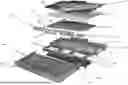
FIG. 1 provides an exploded view of the consolidated laptop chassis of the invention;
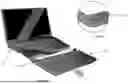
FIG. 2A shows the electromagnetic interference (EMI) shielding heat staking process;
FIG. 2B depicts a molded-in wire channel;
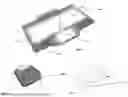
FIG. 3A illustrates embedded electronics with the printed circuit board connected directly to the chassis;
FIG. 3B shows plastic inserts ultrasonically welded to the main chassis frame;
FIG. 3C depicts plastic tabs to hold components in tension;
FIG. 3D illustrates embedded LEDs or other electronic sensors and traces co-molded in the chassis;
FIG. 4 provides an enlarged view of FIG. 3A;
FIG. 5A shows “C” and “D” covers welded to provide a structural, homogeneous part;
FIG. 5B depicts a cross-section shown before ultrasonic welding;
FIG. 6A illustrates a push-button release molded into the chassis;
FIG. 6B shows a microtextured exterior surface to hide scratches;
FIG. 7 depicts heat staked components (keyboard and trackpad shown here);
FIG. 8 shows film insert molded graphics integrated into the C-cover; and
FIG. 9 illustrates break-away features allowing much of the polycarbonate to be recycled.
DETAILED DESCRIPTION OF THE INVENTION
The present invention will now be described for purposes of illustration and not limitation. Except in the operating examples, or where otherwise indicated, all numbers expressing quantities, percentages, and so forth in the specification are to be understood as being modified in all instances by the term “about.”
Any numerical range recited in this specification is intended to include all sub-ranges of the same numerical precision subsumed within the recited range. For example, a range of “1.0 to 10.0” is intended to include all sub-ranges between (and including) the recited minimum value of 1.0 and the recited maximum value of 10.0, that is, having a minimum value equal to or greater than 1.0 and a maximum value equal to or less than 10.0, such as, for example, 2.4 to 7.6. Any maximum numerical limitation recited in this specification is intended to include all lower numerical limitations subsumed therein and any minimum numerical limitation recited in this specification is intended to include all higher numerical limitations subsumed therein. Accordingly, Applicant reserves the right to amend this specification, including the claims, to expressly recite any sub-range subsumed within the ranges expressly recited herein. All such ranges are intended to be inherently described in this specification such that amending to expressly recite any such sub-ranges would comply with the requirements of 35 U.S.C. § 112 (a), and 35 U.S.C. § 132 (a). The various embodiments disclosed and described in this specification can comprise, consist of, or consist essentially of the features and characteristics as variously described herein.
Any patent, publication, or other disclosure material identified herein is incorporated by reference into this specification in its entirety unless otherwise indicated, but only to the extent that the incorporated material does not conflict with existing definitions, statements, or other disclosure material expressly set forth in this specification. As such, and to the extent necessary, the express disclosure as set forth in this specification supersedes any conflicting material incorporated by reference herein. Any material, or portion thereof, that is said to be incorporated by reference into this specification, but which conflicts with existing definitions, statements, or other disclosure material set forth herein, is only incorporated to the extent that no conflict arises between that incorporated material and the existing disclosure material. Applicant reserves the right to amend this specification to expressly recite any subject matter, or portion thereof, incorporated by reference herein.
Reference throughout this specification to “various non-limiting embodiments,” “certain embodiments,” or the like, means that a particular feature or characteristic may be included in an embodiment. Thus, use of the phrase “in various non-limiting embodiments,” “in certain embodiments,” or the like, in this specification does not necessarily refer to a common embodiment, and may refer to different embodiments. Further, the particular features or characteristics may be combined in any suitable manner in one or more embodiments. Thus, the particular features or characteristics illustrated or described in connection with various or certain embodiments may be combined, in whole or in part, with the features or characteristics of one or more other embodiments without limitation. Such modifications and variations are intended to be included within the scope of the present specification.
The grammatical articles “a”, “an”, and “the”, as used herein, are intended to include “at least one” or “one or more”, unless otherwise indicated, even if “at least one” or “one or more” is expressly used in certain instances. Thus, these articles are used in this specification to refer to one or more than one (i.e., to “at least one”) of the grammatical objects of the article. By way of example, and without limitation, “a component” means one or more components, and thus, possibly, more than one component is contemplated and may be employed or used in an implementation of the described embodiments. Further, the use of a singular noun includes the plural, and the use of a plural noun includes the singular, unless the context of the usage requires otherwise.
In certain embodiments, the invention may include slide-on clips in the form of “C” shaped channels (i.e., “C” shaped cross-section) to hold parts comprising integrated flanges tightly together, i.e., like a clamp. (e.g., allows for clamping of LCD screen non-permanently in a laptop). This may take two different configurations: a clamshell with flange, or a vertically sliding with set screw.
Various embodiments may include break-away features for in-molded metal parts, e.g., predetermined breaking points (designed weaknesses that fail when desired or with a specific undefined tool). Other embodiments may include one or more plastic heat-stakes to replace metal versions. Selected embodiments may include one or more press-on grommets to replace screws and promote repeated assembly/disassembly. In other embodiments, there may be a connection of same-material thermoplastic parts via welding. In certain embodiments, intermittent welding (also referred to as stitch weld or skip weld) may be used between thermoplastic parts. In various embodiments, thermal staking may be used instead of glue to fasten electromagnetic interference (EMI) shielding metal foils in place. Welded cover parts which allow unique disassembly benefits (i.e., sliding the joined covers over the circuit boards laterally, instead of clamshell) are included in various embodiments.
The present invention reduces the amount of hardware and inserts, reduces the use of glues and adhesives in the plastic chassis designed for a human-machine interface (HMI), which improves both the speed and ease of routine service or de-manufacturing, reduces the amount of paints and coatings needed, and relies on more homogeneous parts.
In a first embodiment, the invention is directed to a consolidated plastic human-machine interface (HMI) chassis comprising: one or more input devices, adjacent to electromagnetic interference (EMI) shielding material, the one or more input devices and the electromagnetic interference (EMI) shielding material heat staked with a plurality of plastic heat stakes to a printed circuit board (PCB), wherein the printed circuit board (PCB) is removably attached to the consolidated plastic human-machine interface (HMI) chassis with a plurality of metal screws connecting to a plurality of plastic threaded inserts, wherein the consolidated plastic human-machine interface (HMI) chassis comprises a plurality of plastic buttons molded onto a first channel, wherein the plurality of plastic buttons are sized, shaped, and configured to snap into a slot of a lower cover to securely lock the consolidated plastic human-machine interface (HMI) chassis into lower cover as the first channel of the plastic chassis slides between the plastic part and the lower cover, wherein the plastic part and the lower cover optionally are ultrasonically welded together, wherein a power source is held in position in a second channel of the consolidated plastic human-machine interface (HMI) chassis, wherein the second channel has a plastic tab, wherein plastic tab optionally has a molded-in wire channel, wherein one or more optional audio output devices are removably mounted to consolidated plastic human-machine interface (HMI) chassis with one of metal screws and plastic inserts, and wherein one or more optional seamless optical input devices are removably mounted directly to the consolidated plastic human-machine interface (HMI) chassis by snap fit.
In a second embodiment, the invention is directed to a process of recycling the consolidated plastic human-machine interface (HMI) chassis according to the previous paragraph, the process comprising, (a) disassembling the chassis, (b) removing any non-plastic parts, (c) mechanically shredding the chassis, (d) at least one of cleaning, sanitizing, and sorting the chassis, (e) subjecting the chassis to at least one of pyrolysis and chemolysis to obtain a monomer, (f) polymerizing the monomer to produce a polymer, and (g) optionally, pelletizing the polymer.
The inventive consolidated plastic human-machine interface (HMI) chassis may improve laptop, tablet, notebook, desktop computers, televisions, gaming devices, advertising displays, batteries, monitors, camera, servers, access controls, point of sale equipment, e-readers, projectors, thermostats, home automation portals, kitchen appliances, automotive parts, healthcare devices, surgical devices, smart hubs, mobile phones, GPS receivers, transceivers, remote controls, head lamps, control electronics, routers-WLAN or LAN, wired or wireless access points, and electrical power sources.
In various embodiments, the present invention is directed to a plastic chassis for a human-machine interface (HMI), such as electrical and electronic devices and appliances, particularly laptop covers, made to the greatest extent possible of thermoplastic materials. The plastic chassis provides improved sustainability because it uses less metal hardware, inserts, glues, adhesives, paints, coatings, and it includes larger homogeneous thermoplastic parts, making for easier end of life recycling. The inventive plastic chassis also is easier to disassemble for service or repair.
In certain embodiments, the plastic chassis of the invention may include one or more slide-on clips in the form of “C” shaped channels (i.e., “C” shaped cross-section) to hold parts comprising integrated flanges tightly together, i.e., like a clamp. (e.g., allows for clamping of LCD screen non-permanently in a laptop). The one or more clips may be made of a material such as plastic (preferably the same plastic as the plastic chassis), metal, rubber, thermoplastic polyurethane (TPU), and combinations of these materials.
The molded parts of the inventive chassis are made of a molded plastic material, and preferably substantially the same plastic material. Preferably, each of these components comprise 50-100% the same material. In other preferred embodiments, the components comprise at least 60%, at least 70%, or at least 80% the same material. In a preferred embodiment, the molded parts comprise at least 90% of the same material, or even 100% the same material.
In selected embodiments the inventive plastic chassis comprise thermoplastic compositions comprising A) an aromatic polycarbonate, B) a polyether polyol and optionally, C) at least one additive selected from the group consisting of flame retardants, antidripping agents, impact modifiers, fillers, antistats, coloring agents, pigments, thermal stabilizers different from component B, lubricants, demolding agents, UV absorbers, IR absorbers, hydrolysis stabilizers, and compatibilizers.
Component A
According to the invention, “polycarbonate” is to be understood as meaning both homopolycarbonates and copolycarbonates, in particular, polycarbonates. These polycarbonates may be linear or branched in known fashion. According to the invention, mixtures of polycarbonates may also be used.
A “polycarbonate material” or a “polycarbonate material” is a thermoplastic material preferably comprising at least 50 wt. % polycarbonate, more preferably at least 60 wt. % polycarbonate, even more preferably at least 65 wt. % polycarbonate.
A portion of up to 80 mol %, preferably of 20 mol % up to 50 mol %, of the carbonate groups in the polycarbonates used in accordance with the invention may be replaced by aromatic dicarboxylic ester groups. Polycarbonates of this kind, incorporating both acid radicals from the carbonic acid and acid radicals from aromatic dicarboxylic acids in the molecule chain, are referred to as “aromatic polyestercarbonates.” In the context of the present invention, they are encompassed by the umbrella term of the thermoplastic aromatic polycarbonates. The replacement of the carbonate groups by aromatic dicarboxylic acid ester groups takes place essentially stoichiometrically and quantitatively, so that the molar ratio of the reaction partners can also be found in the finished polyestercarbonate. The incorporation of dicarboxylic acid ester groups can be statistical as well as in blocks.
In various embodiments, the thermoplastic polycarbonates, including the thermoplastic aromatic polyestercarbonates, have weight average molecular weights Mw, determined by gel permeation chromatography under use of CH2Cl2 as diluent, of from 10,000 g/mol to 35,000 g/mol, in certain embodiments, from 12,000 g/mol to 32,000 g/mol, in selected embodiments, from 15,000 g/mol to 32,000 g/mol, and in particular embodiments, from 20,000 g/mol to 31,500 g/mol. The gel permeation chromatography is conducted under the following conditions: calibration with linear polycarbonate (made from bisphenol A and phosgene) of known molecular weight distribution, standards from PSS Polymer Standards Service GmbH, Germany, calibration according to method 2301-0257502-09D (from the year 2009 in German language) from Currenta GmbH & Co. OHG, Leverkusen. Diluent methylene chloride. Column combination from cross-linked styrene-divinylbenzene resin. Diameter of the analytical columns: 7.5 mm, length: 300 mm. Particle size of the column material: 3 μm to 20 μm. Concentration of the solutions: 0.2 wt.-%. Flow rate: 1.0 ml/min, temperature of the solution: 30° C. Detection by means of a refractive index (RI)-detector.
Details regarding the preparation of polycarbonates are disclosed in many patent documents spanning approximately the last 60 years. Reference may be made here to Schnell, “Chemistry and Physics of Polycarbonates”, Polymer Reviews, Volume 9, Interscience Publishers, New York, London, Sydney 1964, to D. Freitag, U. Grigo, P. R. Müller, H. Nouvertné, BAYER AG, “Polycarbonates” in Encyclopedia of Polymer Science and Engineering, Volume 11, Second Edition, 1988, pages 648-718 and finally to U. Grigo, K. Kirchner and P. R. Müller “Polycarbonate” [Polycarbonates] in Becker/Braun, Kunststoff-Handbuch [Plastics Handbook], volume 3/1, Polycarbonate, Polyacetale, Polyester, Celluloseester [Polycarbonates, Polyacetals, Polyesters, Cellulose Esters], Carl Hanser Verlag Munich, Vienna 1992, pages 117-299.
Various processes for the production of the polycarbonates which are useful in the present invention, including polyestercarbonates, are the interfacial process and the melt transesterification process (e.g., U.S. Pat. Nos. 5,097,002; 5,340,905; 5,717,057; 6,596,840; 6,740,730; and 7,071,284).
Aromatic polycarbonates are prepared, for example, by reaction of dihydroxyaryl compounds with carbonyl halides, preferably phosgene, and/or with aromatic dicarbonyl dihalides, preferably benzenedicarbonyl dihalides, by the interfacial process, optionally with use of chain terminators and optionally with use of trifunctional or more than trifunctional branching agents, wherein for the production of polyestercarbonates a part of the carbonic acid derivatives is replaced with aromatic dicarboxylic acids or derivatives of dicarboxylic acids, namely according to the carbonate structure units in the aromatic polycarbonates by dicarboxylic acid ester structure units. Preparation via a melt polymerization process by reaction of dihydroxyaryl compounds with, for example, diphenyl carbonate is likewise possible.
Dihydroxyaryl compounds suitable for the preparation of polycarbonates are those of the formula (1)
wherein,
-
- Z is an aromatic radical of 6 to 30 carbon atoms which may contain one or more aromatic rings, may be substituted and may contain aliphatic, cycloaliphatic radicals, alkylaryl groups, or heteroatoms as bridging elements.
Preferably, Z in formula (1) is a radical of the formula (2)
wherein
-
- R6 and R7 are each independently H, C1-C18-alkyl-, C1-C18-alkoxy, halogen such as Cl or Br or in each case optionally substituted aryl or aralkyl, in some embodiments H or C1-C12-alkyl, in certain embodiments H or C1-C8-alkyl and in selected embodiments H or methyl, and
- X is a single bond, —SO2—, —CO—, —O—, —S—, C1-C6-alkylene, C2-C5-alkylidene or C5-C6-cycloalkylidene which may be substituted by C1-C6-alkyl, preferably methyl or ethyl, or else C6-C12-arylene which may optionally be fused to further aromatic rings containing heteroatoms.
In various embodiments, X is a single bond, C1-C6-alkylene, C2-C5-alkylidene, C5-C6-cycloalkylidene, —O—, —SO—, —CO—, —S—, —SO2— or a radical of the formula (2a)
Examples of dihydroxyaryl compounds suitable for the preparation of the polycarbonates for use in accordance with the invention include, but are not limited to, hydroquinone, resorcinol, dihydroxydiphenyl, bis(hydroxyphenyl) alkanes, bis(hydroxyphenyl) cycloalkanes, bis(hydroxyphenyl) sulphides, bis(hydroxyphenyl) ethers, bis(hydroxyphenyl) ketones, bis(hydroxyphenyl) sulphones, bis(hydroxyphenyl) sulphoxides, α,α′-bis(hydroxyphenyl) diisopropylbenzenes and the alkylated, ring-alkylated and ring-halogenated compounds thereof.
Useful dihydroxyaryl compounds are 4,4′-dihydroxydiphenyl, 2,2-bis(4-hydroxyphenyl) propane (bisphenol A), 2,4-bis(4-hydroxyphenyl)-2-methylbutane, dimethyl-bisphenol A, 1,1-bis(4-hydroxyphenyl)-p-diisopropylbenzene, 2,2-bis(3-methyl-4-hydroxyphenyl) propane, 2,2-bis(3-methyl-4-hydroxyphenyl) propane, bis(3,5-dimethyl-4-hydroxyphenyl) methane, 2,2-bis(3,5-dimethyl-4-hydroxyphenyl) propane, bis(3,5-dimethyl-4-hydroxyphenyl) sulfone, 2,4-bis(3,5-dimethyl-4-hydroxyphenyl)-2-methylbutane, 1,1-bis(3,5-dimethyl-4-hydroxyphenyl)-p-diisopropylbenzene and 1,1-bis(4-hydroxyphenyl)-3,3,5-trimethylcyclohexane, and bisphenols (I) to (III)
R′ in each case is C1-C4-alkyl, aralkyl or aryl, in certain embodiments, methyl or phenyl, in selected embodiments, methyl.
In certain embodiments, the dihydroxyaryl compounds include 2,2-bis-(4-hydroxyphenyl)-propane (bisphenol A), 2,2-bis(3,5-dimethyl-4-hydroxyphenyl) propane, 1,1-bis(4-hydroxyphenyl)cyclohexane and 1,1-bis(4-hydroxyphenyl)-3,3,5-trimethylcyclohexane (bisphenol TMC) and dimethyl-bisphenol A as well as the dihydroxyaryl compounds of formula (I), (II) and (III).
These and further suitable dihydroxyaryl compounds are described, for example, in U.S. Pat. Nos. 2,991,273; 2,999,835; 2,999,846; 3,148,172; 3,271,367; 4,982,014; DE 2 036 052 A, and DE 3 832 396 A; in French patent application 1 561 518 A1; GB1122003; GB1229482; GB1341318; GB1367790; in the monograph, H. Schnell, Chemistry and Physics of Polycarbonates, Interscience Publishers, New York 1964, p. 28 ff.; p. 102 ff., and in D. G. Legrand, J. T. Bendler, Handbook of Polycarbonate Science and Technology, Marcel Dekker New York 2000, p. 72ff.
Only one dihydroxyaryl compound is used in the case of the homopolycarbonates; two or more dihydroxyaryl compounds are used in the case of copolycarbonates. The dihydroxyaryl compounds employed, as well as components of the compositions used in accordance with the invention, similarly to all other chemicals and assistants added to the synthesis, may be contaminated with the contaminants from their own synthesis, handling, and storage. However, it is desirable to employ the purest possible raw materials.
Examples of suitable carbonic acid derivatives include phosgene and diphenyl carbonate.
Suitable chain terminators useful in the production of polycarbonates are monophenols. Suitable monophenols include, for example, phenol itself, alkylphenols such as cresols, p-tert-butylphenol, cumylphenol, and mixtures thereof.
In various embodiments, chain terminators include phenols mono- or polysubstituted by linear or branched C1-C30-alkyl radicals, unsubstituted or substituted by tert-butyl. In selected embodiments, the chain terminators are phenol, cumylphenol and p-tert-butylphenol. The amount of chain terminator to be used may be 0.1 to 5 mol %, based on moles of dihydroxyaryl compounds used in each case. The chain terminators can be added before, during or after the reaction with a carbonic acid derivative.
Suitable branching agents include trifunctional or more than trifunctional compounds familiar in polycarbonate chemistry, particularly those having three or more than three phenolic OH groups. Examples of suitable branching agents include, but are not limited to, 1,3,5-tri (4-hydroxyphenyl)benzene, 1,1,1-tri (4-hydroxyphenyl) ethane, tri (4-hydroxyphenyl)phenylmethane, 2,4-bis(4-hydroxyphenylisopropyl) phenol, 2,6-bis(2-hydroxy-5′-methylbenzyl)-4-methylphenol, 2-(4-hydroxyphenyl)-2-(2,4-dihydroxyphenyl) propane, tetra(4-hydroxyphenyl) methane, tetra(4-(4-hydroxyphenylisopropyl) phenoxy) methane and 1,4-bis((4′, 4″-dihydroxytriphenyl)methyl) benzene and 3,3-bis(3-methyl-4-hydroxyphenyl)-2-oxo-2,3-dihydroindole. The amount of any branching agents to be used may be 0.05 mol % to 2 mol %, based on moles of dihydroxy aryl compounds used in each case. The branching agents can either be initially charged together with the dihydroxyaryl compounds and the chain terminators in the aqueous alkaline phase or added dissolved in an organic solvent before the phosgenation. In the case of the transesterification process, the branching agents are used together with the dihydroxyaryl compounds.
In various embodiments, the polycarbonates are homopolycarbonate based on bisphenol A, homopolycarbonate based on 1,3-bis(4-hydroxyphenyl)-3,3,5-trimethylcyclohexane and copolycarbonates based on the two monomers bisphenol A and 1,1-bis(4-hydroxyphenyl)-3,3,5-trimethylcyclohexane, and homo- or copolycarbonates derived from the dihydroxyaryl compounds of the formulae (I) to (III),
wherein R′ in each case is C1-C4-alkyl, aralkyl or aryl, in certain embodiments methyl or phenyl, in selected embodiments methyl, and in particular embodiments with bisphenol A as comonomer.
To facilitate incorporation of additives, component A may be used in the form of powders, pellets, or mixtures thereof.
In various embodiments, the polycarbonate has an MVR of from 4.5 to 34 cm3/(10 min), in certain embodiments of from 5.5 to 12 cm3/(10 min), in selected embodiments of from 6 to 10 cm3/(10 min), determined according to ISO 1133:2012-03 at a test temperature of 300° C. and 1.2 kg load.
A mixture of different polycarbonates may be used as component A, for example a mixture of the polycarbonates A1 and A2, wherein A2 is a polycarbonate in powdered form. As used herein, the properties for the polycarbonate refer to a respective mixture.
In various embodiments, the compositions contain 50 to 98.5 wt. %, in some embodiments, 69.85 to 98.0 wt. %, in certain embodiments 85 to 97.5 wt. %, in selected embodiments 90.0 to 97.5 wt. %, and in particular embodiments, 93.0 wt. % to 97.5 wt. % of the aromatic polycarbonate.
Component B
Component B comprises one or more stabilizers in the form of a polyether polyol. As those skilled in the art are aware, polyether polyols are the product of the polymerization of epoxides, such as ethylene oxide (EO), propylene oxide (PO), butylene oxide, styrene oxide, and epichlorohydrin, with themselves or by addition of such epoxides, optionally in admixture or sequentially, to starting components with reactive hydrogen atoms, such as water, alcohol, ammonia or amines. Such “starter molecules” usually have a functionality of from 1 to 6. Depending on the process control, such polyether polyols may be homopolymers, block copolymers, random copolymers, capped polymers, or polymers tipped with a mixture of different epoxides.
To specify such polyether polyols, various characteristics have become established in the art:
-
- i) hydroxyl functionality, which depends on the starter molecule starting from which the polyether polyol is synthesized,
- ii) hydroxyl or OH number, which is a measure of the content of hydroxyl groups stated in mg of KOH/g, determined according to DIN 53240-3:2016-03,
- iii) when epoxides in which the ring opening causes the formation of different, i.e., primary or secondary) hydroxyl groups are used, on the one hand, the proportion of the respective epoxides in the polyether polyol is stated, and on the other hand, the proportion of primary or secondary hydroxyl groups based on the total number of hydroxyl groups present in the polyether polyol is stated, and
- iv) the molecular weight (Mn or Mw), which is a measure of the length of the polyoxyalkylene chains of the polyether polyols.
In various embodiments, polyether polyols have a number average molecular weight Mn of from 100 to 6200 g/mol, in certain embodiments from 1500 to 4000 g/mol, and in selected embodiments from 1800 to 3000 g/mol, where. Mn is calculated according to the following formula:
M n = 56100 * F / OHN .
OH-number (OHN) is determined via hydroxyl end group titration according to DIN 53240-3:2016-03. OHN in mg KOH/g is inserted in the given formula. F is the functionality, which in the context of this invention related to hydroxyl end groups. Acid end groups, if any, are not taken into account. F is defined as number of hydroxyl end groups, divided by the number of molecules in an ensemble, meaning F is the average number of hydroxyl end groups of a molecule of a compound. F is normally apparent from the recipe for preparing the polyol but may alternatively be determined by 1H NMR.
In various embodiments, the polyether polyols may be formed from repeating ethylene oxide and propylene oxide units, e.g., with a share of 35 to 100 wt. % propylene oxide units, in certain embodiments 50 to 100 wt. % propylene oxide units. The copolymers may be statistical copolymers, gradient copolymers, alternating copolymers or block copolymers formed from ethylene oxide and propylene oxide. In selected embodiments, the polyether polyols are linear polymers.
Useful polyether polyols are those formed from repeating propylene oxide units with a 1,2-diol as starter molecule, more preferably with propylene glycol as the starter molecule. The polyether polyols may be end-capped. In selected embodiments, the polyether polyol is end capped. A preferred agent for end-capping is dihydropyran (3,4-dihydro-2H-pyran).
Suitable polyether polyols, formed from repeating propylene oxide and/or ethylene oxide units are, e.g., DESMOPHEN, ACCLAIM, ARCOL, BAYCOLL, BAYFILL, BAYFLEX, BAYGAL, PET, POLYETHER polyols from Covestro Deutschland AG (for example DESMOPHEN 3600Z, DESMOPHEN 1900U, ACCLAIM Polyol 2200, ACCLAIM Polyol 4000I, ARCOL Polyol 1004, ARCOL Polyol 1010, ARCOL Polyol 1030, ARCOL Polyol 1070, BAYCOLL BD 1110, BAYFILL VPPU 0789, BAYGAL K55, PET 1004, POLYETHER S180). Further suitable homo-polyethylene oxides are, for example, the PLURIOL E polyols from BASF SE. Suitable homo-propylene oxides are, for example, PLURIOL P polyols from BASF SE or MULTRANOL polyols from Covestro Deutschland AG, SYNALOX polyols from The Dow Chemical Company and CARADOL polyols from Shell Chemicals. Suitable mixed copolymers formed from ethylene oxide and propylene oxide are, for example, the PLURONIC PE or PLURIOL RPE polyols from BASF SE.
In certain embodiments, the polyether polyols may be those formed from repeating propylene oxide units with propylene glycol as starter molecule, an OH number within a range of from 50 to 70 mg KOH/g determined according to DIN 53240-3:2016-03, and having a hydroxyl functionality of 2, a proportion of primary hydroxyl groups within a range of from 0 to 3%, based on the total number of primary and secondary hydroxyl groups, having a propylene oxide content of at least 95 wt. % and ethylene oxide content of up to 3 wt. %, in selected embodiments, those without any ethylene oxide units, but only with propylene oxide units.
The compositions useful with the invention may comprise polyether polyols in various embodiments in an amount of from 0.1 to 5 wt. %, in certain embodiments, 0.1 wt. % to 2 wt. %, in selected embodiments, 0.5 wt. % to 1 wt. %, and in particular embodiments, 0.5 wt. % to 1.0 wt. %, wherein all wt. % refers to the weight of the composition.
Component C
The compositions useful in the invention optionally may comprise additives known to those in the art, including, but not limited to, flame retardants, antidripping agents, impact modifiers, fillers, antistats, coloring agents, pigments, thermal stabilizers different from component B, lubricants, demolding agents, UV absorbers, IR absorbers, hydrolysis stabilizers, and compatibilizers.
Such additives as typically added in the case of polycarbonates are described, e.g., in U.S. Pat. Nos. 5,288,778; 5,821,380; and 5,883,165 and in “Plastics Additives Handbook”, Hans Zweifel, 5th Edition 2000, Hanser Verlag, Munich.
The amount of such additives in various embodiments is up to 30 wt. %, in some embodiments up to 10 wt. %, in certain embodiments up to 6 wt. %, in selected embodiments 0.01 to 3 wt. %, and in particular embodiments 1 wt. %, with all values referring to the composition and all including the upper value.
Useful demolding agents include, but are not limited to, pentaerythrityl tetrastearate (PETS), glycerine monostearate (GMS), their carbonates, and mixtures of any of these.
In various embodiments, up to 0.1 wt. %, in certain embodiments, 0.0001 wt. % to 0.001 wt. %, in selected embodiments, 0.0004 wt. % to 0.001 wt. %, of one or more coloring agents are used as additive. The amount “to 0.001 wt. % of one or more coloring agents” means that up to 0.001 wt. % (inclusive) of coloring agents in total are included. In a mixture of two or more coloring agents, the upper limit for the mixture of coloring agents is 0.001 wt. %. Coloring agents may be included to improve the visual impression if it is intended to compensate for a minimum discoloration after irradiation, if present. It is however also possible to use compositions without any coloring agents. It is also possible to use even more coloring agents.
Coloring agents or pigments useful in the context of the present invention include, e.g. sulfur-containing pigments as cadmium red or cadmium yellow, iron cyanide-based pigments as Prussian Blue, oxide pigments as titan dioxide, zinc oxide, red iron oxide, black iron oxide, chromium oxide, titanium yellow, zinc-iron-based brown, titan-cobalt-based green, cobalt blue, copper-chromium-based black, copper-iron-based black or chromium-based pigments as chromium yellow, phthalocyanine-based coloring agents as copper-phthalocyanine blue or copper-phthalocyanine green, condensed polycyclic coloring agents and pigments as azo-based ones (for example nickel-azo-yellow), sulfur-indigo coloring agents, perinone-based, perylene-based, quinacridone-based, dioxazine-based, isoindolinone-based, and quinophthalone-based derivatives, anthraquinone-based, heterocyclic systems.
Specific examples for coloring agents include, but are not limited to, commercial products as MACROLEX Blue RR, MACROLEX Violet 3R, MACROLEX Red EG, MACROLEX Violet B (Lanxess AG, Germany), SUMIPLAST Violet RR, SUMIPLAST Violet B, SUMIPLAST Blue OR, (Sumitomo Chemical Co., Ltd.), DIARESIN Violet D, DIARESIN Blue G, DIARESIN Blue N (Mitsubishi Chemical Corporation), HELIOGEN Blue and HELIOGEN Green (BASF AG, Germany). Further suitable coloring agents are, e.g., AMAPLAST Yellow GHS (CAS 13676-91-0; SOLVENT YELLOW 163; C.I. 58840); KEYPLAST Blue KR (CAS 116-75-6; SOLVENT BLUE 104; C.I. 61568), HELIOGEN BLUE types (e.g., HELIOGEN BLUE K 6911; CAS 147-14-8; PIGMENT BLUE 15:1; C.I. 74160) as well as HELIOGEN GREEN types (as e.g. HELIOGEN GREEN K 8730; CAS 1328-53-6; PIGMENT GREEN 7; C.I. 74260). Cyanine-, quinolone-, anthraquinone-, phthalocyanine-derivatives may be particularly useful.
Suitable pigments include, but are not limited to, titan dioxide, talc, wollastonite, and mica. Carbon black may be a suitable pigment in various embodiments, although, where carbon black is used, the amount is very low, i.e., only up to <0.1 wt. %, to avoid any effect of coloring by carbon black.
In certain embodiments, compositions may be used that contain blue and/or violet coloring agents to partially compensate for the visual yellow color impression which is a consequence of damage by irradiation. In combination with the stabilizer combination, this gives the least colored ready-to-use articles.
Optionally, the composition may comprise a UV absorber. Various UV absorbers are those having as low a transmission as possible below 400 nm and as high a transmission as possible above 400 nm. Such UV absorbers are known in the art and described, e.g., in U.S. Pat. Nos. 5,288,778; 5,821,380; and 5,883,165. Ultraviolet absorbers particularly suitable for use in the composition according to the invention are selected from benzotriazoles, triazines, benzophenones, and arylated cyanoacrylates.
Particularly suitable ultraviolet absorbers are hydroxybenzotriazoles, such as 2-(3′,5′-bis(1,1-dimethylbenzyl)-2′-hydroxyphenyl)benzotriazole (TINUVIN 234, BASF), 2-(2′-hydroxy-5′-(tert-octyl)phenyl) benzotriazole (TINUVIN 329, BASF), bis(3-(2H-benzotriazolyl)-2-hydroxy-5-tert-octyl) methane (TINUVIN 360, BASF), 2-(4,6-diphenyl-1,3,5-triazin-2-yl)-5-(hexyloxy) phenol (TINUVIN 1577, BASF), and also benzophenones such as 2,4-dihydroxybenzophenone (CHIMASSORB 22, BASF) and 2-hydroxy-4-(octyloxy)benzophenone (CHIMASSORB 81, BASF), 2,2-bis [[(2-cyano-1-oxo-3,3-diphenyl-2-propenyl) oxy]methyl]-1,3-propanediyl ester (9CI) (UVINUL 3030, BASF AG), 2-[2-hydroxy-4-(2-ethylhexyl)oxy]phenyl-4,6-di(4-phenyl)phenyl-1,3,5-triazine (TINUVIN 1600, BASF,), tetraethyl-2,2′-(1,4-phenylenedimethylidene) bismalonate (HOSTAVIN B-Cap, Clariant) or N-(2-ethoxyphenyl)-N′-(2-ethylphenyl) ethanediamide (TINUVIN 312, CAS No. 23949-66-8, BASF). Particularly preferred specific UV absorbers are TINUVIN 360, TINUVIN 329 and/or TINUVIN 312, very particular preference being given to TINUVIN 329 and TINUVIN 312. It is also possible to employ mixtures of these ultraviolet absorbers.
Suitable IR absorbers are described, in a variety of patents including U.S. Pat. Nos. 7,074,351; 7,169,834; 8,153,239; and in U.S. Pat. Pub. 2005/0165148. Of those mentioned in the literature, boride- and/or tungstate-based IR absorbers, in particular, cesium tungstate or zinc-doped cesium tungstate, as well as ITO- or ATO-based IR absorbers and combinations thereof are particularly useful.
Suitable impact modifiers are core-shell type impact modifiers, including, but not limited to, acrylonitrile butadiene styrene (ABS), copolymer of methyl methacrylate, acrylonitrile, butadiene and styrene (MBS), acryl-based, silicone-acryl-based impact modifiers, and non-core-shell type impact modifiers.
The polycarbonate compositions useful according to the invention may comprise organic and inorganic fillers in the usual amounts. Suitable fillers include, but are not limited to, chalk, quartz powder, titanium dioxide, silicates, aluminosilicates, e.g., talc, wollastonite, montmorillonite, also modified by ion exchange, kaolin, zeolite, vermiculite, aluminium oxide, and silica. Mixtures of these or these and other fillers may also be used.
Polytetrafluoroethylene may be used as an antidripping agent.
Sulfur-containing stabilizers may be used including, but not limited to, 3,3′-thiodipropionic, distearyl disulfide (HOSTANOX SE 10, Clariant), pentaerythrityl tetrakis(3-laurylthiopropionate) (SOGNOX 4120, Songwon International AG) and bis-(phenylsulfonyl) methane.
The polymer compositions useful in the invention, comprising components A, B, and optionally C, are produced by standard incorporation processes via combination, mixing and homogenization of the individual constituents, especially with the homogenization taking place in the melt under the action of shear forces. If appropriate, combination and mixing prior to the melt homogenization occurs using powder premixes. For all components used, it is desirable to employ the purest possible compounds.
Various embodiments may use premixes of granules or granules and powders with components B and optionally C. Other embodiments may use premixes which have been produced from solutions of the mixture components in suitable solvents, in which case homogenization is optionally effected in solution and the solvent is removed.
It is possible to introduce components B and optionally C into the polycarbonate by known methods or as a masterbatch. The use of masterbatches is in selected embodiments used for incorporation of component C in masterbatches.
In this context, the composition useful in the invention may be combined, mixed, homogenized and subsequently extruded in customary apparatus such as screw extruders (TSE twin-screw extruders for example), kneaders or BRABENDER or BANBURY mills. In these embodiments, the extrudate may be cooled and comminuted after extrusion. It is also possible to premix individual components and to add the remaining starting materials individually and/or likewise in a mixture.
It is possible in various embodiments to combine and mix a premix in the melt in the plastifying unit of an injection-molding machine. In these embodiments, the melt is converted directly to a shaped body in the subsequent step.
The manufacture of the molded parts from the compositions according to the invention in various embodiments may be accomplished by injection-molding, extrusion, or rapid-heat cycle molding.
Such compositions are useful for the manufacture of injection-molded parts or extrudates for a human-machine interface (HMI). Injection-molded parts and extrudates are understood as being molded polycarbonate such as the laptop chassis exemplified in this Specification. The chassis of the invention preferably are made of homogenous polycarbonate to facilitate efficient recycling. The invention also includes a plastic chassis for a human-machine interface (HMI) such as kitchen appliances, for automotive applications, for healthcare devices, for surgery devices, for smart home devices, e.g., smart hubs, for computers including laptops, for mobile phones, receivers, e.g., GPS receivers, transceivers, remote controls, lighting devices, e.g., head lamps, control electronics, router-WLAN or LAN-, wireless access points, electrical power sources. Such devices comprising a plastic chassis according to the invention, including the preferred embodiments, are also subject matter of the invention.
As those skilled in the art are aware, various processes exist for recycling plastic materials, such as polycarbonates. Such processes may involve disassembling the chassis, removing any non-plastic parts (such as the display panel, electromagnetic interference (EMI) shielding material, metal screws, etc.), mechanically shredding the chassis, at least one of cleaning, sanitizing, and sorting the chassis followed by the addition of heat (pyrolysis), and/or by the addition of chemical agents (chemolysis) to obtain a monomer, polymerizing the monomer to produce a polymer, and optionally, pelletizing the polymer.
Although described herein in the context of a plastic laptop chassis, the invention is not intended to be so limited. The present invention is applicable to a plastic chassis for any human-machine interface (HMI), such as those listed herein, and others not here listed.
FIG. 1 provides an exploded view of the consolidated plastic laptop chassis of the invention. Keyboard 102 with track pad 103 sits atop electromagnetic interference (EMI) shielding material 104, all of which are heat staked to printed circuit board (PCB) 108. Printed circuit board (PCB) 108 is attached to plastic chassis 114 by one or more metal screws 106 connecting to plastic threaded inserts 107. Plastic chassis 114 has a plastic button 116 molded onto a first channel 118 configured to snap into slot 134 to securely lock the chassis 114 into lower cover 132 as the first channel 118 slides between plastic part 136 and lower cover 132. Plastic part 136 and lower cover 132 optionally may be ultrasonically welded together to eliminate adhesives. Plastic chassis 114 optionally is made from thermally conductive polycarbonate, such as MAKROLON TC (Covestro), to provide heat dispersion and assist with electromagnetic interference (EMI) shielding. A power source 120 such as a laptop battery is held in position in a second channel 117 of the plastic chassis 114 having plastic tab 122. One or more speakers 110 are mounted to plastic chassis 114 by attachment with one or more metal screws and one or more plastic inserts 109. Seamless camera 112 is mounted directly to the plastic chassis 114 by snap fit.
Electromagnetic interference (EMI) shielding materials include metals, conducting plastics and conducting polymers. Such materials are commercially available as films, foils, tapes, and sheets, and are described, e.g., in U.S. Pat. Nos. 9,167,735; 9,505,903; 8,722,186; 8,691,393; and 8,222,321.
FIG. 2A shows heat staking of the electromagnetic interference (EMI) shielding material 204 to the underside of keyboard 202 with track pad which reduces or eliminates adhesive use and allows for easy removal during recycling.
FIG. 2B depicts a molded-in wire channel of plastic tabs 222 of plastic chassis 214 to capture the Wi-Fi antenna wires 220, eliminating the need for tape.
FIG. 3A illustrates embedded electronics and a heat sink 324 which connect the printed circuit board (PCB) [not shown] to the plastic chassis 314 to operate components such as the seamless camera, one or more speakers (both shown in FIG. 1), and one or more LEDs (shown in FIG. 3D). Also shown are one or more plastic inserts 300 which may be ultrasonically welded to the plastic chassis 314
FIG. 3B shows a close-up view of plastic inserts 300 in boss 301.
FIG. 3C depicts plastic tab 322 to hold components in tension, eliminating the need for foam and adhesives.
FIG. 3D illustrates embedded LEDs and traces 334 co-molded into the plastic chassis 314 to add functionality without adding parts or hardware.
FIG. 4 shows an enlarged view of FIG. 3A. plastic tabs 407 provide additional support for the keyboard with track pad, electromagnetic interference (EMI) shielding material and printed circuit board (PCB) on channel 418 of plastic chassis 414. Attachment point 440 is molded onto plastic chassis 414 to allow easy attachment and detachment of the screen. plastic chassis 414 has plastic button 416 molded onto channel 418 and embedded electronics 424.
FIG. 5A depicts “C” cover 536 and “D” cover 532 welded together to provide a structural, homogeneous part which eliminates fasteners and adhesives.
FIG. 5B illustrates a cross-section of the joint design of the “C” and “D” covers, allowing for welding and the elimination of screws, shown before ultrasonic welding.
FIG. 6A shows a push-button release 616 molded into the chassis to allow for the easy release of the lower cover 632 from slot 634 without hardware and facilitate disassembly and repairability.
FIG. 6B depicts a microtextured exterior surface 642 designed to hide scratches.
FIG. 7 illustrates the underside of the keyboard 710 and trackpad 702 which have been heat staked and can be removed with the small sections of nonrecyclable polycarbonate, preserving the majority for reuse. Also shown are trackpad connector 704 and keyboard connector 706 for connection to the printed circuit board (not shown).
FIG. 8 shows film insert molded graphics 845 or other electronic functions integrated into the “C” cover.
FIG. 9 depicts break-away features 950 allowing much of the polycarbonate to be recycled with the remainder recycled in a different manner, such as pyrolysis for parts having embedded electronics.
This specification has been written with reference to various non-limiting and non-exhaustive embodiments. However, it will be recognized by persons having ordinary skill in the art that various substitutions, modifications, or combinations of any of the disclosed embodiments (or portions thereof) may be made within the scope of this specification. Thus, it is contemplated and understood that this specification supports additional embodiments not expressly set forth herein. Such embodiments may be obtained, for example, by combining, modifying, or reorganizing any of the disclosed steps, components, elements, features, aspects, characteristics, limitations, and the like, of the various non-limiting embodiments described in this specification. In this manner, Applicant reserves the right to amend the claims during prosecution to add features as variously described in this specification, and such amendments comply with the requirements of 35 U.S.C. § 112 (a), and 35 U.S.C. § 132 (a).
Various aspects of the subject matter described herein are set out in the following numbered clauses:
In a first aspect, the invention is directed to a consolidated plastic human-machine interface (HMI) chassis 114 comprising: one or more input devices 102, adjacent to electromagnetic interference (EMI) shielding material 104, the one or more input devices 102 and electromagnetic interference (EMI) shielding material 104 heat staked with a plurality of plastic heat stakes to a printed circuit board (PCB) 108, wherein the printed circuit board (PCB) 108 is removably attached to the consolidated plastic human-machine interface (HMI) chassis 114 with a plurality of metal screws 106 connecting to a plurality of plastic threaded inserts 107, wherein the consolidated plastic human-machine interface (HMI) chassis 114 comprises a plurality plastic buttons 116 molded onto a first channel 118, wherein the plurality of plastic buttons 116 are sized, shaped, and configured to snap into a slot 134 of a lower cover 132 to securely lock the consolidated plastic human-machine interface (HMI) chassis 114 into lower cover 132 as the first channel 118 of the plastic chassis 114 slides between a plastic part 136 and the lower cover 132, wherein the plastic part 136 and the lower cover 132 optionally are ultrasonically welded together, wherein a power source 120 is held in position in a second channel 117 of the consolidated plastic human-machine interface (HMI) chassis 114, wherein the second channel 117 has a plastic tab 122, wherein the plastic tab 122 optionally has a molded-in wire channel 220, wherein one or more optional audio output devices 110 are removably mounted to consolidated plastic human-machine interface (HMI) chassis 114 with one of metal screws and plastic inserts 109, and wherein one or more optional seamless optical input devices 112 are removably mounted directly to the consolidated plastic human-machine interface (HMI) chassis 114 by snap fit.
In a second aspect, the invention is directed to the consolidated plastic human-machine interface (HMI) chassis 114 according to the previous paragraph, wherein the one or more input devices 102 are selected from the group consisting of a keyboard, a track pad, an optical scanner, a camera, and a microphone.
In a third aspect, the invention is directed to the consolidated plastic human-machine interface (HMI) chassis 114 according to one of the previous two paragraphs, wherein the power source 120 comprises a battery.
In a fourth aspect, the invention is directed to the consolidated plastic human-machine interface (HMI) chassis 114 according to any one of the previous three paragraphs, wherein the one or more optional audio output devices 110 comprise speakers.
In a fifth aspect, the invention is directed to the consolidated plastic human-machine interface (HMI) chassis 114 according to any one of the previous four paragraphs, wherein the one or more optional seamless optical input devices 112 comprise a camera.
In a sixth aspect, the invention is directed to the consolidated plastic human-machine interface (HMI) chassis 114 according to any one of the previous five paragraphs, wherein the plastic comprises a thermoplastic.
In a seventh aspect, the invention is directed to the consolidated plastic human-machine interface (HMI) chassis 114 according to the previous paragraph, wherein the thermoplastic comprises polycarbonate.
In an eighth aspect, the invention is directed to the consolidated plastic human-machine interface (HMI) chassis 114 according to the previous paragraph, wherein the polycarbonate is homopolycarbonate.
In a ninth aspect, the invention is directed to the consolidated plastic human-machine interface (HMI) chassis 114 according to one of the previous two paragraphs, wherein the polycarbonate comprises a thermally conductive polycarbonate.
In a tenth aspect, the invention is directed to the consolidated plastic human-machine interface (HMI) chassis 114 according to any one of the previous three paragraphs, wherein the polycarbonate contains a filler selected from the group consisting of glass fibers, carbon fibers, cellulosics, graphite, graphene, carbon nanotubes, chalk, quartz powder, titanium dioxide, silicates, talc, wollastonite, montmorillonite, kaolin, zeolite, vermiculite, aluminium oxide, silica, and mixtures of these.
In an eleventh aspect, the invention is directed to the consolidated plastic human-machine interface (HMI) chassis 114 according to any one of the previous ten paragraphs, wherein the electromagnetic interference (EMI) shielding material 104 is selected from the group consisting of metals, conducting plastics, and conducting polymers.
In a twelfth aspect, the invention is directed to the consolidated plastic human-machine interface (HMI) chassis 114 according to any one of the previous eleven paragraphs, wherein the human-machine interface (HMI) is included in one selected from the group consisting of a laptop computer, a tablet computer, a notebook computer, a desktop computer, a television, a gaming device, an advertising display, a battery, a monitor, a camera, a server, an access control, point of sale equipment, an e-reader, a projector, a thermostat, a home automation portal, a kitchen appliance, an automotive part, a healthcare device, a surgical device, a smart hub, a mobile phone, a GPS receiver, a transceiver, a remote control, a head lamp, control electronics, a router-WLAN or LAN, a wired or wireless access point, and an electrical power source.
In a thirteenth aspect, the invention is directed to a process of recycling the consolidated plastic human-machine interface (HMI) chassis 114 according to any one of the previous twelve paragraphs, the process comprising, (a) disassembling the chassis, (b) removing any non-plastic parts, (c) mechanically shredding the chassis, (d) at least one of cleaning, sanitizing, and sorting the chassis, (e) subjecting the chassis to at least one of pyrolysis and chemolysis to obtain a monomer, (l) polymerizing the monomer to produce a polymer, and (g) optionally, pelletizing the polymer.
Claims
1. A consolidated plastic human-machine interface (HMI) chassis (114) comprising:
one or more input devices (102), adjacent to electromagnetic interference (EMI) shielding material (104), the one or more input devices (102) and electromagnetic interference (EMI) shielding material (104) heat staked with a plurality of plastic heat stakes to a printed circuit board (PCB) (108),
wherein the printed circuit board (PCB) (108) is removably attached to the consolidated plastic human-machine interface (HMI) chassis (114) with a plurality of metal screws (106) connecting to a plurality of plastic threaded inserts (107),
wherein the consolidated plastic human-machine interface (HMI) chassis (114) comprises a plurality of plastic buttons (116) molded onto a first channel (118), wherein the plurality of plastic buttons (116) are sized, shaped, and configured to snap into a slot (134) of a lower cover (132) to securely lock the consolidated plastic human-machine interface (HMI) chassis (114) into lower cover (132) as the first channel (118) of the plastic chassis (114) slides between a plastic part (136) and the lower cover (132),
wherein the plastic part (136) and the lower cover (132) optionally are ultrasonically welded together,
wherein a power source (120) is held in position in a second channel (117) of the consolidated plastic human-machine interface (HMI) chassis (114),
wherein the second channel (117) has a plastic tab (122), wherein the plastic tab (122) optionally has a molded-in wire channel (220),
wherein one or more optional audio output devices (110) are removably mounted to consolidated plastic human-machine interface (HMI) chassis (114) with one of metal screws and plastic inserts (109), and
wherein one or more optional seamless optical input devices (112) are removably mounted directly to the consolidated plastic human-machine interface (HMI) chassis (114) by snap fit.
2. The consolidated plastic human-machine interface (HMI) chassis (114) according to claim 1, wherein the one or more input devices (102) are selected from the group consisting of a keyboard, a track pad, an optical scanner, a camera, and a microphone.
3. The consolidated plastic human-machine interface (HMI) chassis (114) according to claim 1, wherein the power source (120) comprises a battery.
4. The consolidated plastic human-machine interface (HMI) chassis (114) according to claim 1, wherein the one or more optional audio output devices (110) comprise speakers.
5. The consolidated plastic human-machine interface (HMI) chassis (114) according to claim 1, wherein the one or more optional seamless optical input devices (112) comprise a camera.
6. The consolidated plastic human-machine interface (HMI) chassis (114) according to claim 1, wherein the plastic comprises a thermoplastic.
7. The consolidated plastic human-machine interface (HMI) chassis (114) according to claim 6, wherein the thermoplastic comprises polycarbonate.
8. The consolidated plastic human-machine interface (HMI) chassis (114) according to claim 7, wherein the polycarbonate is homopolycarbonate.
9. The consolidated plastic human-machine interface (HMI) chassis (114) according to claim 7, wherein the polycarbonate comprises a thermally conductive polycarbonate.
10. The consolidated plastic human-machine interface (HMI) chassis (114) according to claim 7, wherein the polycarbonate contains a filler selected from the group consisting of glass fibers, carbon fibers, cellulosics, graphite, graphene, carbon nanotubes, chalk, quartz powder, titanium dioxide, silicates, talc, wollastonite, montmorillonite, kaolin, zeolite, vermiculite, aluminium oxide, silica, and mixtures of these.
11. The consolidated plastic human-machine interface (HMI) chassis (114) according to claim 1, wherein the electromagnetic interference (EMI) shielding material is selected from the group consisting of metals, conducting plastics, and conducting polymers.
12. The consolidated plastic human-machine interface (HMI) chassis (114) according to claim 1, wherein the human-machine interface (HMI) is included in one selected from the group consisting of a laptop computer, a tablet computer, a notebook computer, a desktop computer, a television, a gaming device, an advertising display, a battery, a monitor, a camera, a server, an access control, point of sale equipment, an e-reader, a projector, a thermostat, a home automation portal, a kitchen appliance, an automotive part, a healthcare device, a surgical device, a smart hub, a mobile phone, a GPS receiver, a transceiver, a remote control, a head lamp, control electronics, a router-WLAN or LAN, a wired or wireless access point, and an electrical power source.
13. A process of recycling the consolidated plastic human-machine interface (HMI) chassis (114) according to claim 1, the process comprising:
(a) disassembling the chassis;
(b) removing any non-plastic parts;
(c) mechanically shredding the chassis;
(d) at least one of cleaning, sanitizing, and sorting the chassis;
(e) subjecting the chassis to at least one of pyrolysis and chemolysis to obtain a monomer;
(f) polymerizing the monomer to produce a polymer, and
(g) optionally, pelletizing the polymer.
Images & Drawings included:




Sources:
- United States Patent and Trademark Office - verify current appl. status at the USPTO↗
Recent applications in this class:
- » 20250377697 2025-12-11
DISPLAY DEVICE - » 20250370511 2025-12-04
ELECTRONIC APPARATUS - » 20250341867 2025-11-06
ELECTRONIC DEVICE HAVING STRUCTURE FOR MOUNTING COMPONENT - » 20250284320 2025-09-11
CAMERA STRUCTURE AND ELECTRONIC DEVICE INCLUDING SAME - » 20250271906 2025-08-28
FAN DEVICE OF WATERPROOF ELECTRONIC DEVICE - » 20250224775 2025-07-10
ELECTRONIC DEVICE - » 20250224774 2025-07-10
ELECTRONIC DEVICE - » 20250165039 2025-05-22
ELECTRONIC APPARATUS INCLUDING STRUCTURE FOR PROTECTING DISPLAY - » 20250165038 2025-05-22
DISPLAY DEVICE - » 20250138589 2025-05-01
System and method of manufacture for replaceable icon and speaker module with animated touch-actuated icons