COMPOSITION AND METHOD FOR CONTROLLING VOLATILE FATTY ACID CONTENT IN PULP, PAPER, AND/OR BOARD MAKING PROCESSES
US20260028778A1
2026-01-29
19/272,067
2025-07-17
Smart Summary: A new method helps control the amount of volatile fatty acids (VFAs) in making pulp, paper, and board. This approach can reduce problems like bad smells, microbial contamination, and starch breakdown, while also improving the overall process. It involves using a special enzyme that helps manage VFAs without killing any microbes. Sometimes, this enzyme is used alongside a biocidal agent for better results. A specific mixture is also provided to help implement this method effectively. 🚀 TL;DR
Abstract:
A method of controlling volatile fatty acid (VFA) content in a pulp, paper, and/or board making processes is disclosed. The method may be used to provide process improvements in the form of reduced microbial contamination and odor, reduced starch degradation, optimized retention, and improved runability. The method includes treating a process flow comprising a cellulosic material comprising a starch with an enzymatic VFA control agent. The enzymatic VFA control agent is non-biocidal, may further comprise a surfactant or dispersant, and is utilized in an amount sufficient to inhibit microbiological production of one or more VFA. The method optionally includes treating the process flow with a biocidal agent in combination with the enzymatic VFA control agent. A composition for carrying out the method is also disclosed.
Inventors:
- Sachin Borkar 20 🇺🇸 Wilmington, DE, United States
- Corinne E. Carrido 4 🇺🇸 Wilmington, DE, United States
Assignee:
- Solenis Technologies, L.P. 130 🇺🇸 Wilmington, DE, United States
Applicant:
Interested in similar patents?
Get notified when new applications in this technology area are published.
Classification:
D21H17/005 » CPC main
Non-fibrous material added to the pulp, characterised by its constitution; Paper-impregnating material characterised by its constitution Microorganisms or enzymes
D21H17/07 » CPC further
Non-fibrous material added to the pulp, characterised by its constitution; Paper-impregnating material characterised by its constitution; Non-macromolecular organic compounds containing elements other than carbon and hydrogen only Nitrogen-containing compounds
D21H17/09 » CPC further
Non-fibrous material added to the pulp, characterised by its constitution; Paper-impregnating material characterised by its constitution; Non-macromolecular organic compounds containing elements other than carbon and hydrogen only Sulfur-containing compounds
D21H17/28 » CPC further
Non-fibrous material added to the pulp, characterised by its constitution; Paper-impregnating material characterised by its constitution; Macromolecular organic compounds of natural origin; Derivatives thereof; Polysaccharides Starch
D21H17/72 » CPC further
Non-fibrous material added to the pulp, characterised by its constitution; Paper-impregnating material characterised by its constitution; Mixtures of material ; Pulp or paper comprising several different materials not incorporated by special processes of organic material
D21H17/00 IPC
Non-fibrous material added to the pulp, characterised by its constitution; Paper-impregnating material characterised by its constitution
Description
CROSS-REFERENCE TO RELATED APPLICATIONS
This application claims the benefit of U.S. Provisional application No. 63/676,461, filed 29 Jul. 2024, the entire contents of which are hereby incorporated by reference.
FIELD OF THE DISCLOSURE
The present disclosure relates generally to pulp, paper, and/or board making processes and, more specifically, to methods of controlling contamination and odor associated with microbial starch degradation and fatty acid production.
BACKGROUND
Papermaking is a complex process in which paper is prepared from pulp (e.g. wood), water, filler, and various chemicals. Paper manufacturing is also among the most water intensive industries, with numerous stages reliant on substantial amounts of water and aqueous solutions being added to the cellulosic fibers (i.e., the “inflow stream”), and eventually separated therefrom (i.e., the “effluent stream”). Specifically, in the course of a typical papermaking process, a relatively concentrated aqueous slurry of cellulosic material (i.e., “thick stock”) is diluted by addition of water to give a relatively diluted slurry of cellulosic material, the so-called “thin stock”, which is used to prepare a paper web from which the water must be separated to give the final product. The waste water (i.e., white water) volumes are thus quite high, necessitating reuse of water for both economical and environmental benefits. As such, typical paper mills employ increasingly closed water systems in order to maximize water reuse and abide environmental regulations.
Unfortunately, water loop closure in paper mills results in the accumulation of numerous contaminants, including fiber, fines and fillers, colloidal materials, and various non-process elements (e.g. Al, Si, K, C, Mg, Mn). For example, recycled fiber material, which is commonly used as raw material for paper or board, typically comprises starch that originates from the surface sizing of the paper or board. This starch is generally of low molecular weight and little to no ionic charge, and thus may not be retained on the fibers or effectively separated during screening, leading to increasing loads within closed water circulation systems. Unfortunately, starch increases the risk of microbial growth (i.e., as a nutritive substance), which in turn can lead to numerous on-site process issues as well as consumer issues stemming from contaminated products. Specifically, microbes present in the system produce amylases, which are enzymes capable of hydrolyzing starch into simpler sugar constituents. In additional to the problems associated with starch degradation and the resulting decrease in solids for the paper web, under anaerobic conditions many microorganisms will further metabolize such sugars and produce volatile fatty acids (VFA), which typically possess unpleasant and/or pungent smells, e.g. acetic acid (vinegar odor), butyric acid (rancid butter odor), propionic acid (Swiss cheese odor).
Compounding the issues above, the water flow in paper mills is constantly changing between direct aeration and stagnation in storage tanks, creating an environment that tends to inhibit the growth of strict anaerobic microorganisms, which are able to decompose VFAs but die upon oxygen exposure, and instead favor the growth of facultative anaerobic microorganisms that produce but are unable to decompose VFAs. Moreover, some metal ions inherent to paper mill water systems are catalytically active even at the typical concentration levels often observed in process waters. Some such metal ions, including iron, copper, and manganese, catalyze rancidity via promotion of amylase and other enzymes. The consequence of these circumstances is that, in closed water systems, VFA concentration in the process water increases over time, leading to increased risks of product contamination, customer complaints regarding product odor, and even community complaints over mill odor in the surrounding areas.
There are practices for controlling microbial growth in the paper and board industry, in process waters as well as in fiber suspensions. Typically, bacterial growth is monitored and controlled using biocides. However, many biocides will not act alone to significantly reduce or control bacteria growth, require significantly high concentrations for efficacy, are non-selective in terms of anti-microbial action, and/or possess unacceptable toxicity profiles. For example, chlorine dioxide is a strong oxidizing agent with nonselective antimicrobial action, and generates chloride ions that can corrode equipment and lead to iron deposits or pitting in the process equipment. Other biocides have been explored as well, although numerous drawbacks prevent widespread adoption. As such, there is increasing industry, regulatory, and consumer pressures to develop safer and more environmentally-friendly methods of controlling microbial growth in papermaking systems.
BRIEF SUMMARY
A method of controlling volatile fatty acid (VFA) content in a pulp, paper, and/or board making processes is provided. The method includes treating a process flow comprising a cellulosic material comprising a starch with an enzymatic VFA control agent. The enzymatic VFA control agent is non-biocidal, and utilized in an amount sufficient to inhibit microbiological production of one or more VFA.
The method optionally includes further treating the process flow with a biodispersant, and further optionally with an oxidizing or nonoxidizing biocidal agent. In some embodiments, the enzymatic VFA control agent comprises a surfactant or dispersant, a chelator or sequestrant, or a combination thereof, separately capable of inhibiting amylase activity in the process flow.
A composition is also provided. The composition comprises an enzymatic VFA control agent and optionally a biodispersant. The composition may further comprise a nonoxidizing biocide, or may be a component of a kit further comprising an oxidizing biocide.
DETAILED DESCRIPTION
The following detailed description is merely exemplary in nature and is not intended to limit the instant composition or method. Furthermore, there is no intention to be bound by any theory presented in the preceding background or the following detailed description.
A method of treating aqueous cellulosic compositions and compositions for such treatment are provided. More specifically, a method of controlling volatile fatty acid (VFA) content in pulp, paper, and/or board making processes is provided. The method provides for an efficient and effective solution useful for controlling microbial-related starch degradation and odor in both the process stream as well as product being prepared. By reducing and/or preventing starch degradation and VFA production, the method may be used to increase the starch content available with recycled fibers, improve runnability, optimize retention, and increase strength properties associated with the process being utilized. The method and composition also prevent VFA formation in treated process flow, thus reducing odors associated with the starch degradation and resulting VFAs.
As will be appreciated by those of skill in the art in view of this disclosure, for the sake of brevity, conventional techniques related to the method and compositions used therein may not be described in detail herein. Moreover, the various tasks and process steps described may be incorporated into a more comprehensive procedure or process having additional steps or functionality not described in detail herein. In particular, various steps in the manufacture of certain components utilized herein are well-known and, in the interest of brevity, such conventional steps may only be mentioned briefly or will be omitted entirely without providing well-known process details.
In general, the method comprises treating a process flow comprising a cellulosic material comprising a starch with a non-biocidal enzymatic VFA control agent in an amount sufficient to inhibit microbiological production of one or more VFAs. As will be appreciated from the description of the method, the composition of the present embodiments likewise comprises the components utilized in the method. That is, the composition comprises the non-biocidal enzymatic VFA control agent, optionally in combination with other components set forth below.
The process flow is not limited, and is to be understood to generally include any aqueous solution, suspension, or dispersion comprising cellulosic material (e.g. in the form of fibers, fines, etc.) used in a pulp, paper, and/or board making processes. In some embodiments, the process flow comprises recycled fiber material, e.g. from recycled paper, recycled board, etc., which comprise fibers and starch. Such recycled fiber material may include broke originating from rejected materials from a paper or board. The process flow may thus be a pulp flow, a think stock, a thick stock, a furnish, etc. For example, in certain embodiments, the process flow being treated involves a pulping step, e.g. directly before, during, and/or shortly after a pulping process. It is known that growth conditions of many microorganisms improve significantly during pulping, i.e., when the paper is in contact with process water, such that treating the process flow during or around this stage may be advantageous. However, as microbial starch degradation usually requires time periods longer than a few minutes, it may be sufficient to perform the treatment shortly after pulping (e.g. from about 1 to about 60 min after completion of a pulping process).
In certain embodiments, treating the process flow comprises combining the enzymatic VFA control agent with water in a papermaking process or system, alternatively with water that is subsequently utilized in a papermaking process or system. The water is not limited, and may be river water, municipal water, waste water (e.g. white water), recycled water, etc., or any other water source that may be typically used, as would be understood by those of skill in the art.
It is to be understood that the term “cellulosic material” refers to any material comprising cellulose, including recovered (e.g. waste) paper. Further, the term “cellulosic material” includes all intermediate and final products during the paper making process, including dispersions or suspensions of cellulosic material, pulped cellulosic material, de-inked cellulosic material, blended cellulosic material, bleached cellulosic material, refined cellulosic material, screened cellulosic material, as well as the final paper, paperboard or cardboard prepared therefrom. Likewise, pulp, slurry, sludge, and stock may be considered cellulosic material. It will be understood that the cellulosic material may contain further components besides cellulose and starch, such as chemicals used for pulping steps, dyes, bleaching agents, fillers, processing aids, etc.
The term “starch” is used in the conventional sense to refer to a polysaccharide carbohydrate comprising glucose units joined together via glycosidic bonds. The starch may be modified or non-modified, including any starch typically employed in paper manufacture. The starch may be native or added to the cellulosic material. For example, the cellulosic material comprising the starch may be from waste paper or broke, may be blended with virgin material, or may be prepared from pure virgin material by added starch thereto (e.g. from a recirculation unit supplying the pulper with recycle water, such as from the wet end of a papermaking machine).
The term “volatile fatty acids” (VFA) is used in the conventional sense to refer to relatively low molecular weight fatty acids, e.g. based on linear or branched carbon chains having one to seven carbon atoms (i.e., C1 to C7), optionally substituted with a carboxyl group (i.e., C(O)OH) and/or a hydroxyl group (—OH). Examples of VFAs thus include methanoic (formic) acid, ethanoic (acetic) acid, propanoic (propionic) acid, butanoic (butyric) acid, pentanoic (valeric) acid, hexanoic (caproic) acid, heptanoic (enanthic) acid, as well as variants, salts, and esters thereof. For example, branched variants of butanoic acid include iso-butyric acid, n-butyric acid, and butyric lactic acid.
Microbiological production of VFAs generally occurs via enzymatic degradation of starch into simpler sugars, which are then further metabolized into VFAs via know anaerobic processes. Specifically, microbes present in the process flow system produce amylases, which are enzymes capable of hydrolyzing starch into the simpler sugar constituents. In this sense, microbiological production refers to the enzymatic conversion process of starch into sugars, and sugars into VFAs, as facilitated by enzymes produced by microbes. As such, the term “microbial production” is not necessarily limited to an occurrence within a microbe itself, but rather may occur extracellularly via free enzymes.
As introduced above, the method includes treating the process flow with a non-biocidal enzymatic VFA control agent. In general, the enzymatic VFA control agent is an enzyme-based substance capable of inhibiting the microbial production of VFAs from starch. The enzymatic VFA control agent is non-biocidal, in that it does not possess or exhibit activity to destroy a given microbe, i.e., is not itself a biocide. It will be appreciated that the enzymatic VFA control agent may exhibit indirect or isolated biocidal activity under certain conditions, such as when present with a microbe in gross-excess concentrations, extreme temperatures, etc., or by other means associated with a particular enzymatic function provided by the enzymatic VFA control agent. However, for the purposes of this disclosure, it is to be understood that the term “non-biocidal” is used to describe a compound or composition that exhibits little or no biocidal activity under the conditions relevant to a papermaking process as described herein, as will be appreciated by those of skill in the art.
The enzymatic VFA control agent comprises one or more enzymes. In various embodiments described herein, the enzymatic VFA control agent may be, include, or consist essentially of a single enzyme, or a combination of enzymes, as described herein. The terminology “consist essentially of” may describe embodiments that are free of, or that include less than 5, 4, 3, 2, 1, 0.5, 0.1, 0.05, or 0.01, weight percent other actives based on a total weight of the enzymatic VFA control agent, aside from those actives and optional components expressly described. In various non-limiting embodiments, all values and ranges of values including and between those set forth above are hereby expressly contemplated for use herein.
In general, enzymes suitable for use in or as the enzymatic VFA control agent are selected from oxidases, proteases, nucleases, and combinations there.
Examples of oxidases include numerous types of oxidoreductase enzymes, which catalyze redox reactions in the presence of oxygen. Such oxidases may be selected from types that oxidatively degrade known impurities, contaminants, or byproducts in the process flow being treated, from types that produce hydrogen peroxide during activity (and thus provides antibacterial activity via such hydrogen peroxide generation in situ), or combinations thereof. Examples of proteases include enzymes with activity that catalyzes the degradation of other enzymes (i.e., proteolysis) via hydrolytic cleavage of peptide bonds. Accordingly, suitable proteases exhibit proteolytic activity in the process flow conditions, and are useful in degrading proteinaceous materials therein. Examples of nucleases include exonucleases and endonucleases. In general, the term “nuclease” as used herein will be understood to mean a polypeptide with activity that catalyzes degradation of nucleotide bonds (i.e., hydrolytic cleavage of phosphodiester linkages between nucleic acids). Accordingly, suitable nucleases exhibit nucleolytic activity in the process flow conditions, and are useful in degrading nucleic materials therein.
In some embodiments, the enzymatic VFA control agent comprises a glucose oxidase. In these or other embodiments, the enzymatic VFA control agent comprises a cellobiose oxidase. In these or yet other embodiments, the enzymatic VFA control agent comprises protease. In these or yet other embodiments, the enzymatic VFA control agent comprises nuclease. In specific embodiments, the enzymatic VFA control agent comprises a combination of at least two of the foregoing enzymes, such as a nuclease and a protease, a glucose or cellobiose oxidase and a protease, etc. In yet other embodiments, the enzymatic VFA control agent comprises a protease and a nuclease, and optionally at least one oxidase selected from glucose oxidases and cellobiose oxidases.
As introduced above, the enzymatic VFA control agent may comprise multiple enzymes, e.g. in addition to any of those described above, alone or in combination. For example, in addition to those set forth above, the VFA control agent may further comprise one or more additional enzyme, such as an aminopeptidase, amylase, carbohydrase, carboxypeptidase, catalase, cellulase, chitinase, cutinase, cyclodextrin glycosyltransferase, deoxyribonuclease, esterase, alpha or beta galactosidase or glucosidase, glucoamylase, invertase, laccase, lipase, mannosidase, peptidoglutaminase, peroxidase or haloperoxidase, phytase, polyphenoloxidase, ribonuclease, transglutaminase, xylanase, or combinations thereof. Additional enzymes may be proteolytic, pectinolytic, etc. In general, the particular additional enzymatic components may be selected by one of skill in the art based on the particular process flow to be treated, e.g. in order to reduce the ability for bacterial growth and/or ameliorate VFA production directly. Likewise, enzymes that promote or themselves degrade a particular desired cellulosic component or starch in a papermaking process flow will typically be avoided when formulating treatment composition for that process flow. In particular, the method may be particularly suitable for preserving starch content, and thus improving dry strength or other properties, in paper made from the process flow being treated. In doing so, the enzymatic VFA control agent, and the composition as a whole, will typically be free from enzymes with activity against starch.
In some embodiments, the particular enzyme(s) selected for use in or as the enzymatic VFA control agent are selected in view of optimum operating temperatures, i.e., where the activity of an enzyme is optimized for temperature in a range of temperatures encompassing the normal operating temperature of the process flow to be treated. For example, when the method involves treating a process flow in the wet-end of a paper machine, which typically exhibit temperatures of from about room temperature to about 60-70° C., the enzymatic VFA control agent will typically be formulated with one or more enzymes having optimum activity in the same temperature range. In specific embodiments where multiple enzymes are utilized, such enzymes may be individually selected based on different optimal activity temperatures to increase the overall range of enzymatic activity across an expected range of temperatures to be experienced in the process flow during treatment. Likewise, the method may comprise selectively controlling the temperature of the process flow during treatment, i.e., to match the temperature activity profile of the enzymatic VFA control agent utilized. It will be understood by those of skill in the art that the temperature activity profile of the enzymatic VFA control agent may thus be selectively controlled, as well as selectively accounted for in determining addition points, treatment conditions, treatable process flows, etc.
In general, the enzymatic VFA control agent is formulated to exhibit an optimum activity at a temperature of from about 15 to about 70° C., such as from about 30 to about 70, alternatively from about 30 to about 55, alternatively from about 35 to about 55, alternatively from about 35 to about 45° C. In some embodiments, the temperature of the process flow is controlled to maintain an average temperature within one or more of these ranges. In these or other embodiments, the method comprises selecting an addition point at which to add the enzymatic VFA control agent to the process flow, where the process flow comprises a temperature within about 30, alternatively within about 25, alternatively within about 20, alternatively within about 15, alternatively within about 10° C. of the optimum activity temperature of the enzyme.
The enzymatic components of the enzymatic VFA control agent may be prepared or otherwise obtained for use in the method and compositions herein. Typically, the enzyme will be produced by a microorganism, e.g. a naturally occurring or genetically modified microorganism. In general, prokaryotic or eukaryotic host cells are utilized for such production, with bacterial, fungal, and yeast cells being preferred. Methods of preparing host cells and utilizing the same for production of enzymes, such as with increased expression, enrichment, etc. over native cells, are known in the art, and may be selected by one of skill in the art based on the particular enzyme(s) desired for use in or as the enzymatic VFA control agent.
In some embodiments, the enzymatic VFA control agent further comprises a surfactant, a dispersant, a chelator, a sequestrant, or a combination thereof.
In certain embodiments, the enzymatic VFA control agent comprises the surfactant or dispersant. It will be appreciated that the terms “surfactant” and “dispersant” are used herein in the conventional sense, and thus describe overlapping classes of compounds with surfactant or dispersing properties. As such, while specific examples are provided herein to exemplify surfactants, it is to be appreciated that various dispersant compounds may also be utilized in the enzymatic VFA control agent. Without being bound by theory, it is believed that the surfactant or dispersant acts as a VFA control agent to inhibit microbial surface adhesion in aqueous systems, prevent biofilm formation and fouling, and disperse bacterial slimes and other such biofilms, and thus reduce VFA formation by generally disrupting microbial systems in the process flow. As used herein, the term “biosurfactant” is relied upon to refer to surfactant and/or dispersant compounds with such anti-deposition properties.
As demonstrated in the examples, the enzymatic VFA control agent may comprise a synergistic combination of enzymatic and the biosurfactant to provide superior VFA control to either of such agents alone. As such, in certain embodiments, the enzymatic VFA control agent comprises the biosurfactant.
Examples of suitable biosurfactants typically include anionic surfactants such as alkylbenzene sulfonates, which may be linear or branched and generally comprise a benzenesulfonate having a 3 to 20-carbon linear or branched alkyl group substituent (e.g. a dodecyl group). For example, in some embodiments, the biosurfactant may be or include an alkyl aryl sulfonate (such as a linear alkylbenzene sulfonate), an acid thereof, or a combination thereof. The alkyl aryl sulfonate may be any in the art and may be further defined as having any alkyl group such as an ethyl group (e.g. ethyl aryl sulfonate), propyl group (e.g. propyl aryl sulfonate), etc., and combinations thereof. In various embodiments, the alkyl aryl sulfonate is a linear alkylbenzene sulfonate.
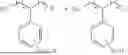
In various embodiments, the biosurfactant is a linear alkylbenzene sulfonate (LAS), an acid thereof, or a combination thereof. Examples of linear alkylbenzene sulfonates and acid thereof include those having the structure:
wherein each subscript m is independently a number of from 0 to 16, each subscript n is independently a number of from 0 to 16, the sum of m+n is typically number of from 4 to 16, and X is a counter ion.
With regard to the preceding formulae, each of the variables designated as subscript m and subscript n may be the same or may be different from each other. In various embodiments, each of m and/or n is independently 0, 1, 2, 3, 4, 5, 6, 7, 8, 9, 10, 11, 12, 13, 14, 15, or 16, so long as the sum of m+n is a number of from 4 to 16, e.g. 4, 5, 6, 7, 8, 9, 10, 11, 12, 13, 14, 15, or 16. Relative to the counter ion X, the counter ion may be any ion that has a +1 charge, such as any organic or inorganic counter ion. In various embodiments, the counter ion is Na+ or K+. In some embodiments, m+n=8 to 10 and X is Na+. Linear alkylbenzene sulfonates are commercially available from a number of suppliers including Stepan Company of Northfield Illinois, USA., and TCI America of Portland Oregon, USA. It will be appreciated that combinations of two or more independent alkyl aryl sulfonates may also be used in, or in combination with, the enzymatic VFA control agent herein. In certain embodiments, the biosurfactant comprises, alternatively is, a dodecylbenzene sulfonate, dodecylbenzene sulfonic acid, or a combination thereof.
In general, the enzymatic VFA control agent may comprise the biosurfactant in an amount sufficient to inhibit microbiological production of one or more VFA. In some embodiments, the enzymatic VFA control agent comprises the biosurfactant in an amount of from about 5 to about 30 weight percent (wt. %) actives, based on a total weight of the enzymatic VFA control agent. In various embodiments, the enzymatic VFA control agent comprises specifically the linear alkylbenzene sulfonate in an amount of from about 10 to about 25, about 15 to about 20, about 5 to about 15, about 5 to about 20, about 5 to about 25, about 10 to about 25, about 10 to about 20, about 10 to about 15, about 15 to about 25, about 14 to about 16, about 12 to about 18, or about 5, 6, 7, 8, 9, 10, 11, 12, 13, 14, 15, 16, 17, 18, 19, 20, 21, 22, 23, 24, 25, 26, 27, 28, 29, or 30, wt. % percent actives, based on a total weight of the enzymatic VFA control agent. In various embodiments, all values and ranges of values including and between those set forth above are hereby expressly contemplated for use herein.
In some embodiments, the enzymatic VFA control agent comprises additional components aside from the enzyme and optional biosurfactant, such as a chelator or sequestrant, a defoamer, a thickening agent, a carrier (e.g. water), or combinations thereof.
In some embodiments, the enzymatic VFA control agent comprises a chelator or sequestrant. Without being bound by theory, it is believed that particular compounds with chelating and/or sequestering activity can destabilize the metal center or metal-based cofactor required by starch degrading enzymes (e.g. amylases) to degrade starch and/or produce VFAs. As such, the enzymatic VFA control agent may comprise the chelator or sequestrant based on functionality suitable for binding or bonding to a metal cation, e.g. such as an anionic functional group and/or a functional group with free lone pairs of elections. In this sense, it will be appreciated that the term “chelator” is uses to refer to compounds capable of binding/bonding to one metal center (e.g. a monovalent metal center), whereas the term “sequestrant” refers to compounds capable of binding/bonding to multiple metal centers and/or form chelate complexes with polyvalent metal ions (e.g. copper, iron, nickel, etc.). The terms “chelator” and “sequestrant” overlap in scope, and a given compound having such a designation may exhibit chelating or sequestering activity in different conditions. As such, one of skill in the art will appreciate that the collective term “chelator or sequestrant” may refer to a single compound possessing both activities, or to a given compound with only chelating activity, etc. For the purposes of this disclosure, a chelator or sequestrant is a polydentate ligand capable of binding one or more metal atoms, and may be referred to as “chelants”, “chelators”, “chelating agents”, and/or “sequestering agents” by those of skill in the art.
Examples of suitable chelators and sequestrants include phosphonates, acids or salts thereof, phosphates, and derivatives or combinations thereof. In certain embodiments, the enzymatic VFA control agent comprises an organic or inorganic phosphonate, a phosphonic acid or salt thereof, or a combination thereof. For example, in some such embodiments, the enzymatic VFA control agent comprises an amino phosphonic acid or a salt thereof, a sodium or potassium phosphate, or combinations thereof. In these or other embodiments, the enzymatic VFA control agent comprises a polyamino polyether methylene phosphonic acid (i.e., PAPEMP), a bis(hexamethylenetriaminepenta(methylene phosphonic acid)) (i.e., BHMTAP), a diethylenetriamine penta(methylene phosphonic acid) (i.e., DTPMP), a sodium hexametaphosphate (SHMP), or the like, or a combination thereof. It will be appreciated that the phosphonic acids may be utilized in a salt or acid form, or even as a phosphonate ester readily hydrolysable into the equivalent phosphonic acid without departing from the scope of the embodiments herein.
In some embodiments, the enzymatic VFA control agent comprises the chelator or sequestrant in an amount of from about 10 to about 100, alternatively from about 10 to about 90 wt. % actives, based on a total weight of the enzymatic VFA control agent. In various embodiments, the enzymatic VFA control agent comprises the chelator or sequestrant in an amount of from about 10 to about 25, about 15 to about 20, about 5 to about 15, about 5 to about 20, about 5 to about 25, about 10 to about 25, about 10 to about 20, about 10 to about 15, about 15 to about 25, about 14 to about 16, about 12 to about 18, or about 5, 6, 7, 8, 9, 10, 11, 12, 13, 14, 15, 16, 17, 18, 19, 20, 21, 22, 23, 24, 25, 26, 27, 28, 29, or 30 wt. % actives, based on a total weight of the enzymatic VFA control agent. In various embodiments, all values and ranges of values including and between those set forth above are hereby expressly contemplated for use herein.
Other chelators and sequestrants may also be utilized in or as the enzymatic VFA control agent. For example, in some embodiments, the enzymatic VFA control agent may comprise, alternatively may be utilized in conjunction with another component comprising, known chelators and/or sequestrants such as polyamino acids (e.g. ethylenediamine tetraacetic acid (EDTA), diethylenetriamine pentaacetic acid (DTPA), N-(hydroxyethyl) ethylenediamine triacetic acid (HEDTA), propylenediamine tetraacetic acid (PDTA)), other polycarboxylic acids (e.g. nitrilotriacetic acid (NTA), mellitic acid, 1,2,3,4-cyclopentane tetracarboxylic acid,) polyacrylic acids (e.g. poly(α-hydroxyacrylic acid), poly(tetramethylene-1,2-dicarboxylic acid), poly(4-methoxytetramethylene-1,2-dicarboxylic acid), acrylic acid/maleic acid copolymers (polycarboxylate), acrylic acid/allyl alcohol copolymer (polycarboxylate), etc.), as well as sodium, potassium, and ammonium salts of phosphonates, phosohonic acids, and salts thereof (e.g. diphosphoric acid, triphosphoric acid, pyrophosphoric acid, orthophosphoric acid, hexametaphosphoric acid, 1-hydroxyethane-1,1-phosphonic acid, diethylenetriamine penta(methylene diphosphonic acid)), etc. Salt forms of such compounds may also be utilized. For example, in some embodiments the enzymatic VFA control agent comprises diethylenetriamine penta(methylene diphosphonic acid) (DETPMPA), which may be used in the neutral/acid form or as the sodium salt thereof (i.e., DETPMPA-Na). Likewise, combinations of such chelators and sequestrants may also be utilized, with individual components being selected based on the particular process flow being treated, product being prepared, outcome desired, etc.
In some embodiments, the enzymatic VFA control agent comprises the chelator or sequestrant in an amount of from about 10 to about 100, alternatively from about 10 to about 90 wt. % actives, based on a total weight of the enzymatic VFA control agent. In various embodiments, the enzymatic VFA control agent comprises the chelator or sequestrant in an amount of from about 10 to about 25, about 15 to about 20, about 5 to about 15, about 5 to about 20, about 5 to about 25, about 10 to about 25, about 10 to about 20, about 10 to about 15, about 15 to about 25, about 14 to about 16, about 12 to about 18, or about 5, 6, 7, 8, 9, 10, 11, 12, 13, 14, 15, 16, 17, 18, 19, 20, 21, 22, 23, 24, 25, 26, 27, 28, 29, or 30, weight percent actives, based on a total weight of the enzymatic VFA control agent. In various embodiments, all values and ranges of values including and between those set forth above are hereby expressly contemplated for use herein.
Examples of suitable defoamers (also known as an anti-foams) are not particularly limited, and may be any known in the art. For example, defoamers comprising fatty acids such as carboxylic acids with long aliphatic chains, may be used, including those that are saturated or unsaturated and branched or unbranched (i.e., linear). Some such fatty acids include those including unbranched chains having an even number of carbon atoms, such as from 4 to 28, as well as alcohols and/or esters thereof. Other examples of defoamers include silicone based polymers, such as those comprising hydrophobic silica, glycols and/or polyethers derived from ethylene oxide, propylene oxide, and combinations thereof, alkyl phosphates (e.g. tri-butyl phosphate), and the like, as well as combinations thereof.
In specific embodiments, the enzymatic VFA control agent comprises a defoamer that is an emulsion comprising hydrophobic silica. In other embodiments, the defoamer is chosen from fatty acids, alcohols, and esters thereof; hydrophobic silicas; glycols; tri-butyl phosphates; and combinations thereof. In some such embodiments, the defoamer comprises a glycol further defined as polyether derived from ethylene oxide, propylene oxide, and combinations thereof. In specific embodiments, the defoamer comprises, alternatively is, an aqueous hydrophobic silica.
When present, the defoamer may compose any practical amount of the enzymatic VFA control agent, e.g. by weight and/or volume. Typically, the enzymatic VFA control agent comprises the defoamer in an amount of from about 1 to about 20 wt. % actives based on a total weight of the enzymatic VFA control agent. In various embodiments, the defoamer is present in the enzymatic VFA control agent in an amount of from about 1 to about 18, about 2 to about 18, about 5 to about 15, about 10 to about 15, about 5 to about 10, about 8 to about 12, about 10 to about 20, or about 1, 2, 3, 4, 5, 6, 7, 8, 9, 10, 11, 12, 13, 14, 15, 16, 17, 18, 19, or 20, wt. % actives, based on a total weight of the enzymatic VFA control agent.
The enzymatic VFA control agent may be provided in any form, such as a solution, suspension, dispersion, etc. For example, in certain embodiments, the enzymatic VFA control agent comprises the surfactant and the defoamer and is in the form of a solution, an emulsion, a dispersion, etc. In such instances, a thickening agent may be utilized as well. For example, if the enzymatic VFA control agent is an emulsion or dispersion, e.g. when formulated with a hydrophobic silica-containing defoamer, a thickening agent is typically used. Alternatively, a thickening agent may be utilized even if the enzymatic VFA control agent is not a dispersion or emulsion.
Suitable thickening agents are not particularly limited and may be any known in the art. In various embodiments, the enzymatic VFA control agent comprises a thickening agent chosen from modified cellulosics, such as hydroxyethyl cellulose, and modified polyacrylates, such as alkali soluble emulsions (ASE), cross-linked polyacrylic acids, and combinations thereof. In other embodiments, the thickening agent is a high-molecular weight cross-linked polyacrylic acid.
When present, the thickening agent may compose a proportion of the enzymatic VFA control agent of from greater than zero to an amount of about 3 wt. % actives, based on a total weight of the enzymatic VFA control agent. For example, in some embodiments, the enzymatic VFA control agent comprises the thickening in an amount of from about 0.5 to about 2.5, about 1.0 to about 2.0, about 1.5 to about 2.0, about 1.0 to about 1.5, about 0.5 to about 1.0, about 0.5 to about 2.0, about 2.5 to about 3.0, about 1.0 to about 1.25, about 1.25 to about 1.50, about 1.25 to about 1.75, about 1.5 to about 1.75, about 1.75 to about 2.0, wt. actives, based on a total weight of the composition.
The enzymatic VFA control agent typically comprises water. The water may be included in the enzymatic VFA control agent in an amount such that the total wt. % actives is 100 parts or 100 wt. % actives. The water itself is not particularly limited and may include tap water, deionized water, distilled water, etc. The water of the enzymatic VFA control agent may be the same or different than water utilized in the aqueous system/process flow described herein.
The components of the enzymatic VFA control agent described herein may be used in specific combinations and ratios. For example, in some embodiments, the enzymatic VFA control agent comprises the surfactant, the defoamer, the thickening agent, and water.
In some embodiments, the biosurfactant of the enzymatic VFA control agent comprises a linear alkylbenzene sulfonate surfactant having the structure:
wherein X is a counter ion and each subscript m and n is independently from 0 to 16, with the proviso that m+n is from 4 to 16. In some such embodiments, the linear alkylbenzene sulfonate biosurfactant is present in an amount of from about 5 to about 30 wt. % actives, based on a total weight of the enzymatic VFA control agent. In certain such embodiments, the enzymatic VFA control agent further comprises the defoamer, present in an amount of from about 1 to about 20 wt. % actives, and a thickening agent present in an amount of from greater than zero to an amount of about 3 wt. % actives, each based on a total weight of the enzymatic VFA control agent. In particular such embodiments, the biosurfactant comprises or is a sodium dodecylbenzene sulfonate biosurfactant, the thickening agent comprises or is hydrophobic silica, and the thickening agent comprises or is a cross-linked polyacrylic acid, or a combination thereof.
While the concentration of the of a particular active agent may be as described above, the particular proportions of the enzymatic VFA control agent are not particularly limited, and may be adjusted based on considerations relevant to the, e.g. storage, transportation, dosing, handling, ease of use, etc. As such, one of skill in the art will appreciate that the amount of the enzymatic VFA control agent utilized in the method itself can vary, and will be based on the active concentration (e.g. wt. % actives) described above.
In certain embodiments, the enzymatic VFA control agent further comprises sodium bisulfite. When present, the sodium bisulfite may compose any practical amount of the enzymatic VFA control agent, e.g. by weight and/or volume, which will be selected to provide the process flow with an effective amount thereof. For example, an effective amount of the sodium bisulfite in the process flow may be from about 5 to about 1,000 ppm, such as from about 10 to about 500, alternatively from about 15 to about 400, alternatively from about 20 to about 300, alternatively from about 25 to about 250, alternatively from about 25 to about 200, alternatively from about 25 to about 150 ppm. In this sense, the effective amount of the sodium bisulfite will typically be selected on the basis of performance of the enzymatic VFA control agent to reduce, eliminate, stop, and/or prevent production of one or more VFAs in the process flow.
In particular embodiments, the enzymatic VFA control agent comprises the sodium bisulfite in an amount sufficient to treat the process flow with the surfactant, dispersant, chelator, and/or sequestrant in a 1:5 to 10:1 ratio with the sodium bisulfite, such a ratio of from about 1:2 to about 10:1, alternatively of from about 1:2 to about 5:1, alternatively of from about 1:2 to about 3:1, alternatively of from about 1:1 to about 2:1, ratio with the sodium bisulfite. To do so, the enzymatic VFA control agent may comprise the sodium bisulfite in any amount, such as an amount of from about 1 to about 80 wt. % actives, such as an amount of from about 2 to about 75, alternatively from about 5 to about 50 wt. % actives, based on a total weight of the enzymatic VFA control agent. However, it will be appreciated that amounts of sodium bisulfite outside these ranges may also be utilized. Likewise, in various embodiments, all values and ranges of values including and between those set forth above are hereby expressly contemplated for use herein.
With further regard to the method, the treatment can be carried out continuously or discontinuously. For the purpose of this disclosure, the term “continuously” means that the enzymatic VFA control agent may be added to the process flow without interruption, the term “discontinuously” means that the addition of the of the enzymatic VFA control agent to the process flows is instead performed by means of pulses of a predetermined length, e.g. interrupted by periods free from treatment. A skilled person is aware that papermaking processes are typically continuous processes. Thus, any amount of the enzymatic VFA control agent added to the process flow, e.g. as an “inflow”, is performed to achieve a desired localized concentration in the process flow. In general, as introduced above, treating the process flow comprises adding the enzymatic VFA control agent in an amount sufficient to inhibit microbiological production of one or more VFA, e.g. via inhibition of amylase enzymes, biofilm formation, dispersion of microbes, etc.
In specific embodiments, treating the process flow comprises adding the enzymatic VFA control agent in an amount effective to give an active concentration in the process flow (e.g. of the enzyme(s), the biodispersant, or both) of from about 1 to about 1000 ppm, such as from about 5 to about 750 ppm, alternatively from about 5 to about 500 ppm, alternatively from about 10 to about 500 ppm, alternatively from about 15 to about 500 ppm, alternatively from about 20 to about 500 ppm, alternatively from about 20 to about 400 ppm, alternatively from about 20 to about 300 ppm, alternatively from about 20 to about 250 ppm, alternatively from about 25 to about 250 ppm, alternatively from about 25 to about 200 ppm, alternatively from about 25 to about 150 ppm, alternatively from about 25 to about 100 ppm, alternatively from about 50 to about 100 ppm. Typically, the total concentration targeted for the enzymatic VFA control agent in the process flow is from about 1 to about 200 ppm, such as from about 5 to about 150 ppm, alternatively from about 25 to about 150 ppm, alternatively from about 25 to about 125 ppm, alternatively from about 25 to about 100 ppm, alternatively from about 50 to about 100 ppm or from about 25 to about 50 ppl. Such ranges may vary depending on the presence of the biosurfactant, the amounts utilized, etc. As demonstrated herein, the use of particular biosurfactants reduces the amount of the enzyme component needed to reach a desired activity on application.
In additional to the enzymatic VFA control agent, the method may further comprise treating the process flow with a biocidal agent, i.e., in sequence with or simultaneously to the enzymatic VFA control agent. In certain embodiments, the method utilizes a synergistically effective amount of the enzymatic VFA control agent and the biocide to provide improved VFA control with reduced overall loading of chemical additives. In these or other embodiments, synergy between the biosurfactant and the enzyme component of the enzymatic VFA control agent is also evident.
When utilized, the biocidal agent is not particularly limited, and may comprise any suitable biocidal agent compatible with the process flow being treated and the enzymatic VFA control agent being utilized. The term “biocidal agent” is used herein to describe a composition or compound that acts as a microbiocide or biocide under the treatment conditions described herein, which will be understood by those of skill in the art to refer to chemical substance capable of controlling microbes (e.g. bacteria) in a selective way. In this sense, the microbial production of new amylase enzymes can be prevented or at least be controlled by inhibiting microbial growth with the biocidal agent. General classes of suitable biocides include oxidizing and non-oxidizing biocides, as well as combinations thereof, which are known in the art to reduce the number of active/alive/intact microbes in the process flow.
For example, in certain embodiments, the method comprises treating the process flow with an oxidizing biocide (i.e., in addition to the enzymatic VFA control agent). General examples of oxidizing biocides include oxidants, optionally combined with supporting compounds such as nitrogen compounds. Examples of oxidants generally include halo compounds such as chlorine, alkali and alkaline earth hypochlorite salts, hypochlorous acid, chlorinated isocyanurates, bromine, alkali and alkaline earth hypobromite salts, hypobromous acids, bromine chloride, chlorine dioxides, as well as oxo compounds such as ozone, hydrogen peroxide, peroxy compounds such as peracetic acid, performic acid, percarbonates, etc. Additional examples of oxidizing biocides generally include persulfate salts, halogenated hydantoins (e.g. monohalodimethylhydantoins such as monochlorodimethylhydantoin, dihalodimethylhydantoins such as chlorobromodimethylhydantoin, etc.), monochloramines, monobromamines, dihaloamines, trihaloamines, as well as combinations of any of the above. Examples of the nitrogen compounds typically include ammonium salts, ammonia, urea, hydantoin, isothiazoline-1,1-dioxide, ethanolamine, pyrrolidone, 2-pyrrolidone, ethylene urea, N-methylolurea, N-methylurea, acetylurea, pyrrole, indole, formamide, benzamide, acetamide, imidazoline, or morpholine. In some embodiments, the oxidizing biocide comprises the reaction product of the nitrogen compound and the oxidant, such as the reaction product of a urea reacted with a hypochlorite. In certain embodiments, the oxidizing biocide comprises monochloramine (MCA), such that the method further comprises treating the process flow with monochloramine (MCA).
When utilized, the oxidizing biocide is applied to the process flow in a separate step than the enzymatic VFA control agent. In particular, the components of the enzymatic VFA control agent are typically susceptible to degradation from oxidizing biocides, such that care need be taken to apply the various components to the process flow at different times. Accordingly, the composition comprising the enzymatic VFA control agent may be provided as a kit of parts, with one part of the kit comprising the enzymatic VFA control agent, any optional biodispersant, etc., and the other part comprising the oxidizing biocide.
In some embodiments, the method comprises treating the process flow with a non-oxidizing biocide. In specific such embodiments, the non-oxidizing biocide may comprise a thiazole-based microbiocide (e.g. methylchloroisothiazolinone, such as 5-chloro-2-methyl-4-isothiazolin-3-one (OMIT), 2-methyl-4-isothiazolin-3-one (MIT), etc.), a carbamate-based microbiocide (e.g. an ammonium carbamate, dimethyl dithiocarbamate), bronopol (i.e., 2-bromo-2-nitropropane-1,3-diol), and the like, as well as combinations thereof. Other non-oxidizing biocides may also be utilized, such as 2,2-dibromo-3-nitrilopropionamide (DBNPA), as well as antimicrobial glutaraldehydes and quaternary ammonium compounds known in the art. In specific embodiments, the method comprises treating the process flow with an isothiasolinone-based non-oxidizing biocide.
In general, the biocidal agent is added to the process flow in an amount effective to give an active concentration of the oxidizing biocide (i.e., in a localized portion of the process flow) of from about 0.1 to about 250 ppm, alternatively from about 1 to about 250 ppm, alternatively from about 5 to about 250 ppm, alternatively from about 100 to about 250 ppm, alternatively from about 100 to about 200 ppm, alternatively of about 150 ppm. Similarly, the biocidal agent is generally added to the process flow in an amount effective to give an active concentration of the non-oxidizing biocide in the process flow of from about 0.1 to about 1000 ppm, alternatively from about 1 to about 500 ppm, alternatively from about 1 to about 250 ppm, alternatively from about 1 to about 100 ppm, alternatively from about 1 to about 50 ppm. In some embodiments, the amount of the biocidal agent is selected to result in a residual chlorine content of less than about 5 ppm.
In certain embodiments, the biocidal agent comprises monochloramine (MCA) and the enzymatic VFA control agent comprises, in addition or the enzymatic component, at least one of an alkylbenzene sulfonate, a polyamino polyether methylene phosphonic acid (PAPEMP), a bis(hexamethylenetriaminepenta(methylene phosphonic acid)) (BHMTAP)), a diethylenetriamine penta(methylene phosphonic acid) (DTPMP), and a sodium hexametaphosphate (SHMP). In these or other embodiments, the biocidal agent comprises a methylchloroisothiazolinone, an ammonium carbamate, bronopol, or a combination thereof, and the enzymatic VFA control agent comprises at least one of an alkylbenzene sulfonate, a polyamino polyether methylene phosphonic acid (PAPEMP), a bis(hexamethylenetriaminepenta(methylene phosphonic acid)) (BHMTAP), a diethylenetriamine penta(methylene phosphonic acid) (DTPMP), and a sodium hexametaphosphate (SHMP). In either of such embodiments, the method may comprise treating the process flow with independent (i.e., separate) additions of the enzymatic VFA control agent and the biocidal agent, as described above. Alternatively, the method may comprise treating the process flow with a single composition comprising both the enzymatic VFA control agent and the biocidal agent (e.g., where the biocidal agent is unreactive with the enzymatic VFA control agent, such that both components can be included in a single composition before use.
With regard to the description above concerning treating the process flow, e.g. with the enzymatic VFA control agent, the biocidal agent, etc., it is to be understood that the treatment may be carried out in batch or continuous mode, and such mode will be independently selected for any given component. As such, the particular concentrations and ranges of such concentrations provided herein may be illustrative of point-in-time concentrations, average concentrations, maximum concentrations, or minimum concentrations of the relevant component, depending on the addition mode utilized. Moreover, the addition mode for a given component may be selected in view of the addition point being utilized to treat the process flow, the order of component addition, the nature of other components being added in the treatment, etc., as will be readily understood by those of skill in the art in view of the description and examples herein.
As will be appreciated from the description and examples herein, the present embodiments provide an effective solution to control contamination, odor, and starch content in the process flow and resulting products being prepared therewith. In doing so, the enzymatic VFA control agent, optionally in conjunction with the biodispersant and optional biocidal agent, is utilized to reduce and/or prevent the degradation of starch present in the process flow, providing a process improvement that may lead to increased retention, and thus increased strength parameters, in the final product. Moreover, by increasing the starch integrity and retention, the method also provides for reduced starch content in the process water upon recirculation (e.g. white water). As such, the method may be employed with recycled fibers to improve runnability, optimize retention, and increase the strength properties of the product being prepared from the process flow.
In addition to the components described above, the composition of the present embodiments may comprise one or more additional components. These additional components may be functional (i.e., provide a desired chemical reactivity/function to the composition) or may be simply included to formulate the composition in a desired fashion. For example, the composition may comprise a carrier vehicle, which may itself comprise one or more solvents, dispersants, etc. Typically, the composition comprises water. However, it is to be appreciated that it is possible to prepare and use composition free from water, alternatively substantially free from water (e.g. <5 wt. %, <2.5 wt. %, or <1 wt. % water, based on the total weight of the composition), alternatively essentially free from water. In general, however, water-free variants are seldom selected as the process flow is aqueous, as are the components of the composition utilized in the method.
In some embodiments, the composition comprises a water-miscible or water-soluble organic solvent, such as a liquid alcohol, alkylamine, etc. For example, in specific embodiments, the composition comprises a C1-C6 alcohol, such as a methanol, ethanol, propanol, butanol, pentanol, hexanol, phenol, or combination thereof. In some such embodiments, the composition comprises an organic solvent selected from the group of ethanol, isopropanol, dodecanol, and combinations thereof. In specific such embodiments, the composition comprises isopropanol.
The description above is merely exemplary in nature and is not intended to limit the composition, method, or process provided. Furthermore, there is no intention to be bound by any theory presented in the background or the detailed description, which is also included for example and context in view of the embodiments described herein.
EXAMPLES
The following examples, illustrating embodiments of this disclosure, are intended to illustrate and not to limit the invention. Unless otherwise noted, all solvents, substrates, and reagents are purchased or otherwise obtained from various commercial suppliers (e.g. Sigma-Aldrich, VWR, Alfa Aesar) and utilized as received (i.e., without further purification) or as in a form used conventionally in the art.
Certain components utilized in the Examples are set forth and described in Table 1 below:
| TABLE 1 |
| Description of Components Used in the Examples |
| Compound | Description |
| VFA Control Agent 1 | A commercially available cellobiose oxidase |
| (EC 1.1.99.18) | |
| VFA Control Agent 2 | A commercially available enzymatic mixture of a |
| protease (EC 3.4.21.112) and a nuclease (EC 3.1) | |
| VFA Control Agent 3 | A commercially available glucose oxidase |
| (EC 1.1.3.4) | |
| Biodispersant 1 | Surfactant composition, comprising sodium |
| dodecylbenzene sulfonate, hydrophobic silica | |
| (defoamer), polyacrylic acid (thickener), and | |
| water | |
VFA Analysis
Equipment: A Gas Chromatograph (GC) equipped with a flame ionization detector (FID) (e.g. Agilent 6890N GC or equivalent) equipped with an autosampler is utilized with a Fused Silica Capillary Column (e.g. Agilent DB-WAX UI, 30 m×0.53 mm×1.0 μm).
Working Standard Preparation: A standard VFA mixture (Free Fatty Acid Test Mixture, 1,000 μg/ml, water, Restek #35272(1 mL) is weighed into a volumetric flask (10 ml) and brought to volume with a standard diluent (0.25% phosphoric acid/1% methanol in water) to give a 100 ppm working standard. A portion (2.5 mL) of the 100 ppm working standard is transferred to a separate volumetric flask (5 mL) and brought to volume with the standard diluent to give a 50 ppm working standard. The preceding process is repeated with another portion (0.1 mL) of the standard VFA to give a 10 ppm working standard, and subsequently a 5 ppm working standard, respectively. A portion (0.5 mL) of the 10 ppm working standard is transferred to a separate volumetric flask (5 mL) and brought to volume with the standard diluent to give a 1 ppm working standard.
Sample Preparation: An aliquot (0.5 mL) of a sample is taken from a shaken sample well via pipet and transferred into a glass vial with the standard diluent (4.5 mL). The glass vial is then capped and vortexed, and a portion of the contents transferred into a GC vial.
GC Standardization: The GC is standardized by injecting 2.0 μL of each working standard using the instrument parameters listed in Table 2 below. The areas for the standards are used to create a linear calibration curve in GC software (e.g. Agilent Chemstation or equivalent).
| TABLE 2 |
| GC-FID Parameters |
| Instrument: | Agilent 6890N |
| Column: | DB WAX UI, 1.0 um film thickness, 053 mm, |
| 30 meters, | |
| Detection: | FID |
| Injector Temp.: | 250° C. |
| Detector Temp.: | 250° C. |
| Oven Temp.: | 40° C. - hold 2 min., to 180° C. - 10° C./min., to 240° |
| C. - 110° C./min., hold 5 min. | |
| Carrier Gas: | Hydrogen, 12.5 mL/min |
| Detector Gases: | Air, 450 mL/min |
| Hydrogen, 40 mL/min | |
| Nitrogen(makeup), 45 mL/min | |
Quantitative Sample Analysis: Samples (2 μL injection volume) are analyzed against the working standards, with appropriate dilutions made to keep sample concentrations within the range of the standards. Peak areas of the samples are compared to the standard curves to determine the amounts of each VFA present in each sample via GC software (e.g. Agilent Chemstation or equivalent).
Calibration: A working standard (10 or 50 ppm, 2 μL) is injected at the beginning and end of each set of samples, and intermittently within long sequences of sampling, and the concentration determined and compared to the to the standard curve to maintain calibration (+/−5% of standard curve).
Examples 1-18
White water samples are obtained from recycled packaging mills and streaked onto agar plates to isolate any VFA-producing microbes found in the samples. The white water is then re-inoculated with the isolated microbial strains and allowed to incubate with shaking overnight at 3° C. (overnight culture). Aliquots of white water (24.5 mL) are prepared in sterile media bottles, dosed with 0.5 mL of the overnight culture, and the resulting mixtures are incubated with shaking at 35° C. After 2 hours (T=0), an initial sample from each bottle is taken and analyzed via GC as described above. The samples are then dosed with an enzymatic VFA Control Agent, capped, and incubated with shaking at 35° C. Aliquots of each sample are taken at various times post-dosage and analyzed via GC as described above, with each sample bottle capped and incubated between samplings along with an inoculated control (untreated). Total VFA concentration (ppm) is determined for each sample via GC analysis, and % VFA reduction is reported based on the relative VFA concentration (ppm) of a sample determined against the untreated control at each time point. The parameters and results of Examples 1-18 are set forth in Tables 3-6 below.
| TABLE 3 |
| Examples 1-3 |
| Example: | 1 | 2 | 3 | |
| VFA Control Agent 1 (ppm): | — | — | 100 | |
| VFA Control Agent 2 (ppm): | — | — | — | |
| VFA Control Agent 3(ppm): | — | — | — | |
| Biodispersant 1 (ppm): | 50 | 100 | 50 | |
| VFA Red. at 0.5 h (%): | 6.31 | 11.11 | 13.64 | |
| VFA Red. at 2 h (%): | 10.55 | 13.30 | 14.91 | |
| VFA Red. at 2.5 h (%): | 11.60 | 25.40 | 35.20 | |
| TABLE 4 |
| Examples 4-9 |
| Example: | 4 | 5 | 6 | 7 | 8 | 9 |
| VFA Control Agent | — | — | 50 | 100 | — | 50 |
| 1 (ppm): | ||||||
| VFA Control Agent | 50 | 100 | — | — | 50 | — |
| 2 (ppm): | ||||||
| VFA Control Agent | — | — | — | — | — | — |
| 3(ppm): | ||||||
| Biodispersant 1 (ppm): | — | — | — | — | 50 | 50 |
| VFA Red. at 0.5 h (%): | 7.45 | 13.30 | 9.57 | 12.77 | 19.68 | 17.02 |
| VFA Red. at 2 h (%): | 9.44 | 15.04 | 12.68 | 14.16 | 50.44 | 50.74 |
| VFA Red. at 2.5 h (%): | 14.36 | 16.41 | 13.59 | 18.46 | 59.49 | 58.72 |
| VFA Red. at 21 h (%): | 12.03 | 20.87 | 21.14 | 15.01 | 76.75 | 79.81 |
| TABLE 5 |
| Examples 10-15 |
| Example: | 10 | 11 | 12 | 13 | 14 | 15 |
| VFA Control Agent 1 (ppm): | — | — | — | 25 | 25 | 25 |
| VFA Control Agent 2 (ppm): | 25 | 25 | 25 | — | — | — |
| VFA Control Agent 3(ppm): | — | — | — | — | — | — |
| Biodispersant 1 (ppm): | — | 25 | 50 | — | 25 | 50 |
| VFA Red. at 0.5 h (%): | −2.77 | 10.03 | 15.92 | 6.23 | 10.55 | 15.22 |
| VFA Red. at 2 h (%): | 10.50 | 11.29 | 2.35 | 2.19 | 11.29 | 4.86 |
| VFA Red. at 2.5 h (%): | 5.35 | 6.22 | 23.88 | 5.07 | 2.46 | 19.97 |
| VFA Red. at 24 h (%): | 5.39 | 14.46 | 20.98 | 21.36 | 18.24 | 25.80 |
| VFA Red. at 48 h (%): | 5.35 | 19.88 | 24.01 | 22.05 | 30.87 | 44.69 |
| TABLE 6 |
| Examples 16-18 |
| Example: | 16 | 17 | 18 | |
| VFA Control Agent 1 (ppm): | — | — | — | |
| VFA Control Agent 2 (ppm): | — | — | — | |
| VFA Control Agent 3(ppm): | 25 | 25 | 25 | |
| Biodispersant 1 (ppm): | — | 25 | 50 | |
| VFA Red. at 0.5 h (%): | −5.54 | 9.00 | 6.75 | |
| VFA Red. at 2 h (%): | 10.03 | 0.00 | 16.77 | |
| VFA Red. at 2.5 h (%): | 7.67 | 12.59 | 10.13 | |
| VFA Red. at 24 h (%): | 14.37 | 14.46 | 29.30 | |
| VFA Red. at 48 h (%): | 25.89 | 36.44 | 52.57 | |
As shown, the enzymatic VFA Control Agents reduce VFA content over time. Moreover, addition of the Biodispersant in synergistic combinations enhances performance overall, and allows for a reduction in concentration of the enzymatic VFA Control Agent needed (e.g. from 100 or 50 ppm to 50 or 25 ppm). As also shown, use of the VFA Control Agent in synergistic combination with the Biodispersant provides for increased performance in terms of total VFA reduction over time as compared to the same Biodispersant or enzymatic VFA Control Agents when used alone in the same concentrations. Such synergistic combinations demonstrate improved performance in reducing VFA content over time, beyond the expected cumulative/additive performance of the individual components. In this sense, a synergistic performance may be defined as a % VFA reduction at least 2 hours after treatment of at least 1 m alternatively at least 4% greater than the cumulative individual % VFA reduction of the VFA Control Agents utilized.
While at least one exemplary embodiment has been presented in the foregoing detailed description, it should be appreciated that a vast number of variations exist. It should also be appreciated that the exemplary embodiment or exemplary embodiments are only examples, and are not intended to limit the scope, applicability, or configuration in any way. Rather, the foregoing detailed description will provide those skilled in the art with a convenient road map for implementing an exemplary embodiment. It being understood that various changes may be made in the function and arrangement of elements described in an exemplary embodiment without departing from the scope as set forth in the appended claims. Moreover, all combinations of the aforementioned components, compositions, method steps, formulation steps, etc. are hereby expressly contemplated for use herein in various non-limiting embodiments even if such combinations are not expressly described in the same or similar paragraphs.
With respect to any Markush groups relied upon herein for describing particular features or aspects of various embodiments, different, special, and/or unexpected results may be obtained from each member of the respective Markush group independent from all other Markush members. Each member of a Markush group may be relied upon individually and or in combination and provides adequate support for specific embodiments within the scope of the appended claims.
Further, any ranges and subranges relied upon in describing various embodiments of the present invention independently and collectively fall within the scope of the appended claims, and are understood to describe and contemplate all ranges including whole and/or fractional values therein, even if such values are not expressly written herein. One of skill in the art readily recognizes that the ranges and subranges enumerated herein sufficiently describe and enable various embodiments of the present invention, and such ranges and subranges may be further delineated into relevant halves, thirds, quarters, fifths, and so on. As just one example, a range “of from 0.1 to 0.9” may be further delineated into a lower third, i.e., from 0.1 to 0.3, a middle third, i.e., from 0.4 to 0.6, and an upper third, i.e., from 0.7 to 0.9, which individually and collectively are within the scope of the appended claims, and may be relied upon individually and/or collectively and provide adequate support for specific embodiments within the scope of the appended claims. In addition, with respect to the language which defines or modifies a range, such as “at least,” “greater than,” “less than,” “no more than,” and the like, it is to be understood that such language includes subranges and/or an upper or lower limit. As another example, a range of “at least 10” inherently includes a subrange of from at least 10 to 35, a subrange of from at least 10 to 25, a subrange of from 25 to 35, and so on, and each subrange may be relied upon individually and/or collectively and provides adequate support for specific embodiments within the scope of the appended claims. An individual number within a disclosed range may be relied upon and provides adequate support for specific embodiments within the scope of the appended claims. For example, a range “of from 1 to 9” includes various individual integers, such as 3, as well as individual numbers including a decimal point (or fraction), such as 4.1, which may be relied upon and provide adequate support for specific embodiments within the scope of the appended claims. Lastly, it will be understood that the term “about” with regard to any of the particular numbers and ranges described herein is used to designate values within standard error, equivalent function, efficacy, final loading, etc., as understood by those of skill in the art with relevant conventional techniques and processes for formulation and/or utilizing compounds and compositions such as those described herein. As such, the term “about” may designate a value within 10, alternatively within 5, alternatively within 1, alternatively within 0.5, alternatively within 0.1, % of the enumerated value or range.
While the present disclosure has been described with respect to particular embodiments thereof, it is apparent that numerous other forms and modifications will be obvious to those skilled in the art. The appended claims and this disclosure generally should be construed to cover all such obvious forms and modifications, which are within the true scope of the present disclosure.
Claims
What is claimed is:1. A method of controlling volatile fatty acid (VFA) content in pulp, paper, and/or board making processes, said method comprising:
treating a process flow comprising a cellulosic material comprising a starch with an enzymatic VFA control agent in an amount sufficient to inhibit microbiological production of one or more VFA.
2. The method of claim 1, wherein the enzymatic VFA control agent: (i) comprises an enzyme selected from oxidases, proteases, nucleases, and combinations thereof; (ii) exhibits an optimal enzymatic activity at a temperature of from about 15 to about 70° C.; or (iii) both (i) and (ii).
3. The method of claim 1, wherein the enzymatic VFA control agent comprises a cellobiose oxidase, a glucose oxidase, a combination of a protease and a nuclease, or a combination thereof.
4. The method of claim 2, wherein the enzymatic VFA control agent further comprises a surfactant, a dispersant, a chelator, a sequestrant, or a combination thereof, capable of inhibiting amylase activity in the process flow.
5. The method of claim 4, wherein the enzymatic VFA control agent comprises a biodispersant comprising an alkylbenzene sulfonate.
6. The method of claim 5, wherein the biodispersant comprises a linear alkylbenzene sulfonate surfactant present in an amount of from about 5 to about 30 weight percent actives, based on a total weight of the biodispersant, and having the structure:
wherein X is a counter ion and each subscript m and n is independently from 0 to 16, with the proviso that m+n is from 4 to 16;
a defoamer present in an amount of from about 1 to about 20 weight percent actives based on a total weight of the biodispersant;
a thickening agent present in an amount of from greater than zero to an amount of about 3 weight percent actives based on a total weight of the biodispersant; and
water.
7. The method of claim 6, wherein: (i) the linear alkylbenzene sulfonate surfactant is sodium dodecylbenzene sulfonate; (ii) the defoamer is an emulsion comprising hydrophobic silica; (iii) the thickening agent is a cross-linked polyacrylic acid; or (iv) any combination of (i)-(iii).
8. The method of claim 1, wherein treating the process flow: (i) comprises adding the enzymatic VFA control agent in an amount effective to give an active concentration in the process flow of from about 1 to about 200 ppm, based on the volume of the process flow treated with the enzymatic VFA control agent; (ii) is conducted in batch or continuous mode; (iii) is carried out at a temperature of from about 15 to about 70° C.; or (iv) any combination of (i)-(iii).
9. The method of claim 1, further comprising treating the process flow with a biocidal agent, wherein the biocidal agent comprises an oxidizing biocide, a non-oxidizing biocide, or a combination thereof.
10. The method of claim 9, wherein the biocidal agent comprises the oxidizing biocide; wherein the method comprises treating the process flow with the oxidizing biocide after treating with the enzymatic VFA control agent; and wherein treating the process flow with the oxidizing biocide comprises adding the oxidizing biocide to the process flow in an amount effective to give an active concentration of the oxidizing biocide in the process flow of from about 0.1 to about 250 ppm, based on the volume of the process flow treated with the enzymatic VFA control agent.
11. The method of claim 10, wherein the oxidizing biocide comprises monochloramine (MCA).
12. The method of claim 9, wherein the biocidal agent comprises the non-oxidizing biocide, and wherein treating the process flow with the biocidal agent comprises adding the biocidal agent in an amount effective to give an active concentration of the non-oxidizing biocide in the process flow of from about 0.1 to about 1000 ppm, based on the volume of the process flow treated with the enzymatic VFA control agent.
13. The method of claim 12, wherein the method comprises treating the process flow with the enzymatic VFA control agent and the non-oxidizing biocide: (i) simultaneously, optionally as a premixed VFA control composition; or (ii) sequentially.
14. The method of claim 12, wherein the non-oxidizing biocide comprises a thiazole-based microbiocide, a carbamate-based microbiocide, bronopol, or combinations thereof.
15. The method of claim 1, wherein the one or more VFA is selected from formic acid, acetic acid, propionic acid, lactic acid, butyric acid, valeric acid, and combinations thereof.
16. The method of claim 1, wherein treating the process flow with the enzymatic VFA control agent results in: (i) a reduction in VFA content of at least about 5% within 1 hour of the treating; (ii) a reduction in VFA content of at least about 15% after 48 hours of the treating; or (iii) both (i) and (ii), in each case as compared to an untreated sample of the process flow taken before the treating.
17. A composition for treating a process flow comprising a cellulosic material comprising a starch, the composition comprising:
an enzymatic VFA control agent; and
optionally, a biodispersent.
18. The composition of claim 17, wherein the enzymatic VFA control agent: (i) comprises an enzyme selected from oxidases, proteases, nucleases, or combinations thereof; (ii) exhibits an optimal enzymatic activity at a temperature of from about 15 to about 70° C.; or (iii) both (i) and (ii).
19. The composition of claim 17, wherein the composition: (i) comprises the biodispersant, and the biodispersant comprises an alkylbenzene sulfonate; (ii) further comprises a nonoxidizing biocide; or (iii) both (i) and (ii).
20. A kit, comprising the composition of claim 17 and an oxidizing biocide.
Images & Drawings included:


Sources:
- United States Patent and Trademark Office - verify current appl. status at the USPTO↗
Recent applications in this class:
- » 20250237014 2025-07-24
SYSTEM AND METHOD OF REAL-TIME ENZYMATIC ACTIVITY DETECTION AND DYNAMIC FORMULATION FOR PULP AND PAPER PRODUCTION - » 20240328088 2024-10-03
System and method of dynamic corrective enzyme selection and formulation for pulp and paper production - » 20220186441 2022-06-16
System and method of dynamic corrective enzyme selection and formulation for pulp and paper production - » 20190003120 2019-01-03
METHOD FOR SAVING ENERGY IN PAPER PRODUCTION - » 20170218570 2017-08-03
Method for Making Lignocellulosic Paper and Paper Products - » 20170067209 2017-03-09
METHOD OF MAKING LIGNOCELLULOSIC PAPER AND PAPER PRODUCTS - » 20160069024 2016-03-10
Method for saving energy in paper production - » 20150337493 2015-11-26
Method of producing microfibrillated cellulose - » 20150308047 2015-10-29
Improving drainage of paper pulp - » 20150240423 2015-08-27
EFFECT OF LOW DOSE XYLANASE ON PULP IN PREBLEACH TREATMENT PROCESS
Recent applications for this Assignee:
- » 20260022212 2026-01-22
METHODS AND COMPOSITIONS FOR THE INSTANT HYDRATON OF POLYACRYLAMIDE ARTICLES - » 20250333905 2025-10-30
PROCESS FOR INCREASING DIGESTION EFFICIENCY OF LIGNOCELLULOSIC MATERIAL IN A TREATMENT VESSEL - » 20250282082 2025-09-11
INSTANT HYDRATING POLYACRYLAMIDE GRANULES - » 20250250737 2025-08-07
BARRIER COMPOSITIONS AND METHOD OF USE - » 20250237015 2025-07-24
ADDITIVES AND COMPOSITIONS FOR PAPERMAKING - » 20250223761 2025-07-10
METHOD FOR REPULPING WET STRENGTH FIBER - » 20250206866 2025-06-26
METHODS FOR PRODUCING VINYLAMINE-CONTAINING POLYMER SOLUTIONS AND VINYLAMINE-CONTAINING POLYMER SOLUTIONS PRODUCED THROUGH THE METHODS - » 20250206649 2025-06-26
WASTEWATER SLUDGE DEWATERING - » 20250163647 2025-05-22
METHOD FOR PRODUCTION OF VINYL CARBOXAMIDE CONTAINING POLYMERS IN PARTICULATE FORM - » 20250163646 2025-05-22
PARTICULATE VINYLAMINE COMPOSITIONS AND METHOD OF MAKING