CULTURALLY SENSITIVE LANGUAGE TRANSLATION SYSTEM
US20260050751A1
2026-02-19
18/802,609
2024-08-13
Smart Summary: A culturally sensitive language translation system is designed for Alaska Native languages. It has a user interface that allows people to input text and see translations. The system can translate spoken words and ensures that the translations respect cultural meanings. It learns and improves over time based on feedback from users and experts. Additionally, it securely manages user data and traditional knowledge related to the languages. 🚀 TL;DR
Abstract:
Embodiments of the present disclosure may include a culturally sensitive language translation system for Alaska Native languages, including a user interface configured to receive user input and display output. Embodiments may also include a natural language processing module configured to translate between English and at least one Alaska Native language. Embodiments may also include a speech processing module configured to process voice input and output. Embodiments may also include a cultural context module configured to ensure cultural sensitivity of translations. Embodiments may also include a continuous learning module configured to improve system performance based on user feedback and expert input. Embodiments may also include a data management module configured to securely store and manage user data, language data, and traditional knowledge. Embodiments may also include a processor coupled to a memory, the processor configured to execute the modules.
Applicant:
Interested in similar patents?
Get notified when new applications in this technology area are published.
Classification:
G06F40/58 » CPC main
Handling natural language data; Processing or translation of natural language Use of machine translation, e.g. for multi-lingual retrieval, for server-side translation for client devices or for real-time translation
G06F21/6218 » CPC further
Security arrangements for protecting computers, components thereof, programs or data against unauthorised activity; Protecting data; Protecting access to data via a platform, e.g. using keys or access control rules to a system of files or objects, e.g. local or distributed file system or database
G06F40/51 » CPC further
Handling natural language data; Processing or translation of natural language Translation evaluation
G10L13/047 » CPC further
Speech synthesis; Text to speech systems; Methods for producing synthetic speech; Speech synthesisers; Details of speech synthesis systems, e.g. synthesiser structure or memory management Architecture of speech synthesisers
G10L15/06 » CPC further
Speech recognition Creation of reference templates; Training of speech recognition systems, e.g. adaptation to the characteristics of the speaker's voice
G10L15/16 » CPC further
Speech recognition; Speech classification or search using artificial neural networks
G10L15/187 » CPC further
Speech recognition; Speech classification or search using natural language modelling using context dependencies, e.g. language models Phonemic context, e.g. pronunciation rules, phonotactical constraints or phoneme n-grams
G10L15/22 » CPC further
Speech recognition Procedures used during a speech recognition process, e.g. man-machine dialogue
G10L2015/0635 » CPC further
Speech recognition; Creation of reference templates; Training of speech recognition systems, e.g. adaptation to the characteristics of the speaker's voice; Training updating or merging of old and new templates; Mean values; Weighting
G10L2015/225 » CPC further
Speech recognition; Procedures used during a speech recognition process, e.g. man-machine dialogue Feedback of the input speech
G06F21/62 IPC
Security arrangements for protecting computers, components thereof, programs or data against unauthorised activity; Protecting data Protecting access to data via a platform, e.g. using keys or access control rules
Description
FIELD OF THE DISCLOSURE
The present invention relates to an artificial intelligence-powered language translation system specifically designed for endangered Alaska Native languages, incorporating culturally sensitive natural language processing, speech recognition, pronunciation assistance, dialect adaptation, traditional knowledge preservation, and continuous learning capabilities, while ensuring ethical data management and community empowerment in the process of language revitalization and cultural preservation.
BACKGROUND OF THE INVENTION
Language is the cornerstone of culture, embodying centuries of knowledge, tradition, and worldviews. For indigenous communities worldwide, and particularly for Alaska Natives, language preservation is intrinsically linked to cultural survival. However, the rapid globalization and modernization of the 20th and 21st centuries have placed unprecedented pressure on indigenous languages, pushing many to the brink of extinction. This linguistic crisis is particularly acute in Alaska, where all 20 officially recognized indigenous languages are classified as endangered, with some having fewer than 10 fluent speakers remaining.
The loss of these languages represents more than just a diminishment of global linguistic diversity; it signifies the potential disappearance of unique ways of understanding and interacting with the world. Alaska Native languages, for instance, often contain nuanced vocabularies related to local ecosystems, weather patterns, and traditional practices that have no direct equivalent in more widely spoken languages. As these languages fade, so too does a wealth of ecological and cultural knowledge accumulated over millennia.
Efforts to revitalize and preserve indigenous languages have been ongoing for decades, with varying degrees of success. Traditional methods have included community-based language nests, master-apprentice programs, and the development of language curricula for schools. While these approaches have shown promise, they often struggle to reach a wide audience or to keep pace with the rate of language loss. Furthermore, these methods typically require significant time and resource investments, which can be challenging for small or geographically dispersed communities.
The advent of digital technologies has opened new avenues for language preservation and revitalization. Online dictionaries, language learning apps, and digital archives have made it easier to document and disseminate indigenous languages. However, many of these tools have been adaptations of technologies designed for more widely spoken languages, often failing to account for the unique structural features of indigenous languages or the cultural contexts in which they exist.
Current state-of-the-art language translation technologies, exemplified by systems like Google Translate or DeepL, have made significant strides in facilitating communication across major world languages. These systems leverage vast amounts of data and advanced machine learning algorithms to provide increasingly accurate translations. However, they have notable deficiencies when it comes to less common languages, particularly those with limited digital presence. Indigenous languages, with their often complex morphological structures and context-dependent meanings, pose particular challenges for these systems.
Moreover, existing translation technologies often fail to account for the cultural nuances and sensitivities that are crucial when working with indigenous languages. They may inadvertently perpetuate culturally inappropriate translations or fail to distinguish between information that is meant to be widely shared and knowledge that is considered sacred or restricted within the indigenous community. This lack of cultural awareness can lead to misunderstandings at best and cultural appropriation or offense at worst.
Recent developments in the field of artificial intelligence, particularly in natural language processing (NLP) and machine learning, have shown promise in addressing some of these challenges. Techniques such as transfer learning and few-shot learning have demonstrated the potential to build effective models for low-resource languages. Additionally, advances in contextual understanding and sentiment analysis offer possibilities for more culturally nuanced translations.
However, a significant missed opportunity has been the lack of integration between these technological advancements and the deep cultural and linguistic knowledge held by indigenous communities themselves. While AI models have become increasingly sophisticated, they have often been developed in isolation from the very communities they aim to serve. This disconnect has limited the effectiveness and acceptability of these technologies within indigenous contexts.
Furthermore, the potential of AI to not just translate but also to assist in language learning and cultural transmission has been largely unexplored. Traditional language preservation efforts and cutting-edge AI technologies have often operated in separate spheres, missing the opportunity for powerful synergies that could accelerate language revitalization efforts.
Another critical oversight has been the lack of emphasis on data sovereignty and ethical considerations in the development of language technologies for indigenous communities. As indigenous peoples have often been subjects of research rather than active participants, there is a pressing need for systems that empower communities to control their linguistic and cultural data.
In light of these challenges and opportunities, the objective of the present invention is to create a culturally sensitive, AI-powered language translation system specifically designed for Alaska Native languages. This system aims to bridge the gap between advanced AI technologies and indigenous linguistic and cultural knowledge. It seeks to not only provide accurate translations but also to serve as a tool for language learning, cultural preservation, and the ethical management of traditional knowledge.
The invention strives to create a platform that can adapt to the unique features of each Alaska Native language and dialect, respect cultural protocols around knowledge sharing, and continuously improve through community input and expert guidance. By doing so, it aims to set a new standard for indigenous language technologies—one that places cultural sensitivity, community empowerment, and ethical considerations at its core, while leveraging the full potential of modern AI to support language revitalization efforts.
Through this approach, the invention seeks to address the urgent need for effective, scalable, and culturally appropriate tools for indigenous language preservation. It aspires to create a model that can not only serve Alaska Native communities but also be adapted for indigenous languages worldwide, contributing to the broader global effort to maintain linguistic diversity and the invaluable knowledge it embodies.
BRIEF SUMMARY OF THE INVENTION
Embodiments of the present disclosure may include a culturally sensitive language translation system for Alaska Native languages, including a user interface configured to receive user input and display output. Embodiments may also include a natural language processing module configured to translate between English and at least one Alaska Native language.
Embodiments may also include a speech processing module configured to process voice input and output. Embodiments may also include a cultural context module configured to ensure cultural sensitivity of translations. Embodiments may also include a continuous learning module configured to improve system performance based on user feedback and expert input. Embodiments may also include a data management module configured to securely store and manage user data, language data, and traditional knowledge. Embodiments may also include a processor coupled to a memory, the processor configured to execute the modules.
In some embodiments, the natural language processing module may include a neural machine translation model trained on parallel corpora of English and Alaska Native languages. In some embodiments, the speech processing module may include a speech recognition component configured to convert user speech to text. Embodiments may also include a text-to-speech component configured to generate spoken output. Embodiments may also include a pronunciation feedback component configured to analyze user pronunciation and provide corrective feedback.
In some embodiments, the cultural context module may be further configured to distinguish between indigenous and non-indigenous perspectives. Embodiments may also include provide relevant cultural information alongside translations. In some embodiments, the continuous learning module may include a feedback collection component configured to gather user feedback on translations and cultural information. Embodiments may also include an elder review interface configured to facilitate expert review and correction of content. Embodiments may also include a model update component configured to incorporate new data and corrections into the system.
In some embodiments, the system may include a dialect adaptation module configured to store multiple dialects for each Alaska Native language. Embodiments may also include allow users to select a specific dialect. Embodiments may also include adapt translations and pronunciations based on the selected dialect.
In some embodiments, the system may include a traditional knowledge preservation module configured to securely store traditional knowledge. Embodiments may also include provide controlled access to traditional knowledge based on cultural protocols. Embodiments may also include facilitate the addition of new traditional knowledge by authorized users.
In some embodiments, the system may include a performance and analytics module configured to monitor key performance indicators of all system components. Embodiments may also include analyze user engagement and feature usage patterns. Embodiments may also include generate reports for system improvement and stakeholder review.
Embodiments of the present disclosure may also include a method for culturally sensitive translation of Alaska Native languages, including receiving, via a user interface, input in a first language. Embodiments may also include identifying, by a processor, the first language and a target language for translation. Embodiments may also include processing, by a natural language processing module, the input to generate a translation in the target language.
Embodiments may also include analyzing, by a cultural context module, the translation for cultural sensitivity. Embodiments may also include adjusting, by the processor, the translation based on the cultural sensitivity analysis. Embodiments may also include outputting, via the user interface, the adjusted translation. Embodiments may also include receiving feedback on the translation from a user or an expert reviewer. Embodiments may also include updating, by a continuous learning module, the translation system based on the received feedback. Embodiments may also include storing, in a secure database, the translation, feedback, and any associated traditional knowledge.
In some embodiments, the method may include analyzing, by a pronunciation module, user pronunciation of words in the target language. Embodiments may also include comparing the user pronunciation to standard pronunciations stored in a database. Embodiments may also include providing, via the user interface, feedback on the user's pronunciation.
In some embodiments, the step of analyzing for cultural sensitivity may include comparing the translation to a database of culturally sensitive terms and concepts. Embodiments may also include identifying any potentially insensitive or inappropriate translations. Embodiments may also include suggesting alternatives for any identified insensitive translations.
In some embodiments, the method may include identifying a specific dialect of the target language based on user input or user location. Embodiments may also include adjusting the translation to conform to the identified dialect. Embodiments may also include providing, via the user interface, information about dialectal variations.
In some embodiments, the step of updating the translation system may include aggregating feedback from multiple users and expert reviewers. Embodiments may also include identifying patterns in the aggregated feedback. Embodiments may also include adjusting weights in the natural language processing module based on the identified patterns. Embodiments may also include updating the cultural sensitivity database based on the aggregated feedback.
In some embodiments, the method may include receiving a query related to traditional knowledge. Embodiments may also include searching a secure database of traditional knowledge. Embodiments may also include verifying the user's authorization to access the requested traditional knowledge. Embodiments may also include, if authorized, providing the relevant traditional knowledge via the user interface. Embodiments may also include, if not authorized, providing a culturally appropriate explanation for why the knowledge cannot be shared.
In some embodiments, the method may include monitoring system performance metrics. Embodiments may also include analyzing user engagement patterns. Embodiments may also include generating periodic reports on system usage, performance, and areas for improvement. Embodiments may also include adjusting system parameters based on the analysis to optimize performance and user experience.
BRIEF DESCRIPTION OF THE DRAWINGS
The accompanying drawings, which are incorporated in and constitute a part of this specification, illustrate embodiments of the invention and, together with the description, explain the principles of the invention. The drawings are not necessarily to scale, emphasis instead being placed upon illustrating the principles of the invention. In the drawings:
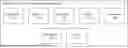
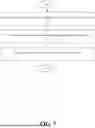
FIG. 1 is a block diagram illustrating a culturally sensitive language translation system, according to some embodiments of the present disclosure.
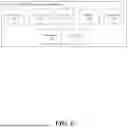
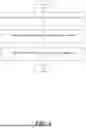
FIG. 2 is a block diagram further illustrating the culturally sensitive language translation system from FIG. 1, according to some embodiments of the present disclosure.
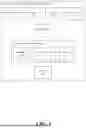
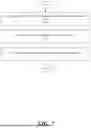
FIG. 3 is a block diagram further illustrating the culturally sensitive language translation system from FIG. 1, according to some embodiments of the present disclosure.
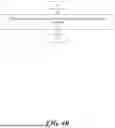
FIG. 4A is a flowchart illustrating a method, according to some embodiments of the present disclosure.
FIG. 4B is a flowchart extending from FIG. 4A and further illustrating the method, according to some embodiments of the present disclosure.
FIG. 5 is a flowchart further illustrating the method from FIG. 4A, according to some embodiments of the present disclosure.
FIG. 6 is a flowchart further illustrating the method from FIG. 4A, according to some embodiments of the present disclosure.
FIG. 7 is a flowchart further illustrating the method from FIG. 4A, according to some embodiments of the present disclosure.
FIG. 8 is a flowchart further illustrating the method from FIG. 4A, according to some embodiments of the present disclosure.
FIG. 9 is a flowchart further illustrating the method from FIG. 4A, according to some embodiments of the present disclosure.
FIG. 10 is a flowchart further illustrating the method from FIG. 4A, according to some embodiments of the present disclosure.
DETAILED DESCRIPTION OF THE INVENTION
The following detailed description refers to the accompanying drawings, which illustrate specific embodiments of the invention. Other embodiments having different structures and operations do not depart from the scope of the present invention. The same reference numbers may be used in the drawings and the following description to refer to the same or like parts.
As used herein, the terms “comprising,” “including,” “containing,” “characterized by,” and grammatical equivalents thereof are inclusive or open-ended and do not exclude additional, unrecited elements or method steps, unless otherwise stated. Other than in the operating examples, or where otherwise indicated, all numbers expressing measurements, dimensions, and so forth used in the specification and claims are to be understood as being modified in all instances by the term “about,” meaning within a reasonable range of the indicated value. The terms “a” and “an” refer to one or more of the elements described, whereas the term “plurality” refers to two or more of the elements described, unless the context clearly indicates otherwise.
FIG. 1 is a block diagram that describes a culturally sensitive language translation system 100, according to some embodiments of the present disclosure. In some embodiments, the culturally sensitive language translation system 100 may include a user interface 110 configured to receive user input and display output, a natural language processing module 120 configured to translate between English and at least one Alaska Native language, a speech processing module 130 configured to process voice input and output, a cultural context module 140 configured to ensure cultural sensitivity of translations, and a continuous learning module 150 configured to improve system performance based on user feedback and expert input. The culturally sensitive language translation system 100 may also include a data management module 160 configured to securely store and manage user data, language data, and traditional knowledge. The culturally sensitive language translation system 100 may also include a processor 170 coupled to a memory, the processor 170 configured to execute the modules.
In some embodiments, the natural language processing module 120 may include a neural machine translation model trained on parallel corpora of English and Alaska Native languages. In some embodiments, the cultural context module 140 may be further configured to: Distinguish between indigenous and non-indigenous perspectives. Provide relevant cultural information alongside translations. In some embodiments, the culturally sensitive language translation system 100 may include a dialect adaptation module configured to: Store multiple dialects for each Alaska Native language. Allow users to select a specific dialect. Adapt translations and pronunciations based on the selected dialect.
In some embodiments, the culturally sensitive language translation system 100 may include a traditional knowledge preservation module configured to: Securely store traditional knowledge. Provide controlled access to traditional knowledge based on cultural protocols. Facilitate the addition of new traditional knowledge by authorized users. In some embodiments, the culturally sensitive language translation system 100 may include a performance and analytics module configured to: Monitor key performance indicators of all system components. Analyze user engagement and feature usage patterns. Generate reports for system improvement and stakeholder review.
FIG. 2 is a block diagram that further describes the culturally sensitive language translation system 100 from FIG. 1, according to some embodiments of the present disclosure. In some embodiments, the speech processing module 130 may include a speech recognition component 252 configured to convert user speech to text and a pronunciation feedback component 254 configured to analyze user pronunciation and provide corrective feedback. A text-to-speech component configured to generate spoken output.
FIG. 3 is a block diagram that further describes the culturally sensitive language translation system 100 from FIG. 1, according to some embodiments of the present disclosure. In some embodiments, the continuous learning module 150 may include a feedback collection component 362 configured to gather user feedback on translations and cultural information, an elder review interface 364 configured to facilitate expert review and correction of content, and a model update component 366 configured to incorporate new data and corrections into the system 100.
FIGS. 4A to 4B are flowcharts that describe a method, according to some embodiments of the present disclosure. In some embodiments, at 402, the method may include receiving, via a user interface, input in a first language. At 404, the method may include identifying, by a processor, the first language and a target language for translation. At 406, the method may include analyzing, by a cultural context module, the translation for cultural sensitivity. At 408, the method may include adjusting, by the processor, the translation based on the cultural sensitivity analysis.
In some embodiments, at 410, the method may include outputting, via the user interface, the adjusted translation. At 412, the method may include receiving feedback on the translation from a user or an expert reviewer. At 414, the method may include updating, by a continuous learning module, the translation system based on the received feedback. At 416, the method may include storing, in a secure database, the translation, feedback, and any associated traditional knowledge. Processing, by a natural language processing module, the input to generate a translation in the target language.
FIG. 5 is a flowchart that further describes the method from FIG. 4A, according to some embodiments of the present disclosure. In some embodiments, at 510, the method may include analyzing, by a pronunciation module, user pronunciation of words in the target language. At 520, the method may include comparing the user pronunciation to standard pronunciations stored in a database. At 530, the method may include providing, via the user interface, feedback on the user's pronunciation.
FIG. 6 is a flowchart that further describes the method from FIG. 4A, according to some embodiments of the present disclosure. In some embodiments, the step of analyzing for cultural sensitivity comprises, the method may include 610 to 630.
FIG. 7 is a flowchart that further describes the method from FIG. 4A, according to some embodiments of the present disclosure. In some embodiments, at 710, the method may include identifying a specific dialect of the target language based on user input or user location. At 720, the method may include adjusting the translation to conform to the identified dialect. At 730, the method may include providing, via the user interface, information about dialectal variations.
FIG. 8 is a flowchart that further describes the method from FIG. 4A, according to some embodiments of the present disclosure. In some embodiments, the step of updating the translation system comprises, the method may include 810 to 840.
FIG. 9 is a flowchart that further describes the method from FIG. 4A, according to some embodiments of the present disclosure. In some embodiments, at 910, the method may include receiving a query related to traditional knowledge. At 920, the method may include searching a secure database of traditional knowledge. At 930, the method may include verifying the user's authorization to access the requested traditional knowledge. At 940, the method may include, if authorized, providing the relevant traditional knowledge via the user interface. At 950, the method may include, if not authorized, providing a culturally appropriate explanation for why the knowledge cannot be shared.
FIG. 10 is a flowchart that further describes the method from FIG. 4A, according to some embodiments of the present disclosure. In some embodiments, at 1010, the method may include monitoring system performance metrics. At 1020, the method may include analyzing user engagement patterns. At 1030, the method may include generating periodic reports on system usage, performance, and areas for improvement. At 1040, the method may include adjusting system parameters based on the analysis to optimize performance and user experience.
In one aspect, the culturally sensitive language translation system includes an augmented reality (AR) module that allows users to point their device's camera at objects or landscapes, triggering real-time translations and cultural information overlays. This feature enables immersive language learning experiences and facilitates the transmission of traditional knowledge about the local environment.
In another aspect, the system incorporates a gamification module that turns language learning into an engaging, competitive experience. Users can earn points, unlock achievements, and compete with others in their community, incentivizing regular use of the app and accelerating the language learning process.
In yet another aspect, the invention includes a collaborative storytelling feature that allows multiple users to contribute to digital stories in their native language. This feature not only helps preserve traditional narratives but also encourages intergenerational interaction and the active use of the language in creative contexts.
In a further aspect, the system integrates with social media platforms, allowing users to share translations, cultural insights, and learning progress with their networks. This integration helps to raise awareness about Alaska Native languages and cultures while creating a supportive online community for language learners.
In one aspect, the culturally sensitive language translation system includes a customizable user interface that can be adapted to reflect specific cultural aesthetics and symbology of different Alaska Native groups. This feature ensures that the app feels culturally relevant and welcoming to users from various communities.
In another aspect, the invention incorporates a predictive text feature specifically designed for the complex morphological structures of Alaska Native languages. This feature aids users in constructing grammatically correct sentences and helps them learn the intricate rules of word formation in these languages.
In yet another aspect, the system includes a virtual reality (VR) component that immerses users in simulated environments where they can practice using the language in context. These VR scenarios can recreate traditional activities or modern situations, providing a safe space for language practice and cultural learning.
In a further aspect, the invention features an offline mode that allows users to download language packs and cultural information for use without an internet connection. This is particularly crucial for users in remote areas with limited connectivity, ensuring continuous access to the language learning and translation tools.
In one aspect, the culturally sensitive language translation system incorporates a voice cloning feature that can recreate the voices of elders or fluent speakers. This feature allows for the preservation of authentic pronunciations and speaking styles, even after the original speakers are no longer available to contribute.
In another aspect, the system includes a module for documenting and translating traditional songs and chants, preserving not just the words but also the melodies and rhythms that are integral to many Alaska Native cultures. This feature could include notation for traditional musical elements not typically found in Western music.
In yet another aspect, the invention features a collaborative translation tool that allows community members to work together on translating modern concepts or newly encountered terms into their native language. This crowd-sourced approach ensures that the language remains vibrant and capable of expressing contemporary ideas.
In a final aspect, the culturally sensitive language translation system includes an ethical AI module that continuously monitors the system's outputs for potential biases or culturally insensitive content. This module uses advanced machine learning techniques to identify and flag problematic translations or cultural representations, ensuring ongoing alignment with community values and cultural protocols.
INDUSTRIAL APPLICATIONS
The disclosed language translation system has wide-ranging industrial applications across education, tourism, government services, and cultural preservation sectors. In education, it can revolutionize language learning programs, enabling interactive, culturally appropriate curriculum development. For tourism, it facilitates authentic cultural experiences, allowing visitors to engage meaningfully with indigenous communities. Government agencies can utilize the system to provide more accessible services in native languages, improving communication and civic engagement. Museums and cultural institutions can employ the technology for creating immersive exhibits and digital archives. The system's ability to preserve and disseminate traditional knowledge also opens avenues for sustainable resource management practices, blending indigenous wisdom with modern conservation efforts. Furthermore, the underlying AI architecture can be adapted for other endangered languages worldwide, potentially spawning a new industry in culturally sensitive language technologies.
Claims
What is claimed is:1. A culturally sensitive language translation system for Alaska Native languages, comprising:
a user interface configured to receive user input and display output;
a natural language processing module configured to translate between English and at least one Alaska Native language;
a speech processing module configured to process voice input and output;
a cultural context module configured to ensure cultural sensitivity of translations;
a continuous learning module configured to improve system performance based on user feedback and expert input;
a data management module configured to securely store and manage user data, language data, and traditional knowledge; and
a processor coupled to a memory, the processor configured to execute the modules.
2. The system of claim 1, wherein the natural language processing module comprises a neural machine translation model trained on parallel corpora of English and Alaska Native languages.
3. The system of claim 1, wherein the speech processing module comprises:
a speech recognition component configured to convert user speech to text;
a text-to-speech component configured to generate spoken output; and
a pronunciation feedback component configured to analyze user pronunciation and provide corrective feedback.
4. The system of claim 1, wherein the cultural context module is further configured to:
distinguish between indigenous and non-indigenous perspectives; and
provide relevant cultural information alongside translations.
5. The system of claim 1, wherein the continuous learning module comprises:
a feedback collection component configured to gather user feedback on translations and cultural information;
an elder review interface configured to facilitate expert review and correction of content; and
a model update component configured to incorporate new data and corrections into the system.
6. The system of claim 1, further comprising a dialect adaptation module configured to:
store multiple dialects for each Alaska Native language;
allow users to select a specific dialect; and
adapt translations and pronunciations based on the selected dialect.
7. The system of claim 1, further comprising a traditional knowledge preservation module configured to:
securely store traditional knowledge;
provide controlled access to traditional knowledge based on cultural protocols; and
facilitate the addition of new traditional knowledge by authorized users.
8. The system of claim 1, further comprising a performance and analytics module configured to:
monitor key performance indicators of all system components;
analyze user engagement and feature usage patterns; and
generate reports for system improvement and stakeholder review.
9. A method for culturally sensitive translation of Alaska Native languages, comprising:
receiving, via a user interface, input in a first language;
identifying, by a processor, the first language and a target language for translation;
processing, by a natural language processing module, the input to generate a translation in the target language;
analyzing, by a cultural context module, the translation for cultural sensitivity;
adjusting, by the processor, the translation based on the cultural sensitivity analysis;
outputting, via the user interface, the adjusted translation;
receiving feedback on the translation from a user or an expert reviewer;
updating, by a continuous learning module, the translation system based on the received feedback; and
storing, in a secure database, the translation, feedback, and any associated traditional knowledge.
10. The method of claim 9, further comprising:
analyzing, by a pronunciation module, user pronunciation of words in the target language;
comparing the user pronunciation to standard pronunciations stored in a database; and
providing, via the user interface, feedback on the user's pronunciation.
11. The method of claim 9, wherein the step of analyzing for cultural sensitivity comprises:
comparing the translation to a database of culturally sensitive terms and concepts;
identifying any potentially insensitive or inappropriate translations; and
suggesting alternatives for any identified insensitive translations.
12. The method of claim 9, further comprising:
identifying a specific dialect of the target language based on user input or user location;
adjusting the translation to conform to the identified dialect; and
providing, via the user interface, information about dialectal variations.
13. The method of claim 9, wherein the step of updating the translation system comprises:
aggregating feedback from multiple users and expert reviewers;
identifying patterns in the aggregated feedback;
adjusting weights in the natural language processing module based on the identified patterns; and
updating the cultural sensitivity database based on the aggregated feedback.
14. The method of claim 9, further comprising:
receiving a query related to traditional knowledge;
searching a secure database of traditional knowledge;
verifying the user's authorization to access the requested traditional knowledge;
if authorized, providing the relevant traditional knowledge via the user interface; and
if not authorized, providing a culturally appropriate explanation for why the knowledge cannot be shared.
15. The method of claim 9, further comprising:
monitoring system performance metrics;
analyzing user engagement patterns;
generating periodic reports on system usage, performance, and areas for improvement; and
adjusting system parameters based on the analysis to optimize performance and user experience.
Images & Drawings included:




Sources:
- United States Patent and Trademark Office - verify current appl. status at the USPTO↗
Recent applications in this class:
- » 20260050754 2026-02-19
TRANSLATION METHOD AND APPARATUS, READABLE MEDIUM, AND ELECTRONIC DEVICE - » 20260050753 2026-02-19
GUIDING LANGUAGE TRANSLATION WITH TRANSLATION DOCUMENTS USING MACHINE LEARNING - » 20260050752 2026-02-19
SYSTEM AND METHOD FOR MULTIPLE LANGUAGE SUBTITLE SYNCHRONIZATION - » 20260044690 2026-02-12
AUTOMATED TRANSLATIONS FOR AUTONOMOUS CHAT AGENTS - » 20260044689 2026-02-12
METHOD AND SYSTEM FOR TRANSLATING CONTENT - » 20260044688 2026-02-12
METHOD AND SYSTEM FOR TRANSLATING CONTENT - » 20260044687 2026-02-12
METHOD AND SYSTEM FOR OPERATING CONTENT TRANSLATION - » 20260044686 2026-02-12
METHOD AND SYSTEM FOR TRANSLATING CONTENT - » 20260044685 2026-02-12
METHOD AND SYSTEM FOR TRANSLATING CONTENT - » 20260037753 2026-02-05
COUPLING SPEECH ENCODERS WITH DOWNSTREAM TEXT MODELS