METHODS FOR LARGE SCALE SYNTHESIS OF RADIONUCLIDE COMPLEXES
US20260053959A1
2026-02-26
18/832,623
2023-02-03
Smart Summary: New methods have been developed to create large amounts of radionuclide complex solutions, which are important for medical tests and treatments. These solutions are highly active, meaning they can be very effective in diagnosing and treating diseases. The techniques allow for the commercial production of radioactive drugs, making them more accessible for use in healthcare. Additionally, special containers are designed to hold these solutions safely. Overall, this advancement aims to improve the availability of important medical substances. 🚀 TL;DR
Abstract:
The present disclosure relates to methods of large scale synthesis of radionuclide complex solutions having a high activity for diagnostic and/or therapeutic purposes, their use in the commercial production of radioactive drug substances, and to respective solutions as well as containers comprising said solutions.
Inventors:
- Mattia TEDESCO 3 🇮🇹 Alba, Italy
- Donato BARBATO 1 🇮🇹 Ivreat, Italy
- Michele BO 1 🇮🇹 Torino, Italy
- Mattia ROSSETTO 1 🇮🇹 Novalesa, Italy
- Frederico VALERIO 1 🇮🇹 Settimo Torinese, Italy
Applicant:
Interested in similar patents?
Get notified when new applications in this technology area are published.
Classification:
A61K51/088 » CPC main
Preparations containing radioactive substances for use in therapy or testing characterised by the carrier, i.e. characterised by the agent or material covalently linked or complexing the radioactive nucleus; Organic compounds; Peptides, e.g. proteins, carriers being peptides, polyamino acids, proteins conjugates with carriers being peptides, polyamino acids or proteins
A61K51/083 » CPC further
Preparations containing radioactive substances for use in therapy or testing characterised by the carrier, i.e. characterised by the agent or material covalently linked or complexing the radioactive nucleus; Organic compounds; Peptides, e.g. proteins, carriers being peptides, polyamino acids, proteins the peptide being octreotide or a somatostatin-receptor-binding peptide
A61K51/121 » CPC further
Preparations containing radioactive substances for use in therapy or testing characterised by a special physical form, e.g. emulsion, microcapsules, liposomes, characterized by a special physical form, e.g. emulsions, dispersions, microcapsules Solutions, i.e. homogeneous liquid formulation
C07B59/008 » CPC further
Introduction of isotopes of elements into organic compounds ; Labelled organic compounds Peptides; Proteins
A61K2123/00 » CPC further
Preparations for testing
A61K51/08 IPC
Preparations containing radioactive substances for use in therapy or testing characterised by the carrier, i.e. characterised by the agent or material covalently linked or complexing the radioactive nucleus; Organic compounds Peptides, e.g. proteins, carriers being peptides, polyamino acids, proteins
A61K51/12 IPC
Preparations containing radioactive substances for use in therapy or testing characterised by a special physical form, e.g. emulsion, microcapsules, liposomes, characterized by a special physical form, e.g. emulsions, dispersions, microcapsules
C07B59/00 IPC
Introduction of isotopes of elements into organic compounds ; Labelled organic compounds
Description
TECHNICAL FIELD
The present disclosure relates to methods of large scale synthesis of radionuclide complex solutions having a high activity for diagnostic and/or therapeutic purposes, their use in the commercial production of radioactive drug substances, and to respective solutions as well as containers comprising said solutions.
BACKGROUND ART
The concept of targeted drug delivery is based on cell receptors or other cell surface markers which are overexpressed in the target cell in contrast to the not-to-be-targeted cells. If a drug has a binding site to those overexpressed cell surface markers, it allows the delivery of the drug after its systemic administration in high concentration to those target cells while leaving other cells, which are not of interest, unaffected. For example, if tumor cells are characterized by an overexpression of a specific cell receptor, a drug with binding affinity to said receptor will accumulate in high concentration in the tumor tissue after intravenous infusion while leaving the normal tissue unaffected.
This targeted drug delivery concept has also been used in nuclear medicine to selectively deliver radionuclides to target cells for diagnostic or therapeutic purposes. For this nuclear medicinal application, a target binding moiety is typically linked to a chelating moiety which is able to form a strong complex with the metal ions of a radionuclide. This radionuclide complex is then delivered to the target cell and the decay of the radionuclide is then releasing high energy electrons, positrons or alpha particles as well as gamma rays at the target site.
The radionuclide complex is preferably produced in a shielded closed-system due to significant radioactivity. In such shielded closed-system manufacturing, purification and formulation steps of the drug substance are part of a continuous process. Moreover, the decay of the radionuclide does not allow enough time for any interruption of the production process of the drug substance. Otherwise the desired activity of a drug product would not be attained putting diagnostic or therapeutic outcome at risk. Therefore, preferably no tests may be performed at critical steps and no synthesis intermediates may be isolated and controlled in the course of production.
Conventional industrial production methods of drug products such as those described in the WO2020/079799 A1 of the applicant comprising radionuclide complexes are disadvantageous in that solutions having higher activities of a radionuclide cannot be utilised as reactants, since they would lead to a considerable degree of radiolysis when mixed with a target binding molecule. This limits supply of certain radiodiagnostic and radiotherapeutic drug substances, while demand is increasing due to established medical progress in certain areas.
Thus, it is desirable to provide synthesis methods for the production of radionuclide complexes at high activities, wherein radiolysis is substantially avoided, so that per given unit of time a greater number of drug products (patient doses) having an activity that is suitable for administration to patients can be produced. A synthesis method for the production of radionuclide complexes as radioactive drug substance shall have the following advantages:
-
- a high labelling yield correlating with high radiochemical purity,
- a high labelling yield with minimized level of free (uncomplexed) radionuclide,
- a production of a larger number of doses per batch in comparison to conventional methods.
SUMMARY OF THE DISCLOSURE
The present disclosure relates to a reaction solution for radiolabeling a target binding organic molecule with 177Lu(III) ions, wherein said reaction solution comprises:
-
- (1) 177Lu(III) ions in a volumetric activity of at least 17 GBq/mL,
- (2) a target binding organic molecule comprising a target binding organic moiety linked to a chelating moiety suitable for chelating Lu(III) ions, and
- (3) one or more stabilizers against radiolytic degradation.
The present disclosure also relates to a mother solution for preparing a dispensing solution comprising 177Lu radiolabeled target binding organic molecule, wherein said mother solution comprises:
-
- (1) 177Lu(III) ions in a volumetric activity of at least 10 GBq/mL,
- (2) a radionuclide complex formed by a target binding organic molecule comprising a target binding organic moiety linked to a chelating moiety and the 177Lu(III) ions,
- (3) one or more stabilizers against radiolytic degradation, and
- (4) an oxygen concentration lower than 50 mg/L, preferably lower than 20 mg/L, more preferably lower than 10 mg/L, even more preferably lower than 5 mg/L, even more preferably lower than 3 mg/L at 25 deg C.
The present disclosure also relates to a mother solution container for collecting solutions from a radiolabeling reaction, wherein said container comprises:
-
- (1) a mother solution comprising:
- a. 177Lu(III) ions in a volumetric activity of at least 10 GBq/mL,
- b. a radionuclide complex formed by a target binding organic molecule comprising a target binding organic moiety linked to a chelating moiety and the 177Lu(III) ions,
- c. one or more stabilizers against radiolytic degradation, and
- (2) a headspace gas volume above the mother solution, wherein said headspace gas volume contains not more than 10 vol % oxygen.
- (1) a mother solution comprising:
The present disclosure also relates to a process for manufacturing a radiopharmaceutical solution comprising the steps:
-
- (1) providing a reaction solution,
- (2) reacting a target binding organic molecule comprising a target binding organic moiety linked to a chelating moiety with 177Lu(III) ions at below atmospheric pressure, optionally in the presence of an inert gas, to obtain a radionuclide complex in a single container for radiolabeling.
The present disclosure also relates to a product which is obtainable or obtained by the method as described herein. The present disclosure also relates to aqueous solutions comprising radionuclide complexes.
BRIEF DESCRIPTION OF THE DRAWINGS
FIGS. 1 and 2 show the MiniAio Kit Cassette and its kit assembly (under Grade C) for 177Lu-DOTATATE and 177Lu-PSMA-617, respectively.
DETAILED DESCRIPTION
Definitions
As used herein, the term “reaction solution” refers to a solution comprising ions of a radionuclide, a target binding organic molecule which is suitable for chelating the radionuclide ions, and one or more stabilizers against radiolytic degradation. The target binding organic molecule comprises a target binding organic moiety linked directly or indirectly to a chelating moiety.
As used herein, the term “mother solution” refers to a solution which is obtained when the aforesaid reaction solution has finished reacting forming radionuclide complexes, has been processed as described further below (if applicable) and has been mixed and diluted with water for injection (WFI) (if applicable).
As used herein, the term “dispensing solution” refers to a solution which is obtained when the aforesaid mother solution has been additionally mixed with a dilution solution. The dispensing solution comprises all the components and an activity that is suitable for patient administration. The dispensing solution is the solution that is dispensed into multiple patient doses (vials), which are destined for subsequent administration to a patient without further material change.
The methods of the present disclosure are particularly adapted for use of radionuclides of metallic nature and which are useful in medicine for diagnostic and/or therapeutic purposes. Such radionuclide includes, without limitation, the radioactive isotopes of I, In, Tc, Ga, Cu, Zr, Pb, Bi, Ac, Th, Re, Sc, Tb, Y and Lu, and in particular: 131I, 111In, 99mTc, 68Ga, 64Cu, 67Cu, 89Zr, 212Pb, 213Bi, 225Ac, 227Th, 47Sc, 188Re, 161Tb, 90Y, 177Lu. The ions of the radioisotopes form non-covalent bonds with the functional groups of the chelating agent, e.g. amino groups or carboxyl groups.
In a preferred embodiment, the radionuclide ions comprise lutetium-177 (177Lu) ions. For example, the radionuclide ions may originate from 177LuCl3 in HCl solution.
As used herein, the term “stabilizer against radiolytic degradation” refers to a stabilizing agent which protects organic molecules against radiolytic degradation, e.g. when a gamma ray emitted from the radionuclide is cleaving a bond between the atoms of an organic molecules and radicals are forms, those radicals are then scavenged by the stabilizer which avoids the radicals undergo any other chemical reactions which might lead to undesired, potentially ineffective or even toxic molecules. Therefore, those stabilizers are also referred to as “free radical scavengers” or in short “radical scavengers”. Other alternative terms for those stabilizers are “radiation stability enhancers”, “radiolytic stabilizers”, or simply “quenchers”.
Stabilizer(s) present in the solutions of the present disclosure may be selected from gentisic acid (2,5-dihydroxy benzoic acid) or salts thereof, ascorbic acid (L-ascorbic acid, vitamin C) or salts thereof (e.g. sodium ascorbate), methionine, histidine, melatonine, ethanol, and Se-methionine, preferably selected from gentisic acid or salts thereof, preferably not ethanol.
In specific embodiments, the reaction solution and mother solution do not include ascorbic acid, preferably they include gentisic acid as stabilizer agent but not ascorbic acid. In specific embodiments, the reaction solution and mother solution do not include ethanol as stabilizing agent. Preferably the reaction solution and mother solution do not include either of ascorbic acid and ethanol as stabilizers.
As used herein, when a numerical value or range is preceded by “about”, the “about” indicates a deviation of the value or range by ±20%, preferably ±10%, more preferably ±5%, potentially ±2% or ±1%.
Lutetium-177 is accessible via (n,γ) reaction. There are two methods of 177Lu production in a nuclear reactor. One method comprises irradiation of 176Lu, leading to the direct formation of 177Lu. However, this method leads to concomitant formation of the metastable 177mLu isotope and other lutetium isotopes. Due to difficulties and challenges of separating the isotopes a composition comprising 177Lu and 177mLu and others may be used. Such a composition comprising 177Lu and related isotopes is called carrier-added 177Lu source or 177Lu (C.A.) source.
The second method involves beta decay of the short-lived radioisotope 177Yb (half-life of 1.9 hours), which is produced by neutron capture of enriched 176Yb (>99%) target. The low thermal neutron cross section of the 176Yb (n,γ) 177Yb reaction (2.1 barn), however, results in a production of only very small amounts of the desired 177Lu in comparison with the total mass of the target. However, a tedious separation of 177Lu from 176Yb is feasible leading to a composition comprising only the 177Lu isotope. Such compositions provide non-carrier-added 177Lu, in short 177Lu (N.C.A.).
The Target Binding Molecule for Use According to the Disclosure
The target binding molecule as used herein comprises (i) a targeting binding organic moiety, linked to (ii) a chelating moiety, either directly or indirectly via a linker.
As used herein, the term “target binding organic moiety” refers to an organic moiety which has specific binding affinity to a target protein, typically a cell surface receptor or cellular protein. In specific embodiments, said target binding receptor moiety is an organic moiety which has specific binding affinity to somatostatin receptor, for example at least somatostatin receptor subtype 2 (SSTR2) or an organic moiety which has binding affinity to prostate specific membrane antigen (PSMA). Other targets/target binding organic moieties may be Gastrin-Releasing Peptide Receptor (GRPR) antagonists, ligands targeting avβ3/αvβ5 integrins, fibroblast activation protein (FAP) inhibitors.
As used herein, the term “chelating moiety” refers to an organic moiety comprising functional groups that form non-covalent bonds with a radionuclide during the reacting step of the method and, thereby, form a stable radionuclide complex. The chelating moiety in the context of the present invention may be or may comprise 1,4,7,10-Tetraazacyclododecane-1,4,7,10-tetraacetic acid (DOTA), 1,4,7,10-Tetraazacyclododecane-1-(glutaric acid)-4,7,10-triacetic acid (DOTAGA), diethylentriaminepentaacetic acid (DTPA), nitrilotriacetic acid (NTA), ethylenediaminetetraacetic acid (EDTA), 1,4,7,10-tetraazacyclododecane-1,4,7-triacetic acid (DO3A), 1,4,7-triazacyclononane-1,4,7-triacetic acid (NOTA), 1-(1,3-carboxypropyl)-4,7-carboxymethyl-1,4,7-triazacyclononane (NODAGA) or mixtures or variants thereof, preferably DOTA.
Such chelating moiety is either directly linked to the target binding organic moiety or connected via a linker molecule, preferably it is directly linked. The linking bond(s) is (are) either covalent or non-covalent bond(s) between the target binding organic moiety (and the linker) and the chelating moiety, preferably the bond(s) is (are) covalent.
SSTR Binding Molecule
In specific embodiments, said target binding organic molecule comprises somatostatin receptor binding peptides. As used herein, the term “somatostatin receptor binding peptide” refers to a peptidic moiety with specific binding affinity to the somatostatin receptor for example at least somatostatin receptor subtype 2 (SSTR2).
In specific embodiments, said target-binding molecule for use as described herein is a compound of formula
C-S-P wherein:
-
- C is a chelating agent capable of chelating a radionuclide;
- S is an optional spacer covalently linked between C and P;
- P is a somatostatin receptor binding peptide covalently linked to C, for example via its N-terminal end, either directly or indirectly via S.
Such somatostatin receptor binding peptide may be selected from octreotide, octreotate, lanreotide, vapreotide, and pasireotide, preferably selected from octreotide and octreotate.
As used herein, the term “somatostatin receptor binding peptide” refers to a peptidic moiety with specific binding affinity to somatostatin receptor. Such somatostatin receptor binding peptide may be selected from octreotide, octreotate, lanreotide, vapreotide, and pasireotide, preferably selected from octreotide and octreotate.
The somatostatin receptor-binding peptide linked to a chelating moiety may comprise a chelating moiety selected from the group comprising DOTA, DOTAGA, DTPA, NTA, EDTA, DO3A, NOTA, NODAGA. The somatostatin receptor-binding peptide linked to a chelating moiety comprises preferably DOTA.
According to preferred embodiments the target binding organic moiety linked to the chelating moiety wherein the target binding organic moiety is a somatostatin receptor-binding peptide may be selected from DOTA-OC, DOTA-TOC (edotreotide), DOTA-NOC, DOTA-TATE (oxodotreotide), DOTA-LAN, and DOTA-VAP, preferably selected from DOTA-TOC and DOTA-TATE, more preferably DOTA-TATE.
Accordingly, the cell receptor binding moiety and the chelating agent may form together the following molecules:
DOTA-OC: [DOTA0,D-Phe1]octreotide,
DOTA-TOC: [DOTA0,D-Phe1, Tyr3]octreotide, edotreotide (INN),
represented by the following formulas:
DOTA-NOC: [DOTA0, D-Phe1,1-Nal3]octreotide,
DOTA-TATE: [DOTA0,D-Phe1,Tyr3]octreotate, DOTA-Tyr3-Octreotate, DOTA-d-Phe-Cys-Tyr-d-Trp-Lys-Thr-Cys-Thr (cyclo 2,7), oxodotreotide (INN), represented by the following formula:
DOTA-LAN: [DOTA0,D-β-Nal1]lanreotide,
DOTA-VAP: [DOTA0,D-Phe1,Tyr3]vapreotide.
Satoreotide trizoxetan
Satoreotide tetraxetan
PSMA-Binding Molecule
In specific embodiments, said target binding organic molecule comprises a PSMA-binding moiety. The PSMA-binding moiety may comprise one or more glutamate-urea-lysine moieties.
The PSMA-binding organic molecule may comprise a chelating moiety selected from the group comprising DOTA, DOTAGA, DTPA, NTA, EDTA, DO3A, NOTA, NODAGA, preferably DOTA or DOTAGA, more preferably DOTA.
According to preferred embodiments the target binding organic molecule is a PSMA-binding peptide preferably selected from PSMA-617, wherein PSMA-617 has the structure
or variants of PSMA-617 with additional structural features like albumin-binding moieties; PSMA-I&T, wherein PSMA-I&T has the structure
and PSMA-R2, wherein PSMA-R2 has the structure
with the Glu and Lys residue being in the L-configuration, with PSMA-617 being preferred.
PSMA ligand or PSMA-binding organic molecule according to the present disclosure many be selected from the group consisting of PSMA-617, PSMA I&T, PSMA-R2, MIP-1095, MIP-1545, MIP, MIP-1555, MIP-1557, MIP-1558, CTT1403, FC705, BAY-2315497, TLX592, PSMA-TCC, rhPSMA, rhPSMA-7, rhPSMA-7.3, PSMA-7 I&T, EB-PSMA-617, PSMA-ALB-02, PSMA-ALB-053, PSMA-ALB-056, P16-093, PSMA-93, and RPS-074, preferably selected from the group consisting of PSMA-617, PSMA I&T, and PSMA-R2, more preferably PSMA-617.
The Reaction Solution
The present disclosure concerns a reaction solution which comprises reactants which are necessary to form a radionuclide complex by way of a reaction. Such reactants are a radionuclide and a target binding organic molecule. The reaction of forming a radionuclide complex from said two reactants is also called radiolabelling. Thus, the reaction solution is used for and is suitable for radiolabelling a target binding organic molecule with a radionuclide. The target binding organic molecule comprises (i) a targeting binding organic moiety, linked to (ii) a chelating moiety, either directly or indirectly via a linker, as described above in the preceding section.
The reaction solution additionally comprises one or more stabilizers against radiolytic degradation.
The radionuclide may preferably be lutetium-177 (177Lu) in the form of 177Lu(III) ions. For example, the radionuclide ions may originate from 177LuCl3 in HCl solution. The reaction solution may comprise the 177Lu(III) ions in a volumetric activity of at least 17 GBq/ml, or 18 GB/q/ml, preferably at least 19 GBq/ml and more preferably at least 20 GBq/mL, even more preferably at least 25 GBq/mL, even more preferably at least 28 GBq/mL, even more preferably at least 30 GBq/mL. Upper limits in relating to the before mentioned minimum values may be 20, 25, 30, 40, 50 GBq/mL.
The present disclosure is related to a reaction solution for radiolabeling a target binding organic molecule with 177Lu(III) ions, wherein said reaction solution comprises:
-
- (1) 177Lu(III) ions in a volumetric activity of at least 17 GBq/mL,
- (2) a target binding organic molecule comprising a target binding organic moiety linked to a chelating moiety suitable for chelating Lu(III) ions, and
- (3) one or more stabilizers against radiolytic degradation.
The reaction solution may comprise an oxygen concentration lower than 50 mg/L, preferably lower than 20 mg/L, more preferably lower than 10 mg/L, even more preferably lower than 5 mg/L, even more preferably lower than 3 mg/L at 25 deg C or an oxygen concentration which is lower than 7 mg/L or 6 mg/L, or 5 mg/L, preferably lower than 4 mg/L, more preferably lower than 3 mg/L, more preferably lower than 2 mg/L or 1 mg/L (all values at 25 degrees Celsius). Oxygen may be substantially absent in the reaction solution. A low oxygen concentration in the reaction solution reduces radiolytic degradation. The low levels/absence of oxygen may be achieved by degassing and/or flushing the reaction solution with a protection gas, such as nitrogen or argon. Due to a low oxygen concentration 177Lu(III) ions may be comprised in the reaction solution in a volumetric activity of at least 17 GBq/ml, or 18 GBq/ml, preferably 19 GBq/ml and more preferably 20 GBq/ml, even more preferably at least 28 GBq/mL, even more preferably at least 30 GBq/mL. Upper limits in relating to the before mentioned minimum values may be 20, 25, 30, 40, 50 GBq/mL.
The reaction solution contains one or more stabilizers against radiolytic degradation and these may comprise gentisic acid or a salt thereof. The concentration of gentisic acid or a salt thereof may be from 5 to 15 mg/mL.
In case the target binding organic moiety linked to a chelating moiety is a somatostatin receptor-binding peptide, the concentration of gentisic acid or salt thereof may be 10 to 15 mg/mL.
In case the target binding organic moiety linked to a chelating moiety is a PSMA-binding peptide, the concentration of gentisic acid or salt thereof is from 5 to 10 mg/mL.
The reaction solution may comprise ascorbic acid or a salt thereof in not more than 5% (w/w), preferably not more than 2%, even more preferably not more than 1%. Most preferably, the reaction solution does not comprise ascorbic acid, i.e. it is substantially absent (substantially 0%).
The reaction solution may comprise ethanol in not more than 5% (w/w), preferably not more than 2%, even more preferably not more than 1%. Most preferably, the reaction solution does not comprise ethanol, i.e. it is substantially absent (substantially 0%). In preferred embodiments, ascorbic acid or salts thereof and ethanol are substantially not included in the reaction solution.
The reaction solution may comprise the target binding organic molecule in molar excess to the 177Lu(III) ions, even when the 177Lu(III) ions originate from a non-carrier-added (N.C.A.) 177Lu(III) ion source. The molar ratio between the target binding organic molecule and the 177Lu(III) ions may be at least 1.2, preferably between 1.5 and 3.5.
The reaction solution may comprise the target binding organic molecule in molar excess to the group of all Lu(III) ions including 177Lu(III) ions, 176Lu(III) ions, 175Lu(III), and metastable 177mLu(III) ions, which are present in the composition that provides the 177Lu(III) ions at the volumetric activity given above for use in the instant reaction solution, when carrier-added (C.A.) 177Lu(III) is used as a source of 177Lu(III) ions. The molar ratio between the target binding organic molecule and the group of all Lu(III) ions including 177Lu(III) ions, 176Lu(III) ions, 175Lu(III), and metastable 177mLu(III) ions may be at least 1.2, preferably between 1.5 and 3.5.
The reaction solution may comprise a pharmaceutically acceptable buffer to provide a pH in the range of 2 to 8, which is suitable for the reaction between the 177Lu(III) ions and the target binding organic molecule. The pharmaceutically acceptable buffer preferably provides a pH in the range of 4 to 6.
The pharmaceutically acceptable buffer comprises acetate buffer, citrate buffer or a phosphate buffer. The citrate buffer may comprise a citrate and HCl and/or citric acid. The phosphate buffer may comprise sodium dihydrogen phosphate and disodium hydrogen phosphate. The pharmaceutically acceptable buffer comprises preferably an acetate buffer, which is preferably composed of acetic acid and sodium acetate.
The Mother Solution
The present disclosure concerns a mother solution which is a solution obtained when the reaction solution described in the preceding section has finished reacting forming radionuclide complexes, has been processed as described further below and has been mixed and diluted with water for injection (WFI). As the radiolabelling reaction is terminated, the mother solution comprises a radiolabeled target binding organic molecule, which is a radionuclide complex formed by the target binding organic moiety linked directly or indirectly to a chelating moiety and the 177Lu(III) ions described above.
The mother solution is used for and is suitable for subsequently preparing a dispensing solution. The dispensing solution is a solution that is dispensed into multiple patient doses (vials), which are destined for subsequent administration to a patient without further material change.
The present disclosure concerns a mother solution for preparing a dispensing solution comprising 177Lu radiolabeled target binding organic molecule, wherein said mother solution comprises:
-
- (1) 177Lu(III) ions in a volumetric activity of at least 10 GBq/mL,
- (2) a radionuclide complex formed by a target binding organic molecule comprising target binding organic moiety linked to a chelating moiety and the 177Lu(III) ions,
- (3) one or more stabilizers against radiolytic degradation, and
- (4) preferably, an oxygen concentration lower than 50 mg/L, preferably lower than 20 mg/L, more preferably lower than 10 mg/L, even more preferably lower than 5 mg/L, even more preferably lower than 3 mg/L at 25 deg C. or an oxygen concentration lower than 7 mg/L, preferably lower than 5 mg/L, more preferably lower than 4 mg/L, even more preferably lower than 3 mg/L, even more preferably lower than 2, even more preferably lower than 1 mg/L (all values at 25 deg C.), even more preferably the mother solution is substantially free of oxygen.
The mother solution may comprise the 177Lu(III) ions in a volumetric activity of at least 10 GBq/ml, at least 11 GBq/ml, at least 12 GBq/ml, preferably at least 13 GBq/ml, more preferably at least 15 GBq/ml most preferably at least 16 GBq/ml.
The radionuclide complex formed by a target binding organic molecule and the 177Lu(III) ions comprises the target binding organic molecule as described above under the section “target binding molecule for use according to the disclosure”.
The one or more stabilizers against radiolytic degradation and their specifics are those as described above with respect to the reaction solution. A stabilizer may be gentisic acid or its salts and in concentration ranges as described above with respect to the reaction solution.
The oxygen concentration and its specifics are those as described above with respect to the reaction solution.
The mother solution may additionally comprise a nitrogen concentration of up to 20 ml/L at 25 degrees Celsius or an argon concentration of up to 60 ml/L at 25 degrees Celsius. The mother solution may comprise a nitrogen concentration in a range of 3 to 20 ml/L 25 degrees Celsius, preferably 5 to 15, more preferably 10 to 15 ml/L at 25 degrees Celsius. Alternatively, the mother solution may additionally comprise a nitrogen concentration of up to 20 mg/L at 25 degrees Celsius or an argon concentration of up to 60 mg/L at 25 degrees Celsius. Alternatively, the mother solution may comprise a nitrogen concentration in a range of 3 to 20 mg/L 25 degrees Celsius, preferably 5 to 15, more preferably 10 to 15 mg/L at 25 degrees Celsius. Alternatively, the mother solution may comprise an argon concentration of 3 to 60 mg/L at 25 degrees Celsius, preferably 10 to 50, more preferably 20 to 40 mg/L at 25 degrees Celsius.
The presence of an inert gas like nitrogen or argon in the mother solution is a consequence of the steps leading up to the formation of the mother solution as part of the process described further below. The concentration of inert gas in the mother solution reduces radiolytic degradation of the components of the mother solution.
Methods for determining oxygen, nitrogen and argon concentrations and content in aqueous solutions or in the gas phase are well known and have been described manifold in the literature and encyclopedias, e.g. Determination of Argon in Air and Water, J. Lasa et al., Chem. Anal. (Warsaw), 47, 839 (2002), H. H. Willard et al., Instrumental methods of analysis, 6th ed. D. Van Norstrand, New York, 1981, pages 910-912; M. L. Hitchman, Measurement of dissolved oxygen, John Wiley & Sons, New York 1978; Ullmann's Encyclopedia of Industrial Chemistry: S. Uchiyama, Analysis of Dissolved Argon, Oxygen, and Nitrogen in Solutions, Shimadzu Corporation publication, July 2021.
The description of ascorbic acid or salts thereof and ethanol: target binding organic molecule: the molar excess of the target binding organic molecule over Lu(III) ions; and the pH and pharmaceutically acceptable buffer given above under the reaction solution apply equally to the mother solution.
In specific embodiments, the mother solution may comprise as preferred radionuclide complexes 177Lu-DOTA-TOC (Lutetium (177Lu) edotreotide) or 177Lu-DOTA-TATE (Lutetium (177Lu) oxodotreotide) or 177Lu-PSMA-617 ([177Lu]Lu-PSMA-617, Lutetium (177Lu) vipivotide tetraxetan [INN] or Lutetium Lu 177 vipivotide teraxetan [USAN]) or 177Lu-PSMA-I&T (Lutetium (177Lu) zadavotide guraxetan).
Throughout the entire present disclosure, the radionuclide complex 177Lu-PSMA-617 (Lutetium (177Lu) vipivotide tetraxetan) may be also referred to as [177Lu]Lu-PSMA-617, Lutetium (177Lu) vipivotide tetraxetan [INN] or Lutetium Lu 177 vipivotide teraxetan [USAN], PLUVICTO, or 2-[4-[2-[[4-[[(2S)-1-[[(5S)-5-carboxy-5-[[(1S)-1,3-dicarboxy-propyl]carbamoylamino]pentyl]amino]-3-naphthalen-2-yl-1-oxopropan-2-yl]carbamoyl] cyclohexyl]methylamino]-2-oxoethyl]-4,7,10-tris(carboxylatomethyl)-1,4,7,10-tetraza cyclododec-1-yl]acetate; lutetium-177 (3+). The molecular mass is 1216.06 g/mol and the molecular formula is C49H68177LuN9O16. The chemical structure for lutetium Lu 177 vipivotide tetraxetan is shown below:
The mother solution may comprise the radionuclide complexes 177Lu-DOTA-TOC (177Lu-edotreotide) or 177Lu-DOTA-TATE (177Lu-oxodotreotide), preferably 177Lu-DOTA-TATE (177Lu-oxodotreotide), in a volumetric activity of 12 GBq/ml to 17 GBq/ml.
In other specific embodiments, the mother solution may comprise the radionuclide complex 177Lu PSMA-617 in a volumetric activity of 10 to 30, preferably 10 to 25, more preferably 15 to 25, even more preferably 17 to 25, even more preferably 17 to 20, even more preferably 18 to 19 GBq/ml.
The mother solution may comprise the radionuclide complex 177Lu-PSMA I&T in a volumetric activity of 10 to 30, preferably 10 to 25, more preferably 15 to 25, even more preferably 17 to 25, even more preferably 17 to 20, even more preferably 18 to 19 GBq/ml.
The Mother Solution Container
The present disclosure concerns a mother solution container, which is used for collecting solutions formed in a radiolabelling reaction, preferably after completion of a radiolabelling reaction. The mother solution container comprises the mother solution described in the preceding section. The mother solution container also comprises a headspace gas volume above the mother solution.
The present disclosure relates to a mother solution container for collecting solutions formed in a radiolabeling reaction, wherein said container comprises:
-
- (1) a mother solution comprising:
- a. 177Lu(III) ions in a volumetric activity of at least 10 GBq/mL,
- b. a radionuclide complex formed by a target binding organic molecule comprising a target binding organic moiety linked to a chelating moiety and the 177Lu(III) ions,
- c. one or more stabilizers against radiolytic degradation, and
- (2) a headspace gas volume above the mother solution, wherein said headspace gas volume contains not more than 10 vol % oxygen.
- (1) a mother solution comprising:
The mother solution container comprises a headspace gas volume above the mother solution, wherein said headspace gas volume contains not more than 10 vol %, preferably not more than 7 vol %, more preferably not more than 5 vol %, most preferably not more than 3 vol % oxygen. The headspace gas volume may substantially contain no oxygen (substantially 0 vol %). A low volume percentage of oxygen in the headspace gas volume reduces radiolytic degradation of the components of the mother solution.
Since the mother solution container comprises the mother solution described in the preceding section, all features and embodiments described above under the mother solution apply equally to the mother solution container.
In an embodiment, to the mother solution container is added a dilution solution, wherein the dilution solution comprises a stabilizer against radiolytic degradation, a sequestering agent, and optionally an isotonic agent. In such embodiment, the mother solution container additionally comprises:
-
- (3) a stabilizer against radiolytic degradation,
- (4) a sequestering agent, and
- (5) optionally an isotonic agent.
The stabilizer against radiolytic degradation may be selected among any stabilized mentioned herein above, preferably ascorbic acid or salts thereof. Ethanol may be present in concentrations described above under the reaction solution, but is preferably substantially not contained in the dilution solution.
As used herein, “sequestering agent” refers to a chelating agent suitable to complex free radionuclide metal ions in the formulation (which are not complexed with the radiolabeled peptide). The sequestering agent is preferably di-ethylene-triamine-penta-acetic acid (DTPA, also called pentetic acid).
The optional isotonic agent may be any selected from monosodium or disodium phosphate, sodium, potassium, calcium or magnesium chloride and the like or mixtures of such salts, preferably sodium chloride.
In a preferred embodiment, the mother solution container additionally comprises:
-
- (3) a stabilizer against radiolytic degradation, preferably ascorbic acid or salts thereof,
- (4) a sequestering agent, preferably DTPA, and
- (5) optionally an isotonic agent, preferably NaCl.
In an embodiment, the mother solution container comprises the necessary components to constitute a dispensing solution which is suitable for dispensing into multiple patient doses (vials), which are destined for subsequent administration to a patient without further material change.
In such an embodiment the mother solution container comprises:
-
- (A) 177Lu-DOTATATE in an activity in the range from 296 to 444 MBq/mL, preferably 333 to 407 MBq/ml, more preferably about 351 to 389 MBq/ml, most preferably about 370 MBq/mL (10 mCi/mL);
- (B) acetic acid in a concentration in the range from 0.384 to 0.576 mg/ml, preferably 0.432 to 0.528 mg/ml, more preferably 0.456 to 0.504 mg/mL, most preferably about 0.48 mg/mL;
- (C) an acetate salt, preferably the sodium salt thereof, in a concentration in the range from 0.528 to 0.792 mg/ml, preferably 0.594 to 0.726 mg/ml, more preferably 0.627 to 0.693 mg/mL, most preferably about 0.66 mg/mL with regard to the sodium salt;
- (D) gentisic acid or a salt thereof in a concentration in the range from 0.504 to 0.756 mg/ml, preferably 0.567 to 0.693 mg/ml, more preferably 0.598 to 0.6615 mg/mL, most preferably about 0.63 mg/mL with regard to the free acid;
- (E) ascorbic acid or a salt thereof in a concentration in the range from 2.24 to 3.36 mg/ml, preferably 2.52 to 3.08 mg/mL, more preferably 2.66 to 2.94 mg/ml, most preferably about 2.8 mg/mL with regard to the sodium salt;
- (F) pentetic acid or a salt thereof in a concentration in the range from 0.04 to 0.06 mg/mL, preferably 0.045 to 0.055 mg/ml, more preferably 0.048 to 0.053 mg/ml, most preferably about 0.050 mg/mL with regard to the free acid;
- (G) sodium chloride in a concentration in the range from 5.55 to 8.15 mg/mL, preferably 6.16 to 7.54 mg/ml, more preferably 6.51 to 7.19 mg/ml, most preferably about 6.85 mg/mL; and
- (H) optionally, sodium hydroxide in a concentration sufficient to provide together with the components (B) and (C) a pH value in the range of 4.5 to 6.0, preferably the sodium hydroxide is present in a concentration in the range from 0.52 to 0.78 mg/ml, preferably 0.59 to 0.72, more preferably 0.618 to 0.683 mg/mL, most preferably 0.65 mg/mL.
In such other embodiment the mother solution container comprises:
-
- (A) 177Lu-PSMA-617 in an activity in the range from 800 to 1200 MGq/ml, preferably 900 to 1100 MBq/ml, more preferably 950 to 1050 MBq/ml, most preferably about 1000 MBq/mL (27 mCi/mL);
- (B) acetic acid in a concentration in the range from 0.24 to 0.36 mg/mL, preferably 0.27 to 0.33 mg/mL, more preferably, 0.285 to 0.315 mg/mL, most preferably about 0.3 mg/mL;
- (C) an acetate salt, preferably the sodium salt thereof, in the concentration in the range from 0.33 to 0.49 mg/mL, preferably 0.37 to 0.45 mg/mL, more preferably 0.39 to 0.43 mg/mL, most preferably about 0.41 mg/mL with regard to the sodium salt;
- (D) gentisic acid or a salt thereof in a concentration in the range from 0.3 to 1.0 mg/mL, preferably 0.3 to 0.5 mg/mL, more preferably 0.31 to 0.47 mg/mL, even more preferably 0.35 to 0.43 mg/mL, even more preferably 0.37 to 0.41, most preferably about 0.39 mg/mL with regard to the free acid;
- (E) ascorbic acid or a salt thereof in a concentration in the range from 20 to 52.5 mg/mL, preferably 47.5 to 52.5 mg/mL, more preferably 48 to 52 mg/mL, most preferably about 50 mg/mL with regard to the sodium salt;
- (F) pentetic acid or a salt thereof in a concentration in the range from 0.08 to 0.12 mg/mL, preferably 0.09 to 0.11 mg/mL, more preferably 0.095 to 0.105 mg/mL, most preferably about 0.1 mg/mL with regard to the free acid.
The Process for Manufacturing a Radiopharmaceutical Solution
The present disclosure also relates to a process for manufacturing a radiopharmaceutical solution, which affords the solutions and the container, respectively, presenting the features described in the preceding sections.
The process for manufacturing a radiopharmaceutical solution comprises the steps:
-
- (1) providing a reaction solution,
- (2) reacting a target binding organic molecule comprising a target binding organic moiety linked to a chelating moiety with 177Lu(III) ions at below atmospheric pressure, optionally in the presence of an inert gas, to obtain a radionuclide complex in a single container for radiolabeling.
Step (1) concerns the reaction solution as described above under the section reaction solution, so that all features and embodiments described above apply equally to the reaction solution referred to in this section.
Step (1) of providing the reaction solution may comprise mixing the individual components described above. In particular, the stabilizer against radiolytic degradation may be mixed with the 177Lu(III) ions prior to its mixing with the target binding organic moiety linked to a chelating moiety. Said individual components may be mixed under ambient atmosphere and ambient pressure to form the reaction solution.
Step (1) may alternatively comprise mixing the individual components described herein at below atmospheric pressure to form the reaction solution. Below atmospheric pressure comprises a pressure range that is suitable to remove gaseous components from a container up to removing gaseous components from a solution, but a pressure that would lead to significant evaporation of the solvent (water) is to be avoided. The pressure may be at least 150 mbar, 200 mbar, 250 mbar or 300 mbar below atmospheric pressure up to 400 mbar, 500 mbar, 650 mbar or 700 mbar below atmospheric pressure. The pressure may be preferably at least around 250 mbar and up to 500 mbar below atmospheric pressure. Step (1) may comprise degassing solutions of the individual components described herein by letting an inert gas bubble through the solutions or purging the headspace above the individual solutions by an inert gas and then mixing the individual solutions under an inert gas atmosphere.
Step (1) may comprise degassing solutions of the individual components described herein by letting an inert gas bubble through the solutions or purging the headspace above the individual solutions by an inert gas and then mixing the individual solutions at below atmospheric pressure to form the reaction solution. Below atmospheric pressure may comprise a pressure as described above.
Mixing at below atmospheric pressure and/or degassing reduces the concentration of oxygen in the reaction solution, thereby reducing radiolytic degradation.
Step (1) may comprise providing the reaction solution in a container. This is preferably one single container. Providing the reaction solution in a container may comprise applying a pressure below atmospheric pressure as described above prior to the above step of mixing the individual components in the single container.
In step (1), the reaction solution may have an activity of at least 5 Ci, preferably, of from 5 to 20 Ci, more preferably of 5-15 Ci, even more preferably of 5-12, even more preferably of from about 5.4 to 12 Ci, even more preferably from 7 to 12, even more preferably from about 8 to 12 Ci.
In step (2) the target binding organic molecule and the 177Lu(III) ions, which are comprised in the reaction solution, are reacted with each other at below atmospheric pressure to obtain a radionuclide complex composed of the target binding organic molecule and the 177Lu(III) ions in a single container for radiolabeling. Below atmospheric pressure comprises applying a pressure as described above under step (1). Carrying out the reaction at below atmospheric pressure reduces radiolytic degradation. Step (2) comprises carrying out the reaction in one single container.
In step (2) the single container for radiolabelling comprises an oxygen concentration lower than 7 mg/L or 6 mg/L, or 5 mg/L, preferably lower than 4 mg/L, more preferably lower than 3 mg/L, more preferably lower than 2 mg/L or 1 mg/L (all values at 25 degrees Celsius). Oxygen may be substantially absent in the single container. A low oxygen concentration in the single container reduces radiolytic degradation. Due to a low oxygen concentration 177Lu(III) ions may be comprised in the single container in a volumetric activity of at least 17 GBq/ml, or at least 18 GB/q/ml, at least preferably at least 19 GBq/ml and more preferably at least 20 GBq/ml, even more preferably at least 25 GBq/mL, even more preferably at least 30 GBq/mL. Upper limits in relating to the before mentioned minimum values may be 20, 25, 30, 40, 50 GBq/mL.
In step (2) a molar excess of the target binding organic molecule over the 177Lu(III) ions as described above is reacted, to ensure high radiochemical labelling yields. Advantageously, in certain preferred embodiments the process does not comprise any purification steps to remove free (non-chelated) 177Lu(III) ions, such as a tC18 solid phase extraction (SPE) purification step. The use of a tC18 cartridge to perform a solid phase extraction (SPE) purification step to remove free (non-chelated) 177Lu(III) ions presents some disadvantages. In particular, the use of this cartridge may require the elution of the product with ethanol, which is undesired (A. Mathur et al., Cancer Biother. Radiopharm. 2017, 32, 266-273). The use of a tC18 cartridge may also remove the stabilizers, which then need to be added again (S. Maus et al., Int. J. Diagnostic imaging. 2014, 1, 5-12).
The process may comprise a step (3) of recovering the radionuclide complex, which is formed in step (2) to obtain a mother solution. Step (3) concerns the mother solution as described above under the section mother solution, so that all features and embodiments described above apply equally to the mother solution referred to in this section to the extent they are applicable.
Step (3) may comprise recovering the radionuclide complex at below atmospheric pressure, wherein the pressure range is as given above. Step (3) may comprise recovering the radionuclide complex under an inert gas atmosphere. Preferably, in step (3) recovering the radionuclide complex is achieved under an inert gas atmosphere. The inert gas atmosphere may be provided by nitrogen or argon.
Step (3) of recovering the radionuclide complex may comprise introducing or transferring the mother solution into a single container affording a mother solution container. Step (3) concerns the mother solution container as described above under the section mother solution container, so that all features and embodiments described above apply equally to the mother solution container referred to in this section to the extent they are applicable.
Step (3) of recovering the radionuclide complex may comprise purging the mother solution container with an inert gas before and during introducing or transferring the mother solution into the mother solution container.
Step (3) of recovering the radionuclide complex may comprise purging the mother solution container with an inert gas at a pressure of at least 250 mbar above atmospheric pressure before and during introducing or transferring the mother solution into the mother solution container. The above atmospheric pressure may be at least 300 mbar, or 350 mbar or 400 mbar and up to 450 mbar or 500 mbar.
The purging of the mother solution container with an inert gas before and during introducing or transferring of the mother solution into the mother solution container reduces radiolytic degradation of the components comprised in the mother solution container. The transfer from the single container of step (2) into the mother solution container of step (3) may be effected by way of the pressure above atmospheric pressure or by way of syringes.
In step (3) recovering the radionuclide complex may comprise using water-for-injection (WFI) for rinsing, i.e. WFI is added to the single container of step (2) after completion of the reaction and the solution formed in the single container is introduced or transferred into the mother solution container as described above. This ensures complete (or almost complete) transfer of the solution comprising the radionuclide complex, while maintaining a relatively high volumetric activity concentration.
In step (3) the mother solution comprises a nitrogen concentration of up to 20 ml/L at 25 degrees Celsius or an argon concentration of up to 60ml/L at 25 degrees Celsius due to the purging with nitrogen and argon, respectively. The mother solution may comprise a nitrogen concentration in a range of 3 to 20 ml/L 25 degrees Celsius, preferably 5 to 15, more preferably 10 to 15 ml/L at 25 degrees Celsius. The mother solution may comprise an argon concentration of 3 to 60 mL/L at 25 degrees Celsius, preferably 10 to 50, more preferably 20 to 40 mL/L at 25 degrees Celsius.
In step (3) the mother solution comprises a nitrogen concentration of up to 20 mg/L at 25 degrees Celsius or an argon concentration of up to 60 mg/L at 25 degrees Celsius due to the purging with nitrogen and argon, respectively. The mother solution may comprise a nitrogen concentration in a range of 3 to 20 mg/L 25 degrees Celsius, preferably 5 to 15, more preferably 10 to 15 mg/L at 25 degrees Celsius. The mother solution may comprise an argon concentration of 3 to 60 mg/L at 25 degrees Celsius, preferably 10 to 50, more preferably 20 to 40 mg/L at 25 degrees Celsius.
In step (2) reacting the target binding organic molecule with the 177Lu(III) ions at below atmospheric pressure to obtain the radionuclide complex may be carried out over 2 to 15 minutes, preferably 4 to 10 minutes, more preferably 5 min±0.5 min.
In step (2) reacting the target binding organic molecule with the 177Lu(III) ions at below atmospheric pressure to obtain the radionuclide complex may be carried out at 80 to 100 degrees Celsius, preferably 90 to 98 degrees Celsius, more preferably 94° C.±4° C. Generally, temperatures lower than 90 degrees Celsius do not ensure quantitative labelling yields.
A mixture volume at the step (2) of reacting the target binding organic molecule with the 177 Lu(III) ions at below atmospheric pressure to obtain the radionuclide complex may be 15 to 19 ml.
A final volume containing the radionuclide complex after the step (3) of recovering may be between 20 to 23 ml.
The process of the present disclosure comprising steps (1), (2) and (3) presents the technical advantage that a mother solution is obtained which comprises a radionuclide complex at a volumetric activity which has up to now not been achieved by methods of the prior art, while keeping radiolytic degradation at a minimum. The process facilitates the capturing of a higher total radioactivity originating from the radionuclide complex in the same volume of mother solution compared to published methods of e.g. the applicant. Consequently, after formation of the dispensing solution in step (5) a significantly higher number of individual patient doses (ready-for-use) is provided by the process as compared to the prior art. Therefore, the process as disclosed herein affords a higher number of patient doses per given time unit than methods of the prior art. It therefore contributes to meeting the globally growing need for radiochemicals used in radiotherapy and radiodiagnosis.
The process described herein with DOTATOC or DOTATATE as the target binding organic molecule facilitates production of radionuclide complexes having a total activity higher than 185 GBq (5 Ci) in a volume of mother solution of 20 to 23 ml. For example, an embodiment of the process carried out at a total activity of 296 GBq (8 Ci) in the same volume would lead to ca. 59 to 74 patient doses of 177Lu-DOTATOC or 177Lu-DOTATATE (ready-for-use), considering that a single patient dose (ready for use) of 177Lu-DOTATOC or 177Lu-DOTATATE would typically comprise a total activity between 4 and 5 GBq (e.g. about 4.7 GBq). In contrast, a process of the prior art that only allows for the processing of a total activity of 148 GBq (4 Ci) in the same volume would only afford ca. 29 to 37 patient doses (ready-for-use).
As a specific example, a therapeutic dose of 177Lu-DOTA-TATE for the treatment of somatostatin receptor positive gastroenteropancreatic neuroendocrine tumors comprises a total radioactivity of 7,400 MBq at the date and time of infusion, typically within a final adjusted volume between 20.5 mL and 25.0 mL. The process as disclosed herein when processing a total activity of 296 GBq (8 Ci) in the mother solution, would lead to 40 patient doses (ready-for-use), whereas a process of the prior art that allows the processing of only a total activity of 148 GBq (4 Ci) in the same volume would afford only 20 patient doses (ready-for-use).
As stated above, the processes disclosed herein keep radiolytic degradation at a minimum, so that the requirements of radiochemical purity (RCP) are fulfilled. Also, the process provide for a high yield of radiolabelling.
In an embodiment the process may further comprise the steps:
-
- (4) diluting the mother solution of step (3) with a dilution solution to obtain a dispensing solution at a defined volumetric activity,
- (5) dispensing said dispensing solution into individual patient dose units.
Said dilution solution may comprise:
-
- (3) a stabilizer against radiolytic degradation, preferably ascorbic acid or salts thereof,
- (4) a sequestering agent, preferably DTPA, and
- (5) optionally an isotonic agent, preferably NaCl.
The features of the stabilizer, sequestering agent and isotonic agent are as described above in the section mother solution container.
The steps (4) and (5) afford individual patient doses which are destined for subsequent administration to a patient without further material change. The individual patient doses comprise a volumetric activity required for therapeutic or diagnostic purposes.
The defined volumetric activity of the dispensing solution may be adjusted to provide individual patient dose units having a volumetric activity of 1000 MBq/mL±5% for 177Lu-PSMA-617 and 370 MBq/mL±5% for 177Lu-DOTA-TATE.
The process of the present disclosure may be advantageously used for the synthesis of 177Lu-DOTA-TATE (177Lu-oxodotreotide), especially for production of a mother solution which is used for the production of 177Lu-DOTA-TATE individual patient doses (ready-to-use).
In a specific embodiment of the process the dispensing solution obtained in above step (4) comprises
-
- (A) 177Lu-DOTA-TATE in an activity in the range from 296 to 444 MBq/mL, preferably 333 to 407 MBq/ml, more preferably about 351 to 389 MBq/ml, most preferably about 370 MBq/mL (10 mCi/mL);
- (B) acetic acid in a concentration in the range from 0.384 to 0.576 mg/ml, preferably 0.432 to 0.528 mg/ml, more preferably 0.456 to 0.504 mg/mL, most preferably about 0.48 mg/mL;
- (C) an acetate salt, preferably the sodium salt thereof, in a concentration in the range from 0.528 to 0.792 mg/ml, preferably 0.594 to 0.726 mg/ml, more preferably 0.627 to 0.693 mg/mL, most preferably about 0.66 mg/mL with regard to the sodium salt;
- (D) gentisic acid or a salt thereof in a concentration in the range from 0.504 to 0.756 mg/ml, preferably 0.567 to 0.693 mg/ml, more preferably 0.598 to 0.6615 mg/ml, most preferably about 0.63 mg/mL with regard to the free acid;
- (E) ascorbic acid or a salt thereof in a concentration in the range from 2.24 to 3.36 mg/ml, preferably 2.52 to 3.08 mg/mL, more preferably 2.66 to 2.94 mg/ml, most preferably about 2.8 mg/mL with regard to the sodium salt;
- (F) pentetic acid or a salt thereof in a concentration in the range from 0.04 to 0.06 mg/mL, preferably 0.045 to 0.055 mg/ml, more preferably 0.048 to 0.053 mg/ml, most preferably about 0.050 mg/mL with regard to the free acid;
- (G) sodium chloride in a concentration in the range from 5.55 to 8.15 mg/mL, preferably 6.16 to 7.54 mg/ml, more preferably 6.51 to 7.19 mg/ml, most preferably about 6.85 mg/mL; and
- (H) optionally, sodium hydroxide in a concentration sufficient to provide together with the components (B) and (C) a pH value in the range of 4.5 to 6.0, preferably the sodium hydroxide is present in a concentration in the range from 0.52 to 0.78 mg/ml, preferably 0.59 to 0.72, more preferably 0.618 to 0.683 mg/mL, most preferably 0.65 mg/mL.
The process of the present disclosure may be advantageously used for the synthesis of 177Lu-PSMA-617, especially for production of a mother solution which is used for the production of 177Lu-PSMA-617 individual patient doses (ready-to-use).
In another specific embodiment of the process the dispensing solution obtained in above step (4) comprises
-
- (A) 177Lu-PSMA-617 in an activity in the range from 800 to 1200 MBq/ml, preferably 900 to 1100 MBq/ml, more preferably 950 to 1050 MBq/ml, most preferably about 1000 MBq/mL (27 mCi/mL);
- (B) acetic acid in a concentration in the range from 0.24 to 0.36 mg/mL, preferably 0.27 to 0.33 mg/mL, more preferably, 0.285 to 0.315 mg/mL, most preferably about 0.3 mg/mL;
- (C) an acetate salt, preferably the sodium salt thereof, in the concentration in the range from 0.33 to 0.49 mg/mL, preferably 0.37 to 0.45 mg/mL, more preferably 0.39 to 0.43 mg/mL, most preferably about 0.41 mg/mL with regard to the sodium salt;
- (D) gentisic acid or a salt thereof in a concentration in the range from 0.3 to 1.0 mg/mL, preferably 0.3 to 0.5 mg/mL, more preferably 0.31 to 0.47 mg/mL, even more preferably 0.35 to 0.43 mg/mL, even more preferably 0.37 to 0.41, most preferably about 0.39 mg/mL with regard to the free acid;
- (E) ascorbic acid or a salt thereof in a concentration in the range from 20 to 52.5 mg/mL, preferably 47.5 to 52.5 mg/mL, even more preferable 48 to 52 mg/mL, most preferably about 50 mg/mL with regard to the sodium salt;
- (F) pentetic acid or a salt thereof in a concentration in the range from 0.08 to 0.12 mg/mL, preferably 0.09 to 0.11 mg/mL, more preferably 0.095 to 0.105 mg/mL, most preferably about 0.1 mg/mL with regard to the free acid.
Implementation of the Process Steps
The process described above may be implemented in a sealed device comprising a central piece of pipe to which an inlet for inert gas, and an adaptor for applying reduced pressure to the pipe are connectable. Also, containers comprising the reactants described above and water-for-injection are provided and connected to the central piece of pipe. Moreover, containers suitable to receive the reaction solution and the mother solution are provided and connected to the central piece of pipe. All connections to the central piece of pipe are equipped with valves, so that directed transfer of solutions to and from containers is possible, effected by the application of reduced pressure or pressure of an inert gas, depending on the individual step. Transfers may alternatively be effected by the use of syringes connectable to containers and the central piece of pipe via adaptors. All pieces of equipment are made of materials compatible with the reagents used in the process.
The process described above may be advantageously automated and implemented in a synthesis module employing a single use kit cassette.
For example, a single use kit cassette is installed on the front of a synthesis module which contains a fluid pathway (tubing), a reactor vial and sealed reagent vials. The disposable cassette components are made of materials specifically chosen to be compatible with the reagents used in the process. In particular, the components are designed to minimize potential leaching from surfaces in contact with the fluids of the process while maintaining mechanical performance and integrity of the cassette.
Preferably, the process is fully automated and takes place within a computer assisted system.
A typical kit cassette may include
-
- (1) a reaction vial (reactor),
- (2) connections for incoming and outgoing fluids,
- (3) spikes for connecting reagent vials, and,
- (4) optionally, solid phase cartridges.
The skilled person may adapt commercially available kit cassettes used for the preparation of radiopharmaceuticals such as fluorine-18 labeled radiopharmaceuticals.
In specific embodiments, the synthesis module (and kit cassette?) comprise the following:
-
- (i) at a first position, a needle is placed for inserting in the top of a first vial containing the radioactive 177Lu(III) solution,
- (ii) at a second position, a needle is placed for inserting in the top of a vial containing a solution comprising the target binding organic moiety linked to a chelating agent,
- (iii) at a third position, a bag with water-for-injection is installed, for rinsing steps,
- (iv) at a fourth position, the solution comprising one or more stabilizers against radiolytic degradation is installed, and,
- (v) at further positions, needles may be placed for inserting in the top of additional vials (e.g. mother solution container) or tubing may be installed for transfer from the synthesis module to a dispensing isolator.
Specific examples of the synthesis module and the kit cassette are described in the Examples.
Product Obtained by the Process of Manufacturing
The present disclosure also relates to products obtained by the process of manufacturing as described above.
In a specific embodiment, a product is obtained wherein the dispensing solution comprises:
-
- (A) 177Lu-DOTA-TATE in an activity in the range from 296 to 444 MBq/mL, preferably 333 to 407 MBq/ml, more preferably about 351 to 389 MBq/ml, most preferably about 370 MBq/mL (10 mCi/mL);
- (B) acetic acid in a concentration in the range from 0.384 to 0.576 mg/ml, preferably 0.432 to 0.528 mg/ml, more preferably 0.456 to 0.504 mg/mL, most preferably about 0.48 mg/mL;
- (C) an acetate salt, preferably the sodium salt thereof, in a concentration in the range from 0.528 to 0.792 mg/ml, preferably 0.594 to 0.726 mg/ml, more preferably 0.627 to 0.693 mg/mL, most preferably about 0.66 mg/mL with regard to the sodium salt;
- (D) gentisic acid or a salt thereof in a concentration in the range from 0.504 to 0.756 mg/ml, preferably 0.567 to 0.693 mg/ml, more preferably 0.598 to 0.6615 mg/mL, most preferably about 0.63 mg/mL with regard to the free acid;
- (E) ascorbic acid or a salt thereof, preferably the sodium salt thereof, in a concentration in the range from 2.24 to 3.36 mg/ml, preferably 2.52 to 3.08 mg/mL, more preferably 2.66 to 2.94 mg/ml, most preferably about 2.8 mg/mL with regard to the sodium salt;
- (F) pentetic acid or a salt thereof in a concentration in the range from 0.04 to 0.06 mg/mL, preferably 0.045 to 0.055 mg/ml, more preferably 0.048 to 0.053 mg/ml, most preferably about 0.050 mg/mL with regard to the free acid;
- (G) sodium chloride in a concentration in the range from 5.55 to 8.15 mg/mL, preferably 6.16 to 7.54 mg/ml, more preferably 6.51 to 7.19 mg/ml, most preferably about 6.85 mg/mL; and
- (H) optionally, sodium hydroxide in a concentration sufficient to provide together with the components (B) and (C) a pH value in the range of 4.5 to 6.0, preferably the sodium hydroxide is present in a concentration in the range from 0.52 to 0.78 mg/ml, preferably 0.59 to 0.72, more preferably 0.618 to 0.683 mg/mL, most preferably 0.65 mg/mL.
In another specific embodiment, a product is obtained wherein the dispensing solution comprises:
-
- (A) 177Lu-PSMA-617 in an activity in the range from 800 to 1200 MBq/ml, preferably 900 to 1100 MBq/ml, more preferably 950 to 1050 MBq/ml, most preferably about 1000 MBq/mL (27 mCi/mL);
- (B) acetic acid in a concentration in the range from 0.24 to 0.36 mg/mL, preferably 0.27 to 0.33 mg/mL, more preferably, 0.285 to 0.315 mg/mL, most preferably about 0.3 mg/mL;
- (C) an acetate salt, preferably the sodium salt thereof, in the concentration in the range from 0.33 to 0.49 mg/mL, preferably 0.37 to 0.45 mg/mL, more preferably 0.39 to 0.43 mg/mL, most preferably about 0.41 mg/mL with regard to the sodium salt;
- (D) gentisic acid or a salt thereof in a concentration in the range from 0.3 to 1.0, preferably 0.3 to 0.5 mg/mL, more preferably 0.31 to 0.47 mg/mL, even more preferably 0.35 to 0.43 mg/mL, even more preferably 0.37 to 0.41, most preferably about 0.39 mg/mL with regard to the free acid;
- (E) ascorbic acid or a salt thereof, preferably the sodium salt thereof, in a concentration in the range from 20 to 52.5 mg/mL, preferably, 47.5 to 52.5 mg/mL, more preferably 48 to 52 mg/mL, most preferably about 50 mg/mL with regard to the sodium salt;
- (F) pentetic acid or a salt thereof in a concentration in the range from 0.08 to 0.12 mg/mL, preferably 0.09 to 0.11 mg/mL, more preferably 0.095 to 0.105 mg/mL, most preferably about 0.1 mg/mL with regard to the free acid.
Aqueous Pharmaceutical Solutions
The present disclosure also relates to aqueous pharmaceutical solutions. In a specific embodiment the present disclosure provides the following aqueous solution:
-
- (A) 177Lu-PSMA-617 in an activity in the range from 800 to 1200 MBq/ml, preferably 900 to 1100 MBq/ml, more preferably 950 to 1050 MBq/ml, most preferably about 1000 MBq/mL (27 mCi/mL);
- (B+C) a buffer to provide a pH value of the solution in the range of 4.5 to 7.0;
- (D) gentisic acid or a salt thereof in a concentration in the range from 0.3 to 1.0, preferably 0.3 to 0.5, more preferably 0.31 to 0.47 mg/mL, even more preferably 0.35 to 0.43 mg/mL, even more preferably 0.37 to 0.41, most preferably about 0.39 mg/mL with regard to the free acid;
- (E) ascorbic acid or a salt thereof, preferably the sodium salt thereof, in a concentration in the range from 20 to 52.5 mg/mL, preferably 47.5 to 52.5 mg/mL, even more preferably 48 to 52 mg/mL, most preferably about 50 mg/mL with regard to the sodium salt;
- (F) pentetic acid or a salt thereof in a concentration in the range from 0.08 to 0.12 mg/mL, preferably 0.09 to 0.11 mg/mL, more preferably 0.095 to 0.105 mg/mL, most preferably about 0.1 mg/mL with regard to the free acid.
In another specific embodiment the present disclosure provides the following aqueous solution:
-
- (A) 177Lu-PSMA-617 in an activity in the range from 800 to 1200 MBq/ml, preferably 900 to 1100 MBq/ml, more preferably 950 to 1050 MBq/ml, most preferably about 1000 MBq/mL (27 mCi/mL);
- (B) acetic acid in a concentration in the range from 0.24 to 0.36 mg/mL, preferably 0.27 to 0.33 mg/mL, more preferably, 0.285 to 0.315 mg/mL, most preferably about 0.3 mg/mL;
- (C) an acetate salt, preferably the sodium salt thereof, in the concentration in the range from 0.33 to 0.49 mg/mL, preferably 0.37 to 0.45 mg/mL, more preferably 0.39 to 0.43 mg/mL, most preferably about 0.41 mg/mL with regard to the sodium salt;
- (D) gentisic acid or a salt thereof in a concentration in the range from 0.3 to 1.0, preferably 0.3 to 0.5, more preferably 0.31 to 0.47 mg/mL, even more preferably 0.35 to 0.43 mg/mL, even more preferably 0.37 to 0.41, most preferably about 0.39 mg/mL with regard to the free acid;
- (E) ascorbic acid or a salt thereof, preferably the sodium salt thereof, in a concentration in the range from 20 to 52.5 mg/mL, preferably 47.5 to 52.5 mg/mL, more preferably 48 to 52 mg/mL, most preferably about 50 mg/mL with regard to the sodium salt;
- (F) pentetic acid or a salt thereof in a concentration in the range from 0.08 to 0.12 mg/mL, preferably 0.09 to 0.11 mg/mL, more preferably 0.095 to 0.105 mg/mL, most preferably about 0.1 mg/mL with regard to the free acid.
In certain embodiments the aqueous solution comprises, contains, or consists of about 177Lu-PSMA-617 (about 1,000 MBq/mL, about 27 mCi/mL), acetic acid (about 0.30 mg/mL), sodium acetate (about 0.41 mg/mL), gentisic acid (about 0.39 mg/mL), sodium ascorbate (about 50.0 mg/mL), pentetic acid (about 1.10 mg/mL), and water for injection (e.g. q.s. to 1 mL) with the pH range of the solution being from about 4.5 to about 7.0. The term “about” here means ±10% for all ingredients, preferably ±10% for the radioactive ingredient and ±5% for the non-radioactive ingredients. for the radioactive ingredient and +5% for the non-radioactive ingredients.
In further specific embodiments the present disclosure provides any one of the aqueous solutions of the embodiments above, wherein the radiochemical purity (RCP, determined by HPLC) is maintained at ≥95% for at least 120 hours when stored at 30° C. or below. Accordingly, the shelf-life of the aqueous solutions of the present disclosure is about 120 hours or about 5 days, preferably from the date and time of calibration, with storage conditions of below 30° C. (86° F.), do not freeze.
In further specific embodiments the present disclosure provides any one of the aqueous solutions of the embodiments above, wherein said solution comprise not more than 5% (w/w) ethanol, preferably not more than 1% ethanol, more preferably does substantially not comprise any ethanol.
In further specific embodiments the present disclosure provides any one of the aqueous solutions of the embodiments above, wherein said solution comprise a total peptide content of from 10 to 20 microgram/mL, preferably 13 to 17 microgram/mL, more preferably 14 to 16 microgram/mL, most preferably 15 microgram/mL.
In certain embodiments, the aqueous solution of the present invention is provided as sterile, preservative-free, clear, colorless to slightly yellow solution. In certain embodiments, the aqueous solution is provided as ready-to-use solution.
The present disclosure further provides individual patient dose unit with about 7.5 to about 12.5 mL content of any one of the aqueous solutions as described in any one of the embodiments above.
Said patient dose unit may be in the form of a vial, e.g. a single-dose vial, e.g. a colorless borosilicate (type I) glass vial, e.g. of about 30 mL size, e.g. closed with a bromobutyl rubber stopper (stopper with silicate filler and inorganic coloring system) and a seal, preferably an aluminium seal, or in the form of a pre-filled syringe or cartridge, e.g. a cartridge that can be loaded into a device for infusion/injection, e.g. a cartridge for a syringe or an infusion system. The dose unit may be provided in a lead shielded container, preferably placed in a plastic sealed container. The dose unit may be shipped in a Type A packaging system (according to the corresponding regulations of the International Air Transport Association (IATA) and International Carriage of Dangerous Good by Road (ADR)). The Type A packaging is designed to meet the radiological protection requirements.
The aqueous solutions of the present disclosure may be first dispensed in a vial and then transferred into a syringe.
The aqueous solutions of the present disclosure may be injected intravenously (IV, by bolus injection or infusion) or intraarterially, or intratumorally. The aqueous solutions of the present disclosure may be administered to the patient by slow intravenous push within approximately 1 to 10 minutes (either with a syringe pump or infusion pump or manually), e.g. via an intravenous catheter that is pre-filled with e.g. 0.9% sterile sodium chloride solution.
The aqueous solutions of the present disclosure may be administered at a dosage/dose of about 7.4 (±10%) GBq (200 (±10%) mCi) every about 6 weeks for up to about 6 doses. E.g. in the context of management of adverse reactions, the dose may be temporarily interrupted (e.g. extending the dosing interval from every about 6 weeks up to every about 7, 8, 9, or 10 weeks), or the dose may be reduced, e.g. by about 20% to about 5.9 (±10%) GBq (160 (±10%) mCi).
When referring to a radioactivity-related value, e.g. 7.4 GBq (200 mCi) of radioactivity, preferably the radioactivity at the date and time of administration is meant.
The Lutetium-177 for the embodiments of the present disclosure may be prepared using two different sources of stable isotopes (either lutetium-176 or ytterbium-176). Lutetium-177 prepared using the stable isotope lutetium 176 is also referred to as “carrier added” (c.a., CA) may contain small amounts of long-lived metastable lutetium-177 (177mLu) with a half life of 160.4 days. Lutetium-177 prepared using ytterbium-176 is also referred to as “non carrier added” (n.c.a., NCA). In the embodiments of the present disclosure both versions of Lutetium-177, CA as well as NCA, may be used, preferably without changing the other components qualitatively or quantitatively. Preferably, n.c.a. 177Luis used.
EXAMPLES
Example 1: Production of a Sterile, Aqueous Concentrated Solution of 177Lu-DOTA-TATE
1.1 Introduction
The radioactive Drug Substance 177Lu-DOTA-TATE, also referred hereafter as 177Lu-DOTA0-Tyr3-Octreotate is produced as a sterile, aqueous concentrated solution (so-called Mother Solution).
Drug Substance synthesis steps are performed in a self-contained closed-system synthesis module which is automated and remotely controlled by GMP compliant software and automated monitoring and recording of the process parameters.
During each production run of the synthesis module, a single use disposable kit cassette, containing a fluid pathway (tubing), reactor vial and sealed reagent vials is used. The synthesis module is protected from manual interventions during the production run. The synthesis module is placed in a lead-shielded hot cell providing supply of filtered air.
The synthesis of the Drug Substance (177Lu-DOTA0-Tyr3-Octreotate) and its formulation into the Drug Product (177Lu-DOTA0-Tyr3-Octreotate 370 MBq/mL solution for infusion), is part of an automated continuous process which does not allow for isolation and testing of Drug Substance due to its radioactive decay.
The synthesis of the Drug Substance is carried out using MiniAio (Trasis) kit cassette. For the kit assembly (under Grade C), follow FIG. 1. The following flow chart shows the chemistry process for the manufacturing of the Drug Substance in the Grade C Hot Cells at 4 Ci and 8 Ci batch size.
The labeling (step 7) consists of the chelating of 177Lu into the DOTA moiety of the DOTA-Tyr3-Octreotate peptide. The labeling is carried out at 94° C.±4° C.
In the reaction mixture DOTA0-Tyr3-Octreotate is present in a molar excess respect to the 177Lu to ensure acceptable radiochemical labeling yields. The chemical reaction for producing the Drug Substance 177Lu-DOTA0-Tyr3-Octreotate is illustrated in the following.
The formulation, sterilizing filtration and dispensing processes of the Drug Product are carried out in the Grade A Dispensing Isolator. The following flow chart shows in the detail the steps for the manufacturing of the Drug Product.
Preparation of Starting Materials
The chemical precursors, radioactive precursor and intermediate of drug substance used in the manufacturing process are prepared according to the following Table 1.
| TABLE 1 | |
| Component | Method of Preparation |
| Chemical Precursor | Solid phase synthesis purification and isolation of |
| of Drug Substance | DOTA-TATE (TFA salt) lyophilized, also |
| called DOTA-Tyr3-Octreotate) | |
| Radioactive | Neutron bombardment of enriched Lu-176 in a |
| precursor of Drug | nuclear reactor to manufacture a Lu-177 chloride |
| Substance | solution in dilute hydrochloric acid |
| Intermediate of Drug | Reaction Buffer Lyophilisate (RBL) containing |
| Substance | gentisic acid, and sodium acetate. |
The details of the reaction buffer lyophilisate are provided below in Table 2:
| TABLE 2 | |||
| Quantity | Quantity/ | ||
| Components | (mg/vial) | batch | Function |
| Gentisic acid | 157.5 mg | 39.38 g | Radiation |
| Stability | |||
| Enhancer | |||
| Acetic acid | 120.2 mg | 28.76 mL | pH adjuster |
| Sodium acetate | 164.0 mg | 41.00 g | pH adjuster |
| Water for injections | q.s up to 4 mL | up to 1000 mL | Solvent |
Preparation of the Synthesis Module and Kit Cassette
The manufacturing process has been validated using two different Lu-177 chloride batch sizes, 74.0 GBq±20% (2 Ci±20%) or 148.0 GBq±20% (4 Ci±20%).
The synthesis is carried out using a single use disposable kit cassette installed on the front of the synthesis module which contains the fluid pathway (tubing), reactor vial and sealed reagent vials.
Kit Cassette for MiniAIO Synthesis Module
The kit cassette is ready-to-use.
Step 1c: Reaction Buffer Lyophilisate Dissolution
Before its use in the Drug Substance synthesis, Reaction Buffer Lyophilisate (RBL) is reconstituted by Drug Substance manufacturing site by dissolution with water for injection (WFI) to obtain Reaction Buffer solution.
Reconstitution is carried out immediately before the start of the synthesis.
To dissolve the RBL:
For 74 GBq batch size (2 Ci batch size): one vial of RBL is reconstituted with 2 mL of WFI using a sterile, disposable syringe.
For 148 GBq batch size (4 Ci batch size): two vials of RBL are reconstituted with 2 mL of WFI per vial using a sterile, disposable syringe. The content of one solubilised Reaction Buffer vial is transferred into the other one using a sterile disposable syringe, and mixed up in order to obtain one vial containing 4 mL of product.
After reconstitution, the composition of Reaction Buffer is as described in Table 4.
| TABLE 4 |
| Reaction Buffer compositions after reconstitution |
| Acceptance | Reference to | ||
| Components | Limit | standards | Function |
| Gentisic Acid | 157.5 ± 5% mg | In-house | Radiation |
| Stability | |||
| Enhancer | |||
| Acetic Acid | 120.2 ± 5% mg | In-house | pH adjuster |
| Sodium Acetate | 164.0 ± 5% mg | Ph. Eur. 0411/USP | pH adjuster |
| Water for Injection | qs 2.00 mL | Ph. Eur. 0169/USP | Solvent |
| (WFI) | |||
1.2 Step 1d: DOTA-Tyr3-Octreotate Dissolution (Chemical Precursor)
DOTA-Tyr3-Octreotate is provided as a dry powder in vial. Each vial is of 2 mg of DOTA-Tyr3-Octreotate. Before the synthesis reaction, DOTA-Tyr3-Octreotate is dissolved in water for injection (WFI).
To dissolve the DOTA-Tyr3-Octreotate:
-
- For 74 GBq batch size (2 Ci batch size): one vial of DOTA-Tyr3-Octreotate is reconstituted with 2 mL of WFI using a sterile, disposable syringe.
- For 148 GBq batch size (4 Ci batch size): two vials of DOTA-Tyr3-Octreotate are reconstituted with 2 mL of WFI per vial. The content of one solubilised DOTA-Tyr3-Octreotate vial is transferred into the other one using a sterile disposable syringe, and mixed up in order to obtain one vial containing 4 mL of product.
Step 5: Installation of Starting Material on the Kit Cassette
Reaction Buffer solution, WFI and precursors are installed on the corresponding cassette positions according to the synthesis module used. The installations are performed in a Grade C environment.
Step 6: Transfer of Lu-177 Chloride Solution, Reaction Buffer Solution and DOTA-Tyr3-Octreotate Solution into the Reactor
The synthesis is initiated by pushing the “start synthesis” button on the synthesis module PC control software program. The first step of the synthesis consists of the automated transfer of all components needed for the labeling into the cassette reactor.
Radioactive and chemical Drug Substance precursors and Reaction Buffer solution are transferred into the reactor in the following order:
-
- 1. Lu-177 chloride solution
- 2. Reaction Buffer solution
- 3. DOTA-Tyr3-Octreotate solution
The Lu-177 chloride solution is drawn into the reactor when the valves (positions 5 and 6 of the GE cassette or positions 1 and 2 of the MiniAIO cassette), are opened and negative pressure is applied to the reactor.
The Lu-177 chloride solution is highly concentrated and therefore incomplete transfer of the solution into the reactor 1 can impact the labeling yield. For this reason, the Reaction Buffer solution is added to the Lu-177 chloride solution vial before its transfer into the reactor in order to ensure complete transfer of the Lu-177 chloride solution. Reaction Buffer is transferred into Lu-177 chloride vial using syringe (right 30 ml syringe1 for TRACERlab MX synthesis module and 30 ml syringe2 for MiniAIO synthesis module). From this vial, the solution (Reaction Buffer+Lu-177 residual) is transferred into the reactor by applying negative pressure.
The last step to initiate synthesis of the Drug Substance is the transfer of the DOTA-Tyr3-Octreotate solution to the reactor. This is automatically performed by negative pressure applied to the reactor.
1.10 Step 7: Labelling Step
The synthetic route is summarized as follows:
With DHB=gentisic acid (2,5-dihydroxy benzoic acid)
The labeling consists of the chelating of Lu-177 into the DOTA moiety of the DOTA-Tyr3-Octreotate peptide. The labelling is carried out at 94° C. (±4° C.) for:
-
- 5 minutes (±0.5 minutes) using MiniAIO (TRASIS) synthesis module
In the reactor, DOTA-Tyr3-Octreotate is present in a molar excess respect to Lu-177 to ensure acceptable radiochemical labeling yields (see also Example 2 related to the process optimization).
1.11 Step 8: Transfer and First Filtration of Drug Substance (Prefiltration)
Once the synthesis is finished in the synthesis module, 177Lu-DOTA0-Tyr3-Octreotate Mother Solution obtained is sterilized a first time using a sterilizing filter connected to the extension sterile cable. During the filtration, the 177Lu-DOTA0-Tyr3-Octreotate Mother Solution is automatically transferred by positive nitrogen pressure from the synthesis hot-cell (Grade C) into the dispensing isolator Grade A by the extension sterile cable and is collected in an intermediate 30 mL sterile vial. A vent filter with a microlance needle is used to equilibrate pressure in the intermediate 30 mL sterile vial.
The cassette and the reactor are rinsed 3 times with 3 mL of water for injection each time, in order to recover 177Lu-DOTA0-Tyr3-Octreotate remaining in the lines.
The volume of 177Lu-DOTA0-Tyr3-Octreotate Mother Solution at the end of the transferring process is:
-
- For the 74 GBq batch size (2 Ci batch size): ≥13.0 mL
- For the 148 GBq batch size (4 Ci batch size): ≥19.0 mL
- For the 8 Ci batch size: : ≥19.0 mL
The volume and the radioactivity of the 177Lu-DOTA0-Tyr3-Octreotate Mother Solution are controlled at the end of the synthesis and monitored. The synthesis yield is calculated.
1.13 Results
| Mother | |||||||
| Solution, | Nitrogen | Holding | RCP | RCP | |||
| Batch | volumetric | Flush of | Time | Texp | Texp | ||
| Size | activity | Mother | Mother | 5 mL | 20 mL | ||
| Batch | Date | 8 Ci | (GB/mL) | Vial | Vial | (≥95.00%) | (≥95.00%) |
| 1 | 24 Oct. 2018 | 8 Ci | 15.6 | NO | 1 | h | 91.84 | 95.75 |
| 2 | 14 Nov. 2018 | 8 Ci | 16.0 | NO | 1 | h | 92.10 | 95.48 |
| 3 | 28 Nov. 2018 | 8 Ci | 14.3 | NO | 1 | h | 82.39 | 93.59 |
| 8 | 22 Jan. 2019 | 8 Ci | 6.3 | YES | 1 | h | 96.78 | 97.90 |
| 9 | 12 Feb. 2019 | 8 Ci | 14.6 | YES | 1 | h | 96.71 | 96.83 |
| 10 | 19 Feb. 2019 | 8 Ci | 14.2 | YES | 0 | min | 96.44 | 97.39 |
| Mother Solution, volumetric activity: measured after rinsing | ||||||||
| Texp: Expiration Time of Product shelf life (“5 ml” indicates ca. 5 ml solution in ca. 30 ml vial; “20 ml” indicates ca. 20 ml in 30 ml vial) | ||||||||
| RCP: Radiochemical purity (determined by HPLC) |
The above table shows that during Lutathera 8 Ci manufacturing process development, the experimental tests showed very good results when nitrogen was used to completely degas the mother solution vial to reduce the radiolysis of the product over shelf-life. Specifically, during the mother solution vial degassing step the air in the vial, containing oxygen that is assumed to be at least partly responsible for radiolysis, is replaced with a nitrogen flush to the extent possible.
The difference in values between Texp 5 ml and Texp 20 ml data originates from the difference in size of the headspace volume with the Texp 5 ml experiment having a much larger headspace volume.
The results above clearly indicate that completely degassing a mother solution vial and optionally holding a vial under inert gas atmosphere leads to superior radiochemical purity when measured at the end of the product shelf life.
Example 2: 177Lu-PSMA-617 Manufacturing
The synthesis of the Drug Substance at 200 GBq or 400 GBq scale is carried out using Mini Aio (Trasis) kit cassette. For the kit assembly (under Grade C), follow FIG. 2. The following flow chart shows the chemistry process for the manufacturing of the Drug Substance in the Grade C Hot Cells.
The labeling (step 7) proceeds by chelation of 177Lu into the DOTA moiety of the PSMA-617. The labeling is carried out at 94° C.±4° C. for 5±0.5 minutes.
In the reaction mixture DOTA-PSMA is present in a molar excess respect to the 177Lu to ensure acceptable radiochemical labeling yields. The chemical reaction for producing the Drug Substance 177Lu-DOTA-PSMA is illustrated in the figure below:
Drug product formulation, sterilizing filtration and dispensing are carried out in the Grade A Dispensing Isolator. The following flow chart shows in detail the steps for the manufacturing of the Drug Product.
The dilution solution is prepared by dissolving the appropriate amounts of sodium ascorbate and pentetic acid (DTPA) in water for injection (WFI).
The following table provides additional experimental information to examples 1 and 2.
| DOTATATE | PSMA-617 |
| Batch size (validated | 2 Ci, | 4 Ci, | 8 Ci, | 200 GBq, | 400 GBq, |
| with ±20%) | 74 GBq | 148 GBq | 296 GBq | 5.4 Ci | 10.8 Ci |
| 177LuCl3 solution (in | 74 GBq in | 148 GBq in | 296 GBq in | 200 GBq in | 400 GBq in |
| 0.05N HCl) | 1.5 mL | 2.5 mL | 4.5 mL | 2 mL | 4 mL |
| Reaction buffer | 2.0 mL | 4.0 mL | 8.0 mL | 4.0 mL but | 4.0 mL |
| solution* | only used: | ||||
| 2.0 mL | |||||
| Dotatate/PSMA-617 | 2 mg | 4 mg | 8 mg | 3 mg | 6 mg |
| solution (in WFI) | in 2.0 mL | in 4.0 mL | in 4.0 mL | in 3.0 mL | in 6.0 mL |
| Total volume at | 5.5 mL | 10.5 mL | 16.5-17.5 | 7-10.5 | 14-15.5 |
| radiolabeling | mL | mL | mL | ||
| RADIOLABELING | |||||
| REACTION | |||||
| *Rinsed 2-3 × with 2- | ~9 mL | ~9 mL | ~6 mL | ~8 mL | ~6 mL |
| 3 mL WFI = 6-9 mL | |||||
| MOTHER SOLUTION | |||||
| Specification for | 44.4 GBq ≥ | ≥89.0 GBq | ≥177.0 GBq | ≥120.0 GBq | ≥240.0 GBq |
| mother solution | in ≥ 13.0 mL | in ≥ 19.0 mL | in ≥ 19.0 mL | in ≥ 16.0 mL | in ≥ 16.0 mL |
| Typical value of | 310-320 | ||||
| activity of mother | GBq | ||||
| solution | |||||
| *Reaction buffer solution for 177Lu-DOTATATE: | |||||
| Gentisic acid: 157.5 mg | |||||
| Acetic acid: 120.2 mg | |||||
| Sodium acetate: 164.0 mg | |||||
| Water WFI: ad 2 mL | |||||
| *Reaction buffer solution for 177Lu-PSMA-617 | |||||
| Gentisic acid: 157.5 mg | |||||
| Acetic acid: 120.2 mg | |||||
| Sodium acetate: 164.0 mg | |||||
| Water WFI: ad 4 mL |
Holding time for handling the mother solution: 60 min.
Typical yield of the process: 92-95%.
The theoretical batch formula of the bulk drug product 177Lu-PSMA-617 solution is described in the following table. Independently of the size of the batch of drug product, the ratios of acetic acid, sodium acetate, gentisic acid, sodium ascorbate pentetic acid and water for injections are maintained.
Batch formula for 177Lu-PSMA-617 solution for injection/infusion:
| Amount per 200 GBq | Amount per 400 GBq | |
| Ingredients | batch size (5.4 Ci) | batch size (10.8 Ci) |
| 177Lu-PSMA-617 | 1000 MBq/mL ± 5% at Tc |
| Acetic acid | 60.1 mg | 120.2 mg |
| Sodium acetate | 82.0 mg | 164.0 mg |
| Gentisic acid | 78.8 mg | 157.5 mg |
| Sodium ascorbate | 10.0 g | 20.0 g |
| Pentetic acid (DTPA) | 20.0 mg | 40.0 mg |
| Water for injection(s) | Up to 200 mL | Up to 400 mL |
| Tc: Calibration time; | ||
| DTPA: Diethylenetriaminepentaacetic acid | ||
| A batch size can contain 1-40 customer vials according to the batch size. |
The composition of the drug product 177Lu-PSMA-617 solution for injection/infusion per mL of solution is described in the following table.
| Ingredient | Amount (per mL)3 | Function |
| 177Lu-PSMA-617 | 1000 MBq ± 5% (Tc) | Drug substance |
| Acetic acid | 0.30 mg | pH adjuster |
| Sodium acetate | 0.41 mg | pH adjuster |
| Gentisic acid | 0.39 mg | Radiation stability |
| enhancer | ||
| Sodium ascorbate | 50.0 mg | Radiation stability |
| enhancer | ||
| Pentetic acid (DTPA) | 0.10 mg | Sequestering agent |
| Water for injection(s) | q.s to 1 mL2 | Solvent |
| Tc: calibration time = end of production, | ||
| 2includes all water, also the small amounts of water that may be left over from the sterilization process. | ||
| 3calculated and rounded values. |
As consequence of the natural decay of the radionuclide the total radioactivity and the radioconcentration (volumetric activity) of the drug product change over time. The composition of the drug product per single dose taking as reference the minimum (7.5 mL) and the maximum (12.5 mL) filling content is described in the following table.
| Amount per | Amount per | ||
| 7.5 mL | 12.5 mL | ||
| (minimum | (maximum | ||
| Ingredient | volume) | volume) | Function |
| 177Lu-PSMA-617 | 1000 MBq/mL ± 5% (Tc) | Drug substance |
| Acetic acid | 2.25 mg | 3.75 mg | pH adjuster |
| Sodium acetate | 3.08 mg | 5.13 mg | pH adjuster |
| Gentisic acid | 2.93 mg | 4.88 mg | Radiation stability |
| enhancer | |||
| Sodium ascorbate | 375.0 mg | 625.0 mg | Radiation stability |
| enhancer | |||
| Pentetic acid (DTPA) | 0.75 mg | 1.25 mg | Sequestering agent |
| Water for injection(s) | q.s to | q.s to | Solvent |
| 7.5 mL2 | 12.5 mL2 | ||
| Tc: calibration time = end of production, | |||
| 2includes all water, also the small amounts of water that may be left over from the sterilization process. |
Claims
1. A reaction solution for radiolabeling a target binding organic molecule with 177Lu(III) ions, wherein said reaction solution comprises:
(1) 177Lu(III) ions in a volumetric activity of at least 17 GBq/mL,
(2) a target binding organic molecule comprising a target binding organic moiety linked to a chelating moiety suitable for chelating Lu(III) ions, and
(3) one or more stabilizers against radiolytic degradation;
wherein the reaction solution comprises an oxygen concentration lower than 3 mg/mL at 25 degrees Celsius.
2. (canceled)
3. A mother solution for preparing a dispensing solution comprising 177Lu radiolabeled target binding organic molecule, wherein said mother solution comprises:
(1) 177Lu(III) ions in a volumetric activity of at least 10 GBq/mL,
(2) a radionuclide complex formed by a target binding organic molecule comprising a target binding organic moiety linked to a chelating moiety and the 177Lu(III) ions,
(3) one or more stabilizers against radiolytic degradation, and
(4) an oxygen concentration lower than 3 mg/L at 25 deg C.
4. The mother solution according to claim 3, comprising a nitrogen concentration of up to 20 mg/L at 25 degrees Celsius or an argon concentration of up to 60 mg/L at 25 degrees Celsius.
5-25. (canceled)
26. A mother solution container for collecting solutions from a radiolabeling reaction, wherein said container comprises:
(1) a mother solution comprising:
a. 177Lu(III) ions in a volumetric activity of at least 10 GBq/mL,
b. a radionuclide complex formed by a target binding organic molecule comprising a target binding organic moiety linked to a chelating moiety and the 177Lu(III) ions,
c. one or more stabilizers against radiolytic degradation, and
(2) a headspace gas volume above the mother solution, wherein said headspace gas volume contains not more than 10 vol % oxygen.
27-39. (canceled)
40. The mother solution container according to claim 26, wherein said headspace gas volume contains not more than 7 vol % oxygen, not more than 5 vol % oxygen, not more than 3 vol % oxygen, or not more than 1 vol % oxygen.
41. The mother solution container according to claim 26, wherein the mother solution comprises an oxygen concentration lower than 3 mg/L at 25 deg C.
42. The mother solution container according to claim 41, wherein the mother solution comprises a nitrogen concentration of up to 20 mg/L at 25 degrees Celsius or an argon concentration of up to 60 mg/L at 25 degrees Celsius.
43-48. (canceled)
49. The mother solution container according to claim 26, wherein the radionuclide complex is 177Lu-DOTA-TOC (177Lu-edotreotide) or 177Lu-DOTA-TATE (177Lu-oxodotreotide).
50-53. (canceled)
54. A process for manufacturing a radiopharmaceutical solution comprising the steps:
(1) providing a reaction solution for radiolabelling a target binding organic molecule with 177Lu(III) ions comprising the individual components: (a) 177Lu(III) ions in a volumetric activity of at least 17 GBq/mL, (b) a target binding organic molecule comprising a target binding organic moiety linked to a chelating moiety suitable for chelating Lu(III) ions, and (c) one or more stabilizers against radiolytic degradation;
(2) reacting the target binding organic molecule comprising the target binding organic moiety linked to the chelating moiety with the 177Lu(III) ions at below atmospheric pressure to obtain the radionuclide complex in a single container for radiolabeling.
55. The process according to claim 54, further comprising the step:
(3) recovering the radionuclide complex to obtain a mother solution.
56. The process according to claim 55, wherein the step (3) of recovering the radionuclide complex comprises recovering under an inert gas atmosphere.
57. The process according to claim 55, wherein the step (3) of recovering the radionuclide complex comprises introducing or transferring the mother solution into a single container affording a mother solution container, wherein the mother solution container is purged with an inert gas before and during introducing or transferring the mother solution into the mother solution container.
58-59. (canceled)
60. The process according to claim 54, wherein the step (2) of obtaining the radionuclide complex in a single container for radiolabelling comprises an oxygen concentration lower than 3 mg/L at 25 degrees Celsius.
61-69. (canceled)
70. The process according to claim 54, further comprising the steps:
(4) diluting the mother solution with a dilution solution to obtain a dispensing solution at a defined volumetric activity,
(5) dispensing said dispensing solution into individual patient dose units.
71-76. (canceled)
77. A product obtained by the process according to claim 54.
78-79. (canceled)
80. The process according to claim 54, wherein the step (1) comprises degassing solutions of the individual components by letting an inert gas bubble through the solutions or purging the headspace above the individual solutions by an inert gas and then mixing the individual solutions at below atmospheric pressure to form the reaction solution.
81. The mother solution container according to claim 26, wherein the radionuclide complex is 177Lu-DOTA-TATE (177Lu-oxodotreotide), having a volumetric activity of 12 GBq/ml to 17 GBq/ml.
82. The mother solution container according to claim 49, wherein the radionuclide complex is has a volumetric activity of 12 GBq/ml to 17 GBq/ml.
83. The mother solution container according to claim 81, wherein the radionuclide complex is has a volumetric activity of 12 GBq/ml to 17 GBq/ml.
Images & Drawings included:
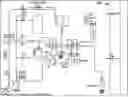







Sources:
- United States Patent and Trademark Office - verify current appl. status at the USPTO↗
Recent applications in this class:
- » 20260061086 2026-03-05
COMPOUNDS COMPRISING A FIBROBLAST ACTIVATION PROTEIN LIGAND AND USE THEREOF - » 20260061085 2026-03-05
CYCLIC PEPTIDE AND PREPARATION METHOD THEREFOR, AND COMPLEX COMPRISING SAME AND USE THEREOF - » 20260053962 2026-02-26
Radiopharmaceuticals at Different Activity Reference Times - » 20260053961 2026-02-26
HETERODIMER AND RADIOACTIVE MEDICAL USE THEREOF - » 20260053960 2026-02-26
DIMERIC RADIOPHARMACEUTICALS, COMPOSITIONS THEREOF AND USES THEREOF - » 20260048158 2026-02-19
B7-H3 MINIPROTEINS, CONJUGATES, AND USES THEREOF - » 20260034253 2026-02-05
NECTIN-4 MINIPROTEIN CONJUGATES - » 20260027244 2026-01-29
SILICON-BASED FLUORIDE ACCEPTOR GROUPS FOR RADIOPHARMACEUTICALS - » 20260014285 2026-01-15
POLYPEPTIDE COMPOUND, AND COMPLEX AND USE THEREOF - » 20260007787 2026-01-08
RADIOPHARMACEUTICAL SMALL MOLECULE INHIBITORS OF FIBROBLAST ACTIVATION PROTEIN FOR TARGETED THERAPY AND DIAGNOSTIC IMAGING OF DESMOPLASTIC TUMORS