ADAPTIVE RESCUE PROTOCOL FOR DEFIBRILLATORS
US20260054079A1
2026-02-26
19/307,078
2025-08-22
Smart Summary: A new type of defibrillator has been developed to improve heart resuscitation procedures. It can switch between different methods of delivering help, including a protocol that allows for interruptions and one that does not. The device uses a controller to manage how and when to give shocks to the heart and perform CPR. If the initial attempts to revive the heart are not successful, it will automatically change its approach to ensure continuous support. This adaptive system aims to increase the chances of saving a patient's life during emergencies. 🚀 TL;DR
Abstract:
A defibrillator employing a shock delivery circuit and a defibrillation controller for controlling an administration of a cardiopulmonary resuscitation procedure on a heart of a patient by the defibrillator in accordance with a rescue protocol including an interruptible cardiopulmonary resuscitation protocol, an uninterruptible resuscitation protocol and a shock protocol. In operation, the defibrillation controller controls a series of sequential executions of the interruptible cardiopulmonary resuscitation protocol and the shock protocol in response to a preceding uninterrupted defibrillating shock delivery to the heart of the patient by the shock delivery circuit, and controls a sequential execution of the uninterruptible cardiopulmonary resuscitation protocol and the shock protocol when at least two sequential executions of the interruptible cardiopulmonary resuscitation protocol and the shock protocol results in a maximum number of consecutive interrupted defibrillating shock deliveries to the heart of the patient by the shock delivery circuit.
Inventors:
- Chenguang Liu 13 🇺🇸 Bothell, WA, United States
- DAWN BLILIE JORGENSON 4 🇺🇸 Bothell, WA, United States
- Kevin Scott Burgett 2 🇺🇸 Bothell, WA, United States
- Stacy Earl Gehman 2 🇺🇸 Bothell, WA, United States
Applicant:
Interested in similar patents?
Get notified when new applications in this technology area are published.
Classification:
A61N1/39044 » CPC main
Electrotherapy; Circuits therefor; Applying electric currents by contact electrodes alternating or intermittent currents for producing shock effects; Heart defibrillators; External heart defibrillators [EHD] in combination with cardiopulmonary resuscitation [CPR] therapy
A61N1/39 IPC
Electrotherapy; Circuits therefor; Applying electric currents by contact electrodes alternating or intermittent currents for producing shock effects Heart defibrillators
Description
CROSS-REFERENCE TO RELATED APPLICATIONS
This patent application claims the priority benefit under 35 U.S.C. § 119(e) of U.S. Provisional Application No. 63/686,710, filed on Aug. 23, 2025, the contents of which are herein incorporated by reference.
FIELD OF THE INVENTION
The present disclosure generally relates to a resuscitation rescue effort by a responder or responders of a patient experiencing cardiac arrest. The present disclosure particularly relates to a defibrillator management of the resuscitation rescue effort by a responder or responders of a patient experiencing cardiac arrest to facilitate a successful rescue outcome of the patient.
BACKGROUND OF THE INVENTION
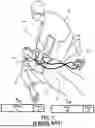
As shown in FIG. 1, a defibrillator 40 is attached to a patient 10 by electrodes 41a and 41b. Defibrillator 40, as known in the art of the present disclosure, can be used to deliver defibrillating shocks to patient 10 when patient 10 is suffering from cardiac arrest. More specifically, defibrillator 40 can deliver a high-voltage impulse to the heart of patient 10 in order to restore organized rhythm and contractile function for the heart of patient 10 when patient 10 is experiencing an arrhythmia (e.g., ventricular fibrillation (VF) or ventricular tachycardia (VT)) that is not accompanied by spontaneous circulation. There are several classes of defibrillators, including manual defibrillators, implantable defibrillators, and automatic/semi-automatic external defibrillators (AEDs). AEDs differ from manual defibrillators in that AEDs can automatically analyze cardiac rhythm(s) of an electrocardiogram (ECG) to determine if defibrillation is necessary. In semi-automatic AED designs, the responder(s) are prompted to press a shock button to deliver the defibrillating shock to the patient when a shock is advised by the AED. The electrodes 41a and 41b are applied across the chest of the patient 10 by a responder 20 as shown in order to acquire an ECG signal from the patient's heart. Defibrillator 40 then analyzes the ECG signal for signs of arrhythmia. If VF or another shockable cardiac rhythm is detected, then defibrillator 40 signals responder 20 that a shock is advised. After the AED detecting VF or another shockable cardiac rhythm and signaling the responder 20 of such detection, then responder 20 presses a shock button on defibrillator 40 to deliver a defibrillating shock in an attempt to resuscitate patient 10.
As shown, a CPR coaching device 30 can be coupled to defibrillator 40 by an electrical cable 31 to provide defibrillator 40 with physiological information obtained by sensors contained in the CPR coaching device 30 as known in the art of the present disclosure. Electrical cable 31 provides power for electronic components in CPR coaching device 30 and couples compression related signals to defibrillator 40 (e.g., compression depth, compression rate, chest release and recoil), whereby the physiological information indicated by the signals can be used to issue audible CPR instructions through the loudspeaker of defibrillator 40.
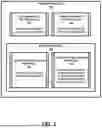
As known in the art of the present disclosure, defibrillator 40 can be operated in a scheduled operation mode 50 or a custom operation mode 53. In operation, both scheduled operation mode 50 and custom operation mode 53 of defibrillator 40 include a CPR protocol specifying rule(s)/guideline(s) for responder 20 to administer CPR to the heart of patient 10, and a shock protocol for specifying rule(s)/guideline(s) for a delivery (automatic, semi-automatic or manual) of a defibrillating shock to a heart of patient 10.
More particularly, an uninterruptible CPR protocol 51 of the scheduled operation mode 50 is executed over a fixed CPR time period whereby, upon a timely termination of the fixed CPR time period, a scheduled shock protocol 52 of the scheduled operation mode 50 is executed for a delivery of a defibrillating shock in the circumstance that a shockable cardiac rhythm is detected in a corrupt ECG waveform of the heart of patient 10 during the fixed CPR time period of uninterruptible CPR protocol 51.
Scheduled shock protocol 52 can also be executable for a delivery of a defibrillating shock in the circumstance that a shockable cardiac rhythm is not detected in a corrupt ECG waveform of the heart of patient 10 during the fixed CPR time period of uninterruptible CPR protocol 51 and a shockable cardiac rhythm is detected in a clean ECG waveform of the heart of patient 10 succeeding the termination of the fixed CPR time period of uninterruptible CPR protocol 51.
Conversely, an interruptible CPR protocol 54 of the custom operation mode 53 is executed over a terminable CPR time period whereby the terminable CPR time period is pre-timely terminated in the circumstance that a shockable cardiac rhythm is detected in a corrupt ECG waveform of the heart of patient 10 during the terminable CPR time period of interruptible CPR protocol 54, and a custom shock protocol 55 of the custom operation mode 53 is immediately prompted for an execution of a delivery of defibrillating shock to the heart of patient 10.
Custom shock protocol 55 can also be executable for a delivery of a defibrillating shock in the circumstances that a shockable cardiac rhythm is not detected in a corrupt ECG waveform of the heart of patient 10 during the terminable CPR time period of interruptible CPR protocol 54 and a shockable cardiac rhythm is detected in a clean ECG waveform of the heart of patient 10 succeeding the timely termination of the terminable CPR time period of interruptible CPR protocol 54.
The defibrillator industry is constantly striving to optimize a systematic operation of a defibrillator to optimize a successful rescue outcome of a patient.
SUMMARY OF THE INVENTION
The present disclosure improves upon a management of an administration of a cardiopulmonary resuscitation procedure on a heart of a patient in accordance with a rescue protocol including an interruptible cardiopulmonary resuscitation protocol, an uninterruptible cardiopulmonary resuscitation protocol and a shock protocol by adapting the rescue protocol to an event of multiple sequential executions of the interruptible cardiopulmonary resuscitation protocol and the shock protocol resulting in a maximum number of consecutive interrupted defibrillating shock deliveries to the heart of the patient.
The present disclosure can be embodied as (1) a defibrillation controller, (2) a defibrillator, and (3) a defibrillation method.
Various embodiments of a defibrillation controller of the present disclosure control an administration of a cardiopulmonary resuscitation procedure on a heart of a patient by a defibrillator in accordance with a rescue protocol including an interruptible cardiopulmonary resuscitation protocol, an uninterruptible cardiopulmonary resuscitation protocol and a shock protocol.
The various embodiments of the defibrillation controller of the present disclosure employ a non-transitory machine-readable storage medium encoded with instructions for execution by one or more processors to (1) control a series of sequential executions of the interruptible cardiopulmonary resuscitation protocol and the shock protocol in response to a preceding uninterrupted defibrillating shock delivery to the heart of the patient, and (2) control a sequential execution of the uninterruptible cardiopulmonary resuscitation protocol and the shock protocol when at least two sequential executions of the interruptible cardiopulmonary resuscitation protocol and the shock protocol results in a maximum number of consecutive interrupted defibrillating shock deliveries to the heart of the patient.
The defibrillation controller can be installed within and/or communicatively linked to an external defibrillator (e.g., various types of automatic external defibrillators, semi-automatic defibrillators and monitor/defibrillators).
Various embodiments of a defibrillator of the present disclosure employ a shock delivery circuit and a defibrillation controller for guiding an administration of a cardiopulmonary resuscitation procedure on a heart of a patient by the defibrillator in accordance with a rescue protocol including an interruptible cardiopulmonary resuscitation protocol, an uninterruptible cardiopulmonary resuscitation protocol and a shock protocol.
In operation, the defibrillation controller controls a series of sequential executions of the interruptible cardiopulmonary resuscitation protocol and the shock protocol by the defibrillator in response to a preceding uninterrupted defibrillating shock delivery to the heart of the patient by the shock delivery circuit, and (2) controls a sequential execution of the uninterruptible cardiopulmonary resuscitation protocol and the shock protocol by the defibrillator when at least two sequential executions of the interruptible cardiopulmonary resuscitation protocol and the shock protocol results in a maximum number of consecutive interrupted defibrillating shock deliveries to the heart of the patient by the shock delivery circuit.
The defibrillator can be an external defibrillator (e.g., various types of automatic external defibrillators, semi-automatic defibrillators and monitor/defibrillators).
Various exemplary embodiments of a defibrillation method of the present disclosure encompasses an advising by a defibrillator of an administration of a cardiopulmonary resuscitation procedure on a heart of a patient by a defibrillator in accordance with a rescue protocol including an interruptible cardiopulmonary resuscitation protocol, an uninterruptible cardiopulmonary resuscitation protocol and a shock protocol.
The defibrillation method involves (1) the defibrillation controller controlling a series of sequential executions of the interruptible cardiopulmonary resuscitation protocol and the shock protocol in response to a preceding uninterrupted defibrillating shock delivery to the heart of the patient, and the defibrillation controller controlling a sequential execution of the uninterruptible cardiopulmonary resuscitation protocol and the shock protocol when at least two sequential executions of the interruptible cardiopulmonary resuscitation protocol and the shock protocol results in a maximum number of consecutive interrupted defibrillating shock deliveries to the heart of the patient.
The defibrillation method further involves, based on a determination of the probable rescue outcome of the heart of the patient, a pretimely termination of the ongoing execution of the cardiopulmonary resuscitation protocol by the defibrillator and an initiation of a succeeding execution of the shock protocol by the defibrillator circuit to deliver the defibrillating shock to the heart of the patient.
The defibrillation method can be implemented by a defibrillation controller installed within and/or communicatively linked to an external defibrillator (e.g., various types of automatic external defibrillators, semi-automatic defibrillators and monitor/defibrillators).
The foregoing exemplary embodiments and other embodiments of the present disclosure as well as various structures and advantages of the present disclosure will become further apparent to those having ordinary skill in the art from the following detailed description of various embodiments of the present disclosure read in conjunction with the accompanying drawings. The detailed description and drawings are merely illustrative of the present disclosure rather than limiting, the scope of the present disclosure being defined by the appended claims and equivalents thereof.
BRIEF DESCRIPTION OF THE DRAWINGS
The present disclosure will present in detail the following description of exemplary embodiments with reference to the following figures wherein:
FIG. 1 illustrates a cardiopulmonary resuscitation being administered by responder(s) to a heart of a patient as known in the art of the present disclosure;
FIG. 2 illustrates exemplary embodiments of a rescue protocol of the present disclosure;
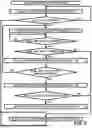
FIG. 3 illustrates a flowchart representative of an exemplary embodiment of custom operation mode in accordance with the present disclosure;
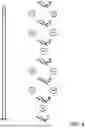
FIG. 4 illustrates an exemplary execution of the custom operation mode of FIG. 3;
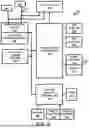
FIG. 5 illustrates an exemplary embodiment of a defibrillator in accordance with the present disclosure;
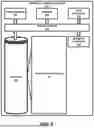
FIG. 6 illustrates an exemplary embodiment of a defibrillation controller in accordance with the present disclosure; and
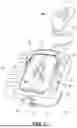
FIG. 7 illustrates an exemplary embodiment of an automatic/semi-automatic external defibrillator in accordance with the present disclosure.
DETAILED DESCRIPTION OF THE PREFERRED EMBODIMENTS
The present disclosure is directed adapting a rescue protocol to an event of multiple sequential executions of an interruptible cardiopulmonary resuscitation protocol and a shock protocol resulting in a maximum number of consecutive interrupted defibrillating shock deliveries to the heart of the patient.
For purposes of describing and claiming the present disclosure,
-
- (1) terms of the art of the present disclosure, but not limited to, “defibrillation”, “defibrillator”, “defibrillating shock”, “electrocardiogram (ECG)”, “cardiac rhythm”, “cardiopulmonary resuscitation (CPR)”, “rescue protocol”, “CPR protocol”, “shock protocol”, “scheduled operation mode” and “custom operation mode” are to be interpreted as known in the art of the present disclosure and as exemplary described in the present disclosure;
- (2) the term “C-Shock Advisory” broadly encompasses all methods, as known in the art of the present disclosure or hereinafter conceived, for analyzing and classifying a cardiac rhythm of an ECG of a heart of a patient including artifacts as known in the art of the present resulting from an administration of chest compressions to the heart of the patient (i.e., a corrupt ECG) to thereby derive
- (a) a shock decision based upon a determinate classification of the corrupt ECG as having a shockable cardiac rhythm (e.g., a ventricular fibrillation (VF) rhythm or a ventricular tachycardia (VT) rhythm),
- (b) a non-shock decision based upon a determinate classification of the corrupt ECG as having a non-shockable cardiac rhythm (e.g., a pulseless electrical activity rhythm or an asystole rhythm), or
- (c) an undecided shock decision based upon an indeterminate classification of the corrupt ECG as having a shockable cardiac rhythm (e.g., a ventricular fibrillation (VF) rhythm or a ventricular tachycardia (VT) rhythm) or a non-shockable cardiac rhythm (e.g., a pulseless electrical activity rhythm or an asystole rhythm);
- (3) the term “C-Shock Delivery” broadly encompasses all methods, as known in the art of the present disclosure or hereinafter conceived, for delivering a defibrillating shock to a heart of a patient corresponding to a shock decision derived by the C-Shock Advisory in accordance with rule(s)/guideline(s) associated with a rescue protocol (e.g., rule(s)/guideline(s) established by the American Heart Association);
- (4) the term “F-Shock Advisory” broadly encompasses all methods, as known in the art of the present disclosure or hereinafter conceived, for analyzing and classifying a cardiac rhythm of an ECG of a heart of a patient excluding artifacts as known in the art of the present disclosure resulting from a termination/suspension of an administration of chest compressions to the heart of the patient (i.e., a clean ECG) to thereby derive
- (a) a shock decision based upon a determinate classification of the clean ECG as having a shockable cardiac rhythm (e.g., a ventricular fibrillation (VF) rhythm or a ventricular tachycardia (VT) rhythm),
- (b) a non-shock decision based upon a determinate classification of the clean ECG as having a non-shockable cardiac rhythm (e.g., a pulseless electrical activity rhythm or an asystole rhythm, or
- (c) an undecided shock decision based upon an indeterminate classification of the clean ECG as having a shockable cardiac rhythm (e.g., a ventricular fibrillation (VF) rhythm or a ventricular tachycardia (VT) rhythm) or a non-shockable cardiac rhythm (e.g., a pulseless electrical activity rhythm or an asystole rhythm);
- (5) the term “F-Shock Delivery” broadly encompasses all methods, as known in the art of the present disclosure or hereinafter conceived, for delivering a defibrillating shock to a heart of a patient corresponding to a shock decision derived by the F-Shock Advisory in accordance with rule(s)/guideline(s) associated with a rescue protocol (e.g., rule(s)/guideline(s) established by the American Heart Association); and
- (6) the term “CPR Quality Analysis” broadly encompasses all methods, as known in the art of the present disclosure or hereinafter conceived, for monitoring a quality of CPR being administered to a heart of a patient to derive an assessment of a high quality/compliant CPR or a low quality/non-compliant CPR.
A non-limiting example of a C-Shock Advisory is an Arrythmia Recognition Technology (ART) as known in the art of the present disclosure.
A non-limiting example a F-Shock Advisory is a Patient Analysis System (PAS) as known in the art of the present disclosure.
In practice, for the C-Shock Advisory and the F-Shock Advisory, one or more of the described shock decisions can be omitted and/or additional shock decision(s) can be derived from an analysis and rhythm classification of ECG.
A non-limiting example of CPR Quality Analysis is a monitoring of a depth of compression, a rate of compression and chest release and recoil effective relative to rule(s)/guideline(s) of a rescue protocol (e.g., rule(s)/guideline(s) established by the American Heart Association) to derive an assessment of a high quality/compliant CPR being administered to the heart of the patient or a low quality/non-compliant CPR being administered to the heart of the patient.
An additional non-limiting example of CPR Quality Analysis is an implementation of a physiological sensor/monitor for measuring blood flow, cerebral perfusion and/or myocardial perfusion.
Also for purposes of describing and claiming the present disclosure,
-
- (1) the term “rescue outcome” broadly encompasses a defibrillation of a heart of a patient with or without resuscitation of the patient (e.g., a return of an organized cardiac rhythm with or without a sustained return of spontaneous circulation) and further broadly encompasses a resuscitation of the patient (e.g., a defibrillation of the heart with a sustained return of spontaneous circulation or a survival of the patient with a cerebral performance category 1 or a cerebral performance category 2);
- (2) the term “probable rescue outcome” broadly encompasses a probability of a defibrillation of a heart derived, directly or indirectly, from a successful restoration of an organized rhythm and contractile function of a heart from a delivery of a defibrillating shock to the heart of the patient;
- (3) the term “improbable rescue outcome” broadly encompasses an improbability of a defibrillation of the heart derived, directly or indirectly, from an unsuccessful restoration of an organized rhythm and contractile function of the heart from a delivery of a defibrillation shock to the heart of the patient;
- (4) the term “probable defibrillating shock” broadly encompasses a defibrillating shock delineated as having a probable rescue outcome;
- (5) the term “improbable defibrillating shock” broadly encompasses a defibrillating shock delineated as having an improbable rescue outcome;
- (6) the term “CV-Shock Advisory” broadly encompasses all methods, as known in the art of the present disclosure or hereinafter conceived, for analyzing and classifying a cardiac rhythm of an ECG of a heart of a patient including artifacts as known in the art of the present resulting from an administration of chest compressions to the heart of the patient (i.e., a corrupt ECG) and for predicting a probable rescue outcome or an improbable rescue outcome to thereby derive
- (a) a CP-shock decision based upon a determinate classification of the corrupt ECG as having a shockable cardiac rhythm (e.g., a ventricular fibrillation (VF) rhythm or a ventricular tachycardia (VT) rhythm) and based further upon a prediction of a probable rescue outcome,
- (b) a CI-shock decision based upon a determinate classification of the corrupt ECG as having a shockable cardiac rhythm (e.g., a ventricular fibrillation (VF) rhythm or a ventricular tachycardia (VT) rhythm) and based further upon a prediction of an improbable rescue outcome,
- (c) a non-shock decision based upon a determinate classification of the corrupt ECG as having a non-shockable cardiac rhythm (e.g., a pulseless electrical activity rhythm or an asystole rhythm, or
- (d) an undecided shock decision based upon an indeterminate classification of the corrupt ECG as having a shockable cardiac rhythm (e.g., a ventricular fibrillation (VF) rhythm or a ventricular tachycardia (VT) rhythm) or a non-shockable cardiac rhythm (e.g., a pulseless electrical activity rhythm or an asystole rhythm);
- (7) the term “CP-Shock Delivery” broadly encompasses all methods, as known in the art of the present disclosure or hereinafter conceived, for delivering a defibrillating shock to a heart of a patient corresponding to a CP-shock decision derived by the CV-Shock Advisory in accordance with rule(s)/guideline(s) associated with a rescue protocol (e.g., rule(s)/guideline(s) established by the American Heart Association);
- (8) the term “CI-Shock Delivery” broadly encompasses all methods, as known in the art of the present disclosure or hereinafter conceived, for delivering a defibrillating shock to a heart of a patient corresponding to a CI-shock decision derived by the CV-Shock Advisory in accordance with rule(s)/guideline(s) associated with a rescue (e.g., rule(s)/guideline(s) established by the American Heart Association);
- (9) the term “FV-Shock Advisory” broadly encompasses all methods, as known in the art of the present disclosure or hereinafter conceived, for analyzing and classifying a cardiac rhythm of an ECG of a heart of a patient excluding artifacts as known in the art of the present disclosure resulting from an administration of chest compressions to the heart of the patient (i.e., a clean ECG) and for predicting a probable rescue outcome or an improbable rescue outcome to thereby derive
- (a) a FP-shock decision based upon a determinate classification of the clean ECG as having a shockable cardiac rhythm (e.g., a ventricular fibrillation (VF) rhythm or a ventricular tachycardia (VT) rhythm) and upon a prediction of a probable rescue outcome,
- (b) a FI-shock decision based upon a determinate classification of the clean ECG as having a shockable cardiac rhythm (e.g., a ventricular fibrillation (VF) rhythm or a ventricular tachycardia (VT) rhythm) and upon a prediction of an improbable rescue outcome,
- (c) a non-shock decision based upon a determinate classification of the clean ECG as having a non-shockable cardiac rhythm (e.g., a pulseless electrical activity rhythm or an asystole rhythm, or
- (d) an undecided shock decision based upon an indeterminate classification of the clean ECG as having a shockable cardiac rhythm (e.g., a ventricular fibrillation (VF) rhythm or a ventricular tachycardia (VT) rhythm) or a non-shockable cardiac rhythm (e.g., a pulseless electrical activity rhythm or an asystole rhythm);
- (10) the term “FP-Shock Delivery” broadly encompasses all methods, as known in the art of the present disclosure or hereinafter conceived, for delivering a defibrillating shock to a heart of a patient corresponding to a FP-shock decision derived by the FV-Shock Advisory in accordance with rule(s)/guideline(s) associated with a rescue protocol (e.g., rule(s)/guideline(s) established by the American Heart Association); and
- (11) the term “FI-Shock Delivery” broadly encompasses all methods, as known in the art of the present disclosure or hereinafter conceived, for delivering a defibrillating shock to a heart of a patient corresponding to a FI-shock decision derived by the FV-Shock Advisory in accordance with rule(s)/guideline(s) associated with a rescue protocol (e.g., rule(s)/guideline(s) established by the American Heart Association).
A non-limiting example of a FV-Shock Advisory is a Patient Analysis System (PAS) as known in the art of the present disclosure incorporating a measurement of a vitality of a shockable cardiac rhythm as known in the art of the present disclosure (e.g., a measurement of an amplitude/frequency of the shockable cardiac rhythm relative to a sensitivity/specificity based threshold delineating between a probable rescue outcome or an improbable rescue outcome).
A non-limiting example of a CV-Shock Advisory is an Arrythmia Recognition Technology (ART) as known in the art of the present disclosure incorporating a measurement of a vitality of a shockable cardiac rhythm as known in the art of the present disclosure (e.g., a measurement of an amplitude/frequency of the shockable cardiac rhythm relative to a sensitivity/specificity based threshold delineating between a probable rescue outcome or an improbable rescue outcome).
In practice, for the CV-Shock Advisory and the FV-Shock Advisory, one or more of the described shock decisions can be omitted and/or additional shock decision(s) can be derived from an analysis and classification of a cardiac rhythm of an ECG.
To facilitate an understanding of the present disclosure, the following description of FIGS. 2-4 describes and teaches exemplary embodiments of methods in accordance with the present disclosure. From the description of FIGS. 2-4, those having ordinary skill in the art of the present disclosure will appreciate how to apply the present disclosure to make and use additional embodiments of methods in accordance with the present disclosure.
FIG. 2 illustrates an exemplary embodiment of a rescue protocol 100 of the present disclosure.
Referring to FIG. 2, rescue protocol 100 includes an interruptible CPR protocol 101 specifying rule(s)/guideline(s) for a guidance by a defibrillator of an administration of a cardiopulmonary resuscitation to a heart of patient over a terminable CPR time period of the interruptible CPR protocol (e.g., >two (2) minutes).
To this end, interruptible CPR protocol 101 employs a C-Shock Advisory to ascertain whether to pretimely terminate an execution of the interruptible CPR protocol 101 by the defibrillator based on a shock decision by the C-Shock Advisory, or to timely terminate an execution of the interruptible CPR protocol 101 by the defibrillator based on a no-shock decision or an undecided shock decision by the C-Shock Advisory.
Alternatively or concurrently, interruptible CPR protocol 101 employs a CV-Shock Advisory to ascertain whether to pretimely terminate an execution of the interruptible CPR protocol 101 by the defibrillator based on a CP shock decision by the CV-Shock Advisory, or to timely terminate an execution of the interruptible CPR protocol 101 by the defibrillator based on a CI-shock decision, no-shock decision or an undecided shock decision by the CV-Shock Advisory.
Still referring to FIG. 2, rescue protocol 100 includes an uninterruptible CPR protocol 102 specifying rule(s)/guideline(s) for a guidance by a defibrillator of an administration of a cardiopulmonary resuscitation to a heart of patient over a fixed CPR time period of the uninterruptible CPR protocol 102 (e.g., two (2) minutes).
To this end, uninterruptible CPR protocol 102 employs a C-Shock Advisory to ascertain whether to timely terminate an execution of the uninterruptible CPR protocol 102 by the defibrillator with a shock decision, a no-shock decision or an undecided shock decision by the C-Shock Advisory.
Alternatively or concurrently, uninterruptible CPR protocol 101 employs a CV-Shock Advisory to timely terminate an execution of the uninterruptible CPR protocol 102 by the defibrillator with a CP-shock decision, a CI-shock decision, a no-shock decision or an undecided shock decision by the CV-Shock Advisory.
Still referring to FIG. 2, rescue protocol 100 further includes a shock protocol 103 having an interruptible shock protocol 104 specifying rule(s)/guideline(s) for a conditional delivery of an interrupted defibrillating shock to the heart of the patient by the defibrillator subsequent to a pretimely termination of an execution of interruptible CPR protocol 101 by the defibrillator based on a shock decision by the C-Shock Advisory of CPR protocol 101 or based on a CP-shock decision by the CV-Shock Advisory of CPR protocol 101.
Interruptible shock protocol 104 further specifies rule(s)/guideline(s) for a conditional delivery of an interrupted defibrillating shock to the heart of the patient by the defibrillator subsequent to a timely termination of an execution of uninterruptible CPR protocol 102 by the defibrillator with a shock decision by the C-Shock Advisory of CPR protocol 102 or with a CP-shock decision by the CV-Shock Advisory of CPR protocol 102.
For a shock delivery, interruptible shock protocol 104 employs a C-Shock Delivery to deliver the interrupted defibrillating shock to the heart of the patient by the defibrillator in response to a shock decision by the C-Shock Advisory of CPR protocol 101 or a shock decision by the C-Shock Advisory of CPR protocol 102. Interruptible shock protocol 104 further employs a CV-Shock Delivery to deliver the interrupted defibrillating shock to the heart of the patient by the defibrillator in response to a CP-shock decision by the CV-Shock Advisory of CPR protocol 101 or a CP-shock decision by the CV-Shock Advisory of CPR protocol 102.
Still referring to FIG. 2, shock protocol 103 further has an uninterruptible shock protocol 105 specifying rule(s)/guideline(s) for a conditional delivery of an uninterrupted defibrillating shock to the heart of the patient by the defibrillator subsequent to a timely termination of an execution of interruptible CPR protocol 101 by the defibrillator based on a no-shock decision or an undecided shock decision by the C-Shock Advisory of CPR protocol 101, or based on a CI-shock decision, a no-shock decision or an undecided shock decision by the CV-Shock Advisory of interruptible CPR protocol 101.
Uninterruptible shock protocol 105 further specifies rule(s)/guideline(s) for a conditional delivery of an uninterrupted defibrillating shock to the heart of the patient by the defibrillator subsequent to a timely termination of an execution of uninterruptible CPR protocol 102 by the defibrillator with a no-shock decision or an undecided shock decision by the C-Shock Advisory of CPR protocol 102, or with a CI-shock decision, a no-shock decision or an undecided shock decision by the CV-Shock Advisory of uninterruptible CPR protocol 102.
For a shock delivery, uninterruptible shock protocol 105 employs a CI-Shock Delivery to deliver the uninterrupted defibrillating shock to the heart of the patient by the defibrillator in response to a CI-shock decision by the CV-Shock Advisory of uninterruptible CPR protocol 102. Uninterruptible shock protocol 105 further employs a F-Shock Advisory and a F-Shock Delivery to deliver the uninterrupted defibrillating shock to the heart of the patient by the defibrillator in response to a shock decision by the F-Shock Advisory. Uninterruptible shock protocol 105 alternatively or concurrently employs a FV-Shock Advisory and a FP-Shock Delivery to deliver the uninterrupted defibrillating shock to the heart of the patient by the defibrillator in response to a FP-shock decision by the FV-Shock Advisory.
Note the labeling of a defibrillating shock as “interrupted” and “uninterrupted” is for purposes of distinguishing which shock protocol is delivering the shock, and does not provide any narrowing limitation to the term defibrillating shock.
FIG. 3 illustrates a flowchart 110 representative of a rescue protocol of the present disclosure.
Referring to FIG. 3, a stage S112 of flowchart 110 encompasses an execution of a scheduled operation mode including uninterruptible CPR protocol 102 of FIG. 2 and uninterruptible shock protocol 105 of FIG. 2.
Stage S112 is repeated if stage S112 does not result in a delivery of defibrillation shock as determined by a stage S114 of flowchart 110.
Otherwise, upon a determination a defibrillation shock was delivered during stage S112, flowchart 110 proceeds to a stage S116 encompassing an execution of interruptible CPR protocol 101 of FIG. 2.
Stage S118 of flowchart 110 implements a minimum no-shock interval (e.g., twenty (20) seconds or sixty (60) seconds), and stage S120 of flowchart 110 determines if interruptible CPR protocol 101 should be (1) pretimely terminated based on a shock decision by the C-Shock Advisory or a CP-shock decision by the CV-Shock Advisory, or (2) timely terminated based on a no-shock decision or an undecided decision by the C-Shock Advisory or a CI-shock decision, no-shock decision or an undecided decision by the CV-Shock Advisory.
Upon a timely termination of interruptible CPR protocol 101 during stage S120, flowchart 110 proceeds to a stage S122 to execute uninterruptible shock protocol 105 of FIG. 2 and thereafter returns to stage S114 whereby flowchart 110 will return to stage S112 if an uninterrupted defibrillating shock was not delivered during stage S122 or will proceed to stage S116 if an uninterrupted defibrillating shock was delivered during stage S122.
Still referring to FIG. 3, upon a pre-timely termination of interruptible CPR protocol 101 during stage S120, flowchart 110 proceeds to a stage S124 to execute interruptible shock protocol 104 of FIG. 2. A stage S126 of flowchart 110 determines if the execution of interruptible shock protocol 104 of stage S124 resulted in an interruptible defibrillating shock delivery, and if so, has a maximum number of consecutive interruptible defibrillating shock deliveries been reached.
If the execution of interruptible shock protocol 104 of stage S124 resulted in the maximum number of consecutive interruptible defibrillating shock deliveries not being reached, then flowchart 110 returns to stage S116 to again execute interruptible CPR protocol 101.
If the execution of interruptible shock protocol 104 of stage S124 resulted in the maximum number of consecutive interruptible defibrillating shock deliveries being reached, then flowchart 110 proceeds to stage S128 to execute uninterruptible CPR protocol 102. Upon a timely termination of uninterruptible CPR protocol 102 of stage S128, flowchart 110 proceeds to a stage S130 to determine if a shock decision was rendered by C-Shock Advisory or a CP-shock decision was rendered by CV-Shock Advisory during stage S128.
If a shock decision was not rendered by C-Shock Advisory or a CP-shock decision was not rendered by CV-Shock Advisory during stage S128, then flowchart 110 proceeds to a stage S132 to execute interruptible shock protocol 104 and then returns to stage S114 whereby flowchart 110 will return to stage S112 if an interruptible defibrillating shock was not delivered during stage S132 or will proceed to stage S116 if an interruptible defibrillating shock was delivered during stage S132.
Otherwise, if a shock decision was rendered by C-Shock Advisory or a CP-shock decision/CI-shock decision was rendered by CV-Shock Advisory during stage S128, then flowchart 110 proceeds to a stage S122 to execute uninterruptible shock protocol 105 and then returns to stage S114 whereby flowchart 110 will return to stage S112 if an uninterruptible defibrillating shock was not delivered during stage S122 or will proceed to stage S116 if an uninterruptible defibrillating shock was delivered during stage S122.
FIG. 4 illustrates an exemplary execution of flowchart 110 of FIG. 3 in view of setting of maximum number of consecutive shock deliveries from interruptible CPR protocol 101 being two (2).
Referring to FIGS. 3 and 4, upon an initial determination of a defibrillating shock delivery S1 of stage S114 at to and based on a C-shock decision or a CP-shock decision during an initial stage S116 execution of interruptible CPR protocol 101, a defibrillating shock delivery S2 of stage S124 is executed on or after a twenty (20) seconds or a sixty (60) seconds delay from defibrillating shock delivery S1.
Subsequently, based on a C-shock decision or a CP-shock decision during a second stage S116 execution of interruptible CPR protocol 101, a defibrillating shock delivery S3 of stage S124 is executed on or after a twenty (20) seconds or a sixty (60) seconds delay from defibrillating shock delivery S2.
Subsequently, upon reaching the maximum consecutive shock delivers of stage S126 and based on an initial S128 execution of uninterruptible CPR protocol 102, a defibrillating shock delivery S4 of stage S122 or S132 is executed on or after a two (2) minute delay from defibrillating shock delivery S3.
Subsequently, based on a C-shock decision or a CP-shock decision during a third stage S116 execution of interruptible CPR protocol 101, a defibrillating shock delivery S5 of stage S124 is executed on or after a twenty (20) seconds or a sixty (60) seconds delay from defibrillating shock delivery S4.
Subsequently, based on a C-shock decision or a CP-shock decision during a fourth stage S116 execution of interruptible CPR protocol 101, a defibrillating shock delivery S6 of stage S124 is executed on or after a twenty (20) seconds or a sixty (60) seconds delay from defibrillating shock delivery S5.
Subsequently, upon reaching the maximum consecutive shock delivers of stage S126 and based on a second S128 execution of uninterruptible CPR protocol 102, a defibrillating shock delivery S7 of stage S122 or S132 is executed on or after a two (2) minute delay from defibrillating shock delivery S6.
To facilitate a further understanding of the present disclosure, the following description of FIGS. 6-8 teaches exemplary embodiments of devices and systems in accordance with the present disclosure. From the description of FIGS. 6-8, those having ordinary skill in the art of the present disclosure will appreciate how to apply the present disclosure to make and use additional embodiments of devices and systems in accordance with the present disclosure.
The afore-described methods can be implemented in a medical device, such as, for example, a defibrillator (e.g., an external defibrillator). FIG. 5 is a functional block diagram of an external defibrillator 204 according to the one embodiment of the present disclosure. Defibrillator 204 is configured as an AED that is intended for use during a cardiac rescue which includes CPR. It is designed for small physical size, light weight, and relatively simple responder(s) interface capable of being operated by personnel without high training levels or who otherwise would use the defibrillator 204 only infrequently. Although the present embodiment of the invention is described with respect to application in an AED, other embodiments include application in different types of defibrillators, for example, manual defibrillators, fully automatic defibrillators, and paramedic or clinical defibrillator/monitors.
Defibrillator 204 receives an input 214 of an ECG signal from, for example, two or more electrodes 202 that are connected to a patient. An ECG front end circuit 203 is in electrical communication with the input 2141 via a connector plug and socket or the like. The ECG front end circuit 203 operates to amplify, buffer, filter and optionally digitize an electrical ECG signal generated by the patient's heart to produce a stream of digitized ECG samples. The digitized ECG samples are provided to a controller 204, which can be a processor that combines a DSP and ARM processor. One exemplary controller is the family of Applications Processors manufactured by Texas Instruments Incorporated Inc. In one embodiment of the apparatus, the DSP conducts all of the previously described filtering under the ART protocol, and then passes the multiple streams of filtered ECG data to the ARM processor. The ARM buffers the stream of digitized ECG signal data into segments (buffers) corresponding to a predetermined time. The ARM performs an outcomes analysis on the filtered ECG data to detect VF, shockable VT or other shockable cardiac rhythms. In accordance with the present disclosure, the ARM uses the outcomes analysis to determine a treatment regimen which is most beneficial to the patient. These controller 204 portions of the DSP and ARM thus operate together as an ECG analyzer. Of course, the scope of the present disclosure is not limited to a particular DSP/ARM configuration. The foregoing and following functions can be equivalently implemented in a single processor or distributed among multiple processors.
The ECG analyzer incorporates an analysis algorithm that can determine a shockable cardiac rhythm in the presence of CPR-related signal noise artifact with a defined sensitivity and specificity. The accuracy of the ECG analyzer is sufficient to safely and effectively assess the cardiac state of the input signal in the presence of CPR compressions noise. One such analysis algorithm is ART as described previously.
If the ECG analyzer determines a shockable cardiac rhythm in combination with the determination of a treatment regimen that indicates the need for a defibrillating shock, then controller 204, responsive to the output of the ECG analyzer, sends a signal to a HV (high voltage) charging circuit 2145 to charge a HV energy storage source 206 in preparation for delivering a shock. When the HV energy storage source 206 is fully charged, controller 204 directs a shock button 210 to begin flashing to re-direct the attention of the responder(s) from the task of providing CPR compressions to the task of delivering electrotherapy.
As will be described in more detail, controller 204 can initiate the preparation for a defibrillating shock immediately upon detection of a shockable cardiac rhythm, i.e. in a continuous mode of operation, and issue instructions to interrupt of CPR compressions for electrotherapy as soon as the device is armed. Alternatively, the controller 204 can initiate preparation for a defibrillating shock preceding the end of a predetermined period of CPR compressions, and can instruct the immediate delivery of electrotherapy simultaneously with the end of the predetermined period. This last mode is called a scheduled operation mode.
In either continuous or scheduled operation mode, controller 204 controls the responder(s) interface 213 to issue aural prompts to terminate CPR and press the shock button to deliver a defibrillating shock. These prompts should be issued together and in quick order so that delay between stopping CPR and pressing the shock button is minimized. The responder(s) interface 213 should similarly issue an aural prompt via audio speaker 214 to resume CPR as soon as possible after the controller 204 senses that a defibrillating shock has been delivered, e.g. by sensing the button press, current flow from the HV storage circuit, etc. corresponding visual prompts can be issued simultaneously with the aural prompts.
When the responder(s) presses the shock button 210, a defibrillating shock is delivered from HV energy storage source 206 through a Shock delivery circuit 207. In a preferred embodiment, Shock delivery circuit 207 is electrically connected via an output of the AED to the same electrodes 202 which receive the raw ECG signal.
Controller 204 also provides control of the responder(s) interface (UI) output functions in the device. The responder(s) interface 213 is the primary means for guiding the responder(s) through the progress of the cardiac rescue protocol, and so includes at least one of an aural instruction output and a visual display. In particular, responder(s) interface 213 may comprise an audio speaker 214 to issue an aural verbal or signal prompt to the responder(s) regarding a state of the rescue, an instruction as to a next step to be taken in the rescue, or regarding instructions responsive the determined shockable cardiac rhythm. Responder(s) interface 213 may also convey audible information via a beeper 209. Responder(s) interface 213 may also provide visual text or graphical indications on a display 215. Responder(s) interface 213 may also convey visual information via flashing light LED 212, which may illuminate adjacent graphics or buttons to be pressed. Preferably, controller 204 controls the responder(s) interface such that each of these cues is provided in a manner that optimizes the desired response of the responder(s).
Audible and visual cues pertaining to the same information need not be issued simultaneously if one or the other cue may detract from the desired response. For example, controller 204 may control the charging circuit to fully charge the HV storage source to the armed state preceding issuing any instructions at all. Alternatively, controller 204 may drive the responder(s) interface to indicate a determination of a shockable cardiac rhythm on visual display 215 preceding issuing related aural instructions on speaker 214. And again, controller 204 may drive the responder(s) interface to indicate the state of the HV charging circuit preceding issuing related aural instructions on speaker 214.
Software instructions for operating controller 204 are disposed in an onboard memory. Instructions in non-volatile memory may include the algorithm for the ART algorithm, the algorithm for PAS, instructions for a CPR rescue protocol that includes a period for providing CPR compressions, UI configurations for multiple responder(s) types, and the like. Volatile memory may include software-embodied records of device self-tests, device operating data, and rescue event audio and visual recordings.
Other optional features of the defibrillator shown in FIG. 5 include a system monitor controller which receives signals from various Buttons (e.g. Power On, Shock) and provides signals for the beeper and LED lights. State changes of the buttons and sensors are transmitted back to the controller 204 through a communications interface. This feature enables very low-power standby operations with wake-up sensing by means of the button actuation and readiness status outputs.
Furthermore, additional optional features include communication links with a CPR monitor 340 or a CPR mechanical device 350 as known in the art of the present disclosure.
Referring to FIG. 6, shown is an exemplary embodiment of controller 300 that includes one or more processor(s) 301, memory 302, a responder(s) interface 303, a network interface 304, and a storage 305 interconnected via one or more system bus(es) 306.
Each processor 301 can be any hardware device, as known in the art of the present disclosure or hereinafter conceived, capable of executing instructions stored in memory 302 or storage or otherwise processing data. In a non-limiting example, the processor(s) 301 can include a microprocessor, field programmable gate array (FPGA), application-specific integrated circuit (ASIC), or other similar devices.
The memory 302 can include various memories, as known in the art of the present disclosure or hereinafter conceived, including, but not limited to, L1, L2, or L3 cache or system memory. In a non-limiting example, the memory 302 can include static random access memory (SRAM), dynamic RAM (DRAM), flash memory, read only memory (ROM), or other similar memory devices.
In practice, controller 300 also provides control of the responder(s) interface (UI) output functions. Specifically, responder(s) interface 303 is the primary means for guiding the responder through the protocols of the present disclosure, and so includes at least one of an aural instruction output and a visual display. In particular, responder(s) interface 303 may comprise an audio speaker to issue an aural verbal or signal prompt to the responder regarding a state of the rescue, an instruction as to a next step to be taken in the rescue, or regarding instructions responsive to an execution of a particular protocol (e.g., administering CPR and/or delivering a drug). Responder(s) interface 303 can also convey audible information via a beeper. Responder(s) interface 303 can also provide visual text or graphical indications on a display. Responder(s) interface 303 can also convey visual information via a flashing light LED, which may illuminate adjacent graphics or buttons to be pressed. Preferably, controller 300 controls the responder(s) interface 301 such that each of these cues is provided in a manner that optimizes the desired response of the responder in the execution of protocols of the present disclosure.
Still referring to FIG. 6, network interface 304 can include one or more devices, as known in the art of the present disclosure or hereinafter conceived, for enabling communication with other components of defibrillator (defibrillator 200 of FIG. 5) or another device, particularly a mechanical CPR device or a CPR coaching device, as known in the art of the present disclosure or hereinafter conceived, in the administration of CPR/chest compression to a patient in accordance with the protocols of the present disclosure and/or in the acquisition of CPR data indicative of the quality of CPR being administered to the patient.
In a non-limiting example, the network interface 304 can include a network interface card (NIC) configured to communicate according to the Ethernet protocol. Additionally, the network interface 414 may implement a TCP/IP stack for communication according to the TCP/IP protocols. Various alternative or additional hardware or configurations for the network interface 304 will be apparent.
The storage 305 can include one or more machine-readable storage media, as known in the art of the present disclosure or hereinafter conceived, including, but not limited to, read-only memory (ROM), random-access memory (RAM), magnetic disk storage media, optical storage media, flash-memory devices, or similar storage media. In various non-limiting embodiments, the storage 305 can store instructions for execution by the processor(s) 301 or data upon with the processor(s) 301 may operate. For example, the storage 305 may store a base operating system for controlling various basic operations of the hardware.
The storage 305 can also store an application modules 307 in the form of executable software/firmware for implementing the methods of the present disclosure as previously described in the present disclosure.
FIG. 7 illustrates the CPR coaching device 100 coupled through cable 130 to the defibrillator 310. The defibrillator 310 represents a semi-automatic external defibrillator (AED). However, other types of defibrillators can be used as well. The AED 310 is housed in a rugged polymeric case 312 which protects the electronic circuitry inside the case, which was previously described with reference to FIG. 5, and also protects the responder 220 from shocks. Attached to the case 312 by electrical leads are a pair of electrodes 316. The electrodes 316 are housed in a cartridge 314 located in a recess on the top side of the AED 310. The electrode pads are accessed for use by pulling up on a handle 317 which allows removal of a plastic cover over the electrodes 316. The responder(s) interface is on the right side of the AED 310. A small ready light 318 informs the responder 220 of the readiness of the AED 310. In this embodiment the ready light blinks after the AED 310 has been properly set up and is ready for use. The ready light is on constantly when the AED 310 is in use, and the ready light is off or flashes in an alerting color when the AED 310 needs attention.
Below the ready light is an on/off button 320. The on/off button is pressed to turn on the AED 310 for use. To turn off the AED 310 the responder 220 holds the on/off button down for one second or more. An information button 322 flashes when information is available for the responder 220. The responder 220 depresses the information button to access the available information, which is then presented as an audible message. A caution light 324 blinks when the AED 310 is acquiring heartbeat information from the patient 210 and lights continuously when a shock is advised, alerting the responder 220 and others that no one should be touching the patient 210 during these times. A shock button 326 is depressed to deliver a shock after the AED 310 informs the responder 220 that a shock is advised. An infrared port 328 on the side of the AED 310 is used to transfer data between the AED 310 and a computer. This data port finds used after the patient 210 has been rescued and a physician desires to have the AED 310 event data downloaded to his or her computer for detailed analysis. A speaker 313 provides voice instructions to the responder 220 to guide the responder 220 through the use of the AED 310 to treat the patient 210. A beeper 330 is provided which “chirps” when the AED 310 needs attention such as electrode pad replacement or a new battery. The beeper can also be used as a metronome tone which chirps at the appropriate rate of CPR chest compressions.
In another embodiment the CPR coaching device includes ECG electrodes on the body-contacting surface of the device for the sensing of the patient's ECG signal. The ECG signal detected by the CPR coaching device is coupled to the ECG front end circuit 202 for processing. In one implementation the CPR coaching device of this embodiment is applied to the patient's chest before the usual defibrillator electrodes are unwrapped and applied. The ECG sensor on the coaching device can thereby give the defibrillator a “quick look” at the patient's ECG waveform. For instance, if the ECG signals is sensed and processed to determine that the patient exhibits a viable ECG signal, the defibrillator can alert the responder that defibrillation is not advised for the patient. The responder does not need to unwrap and apply the defibrillation electrodes to the patient and another form of therapy can be recommended by the defibrillator such as CPR.
From the description of FIGS. 1-8 herein, those having ordinary skill in the art will appreciate the numerous benefits of the present disclosure including, but not limited to, improving upon a management of an administration of a cardiopulmonary resuscitation procedure on a heart of a patient in accordance with a rescue protocol including a cardiopulmonary resuscitation protocol and a defibrillating shock protocol.
The present disclosure has been described with reference to the preferred embodiments. Modifications and alterations may occur to others upon reading and understanding the preceding detailed description. It is intended that the invention be construed as including all such modifications and alterations insofar as they come within the scope of the appended claims or the equivalents thereof.
Further, as one having ordinary skill in the art shall appreciate in view of the teachings provided herein, features, elements, components, etc. disclosed and described in the present disclosure/specification and/or depicted in the appended Figures and/or recited in the Claims can be implemented in various combinations of hardware and software, and provide functions which can be combined in a single element or multiple elements. For example, the functions of the various features, elements, components, etc. shown/illustrated/depicted in the Figures and/or recited in the Claims can be provided through the use of dedicated hardware as well as hardware capable of executing software in association with appropriate software. When provided by a processor, the functions can be provided by a single dedicated processor, by a single shared processor, or by a plurality of individual processors, some of which can be shared and/or multiplexed. Moreover, explicit use of the term “processor” or “controller” should not be construed to refer exclusively to hardware capable of executing software, and can implicitly include, without limitation, digital signal processor (“DSP”) hardware, memory (e.g., read only memory (“ROM”) for storing software, random access memory (“RAM”), non-volatile storage, etc.) and virtually any means and/or machine (including hardware, software, firmware, combinations thereof, etc.) which is capable of (and/or configurable) to perform and/or control a process.
Moreover, all statements herein reciting principles, aspects, and exemplary embodiments of the present disclosure, as well as specific examples thereof, are intended to encompass both structural and functional equivalents thereof. Additionally, it is intended that such equivalents include both currently known equivalents as well as equivalents developed in the future (e.g., any elements developed that can perform the same or substantially similar functionality, regardless of structure). Thus, for example, it will be appreciated by one having ordinary skill in the art in view of the teachings provided herein that any block diagrams presented herein can represent conceptual views of illustrative system components and/or circuitry embodying the principles of the invention. Similarly, one having ordinary skill in the art should appreciate in view of the teachings provided herein that any flow charts, flow diagrams and the like can represent various processes which can be substantially represented in computer readable storage media and so executed by a computer, processor or other device with processing capabilities, whether or not such computer or processor is explicitly shown.
Having described preferred and exemplary embodiments of the present disclosure, which embodiments are intended to be illustrative and not limiting, it is noted that modifications and variations can be made by persons having ordinary skill in the art in view of the teachings provided herein, including the appended Figures and claims. It is therefore to be understood that changes can be made in/to the preferred and exemplary embodiments of the present disclosure which are within the scope of the present disclosure and exemplary embodiments disclosed, described and taught herein.
Moreover, it is contemplated that corresponding and/or related systems incorporating and/or implementing the device or such as can be used/implemented in a device in accordance with the present disclosure are also contemplated and considered to be within the scope of the present disclosure. Further, corresponding and/or related method for manufacturing and/or using a device and/or system in accordance with the present disclosure are also contemplated and considered to be within the scope of the present disclosure.
Claims
1. A defibrillation controller for controlling an administration of a cardiopulmonary resuscitation procedure on a heart of a patient by a defibrillator in accordance with a rescue protocol including an interruptible cardiopulmonary resuscitation protocol, an uninterruptible cardiopulmonary resuscitation protocol and a shock protocol,
the interruptible cardiopulmonary resuscitation protocol specifying at least one rule/guideline for a guidance by the defibrillator of an administration of a cardiopulmonary resuscitation to the heart of the patient over a terminable CPR time period,
the interruptible cardiopulmonary resuscitation protocol specifying at least one rule/guideline for a guidance by the defibrillator of an administration of a cardiopulmonary resuscitation to the heart of the patient over a terminable CPR time period,
the shock protocol specifying at least one rule/guideline for a conditional delivery of an interrupted defibrillating shock and for a conditional delivery of an uninterrupted defibrillating shock to the heart of the patient by the defibrillator,
the defibrillation controller comprising a non-transitory machine-readable storage medium encoded with instructions for execution by at least one processor, the non-transitory machine-readable storage medium including the instructions to:
control a series of sequential executions of the interruptible cardiopulmonary resuscitation protocol and the shock protocol in response to a preceding uninterrupted defibrillating shock delivery to the heart of the patient; and
control a sequential execution of the uninterruptible cardiopulmonary resuscitation protocol and the shock protocol when at least two sequential executions of the interruptible cardiopulmonary resuscitation protocol and the shock protocol results in a maximum number of consecutive interrupted defibrillating shock deliveries to the heart of the patient.
2. The defibrillation controller of claim 1,
wherein the interruptible cardiopulmonary resuscitation protocol includes a minimum non-shock interval of the terminal CPR time period; and
wherein the non-transitory machine-readable storage medium further includes instructions to:
control an initiation of an execution of the shock protocol of each sequential execution of the interruptible cardiopulmonary resuscitation protocol and the shock protocol based on the minimum non-shock interval of the interruptible cardiopulmonary resuscitation protocol.
3. The defibrillation controller of claim 1, wherein the non-transitory machine-readable storage medium further includes instructions to:
control an additional series of sequential executions of the interruptible cardiopulmonary resuscitation protocol and the shock protocol when the sequential execution of the uninterruptible cardiopulmonary resuscitation protocol and the shock protocol results in an additional uninterrupted defibrillating shock delivery to the heart of the patient.
4. The defibrillation controller of claim 1, wherein the non-transitory machine-readable storage medium further includes instructions to:
control at least one additional sequential execution of the uninterruptible cardiopulmonary resuscitation protocol and the shock protocol when the sequential execution of the uninterruptible cardiopulmonary resuscitation protocol and the shock protocol does not result in an additional uninterrupted defibrillating shock delivery to the heart of the patient.
5. The defibrillation controller of claim 3, wherein the non-transitory machine-readable storage medium further includes instructions to:
control an additional series of sequential executions of the interruptible cardiopulmonary resuscitation protocol and the shock protocol when the at least one additional sequential execution of the uninterruptible cardiopulmonary resuscitation protocol and the shock protocol results in an additional uninterrupted defibrillating shock delivery to the heart of the patient.
6. A defibrillator, comprising:
a shock delivery circuit operable to deliver at least one defibrillating shock to a heart of a patient; and
a defibrillation controller for controlling an administration of a cardiopulmonary resuscitation procedure on a heart of a patient by the defibrillator in accordance with a rescue protocol including an interruptible cardiopulmonary resuscitation protocol, an uninterruptible cardiopulmonary resuscitation protocol and a shock protocol,
wherein the interruptible cardiopulmonary resuscitation protocol specifies at least one rule/guideline for a guidance by the defibrillator of an administration of a cardiopulmonary resuscitation to the heart of the patient over a terminable CPR time period,
wherein the interruptible cardiopulmonary resuscitation protocol specifies at least one rule/guideline for a guidance by the defibrillator of an administration of a cardiopulmonary resuscitation to the heart of the patient over a terminable CPR time period,
wherein the shock protocol specifies at least one rule/guideline for a conditional delivery of an interrupted defibrillating shock and for a conditional delivery of a uninterrupted defibrillating shock to the heart of the patient by the shock delivery circuit, and
wherein the defibrillation controller is configured to:
control a series of sequential executions of the interruptible cardiopulmonary resuscitation protocol and the shock protocol by the defibrillator in response to a preceding uninterrupted defibrillating shock delivery to the heart of the patient by the shock delivery circuit; and
control a sequential execution of the uninterruptible cardiopulmonary resuscitation protocol and the shock protocol by the defibrillator when at least two sequential executions of the interruptible cardiopulmonary resuscitation protocol and the shock protocol by the defibrillator results in a maximum number of consecutive interrupted defibrillating shock deliveries to the heart of the patient by the shock delivery circuit.
7. The defibrillator of claim 6,
wherein the interruptible cardiopulmonary resuscitation protocol includes a minimum non-shock interval of the terminal CPR time period; and
wherein the defibrillation controller is further configured to:
control an initiation of an execution of the shock protocol of each sequential execution of the interruptible cardiopulmonary resuscitation protocol and the shock protocol based on the minimum non-shock interval of the interruptible cardiopulmonary resuscitation protocol.
8. The defibrillator of claim 6, wherein the defibrillation controller is further configured to:
control an additional series of sequential executions of the interruptible cardiopulmonary resuscitation protocol and the shock protocol when the sequential execution of the uninterruptible cardiopulmonary resuscitation protocol and the shock protocol results in an additional uninterrupted defibrillating shock delivery to the heart of the patient by the shock delivery circuit.
9. The defibrillator of claim 6, wherein the defibrillation controller is further configured to:
control at least one additional sequential execution of the uninterruptible cardiopulmonary resuscitation protocol and the shock protocol when the sequential execution of the uninterruptible cardiopulmonary resuscitation protocol and the shock protocol does not result in an additional uninterrupted defibrillating shock delivery to the heart of the patient by the shock delivery circuit.
10. The defibrillator of claim 9, wherein the defibrillation controller is further configured to:
control an additional series of sequential executions of the interruptible cardiopulmonary resuscitation protocol and the shock protocol when the at least one additional sequential execution of the uninterruptible cardiopulmonary resuscitation protocol and the shock protocol results in an additional uninterrupted defibrillating shock delivery to the heart of the patient by the shock delivery circuit.
11. A defibrillation method executable by a defibrillation controller for controlling an administration of a cardiopulmonary resuscitation procedure on a heart of a patient by a defibrillator in accordance with a rescue protocol including an interruptible cardiopulmonary resuscitation protocol, an uninterruptible cardiopulmonary resuscitation protocol and a shock protocol,
the interruptible cardiopulmonary resuscitation protocol specifying at least one rule/guideline for a guidance by the defibrillator of an administration of a cardiopulmonary resuscitation to the heart of the patient over a terminable CPR time period,
the interruptible cardiopulmonary resuscitation protocol specifying at least one rule/guideline for a guidance by the defibrillator of an administration of a cardiopulmonary resuscitation to the heart of the patient over a terminable CPR time period,
the shock protocol specifying at least one rule/guideline for a conditional delivery of an interrupted defibrillating shock and for a conditional delivery of a uninterrupted defibrillating shock to the heart of the patient by the defibrillator,
the defibrillation method comprising:
controlling, by the defibrillation controller, a series of sequential executions of the interruptible cardiopulmonary resuscitation protocol and the shock protocol by the defibrillator in response to a preceding uninterrupted defibrillating shock delivery to the heart of the patient; and
controlling, by the defibrillation controller, a sequential execution of the uninterruptible cardiopulmonary resuscitation protocol and the shock protocol by the defibrillator when at least two sequential executions of the interruptible cardiopulmonary resuscitation protocol and the shock protocol by the defibrillator results in a maximum number of consecutive interrupted defibrillating shock deliveries to the heart of the patient.
12. The defibrillator method of claim 11,
wherein the interruptible cardiopulmonary resuscitation protocol includes a minimum non-shock interval of the terminal CPR time period; and
further comprising:
controlling, by the defibrillation controller, an initiation of an execution of the shock protocol of each sequential execution of the interruptible cardiopulmonary resuscitation protocol and the shock protocol based on the minimum non-shock interval of the interruptible cardiopulmonary resuscitation protocol.
13. The defibrillation method of claim 11, further comprising:
controlling, by the defibrillation controller, an additional series of sequential executions of the interruptible cardiopulmonary resuscitation protocol and the shock protocol when the sequential execution of the uninterruptible cardiopulmonary resuscitation protocol and the shock protocol results in an additional uninterrupted defibrillating shock delivery to the heart of the patient
14. The defibrillation method of claim 11,
controlling, by the defibrillation controller, at least one additional sequential execution of the uninterruptible cardiopulmonary resuscitation protocol and the shock protocol when the sequential execution of the uninterruptible cardiopulmonary resuscitation protocol and the shock protocol does not result in an additional uninterrupted defibrillating shock delivery to the heart of the patient.
15. The defibrillation method of claim 14,
controlling, by the defibrillation controller, an additional series of sequential executions of the interruptible cardiopulmonary resuscitation protocol and the shock protocol when the at least one additional sequential execution of the uninterruptible cardiopulmonary resuscitation protocol and the shock protocol results in an additional uninterrupted defibrillating shock delivery to the heart of the patient.
Images & Drawings included:

Sources:
- United States Patent and Trademark Office - verify current appl. status at the USPTO↗
Recent applications in this class:
- » 20260054078 2026-02-26
ENHANCED RESCUE PROTOCOL MANAGEMENT OF A CARDIOPULMONARY RESUSCITATION - » 20250360325 2025-11-27
DEFIBRILLATORS WITH ENHANCED FUNCTIONALITY DURING CARDIOPULMONARY RESUSCITATION PERIODS - » 20250256115 2025-08-14
AUTOMATED RESUSCITATION SYSTEM INTEGRATING HEMODYNAMIC AND DEFIBRILLATORY CAPABILITIES - » 20250256114 2025-08-14
TECHNIQUES FOR MANAGING INCONCLUSIVE OR DISAGREEING RESULTS IN ANALYSES OF PHYSIOLOGICAL PARAMETERS - » 20250235709 2025-07-24
MEDICAL APPARATUS AND METHOD OF USING THE MEDICAL APPARATUS - » 20250213877 2025-07-03
SYSTEMS AND METHODS FOR CONVEYING COMPLEX MEDICAL DEVICE OPERATION INSTRUCTIONS - » 20250108226 2025-04-03
FAST IDENTIFICATION OF SHOCKABLE OR NON-SHOCKABLE RHYTHMS IN ECG DATA - » 20250065138 2025-02-27
SYSTEMS METHODS OF SAFELY DELIVERING AN EFFICIENT AMOUNT OF OXYGEN TO ESSENTIAL ORGANS DURING CARDIOPULMONARY RESUSCITATION - » 20250041614 2025-02-06
ACCESSORY-BASED STORAGE FOR USE WITH A MEDICAL DEVICE - » 20240342495 2024-10-17
MONITORING AND CLASSIFICATION OF CARDIAC ARREST RHYTHM