PRINT SYSTEM AND PRINT METHOD
US20260056684A1
2026-02-26
19/307,542
2025-08-22
Smart Summary: A print system connects a client terminal, a printer, and a server. The client terminal sends a print job to the server using a scanner and a communication interface. The server then retrieves an unlock code for the printer and sends it back. The printer displays this unlock code along with a server identifier in a way that can be read by a scanner. Finally, the system verifies the unlock code and processes the print job. 🚀 TL;DR
Abstract:
A print system includes a client terminal, a printer, and a server. The client terminal includes a first communication interface, a scanner, and a first processor configured to control the first communication interface to transmit a print job to the server. The server includes a second communication interface and a second processor configured to, in response the print job, obtain an unlock code associated with the printer and control the second communication interface to transmit the unlock code to the printer. The printer includes a display, a print engine, and a third processor configured to, in response to the unlock code, control the display to display an optically-readable code representing the unlock code and a server identifier. The first processor is configured to transmit a first request including the unlock code. The second processor verifies the unlock code and transmits a second request to the printer and the print job.
Applicant:
Interested in similar patents?
Get notified when new applications in this technology area are published.
Classification:
G06F3/1204 » CPC main
Input arrangements for transferring data to be processed into a form capable of being handled by the computer; Output arrangements for transferring data from processing unit to output unit, e.g. interface arrangements; Digital output to print unit, e.g. line printer, chain printer; Dedicated interfaces to print systems specifically adapted to achieve a particular effect; Improving or facilitating administration, e.g. print management resulting in reduced user or operator actions, e.g. presetting, automatic actions, using hardware token storing data
G03G15/5016 » CPC further
Apparatus for electrographic processes using a charge pattern; Machine control of apparatus for electrographic processes using a charge pattern, e.g. regulating differents parts of the machine, multimode copiers, microprocessor control User-machine interface; Display panels; Control console
G03G15/5087 » CPC further
Apparatus for electrographic processes using a charge pattern; Machine control of apparatus for electrographic processes using a charge pattern, e.g. regulating differents parts of the machine, multimode copiers, microprocessor control; Remote control machines, e.g. by a host for receiving image data
G03G15/5091 » CPC further
Apparatus for electrographic processes using a charge pattern; Machine control of apparatus for electrographic processes using a charge pattern, e.g. regulating differents parts of the machine, multimode copiers, microprocessor control; Remote control machines, e.g. by a host for user-identification or authorisation
G06F3/1222 » CPC further
Input arrangements for transferring data to be processed into a form capable of being handled by the computer; Output arrangements for transferring data from processing unit to output unit, e.g. interface arrangements; Digital output to print unit, e.g. line printer, chain printer; Dedicated interfaces to print systems specifically adapted to achieve a particular effect Increasing security of the print job
G06F3/1238 » CPC further
Input arrangements for transferring data to be processed into a form capable of being handled by the computer; Output arrangements for transferring data from processing unit to output unit, e.g. interface arrangements; Digital output to print unit, e.g. line printer, chain printer; Dedicated interfaces to print systems specifically adapted to use a particular technique; Print job management Secure printing, e.g. user identification, user rights for device usage, unallowed content, blanking portions or fields of a page, releasing held jobs
G06F3/1265 » CPC further
Input arrangements for transferring data to be processed into a form capable of being handled by the computer; Output arrangements for transferring data from processing unit to output unit, e.g. interface arrangements; Digital output to print unit, e.g. line printer, chain printer; Dedicated interfaces to print systems specifically adapted to use a particular technique; Print job management Printing by reference, e.g. retrieving document/image data for a job from a source mentioned in the job
G06F3/1267 » CPC further
Input arrangements for transferring data to be processed into a form capable of being handled by the computer; Output arrangements for transferring data from processing unit to output unit, e.g. interface arrangements; Digital output to print unit, e.g. line printer, chain printer; Dedicated interfaces to print systems specifically adapted to use a particular technique; Print job management Job repository, e.g. non-scheduled jobs, delay printing
G06F3/1288 » CPC further
Input arrangements for transferring data to be processed into a form capable of being handled by the computer; Output arrangements for transferring data from processing unit to output unit, e.g. interface arrangements; Digital output to print unit, e.g. line printer, chain printer; Dedicated interfaces to print systems specifically adapted to adopt a particular infrastructure; Remote printer device, e.g. being remote from client or server in client-server-printer device configuration
G06F3/12 IPC
Input arrangements for transferring data to be processed into a form capable of being handled by the computer; Output arrangements for transferring data from processing unit to output unit, e.g. interface arrangements Digital output to print unit, e.g. line printer, chain printer
G03G15/00 IPC
Apparatus for electrographic processes using a charge pattern
Description
CROSS-REFERENCE TO RELATED APPLICATION
This application is based upon and claims the benefit of priority from Japanese Patent Application No. 2024-141982, filed on Aug. 23, 2024, the entire contents of which are incorporated herein by reference.
FIELD
Embodiments described herein relate generally to a print server, a print system, and a print method.
BACKGROUND
A print system configured with a client terminal, a print server, and a printer is known. In the print system, the client terminal transmits print data to the print server and the printer acquires a print job list including file names and location information of the print data on the print server. The printer acquires designated print data from the print server and prints the print data. For example, in an environment in which a plurality of printers are connected to a network and these printers are registered as devices in the print server, a printer selected from the plurality of printers prints the acquired print data.
Furthermore, various proposals have also been made regarding such a print system.
BRIEF DESCRIPTION OF THE DRAWINGS
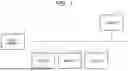
FIG. 1 is a diagram illustrating an example of a network configuration of devices that configure a print system according to an embodiment;
FIG. 2 is a block diagram illustrating an example of internal configurations of devices that configure the print system;
FIG. 3 is a diagram illustrating an example of a device registration list and an account registration file;
FIG. 4 is a diagram illustrating an example of an operation sequence of a print system according to an embodiment;
FIG. 5 is a flowchart illustrating an example of an operation of a client terminal in the print system;
FIG. 6 is a flowchart illustrating an example of an operation of a server in the print system; and
FIG. 7 is a flowchart illustrating an example of an operation of a printer in the print system.
DETAILED DESCRIPTION
In the print system described above, simplification of user operations is desirable. For example, when realizing printing based on a target print file selected on a printer's panel, a selection operation of the target print file may occur, but a mechanism to omit this selection operation and output the target print file is needed.
Embodiments described herein provide a print server, a print system, and a print method that reduce an operational burden for print output.
In general, according to an embodiment, a print system comprises a client terminal, a printer, and a server connectable to the client terminal and the printer over a network. The client terminal comprises a first communication interface, a scanner, and a first processor configured to control the first communication interface to transmit a print job to the server. The server comprises a second communication interface and a second processor configured to, in response to reception of the print job, obtain an unlock code associated with the printer and control the second communication interface to transmit the unlock code to the printer. The printer comprises a display, a print engine, and a third processor configured to, in response to reception of the unlock code, control the display to display an optically-readable code that represents the unlock code and a server identifier. The first processor is further configured to transmit a first request including the unlock code. The second processor verifies the unlock code and transmits a second request to the printer and the print job.
A print system according to an embodiment will be described below with reference to the drawings.
[Configuration]
FIG. 1 is a diagram illustrating an example of a network configuration of devices that configure a print system according to an embodiment.
As illustrated in FIG. 1, the print system includes a client terminal 1, a server 2 that functions as a print server, and a printer 3 that forms an image based on print data from the server 2. The client terminal 1, the server 2, and the printer 3 are connected via a communication network.
For example, as illustrated in FIG. 1, a plurality of printers 3 are connected to the communication network. In addition, FIG. 1 illustrates an example in which one client terminal 1 is connected to the communication network, but two or more client terminals 1 can be simultaneously connected to a network of the print system.
FIG. 2 is a block diagram illustrating an example of internal configurations of devices that configure the print system according to the embodiment.
The client terminal 1 may be realized by a computer including one or more processors, memories, storage, and interfaces. As illustrated in FIG. 2, the client terminal 1 includes a processor 11, a memory 12, a storage 13, a communication interface 14, a user interface 15, and a scanner 16.
The processor 11 is configured with a central processing unit (CPU) and the like. The processor 11 executes various processes based on a control program and control data stored in the memory 12. For example, the processor 11 executes a print support application program stored in the memory 12 to cause a print process to be executed by the printer 3 through the server 2.
The memory 12 includes a read only memory (ROM), a random access memory (RAM), and a non-volatile memory (NVM). The ROM and NVM store a control program, control data, and the like. The RAM functions as a work memory and stores temporary data.
The storage 13 stores print data and the like. The storage 13 may also store a control program, control data, and the like.
The communication interface 14 wirelessly communicates with the server 2 and transmits and receives data to and from the server 2.
The user interface 15 includes an input unit and an output unit. For example, the input unit and the output unit are a touch panel display that accepts input from a user and displays the accepted information.
The scanner 16 is a scanner that reads a one-dimensional code or a two-dimensional code. A barcode can be used as the one-dimensional code, and a Quick Response (QR) Code (registered trademark) can be used as the two-dimensional code.
The server 2 can be realized by a computer including one or more processors, memories, storages, and interfaces. As illustrated in FIG. 2, the server 2 includes a processor 21, a memory 22, a storage 23, and a communication interface 24.
The processor 21 is configured with a CPU and the like. The processor 21 executes various processes based on a control program and control data stored in the memory 22. For example, the processor 21 controls the transmission and reception of information through the communication interface 24 by executing the programs stored in the memory 22, and also causes the printer 3 to print an image based on a print job in response to a request from the client terminal 1.
The memory 22 includes a ROM, a RAM, and an NVM. The ROM and the NVM store control programs, control data, and the like. The RAM functions as a work memory and stores temporary data.
The memory 22 or the storage 23 stores a device registration list (first management information) and an account registration file (second management information). The device registration list includes printer identification information of the printer 3 registered as a device in the print system. The account registration file includes account information required for using a print service by the print system. In addition, before shipment, server identification information is stored in the storage 23, and the server identification information is transmitted to the printer 3 that is registered as a device. Furthermore, the storage 23 may store a control program, control data, and the like. In the exemplary embodiment, a case will be described in which the storage 23 stores the device registration list and the account registration file, but as described above, the NVM of the memory 22 may store the device registration list and the account registration file.
The communication interface 24 wirelessly communicates with the client terminal 1, and transmits and receives data to and from the client terminal 1. In addition, the communication interface 24 wirelessly communicates with the printer 3, and transmits and receives data to and from the printer 3.
As illustrated in FIG. 2, the printer 3 includes a processor 31, a memory 32, a storage 33, a communication interface 34, a user interface 35, and a print engine 36.
The processor 31 is configured with a CPU and the like. The processor 31 executes various processes based on a control program and control data stored in the memory 32. For example, the processor 31 executes a print application program stored in the memory 32 to acquire print data from the server 2 and cause the print engine 36 to execute image formation based on the print data. For example, the print engine 36 includes a toner-based printing unit that performs printing of toner images on a sheet (e.g., paper).
The memory 32 includes a ROM, a RAM, and an NVM. The ROM and the NVM store the control program, the control data, and the like. The RAM functions as a work memory and stores temporary data.
The storage 33 stores print data and the like. In addition, the storage 33 may store the control program, control data, and the like.
The communication interface 34 wirelessly communicates with the server 2, and transmits and receives data to and from the server 2.
The user interface 35 includes an input unit and an output unit. For example, the input unit and the output unit are a touch panel display that accepts input from a user and displays the accepted information. For example, the user interface 35 displays an optically-readable two dimensional code (hereinafter a QR code is representatively referred to), which is an example of print designation information for a print job.
FIG. 3 is a diagram illustrating an example of a device registration list and an account registration file according to an embodiment.
As illustrated in FIG. 3, the storage 23 of the server 2 stores the device registration list and the account registration file.
Printer identification information of the printer 3, which is registered as a device in the print system, is registered in the device registration list. Furthermore, this printer identification information is correlated with an unlock code and print job registration destination information. The role of the device registration list will be described in detail below.
In addition, the account information registered for a user in the print system is registered in the account registration file. The account information includes user identification information and a password. Furthermore, the account information is correlated with a print job list and a print token. The role of the account registration file will be described in detail below.
[Operation]
FIG. 4 is a diagram illustrating an example of an operation sequence of a print system according to the embodiment.
When a main power source of the client terminal 1, the server 2, and the printer 3 that configure the print system is turned on, the client terminal 1, the server 2, and the printer 3 transition to a standby state. In this standby state, the printer 3 turns into a lock state under the control of the processor 31. In the lock state, the user interface 35 does not accept operation input, and the print engine 36 does not execute print jobs.
First, registration of the printer 3 will be described. The user interface 35 of the printer 3 accepts input of information about the server 2 from an administrator, and the storage 33 stores the information about the server 2. The information about the server 2 includes server identification information.
The communication interface 34 of the printer 3 transmits a device registration request to the server 2. The device registration request includes printer identification information of the printer 3, and the like. The communication interface 24 of the server 2 receives the device registration request. The processor 21 verifies the device registration request. The storage 23 of the server 2 stores a device registration list. When the processor 21 permits registration of the printer 3 based on the verification result, the processor 21 generates an unlock code and print job registration destination information in correlation with the printer identification information included in the device registration request, registers the printer identification information in a device registration list of the storage 23 as illustrated in FIG. 3, and registers the unlock code and the print job registration destination information in correlation with the printer identification information.
Next, the registration of an account will be described. To use a print service through the print system, registration of an account is required. The user interface 15 of the client terminal 1 displays a new registration menu of the account and acquires user identification information and a password input through the new registration menu of the account. The communication interface 14 of the client terminal 1 transmits account information including the user identification information and password to the server 2. The storage 23 of the server 2 stores the account registration file. The communication interface 24 of the server 2 receives the account information, and the processor 21 registers the account information in the account registration file.
In addition, as illustrated in FIG. 3, the account information is correlated with a print job (or a print job list) and a print token. In the account registration file in which the predetermined account information is registered, a predetermined print job (or a predetermined print job list) and a specified print token correlated with the specified account information are registered.
After the registration of the account information is completed, the user interface 15 of the client terminal 1 displays a login menu and acquires user identification information and a password input through the login menu. The communication interface 14 transmits a login request including the user identification information and password to the server 2 (ACT101).
The communication interface 24 of the server 2 receives the login request from the client terminal 1. The processor 21 of the server 2 compares the user identification information and password included in the login request with the user identification information and password registered in the account registration file to verify an account (ACT201).
The processor 21 permits login when a combination of the user identification information and the password included in the login request matches a combination of the user identification information and the password registered in the account registration file. The processor 21 rejects the login when the combination of the user identification information and the password included in the login request does not match the combination of the user identification information and the password registered in the account registration file.
When the processor 21 permits the login request based on the account information from the client terminal 1, the processor 21 issues a print token (PT) registered in correlation with the account information. For example, the print token includes an authentication code. The communication interface 24 transmits the print token to the client terminal 1 (ACT202). In addition, the storage 23 stores a token issuance file, and the processor 21 registers the issued print token or data corresponding to the issued print token in a token issuance file to prepare for verification of the print token.
The communication interface 14 receives the print token. The storage 13 stores the received print token. The user interface 15 displays a print target file selection menu and accepts one or more print target files input through the print target file selection menu (ACT102). In addition, the user interface 15 displays a print setting menu, and accepts print settings set through the print t setting menu (ACT102). The one or more print target files may be files stored in the storage 13, or may be files downloaded from an external server through a network. One printer 3 selected from a plurality of printers 3 registered as devices in the print server 2 accepts print settings.
The storage 13 stores a print job file, and the processor 11 stores a print job including the print target file and print settings in the print job file. The processor 11 generates one print job in response to the selection of one print target file (ACT103). For example, when two print target files are selected, the processor 11 generates a first print job including a first print file and print settings, and a second print job including a second print target file and print settings. In addition, the processor 11 assigns a job identification code to the print job and manages the print job using the job identification code.
The communication interface 14 transmits a print job registration request to the server 2 (ACT104). The print job registration request includes the print token and print settings.
The communication interface 24 receives the print job registration request. The processor 21 compares the print token included in the print job registration request with the print token registered in the token issuance file or data corresponding to the print token, and verifies the print job registration request (ACT203).
The processor 21 permits a print job registration when the print token included in the print job registration request matches the print token registered in the token issuance file, or when authentication is obtained based on the print token included in the print job registration request and data corresponding to the print token. The processor 21 rejects the print job registration when the print token included in the print job registration request does not match the print token registered in the token issuance file, or when authentication is not obtained based on the print token included in the print job registration request and the data corresponding to the print token.
When the print job registration is permitted, the processor 21 determines a registration destination of the print job based on the device registration list. As described above, the print job registration request includes the print settings set through the print setting menu, and the print settings include printer identification information of the selected printer 3. The processor 21 selects print job registration destination information registered in the device registration list including the printer identification information. For example, the print job registration destination information indicates a predetermined area of the storage 23. In response to the print job registration request received in ACT103, the processor 21 causes the print job registration destination information specifying the predetermined area of the storage 23 to be transmitted to the client terminal 1. Accordingly, the communication interface 24 transmits the print job registration destination information to the client terminal 1 (ACT204).
For example, the print job registration destination information is a predetermined Uniform Resource Locator (URL). The processor 21 determines one registration destination corresponding to one print job, and determines a plurality of registration destinations corresponding to a plurality of print jobs.
The communication interface 14 receives the print job registration destination information, and the storage 13 stores the print job registration destination information. The storage 13 also stores the print token transmitted from the server 2. In addition, the communication interface 14 transmits the print job to the server 2 (ACT105).
The communication interface 24 receives the print job, and the processor 21 registers the received print job (print data) in a predetermined area indicated by the print job registration destination information, and registers job identification information of the received print job in a print job list of the account registration file (ACT205). The print token transmitted in ACT202 is registered in the account registration file, and at this point, the print job list in which the job identification information is registered and the print token transmitted in ACT202 are registered in the account registration file.
After registering the print job in the predetermined area, the processor 21 selects a device registration list based on the printer identification information of the printer 3 selected using the print settings, and acquires an unlock code correlated with the printer identification information from the device registration list (ACT206).
The processor 21 specifies the printer 3 based on the printer identification information correlated with the unlock code. The processor 21 causes the unlock code to be transmitted to the specified printer 3. Accordingly, the communication interface 24 transmits the unlock code to the specified printer 3 (ACT207).
The communication interface 34 of the printer 3 receives the unlock code, and the storage 33 stores the unlock code. The processor 31 generates print designation information based on server identification information and the unlock code. The print designation information generated in this manner includes the server identification information and the unlock code. For example, the print designation information is a one-dimensional code such as a barcode, or a two-dimensional code such as a QR code. A display of the user interface 35 displays the print designation information including the server identification information and the unlock code (ACT301). For example, the display displays the QR code corresponding to the print designation information.
On the other hand, the user interface 15 of the client terminal 1 that transmitted the print job displays a necessity confirmation menu of print job automatic release. For example, when the user interface 15 accepts a request for print job automatic release through the necessity confirmation menu (ACT106), the processor 11 sets a print job release to be valid and executes a read mode for reading the print designation information such as a QR code (ACT107). In response to the execution of the read mode, the scanner 16 is started.
When a user who possesses the client terminal 1 holds a reading unit of the scanner 16 of the client terminal 1 over the display of the printer 3, the scanner 16 reads the print designation information displayed on the display (ACT108).
The processor 11 designates a print job release request R1 in response to reading of the print designation information by the scanner 16 based on the print job automatic release being set to valid. The communication interface 14 of the client terminal 1 transmits the print job release request R1 to the server 2 to which the client terminal 1 is currently logged in (ACT109). The print job release request R1 includes the result of reading the print designation information, the stored print token, and the stored print job registration destination information. That is, the print job release request R1 includes the server identification information and the unlock code included in the print designation information. The print job release request R1 optionally includes the print job registration destination information. By including these pieces of information in the print job release request R1, the automatic release described below is implemented. If the print designation information is a QR code, the result of reading the print designation information includes a value obtained from the QR code.
The storage 33 continues to store the print job release request R1 for a certain period of time even after the print job release request R1 is transmitted to the server 2. For example, the print job release request R1 may be deleted depending on the timing of transmission of the next print job.
The communication interface 24 of the server 2 receives the print job release request R1 from the client terminal 1. The processor 21 verifies the unlock code based on the device registration list, the account registration file, and the print job release request R1 (ACT208), and specifies the print job list and one printer 3. As illustrated in FIG. 3, the device registration list includes the unlock code correlated with the printer identification information, and the like. In addition, as illustrated in FIG. 3, the account registration file includes the print job list and the print token correlated with the account information. The print job release request R1 includes the server identification information, the unlock code, the print token, and the print job registration destination information. The print job release request R1 optionally includes the print job registration destination information.
The processor 21 permits the release of the print job when the unlock code included in the print job release request R1 matches the unlock code correlated with the printer identification information of the device registration list. In addition, the processor 21 retrieves the print token that matches the print token included in the print job release request R1 from the account registration file, and specifies the print job list from the account information correlated with the retrieved print token. In addition, the processor 21 retrieves the unlock code that matches the unlock code included in the print job release request R1 from the device registration list, specifies the printer identification information correlated with the retrieved unlock code, and specifies one printer 3 from the specified printer identification information. In addition, the processor 21 causes an image based on the print job registered in the registration destination to be printed by the specified printer 3 based on the print job registration destination information correlated with the specified printer identification information. When the print job release request R1 includes the print job registration destination information, a configuration, in which the processor 21 causes an image based on the print job registered in the registration destination to be printed by the specified printer 3 based on the print job registration destination information included in the print job release request R1, may be adopted. The process in which the processor 21 causes the image based on the print job to be printed by the specified printer 3 is implemented as follows.
First, the processor 21 causes a print job release request R2 to be transmitted to the specified printer 3 by the communication interface 24. Accordingly, the communication interface 24 transmits the print job release request R2 to the specified printer 3 (ACT209). The print job release request R2 transmitted in ACT209 includes a print job list specified from the account information. The print job release request R2 may also include the print job registration destination information.
The communication interface 34 of the printer 3 receives the print job release request R2 transmitted in ACT209. The processor 31 releases the lock state based on the print job release request R2 (ACT302). When the lock is released, the user interface 35 becomes capable of accepting operation inputs, and the print engine 36 becomes capable of executing a print job.
The user interface 35 displays the print job list included in the print job release request R2 (ACT303). In addition, the user interface 35 may display automatic release or automatic printout together with the print job list. With this configuration, the user can recognize the automatic release or the automatic printout.
The processor 31 detects the print job list or print job registration destination information included in the print job release request R2. The processor 31 causes a print job request to be transmitted according to the print job list or the print job registration destination information. Accordingly, the communication interface 34 transmits the print job request to the server 2 (ACT304).
The communication interface 24 of the server 2 receives the print job request from the printer 3. The processor 21 causes the print job registered in the registration destination to be transmitted to the specified printer 3 by the communication interface 24. Accordingly, the communication interface 24 transmits the print job registered in the registration destination to the printer 3 (ACT210).
The communication interface 34 of the printer 3 acquires the print job. The print engine 36 executes printing based on the acquired print job (ACT305). After printing is ended, the processor 31 updates the print job list (ACT306). When the processor 31 detects a predetermined user operation or no operation for a certain period of time, the processor 31 causes a lock screen to be displayed and causes the printer 3 to return to the lock state (ACT307). In addition, the processor 31 requests the server 2 to issue a new unlock code, and generates a QR code corresponding to the print designation information.
In addition, the processor 21 of the server 2 deletes the transmitted print job (ACT211).
As described above, since the selection operation of the print job for print output is omitted, an operational burden may be reduced.
Here, as described in ACT106, a case in which the user interface 15 accepts a print job manual release request without accepting the request for print job automatic release through the necessity confirmation menu will be described.
In this case, the processor 11 sets the print job release to be invalid, and executes a read mode for reading the print designation information such as a QR code. In response to the execution of the read mode, the scanner 16 is started. The scanner 16 reads the print designation information displayed on the user interface 35 of the printer 3. That is, the scanner 16 reads the unlock code and the like included in the print designation information. The processor 11 designates a print job manual selection request in response to the reading of print designation information by the scanner 16 based on the print job automatic release being set to invalid. The communication interface 14 of the client terminal 1 transmits the designated print job manual selection request to the server 2 to which the user is currently logged in. The print job manual selection request includes the result of the reading print designation information.
The communication interface 24 of the server 2 receives the print job manual selection request from the client terminal 1. The processor 21 causes the print job manual selection request to be transmitted to the specified printer 3 by the communication interface 24. Accordingly, the communication interface 24 transmits the print job manual selection request to the specified printer 3. The transmitted print job manual selection request includes the unlock code and the print job list. The print job list includes the job identification code.
The communication interface 34 of the printer 3 receives the print job manual selection request. The user interface 35 displays the print job list included in the print job manual selection request and accepts a print job selected by the user from the print job list.
The processor 31 causes a print job request requesting the print job selected from the print job list to be transmitted by the communication interface 34. Accordingly, the communication interface 34 transmits the print job request to the server 2. The print job request transmitted here may include the job identification code that specifies the print job selected from the print job list.
The communication interface 24 of the server 2 receives the print job request from the printer 3. The processor 21 causes the print job selected by the user from the print job list to be transmitted to the specified printer 3 by the communication interface 24. Accordingly, the communication interface 24 transmits the print job selected by the user from the print job list, among the print jobs registered in the registration destination, to the printer 3.
The communication interface 34 of the printer 3 acquires the print job. The print engine 36 executes printing based on the acquired print job. After printing is finished, the processor 31 causes the printer 3 to return to the lock state.
In addition, the processor 21 of the server 2 deletes the transmitted print job.
As described above, a desired print job can be output by a selection operation of the print job for print output.
FIG. 5 is a flowchart illustrating an example of the operation of the client terminal according to the embodiment. The operation illustrated in FIG. 5 corresponds to the operation of the client terminal 1 illustrated in FIG. 4, but the description thereof is partially simplified. The operation of the client terminal 1 will be described in detail below with reference to FIG. 5.
As illustrated in FIG. 5, the user interface 15 of the client terminal 1 displays a login menu. The communication interface 14 transmits a login request including user identification information and a password input through the login menu to the server 2 (ACT121).
After login is permitted by the server 2, the user interface 15 displays a print target file selection menu, and accepts one or more print target files input through the print target file selection menu (ACT122).
In addition, the user interface 15 displays a print setting menu and accepts print settings set through the print setting menu (ACT123).
The processor 11 generates one print job in response to the selection of one print target file (ACT124).
The communication interface 14 transmits a print job registration request to the server 2 (ACT125) and receives print job registration destination information transmitted from the server 2 (ACT126).
The communication interface 14 transmits a print job to the server 2 based on the print job registration destination information (ACT127).
The user interface 15 of the client terminal 1 that transmitted the print job displays the necessity confirmation menu of the print job automatic release. When the user interface 15 accepts the request for print job automatic release through the necessity confirmation menu (YES in ACT128), the processor 11 sets the print job release to be valid and executes a read mode for reading print designation information such as a QR code (ACT129). In response to the execution of the read mode, the scanner 16 is started.
When a user who possesses the client terminal 1 holds the scanner 16 of the client terminal 1 over the QR code displayed on a display of the printer 3, the scanner 16 reads the QR code displayed on the display (ACT130).
The processor 11 designates a print job release request R1 in response to reading of the print designation information including an unlock code and the like by the scanner 16 based on the print job automatic release being set to valid. The communication interface 14 transmits a designated print job release request R1 to the server 2 to which the client terminal 1 is currently logged in (ACT131). The print job release request R1 includes the unlock code and the like. An automatic release is realized by including an unlock code and the like in the print job release request R1.
On the other hand, when the request for print job automatic release is not made through the necessity confirmation menu (NO in ACT128), the user interface 15 becomes capable of accepting the print target file again. Furthermore, when the user interface 15 accepts the print job manual release request through the necessity confirmation menu, the processor 11 sets the print job release to be invalid and executes a read mode for reading the print designation information such as the QR code. The processor 11 designates a print job manual selection request in response to the reading of print designation information including the unlock code by the scanner 16 based on based on the print job automatic release being set to invalid. The communication interface 14 transmits the designated print job manual selection request to the server 2 to which the client terminal 1 is currently logged in.
FIG. 6 is a flowchart illustrating an example of the operation of the server according to the embodiment. The operation illustrated in FIG. 6 corresponds to the operation of the server 2 illustrated in FIG. 4, but the description thereof is partially simplified. The operation of the server 2 will be described in detail below with reference to FIG. 6.
The communication interface 24 receives a login request from the client terminal 1. The processor 21 compares user identification information and a password included in the login request with the user identification information and password registered in an account registration file to verify an account (ACT221).
When the processor 21 permits the login, the communication interface 24 transmits a print token to the client terminal 1 (ACT222) and receives a print job registration request.
The processor 21 verifies the print job registration request based on the print token included in the received print job registration request (ACT223).
When the print job registration is permitted according to the verification result of the print job registration request, the processor 21 determines a print job registration destination. The communication interface 24 transmits print job registration destination information indicating the print job registration destination to the client terminal 1 (ACT224), and receives a print job from the client terminal 1.
The processor 21 registers the received print job in a predetermined area indicated by the print job registration destination information (ACT225).
After registering the print job in the predetermined area, the processor 21 acquires print designation information of the print job (ACT226).
The communication interface 24 transmits the print designation information to the printer 3 specified based on the printer identification information correlated with an unlock code (ACT227). The print designation information may include a print job list.
The specified printer 3 displays the print designation information. For example, the printer 3 displays the print job list included in the print designation information. The client terminal 1 reads the displayed print designation information and transmits a print job release request R1. In addition, the client terminal 1 for which the print job release is set to be valid transmits the print job release request R1. The client terminal 1 for which the print job release is set to be invalid transmits a print job manual selection request.
The communication interface 24 receives the print job release request R1 or a print job manual selection request. When the print job release request R1 is received, the processor 21 verifies the unlock code based on a device registration list, an account registration file, and the print job release request R1 (ACT228). The communication interface 24 transmits the print job release request R2 or the print job manual selection request to the specified printer 3 (ACT229).
When the communication interface 24 transmits the print job release request R2, the communication interface 24 receives a print job request from the printer 3 requesting a print job registered in a registration destination, and transmits the print job registered in the registration destination to the printer 3 (ACT230). The processor 21 deletes the print job in the registration destination (ACT231).
FIG. 7 is a flowchart illustrating an example of the operation of the printer according to the embodiment. The operation illustrated in FIG. 7 corresponds to the operation of the printer 3 illustrated in FIG. 4, but the description thereof is partially simplified. The operation of the printer 3 will be described in detail below with reference to FIG. 7.
The printer 3 turns into a lock state after startup (ACT321). The communication interface 34 receives print designation information transmitted from the server 2, and a display of the user interface 35 displays the print designation information (ACT322). The displayed print designation information is, for example, a QR code, and is read by the scanner 16 of the client terminal 1.
The communication interface 34 receives a print job release request R2 or a print job manual selection request transmitted from the server 2 (ACT323).
The processor 31 releases the lock state based on the print job release request R2 or the print job manual selection request (ACT324).
When the print job release request R2 is received, the print job release request R2 includes a print job list and print job registration destination information (YES in ACT325). The user interface 35 displays a print job list included in the print job release request R2 (ACT326).
The processor 31 detects the print job list or the print job registration destination information included in the print job release request R2, and the communication interface 34 transmits a print job request requesting a print job registered in the print job list or a registration destination to the server 2 in response to the detection of the print job list or the print job registration destination information (ACT327).
The server 2 receives the print job request from the printer 3 and transmits the print job registered in the print job list or the registration destination to the printer 3. The communication interface 34 acquires the print job. The print engine 36 executes printing based on the acquired print job (ACT328). After printing is ended, the processor 31 updates the print job list (ACT329). When the processor 31 detects a predetermined user operation or no operation for a certain period of time, the processor 31 displays a lock screen and causes the printer 3 to return to the lock state (ACT330).
When the print job manual selection request is received, the print job manual selection request does not include the print job registration destination information (NO in ACT325). The user interface 35 displays the print job list included in the print job manual selection request (ACT331) and accepts a print job selected by the user from the print job list (ACT332).
The communication interface 34 transmits the print job request requesting the print job selected from the print job list to the server 2 (ACT333).
The server 2 receives the print job request from the printer 3 and transmits the print job selected by the user from the print job list among the print jobs registered in the registration destination to the printer 3.
The communication interface 34 acquires the print job. The print engine 36 executes printing based on the acquired print job (ACT334). After printing is ended, the processor 31 updates the print job list (ACT329).
According to the exemplary embodiment, the server 2 can transmit the print designation information to the printer 3, the printer 3 can display the print designation information, and the client terminal 1, for which print job release is set to be valid, can execute the print job registered in the registration destination managed by the server 2 by simply reading the print designation information from the printer 3. Since the user is freed from the operation of selecting a print job on the printer for print output, the operational burden for print output can be reduced.
The program according to the exemplary embodiment may be transferred in a state of being stored in an electronic device such as the client terminal 1, the server 2, or the printer 3, or may be transferred in a state of being not stored in the electronic device. In the latter case, the program may be transferred via a network, or may be transferred in a state of being stored in a storage medium. The storage medium is a non-transitory tangible medium. The storage medium is a computer-readable medium. The storage medium may be any medium, such as an optical disk or a memory card, that can store the program and that can be read by a computer, and may be in any form. The electronic device downloads the program transferred (provided) through a network and installs the program in a memory, or reads the program from the storage medium and installs the program in the memory.
While certain embodiments have been described, these embodiments have been presented by way of example only, and are not intended to limit the scope of the disclosure. Indeed, the novel embodiments described herein may be embodied in a variety of other forms; furthermore, various omissions, substitutions, and changes in the form of the embodiments described herein may be made without departing from the spirit of the disclosure. The accompanying claims and their equivalents are intended to cover such forms or modifications as would fall within the scope and spirit of the disclosure.
Claims
What is claimed is:1. A print system comprising:
a client terminal;
a printer; and
a server connectable to the client terminal and the printer over a network, wherein
the client terminal comprises:
a first communication interface;
a scanner; and
a first processor configured to control the first communication interface to transmit a print job to the server,
the server comprises:
a second communication interface; and
a second processor configured to, in response to reception of the print job, obtain an unlock code associated with the printer and control the second communication interface to transmit the unlock code to the printer, and
the printer operable in an unlocked state and a locked state, and comprises:
a display;
a print engine, printing of which is enabled during in the unlocked state and disabled during the locked state; and
a third processor configured to, in response to reception of the unlock code, control the display to display an optically-readable code that represents the unlock code and represents a sever identifier of the server, wherein
the first processor of the client terminal is further configured to control the first communication interface to transmit a first request including the unlock code to the server identified with the sever identifier in response to scanning of the optically-readable code by the scanner, and
the second processor of the server is further configured to perform verification of the unlock code included in the first request with the unlock code associated with the printer, and after the verification control the second communication interface to transmit a second request to the printer, thereby causing the printer to turn into the unlocked state, and transmit the print job to the printer, thereby causing the print engine to perform printing based on the print job.
2. The print system according to claim 1, wherein
the print job received by the server is stored at a location in the network identified with a locator, which is notified to the client terminal,
the first request also includes the locator, and
the second processor of the server is configured to obtain the print job using the locator included in the first request, the obtained print job being transmitted to the printer for printing.
3. The print system according to claim 2, wherein the locator comprises a Uniform Resource Locator (URL).
4. The print system according to claim 1, wherein the printer is configured to turn into the locked state upon completion of the printing by the print engine based on the print job.
5. The print system according to claim 1, wherein
the server further comprises a storage, and
the second processor is further configured to maintain, in the storage, a device registration list that stores the unlock code in association with a printer identifier of the printer, and upon receiving the first request from the client terminal determine the printer to which the unlock code is to be transmitted using the device registration list.
6. The print system according to claim 1, wherein
the server further comprises a storage, and
the print job is transmitted from the user terminal along with a print token, and
the second processor is further configured to maintain, in the storage, an account registration file that stores user information in association with a print token, and perform a user verification by matching the print token transmitted from the user terminal along with the print job with the print token in the account registration file.
7. The print system according to claim 1, wherein
a user touch operation on the display of the printer is enabled during the unlocked state and disabled during the locked state, and
the third processor of the printer is configured to cause the printer to turn into the unlocked state upon receiving the second request from the server.
8. The print system according to claim 1, wherein the third processor of the printer is configured to control the print engine to start printing based on the print job after the printer has turned into the unlocked state with no user operation on the printer.
9. The print system according to claim 1, wherein the printer is configured to be in the locked state when the printer is powered on.
10. The print system according to claim 1, wherein the optically-readable code comprises a two-dimensional code.
11. A method for printing using a print system including a client terminal, a printer operable in an unlocked state and a locked state, and a server connected to the client terminal and the printer over a network, the method comprising:
transmitting a print job from the client terminal to the server;
in response to reception of the print job by the server, obtaining an unlock code associated with the printer and transmitting the unlock code to the printer;
in response to reception of the unlock code by the printer, displaying an optically-readable code that represents the unlock code and represents a sever identifier of the server on a display of the printer;
in response to scanning of the optically-readable code by a scanner of the user terminal, by the user terminal, transmitting a first request including the unlock code to the server identified with the sever identifier;
by the server, performing verification of the unlock code included in the first request with the unlock code associated with the printer, and after the verification transmitting a second request and the print job to the printer; and
upon reception of the second request by the printer, turning the printer into the unlocked state; and
upon reception of the print job by the printer, perform printing by the printer based on the print job.
12. The method according to claim 11, further comprising:
storing the print job received by the server at a location in the network identified with a locator, which is notified to the client terminal, wherein the first request also includes the locator;
obtaining, by the server, the print job using the locator included in the first request, the obtained print job being transmitted to the printer for printing.
13. The method according to claim 12, wherein the locator comprises a Uniform Resource Locator (URL).
14. The method according to claim 11, further comprising:
turning the printer into the locked state upon completion of the printing based on the print job.
15. The method according to claim 11, wherein
the server comprises a storage, and the method further comprises:
maintaining, in the storage, a device registration list that stores the unlock code in association with a printer identifier of the printer; and
upon receiving the first request from the client terminal, by the server, determining the printer to which the unlock code is to be transmitted using the device registration list.
16. The method according to claim 11, wherein
the server comprises a storage, and the method further comprises:
maintaining, in the storage, an account registration file that stores user information in association with a print token; and
performing a user verification by matching the print token transmitted from the user terminal along with the print job with the print token in the account registration file.
17. The method according to claim 11, wherein a user touch operation on the display of the printer is enabled during the unlocked state and disabled during the locked state.
18. The method according to claim 11, wherein the printing based on the print job is started after the printer has turned into the unlocked state with no user operation on the printer.
19. The method according to claim 11, further comprises:
setting the printer to be in the locked state when the printer is powered on.
20. The method according to claim 11, wherein the optically-readable code comprises a two-dimensional code.
Images & Drawings included:



Sources:
- United States Patent and Trademark Office - verify current appl. status at the USPTO↗
Similar patent applications:
- » 20060170715
Digital image printing system, printing apparatus, method of controlling digital image printing system, method of controlling printing apparatus, and computer product - » 20250093726
ELECTRONIC PRINTING SYSTEM, METHOD OF OPERATING ELECTRONIC PRINTING SYSTEM, AND METHOD OF FABRICATING IMAGING APPARATUS - » 20090195804
Printing system, printing system controlling method, printing system controlling program, and printing apparatus - » 20180012113
Print system, print apparatus, method of controlling a print system, method of controlling a print apparatus, and storage medium that apply calibration data for image adjustment based on a result of a measurement for a print job - » 20150103114
Print system, method for controlling print system, and storage medium - » 20150360461
Printing system, method of controlling printing system, and non-transitory computer-readable storage medium - » 20160238978
Printing system, method of controlling printing system, and non-transitory computer-readable storage medium - » 9383924
Printing system, method for controlling printing system, and computer-readable memory medium - » 20050189711
Printing system, method for controlling printing system, and computer-readable memory medium - » 20180281486
Printing apparatus, printing system, method of controlling printing apparatus, method of controlling printing system, and storage medium
Recent applications in this class:
- » 20260044290 2026-02-12
IMAGE FORMING DEVICE DISPLAYING SHORTCUT ICON BASED ON SHORTCUT INFORMATION STORED IN PORTABLE MEMORY - » 20260029967 2026-01-29
IMAGE PROCESSING DEVICE, TERMINAL DEVICE, EDITING METHOD, IMAGE PROCESSING METHOD, AND PROGRAM - » 20260003546 2026-01-01
IMAGE FORMING APPARATUS, CONTROL METHOD FOR THE SAME, AND STORAGE MEDIUM - » 20260003545 2026-01-01
IMAGE FORMING APPARATUS, CONTROL METHOD FOR THE SAME, AND STORAGE MEDIUM - » 20250370664 2025-12-04
PRINTING APPARATUS, METHOD FOR CONTROLLING PRINTING APPARATUS, AND STORAGE MEDIUM - » 20250348248 2025-11-13
INSPECTION SYSTEM, INSPECTION APPARATUS AND METHOD OF CONTROLLING THE SAME - » 20250341990 2025-11-06
NON-TRANSITORY COMPUTER-READABLE STORAGE MEDIUM STORING INSTRUCTIONS IMPLEMENTING SUPPORTING PROGRAM - » 20250341989 2025-11-06
NON-TRANSITORY COMPUTER-READABLE STORAGE MEDIUM STORING INSTRUCTIONS IMPLEMENTING SUPPORTING PROGRAM - » 20250341988 2025-11-06
A PRINTING SYSTEM, A COPYING SYSTEM, A METHOD OF PRINTING AND A METHOD OF COPYING - » 20250306809 2025-10-02
IMAGE FORMING DEVICE OBTAINING EXTERNALLY CONFIGURABLE PARAMETER FROM EXTERNAL DEVICE AND OBTAINING INTERNALLY CONTROLLED PARAMETER FROM STORAGE