MULTI-MODE ELECTRONIC TABLE GAME SYSTEMS AND ELECTRONIC GAMING MACHINE SYSTEMS PROVIDING WAGER-BASED GAME PLAY, TOURNAMENT GAME PLAY, BONUS TOURNAMENT JACKPOTS, AND REMOTE ACCESS/CONTROL FEATURES
US20260080752A1
2026-03-19
19/221,381
2025-05-28
Smart Summary: A new gaming platform called "Nebula" allows players to interact with physical gaming machines from a distance. It combines live video from the machines with interactive features, making it easy for remote players to control the games. The system uses advanced technology to reduce delays during gameplay, ensuring a smooth experience. Players can enjoy both regular betting games and tournaments on the same machine, even when playing remotely. Additionally, the platform manages resources and follows regulations to provide a safe and enjoyable gaming experience. 🚀 TL;DR
Abstract:
A Local and Remote Wager-Based & Tournament Gaming Platform (“Nebula”), provides a novel remote control and content streaming architecture, enabling remote player interaction with physical Electronic Gaming Machines (EGMs) or Electronic Table Game Terminals (ETGTs). A first server system generates a hybrid graphical user interface, combining live EGM/ETGT video with interactive overlays for remote control. This system employs predictive input processing and multi-point validation for latency mitigation during remote gameplay. The platform uniquely supports concurrent wager-based and tournament gameplay on a single EGM/ETGT, accessible remotely and facilitated by the first server system. Furthermore, the first server system dynamically manages system resources and multi-jurisdictional regulatory compliance, ensuring a seamless and compliant remote gaming experience on physical casino assets.
Inventors:
- Jay Chun 35 🇭🇰 Hong Kong, Hong Kong
- Hon Man Au 5 Coloane, Macau
- David Y. So 5 Macau, Macau
Assignee:
- Tech (Macau) Limited 4 Macau, Macau
Applicant:
Interested in similar patents?
Get notified when new applications in this technology area are published.
Classification:
G07F17/3276 » CPC main
Coin-freed apparatus for hiring articles; Coin-freed facilities or services for games, toys, sports, or amusements; Game play aspects of gaming systems; Games involving multiple players wherein the players compete, e.g. tournament
G07F17/3213 » CPC further
Coin-freed apparatus for hiring articles; Coin-freed facilities or services for games, toys, sports, or amusements; Hardware aspects of a gaming system, e.g. components, construction, architecture thereof; Player-machine interfaces; Display means Details of moving display elements, e.g. spinning reels, tumbling members
G07F17/3225 » CPC further
Coin-freed apparatus for hiring articles; Coin-freed facilities or services for games, toys, sports, or amusements Data transfer within a gaming system, e.g. data sent between gaming machines and users
G07F17/32 IPC
Coin-freed apparatus for hiring articles; Coin-freed facilities or services for games, toys, sports, or amusements
Description
RELATED APPLICATION DATA
The present application claims benefit, pursuant to the provisions of 35 U.S. C. § 119, of U.S. Provisional Application Ser. No. 63/695,923 (Attorney Docket No. LTG1P008P), titled “MULTI-MODE ELECTRONIC TABLE GAME SYSTEMS AND ELECTRONIC GAMING MACHINE SYSTEMS PROVIDING WAGER-BASED GAME PLAY, TOURNAMENT GAME PLAY, BONUS TOURNAMENT JACKPOTS, AND REMOTE ACCESS/CONTROL FEATURES”, naming Chun et al. as inventors, and filed 18 Sep. 2024, the entirety of which is incorporated herein by reference for all purposes.
BACKGROUND
Various gaming systems have been developed to provide wager-based gaming experiences. In conventional casino environments, Electronic Gaming Machines (EGMs) and Electronic Table Game Terminals (ETGTs) are common. These traditional EGMs and ETGTs often present limitations regarding machine utility and player throughput. For example, such machines are typically dedicated to either revenue-generating wager-based play or, separately, to tournament play. The process of switching a machine from its standard revenue service to a tournament mode, or vice versa, often results in the machine being unavailable for the other mode. This can lead to the underutilization of casino floor assets, particularly when dedicated tournament machines are not in active tournament use or during mode transitions. Players are also frequently forced to choose one mode of play over the other, which may interrupt their preferred gameplay style or cause them to wait for a machine in their desired mode.
Player engagement may also be disjointed in existing systems. Participation in a tournament often requires disengaging from regular wager-based play. This interruption can break a player's immersion and potentially reduce overall playtime or satisfaction. Players interested in tournaments might feel they are missing out on their usual wager-based games, and players focused on wager-based games may miss tournament opportunities. Furthermore, traditional tournament implementations may lack flexibility. Setting up tournaments often involves dedicating specific machines or undertaking significant reconfiguration of standard machines, which limits spontaneity and operational flexibility for casino operators. Players may also encounter rigid entry conditions or find it cumbersome to switch to a tournament mode if already engaged in a game.
Remote access to physical gaming machines also presents challenges. Conventional remote control systems that rely on streaming a device's native user interface often suffer from latency. This makes rapid or precise interactions difficult and may diminish the user experience, especially in gaming where timing is often a factor. Streaming a full, high-quality video of an EGM or ETGT display consumes considerable network bandwidth, which includes dynamic game visuals as well as static control areas and informational displays. This may limit accessibility for users with slower network connections and increase operational costs. Additionally, traditional remote access frequently mirrors the physical device's display, which may not be optimized for various remote screen sizes, aspect ratios, or input methods, leading to a suboptimal user experience.
BRIEF DESCRIPTION OF THE DRAWINGS
FIG. 1 is a schematic block diagram illustrating an example of a network configuration for a plurality of gaming devices according to some embodiments;
FIGS. 2A-E are diagrams illustrating examples of gaming devices, systems, and networks according to various embodiments.
FIG. 3A is a block diagram depicting various functional elements of an EGM in an example embodiment.
FIG. 3B depicts a casino gaming environment in an example embodiment.
FIG. 4 is a diagram of components of a system for providing online gaming in an example embodiment.
FIG. 5 illustrates, in block diagram form, an implementation of a game processing architecture algorithm that implements a game processing pipeline for the play of a game in accordance with various implementations described herein.
FIG. 6 illustrates an example embodiment of a Gaming Network 600 which may be configured or designed to implement various automated money laundering detection and reporting techniques described and/or referenced herein.
FIG. 7 shows an example block diagram of an electronic gaming system 700 in accordance with a specific embodiment.
FIG. 8 shows electronic gaming table 760 with various features, in accordance with a specific embodiment.
FIG. 9 shows a block diagram of electronic gaming device 900, in accordance with a specific embodiment.
FIG. 10 is a simplified block diagram of an exemplary intelligent electronic gaming system 1000 in accordance with a specific embodiment.
FIG. 11 is a simplified block diagram of an exemplary mobile gaming device 1100 in accordance with a specific embodiment.
FIG. 12 illustrates an example of a functional block diagram of a Casino Gaming Server System in accordance with a specific embodiment.
FIG. 13 illustrates an alternate example embodiment of a Gaming Network 1300 which may be configured or designed to implement various automated money laundering detection and reporting techniques described and/or referenced herein.
FIG. 14 shows a block diagram illustrating components of a gaming system which may be used for implementing various aspects of example embodiments.
FIG. 15 is a flow chart disclosing betting methods in the game of baccarat;
FIG. 16 shows a wager-based gaming system embodying live baccarat jackpot.
FIG. 17 shows the general layout of a baccarat Table Slot Game (“TSG”) machine;
FIGS. 18 and 19 show the detailed layout of the betting terminal of a baccarat TSG;
FIGS. 20 and 21 show a variant of the layout of the betting terminal shown in FIGS. 17 and 18.
FIG. 22 shows an embodiment of the overall design of a baccarat Dealer-controlled Electronic Table Game (“DETG” or betting terminal).
FIG. 23 shows another embodiment of the overall interior design of the DETG betting terminal.
FIG. 24 shows an embodiment of the design of the dealing table of a DETG system.
FIG. 25 shows an embodiment of the layout of the dealing table.
FIG. 26 shows an embodiment of the layout of the dealing table having lights indicating the order of the card dealing process.
FIG. 27 shows the side view of a design of the dealing table.
FIG. 28 shows an embodiment of the overall layout of DETG betting terminals and the dealing table.
FIG. 29 shows an embodiment of one design of a Live Baccarat DETG.
FIG. 30 shows an embodiment of another design of the Live Baccarat DETG.
FIG. 31 shows and example embodiment of a Local+Remote Wager-Based & Tournament Gaming (Nebula) System 3100.
Additional Figures depict various system diagrams, flow diagrams, and screenshots of graphical user interfaces which have been configured or designed to facilitate, enable, initiate, and/or perform one or more operation(s), action(s), and/or feature(s) of the Casino Gaming techniques described herein.
DETAILED DESCRIPTION OF EXAMPLE EMBODIMENTS
Section 1.01 Overview
Various aspects described or referenced herein are directed to different techniques for facilitating managing concurrent wager-based and tournament gameplay on a physical electronic gaming machine.
A first server system for managing concurrent wager-based and tournament gameplay on a physical electronic gaming machine includes a processor. The first server system, which comprises a Game Server System, a Casino Server System, and a Tournament Management System, is operable for receiving from a player device an indication for a player to concurrently participate in a wager-based game and a tournament game on a specific physical electronic gaming machine; this receiving integrates the player's intent into a practical application of initiating a multi-faceted gaming session managed by the first server system, thereby improving the utility and engagement capabilities of the specific physical electronic gaming machine beyond conventional single-mode operation. The first server system, via the Game Server System, instructs the specific physical electronic gaming machine to present a user interface specifically adapted for simultaneous display of information pertaining to the wager-based game and information pertaining to the tournament game, where the instruction causes a technical effect of transforming the display capabilities of the specific physical electronic gaming machine to support concurrent interactive gameplay modes. The specific physical electronic gaming machine comprises a multi-threaded software architecture specifically configured by the first server system for managing concurrent execution of game logic for the wager-based game and the tournament game, representing a specific implementation of parallel game state management. The first server system further receives, from the player device, a single game play input corresponding to an action on the specific physical electronic gaming machine, this receiving being a specific, concrete step in the server-managed interactive process. The first server system, via the Game Server System, processes the single game play input by invoking a first specialized logic path to determine a wager-based outcome for the wager-based game based on a first rule set, this processing improving the functioning of the Game Server System by enabling dual-purpose input interpretation. The first server system, via the Game Server System, also processes the single game play input by invoking a second specialized logic path, distinct from the first specialized logic path, to determine a tournament-based outcome for the tournament game based on a second, different rule set, wherein the wager-based outcome affects a cash credit meter and the tournament-based outcome affects a tournament points meter; this dual-path processing represents a specific technological improvement in game input handling and outcome determination. Furthermore, the first server system, via the Casino Server System, updates the cash credit meter associated with the player based on the wager-based outcome, this updating being a concrete application of the wager-based game result to a financial ledger, managed and secured by the first server system. Finally, the first server system, via the Tournament Management System, updates the tournament points meter associated with the player based on the tournament-based outcome, this updating being a concrete application of the tournament game result to a tournament-specific ledger, managed and synchronized by the first server system, thereby providing a tangible, computer-implemented solution for concurrent multi-mode gameplay on a physical electronic gaming machine.
In at least one embodiment, the processor is further operable for: the first server system establishing a remote session between the remote player device and the specific physical electronic gaming machine, where the player device is a remote player device, and the remote session includes a tangible video stream of the specific physical electronic gaming machine transmitted to the remote player device, said establishing and transmitting being specific computer-implemented actions that enable remote practical application of the concurrent gameplay.
In at least one embodiment, the processor is further operable for: the first server system instructing the specific physical electronic gaming machine to display a primary game area for one of the wager-based game or the tournament game, and a persistent secondary display area for the other of the wager-based game or the tournament game, the secondary display area comprising at least one of a tournament point meter, a tournament rank, or a tournament timer, thereby providing a specific, concrete layout that improves the user's ability to process concurrent game information on the physical machine, when instructing the specific physical electronic gaming machine to present the user interface adapted for simultaneous display.
In at least one embodiment, the processor is further operable for: the first server system receiving an outcome from an operation of a random number generator integral to the specific physical electronic gaming machine, the outcome resulting from the single game play input, said receiving being a specific data acquisition step from a tangible hardware component; wherein the wager-based outcome is determined by the first server system applying the first rule set to the outcome from the operation of the random number generator, representing a specific computational transformation performed by the first server system; and wherein the tournament-based outcome is determined by the first server system applying the second rule set to the outcome from the operation of the random number generator, representing another specific computational transformation performed by the first server system, thereby tying the abstract rules to a concrete machine-generated value.
In at least one embodiment, the processor is further operable for: the first server system transmitting data to the player device, the data causing a technical effect on the player device by instructing the player device to display the updated cash credit meter and the updated tournament points meter in real-time, thereby providing a specific, computer-implemented mechanism for conveying concurrent financial and tournament status to the player.
In at least one embodiment, the processor is further operable for the specific physical electronic gaming machine utilizing its multi-threaded software architecture, under specific instruction from the first server system, to manage separate game engine instances for the wager-based game and the tournament game, this management representing a specific technical implementation of concurrent processing on the gaming machine that is integral to the practical application of simultaneous gameplay.
In at least one embodiment, the processor is further operable for: the first server system, via the Casino Server System, further improving the integrity and auditability of the gaming system by maintaining separate, secure digital ledgers for cash credits and tournament points for the player, said ledgers being specific data structures managed by the first server system as part of the practical application of concurrent gameplay.
Additional aspects described or referenced herein are directed to different techniques for facilitating generating a hybrid graphical user interface for remote interaction with a physical electronic gaming machine.
A first server system for generating a hybrid graphical user interface for remote interaction with a physical electronic gaming machine includes a processor. The first server system, which comprises a UI Composition Engine and a Video Streaming Server System, is operable for establishing a remote gaming session for a remote player device to interact with a specific physical electronic gaming machine, where said establishing is a concrete technical step that enables a practical application of remote physical machine gameplay, thereby improving the accessibility and utilization of the specific physical electronic gaming machine. The first server system also receives, via the Video Streaming Server System, a live video stream from the specific physical electronic gaming machine, the live video stream showing dynamic game-specific visuals of the specific physical electronic gaming machine; this receiving is a specific data capture operation integral to providing a visual basis for the remote interaction. The first server system then transmits the live video stream to the remote player device, this transmission being a specific technical step that delivers real-world visual information of the physical machine's state to the remote player. Furthermore, the first server system, via the UI Composition Engine, performs a technical analysis by determining a set of interactive graphical user interface overlay elements for controlling the specific physical electronic gaming machine by the remote player device. This determination is specifically based on a technical assessment of at least one of interactivity requirements of an element, a static versus dynamic nature of the element impacting data transmission efficiency, customization requirements for the remote player device enhancing usability, or data display efficiency for the element reducing cognitive load on the user; this determination represents an improvement in how remote control interfaces are constructed and managed by a computer system. The first server system also transmits instructions to the remote player device, which cause a technical effect on the remote player device by directing it to render the set of interactive graphical user interface overlay elements in conjunction with the live video stream, thereby forming a hybrid graphical user interface that is a specific, computer-generated construct improving the remote play experience over mere video streaming or generic remote control. Additionally, the first server system receives an input from the remote player device, the input corresponding to an interaction with one of the interactive graphical user interface overlay elements, this input reception being a concrete step in the server-mediated control loop. Finally, the first server system sends a command to the specific physical electronic gaming machine based on the input to effect a game action on the specific physical electronic gaming machine; said sending is a specific computer-implemented action that translates a remote player's virtual interaction into a physical machine operation, thus providing a tangible, technology-based solution for efficient and responsive remote control of a physical gaming machine.
In at least one embodiment, the processor is further operable for: the first server system receiving game state information directly from the specific physical electronic gaming machine, said receiving being a specific data acquisition step; and the first server system sending an update message to the remote player device to modify a state of at least one of the interactive graphical user interface overlay elements based on the game state information, thereby causing a technical effect of ensuring real-time synchronization between the server-managed overlay elements and the actual game state information from the physical machine, which is a specific technological improvement for maintaining remote play integrity.
In at least one embodiment, the processor is further operable for: the UI Composition Engine determining the set of interactive graphical user interface overlay elements further based on a technical assessment of characteristics of the remote player device, including screen size and input capabilities, to specifically tailor the hybrid graphical user interface for improved usability and performance on the particular remote player device.
In at least one embodiment, the processor is further operable for: the set of interactive graphical user interface overlay elements comprising at least one of a virtual spin button, a virtual bet button, a virtual betting interface comprising virtual chips, a player balance display, a current bet amount display, or a win announcement display, each being a specific, server-managed interactive component that contributes to the practical application of remote wagering.
In at least one embodiment, the processor is further operable for: the first server system receiving an indication of current network conditions associated with the remote player device, said receiving being a specific data input related to the communication channel; and the first server system, via the Video Streaming Server System, dynamically adjusting a quality of the live video stream transmitted to the remote player device based on the current network conditions, the adjustment comprising the first server system modifying at least one of a video bitrate or a video resolution of the live video stream, thereby improving the functioning of the remote gaming session by adapting to network constraints in a concrete manner.
In at least one embodiment, the processor is further operable for: the first server system, via the UI Composition Engine, performing a technical determination that elements requiring immediate player interaction are included in the set of interactive graphical user interface overlay elements to specifically minimize interaction latency, thereby improving the responsiveness of the remote control system for a more practical application.
In at least one embodiment, the processor is further operable for: the first server system, via the UI Composition Engine, performing a technical determination that static elements are included in the set of interactive graphical user interface overlay elements to specifically save video streaming bandwidth, thereby improving the efficiency of the data transmission in the remote gaming session as a practical application.
In at least one embodiment, the processor is further operable for: the first server system, via the Video Streaming Server System, applying adaptive bitrate streaming to the live video stream, said applying being a specific technical process to improve the quality and reliability of the video delivery within the practical application of remote gameplay.
Additional aspects described or referenced herein are directed to different techniques for facilitating managing unified tournament participation for local and remote players interacting with physical electronic gaming machines.
A first server system for managing unified tournament participation for local and remote players interacting with physical electronic gaming machines includes a processor. The first server system, comprising a Tournament Management System and a Game Server System, is operable for receiving a first tournament registration from a local player device physically interacting with a first designated physical electronic gaming machine that is part of a unified tournament; this receiving is a specific data input step that integrates a local player into a computer-managed tournament, thereby improving the functioning of tournament systems by extending participation beyond physically co-located individuals. The first server system also receives a second tournament registration from a remote player device, the remote player device being associated with a remote player at a geographic location remote from a second designated physical electronic gaming machine that is also part of the unified tournament; this reception is a concrete technical step enabling geographically diverse participation. Furthermore, the first server system, via the Tournament Management System, performs the technical step of assigning the remote player to the second designated physical electronic gaming machine and establishing a remote gaming session enabling the remote player device to interact with the second designated physical electronic gaming machine, where the remote gaming session comprises a tangible video stream of the second designated physical electronic gaming machine; this assignment and session establishment is a specific computer-implemented solution to facilitate mixed-reality tournament play. The first server system, via the Tournament Management System, then manages the unified tournament instance wherein both the local player and the remote player compete on their respective designated physical electronic gaming machines, said management being a specific set of computer-controlled operations that create a practical application of co-mingled tournament play centered on physical hardware. The first server system also receives, via the Game Server System, a first tournament score for the local player based on gameplay on the first designated physical electronic gaming machine, this receiving being a specific data capture from a physical gaming asset. Concurrently, the first server system receives, via the Game Server System, a second tournament score for the remote player based on gameplay effected on the second designated physical electronic gaming machine through the remote player device, this reception being a specific data capture related to remote interaction with a physical gaming asset. The first server system, via the Tournament Management System, subsequently performs a data transformation by aggregating the first tournament score and the second tournament score into a unified tournament leaderboard reflecting rankings of both local and remote players, said leaderboard being a specific, computer-generated data structure that improves the administration and fairness of mixed-participation tournaments. Finally, the first server system transmits data representing the unified tournament leaderboard for display to both the local player device and the remote player device; this transmission causes a technical effect of synchronized information display across disparate devices, providing a tangible output of the unified tournament management and enhancing player engagement by providing a concrete, shared view of competitive standings.
In at least one embodiment, the processor is further operable for: the first designated physical electronic gaming machine and the second designated physical electronic gaming machine being the same physical electronic gaming machine, and the first server system further facilitating the practical application of maximizing machine utilization by enabling the remote player and a local player to participate in the unified tournament instance on the same physical electronic gaming machine at different times or concurrently if the physical electronic gaming machine is specifically configured by the first server system to support concurrent local and remote sessions.
In at least one embodiment, the processor is further operable for: the first server system receiving geolocation data from the remote player device via a Security, Compliance, and Auditing System integral to the first server system, said receiving being a specific data input for regulatory adherence; the first server system, via the Security, Compliance, and Auditing System, verifying the geographic location of the remote player based on the geolocation data, this verification being a concrete, computer-implemented step to enforce jurisdictional boundaries; and the first server system permitting participation of the remote player in the unified tournament instance only if the verified geographic location is within a permitted jurisdiction, thereby integrating regulatory compliance directly into the practical application of remote tournament play.
In at least one embodiment, the processor is further operable for: the first server system, via the Game Server System, issuing a specific instruction to the second designated physical electronic gaming machine to apply a set of game parameters specific to a jurisdiction of the remote player for the remote gaming session during the unified tournament instance, said instruction causing a technical effect of dynamically configuring the physical machine to comply with jurisdictional requirements, thereby enhancing the practical and lawful application of remote tournament play.
In at least one embodiment, the processor is further operable for: the first server system employing a specific conflict resolution logic, implemented within the first server system, for resolving input timing discrepancies between local player inputs and remote player inputs, the conflict resolution logic utilizing server-received timestamps as a concrete data basis, thereby improving the fairness and technical operation of the co-mingled tournament by providing a specific, computer-implemented means of managing potentially conflicting inputs.
In at least one embodiment, the processor is further operable for: the first server system, via the Tournament Management System, managing player registration for the unified tournament instance through a gaming portal system specifically configured and maintained by the first server system to be accessible by local players and remote players, said portal representing a concrete technological tool for the practical application of unified tournament entry.
In at least one embodiment, the processor is further operable for: the first server system ensuring consistent application of tournament rules and point scoring logic by the Game Server System for actions on the designated physical electronic gaming machines, where gameplay for the unified tournament instance involves tournament points, irrespective of whether an input originated from a local player or a remote player, this ensuring of consistency being a specific computer-implemented control that improves the technical administration and fairness of the unified tournament.
Section 1.02 Electronic Table Game Terminal (ETGT) System and Electronic Gaming Machine (EGM) System Featuring Tournament Mode, Tournament Leaderboard, and Bonus Tournament Jackpot
One inventive aspect disclosed herein is directed to Electronic Table Game Terminal (ETGT) Systems and Electronic Gaming Machine (EGM) Systems featuring Tournament Mode, Tournament Leaderboard, and Bonus Tournament Jackpots. This innovative platform integrates tournament play seamlessly with regular wager-based gameplay, offering players a multifaceted and engaging gaming experience.
A notable feature of the system is its ability to support concurrent participation in tournament play, normal wager-based game play, or both simultaneously on networked banks of ETGTs or ETGTs/EGMs. This functionality is implemented through a sophisticated multi-threaded architecture that allows for independent processing of tournament and regular gameplay events. The system employs a dynamic resource allocation mechanism that intelligently distributes computational resources between regular play and tournament functions, ensuring optimal performance across all active game modes.
The Tournament Mode is designed with flexibility in mind, allowing casino operators to configure various tournament structures and rules directly on the ETGT/EGM without relying on external servers. This self-contained tournament ecosystem is a novel approach that reduces latency, enhances reliability, and allows for more complex tournament formats. The system supports both game-specific tournaments with separate leaderboards for each game type, as well as unified tournaments that span multiple game types using normalized scoring algorithms.
The Tournament Leaderboard functionality incorporates advanced real-time data processing and visualization techniques. It utilizes a distributed cache system to ensure consistent and up-to-date leaderboard data across all connected ETGTs/EGMs, even in high-traffic scenarios. The leaderboard display adapts dynamically to different device form factors and may incorporate augmented reality elements for compatible ETGT models, creating an immersive and engaging visual experience for players.
A notable innovation is the Bonus Tournament Jackpot feature, which implements a dynamic jackpot calculation system. This system may adjust based on various factors such as the number of participants, duration of the tournament, and total amount wagered. It supports multiple funding sources, including player wagers, side bets, and potential third-party sponsorships, allowing for diverse tournament structures and larger prize pools.
The system's ability to seamlessly integrate tournament play with regular wager-based gameplay is a distinguishing feature. Players may opt into tournaments without interrupting their regular play, using flexible buy-in mechanisms such as additional wagers or side bets. This is achieved through a sophisticated State Synchronization Engine that ensures game states remain consistent between regular play and tournament modes, handling potential network interruptions or desynchronizations.
To support this dual-mode functionality, the ETGT/EGM hardware is optimized with enhanced processing capabilities and memory allocation. The system employs a novel hybrid rendering approach for remote play scenarios, combining streamed video of the physical machine with locally rendered UI elements on the client device. This technique allows for responsive interface updates and customized player experiences without increasing streaming bandwidth.
The platform incorporates advanced security measures tailored for multi-modal gaming. It implements a Context-Aware Security Model that adapts its protocols based on the current play mode (local, remote, or tournament) and detected risk factors. This dynamic approach to security is notable for maintaining the integrity of high-stakes gaming sessions, particularly in markets like Macau.
For remote play capabilities, the system utilizes a state-of-the-art streaming architecture designed to provide high-quality, low-latency video transmission of the game UI. It employs adaptive bitrate streaming, dynamically adjusting video quality based on network conditions. The implementation of WebRTC technology for peer-to-peer streaming capabilities further reduces server load and minimizes latency for compatible clients.
The system's Points Conversion Engine is a sophisticated component that enables fair competition across diverse game types in unified tournaments. It employs real-time normalization factors that adjust based on current gameplay patterns, ensuring balanced point distribution across games with different characteristics such as house edge, gameplay speed, and betting structures.
A unique feature of the platform is its ability to recognize and reward skilled play across different game types. The system implements adaptive skill recognition algorithms that detect and reward complex strategies and exceptional play, encouraging deeper engagement with the games. This is complemented by a cross-game strategy valuation feature that applies “Versatility Multipliers” to reward players who demonstrate proficiency across multiple game types.
The Analytics Engine is a powerful component that processes tournament data for insights and rule optimization. It employs machine learning algorithms to analyze player behaviors and tournament dynamics, forecasting potential imbalances and suggesting preemptive rule adjustments. This continuous optimization ensures long-term balance and engagement across all game types.
The ETGT/EGM System with Tournament Mode, Tournament Leaderboard, and Bonus Tournament Jackpot represents a significant leap forward in electronic gaming technology. Its ability to seamlessly integrate tournament play with regular gameplay, support diverse tournament structures, and provide engaging features like real-time leaderboards and dynamic jackpots sets it apart from conventional systems. The platform's advanced security measures, remote play capabilities, and sophisticated points conversion and analytics engines make it a versatile and powerful solution for modern casinos, particularly in competitive markets like Macau. By offering players a more diverse and engaging gaming experience while providing operators with powerful tools for tournament management and player engagement, this system is poised to revolutionize the electronic gaming landscape.
Section 1.03 Local+Remote Wager-Based & Tournament Gaming (Nebula) System Including Integrated Remote Control Feature, Enabling Remote Players to Access, View and Interact with Live Electronic Table Game Terminals (ETGT)s and Electronic Gaming Machine (EGMs).
Another inventive aspect disclosed herein is directed to a Local+Remote Wager-Based & Tournament Gaming (LRWBTG) System (also referred to herein as the “Nebula Local+Remote Wager-Based Gaming Platform” or “Nebula Wager-Based Gaming Platform” or “Nebula System”) which includes an integrated remote control feature, allowing remote players to access, view and interact with live Electronic Table Game Terminals (ETGT)s and Electronic Gaming Machine (EGMs) via a video feed accessible on a webpage or mobile device. The Nebula System enables remote players to remotely access ETGTs and EGMs which are physically deployed at casino properties in order to remotely participate in wager-based game play activities and tournament game play activities via the ETGTs and EGMs.
At the core of the Nebula System is a state-of-the-art video streaming system that utilizes advanced encoding techniques to deliver high-quality, low-latency video feeds of the physical gaming machines to remote players. The System employs hardware-accelerated H.265/HEVC encoding, optimizing for minimal delay while maintaining exceptional visual fidelity. This is coupled with adaptive bitrate streaming technology, which dynamically adjusts video quality based on each player's network conditions, ensuring smooth playback across various devices and connection speeds.
A notable feature of the Nebula System is its implementation of WebRTC technology for peer-to-peer streaming capabilities. This approach significantly reduces server load and minimizes latency, providing a more responsive gaming experience compared to traditional streaming solutions. The system also incorporates AI-driven frame interpolation techniques to smooth out gameplay on clients experiencing higher latency or lower framerates, maintaining a consistent and fluid visual experience even under suboptimal network conditions.
The System's remote control interface is designed to provide an intuitive and immersive experience that closely mimics physical presence at the gaming machine. It employs a sophisticated input processing system that translates touch gestures, mouse clicks, or keyboard inputs into corresponding actions on the physical ETGT/EGM. The system utilizes predictive algorithms to anticipate player actions, estimating game outcomes before server confirmation to reduce perceived lag. This is complemented by a State Synchronization Engine that ensures consistent game states between the physical machine and all connected remote interfaces, handling potential network interruptions or desynchronizations seamlessly.
To enhance the authenticity of the remote gaming experience, the Nebula System implements a hybrid rendering approach. While providing a high-quality video stream of the physical machine, the system overlays locally rendered UI elements on the client side. This technique allows for responsive interface updates and customized player experiences without increasing streaming bandwidth requirements. The System also supports multi-view remote control, enabling players to switch between different camera angles or close-ups of the ETGT/EGM, further enhancing the immersive nature of the experience.
Security is a paramount concern in remote gaming, and the Nebula System incorporates robust measures to ensure the integrity of the gaming experience. The system implements end-to-end encryption for all data transmissions, including video streams and control inputs. It also employs a multi-factor authentication system for remote access, potentially including biometric options for mobile devices. The System continuously monitors for unusual betting patterns or potential fraud attempts, employing advanced algorithms to detect and prevent any exploitation of the remote play system.
A unique aspect of the Nebula System is its ability to support both standard gameplay and tournament modes remotely. The system seamlessly integrates tournament functionality, allowing remote players to participate in multi-player tournaments alongside on-premise patrons. This is achieved through a sophisticated Tournament Manager component that coordinates start times, rule sets, and leaderboard updates across all participating ETGTs/EGMs, whether accessed remotely or in-person.
The System also introduces innovative features to enhance player engagement and fairness in a remote setting. For instance, it implements a dynamic latency-based game selection system. This feature measures the round-trip time and jitter to each player's device, analyzes the latency profile against available game types, and generates a list of compatible games optimized for the player's network conditions. This ensures that remote players are always offered games that may be played fairly and enjoyably given their current network environment.
To address the challenges of maintaining a level playing field between remote and on-premise players, particularly in tournament scenarios, the Nebula System employs advanced fairness assurance algorithms. These algorithms process inputs from remote and local players, normalizing for latency differences and applying compensation techniques to ensure fair competition. This is complemented by a sophisticated analytics engine that continuously monitors tournament dynamics, player behaviors, and system performance, providing valuable insights for ongoing optimization of the remote gaming experience.
The Nebula System offers numerous benefits to both players and casino operators. For players, it provides unprecedented accessibility to authentic casino gaming experiences from the comfort of their homes or while on the go. The System's ability to closely replicate the experience of being at a physical machine, combined with its support for both regular play and tournaments, offers a level of engagement and excitement previously unavailable in remote gaming.
For casino operators, the Nebula System opens up new revenue streams by extending their reach beyond the physical confines of their properties. It allows for more efficient utilization of gaming machines, as they may be accessed remotely during off-peak hours. The System's comprehensive data analytics capabilities provide valuable insights into player behaviors and preferences, enabling operators to optimize their offerings and marketing strategies.
The Local+Remote Wager-Based & Tournament Gaming System represents a significant leap forward in casino gaming technology. By seamlessly blending high-quality video streaming, sophisticated remote control interfaces, and advanced security measures, it creates a remote gaming experience that is authentic, engaging, and secure. The System's support for both regular play and tournaments, coupled with its innovative features for ensuring fairness and optimizing game selection, positions it as a game-changer in the evolving landscape of digital and remote gambling. As the gaming industry continues to embrace digital transformation, the Nebula System stands poised to play a notable role in shaping the future of remote casino gaming.
Various objects, features and advantages of the various aspects described or referenced herein will become apparent from the following descriptions of its example embodiments, which descriptions should be taken in conjunction with the accompanying drawings.
SPECIFIC EXAMPLE EMBODIMENTS
Various techniques will now be described in detail with reference to a few example embodiments thereof as illustrated in the accompanying drawings. In the following description, numerous specific details are set forth in order to provide a thorough understanding of one or more aspects and/or features described or reference herein. It will be apparent, however, to one skilled in the art, that one or more aspects and/or features described or reference herein may be practiced without some or all of these specific details. In other instances, well known process steps and/or structures have not been described in detail in order to not obscure some of the aspects and/or features described or reference herein.
One or more different inventions may be described in the present application. Further, for one or more of the invention(s) described herein, numerous embodiments may be described in this patent application, and are presented for illustrative purposes only. The described embodiments are not intended to be limiting in any sense. One or more of the invention(s) may be widely applicable to numerous embodiments, as is readily apparent from the disclosure. These embodiments are described in sufficient detail to enable those skilled in the art to practice one or more of the invention(s), and it is to be understood that other embodiments may be utilized and that structural, logical, software, electrical and other changes may be made without departing from the scope of the one or more of the invention(s). Accordingly, those skilled in the art will recognize that the one or more of the invention(s) may be practiced with various modifications and alterations. Particular features of one or more of the invention(s) may be described with reference to one or more particular embodiments or figures that form a part of the present disclosure, and in which are shown, by way of illustration, specific embodiments of one or more of the invention(s). It should be understood, however, that such features are not limited to usage in the one or more particular embodiments or figures with reference to which they are described. The present disclosure is neither a literal description of all embodiments of one or more of the invention(s) nor a listing of features of one or more of the invention(s) that must be present in all embodiments.
Headings of sections provided in this patent application and the title of this patent application are for convenience only, and are not to be taken as limiting the disclosure in any way.
Devices that are in communication with each other need not be in continuous communication with each other, unless expressly specified otherwise. In addition, devices that are in communication with each other may communicate directly or indirectly through one or more intermediaries.
A description of an embodiment with several components in communication with each other does not imply that all such components are required. To the contrary, a variety of optional components are described to illustrate the wide variety of possible embodiments of one or more of the invention(s).
Further, although process steps, method steps, algorithms or the like may be described in a sequential order, such processes, methods and algorithms may be configured to work in alternate orders. In other words, any sequence or order of steps that may be described in this patent application does not, in and of itself, indicate a requirement that the steps be performed in that order. The steps of described processes may be performed in any order practical. Further, some steps may be performed simultaneously despite being described or implied as occurring non-simultaneously (e.g., because one step is described after the other step). Moreover, the illustration of a process by its depiction in a drawing does not imply that the illustrated process is exclusive of other variations and modifications thereto, does not imply that the illustrated process or any of its steps are necessary to one or more of the invention(s), and does not imply that the illustrated process is preferred.
When a single device or article is described, it will be readily apparent that more than one device/article (whether or not they cooperate) may be used in place of a single device/article. Similarly, where more than one device or article is described (whether or not they cooperate), it will be readily apparent that a single device/article may be used in place of the more than one device or article.
The functionality and/or the features of a device may be alternatively embodied by one or more other devices that are not explicitly described as having such functionality/features. Thus, other embodiments of one or more of the invention(s) need not include the device itself.
Techniques and mechanisms described or reference herein will sometimes be described in singular form for clarity. However, it should be noted that particular embodiments include multiple iterations of a technique or multiple instantiations of a mechanism unless noted otherwise.
Section 1.04 Dual Mode EGM—EGMs with Ability to be Dynamically Configured (e.g., By Player) for Wager-Based Play Mode, or Tournament Mode, or Both Concurrently.
Section 1.05 Inventive Concept 1.1—EGM with Built-In Tournament Mode
Overview: The EGM with Built-in Tournament Mode is a revolutionary feature of the Dual Mode electronic gaming platform that allows a single Electronic Gaming Machine (EGM) to dynamically switch between standard single-player slot mode and multiplayer tournament mode. This concept enables casino operators to maximize the utilization of their gaming floor by offering versatile gaming experiences on the same machine. The built-in tournament mode transforms a traditional slot machine into a competitive gaming platform, where multiple players may participate in time-limited contests, competing for prizes based on their gameplay performance. This innovative approach eliminates the need for dedicated tournament machines, providing flexibility and enhanced entertainment value for both casinos and players.
Sequence Diagram Components:
-
- 1. Dual Mode EGM: The core gaming machine capable of switching between slot and tournament modes.
- 2. Player A: An individual participating in either slot or tournament mode.
- 3. Player B: Another individual participating in tournament mode.
- 4. Tournament Manager: A backend system component that coordinates tournament settings and participant groups.
- 5. Game Server: Manages game logic, random number generation, and result calculation.
- 6. Player Tracking System: Tracks player activity, points, and account information.
- 7. Casino Management System: Oversees overall casino operations and integrates with various gaming systems.
- 8. Bill Validator: Accepts currency or tickets for standard slot mode play.
- 9. Printer: Issues payout tickets in standard slot mode.
- 10. Display Interface: Presents game content, tournament information, and player feedback.
- 11. Input Interface: Touchscreen or physical buttons for player interaction.
- 12. Network Interface: Facilitates communication between the EGM and casino systems.
Implementation Details: The Dual Mode EGM with Built-in Tournament Mode is designed with a flexible software architecture that allows seamless switching between slot and tournament modes. The EGM's operating system is equipped with dual-mode firmware that may instantly reconfigure the machine's functionality based on the selected mode. In slot mode, the EGM operates as a standard single-player machine with full access to the bill validator and printer. When switching to tournament mode, the system disables these peripherals and activates tournament-specific features.
The EGM's display interface utilizes a dynamic rendering engine that may adjust the game layout and visual elements to accommodate tournament-specific information such as leaderboards, countdown timers, and competitor status. The input interface is reprogrammed in tournament mode to support rapid-fire interactions and competitive gameplay mechanics.
A notable implementation detail is the integration of a dedicated tournament points meter. This meter is separate from the standard credit meter and is specifically designed to track and display tournament-specific scores. The tournament points meter uses a high-precision accumulator to ensure accurate and fair scoring across all participating machines.
The network interface employs a low-latency protocol optimized for real-time updates during tournament play. This allows for synchronization of tournament events, leaderboard updates, and time-sensitive gameplay elements across multiple machines. The implementation includes a local caching mechanism to minimize network traffic and ensure smooth operation even in the event of brief network interruptions.
Distinguishing Novel Concepts: The Dual Mode EGM with Built-in Tournament Mode introduces several novel concepts that set it apart from conventional EGMs:
-
- 1. Dynamic Mode Switching: Unlike traditional EGMs that are locked into a single mode of operation, the Dual Mode EGM may instantly switch between slot and tournament modes without requiring physical machine changes or lengthy reconfiguration processes. This is achieved through a sophisticated dual-mode operating system that may reconfigure the machine's functionality on-the-fly.
- 2. Integrated Tournament Infrastructure: The EGM incorporates all necessary tournament management features within its own system, eliminating the need for external tournament servers. This self-contained approach allows for localized tournament operation, reducing reliance on network connectivity and enabling more responsive gameplay.
- 3. Adaptive User Interface: The EGM's display and input interfaces dynamically adapt to the current mode of play. In tournament mode, the interface transforms to support competitive elements such as real-time leaderboards, player-to-player comparisons, and tournament-specific controls. This adaptive UI ensures an optimal user experience for both casual slot play and intense tournament competition.
- 4. Dedicated Tournament Points Meter: The implementation of a separate, high-precision tournament points meter is a novel concept that ensures fair and accurate scoring in competitive play. This meter operates independently from the standard credit meter, allowing for complex scoring algorithms and preventing any interference with regular slot machine accounting.
- 5. Peripheral Management for Mode Integrity: The system's ability to automatically disable the bill validator and printer during tournament mode is a unique feature that maintains the integrity of tournament play. This prevents any unauthorized credits from being added during competitions and ensures a level playing field for all participants.
These novel concepts collectively enable the Dual Mode EGM to offer a versatile gaming experience that was previously impossible with conventional EGMs, significantly enhancing the value proposition for both casino operators and players.
Distinguishing Novel Steps:
-
- 1. Seamless Mode Transition Protocol: The Dual Mode EGM employs a novel seamless mode transition protocol that allows for instant switching between slot and tournament modes. This protocol involves a series of steps: a. Initiating a secure handshake between the EGM's core processor and all peripheral devices. b. Verifying the integrity of both slot and tournament mode software components. c. Dynamically reallocating system resources to optimize performance for the selected mode. d. Reconfiguring the user interface elements to match the chosen mode's requirements. e. Activating or deactivating specific hardware components (e.g., bill validator, printer) based on the selected mode.
This protocol ensures a smooth, secure, and rapid transition between modes, which is not possible in conventional EGMs that are designed for a single mode of operation.
-
- 2. Tournament Initialization and Synchronization: When entering tournament mode, the Dual Mode EGM executes a unique initialization and synchronization process: a. Broadcasting a tournament readiness signal to the local network of participating EGMs. b. Establishing a peer-to-peer network among participating EGMs for low-latency data exchange. c. Synchronizing internal clocks across all participating EGMs to ensure fair start times and duration. d. Generating and distributing unique tournament identifiers to each participant for secure and individualized tracking. e. Initializing the dedicated tournament points meter with standardized starting values.
This process enables the creation of a localized tournament environment without relying on a central server, distinguishing it from traditional tournament systems.
-
- 3. Adaptive Gameplay Mechanics: The Dual Mode EGM implements adaptive gameplay mechanics that dynamically adjust based on the current mode: a. Analyzing the selected mode and loading appropriate game assets and logic. b. Modifying the Random Number Generator (RNG) parameters to suit tournament-style play when in tournament mode. c. Activating specialized tournament features such as multipliers, bonus rounds, or competitive elements. d. Adjusting payout algorithms to align with tournament scoring rules rather than traditional slot payouts. e. Implementing real-time difficulty scaling based on player performance to maintain competitive balance.
These adaptive mechanics allow a single EGM to offer distinct gaming experiences in slot and tournament modes, a capability not found in conventional single-purpose EGMs.
Patent Eligibility Considerations: The Dual Mode EGM with Built-in Tournament Mode presents a strong case for patent eligibility under 35 USC 101 by offering a specific technological improvement over prior art electronic gaming machines. This inventive concept goes beyond a mere abstract idea of gaming or organizing human activity by introducing a tangible and novel hardware-software integration that solves existing problems in the field of casino gaming technology.
Firstly, the invention addresses the technical challenge of efficiently utilizing casino floor space by enabling a single machine to serve dual purposes. This is not merely a business method but a technological solution that involves complex software architecture and hardware reconfiguration. The seamless transition between slot and tournament modes represents a significant improvement in computer functionality, as it may require sophisticated real-time system reconfiguration that was not previously possible in gaming machines.
Secondly, the implementation of a dedicated tournament points meter integrated with the EGM's core systems demonstrates a specific improvement to the internal operations of the gaming machine. This is not an abstract concept but a concrete technological enhancement that enables new functionality (accurate tournament scoring) while maintaining the integrity of existing systems (standard credit metering).
Furthermore, the adaptive user interface and gameplay mechanics represent an improvement in computer functionality that solves problems in the existing technological process of casino gaming. By dynamically modifying the machine's behavior, display, and input methods based on the selected mode, the invention creates a more versatile and efficient gaming platform. This adaptability is a direct result of technological innovation in software design and human-computer interaction within the specific context of electronic gaming machines.
The invention also integrates these improvements into a practical application that enables a discernible advancement in computer functionality. The ability to conduct localized tournaments without a central server, while maintaining synchronization and fairness across multiple machines, demonstrates a novel application of networking and distributed computing principles in the gaming industry.
The Dual Mode EGM with Built-in Tournament Mode represents a patent-eligible subject matter under 35 USC
-
- 101 as it provides specific technological improvements, solves existing problems in casino gaming technology, and integrates these advancements into a practical application that enhances the functionality of electronic gaming machines.
Player Interaction: Players interact with the Dual Mode EGM through an intuitive and dynamic interface that adapts to the current mode of play. In slot mode, Player A engages with the machine as they would with a traditional slot game, inserting money or tickets via the bill validator and using the touchscreen or physical buttons to spin the reels and make game-specific choices.
When transitioning to tournament mode, the player experience transforms significantly. Player A and Player B, along with other participants, are presented with a tournament entry screen where they may opt-in to the competition. Once the tournament begins, players interact with the game using rapid-fire inputs, often tapping special symbols or executing specific combinations to maximize their scores.
The novel tournament mode interface displays real-time leaderboards, allowing players to track their position relative to competitors. Players may also encounter unique tournament-specific features such as multipliers, bonus rounds, or head-to-head challenges that are not available in standard slot mode. These novel interactions create a sense of urgency and competition that is distinct from conventional EGM gameplay.
Data Input: In slot mode, the primary data inputs are:
-
- 1. Currency or ticket insertion via the bill validator
- 2. Player tracking card information (if used)
- 3. Bet amount selection
- 4. Spin initiation and game-specific choices
For tournament mode, the data inputs expand to include:
-
- 1. Tournament entry confirmation
- 2. Player identification (potentially through a player tracking system)
- 3. Rapid gameplay inputs (e.g., tapping special symbols, making quick decisions)
- 4. Optional inputs for tournament-specific features (e.g., using power-ups or selecting strategies)
The novel aspect of data input in tournament mode is the higher frequency and time-sensitivity of player actions, which may require the EGM to process inputs more rapidly and in the context of a competitive environment. Additionally, the system may collect data on player performance metrics that are unique to tournament play, such as reaction times or strategic choices, which are not typically gathered in standard slot mode.
Component Interactions and Procedural Steps: The Dual Mode EGM interacts with various casino gaming network components to enable the seamless transition between slot and tournament modes. The process involves the following steps and component interactions:
-
- 1. Mode Selection:
- Player A or casino staff initiates mode change through the EGM interface.
- EGM's core processor sends a mode change request to the Casino Management System.
- Casino Management System verifies the request and sends approval back to the EGM.
- 2. System Reconfiguration:
- EGM's core processor initiates the novel seamless mode transition protocol.
- Core processor communicates with all peripheral devices to reconfigure for the new mode.
- Display Interface adjusts layout and content based on the selected mode.
- Input Interface reconfigures button mappings or touchscreen zones for the new mode.
- Bill Validator and Printer are enabled or disabled as appropriate for the mode.
- 3. Tournament Initialization (if tournament mode selected):
- EGM communicates with the Tournament Manager to receive tournament parameters.
- Tournament Manager coordinates with multiple EGMs to form a tournament group.
- EGMs in the group establish a peer-to-peer network for low-latency updates.
- Each EGM initializes its dedicated Tournament Points Meter.
- 4. Gameplay Execution:
- In slot mode:
- Game Server provides random number generation and result calculation.
- EGM processes player inputs and displays results.
- Player Tracking System records gameplay data and updates player accounts.
- In tournament mode:
- Game Server provides synchronized random events across all participating EGMs.
- EGMs process player inputs with high priority to ensure fairness.
- Tournament Manager collects real-time scores and updates leaderboards.
- In slot mode:
- 5. Real-time Updates:
- In tournament mode, EGMs constantly communicate player scores and significant events.
- Tournament Manager aggregates data and pushes leaderboard updates to all EGMs.
- Display Interfaces on all EGMs update simultaneously to show current standings.
- 6. Session Conclusion:
- In slot mode:
- EGM signals session end to Casino Management System.
- Printer issues payout ticket if applicable.
- In tournament mode:
- Tournament Manager signals end of tournament to all EGMs.
- EGMs display final results and return to idle state or revert to slot mode.
- In slot mode:
- 1. Mode Selection:
These component interactions and procedural steps highlight the novel integration of tournament functionality within a traditional EGM framework, enabling a dynamic and versatile gaming experience not possible with conventional EGMs.
Data Processing: The Dual Mode EGM employs sophisticated data processing techniques to support both slot and tournament modes:
-
- 1. Mode-specific RNG Processing:
- In slot mode, the system uses standard RNG algorithms for individual game outcomes.
- In tournament mode, the RNG processes are synchronized across all participating EGMs to ensure fair and simultaneous event generation.
- 2. Score Calculation and Aggregation:
- Tournament mode introduces complex scoring algorithms that process player actions in real-time.
- The dedicated Tournament Points Meter accumulates scores based on predefined rules and applies multipliers or bonuses as necessary.
- 3. Leaderboard Computation:
- The system continuously processes incoming score data from all participating EGMs.
- A ranking algorithm sorts and updates player standings in real-time.
- 4. Latency Compensation:
- In tournament mode, the system employs predictive algorithms to compensate for network latency, ensuring fair play across all machines.
- 5. Adaptive Difficulty Scaling:
- The system analyzes player performance data in real-time and adjusts game parameters to maintain competitive balance in tournament mode.
- 1. Mode-specific RNG Processing:
These processing steps are unique to the Dual Mode EGM, as they may require handling both individual and group-based gameplay scenarios within the same machine, a capability not present in conventional EGMs.
Outputs and Responses: The Dual Mode EGM provides a range of outputs and responses tailored to each mode of play:
In slot mode:
-
- 1. Visual feedback on the main display showing game results, win animations, and credit updates.
- 2. Audio cues for wins, bonus activations, and ambient game sounds.
- 3. Credit meter updates displayed prominently.
- 4. Printed tickets for payouts when players cash out.
- In tournament mode:
- 1. Real-time score updates on the dedicated Tournament Points Meter.
- 2. Dynamic leaderboard displays showing player rankings and score differentials.
- 3. Visual and audio feedback for tournament-specific events (e.g., overtaking another player's rank).
- 4. Countdown timers and tournament progress indicators.
- 5. End-of-tournament results and celebration animations for top performers.
The novel aspect of these outputs in tournament mode is the emphasis on competitive information and real-time performance feedback, which is not typically present in standard EGMs.
Data Storage and Reporting: The Dual Mode EGM utilizes a comprehensive data storage and reporting system that accommodates both slot and tournament modes:
-
- 1. Individual gameplay data is stored locally on the EGM and periodically synced with the casino's central database.
- 2. Tournament results are stored both locally and on the Tournament Manager system for redundancy and quick access.
- 3. The system generates detailed reports including:
- Individual player performance in both modes
- Tournament statistics and outcomes
- Machine utilization rates in each mode
This dual-mode data management allows for more comprehensive player tracking and machine performance analysis than traditional single-mode EGMs.
Error Handling and Security Measures: The Dual Mode EGM implements robust error handling and security measures to ensure fair play and system integrity:
-
- 1. Continuous self-diagnostics to detect and report any hardware or software anomalies.
- 2. Secure mode transition protocols to prevent unauthorized mode changes.
- 3. Redundant data storage and verification to protect against data loss or corruption.
- 4. Encryption of all network communications to safeguard player and game data.
- 5. Automated failover mechanisms to gracefully handle network disconnections during tournament play.
These measures are particularly notable given the dual-mode nature of the EGM, requiring additional layers of security not present in conventional single-mode machines.
End of Interaction: At the conclusion of a gaming session or tournament, the Dual Mode EGM follows a series of steps to ensure proper closure and transition:
-
- 1. In slot mode:
- The system calculates final credits and updates the credit meter.
- If the player chooses to cash out, the printer issues a ticket with the remaining balance.
- The EGM sends a session summary to the Player Tracking System and Casino Management System.
- The machine resets to an attract mode, ready for the next player.
- 2. In tournament mode:
- The system finalizes scores and sends them to the Tournament Manager.
- Final rankings are displayed on all participating EGMs.
- The Tournament Manager may initiate a celebration sequence on winning machines.
- Each EGM resets its Tournament Points Meter and reconfigures back to either an idle tournament state or reverts to slot mode, based on casino preferences.
- 1. In slot mode:
The novel aspect of the end-of-interaction process in the Dual Mode EGM is its ability to seamlessly transition between modes, ensuring that all mode-specific data is properly handled and stored before reconfiguring for the next session. This dual-mode closure process is unique compared to conventional EGMs, which typically have a single, fixed end-of-session procedure.
This comprehensive description of Concept 1.1: EGM with Built-in Tournament Mode for the Dual Mode electronic gaming platform covers all the required sections, highlighting the novel features, implementation details, and distinguishing aspects of this innovative gaming solution. The description emphasizes how this concept differs from conventional EGMs and provides a strong argument for its patentability under 35 USC 101. The level of detail provided should give software developers and engineers a clear understanding of how to implement this concept in a casino gaming environment.
Section 1.06 Inventive Concept 1.2—Tournament Mode Activation
Overview: Tournament Mode Activation is a notable feature of the Dual Mode electronic gaming platform that enables seamless transition between standard slot play and competitive tournament mode. This innovative concept allows players to initiate tournament play directly from the Electronic Gaming Machine (EGM) interface, eliminating the need for administrative intervention. The system incorporates a “Reset Notable” functionality that presents players with a menu to select between “GAME MODE/CASH MODE” and “TOURNAMENT MODE”. This feature enhances player autonomy and casino operational efficiency by allowing on-demand switching between gaming modes. Additionally, the concept includes a backend tournament manager that coordinates which EGM machines participate in tournament groups, and a tournament lobby system for player engagement and tournament organization.
Sequence Diagram Components:
-
- 1. Dual Mode EGM: The primary gaming machine with dual-mode capability.
- 2. Player A: An individual interacting with the EGM to activate tournament mode.
- 3. Player B: Another player potentially joining the tournament.
- 4. Reset Notable Interface: The software component that triggers the mode selection menu.
- 5. Mode Selection Menu: User interface element for choosing between game modes.
- 6. Tournament Manager: Backend system coordinating tournament setup and participation.
- 7. Casino Management System: Oversees and authorizes mode changes and tournament activations.
- 8. Player Tracking System: Manages player accounts and tournament entries.
- 9. Tournament Lobby Interface: Displays available tournaments and allows player registration.
- 10. Game Server: Manages game logic and configurations for both modes.
- 11. Network Interface: Facilitates communication between EGMs and casino systems.
Implementation Details: The Tournament Mode Activation feature in the Dual Mode EGM is implemented through a sophisticated software architecture that allows for dynamic reconfiguration of the gaming machine. The system employs a modular design where game modes are encapsulated as separate software modules that may be hot-swapped without rebooting the machine.
The “Reset Notable” functionality is implemented as a secure software interrupt that may be triggered either through a physical button or a touchscreen interface element. When activated, it pauses the current game state and invokes the mode selection menu. This menu is rendered using a lightweight, high-priority graphics subsystem to ensure responsiveness even during intensive gameplay.
The mode selection process utilizes a secure handshake protocol between the EGM and the Casino Management System to verify and authorize the mode change. This involves cryptographic signing of the mode change request to prevent unauthorized alterations.
For tournament activation, the system implements a real-time polling mechanism that communicates with the Tournament Manager to retrieve available tournament options. These options are presented to the player in the form of preconfigured tournament setting choices, which are cached locally on the EGM for quick access and displayed in the tournament lobby interface.
The backend tournament manager employs a distributed architecture, allowing it to efficiently coordinate large numbers of EGMs across the casino floor. It uses a combination of multicast messaging for broad updates and point-to-point communications for specific EGM instructions, optimizing network usage and responsiveness.
Distinguishing Novel Concepts:
-
- 1. Player-Initiated Mode Switching: Unlike traditional EGMs where mode changes are typically controlled by casino staff, the Dual Mode system empowers players to switch between slot and tournament modes on-demand. This novel approach enhances player engagement and machine utilization.
- 2. Integrated Tournament Lobby: The system incorporates a tournament lobby directly into the EGM interface, allowing players to browse and join tournaments without leaving their machine. This integrated approach is unique compared to conventional systems that often may require separate kiosks or staff assistance for tournament registration.
- 3. Dynamic Preconfigured Tournament Options: The ability for administrators to create and push preconfigured tournament settings to EGMs in real-time is a novel feature. This allows for rapid deployment of new tournament types and easy customization of gaming experiences.
- 4. Seamless Mode Transition: The system's ability to hot-swap between slot and tournament modes without rebooting or significant downtime is a distinguishing feature. This is achieved through advanced software modularity and state management techniques not commonly found in traditional EGMs.
- 5. Distributed Tournament Coordination: The backend tournament manager's ability to coordinate tournaments across multiple EGMs without requiring a central server for gameplay is a novel approach. This distributed architecture enhances scalability and reduces latency in tournament play.
Distinguishing Novel Steps:
-
- 1. Secure Mode Transition Protocol: a. Player activates the “Reset Notable” through the EGM interface. b. EGM generates a cryptographically signed mode change request. c. Request is sent to the Casino Management System for verification. d. Upon approval, EGM initiates a secure state preservation routine for the current game. e. EGM loads and initializes the new mode module while maintaining notable system states.
This protocol ensures secure and auditable mode transitions, a notable feature for regulatory compliance that is not typically present in single-mode EGMs.
-
- 2. Dynamic Tournament Option Retrieval: a. Upon entering tournament mode, EGM establishes a secure connection to the Tournament Manager. b. EGM requests available tournament configurations based on its hardware capabilities and current status. c. Tournament Manager filters and returns a list of compatible tournament options. d. EGM caches these options locally and presents them to the player in the tournament lobby. e. Options are periodically refreshed to ensure up-to-date tournament availability.
This dynamic retrieval process allows for flexible and responsive tournament offerings, adapting to current casino conditions and player preferences in real-time.
-
- 3. Distributed Tournament Initialization: a. Player selects a tournament from the lobby interface. b. EGM broadcasts a participation request to nearby EGMs through a local mesh network. c. Responding EGMs form a peer-to-peer network for low-latency communication. d. Tournament Manager assigns unique identifiers to each participating EGM. e. EGMs synchronize tournament parameters and initializes local tournament state.
This distributed initialization process enables localized tournament play with minimal reliance on central servers, a novel approach that enhances responsiveness and resilience in tournament operations.
Patent Eligibility Considerations: The Tournament Mode Activation feature of the Dual Mode EGM presents a strong case for patent eligibility under 35 USC 101 by offering specific technological improvements that go beyond abstract ideas of gaming or organizing human activity.
Firstly, the invention addresses the technical challenge of dynamically reconfiguring gaming machines in real-time, a problem specific to the field of electronic gaming technology. The seamless transition between slot and tournament modes represents a significant improvement in computer functionality, as it may require sophisticated software architecture and state management techniques that were not previously implemented in gaming machines.
Secondly, the integrated tournament lobby and dynamic tournament option retrieval processes demonstrate specific improvements to the internal operations of gaming machines. These features solve the technical problem of providing up-to-date, context-aware gaming options to players without requiring external systems or manual intervention. This is not an abstract concept but a concrete technological enhancement that enables new functionality while improving the efficiency of casino operations.
Furthermore, the distributed tournament coordination system represents an improvement in computer networking within the specific context of casino gaming. By implementing a peer-to-peer network for low-latency tournament play, the invention solves technical problems related to scalability and responsiveness in multiplayer gaming environments.
The invention integrates these improvements into a practical application that enables discernible advancements in electronic gaming machine functionality. The ability to switch between gaming modes on-demand, participate in dynamically configured tournaments, and engage in distributed multiplayer competitions all demonstrate novel applications of computer technology in the gaming industry.
The Tournament Mode Activation feature represents patent-eligible subject matter under 35 USC 101 as it provides specific technological improvements, solves existing problems in casino gaming technology, and integrates these advancements into a practical application that enhances the functionality and versatility of electronic gaming machines.
Player Interaction: Players interact with the Tournament Mode Activation feature through an intuitive and responsive interface integrated into the Dual Mode EGM. The process typically unfolds as follows:
-
- 1. Player A approaches the EGM and initiates a standard slot play session.
- 2. At any point, Player A may activate the “Reset Notable” through a physical button or touchscreen element.
- 3. The mode selection menu appears, offering choices between “GAME MODE/CASH MODE” and “TOURNAMENT MODE”.
- 4. If Player A selects “TOURNAMENT MODE”, they are presented with the tournament lobby interface.
- 5. In the lobby, Player A may browse available tournaments, view rules and prizes, and select a tournament to join.
- 6. Once a tournament is selected, Player A confirms their entry, potentially using credits from their slot play or a separate entry fee.
- 7. The EGM reconfigures for tournament play, and Player A begins competing against other players, including Player B on other machines.
This interaction flow is unique compared to traditional EGMs, as it allows for seamless transition between gaming modes and provides integrated access to tournament features without requiring the player to leave the machine.
Data Input: The Tournament Mode Activation feature may require various data inputs from players and casino systems:
-
- 1. Player inputs:
- “Reset Notable” activation (button press or touch input)
- Mode selection choice
- Tournament selection from the lobby
- Confirmation of tournament entry
- Player identification (e.g., player card insertion or login)
- 2. Casino system inputs:
- Preconfigured tournament settings from administrators
- Real-time tournament availability updates
- Authorization for mode changes and tournament entries
- 3. EGM system inputs:
- Current machine status and capabilities
- Available credit information for tournament entry
- Local network information for peer EGM discovery
- 1. Player inputs:
The novel aspect of data input in this system is the integration of player-driven mode selection and tournament entry directly at the EGM, combined with real-time data from casino management systems to provide dynamic and personalized gaming options.
Component Interactions and Procedural Steps: The Tournament Mode Activation feature involves complex interactions between various components of the Dual Mode EGM and casino systems:
-
- 1. Mode Selection Initiation:
- Player A activates the “Reset Notable” on the Dual Mode EGM.
- EGM's Reset Notable Interface triggers the Mode Selection Menu.
- EGM communicates with the Casino Management System to verify eligibility for mode change.
- 2. Tournament Mode Activation:
- Player A selects “TOURNAMENT MODE” from the menu.
- EGM sends a mode change request to the Casino Management System.
- Casino Management System authorizes the change and notifies the Tournament Manager.
- 3. Tournament Lobby Population:
- EGM requests available tournament data from the Tournament Manager.
- Tournament Manager queries the Game Server for compatible tournament configurations.
- Tournament options are sent back to the EGM and displayed in the Tournament Lobby Interface.
- 4. Tournament Selection and Entry:
- Player A selects a tournament from the lobby.
- EGM communicates with the Player Tracking System to verify player eligibility and handle entry fees.
- Tournament Manager registers the player's entry and assigns a tournament ID.
- 5. EGM Reconfiguration:
- EGM initiates the mode transition protocol, switching from slot to tournament configuration.
- Game Server pushes specific tournament game logic and parameters to the EGM.
- EGM's display and input interfaces are reconfigured for tournament play.
- 6. Tournament Group Formation:
- Tournament Manager coordinates with multiple EGMs to form a tournament group.
- EGMs establish a peer-to-peer network for low-latency updates during play.
- Tournament Manager synchronizes start times and initial states across all participating EGMs.
- 1. Mode Selection Initiation:
These interactions highlight the novel integration of player-driven mode selection, dynamic tournament configuration, and distributed gameplay coordination, setting the Dual Mode EGM apart from conventional single-purpose gaming machines.
Data Processing: The Tournament Mode Activation feature involves several unique data processing steps:
-
- 1. Mode Change Verification:
- The system processes the mode change request against current machine state and casino policies.
- It verifies player eligibility and machine compatibility for the requested mode.
- 2. Tournament Option Filtering:
- The Tournament Manager processes EGM capability data to filter and present compatible tournament options.
- It applies real-time analytics to optimize tournament offerings based on current casino floor conditions.
- 3. Entry Fee Processing:
- The system calculates and processes entry fees, potentially converting slot credits to tournament entries.
- It manages financial transactions between slot and tournament modes securely.
- 4. Peer Discovery and Network Formation:
- The system processes network discovery protocols to identify and connect participating EGMs.
- It establishes and maintains the peer-to-peer network for tournament play.
- 1. Mode Change Verification:
These processing steps are unique to the Dual Mode EGM, as they may require handling complex mode transitions and distributed tournament coordination not typically found in traditional EGMs.
Outputs and Responses: The Tournament Mode Activation feature provides various outputs and responses to players and casino systems:
-
- 1. To Player A and Player B:
- Visual confirmation of mode change on the EGM display
- Tournament lobby interface showing available tournaments
- Real-time updates on tournament status and start times
- Confirmation of successful tournament entry
- 2. To Casino Management System:
- Notifications of mode changes for each EGM
- Reports on tournament activation frequencies and patterns
- 3. To Tournament Manager:
- Real-time updates on EGM participation in tournaments
- Data on tournament formation and player engagement
- 4. To other EGMs:
- Peer discovery responses for tournament group formation
- Synchronization signals for tournament start times
- 1. To Player A and Player B:
These outputs are novel in their focus on real-time, player-driven mode changes and tournament coordination across multiple EGMs.
Data Storage and Reporting: The Tournament Mode Activation feature employs comprehensive data storage and reporting mechanisms:
-
- 1. Local EGM storage:
- Caches recent tournament configurations for quick access
- Stores temporary player data during mode transitions
- 2. Tournament Manager database:
- Records all tournament activations, entries, and results
- Maintains historical data on tournament popularity and performance
- 3. Casino Management System:
- Stores aggregate data on mode change frequencies and patterns
- Generates reports on the utilization of dual-mode capabilities
- 1. Local EGM storage:
This multi-tiered storage approach allows for efficient local operations while maintaining comprehensive data for analysis and reporting, a capability not typically found in single-mode EGMs.
Error Handling and Security Measures: The Tournament Mode Activation feature implements robust error handling and security measures:
-
- 1. Secure mode transition protocols to prevent unauthorized mode changes
- 2. Transaction rollback mechanisms for interrupted mode switches or tournament entries
- 3. Redundant communication channels between EGMs and casino systems to ensure reliable tournament coordination
- 4. Real-time monitoring of peer-to-peer networks for detecting and mitigating connection issues
- 5. Cryptographic verification of tournament parameters to prevent tampering
These measures are particularly notable given the dynamic nature of mode switching and distributed tournament play, requiring additional security layers not present in conventional EGMs.
End of Interaction: When a player concludes their interaction with the Tournament Mode Activation feature, the system follows these steps:
-
- 1. If in tournament mode:
- The system waits for the current tournament to conclude
- Final tournament results are displayed and recorded
- The EGM returns to the tournament lobby or reverts to slot mode based on casino settings
- 2. If in slot mode or tournament lobby:
- The system saves the player's current state and preferences
- It returns to an attract mode, ready for the next player
- 3. In both cases:
- The system sends session summary data to relevant casino systems
- It performs a quick self-diagnostic to ensure readiness for the next player
- 1. If in tournament mode:
The unique aspect of this end-of-interaction process is its ability to handle the conclusion of two distinct modes of play, ensuring a smooth transition between players and gaming modes.
This comprehensive description of Concept 1.2: Tournament Mode Activation for the Dual Mode electronic gaming platform covers all the required sections, highlighting the novel features, implementation details, and distinguishing aspects of this innovative gaming solution. The description emphasizes how this concept differs from conventional EGMs and provides a strong argument for its patentability under 35 USC 101. The level of detail provided should give software developers and engineers a clear understanding of how to implement this concept in a casino gaming environment.
Section 1.07 Inventive Concept 1.3—Dedicated Tournament Points Meter
Overview: The Dedicated Tournament Points Meter is an innovative feature of the Dual Mode electronic gaming platform that introduces a separate, specialized meter for tracking tournament points, distinct from the regular game metrics used in standard slot play. This concept enhances the tournament experience by providing a dedicated system for accurate scoring and performance tracking during competitive play. The tournament points meter operates independently from the standard credit meter, allowing for complex scoring algorithms and tournament-specific point accumulation without interfering with normal slot machine accounting. This separation ensures the integrity of both tournament play and regular slot operations, while offering players a clear, real-time view of their tournament performance.
Sequence Diagram Components:
-
- 1. Dual Mode EGM: The primary gaming machine with dual-mode capability.
- 2. Player A: A participant in the tournament.
- 3. Player B: Another tournament participant.
- 4. Dedicated Tournament Points Meter: The specialized meter for tracking tournament scores.
- 5. Standard Credit Meter: The regular meter for tracking credits in slot mode.
- 6. Tournament Manager: Backend system coordinating tournament rules and scoring.
- 7. Game Logic Module: Manages game rules and point allocation.
- 8. Display Interface: Presents tournament points and other game information.
- 9. Player Tracking System: Manages player accounts and historical tournament data.
- 10. Casino Management System: Oversees overall gaming operations.
- 11. Audit System: Ensures accuracy and fairness of point allocation.
Implementation Details: The Dedicated Tournament Points Meter in the Dual Mode EGM is implemented as a high-precision, software-based accumulator that operates independently from the standard credit meter. This meter is designed with a 64-bit floating-point representation to accommodate a wide range of scoring systems, from simple point accumulation to complex multipliers and fractional points.
The meter is tightly integrated with the EGM's game logic module but operates in a separate memory space to prevent any potential conflicts with regular slot operations. It employs a real-time update mechanism that allows for instantaneous score adjustments based on player actions and game events.
To ensure accuracy and fairness, the tournament points meter implements a dual-write system where points are simultaneously recorded in volatile memory for quick access and non-volatile memory for persistence and auditing purposes. This approach guarantees that scores are preserved even in the event of power loss or system errors.
The meter's interface with the display system is optimized for low-latency updates, ensuring that players see their scores change in real-time as they play. This is achieved through a dedicated graphics buffer for score display, which is updated asynchronously from the main game graphics.
Additionally, the system incorporates a configurable normalization algorithm that may adjust raw point values based on various factors such as game difficulty or duration, ensuring fair comparisons across different tournament configurations or game types.
Distinguishing Novel Concepts:
-
- 1. Dual-Purpose Metering System: Unlike traditional EGMs that use a single credit system for all types of play, the Dual Mode implements separate meters for tournament and regular play. This novel approach allows for specialized tournament scoring without compromising standard slot accounting.
- 2. High-Precision Score Representation: The use of 64-bit floating-point representation for tournament scores is a novel feature that allows for extremely precise point tracking, accommodating complex scoring systems not possible with traditional integer-based meters.
- 3. Real-Time Normalization: The ability to apply configurable normalization algorithms to raw scores in real-time is a unique feature that enables fair competition across diverse game types and tournament formats.
- 4. Asynchronous Score Display: The implementation of a dedicated graphics buffer for score display, updated asynchronously from the main game graphics, is a novel approach to ensuring responsive and accurate score presentation without impacting game performance.
- 5. Dual-Write Persistence: The simultaneous recording of scores in both volatile and non-volatile memory is a novel reliability feature that ensures score integrity even in the face of system failures, a notable consideration for competitive play.
Distinguishing Novel Steps:
-
- 1. Dynamic Meter Initialization: a. Tournament Manager sends scoring parameters to the EGM. b. EGM's Game Logic Module interprets parameters and initializes the Tournament Points Meter accordingly. c. Meter configures its internal representation (e.g., decimal places, upper limits) based on tournament rules. d. Meter establishes a dedicated communication channel with the Display Interface for real-time updates. e. Initial state is recorded in both volatile and non-volatile memory with cryptographic signatures.
This dynamic initialization process allows for flexible tournament configurations and ensures the integrity of the starting state, features not typically found in static, single-purpose gaming meters.
-
- 2. Real-Time Score Normalization: a. Raw points are calculated by the Game Logic Module based on player actions. b. Points are passed to a normalization function within the Tournament Points Meter. c.
Normalization algorithm applies real-time adjustments based on current tournament parameters. d. Adjusted score is calculated and stored in the meter's 64-bit representation. e. Both raw and normalized scores are logged for auditing purposes.
This real-time normalization process enables fair competition across diverse game types and adaptable tournament formats, a capability not present in traditional gaming meters.
-
- 3. Asynchronous Score Update and Display: a. Tournament Points Meter receives a score update from the Game Logic Module. b. Meter immediately updates its internal state and triggers a non-blocking write to non-volatile memory. c. Updated score is pushed to a dedicated graphics buffer in the Display Interface. d. Display Interface asynchronously renders the new score without waiting for the next full screen refresh. e. Confirmation of successful update is sent back to the Game Logic Module.
This asynchronous update process ensures responsive score display without impacting game performance, a novel approach to real-time feedback in tournament play.
Patent Eligibility Considerations: The Dedicated Tournament Points Meter of the Dual Mode EGM presents a compelling case for patent eligibility under 35 USC 101 by offering specific technological improvements that address challenges unique to electronic gaming machines in a tournament context.
Firstly, the invention solves the technical problem of accurately tracking and displaying specialized tournament scores without interfering with standard slot machine accounting. This is not an abstract idea, but a concrete technological solution that involves complex software architecture and data management techniques specific to gaming machines.
The high-precision, 64-bit floating-point representation of scores represents an improvement in computer functionality within the gaming context. It enables more complex and varied tournament scoring systems that were not previously possible with traditional integer-based meters, thereby expanding the capabilities of electronic gaming machines.
Furthermore, the real-time normalization feature demonstrates a technological improvement in fair gameplay mechanics. By applying configurable algorithms to adjust scores based on various factors, the system solves the technical challenge of ensuring equitable competition across diverse game types and tournament formats.
The asynchronous score update and display mechanism addresses the technical problem of providing responsive feedback in a graphics-intensive environment. This improvement in the internal operations of the gaming machine enhances the user experience without compromising game performance.
Lastly, the dual-write persistence approach solves the technical challenge of maintaining score integrity in the face of potential system failures, a notable consideration in competitive gaming environments.
The Dedicated Tournament Points Meter represents patent-eligible subject matter under 35 USC 101 as it provides specific technological improvements that solve existing problems in electronic gaming machines, particularly in the context of tournament play. These improvements are integrated into a practical application that enhances the functionality, fairness, and reliability of tournament gaming systems.
Player Interaction: Players interact with the Dedicated Tournament Points Meter primarily through their gameplay actions and the visual feedback provided by the EGM's display interface. The interaction typically unfolds as follows:
-
- 1. As Player A begins a tournament game, their initial score of zero is displayed prominently on the screen.
- 2. Each gameplay action (e.g., spinning reels, making choices) potentially results in point accumulation.
- 3. Player A sees their score update in real-time, with smooth animations reflecting changes.
- 4. The display may show both a raw score and a normalized score, giving players insight into their performance.
- 5. Players may compare their scores with others (e.g., Player B) through leaderboard displays that are updated frequently.
- 6. At the end of each game round or tournament segment, players receive a summary of points earned.
This direct and responsive interaction with the scoring system enhances player engagement and provides immediate feedback on performance, distinguishing it from traditional EGMs where scoring may be less transparent or dynamic.
Data Input: The Dedicated Tournament Points Meter processes various inputs to accurately track and display tournament scores:
-
- 1. Game event data: Point-generating actions within the game (e.g., symbol combinations, bonus triggers).
- 2. Time-based data: Duration of play, speed of actions, time-limited bonuses.
- 3. Tournament parameters: Scoring rules, multipliers, normalization factors.
- 4. Player identification data: To associate scores with specific players.
- 5. System commands: Administrative inputs for score adjustments or corrections.
The novel aspect of data input for this system is its ability to process complex, multi-factor scoring inputs in real-time, applying normalization and precision calculations that go beyond simple point accumulation found in traditional gaming meters.
Component Interactions and Procedural Steps: The Dedicated Tournament Points Meter interacts with various components of the Dual Mode EGM and casino systems in a complex process:
-
- 1. Tournament Initialization:
- Tournament Manager sends scoring rules to the EGM.
- Game Logic Module interprets rules and configures the Tournament Points Meter.
- Meter initializes its data structures and establishes communication channels.
- 2. Gameplay and Scoring:
- Player A performs a game action on the EGM.
- Game Logic Module calculates raw points based on the action.
- Raw points are sent to the Tournament Points Meter for processing.
- 3. Score Processing:
- Tournament Points Meter applies normalization algorithms to raw points.
- Meter updates its internal state with new score.
- Score is simultaneously written to volatile and non-volatile memory.
- 4. Display Update:
- Updated score is pushed to the Display Interface's dedicated buffer.
- Display Interface renders the new score asynchronously.
- 5. Leaderboard Update:
- Meter sends score update to Tournament Manager.
- Tournament Manager updates global leaderboard.
- Updated leaderboard data is sent back to participating EGMs.
- 6. Audit and Verification:
- Audit System periodically checks meter state against game logs.
- Any discrepancies trigger alerts to the Casino Management System.
- 1. Tournament Initialization:
These interactions highlight the novel integration of high-precision scoring, real-time normalization, and multi-tiered data management that distinguishes the Dual Mode's tournament capabilities from conventional EGMs.
Data Processing: The Dedicated Tournament Points Meter employs several unique data processing steps:
-
- 1. Point Calculation:
- Raw points are calculated based on complex game events and tournament rules.
- Floating-point arithmetic is used for precise fractional point values.
- 2. Score Normalization:
- Raw scores are adjusted using configurable algorithms to account for game difficulty, duration, or other factors.
- Normalization calculations are performed in real-time to maintain up-to-date standings.
- 3. Statistical Analysis:
- The system continuously calculates performance metrics (e.g., points per minute, bonus frequency).
- These metrics may be used for dynamic difficulty adjustment or anti-cheating measures.
- 4. Data Compression:
- Score history is compressed for efficient storage while maintaining full precision for current scores.
- 1. Point Calculation:
These processing steps enable sophisticated tournament scoring and analysis not typically available in traditional EGM meters.
Outputs and Responses: The Dedicated Tournament Points Meter provides various outputs and responses:
-
- 1. To Players:
- Real-time score updates on the EGM display.
- Periodic score summaries and performance statistics.
- Notifications of significant score milestones or rank changes.
- 2. To Tournament Manager:
- Regular score updates for leaderboard maintenance.
- Anomaly reports for scores that deviate significantly from expected patterns.
- 3. To Audit System:
- Detailed logs of all score changes and the events that triggered them.
- Cryptographic checksums of meter states for verification.
- 4. To Casino Management System:
- Aggregate scoring data for tournament analysis and player profiling.
- 1. To Players:
These outputs are distinguished by their high precision, real-time nature, and integration of normalized scoring data, providing a more comprehensive view of tournament performance than traditional systems.
Data Storage and Reporting: The Dedicated Tournament Points Meter employs a multi-tiered data storage and reporting system:
-
- 1. In-memory storage for current scores and recent history.
- 2. Non-volatile memory for persistent storage of all score data.
- 3. Compressed archives for long-term storage of historical tournament data.
- 4. Real-time data feeds to Tournament Manager for live leaderboard updates.
- 5. Periodic data dumps to the Casino Management System for comprehensive reporting and analysis.
This approach ensures data integrity, allows for detailed auditing, and supports both real-time tournament operations and long-term analysis of player and game performance.
Error Handling and Security Measures: The Dedicated Tournament Points Meter implements robust error handling and security measures:
-
- 1. Continuous self-diagnostics to detect any inconsistencies in score calculations.
- 2. Cryptographic signing of score updates to prevent tampering.
- 3. Redundant storage with automatic reconciliation to handle data conflicts.
- 4. Rate limiting on score changes to prevent exploitation of potential glitches.
- 5. Secure communication protocols for all data transfers involving scores.
These measures ensure the integrity and fairness of tournament scoring, notable for maintaining player trust and regulatory compliance.
End of Interaction: When a tournament session concludes, the Dedicated Tournament Points Meter follows these steps:
-
- 1. Final scores are calculated and displayed to players.
- 2. Scores are securely transmitted to the Tournament Manager for final rankings.
- 3. Detailed score histories are archived in the EGM's non-volatile memory.
- 4. The meter resets to a zero state, ready for the next tournament.
- 5. A summary report is generated and sent to relevant casino systems for record-keeping and analysis.
This process ensures a clean transition between tournaments while preserving all necessary data for auditing and player tracking purposes.
This comprehensive description of Concept 1.3: Dedicated Tournament Points Meter for the Dual Mode electronic gaming platform covers all the required sections, highlighting the novel features, implementation details, and distinguishing aspects of this innovative gaming solution. The description emphasizes how this concept differs from conventional EGMs and provides a strong argument for its patentability under 35 USC 101. The level of detail provided should give software developers and engineers a clear understanding of how to implement this concept in a casino gaming environment.
Section 1.08 Inventive Concept 1.4—Disabling BV and Printer
Overview: The Disabling BV (Bill Validator) and Printer feature is a notable component of the Dual Mode electronic gaming platform's tournament mode functionality. This concept involves automatically deactivating the bill validator and ticket printer when an Electronic Gaming Machine (EGM) transitions from standard slot play to tournament mode. The primary purpose of this feature is to streamline tournament operations, maintain the integrity of competitive play, and focus solely on tournament gameplay without the complexities of financial transactions or printouts. Additionally, this concept introduces the innovative ability to transfer existing EGM meter credits to fund tournament participation, providing a seamless transition for players from regular play to tournaments.
Sequence Diagram Components:
-
- 1. Dual Mode EGM: The primary gaming machine with dual-mode capability.
- 2. Player A: An individual participating in the tournament.
- 3. Player B: Another tournament participant.
- 4. Bill Validator (BV): Hardware component for accepting currency or tickets.
- 5. Ticket Printer: Hardware component for issuing payout tickets.
- 6. Mode Control Module: Software component managing the transition between slot and tournament modes.
- 7. Credit Transfer Module: Handles the transfer of credits from regular play to tournament entry.
- 8. Tournament Manager: Backend system coordinating tournament setup and participation.
- 9. Casino Management System: Oversees and authorizes mode changes and credit transfers.
- 10. Player Tracking System: Manages player accounts and tournament entries.
- 11. Audit System: Ensures accuracy and integrity of credit transfers and hardware state changes.
Implementation Details: The Disabling BV and Printer feature in the Dual Mode EGM is implemented through a sophisticated hardware-software integration that allows for dynamic reconfiguration of peripheral devices. The system employs a modular device driver architecture that enables selective activation and deactivation of hardware components without requiring a full system reboot.
When the EGM enters tournament mode, the Mode Control Module sends secure commands to the device drivers responsible for the Bill Validator and Ticket Printer. These commands trigger a controlled shutdown sequence for each device, which includes:
-
- 1. Completing any in-progress transactions
- 2. Flushing internal buffers
- 3. Updating device status flags
- 4. Physically disabling the intake mechanism (for BV) and paper feed (for Printer)
The physical disabling is achieved through electronically controlled locks or shutters that prevent insertion of bills or dispensing of tickets. This provides both a software and hardware level of disablement, ensuring complete isolation of these devices during tournament play.
Concurrently, the Credit Transfer Module activates to facilitate the optional transfer of existing credits from the regular play meter to fund tournament entry. This module implements a secure transaction protocol that includes:
-
- 1. Verifying available credits
- 2. Calculating the appropriate amount for tournament entry
- 3. Executing an atomic transaction to deduct credits from the regular meter and credit the tournament entry fee
- 4. Generating a detailed audit trail of the transfer
The implementation includes failsafe mechanisms to handle interruptions or errors during the disabling process or credit transfer, ensuring that the EGM may always be returned to a known, valid state.
Distinguishing Novel Concepts:
-
- 1. Dynamic Peripheral Reconfiguration: Unlike traditional EGMs with fixed hardware configurations, the Dual Mode system may dynamically enable or disable notable peripherals based on the game mode. This novel approach enhances security and focuses the player experience in tournament mode.
- 2. Dual-Layer Disablement: The combination of software commands and physical locking mechanisms provides a unique, two-tiered approach to disabling the BV and Printer, offering enhanced security and regulatory compliance compared to software-only solutions.
- 3. Seamless Credit Transfer: The ability to transfer credits directly from regular play to tournament entry is a novel feature that streamlines the player experience and reduces the need for separate buy-in processes.
- 4. Mode-Specific Device Management: The system's ability to selectively manage peripheral devices based on game mode is a distinguishing feature that allows for optimized use of hardware resources and enhanced game integrity.
- 5. Audit-Focused Design: The implementation includes comprehensive logging and audit trail generation for all device state changes and credit transfers, providing a novel level of transparency and traceability in multi-mode EGMs.
Distinguishing Novel Steps:
-
- 1. Intelligent Shutdown Sequence: a. Mode Control Module detects transition to tournament mode. b. System checks for any in-progress transactions on BV and Printer. c. If transactions are ongoing, system waits for completion before proceeding. d. Devices are commanded to perform internal state cleanup and buffer flushing. e. Physical locking mechanisms are engaged to prevent further input/output.
This sequence ensures a graceful transition that preserves transaction integrity while securing the devices, a process not typically found in single-mode EGMs.
-
- 2. Atomic Credit Transfer Process: a. Player initiates tournament entry from existing credits. b. Credit Transfer Module calculates required entry fee. c. System creates a transaction record with unique identifier. d. Credits are deducted from regular meter and added to tournament entry in a single, atomic operation. e. Transaction completion is verified and logged in multiple secure locations.
This atomic transfer process ensures financial integrity across game modes, a novel approach to handling credits in multi-mode EGMs.
-
- 3. Adaptive Peripheral Management: a. System continuously monitors the status of BV and Printer. b. Upon mode change, device drivers dynamically adjust power states and communication protocols. c. System performs rapid diagnostics to ensure devices are in the correct state for the current mode. d. Any discrepancies trigger automatic correction routines and alerts to the Audit System. e. Device state is synchronized with the Casino Management System for monitoring and compliance.
This adaptive management process allows for efficient resource utilization and enhanced security, distinguishing it from the static configurations of traditional EGMs.
Patent Eligibility Considerations: The Disabling BV and Printer feature of the Dual Mode EGM presents a strong case for patent eligibility under 35 USC 101 by offering specific technological improvements that address challenges unique to multi-mode electronic gaming machines.
Firstly, the invention solves the technical problem of dynamically reconfiguring notable hardware components in real-time to support different operational modes. This is not an abstract idea, but a concrete technological solution that involves sophisticated hardware-software integration specific to gaming machines.
The dual-layer disablement approach, combining software commands with physical locking mechanisms, represents an improvement in computer functionality within the gaming context. It enhances security and regulatory compliance in ways that were not previously achievable with software-only solutions in traditional EGMs.
Furthermore, the seamless credit transfer feature demonstrates a technological improvement in financial transaction handling across different operational modes. By implementing an atomic transaction process for transferring credits between regular play and tournament entry, the system solves the technical challenge of maintaining financial integrity in a multi-mode environment.
The adaptive peripheral management system addresses the technical problem of efficiently utilizing hardware resources in a dynamically changing operational environment. This improvement in the internal operations of the gaming machine enhances both performance and security.
Lastly, the audit-focused design, with its comprehensive logging and traceability features, solves the technical challenge of maintaining transparency and accountability across different operational modes, a notable consideration in regulated gaming environments.
The Disabling BV and Printer feature represents patent-eligible subject matter under 35 USC 101 as it provides specific technological improvements that solve existing problems in electronic gaming machines, particularly in the context of multi-mode operations. These improvements are integrated into a practical application that enhances the functionality, security, and regulatory compliance of modern gaming systems.
Player Interaction: Players interact with the Disabling BV and Printer feature primarily through the transition process from regular play to tournament mode. The interaction typically unfolds as follows:
-
- 1. Player A is engaged in regular slot play on the Dual Mode EGM.
- 2. Upon deciding to enter a tournament, Player A initiates the mode change through the user interface.
- 3. The system prompts Player A with options to fund the tournament entry: a. Use existing credits from regular play b. Insert additional funds (before BV is disabled) c. Use credits from their player account (if applicable)
- 4. If Player A chooses to use existing credits, they confirm the transfer amount.
- 5. Player A receives visual and audio confirmation that the BV and Printer are now disabled for tournament play.
- 6. The EGM interface updates to reflect the tournament mode, with no options for inserting money or printing tickets.
This interaction process is unique compared to traditional EGMs, as it provides a seamless transition between game modes while clearly communicating the change in available functions to the player.
Data Input: The Disabling BV and Printer feature processes various inputs:
-
- 1. Mode change command from the user interface or Casino Management System
- 2. Player confirmation for credit transfer (if applicable)
- 3. Current credit balance from the regular play meter
- 4. Tournament entry fee amount from the Tournament Manager
- 5. Device status reports from the BV and Printer
- 6. Authorization signals from the Casino Management System for mode changes and credit transfers
The novel aspect of data input in this system is its ability to process and verify inputs across different operational modes, ensuring secure and auditable transitions that maintain the integrity of both regular play and tournament operations.
Component Interactions and Procedural Steps: The Disabling BV and Printer feature involves complex interactions between various components of the Dual Mode EGM and casino systems:
-
- 1. Mode Change Initiation:
- Player A or Casino Management System initiates tournament mode.
- Mode Control Module verifies the current state of the EGM.
- 2. Credit Transfer (if applicable):
- Credit Transfer Module checks available balance.
- Player Tracking System verifies player eligibility for tournament.
- Atomic transaction executed to move credits.
- 3. Device Disablement:
- Mode Control Module sends shutdown commands to BV and Printer.
- Devices complete any pending operations.
- Physical locking mechanisms are engaged.
- 4. Status Verification:
- System performs diagnostic checks on BV and Printer.
- Device status is reported to Casino Management System.
- 5. Tournament Preparation:
- Tournament Manager configures EGM for specific tournament rules.
- Display interface updates to tournament mode.
- 6. Audit Logging:
- Audit System records all steps of the transition process.
- Logs are securely stored and transmitted to backend systems.
- 1. Mode Change Initiation:
These interactions highlight the novel integration of hardware control, financial transactions, and mode-specific configurations that distinguish the Dual Mode's multi-mode capabilities from conventional EGMs.
Data Processing: The Disabling BV and Printer feature involves several unique data processing steps:
-
- 1. Mode Transition Verification:
- System checks for any conflicts that would prevent mode change.
- Calculates optimal timing for device shutdown based on current activities.
- 2. Credit Calculation and Transfer:
- Determines the appropriate amount to transfer for tournament entry.
- Executes the transfer with transactional integrity checks.
- 3. Device State Management:
- Processes and verifies device status reports.
- Generates device control commands based on current and target states.
- 4. Audit Data Compilation:
- Aggregates logs from various system components.
- Generates comprehensive audit trails of the entire transition process.
- 1. Mode Transition Verification:
These processing steps enable a secure and transparent mode transition process not typically available in traditional single-mode EGMs.
Outputs and Responses: The Disabling BV and Printer feature provides various outputs and responses:
-
- 1. To Players:
- Visual and audio cues indicating mode change and device status.
- Confirmation of successful credit transfer for tournament entry.
- Updated interface reflecting tournament mode and disabled features.
- 2. To Casino Management System:
- Real-time updates on EGM mode and device status.
- Alerts for any issues during the transition process.
- 3. To Tournament Manager:
- Confirmation of EGM readiness for tournament play.
- Player entry details including transferred credit amounts.
- 4. To Audit System:
- Detailed logs of mode transition steps and credit transfers.
- Device status change records for compliance purposes.
- 1. To Players:
These outputs are distinguished by their focus on multi-mode operations and the detailed level of reporting for both player-facing and backend systems.
Data Storage and Reporting: The feature employs a comprehensive data storage and reporting system:
-
- 1. Local EGM storage for immediate transition history and device states.
- 2. Secure transmission of transition logs to central casino databases.
- 3. Periodic snapshots of EGM configurations for audit and recovery purposes.
- 4. Long-term storage of mode transition patterns for analysis and optimization.
This multi-tiered approach ensures data integrity, supports detailed auditing, and enables analysis of mode transition patterns for improving player experience and operational efficiency.
Error Handling and Security Measures: The feature implements robust error handling and security measures:
-
- 1. Rollback mechanisms for incomplete mode transitions or credit transfers.
- 2. Redundant device state verification to prevent discrepancies.
- 3. Encrypted communications for all sensitive data transfers.
- 4. Physical tamper detection on BV and Printer locking mechanisms.
- 5. Automated alerts for any unauthorized access attempts during tournament mode.
These measures ensure the integrity of the mode transition process and maintain the security of the EGM in its various operational states.
End of Interaction: When a tournament concludes and the EGM needs to return to regular play mode, the system follows these steps:
-
- 1. Tournament Manager signals the end of tournament mode.
- 2. Mode Control Module initiates the re-enabling sequence for BV and Printer.
- 3. Physical locks are disengaged, and devices are powered up.
- 4. System performs diagnostic checks to ensure devices are fully operational.
- 5. Interface updates to reflect available features in regular play mode.
- 6. A transition summary is generated and sent to relevant casino systems.
- 7. EGM returns to its attract mode, ready for the next player.
This process ensures a secure and verified transition back to regular play mode, maintaining the integrity of the gaming experience across different operational modes.
This comprehensive description of Concept 1.4: Disabling BV and Printer for the Dual Mode electronic gaming platform covers all the required sections, highlighting the novel features, implementation details, and distinguishing aspects of this innovative gaming solution. The description emphasizes how this concept differs from conventional EGMs and provides a strong argument for its patentability under 35 USC 101. The level of detail provided should give software developers and engineers a clear understanding of how to implement this concept in a casino gaming environment.
Section 1.09 Inventive Concept 1.5—Tournament Mode Interface
Overview: The Tournament Mode Interface is a notable feature of the Dual Mode electronic gaming platform that provides a distinct and immersive user experience for players engaged in tournament play. This concept involves dynamically reconfiguring the Electronic Gaming Machine's (EGM) interface to clearly display “Tournament” when in Tournament Mode, offering players a visually distinct and functionally tailored environment for competitive gameplay. The interface not only serves as a clear indicator of the current mode but also incorporates specialized elements such as real-time leaderboards, tournament-specific instructions, and enhanced visual feedback tailored to the competitive nature of tournament play. This adaptive interface ensures that players may easily distinguish between regular play and tournament modes, enhancing user experience and reducing potential confusion in multi-mode gaming environments.
Sequence Diagram Components:
-
- 1. Dual Mode EGM: The primary gaming machine with dual-mode capability.
- 2. Player A: An individual participating in the tournament.
- 3. Player B: Another tournament participant.
- 4. Display Interface: The primary visual output component of the EGM.
- 5. User Input System: Touchscreen and/or physical buttons for player interaction.
- 6. Tournament Mode Graphics Engine: Specialized rendering system for tournament visuals.
- 7. Tournament Manager: Backend system coordinating tournament rules and progress.
- 8. Game Logic Module: Manages game rules and scoring in tournament mode.
- 9. Player Tracking System: Manages player accounts and tournament data.
- 10. Casino Management System: Oversees overall gaming operations.
- 11. Real-time Data Feed: Provides live updates for leaderboards and tournament status.
Implementation Details: The Tournament Mode Interface in the Dual Mode EGM is implemented through a sophisticated, layered graphics architecture that allows for dynamic reconfiguration of the user interface elements. This system employs a modular design where interface components are treated as swappable entities, enabling rapid transitions between regular and tournament modes.
The core of the implementation is a state-driven rendering engine that maintains separate visual asset libraries for each mode. When the EGM enters tournament mode, the system triggers a cascade of changes:
-
- 1. The base layer of the interface is swapped to a tournament-specific theme, prominently featuring the “Tournament” branding.
- 2. A specialized Tournament Mode Graphics Engine is activated, which handles the rendering of tournament-specific elements such as leaderboards, timers, and competitive indicators.
- 3. The User Input System is reconfigured to map touchscreen areas and physical buttons to tournament-specific functions.
- 4. A real-time data pipeline is established with the Tournament Manager to facilitate live updates of scores, rankings, and other tournament-specific information.
The interface also implements a responsive design that may adapt to different tournament formats. For example, it may dynamically adjust to show head-to-head competition stats for duels or comprehensive leaderboards for larger tournaments.
To ensure high performance and responsiveness, the system utilizes hardware-accelerated graphics rendering and employs efficient data structures for real-time updates. This includes a double-buffered display system to prevent screen tearing during rapid updates and a priority-based rendering queue to ensure notable information (like scores and time remaining) is always updated first.
Distinguishing Novel Concepts:
-
- 1. Adaptive Mode-Specific Interface: Unlike traditional EGMs with fixed interfaces, the Dual Mode system dynamically reconfigures its entire user interface based on the active mode. This novel approach provides a tailored experience for each mode of play.
- 2. Real-time Tournament Visualization: The system's ability to render and update complex tournament data (leaderboards, player rankings, etc.) in real-time is a distinguishing feature that enhances the competitive aspect of tournament play.
- 3. Context-Aware Input Mapping: The User Input System's ability to remap inputs based on the current tournament context is a novel feature that allows for more intuitive and efficient player interactions during competitive play.
- 4. Integrated Tournament Branding: The prominent and consistent display of “Tournament” branding throughout the interface serves as both a legal compliance measure and an immersive design element, differentiating the experience from regular play in a visually striking manner.
- 5. Scalable Tournament Visualization: The interface's ability to adapt its display elements based on the scale and format of the tournament (e.g., head-to-head vs. large-scale competitions) is a unique feature that allows for versatile tournament configurations on the same hardware.
Distinguishing Novel Steps:
-
- 1. Dynamic Interface Transition Protocol: a. Tournament mode activation signal received from Mode Control Module. b. Interface state snapshot created to allow for seamless return to regular mode. c. Tournament-specific asset library is preloaded into GPU memory. d. Layered interface elements are swapped out in a choreographed sequence for smooth transition. e. “Tournament” branding elements are prominently displayed with attention-grabbing animations.
This protocol ensures a visually striking and seamless transition that clearly demarcates the shift to tournament play, a process not typically found in single-mode EGMs.
-
- 2. Adaptive Leaderboard Rendering: a. Tournament Manager provides initial player list and score data. b. Interface analyzes number of participants and tournament format. c. Optimal leaderboard layout is dynamically generated based on analysis. d. Leaderboard is rendered with hardware acceleration for smooth scrolling and updates. e. Update frequency is adaptively adjusted based on tournament pace and network conditions.
This adaptive rendering process allows for efficient and scalable display of tournament progress, catering to various tournament sizes and formats in real-time.
-
- 3. Context-Sensitive Input Reconfiguration: a. Tournament mode parameters are received from Tournament Manager. b. User Input System analyzes tournament rules and game mechanics. c. Optimal input mapping is generated based on the specific tournament requirements. d. Physical buttons and touchscreen zones are dynamically remapped. e. Visual cues for new input mappings are overlaid on the interface.
This reconfiguration process allows for tailored, intuitive controls specific to each tournament, enhancing player experience and competitive gameplay.
Patent Eligibility Considerations: The Tournament Mode Interface of the Dual Mode EGM presents a compelling case for patent eligibility under 35 USC 101 by offering specific technological improvements that address challenges unique to multi-mode electronic gaming machines.
Firstly, the invention solves the technical problem of dynamically reconfiguring a complex graphical user interface in real-time to support different operational modes. This is not an abstract idea, but a concrete technological solution that involves sophisticated software architecture and graphics processing techniques specific to gaming machines.
The adaptive mode-specific interface represents an improvement in computer functionality within the gaming context. It enhances the user experience and machine versatility in ways that were not previously achievable with static interface designs in traditional EGMs.
Furthermore, the real-time tournament visualization feature demonstrates a technological improvement in data processing and display within the constraints of a gaming machine environment. By implementing efficient rendering techniques and data structures for live updates, the system solves the technical challenge of presenting complex, dynamic information without compromising game performance.
The context-aware input mapping system addresses the technical problem of providing intuitive user interactions in a multi-mode environment. This improvement in the human-machine interface enhances usability and adaptability of the gaming machine across different operational modes.
Lastly, the scalable tournament visualization feature solves the technical challenge of efficiently displaying varying amounts of information based on tournament scale and format, demonstrating an innovative approach to resource management and interface design in gaming machines.
The Tournament Mode Interface represents patent-eligible subject matter under 35 USC 101 as it provides specific technological improvements that solve existing problems in electronic gaming machines, particularly in the context of multi-mode operations and tournament play. These improvements are integrated into a practical application that enhances the functionality, user experience, and versatility of modern gaming systems.
Player Interaction: Players interact with the Tournament Mode Interface through a highly responsive and intuitive system designed to enhance the competitive gaming experience:
-
- 1. As Player A enters tournament mode, they are greeted with a visually distinct interface clearly labeled “Tournament.”
- 2. The screen layout adjusts to prominently display tournament-specific information such as time remaining, current rank, and points.
- 3. Player A may easily view their position relative to other participants (like Player B) through a dynamically updating leaderboard.
- 4. Interactive elements specific to the tournament (e.g., bonus triggers, multipliers) are highlighted and easily accessible.
- 5. Players receive immediate visual and auditory feedback for significant events like overtaking another player's rank or achieving a high score.
- 6. In head-to-head formats, players may see split-screen comparisons of their performance against their direct competitor.
This interaction process is unique compared to traditional EGMs, as it provides a dynamic, information-rich environment specifically tailored to the pace and requirements of tournament play.
Data Input: The Tournament Mode Interface processes various types of input:
-
- 1. Touch inputs on the reconfigured touchscreen layout
- 2. Physical button presses mapped to tournament-specific functions
- 3. Real-time score and ranking data from the Tournament Manager
- 4. Player identification and historical performance data from the Player Tracking System
- 5. Tournament rules and parameters from the Game Logic Module
- 6. Time synchronization signals for coordinated tournament start/end times
The novel aspect of data input in this system is its ability to dynamically adjust input methods and sensitivity based on the specific requirements of each tournament, ensuring optimal player interaction in various competitive scenarios.
Component Interactions and Procedural Steps: The Tournament Mode Interface involves complex interactions between various components of the Dual Mode EGM and casino systems:
-
- 1. Interface Initialization:
- Tournament Manager signals start of tournament to EGM.
- Display Interface loads tournament-specific assets and layouts.
- User Input System reconfigures for tournament controls.
- 2. Real-time Data Integration:
- Game Logic Module continuously sends scoring events to Tournament Mode Graphics Engine.
- Tournament Manager pushes leaderboard updates to EGM.
- Display Interface renders updated information with minimal latency.
- 3. Player Interaction Handling:
- User Input System captures player actions.
- Inputs are processed by Game Logic Module with tournament rules applied.
- Immediate feedback is rendered on Display Interface.
- 4. Leaderboard Management:
- Tournament Manager sends periodic ranking updates.
- Tournament Mode Graphics Engine sorts and filters data for optimal display.
- Display Interface smoothly animates changes in rankings.
- 5. Tournament Progress Visualization:
- Tournament Manager provides time and progress updates.
- Display Interface dynamically adjusts layout to emphasize notable information as tournament progresses.
- 6. End of Tournament Sequence:
- Tournament Manager signals tournament conclusion.
- Display Interface transitions to results screen with final rankings and scores.
- Interface prepares for potential return to regular play mode.
- 1. Interface Initialization:
These interactions highlight the novel integration of real-time data processing, adaptive interface management, and tournament-specific visualizations that distinguish the Dual Mode's tournament capabilities from conventional EGMs.
Data Processing: The Tournament Mode Interface employs several unique data processing steps:
-
- 1. Real-time Score Aggregation:
- Continuously collects and normalizes scoring data from multiple sources.
- Applies tournament-specific rules and multipliers in real-time.
- 2. Dynamic Leaderboard Computation:
- Efficiently sorts and ranks players based on current scores.
- Implements optimized algorithms for handling large numbers of participants.
- 3. Predictive Rendering:
- Analyzes trend data to predict upcoming changes in rankings.
- Pre-renders potential interface updates to minimize perceived latency.
- 4. Input Latency Compensation:
- Processes player inputs with priority queuing to ensure responsive gameplay.
- Implements client-side prediction for immediate feedback in networked tournaments.
- 1. Real-time Score Aggregation:
These processing steps enable a highly responsive and dynamic tournament interface not typically available in traditional EGMs.
Outputs and Responses: The Tournament Mode Interface provides various outputs and responses:
-
- 1. To Players:
- Clearly visible “Tournament” branding throughout the interface.
- Real-time updates of individual scores, ranks, and time remaining.
- Dynamic leaderboard displays with smooth animations for rank changes.
- Immediate visual and auditory feedback for significant gameplay events.
- 2. To Tournament Manager:
- Confirmation of successful interface transition to tournament mode.
- Player interaction metrics for tournament analysis.
- 3. To Casino Management System:
- Interface state reports for monitoring and compliance purposes.
- Usage statistics of tournament-specific features.
- 4. To Other EGMs (in networked tournaments):
- Synchronization signals for coordinated display updates.
- Peer performance data for head-to-head comparisons.
- 1. To Players:
These outputs are distinguished by their focus on real-time, competitive information display and the seamless integration of tournament-specific elements into the gaming interface.
Data Storage and Reporting: The Tournament Mode Interface implements a comprehensive data storage and reporting system:
-
- 1. Local caching of recent leaderboard and score data for quick access.
- 2. Periodic snapshots of interface states for audit and recovery purposes.
- 3. Logging of all significant interface events and player interactions.
- 4. Aggregation of interface performance metrics for optimization analysis.
This multi-faceted approach ensures responsive operation, supports detailed auditing, and enables continual improvement of the tournament interface based on actual usage data.
Error Handling and Security Measures: The Tournament Mode Interface incorporates robust error handling and security measures:
-
- 1. Graceful degradation of features in case of data feed interruptions.
- 2. Redundant rendering pipelines to ensure notable information is always displayed.
- 3. Secure communication protocols for all data exchanges with backend systems.
- 4. Anti-tamper mechanisms to prevent unauthorized modification of interface elements.
- 5. Continuous verification of displayed data against source data to ensure accuracy.
These measures ensure the integrity and reliability of the tournament interface, maintaining fair play and regulatory compliance in competitive gaming scenarios.
End of Interaction: When a tournament concludes, the Tournament Mode Interface follows these steps:
-
- 1. Displays a tournament conclusion animation to signal the end of play.
- 2. Presents a final leaderboard and individual performance summary to players.
- 3. Offers options for reviewing detailed tournament statistics or returning to regular play.
- 4. If returning to regular mode, smoothly transitions the interface back to standard layout.
- 5. Generates and stores a comprehensive tournament interface activity report.
- 6. Resets all tournament-specific interface elements and data structures.
This process ensures a satisfying conclusion to the tournament experience while efficiently returning the EGM to a state ready for the next mode of operation.
This comprehensive description of Concept 1.5: Tournament Mode Interface for the Dual Mode electronic gaming platform covers all the required sections, highlighting the novel features, implementation details, and distinguishing aspects of this innovative gaming solution. The description emphasizes how this concept differs from conventional EGMs and provides a strong argument for its patentability under 35 USC 101. The level of detail provided should give software developers and engineers a clear understanding of how to implement this concept in a casino gaming environment.
Section 1.10 Inventive Concept 1.6—Tournament Configuration Settings
Overview: The Tournament Configuration Settings feature is a sophisticated component of the Dual Mode electronic gaming platform that enables highly customizable and dynamic tournament setups. This concept allows for the configuration of various tournament parameters, including Event Period, Duration, and Game Rules, directly on the Electronic Gaming Machine (EGM) or through a centralized management system. The feature is designed to support a wide range of tournament formats, from quick, spontaneous competitions to complex, multi-day events. A notable innovation is the potential for future versions to support configuration via swipe cards, allowing for rapid and secure tournament setup by authorized personnel. This flexibility in configuration enables casino operators to tailor tournament experiences to their specific needs, player preferences, and regulatory requirements, all while maintaining the integrity and fairness of competitive play.
Sequence Diagram Components:
-
- 1. Dual Mode EGM: The primary gaming machine with tournament capability.
- 2. Player A: A participant in the tournament.
- 3. Player B: Another tournament participant.
- 4. Tournament Configuration Module: Software component managing tournament settings.
- 5. Casino Management System: Oversees and authorizes tournament configurations.
- 6. Tournament Manager: Backend system coordinating tournament execution.
- 7. Game Logic Module: Implements game rules based on configuration.
- 8. Player Tracking System: Manages player accounts and tournament eligibility.
- 9. Swipe Card Reader: Hardware for potential future swipe card configuration.
- 10. Audit System: Ensures integrity of configuration changes and tournament execution.
- 11. Regulatory Compliance Module: Verifies configurations against regulatory requirements.
Implementation Details: The Tournament Configuration Settings feature in the Dual Mode EGM is implemented through a flexible, database-driven architecture that allows for real-time modification and application of tournament parameters. The system utilizes a hierarchical configuration structure, where global settings may be overridden by more specific, tournament-instance settings.
Notable components of the implementation include:
-
- 1. Configuration Database: A NoSQL database that stores tournament templates and specific instance configurations. This allows for rapid retrieval and modification of settings.
- 2. Parameter Validation Engine: A rules-based system that checks the validity and compatibility of configuration parameters in real-time, ensuring that all settings comply with game logic, regulatory requirements, and hardware capabilities.
- 3. Dynamic Game Rule Interpreter: A module that translates configuration settings into executable game logic, allowing for on-the-fly adjustment of game behavior based on tournament settings.
- 4. Secure Configuration Interface: A multi-layered authentication system that controls access to configuration settings based on user roles and permissions.
- 5. Real-time Synchronization System: Ensures that all participating EGMs in a tournament have consistent configuration settings, using a distributed consensus algorithm to handle potential network issues.
- 6. Configuration Versioning System: Maintains a history of all configuration changes, allowing for auditing and rollback capabilities.
The potential future swipe card configuration feature is designed with a modular architecture, allowing for easy integration when implemented. This would involve a secure handshake protocol between the swipe card, the EGM, and the Casino Management System to authenticate and apply pre-defined configuration sets.
Distinguishing Novel Concepts:
-
- 1. Dynamic Rule Generation: Unlike traditional systems with fixed game rules, the Dual Mode platform may dynamically generate and apply complex game rules based on configuration settings, allowing for unprecedented flexibility in tournament design.
- 2. Real-time Configuration Propagation: The system's ability to instantly propagate configuration changes across all participating EGMs in a live tournament environment is a novel feature that allows for dynamic adjustment of tournament parameters.
- 3. Regulatory Compliance Checker: An integrated module that automatically verifies all configuration changes against current regulatory requirements, ensuring that tournaments always comply with legal standards.
- 4. Hierarchical Override System: A unique approach to configuration management that allows for global settings to be selectively overridden at various levels (casino-wide, bank of machines, individual EGM), providing granular control over tournament setups.
- 5. Predictive Configuration Assistant: An AI-driven system that suggests optimal tournament configurations based on historical data, player preferences, and current casino conditions.
Distinguishing Novel Steps:
-
- 1. Adaptive Configuration Validation: a. Administrator inputs desired tournament parameters. b. System analyzes current EGM capabilities and network conditions. c. Parameter Validation Engine checks for conflicts and regulatory compliance. d. If conflicts are detected, system suggests alternative compatible settings. e. Final configuration is optimized based on current operational context.
This adaptive validation process ensures that tournaments are always configured optimally for the current gaming environment, a capability not found in traditional fixed-configuration systems.
-
- 2. Dynamic Game Rule Synthesis: a. Approved configuration is passed to the Dynamic Game Rule Interpreter. b. Interpreter analyzes configuration and generates a formal rule set. c. Rule set is compiled into efficient, executable code. d. Generated code is validated against safety and fairness criteria. e. New rule set is hot-swapped into the running game engine without interruption.
This dynamic synthesis of game rules from configuration settings allows for unprecedented flexibility in tournament design and execution, distinguishing it from traditional hardcoded game logic.
-
- 3. Distributed Configuration Consensus: a. New configuration is proposed to all participating EGMs. b. Each EGM validates the configuration against its current state and capabilities. c. EGMs vote on configuration acceptance using a Byzantine fault-tolerant algorithm. d. If consensus is reached, all EGMs simultaneously apply the new configuration. e. If consensus fails, system automatically initiates a conflict resolution protocol.
This consensus-based approach to configuration management ensures consistency across distributed tournament systems while being resilient to network issues and individual EGM failures.
Patent Eligibility Considerations: The Tournament Configuration Settings feature of the Dual Mode EGM presents a strong case for patent eligibility under 35 USC 101 by offering specific technological improvements that address challenges unique to electronic gaming machines in a tournament context.
Firstly, the invention solves the technical problem of dynamically configuring complex, multi-machine tournament systems in real-time. This is not an abstract idea, but a concrete technological solution that involves sophisticated software architecture, distributed systems principles, and regulatory compliance mechanisms specific to the gaming industry.
The dynamic rule generation capability represents an improvement in computer functionality within the gaming context. It enhances the flexibility and capability of gaming machines in ways that were not previously achievable with static, hardcoded game logic in traditional EGMs.
Furthermore, the real-time configuration propagation feature demonstrates a technological improvement in distributed systems management within the constraints of a highly regulated gaming environment. By implementing efficient consensus algorithms and synchronization protocols, the system solves the technical challenge of maintaining consistent states across multiple gaming machines during live tournaments.
The regulatory compliance checker addresses the technical problem of ensuring legal compliance in a dynamic, configurable system. This improvement in automated compliance management enhances the reliability and trustworthiness of the gaming platform.
Lastly, the predictive configuration assistant solves the technical challenge of optimizing complex tournament setups by leveraging AI and machine learning techniques to process historical data and current operational parameters.
The Tournament Configuration Settings feature represents patent-eligible subject matter under 35 USC 101 as it provides specific technological improvements that solve existing problems in electronic gaming machines, particularly in the context of configurable tournament play. These improvements are integrated into a practical application that enhances the functionality, flexibility, and regulatory compliance of modern gaming systems.
Player Interaction: Players primarily interact with the results of the Tournament Configuration Settings rather than the configuration process itself. However, the system is designed to enhance the player experience through its flexibility:
-
- 1. Players may see a wider variety of tournament formats and rules, keeping the gaming experience fresh and engaging.
- 2. Quick-start tournaments may be initiated more easily, allowing players to join competitive play with minimal wait times.
- 3. Players may experience smoother transitions between different tournament types as configurations may be changed on-the-fly.
- 4. In some implementations, players may be offered choices between different pre-configured tournament options, allowing for a more personalized experience.
The novel aspect of this interaction is the potential for a more diverse and responsive tournament environment, adapting to player preferences and casino requirements in real-time.
Data Input: The Tournament Configuration Settings feature processes various types of input:
-
- 1. Administrator inputs via a secure interface for setting tournament parameters
- 2. Potential future swipe card inputs for rapid configuration loading
- 3. Casino Management System directives for tournament setup and modification
- 4. Regulatory update feeds to ensure compliance with current laws
- 5. Player Tracking System data for tailoring tournaments to player demographics
- 6. Historical performance data for optimizing future tournament configurations
The novel aspect of data input in this system is its ability to integrate diverse data sources to create and validate complex tournament configurations in real-time, ensuring optimal setup for both regulatory compliance and player engagement.
Component Interactions and Procedural Steps: The Tournament Configuration Settings feature involves intricate interactions between various components:
-
- 1. Configuration Initiation:
- Administrator or Casino Management System initiates configuration process.
- Tournament Configuration Module loads relevant templates and current settings.
- 2. Parameter Input and Validation:
- Configuration parameters are input through the secure interface.
- Parameter Validation Engine checks for conflicts and regulatory compliance.
- Regulatory Compliance Module verifies settings against current laws.
- 3. Game Rule Generation:
- Validated configuration is passed to the Dynamic Game Rule Interpreter.
- Game Logic Module receives and implements the new rule set.
- 4. Distribution and Synchronization:
- New configuration is propagated to all participating EGMs.
- Real-time Synchronization System ensures consistency across machines.
- 5. Player Engagement:
- Player Tracking System applies any player-specific tournament settings.
- EGMs update their interfaces to reflect new tournament parameters.
- 6. Audit and Compliance:
- Audit System logs all configuration changes and approvals.
- Regulatory Compliance Module performs a final check on the live configuration.
- 1. Configuration Initiation:
These interactions highlight the novel integration of dynamic configuration management, regulatory compliance, and distributed systems synchronization that distinguish the Dual Mode's tournament capabilities from conventional EGMs.
Data Processing: The Tournament Configuration Settings feature employs several unique data processing steps:
-
- 1. Configuration Optimization:
- Analyzes historical tournament data to suggest optimal settings.
- Applies machine learning algorithms to predict player engagement based on configuration choices.
- 2. Real-time Rule Compilation:
- Translates high-level configuration parameters into executable game logic.
- Optimizes compiled rules for efficient execution on EGM hardware.
- 3. Distributed State Management:
- Processes state updates from multiple EGMs to maintain configuration consistency.
- Resolves conflicts in distributed settings using consensus algorithms.
- 4. Compliance Verification:
- Continuously cross-references configuration settings with regulatory databases.
- Generates compliance reports for auditing purposes.
- 1. Configuration Optimization:
These processing steps enable a highly flexible and compliant tournament configuration system not typically available in traditional EGMs.
Outputs and Responses: The Tournament Configuration Settings feature provides various outputs and responses:
-
- 1. To Administrators:
- Configuration validation results and suggestions for optimization.
- Real-time updates on the status of configuration deployment across EGMs.
- 2. To Players:
- Updated tournament rules and parameters displayed on EGM interfaces.
- Notifications of any significant changes in tournament structure or rules.
- 3. To Casino Management System:
- Detailed logs of all configuration changes and their impacts.
- Analytics on tournament performance relative to configuration choices.
- 4. To Regulatory Bodies:
- Compliance reports detailing adherence to regulatory requirements.
- Audit trails of all configuration changes and approvals.
- 1. To Administrators:
These outputs are distinguished by their focus on real-time configuration management, regulatory compliance, and the ability to rapidly adapt tournament structures across multiple EGMs.
Data Storage and Reporting: The Tournament Configuration Settings feature implements a comprehensive data storage and reporting system:
-
- 1. Versioned storage of all tournament configurations, allowing for historical analysis and rollbacks.
- 2. Real-time replication of configuration data across a distributed database for fault tolerance.
- 3. Aggregation of configuration performance metrics for optimization analysis.
- 4. Generation of regulatory compliance reports for each tournament configuration.
This multi-faceted approach ensures configuration integrity, supports detailed auditing, and enables continuous improvement of tournament designs based on performance data.
Error Handling and Security Measures: The feature incorporates robust error handling and security measures:
-
- 1. Automatic rollback of configurations if consistency cannot be maintained across all EGMs.
- 2. Multi-factor authentication for accessing and modifying tournament settings.
- 3. Encryption of all configuration data both at rest and in transit.
- 4. Real-time monitoring for any unauthorized attempts to modify tournament settings.
- 5. Redundant validation checks to prevent the application of incompatible or non-compliant configurations.
These measures ensure the integrity, security, and regulatory compliance of tournament configurations in a dynamic, multi-EGM environment.
End of Interaction: When a tournament configuration session concludes, the system follows these steps:
-
- 1. Finalizes and locks the configuration for the upcoming tournament.
- 2. Distributes the final configuration to all participating EGMs.
- 3. Generates a comprehensive configuration report for administrative review.
- 4. Archives the configuration with a unique identifier for future reference.
- 5. Prepares the system for the next configuration session or tournament start.
This process ensures a secure and auditable conclusion to the configuration process, maintaining the integrity of the tournament setup across the entire gaming platform.
This comprehensive description of Concept 1.6: Tournament Configuration Settings for the Dual Mode electronic gaming platform covers all the required sections, highlighting the novel features, implementation details, and distinguishing aspects of this innovative gaming solution. The description emphasizes how this concept differs from conventional EGMs and provides a strong argument for its patentability under 35 USC 101. The level of detail provided should give software developers and engineers a clear understanding of how to implement this concept in a casino gaming environment.
Section 1.11 Inventive Concept 1.7—Leaderboard Functionality
Overview: The Leaderboard Functionality is a notable feature of the Dual Mode electronic gaming platform that enhances the competitive aspect of tournament play. This concept involves a dynamic, real-time leaderboard system that displays player rankings and scores throughout the tournament. The leaderboard is designed to update continuously, providing players with instant feedback on their performance relative to other competitors. This feature not only enhances player engagement by fostering a sense of competition but also serves as a central information hub for tournament progress. The leaderboard is capable of handling various tournament formats, from small, quick competitions to large-scale, multi-day events, adapting its display and update frequency to optimize performance and player experience.
Sequence Diagram Components:
-
- 1. Dual Mode EGM: The primary gaming machine with tournament capability.
- 2. Player A: A participant in the tournament.
- 3. Player B: Another tournament participant.
- 4. Leaderboard Display Module: Manages the visual representation of the leaderboard.
- 5. Score Aggregation Engine: Collects and processes score data from all participating EGMs.
- 6. Tournament Manager: Oversees tournament execution and rules.
- 7. Real-time Update System: Ensures timely propagation of score changes across the network.
- 8. Player Tracking System: Manages player identities and historical performance.
- 9. Display Interface: The visual output component of the EGM.
- 10. Network Interface: Handles communication between EGMs and central systems.
- 11. Data Compression Module: Optimizes data transfer for leaderboard updates.
Implementation Details: The Leaderboard Functionality in the Dual Mode EGM is implemented through a distributed, scalable architecture designed for high-performance real-time updates. Notable components of the implementation include:
-
- 1. Distributed Leaderboard Database: A NoSQL database optimized for frequent reads and writes, distributed across multiple nodes for load balancing and fault tolerance.
- 2. Real-time Scoring Pipeline: A low-latency data processing system that captures score changes, applies tournament rules, and updates player rankings in real-time.
- 3. Adaptive Update Frequency Algorithm: Dynamically adjusts the frequency of leaderboard updates based on factors such as number of participants, score volatility, and network conditions.
- 4. Hierarchical Caching System: Implements multi-level caching (local EGM, zone controllers, central server) to reduce network load and improve responsiveness.
- 5. Predictive Ranking Engine: Uses statistical models to predict short-term ranking changes, allowing for smoother visual transitions on the leaderboard display.
- 6. Conflict Resolution Protocol: Handles simultaneous score updates and ensures consistent leaderboard states across all displays.
- 7. Customizable Visualization Engine: Allows for dynamic adjustment of leaderboard appearance based on tournament type, casino branding, and display capabilities.
The system employs a publish-subscribe model for score updates, where each EGM publishes score changes to a central topic, and all displays (including other EGMs) subscribe to receive these updates. This approach allows for efficient, scalable distribution of leaderboard data across the entire tournament network.
Distinguishing Novel Concepts:
-
- 1. Predictive Leaderboard Updates: Unlike traditional static leaderboards, the Dual Mode system uses predictive algorithms to anticipate ranking changes, providing smoother visual transitions and reducing perceived latency.
- 2. Adaptive Update Throttling: The system dynamically adjusts update frequencies based on game state, network conditions, and player attention, optimizing between real-time accuracy and network efficiency.
- 3. Multi-dimensional Ranking Visualization: Beyond simple numerical rankings, the leaderboard may display multiple performance metrics simultaneously, giving a more comprehensive view of player performance.
- 4. Personalized Leaderboard Views: Each player may receive a customized leaderboard view that emphasizes their own position and nearest competitors, enhancing engagement.
- 5. Cross-Platform Synchronization: The leaderboard system may synchronize data across various display types (EGMs, large overhead displays, mobile devices) while adapting the visualization to each platform's capabilities.
Distinguishing Novel Steps:
-
- 1. Distributed Consensus for Score Validation: a. Player A achieves a score update on their EGM. b. Score update is broadcast to a subset of other participating EGMs. c. Receiving EGMs validate the score update against game rules. d. A consensus algorithm determines the validity of the score update. e. Validated score is then propagated to the central leaderboard system.
This distributed validation process ensures the integrity of leaderboard data without relying solely on a central authority, distinguishing it from traditional centralized scoring systems.
-
- 2. Adaptive Visual Interpolation: a. Leaderboard Display Module receives a batch of score updates. b. Predictive Ranking Engine calculates potential near-future states. c. Display Module determines optimal visual transition paths. d. Smooth animations are generated to interpolate between current and predicted states. e. As real updates arrive, the display adjusts its predictions and animations in real-time.
This adaptive visualization technique provides a more engaging and less jarring leaderboard experience compared to traditional systems with abrupt updates.
-
- 3. Context-Aware Data Compression: a. Score Aggregation Engine prepares a leaderboard update packet. b. Data Compression Module analyzes the nature of the updates (e.g., minor shifts vs. major reshuffling). c. An optimal compression algorithm is selected based on update characteristics and current network conditions. d. Compressed data is transmitted with metadata indicating the compression method used. e. Receiving EGMs decompress and apply the updates using the specified method.
This context-aware compression approach optimizes network usage while maintaining the responsiveness of the leaderboard system, a notable feature in large-scale tournaments.
Patent Eligibility Considerations: The Leaderboard Functionality of the Dual Mode EGM presents a strong case for patent eligibility under 35 USC 101 by offering specific technological improvements that address challenges unique to real-time, large-scale electronic gaming tournaments.
Firstly, the invention solves the technical problem of maintaining a consistent, real-time leaderboard across a distributed network of gaming machines. This is not an abstract idea, but a concrete technological solution that involves sophisticated distributed systems principles, data synchronization techniques, and optimized network protocols specific to the gaming industry.
The predictive leaderboard updates represent an improvement in computer functionality within the gaming context. By using statistical models and machine learning techniques to anticipate ranking changes, the system enhances the responsiveness and visual smoothness of the leaderboard in ways that were not previously achievable with traditional, reactive update systems.
Furthermore, the adaptive update throttling feature demonstrates a technological improvement in network resource management within the constraints of a real-time gaming environment. By dynamically adjusting update frequencies based on game state and network conditions, the system solves the technical challenge of balancing data freshness with network efficiency.
The multi-dimensional ranking visualization addresses the technical problem of presenting complex, multi-faceted performance data in a clear and engaging manner on limited display real estate. This improvement in data visualization enhances the informational value of the leaderboard while maintaining usability.
Lastly, the distributed consensus mechanism for score validation solves the technical challenge of ensuring data integrity in a distributed gaming system without introducing single points of failure or excessive latency.
The Leaderboard Functionality represents patent-eligible subject matter under 35 USC 101 as it provides specific technological improvements that solve existing problems in electronic gaming machines, particularly in the context of large-scale, real-time tournament play. These improvements are integrated into a practical application that enhances the functionality, scalability, and user experience of modern gaming tournament systems.
Player Interaction: Players interact with the Leaderboard Functionality primarily as viewers, but the system is designed to maximize engagement:
-
- 1. Players see their current rank prominently displayed on their EGM screen, updating in real-time as they play.
- 2. They may access a more detailed leaderboard view showing nearby competitors and top performers.
- 3. Visual and audio cues alert players to significant changes in their ranking or when they achieve a new personal best.
- 4. In some implementations, players may be able to customize their leaderboard view, focusing on specific competitors or performance metrics.
- 5. The leaderboard may offer interactive elements, such as the ability to view brief player profiles or recent achievements of top performers.
The novel aspect of this interaction is the highly responsive and personalized nature of the leaderboard, adapting to each player's performance and preferences in real-time.
Data Input: The Leaderboard Functionality processes various types of input:
-
- 1. Real-time score updates from each participating EGM
- 2. Player identification data for associating scores with specific players
- 3. Tournament configuration parameters that affect scoring and ranking algorithms
- 4. Network performance metrics to optimize update frequencies
- 5. Player interaction data (e.g., which parts of the leaderboard they focus on) for personalization
The novel aspect of data input in this system is its ability to integrate diverse, real-time data streams to create a dynamic and personalized leaderboard experience while optimizing for network efficiency.
Component Interactions and Procedural Steps: The Leaderboard Functionality involves complex interactions between components:
-
- 1. Score Update:
- Player A achieves a new score on their EGM.
- EGM's Score Aggregation Engine processes the score and prepares an update packet.
- Update is sent to the Tournament Manager via the Network Interface.
- 2. Data Processing and Validation:
- Tournament Manager receives the score update.
- Update is validated against tournament rules and current game state.
- Score is added to the Distributed Leaderboard Database.
- 3. Leaderboard Recalculation:
- Real-time Update System triggers a leaderboard recalculation.
- New rankings are computed based on all recent score updates.
- 4. Update Distribution:
- Data Compression Module optimizes the new leaderboard data for transmission.
- Compressed updates are broadcast to all participating EGMs.
- 5. Display Update:
- Each EGM's Leaderboard Display Module receives the update.
- Predictive Ranking Engine calculates potential near-future states.
- Display Interface smoothly animates the transition to the new leaderboard state.
- 6. Player Notification:
- If Player A's ranking has significantly changed, the EGM provides visual and audio feedback.
- 1. Score Update:
These interactions highlight the novel integration of real-time data processing, predictive analytics, and optimized data distribution that distinguish the Dual Mode's leaderboard capabilities from conventional tournament systems.
Data Processing: The Leaderboard Functionality employs several unique data processing steps:
-
- 1. Real-time Ranking Calculation:
- Efficiently updates global rankings using incremental algorithms to avoid full recalculation.
- Applies tournament-specific scoring rules and weightings.
- 2. Predictive State Estimation:
- Uses historical data and current trends to predict short-term leaderboard changes.
- Continuously refines predictions based on incoming data.
- 3. Adaptive Data Compression:
- Analyzes the nature of leaderboard changes to select optimal compression algorithms.
- Balances compression ratio with processing overhead based on current system load.
- 4. Personalized Data Filtering:
- Tailors leaderboard data for each player based on their current rank and preferences.
- Prioritizes data most relevant to the player's current tournament standing.
- 1. Real-time Ranking Calculation:
These processing steps enable a highly responsive, efficient, and personalized leaderboard system not typically available in traditional tournament setups.
Outputs and Responses: The Leaderboard Functionality provides various outputs and responses:
-
- 1. To Players:
- Real-time display of current rank and score on individual EGM screens.
- Periodic full leaderboard views showing overall tournament standings.
- Alerts for significant ranking changes or achievements.
- 2. To Tournament Manager:
- Aggregate statistics on tournament progress and player performance.
- Notifications of any anomalies in scoring patterns.
- 3. To Casino Management System:
- Real-time tournament engagement metrics.
- Data on popular game features based on scoring patterns.
- 4. To Large Display Systems:
- Synchronized leaderboard data for showcase on large, central displays.
- 1. To Players:
These outputs are distinguished by their real-time nature, personalization capabilities, and ability to support multiple display formats and use cases.
Data Storage and Reporting: The Leaderboard Functionality implements a comprehensive data storage and reporting system:
-
- 1. In-memory caching of current leaderboard state for rapid access.
- 2. Persistent storage of all score updates and ranking changes for audit purposes.
- 3. Time-series database for analyzing trends in player performance over time.
- 4. Generation of detailed post-tournament reports for analysis and future optimization.
This multi-tiered approach ensures high performance during tournaments, supports detailed auditing, and enables data-driven improvements to tournament structures and game features.
Error Handling and Security Measures: The feature incorporates robust error handling and security measures:
-
- 1. Conflict resolution protocols for handling simultaneous or out-of-order score updates.
- 2. Cryptographic verification of score updates to prevent tampering.
- 3. Redundant data storage and processing to ensure leaderboard continuity in case of component failures.
- 4. Rate limiting and anomaly detection to prevent exploitation of scoring systems.
- 5. Secure, encrypted communication for all leaderboard data transmissions.
These measures ensure the integrity, fairness, and reliability of the leaderboard system in a complex, distributed tournament environment.
End of Interaction: When a tournament concludes, the Leaderboard Functionality follows these steps:
-
- 1. Freezes the final leaderboard state and displays it across all participating EGMs.
- 2. Generates a comprehensive tournament report including final rankings and notable achievements.
- 3. Archives the complete tournament data for future analysis and player statistics.
- 4. Resets the leaderboard system, clearing temporary data structures and caches.
- 5. Prepares the system for the next tournament, optionally retaining relevant historical data for returning players.
This process ensures a satisfying conclusion to the tournament, preserves important data for analysis and player records, and efficiently transitions the system for future use.
This comprehensive description of Concept 1.7: Leaderboard Functionality for the Dual Mode electronic gaming platform covers all the required sections, highlighting the novel features, implementation details, and distinguishing aspects of this innovative gaming solution. The description emphasizes how this concept differs from conventional EGMs and provides a strong argument for its patentability under 35 USC 101. The level of detail provided should give software developers and engineers a clear understanding of how to implement this concept in a casino gaming environment.
Section 1.12 Inventive Concept 1.8—EGM Providing Concurrent Tournament Play and Regular Wager-Based Gameplay
Overview: This inventive concept introduces a novel Electronic Gaming Machine (EGM) system that allows players to simultaneously participate in tournament play and regular wager-based gameplay. The EGM is configured to support three modes of operation: tournament-only play, regular wager-based play, or concurrent participation in both tournament and regular play. This dynamic functionality enhances player engagement by offering a multi-faceted gaming experience within a single machine.
In tournament mode, players accumulate points rather than monetary payouts, competing for rankings on a real-time leaderboard. The tournament culminates in a jackpot payout based on final leaderboard standings. Concurrently, in regular play mode, the EGM functions as a standard wager-based game, providing monetary payouts according to normal game rules. The system's ability to seamlessly integrate these two modes of play, allowing players to engage in both simultaneously, represents a significant advancement in EGM capabilities.
The concept also incorporates flexible funding mechanisms for tournament payouts, including contributions from player wagers, side bets, and potential third-party sponsorships. This versatility in funding sources allows for diverse tournament structures and potential for larger prize pools, enhancing the appeal of tournament play.
Sequence Diagram Components:
-
- 1. EGM: The primary gaming device supporting concurrent tournament and regular play.
- 2. Player A: A participant engaging in concurrent tournament and regular play.
- 3. Player B: Another participant, potentially focusing on either tournament or regular play.
- 4. Tournament Manager: Oversees tournament operations, including leaderboard updates and point calculations.
- 5. Regular Game Engine: Manages standard wager-based gameplay and payouts.
- 6. Tournament Engine: Handles tournament-specific logic, scoring, and rankings.
- 7. Player Account Manager: Manages player balances for both regular and tournament play.
- 8. Leaderboard Display: Shows real-time tournament rankings.
- 9. Wager Processing Module: Handles bets for both regular and tournament play.
- 10. Random Number Generator (RNG): Provides fair and random outcomes for both play modes.
- 11. User Interface Manager: Controls the display of both regular and tournament play information.
- 12. Tournament Jackpot Manager: Oversees the accumulation and distribution of tournament jackpots.
Implementation Details: The EGM system implements a sophisticated multi-threaded architecture to support concurrent tournament and regular gameplay. This architecture allows for simultaneous execution of the Regular Game Engine and Tournament Engine, ensuring seamless integration of both play modes.
The system utilizes a unified Random Number Generator (RNG) to maintain game integrity across both modes.
For each game round, the RNG generates a single outcome that is interpreted differently by the Regular Game Engine and Tournament Engine. This approach ensures consistency and fairness while allowing for mode-specific scoring and payout calculations.
A notable component of the implementation is the User Interface Manager, which employs advanced screen management techniques to display information for both play modes simultaneously. This may include a split-screen display or picture-in-picture functionality, allowing players to monitor their regular game progress and tournament standing concurrently.
The Tournament Engine incorporates a flexible point calculation system that may convert regular game outcomes into tournament points based on configurable rules. This system supports both game-specific and normalized point conversion methods, allowing for diverse tournament structures.
The Wager Processing Module is enhanced to handle dual-mode betting. It may allocate portions of a player's wager to both regular play and tournament entry, or process separate wagers for each mode. This module also manages the integration of side bets and additional buy-ins for tournament participation.
To support the demanding processing requirements of dual-mode play, the EGM hardware is optimized with enhanced CPU and GPU capabilities. The system also employs efficient memory management techniques to handle the increased data load from concurrent gameplay modes.
The Tournament Jackpot Manager implements a dynamic jackpot calculation system that may adjust based on various factors such as the number of participants, duration of the tournament, and total amount wagered. This system supports multiple funding sources and may manage progressive jackpots across networked EGMs.
Example Walk-through Scenario: Player A approaches the EGM and inserts their player card. The User Interface Manager presents options for regular play, tournament play, or concurrent participation. Player A selects concurrent play and is prompted to set their regular wager amount and tournament buy-in.
As Player A begins playing, each spin triggers the RNG to generate an outcome. The Regular Game Engine processes this outcome for the standard game, updating the credit meter and awarding any wins according to the paytable. Simultaneously, the Tournament Engine converts the same outcome into tournament points based on predefined rules.
The User Interface Manager updates the split-screen display, showing the regular game result on one side and the updated tournament score and ranking on the other. The Leaderboard Display, visible to all players, is also updated in real-time.
During play, Player A is offered the option to place a side bet to boost their tournament score. The Wager Processing Module handles this additional bet, allocating it to the tournament prize pool.
Meanwhile, Player B on a nearby EGM is participating only in the tournament. Their interface is fully dedicated to tournament play, but they are competing on the same leaderboard as Player A.
As the tournament progresses, the Tournament Jackpot Manager continuously recalculates the potential payout based on total entries and side bets. This updated jackpot amount is displayed to all participants, adding to the excitement.
At the conclusion of the tournament, final rankings are displayed on the Leaderboard Display. The Tournament Jackpot Manager processes payouts to the winners, while the Player Account Manager updates individual player balances for both tournament winnings and regular gameplay results.
Player Interaction: Players interact with the EGM through an intuitive and dynamic user interface that seamlessly blends regular and tournament play. Upon inserting their player card or buy-in, they are presented with mode selection options. For concurrent play, the interface is divided to display both regular game elements and tournament information simultaneously.
During gameplay, players may easily switch focus between regular and tournament modes with simple touch gestures or button presses. The interface provides clear visual cues to indicate which mode is currently active, ensuring that players always know where their actions will take effect.
Players receive real-time updates on both their regular game outcomes and their tournament standing. The system may provide subtle suggestions for optimal play across both modes, such as recommending when to allocate outcomes to the tournament or when to adjust betting strategies based on tournament standings.
The opt-in process for tournaments is seamlessly integrated into the regular gameplay flow. Players may choose to buy into a tournament at any time, with options like paying an additional fee to have their next several game outcomes count towards their tournament score. The interface clearly shows which upcoming games will contribute to the tournament, maintaining transparency and engagement.
Players may easily view both the regular game paytable and the tournament leaderboard, allowing them to make informed decisions about their gameplay strategy. The system also provides notifications of significant events in either mode, such as large wins in regular play or movement on the tournament leaderboard.
This rich, multi-faceted interaction offers a more engaging and varied experience compared to conventional EGMs, which typically may require players to choose between regular play or tournament mode.
Distinguishing Inventive Concepts:
-
- 1. Dual-Mode Simultaneous Gameplay: Unlike traditional EGMs that operate in either regular or tournament mode, this system allows for true concurrent participation in both modes. This represents a significant advancement in gaming software architecture, enabling a level of gameplay complexity and engagement previously unattainable.
- 2. Unified Random Number Generation: The use of a single RNG to determine outcomes for both regular and tournament play ensures game integrity while allowing for mode-specific interpretations of results. This approach maintains fairness across both modes and simplifies regulatory compliance.
- 3. Dynamic Point Conversion System: The ability to convert regular game outcomes into tournament points in real-time, with support for both game-specific and normalized conversion methods, introduces a new level of flexibility in tournament design. This system may adapt to various game types and tournament structures, enhancing the versatility of the EGM.
- 4. Integrated Side Bet Mechanism: The seamless incorporation of side bets that may affect tournament standings adds a new strategic element to gameplay. This feature allows players to boost their tournament performance without interrupting their regular play, increasing engagement and potentially driving higher wager volumes.
- 5. Adaptive User Interface: The implementation of a dynamically adjusting user interface that may seamlessly present information for both play modes simultaneously is a distinctive feature. This goes beyond simple split-screen displays, offering an intuitive and responsive interface that adapts to the player's focus and game events.
Distinguishing Inventive Steps:
-
- 1. Intelligent Mode Synergy Detection: a. The system analyzes current states of regular and tournament play. b. It identifies potential synergies or conflicts between the two modes. c. The User Interface Manager adjusts the display to highlight optimal play strategies for both modes. d. Players are notified of unique opportunities to benefit in both modes simultaneously. e. The system records the impact of these synergies on player behavior and outcomes. f. Machine learning algorithms refine synergy detection based on observed player responses.
This step showcases the system's unique ability to identify and capitalize on the interplay between regular and tournament modes, enhancing the strategic depth of the overall gaming experience.
-
- 2. Dynamic Tournament Entry Optimization: a. The system analyzes the player's current regular game performance and tournament standings. b. It calculates optimal times or conditions for tournament opt-in. c. Players are presented with personalized tournament entry recommendations. d. If a player opts in, the system retroactively applies recent favorable outcomes to their tournament score. e. The Tournament Engine adjusts scoring to balance fairness for all entry times. f. The system assesses the effectiveness of entry recommendations on player engagement and tournament competitiveness.
This novel step demonstrates the system's capability to enhance player strategy and engagement by providing intelligent, context-aware tournament entry suggestions.
-
- 3. Cross-Mode Bonus Feature Activation: a. The Regular Game Engine detects a significant win or bonus trigger in regular play. b. The system checks if the player is also participating in tournament mode. c. If yes, the Tournament Engine activates a special tournament bonus feature. d. The player gains advantages in both regular and tournament play simultaneously. e. The Leaderboard Display reflects the impact on both regular and tournament standings. f. The system evaluates the impact of cross-mode bonuses on overall player satisfaction and retention.
This step highlights the system's innovative approach to creating synergistic gameplay experiences that span both regular and tournament modes, potentially increasing player engagement and excitement.
Patent Eligibility Considerations: The EGM system providing concurrent tournament play and regular wager-based gameplay presents a strong case for patent eligibility under 35 USC 101 as it offers specific technological improvements that address challenges unique to electronic gaming systems in a multi-modal context.
Firstly, the invention solves the technical problem of simultaneously managing two distinct play modes (regular and tournament) within a single gaming terminal, each with its own set of rules, scoring systems, and payout structures. This is not an abstract idea, but a concrete technological solution that involves sophisticated software architecture, real-time data processing, and advanced user interface design techniques specific to the gaming industry.
The seamless mode integration feature represents an improvement in computer functionality within the gaming context. By enabling true concurrent operation of regular and tournament play, it enhances the capability of gaming systems to provide complex, multi-faceted gameplay experiences in ways not previously achievable with single-mode or alternating-mode systems.
Furthermore, the dynamic point conversion capability demonstrates a technological improvement in real-time data processing and game state management within the constraints of a regulated gaming environment. By implementing advanced algorithms to convert regular game outcomes into tournament points on-the-fly, the system solves the technical challenge of maintaining game integrity while offering enhanced gameplay options.
The adaptive user interface demonstrates an improvement in human-computer interaction within the gaming context. By creating a dynamic interface capable of presenting information from multiple game modes simultaneously, the system offers a technical solution to enhancing information accessibility and user engagement in complex gaming scenarios.
Moreover, the integration of a unified RNG for both play modes represents a significant advancement in game fairness and regulatory compliance. This technical solution ensures consistent and auditable randomness across both regular and tournament play, addressing a notable challenge in multi-modal gaming systems.
The system's ability to manage concurrent financial transactions for regular wagers, tournament buy-ins, and side bets demonstrates a notable improvement in gaming payment processing technology. This feature solves the technical problem of maintaining separate but interrelated financial streams within a single gaming session.
The EGM system providing concurrent tournament play and regular wager-based gameplay represents patent-eligible subject matter under 35 USC 101 as it provides specific technological improvements that solve existing problems in electronic gaming systems, particularly in the context of managing complex, multi-modal gameplay. These improvements are integrated into a practical application that enhances the functionality, flexibility, and user experience of modern gaming systems in ways that are novel and non-obvious in the field.
Data Input: The EGM system processes various types of data inputs to support its dual-mode functionality:
-
- 1. Player Identification: Players input their information through player cards or by manually entering their details. This data is used to track performance across both regular and tournament play.
- 2. Mode Selection: Players input their choice to participate in regular play, tournament play, or both concurrently.
- 3. Wager Information: For regular play, players input their bet amounts. For tournament play, they input buy-in amounts or select side bet options.
- 4. Game Play Inputs: Players interact with the game as usual, initiating spins and making game-specific choices where applicable.
- 5. Tournament Opt-In Decisions: Players input when they want specific game outcomes to count towards their tournament score.
- 6. User Interface Preferences: Players may input preferences for how they want information displayed in the dual-mode interface.
- 7. Side Bet Selections: Players input choices for additional wagers that may affect their tournament standing.
This comprehensive set of inputs enables the EGM to offer a more personalized and feature-rich gaming experience compared to conventional EGMs, which typically handle a more limited range of inputs focused solely on regular slot play.
Component Interactions and Procedural Steps:
-
- 1. Session Initialization:
- Player inserts card or enters ID at the EGM.
- Player Account Manager verifies player data and eligibility for both regular and tournament play.
- User Interface Manager presents mode selection options to the player.
- 2. Mode Selection and Buy-In:
- Player selects desired play mode(s) and inputs wager/buy-in amounts.
- Wager Processing Module allocates funds appropriately for regular play and/or tournament entry.
- Tournament Manager registers player for tournament if applicable.
- 3. Gameplay Execution:
- Player initiates a game round (e.g., spins reels).
- RNG generates a single outcome for the round.
- Regular Game Engine processes outcome for standard gameplay, updating credit meter and awarding any wins.
- Simultaneously, Tournament Engine converts outcome to tournament points based on predefined rules.
- User Interface Manager updates display with results for both modes.
- 4. Real-time Leaderboard Updates:
- Tournament Engine sends updated player score to Tournament Manager.
- Tournament Manager recalculates rankings and generates new leaderboard data.
- Leaderboard Display updates on all participating EGMs and shared displays.
- 5. Side Bet Processing:
- Player opts to place a side bet for tournament play.
- Wager Processing Module deducts side bet amount from player's balance.
- Tournament Jackpot Manager adds side bet to prize pool and recalculates potential payouts.
- 6. Cross-Mode Bonus Activation:
- Regular Game Engine triggers a significant win or bonus.
- System checks player's tournament participation status.
- If participating, Tournament Engine activates special tournament bonus.
- User Interface Manager displays bonus effects for both modes.
- 7. Session Conclusion:
- Player decides to end session or tournament concludes.
- Regular Game Engine finalizes regular play outcomes.
- Tournament Manager calculates final tournament standings.
- Player Account Manager updates player's balance with regular winnings and tournament prizes if applicable.
- User Interface Manager displays session summary for both modes.
- 1. Session Initialization:
These interactions highlight the novel integration of dual-mode gameplay, real-time tournament management, and synchronized multi-EGM operations that distinguish this system from conventional single-mode electronic gaming machines.
Data Processing: The EGM system employs sophisticated data processing techniques to manage its dual-mode functionality:
-
- 1. Concurrent Game State Processing: The system simultaneously manages the state of regular play and tournament play, ensuring that each game round contributes appropriately to both modes.
- 2. Real-time Point Conversion: For tournament play, the system processes each game outcome through complex algorithms that consider factors such as bet size, symbol combinations, and current tournament standing to award points.
- 3. Dynamic Leaderboard Calculation: The Tournament Manager continuously processes incoming score data from all participating EGMs, recalculating rankings and updating the leaderboard in real-time.
- 4. Predictive Analytics: The system uses statistical models to predict short-term ranking changes, allowing for smoother visual transitions on the leaderboard display and potentially informing player strategy suggestions.
- 5. Cross-Mode Bonus Calculations: When triggering cross-mode bonuses, the system processes the impact on both regular and tournament play, ensuring balanced and engaging rewards for both modes.
- 6. Side Bet Impact Processing: The system calculates the effect of side bets on tournament standings and jackpot sizes in real-time, updating all relevant displays and data structures.
This advanced data processing enables the EGM to offer a more dynamic and responsive gaming experience compared to conventional EGMs, which typically process data for a single game mode with less real-time adaptation.
Outputs and Responses: The EGM system provides a range of outputs and responses to enhance the dual-mode gaming experience:
-
- 1. To Players:
- Real-time display of regular game outcomes and winnings.
- Continuous update of tournament score and ranking.
- Periodic leaderboard displays showing overall tournament standings.
- Alerts for significant events (e.g., rank changes, nearing tournament end).
- Bonus jackpot notifications and mini-game prompts.
- Visual and audio feedback for both regular and tournament play actions.
- Personalized strategy suggestions based on performance in both modes.
- 2. To Casino Management System:
- Regular updates on machine performance and tournament participation rates.
- Alerts for any technical issues or unusual player behavior.
- Comprehensive play data spanning both regular and tournament modes.
- Analytics on player engagement levels and preferences between modes.
- 3. To Tournament Manager:
- Continuous stream of player scores and game outcomes for tournament tracking.
- Requests for leaderboard updates and tournament parameter changes.
- 4. To Tournament Jackpot Manager:
- Real-time updates on side bet contributions and tournament prize pool size.
- Triggers for jackpot payouts based on tournament conclusions or specific in-game events.
- 5. To Other Participating EGMs:
- Synchronization data for tournament standings and jackpot sizes.
- Notifications of significant tournament events or milestones achieved by players.
- 6. To Casino Management System:
- Comprehensive play data spanning both regular and tournament modes.
- Analytics on player engagement levels and preferences between modes.
- 1. To Players:
These multi-faceted outputs create a more immersive and responsive gaming environment than typically available in standard single-mode electronic gaming machines. The real-time nature of these outputs, particularly the simultaneous updating of regular game results and tournament standings, represents a significant advancement in player engagement and information delivery within the EGM space.
The system's ability to provide personalized, context-aware outputs for both regular and tournament play simultaneously distinguishes it from conventional EGMs. This enhanced level of player feedback and engagement, coupled with the real-time data provision to casino management and other system components, enables a more dynamic and interactive gaming experience that may adapt quickly to player behavior and preferences across both play modes.
Data Storage and Reporting: The EGM system implements a comprehensive data storage and reporting mechanism to support its dual-mode functionality:
-
- 1. Real-time Data Cache: The system maintains a high-speed, in-memory cache for current session data, including regular game outcomes, tournament scores, and leaderboard positions. This allows for rapid access and updates during gameplay.
- 2. Persistent Storage: All gameplay data, including regular play outcomes, tournament results, and financial transactions, is securely stored in a database for long-term retention and analysis.
- 3. Player Profile Database: The system maintains detailed player profiles that track performance and preferences across both regular and tournament play modes. This data is used for personalization and loyalty programs.
- 4. Audit Trails: The system generates and stores comprehensive audit trails of all game events, financial transactions, and mode transitions, ensuring compliance with regulatory requirements.
- 5. Analytics Data Warehouse: Aggregated data on player behavior, game performance, and tournament dynamics is stored in a separate data warehouse for advanced analytics and business intelligence purposes.
- 6. Report Generation: The system may generate a variety of reports, including individual player performance summaries, tournament outcome reports, and machine utilization statistics across both play modes.
This multi-tiered approach to data management enables sophisticated analysis of player behavior and system performance across both regular and tournament play modes, providing valuable insights for both operators and regulators.
Error Handling and Security Measures: The EGM system incorporates robust error handling and security measures to ensure fair play and system integrity across both regular and tournament modes:
-
- 1. Fault Tolerance: The system is designed to gracefully handle component failures, allowing regular play to continue even if tournament functionality is compromised, and vice versa.
- 2. Transaction Atomicity: All financial transactions, including regular wagers, tournament buy-ins, and prize payouts, are processed as atomic operations to prevent partial or duplicate transactions in case of system interruptions.
- 3. State Recovery: In the event of a system crash or power failure, the EGM may recover its last known good state for both regular and tournament play, minimizing disruption to players.
- 4. Encryption: All data transmissions between the EGM and backend systems are encrypted to protect sensitive player and game information.
- 5. Anti-cheating Measures: The system employs advanced algorithms to detect unusual patterns in both regular and tournament play that may indicate cheating or exploitation attempts.
- 6. Access Control: Strict access controls are implemented to ensure that only authorized personnel may modify game parameters, tournament settings, or access sensitive data.
- 7. Regulatory Compliance Checks: Continuous automated checks ensure that all gameplay, in both regular and tournament modes, complies with relevant gaming regulations.
These measures ensure the integrity, security, and reliability of the dual-mode gaming experience, meeting the high standards required in regulated gaming environments.
End of Interaction: When a player concludes their gaming session on the dual-mode EGM, the system follows a structured shutdown process:
-
- 1. Mode-specific Conclusions:
- For regular play, the system finalizes any pending game outcomes and updates the player's credit balance.
- For tournament play, the system records the player's final score and updates the leaderboard accordingly.
- 2. Session Summary: The User Interface Manager displays a comprehensive summary of the player's performance in both regular and tournament play, including total wins, tournament ranking, and any jackpots or bonuses awarded.
- 3. Account Update: The Player Account Manager updates the player's account with all relevant data from the session, including regular winnings, tournament prizes, and any changes to their player status or loyalty points.
- 4. State Reset: The EGM resets its state, clearing any player-specific data from memory while retaining necessary audit information.
- 5. Tournament Continuation: If the tournament is ongoing, the EGM updates its displays to show current standings and remains available for new players to join.
- 6. Attract Mode: The EGM enters an attract mode, showcasing both its regular play features and any active or upcoming tournaments to attract new players.
- 1. Mode-specific Conclusions:
This end-of-interaction process ensures a smooth transition between players while maintaining the integrity of both regular and tournament play data. It also sets the stage for the next player interaction, whether they choose to engage in regular play, tournament play, or both concurrently.
The ability to seamlessly conclude a complex, dual-mode gaming session and immediately prepare for the next player represents a significant advancement over conventional EGMs, which typically handle only single-mode sessions. This flexibility and efficiency in managing diverse player experiences contribute to the unique value proposition of this inventive concept.
Section 1.13 Electronic Table Game Terminal (ETGT) Featuring Configurable Tournament Mode
Section 1.14 Inventive Concept 2.1—Electronic Table Game Terminal (ETGT) Featuring Configurable Tournament Mode
Overview: The Configurable Tournament Mode is a novel feature of the ETGT system that allows casino operators to dynamically select and configure specific electronic table game terminals for tournament play. This concept introduces a flexible approach to tournament implementation, enabling operators to transform standard gaming tables into tournament-ready platforms with distinctive visual and functional characteristics. The system employs advanced software and hardware configurations to alter the betting layouts, lighting schemes, animations, and other visual indicators, clearly differentiating tournament mode from normal game mode. This adaptability enhances the gaming experience for players and provides operational efficiency for casino management.
Sequence Diagram Components:
-
- 1. ETGT (Electronic Table Game Terminal): The primary gaming device capable of switching between standard and tournament modes.
- 2. Player A: An individual participating in the tournament.
- 3. Player B: Another tournament participant.
- 4. Operator Interface: A control panel or software interface used by casino staff to configure tournament settings.
- 5. Tournament Manager: A backend system component that coordinates tournament settings and participant data.
- 6. Lighting Control System: Manages the terminal's lighting effects based on game mode.
- 7. Animation Engine: Generates and displays tournament-specific animations.
- 8. Betting Interface: Adapts the betting layout for tournament play.
- 9. Casino Management System: Oversees overall casino operations and authorizes mode changes.
Implementation Details: The ETGT system implements the Configurable Tournament Mode through a sophisticated software architecture that allows seamless switching between standard gameplay and tournament mode. The system employs a modular design where game modes are encapsulated as separate software modules that may be hot-swapped without rebooting the terminal. When an operator initiates tournament mode through the Operator Interface, the Tournament Manager sends secure commands to the ETGT to reconfigure its settings.
The Betting Interface dynamically adjusts the layout displayed on the terminal's touchscreen, modifying available bet options and stake limits to align with tournament rules. Simultaneously, the Lighting Control System activates a pre-programmed tournament lighting scheme, using LED arrays embedded in the terminal to create a visually distinct environment. The Animation Engine loads tournament-specific graphical assets and begins rendering unique animations, such as celebratory effects for tournament milestones or leaderboard updates.
To ensure data integrity during the transition, the system employs a transaction-based approach. All player data, including current balances and game states, is securely stored before the mode switch. The Casino Management System is notified of the change, allowing for real-time monitoring and integration with other casino operations. This implementation allows for rapid deployment of tournaments without the need for dedicated hardware, maximizing floor space utilization and operational flexibility.
Distinguishing Novel Concepts: The Configurable Tournament Mode introduces several innovative concepts that set it apart from conventional electronic table game systems:
-
- 1. Dynamic Visual Transformation: Unlike traditional systems that may require physical signage or separate machines for tournaments, the ETGT system utilizes programmable LED lighting and a versatile display system to create an immersive tournament environment on demand. This dynamic transformation not only saves space but also generates excitement as players witness the real-time conversion of gaming tables.
- 2. Adaptive Betting Interface: The system's ability to reconfigure the betting layout in real-time is a significant advancement. It allows for the implementation of tournament-specific wagering structures without changing the physical hardware, providing flexibility that is not typically available in standard electronic table games.
- 3. Integrated Tournament Management: The seamless communication between the ETGT, Tournament Manager, and Casino Management System represents a novel approach to tournament organization. This integration allows for real-time adjustments to tournament parameters and instant synchronization across all participating terminals, a feature that is often lacking in conventional systems.
- 4. Hot-Swappable Game Modules: The modular software architecture enabling instant switching between game modes without system reboot is a technical innovation that minimizes downtime and enhances the player experience. This is a significant improvement over systems that may require lengthy reconfiguration processes or separate machines for tournament play.
- 5. Contextual Animation System: The Animation Engine's ability to dynamically load and render tournament-specific visual effects based on the current game state and tournament progress is a unique feature. This context-aware animation system enhances player engagement in ways not typically seen in standard electronic table games.
These novel concepts collectively enable the ETGT system to offer a more flexible, engaging, and operationally efficient tournament experience compared to conventional electronic table game platforms.
Distinguishing Novel Steps:
-
- 1. Seamless Mode Transition Protocol: a. Operator initiates tournament mode through the Operator Interface. b. Tournament Manager validates the request and prepares transition parameters. c. ETGT receives transition command and initiates a secure state preservation routine. d. Current game state and player data are encrypted and stored in a secure transition buffer. e. ETGT loads tournament module while maintaining notable system processes. f. Betting Interface, Lighting Control System, and Animation Engine reconfigure simultaneously. g. ETGT performs rapid self-diagnostic to ensure all systems are properly transitioned. h. Tournament mode is activated, and the ETGT signals readiness to the Tournament Manager.
This protocol ensures a smooth, secure, and rapid transition between modes, which is not typically possible in conventional systems that often may require separate hardware or lengthy reconfiguration processes.
-
- 2. Dynamic Tournament Environment Generation: a. Tournament Manager transmits tournament-specific parameters to the ETGT. b. ETGT's Animation Engine analyzes parameters and generates a unique visual theme. c. Lighting Control System creates a synchronized lighting profile matching the theme. d. Betting Interface reconfigures based on tournament rules, adjusting available bets and limits. e. ETGT renders new interface elements, incorporating player-specific data from Casino Management System. f. System performs real-time rendering optimizations to ensure smooth performance.
This step demonstrates the ETGT's ability to create a customized tournament environment on-the-fly, adapting to specific tournament requirements in ways that traditional fixed-configuration systems cannot.
-
- 3. Adaptive Player Experience Calibration: a. ETGT monitors initial player interactions in tournament mode. b.
System analyzes interaction patterns and response times. c. Animation Engine adjusts visual feedback timing to optimize for player perception. d. Betting Interface fine-tunes layout based on observed player preferences. e. ETGT communicates player behavior metrics to Tournament Manager for global optimizations. f. Tournament Manager may push updates to all EGTTs to ensure consistent experience.
This novel step showcases the system's ability to learn from and adapt to player behavior in real-time, providing a personalized yet fair tournament experience that goes beyond the capabilities of standard electronic table game systems.
Patent Eligibility Considerations: The Configurable Tournament Mode of the ETGT system presents a strong case for patent eligibility under 35 USC 101 as it offers specific technological improvements that address challenges unique to electronic gaming systems in a tournament context.
Firstly, the invention solves the technical problem of rapidly reconfiguring gaming terminals for tournament play without requiring separate dedicated hardware. This is not an abstract idea, but a concrete technological solution that involves sophisticated software architecture, real-time system reconfiguration, and dynamic user interface adaptation techniques specific to the gaming industry.
The seamless mode transition protocol represents an improvement in computer functionality within the gaming context. By enabling instant switching between standard and tournament modes without system reboot, it enhances the flexibility and capability of gaming terminals in ways not previously achievable with traditional fixed-configuration systems.
Furthermore, the dynamic tournament environment generation feature demonstrates a technological improvement in user interface design and rendering within the constraints of a regulated gaming environment. By implementing advanced real-time graphics generation and synchronized multi-system reconfiguration (betting interface, lighting, animations), the system solves the technical challenge of creating immersive, customized gaming experiences on standard hardware.
The adaptive player experience calibration addresses the technical problem of optimizing user interactions in a time-sensitive, multi-player tournament environment. This improvement in the human-computer interface enhances usability and engagement in ways that go beyond conventional one-size-fits-all gaming terminals.
Moreover, the integration of these features into a cohesive system that communicates with casino management and tournament management systems represents a practical application that enables a discernible advancement in the field of electronic gaming. The system's ability to maintain data integrity, ensure fairness, and provide real-time tournament management capabilities demonstrates a clear technological improvement over existing electronic table game systems.
The Configurable Tournament Mode represents patent-eligible subject matter under 35 USC 101 as it provides specific technological improvements that solve existing problems in electronic gaming machines, particularly in the context of tournament play. These improvements are integrated into a practical application that enhances the functionality, flexibility, and user experience of modern gaming systems in ways that are novel and non-obvious in the field.
Player Interaction: Players interact with the ETGT system in tournament mode through an intuitive and dynamic interface designed to enhance the competitive gaming experience. When Player A approaches the terminal, they are greeted with vibrant tournament-specific lighting and animations, immediately signaling the special nature of the game. The touchscreen display presents a modified betting interface optimized for tournament play, with clear indications of tournament-specific rules and wagering options.
As Player A places bets and plays hands, the system provides real-time feedback on their tournament performance. The Animation Engine generates custom visual effects for significant events, such as climbing the leaderboard or reaching score milestones. Meanwhile, Player B at another terminal experiences synchronized animations and lighting effects, creating a cohesive tournament atmosphere across multiple machines.
Players may easily track their progress and standing through prominently displayed leaderboard information, updated in real-time. The adaptive interface may subtly adjust based on each player's interaction patterns, optimizing button placement or timing of animations to enhance individual user experience while maintaining fair play.
This rich, responsive interaction is made possible by the novel integration of adaptive software systems and hardware controls, providing a tournament experience that is more engaging and personalized than what is typically available on conventional electronic table game platforms.
Data Input: The Configurable Tournament Mode may require various data inputs to function effectively:
-
- 1. Operator Inputs: Casino staff use the Operator Interface to input tournament parameters, including start and end times, game rules, and participating terminal IDs.
- 2. Player Identification: Players may input their identification through player cards, RFID chips, or biometric scanners, allowing the system to track individual performance and ensure proper credit for tournament results.
- 3. Betting Inputs: Players make betting decisions through the reconfigured touchscreen interface, with inputs processed in the context of tournament rules.
- 4. Real-time Performance Data: Each player action generates performance data, which is continuously input into the system for leaderboard updates and tournament progression tracking.
- 5. Environmental Data: Sensors in the ETGT may input data on ambient conditions, allowing the Lighting Control System to adjust effects for optimal visibility.
- 6. Casino Management System Data: Regular updates on overall casino operations, player history, and rewards status may be input to tailor the tournament experience.
This comprehensive data input system, particularly the integration of real-time performance tracking and environmental adaptation, represents a more sophisticated approach to tournament management than is typically found in standard electronic table game systems.
Component Interactions and Procedural Steps: The ETGT system's Configurable Tournament Mode involves complex interactions between various components to enable seamless tournament play:
-
- 1. Initialization:
- Operator triggers tournament mode through the Operator Interface.
- Tournament Manager validates the request and prepares tournament parameters.
- Casino Management System authorizes the mode change and allocates resources.
- 2. ETGT Reconfiguration:
- Tournament Manager sends configuration data to target EGT's.
- Each ETGT initiates the seamless mode transition protocol.
- Betting Interface reconfigures the touchscreen layout.
- Lighting Control System activates tournament lighting profile.
- Animation Engine loads tournament-specific assets.
- 3. Player Engagement:
- Players A and B approach their respective EGTTs and input identification.
- EGTTs verify player eligibility with the Casino Management System.
- Tournament Manager registers players and assigns starting positions.
- 4. Gameplay and Real-time Updates:
- Players place bets and play hands through the reconfigured Betting Interface.
- Each ETGT processes game outcomes and sends score updates to the Tournament Manager.
- Tournament Manager aggregates data and updates global leaderboard.
- Animation Engine on each ETGT renders leaderboard updates and player-specific animations.
- 5. Adaptive Optimization:
- EGTTs monitor player interactions and performance.
- System adjusts interface elements and animation timing based on player behavior.
- Tournament Manager may push global optimizations to all EGTTs.
- 6. Tournament Conclusion:
- Tournament Manager signals end of tournament to all EGTTs.
- EGTTs display final results and celebratory animations.
- System begins transition back to standard gameplay mode.
- 1. Initialization:
These interactions highlight the novel integration of real-time data processing, adaptive user interfaces, and synchronized multi-terminal operations that distinguish the ETGT system from conventional electronic table game platforms.
Data Processing: The Configurable Tournament Mode employs sophisticated data processing techniques to ensure smooth tournament operations:
-
- 1. Real-time Score Aggregation: The system continuously processes player actions, calculating scores based on complex tournament rules and instantly updating individual and global rankings.
- 2. Predictive Leaderboard Computation: Using statistical models, the system predicts short-term ranking changes to optimize the frequency and visual presentation of leaderboard updates.
- 3. Adaptive Interface Optimization: Player interaction data is processed to dynamically adjust UI elements, improving responsiveness and usability on a per-player basis.
- 4. Synchronized Animation Processing: The Animation Engine processes tournament events and player actions to generate coordinated visual effects across multiple EGTTs, enhancing the cohesive feel of the tournament.
- 5. Latency Compensation Algorithms: The system employs predictive algorithms to minimize perceived lag between player actions and visual feedback, especially notable in a tournament setting.
These processing capabilities enable a more responsive, fair, and engaging tournament experience than is typically possible with standard electronic table game systems.
Outputs and Responses: The ETGT system in Configurable Tournament Mode provides a range of outputs and responses:
-
- 1. Dynamic Visual Displays: Each ETGT outputs a continuously updated, tournament-specific interface on its touchscreen, including adapted betting options and real-time leaderboard information.
- 2. Synchronized Lighting Effects: The Lighting Control System outputs coordinated lighting schemes across all tournament EGTTs, responding to game events and tournament progression.
- 3. Customized Animations: The Animation Engine generates and displays player-specific and tournament-wide animations, celebrating achievements and highlighting significant moments.
- 4. Audio Feedback: The system provides audio cues and ambient sounds tailored to the tournament atmosphere and individual player actions.
- 5. Real-time Notifications: Players receive instant feedback on their performance, including rank changes and proximity to tournament milestones.
- 6. Operator Alerts: The system notifies casino staff of significant tournament events or any issues requiring attention.
These rich, multi-modal outputs create a more immersive and informative tournament environment than is typically available in standard electronic table game setups.
Data Storage and Reporting: The Configurable Tournament Mode implements comprehensive data storage and reporting mechanisms:
-
- 1. Real-time Tournament Data: All tournament actions, scores, and rankings are stored in a distributed database for instant access and redundancy.
- 2. Player Performance Profiles: Detailed records of each player's tournament history and behavior patterns are maintained for future optimization and player experience personalization.
- 3. System Performance Metrics: The ETGT logs operational data, including mode transition times and system resource usage, for ongoing optimization.
- 4. Regulatory Compliance Reports: The system automatically generates reports detailing tournament fairness, random number generation integrity, and adherence to gaming regulations.
- 5. Business Intelligence: Aggregated tournament data is processed into actionable insights for casino operators, informing future tournament designs and marketing strategies.
This multi-faceted approach to data management enables more sophisticated analysis and continuous improvement of the tournament experience compared to conventional systems.
Error Handling and Security Measures: The ETGTs Configurable Tournament Mode incorporates robust error handling and security protocols:
-
- 1. Graceful Degradation: In case of component failure, the system may continue tournament operations with reduced functionality, prioritizing fair play and data integrity.
- 2. Secure Mode Transitions: All mode changes are cryptographically signed and verified to prevent unauthorized tournament activations or disruptions.
- 3. Redundant Data Storage: Notable tournament data is mirrored across multiple secure locations to prevent data loss.
- 4. Real-time Monitoring: The system continuously checks for unusual patterns in gameplay or system behavior that may indicate attempts at cheating or system compromise.
- 5. Automated Failover: In case of ETGT failure, the system may automatically transfer player sessions to alternate terminals, ensuring tournament continuity.
These measures ensure the integrity and reliability of the tournament experience, meeting the high standards required in regulated gaming environments.
End of Interaction: When a tournament concludes, the ETGT system follows a structured shutdown process:
-
- 1. Final Results Display: Each ETGT shows the final tournament standings and any awards earned by the player.
- 2. Player Session Summary: A detailed summary of the player's tournament performance is generated and may be printed or transferred to their player account.
- 3. Mode Reversion: The system initiates a transition back to standard gameplay mode, reconfiguring the interface, lighting, and animation systems.
- 4. Data Archiving: All tournament data is securely archived for future reference and analysis.
- 5. System Reset: The ETGT performs a soft reset, clearing any residual tournament data and preparing for the next gaming session.
Section 1.15 Inventive Concept 2.2—ETGT Tournament Implementation Features
Overview: The ETGT Tournament Implementation is an innovative feature of the ETGT system that enables casino operators to seamlessly integrate tournament play into their existing gaming infrastructure. This concept allows for the flexible deployment of tournament modes on both standard gaming tables and dedicated tournament-only tables. By leveraging advanced software and hardware configurations, the system may transform any compatible electronic table game into a tournament-ready platform, eliminating the need for separate, specialized tournament equipment. This versatility maximizes floor space utilization, enhances operational efficiency, and provides players with a dynamic gaming environment that may swiftly transition between regular play and exciting tournament events. The implementation is designed to support various game types, including popular Macau favorites like Baccarat and Sic Bo, making it particularly attractive to operators and patrons in the region.
Sequence Diagram Components:
-
- 1. ETGT (Electronic Table Game Terminal): The primary gaming device capable of switching between standard and tournament modes.
- 2. Player A: An individual participating in the tournament.
- 3. Player B: Another tournament participant.
- 4. Tournament Configuration Module: Software component for setting up tournament parameters.
- 5. Game Mode Manager: Controls the transition between regular and tournament play.
- 6. Table Management System: Oversees the status and configuration of multiple tables.
- 7. Casino Floor Manager Interface: Allows staff to monitor and control table statuses.
- 8. Player Tracking System: Manages player data and tournament eligibility.
- 9. Tournament Leaderboard Server: Processes and distributes real-time ranking information.
- 10. Game-Specific Logic Modules: Handle rules and mechanics for different game types.
Implementation Details: The Versatile Tournament Implementation is realized through a sophisticated modular software architecture integrated into the ETGT system. Each ETGT is equipped with a Game Mode Manager that may dynamically load different game configurations and rule sets. This allows a single terminal to switch between regular play and tournament mode without requiring physical modifications or reboots.
The Tournament Configuration Module provides a flexible interface for casino operators to define tournament parameters, including game type, duration, entry fees, and payout structures. These configurations may be saved as templates and quickly applied to any compatible ETGT on the casino floor.
To enable tournaments on existing gaming tables, the system utilizes a network of interconnected ETGTs. When a tournament is initiated, the Table Management System coordinates with individual ETGTs to synchronize the transition. This may involve temporarily locking out non-tournament players, adjusting bet limits, and activating tournament-specific user interfaces.
For dedicated tournament tables, the system may maintain a persistent tournament mode with specialized features like continuous leaderboard displays and enhanced visual effects. These tables may be easily converted back to regular play when needed, providing maximum flexibility for floor management.
The implementation includes a dynamic resource allocation system that adjusts processing power and network bandwidth based on the current mode of each table. During tournaments, additional resources are allocated to ensure smooth real-time leaderboard updates and inter-table communications.
This versatile approach allows casinos to optimize their floor layout, running tournaments on any combination of tables without the need for dedicated tournament areas. It also enables rapid response to player demand, allowing operators to quickly set up impromptu tournaments during slow periods to boost engagement.
Distinguishing Novel Concepts: The Versatile Tournament Implementation introduces several innovative concepts that set it apart from conventional electronic table game systems:
-
- 1. Dynamic Game Mode Switching: Unlike traditional systems that often may require separate hardware for tournaments, the ETGT may seamlessly transition between regular and tournament play. This is achieved through a novel software architecture that encapsulates game logic and user interface elements in swappable modules, allowing for real-time reconfiguration without system downtime.
- 2. Adaptive Table Networking: The system introduces a dynamic networking protocol that allows ETGTs to form ad-hoc tournament clusters. This enables operators to group any combination of tables into a tournament, regardless of their physical location on the casino floor. The protocol includes intelligent load balancing and fault tolerance, ensuring consistent performance across all participating tables.
- 3. Universal Game Type Support: Traditional tournament systems are often limited to specific game types. The ETGTs implementation uses a unique abstraction layer that allows any supported game type to be adapted for tournament play. This is particularly beneficial for Macau casinos, where it may support tournaments for popular games like Baccarat and Sic Bo alongside more traditional tournament games.
- 4. Real-time Resource Optimization: The system employs a novel resource management algorithm that dynamically allocates computational and network resources based on the current mode and tournament phase of each table. This ensures optimal performance during notable tournament moments without overprovisioning resources during regular play.
- 5. Flexible Player Integration: Unlike conventional systems that may require pre-registration for tournaments, this implementation allows for dynamic player entry and exit. Players may join ongoing tournaments (where rules permit) or seamlessly transition from regular play to tournament mode without leaving their seat, enhancing the overall gaming experience.
These novel concepts collectively enable the ETGT system to offer unparalleled flexibility in tournament organization and execution, significantly differentiating it from conventional electronic table game platforms.
Distinguishing Novel Steps:
-
- 1. Intelligent Tournament Initialization: a. Casino Floor Manager initiates tournament setup through the interface. b. Table Management System analyzes current floor status and player distributions. c. System suggests optimal table selections based on current gameplay and location. d. Selected ETGTs are notified and begin pre-tournament preparation processes. e. ETGTs coordinate to establish a synchronized tournament start time. f. Non-tournament tables are dynamically reconfigured to accommodate displaced players.
This step showcases the system's ability to intelligently select and prepare tables for tournaments while minimizing disruption to ongoing gameplay, a capability not typically found in traditional systems.
-
- 2. Seamless Player Transition Protocol: a. Player A opts to join the tournament from a regular game session. b. ETGT verifies player eligibility with the Player Tracking System. c. Game Mode Manager initiates a state-saving procedure for the current game. d. Player's current game state and credits are securely stored. e. ETGT interface transitions to tournament mode with minimal interruption. f. Player's tournament buy-in is processed, and initial tournament state is loaded.
This novel step demonstrates the system's ability to transition players between regular and tournament play without requiring them to physically move, enhancing the player experience and operational efficiency.
-
- 3. Adaptive Game Logic Deployment: a. Tournament Configuration Module selects game type for the tournament. b. Game-Specific Logic Modules for the selected game are distributed to participating ETGTs. c. Each ETGT performs a rapid integrity check on received game logic. d. ETGTs customize game presentation based on individual hardware capabilities. e. System conducts a synchronized game logic activation across all tournament tables. f. Tournament Leaderboard Server initializes game-specific scoring algorithms.
This step highlights the system's unique ability to dynamically deploy and synchronize game logic across diverse hardware, ensuring consistent tournament experiences regardless of the underlying table configurations.
Patent Eligibility Considerations: The Versatile Tournament Implementation of the ETGT system presents a strong case for patent eligibility under 35 USC 101 as it offers specific technological improvements that address challenges unique to electronic gaming systems in a tournament context.
Firstly, the invention solves the technical problem of efficiently utilizing casino floor space and gaming equipment for both regular play and tournaments. This is not an abstract idea, but a concrete technological solution that involves sophisticated software architecture, dynamic resource allocation, and real-time system reconfiguration techniques specific to the gaming industry.
The dynamic game mode switching feature represents an improvement in computer functionality within the gaming context. By enabling instant reconfiguration of gaming tables for tournament play without requiring separate hardware or significant downtime, it enhances the flexibility and capability of gaming systems in ways not previously achievable with traditional fixed-configuration systems.
Furthermore, the adaptive table networking concept demonstrates a technological improvement in distributed systems management within the constraints of a casino environment. By implementing advanced protocols for ad-hoc networking and load balancing among gaming tables, the system solves the technical challenge of creating cohesive tournament experiences across physically dispersed gaming stations.
The universal game type support, enabled by the unique abstraction layer, addresses the technical problem of adapting diverse game logics for tournament play. This improvement in software architecture enhances the versatility of the gaming system, allowing it to support a wider range of tournament types than conventional systems.
Moreover, the real-time resource optimization feature solves the technical challenge of maintaining consistent performance across varying load conditions in a multi-table tournament setting. This represents a significant advancement in resource management for networked gaming systems.
The flexible player integration capability demonstrates an improvement in user interface technology and session management, solving the technical problem of seamlessly transitioning players between regular and tournament play without disrupting ongoing games.
The Versatile Tournament Implementation represents patent-eligible subject matter under 35 USC 101 as it provides specific technological improvements that solve existing problems in electronic gaming systems, particularly in the context of tournament organization and execution. These improvements are integrated into a practical application that enhances the functionality, flexibility, and efficiency of modern gaming systems in ways that are novel and non-obvious in the field.
Player Interaction: Players interact with the Versatile Tournament Implementation through an intuitive and dynamic interface designed to enhance both regular and tournament gaming experiences. When a tournament is initiated, Player A, who may be engaged in a regular gaming session, receives a notification on their ETGT screen about the upcoming tournament. They may opt to join directly from their current session, with the system handling the transition seamlessly.
As Player A enters the tournament, the ETGT interface smoothly transforms, presenting tournament-specific information such as rules, current standings, and time remaining. The adaptive interface ensures that all necessary controls for the tournament game type are prominently displayed, even if different from the previous game being played.
During the tournament, Player A may easily track their performance relative to other participants like Player B through real-time leaderboard updates integrated into the game interface. The system's low-latency networking ensures that these updates are near-instantaneous, maintaining the excitement of competition.
Player B, who may be at a physically separate table, experiences the same high-quality, synchronized tournament environment. Both players benefit from the system's ability to provide consistent gameplay across different physical table configurations.
This rich, responsive interaction is made possible by the novel integration of adaptive software systems and networking protocols, providing a tournament experience that is more engaging and seamless than what is typically available on conventional electronic table game platforms.
Data Input: The Versatile Tournament Implementation may require various data inputs to function effectively:
-
- 1. Tournament Configuration Inputs: Casino staff input tournament parameters through the Casino Floor Manager Interface, including game type, duration, entry fees, and payout structures.
- 2. Player Identification: Players input their identification through methods such as player cards, RFID chips, or biometric scanners, allowing the system to track eligibility and performance across regular and tournament play.
- 3. Game-Specific Inputs: Players make game decisions through the ETGTs touch interface, with inputs processed according to the current game mode (regular or tournament).
- 4. Real-time Performance Data: Each player action generates performance data, which is continuously input into the system for leaderboard updates and tournament progression tracking.
- 5. Table Status Data: The Table Management System constantly receives status updates from each ETGT, including current game mode, player occupancy, and hardware health metrics.
- 6. Environmental Inputs: Sensors in the ETGT may input data on ambient conditions, allowing the system to adjust display brightness or audio levels for optimal player experience.
This comprehensive data input system, particularly the seamless integration of inputs across different game modes and table configurations, represents a more sophisticated approach to tournament management than is typically found in standard electronic table game systems.
Component Interactions and Procedural Steps: The ETGT system's Versatile Tournament Implementation involves complex interactions between various components to enable flexible tournament deployment:
-
- 1. Tournament Initiation:
- Casino Floor Manager triggers tournament setup through the interface.
- Tournament Configuration Module prepares tournament parameters.
- Table Management System identifies suitable tables for the tournament.
- 2. Table Reconfiguration:
- Game Mode Manager on each selected ETGT initiates mode transition.
- ETGTs synchronize with each other to establish tournament network.
- Game-Specific Logic Modules are deployed to participating ETGTs.
- 3. Player Enrollment:
- Players A and B opt to join the tournament through their respective ETGTs.
- Player Tracking System verifies eligibility and processes entry fees.
- Tournament Leaderboard Server registers players and assigns starting positions.
- 4. Gameplay and Real-time Updates:
- Players interact with ETGTs, making game decisions through the interface.
- Game-Specific Logic Modules process player actions and determine outcomes.
- ETGTs send score updates to the Tournament Leaderboard Server.
- Leaderboard Server aggregates data and pushes updates to all participating ETGTs.
- 5. Dynamic Resource Management:
- Table Management System monitors performance metrics across all ETGTs.
- System dynamically allocates additional resources to tables as needed.
- Network protocols adjust to optimize data flow between tables and servers.
- 6. Tournament Conclusion:
- Tournament Leaderboard Server signals end of tournament to all ETGTs.
- ETGTs display final results and celebratory animations.
- Table Management System coordinates return to regular play mode if required.
- 1. Tournament Initiation:
These interactions highlight the novel integration of dynamic table management, adaptive networking, and synchronized multi-table operations that distinguish the ETGT system from conventional electronic table game platforms.
Data Processing: The Versatile Tournament Implementation employs sophisticated data processing techniques to ensure smooth tournament operations across diverse table configurations:
-
- 1. Real-time Score Aggregation: The system processes player actions across multiple tables, normalizing scores based on game-specific algorithms to ensure fair comparison in multi-game tournaments.
- 2. Dynamic Leaderboard Computation: Using distributed computing techniques, the system calculates and updates rankings in real-time, optimizing data transfer to minimize network load.
- 3. Adaptive Resource Allocation: The system continuously analyzes table performance metrics, dynamically adjusting computational resources to maintain consistent gameplay experiences.
- 4. Game State Synchronization: For multi-table tournaments, the system employs advanced state synchronization algorithms to ensure all players experience notable game moments simultaneously, despite potential network latency variations.
- 5. Predictive Player Behavior Analysis: The system processes historical and real-time player data to anticipate peak loads and preemptively allocate resources, ensuring smooth tournament progression.
These processing capabilities enable a more responsive, fair, and scalable tournament experience than is typically possible with standard electronic table game systems, particularly in diverse multi-table environments.
Outputs and Responses: The ETGT system in Versatile Tournament Implementation mode provides a range of outputs and responses:
-
- 1. Dynamic Interface Updates: Each ETGT outputs a continuously updated, tournament-specific interface, adapting to the current game type and tournament phase.
- 2. Real-time Leaderboard Display: The system outputs current rankings to all participating ETGTs and optional overhead displays, with smooth animations for position changes.
- 3. Player Performance Feedback: Players receive instant visual and auditory feedback on their actions and how they impact their tournament standing.
- 4. Cross-Table Notifications: The system generates notifications of significant events occurring at other tables, enhancing the feeling of a unified tournament experience.
- 5. Adaptive Audio Cues: The system outputs synchronized audio effects across all tournament tables, creating an immersive and cohesive auditory environment.
- 6. Administrative Alerts: Casino staff receive real-time notifications about tournament progress, potential issues, or required interventions.
These rich, multi-modal outputs create a more immersive and informative tournament environment than is typically available in standard electronic table game setups, particularly in multi-table configurations.
Data Storage and Reporting: The Versatile Tournament Implementation utilizes a comprehensive data management system:
-
- 1. Distributed Tournament Data: All tournament actions, scores, and rankings are stored in a distributed database, ensuring fast access and redundancy across multiple tables.
- 2. Cross-Mode Player Profiles: The system maintains integrated profiles that track player performance across both regular and tournament play, enabling sophisticated analysis and personalization.
- 3. Table Configuration Logs: Detailed records of table modes, configurations, and transitions are stored to support auditing and optimization of floor management strategies.
- 4. Real-time Analytics Engine: The system processes tournament data on-the-fly, generating insights into player behaviors, game popularity, and operational efficiency.
- 5. Regulatory Compliance Reports: Automated systems generate comprehensive reports detailing tournament fairness, random number generation integrity, and adherence to gaming regulations across all participating tables.
This multi-faceted approach to data management enables more sophisticated analysis and continuous improvement of the tournament experience compared to conventional systems, particularly in flexible, multi-table environments.
Error Handling and Security Measures: The ETGT's Versatile Tournament Implementation incorporates robust error handling and security protocols:
-
- 1. Fault-Tolerant Networking: The system employs redundant communication pathways to maintain tournament integrity even if individual network components fail.
- 2. Secure Mode Transitions: All mode changes and tournament configurations are cryptographically signed and verified across participating tables to prevent unauthorized modifications.
- 3. Distributed State Verification: The system continuously cross-checks game states across tables to detect and correct any inconsistencies in real-time.
- 4. Adaptive Cheating Detection: Advanced algorithms monitor for unusual patterns in cross-table gameplay that may indicate collusion or cheating attempts.
- 5. Graceful Degradation: In case of hardware failure at a table, the system may smoothly transition affected players to alternate ETGTs without disrupting the overall tournament.
These measures ensure the integrity and reliability of the tournament experience across diverse table configurations, meeting the high standards required in regulated gaming environments.
End of Interaction: When a tournament concludes, the ETGT system follows a structured shutdown process:
-
- 1. Synchronized Results Display: All participating ETGTs simultaneously display the final tournament standings and awards.
- 2. Mode Reversion Coordination: The Table Management System orchestrates a coordinated return to regular play mode across all tables if required.
- 3. Player Session Summary: Each ETGT generates a detailed summary of the player's tournament performance, which may be printed or transferred to their player account.
- 4. Resource Reallocation: The system releases additional computational and network resources that were allocated for the tournament, optimizing system performance for regular play.
- 5. Tournament Data Archiving: All tournament data is securely archived in the distributed database for future analysis and regulatory compliance.
This systematic approach ensures a smooth transition between tournament and regular play modes across multiple tables, showcasing the system's unique ability to flexibly manage diverse gaming configurations.
Section 1.16 Inventive Concept 2.3—ETGT with Additional Ipad/Tablet Interactive Display Screen for Tournament Wagering and Side Bets
Overview: This inventive concept introduces an additional iPad/Tablet interface integrated into the Electronic Table Game Terminal (ETGT) system, specifically designed to enhance tournament play and side bet functionality. This secondary device provides a dedicated platform for players to engage in tournament wagering and place side bets, separate from the main game interface. The concept expands the ETGT's capabilities by offering a more immersive and interactive tournament experience, while also providing a flexible platform for implementing various side bet options. This dual-interface approach allows players to seamlessly participate in both regular game play and tournament activities simultaneously, enhancing engagement and potentially increasing revenue for casino operators. The tablet interface is particularly well-suited for the Macau market, where players often enjoy complex betting options and fast-paced gameplay.
Sequence Diagram Components:
-
- 1. ETGT (Electronic Table Game Terminal): The primary gaming device for regular play.
- 2. Player A: An individual participating in both regular play and tournament/side bets.
- 3. Player B: Another participant, potentially focused on either regular play or tournament/side bets.
- 4. Tournament Tablet: The additional iPad/Tablet device for tournament wagering and side bets.
- 5. Tablet Interface Manager: Software component managing the tablet's user interface and interactions.
- 6. Tournament Wager Processor: Handles tournament-specific bets and calculations.
- 7. Side Bet Engine: Manages various side bet options and their outcomes.
- 8. Main Game Manager: Controls the primary game logic on the ETGT.
- 9. Synchronization Module: Ensures consistency between the ETGT and tablet interfaces.
- 10. Player Account Manager: Tracks player balances and transactions across both interfaces.
- 11. Data Analytics Engine: Processes player behavior and preference data from both interfaces.
Implementation Details: The additional iPad/Tablet for tournament wagering and side bets is implemented as a tightly integrated yet physically separate component of the ETGT system. Each ETGT is equipped with a secure docking station that houses the tablet, providing power and a hardwired data connection to prevent interference or latency issues. The tablet runs a specialized, secure operating system optimized for gaming applications, ensuring fast response times and robust security.
The Tablet Interface Manager software provides a highly responsive and customizable user interface, allowing for quick updates to tournament structures and side bet options without requiring changes to the main ETGT software. This separation of concerns allows for more frequent updates and experimentation with new betting options, particularly valuable in the dynamic Macau market.
The Tournament Wager Processor operates in real-time, calculating odds and potential payouts based on current tournament standings and player actions. It employs sophisticated algorithms to offer dynamic wagering options throughout the tournament, such as betting on final rankings or predicting score thresholds.
The Side Bet Engine is designed with modularity in mind, allowing casino operators to easily add, remove, or modify side bet options. It supports complex, multi-stage side bets that may span multiple rounds of play, adding depth to the gaming experience.
A notable feature of the implementation is the Synchronization Module, which ensures seamless data flow between the main ETGT and the tablet. This module uses a proprietary protocol to minimize latency and maintain data integrity, allowing for instantaneous updates across both interfaces.
The system also leverages the tablet's touchscreen capabilities to offer intuitive gesture controls for placing bets and navigating tournament information. Advanced haptic feedback is incorporated to provide tactile confirmation of bet placements and wins, enhancing the physical aspect of the digital interface.
This dual-interface approach allows players to view detailed tournament statistics and place complex side bets without cluttering the main game screen, maintaining the clarity and focus of the primary game while expanding betting options.
Distinguishing Novel Concepts: The additional iPad/Tablet for tournament wagering and side bets introduces several innovative concepts that set it apart from conventional electronic table game systems:
-
- 1. Dual-Interface Synergy: Unlike traditional single-screen setups, this system creates a synergistic relationship between the main game and auxiliary betting activities. The tablet interface complements rather than competes with the primary game, allowing for a more immersive and multifaceted gaming experience.
- 2. Dynamic Tournament Wagering: The tablet interface enables a novel form of meta-gameplay, where players may engage in tournament-level strategy and wagering alongside their individual game actions. This adds a new layer of complexity and excitement not typically found in standard tournament setups.
- 3. Modular Side Bet Framework: The Side Bet Engine's modular design represents a significant advancement over traditional fixed side bet options. It allows for rapid deployment of new betting concepts, enabling casinos to quickly adapt to player preferences and market trends, particularly important in the fast-paced Macau gaming environment.
- 4. Gesture-Based Bet Placement: The use of intuitive touch gestures for placing bets and interacting with tournament data provides a more natural and engaging user experience compared to traditional button-based interfaces. This approach bridges the gap between digital and physical gameplay, appealing to both tech-savvy players and those who prefer traditional table games.
- 5. Real-Time Odds Calculation: The system's ability to calculate and display dynamic odds for tournament outcomes and complex side bets in real-time is a unique feature. This capability allows for more sophisticated betting strategies and increases player engagement throughout the tournament.
These novel concepts collectively enable the ETGT system to offer a more diverse, engaging, and strategically complex gaming experience compared to conventional electronic table game platforms, particularly in tournament and side bet scenarios.
Distinguishing Novel Steps:
-
- 1. Contextual Interface Adaptation: a. Tablet Interface Manager detects the current state of the main game. b. System analyzes player's historical preferences and current chip stack. c. Tablet interface dynamically reconfigures to present most relevant betting options. d. Side Bet Engine adjusts offered bets based on game state and player profile. e. Interface highlights potentially profitable or strategically significant bets. f. System provides one-touch access to most bet selections.
This step showcases the system's ability to provide a highly personalized and context-aware betting experience, a feature not typically available in standard electronic table games.
-
- 2. Cross-Interface Strategic Advisement: a. Data Analytics Engine processes player's actions on both main game and tablet. b. System compares current strategy with optimal play based on tournament standing. c. Tablet interface generates subtle visual cues suggesting beneficial actions. d. Main Game Manager adjusts primary interface to complement tablet suggestions. e. System tracks the impact of followed/ignored advice on player performance. f. Advisement algorithm refines its recommendations based on observed outcomes.
This novel step demonstrates the system's capability to provide intelligent, cross-platform guidance, enhancing the player's strategic depth in ways not possible with single-interface systems.
-
- 3. Gesture-Driven Multi-Bet Compilation: a. Player initiates multi-bet mode with a specific gesture on the tablet. b. Tablet Interface Manager activates a temporary bet compilation space. c. Player uses swipe and pinch gestures to quickly select and combine multiple bets. d. Side Bet Engine calculates cumulative odds and potential payouts in real-time. e. System visually represents bet relationships and dependencies. f. Player confirms multi-bet package with a final gesture, simultaneously placing all bets.
This step highlights the system's unique approach to complex bet structuring, allowing for a level of betting sophistication and speed not achievable with traditional interfaces.
Patent Eligibility Considerations: The additional iPad/Tablet for tournament wagering and side bets in the ETGT system presents a strong case for patent eligibility under 35 USC 101 as it offers specific technological improvements that address challenges unique to electronic gaming systems in a tournament and complex betting context.
Firstly, the invention solves the technical problem of integrating diverse betting options and tournament play into a single, coherent gaming experience without overwhelming the player or cluttering the main game interface. This is not an abstract idea, but a concrete technological solution that involves sophisticated software architecture, real-time data synchronization, and advanced user interface design techniques specific to the gaming industry.
The dual-interface synergy represents an improvement in computer functionality within the gaming context. By enabling seamless interaction between the main game and auxiliary betting activities, it enhances the capability of gaming systems to provide complex, multi-faceted gameplay experiences in ways not previously achievable with single-interface systems.
Furthermore, the dynamic tournament wagering feature demonstrates a technological improvement in real-time data processing and presentation within the constraints of a fast-paced gaming environment. By implementing advanced algorithms for instant odds calculation and payout projections, the system solves the technical challenge of offering sophisticated betting options that react to ongoing gameplay.
The modular side bet framework addresses the technical problem of rapidly deploying and managing diverse betting options in a regulated gaming environment. This improvement in software architecture enhances the flexibility and updatability of the gaming system, allowing it to adapt to market trends and player preferences more quickly than conventional systems.
Moreover, the gesture-based bet placement and contextual interface adaptation features solve the technical challenge of creating an intuitive and efficient user interface for complex betting scenarios. These innovations in human-computer interaction are particularly significant in the context of fast-paced, multi-faceted gameplay.
The cross-interface strategic advisement capability demonstrates an advancement in real-time data analysis and player assistance technologies. By processing data from multiple interfaces to provide intelligent gameplay suggestions, the system offers a level of player engagement and strategic depth not possible with traditional gaming platforms.
The additional iPad/Tablet for tournament wagering and side bets represents patent-eligible subject matter under 35 USC 101 as it provides specific technological improvements that solve existing problems in electronic gaming systems, particularly in the context of complex tournament play and side betting. These improvements are integrated into a practical application that enhances the functionality, flexibility, and user experience of modern gaming systems in ways that are novel and non-obvious in the field.
Player Interaction: Players interact with the additional iPad/Tablet interface in a manner that complements and enhances their experience with the main ETGT. When Player A approaches the ETGT, they are greeted with both the main game screen and the tablet interface. The tablet immediately syncs with the player's account, displaying personalized options based on their preferences and playing history.
As the main game progresses, Player A may use the tablet to engage in tournament activities and place side bets without interrupting their primary gameplay. The tablet's interface dynamically updates to show relevant betting options based on the current game state. For example, during a baccarat game, the tablet may offer side bets on specific card combinations or tournament wagers on overall player performance.
Player A may use intuitive touch gestures to quickly place bets, view detailed tournament statistics, or access historical data to inform their strategy. The haptic feedback provides immediate tactile confirmation of actions, allowing the player to focus on the main game while still engaging with the auxiliary betting options.
Meanwhile, Player B at another ETGT may choose to focus primarily on tournament play, using the tablet interface to monitor standings, place strategic bets on other players' performances, and engage in meta-game strategies that span multiple rounds.
This rich, multi-faceted interaction is made possible by the novel dual-interface system, providing a level of engagement and strategic depth not typically available in conventional electronic table game setups.
Data Input: The additional iPad/Tablet interface may require and processes various types of data inputs:
-
- 1. Touch and Gesture Inputs: Players use a range of touch gestures (taps, swipes, pinches) to navigate the interface, select bets, and confirm actions.
- 2. Player Identification: The system reads player card data or biometric inputs to personalize the tablet interface.
- 3. Bet Selections: Players input their chosen bets, including stake amounts and specific conditions for complex wagers.
- 4. Tournament Entries: Players may input their tournament participation preferences and strategies.
- 5. Game State Data: The tablet continuously receives data from the main ETGT about the current game state, player balances, and tournament standings.
- 6. Player Preferences: The system collects and processes data on player betting patterns and interface preferences to optimize the user experience.
- 7. Environmental Inputs: Sensors may detect ambient conditions to adjust screen brightness or audio levels for optimal usability.
This comprehensive data input system, particularly the integration of complex gesture controls and real-time game state data, represents a more sophisticated approach to player interaction than is typically found in standard electronic table game systems.
Component Interactions and Procedural Steps: The integration of the additional iPad/Tablet with the ETGT system involves complex interactions between various components:
-
- 1. Initialization and Synchronization:
- Player A logs into the main ETGT.
- Player Account Manager retrieves player data and preferences.
- Tablet Interface Manager initializes the tablet display with personalized options.
- Synchronization Module ensures consistent data between ETGT and tablet.
- 2. Main Game and Tournament Play:
- Main Game Manager conducts primary gameplay on the ETGT.
- Tournament Wager Processor continuously updates tournament data on the tablet.
- Player A uses tablet to view tournament standings and place tournament-related bets.
- 3. Side Bet Processing:
- Side Bet Engine generates and displays available side bets on the tablet.
- Player A selects and confirms side bets using gesture controls.
- Tablet Interface Manager sends bet data to Main Game Manager for processing.
- 4. Real-time Updates and Analytics:
- Data Analytics Engine processes player actions across both interfaces.
- System generates and displays strategic advice on the tablet.
- Tablet interface updates dynamically based on game progress and player behavior.
- 5. Multi-player Interactions:
- Tournament Wager Processor manages cross-player bets and comparisons.
- Tablet interfaces of Player A and Player B display relevant opponent data.
- 6. Session Conclusion:
- Main Game Manager signals end of gaming session.
- Tablet Interface Manager displays summary of tournament performance and side bet outcomes.
- Player Account Manager updates player's overall balance and statistics.
- 1. Initialization and Synchronization:
These interactions highlight the novel integration of dual-interface gameplay, real-time data processing, and personalized user experience that distinguish the ETGT system with additional tablet from conventional electronic table game platforms.
Data Processing: The additional iPad/Tablet interface employs sophisticated data processing techniques:
-
- 1. Real-time Odds Calculation: The system continuously processes game state data to update odds for tournament outcomes and side bets, ensuring players always see current, accurate information.
- 2. Gesture Recognition: Advanced algorithms interpret player gestures, translating them into specific betting actions or interface navigation commands.
- 3. Predictive Behavior Analysis: The Data Analytics Engine processes historical and real-time player data to anticipate bet selections and optimize interface layouts.
- 4. Cross-interface Data Fusion: The system integrates data from the main ETGT and tablet to provide a cohesive view of the player's overall gaming activity and performance.
- 5. Dynamic Bet Structuring: For complex multi-bets, the system calculates interdependencies and aggregate odds in real-time as players construct their wagers.
These processing capabilities enable a more responsive, personalized, and strategically rich gaming experience than is typically possible with standard electronic table game systems, particularly in the context of tournament play and complex side betting.
Outputs and Responses: The ETGT system with the additional iPad/Tablet provides a range of outputs and responses:
-
- 1. Dynamic Tablet Interface: The tablet displays a continuously updated, context-aware interface showing relevant betting options, tournament standings, and player statistics.
- 2. Haptic Feedback: The tablet provides tactile responses to player actions, confirming bet placements and wins without requiring visual attention.
- 3. Strategic Advisements: Based on real-time analysis, the system outputs subtle visual cues on both the tablet and main ETGT to suggest optimal playing strategies.
- 4. Multi-modal Notifications: The system uses a combination of visual, auditory, and haptic alerts to notify players of significant events without disrupting the main game flow.
- 5. Personalized Performance Reports: At the end of sessions, the tablet generates comprehensive reports detailing the player's performance across both regular play and auxiliary betting activities.
- 6. Cross-player Comparisons: In tournament modes, the system outputs comparative statistics and head-to-head performance data to fuel competitive engagement.
These rich, personalized outputs create a more immersive and informative gaming environment than is typically available in standard electronic table game setups, particularly in the context of tournament play and complex betting scenarios.
Data Storage and Reporting: The ETGT system with additional iPad/Tablet utilizes a comprehensive data management approach:
-
- 1. Distributed Session Data: All gameplay actions, bets, and outcomes are stored in a distributed database, ensuring fast access and redundancy.
- 2. Multi-dimensional Player Profiles: The system maintains detailed player profiles that incorporate data from both the main ETGT and tablet interactions, enabling sophisticated personalization and analysis.
- 3. Tournament Archives: Comprehensive records of tournament progressions, including player rankings, significant bets, and outcome distributions, are stored for future analysis and regulatory compliance.
- 4. Bet Pattern Analytics: The system aggregates and analyzes betting patterns across multiple players and sessions, generating insights to inform future game design and marketing strategies.
- 5. Real-time Reporting Engine: The system offers instant generation of customized reports for players, casino operators, and regulators, providing transparency and supporting data-driven decision making.
This multi-faceted approach to data management enables more sophisticated analysis and continuous improvement of the gaming experience compared to conventional systems, particularly in the context of complex, multi-interface gameplay.
Error Handling and Security Measures: The ETGT system with additional iPad/Tablet incorporates robust error handling and security protocols:
-
- 1. Interface Redundancy: Notable betting functions are available on both the main ETGT and tablet, ensuring gameplay may continue if one interface malfunctions.
- 2. Secure Tablet Communication: All data transmitted between the tablet and main system is encrypted end-to-end, protecting against interception or tampering.
- 3. Biometric Verification: The system may employ fingerprint or facial recognition on the tablet to provide an additional layer of security for high-stakes bets or significant account changes.
- 4. Continuous State Reconciliation: The Synchronization Module constantly cross-checks the game state between the ETGT and tablet, automatically resolving any discrepancies.
- 5. Adaptive Intrusion Detection: Advanced algorithms monitor for unusual betting patterns or interface interactions that may indicate attempted cheating or system exploitation.
These measures ensure the integrity and reliability of the dual-interface gaming experience, meeting the high security standards required in regulated gaming environments while enabling the unique features of the tablet-enhanced system.
End of Interaction: When a gaming session concludes, the ETGT system with additional iPad/Tablet follows a structured shutdown process:
-
- 1. Synchronized Session Summary: Both the main ETGT and tablet simultaneously display a comprehensive summary of the player's performance, including regular game outcomes, tournament results, and side bet resolutions.
- 2. Tablet Data Purge: All sensitive player data is securely erased from the tablet's local storage, with only anonymized analytics data retained for system improvement.
- 3. Account Synchronization: The Player Account Manager ensures that all transactions and outcomes from both interfaces are accurately reflected in the player's central account.
- 4. Personalized Insights Generation: The system quickly processes the session data to provide the player with unique insights and suggestions for future play, displayed on the tablet before it enters standby mode.
- 5. Interface Reset: Both the main ETGT and tablet interfaces reset to their default states, ready for the next player while retaining any operator-specified promotional content.
This systematic approach ensures a smooth conclusion to the multi-interface gaming experience, reinforcing player engagement and setting the stage for future interactions.
SECTION 1.17 Inventive Concept 2.4—ETGT Concurrent Tournament Play, Non-Tournament Play, or Both Simultaneously
Overview: This inventive concept introduces a revolutionary feature to the Electronic Table Game Terminal (ETGT) system that allows players to engage in concurrent tournament play, regular non-tournament play, or both simultaneously. This multi-mode functionality significantly enhances the versatility and appeal of the ETGT, catering to diverse player preferences and maximizing engagement. The system enables seamless transitions between modes, allowing players to participate in ongoing tournaments without sacrificing their regular gameplay, or vice versa. This concept is particularly well-suited for the Macau market, where players often seek intense, multi-faceted gaming experiences. By offering this level of flexibility, the ETGT system provides a unique value proposition that sets it apart from conventional electronic table games, potentially increasing player retention and casino revenue.
Sequence Diagram Components:
-
- 1. ETGT (Electronic Table Game Terminal): The primary gaming device supporting multiple concurrent play modes.
- 2. Player A: An individual participating in both tournament and non-tournament play simultaneously.
- 3. Player B: Another participant, potentially focused on either tournament or non-tournament play.
- 4. Game Mode Manager: Software component controlling the activation and switching of different play modes.
- 5. Tournament Engine: Manages tournament-specific logic, scoring, and rankings.
- 6. Regular Game Engine: Handles standard, non-tournament gameplay.
- 7. Player Interface Manager: Controls the presentation of multiple game modes on the ETGT display.
- 8. Wager Processing Module: Manages bets for both tournament and non-tournament play.
- 9. Player Account Manager: Tracks player balances and transactions across different play modes.
- 10. Synchronization Server: Ensures consistency of tournament data across multiple ETGTs.
- 11. Analytics Engine: Processes player behavior data across different play modes.
Implementation Details: The concurrent play feature is implemented through a sophisticated multi-threaded software architecture within the ETGT system. This architecture allows for simultaneous execution of tournament and non-tournament game logic, with careful management of shared resources to ensure smooth performance.
The Game Mode Manager acts as the central coordinator, dynamically allocating system resources based on the active play modes. It employs an advanced scheduling algorithm to ensure fair distribution of processing power between tournament and regular gameplay, preventing one mode from negatively impacting the other's performance.
The Player Interface Manager utilizes a novel split-screen technology that may dynamically adjust the layout of the ETGT display to accommodate multiple game modes simultaneously. This may involve picture-in-picture displays, swipeable interfaces, or other innovative UI solutions that allow players to easily monitor and interact with both tournament and regular games.
The Wager Processing Module incorporates a dual-ledger system that separately tracks and manages bets for tournament and non-tournament play. This ensures clear financial separation between modes, notable for regulatory compliance and accurate player accounting.
A notable feature of the implementation is the real-time state management system, which allows players to seamlessly pause one mode (e.g., tournament play) to focus on the other (e.g., a particularly promising hand in regular play), and then resume without losing their place or momentum in either mode.
The system also leverages advanced data analytics to offer personalized suggestions for mode switching or concurrent play strategies, enhancing the player experience and potentially increasing engagement across both modes.
To support this multi-mode functionality, the ETGT hardware is upgraded with enhanced processing capabilities and memory allocation, ensuring smooth performance even under the increased demands of concurrent play.
Distinguishing Novel Concepts: The concurrent tournament and non-tournament play feature introduces several innovative concepts that set it apart from conventional electronic table game systems:
-
- 1. Multi-threaded Game Execution: Unlike traditional systems that typically run a single game mode at a time, this implementation allows for true concurrent execution of different game modes. This represents a significant advancement in gaming software architecture, enabling a level of gameplay complexity previously unattainable.
- 2. Dynamic Resource Allocation: The system's ability to intelligently distribute computational resources between tournament and regular play in real-time is a novel approach to gaming hardware utilization. This ensures optimal performance across all active modes, regardless of the current game state or player actions.
- 3. Adaptive User Interface: The implementation of a dynamically adjusting user interface that may seamlessly present multiple game modes simultaneously is a unique feature. This goes beyond simple split-screen displays, offering an intuitive and responsive interface that adapts to player focus and game events.
- 4. Dual-mode Wager Management: The incorporation of a dual-ledger system for managing wagers across different play modes represents a novel approach to financial tracking in gaming systems. This ensures clear separation of funds and bets between tournament and regular play, addressing complex regulatory requirements in a streamlined manner.
- 5. Contextual Mode Switching: The system's ability to provide intelligent suggestions for mode switching based on real-time analysis of game states and player behavior is a distinctive feature. This adds a layer of strategic depth to the gaming experience not found in conventional single-mode systems.
These novel concepts collectively enable the ETGT system to offer an unprecedented level of gaming flexibility and engagement, significantly differentiating it from traditional electronic table game platforms.
Distinguishing Novel Steps:
-
- 1. Intelligent Mode Interleaving: a. Game Mode Manager detects potential conflicts between tournament and regular play actions. b. System analyzes the current state of both modes and calculates optimal action sequence. c. Player Interface Manager adjusts UI to highlight the recommended next action. d. System temporarily boosts processing resources for the prioritized mode. e. Upon action completion, the system smoothly transitions focus back to the other mode. f. Analytics Engine records the interleaving pattern for future optimization.
This step showcases the system's unique ability to manage complex, multi-mode gameplay scenarios, ensuring a smooth player experience that's not possible in traditional single-mode systems.
-
- 2. Cross-mode Strategy Optimization: a. Analytics Engine continuously processes player performance data from both modes. b. System identifies potential synergies between tournament and regular play strategies. c. Player Interface Manager subtly highlights cross-mode strategic opportunities. d. Game Mode Manager adjusts resource allocation to support potential strategy execution. e. System tracks the impact of cross-mode strategies on overall player performance. f. Machine learning algorithms refine strategy suggestions based on observed outcomes.
This novel step demonstrates the system's capability to enhance player strategy across multiple game modes, offering a depth of gameplay not achievable in single-mode systems.
-
- 3. Adaptive Wager Balancing: a. Wager Processing Module detects player's current chip stack across both modes. b. System analyzes historical betting patterns and current game states. c. Player Interface Manager presents dynamically adjusted betting options for each mode. d. System calculates and displays potential cross-mode impacts of different wager distributions. e. Upon bet placement, the system instantly updates available funds in both modes. f. Analytics Engine records wager distribution for personalized future recommendations.
This step highlights the system's innovative approach to managing player funds across multiple concurrent game modes, offering a level of financial flexibility and strategic depth not available in conventional gaming systems.
Patent Eligibility Considerations: The concurrent tournament and non-tournament play feature of the ETGT system presents a strong case for patent eligibility under 35 USC 101 as it offers specific technological improvements that address challenges unique to electronic gaming systems in a multi-mode context.
Firstly, the invention solves the technical problem of simultaneously managing multiple game modes with different rule sets and financial structures within a single gaming terminal. This is not an abstract idea, but a concrete technological solution that involves sophisticated software architecture, real-time resource management, and advanced user interface design techniques specific to the gaming industry.
The multi-threaded game execution feature represents an improvement in computer functionality within the gaming context. By enabling true concurrent operation of different game modes, it enhances the capability of gaming systems to provide complex, multi-faceted gameplay experiences in ways not previously achievable with single-mode or time-sharing systems.
Furthermore, the dynamic resource allocation capability demonstrates a technological improvement in real-time system management within the constraints of a regulated gaming environment. By implementing advanced algorithms for instant redistribution of computational resources, the system solves the technical challenge of maintaining optimal performance across multiple simultaneous game modes.
The adaptive user interface addresses the technical problem of presenting complex, multi-modal information in a clear and intuitive manner. This improvement in human-computer interaction enhances usability and player engagement in ways that go beyond conventional single-mode interfaces.
Moreover, the dual-mode wager management feature solves the technical challenge of maintaining clear financial separation between different game modes while allowing for seamless player interaction. This represents a significant advancement in gaming financial systems, particularly in the context of regulatory compliance.
The contextual mode switching capability demonstrates an improvement in real-time data analysis and player assistance technologies. By processing data from multiple game modes to provide intelligent gameplay suggestions, the system offers a level of player engagement and strategic depth not possible with traditional gaming platforms.
The concurrent tournament and non-tournament play feature represents patent-eligible subject matter under 35 USC 101 as it provides specific technological improvements that solve existing problems in electronic gaming systems, particularly in the context of multi-modal gameplay. These improvements are integrated into a practical application that enhances the functionality, flexibility, and user experience of modern gaming systems in ways that are novel and non-obvious in the field.
Player Interaction: Players interact with the concurrent play feature through an intuitive and dynamic interface on the ETGT. When Player A approaches the terminal, they are presented with options to engage in tournament play, regular play, or both simultaneously. The interface adapts based on their selection, providing a seamless experience regardless of the chosen mode(s).
For concurrent play, the ETGT screen may be divided into distinct sections, each dedicated to a different mode. Player A may easily switch focus between tournament and regular play with simple touch gestures or button presses. The system provides clear visual cues to indicate which mode is currently active, ensuring that players always know where their actions will take effect.
During gameplay, Player A receives real-time updates on both their tournament standing and regular game progress. The system may provide subtle suggestions for optimal play across both modes, such as recommending a pause in tournament play to focus on a particularly promising hand in regular play.
Meanwhile, Player B at another ETGT may choose to focus solely on tournament play, with the interface adapting to provide a more immersive tournament experience. However, the system still allows Player B the flexibility to easily switch to regular play or concurrent mode at any time.
This rich, multi-faceted interaction is made possible by the novel multi-threaded game execution and adaptive user interface, providing a level of engagement and strategic depth not typically available in conventional electronic table game setups.
Data Input: The concurrent play feature processes various types of data inputs:
-
- 1. Mode Selection: Players input their preferred play mode(s) at the start of their session.
- 2. Game Actions: The system processes inputs for both tournament and regular play, potentially simultaneously.
- 3. Wager Information: Players input betting amounts for each mode separately, with the system managing distinct balances.
- 4. Focus Switching: Players may input commands to switch their primary focus between modes.
- 5. Player Identification: The system processes player card data or biometric inputs to personalize the experience and track performance across modes.
- 6. Strategic Decisions: Players input decisions in response to system-generated cross-mode strategic suggestions.
- 7. Environmental Inputs: Sensors may detect ambient conditions or player posture to optimize the interface layout for current playing conditions.
This comprehensive data input system, particularly the ability to process inputs for multiple game modes concurrently, represents a more sophisticated approach to player interaction than is typically found in standard electronic table game systems.
Component Interactions and Procedural Steps: The concurrent play feature involves complex interactions between various ETGT components:
-
- 1. Session Initialization:
- Player A logs into the ETGT.
- Game Mode Manager presents play mode options.
- Player selects desired mode(s).
- Player Interface Manager configures display for selected mode(s).
- 2. Concurrent Gameplay:
- Regular Game Engine and Tournament Engine operate simultaneously.
- Wager Processing Module manages separate balances for each mode.
- Synchronization Server ensures consistent tournament data across ETGTs.
- 3. Dynamic Resource Management:
- Game Mode Manager continuously monitors system load.
- Resources are reallocated in real-time based on active modes and game states.
- 4. Strategic Assistance:
- Analytics Engine processes player actions across both modes.
- System generates and displays cross-mode strategic suggestions.
- 5. Mode Switching:
- Player inputs command to switch focus between modes.
- Game Mode Manager pauses non-focus mode and boosts resources to focus mode.
- Player Interface Manager adjusts display to emphasize active mode.
- 6. Session Conclusion:
- System calculates final outcomes for both tournament and regular play.
- Player Account Manager updates player's overall balance and statistics.
- Analytics Engine processes session data for future optimizations.
- 1. Session Initialization:
These interactions highlight the novel integration of multi-modal gameplay, real-time resource management, and adaptive user experience that distinguish the ETGT system from conventional electronic table game platforms.
Data Processing: The concurrent play feature employs sophisticated data processing techniques:
-
- 1. Multi-threaded Game State Management: The system simultaneously processes game states for both tournament and regular play, ensuring real-time responsiveness in both modes.
- 2. Predictive Mode Switching: Advanced algorithms analyze gameplay patterns to anticipate when a player may benefit from switching focus between modes.
- 3. Cross-mode Strategy Analysis: The system processes data from both modes to identify potential synergies and optimal strategies for concurrent play.
- 4. Adaptive Resource Allocation: Real-time analysis of system load and game states informs dynamic redistribution of computational resources between modes.
- 5. Personalized Experience Optimization: Historical player data is processed to tailor the concurrent play experience to individual preferences and playing styles.
These processing capabilities enable a more responsive, personalized, and strategically rich gaming experience than is typically possible with standard electronic table game systems, particularly in the context of multi-modal gameplay.
Outputs and Responses: The ETGT system with concurrent play capability provides a range of outputs and responses:
-
- 1. Dynamic Interface Updates: The display continuously adapts to show relevant information for both tournament and regular play modes.
- 2. Real-time Performance Metrics: Players receive instant feedback on their performance in both modes, including tournament rankings and regular game statistics.
- 3. Strategic Suggestions: The system outputs personalized recommendations for optimal play across both modes.
- 4. Multi-modal Notifications: The system uses visual and audio cues to alert players to significant events in either mode without disrupting overall gameplay.
- 5. Adaptive Chip Stack Displays: The interface dynamically shows available balances for each mode, updating in real-time as wagers are placed.
- 6. Session Summaries: At the end of play, the system generates comprehensive reports detailing performance across both tournament and regular play.
These rich, multi-faceted outputs create a more immersive and informative gaming environment than is typically available in standard electronic table game setups, particularly in the context of concurrent multi-mode play.
Data Storage and Reporting: The ETGT system with concurrent play features utilizes a comprehensive data management approach:
-
- 1. Segregated Game Data: The system maintains separate but linked databases for tournament and regular play data, ensuring clear record-keeping while allowing for cross-mode analysis.
- 2. Multi-dimensional Player Profiles: Detailed player profiles incorporate data from both play modes, enabling sophisticated personalization and trend analysis.
- 3. Real-time Synchronization: Tournament data is continuously synchronized across all participating ETGTs, ensuring consistent leaderboards and fair play.
- 4. Regulatory Compliance Logs: The system generates detailed logs of all actions in both modes, supporting auditing and regulatory requirements.
- 5. Predictive Analytics Storage: The system stores and analyzes patterns of concurrent play to refine its strategic suggestion algorithms over time.
This multi-faceted approach to data management enables more sophisticated analysis and continuous improvement of the multi-modal gaming experience compared to conventional single-mode systems.
Error Handling and Security Measures: The ETGT system with concurrent play incorporates robust error handling and security protocols:
-
- 1. Mode Isolation: Errors in one play mode are contained and do not affect the operation of the other mode, ensuring continuity of play.
- 2. Secure Mode Switching: All mode transitions are cryptographically signed to prevent unauthorized alterations to game states.
- 3. Redundant State Verification: The system continuously cross-checks game states in both modes to detect and correct any inconsistencies.
- 4. Adaptive Fraud Detection: Advanced algorithms monitor for unusual patterns across both play modes that may indicate cheating attempts.
- 5. Secure Multi-modal Transactions: All financial transactions, whether for tournament or regular play, are processed through separate secure channels to maintain integrity.
These measures ensure the reliability and security of the concurrent play feature, meeting the high standards required in regulated gaming environments while enabling the unique multi-modal gameplay experience.
End of Interaction: When a gaming session with concurrent play concludes, the ETGT system follows a structured shutdown process:
-
- 1. Synchronized Mode Closure: Both tournament and regular play modes are closed simultaneously, with final states recorded.
- 2. Comprehensive Session Summary: The system generates a detailed report of the player's performance across both modes, highlighting notable statistics and achievements.
- 3. Multi-modal Account Reconciliation: The Player Account Manager updates the player's balance, carefully distinguishing between tournament and regular play outcomes.
- 4. Personalized Insights Generation: The Analytics Engine processes the multi-modal session data to provide unique insights and suggestions for future concurrent play strategies.
- 5. System Reset: The ETGT resets both modes to their default states, ready for the next player while retaining any operator-specified configurations for each mode.
This systematic approach ensures a smooth conclusion to the multi-modal gaming experience, reinforcing player engagement and setting the stage for future interactions with the concurrent play feature.
Section 1.18 Inventive Concept 2.5—ETGT Tournament Play (Multi-Player) Features
Overview: This inventive concept focuses on the implementation of a robust multi-player tournament system within the Electronic Table Game Terminal (ETGT) platform. The tournament play feature enables multiple players to compete against each other in a structured, time-bound format, adding an exciting competitive dimension to the electronic table game experience. This concept goes beyond traditional tournament implementations by incorporating advanced real-time synchronization, dynamic tournament structures, and personalized player experiences. The system is designed to support various tournament formats, from quick, spontaneous events to long-running, multi-stage competitions, catering to diverse player preferences and casino operational needs. This feature is particularly appealing in markets like Macau, where players often seek high-stakes, competitive gaming experiences.
Sequence Diagram Components:
-
- 1. ETGT (Electronic Table Game Terminal): The primary gaming device supporting tournament play.
- 2. Player A: A tournament participant.
- 3. Player B: Another tournament participant.
- 4. Tournament Manager: Central system component that oversees tournament operations.
- 5. Game Logic Engine: Manages the rules and outcomes of the tournament games.
- 6. Player Ranking Module: Calculates and updates player standings in real-time.
- 7. Tournament UI Manager: Controls the display of tournament-specific information on ETGTs.
- 8. Synchronization Server: Ensures consistency of game states across all participating ETGTs.
- 9. Player Account Manager: Handles player buy-ins, winnings, and account updates.
- 10. Analytics Engine: Processes tournament data for insights and future optimizations.
- 11. Tournament Configuration Interface: Allows casino staff to set up and modify tournament parameters.
Implementation Details: The multi-player tournament system is implemented through a distributed architecture that allows for scalable and flexible tournament operations. Each ETGT is equipped with a Tournament Mode that may be activated remotely or on-demand, transforming the regular gaming interface into a tournament-specific display.
The Tournament Manager serves as the central coordination point, managing the overall flow of the tournament, including player registrations, start and end times, and result tabulation. It employs a sophisticated state machine to handle various tournament phases and edge cases, ensuring smooth progression even in the face of technical issues or player dropouts.
Real-time synchronization is a notable feature of the implementation. The Synchronization Server uses a custom protocol to maintain consistent game states across all participating ETGTs with minimal latency. This is notable for ensuring fair play and allowing for dynamic tournament formats, such as simultaneous play or round-robin structures.
The Player Ranking Module utilizes advanced algorithms to calculate standings in real-time, considering not just raw scores but also factors like speed of play, consistency, and performance in different game phases. This provides a more nuanced and engaging competitive experience.
The Tournament UI Manager dynamically adjusts the ETGT interface for tournament play, displaying leaderboards, time remaining, and other relevant information without cluttering the main game area. It employs responsive design principles to ensure optimal viewing across different ETGT models and screen sizes.
To support various tournament structures, the system includes a flexible Tournament Configuration Interface. This allows casino operators to easily set up and modify tournament parameters, including entry fees, payout structures, game types, and advancement criteria for multi-stage tournaments.
The implementation also incorporates a robust Analytics Engine that processes tournament data in real-time. This not only provides valuable insights to casino operators but also enables dynamic tournament adjustments, such as automatically extending tournament duration during particularly close competitions to maximize excitement.
Distinguishing Novel Concepts: The multi-player tournament system introduces several innovative concepts that set it apart from conventional electronic table game tournaments:
-
- 1. Dynamic Tournament Structuring: Unlike traditional fixed-format tournaments, this system allows for real-time adjustments to tournament structures based on player participation, game progress, and even player feedback.
For example, the system may automatically split a large tournament into multiple flights or merge smaller tournaments as needed.
-
- 2. Adaptive Difficulty Scaling: The Game Logic Engine incorporates machine learning algorithms to subtly adjust game difficulty based on player skill levels, ensuring engaging gameplay for both novices and experts within the same tournament.
- 3. Multi-modal Tournament Progression: The system supports hybrid tournament formats that combine different game types or rules at different stages, providing a more diverse and challenging competitive experience.
- 4. Personalized Tournament Experience: Leveraging player data, the system offers tailored tournament suggestions, custom achievement tracking, and personalized post-tournament analysis to each participant.
- 5. Spectator Integration: The system includes features for non-playing participants to engage with the tournament, such as live betting on outcomes or interactive prediction challenges, expanding the tournament's appeal beyond just the players.
These novel concepts collectively enable the ETGT system to offer a more dynamic, engaging, and personalized tournament experience compared to conventional electronic table game platforms.
Distinguishing Novel Steps:
-
- 1. Intelligent Tournament Balancing: a. Tournament Manager detects significant skill disparities among registered players. b. System analyzes historical performance data and current tournament structure. c. Game Logic Engine dynamically adjusts game parameters to balance competition. d. Player Ranking Module applies compensatory factors to maintain fair standings. e. Tournament UI Manager subtly indicates balance adjustments to maintain transparency. f. Analytics Engine records the impact of adjustments for future optimization.
This step showcases the system's unique ability to ensure competitive balance in real-time, providing a more engaging experience for players of all skill levels.
-
- 2. Adaptive Tournament Expansion: a. Tournament Manager detects high player interest exceeding current capacity. b. System analyzes available ETGTs and current floor traffic. c. Tournament Configuration Interface suggests optimal expansion parameters. d. Upon approval, system automatically reconfigures additional ETGTs for tournament play. e. Synchronization Server integrates new ETGTs into the active tournament seamlessly. f. Tournament UI Manager adjusts all displays to reflect the expanded player field.
This novel step demonstrates the system's capability to dynamically scale tournaments in response to player demand, maximizing participation and casino revenue.
-
- 3. Cross-tournament Meta-competitions: a. Analytics Engine identifies players participating in multiple tournaments. b. System calculates cross-tournament performance metrics. c. Tournament Manager creates a meta-leaderboard spanning multiple events. d. Player Ranking Module adjusts rankings to account for multi-tournament performance. e. Tournament UI Manager displays meta-competition standings alongside individual tournaments. f. Player Account Manager handles payouts for both individual and meta-tournament results.
This step highlights the system's innovative approach to creating additional layers of competition, encouraging broader participation and longer player engagement.
Patent Eligibility Considerations: The multi-player tournament system for ETGTs presents a strong case for patent eligibility under 35 USC 101 as it offers specific technological improvements that address challenges unique to electronic gaming systems in a competitive, multi-player context.
Firstly, the invention solves the technical problem of managing complex, dynamic tournament structures across multiple electronic gaming devices in real-time. This is not an abstract idea, but a concrete technological solution that involves sophisticated distributed systems architecture, real-time data synchronization, and advanced game logic processing specific to the gaming industry.
The dynamic tournament structuring feature represents an improvement in computer functionality within the gaming context. By enabling real-time adjustments to tournament formats based on participation levels and gameplay dynamics, it enhances the capability of gaming systems to provide flexible and engaging competitive experiences in ways not previously achievable with static tournament systems.
Furthermore, the adaptive difficulty scaling capability demonstrates a technological improvement in game balancing within the constraints of a competitive, multi-player environment. By implementing machine learning algorithms to adjust game parameters in real-time, the system solves the technical challenge of maintaining engaging gameplay for players of varying skill levels within the same tournament.
The multi-modal tournament progression feature addresses the technical problem of seamlessly integrating diverse game types and rule sets within a single tournament structure. This improvement in gaming software architecture enhances the versatility of the tournament system, allowing for more complex and engaging competitive formats than conventional single-game tournaments.
Moreover, the personalized tournament experience feature solves the technical challenge of processing and applying individual player data in real-time to tailor the competitive experience. This represents a significant advancement in player engagement technologies, particularly in the context of multi-player tournaments.
The spectator integration capability demonstrates an improvement in expanding the interactive scope of electronic gaming tournaments. By incorporating features for non-playing participants, the system offers a technical solution to broadening engagement and potentially increasing revenue in tournament settings.
The multi-player tournament system represents patent-eligible subject matter under 35 USC 101 as it provides specific technological improvements that solve existing problems in electronic gaming systems, particularly in the context of managing complex, dynamic tournaments. These improvements are integrated into a practical application that enhances the functionality, flexibility, and user experience of modern gaming systems in ways that are novel and non-obvious in the field.
Player Interaction: Players interact with the multi-player tournament system through an intuitive and dynamic interface on their respective ETGTs. When Player A approaches a terminal, they are presented with options to join ongoing tournaments or register for upcoming events. The interface provides clear information about tournament structures, entry fees, and potential payouts.
Once entered into a tournament, Player A's ETGT display transforms to show tournament-specific information alongside the game interface. This includes real-time leaderboard updates, time remaining, and personalized stats. The system may provide subtle suggestions for optimal play based on the player's historical performance and current tournament standing.
During gameplay, Player A may easily track their performance relative to other participants like Player B. The Tournament UI Manager ensures that notable information is always visible without obstructing the main game area.
For multi-stage tournaments, players receive clear notifications about their advancement or elimination, with the system guiding them through each phase of the competition. The interface adapts to each stage, potentially showing different game types or rule sets as the tournament progresses.
Players may also engage with additional features like personalized achievement tracking or participation in meta-competitions spanning multiple tournaments. The system provides regular feedback on these additional competitive layers, enhancing overall engagement.
This rich, multi-faceted interaction is made possible by the novel integration of real-time data processing, adaptive user interfaces, and personalized gaming experiences that distinguish the ETGT tournament system from conventional electronic table game platforms.
Data Input: The multi-player tournament system processes various types of data inputs:
-
- 1. Player Registration: Players input their desire to join tournaments, including any required buy-in information.
- 2. Game Actions: The system processes all gameplay inputs from each participant, ensuring fair and accurate tracking of tournament performance.
- 3. Tournament Configuration: Casino staff input tournament parameters through the Tournament Configuration Interface.
- 4. Player Identification: The system processes player card data or biometric inputs to personalize the tournament experience and track performance.
- 5. Spectator Interactions: For tournaments with spectator features, the system handles inputs from non-playing participants, such as live bets or predictions.
- 6. Environmental Data: Sensors may provide data on ambient conditions or casino floor traffic, informing dynamic tournament adjustments.
- 7. Player Feedback: The system may collect and process real-time feedback from players about their tournament experience.
This comprehensive data input system, particularly the integration of diverse input types from players, spectators, and casino operations, represents a more sophisticated approach to tournament management than is typically found in standard electronic table game systems.
Component Interactions and Procedural Steps: The multi-player tournament system involves complex interactions between various components:
-
- 1. Tournament Initialization:
- Casino staff configure tournament parameters via Tournament Configuration Interface.
- Tournament Manager validates settings and initializes tournament structure.
- ETGTs are notified and begin tournament mode activation.
- 2. Player Entry:
- Player A registers for tournament at an ETGT.
- Player Account Manager processes buy-in and verifies eligibility.
- Tournament Manager assigns player to tournament position.
- 3. Tournament Gameplay:
- Game Logic Engine manages game progression on each ETGT.
- Synchronization Server ensures consistent game states across all ETGTs.
- Player Ranking Module continuously updates standings.
- 4. Dynamic Adjustments:
- Analytics Engine monitors tournament progress and player engagement.
- Tournament Manager makes real-time adjustments to tournament structure if needed.
- Tournament UI Manager updates displays across all ETGTs to reflect changes.
- 5. Multi-stage Progression:
- Tournament Manager oversees advancement of players between stages.
- Game Logic Engine may switch game types or rules for different stages.
- Player Ranking Module recalculates standings based on stage-specific criteria.
- 6. Tournament Conclusion:
- Tournament Manager determines final rankings and payouts.
- Player Account Manager processes winnings.
- Analytics Engine generates comprehensive tournament report.
- 1. Tournament Initialization:
These interactions highlight the novel integration of real-time tournament management, adaptive gameplay, and synchronized multi-ETGT operations that distinguish this system from conventional electronic table game tournaments.
Data Processing: The multi-player tournament system employs sophisticated data processing techniques:
-
- 1. Real-time Ranking Calculation: The system continuously processes gameplay data to update tournament standings, using complex algorithms that may consider factors beyond raw scores.
- 2. Dynamic Difficulty Adjustment: Machine learning algorithms process player performance data to make subtle, real-time adjustments to game parameters, ensuring engaging gameplay for all skill levels.
- 3. Predictive Tournament Modeling: The system analyzes ongoing tournament data to predict outcomes and suggest potential adjustments to tournament structures.
- 4. Cross-tournament Performance Analysis: For players participating in multiple events, the system processes data across tournaments to calculate meta-competition standings.
- 5. Spectator Engagement Processing: The system handles and integrates data from spectator interactions, such as live betting or predictions, into the overall tournament experience.
These processing capabilities enable a more dynamic, fair, and engaging tournament experience than is typically possible with standard electronic table game systems.
Outputs and Responses: The ETGT system with multi-player tournament capabilities provides a range of outputs and responses:
-
- 1. Real-time Leaderboard Updates: All participating ETGTs display current tournament standings, updated in real-time.
- 2. Personalized Performance Metrics: Players receive detailed, personalized stats about their tournament performance.
- 3. Dynamic Tournament Notifications: The system provides alerts about tournament progression, stage advancements, or structural changes.
- 4. Spectator Information Feeds: For tournaments with spectator features, the system outputs relevant data for non-playing participants.
- 5. Adaptive Game Displays: The ETGT interfaces dynamically adjust to show relevant information for each tournament stage or game type.
- 6. Comprehensive Tournament Summaries: At the conclusion of events, the system generates detailed reports for both players and casino operators.
These rich, multi-faceted outputs create a more immersive and informative tournament environment than is typically available in standard electronic table game setups.
Data Storage and Reporting: The multi-player tournament system utilizes a comprehensive data management approach:
-
- 1. Distributed Tournament Data: All gameplay actions, scores, and rankings are stored in a distributed database for fast access and redundancy.
- 2. Historical Performance Profiles: The system maintains detailed records of each player's tournament history, enabling personalized experiences and trend analysis.
- 3. Tournament Structure Archives: Complete records of tournament configurations, including any dynamic adjustments made during play, are stored for auditing and optimization purposes.
- 4. Real-time Analytics Storage: The system continuously saves processed analytics data, allowing for immediate insights and long-term trend analysis.
- 5. Regulatory Compliance Logs: Detailed logs of all tournament actions, including game outcomes and financial transactions, are securely stored to meet regulatory requirements.
This multi-faceted approach to data management enables sophisticated analysis and continuous improvement of the tournament experience.
Error Handling and Security Measures: The multi-player tournament system incorporates robust error handling and security protocols:
-
- 1. Fault-tolerant Architecture: The distributed system design allows for seamless continuation of tournaments even if individual ETGTs or network components fail.
- 2. Secure Transaction Processing: All financial transactions related to tournament entry and payouts are processed through encrypted channels.
- 3. Anti-collusion Measures: Advanced algorithms monitor gameplay patterns to detect potential player collusion or cheating attempts.
- 4. State Recovery Mechanisms: In case of system interruptions, the tournament may be quickly restored to its last known valid state.
- 5. Regulatory Compliance Checks: The system continuously verifies that all tournament operations comply with relevant gaming regulations.
These measures ensure the integrity, fairness, and security of the tournament experience, meeting the high standards required in regulated gaming environments.
End of Interaction: When a tournament concludes, the ETGT system follows a structured shutdown process:
-
- 1. Final Rankings Calculation: The Tournament Manager finalizes player standings, applying any tiebreakers as needed.
- 2. Payout Processing: The Player Account Manager calculates and distributes winnings according to the tournament's payout structure.
- 3. Performance Summary Generation: Each player receives a detailed summary of their tournament performance, including notable achievements and comparative stats.
- 4. System Reset: All participating ETGTs are reset to their standard mode, ready for regular play or the next tournament.
- 5. Data Archiving: Complete tournament data is securely archived for future analysis and regulatory purposes.
This systematic approach ensures a satisfying conclusion to the tournament experience, while preparing the system for future events and maintaining all necessary records.
Section 1.19 Inventive Concept 2.6—Example ETGT Tournament Play Embodiment: No Money Payout, Players Accumulate Points
Overview: This inventive concept introduces a novel approach to tournament play within the Electronic Table Game Terminal (ETGT) system, where players accumulate points instead of traditional monetary payouts. This points-based system transforms the tournament experience, shifting the focus from immediate financial gains to competitive achievement and long-term rewards. Players compete to earn points based on their performance, which may be used for various purposes within the casino ecosystem. This concept not only alters the dynamics of tournament play but also opens up new possibilities for player engagement, loyalty programs, and regulatory compliance. It's particularly well-suited for markets like Macau, where players often seek status and recognition alongside financial rewards.
Sequence Diagram Components:
-
- 1. ETGT (Electronic Table Game Terminal): The primary gaming device supporting points-based tournament play.
- 2. Player A: A tournament participant accumulating points.
- 3. Player B: Another tournament participant accumulating points.
- 4. Points Calculation Engine: Manages the allocation and tracking of points during tournament play.
- 5. Tournament Manager: Oversees the overall tournament structure and progression.
- 6. Player Profile Manager: Maintains and updates player profiles with accumulated points.
- 7. Points Redemption System: Manages the conversion of points into rewards or benefits.
- 8. Analytics Engine: Processes point accumulation data for insights and optimization.
- 9. Tournament UI Manager: Controls the display of point-related information on ETGTs.
- 10. Synchronization Server: Ensures consistency of point totals across all participating ETGTs.
- 11. Regulatory Compliance Module: Ensures the points system adheres to relevant gaming regulations.
Implementation Details: The points-based tournament system is implemented through a sophisticated software architecture integrated into the ETGT platform. At the core of this implementation is the Points Calculation Engine, which uses advanced algorithms to convert player actions and outcomes into point values in real-time. This engine is designed to be highly configurable, allowing casino operators to adjust point allocation strategies for different tournament types or player segments.
The Player Profile Manager maintains a comprehensive record of each player's point history, not just within individual tournaments but across their entire playing career on the ETGT system. This allows for the implementation of tiered tournament structures, where players may qualify for higher-stakes or exclusive tournaments based on their accumulated points over time.
A notable feature of the implementation is the Points Redemption System. This flexible module allows casinos to define a wide range of redemption options, from traditional comps and free play to more innovative rewards like exclusive tournament entries, personalized gaming experiences, or even non-gaming perks. The system employs a dynamic pricing model that adjusts redemption rates based on factors like point rarity, seasonal promotions, or individual player status.
The Tournament UI Manager is enhanced to prominently display point totals and accumulation rates during gameplay. It incorporates gamification elements like progress bars, achievement unlocks, and comparative rankings to maintain player engagement in the absence of direct monetary wins.
To ensure fairness and transparency, the Synchronization Server uses a blockchain-inspired ledger to record all point transactions. This not only provides a tamper-proof record for regulatory purposes but also allows players to verify their point totals and transaction history.
The Analytics Engine processes point accumulation data in real-time, identifying trends and patterns that may be used to optimize tournament structures, refine point allocation strategies, and personalize the gaming experience for individual players.
Distinguishing Novel Concepts: The points-based tournament system introduces several innovative concepts that set it apart from conventional electronic table game tournaments:
-
- 1. Dynamic Point Valuation: Unlike fixed point systems, this implementation uses real-time market dynamics to adjust the value of points. For example, points earned during peak hours or in high-stakes tournaments may carry more weight, adding an extra layer of strategy to tournament participation.
- 2. Multi-dimensional Scoring: The system goes beyond simple win/loss point allocation. It incorporates a range of factors such as play style, risk-taking behavior, and consistency to create a more nuanced and engaging scoring system.
- 3. Cross-tournament Point Accumulation: Points are not confined to individual tournaments. The system tracks and aggregates points across all tournaments, creating a persistent measure of a player's skill and dedication.
This enables long-term engagement strategies and tiered tournament structures.
-
- 4. Adaptive Reward Ecosystem: The Points Redemption System continuously adjusts the value and availability of rewards based on player behavior, point economy health, and casino objectives. This creates a dynamic reward marketplace that keeps players engaged and balances the point economy.
- 5. Skill-based Progression System: By accumulating points, players may unlock access to more challenging or exclusive tournaments. This creates a natural skill-based progression system within the tournament ecosystem, fostering long-term engagement and player development.
These novel concepts collectively enable the ETGT system to offer a more engaging, strategic, and long-term focused tournament experience compared to conventional monetary payout systems.
Distinguishing Novel Steps:
-
- 1. Contextual Point Multiplication: a. Points Calculation Engine detects significant game events or player actions. b. System analyzes current tournament phase and overall point economy. c. Engine applies a dynamic multiplier to points earned during notable moments. d. Tournament UI Manager displays visual and audio cues for multiplier activation. e. Player Profile Manager records detailed breakdown of point sources. f. Analytics Engine assesses impact of multipliers on player behavior and engagement.
This step showcases the system's unique ability to create moments of heightened excitement and strategic depth within the points-based framework.
-
- 2. Adaptive Point Decay Mechanism: a. Player Profile Manager detects periods of player inactivity. b. System calculates an appropriate decay rate based on player history and current standings. c. Points gradually depreciate over time, encouraging regular participation. d. Tournament UI Manager provides clear visualizations of impending point decay. e. Players are offered targeted re-engagement opportunities to mitigate point loss. f. Analytics Engine fine-tunes decay rates based on their impact on player behavior.
This novel step demonstrates the system's capability to maintain long-term engagement and balance the point economy, addressing common issues with static point systems.
-
- 3. Community-driven Point Challenges: a. Analytics Engine identifies potential for collaborative point-earning opportunities. b. System generates community challenges with shared point rewards. c. Tournament Manager integrates challenges into ongoing tournament structures. d. Players may opt-in to challenges, forming dynamic teams or competing collectively. e. Points Calculation Engine distributes rewards based on individual and group performance. f. Player Profile Manager updates profiles with both individual and community achievements.
This step highlights the system's innovative approach to fostering community engagement and social interaction within the competitive tournament framework.
Patent Eligibility Consideratios: The points-based tournament system for ETGTs presents a strong case for patent eligibility under 35 USC 101 as it offers specific technological improvements that address challenges unique to electronic gaming systems in a competitive, multi-player context.
Firstly, the invention solves the technical problem of creating a persistent, engaging, and fair competitive environment in electronic gaming without relying on direct monetary payouts. This is not an abstract idea, but a concrete technological solution that involves sophisticated point calculation algorithms, real-time data processing, and complex player profile management specific to the gaming industry.
The dynamic point valuation feature represents an improvement in computer functionality within the gaming context. By enabling real-time adjustments to point values based on various factors, it enhances the capability of gaming systems to provide nuanced and strategic competitive experiences in ways not previously achievable with static point or monetary systems.
Furthermore, the multi-dimensional scoring capability demonstrates a technological improvement in player performance evaluation within the constraints of a competitive, multi-player environment. By implementing advanced algorithms to consider various aspects of gameplay beyond simple wins and losses, the system solves the technical challenge of creating a more comprehensive and engaging measure of player skill.
The cross-tournament point accumulation feature addresses the technical problem of maintaining long-term player engagement in electronic gaming platforms. This improvement in player data management and integration enhances the versatility of the tournament system, allowing for more complex and engaging competitive formats than conventional single-tournament systems.
Moreover, the adaptive reward ecosystem solves the technical challenge of maintaining a balanced and engaging point economy over time. This represents a significant advancement in virtual economy management technologies, particularly in the context of competitive gaming environments.
The skill-based progression system demonstrates an improvement in player development and engagement technologies. By creating a persistent, skill-based framework for tournament progression, the system offers a technical solution to the challenge of maintaining long-term player interest in electronic gaming platforms.
The points-based tournament system represents patent-eligible subject matter under 35 USC 101 as it provides specific technological improvements that solve existing problems in electronic gaming systems, particularly in the context of managing complex, long-term competitive environments. These improvements are integrated into a practical application that enhances the functionality, flexibility, and user experience of modern gaming systems in ways that are novel and non-obvious in the field.
Player Interaction: Players interact with the points-based tournament system through an engaging and informative interface on their respective ETGTs. When Player A joins a tournament, they are presented with clear information about how points are earned, current point values, and their personal point total.
During gameplay, Player A sees real-time updates of their point accumulation, with dynamic visual effects highlighting significant point-earning moments. The interface may display a progress bar showing their advancement towards the next tournament tier or reward threshold, creating a sense of constant progression.
Player A may easily compare their performance to other participants like Player B through leaderboards that display point totals instead of monetary amounts. The system may provide strategic advice on how to maximize point earnings based on the current tournament phase or point economy state.
Between tournaments, players may access their comprehensive point history, view available reward options, and track their progress towards long-term goals or exclusive tournament qualifications. The interface also presents community challenges and collaborative point-earning opportunities, encouraging social interaction within the competitive framework.
This multi-faceted interaction is made possible by the novel integration of real-time point calculation, adaptive user interfaces, and personalized gaming experiences that distinguish the ETGT points-based tournament system from conventional monetary payout systems.
Data Input: The points-based tournament system processes various types of data inputs:
-
- 1. Player Actions: All gameplay inputs are processed and converted into point values in real-time.
- 2. Tournament Configuration: Casino staff input tournament parameters, including point allocation rules and multipliers.
- 3. Player Identification: The system processes player card data or biometric inputs to associate point earnings with the correct player profile.
- 4. Reward Redemption Requests: Players input their choices for redeeming accumulated points.
- 5. Community Challenge Opt-ins: Players indicate their participation in collaborative point-earning events.
- 6. Player Feedback: The system may collect and process player opinions on point values and reward options.
- 7. Environmental Data: Sensors may provide data on casino floor conditions, informing dynamic point value adjustments.
This comprehensive data input system, particularly the integration of diverse input types affecting point calculation and valuation, represents a more sophisticated approach to tournament management than is typically found in standard monetary payout systems.
Component Interactions and Procedural Steps: The points-based tournament system involves complex interactions between various components:
-
- 1. Tournament Initialization:
- Tournament Manager sets up tournament structure and point rules.
- Points Calculation Engine initializes with current point valuation parameters.
- ETGTs enter tournament mode with points-based display configurations.
- 2. Player Entry:
- Player A joins tournament through ETGT interface.
- Player Profile Manager retrieves current point totals and status.
- Tournament UI Manager displays personalized point information.
- 3. Gameplay and Point Accumulation:
- Player A performs game actions on ETGT.
- Points Calculation Engine converts actions to point values in real-time.
- Synchronization Server ensures consistent point totals across all ETGTs.
- Tournament UI Manager updates displays with current point standings.
- 4. Dynamic Adjustments:
- Analytics Engine monitors point accumulation patterns and player engagement.
- Points Calculation Engine adjusts point values or activates multipliers as needed.
- Tournament UI Manager reflects changes in point dynamics to players.
- 5. Point Redemption:
- Player A requests to redeem points for a reward.
- Points Redemption System verifies point balance and reward availability.
- Player Profile Manager updates point total after successful redemption.
- 6. Tournament Conclusion:
- Tournament Manager finalizes point totals and rankings.
- Player Profile Manager updates long-term point accumulation records.
- Analytics Engine generates comprehensive tournament report with point economy analysis.
- 1. Tournament Initialization:
These interactions highlight the novel integration of real-time point management, adaptive gameplay valuation, and long-term player progression that distinguish this system from conventional monetary payout tournament systems.
Data Processing: The points-based tournament system employs sophisticated data processing techniques:
-
- 1. Real-time Point Calculation: The system continuously processes gameplay data, converting actions into point values based on complex, context-aware algorithms.
- 2. Dynamic Point Valuation: Machine learning algorithms analyze current tournament conditions and overall point economy to adjust point values in real-time.
- 3. Predictive Modeling: The system uses historical data to forecast point accumulation trends and adjust tournament structures or reward offerings accordingly.
- 4. Multi-dimensional Performance Analysis: Complex algorithms process various aspects of player performance to create nuanced point allocation strategies.
- 5. Community Challenge Computation: For collaborative events, the system processes individual and group performances to fairly distribute point rewards.
These processing capabilities enable a more dynamic, engaging, and strategically deep tournament experience than is typically possible with standard monetary payout systems.
Outputs and Responses: The ETGT system with points-based tournament capabilities provides a range of outputs and responses:
-
- 1. Real-time Point Updates: Players receive instant visual and audio feedback on point accumulation during gameplay.
- 2. Dynamic Leaderboards: The system displays current rankings based on point totals, updated in real-time.
- 3. Achievement Notifications: Players are alerted to significant milestones, point multipliers, or unlocked rewards.
- 4. Personalized Strategy Suggestions: Based on current point totals and tournament phase, players receive tailored advice for maximizing point earnings.
- 5. Community Challenge Updates: For collaborative events, the system provides progress updates and team performance metrics.
- 6. Reward Availability Alerts: Players are notified of new or limited-time reward options based on their current point totals.
These rich, multi-faceted outputs create a more immersive and strategically engaging tournament environment than is typically available in standard monetary payout systems.
Data Storage and Reporting: The points-based tournament system utilizes a comprehensive data management approach:
-
- 1. Blockchain-inspired Point Ledger: All point transactions are recorded in a secure, tamper-proof ledger for transparency and auditing purposes.
- 2. Player Point Profiles: Detailed records of each player's point history, including sources, redemptions, and decay, are maintained for long-term analysis and personalization.
- 3. Tournament Point Economy Data: Comprehensive data on point circulation, valuation trends, and redemption patterns are stored to inform future tournament designs.
- 4. Reward Redemption Archives: Complete records of point redemptions, including reward types and values, are kept for player satisfaction analysis and regulatory compliance.
- 5. Real-time Analytics Storage: The system continuously saves processed analytics data, allowing for immediate insights into tournament health and player engagement.
This multi-faceted approach to data management enables sophisticated analysis and continuous improvement of the points-based tournament experience.
Error Handling and Security Measures: The points-based tournament system incorporates robust error handling and security protocols:
-
- 1. Point Transaction Verification: Each point earned or redeemed is verified through multiple checkpoints to prevent errors or fraudulent activities.
- 2. Automated Point Reconciliation: The system regularly cross-checks point totals between local ETGT storage and the central server, automatically resolving any discrepancies.
- 3. Anti-gaming Measures: Advanced algorithms monitor for unusual point accumulation patterns that may indicate exploitation of the system.
- 4. Secure Point Storage: Player point totals are encrypted and stored with redundancy to prevent loss or unauthorized modification.
- 5. Regulatory Compliance Checks: The system continuously verifies that all point-related operations comply with relevant gaming regulations, particularly those concerning non-monetary reward systems.
These measures ensure the integrity, fairness, and security of the points-based tournament experience, meeting the high standards required in regulated gaming environments.
End of Interaction: When a points-based tournament concludes, the ETGT system follows a structured shutdown process:
-
- 1. Final Point Tally: The Tournament Manager calculates and verifies final point totals for all participants.
- 2. Ranking Finalization: Players are ranked based on their point totals, with any tiebreakers applied as per tournament rules.
- 3. Point Distribution: Any bonus points for tournament placement are awarded and added to players' long-term point totals.
- 4. Performance Summary: Each player receives a detailed breakdown of their point accumulation, including sources and any multipliers applied.
- 5. Reward Notification: Players are informed of any rewards or exclusive tournament qualifications earned based on their performance.
- 6. System Reset: All ETGTs are returned to standard mode, with point-related displays cleared for the next event.
- 7. Data Archiving: Complete tournament data, including point transactions and economy metrics, is securely archived for future analysis and regulatory purposes.
This systematic approach ensures a satisfying conclusion to the points-based tournament experience, while maintaining the long-term engagement aspects of the point accumulation system.
Section 1.20 Inventive Concept 2.7—ETGT Tournament Leaderboard
Overview: The Player Leaderboard concept introduces a sophisticated, real-time ranking system integrated into the Electronic Table Game Terminal (ETGT) platform. This feature goes beyond traditional leaderboards by offering a dynamic, multi-dimensional display of player performance across various metrics. The leaderboard is designed to enhance player engagement, foster healthy competition, and provide valuable insights to both players and casino operators. It incorporates advanced data visualization techniques, personalized ranking algorithms, and interactive elements that cater to different player preferences and tournament structures. This concept is particularly appealing in markets like Macau, where status and recognition among peers are highly valued by players.
Sequence Diagram Components:
-
- 1. ETGT (Electronic Table Game Terminal): The primary gaming device displaying the leaderboard.
- 2. Player A: A participant whose performance is tracked on the leaderboard.
- 3. Player B: Another participant, competing for leaderboard positions.
- 4. Leaderboard Engine: Central component managing leaderboard calculations and updates.
- 5. Player Ranking Module: Calculates and updates player standings based on various metrics.
- 6. Data Visualization Manager: Controls the display and formatting of leaderboard information.
- 7. Player Profile Manager: Provides player data and preferences to personalize leaderboard displays.
- 8. Analytics Engine: Processes leaderboard data for insights and trend analysis.
- 9. Synchronization Server: Ensures consistency of leaderboard data across all ETGTs.
- 10. Tournament Manager: Provides tournament-specific data and rules to the Leaderboard Engine.
- 11. Interactive Input Processor: Handles player interactions with the leaderboard display.
Implementation Details: The Player Leaderboard is implemented through a highly responsive and scalable software architecture integrated into the ETGT system. At its core, the Leaderboard Engine utilizes advanced algorithms to process and rank player performance data in real-time. This engine is designed to handle multiple ranking criteria simultaneously, allowing for diverse leaderboard types within the same tournament or across different events.
The Data Visualization Manager employs cutting-edge graphics rendering techniques to present leaderboard information in visually compelling and easily digestible formats. It supports various display modes, including traditional ranked lists, graphical representations like heat maps or bubble charts, and even augmented reality overlays for compatible ETGT models.
A notable feature of the implementation is the personalization capability provided by the Player Profile Manager. This module allows the leaderboard to adapt its display and content based on individual player preferences, gaming history, and current performance. For example, a player may choose to see their ranking relative to friends, players of similar skill level, or their own personal best performances.
The Synchronization Server uses a distributed cache system to ensure that leaderboard data is consistent and up-to-date across all ETGTs, even in high-traffic scenarios. This allows for seamless leaderboard experiences in multi-table tournaments or casino-wide competitions.
The Interactive Input Processor enables players to interact directly with the leaderboard display, offering features like filtering, zooming on specific ranking segments, or accessing detailed player statistics. This interactivity is implemented using a responsive touch interface or gesture recognition system, depending on the ETGT model.
To support long-term engagement, the system incorporates a historical data tracking feature. This allows players to view their progress over time, set personal goals, and compare their performance across different tournaments or gaming sessions.
Distinguishing Novel Concepts: The Player Leaderboard system introduces several innovative concepts that set it apart from conventional electronic table game leaderboards:
-
- 1. Multi-dimensional Ranking Algorithms: Unlike traditional leaderboards that rank players based on a single metric (e.g., total winnings), this system employs complex algorithms to rank players across multiple dimensions. These may include factors like consistency of play, risk management, speed of decision-making, and even social factors like popularity among other players.
- 2. Dynamic Leaderboard Segmentation: The system may automatically create and display sub-leaderboards based on various criteria such as player skill level, bet size, or game type. This allows for more relevant and engaging comparisons among diverse player groups.
- 3. Predictive Ranking Projections: Utilizing machine learning algorithms, the leaderboard may project future rankings based on current play patterns and historical data. This adds an element of anticipation and strategy to tournament play.
- 4. Interactive Leaderboard Challenges: Players may set personal challenges or compete in system-generated mini-competitions directly through the leaderboard interface. These may include time-limited rank improvement goals or head-to-head matchups with nearby players on the leaderboard.
- 5. Augmented Reality Leaderboard Integration: For ETGTs equipped with AR capabilities, the system may overlay leaderboard information onto the physical casino environment, creating an immersive and spatially aware ranking experience.
These novel concepts collectively enable the ETGT system to offer a more engaging, personalized, and strategically valuable leaderboard experience compared to conventional ranking systems in electronic table games.
Distinguishing Novel Steps:
-
- 1. Contextual Ranking Adjustment: a. Leaderboard Engine detects significant changes in player performance or tournament dynamics. b. System analyzes current rankings in relation to overall tournament context. c. Player Ranking Module applies dynamic weighting to different performance metrics. d. Leaderboard positions are recalculated based on the contextual importance of various factors. e. Data Visualization Manager smoothly animates the ranking shifts on the display. f. Analytics Engine records the impact of adjustments on player engagement and tournament dynamics.
This step showcases the system's unique ability to provide meaningful and fair rankings that adapt to the evolving context of the tournament.
-
- 2. Personalized Leaderboard Storytelling: a. Player Profile Manager retrieves individual player's gaming history and preferences. b. System identifies noteworthy milestones or trends in the player's current performance. c. Leaderboard Engine generates personalized narrative elements related to the player's ranking. d. Data Visualization Manager integrates these narratives into the leaderboard display. e. Interactive Input Processor allows players to explore their personal leaderboard story in depth. f. Analytics Engine assesses the impact of personalized storytelling on player engagement.
This novel step demonstrates the system's capability to create a more emotionally engaging and personally relevant leaderboard experience for each player.
-
- 3. Social Network-Influenced Ranking: a. Player Profile Manager identifies social connections between players in the tournament. b. Leaderboard Engine calculates a “social influence” score based on these connections. c. Player Ranking Module incorporates the social influence score into the overall ranking algorithm. d. Data Visualization Manager highlights social connections on the leaderboard display. e. Players may opt to view rankings within their social network or compete for “most influential player” status. f. Analytics Engine analyzes the impact of social factors on player behavior and tournament dynamics.
This step highlights the system's innovative approach to incorporating social dynamics into the competitive framework of the leaderboard.
Patent Eligibility Considerations: The Player Leaderboard system for ETGTs presents a strong case for patent eligibility under 35 USC 101 as it offers specific technological improvements that address challenges unique to electronic gaming systems in a competitive, multi-player context.
Firstly, the invention solves the technical problem of creating a dynamic, engaging, and fair ranking system that may adapt to complex tournament environments and diverse player bases. This is not an abstract idea, but a concrete technological solution that involves sophisticated ranking algorithms, real-time data processing, and advanced visualization techniques specific to the gaming industry.
The multi-dimensional ranking algorithms represent an improvement in computer functionality within the gaming context. By enabling the evaluation and ranking of players based on multiple, dynamically weighted factors, it enhances the capability of gaming systems to provide nuanced and comprehensive competitive assessments in ways not previously achievable with traditional single-metric leaderboards.
Furthermore, the dynamic leaderboard segmentation capability demonstrates a technological improvement in data presentation and player categorization within the constraints of a diverse, multi-player environment. By implementing advanced algorithms to automatically create relevant sub-leaderboards, the system solves the technical challenge of presenting meaningful comparisons across a heterogeneous player base.
The predictive ranking projections feature addresses the technical problem of enhancing strategic depth in electronic gaming platforms. This improvement in data analysis and forecasting enhances the competitive aspect of the gaming experience, allowing for more complex and engaging tournament formats than conventional static leaderboard systems.
Moreover, the interactive leaderboard challenges solve the technical challenge of maintaining player engagement with the ranking system over time. This represents a significant advancement in user interaction technologies, particularly in the context of competitive gaming environments.
The augmented reality leaderboard integration demonstrates an improvement in merging digital ranking information with the physical gaming environment. By creating a spatially aware ranking experience, the system offers a technical solution to enhancing immersion and information accessibility in casino environments.
The Player Leaderboard system represents patent-eligible subject matter under 35 USC 101 as it provides specific technological improvements that solve existing problems in electronic gaming systems, particularly in the context of managing complex, dynamic ranking systems in tournament play. These improvements are integrated into a practical application that enhances the functionality, engagement, and user experience of modern gaming systems in ways that are novel and non-obvious in the field.
Player Interaction: Players interact with the Player Leaderboard system through an intuitive and dynamic interface on their respective ETGTs. When Player A accesses the leaderboard, they are presented with a visually rich display that shows their current ranking along with other relevant information.
The leaderboard interface allows Player A to customize their view based on personal preferences. They may choose to focus on overall rankings, rankings within their skill bracket, or even create custom comparison groups. The interactive nature of the display enables Player A to tap or gesture for more detailed information about their performance or that of other players.
During gameplay, Player A receives real-time updates on their leaderboard position, with subtle animations indicating upward or downward movements. The system may provide personalized insights, such as how many points are needed to reach the next rank or which aspects of their play are contributing most to their current position.
Player A may also engage with interactive challenges directly through the leaderboard interface, setting personal goals or participating in system-generated mini-competitions. For ETGTs with AR capabilities, Player A may see leaderboard information overlaid on their view of the casino floor, creating an immersive ranking experience.
Meanwhile, Player B at another ETGT experiences their own personalized version of the leaderboard, potentially focusing on different metrics or competing in different challenge brackets.
This rich, multi-faceted interaction is made possible by the novel integration of advanced data processing, personalized user interfaces, and interactive features that distinguish the ETGT leaderboard system from conventional ranking displays.
Data Input: The Player Leaderboard system processes various types of data inputs:
-
- 1. Gameplay Performance: Continuous input of player actions, wins, losses, and other performance metrics from each ETGT.
- 2. Player Preferences: Input from players on how they prefer to view and interact with the leaderboard.
- 3. Tournament Parameters: Data from the Tournament Manager on specific ranking criteria or leaderboard structures for each event.
- 4. Social Connections: Information on player relationships or groups, either input by players or inferred from gameplay patterns.
- 5. Historical Data: Past performance data and leaderboard positions for long-term trend analysis.
- 6. Environmental Data: For AR-enabled ETGTs, data on the physical layout and player positions in the casino.
- 7. Player Interactions: Direct inputs from players as they interact with the leaderboard display, such as filtering or challenge selections.
This comprehensive data input system, particularly the integration of real-time gameplay data with player preferences and social information, represents a more sophisticated approach to leaderboard management than is typically found in standard electronic table game systems.
Component Interactions and Procedural Steps: The Player Leaderboard system involves complex interactions between various components:
-
- 1. Data Collection:
- ETGTs continuously send gameplay data to the Leaderboard Engine.
- Player Profile Manager provides player-specific data and preferences.
- Tournament Manager supplies tournament rules and structures.
- 2. Ranking Calculation:
- Leaderboard Engine processes incoming data in real-time.
- Player Ranking Module applies multi-dimensional algorithms to determine rankings.
- Synchronization Server ensures consistent rankings across all ETGTs.
- 3. Visualization Generation:
- Data Visualization Manager receives ranking data from Leaderboard Engine.
- System generates personalized leaderboard views based on player preferences.
- AR-enabled ETGTs integrate leaderboard data with physical environment information.
- 4. Player Interaction:
- Interactive Input Processor handles player interactions with the leaderboard.
- System responds with detailed information or initiates challenges as requested.
- Analytics Engine records interaction patterns for future optimization.
- 5. Dynamic Updates:
- Leaderboard Engine continuously recalculates rankings based on ongoing gameplay.
- Data Visualization Manager smoothly animates ranking changes on displays.
- Players receive notifications of significant ranking changes or achievements.
- 6. Analysis and Optimization:
- Analytics Engine processes leaderboard data to identify trends and player behaviors.
- System uses insights to refine ranking algorithms and generate personalized challenges.
- 1. Data Collection:
These interactions highlight the novel integration of real-time data processing, personalized visualization, and interactive features that distinguish this leaderboard system from conventional ranking displays in electronic table games.
Data Processing: The Player Leaderboard system employs sophisticated data processing techniques:
-
- 1. Multi-factor Ranking Computation: Complex algorithms process multiple performance metrics to generate comprehensive player rankings.
- 2. Real-time Data Aggregation: The system continuously aggregates data from all active ETGTs to maintain up-to-date leaderboard information.
- 3. Predictive Analytics: Machine learning models analyze current and historical data to project future rankings and player performance trends.
- 4. Personalization Processing: Algorithms tailor the leaderboard display and content based on individual player profiles and preferences.
- 5. Social Network Analysis: The system processes player relationship data to incorporate social factors into rankings and challenge generation.
These processing capabilities enable a more dynamic, personalized, and insightful leaderboard experience than is typically possible with standard ranking systems in electronic table games.
Outputs and Responses: The ETGT system with the Player Leaderboard feature provides a range of outputs and responses:
-
- 1. Dynamic Leaderboard Displays: Each ETGT shows real-time, personalized leaderboard information, with smooth animations for ranking changes.
- 2. Personalized Notifications: Players receive alerts about their ranking changes, nearby competitors, or available challenges.
- 3. Interactive Data Visualizations: The system generates detailed, interactive charts and graphs illustrating various aspects of player performance.
- 4. AR Overlays: For equipped ETGTs, the system produces augmented reality displays integrating leaderboard information with the physical casino environment.
- 5. Challenge Results: Players receive immediate feedback on their performance in leaderboard-based challenges or mini-competitions.
- 6. Trend Reports: The system generates periodic reports showing long-term performance trends and leaderboard history for players.
These rich, multi-faceted outputs create a more immersive and informative leaderboard environment than is typically available in standard electronic table game setups.
Data Storage and Reporting: The Player Leaderboard system utilizes a comprehensive data management approach:
-
- 1. Real-time Ranking Database: A high-performance database stores current rankings and recent history for quick access and display.
- 2. Historical Leaderboard Archive: Long-term storage of past leaderboard data for trend analysis and player history tracking.
- 3. Player Preference Profiles: Secure storage of individual player preferences and interaction patterns to support personalization.
- 4. Tournament Configuration Repository: Storage of various leaderboard structures and ranking algorithms for different tournament types.
- 5. Analytical Data Warehouse: Aggregated leaderboard data and player performance metrics for in-depth analysis and system optimization.
This multi-faceted approach to data management enables sophisticated analysis and continuous improvement of the leaderboard experience.
Error Handling and Security Measures: The Player Leaderboard system incorporates robust error handling and security protocols:
-
- 1. Data Validation: Continuous cross-checking of leaderboard data against primary gameplay records to detect and correct any discrepancies.
- 2. Anti-cheating Measures: Advanced algorithms monitor for unusual ranking changes or performance patterns that may indicate exploitation of the system.
- 3. Privacy Controls: Players may set privacy levels for their leaderboard data, controlling what information is visible to other players.
- 4. Secure Data Transmission: All leaderboard data is encrypted during transmission between ETGTs and central servers.
- 5. Redundant Storage: Notable leaderboard data is stored across multiple secure locations to prevent loss and ensure system reliability.
These measures ensure the integrity, fairness, and security of the leaderboard experience, meeting the high standards required in regulated gaming environments.
End of Interaction: When a leaderboard-enabled gaming session or tournament concludes, the ETGT system follows a structured shutdown process:
-
- 1. Final Ranking Calculation: The Leaderboard Engine performs a final calculation of player rankings.
- 2. Leaderboard Archiving: The complete leaderboard, including all player positions and scores, is archived for historical record.
- 3. Performance Summary Generation: Each player receives a detailed summary of their leaderboard performance, including peak positions and notable achievements.
- 4. Long-term Stat Updates: The system updates players' long-term ranking statistics and achievement records.
- 5. Transition Display: ETGTs show a transitional leaderboard display, highlighting top performers and notable moments from the session.
- 6. System Reset: The leaderboard system resets, clearing current rankings and preparing for the next gaming session or tournament.
This systematic approach ensures a satisfying conclusion to the leaderboard experience, while maintaining long-term player engagement through comprehensive performance tracking and analysis.
Section 1.21 Inventive Concept 2.8—Example ETGT Tournament Play Embodiment: Tournament Jackpot Paid Out Based on Leaderboard Ranking Status
Overview: This inventive concept introduces a dynamic Tournament Jackpot system that pays out rewards to players based on their final positions on the leaderboard in the Electronic Table Game Terminal (ETGT) platform. This system goes beyond traditional fixed prize structures by implementing a flexible, algorithmically determined payout mechanism that adapts to various tournament formats, player counts, and casino preferences. The concept aims to create more engaging and potentially more lucrative tournament experiences, particularly appealing to markets like Macau where high-stakes, status-driven gaming is popular. By tying jackpot payouts directly to leaderboard performance, this system encourages more competitive play and sustained engagement throughout the tournament.
Sequence Diagram Components:
-
- 1. ETGT (Electronic Table Game Terminal): The primary gaming device where players participate in tournaments.
- 2. Player A: A tournament participant eligible for jackpot payouts.
- 3. Player B: Another tournament participant competing for leaderboard positions and jackpot shares.
- 4. Tournament Jackpot Manager: Central component that calculates and distributes jackpot payouts.
- 5. Leaderboard Engine: Provides real-time ranking data to inform jackpot calculations.
- 6. Jackpot Fund Pool: A virtual or physical repository for accumulated jackpot funds.
- 7. Payout Calculation Module: Determines individual payouts based on leaderboard positions and jackpot rules.
- 8. Player Account Manager: Handles the crediting of jackpot winnings to player accounts.
- 9. Jackpot Display Manager: Controls the visual representation of the jackpot and potential payouts.
- 10. Analytics Engine: Processes jackpot data for insights and optimization.
- 11. Regulatory Compliance Module: Ensures jackpot operations adhere to relevant gaming regulations.
Implementation Details: The Tournament Jackpot system is implemented through a sophisticated software architecture integrated into the ETGT platform. At its core, the Tournament Jackpot Manager utilizes advanced algorithms to dynamically calculate jackpot payouts based on real-time leaderboard data provided by the Leaderboard Engine.
The Jackpot Fund Pool is designed as a flexible accumulation system that may be funded through various means, such as a percentage of buy-ins, side bets, or casino contributions. This pool is managed in real-time, with its size potentially influencing the tournament dynamics and player strategies.
A notable feature of the implementation is the Payout Calculation Module, which employs configurable algorithms to determine jackpot distributions. These algorithms may account for factors such as the number of players, tournament duration, and the spread of scores on the leaderboard. This allows for diverse payout structures, from top-heavy rewards that heavily favor the highest-ranked players to more distributed models that provide payouts to a broader range of leaderboard positions.
The Jackpot Display Manager utilizes advanced graphics rendering to provide real-time visual feedback on the current jackpot size and potential payouts. This may include dynamic projections of payouts based on current leaderboard standings, creating an engaging and motivating display for players.
To ensure fairness and transparency, the system incorporates a Regulatory Compliance Module that continuously monitors jackpot calculations and distributions to ensure they adhere to relevant gaming regulations. This module also generates detailed audit trails of all jackpot-related transactions.
The Analytics Engine processes data on jackpot distributions, player behaviors, and tournament outcomes to provide insights for optimizing future jackpot structures and maximizing player engagement.
Distinguishing Novel Concepts: The Tournament Jackpot system based on leaderboard ranking introduces several innovative concepts that set it apart from conventional tournament payout systems:
-
- 1. Dynamic Payout Scaling: Unlike fixed payout structures, this system may automatically adjust the distribution of the jackpot based on the number of participants and the competitiveness of the tournament. For instance, a closely contested tournament may result in a more evenly distributed jackpot, while a tournament with clear leaders may skew payouts more heavily towards the top positions.
- 2. Real-time Jackpot Projections: The system provides live updates on potential jackpot payouts as the tournament progresses. This creates a dynamic, engaging experience where players may see how changes in their leaderboard position directly affect their potential winnings.
- 3. Multi-tiered Jackpot Structure: The system may implement complex, multi-tiered jackpot structures that go beyond simple rankings. For example, it may include bonus jackpots for achieving certain milestones or maintaining a top position for a specified duration.
- 4. Jackpot-influenced Gameplay Dynamics: By making the jackpot size and distribution visible and dynamic, the system introduces a new strategic element to tournament play. Players may adjust their strategies based on the current jackpot projections, leading to more dynamic and exciting tournaments.
- 5. Adaptive Reward Balancing: The system may use machine learning algorithms to analyze past tournament data and automatically adjust jackpot structures to optimize for factors like player satisfaction, tournament duration, and casino profitability.
These novel concepts collectively enable the ETGT system to offer a more engaging, dynamic, and potentially more rewarding tournament experience compared to conventional fixed-payout systems.
Distinguishing Novel Steps:
-
- 1. Progressive Jackpot Segmentation: a. Tournament Jackpot Manager analyzes current leaderboard spread and player count. b. System divides the jackpot pool into dynamic segments based on performance clusters. c. Payout Calculation Module assigns different payout rules to each segment. d. Jackpot Display Manager visualizes the segmented jackpot structure to players. e. Leaderboard Engine tracks player movements between segments in real-time. f. Analytics Engine assesses the impact of segmentation on player behavior and engagement.
This step showcases the system's unique ability to create a more nuanced and motivating jackpot structure that adapts to the actual distribution of player performance in the tournament.
-
- 2. Momentum-based Jackpot Boosting: a. Leaderboard Engine detects significant changes in player rankings or performance. b. System calculates a “momentum score” for players showing rapid improvement. c. Tournament Jackpot Manager temporarily boosts potential payouts for high-momentum players. d. Jackpot Display Manager highlights boosted payout potential for eligible players. e. Payout Calculation Module adjusts final payouts based on sustained momentum throughout the tournament. f. Analytics Engine analyzes the effect of momentum boosting on overall tournament dynamics.
This novel step demonstrates the system's capability to introduce additional excitement and strategic depth by rewarding not just final positions, but also the journey to those positions.
-
- 3. Community Jackpot Challenges: a. Tournament Jackpot Manager identifies potential for collaborative jackpot-boosting opportunities. b. System generates community challenges that may increase the overall jackpot pool. c. Players may opt-in to these challenges, working collectively towards jackpot growth. d. Jackpot Display Manager shows real-time progress towards community challenge goals. e. Upon successful completion, Jackpot Fund Pool is increased, benefiting all players. f. Payout Calculation Module factors in individual contributions to community challenges when determining final payouts.
This step highlights the system's innovative approach to fostering community engagement within the competitive framework of tournament play, potentially increasing both the jackpot size and player satisfaction.
Patent Eligibility Considerations: The Tournament Jackpot system based on leaderboard ranking for ETGTs presents a strong case for patent eligibility under 35 USC 101 as it offers specific technological improvements that address challenges unique to electronic gaming systems in a competitive, multi-player context.
Firstly, the invention solves the technical problem of creating a dynamic and engaging jackpot system that may adapt to various tournament structures and player distributions in real-time. This is not an abstract idea, but a concrete technological solution that involves sophisticated algorithms for jackpot calculation, real-time data processing, and complex payout distribution mechanisms specific to the gaming industry.
The dynamic payout scaling feature represents an improvement in computer functionality within the gaming context. By enabling automated adjustments to jackpot distributions based on real-time tournament data, it enhances the capability of gaming systems to provide fair and engaging reward structures in ways not previously achievable with static payout systems.
Furthermore, the real-time jackpot projection capability demonstrates a technological improvement in data visualization and predictive analytics within the constraints of a fast-paced, competitive gaming environment. By implementing advanced algorithms to calculate and display potential payouts as the tournament progresses, the system solves the technical challenge of providing immediate, motivating feedback to players.
The multi-tiered jackpot structure addresses the technical problem of creating more complex and engaging reward systems in electronic gaming platforms. This improvement in jackpot management and distribution enhances the strategic depth of tournament play, allowing for more sophisticated competitive formats than conventional single-tier jackpot systems.
Moreover, the adaptive reward balancing feature solves the technical challenge of optimizing jackpot structures over time. By utilizing machine learning algorithms to analyze tournament data and adjust future jackpot configurations, the system offers a technical solution to the problem of maintaining player engagement and satisfaction across diverse player populations and tournament formats.
The jackpot-influenced gameplay dynamics demonstrate an improvement in integrating reward systems with actual gameplay. By creating a direct, visible link between in-game performance and potential rewards, the system offers a technical solution to enhancing player motivation and strategic decision-making during tournaments.
The Tournament Jackpot system based on leaderboard ranking represents patent-eligible subject matter under 35 USC 101 as it provides specific technological improvements that solve existing problems in electronic gaming systems, particularly in the context of managing dynamic, engaging reward structures in tournament play. These improvements are integrated into a practical application that enhances the functionality, fairness, and user experience of modern gaming systems in ways that are novel and non-obvious in the field.
Player Interaction: Players interact with the Tournament Jackpot system through an engaging and informative interface on their respective ETGTs. When Player A joins a tournament, they are presented with clear information about the current jackpot size and the potential payouts based on leaderboard positions.
During gameplay, Player A sees real-time updates of both their leaderboard position and their projected jackpot payout. The interface may use dynamic visualizations to show how changes in their performance directly affect their potential winnings. For instance, moving up a position on the leaderboard may be accompanied by an animation showing an increase in projected payout.
Player A may also view how their performance compares to other participants like Player B, not just in terms of leaderboard position but also in potential jackpot share. This creates an additional layer of competition and motivation.
The system may provide strategic advice based on the current jackpot structure and leaderboard position. For example, it may suggest when a player should adopt a more aggressive or conservative strategy based on their current projected payout and the potential for moving up the leaderboard.
Players may also engage with community jackpot challenges, opting in to collective efforts to increase the overall jackpot size. The interface provides clear information on these challenges and real-time updates on progress towards goals.
This multi-faceted interaction is made possible by the novel integration of real-time jackpot calculations, adaptive payout structures, and personalized gaming experiences that distinguish the ETGT Tournament Jackpot system from conventional fixed-payout tournament systems.
Data Input: The Tournament Jackpot system processes various types of data inputs:
-
- 1. Player Performance Data: Continuous input of player actions, wins, losses, and other performance metrics that affect leaderboard rankings.
- 2. Jackpot Contributions: Data on buy-ins, side bets, or other sources that contribute to the jackpot fund pool.
- 3. Tournament Parameters: Information on tournament structure, duration, and number of participants that influence jackpot calculations.
- 4. Player Preferences: Optional input from players on risk tolerance or payout structure preferences.
- 5. Historical Tournament Data: Past tournament results and jackpot distributions used for optimizing future structures.
- 6. Regulatory Parameters: Input from the Regulatory Compliance Module on legal requirements for jackpot management.
- 7. Community Challenge Participation: Data on player opt-ins and contributions to community jackpot-boosting efforts.
This comprehensive data input system, particularly the integration of real-time performance data with dynamic jackpot calculations, represents a more sophisticated approach to tournament reward management than is typically found in standard electronic table game systems.
Component Interactions and Procedural Steps: The Tournament Jackpot system involves complex interactions between various components:
-
- 1. Jackpot Initialization:
- Tournament Jackpot Manager sets initial jackpot parameters based on tournament structure.
- Jackpot Fund Pool is established with initial contributions.
- Jackpot Display Manager shows initial jackpot size and payout structure on ETGTs.
- 2. Real-time Updates:
- Leaderboard Engine continuously sends ranking data to Tournament Jackpot Manager.
- Payout Calculation Module recalculates potential payouts based on current standings.
- Jackpot Display Manager updates visualizations on all ETGTs.
- 3. Player Performance Tracking:
- ETGTs send gameplay data to Leaderboard Engine.
- Tournament Jackpot Manager assesses impact on individual projected payouts.
- Players receive updates on their potential jackpot share.
- 4. Community Challenge Management:
- Tournament Jackpot Manager initiates community challenges.
- ETGTs display challenge information and track player participation.
- Jackpot Fund Pool is updated based on challenge outcomes.
- 5. Final Payout Determination:
- At tournament end, Leaderboard Engine provides final rankings.
- Payout Calculation Module determines final jackpot distribution.
- Player Account Manager credits winnings to player accounts.
- 6. Post-Tournament Analysis:
- Analytics Engine processes tournament and jackpot data.
- System generates insights for future jackpot structure optimization.
- 1. Jackpot Initialization:
These interactions highlight the novel integration of real-time performance tracking, dynamic jackpot calculations, and adaptive payout structures that distinguish this system from conventional tournament reward systems.
Data Processing: The Tournament Jackpot system employs sophisticated data processing techniques:
-
- 1. Real-time Jackpot Calculation: Continuous processing of leaderboard data to update potential payouts for all players.
- 2. Adaptive Payout Algorithms: Complex calculations that adjust jackpot distribution based on tournament dynamics and player spread.
- 3. Predictive Modeling: Machine learning algorithms that project potential final payouts based on current performance trends.
- 4. Community Challenge Computation: Processing of collective player actions to determine impact on jackpot size and individual contributions.
- 5. Historical Trend Analysis: Analysis of past tournament data to optimize future jackpot structures for maximum engagement and fairness.
These processing capabilities enable a more dynamic, engaging, and transparently fair jackpot experience than is typically possible with standard fixed-payout tournament systems.
Outputs and Responses: The ETGT system with the Tournament Jackpot feature provides a range of outputs and responses:
-
- 1. Dynamic Jackpot Displays: Real-time visualizations of the current jackpot size and potential payouts based on leaderboard positions.
- 2. Personalized Payout Projections: Individualized notifications to players about their projected jackpot share based on current performance.
- 3. Community Challenge Updates: Real-time feedback on progress towards collective jackpot-boosting goals.
- 4. Strategic Advice: Suggestions to players on optimal strategies based on their current position and jackpot projections.
- 5. Final Payout Announcements: Detailed breakdowns of jackpot distribution at the conclusion of the tournament.
- 6. Analytical Reports: Comprehensive post-tournament reports on jackpot performance and player engagement for casino operators.
These rich, multi-faceted outputs create a more immersive and strategically deep tournament environment than is typically available in standard fixed-payout systems.
Data Storage and Reporting: The Tournament Jackpot system utilizes a comprehensive data management approach:
-
- 1. Real-time Jackpot Database: High-performance storage of current jackpot sizes, projected payouts, and leaderboard positions.
- 2. Historical Jackpot Archive: Long-term storage of past jackpot structures, distributions, and player responses for trend analysis.
- 3. Player Interaction Logs: Detailed records of how players engage with jackpot information and community challenges.
- 4. Regulatory Compliance Records: Comprehensive logs of all jackpot calculations and distributions for auditing purposes.
- 5. Analytical Data Warehouse: Aggregated data on jackpot performance, player behaviors, and tournament outcomes for in-depth analysis and system optimization.
This multi-faceted approach to data management enables sophisticated analysis and continuous improvement of the jackpot-based tournament experience.
Error Handling and Security Measures: The Tournament Jackpot system incorporates robust error handling and security protocols:
-
- 1. Jackpot Calculation Verification: Continuous cross-checking of jackpot calculations against predefined rules and regulatory requirements.
- 2. Anti-collusion Measures: Advanced algorithms to detect and prevent player collusion aimed at manipulating jackpot distributions.
- 3. Fault-tolerant Architecture: Redundant systems ensure continuous jackpot tracking and payout calculations even in the event of individual component failures.
- 4. Secure Payout Processing: Multi-layer authentication and encryption for all jackpot-related financial transactions.
- 5. Regulatory Compliance Checks: Real-time verification that all jackpot operations comply with relevant gaming regulations.
These measures ensure the integrity, fairness, and security of the jackpot-based tournament experience, meeting the high standards required in regulated gaming environments.
End of Interaction: When a jackpot-enabled tournament concludes, the ETGT system follows a structured shutdown process.
Section 1.22 Inventive Concept 2.9—Funding of ETGT and/or EGM Tournament Payouts/Bonus Jackpots
Overview: This inventive concept introduces a sophisticated and flexible system for funding tournament payouts and bonus jackpots within the Electronic Table Game Terminal (ETGT) platform. The concept goes beyond traditional funding methods by implementing a multi-source contribution model that may dynamically adapt to different tournament structures, player preferences, and regulatory environments. This system is designed to create more substantial and engaging prize pools, potentially increasing player participation and casino revenue. It's particularly well-suited for markets like Macau, where high-stakes tournaments and large jackpots are highly attractive to players. The concept incorporates various funding mechanisms, including player wagers, side bets, third-party sponsorships, and additional innovative sources, offering unprecedented flexibility in jackpot accumulation and management.
Sequence Diagram Components:
-
- 1. ETGT (Electronic Table Game Terminal): The primary gaming device where players participate in tournaments and contribute to jackpots.
- 2. Player A: A tournament participant contributing to the jackpot through various means.
- 3. Player B: Another participant, potentially using different contribution methods.
- 4. Jackpot Fund Manager: Central component that oversees the accumulation and management of jackpot funds.
- 5. Wager Processing Module: Handles the allocation of funds from player wagers to the jackpot pool.
- 6. Side Bet Engine: Manages optional side bets that contribute to the jackpot.
- 7. Third-Party Sponsorship Interface: Facilitates the integration of external sponsorship funds.
- 8. Dynamic Contribution Allocator: Adjusts the proportion of funds allocated to the jackpot based on various factors.
- 9. Player Account Manager: Tracks individual player contributions and eligibility for jackpots.
- 10. Regulatory Compliance Module: Ensures all funding mechanisms adhere to relevant gaming regulations.
- 11. Analytics Engine: Processes jackpot contribution data for insights and optimization.
Implementation Details: The Funding of Tournament Payouts/Bonus Jackpots system is implemented through a sophisticated, modular architecture integrated into the ETGT platform. The Jackpot Fund Manager serves as the central coordination point, overseeing the various funding streams and ensuring they are properly aggregated and managed.
For funding by tournament player wagers, the Wager Processing Module employs configurable algorithms to automatically allocate a portion of each wager to the jackpot fund. This allocation may be dynamically adjusted based on factors such as tournament type, player profile, or current jackpot size.
The Side Bet Engine introduces an additional layer of jackpot contribution, allowing players to make optional side bets specifically aimed at increasing the jackpot or gaining eligibility for bonus payouts. This engine supports various side bet structures, from simple fixed-amount bets to more complex, multi-tiered betting options.
A notable innovation is the Third-Party Sponsorship Interface, which allows external entities (such as product brands or other casino partners) to contribute to jackpot funds. This interface includes secure transaction processing, customizable branding opportunities, and real-time fund tracking for sponsors.
The Dynamic Contribution Allocator uses machine learning algorithms to optimize the distribution of funds from various sources into the jackpot pool. It may adjust allocation rates in real-time based on factors like player engagement levels, tournament popularity, and overall casino performance metrics.
Additional funding sources are integrated through a flexible API system, allowing for easy incorporation of new contribution methods. These may include casino loyalty point conversions, inter-casino jackpot linking, or even cryptocurrency contributions in jurisdictions where this is permitted.
The system also includes a comprehensive audit trail and reporting mechanism to ensure transparency and regulatory compliance across all funding sources.
Distinguishing Novel Concepts: The Funding of Tournament Payouts/Bonus Jackpots system introduces several innovative concepts that set it apart from conventional jackpot funding mechanisms:
-
- 1. Multi-source Dynamic Contribution: Unlike traditional systems that rely on fixed contribution rates from a single source, this system may dynamically adjust contribution rates from multiple sources in real-time. This allows for optimal jackpot growth and responsiveness to player engagement levels.
- 2. Intelligent Side Bet Integration: The system goes beyond simple side bets by offering a range of jackpot contribution options that may be personalized based on player preferences and behavior. This may include escalating side bets that increase in value as the tournament progresses or team-based side bets in multi-player tournaments.
- 3. Sponsor-Player Interaction Model: The third-party sponsorship feature introduces a novel interaction between external brands and players. Sponsors may offer branded bonus jackpots or special tournaments, creating unique marketing opportunities within the gaming environment.
- 4. Adaptive Jackpot Velocity Control: The system may intelligently control the rate of jackpot growth to maintain optimal player interest. For example, it may increase contribution rates during slower periods to ensure the jackpot remains attractive, or cap rates during peak times to prevent overinflation.
- 5. Cross-Platform Jackpot Linking: The system may link jackpot contributions across different game types or even different casinos, creating massive, networked jackpots that were previously unfeasible due to technical limitations.
These novel concepts collectively enable the ETGT system to offer a more dynamic, engaging, and potentially more lucrative jackpot experience compared to conventional funding systems.
Distinguishing Novel Steps:
-
- 1. Contextual Contribution Rate Adjustment: a. Jackpot Fund Manager analyzes current tournament dynamics and player engagement levels. b. System calculates optimal contribution rates for each funding source. c. Dynamic Contribution Allocator adjusts rates in real-time across all active sources. d. Players receive personalized notifications about increased jackpot growth potential. e. Analytics Engine tracks the impact of rate changes on player behavior and jackpot growth. f. System refines adjustment algorithms based on observed outcomes.
This step showcases the system's unique ability to create a responsive and optimized jackpot growth model that adapts to real-time gaming conditions.
-
- 2. Sponsor-Triggered Jackpot Boosts: a. Third-Party Sponsorship Interface detects a sponsor-initiated jackpot contribution. b. System immediately increases the visible jackpot amount. c. ETGTs display branded animations announcing the sponsor's contribution. d. Players are offered special, time-limited side bets to leverage the increased jackpot. e. Jackpot Fund Manager tracks player responses to the sponsored boost. f. Analytics Engine provides sponsors with real-time engagement metrics.
This novel step demonstrates the system's capability to integrate external marketing initiatives seamlessly into the gaming experience, creating mutual value for sponsors, players, and the casino.
-
- 3. Multi-tiered Contribution Matching: a. System identifies players with different contribution levels to the jackpot. b. Jackpot Fund Manager creates tiered jackpot pools based on contribution levels. c. Players are informed of their current tier and potential benefits of moving up. d. Higher tiers receive boosted payouts or increased odds in bonus jackpot rounds. e. Dynamic Contribution Allocator adjusts tier thresholds based on overall participation. f. Analytics Engine assesses the effectiveness of tiered structures on player engagement and jackpot growth.
This step highlights the system's innovative approach to incentivizing higher player contributions while maintaining fairness and engagement across all participation levels.
Patent Eligibility Considerations: The Funding of Tournament Payouts/Bonus Jackpots system for ETGTs presents a strong case for patent eligibility under 35 USC 101 as it offers specific technological improvements that address challenges unique to electronic gaming systems in the context of jackpot management and tournament operations.
Firstly, the invention solves the technical problem of creating a dynamic, multi-source funding system for jackpots that may adapt in real-time to various factors including player behavior, sponsor interactions, and regulatory requirements. This is not an abstract idea, but a concrete technological solution that involves sophisticated algorithms for fund allocation, real-time data processing, and complex integration of diverse funding sources specific to the gaming industry.
The multi-source dynamic contribution feature represents an improvement in computer functionality within the gaming context. By enabling automated, real-time adjustments to contribution rates from multiple sources, it enhances the capability of gaming systems to maintain optimal jackpot levels and player engagement in ways not previously achievable with static contribution systems.
Furthermore, the intelligent side bet integration capability demonstrates a technological improvement in player interaction and jackpot contribution within the constraints of a regulated gaming environment. By implementing advanced algorithms to offer personalized side bet options, the system solves the technical challenge of maximizing voluntary player contributions while adhering to regulatory standards.
The sponsor-player interaction model addresses the technical problem of integrating external marketing initiatives into the gaming experience in a seamless and engaging manner. This improvement in system integration enhances the versatility of the gaming platform, allowing for more sophisticated business models and revenue streams than conventional jackpot systems.
Moreover, the adaptive jackpot velocity control feature solves the technical challenge of maintaining optimal jackpot growth rates over time. By utilizing machine learning algorithms to analyze player behavior and adjust contribution rates accordingly, the system offers a technical solution to the problem of balancing jackpot attractiveness with long-term sustainability.
The cross-platform jackpot linking capability demonstrates an improvement in networked gaming technologies. By creating a system that may manage contributions and payouts across diverse game types and potentially different casinos, it offers a technical solution to the challenge of creating large-scale, networked jackpots while maintaining system integrity and regulatory compliance.
The Funding of Tournament Payouts/Bonus Jackpots system represents patent-eligible subject matter under 35 USC 101 as it provides specific technological improvements that solve existing problems in electronic gaming systems, particularly in the context of managing complex, multi-source jackpot funding mechanisms. These improvements are integrated into a practical application that enhances the functionality, flexibility, and player engagement of modern gaming systems in ways that are novel and non-obvious in the field.
Player Interaction: Players interact with the Funding of Tournament Payouts/Bonus Jackpots system through an intuitive and transparent interface on their respective ETGTs. When Player A joins a tournament, they are presented with clear information about how their participation contributes to the jackpot fund. This includes a breakdown of how their wagers are allocated and any available side bet options.
During gameplay, Player A receives real-time updates on the jackpot size and their personal contributions. The interface may use engaging visualizations to show how each wager or side bet impacts the overall jackpot, creating a sense of direct influence on the potential payout.
Player A is also presented with personalized side bet options based on their playing style and preferences. For example, a player who frequently participates in tournaments may be offered special side bets that contribute to a cumulative, multi-tournament jackpot.
When third-party sponsored boosts occur, Player A receives exciting notifications, potentially with interactive elements that allow them to engage directly with the sponsored content or take advantage of special, time-limited betting options.
The system provides Player A with transparent information about their contribution tier and the benefits of each tier level. This creates an additional layer of engagement, encouraging players to strategize about their jackpot contributions over time.
Players may also view how their contributions compare to others like Player B, fostering a sense of community and friendly competition in jackpot building.
This multi-faceted interaction is made possible by the novel integration of dynamic contribution systems, personalized betting options, and transparent jackpot tracking that distinguish the ETGT Funding of Tournament Payouts/Bonus Jackpots system from conventional fixed-contribution jackpot systems.
Data Input: The Funding of Tournament Payouts/Bonus Jackpots system processes various types of data inputs:
-
- 1. Player Wagers: Regular bets placed by players during tournament play, with a portion allocated to the jackpot.
- 2. Side Bet Selections: Optional additional bets specifically contributing to the jackpot or bonus pools.
- 3. Third-Party Sponsorship Contributions: Funds added to the jackpot by external sponsors, along with associated promotional content.
- 4. Player Preferences: Data on individual betting patterns and jackpot participation history used to personalize contribution options.
- 5. Regulatory Parameters: Input from the Regulatory Compliance Module on legal requirements for jackpot contributions and management.
- 6. Casino Operator Configurations: Settings defined by casino management for base contribution rates and jackpot structures.
- 7. Cross-Platform Linkage Data: Information from other gaming platforms or casinos for linked jackpot systems.
This comprehensive data input system, particularly the integration of diverse funding sources and player-specific data, represents a more sophisticated approach to jackpot management than is typically found in standard electronic table game systems.
Component Interactions and Procedural Steps: The Funding of Tournament Payouts/Bonus Jackpots system involves complex interactions between various components:
-
- 1. Wager Processing:
- Player A places a wager on the ETGT.
- Wager Processing Module calculates the jackpot contribution.
- Jackpot Fund Manager updates the current jackpot total.
- 2. Side Bet Handling:
- Player A selects a side bet option.
- Side Bet Engine processes the bet and calculates additional jackpot contribution.
- Player Account Manager updates the player's eligibility for specific jackpot tiers.
- 3. Third-Party Sponsorship Integration:
- Sponsor initiates a jackpot boost through the Third-Party Sponsorship Interface.
- Jackpot Fund Manager incorporates the sponsored funds.
- ETGTs display sponsor-branded notifications to all active players.
- 4. Dynamic Rate Adjustment:
- Analytics Engine analyzes current jackpot growth and player engagement.
- Dynamic Contribution Allocator adjusts contribution rates across all sources.
- Wager Processing Module and Side Bet Engine update their allocation algorithms.
- 5. Cross-Platform Linking:
- Jackpot Fund Manager receives data from other linked platforms.
- System aggregates contributions across all linked sources.
- ETGTs display updated jackpot totals reflecting the linked funds.
- 6. Regulatory Compliance:
- Regulatory Compliance Module continuously monitors all transactions.
- System adjusts contribution mechanisms if needed to maintain compliance.
- Detailed transaction logs are generated for auditing purposes.
- 1. Wager Processing:
These interactions highlight the novel integration of diverse funding sources, real-time adjustments, and regulatory adherence that distinguish this system from conventional jackpot funding mechanisms.
Data Processing: The Funding of Tournament Payouts/Bonus Jackpots system employs sophisticated data processing techniques:
-
- 1. Real-time Contribution Calculation: Continuous processing of wagers and side bets to update jackpot totals instantly.
- 2. Dynamic Rate Optimization: Complex algorithms that adjust contribution rates based on multiple factors like time of day, player demographics, and current jackpot size.
- 3. Predictive Modeling: Machine learning algorithms that forecast jackpot growth and player engagement to inform contribution strategies.
- 4. Multi-currency Reconciliation: For systems linking across different regions, real-time currency conversion and reconciliation for consistent jackpot management.
- 5. Sponsor Impact Analysis: Processing of player interaction data related to sponsored jackpot boosts to provide ROI metrics to third-party sponsors.
These processing capabilities enable a more dynamic, responsive, and engaging jackpot funding experience than is typically possible with standard fixed-rate contribution systems.
Outputs and Responses: The ETGT system with the Funding of Tournament Payouts/Bonus Jackpots feature provides a range of outputs and responses:
-
- 1. Real-time Jackpot Displays: Dynamic visualizations of current jackpot sizes, including breakdowns by contribution source.
- 2. Personalized Contribution Summaries: Individual reports for players showing their total contributions and impact on the jackpot.
- 3. Sponsor Activation Notifications: Engaging alerts when sponsored jackpot boosts are activated, potentially including interactive elements.
- 4. Tiered Benefit Announcements: Notifications to players as they reach new contribution tiers, explaining enhanced benefits or odds.
- 5. Regulatory Compliance Reports: Detailed breakdowns of all jackpot contributions and allocations for regulatory bodies.
- 6. Predictive Jackpot Projections: Estimates of future jackpot sizes based on current contribution rates and historical data.
These rich, multi-faceted outputs create a more transparent, engaging, and interactive jackpot environment than is typically available in standard fixed-contribution systems.
Data Storage and Reporting: The Funding of Tournament Payouts/Bonus Jackpots system utilizes a comprehensive data management approach:
-
- 1. Real-time Contribution Database: High-performance storage of all jackpot contributions, updated in real-time for instant access.
- 2. Player Contribution Profiles: Detailed records of each player's jackpot contributions over time, including preferences and behaviors.
- 3. Sponsor Activity Logs: Comprehensive tracking of all third-party sponsored contributions and associated player interactions.
- 4. Regulatory Audit Trails: Tamper-proof logs of all jackpot-related transactions for compliance and auditing purposes.
- 5. Analytical Data Warehouse: Aggregated data on contribution patterns, jackpot growth rates, and player engagement metrics for long-term analysis and system optimization.
This multi-faceted approach to data management enables sophisticated analysis and continuous improvement of the jackpot funding experience.
Error Handling and Security Measures: The Funding of Tournament Payouts/Bonus Jackpots system incorporates robust error handling and security protocols:
-
- 1. Contribution Verification: Multi-level checking of all jackpot contributions to prevent errors or fraudulent inputs.
- 2. Fault-tolerant Architecture: Redundant systems ensure continuous jackpot tracking and contribution processing even in the event of component failures.
- 3. Anti-money Laundering (AML) Checks: Advanced algorithms to detect potential money laundering activity.
Section 1.23 Inventive Concept 2.10—Electronic Table Game Terminal (ETGT) Providing Concurrent Normal Wager-Based Game Play and Tournament Play/Participation
Overview: This inventive concept introduces a revolutionary dual-mode gameplay system within the Electronic Table Game Terminal (ETGT) platform, allowing players to simultaneously participate in regular game play and tournament play. This innovative approach seamlessly integrates the excitement of tournament competition with the standard gaming experience, offering players a multifaceted and potentially more rewarding gameplay session. The system allows players to opt into tournaments without interrupting their regular play, using flexible buy-in mechanisms such as additional wagers or side bets. This concept is particularly appealing in markets like Macau, where players often seek intense, multi-layered gaming experiences. By maintaining separate leaderboards for tournament participants while allowing concurrent regular play, the system creates a rich, engaging environment that caters to diverse player preferences and potentially increases casino revenue.
Sequence Diagram Components:
-
- 1. ETGT (Electronic Table Game Terminal): The primary gaming device supporting both regular and tournament play simultaneously.
- 2. Player A: A participant engaging in both regular game play and tournament play concurrently.
- 3. Player B: Another participant, potentially focusing on either regular play, tournament play, or both.
- 4. Dual-Mode Game Manager: Central component that oversees and synchronizes regular and tournament gameplay.
- 5. Regular Game Engine: Manages standard gameplay and payouts.
- 6. Tournament Engine: Handles tournament-specific logic, scoring, and rankings.
- 7. Opt-In Processor: Manages player tournament entries and associated buy-ins or side bets.
- 8. Dual Leaderboard Manager: Maintains separate leaderboards for regular play and tournament play.
- 9. Player Account Manager: Handles player balances and transactions for both game modes.
- 10. Analytics Engine: Processes data from both play modes for insights and optimization.
- 11. User Interface Manager: Controls the display of both regular and tournament play information on the ETGT.
Implementation Details: The Concurrent Tournament Play+Normal wager-based game play system is implemented through a sophisticated, multi-threaded software architecture integrated into the ETGT platform. At its core, the Dual-Mode Game Manager orchestrates the simultaneous operation of the Regular Game Engine and the Tournament Engine, ensuring seamless integration of both play modes.
The Regular Game Engine operates as it would in a standard ETGT, managing the flow of the base game, calculating outcomes, and handling payouts according to normal game rules. Concurrently, the Tournament Engine tracks tournament-specific metrics, applies tournament rules, and manages the competitive aspects of play.
A notable feature of the implementation is the Opt-In Processor, which provides flexible mechanisms for players to join tournaments. This module supports various entry methods, including additional fixed-fee buy-ins, percentage-based side bets, or options to designate a specific number of upcoming game outcomes for tournament consideration. For example, a player may pay an additional $1 to have their next 5 game outcomes count towards their tournament score.
The Dual Leaderboard Manager maintains separate ranking systems for regular play and tournament play. It employs efficient data structures and algorithms to ensure real-time updates to both leaderboards without impacting game performance. The tournament leaderboard is particularly dynamic, reflecting not just overall standings but also metrics like recent performance trends or head-to-head comparisons.
The User Interface Manager employs advanced screen management techniques to display information for both play modes simultaneously. This may include picture-in-picture displays, swipeable interfaces, or other innovative UI solutions that allow players to easily monitor their progress in both regular and tournament play.
To support this dual-mode functionality, the ETGT hardware is optimized with enhanced processing capabilities and memory allocation, ensuring smooth performance even under the increased demands of concurrent play modes.
Distinguishing Novel Concepts: The Concurrent Tournament Play+Normal wager-based game play system introduces several innovative concepts that set it apart from conventional electronic table game systems:
-
- 1. Seamless Mode Integration: Unlike traditional systems that typically separate regular play and tournament play, this implementation allows for true concurrent participation in both modes. This represents a significant advancement in gaming software architecture, enabling a level of gameplay complexity and engagement previously unattainable.
- 2. Flexible Tournament Opt-In: The system's ability to allow players to seamlessly enter tournaments through various buy-in mechanisms without interrupting their regular play is a novel approach to tournament participation. This flexibility caters to different player preferences and risk appetites.
- 3. Dynamic Outcome Allocation: The ability for players to designate specific game outcomes (e.g., the next 5 games) for tournament consideration introduces a new strategic element to gameplay. Players must make real-time decisions about when to allocate their outcomes to the tournament, adding depth to the gaming experience.
- 4. Dual Performance Tracking: The simultaneous tracking and display of performance metrics for both regular and tournament play represents a unique feature. This allows players to strategize across both modes, potentially influencing their betting patterns or gameplay decisions based on their standing in each mode.
- 5. Adaptive User Interface: The implementation of a dynamically adjusting user interface that may seamlessly present information for both play modes simultaneously is a distinctive feature. This goes beyond simple split-screen displays, offering an intuitive and responsive interface that adapts to the player's focus and game events.
These novel concepts collectively enable the ETGT system to offer an unprecedented level of gaming flexibility and engagement, significantly differentiating it from traditional single-mode electronic table game platforms.
Distinguishing Novel Steps:
-
- 1. Intelligent Mode Synergy Detection: a. Dual-Mode Game Manager analyzes current states of regular and tournament play. b. System identifies potential synergies or conflicts between the two modes. c. User Interface Manager adjusts display to highlight optimal play strategies for both modes. d. Player is notified of unique opportunities to benefit in both modes simultaneously. e. Analytics Engine records the impact of these synergies on player behavior and outcomes. f. System refines its synergy detection algorithms based on observed player responses.
This step showcases the system's unique ability to identify and capitalize on the interplay between regular and tournament modes, enhancing the strategic depth of the overall gaming experience.
-
- 2. Dynamic Tournament Entry Optimization: a. Opt-In Processor analyzes player's current regular game performance and tournament standings. b. System calculates optimal times or conditions for tournament opt-in. c. Player is presented with personalized tournament entry recommendations. d. If player opts in, system retroactively applies recent favorable outcomes to tournament score. e. Tournament Engine adjusts scoring to balance fairness for all entry times. f. Analytics Engine assesses the effectiveness of entry recommendations on player engagement and tournament competitiveness.
This novel step demonstrates the system's capability to enhance player strategy and engagement by providing intelligent, context-aware tournament entry suggestions.
-
- 3. Cross-Mode Bonus Feature Activation: a. Regular Game Engine detects a significant win or bonus trigger in regular play. b. System checks if player is also participating in tournament mode. c. If yes, Tournament Engine activates a special tournament bonus feature. d. Player gains advantages in both regular and tournament play simultaneously. e. Dual Leaderboard Manager reflects the impact on both regular and tournament standings. f. Analytics Engine evaluates the impact of cross-mode bonuses on overall player satisfaction and retention.
This step highlights the system's innovative approach to creating synergistic gameplay experiences that span both regular and tournament modes, potentially increasing player engagement and excitement.
Patent Eligibility Considerations: The Concurrent Tournament Play+Normal wager-based game play system for ETGTs presents a strong case for patent eligibility under 35 USC 101 as it offers specific technological improvements that address challenges unique to electronic gaming systems in a multi-modal context.
Firstly, the invention solves the technical problem of simultaneously managing two distinct play modes (regular and tournament) within a single gaming terminal, each with its own set of rules, scoring systems, and payout structures. This is not an abstract idea, but a concrete technological solution that involves sophisticated software architecture, real-time data processing, and advanced user interface design techniques specific to the gaming industry.
The seamless mode integration feature represents an improvement in computer functionality within the gaming context. By enabling true concurrent operation of regular and tournament play, it enhances the capability of gaming systems to provide complex, multi-faceted gameplay experiences in ways not previously achievable with single-mode or alternating-mode systems.
Furthermore, the flexible tournament opt-in capability demonstrates a technological improvement in player interaction and game state management within the constraints of a regulated gaming environment. By implementing advanced algorithms to allow seamless tournament entry without disrupting regular play, the system solves the technical challenge of maintaining game integrity while offering enhanced gameplay options.
The dynamic outcome allocation feature addresses the technical problem of creating more complex and engaging reward systems in electronic gaming platforms. This improvement in game logic processing enhances the strategic depth of gameplay, allowing for more sophisticated betting and playing strategies than conventional single-mode systems.
Moreover, the dual performance tracking capability solves the technical challenge of managing and displaying multiple sets of performance metrics simultaneously. By utilizing advanced data processing and visualization techniques, the system offers a technical solution to the problem of providing comprehensive, real-time feedback across different play modes.
The adaptive user interface demonstrates an improvement in human-computer interaction within the gaming context. By creating a dynamic interface capable of presenting information from multiple game modes simultaneously, the system offers a technical solution to enhancing information accessibility and user engagement in complex gaming scenarios.
The Concurrent Tournament Play+Normal wager-based game play system represents patent-eligible subject matter under 35 USC 101 as it provides specific technological improvements that solve existing problems in electronic gaming systems, particularly in the context of managing complex, multi-modal gameplay. These improvements are integrated into a practical application that enhances the functionality, flexibility, and user experience of modern gaming systems in ways that are novel and non-obvious in the field.
Player Interaction: Players interact with the Concurrent Tournament Play+Normal wager-based game play system through an intuitive and dynamic interface on their ETGT. When Player A approaches the terminal, they are presented with options to engage in regular play, tournament play, or both simultaneously.
During gameplay, Player A may easily switch focus between regular and tournament modes with simple touch gestures or button presses. The interface provides clear visual cues to indicate which mode is currently active, ensuring that players always know where their actions will take effect.
Player A receives real-time updates on both their regular game outcomes and their tournament standing. The system may provide subtle suggestions for optimal play across both modes, such as recommending when to allocate outcomes to the tournament or when to adjust betting strategies based on tournament standings.
The opt-in process for tournaments is seamlessly integrated into the regular gameplay flow. Player A may choose to buy into a tournament at any time, with options like paying an additional $1 to have their next 5 game outcomes count towards their tournament score. The interface clearly shows which upcoming games will contribute to the tournament, maintaining transparency and engagement.
Players may easily view both the regular game paytable and the tournament leaderboard, allowing them to make informed decisions about their gameplay strategy. The system also provides notifications of significant events in either mode, such as large wins in regular play or movement on the tournament leaderboard.
This rich, multi-faceted interaction is made possible by the novel integration of dual-mode gameplay, flexible tournament entry, and adaptive user interfaces that distinguish the ETGT Concurrent Tournament Play+Normal wager-based game play system from conventional single-mode electronic table game setups.
Data Input: The Concurrent Tournament Play+Normal wager-based game play system processes various types of data inputs:
-
- 1. Regular Game Inputs: Standard bets and gameplay decisions for the base game.
- 2. Tournament Opt-In Selections: Player choices to enter tournaments, including buy-in amounts or side bet selections.
- 3. Outcome Allocation Decisions: Player inputs designating which game outcomes should count towards tournament play.
- 4. Player Identification: Data from player cards or biometric inputs to track performance across both modes.
- 5. Game Configuration Parameters: Settings that define the rules and structures for both regular and tournament play.
- 6. Real-time Performance Metrics: Continuous input of player actions and outcomes in both regular and tournament modes.
- 7. User Interface Preferences: Player inputs on how they prefer to view and interact with the dual-mode interface.
This comprehensive data input system, particularly the integration of inputs for both regular and tournament play, represents a more sophisticated approach to gameplay management than is typically found in standard electronic table game systems.
Component Interactions and Procedural Steps: The Concurrent Tournament Play+Normal wager-based game play system involves complex interactions between various components:
-
- 1. Game Initialization:
- Player A logs into the ETGT.
- Dual-Mode Game Manager activates both Regular Game Engine and Tournament Engine.
- User Interface Manager configures display for dual-mode play.
- 2. Regular Gameplay:
- Player A places a bet in regular mode.
- Regular Game Engine determines the outcome and updates player balance.
- Player Account Manager processes the transaction.
- 3. Tournament Opt-In:
- Player A selects a tournament opt-in option.
- Opt-In Processor validates the entry and processes any associated buy-in or side bet.
- Tournament Engine activates for the player, tracking designated outcomes.
- 4. Concurrent Play Management:
- Dual-Mode Game Manager coordinates actions between regular and tournament play.
- System applies relevant outcomes to both modes as appropriate.
- Dual Leaderboard Manager updates standings in real-time.
- 5. User Interface Updates:
- User Interface Manager dynamically adjusts display to show relevant information for both modes.
- Player receives notifications of significant events in either mode.
- 6. Performance Analysis:
- Analytics Engine continuously processes data from both play modes.
- System generates insights and recommendations for optimal dual-mode strategy.
- 1. Game Initialization:
These interactions highlight the novel integration of multi-modal gameplay, real-time performance tracking, and adaptive user experiences that distinguish this system from conventional single-mode electronic table game platforms.
Data Processing: The Concurrent Tournament Play+Normal wager-based game play system employs sophisticated data processing techniques:
-
- 1. Multi-threaded Game State Management: The system simultaneously processes game states for both regular and tournament play, ensuring real-time responsiveness in both modes.
- 2. Dynamic Outcome Allocation: Complex algorithms determine how individual game outcomes contribute to both regular winnings and tournament scores.
- 3. Real-time Leaderboard Calculations: Continuous processing of player performance data to update tournament rankings instantly.
- 4. Predictive Modeling: The system uses historical data and current performance to suggest optimal strategies for balancing regular and tournament play.
- 5. Adaptive Interface Rendering: Real-time processing of game states and player preferences to dynamically adjust the user interface for optimal information display.
These processing capabilities enable a more responsive, personalized, and strategically rich gaming experience than is typically possible with standard single-mode electronic table game systems.
Outputs and Responses: The ETGT system with Concurrent Tournament Play+Normal wager-based game play capabilities provides a range of outputs and responses:
-
- 1. Dual-Mode Game Displays: Real-time visual representation of both regular game outcomes and tournament progress.
- 2. Dynamic Leaderboards: Constantly updated rankings for tournament play, displayed alongside regular game information.
- 3. Multi-faceted Payout Information: Clear presentation of winnings from regular play and potential tournament prizes.
- 4. Strategic Recommendations: System-generated advice on optimal play strategies across both modes.
- 5. Tournament Entry Opportunities: Real-time notifications of tournament opt-in options and their potential benefits.
- 6. Cross-Mode Achievement Alerts: Notifications of significant accomplishments that impact both regular and tournament play.
These rich, multi-faceted outputs create a more immersive and strategically complex gaming environment than is typically available in standard single-mode electronic table game setups.
Data Storage and Reporting: The Concurrent Tournament Play+Normal wager-based game play system utilizes a comprehensive data management approach:
-
- 1. Dual-Mode Session Logs: Detailed records of player actions and outcomes in both regular and tournament play.
- 2. Tournament Performance Profiles: Comprehensive tracking of player tournament history, including entry methods and performance metrics.
- 3. Regular Play History: Standard game logs including bet amounts, outcomes, and payout information.
- 4. Cross-Mode Analytics Data: Aggregated data on player behavior and performance across both play modes for long-term analysis and system optimization.
- 5. Regulatory Compliance Records: Detailed logs of all transactions and game outcomes to meet regulatory requirements for both regular and tournament play.
This multi-faceted approach to data management enables sophisticated analysis and continuous improvement of the dual-mode gaming experience.
Error Handling and Security Measures: The Concurrent Tournament Play+Normal wager-based game play system incorporates robust error handling and security protocols:
-
- 1. Mode Isolation: Errors in one play mode are contained and do not affect the operation of the other mode, ensuring continuity of play.
- 2. Secure Mode Switching: All transitions between regular and tournament focus are cryptographically signed to prevent unauthorized alterations to game states.
- 3. Redundant State Verification: The system continuously cross-checks game states in both modes to detect and correct any inconsistencies.
- 4. Anti-collusion Measures: Advanced algorithms monitor for unusual patterns across both play modes that may indicate cheating attempts.
- 5. Secure Multi-modal Transactions: All financial transactions, whether for regular play or tournament entries, are processed through separate secure channels to maintain integrity.
These measures ensure the reliability and security of the concurrent play feature, meeting the high standards required in regulated gaming environments while enabling the unique dual-mode gameplay experience.
End of Interaction: When a gaming session with concurrent play concludes, the ETGT system follows a structured shutdown process:
-
- 1. Synchronized Mode Closure: Both regular and tournament play modes are closed simultaneously, with final states recorded.
- 2. Comprehensive Session Summary: The system generates a detailed report of the player's performance across both modes, highlighting notable statistics and achievements.
- 3. Dual-Mode Account Reconciliation: The Player Account Manager updates the player's balance, carefully distinguishing between regular play winnings and tournament outcomes.
- 4. Tournament Leaderboard Update: Final tournament standings are recorded and, if applicable, the player is notified of any tournament winnings or future tournament qualifications.
Section 1.24 Inventive Concept 2.11—Example Embodiments of Rules for Tournament Points Conversion Based on ETGT/EGM Game Play
Overview: This inventive concept introduces a sophisticated and flexible system for converting regular gameplay outcomes into tournament points within the Electronic Table Game Terminal (ETGT) platform. The concept encompasses two distinct embodiments: one that maintains separate conversion rules and leaderboards for different game types, and another that unifies diverse game types under a single tournament structure with combined conversion rules. This dual-approach system allows casino operators to offer a wide range of tournament experiences, catering to both game-specific enthusiasts and players who enjoy multi-game competitions. The concept is particularly well-suited for diverse gaming environments like Macau, where players often engage with multiple game types. By implementing adaptive and fair conversion rules, the system ensures engaging tournament play across various casino games while maintaining game integrity and player interest.
TECHNIQUE 1: Separate Tournament Leaderboards for each game type/theme. (e.g., Baccat, Roulette, Pai Gow, Blackjack, Slots, Wheel of Fortune EGMs, etc.). Separate Tournament Points conversion rules for each game type/theme to participate in separate tournaments with separate leaderboards for each game type/theme.
TECHNIQUE 1 Example: Scoring of tournament points for Baccarat game play are determined base on Baccarat Tournament Points Conversion rules and tallied on Baccarat Tournament Leaderboard; Scoring of tournament points for Pai Gow game play are determined base on Pai Gow Tournament Points Conversion rules and tallied on Pai Gow Tournament Leaderboard; Scoring of tournament points for Roulette game play are determined base on Roulette Tournament Points Conversion rules and tallied on Roulette Tournament Leaderboard; etc.
TECHNIQUE 2: Unified Tournament Leaderboard based on game play spanning across multiple different game types/themes. Normalized Tournament Points conversion rules for each game type/theme (e.g., Baccat, Roulette, Pai Gow, Blackjack, Slots, Wheel of Fortune EGMs, etc) to participate to participate in unified tournament with unified leaderboard.
TECHNIQUE 2 Example: Scoring of tournament points for Baccarat game play are determined base on Normalized Baccarat Points Conversion rules and tallied on Unified Tournament Leaderboard; Scoring of tournament points for Pai Gow game play are determined base on Normalized Pai Gow Points Conversion rules and tallied on Unified Tournament Leaderboard; Scoring of tournament points for Roulette game play are determined base on Normalized Roulette Points Conversion rules and tallied on Unified Tournament Leaderboard; etc.
Sequence Diagram Components:
-
- 1. ETGT (Electronic Table Game Terminal): The primary gaming device supporting multiple game types and tournament play.
- 2. Player A: A participant playing one or multiple game types in tournament mode.
- 3. Player B: Another participant, potentially playing different game types in the same tournament.
- 4. Points Conversion Engine: Central component that applies game-specific or unified conversion rules.
- 5. Game-Specific Modules: Separate modules for each game type (e.g., Baccarat, Roulette, Pai Gow, Blackjack).
- 6. Unified Tournament Manager: Oversees multi-game tournaments with combined leaderboards.
- 7. Leaderboard Manager: Maintains separate or unified leaderboards based on the tournament structure.
- 8. Fairness Calibration Module: Ensures balanced point conversion across different game types.
- 9. Player Profile Manager: Tracks player performance across different game types.
- 10. Analytics Engine: Processes tournament data for insights and rule optimization.
- 11. Regulatory Compliance Module: Ensures point conversion rules adhere to relevant gaming regulations.
Implementation Details: The Rules for Tournament Points Conversion system is implemented through a flexible, modular architecture integrated into the ETGT platform. The Points Conversion Engine serves as the central hub, capable of applying either game-specific or unified conversion rules based on the tournament configuration.
Embodiment 1: Separate Conversion Rules for Each Game Type In this implementation, each game type (Baccarat, Roulette, Pai Gow, Blackjack, etc.) has its own dedicated conversion module within the Points Conversion Engine. These modules are designed to account for the unique characteristics of each game, such as house edge, gameplay speed, and betting structures. For example:
-
- Baccarat Module: May award points based on correct predictions of Player, Banker, or Tie outcomes, with additional points for successful side bets.
- Roulette Module: May assign points based on the risk level of bets, with higher points for single number bets compared to even-money bets.
- Pai Gow Module: May award points for forming specific hands, with bonus points for rare combinations.
- Blackjack Module: May assign points based on hand quality and decisions, with extra points for achieving blackjacks or winning against dealer blackjacks.
Each game-specific module interfaces with its own Leaderboard Manager, maintaining separate tournament standings for each game type. This allows for specialized tournaments that cater to enthusiasts of particular games.
Embodiment 2: Combined Conversion Rules for Unified Tournaments In this implementation, the Points Conversion Engine employs a sophisticated algorithm to normalize gameplay outcomes across different game types into a unified point system. This allows players to participate in multi-game tournaments with a single, combined leaderboard. Notable features include:
-
- Normalization Factor: Each game type is assigned a normalization factor based on its inherent characteristics (house edge, gameplay speed, etc.) to ensure fair comparison across games.
- Risk-Reward Balancing: The system adjusts point awards based on the risk level of player decisions across different games, ensuring that conservative play in one game doesn't unfairly advantage players over those taking calculated risks in another.
- Volume Adjustment: Point accrual rates are calibrated to account for the different speeds of various games, ensuring that faster games don't disproportionately contribute to point totals.
The Unified Tournament Manager oversees these multi-game tournaments, working with a single Leaderboard Manager to maintain a cohesive ranking system across all participating game types.
For both embodiments, the Fairness Calibration Module continuously analyzes point distribution patterns and player behaviors to suggest adjustments to conversion rules, ensuring long-term balance and engagement across all game types.
Distinguishing Novel Concepts: The Rules for Tournament Points Conversion system introduces several innovative concepts that set it apart from conventional tournament systems:
-
- 1. Adaptive Game-Specific Scoring: Unlike fixed point systems, this implementation uses game-specific algorithms that adapt to the nuances of each game type, providing a more authentic and engaging tournament experience for game enthusiasts.
- 2. Dynamic Cross-Game Normalization: For unified tournaments, the system employs real-time normalization factors that adjust based on current gameplay patterns, ensuring fair competition across diverse game types.
- 3. Risk-Reward Balancing: The point conversion system intelligently rewards strategic play across different games, encouraging skillful decisions rather than simply volume of play.
- 4. Unified Multi-Game Leaderboard: The ability to create a single, fair leaderboard across diverse casino games represents a significant advancement in tournament management technology.
- 5. Continuous Fairness Calibration: The system's ability to analyze and adjust conversion rules over time ensures long-term balance and engagement, adapting to evolving player strategies and preferences.
These novel concepts collectively enable the ETGT system to offer more diverse, engaging, and fair tournament experiences compared to conventional single-game or rigidly structured multi-game tournaments.
Distinguishing Novel Steps:
-
- 1. Adaptive Skill Recognition: a. Points Conversion Engine detects skilled play patterns in specific game types. b. System analyzes the rarity and difficulty of the skilled actions. c. Conversion rules are dynamically adjusted to reward these skilled plays. d. Players receive notifications of “Skill Bonuses” added to their tournament points. e. Analytics Engine tracks the impact of skill recognition on player engagement. f. System refines skill detection algorithms based on long-term tournament data.
This step showcases the system's unique ability to recognize and reward skilled play across different game types, encouraging strategic gameplay in tournaments.
-
- 2. Cross-Game Strategy Valuation: a. Unified Tournament Manager detects players participating in multiple game types. b. System analyzes strategic decisions made across different games. c. Points Conversion Engine applies a “Versatility Multiplier” to reward multi-game proficiency. d. Leaderboard Manager highlights players demonstrating cross-game skills. e. Players receive feedback on their multi-game performance and strategic choices. f. Analytics Engine assesses the impact of versatility rewards on tournament dynamics.
This novel step demonstrates the system's capability to encourage and reward strategic play across multiple game types, adding depth to unified tournaments.
-
- 3. Dynamic Game Type Weighting: a. Analytics Engine monitors popularity and point distribution across game types in unified tournaments. b. System calculates optimal weighting for each game type to ensure balanced participation. c. Points Conversion Engine adjusts conversion rates in real-time based on these weights. d.
Players are notified of “Hot Games” with temporarily boosted point potential. e. Unified Tournament Manager tracks the effect of weighting on game type diversity. f. System continuously refines weighting algorithms to maintain tournament balance.
This step highlights the system's innovative approach to maintaining engagement and fairness across all game types in unified tournaments, ensuring no single game dominates the competition.
Patent Eligibility Considerations: The Rules for Tournament Points Conversion system for ETGTs presents a strong case for patent eligibility under 35 USC 101 as it offers specific technological improvements that address challenges unique to electronic gaming systems in the context of multi-game tournaments and point conversion.
Firstly, the invention solves the technical problem of creating a fair and engaging tournament system that may accommodate diverse casino games with varying characteristics. This is not an abstract idea, but a concrete technological solution that involves sophisticated algorithms for point conversion, real-time data processing, and complex normalization techniques specific to the gaming industry.
The adaptive game-specific scoring feature represents an improvement in computer functionality within the gaming context. By enabling dynamic adjustment of scoring algorithms based on the unique characteristics of each game, it enhances the capability of gaming systems to provide authentic and engaging tournament experiences across diverse game types.
Furthermore, the dynamic cross-game normalization capability demonstrates a technological improvement in data processing and fairness assurance within the constraints of a multi-game tournament environment. By implementing advanced algorithms to normalize scores across different games in real-time, the system solves the technical challenge of creating a unified, fair leaderboard for diverse casino games.
The risk-reward balancing feature addresses the technical problem of encouraging strategic play in electronic gaming tournaments. This improvement in gameplay evaluation enhances the competitive aspect of the gaming experience, allowing for more sophisticated and engaging tournament formats than conventional point accumulation systems.
Moreover, the continuous fairness calibration feature solves the technical challenge of maintaining long-term balance in tournament systems. By utilizing machine learning algorithms to analyze tournament data and adjust conversion rules over time, the system offers a technical solution to the problem of evolving player strategies and changing game dynamics.
The unified multi-game leaderboard capability demonstrates an improvement in data integration and presentation technologies. By creating a system that may fairly compare and rank performances across diverse game types, it offers a technical solution to the challenge of running complex, multi-game tournaments while maintaining player engagement and fairness.
The Rules for Tournament Points Conversion system represents patent-eligible subject matter under 35 USC 101 as it provides specific technological improvements that solve existing problems in electronic gaming systems, particularly in the context of managing complex, multi-game tournaments. These improvements are integrated into a practical application that enhances the functionality, fairness, and player engagement of modern gaming systems in ways that are novel and non-obvious in the field.
Player Interaction: Players interact with the Rules for Tournament Points Conversion system through an intuitive and informative interface on their respective ETGTs. The interaction varies slightly between the two embodiments:
Embodiment 1 (Separate Conversion Rules): When Player A engages in a game-specific tournament (e.g., Baccarat), they see a clear display of how their gameplay translates into tournament points. For example, after a successful Banker bet in Baccarat, the interface may show “+5 points” with a brief explanation of the scoring. The game-specific leaderboard is prominently displayed, allowing Player A to track their standing among other Baccarat tournament participants.
Embodiment 2 (Combined Conversion Rules): In a unified tournament, Player A sees a more complex but informative display. As they switch between different games, the interface dynamically updates to show game-specific point conversions alongside their overall tournament standing. For instance, when moving from Baccarat to Roulette, Player A may see a notification like “Roulette Points Multiplier: 1.2×” to indicate the current game's weighting in the tournament.
In both embodiments, players receive real-time updates on their point accumulation and tournament standing. The system provides insights into optimal play strategies for maximizing tournament points, such as suggesting bets that offer the best risk-reward ratio in the current tournament context.
Players may also view detailed breakdowns of their point accumulation, including any skill bonuses or versatility multipliers earned. This transparency helps players understand how their gameplay choices impact their tournament performance.
This rich, informative interaction is made possible by the novel integration of game-specific scoring algorithms, real-time normalization, and adaptive point conversion that distinguish the ETGT Rules for Tournament Points Conversion system from conventional fixed-point tournament systems.
Data Input: The Rules for Tournament Points Conversion system processes various types of data inputs:
-
- 1. Game Outcomes: Results of each game played, including bet types, amounts, and winnings.
- 2. Player Actions: Specific choices made by players during gameplay, such as hit/stand decisions in Blackjack or bet placements in Roulette.
- 3. Game Type Identifiers: Information on which game is being played at any given time, especially important for unified tournaments.
- 4. Tournament Parameters: Configuration data for tournament structure, duration, and scoring rules.
- 5. Player Profile Data: Historical performance data and playing style information for each participant.
- 6. Real-time Casino Floor Data: Information on game type popularity and player distribution across different games.
- 7. Regulatory Parameters: Input from the Regulatory Compliance Module on legal requirements for fair tournament play.
This comprehensive data input system, particularly the integration of diverse game-specific data and real-time casino floor information, represents a more sophisticated approach to tournament management than is typically found in standard electronic table game systems.
Component Interactions and Procedural Steps: The Rules for Tournament Points Conversion system involves complex interactions between various components:
-
- 1. Game Initiation:
- Player A starts a game on the ETGT.
- Game-Specific Module or Unified Tournament Manager recognizes the game type.
- Points Conversion Engine loads appropriate conversion rules.
- 2. Gameplay and Point Conversion:
- Player A makes bets and plays the game.
- Game-Specific Module processes the outcome.
- Points Conversion Engine calculates tournament points based on the outcome and current rules.
- 3. Leaderboard Update:
- Converted points are sent to the Leaderboard Manager.
- For Embodiment 1, game-specific leaderboard is updated.
- For Embodiment 2, unified leaderboard is recalculated considering all game types.
- 4. Fairness Calibration:
- Fairness Calibration Module continuously analyzes point distribution across games.
- System suggests adjustments to conversion rules if imbalances are detected.
- Points Conversion Engine updates rules in real-time if necessary.
- 5. Player Feedback:
- User Interface updates to show points earned and current tournament standing.
- System provides strategic advice for maximizing points in current or other game types.
- 6. Analytics and Optimization:
- Analytics Engine processes tournament data to identify trends and potential improvements.
- System refines conversion rules and tournament structures based on analytical insights.
- 1. Game Initiation:
These interactions highlight the novel integration of game-specific scoring, real-time fairness adjustments, and adaptive tournament management that distinguish this system from conventional tournament point systems.
Data Processing: The Rules for Tournament Points Conversion system employs sophisticated data processing techniques:
-
- 1. Real-time Point Calculation: Continuous processing of game outcomes to instantly convert results into tournament points.
- 2. Cross-Game Normalization: For unified tournaments, complex algorithms normalize point values across different game types in real-time.
- 3. Skill Detection Algorithms: Advanced processing to identify and reward skilled play patterns across various game types.
- 4. Dynamic Weighting Computation: Real-time calculation of optimal game type weightings to maintain tournament balance.
- 5. Predictive Modeling: Machine learning algorithms analyze player behaviors and tournament dynamics to forecast potential imbalances and suggest preemptive rule adjustments.
These processing capabilities enable a more dynamic, fair, and engaging tournament experience than is typically possible with standard fixed-rule tournament systems.
Outputs and Responses: The ETGT system with the Rules for Tournament Points Conversion feature provides a range of outputs and responses:
-
- 1. Real-time Point Updates: Instant display of points earned after each game outcome, with breakdowns of how points were calculated.
- 2. Dynamic Leaderboards: Continuously updated rankings, either game-specific or unified, reflecting current tournament standings.
- 3. Strategy Recommendations: Personalized suggestions for optimal play to maximize tournament points, considering current game type and tournament structure.
- 4. Fairness Indicators: Visual representations of current game weightings and normalization factors in unified tournaments.
- 5. Achievement Notifications: Alerts for reaching point milestones, earning skill bonuses, or demonstrating multi-game proficiency.
- 6. Tournament Analytics: Detailed reports for players and operators on point distribution, game type popularity, and overall tournament health.
These rich, multi-faceted outputs create a more transparent, engaging, and strategically deep tournament environment than is typically available in standard point-based tournament systems.
Data Storage and Reporting: The Rules for Tournament Points Conversion system utilizes a comprehensive data management approach:
-
- 1. Point Transaction Logs: Detailed records of all point conversions, including game outcomes and applied rules.
- 2. Player Performance Profiles: Comprehensive tracking of each player's point accumulation patterns across different game types.
- 3. Tournament Configuration Archives: Historical data on tournament structures, conversion rules, and their effectiveness.
- 4. Game Type Analytics: Aggregated data on the performance and popularity of different game types within tournaments.
- 5. Regulatory Compliance Records: Detailed logs of all rule adjustments and fairness calibrations for auditing purposes.
This multi-faceted approach to data management enables sophisticated analysis and continuous improvement of the tournament point conversion system.
Error Handling and Security Measures: The Rules for Tournament Points Conversion system incorporates robust error handling and security protocols:
-
- 1. Point Calculation Verification: Multi-level checking of all point conversions to prevent errors or fraudulent manipulations.
- 2. Rule Consistency Enforcement: Continuous monitoring to ensure that conversion rules remain consistent and fair across all games and players.
- 3. Anti-exploitation Measures: Advanced algorithms to detect and prevent attempts to exploit specific games or betting patterns for unfair point accumulation.
- 4. Secure Rule Adjustment: Any changes to conversion rules are cryptographically signed and logged to prevent unauthorized alterations.
- 5. Fault-tolerant Architecture: Redundant systems ensure continuous point tracking and conversion even in the event of component failures.
These measures ensure the integrity, fairness, and security of the tournament point conversion system, meeting the high standards required in regulated gaming environments.
Section 1.25 Inventive Concept 2.12—Example Embodiments Relating to Criteria Ending of Tournament Play, and Tournament Bonus/Jackpot Payouts
Overview: This inventive concept focuses on implementing flexible criteria for ending tournament play and determining payouts in Electronic Table Game Terminal (ETGT) systems. The concept encompasses multiple approaches to conclude tournaments, including target point thresholds, time-based limits, and other dynamic criteria. This flexibility allows casino operators to tailor tournament experiences to their specific needs and player preferences. The ETGT system may be configured to support various ending criteria, enabling diverse tournament structures that enhance player engagement and operational efficiency. Notable features include real-time monitoring of tournament progress, dynamic leaderboard updates, and automated payout calculations based on the specified ending criteria.
Sequence Diagram Components:
-
- 1. ETGT: The electronic table game terminal that players interact with directly.
- 2. Player A/Player B: Individual players participating in the tournament.
- 3. Tournament Management System (TMS): Central system managing tournament rules, progress, and endings.
- 4. Leaderboard Display: Visual representation of current tournament standings.
- 5. Payout Calculation Module: System component that determines final payouts based on tournament results.
- 6. Timer Module: Manages time-based tournament endings.
- 7. Point Tracking Module: Monitors and updates player point totals in real-time.
- 8. Casino Management System (CMS): Oversees overall casino operations and interfaces with the ETGT system.
Implementation Details: The ETGT system implements a flexible Tournament Management System (TMS) that may be configured to support various ending criteria. For target point-based endings, the Point Tracking Module continuously monitors each player's score, comparing it against the predefined threshold (e.g., 1 million points). When a player reaches this target, the TMS triggers the tournament conclusion protocol.
For time-based endings, the Timer Module integrates with the TMS, initiating the end-of-tournament sequence when the preset duration expires. This module supports various time formats, from quick 15-minute sprints to day-long or even multi-day events.
The system also accommodates more complex ending criteria, such as a combination of points and time (e.g., highest score after 2 hours or when someone reaches 500,000 points, whichever comes first). This is achieved through a rules engine within the TMS that may evaluate multiple conditions simultaneously.
Upon triggering the tournament end, the Payout Calculation Module activates, analyzing the final leaderboard standings and applying the predetermined payout structure. This module interfaces with the Casino Management System to process and distribute winnings, whether as direct credits to player accounts or through physical payouts at the cashier.
Distinguishing Novel Concepts:
-
- 1. Dynamic Threshold Adjustment: The TMS may dynamically adjust ending thresholds based on real-time tournament progress. For instance, if players are accumulating points faster than anticipated, the system may automatically increase the target point threshold to extend the tournament duration.
- 2. Multi-Condition Ending Criteria: Unlike traditional systems that rely on single conditions, this ETGT supports complex, multi-faceted ending criteria. For example, a tournament may end when any of the following occur: a player reaches 1 million points, 2 hours elapse, or 50% of participants are eliminated.
- 3. Player-Influenced Endings: In some configurations, players' collective actions may influence the ending criteria. For instance, the tournament may conclude when a certain percentage of players have reached a specific point threshold, creating a dynamic and interactive tournament experience.
Distinguishing Novel Steps:
-
- 1. Adaptive Payout Structuring: As the tournament progresses, the system analyzes player performance and adjusts the payout structure in real-time. This ensures that payouts remain attractive and balanced, even if the tournament ends earlier or later than initially anticipated.
- 2. Cascading Tournament Conclusions: In multi-table or multi-game tournaments, the system implements a cascading conclusion process. As individual games or tables reach their ending criteria, they seamlessly transition into a final round or contribute their top players to a larger tournament pool.
- 3. Predictive Tournament Pacing: The TMS utilizes machine learning algorithms to predict the conclusion time based on current play patterns. This information is used to dynamically adjust game parameters (such as point accumulation rates) to ensure the tournament concludes within a desired timeframe while maintaining excitement.
Patent Eligibility Considerations: The implementation of flexible criteria for ending tournament play and determining payouts in ETGT systems presents a strong case for patent eligibility under 35 USC 101. This inventive concept goes beyond a mere abstract idea by providing a specific technological improvement to the field of electronic gaming tournaments.
Firstly, the concept addresses the technical challenge of managing diverse tournament structures in a dynamic casino environment. By implementing a sophisticated Tournament Management System with modules for point tracking, timing, and payout calculations, the invention offers a concrete solution to the problem of tournament management in electronic gaming systems. This represents an improvement in computer functionality, specifically in the realm of real-time data processing and decision-making in a networked gaming environment.
The dynamic threshold adjustment feature demonstrates how the invention is integrated into a practical application that provides a discernible advancement in computer functionality. By analyzing real-time data and adjusting tournament parameters on the fly, the system showcases an adaptive approach that goes beyond simple data gathering or calculation. This feature enables the ETGT system to respond intelligently to unforeseen gameplay patterns, ensuring fair and engaging tournaments.
Moreover, the multi-condition ending criteria and player-influenced endings represent novel approaches to tournament management that solve technological problems in existing electronic gaming systems. These features may require complex, real-time data analysis and decision-making processes that are rooted in computer technology and cannot be practically performed by human operators, especially in a fast-paced casino environment with multiple simultaneous tournaments.
The cascading tournament conclusions and predictive tournament pacing features further illustrate how this invention is firmly grounded in computer technology. These capabilities rely on sophisticated algorithms and data processing techniques to manage interconnected gaming events across multiple platforms, showcasing an improvement in the technical field of networked gaming systems.
In conclusion, this inventive concept presents a patent-eligible subject matter under 35 USC 101 by offering specific technological improvements that solve existing problems in electronic gaming tournaments. The invention integrates various technological elements to create a practical application that enhances the functionality and flexibility of electronic table game systems, providing a clear advancement over conventional tournament management approaches.
Player Interaction: Players interact with the ETGT system throughout the tournament, with the ending criteria influencing their gameplay strategies. For point-based endings, players see real-time updates of their own scores and the leader's score on their terminal displays, creating a sense of urgency as they approach the target threshold. In time-based tournaments, a countdown timer is prominently displayed, adding excitement as the deadline approaches.
Players may also interact with multi-condition tournaments, where they may need to balance multiple objectives. For instance, in a tournament that ends when a point threshold is reached or time expires, players must decide whether to play aggressively for points or adopt a more conservative strategy to outlast opponents.
The system's ability to support player-influenced endings adds a unique interactive element. Players may see indicators of how close the tournament is to concluding based on collective performance, encouraging strategic gameplay and fostering a sense of community among participants.
Data Input: The ETGT system processes various data inputs to manage tournament endings and payouts:
-
- 1. Player actions and wagers, translated into point accumulations.
- 2. Time data from the internal clock for time-based endings.
- 3. Configuration inputs from casino operators setting tournament parameters.
- 4. Player identification data for tracking individual performances.
- 5. Game outcome data to calculate points and update standings.
Component Interactions and Procedural Steps:
-
- 1. Tournament Initialization:
- Casino Management System configures tournament parameters in the TMS.
- ETGTs are activated for tournament play.
- Players log in and are registered in the tournament.
- 2. Ongoing Tournament Monitoring:
- Point Tracking Module continuously updates player scores.
- Leaderboard Display shows real-time standings.
- Timer Module tracks elapsed time for time-based tournaments.
- 3. Ending Criteria Evaluation:
- TMS constantly checks if ending conditions are met.
- For point-based endings, each score update triggers a threshold check.
- Time-based endings prompt regular checks against the set duration.
- 4. Tournament Conclusion:
- When ending criteria are met, TMS signals all ETGTs to halt new gameplay.
- Leaderboard Display shows final standings.
- Payout Calculation Module determines winners and prize amounts.
- 5. Payout Processing:
- TMS communicates with CMS to process payouts.
- Players are notified of their winnings on their ETGT displays.
- 1. Tournament Initialization:
Data Processing: The system processes data in real-time to manage tournament endings:
-
- 1. Continuous aggregation of player scores across all ETGTs.
- 2. Regular evaluation of current tournament state against ending criteria.
- 3. Calculation of projected ending times for adaptive tournaments.
- 4. Processing of final standings to determine payout allocations.
Outputs and Responses: The system provides various outputs:
-
- 1. Real-time leaderboard updates on ETGTs and central displays.
- 2. Notifications to players about tournament status and time remaining.
- 3. Alerts when the tournament is nearing conclusion.
- 4. Final standings and payout information to players and casino staff.
Data Storage and Reporting: Tournament data is stored in a centralized database, including:
-
- 1. Complete tournament configurations and ending criteria.
- 2. Detailed player performance logs.
- 3. Tournament duration and ending trigger events.
- 4. Payout records and winner information.
This data is used for post-tournament analysis, player tracking, and regulatory compliance reporting.
Error Handling and Security Measures: The system implements robust error handling:
-
- 1. Redundant data storage to prevent loss of tournament progress.
- 2. Automatic failover mechanisms for component failures.
- 3. Secure encryption of all data transmissions to prevent tampering.
- 4. Continuous data validation to detect and correct any inconsistencies in player scores or rankings.
End of Interaction: Upon tournament conclusion:
-
- 1. All ETGTs display end-of-tournament messages and final standings.
- 2. Players are prompted to collect winnings or prepare for the next tournament.
- 3. The system resets all tournament-specific parameters and prepares for the next event or returns to standard gameplay mode.
- 4. Tournament data is archived for future reference and analysis.
Section 1.26 Local+Remote Wager-Based& Tournament Gaming (Nebula) System with Integrated Remote Control Feature, Enabling Remote Players to View and Interact with Live Electronic Table Game Terminals (ETGT)s and Electronic Gaming Machine (EGMS) Via a Video Feed Accessible on a Webpage or Mobile Device.
The Nebula System enables remote players to remotely access ETGTs and EGMs which are physically deployed at casino properties in order to remotely participate in wager-based game play activities and/or tournament game play activities via the ETGTs and EGMs.
FIG. 31 illustrates a block diagram of an example embodiment of a Local+Remote Wager-Based & Tournament Gaming (Nebula) System 3100.
(a) Inventory List of Elements Illustrated in Finure 31:
-
- Local+Remote Wager-Based & Tournament Gaming (Nebula) System (3100)
- Wager-based and Tournament Games Library (3102)
- Third Party Game Content Provider(s) (3103)
- Remote Wager-Based & Tournament Gaming Web Platform (3104)
- Casino Server System(s) (3105)
- ETGT/EGM Devices (3106)
- Video Streaming Server System (3110)
- Remote Player(s) (3111)
- Game Server System (3112)
- Local Player(s) (3113)
- API Interface(s) (3114)
- Real-time Screen Recording System (3115)
- Security, Compliance, and Auditing System (3116)
- Gaming Portal System (3120)
- Internet, Wireless, Cellular, WAN Network(s) (3140)
- Casino LAN (3150)
(b) Local+Remote Wager-Based & Tournament Gaming (Nebula) System (3100)
The Local+Remote Wager-Based & Tournament Gaming (Nebula) System (3100) is a comprehensive and integrated casino gaming platform designed to enable both local and remote players to engage in wager-based gameplay and tournament activities on live, physical Electronic Table Game Terminals (ETGTs) and Electronic Gaming Machines (EGMs). Its primary purpose is to revolutionize casino gaming by enhancing player engagement, maximizing machine utility, and increasing operational flexibility for casino operators. The system achieves this by seamlessly integrating traditional wager-based games with competitive tournament modes, allowing players to participate in either or both concurrently on the same physical machine. This addresses the limitations of conventional gaming systems that typically dedicate machines to either revenue-generating (wager-based) or non-revenue (tournament/free play) operations. The Nebula System (3100) facilitates remote access through advanced video streaming technologies (like H.265/HEVC and WebRTC) and a hybrid graphical user interface that combines live video with interactive overlays for remote players. It further unifies tournament participation for co-mingled local and remote players, employs predictive input processing to mitigate latency for remote interactions, and dynamically manages system resources and multi-jurisdictional regulatory compliance. The system architecture is a distributed network of interconnected server components including the Game Server System (3112), Casino Server System(s) (3105), Video Streaming Server System (3110), Security, Compliance, and Auditing System (3116), Remote Wager-Based & Tournament Gaming Web Platform (3104), Gaming Portal System (3120), and API Interface(s) (3114), all working in concert. Notable benefits include unprecedented accessibility for remote players to authentic casino experiences, new revenue streams for operators, more efficient use of gaming machines, and a richer, more versatile gaming environment.
(c) Wager-Based and Tournament Games Library (3102)
The Wager-based and Tournament Games Library (3102) functions as a comprehensive and centralized repository for all digital gaming content available within the Nebula System (3100). Its primary purpose is to store, manage, and provide access to a diverse array of casino games, which include traditional favorites such as slots, poker, blackjack, and roulette, as well as innovative new game concepts developed specifically for or integrated into the platform. A notable operational aspect of this library is its support for dual-mode game operation, meaning that individual game titles may be configured to function seamlessly in both standard wager-based play (for direct revenue) and in various tournament formats (for competitive, points-based, or prize-based play). The Games Library (3102) interacts closely with the Game Server System (3112), supplying it with desirable data such as game rules, paytables, software executables or assets, Return to Player (RTP) percentages, volatility ratings, and detailed feature descriptions for each game. It also serves as the integration point for content from Third Party Game Content Provider(s) (3103), utilizing APIs and SDKs to incorporate external games into the Nebula ecosystem. Implementation-wise, the library is a sophisticated database or a structured content management system ensuring that all games are meticulously designed, tested for fairness, meet engaging gameplay standards, and comply with all relevant regulatory requirements before deployment. Furthermore, the Games Library (3102) incorporates a robust versioning system, which is important for managing updates, patches, and rollbacks of game content, ensuring system stability and adherence to compliance standards over time. The benefits of this centralized library include ensuring a diverse and fresh gaming portfolio, facilitating rapid deployment and updates of games, maintaining high standards of quality and regulatory compliance, and providing transparent game information to players and operators.
The Wager-based and Tournament Games Library 3102 is a comprehensive repository of digital gaming content that forms the core of the Nebula System's gaming offerings. This library houses a diverse array of games, including traditional casino favorites like slots, poker, blackjack, and roulette, as well as innovative new game concepts developed specifically for the platform.
Each game in the library is meticulously designed and tested to ensure fair play, engaging gameplay, and compliance with regulatory standards. The games are developed using advanced gaming engines that support high-quality graphics, immersive sound effects, and smooth animations, providing an engaging experience for both local and remote players.
A notable feature of this library is its support for dual-mode operation, allowing games to function seamlessly in both standard wager-based play and tournament formats. This flexibility enables the system to quickly adapt to different player preferences and casino promotional strategies.
The library also incorporates a sophisticated versioning system, allowing for easy updates and rollbacks of game content. This ensures that the latest game versions are always available while maintaining the ability to revert to previous versions if needed for regulatory or troubleshooting purposes.
Furthermore, the Wager-based and Tournament Games Library 3102 includes a set of APIs and software development kits (SDKs) that allow third-party game developers to integrate their content into the Nebula System. This opens up the platform to a wider range of creative game concepts and helps keep the content fresh and appealing to players.
The library also maintains detailed metadata for each game, including Return to Player (RTP) percentages, volatility ratings, and feature descriptions. This information is used by other components of the system to ensure regulatory compliance and to provide players with transparent information about the games they are playing.
(d) Third Party Game Content Provider(s) (3103)
Third Party Game Content Provider(s) (3103) represent external, independent game development studios or companies that create and supply a diverse range of gaming content for integration into the Nebula System (3100). Their primary function is to augment the native game offerings of the Nebula platform, thereby expanding the variety of games available to both local and remote players and enhancing the overall entertainment value and appeal of the system. These providers develop various game types, including slot machines, table games (like Baccarat, Blackjack, Roulette), and other specialty or innovative casino games, each featuring unique themes, gameplay mechanics, graphical presentations, and bonus features. The integration of their content into the Nebula System is facilitated by a standardized integration framework, which includes robust API Interface(s) (3114) and Software Development Kits (SDKs) provided by the Nebula platform. This framework allows third-party games to seamlessly interface with the Nebula System's core functionalities, such as its remote control capabilities, video capturing and streaming (via Video Streaming Server System 3110), tournament mode features (managed by the Tournament Manager, often part of Casino Server System(s) 3105), player account management, and analytics. Before deployment, games from Third Party Game Content Provider(s) (3103) undergo rigorous testing and certification processes managed by the Nebula System, ensuring they meet stringent technical specifications, security standards, and regulatory compliance requirements of various jurisdictions. This ensures fairness, including RNG validation and adherence to specified payout algorithms. Once integrated, these providers may also benefit from remote management APIs to configure, update, and troubleshoot their deployed games. The inclusion of Third Party Game Content Provider(s) (3103) is important for maintaining a dynamic and extensive game library, keeping content fresh and engaging for players, and leveraging specialized game development expertise from the broader industry. This model often involves revenue-sharing agreements, ensuring a mutually beneficial partnership.
The Third Party Game Content Provider(s) 3103 component is a notable part of the Nebula System, enabling the integration of diverse and innovative gaming content from external developers. This feature significantly expands the variety of games available to players, enhancing the overall gaming experience and attracting a wider audience.
These providers develop and supply a range of game types, including slot machines, table games, and specialty games, each with unique themes, mechanics, and features. The Nebula System incorporates a standardized integration framework that allows third-party games to seamlessly interface with the platform's core systems.
The integration process involves rigorous testing and certification to ensure that all third-party games meet the platform's technical specifications and comply with relevant regulatory requirements. This includes verifying the game's Random Number Generator (RNG), payout algorithms, and overall fairness.
Once integrated, third-party games benefit from the Nebula System's advanced features, such as real-time streaming for remote play, tournament mode capabilities, and comprehensive analytics. The system provides these content providers with secure APIs to access player data and game performance metrics, enabling them to refine and optimize their games based on actual player behavior.
The Third Party Game Content Provider(s) 3103 component also supports dynamic game deployment and updates. This allows for rapid introduction of new games and quick resolution of any issues, enhancing the platform's ability to keep content fresh and engaging for players.
Furthermore, this component facilitates revenue sharing models between the casino, the platform operator, and the game providers. It tracks detailed usage statistics for each game, ensuring accurate and transparent financial reconciliation.
(e) Remote Wager-Based & Tournament Gaming Web Platform (3104)
The Remote Wager-Based & Tournament Gaming Web Platform (3104) serves as an important, sophisticated, and browser-accessible interface that acts as the primary point of interaction for Remote Player(s) (3111) seeking to engage with the Nebula System (3100). Its core function is to deliver comprehensive remote gaming sessions, encompassing both wager-based and tournament play, directly to a remote player's device, such as a desktop computer, laptop, tablet, or smartphone, typically via standard web browsers or dedicated mobile applications. This platform is responsible for rendering the advanced hybrid Graphical User Interface (GUI), which intelligently combines high-fidelity, low-latency video streams of physical ETGT/EGM devices (streamed by the Video Streaming Server System 3110) with interactive graphical overlay elements. These overlays, managed by a UI Generation Service or UI Composition Engine within or connected to this platform, enable remote players to control the physical gaming machines by translating their inputs (e.g., mouse clicks, touch gestures) into commands that are then relayed to the target EGM/ETGT. Functionally, the Web Platform (3104) integrates deeply with other components of the first server system, including the Nebula Core Module for session management and state synchronization, the Gaming Portal System (3120) for initial authentication and game discovery, and various backend services for player account management (secure logins, balance updates, transaction histories), game rules, paytable information, and responsible gaming tools. It is designed using responsive web principles to ensure optimal display and functionality across a wide array of devices and screen sizes. Furthermore, for tournament participation, the platform provides specialized modules for displaying leaderboards, tournament rules, and real-time standings, allowing remote players to fully engage in competitive events. It often incorporates advanced web technologies like WebRTC for efficient video streaming and WebSockets for persistent, real-time bidirectional communication, ensuring a highly interactive and immersive remote gaming experience. The platform's benefits include providing a secure, intuitive, and engaging access point for remote play, thereby extending the casino's reach and player accessibility.
The Remote Wager-Based & Tournament Gaming Web Platform 3104 is a sophisticated, browser-based interface that serves as the primary point of interaction for remote players accessing the Nebula System. This platform is designed to provide a seamless, intuitive, and immersive gaming experience that closely mimics the feeling of being physically present in the casino.
The web platform utilizes responsive design principles, ensuring optimal display and functionality across a wide range of devices, from desktop computers to smartphones and tablets. It incorporates advanced web technologies such as WebRTC for low-latency video streaming and WebSocket for real-time bidirectional communication between the player's device and the casino's servers.
A notable feature of this platform is its ability to render a virtual representation of the physical ETGT/EGM interface, allowing remote players to interact with the games using familiar controls. The platform translates player inputs (mouse clicks, touch gestures) into commands that are sent to the physical gaming devices in real-time.
The Remote Wager-Based & Tournament Gaming Web Platform 3104 also integrates sophisticated player account management features. This includes secure login systems, real-time balance updates, and comprehensive transaction histories. The platform provides players with detailed game rules, paytables, and responsible gaming tools, ensuring transparency and promoting safe gaming practices.
For tournament play, the web platform incorporates specialized modules that display leaderboards, tournament rules, and real-time standings. It supports various tournament formats, from scheduled events to sit-and-go style competitions, providing a dynamic and engaging competitive environment for remote players.
The platform also features a robust chat system, allowing players to interact with each other and with casino staff, further enhancing the social aspect of remote gaming. Additionally, it includes a help and support system, providing players with easy access to assistance when needed.
(f) Casino Server System(s) (3105)
The Casino Server System(s) (3105) represent a collection of interconnected, robust, and scalable server components that form the central operational and administrative backbone of the Nebula System (3100). Its primary function is to orchestrate and manage the overarching casino operations, encompassing player account management, financial transaction processing for wager-based games, and interfacing with a Tournament Management System (TMS) which handles all aspects of tournament play. This system maintains a real-time, comprehensive database of all gaming activities, individual player profiles (tracking funds, tournament points, gaming preferences, wagering patterns, and loyalty status), and detailed financial transaction records. It interacts extensively with virtually all other components of the Nebula System, including ETGT/EGM Devices (3106), the Game Server System (3112) for game logic and outcomes, the Security, Compliance, and Auditing System (SCAS) (3116) for regulatory adherence, the Gaming Portal System (3120) and Remote Wager-Based & Tournament Gaming Web Platform (3104) for player authentication and session data, all typically communicating via the secure Casino LAN (3150) and API Interface(s) (3114). A notable operational mechanism within or integrated tightly with the Casino Server System(s) (3105) is the TMS, which defines tournament parameters, manages player registrations (both local and remote), meticulously tracks tournament points, and dynamically updates unified leaderboards for co-mingled player environments. Furthermore, this system is responsible for interfacing with external payment gateways to facilitate secure deposits and withdrawals for Remote Player(s) (3111), while also managing cash and TITO transactions for Local Player(s) (3113). It incorporates sophisticated analytics tools to process the vast amounts of operational and player data, generating actionable insights for casino management regarding game performance, player behavior, and overall operational efficiency, which in turn supports data-driven decision-making for promotions and game offerings. The system also plays an important role in regulatory compliance by generating necessary reports and maintaining detailed audit trails of all gaming activities. Its distributed and modular nature ensures scalability and resilience, important for modern casino operations.
The Casino Server System(s) 3105 serves as the central nervous system of the Nebula platform, orchestrating the interactions between various components and managing the overall casino operations. This robust and scalable system is designed to handle the complex requirements of both local and remote gaming environments seamlessly.
At its core, the Casino Server System(s) 3105 maintains a real-time database of all gaming activities, player accounts, and financial transactions. It interfaces with the ETGT/EGM Devices 3106, Game Server System 3112, and other components to ensure synchronized and consistent gaming experiences across all platforms.
A notable feature of this system is its advanced player tracking and management capabilities. It maintains comprehensive player profiles, tracking gaming preferences, wagering patterns, and loyalty program status. This data is utilized to personalize gaming experiences, tailor marketing efforts, and support responsible gaming initiatives.
The Casino Server System(s) 3105 also manages the integration with external payment systems, facilitating secure deposits and withdrawals for remote players while also handling cash transactions for local players. It implements robust financial reconciliation processes, ensuring accurate accounting and reporting for all gaming activities.
Furthermore, this system incorporates sophisticated analytics tools, processing vast amounts of data to generate insights on game performance, player behavior, and operational efficiency. These insights drive data-informed decision-making for casino management, from game placement strategies to promotional campaign designs.
The Casino Server System(s) 3105 also plays a notable role in regulatory compliance, generating required reports and maintaining audit trails for all gaming activities. It interfaces with the Security, Compliance, and Auditing System 3116 to ensure adherence to various jurisdictional regulations and industry standards.
(g) ETGT/EGM Devices (3106)
The ETGT/EGM Devices (3106) are the physical gaming terminals-Electronic Table Game Terminals (ETGTs) or Electronic Gaming Machines (EGMs)—located on the casino floor that serve as the primary interactive endpoints for both Local Player(s) (3113) and Remote Player(s) (3111) within the Nebula System (3100). These devices are engineered to support a wide variety of casino games sourced from the Wager-based and Tournament Games Library (3102) and are capable of operating in multiple modes, including standard wager-based play, tournament play, and a remote-control mode that allows remote players to interact with them live. Each device is equipped with high-resolution displays, responsive touch-sensitive interfaces, physical buttons where applicable, audio systems, and powerful internal processors and GPUs to deliver an immersive and engaging gaming experience. An important feature is their dual-mode capability, enabling seamless switching between local play and remote control, or even supporting concurrent wager-based and tournament gameplay for a single player session, often managed by an internal multi-threaded architecture or a sophisticated Game Mode Manager. When accessed remotely, these devices stream their display output in real-time via the Video Streaming Server System (3110) and accept input commands relayed from remote players by the Game Server System (3112) and Nebula Core Module. ETGT/EGM Devices (3106) integrate player tracking systems (e.g., card readers, RFID) to identify players and link their activity to the Casino Server System(s) (3105) for loyalty programs and personalized experiences. For tournament play, they possess specialized software modules that enable synchronization with other devices and the Tournament Management System for participation in unified events. Security is a core design aspect, with features like tamper-evident seals, encrypted communications over the Casino LAN (3150), and secure boot processes to ensure game integrity and regulatory compliance. Some advanced ETGT/EGM Devices (3106) may possess significant “on-device intelligence,” including an integrated local game server, an embedded tournament manager for self-contained operations, a Remote Play Support Module for direct handling of remote connections, and onboard video/audio processing capabilities, reducing reliance on centralized servers for certain real-time functions. This enhances responsiveness and resilience.
The ETGT/EGM Devices 3106 are the primary gaming units in the Nebula System, designed to support both local and remote play. These devices are equipped with high-resolution displays, touch-sensitive interfaces, and powerful internal processors to deliver immersive gaming experiences. The ETGTs (Electronic Table Game Terminals) and EGMs (Electronic Gaming Machines) are capable of running a wide variety of casino games, from traditional slot machines to complex table games.
Each ETGT/EGM Device 3106 is equipped with a custom-designed operating system optimized for gaming applications, ensuring stability, security, and performance. The devices incorporate advanced graphics processing units (GPUs) to render high-quality game visuals and animations, enhancing the gaming experience for both local and remote players.
A notable feature of these devices is their dual-mode capability, allowing seamless switching between local play and remote control modes. In remote mode, the devices stream their display output in real-time to remote players while accepting input commands from the Remote Wager-Based & Tournament Gaming Web Platform 3104.
The ETGT/EGM Devices 3106 also integrate sophisticated player tracking systems, using RFID or card-based technology to identify players and manage their accounts. This enables personalized gaming experiences and facilitates loyalty programs across both local and remote play modes.
For tournament play, these devices incorporate specialized software modules that allow them to synchronize with other ETGTs/EGMs across the casino floor or even between different casino properties. This enables large-scale, multi-player tournaments that blend local and remote participants seamlessly.
The devices also feature built-in security measures, including tamper-evident seals, encrypted communications, and secure boot processes, to ensure the integrity of the gaming experience and comply with regulatory requirements. They are designed with modularity in mind, allowing for easy upgrades and maintenance to keep pace with evolving gaming technologies and player preferences.
(h) Video Streaming Server System (3110)
The Video Streaming Server System (3110) is an important infrastructure component of the Nebula System (3100), specifically designed and responsible for the capture, processing, encoding, and reliable transmission of high-quality, low-latency video (and potentially audio) feeds from the physical ETGT/EGM Devices (3106) to Remote Player(s) (3111). Its primary function is to provide remote players with a clear and immediate visual representation of the live game as it unfolds on the actual casino hardware, which is desirable for an authentic and trustworthy remote gaming experience. This system typically ingests raw video signals from Video Capture Components associated with each active ETGT/EGM. It then employs advanced video compression technologies, such as H.265/HEVC, often leveraging hardware acceleration to minimize processing delay while maximizing visual fidelity and minimizing bandwidth consumption. A notable operational characteristic is its use of adaptive bitrate streaming (ABR) technology, which dynamically adjusts the video quality (resolution, bitrate, frame rate) of the stream sent to each remote player based on their real-time network conditions (e.g., bandwidth, latency, jitter) to ensure smooth playback and a consistent user experience across diverse internet connections. The Video Streaming Server System (3110) may also implement WebRTC (Web Real-Time Communication) protocols for peer-to-peer or reduced-latency streaming capabilities, which may lessen server load and further improve responsiveness. Advanced functionalities may include AI-driven frame interpolation to enhance perceived smoothness on the client side, especially under challenging network conditions, and perceptual quality optimization to prioritize clarity of important game elements. It also plays a role in synchronizing the video stream with other game data and player inputs to maintain a cohesive experience. Security is addressed through robust encryption of the video streams and potentially Digital Rights Management (DRM) technologies to protect the integrity of the content. The system also provides analytics on stream quality and player engagement to help optimize its own performance.
The Video Streaming Server System 3110 is a notable component of the Nebula System, responsible for capturing, encoding, and transmitting high-quality, low-latency video feeds of the physical ETGTs and EGMs to remote players. This system utilizes advanced video compression technologies, such as H.265/HEVC, to deliver high-fidelity visual representations of the games while minimizing bandwidth requirements.
The streaming server implements adaptive bitrate streaming, dynamically adjusting video quality based on each player's network conditions to ensure smooth playback. It supports multiple video formats and resolutions to accommodate various devices and screen sizes, from smartphones to large desktop monitors.
A notable feature of this system is its ability to synchronize the video stream with game events and player inputs, ensuring that remote players experience a cohesive and responsive gaming session. The Video Streaming Server System 3110 also incorporates sophisticated error correction and packet loss recovery mechanisms to maintain video quality even in challenging network conditions.
To enhance security and protect intellectual property, the system implements robust encryption and digital rights management (DRM) technologies. It also includes advanced analytics capabilities, monitoring stream quality and player engagement metrics to continuously optimize the streaming experience.
(i) Remote Player(s) (3111)
Remote Player(s) (3111) are individuals who engage with the Nebula System (3100) and its associated gaming activities from geographical locations outside the physical premises of the casino. These players utilize their personal electronic devices, such as desktop computers, laptops, tablets, or smartphones, to connect to the casino's offerings typically via the Internet, Wireless, Cellular, or WAN Network(s) (3140). Their primary interaction points with the Nebula System are the Remote Wager-Based & Tournament Gaming Web Platform (3104) or the Gaming Portal System (3120), which provide the interface for accessing and playing games on the physical ETGT/EGM Devices (3106) deployed in the casino. A notable aspect of their experience is receiving a real-time video stream (from Video Streaming Server System 3110) of the selected physical gaming machine, allowing them to see the actual game unfold, be it cards dealt on an ETGT or reels spinning on an EGM. They interact with these games using a hybrid graphical user interface that typically combines this live video feed with interactive digital overlays for placing bets, making game decisions, and managing their accounts. Remote Player(s) (3111) may participate in both standard wager-based gameplay and competitive tournaments, sometimes co-mingled with Local Player(s) (3113) in unified tournament environments. To ensure regulatory compliance, their geographic location is actively monitored and verified by the Security, Compliance, and Auditing System (3116), and game parameters on the physical machine they are controlling may be dynamically adjusted to conform to their specific jurisdiction's rules. The Nebula System aims to provide these Remote Player(s) (3111) with an authentic, secure, and engaging casino experience that closely mimics being physically present at the casino.
(j) Game Server System (3112)
The Game Server System (3112) is a foundational and robust server-side component within the distributed architecture of the Nebula System (3100), responsible for managing and executing the core gameplay logic for all active gaming sessions occurring on the ETGT/EGM Devices (3106). Its primary function is to process game rules, determine game outcomes based on inputs and certified Random Number Generator (RNG) operations, and ensure the integrity and fairness of all wager-based and tournament games. This system interfaces directly with the Wager-based and Tournament Games Library (3102) to access specific game software, rulesets, paytables, and configuration parameters. It communicates with the ETGT/EGM Devices (3106) over the Casino LAN (3150) to receive player inputs (both local and those relayed from remote players via the Nebula Core Module) and to send back game outcomes and display instructions. For concurrent wager-based and tournament gameplay on a single EGM/ETGT, the Game Server System (3112) is enhanced to manage these dual-mode sessions, potentially processing a single RNG outcome through two distinct logic paths—one for the wager-based game's financial outcome and another for the tournament's point-scoring or objective-based outcome—and ensuring results are correctly allocated to separate meters or ledgers via the Casino Server System(s) (3105) and Tournament Management System. It plays an important role in state synchronization, maintaining a server-side representation of the game state for validation purposes and ensuring consistency across all player interfaces (local and remote). Furthermore, the Game Server System (3112) logs all game transactions and events for auditing and regulatory compliance, often working in conjunction with the Security, Compliance, and Auditing System (3116) to enforce jurisdictional rules by dynamically adjusting game parameters on the physical EGM/ETGT for specific remote player sessions. Its scalable, multi-threaded architecture is designed to handle a high volume of simultaneous gaming sessions efficiently.
The Game Server System 3112 is a robust and scalable component of the Nebula System that manages the core gameplay logic and processing for all active gaming sessions. This system is responsible for executing game rules, generating random outcomes, and maintaining the integrity of all gaming activities across both local and remote play scenarios.
At its core, the Game Server System 3112 utilizes a high-performance, multi-threaded architecture capable of handling thousands of simultaneous gaming sessions. It implements a certified Random Number Generator (RNG) that ensures fair and unpredictable game outcomes, notable for maintaining the integrity of the gaming experience and complying with regulatory requirements.
The system interfaces with the Wager-based and Tournament Games Library 3102 to access game rules and paytables, processing all game-related calculations in real-time. It manages game state for both individual gaming sessions and multi-player tournaments, ensuring fair and consistent gameplay across all connected devices.
A notable feature of the Game Server System 3112 is its ability to seamlessly transition games between regular play and tournament modes. This flexibility allows for dynamic creation of tournament events and supports various tournament structures, from sit-and-go style to large-scale, scheduled competitions.
The system also incorporates advanced fraud detection algorithms, continuously monitoring gameplay patterns for any signs of cheating or collusion. It maintains detailed logs of all game transactions, supporting comprehensive auditing and regulatory reporting requirements.
Furthermore, the Game Server System 3112 includes sophisticated player management features, tracking player balances, wagering limits, and bonus features across all game types. It supports complex bonus systems and progressive jackpots, managing prize pools and payout calculations in real-time.
(k) Local Player(s) (3113)
Local Player(s) (3113) are individuals who are physically present within the casino premises and engage directly with the ETGT/EGM Devices (3106) that are part of the Nebula System (3100). Unlike Remote Player(s) (3111), local players interact with the gaming machines using their native physical interfaces, such as touchscreens, buttons, bill validators, and ticket printers. Their gameplay experience is immediate and situated within the ambient environment of the casino floor. While their mode of interaction is direct, the ETGT/EGM Devices (3106) they use are still connected to the broader Nebula System via the Casino LAN (3150). This means their gameplay data, including wagers, outcomes, and session activities, is processed by the same backend systems, such as the Game Server System (3112) for game logic and the Casino Server System(s) (3105) for player account management and financial transactions, as that of remote players. Local Player(s) (3113) may benefit from many advanced features offered by the Nebula System, including participation in innovative tournament formats that may involve co-mingled competition with remote players on a unified leaderboard. They may also experience ETGTs/EGMs capable of concurrent wager-based and tournament play if the specific device supports it. Furthermore, their activity is typically tracked through the casino's loyalty program, managed by the Casino Server System(s) (3105), allowing them to earn points and receive personalized offers, similar to remote players, ensuring a consistent rewards structure across the platform. The Real-time Screen Recording System (3115) may also capture their gameplay for security and dispute resolution purposes. The notable distinction for Local Player(s) (3113) is their physical interaction with the gaming device, providing a traditional casino experience augmented by the advanced capabilities and networked functionalities of the Nebula System.
(l) API Interface(s) (3114)
The API Interface(s)(3114) constitute an important architectural component of the Nebula System (3100), serving as a standardized set of communication protocols, definitions, and tools that enable seamless and secure interaction between the various internal software modules of the Nebula platform, as well as with external systems and Third Party Game Content Provider(s) (3103). These interfaces are designed with a focus on modularity, scalability, security, and flexibility, allowing for efficient data exchange and the extension of system functionalities over time. Operationally, API Interface(s) (3114) facilitate communication flows between notable server components like the Game Server System (3112), Casino Server System(s) (3105), Video Streaming Server System (3110), Security, Compliance, and Auditing System (3116), Remote Wager-Based & Tournament Gaming Web Platform (3104), and the Gaming Portal System (3120). They also define how these server systems interact with the ETGT/EGM Devices (3106) on the casino floor. For external integrations, particularly with Third Party Game Content Provider(s) (3103), the API Interface(s) (3114) offer a comprehensive suite of endpoints covering the entire lifecycle of game integration. This includes APIs for game deployment and versioning, dynamic game configuration, remote management and troubleshooting, access to video capturing capabilities for auditing or promotional use, integration into the platform's tournament modes with custom features, and access to anonymized player behavior and game performance analytics. Implementation typically follows RESTful architectural principles, supporting common data formats like JSON and XML for broad compatibility. Robust authentication and authorization mechanisms, such as OAuth 2.0 and JSON Web Tokens (JWT), are integral to secure these interfaces and ensure that only legitimate and authorized components or third parties may access sensitive data and functionalities. Advanced features like rate limiting and load balancing are often incorporated to maintain system stability and performance under high traffic conditions. Comprehensive documentation and sandboxed testing environments are also usually provided to facilitate efficient development and integration for both internal teams and external partners. The presence of well-defined API Interface(s) (3114) is fundamental to the Nebula System's ability to be an open, extensible, and maintainable platform.
The API Interface(s) 3114 component is a notable element of the Nebula System, providing a standardized set of protocols and tools that enable seamless integration and communication between various system components, external services, and third-party game content providers. These APIs are designed with a focus on security, scalability, and flexibility, allowing for efficient data exchange and functionality extension.
A notable aspect of this platform is its flexibility in allowing third-party game content providers to deploy their games onto the system, enabling both local and remote players to engage in wager-based game play activities of the third-party games at Nebula-compatible ETGTs/EGMs at the casino property. The API Interface(s) 3114 plays a notable role in facilitating this integration, providing a robust set of endpoints and tools specifically designed for third-party game deployment and management.
The API Interface(s) 3114 implements RESTful architecture principles, supporting both JSON and XML data formats for maximum compatibility. It includes robust authentication and authorization mechanisms, utilizing OAuth 2.0 and JWT (JSON Web Tokens) to ensure secure access to sensitive data and functionalities.
For third-party game content providers, the API Interface(s) 3114 offers a comprehensive suite of endpoints that cover the entire lifecycle of game integration and management:
-
- 1. Game Deployment APIs: Allow third-party developers to seamlessly upload, version, and deploy their games to Nebula-compatible ETGTs/EGMs.
- 2. Game Configuration APIs: Enable real-time adjustment of game settings, payout tables, and other parameters without requiring physical access to the machines.
- 3. Remote Control APIs: Provide third-party developers with the ability to manage and troubleshoot their games remotely, including implementing content updates and fixing issues in real-time.
- 4. Video Capture APIs: Allow access to the platform's built-in video capturing capabilities, enabling game providers to record gameplay sessions for auditing, analysis, or marketing purposes.
- 5. Tournament Integration APIs: Facilitate the seamless integration of third-party games into the platform's Tournament Mode, including support for custom layouts, lighting, and animations.
- 6. Analytics APIs: Provide access to player behavior data and game performance metrics, allowing third-party developers to optimize their games based on real-world data.
These APIs enable third-party game content providers to take full advantage of the Nebula System's advanced functionalities, enhancing their games' appeal and performance within the platform's ecosystem.
The API Interface(s) 3114 also incorporates advanced rate limiting and load balancing features to ensure system stability under high traffic conditions. It provides comprehensive documentation and sandboxed testing environments, facilitating efficient development and integration processes for both internal teams and external partners.
Furthermore, this component includes robust error handling and logging mechanisms, providing detailed feedback for troubleshooting and maintaining an audit trail of all API interactions. This is particularly important for maintaining the integrity and traceability required in the regulated gaming industry.
The modular design of the API Interface(s) 3114 allows for easy addition of new APIs or modification of existing ones without disrupting the overall system. This flexibility is particularly valuable for accommodating new game types, payment systems, or third-party services as the platform evolves.
The Local+Remote Wager-Based & Tournament Gaming (Nebula) System is an innovative system that revolutionizes casino gaming by enabling remote players to interact with live Electronic Table Game Terminals (ETGTs) and Electronic Gaming Machines (EGMs) deployed at physical casino properties. This System seamlessly integrates remote control features, allowing players to participate in both standard wager-based gameplay and tournament activities via high-quality video feeds accessible through web browsers or mobile devices.
Notable features of the Nebula System include:
-
- 1. Real-time video streaming of physical ETGTs and EGMs
- 2. Interactive remote control interface for gameplay
- 3. Support for both individual gaming sessions and multi-player tournaments
- 4. Seamless integration with existing casino management systems
- 5. Advanced security and compliance measures for remote gaming
- 6. Cross-platform compatibility (web and mobile)
- 7. Adaptive streaming technology for optimal performance across various network conditions
This concept represents a significant advancement in casino gaming technology, bridging the gap between traditional brick-and-mortar casinos and online gaming platforms, offering unprecedented accessibility and authenticity in remote gambling experiences.
(m) Real-Time Screen Recording System (3115)
The Real-time Screen Recording System (3115) is an advanced and integrated component of the Nebula System (3100) designed to capture, process, and store video footage of gameplay sessions from the ETGT/EGM Devices (3106) as they occur. This system operates for both Local Player(s) (3113) and Remote Player(s) (3111) and covers both wager-based gameplay and tournament play activities. Its primary purpose is to create a comprehensive, verifiable, and synchronized visual record of all player interactions, game responses, and outcomes displayed on the gaming machine's screen. This functionality serves multiple important applications, including aiding in player dispute resolution by providing an objective record of a contested game event, supporting regulatory compliance and auditing requirements, enabling casino operators to review gameplay for security or analytical purposes, and offering players features like personal gameplay review or the creation of highlight reels from their sessions. Implementation involves high-performance video capture hardware, potentially a dedicated Screen Capture Module integrated directly into the ETGT/EGM, which interfaces with the device's graphics pipeline to ensure an exact representation of the screen output is captured with minimal latency and no impact on game performance. The captured raw video is then processed by an efficient Video Processing Engine, which employs advanced compression algorithms like H.265/HEVC to reduce storage size while maintaining high visual quality. A notable operational aspect is the system's ability to synchronize the recorded screen video with other relevant game data, such as player inputs, bet amounts, specific game outcomes, and timestamps, creating a rich, contextualized record. The system may feature adaptive recording quality, adjusting resolution or frame rates based on the significance of game events (e.g., higher quality for bonus rounds or jackpots). Intelligent storage management, including tiered storage (local high-speed buffers for recent play, networked arrays for long-term retention) and data lifecycle policies, is employed to handle the large volumes of video data generated. Robust security measures, including encryption of stored videos, tamper-evident watermarking, and secure access controls, are desirable to protect the integrity and privacy of the recorded data. The system may also integrate with analytics engines to automatically identify notable events or patterns within the recorded footage.
The Real-time Screen Recording System 3115 is an advanced component of the Nebula System that captures and records the visual output of ETGT/EGM Devices 3106 in real-time. This system utilizes high-performance video capture hardware and efficient encoding algorithms to create a precise digital record of all gameplay activities without impacting the performance of the gaming devices.
A notable feature of this system is its ability to synchronize the screen recording with other game data, such as player inputs, bet amounts, and outcomes. This synchronization provides a comprehensive and verifiable record of each gaming session, which is valuable for dispute resolution, regulatory compliance, and game analysis.
The Real-time Screen Recording System 3115 implements adaptive recording quality, automatically adjusting resolution and frame rate based on the nature of the game and the significance of events. For instance, it may increase the recording quality during bonus rounds or big wins to capture these moments in greater detail.
To manage the large volume of data generated, the system incorporates intelligent storage management features. It may employ techniques such as selective recording, where only notable events are stored long-term, and automated archiving processes to optimize storage utilization.
The system also includes robust security measures to protect the integrity of the recorded data. This includes encryption of stored videos, tamper-evident watermarking, and secure access controls to prevent unauthorized viewing or manipulation of the recordings.
Furthermore, the Real-time Screen Recording System 3115 integrates with the platform's analytics tools, allowing for automated analysis of gameplay patterns, player behaviors, and machine performance. This capability provides valuable insights for game designers, casino operators, and regulatory bodies.
The system supports both local and remote playback of recordings, allowing authorized personnel to review gameplay sessions from anywhere. This feature is particularly useful for remote auditing and customer support scenarios.
Additionally, the Real-time Screen Recording System 3115 may be configured to provide players with access to their own gameplay recordings, enhancing the gaming experience by allowing them to relive notable moments or analyze their strategies.
(n) Security, Compliance, and Auditing System (SCAS) (3116)
The Security, Compliance, and Auditing System (SCAS) (3116) is a multifaceted and important component of the Nebula System (3100), engineered to ensure the overall integrity, fairness, security, and regulatory adherence of all gaming operations conducted on the platform. It operates as a centralized intelligence and enforcement hub, interacting with various other Nebula components like the Casino Server System(s) (3105), Game Server System (3112), ETGT/EGM Devices (3106), and the pathways for Remote Player(s) (3111) to implement its comprehensive suite of functions. Notable operational responsibilities of the SCAS (3116) include: first, Return to Player (RTP) & Game Configuration Information management, which involves continuously monitoring and verifying that all games are operating within their mathematically certified parameters, tracking payout rates in real-time, and ensuring game configurations align with approved specifications to guarantee fair play. Second, it performs Player Geographic Location Verification and Monitoring, utilizing advanced geolocation technologies (IP analysis, GPS, Wi-Fi positioning) to accurately determine and continuously track the physical location of remote players, thereby ensuring that access to real-money gaming is restricted to legally permitted jurisdictions and preventing circumvention of these restrictions. Third, it manages Jurisdictional Regulation Compliance Verification and Enforcement by maintaining an extensive and up-to-date database of gaming regulations for numerous jurisdictions. Based on a remote player's verified location, the SCAS (3116) dynamically instructs the Game Server System (3112) to adjust game parameters (e.g., bet limits, feature availability, responsible gaming settings like cool-off periods) on the specific physical ETGT/EGM being played remotely, ensuring tailored compliance for each session. Fourth, it handles Signature & Certification Verification, employing cryptographic techniques to authenticate the integrity of all software components within the Nebula ecosystem, including game software, EGM/ETGT operating systems, and server applications, thus preventing tampering and unauthorized modifications. The SCAS (3116) also incorporates advanced data analytics for fraud detection, identifies problem gambling behaviors, and generates comprehensive audit logs and compliance reports for regulatory bodies and internal review.
The Security, Compliance, and Auditing System 3116 is a comprehensive component of the Nebula System that ensures the integrity, fairness, and regulatory compliance of all gaming activities. This system provides real-time monitoring and verification of notable aspects of the gaming operation, including Return to Player (RTP) rates and game configurations. The RTP & game configuration information module continuously monitors and verifies that all games are operating within their specified parameters. It tracks payout rates in real-time, comparing them against the theoretical RTP for each game. Any deviations are immediately flagged for investigation, ensuring fair play and regulatory compliance. The Player Geographic Location Verification and Monitoring feature utilizes advanced geolocation technologies, including IP address analysis, GPS data (for mobile devices), and Wi-Fi positioning, to accurately determine and continuously track the location of remote players. This ensures that players are accessing the system from jurisdictions where online gaming is legal and prevents any attempts to circumvent geographic restrictions. Jurisdictional Regulation Compliance Verification and Enforcement is a notable function of this system. It maintains an up-to-date database of gaming regulations for various jurisdictions and automatically applies the appropriate rules based on the player's location. This includes enforcing betting limits, controlling access to certain game types, and managing responsible gaming features such as self-exclusion programs. The Signature & Certification Verification module ensures the integrity of all software components in the Nebula System. It uses cryptographic techniques to verify that game software, operating systems, and other notable components have not been tampered with or altered. This module performs regular checks and generates audit logs to provide a verifiable trail of system integrity. The system also incorporates advanced data analytics capabilities to detect patterns that may indicate fraudulent activities or problem gambling behaviors. It generates comprehensive reports for regulatory bodies and casino management, providing transparency and facilitating audits.
(o) Gaming Portal System (3120)
The Gaming Portal System (3120) functions as a primary and comprehensive user interface and initial entry point for Remote Player(s) (3111) seeking to access the diverse gaming offerings within the Nebula System (3100).
Typically delivered as a web-based platform or a dedicated mobile application, it is designed to provide a seamless, intuitive, and immersive gateway to the casino's remote gaming experiences across a multitude of devices, including desktop computers, tablets, and smartphones. Notable operations of the Gaming Portal System (3120) include robust player authentication, often in coordination with the Casino Server System(s) (3105), to verify player identity and manage secure logins. Once authenticated, players are usually presented with a personalized dashboard or lobby area that showcases available games (from the Wager-based and Tournament Games Library 3102), lists ongoing or upcoming tournaments, displays current account information (like balances and loyalty points), and highlights relevant promotional offers. A significant feature is its advanced game discovery and recommendation engine, which may analyze a player's past behavior, stated preferences, and current trends to suggest games and tournaments that are most to align with their individual interests, thereby enhancing player engagement and retention. The portal also integrates comprehensive account management tools, allowing players to securely deposit funds, initiate withdrawals, review their transaction and gaming history, and manage responsible gaming settings such as deposit limits or self-exclusion periods. For tournament participation, the Gaming Portal System (3120) provides functionalities like tournament schedules, detailed rule sets, real-time leaderboards (prior to joining a specific game session which may then be handled by the Remote Wager-Based & Tournament Gaming Web Platform 3104), and user-friendly registration interfaces. Furthermore, it often includes a comprehensive help and support section with FAQs, game rules, and access to customer service, alongside features that may foster social interaction among players. The system is built using responsive design principles to ensure optimal layout and functionality across various screen sizes and resolutions, ensuring a consistent user experience.
The Gaming Portal System 3120 serves as the primary user interface for remote players accessing the Nebula System, providing a comprehensive and intuitive platform for engaging with various gaming offerings. This web-based portal is designed to deliver a seamless and immersive gaming experience across multiple devices, including desktop computers, tablets, and smartphones.
Upon accessing the portal, players are presented with a personalized dashboard that displays available games, ongoing tournaments, account information, and promotional offers. The system utilizes responsive design principles to ensure optimal layout and functionality across different screen sizes and resolutions.
A notable feature of the Gaming Portal System 3120 is its advanced game discovery and recommendation engine. This component analyzes player preferences and behavioral data to suggest games and tournaments that align with individual interests, enhancing player engagement and retention.
The portal incorporates robust account management tools, allowing players to easily deposit funds, withdraw winnings, and track their gaming history. It also integrates seamlessly with the casino's loyalty program, displaying point balances and available rewards.
For tournament play, the Gaming Portal System 3120 provides real-time leaderboards, tournament schedules, and registration interfaces. Players may easily switch between regular play and tournament modes, with the portal dynamically adjusting its interface to suit the current game context.
The system also features a comprehensive help and support section, offering game rules, FAQs, and direct access to customer support. It incorporates responsible gaming tools, allowing players to set deposit limits, loss limits, and self-exclusion periods.
Furthermore, the Gaming Portal System 3120 supports social features, enabling players to share their achievements, invite friends, and participate in community events. This social aspect enhances the overall gaming experience and fosters a sense of community among remote players.
(p) Internet, Wireless, Cellular, WAN Network(s) (3140)
The Internet, Wireless, Cellular, WAN Network(s) (3140) represent the collective and diverse array of public and private communication infrastructures that bridge the physical distance between Remote Player(s) (3111) and the centralized components of the Nebula System (3100), such as the Remote Wager-Based & Tournament Gaming Web Platform (3104) and the Gaming Portal System (3120). This element is not a single, casino-owned entity but rather the amalgamation of various network technologies that remote players utilize to connect to the Nebula System's services. These networks include the global Internet, local wireless networks (e.g., Wi-Fi at a player's home or a public hotspot), cellular data networks (such as 3G, 4G LTE, 5G), and potentially private or leased Wide Area Networks (WANs) if the Nebula System architecture involves linking multiple casino properties or dedicated remote access points. The primary function of these networks (3140) is to facilitate the bidirectional transmission of all necessary data for remote gaming. This includes player authentication credentials, game selection commands, real-time player inputs for game control, high-quality video and audio streams from the ETGT/EGM Devices (3106) to the remote player, game state updates, chat messages, and account management information. Given the inherent variability in performance (bandwidth, latency, jitter, packet loss) of these diverse networks, the Nebula System is designed to operate robustly over them, employing technologies like adaptive bitrate streaming (managed by Video Streaming Server System 3110) and latency compensation techniques to optimize the gaming experience. Crucially, all data transmitted over these potentially insecure public networks is protected by strong encryption protocols and other security measures, managed by the Nebula System's security components (e.g., SCAS 3116, secure gateways) to ensure the confidentiality, integrity, and authenticity of gaming-related communications. The availability and quality of these networks (3140) directly impact the accessibility and performance of the remote gaming features offered by the Nebula System.
(q) Casino LAN (3150)
The Casino LAN (3150) is the private, high-performance, and secure local area network operating within the physical premises of the casino establishment. Its fundamental purpose is to provide reliable and low-latency communication pathways interconnecting all on-site components of the Nebula System (3100). This internal network is the backbone for data exchange between the ETGT/EGM Devices (3106) on the gaming floor, the Game Server System (3112), the Casino Server System(s) (3105), the Video Streaming Server System (3110) (for capturing local streams before potential external distribution), the Security, Compliance, and Auditing System (3116), the Real-time Screen Recording System (3115), API Interface(s) (3114), and any other local administrative or operational servers. Implemented using enterprise-grade networking hardware such as managed switches, routers, and potentially fiber optic cabling for high-bandwidth segments, the Casino LAN (3150) is engineered for high availability and robust performance, important for real-time gaming operations. A notable characteristic of the Casino LAN (3150) is its stringent security measures. These include network segmentation using Virtual LANs (VLANs) to isolate different types of traffic (e.g., gaming transactions, video streams, administrative access), robust firewalls at network perimeters (e.g., component 604 in other figures), intrusion detection and prevention systems, and often encryption for sensitive data even within the local network. The network is also configured with Quality of Service (QoS) policies to prioritize time-sensitive gaming traffic over less important data, ensuring responsiveness for game commands, outcome delivery, and real-time monitoring. Furthermore, the Casino LAN (3150) is designed for scalability to accommodate growth in the number of gaming devices and the introduction of new technologies or services within the casino environment. It serves as the secure and efficient communication foundation upon which the integrity and performance of the casino's entire gaming operation, including the on-premise aspects of the Nebula System, rely.
The Casino LAN 3150 is a notable infrastructure component of the Local+Remote Wager-Based Gaming (Nebula) System, providing a high-performance, secure local area network within the casino premises. This network facilitates seamless communication between various on-site components, including ETGTs, EGMs, and local server systems. The Casino LAN 3150 utilizes enterprise-grade networking equipment, such as managed switches and routers, to ensure low-latency data transmission and high availability.
The network implements advanced security protocols, including VLANs and firewalls, to segregate different types of traffic and protect sensitive gaming data. It supports high-bandwidth applications, enabling real-time video streaming from gaming devices to remote players. The Casino LAN 3150 also incorporates redundancy features, such as multiple uplinks and failover mechanisms, to maintain uninterrupted gaming operations.
This network provides the foundation for integrating various casino management systems, player tracking, and analytics tools. It supports Quality of Service (QoS) configurations to prioritize notable gaming traffic over other data types, ensuring a responsive gaming experience for both local and remote players. The Casino LAN 3150 is designed to scale efficiently, accommodating future expansions and technological advancements in the casino gaming industry.
(r) RTP & Game Configuration Information:
The RTP (Return to Player) & game configuration information module is an important component of the Security, Compliance, and Auditing System 3116. This module continuously monitors and verifies that all games operating within the Nebula System are functioning according to their specified parameters and maintaining appropriate payout rates.
The system maintains a comprehensive database of approved game configurations, including RTP percentages, volatility levels, and feature trigger rates for each game. In real-time, it compares the actual performance of games against these predefined specifications. This involves tracking every wager, game outcome, and payout across all ETGTs and EGMs, both for local and remote play.
Advanced statistical algorithms are employed to analyze game performance over various time periods and bet levels, ensuring that the observed RTP aligns with the theoretical RTP within acceptable margins of variance. Any significant deviations trigger immediate alerts for investigation, allowing for swift corrective action if necessary.
The module also monitors changes to game configurations, ensuring that any adjustments to game parameters are properly authorized and documented. This includes tracking modifications to paytables, feature frequencies, or betting limits, maintaining a comprehensive audit trail of all configuration changes.
Furthermore, the system generates regular reports on game performance and RTP metrics, providing transparency for regulatory bodies and casino management. These reports may be customized to meet specific jurisdictional reporting requirements, supporting compliance efforts across different regulatory environments.
(s) Player Geographic Location Monitoring:
The Player Geographic Location Monitoring feature is an desirable component of the Security, Compliance, and Auditing System 3116, designed to ensure that remote players are accessing the Nebula System from jurisdictions where online gaming is legal. This module employs a multi-layered approach to accurately determine and continuously track the location of remote players throughout their gaming sessions.
The system utilizes a combination of technologies to verify player locations, including:
-
- 1. IP address analysis: Examining the IP address of the player's connection and cross-referencing it with reliable geolocation databases.
- 2. GPS data: For mobile devices, accessing GPS coordinates (with player permission) to pinpoint exact locations.
- 3. Wi-Fi positioning: Utilizing nearby Wi-Fi networks to triangulate a player's position, especially useful for indoor locations where GPS may be less accurate.
- 4. Cell tower triangulation: Using data from cellular networks to determine location when other methods are unavailable or less reliable.
The module implements real-time monitoring, continuously verifying player locations throughout their gaming sessions. It may employ geofencing techniques to create virtual boundaries around approved gaming areas, automatically restricting access if a player moves outside these zones.
To combat potential location spoofing attempts, the system incorporates advanced fraud detection algorithms. These may analyze patterns in connection data, detect the use of VPNs or proxy servers, and flag any sudden or impossible changes in location.
The Player Geographic Location Monitoring feature also maintains detailed logs of all location data and verification attempts. This information is important for demonstrating regulatory compliance and may be used in audits or dispute resolution processes.
Jurisdictional Regulation Compliance:
The Jurisdictional Regulation Compliance feature of the Security, Compliance, and Auditing System 3116 is a sophisticated module designed to ensure that all aspects of the Nebula System adhere to the diverse and often complex regulatory requirements of different gaming jurisdictions.
This module maintains an up-to-date database of gaming regulations from various jurisdictions where the system operates. It includes detailed information on betting limits, game types allowed, responsible gaming requirements, taxation rules, and reporting obligations specific to each region.
In real-time, the system applies the appropriate regulatory framework based on the player's verified location. This may involve:
-
- 1. Enforcing jurisdiction-specific betting limits and loss thresholds.
- 2. Controlling access to certain game types or features that may be restricted in particular regions.
- 3. Implementing mandatory cooling-off periods or self-exclusion programs as required by local laws.
- 4. Adjusting the frequency and format of player communications to comply with local marketing regulations.
The module also manages the complex task of multi-jurisdictional compliance for games or tournaments that may involve players from different regions simultaneously. It ensures that each player's experience complies with their local regulations while maintaining a cohesive gaming environment.
Furthermore, the Jurisdictional Regulation Compliance feature generates comprehensive reports tailored to the requirements of each regulatory body. These reports may cover aspects such as financial transactions, game performance, player activity, and responsible gaming measures.
The system is designed to be highly adaptable, allowing for rapid updates to compliance protocols in response to regulatory changes. This agility is important in the dynamic landscape of online gaming legislation.
(t) Signature & Certification Verification:
The Signature & Certification Verification module is an important security component of the Security, Compliance, and Auditing System 3116. It ensures the integrity and authenticity of all software components, game content, and data within the Nebula System.
This module employs advanced cryptographic techniques to create and verify digital signatures for all notable elements of the system, including:
-
- 1. Game software and content files
- 2. Operating system components of ETGTs and EGMs
- 3. Server-side applications and databases
- 4. Configuration files and parameter settings
- 5. Firmware for peripheral devices
The system maintains a secure repository of valid signatures and certifications for all approved software versions. It performs continuous integrity checks, comparing the current state of all system components against these known-good signatures. Any discrepancies trigger immediate alerts and may initiate automatic safeguards, such as disabling affected components until they may be verified and, if necessary, restored to a trusted state.
For software updates and new game deployments, the Signature & Certification Verification module plays an important role in the change management process. It verifies the authenticity of updates before installation and generates new signatures for the updated components, maintaining an unbroken chain of trust.
The module also interfaces with external certification authorities and testing laboratories. It may provide secure channels for these entities to verify the integrity of the system remotely, supporting ongoing compliance with regulatory requirements.
Furthermore, this component maintains comprehensive logs of all verification activities, providing an auditable trail of system integrity checks. These logs are designed to be tamper-evident, using blockchain-inspired technologies to prevent unauthorized alterations.
The Signature & Certification Verification module is designed to be highly resilient, with redundant verification mechanisms to ensure that no single point of failure may compromise the integrity of the system. This robust approach to software and data integrity is desirable for maintaining trust in the fairness and security of the Nebula System.
Implementation Details: The Nebula System is implemented through a sophisticated, distributed architecture that seamlessly integrates with existing casino infrastructure. At its core, the Nebula System utilizes a high-performance, low-latency video streaming system that captures live feeds from ETGTs and EGMs using dedicated high-resolution cameras. These feeds are processed through hardware-accelerated encoding modules that utilize advanced codecs like H.265/HEVC to minimize bandwidth requirements while maintaining visual fidelity.
The Nebula System employs a microservices architecture, allowing for independent scaling of notable components such as video streaming, game logic processing, and player account management. This approach ensures high availability and facilitates rapid updates to specific features without disrupting the entire system.
A notable differentiator from conventional remote gaming systems is the implementation of a hybrid rendering approach. While the video feed provides an authentic view of the physical machine, the Nebula System overlays locally rendered UI elements on the client side. This technique allows for responsive interface updates and customized player experiences without increasing streaming bandwidth.
To support real-time interaction, the Nebula System utilizes WebRTC technology for peer-to-peer communication between the remote player's device and the casino's systems. This approach minimizes latency and reduces server load, enabling a more responsive gaming experience.
The Nebula System integrates seamlessly with existing casino management systems through a comprehensive API layer. This integration ensures that all remote gaming activities are properly tracked, audited, and compliant with regulatory requirements.
To address the challenges of network variability, the Nebula System implements adaptive bitrate streaming and predictive input processing. These technologies work in tandem to provide a smooth, responsive gaming experience even under suboptimal network conditions, setting the Nebula System apart from traditional online casino games or simpler remote viewing systems.
Example Walk-through Scenario: Player A, located in a different city, decides to join a live baccarat game at a prestigious Macau casino. They access the casino's Nebula System through their tablet's web browser and log in to their account. The system authenticates Player A and presents a list of available ETGTs.
Player A selects a baccarat table where Player B is already playing in person. The Nebula System initializes a secure connection, and the Video Streaming Server begins transmitting a high-definition feed of the chosen table. Simultaneously, the Remote Control Interface generates a responsive overlay that mimics the physical table's betting areas.
As the dealer begins a new round, Player A places a bet by tapping on their screen. The Remote Control Interface translates this action into a command that's processed by the Game Logic Server and reflected on the physical ETGT. Player A watches in real-time as their virtual chips appear on the table alongside Player B's physical chips.
Throughout the game, Player A may view detailed statistics, chat with other remote players, and even tip the dealer through the interface. The Nebula System continuously adapts the video quality to maintain smooth gameplay despite fluctuations in Player A's network conditions.
After several rounds, Player A decides to switch to a slot tournament. The Nebula System seamlessly transitions them to a new EGM, demonstrating the flexibility of the Nebula system.
Player Interaction: Players interact with the Nebula System through an intuitive, device-optimized interface that closely mimics the experience of being at a physical casino. Upon logging in, players are presented with a virtual lobby showcasing live feeds of available ETGTs and EGMs. They may browse games, view table limits, and observe ongoing play before joining.
Once a game is selected, the interface transitions to a full-screen view of the chosen ETGT/EGM. Players interact with the game using touch gestures, mouse clicks, or keyboard inputs, depending on their device. The interface provides immediate visual and audio feedback, replicating the tactile experience of interacting with a physical machine.
For table games, players may place bets, make game-specific decisions, and even communicate with dealers or other players through integrated chat features. In slot games, players may adjust bet sizes, initiate spins, and activate bonus features just as they would in person.
The Nebula System also supports seamless transitions between different games and tournament play, allowing for a diverse and engaging gaming session.
Distinguishing Inventive Concepts:
-
- 1. Hybrid Reality Gaming: The Nebula System creates a unique hybrid between physical and virtual gaming environments. Unlike traditional online casinos that use computer-generated graphics, this system provides an authentic view of real, physical gaming machines while overlaying virtual interactive elements. This approach offers unparalleled realism and trust in the gaming experience.
- 2. Adaptive Multi-Stream Synchronization: The Nebula System employs advanced algorithms to synchronize multiple data streams (video, audio, game state, player inputs) in real-time, adjusting for network latency and potential packet loss. This ensures a coherent and responsive gaming experience across diverse network conditions.
- 3. Dynamic Load Balancing and Scalability: The Nebula System utilizes a sophisticated load balancing system that dynamically allocates resources based on game type, player volume, and network conditions. This allows for seamless scaling from individual gaming sessions to large-scale tournaments without performance degradation.
- 4. Intelligent Input Prediction and Validation: To minimize perceived latency, the system employs machine learning algorithms to predict player actions and pre-render outcomes. These predictions are then rapidly validated against the actual game state, providing near-instantaneous feedback to players.
- 5. Regulatory Compliance Automation: The platform incorporates an AI-driven compliance engine that continuously monitors gaming activities, automatically adjusting parameters to ensure adherence to varying regulatory requirements across different jurisdictions. This allows for rapid deployment in new markets while maintaining strict compliance.
These innovative concepts collectively enable the Nebula System to offer a remote gaming experience that closely mirrors the authenticity and excitement of physical casino play, while leveraging the advantages of digital technology for enhanced accessibility, scalability, and regulatory compliance.
Distinguishing Inventive Steps:
-
- 1. Seamless Physical-Digital Integration: a. High-resolution cameras capture live feed of ETGT/EGM b. Video processing module extracts game state information from the feed c. Digital overlay system generates responsive UI elements d. Rendering engine composites live video with digital elements e. Integrated result is streamed to the player's device
This step creates a unified gaming environment that blends physical and digital elements, surpassing the disconnected experience of conventional online gaming platforms.
-
- 2. Predictive Input Processing with Multi-Point Validation: a. Player input is received by the Remote Control Interface b. Local prediction algorithm estimates the outcome c. Input is simultaneously sent to the ETGT/EGM and Game Logic Server d. Physical machine, Game Logic Server, and local prediction are compared e. Any discrepancies are reconciled and corrected in milliseconds
This multi-point validation ensures game integrity while providing immediate feedback, a significant improvement over traditional remote gaming systems.
-
- 3. Dynamic Regulatory Compliance Adaptation: a. Player's location and jurisdiction are verified b. AI compliance engine analyzes current game configuration c. System adjusts game parameters to meet jurisdictional requirements d. Changes are applied in real-time across all relevant ETGTs/EGMs e. Compliance logs are automatically generated and archived
This step allows for flexible, real-time adherence to diverse regulatory landscapes, a capability not typically found in conventional ETGT/EGM systems.
Patent Eligibility Considerations: The Local+Remote Wager-Based & Tournament Gaming (Nebula) Platform presents a compelling case for patent eligibility under 35 USC 101 by offering specific technological improvements that address challenges unique to the integration of physical casino gaming with remote digital access.
Firstly, this inventive concept goes beyond the abstract idea of remote gambling by capturing a specific improvement over prior art. It solves the technical problem of providing an authentic, real-time, interactive remote gaming experience that accurately represents physical casino environments. This is achieved through a concrete technological solution involving complex video processing, network optimization techniques, and a novel hybrid physical-digital rendering system specific to the gaming industry.
The concept is directed at improving computer functionality within the specific technical field of electronic gaming and remote interaction systems. The implementation of a seamless physical-digital integration represents a significant enhancement to the operational capabilities of ETGTs and EGMs. This advancement is not merely a business method implemented on a computer, but a fundamental improvement to the technology itself, allowing for more immersive and trustworthy remote gaming experiences.
Furthermore, the predictive input processing with multi-point validation feature demonstrates a technological improvement in ensuring game integrity and responsiveness in remote gaming scenarios. By implementing sophisticated prediction algorithms and a distributed validation system, the Nebula System solves the technical challenge of providing fair and responsive gameplay over variable network conditions while maintaining synchronization with physical gaming machines.
The integration of these improvements into a practical application enables a discernible advancement in computer functionality within the gaming industry. The Nebula System's ability to dynamically adapt to different regulatory requirements, seamlessly scale from individual sessions to large tournaments, and provide a consistent experience across diverse devices and network conditions collectively create a remote gaming ecosystem that offers unprecedented levels of accessibility, fairness, and regulatory compliance.
The Nebula System represents patent-eligible subject matter under 35 USC 101 as it provides specific technological improvements that solve existing problems in the integration of physical and digital gaming systems. These improvements are integrated into a practical application that enhances the functionality, accessibility, and user experience of modern gaming platforms in ways that are novel and non-obvious in the field.
Data Input: The Nebula System processes a diverse range of data inputs to create a seamless and secure remote gaming experience:
-
- 1. Player Authentication Data: Secure login credentials, biometric data, and geolocation information.
- 2. Game Selection Inputs: Player choices for specific ETGTs/EGMs or tournaments.
- 3. Wagering Inputs: Bet amounts, chip placements, and game-specific action selections.
- 4. Video and Audio Feeds: High-definition streams from multiple cameras and microphones at each ETGT/EGM.
- 5. Device and Network Telemetry: Continuous data on player's device capabilities, screen size, and network conditions.
- 6. Game State Data: Real-time information on game progress, outcomes, and payouts from ETGTs/EGMs.
- 7. Player Interaction Data: Chat messages, emoji reactions, and virtual gestures for social features.
- 8. Regulatory Compliance Inputs: Real-time updates on jurisdictional requirements and rule changes.
This comprehensive set of inputs enables the Nebula System to offer a highly interactive, personalized, and compliant gaming experience that surpasses traditional online casinos and remote viewing systems.
Component Interactions and Procedural Steps:
-
- 1. Initial Connection and Authentication:
- Player A accesses the Nebula System via web or mobile app.
- Player Account Manager verifies credentials and geolocation.
- Casino Management System checks player eligibility and account status.
- 2. Game Selection and Initialization:
- Nebula System presents available ETGTs/EGMs to Player A.
- Player A selects a game or tournament.
- Video Streaming Server initializes connection to the chosen ETGT/EGM.
- Remote Control Interface generates device-specific UI overlay.
- 3. Gameplay Execution:
- Player A interacts with the Remote Control Interface.
- Input Processing Module translates actions into ETGT/EGM commands.
- Game Logic Server validates inputs and determines outcomes.
- Physical ETGT/EGM executes the action and updates game state.
- Video Streaming Server captures and transmits updated game view.
- Remote Control Interface composites live video with digital overlays.
- 4. Real-time Synchronization:
- Game Logic Server continuously syncs with physical ETGT/EGM.
- Predictive algorithms estimate outcomes for low-latency feedback.
- Multi-point validation ensures consistency across all systems.
- 5. Tournament Integration (if applicable):
- Tournament Manager coordinates start times and rule sets.
- Leaderboard data is continuously updated and broadcast.
- Dynamic balancing algorithms adjust parameters for fair play.
- 6. Regulatory Compliance:
- Security and Compliance Module monitors all activities.
- AI-driven system dynamically adjusts game parameters to meet jurisdictional requirements.
- Automated logs and reports are generated for auditing purposes.
- 7. Session Management:
- Player Account Manager tracks wagering activity and updates balances.
- Casino Management System records comprehensive session data.
- Nebula System continuously optimizes performance based on network conditions and device capabilities.
- 1. Initial Connection and Authentication:
This intricate interaction between components enables a seamless, secure, and authentic remote gaming experience that significantly surpasses the capabilities of traditional online casinos or simple remote viewing systems.
Data Processing: The Nebula System employs sophisticated data processing techniques to ensure a responsive, fair, and immersive gaming experience:
-
- 1. Video Stream Processing: Real-time encoding, compression, and transmission of multiple high-definition video feeds, with dynamic quality adjustment based on network conditions.
- 2. Input Latency Compensation: Predictive algorithms process player inputs, estimating game outcomes before physical machine confirmation to reduce perceived lag.
- 3. Game State Synchronization: Continuous reconciliation of game states between the remote interface, physical ETGT/EGM, and Game Logic Server, ensuring consistency across all connected systems.
- 4. Regulatory Compliance Processing: Real-time analysis of gameplay data to ensure adherence to jurisdictional requirements, with dynamic adjustment of game parameters as needed.
- 5. Analytics Processing: Continuous analysis of player behavior, game performance, and system metrics to inform dynamic optimizations and personalized experiences.
- 6. Security Protocol Execution: Real-time encryption, decryption, and validation of all data transmissions, coupled with continuous threat detection and mitigation processes.
- 7. Audio-Visual Synchronization: Processing and alignment of video feeds with corresponding audio to maintain an authentic casino atmosphere.
These advanced processing capabilities enable the Nebula System to offer a remote gaming experience that closely mirrors on-site play while ensuring regulatory compliance and security.
Outputs and Responses: The Nebula System provides a range of outputs and responses to create an engaging and authentic remote gaming experience:
-
- 1. Synchronized Audio-Visual Feed: High-quality, low-latency stream of the physical ETGT/EGM, complete with ambient casino sounds.
- 2. Interactive UI Overlays: Responsive graphical elements that replicate physical machine controls and display game information.
- 3. Real-time Game Outcomes: Instant display of game results, including winning numbers, card reveals, or slot reel positions.
- 4. Financial Updates: Immediate reflection of wagers, wins, and losses in the player's account balance.
- 5. Tournament Leaderboards: Real-time rankings and scores for all participants in tournament play.
- 6. Personalized Notifications: Alerts for game events, promotional offers, and account-related information.
- 7. Social Interaction Feeds: Chat messages, emoji reactions, and virtual gestures from other players and dealers.
- 8. Compliance Confirmations: Discreet notifications confirming adherence to betting limits and other regulatory requirements.
- 9. Performance Metrics: Detailed statistics on player performance, betting patterns, and game history.
- 10. System Status Updates: Transparent communication about network conditions or technical issues affecting gameplay.
These rich, multi-faceted outputs create an immersive and informative gaming environment that closely replicates the experience of being in a physical casino.
Data Storage and Reporting: The Nebula System implements a comprehensive data management system:
-
- 1. Encrypted session logs stored in a distributed database for security and quick access.
- 2. Player activity data, including betting patterns and game outcomes, archived for analysis and compliance.
- 3. Video stream metadata retained for quality assurance and dispute resolution.
- 4. Real-time analytics on system performance and player engagement for continuous optimization.
- 5. Automated generation of regulatory reports, ensuring compliance with various gaming authorities' requirements.
- 6. Blockchain-based transaction logging for immutable record-keeping and enhanced security.
Error Handling and Security Measures: The Nebula System incorporates robust error handling and security measures:
-
- 1. Automatic failover and redundancy systems for uninterrupted service.
- 2. Multi-layered encryption for all data transmissions, including video streams and control inputs.
- 3. AI-driven fraud detection system monitoring for unusual betting patterns or potential cheating attempts.
- 4. Graceful degradation of features during network issues, prioritizing core gameplay functionality.
- 5. Regular security audits and penetration testing of the entire platform.
- 6. Secure enclaves for processing sensitive data, isolated from the main system.
- 7. Real-time compliance checks against multiple regulatory frameworks.
End of Interaction: When a remote gaming session concludes:
-
- 1. Final game state is synchronized across all systems and verified.
- 2. Comprehensive session summary is generated and securely stored.
- 3. Player's account is updated with final balance and any bonuses earned.
- 4. Nebula System provides options for continued play, game switching, or session end.
- 5. All temporary session data is securely erased from local caches.
- 6. Physical ETGT/EGM is reset and prepared for the next player, whether remote or in-person.
- 7. Analytics data is processed to inform future system optimizations.
Section 1.27 Remote Control Interface
Overview: The Remote Control Interface is a sophisticated feature of the Nebula System that enables players to view and interact with live ETGTs and EGMs via a video feed accessible through web browsers or mobile devices. This concept extends the functionality of traditional casino gaming by allowing remote participation in both standard gameplay and tournament modes. The interface provides real-time video streaming of the physical gaming machine, coupled with responsive controls that replicate the on-site gaming experience.
Notable features include:
-
- 1. High-quality, low-latency video streaming
- 2. Intuitive remote control mechanisms
- 3. Support for both regular play and tournament modes
- 4. Ability to switch between different game themes during tournaments
- 5. Customizable user interface with skin/theme options
This concept is implemented in ETGT/EGM systems through a combination of advanced video encoding technologies, secure communication protocols, and adaptive user interface frameworks. It represents a significant advancement in remote gaming technology, offering unprecedented accessibility and engagement for casino patrons.
Sequence Diagram Components:
-
- 1. ETGT/EGM: The physical gaming machine at the casino that supports remote play.
- 2. Player A: A remote player accessing the system via web or mobile interface.
- 3. Player B: Another remote or local player, potentially competing in the same tournament.
- 4. Remote Control Interface: The software component managing the player's view and inputs.
- 5. Video Streaming Module: Handles the capture and transmission of the live video feed.
- 6. Input Processing Module: Translates remote player inputs into actions on the ETGT/EGM.
- 7. Game Logic Module: Manages the rules and outcomes of the games.
- 8. Tournament Manager: Coordinates tournament play across multiple players and machines.
- 9. Network Security Gateway: Ensures secure communication between remote players and the casino systems.
- 10. Player Account Manager: Handles player authentication and manages account information.
- 11. Casino Management System: Oversees overall gaming operations and authorizations.
Implementation Details: The Remote Control Interface is implemented through a multi-tiered architecture within the ETGT/EGM systems. At the core of this implementation is a high-performance video encoding module that utilizes hardware acceleration to capture the ETGT/EGM's display output in real-time. This module employs advanced compression algorithms, such as H.265/HEVC, optimized for low-latency transmission while maintaining high visual fidelity.
The system incorporates a WebRTC-based communication layer, enabling peer-to-peer video streaming and data channels. This approach significantly reduces server load and minimizes latency, notable for providing a responsive gaming experience. The WebRTC implementation is further enhanced with adaptive bitrate streaming, dynamically adjusting video quality based on the player's network conditions.
A notable differentiator from conventional ETGTs and EGMs is the implementation of a predictive input processing system. This system utilizes machine learning algorithms to anticipate player actions based on current game states and historical data. By pre-rendering outcomes, the system may provide immediate visual feedback to player inputs, even before server confirmation, significantly reducing perceived latency.
The user interface is built using a responsive, cross-platform framework that dynamically adapts to various device types and screen sizes. This framework supports custom theming and skinning options, allowing for personalized player experiences and branded tournament environments.
To support tournament play, the system implements a distributed state synchronization protocol. This protocol ensures that all participating ETGTs/EGMs maintain a consistent game state, notable for fair play in multi-player tournaments. The protocol is designed to be resilient to network fluctuations, employing sophisticated conflict resolution algorithms to handle discrepancies.
These implementation details collectively enable a remote gaming experience that closely mimics on-site play, setting the Nebula System apart from traditional online casino games or simpler remote viewing systems.
Example Walk-through Scenario: Player A decides to join a remote tournament using their tablet device. They navigate to the casino's web portal and log in to their account. The system authenticates the player and presents a list of available ETGTs/EGMs and active tournaments. Player A selects a Baccarat tournament that's about to begin.
The Remote Control Interface initializes, establishing a secure WebRTC connection to the designated ETGT. The Video Streaming Module begins transmitting a high-quality, low-latency feed of the Baccarat table. Simultaneously, the Interface overlays intuitive touch controls that map to the physical ETGT's buttons and betting areas.
As the tournament begins, Player A places bets by tapping on the screen. The Input Processing Module translates these touches into corresponding actions on the physical ETGT. Player A sees their chips being placed in real-time, with the video feed updating almost instantaneously.
Throughout the tournament, the Leaderboard is displayed in a non-intrusive corner of the interface, updating in real-time as players' rankings change. Player A may see their position relative to Player B and others.
Between hands, Player A decides to change the interface theme to a “Lucky Red” skin. The UI smoothly transitions, maintaining all functional elements while updating the visual style.
As the tournament progresses, the system continuously adapts the video quality to maintain smooth gameplay despite fluctuations in Player A's network conditions.
Player Interaction: Players interact with the Remote Control Interface through an intuitive, touch-friendly web or mobile application. Upon accessing the system, players are presented with a lobby showcasing available ETGTs/EGMs and ongoing tournaments. After selecting a game or tournament, the interface transitions to a full-screen video feed of the chosen ETGT/EGM.
The interface overlays responsive controls that mirror the physical machine's layout. Players may place bets, initiate spins, or make game-specific choices by tapping or clicking on these virtual controls. The system provides immediate visual and haptic feedback to player actions, creating a tactile sensation similar to interacting with a physical machine.
During tournament play, players may access real-time leaderboards, chat with other participants, and view tournament-specific information without interrupting their gameplay. The interface also allows players to customize their viewing experience, adjusting video quality, sound settings, and interface themes on-the-fly.
This level of interaction far surpasses conventional ETGTs and EGMs, offering a deeply engaging remote gaming experience that closely mimics on-site play.
Distinguishing Inventive Concepts:
-
- 1. Hybrid Rendering System: Unlike traditional streaming solutions, this system combines live video streaming of the physical ETGT/EGM with locally rendered UI elements on the player's device. This approach provides an optimal balance between authenticity and responsiveness, allowing for real-time updates to user interface elements without waiting for video frames.
- 2. Adaptive Latency Compensation: The system employs sophisticated algorithms to dynamically adjust for network latency. It uses a combination of client-side prediction, server reconciliation, and adaptive frame interpolation to provide a smooth, responsive experience even under varying network conditions. This goes beyond simple buffering techniques used in conventional streaming systems.
- 3. Multi-Modal Input Processing: The Remote Control Interface supports a wide range of input methods, including touch, mouse, keyboard, and even motion controls (for compatible devices). It employs context-aware input mapping, dynamically adjusting the interpretation of user inputs based on the current game state and user interface configuration.
- 4. Seamless Tournament Integration: Unlike traditional remote gaming systems that often treat tournaments as separate entities, this interface seamlessly integrates tournament functionality into the core gaming experience. Players may transition between regular play and tournaments without changing applications or interfaces.
- 5. Distributed State Verification: To ensure fair play and prevent cheating, the system implements a novel distributed state verification protocol. This protocol allows multiple nodes (including other players' devices) to validate game outcomes, creating a trustless environment that doesn't solely rely on the casino's central server.
These concepts collectively represent a significant advancement over conventional remote gaming systems, providing a more immersive, fair, and flexible gaming experience.
Distinguishing Inventive Steps:
-
- 1. Dynamic Interface Generation: a. System analyzes the physical ETGT/EGM layout and current game state. b. Interface generator creates a virtual replica of the machine's controls. c. UI elements are positioned optimally based on the player's device characteristics. d. Custom gesture recognizers are created for complex game-specific interactions. e. Interface is continuously updated to reflect changes in the physical machine's state.
This step ensures a tailored, responsive interface that accurately represents the physical ETGT/EGM, surpassing the static interfaces of conventional remote gaming systems.
-
- 2. Predictive Action Execution: a. Player initiates an action on the remote interface. b. System immediately renders the predicted outcome locally. c. Action is simultaneously sent to the ETGT/EGM for processing. d. If prediction matches the actual outcome, gameplay continues seamlessly. e. In case of mismatch, a rapid visual correction is applied.
This step minimizes perceived latency while maintaining game integrity, providing a more responsive feel than traditional remote control systems.
-
- 3. Adaptive Tournament Balancing: a. System continuously monitors performance metrics of all players. b. Machine learning algorithm analyzes data to detect skill imbalances. c. Tournament parameters are dynamically adjusted to ensure fair competition. d. Adjustments are applied uniformly across all participating ETGTs/EGMs. e. Players are subtly notified of any changes to maintain transparency.
This step ensures a balanced and engaging tournament experience for players of varying skill levels, a feature not typically found in conventional ETGT/EGM tournament systems.
Patent Eligibility Considerations: The Remote Control Interface, as implemented in the Nebula System, presents a strong case for patent eligibility under 35 USC 101 by offering specific technological improvements that address challenges unique to remote participation in live casino gaming environments.
Firstly, this inventive concept goes beyond a mere abstract idea of remote gaming by capturing a specific improvement over prior art. It solves the technical problem of providing a real-time, interactive remote gaming experience that closely mimics physical presence at a casino. This is achieved through a concrete technological solution involving complex video streaming protocols, network optimization techniques, and a distributed systems architecture specific to the gaming industry.
The concept is directed at improving computer functionality within the specific technical field of electronic gaming. The implementation of a hybrid rendering system that combines live video streaming with locally rendered UI elements represents a significant enhancement to the operational capabilities of ETGTs and EGMs. This advancement is not merely a business method implemented on a computer, but a fundamental improvement to the technology itself, allowing for more responsive and engaging remote gaming experiences.
Furthermore, the adaptive latency compensation feature demonstrates a technological improvement in minimizing perceived delays in remote gaming interactions. By implementing sophisticated client-side prediction and server reconciliation algorithms, the system solves the technical challenge of providing responsive gameplay over variable network conditions. This goes beyond generic computer functions, addressing a problem specifically arising in remote gaming scenarios.
The integration of these improvements into a practical application enables a discernible advancement in computer functionality. The seamless integration of tournament play, the ability to dynamically adjust game parameters for fair competition, and the implementation of a distributed state verification protocol collectively create a remote gaming platform that offers unprecedented levels of engagement, fairness, and security.
The Remote Control Interface represents patent-eligible subject matter under 35 USC 101 as it provides specific technological improvements that solve existing problems in electronic gaming machines and remote gaming systems. These improvements are integrated into a practical application that enhances the functionality, accessibility, and user experience of modern gaming platforms in ways that are novel and non-obvious in the field.
Data Input: The Remote Control Interface processes various types of data inputs to provide a seamless gaming experience:
-
- 1. Player Authentication Data: Secure login credentials and biometric data (where applicable) for account access.
- 2. Game Selection Inputs: Player choices for specific ETGTs/EGMs or tournaments.
- 3. Gameplay Actions: Touch, click, or gesture inputs that correspond to game-specific actions (e.g., placing bets, hitting in blackjack).
- 4. UI Customization Preferences: Player selections for interface themes, audio settings, and display configurations.
- 5. Device and Network Telemetry: Continuous data on the player's device capabilities and network conditions.
- 6. Tournament Entry Requests: Player inputs for joining or leaving tournament play.
- 7. Social Interaction Inputs: Chat messages or emotes for player-to-player communication.
This diverse range of inputs enables a highly interactive and personalized gaming experience, surpassing the limited input options of conventional ETGTs and EGMs. The system's ability to process and adapt to real-time device and network data is particularly novel, allowing for dynamic optimization of the gaming experience.
Component Interactions and Procedural Steps:
-
- 1. Initial Connection:
- Player A accesses the Nebula System via web browser or mobile app.
- Player Account Manager authenticates Player A's credentials.
- Casino Management System verifies Player A's eligibility for remote play.
- 2. Game Selection:
- Nebula System presents available ETGTs/EGMs to Player A.
- Player A selects a specific ETGT/EGM or tournament.
- Casino Management System reserves the chosen ETGT/EGM for remote play.
- 3. Interface Initialization:
- Remote Control Interface analyzes the selected ETGT/EGM's configuration.
- Video Streaming Module establishes a WebRTC connection with the ETGT/EGM.
- Interface dynamically generates UI elements based on the game type and Player A's device.
- 4. Gameplay Execution:
- Player A interacts with the Remote Control Interface.
- Input Processing Module translates Player A's actions into ETGT/EGM commands.
- Game Logic Module on the ETGT/EGM processes the commands and determines outcomes.
- Video Streaming Module captures and transmits the updated game state.
- Remote Control Interface renders the outcome, updating both video and UI elements.
- 5. Tournament Integration (if applicable):
- Tournament Manager coordinates start times and rule sets across all participating ETGTs/EGMs.
- Leaderboard data is continuously updated and broadcast to all players.
- Adaptive Tournament Balancing algorithms adjust parameters in real-time for fair play.
- 6. Session Management:
- Network Security Gateway monitors all data transmissions for potential security threats.
- Player Account Manager tracks Player A's wagering activity and updates account balances.
- Casino Management System records session data for regulatory compliance and analysis.
- 1. Initial Connection:
This intricate interaction between components enables a seamless, secure, and engaging remote gaming experience that significantly surpasses the capabilities of traditional ETGTs and EGMs.
Data Processing: The Remote Control Interface employs sophisticated data processing techniques to ensure a responsive and immersive gaming experience:
-
- 1. Video Stream Processing: Real-time encoding and compression of the ETGT/EGM video feed, with dynamic quality adjustment based on network conditions.
- 2. Input Latency Compensation: Predictive algorithms process player inputs, estimating game outcomes before server confirmation to reduce perceived lag.
- 3. State Synchronization: Continuous reconciliation of the game state between the remote interface and the physical ETGT/EGM, ensuring consistency across all connected devices.
- 4. Analytics Processing: Real-time analysis of player behavior and performance metrics to inform adaptive tournament balancing and personalized gaming experiences.
- 5. Network Quality Analysis: Constant monitoring and analysis of network conditions to optimize data transmission and preemptively adjust for potential connectivity issues.
- 6. Security Protocol Execution: Real-time encryption and decryption of all data transmissions, along with continuous threat detection and mitigation processes.
These advanced processing capabilities enable the Nebula System to offer a remote gaming experience that closely mirrors on-site play, distinguishing it from conventional online casino games.
Outputs and Responses: The Remote Control Interface provides a range of outputs and responses to create an engaging and interactive gaming experience:
-
- 1. Real-time Video Feed: High-quality, low-latency stream of the physical ETGT/EGM.
- 2. Dynamic UI Overlays: Responsive graphical elements that replicate the ETGT/EGM's controls and display game information.
- 3. Instantaneous Feedback: Visual and haptic responses to player actions, providing immediate confirmation of inputs.
- 4. Game Outcome Displays: Clear presentation of win/loss results, payout information, and updated account balances.
- 5. Tournament Leaderboards: Real-time rankings and scores for all participants in tournament play.
- 6. Personalized Notifications: Alerts for game events, tournament updates, and account-related information.
- 7. Social Interaction Feeds: Chat messages and emotes from other players in multiplayer or tournament modes.
- 8. Performance Metrics: Detailed statistics on player performance, betting patterns, and game history.
These rich, multi-faceted outputs create a more immersive and informative gaming environment than typically available in standard remote gaming systems or conventional ETGTs/EGMs.
Data Storage and Reporting: The Nebula System implements a comprehensive data management system for the Remote Control Interface:
-
- 1. Encrypted session logs stored in a distributed database for security and quick access.
- 2. Player activity data, including betting patterns and game outcomes, archived for analysis and compliance.
- 3. Video stream metadata retained for quality assurance and dispute resolution.
- 4. Real-time analytics on system performance and player engagement for continuous optimization.
- 5. Automated generation of regulatory reports, ensuring compliance with gaming authorities' requirements.
Error Handling and Security Measures: The Remote Control Interface incorporates robust error handling and security measures:
-
- 1. Automatic failover and reconnection protocols for network interruptions.
- 2. Multi-layered encryption for all data transmissions, including video streams and control inputs.
- 3. Continuous monitoring for unusual betting patterns or potential fraud attempts.
- 4. Graceful degradation of features in case of severe network issues, prioritizing core gameplay functionality.
- 5. Regular security audits and penetration testing of the entire remote play system.
- 6. Blockchain-based transaction logging for immutable record-keeping and enhanced security.
These measures ensure the integrity, security, and reliability of the remote gaming experience.
End of Interaction: When a remote gaming session concludes:
-
- 1. Final game state is synchronized and verified across all systems.
- 2. Comprehensive session summary is generated and securely stored.
- 3. Player's account is updated with any winnings or changes in status.
- 4. Remote Control Interface provides options for continued play, switching games, or ending the session.
- 5. All temporary session data is securely erased from local caches.
- 6. ETGT/EGM is reset and prepared for the next player, whether remote or in-person.
This process ensures a secure and satisfying conclusion to the remote gaming experience.
Section 1.28 Game UI Streaming
Overview: The Game UI Streaming concept is a sophisticated feature of the Nebula System that enables real-time transmission of the game user interface (UI) from Electronic Table Game Terminals (ETGTs) and Electronic Gaming Machines (EGMs) to remote players. This innovative system allows players to observe game progress and interact with the game remotely, providing a seamless and immersive remote gaming experience. The concept supports both standard gameplay and tournament modes, adapting to various device types and screen sizes while maintaining the integrity and excitement of the casino gaming experience.
Notable features include:
-
- 1. Ultra-low latency video encoding and transmission
- 2. Adaptive streaming technologies for optimal performance across various network conditions
- 3. Synchronization mechanisms to ensure consistent gameplay
- 4. Support for both standard gameplay and tournament modes
- 5. Cross-device compatibility with responsive design
This concept represents a significant advancement in remote gaming technology, offering an unprecedented level of authenticity and interactivity for players accessing casino games from remote locations.
Sequence Diagram Components:
-
- 1. ETGT/EGM: The source gaming machine generating the UI to be streamed
- 2. Player A: The remote player receiving the streamed UI
- 3. Player B: Another player, potentially local or remote
- 4. Game UI Rendering Engine: Generates the game interface on the ETGT/EGM
- 5. Video Encoding Module: Compresses and encodes the UI for streaming
- 6. Streaming Server: Manages the distribution of video streams to clients
- 7. Client Video Player: Decodes and displays the streamed UI on the player's device
- 8. Network Quality Analyzer: Monitors and adapts to changing network conditions
- 9. State Synchronization Module: Ensures consistency between ETGT/EGM and client states
- 10. Input Overlay System: Maps player inputs to the streamed UI
- 11. Casino Management System: Oversees gaming operations and authorizations
- 12. Latency Compensation System: Adjusts for network delays in the streaming process
Implementation Details: The Game UI Streaming feature is implemented through a state-of-the-art streaming architecture designed to provide high-quality, low-latency video transmission of the game UI. At its core, the system utilizes hardware-accelerated video encoding, leveraging dedicated GPUs or custom ASICs for real-time H.265/HEVC encoding. This approach optimizes for low latency while maintaining high visual fidelity, notable for an authentic gaming experience.
The system employs adaptive bitrate streaming, dynamically adjusting video quality based on network conditions. It utilizes techniques like Scalable Video Coding (SVC) for seamless quality transitions, ensuring smooth gameplay even in fluctuating network environments.
A notable differentiator is the implementation of WebRTC technology for peer-to-peer streaming capabilities. This reduces server load and minimizes latency for compatible clients, providing a more responsive gaming experience compared to traditional streaming solutions.
The UI streaming process is optimized through UI element separation, where the game interface is segmented into layers. This allows for selective updating and potentially offloading some UI rendering to the client device, reducing bandwidth requirements and improving responsiveness.
To enhance the smoothness of gameplay, especially for clients experiencing higher latency or lower framerates, the system employs AI-driven frame interpolation techniques. This advanced feature helps maintain a consistent frame rate and fluid motion, even under suboptimal network conditions.
The implementation also includes a perceptual quality optimization system, which uses sophisticated algorithms to prioritize the visual quality of notable game elements over less important areas of the UI. This ensures that desirable information remains clear and legible, even when overall stream quality may need to be reduced.
To optimize streaming performance across different geographic regions, the system utilizes a multi-CDN strategy. This approach, combined with intelligent routing algorithms, ensures that players receive the best possible streaming quality regardless of their location.
Example Walk-through Scenario: Player A decides to join a remote blackjack game using their smartphone. Upon selecting the game, the Game UI Streaming system initializes. The Game UI Rendering Engine on the physical ETGT begins generating the blackjack table interface.
As the dealer prepares to start a new hand, the Video Encoding Module captures the UI in real-time, compressing it using hardware-accelerated H.265 encoding. The Streaming Server then transmits this high-quality, low-latency stream to Player A's device.
The Client Video Player on Player A's smartphone decodes the stream, displaying the blackjack table UI. The Network Quality Analyzer continuously monitors the connection, and when it detects a slight drop in bandwidth, it signals the Streaming Server to adjust the video quality dynamically.
When Player A decides to hit, they tap the corresponding area on their screen. The Input Overlay System maps this touch input to the correct location on the ETGT's UI. The input is sent back to the ETGT, processed by the Game Logic Module, and the result (a new card being dealt) is immediately captured and streamed back to Player A.
Throughout the game, the State Synchronization Module ensures that the UI state on Player A's device matches the physical ETGT exactly. If any discrepancy is detected, it's quickly resolved to maintain game integrity.
As Player A continues to play, the Latency Compensation System works in the background, predicting outcomes and pre-rendering UI elements to minimize perceived lag. This results in a smooth, responsive gaming experience that closely mimics being at the physical blackjack table.
Player Interaction: Players interact with the Game UI Streaming feature through an intuitive and responsive interface on their chosen device. Upon connecting to a game, players are presented with a high-fidelity stream of the ETGT/EGM's user interface, which adapts to their device's screen size and resolution.
Players may interact with the streamed UI using touch gestures on mobile devices or mouse and keyboard inputs on desktops. The Input Overlay System translates these interactions into corresponding actions on the physical ETGT/EGM, providing immediate visual feedback through the video stream.
For table games, players may place bets, make game decisions, and view their chips and cards just as they would at a physical table. Slot game interfaces allow players to adjust bet sizes, spin reels, and activate bonus features with the same level of interactivity as on-site play.
The streaming system provides real-time updates of game outcomes, balance changes, and other notable information. Players may also access additional features like game history, rule explanations, and betting statistics through overlaid UI elements that complement the streamed game interface.
In tournament modes, players may view leaderboards, tournament-specific rules, and their current standing, all integrated seamlessly with the main game UI. The system allows for smooth transitions between different games or tournament stages, maintaining a consistent and engaging user experience throughout.
This level of interaction, combined with the high-quality, low-latency stream, provides players with an immersive and authentic casino experience, regardless of their physical location.
Distinguishing Inventive Concepts:
-
- 1. Hybrid Streaming Model: Unlike traditional video streaming, this system combines live video streaming of the ETGT/EGM interface with selective local rendering of UI elements on the client device. This approach optimizes bandwidth usage while maintaining visual fidelity and responsiveness.
- 2. Predictive Frame Generation: The system utilizes machine learning algorithms to predict and pre-generate potential future frames based on current game states and player actions. This innovative technique significantly reduces perceived latency during gameplay, providing a more responsive experience than conventional streaming solutions.
- 3. Context-Aware Encoding: The Video Encoding Module dynamically adjusts encoding parameters based on the current game state and player actions. This allows the system to prioritize visual clarity for notable game elements, such as cards being dealt or slot reels spinning, ensuring that important information is always clearly visible.
- 4. Bandwidth-Aware UI Adaptation: The system may dynamically modify the complexity and detail of the streamed UI based on available bandwidth. This may involve simplifying background elements or reducing animation complexity during low-bandwidth situations, ensuring a consistent gameplay experience across varying network conditions.
- 5. Gaze-Directed Quality Enhancement: On devices equipped with eye-tracking capabilities, the system may selectively enhance the quality of UI elements the player is focusing on. This novel approach optimizes bandwidth usage while maintaining a high-quality visual experience where it matters most.
These innovative concepts collectively enable the Game UI Streaming feature to offer a remote gaming experience that closely mirrors the visual quality and responsiveness of on-site play, setting it apart from traditional video streaming or simplified online casino interfaces.
Distinguishing Inventive Steps:
-
- 1. Dynamic Resolution Scaling: a. Network Quality Analyzer detects changes in available bandwidth. b. Video Encoding Module calculates optimal resolution for current conditions. c. Game UI Rendering Engine dynamically adjusts render resolution. d. Streaming Server negotiates new stream parameters with Client Video Player. e. Resolution change is applied with minimal perceptible interruption to the player.
This dynamic scaling process ensures optimal visual quality and responsiveness across varying network conditions, distinguishing it from traditional fixed-resolution streaming systems.
-
- 2. Layered UI Composition: a. Game UI Rendering Engine separates UI into static and dynamic layers. b. Static elements are sent once and cached on the client device. c. Only dynamic elements are continuously streamed in real-time. d. Client Video Player composites static and dynamic layers locally. e. Input Overlay System maps player inputs accurately to the composed UI.
This layered approach reduces bandwidth requirements and improves responsiveness compared to traditional full-frame streaming methods.
-
- 3. Predictive State Synchronization: a. State Synchronization Module anticipates potential game states based on current play. b. Probable future states are pre-encoded and cached on the Streaming Server. c. Upon player action, the most relevant pre-encoded state is immediately streamed. d. If prediction is incorrect, a rapid correction is applied with minimal visual disruption. e. System continuously learns from prediction accuracy to improve future anticipation.
This predictive synchronization minimizes perceived latency and maintains game state consistency more effectively than reactive synchronization methods.
Patent Eligibility Considerations: The Game UI Streaming feature of the Nebula System presents a compelling case for patent eligibility under 35 USC 101 by offering specific technological improvements that address challenges unique to real-time, interactive remote gaming experiences.
Firstly, this inventive concept solves the technical problem of providing a high-quality, low-latency streaming experience of complex, interactive game UIs over variable network conditions. This is not an abstract idea, but a concrete technological solution involving sophisticated video encoding, network optimization, and UI rendering techniques specific to the gaming industry.
The hybrid streaming model represents an improvement in computer functionality within the remote gaming context. By intelligently combining streamed video with local rendering, the system enhances the responsiveness and adaptability of the remote gaming interface in ways not previously achievable with traditional video streaming methods.
Furthermore, the predictive frame generation feature demonstrates a technological improvement in minimizing perceived latency in streaming interactive content. By implementing machine learning algorithms to anticipate and pre-generate potential game states, the system solves the technical challenge of providing responsive gameplay over variable network conditions.
The context-aware encoding and bandwidth-aware UI adaptation techniques address the technical problem of maintaining visual quality and gameplay consistency across diverse network environments. These improvements in the streaming pipeline enhance user experience and accessibility in ways that go beyond conventional adaptive streaming technologies.
Lastly, the gaze-directed quality enhancement process solves the technical challenge of optimizing bandwidth usage while maintaining high visual quality in notable areas, representing an innovative approach to perceptual streaming optimization.
The Game UI Streaming feature represents patent-eligible subject matter under 35 USC 101 as it provides specific technological improvements that solve existing problems in video streaming and remote gaming systems. These improvements are integrated into a practical application that enhances the functionality, responsiveness, and user experience of remote casino gaming platforms in novel and non-obvious ways.
Data Input: The Game UI Streaming system processes various types of data inputs to provide a seamless and responsive gaming experience:
-
- 1. Raw Game UI Data: High-resolution graphical output from the ETGT/EGM's rendering engine.
- 2. Player Input Data: Touch, click, or keyboard inputs from remote players, which need to be mapped to the game UI.
- 3. Game State Information: Real-time data about the current state of the game, including card values, reel positions, or dice rolls.
- 4. Network Performance Metrics: Continuous data on bandwidth, latency, and packet loss for each player's connection.
- 5. Device Capabilities: Information about the remote player's device, including screen resolution, processing power, and supported codecs.
- 6. Eye-tracking Data: For devices with this capability, data on where the player is focusing their gaze on the screen.
- 7. Audio Streams: Ambient casino sounds and game-specific audio that need to be synchronized with the video stream.
- 8. Player Preferences: User-defined settings for UI customization, audio levels, and stream quality preferences.
This diverse range of inputs enables the system to deliver a highly optimized and personalized streaming experience, adapting in real-time to both game events and player-specific factors.
Component Interactions and Procedural Steps:
-
- 1. Stream Initialization:
- Player A selects a game through the Nebula System.
- Casino Management System authorizes the connection.
- Game UI Rendering Engine begins generating the game interface.
- Video Encoding Module initializes, configured based on initial network conditions.
- 2. Continuous Streaming:
- Game UI Rendering Engine outputs raw UI frames.
- Video Encoding Module compresses frames in real-time.
- Streaming Server transmits encoded frames to Client Video Player.
- Network Quality Analyzer continuously monitors connection quality.
- 3. Player Input Handling:
- Player A makes an input on the streamed UI.
- Input Overlay System maps the action to the corresponding ETGT/EGM control.
- Input is sent back to the ETGT/EGM for processing.
- Game state is updated and reflected in the next UI frame.
- 4. Adaptive Quality Management:
- Network Quality Analyzer detects changes in connection quality.
- Video Encoding Module adjusts encoding parameters in real-time.
- Streaming Server may switch to a different CDN if needed.
- Client Video Player adapts decoding and rendering processes accordingly.
- 5. State Synchronization:
- State Synchronization Module periodically compares client and ETGT/EGM states.
- Any discrepancies are identified and corrected.
- Predictive algorithms pre-generate future states.
- 6. Latency Compensation:
- Latency Compensation System measures round-trip time for player inputs.
- System applies predictive techniques to mask network latency.
- Pre-rendered frames are used when predictions are accurate.
- 1. Stream Initialization:
These interactions highlight the complex, real-time nature of the Game UI Streaming system, showcasing its ability to maintain a high-quality, responsive gaming experience despite the challenges of remote play.
Data Processing: The Game UI Streaming feature employs sophisticated data processing techniques:
-
- 1. Real-time Video Encoding: Utilizes hardware acceleration to compress raw UI frames into a video stream, optimizing for low latency and visual quality.
- 2. Adaptive Bitrate Processing: Dynamically adjusts video quality based on network conditions, employing techniques like Scalable Video Coding for smooth transitions.
- 3. Predictive Frame Generation: Uses machine learning algorithms to anticipate future game states and pre-render potential UI frames.
- 4. Input Latency Compensation: Processes player inputs with predictive algorithms to reduce perceived lag between action and visual feedback.
- 5. State Reconciliation: Continuously compares and aligns the game state between the streamed UI and the physical ETGT/EGM.
- 6. Perceptual Quality Optimization: Analyzes the visual importance of different UI elements and allocates encoding resources accordingly.
- 7. Audio-Video Synchronization: Processes audio streams in parallel with video, ensuring lip-sync and timing accuracy of game sounds.
These processing steps enable a high-quality, responsive streaming experience that adapts to various network conditions and device capabilities.
Outputs and Responses: The Game UI Streaming system provides several notable outputs and responses:
-
- 1. High-Quality Video Stream: A low-latency, high-fidelity video feed of the game UI, adaptively optimized for the player's device and network conditions.
- 2. Synchronized Audio: Game sounds and ambient casino noise, precisely timed with the video stream to enhance immersion.
- 3. Responsive Visual Feedback: Immediate visual updates reflecting player actions and game outcomes.
- 4. Performance Metrics: Real-time data on stream quality, network performance, and synchronization status, visible to both players and system administrators.
- 5. Error Notifications: Clear, user-friendly messages in case of stream interruptions or synchronization issues.
- 6. Customization Options: On-screen controls allowing players to adjust stream quality, audio levels, or UI preferences.
- 7. Latency Indicators: Subtle visual cues indicating the current responsiveness of the system, helping players adjust their gameplay accordingly.
These outputs collectively create an immersive and transparent gaming experience, closely mimicking the responsiveness and visual quality of on-site play.
Data Storage and Reporting: The Game UI Streaming system implements comprehensive data management:
-
- 1. Stream Quality Logs: Detailed records of streaming performance, including resolution, frame rate, and encoding parameters over time.
- 2. Player Interaction Data: Timestamps of player inputs and corresponding game responses, useful for latency analysis and dispute resolution.
- 3. Network Performance Metrics: Historical data on bandwidth usage, packet loss, and latency for each gaming session.
- 4. Error and Exception Logs: Comprehensive records of any streaming issues, synchronization errors, or system failures for troubleshooting and improvement.
- 5. Aggregated Performance Analytics: Compiled reports on overall system performance, helping identify trends and optimization opportunities.
- 6. Regulatory Compliance Data: Secure storage of all necessary information to meet legal requirements for remote gaming operations.
This data is securely stored and made available for system optimization, player support, and regulatory audits.
Error Handling and Security Measures: The Game UI Streaming system incorporates robust error handling and security features:
-
- 1. Graceful Degradation: In cases of severe network issues, the system may fail back to lower quality streams or simplified UI renderings to maintain gameplay.
- 2. Automatic Recovery: The system attempts to re-establish connections and resynchronize game states in case of temporary disconnections.
- 3. Encryption: All video streams and control data are encrypted end-to-end to prevent unauthorized access or tampering.
- 4. Watermarking: Invisible digital watermarks are embedded in the video stream to detect and prevent stream piracy.
- 5. DDoS Protection: Implemented at the Streaming Server level to ensure service availability even under attack conditions.
- 6. Input Validation: All player inputs are validated both client-side and server-side to prevent exploitation of the streaming system.
- 7. Periodic Authentication: The system regularly re-authenticates the player's session to prevent session hijacking.
These measures ensure the integrity, security, and reliability of the Game UI Streaming feature.
End of Interaction: When a streaming session concludes:
-
- 1. The final game state is verified between the client and the ETGT/EGM.
- 2. The video stream is gracefully terminated, with a closing message displayed to the player.
- 3. All temporary streaming data is cleared from the client's device.
- 4. A summary of the streaming session, including quality metrics and any issues encountered, is logged.
- 5. The player is presented with options to start a new game, switch to a different ETGT/EGM, or end their session.
- 6. The Streaming Server frees up resources allocated to the session.
- 7. The ETGT/EGM is reset and prepared for the next player, whether remote or in-person.
This process ensures a clean conclusion to the streaming session while collecting valuable data for system improvement and maintaining a smooth user experience.
Section 1.29 Design Considerations for Remote Play
Overview: The Design Considerations for Remote Play is a comprehensive approach to implementing remote gaming capabilities within Electronic Table Game Terminals (ETGTs) and Electronic Gaming Machines (EGMs). This concept focuses on creating a self-contained, efficient, and user-friendly remote gaming system that integrates seamlessly with existing casino infrastructures. Notable features include the incorporation of Tournament Mode and Remote Control functionalities without relying on external servers, optimizing the user interface for intuitive operation across various devices, and ensuring clear visibility of both tournament and remote control settings. The design considerations aim to enhance player engagement and accessibility while maintaining the integrity and excitement of the casino gaming experience in a remote environment. This concept is particularly relevant for the Macau market, where high-stakes gaming and technological innovation are highly valued.
Sequence Diagram Components:
-
- 1. ETGT/EGM: The core gaming machine with integrated remote play capabilities.
- 2. Player A: A remote player accessing the system.
- 3. Player B: Another player, potentially local or remote.
- 4. Integrated Game Server: Manages game logic and state within the ETGT/EGM.
- 5. Remote Play Module: Handles remote connections and gameplay.
- 6. Tournament Manager: Coordinates tournament play without external dependencies.
- 7. User Interface Adaptation Engine: Dynamically adjusts UI for different devices and modes.
- 8. Security and Compliance Module: Ensures integrity of remote play and tournaments.
- 9. Network Optimization Layer: Manages efficient data transfer for remote play.
- 10. Player Profile Manager: Handles player data and preferences across modes.
- 11. Casino Management Interface: Allows casino operators to configure and monitor the system.
Implementation Details: The Design Considerations for Remote Play are implemented through a modular, scalable architecture designed to provide a seamless gaming experience across local and remote play modes. The system utilizes a powerful onboard computer within the ETGT/EGM to host all necessary services for remote play and tournaments, eliminating dependencies on external servers. This self-contained architecture ensures low latency and high reliability, notable factors for the Macau market where players expect a premium gaming experience.
The system employs an Adaptive User Interface Framework that dynamically adjusts the UI based on the client device, play mode, and network conditions. This framework uses responsive design principles and device-specific optimizations to ensure that players on smartphones, tablets, or desktop computers all receive an optimal interface. For example, on smaller screens, the UI may prioritize desirable game elements and streamline controls, while on larger displays, it may offer more detailed statistics and multi-table views.
A notable component is the State Synchronization Protocol, which implements a lightweight, efficient mechanism for maintaining consistent game states between the ETGT/EGM and remote clients. This protocol uses delta updates and predictive algorithms to minimize data transfer while ensuring that all players see the same game state in real-time, notable for maintaining fairness in high-stakes Macau tournaments.
The Integrated Tournament System embeds tournament management capabilities directly into the ETGT/EGM, allowing for standalone or networked tournament play without external coordination. This system supports various tournament structures popular in Macau, such as high-roller invitational events or rapid-fire mini-tournaments, all managed within the ETGT/EGM itself.
To accommodate the diverse input methods used by remote players, the system incorporates a Multi-Modal Input Processing module. This flexible input handling system interprets and normalizes inputs from various devices (touchscreens, keyboards, gamepads) into consistent game actions, ensuring that players may use their preferred device without disadvantage.
Security is paramount, especially in the high-stakes environment of Macau casinos. The system implements a Secure Communication Layer with end-to-end encryption and authentication for all remote play sessions, ensuring data integrity and player privacy. This layer uses advanced encryption standards and multi-factor authentication to protect against potential threats.
Bandwidth optimization is notable for maintaining a smooth experience, particularly in areas with variable network conditions. The system utilizes advanced compression techniques and selective updating to minimize data transfer while maintaining a high-quality gaming experience. For instance, it may prioritize updating notable game elements over background animations during periods of network congestion.
These implementation details collectively enable the ETGT/EGM to offer a robust, secure, and engaging remote gaming experience that meets the high standards expected in the Macau market.
Example Walk-through Scenario: Let's consider a high-stakes baccarat tournament, a popular choice in Macau casinos, implemented on an ETGT with remote play capabilities.
Player A, a VIP client, decides to participate in the tournament from their hotel suite using a tablet. They access the casino's gaming portal and select the baccarat tournament. The User Interface Adaptation Engine detects the tablet's specifications and optimizes the interface, presenting a layout that mimics the physical baccarat table while ensuring all controls are easily accessible via touch.
As Player A joins, the Tournament Manager within the ETGT registers their entry and assigns them to a virtual seat. The Remote Play Module establishes a secure connection, and the Video Streaming Server begins transmitting a high-definition feed of the physical baccarat table.
Meanwhile, Player B is physically present at the casino and sits at the ETGT. The system recognizes a local player and adjusts the interface accordingly, displaying both the physical cards and digital representations for seamless integration with remote players.
As the tournament begins, the Integrated Game Server manages the game logic, ensuring that card deals and betting rounds proceed according to standard baccarat rules. The State Synchronization Protocol keeps both Player A's remote interface and Player B's local display perfectly aligned with the game state.
During play, Player A places a bet using the touch interface on their tablet. The Multi-Modal Input Processing system interprets this action and relays it to the ETGT. Simultaneously, Player B places a bet using the ETGTs physical interface. The Tournament Manager processes both bets, updating the pot and each player's standing in real-time.
The Leaderboard, visible to both players, updates after each hand, reflecting their current rankings and chip counts. This real-time feedback intensifies the competition, a notable factor in maintaining engagement in Macau's dynamic gaming environment.
Throughout the tournament, the Security and Compliance Module monitors all transactions, ensuring the integrity of the game and compliance with Macau's gaming regulations. The Network Optimization Layer continually adjusts the data stream to Player A's tablet, maintaining high video quality despite fluctuations in hotel Wi-Fi performance.
As the tournament concludes, the Tournament Manager calculates the final standings. Both Player A and Player B receive detailed summaries of their performance, with options to review notable hands or stats—features particularly appreciated by Macau's analytical high-rollers.
This scenario demonstrates how the Design Considerations for Remote Play enable a seamless, engaging, and secure tournament experience that blends remote and in-person play, catering to the sophisticated preferences of Macau's gaming clientele.
Player Interaction: Players interact with the system through an intuitive and consistent interface across various modes and devices, a notable factor for success in the tech-savvy Macau market. When accessing the system, players are presented with a lobby that adapts to their device's capabilities. For mobile users, this may mean a streamlined interface with large, touch-friendly buttons and swipe gestures for navigation. Desktop users may see a more detailed layout with multiple tables visible simultaneously.
The system provides clear visual indicators of the current play mode (local, remote, or tournament), ensuring players always understand their gaming context. For example, a discreet but noticeable icon may indicate remote play, while tournament mode may feature a prominent countdown timer and leaderboard.
Tournament entry and participation are integrated seamlessly into both local and remote interfaces. Players may join tournaments with a single tap or click, with the system automatically handling buy-ins and seat assignments. During tournaments, players receive real-time updates on their standing, with optional pop-up notifications for significant events like moving up in rank.
A notable novel aspect is the consistency of game mechanics and visual themes across all play modes and devices. Whether a player is using a high-end gaming PC or a mid-range smartphone, the core gameplay experience remains identical, ensuring fairness and familiarity. This is particularly important in Macau, where players often switch between in-person and remote play depending on their schedules.
The interface provides real-time feedback on network conditions and adjusts features accordingly to maintain gameplay quality. For instance, if a player's connection deteriorates, the system may temporarily simplify some visual effects to prioritize game responsiveness. Players are subtly notified of these adjustments, maintaining transparency and trust.
Another innovative feature is the ability for players to customize their interface within certain parameters. They may choose to emphasize certain statistics, reposition UI elements, or select from a range of culturally relevant themes—a feature that may be particularly appealing in the diverse Macau market.
The seamless integration of local, remote, and tournament play within a single, adaptive interface provides a consistent gaming experience across diverse scenarios. This unified approach sets the system apart from conventional setups where remote play often feels disconnected from the in-casino experience.
Distinguishing Inventive Concepts:
-
- 1. Unified Local/Remote Architecture: Unlike traditional systems that treat remote play as an add-on, this ETGT/EGM integrates local and remote play capabilities into a single, cohesive system architecture. This allows for seamless transitions between play modes and ensures consistent game logic and player experience regardless of access method. For Macau's high-roller clientele who may switch between in-person and remote play frequently, this continuity is particularly valuable.
- 2. Device-Agnostic UI Generation: The system implements a novel approach to UI design that dynamically generates and optimizes interfaces based on the capabilities and constraints of the accessing device. This goes beyond simple responsive design, actively reconfiguring layout, control schemes, and information density to suit anything from a small smartphone to a large tablet or desktop setup. For Macau players who may use multiple devices throughout their gaming sessions, this ensures a consistently high-quality experience.
- 3. Embedded Tournament Ecosystem: The ETGT/EGM creates a self-contained tournament system capable of coordinating multi-player tournaments without reliance on external servers. This reduces latency, improves reliability, and allows for more complex, Macau-style tournament structures to be implemented directly on the gaming machine. It may support features like multi-stage tournaments, player-initiated mini-tournaments, and dynamic entry fees based on real-time participation levels.
- 4. Adaptive Complexity Scaling: The system dynamically adjusts the complexity of game features and visual elements based on the capabilities of the remote client and network conditions. For example, in a baccarat game, it may simplify background animations during notable betting phases to ensure responsive controls, or enhance visual feedback for winning hands when network conditions allow. This ensures that even players with varying device capabilities or network qualities may participate fully in Macau's premium gaming experiences.
- 5. Context-Aware Security Model: The system implements a security system that adapts its protocols and checks based on the current play mode (local, remote, or tournament) and detected risk factors. For instance, it may employ additional verification steps for high-value transactions in remote play, or implement real-time behavior analysis to detect potential collusion in tournaments. This dynamic approach to security is notable in maintaining the integrity of high-stakes Macau gaming sessions.
Distinguishing Inventive Steps:
-
- 1. Dynamic Mode Transition Protocol: a. System detects a request to switch between local and remote play modes. b. User Interface Adaptation Engine prepares transitional UI elements, ensuring a smooth visual shift. c. State Synchronization Protocol ensures consistent game state across modes, preserving player progress and bet status. d. Security and Compliance Module adjusts verification processes for the new mode, potentially requiring additional authentication for remote transitions. e. Gameplay resumes in the new mode with minimal interruption, maintaining the flow of Macau's fast-paced gaming environment.
This seamless mode transition process allows for fluid movement between local and remote play, a capability not typically found in traditional gaming systems. It's particularly valuable in Macau, where players may need to switch between in-person and remote play due to busy schedules or travel.
-
- 2. Intelligent Resource Allocation: a. System continuously monitors utilization of processing, memory, and network resources. b. Workloads are dynamically distributed between ETGT/EGM components and remote client capabilities. c. Non-desirable features are selectively offloaded or disabled based on current demands and device capabilities. d. Notable gameplay and security functions are prioritized to ensure consistent performance. e. Resource allocation is adjusted in real-time to optimize the gaming experience, notable for maintaining the high standards expected in Macau casinos.
This adaptive resource management ensures optimal performance across various play modes and network conditions, distinguishing it from static resource allocation in conventional systems. It's particularly beneficial in Macau's diverse tech landscape, where players may access games from state-of-the-art devices or more modest hardware.
-
- 3. Unified Tournament Initiation: a. Player or casino operator triggers tournament mode. b. Tournament Manager assesses current ETGT/EGM status and network conditions of all potential participants. c. Tournament parameters are dynamically adjusted to suit the current operational context, potentially scaling complexity based on participant count or network quality. d. Participating ETGTs/EGMs (local and remote) are synchronized for tournament start, ensuring a fair beginning for all players. e. Tournament UI overlays are generated and applied consistently across all participant interfaces, maintaining a cohesive experience regardless of access method.
This unified approach to tournament initiation seamlessly integrates local and remote players into a cohesive competitive environment, a novel feature in ETGT/EGM design. It's especially relevant for Macau's tournament scene, where maintaining a level playing field between in-person and remote participants is notable for credibility and player satisfaction.
Patent Eligibility Considerations: The Design Considerations for Remote Play in the ETGT/EGM system present a strong case for patent eligibility under 35 USC 101 by offering specific technological improvements that address challenges unique to integrating remote play capabilities into electronic gaming machines within the context of a sophisticated gaming market like Macau.
Firstly, the invention solves the technical problem of creating a unified architecture that seamlessly supports both local and remote play without relying on external servers. This is not an abstract idea, but a concrete technological solution that involves sophisticated system design, network optimization, and user interface adaptation techniques specific to the gaming industry. The self-contained architecture reduces latency, enhances security, and improves reliability—all notable factors in maintaining the integrity of high-stakes gaming common in Macau.
The unified local/remote architecture represents an improvement in computer functionality within the gaming context. By integrating remote play capabilities directly into the ETGT/EGM's core systems, it enhances the flexibility and capability of gaming machines in ways not previously achievable with traditional, segregated local and remote gaming systems. This integration allows for real-time transitions between play modes, maintaining game state and player statistics across sessions—a feature particularly valuable in Macau's 24/7 gaming environment.
Furthermore, the device-agnostic UI generation feature demonstrates a technological improvement in user interface design for gaming applications. By implementing advanced algorithms to dynamically create optimized interfaces for various devices, the system solves the technical challenge of providing a consistent and intuitive gaming experience across diverse platforms. This is especially relevant in Macau, where players may access games from a wide range of devices, from smartphones to high-end tablets.
The embedded tournament ecosystem addresses the technical problem of coordinating multi-player tournaments without external dependencies. This improvement in distributed gaming management enhances the scalability and reliability of tournament play in ways that go beyond conventional centralized tournament systems. For Macau's complex tournament structures and high-value competitions, this self-contained approach ensures fairness and reduces the risk of external interference.
The adaptive complexity scaling feature solves the technical challenge of optimizing game performance across varying device capabilities and network conditions. By dynamically adjusting game features and visual elements, the system ensures that all players, regardless of their hardware or connection quality, may participate fully in the gaming experience. This is particularly important in Macau, where maintaining a premium feel across all access points is notable for player satisfaction.
Lastly, the context-aware security model addresses the notable need for robust, adaptive security in remote gaming environments. By implementing a security system that adjusts its protocols based on play mode and detected risk factors, the invention offers a technical solution to the challenge of maintaining game integrity and player trust in a market like Macau, where high-stakes gaming is commonplace.
The Design Considerations for Remote Play represent patent-eligible subject matter under 35 USC 101 as they provide specific technological improvements that solve existing problems in electronic gaming machines, particularly in the context of integrated local and remote play within a sophisticated gaming market. These improvements are integrated into a practical application that enhances the functionality, flexibility, and security of modern gaming systems in ways that are particularly relevant and valuable in the Macau gaming landscape.
Data Input: The system processes various types of input to support its multi-modal functionality:
-
- 1. Touch, mouse, and keyboard inputs from diverse client devices are normalized through the Multi-Modal Input Processing module. This allows players to use their preferred input method without disadvantage, a notable consideration for Macau's tech-savvy clientele.
- 2. Player authentication and session management data are securely transmitted and verified, with additional security layers for high-value remote sessions typical in Macau's gaming scene.
- 3. Game-specific actions and bet placements are processed in real-time, with the system capable of handling the rapid betting common in Macau baccarat games.
- 4. Tournament entry requests and in-tournament interactions are managed by the Integrated Tournament System, supporting Macau's complex tournament structures.
- 5. Device capability information for UI optimization is continuously monitored, allowing the system to adapt to changing conditions (e.g., a player switching from Wi-Fi to cellular data).
- 6. Network performance metrics for adaptive gameplay adjustments are constantly analyzed, ensuring a smooth experience even under variable network conditions.
- 7. Biometric data (where supported and legally permitted) may be used for enhanced security, a feature that may be particularly relevant for high-stakes remote gaming in Macau.
Component Interactions and Procedural Steps: The ETGT/EGM interfaces with other casino gaming network components through a series of sophisticated interactions designed to support seamless remote play and tournament functionality. This process is particularly tailored to meet the high standards and complex requirements of the Macau gaming market.
-
- 1. Mode Initialization:
- Player A initiates a remote gaming session via the Remote Play Module.
- The User Interface Adaptation Engine detects the player's device capabilities and network conditions, common in Macau where players may use high-end mobile devices.
- The system configures an optimized UI for the player's device, ensuring a premium experience regardless of access method.
- Simultaneously, the Security and Compliance Module establishes necessary security protocols, notable for maintaining the integrity of high-stakes Macau gaming sessions.
- 2. Gameplay Execution:
- The Integrated Game Server processes game logic, managing complex game rules common in Macau casinos.
- For remote players, the Remote Play Module synchronizes game state in real-time, ensuring no discrepancies between local and remote play.
- The Network Optimization Layer continuously adjusts data transmission to maintain smooth gameplay, notable in Macau's fast-paced gaming environment.
- 3. Tournament Integration:
- When a tournament is initiated, the Tournament Manager coordinates multi-player events across both local and remote players.
- The User Interface Adaptation Engine applies tournament overlays consistently across all participating devices, maintaining a cohesive experience.
- The State Synchronization Protocol ensures fair play across all participants, a notable concern in Macau's high-stakes tournament scene.
- 4. Dynamic Adaptation:
- The system continuously monitors device and network performance for all connected players.
- Adaptive Complexity Scaling adjusts game features in real-time, ensuring that even players with varying device capabilities may participate fully in Macau's premium gaming experiences.
- The User Interface Adaptation Engine makes real-time UI adjustments to maintain optimal user experience across different devices and network conditions.
- 5. Security and Compliance:
- The Security and Compliance Module continuously verifies game integrity, a notable feature for Macau's regulated gaming environment.
- The Context-Aware Security Model adapts its protocols based on play mode and detected risk factors, providing enhanced security for high-value remote transactions common in Macau.
- 1. Mode Initialization:
These interactions highlight the novel integration of local and remote play capabilities within a single, adaptable system architecture, specifically designed to meet the sophisticated demands of the Macau gaming market. The system's ability to seamlessly transition between local and remote play, while maintaining high security standards and adapting to various device capabilities, sets it apart from conventional ETGTs and EGMs.
Data Processing: The system employs several unique data processing steps to ensure a seamless and fair gaming experience across all play modes:
-
- 1. Cross-Mode State Normalization:
- Converts game states into a universal format compatible across all play modes.
- Applies mode-specific transformations to ensure a consistent gameplay experience whether local or remote.
- This is particularly important for Macau's complex games like baccarat, where exact game state replication is notable.
- 2. Adaptive UI Rendering:
- Analyzes client device capabilities and current play mode in real-time.
- Dynamically generates and optimizes UI components for the specific context.
- Notable for Macau players who may switch between high-end mobile devices and desktop computers.
- 3. Predictive Input Processing:
- Utilizes historical data and current game state to predict player actions.
- Pre-computes potential outcomes to reduce perceived latency, especially in remote play.
- This feature is particularly valuable in Macau's fast-paced gaming environment where quick responses are expected.
- 4. Intelligent Resource Management:
- Continuously analyzes system resource utilization across all active components.
- Dynamically allocates and deallocates resources to optimize performance in the current play mode.
- Ensures that high-quality graphics and smooth gameplay, expected in Macau casinos, are maintained across all devices.
- 5. Real-time Fairness Assurance:
- Processes game outcomes and player actions to ensure fairness between local and remote players.
- Applies compensatory algorithms when necessary to account for any latency differences.
- Notable for maintaining the integrity of Macau's high-stakes games and tournaments.
- 1. Cross-Mode State Normalization:
These processing steps enable a seamless, high-performance gaming experience across various play modes and device types, meeting the high expectations of Macau's discerning players.
Outputs and Responses: The system provides a range of outputs and responses tailored to the needs of both players and casino operators:
-
- 1. To Players:
- Dynamically adapted user interfaces optimized for their current device and play mode.
- Real-time game state updates and responsive feedback to player actions.
- Clear indicators of current play mode and any mode transitions.
- Instant notifications of wins, tournament progress, and account updates.
- Customized promotional offers based on playing patterns, a feature particularly appreciated in Macau's competitive casino market.
- 2. To Casino Management:
- Comprehensive usage statistics across all play modes.
- Real-time monitoring of system performance and security status.
- Detailed analytics on player behavior and preferences, valuable for tailoring offerings in Macau's diverse gaming market.
- Alerts for high-value player activity or unusual betting patterns.
- 3. To Regulatory Bodies:
- Detailed logs of all gameplay sessions, including mode transitions and tournament activities.
- Reports demonstrating compliance with relevant regulations across all play modes.
- Real-time data on game fairness and randomness, notable for maintaining Macau's strict regulatory standards.
- 1. To Players:
These outputs are distinguished by their consistency across play modes and their adaptive nature in response to varying player contexts, meeting the sophisticated demands of the Macau gaming industry.
Data Storage and Reporting: The system implements a comprehensive data storage and reporting approach:
-
- 1. Unified player profiles that persist across all play modes, allowing for seamless transitions between local and remote play.
- 2. Secure, tamper-evident logging of all gameplay activities and mode transitions, notable for auditing in Macau's regulated environment.
- 3. Aggregated performance metrics for system optimization and capacity planning, enabling casinos to efficiently manage their remote gaming offerings.
- 4. Detailed tournament records for player ranking and prize distribution, supporting Macau's complex tournament structures.
- 5. Encrypted storage of sensitive player data, including betting patterns and financial transactions, to meet Macau's strict data protection requirements.
This integrated approach ensures data consistency and enables comprehensive analysis of player behavior and system performance across all play modes, providing valuable insights for Macau casino operators.
Error Handling and Security Measures: The system incorporates robust error handling and security measures:
-
- 1. Graceful degradation of features in case of resource constraints or network issues, ensuring continuous gameplay even under suboptimal conditions.
- 2. Continuous integrity checking of game states across local and remote instances to prevent discrepancies.
- 3. Adaptive security protocols that adjust based on the current play mode and detected risk factors, providing enhanced protection for high-stakes remote play common in Macau.
- 4. Automatic failover mechanisms to ensure continuity of gameplay in case of component failures.
- 5. Real-time monitoring and mitigation of potential cheating or exploitation attempts across all play modes, notable for maintaining the integrity of Macau's gaming industry.
- 6. Multi-factor authentication for high-value transactions in remote play, adding an extra layer of security for Macau's VIP players.
These measures ensure the integrity, security, and reliability of the gaming experience across diverse play scenarios and device types, meeting the high standards expected in Macau's gaming market.
End of Interaction: When a gaming session concludes:
-
- 1. The system saves the final game state and player progress, allowing for seamless continuation in future sessions.
- 2. All active play modes (local, remote, tournament) are properly terminated, ensuring a clean end to each gaming experience.
- 3. Session summary data is securely stored and transmitted to relevant systems for analysis and compliance purposes.
- 4. Resources are freed up and the system prepares for the next session, maintaining optimal performance for subsequent players.
- 5. Players are provided with a detailed session summary and options for continued engagement, such as upcoming tournaments or personalized game recommendations.
- 6. The system conducts a rapid self-diagnostic to ensure readiness for the next session, maintaining the high reliability expected in Macau casinos.
This process ensures a clean conclusion to gaming activities across all modes while maintaining data integrity and player satisfaction, notable for retaining Macau's discerning clientele.
Section 1.30 Third-Party Game Integration and Deployment
A notable aspect of the Nebula System is its flexibility in allowing third-party game content providers to deploy their games onto the system, to thereby enable local and remote players to engage in wager-based game play activities of the third-party game at Nebula-compatible ETGTs/EGMs at the casino property.
By integrating their games into the Nebula System, these external third-party game content providers can take full advantage of the Nebula System's advanced functionalities, such as:
-
- Remote Control Functionality: Third-party game developers can benefit from real-time game management and remote system updates, enabling them to adjust game settings, troubleshoot issues, or implement content changes without requiring physical access to the machine.
- Video Capturing Capabilities: Game providers can utilize the platform's built-in video capturing for both operational and promotional purposes. This feature allows them to record gameplay sessions for auditing, player behavior analysis, or marketing efforts, further enhancing the appeal of their games.
- Tournament Mode Capabilities: Third-party content can be fully compatible with the platform's Tournament Mode, allowing external games to seamlessly integrate into competitive environments. Game providers can configure their games to utilize custom layouts, lighting, and animations within tournaments, providing a dynamic and immersive player experience.
Overview: The Third-party Game Integration and Deployment concept is a sophisticated feature of the Local+Remote Wager-Based Gaming (Nebula) System that enables external game content providers to seamlessly integrate and deploy their games onto Nebula-compatible Electronic Table Game Terminals (ETGTs) and Electronic Gaming Machines (EGMs) at casino properties. This concept extends the functionality and game library of the Nebula System by allowing third-party developers to leverage the platform's advanced capabilities, including remote control functionality, video capturing, and tournament mode features. The system provides a standardized integration framework and API that third-party games may interface with, enabling them to take full advantage of the Nebula System's infrastructure while maintaining their unique gameplay elements. This concept significantly enhances the diversity of gaming options available to both local and remote players, while providing third-party developers with a powerful platform to showcase and distribute their games.
Sequence Diagram Components:
-
- 1. ETGT/EGM: The primary gaming device capable of hosting third-party games.
- 2. Player A: A local or remote player engaging with a third-party game.
- 3. Player B: Another local or remote player, potentially competing in a tournament.
- 4. Third-party Game Module: The integrated game content provided by an external developer.
- 5. Nebula Integration Layer: Manages the interface between third-party games and the Nebula System.
- 6. Game Management Server: Oversees game deployment, updates, and configuration.
- 7. Video Capture Module: Handles real-time video streaming of gameplay.
- 8. Tournament Manager: Coordinates tournament play for integrated third-party games.
- 9. Remote Control Interface: Allows remote management of third-party games.
- 10. Player Account Manager: Handles player data and transactions across all games.
- 11. Regulatory Compliance Module: Ensures all integrated games meet regulatory requirements.
Implementation Details: The Third-party Game Integration and Deployment concept is implemented through a sophisticated, modular architecture within the Nebula System. At the core of this implementation is a robust Integration Layer that provides a standardized API and software development kit (SDK) for third-party developers. This layer acts as a bridge between the external game content and the Nebula System's core functionalities.
The Integration Layer utilizes a plug-in architecture, allowing third-party games to be dynamically loaded and unloaded from the ETGT/EGM without requiring system reboots. This is achieved through a custom-designed dynamic library loading system that manages game modules as separate processes, ensuring system stability and security.
To enable seamless integration with the Nebula System's advanced features, the Implementation Layer provides a set of wrapper classes and interfaces. These include:
-
- 1. A Video Capture Wrapper that allows third-party games to leverage the system's built-in streaming capabilities, with options for configurable resolution, frame rate, and encoding formats.
- 2. A Tournament Mode Interface that third-party games may implement to participate in system-wide tournaments. This interface defines methods for score reporting, player ranking, and tournament-specific UI elements.
- 3. A Remote Management API that enables third-party developers to define custom configuration parameters and control options for their games, which may be accessed and modified through the Nebula System's remote control interface.
- 4. A State Synchronization Protocol that ensures consistent game states between local and remote play sessions, notable for maintaining fairness in multi-player scenarios.
The Game Management Server employs a version control system specifically designed for game content, allowing for staged rollouts, A/B testing, and rapid rollback capabilities. This system uses delta updates to minimize downtime during game updates.
To address regulatory concerns, the implementation includes a Compliance Verification Module. This module automatically scans integrated third-party games for adherence to jurisdictional requirements, analyzing game logic, random number generation, and payout structures before allowing deployment.
These implementation details collectively enable the Nebula System to offer a diverse, regularly updated game library while maintaining the high standards of performance, security, and compliance required in the casino gaming industry.
Example Walk-through Scenario: A third-party game developer, Innovative Games Inc., has created a new slot game called “Macau Mysteries” that they want to deploy on the Nebula System. The integration process begins with Innovative Games Inc. accessing the Nebula developer portal and downloading the Integration Layer SDK.
Using the SDK, the developers adapt their game code to interface with the Nebula System's API. They implement the required interfaces for basic gameplay, including methods for initiating spins, calculating wins, and updating player balances. They also integrate with the Video Capture Wrapper to enable high-quality streaming of their game's visually rich graphics.
Recognizing the popularity of tournaments in Macau casinos, Innovative Games Inc. decides to implement the Tournament Mode Interface. They create a special tournament version of “Macau Mysteries” with a points-based scoring system and unique visuals that activate during tournament play.
Once the integration is complete, Innovative Games Inc. submits their game package to the Nebula Game Management Server. The Regulatory Compliance Module automatically scans the game, verifying its random number generation, payout percentages, and adherence to Macau gaming regulations.
After passing compliance checks, “Macau Mysteries” is deployed to a select number of ETGTs/EGMs for a soft launch. The Game Management Server monitors performance metrics and player feedback. Using the Remote Management API, Innovative Games Inc. may make real-time adjustments to game parameters, such as feature frequency or bonus round probabilities, to optimize player engagement.
Player A, a high-roller at a Macau casino, notices the new “Macau Mysteries” game on an ETGT and decides to try it. As they play, the Video Capture Module streams their gameplay, allowing Player A to share their experience with friends via the casino's social platform.
Meanwhile, Player B, a remote player accessing the casino from their hotel room, joins a “Macau Mysteries” tournament. The Tournament Manager coordinates the event across multiple ETGTs/EGMs, both local and remote.
Players experience the special tournament version of the game, with real-time leaderboard updates and enhanced graphics.
Throughout the deployment, Innovative Games Inc. uses the remote control functionality to monitor game performance, collect player behavior data, and push minor updates to refine the gameplay experience.
This walk-through demonstrates how the Third-party Game Integration and Deployment concept enables a seamless, dynamic, and engaging experience for both game developers and players, showcasing the Nebula System's advanced capabilities.
Player Interaction: Players interact with third-party games integrated into the Nebula System through a unified and intuitive interface that maintains consistency across different game titles while preserving each game's unique features. When a player approaches an ETGT/EGM, they are presented with a game selection menu that includes both native Nebula games and integrated third-party titles.
Upon selecting a third-party game like “Macau Mysteries,” players experience a seamless transition into the game's interface. The game loads quickly due to the efficient dynamic loading system, and players may immediately begin playing without noticing any difference from native games.
During gameplay, players benefit from the integrated features of the Nebula System. For instance, they may opt to stream their gameplay session, sharing their experience with friends or saving highlights of big wins. The streaming option is presented as an unobtrusive overlay, allowing players to toggle it on or off without interrupting their game.
If a tournament is available for the third-party game, players receive notifications through the ETGT/EGM interface. They may choose to join the tournament, at which point the game smoothly transitions into tournament mode, potentially changing its appearance or rule set to match the competitive format.
Players may also access game-specific help menus, paytables, and feature explanations directly through the game interface. These resources are standardized across all integrated games, ensuring a consistent user experience regardless of the game's origin.
The novel aspect of this interaction is the seamless integration of diverse game content within a unified system, providing players with a wide variety of gaming options while maintaining a consistent, high-quality user experience across all titles.
Distinguishing Inventive Concepts:
-
- 1. Dynamic Game Integration Framework: Unlike traditional casino systems that may require extensive downtime for new game installations, the Nebula System's dynamic integration framework allows for hot-swapping of game content. This enables casinos to update their game offerings in real-time, significantly reducing operational disruptions and allowing for rapid response to player preferences.
- 2. Unified Tournament Ecosystem: The system's ability to incorporate third-party games into its tournament framework is a standout feature. It allows for cross-game tournaments that may span multiple titles from different providers, creating unique and engaging competitive experiences not possible with traditional, siloed game systems.
- 3. Adaptive Compliance Verification: The automated compliance checking system that adapts to different jurisdictional requirements is a novel approach to regulatory adherence. It streamlines the game approval process and allows for rapid deployment of new content across different regulatory environments.
- 4. Integrated Analytics and Remote Management: The deep integration of analytics and remote management capabilities into third-party games provides a level of operational insight and control not typically available in traditional casino game deployments. This allows for data-driven game optimization and rapid response to player behavior trends.
- 5. Cross-Platform State Synchronization: The system's ability to maintain consistent game states across local and remote play sessions for third-party games is a unique feature. This ensures fair play and allows for seamless transitions between different play modes, enhancing the overall player experience.
Distinguishing Inventive Steps:
-
- 1. Adaptive Game Wrapping Process: a. Third-party game code is analyzed by the Integration Layer. b. System identifies game-specific elements requiring adaptation. c. Custom wrapper code is automatically generated to bridge game functions with Nebula API. d. Wrapper is compiled and linked with original game code. e.
Resulting package is validated for system compatibility. f. Game is registered in the Nebula content management system.
This process allows for rapid integration of diverse game content without requiring extensive code rewrites, distinguishing it from traditional, manual integration methods.
-
- 2. Dynamic Tournament Conversion: a. Tournament Manager detects initiation of a multi-game tournament. b.
System analyzes participating third-party games for compatible features. c. Tournament rule set is dynamically generated to accommodate diverse game mechanics. d. Each game's UI is augmented with standardized tournament overlays. e. Score normalization algorithms are applied to ensure fair cross-game competition. f. Real-time leaderboard is generated and broadcast to all participating ETGTs/EGMs.
This step showcases the system's unique ability to create cohesive tournament experiences across diverse game types, a feature not typically found in traditional casino systems.
-
- 3. Intelligent Content Distribution: a. Game Management Server analyzes player preference data across the casino floor. b. System identifies optimal placement for new third-party games. c. Dynamic loading priorities are assigned to ETGTs/EGMs based on location and player demographics. d. Game content is progressively distributed during off-peak hours to minimize network load. e. ETGTs/EGMs prepare new game content in background processes without disrupting active play. f. System monitors initial player engagement and adjusts distribution strategy in real-time.
This intelligent distribution process optimizes the introduction of new game content, ensuring maximum visibility and player engagement, setting it apart from traditional static game deployment methods.
Patent Eligibility Considerations: The Third-party Game Integration and Deployment concept of the Nebula System presents a strong case for patent eligibility under 35 USC 101 by offering specific technological improvements that address challenges unique to the electronic gaming industry.
Firstly, this inventive concept goes beyond a mere abstract idea of game integration to capture a specific improvement over prior art. It solves the technical problem of seamlessly incorporating diverse game content into a unified gaming platform while maintaining system stability, regulatory compliance, and optimal performance. This is achieved through a concrete technological solution involving sophisticated software architecture, dynamic library loading, and real-time system reconfiguration techniques specific to the gaming industry.
The concept is directed at improving computer functionality within the specific technical field of electronic gaming systems. The implementation of a dynamic game integration framework represents a significant enhancement to the operational capabilities of ETGTs and EGMs. This advancement is not merely a business method implemented on a computer, but a fundamental improvement to the technology itself, allowing for more flexible and responsive gaming platforms.
Furthermore, the adaptive compliance verification feature demonstrates a technological improvement in ensuring regulatory adherence for diverse game content. By implementing sophisticated scanning and analysis algorithms, the system solves the technical challenge of rapidly verifying game compliance across different jurisdictions, a capability not present in traditional gaming systems.
The integration of these improvements into a practical application enables a discernible advancement in computer functionality within the gaming industry. The platform's ability to dynamically load and unload game content, seamlessly incorporate third-party games into multi-game tournaments, and provide real-time remote management and analytics capabilities collectively create a gaming ecosystem that offers unprecedented levels of flexibility, engagement, and operational efficiency.
Moreover, the cross-platform state synchronization feature solves the technical challenge of maintaining consistent game states across local and remote play sessions for diverse game content. This represents a significant advancement in distributed gaming technologies, particularly in the context of ensuring fair play and seamless user experiences in mixed local/remote gaming environments.
The Third-party Game Integration and Deployment concept represents patent-eligible subject matter under 35 USC 101 as it provides specific technological improvements that solve existing problems in electronic gaming systems. These improvements are integrated into a practical application that enhances the functionality, flexibility, and user experience of modern gaming platforms in ways that are novel and non-obvious in the field.
Data Input: The Third-party Game Integration and Deployment concept processes various types of data inputs to ensure seamless operation:
-
- 1. Game Package Data: Third-party developers submit their game packages, including compiled code, assets, and metadata, through a secure upload interface.
- 2. Player Inputs: The system processes standard player inputs like button presses or touch gestures, translating them into appropriate actions within the third-party game context.
- 3. Configuration Parameters: Casino operators input game-specific configuration data, such as betting limits or feature activation frequencies, through the remote management interface.
- 4. Regulatory Information: The system ingests current regulatory requirements from various jurisdictions to inform the compliance verification process.
- 5. Player Analytics: The system continuously collects and processes player behavior data, including game preferences, betting patterns, and session durations.
- 6. Network Performance Metrics: Real-time data on network conditions and ETGT/EGM performance is input to optimize game distribution and streaming quality.
The novel aspect of data input in this system is its ability to seamlessly integrate diverse data types from multiple sources (third-party developers, players, regulators, casino operators) into a unified processing framework, enabling a level of flexibility and responsiveness not typically found in traditional gaming systems.
Component Interactions and Procedural Steps: The Third-party Game Integration and Deployment concept involves complex interactions between various Nebula System components:
-
- 1. Integration Process:
- Third-party developer submits game package to Game Management Server.
- Integration Layer analyzes package and generates necessary wrapper code.
- Regulatory Compliance Module scans game for adherence to relevant regulations.
- Game Management Server deploys approved game to target ETGTs/EGMs.
- 2. Gameplay Execution:
- Player A selects third-party game on ETGT/EGM.
- Nebula Integration Layer initializes game and manages communication between game and system.
- Player inputs are processed by the ETGT/EGM and passed to the game via the Integration Layer.
- Game outcomes are sent back through the Integration Layer to update player balance and statistics.
- 3. Tournament Integration:
- Tournament Manager initiates a multi-game tournament including third-party titles.
- Integration Layer activates tournament mode in participating games.
- ETGTs/EGMs synchronize tournament data via the Nebula System network.
- Players A and B compete across different games, with scores normalized by the Tournament Manager.
- 4. Remote Management:
- Casino operator accesses Remote Control Interface.
- Interface communicates with Game Management Server to retrieve third-party game data.
- Operator adjusts game parameters, which are securely transmitted to target ETGTs/EGMs.
- Integration Layer applies changes to active game instances in real-time.
- 5. Analytics and Optimization:
- ETGTs/EGMs continuously send gameplay data to central Analytics Engine.
- Engine processes data to identify trends and optimization opportunities.
- Game Management Server uses insights to adjust game distribution and configuration.
- 1. Integration Process:
These interactions highlight the novel integration of third-party content within the Nebula ecosystem, enabling seamless deployment, management, and optimization of diverse game content across the casino floor.
Data Processing: The Third-party Game Integration and Deployment concept employs sophisticated data processing techniques:
-
- 1. Dynamic Code Analysis: The system analyzes third-party game code to identify integration points and automatically generate compatible wrapper functions.
- 2. Real-time Game State Management: The Integration Layer processes game state data to ensure consistency between the third-party game logic and the Nebula System's player account and wagering systems.
- 3. Cross-Game Score Normalization: For multi-game tournaments, the system applies advanced algorithms to normalize scores across different game types, ensuring fair competition.
- 4. Predictive Analytics: The system processes player behavior data to predict popular game features and optimize content distribution across the casino floor.
- 5. Adaptive Compliance Checking: The Regulatory Compliance Module uses machine learning algorithms to continuously update its compliance checking criteria based on new regulatory information and historical approval patterns.
These processing steps enable a more dynamic, responsive, and compliant gaming environment than is typically possible with traditional casino game deployment systems. The ability to seamlessly integrate, analyze, and optimize third-party game content in real-time sets this system apart from conventional approaches.
Outputs and Responses: The Third-party Game Integration and Deployment concept provides a range of outputs and responses:
-
- 1. To Players:
- Seamlessly integrated third-party game interfaces on ETGTs/EGMs.
- Real-time feedback on game outcomes, balance updates, and tournament standings.
- Personalized game recommendations based on play history and preferences.
- Cross-game achievement notifications and rewards.
- 2. To Casino Operators:
- Comprehensive performance dashboards for all integrated third-party games.
- Real-time alerts on game performance anomalies or compliance issues.
- Detailed analytics reports on player engagement and revenue metrics.
- 3. To Third-party Developers:
- Integration status updates and compliance verification results.
- Real-time performance data and player feedback on their games.
- Automated suggestions for game optimizations based on player behavior analysis.
- 4. To Regulatory Bodies:
- Detailed compliance reports for all deployed third-party games.
- Real-time access to game logic and payout verification tools.
- 1. To Players:
These rich, multi-faceted outputs create a more transparent, responsive, and data-driven gaming ecosystem than is typically available in standard casino environments. The system's ability to provide tailored outputs to different stakeholders while maintaining a unified gaming experience is a notable advancement.
Data Storage and Reporting: The Third-party Game Integration and Deployment concept utilizes a comprehensive data management approach:
-
- 1. Distributed Game Content Storage: Third-party game packages are stored in a secure, distributed file system for rapid deployment and redundancy.
- 2. Real-time Analytics Database: A high-performance, time-series database stores continuous gameplay data from all integrated games for instant analysis and reporting.
- 3. Regulatory Compliance Archive: A tamper-evident blockchain-based storage system maintains an immutable record of all compliance checks and game modifications.
- 4. Player Preference Profiles: A secure, encrypted database stores individual player preferences and behavior patterns to enable personalized game recommendations and experiences.
- 5. Operational Metrics Repository: A scalable data warehouse stores long-term operational data, enabling trend analysis and strategic planning for game deployment.
This multi-faceted approach to data management enables sophisticated analysis and continuous improvement of the gaming experience, while ensuring regulatory compliance and data security.
Error Handling and Security Measures: The system incorporates robust error handling and security measures:
-
- 1. Sandboxed Execution: Third-party games run in isolated environments to prevent unauthorized access to system resources or player data.
- 2. Real-time Integrity Checking: Continuous verification of game code integrity to detect and prevent tampering or unauthorized modifications.
- 3. Automated Failover: In case of game crashes or anomalies, the system quickly terminates the affected instance and redirects players to a new session.
- 4. Encrypted Communications: All data transmissions between ETGTs/EGMs, servers, and third-party games are encrypted end-to-end.
- 5. Anomaly Detection: Machine learning algorithms monitor gameplay patterns to identify potential exploits or cheating attempts in third-party games.
These measures ensure the integrity, security, and reliability of the gaming experience across all integrated third-party content, meeting the high standards required in regulated gaming environments.
End of Interaction: When a player concludes their session with a third-party game:
-
- 1. The game state is securely saved and synchronized with the central system.
- 2. Any tournament data or achievements are recorded and reflected in the player's profile.
- 3. The ETGT/EGM returns to the game selection screen, with the third-party game remaining in a standby state for quick reactivation.
- 4. Analytics data from the session is processed and added to the operational metrics repository.
- 5. The system performs a quick integrity check on the game package to ensure it hasn't been tampered with during play.
This process ensures a smooth transition between gaming sessions while maintaining data integrity and system security, showcasing the seamless integration of third-party content within the Nebula ecosystem.
Section 1.31 Real-Time Screen Recording Functionality for ETGTS and EGMS
Overview: The real-time screen recording functionality for Electronic Table Game Terminals (ETGTs) and Electronic Gaming Machines (EGMs) is an innovative feature that captures and stores video footage of gameplay sessions for both local and remote players during wager-based game play and tournament play. This concept enhances the gaming experience by providing a comprehensive record of player interactions, game outcomes, and notable events. The system utilizes advanced video capture technology integrated directly into the ETGT/EGM hardware, coupled with sophisticated software for processing, compressing, and securely storing the recorded footage. This functionality supports various applications, including player review, dispute resolution, regulatory compliance, and personalized highlight reels. The implementation is designed to be seamless and non-intrusive, ensuring that the recording process does not impact game performance or player experience. Additionally, the system incorporates robust privacy controls and data management protocols to address legal and ethical considerations surrounding video recording in gaming environments.
Sequence Diagram Components:
-
- 1. ETGT/EGM: The primary gaming device equipped with screen recording capabilities.
- 2. Player A: A local player engaging in gameplay at the ETGT/EGM.
- 3. Player B: A remote player accessing the ETGT/EGM through a remote play interface.
- 4. Screen Capture Module: Hardware component responsible for capturing video feed from the ETGT/EGM display.
- 5. Video Processing Engine: Software component that processes, compresses, and manages the captured video data.
- 6. Storage Management System: Handles the secure storage and retrieval of recorded gameplay sessions.
- 7. Player Interface: The graphical user interface through which players interact with the ETGT/EGM and access recording features.
- 8. Remote Play Server: Manages connections and data transmission for remote players.
- 9. Casino Management System: Oversees the operation of all ETGTs/EGMs and integrates with the recording functionality.
- 10. Regulatory Compliance Module: Ensures that all recording activities adhere to relevant gaming regulations.
- 11. Data Analytics Engine: Processes recorded gameplay data for insights and pattern recognition.
Implementation Details: The real-time screen recording functionality is implemented through a multi-layered architecture integrated directly into the ETGT/EGM system. At the hardware level, a high-performance Screen Capture Module is installed, featuring a dedicated video encoding chip capable of capturing the ETGT/EGM's display output at high frame rates with minimal latency. This module interfaces directly with the ETGT/EGM's graphics pipeline, ensuring that it captures an exact representation of what players see on screen.
The captured video feed is then processed by the Video Processing Engine, a software component optimized for real-time video handling. This engine employs advanced compression algorithms, such as H.265/HEVC, to minimize storage requirements while maintaining high visual quality. The system utilizes a configurable buffer to temporarily store recent gameplay footage, allowing for continuous recording without the need for manual start/stop actions.
To manage the significant data generated by continuous recording, the Storage Management System implements a sophisticated tiered storage approach. Recent gameplay footage is stored on high-speed local SSDs within the ETGT/EGM for immediate access. Older recordings are automatically transferred to networked storage arrays for long-term retention. This system also incorporates data lifecycle management policies, automatically archiving or deleting recordings based on predefined rules and regulatory requirements.
The Player Interface is enhanced to include intuitive controls for accessing and managing recordings. Players may view their recent gameplay history, bookmark notable moments, and request extended storage for specific sessions. For remote players, the Remote Play Server integrates with the recording system to capture both the ETGT/EGM output and the player's remote interface, providing a comprehensive view of the remote gaming experience.
A notable feature of this implementation is its integration with the Casino Management System. This allows for centralized control and monitoring of recording activities across all ETGTs/EGMs. The system may be configured to automatically flag and retain recordings of high-value wins, dispute incidents, or suspicious activities for further review.
The Regulatory Compliance Module ensures that all recording activities adhere to relevant gaming regulations and privacy laws. It implements granular access controls, audit logging, and data anonymization techniques to protect player privacy while maintaining the integrity of the recorded data for regulatory purposes.
This implementation distinguishes itself from conventional ETGTs and EGMs by providing a comprehensive, integrated recording solution that enhances both player experience and operational efficiency. Unlike basic security camera setups or ad-hoc recording methods, this system offers seamless, high-quality capture of actual gameplay, supports both local and remote play scenarios, and integrates deeply with casino management and compliance systems.
Example Walk-through Scenario: Sarah, a high-roller visiting a Macau casino, approaches a Baccarat ETGT equipped with the real-time screen recording functionality. As she inserts her player card, the system automatically initiates a new recording session linked to her player profile. The Player Interface discreetly notifies Sarah that her gameplay is being recorded and provides options to manage the recording.
As Sarah plays, the Screen Capture Module continuously captures the ETGTs display output, including every card dealt, bet placed, and outcome revealed. The Video Processing Engine compresses this data in real-time, storing it in the local high-speed buffer. After a particularly lucky streak, Sarah uses the Player Interface to bookmark the last 5 minutes of play as a memorable moment.
Meanwhile, John is playing remotely on the same Baccarat game from his hotel room. The Remote Play Server captures both the ETGT output and John's interface interactions, providing a complete record of his remote play session. When John experiences a technical glitch causing him to miss a round, he immediately reports the issue. The casino support team accesses the recording through the Casino Management System, quickly verifying the problem and crediting John's account appropriately.
As the night progresses, Sarah hits a significant win. The system automatically flags this session for extended storage due to the high-value payout. The Data Analytics Engine processes the recording, identifying patterns in Sarah's betting strategy that led to her success.
At the end of her session, Sarah reviews her gameplay highlights through the Player Interface. She chooses to save a clip of her biggest win, which the system prepares for her to access later through a secure player portal. As Sarah leaves the ETGT, the system finalizes her session recording, transferring it from the local buffer to the long-term networked storage managed by the Storage Management System.
Throughout this scenario, the Regulatory Compliance Module ensures that all recording and data handling activities comply with Macau's gaming regulations, maintaining a secure and auditable record of the entire gaming session for both local and remote players.
Player Interaction: Players interact with the real-time screen recording functionality through an intuitive and non-intrusive interface integrated into the ETGT/EGM system. Upon initiating a gaming session, players are discreetly notified that recording is in progress, with clear options to manage their privacy settings. The system offers several novel interaction points:
-
- 1. Session Review: Players may access a timeline view of their current or recent gaming sessions directly on the ETGT/EGM interface. This feature allows them to quickly scrub through their gameplay, reliving exciting moments or analyzing their strategies.
- 2. Highlight Bookmarking: During gameplay, players may use simple gestures or button presses to bookmark notable moments. These bookmarks create easily accessible markers in the recording timeline for later review.
- 3. Clip Creation and Sharing: Players may select portions of their recorded gameplay to create short clips. These clips may be securely shared within the casino's ecosystem or saved to the player's account for personal review.
- 4. Performance Insights: The system offers players AI-generated insights based on their recorded gameplay, suggesting strategy improvements or highlighting successful patterns.
- 5. Dispute Resolution: In case of any gameplay disputes, players may instantly request a review of the recorded session, streamlining the resolution process.
- 6. Remote Play Integration: For remote players, the system provides a seamless recording experience that captures both the game output and the player's interaction with the remote interface.
This level of interaction with gameplay recordings is novel for ETGT/EGM systems, offering players unprecedented access to their gaming history and performance data. It enhances the gaming experience by adding a layer of engagement and strategy review not available in conventional systems.
Distinguishing Inventive Concepts: The real-time screen recording functionality for ETGTs and EGMs introduces several innovative concepts that set it apart from conventional gaming systems:
-
- 1. Integrated High-Fidelity Capture: Unlike external recording solutions, this system integrates directly with the ETGT/EGM's graphics pipeline, ensuring pixel-perfect capture of the actual game display. This approach eliminates discrepancies between what players see and what is recorded, crucial for dispute resolution and regulatory compliance.
- 2. Adaptive Recording Quality: The system employs dynamic video encoding techniques that adjust recording quality based on game activity. For instance, it may increase the frame rate and bitrate during fast-paced action or high-stakes moments, ensuring critical details are preserved while optimizing storage usage.
- 3. Dual-Mode Remote Play Recording: For remote gaming sessions, the system uniquely captures both the ETGT/EGM output and the player's remote interface interactions. This dual recording provides a comprehensive view of the remote gaming experience, essential for troubleshooting and ensuring fair play.
- 4. AI-Driven Highlight Generation: Leveraging machine learning algorithms, the system automatically identifies and tags notable moments in gameplay, such as big wins, near misses, or statistically unlikely events. This feature creates personalized highlight reels for players and assists in quick identification of notable events for casino operators.
- 5. Blockchain-Based Integrity Verification: The system implements a blockchain-inspired ledger to create tamper-evident records of gameplay sessions. This ensures the authenticity of recordings for regulatory compliance and dispute resolution, a critical feature in high-stakes gaming environments like Macau.
- 6. Privacy-Preserving Analytics: Advanced anonymization techniques allow for the analysis of gameplay patterns and trends across multiple players without compromising individual privacy. This enables casinos to gain valuable insights while adhering to strict data protection regulations.
- 7. Seamless Multi-Device Continuity: The recording system maintains session continuity as players move between different ETGTs/EGMs or transition from local to remote play. This feature provides a holistic view of a player's gaming journey throughout their casino visit or remote gaming session.
These innovative concepts collectively enable the ETGT/EGM system to offer a more transparent, engaging, and data-rich gaming experience. They address key challenges in modern casino operations, including regulatory compliance, player engagement, and the integration of local and remote play experiences.
Distinguishing Inventive Steps:
-
- 1. Contextual Recording Initiation: a. Player approaches ETGT/EGM and initiates a gaming session. b. System detects player identity and retrieves personalized recording preferences. c. Recording module activates with custom settings (e.g., resolution, frame rate) based on game type and player history. d. System applies real-time privacy filters based on regulatory requirements and player preferences. e. Recording begins with metadata tagging for easy categorization and retrieval. f. Player is notified of recording status through subtle UI elements.
This step demonstrates the system's ability to intelligently initiate recording sessions, balancing quality, privacy, and regulatory compliance in a way that conventional systems do not address.
-
- 2. Dynamic Storage Allocation and Management: a. System continuously monitors the significance of recorded gameplay. b. AI algorithms assess factors like bet size, win frequency, and unusual patterns. c. Storage Management System dynamically adjusts retention policies for the recording. d. High-value or flagged sessions are automatically moved to secure, long-term storage. e. Routine gameplay is stored temporarily and may be overwritten after a set period. f. Players are notified of extended storage for significant sessions and may request permanent saving.
This novel approach to storage management ensures that valuable data is preserved while optimizing system resources, a crucial feature for the vast amounts of data generated in busy casino environments.
-
- 3. Integrated Dispute Resolution Protocol: a. Player or casino staff initiates a dispute resolution request. b. System immediately locks the relevant portion of the recording to prevent any alterations. c. Dispute details are cross-referenced with recorded gameplay and metadata. d. AI-assisted analysis highlights notable events related to the dispute. e. Authorized personnel review the enhanced recording through a secure interface. f. Resolution is reached and documented, with the recording serving as definitive evidence. g. Incident report is generated and linked to the player's profile and the game session record.
This streamlined, technology-assisted dispute resolution process significantly improves upon traditional methods, reducing resolution time and enhancing accuracy in high-stakes gaming environments like Macau casinos.
Patent Eligibility Considerations: The real-time screen recording functionality for ETGTs and EGMs presents a strong case for patent eligibility under 35 USC 101 by offering specific technological improvements that address challenges unique to the electronic gaming industry.
Firstly, this inventive concept goes beyond a mere abstract idea of recording gameplay by capturing a specific improvement over prior art in electronic gaming systems. It solves the technical problem of providing comprehensive, high-fidelity recording of both local and remote gameplay sessions while maintaining game performance, ensuring regulatory compliance, and protecting player privacy. This is achieved through a concrete technological solution involving sophisticated video capture hardware, real-time processing algorithms, and integrated data management systems specific to the gaming industry.
The invention is directed at improving computer functionality within the specific technical field of electronic gaming machines. The implementation of an integrated, high-fidelity capture system that interfaces directly with the ETGT/EGM's graphics pipeline represents a significant enhancement to the operational capabilities of gaming machines. This advancement is not merely a business method implemented on a computer, but a fundamental improvement to the technology itself, allowing for more accurate and reliable recording of gameplay for various critical purposes, including dispute resolution, regulatory compliance, and player engagement.
Furthermore, the adaptive recording quality feature demonstrates a technological improvement in resource management within the constraints of a high-volume data generation environment. By implementing sophisticated algorithms to dynamically adjust recording parameters based on game activity, the system solves the technical challenge of balancing recording quality with storage efficiency, a notable consideration in the context of continuous gameplay recording.
The dual-mode remote play recording capability addresses the technical problem of comprehensively capturing the remote gaming experience. This improvement in remote play monitoring enhances the integrity and troubleshooting capabilities of electronic gaming systems in ways that go beyond conventional remote viewing technologies.
The integration of blockchain-based integrity verification solves the technical challenge of ensuring the authenticity and immutability of recorded gameplay data. This represents an innovative application of blockchain technology in the gaming sector, addressing critical needs for tamper-evident record-keeping in highly regulated environments.
Moreover, the privacy-preserving analytics feature demonstrates an improvement in data analysis techniques within the gaming industry. By implementing advanced anonymization and data processing algorithms, the system offers a technical solution to the challenge of deriving valuable insights from gameplay data while adhering to strict privacy regulations.
The seamless multi-device continuity feature solves the technical problem of maintaining a consistent recording experience across different gaming devices and play modes. This represents an advancement in session management and data synchronization technologies specific to the gaming industry.
In conclusion, the real-time screen recording functionality represents patent-eligible subject matter under 35 USC
-
- 101 as it provides specific technological improvements that solve existing problems in electronic gaming systems. These improvements are integrated into a practical application that enhances the functionality, compliance capabilities, and user experience of modern gaming platforms in ways that are novel and non-obvious in the field.
Data Input: The real-time screen recording functionality for ETGTs and EGMs processes various types of data inputs to create a comprehensive record of gameplay:
-
- 1. Video Feed: The primary input is the raw video signal from the ETGT/EGM's display output, captured at high frame rates and resolution.
- 2. Audio Feed: Synchronized audio data from the game, including sound effects and ambient casino noise, is recorded alongside the video.
- 3. Player Inputs: All player interactions, such as button presses, touch screen inputs, or gestures, are logged and time-stamped.
- 4. Game State Data: Detailed information about the game state, including current bets, card values, reel positions, and outcomes, is captured and synchronized with the video feed.
- 5. Player Identification: Data from player cards or biometric inputs is recorded to associate sessions with specific players.
- 6. Peripheral Device Data: Inputs from bill validators, ticket printers, and other peripheral devices are logged to provide a complete picture of the gaming session.
- 7. Environmental Data: Information from sensors monitoring the ETGT/EGM's environment, such as temperature or vibration data, may be recorded to contextualize any hardware-related issues.
- 8. Remote Play Data: For remote gaming sessions, additional inputs include the player's remote interface actions and network performance metrics.
This comprehensive data capture goes beyond traditional ETGT and EGM systems, providing a more detailed and context-rich record of each gaming session. The novel integration of diverse data types enables more sophisticated analysis, enhanced security, and improved player experiences.
Component Interactions and Procedural Steps: The real-time screen recording functionality involves complex interactions between various ETGT/EGM components and casino systems:
-
- 1. Session Initiation:
- Player A approaches the ETGT/EGM and inserts a player card or provides identification.
- Player Profile Manager retrieves player data and recording preferences.
- Screen Capture Module activates and begins buffering video data.
- Video Processing Engine initializes, preparing to process the incoming video stream.
- 2. Recording Process:
- Screen Capture Module continuously captures the ETGT/EGM display output.
- Video Processing Engine compresses and processes the video in real-time.
- Audio from the ETGT/EGM is synchronized with the video feed.
- Player inputs and game state changes are logged and time-stamped.
- 3. Storage Management:
- Storage Management System allocates space for the new recording session.
- Recent footage is stored in high-speed local memory for instant access.
- Older data is automatically transferred to networked storage.
- The system applies data lifecycle policies, archiving or deleting recordings based on predefined rules.
- 4. Player Interaction:
- Player A interacts with the game through the Player Interface.
- The system captures all inputs and game outcomes.
- Player A may use the interface to bookmark notable moments or request clip creation.
- 5. Remote Play Scenario:
- Player B connects to the ETGT/EGM through the Remote Play Server.
- The system captures both the ETGT/EGM output and Player B's remote interface actions.
- Remote Play Server ensures synchronization between the game state and recorded data.
- 6. Real-time Analysis:
- Data Analytics Engine processes the recording in real-time.
- System flags notable events, such as large wins or unusual patterns.
- AI algorithms generate insights and detect potential issues.
- 7. Regulatory Compliance:
- Regulatory Compliance Module continuously monitors recording activities.
- System applies necessary data anonymization and access controls.
- Audit logs are generated for all recording-related actions.
- 8. Dispute Resolution:
- If a dispute arises, casino staff accesses the recording through the Casino Management System.
- The system provides a secure interface for reviewing relevant footage.
- Dispute details are logged and linked to the player's profile and session record.
- 9. Session Conclusion:
- As the gaming session ends, the system finalizes the recording.
- Storage Management System determines long-term storage requirements based on session data.
- Player A is notified of any saved clips or significant recordings.
- 1. Session Initiation:
This procedural flow showcases the novel integration of real-time recording, data analysis, and player interaction features. Unlike conventional ETGTs and EGMs, this system provides a comprehensive, player-centric recording solution that enhances both the gaming experience and operational efficiency.
Data Processing: The real-time screen recording functionality employs sophisticated data processing techniques to manage the vast amount of information generated during gameplay:
-
- 1. Video Compression: The system utilizes advanced codecs like H.265/HEVC to compress video data in real-time, balancing quality and storage efficiency.
- 2. Adaptive Encoding: Processing algorithms dynamically adjust encoding parameters based on game activity, increasing quality for notable events.
- 3. Metadata Tagging: The system automatically tags recordings with relevant metadata, including player ID, game type, bet amounts, and outcomes, facilitating efficient searching and analysis.
- 4. Real-time Analytics: AI-driven algorithms process gameplay data on-the-fly, identifying patterns, flagging anomalies, and generating insights.
- 5. Data Anonymization: When required, the system applies real-time anonymization techniques to protect player privacy while preserving valuable gameplay data.
- 6. Blockchain Hashing: The system generates and stores cryptographic hashes of recording segments, ensuring data integrity and tamper-evidence.
- 7. Predictive Caching: Based on historical data, the system predicts which recordings are likely to be accessed and optimizes storage for quick retrieval.
This advanced processing capability distinguishes the system from conventional ETGTs and EGMs, enabling more sophisticated analysis, enhanced security, and improved player experiences.
Outputs and Responses: The real-time screen recording functionality provides various outputs and responses to players, casino staff, and other systems:
-
- 1. To Players:
- Real-time notifications of recording status and available playback options.
- Instant replay of recent gameplay on demand.
- Personalized highlight reels of notable moments.
- AI-generated gameplay insights and strategy suggestions.
- 2. To Casino Staff:
- Alerts for notable events or suspicious activities detected in recordings.
- Secure access to player session recordings for dispute resolution.
- Analytics dashboards showing gameplay trends and patterns.
- 3. To Regulatory Bodies:
- Comprehensive audit trails of all recording activities.
- Secure access to anonymized gameplay data for compliance checks.
- 4. To Casino Management System:
- Real-time data on recording storage utilization and system performance.
- Integration with player tracking and rewards systems based on recorded gameplay.
- 1. To Players:
These outputs go beyond those of conventional systems, providing a more interactive, data-rich experience for players and more powerful tools for casino operations and compliance.
Data Storage and Reporting: The real-time screen recording functionality implements a sophisticated approach to data storage and reporting:
-
- 1. Tiered Storage: Recent recordings are kept on high-speed local storage for quick access, while older data is automatically transferred to networked storage arrays.
- 2. Intelligent Archiving: The system uses AI to determine the significance of recordings, automatically flagging sessions for long-term retention based on factors like win amounts or dispute likelihood.
- 3. Blockchain-Verified Logs: AI data transfers and access events are logged in a blockchain-inspired ledger, ensuring a tamper-evident audit trail.
- 4. Automated Reporting: The system generates regular reports on recording activities, storage utilization, and notable events for casino management and regulatory bodies.
This approach offers more efficient and secure data management than conventional systems, supporting the unique requirements of continuous gameplay recording in a regulated environment.
Error Handling and Security Measures: The system incorporates robust error handling and security measures:
-
- 1. Redundant Recording: Critical gameplay moments are simultaneously recorded to multiple storage devices to prevent data loss.
- 2. Encryption: All stored recordings and data transmissions are encrypted using industry-standard protocols.
- 3. Access Control: Multi-factor authentication and role-based access controls are implemented for all system interactions.
- 4. Integrity Checks: Regular automated checks verify the integrity of stored recordings, flagging any corrupted or tampered data.
- 5. Anomaly Detection: AI algorithms continuously monitor for unusual patterns in recording activities or access attempts, alerting security personnel to potential issues.
These measures ensure the reliability and security of the recording system, exceeding the capabilities of conventional ETGTs and EGMs.
End of Interaction: When a gaming session concludes:
-
- 1. The system finalizes the recording, ensuring all data is properly saved and indexed.
- 2. Any player-requested clips or bookmarks are processed and made available through the player's account.
- 3. The recording is analyzed for notable events, with summaries generated for both the player and casino staff.
- 4. Long-term storage decisions are made based on the session's characteristics and regulatory requirements.
- 5. The ETGT/EGM resets its local recording buffer, preparing for the next session while maintaining a seamless recording capability.
This comprehensive end-of-session process ensures that valuable data is preserved and players have immediate access to their gameplay highlights, features not typically available in conventional systems.
Section 1.32 Nebula Compatible ETGTs and ETGTS/ETGT/EGMS
Overview: The Nebula ETGT/EGM with Remote Control and Remote Play Capability is an innovative feature of the ETGT/EGM electronic gaming platform that allows players to view and interact with a live slot machine via a remote interface, such as a webpage or mobile device. This concept extends the functionality of traditional Electronic Gaming Devices (ETGTs/EGMs) by enabling remote control of the game, offering increased accessibility and interaction options. The system supports both standard slot play and tournament modes, allowing for remote participation in competitive events. Notable aspects include real-time video streaming of the game interface, secure remote input mechanisms, and the ability to seamlessly switch between local and remote play. This feature is designed to accommodate various game themes and tournament formats while maintaining the integrity and excitement of the casino gaming experience.
Sequence Diagram Components:
-
- 1. ETGT/EGM: The primary gaming machine with dual-mode and remote play capability.
- 2. Player A: An individual engaging in remote play.
- 3. Player B: Another participant, potentially playing locally or remotely.
- 4. Remote Interface: Web or mobile application for remote game access.
- 5. Video Streaming Server: Manages real-time streaming of game visuals.
- 6. Input Processing Module: Handles and validates remote player inputs.
- 7. Game Logic Module: Manages game rules and outcomes.
- 8. Tournament Manager: Coordinates tournament play across remote and local players.
- 9. Casino Management System: Oversees overall gaming operations and authorizations.
- 10. Geolocation Service: Ensures players are within approved jurisdictions.
- 11. Network Security Module: Manages encryption and secure connections.
- 12. Latency Compensation System: Adjusts for network delays in remote play.
Implementation Details: The Remote Control and Remote Play Capability in the ETGT/EGM is implemented through a sophisticated multi-tiered architecture designed to provide a seamless and secure remote gaming experience. Notable components of the implementation include:
-
- 1. Low-Latency Streaming Protocol: A custom-designed video streaming system that optimizes for low latency while maintaining high visual quality, notable for real-time gaming interactions.
- 2. Secure WebSocket Communication: Enables bi-directional, full-duplex communication channels between the remote interface and the ETGT/EGM, allowing for real-time input processing and game state updates.
- 3. State Synchronization Engine: Ensures that the game state remains consistent between the ETGT/EGM and all connected remote interfaces, handling potential network interruptions or desynchronizations.
- 4. Adaptive Quality of Service (QoS) System: Dynamically adjusts streaming quality and input processing based on network conditions to maintain a smooth player experience.
- 5. Distributed Random Number Generation (RNG): Implements a provably fair RNG system that may be verified by both the casino and the remote player, ensuring game integrity.
- 6. Multi-Factor Authentication System: Provides secure player authentication for remote access, including biometric options for mobile devices.
- 7. Responsive UI Framework: Adapts the game interface for various remote devices and screen sizes while maintaining core gameplay elements.
The system employs a microservices architecture, allowing for independent scaling of different components (e.g., streaming, input processing, game logic) based on demand. This approach also facilitates easier updates and maintenance of specific features without affecting the entire system.
Distinguishing Novel Concepts:
-
- 1. Seamless Mode Switching: Unlike traditional remote gaming systems, the ETGT/EGM platform allows players to dynamically switch between local and remote play, even mid-session, without losing game state.
- 2. Adaptive Tournament Integration: The system may integrate remote players into live tournaments with local players, dynamically adjusting for any latency differences to ensure fair play.
- 3. Contextual Input Mapping: The remote interface intelligently maps touch or click inputs to appropriate actions based on the current game state and tournament rules, providing an intuitive remote play experience.
- 4. Predictive Rendering: Utilizes machine learning algorithms to predict and pre-render game outcomes, reducing perceived latency for remote players.
- 5. Cross-Platform State Persistence: Allows players to seamlessly transition their game session across different devices (e.g., from mobile to desktop) while maintaining their current game state and tournament position.
Distinguishing Novel Steps:
-
- 1. Dynamic Latency-Based Game Selection: a. Remote player initiates connection to the ETGT/EGM system. b. Latency Compensation System measures round-trip time and jitter to the player's device. c. System analyzes the latency profile against available game types. d. A list of compatible games is generated, prioritizing those best suited to the player's network conditions. e. Player is presented with optimized game choices that will provide the best remote play experience.
This process ensures that remote players are always offered games that may be played fairly and enjoyably given their current network conditions, a feature not typically found in traditional remote gaming systems.
-
- 2. Adaptive Input Validation and Processing: a. Remote player makes an input (e.g., button press, touch gesture). b. Input Processing Module receives the action and timestamp. c. Module compares action timing with the current game state, accounting for measured latency. d. If the input is valid within an acceptable time window, it's applied to the game state. e. If outside the window, predictive algorithms determine if a “close enough” alternative action may be safely applied.
This adaptive processing allows for a more forgiving and natural-feeling remote play experience while maintaining game integrity, distinguishing it from more rigid input systems.
-
- 3. Synchronized Tournament Entry and Play: a. Tournament Manager announces upcoming tournament to eligible remote and local players. b. Interested remote players signal intent to join. c. System assesses each remote player's connection quality for tournament compatibility. d. Qualifying remote players are seamlessly integrated into the tournament pool with local players. e. Tournament begins with synchronized start times, adjusted for each player's measured latency.
This synchronized entry process allows for truly integrated tournaments combining remote and local players, a capability not commonly found in traditional ETGT/EGM systems.
Patent Eligibility Considerations: The Remote Control and Remote Play Capability of the ETGT/EGM presents a compelling case for patent eligibility under 35 USC 101 by offering specific technological improvements that address challenges unique to remote participation in live casino gaming environments.
Firstly, the invention solves the technical problem of providing a real-time, interactive remote gaming experience that closely mimics local play. This is not an abstract idea, but a concrete technological solution that involves complex video streaming protocols, network optimization techniques, and distributed systems architecture specific to the gaming industry.
The seamless mode switching capability represents an improvement in computer functionality within the gaming context. By allowing players to transition between local and remote play without loss of game state, the system enhances the flexibility and accessibility of gaming machines in ways not previously achievable with traditional ETGTs/EGMs or remote gaming systems.
Furthermore, the adaptive tournament integration feature demonstrates a technological improvement in fairness and synchronization for mixed local/remote competitive play. By implementing sophisticated latency compensation and game state prediction algorithms, the system solves the technical challenge of providing a level playing field in a distributed gaming environment.
The contextual input mapping and predictive rendering features address the technical problem of maintaining responsive and intuitive gameplay over variable network conditions. These improvements in the remote gaming interface enhance usability and player experience in ways that go beyond conventional remote control systems.
Lastly, the dynamic latency-based game selection process solves the technical challenge of optimizing game offerings based on real-time network conditions, ensuring a high-quality experience for each remote player.
The Remote Control and Remote Play Capability represents patent-eligible subject matter under 35 USC 101 as it provides specific technological improvements that solve existing problems in Electronic Gaming Devices and remote gaming systems. These improvements are integrated into a practical application that enhances the functionality, accessibility, and user experience of modern gaming platforms.
Player Interaction: Players interact with the Remote Control and Remote Play Capability through a user-friendly remote interface:
-
- 1. Players access the remote gaming platform via a web browser or dedicated mobile app.
- 2. After authentication, they're presented with a list of available games optimized for their current network conditions.
- 3. Upon selecting a game, players see a high-quality video stream of the actual ETGT/EGM interface.
- 4. Players use touch gestures, mouse clicks, or keyboard inputs to control the game, with inputs mapped contextually to game actions.
- 5. For tournament play, remote players may join lobbies, view leaderboards, and participate alongside local players.
- 6. Players may seamlessly switch between devices, with their game state persisting across platforms.
The novel aspect of this interaction is the high degree of integration between remote and local play, offering remote players an experience closely mimicking physical presence at the ETGT/EGM.
Data Input: The system processes various types of input:
-
- 1. Player authentication credentials
- 2. Game selection choices
- 3. In-game actions (e.g., bet placement, reel spins, bonus game interactions)
- 4. Tournament entry requests and interactions
- 5. Device and network information for optimizing the remote experience
The novel aspect of data input in this system is its ability to adapt to various input methods and network conditions while maintaining game integrity and synchronization with the physical ETGT/EGM.
Component Interactions and Procedural Steps: The Remote Control and Remote Play Capability involves complex interactions between components:
-
- 1. Initial Connection:
- Player A connects to the Remote Interface.
- Geolocation Service verifies player's location.
- Network Security Module establishes encrypted connection.
- 2. Game Selection and Initialization:
- Latency Compensation System measures network conditions.
- Game Logic Module provides list of compatible games.
- Player A selects a game, triggering setup on the ETGT/EGM.
- 3. Gameplay:
- Video Streaming Server begins low-latency stream of ETGT/EGM interface.
- Player A makes inputs via Remote Interface.
- Input Processing Module validates and applies inputs to Game Logic Module.
- ETGT/EGM updates game state and sends updates to Video Streaming Server.
- 4. Tournament Participation:
- Tournament Manager announces tournament.
- Player A opts to join.
- System synchronizes start time accounting for Player A's latency.
- Tournament proceeds with real-time updates to all participants.
- 5. Mode Switching:
- Player A requests to continue session on physical ETGT/EGM.
- State Synchronization Engine ensures seamless transition.
- Remote session ends, with gameplay continuing on local ETGT/EGM.
- 1. Initial Connection:
These interactions highlight the novel integration of remote play capabilities with traditional ETGT/EGM functionality, supporting both individual play and tournament participation.
Data Processing: The system employs several unique data processing steps:
-
- 1. Predictive Input Processing:
- Analyzes player inputs in context of current game state and network latency.
- Applies predictive algorithms to anticipate intended actions in case of delay.
- 2. Dynamic Stream Encoding:
- Adjusts video encoding parameters in real-time based on game action and network conditions.
- Prioritizes notable visual elements during high-action moments.
- 3. State Reconciliation:
- Continuously compares remote and local game states.
- Applies reconciliation algorithms to handle any desynchronizations.
- 4. Fairness Assurance in Tournaments:
- Processes inputs from remote and local players, normalizing for latency differences.
- Applies compensation algorithms to ensure fair competition.
- 1. Predictive Input Processing:
These processing steps enable a responsive, fair, and high-quality remote gaming experience closely matching local play.
Outputs and Responses: The system provides various outputs and responses:
-
- 1. To Remote Players:
- Low-latency video stream of the ETGT/EGM interface.
- Real-time feedback on inputs and game outcomes.
- Synchronized tournament data and leaderboards.
- 2. To Casino Management System:
- Real-time data on remote player engagement and performance.
- Alerts for any security or compliance issues in remote play.
- 3. To Tournament Manager:
- Integrated rankings combining remote and local players.
- Latency-adjusted scores for fair comparison.
- 4. To Regulatory Bodies:
- Detailed logs of all remote gaming sessions for compliance audits.
- Reports on geolocation verifications and security measures.
- 1. To Remote Players:
These outputs are distinguished by their focus on maintaining an integrated, fair, and transparent remote gaming environment.
Data Storage and Reporting: The system implements comprehensive data storage and reporting:
-
- 1. Secure cloud storage of encrypted player sessions for replay and verification.
- 2. Real-time analytics on remote play patterns and preferences.
- 3. Detailed logging of all network transactions for security and troubleshooting.
- 4. Generation of compliance reports for regulatory bodies.
This approach ensures data integrity, supports auditing requirements, and enables continuous improvement of the remote gaming experience.
Error Handling and Security Measures: The system incorporates robust error handling and security measures:
-
- 1. Automatic failover and reconnection protocols for network interruptions.
- 2. Multi-layered encryption for all data transmissions.
- 3. Continuous monitoring for unusual betting patterns or potential fraud.
- 4. Graceful degradation of features in case of severe network issues.
- 5. Regular security audits and penetration testing of the remote play system.
These measures ensure the integrity, security, and reliability of the remote gaming experience.
End of Interaction: When a remote gaming session concludes:
-
- 1. Final game state is synchronized and verified across all systems.
- 2. Session summary is generated and stored securely.
- 3. Player's account is updated with any winnings or tournament results.
- 4. Remote Interface provides options for continued play or session end.
- 5. All temporary session data is securely erased from local caches.
This process ensures a secure and satisfying conclusion to the remote gaming experience while maintaining all necessary records for audit and player account management.
Section 1.33 Nebula ETGT/EGM Remote Control Interface
Overview: The Remote Control Interface is a notable feature of the ETGT/EGM electronic gaming platform's remote play capability. This concept involves an integrated system that allows players to view and interact with a live slot machine via a video feed accessible on a webpage or mobile device. The Remote Control Interface provides a seamless, real-time connection between the remote player and the physical Electronic Gaming Device (ETGT/EGM), enabling authentic casino gameplay from any approved location. This feature is designed to support both standard slot play and tournament modes, offering increased accessibility and flexibility for players while maintaining the integrity and excitement of the casino gaming experience.
Sequence Diagram Components:
-
- 1. ETGT/EGM: The physical gaming machine with remote control capability.
- 2. Player A: The remote player interacting with the ETGT/EGM.
- 3. Player B: A potential local player or another remote player.
- 4. Remote Interface Client: Web or mobile application used by the player.
- 5. Video Streaming Module: Manages the real-time video feed of the ETGT/EGM.
- 6. Input Processing Server: Handles and validates remote player inputs.
- 7. Game Logic Module: Manages game rules and outcomes on the ETGT/EGM.
- 8. Authentication Server: Verifies player identity and session integrity.
- 9. Geolocation Service: Ensures the player is within an approved jurisdiction.
- 10. Network Security Gateway: Manages encrypted communications.
- 11. Casino Management System: Oversees overall gaming operations.
- 12. Latency Measurement and Compensation System: Adjusts for network delays.
Implementation Details: The Remote Control Interface in the ETGT/EGM is implemented through a sophisticated, multi-layered architecture designed to provide a secure, responsive, and authentic remote gaming experience. Notable components of the implementation include:
-
- 1. Ultra-Low Latency Video Encoding: Utilizes advanced video compression techniques optimized for gaming, such as region-of-interest encoding, to minimize delay while maintaining visual quality.
- 2. WebRTC-based Communication: Employs Web Real-Time Communication protocols for peer-to-peer video streaming and data channels, reducing server load and latency.
- 3. Predictive Input Processing: Implements client-side prediction and server reconciliation to minimize the perceived effects of network latency on player inputs.
- 4. Adaptive Bitrate Streaming: Dynamically adjusts video quality based on network conditions to ensure uninterrupted gameplay.
- 5. Secure Websocket Protocol: Establishes an encrypted, full-duplex communication channel for real-time data exchange between the remote interface and the ETGT/EGM.
- 6. Virtual Input Mapping: Translates touch or click inputs from various devices into appropriate ETGT/EGM control signals.
- 7. State Synchronization Engine: Ensures consistent game state between the ETGT/EGM and the remote interface, handling potential network interruptions or desyncs.
The system employs a microservices architecture, allowing for independent scaling of video streaming, input processing, and game logic components. This approach facilitates high availability and enables seamless updates to specific features without disrupting the entire system.
Distinguishing Novel Concepts:
-
- 1. Hybrid Rendering System: Combines video streaming of the physical ETGT/EGM with locally rendered UI elements on the remote device, providing an optimal balance between authenticity and responsiveness.
- 2. Gesture-Based Control Mapping: Intelligently maps touch gestures and mouse movements to ETGT/EGM controls, providing an intuitive interface across different devices and form factors.
- 3. Adaptive Latency Hiding: Employs visual and auditory cues to mask network latency, maintaining the perception of immediate response to player actions.
- 4. Multi-View Remote Control: Allows players to switch between different camera angles or close-ups of the ETGT/EGM, enhancing the immersive experience of remote play.
- 5. Cross-Platform State Persistence: Enables players to seamlessly transition their game session between different devices (e.g., from smartphone to tablet to desktop) while maintaining their current game state.
Distinguishing Novel Steps:
-
- 1. Dynamic Interface Adaptation: a. Remote Interface Client connects to the ETGT/EGM system. b. System detects the client device type, screen size, and input capabilities. c. Interface layout and control scheme are dynamically generated to suit the device. d. Custom gesture recognition patterns are created for touch-enabled devices. e. Interface elements are positioned to optimize for the specific game being played.
This adaptive interface generation ensures an optimal user experience across a wide range of devices, distinguishing it from traditional one-size-fits-all remote gaming interfaces.
-
- 2. Predictive Action Execution: a. Player initiates an action on the Remote Interface Client. b. Client immediately renders a predicted outcome locally. c. Action is simultaneously sent to the Input Processing Server. d. Server validates the action and applies it to the physical ETGT/EGM. e. If the prediction matches the actual outcome, the client seamlessly continues; if not, a rapid correction is applied.
This predictive execution system minimizes perceived latency while maintaining game integrity, providing a more responsive feel than traditional remote control systems.
-
- 3. Immersive Audio Synchronization: a. ETGT/EGM's audio output is captured and encoded in real-time. b. Audio stream is sent to the Remote Interface Client along with timestamp data. c. Client analyzes the audio stream and current game state. d. Local sound effects are generated to augment the streamed audio. e. Combined audio is synchronized with the video feed and player actions.
This synchronized and augmented audio system creates a more immersive and responsive audio experience than simple streaming, enhancing the authenticity of remote play.
Patent Eligibility Considerations: The Remote Control Interface of the ETGT/EGM presents a strong case for patent eligibility under 35 USC 101 by offering specific technological improvements that address challenges unique to remote interaction with physical gaming machines.
Firstly, the invention solves the technical problem of providing a real-time, interactive remote gaming experience that closely mimics physical presence at a slot machine. This is not an abstract idea, but a concrete technological solution that involves complex video streaming protocols, input processing algorithms, and synchronization techniques specific to the gaming industry.
The hybrid rendering system represents an improvement in computer functionality within the gaming context. By combining streamed video of the physical ETGT/EGM with locally rendered UI elements, the system enhances the responsiveness and adaptability of the remote gaming interface in ways not previously achievable with traditional video streaming or fully virtual interfaces.
Furthermore, the predictive action execution feature demonstrates a technological improvement in minimizing perceived latency in remote gaming interactions. By implementing sophisticated client-side prediction and server reconciliation algorithms, the system solves the technical challenge of providing responsive gameplay over variable network conditions.
The adaptive latency hiding techniques address the technical problem of maintaining player engagement and the perception of real-time interaction in the face of inevitable network delays. These improvements in the remote gaming interface enhance usability and player experience in ways that go beyond conventional remote viewing systems.
Lastly, the immersive audio synchronization process solves the technical challenge of providing an authentic and responsive audio experience in remote gaming, enhancing the overall immersion and gameplay quality.
The Remote Control Interface represents patent-eligible subject matter under 35 USC 101 as it provides specific technological improvements that solve existing problems in remote gaming systems and Electronic Gaming Devices. These improvements are integrated into a practical application that enhances the functionality, responsiveness, and user experience of remote casino gaming platforms.
Player Interaction: Players interact with the Remote Control Interface through an intuitive and responsive system:
-
- 1. Players access the remote gaming platform via a web browser or dedicated mobile app.
- 2. After authentication, they select an available ETGT/EGM to control remotely.
- 3. The interface presents a high-quality video stream of the chosen ETGT/EGM, with overlaid control elements.
- 4. Players use touch gestures, mouse clicks, or keyboard inputs to control the game, with inputs mapped contextually to ETGT/EGM actions.
- 5. The interface provides immediate visual and auditory feedback for player actions, even before server confirmation.
- 6. Players may adjust their view, zooming in on specific ETGT/EGM elements or switching camera angles.
- 7. For tournament play, the interface incorporates leaderboards and tournament-specific controls.
The novel aspect of this interaction is the high degree of responsiveness and authenticity, closely mimicking the experience of physically operating the ETGT/EGM.
Data Input: The Remote Control Interface processes various types of input:
-
- 1. Player authentication credentials
- 2. ETGT/EGM selection choices
- 3. Game-specific actions (e.g., bet placement, reel spins, bonus game interactions)
- 4. Interface customization preferences (e.g., camera angle, audio settings)
- 5. Tournament-related inputs (e.g., entry requests, chat messages)
- 6. Device-specific inputs (e.g., touchscreen gestures, accelerometer data for mobile devices)
The novel aspect of data input in this system is its ability to translate diverse input methods into appropriate ETGT/EGM control signals while maintaining game integrity and synchronization with the physical machine.
Component Interactions and Procedural Steps: The Remote Control Interface involves complex interactions between components:
-
- 1. Initial Connection:
- Player A connects to the Remote Interface Client.
- Authentication Server verifies player credentials.
- Geolocation Service confirms player's eligible location.
- 2. ETGT/EGM Selection and Initialization:
- Player A selects an available ETGT/EGM.
- Video Streaming Module initiates low-latency stream of the chosen ETGT/EGM.
- Remote Interface Client configures layout based on the selected game and device capabilities.
- 3. Gameplay Interaction:
- Player A makes an input on the Remote Interface Client.
- Client applies predictive action and sends input to Input Processing Server.
- Server validates input and relays to Game Logic Module on the ETGT/EGM.
- ETGT/EGM executes action and updates game state.
- Video Streaming Module captures and transmits updated ETGT/EGM state.
- 4. State Synchronization:
- State Synchronization Engine continuously compares client and ETGT/EGM states.
- Any discrepancies are rapidly corrected on the client side.
- 5. Latency Compensation:
- Latency Measurement System constantly monitors network conditions.
- Interface adjusts predictive algorithms and visual cues to optimize responsiveness.
- 1. Initial Connection:
These interactions highlight the novel integration of real-time video streaming, predictive input processing, and state synchronization that distinguish the ETGT/EGM's remote control capabilities from conventional systems.
Data Processing: The Remote Control Interface employs several unique data processing steps:
-
- 1. Input Prediction and Validation:
- Analyzes player inputs in the context of current game state and rules.
- Applies predictive algorithms to estimate game outcomes before server confirmation.
- 2. Adaptive Video Encoding:
- Dynamically adjusts video compression parameters based on game action and network conditions.
- Prioritizes visual fidelity in regions of current player focus or important game elements.
- 3. Gesture Recognition and Mapping:
- Processes touch or motion inputs to recognize complex gestures.
- Maps recognized gestures to appropriate ETGT/EGM controls based on current game context.
- 4. Audio-Visual Synchronization:
- Aligns streamed audio with video feed and locally generated sound effects.
- Applies dynamic time warping to maintain synchronization under variable network conditions.
- 1. Input Prediction and Validation:
These processing steps enable a responsive, immersive, and authentic remote gaming experience that closely matches local ETGT/EGM play.
Outputs and Responses: The Remote Control Interface provides various outputs and responses:
-
- 1. To Remote Players:
- Low-latency video stream of the physical ETGT/EGM.
- Real-time visual and auditory feedback for player actions.
- Synchronized game state updates and outcome displays.
- Customizable interface layouts and control schemes.
- 2. To Casino Management System:
- Real-time data on remote player engagement and ETGT/EGM utilization.
- Alerts for any unusual activity or potential security issues.
- 3. To Game Logic Module:
- Validated and normalized player inputs for consistent processing.
- 4. To Regulatory Compliance Systems:
- Detailed logs of all remote gaming sessions for auditing purposes.
- Reports on geolocation verifications and security measures.
- 1. To Remote Players:
These outputs are distinguished by their focus on providing an authentic, responsive, and transparent remote gaming environment.
Data Storage and Reporting: The Remote Control Interface implements comprehensive data storage and reporting:
-
- 1. Secure cloud storage of encrypted session data, including video streams, for replay and verification.
- 2. Real-time analytics on remote play patterns, player preferences, and system performance.
- 3. Detailed logging of all network transactions and input-output sequences for security and troubleshooting.
- 4. Generation of regulatory compliance reports, including geolocation and identity verification records.
This approach ensures data integrity, supports auditing requirements, and enables continuous improvement of the remote gaming experience.
Error Handling and Security Measures: The system incorporates robust error handling and security measures:
-
- 1. Automatic failover and reconnection protocols for network interruptions, with graceful state recovery.
- 2. Multi-layered encryption for all data transmissions, including video streams and control inputs.
- 3. Continuous monitoring for unusual input patterns or potential exploits.
- 4. Adaptive degradation of non-desirable features to maintain core gameplay under suboptimal conditions.
- 5. Regular security audits and penetration testing of the entire remote control system.
These measures ensure the integrity, security, and reliability of the remote gaming experience, protecting both players and casino operators.
End of Interaction: When a remote control session concludes:
-
- 1. Final game state is verified and synchronized between the ETGT/EGM and Remote Interface Client.
- 2. Comprehensive session summary is generated and securely stored.
- 3. Player's account is updated with any winnings or changes in status.
- 4. Remote Interface Client provides options for continued play, switching ETGTs/EGMs, or ending the session.
- 5. All temporary session data is securely erased from the client device.
This process ensures a secure and satisfying conclusion to the remote gaming session while maintaining all necessary records for audit and player account management.
Section 1.34 Nebula ETGT/EGM Game UI Streaming
Overview: The Game UI Streaming feature is a sophisticated component of the ETGT/EGM electronic gaming platform's remote play capability. This concept involves the real-time streaming of the game user interface (UI) from the Electronic Gaming Device (ETGT/EGM) to remote players, allowing them to observe game progress and interact with the game remotely. The system is designed to provide a seamless and immersive remote gaming experience that closely mirrors the experience of playing at a physical ETGT/EGM. Notable aspects include ultra-low latency video encoding, adaptive streaming technologies, and synchronization mechanisms to ensure consistent gameplay across different network conditions. The Game UI Streaming feature supports both standard slot play and tournament modes, and is capable of adapting to various device types and screen sizes while maintaining the integrity and excitement of the casino gaming experience.
Sequence Diagram Components:
-
- 1. ETGT/EGM: The source gaming machine generating the UI to be streamed.
- 2. Player A: The remote player receiving the streamed UI.
- 3. Player B: Another player, potentially local or remote.
- 4. Game UI Rendering Engine: Generates the game interface on the ETGT/EGM.
- 5. Video Encoding Module: Compresses and encodes the UI for streaming.
- 6. Streaming Server: Manages the distribution of video streams to clients.
- 7. Client Video Player: Decodes and displays the streamed UI on the player's device.
- 8. Network Quality Analyzer: Monitors and adapts to changing network conditions.
- 9. State Synchronization Module: Ensures consistency between ETGT/EGM and client states.
- 10. Input Overlay System: Maps player inputs to the streamed UI.
- 11. Casino Management System: Oversees gaming operations and authorizations.
- 12. Latency Compensation System: Adjusts for network delays in the streaming process.
Implementation Details: The Game UI Streaming feature in the ETGT/EGM is implemented through a state-of-the-art streaming architecture designed to provide high-quality, low-latency video transmission of the game UI.
Notable components of the implementation include:
-
- 1. Hardware-Accelerated Video Encoding: Utilizes dedicated GPUs or custom ASICs for real-time H.265/HEVC encoding, optimizing for low latency and high visual quality.
- 2. Adaptive Bitrate Streaming: Implements dynamic adjustment of video quality based on network conditions, using techniques like SVC (Scalable Video Coding) for seamless quality transitions.
- 3. WebRTC Integration: Leverages WebRTC for peer-to-peer streaming capabilities, reducing server load and minimizing latency for compatible clients.
- 4. UI Element Separation: SETGT/EGMents the game UI into layers, allowing for selective updating and potentially offloading some UI rendering to the client device.
- 5. Frame Interpolation: Employs AI-driven frame interpolation techniques to smooth out gameplay on clients experiencing higher latency or lower framerates.
- 6. Perceptual Quality Optimization: Uses perceptual metrics to prioritize the visual quality of notable game elements over less important areas of the UI.
- 7. Multi-CDN Strategy: Utilizes multiple Content Delivery Networks with intelligent routing to optimize streaming performance across different geographic regions.
The system employs a microservices architecture, allowing for independent scaling and updating of encoding, streaming, and playback components. This approach ensures high availability and enables continuous improvement of the streaming experience without disrupting the entire system.
Distinguishing Novel Concepts:
-
- 1. Hybrid Streaming Model: Combines traditional video streaming with selective local rendering of UI elements on the client device, optimizing for both authenticity and responsiveness.
- 2. Predictive Frame Generation: Utilizes machine learning algorithms to predict and pre-generate potential future frames, reducing perceived latency during gameplay.
- 3. Context-Aware Encoding: Dynamically adjusts encoding parameters based on the current game state and player actions, prioritizing visual clarity for notable game elements.
- 4. Bandwidth-Aware UI Adaptation: Modifies the complexity and detail of the streamed UI based on available bandwidth, ensuring a consistent gameplay experience across varying network conditions.
- 5. Gaze-Directed Quality Enhancement: Uses eye-tracking data (where available) to selectively enhance the quality of UI elements the player is focusing on, optimizing bandwidth usage.
Distinguishing Novel Steps:
-
- 1. Dynamic Resolution Scaling: a. Network Quality Analyzer detects changes in available bandwidth. b. Video Encoding Module calculates optimal resolution for current conditions. c. Game UI Rendering Engine dynamically adjusts render resolution. d. Streaming Server negotiates new stream parameters with Client Video Player. e. Resolution change is applied with minimal perceptible interruption to the player.
This dynamic scaling process ensures optimal visual quality and responsiveness across varying network conditions, distinguishing it from traditional fixed-resolution streaming systems.
-
- 2. Layered UI Composition: a. Game UI Rendering Engine separates UI into static and dynamic layers. b. Static elements are sent once and cached on the client device. c. Only dynamic elements are continuously streamed in real-time. d. Client Video Player composites static and dynamic layers locally. e. Input Overlay System maps player inputs accurately to the composed UI.
This layered approach reduces bandwidth requirements and improves responsiveness compared to traditional full-frame streaming methods.
-
- 3. Predictive State Synchronization: a. State Synchronization Module anticipates potential game states based on current play. b. Probable future states are pre-encoded and cached on the Streaming Server. c. Upon player action, the most relevant pre-encoded state is immediately streamed. d. If prediction is incorrect, a rapid correction is applied with minimal visual disruption. e. System continuously learns from prediction accuracy to improve future anticipation.
This predictive synchronization minimizes perceived latency and maintains game state consistency more effectively than reactive synchronization methods.
Patent Eligibility Considerations: The Game UI Streaming feature of the ETGT/EGM presents a compelling case for patent eligibility under 35 USC 101 by offering specific technological improvements that address challenges unique to real-time, interactive remote gaming experiences.
Firstly, the invention solves the technical problem of providing a high-quality, low-latency streaming experience of complex, interactive game UIs over variable network conditions. This is not an abstract idea, but a concrete technological solution that involves sophisticated video encoding, network optimization, and UI rendering techniques specific to the gaming industry.
The hybrid streaming model represents an improvement in computer functionality within the remote gaming context. By intelligently combining streamed video with local rendering, the system enhances the responsiveness and adaptability of the remote gaming interface in ways not previously achievable with traditional video streaming methods.
Furthermore, the predictive frame generation feature demonstrates a technological improvement in minimizing perceived latency in streaming interactive content. By implementing machine learning algorithms to anticipate and pre-generate potential game states, the system solves the technical challenge of providing responsive gameplay over variable network conditions.
The context-aware encoding and bandwidth-aware UI adaptation techniques address the technical problem of maintaining visual quality and gameplay consistency across diverse network environments. These improvements in the streaming pipeline enhance user experience and accessibility in ways that go beyond conventional adaptive streaming technologies.
Lastly, the gaze-directed quality enhancement process solves the technical challenge of optimizing bandwidth usage while maintaining high visual quality in notable areas, representing an innovative approach to perceptual streaming optimization.
The Game UI Streaming feature represents patent-eligible subject matter under 35 USC 101 as it provides specific technological improvements that solve existing problems in video streaming and remote gaming systems. These improvements are integrated into a practical application that enhances the functionality, responsiveness, and user experience of remote casino gaming platforms.
Player Interaction: Players interact with the Game UI Streaming feature through a highly responsive and visually rich interface:
-
- 1. Players access the streaming interface via a web browser or dedicated app on their device.
- 2. The streamed game UI is displayed, closely mimicking the appearance of the physical ETGT/EGM.
- 3. Players interact with the streamed UI using touch, mouse, or keyboard inputs, which are mapped to corresponding actions on the ETGT/EGM.
- 4. The system provides immediate visual feedback to player actions, even before server confirmation, using predictive rendering techniques.
- 5. Players experience smooth gameplay with minimal perceived latency, even under varying network conditions.
- 6. For tournament play, additional UI elements like leaderboards are seamlessly integrated into the streamed interface.
The novel aspect of this interaction is the high degree of responsiveness and visual fidelity, closely replicating the experience of playing at a physical ETGT/EGM despite the challenges of remote streaming.
Data Input: The Game UI Streaming system processes various types of input:
-
- 1. Player authentication and session initialization data
- 2. Game-specific player inputs (e.g., bet placement, reel spins, bonus game interactions)
- 3. UI customization preferences (e.g., audio settings, visual tweaks)
- 4. Device-specific data (screen size, resolution, input capabilities)
- 5. Network performance metrics for adaptive streaming adjustments
- 6. Eye-tracking data for gaze-directed quality enhancement (where available)
The novel aspect of data input in this system is its ability to integrate diverse input types to optimize the streaming experience in real-time, balancing visual quality, responsiveness, and network efficiency.
Component Interactions and Procedural Steps: The Game UI Streaming feature involves complex interactions between components:
-
- 1. Stream Initialization:
- Player A connects to the Streaming Server.
- Client Video Player negotiates initial stream parameters based on device capabilities and network conditions.
- Game UI Rendering Engine begins generating frames for the selected game.
- 2. Continuous Streaming:
- Video Encoding Module compresses UI frames in real-time.
- Streaming Server transmits encoded frames to Client Video Player.
- Network Quality Analyzer continuously monitors connection quality.
- 3. Player Input Handling:
- Player A makes an input on the streamed UI.
- Input Overlay System maps the action to the corresponding ETGT/EGM control.
- ETGT/EGM processes the input and updates the game state.
- Updated UI is encoded and streamed back to the player.
- 4. Adaptive Quality Management:
- Network Quality Analyzer detects changes in connection quality.
- Video Encoding Module adjusts encoding parameters in real-time.
- Client Video Player adapts decoding and rendering processes accordingly.
- 5. State Synchronization:
- State Synchronization Module periodically verifies consistency between ETGT/EGM and client states.
- Any discrepancies are corrected with minimal visual disruption.
- 1. Stream Initialization:
These interactions highlight the novel integration of advanced video streaming technologies with real-time gaming systems, distinguishing the ETGT/EGM's UI streaming capabilities from conventional remote gaming solutions.
Data Processing: The Game UI Streaming feature employs several unique data processing steps:
-
- 1. Perceptual Encoding Optimization:
- Analyzes game UI to identify visually notable elements.
- Applies higher encoding quality to important areas while optimizing less notable regions.
- 2. Predictive Frame Rendering:
- Uses game logic to anticipate potential next frames.
- Pre-renders and encodes future states to reduce perceived latency.
- 3. Adaptive Resolution Scaling:
- Dynamically adjusts rendering resolution based on network conditions and device capabilities.
- Applies intelligent upscaling on the client side when necessary.
- 4. Input Latency Compensation:
- Predicts game responses to player inputs.
- Applies client-side animations to mask network latency.
- 1. Perceptual Encoding Optimization:
These processing steps enable a high-quality, responsive streaming experience that adapts to various network conditions and device types.
Outputs and Responses: The Game UI Streaming feature provides various outputs and responses:
-
- 1. To Remote Players:
- High-quality, low-latency video stream of the game UI.
- Immediate visual feedback for player actions.
- Seamless quality adjustments based on network conditions.
- 2. To Casino Management System:
- Real-time data on streaming performance and player engagement.
- Alerts for any streaming issues or potential security concerns.
- 3. To Game Logic Module:
- Synchronized player inputs for consistent game state management.
- 4. To Regulatory Compliance Systems:
- Logs of streaming sessions, including quality metrics and player interactions.
- 1. To Remote Players:
These outputs are distinguished by their focus on providing a responsive, high-quality streaming experience while maintaining game integrity and regulatory compliance.
Data Storage and Reporting: The Game UI Streaming feature implements comprehensive data storage and reporting:
-
- 1. Temporary caching of encoded video sETGT/EGMents for efficient re-streaming and analysis.
- 2. Logging of streaming performance metrics, including bitrates, latency, and quality levels.
- 3. Storage of player interaction data correlated with streamed UI states for gameplay analysis.
- 4. Generation of detailed reports on streaming efficiency and player engagement for system optimization.
This approach supports continuous improvement of the streaming experience while providing necessary data for auditing and compliance purposes.
Error Handling and Security Measures: The system incorporates robust error handling and security measures:
-
- 1. Graceful degradation of stream quality during network issues to maintain gameplay continuity.
- 2. Encryption of video streams and player inputs to prevent unauthorized access or tampering.
- 3. Watermarking of streamed content for traceability and fraud prevention.
- 4. Automatic failover to backup streaming servers in case of primary server failure.
- 5. Continuous monitoring for unusual streaming patterns that may indicate exploits or cheating attempts.
These measures ensure the integrity, security, and reliability of the game UI streaming experience, protecting both players and casino operators.
End of Interaction: When a UI streaming session concludes:
-
- 1. Final game state is verified between the ETGT/EGM and client device.
- 2. Streaming Server gracefully terminates the video stream.
- 3. Client Video Player clears any cached video data and resets its state.
- 4. A summary of the streaming session, including quality metrics and any issues encountered, is logged.
- 5. Player is presented with options to start a new game, switch to a different ETGT/EGM, or end their session.
This process ensures a clean conclusion to the streaming session while collecting valuable data for system improvement and maintaining a smooth user experience.
Section 1.35 Nebula ETGT/EGM Design Considerations for Remote Play
Overview: The Design Considerations for Remote Play is a notable aspect of the ETGT/EGM electronic gaming platform that addresses the architectural and user experience challenges of implementing remote gaming capabilities. This concept encompasses the design principles and strategies used to create a self-contained, efficient, and user-friendly remote gaming system. Notable features include the integration of Tournament Mode and Remote Control features without relying on external servers, optimizing the user interface for intuitive operation across various devices, and ensuring clear visibility of both tournament and remote control settings. The design considerations aim to enhance player engagement and accessibility while maintaining the integrity and excitement of the casino gaming experience in a remote environment.
Sequence Diagram Components:
-
- 1. ETGT/EGM: The core gaming machine with integrated remote play capabilities.
- 2. Player A: A remote player accessing the system.
- 3. Player B: Another player, potentially local or remote.
- 4. Integrated Game Server: Manages game logic and state within the ETGT/EGM.
- 5. Remote Play Module: Handles remote connections and gameplay.
- 6. Tournament Manager: Coordinates tournament play without external dependencies.
- 7. User Interface Adaptation Engine: Dynamically adjusts UI for different devices and modes.
- 8. Security and Compliance Module: Ensures integrity of remote play and tournaments.
- 9. Network Optimization Layer: Manages efficient data transfer for remote play.
- 10. Player Profile Manager: Handles player data and preferences across modes.
- 11. Casino Management Interface: Allows casino operators to configure and monitor the system.
Implementation Details: The Design Considerations for Remote Play in the ETGT/EGM are implemented through a modular, scalable architecture designed to provide a seamless gaming experience across local and remote play modes. Notable components of the implementation include:
-
- 1. Self-Contained Architecture: Utilizes a powerful onboard computer within the ETGT/EGM to host all necessary services for remote play and tournaments, eliminating dependencies on external servers.
- 2. Adaptive User Interface Framework: Employs a responsive design system that dynamically adjusts the UI based on the client device, play mode, and network conditions.
- 3. State Synchronization Protocol: Implements a lightweight, efficient protocol for maintaining consistent game states between the ETGT/EGM and remote clients.
- 4. Integrated Tournament System: Embeds tournament management capabilities directly into the ETGT/EGM, allowing for standalone or networked tournament play without external coordination.
- 5. Multi-Modal Input Processing: Develops a flexible input handling system that may interpret and normalize inputs from various devices (touchscreens, keyboards, gamepads) into consistent game actions.
- 6. Secure Communication Layer: Implements end-to-end encryption and authentication for all remote play sessions, ensuring data integrity and player privacy.
- 7. Bandwidth Optimization Techniques: Utilizes advanced compression and selective updating to minimize data transfer while maintaining a high-quality gaming experience.
The system employs a microservices architecture within the ETGT/EGM, allowing for modular development and easy updates of specific features without affecting the entire system.
Distinguishing Novel Concepts:
-
- 1. Unified Local/Remote Architecture: Unlike traditional systems that treat remote play as an add-on, the ETGT/EGM integrates local and remote play capabilities into a single, cohesive system architecture.
- 2. Device-Agnostic UI Generation: Implements a novel approach to UI design that dynamically generates and optimizes interfaces based on the capabilities and constraints of the accessing device.
- 3. Embedded Tournament Ecosystem: Creates a self-contained tournament system within the ETGT/EGM, capable of coordinating multi-player tournaments without reliance on external servers.
- 4. Adaptive Complexity Scaling: Dynamically adjusts the complexity of game features and visual elements based on the capabilities of the remote client and network conditions.
- 5. Context-Aware Security Model: Implements a security system that adapts its protocols and checks based on the current play mode (local, remote, or tournament) and detected risk factors.
Distinguishing Novel Steps:
-
- 1. Dynamic Mode Transition Protocol: a. System detects a request to switch between local and remote play modes. b. User Interface Adaptation Engine prepares transitional UI elements. c. State Synchronization Protocol ensures consistent game state across modes. d. Security and Compliance Module adjusts verification processes for the new mode. e. Gameplay resumes in the new mode with minimal interruption.
This seamless mode transition process allows for fluid movement between local and remote play, a capability not typically found in traditional gaming systems.
-
- 2. Intelligent Resource Allocation: a. System continuously monitors utilization of processing, memory, and network resources. b. Workloads are dynamically distributed between ETGT/EGM components and remote client capabilities. c. Non-desirable features are selectively offloaded or disabled based on current demands. d. Notable gameplay and security functions are prioritized to ensure consistent performance. e. Resource allocation is adjusted in real-time to optimize the gaming experience.
This adaptive resource management ensures optimal performance across various play modes and network conditions, distinguishing it from static resource allocation in conventional systems.
-
- 3. Unified Tournament Initiation: a. Player or casino operator triggers tournament mode. b. Tournament Manager assesses current ETGT/EGM status and network conditions. c. Tournament parameters are dynamically adjusted to suit the current operational context. d. Participating ETGTs/EGMs (local and remote) are synchronized for tournament start. e. Tournament UI overlays are generated and applied consistently across all participant interfaces.
This unified approach to tournament initiation seamlessly integrates local and remote players into a cohesive competitive environment, a novel feature in ETGT/EGM design.
Patent Eligibility Considerations: The Design Considerations for Remote Play in the ETGT/EGM present a strong case for patent eligibility under 35 USC 101 by offering specific technological improvements that address challenges unique to integrating remote play capabilities into Electronic Gaming Devices.
Firstly, the invention solves the technical problem of creating a unified architecture that seamlessly supports both local and remote play without relying on external servers. This is not an abstract idea, but a concrete technological solution that involves sophisticated system design, network optimization, and user interface adaptation techniques specific to the gaming industry.
The unified local/remote architecture represents an improvement in computer functionality within the gaming context. By integrating remote play capabilities directly into the ETGT/EGM's core systems, it enhances the flexibility and capability of gaming machines in ways not previously achievable with traditional, segregated local and remote gaming systems.
Furthermore, the device-agnostic UI generation feature demonstrates a technological improvement in user interface design for gaming applications. By implementing advanced algorithms to dynamically create optimized interfaces for various devices, the system solves the technical challenge of providing a consistent and intuitive gaming experience across diverse platforms.
The embedded tournament ecosystem addresses the technical problem of coordinating multi-player tournaments without external dependencies. This improvement in distributed gaming management enhances the scalability and reliability of tournament play in ways that go beyond conventional centralized tournament systems.
Lastly, the adaptive complexity scaling and context-aware security model solve the technical challenges of optimizing game performance and maintaining security across varying device capabilities and network conditions, representing innovative approaches to remote gaming system design.
The Design Considerations for Remote Play represent patent-eligible subject matter under 35 USC 101 as they provide specific technological improvements that solve existing problems in Electronic Gaming Devices, particularly in the context of integrated local and remote play. These improvements are integrated into a practical application that enhances the functionality, flexibility, and security of modern gaming systems.
Player Interaction: Players interact with the system through an intuitive and consistent interface across various modes and devices:
-
- 1. Players may seamlessly transition between local and remote play, with the interface adapting automatically to their current device and mode.
- 2. The system provides clear visual indicators of the current play mode (local, remote, or tournament).
- 3. Tournament entry and participation are integrated seamlessly into both local and remote interfaces.
- 4. Players experience consistent game mechanics and visual themes regardless of their play mode or device.
- 5. The interface provides real-time feedback on network conditions and adjusts features accordingly to maintain gameplay quality.
The novel aspect of this interaction is the seamless integration of local, remote, and tournament play within a single, adaptive interface, providing a consistent gaming experience across diverse scenarios.
Data Input: The system processes various types of input:
-
- 1. Touch, mouse, and keyboard inputs from diverse client devices
- 2. Player authentication and session management data
- 3. Game-specific actions and bet placements
- 4. Tournament entry requests and in-tournament interactions
- 5. Device capability information for UI optimization
- 6. Network performance metrics for adaptive gameplay adjustments
The novel aspect of data input in this system is its ability to normalize diverse input types into a consistent format for processing by the core game logic, regardless of the player's mode or device.
Component Interactions and Procedural Steps: The Design Considerations for Remote Play involve complex interactions between components:
-
- 1. Mode Initialization:
- Player A initiates a gaming session (local or remote).
- User Interface Adaptation Engine configures the appropriate UI.
- Security and Compliance Module establishes necessary security protocols.
- 2. Gameplay Execution:
- Integrated Game Server processes game logic.
- Remote Play Module synchronizes state for remote players.
- Network Optimization Layer manages data transfer efficiency.
- 3. Tournament Integration:
- Tournament Manager coordinates multi-player events.
- User Interface Adaptation Engine applies tournament overlays.
- State Synchronization Protocol ensures fair play across all participants.
- 4. Dynamic Adaptation:
- System continuously monitors device and network performance.
- Adaptive Complexity Scaling adjusts game features as needed.
- User Interface Adaptation Engine makes real-time UI adjustments.
- 5. Security and Compliance:
- Security and Compliance Module continuously verifies game integrity.
- Context-Aware Security Model adapts protocols based on play mode.
- 1. Mode Initialization:
These interactions highlight the novel integration of local and remote play capabilities within a single, adaptable system architecture.
Data Processing: The system employs several unique data processing steps:
-
- 1. Cross-Mode State Normalization:
- Converts game states into a universal format compatible across all play modes.
- Applies mode-specific transformations for consistent gameplay experience.
- 2. Adaptive UI Rendering:
- Analyzes client device capabilities and current play mode.
- Dynamically generates and optimizes UI components for the specific context.
- 3. Predictive Input Processing:
- Utilizes historical data and current game state to predict player actions.
- Pre-computes potential outcomes to reduce perceived latency, especially in remote play.
- 4. Intelligent Resource Management:
- Continuously analyzes system resource utilization across all active components.
- Dynamically allocates and deallocates resources to optimize performance in the current play mode.
- 1. Cross-Mode State Normalization:
These processing steps enable a seamless, high-performance gaming experience across various play modes and device types.
Outputs and Responses: The system provides various outputs and responses:
-
- 1. To Players:
- Dynamically adapted user interfaces optimized for their current device and play mode.
- Real-time game state updates and responsive feedback to player actions.
- Clear indicators of current play mode and any mode transitions.
- 2. To Casino Management:
- Comprehensive usage statistics across all play modes.
- Real-time monitoring of system performance and security status.
- 3. To Regulatory Bodies:
- Detailed logs of all gameplay sessions, including mode transitions and tournament activities.
- Reports demonstrating compliance with relevant regulations across all play modes.
- 1. To Players:
These outputs are distinguished by their consistency across play modes and their adaptive nature in response to varying player contexts.
Data Storage and Reporting: The system implements a comprehensive data storage and reporting approach:
-
- 1. Unified player profiles that persist across all play modes.
- 2. Secure, tamper-evident logging of all gameplay activities and mode transitions.
- 3. Aggregated performance metrics for system optimization and capacity planning.
- 4. Detailed tournament records for player ranking and prize distribution.
This integrated approach ensures data consistency and enables comprehensive analysis of player behavior and system performance across all play modes.
Error Handling and Security Measures: The system incorporates robust error handling and security measures:
-
- 1. Graceful degradation of features in case of resource constraints or network issues.
- 2. Continuous integrity checking of game states across local and remote instances.
- 3. Adaptive security protocols that adjust based on the current play mode and detected risk factors.
- 4. Automatic failover mechanisms to ensure continuity of gameplay in case of component failures.
- 5. Real-time monitoring and mitigation of potential cheating or exploitation attempts across all play modes.
These measures ensure the integrity, security, and reliability of the gaming experience across diverse play scenarios and device types.
End of Interaction: When a gaming session concludes:
-
- 1. The system saves the final game state and player progress.
- 2. All active play modes (local, remote, tournament) are properly terminated.
- 3. Session summary data is securely stored and transmitted to relevant systems.
- 4. Resources are freed up and the system prepares for the next session.
- 5. Players are provided with a session summary and options for continued engagement.
This process ensures a clean conclusion to gaming activities across all modes while maintaining data integrity and player satisfaction.
Section 1.36 Concurrent Interactive Wager-Based and Tournament Gameplay Facilitated by a First Server System
(a) Overview
This Novel Element pertains to a first server system operable for managing and presenting both a wager-based game and a tournament game simultaneously to a single player on a single physical Electronic Table Game Terminal (ETGT) or Electronic Gaming Machine (EGM) within the Local+Remote Wager-Based & Tournament Gaming (Nebula) System (also referred to herein as the “Nebula System”. The Nebula System is an integrated casino gaming platform enabling local and remote players to engage in wager-based and tournament activities on live EGMs/ETGTs. The core purpose of this Novel Element is to enhance player engagement and machine utility by allowing players to actively participate in two distinct game modes-one affecting a cash credit meter and the other a tournament points meter or standing-in parallel, without needing to exit one mode to enter another. This functionality is a significant departure from conventional gaming systems that typically may require a machine to be exclusively in either a revenue-generating wager-based mode or a non-revenue tournament mode. The first server system achieves this by processing player inputs and allocating outcomes distinctly to the respective game states concurrently.
In at least one embodiment, the implementation involves a sophisticated multi-threaded software architecture on the EGM/ETGT, managed and coordinated by the first server system. This architecture allows for the simultaneous execution of game logic for both regular wager-based gameplay and tournament gameplay. The first server system, which may be understood as a collection of interconnected server components such as a Game Server System, Casino Server System(s), and potentially a dedicated Tournament Management module (as depicted in Nebula System 3100, FIG. 31), orchestrates this concurrent play. It manages player sessions, synchronizes game states, and ensures that wagers, outcomes, and points are correctly attributed to each mode. For instance, the Game Server System 3112, in communication with the ETGT/EGM Devices 3106, processes the core game logic, while the Casino Server System(s) 3105 handles player accounts and financial transactions for the wager-based mode and tournament points for the tournament mode. The practical application of this Novel Element is the significant improvement in gaming machine utility, offering a richer and more continuous gaming experience, thereby increasing player engagement and casino revenue opportunities. The computer, embodied by the first server system and the EGM/ETGT, is integral to this invention, not merely a tool, as it performs specific processing tasks, manages complex state transitions, and enables a mode of interaction that is fundamentally tied to its computational capabilities to manage and synchronize two active game instances simultaneously for a single player. This provides a technological improvement by transforming the EGM/ETGT into a multi-faceted entertainment hub. Addressing a disclosure gap concerning the definition of the “first server system”, it is conceived as a distributed system where functionalities are provided by multiple server modules working in concert, rather than a single monolithic server. This architecture ensures scalability and resilience. The system also emphasizes the technological improvement by offering a novel way of managing game states and player interactions, enhancing the efficiency of the gaming machine.
(b) Sequence Diagram Components:
Local Player: An individual physically present and interacting directly with an ETGT/EGM device at a casino property. Their actions on the physical EGM/ETGT interface are processed for both wager-based and tournament gameplay if concurrent mode is active.
Remote Player: An individual accessing and playing on a physical ETGT/EGM device from a location outside the casino, using a web browser or dedicated mobile application connected to the Nebula System. Their inputs via the remote player interface are transmitted to the first server system, which then instructs the physical EGM/ETGT, allowing participation in concurrent wager-based and tournament gameplay.
Physical EGM/ETGT Interface: The direct user interface on the EGM or ETGT, comprising touchscreens, physical buttons, displays, and audio outputs. This interface is dynamically managed to present information and controls for both wager-based and tournament modes when operating concurrently.
Remote Player Interface: The graphical user interface presented on the remote player's device (e.g., computer, tablet, smartphone). It typically combines a live video stream of the physical EGM/ETGT with interactive digital overlays for controls and information, enabling the remote player to interact with both concurrent game modes.
Physical EGM/ETGT: The actual electronic gaming machine or electronic table game terminal located on the casino floor. It is equipped with processing capabilities, network connectivity, and specialized software to execute game logic for both wager-based and tournament modes simultaneously, under the coordination of the first server system. It houses components like a multi-threaded game engine and a display capable of showing both game states.
Nebula Core Module: This represents the central coordinating intelligence of the Local+Remote Wager-Based & Tournament Gaming System. It is functionally a part of the “first server system” and manages remote connections, video streaming initiation, remote command processing from the Remote Player Interface, and important game state synchronization between the physical EGM/ETGT and the remote player's view. For concurrent play, it ensures that inputs and outcomes are correctly segregated and applied to both wager-based and tournament game instances, whether initiated locally or remotely.
Video Streaming Server: A component of the first server system, responsible for capturing the live video feed from the physical EGM/ETGT, encoding it (e.g., using H.265/HEVC), and streaming it with low latency to the Remote Player Interface, often utilizing protocols like WebRTC.
Casino Backend System: This encompasses several server-side systems, functionally part of or interacting with the “first server system”. It includes player account management (tracking funds and tournament points), wager processing, tournament management (rules, leaderboards, jackpot contributions), the Game Server System 3112 for executing game logic, the Casino Server System(s) 3105 for overall casino operations, and regulatory compliance functions (e.g., logging transactions for both modes for both local and remote players). It ensures financial integrity for wager-based play and tournament point integrity for tournament play.
Game Server System: As part of the first server system infrastructure (e.g., Game Server System 3112 in FIG. 31), this component is responsible for executing the specific rules of the wager-based games and tournament games. In a concurrent mode, it manages the two distinct game logics, processes outcomes based on player inputs and RNG, and communicates these outcomes back to the EGM/ETGT and, via the Nebula Core Module, to the remote player.
Tournament Management System: Functionally part of the Casino Backend System or a closely integrated module of the first server system. It defines tournament parameters, manages player registration (local and remote), tracks tournament points, updates leaderboards, and manages tournament prize payouts. It interacts with the Game Server System to apply tournament-specific rules or point awarding logic.
(c) Implementation Details:
The implementation of concurrent interactive wager-based and tournament gameplay facilitated by a first server system within the Nebula System necessitates a robust and sophisticated architecture integrating hardware and software components across the EGM/ETGT, the casino network, and remote player devices. The “first server system” itself is a distributed set of logical server components, including but not limited to the Game Server System 3112, Casino Server System(s) 3105, Video Streaming Server System 3110, and elements of the Remote Wager-Based & Tournament Gaming Web Platform 3104 and Gaming Portal System 3120, all interconnected via the Casino LAN 3150 and external networks 3140 as depicted in FIG. 31. This addresses the disclosure gap regarding the “First Server System Architecture” by defining it as a coordinated collective of specialized servers.
On the Physical EGM/ETGT 3106, a high-performance multi-core processor and ample RAM are utilized to support a multi-threaded operating system or hypervisor environment. This allows for the simultaneous execution of at least two distinct game engine instances or threads: one for the wager-based game and one for the tournament game. Each engine instance maintains its own state, including credit meters (cash for wager-based, points for tournament), and interfaces with a shared, certified Random Number Generator (RNG). The RNG's output is interpreted independently by each game engine according to its specific rules and paytables. The EGM/ETGT's display hardware supports dynamic rendering, capable of presenting a hybrid view showing both game modes concurrently (e.g., via split-screen, picture-in-picture, or seamlessly integrated UI elements), addressing the need for UI presentation examples. Hardware modifications include enhanced graphics capabilities to render the dual-mode interface and potentially dedicated network interfaces to handle the increased data flow for state synchronization and, if accessed remotely, video streaming.
The first server system's Game Server System 3112 is enhanced to manage dual-mode sessions. It receives input commands (e.g., bet, spin, hit) from the EGM/ETGT (for local players) or via the Nebula Core Module (for remote players). The Game Server System 3112 then processes these inputs for both active game instances. For example, a single “spin” input on a slot machine may simultaneously resolve a real-money wager and contribute to a tournament score based on the outcome. This may require distinct logic paths within the Game Server System 3112 for wager processing (interacting with the Casino Server System(s) 3105 for financial transactions and player wallet updates) and tournament point calculation (interacting with the Tournament Management System for point updates and leaderboard tracking). The Casino Server System(s) 3105 maintains separate ledgers for cash credits and tournament points for each player.
State synchronization is important. The first server system, particularly the Nebula Core Module and Game Server System 3112, employs a robust state synchronization protocol. For local play, the EGM/ETGT continuously syncs its dual game states with the Game Server System 3112. For remote players, the Nebula Core Module acts as an intermediary, ensuring the remote player's interface reflects the EGM/ETGT's dual state in near real-time. This involves transmitting game state updates, including cash balances, tournament points, game outcomes, and any relevant visual changes on the EGM/ETGT display via the video stream. Specific data points synchronized include wager amounts, payline results, card values, tournament scores, session timers, and active bonuses for both modes. Conflict resolution, if discrepancies arise (e.g., due to network latency for remote players), may involve the first server system having ultimate authority, with the EGM/ETGT state as the master record, and employing techniques like last-acknowledged state or compensating transactions. A timestamping and sequencing mechanism for player inputs and game events is desirable.
Network protocols used include TCP/IP for reliable command and data transmission between the EGM/ETGT and the first server system. For remote players, secure WebSockets or gRPC may be used for low-latency bidirectional communication of control commands and game state updates between the remote client and the Nebula Core Module. Video streaming relies on protocols like WebRTC or secure variants of RTSP/HLS, with H.265/HEVC encoding for high quality and low bandwidth. API integrations are defined for the EGM/ETGT to communicate with the Game Server System 3112 (e.g., for game outcomes, meter updates), and for the Nebula Core Module to interact with the Video Streaming Server 3110, Game Server System 3112, and Casino Server System(s) 3105.
Security for concurrent mode involves ensuring that actions in one mode do not improperly affect the other. The first server system validates all transactions and point awards. End-to-end encryption is used for remote sessions. The EGM/ETGT software includes integrity checks to prevent tampering with the dual-mode operation. This integration addresses the strategic consideration of emphasizing technological improvement through novel game state management. The resource management on the EGM/ETGT (CPU, memory, display rendering) for two active game instances is dynamically managed by the EGM/ETGT's operating system in conjunction with instructions from the first server system, ensuring smooth performance of both modes. This also addresses the disclosure gap on dynamic resource allocation. The system's design emphasizes a tightly integrated approach where the first server system and the EGM/ETGT work in concert to deliver this novel concurrent gameplay.
(d) Example Walk-Through Scenario:
A local player, Alice, is playing a multi-mode enabled slot machine (an EGM) at a Macau casino. Simultaneously, a remote player, Bob, located in a hotel suite, connects to this same EGM via the Nebula System's web portal using his tablet. The EGM is currently configured by the first server system to allow concurrent wager-based and tournament gameplay.
-
- 1. Session Initiation (Local and Remote):
- Alice is already playing the EGM in a standard wager-based mode. She sees an on-screen prompt, managed by the EGM's UI and driven by the first server system, inviting her to join an ongoing “slot tournament” concurrently with her regular play. She opts in. Her EGM display adapts, perhaps showing a main area for her slot game and a smaller, persistent section for tournament status (points, rank, timer).
- Bob logs into the casino's Gaming Portal System 3120. After authentication and geolocation verification by the Security, Compliance, and Auditing System 3116 (facilitated by the first server system), he browses available EGMs. He selects Alice's EGM, which is listed as supporting remote concurrent play. The first server system establishes a connection.
- 2. Remote Connection and Interface Setup:
- The Video Streaming Server System 3110, instructed by the first server system, begins streaming the live view of Alice's EGM display to Bob's tablet.
- The first server system transmits data to Bob's Remote Player Interface, which renders interactive graphical UI elements for game control overlaid on the video stream. Bob sees Alice's current wager-based game and the active tournament information.
- 3. Concurrent Gameplay Input and Processing:
- Alice makes a $5 wager on the physical EGM and initiates a spin.
- Simultaneously, Bob, via his remote interface, also places a $3 wager for the wager-based game mode and initiates a spin command. His command is sent to the first server system (Nebula Core Module).
- The first server system receives Bob's input and relays it to the physical EGM. The EGM's multi-threaded architecture processes both Alice's physical input and Bob's remote input for the wager-based game. For simplicity in this example, let's assume the EGM processes these as separate game instances that contribute to the same tournament. (Alternatively, they may be playing collaboratively or competitively on the same instance, but the prompt focuses on a single player with concurrent modes).
- Assuming the novel element focus: Alice initiates a single spin on the physical EGM. This action is processed by the EGM's dual game engines, coordinated by the first server system.
- 4. Outcome Determination and Allocation by First Server System:
- The EGM's RNG generates an outcome for Alice's spin.
- The first server system ensures this outcome is processed by two distinct logic paths on the EGM, or by the Game Server System 3112 based on data from the EGM:
- Wager-Based Mode: The outcome (e.g., a winning combination) results in a $10 payout. The EGM updates its local cash credit meter. The first server system updates Alice's account in the Casino Backend System. If Bob were playing this mode, his account would similarly be updated.
- Tournament Mode: The same outcome (e.g., symbols contributing to points, or a specific achievement) results in 100 tournament points. The EGM updates its local tournament points meter. The first server system updates Alice's tournament score in the Tournament Management System, which in turn updates the tournament leaderboard.
- 5. Display and Feedback (Local and Remote):
- Alice sees her EGM display update with the $10 win and 100 tournament points. Her tournament rank on the EGM's leaderboard display may change.
- Bob, watching the video stream of Alice's EGM, sees the reels spin and the outcome. His remote interface, updated by the first server system, displays the same $10 win and 100 tournament points awarded to Alice (if he is observing her specific play), or his own concurrent results if he were actively playing his own session on that machine. The remote leaderboard also updates.
- 6. Continued Concurrent Play:
- Alice and Bob (if he were also playing his own concurrent session on that machine, or if Alice is the sole player with two modes) continue to play. Each action they take that is relevant to both modes has its impact calculated and displayed for both the wager-based game (affecting cash balance) and the tournament game (affecting points and leaderboard standing) in parallel. The first server system ensures all data is synchronized and accurately reflected on the respective local/remote displays and backend systems. This scenario illustrates the practical application of allowing a player (Alice) to engage with two distinct game motivations simultaneously, managed by the first server system, thereby enhancing machine utility and player experience.
- 1. Session Initiation (Local and Remote):
This scenario addresses how the game logic and outcomes are distinctly managed and how the player (Alice, in this focused example of one player with two modes) interacts with these concurrently.
(e) Player Interaction:
A player, whether local or remote, interacts with the concurrent wager-based and tournament gameplay system through a specially designed user interface managed by the first server system and presented on the EGM/ETGT or remote device. For a local player at an EGM/ETGT, the Physical EGM/ETGT Interface is dynamically reconfigured. Upon opting into concurrent play (e.g., via an on-screen button or menu selection), the main game screen may be partitioned or augmented. For instance, the primary display area continues to show the wager-based game (e.g., slot reels, card table), while a dedicated section of the screen, or a secondary display if available (like an integrated tablet), presents tournament-specific information. This tournament section includes a visible tournament points meter, distinct from the cash credit meter, a real-time leaderboard display or a summary of the player's rank, the tournament timer, and any special tournament objectives or multipliers. The local player uses the standard physical EGM/ETGT controls (buttons, touch areas) to play the wager-based game as usual. These same actions (e.g., a slot spin, a hand played) are simultaneously interpreted by the system for tournament point accrual based on predefined rules configured by the first server system.
For a Remote Player interacting via the Remote Player Interface (web or mobile), the experience is similarly integrated. The interface streams the live video feed of the physical EGM/ETGT, which itself would be showing the concurrent mode display if a local player is also active or if the machine is in a remote-only concurrent session. Overlaid on or alongside this video feed, interactive UI elements allow the remote player to control the wager-based game (place bets, spin, make game decisions). A separate, clearly demarcated section of the remote UI displays their tournament points, leaderboard status, and other tournament details, all updated in real-time by the first server system. Player inputs through this remote interface are transmitted to the first server system, which then instructs the physical EGM/ETGT to execute the game actions. These actions, similar to local play, have consequences in both the wager-based mode (affecting the remote player's cash balance managed by the Casino Backend System) and the tournament mode (affecting their tournament points). Notifications regarding significant wins in wager-mode or rank changes in tournament-mode are displayed on both local and remote interfaces. This dual-mode interaction, managed by the first server system, allows a single stream of player actions to contribute to two parallel game states and reward systems, a novel interaction pattern compared to traditional systems requiring mode switching. This addresses the disclosure gap regarding UI examples for concurrent modes by describing how information for both modes is presented.
(f) Distinguishing Novel Elements:
The core conceptual novelty of this element lies in the first server system's capability to facilitate active, concurrent interaction by a single player with two distinct game types—wager-based and tournament—on a single physical EGM/ETGT, where outcomes from a single game action may be distinctly and simultaneously applied to both modes. This is a fundamental shift from conventional casino gaming systems where EGMs/ETGTs operate in mutually exclusive modes, either generating direct revenue (wager-based) or supporting non-revenue/tournament play, but not actively processing outcomes for both in parallel from the same player interaction. The computer system, comprising the first server system and the intelligent EGM/ETGT, is not merely a tool but the foundational enabler of this new gaming paradigm; its processing power and sophisticated software architecture are integral to managing the dual game states, processing inputs for two contexts simultaneously, and synchronizing information for the player.
A notable technical novelty is the distinct allocation of outcomes managed by the first server system. A single game event, such as a particular combination on a slot reel or a specific hand in a card game, is processed by the first server system to update a cash credit meter based on standard game rules and, concurrently, to update a tournament points meter or leaderboard standing based on tournament-specific criteria. This dual processing and allocation is a specific technological implementation that goes beyond simply offering two game choices sequentially. Another distinguishing element is the persistent, parallel game states maintained by the first server system for a single player session. The player is always “in” both games, and their progress in one does not may require pausing or exiting the other. This provides a continuous and layered engagement not seen in prior art. The system also allows for this concurrent functionality to be extended to remote players interacting with physical EGMs/ETGTs, which further distinguishes it, as remote access systems typically mirror a single mode of operation. The practical application is a more versatile and engaging gaming machine that enhances player experience and optimizes machine utilization for casino operators. This approach provides a significant technological improvement to gaming system functionality.
(g) Distinguishing Inventive Stews:
Dual Game State Initialization and Presentation by First Server System: Upon player opt-in (either locally or remotely) to concurrent mode, the first server system instructs the EGM/ETGT (and the remote player interface, if applicable) to initialize and display two distinct, active game states simultaneously. This involves the EGM/ETGT's processor running two game logic threads or instances concurrently and its display rendering components presenting both the wager-based game interface and the tournament game interface (including separate meters for cash and points) in a cohesive manner. This step is novel because conventional systems initialize only one active game mode at a time on a single machine for a single player. This technical step involves specific transformations of the EGM/ETGT's operational state and UI, driven by the first server system, creating a new mode of computer operation.
-
- 1. Concurrent Input Processing and Outcome Allocation by First Server System: When a player provides a game input (e.g., initiating a spin, playing a hand), the first server system (or the EGM/ETGT under its direction) processes this single input through two separate sets of game rules simultaneously. The first server system then allocates the results distinctly: one part of the outcome affects the player's real-money balance (wager-based mode), and another part of the outcome (or the same outcome interpreted differently) affects the player's tournament score or standing. For example, a specific symbol combination may yield a cash win and also award tournament points. This parallel processing of a single input for dual, distinct outcomes is a non-obvious step compared to prior art where an input affects only the currently active mode. This step demonstrates a technical effect beyond mere data handling, as it involves the application of distinct rule sets and state updates in real-time.
- 2. Synchronized Multi-Mode Feedback and Ledgering by First Server System: Following the concurrent processing, the first server system ensures that feedback for both game modes is presented to the player in a synchronized and understandable manner on their respective interface (EGM/ETGT screen or remote display). This includes simultaneous updates to the cash credit meter and the tournament points meter, and potentially real-time updates to a tournament leaderboard. Crucially, the first server system also ensures that the financial transactions for the wager-based mode and the point transactions for the tournament mode are recorded accurately and separately in the Casino Backend System's ledgers. This dual, synchronized feedback and accounting loop, managed by the first server system for a single continuous player session, is an inventive step not present in systems that handle these modes in isolation. This improves the functioning of the computer system by enabling more complex and integrated auditing and player tracking.
(h) Technical Improvements to Existing Technical Problems:
-
- 1. Technical Problem: Limited Machine Utility and Player Throughput in Traditional EGMs/ETGTs. Conventional EGMs/ETGTs are often dedicated to either revenue-generating wager-based play or non-revenue (or differently structured revenue) tournament play. Switching a machine to tournament mode typically takes it out of its standard revenue service, and vice-versa. This results in underutilization of expensive casino floor assets during mode transitions or when dedicated tournament machines are not in active tournament use. Players are also forced to choose one mode over the other, potentially interrupting their preferred play style or forcing them to wait for a machine in their desired mode.
- Technical Solution & Improvement: The Novel Element, through the first server system, enables a single EGM/ETGT to operate both wager-based and tournament games concurrently for a single player. This is achieved by the first server system managing parallel game logic execution, separate metering for cash and tournament points, and a user interface capable of displaying both game states simultaneously. The underlying computer system (EGM/ETGT and first server system) is improved by enabling a multi-tasking gaming environment on a traditionally single-task device. This directly solves the problem by allowing continuous wager-based revenue generation even while the player is also engaged in a tournament, effectively increasing the machine's utility and potential revenue per unit time. It also enhances player throughput and choice by eliminating the need to switch machines or wait for mode changes. This improves the functioning of the EGM/ETGT by transforming it into a more versatile and efficient gaming terminal.
- 2. Technical Problem: Disjointed Player Engagement and Interrupted Gameplay Flow. In existing systems, participating in a tournament often means disengaging from regular wager-based play. This interruption may break a player's immersion or “flow,” potentially leading to reduced overall playtime or satisfaction. Players who enjoy tournaments may feel they are missing out on their usual wager-based game, and vice-versa.
- Technical Solution & Improvement: The first server system's facilitation of concurrent gameplay allows players to remain engaged in their preferred wager-based game while simultaneously participating in a tournament. A single game action may contribute to both modes, meaning the player doesn't have to mentally switch contexts or cease one activity to pursue another. The first server system's ability to process inputs and allocate outcomes distinctly to both modes in parallel ensures a seamless experience. This solves the problem of disjointed engagement by creating a layered gaming experience where tournament participation becomes an enhancement to, rather than a replacement for, regular play. This is a technical improvement to how player interaction and game progression are managed by the computer system, leading to a more engaging and continuous experience. This solution specifically improves the computer's functioning by enabling it to manage and present multiple layers of interactive game content simultaneously to a single user.
- 3. Technical Problem: Inflexibility in Tournament Implementation and Player Participation. Traditional tournament setups often may require dedicated machines or significant reconfiguration of standard machines, limiting spontaneity and operator flexibility. Players may also face rigid entry conditions or find it cumbersome to switch to tournament mode if they are already engaged in a game.
- Technical Solution & Improvement: This Novel Element, orchestrated by the first server system, allows for more flexible and integrated tournament participation. Players may opt into and actively play in a tournament while their regular wager-based game continues uninterrupted. The first server system manages the concurrent processing, allowing for dynamic entry into tournaments without disrupting the primary game. For example, a player may use winnings from their wager-based game to “buy-in” or make side-bets that contribute to their tournament standing, all managed in real-time by the first server system. This represents a technical improvement in how gaming systems manage player transitions between different types of game activities and how tournament parameters are integrated with standard play. The computer system's functionality is enhanced by allowing more dynamic and less disruptive pathways for players to engage in varied gaming experiences on the same terminal, offering operators greater flexibility in designing and deploying tournament events. This also addresses the strategic consideration of § 101 Eligibility by providing a specific technological improvement to gaming machine functionality.
- 1. Technical Problem: Limited Machine Utility and Player Throughput in Traditional EGMs/ETGTs. Conventional EGMs/ETGTs are often dedicated to either revenue-generating wager-based play or non-revenue (or differently structured revenue) tournament play. Switching a machine to tournament mode typically takes it out of its standard revenue service, and vice-versa. This results in underutilization of expensive casino floor assets during mode transitions or when dedicated tournament machines are not in active tournament use. Players are also forced to choose one mode over the other, potentially interrupting their preferred play style or forcing them to wait for a machine in their desired mode.
(i) Data Input:
The first server system may require several types of data inputs from players and other system components to enable concurrent wager-based and tournament gameplay on an EGM/ETGT within the Nebula System. From the player (either Local Player via the Physical EGM/ETGT Interface or Remote Player via the Remote Player Interface), inputs include: authentication data (e.g., player ID, login credentials for remote access); game initiation commands (e.g., selecting the concurrent mode option); wager inputs for the wager-based game component (e.g., bet amount, paylines selected, deal/spin commands); and game-specific decisions (e.g., hold/draw in poker, hit/stand in blackjack). These inputs are standard for gaming but are novelly applied by the first server system to affect two game states concurrently.
From the EGM/ETGT itself, the first server system receives data such as: machine status; RNG outcomes for game events; and current meter values (both cash and tournament points) for synchronization. From the Casino Backend System, particularly the Tournament Management System and Player Account Manager, the first server system ingests data such as: tournament rules and parameters (e.g., point conversion logic, duration, prize structures); player's available cash balance and tournament eligibility status; and real-time leaderboard information. The Nebula Core Module, if a remote player is involved, also inputs remote commands, device telemetry (for UI adaptation), and potentially geolocation data for compliance checks by the Security, Compliance, and Auditing System 3116. One aspect of novelty lies in the first server system's processing of a single stream of game play actions (like spins or hands played) and concurrently applying them based on two different rule sets (wager-based and tournament) to update two separate financial/point ledgers and game states in real-time. This necessitates a new way of interpreting and bifurcating the significance of standard game inputs.
(j) Component Interactions and Procedural Steps:
The procedural flow for concurrent interactive wager-based and tournament gameplay, facilitated by a first server system within the Nebula System, involves coordinated interactions between multiple components.
-
- 1. Mode Activation and Initialization:
- A Local Player at a Physical EGM/ETGT, or a Remote Player via the Remote Player Interface, signals intent to engage in concurrent wager-based and tournament play. This may be an explicit menu selection or an automatic opt-in based on player status.
- The Physical EGM/ETGT or the Nebula Core Module (for remote players) communicates this request to the first server system (specifically, components like the Game Server System 3112 and Casino Server System(s) 3105).
- The first server system verifies player eligibility (e.g., sufficient funds for wager-based play, eligibility for the specific tournament via the Tournament Management System).
- Upon successful verification, the first server system instructs the Physical EGM/ETGT to configure its UI for concurrent display (e.g., split screen, dedicated tournament info panel). For a Remote Player, the Nebula Core Module instructs the Remote Player Interface to render a similar hybrid view, combining the video stream with interactive overlays for both modes. Both cash credit and tournament point meters are initialized and displayed.
- 2. Player Input and Dual Processing:
- The player (Local or Remote) makes a game input (e.g., “spin” on a slot EGM). Local inputs are captured directly by the Physical EGM/ETGT. Remote inputs are captured by the Remote Player Interface and transmitted to the Nebula Core Module, which relays them to the first server system and onto the Physical EGM/ETGT.
- The Physical EGM/ETGT's game logic, or the Game Server System 3112 processing logic for that EGM/ETGT (as part of the first server system), receives the input. A single RNG outcome is generated.
- The first server system (specifically the Game Server System 3112) processes this RNG outcome through two parallel logic paths:
- Wager-Based Path: The outcome is evaluated against the wager-based game's paytable. Any winnings are calculated.
- Tournament Path: The outcome (or aspects of it, like specific symbols or achievements) is evaluated against the tournament's scoring rules. Tournament points are calculated.
- 3. Outcome Allocation and Meter Updates:
- The first server system (Game Server System 3112 and Casino Server System(s) 3105) updates the player's cash credit balance based on the wager-based outcome. This is reflected on the cash credit meter on the Physical EGM/ETGT and the Remote Player Interface.
- Simultaneously, the first server system (Game Server System 3112 and Tournament Management System) updates the player's tournament points based on the tournament outcome. This is reflected on the tournament points meter on the Physical EGM/ETGT and the Remote Player Interface.
- 4. Leaderboard and Feedback Synchronization:
- The Tournament Management System updates the tournament leaderboard based on the newly awarded points.
- The first server system ensures that the updated leaderboard information, cash balance, and tournament points are displayed synchronously on the Physical EGM/ETGT interface and the Remote Player Interface (if a remote session is active). The Video Streaming Server ensures the visual state of the Physical EGM/ETGT is accurately streamed to the Remote Player.
- 5. Session Continuation and Data Logging:
- The player continues to make inputs, with each input potentially affecting both concurrent game states.
- The first server system, via the Casino Backend System, logs all financial transactions for the wager-based mode and all point accruals/event logs for the tournament mode. This dual logging is important for auditing and regulatory compliance.
- 1. Mode Activation and Initialization:
The novel interactions include the first server system's real-time coordination of dual game logic execution from a single player input stream on a specific Physical EGM/ETGT, the distinct allocation of outcomes to separate meters and backend ledgers by the first server system, and the synchronized presentation of this dual-state information across both local Physical EGM/ETGT interfaces and Remote Player Interfaces. This addresses the disclosure gap on state synchronization specifics by detailing the flow and management by the first server system.
(k) Data Processing:
The first server system performs several notable data processing tasks to enable concurrent interactive wager-based and tournament gameplay. A primary task is the Dual-Context Input Interpretation. When a player input (e.g., a “spin” command) is received from the EGM/ETGT (either directly from a local player or relayed from a remote player via the Nebula Core Module), the first server system (specifically the Game Server System 3112) processes this input in the context of two simultaneously active games. This involves applying the input to the logic and state machine of the wager-based game, and concurrently to the logic and state machine of the tournament game.
Another important task is Parallel Outcome Generation and Segregation. Based on a single RNG result (or a sequence thereof), the first server system calculates two distinct sets of outcomes. For the wager-based game, it determines monetary wins or losses according to the game's paytable and the player's wager. For the tournament game, it determines points awarded, achievements unlocked, or other tournament-relevant results based on a separate set of tournament rules (e.g., points for certain symbol combinations, points for playtime, points for turnover). This processing explicitly creates two separate result datasets from a common initiating event.
Real-time Metering and Ledger Management is also desirable. The first server system processes the segregated outcomes to update two distinct meters for the player: a cash credit meter for the wager-based game and a tournament points meter for the tournament game. These updates are reflected on the player's interface (local or remote) and are securely recorded in the Casino Backend System, which maintains separate financial ledgers and tournament scoring databases. This may require data transformations to ensure monetary values are handled correctly for financial systems and point values are correctly aggregated for tournament rankings.
Furthermore, the first server system engages in Continuous State Synchronization. It must ensure that the state of both concurrent games (including current bets, balances, points, active features, etc.) is consistently maintained and accurately reflected across the physical EGM/ETGT, the remote player's interface (if applicable), and the backend server states. This involves processing and transmitting frequent state update messages. These processing steps go beyond mere data gathering as they involve specific transformations (RNG to dual outcomes), applications of distinct rule sets, and maintenance of parallel, synchronized states, resulting in a novel technical effect of simultaneous dual-mode gameplay. This also addresses the need for details on concurrency mechanics and resource management on the EGM/ETGT, as the first server system offloads significant processing, enabling the EGM/ETGT to focus on presentation and input capture while the server manages the complex dual-state logic and financial/point transactions.
(l) Outputs an Response:
The first server system, in facilitating concurrent wager-based and tournament gameplay, generates a variety of outputs and responses directed to the player (Local or Remote) and other system components. For the player, the primary output is the dynamic user interface, either on the Physical EGM/ETGT or the Remote Player Interface. This interface concurrently displays information for both modes: the wager-based game visuals (e.g., slot reels, card hands), the cash credit meter, and wager controls, alongside tournament-specific visuals such as the tournament points meter, real-time leaderboard snippets, tournament timers, and special tournament-related notifications or animations. Game outcomes are presented distinctly for each mode; for example, a pop-up may indicate “$5 win!” for the wager-based game, while another area updates to show “+50 tournament points.”
To the Casino Backend System, the first server system outputs detailed transaction data. For the wager-based mode, it sends financial transaction records (bets placed, amounts won/lost, updated cash balances) to be logged in the player's account and the casino's financial systems. For the tournament mode, it sends tournament point updates, achievements unlocked, and other progression data to the Tournament Management System for leaderboard calculation and prize eligibility tracking. These outputs are meticulously segregated to ensure accurate accounting and compliance.
To the Physical EGM/ETGT, the first server system sends commands to update its local meters, display elements for both modes, and manage its hardware state (e.g., sound, lighting cues that may differ based on concurrent mode activity). If a Remote Player is active, the Nebula Core Module (as part of the first server system) also outputs game state updates and UI rendering instructions to the Remote Player Interface, ensuring it remains synchronized with the Physical EGM/ETGT and reflects the concurrent play status. Additionally, the Video Streaming Server continuously outputs the encoded video stream of the Physical EGM/ETGT's display to the Remote Player. These synchronized, multi-faceted outputs, managed by the first server system, are characteristic of this novel element, providing a comprehensive and simultaneous view of two distinct but parallel gaming experiences.
(m) Data Storage and Reporting:
The enablement of concurrent interactive wager-based and tournament gameplay by the first server system necessitates specific data storage and reporting structures within the Nebula System. For each player session involving concurrent play, the Casino Backend System, under the direction of the first server system, maintains distinct yet linked records. Wager-based activity logs include every financial transaction: bets placed, outcomes, monetary amounts won or lost, and timestamps. These are stored in secure, audited financial databases. Concurrently, tournament activity logs detail every tournament point awarded, the game event triggering the points, timestamp, current tournament standing, and any tournament-specific achievements. This data is stored in a tournament database, optionally a NoSQL database optimized for rapid updates and queries for leaderboard generation.
Player session records are enhanced to indicate periods of concurrent mode play, capturing data from both activities. This allows for comprehensive reporting on player behavior, such as how concurrent tournament participation affects wager-based betting patterns, or the popularity of specific game/tournament combinations. The first server system ensures that logs from the Physical EGM/ETGT, detailing local player inputs and game cycles, are correlated with backend transaction logs. For Remote Players, additional data like connection quality, remote input logs, and session duration are stored by the Nebula Core Module and associated with the concurrent gameplay logs.
Reporting capabilities leverage this dual-stream data. Casino operators may generate reports on: revenue from wager-based play during concurrent sessions; tournament engagement metrics (participation rates, average scores) for concurrently run tournaments; and EGM/ETGT utilization rates considering both modes. Regulatory reports must clearly distinguish between financial winnings (subject to taxation and specific reporting) and tournament points/prizes (which may have different regulatory treatment). This novel data structure, with parallel, linked logs for simultaneous activities on a single machine by a single player, is desirable for the operational integrity and analytical insight of the concurrent gaming feature. This addresses the strategic consideration of commercial advantages by enabling detailed analysis of this new play mode.
(n) Error Handling and Security Measures:
Error handling and security for concurrent wager-based and tournament gameplay, managed by the first server system, are important to ensure game integrity, player trust, and regulatory compliance within the Nebula System. Potential error conditions include desynchronization between the wager-based game state and the tournament game state for a player, incorrect allocation of outcomes to either mode, or failures in updating one of the meters (cash or points) while the other updates correctly. The first server system implements robust transaction management; for instance, if a game spin is processed, the system ensures that both the financial ledger update for the wager component and the points ledger update for the tournament component are committed atomically, or rolled back if either fails, preventing partial updates. Regular state checksums and reconciliations between the EGM/ETGT, the Game Server System 3112, and the Casino Server System(s) 3105 are performed to detect and correct discrepancies. If a significant error occurs, the affected game session may be paused by the first server system, and an alert sent to casino operations.
Security measures, as outlined for the “first server system securing the command channel” and overall system integrity, are paramount. All communications between the EGM/ETGT and the first server system, and between remote clients and the first server system, are encrypted. Access to modify game configurations or tournament parameters is strictly controlled with role-based access. The system ensures that exploits in one game mode cannot affect the integrity of the other (e.g., a flaw in a tournament game's logic should not allow a player to fraudulently accrue cash credits). Random Number Generators (RNGs) used for game outcomes are certified and their use is audited for both modes. The first server system also logs all inputs, outcomes, and mode-specific transactions in detail, creating a comprehensive audit trail for dispute resolution and regulatory review. For remote players, additional security layers like multi-factor authentication, geolocation verification by the Security, Compliance, and Auditing System 3116, and detection of unusual access patterns are managed by the first server system to prevent unauthorized play or fraud. These measures ensure that the novel concurrent play mode operates fairly and securely.
(o) End of Interaction:
An interaction cycle involving concurrent wager-based and tournament gameplay, facilitated by the first server system, concludes when the player decides to stop playing, cashes out from the wager-based mode, the tournament ends, or the EGM/ETGT session is otherwise terminated (e.g., for a remote player logging out). If the player cashes out their wager-based credits from the Physical EGM/ETGT, the first server system ensures this transaction is securely processed by the Casino Backend System, and the cash credit meter is reset. The tournament points accumulated remain associated with the player's tournament profile, managed by the Tournament Management System, even if the wager-based session ends, unless the tournament itself has concluded.
If the tournament ends (e.g., time expires, a point target is reached), the first server system finalizes all player scores. The Tournament Management System determines final rankings and any resulting prizes or qualifications.
Players (Local and Remote) are notified of their final tournament standing and any awards via their respective interfaces. The wager-based game may continue independently if the player chooses, or they may end that session as well. For a Remote Player concluding their entire Nebula System session, the Nebula Core Module (as part of the first server system) securely terminates the connection to the Physical EGM/ETGT, finalizes any pending transactions with the Casino Backend System, and clears temporary session data from the remote client. The Physical EGM/ETGT is then made available for a new local or remote player. The first server system ensures all session data, including segregated wager-based financial outcomes and tournament point outcomes, is comprehensively logged in the Casino Backend System for auditing, reporting, and player history. This clear delineation at session end maintains the integrity of both concurrent activities.
Section 1.37 Hybrid Graphical User Interface Generation and Management by a First Server System for Remote EGM/ETGT Interaction
(a) Overview
This Novel Element describes a first server system that is operable for generating and delivering a hybrid graphical user interface (GUI) to a remote player's device, facilitating interaction with a physical Electronic Gaming Machine (EGM) or Electronic Table Game Terminal (ETGT) within the Local+Remote Wager-Based & Tournament Gaming (Nebula) System. The Nebula System enables remote players to access and control live physical EGMs/ETGTs located in a casino environment. The core purpose of this hybrid GUI is to combine a real-time video stream, captured from the physical EGM/ETGT at the casino, with interactive graphical UI elements that are generated or orchestrated by the first server system and overlaid upon, or integrated alongside, the video feed on the remote player's device. These server-managed UI elements allow the remote player to control the physical EGM/ETGT. This approach aims to reduce perceived latency for interactions, optimize bandwidth by not needing to stream static or standard control elements as part of the video, and provide a more customizable, responsive, and intuitive remote gaming experience. The first server system actively composes this hybrid view, transmitting core game visuals (like spinning reels or a live card deal) via the video stream while rendering or instructing the client to render responsive control elements (like bet buttons, spin buttons, or informational displays) as distinct graphical overlays.
In at least one embodiment, the implementation of this Novel Element within the Nebula System involves the first server system, understood as a coordinated aggregation of server components such as the Remote Wager-Based & Tournament Gaming Web Platform 3104, Video Streaming Server System 3110, Game Server System 3112, and API Interface(s) 3114 (as generally depicted in FIG. 31), managing both the video stream and the generation or specification of these overlay UI elements. The first server system decides which elements are part of the video stream (typically dynamic, game-specific visuals from the EGM/ETGT display) and which are server-managed overlays (often interactive controls or data displays). This decision may be based on factors such as interactivity requirements, latency sensitivity, bandwidth conditions, and the nature of the UI element itself (e.g., static buttons versus rapidly changing game animations). The practical application is a significantly improved remote play experience that feels more integrated and responsive than simple screen mirroring, making remote play on physical machines more viable and engaging. The computer, embodied by the first server system and the remote client device, is integral to this invention; it performs specific processing tasks to composite the video and graphical overlays, synchronizes interactions, and manages the data flow to create a unique interactive experience that is impossible without sophisticated computer control. This constitutes a technological improvement by enhancing the functionality of remote gaming systems and providing a more efficient use of network and client resources. This approach addresses the strategic consideration to emphasize technological improvement and § 101 eligibility by detailing a specific technical solution to problems of latency and bandwidth in remote interaction. It also begins to address the disclosure gap concerning the “First Server System Architecture” and how it decides on UI element management.
(b) Sequence Diagram Components:
Remote Player: An individual accessing and controlling a physical EGM/ETGT from a remote location using a web browser or dedicated mobile application, interacting with the hybrid GUI.
Remote Player Interface: The application running on the remote player's device (e.g., smartphone, tablet, desktop computer). It receives the live video stream of the EGM/ETGT and instructions from the first server system to render and manage the graphical UI overlay elements. It also captures player inputs made via these elements.
Physical EGM/ETGT: The actual electronic gaming machine or electronic table game terminal located on the casino floor. Its primary display is captured by a video component, and it executes game logic based on commands relayed from the remote player via the first server system.
Video Capture Component: A hardware/software component associated with the physical EGM/ETGT, responsible for capturing the real-time visual display of the EGM/ETGT. This feed is then sent to the Video Streaming Server.
Nebula Core Module: A central component of the “first server system” that orchestrates the remote gaming session. It manages communication with the Remote Player Interface, the Video Streaming Server, the Game Server System (for game logic interaction), and the physical EGM/ETGT (via an appropriate interface). It plays a notable role in deciding which UI elements are delivered as overlays and synchronizing them with the video stream and game state.
Video Streaming Server: A part of the “first server system” (e.g., Video Streaming Server System 3110 in FIG. 31) that receives the raw video feed from the Video Capture Component, encodes it (e.g., using H.265/HEVC), and streams it to the Remote Player Interface.
UI Generation Service: A logical component of the “first server system” (potentially part of the Remote Wager-Based & Tournament Gaming Web Platform 3104 or a dedicated microservice) responsible for defining, generating, or instructing the Remote Player Interface on how to render the interactive graphical UI elements that are overlaid on or integrated with the video stream.
Game Server System: A component of the “first server system” (e.g., Game Server System 3112 in FIG. 31) that interfaces with the physical EGM/ETGT's game logic or replicates it. It processes game commands initiated by the remote player and determines game outcomes, which then need to be reflected in both the physical EGM/ETGT's state and the hybrid GUI.
Casino Backend System: Encompasses player account management, transaction processing, and game configuration data. The hybrid GUI may display information derived from this system (e.g., player balance, available bets), and interactions via the GUI may trigger updates to this backend.
(c) Implementation Details:
The implementation of the hybrid GUI within the Nebula System, managed by the first server system, involves a multi-layered approach to seamlessly blend real-time video with interactive graphical overlays. The “first server system,” for this functionality, comprises interacting modules such as a UI Composition Engine (optionally within the Remote Wager-Based & Tournament Gaming Web Platform 3104), the Video Streaming Server System 3110, and the Game Server System 3112, communicating via API Interface(s) 3114.
Video Stream Acquisition and Delivery: A high-resolution Video Capture Component, which may be a dedicated camera pointed at the EGM/ETGT screen or a direct tap into its video output signal, captures the game's primary display. This feed is sent to the Video Streaming Server System 3110. The Video Streaming Server System 3110 encodes this video using efficient codecs like H.265/HEVC and employs adaptive bitrate streaming technologies (e.g., WebRTC, HLS/DASH) to deliver it to the Remote Player Interface with low latency. This video stream forms the base layer of the hybrid GUI, showing dynamic elements like slot reels spinning, cards being dealt, or animated game sequences.
UI Element Definition and Management by the First Server System: The first server system's UI Composition Engine or a similar module is responsible for determining which UI elements are best delivered as graphical overlays rather than being part of the video stream. This decision logic considers factors like:
-
- Interactivity: Elements requiring immediate player interaction (e.g., “Spin” button, “Bet” buttons, “Hold” buttons) are prime candidates for overlays to minimize interaction latency.
- Static vs. Dynamic Nature: Relatively static elements (e.g., button labels, standard informational displays like “Balance” or “Total Bet”) may be rendered as overlays to save bandwidth, as they don't need to be re-streamed in every video frame.
- Customization & Responsiveness: Overlay elements may be dynamically adapted by the first server system or the client device to suit different screen sizes, orientations, and player preferences without altering the core video stream from the EGM/ETGT.
- Data Display: Information that changes frequently but doesn't may require full video rendering (e.g., numerical display of credits, timers, progressive jackpot values) may be efficiently updated via data messages that populate overlay elements.
- Overlay Generation and Rendering: The first server system may employ two main strategies for rendering these overlays:
- Server-Side Rendering (Instructions): The first server system may send instructions (e.g., layout definitions, asset URLs, state data in formats like JSON or XML) to the Remote Player Interface. The client application then uses its local rendering engine (e.g., HTML5/CSS/JavaScript for web clients, native UI toolkits for mobile apps) to draw these elements on top of or alongside the video player. This approach is flexible and leverages client processing power.
- Selective Local Rendering by Client: The Remote Player Interface may have pre-defined UI components that are activated, populated with data, or modified by the first server system through data messages. This leverages known UI elements for common game functions.
- Specific Hybrid UI Elements: Examples include:
- Control Buttons: Virtual “Spin,” “Bet Max,” “Deal,” “Hit,” “Stand,” “Repeat Bet” buttons. These are often styled to match the EGM/ETGT theme but are rendered locally for instant touch/click feedback.
- Betting Interface: Chips, bet selection areas, payline selectors that are interactive overlays.
- Information Displays: Overlays for player balance, current bet amount, win announcements, tournament points, leaderboard snippets, and timers.
- Interactive Prompts: “Are you sure?” confirmations, bonus game choice selections.
- Navigation Menus: Access to game rules, paytables, sound settings, or to switch games/tables, which are not part of the EGM/ETGT's direct display.
- Chat/Social Features: If supported, these would be overlay elements.
These elements adapt to game types; for example, a poker game would have “Fold,” “Call,” “Raise” buttons, while a slot game would have “Spin” and “Autoplay.” They also adapt to device capabilities, with larger touch targets on mobile devices.
Synchronization: The first server system's Nebula Core Module plays an important role in synchronizing the state of these overlay elements with the video stream and the actual game state on the physical EGM/ETGT.
Timestamps and event sequencing are used. For example, when a player clicks an overlay “Spin” button, the command is sent to the first server system, then to the Game Server System 3112 and the EGM/ETGT 3106. The EGM/ETGT's response (reels start spinning) appears in the video stream. Any overlay elements that should change based on this action (e.g., disabling the “Spin” button temporarily) are updated by the first server system sending a corresponding message to the Remote Player Interface. This ensures the hybrid UI remains consistent. State synchronization involves specific data points like current bet availability, button states (enabled/disabled), and active game phase, with the first server system resolving conflicts by potentially prioritizing the EGM/ETGT's reported state.
Technology Stack: This involves web technologies like HTML5, CSS, JavaScript, and WebRTC for the client-side video display and overlay rendering. Backend technologies on the first server system would include programming languages like Java, Python, or Node.js, messaging queues (e.g., Kafka, RabbitMQ) for event handling, and potentially a rules engine for deciding UI element delivery strategies. APIs (e.g., RESTful or GraphQL) are used for communication between the Remote Player Interface and the first server system's UI Generation Service and Nebula Core Module. This implementation details a specific technological improvement to remote gaming systems by creating a more efficient and interactive remote experience.
(d) Example Walk-Through Scenario:
Remote Player, Carol, wants to play a physical slot machine located in a Macau casino using her tablet via the Nebula System.
-
- 1. Connection and Game Selection: Carol logs into the casino's web portal (Gaming Portal System 3120). The first server system authenticates her and verifies her location. She selects a specific EGM (ETGT/EGM Device 3106) that is available for remote play.
- 2. Hybrid GUI Initialization:
- The first server system instructs the Video Streaming Server System 3110 to begin streaming the live video feed from the selected EGM's display to Carol's tablet. Carol sees the slot machine's screen, showing the reels, paytable information, and potentially attract-mode animations.
- Simultaneously, the first server system's UI Generation Service sends instructions and data to Carol's Remote Player Interface (the web application on her tablet). These instructions define the layout and state of interactive graphical UI elements to be overlaid on the video feed.
- 3. Displaying the Hybrid GUI:
- Carol's tablet displays the live video stream of the EGM. Overlaid on this stream (or in designated areas around it) are server-managed UI elements: a virtual “Spin” button, “Bet One” button, “Bet Max” button, a display for her current balance (fetched from the Casino Backend System via the first server system), and a display for the current bet amount. These elements are rendered by her tablet's browser based on the instructions from the first server system. They are not part of the video stream itself.
- 4. Player Interaction with Overlay Element:
- Carol taps the virtual “Bet One” button on her tablet's screen several times to increase her bet. Each tap provides immediate visual feedback on the overlay (e.g., the bet amount display updates instantly). This input is sent to the first server system (Nebula Core Module).
- The Nebula Core Module validates the input and relays a command to the Game Server System 3112, which in turn instructs the physical EGM.
- 5. EGM Action and Video Feedback:
- The physical EGM updates its internal bet amount. This change may be reflected on the EGM's physical display (e.g., an LED showing “Bet: 5 Credits”). This visual change on the EGM's screen is captured by the Video Capture Component and becomes part of the video stream Carol is watching, confirming her action on the actual machine.
- 6. Initiating a Spin:
- Carol taps the virtual “Spin” button overlay on her tablet.
- The Remote Player Interface sends this command to the first server system. The first server system may instruct Carol's interface to immediately show the “Spin” button as grayed out or in a “spinning” state (predictive feedback).
- The command is relayed to the physical EGM, which starts its reels spinning. This action is visible to Carol via the live video stream.
- 7. Outcome and Overlay Update:
- The EGM determines the outcome of the spin (e.g., a win of 20 credits). This result is shown on the EGM's physical display (visible in the video stream).
- The Game Server System 3112 communicates this outcome to the first server system (Nebula Core Module).
- The first server system sends an update message to Carol's Remote Player Interface. The overlay element displaying her balance is updated from (e.g.) “Balance: 100” to “Balance: 120”. An overlay win animation or message may also appear.
This scenario demonstrates how the first server system manages the delivery of both the EGM video and the separate interactive UI elements, creating a responsive and bandwidth-efficient remote gaming experience. Carol interacts with crisp, locally-responsive overlays, while the core visual authenticity of the physical EGM is maintained through the video stream.
(e) Player Interaction:
A Remote Player interacts with the hybrid GUI of the Nebula System via their chosen device, such as a tablet or smartphone, running a web application or a native mobile application (the Remote Player Interface). Upon selecting a physical EGM/ETGT for remote play, the player's screen displays a composite view. The primary component is a real-time video feed showing the actual EGM/ETGT—its screen, physical buttons (if any are visible), and potentially a portion of its surrounding casino environment, enhancing authenticity.
Integrated with this video feed, often overlaid directly onto specific areas of the video or arranged in panels around it, are interactive graphical UI elements managed by the first server system. For instance, if the EGM is a slot machine, the Remote Player will see virtual buttons for “Spin,” “Bet Max,” “Increase Bet,” “Decrease Bet,” and “Cash Out” rendered by their local device. When the player taps the virtual “Increase Bet” button, this overlay element may provide immediate visual feedback (e.g., the button press animation, the bet amount display within the overlay increments). This input is sent to the first server system, which then instructs the actual EGM/ETGT. The player then observes the effect of their action on the physical EGM/ETGT via the video stream (e.g., a bet indicator on the EGM's screen updates).
Similarly, informational elements like the player's current balance, the total bet amount, winnings from the last spin, or active paylines are displayed as graphical overlays that are updated with data messages from the first server system, rather than being solely reliant on the video stream which may have slight delays or lower resolution for text. The player may also interact with menus for game rules, paytables, or customer support, which are presented as overlay elements distinct from the EGM/ETGT's own display. This interaction is novel because it combines the trustworthiness of seeing a real machine operate via video with the responsiveness and clarity of locally rendered interactive controls and data displays, all orchestrated by the first server system to ensure synchronization and accurate gameplay. This addresses the disclosure gap for more examples of hybrid UI elements and their adaptation.
(f) Distinguishing Novel Elements:
The primary novel element is the specific technical approach where a first server system actively generates and manages a hybrid user interface for remote control of a physical EGM/ETGT. This is not merely remote viewing; its an integrated system where the remote player's GUI is a composite of two distinct sources, both orchestrated by the first server system: a real-time video stream from the physical EGM/ETGT, and server-managed interactive graphical UI elements displayed by the remote client. The computer (first server system and remote client) is integral because it performs the complex tasks of capturing, streaming, and displaying video, concurrently generating/transmitting UI element data, compositing these on the client, and synchronizing remote player inputs with the physical machine's state.
A notable distinguishing feature is the intelligent separation of visual information by the first server system. The core, dynamic, and often proprietary visuals of the EGM/ETGT game (e.g., spinning reels, animated bonus rounds, live dealer actions for ETGTs) are delivered via video, ensuring authenticity and trust. However, standard interactive elements (buttons, betting areas, static information) are delivered as graphical overlays managed by the first server system. This technical implementation offers several novel advantages over prior art (which includes simple screen mirroring or fully virtual online games):
-
- 1. Reduced Interaction Latency: Player inputs on overlay controls may receive immediate client-side feedback, with the command sent to the server in parallel. This makes the interface feel more responsive than if the player had to wait for their input to be reflected in the video stream from the EGM/ETGT.
- 2. Bandwidth Optimization: By not streaming static or standard interactive elements as part of the video, bandwidth is conserved. Only desirable dynamic visuals from the EGM/ETGT are streamed, while UI overlays are rendered using minimal data from the server.
- 3. Enhanced Customization and Accessibility: Overlay UIs may be dynamically adapted by the first server system for different remote devices, screen sizes, player preferences (e.g., larger buttons for mobile), or accessibility needs, without altering the physical EGM/ETGT's display or requiring separate video streams.
- 4. Improved Clarity: Important information like player balance or bet amounts may be rendered as crisp text overlays, which may be clearer than reading them from a potentially lower-resolution or compressed video stream of the EGM/ETGT display. The active management and composition of this hybrid view by the first server system represents a specific technological solution beyond simply offering remote access.
(g) Distinguishing Inventive Steps:
-
- 1. Selective UI Element Orchestration by the First Server System: The first server system analyzes the UI requirements for remotely controlling a specific physical EGM/ETGT and determines which elements will be transmitted via the live video stream (i.e., native EGM/ETGT display) and which will be generated/managed as interactive graphical overlays on the remote player's device. This decision process, based on interactivity, latency sensitivity, and bandwidth optimization criteria, is a novel step. It involves the first server system transforming a request for remote play into a specific dual-component UI delivery strategy, a technical effect beyond simple data relay.
- 2. Synchronized Hybrid Interface Compositing on Remote Client under First Server System Guidance: The first server system transmits the live video stream of the EGM/ETGT to the remote player device. Concurrently, it sends separate data or instructions that enable the remote player device to render interactive graphical UI elements (e.g., buttons, information displays) overlaid upon, or integrated with, the video feed. The client device, under the guidance of the first server system through these instructions, composites these two sources into a single, coherent hybrid GUI. This real-time composition and synchronization of disparate visual sources into an interactive remote control interface for a physical machine is a distinct inventive step.
- 3. Server-Mediated Interaction from Overlay to Physical EGM/ETGT: When the remote player interacts with a server-managed graphical UI overlay element (e.g., clicks a virtual “spin” button), this input is captured by the remote client and transmitted to the first server system. The first server system then validates this input and translates it into a specific command that is sent to the physical EGM/ETGT, causing the physical machine to perform the corresponding game action. This server-mediated translation and relay of commands originating from a non-video overlay element to effect control over a physical gaming machine is a specific technical process not found in simple remote viewing systems or traditional EGMs. This contributes to a patent-eligible inventive concept by detailing a specific method of interaction.
(h) Technical Improvements to Existing Technical Problems:
-
- 1. Technical Problem: High Latency and Unresponsive User Experience in Remote Control of Physical Devices via Video Streams. Conventional remote control systems that rely solely on streaming the device's native UI and waiting for user interactions to be reflected back in the video stream often suffer from noticeable latency. This makes precise or rapid interactions difficult and may lead to a frustrating user experience, especially in a gaming context where timing may be important.
- Technical Solution & Improvement: The hybrid GUI, managed by the first server system, addresses this by rendering important interactive UI elements (like buttons) as local graphical overlays on the remote player's device. When a player interacts with an overlay button, the remote client may provide immediate visual or haptic feedback. The command is sent to the first server system and then to the EGM/ETGT, but the initial user feedback is not solely dependent on the round-trip video latency. This improves the functioning of the remote gaming computer system by decoupling immediate user feedback from network and video processing delays for notable interactions. This provides a more responsive perceived experience, making the system more usable and engaging for remote play on physical EGMs/ETGTs. This is a specific technical solution improving the interaction model.
- 2. Technical Problem: Excessive Bandwidth Consumption for Remote Interaction. Streaming a full, high-quality video of an EGM/ETGT display, which includes both dynamic game visuals and often static or slowly changing control areas and informational displays, consumes significant network bandwidth. This may limit accessibility for users with slower connections, increase operational costs for the casino, and potentially lead to lower video quality for the dynamic game content if bandwidth is constrained.
- Technical Solution & Improvement: The first server system's management of a hybrid GUI allows for bandwidth optimization by not including all UI elements in the video stream. Static elements like button layouts, game logos, or informational text fields may be rendered as lightweight graphical overlays by the remote client based on instructions from the first server system. Only the dynamic, core game visuals from the EGM/ETGT (e.g., slot reels, card animations) need to be streamed as video. This reduces the overall data that needs to be transmitted per frame, allowing for higher quality video for the desirable game action or operation with lower overall bandwidth. This improves the efficiency of the computer network utilization and the data processing load on the video streaming servers, making remote play more accessible and cost-effective.
- 3. Technical Problem: Lack of Adaptability and Customization in Remote Interfaces for Physical Devices. Traditional remote access often just mirrors the physical device's display, which may not be optimized for different remote screen sizes, aspect ratios, or input methods (e.g., touch vs. mouse). This may result in a suboptimal user experience, with controls being too small, poorly placed, or difficult to use on the remote device.
- Technical Solution & Improvement: Because the interactive UI elements in the hybrid GUI are generated or managed by the first server system as separate graphical overlays, they may be dynamically adapted and customized for the specific remote player device. The first server system, or the client application based on server guidelines, may adjust the layout, size, and even the type of controls to best suit the device being used (e.g., larger touch targets for smartphones, different layouts for landscape vs. portrait mode). This provides a more ergonomic and user-friendly remote experience. This improves the functioning of the computer system by enabling a more intelligent and flexible rendering of control interfaces, tailored to the diverse capabilities of client devices, thereby enhancing the practicality of remote interaction with physical EGMs/ETGTs. This addresses the disclosure gap regarding how hybrid UI elements adapt to different devices.
- 1. Technical Problem: High Latency and Unresponsive User Experience in Remote Control of Physical Devices via Video Streams. Conventional remote control systems that rely solely on streaming the device's native UI and waiting for user interactions to be reflected back in the video stream often suffer from noticeable latency. This makes precise or rapid interactions difficult and may lead to a frustrating user experience, especially in a gaming context where timing may be important.
(i) Data Input:
The first server system may require various data inputs to generate and manage the hybrid GUI for remote EGM/ETGT interaction. Firstly, it ingests a live video feed from the Video Capture Component associated with the specific physical EGM/ETGT. This feed represents the dynamic visual state of the actual game. Secondly, the first server system receives game state information from the physical EGM/ETGT or the Game Server System 3112. This data includes important information not always discernible from video alone or needed for overlays, such as current credit balance, active bet, game phase (e.g., “betting open,” “reels spinning,” “bonus round”), available player actions, and outcomes of game events.
From the Remote Player Interface, the first server system receives player interaction data corresponding to inputs made on the graphical overlay elements (e.g., a tap on a virtual “spin” button, a selection of a bet amount). It also receives client device characteristics (e.g., screen resolution, device type, touch capabilities, browser version) to enable the UI Generation Service to tailor the overlay layout and elements appropriately. The Casino Backend System provides player account information (e.g., available balance for display in an overlay) and game configuration data (e.g., valid bet levels, game rules that may influence available overlay controls). One aspect of novelty in data input lies in the first server system's combination of live video with discrete game state data and client characteristics to dynamically construct and manage a responsive, interactive remote control layer that is separate from, yet synchronized with, the visual reality of the physical machine.
(j) Component Interactions and Procedural Steps:
The generation and management of a hybrid GUI by the first server system for remote EGM/ETGT interaction involves a coordinated sequence of operations within the Nebula System.
-
- 1. Session Establishment and Initial UI Composition:
- A Remote Player initiates a connection to a specific Physical EGM/ETGT via their Remote Player Interface. The request is routed to the Nebula Core Module (part of the first server system).
- The Nebula Core Module authenticates the player and authorizes access to the EGM/ETGT, coordinating with the Casino Backend System.
- The Nebula Core Module instructs the Video Streaming Server to commence streaming the live video feed from the EGM/ETGT's Video Capture Component to the Remote Player Interface.
- Simultaneously, the Nebula Core Module queries the Game Server System 3112 (or the EGM/ETGT directly) for the current game state and configuration. It also receives device characteristics from the Remote Player Interface.
- Based on this information, the UI Generation Service (another part of the first server system, e.g., within Remote Wager-Based & Tournament Gaming Web Platform 3104) determines the set of interactive graphical UI elements required for the specific game and device. It then transmits instructions (e.g., layout definitions, assets, initial state data) for rendering these overlay elements to the Remote Player Interface. This addresses how the first server system decides which elements are server-managed.
- 2. Hybrid GUI Display on Remote Client:
- The Remote Player Interface receives the video stream and displays it.
- It also receives the instructions for the overlay elements and renders them on top of, or alongside, the video, creating the composite hybrid GUI.
- 3. Remote Player Interaction with Overlay:
- The Remote Player interacts with an overlay element (e.g., taps a virtual “bet” button).
- The Remote Player Interface captures this input and may provide immediate local feedback (e.g., button depression animation). The input data (e.g., “bet_button_pressed”, “amount_X”) is sent to the Nebula Core Module.
- 4. Command Processing and EGM/ETGT Actuation:
- The Nebula Core Module receives the input, validates it (e.g., against current game state or player balance via the Game Server System 3112 and Casino Backend System), and translates it into a command for the Physical EGM/ETGT.
- The command is transmitted to the Physical EGM/ETGT (e.g., via an API Interface 3114 or a direct secure channel).
- The Physical EGM/ETGT executes the command (e.g., accepts the bet, spins the reels).
- 5. State Update and Feedback Loop:
- The Physical EGM/ETGT changes its state. This visual change is captured by the Video Capture Component and appears in the video stream received by the Remote Player, providing visual confirmation of the action on the real machine.
- The Physical EGM/ETGT (or the Game Server System 3112 monitoring it) reports the new game state and any outcomes back to the Nebula Core Module.
- The Nebula Core Module processes this updated state information. It instructs the UI Generation Service or directly sends update messages to the Remote Player Interface to modify the state of any relevant overlay elements (e.g., update balance display, enable/disable buttons, show win animations on overlays). This ensures the interactive overlays remain synchronized with the actual game state on the Physical EGM/ETGT.
- 1. Session Establishment and Initial UI Composition:
This procedural flow, particularly the first server system's role in dissecting UI needs, delivering distinct video and overlay components, and then synchronizing them based on interaction, is novel compared to systems that merely stream a device's screen or offer purely virtual games.
(k) Data Processing:
The first server system performs significant data processing to generate and manage the hybrid GUI. A notable task is UI Definition and Personalization Processing. Upon session initiation, the first server system (via its UI Generation Service) processes client device characteristics (screen size, resolution, input methods) and game-specific requirements to define the appropriate set of overlay UI elements, their layout, and appearance. This may involve selecting from predefined templates or dynamically constructing UI specifications.
Video Stream Management and Synchronization Processing: The Video Streaming Server System 3110 processes the raw video from the EGM/ETGT, encoding it for efficient transmission. The Nebula Core Module processes timing information from the video stream and game event data from the Game Server System 3112 to ensure that instructions for updating overlay elements are sent to the Remote Player Interface in a way that aligns visually and logically with the events seen in the video. This addresses the disclosure gap on state synchronization by detailing that the first server system uses timing and event data.
Input Command Translation and Validation: When the Remote Player interacts with an overlay element, the first server system (Nebula Core Module) receives this raw input data. It processes this data by validating the action against the current game state (obtained from the Game Server System 3112), player permissions, and game rules. Valid inputs are then translated into specific commands formatted for the target Physical EGM/ETGT. This involves mapping generic UI interactions to device-specific control signals.
Game State to Overlay State Transformation: As the game progresses on the Physical EGM/ETGT, the first server system receives updates on the machine's state from the Game Server System 3112. It processes this data to determine what changes are needed in the overlay UI elements. For example, an EGM/ETGT state change indicating “reels spinning” would be processed by the first server system to instruct the Remote Player Interface to disable the “spin” button overlay. A “win outcome” state would be processed to update the balance display overlay and perhaps trigger a win animation overlay. This involves transforming raw game state data into specific UI update commands. These processing steps are technical transformations important for creating the interactive and synchronized hybrid experience, far beyond simple data organization or output. This directly addresses the technical improvements and how the computer's functioning is enhanced.
(l) Outputs an Responses:
The first server system, in generating and managing the hybrid GUI, produces several notable outputs and responses. The most prominent output to the Remote Player Interface is the bifurcated UI data stream: this includes the continuous, real-time live video stream of the Physical EGM/ETGT's display, and concurrently, data and instructions for rendering and updating the interactive graphical UI elements. These instructions dictate the layout, appearance, and state of overlays like virtual buttons, betting areas, and informational displays on the remote player's screen.
In response to player interactions with these overlay elements, the Remote Player Interface sends input data to the first server system. The first server system, after processing these inputs, outputs commands to the specific Physical EGM/ETGT, instructing it to perform game actions (e.g., place a bet, spin reels). Subsequently, the Physical EGM/ETGT and the Game Server System 3112 provide game state updates back to the first server system.
Based on these updates, the first server system generates further outputs to the Remote Player Interface: updated data for the overlay elements (e.g., new player balance, indication of winnings, changes in button states like disabling a “spin” button during a spin), ensuring the interactive layer remains synchronized with the actual game state seen in the video. It also outputs session management data to the Casino Backend System, including records of wagers placed remotely, game outcomes, and any errors or notable events. The distinct output of a primary video feed combined with a separate, synchronized data stream for interactive overlays, all managed by the first server system to control a physical machine, is a notable differentiator of this Novel Element.
(m) Data Storage and Reporting:
Specific data related to the hybrid GUI generation and management by the first server system is stored for operational and analytical purposes. The first server system logs remote session configurations, including the type of remote device, the specific EGM/ETGT accessed, and the configuration of overlay UI elements presented to the Remote Player for that session. This allows for auditing and troubleshooting of the hybrid UI experience. Player interaction logs with the overlay elements are captured, detailing each button press or input, timestamps, and the corresponding commands sent to the EGM/ETGT. This data is important for dispute resolution and for analyzing user behavior with the remote interface.
The Casino Backend System, under the direction of the first server system, stores game transaction records initiated via the hybrid GUI, linking them to the specific remote session and player. While the video stream itself may not be persistently stored by default (though the Real-Time Screen Recording System 3115 may handle this separately), metadata about the video stream quality and any interruptions during a hybrid UI session may be logged by the Video Streaming Server System 3110. Reports may be generated by the first server system detailing remote play activity, including the usage of different overlay controls, popular EGM/ETGTs for remote access via the hybrid UI, and session durations. This data may inform UI design improvements and operational decisions regarding remote game offerings. The novel data storage aspect is the logging of specific interactions with dynamically generated overlay elements and correlating this with the control of a physical EGM/ETGT, enabling fine-grained analysis of the remote control experience. This also addresses the strategic aim to highlight commercial advantages through data-driven insights into remote play.
(n) Error Handling and Security Measures:
Error handling for the hybrid GUI involves the first server system managing potential issues like loss of video stream, desynchronization between video and overlay elements, or non-responsive overlay controls. If the video stream from the Physical EGM/ETGT to the Remote Player Interface is interrupted, the first server system may instruct the overlay UI to display a “connection lost” message and pause remote interactions, while attempting to re-establish the video feed. If an overlay element becomes desynchronized with the actual EGM/ETGT state (e.g., a “spin” button is active when the EGM/ETGT is already spinning), the first server system's state reconciliation logic (part of the Nebula Core Module and Game Server System 3112) detects this via frequent state checks and sends corrective updates to the Remote Player Interface. Player inputs made via overlays that are invalid in the current actual game state are rejected by the first server system, with appropriate error feedback provided on the overlay UI.
Security measures are important. The first server system ensures that the communication channel for transmitting video and, more importantly, UI overlay data and control commands between the server and the Remote Player Interface is encrypted (e.g., using TLS/SSL for web clients, and potentially end-to-end encryption for important data). Commands sent from the first server system to the Physical EGM/ETGT are also via a secure, authenticated channel to prevent unauthorized control. The first server system validates all inputs received from the remote client to ensure they are legitimate game actions and not attempts to exploit the system. Measures are in place to prevent manipulation of the overlay elements on the client-side to send unauthorized commands. Furthermore, the integrity of the data used to populate overlays (e.g., player balance) is ensured by fetching it directly from the secure Casino Backend System via the first server system, rather than relying on client-side values. This addresses the disclosure gap on security details for remote control by specifying encryption and command validation by the first server system.
(o) End of Interaction:
When a Remote Player's interaction with the hybrid GUI concludes, for example, by the player logging out of the remote session or cashing out, the first server system manages the termination sequence. The Remote Player Interface sends a session end request to the Nebula Core Module (part of the first server system). The Nebula Core Module then signals the Video Streaming Server System 3110 to stop the video feed to that specific client and instructs the UI Generation Service to cease sending overlay updates. Any pending game actions are resolved, and the final game state (including player balance) is confirmed with the Game Server System 3112 and the Casino Backend System.
The first server system ensures that the Physical EGM/ETGT is returned to an available state for other players (local or remote), clearing any remote session locks. The Remote Player Interface on the player's device clears the hybrid GUI display, removing video and overlay elements related to the ended session, and typically returns the player to a game lobby or account screen. The first server system finalizes all data logging for the session, including interaction logs with the hybrid GUI elements and any game transaction records, storing them in the appropriate Casino Backend System databases. This clean termination ensures that the Physical EGM/ETGT resources are properly released and all player account and game data are accurately recorded, highlighting a complete and secure interaction cycle managed by the first server system.
Section 1.38 Unified Tournament Participation for Co-Mingled Local and Remote Players Via a First Server System
(a) Overview
This Novel Element describes a first server system operable for creating and managing a unified tournament environment where local players physically present at Electronic Table Game Terminals (ETGTs) or Electronic Gaming Machines (EGMs) and remote players accessing those same designated physical ETGTs/EGMs via an interactive interface may participate and compete against each other in the same tournament instance within the Local+Remote Wager-Based & Tournament Gaming (Nebula) System. The Nebula System integrates physical casino gaming with remote access, enabling players to interact with live EGMs/ETGTs from different locations. The core purpose of this Novel Element is to break down the traditional barriers between on-premise and online player pools, allowing for larger, more diverse, and more engaging tournament experiences centered around physical gaming machines. The first server system is responsible for handling tournament entries from both local and remote channels, synchronizing game events and states across all participants interacting with the designated physical machines, and consolidating scoring and leaderboard information into a unified view. This capability to co-mingle local and remote players in a single tournament competing on actual casino hardware offers a significant advancement over systems that feature separate online tournaments or purely local casino tournaments.
In at least one embodiment, the first server system, which comprises a distributed network of server components including a Tournament Management System, Game Server System 3112, Casino Server System(s) 3105, the Nebula Core Module, and potentially the Gaming Portal System 3120 (as illustrated in the context of FIG. 31), manages all aspects of the unified tournament. This includes player registration, allocation to specific physical EGMs/ETGTs 3106, real-time tracking of scores regardless of player location, enforcement of tournament rules, and calculation of rankings on a shared leaderboard. For remote players, the first server system ensures their interactions via the Remote Player Interface are accurately translated into actions on the physical EGM/ETGT, and their performance is judged by the same criteria as local players. The practical application is the creation of more dynamic and larger-scale tournaments, increasing player engagement and the appeal of casino events. The computer, embodied by the first server system and the interconnected EGM/ETGTs and remote client devices, is integral to this invention; it performs the complex synchronization, data management, and communication tasks necessary to create a fair and unified competitive environment across physically disparate participants interacting with tangible machines. This represents a technological improvement by enabling a novel form of mixed-reality tournament play, enhancing the functionality of both the gaming machines and the casino's tournament hosting capabilities. This addresses the strategic consideration of emphasizing technological improvement and § 101 eligibility by detailing a specific solution for inclusive competitive gaming.
(b) Sequence Diagrams Components:
Local Player: An individual physically present at a casino, playing on an ETGT/EGM Device 3106 enrolled in a unified tournament.
Remote Player: An individual participating in the same tournament as the Local Player, but from a remote location via a web or mobile Remote Player Interface, interacting with a designated physical ETGT/EGM Device 3106 through the Nebula System.
Physical EGM/ETGT Interface: The local player's direct interface on the EGM or ETGT, displaying tournament game progress, scores, and leaderboard information relevant to their participation on that specific machine.
Remote Player Interface: The application on the Remote Player's device, which streams video of the designated physical EGM/ETGT and provides interactive overlays for gameplay, as well as displaying tournament scores, unified leaderboards, and other tournament-related information.
Physical EGM/ETGT: The specific gaming machine on the casino floor (ETGT/EGM Device 3106) that is part of the unified tournament. It executes tournament game logic based on inputs from either a local player directly or a remote player via the first server system. Its state and outcomes contribute to the unified tournament scoring.
Nebula Core Module: An important part of the “first server system,” responsible for managing the remote player's connection to the designated Physical EGM/ETGT, relaying remote inputs, managing video stream delivery, and ensuring synchronization of game state and tournament data between the remote player and the physical machine environment for tournament purposes.
Tournament Management System (TMS): A notable component of the “first server system” (potentially part of Casino Server System(s) 3105 or a dedicated module). The TMS handles overall tournament administration, including player registration (local and remote), setting tournament rules, managing machine allocation for tournament play, aggregating scores from all participants (local and remote) on various physical EGMs/ETGTs, calculating unified leaderboard rankings, and initiating prize payouts.
Game Server System: A component of the “first server system” (e.g., Game Server System 3112 in FIG. 31) that processes the game logic for the tournament game being played on the EGMs/ETGTs. It receives inputs, determines outcomes, and calculates scores according to tournament rules, reporting these to the TMS.
Casino Backend System: Includes player account databases, stores tournament results, manages financial aspects of tournament buy-ins (if any) and prize distribution for both local and remote players, and interacts with the TMS and other components of the first server system.
Leaderboard Display System: A system component, potentially driven by the TMS and visible on EGM/ETGT screens, dedicated large-screen displays in the casino, and the Remote Player Interface, showing the real-time consolidated rankings of all co-mingled local and remote tournament participants.
(c) Implementation Details:
Implementing unified tournament participation for co-mingled local and remote players via a first server system may require significant coordination across the Nebula System infrastructure, as depicted generally in FIG. 31. The “first server system” acts as the central nervous system for these tournaments, with its Tournament Management System (TMS) module being important.
Tournament Setup and Player Registration: Casino operators define a tournament via the TMS, specifying games (from Wager-based and Tournament Games Library 3102), duration, rules, and the pool of physical ETGT/EGM Devices 3106 that will be part of the tournament. The TMS communicates this configuration to the relevant ETGT/EGM Devices 3106 and lists the tournament on the Gaming Portal System 3120 for remote player access and on in-casino interfaces for local player access. Local Players 3113 may register at a tournament kiosk or directly at an available EGM/ETGT. Remote Players 3111 register via the Remote Wager-Based & Tournament Gaming Web Platform 3104 or a mobile app. The TMS assigns registered players to specific, available physical ETGT/EGM Devices 3106. For a Remote Player, this assignment also triggers the Nebula Core Module to establish a remote connection session (video stream, control channel) to that designated physical machine.
Unified Game State and Score Synchronization: This is an important aspect and addresses a notable disclosure gap. Each participating ETGT/EGM Device 3106 runs the tournament game software.
For Local Players, inputs and game events are processed directly on the EGM/ETGT. The EGM/ETGT communicates scores, game events, and relevant state changes (e.g., bonus rounds triggered, specific achievements met) directly to the Game Server System 3112 and then to the TMS via the Casino LAN 3150.
For Remote Players, inputs from their Remote Player Interface are sent to the Nebula Core Module. The Core Module validates and relays these commands to the designated Physical EGM/ETGT (or the Game Server System 3112 instance managing that EGM/ETGT). The Physical EGM/ETGT executes the game logic, and the resulting scores, game events, and state changes are sent back to the Game Server System 3112 and TMS. The Nebula Core Module also ensures the Remote Player Interface is updated with this information, including visual confirmation via the video stream from the Video Streaming Server System 3110.
Synchronized Data Points: Notable data points synchronized by the first server system for all players include: tournament scores, time remaining, game-specific events triggering points (e.g., symbol combinations, hands won), player status (active, eliminated), and machine state relevant to tournament play. Timestamps are associated with all important events and inputs.
Conflict Resolution: In case of discrepancies (e.g., due to network latency for a remote player input arriving late), the first server system (specifically the Game Server System 3112 or TMS) employs a defined rule set. This may involve prioritizing inputs based on server-received timestamps, potentially having a short buffer for late remote inputs if they fall within an acceptable window for the game turn, or applying a “last valid state” principle. For score discrepancies, the TMS acts as the ultimate arbiter, potentially reconciling against detailed event logs from the EGM/ETGT.
Unified Leaderboard Management: The TMS continuously receives score updates from all participating EGMs/ETGTs (whether played by local or remote players). It aggregates this data in real-time to maintain a single, unified tournament leaderboard. This leaderboard is then distributed for display on the physical EGM/ETGT screens, dedicated displays in the casino, and on the Remote Player Interfaces. The API Interface(s) 3114 facilitates this data exchange.
Fairness for Remote Players: To ensure fairness, especially regarding network latency for Remote Players, the first server system may implement techniques such as extending turn timers slightly for remote inputs (configurable by the operator), or using predictive input processing (as described in Novel Element 4) to mitigate perceived delays. Game design for unified tournaments may also favor formats less sensitive to split-second timing.
Security and Integrity: The Security, Compliance, and Auditing System 3116 plays a role in verifying remote player eligibility (geolocation) and ensuring all tournament activities adhere to regulations. All communications concerning scores, player inputs, and game states are encrypted. The integrity of game outcomes on the physical EGMs/ETGTs is paramount, as these are the basis for tournament scores for both player types.
This system architecture, managed by the first server system, allows for a novel integration of local and remote player bases into a shared competitive experience on physical machines. This addresses the “Focus on Integration” strategic consideration by combining remote access technology with robust tournament management and physical EGM/ETGT control.
(d) Example Walk-Through Scenario:
A casino hosts a “Sic Bo Unified Challenge” tournament using several physical ETGTs, managed by the casino's first server system.
-
- 1. Registration:
- Local Player, Lee, registers for the tournament at a casino kiosk and is assigned to ETGT number 5.
- Remote Player, Maria, located in a different city but within an approved jurisdiction, registers via the casino's mobile app (Remote Player Interface). The Tournament Management System (TMS), part of the first server system, assigns her to remotely play on ETGT number 6.
- 2. Tournament Start:
- The TMS signals all enrolled ETGTs (including ETGT 5 and ETGT 6) and connected Remote Player Interfaces to begin the tournament.
- Lee, at ETGT 5, sees the Sic Bo tournament interface activate on his physical screen.
- Maria, on her mobile app, sees a live video stream from ETGT 6, with an interactive Sic Bo betting overlay managed by the first server system. Both interfaces show the tournament timer and a link to the unified leaderboard.
- 3. Gameplay and Scoring:
- Lee places his bets on ETGT 5's touch screen. The dice roll animation plays on his screen, and the outcome is determined. He wins this round, and his score is updated locally and sent to the TMS by ETGT 5 via the Game Server System 3112.
- Maria places her bets using the interactive overlay on her app. Her inputs are sent to the Nebula Core Module, then to the Game Server System 3112, which instructs ETGT 6. The dice roll occurs on physical ETGT 6, visible to Maria via her video stream. She loses this round. Her score (or lack thereof) is recorded by ETGT 6 and sent to the TMS.
- 4. Unified Leaderboard Update:
- The TMS receives score updates from ETGT 5 (Lee) and ETGT 6 (Maria), as well as from all other local and remote players participating on other physical ETGTs in the tournament.
- The TMS recalculates the unified leaderboard.
- Lee sees the updated leaderboard on a secondary display area on ETGT 5, showing his rank among all participants, including Maria.
- Maria sees the same unified leaderboard updated on her mobile app, also showing her rank relative to Lee and others.
- 5. Remote Player Network Lag Handling (Example):
- Maria attempts to place a bet just before the betting window closes for a round. Due to a momentary network lag, her input arrives at the first server system slightly after the Game Server System 3112 has closed betting for ETGT 6.
- The first server system's conflict resolution logic determines the bet was too late based on the server's synchronized tournament clock. Maria's Remote Player Interface receives a notification that her bet was not accepted for that round. This ensures fairness with local players who must also adhere to the physical betting window on their ETGTs.
- 6. Tournament Conclusion:
- When the tournament timer expires, the TMS declares the tournament ended. It finalizes all scores and determines the winners based on the unified leaderboard.
- Both Lee and Maria are notified of their final rank and any prizes won through their respective interfaces (Physical EGM/ETGT Interface for Lee, Remote Player Interface for Maria), with prize allocation managed by the Casino Backend System under TMS instruction.
- 1. Registration:
This scenario shows the first server system's role in seamlessly integrating local and remote players into a single tournament event focused on physical machines, managing all aspects from registration to synchronized play and unified ranking.
(e) Player Interaction:
For a Local Player participating in a unified tournament, the interaction occurs directly with the Physical EGM/ETGT Interface. The EGM/ETGT screen will clearly indicate it's in tournament mode, displaying the tournament game, the player's current score, time remaining, and a view of or link to the unified leaderboard showing their rank relative to all participants, including remote ones. The local player uses the standard physical controls of the EGM/ETGT (buttons, touch screen) to play the tournament game. The experience is similar to a standard local tournament, but with the knowledge and visibility that they are competing against a wider pool of players, some of whom are not physically present.
For a Remote Player, the interaction is via the Remote Player Interface (web or mobile). This interface provides a live video stream of the specific Physical EGM/ETGT they are assigned to play on. Overlaid on or alongside this video are interactive graphical UI elements that allow the remote player to place bets, make game decisions, and perform any actions required by the tournament game. Crucially, the Remote Player Interface also displays their tournament score, the unified tournament leaderboard (showing both local and remote players), and the tournament timer, all synchronized by the first server system. Player inputs made on these overlay elements are sent to the first server system, which then translates them into actions on the physical EGM/ETGT. The feedback loop includes seeing their actions reflected on the physical machine via the video stream and seeing their score and rank update on the interface.
A novel aspect of the player interaction managed by the first server system is the shared competitive context. Both local and remote players view and are ranked on the same leaderboard. They may see player aliases identified as “local” or “remote,” fostering a unique sense of competition that bridges the physical and online casino worlds. The UI for both player types, orchestrated by the first server system, consistently presents unified tournament information, ensuring all participants have a fair and equal understanding of their progress and standing within the single tournament instance. This also addresses the disclosure gap on UI presentation by describing how tournament information is shown to both local and remote players.
(f) Distinguishing Novel Elements:
The core novel element is the first server system's specific capability to create and manage a single, unified tournament instance that co-mingles local players (physically at EGMs/ETGTs) and remote players (accessing those same EGMs/ETGTs via an interactive interface) who compete against each other on designated physical gaming machines. The computer, embodied by the first server system and the network of EGMs/ETGTs and remote clients, is integral as it performs the complex real-time synchronization, data aggregation, and communication tasks desirable for this unified environment.
Notable distinguishing technical features from prior art (which typically involves separate tournaments for online players and on-premise players, or tournaments that are purely virtual without interaction with physical EGMs for remote players) include:
-
- 1. Shared Physical Asset Utilization: Remote players are not playing a separate simulated game; their actions, managed by the first server system, directly control and are resolved on a specific physical EGM/ETGT on the casino floor. This same machine (or others in the same tournament bank) may also be used by local players in the same tournament.
- 2. Real-time Co-mingled Leaderboard: The first server system aggregates scores from both local play on EGMs/ETGTs and remote play on those same EGMs/ETGTs into a single, consistently updated leaderboard that is visible to all participants.
- 3. Synchronized Tournament State Across Heterogeneous Access Points: The first server system ensures that important tournament parameters (e.g., game rules, timing, scoring events) are synchronized and consistently applied across all participating physical EGMs/ETGTs, whether they are being played locally or remotely. This may require sophisticated state management by the first server system.
- 4. Centralized Tournament Control by the First Server System with Distributed Execution: The first server system (specifically its Tournament Management System component) centrally manages tournament logic, registration, and scoring, while game execution occurs on the distributed physical EGMs/ETGTs. This architecture supports the novel co-mingling of player types.
These elements enable a practical application of broader, more inclusive, and potentially larger tournament events, enhancing the operational capabilities of the casino and the competitive experience for players, all managed and unified by the first server system.
(g) Distinguishing Inventive Steps:
-
- 1. Cross-Channel Player Registration and Physical EGM/ETGT Assignment by First Server System: The first server system provides a unified registration process allowing both Local Players (e.g., at a casino kiosk or EGM/ETGT) and Remote Players (via a web/mobile Remote Player Interface) to enroll in the same tournament instance. A novel step within this process is the first server system's assignment of each registered player, regardless of their access channel, to a specific, participating physical EGM/ETGT on the casino floor for their tournament play. For remote players, this assignment includes initiating a remote control and video streaming session to that designated machine. This step is unique as it directly links remote online participants to physical casino assets for unified tournament play. This step involves technical transformations in how player registrations are processed and linked to physical device allocation by the first server system.
- 2. Unified Score Aggregation and Real-time Co-mingled Leaderboard Generation by First Server System: The first server system continuously receives tournament game outcomes and score data from all participating physical EGMs/ETGTs, regardless of whether the input originated from a Local Player or a Remote Player interacting with that machine. The first server system (specifically its Tournament Management System) then processes this heterogeneous data by aggregating all scores into a single, unified tournament data structure. Based on this structure, it generates and disseminates a real-time, co-mingled leaderboard reflecting the rankings of all local and remote participants together. This real-time aggregation and unified presentation of competitive standing across different player access types interacting with physical machines is a non-obvious data processing step.
- 3. Synchronized Game Event and Tournament State Management by First Server System Across Local and Remote Participants on Physical Machines: The first server system ensures that all game events occurring on the physical EGMs/ETGTs that are relevant to tournament play (e.g., start/end of timed rounds, specific scoring events, application of tournament rules) are synchronized across all participants. For Local Players, this means their EGM/ETGT operates under these synchronized conditions. For Remote Players, the first server system, via the Nebula Core Module, ensures their Remote Player Interface accurately reflects these conditions and that their interactions are governed by the same synchronized tournament state as the physical machine they are controlling. This involves the first server system managing and distributing consistent tournament state information to all participating endpoints (physical EGMs/ETGTs and remote clients), a complex technical step ensuring a fair and unified competition on shared physical assets. This contributes to a patent-eligible concept by detailing a specific technological method for maintaining fairness and consistency in a mixed-mode tournament.
(h) Technical Improvements to Existing Technical Problems:
-
- 1. Technical Problem: Fragmented Player Pools and Limited Tournament Scale in Casinos. Traditional casino tournaments are typically limited to players physically present on the casino floor. Online gaming platforms host their own tournaments, but these are separate from land-based events and players. This fragmentation limits the potential size of tournament player pools, which may reduce jackpot sizes, competitive excitement, and overall event appeal.
- Technical Solution & Improvement: The first server system enables unified tournaments by co-mingling local and remote players competing on the same physical EGMs/ETGTs. The first server system manages registration from both channels, synchronizes gameplay on designated physical machines, and consolidates scores onto a single leaderboard. This technologically integrates previously separate player environments. The improvement to computer functionality lies in the first server system's capability to manage a distributed gaming session across heterogeneous access points (local EGM/ETGT interfaces and remote web/mobile interfaces) while maintaining a single, coherent tournament state. This solves the problem by dramatically expanding the potential player pool for tournaments hosted on physical casino assets, leading to larger, more diverse, and more engaging events.
- 2. Technical Problem: Underutilization of Physical Gaming Assets for Tournament Play. Dedicating physical EGMs/ETGTs for tournaments often means these machines cannot be used for regular wager-based play by non-tournament players, potentially leading to periods of underutilization, especially if tournament participation is low or events are infrequent. Conversely, running frequent, large local tournaments may heavily impact machine availability for regular patrons.
- Technical Solution & Improvement: By allowing remote players to participate in tournaments on physical EGMs/ETGTs, the first server system may increase the utilization of these machines for tournament purposes even during off-peak hours for local traffic. The same physical machine may be accessed by a remote tournament player, making tournament offerings more viable without necessarily displacing a local cash player if the machine would otherwise be idle. The first server system's management of remote access and session control for these physical machines is a notable technical enabler. This improves the efficiency of the casino's computer-based gaming infrastructure by allowing dynamic allocation of physical machine resources to a broader, geographically distributed player base for tournament events, thereby enhancing return on assets.
- 3. Technical Problem: Ensuring Fairness and Synchronicity in Mixed Local/Remote Competitive Environments. When local and remote players compete, ensuring a level playing field is challenging, especially concerning network latency for remote players, and maintaining consistent game state and rule enforcement across all participants interacting with physical machines.
- Technical Solution & Improvement: The first server system implements specific technologies to address this. It manages robust state synchronization between the physical EGM/ETGT and remote player interfaces, ensuring that all players are operating with a consistent view of the game and tournament status. The system may incorporate latency compensation techniques or design tournaments with rules that are less sensitive to minor delays for remote players. The first server system's Game Server System 3112 and Tournament Management System enforce rules and score outcomes uniformly, regardless of whether the input came from a local or remote player on a given physical EGM/ETGT. This specific technological solution, focused on real-time data synchronization and consistent rule application across mixed access methods to physical machines, improves the integrity and fairness of competitive gaming, enhancing the computer system's ability to manage complex, distributed interactive events. This addresses the disclosure gap about state synchronization mechanisms and conflict resolution by having the first server system as the central authority.
- 1. Technical Problem: Fragmented Player Pools and Limited Tournament Scale in Casinos. Traditional casino tournaments are typically limited to players physically present on the casino floor. Online gaming platforms host their own tournaments, but these are separate from land-based events and players. This fragmentation limits the potential size of tournament player pools, which may reduce jackpot sizes, competitive excitement, and overall event appeal.
(i) Data Input:
To facilitate unified tournament participation for co-mingled local and remote players, the first server system processes a variety of data inputs. From Local Players interacting with the Physical EGM/ETGT Interface, inputs include: tournament registration requests; physical EGM/ETGT ID; player ID (from player card); game-specific inputs (bets, spins, card decisions) made on the EGM/ETGT during tournament play; and acknowledgements of tournament messages.
From Remote Players via the Remote Player Interface, inputs include: tournament registration requests; player authentication credentials; geolocation data (verified by the Security, Compliance, and Auditing System 3116); EGM/ETGT selection/assignment data; game-specific inputs made through the remote overlay controls which are intended for the physical EGM/ETGT; and requests to view leaderboard or tournament status.
From Physical EGMs/ETGTs, the first server system receives: machine status (available, in-play, error); game outcomes generated locally; scores achieved by players (local or remote) on that machine; and event logs.
From the Tournament Management System (itself part of the first server system or a closely integrated entity), data inputs include: tournament definitions (rules, schedule, prize structure, participating game types from the Wager-based and Tournament Games Library 3102); lists of registered players (local and remote); and administrative commands (e.g., start/pause/end tournament).
One aspect of novelty of data input processing by the first server system lies in its ability to receive and consolidate functionally equivalent inputs (e.g., a “spin” command or a score update) originating from vastly different channels (a physical machine interaction vs. a remote network request) and relating them all to specific physical machines within a single, cohesive tournament context. It also uniquely processes player identification data to link remote players to specific physical EGMs/ETGTs for tournament play.
(j) Component Interactions and Procedural Steps:
The unification of local and remote tournament players by the first server system involves intricate interactions between various components of the Nebula System.
-
- 1. Tournament Creation and Announcement:
- Casino personnel configure a new tournament using an interface to the Tournament Management System (TMS), a core module of the first server system. This includes defining rules, eligible ETGT/EGM Devices 3106, duration, and buy-in conditions.
- The TMS disseminates this tournament information to all relevant Physical EGM/ETGT Interfaces (for local player visibility) and to the Gaming Portal System 3120/Remote Wager-Based & Tournament Gaming Web Platform 3104 for Remote Player visibility.
- 2. Player Registration and EGM/ETGT Allocation:
- A Local Player registers at a Physical EGM/ETGT or a casino kiosk. The EGM/ETGT communicates the registration to the TMS via the Casino LAN 3150.
- A Remote Player registers via the Remote Player Interface. This request goes to the TMS via the Internet 3140 and the first server system's web-facing components. The Security, Compliance, and Auditing System 3116 verifies remote player eligibility (e.g., geolocation).
- The TMS validates registrations and assigns each player (local or remote) to a specific, available Physical EGM/ETGT from the tournament pool. For a Remote Player, the TMS instructs the Nebula Core Module to establish a remote session (video via Video Streaming Server System 3110, and control) with the assigned Physical EGM/ETGT.
- 3. Synchronized Tournament Gameplay:
- The TMS signals the start of the tournament to all assigned Physical EGM/ETGTs and connected Remote Player Interfaces.
- Local Players interact directly with their assigned Physical EGM/ETGT. Game inputs are processed by the EGM/ETGT, and tournament scores/events are sent to the Game Server System 3112 and subsequently to the TMS.
- Remote Players interact with their Remote Player Interface. Inputs are sent to the Nebula Core Module, which relays commands to the assigned Physical EGM/ETGT (via the Game Server System 3112). The Physical EGM/ETGT executes the game, and scores/events are reported back to the Game Server System 3112 and TMS. The video feed from the EGM/ETGT allows the Remote Player to see the physical game's response.
- The Game Server System 3112 and TMS ensure consistent application of tournament rules and scoring logic for all actions on the physical machines, regardless of input origin.
- 4. Unified Leaderboard Management and Display:
- The TMS continuously receives score updates from the Game Server System 3112 for all players.
- The TMS aggregates these scores and updates the single, unified tournament leaderboard in real-time.
- The updated leaderboard data is pushed by the TMS to all Physical EGM/ETGT Interfaces, relevant casino-wide Leaderboard Display Systems, and all active Remote Player Interfaces, ensuring all participants see the same co-mingled rankings.
- 5. Tournament Conclusion and Prize Distribution:
- When the tournament ends (e.g., timer expires), the TMS finalizes all scores and determines official rankings.
- The TMS communicates results to all participants.
- The TMS instructs the Casino Backend System to process any prize payouts to winning Local Players and Remote Players according to their verified account details.
- 1. Tournament Creation and Announcement:
One aspect of novelty here is the first server system's continuous synchronization and data aggregation from physical machines being played by both local and remote users, maintaining a fair and unified competitive tournament environment. This specifically addresses the disclosure gap regarding state synchronization and how the first server system's modules interact.
(k) Data Processing:
The first server system performs several important data processing tasks to enable unified tournament participation for co-mingled local and remote players. A primary task is Real-time Score Aggregation and Normalization. The Tournament Management System (TMS) within the first server system continuously receives raw score data and game event information from multiple physical EGMs/ETGTs, where these events are triggered by both local players and remote players controlling those machines. This data is processed to calculate tournament points according to the specific tournament rules. If different game types or EGM/ETGT configurations are part of the same tournament, the TMS may apply normalization algorithms (as per Inventive Concept 2.11) to ensure fair comparison, transforming raw game outcomes into standardized tournament scores.
Another notable processing task is Unified Leaderboard Computation. The TMS processes the aggregated and normalized scores to compute a single, real-time leaderboard that includes all participants, irrespective of their physical location or mode of access. This involves sorting players by score, handling tie-breaking rules, and formatting the data for display across various platforms (EGM screens, web interfaces, mobile apps).
Session Management and State Synchronization for Remote Participants is also important. The Nebula Core Module, in conjunction with the Game Server System 3112, processes remote player inputs, relays them to the designated physical EGM/ETGT, and receives state updates from the EGM/ETGT. It processes this information to keep the Remote Player Interface synchronized with the actual game state on the physical machine, including tournament-specific elements like score and time. This involves processing network latency data to manage input validity windows or apply minor compensations if game rules permit. This ensures that remote player actions correctly influence the game on the physical EGM/ETGT and are accurately reflected in the tournament.
Finally, the first server system processes Tournament Lifecycle Management Data. This includes processing registration requests, validating player eligibility (including geolocation data from remote players processed by the Security, Compliance, and Auditing System 3116), managing EGM/ETGT allocation to tournament players, enforcing start/end times, and initiating prize payout calculations based on final leaderboard positions. These data processing steps are technical transformations that create a unified and fair competitive environment from distributed and heterogeneous inputs, a significant improvement over managing separate player pools.
(l) Outputs and Responses:
The first server system, in managing unified tournament participation, generates several outputs and responses to various components and users. For all participating players (Local Players and Remote Players), the system outputs real-time tournament status information. This includes their current score, time remaining in the tournament or round, and most importantly, a view of the unified, co-mingled leaderboard displaying their rank among all participants. This is presented on the Physical EGM/ETGT Interface for local players and on the Remote Player Interface for remote players. Notifications about significant rank changes or approaching tournament deadlines are also outputted.
For Remote Players specifically, the first server system, via the Nebula Core Module and Video Streaming Server System 3110, outputs the live video stream of the physical EGM/ETGT they are controlling, along with the synchronized interactive overlay elements necessary for tournament play. Responses to their inputs are seen via changes in the video stream and updates to their overlay UI (e.g., score changes, bet confirmations).
To the Physical EGMs/ETGTs participating in the tournament, the first server system (via the TMS and Game Server System 3112) outputs commands to: initiate tournament mode, apply specific tournament game rules and configurations, display tournament information, and report scores/events.
To the Casino Backend System, the first server system outputs: lists of registered tournament players (local and remote); final tournament results including rankings and prize amounts for each winner; and detailed logs of tournament activity for auditing and regulatory compliance. For Remote Players, it also outputs transaction data related to tournament buy-ins or remote wagers associated with tournament events to their player accounts. The notable novel output is the consistently synchronized, unified leaderboard and tournament state presented to all participants, effectively merging the physical and remote competitive gaming worlds.
(m) Data Storage and Reporting:
For unified tournament participation involving co-mingled local and remote players, the first server system ensures comprehensive data storage and reporting. The Tournament Management System (TMS), as part of the first server system, maintains a central tournament database. This database stores tournament configurations (rules, schedules, eligible EGMs/ETGTs, prize structures), registration details for every participant (linking player IDs to whether they are local or remote, and to the specific physical EGM/ETGT they used/are using), and a detailed history of scores and game events for each player throughout the tournament. This allows for the generation of the unified leaderboard.
Player activity logs within the Casino Backend System are augmented to indicate participation in these unified tournaments. For Remote Players, these logs also include session details related to their remote connection (IP address, geolocation data, connection duration, device type) and interaction with the specific physical EGM/ETGT. Logs from the physical EGMs/ETGTs themselves, detailing game cycles and outcomes during tournament play, are also stored and correlated with the TMS data. This correlation is important for verifying score integrity.
Reporting capabilities enabled by the first server system include:
-
- Unified Tournament Performance Reports: Showing overall participation numbers, split by local and remote players, average scores, peak activity times, and prize distributions.
- Individual Player Tournament History: For both local and remote players, tracking their participation and performance across multiple unified tournaments.
- EGM/ETGT Tournament Utilization Reports: Showing how effectively physical machines are being used for these mixed-participant tournaments.
- Regulatory Compliance Reports: Providing audit trails for tournament integrity, remote player verification, and prize payouts. One aspect of novelty in data storage lies in the structures designed to cohesively manage and link data from physical in-casino play with remote online play on those same physical assets within a single tournament context, enabling comprehensive cross-channel analysis and reporting.
(n) Error Handling and Security Measures:
In managing unified tournaments with co-mingled local and remote players, the first server system implements robust error handling and security. A primary concern is ensuring fairness despite potential network latency for Remote Players. If a Remote Player's input is unduly delayed, the Game Server System 3112, under rules defined in the TMS, may reject the input if it falls outside an important window, similar to how a local player may miss a betting deadline. The Remote Player Interface would receive an error message. Session drops for Remote Players are handled gracefully; the TMS may have rules for how an interrupted tournament game is treated (e.g., current score stands, specific “sit out” logic). Synchronization errors between a Physical EGM/ETGT and the TMS regarding scores are flagged, and the TMS may use logged game events and EGM/ETGT audit data to reconcile.
Security measures for the unified tournament, managed by the first server system, include:
-
- Secure Authentication: For all players, especially multi-factor authentication and robust identity verification for Remote Players accessing physical machines via the Nebula system.
- Encrypted Communication: All data transmission, including player inputs, game state updates, scores, and leaderboard information between EGMs/ETGTs, remote clients, and the various components of the first server system (TMS, Game Server, Nebula Core Module), are encrypted.
- Geolocation Enforcement: The Security, Compliance, and Auditing System 3116 continuously verifies Remote Player locations to ensure they remain within permitted jurisdictions throughout the tournament.
- Prevention of Collusion and Fraud: The TMS and Game Server System 3112 may incorporate algorithms to monitor for unusual betting patterns or gameplay that may indicate collusion between players (local or remote) or attempts to manipulate tournament outcomes on the physical EGMs/ETGTs.
- Data Integrity: Tournament scores and results stored in the TMS and Casino Backend System are protected against tampering using database security measures and audit trails. The integrity of commands sent to physical EGMs/ETGTs from remote players is ensured through validation by the first server system.
These measures are desirable for maintaining the integrity and fairness of tournaments that combine the complexities of on-premise physical gaming with remote online access to those same machines. This directly addresses security concerns for remote participation.
(o) End of Interaction:
The conclusion of a player's participation in a unified tournament, or the end of the tournament itself, is managed by the first server system (primarily the Tournament Management System—TMS). If an individual player (Local or Remote) drops out or is eliminated before the tournament ends, their final score is recorded by the TMS, and their status on the leaderboard is updated accordingly. The Physical EGM/ETGT they were using may then be released by the TMS to become available for other tournament players or revert to standard play mode. For a Remote Player, their specific remote session to that EGM/ETGT for the tournament would be terminated by the Nebula Core Module.
When the entire unified tournament concludes (e.g., based on a time limit, a specific game condition being met across the participant pool, or all rounds completed), the TMS issues a “tournament end” command to all participating Physical EGM/ETGTs and connected Remote Player Interfaces. All ongoing tournament gameplay is stopped. The TMS performs a final calculation and verification of all scores and rankings from the co-mingled local and remote participants. The official final leaderboard is generated and disseminated. The TMS then initiates the prize distribution process by sending payout instructions (for winning Local Players and Remote Players) to the Casino Backend System, which handles the crediting of accounts or issuance of prize notifications. Post-tournament, all participating Physical EGM/ETGTs are released by the TMS from tournament mode and may be reconfigured by the first server system for regular wager-based play or other activities. Comprehensive logs of the entire unified tournament, including all participant actions (local and remote), scores, and EGM/ETGT performance, are archived by the first server system for reporting and auditing.
Section 1.39 Predictive Input Processing and Multi-Point Validation by a First Server System for Latency Mitigation in Remote EGM/ETGT Control
(a) Overview
This Novel Element describes a first server system operable for employing a predictive input processing algorithm and subsequent multi-point validation to mitigate network latency effects for remote players controlling physical Electronic Gaming Machines (EGMs) or Electronic Table Game Terminals (ETGTs) within the Local+Remote Wager-Based & Tournament Gaming (Nebula) System. The Nebula System facilitates remote player access to and interaction with live EGMs/ETGTs on a casino property. The core purpose of this Novel Element is to enhance the responsiveness of the remote gaming experience by intelligently anticipating the outcome of a remote player's input on the physical EGM/ETGT and providing immediate or near-immediate feedback to the player, while ensuring game integrity through a robust validation process. The first server system, upon receiving an input from a remote player's device, uses a predictive algorithm to forecast the game state outcome. This prediction is then validated by the first server system by comparing data from multiple points, such as the actual outcome reported from the physical EGM/ETGT, a state maintained by a game logic component of the first server system, and potentially a prediction made on the client device itself. This multi-faceted approach allows for rapid reconciliation of game states, offering a smoother and more engaging experience for the remote player while maintaining the accuracy and fairness required in a regulated gaming environment.
In at least one embodiment, the first server system, a distributed consortium of server modules including the Nebula Core Module, Game Server System 3112, and potentially elements of the Remote Wager-Based & Tournament Gaming Web Platform 3104 (as per the architecture implied by FIG. 31), orchestrates this predictive input and validation sequence. The predictive algorithm may analyze various data points, such as current game state, player's historical betting patterns, typical game progression paths, and even current network latency characteristics, to make its forecast. The practical application of this Novel Element is a significantly improved remote play experience where the inherent delays of network communication are masked, making the remote control of a physical EGM/ETGT feel more instantaneous and comparable to local play. The computer, embodied by the first server system and the remote client device, is integral to this invention; it performs the complex calculations for prediction, manages the multi-point data comparison for validation, and dynamically updates the remote player's interface based on this process. This represents a specific technological improvement to remote control systems, especially in latency-sensitive applications like real-time gaming on physical devices, and addresses a notable strategic consideration by emphasizing how the first server system enhances the functionality of remote gaming platforms. This detailed explanation of the algorithm's conceptual basis and the validation process also addresses disclosure gaps related to predictive input processing and state synchronization.
(b) Sequence Diagram Components:
Remote Player: An individual at a remote location, interacting with a physical EGM/ETGT via the Remote Player Interface and benefiting from the latency mitigation provided by predictive input processing and multi-point validation.
Remote Player Interface: The application on the Remote Player's device (e.g., web browser, mobile app). It captures player inputs, may perform client-side predictions, displays predicted outcomes or immediate feedback, and later reconciles with validated outcomes from the first server system.
Physical EGM/ETGT: The actual gaming machine (ETGT/EGM Device 3106) on the casino floor. It executes the game action based on validated instructions from the first server system and reports back the true outcome and updated game state.
Nebula Core Module: A central component of the “first server system.” It receives inputs from the Remote Player Interface, initiates the predictive algorithm, communicates with the Game Server System and the Physical EGM/ETGT, orchestrates the multi-point validation, and manages state reconciliation with the Remote Player Interface.
Game Server System: A module of the “first server system” (e.g., Game Server System 3112 in FIG. 31). It maintains a server-side representation of the game logic and state. It may generate its own prediction based on the input, and it processes the actual outcome from the EGM/ETGT to compare against predictions. This is one of the validation points.
Prediction Engine: A logical component, within the Nebula Core Module or Game Server System (i.e., part of the “first server system”), that executes the predictive algorithm to forecast game outcomes based on remote player inputs and current game context.
Validation Service: A logical component of the “first server system” (optionally within the Nebula Core Module) that performs the multi-point validation by comparing the forecasted outcome from the Prediction Engine, the actual outcome from the Physical EGM/ETGT, and potentially a client-side prediction or the server-side game logic state.
Casino Backend System: Stores the definitive record of game outcomes, player account information, and transaction histories. It is updated by the first server system once an outcome is validated.
(c) Implementation Details:
The implementation of predictive input processing and multi-point validation by the first server system within the Nebula System involves several coordinated software modules and communication protocols. The “first server system,” a distributed architecture, leverages its Nebula Core Module, Prediction Engine, Validation Service, and Game Server System 3112, working in conjunction with the Remote Player Interface and the Physical EGM/ETGT 3106.
Predictive Input Processing:
When a Remote Player submits an input (e.g., “spin,” “place bet”) via the Remote Player Interface, the following occurs:
-
- 1. Client-Side Prediction (Optional but Recommended): The Remote Player Interface itself may contain a lightweight prediction model. Upon input, it may provide immediate optimistic UI feedback (e.g., button highlights, initiation of a spinning animation locally, a temporary display of an expected outcome). This client-side prediction is clearly marked as tentative.
- 2. Input Transmission: The input is transmitted securely to the Nebula Core Module of the first server system.
- 3. Server-Side Prediction by Prediction Engine: The Nebula Core Module forwards the input and current game context (e.g., current EGM/ETGT state, player bet, game type) to the Prediction Engine. The Prediction Engine uses algorithms (e.g., machine learning models trained on game history, statistical models based on game rules and probabilities, or heuristic models) to forecast a game outcome. Data analyzed for predictions may include the specific game's RNG behavior (if modeled), common player choices in similar situations, the current state of the game board or reels, and even the amount wagered. For example, in a slot game, it may predict that the reels will start spinning and perhaps even a non-guaranteed visual representation of an intermediate state.
- 4. Feedback to Remote Player (Optional Provisional Update): The first server system may send this server-side prediction result back to the Remote Player Interface. The interface may then update its provisional display, offering a more refined, albeit still unconfirmed, view of the anticipated action/outcome. This step helps to further mask latency.
Multi-Point Validation by Validation Service:
Once the actual game action is executed on the Physical EGM/ETGT 3106 (after receiving the command from the first server system, which may send it concurrently with its prediction process or slightly after), the EGM/ETGT reports its true outcome and new state back to the Game Server System 3112. The Validation Service then performs multi-point validation:
-
- 1. Point 1: Actual Outcome from Physical EGM/ETGT: This is the ground truth received from the EGM/ETGT 3106 via the Game Server System 3112.
- 2. Point 2: Server-Side Prediction: The forecast generated by the Prediction Engine.
- 3. Point 3: Server-Side Game Logic State: The Game Server System 3112 may maintain its own mirrored game state. The actual outcome from the EGM/ETGT is compared against what this server-side game logic would expect.
- 4. Point 4: Client-Side Prediction (If available and transmitted): If the Remote Player Interface made a client-side prediction and sent it along with the input, this may also be a data point, though primarily for analytics or adaptive feedback logic rather than core validation of the EGM/ETGT outcome.
The Validation Service compares these points. The primary comparison is between the Actual Outcome from the Physical EGM/ETGT (Point 1) and the Server-Side Prediction (Point 2) and/or the expected outcome from the Server-Side Game Logic State (Point 3).
State Reconciliation and Final Update:
-
- Match: If the actual outcome from the EGM/ETGT matches the server's prediction and/or aligns with the server's game logic, the first server system confirms the outcome. It sends a definitive update to the Remote Player Interface, which then finalizes its display (e.g., confirms winnings, shows final reel positions). The Casino Backend System is updated with the official transaction.
- Mismatch (Conflict Resolution): If a mismatch occurs (e.g., the EGM/ETGT outcome differs significantly from the prediction or server state, which should be rare if the EGM is the source of truth for its own outcome), this triggers a reconciliation process. The actual outcome from the Physical EGM/ETGT is generally considered authoritative for that specific game cycle. The first server system sends a corrective update to the Remote Player Interface to display the true EGM/ETGT outcome. The system logs the discrepancy for analysis, which may indicate issues with the prediction algorithm, network glitches, or, in rare cases, EGM/ETGT malfunction. The mechanism for conflict resolution prioritizes game integrity; the physical EGM/ETGT's reported outcome for a given play cycle is the source of truth. Specific data points synchronized during this process include player inputs, bet amounts, RNG seeds/results (if accessible for validation/simulation by the Game Server System), game-specific outcomes (e.g., symbols on paylines, cards dealt), and resulting balance changes or tournament points. This addresses the disclosure gap concerning specific algorithms by providing a conceptual flow and the data types involved in prediction and validation. The security of the command channel involves encrypted communication and rigorous validation of input commands by the first server system before they are relayed to the EGM/ETGT, with sequence numbers and integrity checks to ensure commands are processed correctly and outcomes are accurately reported.
(d) Example Walk-Through Scenario:
Remote Player, David, is playing a physical slot machine (EGM) at a casino remotely using the Nebula System on his laptop.
-
- 1. Player Input and Client-Side Feedback: David clicks the “Spin” button on his Remote Player Interface. The interface immediately shows the button depressing and perhaps a subtle, generic animation indicating the reels should be spinning (optimistic client-side feedback). The “Spin” command, along with current bet information, is sent to the first server system's Nebula Core Module.
- 2. First Server System Prediction: The Nebula Core Module receives the input and forwards it to the Prediction Engine. The Prediction Engine, based on the EGM's current state and game type, predicts that the reels will spin and a typical spinning animation will occur. It does not predict the final symbols. The first server system may send a message to David's interface confirming “Spin command received, processing,” further reinforcing the sense of responsiveness.
- 3. Command to EGM and Actual EGM Action: Concurrently, the Nebula Core Module relays the “Spin” command to the Game Server System 3112, which then instructs the actual Physical EGM. The Physical EGM's motors engage, and its reels begin to spin. This physical action is captured by the video stream and displayed on David's laptop.
- 4. EGM Outcome Reporting: After a few seconds, the Physical EGM's reels stop, displaying a specific symbol combination (e.g., Cherry-Cherry-Bell, resulting in a 10-credit win). The Physical EGM reports this outcome (symbols, win amount, new credit balance) to the Game Server System 3112.
- 5. Multi-Point Validation by First Server System:
- The Validation Service (within the first server system) receives the actual outcome (Cherry-Cherry-Bell, 10 credits) from the Game Server System 3112 (which got it from the EGM).
- It compares this to the server-side prediction. The initial prediction was just “reels spinning.” The Game Server System 3112, knowing the game rules and the RNG result (if it has access or may simulate based on EGM parameters), may internally simulate the outcome to verify the 10-credit win is correct for Cherry-Cherry-Bell according to the paytable. This serves as a server-side game logic validation point.
- In this case, the EGM's reported outcome is valid according to the game rules managed by the Game Server System 3112.
- 6. Reconciliation and Final Update to Remote Player:
- The first server system confirms the 10-credit win.
- It sends a definitive update message to David's Remote Player Interface.
- David's interface updates to show the final reel positions (if not already perfectly clear from the video stream, though usually it would be), displays “You won 10 credits!” as an overlay, and updates his balance display overlay from, for example, “100 credits” to “110 credits.” Any tentative client-side animations are replaced with the confirmed outcome.
- The Casino Backend System is updated with the 10-credit win and new balance.
If, for instance, the initial prediction was more aggressive (e.g., predicted a specific minor win that didn't occur), but the EGM reported a different valid outcome, the EGM's actual outcome would be the one displayed to David, and the prediction algorithm would be flagged for review/learning. This demonstrates the system providing responsive feedback while ensuring game integrity via validation against the physical machine's actual operation.
(e) Player Interaction:
A Remote Player interacting with the Nebula System featuring predictive input processing and multi-point validation experiences a more fluid and responsive gameplay session. When the player initiates an action on their Remote Player Interface, such as pressing a virtual “Spin” button for an EGM or a “Deal” button for an ETGT, the interface may provide immediate, albeit provisional, feedback. This may be a visual change in the button state (e.g., appearing pressed), the initiation of a local animation (e.g., a subtle shimmer effect or a generic “reels are starting” animation), or even a temporary display of an anticipated common outcome if the prediction algorithms are sophisticated enough for such client-side forecasting. This initial feedback is designed to bridge the gap during network latency.
(f) Distinguishing Novel Elements:
The core novel element is the first server system's integrated process of predicting game outcomes for remote player inputs on a physical EGM/ETGT and then validating these predictions using multiple data points, including the actual state of the physical machine, to mitigate latency. This combination distinguishes it from simple remote control systems or online games without a physical counterpart. The computer (the first server system and client device) is integral to this, performing predictive calculations and complex data comparisons not possible manually.
Notable distinguishing technical features include:
-
- 1. Proactive Latency Mitigation through Prediction: Instead of passively waiting for the EGM/ETGT's response to appear in the video stream, the first server system actively predicts outcomes or intermediate states. This allows for provisional, faster feedback to the remote player, making the interaction feel more immediate.
- 2. Multi-Point Validation Architecture: The specific method of validation by the first server system, which involves comparing data from (a) the physical EGM/ETGT's actual reported outcome, (b) the first server system's own predictive algorithm's output, and (c) a server-side game logic state, is a novel approach to ensuring integrity in a remote-controlled physical gaming environment. This goes beyond simple client-server validation.
- 3. Dynamic Reconciliation Logic: The first server system's ability to reconcile differences between predicted and actual outcomes, prioritizing the physical EGM/ETGT's true state while still providing a smooth experience, is a sophisticated technical solution.
- 4. Application to Physical Gaming Machines: While predictive input is known in other fields (e.g., online multiplayer games), its application by a first server system for controlling real-world, regulated physical EGMs/ETGTs, coupled with this specific multi-point validation involving the physical device, represents a unique technological implementation in the casino gaming domain.
This system provides a practical application by making remote play on physical machines significantly more responsive and trustworthy, addressing inherent technical challenges of network latency in a regulated environment.
(g) Distinguishing Inventive Steps:
-
- 1. Server-Side Predictive Outcome Generation for Remote EGM/ETGT Input: Upon receiving a remote player's input intended for a physical EGM/ETGT, the first server system (via its Prediction Engine) executes a predictive algorithm that analyzes the input in conjunction with the current game state of the physical machine and other contextual data (e.g., game rules, player history) to forecast a game outcome or an intermediate game state transition. This proactive server-side prediction for a physical gambling device's next state is a novel step beyond simple command relay. This step involves a specific technical transformation of input data into a predicted future state.
- 2. Multi-Source Data Collation for Validation by First Server System: Following the execution of the game action on the physical EGM/ETGT, the first server system collects outcome data from at least three distinct points: (i) the actual, reported outcome from the physical EGM/ETGT itself (the ground truth for that game cycle); (ii) the previously generated server-side prediction; and (iii) the expected outcome or state based on a server-maintained game logic model. The systematic collection and collation of these specific, diverse data points by the first server system for the purpose of validation is a distinct inventive step. This goes beyond mere data gathering by structuring it for comparative analysis.
- 3. Comparative Validation and State Reconciliation by First Server System: The first server system (via its Validation Service) performs a comparative analysis of the collated data points. It cross-references the physical EGM/ETGT's actual outcome with its own prediction and its game logic model's expectation. Based on this comparison, it either confirms the prediction's accuracy (if it matches the actual EGM/ETGT outcome) or identifies a discrepancy. If a discrepancy exists, the first server system initiates a state reconciliation process, prioritizing the physical EGM/ETGT's reported outcome as authoritative and transmitting corrective state information to the remote player's interface. This active validation and reconciliation loop performed by the first server system to ensure consistency between a predictive remote experience and the operation of a physical machine is a non-obvious technical process that ensures game integrity. This contributes to a patent-eligible concept by ensuring reliable and accurate operation.
(h) Technical Improvements to Existing Technical Problems:
-
- 1. Technical Problem: Perceived Sluggishness and Unresponsiveness in Remote Control of Physical Gaming Machines. Remote interaction with physical EGMs/ETGTs via video streaming inherently suffers from network latency. The round-trip delay between a remote player's input, its execution on the physical machine, and the visual confirmation via the returning video stream may make the game feel slow, unresponsive, and disengaging, significantly degrading the player experience compared to playing locally.
- Technical Solution & Improvement: The first server system's predictive input processing algorithm forecasts the outcome or immediate response to a player's action on the physical EGM/ETGT. This prediction may be used to provide instant or near-instant feedback on the Remote Player Interface, such as initiating an animation (e.g., reels starting to spin) or provisionally updating a display element, even before the actual confirmation arrives from the physical EGM/ETGT. This anticipatory feedback masks the network latency. The computer system (first server system and remote client) is improved by enabling this predictive feedback mechanism which alters the perceived responsiveness of the remote interaction. This significantly enhances the remote player's experience by making the control of the physical EGM/ETGT feel more immediate and fluid, solving the problem of perceived sluggishness.
- 2. Technical Problem: Maintaining Game Integrity and Trust with Latency-Compensated Remote Interactions. While providing predictive feedback may improve responsiveness, there's a risk that predictions may be incorrect, or that network issues may lead to discrepancies between what the remote player sees provisionally and what actually happens on the physical EGM/ETGT. This may erode player trust and compromise game integrity if not handled correctly, especially in a regulated wagering environment.
- Technical Solution & Improvement: The multi-point validation performed by the first server system is the specific technical solution. After a player's action is executed on the physical EGM/ETGT, the first server system compares the actual outcome from the EGM/ETGT with its own prediction and a server-side game logic state. If there's a mismatch, the system reconciles the Remote Player Interface to reflect the true state of the physical EGM/ETGT, which is always considered authoritative for that game cycle. This robust validation ensures that any provisional feedback based on predictions is ultimately corrected to the ground truth from the physical device. This improves the functioning of the remote gaming computer system by adding a layer of verification that guarantees the accuracy of game outcomes displayed to remote players, thereby maintaining game integrity and player trust despite the use of predictive techniques for latency mitigation.
- 3. Technical Problem: Difficulty in Diagnosing Discrepancies in Remote Play on Physical Machines. When issues or disputes arise during remote play on a physical EGM/ETGT (e.g., a player claims the game behaved differently than expected), it may be challenging to diagnose the cause if the only information available is the player's claim versus a simple log from the EGM/ETGT. The involvement of network latency and remote interfaces adds layers of complexity.
- Technical Solution & Improvement: The first server system's process of generating predictions and then performing multi-point validation (including comparing against its own game logic model and the actual EGM/ETGT outcome) creates a richer set of data for each game transaction. Discrepancies between these validation points, even if ultimately reconciled to the EGM/ETGT's favor, are logged by the first server system. This detailed logging of predicted versus actual states, and the reconciliation process itself, provides valuable diagnostic information. This improves the casino's computer systems by enhancing their auditing and troubleshooting capabilities for remote gaming sessions on physical machines, allowing for more effective resolution of disputes and identification of potential issues with prediction algorithms, network performance, or even the EGM/ETGT itself. This contributes to a more transparent and accountable remote gaming operation.
- 1. Technical Problem: Perceived Sluggishness and Unresponsiveness in Remote Control of Physical Gaming Machines. Remote interaction with physical EGMs/ETGTs via video streaming inherently suffers from network latency. The round-trip delay between a remote player's input, its execution on the physical machine, and the visual confirmation via the returning video stream may make the game feel slow, unresponsive, and disengaging, significantly degrading the player experience compared to playing locally.
(i) Data Input:
The first server system, for predictive input processing and multi-point validation, may require several notable data inputs. From the Remote Player Interface, it receives the player's game control inputs (e.g., “spin,” “bet X,” “hit card”), typically timestamped at the client. Optionally, the client may also send its own client-side prediction of the input's immediate effect, or telemetry about its current display state.
From the Nebula Core Module or Game Server System 3112 (representing the current state of the game on the Physical EGM/ETGT 3106), the Prediction Engine within the first server system ingests: the current detailed game state of the specific Physical EGM/ETGT being played (e.g., current reel positions, cards on table, available bets, current credit meter), game configuration rules (paytables, probabilities, feature triggers), and potentially historical data for that game type or specific EGM/ETGT (e.g., common outcomes, payout frequencies). Player-specific historical data (e.g., betting patterns, risk profile) may also be used if available from the Casino Backend System. Network latency and quality metrics for the current remote session are also important inputs for the prediction and feedback timing logic.
For the validation phase, the important input is the actual outcome data reported by the Physical EGM/ETGT 3106 itself after executing the player's command. This includes the resulting game state, any monetary win/loss, points awarded, and updated meter readings. The Game Server System 3112 also provides its own calculated expected outcome based on its internal game logic model as another validation point. One aspect of novelty in data inputs lies in the first server system's use of a combination of real-time EGM/ETGT state, game rules, player input, and potentially historical patterns to forecast a future state of a physical device, and then using the actual reported outcome from that physical device along with other server-side calculations as primary inputs for a rigorous validation process.
(j) Component Interactions and Procedural Steps:
The process of predictive input processing and multi-point validation orchestrated by the first server system involves the following component interactions within the Nebula System:
-
- 1. Remote Player Input and Optional Client Prediction:
- The Remote Player interacts with their Remote Player Interface, generating a game input (e.g., tapping “Spin”).
- The Remote Player Interface (optionally) makes a client-side prediction for immediate UI feedback and sends the input, timestamp, and (optionally) its prediction to the Nebula Core Module of the first server system.
- 2. Server-Side Prediction by Prediction Engine:
- The Nebula Core Module receives the input and forwards it along with the current game context (obtained from the Game Server System 3112, which mirrors the Physical EGM/ETGT state) to the Prediction Engine (part of the first server system).
- The Prediction Engine computes a server-side prediction of the game outcome or next state.
- The Nebula Core Module may send this server-side prediction to the Remote Player Interface for provisional display.
- 3. Command Issuance to Physical EGM/ETGT:
- Concurrently or subsequently, the Nebula Core Module translates the player's input into a command compatible with the Physical EGM/ETGT and securely transmits it (via the Game Server System 3112 or a direct interface) to the Physical EGM/ETGT 3106.
- 4. Physical EGM/ETGT Execution and Outcome Reporting:
- The Physical EGM/ETGT executes the command and determines the actual game outcome.
- The Physical EGM/ETGT reports this actual outcome and its new state to the Game Server System 3112.
- 5. Multi-Point Data Collection by Validation Service:
- The Validation Service (part of the first server system, within the Nebula Core Module or interacting closely with the Game Server System 3112) collects the necessary data for validation:
- (a) The actual outcome from the Physical EGM/ETGT (received via the Game Server System 3112).
- (b) The server-side prediction from the Prediction Engine.
- (c) An expected outcome derived from the Game Server System's 3112 internal game logic simulation/model based on the input and EGM/ETGT's state before the action.
- (d) (Optionally) The client-side prediction, if sent.
- The Validation Service (part of the first server system, within the Nebula Core Module or interacting closely with the Game Server System 3112) collects the necessary data for validation:
- 6. Validation and Reconciliation by Validation Service:
- The Validation Service compares these data points. Primarily, the actual outcome from the Physical EGM/ETGT (a) is compared against the server-side game logic expectation (c) and the server-side prediction (b).
- If they align (within acceptable tolerances for game integrity), the outcome is considered validated.
- If there's a discrepancy, the actual outcome from the Physical EGM/ETGT (a) is deemed authoritative. The Validation Service flags the discrepancy for logging and potential review of the prediction algorithm or game logic model.
- 7. Definitive Update to Remote Player Interface and Backend Systems:
- The Nebula Core Module sends a definitive, validated game state and outcome update to the Remote Player Interface. The interface corrects any provisional displays to match this authoritative information.
- The first server system updates the Casino Backend System (player accounts, game logs) with the validated outcome from the Physical EGM/ETGT.
- 1. Remote Player Input and Optional Client Prediction:
The novel interactions here involve the first server system proactively generating a prediction, collecting data from multiple authoritative and speculative sources (physical machine, server logic, prediction engine), and then performing a formal validation and reconciliation before confirming the state to the remote user.
(k) Data Processing:
The first server system engages in several notable data processing tasks for predictive input processing and multi-point validation. Firstly, it performs Predictive Modeling and Computation. The Prediction Engine processes various input data (current EGM/ETGT game state, player input, historical game data, game rules, potentially network conditions) using its algorithms (which may range from rule-based heuristics to machine learning models) to compute a forecasted game state or outcome. This involves transforming current state information and input into a probable future state.
Secondly, the first server system undertakes EGM/ETGT Outcome Ingestion and Normalization. It receives the actual outcome data reported by the Physical EGM/ETGT 3106 via the Game Server System 3112. This raw data may need to be processed and normalized into a standard format that may be readily compared with the predicted data and the server-side game logic model's output.
Thirdly, a core task is Multi-Source Comparative Analysis for Validation. The Validation Service processes the collected data points—the actual EGM/ETGT outcome, the server's prediction, and the server's game logic expectation—by performing direct comparisons. This involves logical operations to check for equivalence or acceptable variance in outcomes, scores, meter changes, and notable game state parameters.
Fourthly, Discrepancy Identification and Reconciliation Logic is applied. If the comparative analysis reveals differences that exceed predefined thresholds, the first server system processes these discrepancies. It identifies the authoritative data source (typically the actual EGM/ETGT outcome for that specific game cycle) and generates corrective data packets to be sent to the Remote Player Interface. This involves transforming the validated EGM/ETGT outcome into UI update instructions. It also involves logging the details of the discrepancy for system monitoring and potential refinement of prediction algorithms. These processing tasks are important for the technical effect of providing a responsive yet accurate remote gaming experience, moving beyond simple data relay to active state forecasting and integrity assurance.
(l) Outputs and Responses:
As a result of the predictive input processing and multi-point validation, the first server system generates several outputs. To the Remote Player Interface, it initially may output provisional feedback based on client-side or server-side predictions (e.g., “spin initiated” message, preliminary animations). Critically, after the multi-point validation, it outputs the definitive, validated game state and outcome information. This includes precise data for updating overlay elements such as credit balances, win amounts, final symbol positions or card values, and any awarded tournament points. If a discrepancy was reconciled, this definitive update effectively corrects any provisional display.
To the Physical EGM/ETGT 3106 (via the Game Server System 3112 or Nebula Core Module), the primary output is the initial forwarded player command that initiates the game action on the machine.
To the Casino Backend System, the first server system outputs the validated transaction details for the game round. This includes the wager amount, the actual win/loss amount as confirmed by the EGM/ETGT and the validation process, and updates to the player's account balance. Game event logs, including remote player identifiers and timestamps, are also outputted for auditing and regulatory compliance.
Internally, the first server system's Validation Service outputs validation status reports and discrepancy logs. These are used for system monitoring, performance analysis of the prediction algorithms, and identifying any potential integrity issues. The notable novel output is the validated and reconciled game state delivered to the remote player, which provides both the benefit of predictive responsiveness and the assurance of physical game accuracy.
(m) Data Storage and Reporting:
The predictive input processing and multi-point validation feature necessitates specific data storage by the first server system for operational integrity and analysis. For each remote game session on a Physical EGM/ETGT 3106, the system logs:
-
- 1. Remote Player Inputs: Timestamped records of all inputs received from the Remote Player Interface.
- 2. Server-Side Predictions: The forecasted outcomes or states generated by the Prediction Engine for each input.
- 3. Physical EGM/ETGT Reported Outcomes: The actual outcomes and state changes reported by the physical machine after executing the command.
- 4. Server-Side Game Logic Expectations: The outcomes or states expected by the Game Server System's 3112 internal model.
- 5. Validation Results: The result of the multi-point comparison, noting any discrepancies found between predicted, server-logic expected, and actual EGM/ETGT outcomes.
- 6. Reconciliation Actions: Details of any corrective updates sent to the Remote Player Interface.
This data is stored securely, in a combination of transactional databases (for game results and financial records in the Casino Backend System) and specialized logging systems or time-series databases for performance and diagnostic data within the Nebula Core Module or an associated analytics platform.
Reporting capabilities supported by this data include:
-
- Prediction Accuracy Reports: Analyzing the performance of the Prediction Engine to refine its algorithms.
- Latency Mitigation Effectiveness Reports: Quantifying the perceived reduction in latency for remote players.
- Discrepancy Analysis Reports: Identifying frequency, magnitude, and types of mismatches during validation, which may help diagnose issues with network, EGM/ETGTs, or prediction logic.
- Remote Play Session Audit Trails: Providing a detailed step-by-step record of interactions, predictions, validations, and outcomes for dispute resolution and regulatory review. This novel storage of predictive data alongside actual outcomes and validation results enables continuous improvement of the remote play system and robust auditing.
(n) Error Handling and Security Measures:
Error handling in the predictive input processing and multi-point validation system managed by the first server system is important. If the Prediction Engine consistently produces inaccurate forecasts for a particular Physical EGM/ETGT 3106 or game type, the system may temporarily disable predictive feedback for that scenario and revert to a more conservative interaction model (waiting for EGM/ETGT confirmation before updating remote UI) until the algorithm is improved. If the Validation Service detects an important mismatch between the reported EGM/ETGT outcome and the server-side game logic (e.g., an impossible win amount reported), it may flag the EGM/ETGT for inspection, pause remote play on that machine, and alert casino operations. If network issues cause significant delays or loss of outcome data from the EGM/ETGT, the first server system will attempt to re-establish communication and synchronize the state; failing that, the game round may be voided according to pre-defined casino rules, with the player appropriately notified and their wager potentially refunded.
Security measures, managed by the first server system, focus on ensuring that neither the predictive mechanism nor the validation process may be exploited.
-
- 1. Secure Command Channel: All communications between the Remote Player Interface, the first server system components (Nebula Core Module, Prediction Engine, Validation Service, Game Server System 3112), and the Physical EGM/ETGT 3106 are encrypted and authenticated to prevent tampering with inputs or outcomes.
- 2. Input Validation: The first server system rigorously validates all inputs from the Remote Player Interface to ensure they are legitimate game actions and conform to the current game state and rules, preventing out-of-sequence or malicious commands.
- 3. Integrity of EGM/ETGT Outcome: The actual outcome reported by the Physical EGM/ETGT is treated as the primary source of truth for game resolution. The validation process ensures that what is credited or debited to the player account precisely matches this verified physical outcome.
- 4. Protection of Prediction Algorithms: The Prediction Engine's algorithms and models are proprietary and protected on the first server system to prevent reverse engineering or manipulation.
- 5. Auditability: Detailed logs of predictions, validations, and reconciliations are maintained securely for auditing and dispute resolution, ensuring transparency in the process.
These measures ensure that the latency mitigation benefits of predictive processing do not compromise the fairness, security, or integrity of the gaming operation on the physical machines.
(o) End of Interaction:
A typical interaction cycle involving predictive input processing and multi-point validation for a single game action (e.g., one spin on an EGM) concludes when the first server system has successfully validated the actual outcome from the Physical EGM/ETGT 3106 and definitively updated the Remote Player Interface and the Casino Backend System. Specifically, the Remote Player sees the final, confirmed result of their action on their display, with any provisional or predicted UI elements now reflecting the true state. Their account balance in the Casino Backend System is accurately adjusted. The Physical EGM/ETGT is now ready for the next player input, either from the same Remote Player or, if the session ends, from another player.
If the Remote Player ends their entire gaming session, the Nebula Core Module of the first server system ensures all pending validations for recent actions are completed. Final account balances are reconciled with the Casino Backend System. The secure connection between the Remote Player Interface and the first server system is terminated, and the Physical EGM/ETGT is released from remote control by the first server system, making it available for other users. All relevant data for the session, including logs of predictions, validations, and outcomes, is archived by the first server system for reporting and auditing purposes. The notable at the end of any interaction involving this Novel Element is that the remote player's state is fully reconciled with the final, validated state of the physical machine they were controlling.
Section 1.40 Dynamic Resource and Regulatory Compliance Management by a First Server System for Multi-Jurisdictional Remote Access to Physical EGMS/ETGTS
(a) Overview
This Novel Element pertains to a first server system that is operable for concurrently performing two important functions for enabling multi-jurisdictional remote access to physical Electronic Gaming Machines (EGMs) or Electronic Table Game Terminals (ETGTs) within the Local+Remote Wager-Based & Tournament Gaming (Nebula) System: first, dynamically managing resources such as network bandwidth and EGM/ETGT processing capabilities for remote gaming sessions; and second, implementing a sophisticated compliance engine. This compliance engine monitors remote gaming activities, including verifying a remote player's geographic location via data received from the remote player's device, and automatically adjusting game parameters or access permissions in real-time on the physical EGM/ETGT to ensure adherence to the specific and potentially varying regulatory requirements of the player's jurisdiction. The Nebula System facilitates remote players accessing and controlling live physical EGMs/ETGTs. The core purpose of this Novel Element is to enable casinos to responsibly offer remote access to their physical gaming assets to a geographically diverse player base, while ensuring optimal system performance and strict adherence to all applicable legal and regulatory frameworks. The integration of an automated, server-driven compliance engine that dynamically adapts the operation of physical EGMs/ETGTs for remote play based on multi-jurisdictional rules in real-time is a specific technical solution that improves the functionality of remote gaming platforms by enabling broader, yet compliant, access.
In at least one embodiment, the first server system, conceptualized as an interconnected suite of server components including the Security, Compliance, and Auditing System 3116, Nebula Core Module, Game Server System 3112, Casino Server System(s) 3105, and Video Streaming Server System 3110 (as per the architecture generally depicted in FIG. 31), executes these dual responsibilities. Dynamic resource management involves monitoring network conditions and EGM/ETGT availability and load, then allocating resources like video stream quality, EGM/ETGT processing priority for remote sessions, and network routing to optimize the experience for active remote players while balancing casino operational needs. The regulatory compliance function involves the first server system maintaining a comprehensive database of jurisdictional gaming rules, using advanced geolocation techniques to accurately determine a remote player's location, and then applying the corresponding rules by dynamically configuring aspects of the game on the physical EGM/ETGT (e.g., setting betting limits, disabling certain game features, enforcing cool-off periods) specifically for that remote player's session. The practical application is the creation of a scalable, compliant, and efficient remote gaming operation. The computer, embodied by the first server system, is integral as it performs the real-time monitoring, data analysis, decision-making for resource allocation, geolocation verification, rule interpretation, and dynamic EGM/ETGT parameter adjustment necessary for this complex operational environment. This represents a significant technological improvement by providing an automated and adaptive solution for managing the complexities of multi-jurisdictional remote gaming on physical assets. This addresses the strategic consideration of emphasizing technological improvement and § 101 eligibility.
(b) Sequence Diagram Components:
Remote Player: An individual attempting to access or actively playing a physical EGM/ETGT from a remote jurisdiction using the Remote Player Interface.
Remote Player Interface: The application on the Remote Player's device (web or mobile) which transmits geolocation data and player inputs, and receives dynamically adjusted game parameters and video streams based on compliance and resource management decisions.
Physical EGM/ETGT: The actual gaming machine (ETGT/EGM Device 3106) on the casino floor whose operation (e.g., game parameters, availability for remote play) is dynamically configured by the first server system based on the remote player's jurisdiction and resource availability.
First Server System: The collection of server-side components responsible for overall management. For this Novel Element, notable sub-components include:
-
- Nebula Core Module: Manages remote sessions, coordinates between other modules, and applies resource allocation decisions.
- Security, Compliance, and Auditing System (SCAS) (e.g., System 3116 in FIG. 31): Contains the Geolocation Verification Service and the Jurisdictional Rules Engine. It receives location data, determines applicable regulations, and dictates necessary game adjustments.
- Resource Management Engine: Monitors system load (network, EGM/ETGTs, video servers) and player demand, making decisions on resource allocation (e.g., video quality, EGM/ETGT assignment priority).
- Game Server System (e.g., System 3112 in FIG. 31): Receives instructions from the SCAS and Nebula Core Module to modify game parameters or enforce access controls for specific sessions on the Physical EGM/ETGT.
- Video Streaming Server System (e.g., System 3110 in FIG. 31): Adjusts video stream quality based on instructions from the Resource Management Engine.
Geolocation Service: A service, typically part of the SCAS 3116, that verifies the geographic location of the Remote Player's device using various techniques (IP lookup, GPS, Wi-Fi triangulation).
Jurisdictional Rules Engine: A component of the SCAS 3116 that contains a database of gaming regulations for different jurisdictions and applies these rules based on the verified player location.
Casino Backend System: Stores player account information, game configurations, regulatory policies, and logs all compliance-related actions and resource management decisions taken by the first server system.
Network Infrastructure: The underlying network (Internet, Wireless, Cellular, WAN Network(s) 3140, Casino LAN 3150) whose bandwidth and performance are managed and monitored by the Resource Management Engine.
(c) Implementing Details:
The implementation of dynamic resource and regulatory compliance management by the first server system within the Nebula System is a complex, integrated endeavor. The “first server system” architecture for this functionality heavily relies on the Security, Compliance, and Auditing System (SCAS) 3116, a Resource Management Engine (logically part of the Nebula Core Module or Casino Server System(s) 3105), and their interactions with other server components and the Physical EGMs/ETGTs 3106.
Regulatory Compliance Management:
-
- 1. Geolocation Verification: When a Remote Player attempts to connect, their Remote Player Interface transmits location indicators (e.g., IP address; with permission, GPS coordinates from mobile device, Wi-Fi network information). The SCAS 3116's Geolocation Service validates this data using multiple techniques to determine the player's precise geographic jurisdiction. This may involve cross-referencing with third-party geolocation databases and employing anti-spoofing measures (e.g., detecting VPNs or proxies).
- 2. Jurisdictional Rule Retrieval: Once the jurisdiction is confirmed, the SCAS 3116's Jurisdictional Rules Engine queries its database. This database contains detailed, up-to-date gaming regulations for numerous jurisdictions, covering aspects like permissible game types, maximum/minimum bet limits, RTP (Return to Player) requirements, age restrictions, self-exclusion policies, session duration limits, and specific advertising/promotional constraints.
- 3. Dynamic Parameter Adjustment on Physical EGM/ETGT: The SCAS 3116 communicates the applicable regulatory profile to the Game Server System 3112 and/or the Nebula Core Module. These components of the first server system then issue specific configuration commands to the designated Physical EGM/ETGT 3106 for that remote player's session. This dynamically adjusts the EGM/ETGT's game parameters in real-time. For instance, if the player is in a jurisdiction with a $5 maximum bet, the EGM/ETGT's betting interface (as presented to that remote player via the hybrid GUI) will be capped at $5 for that session, even if the machine normally allows higher bets for local players. If certain game features or entire game titles are prohibited, they are disabled or made unavailable for that specific remote session on that physical machine. This configuration is session-specific and does not permanently alter the machine's base settings for other (e.g., local) players. This process addresses a notable disclosure gap by detailing how game parameters are adjusted.
Dynamic Resource Management:
The Resource Management Engine within the first server system performs:
-
- 1. Network Bandwidth Allocation: It monitors the available bandwidth on the casino's outgoing internet connections and the specific network path to the Remote Player. Based on this and overall demand, it instructs the Video Streaming Server System 3110 to adjust the bitrate and resolution of the video stream for each remote session, ensuring optimal quality without overloading the network. This may involve prioritizing bandwidth for players in higher-stakes games or those with premium accounts, if casino policy dictates.
- 2. EGM/ETGT Processing Resource Allocation: For EGMs/ETGTs capable of handling multiple remote sessions or concurrent local/remote play, the first server system manages the allocation of their processing resources. This ensures that remote sessions receive adequate processing power for game logic execution and command responses without degrading the experience for other users of that machine or adjacent machines. This may involve dynamic adjustment of processing thread priorities or offloading certain non-important tasks.
- 3. Load Balancing: If multiple EGMs/ETGTs of the same type are available, the Resource Management Engine may distribute remote player connections across these machines to balance load and optimize performance, preventing any single machine or server component from becoming a bottleneck.
- 4. Monitoring and Predictive Scaling: The engine continuously monitors resource utilization (CPU, memory, network on servers and EGMs/ETGTs) and player demand patterns. This data may be used to predict future needs and proactively scale server resources or suggest adjustments to EGM/ETGT availability for remote play. This detailed explanation of resource monitoring and allocation directly addresses the disclosure gap on this topic.
Integration and Security:
The API Interface(s) 3114 is important for the SCAS 3116, Resource Management Engine, Game Server System 3112, and Nebula Core Module to communicate effectively and exchange data regarding player location, rules, configurations, and resource status. All such communications, especially those involving EGM/ETGT configuration changes, are secured using strong encryption and authentication protocols to prevent unauthorized modifications. The integrity of the jurisdictional rules database is maintained through secure update procedures. This framework ensures that remote gaming is both compliant and efficiently managed across diverse player locations and system conditions.
(d) Example Walk-Through Scenario: Remote Player, Priya, located in Jurisdiction A (which has a maximum slot bet limit of $10 and prohibits “autoplay” features), wishes to play a specific model of physical EGM at a Macau casino using the Nebula System.
Another Remote Player, Kenji, is in Jurisdiction B (no max bet limit for this EGM type, autoplay allowed). Both connect around the same time.
-
- 1. Priya's Connection and Compliance Check:
- Priya logs into the Nebula mobile app (Remote Player Interface). Her device transmits location indicators.
- The first server system's SCAS 3116 (specifically, its Geolocation Service) verifies Priya is in Jurisdiction A.
- The Jurisdictional Rules Engine within SCAS 3116 retrieves rules for Jurisdiction A: “$10 max bet, no autoplay.”
- Priya selects EGM #101. The first server system checks its availability.
- 2. Kenji's Connection and Compliance Check:
- Kenji logs in from Jurisdiction B. The SCAS 3116 verifies his location and retrieves rules for Jurisdiction B (no specific bet/autoplay restrictions for this EGM).
- Kenji also selects EGM #101. The first server system sees its currently being configured for Priya. It assigns Kenji to EGM #102, an identical machine.
- 3. Dynamic EGM Configuration and Resource Allocation for Priya:
- The first server system (Nebula Core Module, based on SCAS 3116 instructions) sends commands to Physical EGM #101 via the Game Server System 3112. For Priya's remote session, EGM #101 is configured to:
- Limit maximum bet selections to $10.
- Disable the “autoplay” button in her Remote Player Interface's hybrid GUI.
- The Resource Management Engine assesses network conditions to Priya. It determines a high-quality video stream is possible and instructs the Video Streaming Server System 3110 accordingly for her session on EGM #101.
- The first server system (Nebula Core Module, based on SCAS 3116 instructions) sends commands to Physical EGM #101 via the Game Server System 3112. For Priya's remote session, EGM #101 is configured to:
- 4. Dynamic EGM Configuration and Resource Allocation for Kenji:
- For Kenji's session on EGM #102, the first server system, finding no specific restrictions from Jurisdiction B's rules, allows EGM #102 to operate with its standard casino settings (e.g., max bet $50, autoplay enabled).
- The Resource Management Engine determines Kenji's network path may also support high quality and allocates resources similarly for his video stream from EGM #102.
- 5. Gameplay:
- Priya plays on EGM #101 remotely. Her interface does not show an autoplay option, and her bet choices are capped at $10. She enjoys a smooth video stream.
- Kenji plays on EGM #102 remotely. His interface allows him to use autoplay and bet up to $50.
- If network congestion occurs, the Resource Management Engine may instruct the Video Streaming Server System 3110 to slightly reduce video bitrate for both Priya and Kenji temporarily to maintain playable frame rates, prioritizing gameplay continuity over peak video resolution.
- 6. Jurisdictional Change (Hypothetical):
- If Priya were using a mobile device and her geolocation changed mid-session to a prohibited jurisdiction, the SCAS 3116 would detect this. The first server system would then gracefully terminate her remote session on EGM #101, providing an appropriate message, and log the event.
- 1. Priya's Connection and Compliance Check:
This scenario illustrates the first server system dynamically managing both regulatory compliance (by customizing the physical EGM's behavior per player jurisdiction for remote access) and system resources (video stream quality) in real-time for multiple remote players accessing different physical machines.
(e) Player Interaction:
A Remote Player interacts with the dynamic resource and regulatory compliance management system largely transparently, though some effects are directly noticeable. Upon initiating a remote session, the player provides location information, often passively through their device or network, which is verified by the first server system's Geolocation Service. The primary interaction reflecting compliance management is the game interface itself presented on their Remote Player Interface. If the player is in a jurisdiction with specific restrictions, the available betting options, game features (like autoplay or bonus buy-ins), or even available game titles presented to them for remote play on a physical EGM/ETGT will be automatically limited by the first server system. For example, a bet button may not allow bets beyond a certain amount, or a feature common in other jurisdictions may be entirely absent from their interface for that physical machine. They receive no explicit message about the restriction unless they attempt an action that is disallowed for their current session due to their jurisdiction, in which case a polite notification (“This feature is not available in your region”) may be displayed by the overlay UI.
Regarding resource management, the player may notice the video stream quality from the Physical EGM/ETGT dynamically adjusting. During periods of high network congestion or if the first server system's Resource Management Engine prioritizes other traffic, the video resolution or bitrate may slightly decrease to maintain a smooth frame rate and responsive controls. Conversely, if ample bandwidth is available, the quality may increase. The player doesn't directly control these resource allocations; the first server system manages them in the background to optimize the overall experience for all users of the Nebula System. The player simply experiences a system that attempts to provide the best possible stable connection and compliant gameplay experience on the physical machine given their location and current network conditions.
(f) Distinguishing Novel Elements:
The core novel element is the first server system's integrated and automated capability to dynamically manage both system resources (like network bandwidth and processing for remote sessions on physical EGMs/ETGTs) and regulatory compliance in real-time for multi-jurisdictional remote access to those physical gaming machines. The computer, embodied by the first server system, is integral because it performs the automated geolocation, rule interpretation, real-time EGM/ETGT parameter modification, and dynamic resource optimization that are desirable for this functionality.
Notable distinguishing technical features from prior art include:
-
- 1. Real-time, Geolocation-Driven EGM/ETGT Parameter Modification for Remote Play: While geolocation is used in online gaming, the specific application by a first server system to dynamically alter the operational parameters (bet limits, feature availability) of a physical EGM/ETGT on the casino floor for a specific remote player's session based on that player's verified jurisdiction is novel. Traditional EGMs have static configurations or may require manual changes.
- 2. Integrated Compliance Engine: The first server system incorporates a compliance engine (within SCAS 3116) that doesn't just block access but actively tailors the remote gaming experience on the physical machine to conform to varying jurisdictional rules. This includes a database of regulations and logic to apply them to live gameplay configurations.
- 3. Concurrent Resource and Compliance Management: The first server system simultaneously optimizes technical resources (e.g., video stream quality based on network load) while enforcing regulatory compliance for potentially many concurrent remote players from different jurisdictions accessing different physical machines. This dual dynamic management is a complex system-level achievement.
- 4. Session-Specific Configuration of Physical Assets: The ability of the first server system to apply temporary, session-specific regulatory configurations to a physical EGM/ETGT for a remote player, without affecting its standard configuration for local players or other remote players from different jurisdictions, is a notable innovation.
This system provides a practical application by enabling casinos to expand their reach to multiple jurisdictions in a compliant manner, while ensuring a quality remote experience through dynamic resource management on their physical assets.
(g) Distinguishing Inventive Steps:
-
- 1. Real-time Jurisdictional Profile Application to Physical EGM/ETGT by First Server System: Upon a remote player establishing a session with a specific physical EGM/ETGT, the first server system (specifically its SCAS 3116 and Game Server System 3112 components) performs the following: (a) verifies the remote player's geographic jurisdiction using geolocation data from the player's device; (b) retrieves the applicable regulatory profile for that jurisdiction from its rules database; and (c) dynamically transmits configuration commands to the target physical EGM/ETGT to adjust its game parameters (e.g., bet limits, feature availability) in real-time to comply with that specific jurisdictional profile for that remote player's session only. This dynamic, session-specific tailoring of a physical machine's behavior based on remote user jurisdiction is a novel technical step. This involves a technical transformation of regulatory data into machine control commands by the first server system.
- 2. Continuous Resource Monitoring and Adaptive Allocation by First Server System for Remote Sessions: The first server system (via its Resource Management Engine) continuously monitors notable system resources relevant to remote play, such as overall network bandwidth utilization, individual remote player connection quality (latency, jitter), and processing load on Video Streaming Server Systems 3110 and participating EGMs/ETGTs 3106. Based on this real-time data, the first server system dynamically allocates or re-allocates resources. For example, it may adjust the encoding bitrate of a video stream for a specific remote player to match their current network capacity or modify task priorities on an EGM/ETGT if its serving multiple remote players or a concurrent local player. This continuous monitoring and adaptive resource adjustment loop for remote access to physical machines is a distinct inventive step.
- 3. Integrated Compliance and Resource Violation Handling by First Server System: If the first server system detects a violation or potential violation (e.g., SCAS 3116 detects a remote player's geolocation has changed to a prohibited area mid-session, or the Resource Management Engine detects important resource starvation impacting session integrity for physical EGM/ETGT remote play), it initiates an automated response. This response may include: (a) automatically adjusting game parameters further (e.g., pausing the game on the physical EGM/ETGT for that remote player); (b) gracefully terminating the specific remote session on the physical EGM/ETGT while preserving game state; and (c) logging the event and notifying casino administrators. This integrated handling of both regulatory and resource-based exceptions by the first server system to maintain compliant and stable remote operation on physical machines is a novel procedural step. This contributes to a patent-eligible concept by ensuring robust and compliant operation.
(h) Technical Improvements to Existing Technical Problems:
-
- 1. Technical Problem: Difficulty of Offering Geographically Widespread but Compliant Access to Physical Casino Assets. Casinos wishing to offer their unique physical EGM/ETGT experiences to remote players face immense challenges in complying with the diverse and often strict gambling regulations of numerous jurisdictions. Manually managing compliance for each remote player based on their location for access to a physical machine is impractical and error-prone, severely limiting the ability to expand market reach legally.
- Technical Solution & Improvement: The first server system's integrated compliance engine (within SCAS 3116) automates this process. It verifies the remote player's geographic location in real-time and, by accessing an up-to-date jurisdictional rules database, automatically adjusts the game parameters or access permissions on the specific physical EGM/ETGT being played remotely. This improvement to computer functionality allows the casino's gaming system to dynamically adapt its physical assets' behavior on a per-session, per-jurisdiction basis for remote players. This solves the problem by enabling scalable, automated, and reliable regulatory compliance across multiple jurisdictions, allowing casinos to confidently offer remote play on their physical machines to a wider audience.
- 2. Technical Problem: Inefficient Use of Network and Gaming Machine Resources for Remote Play. Supporting numerous remote players accessing physical EGMs/ETGTs may strain network bandwidth (especially for video streaming) and the processing capabilities of EGMs/ETGTs if not managed efficiently. This may lead to poor player experience (lag, low-quality video) or may require excessive over-provisioning of resources, increasing operational costs.
- Technical Solution & Improvement: The first server system's dynamic Resource Management Engine continuously monitors system load, network conditions, and EGM/ETGT utilization. Based on this data, it makes real-time adjustments, such as modifying video stream bitrates for remote players, allocating EGM/ETGT processing resources, or load-balancing players across available machines. This improves the functioning of the distributed computer system by optimizing resource allocation for remote access to physical machines. This ensures a better quality of service for remote players while making more efficient use of the casino's existing network and gaming hardware, solving the problem of resource inefficiency and potential performance degradation. This directly addresses the disclosure gap regarding dynamic resource allocation specifics.
- 3. Technical Problem: Inflexibility of Physical Gaming Machines to Adapt to Session-Specific Regulatory Needs. Physical EGMs and ETGTs are typically configured with a single set of game parameters (bet limits, features) according to the primary jurisdiction of the casino. Adapting these parameters for individual remote players from different jurisdictions on a temporary, session-by-session basis, and then reverting them, is not a standard capability of conventional EGMs or their management systems.
- Technical Solution & Improvement: The first server system, through its Game Server System 3112 and communication with the Physical EGM/ETGT 3106, enables precisely this session-specific adaptability. When a remote player from Jurisdiction X connects, the first server system may instruct the physical EGM/ETGT to temporarily operate under Jurisdiction X's rules (e.g., different max bet) just for that remote player's session on that physical machine. Once the session ends, the EGM/ETGT reverts to its default local configuration or is configured for the next remote player from a potentially different jurisdiction. This technical improvement allows a traditionally static physical asset to become dynamically configurable for remote access on a per-session basis, greatly enhancing its flexibility and utility for multi-jurisdictional remote offerings. This transforms the EGM/ETGT into a more adaptable node within the broader remote gaming network managed by the first server system.
- 1. Technical Problem: Difficulty of Offering Geographically Widespread but Compliant Access to Physical Casino Assets. Casinos wishing to offer their unique physical EGM/ETGT experiences to remote players face immense challenges in complying with the diverse and often strict gambling regulations of numerous jurisdictions. Manually managing compliance for each remote player based on their location for access to a physical machine is impractical and error-prone, severely limiting the ability to expand market reach legally.
(i) Data Input:
For dynamic resource and regulatory compliance management, the first server system relies on several important data inputs. From the Remote Player's device (Remote Player Interface), it receives geolocation data (e.g., IP address, GPS coordinates if permitted, Wi-Fi network information). This is the primary input for the SCAS 3116's compliance engine. The remote device also provides device characteristic data (e.g., screen resolution, processing power, operating system), which may inform resource allocation decisions for optimal UT/video delivery.
The Physical EGMs/ETGTs 3106 continuously report their status and load information (e.g., current availability, processing utilization, number of active local/remote sessions if capable of concurrency) to the first server system's Resource Management Engine. Similarly, network monitoring tools within the casino infrastructure and potentially on edge servers provide data on current bandwidth utilization, latency, and jitter on paths to remote players.
The SCAS 3116's Jurisdictional Rules Engine itself uses an internal database, which is an important data input: the database of jurisdictional gaming regulations. This database is kept updated with rules for various geographical areas. The Casino Backend System provides player account details, including any player-specific limits or self-exclusion status, which also feed into the compliance checks. One aspect of novelty of the data input lies in the real-time collection and synthesis of dynamic player-specific data (geolocation), system-wide resource data (network load, EGM/ETGT status), and regulatory data to make immediate, automated decisions that affect the live operation of physical gaming machines for remote players.
(j) Component Interactions and Procedural Steins:
The first server system's dynamic resource and regulatory compliance management involves continuous, intricate interactions among its components and with external elements.
-
- 1. Remote Player Connection Request and Geolocation Verification:
- A Remote Player initiates a connection request via their Remote Player Interface to the Nebula Core Module (part of the first server system).
- The Remote Player Interface transmits device and location data to the Nebula Core Module.
- The Nebula Core Module forwards the location data to the Geolocation Service within the Security, Compliance, and Auditing System (SCAS) 3116.
- The Geolocation Service verifies the player's geographic location, potentially using third-party services, and reports the confirmed jurisdiction back to the SCAS 3116.
- 2. Regulatory Profile Determination and Application:
- The SCAS 3116's Jurisdictional Rules Engine uses the confirmed jurisdiction to retrieve the applicable regulatory profile (e.g., bet limits, allowed games/features) from its database.
- The SCAS 3116 communicates this regulatory profile to the Nebula Core Module and the Game Server System 3112.
- If access is permitted, the Game Server System 3112 (or Nebula Core Module) sends specific configuration commands to the assigned Physical EGM/ETGT 3106 to enforce these parameters for that remote player's session. The EGM/ETGT acknowledges the configuration change.
- 3. Resource Assessment and Allocation for the Session:
- Simultaneously, the Resource Management Engine (within the first server system) assesses current overall system load, network conditions to the Remote Player (via network monitoring tools), and the load/availability of the target Physical EGM/ETGT 3106.
- Based on this assessment and defined policies, the Resource Management Engine makes resource allocation decisions. For example, it instructs the Video Streaming Server System 3110 on the appropriate video encoding parameters (bitrate, resolution) for that specific remote session to ensure quality of service. It may also influence EGM/ETGT assignment if multiple options exist.
- 4. Ongoing Monitoring and Dynamic Adjustments:
- Compliance: The SCAS 3116 may periodically re-verify the Remote Player's geolocation during the session. If the location changes to a non-compliant jurisdiction, the SCAS 3116 instructs the Nebula Core Module to terminate or suspend the session on the Physical EGM/ETGT.
- Resources: The Resource Management Engine continuously monitors network performance and system loads. If conditions change (e.g., network congestion), it may dynamically instruct the Video Streaming Server System 3110 to adjust video quality for active remote sessions or re-allocate EGM/ETGT processing priorities if applicable.
- 5. Logging and Reporting:
- All geolocation checks, applied regulatory restrictions, EGM/ETGT configuration changes for remote sessions, and significant resource allocation decisions are logged by the respective components of the first server system into the Casino Backend System for auditing and reporting.
- 1. Remote Player Connection Request and Geolocation Verification:
This procedural flow, managed by the first server system, demonstrates a novel, closed-loop system where real-time player data and system conditions dynamically influence both regulatory compliance and resource allocation for remote access to physical gaming assets.
(k) Data Processina:
The first server system performs several unique data processing tasks for dynamic resource and regulatory compliance management. A core task is Real-time Geolocation Data Processing and Validation. The SCAS 3116 ingests raw location data (IP address, GPS, Wi-Fi signals) from remote player devices. It processes this data by cross-referencing it with multiple geolocation databases, applying algorithms to assess accuracy, and running checks to detect spoofing attempts (e.g., VPN/proxy detection). This transforms raw location signals into a verified jurisdictional status.
Another significant task is Jurisdictional Rule Mapping and Configuration Generation. The SCAS 3116's Jurisdictional Rules Engine processes the verified jurisdiction against its comprehensive database of gaming regulations. This involves complex logical processing to identify all applicable rules (e.g., maximum bet, restricted features for a specific game type). The engine then transforms these abstract rules into concrete configuration parameters that may be applied to a Physical EGM/ETGT 3106 by the Game Server System 3112 for that specific remote session.
For resource management, the first server system processes Real-time System Telemetry Analysis. The Resource Management Engine collects and analyzes diverse telemetry data streams: network performance metrics (latency, bandwidth, packet loss from network monitoring tools), EGM/ETGT status (CPU load, memory usage, session count from the EGMs/ETGTs themselves), and video server load (from the Video Streaming Server System 3110). This data is processed using algorithms to assess current system health, predict potential bottlenecks, and calculate optimal resource allocations (e.g., appropriate video bitrates, EGM/ETGT remote session slot availability).
Finally, Dynamic Policy Enforcement Logic is applied. The first server system continuously processes player activity and system status against the established regulatory profiles and resource allocation policies. If a deviation or trigger condition is met (e.g., player attempts to exceed a jurisdictional bet limit, network quality drops below a threshold for a remote session on a physical machine), the system processes this event and initiates an appropriate automated action, such as blocking the bet, adjusting video quality, or logging a compliance event. These processing tasks involve sophisticated data transformations and real-time decision-making, enabling the system to adaptively manage remote access to physical gaming machines in a compliant and efficient manner.
(l) Outputs an Responses:
The first server system, managing dynamic resources and regulatory compliance for multi-jurisdictional remote access to Physical EGMs/ETGTs 3106, generates specific outputs and responses. To the Remote Player Interface, it outputs a dynamically tailored gaming experience. This includes enabling or disabling specific game features or bet options based on the player's verified jurisdiction. For instance, if autoplay is disallowed, the autoplay button will not be presented or will be inactive in the hybrid GUI for that remote player on that physical machine. The quality of the video stream from the Video Streaming Server System 3110 is also an output, adaptively adjusted by the Resource Management Engine in response to network conditions. Error messages or notifications regarding compliance issues (e.g., “Session terminated due to location change”) are also sent to the Remote Player Interface.
To the Physical EGM/ETGT 3106 (via the Game Server System 3112), the first server system outputs real-time configuration commands. These commands instruct the EGM/ETGT to modify its operational parameters for a specific remote session, such as setting maximum bet limits, disabling certain game functionalities, or altering paytables if required by jurisdictional regulations. These are session-specific overrides.
To casino operations personnel (e.g., via dashboards connected to the Casino Backend System or SCAS 3116), the first server system outputs alerts for compliance breaches, significant resource allocation issues, or suspicious remote player activity. It also generates comprehensive compliance and operational reports, detailing remote player locations, applied restrictions, EGM/ETGT configurations for remote sessions, and resource utilization metrics.
Internally, the Resource Management Engine outputs control signals to other components like the Video Streaming Server System 3110 (to adjust stream parameters) or the Nebula Core Module (to manage session assignments based on EGM/ETGT load). The SCAS 3116 outputs compliance status for each remote session. One aspect of novelty of these outputs lies in their dynamic, real-time nature and their direct impact on configuring the live operational state of physical gaming machines for individual remote players based on external regulatory and internal resource contexts.
(m) Data Storage and Reporting:
The first server system's dynamic resource and regulatory compliance management necessitates robust data storage and reporting. The SCAS 3116 maintains and updates a Jurisdictional Rules Database, storing comprehensive and current gaming regulations for all targeted regions. For each remote gaming session, the first server system logs detailed Compliance Audit Trails into the Casino Backend System. These logs include: timestamped geolocation verification results for the remote player, the specific jurisdictional rules applied to the session on the Physical EGM/ETGT 3106, any game parameters that were dynamically adjusted (e.g., bet limits enforced), and any compliance-related actions taken (e.g., session termination due to location change).
The Resource Management Engine logs Resource Allocation Data, such as assigned video stream quality for each remote session, EGM/ETGT load information during remote play, and network performance metrics. This data is important for analyzing system efficiency and planning capacity. Player account records in the Casino Backend System may be annotated with information about jurisdictional restrictions applied during their remote sessions on physical machines.
Reporting capabilities enabled by this stored data include:
-
- Regulatory Compliance Reports: Demonstrating adherence to specific jurisdictional requirements for remote gaming on physical assets, including records of all geolocation checks and applied game configurations.
- Resource Utilization Reports: Analyzing bandwidth consumption, EGM/ETGT remote session load, and overall system performance to optimize resource deployment.
- Remote Player Activity Reports by Jurisdiction: Providing insights into remote play patterns based on geographic location, helping the casino understand different market segments accessing their physical machines.
- Exception Reports: Highlighting any detected compliance breaches, geolocation spoofing attempts, or important resource shortages. The storage of detailed, session-specific EGM/ETGT configuration changes enacted for remote players based on their jurisdiction, and the dynamic resource adjustments, represents a novel data management requirement for physical gaming operations.
(n) Error Handling and Security Measures:
Error handling for the dynamic resource and regulatory compliance management by the first server system addresses issues such as failed geolocation verification, inability to retrieve jurisdictional rules, or failure to apply a required configuration to a Physical EGM/ETGT 3106. If a Remote Player's geolocation cannot be reliably verified by the SCAS 3116, or if they are found to be in a prohibited jurisdiction, the first server system will prevent the remote session from starting or terminate an active one, outputting an appropriate message to the Remote Player Interface. If the Jurisdictional Rules Engine fails to retrieve rules for a verified location (e.g., database error), a default restrictive policy may be applied, or access may be denied until the issue is resolved. If a command to dynamically configure a Physical EGM/ETGT for compliance fails, the remote session on that machine will not proceed, and an alert will be generated for technical staff. The Resource Management Engine handles errors like network path failures by attempting to reroute traffic or by gracefully degrading video quality for affected remote sessions on physical machines rather than abruptly terminating them, if possible.
Security measures, managed by the first server system, are important:
-
- 1. Integrity of Jurisdictional Rules Database: The database within SCAS 3116 containing gaming regulations is strictly controlled, with secure update mechanisms and audit trails to prevent unauthorized modifications.
- 2. Secure Geolocation Verification: The SCAS 3116 employs multiple methods and potentially third-party services for robust geolocation, including measures to detect and prevent common spoofing techniques (e.g., VPNs, proxies).
- 3. Authenticated and Encrypted Configuration Commands: All commands from the first server system (Game Server System 3112/Nebula Core Module) to Physical EGMs/ETGTs 3106 to adjust game parameters for regulatory compliance are sent over secure, encrypted channels and may require authentication to ensure only authorized changes are made to the physical machines.
- 4. Secure Storage of Compliance Data: All logs related to geolocation, applied rules, and EGM/ETGT configurations for remote sessions are stored securely with restricted access to comply with data privacy regulations and ensure audit trail integrity.
- 5. Resource Allocation Integrity: The Resource Management Engine's logic is protected from tampering to ensure fair and stable resource distribution for remote access to physical EGMs/ETGTs.
These measures ensure that the complex processes of multi-jurisdictional compliance and dynamic resource management for remote play on physical machines are performed securely and reliably.
(o) End of Interaction:
When a Remote Player's session on a Physical EGM/ETGT 3106 concludes, the first server system finalizes all actions related to dynamic resource and regulatory compliance management for that session. The Nebula Core Module signals the end of the session to the SCAS 3116 and the Resource Management Engine. The SCAS 3116 ensures that all compliance-related data for the session, including final geolocation status and the specific jurisdictional parameters applied to the Physical EGM/ETGT during the remote play, is logged completely in the Casino Backend System.
The Resource Management Engine releases any specifically allocated resources for that remote session. For example, dedicated bandwidth for the video stream is freed up, and the load factor attributed to that session on the specific Physical EGM/ETGT 3106 and relevant Video Streaming Server System 3110 is removed from consideration in ongoing resource calculations. The Physical EGM/ETGT 3106 is reset by the first server system (via the Game Server System 3112) from any session-specific regulatory configuration that was applied for the remote player. It reverts to its default operational parameters, ready for a new local player or another remote player (who will then undergo their own geolocation verification and dynamic configuration by the first server system).
The Remote Player receives a final session summary on their Remote Player Interface, and their connection is securely terminated. All temporary compliance or resource flags related to that specific session are cleared within the active modules of the first server system, though historical logs are preserved as per data retention policies. This ensures that each remote gaming session on a physical machine is treated as a distinct, compliant, and appropriately resourced event from start to finish.
Section 1.41 Seamless Concurrent Multi-Mode Gameplay with Unified Remote Access
(i) Overview
This Novel Element describes the capability of the Local+Remote Wager-Based & Tournament Gaming (Nebula) System to enable a single physical Electronic Gaming Machine (EGM) or Electronic Table Game Terminal (ETGT) to support both wager-based (revenue-generating) gameplay and tournament-mode gameplay concurrently for a single player, or to allow seamless, rapid switching between these modes while preserving game state. An important aspect of this novelty is that this advanced dual-mode functionality, hosted on the physical EGM/ETGT, is extended to remote players via the Nebula system's unified remote access capabilities. This allows remote players, using web or mobile interfaces, to participate in either or both modes on a live, physical machine located within a casino property, mirroring the experience available to local players. The core purpose is to significantly enhance player flexibility and machine utility, offering a more integrated and versatile gaming experience that transcends the traditional separation of cash play and tournament play, and makes these advanced modes accessible irrespective of the player's physical location. The system architecture, encompassing the intelligent EGM/ETGT and the coordinating first server system (or Nebula Core Module), manages the complexities of resource allocation, state synchronization, and user interface presentation for these concurrent or seamlessly switched modes for both local and remote participants.
In at least one embodiment, the physical EGM/ETGT (e.g., ETGT/EGM Device 3106 in FIG. 31) is equipped with a multi-threaded processing environment or sophisticated game management software that allows it to run game logic for both wager-based and tournament modes simultaneously, or to rapidly context-switch between them. The first server system, which includes components like the Game Server System 3112, Casino Server System(s) 3105, and the Nebula Core Module, coordinates these operations. For remote players, the Nebula Core Module ensures that their interactions via the Remote Player Interface are accurately reflected on the physical EGM/ETGT and that they have full access to this concurrent or seamless-switching multi-mode functionality. This involves streaming the state of the physical machine (which itself displays the multi-mode interface) and overlaying interactive controls relevant to both modes. The practical application is a more engaging and versatile gaming station that caters to diverse player preferences for both on-premise and remote users, maximizing the utility of casino assets. The computer system (EGM/ETGT, first server system, remote client) is integral here, as it performs the advanced processing, state management, real-time synchronization, and complex UI rendering required for this seamless integration of modes and access methods, representing a significant technological improvement over conventional gaming platforms. This addresses the strategic consideration of focusing on integration and § 101 eligibility by detailing a specific technological solution that enhances machine functionality and player experience.
(b) Sequence Diagram Components:
Local Player: An individual physically present at the casino, interacting directly with the multi-mode enabled Physical EGM/ETGT.
Remote Player: An individual accessing the same multi-mode enabled Physical EGM/ETGT from a remote location via the Remote Player Interface, facilitated by the Nebula System.
Physical EGM/ETGT Interface: The user interface on the physical EGM or ETGT, capable of displaying and managing concurrent wager-based and tournament game modes, or facilitating seamless switching between them for a local player or a remote player controlling the machine.
Remote Player Interface: The application on the Remote Player's device, which provides a view of the Physical EGM/ETGT (often via video stream combined with hybrid UI elements) and allows interaction with its concurrent or switchable game modes.
Physical EGM/ETGT: The gaming machine (ETGT/EGM Device 3106) equipped with advanced hardware and software to support concurrent execution of wager-based and tournament game logic (or seamless, state-preserving switching between them) for a single player session, whether that player is local or remote.
Nebula Core Module: A central component of the “first server system.” For this Novel Element, it manages the unified remote access, ensuring that remote players may engage with the EGM/ETGT's multi-mode capabilities. It handles session management, command relay, state synchronization between the EGM/ETGT and the Remote Player Interface, and coordination with the Tournament Management System and Game Server System.
Game Server System: Part of the “first server system” (e.g., Game Server System 3112 in FIG. 31), responsible for executing or validating the game logic for both wager-based and tournament modes operating on the EGM/ETGT. It processes inputs and outcomes for both modes, maintaining distinct state information.
Tournament Management System (TMS): A component of the “first server system” that manages tournament parameters, player registration, scoring, and leaderboards, interfacing with the Game Server System to incorporate outcomes from tournament mode play occurring on the EGM/ETGT.
Casino Backend System: Includes player accounts (tracking both cash and tournament points/status), game configurations, transaction processing for wager-based play, and tournament result databases. It interacts with the Game Server System and TMS.
Video Streaming Server: Part of the “first server system” (e.g., Video Streaming Server System 3110 in FIG. 31), responsible for streaming the live state of the Physical EGM/ETGT's display to the Remote Player, showing the concurrent modes or mode switches.
(c) Implementation Details:
Implementing seamless concurrent multi-mode gameplay (wager-based and tournament) with unified remote access on a Physical EGM/ETGT 3106 may require sophisticated hardware and software architecture, orchestrated by the Nebula System and its associated first server system components.
EGM/ETGT Enhancements: The Physical EGM/ETGT 3106 itself is designed with a powerful multi-core processor, significant RAM, and an advanced graphics processing unit (GPU). Its operating system supports multi-threading and dynamic resource allocation, allowing it to concurrently run separate processes or threads for a wager-based game engine and a tournament game engine, or to manage rapid, stateful switching between them. This addresses the disclosure gap on EGM/ETGT resource management for concurrency. The EGM/ETGT software includes a Game Mode Manager module responsible for:
-
- Concurrent Execution: If fully concurrent, it manages shared resources (like RNG, input handling, display areas) between the two active game engines. Player inputs are routed to the appropriate engine or to both if an action has dual implications.
- Seamless Switching: If rapid switching is employed, the Game Mode Manager ensures that the state of the inactive mode is perfectly preserved (e.g., wager-based game paused with current credits and game state intact while tournament mode is active, or vice-versa). Transition logic involves quick serialization and deserialization of game states.
- UI Management: The EGM/ETGTs display driver and UI framework are designed to present information from both modes simultaneously (e.g., split-screen, picture-in-picture, integrated data widgets for the secondary mode) or to rapidly redraw the interface upon a mode switch. This may involve different screen layouts or HUDs for local versus remote players, optimized for their respective viewing contexts.
First Server System Orchestration (Nebula Core Module, Game Server System 3112, TMS):
The “first server system” plays an important role, especially in extending this capability to Remote Players.
-
- 1. Session Management for Unified Access: The Nebula Core Module manages remote player sessions. When a Remote Player connects to an EGM/ETGT offering multi-mode play, the Core Module establishes secure communication and synchronizes the multi-mode state.
- 2. Dual State Tracking: The Game Server System 3112 is capable of tracking and managing two distinct game states for a single player session on one EGM/ETGT: the wager-based game state (credits, bets, outcomes) and the tournament game state (points, rank, time, tournament-specific progress). It receives state updates from the EGM/ETGT and ensures these are accurately reflected in the Casino Backend System (player wallets, tournament databases).
- 3. Remote Input Handling: Inputs from the Remote Player Interface are sent to the Nebula Core Module, then to the Game Server System 3112, which forwards them to the target EGM/ETGTs Game Mode Manager. The Game Mode Manager determines if the input applies to wager-mode, tournament-mode, or both (if an action may have dual effect by design).
- 4. Synchronization for Remote Players: The Nebula Core Module, in conjunction with the Video Streaming Server System 3110 and the Game Server System 3112, ensures the Remote Player Interface accurately reflects the EGM/ETGTs multi-mode status. This involves streaming the EGM/ETGT display (which shows the multi-mode interface) and also sending discrete data updates for overlay elements that may represent specific aspects of either mode (e.g., separate balance and points displays). Data points synchronized include cash balance, tournament points, current mode focus (if switching), active bonuses in each mode, and tournament leaderboard information. State synchronization for remote players uses reliable protocols with timestamping and sequence validation to handle potential network issues, with the EGM/ETGTs state, as mirrored by the Game Server System 3112, being authoritative in case of conflicts.
User Interface (Local and Remote):
-
- Local Player UI: The Physical EGM/ETGT Interface dynamically adapts. For example, it may feature a main game area and a persistent “Tournament HUD” showing points and rank, or allow quick toggling between full-screen views of each mode with minimal delay.
- Remote Player UI: The Remote Player Interface, managed by the first server system, similarly presents the multi-mode experience. This is achieved through a hybrid UI (as per Novel Element 2), where the video stream shows the EGM/ETGT's multi-mode display, and interactive overlays provide controls and discrete data for both wager-based and tournament aspects.
This comprehensive integration of EGM/ETGT capabilities with server-side management and remote access technologies facilitates the novel concurrent or seamlessly switched multi-mode gameplay for all players. This addresses the strategic consideration of focusing on integration and creating a new type of gaming experience.
(d) Example Walk-Through Scenario:
Remote Player, Ben, connects to the Nebula System via his tablet and selects a specific physical EGM in the casino that offers “Dual Play Mode” (concurrent wager-based and tournament slot play).
-
- 1. Session Initiation: Ben logs in. The first server system (Nebula Core Module) establishes a remote session with the chosen EGM (ETGT/EGM Device 3106). The Video Streaming Server System 3110 starts streaming the EGM's display. The EGM's interface, visible via video, shows a main slot game area and a smaller, integrated “Tournament Corner” displaying his starting tournament points (e.g., 1000) and a session timer.
- 2. Concurrent Gameplay Action:
- Ben uses the interactive overlay on his Remote Player Interface to set a $2 wager for the main slot game and hits the “Spin” button overlay.
- This command is relayed by the Nebula Core Module to the Game Server System 3112 and then to the physical EGM.
- 3. Dual Outcome Processing:
- The physical EGM executes the spin. The outcome is, for example, a “Minor Win” of $1 and a “Bonus Symbol” appears.
- The EGM's internal Game Mode Manager, coordinated by the Game Server System 3112, processes this outcome for both modes:
- Wager-Based Mode: $1 is added to Ben's cash balance.
- Tournament Mode: The “Bonus Symbol” grants 50 tournament points according to the active tournament rules managed by the TMS.
- 4. Synchronized Feedback:
- Via the video stream, Ben sees the EGM's reels resolve to the outcome.
- Simultaneously, the Remote Player Interface, updated by data from the first server system (Nebula Core Module reflecting updates from the Game Server System 3112 and TMS), shows:
- His cash balance overlay update (e.g., from $100 to $101).
- His tournament points overlay in the “Tournament Corner” update (e.g., from 1000 to 1050 points).
- An overlay message “You won $1!+50 Tournament Points!” may appear briefly.
- 5. Seamless Mode Focus (Illustrating Switching if not fully parallel actions):
- The tournament may have a special feature where collecting three “Bonus Symbols” triggers a mini-game that only awards tournament points. When Ben gets his third Bonus Symbol, the EGM's display may transition, giving more screen real-estate to this tournament mini-game, while his wager-based game state (current balance $101) is clearly shown as paused or in the background.
- Ben plays the tournament mini-game via his remote interface.
- After the mini-game, the EGM display seamlessly transitions back to the primary concurrent view, with his wager-based game ready to resume and his tournament points updated from the mini-game. The first server system ensures this transition is smooth on his remote display and all states are preserved.
- 6. Session End: Ben decides to log out. The Nebula Core Module finalizes both his cash balance with the Casino Backend System and his tournament score with the TMS. The physical EGM is released.
This scenario illustrates how a remote player may engage with both modes concurrently (or with seamless focus shifts that preserve state), with the first server system managing the complex interactions and data synchronization with the physical EGM.
(e) Player Interaction:
A player, whether Local or Remote, interacting with an EGM/ETGT offering seamless concurrent multi-mode gameplay (or rapid switching) experiences a highly integrated interface. For a Local Player at the Physical EGM/ETGT Interface, the machine's screen is designed to present both game modes effectively. This may involve a primary display area for one mode (e.g., the wager-based slot reels) and a dedicated, persistent secondary area or “widget” for the other mode (e.g., a tournament leaderboard summary, points meter, and timer). Alternatively, the interface may allow the player to quickly toggle or swipe between full-screen representations of each mode, with the state of the non-focused mode remaining active and preserved by the EGM/ETGT's Game Mode Manager. Player inputs via physical buttons or touchscreen are contextually routed by the EGM/ETGT to the currently focused mode, or may apply to both if the game design allows (e.g., a single spin action contributing to both wager results and tournament objectives).
For a Remote Player using the Remote Player Interface, the experience is mirrored and extended. They view the live video stream of the Physical EGM/ETGT's multi-mode display. Interactive overlay elements, managed by the first server system, allow them to control the EGM/ETGT. These overlays are also context-aware; if the EGM/ETGT is showing concurrent information, the remote UI overlays will provide distinct controls and data displays for both the wager-based component and the tournament component. For instance, separate buttons to adjust wager-based bets and to view detailed tournament rules may be available. If the EGM/ETGT uses a seamless switching mechanism, the remote player may trigger this switch via an overlay control, and the Remote Player Interface (video and overlays) will smoothly transition to reflect the new focused mode on the physical machine. The notable interaction novelty for both player types is the ability to engage with or monitor two distinct game dimensions (cash play and tournament competition) simultaneously or with very low friction switching, without leaving their seat or session on that single physical machine, all orchestrated by the underlying system (EGM/ETGT software and the first server system). This directly addresses the disclosure gap for examples of UI presentation for concurrent modes.
(f) Distinguishing Novel Elements:
The primary novel element is the EGM/ETGT system's intrinsic capability to support concurrent active gameplay in both a wager-based mode and a tournament mode for a single player, or to enable seamless, rapid, state-preserving switching between these modes, and critically, the unfed extension of this full multi-mode functionality to remote players via the Nebula system. This unified access for remote players to the dual-mode operation of a physical machine is a notable differentiator. The computer (EGM/ETGT processing unit and the first server system managing remote access and state) is integral to achieving this combined functionality of local concurrency/switching and remote unified access.
Distinguishing technical aspects include:
-
- 1. Deeply Integrated Concurrency/Switching on Physical EGM/ETGT: Unlike systems that may offer separate game applications or may require a full reboot/lengthy conversion to change modes, this system describes an EGM/ETGT designed from the ground up with a software architecture (e.g., multi-threaded engines, Game Mode Manager) that allows either parallel processing of two active game states or extremely fast context switching where the entire state of one mode is preserved while the other is active.
- 2. Unified Remote Access to Multi-Mode States: The Nebula system specifically enables remote players to not just play one mode on a physical machine, but to fully engage with this concurrent or seamless-switching multi-mode functionality. This means the first server system must manage and synchronize the complex dual state for remote users, providing them an experience equivalent to a local player on such an advanced machine.
- 3. Dynamic Resource Management for Dual Modes (Local/Remote): The EGM/ETGT and the supporting first server system must dynamically manage processing, memory, and display resources to support two active game modes for a player, whether that player is local or remote. For remote players, this also includes managing network bandwidth for streaming the potentially more complex multi-mode UI.
- 4. Synchronized User Experience Across Modes and Access Channels: The system ensures that the player's progression, balances (cash and tournament points), and overall game state are consistently maintained and presented across both modes and are accessible and coherent whether the player is local or remote.
Prior art typically involves EGMs dedicated to one mode, or requiring a significant downtime/reconfiguration to switch. Remote play systems, if they exist for physical machines, usually only offer access to the machine's standard single mode of operation. The described integration of true concurrency or seamless multi-mode operation on the physical asset itself, combined with making that full capability available remotely, constitutes a significant novel advancement.
(g) Distinguishing Inventive Steps:
-
- 1. Concurrent Multi-Mode Game Logic Execution on a Single EGM/ETGT with Remote Player Support: The Physical EGM/ETGT, under coordination from the Game Server System 3112 (part of the first server system), executes game logic for both a wager-based game instance and a tournament game instance simultaneously (or via rapid, stateful context switching) for a single player session. This involves the EGM/ETGT's internal Game Mode Manager handling distinct processes or threads for each mode. When this player is a Remote Player, the Nebula Core Module relays their inputs to the EGM/ETGT to drive these concurrent/switched modes, and streams the combined visual output. This step is novel because it describes a physical gaming machine performing simultaneous or seamlessly switched multi-mode operations for a single end-user, including one accessing it remotely. This involves a technical transformation of the EGM/ETGT into a dual-purpose interactive terminal.
- 2. Unified State Synchronization for Dual Modes Across Local/Remote Access by the First Server System: The first server system (encompassing the Nebula Core Module and Game Server System 3112) maintains and synchronizes the complete game state for both the wager-based mode and the tournament mode for a player, regardless of whether they are interacting locally with the Physical EGM/ETGT or remotely via the Remote Player Interface. This includes synchronizing cash balances, tournament points, game progress within each mode, and the active UI presentation showing both modes. This unified synchronization for a dual-state single-player session across potentially different access channels (local vs. remote to the same physical EGM/ETGT) is a distinct inventive step in managing complex game interactions. This ensures data integrity and a consistent player experience.
- 3. Dynamic UI Adaptation for Multi-Mode Presentation on Remote Player Interface by First Server System: The first server system, when a Remote Player accesses an EGM/ETGT operating in a concurrent or switchable multi-mode configuration, dynamically adapts the Remote Player Interface to effectively present this dual functionality. This involves orchestrating the video stream of the Physical EGM/ETGT's multi-mode display and potentially generating specific hybrid UI overlay elements (as per Novel Element 2) that allow the remote player to interact with and monitor both the wager-based and tournament aspects of their session on the physical machine. The ability of the first server system to create a coherent and interactive remote representation of a complex multi-mode physical machine interface is a novel step in remote gaming UI design. This enhances the computer's functionality by providing a specialized interface for a new mode of remote interaction.
(h) Technical Improvements to Existing Technical Problems:
-
- 1. Technical Problem: Player Disengagement from Mode Switching and Monolithic Gameplay Experiences. Traditional EGMs/ETGTs force players to choose between wager-based play or tournament play, often requiring them to leave one machine or game type to engage in another. This creates downtime, breaks player concentration, and may lead to players sticking to only one type of activity, thereby limiting their overall engagement and spend, and reducing the casino's ability to cross-promote different gaming experiences. Remote access to such machines would inherit these limitations.
- Technical Solution & Improvement: The described system allows a single EGM/ETGT to support concurrent wager-based and tournament gameplay, or seamless switching between them, for one player. This functionality is extended via unified remote access through the Nebula system. This improves the computer functionality of the EGM/ETGT (by making it a multi-tasking gaming device) and the Nebula system (by enabling remote access to this enhanced functionality). This solves the problem by allowing players (local or remote) to simultaneously earn cash and compete for tournament points, or to switch focus with minimal friction, keeping them engaged on a single machine for longer periods. This creates a richer, more layered gaming experience which may lead to increased player satisfaction and casino revenue.
- 2. Technical Problem: Inefficient Utilization of Casino Floor Space and Gaming Hardware. Casinos often need dedicated banks of machines for tournaments, which may sit idle outside of tournament hours. Conversely, taking revenue-generating machines offline to configure them for sporadic tournaments is inefficient. This problem is exacerbated if trying to offer varied experiences to a remote audience, as each remote session would tie up a machine typically in a single mode.
- Technical Solution & Improvement: By enabling a single EGM/ETGT to operate in dual modes (wager and tournament concurrently, or switch seamlessly) and extending this via remote access, the system allows for far more flexible use of each physical gaming machine. An EGM/ETGT may cater to a player wanting both experiences, or be dynamically allocated to a remote player for tournament play while still being available for wager-based play by another remote player if the EGM hardware and system architecture support such advanced concurrency (or by a local player if it's just rapid switching for a single user). This improves the operational efficiency of the casino's computer-managed gaming floor. The technological improvement lies in the EGM/ETGTs enhanced software architecture and the Nebula system's ability to manage these versatile remote sessions, leading to better asset utilization.
- 3. Technical Problem: Barrier to Entry for Remote Players to Participate in Live Casino Atmosphere and Events. Remote players often experience online games that are disconnected from the ambiance and specific events (like spot tournaments) happening on a live casino floor. They miss the opportunity to engage with physical machines or participate in tournaments that involve those machines.
- Technical Solution & Improvement: The unified remote access to EGMs/ETGTs that are capable of multi-mode play allows remote players to participate directly in the casino's ecosystem. They may play on a real machine and engage in its concurrent wager-based and tournament modes just as a local player may. The first server system's role in synchronizing this experience is notable. This technological improvement bridges the gap between online and physical casino gaming by projecting the advanced capabilities of these multi-mode physical machines to remote users. This solves the problem by providing remote players with a more authentic and integrated casino experience, allowing them to participate in the dynamic offerings of the physical casino floor, including tournaments run on live EGMs/ETGTs. This enhances the computer system's ability to deliver complex, interactive experiences across geographical boundaries.
- 1. Technical Problem: Player Disengagement from Mode Switching and Monolithic Gameplay Experiences. Traditional EGMs/ETGTs force players to choose between wager-based play or tournament play, often requiring them to leave one machine or game type to engage in another. This creates downtime, breaks player concentration, and may lead to players sticking to only one type of activity, thereby limiting their overall engagement and spend, and reducing the casino's ability to cross-promote different gaming experiences. Remote access to such machines would inherit these limitations.
(i) Data Input:
The system enabling seamless concurrent multi-mode gameplay with unified remote access may require several categories of data inputs, processed by the Physical EGM/ETGT 3106 and the first server system. From the Player (Local or Remote), inputs include: authentication credentials; selection of the EGM/ETGT; commands to initiate or switch between wager-based and tournament modes (if not fully concurrent); specific game actions like bets, spins, card decisions for the wager-based mode; and similar game actions for the tournament mode if its mechanics may require separate inputs. For Remote Players, these inputs are transmitted from their Remote Player Interface via the Nebula Core Module.
From the Physical EGM/ETGT 3106, the first server system receives: status information (current mode(s) of operation, availability); local player inputs; and game event data for both wager-based and tournament activities occurring on the machine (e.g., outcomes, points scored, features triggered).
From the Casino Backend System (including the Tournament Management System and Player Account Manager), the first server system and EGM/ETGT ingest: player account balances (cash and tournament points/credits); tournament definitions (rules, duration, point scoring criteria, eligibility); game configurations for both wager-based and tournament versions of games (from Wager-based and Tournament Games Library 3102); and commands from casino operators to enable or configure multi-mode operation on specific EGMs/ETGTs.
Novel data inputs include commands from remote players specifically requesting to engage in concurrent or seamlessly switched multi-mode play on a designated physical machine, and the synchronized stream of game events from a single EGM/ETGT that simultaneously pertain to two distinct active game states (wager-based and tournament) for a single user session (local or remote). The system also processes UI context data from the EGM/ETGT to ensure the remote hybrid UI accurately reflects the current mode or modes active on the physical device.
(j) Component Interactions and Procedural Steps:
The seamless concurrent multi-mode gameplay (or rapid switching) with unified remote access involves intricate interactions orchestrated by the Nebula System, primarily involving the Physical EGM/ETGT 3106, the Nebula Core Module, the Game Server System 3112, and the Tournament Management System (TMS).
-
- 1. Mode Configuration and Session Initiation:
- A casino operator, via the Casino Backend System, configures a Physical EGM/ETGT 3106 for multi-mode operation (e.g., concurrent wager-based slot and points-based tournament slot).
- A Player (Local or Remote) initiates a session on this EGM/ETGT. For a Remote Player, this involves connecting via the Remote Player Interface to the Nebula Core Module, which then assigns them to the configured EGM/ETGT and starts the video stream (via Video Streaming Server System 3110).
- The EGM/ETGTs Game Mode Manager initializes both the wager-based game engine and the tournament game engine (or prepares for rapid switching between them). The UI (Physical or Remote via hybrid overlays) displays indicators for both modes.
- 2. Player Input and Dual-Mode Processing:
- The Player performs a game action (e.g., initiates a spin). If local, the input is direct. If remote, the input is relayed from the Remote Player Interface through the Nebula Core Module to the Game Server System 3112, which then instructs the EGM/ETGT.
- The EGM/ETGTs Game Mode Manager processes the input.
- Concurrent: The input triggers logic in both the wager-based engine (e.g., deducting wager, determining cash win) and the tournament engine (e.g., evaluating outcome for points, checking for tournament objectives).
- Seamless Switch: If the player is focused on one mode, the input applies to that mode. A specific UI command (local or remote) may trigger a switch. The EGM/ETGT's Game Mode Manager then rapidly saves the state of the current mode and activates/restores the state of the other mode. This transition is communicated to the first server system for remote UI updates.
- 3. Outcome Generation and State Update:
- The EGM/ETGT (and/or the Game Server System 3112) determines outcomes for the active mode(s). For wager-based play, this affects the cash balance. For tournament play, this affects tournament points/status.
- These outcomes and state changes are reported by the EGM/ETGT to the Game Server System 3112.
- 4. Synchronization and Feedback:
- The Game Server System 3112 updates its mirrored state and informs the Casino Backend System (for player account/wallet) and the TMS (for tournament scores/leaderboard).
- For a Remote Player, the Nebula Core Module receives these updates and instructs the Remote Player Interface to update its display (both video interpretation and overlay elements) to reflect the new balances, scores, and game states for both modes.
- The Physical EGM/ETGT Interface updates for the Local Player.
- 5. Continuous Operation: The player continues to interact, with each relevant action being processed for one or both modes, and the states/UIs remaining synchronized by the first server system across local and remote access channels.
- 1. Mode Configuration and Session Initiation:
One aspect of novelty in these interactions lies in the EGM/ETGT's capability to locally manage or respond to dual-mode logic for a single user, and the Nebula system's ability to extend this complex, potentially concurrent state to a remote user with full interactivity and synchronization. This addresses the disclosure gap regarding state synchronization in concurrent modes.
(k) Data Processing:
The Nebula System and the intelligent Physical EGM/ETGT 3106 perform specialized data processing to enable seamless concurrent multi-mode gameplay with unified remote access. On the Physical EGM/ETGT, the Game Mode Manager processes player inputs to determine their applicability to the wager-based mode, the tournament mode, or both. It maintains two distinct sets of game state data (or manages rapid state swapping from memory), including current bets, active features, session progress, cash credits, and tournament points. It processes RNG outcomes according to two different rule sets (one for wager payouts, one for tournament scoring criteria) if operating concurrently from a single game event. Resource allocation processing also occurs on the EGM/ETGT to manage CPU, memory, and display rendering for the two modes or for quick transitions.
The first server system (specifically the Game Server System 3112, Nebula Core Module, and TMS) performs several notable data processing tasks:
-
- 1. Remote Input Translation and Routing: It processes inputs from Remote Players, translating them into commands understood by the Physical EGM/ETGT's Game Mode Manager and routing them appropriately.
- 2. Dual-State Aggregation and Synchronization: It receives separate state updates from the EGM/ETGT for both wager-based and tournament modes. It aggregates this information and processes it to update central records in the Casino Backend System (player wallet, tournament database). For remote players, it processes these dual states to generate appropriate update messages for the Remote Player Interface, ensuring overlay UIs for both modes are accurate. This involves transforming EGM/ETGT state data into UI display instructions.
- 3. Transition Management (for seamless switching): If not fully concurrent, the first server system processes requests to switch modes (from local or remote players). This involves ensuring the EGM/ETGT correctly saves the state of the mode being exited and restores the state of the mode being entered, and that the remote UI transitions smoothly.
- 4. Tournament Data Processing: The TMS processes tournament-specific data (scores, rankings) from all participating EGMs/ETGTs (whether played locally or remotely in multi-mode) to maintain unified leaderboards.
These processing tasks enable the complex orchestration of running two distinct game experiences (or rapidly switching between them with state integrity) on a single physical machine for both local and remote users. This is a technical effect beyond simple data handling.
(l) Outputs and Responses:
The system enabling seamless concurrent multi-mode gameplay with unified remote access generates distinct outputs for players and casino systems. For the Player (Local or Remote), the primary output is an integrated User Interface that clearly presents the status of both the wager-based game and the tournament game. This includes:
-
- Separate, real-time displays of their cash credit balance and their tournament points/score.
- Visuals for the wager-based game (e.g., slot reels, card hands) and any concurrent tournament-specific displays (e.g., tournament progress bars, special symbols, leaderboard snippets).
- If using seamless switching, the UI rapidly transitions to show the focused mode in detail while potentially providing a summary of the inactive, preserved mode.
- Notifications for wins in the wager-based mode and achievements or point gains in the tournament mode, often simultaneously or in quick succession.
- For Remote Players, this is delivered via the synchronized video stream from the Physical EGM/ETGT 3106 (showing its multi-mode display) and coordinated updates to hybrid UI overlay elements.
To the Casino Backend System, the first server system outputs:
-
- Segregated transaction logs: financial transaction data (bets, wins, cash balance updates) for the wager-based mode are sent to player accounting systems.
- Tournament data (points earned, tournament progression, final rankings) for the tournament mode are sent to the Tournament Management System database.
- Audit logs detailing player interactions across both modes, including any mode switches and the EGM/ETGT involved.
To the Physical EGM/ETGT 3106, the first server system (Game Server System 3112/Nebula Core Module) outputs commands based on remote player inputs to affect its multi-mode operation, and configuration data to enable/disable or adjust parameters for concurrent/switchable modes. One aspect of novelty lies in the unified and synchronized presentation of dual-mode information and outcomes to a single player, whether local or remote, and the segregated yet linked data trails for backend processing.
(m) Data Storage and Reporting:
Data storage for seamless concurrent multi-mode gameplay with unified remote access may require robust structures within the Casino Backend System, managed by the first server system. For each player session on a multi-mode enabled Physical EGM/ETGT 3106, the system stores:
-
- 1. A Master Session Log that indicates the EGM/ETGT ID, player ID, session start/end times, and whether multi-mode (concurrent or switchable) was active.
- 2. Wager-Based Game Logs: Detailed records of all financial transactions, including bets, outcomes, payouts, and interim credit meter values related to the wager-based mode of play. This is linked to the Master Session Log.
- 3. Tournament Game Logs: Detailed records of all tournament-related activities, including points earned per game event, tournament-specific achievements, time played in tournament mode (if switching), and interim tournament scores. This is also linked to the Master Session Log.
- 4. Mode Transition Logs (for seamless switching): Timestamps and game state snapshots (for both modes) before and after any switch between wager-based and tournament focus.
- 5. Remote Access Logs (if applicable): For Remote Players, additional data including connection details, significant remote UI interactions related to multi-mode control, and video stream quality metrics during the session are stored by the Nebula Core Module.
Reporting capabilities will allow casino operators to:
-
- Analyze player engagement with multi-mode EGMs/ETGTs (e.g., average time spent in concurrent play, frequency of mode switching).
- Compare revenue generation from wager-based mode when tournament mode is concurrently active versus when its not.
- Track tournament performance metrics for players engaged in multi-mode play.
- Generate consolidated player activity reports showing both wager-based and tournament outcomes from a single session on a multi-mode EGM/ETGT.
- Audit the integrity of state preservation during mode switches. This detailed, linked data storage for two simultaneous or rapidly switched game types for a single player session, especially when involving remote access to the physical machine, is a novel requirement for casino data systems.
(n) Error Handling and Security Measures:
Error handling for seamless concurrent multi-mode gameplay with unified remote access, managed by the Physical EGM/ETGT 3106 software and the first server system, is important. If an error occurs in one game mode (e.g., wager-based game engine crashes), the system attempts to isolate the fault to prevent it from affecting the other active mode (e.g., tournament play) or the remote connection. The EGM/ETGT's Game Mode Manager would log the error, potentially pause the affected mode, notify the player (local or remote via Nebula Core Module), and alert casino operations. State data for the crashed mode is preserved up to the point of failure for later reconciliation. In case of a mode switch failure, the system attempts to revert to the previous stable state and logs the error. For Remote Players, if the connection is lost during multi-mode play, the first server system and EGM/ETGT attempt to preserve the state of both game modes for a configurable period, allowing the player to reconnect and resume. If reconnection fails, the session is terminated according to casino policy, with wagers and tournament status resolved based on the last known valid state.
Security measures ensure the integrity of both game modes and protect against cross-mode exploits:
-
- 1. Process Isolation: If concurrent modes are run as separate processes/threads on the EGM/ETGT, robust isolation is maintained to prevent one mode from accessing or corrupting the memory or state of the other.
- 2. Transactional Integrity: All financial transactions in the wager-based mode and point transactions in the tournament mode are handled as atomic operations by the Game Server System 3112 and Casino Backend System to ensure accuracy and prevent loss of funds or points.
- 3. Secure State Management: When switching between modes, game state data is saved and loaded through secure, validated mechanisms on the EGM/ETGT to prevent tampering.
- 4. Authentication and Authorization for Remote Access: Remote players accessing multi-mode EGMs/ETGTs are subject to the same rigorous authentication and authorization protocols by the Nebula Core Module and SCAS 3116 as for single-mode remote play.
- 5. Prevention of Unfair Advantage: Game designs and system logic ensure that playing in one mode does not grant an unfair advantage in the other, unless explicitly designed as a feature (e.g., earning tournament entry through wager-based play). All such links are clearly defined and audited. Security for on-device intelligence (the EGM/ETGTs Game Mode Manager and concurrent engines) involves secure boot, signed software updates, and integrity checks to prevent malicious modification of the multi-mode operational logic.
(o) End of Interaction:
When a player's session involving seamless concurrent multi-mode gameplay (or rapid switching between modes) on a Physical EGM/ETGT 3106 concludes, the system ensures a clean finalization of both active game states. This termination may be initiated by the player (Local or Remote) cashing out, logging off, or by the natural end of a tournament or timed session.
The EGM/ETGTs Game Mode Manager, in coordination with the Game Server System 3112 (part of the first server system), finalizes any pending game rounds in both the wager-based and tournament modes.
For the wager-based mode, the final cash balance is determined, and if the player is cashing out, the appropriate transaction is processed by the Casino Backend System (e.g., TITO ticket printed for a Local Player, account balance updated for a Remote Player).
For the tournament mode, the final tournament points and status are recorded by the Tournament Management System. If the tournament itself concluded during the session, any applicable prizes are calculated and awarded via the Casino Backend System.
The Physical EGM/ETGT 3106 is then reset from its multi-mode state for that player. If it was in a concurrent operation, both virtual engines are terminated for that session. If it was based on switching, the last active state is saved if necessary, and the machine returns to an idle or default state, ready for the next player. The Nebula Core Module ensures that any remote connection to the EGM/ETGT is securely closed, and the Remote Player Interface is updated with final session summaries for both modes. All temporary data related to the multi-mode session is cleared from the EGM/ETGT (if not needed for immediate resumption by the same player under specific casino rules), and comprehensive logs detailing the activity in both modes are securely archived in the Casino Backend System. This meticulous end-of-interaction ensures data integrity for both revenue and tournament aspects and prepares the advanced EGM/ETGT for its next engagement.
Section 1.42 Advanced Hybrid Reality Interface for Remote Interaction with Physical EGMs/ETGTs
(a) Overview
This Novel Element pertains to the specific technical implementation of an advanced hybrid reality interface within the Local+Remote Wager-Based & Tournament Gaming (Nebula) System, designed to facilitate a highly immersive, responsive, and trustworthy remote player interaction with physical Electronic Gaming Machines (EGMs) or Electronic Table Game Terminals (ETGTs). The Nebula System enables remote players to control and play on live EGMs/ETGTs deployed in a casino. The core of this Novel Element is a sophisticated interface that seamlessly combines high-fidelity, low-latency video streams of the physical EGM/ETGT (e.g., showing actual slot reels spinning or live table game layouts) with interactive, often locally rendered, digital user interface elements. These elements are overlaid upon or integrated with the video feed on the remote player's device. This hybrid approach is further enhanced by notable technologies managed by a first server system: intelligent input prediction algorithms designed to anticipate player actions and mitigate network latency, and adaptive multi-stream synchronization technologies ensuring coherence between the video, audio, overlaid UI elements, and the actual game state of the physical machine. The overarching goal is to create a remote gaming session that closely mimics the sensory experience and responsiveness of being physically present at the machine, thereby significantly enhancing player engagement and trust when interacting with physical gaming devices from a distance.
In at least one embodiment, the first server system, a distributed system encompassing the Nebula Core Module, Video Streaming Server System 3110, UI Generation Service (potentially within the Remote Wager-Based & Tournament Gaming Web Platform 3104), Game Server System 3112, and Prediction Engine (as generally fitting within the architecture of FIG. 31), orchestrates this advanced hybrid reality interface. The system intelligently determines which elements are part of the core video stream (dynamic, unique game visuals from the EGM/ETGT) and which are dynamic, interactive overlays (controls, data displays). The “advanced” nature comes from the sophisticated techniques used, such as AI-driven frame interpolation for video smoothness, perceptual quality optimization for clarity, predictive frame generation based on machine learning, client-side input prediction to provide near-instantaneous feedback, and multi-layered synchronization that adapts to network conditions. The practical application lies in delivering a superior remote gaming experience that overcomes traditional limitations of latency and détachément associated with remote control of physical devices. The computer system (first server system, intelligent EGM/ETGT, and powerful remote client devices) is absolutely integral, performing the demanding tasks of real-time video processing, predictive modeling, multi-stream synchronization, and dynamic UI rendering. This represents a substantial technological improvement in remote interaction systems, particularly for the nuanced requirements of real-time wagering on physical gaming hardware. This detailed approach addresses notable disclosure gaps regarding specific algorithms and the decision-making for UI element distribution.
(b) Sequence Diagram Components:
Remote Player: The individual interacting with the advanced hybrid reality interface on their remote device to play a physical EGM/ETGT.
Remote Player Interface: The client application (e.g., web app, native mobile app) on the Remote Player's device. It renders the combined view of the video stream and interactive graphical overlays, processes local inputs, executes client-side predictions, and communicates with the first server system.
Physical EGM/ETGT: The actual gaming machine (ETGT/EGM Device 3106) located in the casino. Its game display and potentially its physical state are streamed as video, and it responds to commands originating from the Remote Player's interaction with the hybrid interface, as relayed by the first server system.
Video Capture Component: Hardware and software associated with the Physical EGM/ETGT responsible for capturing its high-fidelity visual and audio output for streaming.
First Server System: The distributed system coordinating the advanced hybrid reality interface. Notable logical sub-components include:
-
- Nebula Core Module: Manages overall remote session logic, communication routing, and synchronization.
- Video Streaming Server (e.g., Video Streaming Server System 3110): Encodes, processes (e.g., adaptive bitrate, frame interpolation), and streams the video from the EGM/ETGT.
- UI Generation & Management Service: Determines which UI elements are overlays, defines their properties, and sends data/instructions for their rendering to the Remote Player Interface. This may be part of the Remote Wager-Based & Tournament Gaming Web Platform 3104.
- Prediction Engine: Employs algorithms (potentially AT/ML-based) to predict player inputs or game state transitions to enable latency compensation features.
- Synchronization Service: Manages the adaptive multi-stream synchronization between video, audio, overlay data, and the EGM/ETGT game state.
- Game Server System (e.g., Game Server System 3112): Interfaces with the Physical EGM/ETGT, processes validated remote commands, and provides game state information to the first server system.
Casino Backend System: Provides desirable data like player account information, game rules, and configurations that may be reflected in the hybrid UI overlays, and logs all remote play transactions.
(c) Implementation Details:
The implementation of the advanced hybrid reality interface within the Nebula System is a sophisticated integration of cutting-edge streaming, rendering, prediction, and synchronization technologies, managed by the first server system.
High-Fidelity, Low-Latency Video Streaming: The foundation is a high-quality video stream from the Physical EGM/ETGT 3106. This is achieved using dedicated Video Capture Components (direct video signal tap or high-resolution cameras). The Video Streaming Server System 3110 employs hardware-accelerated encoding (e.g., H.265/HEVC) and advanced streaming protocols like WebRTC or optimized HLS/DASH to minimize latency. To further enhance visual quality and smoothness under varying network conditions, techniques such as AI-driven frame interpolation (generating intermediate frames to increase perceived smoothness), and perceptual quality optimization (focusing encoding quality on visually important areas of the game) are implemented by the Video Streaming Server System 3110. Adaptive bitrate streaming is standard.
Hybrid UI Rendering—Video Plus Interactive Overlays: The first server system's UI Generation & Management Service determines the composition of the hybrid interface. The live video shows the core game action (e.g., reels spinning, cards dealt by a live dealer in an ETGT context). Interactive elements such as betting buttons, chip selectors, spin/deal controls, informational displays (balance, bet, win), and game menus are rendered as graphical overlays on the Remote Player Interface. This separation allows these interactive elements to be highly responsive to touch/mouse input and to be updated with data from the first server system without requiring changes in the video stream itself. The client application uses technologies like HTML5/WebGL or native graphics libraries to render these overlays with rich graphics and animations. The first server system may instruct the client on what to render or provide pre-defined UI kits that are populated with dynamic data.
Intelligent Input Prediction Algorithms: To combat network latency, the Prediction Engine (part of the first server system) and potentially the Remote Player Interface itself employ input prediction algorithms.
-
- Client-Side Prediction: When the Remote Player interacts with an overlay control (e.g., taps “spin”), the Remote Player Interface may provide immediate optimistic feedback (e.g., button press animation, reels appear to start spinning locally as an animation overlay). This is a speculative local effect.
- Server-Side Prediction: The input is sent to the first server system, where the Prediction Engine may further predict the EGM/ETGT's response or the next game state transition based on current game state, game rules, and optionally machine learning models trained on game data. This server prediction may be used to send more refined provisional updates to the remote UI overlays.
- Data for Predictions: Predictions may be based on game-specific logic (e.g., if a player bets, the next state involves a deal/spin), probability distributions of game outcomes, player behavior models, and even current EGM/ETGT cycle times.
Adaptive Multi-Stream Synchronization Technologies: A sophisticated Synchronization Service within the first server system is responsible for ensuring that the video stream, audio stream (if any), the state of the UI overlays, and the actual game state on the Physical EGM/ETGT 3106 remain coherent. This involves:
-
- Timestamping: All inputs, game events, video frames, and data updates are precisely timestamped.
- State Vector Exchange: Frequent exchange of compact state vectors between the Game Server System 3112 (mirroring the EGM/ETGT) and the Remote Player Interface via the Nebula Core Module.
- Adaptive Buffering and Jitter Compensation: For video and audio streams.
- Reconciliation Logic: If predictions (client or server) differ from the actual validated outcome from the EGM/ETGT, the Synchronization Service ensures the Remote Player Interface is rapidly corrected to display the authoritative state. The actual outcome from the EGM/ETGT is always the source of truth. Conflict resolution relies on the EGM/ETGT's definitive state report.
Dynamic Adaptation and Resource Management: The interface also adapts to device capabilities (screen size, input methods) and network conditions (via adaptive bitrate for video and potential simplification of overlays if bandwidth is very low), managed by the first server system. These advanced features, integrated by the first server system, deliver a remote experience that approaches the immediacy and engagement of physical presence. This addresses the disclosure gap on specific algorithms and synchronization by detailing the technologies and data involved.
(d) Example Walk-Through Scenario:
Remote Player, Sofia, is using her high-end tablet to play a live-dealer Baccarat game on a physical Electronic Table Game Terminal (ETGT) in a Macau casino, via the Nebula System's advanced hybrid reality interface.
-
- 1. Connection and Interface Loading: Sofia connects. The first server system establishes the session. Her tablet's Remote Player Interface begins receiving a high-fidelity, low-latency H.265 video stream of the Baccarat table on the ETGT, showing the live dealer, the physical cards, and the table layout. The Video Streaming Server System 3110 uses AI-driven frame interpolation to ensure the dealer's movements appear exceptionally smooth.
- 2. Hybrid UI Composition: Overlaid on this video, her interface renders crisp, locally-rendered graphical elements managed by the first server system: virtual betting spots for “Player,” “Banker,” “Tie,” various side bets; interactive chips of different denominations; displays for her current balance and session timer; and a chat window to interact with the dealer or other remote players.
- 3. Predictive Input for Betting: Sofia decides to bet $100 on “Banker.” She taps the $100 chip overlay and then taps the “Banker” betting spot overlay.
- Client-Side Prediction: Her interface may immediately show the $100 chip moving to the “Banker” spot with a subtle animation and her “Current Bet” overlay display updating to $100, providing instant feedback. This is a local, speculative rendering.
- Her input is sent to the first server system.
- 4. Server-Side Processing and EGM/ETGT Actuation:
- The first server system's Nebula Core Module receives the bet input. The Prediction Engine may predict this is a valid bet.
- The command is relayed to the Game Server System 3112, which instructs the physical ETGT to register her $100 bet on “Banker.”
- On the physical ETGT, an LED or on-screen indicator illuminates her bet on the “Banker” position. This change is captured by the video stream Sofia is watching, confirming her bet on the actual table a moment later.
- 5. Adaptive Multi-Stream Synchronization during Card Deal:
- The live dealer on the ETGT deals the cards. The video stream shows this.
- The Game Server System 3112 receives data from the ETGT about the cards dealt (e.g., via RFID/image recognition from the ETGT).
- The first server system's Synchronization Service ensures that any digital representation of the cards or game outcome displayed as an overlay on Sofia's interface (e.g., a “Player Hand: 8”, “Banker Hand: 9” text overlay for clarity) is precisely synchronized with the visual dealing of cards in the video stream and the actual game outcome determined by the ETGT.
- 6. Outcome and Recondiliation: The Banker hand wins.
- The physical ETGT processes the win. This is visible on the video stream (e.g., dealer announcing “Banker wins,” winning area lighting up).
- The Game Server System 3112 confirms the outcome. The first server system sends a definitive update to Sofia's Remote Player Interface.
- Her balance overlay is updated with the winnings. Any provisional win/loss indication based on earlier prediction is corrected to the actual, validated outcome from the physical ETGT.
- 7. Adaptive Latency Hiding: Throughout the game, the first server system may use subtle visual cues or brief interface animations as part of its adaptive latency hiding strategy if network fluctuations occur, ensuring Sofia's experience remains engaging even if there are minor delays in the video feed from the physical ETGT.
This scenario highlights how the advanced features—high-quality streaming, predictive input with local feedback, and robust multi-stream synchronization—create an immersive and responsive hybrid reality experience for remote play on a physical ETGT.
(e) Player Interaction:
A Remote Player interacts with the advanced hybrid reality interface through a highly responsive and visually rich environment presented on their device (e.g., PC, tablet, smartphone). The core of the display is typically a high-definition, low-latency video stream from the Physical EGM/ETGT, providing an authentic view of the actual machine and its game unfolding. Crucially, overlaid on this video or integrated around it are crisp, interactive graphical UI elements that are rendered locally on the player's device under the management of the first server system. These include virtual buttons for game actions (e.g., “Spin,” “Deal,” “Bet”), areas for selecting wager amounts, and displays for game information (e.g., player balance, current bet, win amounts, tournament scores, timers).
When the player interacts, for example, by tapping a “Bet” button overlay, the system is designed for immediate feedback. Client-side predictive algorithms may animate the button press or provisionally update a bet display instantly, even before the command reaches the first server system. This creates a sensation of direct control. As the physical EGM/ETGT responds (visible in the video stream), the first server system ensures that the overlay elements are updated with validated game state information, correcting any minor discrepancies between the initial prediction and the actual outcome. The player may also experience adaptive multi-stream synchronization through the seamless coherence of audio cues, video action, and overlay data updates, even if network conditions fluctuate. They may also have options to customize their view, such as switching camera angles on the EGM/ETGT if supported by the multi-view feature, or adjusting the layout of certain overlay elements. This dynamic, predictive, and synchronized interaction model is a significant step beyond simple remote screen viewing, aiming to replicate the immediacy of physical machine play.
(f) Distinguishing Novel Elements:
The advanced hybrid reality interface, as a Novel Element, is distinguished by its specific technical combination of high-fidelity video streaming of a physical EGM/ETGT, locally rendered interactive graphical overlays, intelligent input prediction algorithms, and adaptive multi-stream synchronization technologies, all orchestrated by a first server system. The computer system (first server system, advanced EGM/ETGT with video capture, and capable remote client) is integral to enabling this sophisticated amalgamation, which provides a unique remote gaming experience.
Notable distinguishing conceptual and technical novelties include:
-
- 1. Synergistic Hybridization: It's not just video streaming, nor just a graphical interface; it's the intelligent blending of a live, real-world EGM/ETGT video feed with responsive, locally rendered virtual controls and data displays, where the first server system actively manages the content and timing of both layers.
- 2. Proactive Latency Compensation through Prediction: The system doesn't solely rely on the video round-trip for feedback. It uses intelligent input prediction (both client-side and server-side via the Prediction Engine) to offer immediate or near-immediate responses to player actions, significantly enhancing perceived responsiveness when controlling the physical machine.
- 3. Adaptive Multi-Stream Synchronization: The explicit use of adaptive technologies by the Synchronization Service to maintain tight coherence between multiple data streams (live video from the EGM/ETGT, live audio, data for UI overlays, and the actual EGM/ETGT game state) across potentially variable network conditions is a sophisticated technical achievement for remote interaction with physical devices. This includes AI-driven enhancements like frame interpolation or perceptual quality optimization for the video stream from the physical machine.
- 4. Enhanced Immersion and Trust: The goal of creating an experience that “closely mimics the experience of being physically present at the machine” through this technological combination (high-quality view of the real EGM/ETGT plus responsive interaction) aims for a higher level of immersion and player trust than traditional remote gaming interfaces.
These features, working in concert under the management of the first server system, provide a remote play experience on physical EGMs/ETGTs that is significantly more interactive, responsive, and immersive than prior art remote viewing or basic remote control systems.
(g) Distinguishing Inventive Steps:
-
- 1. Client-Side Optimistic UI Response with Concurrent Server-Side Prediction for Remote EGM/ETGT Control: Upon a Remote Player's input via a locally rendered overlay element (e.g., pressing a virtual “spin” button), the Remote Player Interface immediately provides optimistic visual feedback (e.g., button depression animation). Simultaneously, the input is sent to the first server system, where its Prediction Engine generates a server-side forecast of the Physical EGM/ETGT's response or next state based on comprehensive game logic and current state data. This dual-layered predictive response (client-initiated optimistic feedback plus server-side prediction for controlling a physical machine) is a novel step in enhancing perceived responsiveness. This involves the technical transformation of a player input into immediate local feedback and a server-side predictive state.
- 2. Adaptive Video Stream Augmentation by the First Server System: The first server system's Video Streaming Server System 3110 processes the raw video feed from the Physical EGM/ETGT and applies advanced augmentation techniques in real-time before or during streaming to the Remote Player. These techniques include AI-driven frame interpolation to increase perceived smoothness, and perceptual quality optimization to intelligently allocate encoding bits to visually important areas of the EGM/ETGT display based on game context. This adaptive enhancement of the video stream specifically for remote interaction with a physical gaming machine is a distinct inventive step beyond standard video streaming.
- 3. Multi-Layered State Synchronization and Reconciliation by the First Server System: The first server system (via its Synchronization Service and Nebula Core Module) actively synchronizes multiple data streams: the enhanced video of the Physical EGM/ETGT, audio, the state of the interactive graphical UI overlays, and the ground-truth game state received from the Game Server System 3112 (which reflects the Physical EGM/ETGT 3106). It uses this synchronized information to validate the outcomes of player actions and to perform real-time reconciliation. If a client-side or server-side prediction (displayed provisionally on overlays) deviates from the validated actual outcome from the Physical EGM/ETGT, the first server system sends corrective updates to the Remote Player Interface to ensure the overlays accurately reflect the physical machine's true state. This continuous, multi-layered synchronization and reconciliation process is a novel technical step important for the integrity and coherence of the advanced hybrid reality interface. This contributes to a patent-eligible concept by ensuring the reliability of the remote gaming experience.
(h) Technical Improvements to Existing Technical Problems:
-
- 1. Technical Problem: Disconnected and Unintuitive Remote User Interfaces for Physical Equipment. Many remote control interfaces for physical equipment provide a user experience that feels disjointed from the actual device, often relying on laggy video feeds with clunky, non-responsive controls. This makes precise interaction difficult and reduces user trust and engagement, an important issue for remote wagering on physical EGMs/ETGTs.
- Technical Solution & Improvement: The advanced hybrid reality interface, orchestrated by the first server system, directly solves this by combining a high-fidelity video stream of the actual EGM/ETGT with highly responsive, locally rendered interactive UI overlays. The overlays are designed for intuitive interaction (e.g., touch-optimized buttons, clear information displays) and provide immediate feedback. The underlying computer system (first server system, remote client) is improved by enabling this sophisticated UI composition and interaction model. This results in a remote interface that feels more connected to the physical EGM/ETGT, is more intuitive to use, and offers a better sense of control, thus enhancing the functioning of the remote interaction system.
- 2. Technical Problem: Impact of Network Latency on Real-Time Remote Gaming on Physical Machines. Network latency is a fundamental challenge in any remote real-time interaction. In the context of controlling a physical EGM/ETGT remotely, especially for wagering, delays between player input and perceived machine response may lead to frustration, errors, and a perception of unfairness, making the remote experience significantly inferior to local play.
- Technical Solution & Improvement: This Novel Element employs intelligent input prediction algorithms (client-side and server-side via the Prediction Engine) and adaptive latency hiding techniques managed by the first server system. These technologies work to anticipate player actions or EGM/ETGT responses, allowing the Remote Player Interface to provide immediate or near-immediate provisional feedback, effectively masking much of the inherent network delay. The computer system's functionality is enhanced through these predictive capabilities and dynamic UI adjustments. This specific technological solution improves the remote gaming experience by making it feel more instantaneous and fluid, directly addressing the technical problem of latency in the control of physical EGMs/ETGTs.
- 3. Technical Problem: Maintaining Coherence and Trust in Complex Remote Interactions with Physical Gaming Devices. Ensuring that what a remote player sees and interacts with on their screen accurately reflects the state and actions of a physical EGM/ETGT, especially when employing predictive technologies and dealing with multiple data streams (video, audio, UI data, game state), is a complex technical challenge. Discrepancies may erode player trust and lead to disputes.
- Technical Solution & Improvement: The adaptive multi-stream synchronization technologies and the multi-point validation process (as per Novel Element 4, which complements this interface) managed by the first server system are notable. The Synchronization Service ensures that the video from the EGM/ETGT, audio, interactive overlays, and the actual EGM/ETGT game state are continuously aligned. If predictions result in provisional UI states that differ from the EGM/ETGT's eventual true state, the system rapidly reconciles and corrects the remote display. This improves the reliability and integrity of the remote gaming computer system by implementing a robust framework for maintaining consistency across all information channels. This builds player trust by ensuring the remote interface is a faithful, responsive, and ultimately accurate representation of the interaction with the physical EGM/ETGT.
- 1. Technical Problem: Disconnected and Unintuitive Remote User Interfaces for Physical Equipment. Many remote control interfaces for physical equipment provide a user experience that feels disjointed from the actual device, often relying on laggy video feeds with clunky, non-responsive controls. This makes precise interaction difficult and reduces user trust and engagement, an important issue for remote wagering on physical EGMs/ETGTs.
(i) Data Input:
The first server system, in delivering the advanced hybrid reality interface, processes a rich set of data inputs.
Central is the high-fidelity video and audio stream captured directly from the Physical EGM/ETGT 3106 by its Video Capture Component; this forms the “reality” bedrock of the interface. From the Remote Player Interface, the system receives player interaction data from the overlay elements (e.g., coordinates of touch/click on virtual buttons, selected bet values, gestures) and client device telemetry (e.g., screen resolution, orientation, available processing power, current network quality metrics like bandwidth and latency). This telemetry allows the first server system to adapt the interface and stream.
The Game Server System 3112 provides the first server system with real-time EGM/ETGT game state information (e.g., current game phase, active paylines, available player decisions, outcomes of game events, credit balance). The Prediction Engine within the first server system may also ingest historical game data, player behavior profiles, and game rule sets to inform its predictive algorithms. The Casino Backend System provides contextual data such as player account details (e.g., available funds) and game configurations which may influence the available interactive overlay elements or their states. Novel inputs include the detailed client-side telemetry specifically used for real-time adaptation of the hybrid interface components and the synchronization data from multiple streams (video, audio, game state) used to maintain coherence. Input prediction algorithms also use current game state, player input history, and game mechanics logic as inputs.
(j) Component Interactions and Procedural Steps:
The advanced hybrid reality interface relies on tightly orchestrated interactions between components, managed by the first server system, to create a seamless remote experience on a Physical EGM/ETGT 3106.
-
- 1. Session Initiation and Advanced Stream Setup:
- Remote Player connects via Remote Player Interface. The Nebula Core Module authenticates and establishes the session.
- The Video Streaming Server System 3110 initiates a high-fidelity video/audio stream from the assigned Physical EGM/ETGT's Video Capture Component. The server applies advanced processing like AI-driven frame interpolation or perceptual quality optimization based on initial network assessment from the Network Quality Analyzer (part of the system).
- The UI Generation & Management Service (part of the first server system) receives device characteristics from the Remote Player Interface and game context from the Game Server System 3112. It then sends instructions/data to the Remote Player Interface for rendering the initial set of interactive graphical overlays.
- 2. Player Interaction with Predictive Feedback:
- Remote Player interacts with an overlay element (e.g., taps a “Bet” button).
- The Remote Player Interface provides immediate optimistic local feedback (e.g., button animates) and sends the input to the Nebula Core Module.
- The Nebula Core Module may invoke its Prediction Engine to forecast the EGM/ETGT's immediate response. This refined prediction may be sent back to the Remote Player Interface for a more accurate provisional UI update (e.g., chips appear on betting spot overlay).
- 3. Command Execution on Physical EGM/ETGT:
- The Nebula Core Module relays the validated player input as a command to the Game Server System 3112, which then instructs the Physical EGM/ETGT 3106.
- The Physical EGM/ETGT executes the action (e.g., registers the bet).
- 4. Adaptive Multi-Stream Synchronization and State Reconciliation:
- The Physical EGM/ETGT's action and new state are captured in the video stream. Simultaneously, the Game Server System 3112 reports the definitive outcome/state change to the Nebula Core Module.
- The Synchronization Service (within the first server system) continuously compares the timing and content of the video stream, the EGM/ETGT state data from the Game Server System 3112, and the state of the UI overlays on the Remote Player Interface.
- If the earlier predictions (client or server-side) shown on overlays differ from the validated EGM/ETGT outcome, the Nebula Core Module sends corrective updates to the Remote Player Interface to ensure all elements (video, overlays, data displays) are accurately reconciled with the physical machine's true state. Adaptive latency hiding techniques may be employed during this process.
- 5. Dynamic Adjustments: Throughout the session, the Video Streaming Server System 3110 and UI Generation & Management Service may dynamically adjust video quality and overlay complexity based on real-time network conditions and client device performance, as monitored by the first server system.
- 1. Session Initiation and Advanced Stream Setup:
Novel interactions include the client-side optimistic feedback loop followed by server-side predictive refinement, the application of AI to enhance the video stream itself for remote play on a physical machine, and the robust multi-layered synchronization ensuring the hybrid reality remains coherent and trustworthy.
(k) Data Processing:
The first server system performs extensive data processing for the advanced hybrid reality interface. Notable processing tasks include Real-time Video Enhancement and Encoding by the Video Streaming Server System 3110. This involves not just standard encoding (e.g., H.265/HEVC) but also processing the video feed from the Physical EGM/ETGT 3106 using AI algorithms for frame interpolation or perceptual quality optimization to improve visual smoothness and clarity before streaming. Adaptive bitrate logic also processes network feedback to dynamically adjust encoding parameters.
The Prediction Engine within the first server system processes incoming remote player inputs, current EGM/ETGT game state data, and potentially historical data using its predictive algorithms (e.g., ML models, probabilistic calculations) to forecast game outcomes or state transitions on the physical machine. This transforms raw inputs into predicted future states.
The Synchronization Service processes multiple timestamped data streams: video frames from the EGM/ETGT, audio, game state updates from the Game Server System 3112, and player inputs from the Remote Player Interface. It performs complex timing analysis and state comparison algorithms to detect discrepancies and calculate necessary adjustments for maintaining coherence. This involves processing time-series data to align events across different streams that have inherent, variable latencies.
The UI Generation & Management Service processes client device capabilities and game context data to determine the optimal set and layout of interactive graphical overlays. It transforms game state updates received from the Game Server System 3112 into specific instructions for the Remote Player Interface to update its overlay elements (e.g., changing text, enabling/disabling buttons, triggering animations). This involves mapping abstract game states to concrete UI representations. These advanced processing steps are important for creating an interface that is simultaneously immersive, responsive, and synchronized with a real-world physical gaming device.
(l) Outputs and Responses:
The advanced hybrid reality interface, managed by the first server system, delivers a rich set of outputs to the Remote Player and other system components. The primary output to the Remote Player Interface is a sophisticated composite visual and interactive experience. This includes:
-
- 1. An enhanced, low-latency, high-fidelity video stream of the Physical EGM/ETGT 3106, potentially augmented with AI-driven frame interpolation for smoothness and perceptual quality optimization for clarity.
- 2. Synchronized interactive graphical UI overlays (virtual buttons, information displays, betting areas) with real-time updates reflecting game state, player balance, and provisional feedback based on predictive input processing.
- 3. Definitive game outcome displays on overlays, reconciled with the actual EGM/ETGT results after validation.
- 4. Adaptive auditory and visual cues designed to mask network latency.
To the Physical EGM/ETGT 3106 (via the Game Server System 3112), the first server system outputs validated remote player commands that drive the physical game operations.
To the Casino Backend System, it outputs detailed transaction logs for wagers made via the hybrid interface, player activity records for remote sessions on physical machines, and potentially telemetry about the performance of the predictive algorithms and synchronization quality.
Internally, the Synchronization Service outputs synchronization status and correction commands to the Nebula Core Module and Remote Player Interface. The Prediction Engine outputs forecasted states/outcomes. One aspect of novelty of these outputs lies in their highly integrated and dynamically adaptive nature, where the presentation layer for the remote player is a carefully orchestrated blend of real-world visuals from the EGM/ETGT and precisely synchronized, intelligent virtual elements, creating an experience far beyond simple screen sharing.
(m) Data Storage and Reporting:
Data storage for the advanced hybrid reality interface, managed by the first server system, includes several categories beyond basic gameplay logs.
-
- 1. Remote Session Telemetry: Detailed logs of each remote session are stored, including client device characteristics, network quality metrics (latency, jitter, bandwidth over time), video streaming parameters used (resolution, bitrate, any AI enhancements applied like frame interpolation settings), and the configuration of hybrid UI overlays presented to the Remote Player.
- 2. Predictive Algorithm Performance Data: The first server system stores data on the inputs to the Prediction Engine, its forecasts, the actual outcomes from the Physical EGM/ETGT 3106, and the results of the validation. This is used to measure and improve the accuracy of the predictive models.
- 3. Synchronization Logs: Records of synchronization events, detected discrepancies between video, overlays, and EGM/ETGT state, and any reconciliation actions taken by the Synchronization Service are stored.
- 4. Player Interaction with Hybrid UI: Specific logs of how players interact with the overlay elements, response times, and any UI-related errors or feedback.
This data is stored in appropriate databases within the Casino Backend System or specialized logging servers associated with the Nebula System. Reporting capabilities based on this data allow casino operators and system administrators to:
-
- Analyze the effectiveness of latency mitigation techniques.
- Monitor the performance and quality of the video streaming and UI rendering across different devices and network conditions.
- Refine the logic for deciding which UI elements are streamed versus overlaid.
- Troubleshoot synchronization issues and improve the overall coherence of the hybrid reality experience.
- Gather insights into remote player behavior patterns when interacting with physical EGMs/ETGTs through this advanced interface. The storage of fine-grained data about predictive processing and multi-stream synchronization for remote control of physical machines is a novel aspect supporting continuous system optimization and quality assurance.
(n) Error Handlin and Security Measures:
Error handling in the advanced hybrid reality interface, managed by the first server system, addresses potential failures in its sophisticated components. If the AI-driven frame interpolation or perceptual quality optimization for the video stream encounters issues, the Video Streaming Server System 3110 may gracefully degrade to a standard encoding mode to ensure video continuity. If the Prediction Engine provides significantly erroneous forecasts consistently, the first server system may temporarily disable or reduce reliance on its provisional feedback, defaulting to showing only validated EGM/ETGT states on overlays to maintain integrity. Should the Synchronization Service detect a persistent important desynchronization between the video of the Physical EGM/ETGT 3106 and the overlay data that cannot be reconciled, it may trigger a session pause or alert the Remote Player and casino staff, prioritizing game integrity. If overlay elements fail to render correctly on the Remote Player Interface, fallback mechanisms may present desirable information in a simpler format.
Security measures focus on protecting the integrity of this complex interactive system:
-
- 1. Authenticity of Video Stream: Measures are taken to ensure the video stream is genuinely from the designated Physical EGM/ETGT 3106 and has not been tampered with (e.g., secure camera feeds, digital watermarking of the stream by the Video Streaming Server System 3110).
- 2. Integrity of Overlay Data: Data defining UI overlays and their state updates, sent from the first server system to the Remote Player Interface, is transmitted over secure, encrypted channels to prevent manipulation.
- 3. Validation of Predicted Inputs: While predictions aim to enhance responsiveness, all game actions that have financial or official game state consequences are ultimately based on commands validated and processed by the Game Server System 3112 and confirmed by the Physical EGM/ETGT 3106, not just on predictions.
- 4. Secure Synchronization Protocols: The protocols used by the Synchronization Service to exchange state information and timing data are designed to be resilient against desynchronization attacks or data corruption.
- 5. Protection of AI Models: Any AI/ML models used for prediction, frame interpolation, or quality optimization are protected as valuable intellectual property on the first server system. These measures ensure that the advanced features enhancing immersion and responsiveness do not introduce vulnerabilities that may compromise the fairness or security of remote play on physical EGMs/ETGTs.
(o) End of Interaction:
When a Remote Player concludes their session using the advanced hybrid reality interface on a Physical EGM/ETGT 3106, the first server system manages a clean shutdown of the complex services involved. Upon the player initiating a logout or cash-out, or if the session times out:
-
- 1. The Nebula Core Module signals all relevant components of the first server system.
- 2. The Video Streaming Server System 3110 terminates the video and audio stream from the Physical EGM/ETGT to that Remote Player Interface. Any AI-driven video processing for that stream ceases.
- 3. The UI Generation & Management Service stops sending updates for UI overlays to the Remote Player Interface, and the client application clears these elements from the display.
- 4. The Prediction Engine and Synchronization Service cease operations for that session.
- 5. The Game Server System 3112 finalizes the game state on the Physical EGM/ETGT 3106 based on the last validated action, and communicates the final player balance and game outcome to the Casino Backend System.
- 6. The Nebula Core Module ensures that the Physical EGM/ETGT is released from remote control and reset to its default state, available for local play or a new remote session.
- 7. All session-specific data, including performance metrics of the hybrid reality interface components (prediction accuracy, synchronization quality, video stream parameters), is logged by the first server system for archival and analysis. The Remote Player Interface displays a session ended confirmation and returns the player to a lobby or login screen. This comprehensive termination ensures all advanced features are properly disengaged and system resources are freed.
Section 1.43 Integrated on-Device Intelligence for Self-Contained Multi-Mode Operations and Remote Play Support
(a) Overview
This Novel Element centers on an architectural innovation within the Local+Remote Wager-Based & Tournament Gaming (Nebula) System, where significant processing and management capabilities for both multi-mode gameplay (concurrent or seamlessly switched wager-based and tournament modes) and direct remote play support are embedded directly within the physical Electronic Gaming Machine (EGM) or Electronic Table Game Terminal (ETGT) itself. This on-device intelligence potentially includes an integrated local game server, an embedded tournament manager, and modules for directly handling aspects of remote play connections and state synchronization. The core purpose is to create a more self-contained, resilient, and responsive EGM/ETGT that may perform these advanced functions with reduced latency and less constant reliance on external centralized servers for core real-time operations. While still part of the broader Nebula network (as generally depicted in FIG. 31), these intelligent EGMs/ETGTs may manage more of their own multi-mode logic and remote session interactions locally, potentially improving performance, offloading central servers, and enabling more robust operation in varied network conditions.
In at least one embodiment, the Physical EGM/ETGT 3106 is equipped with enhanced onboard processing units (CPUs/GPUs), increased memory, and specialized firmware and software modules that constitute this “on-device intelligence.” For multi-mode operations, this may mean the EGM/ETGT locally manages the concurrent execution or rapid switching between wager-based and tournament game engines, including local resource allocation and UI management for these modes. For remote play support, the EGM/ETGT may directly handle initial connection handshakes from authenticated remote players (brokered by a lighter-weight central system), process remote commands with minimal latency by executing game logic locally, and manage its own video/audio capture and encoding for streaming, perhaps with a more direct path to the Remote Player Interface or via a simplified streaming server. The practical application is an EGM/ETGT that is more autonomous, leading to faster response times for both local and remote players, increased system resilience (as some functions may continue even with intermittent central server connectivity), and potentially simplified deployment in scenarios requiring less complex backend infrastructure for certain core operations. The computer, now embodied with enhanced intelligence directly within the EGM/ETGT, is integral to achieving this distributed functionality, performing tasks traditionally handled by centralized servers. This represents a technological improvement by shifting computational loads and control logic closer to the point of interaction, enhancing the performance and robustness of the gaming system. This approach directly addresses the § 101 eligibility consideration by framing the invention as a specific technological improvement to gaming machine architecture and functionality.
(b) Sequence Diagram Components:
Local Player: An individual physically present at the casino, interacting with the intelligent Physical EGM/ETGT that locally manages multi-mode operations.
Remote Player: An individual interacting with the intelligent Physical EGM/ETGT from a remote location, where the EGM/ETGT itself handles significant aspects of the remote session processing and game logic execution.
Physical EGM/ETGT Interface: The local user interface on the EGM/ETGT, which is dynamically managed by the on-device intelligence to support multi-mode play.
Remote Player Interface: The client application on the Remote Player's device, which may establish a more direct or EGM-managed communication channel for certain interactions, and receives streams and UI data processed significantly by the on-device intelligence of the Physical EGM/ETGT.
Physical EGM/ETGT (with Integrated Intelligence): The core gaming machine (ETGT/EGM Device 3106) enhanced with significant onboard processing capabilities. This includes an Integrated Game Logic Engine (for both wager-based and tournament modes), an Embedded Tournament Management Module (for local tournament functions like scoring and short-term leaderboards), a Remote Play Support Module (for handling remote connections, command processing, and state synchronization locally), and potentially an Onboard Video/Audio Processing Unit for direct stream preparation.
Nebula Gateway Server (formerly part of “First Server System”): A centralized server component (which may be a leaner version of the previously described “first server system” or Nebula Core Module) that still handles initial remote player authentication, session brokering (directing remote players to available intelligent EGMs/ETGTs), high-level security oversight, multi-jurisdictional compliance checks (SCAS 3116 interaction), and potentially aggregation of data for the Casino Backend System. Its role in real-time game logic execution for remote play is reduced for core functions now handled by the EGM/ETGT.
Casino Backend System: Includes central player accounting, overall casino management, wide-area tournament coordination (if tournaments span beyond a single intelligent EGM/ETGT's local management capability), regulatory reporting, and long-term data storage. It receives summary data and important event logs from the intelligent EGMs/ETGTs.
Video Streaming Relay/Server (Optional): While the EGM/ETGT may handle encoding, a lightweight relay or server (potentially Video Streaming Server System 3110 with reduced load) may still be used for distribution, especially to traverse complex network topologies or for features like multi-CDN delivery, though direct peer-to-peer (facilitated by WebRTC initiated by the EGM/ETGT) is also an option for the on-device intelligence to manage.
(c) Implementation Details:
The implementation of integrated on-device intelligence within Physical EGMs/ETGTs 3106 involves a significant architectural shift, distributing functionalities previously centralized in the “first server system” to the gaming terminals themselves.
Hardware Enhancements on EGM/ETGT:
Each intelligent EGM/ETGT is equipped with a powerful multi-core System-on-Chip (SoC) or dedicated processing board with substantial RAM and local storage (e.g., SSD). It includes a robust network interface controller (NIC) capable of handling persistent connections and potentially higher bandwidth for direct streaming or more intensive communication. An integrated GPU not only drives the local display but also assists with on-device video capture, encoding (e.g., using dedicated hardware blocks like NVENC/AMF if based on PC GPU architectures), and potentially rendering complex UIs for multi-mode play. Secure cryptoprocessors or Trusted Platform Modules (TPMs) are desirable for securing the on-device intelligence, addressing the disclosure gap on this topic.
Software Architecture on EGM/ETGT:
A specialized, hardened operating system (OS) runs on the EGM/ETGT, hosting several notable software modules:
-
- 1. On-Device Game Mode Manager: This module manages the concurrent execution or seamless switching of wager-based and tournament game engines locally. It handles local resource allocation (CPU, memory, display) for these modes.
- 2. Integrated Game Logic Engine(s): Full game logic for various titles (from Wager-based and Tournament Games Library 3102, but locally cached/installed) runs directly on the EGM/ETGT. This engine processes inputs (local or remote) and determines outcomes locally.
- 3. Embedded Tournament Management Module: For tournaments confined to that EGM/ETGT or a small local bank of similarly intelligent machines, this module may manage local leaderboards, tournament timing, point calculation, and rule enforcement directly on the device. It would synchronize summary results with a central TMS for wider casino tournaments.
- 4. Remote Play Support Module (RPSM): This is a notable piece of on-device intelligence. It may:
- Establish and manage direct or EGM-brokered secure communication channels (e.g., WebRTC data channels, secure WebSockets) with authenticated Remote Player Interfaces, once a session is initiated/authorized by the Nebula Gateway Server.
- Locally process game control commands received from remote players, feeding them into the Integrated Game Logic Engine with very low latency.
- Manage local game state synchronization with connected Remote Player Interfaces.
- Control an Onboard Video/Audio Processing Unit to capture the EGM/ETGT's screen and audio, perform real-time encoding (e.g., H.265/HEVC), and manage the streaming process, potentially directly to the remote client or via a lightweight relay.
- 5. Security Manager: This on-device module is important for protecting the embedded intelligence. It ensures secure boot, validates software integrity, manages cryptographic keys for secure communication, enforces access control to sensitive APIs and functions, and monitors for tampering attempts. All software modules are digitally signed and verified. Regular security updates are pushed from a central server. Interaction with Nebula Gateway Server and Backend:
While much logic is on-device, the intelligent EGM/ETGT still interacts with centralized systems:
-
- The Nebula Gateway Server handles initial remote player authentication, authorization, discovery of available intelligent EGMs/ETGTs, and session brokering. It may also enforce overarching casino policies or jurisdictional compliance checks in coordination with SCAS 3116 before handing off a session to an EGM/ETGT.
- The Casino Backend System remains the system of record for player accounts, financial transactions, and official tournament results (especially for large, multi-machine events). The intelligent EGM/ETGT periodically synchronizes important financial data and significant game events (like jackpots, verified tournament outcomes) with the backend. This ensures data persistence and central auditing capabilities.
This distributed architecture reduces the real-time processing burden on central servers for core gameplay loops, leading to lower latency for remote players and increased system resilience. The “first server system” effectively becomes more of a “gateway and central records” system for many real-time remote play aspects. This addresses the strategic considerations of technological improvement and integration, and the disclosure gap regarding First Server System architecture in this context.
(d) Example Walk-Through Scenario:
Local Player, Linda, and Remote Player, Raj, are both interested in a multi-mode slot game available on an intelligent EGM (ETGT/EGM Device 3106) at a casino. This EGM has integrated on-device intelligence for self-contained multi-mode operations and remote play support.
-
- 1. Linda (Local Player) Starts Multi-Mode Play:
- Linda sits at EGM #201. She initiates a game session and opts into a “Wager+Points Chase” multi-mode, where her spins contribute to cash wins and accumulate tournament points for a daily leaderboard managed locally by EGM #201's Embedded Tournament Management Module.
- EGM #201's On-Device Game Mode Manager runs both game logics concurrently, updating her local display with cash balance and tournament points in real-time. All core game processing happens on EGM #201 itself.
- 2. Raj (Remote Player) Connects to EGM #202 (Identical to #201):
- Raj logs into the casino's gaming portal via his mobile app (Remote Player Interface). The Nebula Gateway Server authenticates him and, after a geolocation check by SCAS 3116, shows EGM #202 as available for remote multi-mode play.
- The Gateway Server brokers a secure connection between Raj's app and EGM #202's Remote Play Support Module (RPSM).
- 3. EGM #202 Manages Raj's Remote Session:
- EGM #202's RPSM takes over managing the direct remote session. Its Onboard Video/Audio Processing Unit captures the EGM's multi-mode display (configured for Raj's session, showing wager-based game and his tournament points status) and streams it directly to Raj's app (optionally using WebRTC facilitated by the initial handshake with the Gateway Server).
- Raj uses his app's overlay controls to place a bet and spin. These commands are sent directly to EGM #202's RPSM.
- 4. On-Device Processing for Raj:
- EGM #202's RPSM passes the commands to its local Integrated Game Logic Engine(s) and On-Device Game Mode Manager.
- The game outcome is determined and processed entirely within EGM #202. His wager-based balance change and tournament points are calculated on-device.
- EGM #202's RPSM updates its own display state (which is being streamed to Raj) and also sends discrete data updates (new balance, new points) directly back to Raj's Remote Player Interface for overlay UI updates, ensuring low latency.
- 5. Data Synchronization with Backend:
- Periodically, or upon significant events (like a large win or tournament stage completion), EGM #201 (for Linda) and EGM #202 (for Raj) independently synchronize desirable financial transaction summaries and important tournament data with the central Casino Backend System and the main Tournament Management System via the Nebula Gateway Server or a dedicated data synchronization service. This ensures central records are kept up-to-date for accounting and casino-wide overview.
- 6. Reduced Reliance on Central Servers: During active gameplay for both Linda and Raj, the core game loop (input->process->outcome->display update) for their respective EGMs occurs primarily on the EGM devices themselves. The Nebula Gateway Server is not constantly in the real-time important path for every spin or decision, thus reducing latency and central server load.
- 1. Linda (Local Player) Starts Multi-Mode Play:
This scenario illustrates how embedding intelligence within the EGM/ETGT allows it to autonomously manage complex multi-mode operations and support direct remote play functionalities with greater responsiveness and resilience.
(e) Player Interaction:
For a Local Player interacting with an EGM/ETGT featuring integrated on-device intelligence, the experience is characterized by highly responsive gameplay and seamless multi-mode operations. When they engage in concurrent wager-based and tournament play, or switch between modes, the transitions and simultaneous displays are managed swiftly by the EGM/ETGTs powerful onboard processors and Game Mode Manager. The Physical EGM/ETGT Interface (screen, buttons) reacts instantly to their inputs because the game logic, tournament scoring, and display rendering are all handled locally. They may see complex UIs that show both game modes simultaneously, with fluid animations and real-time updates to both cash and tournament point meters, all driven by the EGM/ETGT itself.
A Remote Player interacting with such an intelligent EGM/ETGT via the Remote Player Interface also benefits significantly. Once the initial connection is brokered by the Nebula Gateway Server, the Remote Play Support Module on the EGM/ETGT may establish a more direct communication pathway for game commands and state updates. Player inputs made on the Remote Player Interface (e.g., tapping a “spin” button overlay) are sent with low latency to the EGM/ETGT, which processes them locally using its Integrated Game Logic Engine. The EGM/ETGTs onboard video processing captures and streams its display, potentially with lower latency as the encoding and initial packetization happen directly on the device. Updates to overlay UI elements (like balance or points) may also be sent more directly from the EGM/ETGT to the Remote Player Interface. The result is a remote gaming experience that feels quicker and more directly connected to the physical machine, as the “round trip” to distant central servers for every single game action is minimized or eliminated for core gameplay logic. The player perceives faster responses to their actions and smoother streaming of the physical EGM/ETGTs state.
(f) Distinguishing Novel Elements:
The core novel element is the significant architectural shift of embedding substantial processing and management intelligence—traditionally found in centralized server systems—directly onto the Physical EGM/ETGT device itself. This on-device intelligence specifically supports self-contained multi-mode gameplay (concurrent wager-based and tournament modes or seamless switching) and notable aspects of remote play support (like local command processing and direct stream handling). The computer, in this case, is not just the EGM/ETGT as an endpoint, but the EGM/ETGT itself transformed into a semi-autonomous gaming server for its own operations and for serving remote clients.
Distinguishing technical aspects from prior art (where EGMs are typically thin clients or have limited local logic, relying heavily on central servers for game execution, tournament management, and remote play facilitation) include:
-
- 1. Decentralized Core Game Logic Execution: The EGM/ETGT houses and runs its own integrated game server capabilities for both wager-based and tournament modes, processing player inputs (local or remote) and determining outcomes with minimal reliance on external servers for the immediate game cycle.
- 2. Embedded Tournament Management: The EGM/ETGT contains an on-device tournament manager capable of handling significant tournament functions locally, such as real-time scoring, managing local/small-scale leaderboards, and enforcing tournament rules for sessions on that machine.
- 3. On-Device Remote Play Session Handling: The EGM/ETGTs integrated Remote Play Support Module may directly manage aspects of a remote player's session, including processing control commands from the remote interface and potentially initiating/managing the video/audio stream of its own gameplay with greater immediacy.
- 4. Reduced Latency for Important Functions: By processing game logic and remote commands locally on the EGM/ETGT, the system significantly reduces the network latency inherent in round-trips to a distant central server for every interaction, leading to a more responsive experience for both local multi-mode play and remote play.
- 5. Enhanced Resilience: The EGM/ETGT may potentially continue to offer certain functionalities (especially for local play or already established remote sessions with core logic on-device) even if connectivity to the central casino servers is temporarily impaired, making the system more robust.
This on-device intelligence provides a practical application by creating more responsive, reliable, and potentially more scalable gaming operations, especially for advanced multi-mode features and direct remote interaction with physical machines.
(g) Distinguishing Inventive Steps:
-
- 1. Local Execution of Multi-Mode Game Logic on EGM/ETGT Triggered by Remote or Local Player: The Physical EGM/ETGTs integrated intelligence (On-Device Game Mode Manager and Integrated Game Logic Engine(s)) directly receives and processes a player input (whether from a Local Player or a validated Remote Player command relayed via its Remote Play Support Module). It then executes the complete game logic for both a wager-based instance and a tournament instance concurrently (or manages a seamless, stateful switch between them) entirely on its own onboard processors. This local determination of dual outcomes based on a single input, without needing real-time outcome generation from an external game server for each step, is a novel step in EGM/ETGT operation. This involves a technical transformation where the EGM/ETGT acts as its own multi-purpose game server.
- 2. EGM/ETGT-Resident Tournament State Management and Scoring for Active Session: The Physical EGM/ETGTs Embedded Tournament Management Module actively manages the tournament state (e.g., points, progression, timers) for the current player session(s) (local or remote) directly on the device. It calculates tournament scores based on outcomes from its Integrated Game Logic Engine and updates local tournament displays or provides this data for remote overlays in real-time. While it may synchronize summary data with a central TMS, the primary real-time tournament processing for the active game on that machine happens on-device. This localization of tournament processing logic is a distinct inventive step.
- 3. Direct On-Device Handling of Remote Player Interaction Loop by EGM/ETGT: Once a remote session is authenticated and brokered to a specific intelligent Physical EGM/ETGT by the Nebula Gateway Server, the EGM/ETGT's onboard Remote Play Support Module takes primary responsibility for the real-time interaction loop with the Remote Player Interface. This includes: (a) receiving game control commands directly from the remote client (over a secure channel established via the RPSM); (b) feeding these commands to its local Integrated Game Logic Engine(s); (c) capturing its own screen/audio output; (d) processing/encoding this output on-device; and (e) streaming this data back to the Remote Player Interface with minimal intermediate server hops for the core media path. This direct, on-device management of the remote gameplay command-and-stream cycle is a novel step for physical gaming machines. This contributes to a patent-eligible concept by detailing a specific, more efficient architecture for remote interaction.
(h) Technical Improvements to Existing Technical Problems:
-
- 1. Technical Problem: Network Latency Impacting Real-Time Remote Play Responsiveness on Physical EGMs/ETGTs. Conventional remote play systems for physical machines often route all player inputs through central servers, which then command the EGM/ETGT, and stream video back through central servers. This introduces significant round-trip latency, making the remote experience feel sluggish and less engaging compared to local play.
- Technical Solution & Improvement: By embedding an Integrated Game Logic Engine and a Remote Play Support Module directly within the Physical EGM/ETGT 3106, the system allows remote player commands (once authenticated and the session is established) to be processed locally on the EGM/ETGT itself. This dramatically reduces the communication path for core game interactions. The EGM/ETGT may determine game outcomes and update its state almost instantly upon receiving the command from its local RPSM. This improves the functioning of the computer system (the EGM/ETGT and the remote client) by significantly reducing the important path latency for game logic execution in remote sessions, leading to a much more responsive and satisfying remote play experience on the physical machine.
- 2. Technical Problem: Scalability Bottlenecks and High Processing Load on Central Casino Game Servers. As the number of EGMs/ETGTs and concurrent players (especially remote players) increases, centralized game servers may become performance bottlenecks, struggling to manage real-time game logic, state synchronization, and command processing for every machine and every player simultaneously. This may degrade performance casino-wide.
- Technical Solution & Improvement: Distributing significant processing intelligence to each EGM/ETGT offloads much of the real-time game execution and remote session management from central servers (like the Game Server System 3112, which may then focus on supervision and data aggregation). Each intelligent EGM/ETGT manages its own multi-mode operations and remote interactions to a large extent. This architectural shift improves the overall scalability and efficiency of the casino's gaming computer network. The central systems are less burdened, allowing the entire Nebula system to support more concurrent users and complex interactions more reliably. This is a technical improvement in distributed system design for gaming applications.
- 3. Technical Problem: Limited Resilience and Offline Capability of Network-Reliant EGMs/ETGTs. Traditional EGMs/ETGTs that heavily depend on constant communication with central servers for game logic or tournament management may suffer service interruptions or enter a limited functionality mode if network connectivity to those central servers is unstable or lost. This impacts both local and potentially remote play.
- Technical Solution & Improvement: EGMs/ETGTs with integrated on-device intelligence for self-contained multi-mode operations and remote play support may offer enhanced resilience. Because core game logic and tournament management (at least for sessions on that device) are handled locally, the EGM/ETGT may be able to continue operating certain game modes (especially for a local player, or even maintain an existing direct remote session if only high-level backend sync is affected) for a period during intermittent central network outages. This improves the robustness and fault tolerance of the individual gaming terminal as a computer system. While still needing to synchronize with backend systems for financial reconciliation and official record-keeping, the immediate gameplay experience becomes less susceptible to transient network issues affecting communication with distant central servers. This provides a significant improvement in operational continuity. The disclosure gap about securing this on-device intelligence is important here; robust local security measures (secure boot, encrypted storage, integrity checks, hardened OS) are desirable to ensure this autonomy doesn't create vulnerabilities.
- 1. Technical Problem: Network Latency Impacting Real-Time Remote Play Responsiveness on Physical EGMs/ETGTs. Conventional remote play systems for physical machines often route all player inputs through central servers, which then command the EGM/ETGT, and stream video back through central servers. This introduces significant round-trip latency, making the remote experience feel sluggish and less engaging compared to local play.
(i) Data Input:
An intelligent Physical EGM/ETGT 3106 with on-device capabilities for self-contained multi-mode operations and remote play support processes several types of data inputs. For Local Players, it receives inputs directly from its physical controls (touchscreen, buttons) such as game selections, bet amounts, spin/deal commands, and choices related to multi-mode operation (e.g., opting into a concurrent tournament feature). For Remote Players, once a session is brokered by the Nebula Gateway Server, the EGM/ETGT's onboard Remote Play Support Module receives game control inputs (bets, game actions) directly from the Remote Player Interface over a secure network channel. These inputs are already authenticated but are processed locally by the EGM/ETGTs Integrated Game Logic Engine.
The EGM/ETGTs internal modules also use locally stored game configuration data (for various wager-based games and tournament rule sets, potentially downloaded and cached from the central Wager-based and Tournament Games Library 3102), and machine-specific settings (e.g., denomination, local regulatory parameters not overridden by a remote session's jurisdictional profile). Its Embedded Tournament Management Module ingests real-time game outcomes from its own Integrated Game Logic Engine to calculate tournament points. The Onboard Video/Audio Processing Unit takes the EGM/ETGTs raw display and audio output as input for capture and encoding. Novel data inputs include the direct stream of validated remote player commands to the EGM/ETGT for local processing, and the EGM/ETGTs own internal state data being used by its onboard tournament manager and remote play support modules without constant round-trips to external servers for core loop processing.
(j) Component Interactions and Procedural Steps:
The operation of an intelligent Physical EGM/ETGT 3106 with integrated on-device intelligence involves modified interactions within the Nebula System, emphasizing local processing.
-
- 1. Remote Session Initiation (Brokered):
- Remote Player connects to the Nebula Gateway Server via Remote Player Interface.
- The Gateway Server authenticates the player, performs compliance checks (via SCAS 3116), and identifies an available intelligent Physical EGM/ETGT 3106.
- The Gateway Server facilitates a secure connection handshake between the Remote Player Interface and the target EGM/ETGTs onboard Remote Play Support Module (RPSM). Important session parameters (e.g., player ID, authorized game, session notable) are passed to the EGM/ETGTs RPSM.
- 2. On-Device Remote Gameplay Loop:
- The EGM/ETGTs RPSM now manages the direct interaction. Its Onboard Video/Audio Processing Unit captures and streams the EGM/ETGT display/audio to the Remote Player Interface.
- Remote Player sends a game command (e.g., “spin”) from their interface. This command travels securely and directly to the EGM/ETGTs RPSM.
- The RPSM validates the command locally (e.g., against current game state managed on-device) and passes it to the EGM/ETGTs Integrated Game Logic Engine.
- The Integrated Game Logic Engine processes the command, determines the game outcome locally (using its onboard RNG), and updates the local game state (cash balance, tournament points if in multi-mode).
- The EGM/ETGTs display changes, which is captured and streamed. The RPSM also sends discrete state update messages (e.g., new balance, points scored) directly to the Remote Player Interface for its overlay UI.
- 3. On-Device Multi-Mode Management (Local or Remote Player):
- A Player (Local, or Remote via commands to RPSM) interacts with a multi-mode game.
- The EGM/ETGTs On-Device Game Mode Manager handles concurrent execution of wager-based and tournament logic by the Integrated Game Logic Engine(s), or manages seamless switching between them.
- The Embedded Tournament Management Module locally tracks scores, timers, and short-term leaderboards for any tournament aspects being managed on that device.
- 4. Periodic Synchronization with Central Systems:
- The intelligent EGM/ETGT periodically (or upon significant events like large wins, session end, tournament completion if locally managed) sends summarized financial transaction data, important game event logs, and tournament results to the Nebula Gateway Server, which relays them to the appropriate Casino Backend System components (Player Accounts, central TMS, regulatory logs). This ensures central records are maintained and casino-wide oversight is possible.
- 1. Remote Session Initiation (Brokered):
Novel interactions include the EGM/ETGTs RPSM directly managing the command/stream loop with the remote client after initial brokering, and the EGM/ETGTs internal modules (Game Mode Manager, Embedded Tournament Module) autonomously handling complex game operations. The Nebula Gateway Server's role becomes less about real-time game mediation and more about session setup, security oversight, and data aggregation.
(k) Data Processing:
An intelligent Physical EGM/ETGT 3106 performs significant on-device data processing. Its Integrated Game Logic Engine(s) process player inputs (local or remote) against locally stored game rules and paytables, using its own certified RNG to determine game outcomes for both wager-based and tournament modes. This involves complex state machine management and outcome calculation directly on the EGM/ETGT.
The On-Device Game Mode Manager processes data related to resource allocation (CPU, memory, display rendering) if running concurrent modes, or it processes state data for rapid serialization/deserialization if managing seamless switching between modes. It ensures that data from one mode (e.g., wager-based credits) is kept separate and secure from data in another mode (e.g., tournament points) unless an intentional transfer (like a tournament buy-in from credits) is explicitly handled.
The Embedded Tournament Management Module processes game outcomes from the Integrated Game Logic Engine to calculate and accumulate tournament points according to locally stored tournament rules. It processes this data to update local leaderboards and manage tournament timers or progression criteria for events largely contained on that device or a small, directly networked group of such devices.
The Remote Play Support Module (RPSM) processes incoming remote commands, validating them against the current local game state before passing them to the game engine. It also processes the raw video and audio output of the EGM/ETGT's display, managing on-device encoding and packetization for streaming to the Remote Player Interface. It processes acknowledgements and control messages from the remote client to manage the stream and session state.
Finally, the EGM/ETGT processes data for periodic synchronization with the Casino Backend System, aggregating local transaction and event data into summaries for secure transmission. This localized processing reduces latency and dependency on constant central server interaction for core gameplay loops.
(l) Outputs and Responses:
An intelligent Physical EGM/ETGT 3106 with on-device capabilities generates several notable outputs and responses. For a Local Player, it outputs the full multi-mode gaming experience directly on its Physical EGM/ETGT Interface: dynamic game visuals, real-time updates to cash and tournament point meters, sound effects, and interactive controls, all rendered and managed by its onboard systems.
For a Remote Player, the EGM/ETGT's Remote Play Support Module and Onboard Video/Audio Processing Unit output a direct or efficiently relayed, low-latency video and audio stream of its gameplay to the Remote Player Interface. Crucially, it also outputs discrete game state update messages (e.g., new balance, points earned, win notifications for overlays) directly or via a lightweight path to the Remote Player Interface, synchronized with its locally processed game events. This ensures the remote hybrid UI remains responsive and accurate.
To the Nebula Gateway Server and subsequently the Casino Backend System, the intelligent EGM/ETGT outputs periodic (or event-triggered) summaries of financial transactions, important game events (jackpots, significant wins/losses), tournament score updates (if relevant to a wider tournament), and operational status/health telemetry. It also responds to configuration commands or data requests from the Gateway Server (e.g., for compliance overrides from SCAS 3116, or software updates).
One aspect of novelty in these outputs lies in the EGM/ETGT itself being the primary source of the real-time game state information and potentially the encoded media stream for remote players, reducing the mediation traditionally performed by a fully centralized first server system for every aspect of remote play.
(m) Data Storage and Reporting:
An intelligent Physical EGM/ETGT 3106 with on-device intelligence may require local storage for several types of data to support its self-contained operations, while also reporting notable data to central systems. Locally, the EGM/ETGT securely stores:
-
- 1. Game Software and Configurations: Wager-based game logic, tournament rule sets, paytables, graphical/audio assets (potentially from Wager-based and Tournament Games Library 3102, but cached locally for execution).
- 2. Current Session State Data: For active local or remote player sessions, this includes the precise state of the wager-based game (credits, current bet, reel/card positions) and the tournament game (points, timer, progress).
This is important for resilience and seamless switching.
-
- 3. Short-Term Transaction Logs: A temporary log of recent financial transactions and tournament point events processed on-device before they are securely synchronized with the Casino Backend System.
- 4. Security and Audit Logs: Records of on-device security events, software integrity checks, and important errors.
- 5. Streaming Buffer (for remote play): A buffer for video/audio data before it's streamed.
The EGM/ETGT reports important data to the central Casino Backend System via the Nebula Gateway Server for long-term storage, central reporting, and regulatory compliance. This reported data includes:
-
- Finalized financial transaction details for every wager-based game played (local or remote).
- Official tournament scores and outcomes (especially if contributing to a casino-wide event).
- Player activity summaries for player tracking and loyalty systems.
- Compliance data (e.g., confirmation of adherence to jurisdictional parameters applied to remote sessions).
- Operational health and diagnostic information.
The novel aspect of data storage is the significant amount of active game state and operational logic residing and being processed locally on the EGM/ETGT, with the central system acting more as a system of record and overall coordination rather than the primary real-time processor for all game events. Central reporting would then aggregate data from these numerous intelligent endpoints.
(n) Error Handlin and Security Measures:
Error handling within an intelligent Physical EGM/ETGT 3106 with on-device capabilities is designed for resilience. If a local software module (e.g., the Embedded Tournament Management Module) encounters a non-important error, the On-Device Game Mode Manager may attempt to restart that module or isolate its functionality while allowing other modes (e.g., standard wager-based play) to continue if possible. If the Integrated Game Logic Engine for a specific game crashes, the EGM/ETGT will preserve the last known valid state, log the error, and potentially make the game unavailable until serviced, notifying the player and the central system. For remote play sessions managed on-device, if the direct network connection to a Remote Player Interface is lost, the EGM/ETGT's Remote Play Support Module will attempt to maintain the game state for a configurable period, allowing reconnection. If reconnection fails, the session is resolved based on established casino rules (e.g., completing the current round if input was received, or voiding pending actions and refunding bets where appropriate), with the outcome securely logged and reported to the Casino Backend System.
Security for the on-device intelligence is paramount and addresses the important disclosure gap:
-
- 1. Secure Boot and Signed Software: The EGM/ETGT employs a secure boot process to ensure only authenticated, signed firmware and OS components are loaded. All game logic, tournament modules, and the Remote Play Support Module are digitally signed and verified before execution to prevent malware or unauthorized modifications.
- 2. Tamper Detection and Response: Physical and logical tamper detection mechanisms are in place. If tampering is detected, the EGM/ETGT may enter a safe mode, disable sensitive functions, and alert the central Security, Compliance, and Auditing System 3116.
- 3. Encrypted Local Storage: Sensitive local data, such as cryptographic keys, game state snapshots, and short-term transaction logs, are stored in encrypted form on the EGM/ETGT's local storage.
- 4. Hardened Operating System and Process Isolation: The EGM/ETGT runs a minimized, hardened OS with strict process isolation between different game modes and the Remote Play Support Module to prevent vulnerabilities in one component from affecting others.
- 5. Secure Communication Channels: All communication from the EGM/ETGT to the Nebula Gateway Server and Casino Backend System, as well as direct communications with Remote Player Interfaces, uses strong encryption (e.g., TLS, DTLS for WebRTC) and mutual authentication.
- 6. Access Control for On-Device APIs: Internal APIs used by the on-device modules are protected and not exposed externally without proper authorization brokered via the Gateway server.
These measures ensure that distributing intelligence to the EGM/ETGT enhances performance and resilience without compromising the security and integrity of gaming operations.
(o) End of Interaction:
When a player's session on an intelligent Physical EGM/ETGT 3106 concludes, whether it's a Local Player cashing out or a Remote Player logging off, the on-device intelligence manages a clean termination while ensuring data integrity with central systems.
If a Local Player cashes out, the EGM/ETGTs Integrated Game Logic Engine finalizes the wager-based balance, and the device issues a TITO ticket or communicates with the Casino Backend System for a cashless transfer. Any active tournament state for that player (if managed locally) is saved or submitted to the central Tournament Management System.
If a Remote Player logs out, their Remote Player Interface sends a session end request to the EGM/ETGTs Remote Play Support Module (RPSM) or to the Nebula Gateway Server, which then informs the RPSM. The RPSM finalizes the last game state for both wager-based and tournament modes, records the outcome of any pending actions, and securely closes the direct communication channel with the Remote Player Interface. The Onboard Video/Audio Processing Unit stops capturing and streaming for that session.
In both cases, the intelligent EGM/ETGT performs a final synchronization of all relevant session data with the Casino Backend System via the Nebula Gateway Server. This includes:
-
- Final cash balance and all financial transactions for the wager-based mode.
- Final tournament points, rank (if applicable to a locally managed aspect of a tournament), and any tournament-specific achievements.
- A comprehensive session log.
Once synchronization is confirmed, the EGM/ETGTs on-device modules (Game Mode Manager, RPSM, Embedded Tournament Module) clear the specific player session data from active memory, reset relevant parameters, and the EGM/ETGT becomes available for a new local or remote player. The notable aspect of this end of interaction is the EGM/ETGTs autonomous capability to finalize local states and then ensure these are reliably reported and reconciled with the central casino systems, minimizing data loss and ensuring accurate accounting even with distributed intelligence.
Section 1.44 Example Algorithms for Prediction/Latency Compensation
(a) Detailed Technical Description & Implementation Details:
In at least one embodiment, the predictive input processing algorithm and multi-point validation logic, managed by the first server system, are designed to mitigate network latency for remote players controlling physical Electronic Gaming Machines (EGMs) or Electronic Table Game Terminals (ETGTs). The “prediction,” in this context, refers to the forecasting of either the EGM/ETGTs immediate response to a player's input or an intermediate game state transition, rather than necessarily predicting the final EGM/ETGT game outcome (like the specific symbols on a slot reel) before the EGM/ETGT determines it. The system may, however, predict common or expected outcomes for client-side provisional feedback if the algorithms support it. The first server system, encompassing the Nebula Core Module, Prediction Engine, Validation Service, and Game Server System 3112, orchestrates this process.
In one embodiment, the predictive input processing commences when a remote player submits an input via the Remote Player Interface. This input is transmitted to the Nebula Core Module. Concurrently, the Remote Player Interface itself may employ a client-side prediction model to offer immediate optimistic UI feedback, such as a button highlight or a generic local animation indicating the start of a game action. The Nebula Core Module then forwards the input and current game context (e.g., EGM/ETGT state, player bet, game type, obtained from Game Server System 3112) to the Prediction Engine. The Prediction Engine utilizes algorithms to forecast an immediate game response or an intermediate state. These algorithms may include machine learning models trained on historical game data, statistical models based on game rules and probabilities, or heuristic models based on common game progression paths and player betting patterns. Data analyzed for these server-side predictions may also include the specific game's RNG behavior (if modeled and permissible), current EGM/ETGT cycle times, and the amount wagered. For instance, for a slot EGM, the Prediction Engine may predict that the reels will commence spinning and an associated animation sequence will initiate, rather than predicting the final resting symbols. The first server system may then send this server-side prediction back to the Remote Player Interface as a provisional update, further masking latency by allowing the interface to display a more refined, though still unconfirmed, view of the anticipated action.
The multi-point validation logic, managed by the first server system's Validation Service, is initiated once the actual game action is executed on the Physical EGM/ETGT 3106 and its true outcome and new state are reported back to the Game Server System 3112. The Validation Service collates data from several points. The primary validation point is the actual outcome from the Physical EGM/ETGT 3106, which is considered the ground truth for that game cycle. The second point is the server-side prediction generated by the Prediction Engine. A third point is the expected outcome or state derived from the Game Server System's 3112 internal game logic model, which may simulate the outcome based on the received EGM/ETGT RNG result or parameters. Optionally, if the client transmitted its own prediction, this may serve as a fourth data point, primarily for analytics or refining adaptive feedback logic.
The Validation Service compares these data points, primarily the actual EGM/ETGT outcome against the server-side prediction and/or the server-side game logic expectation. If these align within acceptable tolerances, the outcome is validated. The first server system then sends a definitive update to the Remote Player Interface, which finalizes its display, correcting any provisional feedback to match the authoritative EGM/ETGT state. The Casino Backend System is also updated with this official transaction. If a mismatch occurs, the actual outcome from the Physical EGM/ETGT 3106 is prioritized. A corrective update is sent to the Remote Player Interface, and the discrepancy is logged for analysis, which may help refine the prediction algorithms or identify other system issues. Specific data points synchronized and validated include player inputs, bet amounts, RNG results (if available to the Game Server System 3112 for simulation), game-specific outcomes (symbols, cards), and resulting balance or point changes. This process ensures that while provisional feedback enhances responsiveness, the final displayed information and recorded game outcome are always true to the physical machine's operation. The advanced hybrid reality interface further leverages these predictions for features like adaptive latency hiding using visual and auditory cues. The Synchronization Service within the first server system plays a notable role by timestamping events, managing state vector exchanges, and ensuring that video, audio, and overlay data remain coherent with the EGM/ETGT's actual state.
(b) Practical Application:
The practical application of these specific algorithms for prediction and latency compensation, along with the multi-point validation logic, is the creation of a significantly more responsive and engaging remote gaming experience when players interact with physical EGMs/ETGTs. In traditional remote control systems, especially those involving video streams of physical devices, network latency may cause a noticeable lag between a player's input and the visual confirmation of that input's effect on the machine. This delay may make the game feel sluggish, unresponsive, and less trustworthy. By employing predictive processing, the system provides immediate or near-immediate feedback on the remote player's interface, making the interaction feel more direct and comparable to playing the machine locally. For instance, when a remote player presses a “spin” button overlay, the interface may show an immediate animation or response based on a prediction, rather than waiting for the video feed from the physical EGM to show the reels starting to spin. The subsequent multi-point validation ensures that this enhanced responsiveness does not come at the cost of game integrity; the actual outcome from the physical EGM/ETGT remains the authoritative result. This makes remote play on real casino machines more viable, enjoyable, and trustworthy, expanding the casino's reach and player base. The computer system, comprising the first server system and the remote client device, is not merely a tool but is integral to enabling this sophisticated interaction model, performing complex calculations, real-time data comparisons, and dynamic UI updates that are fundamental to achieving this improved remote experience.
(c) Technological Improvement/Improved Computer Functioning:
The described algorithms and logic represent a technological improvement in several ways. Firstly, they improve the functioning of the remote gaming computer system by directly addressing and mitigating the inherent technical problem of network latency in controlling physical devices remotely. Standard remote control systems often provide a suboptimal experience due to these delays. The predictive input processing component of the first server system enhances the computer's ability to provide a responsive user interface by forecasting the machine's reaction to an input and allowing the remote client to display provisional feedback almost instantly. This changes the perceived responsiveness of the system.
Secondly, the multi-point validation mechanism improves the reliability and integrity of the remote gaming system. By comparing the actual outcome from the physical EGM/ETGT with server-side predictions and a server-maintained game logic state, the first server system adds a robust layer of verification. This is a specific improvement to computer functionality as it enables the system to detect and reconcile discrepancies, ensuring that the remote player's experience, while enhanced by predictions, ultimately conforms to the true operational state of the regulated physical gaming device. This sophisticated validation process improves the trustworthiness of the system, which is important for wager-based gaming.
Thirdly, the system enhances the computer's ability to manage and synchronize complex data streams in real-time for a hybrid reality experience. The adaptive multi-stream synchronization, potentially using AI-driven techniques for video enhancement (like frame interpolation) and perceptual quality optimization, ensures that the various components of the user interface (live EGM/ETGT video, audio, interactive overlays) remain coherent and provide an immersive experience. This optimized data handling and presentation represents an improvement in how the computer system processes and delivers interactive content for remote control of physical machines. The detailed logging of predictions versus actual outcomes also improves the system's diagnostic capabilities, allowing for refinement of algorithms and better troubleshooting.
(d) Example Walk-Through Scenario:
Consider a remote player, David, playing a physical slot machine (EGM) using the Nebula System's advanced hybrid reality interface on his laptop. When David clicks the virtual “Spin” button overlay on his Remote Player Interface, the client-side prediction logic immediately renders a visual effect, such as the button appearing pressed and a subtle animation suggesting the reels are about to move. Simultaneously, the “Spin” command is sent to the first server system's Nebula Core Module.
The Nebula Core Module forwards this input to its Prediction Engine. The Prediction Engine, using its algorithms (which analyze the EGM's current state, the game type, and optionally David's betting pattern), predicts that the EGM's reels will indeed start spinning. The first server system may then send a refined provisional update to David's interface, perhaps initiating a more detailed local “reels spinning” animation on an overlay, further enhancing the sense of immediacy before the video stream from the physical EGM fully reflects this action.
Concurrently, the Nebula Core Module relays the validated “Spin” command to the Game Server System 3112, which instructs the physical EGM. The EGM's reels physically start spinning, and this action becomes visible to David via the live video stream captured by the Video Capture Component and processed by the Video Streaming Server System 3110, potentially with AI-driven frame interpolation for smoothness.
After the EGM's reels stop on a combination (e.g., Cherry-Bar-Seven, resulting in no win), the EGM reports this actual outcome and its new state (e.g., credit balance unchanged, ready for next spin) to the Game Server System 3112. The Validation Service within the first server system now performs its multi-point validation. It compares:
-
- 1. The actual outcome from the EGM (Cherry-Bar-Seven, no win).
- 2. The server-side prediction (which was “reels spinning,” not a specific symbol outcome).
- 3. The expected outcome from the Game Server System's 3112 internal logic (which, upon simulating the spin with the EGM's RNG result or parameters, would also determine “Cherry-Bar-Seven, no win”).
In this case, the EGM's reported actual outcome is consistent with the Game Server System's 3112 validation. The first server system confirms this outcome. It sends a definitive update message to David's Remote Player Interface. Any provisional “spinning” animations on overlays cease, and the interface accurately reflects the final reel positions (matching the video) and confirms no win occurred. David's balance overlay remains unchanged. If the initial client-side optimistic feedback or server-side provisional update had incorrectly suggested a minor win or a different reel behavior, this validation and reconciliation step would ensure David's interface is corrected to the true state of the physical EGM. The Synchronization Service would have ensured that audio cues and any other overlay data were aligned with this entire process.
Section 1.45 Dynamic Resource Allocation
(a) Detailed Technical Description & Implementation Details:
In at least one embodiment, the first server system, or an intelligent EGM/ETGT 3106 with on-device intelligence (as per Novel Element 8), employs specific monitoring and allocation mechanisms for dynamic resource management. This ensures optimal performance for remote gaming sessions by managing network bandwidth, EGM/ETGT processing capabilities, and video server loads.
Specifics of Resource Monitoring:
The Resource Management Engine, a logical component within the first server system (potentially part of the Nebula Core Module or Casino Server System(s) 3105 as suggested in Novel Element 5), continuously monitors a variety of metrics:
-
- 1. Network Conditions: For each remote player session, the system monitors:
- Bandwidth: Available upload and download bandwidth on the path between the casino's infrastructure (Video Streaming Server System 3110, EGM/ETGT 3106 for direct streaming in NE8) and the Remote Player Interface. This is often estimated using network telemetry and acknowledgments.
- Latency (Round-Trip Time—RTT): The delay for data packets to travel from the server/EGM to the remote client and back.
- Jitter: Variations in packet arrival times, which may affect stream smoothness.
- Packet Loss: Percentage of data packets lost during transmission. These metrics are gathered from network monitoring tools integrated within the casino infrastructure, edge servers, and potentially from feedback provided by the Remote Player Interface or WebRTC statistics. Monitoring is typically performed in real-time or at frequent intervals (e.g., every few seconds).
- 2. EGM/ETGT Status and Load:
- Processing Utilization: CPU and GPU load on each Physical EGM/ETGT 3106, especially those handling remote sessions or concurrent local/remote play.
- Memory Usage: Available RAM on the EGM/ETGT.
- Active Session Count: The number of local and/or remote sessions currently active on an EGM/ETGT, if it supports concurrency.
- Availability: Whether an EGM/ETGT is operational and available for new remote sessions. Intelligent EGMs (Novel Element 8) report this telemetry directly or via the Nebula Gateway Server.
- 3. Video Streaming Server System 3110 Load:
- CPU and GPU utilization for video encoding/transcoding.
- Network output bandwidth being consumed.
- Number of active streams being managed.
- 1. Network Conditions: For each remote player session, the system monitors:
Specifics of Resource Allocation Logic and Decision Making:
Based on the monitored metrics, the Resource Management Engine (or on-device equivalent) makes allocation decisions using predefined rules, policies, and potentially adaptive algorithms:
-
- 1. Video Stream Quality Adjustment (Bandwidth Allocation):
- The primary mechanism is adaptive bitrate streaming, where the Video Streaming Server System 3110 (or EGM's onboard encoder) dynamically adjusts the video encoding parameters (bitrate, resolution, frame rate) for each remote session.
- Thresholds: Specific thresholds for latency, jitter, and packet loss trigger quality adjustments. For example, if RTT exceeds 200 ms or packet loss surpasses 2%, the system may reduce video resolution from 1080p to 720p and lower the target bitrate.
- Prioritization Criteria: Casino policies may define prioritization. For instance, players with higher loyalty status, those in higher-stakes games, or sessions that have been stable for longer may receive a higher minimum quality guarantee or be less aggressively downscaled during general congestion. The system may ensure that core gameplay remains prioritized over less important visual elements during periods of network congestion.
- 2. EGM/ETGT Processing Resource Allocation:
- For EGMs/ETGTs supporting concurrency (local/remote, or multiple remote sessions on one physical unit if architecturally possible, or concurrent wager/tournament modes as in Novel Element 1 and 6), the on-device Game Mode Manager or Resource Management Engine allocates CPU/GPU time slices or processing thread priorities.
- Prioritization: Active gameplay commands (e.g., spin execution, outcome determination) receive higher priority than background tasks or less important updates on the EGM/ETGT. For intelligent EGMs (Novel Element 8), if the device nears its processing capacity, its internal resource allocation algorithm may slightly lower the priority of non-important tasks (e.g., complex ambient animations) to ensure core game logic for active sessions remains responsive.
- 3. Load Balancing for EGM/ETGT Assignment:
- When a new remote player requests a game of a certain type, the Resource Management Engine or Nebula Gateway Server selects an available Physical EGM/ETGT 3106.
- Criteria: The selection algorithm considers the current processing load of available EGMs, the number of active sessions they are already handling, their historical stability, and network proximity/path quality to the player if relevant. The goal is to distribute demand evenly and prevent any single EGM/ETGT from becoming overloaded.
- 4. Predictive Scaling (System-Level):
- The Resource Management Engine analyzes historical trends in player demand and resource utilization (e.g., peak play times, popular game types for remote access).
- Forecasting: Time-series forecasting models may predict upcoming peak loads.
- Proactive Actions: Based on these predictions, the system may alert casino operators to make more EGMs/ETGTs available for remote play, or automatically scale up supporting server resources (e.g., instances of Video Streaming Server System 3110 or Game Server System 3112 if they are cloud-based or virtualized).
- 1. Video Stream Quality Adjustment (Bandwidth Allocation):
These specific monitoring actions and allocation logics are technical processes that involve real-time data analysis and automated control actions, important for the stable and efficient operation of a large-scale remote gaming system.
(b) Practical Application:
The practical application of these specific dynamic resource allocation mechanisms is a consistently smoother, more reliable, and higher-quality remote gaming experience for players, even as system load and network conditions vary. Players are less to experience frustrating video stutter, lag in control response, or disconnections because the system is actively working to provide the best possible experience within the current constraints. For example, if a player's home Wi-Fi becomes congested, the video quality may gracefully degrade for a short period to ensure their game inputs are still processed promptly, rather than the entire session becoming unplayable.
For the casino operator, these specifics mean more efficient utilization of their expensive EGM/ETGT assets and network infrastructure. Resources are not wasted by providing unnecessarily high video quality to a connection that cannot sustain it, nor are players with excellent connections artificially limited. Load balancing ensures that no single EGM/ETGT is overburdened, which may impact both remote and potentially local players on that device. Predictive scaling allows for better operational planning and cost management. Ultimately, this leads to higher player satisfaction, longer play sessions, and a more robust and economically viable remote gaming platform. The computer system (first server and intelligent EGMs) is desirable, performing these continuous, fine-grained monitoring and adjustment tasks that would be impossible to manage manually.
(c) Technological Improvement/Improved Computer Functioning:
The specific mechanisms for dynamic resource allocation represent a technological improvement to the functioning of the distributed computer system that constitutes the Nebula platform.
-
- 1. Enhanced Real-Time Adaptability: The computer system's ability to continuously monitor a wide array of specific metrics (network stats, EGM load, server performance) and make real-time, granular adjustments to resource allocation (e.g., per-session video bitrate, EGM thread priorities) is a significant improvement over static or manually configured systems. This enhances the system's adaptability to changing operational conditions.
- 2. Improved Quality of Service (QoS) Delivery: By implementing specific logic and thresholds for adjusting video quality and prioritizing processing, the system offers a more predictable and managed QoS to remote players. This improves the computer's function of delivering a consistent service level under variable conditions.
- 3. Efficient Distributed Resource Management: The load balancing algorithms and telemetry-driven decision-making for EGM/ETGT assignment and video server utilization demonstrate improved efficiency in managing resources across a distributed network of physical gaming devices and supporting servers. This reduces bottlenecks and optimizes throughput.
- 4. Proactive System Optimization: The use of predictive scaling based on historical data analysis improves the computer system's ability to anticipate and prepare for future demand, moving from reactive to proactive resource management. This enhances system stability and availability.
- 5. Intelligent Edge Processing (for Novel Element 8): When these resource management specifics are implemented on intelligent EGMs, it improves the EGM's own computer functioning by making it an autonomous agent capable of self-optimizing its resources for local multi-mode play and direct remote session support, reducing its reliance on central server micro-management for these aspects.
These specific monitoring techniques, decision-making algorithms, and control actions allow the overall computer system to operate more intelligently, efficiently, and reliably when providing demanding real-time services like remote access to physical gaming machines.
(d) Example Walk-Through Scenario:
Remote Player, Carlos, is connected to Physical EGM #402 (a high-demand video slot) via his home internet, which is currently experiencing some local Wi-Fi interference causing intermittent packet loss.
-
- 1. Monitoring Detects Issue: The first server system's Resource Management Engine, through its continuous monitoring of Carlos's session telemetry (specifically increased packet loss and jitter reported by the Remote Player Interface or WebRTC statistics), detects a degradation in his network connection quality. Let's say packet loss spikes to 3% and jitter to 30 ms.
- 2. Allocation Algorithm Triggered: This data crosses a predefined threshold in the resource allocation algorithm (e.g., a rule stating: “IF packet_loss>2% OR jitter>25 ms for session_type ‘video_slot’, THEN initiate ‘QualityAdaptationProtocol_Level1’”).
- 3. Specific Resource Adjustment (Video): The “QualityAdaptationProtocol_level1” instructs the Video Streaming Server System 3110 to adjust Carlos's video stream from EGM #402.
- It first attempts to reduce the target bitrate by 20% while maintaining the current resolution (e.g., 720p).
- If, after a short monitoring interval (e.g., 5 seconds), packet loss remains high, the protocol may escalate to “Level 2,” instructing a further bitrate reduction and a drop in resolution to 480p. This decision prioritizes maintaining a continuous, interactive connection over maximum visual fidelity for Carlos.
- 4. Specific Resource Adjustment (EGM—if intelligent): If EGM #402 were an intelligent EGM directly managing its stream (as per Novel Element 8), its onboard RPSM, detecting reduced acknowledgment rates or explicit feedback from Carlos's client about poor stream quality, would autonomously make similar adjustments to its onboard video encoding parameters.
- 5. Monitoring EGM Load (General System): Simultaneously, the Resource Management Engine observes that EGM #402, #403, and #404 (all popular video slots) are running at 90% CPU capacity due to many active remote players. Another remote player, Susan, requests to play this slot type.
- 6. Allocation Algorithm (Load Balancing): The load balancing algorithm within the Resource Management Engine checks the available EGMs. It sees EGM #405 of the same type is only at 30% CPU load. Despite EGMs #402-404 being geographically slightly closer to a network edge point that usually serves Susan well, the algorithm prioritizes avoiding overload and directs Susan's new session request to EGM #405. This decision is based on specific rules like: “IF target_EGM_CPU_load >85% AND alternative_EGM_CPU_load <50%, THEN assign_to_alternative_EGM.”
This scenario illustrates how specific monitored metrics (packet loss, jitter, CPU load) trigger defined algorithmic responses (bitrate/resolution reduction, re-routing new sessions) to dynamically manage resources for ongoing and new remote sessions.
Section 1.46 Dynamic Resource Allocation Algorithms
(a) Detailed Technical Description & Implementation Details:
In at least one embodiment, the first server system, or an intelligent EGM/ETGT with on-device intelligence, employs dynamic resource allocation algorithms to manage system resources such as network bandwidth and EGM/ETGT processing capabilities, particularly for remote gaming sessions. The logic for these algorithms considers various real-time factors to optimize performance and player experience.
For network bandwidth allocation, the Resource Management Engine within the first server system (as detailed in Novel Element 5) or the Remote Play Support Module (RPSM) on an intelligent EGM (Novel Element 8) monitors the available bandwidth on the casino's outgoing internet connections and the specific network path to each Remote Player. In one embodiment, a Quality of Service (QoS) aware algorithm is used. This algorithm may assign an initial bandwidth target to a remote session based on the game type (e.g., high-action slots may require more than static card games) and player status (e.g., VIP players may be allocated a higher minimum bandwidth). The system continuously receives network performance metrics (latency, jitter, packet loss) for each session. If congestion is detected for a particular player, the algorithm may instruct the Video Streaming Server System 3110 (or the EGM's Onboard Video/Audio Processing Unit) to dynamically reduce the video stream's bitrate and/or resolution for that player to maintain playable frame rates and control responsiveness, prioritizing continuity over peak visual fidelity. Conversely, if ample bandwidth is detected, the algorithm may increase the video quality. Prioritization logic within the algorithm may also consider overall system demand; for instance, if many players are active, average bandwidth per player may be slightly reduced to accommodate everyone, or prioritization may be given based on session duration, wager levels, or pre-defined casino policies.
For EGM/ETGT processing resource allocation, especially on EGMs/ETGTs capable of handling multiple remote sessions or concurrent local/remote play (as suggested in Novel Element 5 and highly relevant for the on-device intelligence of Novel Element 8), the first server system or the EGM's on-device intelligence manages the allocation of its processing resources. In one embodiment, this involves a dynamic task scheduling and priority system. Remote sessions may be assigned a certain CPU and GPU processing quota. If an EGM is nearing its processing capacity, the algorithm may prioritize commands from already active sessions over new connection requests, or it may slightly increase the processing latency for non-important background tasks on the EGM/ETGT to ensure smooth gameplay for active remote players. For intelligent EGMs managing their own multi-mode operations (Novel Element 8), the On-Device Game Mode Manager handles local resource allocation (CPU, memory, display) between concurrent wager-based and tournament game engines, ensuring, for example, that the user interface rendering for both modes remains fluid and that game logic execution for both is not starved of resources.
Load balancing is another aspect of dynamic resource allocation. If multiple EGMs/ETGTs of the same type are available for remote play, the Resource Management Engine (Novel Element 5) or the Nebula Gateway Server (when interacting with intelligent EGMs in Novel Element 8) may distribute new remote player connections across these machines to balance the load. This algorithm may consider factors like the current number of active sessions on each EGM/ETGT, their processing load, and even historical performance data to make an optimal assignment, preventing any single machine from becoming a bottleneck.
The Resource Management Engine or on-device intelligence also continuously monitors resource utilization (CPU, memory, network on servers and EGMs/ETGTs) and player demand patterns. This data is fed into predictive scaling algorithms. In one embodiment, a time-series forecasting model (e.g., ARIMA or an LSTM-based neural network) may be used to predict peak load times. Based on these predictions, the system may proactively allocate more server resources, or casino operators may be alerted to make more EGMs/ETGTs available for remote play during anticipated high-demand periods. These algorithms involve specific technical steps of data collection, real-time analysis, and automated decision-making to adjust system parameters, thereby improving the functioning of the computer system by optimizing its resource usage.
(b) Practical Application:
The practical application of these dynamic resource allocation algorithms is important for delivering a consistently high-quality and stable remote gaming experience across a potentially large and geographically diverse player base. In an environment where network conditions may fluctuate and demand for specific games or EGMs/ETGTs may vary, static resource allocation would lead to inefficiencies-either over-provisioning resources leading to high costs, or under-provisioning leading to poor performance (laggy video, unresponsive controls) during peak times or for players with less stable connections.
These algorithms allow the Nebula System to adapt intelligently. Remote players benefit from optimized video stream quality that adjusts to their specific network capabilities, ensuring smoother gameplay and reduced interruptions. Casinos benefit from more efficient use of their physical EGMs/ETGTs and network infrastructure, as resources are allocated based on real-time need rather than fixed assumptions. For instance, during off-peak hours for local play, EGMs/ETGTs may be more aggressively allocated to remote players. Load balancing prevents specific machines or server components from being overwhelmed, enhancing system stability and availability. Predictive scaling helps in planning and ensures that the system may handle anticipated demand, preventing performance degradation before it occurs. Ultimately, these algorithms contribute to a more scalable, reliable, and cost-effective remote gaming operation, making it feasible for casinos to offer their physical gaming assets to a broader audience while maintaining a high standard of service. The computer system, through the first server system or the intelligent EGM, is integral to this by performing the continuous monitoring, analysis, and automated adjustments that define this dynamic management.
(c) Technological Improvement/Improved Computer Function:
Dynamic resource allocation algorithms, as implemented by the first server system or intelligent EGMs, represent a significant technological improvement to the functioning of distributed gaming computer systems. They enhance efficiency, responsiveness, and scalability.
Firstly, these algorithms improve the computer system's ability to manage and optimize network traffic. By dynamically adjusting video stream bitrates and resolutions based on real-time network conditions for each remote player, the system makes more efficient use of available bandwidth. This is an improvement over systems that use fixed streaming parameters, which may either waste bandwidth on high-capacity connections or provide poor quality on low-capacity ones. This adaptive behavior optimizes data transmission and reduces the likelihood of network-induced performance bottlenecks.
Secondly, the algorithms enhance the processing efficiency of the EGMs/ETGTs and server components. Dynamic task scheduling and CPU/GPU quota management on the EGMs/ETGTs, especially those supporting concurrent local/remote play or multi-mode operations, ensure that processing resources are distributed effectively to maintain responsiveness for all active game instances. This prevents a single intensive task or session from degrading the performance of others. Load balancing remote sessions across multiple EGMs/ETGTs further improves the overall processing efficiency and throughput of the casino's gaming infrastructure.
Thirdly, predictive scaling algorithms improve the proactive management capabilities of the computer system.
By forecasting resource needs, the system may anticipate and mitigate potential performance issues before they impact players. This leads to a more stable and reliable gaming environment. For intelligent EGMs (Novel Element
-
- 8), the on-device resource management for its local multi-mode operations and direct remote play support improves its autonomy and responsiveness, making the EGM itself a more efficient and capable computing node within the distributed system. These improvements in resource handling, load distribution, and proactive management make the entire gaming platform more robust, scalable, and capable of delivering a superior quality of service.
(d) Example Walk-Through Scenario:
Consider a scenario where the Nebula System is experiencing a surge in remote player activity during a promotional event. Multiple remote players are connecting to various EGMs/ETGTs.
Player A connects from a location with a high-bandwidth fiber optic connection. The Resource Management Engine within the first server system detects this high capacity. The dynamic resource allocation algorithm instructs the Video Streaming Server System 3110 to provide Player A with a high-resolution (e.g., 1080p) and high-bitrate video stream from their selected EGM, ensuring a premium visual experience.
Simultaneously, Player B connects from a different location using a mobile device on a cellular network with fluctuating signal strength. The Resource Management Engine detects Player B's variable and currently moderate bandwidth. The algorithm instructs the Video Streaming Server System 3110 to start Player B's session with a medium-resolution (e.g., 720p) video stream and a moderate bitrate. As Player B plays, their network signal momentarily weakens. The Resource Management Engine, receiving real-time telemetry of increased packet loss and latency for Player B's session, triggers an adjustment. The algorithm instructs the Video Streaming Server System 3110 to adaptively lower Player B's video stream bitrate further and perhaps reduce resolution to 480p to prioritize smooth gameplay and command responsiveness over visual detail, preventing buffering or disconnection.
Meanwhile, EGM #123, an intelligent EGM (as per Novel Element 8), is handling a remote player session directly and also has a local player engaging in multi-mode play. The EGM's on-device Resource Management Engine (part of its integrated intelligence) monitors its own CPU and GPU load. It detects that the concurrent demands are approaching 85% of its processing capacity. To ensure continued smooth operation for both players, its internal dynamic resource allocation algorithm slightly lowers the priority of non-important background tasks (e.g., complex ambient lighting effects not desirable to gameplay) and ensures that the game logic threads for both the local and remote sessions receive preferential CPU scheduling, maintaining responsiveness for core interactions.
Furthermore, the Nebula Gateway Server notes that several remote players are requesting access to a popular slot game type. The load balancing algorithm within the Resource Management Engine sees that EGM #123 (intelligent EGM) and EGM #124 (standard EGM managed by central server) are heavily utilized, while EGM #125 (identical type) has low utilization. It directs new incoming remote player requests for that game type to EGM #125, distributing the load and preventing EGM #123 and #124 from becoming performance bottlenecks. The predictive scaling algorithm, having analyzed trends from previous promotional events, had already signaled to casino operations to ensure EGM #125 was powered on and available for remote play, anticipating the increased demand.
Section 1.47 On-Device Intelligence
(a) Detailed Technical Description & Implementation Details:
In at least one embodiment, the integrated on-device intelligence within a Physical EGM/ETGT 3106 of the Nebula System comprises specific interconnected software and hardware modules designed to enable self-contained multi-mode operations and direct remote play support, thereby reducing reliance on a centralized first server system for real-time important functions.
Hardware modules constituting this on-device intelligence include a powerful multi-core System-on-Chip (SoC) or a dedicated processing board with substantial RAM and local solid-state storage (SSD). An integrated Graphics Processing Unit (GPU) is present, not only for driving the local EGM/ETGT display but also for assisting with on-device video capture from the EGM/ETGT's display, real-time video encoding (e.g., H.265/HEVC, potentially using hardware blocks like NVENC/AMF), and rendering complex user interfaces for multi-mode play. A robust Network Interface Controller (NIC) supports persistent connections and potentially higher bandwidth needed for direct streaming or intensive communication with remote clients. Furthermore, a Secure Cryptoprocessor or Trusted Platform Module (TPM) is incorporated to secure the on-device intelligence, including managing cryptographic keys and ensuring software integrity.
Software modules operating on a specialized, hardened Operating System (OS) on the EGM/ETGT include:
-
- 1. Integrated Game Logic Engine(s): Full game logic for various titles (potentially cached locally from the Wager-based and Tournament Games Library 3102) runs directly on the EGM/ETGT. This engine processes both local player inputs and validated remote player inputs, determines game outcomes using an onboard certified Random Number Generator (RNG), and updates the local game state for both wager-based and tournament modes.
- 2. On-Device Game Mode Manager: This module manages the concurrent execution or seamless, stateful switching of the wager-based and tournament game engines locally. It handles local resource allocation (CPU, memory, display rendering) between these modes.
- 3. Embedded Tournament Management Module: For tournaments primarily contained on that specific EGM/ETGT or a small bank of directly networked intelligent machines, this module manages local leaderboards, tournament timing, point calculation based on outcomes from the Integrated Game Logic Engine, and enforces tournament rules directly on the device. It synchronizes summary results with any central Tournament Management System (TMS) for wider casino tournaments or official record-keeping.
- 4. Remote Play Support Module (RPSM): This is a notable component of the on-device intelligence for remote play. After a session is authenticated and brokered by the Nebula Gateway Server, the RPSM establishes and manages direct or EGM-brokered secure communication channels (e.g., using WebRTC data channels or secure WebSockets) with the Remote Player Interface. It locally processes validated game control commands received from the remote player, feeding them with very low latency to the Integrated Game Logic Engine(s). The RPSM also manages local game state synchronization with the connected Remote Player Interface and controls the Onboard Video/Audio Processing Unit.
- 5. Onboard Video/Audio Processing Unit Software Interface: This software, controlled by the RPSM, manages the capture of the EGM/ETGTs screen and audio, performs on-device real-time encoding, and manages the streaming process, potentially directly to the remote client or via a lightweight relay.
- 6. Security Manager: This on-device module ensures secure boot processes, validates the integrity of all loaded software (firmware, OS, game modules) using digital signatures, manages on-device cryptographic keys for secure communication, enforces access controls to sensitive on-device APIs and functions, and monitors for tampering attempts, alerting the central Security, Compliance, and Auditing System 3116 if anomalies are detected.
The interaction with a potentially leaner “first server system,” now referred to as the Nebula Gateway Server, involves this Gateway Server handling initial remote player authentication, authorization (optionally interacting with the main Casino Backend System for player account status), discovery of available intelligent EGMs/ETGTs, and session brokering—essentially directing the remote player to the appropriate intelligent EGM/ETGT. The Gateway Server, in conjunction with the SCAS 3116, also manages overarching multi-jurisdictional compliance checks before handing off the session management for core gameplay to the EGM/ETGTs RPSM. The Casino Backend System remains the central repository for player accounts, financial transaction reconciliation, long-term data storage, and official casino-wide tournament results if tournaments span beyond individual EGM capabilities. The intelligent EGM/ETGT performs periodic synchronization of important financial data, game event logs, and tournament summaries with this backend via the Nebula Gateway Server or a dedicated data synchronization service.
The division of labor is as follows:
-
- On-Device (Intelligent EGM/ETGT): Real-time game logic execution for both wager-based and local tournament modes; concurrent/switching mode management; processing of validated remote player commands; local game state synchronization with the connected remote client; on-device video/audio capture, encoding, and potentially direct streaming management; local tournament scoring and short-term leaderboard management; and on-device security enforcement.
- Server-Side (Nebula Gateway Server & Casino Backend System): Initial remote player authentication and authorization; session brokering; overarching security and multi-jurisdictional compliance oversight (via SCAS 3116); aggregation of data for central records; central player account management and financial reconciliation; casino-wide tournament management and coordination (if applicable); and long-term data storage and regulatory reporting.
This architecture significantly reduces the real-time processing load on central servers for the core gameplay loop, moving it to the edge (the EGM/ETGT itself).
(b) Practical Application:
The practical application of embedding such on-device intelligence within EGMs/ETGTs is manifold. Firstly, it leads to a more responsive gaming experience for both local and remote players. By processing game logic and remote commands directly on the EGM/ETGT, the system significantly cuts down the latency associated with sending every interaction to a central server and awaiting a response. This is particularly beneficial for remote players, making their control over the physical machine feel more immediate and direct.
Secondly, this architecture enhances system resilience and reliability. An intelligent EGM/ETGT may be able to continue certain operations, especially for a local player or even an already established remote session (for core gameplay execution), even if communication with the central Nebula Gateway Server is temporarily disrupted. This increases uptime and player satisfaction.
Thirdly, it may lead to more efficient use of network bandwidth and reduced load on central servers. With the EGM/ETGT handling its own video encoding and potentially more direct streaming, and processing game logic locally, the volume of constant, real-time traffic flowing to and from central game servers for basic game execution is lessened. This allows the central systems to manage a larger number of EGMs/ETGTs and remote sessions more effectively, focusing on supervisory roles, data aggregation, and security oversight. This makes the overall Nebula System more scalable. The computer, embodied with this enhanced intelligence directly within the EGM/ETGT, acts as a more autonomous node, integral to achieving these benefits of distributed functionality rather than being a simple input/output device.
(c) Technological Improvement/Improved Computer Functioning:
The integration of on-device intelligence into EGMs/ETGTs signifies a substantial technological improvement in gaming system architecture and the functioning of the computer systems involved. It marks a shift from a heavily centralized processing model to a more distributed, edge-computing paradigm within the casino environment.
This improves computer functioning by:
-
- 1. Reducing Latency: Processing game logic and remote inputs locally on the EGM/ETGT minimizes the important path for interactions, leading to faster response times than if these functions were solely handled by a remote centralized server. This directly improves the EGM/ETGT's performance as an interactive computer terminal.
- 2. Enhancing Scalability: By offloading real-time processing tasks from central servers to individual EGMs/ETGTs, the overall system may support a larger number of concurrent gaming sessions (both local and remote) without a proportional increase in central server capacity. Each EGM/ETGT becomes a more capable processing node.
- 3. Increasing Robustness and Resilience: EGMs/ETGTs with self-contained operational capabilities for core gameplay may maintain functionality during intermittent network disruptions that may affect communication with central servers. This improves the fault tolerance of the individual computer (the EGM/ETGT) and the overall gaming network.
- 4. Optimizing Resource Utilization: On-device management of multi-mode operations allows for efficient allocation of local EGM/ETGT resources (CPU, GPU, memory) directly by the machine itself. Similarly, on-device video processing and streaming management may optimize bandwidth usage from the source.
- 5. Transforming the EGM/ETGT: The EGM/ETGT evolves from a relatively simple client device into a sophisticated, semi-autonomous computing platform capable of managing complex game states, concurrent operations, secure remote connections, and local tournament functionalities. This is a fundamental improvement to the EGM/ETGT's own computational capabilities.
These improvements are not merely about speed but represent a more efficient, resilient, and capable distributed computing architecture tailored for the demanding requirements of modern casino gaming, including advanced multi-mode features and seamless remote access to physical machines.
(d) Example Walk-Through Scenario:
Remote Player Raj wishes to play a specific intelligent EGM, EGM #202, which is equipped with on-device intelligence for self-contained multi-mode operations and direct remote play support.
-
- 1. Session Initiation (Server-Brokered): Raj connects via his mobile app (Remote Player Interface) to the Nebula Gateway Server. The Gateway Server authenticates Raj, performs a geolocation check via SCAS 3116, confirms his account status with the Casino Backend System, and identifies EGM #202 as available and suitable. The Gateway Server then brokers a secure connection handshake between Raj's app and EGM #202's onboard Remote Play Support Module (RPSM), passing necessary session credentials to the RPSM.
- 2. On-Device Remote Session Management by EGM #202: Once the handshake is complete, EGM #202's RPSM largely takes over the direct management of Raj's remote session.
- Video Streaming: EGM #202's Onboard Video/Audio Processing Unit captures the EGM's display (which is showing its multi-mode interface: a primary slot game and a “Points Chase” tournament widget) and its audio output. It encodes this media in real-time (H.265/HEVC) and manages the streaming directly to Raj's app, optionally using WebRTC facilitated by the initial brokering.
- Player Input: Raj taps the “Spin” button on his app's overlay UI. This command is sent via the secure channel directly to EGM #202's RPSM.
- Local Game Logic Execution: The RPSM on EGM #202 validates Raj's “Spin” command (e.g., checks if he has sufficient credits, if the game is in a state to accept a spin) and passes it to the EGM's local Integrated Game Logic Engine. This engine uses its onboard RNG to determine the outcome of the slot spin.
- On-Device Multi-Mode Processing: EGM #202's On-Device Game Mode Manager and Embedded Tournament Management Module process the outcome: the wager-based win/loss is calculated, and simultaneously, tournament points for the “Points Chase” are determined based on the spin's result (e.g., points for certain symbols). All this happens locally on EGM #202.
- Feedback to Remote Player: EGM #202's display updates with the spin result, cash balance change, and tournament points change. This is captured by its video unit and streamed to Raj. Simultaneously, EGM #202's RPSM sends discrete data packets (e.g., new balance: X, new points: Y) directly to Raj's app to update the overlay UI elements for immediate clarity.
- 3. Periodic Backend Synchronization: Periodically, or when Raj's session ends, EGM #202's internal systems consolidate the financial transaction data from his wager-based play and the tournament score data. This summary is securely transmitted to the Nebula Gateway Server, which then relays it to the central Casino Backend System for official record-keeping, player account reconciliation, and aggregation into any casino-wide leaderboards if the “Points Chase” on EGM #202 contributes to a larger event.
Throughout this active gameplay loop, the Nebula Gateway Server is not directly involved in processing each spin command or game outcome in real-time, illustrating the EGM's on-device intelligence handling these important functions. The Gateway server focuses on initiation, high-level oversight, and backend data integration.
Section 1.48 Security for on-Device Intelligence
(a) Detailed Technical Description & Implementation Details:
In at least one embodiment, where significant processing intelligence for multi-mode operations and remote play support resides directly on the Physical EGM/ETGT 3106 (as detailed in Novel Element 8), robust security measures are implemented on the device to protect this intelligence against tampering, unauthorized access, and exploitation. These measures encompass hardware-level security, specialized on-device software security modules, secure communication protocols, and continuous monitoring, working in concert with the overarching security framework provided by the first server system, including the Security, Compliance, and Auditing System (SCAS) 3116.
(b) Hardware-Level Security on EGM/ETGT:
The physical EGM/ETGT is designed with foundational hardware security. In one embodiment, this includes the integration of Secure Cryptoprocessors or Trusted Platform Modules (TPMs). These dedicated hardware components provide a secure vault for cryptographic keys used for encrypting local storage, authenticating software modules, and establishing secure communication channels. They also support platform integrity measurements to ensure the EGM/ETGT boots into a trusted state. Standard physical security measures such as tamper-evident seals on the EGM/ETGT casing and internal components are also employed to deter and detect unauthorized physical access.
Software-Level Security (On-Device Security Manager and OS Hardening):
A dedicated Security Manager software module operates directly on the EGM/ETGT as a core part of its on-device intelligence. This module, in conjunction with a hardened operating system, enforces multiple layers of software security:
-
- 1. Secure Boot Process: The EGM/ETGT employs a secure boot mechanism. Upon power-up, each stage of the bootloader, the operating system kernel, and important drivers are cryptographically verified against trusted signatures stored securely, often anchored by the TPM or secure cryptoprocessor. Only authenticated and unmodified software components are allowed to load.
- 2. Signed Software and Integrity Validation: All executable software modules residing on the EGM/ETGT, including the Integrated Game Logic Engine(s), On-Device Game Mode Manager, Embedded Tournament Management Module, and the Remote Play Support Module (RPSM), are digitally signed by the manufacturer or a trusted authority. The on-device Security Manager, and potentially the central SCAS 3116, perform integrity validation by checking these signatures before any module is executed and periodically during operation. This prevents the execution of unauthorized or tampered code.
- 3. Encrypted Local Storage: Any sensitive data stored locally on the EGM/ETGT's SSD or other non-volatile memory, such as cryptographic keys not held in the TPM, game state snapshots, short-term transaction logs, or cached game software, is protected using strong encryption algorithms. Keys for this encryption may be managed by the TPM or secure cryptoprocessor.
- 4. Hardened Operating System and Process Isolation: The EGM/ETGT runs a minimized, security-hardened operating system with unnecessary services and ports disabled. Strict process isolation is enforced between different important modules (e.g., wager-based game engine, tournament engine, RPSM) using OS-level mechanisms like sandboxing or containerization. This prevents a vulnerability or compromise in one software component from easily affecting others.
- 5. Access Control for On-Device APIs and Functions: Internal APIs and communication channels between the on-device software modules are protected with access control mechanisms. Modules are granted only the minimum necessary permissions to perform their functions, adhering to the principle of least privilege. This restricts the potential impact of any single compromised module.
(c) Secure Communication and Data Handling by On-Device Modules:
All network communication originating from or terminating at the intelligent EGM/ETGT, whether with the Nebula Gateway Server, the Casino Backend System, or directly with a Remote Player Interface (after brokering), utilizes strong encryption protocols like TLS or DTLS (for WebRTC data channels). Mutual authentication is often employed to ensure the EGM/ETGT only communicates with legitimate, authorized entities. The on-device Security Manager is responsible for managing the cryptographic keys and certificates used for these secure channels.
(d) Tamper Detection and Response:
The EGM/ETGT is equipped with both physical tamper detection switches (e.g., on access doors) and logical tamper detection mechanisms (e.g., software integrity checksums, memory monitoring). If a tamper event is detected, the on-device Security Manager may initiate a pre-defined response, such as logging the event, entering a secure (locked-down) mode, disabling all gaming functions, clearing sensitive data from RAM, and immediately alerting the central SCAS 3116 and casino security personnel.
(e) Interaction with Central Security Systems (SCAS 3116):
While the EGM/ETGT possesses significant on-device security intelligence, it remains subject to the oversight and policies of the central Security, Compliance, and Auditing System (SCAS) 3116. The SCAS 3116 may periodically request status reports, conduct remote integrity checks, manage software updates (ensuring new versions are signed and verified), and centrally log important security events reported by the on-device Security Manager. This provides a defense-in-depth security posture.
These layered security measures are designed to ensure that the increased autonomy and processing capabilities of intelligent EGMs/ETGTs do not introduce new vulnerabilities, maintaining the overall security and integrity of the gaming environment.
(f) Practical Application:
The practical application of robust security for on-device intelligence is fundamental to the trustworthiness and regulatory approvability of advanced EGMs/ETGTs that handle significant game logic, tournament functions, and remote play interactions locally. These security measures ensure that:
-
- The EGM/ETGT operates as intended by the manufacturer and casino operator, free from unauthorized software modifications or malware that may alter game fairness, payout percentages, or security protocols.
- Sensitive data, such as cryptographic keys, financial transaction details (even if stored temporarily), and player information, is protected from unauthorized access or theft directly from the device.
- Remote play sessions managed with on-device support are secure, preventing unauthorized takeover of the EGM/ETGT or manipulation of remote game outcomes.
- The integrity of both wager-based and tournament game modes, especially when running concurrently or being managed locally, is maintained, ensuring fair play for all participants.
- Casinos may deploy these more autonomous EGMs/ETGTs with confidence, knowing that they possess strong self-protection capabilities while still being integrated into a centralized security monitoring framework. This is important for maintaining licensing requirements and player trust in markets that value high security and integrity, such as Macau.
(g) Technological Improvement/Improved Computer Functioning:
Securing on-device intelligence in EGMs/ETGTs represents a technological improvement by enhancing the EGM/ETGTs functionality as a secure, trusted computing node within a distributed gaming network. This goes beyond basic endpoint security.
-
- 1. Enhanced Edge Device Integrity: The combination of secure boot, signed software execution, encrypted storage, and active tamper detection transforms the EGM/ETGT from a potentially vulnerable endpoint into a hardened device capable of securely executing complex local logic. This improves the computer's (the EGM/ETGTs) inherent trustworthiness.
- 2. Secure Distributed Processing: By enabling significant game logic and session management to occur securely at the edge (on the EGM/ETGT), the overall system may achieve the performance benefits of distributed processing (like reduced latency for remote play) without proportionally increasing security risks that may arise from distributing sensitive tasks to less secure endpoints. This is an improvement in designing secure distributed computer systems.
- 3. Resilient Security Posture: Process isolation and a hardened OS on the EGM/ETGT limit the potential impact of any single software vulnerability, improving the device's resilience to attacks. The ability of the on-device Security Manager to take autonomous action (e.g., lockdown on tamper detection) also enhances the system's rapid response capabilities.
- 4. Trust Anchor for Local Operations: The secure cryptoprocessor/TPM acts as a hardware root of trust within the EGM/ETGT, improving the computer's ability to perform cryptographic operations and verify its own state with a high degree of assurance, which is important when the device is making autonomous decisions regarding game outcomes or managing local tournament data.
These improvements allow the EGM/ETGT to function as a more capable and secure component of the overall gaming system, enabling advanced features like self-contained multi-mode operations and direct remote play support with greater confidence in their integrity.
(h) Example Walk-Through Scenario:
Consider an intelligent EGM (ETGT/EGM Device 3106) with on-device security measures, being accessed by a remote player.
-
- 1. Secure Boot and Software Loading: When the EGM powers on, its Secure Boot process is initiated. The firmware checks the digital signature of the bootloader. The bootloader, in turn, verifies the signature of the hardened operating system kernel. Before the On-Device Game Mode Manager, Integrated Game Logic Engine, and Remote Play Support Module (RPSM) are loaded into memory, the on-device Security Manager verifies their digital signatures against trusted certificates stored, optionally within the EGM's TPM. If any signature is invalid, the module is not loaded, and an alert is sent to the SCAS 3116.
- 2. Remote Session Initiation: A remote player authenticates via the Nebula Gateway Server. The Gateway Server brokers a connection to the EGM's RPSM. This connection is established using a secure, encrypted channel (e.g., DTLS for WebRTC data) with mutual authentication, where cryptographic keys managed by the EGM's on-device Security Manager and TPM are used.
- 3. Secure On-Device Command Processing: The remote player sends a “spin” command. The RPSM receives this command. Before passing it to the Integrated Game Logic Engine, an internal access control check, managed by the Security Manager's policies, verifies that the RPSM is authorized to make such a request to the game engine.
- 4. Secure State Storage (Hypothetical Pause): Imagine the player needs to pause the remote session. The EGM's Game Mode Manager serializes the current game state (e.g., reel positions, current balance, active bonuses). This sensitive state data is then encrypted by the Security Manager using keys protected by the TPM before being written to the EGM's local SSD for short-term persistence.
- 5. Tamper Detection Scenario: During the session, if a background integrity check by the on-device Security Manager detects that an important game file's checksum does not match its known good signature (indicating potential modification), or if a physical sensor detects an attempt to open the EGM cabinet, the Security Manager initiates an autonomous response. It may immediately log the event, send an urgent alert to the central SCAS 3116, place the current game session into a safe suspended state (preventing further wagers), and display a “Machine Temporarily Out of Service” message on both the physical EGM display and to the remote player's interface.
This scenario illustrates how multiple layers of on-device security—from secure boot and software validation to secure communications, encrypted storage, and active tamper response—work together to protect the integrity of the intelligent EGM and the gaming experience it provides to both local and remote players.
Section 1.49 Transition Logic
(a) Detailed Technical Description & Implementation Details:
In at least one embodiment where fully concurrent wager-based and tournament gameplay is an alternative to, or complemented by, seamless mode switching, the transition logic within the Local+Remote Wager-Based & Tournament Gaming (Nebula) System focuses on rapid, state-preserving switches between these modes on a single Physical EGM/ETGT 3106. This mechanism is primarily managed by an On-Device Game Mode Manager within an intelligent EGM/ETGT (as per Novel Element 8), or by the EGM/ETGT under close coordination with the first server system's Game Server System 3112 (as per Novel Element 6). The goal is to allow a player to change their focus (e.g., from a wager-based game to a tournament game, or vice-versa) with minimal perceptible interruption, ensuring the state of the mode being left is perfectly preserved.
Mechanism for Seamless Switching:
The process is initiated by a player command, either locally via the Physical EGM/ETGT Interface or remotely via the Remote Player Interface, which is then relayed by the Nebula Core Module to the Game Server System 3112 and onto the EGM/ETGT. Upon receiving a valid switch command, the EGM/ETGT's Game Mode Manager takes control of the transition.
State Preservation and Management During Transition:
-
- 1. Serialization of Active Mode: The first important step performed by the Game Mode Manager is the immediate and comprehensive serialization of the currently active game mode's state.
- If switching from a wager-based mode, this includes capturing data points such as the current cash credit balance, the amount of the last wager, the precise state of the game (e.g., current reel positions on a slot, cards held in a poker hand, active bonus features or accumulated free spins), selected paylines, and any session-specific timers or counters.
- If switching from a tournament mode, preserved data includes current tournament points or score, player rank if displayed locally, time remaining in the tournament or current round, specific tournament objectives met or in progress, and the state of the tournament-specific game (e.g., current hand in a tournament poker game).
- 2. Secure and Rapid Storage: This serialized state data, which is a complete snapshot, is stored securely and quickly in a designated area of the EGM/ETGT's local high-speed memory, such as RAM or a dedicated portion of its SSD. The storage method is optimized for fast read/write access.
- 3. Synchronization with First Server System: The EGM/ETGT notifies the Game Server System 3112 of the mode suspension and transmits the preserved state data, or a reference to it if the detailed state is primarily managed server-side but needs an EGM-side snapshot for quick resumption. This ensures the first server system's backend records (Casino Backend System, TMS) are consistent with the EGM/ETGT's suspended state and may facilitate recovery or state consistency across different EGMs if such features are supported for the preserved session.
- 1. Serialization of Active Mode: The first important step performed by the Game Mode Manager is the immediate and comprehensive serialization of the currently active game mode's state.
Rapid Transition Achievement:
The “seamless” quality of the switch is achieved through:
-
- 1. Optimized State Deserialization: Once the active mode's state is preserved, the Game Mode Manager immediately retrieves and deserializes the state of the mode being switched to. If this mode was previously active in the session, its last preserved state is loaded. If it's being entered for the first time in the session, a default initial state is established (e.g., base tournament points, initial wager-based game screen). This deserialization process is also highly optimized for speed.
- 2. Asset Management (Pre-loading/Rapid Loading): To minimize visual delay, the EGM/ETGT's software architecture may involve pre-loading notable graphical and audio assets for both wager-based and tournament modes into memory if resources allow. Alternatively, it employs rapid loading techniques from local storage for the assets specific to the incoming mode, ensuring that the UI elements and game environment for the new mode appear swiftly.
- 3. Smooth UI Transitions: The EGM/ETGT's UI framework (and for remote players, the first server system's instructions to the Remote Player Interface) is designed to manage the visual switch rapidly. This may include brief, smooth transition animations (e.g., screen wipes, fades, or a quick zoom effect) that mask the underlying technical context switch, making the change feel fluid to the player rather than an abrupt jump or a lengthy loading screen. The UI immediately reflects the newly activated mode with its specific controls, information displays, and visual theme.
- 4. High-Priority Command Processing: Switch commands initiated by the player are treated as high-priority events by the EGM/ETGT's operating system and the Game Mode Manager to minimize any delay in initiating the transition logic.
First Server System's Role for Remote Players:
For a Remote Player 3111, the first server system (specifically the Nebula Core Module and Game Server System 3112) is integral to managing the seamless switching experience.
-
- It relays the remote player's switch command from the Remote Player Interface to the EGM/ETGT.
- It receives confirmation from the EGM/ETGT once the state preservation and mode activation are complete.
- It ensures that the Remote Player Interface is updated in synchrony with the EGM/ETGT's mode transition. This involves instructing the hybrid UI overlays to change to reflect the newly active mode's controls and data displays (e.g., switching from wager-based bet buttons to tournament score displays). The live video stream from the EGM/ETGT will show the physical machine's display changing, and the first server system ensures the overlays align with this visual shift.
- The first server system also ensures its backend records for the remote player (cash balance, tournament points) are correctly updated based on the EGM/ETGT's state before and after the switch.
This coordinated effort between the on-device intelligence of the EGM/ETGT and the first server system ensures that seamless switching is a fast, reliable, and state-consistent operation for both local and remote players.
(b) Practical Application:
The practical application of this detailed transition logic is a significantly enhanced and more flexible player experience. Players are not forced to commit to a single game mode for their entire session on a machine or to endure frustrating delays and loss of progress if they wish to explore different facets of the casino's offerings on that EGM/ETGT. A player engrossed in a wager-based slot game may, for example, receive an alert for a “flash tournament” starting soon. With seamless switching, they may quickly transition to the tournament mode, participate for its duration, and then instantly return to their slot game, finding it exactly as they left it-same credit balance, same game screen (e.g., if mid-feature or with specific symbols held).
This capability minimizes player disruption, maintains their engagement, and encourages participation in varied gaming activities, potentially increasing their overall time on device and satisfaction. For casinos, it means their EGMs/ETGTs become more versatile tools, able to cater to dynamic player preferences without requiring physical machine changes or lengthy software reloads. It allows for more creative promotional strategies that may involve quick mode shifts. The computer system (both the intelligent EGM/ETGT and the coordinating first server system) is desirable to this application, performing the rapid state management and UI transformations that make such seamless transitions possible.
(c) Technological Improvement/Improved Computer Functioning:
The transition logic for seamless switching represents a technological improvement in how gaming computer systems (EGMs/ETGTs and their managing servers) handle application state and user interface management.
-
- 1. Advanced State Management in Real-Time Systems: The EGM/ETGT's computer functionality is improved by its capacity for rapid and reliable serialization, storage, and deserialization of complex game states for multiple distinct modes. This efficient context switching between different interactive applications (wager-based game engine and tournament game engine) running on the same hardware, while preserving full state integrity, is a non-trivial technological feat that enhances the machine's processing capabilities beyond traditional single-application terminals.
- 2. Reduced Transition Latency: The optimization of state swapping and asset loading processes minimizes the delay during mode switches. This improves the computer's responsiveness to user commands for changing operational modes, leading to a perception of “seamlessness.”
- 3. Enhanced User Interface Fluidity: The ability of the EGM/ETGT's UI framework and the first server system (for remote UIs) to execute smooth visual transitions between complex mode displays improves how the computer system presents information and manages user interaction during significant operational changes. This provides a more polished and less jarring experience.
- 4. Improved Resource Management for Focused Performance: By allowing a switch to a single active mode while efficiently preserving the other, the EGM/ETGT may dedicate more of its active processing resources (CPU, GPU) to delivering optimal performance for that focused mode, as opposed to potentially dividing resources if both were fully, visibly, and interactively concurrent at all times. This may lead to higher fidelity or more complex features in the active mode.
These improvements make the EGM/ETGT a more powerful, flexible, and user-friendly computing device, capable of delivering more sophisticated and varied interactive experiences.
(d) Example Walk-Through Scenario:
Local Player, David, is engaged in a “Pharaoh's Gold” wager-based slot game on an intelligent EGM. His current balance is $75.30, and he has accumulated 2 out of 3 “Bonus Scarab” symbols needed to trigger a free spin feature. A notification appears: “Quick Draw Poker Tournament starting in 30 seconds! Press ‘Tournament’ to join.”
-
- 1. Switch Initiation: David presses the “Tournament” button on the EGM's physical interface.
- 2. State Preservation (Wager-Based Slot Mode by EGM Game Mode Manager):
- The EGM's On-Device Game Mode Manager immediately receives the command.
- It serializes the complete state of “Pharaoh's Gold”: cash balance ($75.30), current bet level, lines played, the exact positions of symbols on the reels, the count of “Bonus Scarabs” (2), and any other session variables.
- This serialized data block is timestamped and stored securely in a protected, high-speed partition of the EGM's local SSD.
- A message confirming the suspension of “Pharaoh's Gold” and its saved state is sent to the first server system's Game Server System 3112 for backend record consistency.
- 3. Rapid Transition and Mode Activation (Tournament Poker Mode):
- Simultaneously, the Game Mode Manager initiates the loading of the “Quick Draw Poker Tournament” application.
- Since David has played this tournament type before on this EGM, some assets may be cached, or they are rapidly loaded from local storage.
- The EGM's UI undergoes a smooth visual animation (e.g., a themed screen wipe lasting ˜0.5 seconds).
- The display changes to the “Quick Draw Poker Tournament” interface. It shows David's starting tournament chip stack (e.g., 10,000 points), the tournament timer, and the poker hand interface.
- 4. Tournament Gameplay: David plays in the poker tournament for 15 minutes.
- 5. Switching Back (Initiation): David decides to return to his slot game. He presses an “Exit Tournament & Resume Slot” button on the tournament UI.
- 6. State Preservation (Tournament Mode) & Restoration (Wager-Based Slot Mode):
- The Game Mode Manager serializes his current poker tournament state (e.g., 8,500 points, current hand, etc.) and stores it, also notifying the TMS via the Game Server System 3112.
- It then immediately retrieves the saved state data block for “Pharaoh's Gold” from its local SSD.
- The state is deserialized: balance $75.30, 2 Bonus Scarabs, reel positions, etc., are all restored into the wager-based game engine's active memory.
- The EGM's UI performs another quick visual transition.
- 7. Resumed Wager-Based Gameplay: The “Pharaoh's Gold” slot game interface reappears precisely as David left it, with $75.30 on the credit meter and the 2 Bonus Scarabs visible on the reels. He may continue playing, potentially trying for the third Scarab. The entire switch-out and switch-back process aims to be completed within a few seconds at most, creating a “seamless” experience.
If David were a remote player, these switch commands would be relayed by the Nebula Core Module to the EGM, and the EGM's visual changes would be streamed back, with overlay UIs also transitioning in sync under the first server system's direction to reflect the active mode's controls and data.
Section 1.50 Example Hybrid UI Elements
(a) Detailed Technical Description & Implementation Details:
In at least one embodiment, the Local+Remote Wager-Based & Tournament Gaming (Nebula) System utilizes a sophisticated hybrid user interface for remote players, orchestrated by the first server system. This interface combines a real-time video stream from the physical EGM/ETGT with server-managed (or server-instructed, client-rendered) interactive graphical UI elements, which are overlaid upon or integrated alongside the video feed on the remote player's device. These overlay elements are distinct from the EGM/ETGT's native display that is captured in the video, allowing for optimized interaction and information presentation. The first server system's UI Generation Service or UI Composition Engine is responsible for defining these elements and instructing the Remote Player Interface on their rendering and state.
Examples of Virtual Interactive Elements and Information Displays:
The specific overlay elements presented are context-dependent, adapting to the game being played, the game state, and the remote player's device. Common examples include:
-
- Control Buttons: These are fundamental for gameplay. Examples include virtual “Spin,” “Re-Spin,” “Deal,” “Hit,” “Stand,” “Double,” “Split,” “Surrender,” “Bet Max,” “Bet One,” “Increase Bet,” “Decrease Bet,” “Repeat Bet,” and “Cash Out” buttons. For games with an autoplay feature, an “Autoplay” button overlay may be present, though its availability may be dynamically controlled by the first server system based on jurisdictional regulations.
- Betting Interfaces: These allow players to manage their wagers. They may include visual representations of virtual chips of different denominations, dedicated betting spots on a table game layout (e.g., “Player,” “Banker,” “Tie” for Baccarat), areas for selecting paylines in a slot game, or interfaces for constructing complex bets.
- Information Displays: Important for player awareness, these overlays provide real-time data such as the player's current cash balance, current total bet amount, win amounts from the last game action, active paylines, and game-specific information. For tournament play, this includes tournament points, leaderboard snippets or full leaderboard displays, and tournament timers. Paytables and game rules are also often accessible through overlay menus.
- Interactive Prompts: These guide players through decisions or confirmations, such as “Are you sure you want to cash out?” or prompts for selecting options within a bonus game feature.
- Navigation and Utility Menus: Overlays providing access to game rules, detailed paytables, sound settings, video quality adjustments, options to switch games or tables, and access to customer support or help sections.
- Chat and Social Features: If supported, overlay windows for real-time chat with dealers (for live ETGTs) or other remote players, and interfaces for sending emoji reactions or virtual gestures.
- Tournament-Specific Elements: Beyond score and leaderboards, these may include tournament registration interfaces, displays of tournament rules and structures, progress towards tournament objectives, and special tournament-related animations or notifications.
- Mode-Specific Elements for Concurrent Play: In systems allowing concurrent wager-based and tournament play (Novel Element 1, 6), the UI will feature distinct, clearly demarcated overlay elements for each mode. This includes separate meters for cash credits and tournament points, and potentially different sets of controls or information displays if the interaction for each mode varies.
Adaptation to Different Game Types:
The first server system ensures that the set of overlay elements dynamically adapts to the specific game being played on the physical EGM/ETGT.
-
- For a slot machine game, overlays would include “Spin,” “Line Select,” “Bet per Line,” and “Autoplay” buttons (where permissible).
- For a video poker game, overlays would include “Deal,” “Draw,” “Hold” buttons for each card, and buttons for bet selection.
- For a blackjack ETGT, overlays would offer “Hit,” “Stand,” “Double Down,” “Split,” and “Insurance” buttons as appropriate during the game flow, along with betting areas for main bets and side bets.
- For Baccarat, overlay betting spots for “Player,” “Banker,” “Tie,” and various side bets (e.g., pairs) would be prominent. The logic for which elements appear and their functionality is managed by the first server system's UI Generation Service, which has access to the game rules and configurations from the Wager-based and Tournament Games Library 3102.
Adaptation to Different Devices:
The Remote Player Interface, under guidance from the first server system, is designed using responsive design principles to ensure optimal display and functionality across a wide range of devices, from desktop computers to smartphones and tablets.
-
- Screen Size and Resolution: For smaller screens like smartphones, overlay elements such as buttons are rendered larger for easier touch interaction. The layout may be streamlined, prioritizing desirable controls and information, while more detailed statistics or secondary options may be accessible via sub-menus. Larger tablet or desktop screens may accommodate more detailed informational overlays, multi-table views (if supported), or richer graphical elements.
- Input Method: The UI Generation Service considers the primary input method (touch, mouse, keyboard). Touch interfaces will have appropriately sized touch targets and support gestures. Keyboard shortcuts may be enabled for desktop users.
- Orientation: The overlay layout may dynamically adjust for landscape versus portrait orientations on mobile devices. The first server system's UI Generation Service receives client device characteristics upon session initiation and uses this information to select or generate an appropriate UI profile or set of rendering instructions, ensuring a consistent and usable experience regardless of the access device.
(b) Practical Application:
The practical application of these specific hybrid UI elements, and their adaptability, is a significantly enhanced remote gaming experience that is intuitive, responsive, and tailored to the player's context. By rendering interactive controls as local overlays, players experience immediate feedback to their actions (e.g., a button press visually registering instantly), which reduces the frustration often associated with remote control latency if relying solely on video confirmation. Clear, crisp text and data displays for balances, bets, and wins, rendered as overlays, ensure players have unambiguous access to important game information, which may be harder to discern if only viewed as part of a compressed video stream from the physical EGM/ETGT display.
The adaptation of these elements to different game types means players are always presented with relevant controls and information, making gameplay straightforward even when switching between, for example, a complex table game and a simple slot machine. Device adaptation ensures that the interface remains usable and ergonomic whether the player is on a small smartphone screen or a large desktop monitor. This thoughtful UI design contributes to player comfort, confidence, and prolonged engagement with the remote gaming platform. The computer system (first server and remote client) is integral to this application, as it performs the real-time decision-making, data transformation, and rendering necessary to present these dynamic and adaptive hybrid interfaces.
(c) Technological Improvement/Improved Computer Functioning:
The use of specific, adaptive hybrid UI elements managed by the first server system provides several technological improvements to computer functioning in remote interaction systems:
-
- 1. Improved Responsiveness and Reduced Perceived Latency: By rendering interactive controls as local overlays that provide immediate feedback, the computer system (client device in conjunction with server instructions) effectively masks network latency associated with controlling a remote physical device. This improves the computer's ability to deliver a more real-time interactive experience.
- 2. Enhanced Data Presentation Clarity: Rendering important data (balances, bets, wins) as crisp graphical text overlays, rather than relying on the video stream of the EGM/ETGT display, improves the computer system's function of presenting information clearly and unambiguously to the user, overcoming potential video compression artifacts or resolution limitations for such details.
- 3. Optimized Network Bandwidth Utilization: Separating static or data-driven UI elements from the dynamic video stream improves the computer system's efficiency in using network bandwidth. Lightweight data updates for overlays are far more efficient than re-streaming entire video frames for minor informational changes, allowing more bandwidth to be dedicated to the quality of the core action video.
- 4. Increased UI Flexibility and Adaptability: The first server system's ability to instruct the client to render different UI elements based on game type and device characteristics represents an improvement in how computer systems may tailor user interfaces dynamically. This makes the remote gaming platform more versatile and accessible across a wider range of user contexts than a fixed, one-size-fits-all interface.
- 5. Efficient State Management for UI Elements: The first server system efficiently manages the state of numerous overlay elements (e.g., button enabled/disabled status, displayed values), synchronizing them with the EGM/ETGT's actual game state and providing updates to the client with minimal data overhead. This improves the computer's state management capabilities for complex, interactive remote applications.
These improvements collectively allow the computer system to deliver a more sophisticated, user-friendly, and efficient remote interface for interacting with physical EGMs/ETGTs.
(d) Example Walk-Through Scenario:
Remote Player, Maya, first accesses a “Pharaoh's Riches” slot game on a physical EGM using her tablet through the Nebula System.
-
- Slot Game UI Elements: The first server system's UI Generation Service instructs Maya's tablet to display:
- A video stream of the EGM showing the Pharaoh-themed reels and background.
- Overlay control buttons: “Spin,” “Max Bet,” “+” and “−” buttons for “Lines,” and “+” and “−” buttons for “Bet/Line.” These are rendered large and clear for touch input on her tablet.
- Overlay information displays: “Balance: $200.00,” “Total Bet: $1.00,” “Last Win: $0.00.” These are displayed in a distinct font, separate from the EGM's screen font visible in the video.
- An overlay “Menu” button providing access to the paytable and game rules specific to “Pharaoh's Riches.” Maya plays for a while and then decides to switch to a live dealer Blackjack ETGT.
- Switching Game and UI Adaptation: Maya uses an overlay navigation menu (not part of the EGM display) to select the Blackjack ETGT. The first server system manages this switch.
- Blackjack ETGT UI Elements: Once connected to the Blackjack ETGT, the UI Generation Service instructs Maya's tablet to display a different set of overlay elements, appropriate for Blackjack and still optimized for her tablet:
- A video stream showing the live dealer, the physical Blackjack table, and cards.
- Overlay betting interface: Clearly defined betting spots for “Main Bet,” “Insurance,” and any available side bets (e.g., “Perfect Pairs”). Virtual chip icons ($1, $5, $25, $100) are overlaid for placing wagers on these spots.
- Overlay control buttons: During her turn, buttons like “Hit,” “Stand,” “Double Down,” “Split” become active as overlay elements. Before betting, “Deal” or “Repeat Bet” buttons are available.
- Overlay information displays: Her “Balance” is still shown, along with “Current Bet,” and potentially a display of card totals for her hand and the dealer's up-card.
- An overlay “Rules” button now links to Blackjack rules.
- Slot Game UI Elements: The first server system's UI Generation Service instructs Maya's tablet to display:
Later, Maya accesses the same Blackjack ETGT using her smaller smartphone screen.
-
- Device Adaptation for Blackjack: The first server system's UI Generation Service, detecting the smaller screen of the smartphone, again adapts the overlays:
- The video stream may be slightly more focused or cropped if necessary.
- The virtual chip overlay elements and betting spots may be relatively larger to ensure easy touch accuracy.
- Some secondary information or less important side bet options may be moved into a quickly accessible sub-menu overlay to de-clutter the primary interface, ensuring desirable controls like “Hit” and “Stand” remain prominent and easily accessible.
- Device Adaptation for Blackjack: The first server system's UI Generation Service, detecting the smaller screen of the smartphone, again adapts the overlays:
This scenario demonstrates how the first server system dynamically changes the specific hybrid UI elements based on the game type (Slot vs. Blackjack) and adapts their presentation for different remote devices (tablet vs. smartphone), ensuring a consistent, usable, and optimized experience distinct from simply streaming the raw EGM/ETGT screen.
Section 1.51 Concurrency Mechanics
(a) Detailed Technical Description & Implementation Details:
In at least one embodiment, the concurrency mechanics for enabling simultaneous wager-based and tournament gameplay on a single Physical EGM/ETGT 3106 for a single player (local or remote) revolve around sophisticated on-device resource management and a specialized user interface presentation strategy, often orchestrated or supported by the first server system.
EGM/ETGT Resource Management for Concurrency:
The Physical EGM/ETGT 3106 designed for concurrent multi-mode operation is equipped with enhanced hardware, including a powerful multi-core processor, ample RAM, and an advanced graphics processing unit (GPU).
Its operating system or a hypervisor environment supports a sophisticated multi-threaded software architecture, allowing for the simultaneous or near-simultaneous execution of distinct game engine instances or threads-one for the wager-based game and one for the tournament game.
-
- 1. CPU Management:
- In one embodiment, an On-Device Game Mode Manager module (as described in Novel Element 6 and 8), or logic within the EGM/ETGT coordinated by the first server system's Game Server System 3112, dynamically allocates computational resources. This ensures the independent processing of tournament gameplay events and regular wager-based gameplay events. Processing threads for each game mode may be assigned priorities, potentially dynamically adjusted based on the current focus or activity level in each mode, to ensure optimal performance and responsiveness across both active modes. The multi-threaded architecture allows, for example, an RNG outcome to be processed by two distinct logic paths concurrently-one for the wager-based game's paytable and another for the tournament's scoring rules.
- 2. Display Management:
- The EGM/ETGT's display hardware and enhanced GPU capabilities are leveraged to render a hybrid or composite view showing both game modes concurrently. In one embodiment, techniques such as split-screen displays, picture-in-picture (PiP) windows, or seamlessly integrated UI widgets are used. For example, the main display area may continue to show the wager-based game (e.g., slot reels, a card table), while a dedicated, persistent section of the screen (a “Tournament Corner” or HUD) presents tournament-specific information like points, rank, and timers. The EGM/ETGT's UI framework and graphics engine are capable of rendering these distinct information zones simultaneously and updating them in real-time based on the outcomes from the respective game engines. For remote players, this concurrent display on the EGM/ETGT is captured and streamed, and the Remote Player Interface may further augment this with its own overlays for clarity and interaction.
- 3. Input Handling:
- Player inputs, whether from the Physical EGM/ETGT Interface for a local player or from the Remote Player Interface (relayed by the first server system) for a remote player, are managed by the EGM/ETGT's input handling system, often coordinated by the On-Device Game Mode Manager. In one embodiment, a context-aware input mapping system is utilized. If a single player action (e.g., a slot spin, a hand played) is intended to have consequences in both the wager-based mode and the tournament mode, the input handler routes this command or its resultant outcome for processing by both concurrent game engines. For example, a “spin” input on a slot machine would simultaneously resolve a real-money wager and contribute to a tournament score based on that same spin's outcome. If the modes have distinct controls (e.g., a button to check tournament rules versus a button to change wager-based bet lines), the input handler, often aware of the UI zone where the input occurred, directs the input to the appropriate game engine or system function.
- 1. CPU Management:
UI Presentation Examples for Concurrent Modes:
-
- 1. Local Player Interface (Physical EGM/ETGT):
- Split-Screen: The main display may be divided, with one larger section for the active wager-based game (e.g., video slot reels) and a smaller, clearly demarcated section for tournament information (points, leaderboard snippet, objectives).
- Persistent HUD/Widget: A common approach is a persistent “Tournament Corner” or Head-Up Display (HUD) element that overlays a portion of the primary wager-based game screen. This widget would display the tournament points meter, distinct from the cash credit meter, a real-time tournament rank or a summary, and any tournament timer. For example, while playing a slot game, a translucent overlay in a corner shows “Tournament Points: 12,345|Rank: 7/50|Time Ieft: 08:32”.
- Integrated Information Panels: The EGM/ETGT interface may dynamically reconfigure to integrate tournament data directly within the flow of the wager-based game, such as messages appearing like “Winning combination also awarded+100 Tournament Points!”.
- 2. Remote Player Interface (via Nebula System):
- Streamed EGM View with Synchronized Overlays: The Remote Player Interface primarily streams the live video feed of the physical EGM/ETGT, which itself would be displaying one of the concurrent UI presentations described above.
- Dedicated Overlay Sections: The hybrid UI (Novel Element 2) would feature interactive graphical overlay elements specifically for both modes. For instance, separate, clearly labeled display areas for “Cash Balance” and “Tournament Score” would be rendered by the remote client based on data from the first server system. Control overlays for initiating game actions (like “Spin”) would, as managed by the first server system and EGM, affect both concurrent processes on the physical machine.
- Example (Remote Slot Play): The main video shows the EGM's slot reels spinning. Overlay elements include a “Cash: $X.XX” display, a “Tourney Points: YYY” display, and a single “Spin” button. When the spin outcome is displayed on the EGM (visible in video), the cash and tourney points overlays update nearly simultaneously based on data messages from the first server system reflecting the EGM's dual-outcome processing.
- 1. Local Player Interface (Physical EGM/ETGT):
These UI strategies aim to provide the player with clear, simultaneous visibility and understanding of their progress and status in both the wager-based game and the tournament, without making the interface cluttered or confusing.
(b) Practical Application:
The practical application of these detailed concurrency mechanics is the creation of a genuinely integrated and fluid multi-mode gaming experience for a single player on one EGM/ETGT, whether they are playing locally or remotely. By effectively managing on-device resources like CPU, display, and input handling, the system avoids the sluggishness or instability that may otherwise occur if two distinct game modes were simply forced to run side-by-side without proper orchestration. Players may seamlessly engage with both revenue-generating wager-based games and exciting tournament competitions without needing to switch machines, log out of one system to enter another, or suffer a disjointed user experience.
For example, a player may enjoy the thrill of their standard slot game while simultaneously seeing their actions contribute to a leaderboard in an ongoing “slot sprint” tournament displayed in a corner of their screen. This continuous engagement enhances player satisfaction and may increase time-on-device. For remote players, having these concurrency mechanics effectively mirrored on their remote interface means they are not at a disadvantage or experiencing a lesser version of what's available to local players. This optimizes machine utility for the casino operator, as a single EGM/ETGT may cater to more diverse player motivations (immediate cash wins and longer-term tournament glory) simultaneously. The computer system, primarily the EGM/ETGT with its enhanced processing and specialized software (and supported by the first server system for remote access and central coordination), is integral to enabling this level of sophisticated, concurrent interaction.
(c) Technological Improvement/Improved Computer Functioning:
The described concurrency mechanics represent a significant technological improvement to the functioning of EGMs/ETGTs as computer systems and the broader gaming network.
-
- 1. Enhanced EGM/ETGT Processing Capabilities: The ability of an EGM/ETGT to manage CPU resources via a multi-threaded architecture, allocate display rendering for simultaneous presentation of two game states, and intelligently route or dually process inputs for concurrent modes signifies a substantial upgrade in its computational and interactive capabilities. The EGM/ETGT transforms from a single-task gaming terminal into a multi-tasking entertainment hub.
- 2. Improved Real-Time Resource Management: The dynamic resource allocation mechanisms, whether managed on-device by a Game Mode Manager or assisted by the first server system, ensure that computational resources are distributed efficiently between concurrent game modes. This prevents one mode from starving the other, leading to smoother overall performance and a more stable operating environment on the EGM/ETGT. This is an improvement in the computer's internal resource management.
- 3. Sophisticated Input/Output Handling: The EGM/ETGTs ability to interpret a single player action (like a spin) and apply its outcome to two separate logical game states with distinct rule sets and metering, all while providing coherent, simultaneous feedback to the user, represents an advanced form of I/O processing and state management.
- 4. Optimized User Interface Rendering: The capacity to generate and manage a complex UI that simultaneously displays distinct information streams (wager-based game, tournament status) in a clear and interactive manner on the EGM/ETGT display (and by extension, to a remote player) is an improvement in graphical rendering and information presentation capabilities of the gaming terminal.
These mechanics collectively enhance the computer functioning of the EGM/ETGT by making it more powerful, versatile, and efficient in delivering complex, layered interactive experiences to players. This goes beyond simply running two applications side-by-side; it involves deep integration of game logic, resource management, and UI presentation.
(d) Example Walk-Through Scenario:
Local Player, Carlos, is playing a slot EGM that supports concurrent wager-based and tournament gameplay. The EGM display shows the main slot game occupying about 70% of the screen, with a “Tournament Tracker” sidebar occupying the remaining 30%, showing his tournament points, current rank, and a mini-map of objectives for the active “Symbol Safari” tournament.
-
- 1. Input and CPU Allocation: Carlos places a 5-credit wager on the main slot game and presses the physical “Spin” button. The EGM's input handler receives this signal. The On-Device Game Mode Manager allocates CPU cycles to two distinct threads/processes:
- Thread A (Wager-Based Game Engine): Processes the 5-credit wager, requests an outcome from the shared RNG.
- Thread B (Tournament Game Engine): Notes that a spin is occurring and awaits the outcome to check for “Symbol Safari” objectives.
- 2. Dual Outcome Processing: The RNG provides a set of symbols.
- Thread A evaluates these symbols against the slot game's paytable. It determines a 10-credit win.
- Thread B evaluates the same symbols. It finds two “Tiger” symbols, and the “Symbol Safari” rules state that collecting Tiger symbols contributes to a tournament objective and awards 50 tournament points.
- 3. Display Management and Update: The EGM's GPU and display manager receive update commands from both engines:
- The main slot game area animates the winning payline for the 10-credit win, and the cash credit meter display (part of this area) updates.
- Simultaneously, in the “Tournament Tracker” sidebar, Carlos's tournament points display updates (e.g., from 1200 to 1250), and a “Tiger x2 collected!” graphic briefly appears next to his objectives list. His rank may also update if the new points change his position.
- 4. Remote Player Scenario (Mirroring): If a Remote Player, Maria, was simultaneously viewing Carlos's EGM session (assuming an observation mode or a scenario where they may take turns on the same session state if the system supported it), the first server system would ensure her Remote Player Interface receives:
- The video stream showing the EGM's display with both the slot win animation and the Tournament Tracker updating.
- Separate data packets to update any corresponding overlay elements on her interface (e.g., an overlay cash balance matching the EGM, an overlay tournament score matching the EGM). If Maria were actively playing this concurrent mode EGM remotely herself, her inputs via overlays would be sent to the EGM, which would perform the same local CPU, display, and input handling for dual processing, and the results would be streamed back via video and data updates to her remote UI.
- 1. Input and CPU Allocation: Carlos places a 5-credit wager on the main slot game and presses the physical “Spin” button. The EGM's input handler receives this signal. The On-Device Game Mode Manager allocates CPU cycles to two distinct threads/processes:
This scenario illustrates how the EGM's internal concurrency mechanics (CPU scheduling for dual engines, GPU rendering for composite display, input routing) allow a single player action to be processed and have its results displayed for two distinct game modes simultaneously, providing a rich, layered experience.
Section 1.52 Security Details for Remote Control
(a) Detailed Technical Description & Implementation Details:
In at least one embodiment, the first server system employs a multi-layered security strategy to secure the command channel for remote inputs to a Physical EGM/ETGT 3106 and to ensure the integrity of data returned from the EGM/ETGT. This goes beyond geolocation and is fundamental to the trustworthiness of the Local+Remote Wager-Based & Tournament Gaming (Nebula) System.
Securing the Command Channel from Remote Inputs to EGM/ETGT:
-
- 1. Authenticated and Authorized Sessions: Remote player access is initiated through secure login systems on the Remote Wager-Based & Tournament Gaming Web Platform 3104 or Gaming Portal System 3120. This involves robust player authentication, potentially including multi-factor authentication or biometric options for mobile devices, managed by the Casino Server System(s) 3105 (acting as a Player Account Manager). Only authenticated and authorized players, whose session is actively managed by the first server system (Nebula Core Module), may have their inputs considered.
- 2. Encrypted Communication Pathways: All communication links are secured using strong encryption protocols.
- Remote Player Interface to First Server System: Data transmissions between the remote player's device and the Web Platform 3104/Nebula Core Module utilize transport layer security (TLS/SSL) for web traffic. For real-time bidirectional communication of control inputs and state updates, secure WebSockets (WSS) or secure channels within WebRTC (using DTLS for data channels) are employed, ensuring that player inputs are encrypted in transit.
- First Server System to Physical EGM/ETGT: Commands from the first server system (e.g., Game Server System 3112 or Nebula Core Module) to the Physical EGM/ETGT 3106 are transmitted over the secure Casino LAN 3150, which itself implements advanced security protocols including VLANs and firewalls. Further, direct communications to the EGM/ETGT for control commands are authenticated and encrypted. The ETGT/EGM Devices 3106 themselves are designed with encrypted communication capabilities.
- 3. Rigorous Input Validation by First Server System: Before any remote input is translated into a command for the Physical EGM/ETGT 3106, the first server system (specifically the Nebula Core Module and/or Game Server System 3112) performs rigorous validation. This includes checking the input against the current, authoritative game state (e.g., is the EGM/ETGT ready to accept a spin? Is the bet amount valid? Is the action appropriate for the current game phase?), player permissions, and game rules. Sequence numbers and integrity checks may be used to ensure commands are processed correctly and to prevent replay attacks or out-of-sequence command injection.
- 4. Secure API Interfaces: Where API Interface(s) 3114 are used to relay commands or configurations (e.g., from a game management component to the Game Server System 3112 that then instructs the EGM/ETGT), these APIs employ robust authentication and authorization mechanisms like OAuth 2.0 and JSON Web Tokens (JWT) to ensure only legitimate system components may issue such instructions.
Ensuring Integrity of Data Returned from the EGM/ETGT: - 1. Encrypted Data Transmission from EGM/ETGT: Game state updates, outcomes, meter readings, and any other operational data transmitted from the Physical EGM/ETGT 3106 back to the Game Server System 3112 and other components of the first server system are sent over encrypted channels within the Casino LAN 3150 and further encrypted if relayed over external networks. The video stream itself, showing game outcomes, is also encrypted.
- 2. Server-Side Validation of EGM/ETGT Responses: The Game Server System 3112 plays an important role in validating the integrity of data received from the EGM/ETGT. It compares the reported outcomes and state changes against its own internal game logic model and the expected parameters for that specific game and game cycle (e.g., is the win amount consistent with the paytable for the symbols reported?). The multi-point validation process (Novel Element 4) further cross-references the EGM/ETGTs reported outcome with server-side predictions and the server-side game logic state to ensure accuracy.
- 3. Data Integrity Checks and Secure Logging: Checksums, message authentication codes (MACs), or other cryptographic integrity checks may be applied to data packets to ensure that data returned from the EGM/ETGT has not been altered during transmission. All important game outcomes, financial transactions, and meter updates originating from the EGM/ETGT are securely logged by the first server system into the Casino Backend System(s) 3105. This logging may utilize blockchain-inspired or blockchain-based technologies for immutable record-keeping, enhancing the audit trail's integrity.
- 4. EGM/ETGT Software and Hardware Integrity: The foundation of trustworthy data from the EGM/ETGT relies on its own integrity. This is ensured through secure boot processes on the EGM/ETGT 3106, and the Signature & Certification Verification module within SCAS 3116 verifies that the game software, operating system, and other important components on the EGM/ETGT are authentic, signed, and have not been tampered with. For intelligent EGMs (Novel Element 8), on-device Security Managers employ similar measures locally, including secure boot, software integrity validation, and use of secure cryptoprocessors.
These comprehensive security measures, orchestrated by the first server system in conjunction with secure EGM/ETGT designs, aim to create a trusted pathway for remote control inputs and a verifiable chain for data flowing back from the physical gaming device.
(b) Practical Application:
The practical application of these robust security details for remote control is the establishment of a trustworthy and reliable remote gaming environment. For players, it provides confidence that their inputs are securely transmitted to the correct physical EGM/ETGT, that game commands are executed as intended without interference, and that the outcomes they see (both on video and in data displays) accurately reflect the genuine results from the physical machine. This trust is desirable for participation in remote wager-based gaming.
For casino operators, these security measures are important for protecting their operations from fraud, unauthorized access, and manipulation of game outcomes. They ensure the integrity of financial transactions and game records, which is important for regulatory compliance and for maintaining the casino's reputation. By securing the command channel and data integrity, the casino may confidently offer its physical gaming assets to a remote audience, expanding its market reach while mitigating associated risks. These measures also support accurate auditing and dispute resolution, as there is a verifiable and secure record of remote interactions and EGM/ETGT responses.
(c) Technological Improvement/Improved Computer Functioning:
The specified security details represent a significant technological improvement in the functioning of computer systems designed for remote control of physical, regulated devices like EGMs/ETGTs.
-
- 1. Enhanced Security for Distributed Interactive Systems: The multi-layered approach-encompassing end-to-end encryption for communication, rigorous validation of inputs and outputs by the first server system, software integrity verification, and secure hardware on the EGM/ETGT-improves the computer system's ability to defend against a wide range of cyber threats. This goes beyond basic secure channels by integrating application-level validation and device-level integrity checks specific to the gaming context.
- 2. Improved Reliability of Remote Operations: By ensuring commands are processed correctly and that data returned is authentic and untampered, the system's overall reliability for remote operations is enhanced. The computer system may more dependably execute remote player intentions on physical machines and report results accurately.
- 3. Increased Trustworthiness of Remote Data: The server-side validation of EGM/ETGT responses against game logic models and the use of immutable logging technologies improve the trustworthiness of the data generated by remote gaming sessions. This makes the computer system a more reliable record-keeper.
- 4. Secure Integration of Physical and Digital Realms: The first server system acts as a secure bridge, improving how computer systems may safely integrate remote digital interactions with the operations of physical, electromechanical devices in a secure and verifiable manner. This is a specific improvement for systems that span both cyber and physical domains.
These security enhancements ensure that the convenience and accessibility offered by remote control do not compromise the integrity, fairness, or security required of casino gaming operations, thereby improving the overall functionality and trustworthiness of the computer-implemented gaming platform.
(d) Example Walk-Through Scenario:
Remote Player, Alex, initiates a $10 bet on a specific slot EGM via his Remote Player Interface, which is connected to the first server system.
-
- 1. Secure Input Transmission: Alex's “bet $10” and subsequent “spin” command, entered on the overlay UI, are encrypted by his client device (using TLS/SSL for the web session or DTLS for WebRTC data channels) and transmitted to the first server system's Remote Wager-Based & Tournament Gaming Web Platform 3104/Nebula Core Module.
- 2. First Server System Validation: The Nebula Core Module receives the encrypted input. After decryption, it validates the command. It checks: Is Alex's session still active and authenticated? Does Alex have sufficient balance for a $10 bet (verified with Casino Server System(s) 3105)? Is the EGM in a state to accept a bet/spin (verified with Game Server System 3112, which knows the EGM's current state)? Are the bet parameters valid for this game?
- 3. Secure Command Relay to EGM: Once validated, the first server system (Game Server System 3112) translates this into a secure, encrypted command specific to the target Physical EGM 3106. This command is sent over the Casino LAN 3150, which is also secured.
- 4. EGM Action and Secure Outcome Reporting: The Physical EGM 3106, whose software integrity is verified by SCAS 3116, decrypts and executes the command. Let's say the spin results in a $25 win. The EGM encrypts this outcome data (win amount, new balance: initial +$15, symbol combination) and transmits it back to the Game Server System 3112.
- 5. First Server System Validation of EGM Data: The Game Server System 3112 receives and decrypts the EGM's response. It validates this outcome: Does the $25 win correspond to the reported symbol combination according to the EGM's paytable (obtained from Wager-based and Tournament Games Library 3102)? Is the new balance correctly calculated? The multi-point validation (Novel Element 4) may also compare this outcome to a server-side prediction or simulation.
- 6. Secure Feedback to Remote Player: Once the outcome is validated as authentic and correct by the first server system, the updated game state (new balance $initial+$15, win $25) is encrypted and transmitted back to Alex's Remote Player Interface via the Web Platform 3104/Nebula Core Module. The overlay UI elements are updated. The video stream from the EGM, also encrypted, visually confirms the win.
- 7. Secure Logging: The first server system ensures this entire transaction (Alex's $10 bet, EGM outcome, $25 win, new balance) is logged securely and, potentially, immutably in the Casino Backend System(s) 3105.
Throughout this process, multiple encryption, authentication, and validation steps by the first server system secure the command channel and the integrity of the data returned from the EGM, ensuring Alex's remote gaming experience is legitimate and trustworthy.
Section 1.53 EXAMPLE FIRST SERVER SYSTEM ARCHITECTURE
(a) Detailed Technical Description & Implementation Details:
In at least one embodiment, the “first server system” of the Local+Remote Wager-Based & Tournament Gaming (Nebula) System (also referred to as the “Nebula System”) is not a single monolithic server but rather a cohesive, distributed architecture of interconnected server components and logical modules. These components work in concert to manage and deliver the comprehensive functionalities of the platform, including remote access to physical EGMs/ETGTs, concurrent wager-based and tournament gameplay, hybrid UI generation, predictive input processing, unified tournament management, and dynamic resource and regulatory compliance. The primary components of this first server system, as illustrated generally in FIG. 31, include the Game Server System 3112, Casino Server System(s) 3105, Video Streaming Server System 3110, Security, Compliance, and Auditing System (SCAS) 3116, Remote Wager-Based & Tournament Gaming Web Platform 3104, Gaming Portal System 3120, and API Interface(s) 3114, all interconnected via the Casino LAN 3150 and external networks 3140.
The Gaming Portal System 3120 and the Remote Wager-Based & Tournament Gaming Web Platform 3104 serve as the primary entry points for Remote Players 3111. The Gaming Portal System 3120 may handle initial user authentication, game selection, and presentation of available EGMs/ETGTs 3106. The Web Platform 3104 is responsible for delivering the remote gaming session to the player's browser or mobile application, including rendering the hybrid UI which combines video streams with interactive overlays. It contains or interacts with a UI Generation Service or UI Composition Engine (as conceptualized in Novel Element 2 and 7) that determines which UI elements are part of the video stream and which are server-managed overlays, based on factors like interactivity, latency, and bandwidth.
The Video Streaming Server System 3110 is responsible for capturing the live video feed from the Video Capture Component associated with the specific Physical EGM/ETGT 3106 being played remotely. It encodes this video (e.g., using H.265/HEVC) and employs adaptive bitrate streaming technologies (like WebRTC or HLS/DASH) to deliver it with low latency to the Remote Player Interface via the Web Platform 3104. This module may also perform advanced processing like AI-driven frame interpolation or perceptual quality optimization.
The Game Server System 3112 is central to executing game logic. It interfaces with the Wager-based and Tournament Games Library 3102 to access game rules and paytables. For remote play, it processes validated game commands initiated by the remote player (relayed via the Web Platform/Nebula Core Module) and determines game outcomes, which are then reflected on the physical EGM/ETGT 3106 and communicated back to the remote player. Crucially, for concurrent wager-based and tournament gameplay (Novel Element 1), the Game Server System 3112 is enhanced to manage dual-mode sessions, processing inputs and allocating outcomes distinctly for both modes based on a single RNG result but different rule sets. It maintains a server-side representation of the game state for validation and synchronization purposes, including for predictive input processing (Novel Element 4).
The Casino Server System(s) 3105 handles overarching casino operations, including player account management (tracking funds and tournament points), financial transaction processing for the wager-based mode, and interfacing with a Tournament Management System (TMS). The TMS (which may be a module within or closely integrated with the Casino Server System(s) 3105) defines tournament parameters, manages player registration (local and remote), tracks tournament points, and updates unified leaderboards for co-mingled local and remote players (Novel Element 3).
The Security, Compliance, and Auditing System (SCAS) 3116 is important for multi-jurisdictional remote access (Novel Element 5). It contains a Geolocation Verification Service that accurately determines a remote player's location using data from their device. Its Jurisdictional Rules Engine then retrieves applicable gaming regulations from an up-to-date database and dictates necessary game adjustments (e.g., betting limits, disabled features) to the Game Server System 3112, which then dynamically configures the Physical EGM/ETGT 3106 for that specific remote player's session. SCAS 3116 also handles RTP and game configuration verification, and signature/certification verification for software integrity.
A Nebula Core Module (a logical entity within the first server system, potentially spanning parts of the Web Platform 3104, Game Server System 3112, and API Interfaces 3114) acts as an orchestrator for many remote functions. It manages remote sessions, routes communication, coordinates the hybrid UI composition, initiates predictions via a Prediction Engine, manages multi-point validation via a Validation Service (Novel Element 4), and ensures state synchronization via a Synchronization Service (Novel Element 7). A Resource Management Engine (Novel Element 5), also part of the first server system, monitors system load and network conditions to dynamically allocate resources like video stream quality and EGM/ETGT processing priorities.
The API Interface(s) 3114 provides standardized communication pathways between these various server modules, the ETGT/EGM Devices 3106, and potentially Third Party Game Content Provider(s) 3103. The entire system leverages the Casino LAN 3150 for on-premise communication and the Internet, Wireless, Cellular, WAN Network(s) 3140 for remote player access.
This distributed architecture allows each module to specialize, enhancing scalability, resilience, and the ability to manage the complex, real-time demands of the Nebula Platform's inventive technology. The interactions are designed to be secure and efficient, providing a seamless experience for both local and remote players.
(b) Practical Application:
The practical application of this distributed first server system architecture is the enablement of the entire suite of advanced functionalities offered by the Nebula System. Without such an architecture, it would be extremely difficult, if not impossible, to reliably:
-
- Provide low-latency, high-quality video streaming of live physical EGMs/ETGTs to numerous remote players.
- Generate and manage responsive hybrid user interfaces that combine this video with interactive overlays.
- Facilitate concurrent wager-based and tournament gameplay on a single machine for a single player, and extend this to remote users.
- Create and manage unified tournaments where local and remote players compete together on designated physical machines, with synchronized scoring and leaderboards.
- Implement sophisticated latency mitigation techniques like predictive input processing with robust multi-point validation against physical machine outcomes.
- Dynamically manage system resources (bandwidth, EGM/ETGT processing) and enforce real-time regulatory compliance based on the diverse and changing jurisdictions of remote players interacting with physical casino assets.
This architecture allows casinos to expand their operational reach, offer novel and engaging gaming experiences, optimize the use of their physical gaming machines, and maintain strict regulatory compliance across multiple jurisdictions. It allows for specialization of server roles, which may improve performance and simplify maintenance and upgrades of individual components without necessarily taking the entire system offline. For players, it translates to a more accessible, responsive, fair, and feature-rich gaming experience whether they are physically in the casino or connecting remotely.
(c) Technological Improvement/Improved Computer Functioning:
The described first server system architecture represents a significant technological improvement over traditional, often monolithic, casino gaming server systems. Its distributed, modular, and specialized nature enhances computer functioning in several notable ways:
-
- 1. Scalability and Performance: By distributing tasks among specialized server components (Video Streaming Server, Game Server, SCAS, Web Platform, etc.), the system may scale more effectively. Individual modules may be scaled independently based on demand (e.g., adding more video streaming servers if remote play concurrency increases) without requiring an overhaul of the entire system. This improves the computer system's ability to handle a large number of concurrent users and complex real-time operations efficiently.
- 2. Resilience and Fault Tolerance: A distributed architecture may be more resilient. If one component experiences an issue (e.g., a specific instance of a Game Server System module), other parts of the system may continue to function, or failover mechanisms may be more easily implemented. This contrasts with monolithic systems where a single failure point may bring down all services.
- 3. Specialization and Efficiency: Each server module is optimized for its specific tasks (e.g., SCAS 3116 for compliance and security, Video Streaming Server System 3110 for media delivery). This specialization leads to more efficient processing and resource utilization compared to a general-purpose server trying to handle all functions.
- 4. Enhanced Real-Time Data Processing: The architecture is designed for high-volume, real-time data processing, which is desirable for synchronizing game states across local and remote players, managing hybrid UIs, implementing predictive algorithms, and enforcing dynamic regulatory changes. This improves the computer system's capacity for complex event processing.
- 5. Improved Management of Distributed Physical Assets: The architecture enables sophisticated remote management and dynamic configuration of physical EGMs/ETGTs on the casino floor, effectively turning them into intelligent, adaptable nodes in a wider network. This is a significant improvement in how casino computer systems interact with and control their endpoint gaming devices.
- 6. Facilitation of Advanced Features: This architecture is the backbone that enables the novel features of the Nebula System, such as concurrent multi-mode play extended remotely, unified local/remote tournaments on physical machines, and dynamic jurisdictional compliance for remote access to these machines. These features would be significantly harder to implement reliably and efficiently on a less sophisticated server architecture.
Overall, the first server system architecture improves the functioning of the casino's computer infrastructure by making it more adaptable, robust, efficient, and capable of delivering complex, next-generation gaming experiences.
(d) Example Walk-Through Scenario:
Let's trace a Remote Player, Alex, initiating a session to play a concurrent wager-based and tournament game on a specific Physical EGM 3106:
-
- 1. Login and Game Selection: Alex accesses the Gaming Portal System 3120 via his tablet (Remote Player Interface). He logs in; his credentials are authenticated by the Casino Server System(s) 3105 (Player Account Manager component). The Portal displays available EGMs; Alex selects EGM #5, which is flagged as supporting concurrent wager-based and tournament play.
- 2. Compliance and Session Setup: The request is routed to the Nebula Core Module (logical entity within the first server system). The Nebula Core Module contacts the Security, Compliance, and Auditing System (SCAS) 3116. SCAS 3116's Geolocation Service verifies Alex's location data from his tablet. Its Jurisdictional Rules Engine determines applicable regulations for Alex's region. Assuming compliance, SCAS 3116 approves the session.
- 3. EGM Configuration and Stream Initiation: The Nebula Core Module, informed by SCAS 3116, instructs the Game Server System 3112 to configure EGM #5 for Alex's session with any necessary jurisdictional parameter adjustments and to enable concurrent wager/tournament mode. The Game Server System 3112 communicates with EGM #5. Simultaneously, the Nebula Core Module instructs the Video Streaming Server System 3110 to start capturing and streaming the live video feed from EGM #5's display to Alex's tablet via the Remote Wager-Based & Tournament Gaming Web Platform 3104. The Resource Management Engine (part of the first server system) determines initial video quality based on network conditions.
- 4. Hybrid UI Delivery: The Web Platform 3104, guided by its UI Generation Service, delivers the video stream to Alex's tablet and also sends instructions for rendering interactive overlay elements (bet buttons, balance displays for both modes, tournament info).
- 5. Gameplay Interaction: Alex places a bet and initiates a spin using an overlay button. The input goes to the Web Platform 3104, then to the Nebula Core Module. The Prediction Engine may generate a provisional response. The Nebula Core Module relays the command to the Game Server System 3112.
- 6. Dual-Mode Outcome Processing: The Game Server System 3112 instructs EGM #5. The EGM #5 (or the Game Server System 3112 itself, if it handles primary logic for that EGM type) processes the spin using its RNG. The outcome is processed for both wager-based results (affecting Alex's cash balance managed by Casino Server System(s) 3105) and tournament results (affecting Alex's points managed by the TMS component within Casino Server System(s) 3105).
- 7. State Synchronization & Feedback: The Game Server System 3112 reports the dual outcomes and updated states back to the Nebula Core Module. The Nebula Core Module ensures Alex's Remote Player Interface overlays are updated with the new cash balance and tournament points. The EGM #5's video display also reflects the outcome, visible in Alex's video stream. The Multi-Point Validation Service (part of the first server system) would ensure these outcomes are consistent before finalization.
- 8. API Usage: Throughout this process, API Interface(s) 3114 are used for communication between these server modules (e.g., Web Platform to Game Server, Game Server to Casino Server, SCAS to Game Server).
This flow demonstrates how the various specialized modules of the first server system architecture collaborate to deliver a complex, feature-rich, and compliant remote gaming experience on a physical EGM.
Section 1.54 State Synchronization
(a) Detailed Technical Description & Implementation Details:
In at least one embodiment, the first server system, and in some configurations the intelligent EGM/ETGT itself, employs robust state synchronization mechanisms to ensure a coherent and fair gaming experience, particularly in scenarios involving concurrent local/remote play on the same EGM/ETGT and during concurrent wager-based and tournament gameplay modes.
General Mechanisms for State Synchronization by First Server System:
The first server system, comprising components like the Nebula Core Module, Game Server System 3112, and a dedicated Synchronization Service (as conceptualized in Novel Element 7), utilizes several techniques. Communication protocols for state updates between the EGM/ETGT, the first server system, and remote player devices typically involve secure and reliable transport layers like TCP/IP, with application-layer protocols such as secure WebSockets or gRPC for low-latency, bidirectional communication of control commands and game state updates. Custom protocols may also be used for optimized performance.
A cornerstone of the synchronization mechanism is meticulous timestamping of all player inputs (local and remote) and significant game events generated by the EGM/ETGT or the Game Server System 3112. These timestamps, ideally synchronized to a common network time source, allow the first server system to establish an accurate sequence of operations, which is important for resolving conflicts and ensuring that states are updated in the correct order. Message sequencing (e.g., using sequence numbers) is also employed to detect and handle lost or out-of-order data packets, particularly over less reliable remote connections.
For maintaining and updating the game state, the system often relies on the exchange of compact state vectors. Instead of transmitting the entire game state with every update, the EGM/ETGT or Game Server System 3112 sends delta updates or minimal state vectors containing only the changed data points. The Remote Player Interface or the EGM/ETGT (if it's reflecting a state managed primarily by the server) then applies these deltas to its local representation of the game state. The first server system acts as the orchestrator, validating state transitions and ensuring that all connected endpoints (the physical EGM/ETGT, remote client UIs, backend databases) reflect a consistent view of the game.
Synchronization in Concurrent Wager/Tournament Modes (Novel Element 1, 6):
When a single player (local or remote) engages in concurrent wager-based and tournament modes on one EGM/ETGT, the first server system (or the On-Device Game Mode Manager in an intelligent EGM as per Novel Element 8) is responsible for maintaining and synchronizing two distinct yet parallel game states.
Specific data points synchronized by the first server system for each mode include:
-
- Wager-Based Mode: Cash credit balance, current wager amount, selected paylines, specific game outcomes (e.g., reel symbols, card values), active bonus features, free spin counts, and the state of UI elements related to wagering (e.g., bet buttons enabled/disabled).
- Tournament Mode: Tournament points balance, current rank (if a local or session-specific leaderboard is displayed), time remaining in the tournament, progress towards tournament objectives (e.g., specific achievements, symbols collected), and the state of UI elements related to tournament play (e.g., tournament score display, special feature buttons). The Game Server System 3112 tracks these dual states, ensuring that actions and outcomes correctly affect the respective ledgers in the Casino Backend System (player wallet for cash, tournament database for points). For remote players, the Nebula Core Module ensures their hybrid UI overlays accurately reflect both sets of synchronized data.
Synchronization in Concurrent Local/Remote Play on the Same EGM (Novel Element 3, 6, 7, 8):
This scenario is more complex if both a local and remote player are truly interacting concurrently with the same game instance on one EGM/ETGT (though Novel Element 3 primarily implies they compete in the same tournament but on different EGMs or different instances on the same platform). If the scenario implies a remote player controlling an EGM that may also have local interaction capabilities (even if not simultaneously by two different players on the exact same game play instance), synchronization is notable.
The first server system (or the intelligent EGM's RPSM for Novel Element 8) ensures that the Remote Player Interface is a faithful representation of the Physical EGM/ETGT's state.
Specific data points synchronized include:
-
- EGM/ETGT Visuals: The primary method is the real-time video stream from the EGM/ETGT, showing its display, physical button states (if applicable), and game progression.
- Interactive Overlay States: For hybrid UIs (Novel Element 2, 7), the state of all server-managed overlay elements (e.g., button availability, displayed balances, betting chip visibility) is synchronized based on data from the Game Server System 3112.
- Game Outcomes & Events: Outcomes determined by the EGM/ETGT (and processed by the Game Server System 3112) are synchronized to update both the physical EGM/ETGT display and the remote player's overlays.
- Control Inputs: Validated remote player inputs are synchronized to effect changes on the physical EGM/ETGT. Conversely, any local inputs (if a scenario allows for shared control or observation) would also need to be reflected in the remote player's view.
- Audio Cues: Audio from the EGM/ETGT is streamed and synchronized with the video and game events. The Synchronization Service (Novel Element 7) specifically manages the coherence of these multiple streams (video, audio, EGM/ETGT game state data, UI overlay data) using timestamping, adaptive buffering, and reconciliation logic.
Conflict Resolution (Focus on Synchronization Aspect):
Discrepancies in synchronized states may arise from network latency, packet loss, or, rarely, system errors.
Detection: Conflicts are detected by the first server system (or intelligent EGM) through mechanisms like:
-
- Failed acknowledgments for important state update messages.
- Mismatched state vectors when compared during periodic checks or after an action.
- Sequence number gaps in message streams.
- Validation failures where a reported state from one component (e.g., client-side prediction) doesn't match the authoritative state from another (e.g., EGM/ETGT outcome via Game Server System 3112).
Authority and Resolution Mechanism:
-
- Authoritative Source: In most cases, the state of the Physical EGM/ETGT 3106, as reported to and validated by the Game Server System 3112, is considered the ground truth or authoritative state, especially for game outcomes and financial results.
- Last-Acknowledged State: For ongoing interactions, the system may revert to the last mutually acknowledged consistent state if a severe desynchronization occurs.
- Server-Side Validation: The Game Server System 3112 continuously validates EGM/ETGT actions and reported states against its internal game logic model and rules. If an EGM/ETGT reports an impossible state, it would trigger an error and potentially a corrective action or machine suspension.
- Re-transmission of State: For minor, transient issues like a lost update packet, the system may re-transmit the relevant state information.
- Corrective Updates: If a remote client's UI (especially overlay elements) is found to be out of sync with the authoritative state, the first server system sends a corrective update message to force the client UI to match the true state. This is important after a predictive input's provisional feedback is overridden by the actual validated outcome (as in Novel Element 4).
- Timestamp Prioritization: For resolving conflicting inputs (e.g., in a shared tournament environment), server-received timestamps are often used to determine the order of actions.
(b) Practical Application:
Robust state synchronization is fundamental to the practical viability and trustworthiness of the Nebula System. For concurrent wager/tournament modes, it ensures that a player's cash balance and tournament points are always accurate and reflect all actions, preventing confusion and disputes. For remote play, synchronization ensures that the remote player is seeing an accurate representation of the physical EGM/ETGT and that their inputs have the intended effect. If the video shows one thing (e.g., reels stopping) but the overlay balance display shows something inconsistent, player trust would be immediately eroded.
In environments with co-mingled local and remote players in tournaments, state synchronization guarantees that all players are competing under the same game conditions and that scores are updated fairly and transparently. Conflict resolution mechanisms further bolster this by providing a clear and automated way to handle inevitable network glitches or minor discrepancies, ensuring that game integrity is maintained according to predefined rules and authoritative data sources. This leads to a smoother player experience, fewer operational issues for the casino, and compliance with regulatory standards that demand accurate game records and fair play. The computer system (first server and EGM/ETGT) is indispensable for performing these high-frequency, complex synchronization and validation tasks in real time.
(c) Technological Improvement/Improved Computer Functioning:
The state synchronization details described represent a significant technological improvement in how distributed computer gaming systems manage real-time interactive states.
-
- 1. Enhanced Data Integrity and Consistency: The systematic use of timestamping, message sequencing, state vector exchange, and authoritative validation improves the computer system's ability to maintain data integrity across multiple endpoints (EGM/ETGT, remote clients, backend servers) and across different game instances (wager-based vs. tournament) operating concurrently or being switched. This reduces the likelihood of data corruption or inconsistent game states.
- 2. Improved Reliability of Distributed Operations: By having defined mechanisms for detecting and resolving conflicts, the overall system becomes more reliable and fault-tolerant. The computer system may gracefully handle common network issues or transient errors without compromising the core game logic or financial transactions.
- 3. Foundation for Complex Interactions: Robust state synchronization is a foundational technology that enables more complex and interactive gaming experiences, such as true concurrent multi-mode play, seamless remote access to physical machines, and unified local/remote tournaments. Without it, these features would be impractical or highly unstable.
- 4. Optimized Network Communication: The use of compact state vectors and delta updates for synchronization, rather than always sending full state information, optimizes network bandwidth usage, making the system more efficient.
- 5. Enhanced Auditability and Dispute Resolution: The logging of states, timestamps, and resolution actions provides a detailed audit trail, improving the computer system's ability to support dispute resolution and meet regulatory reporting requirements.
These mechanisms improve the functioning of the computer system by making it more adept at managing the complexities of real-time, distributed, and interactive applications where data consistency and integrity are paramount.
(d) Example Walk-Through Scenario:
Scenario: Concurrent wager-based and tournament play for a Remote Player, Priya, on an intelligent EGM (as per Novel Element 8, where the EGM handles much of its state locally but synchronizes with the first server system/Nebula Gateway Server for backend updates and overall session integrity).
Priya is playing a slot game on EGM #305 remotely. The EGM is configured for concurrent mode: each spin affects her cash balance (wager-based) and also accumulates points for an active “Slot Sprint” tournament based on certain symbol combinations.
-
- 1. Initial State:
- Remote Player Interface (RPI) Overlay: Cash Balance $100, Tournament Points 500.
- EGM #305 Local State: Cash Balance $100, Tournament Points 500.
- First Server System (Casino Backend via Gateway): Cash Balance $100, Tournament Points 500. All states are synchronized.
- 2. Priya's Action: Priya makes a $2 bet and initiates a spin via her RPI. The command is sent to EGM #305's Remote Play Support Module.
- 3. EGM Local Processing: EGM #305's Integrated Game Logic Engine processes the spin. Outcome: $5 win (cash) and a combination yielding 20 tournament points.
- EGM #305 Local State updates: Cash Balance $103 ($100-$2+$5), Tournament Points 520.
- 4. Synchronization to RPI & First Server System:
- EGM #305's RPSM sends a state update message (timestamped, sequenced) to Priya's RPI: {CashBalance: $103, TournamentPoints: 520, LastWin: $5, LastPoints: 20}.
- EGM #305 also sends a similar update/transaction log for this event to the Nebula Gateway Server for relay to the Casino Backend System.
- Priya's RPI overlay updates: Cash Balance $103, Tournament Points 520. Video stream shows EGM win animation.
- 5. Conflict Scenario (Simulated Dropped Packet for Tournament Points):
- Let's say due to a network hiccup, the specific update packet part confirming the “Tournament Points: 520” to the first server system's central TMS module (if it's doing cross-machine aggregation for a larger view) is delayed or momentarily lost, but Priya's RPI received its update directly from the EGM.
- RPI State: Cash $103, Points 520.
- EGM #305 State: Cash $103, Points 520.
- Central TMS (via Gateway, from EGM): Cash $103 processed, but still thinks Points are 500 (due to lost packet for points part).
- 6. Conflict Detection & Resolution by First Server System (TMS):
- Priya continues playing another spin. EGM #305 processes: $1 loss (cash), 10 tournament points.
- EGM #305 Local State: Cash Balance $102, Tournament Points 530.
- EGM #305 sends new update: {CashBalance: $102, Tournament Points: 530} to RPI and Gateway.
- When this new update reaches the central TMS via the Gateway, the TMS compares the incoming “TournamentPoints: 530” with its last known state of “500”. It also sees the sequence number of the message may indicate a jump.
- The TMS, realizing a discrepancy, may query the EGM #305 (via the Gateway and its Game Server System 3112 interface) for its current authoritative tournament point total or a log of recent point transactions.
- EGM #305 responds with its current authoritative state: 530 points, and may provide logs for the missed 20 points and the recent 10 points.
- The first server system's TMS updates its record to 530 points, successfully resolving the conflict caused by the lost packet by trusting the EGM's detailed local log and current state for its own session, which was correctly reflected to the player. The global leaderboard, if any, is then updated with Priya's correct 530 points.
- 1. Initial State:
This scenario shows how the system uses local EGM intelligence for immediate state changes, direct updates to the remote player for responsiveness, and periodic synchronization with the first server system, which includes mechanisms (like querying authoritative state or re-evaluating logs upon sequence mismatch) to resolve discrepancies and maintain overall data integrity for both wager-based and tournament aspects.
Section 1.55 Example Algorithm Embodiments
(a) Detailed Technical Description & Implementation Details:
In at least one embodiment, the first server system employs sophisticated algorithms for predictive input processing and for determining the composition of the hybrid user interface in the Local+Remote Wager-Based & Tournament Gaming (Nebula) System. These algorithms are designed to enhance responsiveness, optimize resource usage, and create a more immersive remote gaming experience when interacting with physical EGMs/ETGTs.
Predictive Input Processing Algorithms (First Server System):
The first server system, particularly its Prediction Engine (as conceptualized in Novel Element 4 and 7), utilizes predictive algorithms to forecast game state outcomes or immediate EGM/ETGT responses to remote player inputs, thereby mitigating perceived network latency. Upon receiving an input from a remote player's device (e.g., a “spin” command), the Prediction Engine analyzes several types of data to generate its forecast.
In one embodiment, the types of data analyzed by the first server system for predictions include:
-
- 1. Current Game State: Information received from the Game Server System 3112 regarding the specific Physical EGM/ETGT 3106, such as current reel positions, cards on the table, active paylines, available bets, current credit meter, and the game phase (e.g., “betting open,” “reels spinning”).
- 2. Player Input Details: The specific action taken by the player, including any parameters like bet amount or selected options.
- 3. Game Configuration and Rules: The first server system has access to the game rules, paytables, probabilities of certain events, and feature trigger conditions for the specific game being played, often sourced from the Wager-based and Tournament Games Library 3102 or Casino Backend System.
- 4. Historical Game Data (Optional): For more advanced predictions, the first server system may analyze historical data from previous game rounds on that EGM/ETGT type or for that specific game, looking for common outcomes or response times.
- 5. Player Behavior Patterns (Optional): If available and permissible, anonymized data on the player's historical betting patterns or typical choices in similar game situations may be used as a supplementary input.
- 6. Network Latency Characteristics: Real-time or recent network latency and quality metrics for the current remote session may influence the confidence level of a prediction or the timing of provisional feedback.
- 7. EGM/ETGT Characteristics: Known characteristics of the physical EGM/ETGT, such as typical reel spin duration or card deal speed, may inform predictions about intermediate state transitions.
Based on these inputs, the algorithm (which may be a machine learning model, a statistical model, or a set of rule-based heuristics) forecasts an immediate response, such as “reels will start spinning,” or an intermediate game state. For instance, it may predict the EGM/ETGT acknowledging the bet and initiating the action requested. This server-side prediction may then be sent to the Remote Player Interface to provide more refined provisional feedback than a simple client-side guess, bridging the latency gap before the actual outcome from the physical EGM/ETGT is received and validated. The prediction is less about forecasting the final random outcome (e.g., winning symbols) and more about the machine's immediate procedural response to an input.
Hybrid Rendering Decision Logic (First Server System):
The first server system, through its UI Generation Service or UI Composition Engine (conceptualized in Novel Element 2 and 7), intelligently decides which user interface elements are transmitted as part of the live video stream from the physical EGM/ETGT and which are delivered as server-managed interactive graphical overlays to be rendered on the remote player's device. This decision logic is guided by several factors to optimize the remote experience:
-
- 1. Interactivity Requirements: Elements that may require frequent and direct player interaction, such as “Spin,” “Bet,” “Hit,” or “Stand” buttons, are prime candidates for server-managed overlays. Rendering these locally on the client based on server instructions allows for immediate touch/click feedback, significantly reducing perceived interaction latency compared to waiting for such an interaction to be reflected in the video stream.
- 2. Latency Sensitivity: Actions initiated via overlays may provide instant feedback, while the confirmation of that action on the physical EGM/ETGT follows in the video stream. For important information that may be 100% reflective of the EGM state and is rapidly changing (e.g., spinning slot reels, live dealer card dealing), the video stream is the source of truth.
- 3. Bandwidth Optimization: Static or slowly changing elements like button labels, game logos, informational text fields (e.g., “Balance,” “Total Bet”), or menu structures are ideal for overlays. Transmitting these as lightweight data instructions for local rendering by the client device consumes far less bandwidth than continuously re-streaming them as part of a high-resolution video.
- 4. Dynamic vs. Static Nature: Highly dynamic, game-specific core visuals (e.g., complex animations of a bonus round, the visual sequence of reels spinning and stopping) are best delivered via the video stream to maintain authenticity and the intended visual experience of the physical EGM/ETGT. Overlays are better for elements that are either static or whose state may be updated with simpler data messages (e.g., a credit balance number).
- 5. Customization and Responsiveness: Overlay UI elements may be dynamically adapted by the first server system (or the client based on server rules) to suit different remote device screen sizes, resolutions, orientations, and player preferences (e.g., larger touch targets for mobile devices) without altering the physical EGM/ETGT's display or requiring different video encodings. This improves ergonomics and accessibility.
- 6. Clarity and Data Display Efficiency: Important numerical data like player balance, current bet amounts, or win announcements may be rendered as crisp, high-contrast text overlays, ensuring better legibility than if these details were only visible within a compressed video stream of the EGM/ETGT display. Frequently updating these data points via small data packets is more efficient than streaming video of these numbers changing.
In one embodiment, the first server system maintains a UI definition profile for each game or EGM/ETGT type, specifying which elements are typically streamed and which are overlays. This profile may be further adjusted based on the remote player's device capabilities and current network conditions, allowing for an adaptive hybrid rendering strategy.
(b) Practical Application:
The practical application of these detailed algorithms within the first server system is a markedly superior remote gaming experience. For predictive input processing, players feel a more direct connection to the physical EGM/ETGT because their actions receive near-instantaneous, albeit provisional, feedback on their screens. This reduction in perceived latency is important for games requiring timely decisions or for maintaining player engagement, making remote play feel less like a disconnected observation and more like an active, real-time interaction. For instance, a player in a remote card game may receive immediate acknowledgment that their “hit” command was registered, even before the video shows the card being dealt on the physical table.
For hybrid rendering, the practical benefits are multifaceted. Players experience a cleaner, more responsive interface with clearer information displays and controls optimized for their specific device. This enhances usability and reduces frustration. Bandwidth consumption is also optimized, which may lead to lower data costs for players (on mobile networks) and reduced operational costs for the casino. It also means that players with less-than-ideal network conditions may still receive a high-quality video stream of the desirable game action, as bandwidth is not wasted on streaming static interface components. This intelligent separation ensures that the authenticity of seeing the physical machine operate is preserved, while the interactive aspects are as responsive and clear as possible. The computer system (first server and client) is integral, performing the real-time analysis, decision-making, and rendering tasks necessary to achieve this sophisticated hybrid presentation and interaction model.
(c) Technological Improvement/Improved Computer Functioning:
These algorithms represent concrete technological improvements to the functioning of computer systems in the context of remote interaction with physical devices, especially for gaming.
The predictive input processing algorithms enhance the computer system's (first server system and remote client) ability to manage user interaction over latent networks. By forecasting immediate responses or intermediate states, the system actively masks network delays, improving the perceived performance and responsiveness of the remote control interface. This is a specific improvement to how the computer system handles input and output in a distributed environment, making the interaction more fluid and natural than traditional request-response cycles over a high-latency connection. The computer is not just relaying data; it's intelligently anticipating and supplementing the data flow to create a better user experience.
The hybrid rendering decision logic improves the computer system's efficiency in utilizing network resources and rendering user interfaces for remote applications. The first server system's ability to analyze UI elements and decide whether to transmit them as part of a bandwidth-intensive video stream or as lightweight data instructions for local client rendering is a technological improvement in data management and presentation strategy. This optimizes bandwidth usage, allowing for higher quality video for the desirable dynamic content, and enhances the adaptability of the UI to different client devices. This makes the computer system more efficient in delivering complex interactive experiences over a network, improving the clarity, responsiveness, and accessibility of the remote interface. Furthermore, the ability to update discrete overlay elements with small data packets rather than full video frames for every minor change improves the processing efficiency on both the server (encoding) and client (decoding and rendering) sides for those elements.
(d) Example Walk-Through Scenario:
Let's consider a Remote Player, Sarah, using a smartphone to play a physical slot machine (EGM) via the Nebula System.
Predictive Input Example:
Sarah is about to press the “Spin” button displayed as an interactive overlay on her smartphone screen. The first server system's Prediction Engine has analyzed data including: the EGM is idle and awaiting input; the current game rules allow a spin; Sarah's previous inputs show a typical pattern of betting then spinning; current network latency to Sarah's device is moderate (e.g., 150 ms).
When Sarah taps the “Spin” button overlay:
-
- 1. Her smartphone's Remote Player Interface (client-side prediction) may immediately animate the button press and perhaps show a generic “spin starting” visual cue.
- 2. The input is sent to the first server system. The Prediction Engine, based on the EGM's idle state and the “Spin” command, forecasts that the EGM's immediate response will be to activate its reel motors and start the spinning sequence.
- 3. The first server system may send a quick acknowledgment message back to Sarah's smartphone, enabling her interface to display a more specific “Spinning . . . ” status on an overlay, even before the video stream from the physical EGM shows the reels physically moving (which would take at least the 150 ms latency plus EGM mechanical response time). This server-side prediction offers a more confident provisional feedback. The actual command is then sent to the physical EGM, and its response is validated as per Novel Element 4.
Hybrid Rendering Decision Logic Example:
The first server system's UI Generation Service is composing the interface for Sarah's remote slot session on her smartphone.
-
- 1. Slot Reels & Main Game Animations: The UI Generation Service decides that the visual representation of the slot machine's reels, the symbols on them, the complex animations of winning paylines, and any intricate bonus round graphics are highly dynamic, core to the game's visual identity, and desirable for authenticity.
These elements will be delivered via the live video stream from the physical EGM. The server prioritizes bandwidth for these dynamic visual elements.
-
- 2. “Spin” Button, “Bet Max” Button, “Line Select” Buttons: These are primary interactive controls. The UI Generation Service decides these should be server-managed interactive graphical UI elements rendered as overlays on Sarah's smartphone. The reasons include:
- Interactivity & Latency: Tapping these needs to feel instant. Local rendering of the button press animation based on server instruction for the overlay is faster than waiting for the video.
- Bandwidth. These buttons are graphically simple and their state (enabled/disabled) changes based on game logic, not continuous animation. Sending data to update their state is far more efficient than streaming them as video.
- Customization/Adaptability: The size and placement of these buttons may be optimized by the UI Generation Service for Sarah's smartphone screen (larger touch targets) without affecting the EGM's actual display.
- 3. “Credit Balance,” “Current Bet,” “Last Win” Displays: These are informational data points that change with game events. The UI Generation Service designates these as text-based overlays. Reasons:
- Clarity: Crisp, locally rendered text is clearer than trying to read numbers from a potentially compressed video.
- Bandwidth Efficiency: Updating “Balance: $105.50” may require sending only a small string of data, not a new video frame. The first server system thus transmits the live video of the EGM's reels and core animations, while concurrently sending instructions and data to Sarah's smartphone to render the interactive buttons and clear text displays as overlays, creating a responsive and efficient hybrid UI.
- 2. “Spin” Button, “Bet Max” Button, “Line Select” Buttons: These are primary interactive controls. The UI Generation Service decides these should be server-managed interactive graphical UI elements rendered as overlays on Sarah's smartphone. The reasons include:
Section 1.56 “Seamless Switching”
(a) Detailed Technical Description & Implementation Details:
In at least one embodiment, “seamless switching” within the context of Novel Element 6 refers to the capability of a Physical EGM/ETGT 3106, in coordination with the first server system, to transition a single player's interactive focus between a wager-based game mode and a tournament game mode (or vice-versa) with minimal perceptible delay and complete preservation of the game state of the mode being momentarily suspended. This provides an alternative to fully concurrent gameplay where both modes may be simultaneously active and interactive on the display. Seamless switching aims to offer a focused experience on one mode at a time, while ensuring that the player loses no progress or context in the other mode when they decide to switch back.
The management of state preservation and rapid transition is primarily handled by the EGM/ETGT's onboard Game Mode Manager module, particularly in intelligent EGMs (as per Novel Element 8), but is overseen and synchronized by the first server system (specifically the Game Server System 3112 and Nebula Core Module) for overall integrity and for remote player experiences.
State Preservation: When a player initiates a switch from Mode A (e.g., wager-based game) to Mode B (e.g., tournament game), the Game Mode Manager on the EGM/ETGT performs a state serialization of Mode A. This involves capturing all relevant data points for Mode A, such as:
-
- For a wager-based game: current cash credit balance, active bets, state of the reels or cards, any accumulated bonus features or free spins, payline configurations, and session timers.
- For a tournament game: current tournament points, rank, time remaining in the tournament, specific tournament objectives achieved, and any tournament-specific game state (e.g., progress in a tournament mini-game). This serialized state data is stored securely and rapidly in a dedicated portion of the EGM/ETGT's local memory (e.g., RAM or fast SSD). The first server system (Game Server System 3112) is also updated with this preserved state to ensure backend consistency and to facilitate recovery if needed, or if the player later switches to a different EGM/ETGT if such functionality is supported.
Rapid Transition: The “seamless” criterion is met through several technical implementations:
-
- 1. Optimized State Swapping: The Game Mode Manager is designed for quick context switching. Upon receiving a switch command (from a local player via the Physical EGM/ETGT Interface or a remote player via the Remote Player Interface and Nebula Core Module), the manager rapidly serializes the active mode's state and, nearly simultaneously, deserializes the previously saved state of the mode being switched to. This process is optimized to take typically less than a second.
- 2. Pre-loading Assets: The EGM/ETGT may pre-load graphical and audio assets for both modes if resources permit, or employ techniques to rapidly load necessary assets for the incoming mode from local storage, minimizing loading screens.
- 3. UI Management for Smooth Transitions: The EGM/ETGT's display driver and UI framework, and for remote players, the first server system's instructions to the Remote Player Interface, are designed to rapidly redraw or transition the interface. This may involve smooth animations or screen wipes to mask the brief transition, rather than abrupt screen changes. The UI (Physical or Remote via hybrid overlays) clearly indicates the newly active mode.
- 4. Minimal Latency Command Processing: Player commands to switch modes are processed with high priority by both the EGM/ETGT and the first server system to initiate the transition swiftly.
For remote players, the first server system (Nebula Core Module) plays an important role in managing the seamless switching experience. When a remote player initiates a switch via an overlay control, the command is sent to the Nebula Core Module. The Nebula Core Module instructs the Game Server System 3112, which in turn commands the Physical EGM/ETGT 3106 to perform the mode switch. The EGM/ETGT then executes the state preservation of the current mode and activation of the new mode locally. The change in the EGM/ETGT's display is captured by the Video Streaming Server System 3110 and streamed to the remote player. Simultaneously, the Nebula Core Module instructs the Remote Player Interface to update any hybrid UI overlay elements to reflect the newly focused mode and its specific controls and information displays. The first server system ensures that the state information (e.g., updated balances, points) for both modes is accurately synchronized between the EGM/ETGT and its backend records (Casino Backend System, TMS) throughout these transitions.
(b) Practical Application:
The practical application of “seamless switching” is to provide players with maximum flexibility and an uninterrupted gaming flow, even when they wish to engage in different types of gaming experiences (wager-based versus tournament play) on the same physical EGM/ETGT. Instead of having to cash out of a wager-based game, leave the machine, find a tournament-enabled machine, and start a new session, the player may instantly switch focus. This is highly valuable for players who enjoy both types of play or want to take a brief “break” from one mode to check on or participate in another without losing their progress or machine.
For instance, a player may be engaged in a long slot session (wager-based mode) and receive a notification that a short, timed tournament is starting, or that they have qualified for a special tournament round. With seamless switching, they may transition to the tournament mode, play their tournament session, and then instantly switch back to their wager-based game, which will be exactly as they left it (e.g., same credit balance, same game state if it was a resumable game like video poker). This minimizes frustration, keeps the player engaged with the casino's offerings for longer, and makes participation in multiple game types more accessible and appealing. For remote players, this capability, delivered through the Nebula System, provides a similarly fluid and versatile experience, mirroring the advanced functionality of the physical machine. This enhances the utility of each EGM/ETGT for the casino operator by allowing it to cater to more diverse player preferences without requiring the player to physically move or the machine to undergo lengthy reconfiguration.
(c) Technological Improvement/Improved Computer Functioning:
Seamless switching, as defined and implemented, represents a technological improvement to the functioning of the EGM/ETGT as a computer system and to the overall Nebula System that manages remote access.
-
- 1. Improved State Management by EGM/ETGT: The EGM/ETGT's computer functionality is enhanced by its ability to rapidly serialize, securely store, and then accurately deserialize complex game states for multiple distinct game modes. This may require sophisticated memory management, process control (by the Game Mode Manager), and data integrity mechanisms within the EGM/ETGT's operating environment. This is an improvement over traditional EGMs that typically manage only one active game state at a time or may require a more cumbersome process to switch game types.
- 2. Enhanced UI Responsiveness and Fluidity: The ability of the EGM/ETGT's UI framework (and the remote UI orchestrated by the first server system) to rapidly redraw and reconfigure for different game modes contributes to a more fluid user experience. This is an improvement in how the computer system manages graphical resources and presents information, minimizing jarring transitions for the user.
- 3. Optimized Resource Utilization (Potentially): While concurrent play taxes resources for parallel execution, seamless switching allows the EGM/ETGT to focus its primary processing and rendering resources on the currently active mode, potentially allowing for higher fidelity or more complex logic in that active mode compared to a system struggling to run two demanding modes fully in parallel on similar hardware. The inactive mode's state is preserved efficiently in memory without consuming active processing cycles for game logic.
- 4. Improved Remote Gaming Experience: For remote players, the first server system's capability to synchronize these seamless switches ensures that the remote experience accurately mirrors the EGM/ETGT's state changes. This involves efficient communication protocols and state update mechanisms managed by the Nebula Core Module, improving the fidelity and reliability of the remote interaction with a multi-functional physical machine.
These enhancements enable a more versatile and user-friendly gaming terminal, improving the way the computer system (EGM/ETGT and supporting servers) delivers interactive gaming content and manages distinct player experiences on a single device.
(d) Example Walk-Through Scenario:
Local Player, Alice, is playing a wager-based video poker game on an intelligent EGM (ETGT/EGM Device 3106) that supports seamless switching to a “Card Shark Tournament” mode.
-
- 1. Wager-Based Gameplay: Alice has been playing video poker for a while and has a current cash balance of $57.50. She has just been dealt a hand: Jack of Spades, Queen of Spades, 5 of Hearts, Jack of Clubs, 2 of Diamonds. She has not yet made her draw decision.
- 2. Tournament Notification & Switch Initiation: An on-screen notification (managed by the EGM's UI and potentially triggered by the central TMS via the first server system) informs Alice that a new 10-minute “Card Shark Tournament” (points-based video poker) session is available for her to join on this machine. She decides to switch. She presses a “Switch to Tournament” button on the Physical EGM/ETGT Interface.
- 3. State Preservation (Wager-Based Mode): Upon Alice's command, the EGM's On-Device Game Mode Manager immediately serializes the complete state of her wager-based video poker game. This includes:
- Cash Balance: $57.50
- Current Hand: Jack of Spades, Queen of Spades, 5 of Hearts, Jack of Clubs, 2 of Diamonds
- Current Bet Level: (e.g., 5 credits)
- Game Variant: (e.g., Jacks or Better)
- Any other relevant session data (e.g., loyalty points accrued in session). This state is saved to a protected area of the EGM's fast local memory. The Game Server System 3112 is notified of this suspended state.
- 4. Rapid Transition & Mode Activation (Tournament Mode): The EGM's UI performs a quick, smooth visual transition (e.g., a screen wipe or animation lasting less than a second). The display now shows the “Card Shark Tournament” interface. Her tournament points meter is displayed (e.g., starting at 0 or a base entry amount), along with a tournament timer. The video poker game presented is now the tournament version, operating under tournament rules (e.g., fixed number of hands, points for certain winning hands).
- 5. Tournament Gameplay: Alice plays several hands in the tournament mode, accumulating tournament points. Her actions here do not affect her preserved $57.50 cash balance from the wager-based game.
- 6. Switching Back to Wager-Based Mode: After 5 minutes, Alice decides to switch back to her cash game. She selects an on-screen “Return to Cash Game” option.
- 7. State Preservation (Tournament Mode) & Restoration (Wager-Based Mode): The EGM's Game Mode Manager serializes her current tournament state (e.g., 1250 points, 5 minutes remaining on her tournament timer, current tournament hand if mid-play) and saves it. It then instantly retrieves and deserializes the previously saved state of her wager-based video poker game.
- 8. Resumed Wager-Based Gameplay: The EGM's UI smoothly transitions back to the wager-based video poker interface. Alice sees her $57.50 balance exactly as she left it, and her video poker hand—Jack of Spades, Queen of Spades, 5 of Hearts, Jack of Clubs, 2 of Diamonds—is presented, awaiting her draw decision. She may continue her wager-based game seamlessly from where she left off.
If Alice were a Remote Player, the first server system (Nebula Core Module) would manage the command to switch modes and ensure her Remote Player Interface accurately reflects these transitions, both in terms of the video stream from the EGM and any updated overlay elements corresponding to the active mode. The state preservation and restoration would still occur on the physical EGM, with the first server system ensuring its backend records are consistent with the EGM's state during and after each switch.
Section 1.57 Conflict Resolution Details
(a) Detailed Technical Description & Implementation Details:
In at least one embodiment, the first server system employs specific mechanisms for conflict resolution when discrepancies arise in state synchronization or during multi-point validation, particularly within the unified tournament context involving co-mingled local and remote players, and during remote EGM/ETGT control. These mechanisms are important for maintaining game integrity, fairness, and player trust.
For state synchronization conflicts in a unified tournament (Novel Element 3), the first server system, particularly its Tournament Management System (TMS) and Game Server System 3112, acts as the central authority. When dealing with inputs from remote players which may be subject to network latency, the first server system employs a defined rule set for conflict resolution. In one embodiment, this involves prioritizing inputs based on server-received timestamps. A short buffer period may be allowed for late remote inputs if they fall within an acceptable window for the current game turn or tournament phase, a configurable parameter set by the operator. If an input is determined to be too late (e.g., arriving after a betting window has closed according to the server's synchronized tournament clock), it is rejected, and the remote player is notified. For score discrepancies between what an EGM/ETGT may report locally and what the TMS expects, the TMS acts as the ultimate arbiter, potentially reconciling against detailed event logs received from the EGM/ETGT and the Game Server System 3112. The system may also apply a “last valid state” principle, where the most recent state acknowledged and validated by the Game Server System 3112 or TMS is considered authoritative.
During multi-point validation for remote EGM/ETGT control (Novel Element 4), the first server system's Validation Service compares the actual outcome from the Physical EGM/ETGT 3106, the server-side prediction, and the expected outcome from the server-side game logic state. If a mismatch occurs, the actual outcome reported by the Physical EGM/ETGT 3106 for that specific game cycle is generally considered authoritative and is the source of truth. The first server system then initiates a state reconciliation process by sending a corrective update to the Remote Player Interface to display the true EGM/ETGT outcome, ensuring the remote player's view accurately reflects the physical machine's operation. The discrepancy is logged by the first server system for analysis, which aids in refining prediction algorithms or identifying potential issues with the EGM/ETGT or network. For example, if a server-side prediction provisionally indicated a small win, but the EGM/ETGT reported a different valid outcome (or no win), the EGM/ETGT's actual outcome would be the one finalized and displayed to the remote player. The system prioritizes game integrity; thus, the physical EGM/ETGT's reported outcome for a given play cycle dictates the final, validated state.
In the advanced hybrid reality interface (Novel Element 7), which also employs predictive input and multi-stream synchronization, if predictions (client or server-side) shown on overlays deviate from the validated actual outcome from the Physical EGM/ETGT 3106, the first server system's Synchronization Service ensures the Remote Player Interface is rapidly corrected. The actual outcome from the EGM/ETGT is always the source of truth for settling game events. Timestamping of all inputs, game events, and video frames, along with frequent exchange of compact state vectors between the Game Server System 3112 and the Remote Player Interface (via the Nebula Core Module), are notable technical steps that facilitate this conflict resolution by providing a basis for comparison and determining the correct sequence of events.
(b) Practical Application:
The practical application of these conflict resolution mechanisms is paramount in establishing a fair, trustworthy, and reliable remote and unified gaming environment. In any distributed system, especially one involving real-money wagering and competitive tournaments with participants experiencing variable network conditions, discrepancies in game state or input timing are inevitable. Without robust conflict resolution, players may experience unfair outcomes, perceive the system as unreliable, or lose trust in the integrity of the games.
For remote players, seeing an action confirmed (even provisionally due to prediction) and then having it accurately reconciled with the physical EGM/ETGT's true outcome ensures that the convenience of remote play does not compromise the fairness of the game. In unified tournaments, where local and remote players compete, these mechanisms ensure that latency does not unduly disadvantage remote players, or conversely, give them an unfair advantage. For example, by using server-received timestamps and defined input windows, the system may fairly adjudicate bets placed close to a deadline. The casino operator benefits from increased player confidence, reduced disputes, and the ability to offer complex interactive experiences (like unified tournaments or latency-mitigated remote play) with a high degree of integrity. The computer system, through the first server system, is integral to this, as it automates the detection, analysis, and resolution of conflicts in real-time, a task impossible to manage manually at scale and with the required speed and precision.
(c) Technological Improvement/Improved Computer Functioning:
The conflict resolution mechanisms managed by the first server system represent a significant technological improvement to the functioning of distributed gaming computer systems. They enhance the system's reliability and integrity when dealing with the complexities of real-time interactions across heterogeneous environments (local physical play, remote network play) and with latency-compensating technologies like predictive input.
Firstly, by establishing the physical EGM/ETGT's reported outcome as the authoritative source of truth during multi-point validation for remote play, the system improves the computer's ability to maintain an accurate and verifiable game state, even when using speculative predictions to enhance user experience. This prevents the propagation of errors that may arise from incorrect predictions.
Secondly, in unified tournaments, the use of server-received timestamps and defined input acceptance windows improves the computer system's capability to fairly manage concurrent inputs from players with different network latencies. This systematic approach to handling timing conflicts is an improvement over simpler systems that may arbitrarily reject late inputs or lack a clear framework for adjudicating them.
Thirdly, the process of logging discrepancies and automatically reconciling the remote player's view with the physical machine's state improves the system's self-correction capabilities and auditability. This allows the computer system to not only provide a responsive interface but also to maintain an accurate record of all game events, which is important for regulatory compliance and dispute resolution. The ability of the Synchronization Service to compare timing and content from multiple streams (video, EGM/ETGT state data, UI overlay states) and initiate corrections based on defined authority rules (EGM/ETGT outcome is paramount) is a specific enhancement in data processing and state management for complex interactive systems. These mechanisms transform the gaming platform into a more robust, fair, and trustworthy system.
(d) Example Walk-Through Scenario:
Consider a unified Sic Bo tournament (as in Novel Element 3's scenario) where Remote Player Maria and Local Player Lee are participating, both interacting with physical ETGTs controlled by the first server system. The betting window for a particular dice roll is about to close.
Scenario 1: Remote Player Input Latency in Tournament Play.
Maria, playing remotely, attempts to place a complex bet combination via her Remote Player Interface just as the betting timer displayed on her interface (synchronized by the first server system) is about to expire. Due to an unexpected spike in her network latency, her input, though sent by her device before the timer visually hit zero on her screen, arrives at the first server system's TMS a fraction of a second after the server's authoritative betting window for that ETGT (ETGT #6) has closed.
The first server system's conflict resolution logic, using server-received timestamps, determines Maria's bet command arrived too late for ETGT #6's current game cycle. The TMS rejects the bet. Maria's Remote Player Interface, upon receiving this rejection status from the first server system, displays a message like “Betting closed for this round; your bet was not placed.” Lee, the local player on ETGT #5 whose inputs are processed with minimal latency, had his bet accepted as it was placed within the window. This ensures fairness by adhering to a centrally managed betting cut-off time, preventing remote latency from allowing bets that a local player may no longer make.
Scenario 2: Prediction Mismatch in Remote EGM Control.
Remote Player David is playing a slot EGM remotely, benefiting from predictive input processing (Novel Element 4). He presses “Spin.” His Remote Player Interface gives immediate optimistic feedback (reels appear to start spinning locally). The first server system's Prediction Engine also forecasts “reels spinning” and perhaps a common, low-value win based on heuristics, sending a provisional update that David's interface may subtly display (e.g., a faint highlight on a payline).
However, the actual Physical EGM 3106, after executing the spin, reports a “No Win” outcome and its reels stop on a different combination than any subtle provisional hint. The Validation Service within the first server system receives the EGM's actual “No Win” outcome. It compares this to the server's prediction (which was just “reels spinning” or a potentially different minor win). The Validation Service identifies the discrepancy: the physical EGM result is “No Win.” The conflict resolution mechanism dictates that the EGM's actual reported outcome is authoritative. The first server system immediately sends a definitive update to David's Remote Player Interface. The interface corrects any provisional display, showing the actual “No Win” symbol combination (matching the video feed from the EGM) and ensuring his balance reflects no win. The system logs that the prediction was overly optimistic for this cycle for future algorithm tuning. David experiences a responsive initiation of the spin but receives the accurate, validated outcome from the physical machine.
Section 1.58 Example Embodiments of different ETGT/EGM Tournament Play/Participation Eligibility Criteria which May be Used to Determine Whether or not a Player is Eligible to Play/Participate in Tournament Play at a ETGT or EGM Deployed at a Casino.
Section 1.59 Tournament Player Eligibility Criteria #1—Player Age Verification
Description and Implementation: The Player Age Verification eligibility criteria is a fundamental requirement for tournament participation in casino gaming environments. This system verifies that the player meets the minimum age requirement for tournament play, which is typically 21 years old in most jurisdictions. The implementation of this criteria involves a robust age verification process integrated into the Electronic Table Game Terminals (ETGTs) and Electronic Gaming Machines (EGMs).
The age verification system may utilize multiple methods to ensure accuracy:
-
- 1. Player Card Verification: When a player inserts their casino loyalty card, the system cross-references the age information stored in the player's profile.
- 2. Government ID Scanning: ETGTs and EGMs may be equipped with ID scanners that can read and verify government-issued identification documents.
- 3. Biometric Verification: Advanced systems may incorporate facial recognition or fingerprint scanning to match against pre-registered age-verified profiles.
- 4. Manual Verification: For high-stakes tournaments or in cases where automated systems flag potential issues, casino staff may perform manual age checks.
The system is designed to be non-intrusive while maintaining strict compliance with legal requirements. Once a player's age is verified, this information is securely stored in their player profile, streamlining future verifications while still performing periodic re-checks to ensure continued compliance.
Benefits to Players:
-
- 1. Streamlined Entry: Once verified, players enjoy quick access to tournaments without repeated age checks.
- 2. Legal Protection: Ensures that players are participating in age-appropriate activities, protecting them from legal issues.
- 3. Fair Competition: Guarantees that all participants meet the same age criteria, ensuring a level playing field.
- 4. Enhanced Trust: Players can trust that the casino is operating responsibly and in compliance with regulations.
Benefits to Casinos:
-
- 1. Regulatory Compliance: Helps casinos meet legal obligations and avoid penalties associated with underage gambling.
- 2. Risk Mitigation: Reduces the risk of legal action or reputational damage from underage participation in tournaments.
- 3. Automated Efficiency: Reduces the workload on staff by automating the age verification process for most players.
- 4. Data Collection: Provides valuable demographic data for marketing and tournament planning purposes.
Example Walk-through Scenario: John, a 22-year-old first-time visitor to the casino, approaches an ETGT to participate in a poker tournament. He inserts his player card, which he obtained at the reception desk after presenting his driver's license. The ETGT's system reads the card and checks John's stored profile, which includes his verified age. The screen displays a welcome message: “Welcome, John! Your age has been verified. You are eligible for tournament play.” John then proceeds to register for the tournament directly at the ETGT.
In a variation of this scenario, if John were using the ETGT for the first time or if a periodic re-check was due, the system might prompt him to scan his ID or undergo a biometric check. Once completed, the verification would be updated in his profile for future use.
Example System Procedural Flow:
-
- 1. Player approaches ETGT/EGM and initiates tournament play.
- 2. System prompts player for identification (player card, government ID, or biometric input).
- 3. Player provides requested identification.
- 4. ETGT/EGM reads identification data and sends encrypted information to the central Casino Management System (CMS).
- 5. CMS checks the player's profile in the secure database: a. If age is already verified and current, proceed to step
- 8. b. If age needs verification or re-verification, continue to step 6.
- 6. CMS initiates age verification process: a. For player card: Cross-reference stored age information. b. For government ID: Analyze ID data for age and authenticity. c. For biometric: Match against pre-registered, age-verified profile.
- 7. CMS updates player profile with verification result and timestamp.
- 8. CMS sends verification result back to ETGT/EGM.
- 9. If age verified and meets minimum requirement: a. ETGT/EGM displays eligibility confirmation. b. System unlocks tournament registration options.
- 10. If age not verified or does not meet requirement: a. ETGT/EGM displays ineligibility message. b. System logs attempted access for review. c. Optional: Alert casino staff for manual verification.
- 11. ETGT/EGM either proceeds with tournament registration or returns to main screen based on verification result.
Noteworthy Aspects and Features:
-
- 1. Multi-Method Verification: The system's ability to use various identification methods provides flexibility and enhances security.
- 2. Real-Time Processing: Age verification occurs almost instantaneously, maintaining a smooth player experience.
- 3. Secure Data Handling: All age-related data is encrypted and handled in compliance with data protection regulations.
- 4. Adaptive Re-Verification: The system intelligently determines when re-checks are necessary, balancing security with convenience.
- 5. Integration with CMS: Seamless communication between ETGTs/EGMs and the central system ensures consistent application of age restrictions across all casino games and services.
This age verification system represents a significant advancement over traditional methods by combining speed, accuracy, and regulatory compliance. Its integration into the ETGTs and EGMs creates a seamless experience for players while providing robust protection for the casino. The use of multiple verification methods and real-time processing distinguishes this system from conventional age checks, making it particularly suitable for the fast-paced, high-volume environment of modern casinos, including those in Macau where regulatory compliance is paramount.
Section 1.60 Tournament Player Eligibility Criteria #2—Active Player Card Status
Description and Implementation: The Active Player Card Status eligibility criteria requires players to have an active casino loyalty card to participate in tournaments. This system integrates seamlessly with the casino's existing player tracking infrastructure, ensuring that only registered and active members can join tournaments. The implementation involves a sophisticated linkage between the Electronic Table Game Terminals (ETGTs), Electronic Gaming Machines (EGMs), and the casino's central Player Management System (PMS).
Key implementation features include:
-
- 1. Real-time Card Status Verification: When a player inserts their card or enters their details, the system instantly checks the card's status against the PMS database.
- 2. Tiered Eligibility: The system may support different tournament access levels based on card tiers (e.g., Silver, Gold, Platinum), allowing casinos to offer exclusive tournaments to higher-tier members.
- 3. Automatic Renewal Prompts: If a card is nearing expiration, the system can prompt the player to renew their membership, streamlining the process and maintaining eligibility.
- 4. Cross-Platform Synchronization: The card status is synchronized across all casino platforms, including online portals, ensuring consistent eligibility checks regardless of where the player accesses tournament information.
Benefits to Players:
-
- 1. Exclusive Access: Guarantees access to members-only tournaments, enhancing the value of loyalty program membership.
- 2. Personalized Experience: Allows for tailored tournament offerings based on player preferences and history.
- 3. Seamless Integration: Players can use a single card for regular play, tournament entry, and loyalty rewards.
- 4. Motivation for Engagement: Encourages players to maintain active membership status to access tournament opportunities.
Benefits to Casinos:
-
- 1. Enhanced Loyalty Program: Strengthens the casino's loyalty program by adding tournament access as a valuable perk.
- 2. Data-Driven Insights: Provides rich data on player preferences and behaviors, informing future tournament designs and marketing strategies.
- 3. Targeted Marketing: Enables precise targeting of tournament promotions to eligible players.
- 4. Operational Efficiency: Automates the eligibility check process, reducing staff workload and potential for human error.
Example Walk-through Scenario: Maria, a regular casino visitor, approaches an ETGT to join a blackjack tournament. She inserts her Gold-tier player card into the machine. The ETGT reads the card and communicates with the PMS to verify its status. The screen displays: “Welcome, Maria! Your Gold membership is active. You're eligible for all standard and Gold-exclusive tournaments.” Maria is then presented with a list of available tournaments, including a special Gold member event. She selects her preferred tournament and proceeds with registration.
Example System Procedural Flow:
-
- 1. Player inserts loyalty card into ETGT/EGM or enters card details.
- 2. ETGT/EGM reads card data and sends encrypted information to the Casino Management System (CMS).
- 3. CMS queries the Player Management System (PMS) for card status and details.
- 4. PMS checks the database for: a. Card activation status b. Membership tier c. Expiration date d. Any restrictions or flags on the account
- 5. PMS returns status information to CMS.
- 6. CMS processes the information and determines tournament eligibility based on predefined criteria.
- 7. CMS sends eligibility result and relevant membership details back to ETGT/EGM.
- 8. ETGT/EGM displays personalized welcome message and eligibility status.
- 9. If eligible: a. System presents list of available tournaments based on membership tier. b. Player selects desired tournament. c. System initiates registration process.
- 10. If ineligible: a. System displays reason for ineligibility (e.g., expired card, incorrect tier). b. Offers options to rectify (e.g., renew membership, upgrade tier).
- 11. ETGT/EGM logs the interaction in the player's activity history.
- 12. PMS updates player profile with latest tournament interaction data.
Noteworthy Aspects and Features:
-
- 1. Instant Verification: The system provides real-time eligibility checks, enhancing the player experience.
- 2. Tiered Access Control: Supports complex eligibility rules based on membership levels, allowing for more sophisticated tournament structures.
- 3. Proactive Membership Management: By identifying and prompting renewal for near-expiring cards, the system helps maintain an active player base.
- 4. Data-Rich Interactions: Each eligibility check provides valuable data points for player behavior analysis and tournament optimization.
This Active Player Card Status system represents a significant advancement in tournament management by seamlessly integrating loyalty program data with tournament eligibility. Its ability to provide instant, tiered access control while gathering valuable player data distinguishes it from basic card-based systems. This approach is particularly valuable in competitive markets like Macau, where personalized experiences and exclusive access can significantly enhance player loyalty and casino profitability.
Section 1.61 Tournament Player Eligibility Criteria #3—Minimum Play Time Threshold
Description and Implementation: The Minimum Play Time Threshold eligibility criteria requires players to accumulate a specified amount of recorded play time on regular games before qualifying for tournaments. This system leverages advanced player tracking technology integrated into Electronic Table Game Terminals (ETGTs) and Electronic Gaming Machines (EGMs) to accurately measure and record play time across various games and sessions.
Key implementation features include:
-
- 1. Continuous Time Tracking: The system records active play time whenever a player's card is inserted into an ETGT or EGM, accumulating time across multiple sessions and visits.
- 2. Game-Specific Weighting: Different games may contribute differently to the play time total, allowing casinos to incentivize play on specific machines or game types.
- 3. Dynamic Threshold Adjustment: The required play time may be adjusted based on factors such as time of day, casino occupancy, or promotional periods.
- 4. Real-Time Progress Updates: Players can view their accumulated play time and progress towards tournament eligibility in real-time on the ETGT/EGM interface or through a mobile app.
Benefits to Players:
-
- 1. Clear Goal Setting: Provides a transparent objective for tournament qualification, motivating continued play.
- 2. Sense of Achievement: Players feel a sense of accomplishment as they reach the eligibility threshold.
- 3. Fair Access: Ensures that tournament participants have a baseline level of experience with the casino's games.
- 4. Incremental Progress: Allows players to work towards tournament eligibility over multiple visits, accommodating various play styles and schedules.
Benefits to Casinos:
-
- 1. Increased Engagement: Encourages players to spend more time on regular games, potentially increasing overall revenue.
- 2. Player Development: Helps identify and nurture potential high-value players through their journey to tournament play.
- 3. Balanced Tournament Fields: Ensures a minimum level of player experience in tournaments, potentially leading to more competitive and engaging events.
- 4. Flexible Promotion Tool: Allows casinos to adjust thresholds to manage tournament sizes and player mix.
Example Walk-through Scenario: Tom, a casual player, visits the casino regularly. He inserts his player card into an EGM and sees a notification: “Welcome back, Tom! You've accumulated 18 hours of play time. Only 2 more hours needed to qualify for the weekend slot tournament!” Motivated, Tom continues playing. After reaching the 20-hour threshold during his session, a celebratory message appears: “Congratulations! You've qualified for tournament play. Visit the tournament area to register for upcoming events.”
Example System Procedural Flow:
-
- 1. Player inserts card into ETGT/EGM or logs in via mobile app.
- 2. System retrieves player's current accumulated play time from Player Management System (PMS).
- 3. ETGT/EGM displays current play time and threshold requirement.
- 4. As player engages in gameplay: a. System starts tracking active play time. b. Play time is periodically updated and synchronized with PMS. c. ETGT/EGM display shows real-time progress updates.
- 5. System continuously checks if play time threshold is met: a. If threshold not met, continue tracking and updating. b. If threshold met, proceed to step 6.
- 6. System triggers eligibility achievement: a. ETGT/EGM displays congratulatory message. b. PMS updates player profile with new eligibility status. c. Tournament Management System is notified of new eligible player.
- 7. System presents tournament registration options to the player.
- 8. Player's subsequent sessions start with updated eligibility status displayed.
- 9. Periodic checks are performed to ensure continued eligibility (e.g., for time-bound qualifications).
Noteworthy Aspects and Features:
-
- 1. Cross-Session Accumulation: The ability to accumulate play time across multiple visits provides flexibility for players and encourages repeat visits.
- 2. Granular Time Tracking: The system can track play time down to the minute, allowing for precise threshold management.
- 3. Game Type Differentiation: Casinos can assign different weights to play time on various games, strategically driving player behavior.
- 4. Integration with Tournament Scheduling: The system can align play time thresholds with upcoming tournament schedules, creating timely incentives for players nearing qualification.
This Minimum Play Time Threshold system represents a sophisticated approach to tournament eligibility that goes beyond simple entry fees or loyalty points. By directly tying eligibility to engagement with the casino's core gaming offerings, it creates a compelling path from casual play to tournament participation. The system's ability to track, weight, and dynamically adjust play time requirements offers casinos unprecedented flexibility in shaping their tournament player base. This approach is particularly valuable in markets like Macau, where cultivating a dedicated and experienced player base for high-stakes tournaments can significantly impact a casino's reputation and profitability.
Section 1.62 Tournament Player Eligibility Criteria #4—Loyalty Point Accumulation
Description and Implementation: The Loyalty Point Accumulation eligibility criteria bases tournament participation on the accumulation of a specified number of loyalty points within a defined period. This system integrates deeply with the casino's loyalty program, leveraging Electronic Table Game Terminals (ETGTs) and Electronic Gaming Machines (EGMs) to track, award, and manage loyalty points in real-time. Players must reach a predetermined point threshold to qualify for tournament entry.
Key implementation features include:
-
- 1. Multi-Factor Point Accrual: Points are awarded based on various factors such as wager amount, time played, game type, and player tier status.
- 2. Flexible Qualification Periods: The system supports different accumulation periods (e.g., daily, weekly, monthly) for various tournament types.
- 3. Tiered Point Requirements: Different tournaments may have varying point thresholds, allowing for a range of exclusivity levels.
- 4. Dynamic Point Multipliers: The system can apply point multipliers during specific promotional periods or for certain game types to accelerate qualification.
Benefits to Players:
-
- 1. Rewarded Loyalty: Directly ties regular play to valuable tournament opportunities, enhancing the perceived value of loyalty points.
- 2. Multiple Paths to Qualification: Players can accumulate points through various gaming activities, providing flexibility in how they reach eligibility.
- 3. Clear Progression Tracking: Real-time point totals allow players to easily track their progress towards tournament eligibility.
- 4. Additional Motivation: The dual benefit of earning redeemable points and tournament eligibility encourages increased play.
Benefits to Casinos:
-
- 1. Increased Player Retention: Encourages repeat visits and extended play sessions as players work towards point thresholds.
- 2. Flexible Marketing Tool: Allows for targeted promotions by adjusting point requirements or offering bonus point periods.
- 3. Cross-Promotion Opportunities: Can be used to drive traffic to underutilized games or during off-peak hours by offering higher point accrual rates.
- 4. Data-Rich Player Profiling: Provides insights into player preferences and behaviors through detailed point accumulation patterns.
Example Walk-through Scenario: Lisa, a regular at the casino, sits down at an ETGT to play baccarat. Upon inserting her loyalty card, she sees a message: “Welcome, Lisa! You have 8,500 loyalty points. Earn 1,500 more points to qualify for the upcoming Baccarat Masters Tournament!” As Lisa plays, she notices her point total increasing. After a successful session, a notification pops up: “Congratulations! You've reached 10,000 points and qualified for the Baccarat Masters Tournament. Would you like to register now?” Lisa selects “Yes” and completes her tournament registration directly through the ETGT interface.
Example System Procedural Flow:
-
- 1. Player inserts loyalty card into ETGT/EGM.
- 2. System queries Player Management System (PMS) for current loyalty point balance and any active promotional multipliers.
- 3. ETGT/EGM displays current point balance and nearest tournament qualification threshold.
- 4. As player engages in gameplay: a. System calculates points earned based on wagers, game type, and any applicable multipliers. b. Point balance is updated in real-time and displayed on ETGT/EGM. c. PMS is periodically updated with new point totals.
- 5. System continuously checks if point threshold for tournament eligibility is met: a. If threshold not met, continue awarding and tracking points. b. If threshold met, proceed to step 6.
- 6. System triggers eligibility achievement: a. ETGT/EGM displays congratulatory message and tournament details. b. PMS updates player profile with new eligibility status. c. Tournament Management System is notified of new eligible player.
- 7. Player is presented with option to register for eligible tournaments.
- 8. If player chooses to register: a. System confirms registration and provides tournament details. b. Tournament Management System updates participant list.
- 9. PMS updates player's tournament history and adjusts future point earning rates if necessary (e.g., resetting for next qualification period).
Noteworthy Aspects and Features:
-
- 1. Real-Time Point Calculation: The system's ability to award and display points instantly enhances the player experience and motivation.
- 2. Flexible Point Structures: Casinos can easily adjust point-earning rates and thresholds to optimize player engagement and tournament participation.
- 3. Integration with Multiple Game Types: Points can be accumulated across various games, encouraging diverse play while working towards tournament eligibility.
- 4. Automated Eligibility Tracking: The system removes the need for manual tracking and verification, streamlining the tournament entry process.
This Loyalty Point Accumulation system represents a sophisticated approach to tournament eligibility that leverages the motivational power of points-based loyalty programs. By directly tying regular gameplay to tournament opportunities, it creates a compelling value proposition for players to increase their engagement with the casino. The system's flexibility in point accrual methods and threshold setting allows casinos to fine-tune their tournament demographics and drive desired player behaviors. This approach is particularly effective in competitive markets like Macau, where differentiated loyalty programs and exclusive tournament access can be significant factors in attracting and retaining high-value players.
Section 1.63 TOURNAMENT PLAYER Eligibility Criteria #5—Previous Tournament Performance
Description and Implementation: The Previous Tournament Performance eligibility criteria qualifies players for tournaments based on their performance in past events, such as finishing in a top percentile. This system leverages advanced data analytics and player tracking capabilities integrated into Electronic Table Game Terminals (ETGTs) and Electronic Gaming Machines (EGMs) to maintain comprehensive records of players' tournament histories and use this data to determine future eligibility.
Key implementation features include:
-
- 1. Performance Metric Tracking: The system records various metrics from each tournament, such as final ranking, points scored, duration of play, and consistency across multiple events.
- 2. Weighted Historical Analysis: Recent tournament performances may be given more weight than older ones, ensuring that the eligibility reflects current skiln levels.
- 3. Multi-Tier Qualification: Different tournaments may have varying performance requirements, allowing for a range of exclusive and open events.
- 4. Cross-Game Performance Evaluation: The system can assess performance across different game types, allowing skilled players to qualify for diverse tournaments.
Benefits to Players:
-
- 1. Skill Recognition: Rewards players for their abilities, creating a sense of accomplishment and status.
- 2. Competitive Motivation: Encourages players to perform their best in each tournament, knowing it affects future opportunities.
- 3. Exclusive Access: Top performers gain entry to high-stakes or invitation-only tournaments, enhancing their gaming experience.
- 4. Skill-Based Progression: Provides a clear path for players to advance to more challenging and rewarding tournaments.
Benefits to Casinos:
-
- 1. Enhanced Tournament Quality: Ensures a high level of competition in premier tournaments by inviting proven skilled players.
- 2. Player Retention: Motivates skilled players to return for multiple tournaments to maintain their eligibility status.
- 3. Marketing Opportunities: Creates storylines around top performers, which can be used in promotional materials to attract spectators and aspiring players.
- 4. Diverse Tournament Offerings: Allows for the creation of tiered tournament structures catering to different skill levels.
Example Walk-through Scenario: Alex, an experienced player, approaches an ETGT to check his tournament eligibility. Upon inserting his player card, he sees a message: “Welcome back, Alex! Based on your top 10% finish in last month's Poker Championship, you've qualified for the upcoming Elite Poker Series.” The screen then displays details of the Elite series and prompts Alex to register. Alex selects “View More Tournaments” and sees a list of other events he's eligible for based on his past performances in various game types.
Example System Procedural Flow:
-
- 1. Player inserts card into ETGT/EGM or accesses account via mobile app.
- 2. System queries Tournament History Database for player's past performance records.
- 3. Tournament Eligibility Module analyzes performance data: a. Calculates performance metrics (e.g., average finishing percentile, consistency score); b. Applies weighting factors to recent performances; c. Compares calculated metrics to predefined eligibility thresholds for various tournaments.
- 4. System determines eligible tournaments based on performance analysis.
- 5. ETGT/EGM or mobile app displays list of eligible tournaments to the player.
- 6. If player selects a tournament: a. System verifies current eligibility status (in case of recent changes). b. Presents registration options and tournament details.
- 7. Upon registration confirmation: a. Tournament Management System updates participant list; b. Player Profile is updated with new registration information.
- 8. System triggers any associated benefits (e.g., special booth access, customized tournament interface).
- 9. Analytics Engine updates player's performance profile for future eligibility assessments.
Noteworthy Aspects and Features:
-
- 1. Dynamic Eligibility Updates: The system continuously reassesses eligibility as new tournament results are recorded, ensuring that the player's status is always current.
- 2. Cross-Platform Integration: Performance data is aggregated across all casino platforms (ETGTs, EGMs, online portals), providing a comprehensive view of a player's tournament history.
- 3. Predictive Performance Modeling: Advanced analytics may be used to predict a player's potential performance in upcoming tournaments, influencing their eligibility for higher-tier events.
- 4. Personalized Tournament Recommendations: Based on past performance, the system can suggest tournaments that match the player's skill level and preferences.
This Previous Tournament Performance system represents a sophisticated approach to tournament eligibility that goes beyond simple entry fees or play time requirements. By directly tying eligibility to demonstrated skill and consistency, it creates a merit-based pathway for players to access higher-level tournaments. This approach is particularly valuable in markets like Macau, where high-stakes tournaments are a significant draw for skilled players.
The system's ability to analyze performance across multiple tournaments and game types allows for a nuanced understanding of player skill, enabling casinos to create finely tuned tournament ecosystems. This can lead to more engaging and competitive events, which in turn can attract more players and spectators.
Moreover, this eligibility criteria encourages player loyalty and continued engagement. Skilled players are motivated to participate regularly to maintain their eligibility status, while aspiring players have a clear goal to work towards. This can result in increased player retention and more frequent tournament participation.
The implementation of this system requires sophisticated data analytics capabilities and seamless integration between various casino systems. The ability to quickly process large volumes of historical data and make real-time eligibility determinations represents a significant technological advancement in casino management systems.
From a regulatory perspective, this performance-based eligibility system provides a transparent and fair method for tournament entry, which can be easily audited and verified. This transparency can be particularly important in highly regulated markets like Macau, where fairness and compliance are paramount.
The Previous Tournament Performance eligibility criteria leverages advanced technology to create a more engaging, fair, and skill-based tournament ecosystem. It represents a significant evolution in how casinos manage and promote their tournament offerings, potentially leading to increased player engagement, higher-quality tournaments, and ultimately, improved casino revenues.
Section 1.64 Tournament Player Eligibility Criteria #6—Buy-In Amount Requirement
Description and Implementation: The Buy-In Amount Requirement eligibility criteria stipulates that players must meet a minimum buy-in amount to participate in specific tournaments. This system integrates sophisticated financial tracking and player account management capabilities into Electronic Table Game Terminals (ETGTs) and Electronic Gaming Machines (EGMs) to facilitate seamless buy-ins and ensure fair access to tournaments based on financial commitment.
Key implementation features include:
-
- 1. Tiered Buy-In Structure: Different tournaments may have varying buy-in amounts, allowing for a range of entry levels from casual to high-stakes events.
- 2. Flexible Payment Options: The system supports multiple payment methods including cash, casino credits, comp points, or a combination thereof.
- 3. Dynamic Buy-In Adjustments: Buy-in amounts may be adjusted in real-time based on factors such as tournament popularity, time of day, or special promotions.
- 4. Partial Buy-In with Completion Option: Players may be allowed to reserve a tournament spot with a partial buy-in, with the option to complete the payment before the tournament starts.
Benefits to Players:
-
- 1. Clear Entry Requirements: Provides transparency in tournament access, allowing players to choose events that match their budget.
- 2. Stake-Appropriate Competitions: Ensures players compete against others willing to risk similar amounts, potentially leading to more balanced gameplay.
- 3. Prestige Factor: Higher buy-in tournaments offer a sense of exclusivity and the opportunity to compete for larger prize pools.
- 4. Flexible Participation: Various buy-in levels accommodate different player budgets and risk appetites.
Benefits to Casinos:
-
- 1. Revenue Generation: Direct income from buy-ins contributes to tournament prize pools and casino revenue.
- 2. Player Segmentation: Allows casinos to create tournaments tailored to different player segments based on spending capacity.
- 3. Risk Management: Higher buy-ins can help offset the costs and risks associated with hosting tournaments.
- 4. Marketing Tool: Prestigious high buy-in tournaments can attract attention and elevate the casino's profile.
Example Walk-through Scenario: Sarah approaches an ETGT interested in joining a poker tournament. She logs in and views the tournament options. The screen displays: “Upcoming Tournaments: 1) Weekend Poker Blast—$500 Buy-In, 2) High Rollers' Challenge—$5,000 Buy-In.” Sarah selects the Weekend Poker Blast. The system checks her player account balance, which shows sufficient funds. A prompt appears: “Confirm $500 buy-in for Weekend Poker Blast?” Sarah confirms, and the buy-in amount is deducted from her account. The screen then displays her tournament entry confirmation and relevant details.
Example System Procedural Flow:
-
- 1. Player accesses tournament menu on ETGT/EGM or via mobile app.
- 2. System displays list of upcoming tournaments with associated buy-in amounts.
- 3. Player selects desired tournament.
- 4. System verifies player's account balance and eligibility: a. If sufficient funds available, proceed to step 5. b. If insufficient funds, offer options to add funds or choose a different tournament.
- 5. System presents buy-in confirmation prompt to player.
- 6. Upon player confirmation: a. Buy-in amount is deducted from player's account. b. Transaction is logged in the financial system. c. Player Management System updates player's tournament registration status.
- 7. Tournament Management System adds player to the participant list.
- 8. System generates and displays tournament entry confirmation.
- 9. If tournament has a waiting list: a. Player is added to the list. b. Funds are held but not deducted until entry is confirmed.
- 10. For partial buy-ins: a. System records partial payment and sets reminder for completion. b. Alerts player as deadline for full payment approaches.
- 11. Analytics Engine updates player profile with buy-in history for future marketing and tournament planning.
Noteworthy Aspects and Features:
-
- 1. Real-Time Financial Processing: The system's ability to instantly verify funds, process buy-ins, and update player accounts ensures a smooth and efficient registration process.
- 2. Multi-Currency Support: For international casinos like those in Macau, the system can handle buy-ins in multiple currencies, automatically converting to the tournament's base currency.
- 3. Buy-In History Analysis: The system tracks players' buy-in patterns, which can be used for personalized marketing and to tailor future tournament offerings.
- 4. Dynamic Pricing Model: Casinos can implement surge pricing for popular tournaments or offer discounts during off-peak times to optimize participation rates.
This Buy-In Amount Requirement system represents a sophisticated approach to tournament entry that goes beyond simple eligibility checks. By incorporating advanced financial processing capabilities directly into the tournament registration system, it streamlines the entry process while providing casinos with powerful tools for tournament management and player segmentation.
The system's flexibility in handling various buy-in structures and payment methods makes it particularly well-suited for diverse gaming environments like Macau, where players from different regions and with varying preferences converge. The ability to quickly adjust buy-in amounts and offer tiered tournaments allows casinos to cater to a wide range of players, from casual gamers to high rollers.
Moreover, the integration of buy-in processing with player management and analytics systems creates opportunities for more targeted marketing and personalized tournament experiences. Casinos can use buy-in history to identify high-value players, tailor tournament offerings to specific player segments, and create more engaging promotional campaigns.
From a technological standpoint, the real-time financial processing and multi-currency support demonstrate significant advancements in casino management systems. These features require robust security measures and seamless integration between gaming machines, financial systems, and tournament management platforms.
The Buy-In Amount Requirement eligibility criteria, when implemented with this level of sophistication, not only serves as a means of controlling tournament access but also as a powerful tool for enhancing the overall tournament experience, managing casino operations, and driving revenue growth.
Section 1.65 Tournament Player Eligibility Criteria #7—Game-Specific Play History
Description and Implementation: The Game-Specific Play History eligibility criteria ties tournament participation to a player's history with specific game types related to the tournament. This system leverages advanced player tracking and data analytics capabilities integrated into Electronic Table Game Terminals (ETGTs) and Electronic Gaming Machines (EGMs) to create a comprehensive profile of each player's gaming preferences and expertise.
Key implementation features include:
-
- 1. Detailed Game Tracking: The system records players' engagement with various game types, including frequency of play, average bet sizes, and performance metrics.
- 2. Cross-Game Analysis: For multi-game tournaments, the system can evaluate a player's proficiency across multiple related game types.
- 3. Time-Weighted History: Recent play history may be given more weight than older data to reflect current interests and skills.
- 4. Minimum Engagement Thresholds: Tournaments may require a minimum number of games played or hours spent on relevant game types.
Benefits to Players:
-
- 1. Tailored Tournament Invitations: Players receive invitations to tournaments that align with their gaming interests and experience.
- 2. Skill Recognition: Acknowledges and rewards players for their dedication to specific game types.
- 3. Fair Competition: Ensures players compete against others with similar game-specific experience levels.
- 4. Incentivized Exploration: Encourages players to try different game types to qualify for diverse tournaments.
Benefits to Casinos:
-
- 1. Enhanced Tournament Quality: By selecting players with relevant experience, casinos can ensure more engaging and competitive tournaments.
- 2. Targeted Marketing: Allows for precise promotion of tournaments to players most likely to be interested and qualified.
- 3. Increased Game Diversity Engagement: Encourages players to explore various game types to qualify for different tournaments.
- 4. Data-Rich Player Profiles: Builds comprehensive player profiles that can inform game development and floor management decisions.
Example Walk-through Scenario: Mike, a regular blackjack player, approaches an ETGT to check upcoming tournaments. Upon logging in, he sees a notification: “Based on your extensive blackjack play history, you've qualified for the Annual Blackjack Showdown!” The screen displays tournament details and a prompt to register. Curious about other options, Mike checks the full tournament list and notices he's also eligible for a “Multi-Card Game Challenge” based on his combined history of blackjack and poker play.
Example System Procedural Flow:
-
- 1. Player logs into ETGT/EGM or accesses account via mobile app.
- 2. System queries Player Gaming History Database for detailed play records.
- 3. Game History Analysis Module processes the data: a. Calculates engagement metrics for each game type (e.g., total hours played, average bet size, win/loss ratio). b. Applies time-weighting factors to prioritize recent activity. c. Compares calculated metrics to predefined eligibility thresholds for various tournaments.
- 4. System generates list of eligible tournaments based on game history analysis.
- 5. ETGT/EGM or mobile app displays eligible tournaments to the player.
- 6. If player selects a tournament: a. System double-checks current eligibility status. b. Presents registration options and tournament details.
- 7. Upon registration confirmation: a. Tournament Management System updates participant list. b. Player Profile is updated with new registration information.
- 8. System may suggest related games or tournaments to expand player's eligibility options.
- 9. Analytics Engine updates player's game preference profile for future recommendations and eligibility assessments.
Noteworthy Aspects and Features:
-
- 1. Multi-Dimensional Eligibility Assessment: The system considers multiple factors (frequency, proficiency, recency) in determining eligibility, providing a nuanced view of player qualification.
- 2. Adaptive Tournament Recommendations: As players engage with new game types, the system dynamically updates their tournament eligibility and suggestions.
- 3. Cross-Promotional Opportunities: The system can identify players who are close to qualifying for additional tournaments, encouraging them to try new games.
- 4. Skill-Based Matchmaking: For team or bracket-style tournaments, the system can use game history data to create balanced and competitive matchups.
This Game-Specific Play History system represents a sophisticated approach to tournament eligibility that goes beyond generic play time or loyalty point requirements. By directly tying eligibility to demonstrated interest and experience in specific game types, it creates a more engaging and relevant tournament experience for players.
This approach is particularly valuable in diverse gaming markets like Macau, where casinos offer a wide variety of games and cater to players with different cultural preferences and gaming traditions. The system's ability to analyze play history across multiple game types allows casinos to create specialized tournaments that appeal to niche player segments or to design multi-game tournaments that showcase players' versatility.
From a technological standpoint, this system requires advanced data analytics capabilities and seamless integration between game tracking systems, player databases, and tournament management platforms. The ability to process large volumes of historical data and make real-time eligibility determinations represents a significant advancement in casino management systems.
Moreover, this eligibility criteria can serve as a powerful tool for shaping player behavior and casino floor dynamics. By tying tournament eligibility to specific game types, casinos can influence player game choices, potentially driving traffic to underutilized games or promoting new game offerings.
The Game-Specific Play History eligibility criteria leverages advanced technology to create more targeted, engaging, and skill-appropriate tournament experiences. It represents a significant evolution in how casinos understand their players' preferences and behaviors, potentially leading to more successful tournaments, increased player satisfaction, and ultimately, improved casino revenues.
Section 1.66 Tournament Player Edibility Criteria #8—Time-of-Day Restrictions
Description and Implementation: The Time-of-Day Restrictions eligibility criteria limits tournament participation to players during specific hours of operation. This system integrates sophisticated time management capabilities into Electronic Table Game Terminals (ETGTs) and Electronic Gaming Machines (EGMs), allowing casinos to schedule and manage tournaments with precise temporal control.
Key implementation features include:
-
- 1. Flexible Time Window Definition: Casinos can set specific time ranges for tournament eligibility, which can vary by day of the week or special events.
- 2. Time Zone Management: For properties catering to international players or online tournaments, the system can handle multiple time zones, adjusting eligibility windows accordingly.
- 3. Dynamic Time-Based Eligibility: The system can automatically adjust eligibility windows based on casino occupancy, staffing levels, or other real-time factors.
- 4. Gradual Access Implementation: Instead of a hard cut-off, the system can implement a gradual opening or closing of registration, prioritizing certain player tiers.
Benefits to Players:
-
- 1. Structured Gaming Opportunities: Provides clear timeframes for tournament participation, helping players plan their casino visits.
- 2. Varied Experience: Encourages players to visit the casino at different times, potentially exposing them to diverse gaming environments.
- 3. Exclusive Access: Off-peak tournaments may offer a more intimate or focused gaming experience.
- 4. Work-Life Balance: Allows players to participate in tournaments that fit their personal schedules.
Benefits to Casinos:
-
- 1. Traffic Management: Helps distribute player traffic throughout the day, optimizing resource utilization.
- 2. Targeted Promotions: Enables casinos to run specialized tournaments during typically slower periods to boost attendance.
- 3. Operational Efficiency: Allows for better staff and resource allocation based on predicted tournament participation.
- 4. Diverse Tournament Offerings: Facilitates the creation of time-themed tournaments (e.g., “Midnight Madness”, “Early Bird Special”).
Example Walk-through Scenario: Emily, a night owl, checks the tournament schedule on her mobile app at 11 PM. She sees a notification: “Late Night Poker Showdown—Registrations open from 11 PM to 2 AM daily.” Interested, she heads to the casino. At an ETGT, she logs in and is greeted with a message: “Welcome to the Late Night Poker Showdown! Registration is now open. Would you like to enter?” Emily confirms and is successfully registered for the tournament that aligns with her preferred playing time.
Example System Procedural Flow:
-
- 1. Casino management sets time-based eligibility windows for tournaments in the Tournament Management System (TMS).
- 2. Player accesses tournament information via ETGT/EGM or mobile app.
- 3. System checks current time against defined eligibility windows: a. If within eligible time frame, display tournament as available. b. If outside time frame, show tournament with next available registration time.
- 4. When player attempts to register: a. System re-verifies current time against eligibility window. b. If eligible, proceed with registration process. c. If ineligible, inform player of the correct registration time window.
- 5. For eligible registrations: a. TMS adds player to the tournament participant list. b. Player Account is updated with tournament entry information.
- 6. System monitors approaching tournament start times: a. Sends reminders to registered players. b. Closes registration at designated cut-off time.
- 7. Analytics Engine records time-based participation data for future tournament planning.
Noteworthy Aspects and Features:
-
- 1. Real-Time Eligibility Updates: The system continuously updates tournament availability based on the current time, ensuring accurate information for players.
- 2. Predictive Availability Notifications: The system can send alerts to players about upcoming eligibility windows based on their play history and preferences.
- 3. Time-Based Tiered Access: Implementation of graduated access where higher-tier players get earlier access within the eligibility window.
- 4. Dynamic Time Window Adjustments: The ability to extend or shorten eligibility windows in real-time based on current casino conditions and tournament registration rates.
This Time-of-Day Restrictions system represents a sophisticated approach to tournament management that goes beyond simple scheduling. By incorporating advanced time-based controls, it allows casinos to create more diverse and targeted tournament offerings while optimizing operational efficiency.
This approach is particularly valuable in 24/7 gaming environments like Macau, where managing player traffic and creating distinctive experiences throughout the day is crucial. The system's ability to handle multiple time zones and implement gradual access makes it well-suited for properties catering to an international clientele.
From a technological standpoint, this system requires precise time synchronization across all casino systems and the ability to make real-time adjustments to tournament eligibility. The integration with player notification systems and mobile apps demonstrates the comprehensive nature of modern casino management platforms.
Moreover, this eligibility criteria can serve as a powerful tool for shaping casino floor dynamics. By strategically scheduling tournaments, casinos can influence player visitation patterns, potentially smoothing out peak times and boosting traffic during traditionally slower periods.
The Time-of-Day Restrictions eligibility criteria leverages advanced technology to create more targeted and operationally efficient tournament experiences. It represents a significant evolution in how casinos manage their tournament offerings, potentially leading to better resource utilization, increased player engagement across all hours, and ultimately, improved casino revenues.
Section 1.67 Tournament Player Edibility Criteria #9—Day-of-Week Criteria
Description and Implementation: The Day-of-Week Criteria eligibility system restricts tournament participation to players based on the specific days of the week they typically play. This sophisticated system leverages advanced player tracking and data analytics capabilities integrated into Electronic Table Game Terminals (ETGTs) and Electronic Gaming Machines (EGMs) to create detailed profiles of players' visitation patterns and gaming habits.
Key implementation features include:
-
- 1. Visitation Pattern Analysis: The system tracks and analyzes players' casino visits over time, identifying preferred days of the week for each player.
- 2. Flexible Day Definitions: Casinos can define “day” in various ways (e.g., calendar day, gaming day from 6 AM to 6 AM) to align with operational practices.
- 3. Multi-Week Trend Recognition: The system can identify patterns across multiple weeks, accounting for variations due to work schedules or other regular commitments.
- 4. Dynamic Eligibility Adjustments: The criteria can be adjusted in real-time based on current casino occupancy, special events, or promotional strategies.
Benefits to Players: 1
-
- 1. Personalized Gaming Experience: Tournaments align with players' established routines, making participation more convenient.
- 2. Consistent Social Interactions: Players may encounter familiar faces in day-specific tournaments, fostering a sense of community.
- 3. Balanced Competition: Ensures players compete against others with similar visitation patterns, potentially indicating comparable skill levels or dedication.
- 4. Schedule-Friendly Options: Allows players to participate in tournaments that fit their regular casino visitation schedule.
Benefits to Casinos:
-
- 1. Targeted Engagement: Enables casinos to create day-specific tournaments that cater to different player segments.
- 2. Improved Resource Allocation: Helps predict tournament attendance more accurately, allowing for better staffing and resource management.
- 3. Enhanced Customer Loyalty: Recognizes and rewards players' consistent visitation patterns, potentially increasing retention.
- 4. Strategic Traffic Management: Allows casinos to boost attendance on typically slower days by offering exclusive tournaments.
Example Walk-through Scenario: David, who regularly visits the casino on Wednesdays, approaches an ETGT.
Upon logging in, he sees a notification: “Welcome back, David! As a valued Wednesday player, you're eligible for our exclusive ‘Midweek Majors’ tournament series.” The screen displays details of upcoming Wednesday tournaments for which David qualifies. Intrigued, David selects one and proceeds with registration, appreciating that the tournament aligns perfectly with his usual casino visit day.
Example System Procedural Flow:
-
- 1. Player logs into ETGT/EGM or accesses account via mobile app.
- 2. System queries Player Visitation Database for historical visit data.
- 3. Day Pattern Analysis Module processes the data: a. Calculates frequency of visits for each day of the week. b. Identifies primary and secondary preferred days. c. Compares calculated patterns to predefined eligibility thresholds for various tournaments.
- 4. System generates list of eligible day-specific tournaments.
- 5. ETGT/EGM or mobile app displays eligible tournaments to the player.
- 6. If player selects a tournament: a. System verifies current day matches the tournament's day criteria. b. Presents registration options and tournament details.
- 7. Upon registration confirmation: a. Tournament Management System updates participant list. b. Player Profile is updated with new registration information.
- 8. System may suggest other day-specific promotions or events.
- 9. Analytics Engine updates player's visitation profile for future recommendations and eligibility assessments.
Noteworthy Aspects and Features:
-
- 1. Adaptive Eligibility Windows: The system can expand eligibility to adjacent days if a player's pattern shifts slightly, ensuring they don't miss out on preferred tournaments.
- 2. Cross-Day Tournament Series: Implementation of tournament series that span multiple days, with eligibility for each day determined by individual player patterns.
- 3. Predictive Modeling: Use of AI to predict future visitation patterns and proactively offer tournament registrations.
- 4. Day-Specific Reward Multipliers: Integration with loyalty programs to offer enhanced rewards for tournament participation on a player's preferred days.
This Day-of-Week Criteria system represents a sophisticated approach to tournament eligibility that goes beyond generic scheduling. By directly tying eligibility to demonstrated visitation patterns, it creates a more personalized and engaging tournament experience for players.
This approach is particularly valuable in markets like Macau, where casinos cater to a mix of local regulars, weekly tourists, and occasional visitors. The system's ability to recognize and cater to different visitation patterns allows casinos to create targeted tournaments that appeal to various player segments.
From a technological standpoint, this system requires advanced data analytics capabilities to identify meaningful patterns in visitation data, as well as real-time integration between player tracking systems, tournament management platforms, and casino operational databases. The ability to process large volumes of historical data and make instant eligibility determinations represents a significant advancement in casino management systems.
Moreover, this eligibility criteria can serve as a powerful tool for shaping casino floor dynamics throughout the week. By offering day-specific tournaments, casinos can influence visitation patterns, potentially smoothing out peak times and boosting traffic on traditionally slower days.
The Day-of-Week Criteria eligibility system leverages advanced technology to create more targeted, convenient, and engaging tournament experiences. It represents a significant evolution in how casinos understand and cater to their players' routines and preferences, potentially leading to increased player satisfaction, improved operational efficiency, and ultimately, enhanced casino revenues.
Section 1.68 Tournament Player Eligibility Criteria #10—Frequency of Visits
Description and Implementation: The Frequency of Visits eligibility criteria determines tournament participation based on how often a player visits the casino within a set timeframe. This system utilizes advanced player tracking technology integrated into Electronic Table Game Terminals (ETGTs) and Electronic Gaming Machines (EGMs) to monitor and analyze players' visitation patterns over time.
Key implementation features include:
-
- 1. Customizable Timeframes: Casinos can define various timeframes (e.g., weekly, monthly, quarterly) for measuring visit frequency.
- 2. Visit Definition Flexibility: The system allows for customizable definitions of what constitutes a “visit” (e.g., minimum play time, minimum spend, or simply entering the casino).
- 3. Tiered Frequency Thresholds: Different tournaments may require different visitation frequencies, allowing for a range of exclusivity levels.
- 4. Dynamic Frequency Adjustments: The system can automatically adjust frequency requirements based on seasonal trends or casino occupancy goals.
Benefits to Players:
-
- 1. Rewarded Loyalty: Frequent visitors are recognized and rewarded with exclusive tournament access.
- 2. Clear Progression Path: Players can see how close they are to qualifying for higher-tier tournaments, encouraging more frequent visits.
- 3. Sense of Belonging: Regular visitors may feel a stronger connection to the casino community through specialized tournaments.
- 4. Motivation for Consistent Play: The system encourages regular casino visits, potentially leading to a more stable and enjoyable gaming routine.
Benefits to Casinos:
-
- 1. Increased Visit Frequency: Encourages players to visit more often to maintain eligibility for desirable tournaments.
- 2. Enhanced Player Loyalty: Recognizes and rewards consistent patrons, potentially increasing long-term retention.
- 3. Predictable Attendance: Helps forecast tournament participation more accurately based on known visitation patterns.
- 4. Segmented Marketing Opportunities: Allows for targeted promotions to players based on their visit frequency.
Example Walk-through Scenario: Jessica, who visits the casino about twice a week, approaches an ETGT. Upon inserting her player card, she sees a message: “Welcome back, Jessica! You've visited 8 times in the last 30 days, qualifying you for our ‘Frequent Flyer Frenzy’ tournament this weekend!” The screen then displays tournament details and registration options. Jessica also notices that if she increases her visits to 12 times per month, she'll qualify for the even more exclusive “High Roller Heaven” tournament series.
Example System Procedural Flow:
-
- 1. Player inserts card into ETGT/EGM or logs in via mobile app.
- 2. System queries Player Visit History Database for recent visit data.
- 3. Frequency Analysis Module processes the data: a. Counts valid visits within the defined timeframe. b. Compares visit count to various tournament thresholds. c. Calculates progress towards next tier of tournament eligibility.
- 4. System determines eligible tournaments based on visit frequency.
- 5. ETGT/EGM or mobile app displays: a. List of tournaments the player is currently eligible for. b. Progress towards higher-tier tournament eligibility.
- 6. If player selects a tournament: a. System verifies current eligibility status. b. Presents registration options and tournament details.
- 7. Upon registration confirmation: a. Tournament Management System updates participant list. b. Player Profile is updated with new registration information.
- 8. System provides feedback on how to maintain or improve eligibility status.
- 9. Analytics Engine updates player's visitation profile and predicts future eligibility.
Noteworthy Aspects and Features:
-
- 1. Predictive Eligibility Alerts: The system can notify players when they're close to qualifying for a tournament, encouraging additional visits.
- 2. Multi-Property Integration: For casino groups, the system can track visits across multiple properties, offering broader eligibility options.
- 3. Visit Quality Weighting: Implement a system where visits are weighted based on factors like duration or spend, adding depth to the frequency metric.
- 4. Streak Bonuses: Offer additional perks or easier qualification for players who maintain consistent visit patterns over extended periods.
This Frequency of Visits system represents a sophisticated approach to tournament eligibility that goes beyond simple loyalty points or play time. By directly tying eligibility to consistent casino visitation, it creates a powerful incentive for regular engagement with the casino.
This approach is particularly valuable in competitive markets like Macau, where encouraging repeat visits is crucial for casino success. The system's ability to recognize and reward consistent patrons can significantly enhance player loyalty and lifetime value.
From a technological standpoint, this system requires robust data collection and analysis capabilities. The ability to track visits across multiple entry points, potentially across multiple properties, and process this data in real-time for instant eligibility determinations, represents a significant advancement in casino management systems.
Moreover, this eligibility criteria serves as a powerful tool for shaping player behavior. By offering tangible rewards (tournament entries) for frequent visits, casinos can influence visitation patterns, potentially leading to more consistent casino traffic and revenue.
The Frequency of Visits eligibility criteria leverages advanced technology to create a more loyal and engaged player base. It represents a significant evolution in how casinos value and incentivize player consistency, potentially leading to more stable casino operations, enhanced player satisfaction, and ultimately, improved long-term revenues.
Section 1.69 Tournament Player Eligibility Criteria #11—Average Bet Size
Description and Implementation: The Average Bet Size eligibility criteria determines tournament participation based on a player's typical wagering amounts over a specified period. This system leverages advanced bet tracking and data analysis capabilities integrated into Electronic Table Game Terminals (ETGTs) and Electronic Gaming Machines (EGMs) to calculate and monitor players' betting patterns.
Key implementation features include:
-
- 1. Dynamic Calculation Window: The system can calculate average bet size over various timeframes (e.g., last 24 hours, 7 days, 30 days) to suit different tournament structures.
- 2. Game-Specific Averages: The ability to track and calculate average bets separately for different game types, allowing for specialized tournament eligibility.
- 3. Weighted Averaging: Recent betting activity may be given more weight in the calculation to reflect current playing styles.
- 4. Tiered Eligibility Thresholds: Different tournaments may have varying average bet requirements, creating a range of events for different player segments.
Benefits to Players:
-
- 1. Appropriate Competition Level: Ensures players compete in tournaments with others of similar betting habits and potentially similar skill levels.
- 2. Status Recognition: Higher average bettors gain access to more exclusive tournaments, providing a sense of prestige.
- 3. Motivation for Strategic Play: Encourages players to consider their betting strategies, potentially leading to more engaged and thoughtful gameplay.
- 4. Clear Progression Path: Players can see how adjusting their betting behavior might qualify them for different tournament tiers.
Benefits to Casinos:
-
- 1. Player Segmentation: Allows for precise targeting of tournaments to specific player segments based on their betting behavior.
- 2. Increased Bet Sizes: May encourage some players to increase their average bets to qualify for more prestigious tournaments.
- 3. Risk Management: Helps ensure that tournament entry requirements align with players' demonstrated willingness to wager.
- 4. High-Value Player Retention: Offers exclusive experiences to higher-betting players, potentially increasing their loyalty.
Example Walk-through Scenario: Michael, who typically places moderate bets, logs into an ETGT. He sees a message: “Based on your average bet size of $50 over the past 30 days, you qualify for the ‘Silver Stakes Showdown’ this weekend. Increase your average to $75 to unlock the ‘Golden Highroller Challenge’!” Intrigued by the higher-tier tournament, Michael decides to slightly increase his bets during his session.
Example System Procedural Flow:
-
- 1. Player logs into ETGT/EGM or accesses account via mobile app.
- 2. System queries Bet History Database for player's recent wagering data.
- 3. Average Bet Calculation Module processes the data: a. Retrieves all bets within the specified timeframe. b. Applies any weighting factors to prioritize recent activity. c. Calculates the weighted average bet size. d. Compares result to various tournament thresholds.
- 4. System determines eligible tournaments based on average bet size.
- 5. ETGT/EGM or mobile app displays: a. List of tournaments the player currently qualifies for. b. Information on higher-tier tournaments and required bet increases to qualify.
- 6. If player selects a tournament: a. System double-checks current eligibility status. b. Presents registration options and tournament details.
- 7. Upon registration confirmation: a. Tournament Management System updates participant list. b. Player Profile is updated with new registration information.
- 8. System continues to monitor player's betting activity, providing real-time updates on eligibility status changes.
- 9. Analytics Engine updates player's betting profile and predicts future eligibility trends.
Noteworthy Aspects and Features:
-
- 1. Real-Time Eligibility Updates: The system can provide instant feedback on how each bet affects the player's average and tournament eligibility.
- 2. Multi-Game Normalization: For players who engage in various game types, the system can normalize bet sizes across different games to create a fair comparison.
- 3. Eligibility Grace Periods: Implementation of short grace periods where players retain eligibility even if their average dips slightly, to account for natural fluctuations in betting behavior.
- 4. Personalized Betting Advice: Offer suggestions on how players could adjust their betting to qualify for desired tournaments without encouraging irresponsible gambling.
This Average Bet Size system represents a sophisticated approach to tournament eligibility that goes beyond simple entry fees or play time requirements. By tying eligibility to demonstrated betting behavior, it creates a more nuanced and potentially fair way of segmenting players for tournaments.
This approach is particularly valuable in high-stakes markets like Macau, where bet size can vary significantly among players. The system's ability to create tiers of tournaments based on betting behavior allows casinos to offer appropriate challenges and rewards to different player segments.
From a technological standpoint, this system requires advanced real-time data processing capabilities to continuously calculate and update average bet sizes across multiple gaming sessions and potentially across various game types. The ability to provide instant feedback on eligibility changes demonstrates significant advancements in casino management systems.
Moreover, this eligibility criteria can serve as a powerful tool for encouraging increased betting activity. By offering access to more prestigious tournaments as a reward for higher average bets, casinos can potentially drive up overall betting volumes.
The Average Bet Size eligibility criteria leverages advanced technology to create more targeted and engaging tournament experiences. It represents a significant evolution in how casinos segment their players and structure their tournaments, potentially leading to increased player satisfaction, higher betting volumes, and ultimately, improved casino revenues.
Section 1.70 Tournament Player Eligibility Criteria #12—Cumulative Wager Amount
Description and Implementation: The Cumulative Wager Amount eligibility criteria determines tournament participation based on the total amount a player has wagered across all games over a specified period. This system utilizes comprehensive bet tracking technology integrated into Electronic Table Game Terminals (ETGTs) and Electronic Gaming Machines (EGMs) to aggregate and analyze players' total wagering activity.
Key implementation features include:
-
- 1. Flexible Time Periods: The system can track cumulative wagers over various timeframes (e.g., daily, weekly, monthly) to suit different tournament structures.
- 2. Cross-Game Aggregation: Ability to sum wagers across multiple game types, providing a holistic view of a player's casino activity.
- 3. Tiered Thresholds: Different tournaments may require different cumulative wager amounts, allowing for a range of tournament exclusivity levels.
- 4. Progressive Eligibility: Players can see their progress towards various tournament thresholds in real-time, encouraging continued play.
Benefits to Players:
-
- 1. Inclusive Qualification Method: Rewards overall play volume rather than just high individual bets, making it accessible to various player types.
- 2. Clear Goal Setting: Provides tangible targets for players to aim for in their regular casino play.
- 3. Recognition of Loyalty: Acknowledges players' overall financial commitment to the casino, regardless of win/loss outcomes.
- 4. Motivation for Diverse Play: Encourages players to try different games as all wagers contribute to their tournament eligibility.
Benefits to Casinos:
-
- 1. Increased Overall Wagering: Motivates players to increase their total play volume to reach tournament thresholds.
- 2. Player Retention: Encourages repeated visits and extended play sessions to accumulate wagers over time.
- 3. Cross-Game Promotion: Can drive traffic to underutilized games by counting wagers across all game types.
- 4. Data-Rich Player Profiling: Provides insights into players' overall wagering patterns and game preferences.
Example Walk-through Scenario: Linda approaches an ETGT and logs in. She sees a notification: “Great news! You've wagered a total of $15,000 this month, qualifying you for our ‘High Rollers Extravaganza’ tournament. You're also just $2,000 away from eligibility for the exclusive ‘Whale Wars’ event!” Excited by her progress, Linda decides to continue playing, knowing each wager brings her closer to the next tournament tier.
Example System Procedural Flow:
-
- 1. Player logs into ETGT/EGM or accesses account via mobile app.
- 2. System queries Wager History Database for player's betting data.
- 3. Cumulative Wager Calculation Module processes the data: a. Retrieves all wagers within the specified timeframe across all games. b. Sums total wager amounts. c. Compares total to various tournament thresholds.
- 4. System determines eligible tournaments based on cumulative wager amount.
- 5. ETGT/EGM or mobile app displays: a. Player's current cumulative wager amount. b. List of tournaments the player currently qualifies for. c. Progress towards next tournament threshold.
- 6. If player selects a tournament: a. System verifies current eligibility status. b. Presents registration options and tournament details.
- 7. Upon registration confirmation: a. Tournament Management System updates participant list. b. Player Profile is updated with new registration information.
- 8. System continues to track player's wagers in real-time, updating eligibility status as thresholds are met.
- 9. Analytics Engine updates player's wagering profile and predicts future eligibility trends.
Noteworthy Aspects and Features:
-
- 1. Real-Time Progress Tracking: Players can see their cumulative wager amount increase with each bet, providing immediate feedback and motivation.
- 2. Multi-Tier Visualization: Display progress towards multiple tournament tiers simultaneously, allowing players to strategize their play.
- 3. Time-Sensitive Boosts: Implement periods where wagers count extra towards the cumulative total, driving play during specific times.
- 4. Partial Eligibility Options: Allow players who are close to a threshold to “top up” their cumulative wager with a supplementary fee to gain tournament entry.
This Cumulative Wager Amount system represents a sophisticated approach to tournament eligibility that rewards players' overall engagement with the casino. By tracking wagers across all games and over extended periods, it provides a more comprehensive view of a player's value to the casino.
This approach is particularly effective in markets like Macau, where encouraging high-volume play is crucial. The system's ability to aggregate wagers across multiple visits and game types allows it to recognize and reward consistent players who may not always make large individual bets.
From a technological standpoint, this system requires robust data collection and real-time processing capabilities. The ability to continuously aggregate wagers across multiple games and provide instant updates on tournament eligibility represents a significant advancement in casino management systems.
Moreover, this eligibility criteria serves as a powerful tool for driving overall wagering volume. By offering access to exclusive tournaments as a reward for high cumulative wagers, casinos can potentially increase total betting activity across all games.
The Cumulative Wager Amount eligibility criteria leverages advanced technology to create a more inclusive and motivating tournament qualification system. It represents a significant evolution in how casinos value and incentivize player activity, potentially leading to increased overall wagering, enhanced player engagement, and ultimately, improved casino revenues.
Section 1.71 Tournament Player Eligibility Criteria #13—Invitation-Only Status
Description and Implementation: The Invitation-Only Status eligibility criteria restricts tournament participation to a select group of players who receive personal invitations based on their overall value to the casino. This system leverages advanced player analytics and Customer Relationship Management (CRM) capabilities integrated into the casino's management platform, working in conjunction with Electronic Table Game Terminals (ETGTs) and Electronic Gaming Machines (EGMs) to identify and invite high-value players to exclusive tournaments.
Key implementation features include:
-
- 1. Multi-Factor Value Assessment: The system evaluates players based on various factors including betting history, frequency of visits, loyalty program status, and non-gaming spend.
- 2. Dynamic Invitation Lists: Ability to generate and update invitation lists in real-time based on current player data and tournament capacity.
- 3. Personalized Invitation Delivery: Integration with multiple communication channels (e.g., email, SMS, push notifications, in-game messages) for efficient invitation distribution.
- 4. Tiered Invitation Levels: Different tournaments may have varying levels of exclusivity, allowing for a range of invitation-only events.
Benefits to Players:
-
- 1. Exclusive Access: Provides entry to high-prestige tournaments not available to the general player base.
- 2. Recognition of Value: Acknowledges a player's importance to the casino, enhancing their sense of status and loyalty.
- 3. Personalized Experience: Invitation-only tournaments can be tailored to the preferences of the invited player group.
- 4. Networking Opportunities: Allows high-value players to compete and socialize with peers of similar status.
Benefits to Casinos:
-
- 1. High-Value Player Retention: Offers exclusive experiences to the most valuable players, encouraging their continued patronage.
- 2. Prestige Marketing: Creates an aura of exclusivity around certain tournaments, enhancing the casino's high-end reputation.
- 3. Targeted Resource Allocation: Allows for focused investment in tournaments for players most likely to generate significant revenue.
- 4. Data-Driven Player Development: Provides opportunities to gather more data on high-value players' preferences and behaviors.
Example Walk-through Scenario: Robert, a high-roller, receives a personalized message on his smartphone: “Exclusive Invitation: You're cordially invited to our VIP Baccarat Championship this weekend.” Intrigued, Robert visits the casino and approaches an ETGT. Upon logging in, he sees a special welcome message: “Welcome, Robert! Your invitation to the VIP Baccarat Championship has been confirmed. Would you like to register now?” Robert selects ‘Yes’ and is seamlessly registered for the exclusive tournament.
Example System Procedural Flow:
-
- 1. Casino Management initiates the creation of an invitation-only tournament.
- 2. Player Value Assessment Module analyzes player database: a. Retrieves data on betting history, visit frequency, loyalty status, etc. b. Calculates overall value scores for each player. c. Ranks players based on their value scores.
- 3. Invitation List Generation: a. System selects top-ranked players based on tournament capacity and criteria. b.
Creates a list of eligible players for invitations.
-
- 4. Invitation Distribution: a. CRM system sends personalized invitations through preferred communication channels. b. Player Profiles are updated with invitation status.
- 5. Player Response Tracking: a. System monitors responses (accepts, declines, no response). b. Updates invitation list based on responses, potentially inviting additional players if needed.
- 6. Tournament Registration: a. When invited player logs into ETGT/EGM or casino app, system recognizes invitation status. b. Presents option to register for the exclusive tournament. c. Upon registration, Tournament Management System updates participant list.
- 7. Real-time Eligibility Verification: a. System continues to verify invitation status up to tournament start. b. If player status changes, system may revoke eligibility and notify player.
- 8. Post-Tournament Analysis: a. Analytics Engine assesses tournament success and participant satisfaction. b.
Insights are used to refine future invitation criteria and tournament structures.
Noteworthy Aspects and Features:
-
- 1. Predictive Invitation System: Use AI to predict which players are most likely to accept invitations and participate actively, optimizing the invitation list.
- 2. Waitlist Management: Implement a dynamic waitlist system for near-miss invitees, quickly filling spots if invited players decline.
- 3. Invitation Transferability: Allow invited players to transfer their invitation to a guest, within certain parameters, adding a social element to the exclusivity.
- 4. Multi-Tournament Invitation Packages: Offer invitations to a series of exclusive tournaments, encouraging extended engagement from high-value players.
This Invitation-Only Status system represents a sophisticated approach to tournament eligibility that goes beyond standard open-entry or qualification-based systems. By carefully curating the player list for exclusive tournaments, it creates highly personalized and prestigious gaming experiences.
This approach is particularly valuable in luxury-focused markets like Macau, where catering to high-rollers and VIP players is crucial for casino success. The system's ability to identify, invite, and track the engagement of top-tier players allows casinos to provide truly exclusive experiences that can significantly enhance player loyalty.
From a technological standpoint, this system requires advanced data analytics capabilities to accurately assess player value across multiple factors. The integration with CRM systems for personalized communication and real-time eligibility tracking represents a significant advancement in casino management technology.
Moreover, this eligibility criteria serves as a powerful tool for player development and retention. By offering access to exclusive tournaments, casinos can make their high-value players feel truly special, potentially increasing their lifetime value to the casino.
The Invitation-Only Status eligibility criteria leverages advanced technology to create highly exclusive and personalized tournament experiences. It represents a significant evolution in how casinos cater to their most valuable players, potentially leading to enhanced player loyalty, increased high-roller retention, and ultimately, improved high-end casino revenues.
Section 1.72 Tournament Player Eligibility Criteria #14—New Player Promotion
Description and Implementation: The New Player Promotion eligibility criteria is designed to offer special tournament access to newly registered casino patrons as part of a welcome package. This system integrates with the casino's player registration process and leverages the capabilities of Electronic Table Game Terminals (ETGTs) and Electronic Gaming Machines (EGMs) to provide an engaging introduction to the casino's tournament offerings for new players.
Key implementation features include:
-
- 1. Automatic Eligibility Activation: Upon completing the registration process, new players are automatically granted eligibility for specific newcomer tournaments.
- 2. Time-Limited Offers: The promotion typically includes a defined window (e.g., 30 days from registration) during which the new player can participate in special tournaments.
- 3. Tiered Welcome Tournaments: Different levels of tournaments may be offered based on the player's initial deposit or demonstrated play style during their first visits.
- 4. Tutorial Integration: New player tournaments may include built-in tutorials or simplified rules to help familiarize players with tournament structures.
Benefits to Players:
-
- 1. Immediate Engagement: Provides new players with exciting competitive opportunities right from their first visit.
- 2. Low-Pressure Introduction: Allows newcomers to experience tournament play in a setting specifically designed for new players.
- 3. Enhanced Welcome Package: Adds significant value to the new player experience, potentially including free tournament entries.
- 4. Accelerated Learning: Helps new players quickly understand and engage with the casino's tournament ecosystem.
Benefits to Casinos:
-
- 1. Improved Player Acquisition: Offers a compelling reason for new players to choose and return to the casino.
- 2. Rapid Player Development: Quickly introduces new players to the excitement of tournament play, potentially fostering long-term engagement.
- 3. Data Collection Opportunity: Allows the casino to gather valuable data on new player preferences and skills from their tournament participation.
- 4. Marketing Tool: Creates opportunities for targeted follow-up promotions based on new players' tournament experiences.
Example Walk-through Scenario: Emily completes her registration as a new player at the casino. She receives a welcome message on the ETGT she's using: “Welcome to our casino family, Emily! As a new player, you're eligible for our exclusive ‘Newcomers Poker Challenge’ tournament series for the next 30 days. Would you like to register for the next tournament starting in 1 hour?” Excited by this unexpected opportunity, Emily opts to register, beginning her tournament experience much sooner than she had anticipated.
Example System Procedural Flow:
-
- 1. New player completes registration process at casino reception or online.
- 2. Player Management System creates new player profile: a. Assigns unique player ID. b. Records registration date and initial player data.
- 3. New Player Promotion Module activates: a. Grants eligibility for newcomer tournaments. b. Sets expiration date for promotional eligibility (e.g., 30 days from registration).
- 4. System generates personalized welcome message with tournament information.
- 5. When new player logs into ETGT/EGM: a. System recognizes new player status. b. Displays available newcomer tournaments and registration options.
- 6. If player chooses to register for a tournament: a. System verifies eligibility (within promotion timeframe). b. Processes registration, potentially waiving entry fees as part of promotion. c. Tournament Management System updates participant list.
- 7. During tournament play: a. System may provide additional guidance or tutorials for new players. b. Tracks player's performance and engagement levels.
- 8. Post-tournament: a. System records player's tournament history and performance. b. Analytics Engine processes data to refine new player tournament offerings. c. CRM system schedules follow-up communications based on tournament experience.
Noteworthy Aspects and Features:
-
- 1. Graduated Tournament Series: Implement a series of newcomer tournaments with increasing complexity, helping players progress from basics to more advanced play.
- 2. Buddy System Integration: Offer options for new players to partner with experienced players in special team tournaments, fostering community and learning.
- 3. Dynamic Difficulty Adjustment: Use AI to adjust tournament difficulty in real-time based on the new player's demonstrated skill level.
- 4. Extended Eligibility Rewards: Offer extensions to the newcomer tournament eligibility period as a reward for active participation.
This New Player Promotion system represents a sophisticated approach to onboarding new casino patrons through tournament play. By offering immediate access to exclusive tournaments, it creates an engaging and potentially loyalty-building first experience for new players.
This approach is particularly valuable in competitive markets like Macau, where attracting and retaining new players is crucial for long-term success. The system's ability to quickly integrate new players into the tournament ecosystem can significantly enhance their overall casino experience and encourage return visits.
From a technological standpoint, this system requires seamless integration between player registration systems, tournament management platforms, and the ETGTs/EGMs. The ability to provide personalized, real-time tournament opportunities to new players represents a significant advancement in casino management and marketing technology.
Moreover, this eligibility criteria serves as a powerful tool for player development. By introducing new players to tournaments early in their relationship with the casino, it can foster a long-term interest in competitive play and potentially accelerate their progression to higher-value player segments.
The New Player Promotion eligibility criteria leverages advanced technology to create a welcoming and engaging introduction to casino tournaments. It represents a significant evolution in how casinos approach new player acquisition and development, potentially leading to improved player retention, increased engagement with tournament play, and ultimately, enhanced long-term casino revenues.
Section 1.73 Tournament Player Eligibility Criteria #15—VIP Tier Level
Description and Implementation: The VIP Tier Level eligibility criteria restricts tournament participation to players who have reached certain tiers in the casino's loyalty program. This system integrates deeply with the casino's player tracking and loyalty management systems, leveraging the capabilities of Electronic Table Game Terminals (ETGTs) and Electronic Gaming Machines (EGMs) to offer tier-specific tournament access.
Key implementation features include:
-
- 1. Multi-Tier Tournament Structure: Different tournaments are designated for various VIP levels (e.g., Silver, Gold, Platinum, Diamond).
- 2. Dynamic Tier Calculation: Player tiers are continuously updated based on their gaming activity, spend, and other relevant factors.
- 3. Cross-Tier Tournament Options: Some tournaments may allow entry from multiple tiers, with advantages or handicaps based on tier level.
- 4. Tier Progress Incentives: Tournaments may be used as incentives for players close to reaching the next tier level.
Benefits to Players:
-
- 1. Exclusive Access: Provides entry to prestigious tournaments reserved for their loyalty tier.
- 2. Peer-Level Competition: Ensures players compete against others of similar status and potentially similar skill levels.
- 3. Status Recognition: Reinforces the value of their VIP status through exclusive tournament invitations.
- 4. Motivation for Tier Advancement: Encourages players to reach higher tiers for access to more exclusive tournaments.
Benefits to Casinos:
-
- 1. Enhanced Loyalty Program: Adds significant value to higher tier levels, encouraging player advancement.
- 2. High-Value Player Retention: Offers exclusive experiences to the most valuable players, promoting continued patronage.
- 3. Segmented Marketing Opportunities: Allows for highly targeted tournament promotions based on tier levels.
- 4. Aspirational Marketing: Lower-tier players may be motivated to increase play to access higher-tier tournaments.
Example Walk-through Scenario: David, a Gold tier member, approaches an ETGT. Upon logging in, he sees a notification: “Welcome, Gold Member David! You have exclusive access to this weekend's ‘Golden Opportunity Poker Tournament’. Additionally, you're just 5,000 points away from Platinum status, which would grant you entry to next month's ‘Platinum Prestige Invitational’.” Excited by both the immediate opportunity and the prospect of higher-tier access, David decides to register for the current tournament and plans to increase his play to reach Platinum status.
Example System Procedural Flow:
-
- 1. Player logs into ETGT/EGM or accesses casino app.
- 2. System queries Player Profile Database: a. Retrieves current VIP tier status. b. Checks progress towards next tier level.
- 3. Tier-Based Tournament Eligibility Module activates: a. Compares player's tier to available tournament tier requirements. b. Generates list of eligible tournaments.
- 4. ETGT/EGM or app displays: a. Current tier status and eligible tournaments. b. Progress towards next tier and associated tournament opportunities.
- 5. If player selects a tournament: a. System double-checks current tier eligibility. b. Processes registration, potentially with tier-specific perks. c. Tournament Management System updates participant list.
- 6. During gameplay: a. System continues to track player's activity for real-time tier updates. b. May provide notifications if tier status changes, affecting future eligibility.
- 7. Post-tournament: a. Results are recorded in player's profile, potentially influencing tier status. b. Analytics Engine processes data to refine tier-based tournament offerings. c. CRM system schedules tier-specific follow-up communications.
Noteworthy Aspects and Features:
-
- 1. Tier-Specific Tournaments with Special Rules: Implement tournaments with rules or features tailored to each VIP tier, creating unique experiences.
- 2. Cross-Tier Challenge Tournaments: Organize special events where players from different tiers compete, with handicaps or advantages based on tier status.
- 3. Tier Upgrade Fast-Track: Offer immediate tier upgrades for exceptional tournament performance, adding excitement to the competition.
- 4. VIP Tournament Leagues: Create ongoing league-style tournaments exclusive to higher tiers, fostering long-term engagement among top players.
This VIP Tier Level system represents a sophisticated approach to tournament eligibility that leverages and enhances the casino's existing loyalty program. By tying tournament access directly to VIP status, it creates additional incentives for players to advance through the loyalty tiers.
This approach is particularly effective in markets like Macau, where cultivating and retaining high-value players is crucial. The system's ability to offer tier-specific tournaments can significantly enhance the perceived value of the loyalty program, potentially driving increased play and loyalty among top players.
From a technological standpoint, this system requires seamless integration between the loyalty program management system, player tracking databases, and the tournament management platform. The ability to provide real-time tier-based eligibility and instant tier upgrades based on tournament performance represents a significant advancement in casino management technology.
Moreover, this eligibility criteria serves as a powerful tool for player segmentation and targeted marketing. By offering tier-specific tournaments, casinos can create highly tailored experiences for different player segments, potentially increasing overall engagement and revenue.
The VIP Tier Level eligibility criteria leverages advanced technology to create a more stratified and rewarding tournament ecosystem. It represents a significant evolution in how casinos integrate their tournament offerings with loyalty programs, potentially leading to enhanced player loyalty, increased motivation to achieve higher tiers, and ultimately, improved casino revenues from high-value players.
Section 1.74 Tournament Player Eligibility Criteria #16—Cross-Property Play History
Description and Implementation: The Cross-Property Play History eligibility criteria determines tournament participation based on a player's gaming activity across multiple properties within a casino group or network. This system leverages advanced data integration and player tracking capabilities to create a comprehensive view of a player's engagement across various locations, using this information to grant tournament eligibility.
Key implementation features include:
-
- 1. Unified Player Profile: A centralized database that aggregates player activity data from all participating properties in real-time.
- 2. Weighted Property Contributions: The ability to assign different weights to play at various properties, potentially prioritizing flagship locations or newer venues.
- 3. Multi-Factor Eligibility Calculation: Consideration of various metrics across properties, such as total play time, cumulative wagers, or number of unique properties visited.
- 4. Dynamic Threshold Adjustments: Eligibility thresholds that can be adjusted based on overall network activity or promotional strategies.
Benefits to Players:
-
- 1. Rewarded Loyalty: Recognizes and rewards players for their patronage across the entire casino network.
- 2. Expanded Opportunities: Allows players to qualify for tournaments even if their play is spread across multiple locations.
- 3. Encourages Exploration: Motivates players to visit and play at different properties within the network.
- 4. Consistent Experience: Provides a unified rewards structure across multiple properties, enhancing the overall brand experience.
Benefits to Casinos:
-
- 1. Network-Wide Engagement: Encourages players to engage with multiple properties, potentially increasing overall network revenue.
- 2. Enhanced Player Profiling: Builds a more comprehensive understanding of player preferences and behaviors across different locations.
- 3. Cross-Property Marketing Opportunities: Enables targeted promotion of tournaments at different locations based on player history.
- 4. Brand Loyalty Reinforcement: Strengthens player connection to the overall casino brand rather than individual properties.
Example Walk-through Scenario: Lisa, who regularly plays at three different casinos within the StellarCasino Group, visits a new StellarCasino property. Upon inserting her player card into an ETGT, she sees a welcome message: “Welcome to Stellar Casino Macau, Lisa! Your play across our network has qualified you for our exclusive ‘Globe Trotter Poker Series’. This tournament celebrates our most dedicated cross-property players. Would you like to register?” Pleased that her loyalty to the brand is recognized, Lisa eagerly registers for the tournament.
Example System Procedural Flow:
-
- 1. Player inserts card or logs into ETGT/EGM at any network property.
- 2. System queries Centralized Player Database: a. Retrieves play history from all network properties. b. Calculates aggregate play metrics (e.g., total time, wagers, visits).
- 3. Cross-Property Eligibility Module activates: a. Applies weighting factors to play at different properties. b. Compares calculated metrics to tournament eligibility thresholds.
- 4. System determines eligible network-wide tournaments.
- 5. ETGT/EGM displays: a. List of eligible tournaments across all properties. b. Player's cross-property play summary.
- 6. If player selects a tournament: a. System verifies current eligibility status. b. Processes registration, potentially for a tournament at a different property. c. Network-wide Tournament Management System updates participant list.
- 7. During ongoing play: a. System continuously updates cross-property metrics. b. May provide real-time notifications of newly unlocked tournament eligibilities.
- 8. Post-interaction: a. Analytics Engine processes cross-property data to refine future tournament offerings. b. CRM system schedules network-wide marketing communications based on player's multi-property engagement.
Noteworthy Aspects and Features:
-
- 1. Virtual Property Tournaments: Implement tournaments where players can participate from any network property, competing in real-time across locations.
- 2. Property Exploration Bonuses: Offer enhanced tournament eligibility or special entries for players who visit and play at a certain number of different properties.
- 3. Cross-Property Tournament Series: Create tournament series that span multiple properties, encouraging players to travel and play across the network.
- 4. Tiered Property Weighting: Implement a system where play at certain properties carries more weight for tournament eligibility, strategically driving traffic to specific locations.
This Cross-Property Play History system represents a sophisticated approach to tournament eligibility that recognizes and rewards players' engagement across a wider casino network. By considering play activity from multiple properties, it creates a more comprehensive and fair way of determining tournament access.
This approach is particularly valuable for large casino groups operating in diverse markets like Macau, where players may frequent multiple properties. The system's ability to aggregate play across locations allows casino groups to leverage their network as a competitive advantage, offering unique tournaments that standalone properties cannot match.
From a technological standpoint, this system requires advanced data integration capabilities to aggregate and analyze player activity across multiple properties in real-time. The ability to provide instant eligibility determinations based on network-wide play represents a significant advancement in multi-property casino management systems.
Moreover, this eligibility criteria serves as a powerful tool for encouraging players to engage with multiple properties within a casino group. By offering special network-wide tournaments, casino groups can drive cross-property visitation and play, potentially increasing overall network revenue and brand loyalty.
The Cross-Property Play History eligibility criteria leverages advanced technology to create a more holistic and rewarding tournament ecosystem for multi-property casino groups. It represents a significant evolution in how casino networks value and incentivize player activity across their properties, potentially leading to increased brand loyalty, higher cross-property visitation rates, and ultimately, improved group-wide casino revenues.
Section 1.75 Tournament Player Eligibility Criteria #17—Game Skill Level Assessment
Description and Implementation: The Game Skill Level Assessment eligibility criteria utilizes artificial intelligence (AI) to evaluate a player's skill level in certain games and match them with appropriate tournaments. This sophisticated system integrates advanced player behavior analysis and machine learning algorithms into Electronic Table Game Terminals (ETGTs) and Electronic Gaming Machines (EGMs) to assess player proficiency and ensure fair and engaging tournament matchups.
Key implementation features include:
-
- 1. Multi-Factor Skill Analysis: The AI system evaluates various aspects of gameplay, including decision-making speed, strategy complexity, consistency of play, and adaptation to different game scenarios.
- 2. Continuous Skill Monitoring: Player skill is assessed in real-time during regular gameplay, providing an up-to-date skill profile.
- 3. Game-Specific Assessments: Separate skill evaluations for different game types (e.g., poker, blackjack, baccarat) to ensure accurate tournament matching across various games.
- 4. Dynamic Skill Tier Adjustments: Players can move between skill tiers based on their performance, ensuring they always compete at an appropriate level.
Benefits to Players:
-
- 1. Fair Competition: Ensures players compete against others of similar skill levels, enhancing the tournament experience.
- 2. Skill Development Tracking: Provides players with insights into their skill progression over time.
- 3. Appropriate Challenges: Matches players with tournaments that offer the right level of challenge, maintaining engagement.
- 4. Reduced Intimidation: New or less skilled players can participate in tournaments without fear of being overwhelmed by experts.
Benefits to Casinos:
-
- 1. Enhanced Player Satisfaction: By providing well-matched tournaments, casinos can increase overall player enjoyment and retention.
- 2. Fraud Prevention: The skill assessment system can help identify potential cheating or collusion by flagging unusual skill level changes.
- 3. Targeted Skill Development Programs: Casinos can offer tailored training or tutorials based on identified skill gaps.
- 4. Diverse Tournament Offerings: Allows for the creation of a wide range of skill-based tournaments catering to different player levels.
Example Walk-through Scenario: Mark, a regular poker player, logs into an ETGT. The system displays a message: “Based on your recent gameplay, our AI has assessed your poker skill level as ‘Advanced’. You're eligible for the ‘Masters of Poker’ tournament series. Your decision-making speed has improved by 15% since last month!” Intrigued by this insight, Mark reviews his skill assessment details before registering for an advanced-level tournament that matches his current abilities.
Example System Procedural Flow:
-
- 1. Player engages in regular gameplay on ETGT/EGM.
- 2. AI Skill Assessment Module continuously analyzes player's actions: a. Monitors decision-making patterns, timing, and outcomes. b. Compares player's choices to optimal strategies. c. Tracks consistency and adaptation across different game scenarios.
- 3. System updates player's skill profile in real-time: a. Calculates overall skill score for the specific game. b. Assigns player to appropriate skill tier (e.g., Beginner, Intermediate, Advanced, Expert).
- 4. When player expresses interest in tournaments: a. System queries current skill assessment. b. Generates list of skill-appropriate tournament options.
- 5. ETGT/EGM displays: a. Current skill level and recent improvements. b. Eligible tournaments matching the player's skill level. c. Option to view detailed skill assessment breakdown.
- 6. If player selects a tournament: a. System verifies skill level eligibility. b. Processes registration for skill-appropriate tournament. c. Tournament Management System updates participant list, ensuring balanced skill levels.
- 7. Post-tournament: a. System analyzes tournament performance to further refine skill assessment. b. Updates player's skill profile with new data.
- 8. Analytics Engine processes aggregated skill data to optimize tournament structures and matchmaking algorithms.
Noteworthy Aspects and Features:
-
- 1. Skill Development Recommendations: Provide personalized suggestions for improving specific aspects of gameplay based on the AI assessment.
- 2. Adaptive Tournament Difficulty: Implement tournaments that adjust in real-time based on the assessed skill levels of participating players.
- 3. Skill-Based Matchmaking: In multi-table tournaments, use skill assessments to create balanced tables, ensuring competitive play at all stages.
- 4. Cross-Game Skill Indexing: Develop a system that can translate skill levels across different game types, allowing for multi-game tournaments with balanced competition.
This Game Skill Level Assessment system represents a sophisticated approach to tournament eligibility and matchmaking that goes beyond traditional metrics like player rankings or buy-in amounts. By leveraging AI to conduct nuanced evaluations of player skill, it creates a more fair and engaging tournament ecosystem.
This approach is particularly valuable in markets like Macau, where players of vastly different skill levels may frequent the same casinos. The system's ability to accurately assess and match players can significantly enhance the tournament experience for all participants, from novices to experts.
From a technological standpoint, this system requires advanced AI and machine learning capabilities to accurately assess complex gameplay behaviors in real-time. The ability to continuously update skill profiles and provide instant matchmaking represents a significant advancement in casino management and tournament organization systems.
Moreover, this eligibility criteria serves as a powerful tool for player development and engagement. By providing insights into skill levels and areas for improvement, it can motivate players to enhance their abilities and engage more deeply with the games.
The Game Skill Level Assessment eligibility criteria leverages cutting-edge AI technology to create more balanced, fair, and engaging tournament experiences. It represents a significant evolution in how casinos evaluate player abilities and organize competitions, potentially leading to increased player satisfaction, improved skill development, and ultimately, enhanced casino revenues through more engaging and well-matched tournaments.
Section 1.76 Tournament Player Eligibility Criteria #18—Social Media Engagement
Description and Implementation: The Social Media Engagement eligibility criteria grants tournament access to players who interact with the casino's social media accounts. This innovative system integrates the casino's social media platforms with its player management and tournament systems, leveraging Electronic Table Game Terminals (ETGTs) and Electronic Gaming Machines (EGMs) to track and reward social media activity.
Key implementation features include:
-
- 1. Multi-Platform Integration: The system connects with various social media platforms (e.g., Facebook, Instagram, Twitter) to track player interactions.
- 2. Engagement Point System: Different social media actions (likes, shares, comments) are assigned varying point values.
- 3. Tiered Eligibility Thresholds: Different tournaments require different levels of social media engagement for entry.
- 4. Real-Time Synchronization: Social media activity is synced with the player's casino account in real-time, immediately updating eligibility status.
Benefits to Players:
-
- 1. Additional Path to Eligibility: Provides a non-monetary way to qualify for tournaments, appealing to social media-savvy players.
- 2. Increased Engagement: Encourages players to stay connected with casino events and promotions outside of their physical visits.
- 3. Community Building: Fosters a sense of community among players who interact on social platforms.
- 4. Instant Gratification: Social media actions can lead to immediate tournament eligibility updates.
Benefits to Casinos:
-
- 1. Extended Player Engagement: Keeps players connected to the casino brand even when they're not on-site.
- 2. Organic Marketing: Encourages players to share casino content, increasing brand visibility.
- 3. Data Collection: Provides additional insights into player interests and behaviors through their social media activity.
- 4. Cost-Effective Promotion: Leverages player networks for tournament promotion, potentially reducing marketing costs.
Example Walk-through Scenario: Sophie, an active social media user, regularly likes and shares posts from her favorite casino. One day, she approaches an ETGT and sees a notification: “Congratulations, Social Butterfly! Your recent share of our ‘Weekend Jackpot’ post has earned you entry into our exclusive ‘Social Stars Slots Tournament’. Would you like to register now?” Excited by this unexpected opportunity, Sophie registers for the tournament, feeling rewarded for her online engagement with the casino.
Example System Procedural Flow:
-
- 1. Player interacts with casino's social media content (e.g., likes a post, shares a tournament announcement).
- 2. Social Media Integration Module detects the interaction: a. Identifies the player's social media account. b. Matches it with their casino player profile. c. Assigns engagement points based on the type of interaction.
- 3. System updates player's Social Engagement Score in real-time.
- 4. When player logs into ETGT/EGM or casino app: a. System retrieves current Social Engagement Score. b. Compares score to tournament eligibility thresholds.
- 5. ETGT/EGM or app displays: a. Current Social Engagement Score. b. List of tournaments the player is eligible for based on social media activity. c. Suggestions for future social media actions to unlock more tournaments.
- 6. If player selects an eligible tournament: a. System verifies current eligibility status. b. Processes registration for the social media-unlocked tournament. c. Tournament Management System updates participant list.
- 7. Post-registration: a. System generates a social media post about the player's tournament entry (with player's permission). b. Encourages further sharing to promote the tournament.
- 8. Analytics Engine processes social media engagement data to refine future tournament promotion strategies.
Noteworthy Aspects and Features:
-
- 1. Social Media Challenges: Create specific social media challenges that, when completed, grant access to exclusive tournaments.
- 2. Influencer Tournaments: Organize special tournaments for players with high social media influence, incentivizing them to promote casino events.
- 3. Cross-Platform Bonuses: Offer bonus points or special tournament entries for players who engage across multiple social media platforms.
- 4. User-Generated Content Tournaments: Host tournaments where entry is granted to players who create and share original content about the casino on social media.
This Social Media Engagement system represents an innovative approach to tournament eligibility that bridges the gap between online interaction and on-site gaming experiences. By rewarding players for their social media engagement, it creates a new dimension of player loyalty and brand promotion.
This approach is particularly valuable in tech-savvy markets where social media usage is high. It allows casinos to extend their reach beyond their physical premises, keeping players engaged with the brand even when they're not actively gaming.
From a technological standpoint, this system requires sophisticated integration between social media platforms, player management systems, and tournament management software. The ability to track, quantify, and reward social media interactions in real-time represents a significant advancement in casino marketing and player engagement technology.
Moreover, this eligibility criteria serves as a powerful tool for organic marketing and community building. By incentivizing players to interact with and share casino content, it can significantly amplify the casino's online presence and attract new players through personal networks.
The Social Media Engagement eligibility criteria leverages modern social technologies to create a more connected and engaged player base. It represents a significant evolution in how casinos interact with players outside of the gaming floor, potentially leading to increased brand loyalty, wider reach, and ultimately, improved casino revenues through enhanced player engagement and new player acquisition.
Section 1.77 Tournament Player Eligibility Criteria #19—Mobile App Usage
Description and Implementation: The Mobile App Usage eligibility criteria grants special tournament access to players who regularly use the casino's mobile application. This system integrates the casino's mobile app with its player management and tournament systems, leveraging data from app interactions to determine eligibility for exclusive tournaments or preferential entry into regular tournaments.
Key implementation features include:
-
- 1. Usage Tracking: The system monitors various aspects of app usage, such as frequency of logins, time spent on the app, and features accessed.
- 2. In-App Activity Scoring: Different activities within the app (e.g., checking promotions, viewing tournament schedules, making reservations) are assigned point values.
- 3. Tiered Eligibility System: Different levels of app usage and engagement correspond to various tournament eligibility tiers.
- 4. Real-Time Sync with ETGTs/EGMs: App usage data is continuously synchronized with Electronic Table Game Terminals (ETGTs) and Electronic Gaming Machines (EGMs) to provide instant eligibility updates.
Benefits to Players:
-
- 1. Convenient Access: Rewards players for using a convenient tool that enhances their overall casino experience.
- 2. Exclusive Opportunities: Provides access to special tournaments or priority registration for regular tournaments.
- 3. Enhanced Casino Experience: Encourages use of an app that can provide valuable information and services to improve the player's casino visits.
- 4. Personalized Engagement: App usage allows for more tailored tournament recommendations based on player preferences.
Benefits to Casinos:
-
- 1. Increased App Adoption: Incentivizes players to download and regularly use the casino's mobile app.
- 2. Improved Communication Channel: Enhances the casino's ability to directly communicate with players about tournaments and other promotions.
- 3. Data Collection: Provides valuable insights into player behavior and preferences through app usage patterns.
- 4. Operational Efficiency: Encourages players to use self-service features in the app, potentially reducing staff workload.
Example Walk-through Scenario: Alex, a regular casino visitor, frequently uses the casino's mobile app to check game availability, view his loyalty points, and browse upcoming tournaments. One day, while using the app, he receives a notification: “Congratulations! Your frequent app usage has qualified you for our ‘Mobile Masters’ tournament series. You have priority registration for the next three events!” Excited, Alex uses the app to immediately register for the upcoming tournament, appreciating the reward for his consistent app usage.
Example System Procedural Flow:
-
- 1. Player interacts with the casino's mobile app: a. Logs in, checks promotions, views tournament schedules, etc. b. Each interaction is logged and assigned a point value.
- 2. App Usage Tracking Module continuously updates player's engagement score: a. Calculates total points based on frequency and type of interactions. b. Determines player's current app usage tier.
- 3. When player logs into ETGT/EGM or accesses tournament info via the app: a. System retrieves current App Usage Score and tier. b. Compares score to tournament eligibility thresholds.
- 4. ETGT/EGM or app displays: a. Current App Usage tier and score. b. List of exclusive tournaments unlocked by app usage. c. Priority registration options for regular tournaments.
- 5. If player selects an eligible tournament: a. System verifies current eligibility status. b. Processes registration, potentially with app user perks (e.g., free entry, bonus starting chips). c. Tournament Management System updates participant list.
- 6. Post-registration: a. System sends confirmation and tournament details via app notification. b. Suggests other app features to explore for additional benefits.
- 7. Analytics Engine processes app usage data to refine tournament offerings and app features.
Noteworthy Aspects and Features:
-
- 1. In-App Tournament Qualifiers: Host mini-games or quizzes within the app that grant tournament entries upon completion.
- 2. App-Exclusive Tournaments: Create tournaments that are only visible and accessible through the mobile app.
- 3. Progressive App Rewards: Implement a system where consistent app usage over time unlocks increasingly prestigious tournament opportunities.
- 4. Cross-Platform Sync: Ensure seamless transition between app-based registration and on-site tournament play, with all relevant information instantly available on ETGTs/EGMs.
This Mobile App Usage system represents an innovative approach to tournament eligibility that encourages players to engage more deeply with the casino's digital ecosystem. By rewarding app usage, it creates a stronger connection between the player's digital and physical casino experiences.
This approach is particularly valuable in markets with high smartphone penetration and where players value convenience and instant access to information. It allows casinos to extend their engagement with players beyond the physical gaming floor, providing continuous connection and value.
From a technological standpoint, this system requires sophisticated integration between the mobile app, player management systems, and on-site gaming equipment. The ability to track diverse app interactions, quantify them into a meaningful score, and translate that into real-world tournament opportunities represents a significant advancement in casino digital strategy and player engagement technology.
Moreover, this eligibility criteria serves as a powerful tool for driving digital transformation in the casino industry. By incentivizing app usage, casinos can shift more of their operations and player interactions to digital platforms, potentially improving operational efficiency and data-driven decision making.
The Mobile App Usage eligibility criteria leverages modern mobile technologies to create a more connected and digitally engaged player base. It represents a significant evolution in how casinos interact with players both on and off the gaming floor, potentially leading to increased player engagement, improved operational efficiency, and ultimately, enhanced casino revenues through a more seamless and rewarding player experience.
Section 1.78 Tournament Player Eligibility Criteria #20—Refer-a-Friend Program
Description and Implementation: The Refer-a-Friend Program eligibility criteria grants tournament access to players who successfully refer new members to the casino. This system integrates with the casino's customer relationship management (CRM) platform and leverages Electronic Table Game Terminals (ETGTs) and Electronic Gaming Machines (EGMs) to track referrals and reward successful recruiters with tournament entries.
Key implementation features include:
-
- 1. Unique Referral Codes: Each player is assigned a unique referral code that can be shared with friends and tracked by the system.
- 2. Multi-Channel Referral Tracking: The system can process referrals made through various channels (e.g., online registration, mobile app, in-person sign-ups).
- 3. Tiered Reward Structure: Different levels of tournament access are granted based on the number or quality of referrals.
- 4. Real-Time Eligibility Updates: As soon as a referred friend meets the qualification criteria, the referrer's tournament eligibility is instantly updated.
Benefits to Players:
-
- 1. Rewarded Social Networking: Players can earn tournament entries by introducing friends to their favorite casino.
- 2. Enhanced Gaming Experience: Opportunity to play in tournaments with friends they've referred.
- 3. Status Building: Successful referrers can gain recognition and status within the casino community.
- 4. Continuous Opportunities: Ongoing program allows for multiple tournament qualifications over time.
Benefits to Casinos:
-
- 1. Organic Growth: Encourages existing players to bring in new customers, expanding the player base.
- 2. Increased Engagement: Motivates players to stay active to maintain eligibility for refer-a-friend bonuses.
- 3. Community Building: Fosters a sense of community among players, potentially increasing loyalty.
- 4. Cost-Effective Acquisition: Typically more cost-effective than traditional marketing for acquiring new players.
Example Walk-through Scenario: Sarah, a regular casino patron, refers her friend Tom using her unique code. When Tom signs up and meets the qualification criteria (e.g., making his first deposit), Sarah receives a notification on an ETGT she's playing: “Congratulations! Your friend Tom has joined our casino family. You've earned entry into our exclusive ‘Friends & Fortune’ tournament next Saturday. Would you like to register now?” Excited about the opportunity, Sarah immediately registers for the tournament, looking forward to potentially competing alongside Tom.
Example System Procedural Flow:
-
- 1. Existing player (Sarah) receives unique referral code: a. Code is displayed in player's casino account, mobile app, and on ETGTs/EGMs upon login.
- 2. Sarah shares referral code with friend (Tom).
- 3. Tom signs up using Sarah's referral code: a. System logs the referral connection between Sarah and Tom.
- 4. Referral Tracking Module monitors Tom's activity: a. Checks for completion of qualification criteria (e.g., first deposit, minimum play time).
- 5. When Tom meets criteria, system immediately updates Sarah's profile: a. Credits referral bonus to Sarah's account. b. Unlocks tournament eligibility for Sarah.
- 6. Next time Sarah logs into ETGT/EGM or casino app: a. System notifies Sarah of successful referral and new tournament eligibility. b. Presents option to register for referee-exclusive tournament.
- 7. If Sarah chooses to register: a. Tournament Management System adds Sarah to participant list. b. System sends invitation to Tom for the same tournament (if allowed by tournament rules).
- 8. Post-registration: a. CRM system schedules follow-up communications to encourage more referrals. b. Analytics Engine updates referral program effectiveness metrics.
Noteworthy Aspects and Features:
-
- 1. Referral Tournaments: Organize special tournaments where referrers can compete alongside or against their referred friends.
- 2. Progressive Referral Rewards: Implement a system where more referrals unlock access to increasingly prestigious tournaments.
- 3. Referral Leaderboards: Display top referrers on ETGTs/EGMs and the casino app, adding a competitive element to the referral program.
- 4. Dual-Benefit System: Offer tournament entries to both the referrer and the new player upon meeting qualifications, encouraging immediate engagement from new sign-ups.
This Refer-a-Friend Program represents an innovative approach to tournament eligibility that leverages players' social networks to grow the casino's customer base while rewarding loyal players. By tying referrals directly to tournament access, it creates a powerful incentive for players to actively promote the casino to their friends and family.
This approach is particularly valuable in markets where word-of-mouth recommendations carry significant weight, such as in Macau's tightly-knit gaming community. It allows casinos to tap into existing social networks, potentially reaching new player segments that might be resistant to traditional marketing approaches.
From a technological standpoint, this system requires sophisticated integration between the casino's CRM system, player tracking databases, and the tournament management platform. The ability to track referrals across multiple channels, instantly update eligibility status, and seamlessly integrate new players into the tournament ecosystem represents a significant advancement in casino marketing and player acquisition technology.
Moreover, this eligibility criteria serves as a powerful tool for community building within the casino's player base. By encouraging players to bring their friends into the casino ecosystem, it can create a more socially connected and loyal player community.
The Refer-a-Friend Program eligibility criteria leverages social connections to create a more engaged and expanding player base. It represents a significant evolution in how casinos approach player acquisition and retention, potentially leading to organic growth, increased player loyalty, and ultimately, improved casino revenues through a more connected and extensive player network.
Section 1.79 Tournament Player Eligibility Criteria #21—Birthday Month Bonus
Description and Implementation: The Birthday Month Bonus eligibility criteria grants players special tournament access during their birth month. This system integrates with the casino's player profile database and leverages Electronic Table Game Terminals (ETGTs) and Electronic Gaming Machines (EGMs) to offer personalized birthday-themed tournament opportunities.
Key implementation features include:
-
- 1. Automated Eligibility Activation: The system automatically flags player accounts for special tournament access when their birth month begins.
- 2. Graduated Reward Structure: Different levels of tournament access or benefits may be offered based on the player's loyalty tier or historical play.
- 3. Extended Celebration Window: The eligibility period may extend slightly before and after the actual birth month to provide flexibility.
- 4. Personalized Tournament Theming: Birthday-specific tournaments may feature custom graphics or rule variations to enhance the celebratory feel.
Benefits to Players:
-
- 1. Personal Recognition: Players feel valued with a personalized gaming experience during their birthday month.
- 2. Extended Celebration: Provides a way to celebrate their birthday throughout the month, not just on a single day.
- 3. Exclusive Opportunities: Access to special tournaments not available to other players.
- 4. Potential for Enhanced Winnings: Birthday tournaments may offer boosted prize pools or special rewards.
Benefits to Casinos:
-
- 1. Increased Player Engagement: Encourages players to visit and play more during their birth month.
- 2. Enhanced Loyalty: Builds emotional connection by recognizing and celebrating personal milestones.
- 3. Predictable Promotion Cycle: Allows for consistent, year-round promotional activities tied to player birthdays.
- 4. Data Utilization: Makes effective use of player demographic data to offer personalized experiences.
Example Walk-through Scenario: James, whose birthday is in June, visits the casino on June 1st. Upon inserting his player card into an ETGT, he sees a festive message: “Happy Birthday Month, James! As our special gift to you, you have exclusive access to our ‘Birthday Bash Blackjack Tournament’ every weekend this month. Your first entry is on us!” Delighted by this unexpected bonus, James immediately registers for the upcoming weekend's tournament, excited to celebrate his birthday with a unique gaming experience.
Example System Procedural Flow:
-
- 1. At the start of each month, Birthday Eligibility Module activates: a. Queries player database for all players with birthdays in the current month. b. Flags these accounts for birthday bonus eligibility.
- 2. When player logs into ETGT/EGM or casino app: a. System checks if player's account has birthday flag. b. If yes, retrieves list of birthday-specific tournament offerings.
- 3. ETGT/EGM or app displays: a. Personalized birthday greeting. b. List of exclusive birthday month tournaments. c. Any additional birthday bonuses (e.g., free entry, bonus chips).
- 4. If player selects a birthday tournament: a. System verifies current eligibility status. b. Processes registration, applying any birthday-specific perks. c. Tournament Management System updates participant list.
- 5. During tournament play: a. System may apply birthday-specific rules or bonuses. b. Special birthday-themed graphics or animations may be displayed.
- 6. Post-tournament: a. Results are recorded with a “Birthday Bonus” tag for future analysis. b. System schedules reminders for remaining birthday month opportunities.
- 7. At month's end: a. Birthday flags are removed from eligible accounts. b. Analytics Engine processes data to assess birthday promotion effectiveness.
Noteworthy Aspects and Features:
-
- 1. Birthday Tournament Series: Organize a series of connected tournaments throughout the birth month, with cumulative rewards for consistent participation.
- 2. Surprise Birthday Jackpots: Implement random “birthday jackpot” moments during regular play in the birth month, adding an element of surprise.
- 3. Friend Inclusion Option: Allow birthday players to bring a friend into their exclusive tournaments, potentially attracting new players.
- 4. Customizable Birthday Experience: It players choose from a menu of birthday month benefits, including tournament entries, to personalize their celebration.
This Birthday Month Bonus system represents an innovative approach to tournament eligibility that leverages personal milestones to create unique gaming experiences. By offering special tournament access during a player's birth month, it creates a strong emotional connection between the player and the casino.
This approach is particularly effective in markets where personal relationships and recognition are highly valued, such as in Macau's hospitality-focused gaming industry. It allows casinos to demonstrate that they value each player as an individual, not just as a customer.
From a technological standpoint, this system requires seamless integration between the player profile database, the tournament management system, and the ETGTs/EGMs. The ability to automatically activate and manage month-long special eligibility, personalize gaming experiences, and potentially modify game rules for birthday events represents a significant advancement in personalized gaming technology.
Moreover, this eligibility criteria serves as a powerful tool for player retention and engagement. By giving players a reason to visit and play more during their birth month, it can significantly boost player activity and loyalty on an individual basis.
The Birthday Month Bonus eligibility criteria leverages personal data to create a more engaging and personalized tournament experience. It represents a significant evolution in how casinos recognize and celebrate their players, potentially leading to increased player satisfaction, higher visit frequency during birth months, and ultimately, improved casino revenues through enhanced player loyalty and engagement.
Section 1.80 Tournament Player Eligibility Criteria #22—Anniversary Play Date
Description and Implementation: The Anniversary Play Date eligibility criteria offers exclusive tournament access to players on the anniversary of their first casino visit or membership registration. This system integrates deeply with the casino's historical player data and leverages Electronic Table Game Terminals (ETGTs) and Electronic Gaming Machines (EGMs) to recognize and reward player loyalty over time.
Key implementation features include:
-
- 1. Automated Anniversary Tracking: The system automatically calculates and flags the anniversary date for each player based on their first recorded visit or sign-up date.
- 2. Tiered Anniversary Rewards: Different levels of tournament access or benefits may be offered based on the number of years a player has been with the casino.
- 3. Flexible Redemption Window: The eligibility for anniversary tournaments may extend for a period before and after the exact date to accommodate player schedules.
- 4. Personalized Anniversary Experiences: Tournaments may feature custom themes or rules that reflect the player's history with the casino.
Benefits to Players:
-
- 1. Long-term Loyalty Recognition: Players feel valued for their continued patronage over the years.
- 2. Exclusive Gaming Opportunities: Access to special tournaments that commemorate their personal history with the casino.
- 3. Sense of Belonging: Reinforces the player's connection to the casino community.
- 4. Anticipation Building: Creates an annual event that players can look forward to.
Benefits to Casinos:
-
- 1. Enhanced Player Retention: Encourages long-term loyalty by recognizing and rewarding continued patronage.
- 2. Predictable Engagement Opportunities: Provides regular touchpoints to re-engage players each year.
- 3. Rich Data Utilization: Makes effective use of historical player data to create personalized experiences.
- 4. Brand Story Building: Helps create narratives around player longevity and casino legacy.
Example Walk-through Scenario: Lisa, who first visited the casino five years ago on July 15th, approaches an ETGT in early July. Upon logging in, she receives a message: “Happy 5th Anniversary, Lisa! To celebrate your loyalty, you're invited to our exclusive ‘5-Year Milestone Tournament’ on July 15th. As a special perk, you'll start with a 5,000 chip bonus. Would you like to pre-register now?” Touched by the recognition and excited about the special tournament, Lisa eagerly pre-registers, making sure to clear her schedule for her casino anniversary.
Example System Procedural Flow:
-
- 1. Anniversary Tracking Module continuously monitors player database: a. Identifies upcoming player anniversaries. b. Flags accounts for anniversary eligibility.
- 2. When player logs into ETGT/EGM or casino app within the anniversary period: a. System recognizes anniversary status. b. Retrieves list of anniversary-specific tournament offerings.
- 3. ETGT/EGM or app displays: a. Personalized anniversary congratulations. b. Details of exclusive anniversary tournament(s). c. Any additional anniversary perks (e.g., bonus chips, free entry).
- 4. If player chooses to register for anniversary tournament: a. System verifies eligibility and anniversary status. b. Processes registration with anniversary-specific benefits. c. Tournament Management System updates participant list.
- 5. On tournament day: a. System applies any anniversary-specific rules or bonuses. b. Special anniversary-themed graphics or animations may be displayed.
- 6. Post-tournament: a. Results are recorded with an “Anniversary Special” tag. b. System schedules follow-up communication for feedback and next year's anticipation building.
- 7. Analytics Engine processes anniversary tournament data: a. Assesses effectiveness of anniversary promotions. b. Generates insights for improving future anniversary events.
Noteworthy Aspects and Features:
-
- 1. Multi-Year Milestone Tournaments: Organize special tournaments for players reaching significant milestones (e.g., 5, 10, 20 years), with increasing prestige and rewards.
- 2. Anniversary Memory Lane: Incorporate elements from the casino's history from the year the player first joined into the tournament theme or rules.
- 3. Anniversary Buddy System: Allow long-time players to invite a new player to their anniversary tournament, fostering community and potentially attracting new loyal customers.
- 4. Cumulative Anniversary Rewards: Implement a system where players earn enhanced benefits or tournament entries each consecutive year they play on their anniversary.
This Anniversary Play Date system represents an innovative approach to tournament eligibility that celebrates the longevity of the player-casino relationship. By offering special tournament access on a player's casino anniversary, it creates a powerful annual touchpoint to reinforce loyalty and engagement.
This approach is particularly valuable in markets with strong emphasis on relationship-building and long-term loyalty, such as Macau's high-value player segment. It allows casinos to demonstrate that they value and remember each player's history with the establishment, fostering a sense of belonging and appreciation.
From a technological standpoint, this system requires advanced data management capabilities to track and utilize long-term player history effectively. The ability to automatically identify anniversaries, personalize experiences based on years of loyalty, and potentially modify game parameters for anniversary events represents a significant advancement in customer relationship management within the gaming industry.
Moreover, this eligibility criteria serves as a powerful tool for storytelling and brand building. By celebrating player anniversaries, casinos can create narratives around player loyalty and the casino's long-standing presence in players' lives, potentially enhancing brand image and emotional connections with players.
The Anniversary Play Date eligibility criteria leverages historical data to create a more personal and loyalty-focused tournament experience. It represents a significant evolution in how casinos recognize and celebrate player longevity, potentially leading to increased player retention, higher engagement on anniversary dates, and ultimately, improved casino revenues through enhanced long-term player loyalty.
Section 1.81 Tournament Player Eligibility Criteria #23—Completion of Gaming Tutorial
Description and Implementation: The Completion of Gaming Tutorial eligibility criteria grants tournament access to players who successfully complete educational tutorials about game rules and strategies. This system integrates interactive learning modules into Electronic Table Game Terminals (ETGTs) and Electronic Gaming Machines (EGMs), rewarding players for enhancing their gaming knowledge and skills.
Key implementation features include:
-
- 1. Multi-Game Tutorial Library: A comprehensive set of tutorials covering various casino games, from basic rules to advanced strategies.
- 2. Progressive Learning Paths: Tutorials are structured in levels, allowing players to advance from beginner to expert status.
- 3. Interactive Assessment: Each tutorial includes a quiz or practical test to verify the player's understanding.
- 4. Real-Time Skill Tracking: The system updates the player's profile with completed tutorials and demonstrated skill levels.
Benefits to Players:
-
- 1. Skill Enhancement: Players can improve their gaming knowledge and potentially their performance.
- 2. Confidence Building: Completing tutorials can boost player confidence, especially for newcomers.
- 3. Tailored Tournament Access: Players gain entry to tournaments that match their verified skill level.
- 4. Continuous Learning Incentive: Ongoing access to new tutorials and related tournaments encourages continuous skill development.
Benefits to Casinos:
-
- 1. Educated Player Base: Promotes a more knowledgeable and engaged player community.
- 2. Responsible Gaming: Ensures players understand game rules and potential risks before participating in tournaments.
- 3. Targeted Tournament Design: Allows for creation of skill-level appropriate tournaments based on tutorial completion.
- 4. Increased Game Variety Engagement: Encourages players to learn about and try different games.
Example Walk-through Scenario: Mike, new to poker, notices a promotion on an ETGT: “Complete our Poker Basics tutorial and gain entry to the ‘Newcomers Poker Challenge’!” Intrigued, Mike starts the tutorial. After an interactive session covering hand rankings, betting rounds, and basic strategy, he takes a short quiz. Upon passing, he receives a message: “Congratulations! You've qualified for the Newcomers Poker Challenge this weekend. Your newfound knowledge will be put to the test. Ready to register?” Excited to apply his new skills, Mike eagerly signs up for the tournament.
Example System Procedural Flow:
-
- 1. Player accesses tutorial library on ETGT/EGM or casino app.
- 2. Tutorial System presents available learning modules: a. Categorized by game type and difficulty level. b.
Highlights tutorials that unlock tournament eligibility.
-
- 3. Player selects and completes a tutorial: a. System tracks progress through interactive lessons. b. Administers assessment quiz or practical test.
- 4. Upon successful completion: a. Tutorial System updates player's knowledge profile. b. Unlocks related tournament eligibility.
- 5. ETGT/EGM or app displays: a. Congratulatory message for tutorial completion. b. List of newly eligible tournaments based on acquired knowledge.
- 6. If player chooses to register for an unlocked tournament: a. System verifies tutorial completion status. b.
Processes tournament registration. c. Tournament Management System updates participant list.
-
- 7. Pre-tournament: a. System may offer refresher content to reinforce learned skills.
- 8. Post-tournament: a. Analytics Engine correlates tournament performance with tutorial completion. b. Suggests additional tutorials based on performance gaps.
Noteworthy Aspects and Features:
-
- 1. Adaptive Learning Paths: Implement AI-driven tutorials that adapt to the player's learning pace and style.
- 2. Virtual Reality Tutorials: Offer immersive, VR-based learning experiences for complex games or scenarios.
- 3. Peer-to-Peer Learning: Allow experienced players to create and share custom tutorials, with recognition for popular educators.
- 4. Real-Time Strategy Advice: During tutorials, offer optional real-time hints or strategy reminders in subsequent regular gameplay.
This Completion of Gaming Tutorial system represents an innovative approach to tournament eligibility that emphasizes player education and skill development. By tying tournament access to the completion of relevant tutorials, it ensures that players enter competitions with a baseline of knowledge, potentially leading to more engaging and competitive tournaments.
This approach is particularly valuable in markets like Macau, where game complexity and player skill can vary widely. It allows casinos to create more balanced and fair tournaments, especially for newer or less experienced players, while also providing a path for players to advance to higher-skill competitions.
From a technological standpoint, this system requires sophisticated integration between learning management systems, player profiles, and tournament management platforms. The ability to deliver interactive tutorials, assess player knowledge in real-time, and immediately translate that into tournament eligibility represents a significant advancement in casino education and player development technology.
Moreover, this eligibility criteria serves as a powerful tool for promoting responsible gaming. By ensuring players understand game rules and strategies before participating in tournaments, casinos can demonstrate a commitment to player welfare and potentially mitigate risks associated with uninformed gambling.
The Completion of Gaming Tutorial eligibility criteria leverages educational technology to create a more informed and skilled player base. It represents a significant evolution in how casinos approach player development and tournament organization, potentially leading to more engaging competitions, improved player satisfaction, and ultimately, a more sustainable and responsible gaming environment.
Section 1.82 Tournament Player Eligibility Criteria #24—Jackpot Winner Status
Description and Implementation: The Jackpot Winner Status eligibility criteria grants special tournament access to players who have recently won significant jackpots. This system integrates with the casino's jackpot tracking system and leverages Electronic Table Game Terminals (ETGTs) and Electronic Gaming Machines (EGMs) to offer exclusive “champion” tournament opportunities to lucky winners.
Key implementation features include:
-
- 1. Automated Winner Detection: The system immediately identifies and flags accounts of players who hit qualifying jackpots.
- 2. Tiered Eligibility: Different levels of tournament access based on the size or type of jackpot won.
- 3. Time-Limited Status: Jackpot winner status and related tournament eligibility may be valid for a specified period after the win.
- 4. Cross-Game Recognition: Jackpot wins from various games or machines can qualify for diverse tournament offerings.
Benefits to Players:
-
- 1. Extended Celebration: Allows jackpot winners to continue their winning experience through exclusive tournaments.
- 2. Status Recognition: Provides a way for winners to showcase their good fortune and potentially win more.
- 3. Diverse Gaming Experiences: Offers winners a chance to try different games or formats through special tournaments.
- 4. Community Engagement: Enables winners to compete against other lucky players, creating a unique gaming environment.
Benefits to Casinos:
-
- 1. Increased Engagement: Encourages jackpot winners to return and continue playing, capitalizing on their positive experience.
- 2. Marketing Opportunities: Creates compelling stories and promotions around jackpot winners and subsequent tournament performances.
- 3. Aspirational Appeal: Showcases the ongoing benefits of winning, motivating other players to continue playing for jackpots.
- 4. Player Retention: Provides an additional incentive for high-value jackpot winners to remain loyal to the casino.
Example Walk-through Scenario: Lisa hits a $50,000 jackpot on a slot machine. As the celebratory music plays, she receives a notification on the machine: “Congratulations on your big win! Your jackpot has qualified you for our exclusive ‘Winners' Circle Tournament’ next weekend. This special event is only for recent jackpot champions like yourself. Would you like to secure your spot now?” Excited to potentially extend her lucky streak, Lisa immediately registers for the tournament, looking forward to competing against other fortunate winners.
Example System Procedural Flow:
-
- 1. Player wins a qualifying jackpot on ETGT/EGM.
- 2. Jackpot Detection System immediately: a. Flags player's account with “Jackpot Winner” status. b. Determines eligibility tier based on jackpot amount/type. c. Sets duration for special status (e.g., 30 days).
- 3. System notifies player of new tournament eligibility: a. Displays congratulatory message on winning machine. b. Sends notification to player's casino app or email.
- 4. When player next logs into any ETGT/EGM or casino app: a. System recognizes “Jackpot Winner” status. b. Presents list of exclusive “champion” tournaments.
- 5. If player chooses to register for a winner's tournament: a. System verifies current eligibility status. b. Processes registration, potentially with special perks for jackpot winners. c. Tournament Management System updates participant list.
- 6. Pre-tournament: a. System sends reminders and builds anticipation. b. May offer special preparation tools or bonuses for jackpot winners.
- 7. During tournament: a. Displays special “Jackpot Winner” designation for qualified players. b. May implement unique rules or advantages for jackpot winners.
- 8. Post-tournament: a. Analytics Engine processes performance data of jackpot winners. b. Marketing System creates promotional content around winner stories.
Noteworthy Aspects and Features:
-
- 1. Jackpot Winner Leagues: Create ongoing tournament leagues exclusively for jackpot winners, with season-long competitions.
- 2. Tiered Winner Tournaments: Organize different tournament tiers based on jackpot sizes, allowing for fair competition among winners.
- 3. Winner's Choice Tournaments: Allow jackpot winners to choose their preferred game type for their exclusive tournament, even if different from their winning game.
- 4. Jackpot Defense Challenges: Host special tournaments where regular players can challenge jackpot winners, with enhanced prizes for defeating a “champion.”
This Jackpot Winner Status system represents an innovative approach to tournament eligibility that capitalizes on the excitement and prestige of significant wins. By offering exclusive tournament access to jackpot winners, it creates a unique gaming ecosystem that celebrates and extends the thrill of winning.
This approach is particularly effective in high-stakes markets like Macau, where big wins are highly publicized and revered. It allows casinos to create a continuous narrative around lucky players, potentially attracting more high-rollers seeking similar fortunes.
From a technological standpoint, this system requires real-time integration between jackpot tracking systems, player profiles, and tournament management platforms. The ability to instantly recognize major wins, update player statuses, and translate that into exclusive tournament opportunities represents a significant advancement in responsive casino management technology.
Moreover, this eligibility criteria serves as a powerful marketing tool. By showcasing the ongoing benefits and recognition that come with big wins, casinos can create aspirational experiences that motivate players at all levels to continue playing.
The Jackpot Winner Status eligibility criteria leverages the allure of big wins to create a more dynamic and prestigious tournament environment. It represents a significant evolution in how casinos capitalize on and extend the impact of jackpot wins, potentially leading to increased player engagement, higher retention of high-value players, and ultimately, an enhanced reputation for creating memorable winning experiences.
Section 1.83 Tournament Player Eligibility Criteria #25—Consecutive Day Play Streak
Description and Implementation: The Consecutive Day Play Streak eligibility criteria rewards players who maintain a consistent gaming habit by visiting and playing at the casino for consecutive days. This system leverages advanced player tracking technology integrated into Electronic Table Game Terminals (ETGTs) and Electronic Gaming Machines (EGMs) to monitor daily play patterns and grant special tournament access to players who demonstrate ongoing engagement.
Key implementation features include:
-
- 1. Daily Play Tracking: The system records each day a player engages in qualifying gameplay across any ETGT or EGM.
- 2. Streak Calculation: Continuously updates the player's current streak of consecutive days played.
- 3. Tiered Rewards: Different levels of tournament access or benefits offered based on the length of the streak.
- 4. Flexible Qualification Criteria: Customizable definitions of what constitutes a “play day” (e.g., minimum time played, wager amount).
Benefits to Players:
-
- 1. Rewarded Consistency: Players feel valued for their regular patronage.
- 2. Progressive Incentives: Motivation to maintain and extend play streaks for better rewards.
- 3. Exclusive Opportunities: Access to special tournaments not available to occasional players.
- 4. Sense of Achievement: Building and maintaining streaks can become a game in itself.
Benefits to Casinos:
-
- 1. Increased Visitation Frequency: Encourages daily visits, potentially increasing overall play time and revenue.
- 2. Enhanced Player Loyalty: Builds habit-forming behavior around casino visits.
- 3. Predictable Attendance: Helps forecast daily player traffic more accurately.
- 4. Differentiated Rewards: Allows for targeted promotions to the most consistent players.
Example Walk-through Scenario: Mark has been visiting the casino and playing for at least an hour every day for the past two weeks. On day 15, he logs into an ETGT and sees a notification: “Congratulations on your 15-day play streak! You've unlocked entry into our exclusive ‘High Rollers Streak Tournament’ this weekend. Plus, if you maintain your streak for 5 more days, you'll earn a free buy-in to next month's Major Poker Championship!” Excited by this recognition and the potential for even greater rewards, Mark is motivated to continue his daily visits and extend his streak.
Example System Procedural Flow:
-
- 1. Player engages in qualifying gameplay on ETGT/EGM.
- 2. Daily Play Tracking Module activates: a. Records play session details. b. Checks if this is the first qualifying play of the day.
- 3. If first qualifying play, Streak Calculation System: a. Increments player's current streak count. b. Checks if new streak length qualifies for tournament rewards.
- 4. When player next logs into ETGT/EGM or casino app: a. System displays current streak length and any newly unlocked tournament eligibilities. b. Presents options to register for streak-based tournaments.
- 5. If player chooses to register for an eligible tournament: a. System verifies current streak status. b. Processes registration, potentially with streak-based perks (e.g., bonus chips). c. Tournament Management System updates participant list.
- 6. Ongoing Streak Monitoring: a. System checks for play activity at end of each casino day. b. If no activity detected, alerts player of potential streak break.
- 7. Streak Break Handling: a. If streak breaks, system resets count and adjusts tournament eligibilities. b. Notifies player and offers incentives to start a new streak.
- 8. Analytics Engine processes streak data: a. Identifies patterns in player behavior. b. Generates insights for optimizing streak-based promotions.
Noteworthy Aspects and Features:
-
- 1. Streak Protection Items: Offer players the chance to earn or purchase “streak savers” that can maintain their streak for a missed day.
- 2. Progressive Tournament Buy-ins: Implement a system where longer streaks result in lower tournament buy-ins or better starting stacks.
- 3. Streak Milestone Tournaments: Organize special tournaments for players reaching significant streak milestones (e.g., 30 days, 100 days).
- 4. Inter-casino Streak Recognition: For casino groups, allow streaks to be maintained by playing at any property in the network, encouraging brand loyalty.
This Consecutive Day Play Streak system represents an innovative approach to tournament eligibility that rewards player consistency and helps build daily gaming habits. By tying tournament access to regular play patterns, it creates a powerful incentive for players to engage with the casino on a daily basis.
This approach is particularly valuable in competitive markets like Macau, where encouraging frequent visitation is crucial for maintaining market share. The system's ability to recognize and reward consistent play patterns can significantly enhance player loyalty and lifetime value.
From a technological standpoint, this system requires sophisticated real-time data processing capabilities to track daily play across multiple gaming devices and potentially across different properties. The ability to instantly update streak counts, adjust tournament eligibilities, and provide immediate feedback to players represents a significant advancement in player engagement technology.
Moreover, this eligibility criteria serves as a powerful tool for shaping player behavior. By offering tangible rewards for consistent play, casinos can influence visitation patterns, potentially leading to more predictable and stable gaming revenues.
The Consecutive Day Play Streak eligibility criteria leverages behavioral psychology and advanced tracking technology to create a more engaged and loyal player base. It represents a significant evolution in how casinos incentivize regular play, potentially leading to increased daily visitation rates, enhanced player loyalty, and ultimately, improved long-term casino revenues.
Section 1.84 Tournament Player Eligibility Criteria #26—Off-Peak Pay Rewards
Description and Implementation: The Off-Peak Play Rewards eligibility criteria is designed to incentivize players to engage with Electronic Table Game Terminals (ETGTs) and Electronic Gaming Machines (EGMs) during traditionally slower periods at the casino. This innovative approach rewards players who frequent the casino during off-peak hours by granting them eligibility to participate in exclusive tournaments.
Implementation of this criteria involves sophisticated time-tracking mechanisms integrated into the casino's player tracking system. The ETGT/EGM network is programmed to identify and record gameplay during designated off-peak hours, which may vary based on the casino's specific traffic patterns. For example, off-peak hours might be defined as 2 AM to 8 AM on weekdays.
The system tracks the duration and frequency of a player's off-peak gaming sessions. Players who accumulate a predetermined amount of off-peak play time within a specified period (e.g., 10 hours of off-peak play within a month) are flagged as eligible for special off-peak tournaments.
To implement this, each ETGT/EGM is equipped with a real-time clock synchronized with the central casino management system. When a player inserts their loyalty card or logs in, the system checks the current time against the defined off-peak hours. If the play session occurs during these hours, it is logged and contributes to the player's off-peak play time accumulation.
Benefits to Players:
-
- 1. Exclusive Tournament Access: Players gain entry to tournaments that may have smaller player pools, increasing their chances of winning.
- 2. Flexible Gaming Opportunities: This system caters to players with non-traditional schedules, such as night shift workers.
- 3. Enhanced Gaming Experience: Off-peak hours often offer a more relaxed atmosphere with less crowded gaming floors.
- 4. Increased Value: Players receive additional benefits for playing during hours they might already prefer, maximizing their loyalty program value.
Benefits to Casinos:
-
- 1. Improved Floor Utilization: Encourages play during traditionally slower periods, leading to more consistent revenue generation.
- 2. Resource Optimization: Helps balance staff and resource allocation across all hours of operation.
- 3. Attract New Demographics: Appeals to players who prefer or are only available during off-peak hours.
- 4. Competitive Advantage: Offers a unique loyalty benefit that may distinguish the casino from competitors.
- 5. Data Collection: Provides valuable insights into off-peak player behavior and preferences.
Example Walk-through Scenario: John, a night shift worker, regularly visits the casino after his shift ends at 4 AM. Over the course of a month, he accumulates 15 hours of play time on various ETGTs and EGMs during the designated off-peak hours of 2 AM to 8 AM.
Upon reaching the 10-hour threshold, John receives a notification on the ETGT he's currently playing, congratulating him on qualifying for the upcoming “Night Owl Tournament.” The message informs him of the tournament details, including the date, time, and potential prizes.
John decides to participate in the tournament. On the specified date, he arrives at the casino and approaches a designated ETGT. He inserts his player card, and the system recognizes his eligibility for the Night Owl Tournament.
The ETGT switches into tournament mode, and John begins his competitive play against other off-peak players.
Example System Procedural Flow:
-
- 1. Player Identification:
- Player inserts loyalty card into ETGT/EGM
- System reads card data and retrieves player profile
- 2. Time Verification:
- ETGT/EGM checks current time against defined off-peak hours
- If current time is within off-peak range, session is flagged as off-peak
- 3. Play Session Logging:
- System begins logging play time
- Data sent to central player tracking system in real-time
- 4. Eligibility Calculation:
- Central system aggregates total off-peak play time
- Compares total to predefined eligibility threshold
- 5. Eligibility Status Update:
- If threshold met, player profile updated with tournament eligibility flag
- Eligibility information synchronized across all ETGTs/EGMs
- 6. Player Notification:
- Next time player logs in, system checks for new eligibility status
- If eligible, notification sent to ETGT/EGM display
- 7. Tournament Participation:
- During tournament, player inserts card into designated ETGT/EGM
- System verifies eligibility status
- ETGT/EGM switches to tournament mode if player is eligible
- 8. Post-Tournament Processing:
- System records tournament participation
- Updates player profile with results
- Resets or adjusts off-peak play time accumulation as per rules
- 1. Player Identification:
Noteworthy Aspects and Features:
-
- 1. Dynamic Off-Peak Hour Definition: The system allows for flexible definition of off-peak hours, which can be adjusted based on actual casino traffic patterns and can even vary by day of the week.
- 2. Tiered Eligibility System: Instead of a single threshold, the system could offer tiered tournament access. For example, 10 hours might grant access to standard off-peak tournaments, while 20 hours could qualify for premium tournaments.
- 3. Cross-Promotion Potential: This feature can be linked with other casino amenities, encouraging players to use
- 24-hour services like dining or entertainment during their off-peak gaming sessions.
- 4. Seasonal Adaptability: The off-peak hours and eligibility criteria can be adjusted seasonally to account for fluctuations in casino traffic throughout the year.
- 5. Personalized Off-Peak Incentives: The system could offer personalized off-peak hour definitions based on individual player's historical play patterns, maximizing the relevance of the incentive for each player.
This Off-Peak Play Rewards eligibility criteria represents a novel approach to player engagement and resource optimization. By incentivizing play during traditionally slower periods, it creates a win-win scenario for both players and the casino, while also providing a unique and flexible tournament experience that caters to a diverse player base.
Section 1.85 Tournament Player Eligibility Criteria #27—Multi-Game Diversity
Description and Implementation: The Multi-Game Diversity eligibility criteria is an innovative approach to rewarding players who engage with a wide variety of games on Electronic Table Game Terminals (ETGTs) and Electronic Gaming Machines (EGMs). This system encourages players to explore different game types and styles, ultimately qualifying them for specialized multi-game tournaments. The implementation of this criteria involves a sophisticated tracking system that monitors the range and frequency of games played by each individual.
The ETGT/EGM network is programmed to categorize games into distinct types (e.g., slots, video poker, electronic roulette, electronic blackjack). The player tracking system then records each unique game type a player engages with over a specified period. For example, the system might track game diversity over a rolling 30-day period.
To implement this, each ETGT/EGM is equipped with game identification protocols that communicate with the central player tracking system. When a player inserts their loyalty card or logs in, the system logs the game type being played. The central system then analyzes this data to determine the player's game diversity score.
Players who reach a predetermined diversity threshold (e.g., playing 5 different game types within 30 days) are flagged as eligible for multi-game tournaments. These tournaments may feature rounds of different game types, testing players' versatility and skills across various casino games.
Benefits to Players:
-
- 1. Encourages Game Exploration: Motivates players to try new games, potentially discovering new favorites.
- 2. Skill Development: Players improve their skills across multiple game types.
- 3. Varied Gaming Experience: Reduces monotony by incentivizing diverse play.
- 4. Unique Tournament Opportunity: Qualifies players for specialized tournaments that test overall gaming prowess.
Benefits to Casinos:
-
- 1. Increased Game Utilization: Promotes play across a wider range of available games.
- 2. Player Retention: Keeps players engaged by encouraging them to explore the full range of casino offerings.
- 3. Cross-Promotion of Games: Naturally introduces players to new game types they might not have tried otherwise.
- 4. Valuable Player Data: Provides insights into player preferences and game popularity.
- 5. Unique Marketing Angle: Offers a distinctive loyalty benefit that sets the casino apart from competitors.
Example Walk-through Scenario: Sarah, a regular casino patron, typically plays slot machines. After learning about the Multi-Game Diversity tournament eligibility, she decides to expand her gaming horizons. Over the course of three weeks, she plays her usual slots, tries video poker, experiments with electronic roulette, plays a few rounds of electronic blackjack, and even tries a virtual sports betting game.
Upon playing her fifth distinct game type, Sarah receives a notification on the EGM she's currently playing. The message congratulates her on qualifying for the upcoming “Casino Pentathlon Tournament” due to her diverse gaming activity. It provides details about the tournament, which will feature rounds of each of the five game types she has played.
Excited by this new challenge, Sarah registers for the tournament. On the day of the event, she enters the designated tournament area where specially configured ETGTs/EGMs are set up. As she progresses through the tournament, the machines switch game types automatically, testing her skills across all five games she has experienced.
Example System Procedural Flow:
-
- 1. Player Identification:
- Player inserts loyalty card into ETGT/EGM
- System reads card data and retrieves player profile
- 2. Game Type Logging:
- ETGT/EGM communicates current game type to central system
- System logs game type against player's profile
- 3. Diversity Analysis:
- Central system analyzes player's game history
- Calculates number of unique game types played within the specified timeframe
- 4. Eligibility Determination:
- System compares player's diversity score to the predetermined threshold
- If threshold met, flags player as eligible for multi-game tournaments
- 5. Player Notification:
- Upon reaching eligibility, system sends notification to current ETGT/EGM
- Player is informed of their new tournament eligibility status
- 6. Tournament Registration:
- Player can register for upcoming multi-game tournaments through the ETGT/EGM interface or casino staff
- 7. Tournament Participation:
- On tournament day, player checks in at designated area
- System verifies eligibility and enrolls player in tournament
- 8. Dynamic Game Switching:
- Tournament ETGTs/EGMs automatically switch game types between rounds
- System tracks scores across all game types
- 9. Results Processing:
- System aggregates scores from all game types
- Determines final rankings and winners
- 10. Post-Tournament Update:
- Player's profile updated with tournament performance
- System resets or adjusts diversity tracking as per tournament rules
- 1. Player Identification:
Noteworthy Aspects and Features:
-
- 1. Adaptive Diversity Requirements: The system can adjust the number of required game types based on the player's tier level or overall play volume.
- 2. Weighted Game Diversity: Certain game types could be weighted more heavily in the diversity calculation, allowing the casino to promote specific games or balance game popularity.
- 3. Time-Based Diversity Challenges: The system could offer short-term diversity challenges (e.g., “Play 3 new game types this weekend”) for quick engagement boosts.
- 4. Personalized Game Recommendations: Based on a player's current diversity score, the system could recommend new game types to try, guiding them towards tournament eligibility.
- 5. Diversity Milestone Rewards: In addition to tournament eligibility, players could earn instant rewards for reaching certain diversity milestones, encouraging ongoing diverse play.
This Multi-Game Diversity eligibility criteria represents an innovative approach to player engagement and game promotion. It encourages a more comprehensive casino experience, benefits players by broadening their skills, and allows casinos to showcase their full game lineup, all while offering a unique and challenging tournament format.
Section 1.86 Tournament Player Eligibility Criteria #28—Rainmaker Status
Description and Implementation: The Rainmaker Status eligibility criteria is an exclusive system designed to identify and reward high-value players, automatically granting them eligibility for elite tournaments. This concept goes beyond traditional high-roller classifications by incorporating a more nuanced, data-driven approach to identifying players who significantly impact the casino's revenue.
Implementation of this criteria involves a sophisticated analysis of player behavior, betting patterns, and overall value to the casino. The system utilizes advanced analytics and machine learning algorithms to process vast amounts of player data collected from Electronic Table Game Terminals (ETGTs) and Electronic Gaming Machines (EGMs).
Key factors in determining Rainmaker Status may include:
-
- 1. Average bet size
- 2. Frequency of visits
- 3. Duration of play sessions
- 4. Cumulative wagers over time
- 5. Game type preferences
- 6. Response to promotions
- 7. Non-gaming spending within the casino ecosystem
The casino management system continuously analyzes these factors for each player, assigning a dynamic “Rainmaker Score.” Players whose scores exceed a predetermined threshold are granted Rainmaker Status, which automatically qualifies them for exclusive, high-stakes tournaments.
Benefits to Players:
-
- 1. Exclusive Access: Rainmakers gain entry to elite tournaments with substantial prize pools.
- 2. Recognition: Players feel valued for their overall contribution to the casino.
- 3. Personalized Experience: The status often comes with additional perks and tailored services.
- 4. Networking Opportunities: Elite tournaments allow high-value players to connect with peers.
Benefits to Casinos:
-
- 1. Increased High-Value Player Retention: Encourages continued engagement from the most profitable players.
- 2. Data-Driven Player Valuation: Provides a more accurate method of identifying and rewarding valuable players.
- 3. Premium Brand Association: Hosting elite tournaments enhances the casino's reputation for luxury and exclusivity.
- 4. Increased Revenue: Encourages high-value players to maintain or increase their level of play.
Example Walk-through Scenario: Michael, a successful businessman, frequently visits the casino, playing a variety of high-stakes games. Unknown to him, the casino's system has been tracking his play patterns, average bets, and overall spending.
One evening, as Michael sits down at his favorite ETGT, he's greeted with a special message. The screen informs him that he has achieved Rainmaker Status due to his exceptional play history. The message congratulates him and notifies him of his automatic eligibility for the upcoming “Diamond Circle Tournament,” an exclusive high-stakes event.
Intrigued, Michael uses the ETGT's interface to view details about the tournament. He sees that it's a multi-day event featuring various game types, all at high-stakes levels. The prize pool is substantial, and participants will receive VIP treatment throughout the event.
Michael confirms his interest in participating. On the day of the tournament, he's greeted by name as he enters a special roped-off area of the casino floor. The ETGTs in this section are configured specifically for the high-stakes tournament, and Michael joins other Rainmaker Status players for an elite gaming experience.
Example System Procedural Flow:
-
- 1. Continuous Data Collection:
- ETGTs and EGMs constantly send player activity data to the central system
- Data includes bet sizes, game types, duration of play, and outcomes
- 2. Player Profile Analysis:
- Central system aggregates data for each player over time
- Machine learning algorithms process data to calculate Rainmaker Score
- 3. Status Determination:
- System compares player's Rainmaker Score to the predefined threshold
- If threshold is exceeded, player is flagged for Rainmaker Status
- 4. Status Activation:
- Upon reaching the threshold, system updates player's profile with Rainmaker Status
- Status information is synchronized across all ETGTs/EGMs
- 5. Player Notification:
- Next time player logs into an ETGT/EGM, system detects new Rainmaker Status
- Special notification is displayed, informing player of their new status and tournament eligibility
- 6. Tournament Information Provision:
- System provides details of upcoming elite tournaments through ETGT/EGM interface
- Player can view tournament rules, schedules, and prize information
- 7. Tournament Registration:
- Player can confirm participation directly through the ETGT/EGM
- System records registration and sends confirmation
- 8. Pre-Tournament Preparation:
- System configures designated ETGTs/EGMs for high-stakes tournament play
- Special tournament profiles are loaded onto these machines
- 9. Tournament Execution:
- Players check in and are verified by the system
- ETGTs/EGMs switch to tournament mode with elite-level stakes and rules
- 10. Post-Tournament Processing:
- System calculates final standings and prize distributions
- Player profiles are updated with tournament results
- Rainmaker Status is re-evaluated based on recent activity and tournament performance
- 1. Continuous Data Collection:
Noteworthy Aspects and Features:
-
- 1. Dynamic Status Adjustment: Rainmaker Status is not permanent but dynamically adjusted based on ongoing player activity, ensuring it remains an exclusive and accurate measure of player value.
- 2. Multi-Factor Scoring: The Rainmaker Score considers a wide range of factors beyond just betting volume, providing a more holistic view of player value.
- 3. Tiered Rainmaker levels: The system could include multiple Rainmaker tiers, each with its own exclusive tournament access and perks.
- 4. Cross-Property Recognition: For casino groups, Rainmaker Status could be recognized across multiple properties, enhancing the prestige and utility of the status.
- 5. Predictive Modeling: The system could use predictive analytics to identify potential future Rainmakers, allowing for early engagement and cultivation of high-value players.
This Rainmaker Status eligibility criteria represents a sophisticated approach to identifying and rewarding high-value players. By using advanced data analytics to determine eligibility for elite tournaments, it provides a more nuanced and accurate method of player valuation compared to traditional high-roller classifications. This system not only enhances the experience for top players but also provides casinos with valuable insights into their most important customers, driving loyalty and revenue.
Section 1.87 Tournament Player Eligibility Criteria #29—Community Contribution
Description and Implementation: The Community Contribution eligibility criteria is an innovative approach that rewards players for participating in casino-sponsored charity events or community service activities by granting them access to special tournaments. This system aims to integrate corporate social responsibility with player engagement, creating a positive impact both within and beyond the casino environment.
Implementation of this criteria involves creating a robust tracking system that records players' participation in various community-oriented events organized or sponsored by the casino. These events could range from charity poker tournaments and fundraising slot tournaments to volunteer activities in the local community.
The casino's player tracking system is enhanced to include a “Community Contribution Score.” This score is updated whenever a player participates in eligible events. The system assigns different point values to various activities based on factors such as time commitment, impact, and alignment with the casino's CSR (Corporate Social Responsibility) goals.
To implement this, the casino sets up a dedicated module within its management system to track community events and player participation. When players engage in these events, their involvement is logged either through their player cards or manual input by event organizers.
Benefits to Players:
-
- 1. Sense of Purpose: Players feel they are making a positive impact while enjoying their favorite games.
- 2. Exclusive Tournament Access: Participation in community events unlocks access to special tournaments.
- 3. Enhanced Casino Experience: Players engage with the casino beyond just gaming, creating a more fulfilling relationship.
- 4. Networking Opportunities: Community events allow players to connect with like-minded individuals.
- 5. Personal Growth: Encourages players to engage in philanthropic activities they might not have considered otherwise.
Benefits to Casinos:
-
- 1. Positive Brand Image: Demonstrates the casino's commitment to social responsibility.
- 2. Increased Player Loyalty: Creates a deeper, more meaningful connection with players.
- 3. Community Goodwill: Improves relationships with local communities and authorities.
- 4. Unique Marketing Angle: Differentiates the casino from competitors by offering a socially responsible gaming experience.
- 5. Potential Tax Benefits: Charitable activities may provide tax advantages for the casino.
Example Walk-through Scenario: Lisa, a regular casino patron, learns about an upcoming charity run sponsored by the casino. She decides to participate, completing the 5K run which raises funds for a local children's hospital. At the event, Lisa scans her player card at a kiosk to log her participation.
A week later, Lisa visits the casino and approaches an Electronic Table Game Terminal (ETGT). Upon inserting her player card, she receives a notification congratulating her on qualifying for the “Community Champions Tournament” due to her participation in the charity run.
Intrigued, Lisa uses the ETGT's interface to view details about the tournament. She sees that it's a special event where all participants have contributed to community initiatives. The prize pool includes both cash and donations to charities chosen by the winners.
Lisa registers for the tournament through the ETGT. On the day of the event, she joins other community-minded players in a unique tournament that combines gaming skills with a celebration of their collective positive impact.
Example System Procedural Flow:
-
- 1. Event Creation:
- Casino staff create a new community event in the management system
- System assigns point value to the event based on predefined criteria
- 2. Player Participation:
- Player participates in the community event
- Event organizers log participation using player cards or manual entry
- 3. Score Update:
- System receives participation data
- Updates player's Community Contribution Score in their profile
- 4. Eligibility Calculation:
- System compares updated score to tournament eligibility threshold
- If threshold met, flags player as eligible for community tournaments
- 5. Player Notification:
- Next time player logs into ETGT/EGM, system detects new eligibility status
- Displays notification about qualification for community tournaments
- 6. Tournament Information:
- Player can view details about upcoming community tournaments
- Information includes date, time, format, and prize structure
- 7. Tournament Registration:
- Player can register for the tournament directly through the ETGT/EGM
- System confirms registration and provides any necessary instructions
- 8. Pre-Tournament Setup:
- System configures designated ETGTs/EGMs for the community tournament
- Loads special tournament profiles that may include charity-related themes or features
- 9. Tournament Execution:
- Players check in and system verifies their eligibility
- ETGTs/EGMs switch to tournament mode with community-themed elements
- 10. Post-Tournament Processing:
- System calculates final standings and prize distributions
- Updates player profiles with tournament results
- Processes any charitable donations associated with the tournament
- 1. Event Creation:
Noteworthy Aspects and Features:
-
- 1. Tiered Contribution System: Different levels of community involvement could unlock access to different tiers of tournaments, encouraging ongoing participation.
- 2. Charity Choice Integration: Players could direct a portion of their tournament winnings to charities of their choice, further personalizing the experience.
- 3. Virtual Volunteering Options: To accommodate various player schedules, the system could include virtual or remote volunteering opportunities that still contribute to eligibility.
- 4. Community Impact Visualizations: ETGTs/EGMs could display real-time visualizations of the collective impact of player contributions, reinforcing the positive outcomes of their involvement.
- 5. Cross-Promotion with Local Charities: The system could facilitate partnerships with local charities, allowing them to promote their causes through the casino's platforms.
This Community Contribution eligibility criteria represents a forward-thinking approach to casino operations, blending gaming with social responsibility. By incentivizing community involvement through tournament access, it creates a unique value proposition for both players and the casino. This system not only enhances player engagement but also positions the casino as a positive force in the community, potentially opening up new demographics of socially-conscious gamers.
Section 1.88 Tournament Player Eligibility Criteria #30—Survey Participation
Description and Implementation: The Survey Participation eligibility criteria is an innovative approach that rewards players for providing valuable feedback to the casino by granting them access to exclusive tournaments. This system encourages player engagement beyond gaming activities and provides the casino with crucial insights for improving their services and offerings.
Implementation of this criteria involves integrating a comprehensive survey system within the casino's player engagement platform. Surveys are strategically designed to gather information on various aspects of the casino experience, including game preferences, customer service satisfaction, amenities, and overall experience. These surveys are made available through multiple channels, including Electronic Table Game Terminals (ETGTs), Electronic Gaming Machines (EGMs), the casino's mobile app, and email communications.
The player tracking system is enhanced to include a “Survey Participation Score.” This score is updated whenever a player completes a survey, with different point values assigned based on the survey's length, depth, and importance to the casino's strategic initiatives.
To implement this, each ETGT and EGM is equipped with a survey module that can be activated during non-gameplay moments, such as after a playing session or during idle times. The system is designed to present surveys in a non-intrusive manner, ensuring that the gaming experience is not disrupted.
Benefits to Players:
-
- 1. Voice in Casino Operations: Players feel valued knowing their opinions directly influence casino improvements.
- 2. Exclusive Tournament Access: Completing surveys unlocks participation in special tournaments.
- 3. Improved Gaming Experience: As the casino acts on feedback, players enjoy an evolving and improving environment.
- 4. Sense of Community: Players become more invested in the casino's success and feel part of its development.
- 5. Potential for Targeted Improvements: Surveys allow players to highlight specific areas for enhancement, potentially leading to personalized improvements.
Benefits to Casinos:
-
- 1. Valuable Customer Insights: Directly gather data on player preferences and satisfaction levels.
- 2. Increased Player Engagement: Surveys provide an additional touchpoint for player interaction.
- 3. Improved Services: Feedback helps in refining and enhancing casino offerings.
- 4. Cost-Effective Research: Obtain market research data without significant external costs.
- 5. Demonstrates Responsiveness: Shows players that the casino values and acts on their input.
Example Walk-through Scenario: Mark, a regular casino patron, notices a prompt on an EGM he's playing, inviting him to participate in a short survey about his recent dining experience at the casino's restaurant. He decides to complete the survey, which takes about 5 minutes.
Upon finishing the survey, Mark receives a message thanking him for his feedback and informing him that he's earned points towards his Survey Participation Score. The message also notes that he's close to qualifying for the upcoming “Vox Populi Tournament.”
A week later, after completing another survey via the casino's mobile app, Mark receives a notification that he's now eligible for the tournament. He uses the app to register for the event.
On the day of the tournament, Mark checks in at a designated ETGT. The system recognizes his eligibility based on his Survey Participation Score. The tournament not only offers cash prizes but also promises that the top suggestion from player surveys will be implemented by the casino.
Example System Procedural Flow:
-
- 1. Survey Creation and Distribution:
- Casino management creates surveys in the system
- Surveys are distributed across ETGTs, EGMs, mobile app, and email
- 2. Player Notification:
- System identifies appropriate times to offer surveys to players
- Player is notified of available survey on their chosen platform
- 3. Survey Completion:
- Player completes the survey
- System records responses and calculates point value
- 4. Score Update:
- Player's Survey Participation Score is updated in their profile
- System checks if new score meets tournament eligibility threshold
- 5. Eligibility Notification:
- If threshold is met, player is notified of tournament eligibility
- Notification includes details of upcoming survey-related tournaments
- 6. Tournament Registration:
- Player registers for tournament through ETGT, EGM, or mobile app
- System confirms registration and provides tournament details
- 7. Tournament Execution:
- On tournament day, player checks in at designated ETGT/EGM
- System verifies eligibility based on Survey Participation Score
- Tournament proceeds with special features related to player feedback theme
- 8. Post-Tournament Analysis:
- System compiles tournament results
- Analyzes correlation between survey participation and tournament performance
- 9. Feedback Implementation:
- Casino management reviews top-rated suggestions from surveys
- Implements selected improvements based on player feedback
- 1. Survey Creation and Distribution:
Noteworthy Aspects and Features:
-
- 1. Dynamic Survey Targeting: The system could offer surveys based on a player's recent activities or preferences, ensuring relevant and engaging questions.
- 2. Multi-Language Support: Surveys and related tournaments could be offered in multiple languages to cater to a diverse player base.
- 3. Tiered Tournament Access: Different levels of survey participation could unlock access to various tournament tiers, encouraging ongoing engagement.
- 4. Real-Time Feedback Visualization: ETGTs and EGMs could display anonymized, real-time results of surveys, showing players the immediate impact of their participation.
- 5. Survey-Themed Tournaments: Tournaments could incorporate themes or gameplay elements inspired by popular survey topics, creating a unique and engaging experience.
This Survey Participation eligibility criteria represents an innovative approach to gathering customer insights while enhancing player engagement. By linking survey completion to tournament eligibility, it creates a win-win scenario where players feel valued and heard, while the casino gains crucial data for improving its operations. This system not only drives player participation in surveys but also fosters a sense of community and co-creation between the casino and its patrons.
Section 1.89 Tournament Player Eligibility Criteria #31—Bounce-Back Promotion
Description and Implementation: The Bounce-Back Promotion eligibility criteria is a strategic approach designed to re-engage players who haven't visited the casino in a while by offering them exclusive tournament entries as an incentive to return. This system aims to reactivate dormant players and boost overall player retention rates.
Implementation of this criteria involves sophisticated data analysis and automated marketing systems integrated with the casino's player tracking database. The system continuously monitors player activity and identifies individuals who have not visited or played for a specified period (e.g., 60 days).
Once a player is identified as inactive, the Bounce-Back Promotion system automatically generates a personalized offer for tournament eligibility. This offer is designed to be compelling enough to motivate the player to return to the casino.
To implement this, the casino's Customer Relationship Management (CRM) system is enhanced with a module that tracks player inactivity and triggers bounce-back offers. These offers are communicated through various channels, including email, SMS, physical mail, and notifications on the casino's mobile app.
Benefits to Players:
-
- 1. Exclusive Opportunities: Players receive access to special tournaments upon their return.
- 2. Personalized Incentives: Offers are tailored based on the player's historical preferences and play style.
- 3. Renewed Engagement: Provides a compelling reason to reconnect with the casino environment.
- 4. Potential for Immediate Rewards: Tournament participation offers a chance for significant winnings upon return.
- 5. Feeling of Being Valued: Shows players that the casino notices and cares about their absence.
Benefits to Casinos:
-
- 1. Increased Player Reactivation: Motivates dormant players to return to the casino.
- 2. Improved Player Lifetime Value: Helps in maintaining long-term relationships with players.
- 3. Data-Driven Marketing: Allows for targeted, efficient marketing efforts.
- 4. Cost-Effective Promotion: Tournaments can be a cost-effective way to offer high-value incentives.
- 5. Opportunity for Re-engagement: Returning players can be re-introduced to new games or casino features.
Example Walk-through Scenario: Emily, a once-regular casino patron, hasn't visited the casino for three months due to a busy work schedule. The casino's system flags her account as inactive and triggers a Bounce-Back Promotion.
Emily receives an email with the subject line “We Miss You! Exclusive Tournament Invitation Inside.” The email informs her that she's been pre-qualified for the upcoming “Welcome Back Champions Tournament” with a guaranteed prize pool.
Intrigued by the offer, Emily decides to visit the casino. Upon arriving, she inserts her player card into an Electronic Gaming Machine (EGM). The screen displays a welcome back message and confirms her eligibility for the tournament.
Using the EGM's interface, Emily registers for the tournament scheduled for the following weekend. The system provides her with details about the tournament format, which is designed to showcase new games and features introduced since her last visit.
When Emily returns for the tournament, she's greeted by a host who provides a brief orientation about the new games. She then joins other returning players in a unique tournament that combines familiar games with new offerings, reintroducing her to the excitement of the casino environment.
Example System Procedural Flow:
-
- 1. Inactivity Monitoring:
- System continuously tracks last play date for all players
- Identifies players exceeding the predefined inactivity threshold
- 2. Offer Generation:
- For identified inactive players, system generates personalized tournament offers
- Offers are tailored based on player's historical preferences and value tier
- 3. Multi-Channel Communication:
- System distributes bounce-back offers through various channels (email, SMS, app notification)
- Tracks which communications are opened or interacted with
- 4. Player Return Detection:
- When player returns and inserts card into ETGT/EGM, system recognizes the bounce-back status
- Displays welcome back message and confirms tournament eligibility
- 5. Tournament Registration:
- Player can register for the bounce-back tournament directly through ETGT/EGM interface
- System confirms registration and provides tournament details
- 6. Pre-Tournament Preparation:
- System configures designated ETGTs/EGMs for the bounce-back tournament
- Loads profiles that include a mix of familiar and new games
- 7. Player Orientation:
- Upon tournament check-in, system notifies casino staff to provide returning player orientation
- Staff is equipped with player's gaming history to personalize the orientation
- 8. Tournament Execution:
- Players participate in the tournament with specialized format for returning players
- System tracks performance, updating leaderboards in real-time
- 9. Post-Tournament Analysis:
- System analyzes tournament participation rates and subsequent player activity
- Generates reports on the effectiveness of the bounce-back promotion
- 10. Follow-up Engagement:
- Based on tournament participation and performance, system generates follow-up offers
- Aims to solidify the player's re-engagement with the casino
- 1. Inactivity Monitoring:
Noteworthy Aspects and Features:
-
- 1. Segmented Bounce-Back Tournaments: Different tournaments could be offered based on the length of inactivity or player value tier, allowing for more targeted re-engagement strategies.
- 2. Progressive Incentives: The longer a player has been inactive, the more attractive the tournament offer becomes, creating urgency to return.
- 3. Friend Referral Boost: Returning players could gain additional tournament perks by bringing a friend, encouraging broader reactivation.
- 4. Virtual Tournament Option: For players unable to return immediately, a virtual tournament option could be offered to re-establish the connection.
- 5. Adaptive Re-engagement: The system could learn from successful bounce-back promotions and adapt future offers based on what motivates different player segments to return.
This Bounce-Back Promotion eligibility criteria represents a proactive approach to player retention and reactivation. By offering exclusive tournament entries as an incentive, it provides a compelling reason for players to return to the casino environment. This system not only helps in recovering potentially lost players but also provides an opportunity to showcase new offerings and reignite the excitement of the casino experience for returning patrons.
Section 1.90 Tournament Player Eligibility Criteria #32—Group Play Qualification
Description and Implementation: The Group Play Qualification eligibility criteria is an innovative approach that rewards players who regularly engage in group gaming activities or participate in team events by granting them access to special tournaments. This system aims to enhance the social aspect of casino gaming, encourage group visits, and foster a sense of community among players.
Implementation of this criteria involves creating a sophisticated tracking system that monitors and records group play activities across various games and events within the casino. The system is designed to identify when players are part of a group, either through pre-registration for team events or through real-time detection of coordinated play patterns on networked Electronic Table Game Terminals (ETGTs) or Electronic Gaming Machines (EGMs).
The casino's player tracking system is enhanced to include a “Group Play Score.” This score is updated based on factors such as:
-
- 1. Frequency of group play sessions
- 2. Size of the group
- 3. Duration of group play
- 4. Participation in official team events
- 5. Cumulative group wagers
To implement this, ETGTs and EGMs are equipped with group play detection algorithms that can identify coordinated betting patterns or simultaneous play on adjacent machines. Additionally, the casino offers pre-registration options for groups, allowing players to formally declare their group status before play begins.
Benefits to Players:
-
- 1. Enhanced Social Experience: Encourages players to enjoy casino games with friends and family.
- 2. Exclusive Tournament Access: Group play unlocks eligibility for special team-based tournaments.
- 3. Shared Achievements: Players can work towards tournament eligibility together, strengthening social bonds.
- 4. Diverse Gaming Experience: Promotes trying different games as a group, expanding players' gaming horizons.
- 5. Potential for Larger Rewards: Team tournaments often feature larger prize pools, shared among team members.
Benefits to Casinos:
-
- 1. Increased Foot Traffic: Encourages players to bring friends, potentially attracting new customers.
- 2. Higher Player Retention: Social connections formed through group play can lead to more frequent visits.
- 3. Extended Play Sessions: Groups tend to play longer than individual players.
- 4. Promotion of Underutilized Games: Can be used to direct groups to try new or less popular games.
- 5. Unique Marketing Opportunities: Allows for targeted promotions to social groups and organizations.
Example Walk-through Scenario: The Johnsons, a family of four adult siblings, regularly visit the casino together for a monthly game night. They typically play a mix of slot machines and electronic table games, often on adjacent machines or at the same table.
Over time, the casino's system recognizes their consistent group play pattern. After their third monthly visit, when they insert their player cards into their chosen EGMs, each sibling receives a notification. The message congratulates them on qualifying for the upcoming “Family Feud Tournament” due to their frequent group play.
Excited by this opportunity, the Johnsons use the EGM interfaces to view details about the tournament. They learn it's a team-based event where groups compete against other groups across various game types.
The family registers as a team for the tournament. On the event day, they arrive at the designated tournament area where specially configured ETGTs are set up for team play. Throughout the tournament, they work together, using their diverse skills across different games to compete against other groups.
Example System Procedural Flow:
-
- 1. Group Identification:
- Players insert cards into adjacent ETGTs/EGMs or pre-register as a group
- System detects potential group play based on machine proximity or registration data
- 2. Play Pattern Analysis:
- System monitors betting patterns and game choices of potential group members
- Algorithms determine if play patterns indicate coordinated group activity
- 3. Group Play Scoring:
- Once group play is confirmed, system begins calculating Group Play Score
- Score is updated in real-time based on duration, game types, and wager amounts
- 4. Eligibility Determination:
- System compares Group Play Score to predetermined thresholds
- When threshold is met, all group members are flagged as eligible for team tournaments
- 5. Notification:
- Next time group members log into ETGTs/EGMs, system detects new eligibility status
- Notifications are sent to all group members about their tournament qualification
- 6. Tournament Information:
- Group members can view details about upcoming team tournaments
- Information includes date, time, format, and prize structures
- 7. Team Registration:
- Group can register as a team directly through ETGT/EGM interfaces
- System confirms registration and provides team-specific instructions
- 8. Pre-Tournament Setup:
- System configures designated ETGTs/EGMs for team-based tournament play
- Loads special profiles that include team scoring mechanisms
- 9. Tournament Execution:
- Teams check in and system verifies eligibility of all members
- ETGTs/EGMs switch to tournament mode with team play features activated
- 10. Post-Tournament Processing:
- System calculates final team standings and prize distributions
- Updates individual player profiles with tournament results and team performance data
- 1. Group Identification:
Noteworthy Aspects and Features:
-
- 1. Dynamic Team Formation: The system could suggest team formations based on complementary skills of frequent group players, encouraging new social connections.
- 2. Inter-Group Challenges: Between official tournaments, the system could facilitate friendly challenges between registered groups, maintaining engagement.
- 3. Group Achievement Tracking: A visual representation of the group's progress towards tournament eligibility could be displayed, gamifying the qualification process.
- 4. Tiered Group Tournaments: Different levels of group play activity could unlock access to various tiers of tournaments, from casual to high-stakes team events.
- 5. Cross-Promotional Opportunities: The system could offer group-specific promotions for other casino amenities, encouraging a comprehensive resort experience.
This Group Play Qualification eligibility criteria represents a forward-thinking approach to casino gaming that emphasizes the social aspects of the experience. By incentivizing group play through access to special team tournaments, it creates a unique value proposition that sets the casino apart from competitors. This system not only enhances player engagement and loyalty but also has the potential to attract new customers through social networks, making it a powerful tool for both player retention and acquisition.
Section 1.91 Tournament Player Eligibility Criteria #33—Table Game Crossover
Description and Implementation: The Table Game Crossover eligibility criteria is an innovative approach that rewards players who engage in both traditional table games and electronic gaming by granting them access to special tournaments on Electronic Table Game Terminals (ETGTs). This system aims to bridge the gap between classic casino experiences and modern electronic gaming, encouraging players to explore and enjoy a diverse range of gaming options.
Implementation of this criteria involves creating a sophisticated cross-platform tracking system that monitors player activity across both physical table games and electronic gaming machines. The system is designed to identify and reward players who demonstrate versatility in their gaming choices.
The casino's player tracking system is enhanced to include a “Gaming Diversity Score.” This score is calculated based on factors such as:
-
- 1. Frequency of play at physical table games
- 2. Types of table games played (e.g., blackjack, roulette, baccarat)
- 3. Volume of play on ETGTs and Electronic Gaming Machines (EGMs)
- 4. Balance between table game and electronic game play
To implement this, the casino integrates its table game management system with the electronic gaming network. Table game play is tracked through player cards or RFID chips, while electronic game play is monitored through the existing ETGT/EGM systems.
Benefits to Players:
-
- 1. Expanded Gaming Horizons: Encourages players to try different gaming formats and styles.
- 2. Skill Development: Players can apply strategies learned at physical tables to electronic tournaments.
- 3. Exclusive Tournament Access: Crossover play unlocks eligibility for special hybrid tournaments.
- 4. Flexible Gaming Options: Players can enjoy the social aspect of table games and the convenience of electronic gaming.
- 5. Enhanced Rewards: Recognition for diverse play patterns may lead to improved comps and bonuses.
Benefits to Casinos:
-
- 1. Increased Floor Traffic: Encourages movement between table game areas and electronic gaming sections.
- 2. Higher Player Retention: Diverse gaming options keep players engaged for longer periods.
- 3. Improved Skill-Based Play: Players bring table game skills to electronic tournaments, potentially increasing competitive appeal.
- 4. Efficient Resource Utilization: Balances occupancy between table games and electronic gaming areas.
- 5. Unique Marketing Angle: Differentiates the casino by offering a truly integrated gaming experience.
Example Walk-through Scenario: Sarah, an experienced blackjack player, decides to try out some ETGTs between her table game sessions. Over the course of a month, she splits her time fairly evenly between physical blackjack tables and electronic blackjack games on ETGTs.
During her next visit, as Sarah sits down at an ETGT, she receives a notification. The message congratulates her on achieving a high Gaming Diversity Score and informs her that she has qualified for the upcoming “Best of Both Worlds Tournament.”
Intrigued, Sarah uses the ETGTs interface to view tournament details. She learns that it's a special event where players compete on ETGTs, but the games simulate the pace and decision-making of physical table games. The tournament also includes rounds that require skills from various table games.
Sarah registers for the tournament through the ETGT. On the day of the event, she joins other versatile players in a unique tournament that tests both their electronic gaming skills and their table game knowledge.
Example System Procedural Flow:
-
- 1. Cross-Platform Play Tracking:
- System logs player's activity at physical table games via player card or RID chips
- Simultaneously tracks play on ETGTs and EGMs
- 2. Gaming Diversity Score Calculation:
- System analyzes player's gaming patterns across platforms
- Calculates Gaming Diversity Score based on frequency, variety, and volume of play
- 3. Eligibility Determination:
- Compares Gaming Diversity Score to predetermined threshold
- If threshold is met, flags player as eligible for crossover tournaments
- 4. Player Notification:
- When player next logs into an ETGT, system detects new eligibility status
- Displays notification about qualification for crossover tournaments
- 5. Tournament Information Provision:
- Player can view details about upcoming crossover tournaments
- Information includes date, time, format, and game types involved
- 6. Tournament Registration:
- Player can register for the tournament directly through the ETGT
- System confirms registration and provides any necessary instructions
- 7. Pre-Tournament Setup:
- System configures designated ETGTs for the crossover tournament
- Loads special game profiles that incorporate elements of physical table games
- 8. Tournament Execution:
- Players check in and system verifies their crossover eligibility
- ETGTs switch to tournament mode with hybrid game features
- 9. Skill Assessment:
- During the tournament, system tracks player performance in different game types
- Analyzes how table game skills translate to electronic play
- 10. Post-Tournament Processing:
- System calculates final standings and prize distributions
- Updates player profiles with tournament results and cross-platform skill ratings
- 1. Cross-Platform Play Tracking:
Noteworthy Aspects and Features:
-
- 1. Adaptive Tournament Formats: The system could tailor tournament games to match each player's strongest table game skills, creating personalized challenges.
- 2. Virtual Table Game Tutorials: Players new to table games could access virtual tutorials on ETGTs, encouraging them to try physical tables and increase their Gaming Diversity Score.
- 3. Cross-Platform Comps: The system could offer comps that encourage players to try their less-frequented gaming type, further promoting gaming diversity.
- 4. Tiered Crossover Tournaments: Different levels of gaming diversity could unlock access to various tiers of tournaments, from novice to expert crossover events.
- 5. Social Crossover Challenges: The system could facilitate challenges between electronic and table game players, fostering a friendly competition between gaming communities.
This Table Game Crossover eligibility criteria represents an innovative approach to casino gaming that breaks down the traditional barriers between table games and electronic gaming. By incentivizing players to explore both formats through access to special tournaments, it creates a unique gaming ecosystem that leverages the strengths of both platforms. This system not only enhances player engagement and skill development but also optimizes casino floor utilization, making it a valuable tool for both player satisfaction and operational efficiency.
Section 1.92 Tournament Player Eligibility Criteria #34—Seasonal Play Patterns
Description and Implementation: The Seasonal Play Patterns eligibility criteria is an innovative approach that rewards players who maintain consistent play patterns across different seasons by granting them access to exclusive year-round tournament series. This system recognizes and incentivizes player loyalty throughout the year, accounting for natural fluctuations in casino visitation due to seasonal factors.
Implementation of this criteria involves developing a sophisticated data analysis system that tracks player activity over extended periods, identifying patterns of consistent play across different seasons. The system is designed to recognize players who demonstrate commitment to the casino despite seasonal variations that might typically affect visitation rates.
The casino's player tracking system is enhanced to include a “Seasonal Consistency Score.” This score is calculated based on factors such as:
-
- 1. Frequency of visits in each season
- 2. Volume of play across different seasons
- 3. Consistency of average bet sizes throughout the year
- 4. Engagement with seasonal promotions and events
To implement this, the casino's data analytics platform is programmed to segment the year into distinct seasons (which may align with calendar seasons or casino-defined periods) and analyze player behavior within and across these segments.
Benefits to Players:
-
- 1. Year-Round Engagement: Encourages consistent casino visits throughout the year.
- 2. Exclusive Tournament Access: Consistent play unlocks eligibility for special seasonal tournament series.
- 3. Recognition of Loyalty: Players feel valued for their ongoing patronage, regardless of seasonal trends.
- 4. Diverse Gaming Experiences: Seasonal tournaments may offer themed events aligned with different times of the year.
- 5. Predictable Gaming Calendar: Players can plan their casino visits around anticipated seasonal tournaments.
Benefits to Casinos:
-
- 1. Stabilized Year-Round Traffic: Encourages more consistent player visitation across all seasons.
- 2. Improved Player Lifetime Value: Fosters long-term player relationships that span multiple seasons.
- 3. Efficient Resource Allocation: Helps in planning staffing and resources based on anticipated year-round demand.
- 4. Enhanced Marketing Opportunities: Allows for the creation of seasonal marketing campaigns tied to tournament eligibility.
- 5. Detailed Player Insights: Provides valuable data on long-term player behavior and preferences.
Example Walk-through Scenario: Mark, a casino enthusiast, makes it a point to visit the casino at least twice a month throughout the year, despite his busy schedule and varying weather conditions. His play patterns remain relatively consistent across spring, summer, fall, and winter.
As the new year begins, Mark receives a notification on the Electronic Gaming Machine (EGM) he's playing. The message congratulates him on achieving a high Seasonal Consistency Score for the previous year and informs him that he has qualified for the exclusive “Four Seasons Tournament Series.”
Intrigued, Mark uses the EGM's interface to view details about the tournament series. He learns that it consists of four major tournaments, one in each season, with cumulative leaderboards and escalating prizes. Each tournament features games and themes relevant to its season.
Mark registers for the series through the EGM. Throughout the year, he participates in each seasonal tournament, enjoying themed events like the “Spring Bloom Slots Spectacular” and the “Winter Wonderland Poker Challenge.” His consistent play throughout the year not only maintains his eligibility but also improves his standing in the cumulative series leaderboard.
Example System Procedural Flow:
-
- 1. Seasonal Data Tracking:
- System continuously logs player's casino visits and gaming activity
- Data is segmented into predefined seasonal periods
- 2. Seasonal Consistency Analysis:
- At regular intervals, system analyzes player's activity across all seasons
- Calculates Seasonal Consistency Score based on frequency, volume, and patterns of play
- 3. Eligibility Determination:
- Compares Seasonal Consistency Score to predetermined threshold
- If threshold is met, flags player as eligible for year-round tournament series
- 4. Player Notification:
- When player next logs into an ETGT or EGM, system detects eligibility status
- Displays notification about qualification for seasonal tournament series
- 5. Series Information Provision:
- Player can view details about the year-round tournament series
- Information includes dates of each seasonal tournament, themes, and cumulative prize structures
- 6. Series Registration:
- Player can register for the entire series or individual seasonal tournaments
- System confirms registration and provides a schedule of events
- 7. Pre-Tournament Setup:
- Prior to each seasonal tournament, system configures designated ETGTs/EGMs
- Loads seasonal themes and game profiles specific to each tournament
- 8. Tournament Execution:
- Players check in for each seasonal tournament
- System verifies continued eligibility based on maintained Seasonal Consistency Score
- 9. Cross-Season Performance Tracking:
- System tracks player's performance across all seasonal tournaments
- Updates cumulative series leaderboard after each event
- 10. Year-End Processing:
- System calculates final series standings and overall prize distributions
- Updates player profiles with series results and recalculates Seasonal Consistency Score for the new year
- 1. Seasonal Data Tracking:
Noteworthy Aspects and Features:
-
- 1. Dynamic Seasonal Definitions: The system could adapt its definition of seasons based on actual player traffic patterns rather than fixed calendar dates, allowing for more accurate consistency measurements.
- 2. Seasonal Skill Ratings: Players could earn seasonal skill ratings in different game types, adding another layer of competition to the year-round series.
- 3. Collaborative Seasonal Challenges: The system could offer team-based seasonal challenges, encouraging players to form year-round gaming groups.
- 4. Seasonal Milestone Rewards: In addition to tournament eligibility, players could earn incremental rewards for reaching seasonal play milestones, maintaining engagement between major tournaments.
- 5. Personalized Seasonal Goals: The system could set individualized seasonal play targets for each player based on their historical patterns, creating achievable consistency goals.
This Seasonal Play Patterns eligibility criteria represents a sophisticated approach to player engagement that acknowledges and rewards long-term loyalty. By offering access to an exclusive year-round tournament series, it motivates players to maintain consistent engagement with the casino across all seasons. This system not only enhances player retention and lifetime value but also provides the casino with valuable insights into long-term player behavior, allowing for more effective resource allocation and marketing strategies throughout the year.
Section 1.93 Tournament Player Eligibility Criteria #35—Responsible Gaming Program Participation
Description and Implementation: The Responsible Gaming Program Participation eligibility criteria is an innovative and socially conscious approach that rewards players who actively engage with the casino's responsible gaming tools and resources by granting them access to special tournaments. This system aims to promote responsible gambling practices while still providing engaging gaming experiences for players who demonstrate commitment to healthy gaming habits.
Implementation of this criteria involves creating a comprehensive responsible gaming platform integrated with the casino's player management system. This platform tracks player engagement with various responsible gaming tools and educational resources offered by the casino.
The casino's player tracking system is enhanced to include a “Responsible Gaming Score.” This score is calculated based on factors such as:
-
- 1. Use of self-imposed betting limits
- 2. Adherence to self-set time limits on play
- 3. Completion of responsible gaming educational modules
- 4. Utilization of cool-off periods
- 5. Engagement with self-assessment tools
To implement this, Electronic Table Game Terminals (ETGTs) and Electronic Gaming Machines (EGMs) are equipped with integrated responsible gaming features. The casino also provides access to educational resources through its website, mobile app, and on-property kiosks.
Benefits to Players:
-
- 1. Encouragement of Healthy Gaming Habits: Rewards players for maintaining control over their gambling activities.
- 2. Exclusive Tournament Access: Responsible gaming practices unlock eligibility for special tournaments.
- 3. Enhanced Self-Awareness: Encourages players to regularly assess and manage their gaming behavior.
- 4. Positive Reinforcement: Associates responsible gaming with positive outcomes and rewards.
- 5. Stigma Reduction: Normalizes the use of responsible gaming tools as part of the regular casino experience.
Benefits to Casinos:
-
- 1. Promotion of Responsible Gaming: Demonstrates the casino's commitment to player wellbeing.
- 2. Positive Brand Image: Enhances the casino's reputation as a socially responsible business.
- 3. Regulatory Compliance: Supports adherence to responsible gaming regulations and guidelines.
- 4. Player Retention: Encourages sustainable, long-term relationships with players.
- 5. Risk Mitigation: Helps identify and support players who may be at risk of problem gambling.
Example Walk-through Scenario: Lisa, a regular casino patron, decides to engage more actively with the responsible gaming tools offered by the casino. She sets up weekly deposit limits on her player account and completes an online educational module about odds and probability in casino games.
During her next visit, as Lisa logs into an ETGT, she receives a notification. The message commends her for her responsible gaming practices and informs her that she has qualified for the upcoming “Mindful Gaming Masters Tournament.”
Intrigued, Lisa uses the ETGT's interface to view tournament details. She learns that it's a special event where all participants have demonstrated commitment to responsible gaming. The tournament features lower stakes but higher prize pools, emphasizing enjoyment and social interaction over high-risk play.
Lisa registers for the tournament through the ETGT. On the day of the event, she joins other like-minded players in a unique tournament that not only tests their gaming skills but also incorporates elements of responsible gaming education and awareness.
Example System Procedural Flow:
-
- 1. Responsible Gaming Engagement Tracking:
- System logs player's interactions with responsible gaming tools and resources
- Tracks adherence to self-imposed limits and completion of educational modules
- 2. Responsible Gaming Score Calculation:
- System analyzes player's responsible gaming activities
- Calculates Responsible Gaming Score based on engagement and adherence to responsible practices
- 3. Eligibility Determination:
- Compares Responsible Gaming Score to predetermined threshold
- If threshold is met, flags player as eligible for responsible gaming tournaments
- 4. Player Notification:
- When player next logs into an ETGT or EGM, system detects eligibility status
- Displays notification about qualification for responsible gaming tournaments
- 5. Tournament Information Provision:
- Player can view details about upcoming responsible gaming tournaments
- Information includes date, time, format, and emphasis on responsible play
- 6. Tournament Registration:
- Player can register for the tournament directly through the ETGT or EGM
- System confirms registration and provides any necessary instructions
- 7. Pre-Tournament Setup:
- System configures designated ETGTs/EGMs for the responsible gaming tournament
- Loads special game profiles that incorporate responsible gaming elements
- 8. Tournament Execution:
- Players check in and system verifies their responsible gaming eligibility
- Tournament includes breaks and responsible gaming reminders
- 9. Real-time Limit Enforcement:
- During the tournament, system ensures all play remains within predetermined responsible limits
- Provides players with regular updates on their time and spending
- 10. Post-Tournament Processing:
- System calculates final standings and prize distributions
- Updates player profiles with tournament results and new responsible gaming insights
- 1. Responsible Gaming Engagement Tracking:
Noteworthy Aspects and Features:
-
- 1. Responsible Gaming Ambassadors: Top performers in responsible gaming tournaments could be invited to become ambassadors, sharing their experiences and tips with other players.
- 2. Tiered Responsible Gaming Tournaments: Different levels of responsible gaming engagement could unlock access to various tiers of tournaments, from novice to advanced responsible players.
- 3. Family-Friendly Tournaments: The system could offer special tournaments where players can bring family members, promoting a healthy, entertainment-focused view of casino gaming.
- 4. Responsible Gaming Leagues: Create ongoing leagues where players compete not just in games, but in maintaining the most consistent responsible gaming practices over time.
- 5. Dynamic Responsible Gaming Challenges: The system could offer personalized responsible gaming challenges to players, with tournament entries as rewards for completion.
This Responsible Gaming Program Participation elig
Section 1.94 Tournament Player Eligibility Criteria #36—Complimentary Play Usage
Description and Implementation: The Complimentary Play Usage eligibility criteria is an innovative approach that rewards players for efficient and strategic use of complimentary play credits by granting them access to exclusive bonus tournaments. This system encourages players to maximize the value of casino-provided comps while also driving engagement with the gaming floor.
Implementation of this criteria involves creating a sophisticated tracking system that monitors how players utilize their complimentary play credits across Electronic Table Game Terminals (ETGTs) and Electronic Gaming Machines (EGMs). The system is designed to identify players who demonstrate skill and strategy in leveraging their comp play to achieve positive outcomes.
The casino's player tracking system is enhanced to include a “Comp Efficiency Score.” This score is calculated based on factors such as:
-
- 1. Percentage of comp credits played vs. redeemed
- 2. Wins generated from comp play
- 3. Duration of play sustained by comp credits
- 4. Diversity of games played using comps
- 5. Frequency of comp credit usage
To implement this, each ETGT and EGM is programmed to distinguish between cash play and comp play, tracking the outcomes separately while still providing a seamless gaming experience for the player.
Benefits to Players:
-
- 1. Maximized Comp Value: Encourages players to make the most of their complimentary credits.
- 2. Exclusive Tournament Access: Efficient comp usage unlocks eligibility for special bonus tournaments.
- 3. Skill Recognition: Rewards players for strategic play and game selection when using comps.
- 4. Extended Play Time: Motivates players to stretch their comp credits for longer gaming sessions.
- 5. Diverse Gaming Experience: Encourages trying various games with comp credits to improve efficiency score.
Benefits to Casinos:
-
- 1. Increased Comp Utilization: Encourages players to use comp credits rather than letting them expire.
- 2. Higher Player Engagement: Motivates players to spend more time on the gaming floor.
- 3. Improved Comp Program ROI: Ensures promotional credits are used in ways that benefit both players and the casino.
- 4. Data on Player Behavior: Provides valuable insights into how players use comp credits across different games.
- 5. Marketing Opportunities: Allows for targeted promotions based on comp usage patterns.
Example Walk-through Scenario: Tom receives $100 in complimentary play credits as part of the casino's loyalty program. Instead of immediately cashing out or playing high-risk games, he strategically uses these credits across various low to medium volatility games on both ETGTs and EGMs. Over several visits, he manages to sustain and even grow his comp balance through careful play.
During his next visit, as Tom inserts his player card into an EGM, he receives a notification. The message congratulates him on his high Comp Efficiency Score and informs him that he has qualified for the upcoming “Comp Champions Tournament.”
Intrigued, Tom uses the EGM's interface to view tournament details. He learns that it's a special event where all participants have demonstrated skill in utilizing comp play. The tournament itself will use a separate pool of tournament-specific comp credits, allowing players to showcase their ability to maximize complimentary play.
Tom registers for the tournament through the EGM. On the day of the event, he joins other strategic players in a unique tournament that tests their ability to maximize returns from a fixed amount of tournament comp credits across various games.
Example System Procedural Flow:
-
- 1. Comp Credit Tracking:
- System logs each instance of comp credit usage on ETGTs and EGMs
- Tracks outcomes, duration, and game types for all comp play sessions
- 2. Comp Efficiency Score Calculation:
- System analyzes player's comp usage patterns and outcomes
- Calculates Comp Efficiency Score based on predefined criteria
- 3. Eligibility Determination:
- Compares Comp Efficiency Score to predetermined threshold
- If threshold is met, flags player as eligible for comp-based tournaments
- 4. Player Notification:
- When player next logs into an ETGT or EGM, system detects eligibility status
- Displays notification about qualification for Comp Champions Tournament
- 5. Tournament Information Provision:
- Player can view details about the upcoming comp-based tournament
- Information includes date, time, format, and comp credit allocation for the tournament
- 6. Tournament Registration:
- Player can register for the tournament directly through the ETGT or EGM
- System confirms registration and provides any necessary instructions
- 7. Pre-Tournament Setup:
- System configures designated ETGTs/EGMs for the comp-based tournament
- Loads special profiles that track tournament-specific comp credit usage
- 8. Tournament Execution:
- Players check in and receive their tournament comp credit allocation
- System tracks how efficiently players use these credits across various games
- 9. Real-time Efficiency Tracking:
- During the tournament, system provides real-time feedback on comp usage efficiency
- Updates leaderboard based on both gaming outcomes and credit utilization strategies
- 10. Post-Tournament Processing:
- System calculates final standings based on a combination of winnings and efficiency metrics
- Updates player profiles with tournament results and new insights into comp usage strategies
- 1. Comp Credit Tracking:
Noteworthy Aspects and Features:
-
- 1. Comp Strategy Tutorials: Offer in-game tutorials on effective comp usage strategies, available to players as they use their regular comp credits.
- 2. Tiered Comp Tournaments: Create different tournament tiers based on players' historical Comp Efficiency Scores, allowing for fair competition among players of similar skill levels.
- 3. Comp Efficiency Challenges: Implement periodic challenges that encourage players to achieve specific comp usage goals, with tournament entries as rewards.
- 4. Dynamic Comp Allocation: During regular play, adjust comp credit earning rates based on a player's demonstrated efficiency, rewarding those who use comps strategically.
- 5. Social Comp Competitions: Enable players to form teams or compete against friends in comp efficiency contests, fostering a community around strategic comp usage.
This Complimentary Play Usage eligibility criteria represents an innovative approach to casino marketing that transforms comp credits from a simple giveaway into a tool for driving skilled engagement. By rewarding players who demonstrate strategic comp usage with access to exclusive tournaments, it creates a unique value proposition that encourages both frequent visits and thoughtful play. This system not only enhances player satisfaction with the comp program but also provides the casino with valuable data on player behavior and game preferences, allowing for more targeted and effective marketing strategies.
Section 1.95 Tournament Player Eligibility Criteria #37—Early Adoption of New Games
Description and Implementation: The Early Adoption of New Games eligibility criteria is an innovative approach that rewards players who actively engage with newly introduced games on the casino floor by granting them access to exclusive “Innovation Tournaments.” This system aims to encourage players to explore new gaming options, providing valuable feedback to the casino while also creating a dynamic and evolving gaming environment.
Implementation of this criteria involves developing a sophisticated tracking system that monitors player engagement with games flagged as “new” within the casino's gaming network. The system is designed to identify and reward players who demonstrate a willingness to try and spend time on these new offerings, whether they are on Electronic Table Game Terminals (ETGTs) or Electronic Gaming Machines (EGMs).
The casino's player tracking system is enhanced to include an “Innovation Score.” This score is calculated based on factors such as:
-
- 1. Number of new games tried
- 2. Time spent playing new games
- 3. Frequency of returns to new games
- 4. Feedback provided on new games (if applicable)
- 5. Performance on new games relative to established ones
To implement this, each new game introduced to the casino floor is tagged with a “new game” status for a specified period (e.g., 30-60 days). The player tracking system is programmed to give additional weight to play on these tagged games when calculating a player's overall engagement metrics.
Benefits to Players:
-
- 1. Diverse Gaming Experience: Encourages players to explore a wide range of new and exciting games.
- 2. Exclusive Tournament Access: Early adoption of new games unlocks eligibility for innovation-themed tournaments.
- 3. Influence on Casino Offerings: Players feel their preferences are valued in shaping the casino's game selection.
- 4. Enhanced Skill Development: Exposure to new game mechanics broadens players' gaming skills.
- 5. Sense of Exclusivity: Early adopters get a “first look” at new games before they become widely popular.
Benefits to Casinos:
-
- 1. Rapid Game Evaluation: Encourages quick player adoption of new games, providing faster feedback on their popularity.
- 2. Increased Game Diversity: Motivates the casino to regularly introduce new games to maintain player interest.
- 3. Targeted Marketing Opportunities: Allows for specific promotions aimed at players interested in new experiences.
- 4. Enhanced Player Engagement: Keeps the gaming experience fresh and exciting for regular visitors.
- 5. Valuable Player Insights: Provides data on which types of new games resonate with different player segments.
Example Walk-through Scenario: The casino introduces five new games across its ETGTs and EGMs. Jennifer, an adventurous player, tries each of these games over the course of several visits, spending a significant amount of time learning and enjoying them.
During her next visit, as Jennifer approaches an ETGT, she receives a notification on the screen. The message congratulates her on her high Innovation Score and informs her that she has qualified for the upcoming “Pioneers' Playoff Tournament.”
Intrigued, Jennifer uses the ETGT's interface to view tournament details. She learns that it's a special event where all participants are early adopters of new games. The tournament will feature exclusively new games, allowing players to showcase their adaptability and quick learning skills.
Jennifer registers for the tournament through the ETGT. On the day of the event, she joins other innovative players in a unique tournament that tests their ability to master new game mechanics quickly and effectively.
Example System Procedural Flow:
-
- 1. New Game Tagging:
- Casino introduces new games to the floor
- System tags these games with “new game” status in the database
- 2. Player Engagement Tracking:
- System logs each instance of play on tagged new games
- Tracks time spent, frequency of play, and performance metrics
- 3. Innovation Score Calculation:
- System analyzes player's engagement with new games
- Calculates Innovation Score based on predefined criteria
- 4. Eligibility Determination:
- Compares Innovation Score to predetermined threshold
- If threshold is met, flags player as eligible for innovation tournaments
- 5. Player Notification:
- When player next logs into an ETGT or EGM, system detects eligibility status
- Displays notification about qualification for Pioneers' Playoff Tournament
- 6. Tournament Information Provision:
- Player can view details about the upcoming innovation-themed tournament
- Information includes date, time, format, and the new games to be featured
- 7. Tournament Registration:
- Player can register for the tournament directly through the ETGT or EGM
- System confirms registration and provides any necessary instructions
- 8. Pre-Tournament Setup:
- System configures designated ETGTs/EGMs with the selected new games
- Loads special tournament profiles that may include modified versions of the new games
- 9. Tournament Execution:
- Players check in and are introduced to the tournament-specific new games
- System tracks performance across multiple new game types
- 10. Post-Tournament Processing:
- System calculates final standings based on performance across all featured new games
- Updates player profiles with tournament results and new game proficiency metrics
- 1. New Game Tagging:
Noteworthy Aspects and Features:
-
- 1. New Game Preview Events: Offer exclusive preview events for top early adopters, allowing them to try games before they hit the main casino floor.
- 2. Adaptive New Game Recommendations: Use players' Innovation Scores to suggest new games they might enjoy, based on their past preferences and adoption patterns.
- 3. Innovation Leagues: Create ongoing leagues where players compete not just in games, but in being the most active and successful early adopters over time.
- 4. Collaborative Feedback System: Implement a system where early adopters can provide detailed feedback on new games, with rewards for the most helpful insights.
- 5. Dynamic Tournament Game Selection: Allow tournament participants to vote on which new games to include in the tournament, further engaging them in the innovation process.
This Early Adoption of New Games eligibility criteria represents a forward-thinking approach to game introduction and player engagement. By rewarding players who actively seek out and engage with new games, it creates a symbiotic relationship where players enjoy fresh experiences and exclusive tournaments, while the casino benefits from rapid game evaluation and increased floor dynamism. This system not only enhances the overall gaming experience but also positions the casino as an innovative leader, constantly evolving to meet player interests and preferences.
Section 1.96 Tournament Player Eligibility Criteria #38—Late-Night Play Rewards
Description and Implementation: The Late-Night Play Rewards eligibility criteria is an innovative approach that incentivizes and rewards players who engage in gaming activities during traditionally slower late-night or early-morning hours by granting them access to exclusive “Night Owl Tournaments.” This system aims to increase casino floor activity during off-peak hours while providing unique benefits to players who prefer or are only available for late-night gaming.
Implementation of this criteria involves creating a sophisticated time-based tracking system integrated with the casino's player management platform. The system is designed to identify and reward players who consistently engage in gaming activities during specified late-night hours, typically defined as the period between midnight and 6 AM, or any other timeframe the casino designates as its late-night period.
The casino's player tracking system is enhanced to include a “Night Owl Score.” This score is calculated based on factors such as:
-
- 1. Frequency of late-night visits
- 2. Duration of play during late-night hours
- 3. Consistency of late-night play across multiple visits
- 4. Volume of play during late-night sessions
- 5. Engagement with various games during late-night hours
To implement this, each Electronic Table Game Terminal (ETGT) and Electronic Gaming Machine (EGM) is programmed to recognize the designated late-night hours and flag play during these times for special tracking.
Benefits to Players:
-
- 1. Exclusive Tournament Access: Late-night play unlocks eligibility for special Night Owl Tournaments.
- 2. Quieter Gaming Environment: Players who prefer a less crowded atmosphere are rewarded for their late-night patronage.
- 3. Potential for Enhanced Comps: Late-night play may be weighted more heavily in comp calculations due to its value to the casino.
- 4. Flexible Gaming Options: Caters to players with non-traditional schedules, such as shift workers.
- 5. Sense of Community: Fosters a community among late-night players through specialized tournaments and events.
Benefits to Casinos:
-
- 1. Increased Off-Peak Floor Activity: Encourages play during traditionally slower hours, optimizing floor utilization.
- 2. Expanded Customer Base: Attracts and retains players who may not be able to visit during peak hours.
- 3. Improved Staff Utilization: Helps balance workload for staff across different shifts.
- 4. Unique Marketing Opportunities: Allows for targeted promotions to night owl players.
- 5. Enhanced 24/7 Operation Viability: Supports casinos in maintaining profitable round-the-clock operations.
Example Walk-through Scenario: Mike, a night shift worker, regularly visits the casino after his shift ends at 2 AM. Over the course of a month, he accumulates significant play time on various ETGTs and EGMs during the designated late-night hours of 12 AM to 6 AM.
During one of his late-night sessions, as Mike sits down at an EGM, he receives a notification on the screen. The message congratulates him on his high Night Owl Score and informs him that he has qualified for the upcoming “Midnight Madness Tournament.”
Intrigued, Mike uses the EGM's interface to view tournament details. He learns that its a special event exclusively for late-night players, scheduled to take place at 3 AM on a specified date. The tournament will feature unique night-themed games and offer substantial prizes to cater to the dedicated late-night gaming community.
Mike registers for the tournament through the EGM. On the night of the event, he joins other night owl players in a unique tournament that celebrates and rewards their late-night gaming habits.
Example System Procedural Flow:
-
- 1. Late-Night Hour Definition:
- Casino defines specific hours considered “late-night” in the system
- ETGTs and EGMs are programmed to recognize these hours
- 2. Player Activity Tracking:
- System logs each player's gaming activity during designated late-night hours
- Tracks frequency, duration, and volume of late-night play
- 3. Night Owl Score Calculation:
- System analyzes player's late-night gaming patterns
- Calculates Night Owl Score based on predefined criteria
- 4. Eligibility Determination:
- Compares Night Owl Score to predetermined threshold
- If threshold is met, flags player as eligible for Night Owl Tournaments
- 5. Player Notification:
- When player next logs into an ETGT or EGM during late-night hours, system detects eligibility status
- Displays notification about qualification for Midnight Madness Tournament
- 6. Tournament Information Provision:
- Player can view details about the upcoming late-night tournament
- Information includes date, time, format, and special night-themed games
- 7. Tournament Registration:
- Player can register for the tournament directly through the ETGT or EGM
- System confirms registration and provides any necessary instructions
- 8. Pre-Tournament Setup:
- System configures designated ETGTs/EGMs for the late-night tournament
- Loads special night-themed game profiles and tournament settings
- 9. Tournament Execution:
- Players check in during the late-night hours
- System verifies their Night Owl eligibility status
- Tournament proceeds with special features catering to late-night players
- 10. Post-Tournament Processing: —System calculates final standings and prize distributions—Updates player profiles with tournament results and new late-night play metrics—Adjusts Night Owl Scores based on tournament participation and performance
- 1. Late-Night Hour Definition:
Noteworthy Aspects and Features:
-
- 1. Progressive Night Owl Status: Implement a tiered Night Owl status system where players can progress from “Night Owl Novice” to “Grand Night Owl,” unlocking increasingly exclusive tournaments and perks.
- 2. Late-Night Game Rotations: Offer special game variations or higher payout percentages exclusively during late-night hours to further incentivize night owl play.
- 3. Cross-Promotion with Casino Amenities: Partner with 24-hour casino restaurants or entertainment venues to offer bundled late-night experiences, combining gaming with dining or shows.
- 4. Seasonal Night Owl Challenges: Create seasonal challenges that encourage players to achieve specific late-night play goals, with tournament entries and special prizes as rewards.
- 5. Night Owl Social Network: Develop a dedicated social platform or chat system for night owl players to connect, share experiences, and even form teams for late-night tournaments.
This Late-Night Play Rewards eligibility criteria represents an innovative approach to maximizing casino operations during traditionally slower hours. By offering exclusive tournament opportunities to players who frequent the casino during late-night hours, it creates a unique value proposition that can attract a dedicated community of night owl gamers. This system not only helps to balance casino traffic throughout the 24-hour cycle but also caters to a specific segment of players who may feel underserved by typical casino promotions and events. The result is a more vibrant late-night casino atmosphere, improved resource utilization, and a potentially new market of engaged players.
Section 1.97 Tournament Player Eligibility Criteria #39—Weekend Warrior Status
Description and Implementation: The Weekend Warrior Status eligibility criteria is an innovative approach that rewards players who consistently engage in gaming activities during weekend periods by granting them access to exclusive “Weekend Warrior Tournaments.” This system aims to capitalize on the typically busier weekend periods while providing unique benefits to players who make the casino a regular part of their weekend leisure activities.
Implementation of this criteria involves developing a sophisticated time-based tracking system integrated with the casino's player management platform. The system is designed to identify and reward players who demonstrate consistent and significant gaming activity during defined weekend periods, typically from Friday evening through Sunday night.
The casino's player tracking system is enhanced to include a “Weekend Warrior Score.” This score is calculated based on factors such as:
-
- 1. Frequency of weekend visits
- 2. Duration of play during weekend hours
- 3. Volume of play during weekend sessions
- 4. Consistency of weekend play over multiple weeks
- 5. Engagement with various games and amenities during weekend visits
To implement this, each Electronic Table Game Terminal (ETGT) and Electronic Gaming Machine (EGM) is programmed to recognize the designated weekend hours and flag play during these times for special tracking.
Benefits to Players:
-
- 1. Exclusive Tournament Access: Regular weekend play unlocks eligibility for special Weekend Warrior Tournaments.
- 2. Recognition of Loyalty: Players feel valued for their consistent weekend patronage.
- 3. Enhanced Weekend Experience: Access to exclusive tournaments adds excitement to regular weekend casino visits.
- 4. Potential for Increased Rewards: Weekend play may be weighted more heavily in overall loyalty program calculations.
- 5. Social Gaming Opportunities: Fosters a community among regular weekend players through specialized tournaments.
Benefits to Casinos:
-
- 1. Increased Weekend Engagement: Encourages more consistent and prolonged play during peak weekend hours.
- 2. Customer Retention: Provides additional incentives for players to choose the casino as a regular weekend destination.
- 3. Efficient Resource Utilization: Helps maximize the use of gaming facilities during traditionally busy periods.
- 4. Targeted Marketing Opportunities: Allows for specific promotions tailored to weekend-focused players.
- 5. Data Collection: Provides valuable insights into weekend player behavior and preferences.
Example Walk-through Scenario: Sarah, a working professional, regularly visits the casino every Friday evening and Saturday afternoon. Over several months, she accumulates significant play time on various ETGTs and EGMs during the designated weekend hours.
On a Friday evening, as Sarah logs into an ETGT, she receives a notification on the screen. The message congratulates her on achieving Weekend Warrior Status and informs her that she has qualified for the upcoming “Weekend Warrior Showdown Tournament.”
Intrigued, Sarah uses the ETGT's interface to view tournament details. She learns that it's a special event exclusively for consistent weekend players, scheduled to take place over an entire weekend. The tournament will feature multiple rounds across various game types, allowing participants to showcase their skills in different casino games.
Sarah registers for the tournament through the ETGT. Over the tournament weekend, she participates in different rounds, competing against other dedicated weekend players in a series of challenges that test their overall casino gaming prowess.
Example System Procedural Flow:
-
- 1. Weekend Period Definition:
- Casino defines specific hours considered “weekend” in the system (e.g., Friday 6 PM to Sunday 11:59 PM)
- ETGTs and EGMs are programmed to recognize these hours
- 2. Player Activity Tracking:
- System logs each player's gaming activity during designated weekend hours
- Tracks frequency, duration, and volume of weekend play
- 3. Weekend Warrior Score Calculation:
- System analyzes player's weekend gaming patterns over multiple weeks
- Calculates Weekend Warrior Score based on predefined criteria
- 4. Eligibility Determination:
- Compares Weekend Warrior Score to predetermined threshold
- If threshold is met, flags player as eligible for Weekend Warrior Tournaments
- 5. Player Notification:
- When player next logs into an ETGT or EGM during weekend hours, system detects eligibility status
- Displays notification about qualification for Weekend Warrior Showdown Tournament
- 6. Tournament Information Provision:
- Player can view details about the upcoming weekend tournament series
- Information includes dates, times, game types, and overall tournament structure
- 7. Tournament Registration:
- Player can register for the tournament directly through the ETGT or EGM
- System confirms registration and provides schedule of tournament rounds
- 8. Pre-Tournament Setup:
- System configures designated ETGTs/EGMs for each round of the weekend tournament
- Loads various game profiles and tournament settings for different rounds
- 9. Tournament Execution:
- Players check in for each round during the tournament weekend
- System verifies their Weekend Warrior eligibility status before each round
- Tournament proceeds with multiple rounds featuring different game types
- 10. Post-Tournament Processing:
- System calculates final standings based on performance across all rounds
- Updates player profiles with tournament results and new weekend play metrics
- Adjusts Weekend Warrior Scores based on tournament participation and performance
- 1. Weekend Period Definition:
Noteworthy Aspects and Features:
-
- 1. Tiered Weekend Warrior Status: Implement multiple levels of Weekend Warrior status (e.g., Bronze, Silver, Gold) with increasing benefits and more exclusive tournament access.
- 2. Weekend Game Spotlights: Feature different games or higher payout percentages each weekend to encourage players to try new experiences during their regular visits.
- 3. Weekend Warrior Teams: Allow players to form teams for certain tournament rounds, fostering social connections among regular weekend patrons.
- 4. Progressive Weekend Challenges: Create ongoing weekend challenges where players can accumulate points over multiple weekends towards larger rewards or tournament entries.
- 5. Weekend Warrior Leaderboard: Maintain a persistent leaderboard of top Weekend Warriors, refreshed monthly, to drive ongoing competition and engagement.
This Weekend Warrior Status eligibility criteria represents a strategic approach to enhancing player engagement during peak casino hours. By offering exclusive tournament opportunities to consistently active weekend players, it creates a compelling reason for patrons to make the casino a regular part of their weekend routine. This system not only helps to maximize casino traffic during typically busy periods but also fosters a sense of community and friendly competition among a core group of dedicated players.
Section 1.98 Tournament Player Eligibility Criteria #40—Cocktail or Dining Purchase History
Description and Implementation: The Cocktail or Dining Purchase History eligibility criteria is an innovative approach that rewards players who frequently utilize the casino's food and beverage services by granting them access to exclusive “Gourmet Gamer Tournaments.” This system aims to encourage a more comprehensive casino experience, combining gaming with dining, and recognizes players who contribute to multiple revenue streams within the casino.
Implementation of this criteria involves creating an integrated tracking system that monitors players' food and beverage purchases across the casino's restaurants, bars, and in-game service, linking this data with their gaming activity. The system is designed to identify and reward players who demonstrate a consistent pattern of enjoying the casino's culinary offerings alongside their gaming experiences.
The casino's player tracking system is enhanced to include a “Culinary Engagement Score.” This score is calculated based on factors such as:
-
- 1. Frequency of food and beverage purchases
- 2. Total spend on dining and cocktails
- 3. Variety of venues or menus explored within the casino
- 4. Participation in special dining events or promotions
- 5. Ratio of F&B spend to gaming activity
To implement this, the casino's point-of-sale systems in restaurants and bars are integrated with the player tracking system, allowing for seamless tracking of dining and cocktail purchases when players use their loyalty cards.
Benefits to Players:
-
- 1. Exclusive Tournament Access: Regular dining and cocktail purchases unlock eligibility for special Gourmet Gamer Tournaments.
- 2. Enhanced Casino Experience: Encourages players to enjoy a more rounded entertainment experience.
- 3. Recognition of Overall Patronage: Players feel valued for their comprehensive support of casino services.
- 4. Potential for Culinary-Themed Rewards: May unlock special dining experiences or chef-led events.
- 5. Sophisticated Gaming Atmosphere: Associates gaming with fine dining, appealing to players who enjoy a luxurious casino experience.
Benefits to Casinos:
-
- 1. Increased Non-Gaming Revenue: Encourages higher spend in food and beverage outlets.
- 2. Extended Player Engagement: Keeps players on property longer by combining dining and gaming experiences.
- 3. Cross-Departmental Synergy: Promotes cooperation between gaming and F&B departments.
- 4. Attractive Marketing Angle: Allows for unique promotions that combine culinary and gaming elements.
- 5. Comprehensive Customer Insights: Provides valuable data on player preferences across multiple casino services.
Example Walk-through Scenario: Michael, a food enthusiast and casual gamer, regularly enjoys meals at the casino's restaurants and cocktails at the bar before and after his gaming sessions. Over several months, he accumulates a significant history of dining and cocktail purchases linked to his player account.
During one of his visits, as Michael sits down at an Electronic Gaming Machine (EGM), he receives a notification on the screen. The message congratulates him on his high Culinary Engagement Score and informs him that he has qualified for the upcoming “Epicurean Elite Tournament.”
Intrigued, Michael uses the EGM's interface to view tournament details. He learns that it's a special event for players who regularly enjoy the casino's dining options. The tournament will feature gourmet-themed games and include special culinary prizes, such as exclusive dining experiences and chef-led masterclasses.
Michael registers for the tournament through the EGM. On the day of the event, he joins other food and gaming enthusiasts in a unique tournament that celebrates both their love for fine dining and casino gaming.
Example System Procedural Flow:
-
- 1. Purchase Tracking Integration:
- Casino integrates F&B point-of-sale systems with player tracking database
- Players are encouraged to use loyalty cards for all F&B purchases
- 2. Culinary Activity Logging:
- System logs each food and beverage purchase associated with player accounts
- Tracks spend amounts, frequency, and variety of dining experiences
- 3. Culinary Engagement Score Calculation:
- System analyzes player's F&B purchase history in conjunction with gaming activity
- Calculates Culinary Engagement Score based on predefined criteria
- 4. Eligibility Determination:
- Compares Culinary Engagement Score to predetermined threshold
- If threshold is met, flags player as eligible for Gourmet Gamer Tournaments
- 5. Player Notification:
- When player next logs into an ETGT or EGM, system detects eligibility status
- Displays notification about qualification for Epicurean Elite Tournament
- 6. Tournament Information Provision:
- Player can view details about the upcoming gourmet-themed tournament
- Information includes date, time, game types, and special culinary prizes
- 7. Tournament Registration:
- Player can register for the tournament directly through the ETGT or EGM
- System confirms registration and provides any necessary instructions
- 8. Pre-Tournament Setup:
- System configures designated ETGTs/EGMs with gourmet-themed games
- Loads special tournament profiles that may include culinary-inspired bonus rounds
- 9. Tournament Execution:
- Players check in and verify their Culinary Engagement eligibility
- Tournament proceeds with gourmet-themed games and special features
- May include real-time culinary challenges or trivia between rounds
- 10. Post-Tournament Processing:
- System calculates final standings and distributes gaming and culinary prizes
- Updates player profiles with tournament results and new F&B engagement metrics
- Adjusts Culinary Engagement Scores based on tournament participation
- 1. Purchase Tracking Integration:
Noteworthy Aspects and Features:
-
- 1. Culinary Passport Program: Implement a digital “passport” system where players earn stamps for trying different casino dining venues, with completed passports granting special tournament entries.
- 2. Chef's Table Tournaments: Host exclusive small-scale tournaments where top culinary-engaged players compete at a literal chefs table, combining gaming with a live cooking demonstration.
- 3. Seasonal Menu Challenges: Align tournaments with seasonal menu changes, encouraging players to try new dishes to qualify for themed tournaments.
- 4. Virtual Sommelier Feature: Integrate a virtual sommelier feature into the tournament games, where wine knowledge could provide in-game advantages.
- 5. Culinary Team Tournaments: Allow players to form teams based on their favorite casino restaurants, competing for both individual and restaurant glory.
This Cocktail or Dining Purchase History eligibility criteria represents a sophisticated approach to casino operations that recognizes the value of players who engage with multiple aspects of the casino experience. By rewarding players who regularly enjoy the casino's dining options with access to exclusive tournaments, it creates a unique value proposition that encourages a more holistic approach to casino entertainment. This system not only has the potential to increase overall revenue per player but also positions the casino as a comprehensive entertainment destination, appealing to a broader range of patrons who value both gaming and fine dining experiences.
Section 1.99 Tournament Player Eligibility Criteria #41—Hotel Stay Correlation
Description and Implementation: The Hotel Stay Correlation eligibility criteria is an innovative approach that rewards players who combine their gaming activities with hotel stays at the casino resort by granting them access to exclusive “Resort Royalty Tournaments.” This system aims to encourage longer visits and increased engagement across all aspects of the resort, recognizing players who immerse themselves in the full casino resort experience.
Implementation of this criteria involves creating an integrated tracking system that links players' hotel reservations and stays with their gaming activity. The system is designed to identify and reward players who demonstrate a pattern of booking hotel stays in conjunction with their casino visits, particularly those who engage in significant gaming activity during their stay.
The casino's player tracking system is enhanced to include a “Resort Engagement Score.” This score is calculated based on factors such as:
-
- 1. Frequency of hotel stays
- 2. Duration of hotel stays
- 3. Gaming activity during hotel stays
- 4. Utilization of other resort amenities during stays
- 5. Total spend across resort services (gaming, hotel, dining, etc.)
To implement this, the casino's hotel management system is fully integrated with the player tracking system, allowing for seamless correlation between hotel bookings, check-ins, and gaming activity.
Benefits to Players:
-
- 1. Exclusive Tournament Access: Hotel stays combined with gaming unlock eligibility for special Resort Royalty Tournaments.
- 2. Enhanced Resort Experience: Encourages players to enjoy a more comprehensive resort visit.
- 3. Recognition of Resort Loyalty: Players feel valued for their commitment to the entire resort offering.
- 4. Potential for Enhanced Comps: May lead to room upgrades or special in-room amenities for tournament qualifiers.
- 5. Convenience Factor: Combines the ease of on-site accommodation with exclusive gaming opportunities.
Benefits to Casinos:
-
- 1. Increased Length of Stay: Encourages players to book longer hotel stays to qualify for tournaments.
- 2. Higher Overall Revenue: Drives spend across multiple resort revenue streams (hotel, gaming, F&B, etc.).
- 3. Improved Resource Utilization: Helps balance occupancy rates between hotel and casino.
- 4. Rich Customer Data: Provides comprehensive insights into player behavior across all resort touchpoints.
- 5. Competitive Advantage: Offers a unique selling proposition compared to non-resort casinos.
Example Walk-through Scenario: Lisa, a regular casino patron, starts booking weekend stays at the casino's hotel to fully enjoy her gaming sessions. Over several months, she accumulates a history of hotel stays correlated with significant gaming activity.
During one of her stays, as Lisa uses her room key to access the elevator, she receives a notification on her mobile casino app. The message congratulates her on her high Resort Engagement Score and informs her that she has qualified for the upcoming “Suite Life Showdown Tournament.”
Intrigued, Lisa uses the app to view tournament details. She learns that it's a special event for players who regularly combine hotel stays with their gaming visits. The tournament will feature luxurious resort-themed games and include special prizes like extended VIP stays and exclusive resort experiences.
Lisa registers for the tournament through the app. On the day of the event, she joins other resort enthusiasts in a unique tournament that celebrates their commitment to the full casino resort experience.
Example System Procedural Flow:
-
- 1. Hotel-Gaming Integration:
- Casino integrates hotel management system with player tracking database
- System links hotel reservations and check-ins with player accounts
- 2. Resort Activity Tracking:
- System logs each hotel stay and associated gaming activity
- Tracks duration of stays, gaming volume during stays, and use of other amenities
- 3. Resort Engagement Score Calculation:
- System analyzes player's hotel stay history in conjunction with gaming activity
- Calculates Resort Engagement Score based on predefined criteria
- 4. Eligibility Determination:
- Compares Resort Engagement Score to predetermined threshold
- If threshold is met, flags player as eligible for Resort Royalty Tournaments
- 5. Player Notification:
- When player next interacts with casino systems (e.g., room key use, EGM login), eligibility status is detected
- Displays notification about qualification for Suite Life Showdown Tournament
- 6. Tournament Information Provision:
- Player can view details about the upcoming resort-themed tournament
- Information includes date, time, game types, and special resort-centric prizes
- 7. Tournament Registration:
- Player can register for the tournament through the mobile app, room TV interface, or casino EGMs
- System confirms registration and provides any necessary instructions
- 8. Pre-Tournament Setup:
- System configures designated ETGTs/EGMs with resort-themed games
- Loads special tournament profiles that may include luxury resort-inspired bonus rounds
- 9. Tournament Execution:
- Players check in and verify their Resort Engagement eligibility
- Tournament proceeds with resort-themed games and special features
- May include real-time resort trivia or virtual resort exploration elements between rounds
- 10. Post-Tournament Processing:
- System calculates final standings and distributes gaming and resort experience prizes
- Updates player profiles with tournament results and new resort engagement metrics
- Adjusts Resort Engagement Scores based on tournament participation and ongoing stay activity
- 1. Hotel-Gaming Integration:
Noteworthy Aspects and Features:
-
- 1. In-Room Tournament Qualifiers: Offer special in-room gaming sessions on smart TVs that contribute to tournament qualification, encouraging more in-room engagement.
- 2. Extended Stay Bonuses: Provide tournament point multipliers for players who extend their hotel stays, incentivizing longer visits.
- 3. Resort Exploration Challenges: Implement scavenger hunt-style challenges around the resort that contribute to tournament eligibility, encouraging guests to explore all amenities.
- 4. VIP Suite Tournaments: Host exclusive high-stakes tournaments in luxury suites for top resort-engaged players.
- 5. Cross-Property Engagement: For casino groups with multiple properties, allow cumulative resort engagement across different locations to count towards tournament eligibility.
This Hotel Stay Correlation eligibility criteria represents a sophisticated approach to casino resort operations that recognizes the value of guests who fully embrace the integrated resort experience. By rewarding players who regularly combine hotel stays with their gaming activities, it creates a compelling incentive for extended visits and increased engagement across all resort offerings. This system not only has the potential to significantly increase the average revenue per guest but also positions the casino resort as a premier destination for those seeking a comprehensive luxury gaming and hospitality experience.
Section 1.100 Tournament Player Eligibility Criteria #42—Parking Validation Frequency
Description and Implementation: The Parking Validation Frequency eligibility criteria is an innovative approach that rewards players who frequently use the casino's parking facilities by granting them access to exclusive “Park & Play Tournaments.” This system aims to recognize and incentivize regular casino visitation, particularly for local or drive-in players who consistently choose the casino as their entertainment destination.
Implementation of this criteria involves developing a sophisticated tracking system that monitors players' use of the casino's parking facilities, linking this data with their gaming activity. The system is designed to identify and reward players who demonstrate a consistent pattern of parking at the casino, indicating regular visits regardless of the duration or volume of play.
The casino's player tracking system is enhanced to include a “Parking Loyalty Score.” This score is calculated based on factors such as:
-
- 1. Frequency of parking validations
- 2. Consistency of parking usage over time
- 3. Correlation between parking and gaming activity
- 4. Use of different parking options (self-park, valet, etc.)
- 5. Total time spent parked during casino visits
To implement this, the casino's parking systems (ticket machines, license plate readers, or parking apps) are integrated with the player tracking system, allowing for seamless tracking of parking usage when linked to a player's account.
Benefits to Players:
-
- 1. Exclusive Tournament Access: Regular use of casino parking unlocks eligibility for special Park & Play Tournaments.
- 2. Recognition of Consistent Visitation: Players feel valued for their regular trips to the casino.
- 3. Potential for Parking Perks: May lead to complimentary or discounted parking for frequent visitors.
- 4. Convenience Factor: Encourages use of official casino parking, potentially offering better security and proximity.
- 5. Simplified Comp Earning: Parking validation could serve as an easy way to earn comp points, even for short visits.
Benefits to Casinos:
-
- 1. Increased Visit Frequency: Encourages more regular casino visits, potentially increasing overall gaming revenue.
- 2. Improved Parking Facility Utilization: Promotes consistent use of casino-owned parking facilities.
- 3. Enhanced Local Player Loyalty: Particularly beneficial for attracting and retaining local players who drive to the casino.
- 4. Data on Visitation Patterns: Provides valuable insights into player visit frequency and duration.
- 5. Cross-Promotional Opportunities: Allows for targeted marketing based on parking habits and visit frequency.
Example Walk-through Scenario: Mike, a local resident, regularly visits the casino after work and on weekends, always using the casino's parking garage. Over several months, he accumulates a significant history of parking validations linked to his player account.
One evening, as Mike validates his parking ticket at a kiosk, he receives a notification on the screen. The message congratulates him on his high Parking Loyalty Score and informs him that he has qualified for the upcoming “Frequent Flyer Frenzy Tournament.”
Intrigued, Mike uses the kiosk interface to view tournament details. He learns that its a special event for players who regularly park at and visit the casino. The tournament will feature quick-play games designed for frequent visitors and include special prizes like annual parking passes or car-related rewards.
Mike registers for the tournament through the kiosk. On the day of the event, he joins other regular casino visitors in a unique tournament that celebrates their consistent patronage and convenient use of casino parking.
Example System Procedural Flow:
-
- 1. Parking System Integration:
- Casino integrates parking management systems with player tracking database
- Players are encouraged to link their parking tickets or license plates to their casino accounts
- 2. Parking Activity Logging:
- System logs each parking validation or entry/exit associated with player accounts
- Tracks frequency, duration, and type of parking used
- 3. Parking Loyalty Score Calculation:
- System analyzes player's parking history in conjunction with gaming activity
- Calculates Parking Loyalty Score based on predefined criteria
- 4. Eligibility Determination:
- Compares Parking Loyalty Score to predetermined threshold
- If threshold is met, flags player as eligible for Park & Play Tournaments
- 5. Player Notification:
- When player next validates parking or logs into an EGM, system detects eligibility status
- Displays notification about qualification for Frequent Flyer Frenzy Tournament
- 6. Tournament Information Provision:
- Player can view details about the upcoming parking-themed tournament
- Information includes date, time, game types, and special parking-related prizes
- 7. Tournament Registration:
- Player can register for the tournament through parking kiosks, the casino app, or EGMs
- System confirms registration and provides any necessary instructions
- 8. Pre-Tournament Setup:
- System configures designated ETGTs/EGMs with quick-play or parking-themed games
- Loads special tournament profiles that may include driving or parking-inspired bonus rounds
- 9. Tournament Execution:
- Players check in and verify their Parking Loyalty eligibility
- Tournament proceeds with themed games and special features
- May include real-time challenges simulating parking skills or casino navigation
- 10. Post-Tournament Processing:
- System calculates final standings and distributes gaming and parking-related prizes
- Updates player profiles with tournament results and new parking engagement metrics
- Adjusts Parking Loyalty Scores based on tournament participation and ongoing parking activity Noteworthy Aspects and Features:
- 1. Tiered Parking Rewards: Implement multiple levels of parking benefits (e.g., Bronze, Silver, Gold) with increasing perks and more exclusive tournament access.
- 2. Eco-Friendly Incentives: Offer additional points or tournament entries for players who use electric vehicle charging stations or carpool.
- 3. Seasonal Parking Challenges: Create special challenges during off-peak seasons to encourage visits during slower periods.
- 4. Virtual Parking Lot: Develop a virtual parking-themed game that players can engage with on the casino app, contributing to their Parking Loyalty Score.
- 5. Parking Ambassador Program: Allow top-tier parking loyal players to earn additional perks by assisting new visitors with parking facilities.
- 1. Parking System Integration:
This Parking Validation Frequency eligibility criteria represents a creative approach to casino operations that recognizes the often-overlooked aspect of parking in the overall casino experience. By rewarding players who consistently use the casino's parking facilities with access to exclusive tournaments, it creates a unique incentive for regular visitation. This system not only has the potential to increase visit frequency and player loyalty, particularly among local patrons, but also provides the casino with valuable data on visitation patterns. Additionally, it transforms a typically mundane aspect of the casino visit—parking—into an engaging part of the overall gaming experience.
Section 1.101 Tournament Player Eligibility Criteria #43—Entertainment Show Attendance
Description and Implementation: The Entertainment Show Attendance eligibility criteria is an innovative approach that rewards players who regularly attend entertainment shows, concerts, and other live performances at the casino by granting them access to exclusive “Showstopper Tournaments.” This system aims to encourage a more holistic casino experience, recognizing players who engage with the venue's entertainment offerings alongside their gaming activities.
Implementation of this criteria involves creating an integrated tracking system that monitors players' attendance at various entertainment events hosted by the casino, linking this data with their gaming activity. The system is designed to identify and reward players who demonstrate a pattern of enjoying live performances in addition to their casino gaming.
The casino's player tracking system is enhanced to include a “ShowScore.” This score is calculated based on factors such as:
-
- 1. Frequency of show attendance
- 2. Variety of shows attended
- 3. Ticket price levels (e.g., premium seating, VIP experiences)
- 4. Correlation between show attendance and gaming activity
- 5. Participation in meet-and-greet or other special event add-ons
To implement this, the casino's ticketing system for entertainment events is fully integrated with the player tracking system, allowing for seamless tracking of show attendance when tickets are purchased using player accounts or loyalty cards.
Benefits to Players:
-
- 1. Exclusive Tournament Access: Regular show attendance unlocks eligibility for special Showstopper Tournaments.
- 2. Enhanced Casino Experience: Encourages players to enjoy a more diverse range of casino offerings.
- 3. Recognition of Cultural Engagement: Players feel valued for their appreciation of live entertainment.
- 4. Potential for Entertainment-Related Perks: May lead to priority booking or special seating for future shows.
- 5. Integrated Rewards System: Allows players to earn gaming benefits through non-gaming activities.
Benefits to Casinos:
-
- 1. Increased Non-Gaming Revenue: Encourages higher spend on entertainment offerings.
- 2. Extended Player Engagement: Keeps players on property longer by combining shows with gaming.
- 3. Cross-Departmental Synergy: Promotes cooperation between gaming and entertainment departments.
- 4. Rich Customer Data: Provides insights into player preferences across gaming and entertainment.
- 5. Competitive Advantage: Offers a unique selling proposition for casinos with strong entertainment lineups.
Example Walk-through Scenario: Jennifer, a music enthusiast and casual gamer, regularly attends concerts and comedy shows at the casino. Over several months, she accumulates a significant history of show attendance linked to her player account.
After attending a popular concert, Jennifer receives a notification on her casino app. The message congratulates her on her high ShowScore and informs her that she has qualified for the upcoming “Center Stage Spectacular Tournament.”
Intrigued, Jennifer uses the app to view tournament details. She learns that its a special event for players who regularly enjoy the casino's live entertainment. The tournament will feature music and performance-themed games and include special prizes like VIP concert packages and backstage experiences.
Jennifer registers for the tournament through the app. On the day of the event, she joins other entertainment enthusiasts in a unique tournament that celebrates both their love for live performances and casino gaming.
Example System Procedural Flow:
-
- 1. Entertainment-Gaming Integration:
- Casino integrates ticketing system with player tracking database
- Players are encouraged to use loyalty cards or accounts for show ticket purchases
- 2. Show Attendance Logging:
- System logs each show attendance associated with player accounts
- Tracks frequency, variety, and ticket types of attended shows
- 3. ShowScore Calculation:
- System analyzes player's show attendance history in conjunction with gaming activity
- Calculates ShowScore based on predefined criteria
- 4. Eligibility Determination:
- Compares ShowScore to predetermined threshold
- If threshold is met, flags player as eligible for Showstopper Tournaments
- 5. Player Notification:
- After show attendance or when player next logs into an EGM, system detects eligibility status
- Displays notification about qualification for Center Stage Spectacular Tournament
- 6. Tournament Information Provision:
- Player can view details about the upcoming entertainment-themed tournament
- Information includes date, time, game types, and special entertainment-related prizes
- 7. Tournament Registration:
- Player can register for the tournament through the casino app, at the theater kiosk, or on EGMs
- System confirms registration and provides any necessary instructions
- 8. Pre-Tournament Setup:
- System configures designated ETGTs/EGMs with entertainment-themed games
- Loads special tournament profiles that may include music or performance-inspired bonus rounds
- 9. Tournament Execution:
- Players check in and verify their ShowScore eligibility
- Tournament proceeds with themed games and special features
- May include real-time music or performance challenges between rounds
- 10. Post-Tournament Processing:
- System calculates final standings and distributes gaming and entertainment prizes
- Updates player profiles with tournament results and new entertainment engagement metrics
- Adjusts ShowScores based on tournament participation and ongoing show attendance
- 1. Entertainment-Gaming Integration:
Noteworthy Aspects and Features:
-
- 1. Genre-Specific Tournaments: Offer specialized tournaments based on music genres or performance types, aligning with players' entertainment preferences.
- 2. Celebrity Tie-Ins: Host tournaments coinciding with major performer residencies, potentially including celebrity appearances or themed prizes.
- 3. Virtual Encore Feature: Develop a virtual reality “encore” experience that players can access post-show, contributing to their ShowScore.
- 4. Show-Inspired Mini-Games: Create quick, show-themed games that players can enjoy while waiting for performances to begin, contributing to tournament eligibility.
- 5. Entertainment Ambassador Program: Allow high-scoring entertainment enthusiasts to earn perks by hosting pre-show mixers or providing show recommendations to other players.
This Entertainment Show Attendance eligibility criteria represents a sophisticated approach to casino operations that recognizes the value of a comprehensive entertainment experience. By rewarding players who regularly attend shows with access to exclusive tournaments, it creates a unique incentive for engagement across multiple aspects of the casino's offerings. This system not only has the potential to increase overall revenue per visitor but also positions the casino as a premier entertainment destination, appealing to a broader range of patrons who value both gaming and live performances.
Section 1.102 Tournament Player Eligibility Criteria #44—Spa or Amenity Usage
Description and Implementation: The Spa or Amenity Usage eligibility criteria is an innovative approach that rewards players who frequently utilize the casino's spa services and other non-gaming amenities by granting them access to exclusive “Relaxation Royale Tournaments.” This system aims to encourage a more holistic resort experience, recognizing players who engage with the venue's wellness and leisure offerings alongside their gaming activities.
Implementation of this criteria involves creating an integrated tracking system that monitors players' usage of various amenities such as spa treatments, fitness centers, pools, and other recreational facilities, linking this data with their gaming activity. The system is designed to identify and reward players who demonstrate a pattern of enjoying these amenities in addition to their casino gaming.
The casino's player tracking system is enhanced to include a “Wellness Score.” This score is calculated based on factors such as:
-
- 1. Frequency of spa and amenity usage
- 2. Variety of amenities used
- 3. Total spend on spa treatments and other services
- 4. Duration of amenity usage sessions
- 5. Correlation between amenity usage and gaming activity
To implement this, the casino's spa and amenity management systems are fully integrated with the player tracking system, allowing for seamless tracking of service usage when booked or accessed using player accounts or loyalty cards.
Benefits to Players:
-
- 1. Exclusive Tournament Access: Regular spa and amenity usage unlocks eligibility for special Relaxation Royale Tournaments.
- 2. Enhanced Resort Experience: Encourages players to enjoy a more diverse range of resort offerings.
- 3. Recognition of Wellness Engagement: Players feel valued for their commitment to self-care and relaxation.
- 4. Potential for Spa-Related Perks: May lead to priority booking or special packages for future spa visits.
- 5. Balanced Gaming Experience: Promotes a healthier balance between gaming and wellness activities.
Benefits to Casinos:
-
- 1. Increased Non-Gaming Revenue: Encourages higher spend on spa and amenity offerings.
- 2. Extended Player Engagement: Keeps players on property longer by combining wellness activities with gaming.
- 3. Cross-Departmental Synergy: Promotes cooperation between gaming and spa/amenity departments.
- 4. Rich Customer Data: Provides insights into player preferences across gaming and wellness activities.
- 5. Competitive Advantage: Offers a unique selling proposition for casinos with strong spa and amenity offerings.
Example Walk-through Scenario: Sarah, a spa enthusiast and casual gamer, regularly books massages and uses the casino's fitness center during her visits. Over several months, she accumulates a significant history of spa and amenity usage linked to her player account.
After completing a spa treatment, Sarah receives a notification on her casino app. The message congratulates her on her high Wellness Score and informs her that she has qualified for the upcoming “Zen Master Challenge Tournament.”
Intrigued, Sarah uses the app to view tournament details. She learns that it's a special event for players who regularly enjoy the casino's spa and wellness amenities. The tournament will feature relaxation-themed games and include special prizes like luxury spa packages and wellness retreats.
Sarah registers for the tournament through the app. On the day of the event, she joins other wellness enthusiasts in a unique tournament that celebrates both their commitment to self-care and casino gaming.
Example System Procedural Flow:
-
- 1. Spa/Amenity-Gaming Integration:
- Casino integrates spa and amenity management systems with player tracking database
- Players are encouraged to use loyalty cards or accounts for spa bookings and amenity access
- 2. Amenity Usage Logging:
- System logs each spa treatment and amenity usage associated with player accounts
- Tracks frequency, variety, and duration of amenity usage
- 3. Wellness Score Calculation:
- System analyzes player's spa and amenity usage history in conjunction with gaming activity
- Calculates Wellness Score based on predefined criteria
- 4. Eligibility Determination:
- Compares Wellness Score to predetermined threshold
- If threshold is met, flags player as eligible for Relaxation Royale Tournaments
- 5. Player Notification:
- After spa treatment or when player next logs into an EGM, system detects eligibility status
- Displays notification about qualification for Zen Master Challenge Tournament
- 6. Tournament Information Provision:
- Player can view details about the upcoming wellness-themed tournament
- Information includes date, time, game types, and special spa-related prizes
- 7. Tournament Registration:
- Player can register for the tournament through the casino app, at the spa reception, or on EGMs
- System confirms registration and provides any necessary instructions
- 8. Pre-Tournament Setup:
- System configures designated ETGTs/EGMs with wellness-themed games
- Loads special tournament profiles that may include relaxation or spa-inspired bonus rounds
- 9. Tournament Execution:
- Players check in and verify their Wellness Score eligibility
- Tournament proceeds with themed games and special features
- May include mindfulness exercises or relaxation breaks between rounds
- 10. Post-Tournament Processing:
- System calculates final standings and distributes gaming and wellness prizes
- Updates player profiles with tournament results and new spa engagement metrics
- Adjusts Wellness Scores based on tournament participation and ongoing amenity usage
- 1. Spa/Amenity-Gaming Integration:
Noteworthy Aspects and Features:
-
- 1. Wellness Reward Tiers: Implement multiple levels of spa benefits (e.g., Bronze, Silver, Gold) with increasing perks and more exclusive tournament access.
- 2. Virtual Relaxation Rooms: Create digital relaxation spaces accessible through EGMs or mobile devices, contributing to players' Wellness Scores.
- 3. Mindfulness Mini-Games: Develop quick, relaxation-themed games that players can enjoy between spa treatments, contributing to tournament eligibility.
- 4. Wellness Challenge Series: Offer a series of tournaments throughout the year, each focused on different aspects of wellness (e.g., fitness, nutrition, mental health).
- 5. Spa Treatment Sampling: Allow tournament participants to experience mini-versions of spa treatments between tournament rounds, promoting future bookings.
This Spa or Amenity Usage eligibility criteria represents a forward-thinking approach to casino resort operations that recognizes the growing importance of wellness in the hospitality industry. By rewarding players who regularly use spa and wellness amenities with access to exclusive tournaments, it creates a unique incentive for engagement across multiple aspects of the resort's offerings. This system not only has the potential to increase overall revenue per visitor but also positions the casino resort as a comprehensive wellness destination, appealing to a broader range of patrons who value both gaming and personal well-being.
Section 1.103 Tournament Player Eligibility Crite Ria #45—Cashless Wallet Adoption
Description and Implementation: The Cashless Wallet Adoption eligibility criteria is an innovative approach that rewards players who frequently use the casino's digital cashless payment system by granting them access to exclusive “Digital High Roller Tournaments.” This system aims to encourage the adoption and consistent use of cashless technology within the casino, streamlining operations and enhancing the overall gaming experience.
Implementation of this criteria involves developing a sophisticated tracking system that monitors players' usage of the casino's cashless wallet for transactions across gaming and non-gaming activities. The system is designed to identify and reward players who demonstrate a pattern of embracing and consistently using digital payment methods throughout their casino experience.
The casino's player tracking system is enhanced to include a “Digital Adoption Score.” This score is calculated based on factors such as:
-
- 1. Frequency of cashless wallet transactions
- 2. Percentage of total spend using the cashless system
- 3. Variety of transaction types (e.g., gaming, dining, retail)
- 4. Speed of adoption of new cashless features
- 5. Total volume of cashless transactions
To implement this, the casino's cashless payment system is fully integrated with the player tracking system, allowing for seamless tracking of all digital transactions linked to a player's account.
Benefits to Players:
-
- 1. Exclusive Tournament Access: Regular use of the cashless wallet unlocks eligibility for special Digital High Roller Tournaments.
- 2. Streamlined Gaming Experience: Encourages players to enjoy faster, more convenient transactions throughout the casino.
- 3. Enhanced Security: Players feel valued for adopting a more secure payment method.
- 4. Potential for Digital Bonuses: May lead to exclusive digital promotions or instant bonuses.
- 5. Easier Tracking of Expenses: Provides players with better oversight of their gaming and non-gaming spend.
Benefits to Casinos:
-
- 1. Increased Operational Efficiency: Encourages adoption of cashless systems, reducing cash handling costs.
- 2. Enhanced Data Collection: Provides more detailed insights into player spending patterns across all casino areas.
- 3. Improved Security: Reduces risks associated with cash transactions.
- 4. Faster Transaction Times: Increases the pace of play and reduces queue times at cashiers.
- 5. Technological Leadership: Positions the casino as a modern, tech-savvy establishment.
Example Walk-through Scenario: Mark, a tech-enthusiastic player, consistently uses the casino's cashless wallet for all his transactions, from funding his gameplay to paying for meals and shopping. Over several months, he accumulates a high volume of digital transactions linked to his player account.
During one of his gaming sessions, Mark receives a notification on the Electronic Gaming Machine (EGM) he's playing. The message congratulates him on his high Digital Adoption Score and informs him that he has qualified for the upcoming “Byte Blitz Bonanza Tournament.”
Intrigued, Mark uses the EGM's interface to view tournament details. He learns that it's a special event for players who regularly use the casino's cashless system. The tournament will feature tech-themed games and include special prizes like cutting-edge gadgets and exclusive digital currency bonuses.
Mark registers for the tournament directly through the EGM. On the day of the event, he joins other tech-savvy players in a unique tournament that celebrates their embrace of digital payment technology while enjoying high-stakes gaming.
Example System Procedural Flow:
-
- 1. Cashless System Integration:
- Casino fully integrates cashless payment system with player tracking database
- All digital transactions are logged and associated with player accounts
- 2. Digital Transaction Logging:
- System logs each cashless transaction across gaming and non-gaming activities
- Tracks frequency, volume, and variety of digital payments
- 3. Digital Adoption Score Calculation:
- System analyzes player's cashless usage patterns
- Calculates Digital Adoption Score based on predefined criteria
- 4. Eligibility Determination:
- Compares Digital Adoption Score to predetermined threshold
- If threshold is met, flags player as eligible for Digital High Roller Tournaments
- 5. Player Notification:
- When player next logs into an EGM or uses the cashless wallet, system detects eligibility status
- Displays notification about qualification for Byte Blitz Bonanza Tournament
- 6. Tournament Information Provision:
- Player can view details about the upcoming tech-themed tournament
- Information includes date, time, game types, and special technology-related prizes
- 7. Tournament Registration:
- Player can register for the tournament through any cashless-enabled device (EGM, mobile app, kiosk)
- System confirms registration and provides any necessary instructions
- 8. Pre-Tournament Setup:
- System configures designated ETGTs/EGMs with tech-themed games
- Loads special tournament profiles that may include digital currency-inspired bonus rounds
- 9. Tournament Execution:
- Players check in using their cashless wallets to verify Digital Adoption Score eligibility
- Tournament proceeds with themed games and special features
- May include real-time digital transaction challenges between rounds
- 10. Post-Tournament Processing:
- System calculates final standings and distributes gaming and tech-related prizes
- Updates player profiles with tournament results and new cashless usage metrics
- Adjusts Digital Adoption Scores based on tournament participation and ongoing cashless activity
- 1. Cashless System Integration:
Noteworthy Aspects and Features:
-
- 1. Digital Currency Bonuses: Offer special in-game digital currencies or tokens exclusively to tournament participants, redeemable for real cashless credits.
- 2. Cashless Speed Challenges: Incorporate mini-games that test players' speed and efficiency in using the cashless system.
- 3. Tech Trivia Integration: Include technology and digital payment trivia elements in the tournament games, adding an educational aspect.
- 4. Virtual Wallet Customization: Allow high-scoring digital adopters to unlock exclusive customization options for their cashless wallet interface.
- 5. Peer-to-Peer Tournament Transfers: Enable players to challenge each other to mini-tournaments using their cashless wallets, contributing to their eligibility for larger events.
This Cashless Wallet Adoption eligibility criteria represents a forward-thinking approach to casino operations that aligns with the global trend towards digital payments. By rewarding players who embrace cashless technology with access to exclusive tournaments, it creates a unique incentive for digital adoption. This system not only has the potential to streamline casino operations and reduce costs associated with cash handling but also positions the casino as a leader in financial technology innovation. It appeals to tech-savvy patrons and encourages all players to engage with modern payment systems, potentially leading to a more efficient and secure gaming environment.
Section 1.104 Tournament Player Eligibility Criteria #46—Multi-Player Game Participation
Description and Implementation: The Multi-Player Game Participation eligibility criteria is an innovative approach that rewards players who frequently engage in multi-player games and social gaming experiences by granting them access to exclusive “Social Showdown Tournaments.” This system aims to encourage more interactive and community-oriented gameplay within the casino, fostering a vibrant social atmosphere and enhancing player engagement.
Implementation of this criteria involves creating a sophisticated tracking system that monitors players' participation in various multi-player games, including poker, multi-player slot games, communal table games, and other social gaming experiences. The system is designed to identify and reward players who demonstrate a pattern of engaging in games that involve interaction with other players.
The casino's player tracking system is enhanced to include a “Social Gaming Score.” This score is calculated based on factors such as:
-
- 1. Frequency of participation in multi-player games
- 2. Variety of multi-player games played
- 3. Duration of multi-player gaming sessions
- 4. Performance in social games (where applicable)
- 5. Positive interactions with other players (e.g., fair play ratings)
To implement this, each Electronic Gaming Machine (EGM) and Electronic Table Game Terminal (ETGT) capable of multi-player modes is programmed to log player participation in these social gaming experiences.
Benefits to Players:
-
- 1. Exclusive Tournament Access: Regular participation in multi-player games unlocks eligibility for special Social Showdown Tournaments.
- 2. Enhanced Social Experience: Encourages players to enjoy more interactive and communal gaming experiences.
- 3. Recognition of Social Skills: Players feel valued for their ability to engage in collaborative or competitive social gameplay.
- 4. Potential for Team-Based Rewards: May lead to opportunities for team tournaments or group bonuses.
- 5. Expanded Gaming Network: Helps players build a community of fellow gamers within the casino.
Benefits to Casinos:
-
- 1. Increased Player Engagement: Encourages longer play sessions through social interaction.
- 2. Enhanced Casino Atmosphere: Fosters a more vibrant and interactive gaming floor.
- 3. Promotion of Diverse Game Offerings: Encourages players to try various multi-player games.
- 4. Customer Retention: Builds a sense of community that can increase player loyalty.
- 5. Valuable Social Data: Provides insights into player interactions and social gaming preferences.
Example Walk-through Scenario: Lisa, an outgoing player, regularly participates in poker tournaments, multi-player slot games, and communal roulette tables. Over several months, she accumulates a significant history of multi-player game participation linked to her player account.
During one of her social gaming sessions, Lisa receives a notification on the ETGT she's playing. The message congratulates her on her high Social Gaming Score and informs her that she has qualified for the upcoming “Community Champions Challenge Tournament.”
Intrigued, Lisa uses the ETGTs interface to view tournament details. She learns that it's a special event for players who regularly engage in multi-player games. The tournament will feature team-based challenges and include special prizes for both individual and group performance.
Lisa registers for the tournament through the ETGT. On the day of the event, she joins other socially active players in a unique tournament that celebrates their community spirit and interactive gaming skills.
Example System Procedural Flow:
-
- 1. Multi-Player Game Integration:
- Casino configures all multi-player capable EGMs and ETGTs to log social gaming activity
- System identifies and tags games with multi-player or social elements
- 2. Social Gaming Activity Logging:
- System logs each instance of participation in multi-player games
- Tracks frequency, duration, and variety of social gaming experiences
- 3. Social Gaming Score Calculation:
- System analyzes player's multi-player gaming patterns
- Calculates Social Gaming Score based on predefined criteria
- 4. Eligibility Determination:
- Compares Social Gaming Score to predetermined threshold
- If threshold is met, flags player as eligible for Social Showdown Tournaments
- 5. Player Notification:
- When player next logs into a multi-player game, system detects eligibility status
- Displays notification about qualification for Community Champions Challenge Tournament
- 6. Tournament Information Provision:
- Player can view details about the upcoming social-themed tournament
- Information includes date, time, game types, and special team-based prizes
- 7. Tournament Registration:
- Player can register for the tournament through any multi-player enabled device
- System confirms registration and provides team assignment if applicable
- 8. Pre-Tournament Setup:
- System configures designated ETGTs/EGMs for multi-player tournament games
- Loads special profiles that include team-based challenges and social bonus rounds
- 9. Tournament Execution:
- Players check in and verify their Social Gaming Score eligibility
- Tournament proceeds with multi-player games and team challenges
- May include real-time collaboration or competition between player groups
- 10. Post-Tournament Processing:
- System calculates final standings for both individuals and teams
- Distributes prizes based on individual and group performance
- Updates player profiles with tournament results and new social gaming metrics
- Adjusts Social Gaming Scores based on tournament participation and ongoing multi-player activity
- 1. Multi-Player Game Integration:
Noteworthy Aspects and Features:
-
- 1. Dynamic Team Formation: Use AI to create balanced teams for tournaments based on players' Social Gaming Scores and gaming preferences.
- 2. Inter-Table Challenges: Implement cross-table or cross-game challenges during the tournament, encouraging interaction between different player groups.
- 3. Social Gaming Ambassadors: Allow high-scoring social gamers to earn perks by welcoming new players to multi-player games or hosting casual tournaments.
- 4. Virtual Team Rooms: Create digital spaces where team members can strategize and socialize before and during tournaments.
- 5. Community Choice Games: Allow qualified players to vote on which multi-player games will be featured in upcoming tournaments.
This Multi-Player Game Participation eligibility criteria represents an innovative approach to casino gaming that emphasizes the social and communal aspects of the experience. By rewarding players who actively engage in multi-player games with access to exclusive tournaments, it creates a unique incentive for social interaction on the gaming floor. This system not only has the potential to increase player engagement and time on device but also fosters a sense of community among patrons. It positions the casino as a social hub, appealing to players who value interactive experiences and potentially attracting a younger demographic that seeks more social forms of entertainment.
Section 1.105 Tournament Player Eligibility Criteria #47—Jackpot Contribution Amount
Description and Implementation: The Jackpot Contribution Amount eligibility criteria is an innovative approach that rewards players based on their cumulative contributions to progressive jackpots across various games by granting them access to exclusive “Jackpot Chasers' Tournaments.” This system aims to recognize and incentivize players who consistently participate in games with progressive jackpots, regardless of whether they actually win the jackpot.
Implementation of this criteria involves developing a sophisticated tracking system that monitors players' wagers on games with progressive jackpots, calculating their total contribution to these jackpot pools over time. The system is designed to identify and reward players who demonstrate a pattern of significant jackpot contributions, indicating their commitment to high-stakes, potentially life-changing gameplay.
The casino's player tracking system is enhanced to include a “Jackpot Contribution Score.” This score is calculated based on factors such as:
-
- 1. Total amount contributed to progressive jackpots
- 2. Frequency of play on jackpot-enabled games
- 3. Variety of jackpot games played
- 4. Consistency of jackpot contributions over time
- 5. Ratio of jackpot contributions to overall play
To implement this, each Electronic Gaming Machine (EGM) and Electronic Table Game Terminal (ETGT) with progressive jackpot features is programmed to track the portion of each wager that goes towards the jackpot pool and associate it with the player's account.
Benefits to Players:
-
- 1. Exclusive Tournament Access: Significant jackpot contributions unlock eligibility for special Jackpot Chasers' Tournaments.
- 2. Recognition of High-Stakes Play: Players feel valued for their participation in jackpot games, regardless of wins.
- 3. Additional Winning Opportunities: Provides a “consolation prize” in the form of tournament entry for players who contribute but may not hit the big jackpot.
- 4. Potential for Jackpot-Themed Rewards: May lead to special jackpot-related bonuses or exclusive high-stakes games.
- 5. Sense of Investment: Players feel a stronger connection to the jackpot games they contribute to regularly.
Benefits to Casinos:
-
- 1. Increased Jackpot Participation: Encourages more players to engage with progressive jackpot games.
- 2. Enhanced Excitement Around Jackpots: Creates additional buzz and anticipation related to jackpot games.
- 3. Player Retention: Gives players who narrowly miss jackpots a reason to continue playing.
- 4. Valuable Player Data: Provides insights into high-stakes player behavior and jackpot game preferences.
- 5. Marketing Opportunities: Allows for targeted promotions to players interested in jackpot games.
Example Walk-through Scenario: Tom, an avid jackpot enthusiast, regularly plays a variety of progressive slot machines and jackpot-enabled table games. Over several months, he accumulates a significant amount of jackpot contributions linked to his player account, despite not winning a major jackpot.
During one of his gaming sessions, Tom receives a notification on the EGM he's playing. The message congratulates him on his high Jackpot Contribution Score and informs him that he has qualified for the upcoming “Progressive Prowess Tournament.”
Intrigued, Tom uses the EGM's interface to view tournament details. He learns that it's a special event for players who are significant contributors to the casino's jackpot pools. The tournament will feature high-stakes games with accelerated jackpot progressions and include special prizes that mimic life-changing jackpot wins.
Tom registers for the tournament through the EGM. On the day of the event, he joins other jackpot enthusiasts in a unique tournament that celebrates their commitment to chasing big wins and contributes to the thrill of progressive gaming.
Example System Procedural Flow:
-
- 1. Jackpot Contribution Tracking:
- Casino configures all jackpot-enabled EGMs and ETGTs to track jackpot contributions
- System calculates the jackpot contribution portion of each wager
- 2. Contribution Logging:
- System logs each jackpot contribution amount associated with player accounts
- Tracks total contributions, frequency, and variety of jackpot games played
- 3. Jackpot Contribution Score Calculation:
- System analyzes player's jackpot contribution patterns
- Calculates Jackpot Contribution Score based on predefined criteria
- 4. Eligibility Determination:
- Compares Jackpot Contribution Score to predetermined threshold
- If threshold is met, flags player as eligible for Jackpot Chasers' Tournaments
- 5. Player Notification:
- When player next logs into a jackpot-enabled game, system detects eligibility status
- Displays notification about qualification for Progressive Prowess Tournament
- 6. Tournament Information Provision:
- Player can view details about the upcoming jackpot-themed tournament
- Information includes date, time, game types, and special high-stakes prizes
- 7. Tournament Registration:
- Player can register for the tournament through any jackpot-enabled EGM or ETGT
- System confirms registration and provides any necessary instructions
- 8. Pre-Tournament Setup:
- System configures designated ETGTs/EGMs with special high-stakes, jackpot-focused games
- Loads tournament profiles that include accelerated jackpot progressions and bonus features
- 9. Tournament Execution:
- Players check in and verify their Jackpot Contribution Score eligibility
- Tournament proceeds with jackpot-themed games and special high-stakes features
- May include simulated “mega jackpot” rounds to recreate the excitement of big wins
- 10. Post-Tournament Processing:
- System calculates final standings and distributes prizes, potentially including scaled-down versions of jackpot wins
- Updates player profiles with tournament results and new jackpot contribution metrics
- Adjusts Jackpot Contribution Scores based on tournament participation and ongoing jackpot game activity
- 1. Jackpot Contribution Tracking:
Noteworthy Aspects and Features:
-
- 1. Jackpot Simulation Rounds: Include special rounds in the tournament that simulate the experience of hitting a major jackpot, complete with lights, sounds, and celebrations.
- 2. Contribution Milestone Bonuses: Offer instant bonuses or tournament advantages when players reach certain jackpot contribution milestones during regular play.
- 3. Jackpot Game Variety Challenge: Encourage players to contribute to a diverse range of jackpot games by offering extra tournament perks for those who play across multiple jackpot-enabled games.
- 4. Virtual Jackpot Community: Create an exclusive online community for high jackpot contributors, where they can share experiences, strategies, and potentially form teams for special tournaments.
- 5. Jackpot Contribution Leaderboards: Display dynamic leaderboards showing top jackpot contributors, adding an extra layer of competition outside of the tournaments.
This Jackpot Contribution Amount eligibility criteria represents a sophisticated approach to casino operations that recognizes the value of players who consistently engage with high-stakes, jackpot-enabled games. By rewarding these players with access to exclusive tournaments, it creates a unique incentive for continued participation in progressive jackpot games, even for those who may not hit the big win. This system not only has the potential to increase overall play on jackpot games but also provides an additional layer of excitement and reward for high-stakes players. It positions the casino as a premier destination for jackpot enthusiasts, potentially attracting players who are drawn to the thrill of life-changing wins while providing them with more frequent opportunities for significant rewards through these specialized tournaments.
Section 1.106 Tournament Player Eligibility Criteria #48—Game Volatility Preference
Description and Implementation: The Game Volatility Preference eligibility criteria is an innovative approach that rewards players based on their demonstrated preference for high volatility games by granting them access to exclusive “High Risk, High Reward Tournaments.” This system aims to recognize and incentivize players who consistently choose games with higher risk and potential for larger payouts, catering to thrill-seekers and strategic high-stakes players.
Implementation of this criteria involves developing a sophisticated analysis system that tracks players' game choices and betting patterns, focusing on their engagement with games categorized as high volatility. The system is designed to identify and reward players who demonstrate a consistent pattern of playing games with larger, less frequent payouts over games with smaller, more frequent wins.
The casino's player tracking system is enhanced to include a “Volatility Preference Score.” This score is calculated based on factors such as:
-
- 1. Frequency of play on high volatility games
- 2. Percentage of total play time spent on high volatility games
- 3. Betting patterns within high volatility games (e.g., max betting)
- 4. Consistency of high volatility game choice over time
- 5. Performance metrics in high volatility games
To implement this, each Electronic Gaming Machine (EGM) and Electronic Table Game Terminal (ETGT) is assigned a volatility rating, and player activity on these games is tracked and analyzed.
Benefits to Players:
-
- 1. Exclusive Tournament Access: Consistent high volatility play unlocks eligibility for special High Risk, High Reward Tournaments.
- 2. Recognition of Risk Tolerance: Players feel valued for their bold gaming style and strategic risk-taking.
- 3. Tailored Gaming Experience: Provides opportunities specifically designed for players who enjoy high-stakes, high-excitement gameplay.
- 4. Potential for Larger Rewards: Tournaments may feature higher prize pools or more significant individual payouts.
- 5. Skill Recognition: Acknowledges the skill and nerve required to successfully navigate high volatility games.
Benefits to Casinos:
-
- 1. Increased High Volatility Game Engagement: Encourages more players to engage with higher risk games.
- 2. Player Segmentation: Allows for more targeted marketing and game development for thrill-seeking players.
- 3. Enhanced Excitement on Gaming Floor: Fosters a more dynamic and exciting atmosphere with high-stakes play.
- 4. Valuable Player Insights: Provides deep insights into risk tolerance and game preference patterns.
- 5. Differentiation in Offerings: Allows the casino to cater to a specific segment of players who seek high-risk experiences.
Example Walk-through Scenario: Alex, a strategic and risk-tolerant player, consistently chooses high volatility slot machines and table games with larger potential payouts. Over several months, he accumulates a significant history of high volatility gameplay linked to his player account.
During one of his high-stakes sessions, Alex receives a notification on the EGM he's playing. The message congratulates him on his high Volatility Preference Score and informs him that he has qualified for the upcoming “Thrill Seeker's Ultimate Challenge Tournament.”
Intrigued, Alex uses the EGM's interface to view tournament details. He learns that it's a special event for players who regularly engage in high volatility games. The tournament will feature games with extreme volatility, offering the potential for massive wins but also the risk of quick eliminations.
Alex registers for the tournament through the EGM. On the day of the event, he joins other risk-embracing players in a unique tournament that celebrates their daring gaming style and tests their nerves in a high-stakes, high-excitement environment.
Example System Procedural Flow:
-
- 1. Game Volatility Classification:
- Casino assigns volatility ratings to all games across EGMs and ETGTs
- System categorizes games into volatility tiers (e.g., low, medium, high, extreme)
- 2. Player Activity Tracking:
- System logs each player's game choices and betting patterns
- Tracks time spent and wagers made on games of different volatility levels
- 3. Volatility Preference Score Calculation:
- System analyzes player's game choice patterns and betting behavior
- Calculates Volatility Preference Score based on predefined criteria
- 4. Eligibility Determination:
- Compares Volatility Preference Score to predetermined threshold
- If threshold is met, flags player as eligible for High Risk, High Reward Tournaments
- 5. Player Notification:
- When player next logs into a high volatility game, system detects eligibility status
- Displays notification about qualification for Thrill Seeker's Ultimate Challenge Tournament
- 6. Tournament Information Provision:
- Player can view details about the upcoming high volatility tournament
- Information includes date, time, game types, and the extreme risk-reward structure
- 7. Tournament Registration:
- Player can register for the tournament through any high volatility EGM or ETGT
- System confirms registration and provides any necessary warnings about the high-risk nature of the event
- 8. Pre-Tournament Setup:
- System configures designated ETGTs/EGMs with extremely high volatility games
- Loads tournament profiles that include rapid elimination rounds and massive potential payouts
- 9. Tournament Execution:
- Players check in and verify their Volatility Preference Score eligibility
- Tournament proceeds with high-risk games and potentially quick eliminations
- May include “all or nothing” rounds where players can risk elimination for huge point gains
- 10. Post-Tournament Processing:
- System calculates final standings and distributes prizes, potentially including some large jackpot-style payouts
- Updates player profiles with tournament results and new volatility preference metrics
- Adjusts Volatility Preference Scores based on tournament performance and ongoing high volatility game activity
- 1. Game Volatility Classification:
Noteworthy Aspects and Features:
-
- 1. Volatility Progression Tournaments: Structure tournaments where the game volatility increases with each round, testing players' risk tolerance limits.
- 2. Risk Multiplier Options: Offer players the choice to multiply their risk (and potential reward) at key points in the tournament, adding strategic depth.
- 3. Volatility Mastery Badges: Create a system of achievements or badges for players who demonstrate skill in managing different levels of game volatility.
- 4. High Volatility Game Preview Events: Offer exclusive access to new, high volatility games to players with high Volatility Preference Scores.
- 5. Risk Tolerance Analytics: Provide players with detailed analytics on their risk tolerance and decision-making patterns in high volatility scenarios.
This Game Volatility Preference eligibility criteria represents an innovative approach to casino gaming that caters to the psychological and strategic preferences of risk-tolerant players. By rewarding these thrill-seekers with access to exclusive, high-stakes tournaments, it creates a unique incentive for engagement with high volatility games. This system not only has the potential to increase play on higher-risk games but also provides an adrenaline-pumping experience for players who crave excitement and the chance for big wins. It positions the casino as a destination for serious, strategic gamers who are willing to take calculated risks for the chance at significant rewards.
Section 1.107 Tournament Player Eligibility Criteria #49—Complementary Game Type Play
Description and Implementation: This eligibility criterion is based on players engaging in complementary game types, such as both slot machines and video poker. The ETGT/EGM system tracks a player's gaming activity across different game categories and rewards those who demonstrate versatility in their gameplay choices. This criterion aims to encourage players to explore a wider range of games offered by the casino while also identifying skilled, adaptable players for specialized tournaments.
Implementation of this criterion involves sophisticated player tracking and game categorization systems. The ETGT/EGM network categorizes games into distinct types (e.g., slots, video poker, electronic table games) and records each player's engagement with these categories. The system may use a point-based or percentage-based threshold to determine eligibility. For example, a player might need to have at least 30% of their total play time or wagers spread across two or more game categories within a specified period to qualify for diverse skill tournaments.
Benefits to Players:
-
- 1. Encourages game exploration: Players are motivated to try different game types, potentially discovering new favorites.
- 2. Skill development: Engaging with various game types helps players develop a broader set of gaming skills.
- 3. Increased entertainment value: Playing diverse games provides a more varied and engaging casino experience.
- 4. Access to unique tournaments: Players gain eligibility for specialized tournaments that showcase their versatility.
- 5. Potential for higher rewards: Diverse skill tournaments may offer larger prize pools to attract versatile players.
Benefits to Casinos:
-
- 1. Increased game utilization: Encourages play across a wider range of games, optimizing casino floor efficiency.
- 2. Player retention: Keeps players engaged by promoting variety in their gaming experience.
- 3. Skill assessment: Helps identify highly skilled, adaptable players who may be valuable long-term customers.
- 4. Marketing opportunities: Provides data on player preferences across game types for targeted promotions.
- 5. Tournament differentiation: Offers unique tournament formats that set the casino apart from competitors.
Example Walk-through Scenario: John, a regular casino patron, typically plays slot machines during his visits. Upon learning about the diverse skill tournament, he decides to explore video poker games. Over the next month, John splits his playing time between slots (70%) and video poker (30%). The ETGT/EGM system tracks this activity and, upon reaching the 30% threshold for complementary game play, notifies John of his eligibility for the upcoming diverse skill tournament. Excited by this opportunity, John enters the tournament, where he competes in rounds alternating between slot and video poker games, showcasing his skills in both categories.
Example System Procedural Flow:
-
- 1. Player identification: John inserts his player card into an ETGT/EGM.
- 2. Game type recognition: The system identifies the current game type being played.
- 3. Play data collection: The ETGT/EGM records John's playing time and wager amounts for the current session.
- 4. Data transmission: Play data is sent to the central player tracking system.
- 5. Player profile update: The system updates John's profile with the new play data.
- 6. Game type analysis: The system calculates the percentage of play across different game categories.
- 7. Eligibility check: The system compares John's game type distribution against the diverse skill tournament criteria.
- 8. Threshold achievement: Upon reaching 30% play in a complementary game type, the system flags John as eligible.
- 9. Notification generation: The system creates an eligibility notification for John.
- 10. Message delivery: The notification is sent to the ETGT/EGM John is currently playing.
- 11. Player notification: John receives an on-screen message about his tournament eligibility.
- 12. Confirmation request: The system prompts John to confirm his interest in participating.
- 13. Player response: John confirms his desire to enter the tournament.
- 14. Tournament registration: The system registers John for the upcoming diverse skill tournament.
- 15. Preparation notification: John receives information about the tournament format and schedule.
Noteworthy Aspects and Features:
-
- 1. Dynamic threshold adjustment: The system may dynamically adjust the complementary play threshold based on casino occupancy or tournament popularity.
- 2. Personalized game suggestions: Based on a player's primary game preference, the system can suggest complementary games that may appeal to the player's style.
- 3. Skill-based matchmaking: For diverse skill tournaments, the system can match players with similar skill levels across multiple game types.
- 4. Progressive eligibility display: Players can view their progress towards meeting the complementary play criteria in real-time.
- 5. Tiered tournament structure: The system can offer different levels of diverse skill tournaments based on the degree of players' game type diversity.
- 6. Cross-promotion opportunities: This eligibility criterion allows for targeted marketing of underutilized game types to players.
- 7. Data-driven game development: Insights from complementary play patterns can inform future game development and casino floor layouts.
This eligibility criterion is particularly novel in its approach to encouraging and rewarding player versatility. Unlike traditional systems that may focus on single-game expertise, this system recognizes and incentivizes broader gaming skills. The implementation of real-time tracking and dynamic eligibility determination across multiple game types represents a significant advancement over conventional player tracking systems. Furthermore, the ability to seamlessly integrate this data into tournament structures creates a unique and engaging competitive environment that can significantly enhance the overall casino experience.
Section 1.108 Tournament Player Eligibility Criteria #50—Feedback Implementation Recognition
Description and Implementation: This eligibility criterion rewards players whose feedback has led to implemented changes in the casino's operations, games, or services by inviting them to exclusive feedback appreciation tournaments. The system tracks player suggestions, correlates them with actual improvements, and grants tournament eligibility to those whose ideas have been put into practice. This creates a direct link between player input and tangible rewards, fostering a sense of ownership and partnership between the casino and its patrons.
Implementation involves a sophisticated feedback management system integrated with the ETGT/EGM network. Players can submit feedback through various channels, including the ETGT/EGM interface, mobile apps, or customer service kiosks. Each piece of feedback is logged, categorized, and linked to the player's profile. When casino management implements a change based on player feedback, the system flags the corresponding feedback entries. Players whose suggestions led to implemented changes are then automatically qualified for the exclusive tournaments.
Benefits to Players:
-
- 1. Recognition: Players feel valued and heard when their suggestions lead to real changes.
- 2. Exclusive rewards: Access to special tournaments as a thank-you for their constructive input.
- 3. Enhanced gaming experience: Players enjoy improvements they helped create.
- 4. Community engagement: Encourages active participation in shaping the casino environment.
- 5. Potential for ongoing benefits: Successful suggestions may lead to long-term improvements in their favorite games or services.
Benefits to Casinos:
-
- 1. Customer-driven improvements: Gain valuable insights directly from their target audience.
- 2. Increased player loyalty: Players feel more connected to a casino that values their opinion.
- 3. Cost-effective innovation: Harness player creativity to drive improvements without extensive market research.
- 4. Positive word-of-mouth: Players are likely to share their positive experiences of influencing casino operations.
- 5. Differentiation: Offers a unique way to engage players beyond traditional loyalty programs.
Example Walk-through Scenario: Lisa, a regular player, notices that the ETGT she frequently uses could benefit from an additional side bet option. She submits this suggestion through the machine's feedback interface. Months later, the casino implements this new side bet across its ETGT network. The system recognizes that Lisa's feedback led to this change and automatically qualifies her for the next feedback appreciation tournament. Lisa receives a notification on her next visit, informing her of her eligibility and the tournament details.
Example System Procedural Flow:
-
- 1. Feedback submission: Lisa submits her suggestion via the ETGT interface.
- 2. Data capture: The system logs the feedback, associating it with Lisa's player profile.
- 3. Feedback processing: Casino management reviews and categorizes the feedback.
- 4. Implementation decision: Management decides to implement Lisa's suggestion.
- 5. System update: The new feature is rolled out to the ETGT network.
- 6. Feedback matching: The system correlates the implemented change with Lisa's original suggestion.
- 7. Eligibility flagging: Lisa's player profile is flagged as eligible for the appreciation tournament.
- 8. Tournament scheduling: The system schedules the next feedback appreciation tournament.
- 9. Player notification: On her next visit, Lisa is notified of her tournament eligibility.
- 10. Confirmation request: The system asks Lisa if she wishes to participate.
- 11. Registration: Upon confirmation, Lisa is registered for the tournament.
- 12. Preparation information: Lisa receives details about the tournament format and schedule.
Noteworthy Aspects and Features:
-
- 1. Tiered recognition system: Implemented feedback could be categorized by impact, with more significant contributions earning eligibility for higher-stakes tournaments.
- 2. Collaborative improvement tracking: The system can recognize multiple contributors to a single improvement, fostering a collaborative environment.
- 3. Feedback lifecycle visualization: Players can track the status of their suggestions from submission to implementation.
- 4. Community voting integration: Allows other players to upvote suggestions, with popular ideas fast-tracked for consideration.
- 5. Personalized feedback solicitation: The system can prompt players for feedback on specific aspects of their most-played games.
This eligibility criterion is innovative in its approach to player engagement, turning customers into active partners in the casino's evolution. The integration of feedback systems with tournament eligibility represents a novel use of data to drive both operational improvements and player rewards. This system goes beyond traditional customer feedback mechanisms by creating a direct, rewarding link between player input and casino enhancements.
Section 1.109 Techniques for Tournament Points Conversion Based on ETGT/EGM Game Play
Identification of Concepts: This inventive concept introduces a sophisticated and flexible system for converting regular gameplay outcomes into tournament points within the Electronic Table Game Terminal (ETGT) platform. The concept encompasses two distinct embodiments: one that maintains separate conversion rules and leaderboards for different game types, and another that unifies diverse game types under a single tournament structure with combined conversion rules. This dual-approach system allows casino operators to offer a wide range of tournament experiences, catering to both game-specific enthusiasts and players who enjoy multi-game competitions. The concept is particularly well-suited for diverse gaming environments like Macau, where players often engage with multiple game types. By implementing adaptive and fair conversion rules, the system ensures engaging tournament play across various casino games while maintaining game integrity and player interest.
TECHNIQUE 1: Separate Tournament Leaderboards for each game type/theme. (e.g., Baccat, Roulette, Pai Gow, Blackjack, Slots, Wheel of Fortune EGMs, etc.). Separate Tournament Points conversion rules for each game type/theme to participate in separate tournaments with separate leaderboards for each game type/theme.
TECHNIQUE 1 Example: Scoring of tournament points for Baccarat game play are determined base on Baccarat Tournament Points Conversion rules and tallied on Baccarat Tournament Leaderboard; Scoring of tournament points for Pai Gow game play are determined base on Pai Gow Tournament Points Conversion rules and tallied on Pai Gow Tournament Leaderboard; Scoring of tournament points for Roulette game play are determined base on Roulette Tournament Points Conversion rules and tallied on Roulette Tournament Leaderboard; etc.
TECHNIQUE 2: Unified Tournament Leaderboard based on game play spanning across multiple different game types/themes. Normalized Tournament Points conversion rules for each game type/theme (e.g., Baccat, Roulette, Pai Gow, Blackjack, Slots, Wheel of Fortune EGMs, etc) to participate to participate in unified tournament with unified leaderboard.
TECHNIQUE 2 Example: Scoring of tournament points for Baccarat game play are determined base on Normalized Baccarat Points Conversion rules and tallied on Unified Tournament Leaderboard; Scoring of tournament points for Pai Gow game play are determined base on Normalized Pai Gow Points Conversion rules and tallied on Unified Tournament Leaderboard; Scoring of tournament points for Roulette game play are determined base on Normalized Roulette Points Conversion rules and tallied on Unified Tournament Leaderboard; etc.
Sequence Diagram Components:
-
- 12. ETGT (Electronic Table Game Terminal): The primary gaming device supporting multiple game types and tournament play.
- 13. Player A: A participant playing one or multiple game types in tournament mode.
- 14. Player B: Another participant, potentially playing different game types in the same tournament.
- 15. Points Conversion Engine: Central component that applies game-specific or unified conversion rules.
- 16. Game-Specific Modules: Separate modules for each game type (e.g., Baccarat, Roulette, Pai Gow, Blackjack).
- 17. Unified Tournament Manager: Oversees multi-game tournaments with combined leaderboards.
- 18. Leaderboard Manager: Maintains separate or unified leaderboards based on the tournament structure.
- 19. Fairness Calibration Module: Ensures balanced point conversion across different game types.
- 20. Player Profile Manager: Tracks player performance across different game types.
- 21. Analytics Engine: Processes tournament data for insights and rule optimization.
- 22. Regulatory Compliance Module: Ensures point conversion rules adhere to relevant gaming regulations.
Implementation Details: The Rules for Tournament Points Conversion system is implemented through a flexible, modular architecture integrated into the ETGT platform. The Points Conversion Engine serves as the central hub, capable of applying either game-specific or unified conversion rules based on the tournament configuration.
Embodiment 1: Separate Conversion Rules for Each Game Type In this implementation, each game type (Baccarat, Roulette, Pai Gow, Blackjack, etc.) has its own dedicated conversion module within the Points Conversion Engine. These modules are designed to account for the unique characteristics of each game, such as house edge, gameplay speed, and betting structures. For example:
-
- Baccarat Module: May award points based on correct predictions of Player, Banker, or Tie outcomes, with additional points for successful side bets.
- Roulette Module: May assign points based on the risk level of bets, with higher points for single number bets compared to even-money bets.
- Pai Gow Module: May award points for forming specific hands, with bonus points for rare combinations.
- Blackjack Module: May assign points based on hand quality and decisions, with extra points for achieving blackjacks or winning against dealer blackjacks.
Each game-specific module interfaces with its own Leaderboard Manager, maintaining separate tournament standings for each game type. This allows for specialized tournaments that cater to enthusiasts of particular games.
Embodiment 2: Combined Conversion Rules for Unified Tournaments In this implementation, the Points Conversion Engine employs a sophisticated algorithm to normalize gameplay outcomes across different game types into a unified point system. This allows players to participate in multi-game tournaments with a single, combined leaderboard. Notable features include:
-
- Normalization Factor: Each game type is assigned a normalization factor based on its inherent characteristics (house edge, gameplay speed, etc.) to ensure fair comparison across games.
- Risk-Reward Balancing: The system adjusts point awards based on the risk level of player decisions across different games, ensuring that conservative play in one game doesn't unfairly advantage players over those taking calculated risks in another.
- Volume Adjustment: Point accrual rates are calibrated to account for the different speeds of various games, ensuring that faster games don't disproportionately contribute to point totals.
The Unified Tournament Manager oversees these multi-game tournaments, working with a single Leaderboard Manager to maintain a cohesive ranking system across all participating game types.
For both embodiments, the Fairness Calibration Module continuously analyzes point distribution patterns and player behaviors to suggest adjustments to conversion rules, ensuring long-term balance and engagement across all game types.
Distinguishing Novel Concepts: The Rules for Tournament Points Conversion system introduces several innovative concepts that set it apart from conventional tournament systems:
-
- 6. Adaptive Game-Specific Scoring: Unlike fixed point systems, this implementation uses game-specific algorithms that adapt to the nuances of each game type, providing a more authentic and engaging tournament experience for game enthusiasts.
- 7. Dynamic Cross-Game Normalization: For unified tournaments, the system employs real-time normalization factors that adjust based on current gameplay patterns, ensuring fair competition across diverse game types.
- 8. Risk-Reward Balancing: The point conversion system intelligently rewards strategic play across different games, encouraging skillful decisions rather than simply volume of play.
- 9. Unified Multi-Game Leaderboard: The ability to create a single, fair leaderboard across diverse casino games represents a significant advancement in tournament management technology.
- 10. Continuous Fairness Calibration: The system's ability to analyze and adjust conversion rules over time ensures long-term balance and engagement, adapting to evolving player strategies and preferences.
These novel concepts collectively enable the ETGT system to offer more diverse, engaging, and fair tournament experiences compared to conventional single-game or rigidly structured multi-game tournaments.
Distinguishing Novel Steps:
-
- 2. Adaptive Skill Recognition: a. Points Conversion Engine detects skilled play patterns in specific game types. b. System analyzes the rarity and difficulty of the skilled actions. c. Conversion rules are dynamically adjusted to reward these skilled plays. d. Players receive notifications of “Skill Bonuses” added to their tournament points. e. Analytics Engine tracks the impact of skill recognition on player engagement. f. System refines skill detection algorithms based on long-term tournament data.
This step showcases the system's unique ability to recognize and reward skilled play across different game types, encouraging strategic gameplay in tournaments.
-
- 3. Cross-Game Strategy Valuation: a. Unified Tournament Manager detects players participating in multiple game types. b. System analyzes strategic decisions made across different games. c. Points Conversion Engine applies a “Versatility Multiplier” to reward multi-game proficiency. d. Leaderboard Manager highlights players demonstrating cross-game skills. e. Players receive feedback on their multi-game performance and strategic choices. f. Analytics Engine assesses the impact of versatility rewards on tournament dynamics.
This novel step demonstrates the system's capability to encourage and reward strategic play across multiple game types, adding depth to unified tournaments.
-
- 4. Dynamic Game Type Weighting: a. Analytics Engine monitors popularity and point distribution across game types in unified tournaments. b. System calculates optimal weighting for each game type to ensure balanced participation. c. Points Conversion Engine adjusts conversion rates in real-time based on these weights. d. Players are notified of “Hot Games” with temporarily boosted point potential. e. Unified Tournament Manager tracks the effect of weighting on game type diversity. f. System continuously refines weighting algorithms to maintain tournament balance.
This step highlights the system's innovative approach to maintaining engagement and fairness across all game types in unified tournaments, ensuring no single game dominates the competition.
-
- 35 USC 101 Considerations: The Rules for Tournament Points Conversion system for ETGTs presents a strong case for patent eligibility under 35 USC 101 as it offers specific technological improvements that address challenges unique to electronic gaming systems in the context of multi-game tournaments and point conversion.
Firstly, the invention solves the technical problem of creating a fair and engaging tournament system that may accommodate diverse casino games with varying characteristics. This is not an abstract idea, but a concrete technological solution that involves sophisticated algorithms for point conversion, real-time data processing, and complex normalization techniques specific to the gaming industry.
The adaptive game-specific scoring feature represents an improvement in computer functionality within the gaming context. By enabling dynamic adjustment of scoring algorithms based on the unique characteristics of each game, it enhances the capability of gaming systems to provide authentic and engaging tournament experiences across diverse game types.
Furthermore, the dynamic cross-game normalization capability demonstrates a technological improvement in data processing and fairness assurance within the constraints of a multi-game tournament environment. By implementing advanced algorithms to normalize scores across different games in real-time, the system solves the technical challenge of creating a unified, fair leaderboard for diverse casino games.
The risk-reward balancing feature addresses the technical problem of encouraging strategic play in electronic gaming tournaments. This improvement in gameplay evaluation enhances the competitive aspect of the gaming experience, allowing for more sophisticated and engaging tournament formats than conventional point accumulation systems.
Moreover, the continuous fairness calibration feature solves the technical challenge of maintaining long-term balance in tournament systems. By utilizing machine learning algorithms to analyze tournament data and adjust conversion rules over time, the system offers a technical solution to the problem of evolving player strategies and changing game dynamics.
The unified multi-game leaderboard capability demonstrates an improvement in data integration and presentation technologies. By creating a system that may fairly compare and rank performances across diverse game types, it offers a technical solution to the challenge of running complex, multi-game tournaments while maintaining player engagement and fairness.
The Rules for Tournament Points Conversion system represents patent-eligible subject matter under 35 USC 101 as it provides specific technological improvements that solve existing problems in electronic gaming systems, particularly in the context of managing complex, multi-game tournaments. These improvements are integrated into a practical application that enhances the functionality, fairness, and player engagement of modern gaming systems in ways that are novel and non-obvious in the field.
Player Interaction: Players interact with the Rules for Tournament Points Conversion system through an intuitive and informative interface on their respective ETGTs. The interaction varies slightly between the two embodiments:
Embodiment 1 (Separate Conversion Rules): When Player A engages in a game-specific tournament (e.g., Baccarat), they see a clear display of how their gameplay translates into tournament points. For example, after a successful Banker bet in Baccarat, the interface may show “+5 points” with a brief explanation of the scoring. The game-specific leaderboard is prominently displayed, allowing Player A to track their standing among other Baccarat tournament participants.
Embodiment 2 (Combined Conversion Rules): In a unified tournament, Player A sees a more complex but informative display. As they switch between different games, the interface dynamically updates to show game-specific point conversions alongside their overall tournament standing. For instance, when moving from Baccarat to Roulette, Player A may see a notification like “Roulette Points Multiplier: 1.2×” to indicate the current game's weighting in the tournament.
In both embodiments, players receive real-time updates on their point accumulation and tournament standing. The system provides insights into optimal play strategies for maximizing tournament points, such as suggesting bets that offer the best risk-reward ratio in the current tournament context.
Players may also view detailed breakdowns of their point accumulation, including any skill bonuses or versatility multipliers earned. This transparency helps players understand how their gameplay choices impact their tournament performance.
This rich, informative interaction is made possible by the novel integration of game-specific scoring algorithms, real-time normalization, and adaptive point conversion that distinguish the ETGT Rules for Tournament Points Conversion system from conventional fixed-point tournament systems.
Data Input: The Rules for Tournament Points Conversion system processes various types of data inputs:
-
- 8. Game Outcomes: Results of each game played, including bet types, amounts, and winnings.
- 9. Player Actions: Specific choices made by players during gameplay, such as hit/stand decisions in Blackjack or bet placements in Roulette.
- 10. Game Type Identifiers: Information on which game is being played at any given time, especially important for unified tournaments.
- 11. Tournament Parameters: Configuration data for tournament structure, duration, and scoring rules.
- 12. Player Profile Data: Historical performance data and playing style information for each participant.
- 13. Real-time Casino Floor Data: Information on game type popularity and player distribution across different games.
- 14. Regulatory Parameters: Input from the Regulatory Compliance Module on legal requirements for fair tournament play.
This comprehensive data input system, particularly the integration of diverse game-specific data and real-time casino floor information, represents a more sophisticated approach to tournament management than is typically found in standard electronic table game systems.
Component Interactions and Procedural Steps: The Rules for Tournament Points Conversion system involves complex interactions between various components:
-
- 7. Game Initiation:
- Player A starts a game on the ETGT.
- Game-Specific Module or Unified Tournament Manager recognizes the game type.
- Points Conversion Engine loads appropriate conversion rules.
- 8. Gameplay and Point Conversion:
- Player A makes bets and plays the game.
- Game-Specific Module processes the outcome.
- Points Conversion Engine calculates tournament points based on the outcome and current rules.
- 9. Leaderboard Update:
- Converted points are sent to the Leaderboard Manager.
- For Embodiment 1, game-specific leaderboard is updated.
- For Embodiment 2, unified leaderboard is recalculated considering all game types.
- 10. Fairness Calibration:
- Fairness Calibration Module continuously analyzes point distribution across games.
- System suggests adjustments to conversion rules if imbalances are detected.
- Points Conversion Engine updates rules in real-time if necessary.
- 11. Player Feedback:
- User Interface updates to show points earned and current tournament standing.
- System provides strategic advice for maximizing points in current or other game types.
- 12. Analytics and Optimization:
- Analytics Engine processes tournament data to identify trends and potential improvements.
- System refines conversion rules and tournament structures based on analytical insights.
- 7. Game Initiation:
These interactions highlight the novel integration of game-specific scoring, real-time fairness adjustments, and adaptive tournament management that distinguish this system from conventional tournament point systems.
Data Processing: The Rules for Tournament Points Conversion system employs sophisticated data processing techniques:
-
- 6. Real-time Point Calculation: Continuous processing of game outcomes to instantly convert results into tournament points.
- 7. Cross-Game Normalization: For unified tournaments, complex algorithms normalize point values across different game types in real-time.
- 8. Skill Detection Algorithms: Advanced processing to identify and reward skilled play patterns across various game types.
- 9. Dynamic Weighting Computation: Real-time calculation of optimal game type weightings to maintain tournament balance.
- 10. Predictive Modeling: Machine learning algorithms analyze player behaviors and tournament dynamics to forecast potential imbalances and suggest preemptive rule adjustments.
These processing capabilities enable a more dynamic, fair, and engaging tournament experience than is typically possible with standard fixed-rule tournament systems.
Outputs and Responses: The ETGT system with the Rules for Tournament Points Conversion feature provides a range of outputs and responses:
-
- 7. Real-time Point Updates: Instant display of points earned after each game outcome, with breakdowns of how points were calculated.
- 8. Dynamic Leaderboards: Continuously updated rankings, either game-specific or unified, reflecting current tournament standings.
- 9. Strategy Recommendations: Personalized suggestions for optimal play to maximize tournament points, considering current game type and tournament structure.
- 10. Fairness Indicators: Visual representations of current game weightings and normalization factors in unified tournaments.
- 11. Achievement Notifications: Alerts for reaching point milestones, earning skill bonuses, or demonstrating multi-game proficiency.
- 12. Tournament Analytics: Detailed reports for players and operators on point distribution, game type popularity, and overall tournament health.
These rich, multi-faceted outputs create a more transparent, engaging, and strategically deep tournament environment than is typically available in standard point-based tournament systems.
Data Storage and Reporting: The Rules for Tournament Points Conversion system utilizes a comprehensive data management approach:
-
- 6. Point Transaction Logs: Detailed records of all point conversions, including game outcomes and applied rules.
- 7. Player Performance Profiles: Comprehensive tracking of each player's point accumulation patterns across different game types.
- 8. Tournament Configuration Archives: Historical data on tournament structures, conversion rules, and their effectiveness.
- 9. Game Type Analytics: Aggregated data on the performance and popularity of different game types within tournaments.
- 10. Regulatory Compliance Records: Detailed logs of all rule adjustments and fairness calibrations for auditing purposes.
This multi-faceted approach to data management enables sophisticated analysis and continuous improvement of the tournament point conversion system.
Error Handling and Security Measures: The Rules for Tournament Points Conversion system incorporates robust error handling and security protocols:
-
- 6. Point Calculation Verification: Multi-level checking of all point conversions to prevent errors or fraudulent manipulations.
- 7. Rule Consistency Enforcement: Continuous monitoring to ensure that conversion rules remain consistent and fair across all games and players.
- 8. Anti-exploitation Measures: Advanced algorithms to detect and prevent attempts to exploit specific games or betting patterns for unfair point accumulation.
- 9. Secure Rule Adjustment: Any changes to conversion rules are cryptographically signed and logged to prevent unauthorized alterations.
- 10. Fault-tolerant Architecture: Redundant systems ensure continuous point tracking and conversion even in the event of component failures.
These measures ensure the integrity, fairness, and security of the tournament point conversion system, meeting the high standards required in regulated gaming environments.
Section 1.110 Tournament Points Scoring Technique 1—Separate Leaderboards for Each Game Type
Description and Implementation: This technique implements separate tournament leaderboards and points conversion rules for each distinct game type or theme offered on the ETGT/EGM system. For example, there would be separate leaderboards and scoring rules for Baccarat, Roulette, Pai Gow, Blackjack, various slot games, etc.
The system utilizes game-specific modules within the Points Conversion Engine to calculate tournament points based on the unique characteristics and strategies of each game. For instance:
-
- The Baccarat module awards points for correct predictions of Player, Banker or Tie outcomes, with bonus points for successful side bets.
- The Roulette module assigns higher point values to riskier bets like single numbers compared to even-money bets.
- The Blackjack module factors in hand quality and player decisions, with extra points for achieving blackjacks or beating dealer blackjacks.
Each game-specific module interfaces with a dedicated Leaderboard Manager to maintain separate tournament standings. This allows for specialized tournaments catering to enthusiasts of particular games.
The system employs a Fairness Calibration Module that continuously analyzes point distribution patterns across games to suggest adjustments to conversion rules. This ensures long-term balance and engagement for each game type.
Benefits to Players:
-
- Allows players to compete in tournaments for their favorite games specifically
- Provides a more authentic tournament experience tailored to each game's nuances
- Enables players to leverage their game-specific skills and strategies
- Offers clear, game-specific scoring that is easy to understand
- Allows simultaneous participation in multiple game-specific tournaments
Benefits to Casinos:
-
- Increases engagement by catering to game-specific player preferences
- Encourages play across multiple game types to participate in various tournaments
- Provides flexibility to run specialized tournaments for different player segments
- Generates rich game-specific data on tournament engagement and performance
- Allows for targeted marketing and promotions tied to game-specific tournaments
Example Walk-through Scenario: John is an avid Baccarat player visiting a Macau casino utilizing the ETGT system with Technique 1 implemented. He sits down at a Baccarat table and opts into the ongoing Baccarat tournament. The ETGT display shows him the current Baccarat-specific leaderboard and point conversion rules.
As John plays, he sees his points accumulate in real-time. He earns 5 points for each correct Player/Banker prediction and 15 points for Tie bets. After a particularly lucky streak where he correctly predicts 3 Ties in a row, John sees a “Skill Bonus” notification awarding him 50 extra points. This catapults him into the top 10 on the Baccarat leaderboard.
Meanwhile, at a nearby Roulette table, Sarah is participating in the separate Roulette tournament. She employs a strategy of making primarily outside bets, earning a steady stream of lower point values. However, she occasionally places riskier inside bets, earning larger point bonuses when successful. Sarah keeps an eye on both her credit balance and tournament point total as she plays.
Across the casino, Mike is playing a Wheel of Fortune slot machine. He's enrolled in the slots-specific tournament, where points are awarded based on factors like spin wagers, symbol combinations achieved, and bonus rounds triggered. Mike hits a big win during a bonus round, earning both a large credit payout and a substantial boost to his tournament points.
As the evening progresses, John, Sarah, and Mike each focus on climbing their respective game-specific leaderboards. The casino floor is abuzz with excitement as players compete across various game types, each tournament offering unique challenges and point-earning opportunities.
Example System Procedural Flow:
-
- 1. Player approaches ETGT and inserts player card or enters ID 2. ETGT communicates with Player Profile Manager to retrieve player data 3. ETGT displays available game-specific tournaments to the player 4. Player selects desired game and opts into the corresponding tournament 5. Points Conversion Engine loads game-specific module and rule set 6. Player engages in regular gameplay on the ETGT 7. After each game outcome: a. Game-specific module processes the result b. Points Conversion Engine calculates tournament points earned c. Points are added to player's tournament total d. Leaderboard Manager updates the game-specific leaderboard 8. Fairness Calibration Module continuously analyzes point distribution 9. If imbalances detected, system suggests rule adjustments to casino staff 10. Analytics Engine processes tournament data for insights and optimization 11. At tournament conclusion: a. Final leaderboard standings are calculated b. Winners are determined based on game-specific rules c. Payout processing is initiated for tournament prizes d. Tournament data is archived for reporting and analysis
Noteworthy Aspects and Features:
-
- Game-specific scoring algorithms that adapt to each game's unique characteristics
- Real-time “Skill Bonus” detection and rewards for exceptional play
- Continuous fairness calibration to maintain balance across different player strategies
- Ability to run multiple, simultaneous game-specific tournaments
- Rich data generation for targeted player engagement and game optimization
Section 1.111 Tournament Points Scoring Technique 2—Unified Leaderboard with Normalized Scoring
Description and Implementation: This technique implements a unified tournament leaderboard that combines player performance across multiple game types using a sophisticated normalization system. The Points Conversion Engine employs advanced algorithms to create a fair, balanced scoring system that allows players to compete regardless of their preferred game.
Example features of one implementation include:
-
- 1. Normalization Factors: Each game type is assigned a dynamic normalization factor based on characteristics like house edge, game speed, and betting structures. These factors are continuously adjusted to ensure fair comparison across games.
- 2. Risk-Reward Balancing: The system analyzes the risk level of player decisions across different games, adjusting point awards to ensure that conservative play in one game doesn't unfairly advantage players over those taking calculated risks in another.
- 3. Volume Adjustment: Point accrual rates are calibrated to account for the different speeds of various games, preventing faster games from disproportionately contributing to point totals.
- 4. Cross-Game Strategy Valuation: The system recognizes and rewards players who demonstrate proficiency across multiple game types, applying “Versatility Multipliers” to encourage diverse play.
- 5. Dynamic Game Type Weighting: The Analytics Engine monitors game type popularity and point distribution, dynamically adjusting conversion rates to maintain balanced participation across all games.
A Unified Tournament Manager oversees the entire process, working with a centralized Leaderboard Manager to maintain a cohesive ranking system across all participating game types.
Benefits to Players:
-
- Flexibility to earn tournament points playing any game they enjoy
- Encourages exploration of different game types
- Rewards strategic play and skill across multiple games
- Provides a more holistic measure of casino gaming proficiency
- Offers larger prize pools due to increased participation across game types
Benefits to Casinos:
-
- Increases overall tournament participation and engagement
- Encourages play across a wider variety of games
- Simplifies tournament management with a single, unified leaderboard
- Generates comprehensive cross-game data on player behavior and preferences
- Allows for more diverse and exciting tournament structures
Example Walk-through Scenario: Lisa enters a Macau casino utilizing the ETGT system with Technique 2 implemented. She's excited to participate in the casino-wide tournament that spans all game types. After inserting her player card at a Baccarat table, the ETGT display shows her the unified leaderboard and explains the normalized scoring system.
Lisa begins playing Baccarat, her favorite game. She sees her points accumulate steadily, with the system applying a normalization factor to ensure fair comparison with other games. After an hour of play, Lisa decides to try her luck at Roulette.
As she approaches the Roulette ETGT, the display recognizes her and maintains her tournament enrollment. Lisa notices that the point awards for Roulette bets are slightly different from Baccarat, reflecting the game's unique risk-reward structure. The system notifies her that she's earned a small “Versatility Bonus” for playing multiple game types.
Later, Lisa moves to a Wheel of Fortune slot machine. As she plays, she sees her tournament points increase more rapidly, but notices a “Volume Adjustment” factor being applied to balance the faster pace of slot play against table games.
Throughout her gaming session, Lisa keeps an eye on the unified leaderboard. She sees players rising and falling in the rankings regardless of their chosen games. The leaderboard display offers insights into which games are currently “hot,” with slightly boosted point potential to encourage balanced participation.
As the tournament enters its final hour, Lisa notices she's within striking distance of the top 10. She strategically chooses to return to Baccarat, her strongest game, to make a final push up the leaderboard.
Example System Procedural Flow:
-
- 1. Player inserts card or enters ID at any ETGT
- 2. System retrieves player profile and enrolls them in the unified tournament
- 3. Points Conversion Engine loads normalized rule set for the chosen game
- 4. Player engages in regular gameplay on the ETGT
- 5. After each game outcome: a. Game-specific module processes the result b. Points Conversion Engine applies normalization factor c. System checks for any applicable bonuses (e.g., Versatility Multiplier) d. Normalized points are added to player's tournament total e. Unified Leaderboard Manager updates the tournament standings
- 6. As player switches games: a. System recognizes the change and loads new game-specific module b. Points Conversion Engine adjusts normalization factors c. Player is notified of any cross-game bonuses earned
- 7. Analytics Engine continuously monitors: a. Point distribution across game types b. Player migration between games c. Overall tournament health and engagement metrics
- 8. Based on analytics, system may: a. Adjust game type weightings in real-time b. Notify players of “hot” games with boosted point potential c. Suggest rule tweaks to tournament administrators
- 9. At tournament conclusion: a. Final normalized scores are calculated b. Winners are determined based on unified leaderboard standings c. Payout processing is initiated for tournament prizes d. Comprehensive tournament data is archived for analysis
Noteworthy Aspects and Features:
-
- Dynamic cross-game normalization factors for fair competition
- Real-time risk-reward balancing across diverse game types
- Versatility Multipliers to encourage and reward multi-game proficiency
- Adaptive game type weighting to maintain balanced participation
- Unified data analytics across all game types for holistic insights
These two techniques offer casinos the flexibility to implement either specialized, game-specific tournaments or large-scale, multi-game competitions. Both approaches leverage the ETGT system's advanced capabilities to create engaging, fair, and dynamic tournament experiences that may cater to the diverse preferences of players in markets like Macau.
Section 1.112 Electronic Gaming Machine (EGM) Devices and System(s)
FIG. 1 illustrates a gaming system 10 including a plurality of gaming devices 100. As discussed above, the gaming devices 100 may be one type of a variety of different types of gaming devices, such as Electronic Gaming Machines (EGMs), mobile devices, or other devices, for example. The gaming system 10 may be located, for example, on the premises of a gaming establishment, such as a casino. The gaming devices 100, which are typically situated on a casino floor, may be in communication with each other and/or at least one central controller 40 through a data communication network 50 that may include a remote communication link. The data communication network 50 may be a private data communication network that is operated, for example, by the gaming facility that operates the gaming devices 100. Communications over the data communication network 50 may be encrypted for security. The central controller 40 may be any suitable server or computing device which includes at least one processor circuit and at least one memory or storage device. Each gaming device 100 may include a processor circuit that transmits and receives events, messages, commands or any other suitable data or signal between the gaming device 100 and the central controller 40. The gaming device processor circuit is operable to execute such communicated events, messages or commands in conjunction with the operation of the gaming device 100. Moreover, the processor circuit of the central controller 40 is configured to transmit and receive events, messages, commands or any other suitable data or signal between the central controller 40 and each of the individual gaming devices 100. In some embodiments, one or more of the functions of the central controller 40 may be performed by one or more gaming device processor circuits. Moreover, in some embodiments, one or more of the functions of one or more gaming device processor circuits as disclosed herein may be performed by the central controller 40.
A wireless access point 60 provides wireless access to the data communication network 50. The wireless access point 60 may be connected to the data communication network 50 as illustrated in FIG. 1, and/or may be connected directly to the central controller 40 or another server connected to the data communication network 50.
A player tracking server 45 may also be connected through the data communication network 50. The player tracking server 45 may manage a player tracking account that tracks the player's gameplay and spending and/or other player preferences and customizations, manages loyalty awards for the player, manages funds deposited or advanced on behalf of the player, and other functions. Player information managed by the player tracking server 45 may be stored in a player information database 47.
As further illustrated in FIG. 1, the gaming system 10 may include a ticket server 90 that is configured to print and/or dispense wagering tickets. The ticket server 90 may be in communication with the central controller 40 through the data communication network 50. Each ticket server 90 may include a processor circuit that transmits and receives events, messages, commands or any other suitable data or signal between the ticket server 90 and the central controller 40. The ticket server 90 processor circuit may be operable to execute such communicated events, messages or commands in conjunction with the operation of the ticket server 90. Moreover, in some embodiments, one or more of the functions of one or more ticket server 90 processor circuits as disclosed herein may be performed by the central controller 40.
The gaming devices 100 communicate with one or more elements of the gaming system 10 to coordinate providing wagering games and other functionality. For example, in some embodiments, the gaming device 100 may communicate directly with the ticket server 90 over a wireless interface 62, which may be a WiFi link, a Bluetooth link, an NFC link, etc. In other embodiments, the gaming device 100 may communicate with the data communication network 50 (and devices connected thereto, including other gaming devices 100) over a wireless interface 64 with the wireless access point 60. The wireless interface 64 may include a WiFi link, a Bluetooth link, an NFC link, etc. In still further embodiments, the gaming devices 100 may communicate simultaneously with both the ticket server 90 over the wireless interface 66 and the wireless access point 60 over the wireless interface 64. Some embodiments provide that gaming devices 100 may communicate with other gaming devices over a wireless interface 64. In these embodiments, wireless interface 62, wireless interface 64 and wireless interface 66 may use different communication protocols and/or different communication resources, such as different frequencies, time slots, spreading codes, etc.
Embodiments herein may include different types of gaming devices. Various embodiments are illustrated in FIGS. 2A, 2B, and 2C in which FIG. 2A is a perspective view of a gaming device 100 illustrating various physical features of the device, FIG. 2B is a functional block diagram that schematically illustrates an electronic relationship of various elements of the gaming device 100, and FIG. 2C illustrates various functional modules that can be stored in a memory device of the gaming device 100. The embodiments shown in FIGS. 2A-C are provided as examples for illustrative purposes only. It will be appreciated that gaming devices may come in many different shapes, sizes, layouts, form factors, and configurations, and with varying numbers and types of input and output devices, and that embodiments of the inventive concepts are not limited to the particular gaming device structures described herein.
Gaming devices 100 typically include a number of standard features, many of which are illustrated in FIGS. 2A-B. For example, referring to FIG. 2A, a gaming device 100 may include a support structure, housing 105 (e.g., cabinet) which provides support for a plurality of displays, inputs, outputs, controls and other features that enable a player to interact with the gaming device 100.
The gaming device 100 illustrated in FIG. 2A includes a number of display devices, including a primary display device 116 located in a central portion of the housing 105 and a secondary display device 118 located in an upper portion of the housing 105. A plurality of game components 155 are displayed on a display screen 117 of the primary display device 116. It will be appreciated that one or more of the display devices 116, 118 may be omitted, or that the display devices 116, 118 may be combined into a single display device. The gaming device 100 may further include a player tracking display 142, a credit display 120, and a bet display 122. The credit display 120 displays a player's current number of credits, cash, account balance or the equivalent. The bet display 122 displays a player's amount wagered. Locations of these displays are merely illustrative as any of these displays may be located anywhere on the gaming device 100.
The player tracking display 142 may be used to display a service window that allows the player to interact with, for example, their player loyalty account to obtain features, bonuses, comps, etc. In other embodiments, additional display screens may be provided beyond those illustrated in FIG. 2A. In some embodiments, one or more of the player tracking display 142, the credit display 120 and the bet display 122 may be displayed in one or more portions of one or more other displays that display other game related visual content. For example, one or more of the player tracking display 142, the credit display 120 and the bet display 122 may be displayed in a picture in a picture on one or more displays.
The gaming device 100 may further include a number of input devices 130 that allow a player to provide various inputs to the gaming device 100, either before, during or after a game has been played. The gaming device may further include a game play initiation button 132 and a cashout button 134. The cashout button 134 is utilized to receive a cash payment or any other suitable form of payment corresponding to a quantity of remaining credits of a credit display.
In some embodiments, one or more input devices of the gaming device 100 are one or more game play activation devices that are each used to initiate a play of a game on the gaming device 100 or a sequence of events associated with the gaming device 100 following appropriate funding of the gaming device 100. The example gaming device 100 illustrated in FIGS. 2A and 2B includes a game play activation device in the form of a game play initiation button 132. It should be appreciated that, in other embodiments, the gaming device 100 begins game play automatically upon appropriate funding rather than upon utilization of the game play activation device.
In some embodiments, one or more input device 130 of the gaming device 100 may include wagering or betting functionality. For example, a maximum wagering or betting function may be provided that, when utilized, causes a maximum wager to be placed. Another such wagering or betting function is a repeat the bet device that, when utilized, causes the previously placed wager to be placed. A further such wagering or betting function is a bet one function. A bet is placed upon utilization of the bet one function. The bet is increased by one credit each time the bet one device is utilized. Upon the utilization of the bet one function, a quantity of credits shown in a credit display (as described below) decreases by one, and a number of credits shown in a bet display (as described below) increases by one.
In some embodiments, as shown in FIG. 2B, the input device(s) 130 may include and/or interact with additional components, such as a touch-sensitive display that includes a digitizer 152 and a touchscreen controller 154 for touch input devices, as disclosed herein. The player may interact with the gaming device 100 by touching virtual buttons on one or more of the display devices 116, 118, 140. Accordingly, any of the above-described input devices, such as the input device 130, the game play initiation button 132 and/or the cashout button 134 may be provided as virtual buttons or regions on one or more of the display devices 116, 118, 140.
Referring briefly to FIG. 2B, operation of the primary display device 116, the secondary display device 118 and the player tracking display 142 may be controlled by a video controller 30 that receives video data from a processor circuit 12 or directly from a memory device 14 and displays the video data on the display screen. The credit display 120 and the bet display 122 are typically implemented as simple LCD or LED displays that display a number of credits available for wagering and a number of credits being wagered on a particular game. Accordingly, the credit display 120 and the bet display 122 may be driven directly by the processor circuit 12. In some embodiments however, the credit display 120 and/or the bet display 122 may be driven by the video controller 30. The gaming device 100 may also include a player tracking unit 24 for managing communications and functionality between the processor circuit 12 and certain peripherals and components. Player tracking units 24 may be standardized across machine types to operate interchangeably across a manufacturer's lineup.
Referring again to FIG. 2A, the display devices 116, 118, 140 may include, without limitation: a cathode ray tube, a plasma display, a liquid crystal display (LCD), a display based on light emitting diodes (LEDs), a display based on a plurality of organic light-emitting diodes (OLEDs), a display based on polymer light-emitting diodes (PLEDs), a display based on a plurality of surface-conduction electron-emitters (SEDs), a display including a projected and/or reflected image, or any other suitable electronic device or display mechanism. In certain embodiments, as described above, the display devices 116, 118, 140 may include a touchscreen with an associated touchscreen controller 154 and digitizer 152. The display devices 116, 118, 140 may be of any suitable size, shape, and/or configuration. The display devices 116, 118, 140 may include flat or curved display surfaces.
The display devices 116, 118, 140 and video controller 30 of the gaming device 100 are generally configured to display one or more game and/or non-game images, symbols, and indicia. In certain embodiments, the display devices 116, 118, 140 of the gaming device 100 are configured to display any suitable visual representation or exhibition of the movement of objects; dynamic lighting; video images; images of people, characters, places, things, and faces of cards; and the like. In certain embodiments, the display devices 116, 118, 140 of the gaming device 100 are configured to display one or more virtual reels, one or more virtual wheels, and/or one or more virtual dice. In other embodiments, certain of the displayed images, symbols, and indicia are in mechanical form. That is, in these embodiments, the display device 116, 118, 140 includes any electromechanical device, such as one or more rotatable wheels, one or more reels, and/or one or more dice, configured to display at least one or a plurality of game or other suitable images, symbols, or indicia.
The gaming device 100 also includes various features that enable a player to deposit credits in the gaming device 100 and withdraw credits from the gaming device 100, such as in the form of a payout of winnings, credits, etc. For example, the gaming device 100 may include a bill/ticket printer 136, a bill/ticket acceptor/dispenser 128, that allows the player to deposit and/or receive tickets and/or currency into the gaming device 100.
As illustrated in FIG. 2A, the gaming device 100 may also include a currency dispenser 137 that may include a note dispenser configured to dispense paper currency and/or a coin generator configured to dispense coins or tokens in a coin payout tray.
The gaming device 100 may further include one or more speakers 150 controlled by one or more sound cards 28 (FIG. 2B). The gaming device 100 illustrated in FIG. 2A includes a pair of speakers 150. In other embodiments, additional speakers, such as surround sound speakers, may be provided within or on the housing 105. Moreover, the gaming device 100 may include built-in seating with integrated headrest speakers.
In various embodiments, the gaming device 100 may generate dynamic sounds coupled with attractive multimedia images displayed on one or more of the display devices 116, 118, 140 to provide an audio-visual representation or to otherwise display full-motion video with sound to attract players to the gaming device 100 and/or to engage the player during gameplay. In certain embodiments, the gaming device 100 may display a sequence of audio and/or visual attraction messages during idle periods to attract potential players to the gaming device 100. The videos may be customized to provide any appropriate information.
The gaming device 100 may further include a card reader 138 that is configured to read magnetic stripe cards, such as player loyalty/tracking cards, chip cards, and the like. In some embodiments, a player may insert an identification card into a card reader of the gaming device. In some embodiments, the identification card is a smart card having a programmed microchip or a magnetic strip coded with a player's identification, credit totals (or related data) and other relevant information. In other embodiments, a player may carry a portable device, such as a cell phone, a radio frequency identification tag or any other suitable wireless device, which communicates a player's identification, credit totals (or related data) and other relevant information to the gaming device. In some embodiments, money may be transferred to a gaming device through electronic funds transfer. When a player funds the gaming device, the processor circuit determines the amount of funds entered and displays the corresponding amount on the credit or other suitable display as described above.
In some embodiments, the gaming device 100 may include an electronic payout device or module configured to fund an electronically recordable identification card or smart card or a bank or other account via an electronic funds transfer to or from the gaming device 100.
FIG. 2B is a block diagram that illustrates logical and functional relationships between various components of a gaming device 100. It should also be understood that components described in FIG. 2B may also be used in other computing devices, as desired, such as mobile computing devices for example. As shown in FIG. 2B, the gaming device 100 may include a processor circuit 12 that controls operations of the gaming device 100. Although illustrated as a single processor circuit, multiple special purpose and/or general-purpose processors and/or processor cores may be provided in the gaming device 100. For example, the gaming device 100 may include one or more of a video processor, a signal processor, a sound processor and/or a communication controller that performs one or more control functions within the gaming device 100. The processor circuit 12 may be variously referred to as a “controller,” “microcontroller,” “microprocessor” or simply a “computer.” The processor may further include one or more application-specific integrated circuits (ASICs).
Various components of the gaming device 100 are illustrated in FIG. 2B as being connected to the processor circuit 12. It will be appreciated that the components may be connected to the processor circuit 12 through a system bus 151, a communication bus and controller, such as a USB controller and USB bus, a network interface, or any other suitable type of connection.
The gaming device 100 further includes a memory device 14 that stores one or more functional modules 20. Various functional modules 20 of the gaming device 100 will be described in more detail below in connection with FIG. 2D.
The memory device 14 may store program code and instructions, executable by the processor circuit 12, to control the gaming device 100. The memory device 14 may also store other data such as image data, event data, player input data, random or pseudo-random number generators, pay-table data or information and applicable game rules that relate to the play of the gaming device. The memory device 14 may include random access memory (RAM), which can include non-volatile RAM (NVRAM), magnetic RAM (ARAM), ferroelectric RAM (FeRAM) and other forms as commonly understood in the gaming industry. In some embodiments, the memory device 14 may include read only memory (ROM). In some embodiments, the memory device 14 may include flash memory and/or EE PROM (electrically erasable programmable read only memory). Any other suitable magnetic, optical and/or semiconductor memory may operate in conjunction with the gaming device disclosed herein.
The gaming device 100 may further include a data storage 22, such as a hard disk drive or flash memory. The data storage 22 may store program data, player data, audit trail data or any other type of data. The data storage 22 may include a detachable or removable memory device, including, but not limited to, a suitable cartridge, disk, CD ROM, DVD or USB memory device.
The gaming device 100 may include a communication adapter 26 that enables the gaming device 100 to communicate with remote devices over a wired and/or wireless communication network, such as a local area network (LAN), wide area network (WAN), cellular communication network, or other data communication network. The communication adapter 26 may further include circuitry for supporting short range wireless communication protocols, such as Bluetooth and/or near field communications (NFC) that enable the gaming device 100 to communicate, for example, with a mobile communication device operated by a player.
The gaming device 100 may include one or more internal or external communication ports that enable the processor circuit 12 to communicate with and to operate with internal or external peripheral devices, such as eye tracking devices, position tracking devices, cameras, accelerometers, arcade sticks, bar code readers, bill validators, biometric input devices, bonus devices, button panels, card readers, coin dispensers, coin hoppers, display screens or other displays or video sources, expansion buses, information panels, keypads, lights, mass storage devices, microphones, motion sensors, motors, printers, reels, SCSI ports, solenoids, speakers, thumb drives, ticket readers, touch screens, trackballs, touchpads, wheels, and wireless communication devices. In some embodiments, internal or external peripheral devices may communicate with the processor circuit through a universal serial bus (USB) hub (not shown) connected to the processor circuit 12.
In some embodiments, the gaming device 100 may include a sensor, such as a camera 127, in communication with the processor circuit 12 (and possibly controlled by the processor circuit 12) that is selectively positioned to acquire an image of a player actively using the gaming device 100 and/or the surrounding area of the gaming device 100. In one embodiment, the camera 127 may be configured to selectively acquire still or moving (e.g., video) images and may be configured to acquire the images in either an analog, digital or other suitable format. The display devices 116, 118, 140 may be configured to display the image acquired by the camera 127 as well as display the visible manifestation of the game in split screen or picture-in-picture fashion. For example, the camera 127 may acquire an image of the player and the processor circuit 12 may incorporate that image into the primary and/or secondary game as a game image, symbol or indicia.
Various functional modules of that may be stored in a memory device 14 of a gaming device 100 are illustrated in FIG. 2C. Referring to FIG. 2C, the gaming device 100 may include in the memory device 14 a game module 20A that includes program instructions and/or data for operating a hybrid wagering game as described herein. The gaming device 100 may further include a player tracking module 20B, an electronic funds transfer module 20C, an input device interface 20D, an audit/reporting module 20E, a communication module 20F, an operating system kernel 20G and a random number generator 20H. The player tracking module 20B keeps track of the play of a player. The electronic funds transfer module 20C communicates with a back-end server or financial institution to transfer funds to and from an account associated with the player. The input device interface 20D interacts with input devices, such as the input device 130, as described in more detail below. The communication module 20F enables the gaming device 100 to communicate with remote servers and other gaming devices using various secure communication interfaces. The operating system kernel 20G controls the overall operation of the gaming device 100, including the loading and operation of other modules. The random number generator 20H generates random or pseudorandom numbers for use in the operation of the hybrid games described herein.
Many embodiments described herein employ gaming devices 100 that are land-based EGMs, such as banks of slot machines in a casino environment, but in some embodiments, a gaming device 100 may additionally or alternatively include a personal device, such as a desktop computer, a laptop computer, a mobile device, a tablet computer or computing device, a personal digital assistant (PDA), or other portable computing devices. In some embodiments, the gaming device 100 may be operable over a wireless network, such as part of a wireless gaming system. In such embodiments, the gaming machine may be a hand-held device, a mobile device or any other suitable wireless device that enables a player to play any suitable game at a variety of different locations. It should be appreciated that a gaming device or gaming machine as disclosed herein may be a device that has obtained approval from a regulatory gaming commission or a device that has not obtained approval from a regulatory gaming commission.
For example, referring to FIG. 2D, a gaming device 100′ may be implemented as a handheld device including a compact housing 105 on which is mounted a touchscreen display device 116 including a digitizer 152. As described in greater detail with respect to FIG. 3 below, one or more input devices 130 may be included for providing functionality of for embodiments described herein. A camera 127 may be provided in a front face of the housing 105. The housing 105 may include one or more speakers 150. In the gaming device 100′, various input buttons described above, such as the cashout button, gameplay activation button, etc., may be implemented as soft buttons on the touchscreen display device 116 and/or input device 130. In this embodiment, the input device 130 is integrated into the touchscreen display device 116, but it should be understood that the input device may also, or alternatively, be separate from the display device 116. Moreover, the gaming device 100′ may omit certain features, such as a bill acceptor, a ticket generator, a coin acceptor or dispenser, a card reader, secondary displays, a bet display, a credit display, etc. Credits can be deposited in or transferred from the gaming device 100′ electronically.
FIG. 2E illustrates a standalone gaming device 100″, i.e., an EGM in this example, having a different form factor from the gaming device 100 illustrated in FIG. 2A. In particular, the gaming device 100″ is characterized by having a large, high aspect ratio, curved primary display device 116′ provided in the housing 105, with no secondary display device. The primary display device 116′ may include a digitizer 152 to allow touchscreen interaction with the primary display device 116′. The gaming device 100″ may further include a player tracking display 142, an input device 130, a bill/ticket acceptor 128, a card reader 138, and a bill/ticket dispenser 136. The gaming device 100″ may further include one or more cameras 127 to enable facial recognition and/or motion tracking.
Although illustrated as certain gaming devices, such as Electronic Gaming Machines (EGMs) and mobile devices, similar functions and/or operations as described herein may include wagering stations that may include electronic game tables, conventional game tables including those involving cards, dice and/or roulette, and/or other wagering stations such as sports book stations, video poker games, skill-based games, virtual casino-style table games, or other casino or non-casino style games. Further, gaming devices according to embodiments herein may be implemented using other computing devices and mobile devices, such as smart phones, tablets, and/or personal computers, among others.
In some embodiments, in response to receiving a wager from a user of a gaming device, a gaming system displays, on a display device of the gaming device, a graphical interface for a wagering game. The graphical interface includes a plurality of game symbols arranged in an array (also referred to herein as a grid) of a plurality of lines (also referred to herein as rows) of game symbols. Based on the array, a game result for the wagering game is determined. A game award is provided to the user in response to the game result indicating a winning game result. In some examples, a winning game result occurs when the grid of game symbols includes a winning shape formed by a combination of game symbols.
In additional or alternative embodiments, subsequent play (or subsequent stages) of the wagering game includes generating a new array based on the array. For example, the winning combination of game symbols can be removed and replaced (e.g., the previously displayed symbols can cascade down to fill the removed slots in the array). These and other aspects will be described in greater detail below.
Many different types of games, including mechanical slot games, video slot games, video poker, video blackjack, video pachinko, keno, bingo, and lottery, may be provided with or implemented within the depicted gaming devices 104A-104C and other similar gaming devices. Each gaming device may also be operable to provide many different games. Games may be differentiated according to themes, sounds, graphics, type of game (e.g., slot game vs. card game vs. game with aspects of skill), denomination, number of paylines, maximum jackpot, progressive or non-progressive, bonus games, and may be deployed for operation in Class 2 or Class 3, etc.
FIG. 3A is a block diagram depicting various functional elements of a gaming device 200 (e.g., an EGM) in an example embodiment. All or parts of gaming device 200 shown could be used to implement any one of the example gaming devices depicted in FIGS. 1 and 2A-E.
Communication between or among the gaming devices and/or the server computers 290, may be direct or indirect using one or more communication protocols. As an example, gaming devices 100 and the server computers 290 can communicate over one or more communication networks, such as over the Internet through a website maintained by a computer on a remote server or over an online data network including commercial online service providers, Internet service providers, private networks (e.g., local area networks and enterprise networks), and the like (e.g., wide area networks). The communication networks could allow gaming devices to communicate with one another and/or the server computers 290 using a variety of communication-based technologies, such as radio frequency (RF) (e.g., wireless fidelity (WiFi®) and Bluetooth®), cable TV, satellite links and the like.
In some implementation, server computers 290 may not be necessary and/or preferred. For example, in one or more implementations, a stand-alone gaming device can implement one or more aspects of the present disclosure. However, it is typical to find multiple EGMs connected to networks implemented with one or more of the different server computers 290 described herein.
The server computers 290 may include a central determination gaming system server 292, a ticket-in-ticket-out (TITO) system server 293, a player tracking system server 294, a progressive system server 295, and/or a casino management system server 296. Gaming devices may include features to enable operation of any or all servers for use by the player and/or operator (e.g., the casino, resort, gaming establishment, tavern, pub, etc.). For example, game outcomes may be generated on a central determination gaming system server 292 and then transmitted over the network to any of a group of remote terminals or remote gaming devices that utilize the game outcomes and display the results to the players.
As shown in FIG. 3A, gaming device 200 includes a topper display 216 or another form of a top box (e.g., a topper wheel, a topper screen, etc.) that sits above cabinet 218. Cabinet 218 or topper display 216 may also house a number of other components which may be used to add features to a game being played on gaming device 200, including speakers 220, a ticket printer 222 which prints bar-coded tickets or other media or mechanisms for storing or indicating a player's credit value, a ticket reader 224 which reads bar-coded tickets or other media or mechanisms for storing or indicating a player's credit value, and a player tracking interface 232. Player tracking interface 232 may include a keypad 226 for entering information, a player tracking display 228 for displaying information (e.g., an illuminated or video display), a card reader 230 for receiving data and/or communicating information to and from media or a device such as a smart phone enabling player tracking. FIG. 3A also depicts utilizing a ticket printer 222 to print tickets for a TITO system server 293. Gaming device 200 may further include a bill validator 234, player-input buttons 236 for player input, cabinet security sensors 238 to detect unauthorized opening of the cabinet 218, a primary game display 240, and a secondary game display 242, each coupled to and operable under the control of game controller 202.
The games available for play on the gaming device 200 are controlled by a game controller 202 that includes one or more processors 204. Processor 204 represents a general-purpose processor, a specialized processor intended to perform certain functional tasks, or a combination thereof. As an example, processor 204 can be a central processing unit (CPU) that has one or more multi-core processing units and memory mediums (e.g., cache memory) that function as buffers and/or temporary storage for data. Alternatively, processor 204 can be a specialized processor, such as an application specific integrated circuit (ASIC), graphics processing unit (GPU), field-programmable gate array (FPGA), digital signal processor (DSP), or another type of hardware accelerator. In another example, processor 204 is a system on chip (SoC) that combines and integrates one or more general-purpose processors and/or one or more specialized processors. Although FIG. 3A illustrates that game controller 202 includes a single processor 204, game controller 202 is not limited to this representation and instead can include multiple processors 204 (e.g., two or more processors).
FIG. 3A illustrates that processor 204 is operatively coupled to memory 208. Memory 208 is defined herein as including volatile and nonvolatile memory and other types of non-transitory data storage components. Volatile memory is memory that do not retain data values upon loss of power. Nonvolatile memory is memory that do retain data upon a loss of power. Examples of memory 208 include random access memory (RAM), read-only memory (ROM), hard disk drives, solid-state drives, universal serial bus (USB) flash drives, memory cards accessed via a memory card reader, floppy disks accessed via an associated floppy disk drive, optical discs accessed via an optical disc drive, magnetic tapes accessed via an appropriate tape drive, and/or other memory components, or a combination of any two or more of these memory components. In addition, examples of RAM include static random access memory (SRAM), dynamic random access memory (DRAM), magnetic random access memory (MRAM), and other such devices. Examples of ROM include a programmable read-only memory (PROM), an erasable programmable read-only memory (EPROM), an electrically erasable programmable read-only memory (EEPROM), or other like memory device. Even though FIG. 3A illustrates that game controller 202 includes a single memory 208, game controller 202 could include multiple memories 208 for storing program instructions and/or data.
Memory 208 can store one or more game programs 206 that provide program instructions and/or data for carrying out various implementations (e.g., game mechanics) described herein. Stated another way, game program 206 represents an executable program stored in any portion or component of memory 208. In one or more implementations, game program 206 is embodied in the form of source code that includes human-readable statements written in a programming language or machine code that contains numerical instructions recognizable by a suitable execution system, such as a processor 204 in a game controller or other system. Examples of executable programs include: (1) a compiled program that can be translated into machine code in a format that can be loaded into a random access portion of memory 208 and run by processor 204; (2) source code that may be expressed in proper format such as object code that is capable of being loaded into a random access portion of memory 208 and executed by processor 204; and (3) source code that may be interpreted by another executable program to generate instructions in a random access portion of memory 208 to be executed by processor 204.
Alternatively, game programs 206 can be set up to generate one or more game instances based on instructions and/or data that gaming device 200 exchanges with one or more remote gaming devices, such as a central determination gaming system server 292. For purpose of this disclosure, the term “game instance” refers to a play or a round of a game that gaming device 200 presents (e.g., via a user interface (UI)) to a player. The game instance is communicated to gaming device 200 via the network 214 and then displayed on gaming device 200. For example, gaming device 200 may execute game program 206 as video streaming software that allows the game to be displayed on gaming device 200. When a game is stored on gaming device 200, it may be loaded from memory 208 (e.g., from a read only memory (ROM)) or from the central determination gaming system server 292 to memory 208.
Gaming devices, such as gaming device 200, are highly regulated to ensure fairness and, in many cases, gaming device 200 is operable to award monetary awards (e.g., typically dispensed in the form of a redeemable voucher). Therefore, to satisfy security and regulatory requirements in a gaming environment, hardware and software architectures are implemented in gaming devices 200 that differ significantly from those of general-purpose computers. Adapting general purpose computers to function as gaming devices 200 is not simple or straightforward because of: (1) the regulatory requirements for gaming devices 200, (2) the harsh environment in which gaming devices 200 operate, (3) security requirements, (4) fault tolerance requirements, and (5) the requirement for additional special purpose componentry enabling functionality of an EGM. These differences require substantial engineering effort with respect to game design implementation, game mechanics, hardware components, and software.
One regulatory requirement for games running on gaming device 200 generally involves complying with a certain level of randomness. Typically, gaming jurisdictions mandate that gaming devices 200 satisfy a minimum level of randomness without specifying how a gaming device 200 should achieve this level of randomness. To comply, FIG. 3A illustrates that gaming device 200 could include an RNG 212 that utilizes hardware and/or software to generate RNG outcomes that lack any pattern. The RNG operations are often specialized and non-generic in order to comply with regulatory and gaming requirements. For example, in a slot game, game program 206 can initiate multiple RNG calls to RNG 212 to generate RNG outcomes, where each RNG call and RNG outcome corresponds to an outcome for a reel. In another example, gaming device 200 can be a Class II gaming device where RNG 212 generates RNG outcomes for creating Bingo cards. In one or more implementations, RNG 212 could be one of a set of RNGs operating on gaming device 200. More generally, an output of the RNG 212 can be the basis on which game outcomes are determined by the game controller 202. Game developers could vary the degree of true randomness for each RNG (e.g., pseudorandom) and utilize specific RNGs depending on game requirements. The output of the RNG 212 can include a random number or pseudorandom number (either is generally referred to as a “random number”).
In FIG. 3A, RNG 212 and hardware RNG 244 are shown in dashed lines to illustrate that RNG 212, hardware RNG 244, or both can be included in gaming device 200. In one implementation, instead of including RNG 212, gaming device 200 could include a hardware RNG 244 that generates RNG outcomes. Analogous to RNG 212, hardware RNG 244 performs specialized and non-generic operations in order to comply with regulatory and gaming requirements. For example, because of regulation requirements, hardware RNG 244 could be a random number generator that securely produces random numbers for cryptography use. The gaming device 200 then uses the secure random numbers to generate game outcomes for one or more game features. In another implementation, the gaming device 200 could include both hardware RNG 244 and RNG 212. RNG 212 may utilize the RNG outcomes from hardware RNG 244 as one of many sources of entropy for generating secure random numbers for the game features.
Another regulatory requirement for running games on gaming device 200 includes ensuring a certain level of RTP. Similar to the randomness requirement discussed above, numerous gaming jurisdictions also mandate that gaming device 200 provides a minimum level of RTP (e.g., RTP of at least 75%). A game can use one or more lookup tables (also called weighted tables) as part of a technical solution that satisfies regulatory requirements for randomness and RTP. In particular, a lookup table can integrate game features (e.g., trigger events for special modes or bonus games; newly introduced game elements such as extra reels, new symbols, or new cards; stop positions for dynamic game elements such as spinning reels, spinning wheels, or shifting reels; or card selections from a deck) with random numbers generated by one or more RNGs, so as to achieve a given level of volatility for a target level of RTP. (In general, volatility refers to the frequency or probability of an event such as a special mode, payout, etc. For example, for a target level of RTP, a higher-volatility game may have a lower payout most of the time with an occasional bonus having a very high payout, while a lower-volatility game has a steadier payout with more frequent bonuses of smaller amounts.) Configuring a lookup table can involve engineering decisions with respect to how RNG outcomes are mapped to game outcomes for a given game feature, while still satisfying regulatory requirements for RTP. Configuring a lookup table can also involve engineering decisions about whether different game features are combined in a given entry of the lookup table or split between different entries (for the respective game features), while still satisfying regulatory requirements for RTP and allowing for varying levels of game volatility.
FIG. 3A illustrates that gaming device 200 includes an RNG conversion engine 210 that translates the RNG outcome from RNG 212 to a game outcome presented to a player. To meet a designated RTP, a game developer can set up the RNG conversion engine 210 to utilize one or more lookup tables to translate the RNG outcome to a symbol element, stop position on a reel strip layout, and/or randomly chosen aspect of a game feature. As an example, the lookup tables can regulate a prize payout amount for each RNG outcome and how often the gaming device 200 pays out the prize payout amounts. The RNG conversion engine 210 could utilize one lookup table to map the RNG outcome to a game outcome displayed to a player and a second lookup table as a pay table for determining the prize payout amount for each game outcome. The mapping between the RNG outcome to the game outcome controls the frequency in hitting certain prize payout amounts.
FIG. 3A also depicts that gaming device 200 is connected over network 214 to player tracking system server 294. Player tracking system server 294 is used to track play (e.g., amount wagered, games played, time of play and/or other quantitative or qualitative measures) for individual players so that an operator may reward players in a loyalty program. The player may use the player tracking interface 232 to access his/her account information, activate free play, and/or request various information. Player tracking or loyalty programs seek to reward players for their play and help build brand loyalty to the gaming establishment. The rewards typically correspond to the player's level of patronage (e.g., to the player's playing frequency and/or total amount of game plays at a given casino). Player tracking rewards may be complimentary and/or discounted meals, lodging, entertainment and/or additional play. Player tracking information may be combined with other information that is now readily obtainable by a casino management system.
When a player wishes to play the gaming device 200, he/she can insert cash or a ticket voucher through a coin acceptor (not shown) or bill validator 234 to establish a credit balance on the gaming device. The credit balance is used by the player to place wagers on instances of the game and to receive credit awards based on the outcome of winning instances. The credit balance is decreased by the amount of each wager and increased upon a win. The player can add additional credits to the balance at any time. The player may also optionally insert a loyalty club card into the card reader 230. During the game, the player views with one or more UIs, the game outcome on one or more of the primary game display 240 and secondary game display 242. Other game and prize information may also be displayed.
For each game instance, a player may make selections, which may affect play of the game. For example, the player may vary the total amount wagered by selecting the amount bet per line and the number of lines played. In many games, the player is asked to initiate or select options during course of game play (such as spinning a wheel to begin a bonus round or select various items during a feature game). The player may make these selections using the player-input buttons 236, the primary game display 240 which may be a touch screen, or using some other device which enables a player to input information into the gaming device 200.
During certain game events, the gaming device 200 may display visual and auditory effects that can be perceived by the player. These effects add to the excitement of a game, which makes a player more likely to enjoy the playing experience. Auditory effects include various sounds that are projected by the speakers 220. Visual effects include flashing lights, strobing lights or other patterns displayed from lights on the gaming device 200 or from lights behind the information panel.
When the player is done, he/she cashes out the credit balance (typically by pressing a cash out button to receive a ticket from the ticket printer 222). The ticket may be “cashed-in” for money or inserted into another machine to establish a credit balance for play.
Additionally, or alternatively, at least some gaming devices may include or be coupled to one or more wireless transmitters, receivers, and/or transceivers that communicate (e.g., Bluetooth® or other near-field communication technology) with one or more mobile devices to perform a variety of wireless operations in a casino environment. Examples of wireless operations in a casino environment include detecting the presence of mobile devices, performing credit, points, comps, or other marketing or hard currency transfers, establishing wagering sessions, and/or providing a personalized casino-based experience using a mobile application. In one implementation, to perform these wireless operations, a wireless transmitter or transceiver initiates a secure wireless connection between one or more gaming devices and a mobile device. After establishing a secure wireless connection between the gaming device and the mobile device, the wireless transmitter or transceiver does not send and/or receive application data to and/or from the mobile device. Rather, the mobile device communicates with gaming devices using another wireless connection (e.g., WiFi® or cellular network). In another implementation, a wireless transceiver establishes a secure connection to directly communicate with the mobile device. The mobile device and/or gaming device(s) send and receive data utilizing the wireless transceiver instead of utilizing an external network. For example, the mobile device would perform digital wallet transactions by directly communicating with the wireless transceiver. In one or more implementations, a wireless transmitter could broadcast data received by one or more mobile devices without establishing a pairing connection with the mobile devices.
The Nebula Component(s) 410 represent component(s) within the EGM which are configured or designed to provide support for at least some f the Nebula-related features described herein.
Nebula Meter(s) 420 may be implemented as additional gaming meters (e.g., virtual meters or soft meters) which may be configured or designed to track and display accumulated credits that each player earns during gaming sessions conducted at the EGM. The meter(s) may update in real-time, reflecting credits earned through gameplay events or promotional activities, as well as deductions when credits are utilized. The design and operation of these meters are geared towards enhancing player engagement by providing clear, immediate feedback. This encourages strategic gameplay, as players may make informed decisions on when to use their credits to maximize potential game outcomes.
The Nebula Server Component(s) 430 represent component(s) within the Casino Server System and/or Casino Gaming Network which are configured or designed to provide support for at least some of the Nebula-related features described herein.
It will be appreciated that the present disclosure is not limited only to those implementations shown in the Figures. For example, not all gaming devices suitable for implementing implementations of the present disclosure necessarily include top wheels, top boxes, information panels, cashless ticket systems, and/or player tracking systems. Further, some suitable gaming devices have only a single game display that includes only a mechanical set of reels and/or a video display, while others are designed for bar counters or tabletops and have displays that face upwards. Gaming devices may also include other processors that are not separately shown. Using FIG. 3A as an example, gaming device 200 could include display controllers (not shown in FIG. 3A) configured to receive video input signals or instructions to display images on game displays 240 and 242. Alternatively, such display controllers may be integrated into the game controller 202. The use and discussion of FIGS. 1 and 2 are examples to facilitate ease of description and explanation.
FIG. 3B depicts a casino gaming environment in an example embodiment. In this example, the casino 251 includes banks (e.g., 252a, 252b, 252c) of EGMs. In this example, each bank 252 of EGMs includes a corresponding gaming signage system (e.g., 254a, 254b, 254c). According to this implementation, the casino 251 also includes mobile gaming devices 256, which are also configured to present wagering games in this example. The mobile gaming devices 256 may, for example, include tablet devices, cellular phones, smart phones and/or other handheld devices. In this example, the mobile gaming devices 256 are configured for communication with one or more other devices in the casino 251, including but not limited to one or more of the server computers 290, via wireless access points 258.
According to some examples, the mobile gaming devices 256 may be configured for stand-alone determination of game outcomes. However, in some alternative implementations the mobile gaming devices 256 may be configured to receive game outcomes from another device, such as the central determination gaming system server 292, one of the EGMs, etc.
Some mobile gaming devices 256 may be configured to accept monetary credits from a credit or debit card, via a wireless interface (e.g., via a wireless payment app), via tickets, via a patron casino account, etc. However, some mobile gaming devices 256 may not be configured to accept monetary credits via a credit or debit card. Some mobile gaming devices 256 may include a ticket reader and/or a ticket printer whereas some mobile gaming devices 256 may not, depending on the particular implementation.
In some implementations, the casino 251 may include one or more kiosks 260 that are configured to facilitate monetary transactions involving the mobile gaming devices 256, which may include cash out and/or cash in transactions. The kiosks 260 may be configured for wired and/or wireless communication with the mobile gaming devices 256. The kiosks 260 may be configured to accept monetary credits from casino patrons 262 and/or to dispense monetary credits to casino patrons 262 via cash, a credit or debit card, via a wireless interface (e.g., via a wireless payment app), via tickets, etc. According to some examples, the kiosks 260 may be configured to accept monetary credits from a casino patron and to provide a corresponding amount of monetary credits to a mobile gaming device 256 for wagering purposes, e.g., via a wireless link such as a near-field communications link. In some such examples, when a casino patron 262 is ready to cash out, the casino patron 262 may select a cash out option provided by a mobile gaming device 256, which may include a real button or a virtual button (e.g., a button provided via a graphical user interface) in some instances. In some such examples, the mobile gaming device 256 may send a “cash out” signal to a kiosk 260 via a wireless link in response to receiving a “cash out” indication from a casino patron. The kiosk 260 may provide monetary credits to the casino patron 262 corresponding to the “cash out” signal, which may be in the form of cash, a credit ticket, a credit transmitted to a financial account corresponding to the casino patron, etc.
In some implementations, a cash-in process and/or a cash-out process may be facilitated by the TITO system server 293. For example, the TITO system server 293 may control, or at least authorize, ticket-in and ticket-out transactions that involve a mobile gaming device 256 and/or a kiosk 260.
Some mobile gaming devices 256 may be configured for receiving and/or transmitting player loyalty information. For example, some mobile gaming devices 256 may be configured for wireless communication with the player tracking system server 294. Some mobile gaming devices 256 may be configured for receiving and/or transmitting player loyalty information via wireless communication with a patron's player loyalty card, a patron's smartphone, etc.
According to some implementations, a mobile gaming device 256 may be configured to provide safeguards that prevent the mobile gaming device 256 from being used by an unauthorized person. For example, some mobile gaming devices 256 may include one or more biometric sensors and may be configured to receive input via the biometric sensor(s) to verify the identity of an authorized patron. Some mobile gaming devices 256 may be configured to function only within a predetermined or configurable area, such as a casino gaming area.
FIG. 4 is a diagram of components of a system for providing online gaming in an example embodiment. As with other Figures presented in this disclosure, the numbers, types and arrangements of gaming devices shown in FIG. 4 are merely shown by way of example. In this example, various gaming devices, including but not limited to end user devices (EUDs) 264a, 264b and 264c are capable of communication via one or more networks 417. The networks 417 may, for example, include one or more cellular telephone networks, the Internet, etc. In this example, the EUDs 264a and 264b are mobile devices: according to this example the EUD 264a is a tablet device and the EUD 264b is a smart phone. In this implementation, the EUD 264c is a laptop computer that is located within a residence 266 at the time depicted in FIG. 4. Accordingly, in this example the hardware of EUDs is not specifically configured for online gaming, although each EUD is configured with software for online gaming. For example, each EUD may be configured with a web browser. Other implementations may include other types of EUD, some of which may be specifically configured for online gaming.
In this example, a gaming data center 276 includes various devices that are configured to provide online wagering games via the networks 417. The gaming data center 276 is capable of communication with the networks 417 via the gateway 272. In this example, switches 278 and routers 280 are configured to provide network connectivity for devices of the gaming data center 276, including storage devices 282a, servers 284a and one or more workstations 286a. The servers 284a may, for example, be configured to provide access to a library of games for online game play. In some examples, code for executing at least some of the games may initially be stored on one or more of the storage devices 282a. The code may be subsequently loaded onto a server 284a after selection by a player via an EUD and communication of that selection from the EUD via the networks 417. The server 284a onto which code for the selected game has been loaded may provide the game according to selections made by a player and indicated via the player's EUD. In other examples, code for executing at least some of the games may initially be stored on one or more of the servers 284a. Although only one gaming data center 276 is shown in FIG. 4, some implementations may include multiple gaming data centers 276.
In this example, a financial institution data center 270 is also configured for communication via the networks 417. Here, the financial institution data center 270 includes servers 284b, storage devices 282b, and one or more workstations 286b. According to this example, the financial institution data center 270 is configured to maintain financial accounts, such as checking accounts, savings accounts, loan accounts, etc. In some implementations one or more of the authorized users 274a-274c may maintain at least one financial account with the financial institution that is serviced via the financial institution data center 270.
According to some implementations, the gaming data center 276 may be configured to provide online wagering games in which money may be won or lost. According to some such implementations, one or more of the servers 284a may be configured to monitor player credit balances, which may be expressed in game credits, in currency units, or in any other appropriate manner. In some implementations, the server(s) 284a may be configured to obtain financial credits from and/or provide financial credits to one or more financial institutions, according to a player's “cash in” selections, wagering game results and a player's “cash out” instructions. According to some such implementations, the server(s) 284a may be configured to electronically credit or debit the account of a player that is maintained by a financial institution, e.g., an account that is maintained via the financial institution data center 270. The server(s) 284a may, in some examples, be configured to maintain an audit record of such transactions.
In some alternative implementations, the gaming data center 276 may be configured to provide online wagering games for which credits may not be exchanged for cash or the equivalent. In some such examples, players may purchase game credits for online game play, but may not “cash out” for monetary credit after a gaming session. Moreover, although the financial institution data center 270 and the gaming data center 276 include their own servers and storage devices in this example, in some examples the financial institution data center 270 and/or the gaming data center 276 may use offsite “cloud-based” servers and/or storage devices. In some alternative examples, the financial institution data center 270 and/or the gaming data center 276 may rely entirely on cloud-based servers.
One or more types of devices in the gaming data center 276 (or elsewhere) may be capable of executing middleware, e.g., for data management and/or device communication. Authentication information, player tracking information, etc., including but not limited to information obtained by EUDs 264 and/or other information regarding authorized users of EUDs 264 (including but not limited to the authorized users 274a-274c), may be stored on storage devices 282 and/or servers 284. Other game-related information and/or software, such as information and/or software relating to leaderboards, players currently playing a game, game themes, game-related promotions, game competitions, etc., also may be stored on storage devices 282 and/or servers 284. In some implementations, some such game-related software may be available as “apps” and may be downloadable (e.g., from the gaming data center 276) by authorized users.
In some examples, authorized users and/or entities (such as representatives of gaming regulatory authorities) may obtain gaming-related information via the gaming data center 276. One or more other devices (such EUDs 264 or devices of the gaming data center 276) may act as intermediaries for such data feeds. Such devices may, for example, be capable of applying data filtering algorithms, executing data summary and/or analysis software, etc. In some implementations, data filtering, summary and/or analysis software may be available as “apps” and downloadable by authorized users.
FIG. 5 illustrates, in block diagram form, an implementation of a game processing architecture 300 that implements a game processing pipeline for the play of a game in accordance with various implementations described herein. As shown in FIG. 5, the gaming processing pipeline starts with having a UI system 302 receive one or more player inputs for the game instance. Based on the player input(s), the UI system 302 generates and sends one or more RNG calls to a game processing backend system 314. Game processing backend system 314 then processes the RNG calls with RNG engine 316 to generate one or more RNG outcomes. The RNG outcomes are then sent to the RNG conversion engine 320 to generate one or more game outcomes for the UI system 302 to display to a player. The game processing architecture 300 can implement the game processing pipeline using a gaming device, such as gaming device 200 of FIG. 3A. Alternatively, portions of the gaming processing architecture 300 can implement the game processing pipeline using a gaming device and one or more remote gaming devices, such as central determination gaming system server 292 shown in FIG. 3B.
The UI system 302 includes one or more UIs that a player can interact with. The UI system 302 could include one or more game play UIs 304, one or more bonus game play UIs 308, and one or more multiplayer UIs 312, where each UI type includes one or more mechanical UIs and/or graphical UIs (GUIs). In other words, game play UI 304, bonus game play UI 308, and the multiplayer UI 312 may utilize a variety of UI elements, such as mechanical UI elements (e.g., physical “spin” button or mechanical reels) and/or GUI elements (e.g., virtual reels shown on a video display or a virtual button deck) to receive player inputs and/or present game play to a player. Using FIG. 5 as an example, the different UI elements are shown as game play UI elements 306A-306N and bonus game play UI elements 310A-310N.
The game play UI 304 represents a UI that a player typically interfaces with for a base game. During a game instance of a base game, the game play UI elements 306A-306N (e.g., GUI elements depicting one or more virtual reels) are shown and/or made available to a user. In a subsequent game instance, the UI system 302 could transition out of the base game to one or more bonus games. The bonus game play UI 308 represents a UI that utilizes bonus game play UI elements 310A-310N for a player to interact with and/or view during a bonus game. In one or more implementations, at least some of the game play UI element 306A-306N are similar to the bonus game play UI elements 310A-310N. In other implementations, the game play UI element 306A-306N can differ from the bonus game play UI elements 310A-310N.
FIG. 5 also illustrates that UI system 302 could include a multiplayer UI 312 purposed for game play that differs or is separate from the typical base game. For example, multiplayer UI 312 could be set up to receive player inputs and/or presents game play information relating to a tournament mode. When a gaming device transitions from a primary game mode that presents the base game to a tournament mode, a single gaming device is linked and synchronized to other gaming devices to generate a tournament outcome. For example, multiple RNG engines 316 corresponding to each gaming device could be collectively linked to determine a tournament outcome. To enhance a player's gaming experience, tournament mode can modify and synchronize sound, music, reel spin speed, and/or other operations of the gaming devices according to the tournament game play. After tournament game play ends, operators can switch back the gaming device from tournament mode to a primary game mode to present the base game. Although FIG. 5 does not explicitly depict that multiplayer UI 312 includes UI elements, multiplayer UI 312 could also include one or more multiplayer UI elements.
Based on the player inputs, the UI system 302 could generate RNG calls to a game processing backend system 314. As an example, the UI system 302 could use one or more application programming interfaces (APIs) to generate the RNG calls. To process the RNG calls, the RNG engine 316 could utilize gaming RNG 318 and/or non-gaming RNGs 319A-319N. Gaming RNG 318 could corresponds to RNG 212 or hardware RNG 244 shown in FIG. 3A. As previously discussed with reference to FIG. 3A, gaming RNG 318 often performs specialized and non-generic operations that comply with regulatory and/or game requirements. For example, because of regulation requirements, gaming RNG 318 could correspond to RNG 212 by being a cryptographic RNG or pseudorandom number generator (PRNG) (e.g., Fortuna PRNG) that securely produces random numbers for one or more game features. To securely generate random numbers, gaming RNG 318 could collect random data from various sources of entropy, such as from an operating system (OS) and/or a hardware RNG (e.g., hardware RNG 244 shown in FIG. 3A). Alternatively, non-gaming RNGs 319A-319N may not be cryptographically secure and/or be computationally less expensive. Non-gaming RNGs 319A-319N can, thus, be used to generate outcomes for non-gaming purposes. As an example, non-gaming RNGs 319A-319N can generate random numbers for generating random messages that appear on the gaming device.
The RNG conversion engine 320 processes each RNG outcome from RNG engine 316 and converts the RNG outcome to a UI outcome that is feedback to the UI system 302. With reference to FIG. 3A, RNG conversion engine 320 corresponds to RNG conversion engine 210 used for game play. As previously described, RNG conversion engine 320 translates the RNG outcome from the RNG 212 to a game outcome presented to a player. RNG conversion engine 320 utilizes one or more lookup tables 322A-322N to regulate a prize payout amount for each RNG outcome and how often the gaming device pays out the derived prize payout amounts. In one example, the RNG conversion engine 320 could utilize one lookup table to map the RNG outcome to a game outcome displayed to a player and a second lookup table as a pay table for determining the prize payout amount for each game outcome. In this example, the mapping between the RNG outcome and the game outcome controls the frequency in hitting certain prize payout amounts. Different lookup tables could be utilized depending on the different game modes, for example, a base game versus a bonus game.
After generating the UI outcome, the game processing backend system 314 sends the UI outcome to the UI system 302. Examples of UI outcomes are symbols to display on a video reel or reel stops for a mechanical reel. In one example, if the UI outcome is for a base game, the UI system 302 updates one or more game play UI elements 306A-306N, such as symbols, for the game play UI 304. In another example, if the UI outcome is for a bonus game, the UI system could update one or more bonus game play UI elements 310A-310N (e.g., symbols) for the bonus game play UI 308. In response to updating the appropriate UI, the player may subsequently provide additional player inputs to initiate a subsequent game instance that progresses through the game processing pipeline.
Further described herein are network-based systems and methods for seamlessly operating multi-vendor gaming devices and management systems within a casino.
Electronic Gaming Machines (EGMs), electronic gaming tables (EGTs), or other types of gaming devices provide a variety of wagering games such as slot games, video poker games, video blackjack games, roulette games, video bingo games, keno games and other types of games that are frequently offered at casinos and other locations. EGMs and EGTs are made by a variety of different manufactures, including but not limited to Aristocrat (ATI), Light and Wonder (LNW), International Game Technology (IGT), Konami Gaming, etc. Many EGMs/EGTs communicate with slot machine interface boards (SMIBs) via the slot accounting system (SAS) or the game to system (G2S) protocol. Further, there are a number of different casino monitoring/management systems (CMS) that are provided by the different EGM/EGT manufactures. The result of the incompatible frontend and backend is that when a casino buys EGMs/EGTs from vendor A, and installs the CMS system from vendor A to manage and control the casino's various EGMs/EGTs, then the casino may be locked into vendor A's solution, as interoperability between the gaming machines, their SMIBs, and management solutions from different vendors is generally non-existent. This limits the options that casinos have regarding management system solutions that deviate from the already installed base of vendor A's management solution.
Gaming devices (e.g., EGMs, EGTs, bar tops, gaming servers, mobile devices, mobile game devices, etc.), may be a device located in a physical casino and/or at remote locations for online gaming. Gaming devices are made by a variety of different vendors, with the different vendors typically providing a closed management system for monitoring and controlling that vendor's gaming device. A SMIB is used within an EGM/Ts to allow the EGM/Ts to connect to a system server. However, SMIBs made by different vendors are proprietary, and may use different controllers, power supplies, connectors, hardware, board sizes, and proprietary communication protocols. Each vendor's SMIB is designed to connect its proprietary management system to its EGM/Ts and to all other manufacturers' EGM/Ts. For instance, there is a SMIB from supplier A designed to connect to supplier A's machines, and to supplier B's, C's, and D's machines, a SMIB from supplier B designed to connect to supplier B's machines as well as to supplier A's, C's, and D's machines, etc. Once a casino decides to network its casino floor, it is locked into one vendor's hardware and software solutions.
For example, a casino may initially select an implementation from supplier A, with supplier A's SMIBs installed in the EGM/Ts that communicate with supplier A's CMS. As used herein, a CMS refers to any backend system or software service designed to operate with a casino's gaming device network such as a casino accounting system, a ticket voucher system, a player account system, a social network system, a responsible gaming system, a marketing system, a bonus system, a progressive system, a concierge system, and/or a Remote Gaming System (RGS). Generally, RGS is a solution for vendors and operators that enables implementation and distribution of online, mobile, and server-based gaming content.
FIG. 6 illustrates a simplified block diagram of a specific example embodiment of a Gaming Network 600 which may be configured or designed to implement various automated money laundering detection and reporting techniques described and/or referenced herein. As described in greater detail herein, different embodiments of gaming networks may be configured, designed, and/or operable to provide various different types of operations, functionalities, and/or features generally relating to automated money laundering detection and reporting techniques. Further, as described in greater detail herein, many of the various operations, functionalities, and/or features of the Gaming Network(s) and/or Gaming System(s) disclosed herein may provide may enable or provide different types of advantages and/or benefits to different entities interacting with the Gaming Network(s).
According to different embodiments, the Gaming Network 600 may include a plurality of different types of components, devices, modules, processes, systems, etc., which, for example, may be implemented and/or instantiated via the use of hardware and/or combinations of hardware and software. For example, as illustrated in the example embodiment of FIG. 6, the Gaming Network may include one or more of the following types of systems, components, devices, processes, etc. (or combinations thereof):
-
- Casino Gaming Network(s) 601. In at least one embodiment, the Casino Gaming Network 601 may include or may correspond to one or more gaming network(s), systems, components, devices, etc., which are associated with one or more casino gaming establishments such as, for example, Harrah's Casino (Las Vegas), Caesars Palace (Las Vegas), The Palazzo (Las Vegas), etc. In at least one embodiment, a Casino Gaming Network may be associated with a real-world, physical casino which is located at a particular geographic location. In some embodiments, the Casino Gaming Network may include multiple gaming networks associated with multiple casino gaming establishments at different physical locations (such as, for example, Harrah's Casino Las Vegas, Harrah's Casino New Orleans, Harrah's Casino Atlantic City, etc.).
- Internet, Cellular, and WAN Network(s) 603.
- 3rd Party Systems 690. In at least one embodiment, one or more 3rd Party Systems may include remote server system(s)/service(s), which, for example, may be configured or designed to provide various types of services described and/or referenced herein. In at least one embodiment, one or more 3rd Party Systems may communicate with other components, devices, systems of the Gaming Network via APIs and/or other types of standardized (and/or proprietary) communication protocols. Examples of various types of 3rd Party Systems may include, but are not limited to, one or more of the following (or combinations thereof):
- Content provider servers/services
- Media Streaming servers/services
- Database storage/access/query servers/services
- Financial transaction servers/services
- Payment gateway servers/services
- Electronic commerce servers/services
- Event management/scheduling servers/services
- Automated money laundering detection and reporting services;
- Remote Database System(s) which, for example, may be operable to store and provide access to various types of information and data described herein.
- Remote Device(s) 670—In at least one embodiment, the Remote Device(s) may be operable to provide administration and customer remote access to other components, devices, systems of the Gaming Network. According to different embodiments, one or more Remote Device may be configured or designed to perform and/or implement various types of functions, operations, actions, and/or other features such as those described or referenced herein (e.g., such as those illustrated and/or described with respect to FIG. 6).
- Cloud Services 660—In at least one embodiment, Cloud Services may include a plurality of different public and/or provide computing clouds which, for example, may reside at different physical and/or geographic locations, and which may each be configured or designed to provide different types of services. For example, as illustrated in the example embodiment of FIG. 6, Cloud Services 660 may include functionality for performing and/or implementing ML Analysis, Detection and Reporting Services such as one or more of those described herein.
According to specific embodiments, the at least some of the computing clouds may include several different types of local area networks such as, for example, a backbone LAN which may be utilized for providing localized communication between various local network elements within a given computing cloud, and an internet LAN which, for example, may be utilized for providing WAN or Internet access to various local network elements within the computing cloud. In at least one embodiment, one or more of the computing clouds may be operable to host a variety of different types of applications and/or other software for performing various types of services such as, for example, one or more of those described herein. Additionally, in at least one embodiment, one or more of the computing clouds may be operable to provide various types of database services such as, for example, data storage, database queries, data access, etc. As illustrated in the example embodiment of FIG. 6, cloud services network 660 may include one or more of the following components, devices, and/or systems (or combinations thereof): firewall components 662, load balancer and router components 664, Web services components 666, database components 668, AML detection and reporting components 661.
As illustrated in the example embodiment of FIG. 6, the Casino Gaming Network 601 may include one or more of the following types of systems, components, devices, processes, etc. (or combinations thereof):
-
- Casino Server System(s) 640
- Local Administration System(s) 630
- Electronic Gaming Machine(s) (EGMs) 610
- Gaming Table(s) 620
- ATMs/Financial Kiosk(s) 650
- Cashier's Cage(s) 680
- Network Router(s) 602
According to different embodiments, the Casino Server System(s) may include various systems, components, and/or devices for facilitating, initiating, and/or performing various operation(s), action(s), feature(s), and/or other functionality, such as, for example, one or more of the following (or combinations thereof):
-
- Display Server System(s) (e.g., 1304, FIG. 13). In at least one embodiment, the Display Server System(s) may be configured or designed to implement and/or facilitate management of content (e.g., graphics, images, text, video fees, etc.) to be displayed and/or presented at one or more EGDs (or at one or more groups of EGDs), dealer displays, administrator displays, etc.
- Table Multimedia Server System(s) (e.g., 1316). In at least one embodiment, the Table Multimedia Server System(s) may be configured or designed to generate, implement and/or facilitate management of content (e.g., graphics, images, text, video fees, audio feeds, etc.), which, for example, is to be streamed or provided to one or more EGDs (or to one or more groups of EGDs).
- Messaging Server System(s) (e.g., 1306). In at least one embodiment, the Messaging Server System(s) may be configured or designed to implement and/or facilitate management of messaging and/or other communications among and between the various systems, components, devices, EGDs, players, dealers, administrators, and/or other personnel of the gaming network.
- Mobile Server System(s) (e.g., 1308). In at least one embodiment, the Mobile Server System(s) may be configured or designed to implement and/or facilitate management of communications and/or data exchanged with various types of mobile devices, including for example: player-managed mobile devices (e.g., smart phones, PDAs, tablets, mobile computers), casino-managed mobile devices (e.g., mobile gaming devices), etc.
- AML Detection and Reporting Service(s) (e.g., 1360). In at least one embodiment, the AML Detection and Reporting Service(s) may be configured or designed to include functionality for facilitating, enabling, initiating, and/or performing various types of AML Detection and Reporting operation(s), action(s), and/or feature(s) such as one or more of those described herein.
- Financial Server System(s) (e.g., 1312). In at least one embodiment, the Financial Server System(s) may be configured or designed to implement and/or facilitate tracking, management, reporting, and storage of financial data and financial transactions relating to one or more wager-based gaming sessions. For example, at least some Financial Server System(s) may be configured or designed to track of the game accounting (money in, money out) for a virtual table game being played, and may also be configured or designed to handle various financial transactions relating to player wagers and payouts. For example, in at least one embodiment, Financial Servers may be configured or designed to monitor each remote player's account information, and may also manage or handle funds transfers between each player's account and the active game server (e.g., associated with the player's game session).
- Player Tracking Server System(s) (e.g., 1314). In at least one embodiment, the Player Tracking Server System(s) may be configured or designed to implement and/or facilitate management and exchange of player tracking information associated with one or more EGDs, gaming sessions, etc. In at least one embodiment, a Player Tracking Server System may include at least one database that tracks each player's hands, wins/losses, bet amounts, player preferences, etc., in the network. In at least one embodiment, the presenting and/or awarding of promotions, bonuses, rewards, achievements, etc., may be based on a player's play patterns, time, games selected, bet amount for each game type, etc. A Player Tracking Server System may also help establish a player's preferences, which assists the casino in their promotional efforts to: award player comps (loyalty points); award free game play credits, free/additional reel spin opportunities; decide which promotion(s) are appropriate; generate bonuses; etc.
- Data Tracking & Analysis System(s) (e.g., 1318). In at least one embodiment, the Data Tracking & Analysis System(s) may be configured or designed to implement and/or facilitate management and analysis of game data. For example, in one embodiment the Data Tracking & Analysis System(s) may be configured or designed to aggregate multisite virtual game table trends, local wins, jackpots, etc.
- Gaming Server System(s) (922, (e.g., 1324). In at least one embodiment, different game servers may be configured or designed to be dedicated to one or more specifically designated type(s) of game(s) (e.g., Baccarat, Black Jack, Poker, Mahjong, Pai-gow, Chess, etc.). Each game server has game logic to host one of more virtual table game sessions. At least some game server(s) may also capable of keeping track of the game accounting (money in, money out, games won, game lost, etc.) for a virtual table game being played, and/or for updating the Financial Servers at the end of each game. The game servers may also operable to generate the virtual table graphics primitives (e.g., game pieces and game states), and may further be operable to update the remote EGDs when a game state change (e.g., new card dealt, player upped the ante, player folds/busts, etc.) has been detected.
- Jurisdictional/Regulatory Monitoring & Enforcement System(s) (e.g., 1350). In at least one embodiment, the Jurisdictional/Regulatory Monitoring & Enforcement System(s) may be configured or designed to handle tracking, monitoring, reporting, and enforcement of specific regulatory requirements relating to wager-based gameplay activities in one or more jurisdictions.
- Authentication & Validation System(s) (e.g., 1352). According to different embodiments, the Authentication & Validation System(s) may be configured or designed to determine and/or authenticate the identity of the current player at a given EGD. For example, in one embodiment, the current player may be required to perform a log in process at the EGD in order to access one or more features. Alternatively, the EGD may be adapted to automatically determine the identity of the current player based upon one or more external signals such as, for example, scanning of a barcode of a player tracking card, an RFID tag or badge worn by the current player which provides a wireless signal to the EGD for determining the identity of the current player. In at least one implementation, various security features may be incorporated into the EGD to prevent unauthorized players from engaging in certain types of activities at the EGD. In some embodiments, the Authentication & Validation System(s) may be configured or designed to authenticate and/or validate various types of hardware and/or software components, such as, for example, hardware/software components residing at a remote EGDs, game play information, wager information, player information and/or identity, etc. Examples of various authentication and/or validation components are described in U.S. Pat. No. 6,620,047, titled, “ELECTRONIC GAMING APPARATUS HAVING AUTHENTICATION DATA SETS,” incorporated herein by reference in its entirety for all purposes.
- Game History Server(s) (e.g., 1364). In at least one embodiment, the Game History Server(s) may be configured or designed to track all (or selected) game types and game play history for all (or selected) virtual game tables. In at least one embodiment, a Game History Server may be configured or designed to assists the remote players in selecting a table by, for example, displaying the win/loss statistics of the tables selected by the player as potential candidates to participate. In some embodiments, a Game History Server may also assist the casino manager in case of disputes between players and the casino by, for example, providing the ability to “replay” (e.g., by virtually recreating the game events) the game in dispute, step by step, based on previously stored game states.
- Database components 642, which, for example, may be configured or designed to include functionality for storing and/or providing access to various types of information, events, and/or conditions such as, for example, one or more of the following (or combinations thereof): historical game-related information, ML information, ML rules, player ID information, gaming device ID information, location maps of gaming devices, casino-related information, historical financial transaction information, and/or other types of information described and/or referenced herein.
- Web Services components 646, which, for example, may be configured or designed to include functionality for facilitating, aggregating gaming data, enabling, initiating, and/or performing various types of web-based services and communications.
- Cellular (GSM/CDMA) Communication components 648, which, for example, may be configured or designed to include functionality for facilitating, enabling, initiating, and/or performing various types of cellular-based and/or wireless communications such as transporting gaming data to/from the Cloud Services 660.
- Data And Transaction Collection components 644, which, for example, may be configured or designed to include functionality for facilitating, enabling, initiating, and/or performing collection of data and transactions (e.g., financial transaction events) occurring at various components and/or devices of the casino gaming network such as, for example, one or more of the following (or combinations thereof): EGM(s), gaming table(s), ATMs, financial kiosks, casino token storage tray(s), cashier cage component(s), wireless gaming devices, end user mobile device(s), remote devices (e.g., 670), etc.
- Firewall component(s) 604.
- Etc.
According to different embodiments, Electronic Game Device(s) (EGDs) may include one or more of the following (or combinations thereof): mechanical slot machines, electronic slot machines, Electronic Gaming Machines, mobile gaming devices, video gaming machines, server-based gaming machines, and/or other types of devices or components which provide capabilities for enabling casino patrons to participate in gaming and/or wagering activities. In some embodiments, at least some mobile gaming devices may be implemented using personal mobile computing devices such as tablets, smartphones, laptops, PC's, and the like. As illustrated in the example embodiment of FIG. 6, one or more EGDs may be configured or designed to include one or more of the following components (or combinations thereof): at least one master gaming controller (MGC) 611, communication components 612, printer components 614, Bill/coin acceptor components 616, sensor components 618, data collection and reporting components 613.
According to different embodiments, Gaming Tables(s) may include one or more of the following (or combinations thereof): traditional casino gaming tables (e.g., craps, baccarat at, blackjack, roulette, etc.), electronic gaming tables, server-based gaming tables, and/or other types of devices or components which provide capabilities for enabling two or more casino patrons to concurrently participate in gaming and/or wagering activities. As illustrated in the example embodiment of FIG. 6, one or more gaming tables may be configured or designed to include one or more of the following components (or combinations thereof): at least one master gaming controller (MGC) 621, communication components 622, printer components 624, Bill/voucher/coin acceptor components 626, sensor components 628, data collection and reporting components 623. In at least one embodiment data collection and reporting components 623 may include functionality for facilitating, enabling, initiating, and/or performing collection and reporting of game-related information and/or wager-related information (e.g., including financial transaction events) occurring at that gaming table. Additional gaming table features and functionalities are illustrated and described with respect to FIG. 8.
In at least one embodiment data collection and reporting components (e.g., 613, 623, 653, 683) may include functionality for facilitating, aggregating, enabling, initiating, and/or performing collection and reporting of various types of information relating to conditions and/or events occurring at an associated gaming device and/or gaming table game, such as, for example: game-related information, player tracking information, wager-related information (e.g., including financial transaction events), and the like.
In at least one embodiment, Local Administration System 630 may include various types of devices or components (such as, for example, mobile devices 632, tablets 634, computer systems 636, etc.) which provide capabilities for enabling casino administrators to implement or perform administration of one or more aspects, components, systems, operations, and/or activities relating to a casino gaming network (e.g., 601). Additionally, local administrative access can be provided for the casino manager for configuring, registering, monitoring, analyzing, sending alerts, generating reports, etc., relating to ML and suspicious activities.
According to different embodiments, Remote Devices 670 may include various types of devices or components (such as, for example, smart phones 672, tablets 674, computer systems 676, etc.) which provide capabilities for enabling a remote user to remotely participate in gaming and/or wagering activities at a casino gaming network (e.g., 601). In at least one embodiment, one or more remote device components may also be used by remote casino administrators to implement or perform remote administration of one or more aspects, components, systems, operations, and/or activities relating to a casino gaming network (e.g., 601).
In at least one embodiment, the Gaming Network may be operable to utilize and/or generate various different types of data and/or other types of information when performing specific tasks and/or operations. This may include, for example, input data/information and/or output data/information. For example, in at least one embodiment, the Gaming Network may be operable to access, process, and/or otherwise utilize information from one or more different types of sources, such as, for example, one or more local and/or remote memories, devices and/or systems. Additionally, in at least one embodiment, the Gaming Network may be operable to generate one or more different types of output data/information, which, for example, may be stored in memory of one or more local and/or remote devices and/or systems. Examples of different types of input data/information and/or output data/information which may be accessed and/or utilized by the Gaming Network may include, but are not limited to, one or more of those described and/or referenced herein. According to specific embodiments, multiple instances or threads of the Gaming Network processes and/or procedures may be concurrently implemented and/or initiated via the use of one or more processors and/or other combinations of hardware and/or hardware and software.
According to different embodiments, various different types of encryption/decryption techniques may be used to facilitate secure communications between devices, systems, and/or components of the Gaming Network(s). Examples of the various types of security techniques which may be used may include, but are not limited to, one or more of the following (or combinations thereof): random number generators, SHA-1 (Secured Hashing Algorithm), MD2, MDS, DES (Digital Encryption Standard), 3DES (Triple DES), RC4 (Rivest Cipher), ARC4 (related to RC4), TKIP (Temporal Key Integrity Protocol, uses RC4), AES (Advanced Encryption Standard), RSA, DSA, DH, NTRU, and ECC (elliptic curve cryptography), PKA (Private Key Authentication), Device-Unique Secret Key and other cryptographic key data, SSL, etc. Other security features contemplated may include use of well-known hardware-based and/or software-based security components, and/or any other known or yet to be devised security and/or hardware and encryption/decryption processes implemented in hardware and/or software.
It will be appreciated that the Gaming Network of FIG. 6 is but one example from a wide range of Gaming Network embodiments which may be implemented. Other embodiments of the Gaming Network (not shown) may include additional, fewer and/or different components/features that those illustrated in the example Gaming Network embodiment of FIG. 6.
Generally, the automated money laundering detection and reporting techniques described herein may be implemented in hardware and/or hardware+software. Hardware and/or software+hardware hybrid embodiments of the automated money laundering detection and reporting techniques described herein may be implemented on a general-purpose programmable machine selectively activated or reconfigured by a computer program stored in memory. Such programmable machine may include, for example, mobile or handheld computing systems, PDA, smart phones, notebook computers, tablets, netbooks, desktop computing systems, server systems, cloud computing systems, network devices, etc.
FIG. 13 illustrates an alternate example embodiment of a Gaming Network 1300 which may be configured or designed to implement various automated money laundering detection and reporting techniques described and/or referenced herein. As described in greater detail herein, different embodiments of Gaming Networks may be configured, designed, and/or operable to provide various different types of operations, functionalities, and/or features generally relating to Gaming Network technology. Further, as described in greater detail herein, many of the various operations, functionalities, and/or features of the Gaming Network(s) and/or Gaming System(s) disclosed herein may provide may enable or provide different types of advantages and/or benefits to different entities interacting with the Gaming Network(s).
According to different embodiments, the Gaming Network 1300 may include a plurality of different types of components, devices, modules, processes, systems, etc., which, for example, may be implemented and/or instantiated via the use of hardware and/or combinations of hardware and software. For example, as illustrated in the example embodiment of FIG. 13, the Gaming Network may include one or more of the following types of systems, components, devices, processes, etc. (or combinations thereof):
-
- Display Server System(s) 1304. Table Multimedia Server System(s) 1316.
- Messaging Server System(s) 1306.
- Mobile Server System(s) 1308.
- AML Detection and Reporting Services 1360.
- Promotions & Marketing Campaign Service(s) 1362.
- Financial Server System(s) 1312.
- Player Tracking Server System(s) 1314.
- Data Tracking & Analysis System(s) 1318.
- Gaming Server System(s) (922, 1324).
- Jurisdictional/Regulatory Monitoring & Enforcement System(s) 1350.
- Authentication & Validation System(s) 1352.
- Casino Venues (930, 1340).
- Electronic Game Devices (EGDs) 1332, 1334, 1336, 1342, 1344, 1346.
- Internet, Cellular, and WAN Network(s) 1310.
- Game History Server(s) 1364.
- Remote Database System(s).
- Remote Server System(s)/Service(s).
- Mobile Device(s).
- Etc.
Promotions & Marketing Campaign Service(s) 1362 are integral to the casino's strategy for attracting and retaining patrons by offering a dynamic range of incentives and personalized marketing communications. These services leverage data analytics to understand patron behavior and preferences, enabling the creation of targeted promotions that resonate with specific customer sEGMents. By offering tailored rewards, bonuses, and special events, these services enhance player satisfaction and loyalty, encouraging repeat visits and increased play. The services also encompass digital and traditional marketing campaigns, utilizing various channels to engage potential and existing customers effectively. The ability to dynamically adjust promotions in response to customer feedback and changing market conditions ensures that the casino remains competitive and responsive to player needs. Furthermore, these services provide desirable tools for measuring the effectiveness of marketing strategies, offering insights that drive continuous improvement and strategic decision-making in promotional activities.
The functionality of the various systems and components of FIG. 13 may be similar to those described previously with respect to the description of FIG. 6, and therefore need not be repeated.
FIG. 7 shows an example block diagram of an electronic gaming system 700 in accordance with a specific embodiment. Electronic gaming system 700 may include electronic gaming tables 760, which may be coupled to network 705 via a network link 710. Electronic gaming tables 760 may be normal gaming tables with enhanced electronic capabilities. Network 705 may be the internet or a private network. One or more video streams may be received at video/multimedia server 715 from gaming tables 760. Video/Multimedia server 715 may transmit one or more of these video streams to a mobile device 745, a gaming device 750, an EGD 751, a laptop 755, and/or any other remote electronic device. Video/Multimedia server 715 may transmit these video streams via network link 710 and network 705.
Electronic gaming system 700 may include an accounting/transaction server 720, a gaming server 725, an authentication server 730, a player tracking server 735, a voucher server 740, and a searching server 742.
Accounting/transaction server 720 may compile, track, store, and/or monitor cash flows, voucher transactions, winning vouchers, losing vouchers, and/or other transaction data for the casino operator and for the players.
Transaction data may include the number of wagers, the size of these wagers, the date and time for these wagers, the identity of the players making these wagers, and the frequency of the wagers. Accounting/transaction server 720 may generate tax information relating to these wagers. Accounting/transaction server 720 may generate profit/loss reports for predetermined gaming options, contingent gaming options, predetermined betting structures, and/or outcome categories.
Gaming server 725 may generate gaming options based on predetermined betting structures and/or outcome categories. These gaming options may be predetermined gaming options, contingent gaming options, and/or any other gaming option disclosed in this disclosure.
Authentication server 730 may determine the validity of vouchers, players' identity, and/or an outcome for a gaming event.
Player tracking server 735 may track a player's betting activity, a player's preferences (e.g., language, drinks, font, sound level, etc.). Based on data obtained by player tracking server 735, a player may be eligible for gaming rewards (e.g. free play), promotions, and/or other awards (e.g., complimentary food, drinks, lodging, concerts, etc.).
Voucher server 740 may generate a voucher, which may include data relating to gaming options. For example, data relating to the structure (e.g., 6 out of the next 10 rolls at craps table 4 will be a 7 or 11) may be generated. If there is a time deadline, that information may be generated by voucher server 740. Vouchers may be physical (e.g., paper) or digital.
The Nebula Server Component(s) 736 represent component(s) within the Casino Server System and/or Casino Gaming Network which are configured or designed to provide support for at least some of the Nebula-related features described herein.
Searching server 742 may implement a search on one or more gaming devices to obtain gaming data. Searching server 742 may implement a messaging function, which may transmit a message to a third party (e.g., a player) relating to a search, a search status update, a game status update, a wager status update, a confirmation of a wager, a confirmation of a money transfer, and/or any other data relating to the player's account. The message can take the form of a text display on the gaming device, a pop up window, a text message, an email, a voice message, a video message and the like. Searching server 742 may implement a wagering function, which may be an automatic wagering mechanism. These functions of searching server 742 may be integrated into one or more servers.
Searching server 742 may include one or more searching structures, one or more searching algorithms, and/or any other searching mechanisms. In general, the search structures may cover which table games paid out the most money during a time period, which table games kept the most money from players during a time period, which table games are most popular (top games), which table games are least popular, which table games have the most amount of money wager during a period, which table games have the highest wager volume, which table games are more volatile (volatility, or deviation from the statistical norms, of wager volume, wager amount, pay out, etc.) during a time period, and the like. Search may also be associated with location queries, time queries, and/or people queries (e.g., where are the table games that most of my friends wager on, where are my favorite dealers, what do players wager on the most today, when are most wagers placed, etc.).
The searching structures may be predetermined searching structures. For example, the method may start searching a first device, then a second device, then a third device, up to an Nth device based on one or more searching parameters (e.g., triggering event). In one example, the search may end once one or more triggering events are determined. In another example, the search may end once data has been received from a predetermined number (e.g., one, two, ten, one hundred, all) of the devices. In another example, the search may be based on a predetermined number of devices to be searched in combination with a predetermined number of search results to be obtained. In this example, the search structure may be a minimum of ten devices to be searched, along with a minimum of five gaming options to be determined.
In another example, the searching structures may be based on one or more specific games (e.g., baccarat tables, roulette tables, blackjack tables, poker tables, craps tables, Sic Bo tables, etc.). Searching structure may search one or more of these games.
In another example, the searching structure may be based on a player's preferences, past transactional history, player input, a particular table, a particular game, a particular dealer, a particular casino, a particular location within a casino, game outcomes over a time period, payout over a time period, and/or any other criteria.
Searching algorithms may be dynamic searching programs, which may be modified based on one or more past results. For example, a search algorithm may be based on searching blackjack tables. The search algorithm may initially search blackjack tables 1-10 to determine whether any triggering events have occurred. Based on one or more previous searches, the search algorithm may determine: (1) that blackjack tables 1-4 are only opened from 7 pm to 3 am; (2) that blackjack tables 5-7 are opened twenty-four hours a day; and (3) that blackjack tables 8-10 are only opened from 7 am to 5 pm. The search algorithm may then modify the search parameters utilized based on this data. For example, if the search algorithm is initiated at 6 pm to determine blackjack triggering events, then the search algorithm may only search blackjack tables 5-7 because these blackjack tables are the only blackjack tables operating at that specific time.
In another example, the search algorithm may determine that a specific triggering event occurs with a ninety percent success rate on a first table, a ten percent success rate on a second table, a fifty percent success rate on a third table, and a seventy percent success rate on a fourth table. The search algorithm may generate a search priority based on the probability of success, which may lead to the first table being searched first, the fourth table being searched second, the third table being searched third, and the second table being searched fourth. Search algorithm may utilize any dynamic feedback procedure to enhance current and/or future searching results
FIG. 8 shows electronic gaming table 760 with various features, in accordance with a specific embodiment. Various different embodiments of the electronic gaming table 760 may be used as a live game table for conducting gameplay relating to one or more gaming sessions.
Electronic gaming table 760 may include a processor 800, a memory 805, a display 810, a printer 815, an electronic shoe 820, an electronic shuffler 822, a smart card reader 825, a jackpot controller 830, a chips reader 835, and a camera 840.
Processor 800 may be communicatively coupled to any other device in electronic gaming table 760. Processor 800 via an interface may communicate wired or wireless, with any of the elements of Electronic Gaming Machine 900 and/or electronic gaming table system 700.
Memory 805 may include data relating to gaming events, video streams transmitted from electronic gaming table 760, winning and losing percentages for gaming options relating to electronic gaming table 760, and game management data (e.g., dealer schedule, chip refills, etc.).
Display 810 may show previous game results, a betting structure, outstanding wagers, transaction volume, present value of betting options, a table minimum wager, a table maximum wager, wager and/or game play instructions input by one or more remote players (e.g., via their respective EGDs), instructions to the live dealer/attendant relating to game play activities to be performed by the dealer/attendant, video data, and/or any other type of data or content.
Printer 815 may generate vouchers, promotional items, food tickets, event tickets, and/or lodging tickets. Vouchers may be physical (e.g., paper) or digital.
Electronic shuffler 822 may be configured or designed to automatically shuffle multiple decks of cards, and to track the relative order of each of the cards of the shuffled decks of cards. The electronic shuffler can include an off the shelf unit. A dealer can use the electronic shuffler to shuffle the decks of cards before dealing the required hands, and place the shuffled decks of cards into the electronic shoe 820. In this way, the electronic gaming table may determine the relative order of all cards in the card shoe at the start of one or more game session(s), and/or at all other times of game play.
Electronic shoe 820 may obtain data and/or images of gaming objects utilized with gaming table 760. This data and/or images may be transmitted to Electronic Gaming Machine and displayed as images from table games. For example, on a blackjack table a ten of spades may be dealt to a player. This information is obtained via electronic shoe 820 and utilized to generate an image and/or illustration of a ten of spades card on an Electronic Gaming Machine. In another example, electronic shoe 820 may receive data relating to the numbers on dice, transmit this data to Electronic Gaming Machine, which may be utilized to generate an image/illustration of the dice on Electronic Gaming Machine.
In at least one embodiment, the electronic shoe can include an electronic reading system, such as an optical reader for recognizing the face value of each card. The electronic shoe can be designed to communicate directly with the card dealing/shuffling system to read or otherwise obtain the value of each card being dealt by the dealer as the card leaves the card dealing/shuffling system. For example, an optical reader or similar device can be attached to the card dealing/shuffling system, and the electronic shoe can obtain the scanned value of cards in the card dealing/shuffling system. In some implementations, the electronic shoe can interface with the table to read the value of each card being dealt by the dealer. For example, the table can include one or more scanning interfaces to scan each card before or after the card is dealt by the dealer. The electronic shoe can communicate with the one or more scanning interfaces to obtain the value of each card before or after the card is dealt by the dealer.
Card reader 825 may provide identification, authentication, and application processing functions. Card reader 825 may interface with smart cards, magnetic striped card, bar code reader, RFID card, and the like.
Jackpot controller 830 may track and compile data associated with a jackpot. Jackpot controller 830 may award the jackpot on a specific occurrence (e.g., blackjack event, dealing a royal flush, etc.) and/or randomly award a jackpot.
Chips reader 835 may compile and track data associated with the amount of chips one or more players possesses, the amount of chips won/lost at gaming table 760, the amount of chips in the dealer's rack at gaming table 760, an amount of chips wager by one or more players, amount of chips in the betting pool, and/or any combination thereof.
Camera 840 may obtain data from gaming table 760. Camera 840 may be one or more cameras located to view the gaming objects (e.g., cards, dice, dominos, ball, wheel, etc.), the dealer, the shoe, the players' hands, the players, and/or any combination thereof. Camera 840 may transmit this data to gaming table, which may be utilized to generate an image/illustration of the gaming objects.
Speakers 842 may be used to provide audio information to the game table dealer/attendant. Examples of different types of audio information may include, for example, audio instructions and/or other audio/verbal communications from one or more remote players, computer-generated audio instructions/content, sound effects, and/or other types of audio content.
Microphone 843 may be used to capture, record, and/or stream audio information from the electronic gaming table region, which, for example, may include verbal communications from the table game dealer/attendant.
Game And Wager Data Collection Component(s) 844 may include functionality for facilitating, enabling, initiating, and/or performing collection and reporting of various types of information relating to conditions and/or events occurring at an associated gaming device and/or gaming table game, such as, for example: game-related information, player tracking information, wager-related information (e.g., including financial transaction events), and/or other types of data/information described and/or referenced herein.
According to specific embodiments, a variety of different game states may be used to characterize the state of current and/or past events which are occurring (or have occurred) at a given live gaming table. For example, in one embodiment, at any given time in a game, a valid current game state may be used to characterize the state of game play (and/or other related events, such as, for example, mode of operation of the gaming table, etc.) at that particular time. In at least one embodiment, multiple different states may be used to characterize different states or events which occur at the gaming table at any given time. In one embodiment, when faced with ambiguity of game state, a single state embodiment forces a decision such that one valid current game state is chosen. In a multiple state embodiment, multiple possible game states may exist simultaneously at any given time in a game, and at the end of the game or at any point in the middle of the game, the gaming table may analyze the different game states and select one of them based on certain criteria. Thus, for example, when faced with ambiguity of game state, the multiple state embodiment(s) allow all potential game states to exist and move forward, thus deferring the decision of choosing one game state to a later point in the game. The multiple game state embodiment(s) may also be more effective in handling ambiguous data or game state scenarios.
According to specific embodiments, a variety of different entities may be used (e.g., either singly or in combination) to track the progress of game states which occur at a given gaming table. Examples of such entities may include, but are not limited to, one or more of the following (or combination thereof): master controller system, display system, gaming system, local game tracking component(s), remote game tracking component(s), etc. Examples of various game tracking components may include, but are not limited to: automated sensors, manually operated sensors, video cameras, intelligent playing card shoes, RFID readers/writers, RFID tagged chips, objects displaying machine readable code/patterns, etc.
According to a specific embodiment, local game tracking components at the gaming table may be operable to automatically monitor game play activities at the gaming table, and/or to automatically identify key events which may trigger a transition of game state from one state to another as a game progresses. For example, in the case of Blackjack, a key event may include one or more events which indicate a change in the state of a game such as, for example: a new card being added to a card hand, the split of a card hand, a card hand being moved, a new card provided from a shoe, removal or disappearance of a card by occlusion, etc.
FIG. 9 shows a block diagram 900 of Electronic Gaming Machine 900, in accordance with a specific embodiment. Electronic Gaming Machine 900 may include a processor 902, a memory 904, a network interface 922, input devices 928, and a display 926.
Processor 902 may generate gaming options based on predetermined betting structures and/or outcome categories. As previously discussed in the craps example above, predetermined betting structures may include outcome categories. In that example, there were three outcome categories (e.g., outcome equaling a seven, outcome not equaling a hard number, and outcome not equaling a craps). Predetermined betting structures may utilize one outcome category (e.g., win, lose, hard number, craps, etc.) to generate via processor 902 gaming options. Predetermined betting structures may utilize more than one outcome category to generate via processor 902 gaming options. Predetermined betting structures may combine any outcome category with any other outcome category to gaming options.
Processor 902 may generate gaming options 908, which, for example, may include contingent gaming options and/or predetermined gaming options. Contingent gaming options may be structures such that when a triggering event occurs over one or more than one gaming event, racing event, and/or sporting event, the wager is activated. Processor 902 may offer a gaming option which is structured so that the gaming option relates to more than one gaming table. The gaming option structure may be that for the next five baccarat games the dealer will win three of these five games and three of the next five roulette games red will be the winning spot.
In at least some embodiments, a predetermined game options module may store data relating to predetermined gaming options, which may be offered to a player, and a contingent game options module may store data relating to continent gaming options, which may be offered to a player.
Network interface 922 may be configured or designed to enable the Electronic Gaming Machine 900 to communicate with video/multimedia server(s), accounting/transaction server(s), gaming server(s), authentication server(s), player tracking server(s), voucher server(s), and gaming table(s).
Input devices 928 may be mechanical buttons, electronic buttons, a touchscreen, a microphone, cameras, an optical scanner, or any combination thereof. Input devices 928 may be utilized to make a wager, to make an offer to buy or sell a voucher, to determine a voucher's worth, to cash in a voucher, to modify (e.g., change sound level, configuration, font, language, etc.) Electronic Gaming Machine 900, to select a movie or music, to select live video streams (e.g., table 1, table 2, table 3), to request services (e.g., drinks, manager, etc.), or any combination thereof.
Display 926 may show video streams from one or more gaming tables 260, gaming objects from one or more gaming tables 260, computer generated graphics, predetermined gaming options 106, and/or contingent gaming options 108.
Memory 904 may include various memory modules 940. Memory 904 via various memory modules 940 may include a future betting module 906, a predetermined game options module 908, a contingent game options module 910, a confirmation module 912, a validation module 914, a voucher module 916, a reporting module 918, a maintenance module 920, a player tracking preferences module 924, a searching module 930, and an account module 932.
Confirmation module 912 may utilize data received from a voucher, the transaction history of the voucher (e.g., the voucher changed hands in a secondary market), and/or the identity of the player to confirm the value of the voucher. In another example, confirmation module 912 may utilize game event data, along with voucher data to confirm the value of the voucher.
Validation module 914 may utilize data received from a voucher to confirm the validity of the voucher.
Voucher module 916 may store data relating to generated vouchers, redeemed vouchers, bought vouchers, and/or sold vouchers.
Game And Wager Data Collection Component(s) 934 may include functionality for facilitating, enabling, initiating, and/or performing collection and reporting of various types of information relating to conditions and/or events occurring at an associated gaming device and/or gaming table game, such as, for example: game-related information, player tracking information, wager-related information (e.g., including financial transaction events), and/or other types of data/information described and/or referenced herein.
Sensor(s)/Camera(s) 950 may be configured or designed to detect and capture external data, events, and/or conditions including, for example, biometric information (e.g., facial images, facial features, fingerprints, voice recordings, etc.) relating to the player(s) or user(s) interacting with the gaming device. In some embodiments, the camera and/or other sensor(s) of the Electronic Gaming Machine may be remotely controlled and actuated. For example, in one embodiment, if it is determined that suspicious ML activities may be occurring at a given Electronic Gaming Machine, the camera of the Electronic Gaming Machine may be caused to be remotely actuated in order to capture a facial image of the person(s) who is/are interacting with the Electronic Gaming Machine.
Reporting module 918 may generate reports related to a performance of Electronic Gaming Machine 900, electronic gaming system, table game, video streams, gaming objects, credit device, and/or identification device.
In one implementation, reporting module 918 may reside on a central server and can aggregate and generate real time statistics on betting activities at one or more table games at one or more participating casino's. The aggregate betting statistics may include trends (e.g., aggregate daily wager volume and wager amount by game types, by casinos, and the like), top games with the most payouts, top tables with the most payouts, top search structures used by players, most popular dealers by wager volume, most searched for game, tables with least payouts, weekly trends, monthly trends, and other statistics related to game plays, wagers, people, location, and searches.
The information and statistics generated by the server-based reporting module 918 can be displayed publicly or privately. For example, popular trending and statistical information on wager volume and wager amount for the top ten table games can be publicly displayed in a casino display system so that players can study and decide what game to play, where, when, etc. Such a public display of general statistics can also be posted on the Internet, sent out as a text, an email, or multimedia message to the player's smart phones, tablets, desktop computer, etc. In another example, the trending and statistical information can also be distributed privately to privileged players such as casino club members.
Maintenance module 920 may track any maintenance that is implemented on Electronic Gaming Machine 900 and/or electronic gaming system 200. Maintenance module 920 may schedule preventative maintenance and/or request a service call based on a device error.
The Player Tracking Module 924 is a sophisticated component within the gaming system that monitors and records player activity during gaming sessions. This module is desirable for gathering data on player behavior, preferences, and gaming patterns. By tracking such activities, casinos may tailor their offerings and promotions to better suit individual player preferences, thereby enhancing the overall gaming experience. This module often works in conjunction with player loyalty programs, awarding points or credits based on gaming frequency, duration, and wager amounts. The insights gained from the Player Tracking Module 924 enable casinos to deliver personalized gaming experiences, incentivize repeat visits, and foster a deeper engagement with players. Moreover, this data is invaluable for optimizing game floor management, marketing strategies, and customer service initiatives, ultimately contributing to improved customer satisfaction and loyalty.
Player tracking module 924 may be configured or designed to communicate with the Casino's network-based player tracking system to retrieve player tracking data associated with the identified player and/or compile and track player tracking-related data including, for example, one or more of the following (or combinations thereof):
-
- data associated with a players preferences;
- game play activity
- wagering activity;
- earned rewards;
- comps;
- free game play opportunities;
- free spin (and respin) opportunities;
- Nebula-related opportunities;
- promotional offers;
- non-game play activities conducted by that player/patron at the casino property such as, for example:
- shopping activities;
- dining activities;
- purchasing/spending activities;
- entertainment activities;
- etc.
Nebula Meter(s) 906 may be implemented as additional gaming meters (e.g., virtual meters or soft meters) which may be configured or designed to track and display various game metrics relating to one or more of the Nebula features disclosed herein.
Game Options 908 encompasses the variety of selectable settings and choices presented to players within a gaming machine. This component allows players to customize their gaming experience according to personal preferences, including adjusting bet amounts, selecting pay lines, and activating various game features relating to one or more of the Nebula features disclosed herein. The availability of these options plays a notable role in enhancing player engagement by offering a sense of control over the game mechanics and outcomes. By enabling players to tailor the gameplay to their liking, Game Options 908 fosters a more immersive and enjoyable gaming environment. This customization feature is designed with the player in mind, ensuring that the gaming experience may be as dynamic and interactive as possible, thus encouraging prolonged play and increased satisfaction with the gaming experience.
Game Modules 910 refer to the core components of the gaming system that execute the various games available on an Electronic Gaming Machine (EGM). These modules encompass the software and hardware elements necessary for the operation of games, including game logic, graphics, sound, and interactive features such as touch screen controls. Each module is responsible for delivering a distinct gaming experience, complete with unique themes, pay tables, bonus rounds, and, where applicable, Nebula features. The modularity of these systems allows for a diverse gaming portfolio within a single EGM, offering players a wide range of entertainment options. Game Modules 910 are notable in maintaining player interest and engagement by providing fresh and varied gaming content. Additionally, they facilitate easy updates and integration of new games or features, ensuring that the gaming experience remains current and appealing to players.
The Nebula Component(s) 952 represent component(s) within the EGM which are configured or designed to provide support for at least some of the Nebula-related features disclosed herein.
Nebula Communication Component(s) 987 facilitate the communications between the EGM and components and/or systems of the Casino Gaming Network. Nebula Communication Component(s) 987 facilitate efficient data exchange, and helps ensure that all transactions and communications are processed accurately and swiftly, enhancing the player's experience by minimizing wait times and preventing transaction errors. Furthermore, the communication components play a notable role in maintaining the gaming environment's security, safeguarding against fraud and unauthorized voucher use, thereby preserving the system's integrity and the players' confidence in the gaming establishment.
Searching module 930 may include one or more searching structures, one or more searching algorithms, and/or any other searching mechanisms. The searching structures may be predetermined searching structures. For example, the method may start searching a first device, then a second device, then a third device, up to an Nth device based on one or more searching parameters (e.g., triggering event). In one example, the search may end once one or more triggering events are determined. In another example, the search may end once data has been received from a predetermined number (e.g., one, two, ten, one hundred, all) of the devices. In another example, the search may be based on a predetermined number of devices to be searched in combination with a predetermined number of search results to be obtained. In this example, the search structure may be a minimum of ten devices to be searched, along with a minimum of five gaming options to be determined.
In another example, the searching structures may be based on one or more specific games (e.g., baccarat tables, roulette tables, blackjack tables, poker tables, craps tables, Sic Bo tables, etc.). Searching structure may search one or more of these games.
In another example, the searching structure may be based on a player's preferences, past transactional history, player input, a particular table, a particular game, a particular dealer, a particular casino, a particular location within a casino, game outcomes over a time period, payout over a time period, and/or any other criteria. Searching algorithms may be dynamic searching programs, which may be modified based on one or more past results, as described previously.
In another example, the search algorithm may generate a search priority based on the probability of success various events and/or conditions, as described previously. In some embodiments, the search algorithm may utilize any dynamic feedback procedure to enhance current and/or future searching results.
Account module 932 may include data relating to an account balance, a wager limit, a number of wagers placed, credit limits, any other player information, and/or any other account information.
Data from account module 932 may be utilized to determine whether a wager may be accepted. For example, when a search has determined a triggering event, the device and/or system may determine whether to allow this wager based on one or more of a wager amount, a number of wagers, a wager limit, an account balance, and/or any other criteria.
For example, the system and/or device determines via searching function that a triggering event has occurred. Based on this triggering event, the player would like to make a $400 wager, however, the player's account balance is only $50. In this case, the system and/or device may not accept the wager, modify the wager to the account balance (e.g., $50), send a notice to the player, modify the wager to some percentage (e.g., 10%, 25%, 50%, 75%, etc.) of the account balance (e.g., $5, $12.50, $25, $37.5, etc.), send a notice to the gaming entity, make a flat wager (e.g., $10), and/or any combination thereof.
In another example, the system and/or device determines via searching function that a triggering event has occurred. Based on this triggering event, the player would like to make a $400 wager and the player's account balance is $150. However, the system and/or device may not accept the wager because one betting parameter may be that no one wager may be more than a certain percentage (e.g., fifty percent) of a player's account balance. In this case, the system and/or device may not accept the wager, modify the wager to the predetermined limit (e.g., $75), send a notice to the player, modify the wager to some other percentage (e.g., 5%, 10%, 25%, 90%, etc.) of the account balance, send a notice to the gaming entity, make a flat wager (e.g., $10), and/or any combination thereof.
In another example, the gaming jurisdiction, the casino, the system and/or device may not allow an individual to place a wager over a specific value (e.g., $25, $400, $1,000, $10,000, $400,000, $1,000,000, etc.).
In another example, the system and/or device may not allow an individual to lose more than a specific amount of money in a predetermined timeframe. An individual may only be allowed to lose $200 (or any other number) over a two hour period (or any other time period).
In another example, based on this triggering event, the player would like to make a $400 wager and the player has a $200 balance. However, the player has made a predetermined number of wagers within a predetermined time frame. For example, the system and/or device may not allow an individual to make more than 5 wagers a day, 25 wagers a week, 1,000 wagers a year, etc.
Any of these betting parameters may be combined by the system and/or device.
In at least one embodiment, at least a portion of the modules discussed in block diagram 900 may reside locally in gaming terminal 900. However, In at least some embodiments, the functions performed by these modules may be implemented in one or more remote servers. For instance, modules 906-420 and 924 may each be on a remote server, communicating with gaming terminal 900 via a network interface such as Ethernet in a local or a wide area network topology. In some implementations, these servers may be physical servers in a data center. In some other implementations, these servers may be virtualized. In yet some other implementations, the functions performed by these modules may be implemented as web services. For example, the predetermined game options module 908 may be implemented in software as a web service provider. Gaming terminal 900 would make service requests over the web for the available predetermined wager options to be displayed. Regardless of how the modules and their respective functions are implemented, the interoperability with the gaming terminal 900 is seamless.
In one implementation, reporting module 918 may reside on a central server and can aggregate and generate real time statistics on betting activities at one or more table games at one or more participating casino's. The aggregate betting statistics may include trends (e.g., aggregate daily wager volume and wager amount by game types, by casinos, and the like), top games with the most payouts, top tables with the most payouts, top search structures used by players, most popular dealers by wager volume, most searched for game, tables with least payouts, weekly trends, monthly trends, and other statistics related to game plays, wagers, people, location, and searches.
The information and statistics generated by the server-based reporting module 918 can be displayed publicly or privately. For example, popular trending and statistical information on wager volume and wager amount for the top ten table games can be publicly displayed in a casino display system so that players can study and decide what game to play, where, when, etc. Such a public display of general statistics can also be posted on the Internet, sent out as a text, an email, or multimedia message to the player's smart phones, tablets, desktop computer, etc. In another example, the trending and statistical information can also be distributed privately to privileged players such as casino club members.
FIG. 10 is a simplified block diagram of an exemplary intelligent multi-player electronic gaming system 1000 in accordance with a specific embodiment. In some embodiments, gaming system by hundred may be implemented as a gaming server. In other embodiments, gaming system 1000 may be implemented as an Electronic Gaming Machine (EGM) or Electronic Gaming Machine (EGD) or electronic gaming terminal (EGT).
As illustrated in the embodiment of FIG. 10, gaming system 1000 includes at least one processor 1010, at least one interface 1006, and memory 1016. Additionally, as illustrated in the example embodiment of FIG. 10, gaming system 1000 includes at least one master gaming controller 1012, a multi-touch sensor and display system 1090, a plurality of peripheral device components 1050, and various other components, devices, systems such as, for example, one or more of the following (or combinations thereof):
-
- Transponders 1054;
- Wireless communication components 1056;
- Gaming chip/wager token tracking components 1070;
- Games state tracking components 1074;
- Audio/video processors 1083 which, for example, may include functionality for detecting, analyzing and/or managing various types of audio and/or video information relating to various activities at the gaming system.;
- Various interfaces 1006 (e.g., for communicating with other devices, components, systems, etc.);
- Sensors 1060;
- One or more cameras 1062;
- One or more microphones 1063;
- Input devices 1030a;
- Peripheral Devices 1050;
- Game and Wager Data Collection Component(s) 1076
One or more cameras (e.g., 1062) may be used to monitor, stream and/or record image content and/or video content relating to persons or objects within each camera's view. For example, in at least one embodiment where the gaming system is implemented as an EGD, camera 1062 may be used to generate a live, real-time video feed of a player (or other person) who is currently interacting with the EGD. In some embodiments, camera 1062 may be used to verify a user's identity (e.g., by authenticating detected facial features), and/or may be used to monitor or tract facial expressions and/or eye movements of a user or player who is interacting with the gaming system.
In at least one embodiment, display system 1090 may include one or more of the following (or combinations thereof):
-
- Display controllers 1091;
- Multipoint sensing device(s) (e.g., multi-touch surface sensors/components);
- Display device(s) 1095;
- Input/touch surface 1096;
- Etc.
According to various embodiments, display device(s) 1095 may include one or more display screens utilizing various types of display technologies such as, for example, one or more of the following (or combinations thereof): LCDs (Liquid Crystal Display), Plasma, OLEDs (Organic Light Emitting Display), TOLED (Transparent Organic Light Emitting Display), Flexible (F)OLEDs, Active matrix (AM) OLED, Passive matrix (PM) OLED, Phosphorescent (PH) OLEDs, SEDs (surface-conduction electron-emitter display), EPD (ElectroPhoretic display), FEDs (Field Emission Displays) and/or other suitable display technology. EPD displays may be provided by E-ink of Cambridge, MA. OLED displays of the type list above may be provided by Universal Display Corporation, Ewing, NJ.
In at least one embodiment, master gaming controller 1012 may include one or more of the following (or combinations thereof):
-
- Authentication/validation components 1044;
- Device drivers 1042;
- Logic devices 1013, which may include one or more processors 1010;
- Memory 1016, which may include one or more of the following (or combinations thereof): configuration software 1014, non-volatile memory 1015, EPROMS 1008, RAM 1009, associations 1018 between indicia and configuration software, etc.;
- Interfaces 1006;
In at least one embodiment, Peripheral Devices 1050 may include one or more of the following (or combinations thereof):
-
- Power distribution components 1058;
- Non-volatile memory 1019a (and/or other types of memory);
- Bill acceptor 1053;
- Ticket I/O 1055;
- Player tracking I/O 1057;
- Meter detect circuitry 1024;
- Processor(s) 1010a;
- Interface(s) 1006a;
- Display(s) 1035;
- Security system 1061;
- Door detect switches 1067;
- Input devices 1030;
- Etc.
EGM Meters 1020 provide real-time tracking and display of various game metrics such as credits, bets, wins, and more. These meters serve a dual purpose: offering players transparent insights into their current game status and enabling operators to monitor machine performance and compliance with gaming regulations. By presenting information clearly, EGM Meters help players make informed decisions about their gameplay, such as managing their bets and understanding their winnings. For operators, these meters facilitate efficient management of gaming operations by ensuring accuracy in transactions and gameplay integrity. The data collected through EGM Meters are also notable for analytical purposes, allowing for the optimization of game offerings and the enhancement of player experiences based on actual usage patterns and preferences.
The Nebula Meter(s) 1022 may be implemented as additional gaming meters (e.g., virtual meters or soft meters) which may be configured or designed to track and display various game metrics relating to one or more of the Nebula features disclosed herein.
The Casino Management System (CMS) Communication Component(s) 1080 are notable in ensuring seamless interaction between gaming machines and the broader casino management infrastructure. These components facilitate the exchange of notable data regarding game performance, player activity, and machine status, enabling the CMS to effectively oversee and optimize the gaming floor. Through this communication, the CMS may implement changes in game configurations, update promotional offers, and monitor compliance with gaming regulations. Moreover, the data flow allows for the personalization of player experiences through targeted marketing and loyalty rewards, enhancing player satisfaction and retention. These components are desirable for maintaining the operational efficiency of casino operations, providing the backbone for real-time analytics, machine maintenance, and customer service initiatives, ultimately contributing to a superior gaming environment and improved profitability.
The Nebula Component(s) 1023 represent component(s) within the EGM which are configured or designed to provide support for at least some of the Nebula-related features disclosed herein.
Player Tracking Server Communication Component(s) 1082 facilitate the notable exchange of data between gaming machines and the player tracking server, desirable for the implementation of loyalty programs and personalized gaming experiences. These components capture and transmit player activity data, including game play duration, bet amounts, and winnings, to the tracking server, which then analyzes this information to tailor rewards, offers, and communications to individual player preferences and behaviors. This targeted approach not only enhances player engagement by rewarding loyalty and encouraging repeat visits but also allows casinos to optimize their marketing strategies and improve overall customer satisfaction. By ensuring accurate and secure data transmission, these components play a notable role in maintaining the integrity of player tracking systems, supporting the delivery of customized gaming experiences that meet the unique needs and expectations of each player.
Central Determination Gaming Server Communication Component(s) 1084 are desirable for ensuring that Electronic Gaming Machines (EGMs) operate in compliance with gaming regulations that mandate centralized game outcome determination. These components enable secure and reliable communication between EGMs and the central determination gaming server, which is responsible for generating game outcomes based on a predetermined pool of results. This system ensures fairness and transparency in gaming by centralizing the outcome determination process, removing the randomness from individual machines, and complying with regulatory requirements. The communication components are notable for the seamless operation of this system, providing real-time connectivity that allows for immediate game outcome delivery to EGMs, ensuring a smooth and uninterrupted player experience. By facilitating this notable communication, these components uphold the integrity of the gaming operation and maintain player trust in the fairness of the game.
TITO Server Communication Component(s) 1086 play a notable role in the gaming ecosystem by enabling seamless interaction between Electronic Gaming Machines (EGMs) and the Ticket-In, Ticket-Out (TITO) server. These components ensure efficient and secure processing of TITO transactions, allowing players to easily cash out their winnings or move credits between machines. By facilitating the accurate exchange of data related to ticket validations, redemptions, and issuances, these communication components enhance the player experience by providing convenience and reducing wait times for ticket transactions. Furthermore, the integrity of the TITO system is maintained through the secure and reliable communication provided by these components, ensuring that all transactions are processed accurately, thereby preventing fraud and maintaining the trust of players in the gaming operation.
Nebula Communication Component(s) 1087 facilitate communications between the EGM and other components and/or systems of the Casino Gaming Network. Nebula Communication Component(s) 1087 facilitate efficient data exchange, and help ensure that all transactions and communications are processed accurately and swiftly, enhancing the player's experience by minimizing wait times and preventing transaction errors. Furthermore, the communication components play a notable role in maintaining the gaming environment's security, safeguarding against fraud and unauthorized voucher use, thereby preserving the system's integrity and the players' confidence in the gaming establishment.
Progressive Server Communication Component(s) 1088 are desirable in linking Electronic Gaming Machines (EGMs) with the progressive server, which manages the accumulation and payout of progressive jackpots. These components ensure real-time, secure communication of data related to jackpot contributions and awards, enabling the seamless update and display of progressive jackpot values across the networked machines. By facilitating accurate and timely information exchange, these communication components play a notable role in maintaining the excitement and attractiveness of progressive jackpot games, where the potential for life-changing wins adds a significant draw for players. Moreover, the integrity of the progressive jackpot system is upheld through the reliable operation of these components, ensuring that jackpots are awarded correctly and transparently, thereby fostering player confidence in the fairness and reliability of the gaming operation.
In one implementation, processor 1010 and master gaming controller 1012 are included in a logic device 1013 enclosed in a logic device housing. The processor 1010 may include any conventional processor or logic device configured to execute software allowing various configuration and reconfiguration tasks such as, for example: a) communicating with a remote source via communication interface 1006, such as a server that stores authentication information or games; b) converting signals read by an interface to a format corresponding to that used by software or memory in the gaming system; c) accessing memory to configure or reconfigure game parameters in the memory according to indicia read from the device; d) communicating with interfaces, various peripheral devices and/or I/O devices; e) operating peripheral devices such as, for example, card readers, paper ticket readers, etc.; f) operating various I/O devices such as, for example, displays 1035, input devices 1030; etc. For instance, the processor 1010 may send messages including game play information to the displays 1035 to inform players of cards dealt, wagering information, and/or other desired information.
In at least one implementation, the gaming system may include card readers such as used with credit cards, or other identification code reading devices to allow or require player identification in connection with play of the card game and associated recording of game action. Such a player identification interface can be implemented in the form of a variety of magnetic card readers commercially available for reading a player-specific identification information. The player-specific information can be provided on specially constructed magnetic cards issued by a casino, or magnetically coded credit cards or debit cards frequently used with national credit organizations such as VISA, MASTERCARD, AMERICAN EXPRESS, or banks and other institutions.
The gaming system may include other types of participant identification mechanisms which may use a fingerprint image, eye blood vessel image reader, or other suitable biological information to confirm identity of the player. Still further it is possible to provide such participant identification information by having the dealer manually code in the information in response to the player indicating his or her code name or real name. Such additional identification could also be used to confirm credit use of a smart card, transponder, and/or player's personal player input device (UID).
The gaming system 1000 also includes memory 1016 which may include, for example, volatile memory (e.g., RAM 1009), non-volatile memory 1019 (e.g., disk memory, FLASH memory, EPROMs, etc.), unalterable memory (e.g., EPROMs 1008), etc. The memory may be configured or designed to store, for example: 1) configuration software 1014 such as all the parameters and settings for a game playable on the gaming system; 2) associations 1018 between configuration indicia read from a device with one or more parameters and settings; 3) communication protocols allowing the processor 1010 to communicate with peripheral devices and I/O devices 1011; 4) a secondary memory storage device 1015 such as a non-volatile memory device, configured to store gaming software related information (the gaming software related information and memory may be used to store various audio files and games not currently being used and invoked in a configuration or reconfiguration); 5) communication transport protocols (such as, for example, TCP/IP, USB, Firewire, IEEE1394, Bluetooth, IEEE 802.11x (IEEE 802.11 standards), hiperlan/2, HomeRF, etc.) for allowing the gaming system to communicate with local and non-local devices using such protocols; etc. In one implementation, the master gaming controller 1012 communicates using a serial communication protocol. A few examples of serial communication protocols that may be used to communicate with the master gaming controller include but are not limited to USB, RS-232 and Netplex (a proprietary protocol developed by IGT, Reno, NV).
A plurality of device drivers 1042 may be stored in memory 1016. Example of different types of device drivers may include device drivers for gaming system components, device drivers for gaming system components, etc. Typically, the device drivers 1042 utilize a communication protocol of some type that enables communication with a particular physical device. The device driver abstracts the hardware implementation of a device. For example, a device drive may be written for each type of card reader that may be potentially connected to the gaming system. Examples of communication protocols used to implement the device drivers include Netplex, USB, Serial, Ethernet 1075, Firewire, I/O debouncer, direct memory map, serial, PCI, parallel, RF, Bluetooth™, near-field communications (e.g., using near-field magnetics), 802.11 (WiFi), etc. Netplex is a proprietary IGT standard while the others are open standards. According to a specific embodiment, when one type of a particular device is exchanged for another type of the particular device, a new device driver may be loaded from the memory 1016 by the processor 1010 to allow communication with the device. For instance, one type of card reader in gaming system 1000 may be replaced with a second type of card reader where device drivers for both card readers are stored in the memory 1016.
In some embodiments, the software units stored in the memory 1016 may be upgraded as needed. For instance, when the memory 1016 is a hard drive, new games, game options, various new parameters, new settings for existing parameters, new settings for new parameters, device drivers, and new communication protocols may be uploaded to the memory from the master gaming controller 1012 or from some other external device. As another example, when the memory 1016 includes a CD/DVD drive including a CD/DVD designed or configured to store game options, parameters, and settings, the software stored in the memory may be upgraded by replacing a first CD/DVD with a second CD/DVD. In yet another example, when the memory 1016 uses one or more flash memory 1019 or EPROM 1008 units designed or configured to store games, game options, parameters, settings, the software stored in the flash and/or EPROM memory units may be upgraded by replacing one or more memory units with new memory units which include the upgraded software. In another embodiment, one or more of the memory devices, such as the hard-drive, may be employed in a game software download process from a remote software server.
In some embodiments, the gaming system 1000 may also include various authentication and/or validation components 1044 which may be used for authenticating/validating specified gaming system components such as, for example, hardware components, software components, firmware components, information stored in the gaming system memory 1016, etc. Examples of various authentication and/or validation components are described in U.S. Pat. No. 6,620,047, entitled, “ELECTRONIC GAMING APPARATUS HAVING AUTHENTICATION DATA SETS,” incorporated herein by reference in its entirety for all purposes.
Sensors 1060 may include, for example, optical sensors, pressure sensors, RF sensors, Infrared sensors, motion sensors, audio sensors, image sensors, thermal sensors, biometric sensors, etc. As mentioned previously, such sensors may be used for a variety of functions such as, for example: detecting the presence and/or monetary amount of gaming chips which have been placed within a player's wagering zone; detecting (e.g., in real time) the presence and/or monetary amount of gaming chips which are within the player's personal space; etc.
In one implementation, at least a portion of the sensors 1060 and/or input devices 1030 may be implemented in the form of touch keys selected from a wide variety of commercially available touch keys used to provide electrical control signals. Alternatively, some of the touch keys may be implemented in another form which are touch sensors such as those provided by a touchscreen display. For example, in at least one implementation, the gaming system player may include input functionality for enabling players to provide their game play decisions/instructions (and/or other input) to the dealer using the touch keys and/or other player control sensors/buttons. Additionally, such input functionality may also be used for allowing players to provide input to other devices in the casino gaming network (such as, for example, player tracking systems, side wagering systems, etc.)
Wireless communication components 1056 may include one or more communication interfaces having different architectures and utilizing a variety of protocols such as, for example, 802.11 (WiFi), 802.15 (including Bluetooth™),
-
- 802.16 (WiMax), 802.22, Cellular standards such as CDMA, CDMA2000, WCDMA, Radio Frequency (e.g., RFID), Infrared, Near Field Magnetic communication protocols, etc. The communication links may transmit electrical, electromagnetic or optical signals which carry digital data streams or analog signals representing various types of information.
An example of a near-field communication protocol is the ECMA-340 “Near Field Communication—Interface and Protocol (NFCIP-1)”, published by ECMA International (www.ecma-intemational.org), herein incorporated by reference in its entirety for all purposes. It will be appreciated that other types of Near Field Communication protocols may be used including, for example, near field magnetic communication protocols, near field RF communication protocols, and/or other wireless protocols which provide the ability to control with relative precision (e.g., on the order of centimeters, inches, feet, meters, etc.) the allowable radius of communication between at least two devices using such wireless communication protocols.
Power distribution components 1058 may include, for example, components or devices which are operable for providing wireless power to other devices. For example, in one implementation, the power distribution components 1058 may include a magnetic induction system which is adapted to provide wireless power to one or more portable UIDs at the gaming system. In one implementation, a UID docking region may include a power distribution component which is able to recharge a UID placed within the UID docking region without requiring metal-to-metal contact.
In at least one embodiment, motion/gesture detection component(s) 1051 may be configured or designed to detect player (e.g., player, dealer, and/or other persons) movements and/or gestures and/or other input data from the player. In some embodiments, each gaming system may have its own respective motion/gesture detection component(s). In other embodiments, motion/gesture detection component(s) 1051 may be implemented as a separate sub-system of the gaming system which is not associated with any one specific gaming system or device.
Game And Wager Data Collection Component(s) 1076 may include functionality for facilitating, enabling, initiating, and/or performing collection and reporting of various types of information relating to conditions and/or events occurring at an associated gaming device and/or gaming table game, such as, for example: game-related information, player tracking information, wager-related information (e.g., including financial transaction events), and/or other types of data/information described and/or referenced herein.
FIG. 11 is a simplified block diagram of an example mobile gaming device 1100 in accordance with a specific embodiment. In at least one embodiment, one or more players may participate in a live, multiplayer, wager-based, virtual table game session using mobile gaming devices. In at least some embodiments, the mobile gaming device may be configured or designed to include or provide functionality which is similar to that of an Electronic Gaming Machine (EGD) such as that described, for example, in FIGS. 9 and 10.
As illustrated in the example of FIG. 11, mobile gaming device 1100 may include a variety of components, modules and/or systems for providing various functionality. For example, as illustrated in FIG. 11, mobile gaming device 1100 may include Mobile Device Application components (e.g., 1160), which, for example, may include, but are not limited to, one or more of the following (or combinations thereof):
-
- UI Components 1162 such as those illustrated, described, and/or referenced herein.
- Database Components 1164 such as those illustrated, described, and/or referenced herein.
- Processing Components 1166 such as those illustrated, described, and/or referenced herein.
- Other Components 1168 which, for example, may include components for facilitating and/or enabling the mobile gaming device to perform and/or initiate various types of operations, activities, functions such as those described herein.
In at least one embodiment, the mobile gaming device may include Mobile Device App Component(s) which have been configured or designed to provide functionality for enabling or implementing at least a portion of the various automated money laundering detection and reporting techniques at the mobile gaming device.
According to specific embodiments, various aspects, features, and/or functionalities of the mobile gaming device may be performed, implemented and/or initiated by one or more of the following types of systems, components, systems, devices, procedures, processes, etc. (or combinations thereof):
-
- Processor(s) 1110
- Device Drivers 1142
- Memory 1116
- Interface(s) 1106
- Power Source(s)/Distribution 1143
- Geolocation module 1146
- Display(s) 1135
- I/O Devices 1130
- Audio/Video devices(s) 1139
- Peripheral Devices 1131
- Motion Detection module 1140
- User Identification/Authentication module 1147
- Client App Component(s) 1160
- Other Component(s) 1168
- UI Component(s) 1162
- Database Component(s) 1164
- Processing Component(s) 1166
- Software/Hardware Authentication/Validation 1144
- Wireless communication module(s) 1145
- Information Filtering module(s) 1149
- Operating mode selection component 1148
- Speech Processing module 1154
- Scanner/Camera 1152
- OCR Processing Engine 1156
- Game and Wager Data Collection Component(s) 1176
Game Meters 1120 are notable display components within Electronic Gaming Machines (EGMs), tasked with presenting various game-related statistics such as current credit balance, bet amounts, winnings, and more. These meters provide players with immediate, clear information about their game status, facilitating informed gaming decisions. The transparency afforded by these meters is desirable for a trustworthy gaming experience, allowing players to monitor their progress and manage their resources effectively. Beyond player benefits, Game Meters 1120 assist casino operators in ensuring gaming integrity and regulatory compliance by accurately tracking and reporting desirable game metrics. The real-time data captured by these meters also offer valuable insights for casino management, enabling the optimization of gaming operations and the tailoring of promotions to player behaviors and preferences. Essentially, Game Meters 1120 bridge the information gap between the gaming machine's internal mechanics and the player's understanding, enhancing the gaming experience for all parties involved.
Nebula Meter(s) 1122 may be implemented as additional gaming meters (e.g., virtual meters or soft meters) which may be configured or designed to track and display various game metrics relating to one or more of the Nebula features disclosed herein.
The Nebula Communication Component(s) 1187 facilitate communications between the EGM and other components and/or systems of the Casino Gaming Network.
The Nebula Component(s) 1123 represent component(s) within a mobile electronig gaming device (EGD) which are configured or designed to provide support for at least some of the Nebula-related features disclosed herein.
Player Tracking Server Communication Component(s) 1182 are desirable for the efficient and secure exchange of data between gaming machines and the player tracking server. This communication is notable for implementing sophisticated player loyalty programs and delivering a personalized gaming experience. By accurately capturing and transmitting detailed information on player behavior, preferences, and activities at the gaming machines, these components enable the player tracking server to analyze data and tailor rewards, promotions, and communications to individual player profiles. The result is a highly engaging and rewarding casino experience that encourages player loyalty and repeat visits. The reliability and security of these communication components ensure that player data is handled with the utmost integrity, maintaining player trust and compliance with data protection regulations. Through the facilitation of targeted rewards and personalized gaming experiences, Player Tracking Server Communication Component(s) 1182 play a notable role in enhancing player satisfaction and casino profitability.
Central Determination Gaming Server Communication Component(s) 1184 ensure the flawless and secure transmission of game outcome data between the central determination gaming server and individual gaming machines. This system, notable for jurisdictions that may require game outcomes to be determined centrally rather than by the individual machine, guarantees fairness and compliance with gaming regulations. These communication components are notable for the integrity of the gaming experience, as they allow for real-time delivery of predetermined game outcomes to machines, ensuring that each player's experience is both random and compliant with regulatory standards. By maintaining a consistent and secure line of communication, these components ensure that the gaming experience remains seamless for players, without noticeable delays or discrepancies in game play. The Central Determination Gaming Server Communication Component(s) 1184 thus play a notable role in upholding the trust and confidence of players in the fairness and reliability of the gaming operation.
FIG. 12 illustrates an example of a functional block diagram of a Casino Server System in accordance with a specific embodiment. In at least one embodiment, the Casino Server System may be operable to perform and/or implement various types of functions, operations, actions, and/or other features, such as, for example, one or more of those described and/or referenced herein.
In at least one embodiment, the Casino Server System may include a plurality of components operable to perform and/or implement various types of functions, operations, actions, and/or other features such as, for example, one or more of the following (or combinations thereof):
-
- Context Interpreter (e.g., 1202) which, for example, may be operable to automatically and/or dynamically analyze contextual criteria relating to a detected set of event(s) and/or condition(s), and automatically determine or identify one or more contextually appropriate response(s) based on the contextual interpretation of the detected event(s)/condition(s). According to different embodiments, examples of contextual criteria which may be analyzed may include, but are not limited to, one or more of the following (or combinations thereof):
- location-based criteria (e.g., geolocation of mobile gaming device, geolocation of EGD, etc.)
- time-based criteria
- identity of user(s)
- user profile information
- transaction history information
- recent user activities
- etc.
- Time Synchronization Engine (e.g., 1204) which, for example, may be operable to manages universal time synchronization (e.g., via NTP and/or GPS)
- Search Engine (e.g., 1228) which, for example, may be operable to search for transactions, logs, game history information, player information, automated money laundering detection and reporting information, etc., which may be accessed from one or more local and/or remote databases.
- Configuration Engine (e.g., 1232) which, for example, may be operable to determine and handle configuration of various customized configuration parameters for one or more devices, component(s), system(s), process(es), etc.
- Time Interpreter (e.g., 1218) which, for example, may be operable to automatically and/or dynamically modify or change identifier activation and expiration time(s) based on various criteria such as, for example, time, location, transaction status, etc.
- Authentication/Validation Component(s) (e.g., 1247) (password, software/hardware info, SSL certificates) which, for example, may be operable to perform various types of authentication/validation tasks such as one or more of those described and/or referenced herein.
- Transaction Processing Engine (e.g., 1222) which, for example, may be operable to handle various types of transaction processing tasks such as, for example, one or more of those described and/or referenced herein.
- OCR Processing Engine (e.g., 1234) which, for example, may be operable to perform image processing and optical character recognition of images such as those captured by a gaming device camera, for example.
- Database Manager (e.g., 1226) which, for example, may be operable to handle various types of tasks relating to database updating, database management, database access, etc. In at least one embodiment, the Database Manager may be operable to manage game history databases, player tracking databases, etc.
- Log Component(s) (e.g., 1211) which, for example, may be operable to generate and manage transactions history logs, system errors, connections from APIs, etc.
- Status Tracking Component(s) (e.g., 1212) which, for example, may be operable to automatically and/or dynamically determine, assign, and/or report updated transaction status information based, for example, on the state of the transaction.
- Gateway Component(s) (e.g., 1214) which, for example, may be operable to facilitate and manage communications and transactions with external Payment Gateways.
- Web Interface Component(s) (e.g., 1208) which, for example, may be operable to facilitate and manage communications and transactions with virtual live game table web portal(s).
- API Interface(s) to Casino Server System(s) (e.g., 1246) which, for example, may be operable to facilitate and manage communications and transactions with API Interface(s) to Server System(s) of various casino networks.
- API Interface(s) to 3rd Party Server System(s) (e.g., 1248) which, for example, may be operable to facilitate and manage communications and transactions with API Interface(s) to 3rd Party Server System(s)
- At least one processor 1210. In at least one embodiment, the processor(s) 1210 may include one or more commonly known CPUs which are deployed in many of today's consumer electronic devices, such as, for example, CPUs or processors from the Motorola or Intel family of microprocessors, etc. In an alternative embodiment, at least one processor may be specially designed hardware for controlling the operations of a gaming system. In a specific embodiment, a memory (such as non-volatile RAM and/or ROM) also forms part of CPU. When acting under the control of appropriate software or firmware, the CPU may be responsible for implementing specific functions associated with the functions of a desired network device. The CPU preferably accomplishes all these functions under the control of software including an operating system, and any appropriate applications software.
- Memory 1216, which, for example, may include volatile memory (e.g., RAM), non-volatile memory (e.g., disk memory, FLASH memory, EPROMs, etc.), unalterable memory, and/or other types of memory. In at least one implementation, the memory 1216 may include functionality similar to at least a portion of functionality implemented by one or more commonly known memory devices such as those described herein and/or generally known to one having ordinary skill in the art. According to different embodiments, one or more memories or memory modules (e.g., memory blocks) may be configured or designed to store data, program instructions for the functional operations of the mobile gaming system and/or other information relating to the functionality of the various Mobile Transaction techniques described herein. The program instructions may control the operation of an operating system and/or one or more applications, for example. The memory or memories may also be configured to store data structures, metadata, identifier information/images, and/or information/data relating to other features/functions described herein.
- Interface(s) 1206 which, for example, may include wired interfaces and/or wireless interfaces. In at least one implementation, the interface(s) 1206 may include functionality similar to at least a portion of functionality implemented by one or more computer system interfaces such as those described herein and/or generally known to one having ordinary skill in the art.
- Device driver(s) 1242. In at least one implementation, the device driver(s) 1242 may include functionality similar to at least a portion of functionality implemented by one or more computer system driver devices such as those described herein and/or generally known to one having ordinary skill in the art.
- One or more display(s) 1235.
- Messaging Server Component(s) 1236, which, for example, may be configured or designed to provide various functions and operations relating to messaging activities and communications.
- Network Server Component(s) 1237, which, for example, may be configured or designed to provide various functions and operations relating to network server activities and communications.
- AML Detection and Reporting Component(s) 1252. In at least one embodiment, the AML Detection and Reporting components may be configured or designed to include functionality for facilitating, aggregating data, enabling, initiating, and/or performing various types of financial transaction analysis, AML analysis and detection, and reporting operation(s), action(s), and/or feature(s) such as one or more of those described herein.
- E-Filing and Report Component(s) 1254. In at least one embodiment, the e-Filing and Report Component(s) may be configured or designed to include functionality for facilitating, enabling, initiating, and/or performing various types of reporting and notification activities such as, for example:
- automated electronic filing of detected suspicious ML activities at appropriate governmental agencies;
- automated generation and/or transmission of notifications and alerts (e.g., such as those relating to detected suspicious ML activities) to appropriate authorities (e.g., police, Federal agencies, local law enforcement, casino security personnel, casino employees, etc.);
- and/or other types of types of reporting and notification activities such as those described herein.
- Suspicious Activity/ML Activity Pattern Database(s). In at least one embodiment, the Suspicious Activity/ML Activity Pattern Database(s) may be configured or designed to include functionality for storing and/or providing access to various types of information relating to suspicious activity pattern and ML pattern analysis and detection, and/or other types of information described and/or referenced herein.
- Transactions Database(s) 1294. In at least one embodiment, the Transactions Database(s) may be configured or designed to include functionality for storing and/or providing access to various types of information, events, and/or conditions such as, for example, one or more of the following (or combinations thereof): casino-related information, game play information, wager information, financial transaction information, and/or other types of information described and/or referenced herein.
- Context Interpreter (e.g., 1202) which, for example, may be operable to automatically and/or dynamically analyze contextual criteria relating to a detected set of event(s) and/or condition(s), and automatically determine or identify one or more contextually appropriate response(s) based on the contextual interpretation of the detected event(s)/condition(s). According to different embodiments, examples of contextual criteria which may be analyzed may include, but are not limited to, one or more of the following (or combinations thereof):
Patron Activity Tracking Component(s) 1227 are notable for casinos aiming to offer a personalized and engaging gaming experience. These components meticulously collect data on every aspect of a patron's activities within the casino, from gaming habits to transaction history and participation in promotional events. This comprehensive data collection allows for deep insights into patron preferences and behavior, enabling casinos to tailor services, offers, and communications effectively. The utilization of this data significantly enhances customer relationship management strategies, promoting increased customer loyalty and satisfaction. By identifying trends and preferences, casinos may optimize their gaming floor, adjust their marketing strategies, and develop targeted promotions that resonate with their patrons. Furthermore, these tracking components are desirable for responsible gaming initiatives, allowing casinos to monitor player behavior for signs of problematic gaming patterns and intervene when necessary.
Promotions, Rewards & Comps System(s) 1225 are designed to enrich the casino experience for patrons by offering a variety of incentives that reward gaming activity and loyalty. These systems manage the distribution of promotions, rewards, and complimentary services or items to patrons based on their level of engagement and play. Through a strategic blend of immediate rewards, tiered loyalty programs, and targeted promotions, these systems encourage continued patronage by enhancing the perceived value of gaming and visits. The dynamic nature of these systems allows for customization and adaptation to patron preferences, ensuring that offers remain relevant and appealing. Additionally, they serve as a powerful marketing tool, driving foot traffic, increasing play time, and promoting higher spending. Effective management of these systems fosters a sense of appreciation among patrons, bolstering loyalty, and creating a competitive edge in the gaming and entertainment industry.
The Casino Management Server System (CMS) 1280 is the technological backbone of modern casino operations, orchestrating the seamless integration of gaming machines, patron management, financial transactions, and regulatory compliance. This centralized system provides a comprehensive suite of tools for managing every aspect of the casino floor, including game monitoring, accounting, security, and customer relations. By aggregating data from various sources, the CMS offers valuable insights into operational efficiency, player behavior, and revenue generation. This enables casino operators to make informed decisions, optimize game offerings, and personalize player experiences. The CMS also plays a notable role in ensuring compliance with gaming regulations, facilitating audits, and maintaining data security. Its scalable and modular design allows for flexibility and growth, ensuring that casinos may adapt to evolving market demands and technological advancements, thereby maintaining operational excellence and competitive advantage.
The Player Tracking Server System 1282 is a dedicated platform that centralizes the collection, analysis, and application of data related to casino patrons' gaming behaviors and preferences. This system is instrumental in supporting loyalty programs, enabling casinos to recognize and reward frequent players with offers tailored to their interests and play patterns. By leveraging detailed analytics, the Player Tracking Server System enhances customer engagement strategies, driving repeat business and increasing player satisfaction. It allows casinos to sEGMent their customer base effectively, delivering personalized promotions, events invitations, and comps that resonate with individual preferences. Additionally, this system provides notable insights for optimizing game floor layouts, promotional offerings, and operational strategies. Its role in fostering strong customer relationships and loyalty is invaluable, directly impacting the casino's bottom line by promoting a loyal and engaged patron base.
The Central Determination Gaming Server System 1284 is a specialized server that centralizes the outcome determination for gaming machines, ensuring fairness and compliance with regulatory standards that mandate central random number generation. This system is notable in jurisdictions where gaming outcomes must not be determined by the individual machines but instead by a centralized, secure, and auditable source. By pooling the outcomes, the Central Determination Gaming Server System guarantees that each play is random and unbiased, reinforcing the integrity of the gaming experience. This system supports a variety of games and may be dynamically updated to introduce new content, maintaining player interest and engagement. Additionally, it provides casinos with the ability to monitor and manage the performance of games in real-time, optimizing their offerings and maximizing revenue while ensuring compliance with gaming regulations.
The TITO (Ticket-In, Ticket-Out) Server System 1286 is an desirable component of casino operations, facilitating the efficient and secure handling of paper-based transactions within the gaming environment. This system manages the issuance, acceptance, and validation of TITO vouchers, streamlining the process for both patrons and casino staff. By eliminating the need for physical coins or tokens, the TITO Server System enhances the customer experience, reducing wait times for machine refills and cashier interactions. It also improves operational efficiency by automating cash flow management and reducing machine downtime. The system's robust security features prevent fraud and duplication of vouchers, ensuring the integrity of transactions. Additionally, the TITO Server System collects transactional data, providing valuable insights into player behavior and machine performance, which may be used to optimize floor operations and marketing strategies.
The Nebula Server Components 1287 represent component(s) within the casino server system and/or casino gaming network which are configured or designed to provide support for at least some of the Nebula-related features disclosed herein.
The Progressive Server System 1288 manages the accumulation and distribution of progressive jackpots across a network of gaming machines. This system is central to the operation of progressive games, which offer increasing jackpot amounts that grow with each wager until won. By pooling contributions from multiple machines, the Progressive Server System may offer significantly larger jackpots, enhancing the attractiveness of the games and driving player interest and engagement. The system ensures the accurate and timely update of jackpot amounts displayed to players, maintaining excitement and anticipation. It also guarantees the integrity and fairness of jackpot awards, with robust security measures to prevent tampering and ensure compliance with regulatory standards. The data collected by the Progressive Server System provides casinos with insights into the performance of progressive games, enabling strategic decisions about game placement and promotional activities to maximize player attraction and retention.
The EGM Meter Tracking Component(s) 1289 within the Casino Server System are configured or designed for monitoring and management of data and metrics from Electronic Gaming Machines (EGMs). EGM Meter Tracking Component(s) 1289 may collect a comprehensive range of EGM meter data, including metrics such as coin-in (total amount wagered), coin-out (total winnings paid), total bets placed, and the overall number of games played. Additionally, it tracks Nebula-specific metrics, which are integral to understanding the engagement and performance of Nebula related features. These may include data on multiplayer interactions, progressive jackpot contributions from each linked game, and usage statistics of unique game features like multi-game and dynamic game allocation. This tracking facilitates precise financial accounting, regulatory compliance, and effective game management by providing insights into player behavior and machine performance, which are critical for optimizing the gaming floor layout and enhancing player engagement strategies.
In at least one embodiment, the server system includes at least one network device, and at least one storage device (such as, for example, a direct attached storage device). In one embodiment, server system may be suitable for implementing at least some of the automated money laundering detection and reporting techniques described herein.
In according to one embodiment, network device may include a master central processing unit (CPU), interfaces, and a bus (e.g., a PCI bus). When acting under the control of appropriate software or firmware, the CPU may be responsible for implementing specific functions associated with the functions of a desired network device. For example, when configured as a server, the CPU may be responsible for analyzing packets; encapsulating packets; forwarding packets to appropriate network devices; instantiating various types of virtual machines, virtual interfaces, virtual storage volumes, virtual appliances; etc. The CPU preferably accomplishes at least a portion of these functions under the control of software including an operating system (e.g. Linux), and any appropriate system software (such as, for example, AppLogic™ software).
CPU may include one or more processors such as, for example, one or more processors from the AMD, Motorola, Intel and/or MIPS families of microprocessors. In an alternative embodiment, processor may be specially designed hardware for controlling the operations of server system. In a specific embodiment, a memory (such as non-volatile RAM and/or ROM) also forms part of CPU. However, there may be many different ways in which memory could be coupled to the system. Memory block may be used for a variety of purposes such as, for example, caching and/or storing data, programming instructions, etc.
The interfaces may be typically provided as interface cards (sometimes referred to as “line cards”). Alternatively, one or more of the interfaces may be provided as on-board interface controllers built into the system motherboard. Generally, they control the sending and receiving of data packets over the network and sometimes support other peripherals used with the server system. Among the interfaces that may be provided may be FC interfaces, Ethernet interfaces, frame relay interfaces, cable interfaces, DSL interfaces, token ring interfaces, Infiniband interfaces, and the like. In addition, various very high-speed interfaces may be provided, such as fast Ethernet interfaces, Gigabit Ethernet interfaces, ATM interfaces, HSSI interfaces, POS interfaces, FDDI interfaces, ASI interfaces, DHEI interfaces and the like. Other interfaces may include one or more wireless interfaces such as, for example, 802.11 (WiFi) interfaces,
-
- 802.15 interfaces (including Bluetooth™), 802.16 (WiMax) interfaces, 802.22 interfaces, Cellular standards such as CDMA interfaces, CDMA2000 interfaces, WCDMA interfaces, TDMA interfaces, Cellular 3G/4G/5G interfaces, etc.
Generally, one or more interfaces may include ports appropriate for communication with the appropriate media. In some cases, they may also include an independent processor and, in some instances, volatile RAM. The independent processors may control such communications intensive tasks as packet switching, media control and management. By providing separate processors for the communications intensive tasks, these interfaces allow the master microprocessor to efficiently perform routing computations, network diagnostics, security functions, etc.
In at least one embodiment, some interfaces may be configured or designed to allow the server system to communicate with other network devices associated with various local area network (LANs) and/or wide area networks (WANs). Other interfaces may be configured or designed to allow network device to communicate with one or more direct attached storage device(s).
In at least one embodiment, an architecture having a single processor that handles communications as well as routing computations, etc. may be used. Further, other types of interfaces and media could also be used with the network device.
Regardless of network device's configuration, it may employ one or more memories or memory modules (such as, for example, memory block, which, for example, may include random access memory (RAM)) configured to store data, program instructions for the general-purpose network operations and/or other information relating to the functionality of the various automated money laundering detection and reporting techniques described herein. The program instructions may control the operation of an operating system and/or one or more applications, for example. The memory or memories may also be configured to store data structures, and/or other specific non-program information described herein.
Because such information and program instructions may be employed to implement the systems/methods described herein, one or more embodiments relates to machine readable media that include program instructions, state information, etc. for performing various operations described herein. Examples of machine-readable storage media include, but are not limited to, magnetic media such as hard disks, floppy disks, and magnetic tape; optical media such as CD-ROM disks; magneto-optical media such as floptical disks; and hardware devices that may be specially configured to store and perform program instructions, such as read-only memory devices (ROM) and random access memory (RAM). Some embodiments may also be embodied in transmission media such as, for example, a carrier wave travelling over an appropriate medium such as airwaves, optical lines, electric lines, etc. Examples of program instructions include both machine code, such as produced by a compiler, and files containing higher level code that may be executed by the computer using an interpreter.
FIG. 14 shows a block diagram illustrating components of a gaming system which may be used for implementing various aspects of example embodiments. In FIG. 14, the components of a gaming system for providing game software licensing and downloads are described functionally. The described functions may be instantiated in hardware, firmware and/or software and executed on a suitable device. In the system, there may be many instances of the same function, such as multiple game play interfaces 1411. Nevertheless, in FIG. 14, only one instance of each function is shown. The functions of the components may be combined. For example, a single device may comprise the game play interface and include trusted memory devices or sources 1409.
The gaming system may receive inputs from different groups/entities and output various services and or information to these groups/entities. For example, game players primarily input cash or indicia of credit into the system, make game selections that trigger software downloads, and receive entertainment in exchange for their inputs. Game software content providers provide game software for the system and may receive compensation for the content they provide based on licensing agreements with the gaming machine operators. Gaming machine operators select game software for distribution, distribute the game software on the gaming devices in the system, receive revenue for the use of their software and compensate the gaming machine operators. The gaming regulators may provide rules and regulations that must be applied to the gaming system and may receive reports and other information confirming that rules are being obeyed.
In the following paragraphs, details of each component and some of the interactions between the components are described with respect to FIG. 14. The game software license host may be a server connected to a number of remote gaming devices that provides licensing services to the remote gaming devices. For example, in other embodiments, the license host may 1) receive token requests for tokens used to activate software executed on the remote gaming devices, 14) send tokens to the remote gaming devices, 3) track token usage and 4) grant and/or renew software licenses for software executed on the remote gaming devices. The token usage may be used in utility based licensing schemes, such as a pay-per-use scheme.
In another embodiment, a game usage-tracking host may track the usage of game software on a plurality of devices in communication with the host. The game usage-tracking host may be in communication with a plurality of game play hosts and gaming machines. From the game play hosts and gaming machines, the game usage tracking host may receive updates of an amount that each game available for play on the devices has been played and on amount that has been wagered per game. This information may be stored in a database and used for billing according to methods described in a utility based licensing agreement.
The game software host may provide game software downloads, such as downloads of game software or game firmware, to various devious in the game system 1400. For example, when the software to generate the game is not available on the game play interface, the game software host may download software to generate a selected game of chance played on the game play interface. Further, the game software host may download new game content to a plurality of gaming machines via a request from a gaming machine operator.
In one embodiment, the game software host may also be a game software configuration-tracking host 1413. The function of the game software configuration-tracking host is to keep records of software configurations and/or hardware configurations for a plurality of devices in communication with the host (e.g., denominations, number of paylines, paytables, max/min wagers). Details of a game software host and a game software configuration host that may be used with example embodiments are described in co-pending U.S. Pat. No. 6,645,077, by Rowe, titled, “Gaming Terminal Data Repository and Information System,” filed Dec. 12, 2000, which is incorporated herein in its entirety and for all purposes.
A game play host device may be a host server connected to a plurality of remote clients that generates games of chance that are displayed on a plurality of remote game play interfaces 1411. For example, the game play host device may be a server that provides central determination for a bingo game play played on a plurality of connected game play interfaces 1411. As another example, the game play host device may generate games of chance, such as slot games or video card games, for display on a remote client. A game player using the remote client may be able to select from a number of games that are provided on the client by the host device 1403. The game play host device may receive game software management services, such as receiving downloads of new game software, from the game software host and may receive game software licensing services, such as the granting or renewing of software licenses for software executed on the device, from the game license host 1401.
In particular embodiments, the game play interfaces or other gaming devices in the gaming system may be portable devices, such as electronic tokens, cell phones, smart cards, tablet PC's and PDA's. The portable devices may support wireless communications and thus, may be referred to as wireless mobile devices. The network hardware architecture may be enabled to support communications between wireless mobile devices and other gaming devices in gaming system. In one embodiment, the wireless mobile devices may be used to play games of chance.
The gaming system may use a number of trusted information sources. Trusted information sources may be devices, such as servers, that provide information used to authenticate/activate other pieces of information. CRC values used to authenticate software, license tokens used to allow the use of software or product activation codes used to activate software are examples of trusted information that might be provided from a trusted information source 1404. Trusted information sources may be a memory device, such as an EPROM, that includes trusted information used to authenticate other information. For example, a game play interface may store a private encryption key in a trusted memory device that is used in a private key-public key encryption scheme to authenticate information from another gaming device.
When a trusted information source is in communication with a remote device via a network, the remote device will employ a verification scheme to verify the identity of the trusted information source. For example, the trusted information source and the remote device may exchange information using public and private encryption keys to verify each other's identities. In another example of an embodiment, the remote device and the trusted information source may engage in methods using zero knowledge proofs to authenticate each of their respective identities. Details of zero knowledge proofs that may be used with example embodiments are described in U.S. Pat. No. 6,962,530, by Jackson, filed on Apr. 25, 2002 and titled, “Authentication in a Secure Computerized Gaming System, which is incorporated herein in its entirety and for all purposes.
Gaming devices storing trusted information might utilize apparatus or methods to detect and prevent tampering. For instance, trusted information stored in a trusted memory device may be encrypted to prevent its misuse. In addition, the trusted memory device may be secured behind a locked door. Further, one or more sensors may be coupled to the memory device to detect tampering with the memory device and provide some record of the tampering. In yet another example, the memory device storing trusted information might be designed to detect tampering attempts and clear or erase itself when an attempt at tampering has been detected.
The gaming system of example embodiments may include devices that provide authorization to download software from a first device to a second device and devices that provide activation codes or information that allow downloaded software to be activated. The devices, and, may be remote servers and may also be trusted information sources. One example of a method of providing product activation codes that may be used with example embodiments is describes in previously incorporated U.S. Pat. No. 6,264,561.
A device that monitors a plurality of gaming devices to determine adherence of the devices to gaming jurisdictional rules may be included in the system 1400. In one embodiment, a gaming jurisdictional rule server may scan software and the configurations of the software on a number of gaming devices in communication with the gaming rule server to determine whether the software on the gaming devices is valid for use in the gaming jurisdiction where the gaming device is located. For example, the gaming rule server may request a digital signature, such as CRC's, of particular software components and compare them with an approved digital signature value stored on the gaming jurisdictional rule server.
Further, the gaming jurisdictional rule server may scan the remote gaming device to determine whether the software is configured in a manner that is acceptable to the gaming jurisdiction where the gaming device is located. For example, a maximum wager limit may vary from jurisdiction to jurisdiction and the rule enforcement server may scan a gaming device to determine its current software configuration and its location and then compare the configuration on the gaming device with approved parameters for its location.
A gaming jurisdiction may include rules that describe how game software may be downloaded and licensed. The gaming jurisdictional rule server may scan download transaction records and licensing records on a gaming device to determine whether the download and licensing was carried out in a manner that is acceptable to the gaming jurisdiction in which the gaming device is located. In general, the game jurisdictional rule server may be utilized to confirm compliance to any gaming rules passed by a gaming jurisdiction when the information needed to determine rule compliance is remotely accessible to the server.
Game software, firmware or hardware residing a particular gaming device may also be used to check for compliance with local gaming jurisdictional rules. In one embodiment, when a gaming device is installed in a particular gaming jurisdiction, a software program including jurisdiction rule information may be downloaded to a secure memory location on a gaming machine or the jurisdiction rule information may be downloaded as data and utilized by a program on the gaming machine. The software program and/or jurisdiction rule information may check the gaming device software and software configurations for compliance with local gaming jurisdictional rules. In another embodiment, the software program for ensuring compliance and jurisdictional information may be installed in the gaming machine prior to its shipping, such as at the factory where the gaming machine is manufactured.
The gaming devices in game system may utilize trusted software and/or trusted firmware. Trusted firmware/software is trusted in the sense that is used with the assumption that it has not been tampered with. For instance, trusted software/firmware may be used to authenticate other game software or processes executing on a gaming device. As an example, trusted encryption programs and authentication programs may be stored on an EPROM on the gaming machine or encoded into a specialized encryption chip. As another example, trusted game software, e.g., game software approved for use on gaming devices by a local gaming jurisdiction may be required on gaming devices on the gaming machine.
In example embodiments, the devices may be connected by a network with different types of hardware using different hardware architectures. Game software can be quite large and frequent downloads can place a significant burden on a network, which may slow information transfer speeds on the network. For game-on-demand services that require frequent downloads of game software in a network, efficient downloading is essential for the service to viable. Thus, in example embodiments, network efficient devices may be used to actively monitor and maintain network efficiency. For instance, software locators may be used to locate nearby locations of game software for peer-to-peer transfers of game software. In another example, network traffic may be monitored and downloads may be actively rerouted to maintain network efficiency.
One or more devices in example embodiments may provide game software and game licensing related auditing, billing and reconciliation reports to server 1412. For example, a software licensing billing server may generate a bill for a gaming device operator based upon a usage of games over a time period on the gaming devices owned by the operator. In another example, a software auditing server may provide reports on game software downloads to various gaming devices in the gaming system and current configurations of the game software on these gaming devices.
At particular time intervals, the software auditing server may also request software configurations from a number of gaming devices in the gaming system. The server may then reconcile the software configuration on each gaming device. In one embodiment, the software auditing server may store a record of software configurations on each gaming device at particular times and a record of software download transactions that have occurred on the device. By applying each of the recorded game software download transactions since a selected time to the software configuration recorded at the selected time, a software configuration is obtained. The software auditing server may compare the software configuration derived from applying these transactions on a gaming device with a current software configuration obtained from the gaming device. After the comparison, the software-auditing server may generate a reconciliation report that confirms that the download transaction records are consistent with the current software configuration on the device. The report may also identify any inconsistencies. In another embodiment, both the gaming device and the software auditing server may store a record of the download transactions that have occurred on the gaming device and the software auditing server may reconcile these records.
There are many possible interactions between the components described with respect to FIG. 14. Many of the interactions are coupled. For example, methods used for game licensing may affect methods used for game downloading and vice versa. For the purposes of explanation, details of a few possible interactions between the components of the system relating to software licensing and software downloads have been described. The descriptions are selected to illustrate particular interactions in the game system 1400. These descriptions are provided for the purposes of explanation only and are not intended to limit the scope of example embodiments described herein.
Section 1.113 Electronic Table Game Terminal (ETGT) Devices and Dealer-Controlled Electronic Table Game (DETG) System(S)
An embodiment of a general gaming method described herein is shown in the flowchart in FIG. 15. The flowchart shows the steps in playing the live baccarat games described herein. Step 1510 shows the baccarat is ready to start a game. In step 1520, the dealer presses the Start button on the baccarat machine to count-down the time for accepting bets. In step 1530, the betting terminal, BU, accepts bets. Step 1540 shows that the time for accepting bets is over and the dealer press the Cut-off button on the machine. In step 1550, the server, which is also referred to as betting computation and track record central processing unit (BCPU), receives all bets from betting terminals. The dealer then obtains and displays cards in step 1560. In step 1570, the baccarat game gives results and the dealer presses approve button, approving the card dealing made, game results and payouts. The server, BCPU, then computes and distributes wins in step 1580. The live baccarat game is over, as shown in step 1590, and the machine is ready for next round of baccarat game that begins with step 1510.
In another aspect of the present invention, it is provided a software program or a set of software programs that allows a user or player to any or all of the various aspects of playing the live baccarat Paradise Jackpot™ described herein. The software program can be written by one of ordinary skill in the art.
One aspect of the present invention provides a baccarat gaming system that allows one to play the live baccarat jackpot described herein. One embodiment of the present invention is shown in FIG. 16. Referring FIG. 16, the baccarat gaming system includes three members: (1) the control unit for automatic shuffle mechanism (CU) (1610), (2) betting computation and tract record central processing unit (BCPU) (1620), and (3) betting terminal for players (BT), also referred to herein as an Electronic Table Game Terminal (ETGT) (1630) (FIG. 16). The control unit 1610 may further contain control buttons (1612) that allows the dealer to control the shuffling mechanism, which can be manual or automatic, and/or a shuffle master (1614), which can be manual or automatic, for shuffling the cards. The CU 1610 can include any or all of the components which may include control buttons that allow input from dealer and/or capable of (1) receiving the shuffle mechanism input, (2) sending visual output to a screen, and/or (3) sending card results in the player hand and/or bank hand to BCPU 1620. The BCPU 1620 has components or members capable of performing any or all of (1) receiving betting from BT (1630), (2) receiving card results from CU 1610, (3) sending betting results to BT 1630, and/or (4) sending credit to BT 1630.
The betting terminal for players, BT 1630, has components or members capable of performing any or all of (1) sending betting to BCPU 1620, (2) receiving betting results from BCPU 1620, and/or (3) receiving credit from BCPU 1620. Note, the baccarat gaming system can have a number of betting terminals, depending on the need of a gaming establishment. For example, if desirable, the baccarat gaming system can have 1, 2, 3, 4, 5, 6, 7, 8, 9, or 10, up to, e.g., 50 or 250 BTs. CU 1610, BCPU 1620, and BT 1630 can be linked together via a local area network (LAN) (1640) to form a baccarat gaming network between one, two, three or several gaming establishments.
The live baccarat game can have different variations. For example, the game can be played separately as a single live baccarat game. In some embodiments, the individual baccarat games as played in each betting terminal can be linked together. The individual games can all be played in a casino or gaming establishment or in several casino or gaming establishments. The individual games played in different betting terminals can be the same or different. Therefore, some or all of the baccarat games played in individual betting terminals, which can be the same or different baccarat games, can be linked together for a single jackpot.
A layout for the live baccarat game described herein is shown in FIGS. 17-19.
FIG. 17 shows the overall layout of the betting terminal (1730), which has two screens, the upper screen (1740) and the lower screen (1750), shown in detail in FIGS. 18 and 19. Referring to FIG. 18, upper screen 1800 includes an upper part (1810) for displaying the result, score and latest jackpot amount, the center part (1820) for displaying a live video of the gambling table, and a messenger screen (1830) for displaying messages. In one embodiment, the jackpot amount digits can be programmed to be in rolling motion to reflect the increasing jackpot pool. The center part of the upper screen has a section designated as Player (18180), which has a small screen (1850), and another section designated as Banker (1860), which also has a small screen (1870). The small screens 1850 and 1870 are for display of card values of the player hand and the bank hand respectively. The current limits available for betting on Player (player hand) and Banker (bank hand) in a live baccarat game are shown in small screens 1880 and 1890 below small screens 1850 and 1870, respectively.
Referring to FIG. 19, the lower screen 1900 is an operating touch screen for betting, which includes bet-option buttons (1910), bet-amount buttons (1920), and credit window (1930). The bet-option buttons 1910 include the various betting selections described above, e.g., betting for player hand (1911) win with a payoff rate of 1:1, for the bank hand (1912) win with a payoff rate of 1:0.95, for tie (1913) with a payoff rate of 1:8, for Player Pairs (1914) with a payoff rate of 1:11, for banker pairs (1915) with a payoff rate of 1:11, and for Jackpot bet (1916), the rules of which are described above. Box 1917 shows the pops up when bets are placed on a particular bet option. The number inside Box 1917 corresponds to the amount placed on a particular bet option. The bet-amount buttons 1920 as shown in the layout, 100, 500, 1000, 5000, 10000, provide the players the convenience of adding up betting amounts in a fast manner. To illustrate, for a bet of 10,000 USD or HKD, the player can simply press the “1000” button ten times to reach the desired betting amount. Note, the bet-amount buttons 1920 shown are illustrative and non-exclusive. Buttons designated for other amounts, e.g., “1”, “5”, “10”, “100”, “100,000”, “1,000,000” can be readily added to the screen. The credit window 1930 shows the remaining balance of a player's credit. The player may insert bills or chips into or transfer money from a credit card account and/or a bank account to the machine to add up the credit amount from time to time. If the player desires to stop playing the baccarat game and to cash out, he may ask the operator to authorize a cash-out procedure, and then obtain the remaining balance.
Still referring to FIG. 19, the lower screen 1900 further includes language selection button (1940), which can switch the operation language of the baccarat game between, e.g., English, Portuguese, Italian, French, Spanish, Russian, German, Arabic, Japanese, and Korean, etc, Rule selection button (1950), which prompts the display of rules for live baccarat and Paradise Jackpot™, Cancel button (1960), which allows the bettor to cancel all bets made before the cards are dealt, Operator button (1970), which allows the bettor to call for assistance from the casino staff when there is machine failure or the bettor wishes to exit from the game, and Results Bars (1980, 1990) which display the results for previous live baccarat games. Once results of a game are confirmed, the losing bet shown in the bet option buttons (1910) in the center of lower screen will disappear while the winning bet in the bet option buttons (1910) in the lower screen will flash with the total amount won.
FIG. 20 is an alternative design of the upper screen 400 as shown in FIG. 18, which has a similar layout as the one shown in FIG. 18 except that the top right corner of the upper screen displays the words “Paradise Jackpot™”, and the bottom rim has a blank bar and numbers 1 through 20 on top of the bar.
FIG. 21 is an alternative design of the lower screen of 1900 as shown in FIG. 19, which as a similar layout as the one shown in FIG. 19 except that the top rim of the lower screen 1900 bears letters indicating the left side as the Player side and the right side and the Banker side, a screen at the far up-left corner indicating the maximum bet on the player hand accepted by the dealing table in a game, and a screen at the far up-right corner indicating the maximum bet on the banker hand accepted by the dealing table in a game.
FIGS. 20 and 21 show two embodiments of the betting terminal (BT) 230. FIG. 20 shows an embodiment of BT 2230 that has an opaque cover 2232. FIG. 21 shows an embodiment of the interior design of BT 2330.
In some embodiments, the gaming system includes a dealing table. An embodiment of the dealing table is shown in FIG. 24, which includes a main body 2400, an overhead video camera 2410 supported by a handle 2412, a signaling mechanism (e.g., a touch screen) 2420 for prompting the dealer of the dealing process, a lighting mechanism 2430 for indication of the order the card dealing process, and rings 2440 marking the space for placing the card shuffle master and box for disposal of played cards. The main body 2400 has an outer rim 2402 and inner rim 2404.
Another embodiment of the dealing table is shown in FIG. 25, which has a main body (DT 2500), a touch screen 2520 that includes a screen 2522 and a pop up mechanism 2524 for the touch screen, a lighting mechanism 2530, and rings 2540 marking the space for placing the card shuffle master and box for disposal of played cards. The main body 2500 has an outer rim 2502 and inner rim 2504. In one embodiment, the main body 2500 of the dealing table shown in FIG. 8 has an overall dimension of 1600 mm×1000 mm, the outer rim having an outer dimension of 1600 mm×1000 mm and an inner dimension of 1440 mm×840 mm, and the inner rim having an outer dimension of 1440 mm×840 mm and an inner dimension of 1350 mm×750 mm. The touch screen 2520 includes a screen 2522 having a dimension of 220 mm×130 mm and a pop up mechanism 2524 having a dimension of 275 mm. The lighting mechanism has a dimension of 500 mm×400 mm.
FIG. 26 shows an embodiment of the lighting mechanism 2430 or 2530 of the dealing table as shown in FIG. 24 or 25. The lighting mechanism includes lighting 2632 indicating the next card shall be dealt to the Player and lighting 2634 indicating the next card shall be dealt to the Banker. In one embodiment, the lighting mechanism can have a dimension of 500 mm×400 mm.
FIG. 27 shows a side view of an embodiment of the dealing table of the present invention, which shows the main body 2700 and the overhead video camera 2710 supported by handle 2712. In one embodiment, the main body 2700 can have a length of 1600 mm and a height of 850 mm, and handle 2712 can have a height of 850 mm.
FIG. 28 shows an embodiment of the gaming system of the present invention that includes a dealing table and a betting terminal.
FIG. 29 shows an embodiment of one design of a Live Baccarat DETG, which includes a dealing table and a plurality of betting terminals.
FIG. 30 shows an embodiment of another design of the Live Baccarat DETG.
In some other embodiments, the baccarat jackpot game can be played in an entertainment setting, e.g., in the form of game device such as laptop or desktop computers. In a further embodiment, the baccarat jackpot game can be played in a non-baccarat game, e.g., blackjack, or showhand.
Section 1.114 Flow Procedures
Disclosed herein are various example embodiments of different procedures and/or procedural flows which may be used for facilitating activities relating to one or more of the Casino Gaming aspects.
According to different embodiments, at least a portion of the various types of functions, operations, actions, and/or other features provided by the Casino Gaming Procedures of the Figures may be implemented at one or more client systems(s), at one or more System Servers (s), and/or combinations thereof.
In at least one embodiment, one or more of the Casino Gaming procedures may be operable to utilize and/or generate various different types of data and/or other types of information when performing specific tasks and/or operations. This may include, for example, input data/information and/or output data/information. For example, in at least one embodiment, the Casino Gaming procedures may be operable to access, process, and/or otherwise utilize information from one or more different types of sources, such as, for example, one or more local and/or remote memories, devices and/or systems. Additionally, in at least one embodiment, the Casino Gaming procedures may be operable to generate one or more different types of output data/information, which, for example, may be stored in memory of one or more local and/or remote devices and/or systems. Examples of different types of input data/information and/or output data/information which may be accessed and/or utilized by the Casino Gaming procedures may include, but are not limited to, one or more of those described and/or referenced herein.
In at least one embodiment, a given instance of the Casino Gaming procedures may access and/or utilize information from one or more associated databases. In at least one embodiment, at least a portion of the database information may be accessed via communication with one or more local and/or remote memory devices. Examples of different types of data which may be accessed by the Casino Gaming procedures may include, but are not limited to, one or more of those described and/or referenced herein.
According to specific embodiments, multiple instances or threads of the Casino Gaming procedures may be concurrently implemented and/or initiated via the use of one or more processors and/or other combinations of hardware and/or hardware and software. For example, in at least some embodiments, various aspects, features, and/or functionalities of the Casino Gaming procedures may be performed, implemented and/or initiated by one or more of the various systems, components, systems, devices, procedures, processes, etc., described and/or referenced herein.
According to different embodiments, one or more different threads or instances of the Casino Gaming procedures may be initiated in response to detection of one or more conditions or events satisfying one or more different types of minimum threshold criteria for triggering initiation of at least one instance of the Casino Gaming procedures. Various examples of conditions or events which may trigger initiation and/or implementation of one or more different threads or instances of the Casino Gaming procedures may include, but are not limited to, one or more of those described and/or referenced herein.
According to different embodiments, one or more different threads or instances of the Casino Gaming procedures may be initiated and/or implemented manually, automatically, statically, dynamically, concurrently, and/or combinations thereof. Additionally, different instances and/or embodiments of the Casino Gaming procedures may be initiated at one or more different time intervals (e.g., during a specific time interval, at regular periodic intervals, at irregular periodic intervals, upon demand, etc.).
In at least one embodiment, initial configuration of a given instance of the Casino Gaming procedures may be performed using one or more different types of initialization parameters. In at least one embodiment, at least a portion of the initialization parameters may be accessed via communication with one or more local and/or remote memory devices. In at least one embodiment, at least a portion of the initialization parameters provided to an instance of the Casino Gaming procedures may correspond to and/or may be derived from the input data/information.
It will be appreciated that the procedural diagrams of the Figures are merely specific examples of procedural flows and/or other activities which may be implemented to achieve one or more aspects of the Casino Gaming techniques described herein. Other embodiments of procedural flows (not shown) may include additional, fewer and/or different steps, actions, and/or operations than those illustrated in the example procedural diagrams of the Figures.
This application also incorporates by reference in its entirety and for all purposes U.S. patent application Ser. No. 11/042,732 (Attorney Docket No. LTG-I/380), titled “METHODS AND SYSTEMS FOR PLAYING BACCARAT JACKPOT”, by Chun et al., filed 2005 Jan. 24.
This application incorporates by reference in its entirety and for all purposes U.S. patent application Ser. No. 11/497,708 (Attorney Docket No. LTG-I/380CIP), titled “BETTING TERMINAL AND SYSTEM”, by Chun et al., filed 2006 Aug. 1.
This application also incorporates by reference in its entirety and for all purposes U.S. patent application Ser. No. 15/808,406 (Attorney Docket No. LTG-1/150), titled “METHODS AND SYSTEMS FOR PLAYING BACCARAT JACKPOT”, by Chun et al., filed 2017 Nov. 9.
This application also incorporates by reference in its entirety and for all purposes U.S. patent application Ser. No. 16/746,886, titled “GAMING METHODS AND APPARATUS FACILITATING TOURNAMENT PLAY AT GAMING MACHINES”, by Carpenter et al., filed 2020 Jan. 19.
Although several example embodiments of one or more aspects and/or features have been described in detail herein with reference to the accompanying drawings, it is to be understood that aspects and/or features are not limited to these precise embodiments, and that various changes and modifications may be effected therein by one skilled in the art without departing from the scope of spirit of the invention(s) as defined, for example, in the appended claims.
Claims
1. A first server system for managing concurrent wager-based and tournament gameplay on a physical electronic gaming machine, the first server system comprising a processor, the processor being operable for:
the first server system, comprising a Game Server System, a Casino Server System, and a Tournament Management System, receiving from a player device an indication for a player to concurrently participate in a wager-based game and a tournament game on a specific physical electronic gaming machine, wherein said receiving integrates the player's intent into a practical application of initiating a multi-faceted gaming session managed by the first server system, thereby improving the utility and engagement capabilities of the specific physical electronic gaming machine beyond conventional single-mode operation;
the first server system, via the Game Server System, instructing the specific physical electronic gaming machine to present a user interface specifically adapted for simultaneous display of information pertaining to the wager-based game and information pertaining to the tournament game, the instruction causing a technical effect of transforming the display capabilities of the specific physical electronic gaming machine to support concurrent interactive gameplay modes, wherein the specific physical electronic gaming machine comprises a multi-threaded software architecture specifically configured by the first server system for managing concurrent execution of game logic for the wager-based game and the tournament game, representing a specific implementation of parallel game state management;
the first server system receiving, from the player device, a single game play input corresponding to an action on the specific physical electronic gaming machine, said receiving being a specific, concrete step in the server-managed interactive process;
the first server system, via the Game Server System, processing the single game play input by invoking a first specialized logic path to determine a wager-based outcome for the wager-based game based on a first rule set, said processing improving the functioning of the Game Server System by enabling dual-purpose input interpretation;
the first server system, via the Game Server System, processing the single game play input by invoking a second specialized logic path, distinct from the first specialized logic path, to determine a tournament-based outcome for the tournament game based on a second, different rule set, wherein the wager-based outcome affects a cash credit meter and the tournament-based outcome affects a tournament points meter, this dual-path processing representing a specific technological improvement in game input handling and outcome determination;
the first server system, via the Casino Server System, updating the cash credit meter associated with the player based on the wager-based outcome, said updating being a concrete application of the wager-based game result to a financial ledger, managed and secured by the first server system; and
the first server system, via the Tournament Management System, updating the tournament points meter associated with the player based on the tournament-based outcome, said updating being a concrete application of the tournament game result to a tournament-specific ledger, managed and synchronized by the first server system, thereby providing a tangible, computer-implemented solution for concurrent multi-mode gameplay on a physical electronic gaming machine.
2. The first server system of claim 1, wherein the player device is a remote player device, and the processor is further operable for: the first server system establishing a remote session between the remote player device and the specific physical electronic gaming machine, the remote session including a tangible video stream of the specific physical electronic gaming machine transmitted to the remote player device, said establishing and transmitting being specific computer-implemented actions that enable remote practical application of the concurrent gameplay.
3. The first server system of claim 1, wherein instructing the specific physical electronic gaming machine to present the user interface adapted for simultaneous display comprises the first server system instructing the specific physical electronic gaming machine to display a primary game area for one of the wager-based game or the tournament game, and a persistent secondary display area for the other of the wager-based game or the tournament game, the secondary display area comprising at least one of a tournament point meter, a tournament rank, or a tournament timer, thereby providing a specific, concrete layout that improves the user's ability to process concurrent game information on the physical machine.
4. The first server system of claim 1, wherein the processor is further operable for: the first server system receiving an outcome from an operation of a random number generator integral to the specific physical electronic gaming machine, the outcome resulting from the single game play input, said receiving being a specific data acquisition step from a tangible hardware component;
wherein the wager-based outcome is determined by the first server system applying the first rule set to the outcome from the operation of the random number generator, representing a specific computational transformation performed by the first server system;
and wherein the tournament-based outcome is determined by the first server system applying the second rule set to the outcome from the operation of the random number generator, representing another specific computational transformation performed by the first server system, thereby tying the abstract rules to a concrete machine-generated value.
5. The first server system of claim 1, wherein the processor is further operable for: the first server system transmitting data to the player device, the data causing a technical effect on the player device by instructing the player device to display the updated cash credit meter and the updated tournament points meter in real-time, thereby providing a specific, computer-implemented mechanism for conveying concurrent financial and tournament status to the player.
6. The first server system of claim 1, wherein the specific physical electronic gaming machine utilizes its multi-threaded software architecture, under specific instruction from the first server system, to manage separate game engine instances for the wager-based game and the tournament game, this management representing a specific technical implementation of concurrent processing on the gaming machine that is integral to the practical application of simultaneous gameplay.
7. The first server system of claim 1, wherein the first server system, via the Casino Server System, further improves the integrity and auditability of the gaming system by maintaining separate, secure digital ledgers for cash credits and tournament points for the player, said ledgers being specific data structures managed by the first server system as part of the practical application of concurrent gameplay.
8. A first server system for generating a hybrid graphical user interface for remote interaction with a physical electronic gaming machine, the first server system comprising a processor, the processor being operable for:
the first server system, comprising a UI Composition Engine and a Video Streaming Server System, establishing a remote gaming session for a remote player device to interact with a specific physical electronic gaming machine, said establishing being a concrete technical step that enables a practical application of remote physical machine gameplay, thereby improving the accessibility and utilization of the specific physical electronic gaming machine;
the first server system receiving, via the Video Streaming Server System, a live video stream from the specific physical electronic gaming machine, the live video stream showing dynamic game-specific visuals of the specific physical electronic gaming machine, said receiving being a specific data capture operation integral to providing a visual basis for the remote interaction;
the first server system transmitting the live video stream to the remote player device, this transmission being a specific technical step that delivers real-world visual information of the physical machine's state to the remote player;
the first server system, via the UI Composition Engine, performing a technical analysis by determining a set of interactive graphical user interface overlay elements for controlling the specific physical electronic gaming machine by the remote player device, wherein the determination is specifically based on a technical assessment of at least one of interactivity requirements of an element, a static versus dynamic nature of the element impacting data transmission efficiency, customization requirements for the remote player device enhancing usability, or data display efficiency for the element reducing cognitive load on the user, this determination representing an improvement in how remote control interfaces are constructed and managed by a computer system;
the first server system transmitting instructions to the remote player device, the instructions causing a technical effect on the remote player device by directing the remote player device to render the set of interactive graphical user interface overlay elements in conjunction with the live video stream, thereby forming a hybrid graphical user interface that is a specific, computer-generated construct improving the remote play experience over mere video streaming or generic remote control;
the first server system receiving an input from the remote player device, the input corresponding to an interaction with one of the interactive graphical user interface overlay elements, this input reception being a concrete step in the server-mediated control loop; and
the first server system sending a command to the specific physical electronic gaming machine based on the input to effect a game action on the specific physical electronic gaming machine, said sending being a specific computer-implemented action that translates a remote player's virtual interaction into a physical machine operation, thus providing a tangible, technology-based solution for efficient and responsive remote control of a physical gaming machine.
9. The first server system of claim 8, wherein the processor is further operable for: the first server system receiving game state information directly from the specific physical electronic gaming machine, said receiving being a specific data acquisition step;
and the first server system sending an update message to the remote player device to modify a state of at least one of the interactive graphical user interface overlay elements based on the game state information, thereby causing a technical effect of ensuring real-time synchronization between the server-managed overlay elements and the actual game state information from the physical machine, which is a specific technological improvement for maintaining remote play integrity.
10. The first server system of claim 8, wherein the UI Composition Engine determining the set of interactive graphical user interface overlay elements is further based on a technical assessment of characteristics of the remote player device, including screen size and input capabilities, to specifically tailor the hybrid graphical user interface for improved usability and performance on the particular remote player device.
11. The first server system of claim 8, wherein the set of interactive graphical user interface overlay elements comprises at least one of a virtual spin button, a virtual bet button, a virtual betting interface comprising virtual chips, a player balance display, a current bet amount display, or a win announcement display, each being a specific, server-managed interactive component that contributes to the practical application of remote wagering.
12. The first server system of claim 8, wherein the processor is further operable for: the first server system receiving an indication of current network conditions associated with the remote player device, said receiving being a specific data input related to the communication channel;
and the first server system, via the Video Streaming Server System, dynamically adjusting a quality of the live video stream transmitted to the remote player device based on the current network conditions, the adjustment comprising the first server system modifying at least one of a video bitrate or a video resolution of the live video stream, thereby improving the functioning of the remote gaming session by adapting to network constraints in a concrete manner.
13. The first server system of claim 8, wherein the first server system, via the UI Composition Engine, performs a technical determination that elements requiring immediate player interaction are included in the set of interactive graphical user interface overlay elements to specifically minimize interaction latency, thereby improving the responsiveness of the remote control system for a more practical application.
14. The first server system of claim 8, wherein the first server system, via the UI Composition Engine, performs a technical determination that static elements are included in the set of interactive graphical user interface overlay elements to specifically save video streaming bandwidth, thereby improving the efficiency of the data transmission in the remote gaming session as a practical application.
15. The first server system of claim 8, wherein the processor is further operable for: the first server system, via the Video Streaming Server System, applying adaptive bitrate streaming to the live video stream, said applying being a specific technical process to improve the quality and reliability of the video delivery within the practical application of remote gameplay.
16. A first server system for managing unified tournament participation for local and remote players interacting with physical electronic gaming machines, the first server system comprising a processor, the processor being operable for:
the first server system, comprising a Tournament Management System and a Game Server System, receiving a first tournament registration from a local player device physically interacting with a first designated physical electronic gaming machine that is part of a unified tournament, said receiving being a specific data input step that integrates a local player into a computer-managed tournament, thereby improving the functioning of tournament systems by extending participation beyond physically co-located individuals;
the first server system receiving a second tournament registration from a remote player device, the remote player device being associated with a remote player at a geographic location remote from a second designated physical electronic gaming machine that is also part of the unified tournament, this reception being a concrete technical step enabling geographically diverse participation;
the first server system, via the Tournament Management System, performing the technical step of assigning the remote player to the second designated physical electronic gaming machine and establishing a remote gaming session enabling the remote player device to interact with the second designated physical electronic gaming machine, the remote gaming session comprising a tangible video stream of the second designated physical electronic gaming machine, this assignment and session establishment being a specific computer-implemented solution to facilitate mixed-reality tournament play;
the first server system, via the Tournament Management System, managing the unified tournament instance wherein both the local player and the remote player compete on their respective designated physical electronic gaming machines, said management being a specific set of computer-controlled operations that create a practical application of co-mingled tournament play centered on physical hardware;
the first server system receiving, via the Game Server System, a first tournament score for the local player based on gameplay on the first designated physical electronic gaming machine, said receiving being a specific data capture from a physical gaming asset;
the first server system receiving, via the Game Server System, a second tournament score for the remote player based on gameplay effected on the second designated physical electronic gaming machine through the remote player device, this reception being a specific data capture related to remote interaction with a physical gaming asset;
the first server system, via the Tournament Management System, performing a data transformation by aggregating the first tournament score and the second tournament score into a unified tournament leaderboard reflecting rankings of both local and remote players, said leaderboard being a specific, computer-generated data structure that improves the administration and fairness of mixed-participation tournaments; and
the first server system transmitting data representing the unified tournament leaderboard for display to both the local player device and the remote player device, this transmission causing a technical effect of synchronized information display across disparate devices, providing a tangible output of the unified tournament management and enhancing player engagement by providing a concrete, shared view of competitive standings.
17. The first server system of claim 16, wherein the first designated physical electronic gaming machine and the second designated physical electronic gaming machine are the same physical electronic gaming machine, and wherein the first server system further facilitates the practical application of maximizing machine utilization by enabling the remote player and a local player to participate in the unified tournament instance on the same physical electronic gaming machine at different times or concurrently if the physical electronic gaming machine is specifically configured by the first server system to support concurrent local and remote sessions.
18. The first server system of claim 16, wherein the processor is further operable for: the first server system receiving geolocation data from the remote player device via a Security, Compliance, and Auditing System integral to the first server system, said receiving being a specific data input for regulatory adherence;
the first server system, via the Security, Compliance, and Auditing System, verifying the geographic location of the remote player based on the geolocation data, this verification being a concrete, computer-implemented step to enforce jurisdictional boundaries;
and the first server system permitting participation of the remote player in the unified tournament instance only if the verified geographic location is within a permitted jurisdiction, thereby integrating regulatory compliance directly into the practical application of remote tournament play.
19. The first server system of claim 16, wherein the processor is further operable for: the first server system, via the Game Server System, issuing a specific instruction to the second designated physical electronic gaming machine to apply a set of game parameters specific to a jurisdiction of the remote player for the remote gaming session during the unified tournament instance, said instruction causing a technical effect of dynamically configuring the physical machine to comply with jurisdictional requirements, thereby enhancing the practical and lawful application of remote tournament play.
20. The first server system of claim 16, wherein the processor is further operable for: the first server system employing a specific conflict resolution logic, implemented within the first server system, for resolving input timing discrepancies between local player inputs and remote player inputs, the conflict resolution logic utilizing server-received timestamps as a concrete data basis, thereby improving the fairness and technical operation of the co-mingled tournament by providing a specific, computer-implemented means of managing potentially conflicting inputs.
21. The first server system of claim 16, wherein the processor is further operable for: the first server system, via the Tournament Management System, managing player registration for the unified tournament instance through a gaming portal system specifically configured and maintained by the first server system to be accessible by local players and remote players, said portal representing a concrete technological tool for the practical application of unified tournament entry.
22. The first server system of claim 16, wherein gameplay for the unified tournament instance involves tournament points, and the processor is further operable for: the first server system ensuring consistent application of tournament rules and point scoring logic by the Game Server System for actions on the designated physical electronic gaming machines, irrespective of whether an input originated from a local player or a remote player, this ensuring of consistency being a specific computer-implemented control that improves the technical administration and fairness of the unified tournament.
Images & Drawings included:

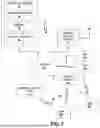


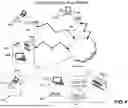


Sources:
- United States Patent and Trademark Office - verify current appl. status at the USPTO↗
Recent applications in this class:
- » 20260051225 2026-02-19
GAME OF CHANCE SYSTEMS AND METHODS - » 20260024416 2026-01-22
GAMING SYSTEMS, DEVICES, AND METHODS FOR CUSTOMIZED COMPETITIVE GAMING - » 20260018029 2026-01-15
GAMING SYSTEMS, DEVICES, AND METHODS FOR CUSTOMIZED COMPETITIVE GAMING - » 20260018028 2026-01-15
NETWORK-BASED GAMEPLAY INTERACTION SYSTEM - » 20250371945 2025-12-04
ASSIGNMENT OF PLAYER GROUPS AND DETERMINATION OF GROUP PAYOUTS - » 20250322727 2025-10-16
Wagering Game Tournament For Distributed Gaming Device Networks - » 20250316144 2025-10-09
METHOD AND SYSTEM FOR SOCIAL CONTESTS - » 20250252822 2025-08-07
MULTI-PLAYER TOURNAMENT WITH SIMULTANEOUS ADDITIONAL POINT ACCUMULATION EVENTS - » 20250201081 2025-06-19
PERSONAL TOURNAMENTS - » 20250191445 2025-06-12
SYSTEM AND METHOD FOR MULTILEVEL AUTONOMOUS TOURNAMENTS
Recent applications for this Assignee:
- » 20250384733 2025-12-18
TECHNIQUES FOR PROVIDING INDIVIDUALIZED FINANCIAL SERVICES AND CONCURRENT MULTI-PLAYER AND MULTI-GAME WAGERING ON A SHARED WAGER-BASED ELECTRONIC GAMING MACHINE - » 20250299536 2025-09-25
SYSTEMS AND METHODS FOR ISSUING, TRACKING, AND REDEEMING ADVANTAGE SPIN CREDITS ACROSS MULTIPLE ELECTRONIC GAMING MACHINES, GAME THEMES, AND VENUES FOR SEAMLESS CROSS-SESSION PLAYER ENGAGEMENT AND PROMOTIONAL INCENTIVES - » 20250299535 2025-09-25
INTELLIGENT ADVANTAGE SPIN TECHNIQUES IMPLEMENTED IN WAGER-BASED GAMES CONDUCTED ON ELECTRONIC GAMING DEVICES