ROTATING FOLDING STRUCTURE FOR FOLDING CHAIR FRAME AND FOLDING CHAIR FRAME AND FOLDING CHAIR THEREOF
US20260083245A1
2026-03-26
19/323,219
2025-09-09
Smart Summary: A new design for a folding chair allows it to be easily opened and closed by rotating several connected support bases. When the chair is unfolded, a special snap-fit mechanism keeps the first two bases from moving around too much, which helps keep the chair stable. The design includes walls that limit how much the other two bases can rotate, adding to the chair's stability. This clever setup means the chair is sturdy when in use and takes up less space when folded. Overall, it combines ease of use with a compact design. 🚀 TL;DR
Abstract:
A rotating folding structure for a folding chair frame, a folding chair frame and a folding chair thereof, it is unfolded and folded by rotating a first rotating support base, a second rotating support base, a third rotating support base, and a fourth rotating support base that are coaxially connected; it has an ingenious design; after the rotating folding structure is unfolded, the first rotating support base and the second rotating support base are limited from mutual rotation by the snap-fit mechanism, through the cooperation of the respective abutment-limiting walls, the rotation of the third rotating support base and the fourth rotating support base can be restricted, ensuring high stability after unfolding and smaller volume after folding.
Applicant:
Interested in similar patents?
Get notified when new applications in this technology area are published.
Classification:
A47C4/286 » CPC main
Foldable, collapsible or dismountable chairs; Folding chairs with flexible coverings for the seat or back elements foldable side to side and front to back, e.g. umbrella type
A47C4/28 IPC
Foldable, collapsible or dismountable chairs Folding chairs with flexible coverings for the seat or back elements
Description
TECHNICAL FIELD
The invention relates to the technical field of daily necessities, in particular to a rotating folding structure for a folding chair frame, a folding chair frame and a folding chair thereof.
BACKGROUND ART
The key features of a folding chair are its collapsible and portable design, making it an essential piece of gear for travelers. The common structure consists of a chair frame and a fabric seat. Some chair frames are made of interconnected metal poles that form a cubic, load-bearing structure capable of being folded. However, the poles on most folding chair frames that have a backrest pole protrude upward from the main frame. This design prevents the backrest pole from being folded, which increases the folding chair's folded volume. For this reason, there is still room for improvement.
The chair frame is constructed by interconnecting metal rods, a process which requires a large number of fasteners such as rivets and screws. To allow for relative movement for metal rods, the assembly holes inevitably have a certain amount of clearance. This clearance causes the interconnected folding chair frame to enter a compressed state when under a load. The greater the clearance, the more severe the compression, which can easily compromise the structure’s overall compressive strength and lead to deformation of the metal rods. This, in turn, affects both the folding function and pressure resistance, and in severe cases, can pose a safety risk. Therefore, there is a need to improve existing folding chair frames.
SUMMARY OF THE INVENTION
Therefore, based on the above background, the invention improves the prior art by providing a rotating folding structure for a folding chair frame, a folding chair frame and a folding chair thereof; it is unfolded and folded by rotating a first rotating support base, a second rotating support base, a third rotating support base, and a fourth rotating support base that are coaxially connected, and supporting rods are connected by horizontal supporting rods and Y-shaped connectors. This not only reduces the folded volume of the chair frame, but also minimizes the interconnection between metal rods, thereby decreasing the possibility of deformation of metal rods, which could otherwise prevent folding and reduce compression resistance. This improves the stability of the structure.
The invention provides the following technical solution:
a rotating folding structure for a folding chair frame, comprising a first rotating support base, a second rotating support base, a third rotating support base and a fourth rotating support base;
the first rotating support base comprises a first base block, a horizontal first upper plate and a horizontal first lower plate are arranged on the first base block;
the second rotating support base comprises a second base block, a horizontal second upper plate and a horizontal second lower plate are arranged on the second base block;
the first upper plate and the first lower plate interlace and insert into the second upper plate and the second lower plate, with the first upper plate located above the second upper plate;
the third rotating support base comprises a third base block, a horizontal third upper plate and a horizontal third lower plate are arranged on the third base block;
the fourth rotating support base comprises a fourth base block, a horizontal fourth upper plate and a horizontal fourth lower plate are arranged on the fourth base block;
the third upper plate and the third lower plate interlace and insert into the fourth upper plate and the fourth lower plate, with the fourth upper plate located above the third upper plate;
the third upper plate, the third lower plate, the fourth upper plate, and the fourth lower plate are partially or fully inserted between the second upper plate and the first lower plate;
the first rotating support base, the second rotating support base, the third rotating support base, and the fourth rotating support base are movably sleeved on a rotating shaft;
the first rotating support base, the second rotating support base, the third rotating support base, and the fourth rotating support base are configure to be unfolded and folded by rotation.
One implementation method is that a first insertion hole is formed on a sidewall of the first base block facing away from the first upper plate, a second insertion hole is formed on a sidewall of the second base block facing away from the second upper plate, a third insertion hole is formed on a sidewall of the third base block facing away from the third upper plate, a fourth insertion hole is formed on a sidewall of the fourth base block facing away from the fourth upper plate.
One implementation method is that a top surface of the first lower plate is provided with a first protrusion, and an end of the first protrusion is provided with a vertical first abutment-limiting sidewall, the first protrusion is provided with a vertical second abutment-limiting side wall along a partial contour of the first lower plate.
One implementation method is that a bottom surface of the second upper plate is provided with a second protrusion, and an end of this second protrusion is provided with a vertical third abutment-limiting sidewall, the second protrusion is provided with a vertical fourth abutment-limiting side wall along a partial contour of the second upper plate;
the fourth abutment-limiting side wall cooperates with a first side wall of the first base block between the first protrusion and the first upper plate;
the second abutment-limiting side wall cooperates with a second side wall of the second base block between the second protrusion and the second lower plate.
One implementation method is that a first extension plate extends from a side of the third lower plate, a top of the first extension plate is provided with a third protrusion, the third protrusion is provided with a fifth abutment-limiting sidewall facing away from the third base block;
the third upper plate extends outwardly to form a first limiting plate, away from the third base block.
One implementation method is that a second extension plate extends from a side of the fourth upper plate, a bottom surface of the second extension plate is provided with a fourth protrusion, the fourth protrusion is provided with a sixth abutment-limiting sidewall, facing away from the fourth base block;
the fourth lower plate extends outwardly to form a second limiting plate, away from the fourth base block;
one side wall of the first limiting plate cooperates with the sixth abutment-limiting sidewall;
one side wall of the second limiting plate cooperates with the fifth abutment-limiting sidewall.
One implementation method is that the other side wall of the first limiting plate cooperates with the first abutment-limiting sidewall, and the other side wall of the second limiting plate cooperates with the third abutment-limiting sidewall.
Based on the same inventive concept, the invention further provides a folding chair frame, comprising the rotating folding structure described above.
One implementation method is that horizontal support rods are fixedly inserted into the first insertion hole, second insertion hole, third insertion hole, and fourth insertion hole;
one horizontal support rod inserted into the first insertion hole is connected to a right rear upper support rod and a right rear lower support foot rod via one Y-shaped connector; one horizontal support rod inserted into the second insertion hole is connected to a left rear upper support rod and a left rear lower support foot rod via one Y-shaped connector, one horizontal support rod inserted into the third insertion hole is connected to a left front upper support rod and a left front lower support foot rod via one Y-shaped connector, one horizontal support rod inserted into the fourth insertion hole is connected to a right front upper support rod and a right front lower support foot rod via one Y-shaped connector.
Based on the same inventive concept, the invention further provides a folding chair, comprising the folding chair frame and a chair fabric described above.
By adopting the above technical solution, the invention has the following advantageous effects:
the invention has a reasonable structure and ingenious design; it is unfolded and folded by rotating a first rotating support base, a second rotating support base, a third rotating support base, and a fourth rotating support base that are coaxially connected, and supporting rods are connected by horizontal supporting rods and Y-shaped connectors. This not only reduces the folded volume of the chair frame, but also minimizes the interconnection between metal rods, thereby decreasing the possibility of deformation of metal rods, which could otherwise prevent folding and reduce compression resistance. This improves the stability of the structure;
after the rotating folding structure is unfolded, the first rotating support base and the second rotating support base are limited from mutual rotation by the snap-fit mechanism, through the cooperation of the respective abutment-limiting walls, the rotation of the third rotating support base and the fourth rotating support base can be restricted, ensuring high stability after unfolding;
furthermore, the support rods and support foot rods of the invention are connected by Y-shaped connectors and elastic connectors, allowing them to be folded and further reducing the folded volume of the chair frame; the right rear upper support rod and left rear upper support rod are made of two-part or multi-part foldable rods, which further reduce the folded volume of the chair frame.
BRIEF DESCRIPTION OF ACCOMPANYING DRAWINGS
In order to explain the technical schemes in the embodiments of the invention or prior art more clearly, the accompanying drawings needed to be used in the description of the embodiments or the prior art will be briefly introduced below. Obviously, the accompanying drawings in the following description are only are some embodiments of the invention. For those of ordinary skill in the art, other accompanying drawings can be obtained based on these accompanying drawings without exerting creative efforts.
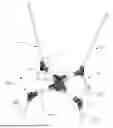
FIG. 1 is a schematic diagram 1 of the rotating folding structure of the invention;
FIG. 2 is a schematic diagram 2 of the rotating folding structure of the invention;
FIG. 3 is a schematic diagram 3 of the rotating folding structure of the invention;
FIG. 4 is a schematic diagram 4 of the rotating folding structure of the invention.
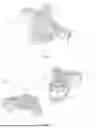
FIG. 5 is a schematic diagram 1 of the cooperative structure between the first and second rotating support bases according to the invention.
FIG. 6 is a schematic diagram 2 of the cooperative structure between the second structural arrangement of the first and second rotating support bases according to the invention.
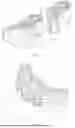
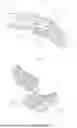
FIG. 7 is a schematic diagram 1 of the first and second rotating support bases according to the invention.
FIG. 8 is a schematic diagram 2 of the first and second rotating support bases according to the invention.
FIG. 9 is a schematic diagram 3 of the first and second rotating support bases according to the invention.
FIG. 10 is a schematic diagram 1 of the cooperative structure between the third and fourth rotating support bases according to the invention;
FIG. 11 is a schematic diagram 2 of the cooperative structure between the third and fourth rotating support bases according to the invention;
FIG. 12 is a schematic diagram 1 of the structure of the third and fourth rotating support bases according to the invention;
FIG. 13 is a schematic diagram 2 of the structure of the third and fourth rotating support bases according to the invention;
FIG. 14 is a schematic diagram 3 of the structure of the third and fourth rotating support bases according to the invention;
FIG. 15 is a schematic diagram 3 of the cooperative structure between the third and fourth rotating support bases according to the invention;
FIG. 16 is a schematic diagram 4 of the structure of the third and fourth rotating support bases according to the invention;
FIG. 17 is a schematic diagram 5 of the structure of the third and fourth rotating support bases according to the invention;
FIG. 18 is a schematic diagram of the cooperative structure between the second and third rotating supports according to the invention;
FIG. 19 is a schematic diagram 5 of the rotating folding structure of the invention;
FIG. 20 is a schematic diagram 6 of the rotating folding structure of the invention;
FIG. 21 is a schematic diagram 1 of the rotating folding structure of the invention during folding;
FIG. 22 is a schematic diagram 2 of the rotating folding structure of the invention during folding;
FIG. 23 is a schematic diagram 1 of the rotating folding structure of the invention after folding;
FIG. 24 is a schematic diagram 2 of the rotating folding structure of the invention after folding;
FIG. 25 is a schematic diagram 1 of the chair frame structure of the invention;
FIG. 26 is an enlarged structural view of the circled portion of FIG. 25;
FIG. 27 is a schematic diagram 1 of the chair frame of the invention in a folded state;
FIG. 28 is a schematic diagram 2 of the chair frame of the invention in a folded state;
FIG. 29 is a schematic diagram 3 of the chair frame of the invention in a folded state;
FIG. 30 is a schematic diagram 4 of the chair frame of the invention in a folded state;
FIG. 31 is a schematic diagram 2 of the chair frame structure of the invention;
FIG. 32 is a schematic diagram of the folding chair structure of the invention.
SPECIFIC EMBODIMENT OF THE INVENTION
In order to make the objects, technical schemes and advantages of the embodiments of the invention clearer, the technical schemes in the embodiments of the invention will be clearly and completely described below in combination with the accompanying drawings in the embodiments of the invention, obviously, the described embodiments are some, but not all embodiments of the invention. The components of the embodiments of the invention generally described and illustrated in the drawings herein may be arranged and designed in a variety of different configurations.
The embodiments of the invention are described in detail below. Examples of the embodiments are shown in the accompanying drawings, wherein the same or similar reference numerals throughout represent the same or similar elements or elements having the same or similar functions. In the description of this invention, it should be understood that the orientation or positional relationship indicated by the terms “upper”, “lower”, “front”, “back”, “left”, “right”, “inner”, “outer”, “vertical”, “circumferential”, and so on are based on the orientation or positional relationship shown in the accompanying drawings, only for the convenience of describing the invention and simplifying the description, rather than indicating or implying that the indicated device or element must have a specific orientation, as well as a specific orientation structure and operation, therefore, it should not be construed as a limitation of the invention.
In the description of the invention, “first feature” or “second feature” may include one or more of such features. Furthermore, the terms “first” and “second” are used solely for descriptive purposes and should not be construed as indicating or implying relative importance or implicitly specifying the number of technical features being described. Therefore, features defined as “first" or “second” may explicitly or implicitly include one or more of such features.
The invention is further described below with reference to the accompanying drawings.
Embodiment 1: please refer to FIGS. 1 to 24, a rotating folding structure for a folding chair frame comprises a first rotating support base 1, a second rotating support base 2, a third rotating support base 3 and a fourth rotating support base 4; the first rotating support base 1 comprises a first base block 11, a horizontal first upper plate 12 and a horizontal first lower plate 13 are arranged on the first base block 11; the second rotating support base 2 comprises a second base block 21, a horizontal second upper plate 22 and a horizontal second lower plate 23 are arranged on the second base block 21; the first upper plate 12 and the first lower plate 13 interlace and insert into the second upper plate 22 and the second lower plate 23, with the first upper plate 12 located above the second upper plate 22; the third rotating support base 3 comprises a third base block 31, a horizontal third upper plate 32 and a horizontal third lower plate 33 are arranged on the third base block 31; the fourth rotating support base 4 comprises a fourth base block 41, a horizontal fourth upper plate 42 and a horizontal fourth lower plate 43 are arranged on the fourth base block 41; the third upper plate 32 and the third lower plate 33 interlace and insert into the fourth upper plate 42 and the fourth lower plate 43, with the fourth upper plate 42 located above the third upper plate 32; the third upper plate 32, the third lower plate 33, the fourth upper plate 42, and the fourth lower plate 43 are partially or fully inserted between the second upper plate 22 and the first lower plate 13;
the first rotating support base 1, the second rotating support base 2, the third rotating support base 3, and the fourth rotating support base 4 are movably sleeved on a rotating shaft 5;
specifically, the corresponding upper and lower plates of the first rotating support base 1, the second rotating support base 2, the third rotating support base 3, and the fourth rotating support base 4 are sleeved on the rotating shaft 5, the rotating shaft 5 is configured as a screw, rivet, or other fastener, two ends of the rotating shaft can rotate and be mounted on the first upper plate and the second lower plate, respectively, or, as shown in FIG. 1, the rotating shaft passes through the first upper plate and the second lower plate, with limiting head plates at both ends.
The first rotating support base 1, the second rotating support base 2, the third rotating support base 3, and the fourth rotating support base 4 are configure to be unfolded and folded by rotation.
FIGS. 1 to 20 show a schematic of the rotating folding structure in an unfolded state, while FIGS. 23 and 24 show a schematic of the rotating folding structure in a folded state.
A first insertion hole 111 is formed on a sidewall of the first base block 11 facing away from the first upper plate 12, a second insertion hole 211 is formed on a sidewall of the second base block 21 facing away from the second upper plate 22, a third insertion hole 311 is formed on a sidewall of the third base block 31 facing away from the third upper plate 33, a fourth insertion hole 411 is formed on a sidewall of the fourth base block 41 facing away from the fourth upper plate 42. The first insertion hole 111, second insertion hole 211, third insertion hole 311 and fourth insertion hole 411 are used for fixing and inserting a horizontal support rod 140.
In some embodiments, a top surface of the first lower plate 13 is provided with a first protrusion 15, and an end of the first protrusion 15 is provided with a vertical first abutment-limiting sidewall 151, the first protrusion 15 is provided with a vertical second abutment-limiting side wall 152 along a partial contour of the first lower plate 13. A bottom surface of the second upper plate 22 is provided with a second protrusion 25, and an end of this second protrusion 25 is provided with a vertical third abutment-limiting sidewall 251, the second protrusion 25 is provided with a vertical fourth abutment-limiting side wall 252 along a partial contour of the second upper plate 22, the fourth abutment-limiting side wall 252 cooperates with a first side wall 14 of the first base block 11 between the first protrusion 15 and the first upper plate 12, as shown in FIG. 5; the second abutment-limiting side wall 152 cooperates with a second side wall 24 of the second base block 21 between the second protrusion 25 and the second lower plate 23, as shown in FIG. 6. Specifically, as shown in the figure, the fourth abutment-limiting side wall 252 cooperates with the first side wall 14 of the first base block 11 between the first protrusion 15 and the first upper plate 12, which means that when the rotating folding structure is unfolded, the fourth abutment-limiting side wall 252 abuts (contacts) with the first sidewall 14 to limit the relative rotation of the first support base and second support base. Similarly, when the rotating folding structure is unfolded, the second abutment-limiting side wall 152 abuts (contacts) with the second side wall 24 to limit the relative rotation of the first support base and second support base.
In other embodiments, as shown in FIGS. 2 to 5, the first upper plate and the first lower plate each is provided with a first U-shaped plate located away from the second base block, the first U-shaped plate is connected to the second base block by a first connecting plate, a left side plate of the first U-shaped plate extends to the right at an angle greater than 90 and less than 180 degrees, forming a side plate of the first connecting plate, an upper edge line of the side plate is straight, and a right side plate of the first U-shaped plate extends at an angle greater than 90 and less than 180 degrees, connecting with the base block, both the first U-shaped plate and the side plate of the connecting plate are rounded at their connection points. The "left" and "right" mentioned above and hereinafter refer to the orientations shown in FIG. 1. The second upper plate and the second lower plate each is provided with a second U-shaped plate located away from the second base block, the second U-shaped plate is connected to the second base block by a second connecting plate, a right side plate of the second U-shaped plate extends to the left at an angle greater than 90 and less than 180 degrees, forming a side plate of the first connecting plate, a lower edge line of the side plate is straight, and a left side plate of the second U-shaped plate extends at an angle greater than 90 and less than 180 degrees, connecting with the base block, both the second U-shaped plate and the side plate of the connecting plate are rounded at their connection points.
Specifically, as shown in FIGS. 3 and 7, a top surface of the second upper plate 21 is provided with first grooves 221; after the rotating folding structure is unfolded, the first side plate 121 of the first connecting plate of the first upper plate abuts against a side wall of the first grooves 221 to perform a limiting function.
As shown in FIG. 4, a bottom surface of the second lower plate 23 is provided with second grooves 131; after the rotating folding structure is unfolded, the second side plate 231 of the second connecting plate of the second lower plate abuts against a side wall of the second grooves 131 to perform a limiting function.
In some embodiments, a snap plate 6 is rotatably mounted on the first rotating support base via an axis, one end of the snap plate is provided with a snap hole, the second rotating support base is provided with a snap shaft, which is adapted to the snap hole, the snap shaft is fixed to the second rotating support base.
In some embodiments, a first extension plate 331 extends from a side of the third lower plate 33, a top of the first extension plate 331 is provided with a third protrusion 34, the third protrusion 34 is provided with a fifth abutment-limiting sidewall 341 facing away from the third base block 31; the third upper plate 32 extends outwardly to form a first limiting plate 32, away from the third base block 31. A second extension plate 421 extends from a side of the fourth upper plate 42, a bottom surface of the second extension plate 421 is provided with a fourth protrusion 44, the fourth protrusion 44 is provided with a sixth abutment-limiting sidewall 441, facing away from the fourth base block 41; the fourth lower plate 43 extends outwardly to form a second limiting plate 431, away from the fourth base block.
Specifically, the third upper plate, the third lower plate, the fourth upper plate, and the fourth lower plate are arc-shaped plates with an angle greater than 180 degrees. The arc-shaped plates and extension plates, as well as the limiting plates and arc-shaped plates, form near-L-shaped clearance openings that correspond to and fit the first and second protrusions.
One side wall of the first limiting plate 321 cooperates with the sixth abutment-limiting sidewall 441, as shown in FIG. 11; one side wall of the second limiting plate 431 cooperates with the fifth abutment-limiting sidewall, as shown in FIG. 10. The other side wall of the first limiting plate 321 cooperates with the first abutment-limiting sidewall 151, and the other side wall of the second limiting plate 431 cooperates with the third abutment-limiting sidewall 251, as shown in FIGS. 10 and 11. After the rotating folding structure is unfolded, the first and second rotating support bases are limiting to rotating relative to each other by buckles; through the mutual abutment and cooperation between the upper limiting plate, extension plates and first and second protrusions, the rotation of the third and fourth rotating support bases is restricted. This clever structural design enhances the stability of the unfolded rotating folding structure.
FIGS. 20 to 24 show process states and a final state of the rotating folding structure from FIG. 1 from unfolding to folding. FIGS. 20 to 21 show a process in which the snap plate is detached from the snap shaft, and the bases of the first and second rotating support bases rotate away from each other. When the base of the first rotating support base rotates to the fourth rotating support base, continued rotation will cause the first rotating support base to push the base of the fourth rotating support base toward the third rotating support base; when the base of the second rotating support base rotates to the third rotating support base, continued rotation will cause the second rotating support base to push the base of the third rotating support base toward the fourth rotating support base. Thus, the bases of the third and fourth rotating support bases rotate in opposite directions under the rotation of the second and first rotating support bases, ultimately reaching the folded state shown in FIGS. 23 and 24.
When transitioning from the folded state shown in FIGS. 23 and 24 to the unfolded state shown in FIG. 1, the bases of the first and second rotating mechanisms rotate away from each other; after the first rotating support base rotates to a certain angle, the first abutment-limiting sidewall of the first protrusion contacts the second limiting plate 431 of the fourth rotating support base, continued rotation will cause the fourth rotating support base to rotate; when the second rotating support base rotates to a certain angle, the third abutment-limiting sidewall of the second protrusion contacts the first limiting plate of the third rotating support base, continued rotation will cause the third rotating support base to rotate, ultimately reaching the unfolded state shown in FIG. 1. The snap plate is then used to engage the snap hole with the snap shaft, completing the unfolding process. This mechanism allows the rotation of the first and second rotating support bases to drive the bases of the third and fourth rotating support bases to rotate in opposite directions, thereby unfolding the rotating folding structure.
In some embodiments, the first rotating support base, second rotating support base, third rotating support base, and fourth rotating support base are configure to be integrally formed, but this is not limited to the above implementation.
Embodiment 2: according to FIGS. 1 to 31, a chair frame comprises the rotating folding structure of Embodiment 1, horizontal support rods 140 are fixedly inserted into the first insertion hole 111, second insertion hole 211, third insertion hole 311, and fourth insertion hole 411 (specifically, after the horizontal support rod is inserted into the first, second, and third insertion holes, it can be fixed by bolts); one horizontal support rod inserted into the first insertion hole 111 is connected to a right rear upper support rod 8 and a right rear lower support foot rod 9 via one Y-shaped connector 7; one horizontal support rod inserted into the second insertion hole 211 is connected to a left rear upper support rod 5 and a left rear lower support foot rod 6 via one Y-shaped connector 7, one horizontal support rod inserted into the third insertion hole 311 is connected to a left front upper support rod 100 and a left front lower support foot rod 110 via one Y-shaped connector 7, one horizontal support rod inserted into the fourth insertion hole 411 is connected to a right front upper support rod 120 and a right front lower support foot rod 130 via one Y-shaped connector 7. Each Y-shaped connector comprises three hollow cylindrical bodies, end portions of the right rear upper support rod 8, right rear lower support foot rod 9, left rear upper support rod 5, left rear lower support foot rod 6, left front upper support rod 100, left front lower support foot rod 110, right front upper support rod 120, and right front lower support foot rod 130 are inserted into the cylindrical bodies.
Each Y-shaped connector comprises three hollow cylindrical bodies.
One end of each horizontal support rod is fixedly inserted into the corresponding insertion hole of the rotating folding structure, while the other end is fixedly inserted into one of the cylindrical bodies of the Y-shaped connector, for example, by using bolts to the fix horizontal support rod in the Y-shaped connector or the corresponding insertion hole of the rotating folding structure.
There can be another embodiment where the horizontal support rod connecting the right rear upper support rod 8 and right rear lower support foot rod 9, and the horizontal support rod connecting the left rear upper support rod 5 and left rear lower support foot rod 6 (i.e., the horizontal support rods at the rear) have the same length, and they are longer than the other two horizontal support rods (i.e., the horizontal support rods at the front), the other horizontal support rods (i.e., the horizontal support rod connecting the left front upper support rod 100 and left front lower support foot rod 110, and the horizontal support rod connecting the right front upper support rod 120, and right front lower support foot rod 130) have the same length. This setup allows the Y-shaped connector to align when the chair frame is folded, thus reducing its volume. Furthermore, longer back rods (i.e., right rear upper support rod 8 and left rear upper support rod 5) create a larger leverage effect when force is applied, so the horizontal support rods at the front are made shorter to counteract this.
The right rear upper support rod 8, right rear lower support foot rod 9, left rear upper support rod 5, left rear lower support foot rod 6, left front upper support rod 100, left front lower support foot rod 110, right front upper support rod 120, and right front lower support foot rod 130 are partially or fully hollow rods. The right rear upper support rod 8, right rear lower support foot rod 9, left rear upper support rod 5, left rear lower support foot rod 6, left front upper support rod 100, left front lower support foot rod 110, right front upper support rod 120, and right front lower support foot rod 130 are connected via the Y-shaped connectors 7 and elastic connectors 150. Specifically, one end of the elastic connectors 150 is connected to ends of the right rear upper support rod 8, right rear lower support foot rod 9, left rear upper support rod 5, left rear lower support foot rod 6, left front upper support rod 100, left front lower support foot rod 110, right front upper support rod 120, and right front lower support foot rod 130, and the other end is connected to the cylindrical bodies of the Y-shaped connectors. For example, bolts are configured to be used to connect the corresponding rods or cylindrical bodies, or connection rings are arranged on the rods or cylindrical bodies, the connection rings are configured to be used to connect, the implementation is not limited to the above; of course, using the elastic connectors, such as a spring rope or a spring or an elastic rope, to connect the rod bodies or the cylinder bodies is a conventional way, and will not be described in detail herein. As shown in FIGS. 25 and 26, the mouths of the cylindrical bodies of the Y-shaped connectors are provided with clearance notches 71 corresponding to the elastic connectors.
More specifically, the right rear upper support rod 8 and left rear upper support rod 5 are two-piece foldable rods, each consisting of an upper rod and a lower rod. The upper rod is snapped into the lower rod, and the lower rod is snapped into the cylindrical body. An elastic connector 150 is connected between the upper and lower rods.
In this embodiment, by snapping the right rear upper support rod 8, right rear lower support foot rod 9, left rear upper support rod 5, left rear lower support foot rod 6, left front upper support rod 100, left front lower support foot rod 110, right front upper support rod 120, and right front lower support foot rod 130 into the cylindrical bodies, the rods can be folded, as shown in FIG. 29. The use of elastic connectors to connect them to the cylindrical bodies facilitates folding and prevents loss.
The right rear upper support rod 8 and left rear upper support rod 5 serve as back rods and are foldable into two pieces, further reducing the volume after folding.
In specific applications, the right rear upper support rod 8 and left rear upper support rod 5 are configured to be more than two pieces, such as in three-piece or four-piece versions, to further reduce the folded volume.
Additionally, another embodiment can be where one horizontal support rod is provided with a Velcro strap. Specifically, one side of the Velcro strap is soft, and the other side is hooked, with one end of the Velcro strap wrapped around the horizontal support rods and secured by the interaction between the soft and hooked sides. The other end wraps around the folded support rods, where the soft and hooked sides bond to prevent the chair frame from rotating and unfolding without human intervention when in the folded state as shown in FIG. 30.
Embodiment 3: a chair frame according to FIGS. 1 to 31, in this embodiment compared with Embodiment 1 or 2, the horizontal support rods are detachably clipped with first pipe clips 170 and second pipe clips 160, each first pipe clip 170 comprises a first clamp ring for clipping onto the horizontal support rod, a second clamp ring is located above the first clamp ring, and a third clamp ring is located below the first clamp ring, the first pipe clips 170 are respectively detachably clipped onto the horizontal support rods, which are respectively connected to the first rotating support base and the second rotating support base and located at a rear of the chair frame, so as to be adapt to the clamping and fixing of the folded right rear upper support rod 8, right rear lower support foot rod 9, left rear upper support rod 5, and left rear lower support foot rod 6.
Each second pipe clip 160 comprises a fourth clamp ring for clipping onto the horizontal support rod, a fifth clamp ring is arranged above the fourth clamp ring, and a sixth clamp ring is arranged below the fourth clamp ring, the second pipe clips are respectively detachably clipped onto the horizontal support rods, which are connected to the third rotating support base and the fourth rotating support base and located at the rear of the chair frame, so as to be adapt to the clamping and fixing of the folded front upper support rod 100, left front lower support foot rod 110, right front upper support rod 120, and right front lower support foot rod 130.
In some embodiments, the first pipe clips and the second pipe clips are made from materials with a certain ability for slight deformation, such as hard rubber, metal, or plastic.
FIG. 25 shows a state of the chair frame when unfolded, FIG. 27 shows a state after rotating and folding the rotating folding structure, FIG. 28 shows a state after flipping and folding, with the upper support rods or lower support foot rods, except for the right rear upper support rod 8 and left rear upper support rod 5, detached from the cylindrical bodies of the Y-shaped connectors, FIG. 29 shows a state after flipping and folding after ends of the right rear upper support rod 8 and left rear upper support rod 5 are detached from the cylindrical bodies of the Y-shaped connectors, and FIG. 30 shows a state after flipping and folding after the upper rods of the right rear upper support rod 8 and left rear upper support rod 5 are detached from the lower rods.
Embodiment 4: a folding chair according to FIGS. 1 to 32, in this embodiment, comprises the chair frame of Embodiment 2 or Embodiment 3, and a chair fabric 180, a back of the chair fabric is respectively provided with sleeves 1801 that fit onto the right rear upper support rod 8, left rear upper support rod 5, left front upper support rod 100, and right front upper support rod 120.
Based on Embodiment 3, the chair fabric is provided with a chair bag to hold the first pipe clips and second pipe clips.
The chair fabric is made from elastic fabric.
In this embodiment, when the folding chair is folded, the chair fabric is configured to be removed for folding, or it is configured to be remain attached without removal and still be folded.
The invention and its embodiments are described above, this description is not restrictive, and what is shown in the accompanying drawing is only one of the embodiments of the invention, and the actual structure is not limited to this. All in all, if those skilled in the art receives its enlightenment, without deviating from the object of the invention, and without creatively designing structures and embodiments similar to the technical scheme of the invention shall fall within the protection scope of the invention.
Claims
1. A rotating folding structure for a folding chair frame, comprising a first rotating support base, a second rotating support base, a third rotating support base and a fourth rotating support base;
the first rotating support base comprises a first base block, a horizontal first upper plate and a horizontal first lower plate are arranged on the first base block;
the second rotating support base comprises a second base block, a horizontal second upper plate and a horizontal second lower plate are arranged on the second base block;
the first upper plate and the first lower plate interlace and insert into the second upper plate and the second lower plate, with the first upper plate located above the second upper plate;
the third rotating support base comprises a third base block, a horizontal third upper plate and a horizontal third lower plate are arranged on the third base block;
the fourth rotating support base comprises a fourth base block, a horizontal fourth upper plate and a horizontal fourth lower plate are arranged on the fourth base block;
the third upper plate and the third lower plate interlace and insert into the fourth upper plate and the fourth lower plate, with the fourth upper plate located above the third upper plate;
the third upper plate, the third lower plate, the fourth upper plate, and the fourth lower plate are partially or fully inserted between the second upper plate and the first lower plate;
the first rotating support base, the second rotating support base, the third rotating support base, and the fourth rotating support base are movably sleeved on a rotating shaft;
the first rotating support base, the second rotating support base, the third rotating support base, and the fourth rotating support base are configured to be unfolded and folded by rotation.
2. The rotating folding structure for the folding chair frame of claim 1, wherein a first insertion hole is formed on a sidewall of the first base block facing away from the first upper plate, a second insertion hole is formed on a sidewall of the second base block facing away from the second upper plate, a third insertion hole is formed on a sidewall of the third base block facing away from the third upper plate, a fourth insertion hole is formed on a sidewall of the fourth base block facing away from the fourth upper plate.
3. The rotating folding structure for the folding chair frame of claim 2, wherein a top surface of the first lower plate is provided with a first protrusion, and an end of the first protrusion is provided with a vertical first abutment-limiting sidewall, the first protrusion is provided with a vertical second abutment-limiting side wall along a partial contour of the first lower plate.
4. The rotating folding structure for the folding chair frame of claim 3, wherein a bottom surface of the second upper plate is provided with a second protrusion, and an end of this second protrusion is provided with a vertical third abutment-limiting sidewall, the second protrusion is provided with a vertical fourth abutment-limiting side wall along a partial contour of the second upper plate;
the fourth abutment-limiting side wall cooperates with a first side wall of the first base block between the first protrusion and the first upper plate;
the second abutment-limiting side wall cooperates with a second side wall of the second base block between the second protrusion and the second lower plate.
5. The rotating folding structure for the folding chair frame of claim 4, wherein a first extension plate extends from a side of the third lower plate, a top of the first extension plate is provided with a third protrusion, the third protrusion is provided with a fifth abutment-limiting sidewall facing away from the third base block;
the third upper plate extends outwardly to form a first limiting plate, away from the third base block.
6. The rotating folding structure for the folding chair frame of claim 5, wherein a second extension plate extends from a side of the fourth upper plate, a bottom surface of the second extension plate is provided with a fourth protrusion, the fourth protrusion is provided with a sixth abutment-limiting sidewall, facing away from the fourth base block;
the fourth lower plate extends outwardly to form a second limiting plate, away from the fourth base block;
one side wall of the first limiting plate cooperates with the sixth abutment-limiting sidewall;
one side wall of the second limiting plate cooperates with the fifth abutment-limiting sidewall.
7. The rotating folding structure for the folding chair frame of claim 6, wherein the other side wall of the first limiting plate cooperates with the first abutment-limiting sidewall, and the other side wall of the second limiting plate cooperates with the third abutment-limiting sidewall.
8. The folding chair frame, comprising the rotating folding structure described in claim 1.
9. The folding chair frame of claim 8, wherein horizontal support rods are fixedly inserted into the first insertion hole, second insertion hole, third insertion hole, and fourth insertion hole;
one horizontal support rod inserted into the first insertion hole is connected to a right rear upper support rod and a right rear lower support foot rod via one Y-shaped connector; one horizontal support rod inserted into the second insertion hole is connected to a left rear upper support rod and a left rear lower support foot rod via one Y-shaped connector, one horizontal support rod inserted into the third insertion hole is connected to a left front upper support rod and a left front lower support foot rod via one Y-shaped connector, one horizontal support rod inserted into the fourth insertion hole is connected to a right front upper support rod and a right front lower support foot rod via one Y-shaped connector.
10. A folding chair, comprising the folding chair frame and a chair fabric described in claim 8.
Images & Drawings included:





Sources:
- United States Patent and Trademark Office - verify current appl. status at the USPTO↗
Recent applications in this class:
- » 20260047682 2026-02-19
FOLDABLE FRAME - » 20260033635 2026-02-05
BEACH CHAIR FRAME - » 20260026626 2026-01-29
UNLOCKING DEVICE FOR FOLDABLE CHAIR AND FOLDABLE CHAIR WITH UNLOCKING DEVICE - » 20250344864 2025-11-13
PORTABLE TRAVEL SEAT - » 20250318646 2025-10-16
FOLDING CHAIR FRAME AND FOLDING CHAIR THEREOF - » 20250194803 2025-06-19
FOLDABLE SEAT FRAME - » 20250176724 2025-06-05
Portable Chair - » 20250169608 2025-05-29
Folding Rocking Chair - » 20250151910 2025-05-15
FOLDING CHAIR BRACKET AND FOLDING CHAIR - » 20250143467 2025-05-08
Folding Chair with Back Angle Adjustment Structure