Fluid Dispenser with Rotating Pump
US20260090682A1
2026-04-02
19/341,698
2025-09-26
Smart Summary: A fluid dispenser uses a pump with a special design. It has a piston that can move back and forth inside a chamber. There is also a part called a piston rotator that can change its size and rotates as it moves. When the rotator changes size, it helps the piston move from one position to another. This design allows for better control of how the fluid is dispensed. 🚀 TL;DR
Abstract:
A fluid pump having a piston chamber forming body; a piston member that is moveable along a piston axis relative to the piston chamber forming body between an extended position and a retracted position; and a piston rotator that is moveable along the piston axis relative to the piston chamber forming body between an expanded position and a contracted position. When the piston rotator is moved between the expanded position and the contracted position, the piston rotator rotates about the piston axis relative to the piston chamber forming body. On movement of the piston rotator from the expanded position to the contracted position, the piston rotator rotates the piston member about the piston axis relative to the piston chamber forming body from a loading position to an engagement position.
Inventors:
- Heiner Ophardt 142 🇨🇭 Arisdorf, Switzerland
- ANDREW JONES 36 🇨🇦 ST. ANNS, Canada
- Tony SHI 2 🇨🇦 Hamilton, Canada
Applicant:
Interested in similar patents?
Get notified when new applications in this technology area are published.
Classification:
A47K5/1211 » CPC main
Holders or dispensers for soap, toothpaste, or the like; Dispensers for soap for liquid or pasty soap using pressure on soap, e.g. with piston
A47K5/14 » CPC further
Holders or dispensers for soap, toothpaste, or the like Foam or lather making devices
A47K5/12 IPC
Holders or dispensers for soap, toothpaste, or the like; Dispensers for soap for liquid or pasty soap
Description
RELATED APPLICATION
This application claims priority to the 1 Oct. 2024 filing date of United States Provisional Patent Application Serial No. 63/701682, which is incorporated herein by reference.
FIELD OF THE INVENTION
This invention relates to hand cleaning fluid dispensers, and more particularly to dispensers that have a lock-out mechanism.
BACKGROUND OF THE INVENTION
It is known to place hand cleaning fluid dispensers at various locations throughout a facility in order to facilitate and encourage hand cleaning. Hand cleaning fluid dispensers often have a permanent housing that is mounted to a structure, such as a wall or a post, and which is configured to receive a replaceable cartridge containing a supply of the fluid to be dispensed. Typically, the cartridge includes a fluid reservoir containing the fluid and a fluid pump for dispensing the fluid. When the supply of fluid within the reservoir is depleted, the cartridge is removed from the housing and replaced with a new cartridge.
It is often desirable to provide hand cleaning fluid dispensers with lock-out mechanisms that prevent the use of unauthorized or knock-off cartridges. Examples of previously known lock-out mechanisms are described, for example, in U.S. Pat. No. 8,622,243 to Ophardt et al., issued Jan. 7, 2014; U.S. Pat. No. 8,113,388 to Ophardt et al., issued Feb. 14, 2012; and U.S. Pat. No. 9,205,438 to Ophardt et al., issued Dec. 8, 2015, which are incorporated herein by reference.
SUMMARY OF THE INVENTION
The applicant has appreciated the need for additional new lock-out mechanisms for preventing the use of unauthorized or knock-off cartridges.
Accordingly, in one aspect the present invention provides a fluid dispenser having a fluid pump for dispensing a fluid, and a dispenser housing. The fluid pump includes a piston chamber forming body, a piston member that is moveable along a piston axis relative to the piston chamber forming body between an extended position and a retracted position, and a piston rotator that is moveable along the piston axis relative to the piston chamber forming body between an expanded position and a contracted position.
When the piston rotator is moved between the expanded position and the contracted position, the piston rotator rotates about the piston axis relative to the piston chamber forming body. The piston rotator is preferably coupled to the piston member to prevent rotational movement of the piston member relative to the piston rotator, while permitting axial movement of the piston member relative to the piston rotator. On movement of the piston rotator from the expanded position to the contracted position, the piston rotator rotates the piston member about the piston axis relative to the piston chamber forming body from a loading position to an engagement position.
The dispenser housing includes a lock-out body with a rotator engagement surface and a piston receiving opening; a piston engagement body; and a pump activation mechanism that, on activation of the fluid dispenser, moves the piston engagement body between a first position and a second position. The piston member has a keyed portion that is configured to pass through the piston receiving opening when the piston member is in the loading position.
On assembly of the fluid dispenser, the fluid pump is moved relative to the dispenser housing from a disassembled condition to an assembled condition. On movement of the fluid pump from the disassembled condition to the assembled condition: the keyed portion of the piston member is passed through the piston receiving opening while the piston member is in the loading position; and the piston rotator engages with the rotator engagement surface, which moves the piston rotator from the expanded position to the contracted position, rotating the piston member from the loading position to the engagement position after the keyed portion of the piston member has passed through the piston receiving opening.
When the fluid pump is in the assembled condition and the fluid dispenser is activated, the piston engagement body moves between the first position and the second position, engaging with the piston member and moving the piston member between the extended position and the retracted position, which causes the fluid pump to dispense the fluid.
The applicant has appreciated that the fluid dispenser in accordance with the present invention provides a useful lock-out mechanism, which for example would prevent at least some unauthorized fluid pumps from being inserted into the dispenser housing. For example, an unauthorized fluid pump that lacks a piston rotator would be unable to rotate the piston member from the loading position to the engagement position after passing through the piston receiving opening.
In preferred embodiments of the invention, the keyed portion of the piston member is unable to pass through the piston receiving opening when the piston member is in the engagement position, and the piston member is unable to engage with the piston engagement body when the piston member is in the loading position. These features preferably further increase the effectiveness of the lock-out mechanism in preventing the use of unauthorized pumps.
In preferred embodiments of the invention, the keyed portion of the piston member has an oval shape, and the piston receiving opening has a complimentary oval shape, though any suitable shape could be used.
Further aspects of the invention include:
A fluid pump, which optionally incorporates one or more features of any one or more of the preceding and/or following aspects, comprising: a piston chamber forming body; a piston member that is moveable along a piston axis relative to the piston chamber forming body between an extended position and a retracted position; and a piston rotator that is moveable along the piston axis relative to the piston chamber forming body between an expanded position and a contracted position; wherein, when the piston rotator is moved between the expanded position and the contracted position, the piston rotator rotates about the piston axis relative to the piston chamber forming body; wherein, on movement of the piston rotator from the expanded position to the contracted position, the piston rotator rotates the piston member about the piston axis relative to the piston chamber forming body from a loading position to an engagement position; and wherein the fluid pump is configured to dispense fluid on movement of the piston member between the extended position and the retracted position.
A fluid pump, which optionally incorporates one or more features of any one or more of the preceding and/or following aspects, wherein the piston rotator is coupled to the piston member to effect rotational movement of the piston member relative to the piston chamber forming body, while permitting axial movement of the piston member relative to the piston rotator.
A fluid pump, which optionally incorporates one or more features of any one or more of the preceding and/or following aspects, wherein the piston member has a keyed portion that, when viewed in cross-section perpendicular to the piston axis, is non-circular.
A fluid pump, which optionally incorporates one or more features of any one or more of the preceding and/or following aspects, wherein the keyed portion is rigid.
A fluid pump, which optionally incorporates one or more features of any one or more of the preceding and/or following aspects, wherein the keyed portion has an oval shape.
A fluid pump, which optionally incorporates one or more features of any one or more of the preceding and/or following aspects, wherein the piston member has a neck portion that is axially closer to the piston chamber forming body than the keyed portion is to the piston chamber forming body.
A fluid pump, which optionally incorporates one or more features of any one or more of the preceding and/or following aspects, wherein the neck portion is cylindrical.
A fluid pump, which optionally incorporates one or more features of any one or more of the preceding and/or following aspects, wherein the piston rotator has a housing engagement surface that faces away from the piston chamber forming body.
A fluid pump, which optionally incorporates one or more features of any one or more of the preceding and/or following aspects, wherein the piston rotator is moveable from the expanded position to the contracted position by applying a force to the housing engagement surface that is directed axially towards the piston chamber forming body.
A fluid pump, which optionally incorporates one or more features of any one or more of the preceding and/or following aspects, wherein the housing engagement surface is axially closer to the piston chamber forming body than the keyed portion is to the piston chamber forming body.
A fluid pump, which optionally incorporates one or more features of any one or more of the preceding and/or following aspects, wherein the fluid pump is connected to a fluid reservoir containing a supply of the fluid.
A fluid pump, which optionally incorporates one or more features of any one or more of the preceding and/or following aspects, further comprising a rotator bias member, which biases the piston rotator towards the expanded position.
A fluid pump, which optionally incorporates one or more features of any one or more of the preceding and/or following aspects, further comprising a piston bias member, which biases the piston member towards the extended position.
A fluid pump, which optionally incorporates one or more features of any one or more of the preceding and/or following aspects, wherein the piston chamber forming body comprises a cylindrical piston chamber wall having at least one pin that extends radially outwardly from the piston chamber wall; wherein the piston rotator comprises a cylindrical rotator wall having at least one rotator channel that extends diagonally through the rotator wall; wherein the at least one pin extends radially through the at least one rotator channel; and wherein, on movement of the piston rotator from the expanded position to the contracted position, the at least one pin moves axially relative to the at least one rotator channel, which causes the piston rotator to rotate about the piston axis relative to the piston chamber forming body.
A fluid pump, which optionally incorporates one or more features of any one or more of the preceding and/or following aspects, wherein the piston rotator comprises at least one rotator shaft that extends axially; wherein the piston member comprises at least one piston channel that extends axially; wherein the at least one rotator shaft is received by the at least one piston channel; and wherein, on movement of the piston rotator from the expanded position to the contracted position, the at least one rotator shaft rotates about the piston axis, engaging with the at least one piston channel and causing the piston member to rotate about the piston axis from the loading position to the engagement position.
A fluid pump, which optionally incorporates one or more features of any one or more of the preceding and/or following aspects, wherein the piston member is moveable axially relative to the piston chamber forming body between the extended position and the retracted position while the piston rotator remains stationary relative to the piston chamber forming body.
A fluid pump, which optionally incorporates one or more features of any one or more of the preceding and/or following aspects, wherein the piston rotator is moveable relative to the piston chamber forming body between the expanded position and the contracted position without moving the piston member axially relative to the piston chamber forming body.
A fluid dispenser, which optionally incorporates one or more features of any one or more of the preceding and/or following aspects, comprising: a fluid pump for dispensing a fluid; and a dispenser housing; wherein the fluid pump comprises: a piston chamber forming body; a piston member that is moveable along a piston axis relative to the piston chamber forming body between an extended position and a retracted position; and a piston rotator that is moveable along the piston axis relative to the piston chamber forming body between an expanded position and a contracted position; wherein, when the piston rotator is moved between the expanded position and the contracted position, the piston rotator rotates about the piston axis relative to the piston chamber forming body; wherein, on movement of the piston rotator from the expanded position to the contracted position, the piston rotator rotates the piston member about the piston axis relative to the piston chamber forming body from a loading position to an engagement position; wherein the dispenser housing comprises: a lock-out body comprising a rotator engagement surface and a piston receiving opening; a piston engagement body; and a pump activation mechanism that, on activation of the fluid dispenser, moves the piston engagement body between a first position and a second position; wherein the piston member has a keyed portion that is configured to pass through the piston receiving opening when the piston member is in the loading position; wherein, on assembly of the fluid dispenser, the fluid pump is moved relative to the dispenser housing from a disassembled condition to an assembled condition; wherein, on movement of the fluid pump from the disassembled condition to the assembled condition: the keyed portion of the piston member is passed through the piston receiving opening while the piston member is in the loading position; and the piston rotator engages with the rotator engagement surface, which moves the piston rotator from the expanded position to the contracted position, rotating the piston member from the loading position to the engagement position after the keyed portion of the piston member has passed through the piston receiving opening; wherein, when the fluid pump is in the assembled condition and the fluid dispenser is activated, the piston engagement body moves between the first position and the second position, engaging with the piston member and moving the piston member between the extended position and the retracted position, which causes the fluid pump to dispense the fluid.
A fluid dispenser, which optionally incorporates one or more features of any one or more of the preceding and/or following aspects, wherein the piston rotator is coupled to the piston member to effect rotational movement of the piston member relative to the piston chamber forming body, while permitting axial movement of the piston member relative to the piston rotator.
A fluid dispenser, which optionally incorporates one or more features of any one or more of the preceding and/or following aspects, wherein the keyed portion, when viewed in cross-section perpendicular to the piston axis, is non-circular.
A fluid dispenser, which optionally incorporates one or more features of any one or more of the preceding and/or following aspects, wherein, when the fluid pump is in the assembled condition, the engagement of the piston rotator with the rotator engagement surface holds the piston rotator at the contracted position, which in turn holds the piston member at the engagement position.
A fluid dispenser, which optionally incorporates one or more features of any one or more of the preceding and/or following aspects, further comprising a rotator bias member, which biases the piston rotator towards the expanded position.
A fluid dispenser, which optionally incorporates one or more features of any one or more of the preceding and/or following aspects, further comprising a piston bias member, which biases the piston member towards the extended position.
A fluid dispenser, which optionally incorporates one or more features of any one or more of the preceding and/or following aspects, wherein the keyed portion of the piston member is unable to pass through the piston receiving opening when the piston member is in the engagement position.
A fluid dispenser, which optionally incorporates one or more features of any one or more of the preceding and/or following aspects, wherein the piston member is unable to engage with the piston engagement body when the piston member is in the loading position.
A fluid dispenser, which optionally incorporates one or more features of any one or more of the preceding and/or following aspects, wherein, when the fluid pump is in the assembled condition and the fluid dispenser is activated, the piston member moves axially relative to the piston rotator.
A fluid dispenser, which optionally incorporates one or more features of any one or more of the preceding and/or following aspects, wherein the keyed portion is rigid.
A fluid dispenser, which optionally incorporates one or more features of any one or more of the preceding and/or following aspects, wherein the keyed portion has an oval shape.
A fluid dispenser, which optionally incorporates one or more features of any one or more of the preceding and/or following aspects, wherein the piston receiving opening has an oval shape.
A fluid dispenser, which optionally incorporates one or more features of any one or more of the preceding and/or following aspects, wherein the piston member has a neck portion that extends through the piston receiving opening when the fluid pump is in the assembled condition.
A fluid dispenser, which optionally incorporates one or more features of any one or more of the preceding and/or following aspects, wherein the neck portion is able to pass through the piston receiving opening when the piston member is in the loading position and when the piston member is in the engagement position.
A fluid dispenser, which optionally incorporates one or more features of any one or more of the preceding and/or following aspects, wherein the neck portion is cylindrical.
A fluid dispenser, which optionally incorporates one or more features of any one or more of the preceding and/or following aspects, further comprising a fluid reservoir containing a supply of the fluid.
A fluid dispenser, which optionally incorporates one or more features of any one or more of the preceding and/or following aspects, wherein the fluid pump comprises the fluid pump in accordance with any one or more of the preceding and/or following aspects.
A method, which optionally incorporates one or more features of any one or more of the preceding and/or following aspects, comprising: providing a fluid pump for dispensing a fluid, the fluid pump comprising: a piston chamber forming body; a piston member that is moveable along a piston axis relative to the piston chamber forming body between an extended position and a retracted position; and a piston rotator that is moveable along the piston axis relative to the piston chamber forming body between an expanded position and a contracted position; wherein, when the piston rotator is moved between the expanded position and the contracted position, the piston rotator rotates about the piston axis relative to the piston chamber forming body; and wherein, on movement of the piston rotator from the expanded position to the contracted position, the piston rotator rotates the piston member about the piston axis relative to the piston chamber forming body from a loading position to an engagement position; and coupling the fluid pump to a dispenser housing, the dispenser housing comprising: a lock-out body comprising a rotator engagement surface and a piston receiving opening; a piston engagement body; and a pump activation mechanism that, on activation of the fluid dispenser, moves the piston engagement body between a first position and a second position; wherein coupling the fluid pump to the dispenser housing comprises: passing a keyed portion of the piston member through the piston receiving opening while the piston member is in the loading position; and engaging the piston rotator with the rotator engagement surface, which moves the piston rotator from the expanded position to the contracted position, rotating the piston member from the loading position to the engagement position after the keyed portion of the piston member has passed through the piston receiving opening.
A method, which optionally incorporates one or more features of any one or more of the preceding and/or following aspects, further comprising: after the fluid pump has been coupled to the dispenser housing, activating the pump activation mechanism to move the piston engagement body between the first position and the second position, the piston engagement body engaging with the piston member and moving the piston member between the extended position and the retracted position, which causes the fluid pump to dispense the fluid.
A method, which optionally incorporates one or more features of any one or more of the preceding and/or following aspects, wherein the fluid pump comprises the fluid pump in accordance with any one or more of the preceding and/or following aspects.
A method, which optionally incorporates one or more features of any one or more of the preceding and/or following aspects, wherein the method is performed using the fluid dispenser in accordance with any one or more of the preceding and/or following aspects.
BRIEF DESCRIPTION OF THE DRAWINGS
Further aspects and advantages of the invention will appear from the following description taken together with the accompanying drawings, in which:
FIG. 1 is a front perspective view of a hand cleaning fluid dispenser in accordance with a preferred embodiment of the present invention;
FIG. 2 is a front perspective view of the hand cleaning fluid dispenser shown in FIG. 1, with a front cover of the dispenser omitted;
FIG. 3 is a front perspective view of a replaceable cartridge of the fluid dispenser shown in FIG. 1;
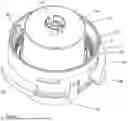
FIG. 4 is a perspective view of a fluid pump of the replaceable cartridge shown in FIG. 3;
FIG. 5 is a front view of the fluid pump shown in FIG. 4, with a pump rotator of the fluid pump shown in an expanded position and a piston member of the fluid pump shown in a loading position;
FIG. 6 is a partially exploded front view of the fluid pump shown in FIG. 4;
FIG. 7 is a top perspective view of a piston chamber forming body of the fluid pump shown in FIG. 4;
FIG. 8 is a bottom perspective view of the piston chamber forming body shown in FIG. 7;
FIG. 9 is a top perspective view of the piston member of the fluid pump shown in FIG. 4;
FIG. 10 is a bottom perspective view of the piston member shown in FIG. 9;
FIG. 11 is a perspective view of the piston rotator of the fluid pump shown in FIG. 4;
FIG. 12 is a top perspective view of the piston rotator shown in FIG. 11;
FIG. 13 is a front view of the piston rotator shown in FIG. 11, with the piston rotator shown in an expanded configuration;
FIG. 14 is a front view of the piston rotator shown in FIG. 11, with the piston rotator shown in a contracted configuration;
FIG. 15 is a front view of the fluid pump shown in FIG. 4, with the pump rotator shown in an intermediate position and the piston member shown in an intermediate position;
FIG. 16 is a front view of the fluid pump shown in FIG. 4, with the pump rotator shown in a contracted position and the piston member shown in an engagement position;
FIG. 17 is a front view of the fluid pump shown in FIG. 4, with the pump rotator shown in the contracted position and the piston member shown in a retracted position;
FIG. 18 is a perspective view of a dispenser housing of the fluid dispenser shown in FIG. 1, with an actuator and the front cover omitted;
FIG. 19 is a detailed top perspective view of a cartridge receiving assembly of the dispenser housing shown in FIG. 18;
FIG. 20 is a detailed bottom perspective view of the cartridge receiving assembly of the dispenser housing shown in FIG. 18;
FIG. 21 is a perspective side view of a lock-out body of the cartridge receiving assembly shown in FIG. 19;
FIG. 22 is a top perspective view of the lock-out body shown in FIG. 21;
FIG. 23 is a bottom perspective view of a piston engagement body of the cartridge receiving assembly shown in FIG. 20;
FIG. 24 is a top perspective view of the piston engagement body shown in FIG. 23;
FIG. 25 is a perspective view of the lock-out body shown in FIG. 21 and the piston engagement body shown in FIG. 23, with the piston engagement body shown at a first position;
FIG. 26 is a perspective view of the lock-out body and the piston engagement body shown in FIG. 25, with the piston engagement body shown at a second position;
FIG. 27 is a bottom perspective view of the fluid pump shown in FIG. 4 and the lock-out body shown in FIG. 21, with the fluid pump positioned above the lock-out body with the piston member in the loading position;
FIG. 28 is a bottom perspective view of the fluid pump and the lock-out body shown in FIG. 27, with the piston member in the loading position and extending through a piston receiving opening of the lock-out body;
FIG. 29 is a front view of the fluid pump and the lock-out body in the arrangement as shown in FIG. 28, with the lock-out body shown in cross-section;
FIG. 30 is a bottom perspective view of the fluid pump and the lock-out body shown in FIG. 27, with the piston member in the intermediate position and extending through the piston receiving opening;
FIG. 31 is a front view of the fluid pump and the lock-out body in the arrangement as shown in FIG. 30, with the lock-out body shown in cross-section;
FIG. 32 is a bottom perspective view of the fluid pump and the lock-out body shown in FIG. 27, with the piston member in the engagement position and extending through the piston receiving opening;
FIG. 33 is a front view of the fluid pump and the lock-out body in the arrangement as shown in FIG. 32, with the lock-out body shown in cross-section;
FIG. 34 is a top perspective view of the fluid pump shown in FIG. 4 and the piston engagement body shown in FIG. 23, with the piston member shown in engagement with the piston engagement body;
FIG. 35 is a cross-sectional front view of the fluid pump and the lock-out body in the arrangement as shown in FIG. 32, with the piston member shown at an extended position; and
FIG. 36 is a cross-sectional front view of the fluid pump and the lock-out body shown in FIG. 35, with the piston member shown at the retracted position.
DETAILED DESCRIPTION OF THE DRAWINGS
FIGS. 1 and 2 show a fluid dispenser 10 in accordance with a preferred embodiment of the present invention. The fluid dispenser 10 has a dispenser housing 12 and a replaceable cartridge 14.
The dispenser housing 12 includes a back plate 16, a cartridge receiving assembly 18, an actuator 20, and a front cover 22. The back plate 16 is best shown in FIG. 18, and is adapted to be mounted to a vertical structure such as a wall or a post. The cartridge receiving assembly 18 extends forwardly from the bottom end of the back plate 16.
As can be seen in FIGS. 19 and 20, the cartridge receiving assembly 18 includes a lock-out body 24 and a pump engagement body 26. As can be seen in FIGS. 21 and 22, the lock-out body 24 has a collar portion 28, a funnel portion 30, and a guide portion 32. The collar portion 28 is best shown in FIG. 22 as having a generally annular shape with an open center 38. The inner surface of the collar portion 28 has an irregular arrangement of protrusions 34 and cavities 36.
The funnel portion 30 has a generally funnel-shaped wall 40 that tapers inwardly as it extends downwardly from the collar portion 28, terminating at a piston receiving opening 42 at the bottom. As can be seen in FIG. 22, the piston receiving opening 42 has a generally oval shape, which is longer in the front-to-back direction than in the side-to-side direction.
The upwardly facing surface of the funnel-shaped wall 40, which is referred to herein as the rotator engagement surface 44, is also visible in FIG. 22. Together, the collar portion 28 and the funnel portion 30 define a pump receiving cavity 46. As can be seen in FIG. 21, the guide portion 32 extends downwardly from the rear of the funnel portion 30, and has a left vertical guide wall 48 and a right vertical guide wall 50.
As can be seen in FIGS. 23 and 24, the pump engagement body 26 has a central engagement portion 52, a left activation arm 54, a right activation arm 56, a left guide member 58, and a right guide member 60. As can be seen in FIG. 24, the central engagement portion 52 has an upwardly facing pump engagement surface 62, which surrounds a central dispenser opening 64. The central dispenser opening 64 has a generally rectangular shape, which is narrower in the side-to-side direction than in the front-to-back direction.
As can be seen in FIG. 23, the left activation arm 54 extends to the left from the left side of the central engagement portion 52, and the right activation arm 56 extends to the right from the right side of the central engagement portion 52. The left guide member 58 extends rearwardly from the left side of the central engagement portion 52, and the right guide member 60 extends rearwardly from the right side of the central engagement portion 52.
The relative positioning of the lock-out body 24 and the pump engagement body 26 is shown in FIGS. 25 and 26. As can be seen in FIG. 25, the central engagement portion 52 of the pump engagement body 26 is positioned below the funnel portion 30 of the lock-out body 24, with the pump engagement surface 62 facing upwardly towards the piston receiving opening 42.
When fully assembled, the lock-out body 24 is mounted to the back plate 16 so as to remain stationary relative to the back plate 16, with the pump engagement body 26 being moveable relative to the lock-out body 24 between the first position shown in FIG. 25 and the second position shown in FIG. 26. When in the second position shown in FIG. 26, the pump engagement body 26 is raised vertically closer to the funnel portion 30 of the lock-out body 24 as compared to the first position shown in FIG. 25. The guide members 58, 60 of the pump engagement body 26 slide along the guide walls 48, 50 of the lock-out body 24, which helps to guide the vertical movement of the pump engagement body 26 between the first and second positions.
The actuator 20 is shown in FIGS. 1 and 2. As can be seen in FIG. 2, the left side of the actuator 20 has a rearwardly extending lift arm 66 that engages with the left activation arm 54 of the pump engagement body 26. Although not visible in the drawings, the right side of the actuator 20 also has a rearwardly extending lift arm 66 that engages with the right activation arm 56 of the pump engagement body 26. The actuator 20 is pivotable relative to the back plate 16 and the lock-out body 24 by manually pressing the actuator 20, which pivots the lift arms 66 upwardly, engaging with the activation arms 54, 56 of the pump engagement body 26 and raising the pump engagement body 26 from the first position shown in FIG. 25 to the second position shown in FIG. 26. The actuator 20 is also referred to herein as the pump activation mechanism 20.
As can be seen in FIG. 2, the dispenser housing 12 is configured to receive the replaceable cartridge 14. The front cover 22, which is shown in FIG. 1, provides an outer covering for the housing 12, which preferably prevents unauthorized tampering with the cartridge 14 and provides an aesthetically pleasing appearance.
As can be seen in FIG. 3, the replaceable cartridge 14 includes a fluid reservoir 68 and a fluid pump 70. The fluid reservoir 68 contains a supply of a hand cleaning fluid to be dispensed from the dispenser 10. The fluid pump 70 is attached to the fluid reservoir 68 for dispensing the fluid from the reservoir 68. In the embodiment shown, the fluid pump 70 is configured to dispense the fluid as a foam, though this is not necessary.
Referring to FIGS. 4 to 6, the fluid pump 70 includes a piston chamber forming body 72, a piston member 74, a piston bias member 76 in the form of a spring, and a piston rotator 78. As can be seen in FIGS. 7 and 8, the piston chamber forming body 72 has an outer engagement portion 80, an intermediate air chamber forming portion 82, and an inner liquid chamber forming portion 84.
The outer engagement portion 80 includes a generally cylindrical outer wall 86 having an arrangement of projections 88 that extend outwardly from the outer wall 86. The projections 88 are configured to mate with corresponding cavities 36 on the inner surface of the collar portion 28 of the lock-out body 24, so as to hold the piston chamber forming body 72 stationary relative to the lock-out body 24 when the fluid pump 70 is received by the dispenser housing 12. The inner surface 90 of the outer wall 86 is configured to engage with a neck portion of the fluid reservoir 68.
The intermediate air chamber forming portion 82 has a generally cylindrical air chamber forming wall 92, which has a closed top 94 and an open bottom 96. A front pin 98 extends forwardly from the front of the air chamber forming wall 92 adjacent to the open bottom 96, and a rear pin 100 extends rearwardly from the back of the air chamber forming wall 92 near the open bottom 96. As can be seen in FIG. 8, a transverse wall 174 extends circumferentially outwardly from the air chamber forming wall 92 to the outer wall 86.
As can also be seen in FIG. 8, the inner liquid chamber forming portion 84 has a generally cylindrical liquid chamber forming wall 102 that extends downwardly from the closed top 94 of the air chamber forming wall 92. As can be seen in FIG. 7, the top of the liquid chamber forming wall 102 carries a one-way liquid inlet valve 104 for receiving the fluid from the fluid reservoir 68. As can be seen in FIG. 8, the liquid chamber forming wall 102 has an open bottom end 106.
As can be seen in FIGS. 9 and 10, the piston member 74 has an air piston portion 108, a liquid piston portion 110, a neck portion 112, an outlet portion 114, and a keyed portion 116. The air piston portion 108 includes a generally cylindrical air piston wall 118 that extends circumferentially about a piston axis 120. The left side of the air piston wall 118 has a left side channel 122, and the right side of the air piston wall 118 has a right side channel 124. The left side channel 122 and the right side channel 124 each extend in a vertical direction, and have an open lower end 126 and a closed upper end 128.
The liquid piston portion 110 comprises a shaft 138 that extends along the piston axis 120 and is spaced circumferentially inwardly from the air piston wall 118. As can be seen in FIG. 35, the shaft 138 has a top liquid inlet valve 130, and defines an inner fluid passageway 132 that extends down from the top liquid inlet valve 130. The inner fluid passageway 132 also has a side opening 136 that extends through a side of the shaft 138.
As can be seen in FIGS. 9 and 10, the neck portion 112 is cylindrical, and extends downwardly from the air piston portion 108 and the liquid piston portion 110. As can be seen in FIG. 35, the neck portion 112 defines an internal mixing chamber 134 that is in fluid communication with the inner fluid passageway 132. The mixing chamber 134 contains a foam generator 140, which may for example be in the form of a porous foaming sponge or plug. The outlet portion 114 is positioned below the mixing chamber 134, and defines an outlet passage 142 that extends down from the mixing chamber 134 to a dispenser outlet 144.
The keyed portion 116 is best shown in FIGS. 9 and 10 as a generally oval shaped lip that extends outwardly from the bottom of the neck portion 112. The keyed portion 116 is narrower in the side-to-side direction than in the front-to-back direction.
As is best shown in FIGS. 35 and 36, the air piston portion 108 of the piston member 74 is received by the open bottom 96 of the air chamber forming wall 92 of the piston chamber forming body 72, and the liquid piston portion 110 of the piston member 74 is received by the open bottom end 106 of the liquid chamber forming wall 102 of the piston chamber forming body 72. An air chamber 178 is defined between the air piston portion 108 and the air chamber forming wall 92, and a liquid chamber 180 is defined between the liquid piston portion 110 and the liquid chamber forming wall 102. The piston member 74 is moveable along the piston axis 120 relative to the piston chamber forming body 72 between the extended position shown in FIG. 35 and the retracted position shown in FIG. 36. The piston bias member 76 extends between the closed top 94 of the air chamber forming wall 92 and the bottom of the air piston wall 118, and biases the piston member 74 towards the extended position.
The piston member 74 is rotatable about the piston axis 120 relative to the piston chamber forming body 72 between the loading position shown in FIG. 5 and the engagement position shown in FIG. 16. When in the loading position shown in FIG. 5, the front of the piston member 74 faces forwardly, with the result that the oval shaped keyed portion 116 has its narrowest dimensions in the side-to-side direction. When in the engagement position shown in FIG. 16, the front of the piston member 74 faces to the side relative to the piston chamber forming body 72, with the result that the oval shaped keyed portion 116 has its narrowest dimensions in the front-to-back direction.
As can be seen in FIGS. 11 and 12, the piston rotator 78 has a rotation effecting portion 146 and a rotator bias portion 148. The rotation effecting portion 146 includes a generally cylindrical rotator wall 150 that extends from an uppermost end 152 to a lowermost end 154. A front rotator channel 156 extends diagonally through the front of the rotator wall 150, and a rear rotator channel 158 extends diagonally through the back of the rotator wall 150. As can be seen in FIG. 12, a bottom lip 160 extends circumferentially inwardly from the lowermost end 154 of the rotator wall 150. A left rotator shaft 162 extends upwardly from the left side of the bottom lip 160 and a right rotator shaft 164 extends upwardly from the right side of the bottom lip 160. The bottom lip 160 also defines a central circular bottom opening 166 of the piston rotator 78. The lowermost end 154 of the rotator wall 150 has a downwardly facing housing engagement surface 182.
As can be seen in FIG. 12, the rotator bias portion 148 extends upwardly from the uppermost end 152 of the rotator wall 150. The rotator bias portion 148 includes a bottom ring 168, a top ring 170, and two resiliently deformable extension arms 172 that connect the bottom ring 168 to the top ring 170. The extension arms 172 are deformable so as to allow the rotator bias portion 148 to move between an expanded configuration, as shown in FIG. 13, and a contracted configuration, as shown in FIG. 14. The extension arms 172 are biased towards adopting the expanded configuration. As can be seen in FIG. 12, the rotator bias portion 148 and the rotator wall 150 define a cylindrical attachment cavity 176 that extends from the top ring 170 down to the bottom lip 160.
As can be seen in FIGS. 4 and 5, when the fluid pump 70 is assembled, the air chamber forming wall 92 of the piston chamber forming body 72 is received within the attachment cavity 176 of the piston rotator 78, with the top ring 170 of the rotator bias portion 148 engaged with the transverse wall 174 of the piston chamber forming body 72, and with the front pin 98 extending through the front rotator channel 156. Although not visible in the Figures, the rear pin 100 likewise extends through the rear rotator channel 158; the left rotator shaft 162 extends upwardly into the left side channel 122 of the piston member 74; and the right rotator shaft 164 extends upwardly into the right side channel 124 of the piston member 74. As can be seen in FIG. 4, the neck portion 122 of the piston member 74 extends downwardly through the bottom opening 166 of the piston rotator 78.
When in an unbiased state, the piston rotator 78 adopts the expanded configuration as shown in FIG. 5, with the front pin 98 located at or near the top of the front rotator channel 156. Although not visible in the Figures, the rear pin 100 is also located at or near the top of the rear rotator channel 158. The engagement of the left rotator shaft 162 with the left side channel 122 and the right rotator shaft 164 with the right side channel 124 holds the piston member 74 at the loading position, in which the oval shaped keyed portion 116 has its narrowest dimensions in the side-to-side direction.
By applying a force upwardly on the bottom of the rotation effecting portion 146, the rotator bias portion 148 can be compressed to the intermediate position shown in FIG. 15. As the rotator bias portion 148 compresses, the front pin 98 moves downwardly within the front rotator channel 156. Although not visible in the Figures, the rear pin 100 likewise moves downwardly within the rear rotator channel 158. The downwards movement of the pins 98, 100 within the rotator channels 156, 158 causes the piston rotator 78 to rotate about the piston axis 120 relative to the piston chamber forming body 72. The engagement of the left rotator shaft 162 with the left side channel 122 and the right rotator shaft 164 with the right side channel 124 likewise causes the piston member 74 to rotate about the piston axis 120 relative to the piston chamber forming body 72 from the loading position towards the engagement position.
By continuing to apply the force upwardly on the bottom of the rotation effecting portion 146, the rotator bias portion 148 can be compressed all the way to the contracted position shown in FIG. 16. This moves the front pin 98 and the rear pin 100 further downwardly to the bottom of the front rotator channel 156 and the rear rotator channel 158, respectively, which causes the piston rotator 78 to rotate further about the piston axis 120 relative to the piston chamber forming body 72. The engagement of the left rotator shaft 162 with the left side channel 122 and the right rotator shaft 164 with the right side channel 124 also causes the piston member 74 to rotate about the piston axis 120 relative to the piston chamber forming body 72 to the engagement position. When in the engagement position, the oval shaped keyed portion 116 has its narrowest dimensions in the front-to-back direction.
When the piston rotator 78 is at the contracted position, the piston member 74 is able to move axially relative to the piston chamber forming body 72 and the piston rotator 78 between the extended position as shown in FIG. 16 and the retracted position as shown in FIG. 17. In particular, by applying a force upwardly on the keyed portion 116, the bias of the piston bias member 76 can be overcome to allow the piston member 74 to move upwardly. The relative lengths and depths of the rotator shafts 162, 164 and the side channels 122, 124 are selected so that there is room to permit vertical movement of the piston member 74 relative to the piston rotator 78 between the expanded and retracted positions without the rotator shafts 162, 164 becoming disengaged from the side channels 122, 124. Thus, the piston member 74 is prevented from rotating about the piston axis 120 relative to the piston rotator 78, while allowing the piston member 74 to move axially relative to the piston rotator 78.
A preferred method of operating the fluid dispenser 10 will now be described with reference to the Figures. The fluid dispenser 10 is assembled by inserting the replaceable cartridge 14 into the dispenser housing 12. The assembly of the fluid dispenser 10 will be described with reference to FIGS. 27 to 33. For improved clarity, in these Figures only the fluid pump 70 and the lock-out body 24 are shown.
To assemble the fluid dispenser 10, the fluid pump 70 is first positioned above the lock-out body 24 as shown in FIG. 27. When in an unbiased state, the piston rotator 78 is in the expanded position and the piston member 74 is in the loading position, with the oval shaped keyed portion 116 having its narrowest dimensions in the side-to-side direction. The fluid pump 70 is then lowered so that the keyed portion 116 passes downwardly through the piston receiving opening 42, as shown in FIG. 28. With the piston member 74 in the loading position, the keyed portion 116 is able to pass through the piston receiving opening 42 unimpeded.
After the keyed portion 116 has passed through the piston receiving opening 42, the housing engagement surface 182 of the piston rotator 78 comes into contact with the rotator engagement surface 44 of the lock-out body 24, as can be seen in FIG. 29. As the fluid pump 70 is lowered further relative to the lock-out body 24, the engagement of the piston rotator 78 with the rotator engagement surface 44 compresses the rotator bias portion 148, causing the piston rotator 78 to rotate about the piston axis 120 to the intermediate position, as shown in FIGS. 30 and 31. The rotation of the piston rotator 78 also causes the piston member 74 to rotate to the intermediate position.
As the fluid pump 70 is lowered further relative to the lock-out body 24, the rotator bias portion 148 is compressed all the way to the contracted position, as shown in FIGS. 32 and 33. The movement of the piston rotator 78 to the contracted position causes the piston member 74 to rotate to the engagement position, in which the oval shaped keyed portion 116 has its narrowest dimensions in the front-to-back direction.
When in the engagement position, the keyed portion 116 is preferably unable to pass axially through the piston receiving opening 42. Because the neck portion 112 is cylindrical, it is able to extend through the piston receiving opening 42 regardless of whether the piston member 74 is in the loading position or the engagement position.
Once the fluid pump 70 is fully inserted into the pump receiving cavity 46 of the lock-out body 24, with the piston member 74 rotated to the engagement position, the keyed portion 116 of the piston member 74 is positioned adjacent to the pump engagement surface 62 of the pump engagement body 26, as can be seen in FIG. 34.
To activate the fluid dispenser 10, the actuator 20 is manually pressed. This raises the pump engagement body 26 from the first position shown in FIG. 25 to the second position shown in FIG. 26. As the pump engagement body 26 moves from the first position to the second position, the pump engagement surface 62 engages with the keyed portion 116 of the piston member 74, moving the piston member 74 from the extended position shown in FIG. 35 to the retracted position shown in FIG. 36.
The movement of the piston member 74 from the extended position to the retracted position causes the liquid chamber 180 to contract, forcing hand cleaning fluid that is present in the liquid chamber 180 to pass through the top liquid inlet valve 130 into the inner fluid passageway 132. Simultaneously, the movement of the piston member 74 from the extended position to the retracted position causes the air chamber 178 to contract, forcing air that is present in the air chamber 178 to pass through the side opening 136 into the inner fluid passageway 132. The hand cleaning fluid and the air then pass through the mixing chamber 134, and are thoroughly mixed by the foam generator 140 to generate a foam that is dispensed out through the dispenser outlet 144. The foam passes out through the dispenser opening 64 to be received, for example, by a user's hand.
On release of the actuator 20, the piston bias member 76 biases the piston member 74 to return to the extended position. The engagement of the keyed portion 116 of the piston member 74 with the pump engagement surface 62 helps to move the pump engagement body 26 back to the first position. As the piston member 74 moves from the retracted position to the extended position, the liquid chamber 180 and the air chamber 178 both expand. This creates a vacuum within the liquid chamber 180 that draws hand cleaning fluid from the fluid reservoir 68 into the liquid chamber 180 via the one-way liquid inlet valve 104. At the same time, a vacuum is generated within the air chamber 178 that draws air into the air chamber 178 via the dispenser outlet 144.
Preferably, the keyed portion 116 of the piston member 74 and the pump engagement body 26 are configured so that the keyed portion 116 will not engage, or will not properly or fully engage, with the pump engagement surface 62 if the piston member 74 is in the loading position. For example, in the preferred embodiment shown in FIG. 34, the keyed portion 116 preferably has a shape and size that would cause the keyed portion 116 to pass through the dispenser opening 64 if in the loading position, rather than engaging with the pump engagement surface 62.
When the fluid reservoir 68 is depleted, the cartridge 14 can be removed from the dispenser housing 12 by lifting the cartridge 14 upwardly relative to the lock-out body 24. As the fluid pump 70 is moved upwardly, the rotator bias portion 148 biases the piston rotator 78 to return to the expanded configuration, which causes the piston member 74 to rotate about the piston axis 120 back to the loading position. With the piston member 74 in the loading position, the keyed portion 116 is able to pass up through the piston receiving opening 42, allowing the cartridge 14 to be removed from the housing 12.
It will be understood that, although various features of the invention have been described with respect to one or another of the embodiments of the invention, the various features and embodiments of the invention may be combined or used in conjunction with other features and embodiments of the invention as described and illustrated herein.
The invention is not limited to the particular structures of the preferred embodiments that have been shown in the drawings. Rather, any functionally equivalent structures could be used. For example, in the preferred embodiment, the rotator bias portion 148 has been shown as being an integral part of the piston rotator 78. In alternative embodiments, the piston rotator 78 could be biased towards the expanded position by a separate component.
Although the preferred embodiment has shown the fluid pump 70 as being adapted for dispensing foam, this is not necessary. In alternative embodiments the fluid pump 70 could dispense an unfoamed liquid, for example.
Although the rotator engagement surface 44 has been shown as having a funnel shape in the preferred embodiment, this is not strictly necessary. Rather, any suitable shape that engages with the piston rotator 78 to effect rotation of the piston rotator 78 could be used. Likewise, the keyed portion 116 of the piston member 74 and the piston receiving opening 42 of the lock-out body 24 need not have an oval shape, and any other suitable shape could be used.
In the preferred embodiment, the piston member 74 rotates 90 degrees between the loading position and the engagement position. In other embodiments of the invention, a different degree of rotation could be used, such as 30 degrees, 45 degrees, 60 degrees, 120 degrees, or 180 degrees.
The dispenser housing 12 preferably has a locking mechanism that locks the cartridge 14 in place when inserted into the pump receiving cavity 46, and which can be unlocked to release the cartridge 14 for replacement.
Any suitable structure of the dispenser housing 12, fluid reservoir 68 and/or fluid pump 70 could be used. For example, the invention could incorporate one or more features from any one or more of: United States Patent Application Publication No. 2022/0091011 to Steltenkamp et al., published 24 Mar. 2022; United States Patent Application Publication No. 2024/0099704 to Ophardt et al., published 28 Mar. 2024; U.S. Pat. No. 8,245,877 to Ophardt, issued Aug. 21, 2012; U.S. Pat. No. 8,113,388 to Ophardt et al., issued Feb. 14, 2012; U.S. Pat. No. 8,091,739 to Ophardt et al., issued Jan. 10, 2012; U.S. Pat. No. 7,748,573 to Anhuf et al., issued Jul. 6, 2010; U.S. Pat. No. 7,984,825 to Ophardt et al., issued Jul. 26, 2011; U.S. Pat. No. 8,684,236 to Ophardt, issued Apr. 1, 2014; U.S. Pat. No. 5,373,970 to Ophardt, issued Dec. 20, 1994; U.S. Pat. No. 5,836,482 to Ophardt et al., issued Nov. 17, 1998; U.S. Pat. No. 10,893,780 to Ophardt et al., issued 19 Jan. 2021; and U.S. Pat. No. 9,682,390 to Ophardt et al., issued Jun. 20, 2017, which are incorporated herein by reference. Although the preferred embodiment has shown the dispenser 10 as being manually operated, this is not necessary. Any suitable mechanism for activating the dispenser 10 could be used, including automatic and/or touchless mechanisms.
Optionally, the dispenser housing 12 and replaceable cartridge 14 may be sold together. Alternatively, the dispenser housing 12 and replaceable cartridge 14 may be sold separately. In some embodiments of invention, the fluid pump 70 and the fluid reservoir 68 may be sold separately as well.
The term “fluid” as used herein is intended to refer broadly to any flowable substance, including liquids, gels, foams, and emulsions. The hand cleaning fluid that is dispensed by the hand cleaning fluid dispenser may include, for example, soap, sanitizer, and/or disinfectant.
The rotator bias portion 148 is also referred to herein as the rotator bias member 148. The air chamber forming wall 92 is also referred to herein as the piston chamber wall 92. The left and right side channels 122, 124 are also referred to herein as the piston channels 122, 124.
Although this disclosure has described and illustrated certain preferred embodiments of the invention, it is to be understood that the invention is not restricted to these particular embodiments. Rather, the invention includes all embodiments which are functional or mechanical equivalents of the specific embodiments and features that have been described and illustrated herein.
Claims
We claim:1. A fluid pump comprising:
a piston chamber forming body;
a piston member that is moveable along a piston axis relative to the piston chamber forming body between an extended position and a retracted position; and
a piston rotator that is moveable along the piston axis relative to the piston chamber forming body between an expanded position and a contracted position;
wherein, when the piston rotator is moved between the expanded position and the contracted position, the piston rotator rotates about the piston axis relative to the piston chamber forming body;
wherein, on movement of the piston rotator from the expanded position to the contracted position, the piston rotator rotates the piston member about the piston axis relative to the piston chamber forming body from a loading position to an engagement position; and
wherein the fluid pump is configured to dispense fluid on movement of the piston member between the extended position and the retracted position.
2. The fluid pump according to claim 1, wherein the piston rotator is coupled to the piston member to effect rotational movement of the piston member relative to the piston chamber forming body, while permitting axial movement of the piston member relative to the piston rotator.
3. The fluid pump according to claim 1, wherein the piston member has a keyed portion that, when viewed in cross-section perpendicular to the piston axis, is non-circular.
4. The fluid pump according to claim 3, wherein the keyed portion is rigid.
5. The fluid pump according to claim 3, wherein the keyed portion has an oval shape.
6. The fluid pump according to claim 3, wherein the piston member has a neck portion that is axially closer to the piston chamber forming body than the keyed portion is to the piston chamber forming body.
7. The fluid pump according to claim 6, wherein the neck portion is cylindrical.
8. The fluid pump according to claim 3, wherein the piston rotator has a housing engagement surface that faces away from the piston chamber forming body; and
wherein the piston rotator is moveable from the expanded position to the contracted position by applying a force to the housing engagement surface that is directed axially towards the piston chamber forming body.
9. The fluid pump according to claim 8, wherein the housing engagement surface is axially closer to the piston chamber forming body than the keyed portion is to the piston chamber forming body.
10. The fluid pump according to claim 1, further comprising a rotator bias member, which biases the piston rotator towards the expanded position.
11. The fluid pump according to claim 1, further comprising a piston bias member, which biases the piston member towards the extended position.
12. The fluid pump according to claim 1, wherein the piston chamber forming body comprises a cylindrical piston chamber wall having at least one pin that extends radially outwardly from the piston chamber wall;
wherein the piston rotator comprises a cylindrical rotator wall having at least one rotator channel that extends diagonally through the rotator wall;
wherein the at least one pin extends radially through the at least one rotator channel; and
wherein, on movement of the piston rotator from the expanded position to the contracted position, the at least one pin moves axially relative to the at least one rotator channel, which causes the piston rotator to rotate about the piston axis relative to the piston chamber forming body.
13. The fluid pump according to claim 1, wherein the piston rotator comprises at least one rotator shaft that extends axially;
wherein the piston member comprises at least one piston channel that extends axially;
wherein the at least one rotator shaft is received by the at least one piston channel; and
wherein, on movement of the piston rotator from the expanded position to the contracted position, the at least one rotator shaft rotates about the piston axis, engaging with the at least one piston channel and causing the piston member to rotate about the piston axis from the loading position to the engagement position.
14. The fluid pump according to claim 1, wherein the piston member is moveable axially relative to the piston chamber forming body between the extended position and the retracted position while the piston rotator remains stationary relative to the piston chamber forming body.
15. The fluid pump according to claim 1, wherein the piston rotator is moveable relative to the piston chamber forming body between the expanded position and the contracted position without moving the piston member axially relative to the piston chamber forming body.
16. The fluid pump according to claim 2, wherein the piston member has a keyed portion that, when viewed in cross-section perpendicular to the piston axis, is non-circular;
wherein the keyed portion is rigid;
wherein the keyed portion has an oval shape;
wherein the piston member has a neck portion that is axially closer to the piston chamber forming body than the keyed portion is to the piston chamber forming body;
wherein the neck portion is cylindrical;
wherein the piston rotator has a housing engagement surface that faces away from the piston chamber forming body;
wherein the piston rotator is moveable from the expanded position to the contracted position by applying a force to the housing engagement surface that is directed axially towards the piston chamber forming body;
wherein the housing engagement surface is axially closer to the piston chamber forming body than the keyed portion is to the piston chamber forming body;
wherein the fluid pump further comprises a rotator bias member, which biases the piston rotator towards the expanded position;
wherein the fluid pump further comprises a piston bias member, which biases the piston member towards the extended position;
wherein the piston chamber forming body comprises a cylindrical piston chamber wall having at least one pin that extends radially outwardly from the piston chamber wall;
wherein the piston rotator comprises a cylindrical rotator wall having at least one rotator channel that extends diagonally through the rotator wall;
wherein the at least one pin extends radially through the at least one rotator channel;
wherein, on movement of the piston rotator from the expanded position to the contracted position, the at least one pin moves axially relative to the at least one rotator channel, which causes the piston rotator to rotate about the piston axis relative to the piston chamber forming body;
wherein the piston rotator comprises at least one rotator shaft that extends axially;
wherein the piston member comprises at least one piston channel that extends axially;
wherein the at least one rotator shaft is received by the at least one piston channel;
wherein, on movement of the piston rotator from the expanded position to the contracted position, the at least one rotator shaft rotates about the piston axis, engaging with the at least one piston channel and causing the piston member to rotate about the piston axis from the loading position to the engagement position;
wherein the piston member is moveable axially relative to the piston chamber forming body between the extended position and the retracted position while the piston rotator remains stationary relative to the piston chamber forming body; and
wherein the piston rotator is moveable relative to the piston chamber forming body between the expanded position and the contracted position without moving the piston member axially relative to the piston chamber forming body.
17. A fluid dispenser comprising:
a fluid pump for dispensing a fluid; and
a dispenser housing;
wherein the fluid pump comprises:
a piston chamber forming body;
a piston member that is moveable along a piston axis relative to the piston chamber forming body between an extended position and a retracted position; and
a piston rotator that is moveable along the piston axis relative to the piston chamber forming body between an expanded position and a contracted position;
wherein, when the piston rotator is moved between the expanded position and the contracted position, the piston rotator rotates about the piston axis relative to the piston chamber forming body;
wherein, on movement of the piston rotator from the expanded position to the contracted position, the piston rotator rotates the piston member about the piston axis relative to the piston chamber forming body from a loading position to an engagement position;
wherein the dispenser housing comprises:
a lock-out body comprising a rotator engagement surface and a piston receiving opening;
a piston engagement body; and
a pump activation mechanism that, on activation of the fluid dispenser, moves the piston engagement body between a first position and a second position;
wherein the piston member has a keyed portion that is configured to pass through the piston receiving opening when the piston member is in the loading position;
wherein, on assembly of the fluid dispenser, the fluid pump is moved relative to the dispenser housing from a disassembled condition to an assembled condition;
wherein, on movement of the fluid pump from the disassembled condition to the assembled condition:
the keyed portion of the piston member is passed through the piston receiving opening while the piston member is in the loading position; and
the piston rotator engages with the rotator engagement surface, which moves the piston rotator from the expanded position to the contracted position, rotating the piston member from the loading position to the engagement position after the keyed portion of the piston member has passed through the piston receiving opening;
wherein, when the fluid pump is in the assembled condition and the fluid dispenser is activated, the piston engagement body moves between the first position and the second position, engaging with the piston member and moving the piston member between the extended position and the retracted position, which causes the fluid pump to dispense the fluid.
18. The fluid dispenser according to claim 17, wherein the piston rotator is coupled to the piston member to effect rotational movement of the piston member relative to the piston chamber forming body, while permitting axial movement of the piston member relative to the piston rotator.
19. The fluid dispenser according to claim 17, wherein, when the fluid pump is in the assembled condition, the engagement of the piston rotator with the rotator engagement surface holds the piston rotator at the contracted position, which in turn holds the piston member at the engagement position.
20. The fluid dispenser according to claim 18, wherein, when the fluid pump is in the assembled condition, the engagement of the piston rotator with the rotator engagement surface holds the piston rotator at the contracted position, which in turn holds the piston member at the engagement position;
wherein the keyed portion, when viewed in cross-section perpendicular to the piston axis, is non-circular;
wherein the fluid dispenser further comprises a rotator bias member, which biases the piston rotator towards the expanded position;
wherein the fluid dispenser further comprises a piston bias member, which biases the piston member towards the extended position;
wherein the keyed portion of the piston member is unable to pass through the piston receiving opening when the piston member is in the engagement position;
wherein the piston member is unable to engage with the piston engagement body when the piston member is in the loading position;
wherein, when the fluid pump is in the assembled condition and the fluid dispenser is activated, the piston member moves axially relative to the piston rotator;
wherein the keyed portion is rigid;
wherein the keyed portion has an oval shape;
wherein the piston receiving opening has an oval shape;
wherein the piston member has a neck portion that extends through the piston receiving opening when the fluid pump is in the assembled condition;
wherein the neck portion is able to pass through the piston receiving opening when the piston member is in the loading position and when the piston member is in the engagement position;
wherein the neck portion is cylindrical; and
wherein the fluid dispenser further comprises a fluid reservoir containing a supply of the fluid.
Images & Drawings included:




Sources:
- United States Patent and Trademark Office - verify current appl. status at the USPTO↗
Recent applications in this class:
- » 20250176766 2025-06-05
Fluid Dispenser With Sensor for Determining the Volume of Fluid in a Collapsible Container - » 20250072669 2025-03-06
SOAP DISPENSER - » 20220287514 2022-09-15
Amenity fluid dispensing system - » 20220257066 2022-08-18
Container containing a shampoo composition with an aesthetic design formed by bubbles - » 20220257065 2022-08-18
Multi-phase shampoo composition with an aesthetic design - » 20220240729 2022-08-04
Fluid dispenser with sensor for determining the volume of fluid in a collapsible container - » 20220183510 2022-06-16
INTELLIGENT EXTRUDING DEVICE FOR SUPPLYING CLEANING AND CARING ARTICLES - » 20220160185 2022-05-26
Dispenser for soap and sanitizer - » 20220160184 2022-05-26
Double inlet valve for enhanced pump efficiency - » 20220142414 2022-05-12
Flexible mounting system for hand hygiene dispensers