INFLATABLE HEXAGON BOAT
US20260103261A1
2026-04-16
18/981,844
2024-12-16
Smart Summary: An inflatable hexagon-shaped boat is designed for various uses like fun on the water, emergency rescues, or generating energy. It features a flat body that can be inflated and includes a removable battery-powered motor. There is also an inflatable seat that can be taken off when needed. The boat's compact design makes it easy to carry and set up. Its unique shape helps with quick assembly and docking. 🚀 TL;DR
Abstract:
The present invention provides a novel inflatable hexagon shaped boat which can be used in different applications including recreational, emergency rescue usages or in water energy generation. The boat designed normally has an inflatable flat body with detachable battery-powered drive unit(s) and an inflatable/detachable seat on top of the boat body. It is a portable and compact design with a unique hexagon shape for easily assembling and docking purposes.
Applicant:
Interested in similar patents?
Get notified when new applications in this technology area are published.
Classification:
B63B7/085 » CPC main
Collapsible, foldable, inflatable or like vessels having parts of non-rigid material; Inflatable Accessories or mountings specially adapted therefor, e.g. seats, sailing kits, motor mountings
B63B35/44 » CPC further
Vessels or similar floating structures specially adapted for specific purposes and not otherwise provided for Floating buildings, stores, drilling platforms, or workshops, e.g. carrying water-oil separating devices
B63H21/17 » CPC further
Use of propulsion power plant or units on vessels the vessels being motor-driven by electric motor
B63H21/21 » CPC further
Use of propulsion power plant or units on vessels Control means for engine or transmission, specially adapted for use on marine vessels
B63B2035/4453 » CPC further
Vessels or similar floating structures specially adapted for specific purposes and not otherwise provided for; Floating buildings, stores, drilling platforms, or workshops, e.g. carrying water-oil separating devices; Floating structures carrying electric power plants for converting solar energy into electric energy
B63B7/08 IPC
Collapsible, foldable, inflatable or like vessels having parts of non-rigid material Inflatable
Description
REFERENCE TO RELATED APPLICATION
This application claims the benefit of the filing date of U.S. Provisional Patent Application Ser. No. 63/669,237 filed on Jul. 10, 2024, entitled “Inflatable Hexagon Boat”. The teachings of the entire referenced application are incorporated herein by reference.
FIELD OF THE INVENTION
This present invention relates to a novel inflatable boat design, and in particular to a portable and compact inflatable boat with a hexagon shape and electric driven propellers.
BACKGROUND OF THE INVENTION
Inflatable product is a fast-growing area of interest for many applications due to its compactness and portable. This invention provides a novel inflatable boat design with a hexagon shape. Conventional boats are heavy, need large space to store, challenging to transport and producing pollution for the water and air due to the combustion engine. To achieve the goal of portable and compact boats, many people use the inflated boats. For the conventional inflatable boat, the boat typically comprised a hull and base, and it is heavy, complicated and not rigid. Recently inflatable kayak, paddle board and surfboard are popular with its rigidness due to the drop stich fabric technology. But all these inflatable water sports devices are not stable in the water due to their light weight and long and narrow shape. Hence, this invention introduces an inflatable hexagon boat with electric driven propellers. Compared to the conventional boat, it is portable, compact, and operation emission free. No oil leaks to the water. Compared to the conventional inflatable boat, this invention doesn't need the hull, which makes this boat more portable and lightweight. Compared to Kayak, paddle board and surfboard, this invention has much wider surface area over water, which creates a more stable floating in the water. Compared to round shape boats, it can easily group with other boats to form a large platform due to its hexagon shape. Compared to a square or triangle boat, it can be more structure rigid by distributing the loading homogenously to the boat body. Due to its hexagonal shape, the boat can be easily connected to form a much larger in-water platform and such a larger boat with multiple propeller drive units, which can be used for recreational, emergency rescue, transportation, and in-water energy generation purpose.
BRIEF DESCRIPTION OF THE DRAWINGS
FIG. 1 is one propeller design with a propeller drive unit connected through the center of the boat body. The bottom of the boat has 3 fins. FIG. 1.1A and FIG. 1.1B are the perspective views; FIG. 1.2A is the left side view; FIG. 1.2B is the right side view; FIG. 1.2C is the front view; FIG. 1.2D is the back view; FIG. 1.2E is the top view; FIG. 1.2F is the bottom view.
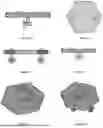
FIG. 2 is one propeller design with a propeller drive unit attached to the bottom of the boat. FIG. 2.1A and FIG. 2.1B are the perspective views; FIG. 2.2A is the top view; FIG. 2.2B is the front view; FIG. 2.2C is the right side view; FIG. 2.2D is the bottom view; FIG. 2.2E is the back view; FIG. 2.2F is the left side view.
FIG. 3 is two propellers design with propeller drive units attached to the bottom of the boat. The propeller drive units are located in the middle of the boat. FIG. 3.1A and FIG. 3.1B are the perspective views; FIG. 3.2A is the top view; FIG. 3.2B is the front view; FIG. 3.2C is the right side view; FIG. 3.2D is the bottom view; FIG. 3.2E is the back view; FIG. 3.2F is the left side view.
FIG. 4. is a three propellers design with propeller drive units attached to the bottom of the boat. FIG. 4.1A and FIG. 4.1B are the perspective views; FIG. 4.2A is the top view; FIG. 4.2B is the front view; FIG. 4.2C is the right side view; FIG. 4.2D is the bottom view; FIG. 4.2E is the back view; FIG. 4.2F is the left side view.
FIG. 5. is six propellers design with propeller drive units attached to the bottom of the boat. FIG. 5.1A, FIG. 5.1B are the perspective views; FIG. 5.2A is the top view; FIG. 5.2B is the front view; FIG. 5.2C is the right side view; FIG. 5.2D is the bottom view; FIG. 5.2E is the back view; FIG. 5.2F is the left side view.
FIG. 6 is one propeller design with propeller drive unit attached to the bottom of the boat. The propeller drive unit is remote or wired controlled. FIG. 6.1A and FIG. 6.1B are the perspective views; FIG. 6.2A is the top view, FIG. 6.2B is the front view; FIG. 6.2C is the right side view; FIG. 6.2D is the bottom view; FIG. 6.2E is the back view; FIG. 6.2F is the left side view.
FIG. 7 is two propellers design with propeller drive unit attached to the bottom of the boat. Two propeller drive units are located in the middle of the boat. The propeller drive units are remote or wireless controlled. FIG. 7.1A and FIG. 7.1B are the perspective views; FIG. 7.2A is the top view; FIG. 7.2B is the front view; FIG. 7.2C is the right side view; FIG. 7.2D is the bottom view; FIG. 7.2E is the back view; FIG. 7.2F is the left side view.
FIG. 8. is two propellers design with propeller drive units attached to the bottom of the boat. Two propeller drive units are located in the rear of the boat. The propeller drive units are remote or wireless controlled. FIG. 8.1A and FIG. 8.1B are the perspective views; FIG. 8.2A is the top view; FIG. 8.2B is the front view; FIG. 8.2C is the right side view; FIG. 8.2D is the bottom view; FIG. 8.2E is the back view; FIG. 8.2F is the left side view.
FIG. 9. is two propellers design with propeller drive units attached to the bottom of the boat. Two propeller drive units are located in the front of the boat. The propeller drive units are remote or wireless controlled. FIG. 9.1A and FIG. 9.1B are the perspective views; FIG. 9.2A is the top view; FIG. 9.2B is the front view; FIG. 9.2C is the right side view; FIG. 9.2D is the bottom view; FIG. 9.2E is the back view; FIG. 9.2F is the left side view.
FIG. 10. is three propellers design with propeller drive units attached to the bottom of the boat. Three propeller drive units are located in the rear of the boat. The propeller drive units are remote or wireless controlled. FIG. 10.1A and FIG. 10.1B are the perspective views; FIG. 10.2A is the top view; FIG. 10.2B is the front view; FIG. 10.2C is the right side view; FIG. 10.2D is the bottom view; FIG. 10.2E is the back view; FIG. 10.2F is the left side view.
FIG. 11. is four propellers design with propeller drive units attached to the bottom of the boat. Four propeller drive units are located in the four side of the boat. The propeller drive units are remote or wireless controlled. FIG. 11.1A and FIG. 11.1B are the perspective views; FIG. 11.2A is the top view; FIG. 11.2B is the front view; FIG. 11.2C is the right side view; FIG. 11.2D is the bottom view; FIG. 11.2E is the back view; FIG. 11.2F is the left side view.
FIG. 12. is six propellers design with propeller drive units attached to the bottom of the boat. Six propeller drive units are located in the six corner of the boat. The propeller drive units are remote or wireless controlled. FIG. 12.1A and FIG. 12.1B are the perspective views; FIG. 12.2A is the top view; FIG. 12.2B is the front view; FIG. 12.2C is the right side view; FIG. 12.2D is the bottom view; FIG. 12.2E is the back view; FIG. 12.2F is the left side view.
FIG. 13. is one propeller design with propeller drive unit attached to the bottom of the boat. The boat has no seat. The propeller drive unit is located in the middle of the boat. The propeller drive unit is remote or wireless controlled. FIG. 13.1A and FIG. 13.1B are the perspective views; FIG. 13.2A is the top view; FIG. 13.2B is the front view; FIG. 13.2C is the right side view; FIG. 13.2D is the bottom view; FIG. 13.2E is the back view; FIG. 13.2F is the left side view.
FIG. 14. is two propeller design with propeller drive unit attached to the bottom of the boat. The boat has no seat. The propeller drive units are located in the front of the boat. The propeller drive units are remote or wireless controlled. FIG. 14.1A and FIG. 14.1B are the perspective views; FIG. 14.2A is the top view; FIG. 14.2B is the front view; FIG. 14.2C is the right side view; FIG. 14.2D is the bottom view; FIG. 14.2E is the back view; FIG. 14.2F is the left side view.
FIG. 15. is two propeller design with propeller drive units attached to the bottom of the boat. The boat has no seat. The propeller drive units are located in the middle of the boat. The propeller drive units are remote or wireless controlled. FIG. 15.1A and FIG. 15.1B are the perspective views; FIG. 15.2A is the top view; FIG. 15.2B is the front view; FIG. 15.2C is the right side view; FIG. 15.2D is the bottom view; FIG. 15.2E is the back view; FIG. 15.2F is the left side view.
FIG. 16. is two propeller design with propeller drive units attached to the bottom of the boat. The boat has no seat. The propeller drive units are located in the rear of the boat. The propeller drive units are remote or wireless controlled. FIG. 16.1A and FIG. 16.1B are the perspective views; FIG. 16.2A is the top view; FIG. 16.2B is the front view; FIG. 16.2C is the right side view; FIG. 16.2D is the bottom view; FIG. 16.2E is the back view; FIG. 16.2F is the left side view.
FIG. 17. is how the boat is operated by one drive unit with handle or without handle, with a seat or without a seat, with remote or wireless control or without remote or wireless control. FIG. 17.1A is a top view of the boat with a handle and a seat and FIG. 17.1B is a side view of the boat with a handle and a seat. FIG. 17.2A is a top view of the boat with a seat but without handle and FIG. 17.2B is a side view of the boat with a seat but without handle. FIG. 17.3A is a top view of the boat without seat and handle but with remote or wireless control and FIG. 17.3B is a side view of the boat without seat and handle but with remote or wireless control.
FIG. 18. is a summary of the claimed propeller drive unit numbers and locations of the hexagon boat. In this hexagon design, it covers the propeller numbers from 1, 2, 3, 4 and 6. It also shows the different boat orientations for forward moving. FIG. 18.1A, B, C, D, E, F show the hexagon boat with one propeller drive unit with different locations. FIG. 18.2A, B, C, D, E, F show the hexagon boat with two propeller drive units with different locations. FIG. 18.3A, B, C, D, E, F show the hexagon boat with three propeller drive units with different locations. FIG. 18.4A, B, C, D, E, F show the hexagon boat with four propeller drive units with different locations. FIG. 18.5 shows the hexagon boat with six propeller drive units with different locations.
FIG. 19. is how the boat direction and speed are controlled by the differential thrust of the different propeller drive units. FIG. 19.1 is the boat's direction is controlled by the differential thrust of two propeller drive units. FIG. 19.2 is the boat's direction is controlled by the differential thrust of three propeller drive units. FIG. 19.3 is the boat's direction is controlled by the differential thrust of four propeller drive units. FIG. 19.4 is the boat's direction is controlled by the differential thrust of six propeller drive units.
FIG. 20 is how the boat's direction and speed are controlled by both the thrust and thrust direction of the boat. FIG. 20.1A and FIG. 20.1B is one propeller drive unit located in different orientations. FIG. 20.2 is the boat with two propeller drive units. FIG. 20.3 is the boat with three propeller drive units. FIG. 20.4 is the boat with four propeller drive units. FIG. 20.5 is the boat with six propeller drive units.
FIG. 21. is how the boat controlled by the manual inputs. FIG. 21.1A is the top view of the boat with one person and one paddle. FIG. 21.1B is the side view of the boat with one person and one paddle. FIG. 21.2A is the top view of the boat with one person and two paddles. FIG. 21.2B is the side view of the boat with one person and two paddles.
FIG. 22. is the boat coupling with an inflatable hexagon ring hull. FIG. 22.1 shows the boat and ring hull can be combined as a larger boat. FIG. 22.2 shows the boat and hexagon ring hull can be separated and attached to each other. The hexagon ring hull with mesh net can be used as a water hammock or in-water pool, which forms a moveable swimming pool in water.
FIG. 23. is an example of how the boat is secured or docked in the docking system. FIG. 23.1 shows a two-boat docking system. In the middle, it is an inflatable deck with both half hexagon size to match with the boat. FIG. 23.2 is a three-boat docking system, by using an inflatable deck. FIG. 23.3 is a modular docking system that each boat can use a single dock, which is also an inflatable deck. The modular docking system can be connected.
FIG. 24. is an example of how the boat connected with other boats and floating decks. FIG. 24.1 shows six boats connected through a hexagon float. FIG. 24.2 shows six floats connected through a hexagon boat.
FIG. 25 is how the hexagon boat connected to each other to form a seamless and large in water platform or larger size of boat with multiple propeller drive units. FIG. 25.1 is the top view of connected hexagon boats with a seat, a control console, and a handle. FIG. 25.2 is the top view of connected hexagon boats with a seat without a control console and a handle. FIG. 25.3 is the top view of connected hexagon floats without a seat, a control console, and a handle. FIG. 25.4A is the perspective view of a hexagon floating with two propeller drive units underneath. FIG. 25.4B is the side view of the formed large floating platform. FIG. 25.4C is the front or back view of the formed large floating platform. It shows many propeller drive units under a single large platform. The formed larger floating platform can be controlled by the propeller's underneath.
FIG. 26 shows the hexagon boat is designed with solar panel for energy generation purpose. FIG. 26.1 shows the solar panel design on the top surface of the boat. FIG. 26.2 shows the connection with external rectangular floating solar panel.
DETAILED DESCRIPTION OF THE PREFERRED EMBODIMENTS
This invention shows a portable, light weight, compact, stable, modular and emission free boat design. It can be used for recreational or water rescue or transportation or in-water energy generation purposes.
The present invention comprises an inflatable hexagon boat design, consisting of a hexagon boat body with a seat and propeller drive system. The propeller can be installed through the center of the boat body or at the bottom of the boat. Both the boat body and the seat are inflatable. The seat and the propeller drive unit(s) are detachable from the boat body.
Such invented boat comprises different versions or variations: 1. with a seat, a control console, and a handle; 2. with a seat without control console and handle; 3. with a control console without a seat and a handle.
By utilizing different boat drive system, the boat can achieve different level of performance and maneuverability. Two main types of drive system: 1. Powered drive. 2. Manual drive. For powered drive, it comprises of single or multiple propeller drive units which are driven by batteries. For manual drive, it comprises of single or multiple paddles. With multiple propeller drive units, the boat can move to any directions in the water easily, by changing both the direct and power level of the thrust, which makes the boat extreme maneuverable and stable in the water. For some configurations, the boat propeller drive unit is remote or wireless controlled.
For recreational, rescue, transportation and in water energy generation purposes, people might need to form a large in-water stable floating platform. The hexagon shape of this invented boat can easily form a large size platform, comparing to the round shape or other shape of boats.
For conventional inflated kayak or paddle board, it is not easy for beginners to use. When the water is not stable with stronger waves, people on the kayak or paddle board would fall over the water. However, people can easily drive this invented stable boat without prior experience. It also provides extra room for people laydown when the boat is not moving.
The structure of the conventional inflated boats is complicated and normally with a hull on it. This currently invented boat has no hull although you can install a hull on it.
The followings are some features of this invented boat:
-
- 1. This boat is a standard hexagon shape. Length of each side of the boat (from the top or from bottom view) is the same.
- 2. The upper and lower surface of the boat's main body is flat.
- 3. It is an inflatable boat, which could have one or multiple independent inflation chambers for one boat body.
- 4. This boat is scalable to any size.
- 5. For short term commercial usage, the distance between the two opposite vertices of the hexagon would be between a minimum of 2 feet and maximum 10 feet.
- 6. The depth of the boat, which is from the upper plane to the bottom plane, is between a minimum of 3 inches to maximum 24 inches.
- 7. The designed total thrust power of the boat is from minimum 10 lbs to maximum 200 lbs.
- 8. The boat is designed for a minimum of 50 lbs to maximum 1000 lbs payload.
- 9. The entire boat can be packed into a portable backpack after deflected with a total maximum boat weight is less than 100 lbs.
- 10. The inflatable seat and the drive unit of the boat is detachable from the boat body.
- 11. The boat is driven by powered propeller drive unit(s) as well as manual drive. The powered drive units are electric battery powered. The manual drive is either by hand or by foot through a single paddle or double paddles.
- 12. The boat comprises different numbers of propeller drive units designed from 1-6 drive unit(s).
- 13. The boat comprises of the driving console with or without seats.
- 14. The boat direction and speed is controlled by the sum of the propeller thrust power and the direction of the drive unit.
- 15. The propeller drive unit(s) can be one or multiple, which can change their thrust direction 360 degree.
- 16. The boat can move 360 degrees freely including going reversely by changing to different thrust directions.
- 17. With a single propeller, the boat power level and thrust direction can be controlled by human hand or body directly, voice command, wireless or remoted.
- 18. With multiple propeller drive units, the boat power level and thrust direction is controlled remotely or wirelessly through handhold device or voice command.
- 19. With multiple propeller drive units, the direction of the boat is controlled by differential thrust from drive units at each side of the boat.
- 20. The boat can have the capability of electricity generation. When the water current pushes the propeller, the propeller can drive the motor to generate electricity back to the battery.
- 21. The boat can be connected or secured with other boats or hexagon shape of floats by a lock mechanism. Hexagon shaped boats can be easily coupled or grouped to form a larger boat or floating platform, even to form an in water moveable swimming pool. People can lay down flat, sit and stand on the such a larger boat or float at the same time. The formed larger boat or floating platform can be driven by all propellers of the individual boat uniformly.
- 22. The boat can be locked or secured with a designed docking system including the modular inflatable docking system.
- 23. The boat can be combined with an inflatable hexagon shape ring hull for additional payload and safety.
- 24. The boat can be connected with other inflatable hexagon boats to form a larger floating platform or larger boat.
- 25. It comprises independent fin(s) or the drive unit combining with fin design.
- 26. The propeller drive unit can be an electric water jet pump and other methods of in-water propulsion technology.
- 27. The boat can be designed with solar panels on board. The boat can also connect with external floating solar panels to charge the battery in the water. This can extend the range of the boat in water. This boat can be used as a floating energy generation device in water.
The process to use such boat including the following steps:
-
- 1. inflate the boat to the right pressure;
- 2. attach drive unit to the boat;
- 3. attach the seat to the boat;
- 4. drive the boat with paddle if the boat is manual or drive the boat with handlebar with drive unit or drive the boat with a remote wireless controller;
- 5. detach all the accessories and deflate the boat after using it;
- 6. store it in the storage place.
The advantages of this invented boat:
-
- 1. This invention shows a portable, light weight, compact, stable, modular and emission free boat design.
- 2. Because it is a hexagon shape. It can form a large platform easily with other hexagon shape of boat. This can be used to form a large in-water floating platform.
- 3. This detachable hexagon shape boat can be used in different applications including but not limited to a larger boat or a smaller boat with extra floating water hammock or a hexagon air mattress used on ground such as camping tent floor for winter usage or an ice fishing mat with the hole inside the boat.
- 4. Because it is a hexagon shape, it can be more efficient than the round one and square one during the cruise in the water. A hexagon shape is more stable when floating in water than rectangular or triangle one.
- 5. With an easy detachable drive unit(s), the boat can be easily disassembled and maintained.
- 6. It is a lightweight and compact design. Transport and storage of this boat is possible without a boat trailer.
- 7. It is a water floating platform when the boat is not moving. It can be easily attached to a bigger regular boat.
- 8. Some configurations have the wireless controlled drive unit, make it easy to control the boat remotely in the water or off the water.
- 9. More drive units can provide stable, and high maneuverability and performance of the boat.
- 10. The boat can have regeneration function to regenerate the energy from the water flow.
- 11. The propulsion control methods can be applied to any boat or any watercraft.
- 12. The boat can drive with built-in solar panel, to extend the driving range in water or generate electricity in water.
Other different ways of making the invention:
-
- 1. The hexagon boat can be made of inflatable or non-inflatable materials.
- 2. The boat can be equipped with or without seats.
- 3. The boat can be designed with or without a hull.
- 4. The boat can be designed with or without the control console.
- 5. The boat can be designed with multiple propeller drive units, which can be controlled mechanically, electrically or remote/wireless control.
- 6. The boat can be designed with or without solar panel on top.
In summary, the present invention provides a novel inflatable hexagon shape boat which can be used in different applications. The boat designed normally has an inflatable plate body with detachable drive unit(s) and an inflatable/detachable seat. These same shaped boats can be assembled to form a larger boat, a floating platform or in-water floating energy generation system. Although this boat and the method of using the same according to the present invention have been described in the foregoing specification with considerable details, it is to be understood that modifications may be made to the invention which do not exceed the scope of the claims and modified forms of the present invention done by others skilled in the art to which the invention pertains will be considered infringements of this invention when those modified forms fall within the claimed scope of this invention.
Claims
1. An inflatable hexagon shape boat, comprising a flat hexagon shaped body with equal length of each side of the hexagon shaped body, an inflatable seat attached on the top of the hexagon shaped body, and a propeller dive unit attached to the middle or the bottom of the hexagon shaped body; wherein said hexagon shaped body has different sizes and depths and can be packed into a portable package after deflection; wherein said inflatable seat is detachable from the hexagon shaped body; wherein said propeller dive unit is detachable from the hexagon shaped body.
2. An inflatable hexagon shape boat of claim 1 has one or multiple said inflatable seats, one or multiple said propeller dive units, zero or multiple fins, and one or multiple independent inflation chambers for hexagon shaped body.
3. An inflatable hexagon shape boat of claim 1 has a control console and a handle connected to said propeller dive unit.
4. An inflatable hexagon shape boat of claim 1, wherein said propeller dive unit is electric battery-powered drive unit.
5. The battery-powered drive unit of claim 4 is remote or wireless controlled.
6. An inflatable hexagon shape boat of claim 1 wherein said propeller dive unit is a manual drive unit through a single paddle or multiple paddles.
7. An inflatable hexagon shape boat of claim 1 wherein said propeller dive unit is mechanically controlled.
8. An inflatable hexagon shape boat of claim 1 can be linked with multiple said inflatable hexagon shaped boats.
9. An inflatable hexagon shape boat of claim 1 can be docked in a docking system which can hold a hexagon shaped boat.
10. An inflatable hexagon shaped boat of claim 1 has an inflatable hexagon shaped ring hull attached to said hexagon shaped body.
11. An inflatable hexagon shape boat of claim 1 is attached to a float or multiple floats with a lock mechanism.
12. An inflatable hexagon shape boat of claim 1 can be used for energy generation through water current by the propeller drive unit.
13. An inflatable hexagon shaped boat of claim 1 can be used for energy generation through built in solar panel on the top surface of said hexagon shaped body or connecting with an external in-water floating hexagon or rectangular shaped solar panel.
Images & Drawings included:






Sources:
- United States Patent and Trademark Office - verify current appl. status at the USPTO↗
Recent applications in this class:
- » 20220396334 2022-12-15
FLOTATION DEVICE FOR SUPPORTING A COFFIN HUNTING BLIND - » 20220266952 2022-08-25
Connectors for inflatable structures - » 20210086870 2021-03-25
Multipurpose readiness indicator for off-wing slide raft - » 20200398940 2020-12-24
Towable device having a cover and looped tow strap - » 20200369344 2020-11-26
Inflatable boat - » 20200339222 2020-10-29
Boat comprising an inflatable support - » 20200079474 2020-03-12
Holding hole structure on ship side - » 20190152564 2019-05-23
Knee braces for boats - » 20190016416 2019-01-17
Shroud for water vessels - » 20180297668 2018-10-18
Inflatable motor boat with motor mount