Membranes
US20260103552A1
2026-04-16
19/114,660
2023-09-26
Smart Summary: An anion exchange membrane can be made by curing a special mixture. This mixture includes a specific type of monomer that has a unique chemical structure. The monomer contains aromatic groups and at least two parts that can be cured. One of the aromatic groups must also have a part that can be cured. Most of the mixture, at least 90%, is made up of this monomer. 🚀 TL;DR
Abstract:
An anion exchange membrane obtainable by curing a curable composition comprising: (a) a monomer (a) of Formula (I) AR1—(CH2)n—N+(RaRb)-L-N+(RcRd)—(CH2)n-AR2, 2X− Formula (I) wherein: wherein n, L, Ra, Rb, Rc and Rd and X− are as defined in claim 1; and AR1 and AR2 each independently comprise an aromatic group; wherein: (I) at least one of AR1 and AR2 comprises a curable ethylenically unsaturated group; (II) the monomer (a) of Formula (I) comprises at least two curable ethylenically unsaturated groups; and (III) the molar fraction of component (a) in relation to all curable components of the curable composition is at least 0.90.
Inventors:
- Jacko Hessing 30 🇳🇱 Tilburg, Netherlands
- Elisa Huerta Martinez 18 🇳🇱 Tilburg, Netherlands
- Adrianus Jacobus Van Rijen 11 🇳🇱 Tilburg, Netherlands
Applicant:
Interested in similar patents?
Get notified when new applications in this technology area are published.
Classification:
C08F26/06 » CPC main
Homopolymers and copolymers of compounds having one or more unsaturated aliphatic radicals, each having only one carbon-to-carbon double bond, and at least one being terminated by a single or double bond to nitrogen or by a heterocyclic ring containing nitrogen by a heterocyclic ring containing nitrogen
C08F26/02 » CPC further
Homopolymers and copolymers of compounds having one or more unsaturated aliphatic radicals, each having only one carbon-to-carbon double bond, and at least one being terminated by a single or double bond to nitrogen or by a heterocyclic ring containing nitrogen by a single or double bond to nitrogen
Description
This invention relates to ion exchange membranes, especially anion exchange membranes (AEMs), their preparation processes and their use.
Ion exchange membranes are used in electrodialysis, electrolysis, production of acids and bases and a number of other processes. Typically the transport of ions through the membranes occurs under the influence of a driving force such as an electrical potential gradient.
Some ion exchange membranes comprise a porous support, which provides mechanical strength. Such membranes are often called “composite membranes” due to the presence of both an ionically charged polymer which discriminates between oppositely charged ions and the porous support which provides mechanical strength.
For generation of acids and bases generally BPMs are used, e.g. in a process called bipolar electrodialysis (BPED). A BPM has both a cationic layer or anion exchange layer (AEL) and an anionic layer or cation exchange layer (CEL) and thus has both a negatively charged layer and a positively charged layer.
In the BPED process acid and base are generated at the interface of a BPM by means of a water dissociation reaction (WDR). The H+ and OH− ions generated travel across the corresponding ion exchange layers towards the cathode and the anode respectively. The BPED process is performed in a bipolar electrodialysis stack comprising additional to bipolar membranes monopolar anion exchange and monopolar cation exchange membranes. In the bipolar electrodialysis stack, the monopolar cation and anion exchange membranes take care of selectively separating the salt ions of the feed stream by their charge. The salt anion will then combine with the H+ formed by the WDR to form an acid and the salt cation will combine with the OH− to form a base. For example, if NaCl is used in the feed stream, the monopolar membranes will separate Na+ from Cl− whereby NaOH and HCl are formed.
For generation of acids and bases in high concentrations it is important that the monopolar membranes have a very high pH stability and high durability (high pH stability and durability increase the lifetime of the membranes). Also desired is a high efficiency of the process for generating acids and bases. This requires the membranes to have a very high permselectivity to prevent H+ and OH− ions to reach the wrong channel causing recombination and hence product loss. Especially for anion exchange membranes it is difficult to obtain a high proton blocking performance at high concentrations due to the small size of protons.
WO 2020/058665 describes porous cationic membranes for detecting, filtering and/or purifying biomolecules.
It is an aim of the present invention to provide anion exchange membranes which are mechanically strong, having a high stability at very low pH values and a high permselectivity at high acid concentrations.
According to a first aspect of the present invention there is provided an anion exchange membrane obtainable by curing a curable composition comprising:
-
- (a) a monomer (a) of Formula (I)
-
- wherein:
- each n independently has a value of 1 or 2;
- L is a non-aromatic linking group;
- each X− independently is an anion;
- AR1 and AR2 each independently comprise an aromatic group; and
- (i) Ra, Rb, Rc and Rd are each independently an optionally substituted C1-3-alkyl group or an optionally substituted C2-3-alkenyl group; or
- (ii) Ra and Rb, together with the positively charged nitrogen atom to which they are attached, form an optionally substituted 5- or 6-membered ring and Rc and Rd are each independently an optionally substituted C1-3-alkyl group or an optionally substituted C2-3-alkenyl group; or
- (iii) Ra and Rb, together with the positively charged nitrogen atom to which they are attached, form an optionally substituted 5- or 6-membered ring and Rc and Rd, together with the positively charged nitrogen atom to which they are attached, form an optionally substituted 5- or 6-membered ring;
- (iv) one of Ra and Rb is an optionally substituted C1-3-alkyl group or an optionally substituted C2-3-alkenyl group and the other of Ra and Rb, together with the group of formula AR1—(CH2)n—N+, forms an optionally substituted 5- or 6-membered ring, and Rc and Rd are each independently an optionally substituted C1-3-alkyl group or an optionally substituted C2-3-alkenyl group; or
- (v) one of Ra and Rb is an optionally substituted C1-3-alkyl group or an optionally substituted C2-3-alkenyl group and the other of Ra and Rb, together with the group of formula AR1—(CH2)n—N+, forms an optionally substituted 5- or 6-membered ring, and Rc and Rd, together with the positively charged nitrogen atom to which they are attached, form an optionally substituted 5- or 6-membered ring;
- (vi) one of Ra and Rb and one of and Rc and Rd is an optionally substituted C1-3-alkyl group or an optionally substituted C2-3-alkenyl group and the other of Ra and Rb, together with the group of formula AR1—(CH2)n—N+, forms an optionally substituted 5- or 6-membered ring, and the other of Rc and Rd, together with the group of formula N+—(CH2)n-AR2, forms an optionally substituted 5- or 6-membered ring; or
- (vii) one of Ra and Rb is an optionally substituted C1-3-alkyl group, an optionally substituted C2-3-alkenyl group, and the other of Ra and Rb is connected to L, forming an optionally substituted ring, and Rc and Rd are each independently an optionally substituted C1-3-alkyl group or an optionally substituted C2-3-alkenyl group; or
- (viii) one of Ra and Rb is an optionally substituted C1-3-alkyl group, an optionally substituted C2-3-alkenyl group, and the other of Ra and Rb is connected to L, forming an optionally substituted ring, and one of Rc and Rd is an optionally substituted C1-3-alkyl group or an optionally substituted C2-3-alkenyl group and the other of Rc and Rd is connected to L, forming an optionally substituted ring;
- wherein:
- (I) at least one of AR1 and AR2 comprises a curable ethylenically unsaturated group;
- (II) the monomer (a) of Formula (I) comprises at least two curable ethylenically unsaturated groups; and
- (III) the molar fraction of component (a) in relation to all curable components of the curable composition is at least 0.90.
In this document (including its claims), the verb “comprise” and its conjugations is used in its non-limiting sense to mean that items following the word are included, but items not specifically mentioned are not excluded. In addition, reference to an element by the indefinite article “a” or “an” does not exclude the possibility that more than one of the elements is present, unless the context clearly requires that there be one and only one of the elements. The indefinite article “a” or “an” thus usually mean “at least one”.
Preferably L is a non-aromatic linking group comprising from 2 to 7 carbon atoms and optionally one or more atoms selected from oxygen, nitrogen and sulphur (e.g. an optionally interrupted C2-7-alkylene group or C2-7-alkelene group or an optionally substituted C5-C6-cycloalkylene group, wherein the optional interruptions are selected from oxygen, nitrogen and sulphur) or L forms a ring with one of the positively charged nitrogen atoms and one of Ra, Rb, Rc and Rd. Examples of L include e.g. ethylene (—CH2CH2—), propylene (—C3H6—), butylene (—C4H8—), 2,2-dimethylpropylene, methoxymethylene, diethylene ether (—CH2CH2—O—CH2CH2—), diethylenethioether (—CH2CH2—S—CH2CH2—), diallylpropylene, cyclopentylene and cyclohexylene.
Preferably monomer (a) comprises at least two curable ethylenically unsaturated groups, more preferably two and only two curable ethylenically unsaturated groups. Monomer (a) has the function of crosslinking agent. Preferably the curable ethylenically unsaturated present in monomer (a) are present in AR1 and/or AR2. In a preferred embodiment AR1 and AR2 each comprise one and only one curable ethylenically unsaturated group and monomer (a) has a total of two curable ethylenically unsaturated groups.
The curable ethylenically unsaturated groups are capable of reacting with other curable ethylenically unsaturated groups to form covalent bonds therewith, e.g. when heated and/or irradiated with light (e.g. ultraviolet light) or an electron beam.
Preferred curable ethylenically unsaturated groups are vinyl groups and allyl groups, most preferably vinyl groups. The vinyl groups (CH2═CH—) are non-acrylic, i.e. the vinyl groups are not attached to (C═O)O-groups or (C═O)NH-groups.
The positively charged nitrogen atom (N+) shown in Formula (I) is non-aromatic, i.e. is not part of an aromatic heterocyclic ring.
Preferably the anion X− does not react with the other components of the curable composition, i.e. X− is inert. Preferred anions represented by X− include hydroxide, fluoride, chloride, bromide, iodide, nitrate, thiocyanate, hexafluoroborate, methanesulfonate, trifluoromethanesulfonate, formate and acetate. Most preferably X− is a chloride anion because this can provide monomers of Formula (I) with good solubility without dramatically increasing the molecular weight of monomer (a) of Formula (I).
Preferably each n independently has a value of 1. In a particularly preferred embodiment both n have a value of 1.
In one embodiment Ra, Rb, Rc and Rd are each independently selected from optionally substituted C1-3-alkyl groups (e.g. methyl, ethyl, propyl or isopropyl) and optionally substituted C2-3-alkenyl groups (e.g. —CH═CH2 or —CH2CH═CH2).
In another embodiment Ra and Rb and/or Rc and Rd, together with the positively charged nitrogen atom to which they are attached, form an optionally substituted 5- or 6-membered ring, for example an optionally substituted pyrrolidinium, pyrrolinium, imidazolinium piperidinium or morpholinium ring.
In another embodiment, one of Ra and Rb and/or one or both of Rc and Rd is an optionally substituted C1-3-alkyl group or an optionally substituted C2-3-alkenyl group and the other of Ra and Rb, together with the group of formula AR1—(CH2)n—N+ (wherein AR1 and n are as hereinbefore defined), forms an optionally substituted 5- or 6-membered ring, for example an optionally substituted pyrrolidinium, pyrrolinium, piperidinium or morpholinium ring, in each case having an aromatic ring (e.g. a benzene ring) fused thereon (preferably with two or more, preferably one, curable ethylenically unsaturated groups attached to the benzene ring) and/or the other of Rc and Rd, together with the group of formula N+—(CH2)n-AR2, forms an optionally substituted 5- or 6-membered ring.
In another embodiment, if one of Ra and Rb is an optionally substituted C1-3-alkyl group, an optionally substituted C2-3-alkenyl group, and the other of Ra and Rb is connected to L, forming an optionally substituted ring, and one of Rc and Rd is an optionally substituted C1-3-alkyl group or an optionally substituted C2-3-alkenyl group and the other of Rc and Rd is connected to L, forming an optionally substituted ring, then said optionally substituted rings are not referring to the same ring but form separate rings.
Preferred optional substituents are curable ethylenically unsaturated groups (as hereinbefore described and preferred).
Preferably AR1 and AR2 each independently comprise a phenyl or styrenyl group. More preferably both AR1 and AR2 are styrenyl groups.
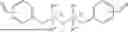
In a preferred embodiment monomer (a) is of Formula (II):
wherein L, Ra, Rb, Rc, Rd and X− are as hereinbefore defined.
Component (a) optionally comprises one or more than one monomer (a) of Formula (I) (more preferably Formula (II)), for example a mixture of isomers wherein curable unsaturated groups present in AR1 and/or AR2 are in different positions (e.g. ortho, meta and/or para position).
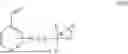
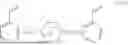
Examples of monomers which may be used as monomer (a) include the compounds AXL2-1 to AXL2-16 shown below:
The curable composition preferably comprises 50 to 80 wt % of component (a), more preferably 65 to 79 wt %, e.g. 65 to 75 wt %, especially 70 to 78 wt %, e.g. 70 to 75 wt %. A very high amount of component (a) is desired to obtain a high permselectivity (PS).
Preferably the curable composition does not contain 69 wt % of AXL2-17.
In one embodiment the anion exchange membrane according to the first aspect of the present invention comprises at least 1 ppm of monomer (a) (typically as a result of incomplete curing when the membrane is formed), preferably at least 10 ppm, especially at least 100 ppm. Preferably the anion exchange membrane comprises less than 20,000 ppm of monomer (a), more preferably less than 10,000 ppm.
The curable composition optionally further comprises a monomer comprising a cationically charged group and one and only one curable ethylenically unsaturated group as component (b). Preferably the curable composition is free from component (b) or the composition comprises a small amount of component (b), e.g. the curable composition preferably comprises 0 to 10 wt % of component (b), more preferably 0 to 7 wt % of component (b).
In monomer (b) the cationically charged group is preferably a quaternary ammonium group. The one and only curable ethylenically unsaturated group present in monomer (b) is preferably a vinyl or allyl group, more preferably a vinyl group.
Component (b) may comprise one or more than one monomer (b) comprising a cationically charged group and one and only one curable ethylenically unsaturated group.
In one embodiment component (b) is of Formula (SM) wherein R1, R2 and R3 each independently represents an alkyl group or an aryl group, or 2 or 3 of R1, R2 and R3 together with the positively charged nitrogen atom to which they are attached form an optionally substituted 5- or 6-membered ring; n3 represents an integer of 1 to 3; and X3⊖ represents an anion, preferably chloride, bromide, iodide or hydroxide.
Examples of component (b) of Formula (SM) include the following: compounds.
The above components may be prepared as described in, for example, US2016177006.
The curable composition optionally further comprises a radical initiator as component (c). Preferred radical initiators include thermal initiators, photoinitiators and combinations thereof.
The curable composition preferably comprises 0 to 10 wt % of radical initiator, more preferably 0 to 3 wt %. When the curable composition is to be cured using UV light, visible light or thermally the curable composition preferably 0.001 to 2 wt %, especially 0.005 to 1.5 wt %, of radical initiator.
Examples of suitable thermal initiators which may be used as component (c) include 2,2′-azobis(2-methylpropionitrile) (AIBN), 4,4′-azobis(4-cyanovaleric acid), 2,2′-azobis(2,4-dimethyl valeronitrile), 2,2′-azobis(2-methylbutyronitrile), 1,1′-azobis(cyclohexane-1-carbonitrile), 2,2′-azobis(4-methoxy-2,4-dimethyl valeronitrile), dimethyl 2,2′-azobis(2-methylpropionate), 2,2′-azobis[N-(2-propenyl)-2-methylpropionamide, 1-[(1-cyano-1-methylethyl)azo]formamide, 2,2′-azobis(N-butyl-2-methylpropionamide), 2,2′-Azobis(N-cyclohexyl-2-methylpropionamide), 2,2′-Azobis(2-methylpropionamidine)dihydrochloride, 2,2′-azobis[2-(2-imidazolin-2-yl)propane]dihydrochloride, 2,2′-azobis[2-(2-imidazolin-2-yl)propane]disulfate dihydrate, 2,2′-azobis[N-(2-carboxyethyl)-2-methylpropionamidine]hydrate, 2,2′-azobis{2-[1-(2-hydroxyethyl)-2-imidazolin-2-yl]propane} dihydrochloride, 2,2′-azobis[2-(2-imidazolin-2-yl)propane], 2,2′-azobis(1-imino-1-pyrrolidino-2-ethylpropane) dihydrochloride, 2,2′-azobis {2-methyl-N-[1,1-bis(hydroxymethyl)-2-hydroxyethyl]propionamide} and 2,2′-azobis[2-methyl-N-(2-hydroxyethyl) propionamide].
Examples of suitable photoinitiators which may be included in the curable composition as component (c) include aromatic ketones, acylphosphine compounds, aromatic onium salt compounds, organic peroxides, thio compounds, hexa-arylbiimidazole compounds, ketoxime ester compounds, borate compounds, azinium compounds, metallocene compounds, active ester compounds, compounds having a carbon halogen bond, and alkyl amine compounds. Preferred examples of the aromatic ketones, the acylphosphine oxide compound, and the thio-compound include compounds having a benzophenone skeleton or a thioxanthone skeleton described in “RADIATION CURING IN POLYMER SCIENCE AND TECHNOLOGY”, pp. 77-117 (1993). More preferred examples thereof include an alpha-thiobenzophenone compound described in JP1972-6416B (JP-S47-6416B), a benzoin ether compound described in JP1972-3981B (JP-S47-3981B), an alpha-substituted benzoin compound described in JP1972-22326B (JP-S47-22326B), a benzoin derivative described in JP1972-23664B (JP-S47-23664B), an aroylphosphonic acid ester described in JP1982-30704A (JP-S57-30704A), dialkoxybenzophenone described in JP1985-26483B (JP-S60-26483B), benzoin ethers described in JP1985-26403B (JP-S60-26403B) and JP1987-81345A (JPS62-81345A), alpha-amino benzophenones described in JP1989-34242B (JP H01-34242B), U.S. Pat. No. 4,318,791A, and EP0284561A1, p-di(dimethylaminobenzoyl)benzene described in JP1990-211452A (JP-H02-211452A), a thio substituted aromatic ketone described in JP1986-194062A (JPS61-194062A), an acylphosphine sulfide described in JP1990-9597B (JP-H02-9597B), an acylphosphine described in JP1990-9596B (JP-H02-9596B), thioxanthones described in JP1988-61950B (JP-S63-61950B), and coumarins described in JP1984-42864B (JP-S59-42864B). In addition, the photoinitiators described in JP2008-105379A and JP2009-114290A are also preferable. In addition, photoinitiators described in pp. 65 to 148 of “Ultraviolet Curing System” written by Kato Kiyomi (published by Research Center Co., Ltd., 1989) may be used.
Especially preferred photoinitiators include Norrish Type II photoinitiators having an absorption maximum at a wavelength longer than 380 nm, when measured in one or more of the following solvents at a temperature of 23° C.: water, ethanol and toluene. Examples include a xanthene, flavin, curcumin, porphyrin, anthraquinone, phenoxazine, camphorquinone, phenazine, acridine, phenothiazine, xanthone, thioxanthone, thioxanthene, acridone, flavone, coumarin, fluorenone, quinoline, quinolone, naphtaquinone, quinolinone, arylmethane, azo, benzophenone, carotenoid, cyanine, phtalocyanine, dipyrrin, squarine, stilbene, styryl, triazine or anthocyanin-derived photoinitiator.
Optionally the curable composition further comprises a monomer free from cationically charged groups, preferably comprising at least two curable ethylenically unsaturated groups as component (d).
Preferably the curable composition comprises 0 to 5 wt % of component (d). More preferably the curable composition is free from component (d).
The curable composition preferably further comprises solvent as component (e). The solvent is preferably an inert solvent. Inert solvents do not react with any of the other components of the curable composition. In a preferred embodiment component (e) comprises water and optionally an organic solvent, especially where some or all of the organic solvent is water miscible. The water is useful for dissolving components (a) and (b) and possibly also component (c) and the organic solvent is useful for dissolving any organic components present in the curable composition.
Component (e) is useful for reducing the viscosity and/or surface tension of the curable composition. In a preferred embodiment, the curable composition comprises 10 to 40 wt %, preferably 20 to 29 wt %, especially 20 to 26 wt %, of component (e).
Examples of inert solvents which may be used as or in component (e) include water, alcohol-based solvents, ether-based solvents, amide-based solvents, ketone-based solvents, sulphoxide-based solvents, sulphone-based solvents, nitrile-based solvents and organic phosphorus-based solvents. Examples of alcohol-based solvents which may be used as or in component (e) (especially in combination with water) include methanol, ethanol, isopropanol, n-propanol, n-butanol, ethylene glycol, propylene glycol, diethylene glycol, dipropylene glycol and mixtures comprising two or more thereof. In addition, preferred inert, organic solvents which may be used in component (e) include dimethyl sulphoxide, dimethyl imidazolidinone, sulpholane, N-methylpyrrolidone, dimethyl formamide, acetonitrile, acetone, 1,4-dioxane, 1,3-dioxolane, tetramethyl hexamethyl urea, phosphoramide, hexamethyl phosphorotriamide, pyridine, propionitrile, butanone, cyclohexanone, tetrahydrofuran, tetrahydropyran, 2-methyltetrahydrofuran, ethylene glycol diacetate, cyclopentylmethylether, methylethylketone, ethyl acetate, γ-butyrolactone and mixtures comprising two or more thereof.
The AEMs preferably have a low water permeance so that (hydrated) ions may pass through the membrane and (free) water molecules do not easily pass through the membrane. Preferably the water permeance of the AEMs is lower than 1·10−11 m3/m2·s·kPa, more preferably lower than 5·10−12 m3/m2·s·kPa, especially lower than 4·10−12 m3/m2·s·kPa.
The molar fraction of component (a) in relation to all curable compounds present in the curable composition is preferably at least 0.91, more preferably at least 0.95. A high ratio of component (a) in relation to all curable compounds present in the curable composition is preferred to obtain a membrane having a high crosslink density and hence a high permselectivity. The molar fraction of component (a) in relation to all curable compounds present in the curable composition is preferably up to 1.0.
The molar fraction of component (a) in relation to all curable compounds present in the curable composition may be calculated by dividing the molar amount of component (a) by the sum of the molar amounts of all curable compounds present in the curable composition. Alternatively, the molar fraction may be determined by measuring the extractables from the anion exchange membrane, e.g. as described on page 19 of WO2022162083, e.g. as described on page 19 of WO2022162083.
The distance between the two cationically charged nitrogen atoms in monomer (a) is preferably at least 0.35 nm as this enhances pH stability of the resultant membrane. Preferably the distance between the two cationically charged nitrogen atoms in monomer (a) is less than 1.5 nm as this enhances crosslinking density of the resultant membrane.
Preferably the ion exchange capacity (IEC) of the anion exchange membrane according to the present invention is at least 1.15 meq/g dry membrane, more preferably at least 1.44 meq/g dry membrane when measured by the method described below. Such IECs can provide anion exchange membranes having low electrical resistance.
Preferably the IEC of the anion exchange membrane according to the present invention is below 1.85 meq/g dry membrane when measured by the method described below. Such IECs can provide anion exchange membranes which do not swell too much and therefore retain good permselectivity in use.
The anion exchange membrane of the present invention preferably further comprises a porous support.
As examples of porous supports which may be used there may be mentioned woven and non-woven synthetic fabrics and extruded films. Examples include wetlaid and drylaid non-woven material, spunbond and meltblown fabrics and nanofiber webs made from, e.g. polyethylene, polypropylene, polyacrylonitrile, polyvinyl chloride, polyphenylenesulfide, polyester, polyamide, polyaryletherketones such as polyether ether ketone and copolymers thereof. Porous supports may also be porous membranes, e.g. polysulphone, polyethersulphone, polyphenylenesulphone, polyphenylenesulfide, polyimide, polyethermide, polyamide, polyamideimide, polyacrylonitrile, polycarbonate, polyacrylate, cellulose acetate, polypropylene, poly(4-methyl 1-pentene), polyvinylidene fluoride, polytetrafluoroethylene, polyhexafluoropropylene and polychlorotrifluoroethylene membranes and derivatives thereof.
The porous support preferably has an average thickness of between 10 and 800 μm, more preferably between 15 and 300 μm, especially between 20 and 150 μm, more especially between 30 and 130 μm, e.g. around 60 μm or around 100 μm.
Preferably the porous support has a porosity of between 30 and 95%, more preferably of 40 to 60%, wherein (in the final membrane) the pores are filled with an anion exchange polymer derived from curing the composition, i.e. the membrane preferably comprises 40 to 60 vol % of porous (non-charged) support material and 60 to 40 vol % of anion exchange polymer material (i.e. cured composition according to a first aspect of the present invention). These porosities provide a good balance of low electrical resistance and good permselectivity. The porosity of the support, prior to making the membrane, may be determined by a porometer, e.g. a Porolux™ 1000 from IB-FT GmbH, Germany.
The porous support, when present, may be treated to modify its surface energy, e.g. to values above 45 mN/m, preferably above 55 mN/m. Suitable treatments include corona discharge treatment, plasma glow discharge treatment, flame treatment, ultraviolet light irradiation treatment, chemical treatment or the like, e.g. for the purpose of improving the wettability of and the adhesiveness to the porous support to the anion exchange membrane.
Commercially available porous supports are available from a number of sources, e.g. from Freudenberg Filtration Technologies (Novatexx materials), Lydall Performance Materials, Celgard LLC, APorous Inc., SWM (Conwed Plastics, DelStar Technologies), Teijin, Hirose, Mitsubishi Paper Mills Ltd and Sefar AG.
Preferably the porous support is a porous polymeric support. Preferably the porous support is a woven or non-woven synthetic fabric or an extruded film without covalently bound ionic groups.
Preferably the anion exchange membrane of the present invention has an average thickness of between 15 μm and 600 μm, more preferably of between 50 μm and 450 μm and especially between 60 and 240 μm.
According to a second aspect of the present invention there is provided a process for preparing an anion exchange membrane comprising curing a curable composition as defined (and preferred) in relation to the first aspect of the present invention.
The process according to the second aspect of the present invention preferably comprises the steps of:
-
- i. providing a porous support;
- ii. impregnating the porous support with the curable composition; and
- iii. curing the curable composition;
wherein the curable composition is as defined above.
The curable composition may be cured by any suitable process, including thermal curing, photocuring, electron beam (EB) irradiation, gamma irradiation, and combinations of the foregoing.
Preferably the process according to the second aspect of the present invention comprises a first curing step and a second curing step (dual curing). Dual curing is preferred since it increases the crosslink density of the resultant anion exchange membrane which in turn improves permselectivity.
In a preferred embodiment of the process according to the second aspect of the present invention the curable composition is cured first by photocuring, e.g. by irradiating the curable composition with ultraviolet (UV) or visible light, or by gamma or electron beam radiation, and thereby causing curable components present in the curable composition to polymerise, and then applying a second curing step. The second curing step preferably comprises thermal curing, gamma irradiation or EB irradiation of the product of the first curing step whereby the second curing step preferably applies a different curing technique to the first curing step. When gamma or electron beam irradiation is used in the first curing step preferably a dose of 60 to 200 kGy, more preferably a dose of 80 to 150 kGy is applied to the curable composition.
In one embodiment the process according to the second aspect of the present invention comprises curing the curable composition in a first curing step to form the anion exchange membrane, winding the anion exchange membrane onto a core (optionally together with an inert polymer foil) and then performing the second curing step on the wound product of the first curing step.
In a preferred embodiment the first and second curing steps are respectively selected from (i) UV curing (first curing step) then thermal curing (second curing step); (ii) UV curing then electron beam curing; and (iii) electron beam curing then thermal curing.
Component (c) may comprise just one radical initiator or more than one radical initiator, e.g. a mixture of several photoinitiators (e.g. for single curing) or a mixture of photoinitiators and thermal initiators (e.g. for dual curing).
In one embodiment the second curing step is performed using gamma or electron beam (EB) irradiation. For the second curing step by gamma or EB irradiation preferably a dose of 60 to 200 kGy is applied to the product of the first curing step, more preferably a dose of 80 to 150 kGy is applied.
For the optional second curing step, thermal curing is preferred. The thermal curing is preferably performed at a temperature between 5° and 100° C., more preferably between 6° and 90° C. The thermal curing is preferably performed for a period between 2 and 72 hours, e.g. around 3 hours for a sheet, between 8 and 16 hours, e.g. about 10 hours for a small roll and between 24 and 72 hours for a large roll. Optionally after the first curing step a polymer foil is applied to the product of the first curing step before winding it onto a spool (this reduces oxygen inhibition, drying out and/or sticking of the product of the first curing step to itself).
In a preferred process according to the second aspect of the present invention, the curable composition is applied continuously to a moving (preferably porous) support, preferably by means of a manufacturing unit comprising a curable composition application station, one or more irradiation source(s) for curing the curable composition, a membrane collecting station and a means for moving the support from the curable composition application station to the irradiation source(s) and to the membrane collecting station.
The curable composition application station may be located at an upstream position relative to the irradiation source(s) and the irradiation source(s) is/are located at an upstream position relative to the membrane collecting station.
Examples of suitable coating techniques for applying the curable composition to a support include slot die coating, slide coating, air knife coating, roller coating, screen-printing, and dipping. Depending on the used technique and the desired end specifications, it might be desirable to remove excess coating from the substrate by, for example, roll-to-roll squeeze, roll-to-blade or blade-to-roll squeeze, blade-to-blade squeeze or removal using coating bars. Curing by light is preferably done for the first curing step, preferably at a wavelength between 300 nm and 800 nm using a dose between 40 and 20000 mJ/cm2. In some cases additional drying might be needed for which temperatures between 40° C. and 200° C. could be employed. When gamma or EB curing is used irradiation may take place under low oxygen conditions, e.g. below 200 ppm oxygen.
According to a third aspect of the present invention there is provided use of (a method for using) the anion exchange membrane according to the first aspect of the present invention for use in electromembrane processes, for example for the treatment of polar liquids (e.g. desalination), for the production the acids and bases or for the generation or storage of electricity.
According to a fourth aspect of the present invention there is provided an electrodialysis or reverse electrodialysis device, a bipolar electrodialysis device, an electrodeionization module, a flow through capacitor, a diffusion dialysis apparatus, a membrane distillation module, an electrolyser, a redox flow battery, an acid-base flow battery or a fuel cell, comprising one or more anion exchange membranes according to the first aspect of the present invention.
The invention will now be illustrated by the following, non-limiting examples in which all parts and percentages are by weight unless specified otherwise.
pH Stability
pH stability of the anion exchange membranes was tested by immersing a sample of the membrane under test in 4M of HCl at 80° C. for at least 1 month. After this treatment, the permselectivity (PS) of the membrane was measured and compared to its PS before the immersion. The pH stability of a membrane was deemed to be “OK” if, after the immersion, the PS was at least 80% the original PS; if lower than 80% of the original PS, the pH stability was deemed to be not good (“NG”).
Permselectivity (PS)
The permselectivity (PS) (%) (i.e. the selectivity of the anion exchange membranes to the passage of ions of opposite charge) was measured as follows:
The anion exchange membrane to be tested was placed in a two-compartment system. One compartment was filled with a 0.05M solution of HCl and the other with a 4M solution of HCl with the membrane under test separating the two compartments. Settings:
-
- the capillaries as well as the Ag/AgCl reference electrodes (Metrohm type 6.0750.100) contained 3M KCl;
- the effective membrane area was 9.62 cm2;
- the distance between the capillaries was ca 15 mm;
- the measuring temperature was 21.0±0.2° C.;
- a Cole Parmer Masterflex console drive (77521-47) with easy load II model 77200-62 gear pumps was used for the two compartments;
- Porter Instrument flowmeters (type 150AV-B250-4RVS) and Cole Parmer flowmeters (type G-30217-90) were used to control the flow constant at 500 ml/min;
- The anion exchange membrane samples were equilibrated for at least 1 hr in a 0.25M HCl solution prior to measurement. The voltage was read from a regular VOM (multitester) after 20 minutes.
The PS was calculated from the voltage reading using the Nernst equation. Preferably the PS for HCl was at least 50%.
Ion Exchange Capacity (IEC)
Prior to measurement, the membranes are brought in the chloride form by immersing the samples in 2 M NaCl solution for 1 hour. The 2 M NaCl solution was refreshed once and the samples were equilibrated for another 24 hours. Subsequently, the membrane samples were rinsed with Milli-Q® water, immersed for 1 hour in fresh Milli-Q® water and rinsed once more with Milli-Q® water.
From the membrane samples with chloride as counter ion 2.0 cm diameter samples were punched out (12.57 cm2), dried for 24 hours at 40° C. and weighed. Then the samples were placed in 75 ml of milli-Q® water for 24 hours, to remove all none-counter ions, followed by rinsing with Milli-Q® water, soaking each sample in 10.00 ml of a 0.1 M AgNO3 solution, and shaking the solutions with the samples for 24 hours. During the shaking Cl−-ions were fully exchanged by NO3− ions as the Ag+-ions removed the Cl−-ions by precipitation of AgCl salt. Subsequently, the samples were taken out of the AgNO3 solutions and rinsed with small portions of Milli-Q® water. The rinsing water of each sample and the corresponding AgNO3 solution remaining after shaking the membrane sample were combined and titrated with a calibrated 0.1 M KBr solution. and the results were compared with the titration of a blank solution of 10.00 ml of 0.1 M AgNO3 which had not contained a membrane sample. The difference between titration results of the blank solution and the test solution of each sample was correlated to the ion exchange capacity of the corresponding membranes using Equation (I):
IEC ( meq / g dry membrane ) = ( Y - X ) * 0.1 / W Equation ( 1 )
-
- wherein
- Y is the amount of 0.1 M KBr (in ml) used in the titration of the blank AgNO3 solution;
- X is the amount of 0.1 M KBr (in ml) used in the titration of the AgNO3 solution in which the membrane sample had been soaked combined with the Milli-Q® water used for rinsing the membrane sample after soaking in the AgNO3 solution; and
- W is the dry weight of the membrane (in gram).
Porosity of the Porous Support
The porous support was cut into a 2.5 cm diameter circular sample. The sample was immersed for 15 seconds in Porefill™ solution. To determine the porosity, a Porolux™ 1000 porometer from IB-FT GmbH, Germany, was used. The sample comprising the Porefill™ solution was placed in the SH25 samples holder (25 mm), secured with the O-ring and 3 additional drops of Porefill™ solution were placed on top. For the porosity measurement, N2-gas was blow through the sample with a slope of 200 mbar/s (5s/bar). The initial pressure was 2 bar and the final pressure was 35 bar. The maximum nitrogen flow was 200l/min and 20 seconds was taken as stabilization time.
Electrical Resistance (ER)
ER (ohm·cm2) of the anion exchange membranes prepared in the Examples was measured by the method described by Dlugolecki et al., J. of Membrane Science, 319 (2008) on page 217-218 with the following modifications:
-
- the auxiliary membranes were CMX and AMX from Tokuyama Soda, Japan;
- the capillaries as well as the Ag/AgCl references electrodes (Metrohm type 6.0750.100) contained 3M KCl;
- the calibration liquid and the liquid in compartment 2, 3, 4 and 5 was 2.0 M NaCl solution at 25° C.;
- the effective membrane area was 9.62 cm2;
- the distance between the capillaries was 5.0 mm;
- the measuring temperature was 25° C.;
- a Cole Parmer Masterflex console drive (77521-47) with easy load II model 77200-62 gear pumps was used for all compartments;
- the flowrate of each stream was 475 ml/min controlled by Porter Instrument flowmeters (type 150AV-B250-4RVS) and Cole Parmer flowmeters (type G-30217-90); and
- the samples of anion exchange membrane were equilibrated for at least 1 hour at room temperature in a 0.5 M solution of NaCl prior to measurement.
The ER is preferably low, e.g. below 15 ohm·cm2.
Determination of the Distance Between the Cationically Charged Nitrogen Atoms within the Monomer (a)
The distance between cationically charged nitrogen atoms in each monomer (a) was determined by simulation using the open-source Avogadro software version 1.2.0 (see Marcus D Hanwell, Donald E Curtis, David C Lonie, Tim Vandermeersch, Eva Zurek and Geoffrey R Hutchison; “Avogadro: An advanced semantic chemical editor, visualization, and analysis platform” Journal of Cheminformatics 2012, 4:17). The structure of each monomer (a) was drawn in the software and by using the auto-optimization tool the optimal chemical structure was determined. The auto-optimization tool was run with the following settings:
-
- Force field: UFF
- Steps per update: 4
- Algorithm: Molecular Dynamics (300K)
- No atoms were fixed or ignored
When the auto-optimization tool was finished (dE=0), the distance between the cationically charged nitrogen atoms was determined using the ‘click to measure’ tool.
Water Permeance
The Water-permeance (WP) was determined by performing the calculation described below in Equation (2) below:
WP = WP u + CF Equation ( 2 )
wherein:
-
- WPu is the uncorrected water-permeance of the membrane in m3/m2·s·kPa, calculated using Equation (3) below; and
- CF is the correction factor in m3/m2·s·kPa to take account of electro-osmosis and ion transportation through the membrane, calculated using Equation (4) below.
- WPu was calculated using Equation (3) as follows:
WP u = ( Δ W / ( SA × Time × D H 2 O × P os ) ) Equation ( 3 )
wherein:
-
- ΔW is the average change in weight in Mg (n.b. Mg means 1000 Kg) according to the calculation ΔW=[(WC2−WC1)+(WD2−WD1)]×10−6/2;
- WC1 is the start weight of the concentrate in g;
- WC2 is the end weight of the concentrate in g;
- WD1 is the start weight of the diluate in g;
- WD2 is the end weight of the diluate in g; and
- DH2O is the density of water in Mg/m3 (i.e. 1)
- SA is the surface area of the membrane under test in m2;
- Time is the duration of the measurement in seconds; and
- Pos is the osmotic pressure in kPa, calculated using Equation (6) below.
The correction factor CF was calculated using Equation (4) as follows:
CF = ( ( M H × V H + M L + V L ) × 10 - 6 / 2 × ( MW NaCl + MW 8 H 2 O ) ) ( SA × Time × D H 2 O × P os ) Equation ( 4 )
wherein:
-
- MH is the change in molar concentration of NaCl in the concentrate respectively in mol/L;
- VH is the change in volume of the concentrate in litres (“L”);
- ML is the change in molar concentration of NaCl in the diluate in mol/L;
- VH is the change in volume of the diluate in L;
- MWNaCl is the molecular weight of the salt being removed (i.e. 58.44 in the case of NaCl);
- MW8H2O is the molecular weight of water being removed with the salt (i.e. 8×(1+1+16) in the case of NaCl=144); and
- SA, Time, DH2O and Pos are as hereinbefore defined.
Several of the integers used above were measured as follows:
Measurement of Osmotic Pressure (Pos)
A membrane sample at least 30×9 cm in size was conditioned for 16 hours in a 0.1 M NaCl (5.843 g/L) solution.
The membrane was clamped between two spacers (PE netting/PES gasket, 290 μm thick, strand distance 0.8 mm, 310×110 mm, effective area 280×80 mm) on either side supported by a PMMA plate each having a cavity of 3 mm deep creating chambers having a volume of 280×80×3 mm on each side of the membrane. The two chambers, together with the membrane separating them, constituted a test cell. The spacer minimized the formation of an electrical double layer. The plates were greased to prevent leakage and fastened to each other by 12 bolts and nuts using a torque of 10 N/m.
Prior to the actual measurement, the chambers were washed with the relevant concentrate and diluate. The concentrate and diluate were then pumped into the chambers either side of the membrane under test via Masterflex PharmaPure tubing using a Masterflex console drive (77521-47) with Easy Load II model 77200-62 gear pumps at a rate of 0.31 L/min. On one side of the membrane the chamber contained 0.7M NaCl (40.91 g/L, i.e. the concentrate) and the chamber on the other side of the membrane contained 0.1 M NaCl (i.e. the diluate). Air was removed by placing the cell in a vertical position. After 5 minutes the pumps are switched in reverse direction and the chambers were emptied. The measurements required to calculate water-permeance of the membrane began by filling the chambers with the concentrate and diluate at a speed of 0.26 L/min, corresponding with about 0.9 cm/s. The concentrate and diluate were circulated through their respective chambers via storage containers for at least 16 hours after which the chambers were emptied again. The start weights (WC1 and WD1), start densities (DC1+DD1), end weights (WC2 and WD2) and end densities (DC2+DD2), of the concentrate and diluate were measured as well as their absolute temperatures and the exact duration of the experiment in hours. From the densities, the molar concentrations of NaCl were calculated using Equation (5):
Molar concentration = ( density - 0.9985 ) / 0.0403 Equation ( 5 )
The osmotic pressure (Pos) in kPa was then calculated using Equation (6):
P os = i × [ ( ( M C 1 + M C 2 ) - ( M D 1 + M D 2 ) ) / 2 ] × R × Temp Equation ( 6 )
wherein:
-
- i is the van 't Hoff factor;
- MC1 is the starting molar concentration of the concentrate in mol/m3;
- MC2 is the end molar concentration of the concentrate in mol/m3;
- MD1 is the starting molar concentration of the diluate in mol/m3;
- MD2 is the end molar concentration of the diluate in mol/m3;
- R is the gas constant in kPa m3 K−1 mol−1; and
- Temp is the average temperature of the concentrate and diluate in Kelvin during the test.
When the membrane is being used to remove NaCl from water containing NaCl, the van 't Hoff factor (i) is 2 because each molecule of NaCl dissociates completely into two ions (Na+ and Cl−). R is 0.008314 kPa m3 K−1.
| TABLE 1 |
| Ingredients |
| Compound | Supplier |
| VBTMAC | 4-(vinylbenzyl)trimethylammonium chloride from Sigma |
| Aldrich | |
| 4-OH-TEMPO | 4-hydroxy-2,2,6,6-tetramethylpiperidin-1-oxyl, a |
| polymerization inhibitor from Sigma-Aldrich | |
| TPO-L | 2,4,6-Trimethylbenzoyldi-Phenylphosphinate from IGM |
| Resins | |
| 1173 | 2-Hydroxy-2-methyl propiophenone from BASF |
| V-501 | 4,4′-Azobis(4-cyanovaleric acid), a radical initiator |
| from FUJIFILM Wako Pure Chemical Corporation | |
| PW | Demineralized water |
| n-propanol | from Sigma-Aldrich |
| CMS-14 | vinylbenzyl chloride, mostly para-isomer (>90%) from |
| AGC Chemicals | |
CL-1 was synthesized as described in US20160177006, Example 1:
General Procedure for the Preparation of Each Monomer (a) and Reference AXLs
To a 50% solution in ethyl acetate of the corresponding diamine (1 mmol) containing 4-OH-TEMPO (0.1 g), CMS-14 (2.02 mmol) was added dropwise for a 1 hour period. After that the mixture was stirred vigorously for 2 hours. The obtained precipitate was filtered, rinsed with additional ethyl acetate and dried. The diammonium salts were isolated as of white solid. Table 2 below shows the structures of the crosslinking agents so prepared and their yield.
| TABLE 2 |
| Structural elements of the AXL's and the corresponding amines |
| Monomer | Diamine (to provide group | |||
| name | Ra, Rb, Rc and Rd | X | L, Ra, Rb, Rc and Rd) | Yield |
| AXL2-1 | CH3—, CH3—, CH3—, CH3— | Cl | N,N,N′,N′,2,2-hexamethylpropane- | 83% |
| 1,3-diamine | ||||
| AXL2-2 | CH3—, CH3—, CH3—, CH3— | Cl | N,N,N′,N′-tetramethylethane-1,2- | 91% |
| diamine | ||||
| AXL2-3 | CH3—, CH3—, CH3—, CH3— | Cl | 2-[2-(dimethylamino)ethoxy]-N,N- | 78% |
| dimethyl-ethanamine | ||||
| AXL-A | CH3—, —, CH3—, — | Cl | N,N′-dimethyl piperazine | 86% |
| AXL-B | CH3—, CH3—, CH3—, CH3— | Cl | N1,N1,N4,N4-tetramethylbenzene- | 69% |
| 1,4-diamine | ||||
EXAMPLES EX1 TO EX4 AND COMPARABLE EXAMPLES CEX1 TO CEX4
| TABLE 3 |
| Compositions and results |
| Materials (wt %) | Component | Ex1 | Ex2 | Ex3 | Ex4 |
| AXL2-1 | (a) | 73.00 | |||
| AXL2-2 | (a) | 73.00 | 70.00 | ||
| AXL2-3 | (a) | 73.00 | |||
| CL-1 | |||||
| AXL-A | |||||
| AXL-B | |||||
| VBTMAC | (b) | 3.00 | |||
| 4-OH-TEMPO | 0.02 | 0.02 | 0.02 | 0.02 | |
| 1173 | (c) | 0.75 | 0.75 | 0.75 | 0.75 |
| TPO-L | (c) | 0.75 | 0.75 | 0.75 | 0.75 |
| V-501 | (c) | 0.50 | 0.50 | 0.50 | 0.50 |
| n-propanol | (e) | 5.50 | 5.50 | 5.50 | 5.50 |
| PW | (e) | 19.48 | 19.48 | 19.48 | 19.48 |
| Total | 100 | 100 | 100 | 100 | |
| Molar fraction of | 1.00 | 1.00 | 1.00 | 0.922 | |
| component (a) | |||||
| Distance between | 0.38 | 0.54 | 0.43 | 0.54 | |
| N+ (nm) | |||||
| pH stability | OK | OK | OK | OK | |
| IEC (meq/g dry | 1.60 | 1.75 | 1.59 | 1.75 | |
| membrane) | |||||
| PS (%) | 64.8 | 65.1 | 63.5 | 53.1 | |
| ER (ohm · cm2) | 12.6 | 12.6 | 7.8 | 9.6 | |
| Water permeation | 1.94 × 10⁻¹² | 1.39 × 10⁻¹² | 3.06 × 10⁻¹² | 3.89 × 10⁻¹² | |
| (m3/m2 · s · kPa) | |||||
| Materials (wt %) | Component | CEx1 | CEx2 | CEx3 | CEx4 |
| AXL2-1 | (a) | 68.00 | |||
| AXL2-2 | (a) | ||||
| AXL2-3 | (a) | ||||
| CL-1 | 73.00 | ||||
| AXL-A | 73.00 | ||||
| AXL-B | 73.00 | ||||
| VBTMAC | (b) | 5.00 | |||
| 4-OH-TEMPO | 0.02 | 0.02 | 0.02 | 0.02 | |
| 1173 | (c) | 0.75 | 0.75 | 0.75 | 0.75 |
| TPO-L | (c) | 0.75 | 0.75 | 0.75 | 0.75 |
| V-501 | (c) | 0.50 | 0.50 | 0.50 | 0.50 |
| n-propanol | (e) | 5.50 | 5.50 | 5.50 | 5.50 |
| PW | (e) | 19.48 | 19.48 | 19.48 | 19.48 |
| Total | 100 | 100 | 100 | 100 | |
| Molar fraction of | 1.00 | 1.00 | 0.862 | 1.00 | |
| component (a) | |||||
| Distance between | 0.26 | 0.30 | 0.38 | 0.57 | |
| N+ (nm) | |||||
| pH stability | NG | NG | OK | NG | |
| IEC (meq/g dry | 1.77 | 1.76 | 1.61 | 1.57 | |
| membrane) | |||||
| PS (%) | 63.2 | 64.1 | 45.3 | 62.9 | |
| ER (ohm · cm2) | 6.3 | 8.5 | 8.1 | 9.2 | |
| Water permeation | 3.33 × 10⁻¹² | 3.89 × 10⁻¹² | 7.78 × 10⁻¹² | 3.33 × 10⁻¹² | |
| (m3/m2 · s · kPa) | |||||
In AXL-A and CL-1 one respectively two of Ra and Rb are connected to one respectively two of Rc and Rd which makes the distance between the two positively charged nitrogen atoms rather small with as a result reducing the pH stability. This is not desired but may be allowable for certain applications.
In Comparative Example 3 the molar ratio of component (a) is lower than claimed resulting in a low PS. Comparative Example 4 comprises AXL-B which has an aromatic linking group L and has a low pH stability.
Preparation of the Curable Compositions and the Anion Exchange Membranes
The compositions shown in Table 3 above were prepared by mixing sequentially the stated amounts of solids (in wt %) in a mixture of water and n-propanol at a temperature of 40° C. Anion exchange membranes according to the first aspect of the present invention and Comparative Examples were prepared by applying at room temperature (21° C.) each of the compositions described in Table 3 onto a porous support (50 g/m2 PP/PE porous support of 100 μm thickness, porosity 50%) using a 100 μm Meyer bar, removing the excess using a 4 μm Meyer bar and then curing the composition. UV curing was performed by placing the samples of the supports comprising the compositions on a conveyor at 5 m/min equipped with a D bulb in a Light Hammer® 10 of Fusion UV Systems Inc. and exposing the samples to the UV light emitted from the D bulb at 50% power.
The UV cured samples were covered by a 60 μm polyethylene terephthalate (PET) foil without any surface treatment (from Toray) without any treatment and were placed into a metallized bag. The bag was vacuumized and sealed. The bag containing the membrane was placed in a regular oven and the membrane was thermally cured for 3 hours at 90° C.
Claims
1. An anion exchange membrane obtainable by curing a curable composition comprising:
(a) a monomer (a) of Formula (I)
wherein:
each n independently has a value of 1 or 2;
L is a non-aromatic linking group;
each X− independently is an anion;
AR1 and AR2 each independently comprise an aromatic group; and
(i) Ra, Rb, Rc and Rd are each independently an optionally substituted C1-3-alkyl group or an optionally substituted C2-3-alkenyl group; or
(ii) Ra and Rb, together with the positively charged nitrogen atom to which they are attached, form an optionally substituted 5- or 6-membered ring and Rc and Rd are each independently an optionally substituted C1-3-alkyl group or an optionally substituted C2-3-alkenyl group; or
(iii) Ra and Rb, together with the positively charged nitrogen atom to which they are attached, form an optionally substituted 5- or 6-membered ring and Rc and Rd, together with the positively charged nitrogen atom to which they are attached, form an optionally substituted 5- or 6-membered ring; or
(iv) one of Ra and Rb is an optionally substituted C1-3-alkyl group or an optionally substituted C2-3-alkenyl group and the other of Ra and Rb, together with the group of formula AR1—(CH2)n—N+, forms an optionally substituted 5- or 6-membered ring, and Rc and Rd are each independently an optionally substituted C1-3-alkyl group or an optionally substituted C2-3-alkenyl group; or
(v) one of Ra and Rb is an optionally substituted C1-3-alkyl group or an optionally substituted C2-3-alkenyl group and the other of Ra and Rb, together with the group of formula AR1—(CH2)n—N+, forms an optionally substituted 5- or 6-membered ring, and Rc and Rd, together with the positively charged nitrogen atom to which they are attached, form an optionally substituted 5- or 6-membered ring; or
(vi) one of Ra and Rb and one of and Rc and Rd is an optionally substituted C1-3-alkyl group or an optionally substituted C2-3-alkenyl group and the other of Ra and Rb, together with the group of formula AR1—(CH2)n—N+, forms an optionally substituted 5- or 6-membered ring, and the other of Rc and Rd, together with the group of formula N+—(CH2)n-AR2, forms an optionally substituted 5- or 6-membered ring; or
(vii) one of Ra and Rb is an optionally substituted C1-3-alkyl group, an optionally substituted C2-3-alkenyl group, and the other of Ra and Rb is connected to L, forming an optionally substituted ring, and Rc and Rd are each independently an optionally substituted C1-3-alkyl group or an optionally substituted C2-3-alkenyl group; or
(viii) one of Ra and Rb is an optionally substituted C1-3-alkyl group, an optionally substituted C2-3-alkenyl group, and the other of Ra and Rb is connected to L, forming an optionally substituted ring, and one of Rc and Rd is an optionally substituted C1-3-alkyl group or an optionally substituted C2-3-alkenyl group and the other of Rc and Rd is connected to L, forming an optionally substituted ring;
wherein:
(I) at least one of AR1 and AR2 comprises a curable ethylenically unsaturated group;
(II) the monomer (a) of Formula (I) comprises at least two curable ethylenically unsaturated groups; and
(III) the molar fraction of component (a) in relation to all curable components of the curable composition is at least 0.90.
2. The anion exchange membrane according to claim 1 wherein in Formula (I) n has a value of 1.
3. The anion exchange membrane according to claim 1 wherein AR1 and AR2 each comprise a curable ethylenically unsaturated group.
4. The anion exchange membrane according to claim 1 wherein in Formula (I) both AR1 and AR2 comprise a styrenyl group.
5. The anion exchange membrane according to claim 1 wherein the curable composition further comprises a monomer (b) a cationically charged group and one and only one curable ethylenically unsaturated group.
6. The anion exchange membrane according to claim 1 wherein L is a non-aromatic linking group comprising from 2 to 7 carbon atoms and optionally one or more atoms selected from oxygen, nitrogen and sulphur.
7. The anion exchange membrane according to claim 1 wherein the distance between the two cationically charged nitrogen atoms in monomer (a) is at least 0.35 nm.
8. The anion exchange membrane according to claim 1 wherein the curable ethylenically unsaturated groups are vinyl groups.
9. The anion exchange membrane according to claim 1 which has an ion exchange capacity of at least 1.15 meq/g of dry membrane and lower than 1.85 meq/g of dry membrane.
10. The anion exchange membrane according to claim 1 which has a water permeance of lower than 4·10−12 m3/m2·s·kPa.
11. The anion exchange membrane according to claim 1 wherein the curable composition further comprises (c) a radical initiator.
12. The anion exchange membrane according to claim 1 wherein the curable composition further comprises (d) a monomer free from cationically charged groups.
13. The anion exchange membrane according to claim 1 wherein the curable composition further comprises (e) solvent.
14. The anion exchange membrane according to claim 1 wherein the curable composition comprises: from 50 to 80 wt % of component (a), from 0 to 10 wt % of a cationically charged group and one and only one curable ethylenically unsaturated group as component (b), from 0 to 10 wt % of a radical initiator as component (c), from 0 to 5 wt % of a monomer free from cationically charged groups as component (d) and from 10 to 40 wt % solvent as component (e).
15. The anion exchange membrane according to claim 1 wherein the curable composition comprises 70 to 78 wt % of component (a).
16. The anion exchange membrane according to claim 1 comprising at least 1 ppm of component (a).
17. The anion exchange membrane according to claim 1 which further comprises a porous support.
18. A process for preparing an anion exchange membrane which comprises curing a curable composition as defined in claim 1.
19. The process according to claim 18 which comprises the steps of:
(i) providing a curable composition as defined in claim 1;
(ii) applying the curable composition onto a porous support whereby at least a part of the curable composition impregnates the porous support; and
(iii) curing the curable composition.
20. An electrodialysis device, a bipolar electrodialysis device, an electrolyser, a redox flow battery, an acid-base flow battery or a fuel cell comprising one or more anion exchange membranes according to claim 1.
21. A method of using the anion exchange membrane according to claim 1 for the treatment of polar liquids, for the production the acids and bases or for the generation or storage of electricity.
Images & Drawings included:





Sources:
- United States Patent and Trademark Office - verify current appl. status at the USPTO↗
Similar patent applications:
- » 20170182462
Hollow fiber membrane sheet-like object, method of manufacturing hollow fiber membrane sheet-like object, hollow fiber membrane sheet laminate, method of manufacturing hollow fiber membrane sheet laminate, hollow fiber membrane module and method of manufacturing hollow fiber membrane module - » 20180243851
AUTOMATIC WELDING SYSTEM FOR CORRUGATED MEMBRANE SHEET OF MEMBRANE TYPE LIQUEFIED-GAS CARGO HOLD, STRUCTURE FOR GUIDING AND FIXING AUTOMATIC WELDING APPARATUS FOR CORRUGATED MEMBRANE SHEET OF MEMBRANE TYPE LIQUEFIED-GAS CARGO HOLD, AND STRUCTURE FOR GUIDING AUTOMATIC WELDING APPARATUS FOR CORRUGATED MEMBRANE SHEET OF MEMBRANE TYPE LIQUEFIED-GAS CARGO HOLD - » 20180248213
Polymer electrolyte membrane production method, polymer electrolyte membrane produced using same, membrane electrode assembly comprising said polymer electrolyte membrane, and fuel cell comprising said membrane electrode assembly - » 20130130150
Electrolyte membrane for fuel cell, method of manufacturing the electrolyte membrane, membrane-electrode assembly for fuel cell including the electrolyte membrane, and fuel cell including the membrane-electrode assembly - » 20100104913
Membrane-membrane reinforcing member assembly, membrane-catalyst layer assembly, membrane-electrode assembly, polymer electrolyte fuel cell, and method for manufacturing membrane-electrode assembly - » 20150171453
CATALYST LAYER FOR ANION-EXCHANGE MEMBRANE FUEL CELLS, MEMBRANE-ELECTRODE ASSEMBLY, ANION-EXCHANGE MEMBRANE FUEL CELL USING MEMBRANE-ELECTRODE ASSEMBLY, AND METHOD FOR OPERATING ANION-EXCHANGE MEMBRANE FUEL CELL - » 20060216563
Electrolyte membrane, electrolyte membrane composite, method of manufacturing electrolyte membrane composite, electrolyte membrane-electrode assembly for fuel cell, method of manufacturing electrolyte membrane-electrode assembly for fuel cell, and fuel cell - » 20100068588
Membrane-membrane reinforcing membrane assembly, membrane-catalyst layer assembly, membrane-electrode assembly, and polymer electrolyte fuel cell - » 20110114560
SPIRAL TYPE MEMBRANE ELEMENT AND SPIRAL TYPE MEMBRANE FILTERING DEVICE HAVING THE MEMBRANE ELEMENT, AND MEMBRANE FILTERING DEVICE MANAGING SYSTEM AND MEMBRANE FILTERING DEVICE MANAGING METHOD USING THE DEVICE - » 20230072576
Universal membrane configured to be divided to form a base membrane and a cover membrane that is couplable to the base membrane to form an uncoupling membrane for installation between a subfloor and floor tiles
Recent applications in this class:
- » 20250382397 2025-12-18
BOTTLEBRUSH DELIVERY SYSTEMS AND USES THEREOF - » 20240384014 2024-11-21
ADDITIVE AND PREPARATION METHOD AND USAGE THEREOF, AND POSITIVE ELECTRODE PLATE AND PREPARATION METHOD THEREOF - » 20240309128 2024-09-19
PERFLUOROPYRIDINE BASED POLYMERS OBTAINED VIA RADICAL INITIATED METHODS - » 20230265225 2023-08-24
Polymeric antimicrobial surfactant - » 20220298274 2022-09-22
IMPROVED SOLUTION-PROCESSABLE TRIAZOLE-BASED POLYMERS AND METHODS OF MAKING THE SAME - » 20220144980 2022-05-12
CURED PRODUCT OF CURABLE MATERIAL, METHOD FOR PRODUCING CURED PRODUCT, AND POLYMER COMPOSITION - » 20210122851 2021-04-29
Ionic liquid shale inhibitor for drilling fluid and preparation method and application thereof - » 20200369800 2020-11-26
Polymeric antimicrobial surfactant - » 20200148797 2020-05-14
Polymer, composite positive active material including the same, and lithium secondary battery including electrode including the positive active material - » 20200102410 2020-04-02
Pyrrole-based polymers for metal extraction, analysis, and removal