METHOD OF TREATING LBSL BY ENHANCING DARS2 EXPRESSION
US20260103728A1
2026-04-16
19/120,691
2023-10-11
Smart Summary: A new way to treat a brain and spinal cord condition called LBSL has been developed. The method involves using a special virus that helps increase the levels of a gene called DARS2 in the body. By boosting this gene, the treatment aims to improve the symptoms of LBSL. This approach is designed for people who are affected by this condition. Overall, it offers a potential new option for managing LBSL. 🚀 TL;DR
Abstract:
Provided herein are methods of treating leukoencephalopathy with brainstem and spinal cord involvement and lactate elevation (LBSL) in a subject in need thereof, the method comprising: administering an adeno-associated virus (AAV) vector to the subject, wherein the adeno-associated vector increases expression of a DARS2 gene, thereby treating LBSL.
Inventors:
- Seyed Ali Fatemi 2 🇺🇸 Bethesda, MD, United States
- Miroslaw Janowski 3 🇺🇸 Towson, MD, United States
- Piotr WALCZAK 2 🇺🇸 Towson, MD, United States
- Christina L. Nemeth Mertz 1 🇺🇸 Baltimore, MD, United States
- Adam Ratajczak 1 🇺🇸 Abingdon, MD, United States
- Anna Jablonska 1 Podolszyn Nowy, PO
- Yajie Kevin Liang 1 🇺🇸 Ellicott City, MD, United States
Applicant:
Interested in similar patents?
Get notified when new applications in this technology area are published.
Classification:
A61K38/53 » CPC further
Medicinal preparations containing peptides; Peptides having more than 20 amino acids; Gastrins; Somatostatins; Melanotropins; Derivatives thereof; Enzymes; Proenzymes; Derivatives thereof Ligases (6)
A61K48/005 » CPC further
Medicinal preparations containing genetic material which is inserted into cells of the living body to treat genetic diseases; Gene therapy characterised by an aspect of the 'active' part of the composition delivered, i.e. the nucleic acid delivered
A61P25/28 » CPC further
Drugs for disorders of the nervous system for treating neurodegenerative disorders of the central nervous system, e.g. nootropic agents, cognition enhancers, drugs for treating Alzheimer's disease or other forms of dementia
C12Y601/01012 » CPC further
Ligases forming carbon-oxygen bonds (6.1); Ligases forming aminoacyl-tRNA and related compounds (6.1.1) Aspartate-tRNA ligase (6.1.1.12)
C12N2750/14143 » CPC further
ssDNA viruses; Details; Parvoviridae; Dependovirus, e.g. adenoassociated viruses; Use of virus, viral particle or viral elements as a vector viral genome or elements thereof as genetic vector
C12N15/86 » CPC main
Mutation or genetic engineering; DNA or RNA concerning genetic engineering, vectors, e.g. plasmids, or their isolation, preparation or purification; Use of hosts therefor; Recombinant DNA-technology; Introduction of foreign genetic material using vectors; Vectors; Use of hosts therefor; Regulation of expression; Vectors or expression systems specially adapted for eukaryotic hosts for animal cells Viral vectors
A61K48/00 IPC
Medicinal preparations containing genetic material which is inserted into cells of the living body to treat genetic diseases; Gene therapy
Description
CROSS-REFERENCE TO RELATED APPLICATIONS
This application claims priority to U.S. Provisional Patent Application No. 63/415,424, filed on Oct. 12, 2022. The disclosure of the prior application is considered part of the disclosure of this application and is incorporated herein by reference in its entirety.
SEQUENCE LISTING
This application contains a Sequence Listing that has been submitted electronically as an ASCII text file named 44807-0449_ST26_SL. The ASCII text file, created on Oct. 6, 2023, is 9,653 bytes in size. The material in the ASCII text file is hereby incorporated by reference in its entirety.
TECHNICAL FIELD
The present disclosure relates to compositions and methods that employ adeno-associated vectors (AAV) to enhance DARS2 expression as a therapy to treat for leukoencephalopathy with brainstem and spinal cord involvement and lactate elevation (LBSL).
BACKGROUND
Leukoencephalopathy with Brainstem and Spinal Cord Involvement and Lactate Elevation (LBSL) is a rare, heritable, and progressive neurological disease primarily affecting motor function in its clinical presentations. LBSL is caused by mutations in the DARS2 gene, which encodes for mitochondrial Aspartyl-tRNA Synthetase—a protein that charges aspartic acid to its cognate tRNAs in the mitochondria. Most patients present as compound heterozygotes, with one allele expressing a null mutation and the other exhibiting a splice-site mutation between intron 2 and exon 3, forming a partially functional allele and allowing for production of some protein albeit at lower levels than normally expected. Therefore, increasing the amount of functional DARS2 protein is a major therapeutic goal in the treatment of LBSL.
Adeno-Associated Virus (AAV) vectors have become common agents of gene therapy in recent years. This is due to their ability to transduce human cells, low toxicity, and persistence over time without genomic integration in non-dividing cells-making them particularly useful in treatments of neurological diseases. Many serotypes exist, but AAV9 has shown a high affinity for neuronal cells.
SUMMARY
Provided herein are methods of treating leukoencephalopathy with brainstem and spinal cord involvement and lactate elevation (LBSL) in a subject in need thereof, the method comprising: administering an adeno-associated virus (AAV) vector to the subject, wherein the adeno-associated vector increases expression of a DARS2 gene, thereby treating LBSL.
In some embodiments, the AAV vector comprises a single-stranded DNA (ssDNA). In some embodiments, the AAV vector comprises a coding sequence of DARS2. In some embodiments, the AAV vector further comprises a promoter, a human DARS2 gene, a detectable label, or any combinations thereof. In some embodiments, the promoter is an EF1α promoter. In some embodiments, the detectable label is a green fluorescent protein (GFP).
In some embodiments, the subject has a mutation between intron 2 and exon 3 of the DARS2 gene. In some embodiments, administering the AAV vector increases expression of DARS2 protein. In some embodiments, the AAV vector comprises an AAV9 vector. In some embodiments, the AAV vector comprises an AAV9 viral protein capsid. In some embodiments, the AAV vector comprises SEQ ID NO: 1. In some embodiments, the AAV consists of SEQ ID NO: 1.
Unless otherwise defined, all technical and scientific terms used herein have the same meaning as commonly understood by one of ordinary skill in the art to which this disclosure pertains. Although methods and materials similar or equivalent to those described herein can be used to practice the invention, suitable methods and materials are described below. All publications, patent applications, patents, and other references mentioned herein are incorporated by reference in their entirety. In case of conflict, the present specification, including definitions, will control. In addition, the materials, methods, and examples are illustrative only and not intended to be limiting.
The details of one or more embodiments of the invention are set forth in the accompanying drawings and the description below. Other features, objects, and advantages of the invention will be apparent from the description and drawings, and from the claims.
BRIEF DESCRIPTION OF DRAWINGS
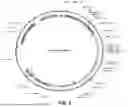
FIG. 1 shows an exemplary schematic of a plasmid map of an adeno-associated virus (AAV) vector described herein.
DETAILED DESCRIPTION
This disclosure describes using adeno-associated virus (AAV) vectors to enhance expression of DARS2 as a therapeutic for leukoencephalopathy with brainstem and spinal cord involvement and lactate elevation (LBSL). In some embodiments, an AAV vector can increase expression of functional DARS2 protein.
Provided herein are methods of treating LBSL in a subject in need thereof that include: administering an adeno-associated virus (AAV) vector to the subject, wherein the adeno-associated vector increases expression of a DARS2 gene, thereby treating LBSL.
Various non-limiting aspects of these methods are described herein, and can be used in any combination without limitation. Additional aspects of various components of the methods described herein are known in the art.
It must be noted that, as used in the specification and the appended claims, the singular forms “a,” “an” and “the” include plural referents unless the context clearly dictates otherwise.
As used herein, the term “about”, when used herein in reference to a value, refers to a value that is similar, in context to the referenced value. In general, those skilled in the art, familiar with the context, will appreciate the relevant degree of variance encompassed by “about” in that context. For example, in some embodiments, the term “about” may encompass a range of values that are within 25%, 20%, 19%, 18%, 17%, 16%, 15%, 14%, 13%, 12%, 11%, 10%, 9%, 8%, 7%, 6%, 5%, 4%, 3%, 2%, 1%, or less of the referred value.
As used herein, the term “administration” typically refers to the administration of a composition to a subject or system to achieve delivery of an agent that is, or is included in, the composition. Those of ordinary skill in the art will be aware of a variety of routes that may, in appropriate circumstances, be utilized for administration to a subject, for example a human. For example, in some embodiments, administration may be ocular, oral, parenteral, etc. In some particular embodiments, administration may be bronchial (e.g., by bronchial instillation), buccal, dermal (which may be or comprise, for example, one or more of topical to the dermis, intradermal, transdermal, etc.), enteral, intra-arterial, intragastric, intramedullary, intramuscular, intranasal, intraperitoneal, intrathecal, intravenous, intraventricular, intracisternal, within a specific organ (e.g., intrahepatic), mucosal, nasal, oral, rectal, subcutaneous, sublingual, topical, tracheal (e.g., by intratracheal instillation), vaginal, vitreal, etc. In some embodiments, administration may involve only a single dose. In some embodiments, administration may involve application of a fixed number of doses. In some embodiments, administration may involve dosing that is intermittent (e.g., a plurality of doses separated in time) and/or periodic (e.g., individual doses separated by a common period of time) dosing. In some embodiments, administration may involve continuous dosing (e.g., perfusion) for at least a selected period of time.
As used herein, a “cell” can refer to either a prokaryotic or eukaryotic cell, optionally obtained from a subject or a commercially available source.
As used herein, “delivering”, “gene delivery”, “gene transfer”, “transducing” can refer to the introduction of an exogenous polynucleotide into a host cell, irrespective of the method used for the introduction. Such methods include a variety of well-known techniques such as vector-mediated gene transfer (e.g., viral infection/transfection, or various other protein-based or lipid-based gene delivery complexes) as well as techniques facilitating the delivery of “naked” polynucleotides (e.g., electroporation, “gene gun” delivery and various other techniques used for the introduction of polynucleotides). The introduced polynucleotide may be stably or transiently maintained in the host cell. Stable maintenance typically requires that the introduced polynucleotide either contains an origin of replication compatible with the host cell or integrates into a replicon of the host cell such as an extrachromosomal replicon (e.g., a plasmid) or a nuclear or mitochondrial chromosome.
In some embodiments, a polynucleotide can be inserted into a host cell by a gene delivery molecule. Examples of gene delivery molecules can include, but are not limited to, liposomes, micelles biocompatible polymers, including natural polymers and synthetic polymers; lipoproteins; polypeptides; polysaccharides; lipopolysaccharides; artificial viral envelopes; metal particles; and bacteria, or viruses, such as baculovirus, adenovirus and retrovirus, bacteriophage, cosmid, plasmid, fungal vectors and other recombination vehicles typically used in the art which have been described for expression in a variety of eukaryotic and prokaryotic hosts, and may be used for gene therapy as well as for simple protein expression.
As used herein, the term “encode” as it is applied to nucleic acid sequences refers to a polynucleotide which is said to “encode” a polypeptide if, in its native state or when manipulated by methods well known to those skilled in the art, can be transcribed and/or translated to produce the mRNA for the polypeptide and/or a fragment thereof. The antisense strand is the complement of such a nucleic acid, and the encoding sequence can be deduced therefrom.
As used herein, the term “exogenous” refers to any material introduced from or originating from outside a cell, a tissue or an organism that is not produced by or does not originate from the same cell, tissue, or organism in which it is being introduced.
As used herein, the term “expression” refers to the process by which polynucleotides are transcribed into mRNA and/or the process by which the transcribed mRNA is subsequently translated into peptides, polypeptides, or proteins. In some embodiments, if the polynucleotide is derived from genomic DNA, expression may include splicing of the mRNA in a eukaryotic cell. The expression level of a gene may be determined by measuring the amount of mRNA or protein in a cell or tissue sample; further, the expression level of multiple genes can be determined to establish an expression profile for a particular sample.
As used herein, “nucleic acid” is used to include any compound and/or substance that comprise a polymer of nucleotides. In some embodiments, a polymer of nucleotides are referred to as polynucleotides. Exemplary nucleic acids or polynucleotides can include, but are not limited to, ribonucleic acids (RNAs), deoxyribonucleic acids (DNAs), threose nucleic acids (TNAs), glycol nucleic acids (GNAs), peptide nucleic acids (PNAs), locked nucleic acids (LNAs, including LNA having a β-D-ribo configuration, α-LNA having an α-L-ribo configuration (a diastereomer of LNA), 2′-amino-LNA having a 2′-amino functionalization, and 2′-amino-α-LNA having a 2′-amino functionalization) or hybrids thereof. Naturally-occurring nucleic acids generally have a deoxyribose sugar (e.g., found in deoxyribonucleic acid (DNA)) or a ribose sugar (e.g., found in ribonucleic acid (RNA)).
A nucleic acid can contain nucleotides having any of a variety of analogs of these sugar moieties that are known in the art. A deoxyribonucleic acid (DNA) can have one or more bases selected from the group consisting of adenine (A), thymine (T), cytosine (C), or guanine (G), and a ribonucleic acid (RNA) can have one or more bases selected from the group consisting of uracil (U), adenine (A), cytosine (C), or guanine (G).
In some embodiments, the term “nucleic acid” refers to a deoxyribonucleic acid (DNA) or ribonucleic acid (RNA), or a combination thereof, in either a single- or double-stranded form. Unless specifically limited, the term encompasses nucleic acids containing known analogues of natural nucleotides that have similar binding properties as the reference nucleotides. Unless otherwise indicated, a particular nucleic acid sequence also implicitly encompasses complementary sequences as well as the sequence explicitly indicated. In some embodiments of any of the isolated nucleic acids described herein, the isolated nucleic acid is DNA. In some embodiments of any of the isolated nucleic acids described herein, the isolated nucleic acid is RNA.
Modifications can be introduced into a nucleotide sequence by standard techniques known in the art, such as site-directed mutagenesis and polymerase chain reaction (PCR)-mediated mutagenesis. Conservative amino acid substitutions are ones in which the amino acid residue is replaced with an amino acid residue having a similar side chain. Families of amino acid residues having similar side chains have been defined in the art. These families include amino acids with basic side chains (e.g., arginine, lysine and histidine), acidic side chains (e.g., aspartic acid and glutamic acid), uncharged polar side chains (e.g., asparagine, cysteine, glutamine, glycine, serine, threonine, tyrosine, and tryptophan), nonpolar side chains (e.g., alanine, isoleucine, leucine, methionine, phenylalanine, proline, and valine), beta-branched side chains (e.g., isoleucine, threonine, and valine), and aromatic side chains (e.g., histidine, phenylalanine, tryptophan, and tyrosine), and aromatic side chains (e.g., histidine, phenylalanine, tryptophan, and tyrosine). As used herein, the term “nucleotides” and “nt” are used interchangeably herein to generally refer to biological molecules that comprise nucleic acids. Nucleotides can have moieties that contain the known purine and pyrimidine bases. Nucleotides may have other heterocyclic bases that have been modified. Such modifications include, e.g., methylated purines or pyrimidines, acylated purines or pyrimidines, alkylated riboses, or other heterocycles. In some embodiments, nucleic acid modifications can also include a blocking modification comprising a 3′ end modification (e.g., a 3′ dideoxy C (3′ddC), 3′ddG, 3′ddA, 3′ddT, 3′ inverted dT, 3′ C3 spacer, 3′ amino, 3′ biotinylation, or 3′ phosphorylation). The terms “polynucleotides,” “nucleic acid,” and “oligonucleotides” can be used interchangeably, and refer to a polymeric form of nucleotides of any length, either deoxyribonucleotides or ribonucleotides, or analogs thereof. Polynucleotides may have any three-dimensional structure, and may perform any function, known or unknown. The following are non-limiting examples of polynucleotides: coding or non-coding regions of a gene or gene fragment, loci (locus) defined from linkage analysis, exons, introns, messenger RNA (mRNA), transfer RNA, ribosomal RNA, ribozymes, cDNA, recombinant polynucleotides, branched polynucleotides, plasmids, vectors, isolated DNA of any sequence, isolated RNA of any sequence, nucleic acid probes, and primers. A polynucleotide may comprise non-naturally occurring sequences. A polynucleotide may comprise modified nucleotides, such as methylated nucleotides and nucleotide analogs. If present, modifications to the nucleotide structure may be imparted before or after assembly of the polymer. The sequence of nucleotides may be interrupted by non-nucleotide components. A polynucleotide may be further modified after polymerization, such as by conjugation with a labeling component.
As used herein, the term “subject” refers an organism, typically a mammal (e.g., a human). In some embodiments, a subject is suffering from a relevant disease, disorder, or condition. In some embodiments, a subject is susceptible to a disease, disorder, or condition. In some embodiments, a subject displays one or more signs or symptoms or characteristics of a disease, disorder, or condition. In some embodiments, a subject does not display any symptom or characteristic of a disease, disorder, or condition. In some embodiments, a subject is someone with one or more features characteristic of susceptibility to or risk of a disease, disorder, or condition. In some embodiments, a subject is a patient. In some embodiments, a subject is an individual to whom diagnosis and/or therapy is and/or has been administered.
As used herein, the term “treating” means a reduction in the number, frequency, severity, or duration of one or more (e.g., two, three, four, five, or six) symptoms of a disease or disorder in a subject (e.g., any of the subjects described herein), and/or results in a decrease in the development and/or worsening of one or more symptoms of a disease or disorder in a subject.
Methods of Treating Leukoencephalopathy with Brainstem and Spinal Cord Involvement and Lactate Elevation (LBSL)
Leukoencephalopathy with brain stem and spinal cord involvement and lactate elevation (LBSL) is a rare disorder characterized by a range of neurological issues, wherein affected individuals have disease of the white matter of the brain (leukoencephalopathy). Affected individuals exhibit a variety of symptoms including spasticity, weakness and progressive cerebellar ataxia. Spasticity is stiffness of the muscles, which leads to progressive difficulty with walking and for some, loss of the ability to walk. Cerebellar ataxia is difficulty with coordinating voluntary movements, which can lead a variety of issues including poor manual coordination, difficulty with fine motor tasks, and unsteadiness when walking.
LBSL is a rare, heritable, and progressive neurological disease primarily affecting motor function in its clinical presentations. LBSL is caused by mutations in the DARS2 gene, which encodes for mitochondrial Aspartyl-tRNA Synthetase—a protein that charges aspartic acid to its cognate tRNAs in the mitochondria. Most LBSL patients present as compound heterozygotes, with one allele expressing a null mutation and the other exhibiting a splice-site mutation between intron 2 and exon 3, forming a partially functional allele and allowing for production of some protein albeit at lower levels than normally expected. Therefore, increasing the amount of functional DARS2 protein is a major therapeutic goal in the treatment of LBSL.
Provided herein are methods of treating LBSL in a subject in need thereof that include: administering an adeno-associated virus (AAV) vector to the subject, wherein the adeno-associated vector increases expression of a DARS2 gene, thereby treating LBSL.
In some embodiments, the AAV vector comprises a single-stranded DNA (ssDNA). In some embodiments, the AAV vector comprises a coding sequence of DARS2. In some embodiments, the subject has a mutation between intron 2 and exon 3 of the DARS2 gene. In some embodiments, administering the AAV vector increases expression of DARS2 protein.
Adeno-Associated Virus (AAV) Vectors
In some embodiments, in vivo introduction of a nucleic acid into a cell is achieved by use of a viral vector containing nucleic acid, e.g., a cDNA. Infection of cells with a viral vector has the advantage that a large proportion of the targeted cells can receive the nucleic acid. Additionally, molecules encoded within the viral vector, e.g., by a cDNA contained in the viral vector, are expressed efficiently in cells that have taken up viral vector nucleic acid. Adeno-Associated Virus (AAV) vectors have become common agents of gene therapy in recent years. This is due to their ability to transduce human cells, low toxicity, and persistence over time without genomic integration in non-dividing cells—making them useful in treatments of neurological diseases.
Adeno-associated virus vectors can be used as a recombinant gene delivery system for the transfer of exogenous genes in vivo, particularly into humans. These vectors provide efficient delivery of genes into cells, and the transferred nucleic acids are stably integrated into the chromosomal DNA of the host. Adeno-associated virus is a naturally occurring defective virus that requires another virus, such as an adenovirus or a herpes virus, as a helper virus for efficient replication and a productive life cycle. (see, e.g., Muzyczka et al., Curr. Topics in Micro. and Immunol. 158:97-129 (1992)). It is also one of the few viruses that may integrate its DNA into non-dividing cells, and exhibits a high frequency of stable integration (see, e.g., Flotte et al., Am. J. Respir. Cell. Mol. Biol. 7:349-356 (1992); Samulski et al., J. Virol. 63:3822-3828 (1989); and Mclaughlin et al., J. Virol. 62:1963-1973 (1989)). Vectors containing as little as 300 base pairs of AAV can be packaged and can integrate. Space for exogenous DNA is limited to about 4.5 kb. For example, an AAV vector such as that described in Tratschin et al., Mol. Cell. Biol. 5:3251-3260 (1985) can be used to introduce DNA into cells. A variety of nucleic acids have been introduced into different cell types using AAV vectors (see, e.g., Hermonat et al., Proc. Natl. Acad. Sci. USA 81:6466-6470 (1984); Tratschin et al., Mol. Cell. Biol. 4:2072-2081 (1985); Wondisford et al., Mol. Endocrinol. 2:32-39 (1988); Tratschin et al., J. Virol. 51:611-619 (1984); and Flotte et al., J. Biol. Chem. 268:3781-3790 (1993)).
In some embodiments, the AAV vector includes a sequence isolated or derived from an adeno-associated virus (AAV). In some embodiments, the viral vector includes an inverted terminal repeat sequence or a capsid sequence that is isolated or derived from an AAV of serotype AAV1, AAV2, AAV3, AAV4, AAV5, AAV6, AAV7, AAV8, AAV9, AAV10, AAV11, AAV12, AAV.rh32/33, AAV.rh43, AAV.rh64R1, and any combinations or equivalents thereof. In some embodiments, the viral vector is replication incompetent. In some embodiments, the viral vector is isolated or recombinant (rAAV). In some embodiments, the viral vector is self-complementary (scAAV). In some embodiments, the AAV vector has low toxicity. In some embodiments, the AAV vector does not incorporate into the host genome, thereby having a low probability of causing insertional mutagenesis. In some embodiments, the AAV vector can encode a range of total polynucleotides from 4.5 kb to 4.75 kb.
In some embodiments, the AAV vector can include, without limitation, an expression control element. An “expression control element” as used herein refers to any sequence that regulates the expression of a coding sequence, such as a gene. Exemplary expression control elements include but are not limited to promoters, enhancers, microRNAs, post-transcriptional regulatory elements, polyadenylation signal sequences, and introns. Expression control elements may be constitutive, inducible, repressible, or tissue-specific, for example. A “promoter” is a control sequence that is a region of a polynucleotide sequence at which initiation and rate of transcription are controlled. It may contain genetic elements at which regulatory proteins and molecules may bind such as RNA polymerase and other transcription factors. In some embodiments, expression control by a promoter is tissue-specific. Non-limiting exemplary promoters include CMV, CBA, CAG, Cbh, EF-1α, PGK, UBC, GUSB, UCOE, hAAT, TBG, Desmin, MCK, C5-12, NSE, Synapsin, PDGF, MecP2, CaMKII, mGluR2, NFL, NFH, nβ2, PPE, ENK, EAAT2, GFAP, MBP, and U6 promoters. An “enhancer” is a region of DNA that can be bound by activating proteins to increase the likelihood or frequency of transcription. Non-limiting exemplary enhancers and posttranscriptional regulatory elements include the CMV enhancer and WPRE.
In some embodiments, the AAV vector comprises a promoter, a human DARS2 gene, a detectable label, or any combinations thereof. In some embodiments, the promoter is an EF1α promoter. In some embodiments, detectable labels can include, but are not limited to, radioisotopes, enzymes that generate a detectable product (e.g., horseradish peroxidase, alkaline phosphatase, etc.), fluorescent proteins, paramagnetic atoms, and the like. In some embodiments, a detectable label can include lacZ, luciferase, green fluorescent protein (GFP), red fluorescent protein (RFP), HIS3, CUP1, URA3, metazoans, CAT, MFA2, or β-globin. In some embodiments, the detectable label is a green fluorescent protein (GFP).
In some embodiments, the AAV vector comprises an AAV9 vector. In some embodiments, the AAV vector comprises an AAV9 viral protein capsid. In some embodiments, an AAV9 vector used in accordance with the methods and materials provided herein shows a high affinity for neuronal cells. In some embodiments, an AAV9 vector includes a DARS2 coding sequence that directs expression of the DARS2 protein, wherein the AAV9 vector can be used for transduction of LBSL patient cells. In some embodiments, the AAV vector comprises a DARS2 gene.
In some embodiments, the AAV vector can be encoded by a nucleic acid sequence. In some embodiments, the AAV vector is encoded by a nucleic acid sequence that comprises or consists of SEQ ID NO: 1. In some embodiments, the AAV vector is encoded by a nucleic acid sequence that has at least 80%, at least 85%, at least 90%, at least 91%, at least 92%, at least 93%, at least 94%, at least 95%, at least 96%, at least 97%, at least 98% or at least 99% sequence identity to SEQ ID NO: 1.
| AAV9 DARS2 vector nucleic acid sequence | |
| SEQ ID NO: 1 | |
| CCTGCAGGCAGCTGCGCGCTCGCTCGCTCACTGAGGCCGCCCGGGCAAAGCCCGGG | |
| CGTCGGGCGACCTTTGGTCGCCCGGCCTCAGTGAGCGAGCGAGCGCGCAGAGAGGG | |
| AGTGGCCAACTCCATCACTAGGGGTTCCTTCTAGACAACTTTGTATAGAAAAGTTGG | |
| GCTCCGGTGCCCGTCAGTGGGCAGAGCGCACATCGCCCACAGTCCCCGAGAAGTTG | |
| GGGGGAGGGGTCGGCAATTGAACCGGTGCCTAGAGAAGGTGGCGCGGGGTAAACT | |
| GGGAAAGTGATGTCGTGTACTGGCTCCGCCTTTTTCCCGAGGGTGGGGGAGAACCGT | |
| ATATAAGTGCAGTAGTCGCCGTGAACGTTCTTTTTCGCAACGGGTTTGCCGCCAGAA | |
| CACAGGTAAGTGCCGTGTGTGGTTCCCGCGGGCCTGGCCTCTTTACGGGTTATGGCC | |
| CTTGCGTGCCTTGAATTACTTCCACCTGGCTGCAGTACGTGATTCTTGATCCCGAGCT | |
| TCGGGTTGGAAGTGGGTGGGAGAGTTCGAGGCCTTGCGCTTAAGGAGCCCCTTCGCC | |
| TCGTGCTTGAGTTGAGGCCTGGCCTGGGCGCTGGGGCCGCCGCGTGCGAATCTGGTG | |
| GCACCTTCGCGCCTGTCTCGCTGCTTTCGATAAGTCTCTAGCCATTTAAAATTTTTGA | |
| TGACCTGCTGCGACGCTTTTTTTCTGGCAAGATAGTCTTGTAAATGCGGGCCAAGAT | |
| CTGCACACTGGTATTTCGGTTTTTGGGGCCGCGGGCGGCGACGGGGCCCGTGCGTCC | |
| CAGCGCACATGTTCGGCGAGGCGGGGCCTGCGAGCGCGGCCACCGAGAATCGGACG | |
| GGGGTAGTCTCAAGCTGGCCGGCCTGCTCTGGTGCCTGGTCTCGCGCCGCCGTGTAT | |
| CGCCCCGCCCTGGGCGGCAAGGCTGGCCCGGTCGGCACCAGTTGCGTGAGCGGAAA | |
| GATGGCCGCTTCCCGGCCCTGCTGCAGGGAGCTCAAAATGGAGGACGCGGCGCTCG | |
| GGAGAGCGGGCGGGTGAGTCACCCACACAAAGGAAAAGGGCCTTTCCGTCCTCAGC | |
| CGTCGCTTCATGTGACTCCACGGAGTACCGGGCGCCGTCCAGGCACCTCGATTAGTT | |
| CTCGAGCTTTTGGAGTACGTCGTCTTTAGGTTGGGGGGAGGGGTTTTATGCGATGGA | |
| GTTTCCCCACACTGAGTGGGTGGAGACTGAAGTTAGGCCAGCTTGGCACTTGATGTA | |
| ATTCTCCTTGGAATTTGCCCTTTTTGAGTTTGGATCTTGGTTCATTCTCAAGCCTCAG | |
| ACAGTGGTTCAAAGTTTTTTTCTTCCATTTCAGGTGTCGTGAGGCGCGCCCAAGTTTG | |
| TACAAAAAAGCAGGCTGCCACCATGTACTTCCCTTCTTGGTTAAGTCAGCTGTACAG | |
| GGGTTTATCCAGACCCATCAGAAGGACCACCCAACCGATCTGGGGTTCTCTCTACAG | |
| AAGTCTGTTGCAGAGTTCACAGAGGAGAATTCCAGAATTCAGTAGCTTTGTTGTCCG | |
| GACCAACACATGTGGAGAGTTGCGTTCGTCTCACTTAGGCCAAGAAGTCACCTTGTG | |
| TGGATGGATTCAGTACCGAAGGCAAAACACATTCTTGGTCCTAAGAGATTTCGATGG | |
| GCTTGTTCAAGTTATCATTCCCCAGGATGAGTCGGCAGCCTCTGTGAAGAAGATTTT | |
| ATGTGAAGCCCCTGTGGAATCTGTGGTGCAAGTGTCTGGTACAGTCATTTCCCGTCC | |
| TGCAGGACAAGAGAATCCAAAAATGCCAACAGGTGAGATTGAAATCAAAGTTAAAA | |
| CAGCTGAGCTTCTGAATGCCTGCAAGAAGCTGCCCTTTGAAATTAAGAACTTCGTGA | |
| AGAAAACAGAGGCTCTTCGGTTGCAGTATCGCTACTTAGACTTGCGTAGTTTCCAAA | |
| TGCAGTATAACCTGCGACTGAGGTCCCAGATGGTCATGAAAATGCGGGAATATCTCT | |
| GTAATCTGCATGGGTTTGTGGATATAGAAACCCCCACATTGTTTAAGAGGACCCCAG | |
| GGGGTGCCAAAGAGTTTTTAGTACCATCCAGGGAACCTGGAAAGTTTTATTCTCTCC | |
| CTCAGAGTCCTCAACAGTTTAAGCAACTTCTGATGGTTGGCGGTTTAGACAGATATT | |
| TTCAGGTTGCCCGATGTTATCGAGATGAAGGTTCAAGACCAGACAGACAGCCTGAG | |
| TTTACTCAGATTGACATAGAGATGTCATTTGTAGACCAGACTGGGATCCAGAGTTTA | |
| ATTGAGGGTTTGCTCCAGTATTCCTGGCCCAATGACAAAGATCCTGTGGTTGTTCCTT | |
| TTCCTACTATGACTTTTGCTGAGGTGCTGGCCACCTATGGAACTGATAAACCTGACA | |
| CTCGCTTTGGAATGAAGATTATAGATATCAGTGATGTGTTTAGAAACACAGAGATTG | |
| GATTTCTTCAAGATGCACTTAGTAAGCCCCATGGAACTGTGAAAGCCATATGTATCC | |
| CTGAAGGAGCAAAATACTTAAAAAGGAAAGACATTGAATCCATTAGAAACTTTGCA | |
| GCTGACCATTTTAATCAGGAAATCTTACCTGTATTCCTTAACGCCAATAGAAACTGG | |
| AATTCTCCAGTTGCTAATTTCATAATGGAGTCACAAAGACTGGAATTAATCAGACTA | |
| ATGGAGACCCAAGAGGAAGATGTGGTCCTACTAACTGCTGGAGAGCACAATAAAGC | |
| ATGCTCTTTGTTAGGAAAATTACGACTGGAATGTGCTGACCTTCTAGAAACAAGAGG | |
| AGTGGTGCTCCGTGACCCCACTCTGTTCTCTTTCCTTTGGGTGGTAGATTTCCCACTC | |
| TTCCTGCCCAAGGAGGAAAATCCCAGAGAGCTGGAATCGGCCCACCACCCATTTAC | |
| TGCTCCCCACCCCAGTGACATACATCTCCTGTACACTGAGCCCAAAAAGGCCCGTAG | |
| CCAACACTATGACTTGGTTTTAAATGGCAATGAAATAGGAGGTGGTTCAATTCGAAT | |
| TCACAATGCAGAGCTGCAGCGTTATATCCTGGCAACCTTACTAAAGGAGGATGTGA | |
| AAATGCTCTCCCATCTGCTCCAGGCTTTAGATTATGGGGCACCCCCTCATGGAGGAA | |
| TTGCCTTAGGGTTAGACAGACTGATATGCCTTGTCACTGGATCTCCAAGCATCAGAG | |
| ATGTCATAGCCTTCCCAAAGTCCTTCCGGGGACATGACCTCATGAGCAATACCCCAG | |
| ATTCTGTCCCTCCTGAGGAACTGAAGCCCTATCATATCCGAGTCTCCAAGCCAACAG | |
| ACTCCAAAGCAGAAAGAGCTCATACGCGTGGAAGCGGAGCCACGAACTTCTCTCTG | |
| TTAAAGCAAGCAGGAGATGTTGAAGAAAACCCCGGGCCTGCTAGCATGGTGAGCAA | |
| GGGCGAGGAGCTGTTCACCGGGGTGGTGCCCATCCTGGTCGAGCTGGACGGCGACG | |
| TAAACGGCCACAAGTTCAGCGTGTCCGGCGAGGGCGAGGGCGATGCCACCTACGGC | |
| AAGCTGACCCTGAAGTTCATCTGCACCACCGGCAAGCTGCCCGTGCCCTGGCCCACC | |
| CTCGTGACCACCCTGACCTACGGCGTGCAGTGCTTCAGCCGCTACCCCGACCACATG | |
| AAGCAGCACGACTTCTTCAAGTCCGCCATGCCCGAAGGCTACGTCCAGGAGCGCAC | |
| CATCTTCTTCAAGGACGACGGCAACTACAAGACCCGCGCCGAGGTGAAGTTCGAGG | |
| GCGACACCCTGGTGAACCGCATCGAGCTGAAGGGCATCGACTTCAAGGAGGACGGC | |
| AACATCCTGGGGCACAAGCTGGAGTACAACTACAACAGCCACAACGTCTATATCAT | |
| GGCCGACAAGCAGAAGAACGGCATCAAGGTGAACTTCAAGATCCGCCACAACATCG | |
| AGGACGGCAGCGTGCAGCTCGCCGACCACTACCAGCAGAACACCCCCATCGGCGAC | |
| GGCCCCGTGCTGCTGCCCGACAACCACTACCTGAGCACCCAGTCCGCCCTGAGCAA | |
| AGACCCCAACGAGAAGCGCGATCACATGGTCCTGCTGGAGTTCGTGACCGCCGCCG | |
| GGATCACTCTCGGCATGGACGAGCTGTACAAGTAATTAATTAAACCCAGCTTTCTTG | |
| TACAAAGTGGGAATTCCGATAATCAACCTCTGGATTACAAAATTTGTGAAAGATTGA | |
| CTGGTATTCTTAACTATGTTGCTCCTTTTACGCTATGTGGATACGCTGCTTTAATGCC | |
| TTTGTATCATGCTATTGCTTCCCGTATGGCTTTCATTTTCTCCTCCTTGTATAAATCCT | |
| GGTTGCTGTCTCTTTATGAGGAGTTGTGGCCCGTTGTCAGGCAACGTGGCGTGGTGT | |
| GCACTGTGTTTGCTGACGCAACCCCCACTGGTTGGGGCATTGCCACCACCTGTCAGC | |
| TCCTTTCCGGGACTTTCGCTTTCCCCCTCCCTATTGCCACGGCGGAACTCATCGCCGC | |
| CTGCCTTGCCCGCTGCTGGACAGGGGCTCGGCTGTTGGGCACTGACAATTCCGTGGT | |
| GTTGTCGGGGAAGCTGACGTCCTTTCCATGGCTGCTCGCCTGTGTTGCCACCTGGATT | |
| CTGCGCGGGACGTCCTTCTGCTACGTCCCTTCGGCCCTCAATCCAGCGGACCTTCCTT | |
| CCCGCGGCCTGCTGCCGGCTCTGCGGCCTCTTCCGCGTCTTCGCCTTCGCCCTCAGAC | |
| GAGTCGGATCTCCCTTTGGGCCGCCTCCCCGCATCGGGAATTCCTAGAGCTCGCTGA | |
| TCAGCCTCGACTGTGCCTTCTAGTTGCCAGCCATCTGTTGTTTGCCCCTCCCCCGTGC | |
| CTTCCTTGACCCTGGAAGGTGCCACTCCCACTGTCCTTTCCTAATAAAATGAGGAAA | |
| TTGCATCGCATTGTCTGAGTAGGTGTCATTCTATTCTGGGGGGTGGGGTGGGGCAGG | |
| ACAGCAAGGGGGAGGATTGGGAAGAGAATAGCAGGCATGCTGGGGAGGGCCGCAG | |
| GAACCCCTAGTGATGGAGTTGGCCACTCCCTCTCTGCGCGCTCGCTCGCTCACTGAG | |
| GCCGGGCGACCAAAGGTCGCCCGACGCCCGGGCTTTGCCCGGGCGGCCTCAGTGAG | |
| CGAGCGAGCGCGCAGCTGCCTGCAGGGGCGCCTGATGCGGTATTTTCTCCTTACGCA | |
| TCTGTGCGGTATTTCACACCGCATACGTCAAAGCAACCATAGTACGCGCCCTGTAGC | |
| GGCGCATTAAGCGCGGCGGGGGTGGTGGTTACGCGCAGCGTGACCGCTACACTTGC | |
| CAGCGCCTTAGCGCCCGCTCCTTTCGCTTTCTTCCCTTCCTTTCTCGCCACGTTCGCC | |
| GGCTTTCCCCGTCAAGCTCTAAATCGGGGGCTCCCTTTAGGGTTCCGATTTAGTGCTT | |
| TACGGCACCTCGACCCCAAAAAACTTGATTTGGGTGATGGTTCACGTAGTGGGCCAT | |
| CGCCCTGATAGACGGTTTTTCGCCCTTTGACGTTGGAGTCCACGTTCTTTAATAGTGG | |
| ACTCTTGTTCCAAACTGGAACAACACTCAACTCTATCTCGGGCTATTCTTTTGATTTA | |
| TAAGGGATTTTGCCGATTTCGGTCTATTGGTTAAAAAATGAGCTGATTTAACAAAAA | |
| TTTAACGCGAATTTTAACAAAATATTAACGTTTACAATTTTATGGTGCACTCTCAGTA | |
| CAATCTGCTCTGATGCCGCATAGTTAAGCCAGCCCCGACACCCGCCAACACCCGCTG | |
| ACGCGCCCTGACGGGCTTGTCTGCTCCCGGCATCCGCTTACAGACAAGCTGTGACCG | |
| TCTCCGGGAGCTGCATGTGTCAGAGGTTTTCACCGTCATCACCGAAACGCGCGAGAC | |
| GAAAGGGCCTCGTGATACGCCTATTTTTATAGGTTAATGTCATGATAATAATGGTTT | |
| CTTAGACGTCAGGTGGCACTTTTCGGGGAAATGTGCGCGGAACCCCTATTTGTTTAT | |
| TTTTCTAAATACATTCAAATATGTATCCGCTCATGAGACAATAACCCTGATAAATGC | |
| TTCAATAATATTGAAAAAGGAAGAGTATGAGTATTCAACATTTCCGTGTCGCCCTTA | |
| TTCCCTTTTTTGCGGCATTTTGCCTTCCTGTTTTTGCTCACCCAGAAACGCTGGTGAA | |
| AGTAAAAGATGCTGAAGATCAGTTGGGTGCACGAGTGGGTTACATCGAACTGGATC | |
| TCAACAGCGGTAAGATCCTTGAGAGTTTTCGCCCCGAAGAACGTTTTCCAATGATGA | |
| GCACTTTTAAAGTTCTGCTATGTGGCGCGGTATTATCCCGTATTGACGCCGGGCAAG | |
| AGCAACTCGGTCGCCGCATACACTATTCTCAGAATGACTTGGTTGAGTACTCACCAG | |
| TCACAGAAAAGCATCTTACGGATGGCATGACAGTAAGAGAATTATGCAGTGCTGCC | |
| ATAACCATGAGTGATAACACTGCGGCCAACTTACTTCTGACAACGATCGGAGGACC | |
| GAAGGAGCTAACCGCTTTTTTGCACAACATGGGGGATCATGTAACTCGCCTTGATCG | |
| TTGGGAACCGGAGCTGAATGAAGCCATACCAAACGACGAGCGTGACACCACGATGC | |
| CTGTAGCAATGGCAACAACGTTGCGCAAACTATTAACTGGCGAACTACTTACTCTAG | |
| CTTCCCGGCAACAATTAATAGACTGGATGGAGGCGGATAAAGTTGCAGGACCACTT | |
| CTGCGCTCGGCCCTTCCGGCTGGCTGGTTTATTGCTGATAAATCTGGAGCCGGTGAG | |
| CGTGGAAGCCGCGGTATCATTGCAGCACTGGGGCCAGATGGTAAGCCCTCCCGTAT | |
| CGTAGTTATCTACACGACGGGGAGTCAGGCAACTATGGATGAACGAAATAGACAGA | |
| TCGCTGAGATAGGTGCCTCACTGATTAAGCATTGGTAACTGTCAGACCAAGTTTACT | |
| CATATATACTTTAGATTGATTTAAAACTTCATTTTTAATTTAAAAGGATCTAGGTGAA | |
| GATCCTTTTTGATAATCTCATGACCAAAATCCCTTAACGTGAGTTTTCGTTCCACTGA | |
| GCGTCAGACCCCGTAGAAAAGATCAAAGGATCTTCTTGAGATCCTTTTTTTCTGCGC | |
| GTAATCTGCTGCTTGCAAACAAAAAAACCACCGCTACCAGCGGTGGTTTGTTTGCCG | |
| GATCAAGAGCTACCAACTCTTTTTCCGAAGGTAACTGGCTTCAGCAGAGCGCAGATA | |
| CCAAATACTGTTCTTCTAGTGTAGCCGTAGTTAGGCCACCACTTCAAGAACTCTGTA | |
| GCACCGCCTACATACCTCGCTCTGCTAATCCTGTTACCAGTGGCTGCTGCCAGTGGC | |
| GATAAGTCGTGTCTTACCGGGTTGGACTCAAGACGATAGTTACCGGATAAGGCGCA | |
| GCGGTCGGGCTGAACGGGGGGTTCGTGCACACAGCCCAGCTTGGAGCGAACGACCT | |
| ACACCGAACTGAGATACCTACAGCGTGAGCTATGAGAAAGCGCCACGCTTCCCGAA | |
| GGGAGAAAGGCGGACAGGTATCCGGTAAGCGGCAGGGTCGGAACAGGAGAGCGCA | |
| CGAGGGAGCTTCCAGGGGGAAACGCCTGGTATCTTTATAGTCCTGTCGGGTTTCGCC | |
| ACCTCTGACTTGAGCGTCGATTTTTGTGATGCTCGTCAGGGGGGCGGAGCCTATGGA | |
| AAAACGCCAGCAACGCGGCCTTTTTACGGTTCCTGGCCTTTTGCTGGCCTTTTGCTCA | |
| CATGT |
EXAMPLES
The disclosure is further described in the following examples, which do not limit the scope of the disclosure described in the claims.
Example 1—Enhancing DARS2 Expression Via Adeno-Associated Virus 9 (AAV9) as a Therapeutic Approach for LBSL
The AAV vector was generated as described herein. The transfer plasmid carrying the DARS2 (AAV-EF1a-DARS2-GFP) was co-transfected with Rep-cap plasmid and helper plasmid encoding adenovirus genes (E4, E2A and VA) that mediate AAV replication into HEK293T packaging cells. After two days, viral particles were harvested from cell lysate or supernatant depending on serotype and concentrated by PEG precipitation. For ultra-purification, viral particles were concentrated by cesium chloride (CsCl) gradient ultracentrifugation.
Prior to transduction, LBSL motor neurons were derived from patient iPSCs, and these were allowed to mature to Day 16 in vitro. Transduction was performed with a multiplicity of infection of approximately 30,000 viral genomes/cell. Media was changed after overnight exposure, and the expression of three different exons—3, 6, and 17—was analyzed in triplicate 10 days post-treatment via RT-qPCR relative to normalized values in an untreated control group of LSBL cells. All exons exhibited increased expression, with the following average increases observed: exon 3—1821.775±105.402, exon 6—164.782±2.638, and exon 17—158.423±6.806-fold higher expression. These results suggest efficacy of the AAV9 vector in enhancing DARS2 expression in vitro.
Claims
1. A method of treating leukoencephalopathy with brainstem and spinal cord involvement and lactate elevation (LBSL) in a subject in need thereof, the method comprising:
administering an adeno-associated virus (AAV) vector to the subject, wherein the adeno-associated vector increases expression of a DARS2 gene, thereby treating LBSL.
2. The method of claim 1, wherein the AAV vector comprises a single-stranded DNA (ssDNA).
3. The method of claim 1, wherein the AAV vector comprises a coding sequence of DARS2.
4. The method of claim 3, wherein the AAV vector further comprises a promoter, a human DARS2 gene, a detectable label, or any combinations thereof.
5. The method of claim 4, wherein the promoter is an EF1α promoter.
6. The method of claim 4, wherein the detectable label is a green fluorescent protein (GFP).
7. The method of claim 1, wherein the subject has a mutation between intron 2 and exon 3 of the DARS2 gene.
8. The method of claim 1, wherein administering the AAV vector increases expression of DARS2 protein.
9. The method of claim 1, wherein the AAV vector comprises an AAV9 vector.
10. The method of claim 1, wherein the AAV vector comprises an AAV9 viral protein capsid.
11. The method of claim 10, wherein the AAV vector comprises SEQ ID NO: 1.
12. The method of claim 11, wherein the AAV consists of SEQ ID NO: 1.
Images & Drawings included:

Sources:
- United States Patent and Trademark Office - verify current appl. status at the USPTO↗
Recent applications in this class:
- » 20260103729 2026-04-16
rAAV PRODUCTION IN INSECT CELLS - » 20260103727 2026-04-16
THERAPEUTIC RECOMBINANT VIRUSES - » 20260103726 2026-04-16
CONTROL SYSTEM FOR INDUCING TRANSGENE EXPRESSION BY MEANS OF D-2-HG, AND CONSTRUCTION METHOD THEREFOR AND USES THEREOF - » 20260098280 2026-04-09
SURFACE-MODIFIED VIRAL PARTICLES AND MODULAR VIRAL PARTICLES - » 20260098279 2026-04-09
RECONSTITUTION OF LARGE GENES VIA CRE-LOX DNA RECOMBINATION IN ADENO-ASSOCIATED VIRUS VECTORS - » 20260092292 2026-04-02
RNA AND DNA BASE EDITING VIA ENGINEERED ADAR RECRUITMENT - » 20260092291 2026-04-02
NOVEL DUAL HELPER PLASMID - » 20260092290 2026-04-02
RECOMBINANT VIRAL VECTOR, RECOMBINANT ADENO-ASSOCIATED VIRUS COMPRISING THE SAME, AND USES THEREOF IN TREATING SIALIDOSIS - » 20260085328 2026-03-26
CONTROLLED EXPRESSION OF VIRAL PROTEINS - » 20260078408 2026-03-19
MUSCLE-SPECIFIC EXPRESSION CASSETTES