MEDICINAL EYEWEAR AND OPTICAL DEVICES
US20260108758A1
2026-04-23
19/314,794
2025-08-29
Smart Summary: Medicinal eyewear includes special glasses that have lenses designed to help with eye health. These lenses contain a material that can absorb light from sources like the sun or indoor lights. The absorbed light is then changed into a specific type of therapeutic light that can benefit the eyes. This therapeutic light, called photobiomodulation (PBM) light, falls within a certain range of wavelengths. The glasses are made to direct this helpful light towards the user's eyes for potential health benefits. 🚀 TL;DR
Abstract:
Medicinal eyewear and optical devices are disclosed. A wearable eyewear device includes a lens and a passive light conversion material integrated within at least a portion of the lens. The passive light conversion material is configured to absorb ambient wavelengths of light from at least one of sunlight or artificial light sources and convert at least a portion of the absorbed ambient light into at least one therapeutic wavelength of photobiomodulation (“PBM”) light within a range of 600 nm to 1200 nm. The lens is configured to direct the PBM light toward the user's eye.
Inventors:
- Allan Brent York 65 🇨🇦 Langley, Canada
- Mike Miskin 9 🇺🇸 Sleepy Hollow, IL, United States
- Charles F. Huber 7 🇺🇸 Lake Forest, IL, United States
- Robert L. Kottritsch 1 🇬🇧 Wixams, United Kingdom
Applicant:
Interested in similar patents?
Get notified when new applications in this technology area are published.
Classification:
A61N5/0624 » CPC main
Radiation therapy using light; Apparatus adapted for a specific treatment for eliminating microbes, germs, bacteria on or in the body
A61N5/067 » CPC further
Radiation therapy using light using laser light
G06F3/013 » CPC further
Input arrangements for transferring data to be processed into a form capable of being handled by the computer; Output arrangements for transferring data from processing unit to output unit, e.g. interface arrangements; Input arrangements or combined input and output arrangements for interaction between user and computer; Arrangements for interaction with the human body, e.g. for user immersion in virtual reality Eye tracking input arrangements
A61N2005/0626 » CPC further
Radiation therapy using light Monitoring, verifying, controlling systems and methods
A61N2005/0648 » CPC further
Radiation therapy using light characterised by the body area to be irradiated; Applicators, probes irradiating specific body areas in close proximity; Applicators worn by the patient the applicator adapted to be worn on the head the light being directed to the eyes
A61N2005/0651 » CPC further
Radiation therapy using light; Light sources therefor Diodes
A61N2005/0659 » CPC further
Radiation therapy using light characterised by the wavelength of light used infra-red
A61N2005/0663 » CPC further
Radiation therapy using light characterised by the wavelength of light used; Visible light Coloured light
A61N5/06 IPC
Radiation therapy using light
G06F3/01 IPC
Input arrangements for transferring data to be processed into a form capable of being handled by the computer; Output arrangements for transferring data from processing unit to output unit, e.g. interface arrangements Input arrangements or combined input and output arrangements for interaction between user and computer
Description
PRIORITY CLAIM
The present application claims priority to and the benefit of U.S. Provisional Patent Application No. 63/864,855, filed on Aug. 15, 2025, U.S. Provisional Patent Application No. 63/823,199, filed on Jun. 13, 2025, U.S. Provisional Patent Application No. 63/762,410, filed on Feb. 24, 2025, and U.S. Provisional Patent Application No. 63/833,763, filed on Jan. 13, 2025, the entirety of which are incorporated herein by reference and relied upon.
The present application is also a continuation-in-part of U.S. patent application Ser. No. 19/289,856, filed on Aug. 4, 2025, which is a continuation application of U.S. patent application Ser. No. 18/424,513, filed on Jan. 26, 2024, now U.S. Pat. No. 12,377,286, which claims priority to and the benefit of U.S. Provisional Patent Application No. 63/481,742, filed on Jan. 26, 2023, U.S. Provisional Patent Application No. 63/489,139, filed on Mar. 8, 2023, U.S. Provisional Patent Application No. 63/457,039, filed on Apr. 4, 2023, and U.S. Provisional Patent Application No. 63/630,055, filed on Dec. 26, 2023, the entirety of which are incorporated herein by reference and relied upon.
The present application is also a continuation-in-part of U.S. patent application Ser. No. 17/920,619, filed on Oct. 21, 2022, which is a National Stage Entry of PCT Patent Application No. PCT/US2021/028863, filed on Apr. 23, 2021, which claims priority to U.S. Provisional Patent Application No. 63/101,293, filed on Apr. 23, 2020, the entirety of which are incorporated herein by reference and relied upon.
TECHNICAL FIELD
The present invention generally relates to anti-infective light radiation and/or therapeutic electromagnetic emission methods and devices. More specifically, the present invention relates to devices configured to emit visible and/or non-visible electromagnetic radiation and/or emissions “light radiation” of at least one or a combination of two or more wavelengths of red, green, and blue (“RGB”), blue, ultraviolet (“UV”), near-UV, orange, cyan, red, and/or infrared light wavelengths that are directed towards and/or concentrated towards or inside of a specific portion or body part of a person and/or other living species. The therapeutic electromagnetic emission methods and devices are configured to deliver one or a combination of beneficial results including but not limited to reducing or killing an infection, providing photobiomodulation treatments, delivering and/or providing heat, accelerating healing, disinfecting, and other treatments near, on or within living species including but not limited to humans, animals, mammals and other living species and/or organisms.
BACKGROUND
Electromagnetic radiation including in the microwave spectrum has been used to treat cancer and is known to be dangerous. In addition to treating cancer, radiation oncologists may use ionizing radiation to treat benign tumors that are unresectable (unable to be removed by surgery), such as certain types of tumors occurring in the brain (e.g., craniopharyngiomas and acoustic neuromas). Until the significant long-term consequences of ionizing radiation were recognized, radiation therapy was sometimes used for conditions such as acne, tinea capitis (ringworm of the scalp and nails), and lymph node enlargement. However, those uses were abandoned following the discovery of ionizing radiation injury. Early radiation therapy machines produced X-rays that were in the orthovoltage range (between about 140 and 400 kilovolts). That treatment caused serious and often intolerable skin burns. Modern radiation therapy machines produce beams that are in the high-energy megavoltage range (more than 1,000 kilovolts), which allows the beam to penetrate tissues and treat deep-seated tumours. The dosage to the skin, however, is lower than with orthovoltage treatment.
The majority of modem radiation therapy treatments are external beam teletherapy, or long-distance therapy (sometimes also called external beam radiotherapy). External beam machines produce ionizing radiation either by radioactive decay of a nuclide, most commonly cobalt-60, or through the acceleration of electrons or other charged particles, such as protons. Most radiation therapy treatments use irradiation generated by linear accelerators, which impart a series of relatively small increases in energy to particles such as protons, carbon ions, or neutrons. The accelerated particles bombard a target, which then produces the therapeutic beam of radiation. The energy of the beam is determined by the energy of the accelerated particles. Two commonly used approaches to external beam teletherapy are intensity-modulated radiation therapy (“IMRT”) and particle beam therapy.
Another technique used for the delivery of radiation is known as brachytherapy. In that form of therapy, radiation is implanted directly into a tumor or tumor-bearing tissue. The encapsulated radioactive sources are inserted into the tumor via catheters or needles. A catheter can be placed into a tumor bed after tumor resection, whereas a needle can be inserted into the affected tissue directly or into the body cavity housing the affected tissue. In both cases, radioactive sources are carefully threaded into the delivery device. Brachytherapy is valuable in particular because it can deliver a high dose of radiation to the tumor tissue or tumor bed while sparing the surrounding healthy tissue.
It has been known for several decades that the use of light can give a positive therapeutic effect in the treatment of a wide spectrum of diseases. In the 1960's the use of narrow wavelength light was investigated in vivo/in vitro experiments. It was found that light of wavelength greater than 440 nm did not work. Further investigations were carried out with light having a wavelength of from 300 to 350 nm (UV light) but it was found that infection was exacerbated/promoted rather than ameliorated/eliminated. Some attempts have been made to treat individuals affected with the herpes virus by treatment with light of the wavelength 660 nm, as described in U.S. Pat. No. 5,500,009.
Additionally, it is known from the prior art to use a laser to produce coherent radiation and to focus it on the area to be treated. Nd YAG laser treatment at a fundamental wavelength of 1064 nm is associated with decreased pain, scarring and improved healing (U.S. Pat. No. 5,445,146). Additionally, it has been reported that diodes emitting light at the red wavelength, 940±25 nm can be used to treat a range of essentially musculoskeletal ailments (U.S. Pat. No. 5,259,380). However, there is no indication that light of a wavelength above this would be of any therapeutic use.
It has now been surprisingly established that low intensity electromagnetic radiation of small bandwidth is effective in the treatment of infectious diseases, inflammatory-type diseases, and other conditions, including the alleviation of pain. It is postulated that the way in which the electromagnetic radiation affects its action is by way of energy transmission through cellular components/organelles.
A water molecule that has a range of electromagnetic radiation wavelengths passed through it will produce several transmission peaks. These transmission peaks can be associated with the preferred therapeutic electromagnetic radiation wavelengths and/or ranges used in the invention and thus implies there may be a role for the water molecule in the general mechanism of action.
Ultraviolet (“UV”) light has been used to reduce and/or kill unwanted microorganisms and/or bacteria. UV radiation is electromagnetic radiation with a wavelength (100-400 nm) shorter than that of visible light (400-700 nm), but longer than x-rays (<100 nm). UV irradiation is divided into four distinct spectral areas including UV (100-200 nm), UVC (200-280 nm), UVB (280-315 nm), and UVA (315-400 nm). The mechanism of UVC inactivation of microorganisms is to damage the genetic material in the nucleus of the cell or nucleic acids in the virus. The UVC spectrum, especially the range of 250-270 nm, is strongly absorbed by the nucleic acids of a microorganism and, therefore, is the most lethal range of wavelengths for microorganisms. This range, with 262 nm being the peak germicidal wavelength, is known as the germicidal spectrum. The light-induced damage to the DNA and RNA of a microorganism often results from the dimerization of pyrimidine molecules. In particular, thymine (which is only found only in DNA) produces cyclobutane dimers. When thymine molecules are dimerized, it becomes very difficult for the nucleic acids to replicate and if replication does occur it often produces a defect that prevents the microorganism from being viable.
Although it has been known for the last 100 years that UVC irradiation is highly germicidal, the use of UVC irradiation for prevention and treatment of infections is still in the very early stages of development. Most of the studies are confined to in vitro and ex vivo levels, while in vivo animal studies and clinical studies are much rarer. Studies that have examined UVC inactivation of antibiotic-resistant bacteria have found them to be as equally susceptible as their naive counterparts. Within the UVC range, 254 nm is easily produced from a mercury low-pressure vapor lamp, or more recently light emitting diode “LED” technology and has been shown to be close to the 262 nm optimal wavelength for germicidal action. Because the delivery of any UV light, including UVC irradiation to living tissue is a localized process and introduces added risk of damaging and/or destroying good, healthy living cells similar to that of microwave, UVC for infectious diseases is likely to be applied exclusively to localized infections more often as a last resort solution.
Blue light wavelengths fall within the range of 380 nm to 500 nm. Blue light, particularly in the morning, has several benefits including but not limited to promoting alertness. Blue light stimulates parts of the brain that make us feel alert, elevating our body temperature and heart rate which can boost alertness and mental sharpness. Blue light can additionally boost memory and cognitive function, help elevate mood. Blue light can additionally regulate a person's natural sleep and wake cycle and/or circadian rhythm. In the morning blue light suppresses sleep inducing hormones which help a person wake up. However, it is recommended to manage exposure to blue light and too much blue light, especially late in the day can interfere with a person's sleep by blocking the hormone called melatonin which makes a person sleepy.
The infrared (“IR”) radiation energy spectrum falls within the range of approximately 700 nm to 1 mm and is often broken into categories and referred to as one of either near infrared (“NIR”), mid-infrared (“MIR”), or far-infrared (“FIR”) energy. One or more of these IR energies are often used in various types of light therapy including but not limited to dermatology, hair growth, and saunas.
NIR energy is cooler than MIR and FIR, so it may be much easier for some people to handle. It has a detoxing effect on the body and includes some of the additional following benefits: heals wounds by causing regeneration of mitochondria cells, especially in skin, muscles, and tendons; anti-aging due to regeneration of mitochondria cells and its antioxidant properties; improves oxygen delivery to cells; and improves overall health because it enables the body to perform metabolic processes better.
MIR energy reaches deeper into a body providing some other benefits including: better blood circulation; reduced pain and inflammation due to increased blood circulation and oxygen delivery; quicker recovery from injury; and weight loss.
FIR energy reaches the deepest and heats up a person's core. It includes the following benefits: detoxification due to producing sweat that comes from deep within removing the toxins; relaxation due to the heat penetrating deeply; and lower blood pressure because the heat allows arteries to dilate.
Adenosine triphosphate (“ATP”) is an energy-carrying molecule known as “the energy currency of life” or “the fuel of life,” because it's the universal energy source for all living cells. Every living organism consists of cells that rely on ATP for their energy needs. ATP is made by converting the food into energy. It's an essential building block for all life forms. Without ATP, cells wouldn't have the fuel or power to perform functions necessary to stay alive, and they would eventually die. All forms of life rely on ATP to do the things they must do to survive.
Red and/or IR light improve the efficiency of the cellular respiration process and help a body make and use ATP energy more effectively. Red and/or IR wavelengths of electromagnetic energy do this by stimulating and/or impacting mitochondria, the powerhouses of the cell. Red and/or IR light therapy can increase the number of mitochondria, and also boost their function in the .
LED lighting devices have been developed to emit near UV and/or visible light that also kill bacteria and is safer on living species cells but require more time to kill microorganisms than conventional UV light sources, as taught by Lalicki et al. in U.S. Pat. Nos. 9,927,097 and 10,357,582. These devices emit a majority of light/peak of light within the 380-420 nm wavelength range rather than wavelengths within the conventional range of visible light at approximately 450-495 nm, which would be perceived as blue and then coated and/or covered with a phosphor to enable the blue to be converted to a more natural white light.
Light in the 380-420 nm wavelength is capable of killing or deactivating microorganisms such as but not limited to Gram positive bacteria, Gram negative bacteria, bacterial endospores, and yeast and filamentous fungi. Some Gram positive bacteria that can be killed or deactivated include Staphylococcus aureus (incl. MRSA), Clostridium perfringens, Clostridium difficile, Enterococcus faecalis, Staphylococcus epidermidis, Staphyloccocus hyicus, Streptococcus pyogenes, Listeria monocytogenes, Bacillus cereus, and Mycobacterium terrae. Some Gram negative bacteria include Acinetobacter baumannii, Pseudomonas aeruginosa, Klebsiella pneumoniae, Proteus vulgaris, Escherichia coli, Salmonella enteritidis, Shigella sonnei, and Serratia spp. Some bacterial endospores include Bacillus cereus and Clostridium difficile. Some yeast and filamentous fungi include Aspergillus niger, Candida albicans, and Saccharomyces cerevisiae. Light in the 380-420 nm wavelength has been effective against every type of bacteria tested, although it takes different amounts of time or dosages dependent on species. Based on known results it is expected to be effective against all gram-negative and gram-positive bacteria to some extent over a period of time. It can also be effective against many varieties of fungi, although these will take longer to show an effect.
LED lighting systems that use 405 nm and/or in the range of 380-420 nm antimicrobial properties have recently been tested and implemented into products available in the market for general lighting purposes. These devices and/or systems use wavelengths between 380-420 nm, 405 nm for example and coat the 405 nm LEDs with phosphor so that both white light and antimicrobial light is delivered from the lighting system. The rate at which these lighting systems kill unwanted microbes varies based on the level of light and or lux output being projected onto a specific surface. Although these LED lights take longer to kill microbes compared to the lower UV wavelength alternatives, they are safer for people. An important variable in testing the efficacy of 405 nm light is the lux level of lights being used. Lux is the standard unit of measure of illuminance and luminous emittance, measuring the perceived power of light per unit area. It is equal to one lumen per square meter and is used as a measure of brightness, as perceived by the human eye, of light that hits or passes through a surface, and similarly would be in the case of the proposed invention described herein, onto and/or through living tissue to reduce and or eliminate microbial infections.
LEDs are also available in various IR wavelengths and can likely be manufactured to offer any wavelength in the range of 700 nm to 1 mm in the IR spectrum. The benefit of LEDs is that they can be manufactured to deliver very specific wavelengths.
Short-wave infrared (SWIR-/NIR-II) LEDs (“SWIR-LEDs”) used in imaging have received increased attention and fall within the near-IR wavelength bands.
LEDs are semiconductor devices that produce light when a current is supplied to them. LEDs are intrinsically DC devices that only pass current in one polarity and have historically been powered and/or driven with constant current or constant voltage DC power supplies however recently LEDs have also been driven with AC voltages and/or rectified high voltage AC. LEDs can therefore be driven with AC and/or DC using complex, or simple power supplies and/or drivers, as well as with batteries as they have been in flashlights and other battery backup lighting systems. With the recent high growth and use of LED technology, LEDs have more recently often been designed into humancentric lighting systems, plant growth systems, dermatology lighting systems and are more often being tested and developed for medical applications.
The epitaxial growth process of LEDs is reasonably precise and allows LED chip manufacturers to provide many various wavelength options. LED chips can be packaged with or without phosphors based on the designer light output color (ie. red, green, blue, violet) and/or visible or non-visible wavelength. Phosphors, quantum dots and/or nano-crystals can be used to convert the original output color and/or wavelength of a LED chip to a white and/or near white light color temperature. White light color temperatures are often measured in Kelvins “K” and can range from 1500K (in the red and/or candlelight range) to 7500K (more blue Ultra Daylight) range. Wavelengths, colors and/or color temperatures of light can be combined, mixed and/or modulated to produce net resultant outputs of different wavelengths, colors and/or color temperatures of light. This can be done with various types of software and/or hardware including but not limited to artificial intelligence “AI”, electronic and/or software drivers, microprocessors, controllers, modulation methods, pulsed outputs and other such methods and/or devices that could be integrated in various types of lighting devices or systems according to the inventions described herein including but not limited to the proposed antimicrobial lighting devices for eliminating microbial infections in living species and/or living tissue, lighting devices and/or systems or devices comprising video displays as described herein.
LED chips are most often packaged with similar types of wavelengths if more than one chip is integrated in a single package, assembly or substrate such as blue/blue, red/red and so on. However red, green, and blue (“RGB”) is also a common LED package. The RGB LEDs and/or lighting systems are often used in LEDs signs, displays, theater lighting and other lighting systems where color changing is a requirement. Some LED packages and/or assemblies have included blue and red chips or LED packages mixed together to increase the quality of the light and/or color rendering index (“CRI”). An alternative to using red LEDs is to just use blue and adjust the phosphor coating on the blue LED chips so that the white light output from the LED package and/or assembly has an increased red color.
In recent months, the world has been affected with a global pandemic resulting in a significant number of rapidly increasing infections and loss of life as a result of the Coronavirus, more specifically COVID-19. COVID-19 is another dangerous respiratory infection that can lead to pneumonia and death similar to SARS and MERS. Doctors and scientists around the world are working fast to develop treatments, vaccines, equipment and more to help combat the global pandemic. Some of the proposed solutions being used include already approved medications such as hydroxychloroquine however many others are not yet tested and can have negative effects on the human living species they're being designed for.
Past viral pandemics and now COVID-19 have proven to put the worlds populations and economies at risk. Unfortunately, it's likely that this can occur again one day in the future. Other infections, for example kidney, diabetic limb and more occur on a regular basis and often lead to undesirable negative results. New solutions are needed for current and future microbial infectious diseases. It is contemplated to use a non-pharmaceutical technology-based solution using light to kill microbial infections within living species and/or tissue.
Repetitive strain injury, also known as RSI and repetitive motion disorder, is a term for damage to tissues caused by repeated physical actions. These actions are often work-related, such as typing, using a computer mouse, or other work and/or non-work related repetitive motions. The tissues affected are often in the hands, arms and upper body.
Therefore, it would be advantageous to provide antimicrobial lighting devices and methods for eliminating microbial infections in living species including but not limited to humans, animals, mammals and other living species.
There is growing medical evidence that too much exposure to blue light may cause permanent eye damage, contribute to the destruction of the cells in the center of the retina; and play a role in causing age-related macular degeneration, which can lead to vision loss. Melanin is the substance in the skin, hair, and eyes that absorbs harmful UV and blue light rays. It's the body's natural sunscreen protection. Higher amounts of melanin afford greater protection, but as a person ages, the person loses melanin, so that by age 65 half of the protection is gone making us more susceptible to eye disease such as macular degeneration. The retina is a very thin, multi-layered tissue covering the inner eyeball. The retina can be harmed by high-energy visible radiation of blue/violet light that penetrates the macular pigment found in the eye. A low macular pigment density may represent a risk factor for age-related macular degeneration by permitting greater blue light damage to the retina.
A Harvard medical study states that “High Energy Visible (“HEV”) blue light has been identified for years as the most dangerous light for the retina. After chronic exposure, one can expect to see long range growth in the number of macular degenerations, glaucomas, and retinal degenerative diseases”. And a paper published by the American Macular Degeneration Foundation (“AMDF”) reports that “the blue rays of the spectrum seem to accelerate age-related macular degeneration (“AMD”) more than any other rays in the spectrum”.
Red light therapy is a safe, natural way to protect vision and heal eyes from damage and strain, as shown in numerous peer-reviewed clinical studies. Wavelengths of both red light (in the mid-600 nm range) and near infrared light (in the mid-800 nm range) have been tested in multiple clinical trials and found to be safe and effective for ocular health and vision protection. People with age-related macular degeneration and glaucoma have shown significantly improved vision with the aid of light therapy treatments, and people with eye injuries have experienced faster healing, with less inflammation.
Adenosine triphosphate (“ATP”) is an energy-carrying molecule known as “the energy currency of life” or “the fuel of life,” because it's the universal energy source for all living cells. Every living organism consists of cells that rely on ATP for their energy needs. ATP is made by converting food into energy. It's an essential building block for all life forms. Without ATP, cells wouldn't have the fuel or power to perform functions necessary to stay alive, and they would eventually die. All forms of life rely on ATP to do the things they must do to survive.
Red and NIR light improves the efficiency of the cellular respiration process and helps a body make and use ATP energy more effectively. Light does this by impacting the mitochondria. Red light therapy can increase the number of mitochondria, and also boost their function in the cell.
Age-related macular degeneration affects nearly 200 million people worldwide. It's a common condition that occurs as eyes age and core ATP energy production decreases in the cells of eyes. Declining ocular cells lead to inflammation, cell degeneration, and eventually visual decline and the day-to-day problems that come with it. There is currently not a cure.
One of the primary mechanisms of action for red light therapy is that natural light stimulates the mitochondria in cells to produce more ATP energy. Red light therapy works against the main factor in macular degeneration, helping the cells in eyes work efficiently and produce energy, even as an eye ages. Therefore, red, near-IR, mid-IR, and far-IR light and/or wavelengths deliver safe therapeutic wavelengths of natural light directly to the mitochondria in cells. These red, near-infrared, mod-infrared and far infrared wavelengths reduce oxidative stress, so a body is able to make more usable ATP energy to power itself. This increases function, speeds healing, and lowers inflammation & pain, as demonstrated in numerous peer-reviewed studies.
It has been reported that people who received red light and IR treatments experienced significant increases in visual acuity, or vision sharpness as measured by how well they could make out distant letters and numbers. Significant decreases in edema and hemorrhaging, which means less distorted vision and broken blood vessels. No negative side effects, as is common in nearly every study about red light.
Retinitis pigmentosa is the most common cause of inherited blindness. This degenerative disease breaks down retinal cells and leads to difficulty seeing at night, a loss of peripheral vision, and can eventually lead to blindness. Researchers in 2012 examined the use of red light therapy in a mammal model of retinitis pigmentosa, finding that natural light treatments promoted mitochondrial integrity and function, prevented photoreceptor cell death, and preserved retinal function. To establish the safety of red light therapy, researchers conducted the trial with 670 nm red light and 830 nm near infrared light. They found both to be safe for clinical use, and even found the near infrared light “exerted a robust retino-protective effect.”
Research shows red and or IR Light Therapy is an effective natural glaucoma treatment. Glaucoma is a group of eye diseases that results in optic nerve injuries and cause vision loss over time. Glaucoma affects more than 60 million people, and chances of developing it increase as you age. Because there is no cure for glaucoma, managing symptoms and vision loss is the focus of current treatments, often for many years. Fortunately, red light therapy is proving in recent trials to be a safe, effective, and natural treatment for glaucoma, with none of the discomfort or side effects of prescription medications, eye drops, or surgery. Red and/or IR light treatments improve the effects of glaucoma and prevent vision loss by protecting the cornea and retina, especially against the ocular pressure and fluid buildup, which is one of the main complications that occurs with glaucoma cases. Clear liquid builds up in the front of the eye, and can cause damage to the optic nerve, which leads to the death of eye cells and with it the gradual loss of vision. Corneal cells, the ones tasked with keeping the cornea transparent so light can enter, are especially at risk from this pressure buildup. A 2017 study determined that red light therapy treatments absorbed by patients' eyes reduced this damage to corneal cells and even promoted their growth, enhancing the cells' survival chances and protecting against glaucoma-related vision loss. Protecting the Retina: Similar results were reported in a 2016 trial that analyzed retinal cells. A retina is responsible for creating visual perception, and sending messages to the brain. Without this cellular function, a person is unable to make sense of the world visually. In laboratory models of mammal vision, researchers found that red light therapy helps protect retinal cells when they were threatened by ocular pressure.
Band-aids and/or bandages “bandages” are used widely throughout the world for wound care and/or wound protection and come in many shapes, sizes, colors and materials. Some bandages include adhesives and some require secondary adhesion materials. For the most part, bandages are designed currently designed with little consideration for optical design and/or optical efficiency.
Negative Pressure Wound Therapy (NPWT) is a medical technique used to accelerate wound healing by applying negative pressure to the wound site. This involves placing a specialized dressing over the wound and connecting it to a vacuum pump, which creates suction. NPWT promotes wound contraction, stimulates the formation of granulation tissue, and removes excess fluid from the wound, thereby reducing swelling and infection risk. It is commonly used for chronic wounds like diabetic foot ulcers, pressure ulcers, and venous leg ulcers, as well as acute wounds and surgical incisions. While NPWT offers benefits such as enhanced healing and reduced infection risk, patient comfort and careful monitoring are important considerations during treatment. Overall, NPWT is an effective tool in wound care management, helping to promote faster healing and improve patient outcomes. Negative pressure wound therapy involves applying negative pressure (relative to atmospheric pressure) to a wound site to promote wound healing. Some NPWT systems surround the wound in a bandage and/or dressing which may be sealed with a drape. The drape establishes a barrier between negative pressure and atmospheric pressure. The negative pressure is created by a pump which provides suction through a tube to a pad which is coupled to the dressing over the wound site. Due to the suction, fluid from the wound site is drawn into the dressing. The dressing includes a filter that functions to absorb the fluid in an effort to provide only air to the pump.
Current systems and/or devices that emit wavelengths of Red, Near-IR and/or Infrared are predominantly stand-alone devices such as light therapy panels, lamps, mats, wraps or even saunas.
Current system and/or devices that emit UV are predominantly anti-bacterial lighting devices for disinfecting surfaces, air, surgical devices or other devices such as phones.
The adoption of human-centric lighting “HCL” is growing in popularity due to its myriad advantages, especially its alignment with human biological rhythms that significantly enhance mental and physical well-being. Appropriately designed HCL systems not only improve mood and reduce symptoms of depression but also substantially elevate sleep quality, leading to improved overall health outcomes.
Photobiomodulation (PBM) therapy has demonstrated significant benefits in fighting infection and/or promoting cellular health, enhancing mitochondrial function, improving vision, and supporting dermal rejuvenation. Traditional PBM systems require powered light sources. A need exists for a passive, always-on PBM system integrated into various devices including but not limited to eyewear, bandages and/or wound care dressings, mounted to light-emitting surfaces (e.g., digital light sources such as video displays, windows and/or transportation vehicle windows/glass, window visors, hats and/or any other conceivable location such light sources for conversion may be available) that passively converts ambient from the sun and/or artificial light sources into therapeutic wavelengths without requiring additional power or user interaction.
There exists a need to deliver healthy, therapeutic wavelengths of light in new and unique ways through modified and/or new devices, and in some cases through convergence of therapeutic lighting devices with other devices that surround people and/or living species in their daily lives such as consumer electronics, medical devices, furniture, transportation vehicles, clothing, lighting systems and other devices within our daily infrastructure and surroundings to provide new ways to fight infections, accelerate healing, improve vision and improve other health factors by delivering one or the combination of anti-infective lighting, anti-bacterial lighting, photobiomodulation “PBM” lighting and/or visual lighting such as video display lighting, surface lighting, general lighting or any other lighting used for enabling visibility. The inventions that described herein provide solutions that address the shortcomings of existing solutions.
SUMMARY
Red and/or IR light improves the efficiency of the cellular respiration process and help a body produce and use ATP energy more effectively. Red and/or IR wavelengths of electromagnetic energy do this by stimulating and/or impacting mitochondria, the powerhouses of the cell. Red and/or IR light therapy can increase the number of mitochondria, and also boost their function in the cell and can be integrated into medical devices, general lighting devices, and devices with electronic video displays and in some cases and/or product applications may include UV including but not limited to near-UV or far-UV light emitters to kill infectious diseases and/or unwanted bacteria with the UV and/or near UV as well as simultaneously stimulate mitochondria cells to regenerate and/or increase production of ATP and accelerate healing of a wound and/or infection.
One objective of the inventions described herein includes but is not limited to providing novel medicinal lighting devices and/or anti-infective and therapeutic light radiation methods, devices and/or systems configured to provide medicinal lighting to living species including but not limited to one or more wavelengths of light within the range or UV to IR. The medicinal lighting devices, systems and/or methods (or “AILRMD” and/or “MLD”) are designed and/or configured for fighting infection, accelerating healing and/or improving other health factors by providing anti-infective and/or PBM light therapy and/or by delivering one or more various wavelengths of visible and/or non-visible light and/or emissions of electromagnetic wavelengths to and/or within living species. The inventions and/or inventive steps according to the inventions described herein further include but are not limited to novel devices, systems and/or methods for delivering healthy, therapeutic wavelengths of light in new and unique ways through new devices, and in some cases through convergence of therapeutic lighting devices with other devices that surround people and/or living species in their daily lives such as consumer electronics, medical devices, furniture, transportation vehicles, clothing, smart jewelry such as smart watches and rings, lighting systems and other devices within our daily infrastructure and surroundings to provide new ways to fight infections, accelerate healing, improve vision and improve other health factors by delivering one or the combination of visible and/or non-visible anti-infective lighting, anti-bacterial lighting, photobiomodulation “PBM” lighting and/or visual lighting such as video display lighting, surface lighting, general lighting or any other lighting used for enabling visibility. The medicinal lighting devices, systems and/or methods according to the inventions may be in communication with at least one additional device which may be a wearable smart device such as a watch, a ring or other or a non-wearable device such as a smartphone phone, medical device, transportation vehicle or any other device configured to transmit and/or receive data to and from another device. The at least one additional device may or may not be another MLD or system. An MLD according to the invention may further be and/or include a medicinal optical device and/or system “MOD”, including but not limited to a wearable MOD device and/or an MOD integrated within clothing, hats, glasses, bandages for wound care, windows and/or windshield that comprises a wavelength and/or bandpass filter which may also include a waveguide and/or optics configured to only allow specific wavelengths of light to pass through and focus such wavelengths on a desired specific part of the body such as the eyes, head, chest or other area at a desired specific angle. An MLD and/or MOD may further include a device that provides vibration, audio and/or voltages or currents to a living species which may or may not be resonance with one specific factor including but not limited to a portion of the living species or another emission of energy being delivered and/or provided to the living species. The inventions described herein provide for such solutions along with others and address the shortcomings of existing solutions.
The systems, methods and/or devices according to the invention may include but not be limited to stand-alone systems, methods and/or devices, may be part of a system that includes at least one additional device as described above and/or or they can also be embedded and/or and integral part of one or more other popular systems and/or devices such as consumer electronics, medical devices, wearable devices, clothing, furniture, devices within our infrastructure, artwork, transportation vehicles including but not limited to land, water, spacecraft and/or air transportation vehicles, tools, robots and/or robotics. They can also be designed to operate separately and optimized in terms of their optical, mechanical or electrical architectures to perform as an integrated design within a device or in conjunction with an additional device.
One objective of the inventions and embodiments of inventions described herein is to configure devices and/or systems commonly used in our daily lives and/or surrounding to deliver wavelengths of light that improve health by at least one of or a combination of providing health promoting photobiomodulation “PBM”, fighting infection and/or accelerating healing.
Another objective of the inventions and embodiments described herein is to provide new devices, systems and methods to be used in our daily lives that are configured to deliver wavelengths of light to improve health by at least one of or a combination of providing health promoting photobiomodulation, fighting infection and/or accelerating healing.
An example embodiment of the present invention comprises a lighting device or system configured to provide and/or emit at least one or more of red light and/or IR wavelengths of medicinal PBM light within the range of 600 nm-1 mm including but not limited to at least one or more of near-IR, mid-IR, and/or far-IR wavelengths of electromagnetic energy and have such a medicinal lighting device be configured to mount to a video display device, and/or have at least one or more (including all) of the red and/or IR wavelength light sources be integrated into the video display device such that one or more of the 600 nm-1 mm PBM wavelengths of medicinal light can be directed toward the eyes of the video display viewer for controlled and/or constant periods of time while the viewer is looking at, or working in front of the video display device. One or more of the wavelengths of medicinal PBM light within the range of 600 nm-1 mm would be configured to be emitted for specific health benefits, at specific times of the day, at specific levels of output energy and for specific durations of time for the purposes of delivering health benefits to the viewers eyes and/or vision, and/or other portions of the body. The 600 nm-1 mm PBM wavelengths of medicinal light can be integrated into the display as a part of the display light sources used to produce moving or still video images on the video display device. The lighting device may be configured to receive data and/or control signals from the video display device, and/or from a separate device in communication with the lighting device and/or video display device to control the light emissions of the lighting device.
Another embodiment of the present invention comprises providing electronic displays, including but not limited those using one or more of the following display technologies: LED Displays, OLED Displays, Micro-LED Displays, Quantom-Dot “QLED” Displays, Organic Light Emitting Transistor “OLET” Displays, Nano Cell and LCD displays or other display technologies, with methods and devices that provide at least one or more of constant, pulsed (at low or high frequency) and/or timed outputs of red and/or IR wavelength emissions to the human eye independently and/or simultaneously with conventional display lighting and/or backlighting used for lighting such displays in applications and markets where displays are used including but not limited to in handheld devices, portable communications devices, monitors, portable computers, desktop computers, head mounted displays, electronic signs and more.
Another example embodiment of the present invention comprises displays using at least one of OLED Displays, Micro-LED Displays, Quantom-Dot “QLED” Displays, Organic Light Emitting Transistor “OLET” Displays, Nano Cell and LCD displays or other display technologies along with Dynamic Pixel Tuning “DPT” of such display technologies including but not limited to Micro-LEDs that can emit wavelengths of red, green, blue, and IR wavelengths of light.
Another embodiment of the present invention comprises an anti-infective lighting device, which may include but not be limited to a stationary device, a portable device, an enclosure, furniture and/or an a wearable anti-infective lighting device configured to deliver at least one of UV including but not limited to at least one Near-UV or Far-UV wavelengths of light within the range or 205 nm-240 nm and/or 400 nm to 450 nm, and in some cases in conjunction with Red, NIR and/or FIR within the wavelength ranges of 600 nm-1 mm into or onto a person and/or living species in order to fight an infection when present and accelerate healing, such as a diabetic sore, pneumonia, cancer, or various respiratory, pulmonary and/or esophagus related illnesses or diseases. Such wavelengths of light can be emitted from the lighting device into or onto a body part of a person and/or living species such that the wavelengths of energy emitted reach the infected wound area, such as a diabetic sore, amputation wound, and/or esophagus and provide one or more wavelengths of anti-infective UV within the range of 205 nm-240 nm and/or near-UV such as 400 nm-410 nm light, in some cases in conjunction with Red and/or IR therapeutic PBM wavelengths of light within the wavelength ranges of 600 nm-1 mm. Delivering one or more wavelengths of light within the range of 600 nm-1 mm would provide complimentary benefits to the anti-infective UV and/or near-UV including but not limited to anti-inflammatory, vasodilation (when needed), localized and/or focused heating and/or photothermal treatment “PTT” (a fever effect in or onto a localized area of the body for example) which according to the invention may provide benefits for anti-cancer, anti-asthma, Chronic obstructive pulmonary disease “COBD”, chronic cough, and other breathing and/or esophageal type ailments that could be treated with such a device according to the invention. Such a device would be configured to include one or more of the other following features including but not limited to: provide different levels of brightness and/or intensities of output wavelengths of visible and/or non-visible light by switching or controlling the wavelengths in response to one or more control devices and/or methods including but not limited to sensors, controllers, microprocessors, biofeedback, integrated circuits and/or other wavelength management and/or control circuitry or physically by a user or operator of the device. The sensors can include but not be limited to sensors and/or camera sensors capable of sensing one or more of movement or location of a person and/or persons eyes and/or face, temperature sensors including but not limited to ambient or body temperature, sound, vibration, moisture, electrical signals including but not limited to a persons electrical signals, the infrared emissions of a person, humidity, blood, blood pressure, blood oxygen levels, microorganisms, organisms, biofeedback, bio-resonance, proximity and/or location of a person and/or device including but not limited to an electronic device, oxygen, enzymes, fluids and/or minerals.
Another example embodiment of the present invention comprises to combine phosphor coated near-UV light sources and/or lighting devices with the red and/or IR wavelength emissions such that the near-UV light sources could provide both lighting onto a surface or to an area and simultaneously kill bacteria on the surface and/or on the area.
Another embodiment of the present invention comprises providing such a anti-infective and/or medicinal lighting devices that can be powered with mains power, low voltage power, integrated power sources, a separate power source, a battery, wirelessly, from solar, or with the power source from a video display or other consumer electronic device.
Another embodiment of the present invention relates to methods and devices for delivering and projecting antimicrobial and/or infrared “IR” lighting radiation (anti-infective light radiation or “ALR”) for eliminating infections internal to living species including but not limited to humans, animals, mammals and other living species. The present invention uses lighting devices, that from the exterior of a living species and/or when integrated or placed within the interior of a living species, project sufficient levels of visible light and/or JR radiation directly onto and/or through one or more layers of living tissue so that the visible light and/or IR radiation energy reaches infectious organisms.
Another embodiment of the present invention comprises antimicrobial lighting devices that produce one or a combination and/or group of electromagnetic radiation energy wavelengths in the range of 200 nm-450 nm, and more specifically one or more wavelengths within the range of 207 nm-240 nm, and/or 405 nm, and/or use Red and/or infrared electromagnetic radiation (IR) lighting and/or devices that produce one or a combination and/or group of electromagnetic radiation energy wavelengths in the range of 625 nm-1200 nm. In some instances, the present invention individually uses the IR radiation and/or wavelengths to increase heat onto and/or near the infectious organisms. The invention may simultaneously apply and/or project the antimicrobial lighting and the Red and/or IR lighting radiation and/or wavelengths onto and/or near the infections to reduce and/or kill invading and/or unwanted infectious organisms, on and/or within a living species along with accelerating healing.
Some disclosed inventions described herein are directed to medicinal lighting devices, systems and/or methods “MLD” and/or anti-infective lighting radiation “ALR”) methods and devices (“ALR MD”) for eliminating infections in living species which in some cases according to the inventions described herein are all some form of medicinal lighting devices and/or an MLD therefore when an embodiment, components, functions and/or features are described as an ALR, an ALRMD or a lighting device, it is contemplated by the inventors that those same embodiments, components, functions and/or features could be incorporated into an MLD according to the invention, and visa-versa for an MLD to an ALR or ALRMD, hereinafter AILRMD, MLD or lighting device.
A MLD can include, but is not limited to, using light emitting diodes, fluorescent, halogen, excimer, graphene and/or other materials and/or devices capable of producing and/or emitting any one or more of the desired wavelengths of electromagnetic energy in the range of visible and/or non-visible light spectrums such as wavelengths including but not limited to UV, near UV, Cyan, Red, Near-IR, Mid-IR, Far-IR and/or other visible and/or non-visible wavelengths at various levels of constant, pulsed and/or modulated energy intensities that may be used to harm, destroy and/or prevent infectious organisms from multiplying on environmental surfaces, and more specifically as described herein, on or within living species.
An MLD may be powered with AC mains voltage sources, low voltage power supplies, batteries and/or any form of power source sufficient to power a specific MLD and/or system. The MLD may provide different levels of brightness and/or intensities of output wavelengths of visible and/or non-visible light by switching or controlling the wavelengths in response to one or more control devices and/or methods including but not limited to sensors, controllers, microprocessors, biofeedback, integrated circuits and/or other wavelength management and/or control circuitry or user or operator of the MLD. The sensors can include but not be limited to sensors capable of sensing one or more of movement or location of a person and/or person's eyes and/or face, temperature including but not limited to ambient or body temperature, electrical signals including but not limited to a person's electrical signals, the infrared emissions of a person, humidity, blood, blood pressure, blood oxygen levels, microorganisms, organisms, biofeedback, bio-resonance, proximity and/or location of a person and/or device including but not limited to an electronic device, oxygen, enzymes, fluids and/or minerals.
An MLD may also include circuitry to allow for controlling and/or programming the output wavelengths for timing, duration, which wavelengths to be used and when as well as the intensity levels of such wavelengths. The MLD may include wired and/or wireless communication and/or control, by medical personnel and/or other practitioners, operators and/or users of the MLD.
According to one aspect of the invention, the present invention provides methods and devices including but not limited to anti-infective light radiation and/or antimicrobial lighting devices for eliminating microbial infections in living species and/or living tissue. The present invention further relates to anti-infective light radiation (“AILR”) methods and devices (“AILR-MD”) for eliminating microbial, parasitic, cancerous and other infections on the exterior and/or interior of living species including but not limited to humans, animals, mammals and other living species by:
-
- a.) providing and using lighting devices and/or systems, that from the exterior of a living species and/or when integrated or placed within the interior of a living species, will project and/or radiate sufficient levels of electromagnetic radiation of light and/or IR energy directly onto and/or through one or more layers of living tissue so that the light and/or IR energy reaches unwanted infectious organisms, with such devices and methods including but not being limited to:
- b.) providing and using antimicrobial lighting devices that produce one or a combination and/or group of electromagnetic radiation wavelengths in the range of 350-450 nm, and more specifically 380-420 nm, and/or using red and/or infrared (“IR”) lighting and/or devices that produce one or a combination and/or group of electromagnetic radiation wavelengths in the range of 625-1200 nm, and;
- c.) individually using the IR electromagnetic radiation wavelengths to increase heat onto and/or near the infectious organisms, and/or;
- d.) simultaneously or by alternating turns, applying and/or projecting the antimicrobial lighting as a first set of electromagnetic radiation wavelength(s) and the red and/or IR lighting electromagnetic radiation wavelength(s) as a second set of electromagnetic radiation wavelength(s) that are focused onto and/or near the microbial type and other infections within a living species to reduce and/or kill invading and/or unwanted infections and/or microorganisms on and/or within a living species, individually and/or in combination hereinafter AILR and/or AILR-MD.
According to another aspect of the present invention, the antimicrobial lighting devices and/or systems of the invention can be used to kill unwanted parasites, organisms and/or microorganisms and/or infections, hereinafter “infections”, (for example COVID-19, MERSA, cancer, or other infections) infecting a living species, and the red and/or IR lighting devices and/or systems can be used to increase heat and provide photothermal treatment “PTT” directly onto and/or near the targeted, unwanted infections similar to a fever thereby slowing down the infections ability to multiply and/or infect more healthy cells and/or tissue. The antimicrobial light and/or in conjunction with the IR heat delivered as a targeted, focused and/or localized PTT effect would support and/or assist the immune systems white blood cells to better surround the infectious organisms thereby eventually slowing and/or killing off the infection within the living species just as they do when a living species produces a fever.
Using 100-350 nm UV lighting can be more dangerous and challenging than using 350-1400 nm lighting in medical devices and/or applications where energy using these wavelengths on or within living beings and/or species requiring rapid elimination of infectious microbial diseases that are creating risk of damaging and/or loss of limbs, organs and/or life.
According to another aspect of the invention, with proper considerations relating to process, implementation, system design, time/duration and/or energy levels, concentration and/or placement of such energy and other criteria, antimicrobial lighting devices that deliver 380-420 nm, and potentially wavelength ranges of 350-450 nm that are still within the outer edge or just outside of the UV spectrum, lighting devices that deliver wavelengths of light within the safer range of the UV spectrum between 205 nm-240 nm, and/or devices that deliver red and/or IR light and/or energy separately and/or simultaneously with the antimicrobial lighting devices, would therefore be much safer to use in medical lighting devices and/or systems designed for eliminating microorganisms and/or infections that are invading living species, organs and/or tissue. Such devices and/or systems could be used in medical treatments for reducing and/or eliminating unwanted microorganisms within living species and/or living tissue without the same negative effects of UV lighting below 350 nm and above 240 nm wavelengths.
According to another aspect of the invention, since light wavelengths in the 380 nm to 420 nm range have proven to be effective in killing over 99% of bacteria over time based on intensity of light and specific wavelengths, it is contemplated that placing light internally into a living species organ, or by projecting sufficient levels of light energy and/or intensity needed to pass through living tissue and reach the specific infectious organisms, would effectively and rapidly reduce and/or kill the invading infectious organisms over a shorter period of time compared to not treating the infection with the AILR-MD.
According to another aspect of the invention, with IR light/energy wavelengths in the 700-1400 nm range being proven to increase heat, improve oxygen levels, increase circulation, reduce inflammation and deliver other health benefits, it is contemplated that placing such light and/or wavelength energy(s) internally into a living species organ, or by projecting sufficient levels of light energy needed to pass through living tissue and reach the specific infectious organisms, would aid in effectively and rapidly reducing and/or killing the invading infections over a shorter period of time compared to not treating the infection with light AILR-MD.
According to another aspect of the invention, it is further contemplated that by concentrating and/or projecting such light wavelengths of 350-450 nm and more specifically 380-420 nm, with or without phosphor or quantum dot conversion of such wavelengths, (hereinafter visible anti-infective lighting or “VAIL”), and/or by concentrating and/or projecting red 650-720 nm, and more specifically IR light/energy wavelengths of 700-1200 nm (hereinafter PTT and/or infrared fever lighting or “IFL”), and placing, projecting and/or concentrating such light and/or electromagnetic radiation wavelength energy(s) onto and/or internally into a living species organ, or by projecting sufficient levels of such electromagnetic radiation energy(s) needed to pass through living tissue and reach the specific infectious organisms, would effectively and rapidly reduce and/or kill the invading infections over a shorter period of time compared to not treating the infection with AILR-MD.
According to another aspect of the invention, it is contemplated that:
-
- a. one or a combination and/or group of VAIL wavelengths could be used in devices according to the invention, and/or;
- b. one or a combination and/or group of IFL wavelengths could be used in devices according to the invention, and/or;
- c. one or a combination and/or group of both VAIL and IFL wavelengths could be used in alternating modes and/or simultaneously in separate and individual, or single medical lighting devices and/or systems, in either respect together or separately considered ALRMD, according to the invention.
According to another aspect of the invention, VAIL and/or IFL light sources and/or devices could be integrated together and/or combined into a single device to provide an output of both forms and/or categories of antimicrobial light (VAIL) for reducing and killing infectious organisms, and IR wavelength energy(s) (IFL) to reduce inflammation and/or create and/or induce a targeted fever/heating effect on certain cells simultaneously for the purposes of proving ALRMD procedures and devices for killing unwanted infections and/or organisms within a living species. The VAIL and IFL light sources and/or devices could provide one or a combination of a constant output, pulsed output, modulated output, sensor responsive output, time based output or variable output of one or more light and/or wavelengths of radiation energy from one of both VAIL and IFL light sources and/or devices.
According to another aspect of the invention, VAIL and IFL light sources and/or devices could operate on constant voltage, constant current, AC voltage, DC voltage, pulse width modulation “PWM”, battery power, universal voltage input power supplies, inverters, solar power or any other form of power that could power and/or drive electronic circuits and/or lighting devices.
According to another aspect of the invention, ALRMD and/or treatments could be used and/or provided separately, or in conjunction with other medical procedures and/or treatments including but not limited to drug therapy, surgery, sensing, photo imaging, bronchoscopy, ultrasound, measuring, monitoring, oxygen delivery, sonic, nano-medical robots and other procedures. A single device could provide and/or deliver one or a combination of VAIL and/or IFL energy treatment. VAIL and/or IFL devices could be integrated and/or combined with other medical devices and/or non-medical items including but not limited to nano-medical robots, endoscopes, bronchoscope, cameras, ventilators, electrical stimulators, implanted devices, wearable devices, full and/or partial patient enclosures, medical rooms, ceilings, walls, floors, beds including but not limited to patient beds, tables, chairs, prosthetics, implants, ceiling lights, light bulbs, portable devices, communications devices, video displays, handheld devices, and more.
According to another aspect of the invention, one example method of treatment could include but not be limited to a person partially or completely sitting, laying, being covered, wrapped and/or enclosed within a ALRMD procedure device for a period of time for killing unwanted infections and/or organisms within a living species.
According to another aspect of the invention the ALRMD wavelengths could be set and/or tuned at one or more specific selected wavelengths 405 nm and/or 850 nm for example, that fall within the range of 350 nm-450 nm and/or 700 nm-1400 nm based on the infection, information, feedback data and/or response of the infectious cells, amount and/or depth of tissue needing to be penetrated, or other factors. The setting, control and/or tuning of the AILMD output wavelengths could be done manually, electronically and/or automatically according to the invention and the setting, control and/or tuning of such wavelengths could be at one or more similar or different levels of output energy levels per output wavelength. Planck's equation λ=hc/e could be used to calculate the electromagnetic radiation output energy and or to set the desired output wavelength energy(s). An output VAIL wavelength of 405 nm could be provided at 10 watts or 100 lux, while an IFL output wavelength of 850 nm could be provided at 20 watts for example, but not limited to these specific power levels and/or wavelengths. One or more wavelengths and/or output energy levels from the ALRMD could also be set to be delivered in various ways including but not limited to a constant, pulsed, pulse width modulated, modulated or timed and such outputs could be controlled, set and/or programmed by the user of the ALRMD and/or systems.
According to another aspect of the invention, one example method of treatment could include but not be limited to the following: In the case of a respiratory infection such as SARS or COVID-19 were to invade the respiratory track or lungs of a human, or a staphylococcal infection were to invade a diabetic person's leg, or travel to another organ, using one wavelength, or a combination of radiation wavelengths and/or light energy between the ranges of 350-1400 nm could be used to reduce and/or kill microbial infections on and/or within living species. For example, 405 nm of light energy at specific desired and controlled durations of time, power, distribution and/or beam angles, and/or intensity levels could be administered to reduce and/or kill the microbial infection inside the lungs or other parts of the body, or within other living species and/or tissues or organs according to the inventions and methods described herein. Another option would be to use and deliver IR energy somewhere in the ranges of 700 nm-1 mm in conjunction with such antimicrobial light energy. The IR lighting devices and/or wavelengths can be used to reduce inflammation and/or increase heat directly onto and/or near the targeted, unwanted infections similar to a natural fever response thereby slowing down the infections ability to multiply and/or infect more healthy cells and/or tissue. The antimicrobial light along with the heat/fever delivered as a targeted, focused and/or localized area would support and/or assist the immune systems white blood cells and/or anti-microbial light energy, to better and more successfully fight off the infectious cells thereby eventually slowing and/or killing off the microbial infection within the living species.
According to another aspect of the invention, such treatments and/or devices could include for example but not be limited to, a flexible fiber optic and/or quartz fiber optic type cable having sidewall emission of light along at least a portion of the length of cable, or a bronchoscope having an outer layer that would be illuminated with one or more wavelengths somewhere within the range of 350-450 nm, and more specifically 380-420 nm, could be inserted into the lungs and light up the inside of the lungs with antimicrobial light to reduce and/or kill harmful infectious diseases. Simultaneously or alternatively a light source could be placed inside the living species under the skin and near the exterior walls of an organ such as the lung, or outside of the living species facing into the skin and a specific targeted organ and/or area, and project a sufficient level of wavelength energy needed to penetrate layers of living tissue and reach the microorganisms would effectively and rapidly reduce and/or eliminate unwanted microbial infections.
According to another aspect of the invention, many various forms of lighting devices and/or systems could be designed and produced to be optimized for various medical requirements where antimicrobial lighting devices for eliminating such infections in living species would be used and applied including but not limited to flexible, rigid, flat, linear, tubular, round, rectangular, stranded, flat panels or other structures that can be designed to deliver light at the desired ALR wavelengths.
According to another aspect of the invention, as long as the desired ALR wavelengths and energy levels could be achieved and controlled, and devices could be designed to achieve the desired objective for their applications of use, technologies used in such lighting devices and/or systems for eliminating microbial infections in living species could include but not be limited to LEDs, OLEDs, micro-LEDs, laser diodes, bioluminescent organisms, incandescent, halogen, xenon, mercury vapor, fluorescent, excimer or other light sources, devices or materials that can emit one or more of the required wavelength including but not limited to graphene. Our bodies radiate far-infrared energy from 3 to 50 microns through the skin, with most output at 9.4 microns. The wavelength of graphene's “far-infrared” is 4-16 microns, which is compatible with the human body and is easily absorbed. Far infrared rays are energy waves that help activate body systems and functions.
According to another aspect of the invention, devices and/or techniques to deliver one or more wavelengths of AIL and/or IR energy from devices and/or lighting devices designed to provide the benefits and features proposed herein may include but not be limited to one or more of one or a combination of housings, electrical conductors, thermal and/or heat conductors, optics, lenses and/or lens covers, powered optics and or lenses, heat sinks made of in whole or in part, and/or coated in whole or in part with graphene materials that may be energized in one form or another including but not limited to with resonance, ambient heat, heat transfer, heat conversion, pulses of light pulsed at time intervals of in the range of more than one minute to time intervals of one or more femtoseconds, and or electric power such that one or more of one or a combination of such housings, optics, lenses and/or lens covers, heat sinks made of in whole or in part, and/or coated in whole or in part with graphene materials provide an emission of one or more “far-infrared” wavelengths within the range of 4-16 microns.
Another aspect of the invention is to combine the emission of one or more “far-infrared” graphene generated wavelengths within the range of 4-16 microns with one or a combination of more than one of the devices described below in Claims or as What is Claimed.
According to another aspect of the invention, devices and/or techniques to deliver light from lighting devices for eliminating such infections in living species could include but not be limited to fiber optics, laser, edge lit and/or light piping, optics, solid state controllable optics, reflectors and more. The antimicrobial light could be delivered in broad distribution covering large areas of infected and/or non-infected living tissue and/or cells, or concentrated with optics to focus the light onto a specific area of infected and/or non-infected tissue and/or cells.
According to another aspect of the invention, placing such ALR on and/or near living tissue and/or cells, where the amount of light radiation is sufficient enough to penetrate through one or more layers of living tissue and reach infections, such threatening infections could effectively be reduced and/or eliminated with and/or without the added support of unproven and/or undesired pharmaceutical drugs that may require more time to test, approve, don't work, or introduce risk and/or side effects.
According to another aspect of the invention, lighting devices including but not limited to LEDs may or may not use a phosphor to provide a phosphor converted output wavelength and/or color temperature of light from the original output wavelength produced by the lighting device. If white light converted by phosphor is desired, it could be assembled similarly to a “blue-phosphor” LED device which includes a semiconductor LED that emits a majority of light/peak of light within the 380-420 nm wavelength range rather than wavelengths within the conventional range of approximately 450-495 nm, which would be perceived as blue. Light in the 380-420 nm wavelength is capable of killing or deactivating microorganisms such as but not limited to Grain positive bacteria, Gram negative bacteria, bacterial endospores, and yeast and filamentous fungi. Some Gram positive bacteria that can be killed or deactivated include Staphylococcus aureus (incl. MRSA), Clostridium perfringens, Clostridium difficile, Enterococcus faecalis, Staphylococcus epidermidis, Staphyloccocus hyicus, Streptococcus pyogenes, Listeria monocytogenes, Bacillus cereus, and Mycobacterium terrae. Some, Gram negative bacteria include Acinetobacter baumannii, Pseudomonas aeruginosa, Klebsiella pneumoniae, Proteus vulgaris, Escherichia coli, Salmonella enteritidis, Shigella sonnei, and Serratia spp. Some bacterial endospores include Bacillus cereus and Clostridium difficile, Some yeast and filamentous fungi include Aspergillus niger, Candida albicans, and Saccharomyces cerevisiae. Light in the 380-420 nm wavelength has been effective against every type of bacteria, tested, although it takes different amounts of time or dosages and/or energy levels dependent on species. Based on known results it is expected to be effective against all gram-negative and gram-positive bacteria to some extent over a period of time. It can also be effective against many varieties of fungi, although these will take longer to show an effect. The LED, according to embodiments of the disclosure, may be surrounded by a phosphor material, quantum dots or other wavelength conversion material capable of absorbing and converting some portion of that anti-microbial light emitted from the LED (380-420 nm) to an alternative wavelength or wavelengths. This LED device can have a combination of selected phosphors, such as but not limited to Lutetium Aluminum Garnet and Nitride, that when combined at the proper ratios can emit a light perceived as white or a hue of white. This example LED device can have a CRI equal to or greater than 70. In some embodiments, this example LED device can have a CRI equal to or greater than 80. A percentage of spectral content of light emitted from the example LED device with approximately 380-420 nm wavelength can be equal to or greater than 20%. In some embodiments, light with wavelengths in the range from approximately 380-420 nm may comprise at least approximately 25%, 30%, 35%, 40%, 45%, or 50% of the total combined light emitted from the example LED device.
Another aspect of the invention is to combine at least one 380-420 nm blue LED chip and at least one 700 nm to 1 mm IR LED chip into a single blue/IR LED package (“BIR”) LED package. The BIR LED package may include input and output and/or positive and negative “+/−” electrical connections to deliver a voltage and/or current to both of the LED chips at the same time, or alternately may have separate positive and negative electrical connections to each of the blue LED chip(s) sections and IR LED chip(s) sections allowing for different voltage and/or current levels to be delivered to the blue and IR LEDs chips in the single package. When more than one blue LED chip(s) is packaged and/or more than one IR LED chip(s) is packaged in a single package, the blue may be one or more different wavelengths (405 nm and 410 nm for example), and the IR LED chips may be one or more different wavelengths (750 nm, 800 nm, and 850 nm for example). In addition to having the option of delivering different voltage and/or current levels to the different LED chips, different drive methods could be used for a single package. For example, the blue LED chips could be powered with a constant voltage or constant current, while the IR LED chips in the same package could be powered with the same/or different voltage or current level, but be pulsed on and off, or be pulsed at higher currents for a given period of time. Various drivers and/or power supplies as well as drive schemes could be used to drive such LED packages including but not limited to constant voltage, constant current, PWM, high frequency AC, high voltage AC or high voltage rectified AC, linear step drive, buck boost, or other LED driver and/or methods known to those skilled in the art. One or more of the blue LED chips inside the BIR package may or may not be surrounded and/or coated with a phosphor and more than one BIR chips and/or packages may be integrated into a single assembly and/or substate. The assembly and/or substrate may be made of various material including but not limited to printed circuit board “PCB, metal core PCB “MCPCB”, GaN, Sapphire, Silicon, aluminum, metal, glass, copper or other metals. Additionally, these and/or other materials may be used individually or in combination for heat sinking the BIR LED packages, assemblies and or AILR devices and systems.
Another aspect of the invention is to combine at least one LED package having at least one 380 nm-420 nm blue LED chip(s), and at least one LED package having at least one 700 nm-1 mm IR LED chip(s) onto separate substrates and/or printed circuit boards “PCBs” or a single substrate and/or PCB with such separate and/or or single substrates being capable of being integrated into separate and/or a single lighting device and/or system assembly thereby providing a Blue/IR Assembly or “BIR assembly”. The BIR assembly may include input and output and/or positive and negative “+/−” electrical connections to deliver voltage and/or current to both blue and IR wavelength options at the same time, or alternately may have separate positive and negative electrical connections individually to one or more of the blue LED package(s) and IR LED package(s) allowing for different voltage and/or current levels to be delivered to the blue and IR LED chips and/or packages on the BIR assembly(s). When more than one blue LED package and/or more than one IR LED package is placed on a substrate, the blue may be one or more different wavelengths (405 nm and 410 nm for example), and the IR LED chips may be one or more different wavelengths (750 nm, 800 nm and 850 nm for example). In addition to having the option of delivering different voltage and/or current levels to the different LED chips, different drive methods could be used for a single package. For example, the blue LED chips could be powered with a constant voltage or constant current, while the IP LED chips in the same package could be powered with the same/or different voltage or current level, but be pulsed on and off, or be pulsed at higher currents for a given period of time. Various drivers and/or power supplies as well as drive schemes could be used to drive such LED packages including but not limited to constant voltage, constant current, PWM, high frequency AC, high voltage AC or high voltage rectified AC, linear step drive, buck boost, or other LED driver and/or methods known to those skilled in the art.
Another aspect of the invention is to combine at least one LED chip configured to have an peak emission of at least one wavelength between 585-700 nm (amber, orange/red and/or red emission chip) with at least one LED chip having a peak emission of at least one wavelength between 700 nm-1 mm (IR LED chip) into a single red/IR LED package (“RIR”) LED package. The RIR LED package may include input and output and/or positive and negative “+/−” electrical connections to deliver a voltage and/or current to both of the LED chips at the same time, or alternately may have separate positive and negative electrical connections to each of the red LED chip(s) sections and IR LED chip(s) sections allowing for different voltage and/or current levels to be delivered to the red and IR LEDs chips in the single package. When more than one red LED chip(s) is packaged and/or more than one IR LED chip(s) is packaged in a single package, the red emission from the package may be one or more different wavelengths (610 nm and 630 nm for example), and the IR emission from the package may be one or more different wavelengths (750 nm, 830 nm, and 850 nm for example). In addition to having the option of delivering different voltage and/or current levels to the different LED chips, different drive methods could be used for a single package. For example, the red LED chips could be powered with a constant voltage or constant current, while the IR LED chips in the same package could be powered with the same/or different voltage or current level, but be pulsed on and off, or be pulsed at higher currents for a given period of time. Various drivers and/or power supplies as well as drive schemes could be used to drive such LED packages including but not limited to constant voltage, constant current, PWM, high frequency AC, high voltage AC or high voltage rectified AC, linear step drive, buck boost, or other LED driver and/or methods known to those skilled in the art. One or more of the blue LED chips inside the RIR package may or may not be surrounded and/or coated with a phosphor, quantum dots and/or other wavelength conversion material and more than one RIR chips and/or packages may be integrated into a single assembly and/or substate. The assembly and/or substrate may be made of various material including but not limited to printed circuit board “PCB, metal core PCB “MCPCB”, GaN, Sapphire, Silicon, aluminum, metal, glass, copper or other metals. Additionally, these and/or other materials may be used individually or in combination for heat sinking the RIR LED packages, assemblies and or devices and systems.
Another aspect of the invention is to combine at least one LED package having at least one LED and/or LED chip configured to have an peak emission of at least one wavelength between 585-700 nm (orange/red and/or red emission chip), and at least one LED package having at least LED chip having a peak emission of at least one wavelength between 700 nm to 1 mm (IR LED chip) onto separate substrates and/or printed circuit boards (“PCBs”) or a single substrate and/or PCB with such separate and/or or single substrates being capable of being integrated into separate and/or a single lighting device and/or system assembly thereby providing a red/IR Assembly or (“RIR assembly”). The RIR assembly may include input and output and/or positive and negative “+/−” electrical connections to deliver voltage and/or current to both red and IR wavelength options at the same time, or alternately may have separate positive and negative electrical connections individually to one or more of the red LED package(s) and IR LED package(s) allowing for different voltage and/or current levels to be delivered to the red and IR LED chips and/or packages on the RIR assembly(s). When more than one red LED package and/or more than one IR LED package is placed on a substrate, the red may be one or more different wavelengths (610 nm and 630 nm for example), and the IR LED chips may be one or more different wavelengths (750 nm, 830 nm and 850 nm for example). In addition to having the option of delivering different voltage and/or current levels to the different LED chips, different drive methods could be used for a single package. For example, the red LED chips could be powered with a constant voltage or constant current, while the IR LED chips in the same package could be powered with the same/or different voltage or current level, but be pulsed on and off, or be pulsed at higher currents for a given period of time. Various drivers and/or power supplies as well as drive schemes could be used to drive such LED packages including but not limited to constant voltage, constant current, PWM, high frequency AC, high voltage AC or high voltage rectified AC, linear step drive, buck boost, or other LED driver and/or methods known to those skilled in the art.
It would further be advantageous to provide a lighting device configured to provide and/or emit at least one or more of red light and/or IR wavelengths including but not limited to at least one or more of near-IR, mid-IR, and/or far-IR wavelengths of energy and have such a lighting device be configured to mount to a display, and/or have at least one or more (including all) of the red and/or IR wavelength light sources be integrated into the display as a part of the display light sources producing moving and/or still video images (video images) on the display, or integrated into the display housing such that the red and/or IR wavelengths emitted can be directed to the eyes of the display viewer for controlled and/or constant periods of time for improving and/or providing health benefits to the viewers vision. It is contemplated by the inventors that a portion and/or the entire video display may be configured to emit only red, near-IR, mid-IR, and/or far-IR wavelengths of PBM light energy from for a controlled period of time independent of the display producing and/or generating any video images.
It would further be advantageous to provide such a lighting device that can be powered with a separate power source, or with the power source from the display including a battery, an electronic LED driver, a power supply connected to a battery and/or main power source.
It would be advantageous to use short-wave infrared (SWIR-/NIR-II) LEDs (“SWIR-LEDs”) and/or (“SWIR-OLEDs”) in some embodiments of the invention to provide IR wavelengths of light.
Another aspect of the invention is to add a plurality of IR wavelength light emitters to a quantum dot display and configure the IR wavelength emitters to emit IR and/or visible light at controlled levels of power and/or durations of time that the display is in use and viewed by a person. A quantum dot display is a display device that uses quantum dots (“QDs”), semiconductor nanocrystals which can produce pure monochromatic red, green, and blue light. Photo-emissive quantum dot particles are used in LCD backlights or display color filters. Quantum dots are excited by the blue light from the display panel to emit pure basic colors, which reduces light losses and color crosstalk in color filters, improving display brightness and color gamut. Light travels through QD layer film and traditional RGB filters made from color pigments, or through QD filters with red/green QD color converters and blue passthrough. Although the QD color filter technology is primarily used in LED-backlit LCDs, it is applicable to other display technologies which use color filters, such as blue/UV active-matrix organic light-emitting diode (AMOLED) or QNED/MicroLED display panels. LED-backlit LCDs are the main application of photo-emissive quantum dots, though blue OLED panels with QD color filters are being researched. Electro-emissive or electroluminescent quantum dot displays are a type of display based on quantum-dot light-emitting diodes (QD-LED; also EL-QLED, ELQD, QDEL). These displays are similar to AMOLED and MicroLED displays, in that light would be produced directly in each pixel by applying electric current to inorganic nano-particles. Manufacturers asserted that QD-LED displays could support large, flexible displays and would not degrade as readily as OLEDs, making them good candidates for flat-panel TV screens, digital cameras, mobile phones and handheld game consoles.
It would further be advantageous to provide electronic displays, including but not limited those using one or more of the following display technologies: LED displays, OLED displays, micro-LED displays, quantum-Dot (“QLED”) displays, organic light emitting transistor (“OLET”) displays, nano cell and LCD displays or other display technologies, with methods and devices that provide at least one or more of constant, pulsed (at low or high frequency) and/or timed outputs of red and/or IR wavelength emissions to the human eye independently and/or simultaneously with conventional display lighting and/or backlighting used for lighting such displays in applications and markets where displays are used including but not limited to in handheld devices, portable communications devices, monitors, portable computers, desktop computers, head mounted displays, electronic signs and more.
It would further be advantageous to provide a display that can either provide backlighting using red light and/or IR emissions, or provide red light and/or IR light emission that can be controlled in level of brightness and/or or intensity, duration of emission time, total time within a day, time of day the emission occurs with such time of day being related to the GPS location of the device and/or the display device and it's clock within a given geographical location, direction of the emission and/or focus of the emission on a person and/or a person's eye. It would be advantageous to use at least one or more of optics, dynamically and/or electronic controlled optics, lenses, lasers, is contemplated that using processors and/or controllers, hardware and software drivers sensors, within the display that can be at least one of pre-set by the manufacturer, controlled by the user, or controlled by information received by the device having the display with red and/or IR wavelength emission.
It would further be advantageous to have first and second devices in communication with each other to provide information to at least one of the device displays to enable the device to activate when red and/or IR wavelengths should be emitted from a display towards the eye of a person looking at the display or towards the temple of a person's head. The first device may be a portable telecommunications device and the second device may be a computer, sensor, clock, timer, wearable device including but not limited to wearables that sync to another electronic device and or wearables that provide biofeedback and/or bio-resonance information and can transmit such information to a device using wireless and/or wired communications.
It would further be advantageous to use the light emitting devices and/or pixels used to provide display image lighting, as light sources that also provide red and/or IR wavelength emission to a viewer's eyes.
It would further be advantageous to design a circuits, devices and lighting systems that use LEDs, OLEDs, laser, halogen, xenon, mercury vapor, excimer or any other lighting technology that can be used to produce and/or emit the desired wavelengths needed to achieve the objections of the inventions described herein.
It would further be advantageous to provide a light bulb, luminaire, light fixture and/or ceiling light that includes at least one of a UV and an IR light emitter.
It would further be advantageous to combine the use of any of the light and/or wavelength emitting devices described herein in conjunction with photoreactive materials including but not limited to hydrogels, chemicals and/or pharmaceuticals when delivering the medicinal lighting and/or AILR emissions into or onto a living species.
It would further be advantageous to provide a device that is configured to provide at least two, or more, wavelength ranges of electromagnetic emission and two or more distinctly configured spatial delivery functions. By combining these functions, the device could provide enhanced utility to person's within a space that exceeds those provided by conventional lighting or other single purpose conventional electromagnetic emission devices such as luminaires. Embodiments of such devices according to the invention can further combine the delivery of three or more distinct electromagnetic wavelength ranges within the human visible and non-visible spectrum to support both human visual needs and other needs within a space including but not limited to providing treatment for health and wellness and/or personal space heating by emitting visible light for visual reasons and providing other visible and/or non-visible wavelengths of electromagnetic energy such as near-UV, red, NIR, MIR, and/or FIR for treatment of health conditions and/or benefits as well as optionally providing personal space heating using targeting and/or focused FIR energy directed to a person and/or the personal space of a person(s).
It would further be advantageous to provide passive devices and/or systems for delivering PBM light therapy using ambient light conversion materials such as quantum dots, phosphors, or dyes. These systems include but are not limited to: (1) passive PBM therapy integrated into or attached to eyewear, (2) passive anti-infective and/or PBM therapy integrated into or attached to bandages and/or wound care devices and (3) transparent films, lenses, or coatings that are integrated into or mounted on light-emitting surfaces such as computer displays, vehicle glass and/or windows, mobile devices, or architectural glass. The light conversion elements convert portions of emitted light (e.g., blue-rich LED light or sunlight) into therapeutic wavelengths and direct them into the user's eyes or other body parts without requiring active components.
It would further be advantageous to provide a transparent or semi-transparent film or substrate that mounts directly to or is integrated into a display screen or light-emitting surface (e.g., PC monitor, smartphone, tablet, TV) and uses quantum dots, phosphors, or dyes to convert high-energy light into 670 nm and/or other PBM wavelengths towards a person in at least one of a focused and/or diffused pattern toward the face, eyes and/or body of a user and/or person.
It would further be advantageous to provide a passive PBM conversion material integrated into or adhered onto a window including but not limited to a vehicle window such as a windshield, side window, or sunroof that would be configured to convert sunlight (UV/blue) into at least one wavelength of PBM light (e.g., 670 nm and/or 830 nm) and direct it and deliver the PBM light towards a person occupying a building and/or transportation vehicle and provide health-promoting light therapy during indoor sun exposure from a window and/or sun exposure from inside of a vehicle such that the person(s) receives various forms of PBM light therapy without requiring eyewear or powered systems.
One example embodiment of a device according to the invention may be designed to at least provide visible light in the wavelength region of 380 nanometers to about 700 nanometers for illumination which may be divided further into providing an overall ambient illumination function and a directed task function or other special purpose lighting function including, but not limited to anti-bacterial and/or anti-infective lighting, circadian entrainment and/or therapeutic lighting including but not limited to red light therapy and/or photobiomodulation. The light sources used for visible light could advantageously have different levels of emitting etendue that will match to the spatial optical and distribution patterns needed for their end purpose. For example, the overall ambient illumination may be provided by distributed light sources or arrays of light sources that have a much higher etendue such that they are easily adapted to being directed in a wider distribution and to provide the general illumination. For task, therapeutic and/or other special purpose lighting, the electromagnetic emission sources would ideally have a lower etendue, or alternatively, a higher concentration of light at their source such that they can be used efficiently with optical systems to precisely direct the light to suit the task or specific purpose, either statically or dynamically.
Dynamic changes to this light could, for example, be controlled and directed actively by inputs from sensors, occupant location data or wearable devices including wearable displays and/or wearable devices that provide biofeedback information of a person to such devices. Control systems can be coupled to active arrays of electromagnetic emitting devices with high-speed device switching and adaptive optics such as liquid crystal lenses, metamaterial devices or DMD (digital micromirror device) systems or other active optical apparatus designed to tailor light in response to occupant location, orientation, or the timing of specific tasks being performed. Directed task illumination ideally uses light sources with lower etendue such that they utilize compact optics for more precise light delivery applications such as spotlights or high gradient so called key lighting or tailored lighting. In contrast, ambient illumination in a space will typically be provided by higher etendue light sources such as linear or areal arrays of emitters since the concentration of light for optical control is usually not as important for wider dispersion lighting applications that provide ambient light within a space. An important consideration related to these dynamic changes is that the overall effectiveness of the lighting and other functions provided can be optimized for the space and the occupants such that the overall efficiency of the system will be enhanced and save energy.
The wavelengths of visible light emitted by the device could also be tunable in relative output and/or energy emission levels at different wavelengths such that it could be biologically active and selected by the control system for assisting with therapeutic light therapy, circadian entrainment or other visible light biological needs. For example, illumination wavelengths of light coming from elements of the lighting system that are directed correctly can affect the intrinsically photosensitive retinal ganglion cells (“ipRGC”) of the eye to help with human circadian functions or provide photobiomodulation (“PBM”) treatments. For a seated individual, this is usually characterized as being received from a zone above the horizon upwards so that it typically needs to enter the eye from a higher elevation. The device is also capable of emitting and directing red, NIR, and/or IR radiation in the space at different levels of intensity for different wavelengths at different durations of time and/or times of day. The preferred wavelength ranges could include a source of radiation that is in the red to near-infrared range such as from 630 nm to about 1300 nm and that is suited to human physiological purposes.
Studies show that mitochondria cells follow the body's circadian rhythm and tend to be most responsive to light and/or light therapy such as PBM treatments in the morning. Some embodiments may be configured to include the ability to emit red and/or IR (NIR, MIR, and/or FIR) at specific times of day such as before 12 noon or at a more narrowed time of day such as between 6 am to 9 am, and in some cases depending on the sleep habits of a person the emissions may need to occur at completely different times of day such as after 12 noon or specifically at 6 pm to 9 pm, or even when someone is actually asleep at different levels of sleep including but not limited to in a rapid eye movement “REM” state of sleep. It is contemplated by the inventors that the emissions of such electromagnetic energy and/or wavelengths may provide further enhanced benefits to certain people by modulating and/or pulsing the energy levels and/or durations of emission in response to certain biofeedback information. One such example may be to provide a specifically controlled modulation and/or pulsing of such emissions in response to one or more of the rate of REM, blood pressure, blood oxygen levels, nitric oxide levels, sugar and/or insulin levels, temperature levels, physical position of one of more body parts of a person, or any other measurable biological information that could be provided to a device according to the invention.
Infrared sources in the infrared regions in longer wavelengths from about 3,000 nanometers to about 10,000 nanometers or even further to 18,000 nanometers in the far infrared can also be included. Certain wavelengths within this range are well suited to providing efficient radiant heating of objects and other physiological benefits to people within the space. FIG. 30B is the typical atmospheric radiation transmission curve for radiation in our atmosphere and shows clear bands or windows of transmission and other wavelengths where absorption by carbon dioxide and water are known to attenuate the transmission of radiation. Typical sources of infrared radiation that are useful are known to transmit well through the atmospheric window regions and are well suited to providing benefits at a distance without attenuation. The radiation sources for the shorter infrared wavelengths, within the near-infrared (“NIR”) region, will preferably be compact sources such as light emitting diodes (“LEDs”), vertical cavity surface emitting lasers (“VCSELs”), carbon nanotubes, or other devices such as tunable silicon-based devices or plasmonic grids that are configured to emit electromagnetic radiation into these wavelength regions. These sources could also have a smaller etendue that can be conveniently directed, and potentially steered, into narrower spatial distributions that can target specific areas of the body, either passively or actively, via known optical methods with potential assistance from vision systems, or location tracking, to direct amounts and optimize timing for this range of electromagnetic radiation.
Ultraviolet radiation can also be provided by sources that are ideally in the range of about 200 nm through to about 440 nm and these wavelengths can slightly overlap within the visible region of the electromagnetic spectrum above about 390 nanometers. Light sources in this range can be used for both physiological purposes and potential disinfection and anti-infective purposes.
The selection of Far Infrared emitting materials could be relatively large planar, linear or volumetric sources with electrical conversion efficiencies into the far infrared of over 80% and where over 90% of the emission spectrum is in the far Infrared region between approximately 3000 nm and 10,000 nm, or even up to 18,000 nanometers. The types of devices used for the Far Infrared region will typically include devices such as resistive wires or fibers, planar emitting sheets or volumetric designs or other sources of far infrared radiation such as ceramics, or ceramic oxides that are known in the art and that ideally operate at high conversion efficiency and with low surface temperatures and good radiant outcoupling to the space to provide effective heat transfer. The design of such devices is such that the maximum surface temperature of the device in proximity to humans should generally be less than about 140° Fahrenheit to comply with personal safety requirements. Additionally, such devices should efficiently radiate more than 80% of their energy into the space with less than 20% of the energy lost to areas around the device where less value is obtained. Such devices can be either flat or curved and conveniently attached to walls, office dividers and/or horizontally aimed downwards from ceiling locations, or at other orientations within the space such as being suspended at some angle from the vertical or horizontal planes.
Ambient lighting can also be conveniently co-located with these devices to provide illumination for occupants. Since these devices may be relatively large, they are also well suited to providing ambient illumination since the luminance of such surfaces can be kept low enough to not introduce excessive glare or veiling luminance into the space such that they are compatible with displays and visual tasks common within office, institutional or educational settings. While these devices can be stand-alone they can also be embedded within other popular devices as described herein such as displays, monitors, televisions, furniture, dividers, ceiling sound dampeners, transportation vehicles, building materials or even artwork in the space. They can also be designed to operate separately and optimized in terms of their optical, mechanical or electrical architectures to perform as an integrated design within a single device.
Another embodiment according to the present invention is configured to provide medicinal lighting from medical devices, consumer electronics, furniture, transportation vehicles, lighting devices and/or systems, robots, work equipment including but not limited to machinery and tools, or any other devices and/or systems that people and/or living species spend a substantial amount of time near during their daily lives. Another embodiment according to the invention is configured to provide such medicinal lighting from a medicinal lighting device, system and/or methods configured to provide and/or emit at least one or more wavelengths of medicinal light in the range of 205 nm-240 nm UV, and/or one or more wavelengths of Red, Near-IR, Mid-IR, Far-IR and/or IR wavelengths in the range of 600 nm-1 mm of energy into or onto a living species to fight infection, accelerate healing and/or provide health promoting photobiomodulation “PBM” therapy to a person and/or living species. Such medicinal lighting could be provided independently and/or in conjunction with other light emissions provided by devices, systems and/or equipment used daily within the environment of a person and/or living species. Such medicinal lighting devices could be configured to include artificial intelligence “AI” and/or be in communication with other devices that include AI to enable the medicinal lighting devices, systems and/or methods to learn and optimize the delivery and/or emissions of the medicinal light onto and/or into a living species in response to cameras, sensors and/or AI gathering data and/or information including but not limited to biofeedback, usage and other data from the person and/or living species receiving the medicinal lighting. The medicinal lighting device may be configured to include and/or respond to a light therapy selection guide and/or prescription menu “LTS” and/or “LTM” that is configured to allow a person, a doctor, an electronic device, a robot and/or an AI device to select one or more specific medicinal light therapies and/or wavelengths of medicinal light are to be delivered by the medicinal lighting device including but not limited to the time of day, the duration of time, the output energy and/or emission level, the direction of emission including but not limited to the beam angle of light emission.
Another embodiment of the present invention comprises a medicinal “Optical Bandage” or “OB”. The OB may be configured to include similar features as a regular bandage known to those skilled in the art but would include added design features including but not limited to optical design, optically efficient materials, transparent materials, reflective, a light pipe, a light guide or other light controlling and/or guiding design requirements, while also being configured to be a cover, a wrap and/or bandage. The OB would be configured to be optically efficient and optimized for allowing light to be focused, guided, filtered and/or manipulated into and/or through it when covering a wound, or just being worn on a specific part of the body and receiving light from the sun or another light source including but not limited to a MLD to enhance and focus PBM therapy to a specific area of the body of a person and/or living species. An example embodiment of an OB may include but not be limited to being configured to include at least one light filter such as a band pass filter, optical design and/or optics including but not limited to nano-optics and/or micro-optics, along with other features. The OB may be configured to only allow certain wavelengths of UV, Red and/or IR or other light to be reflected from it onto a wound and/or pass through to fight infection and/or accelerate wound healing while blocking out other unwanted wavelengths of light from the sun or other light sources. One or more different optical designs could be integrated into the OB to focus healthy wavelengths of red and/or IR light and promote accelerated healing onto the wound area or a person and/or living species wearing the OB. An OB may also be worn by a person and/or living species without a wound and be used to provide healthy, focused wavelengths of PBM light onto and/or into a given region of the body of a person and/or living species. An OB may further be designed to be integrated into a portion of the body of a person and/or living species right below the surface of the skin, or deeper into the body at a specific area when therapeutic wavelengths of light are to be delivered from the sun and/or artificial light sources including but not limited to a MLD as described herein. The OB may be configured to be made of materials that could sustain being implanted and implant design requirements and/or safety requirements for being implanted into a person and/or living species. Specific wavelengths of light from an MLD could then be directed and/or delivered towards and/or directly to the OB and the OB would control and/or focus the wavelengths of medicinal light into and/or onto a specific region of a body part of a person and/or living species.
Another embodiment of the present invention comprises a Medicinal Optical Device and/or system “MOD”. One or more portions of the MOD is configured to include at least one medicinal lighting device and optical bandage “MOD” functioning as a system and/or single device, which may be a wearable and/or implantable MOD and used with or without an NPWT function included. An MOD may further include light emitters, optical efficiency reflectors, sensors, cameras and/or color and/or appearance modifying materials and/or properties configured to determine and/or inform if and/or when the optical bandage needs to be replaced due to diminished light transmission efficiency. The MLD and/or MOD may be configured to be made of materials that could sustain being implanted and implant design requirements and/or safety requirements for being implanted into a person and/or living species. The MLD and/or MOD may further include one or more of the required NPWT components (electronics, actuators, vacuum lines, etc.). The entire MLD, a portion of the MLD and/or an MOD may further be configured to be implanted and configured to be wirelessly powered through the tissue of a person and/or living species. The lighting emitters and/or devices used to emit the therapeutic, anti-infective and/or antibacterial lighting with the MOD could be powered and/or activated for emission internally for various reasons including but not limited to preventing infections and/or accelerating healing after an implant.
Another example embodiment of an MOD and/or OB may be configured to re-direct the wavelengths of light from the sun or other light source and re-direct and re-emit the wavelengths of light to another location by use of micro-optics, waveguides, microstructures and/or wavelength selective microstructures in the same manner as micro-displays are utilized for AR/VR applications.
Another example embodiment of an MOD and/or OB may be configured to re-convert wavelengths of light from the sun or other light source into secondary wavelengths of light emissions by shifting the energy from one wavelength in the visible spectrum to another wavelength in the Red, NIR and/or IR spectrum. This process typically occurs in materials engineered with specific optical properties, such as phosphors, quantum dots, or photonic crystals. Light Conversion Materials that will work well with ultraviolet light from near 390 nanometers and will downconvert light to 600 to 670 nanometer range are typically phosphors and quantum dots with high photoluminescence quantum yield (PLQY). Among them, Europium (Eu3+{circumflex over ( )}+3+)-doped phosphors, such as Y2_22O3_33:Eu3+{circumflex over ( )}+3+ and SrS:Eu3+{circumflex over ( )}+3+, are well-known for their strong red emission near 610-650 nm. Similarly, Mn2+{circumflex over ( )}+2+-doped halide perovskites (e.g., CsPbCl3_33:Mn2+{circumflex over ( )}2+2+) efficiently convert near-UV to deep red emission with high stability. Additionally, quantum dots (QDs), particularly CdSe/ZnS core-shell QDs, offer tunable emission in the 600-670 nm range, with narrow linewidths and high conversion efficiency. However, QDs can suffer from photobleaching over time unless properly encapsulated. Organic dyes, such as Rhodamine B and Nile Red, can also be used for downconversion, though they may degrade faster under prolonged UV exposure which could make these ideal candidates for re-usable MOD and/or OB devices that can be applied and then removed on a regular basis. For other applications, phosphors like (Y, Gd)BO3_33:Eu3+{circumflex over ( )}+3+ or CaAlSiN3_33:Eu2+{circumflex over ( )}+2+ are among the best choices due to their thermal stability and high PLQY. If flexibility and tunability are needed, CdSe-based quantum dots or Mn-doped perovskites may be preferable. When the source light from the sun is in the 400 to 500 nm region and the preferred emission wavelengths are longer in the 600 to 1400 nm range and where it may be desirable to incorporate this into an MOD and/or OB made of certain materials, then other downconverting strategies can be considered. For incorporating a downconverting material that converts 400-500 nm light into 600-1400 nm, the best choice may depend on stability, optical clarity, efficiency, and compatibility with polymers. The following are some candidates: Europium-Doped Nitride Phosphors (CaAlSiN3_33:Eu2+{circumflex over ( )}+2+, Sr2_22Si5_55N8_88:Eu2+{circumflex over ( )}+2+) provide high efficiency, thermal stability, and long lifetime. These phosphors have strong red emissions (˜660-700 nm). Since these are inorganic powders, they may need surface modification to blend well into some plastics. Mn4+{circumflex over ( )}+4+-Doped Fluorides (K2_22SiF6_66:Mn4+{circumflex over ( )}+4+) provide high photoluminescence quantum yield (PLQY), strong red emission, and good optical clarity and may require encapsulation to maintain long-term stability in some polymer matrices. Quantum dots (CdSe/CdS, PbS, PbSe QDs) provide tunable emission, high quantum efficiency, and ability to be dispersed in polymers with passivation in some instances. Organic Dyes (Cyanine Dyes—Cy5, Cy7, Rhodamine 101, Nile Red) provide good solubility in plastics, lightweight, and customizable emission with somewhat lower efficiency and prone to some change over time making these better for replaceable components. The best option for durability and long-term performance in plastic lenses is Mn4+{circumflex over ( )}+4+-doped fluorides (K2_22SiF6_66:Mn4+{circumflex over ( )}+4+) or Eu2+{circumflex over ( )}+2+-doped nitrides, as they offer high efficiency and long-term photostability. If absolute clarity and non-toxicity are the top priorities, an organic dye like Cy5 or Rhodamine 101 in a UV-stabilized polymer matrix could work, but it may degrade over time which may make this material ideal for a replaceable product model. An MOD and/or OB may be configured to be tuned to absorb shorter wavelengths of light and to convert and re-emit this energy within the red, NIR and/or IR parts of the spectrum to provide select useful wavelengths of light to select parts of the body such as improving vision in MOD devices integrated within eyewear devices or near-UV, Red and/or IR in OB devices fighting infection and accelerating healing, or other wavelengths for providing other useful PBM therapy with an MOD and/or OB. Fibers and other optical structures can be used to capture incoming light from the sun which is then guided to other locations through and/or within the MOD and/or OB to be converted via previously described methods such as doped fluoride phosphors, quantum dots or organic dyes. An MOD and/or OB could be created to include either fibers or films that are doped with Fluoride phosphors which are know for their longevity and UV stability and some of the fibers in the case of an OB may be absorbent fibers. Furthermore, they are also relatively stable under UV exposure and can be readily incorporated into polymer films or structures. If longevity isn't as much of an issue then an alternative is to use organic dyes such as Cyanine Dyes which are readily integrated into flexible transparent materials. A calculation of the efficiency of such an approach is to estimate conversion of energy from a typical normal incident solar radiation possessing a typical AM1.5 spectrum. This total radiation amounts to about 1120 Watts per square meter at its peak which is equivalent to 112 mW per square centimeter. Of this radiation about 58 mw/cm2 is in the infrared from 700 nm and above and about 44 mw/cm2 is within the visible (400 to 700 nm) and about 10 mw/cm2 is within the ultraviolet. Incoming Light: The sun's AM1.5 spectrum peaks in the visible range (˜500 nm), with significant energy in the 400-500 nm range, which is targeted for downconversion. For example, an Mn4+-doped phosphor absorbs approximately 60% of the 400-500 nm light. Given a 50% quantum efficiency, about 30% of the original energy in 400-500 nm is converted into 650-800 nm light which is added to the filtered wavelengths of red and infrared light within our desired spectrum, thereby actually amplifying the amount of red and/or infrared (and in some cases UV and or near-UV) being delivered to the body parts of a user of the MOD and/or OB. The re-emitted spectrum may be broadly spread across 650-800 nm, with a peak near 700 nm, similar to what is expected from Mn4*-doped fluoride phosphors. Therefore a formulation such as K2SiF6:Mn4+ in a polycarbonate film, or equivalent, embedded in the MOD and/or OB could efficiently shift a portion of sunlight into the infrared range, potentially enhancing comfort (by reducing blue light exposure) and aiding in applications requiring enhanced IR emission to the user's body.
Another embodiment of an MOD and/or OB could use photovoltaic conversion of incoming sunlight radiation to power semiconductor light sources with infrared, visible and ultraviolet wavelengths. These light sources would rely on the power generated which today is in the range of about 20% quantum efficiency. This means that if the MOD and/or OB were integrated and/or designed to cover an area of 200 square centimeters and incoming solar radiation is about 100 mW per square centimeter with roughly 20% electrical conversion quantum efficiency then the MOD and/or OB can generate about 4 watts of electrical power. If the external quantum efficiency of a typical infrared emitting device (infrared LED) is in the range of 20% to 50% then it is possible to produce between 0.8 Watts and 2 Watts of optical output in the region of 670 nanometers which could readily be concentrated on the key areas of the user's face, eyes and/or other body parts if an MOD were integrated within eyewear devices or if an OB were used to provide other wavelengths of light to accelerate healing.
Another embodiment of the present invention comprises a Medicinal Lighting Negative Pressure Wound Therapy device and/or system “ML-NPWT” that is configured to include the components needed for a NPWT device and/or system and at least one or more of an MLD and/or OB. At least the OB portion of the ML-NPWT device may be configured to comprise optically efficient and/or transparent materials, a light pipe, a light guide and may be configured to include and/or be a cover, a bandage and/or other wound care materials including but not limited to an “Optical Bandage” and/or “OB” that could be designed into and/or as part of the ML-NPWT device and/or system. In addition a to being configured to be able to include the conventional NPWT devices and/or materials including but not limited to silicone dressings, polyurethane films, suction tubes and/or foams, an embodiment of an ML-NPWT may include but not be limited to one or more similar and/or different specific materials and/or properties including but not limited to light emitters, nano and/or micro lenses and/or optics, light guides, fiber optics, vacuums, vacuum lines, cameras including but not limited to micro-cameras and/or nano-cameras, sensors including but not limited to pressure sensors, temperature sensors, moisture sensors and/or light sensors integrated within the one or more parts of the ML-NPWT to enable conventional prior art versions of NPWT systems to add anti-infective and/or AILR and/or medicinal light therapy to be utilized in conjunction with NPWT treatment and provide for more efficient wound care applications that fight infection and accelerate healing beyond conventional NPWT. The ML-NPWT device and/or system may further comprise at least one of, one or more sensors, cameras or other components that may be in communication with an AI system and/or processor which may be configured to learn and/or configured to control, select and/or optimize the delivery and/or input of which wavelengths of medicinal lighting are sent to the wound and/or through the an optical bandage and/or dressing in the ML-NPWT device and/or system, including at what time and at what levels of energy are being sent to the wound and/or infection. The OB and/or ML-NPWT may further include UV stable materials that allow UV to pass through but not degrade the materials, adhesives, washable materials, adhesive materials, disinfect-able materials, airflow and/or breathable design and/or materials. The ML-NPWT and or OB used with the ML-NPWT may further have similar properties and functionality of bandages and/or wound dressings know to those skilled in the art while also including additional materials and/or features according to the inventions herein, including but not limited to integrating more recent advanced developments in wound healing technologies into and/or together with the ML-NPWT for optical design and or optical efficiency. In addition to optics and/or optical design being integrated into the ML-NPWT, the OB and/or other bandages used with the ML-NPWT may further comprises one or more different wavelength filters including but not limited to a bandpass filter that could be configured to filter out specific wavelengths of light from the sun or artificial light sources including but not limited to those provided by the AILRMD and/or MLD in the ML-NPWT. The at least one filter would allow only certain desired wavelengths of UV, Red and/or IR light to pass through the ML-NPWT to a wound and/or infection and have the light improve fighting the infection and/or accelerate healing of a wound while the OB and/or ML-NPWT is being worn in the sun or indoors under certain light sources being used to provide the beneficial therapeutic wavelengths of light. The ML-NPWT may further be configured to include fiber optic inputs and/or other light input methods to enable remote connections of medicinal lighting devices to be coupled to the ML-NPWT and/or OB and deliver medicinal lighting to the wound and/or infection. The ML-NPWT could be configured to provide all the same features and benefits of existing NPWT technologies but also include Medicinal Lighting Device Therapy to be delivered and/or included with the NPWT treatment and/or therapy including but not limited to at least one wavelength of light in the range of UV, Red, IR and/or other visible and/or non-visible wavelengths of light. The ML-NPWT may be configured to focus and/or direct light onto specific areas of a wound or an entire wound through optics coupled to and/or designed into the OB and/or ML-NPWT device. The optics and/or a fiber optic line, and vacuum line could be configured to be separate or a single integrated line to allow for both functions, a vacuum line and optical transmission path for medicinal lighting to be delivered to a wound by providing a tube that is hollow in the center for the vacuum to draw and/or drain from the OB while the outer walls of the vacuum tube would be used as an optic and/or light transmission path such as a fiber optic line and/or light pipe to deliver light to the OB and/or wound through the vacuum line outer walls. Alternately the light can be in the center and the outer walls can be the vacuum line but the tube would require a more complex design to achieve this. The ML-NPWT vacuum may be configured to be separate and/or combined and/or integrated together into a single unit with an MLD. At least one of one or more sensors, cameras or other components of the ML-NPWT may be in communication with an AI system and/or processor configured to control, select and/or optimize the delivery and/or input of which wavelengths of medicinal lighting are sent to and/or through the OB and/or wound, including at what time and at what levels of energy. In conjunction with receiving NPWT treatment, such an ML-NPWT could provide Anti-infective and/or PBM therapeutic light to be delivered and/or focused onto and/or into a wound while being worn by an injured and/or infected person and/or living species when out in the sun, at home or in a medical care facility, a transportation vehicle, or under certain light sources including but not limited to MLD and/or AILRMD light sources which according to the inventions described herein are in most cases one in the same thing. The ML-NPWT would provide for improved healing of an injury, surgery and/or infection.
Another embodiment of the present invention for a MOD may further be configured to be integrated and/or designed into glass such as a window or windshield of a transportation vehicle, an eyewear device including but not limited to prescription lenses, readers, smart glasses including but not limited to AR and/or VR glasses such that the MOD is positioned in at least one specific area of the glass and/or lens to filter out unwanted wavelengths of light such as UV, and allow specific healthy wavelengths of light from the sun or other light sources to pass though and be focused towards the eyes of a person at a specific angle from the glass and/or lenses through optics including but not limited to nano-optics and/or micro-optics. As an example, such an MOD added to glass and/or eyewear device could be added to only a certain region of the glass and/or eyewear device to allow for standard visibility through a section of the glass and/or eyewear device while only allowing one of more wavelengths of PBM light including but not limited to PBM wavelengths within the range of 600 nm-1200 nm to pass through the MOD and focus the wavelengths into the eyes of a person wearing the eyewear and/or looking through glass such as a windshield so that the PBM light provides benefits to the eyes and/or retina that improve visions and promote other health factors with PBM therapy. The MOD may alternately be designed into a thin film or other material that is capable of being adhered to and/or integrated into glass and/or an eyewear device. The MOD may be configured to be integrated and/or connected to optically efficient and/or transparent glasses and/or lenses including but not limited to prescription glasses, reading glasses, sunglasses, face shields, smart glasses and/or contact lenses. Such medicinal optical devices may be made of and/or include specific materials and/or optical design properties and/or materials, including but not limited to nano-optics and/or micro-optics and/or lenses, light guides, sensors and/or light sensitive materials along with the capability to provide bandpass filtering and/or filter out specific wavelengths of light from the sun or other light sources while allowing certain desired, levels of beneficial therapeutic PBM wavelengths of UV, Red and/or IR light to pass through to the eyes and/or face. Such an MOD could provide PBM light to a person and/or living species when out in the sun or under certain light sources, and according to some embodiment, without being energized to provide PBM therapy by utilizing surrounding light sources. An embodiment of a smart eyewear device comprising a MOD may further be configured to include at least one speaker including but not limited to a bone conduction speaker, a microphone and/or a camera and/or a video display. The microphone may be configured to detect sound that is then output from the speakers. The camera may be configured to capture all visible images and/or light and retransmit all or only certain wavelengths of light such as wavelengths of light in the range of 670 nm or other Red, NIR and/or IR light, through specific sections of the MOD and/or eyewear device to the eyes and/or face of a person wearing the eyewear device. Such an eyewear device may further be configured to provide light emission of more than one wavelength in the range of visible and non-visible light as described herein and according to the inventions described herein.
Another example embodiment of the invention comprises a lighting device and/or system which may be a MLD and/or AILRMD device and/or system that provides sun type light emission. The solar spectrum at sea level governs life and provides many benefits at different wavelengths across the spectrum. At sea level the visible spectrum between 400 nm-700 nm represents approximately 43% of the energy we receive. Wavelengths in the infrared range beyond 700 nm represent about 52% of the radiation and cuts off roughly above 2500 nm. The amount of ultraviolet below 400 nm is only about 5% of the radiation received from the sun at sea level. Since people have evolved under these wavelengths and at these percentages of certain wavelengths, and most modem indoor lighting with LED does not typically include any UV below about 420 nm or IR above about 690 nm, it would be beneficial to augment this light with the wavelengths that are missing from these conventional light sources to restore the natural light balance under which we evolved with other sources. The lighting device and/or system may be configured to provide a controlled emission of multi-wavelength dispersions of sun type light emission “STLE” to mimic and/or deliver light within the similar ranges of the percentages of various wavelengths (e.g., 400 nm-700 nm at approximately 43%, 700 nm-2500 nm at approximately 52% and ultraviolet below 400 nm at approximately 5% of the radiation) received from the sun at sea level from a lighting device and/or an array of lighting elements and/or devices including but not limited to LED chips that are distributed geometrically behind and/or into an optical system which has different degrees of collimation of light to closely represent and emit at least one of more of the beneficial wavelengths of light we receive from the sun. Such a lighting device and/or system could be integrated into a lighting device that provides light emissions having a white light correlated color temperature “CCT” of between 1800 Kelvin and 7000 Kelvin. The white light CCT may represent a specific percentage of light emission from the lighting device (such as 50%) and the STLE may represent the other 50% as an example, with 100% of the STLE providing one or more of the light emissions at certain percentages, meaning one or more wavelengths within the range of 400 nm-700 nm could represent approximately 43% of the 50% of STLE, one or more wavelengths within the range of 700 nm-2500 nm could represent approximately 52% of the 50% of STLE and ultraviolet below 400 nm could represent approximately 5% of the STLE. The lighting device could be configured such that any of the percentages of white light CCT and/or STLE could be set, controlled, configured and/or reconfigured to different percentages, intensity and/or energy levels of light emission using switches (electronic, mechanical and/or electromechanical switches) electronics, AI, user interface, timers and/or clocks, daylight and/or photo sensors, proximity sensors, or any other lighting control methods known to those skilled in the art. The lighting device could further be in communication with other lighting devices, sensors, telecommunication devices and/or systems, biofeedback devices, cameras or other devices and respond to one or more of such devices to adjust one or more variations of the light emissions from the lighting device. The lighting device may further be configured to emit 100% of its light at one or more wavelengths of light only within one range (e.g., 600 nm-1200 nm) for a certain period of time, then adjusted to emit different and/or additional wavelengths of light. For example, a user using the lighting device may want it to emit only one of more PBM wavelengths of light within non-visible range above 700 nm in the morning above a bed when waking up, inside a shower, or inside a transportation vehicle when driving to work and then have the lighting device adjust to provide other light emissions at a different time and/or location based on the desired emissions.
Another embodiment of the present invention comprises a MLD for relief of repetitive motion. The MLD may be configured to be integrated into and/or placed over a work device including but not limited to a tool, work equipment, computer mouse, keyboard or other work device where repetitive motions occur for extended periods of time. The MLD would provide one or more beneficial emissions of wavelengths of PBM light within the range of 600 nm-2400 nm to reduce and/or prevent the negative effects of repetitive motion work to the joints, bones, ligaments and/or tendons, and optionally could emit one or more wavelengths in the near-UV and/or far-UV range of wavelengths of light within the range of 205 nm-240 nm and/or 380 nm to 415 nm for cleaning the surface and/or anti-infecting the work device.
Another embodiment of the present invention comprises a MLD, AILRMD, NPWT-OB and/or lighting device (MLDs) configured to include and/or respond to a light therapy selection guide, database and/or prescription menu selection guide that is configured to allow a person, a doctor, an electronic device, a robot and/or an AI device to select, learn and/or optimize one or more specific medicinal light therapies and/or wavelengths of medicinal light and/or anti-infective lighting to be delivered by any form of an MLD. The selection guide would comprise data and/or information related to specific medicinal lighting therapeutic treatments and/or options that can be selected along with the specific suggested and/or best wavelengths to be emitted for the specific medicinal lighting therapeutic treatments. The selection guide would be configured to be updated by at least one of a MLD user, a doctor and/or by the MLD usage, learning via usage and/or AI, and/or collecting biofeedback data. The MLD could be configured to comprise a software application and/or app “app” that can be created by input data from a user, prescriber, doctor and/or AI, including AI using AI to do so. For example, a doctor may be able to provide input data via writing, typing or talking into an electronic device such as a PC or smartphone to dictate a light emission therapy for a user and/or patient based on options available or recommended from the selection guide and a therapeutic program for the MLD and/or lighting device would be generated similar to a prescription, only it would be a light therapy prescription app “LTPA” for receiving light therapy. After monitoring the results of the LTPA could be replaced with a new LTPA.
Another example embodiment according to the invention comprises an electronic device including but not limited to an embodiment such as a smartphone or a wearable eyewear device such as augmented reality “AR” glasses configured to comprise at least one camera and all the currently available capabilities and features integrated within or available from such devices as known to those skilled in the art including but not limited to AI, cameras, sensors including but not limited to light sensors, proximity sensors and/or motion sensors, eye tracking and pupil dilation sensors and/or cameras, speakers, microphones, microcontrollers, processors, voice recognition, Lidar, software and/or apps, glass and/or lens technologies. In either embodiment, the smartphone or the AR glasses devices may comprise at least one camera which may also be configured to be an infrared camera, integrated within the front portion of the device to provide front view camera photo and/or video capturing and optionally at least one camera on the side(s) and/or back facing portion of the electronic device to provide for the ability to capture side view and/or rear view photos and/or video recording along with audio via at least one microphone integrated within the electronic device. An example embodiment of the invention for the AR glasses comprises at least one of the arms of the smart glasses and/or eyewear device comprising at least one camera integrated very back ends of the arm(s) of the smart glasses to provide for capturing side view and/or rear view camera images and/or video recording and audio via a microphone integrated within the electronic device. The camera may be configured to be extended outward from the smartphone, or from the arms or frame of the smart glasses similar to a retractable radio antenna and/or telescope by using a telescoping method or other mechanical, electromechanical and/or electronic methods to enable the at least one rearview camera on the smart glasses to extend past and/or through any hair of a person or a hat being worn that may be obstructing the view of the camera with the hair or a hat. It is further contemplated by the inventors that the at least one camera integrated within the smartphone or the frame of the eyewear device may also be configured to extend out and upward similar to a retractable radio antenna and/or telescope, or fold upward from the arm(s) of the smart glasses electronic device to provide for higher level front view with the camera which can be useful in crowded environments where people may often be holding cameras in the air to capture photos and/or videos of an event. To prevent breaking during extension of the at least one camera, in some embodiments a semi-flexible material may be used which includes fiber optic grade material that can enable the camera to be extended, positioned in place and capture high resolution images while being remotely positioned and still transfer such photos and/or videos to the electronic device. The electronic device could further be configured to provide PBM and antibacterial light towards the users eyes and/or face.
According to another aspect of the invention, the disclosed electronic devices including but not limited to smartphones, wearable devices, smart glasses, and/or head- or hat-mountable display systems—may further comprise, or be configured as part of, an advanced Personal Security System (PSS). The PSS may be artificial intelligence (AI)-enabled and comprise a system for real-time monitoring, threat detection, and secure data capture, storage, and transmission. The system may include one or more sensors, cameras, and/or microphones configured to capture security data such as photos, videos, audio, biometric signals, and environmental data. The PSS may be triggered automatically or manually in response to one or more inputs including, but not limited to: voice/speech commands (e.g., keywords, distress phrases), user touch (e.g., tapping the frame, pressure-sensitive areas), gesture recognition (e.g., hand signals, head movements), eye movement or gaze detection, biometric indicators (e.g., elevated heart rate, skin conductivity, cortisol proxy via skin sensors), motion sensors (e.g., sudden acceleration, falls), ambient acoustic cues (e.g., shouting, glass breaking), and/or AI-detected behavioral anomalies via device learning of user patterns. Upon detection of a triggering event, the system may begin capturing and transmitting security data in real-time to a secure cloud server or designated third-party destination (e.g., family member, security service, law enforcement agency). In certain embodiments, the PSS may further support live streaming of video/audio and allow two-way communication with trusted recipients. In the event of network unavailability, the system may be configured to locally store encrypted data and initiate deferred upload once connectivity is restored. All data may be time-stamped, geotagged via GPS/location tracking, and optionally watermarked with device ID or user ID. The system may include tamper detection, such that attempts to disable, remove, or power off the device may automatically trigger backup alerts or emergency upload protocols. A user interface (UI) may be provided via an associated app or directly on the AR display for configuration of security settings, including but not limited to: trigger preferences and sensitivity thresholds, authorized viewers or recipients of the data, storage duration and deletion rules, permissions for data sharing, download, and deletion. To enhance privacy and safety, the PSS may include a stealth activation mode, such as silent triggers via specific gaze, gestures, or hidden tactile areas, allowing discreet initiation without visual or audible feedback. Additionally, the system may include a modular architecture, enabling local device-based processing, smartphone-based tethering, or fully cloud-based operation depending on the deployment context. The AI components may include machine learning models trained on user-specific behavioral patterns to detect deviations and emerging threats more accurately over time. Updates to AI models may be delivered via the Cloud, enabling continuous improvement and adaptability. The PSS may be configured to use facial recognition capabilities along with AI and access a database that includes photos of criminals or wanted individuals and make rapid and/or real time decisions of how and to whom information and/or alerts should be sent of behalf of the user. The foregoing system enables a robust, real-time, proactive personal security solution integrated directly into Smartphones and/or wearable AR glasses and/or systems, providing on-demand and automated documentation of interactions, threats, and incidents with evidentiary integrity and flexible third-party accessibility.
Another example embodiment comprises bandages and/or wound care materials and/or devices (medicinal optical devices and/or “MOD”s) configured to incorporate light conversion materials to deliver light-based therapies, specifically antimicrobial light in the near-UV/violet region (e.g., ˜405 nm) and photobiomodulation light in the red and near-infrared regions (e.g., 600-1400 nm or more). Such MODs would fight infection and/or accelerate healing, reduces infection risk, and can be deployed in embodiments that utilize ambient sunlight or artificial light sources without requiring electrical power. Such MODs may be configured in various embodiments based on the application including but not limited to a wound dressing, wrap, or patch with integrated light conversion materials and/or active emitters to deliver therapeutic wavelengths directly to the wound bed. The device may incorporate transparent or translucent layers embedding quantum dots, phosphors, dyes, or other wavelength conversion materials. Active embodiments employ integrated LEDs or other light emitters. Passive embodiments rely on incident sunlight or ambient light converted to the therapeutic wavelengths.
Another example embodiment comprises a passive light therapy material, lens and/or device attachable to and/or integrated into eyewear devices (including but not limited to sunglasses, reading glasses, prescription glasses and/or smart glasses), video display devices, windows and/or vehicle glass, visors and other sources and/or light source locations. Such devices and/or lens media (PBM lenses) are configured to convert sunlight or artificial light into targeted photobiomodulation (PBM) wavelengths using wavelength conversion materials such as quantum dots (QDs), phosphors, dyes, and hybrid materials. The devices and/or PBM lenses are configured to deliver one or more therapeutic wavelengths to the eyes and periocular regions for applications including vision enhancement, wrinkle reduction, circadian rhythm alignment, and cellular health improvement.
The MOD device 4500 may be integrated across the top portion of the eyewear lenses, the upper frame, or other portions (bottom, sides, or full coverage) as needed for therapeutic outcomes. Micro-optics, waveguides, and focusing elements may be incorporated to direct the converted light precisely into the user's eyes. The device may also be integrated and/or attached in vehicle windshields, PC screens, smartphone display protection glass, or other transparent media to deliver PBM without requiring eyewear and/or power.
Another example embodiment according to the invention(s) as described herein comprises AI Personal Vision Navigation Devices or Systems (or “AI-PVND”) configured to be integrated into at least one wearable navigation and guidance device and/or system for blind and/or visually impaired users.
Another embodiment according to the AI-PVND invention described herein is configured to but not limited to providing wearable AI-powered personal vision navigation and/or vision enhancement devices, systems and methods for the visually impaired including but not limited to AI-Powered augmented reality and navigation systems and more particularly to intelligent assistive navigation technology for blind and/or visually impaired individuals that delivers real-time environmental feedback, navigational support, and optional visual enhancement to the user via multisensory information and/or communications including but not limited to speech communications, audible and/or haptic signals and/or cues.
Another embodiment according to the AI-PVND invention described herein is configured to provide controlled emissions of photobiomodulation via one or more light emitters, and/or emissions of PBM from the sun via band-pass filtration integrated within the AI-PVND for enhanced cellular health in the eyes and/or other parts of the body.
Another embodiment according to the AI-PVND invention described herein is configured to but not limited to providing a multi-functional wearable device that selectively emits and/or converts certain different spectral wavelengths and delivers photobiomodulation (PBM) towards the eyes of a person and/or user of the wearing the AI-PVND and/or systems.
Another example embodiment according to invention the AI-PVND may be configured to include and/or comprise other wearable components such as wristbands, ankle bands, belts, necklaces, vests, or insoles, which deliver navigation feedback via being in communication with the AI-PVND. These devices may operate using haptic feedback alone, without requiring audio output or visual displays but may include cameras and sensors position on the person and/or user. Alternatively, the AI-PVND may be configured to operate using audio-only feedback, such as tonal cues or voice instructions and/or prompts, without the inclusion of haptic or visual elements. The navigation logic may be executed either locally on the wearable device or remotely via a connected smartphone, remote processing device including but not limited to a companion wearable remote processing device, or cloud computing platform. In certain embodiments, the AI-PVND may use rule-based or threshold-triggered algorithms including but not limited to heuristic algorithms, and finite-state logic to identify obstacles and direct user navigation. This enables safe operation in environments where AI inference is not available or where deterministic behavior is preferred. Additionally, the AI-PVND may be configured to fully function and/or support offline functionality without requiring internet connectivity. The onboard processor and/or connected mobile processing device may be configured to perform all navigation, detection, and feedback tasks locally. SLAM, GPS, and visual mapping allow continued use even in disconnected or GPS-denied environments. Core navigation features, object memory, training progression, and hazard alerts remain active regardless of connectivity in lieu of machine learning or artificial intelligence being available, enabling simplified versions suitable for specific use cases or user preferences. These configurations preserve the AI-PVND system's functional advantages while enabling flexibility in form factor, processing architecture, and sensory modality.
Another example embodiment according to invention the AI-PVND may be configured to include and/or comprise an AI-PVND configured to be integrated into at least one wearable navigation and guidance system for blind and visually impaired users configured to take the form of smart glasses and/or a head-mounted frame embodiment of an AI-PVND for the vision impaired that would otherwise have no need for smart glasses and/or augmented reality glasses. The AI-PVND may optionally be configured to include at least one augmented reality “AR” display for those users that are not completely blind and will benefit from vision enhancement features and or capabilities that can be provided by the AI-PVNDs and/or systems. The AI-PVND may be configured but not limited to include at least one or more onboard and/or remotely located cameras such as forward, side, eye facing for eye tracking, and optionally rear-facing cameras, microphones, speakers, haptic devices, motors, vibrators, low level electrical stimulators, sensors including but not limited to an ambient light sensor, IR and/or night vision sensors, proximity sensors, temperature sensors, direction sensors, camera sensors, proximity sensors, gyroscopes and such sensors, accelerometers and such sensors, magnetometers and such sensors, depth sensors, LiDAR scanner, laser, IR camera, batteries, microprocessors and/or an AI-processor in communication with and/or part of the AI-PVND. Audio feedback is delivered via speakers including but not limited to bone conduction or open-ear speakers which may include but not be limited to micro-speakers and/or mems speakers. Haptic signals, cues and/or feedback may be delivered through haptic actuators integrated within specific regions of the AI-PVND and/or other remote battery powered haptic wearables placed on the user's head, wrists, ankles, beltline, or neck (“haptic wearables”), with such haptic wearables collectively being referred to and/or understood to be part of the AI-PVND and/or systems as described herein. One or more of the AI-PVND and/or haptic wearables in communication with the AI-PVND may be configured to provide haptic feedback from more than one location at similar or different speeds, intensities, levels, forms and/or types of signaling information. One example of such a haptic wearable could include a haptic wearable configured to mount on the wrists and ankles of a visually impaired user and/or person wearing a smart glasses embodiment of the AI-PVND configured to be in communication with the haptic wearable devices. The haptic wearable devices may be configured to comprise a plurality of haptic actuators within a single haptic wearable and provide haptic stimulation signals and/or cues at different locations of the haptic wearable to help guide the direction of the head, leg(s), hand(s), arm(s) and/or body of the person and/or user that is known to mean go to the left, right, up or down based in the user understanding the definition of such haptic signals and/or cues. The stimulations, signals and/or cues could be configured to change in frequency, type, duration, intensity and/or levels being felt and/or heard by the person and/or user such that they direct the person and/or their limbs to move forwards, back, left, right, up and/or down to be guided towards an optimized center point of directionality towards the targeted location, destination and/or items to be reached, picked up, walked towards, stepped onto, off of and/or into. The AI-PVND glasses embodiment may be configured to comprise integrated haptic actuators devices on multiple regions, or the AI-PVND may provide different audio outputs at one or more different locations such as the left, right, front and back sides and/or the arms of the AI-PVND glasses embodiment to ensure exact navigational guidance and real-time information be provided to the visually impaired person and/or user. In addition to guiding users via obstacle detection, spatial analysis, auditory analysis, and GPS-based navigation and/or Simultaneous Localization and Mapping “SLAM” based navigation, the AI-PVND devices and/or systems may support enhanced vision functionality for users who are not blind but have visual impairments. In this mode, the AR display may be configured to show adjusted real-time imagery using camera, eye tracking, digital zoom, refocusing, and enhancement driven by processors and software including but not limited to AI, or user interaction (voice or gesture). Calibration routines ensure images appear clearer to the user, tailoring the system to individual needs. The AI-PVND can sense and respond to lighting conditions by switching to infrared, thermal, and/or other night vision modes when ambient light is low or absent to ensure the system is capable of being utilized in the dark and in any environment. Visually impaired people will often not have lights on throughout their home, so the AI-PVND is configured for this environment as well. It may also detect threats such as an aggressive person and trigger an emergency protocol that includes audio alerts, recording, geolocation sharing, and contact of emergency services. The AI-PVND devices and/or system may be configured to be modular, allowing third-party accessories and software integration. All communication is managed via a secure wireless interface. Power is delivered through rechargeable batteries with optional, wired, wireless and/or solar charging. Emergency and power-saving modes ensure safe functionality during low-battery conditions. Security via software including but not limited to AI-powered security is integrated and/or in relatively constant communication with the AI-PVND to prevent hacking into the system by undesirable outside sources, systems and/or users. Some example embodiments of the AI-PVND may be configured to include, but is not limited to include the following components, features and/or configurations:
Components:
-
- Head-mounted frame: AR-style or sunglass-style depending on user needs
- Cameras: forward, side, rear, optionally IR or thermal
- Microphones: spatial array for environmental and voice capture
- Speakers: bone conduction or directional audio emitters
- Display (optional): AR lens or waveguide for low-vision image augmentation
- LiDAR and/or laser scanning
- AI processor: onboard or remotely interfaced for real-time vision/audio analysis
- Power: rechargeable battery, wired, USB, wireless and/or solar charging
- Ambient light sensor: triggers automatic night vision mode switch
- Haptic modules: wristbands, anklets, belt, necklace—all with wireless control and rechargeable power sources
- Connectivity: Cellular, Satellite, Bluetooth, Wi-Fi (optional), LiFi, GPS, Radio Transceivers and optional UWB
- Sensors: camera, proximity, gyroscope, accelerometers, magnetometers, depth
- Haptic devices—audio, vibrational, electro-stimulating,
Display Technologies (Examples, not Limited to):
-
- Waveguide Displays (optical AR overlays)
- MicroLED/OLED Microdisplays (high brightness, low power)
- LCoS (Liquid Crystal on Silicon)
- DLP (Digital Light Processing)
- Transparent LCDs (overlay-based AR)
- Retinal Projection/Virtual Retinal Displays (direct-to-retina image projection)
- Holographic Optical Elements (HOE-based floating image projection)
- HUD-style Reflective Lenses (semi-reflective projection surfaces)
- Electrowetting Displays
- Quantum Dot Enhanced Displays
- E-Ink or Reflective Displays (low-power, sunlight readable)
Software Capabilities:
-
- Obstacle and hazard detection using AI and computer vision
- Audio scene analysis and classification (e.g., footsteps, cars, speech, animals)
- GPS and SLAM-based indoor/outdoor navigation
- Feedback language mapping for tones and vibration
- Voice interface for control and calibration
- Vision enhancement via digital zoom, contrast boost, focus tuning
- Threat detection and emergency automation
Power Management:
-
- Low-power modes, battery reporting
- Emergency fallback mode (basic obstacle alerts only)
- Wireless and wired charging options for all modules
Haptic Device Types and Technologies (Examples, not limited to):
Actuation Types:
-
- Eccentric Rotating Mass (ERM) Motors
- Linear Resonant Actuators (LRA)
- Piezoelectric Actuators
- Electroactive Polymers (EAP)
- Shape Memory Alloys (SMA)
- Pneumatic Haptics (Air Bladders)
- Electrotactile Feedback (via skin-safe electrodes)
Wearable Form Factors:
-
- Wristbands: directional feedback and confirmations
- Ankle Bands: gait or turn guidance
- Belt or Waistband: multi-directional torso cues
- Neckband or Collar: front/back/center alerts
- Armbands (e.g. Myo-style): extended control+haptics
- Smart Insoles: stride and terrain feedback
- Haptic Gloves: (optionally fingerless) tactile recognition or object presence
- Haptic Patches: thin, flexible skin-applied feedback
- Haptic Vests or Chest Straps: full-body alerts for obstacle awareness
- Haptic Rings—focused feedback signals for individual fingers
The system may be produced in full kits or modular configurations, allowing users to expand or customize components based on personal preference or medical requirements.
Another example embodiment according to invention the AI-PVND may be configured to include and/or comprise configurations that support multiple processor platform configurations to accommodate varying power, size, and performance needs. Among the supported platforms are the Qualcomm Snapdragon XR2/XR2+ series, optimized for wearable devices with built-in XR support, multiple camera inputs, low power consumption (approximately 1-3 watts), and efficient integration into mobile form factors. For more demanding AI tasks, the system may utilize the NVIDIA Jetson family (including Orin Nano, Xavier NX, and Orin NX), which offers 21-100+ TOPS of AI compute power for vision processing, deep learning, and SLAM applications. These NVIDIA modules are best suited for belt-mounted or pocket devices where additional space and thermal management are available. In some embodiments, a hybrid architecture may be employed, with the Snapdragon platform handling front-end, glasses-mounted processing while offloading more complex analysis and mapping to a Jetson module located on the body. To further optimize the form factor, the system may be configured for remote processing. In such arrangements, the AR glasses retain only essential functions-such as cameras, sensors, display, and microphones—while navigation, AI processing, and communication are handled by a remote smartphone (Android or iOS), wearable neckband, or pocket processor. These components may communicate wirelessly via protocols such as Bluetooth Low Energy (BLE), Wi-Fi Direct, or Ultra-Wideband (UWB), reducing the weight and battery demands on the glasses themselves and enabling distributed, modular architecture. An optional PBM emissions feature may be integrated into the AR glasses using light emitters such as LEDs and/or bandpass filters and/or quantum dots that convert wavelengths of sunlight to specific PBM emissions from the glasses and/or lenses which may include optics to direct and focus the PBM wavelengths, delivering photobiomodulation (PBM) such as 600 nm-1400 nm via the LEDs and/or sunlight towards and/or near the user's eyes. This feature supports vision enhancement and cellular health by stimulating mitochondrial function. PBM exposure can be managed through user-defined parameters such as emission intensity, exposure duration, and time-of-day scheduling. These settings may be controlled via a companion mobile app that also provides logging, notifications, and customizable protocols based on personal or clinical input. The more advanced AI-PVNDs and/or systems may optionally also include echolocation capabilities using embedded ultrasonic transducers located in the glasses frame, belt, neckband. This feature emits high-frequency sound pulses and interprets echo return times to calculate distances from nearby objects. Echolocation is particularly useful for detecting transparent or reflective surfaces like glass and can act as a fallback modality in low-light or visually cluttered environments. The resulting data can be fused with vision and audio inputs to improve obstacle detection and user feedback. A core element of the system is its onboard Sensor Suite, which includes an Inertial Measurement Unit (IMU) composed of an accelerometer, gyroscope, and optionally a magnetometer. The IMU enables motion and orientation tracking, gesture recognition, head stabilization, and fallback indoor positioning in the absence of GPS. The AI-PVND includes, but is not limited to, the following hardware components: a head-mounted frame (either AR-style with display or display-free sunglass-style), forward- and side-facing cameras (with optional rear, IR, or thermal camera capabilities), a spatial microphone array, bone-conduction or directional speakers, and an optional AR display using waveguide or lens-mounted projection. The frames may be configured to include haptic devices integrated within different regions of the frames for guidance support. Processing may be handled by onboard or remote AI processors, and power is supplied by a rechargeable battery with USB such as USB-C, wireless charging and/or solar charging support which can be embedded and/or integrated within the AI-PVND frames by utilizing optical materials. An ambient light sensor enables automatic transition to night vision modes when moving not only from day to night, but also from rooms with light to rooms with no light or low level light. Wearable haptic modules may be positioned on the wrists, ankles, beltline, or neck, with each component wirelessly controlled and independently rechargeable. Connectivity options include Bluetooth, Wi-Fi, GPS, and optional UWB for high-precision positioning and response time between the modules and the glasses. The wearable haptic modules may be configured to be able to provide multi-point outputs to the body including but not limited to two or four opposing sides of a wrist, arm, ankle, leg, waist, chest, neck or other locations that the modules could be worn. It is contemplated that various forms of clothing be designed to include the haptic modules integrated within at various locations of a shirt, jacket, vest, pants, shorts, socks, shoes, gloves, or other clothing. A wide variety of haptic feedback technologies may be integrated, including eccentric rotating mass (ERM) motors, linear resonant actuators (LRA), piezoelectric actuators, electroactive polymers (EAP), shape memory alloys (SMA), pneumatic systems, or electrotactile feedback via skin-safe electrodes. Wearable form factors may include wristbands for directional feedback, ankle bands for gait assistance, belts for torso cues, neckbands for central alerts, and armbands for advanced gesture-based control. Additional modules may include smart insoles for stride/terrain feedback, haptic gloves for object interaction, flexible skin-applied patches, and haptic vests for full-body obstacle awareness. Software capabilities include compatibility with both Android and iOS platforms for mobile integration. AI-driven features include real-time obstacle and hazard detection, audio classification (e.g., footsteps, traffic, human voices), and indoor/outdoor navigation using GPS and SLAM. The system generates dynamic sensory feedback via tones and vibrations mapped to intuitive guidance patterns. A voice interface enables hands-free control, calibration, and environment-specific tuning. Low-vision users may benefit from onboard AR display functions such as digital zoom, contrast enhancement, and focal tuning. Additionally, threat detection capabilities may trigger emergency protocols including alerts, automatic calls, automatic photo and/or video recording which can be sent automatically out to authorities or other locations. Power management features include intelligent low-power modes, battery level monitoring, and emergency fallback modes that provide basic obstacle alerts even when AI services are offline. Charging can be accomplished via wired or wireless methods across all modules. Use cases include blind users relying on full-body or partial-body feedback for navigation in place of walking sticks, dogs and other resources that would be less effective, low-vision users leveraging AR-based visual enhancement, and individuals navigating environments with varying lighting conditions or requiring emergency safety support. The system is modular and configurable, enabling it to be sold as a complete kit or customized to individual user preferences or medical requirements.
Another example embodiment according to invention the AI-PVND may be configured to include and/or comprise the below design and feature specifications 1-10 entitled under “Example: Technical Specification For AI-PVND 1.A”.
Example: Technical Specification for AI-PVND 1.A
1. System Overview
A wearable assistive system for blind and visually impaired individuals that provides real-time navigation support, obstacle detection, and optional visual enhancement. The system comprises a smart glasses module (with or without AR display) and optional haptic wearable devices (wristbands, anklets, belt, necklace). It uses onboard or remote AI processing to interpret camera and audio inputs, enabling indoor/outdoor spatial awareness and guidance without requiring a walking stick or guide dog.
2. Core System Components
2.1 AR Smart Glasses Unit:
-
- Frame: Lightweight carbon composite or injection-molded polymer with ergonomic, wraparound form factor
- Front Cameras: Dual 1080p RGB stereo vision cameras for depth perception and object detection
- Side/Rear Cameras: Optional, wide-angle monocular cameras for peripheral and rear awareness
- IR/Night Vision: Near-IR camera with auto-switch via ambient light sensor Microphones: 4-mic spatial array (for 3600 sound detection, noise cancelation, voice commands)
- Speakers: Bone conduction transducers or open-ear directional speakers
- Display (Optional): AR waveguide microdisplay (720p per eye), OLED or MicroLED
- Processor: Qualcomm Snapdragon XR2 Gen 2 or NVIDIA Jetson Orin Nano/Xavier NX/Orin NX depending on configuration
- Battery: 1000-1500 mAh lithium polymer; USB-C and Qi wireless charging
- Sensors: IMU (accelerometer, gyroscope, compass), ambient light, temperature
- Connectivity: Bluetooth 5.2, Wi-Fi 6, GPS, optional UWB
Processor Platform Options:
-
- Qualcomm Snapdragon XR2/XR2+: Optimized for wearable devices with built-in support for XR applications, multiple camera inputs, low power consumption (˜1-3 W), and mobile form factor integration.
- NVIDIA Jetson Series (e.g., Orin Nano, Xavier NX, Orin NX): High-performance AI modules capable of 21-100+ TOPS, suitable for vision processing, deep learning, and SLAM. Best used in configurations with additional space for cooling, such as belt-mounted modules.
- Hybrid Configurations: The system may be configured to use Snapdragon for front-end wearable processing and NVIDIA Jetson modules for back-end AI and SLAM in a belt-pack or portable computing accessory.
Remote Processing Configurations:
The system may optionally offload all or a portion of its AI processing, navigation, and communication functions to an external device, such as a smartphone (Android or iOS), wearable neckband, pocket processor, or computing accessory.
The AR glasses unit may be streamlined to include only essential components such as cameras, sensors, display, microphones, and minimal onboard processing with communication managed via wireless protocols (e.g., BLE, Wi-Fi Direct, UWB).
This distributed architecture enables lighter, more power-efficient eyewear while retaining full functionality through linked remote components.
3. Optional Haptic Wearable Devices
3.1 Feedback Modules
-
- Wristband: ERM or LRA vibration, 250 mAh, BLE control
- Ankle Band: LRA or SMA for steering cues, 300 mAh, BLE control
- Belt: Multi-zone directional feedback (3-5 motors), 500 mAh, BLE control
- Neckband: Piezo or electrotactile pulse, 200 mAh, BLE control
- Smart Insoles: Heel/toe/edge tactile sensors+vibration, 300 mAh, BLE control
- Haptic Patch: Ultra-thin piezo film, 100 mAh, BLE control
4. Software & AI System
Compatible with both Android and iOS platforms for mobile device integration
-
- OS: Android or Linux-based real-time embedded system
- Computer Vision: Custom-trained YOLO model, depth segmentation, gesture detection
- Audio Analysis: CNN-based audio classification (e.g., traffic, speech, alarms)
- SLAM Engine: Visual-Inertial SLAM (ORB-SLAM3) for indoor mapping & positioning
- Feedback Engine: Tactile/audio synthesis based on distance, urgency, and direction
- Voice Assistant: Offline command recognition+optional cloud NLP
- AR Visual Enhancer: Edge detection, magnification, contrast/brightness adjustment, stabilization
5. User Interaction & Interface
-
- Voice Control: Wake-word enabled, custom commands (e.g., “Zoom in,” “Guide home”)
- Touch Gestures: Tap sides of glasses or belt to confirm direction or trigger actions
- Mobile App: Device management, haptic/audio profiles, battery status, emergency alerts
- Startup Calibration: Height, gait detection, haptic location confirmation, vision tuning
6. Emergency & Safety Features
-
- Threat Detection: Audio analysis for yelling or aggression, proximity alerts
- Emergency Mode: Record audio/video, alert contact or 911, location broadcast
- Fail-Safe Mode: Basic alerts when AI or battery fails, emergency-only fallback
7. Power & Charging
-
- AR Glasses: 6-8 hours runtime, wired, USB, wireless or solar charging
- Wearables: 8-12 hours, magnetic or wireless cradle
- Smart Insoles: 10+ hours, wireless pad
- Battery level monitoring via app or audio alerts
8. Environmental Ratings
-
- Operating Temp: −10° C. to 45° C.
- Water Resistance: IP54 minimum
- Shock Resistance: 1.5 m drop (glasses), 1 m (wearables)
- EMI Shielding: Suitable for urban and industrial use
9. Expandability & SDK Support
-
- Third-Party Modules: BLE or USB-C based accessories
- SDK/API: For software extensions and app development
- Modular Configs: Users can disable or swap any wearable or display option
10. PBM Therapy Integration (Optional Feature)
The system may optionally integrate technology to provide photobiomodulation (PBM) for vision enhancement and cellular health.
PBM may be delivered via integrated 600 nm to 1400 nm light-emitting diodes (LEDs) positioned within the AR glasses near the user's eyes, optimized for safe exposure levels, or via bandpass filters and optics within the glass of the lenses in the AR glasses that direct selected wavelengths from the sun towards the eyes of the person and/or user of the AI-PVNDs.
The system may include user-configurable control of PBM parameters such as:
-
- Emission intensity level
- Duration of exposure
- Timing/scheduling (e.g., morning-only, preset windows during the day) The PBM module can operate passively during normal device usage or be activated on a schedule. Integration with the companion app may allow logging, reminders, and personalized PBM therapy protocols based on user preference and/or healthcare provider recommendations.
Another example embodiment according to invention the AI-PVND and/or system may be configured to include and/or comprise AI-controlled designs to assist blind and visually impaired users in navigating and understanding their environment using AI-driven multisensory feedback in addition to bidirectional speech communications between the AI-PVND and the user. By leveraging auditory and haptic cues, the system translates visual and spatial information into a learnable sensory language, enabling users to perceive, react to, and interact with their surroundings more safely and independently. The AI-PVND is configured to comprise a Vision Language Training System. The AI-PVND uses tone-based and haptic cues to help users develop a cognitive map of their surroundings. The vision language can be learned through structured tutorials and real-world exploration. The AI-PVND provides progressive levels of training, adaptive feedback, and interactive engagement tailored to the user's learning curve and mobility experience. Example Vision Language and Training Tutorials include but are not limited to tutorials that guide the user from a seated position for recognition of signals, to room navigation, and then to locating and interacting with objects. Each phase includes adaptive feedback and repetition to improve confidence. The AI continually evaluates performance and adjusts complexity. The AI-PVND may also provide the user with and/or receive from the user, voice navigation instructions, signals and/or cues. The AI-PVND may be configured to comprise Adaptive Sensory Training, Safety Protocols, and Environmental Memory so that the AI-PVND adapts over time, easing or enhancing safeguards based on user performance while storing data about previous locations and interactions for future use and improvements of the device and/or system performance and user experience. Environmental history and hazard classification improve alert precision and spatial awareness over time. The AI-PVND may be configured to include an Environmental Object Memory & Interaction System that memorizes the position, characteristics, and usage history of objects, enabling users to locate items, understand room layouts, and return items to prior locations. The AI is capable of updating memory when objects are moved and alerts the user of changed or missing objects within previously scanned environments. The AI-PVND may be configured to comprise Directional Guidance Through Haptic Wearable Devices (haptic wearables) including but not limited to haptic wearables configured to provide 360-Degree signaling and/or cue on different locations of the body including but not limited to the head, wrist(s), ankle(s), arm(s), leg(s), neck, chest and/or waist. The haptic wearables including but not limited to the Haptic Headwear device may be configured to be a head-mounted wearable (such as a headband or hat embodiment) that comprises a plurality of evenly spaced haptic actuators around the circumference, offering fine-tuned directional guidance by signaling adjustments to head orientation or path alignment. These cues allow the user to ‘center’ on a path based on types of signals, signal directionality, speed and/or strength. The AI-PVND is configured to comprise a Sensor Suite which may be configured to include one or more internal measurement units “IMUs” (accelerometer, gyroscope, magnetometer), cameras, ambient light sensors, temperature sensors, microphones, speakers, and optional echolocation and GPS and/or SLAM modules to inform the AI system about environmental and user status. The AI-PVND may be configured to operate with real-time latency under 100 milliseconds. The AI-PVND may be configured to comprise sensors and/or cameras that adapt to ambient light levels, and microphones that automatically adjust gain for optimal audio detection. Spatial audio feedback may be used to indicate direction of hazards or targets. Fallback navigation mode maintains obstacle alerts in the event of degraded sensors. Gesture input and low-battery alerting are included to ensure safe, consistent use. Power Management is constantly monitored and managed in the AI-PVND and power is managed for each haptic wearable module which is independently powered via an integrated rechargeable battery and communicates wirelessly with the head-mounted or remote processor. Alternately the haptic wearables may be wired, networked and powered one or more remote batteries. Power management logic may place inactive modules in low-energy states and alert users when charging is needed. Modules may be charged via USB-C ports, wireless charging pads, or a multi-unit docking station, and may offer battery life ranging from 6-24 hours depending on usage. The AI-PVND may be configured to operate in both AI-powered and rule-based logic modes. In the absence of machine learning, the system uses threshold-based detection, heuristic algorithms, and finite-state logic to identify obstacles and direct user navigation. This enables safe operation in environments where AI inference is not available or where deterministic behavior is preferred. Additionally, the AI-PVND may be configured to support fully offline functionality without requiring internet connectivity. The onboard processor and/or connected mobile device may be configured to perform all navigation, detection, and feedback tasks locally. SLAM, GPS, and visual mapping allow continued use even in disconnected or GPS-denied environments. Core navigation features, object memory, training progression, and hazard alerts remain active regardless of connectivity.
It is contemplated by the inventors that the AI-PVND 5000 may further be configured to comprise one or more of the features, embodiments and/or components as described thought this disclosure as it relates to other light emitting and/or filtering technologies and/or devices.
Other advantages and aspects of the present invention will become apparent upon reading the following description of the drawings and detailed description of the invention.
BRIEF DESCRIPTION OF THE DRAWINGS
FIGS. 1A, 1B, and 1C show schematic views of embodiments according to the invention.
FIGS. 2A, 2B, and 2C show schematic views of embodiments according to the invention.
FIG. 3 shows a schematic view of an embodiment according to the invention.
FIG. 4 shows a schematic view of an embodiment according to the invention.
FIG. 5 shows a schematic view of an embodiment according to the invention.
FIG. 6 shows a schematic view of an embodiment according to the invention.
FIG. 7 shows a schematic view of an embodiment according to the invention.
FIG. 8 shows a schematic view of an embodiment according to the invention.
FIG. 9 shows a schematic view of an embodiment according to the invention.
FIG. 10 shows a schematic view of an embodiment according to the invention.
FIG. 11 shows a schematic view of an embodiment according to the invention.
FIG. 12 shows a schematic view of an embodiment according to the invention.
FIG. 12A shows a schematic view of an embodiment according to the invention.
FIG. 13 shows a schematic view of an embodiment according to the invention.
FIG. 13A shows a schematic view of an embodiment according to the invention.
FIG. 14 shows a schematic view of an embodiment according to the invention.
FIG. 14A shows a schematic view of an embodiment according to the invention.
FIG. 15 shows a schematic view of an embodiment according to the invention.
FIG. 16 shows a schematic view of an embodiment according to the invention.
FIG. 17 shows a schematic view of a preferred embodiment according to the invention.
FIGS. 18A and 18B show schematic views of embodiments according to the invention.
FIGS. 19A and 19B show schematic views of embodiments according to the invention.
FIG. 20 shows a schematic view of an embodiment according to the invention.
FIG. 21 shows a schematic view of an embodiment according to the invention.
FIG. 22 shows a schematic view of an embodiment according to the invention.
FIG. 23 shows a schematic view of an embodiment according to the invention.
FIG. 24 shows a schematic view of an embodiment according to the invention.
FIG. 25 shows a schematic view of an embodiment according to the invention.
FIG. 26 shows a schematic view of an embodiment according to the invention.
FIG. 27 shows a schematic view of an embodiment according to the invention.
FIG. 27A shows a schematic view of an embodiment according to the invention.
FIG. 28A shows a schematic view of an embodiment according to the invention.
FIG. 28B shows a schematic view of an embodiment according to the invention.
FIG. 29A shows a schematic view of an embodiment according to the invention.
FIG. 29B shows a schematic view of an embodiment according to the invention.
FIG. 30 shows a schematic view of an embodiment according to the invention.
FIG. 31A shows a schematic view of an embodiment according to the invention.
FIG. 31B shows a schematic view of an embodiment according to the invention.
FIG. 32A shows a schematic view of an embodiment according to the invention.
FIG. 32B shows a schematic view of an embodiment according to the invention.
FIG. 33A shows a schematic view of an embodiment according to the invention.
FIG. 33B shows a schematic view of an embodiment according to the invention.
FIG. 33C shows a schematic view of an embodiment according to the invention.
FIG. 33D shows a schematic view of an embodiment according to the invention.
FIG. 34A shows a schematic view of an embodiment according to the invention.
FIG. 34B shows a schematic view of an embodiment according to the invention.
FIGS. 34C and 34D show schematic views of embodiments according to the invention.
FIG. 35 shows a schematic view of an embodiment according to the invention.
FIG. 36 shows a schematic view of an embodiment according to the invention.
FIG. 37 shows a schematic view of an embodiment according to the invention.
FIG. 38 shows a schematic view of an embodiment according to the invention.
FIGS. 39A and 39B shows a schematic view of an embodiment according to the invention.
FIG. 39C shows a schematic view of an embodiment according to the invention.
FIG. 40 shows a schematic view of an embodiment according to prior art.
FIG. 41 shows a schematic view of an embodiment according to the invention.
FIG. 42 shows a schematic view of an embodiment according to the invention.
FIGS. 42A, 42B and 42C show a schematic view of an embodiment according to the invention
FIGS. 43A, 43B, and 43C show schematic views of an embodiment according to the invention
FIG. 44 shows a schematic view of an embodiment according to the invention.
FIGS. 45A and 45B show a schematic view of an embodiment according to the invention
FIG. 46A shows a schematic view of an embodiment according to the invention.
FIG. 46B shows a schematic view of an embodiment according to the invention.
FIG. 47 shows a schematic view of an embodiment according to the invention.
FIGS. 48A, 48B and 48C shows a schematic view of an embodiment according to the invention.
FIGS. 49, 49A and 49B shows a schematic view of an embodiment according to the invention.
FIG. 50 shows a schematic view of an embodiment according to the invention.
FIG. 51 shows a schematic view of an embodiment according to the invention.
FIG. 52 shows a schematic view of an embodiment according to the invention.
FIG. 53 shows a schematic view of an embodiment according to the invention.
FIG. 54 shows a schematic view of an embodiment according to the invention.
FIG. 55 shows a schematic view of an embodiment according to the invention.
FIG. 56 shows a schematic view of an embodiment according to the invention.
FIG. 57A shows a schematic view of an embodiment according to the invention.
FIG. 57B shows a schematic view of an embodiment according to the invention.
FIG. 57C shows a schematic view of an embodiment according to the invention.
DETAILED DESCRIPTION
While this invention is susceptible to embodiments in many different forms, there is described in detail herein, various embodiments of the invention with the understanding that the present disclosures are to be considered as exemplifications of the principles of the inventions and are not intended to limit the broad aspects of the inventions to the embodiments illustrated.
The present invention is directed to various lighting devices and/or display devices and/or systems including but not limited to wearable devices and/or systems configured to advance and improve the life of having species with lighting devices and/or systems, display devices and/or systems, or other devices and/or systems. The lighting devices and/or systems may or may not be integrated with other devices. As discussed herein, a lighting device may include any device capable of emitting light no matter the intention. Examples of lighting devices which are contemplated by this invention include, but are not limited to LEDs, OLEDs, micro-LEDs, laser diodes, incandescent, halogen, xenon, mercury vapor, fluorescent, the sun, or other light producing systems and/or devices, and can potentially one day include bioluminescent living species, organisms and/or cells that could be engineered, genetically modified and/or developed to support the technologies and methods that produce the wavelength energy(s) and used in ways according to the inventions described herein. The devices and/or systems may also include one or more of power connections or leads, contacts, drivers, transistors, resistors, capacitors, inductors, diodes, integrated circuits “IC”s, antennas, fuses, sensors, feedback, firmware, software, or other devices required to provide, control and/or manage power to circuits and device in order to emit the AIRL. A lighting system may include multiple such devices, and some or all of the required parts to drive such a device or multiple devices, including but not limited to, power supplies, transformers, inverters, rectifiers, sensors or light emitting circuitry discussed herein. While a lighting device according to the invention may be incorporated into one or more of a lighting system, a lamp, a light bulb, a room, medical devices and/or non-medical devices/items including but not limited to nano-medical robots, endoscopes, bronchoscope, cameras, ventilators, electrical stimulators, implanted devices, wearable devices, full and/or partial patient enclosures, medical rooms, ceilings, walls, floors, patient beds including but not limited to beds for people or pets, tables, chairs, prosthetics, implants ceiling lights, portable devices, communications devices, video displays, handheld devices, and more.
The purposes of the devices described herein are multi-fold and may be accomplished independent of each other. One intention of the methods and devices described herein is to provide anti-infective and/or antimicrobial light near and/or directly onto infectious living cells on and/or within a living species. Another intention of the methods and devices described herein is to provide IR light and/or energy(s) directly near and/or onto infectious living cells on and/or within a living species. Another intention of the methods and devices described herein is to provide antimicrobial light and IR light near and/or directly onto living cells on and/or within a living species. Another intention of the methods and devices described herein is integrated such light delivery devices into lighting systems and/or together with and/or in other devices and/or items as described in some examples herein.
In order to achieve any of the goals of the devices described herein, it may be necessary to include one or more additional medical processes and/or procedures prior to, after and/or in conjunction with the methods and/or devices according to the invention including but not limited to medications in conjunction with the operation of the devices.
FIGS. 1A to 1C show example light sources 100 according to the invention with such example light sources including but not limited to a light bulb and/or lamp 1.A, at least one an LED 1.B, and an organic light source 1.C. the example light sources are configured to provide an output of at least one or more wavelengths 102 of one or a combination of VAICL wavelengths 380 and ICTFL wavelengths 700 (anti-infective light radiation) needed to effectively provide anti-infective lighting methods & devices and/or (“AILMD”) according to the invention.
FIGS. 2A to 2C show example lighting devices and/or systems 104 according to the invention. The example lighting devices and/or system in FIG. 2.a, FIG. 2.b, and FIG. 2.c provide one or a combination of output wavelengths. FIG. 2.a shows a VAICL lighting device 106 that produces at least one VAICL output wavelength(s) 108 according to the invention. FIG. 2.b. shows an ICTFL lighting device 110 that produces at least one ICTFL output wavelength(s) 112 according to the invention. FIG. 2.c shows a lighting device 114 that produces a combination of one of more VAICL output wavelength(s) 108 and ICTFL output wavelengths 112 according to the invention. One or more of any of the lighting devices and/or systems 106, 110, and/or 114, one or a combination of being an example of AILMD, may be used for eliminating infections on the exterior and/or interior of living species including but not limited to humans, animals, mammals and other living species by:
-
- providing lighting devices, that from the exterior of a living species and/or when integrated or placed within the interior of a living species, will project sufficient levels of light and/or IR energy directly onto and/or through one or more layers of living tissue so that the light and/or IR energy reaches microbial infections,
- using antimicrobial lighting devices that produce one or a combination and/or group of wavelengths in the range of 350-450 nm, and more specifically 380-420 nm, and/or using red and/or infrared radiation (“IR”) lighting and/or devices that produce one or a combination and/or group of wavelengths in the range of 625-1200 nm,
- individually using the antimicrobial lighting and/or wavelengths to increase heat onto and/or near the microbial infections, and/or
- simultaneously applying and/or projecting the antimicrobial lighting as a first set of electromagnetic energy wavelength(s) and the red and/or IR lighting and/or wavelength(s) as a second set of electromagnetic energy wavelength(s) that are focused onto and/or near the microbial infections within a living species to reduce and/or kill invading and/or unwanted infections and/or microorganisms on and/or within a living species.
FIG. 3 shows various example AILMD lighting devices and/or systems 116 according to the invention. The AILMD devices and/or systems 118, 120, 122, 124, and 126 shown depict how the various example AILMD devices and/or systems 116 may be made in different shapes and sizes or various materials including but not limited to flexible, rigid, flat, linear, tubular, completely or partially round, rectangular, stranded, flat panels, metal, plastic, silicone, organic material, biodegradable material and/or other shapes, sizes and structures that can be designed as needed to deliver light at the desired wavelengths according to the design requirements of the AILMD devices and/or systems.
FIG. 4 shows an example image 128 of how VAICL, ICTFL, and/or AILMD lighting devices and/or systems could work on a living species according to the invention. At certain levels of power and/or brightness, electromagnetic energy wavelengths (anti-infective lighting) can pass through living species and/or living species tissue. Many living species and/or one or more layers of living species tissue can be translucent. In this example a flashlight 130 is shown projecting waveforms 132 of light through a living species and/or finger 134 of a human hand 136. It is known that if you take a light sources such as a flashlight 130 and press firmly enough into a finger 134 or other areas of living tissue 138 on a living species while pointing the output wavelengths 132 of light into one side of a finger 134 or other living tissue 138, the wavelengths 132 of light energy will pass through one or more layers of the finger 134 and/or other living tissue 138.
FIG. 5 shows an example image 142 of human and/or living species 144 and an AILMD lighting device and/or system 146 being placed and operating from the exterior of the living species 144 to reduce and/or eliminate unwanted infectious organisms 148 on and/or within the living species 144 by radiating one or more wavelengths 149 onto, into and/or through the tissue of the living species, according to an embodiment of the present disclosure. The AILMD lighting device and/or system 146 may provide one of more output wavelengths of energy(s) of at least one or more wavelengths 149 of one or a combination of VAICL wavelengths 380 and/or ICTFL wavelengths 700 needed to effectively provide anti-infective lighting methods & devices (“AILMD”) 146 according to the invention. By providing sufficient levels of output wavelength energy, the wavelengths 149 would be delivered directly onto and/or through one or more layers of living tissue so that the electromagnetic wavelength energy(s) reach near or directly onto unwanted infectious living cells similar to radiation therapy when used on cancer yet substantially safer for living cells surrounding the infectious cells 148. It is contemplated that the AILMD wavelengths 149 could be set and/or tuned at one or more specific selected wavelengths 380 and/or 700 for example, that fall within the range of 350 nm-450 nm and/or 700 nm-1400 nm based on the infection, information, feedback data and/or response of the infectious cells, amount and/or depth of tissue needing to be penetrated, or other factors. The tuning of the AILMD output wavelengths 149 could be done manually and/or automatically according to the invention and the setting and/or tuning of such wavelengths 149 could be at one or more similar or different levels of output energy levels per output wavelength. One or more wavelengths could also be set to be delivered and/or output energy from the AILMD devices in various ways including but not limited to a constant, pulsed, pulse width modulated, modulated, timed and that such outputs could be controlled, set and/or programmed by the user of the AILMD devices and/or systems 146.
FIG. 6 shows an example image 152 of human and/or living species 144 and an AILMD lighting device and/or system 146 being placed and operating from the interior of the living species 144 to reduce and/or eliminate unwanted infectious organisms 148 on and/or within the living species 144 by radiating one or more wavelengths 149 onto, into and/or through the tissue of the living species, according to an embodiment of the present disclosure. The AILMD lighting device and/or system 146 may provide one of more output wavelengths of energy(s) of at least one or more wavelengths 149 of one or as described in FIG. 5, a combination of VAICL wavelengths 380 and/or ICTFL wavelengths 700 needed to effectively provide anti-infective lighting methods & devices (“AILMD”) 146 according to the invention. By providing sufficient levels of output wavelength energy, the wavelengths 149 would be delivered directly onto and/or through one or more layers of living tissue so that the electromagnetic wavelength energy(s) reach near or directly onto unwanted infectious living cells similar to existing radiation therapies used in cancer treatment however using electromagnetic radiation in the visible spectrum of wavelengths in the range of 380-450 nm and/or IR wavelengths in the range of 700-1200 nm is substantially different and safer for living species and or living cells surrounding the infectious cells 148 one would wish to eliminate. It is contemplated that the AILMD wavelengths 149 could be set and/or tuned at one or more specific selected wavelengths 380 and/or 700 for example as described in FIG. 5 that fall within the range of 350 nm-450 nm and/or 700 nm-1400 nm based on the infection, information, feedback data and/or response of the infectious cells, amount and/or depth of tissue needing to be penetrated, or other factors. The tuning of the AILMD output wavelengths 149 could be done manually and/or automatically according to the invention and the setting and/or tuning of such wavelengths 149 could be at one or more similar or different levels of output energy levels per output wavelength. One or more wavelengths could also be set to be delivered and/or output energy from the AILMD devices in various ways including but not limited to a constant, pulsed, pulse width modulated, modulated, timed and that such outputs could be controlled, set and/or programmed by the user of the AILMD devices and/or systems 146. The AILMD devices and/or systems 146 could include and/or be connected to at least one or a combination of a wire, hose, tube, fiber optic cable and/or antenna for example, such examples collectively shown in 154 and 154 could be accessible from the interior and/or exterior of the living species 144.
FIG. 7 shows an example AILMD lighting device and/or system 200 inserted through and into the mouth of a living species 204, according to an embodiment of the present disclosure. The AILMD device 200 can have a light source 100 as described in FIGS. 1A to 1C as part of AILMD device 200. The AILMD device 200 may be integrated with other devices including but not limited to a bronchoscope, a respirator and other devices. The devices could include a light emitting section and/or material 204 that emits and/or radiates one or a combination of wavelengths 149 inside a living species as described above in FIG. 6.
FIG. 8 shows an example AILMD lighting device and/or system 200 inserted through and/or into a living species 204 according to the invention. The AILMD device 200 includes a light emitting section and/or material 206 that is placed near and/or into the lungs and emits and/or radiates one or a combination of wavelengths 149 inside a living species as described above in FIG. 6. In this example, a device such as a bronchoscope could include the ability to deliver AILMD wavelength 149 radiation directly inside of a living species lungs 208 that may be infected with a life threatening infectious disease such as Influenza, Covid-19 or other infectious diseases that could be reduced and/or killed using the AILMD devices and/or systems as described herein according to the invention.
FIG. 9 shows one example embodiment image of an AILMD lighting device and/or system 210 wherein the AILMD device 210 may have a flexible section 212 that provides output of one of more wavelengths of energy(s) of at least one or more wavelengths 214 of one or a combination of VAICL wavelengths 380 and/or ICTFL wavelengths 700 needed to effectively provide anti-infective lighting radiation methods & devices (“AILRMD”) 210 according to the invention. The AILRMD device 210 may have a remote power supply and/or source 216 or an integral power supply and/or source 218. The power supply and/or source may be any form of power supply and/or source that can power electronic devices. The AILRMD device may be placed on and/or wrapped directly onto a body part such as a limb 220 of a human and/or living species to deliver anti-infective light radiation near and/or directly onto the infectious organisms which can be delivered onto and/or through one or more layers of living tissue so that the electromagnetic wavelength energy(s) reaches near or directly onto unwanted infectious living cells. It is also contemplated that many other types of wearables can be designed as AIRLMD devices and/or systems including but not limited to hats, helmets, wraps and/or pads, vests jackets and/or boots.
FIG. 10 shows one example embodiment image of an AILRMD lighting device and/or system 222 wherein a living species 224 may be completely or partially covered and/or enclosed within an AILMD device 222 and receive treatments using anti-infective lighting radiation methods & devices (“AILRMD”) according to the invention.
FIG. 11 shows one example embodiment image of an anti-infective lighting device (“AILD”) 226 for use in AILRMD devices and/or systems as described above in previous figures according to the invention. In this example, the AILD 226 is combines at least one 380-420 nm blue LED chip 228 (as an optional light source technology) and at least one 700 nm to 1 mm IR LED chip 230 into a single blue/IR LED package (“BIR”) LED package 232. The BIR LED package 232 may include input and output and/or positive 234 and negative 236 “+/−” electrical connections to deliver voltage and/or current to both of the LED chips at the same time, or alternately may have separate positive 238 and negative 240 electrical connections individually to each of the blue LED chip(s) 228 and IR LED chip(s) 230 allowing for different voltage and/or current levels to be delivered to the blue and IR LEDs chips in the single package. The LED chips may be connected in series, parallel and/or series/parallel within the BIR LED package 232. When more than one blue LED chip 228 is packaged and/or more than one IR LED chip 230 is packaged in a single BIR LED package, the blue output wavelengths may be one or more different wavelengths (405 nm and 410 nm for example), and the IR LED chips may be one or more different wavelengths (750 nm, 800 nm and 850 nm for example). In addition to having the option of delivering different voltage and/or current levels to the different LED chips, different drive methods could be used for a single package. For example, the blue LED chips 228 could be powered with a constant voltage or constant current, while the IR LED chips 230 in the same package could be powered with the same/or different voltage or current level, be pulsed on and off, or be pulsed at higher currents for a given period of time compared to the blue. Various drivers and/or power supplies as well as drive schemes could be used to drive such BIR LED packages including but not limited to constant voltage, constant current, PWM, high frequency AC, high voltage AC or high voltage rectified AC, linear step drive, buck boost, or other LED driver and/or methods known to those skilled in the art. One or more of the blue LED chips 228 inside the BIR LED package 232 may or may not be surrounded and/or coated with a phosphor 242 and more than one BIR LED package 232 may be integrated into a single assembly 244 which may be a printed circuit board “PCB” material or other substrate and/or receptacle that can house the specific light source technology being used to create the AILRMD devices and/or systems.
FIG. 12 shows another embodiment of the invention that describes one example lighting device 250 according to the invention, and for this FIG. 12 example the lighting device 250 has a structure similar to a fluorescent tube or LED tube light bulb that is electrically and mechanically configured to be installed into a new light fixture or be used as a direct replacement for such an existing light bulb within an existing light fixture. The lighting device 250 is configured to comprise at least one electrical connector 252 for connecting the lighting device 250 to at least one or a combination of an AC or DC power source 253 which may be at least one of an AC mains voltage power source, a low voltage AC power source or a DC voltage power source distributed throughout at least a portion of a home, a building or a transportation vehicle and in this light bulb example, it would be connected to an electrical socket that is part of a new or existing light fixture which is not shown. The lighting device 250 also includes at least one or a combination of at least one VAIL source 254 configured to provide an output of at least one or more VAIL wavelengths 256 and at least one IFL source 258 configured to provide an output of at least one or more IFL wavelengths 260 thereby providing a lighting device 250 such as the example light bulb, that emits a combination of VAIL (UV and/or near-UV light) Red and/or IFL (infrared wavelengths) wavelengths simultaneously, at different times and/or or at different durations of time from a single lighting device 250. The VAIL source 254 may comprise a wavelength convertor 262 as shown in FIG. 12 and FIG. 12A, such as a phosphor or other wavelength conversion material for coating, covering and/or impregnating a portion or the entire VAIL source 254 so that the output wavelength 256 produced by the VAIL source 254 causes the VAIL source 254 to emit a converted wavelength 264 of white light that is perceived as a white color temperature of light by the human eye and measurable in Kelvin as white light by a person of ordinary skill in the art. The lighting device 250 may include integrated power supply and/or light source driver circuitry and components 266 integrated within it, such as within the end caps 268 or other location within the lighting device 250 such as the example light bulb shown in FIG. 12. The integrated power supply and/or light source driver circuitry and components 266 may include software and/or firmware and such circuitry or components 266 and programs may support at least one of know drive schemes for light sources such as LEDs, Lasers or OLEDs (or other light source and IR source devices described herein), for example including but not limited to constant voltage, constant current, PWM, high frequency AC, high voltage AC or high voltage rectified AC, linear step drive, buck boost, power delivered and controlled by time, or other LED, OLED and/or light source driver and/or methods known to those skilled in the art. At least one of or a combination of the VAIL light sources 254 and/or IFL light sources 258 may be integrated individually or together onto at least one or more circuit and/or light source substrates or packages 270 such as a printed circuit board material or LED packaging material known in the art. It is contemplated by the inventor that the substrate and/or package 270 may be a BIR LED package and may comprise a wavelength convertor such as a phosphor or other wavelength conversion material for coating, covering and/or impregnating a portion or the entire BIR LED package. The lighting device 250 may comprise a fixture and/or housing 272 to contain and support one or more of the VAIL and IFL light sources and other components needed for the complete assembly of the lighting device 250. The fixture and or housing may be made of one or a combination of glass, plastic, graphene, aluminum, copper, ceramic, metal, or other materials know in the art and may include one or more manufacturing processes including but not limited to molding, extruding, forming, stamping, printing, electronic assembly, robotic assembly, and other methods or processes know in the art. It is contemplated by the inventor that at least one or a combination of more than one FIR wavelength emission source 274 such as graphene, graphene heating elements, graphene pads, a graphene lens or optic over at least one more of the VAIL and/or IFL sources 254 and 258, LEDs or other devices and/or materials that can be configured to emit one or more Far-Infrared “FIR” wavelengths 276 can be combined and/or integrated within the device 250 enabling the device 250 to provide one or a combination of one or more output wavelengths in the range of UV, near-UV, near-IR, mid-IR, and/or far-IR simultaneously or at different controlled times, durations and/or energy levels. It is contemplated by the inventor that a lens or optic 278 may be included as part of the device 250 and mounted to the fixture and/or housing 272 to cover at least one of the VAIL or IFL sources 254 and/or 258 and that the lens and/or optic 278 may be made of at least one of glass, polymer, or graphene that such a graphene lens could be excited and/or powered with at least one of electrical, EMP, RF, audio signals, or photonic energy to produce an output of one or more FIR energy wavelengths. Red and/or IR light therapy can increase the number of mitochondria, and also boost their function in the cell and can be integrated into medical devices or general lighting devices along with UV and/or near UV light emitters to kill infectious diseases and/or unwanted bacteria with the UV and/or near UV as well as deliver IR wavelengths of energy to a living species to stimulate mitochondria cells to regenerate and/or increase production of ATP and provide one or more of the many other health benefits that can be achieved with UV, red, and/or IR light therapy provided to a person and/or other living species.
It is further contemplated by the inventor that a lens and/or optic 278 made of graphene may be used to cover and be placed over one or more of the output wavelengths emitted from one or more of the VAIL and/or IFL sources 254 and/or 258 in the lighting device 250 could be pulsed at a frequency rate that would excite the graphene lens and/or optic 278 covering the VAIL and/or IFL sources to cause the lens and/or optic to emit a far-IR wavelength output from the device 250 in addition to the wavelengths being emitted from the VAIL and/or IFL 254 and 258 sources in the device 250. The graphene lens and/or optic 278 may also include at least one conductor 280 that can be used to receive at least one or a combination of electrical signals, EMF or RF energy at frequencies that excite at least a portion of the lens thereby causing the lens to emit a Far-IR wavelength output from the lens. The conductor 280 may also be an antenna. It is further contemplated that the lens and/or optic 278 may be an electronic optic that may be dynamically controlled by information to adjust its beam angle of emission and/or repositioning its location of focus in response to data information received.
In another embodiment of the graphene material, it is contemplated that a graphene material including but not limited to a transparent graphene lens may be used in lenses used in eyewear and/or glasses or in wearable devices each of which may comprise a display and the lens and/or display, or the transparent graphene material may be used as a window, a window shield on a vehicle, a face shield on a helmet, the lens of goggles used for various activities including but not limited to work or sports and that such lenses could be configured to block unwanted wavelengths of light from a person's face and/or eyes while emitting specific desired IR and/or UV wavelengths of light towards a person's face and/or eyes by either powering the graphene lens or exiting the graphene lens with constant or pulsed various wavelengths of light, audio signals, electrical signals, RF signals or other energy that can be delivered to the graphene lens devices described herein.
It is further contemplated by the inventor that the output wavelengths from the lighting device 250 can be controlled in response to one or more of any combination of various sensors including but not limited to daylight sensors, human centric sensors, internal and/or external body temperature sensors, biofeedback sensors, bio-resonance sensors, motion sensors, occupancy sensors, plasma sensors, optical sensors, proximity sensors, sound and/or audio signal sensors, electrical signal sensors of a person, object or device, location sensors and other sensors, IR sensors that can sense the IR emissions of a living species.
FIGS. 13 and 13A. show another embodiment of the invention showing another example device 300 similar to the device 250 shown in FIG. 12 above according to the invention with device 300 having a different shape and/or mechanical structure, which in this case is an example of a ceiling light having similar components, devices and technical functionality as the device 250 described above in FIG. 12, with the exception that the device 300 has a different type and form factor of a fixture and/or housing 302. FIG. 13 is a side view of the fixture and/or housing 302 mounted to or integrated into a section of a ceiling or wall and FIG. 13A provides a view looking into the device 300 through a first lens and/or optic 306. In this example embodiment at least one of the VAIL sources 254 are covered with the lens and/or optic 306 while the IFL sources 258 may or may not be covered with the first, and/or a second optic. The lens and/or optic 306 in this example may also be made of at least one or a combination of the lens and/or optic materials as described above in FIG. 12 including but not limited to a graphene material which could be excited and or powered as described above in FIG. 12. It is contemplated that aluminum reflectors could be used to efficiently reflect and/or direct the near and/or far IFL wavelengths. The device 302 may include similar integrated power supply and/or driver electronics 308, a data communications device and/or circuit 310 configured to receive data from a wireless and/or wired network from at least one of at least one stationary and/or or portable communications and/or telecommunications device 312. The device 300 also comprises at least one set of conductors 314 configured to connect the device 300 to at least one of an AC mains voltage power source, a low voltage AC power source or a DC voltage power source distributed throughout at least a portion of a home, a building or a transportation vehicle. Red and/or IR light therapy can increase the number of mitochondria, and also boost their function in the cell and can be integrated into medical devices or general lighting devices along with UV and/or near UV light emitters to kill infectious diseases and/or unwanted bacteria with the UV and/or near-UV as well as stimulate mitochondria cells to regenerate and/or increase production of ATP with red and/or IR light.
FIGS. 14 and 14A shows another embodiment of the invention contemplated by the inventor that a device including but not limited to the example AILRMD's 250 and 300 described herein for providing one of more of the functions of AILRMD, VAIL and/or IFL emissions may also include conventional light sources 316 including but not limited to standard (standard meaning “not UV or near-UV” LEDs) phosphor coated LEDs and/or OLEDs integrated into a single fixture and/or housing with the VAIL and/or IFL light sources 254 and 258, and configured to provide one or more color temperatures of white light using one or more phosphor materials within a single light source for providing general lighting in a room either at the same time that the VAIL and/or IFL sources are on, or when they are not according to the invention. It is further contemplated that such a device that VAIL, IFL and general lighting with white light may utilize at least one of a controlled red/green/blue (“RGB”) and or RGB-White (“RGBW”) light to produce various color temperatures of white light, and such color temperatures of white light could change in color and/or color temperature throughout the day to match the daytime emission of the sun and/or the circadian rhythm of a person(s) within a room and/or building, and be on or off at various times according to a program and/or scheduling of when the lighting device emits any VAIL, IFL, FIR, or other AILR wavelengths. It is further contemplated by the inventor that such a device as described herein, including the example devices 250 and 300 as described in FIGS. 12-14A may include at least one integrated and/or external camera 318 as shown in FIG. 14 the provides signals via one of at least a cable or wireless communications to and/or from the devices 250 and/or 300. The camera 318 may also include features such as activating one or more of the VAIL, IFL, FIR, white light and/or other wavelengths in response to the camera responding to at least one integrated and/or external sensor(s) 324 that provide the camera with information regarding one or more of the occurrence, level and/or presence of at least one of motion, occupancy, temperature, light, biological data, humidity, air pressure, altitude, speed, weight, sound, or other information or other information related to a living species, an object or a location. The camera 318 may also include features such as activating an lens and/or optic 324 having one or more of the features of the lens and/or optic 278 as described in FIG. 12 and/or the lens and/or optic as described in FIGS. 13 and 13A, and or any other lens and/or optic as described herein, and also include that the lens and/or optic 324 may be an electronic optic that may be dynamically controlled by information to adjust its beam angle of emission and/or repositioning its location of focus in response to data information received which may include but not be limited to receiving data and/or information in response to the camera 318, or any other type of sensor described herein independent of the camera including but not limited to information received from a sensor regarding one or more of the occurrence, level and/or presence of at least one of motion, occupancy, temperature, light, biological data, humidity, air pressure, altitude, speed, weight, sound, or other information related to a living species, an object or a location.
FIG. 15 shows and describes an example embodiment of a device 1100 according to the invention configured to be mounted to and/or integrated into at least one of but limited to an electronic device comprising a video display, a medical device, a transportation vehicle, a lighting device and/or other device that can provide power and/or data and/or control signals to the device 1100, with such example device 1100 comprising at least one light emitter 1102 configured to emit one or more wavelengths of light energy in the wavelength spectrum of visible and/or non-visible light directed toward the human eye and/or a portion of the human body and more specifically at least one or more wavelengths of light within the amber or orange-red light spectrum of 585 nm to 620 nm, red light spectrum of 620 nm to 750 nm, and/or at least one wavelength of light within the near-infrared and/or infrared spectrum of 700 nm to 1 mm. The device 1100 may comprise at least one type or different types of light emitters 1102 and may include at least one or a combination of at least one orange/red and/or red light emitter (“RL-e”) 1104 configured to emit at least one wavelength(s) of light 1105 within the range of 585 nm to 750 nm and more specifically in the range of 610 nm to 660 nm, at least one near-infrared emitter (“NIR-e”) 1106 configured to emit at least one wavelength(s) 1107 within the range of 780 nm to 1400 nm and more specifically in the range of 820 nm to 860 nm which may ideally be 830 nm and/or 850 nm, at least one MID-infrared emitter (“MIR-e”) 1108 configured to emit at least one wavelength(s) 1109 within the range of 1,400 nm to 3000 nm and more specifically in the range of 1050 nm to 2500 nm (and in some cases 1060 nm specifically), and/or at least one far-infrared emitter (“FIR-e”) 1110 configured to emit at least one wavelength(s) 1111 within the range of 3000 nm to 1 mm and more specifically within the range of 8 to 10 microns to better match the IR emissions and absorption of the human body and or cells. The light emitters 1102 and/or 1102, 1104, 1106, 1108, and/or 1110 may be integrated as one or more subassemblies or the device 1100 may be a subassembly that is integrated into a display and/or a device comprising a display as shown in the following figures. The device 1100 may comprise a support structure 1112 that may include but not be limited to a substrate, a semiconductor backplane including but not limited to a CMOS backplane, a driver backplane, a package, an assembly or a housing configured to support and/or contain the light emitters 1102 and/or 1102, 1104, 1106, 1108, and/or 1110. The support structure may also include a material such as graphene or other material configured to emit FIR wavelengths of light. The support structure 1112 may also comprise electronic components 1114 that may include at least one or a combination of an integrated circuit (“IC”), an IC configured to emit at least one wavelength of IR energy, processor, controller, timer, wired or wireless transceiver, wired or wireless sensor(s) including but not limited to at least one biofeedback sensor, proximity sensor, motion sensor, light sensor, ambient temperature sensor and/or human body temperature sensor, software, firmware, solid state memory, battery, wireless charger and/or a camera. The device 1100 may also comprise at least one optic 1116 and/or lens which may optionally be a dynamically and/or electronic controlled optic and/or lens. At least one or more of the light emitters 1102 may be a laser. The device 1100 may also comprise a power supply and/or electronic driver circuit 1118 for selectively powering and/or controlling the power being delivered to one or more of the light emitters 1102 simultaneously or independently, and powering other integrated electronics needed for operating the device 1100. The power supply and/or electronic driver circuit 1118 may include at least one or more of a power connections or leads, electrical contacts, software drivers, transistors, current regulator, voltage regulator, timer, controller, power control circuit, resistors, capacitors, inductors, diodes, integrated circuits “IC”s, antennas, fuses, sensors, feedback circuitry, firmware, software, or other devices required to provide, control and/or manage power to circuits and device in order control the emission of one or more wavelengths of light emitted from the light emitters 1102. The device 1100 may further comprise a power input cable 1120 having a connector and/or adaptor 1122 configured to connect the device to a power source such a mains voltage source, a low voltage AC or DC power source, a battery which may be a rechargeable battery, or another device such as to an electronic device comprising an electronic video display configured to provide power and/or data through a connection port including but not limited to USB ports, lightning ports, Type C ports, Cat 5 ports or other ports known to those skilled in the art. The device 1100 may comprise a mounting bracket 1124 configured to mount the device to an electronic device comprising an electronic video display, or integrate at least one or more of the components 1102-1124 into an electronic device comprising an electronic video display. The device 1100 may utilize one or more that one of the light emitters 1102-1110 to sense the ambient temperature and/or the temperature of a person and communicate the information through an electronic video display in communication with the device 1100. The device 1100 may be in wired and/or wireless communication with another electronic device 1125 via at least one transceiver 1126 integrated in and/or connected to the device 1100, the electronic device 1125 may be connected to or worn by a person such as a smart watch and/or wearable device as known in the present day art and such electronic device may provide biofeedback data to the device 1100 from the person connected to and or wearing the electronic device 1125. The device 1100 may utilize the biofeedback data to control and or adjust one of more of the output of the wavelengths 1105, 1107, 1109 and/or 1111 in response to the data received from another electronic device 1125. It is contemplated that a portion of the device 1100 including but not limited to the support structure 1112 may comprise and or be made using infrared emitting materials such as polyvinylfluoride (“PVF”), graphene materials, IR emitting textiles, and/or other IR emitting materials. The device 1100 is configured to emit one or more of the wavelengths of red and/or IR light toward the eyes and/or body portion of a person at the same time and/or independent of the display emitting other wavelengths of light such as blue and/or white light. It is further contemplated that the device 1100 may comprise a red, green and blue (known as “RGB”) light emitters that can be controlled and modulated to produce the desired wavelengths to emitted from device 1100 including but not limited to orange/red and/or red. The wavelength emissions of device 1100 may be automatically or user selectively controlled to emit and/or provide such wavelength emissions at a specific time of day (with such time of day the emission occurs being related to the location of the device within a given geographical location), period of time and/or the level of energy, brightness and/or intensity that the device 1100 emits any one or more of the wavelengths 1105, 1107, 1109, and/or 1111 of light may be controlled and/or adjusted by at least one or more of a person, electronics, software and/or sensors. It is contemplated by the inventors that one or more of the light emitters 1102 may be an LED and/or OLED configured to emit one or more wavelengths of light in the visible spectrum of light and be converted into at least any one of one wavelength of red light, IR light, and/or white light emission with quantum dots and/or nano-crystals that are either excited and/or energized with one or a combination of the adjustable visible light emission, adjustable electrical current, adjustable magnetic fields, adjustable electromagnetic fields, adjustable radio waves, adjustable static electricity, and/or adjustable audio waves. It is further contemplated that the device 1100 may comprise wireless control, audio input and output which may include a Bluetooth® speaker that emits IR wavelengths in addition to audio. It is further contemplated that the device 1100 may include artificial intelligence processors, controllers and/or software that responds to input data by a person and/or biofeedback data from a person or a device worn by a person including but not limited to wearable displays. It is further contemplated by the inventors that at least one or more of the light emitters 1102, 1104, 1106, 1108, and/or 1110 may be integrated into a wearable display including but not limited to a head wearable display for display applications near the eye including but not limited to virtual reality “VR” displays, live video displays, eyewear devices including but not limited to the eyewear devices 3701 and/or 3801 described in further detail below in FIGS. 37A through 38B, and/or augmented reality “AR” displays where blue wavelengths of light are emitted and would benefit from adding red light and/or IR light directed into the eye and/or near the temple of a person's head such that the red light and/or IR light reaches the mitochondria cells of the human body and/or eyes and optic nerves of a person including but not limited to the retina of the eye(s) thereby stimulating the cells and causing the cells to regenerate and/or produce more ATP. It is further contemplated that one, more or all of the light emitters 1102, 1104, 1106, 1108 and/or 1110 of the device 1100 can be used as an individual pixel when an embodiment of the device 1100 is integrated into an electronic visual display device and one, more or all of the light emitters 1102, 1104, 1106, 1108 and/or 1110 may be configured to be an single LED chip and/or device that is a wavelength tunable light emitter “WTLE” and/or a dynamically tunable pixel “DTP” as thought and described by recent innovators at the company named Porotech (www.porotech.com/technology/).
“Porotech developed what is referred to as PoroGaN® which is a proprietary nanoporous architecture that sits between the top InGaN epi layer and the substrate of an LED chip. It acts as a buffer or strain relief layer. It is an engineered sub-surface porous layer with voids that can absorb indium atoms without expanding the crystalline structure. These voids allow indium to be added without creating the strain and defects of conventional InGaN epi wafers. As a result, bright and efficient red LEDs can finally be realized and fabricated in InGaN with industry standard LED processes and tools without any additional material treatment or complex processing steps”. It is further contemplated that the device 1100 described herein comprising at least one or more light emitters may include one, more or all of the light emitters 1102, 1104, 1106, 1108 and/or 1110 to be configured to be a single PoroGan type LED chip and/or device that is a wavelength tunable light emitter (“WTLE”) and/or a dynamically tunable pixel (“DTP”) and may also be tuned to emit IR wavelengths of light in addition to red, green, and blue wavelengths of light and/or one or a combination of IR, Red, Green and/or Blue wavelengths of light simultaneously, or a separate light emitter configured to emit the IR wavelengths of light may be combined with a separate WTLE. Such one or more light emitters 1102 may also be configured to emit light into at least one or more of light wavelength conversion materials, devices and/or elements including but not limited to quantum dots, phosphors and/or dyes that the wavelengths of light emitted from any one of the emitters 1102, 1104, 1106, 1108 and/or 1110 may first emit into a wavelength conversion material, device and/or element, and then emit out of a the wavelength conversion material, device and/or element as different wavelengths of light (e.g. blue in and at least one or a combination of red, green, blue or any possible wavelength that can result from the combination of red, green and/or blue wavelengths out as the converted wavelengths from the blue wavelength(s)). It is also contemplated that one or more wavelengths (e.g. a blue wavelength) of light may pass through the materials, devices and/or elements including but not limited to quantum dots, phosphors and/or dyes without being converted to a new wavelength of light and combined with other wavelengths of light that are emitted from the materials, devices and/or elements including but not limited to quantum dots, phosphors and/or dyes as the wavelengths are emitted from the device 1100 or an electronic visual display device comprising one and/or more of the embodiments described herein. It is further contemplated by the inventors that the device 1100 is not limited to only utilizing and/or incorporating light emitters 1102 and may also include at least one of more of at least one additional light emitters configured to emit Green wavelengths of light in the range of 495 nm to 570 nm, Blue wavelengths of light in the range of 380 nm to 500 nm, Cyan wavelengths of light in the range of 490 nm to 520 nm and preferably in the range or 485 nm to 495 nm, UV wavelengths of light (as described herein) near-UV and/or far-UV wavelengths of light (as described herein) such that the device 1100 provides visible light, non-visible light and UV wavelengths of light along with and in addition to the light and/or wavelengths emitted by any one of the light emitters 1102 and/or 1104, 1106, 1108 and/or 1110 and all the light emitters could be individually controlled according to the methods described herein. It is contemplated that a single LED chip, or multiple LED chips could produce one of more of the wavelengths of light as described herein. It is further contemplated by the inventors that the device 1100 may be integrated into a ceiling light, a light bulb or any other form of light fixture that emits one or more wavelengths and/or color temperatures of white light that may all be user selectable with a switch or electronic control device, and preferably two or more color temperatures of white light, including but not limited to a lighting device that has user selectable color temperatures of white light or user controllable and/or tunable color temperatures of white light that fall within two or more white color temperatures between the ranges of 1000 to 10,000 Kelvin with the difference between the two color temperatures of white light being at least 250 kelvin such as 2700K and 3000K, or 3500K and 4100K for example and may also include one or more light emitters configured to emit RGB wavelengths of light. The device 1100 could include these white light emitters which may be phosphor coated light emitters and integrated together with one or more or any combination of the light emitters including RGB light emitters and/or light emitters 1102 and/or 1104, 1106, 1108 and/or 1110 into a ceiling light, a light bulb or any other form of light fixture, or a display or a display with an integrated light fixture that produces white light for purposes other than display images such as task lighting or accent lighting. It if further contemplated that the device 1100 may be integrated into other devices such as a speaker, including but not limited to a portable battery operated or power supply operated wireless speaker such as a Bluetooth speaker, or a wall or ceiling mounted wired or wireless speaker and the speaker can be integrated in a lighting device or a lighting system along with the device 1100. It is also contemplated the device 1100 could be integrated into the surrounding trim of a ceiling light or a ceiling speaker where the trim often has a given angle around the perimeter and that any one of the emitters 1102 and/or 1104, 1106, 1108 and/or 1110 could be integrated in the angled section of trim within a down light, ceiling light and/or speaker having such a trim with its housing. It is further contemplated that the device 1100 may include circuitry that can turn on and off any one or more of the light emitters 1102 and/or 1104, 1106, 1108 and/or 1110 sequentially using a sequencing circuit or a LED chaser circuit and the sequencing circuit may be configured to respond to a sensor including but not limited to include any sensors described herein. It is further contemplated the device 1100 may be integrated into a light bulb, lighting and/or lighting system, or a display and include at least one indicator light to that may be illuminated and inform a person as to when non-visible wavelengths of electromagnetic energy such as IR wavelengths are being emitted by the device 1100 or a device that the device 1100 in integrated within. It is further contemplated by the inventors that the device 1100 could be configured to be integrated into a light bulb, lighting device and/or lighting system to provide advanced color temperatures of white light within the range of 2200K to 4000K or 2700K to 4000K that is healthy, does not emit undesirable blue wavelengths of light within the 450 nm range to produce white light, and provides therapeutic emissions of PBM light. Such a lighting device could be configured to Provide Circadian-Friendly White Light within the range of 2200K to 4000K or 2700K-4000K (or other ranges) using Amber LEDs that emit wavelengths of light within the range of 590 nm, Red that emit wavelengths of light within the range of 630 nm to 660 nm, Green LEDs that emit wavelengths of light within the range of 500 nm-570 nm, Violet LEDs that emit wavelengths of light within the range of 405 nm to 420 nm which are then converted with a phosphor, quantum-dots and/or nano-crystals. The lighting device could further be configured to emit PBM wavelengths of light within the range of 630 nm to 850 nm with deep red and near-infrared LEDs to support cellular regeneration and mitochondrial activity, enable a User-Selectable PBM Boost Mode for increased morning light therapy at a scheduled time for improved energy and well-being, Automate Lighting Adjustments (Wi-Fi/Bluetooth/DALI Compatible) for scheduling, spectrum tuning, and PBM exposure control, Achieve High Luminous Efficiency and CRI (>95) for natural color rendering and power efficiency and outperform prior art LED lighting by offering the most sunlight-like spectral balance with minimal blue light exposure.
The lighting device could be configured to comprising a first set of LEDs configured to emit wavelengths of light within the range of 590 nm to provide primary illumination from the lighting device, a second set of LEDs configured to emit wavelengths of light within the range of 630 nm to 660 nm to provide enhanced color rendering and PBM wavelengths of light known to stimulate mitochondria cells in a person and cause the mitochondria cells to produce additional ATP, a third set of LEDs configured to emit wavelengths of light within the range of 500 nm to 570 nm to provide a balanced spectral output, a fourth set of LEDs configured to emit wavelengths of light within the range of 405 nm to 420 nm to emit wavelengths of light through a phosphor and provide a color temperature of white light, a fifth set of LEDs configured to emit PBM wavelengths of light within the range of 750 nm to 900 nm known to stimulate mitochondria cells in a person and cause the mitochondria cells to produce additional ATP, a driver circuit configured to control each LED set independently, a microcontroller configured to manage user inputs configured to control the LED lighting device emissions of light, a connection to and/or interface to the IoT and/or an AI system for managing, controlling and/or optimizing the level and/or times of light emissions and other components and/or capabilities known to those skilled in the art. One or more of the different visible and/or non-visible/invisible wavelengths and/or sets of LEDs may be configured to be pulsed at one or more different frequencies that would not be visible to the human eye while the others are not pulsed. The sets of LEDs may be separated into additional sets and/or expanded in wavelength ranges. For example, the 630 nm to 850 nm may be configured into two or more independently controlled separate sets such as one set of 630 nm to 730 nm and another set of 730 nm to 850 nm and/or one set of 600 nm to 750 nm and another set of 750 nm to 1200 nm. The outline and/or table below further describes an embodiment of channels and/or sets of independently controlled LEDs in the device 1100 and the functions and benefits of the different wavelengths. It is contemplated that the device 1100 could be made using only the LEDs and/or wavelengths under section A. Tunable White Lighting Device Without Blue Light or with additional set and/or wavelengths of LEDs and or light emitters to provide B. PBM Integration LEDs. The sets can be combined to be less than 6 sets and/or groups of independently controlled LEDs and/or light emitters or expanded into more than 6 independently controlled sets.
A. Tunable White Lighting Device without Blue Light
| LED Type | Wavelength | Purpose |
| Amber LED | 590 | nm | Provides warm yellow-orange base tone |
| Deep Red LED | 630-660 | nm | Enhances warmth, mimics incandescent |
| and provides PBM therapy | |||
| Violet LED | 405-420 | nm | Excites phosphors, extends |
| CCT above 3000K | |||
| Phosphor- | 580-600 | nm | Adds spectral balance, improves CRI |
| Converted Amber | |||
| (PCA) LED | |||
B. PBM Integration LEDs
| LED Type | Wavelength | Purpose | |
| Deep Red LED | 630-660 nm | Supports eye health, reduces | |
| oxidative stress | |||
| Near-Infrared | 810-850 nm | Enhances cellular repair, | |
| LED (NIR) | cognitive function | ||
FIG. 16 shows and describes another example embodiment according to the invention comprising the device 1100 as described in FIG. 15 configured to be mounted to a portable telecommunications device comprising a display 1130 that emits blue wavelengths of light directed towards the eyes of a person viewing the display. The device 1100 may alternately be configured to be integrated within a portable case for an electronic device with a video display such as a protective smartphone case, tablet case or laptop case and configured to receive power and utilize processing power from the electronic device via one or at least a cable or wirelessly. The display 1132 in the portable telecommunications device having a display 1130 emits at least one blue wavelength of light towards the eyes of a person viewing the display 1132 when the display 1132 is in use and the device 1100 is configured to emit at least one or more wavelengths of red and/or IR light towards the eyes of a person viewing the display 1132 to counteract the negative effects of the blue light emission to the eyes of a person using the display 1132. The device 1100 may be electrically connected to and may receive power and data from the portable telecommunications device 1130 and/or transmit data to the portable telecommunications device 1130 though the cable 1120. It is contemplated that the device 1100 may be in wireless communication with the portable telecommunications device 1130 and receive power and/or exchange data communications wirelessly from the portable telecommunications device 1130 and not need the cable 1120. It is further contemplated that one or more components of the device 1100 may be integrated into and part of the portable telecommunications device having a display 1130. The device 1100 may also have its own separate power source such as a battery or a power source input from a source other than the portable telecommunications device 1130.
FIG. 17 describes another example embodiment 1130 according to the invention comprising the device 1100 as described in FIG. 15 integrated into a portable telecommunications device comprising a display 1130 that emits blue wavelengths of light from the display 1132 as described in FIG. 16. The device 1100 is an integrated part of the portable telecommunications device 1130 and configured to emit at least one or a combination of orange/red and/or red wavelengths of light 1105 within the range of 585 nm to 750 nm directed towards the eyes of a person and/or at least one or more of wavelength of light 1107, 1109, and/or 1111 within the near-infrared and/or infrared spectrum of 700 nm to 1 mm directed towards the eyes of a person using the portable telecommunications device comprising a display 1130. The device 1100 may be configured to emit one of more wavelengths of light 1105, 1107, 1109, and/or 1111 for a period of time when the person is looking at and using the display 1132 integrated within the portable telecommunications device comprising a display 1130 at the same time that the display 1132 is emitting white and/or blue wavelengths of light 1134 within the 380 nm to 500 nm light spectrum “basic display lighting” or independent of the portable telecommunications device comprising a display 1130 emitting any white and/or blue wavelengths of light 1134.
FIGS. 18A and 18B show and describe additional example embodiments according to the invention comprising the device 1100 as described in FIG. 15 and configured to mount to other example display devices 1140 (18A) and 1150 (18B) such as 18A, a personal computing device comprising a display 1140 that emits wavelengths of light 1142 within the blue light spectrum from its display 1144 directed towards the eyes of a person when the display 1144 is powered on and in use by a person, or 18B, a television comprising a display 1150 that emits wavelengths of light 1152 within the blue light spectrum from its display 1154 directed towards the eyes of a person when the display 1154 is powered on and in use by a person. The device 1100 may be connected to and receive power and data from the personal computing device comprising a display 1140 or the television comprising a display 1150 and/or transmit data received by the device 1100 to the personal computing device comprising a display 1140 or the television comprising a display 1150. It is contemplated that the device 1100 may be in wireless communication with the personal computing device comprising a display 1140 or the television comprising a display 1150 and receive power wirelessly from the display devices 1140 and 1150.
FIGS. 19A and 19B show additional example embodiments according to the invention comprising the device 1100 as described in FIG. 15, and similarly to the example embodiment of the invention described in FIG. 17 having the device 100 integrated within a portable telecommunications device having a display 1130, the device 1100 is integrated into the example display devices 1140 (19A) and 1150 (19B) as shown in FIGS. 19A and 19B such as 19A, a personal computing device comprising a display 140 that emits wavelengths of light 1142 within the blue light spectrum from its display 1144 directed towards the eyes of a person when the display 1144 is powered on and in use by a person, or 19B, a television comprising a display 1150 that emits wavelengths of light 1152 within the blue light spectrum from its display 1154 directed towards the eyes of a person when the display 1154 is powered on and in use by a person. The integrated device 1100 may be configured to emit one of more wavelengths of light 1105, 1107, 1109 and/or 1111 when the person is looking at and using the display devices 1140 and/or 1150 at the same time that the displays 1144 and/or 1154 are emitting white and/or blue wavelengths of light 1142 and/or 1152 within the 380 nm to 500 nm light spectrum “basic display lighting” or independent of the displays 1144 and/or 1154 emitting any white and/or blue wavelengths of light 1142 and/or 1152.
FIG. 20 shows and describes another example embodiment according to the invention similar to the example embodiment of the invention described in FIG. 17 having the example embodiment of the device 1100 according to the invention described in FIG. 15 being integrated into a portable telecommunications device comprising a display 1130 as described in FIG. 17. The device 1100 integrated into the portable telecommunications device 1130 may be configured to emit at least one or a combination of wavelengths of light 1107, 1109, and/or 1111 within the near-infrared and/or infrared spectrum of 700 nm to 1 mm may be used to detect the body temperature of a person 1160 when directed towards the person 1160 using the portable telecommunications device comprising a display 1130 and the portable telecommunications device comprising a display 1130 may display the temperature reading 1162 result from the display 1132 of the portable telecommunications device comprising a display 1130.
FIG. 21 shows and describes another example embodiment of a device 1170 according to the invention. The device 1170 is an electronic device that comprises at least one display 1174. The display 1174 comprises a plurality of light emitters 1178. The plurality of light emitters 1178 are comprised of a plurality of light emitters 1182 configured to emit wavelengths of light 1184 used to produce video images on the display 1174 that are visible and directed towards the eyes of a person viewing the display 1174 and a plurality of light emitters 1102 as described in FIG. 15 in the device 1100 configured to emit one or more of the wavelengths of light energy in the wavelength spectrum of visible and/or non-visible light directed towards the human eye and/or a portion of the human body, and more specifically at least one or more wavelengths of light in the orange-red light spectrum of 585 nm to 620 nm, Red light spectrum of 620 nm to 700 nm, and/or at least one wavelength of light within the near-infrared and/or infrared spectrum of 700 nm to 1 mm. One or more of the light emitters 1102 may emit wavelengths of light at the same time the display 1174 is emitting wavelengths of light 1184 used to produce video images on the display 1174 or alternately when the display 1174 is not emitting wavelengths of light 1184 used to produce video images on the display 1174. It is contemplated by the inventor that the video display 1174 may be constructed in whole or in part of a plurality of light emitters 1178 that are each individually capable of producing and/or emitting at least two or more including but not limited to all of the wavelengths of light 1184 used to produce both the moving and/or still video images on the display 1174 and the wavelengths of light energy in the wavelength spectrum of visible and/or non-visible light in the orange-red light spectrum of 585 nm to 620 nm, red light spectrum of 620 nm to 700 nm, and/or at least one wavelength of light within the near-infrared and/or infrared spectrum of 700 nm to 1 mm to provide PBM treatments. It is further contemplated that RGB LEDs, including but not limited to voltage and current tunable single chip RGB LEDs, and/or OLEDs could be used to emit the wavelengths of light 1184 used to produce both the video images on the display 1174 and at least one of the additional wavelengths of light energy in the wavelength spectrum of visible and/or non-visible light in the orange-red light spectrum of 585 nm to 620 nm, red light spectrum of 620 nm to 750 nm, and/or at least one wavelength of light within the near-infrared and/or infrared spectrum of 700 nm to 1 mm. It is further contemplated by the inventor that a circuit comprising at least one voltage and current tunable single chip (“SC-RGB”) LEDs and at least one IR LED chip, or one or more individual red, green, blue and IR LED chips (“RGB-IR chip circuit”) could be mounted to a circuit substrate to provide an RGB-IR LED array or the substrate may optionally be the substrate within an LED package and constructed to provide an RGB-IR LED package and that the RGB-IR LED array and/or RGB-IR LED package (either of which being an RGB-IR LED component) could be surface mounted to a circuit board substrate and/or other substrates and allow for each and/or a group of individual RGB-IR chips within the RGB-IR component to be individually controlled in power level and/or light energy emission by using various power supplies, drivers and/or drive schemes including but not limited to constant voltage, constant current, pulse width modulation (“PWM”), high frequency AC, high voltage AC or high voltage rectified AC, linear step drive, buck boost, pulsed drive, resistor/capacitor “RC” network circuit driven using frequency modulation, or other LED driver and/or drive methods known to those skilled in the art. The RGB-IR component may be used to provide the features of the device 1100 described within the various embodiments of the invention in FIGS. 15-21 described herein as well as the RGB-IR LED could be utilized as at least one pixel within an electronic device comprising at least one electronic video display.
FIG. 21 shows and describes another example embodiment of a device 1170 according to the invention. The device 1170 is an electronic device that comprises at least one display 1174. The display 1174 comprises a plurality of light emitters 1178. The plurality of light emitters 1178 are comprised of a plurality of light emitters 1182 configured to emit wavelengths of light 1184 used to produce video images on the display 1174 that are visible and directed towards the eyes of a person viewing the display 1174 and a plurality of light emitters 1102 as described in FIG. 15 in the device 1100 configured to emit one or more of the wavelengths of light energy in the wavelength spectrum of visible and/or non-visible light directed towards the human eye and/or a portion of the human body, and more specifically at least one or more wavelengths of light in the orange-red light spectrum of 585 nm to 620 nm, red light spectrum of 620 nm to 700 nm, and/or at least one wavelength of light within the near-infrared and/or infrared spectrum of 700 nm to 1 mm. One or more of the light emitter 1102 may emit wavelengths of light at the same time the display 1174 is emitting wavelengths of light 1184 used to produce video images on the display 1174 or alternately when the display 1174 is not emitting wavelengths of light 1184 used to produce video images on the display 1174. It is contemplated by the inventor that the video display 1174 may be constructed in whole or in part of a plurality of light emitters 1178 that are each individually capable of producing and/or emitting at least two or more including but not limited to all of the wavelengths of light 1184 used to produce both the video images on the display 1174 and the wavelengths of light energy in the wavelength spectrum of visible and/or non-visible light in the orange-red light spectrum of 585 nm to 620 nm, red light spectrum of 620 nm to 700 nm, and/or at least one wavelength of light within the near-infrared and/or infrared spectrum of 700 nm to 1 mm. It is further contemplated that RGB LEDs, including but not limited to voltage and current tunable single RGB LEDs, including but not limited to voltage and current tunable single chip RGB LEDs, and/or OLEDs could be used to emit the wavelengths of light 1184 used to produce both the video images on the display 1174 and at least one of the additional wavelengths of light energy in the wavelength spectrum of visible and/or non-visible light in the orange-red light spectrum of 585 nm to 620 nm, red light spectrum of 620 nm to 750 nm, and/or at least one wavelength of light within the near-infrared and/or infrared spectrum of 700 nm to 1 mm. It is further contemplated by the inventor that a circuit comprising at least one voltage and current tunable single chip (“SC-RGB” LEDs) and at least one IR LED chip, or one or more individual red, green, blue, and IR LED chips (“RGB-IR chip circuit”) could be mounted to a circuit substrate to provide an RGB-IR LED array or the substrate may optionally be the substrate within an LED package and constructed to provide an RGB-IR LED package and that the RGB-IR LED array and/or RGB-IR LED package (either of which being an RGB-IR LED component) could be surface mounted to a circuit board substrate and/or other substrates and allow for each and/or a group of individual RGB-IR chips within the RGB-IR component to be individually controlled in power level and/or light energy emission by using various power supplies, drivers and/or drive schemes including but not limited to constant voltage, constant current, pulse width modulation (“PWM”), high frequency AC, high voltage AC or high voltage rectified AC, linear step drive, buck boost, pulsed drive, resistor/capacitor (“RC”) network circuit driven using frequency modulation, or other LED driver and/or drive methods known to those skilled in the art. The RGB-IR component may be used to provide the features of the device 1100 described within the various embodiments of the invention in FIGS. 15-21 described herein as well as the RGB-IR LED could be utilized as at least one pixel within an electronic device comprising at least one electronic video display.
FIG. 22 shows and describes an example embodiment of a RGB-IR circuit array 1170 according to the invention. The RGB-IR circuit array 1170 comprises at least one of each of a red wavelength of light 1172 light emitter 1174 comprising a positive electrical contact 1176 and a negative electrical contact 1178, a green wavelength of light 1179 light emitter 1180 comprising a positive electrical contact 1182 and a negative electrical contact 1184, a blue wavelength of light 1185 light emitter 1186 comprising a positive electrical contact 1188 and a negative electrical contact 1190, and a IR wavelength of light 1191 light emitter 1192 comprising a positive electrical contact 1194 and a negative electrical contact 1196 collectively forming an RGB-IR circuit array 1170 mounted to a substrate 2000, which may be a single substrate and which may be made of and/or include a material including but not limited to graphene and configured to emit FIR wavelengths of light 2001 from the substrate 2000. Each individual wavelength of light emitted from the RGB-IR circuit array is individually addressable and/or control-able in its level of energy emission by controlling the level, amount and/or duration of power being delivered to the RGB-IR circuit array 1170 via the electrical contacts of each light emitter within the RGB-IR circuit array 1170 by utilizing drivers and control methods including but not limited to PWM, PAM, PPM, and/or other modulation techniques known in the art. The RGB-IR circuit array 1170 is configured and/or may be constructed using one or a combination of light emitting devices such as LEDs and/or OLEDs including but not limited to quantum dot LEDs (“QLEDs”), quantum dot OLEDs (“QD-OLEDs”), micro-LEDs including but not limited to dynamically tuned QLEDs, QD-OLEDs, micro-LEDs, and/or or other light emitting device technology. In the example embodiment of the RGB-IR circuit array 1170 LED chips are used to produce the RGB-IR wavelength emissions from the RGB-IR circuit array 1170 but it is contemplated by the inventor that a circuit array could be made using at least one QLED or QD-LED and at least one IR-LED and/or IR-OLED thereby eliminating the need for the red light emitter 1174 and the green light emitter 1180 leaving only the blue light emitter 1186 and the IR light emitter 1192 which would result in providing a quantum dot blue-IR circuit array (“QD-BIR”) circuit array 2100 as further described in FIG. 23. The RGB-IR circuit array 1170 could comprise LED chips or OLEDs mounted to or formed on the substrate 2000 to provide an RGB-IR LED array or an RGB-IR LED chip circuit that can be used as a light source including but not limited to one or more pixels in a display and the substrate 2000 may be at least one of, the substrate of a video display within an electronic display device, a surface mountable substrate that can be mounted to another substrate, or optionally be at least one of the substrates within an LED package or lighting device and constructed to provide an RGB-IR LED package and that the RGB-IR LED array and/or RGB-IR LED package (either of which being an “RGB-IR LED component”) could be surface mounted to a printed circuit board and/or other substrates and allow for each and/or a group of individual RGB-IR chips within the RGB-IR component to be individually controlled in power level and/or light energy emission by using various power supplies, drivers and/or drive schemes including but not limited to constant voltage, constant current, pulse width modulation (“PWM”), high frequency AC, high voltage AC or high voltage rectified AC, linear step drive, buck boost, pulsed drive, or other LED driver and/or methods known to those skilled in the art. The RGB-IR component may be used to provide the features of the device 100 described within the various embodiments of the invention in FIGS. 15-21 described herein as well as the RGB-IR LED could be utilized as at least one pixel within an electronic device comprising at least one electronic video display. It is contemplated by the inventors that any of the circuit arrays and/or components according to the inventions described here could be used in lighting applications other than displays including but not limited to lighting devices for medical devices, general lighting products and other lighting applications. One or a plurality of the RGB-IR circuit array(s) 1170 may be integrated into an electronic video display device including but not limited to the electronic visual and/or video display devices as described in FIGS. 15 to 21.
FIG. 23 shows and describes in more detail an example embodiment of a quantum dot blue-IR circuit array (“QD-BIR”) circuit array 2100 as mentioned in the description of FIG. 22. The QD-BIR circuit array 2100 comprises at least one of each of a blue wavelength light emitter 2102 comprising a positive electrical contact 2104 and a negative electrical contact 2106 and a IR wavelength light emitter 2108 comprising a positive electrical contact 2110 and a negative electrical contact 2112 collectively providing and/or forming an QD-BIR circuit array 2100 mounted to a substrate 2114 which may be a single substrate and which may be made of and/or include a material including but not limited to graphene and configured to emit FIR wavelengths of light 2015 from the substrate 2114. The IR wavelength light emitter 2106 and/or just the blue wavelength light emitter 2102 may be configured to be coated with nanoparticles and/or quantum dots 2116 and/or positioned behind or beneath a layer of quantum dots 2116 or a video display light emission panel and/or a film comprising a quantum dots 2116 such that the emission of blue light wavelengths 2118 emitted from the blue wavelength light emitter 2102 can be converted into or a combination of red wavelengths of light 2120, green wavelength of light 2122, and/or a blue wavelengths of light 2124. Quantum dots 2116 that covert the blue light wavelengths 2118 may also be used to convert the emission of IR wavelengths 2126 however it is possible that a different quantum dots may be used to convert the IR wavelengths 2126 such quantum dots used in films that have a simple, two-layer structure. The bottom layer may consist of colloidal quantum dots. These are nanometer-sized chunks of the semiconductor lead sulfide coated with a molecular layer of fatty acids. The top layer is a crystalline film made of an organic molecule called rubrene which when used to convert IR wavelengths of light has been proven to convert non-visible wavelengths of IR to visible light. Each individual wavelength of light emitted from the QD-BIR circuit array 2100 is individually addressable and/or control-able in its level of energy emission by controlling the level, amount and/or duration of time power is being delivered to the RGB-IR circuit array 1170 via the electrical contacts of each light emitter within the RGB-IR circuit array 1170 by utilizing drivers and control methods including but not limited to PWM, PAM, PPM, and/or other modulation techniques know in the art. The RGB-IR circuit array 1170 is configured and/or may be constructed using one or a combination of light emitting devices such as LEDs and/or OLEDs including but not limited to quantum dot LEDs (“QLEDs”) quantum dot OLEDs (“QD-OLEDs”), or other light emitting device technology. In the example embodiment of the RGB-IR circuit array 1170 LED chips are used to produce the RGB-IR wavelength emissions from the RGB-IR circuit array 1170 but it is contemplated by the inventor that a circuit array could be made using at least one QLED or QD-LED and at least one IR-LED and/or IR-OLED thereby eliminating the need for the red light emitter 1174 and the green light emitter 1180 leaving only the blue light emitter 1186 and the IR light emitter 1192 which would result in providing a quantum dot blue-IR circuit array (“QD-BIR”) circuit array 2100 as further described in FIG. 23. The RGB-IR circuit array 1170 could comprise LED chips or OLEDs mounted to or formed on the substrate 2000 to provide an RGB-IR LED array or an RGB-IR LED chip circuit that can be used as a light source including but not limited to one or more pixels in a display and the substrate 2000 may be at least one of, the substrate of a video display within an electronic display device, a surface mountable substrate that can be mounted to another substrate, or optionally be at least one of the substrates within an LED package or lighting device and constructed to provide an RGB-IR LED package and that the RGB-IR LED array and/or RGB-IR LED package (either of which being an RGB-IR LED component) could be surface mounted to a printed circuit board and/or other substrates and allow for each and/or a group of individual RGB-IR chips within the RGB-IR component to be individually controlled in power level and/or light energy emission by using various power supplies, drivers, and/or drive schemes including but not limited to constant voltage, constant current, pulse width modulation (“PWM”), high frequency AC, high voltage AC or high voltage rectified AC, linear step drive, buck boost, pulsed drive, or other LED driver, and/or methods known to those skilled in the art. The RGB-IR component may be used to provide the features of the device 100 described within the various embodiments of the invention in FIGS. 15-21 described herein as well as the RGB-IR LED could be utilized as at least one pixel within an electronic device comprising at least one electronic video display. It is contemplated by the inventors that any of the circuit arrays and/or components according to the inventions described herein could be used in lighting applications other than displays including but not limited to lighting devices for medical devices, general lighting products and other lighting applications. One or a plurality of the QD-BIR circuit array(s) 2100 may be integrated into an electronic video display device including but not limited to the electronic visual and/or video display devices as described in FIGS. 15 to 21.
FIG. 24 shows and describes an example embodiment of a Tunable RGB-IR (“TRGB-IR”) circuit array 2200 according to the invention. The TRGB-IR circuit array 2200 comprises at least one TRGB-IR circuit array 2202 mounted to and/or formed on a substrate 2204 which may be a single substrate 2204 and which may be made of and/or include a material including but not limited to graphene and configured to emit FIR wavelengths of light 2205 from the substrate 2204. The TRGB-IR circuit array 2202 comprises at least one IR LED chip 2210 configured to emit at least one IR wavelengths of light 2212 and at least one Tunable-RGB (“T-RGB”) LED chip 2216 that is configured to controllably emit one and/or any combination of red (“R”), green (“G”), and/or blue (“B”) (“RGB”) wavelengths of light 2218 at various intensities that can produce over sixteen million colors and/or wavelength of light emission from the T-RGB LED chip 2216 when/by tuning the voltage and/or current being delivered to the T-RGB LED chip 2216. The TRGB-IR circuit array 2200 comprises at least one positive voltage electrical contact 2230 and at least one negative voltage and/or ground electrical contact 2232 connected to the IR LED chip 2210, and at least one positive voltage electrical contact 2234 and at least one negative voltage electrical contact 2236 connected to the at least one T-RGB LED chip 2216. The at least one positive voltage electrical contact 2230 and the at least one negative voltage and/or ground electrical contact 2232 may be mounted to, formed on, and/or an integral part of the substrate 2204 and electrically connected to the at least one IR LED chip 2210, and the at least one positive voltage electrical contact 2234 and the at least one negative voltage and/or ground electrical contact 2236 may be mounted to, formed on, and/or an integral part of the substrate 2204 and electrically connected to the at least one T-RGB LED chip 2216. Each individual IR LED chip 2212 and T-RGB LED chip 2216 configured to emit wavelengths of light 2212 and 2218 is individually addressable and/or controllable in its level of power input and wavelengths energy emissions by controlling the level, amount and/or duration of power being delivered to the TRGB-IR circuit array 2200 via the respective electrical contacts of each of the T-RGB chip(s) 2216 and IR chip(s) 2210 by utilizing drivers and control methods including but not limited to PWM, PAM, PPM, and/or other modulation techniques know in the art. A plurality of TRGB-IR circuit array(s) 2200 can be combined in a device, electronic visual display device and/or system comprising other light emitting devices such as LEDs and/or OLEDs including but not limited to quantum dot LEDs (“QLEDs”), quantum dot OLEDs (“QD-OLEDs”), micro-LEDs including but not limited to dynamically tuned QLEDs, QD-OLEDs, micro-LEDs, and/or or other light emitting device technology. One or a plurality of the TRGB-IR circuit array(s) 2200 may be integrated into an electronic video display device including but not limited to the electronic visual and/or video display devices as described in FIGS. 15 to 21.
FIG. 25 shows and describes an example embodiment of a tunable red, green, blue, infrared (“RGB-IR”) (“T-RGBIR”) light emitting device 2300 according to the invention. The T-RGBIR light emitting device 2300 comprises at least one T-RGBIR light emitter 2302 mounted to and/or formed on a substrate 2304 which may be a single substrate 2304 and which may be made of and/or include a material including but not limited to graphene and configured to emit FIR wavelengths of light 2306 from the substrate 2304. The T-RGBIR light emitting device 2302 comprises at least one Tunable RGBIR “T-RGBIR” light emitter 2302 which may be a LED chip that is configured to controllably emit one and/or any combination of red (“R”), green (“G”), blue (“B”), and/or IR (“RGBIR”) wavelengths of light 2308 at various energy levels and/or intensities that can produce over sixteen million colors and/or wavelength of light and/infrared light/energy emission from the T-RGBIR light emitter 2302 when/by tuning the voltage and/or current being delivered to the T-RGBIR light emitting device 2300. The T-RGBIR light emitting device 2300 comprises at least one positive voltage electrical contact 2310 and at least one negative voltage and/or ground electrical contact 2212 connected to the at least one T-RGBIR light emitter 2302. The at least one positive voltage electrical contact 22310 and the at least one negative voltage and/or ground electrical contact 2312 may be mounted to, formed on, and/or an integral part of the substrate 2306 and electrically connected to the at least one T-RGBIR light emitter 230. The T-RGBIR light emitting device 2300 is configured to emit one or a combination of any two or more wavelengths of light 2308 and the T-RGBIR light emitter is individually addressable and/or controllable in its level of power input and wavelengths energy emissions by controlling the level, amount and/or duration of power being delivered to the T-RGBIR circuit light emitting device 2300 and/or T-RGBIR light emitter 2302 via the respective electrical contacts 2310 and 2312 by utilizing drivers and control methods including but not limited to PWM, PAM, PPM, and/or other modulation techniques know in the art. A plurality of T-RGBIR light emitting devices 2300 can be combined in a device, electronic visual display device and/or system comprising other light emitting devices such as LEDs and/or OLEDs including but not limited to quantum dot LEDs (“QLEDs”), quantum dot OLEDs (“QD-OLEDs”), micro-LEDs including but not limited to dynamically tuned QLEDs, QD-OLEDs, micro-LEDs, and/or or other light emitting device technology. One or a plurality of the T-RGBIR light emitting device(s) 2300 may be integrated into an electronic video display device including but not limited to the electronic visual and/or video display devices as described in FIGS. 15 to 21.
FIG. 26 shows and describes another example embodiment of a Tunable Broad Spectrum Pixel “T-BSP” 2400 comprising a plurality of light emitters 2402 configured to include at least one of each of a UV light emitter 2410, a near-UV (“NUV”) light emitter 2412, a cyan wavelength light emitter 2414, a tunable RGB (“T-RGB”) light emitter 2416 (similar to the T-RGB light emitter described herein such as in FIGS. 15, 24, and 25), a near-IR light emitter 2418, a Mid-IR (“MIR”) light emitter 2420, and a Far-IR (“FIR”) light emitter 2422 (light emitters 2410-2422) mounted to and/or formed on a substrate 2424 which may be made of and/or include a material including but not limited to graphene and configured to emit FIR wavelengths of light 2306 from the substrate 2424. Each of the light emitters 2410-2422 within the plurality of light emitters 2402 each comprises at least one positive electrical contact.
The T-RGBIR light emitting device 2302 comprises at least one Tunable RGBIR (“T-RGBIR”) light emitter 2302, which may be a LED chip that is configured to controllably emit one and/or any combination of red (“R”), green (“G”), blue (“B”), and/or IR (“RGBIR”) wavelengths of light 2308 at various energy levels and/or intensities that can produce over sixteen million colors and/or wavelength of light and/infrared light/energy emission from the T-RGBIR light emitter 2302 when/by tuning the voltage and/or current being delivered to the T-RGBIR light emitting device 2300. The T-BSP 2400 comprises at least one positive voltage electrical contact 2430 and at least one negative voltage and/or ground electrical contact 2432 connected to the at least one T-RGBIR light emitter 2302. The at least one positive voltage electrical contact 2310 and the at least one negative voltage and/or ground electrical contact 2312 may be mounted to, formed on, and/or an integral part of the substrate 2306 and electrically connected to the at least one T-RGBIR light emitter 230. The T-RGBIR light emitting device 2300 is configured to emit one or a combination of any two or more wavelengths of light 2308 and the T-RGBIR light emitter is individually addressable and/or controllable in its level of power input and wavelengths energy emissions by controlling the level, amount and/or duration of power being delivered to the T-RGBIR circuit light emitting device 2300 and/or T-RGBIR light emitter 2302 via the respective electrical contacts 2310 and 2312 by utilizing drivers and control methods including but not limited to PWM, PAM, PPM, and/or other modulation techniques know in the art. A plurality of T-RGBIR light emitting devices 2300 can be combined in a device, electronic visual display device and/or system comprising other light emitting devices such as LEDs and/or OLEDs including but not limited to quantum dot LEDs (“QLEDs”), quantum dot OLEDs (“QD-OLEDs”), Micro-LEDs including but not limited to dynamically tuned QLEDs, QD-OLEDs, micro-LEDs, and/or or other light emitting device technology. One or a plurality of the T-RGBIR light emitting device(s) 2300 may be integrated into an electronic video display device including but not limited to the electronic visual and/or video display devices as described in FIGS. 15 to 21.
FIG. 26 shows and describes an example embodiment of a Seven “7” Channel Controllable Broad Spectrum Pixel (“7CC-BSP”) 2400 comprising a plurality of different electromagnetic wavelength energy light emitters 2402 configured to include at least one of each of a UV light emitter 2410, a near-UV (“NUV”) light emitter 2412, a cyan wavelength light emitter 2414, a tunable RGB (“T-RGB”) light emitter 2416 (similar to the T-RGB light emitter described herein such as in FIGS. 15, 24, and 25), a near-IR light emitter 2418, a mid-IR (“MIR”) light emitter 2420, and a far-IR (“FIR”) light emitter 2422 (light emitters 2410-2422) mounted to and/or formed on a substrate 2426 which may be a backplane. The substrate 2426 may be made of at least one of metal oxide semiconductor including but not limited to CMOS, NMOS, PMOS, a glass, graphene, or other rigid or flexible substrate material. The 7CC-BSP 2400 comprises at least one Tunable-RGB (“T-RGB”) LED chip 2416 that is configured to controllably emit one and/or any combination of red (“R”), green (“G”), and/or blue (“B”) (“RGB”) wavelengths of light at various intensities that can produce over sixteen million colors and/or wavelength of light emission from the T-RGB LED chip 2416 when/by tuning the voltage and/or current being delivered to the T-RGB LED chip 2416. Each of the light emitters 2402 comprises at least one positive voltage electrical contact 2430 and at least one negative voltage and/or ground electrical contact 2432 connected to the light emitters 2402 and/or 2410-2422. The at least one positive voltage electrical contact 2430 and the at least one negative voltage and/or ground electrical contact 2432 may be mounted to, formed on, and/or an integral part of the substrate 2426 and electrically connected to each respective light emitter 2410-2422. Each of the individual light emitters 2410 to 2422 are configured to be individually addressable and/or controllable in its level of power input and wavelengths of electromagnetic energy emissions by controlling the level, amount and/or duration of power being delivered to the 7CC-BSP 2400 via the respective positive and negative electrical contacts of each individual light emitter 2402 and/or 2410-2422 by utilizing drivers and control methods including but not limited to constant voltage, constant current, pulse width modulation “PWM”, pulse amplitude modulation (“PAM”), pulse position modulation (“PPM”), high frequency sign wave and/or square wave drive, high voltage AC or rectified AC, linear step drive, buck boost, pulsed drive, resistor/capacitor (“RC”) network circuit driven using frequency modulation, or other LED driver and/or drive methods known to those skilled in the art. A plurality of 7CC-BSPs 2400 can be combined in a single device, electronic visual display device and/or system comprising other light emitting devices such as LEDs and/or OLEDs including but not limited to quantum dot LEDs (“QLEDs”), quantum dot OLEDs (“QD-OLEDs”), micro-LEDs including but not limited to dynamically tuned QLEDs, QD-OLEDs, micro-LEDs, and/or or other light emitting device technology. A plurality of 7CC-BSPs 2400 can be used to form a portion of, or an entire electronic video display and some of the light emitters 2402 that emit wavelengths of electromagnetic energy that is visible to the human eye may function and/or be utilized to produce images on the electronic video display while at the same or different times the light emitters 2402 that emit wavelengths of electromagnetic energy that are visible and/or invisible to the human eye may function and/or be utilized to produce antibacterial and/or biologically beneficial wavelengths of electromagnetic energy towards a person and/or the eye(s) of a person simultaneously or independently of the electronic video display device displaying video images viewed by a person. The 7CC-BSPs 2400 may be integrated into an electronic device comprising a video display such as the electronic visual and/or video display devices as described in FIGS. 15 to 21. It is contemplated by the inventors that one or a plurality of the 7CC-BSP 2400 may also be integrated and/or used for applications other than a pixel such as a broad spectrum LED component and/or package that can be used in devices for lighting applications not related to video displays such as medical lighting, general lighting, medical devices or other applications in which case it would not be a pixel but still provide the similar features and emission of the described wavelengths of electromagnetic energy.
FIG. 27 shows and describes an example embodiment of a Nine “9” Channel Controllable Broad Spectrum Pixel (“9CC-BSP”) 2500, which is similar to the 7CC-BSP shown in FIG. 26 except that the T-RGB light emitter 2416 has been replaced with individual RGB light emitters 2516A, 2516B, and 2516C. The 9CC-BSP 2500 comprises a plurality of different electromagnetic wavelength energy light emitters 2502 configured to include at least one of each of a UV light emitter 2510, a near-UV (“NUV”) light emitter 2512, a cyan wavelength light emitter 2514, a red wavelength light emitter 2516A, a green wavelength light emitter 2516B, a blue wavelength light emitter 2516C, a near-IR light emitter 2518, a mid-IR (“MIR”) light emitter 2520, and a far-IR (“FIR”) light emitter 2522 (light emitters 2510-2522) mounted to and/or formed on a substrate 2526 which may be a backplane. The substrate 2526 may be made of at least one of metal oxide semiconductor including but not limited to CMOS, NMOS, PMOS, a glass, graphene, or other rigid or flexible substrate material. Each of the light emitters 2502 comprises at least one positive voltage electrical contact 2530 and at least one negative voltage and/or ground electrical contact 2532 connected to the light emitters 2402 and/or 2410-2422. The at least one positive voltage electrical contact 2530 and the at least one negative voltage and/or ground electrical contact 2532 may be mounted to, formed on, and/or an integral part of the substrate 2526 and electrically connected to each respective light emitter 2510-2522. Each of the individual light emitters 2510 to 2522 are configured to be individually addressable and/or controllable in its level of power input and wavelengths of electromagnetic energy emissions by controlling the level, amount and/or duration of power being delivered to 9CC-BSP 2500 via the respective positive and negative electrical contacts of each individual light emitter 2502 and/or 2510-2522 by utilizing drivers and control methods including but not limited to constant voltage, constant current, pulse width modulation (“PWM”), pulse amplitude modulation (“PAM”), pulse position modulation (“PPM”), high frequency sign wave and/or square wave drive, high voltage AC or rectified AC, linear step drive, buck boost, pulsed drive, resistor/capacitor (“RC”) network circuit driven using frequency modulation, or other LED driver and/or drive methods known to those skilled in the art. A plurality of 9CC-BSPs 2500 can be combined in a single device, electronic visual display device and/or system comprising other light emitting devices such as LEDs and/or OLEDs including but not limited to quantum dot LEDs (“QLEDs”), quantum dot OLEDs (“QD-OLEDs”), micro-LEDs including but not limited to dynamically tuned QLEDs, QD-OLEDs, micro-LEDs, and/or or other light emitting device technology. A plurality of 9CC-BSP Pixels 2500 can be used to form a portion of, or an entire electronic video display and some of the light emitters 2502 that emit wavelengths of electromagnetic energy that is visible to the human eye may function and/or be utilized to produce images on the electronic video display while at the same or different times the light emitters 2502 that emit wavelengths of electromagnetic energy that are visible and/or invisible to the human eye may function and/or be utilized to produce antibacterial and/or biologically beneficial wavelengths of electromagnetic energy towards a person and/or the eye(s) of a person simultaneously or independently of the electronic video display device displaying video images viewed by a person. The 9CC-BSPs 2500 may be integrated into an electronic device comprising a video display such as the electronic visual and/or video display devices as described in FIGS. 15 to 21. It is contemplated by the inventors that one or a plurality of the 9CC-BSP 2500 may also be integrated and/or used for applications other than a pixel such as a broad spectrum LED component and/or package that can be used in devices for lighting applications not related to video displays such as medical lighting, general lighting, medical devices or other applications in which case it would not be a pixel but still provide the similar features and emission of the described wavelengths of electromagnetic energy.
FIG. 27A shows and describes an example embodiment of a similar Nine “9” Channel Controllable Broad Spectrum Pixel “9CC-BSP” 2500 as described in FIG. 27 and includes at least one resistor 2540 and at least one capacitor 2542 connected in series with at least one of the light emitters 2502 and/or 2510-2522. The resistor 2540 and capacitor 2542 may be connected in series with each other and in series with the at least one light emitter 2502 as shown in FIG. 27A, or the resistor 2540 and capacitor 2542 may be in parallel with each other and connected in series to the light emitter(s) 2502. Alternatively, the resistor 2540 may be connected in series with the positive electrical contact 2530 and the capacitor may be connected in series with the negative electrical contact 2532 of at least one of the light emitters 2502 thereby providing an RC network circuit in series with the at least one or more light emitters 2502 to enable simplified and reduced wiring and/or electrical connections leads 2550 and 2552 needed for each of the 9CC-BSP or device 2500 which may be as few as two leads wires per individual 9CC-BSP or device 2500 in an electronic display device comprising the 9CC-BSP or device 2500. The wires and/or leads 2550 and 2552 may be connected to the output of a circuit and/or device 2560 that provides output control signals at various voltage levels and frequencies. The voltage levels and frequencies may be sent in data packets and/or multiplexed out onto the wires and/or leads 2550 and 2552 and the resistors 2540 and capacitors 2542 would be able to receive and/or filter out the particular signals (voltages and/or frequencies) allowing for all nine channels connected to each individual light emitter 2502 to be controlled with as few as two wires and/or leads going to each 9CC-BSP 2500. It is contemplated by the inventors that an indictor can also be added to each resistor 2540, capacitor 2542 and/or light emitter 2502 as part of the circuit and these same concepts can be implemented in the devices and/or pixels as described in FIGS. 22 to 26. The substrate 2526 for the 9CC-BSP may also include the RC network components mounted and/or hosted on the same substrate as the 9CC-BSP. Each of the individual light emitters 2510 to 2522 are configured to be individually addressable and/or controllable in its level of power input and wavelengths of electromagnetic energy emissions by controlling the level, amount and/or duration of power being delivered to 9CC-BSP 2500 via the respective positive electrical contacts and/or inputs to each individual light emitter 2502 and/or 2510-2522 by utilizing drivers and control methods including but not limited to constant voltage, constant current, pulse width modulation (“PWM”), pulse amplitude modulation (“PAM”), pulse position modulation (“PPM”), high frequency sign wave and/or square wave drive, high voltage AC or rectified AC, linear step drive, buck boost, pulsed drive, resistor/capacitor (“RC”) network circuit driven using frequency modulation, or other LED driver and/or drive methods known to those skilled in the art. A plurality of 9CC-BSPs 2500 can be combined in a single device, electronic visual display device and/or system comprising other light emitting devices such as LEDs and/or OLEDs including but not limited to quantum dot LEDs (“QLEDs”), quantum dot OLEDs (“QD-OLEDs”), micro-LEDs including but not limited to dynamically tuned QLEDs, QD-OLEDs, micro-LEDs and/or or other light emitting device technology. A plurality of 9CC-BSPs 2500 can be used to form a portion of, or an entire electronic video display and some of the light emitters 2502 that emit wavelengths of electromagnetic energy that is visible to the human eye may function and/or be utilized to produce images on the electronic video display while at the same or different times the light emitters 2502 that emit wavelengths of electromagnetic energy that are visible and/or invisible to the human eye may function and/or be utilized to produce antibacterial and/or biologically beneficial wavelengths of electromagnetic energy towards a person and/or the eye(s) of a person simultaneously or independently of the electronic video display device displaying video images viewed by a person. The 9CC-BSPs 2500 may be integrated into an electronic device comprising a video display such as the electronic visual and/or video display devices as described in FIGS. 15 to 21. It is contemplated by the inventors that one or a plurality of the 9CC-BSP 2500 may also be integrated and/or used for applications other than a pixel such as a broad spectrum LED component and/or package that can be used in devices for lighting applications not related to video displays such as medical lighting, general lighting, medical devices or other applications in which case it would not be a pixel but still provide the similar features and emission of the described wavelengths of electromagnetic energy.
It is further contemplated by the inventors that the device 1100 may be integrated into a ceiling light, a light bulb or any other form of light fixture that emits one or more color temperatures of white light white light, and preferably two or more color temperatures of white light, including but not limited into a lighting device that has user selectable color temperatures of white light or user controllable/tunable color temperatures of white light that fall within two or more white color temperatures between the ranges of 1000 to 10,000 Kelvin with the difference between the two color temperatures of white light being at least 250 kelvin such as 2700K and 3000K, or 3500K and 4100K for example and may also include one or more light emitters configured to emit RGB wavelengths of light. The device 1100 could include these white light emitters which may be phosphor coated light emitters and integrated together with one or more or any combination of the light emitters including RGB light emitters and/or light emitters 1102 and/or 1104, 1106, 1108 and/or 1110 into a ceiling light, a light bulb or any other form of light fixture, or a display or a display with an integrated light fixture that produces white light for purposes other than display images such as task lighting or accent lighting. It if further contemplated that the device 1100 may be integrated into other devices such as a speaker, including but not limited to a portable battery operated or power supply operated wireless speaker such as a Bluetooth speaker, or a ceiling mounted speaker. It is also contemplated the device 1100 could be integrated into the surrounding trim of a ceiling light or a ceiling speaker where the trim often has a given angle around the perimeter and that any one of the emitters 1102 and/or 1104, 1106, 1108 and/or 1110 could be integrated in the angled section of trim within a down light, ceiling light and/or speaker having such a trim with its housing. It is further contemplated that the device 1100 may include circuitry that can turn on and off any one or more of the light emitters 1102 and/or 1104, 1106, 1108 and/or 1110 sequentially using a sequencing circuit or a LED chaser circuit and the sequencing circuit may be configured to respond to a sensor including but not limited to include any sensors described herein and may emit a specific wavelength of IR and/or UV light towards a focused direction on an object and/or person while the other light emitters (white light emitters and/or visual display emitters for example) may distribute light in much wider and or broader direction than the IR and/or UV light being focused towards an object and/or a person.
It is further contemplated by the inventors that one or more or a combination of any devices including but not limited to the device 1100, a medical device, a light bulb, lighting device and/or lighting system comprising one or more of the inventions described herein may include one of more of a combination of any of the light emitters described herein including but not limited to RBG light emitters and/or light emitters 1102 and/or 1104, 1106, 1108 and/or 1110 and that any of the example embodiment described herein or other embodiments that incorporate one or more of the inventions described herein may be configured to be connected to the internet and/or internet of things, cloud storage, a blockchain or other networks to store data and/or information related to treatments, treatment history, usage and/or the amount of emissions of one or more of the wavelengths received by a living species and/or person and such data could be stored solely or both on local memory within a device and/or remote data storage sources for example into a cloud storage system, a blockchain communications and/or storage system, or other remote data storage and access devices and/or systems where the data and/or information may be accessible and controllable locally and/or remotely by a user, by a device, system or network comprising artificial intelligence “AI” and/or by a physician including but not limited to during a telemedicine communication between an AI and/or a physician and a patient. Any of the devices described herein that provide the wavelength emissions provided by the inventions described herein may also be connected to and in communications with other devices in a mesh network and such devices may or may not comprise one or more of the embodiments of the inventions described herein. As an example, one or more of the example embodiments/devices according to the invention(s) described in FIGS. 1-11 may be in wired or wireless communication with one or more of the example embodiments/devices described in FIGS. 12-14, or 12-21, or a group of similar devices described in any one or more figures herein may be in wired or wireless communication with each other and/or another network including but not limited to remote data storage/management networks such as the Cloud or AI system as described herein.
It is further contemplated by the inventors that one or more and/or any combination of the IR, UV and/or white light emitters described herein could be integrated into a protective case used to protect a portable telecommunication device and that the protective case could include its own integrated power source such as a batter, and/or the protective case could receive power by wire and/or wirelessly from the portable communications device to provide power to the emitters.
It is further contemplated by the inventors that it could be advantageous to combine the use of any of the light and/or wavelength emitting devices described herein in conjunction with photoreactive materials and/or chemicals including nut not limited to gels, adhesives, minerals, regular pharmaceuticals and/or photoreactive pharmaceuticals (pharmaceuticals) when delivering the light emissions into or onto a living species and that the delivery of such pharmaceuticals could be done via at least one wearable pharmaceutical delivery system which may comprise its own biofeedback information and dosage release control capabilities in response to certain measured/measurable biological parameters of a living species. The wearable pharmaceutical delivery system may also be in communications with another device which may also be a wearable device, a portable device comprising a video display, a ceiling or wall light, a light bulb, furniture including but not limited to residential or medical facility furniture, or medical devices that receive biofeedback information and dosage release control capabilities in response to certain measured/measurable biological parameters of a living species information and/or data related to a past, present or future requirements of a person and/or living species needing to receive one or more of the wavelengths of light emission described herein.
It is contemplated by the inventor that one or more of any one of the examples, or a combination of the example circuit arrays and/or light emitting devices described in FIGS. 22 to 27A could be integrated into or onto any one of a surface mountable LED package, a circuit board substrate for hosting circuit components, a substrate within a lighting device and/or a substrate within a display.
FIGS. 28A and 28B show and provide a visualization of the approximate bands or ranges of wavelength bands of electromagnetic energy that can be provided by various devices according to the inventions described herein.
The range of wavelengths employed in such a device covers at least the range 3004 and more specifically between about 380 nanometers and 700 nanometers which corresponds roughly to the typical range of human vision and is thus provided primarily for illumination purposes. This range 3004 is also optionally adjustable by controlling individual or groups of discrete emission sources such that the emission profile is tailored for other purposes such as circadian entrainment, or other visible light mediated purposes. Additionally, the small range between 380 nanometers and 440 nanometers may be selectively controlled to provide for a level of disinfection or other electromagnetically mediated anti-bacterial/anti-viral/anti-fungal purposes or alternatively, to help stimulate the production of Vitamin D or other biological processes such as circadian entrainment or other purposes mitigated by these wavelengths of radiation.
FIG. 28B shows the typical atmospheric radiation transmission curve for radiation in our atmosphere and shows clear bands or windows of transmission and other wavelengths where absorption by carbon dioxide and water are known to attenuate the transmission of radiation. Typical sources of infrared radiation that are useful are known to transmit well through the atmospheric window regions and are well suited to providing benefits at a distance without attenuation. The radiation sources for the shorter infrared wavelengths, within the near-infrared (“NIR”) region, will preferably be compact sources such as Light Emitting Diodes (LED), Vertical Cavity Surface Emitting Lasers (VCSELS), Carbon Nanotubes, or other devices such as tunable silicon-based devices or plasmonic grids that are configured to emit electromagnetic radiation into these wavelength regions. These sources could also have a smaller etendue that can be conveniently directed, and potentially steered, into narrower spatial distributions that can target specific areas of the body, either passively or actively, via known optical methods with potential assistance from vision systems, or location tracking, to direct amounts and optimize timing for this range of electromagnetic radiation.
FIGS. 29A, 29B, and 30 show and describe an additional example embodiment of a device 3100 according to the invention. The device 3100 may be configured to provide the full combined range and variety of electromagnetic emission functions and provides an example of a device 3100 that can provide multiple wavelength bands of electromagnetic emission with different defined spatial distribution characteristics supportive of human performance, health and well-being. Device 3100 is intended to provide for at least some of the illumination needs within the visible radiation band from about 380 to 400 nanometers out to about 700 nanometers. This visible light is combined with at least one other radiation wavelength band from either side of the visible wavelength band for nonvisible benefits that can affect human health, performance or wellbeing. Prior art systems are typically purpose-built to support one function such as illumination or, in some recent cases, to support up to two functions such as lighting combined with some disinfection via visible and ultraviolet light combinations existing within a single lighting apparatus. However, these systems are typically more narrowly confined to a form of illumination with some disinfection function and don't disclose the much broader range of functions and distribution parameters that can be provided by a device 3100 according to the invention. For example, in addition to a potential range of visible light wavelengths within device 3100, at least one other range of electromagnetic wavelengths will be provided and precisely controlled within the space. For example, wavelength range 3002 corresponds generally to the ultraviolet wavelength bands which may be emitted but directed outside the range of human exposure and used to provide for more aggressive disinfection or treatment of the air at locations which may be either hidden or internal to device 3002 or otherwise directed to minimize or eliminate the potential for human eye/skin exposure.
One example embodiment as described in FIG. 29B is to harness energy in wavelength band 3002 that is emitted by devices 3108 is via defining a full or partial cavity that is defined between the body of device 3100 and another part 3126 attached and integrated with device 3100 that can define a space for airflow that is outside the normal range of human vision behind, or within, the device 3100. This space could also be defined between the device 3100 and a wall 3130 or optionally another surface 3126 that enables an airflow 3128 to be either naturally convected or driven by other means such as fans that will enable airflow 3128 to be exposed to devices 3108 that can treat the air to reduce viruses, bacteria or other airborne pathogens. By reducing any visual interaction or potential for skin exposure to emission 3120 a satisfactory level of safety can be achieved. Active methods to drive airflow 3128 within device 3100 could also include fans such as electrostatic fans along with internal ducts which direct air flow into internal recesses that are subsequently irradiated by emitters 3108 for disinfection.
Another range of wavelengths that may be emitted by this device 3100 is the range 3006 approximately between 700 nanometers and 1300 nanometers which is typically called the near-infrared (“NIR”) range of light which is noted as being potentially helpful for the stimulation of healing, stimulating mitochondria in the ATP cycle and other health benefits. As studies have shown, human exposure to this range of wavelengths 3006 on a regular basis is beneficial in terms of a healthy reduction in resting heart rate, vasodilation, and other health benefits. The range of wavelengths noted in section 3008 between 1300 nm and 3000 nm in the mid infrared range may also optionally be employed for other benefits mitigated by these wavelengths. The range of wavelengths in range 3010 between about 3000 nanometers and 10,000 nanometers and beyond into the range 3012 are notable in that they can be advantageously used to provide radiant heating within a space and more efficiently replace other types of low efficiency heating systems.
One particularly advantageous of an example embodiment of the invention is the joint provision of illumination, and radiative heating via Far Infrared wavelengths for occupants within a space. By combining, for example, visible light for illumination from range 3004 and far infrared emission in the range 3010 and 3012 it is possible to provide two key functions for humans within a space, lighting and personal space heating and may further include antibacterial lighting and/or light therapy using red and/or IR. These wavelengths can be utilized to add the functionality of safe and clean radiative heating to the device 3100 via far infrared sources 3110 emitting radiant energy in bands 3010 and 3012 in a prescribed pattern 3118 enabling it to provide a targeted spatial field of heating radiation which greatly enhances the utility of device 3100 to individuals within the space. In addition to radiative heating and illumination, device 3100 can also provide circadian tuned visible light in range 3004 along with near-IR within range 3006 for a more complete solution for human visual, non-visual and comfort needs. This combined system has the advantage of only requiring a single power feed as opposed to the common present use of multiple devices and systems that run separately within the space. Device 3100 consolidates a range of functions in a single unit which may advantageously utilize a single housing and power supply point thereby offering a smaller embedded energy footprint and a far simpler wiring system.
It is known that space heating (for a typical building) represents about 64% of the total energy use within the building envelope while only about 3% is used for lighting. If the lighting energy use were to borrow energy from the space heating to provide infrared energy (heat) to occupants, then it can also more efficiently reduce the requirements for space heating by “targeting” the individuals with infrared heating emissions while offsetting the space heating requirements that are typically used to heat the atmosphere in the space. Therefore, the net energy requirements of the combined systems lower the energy footprint of the building while providing increased utility to the comfort and health of the occupants within the building. Such a system improves overall efficiency such that the other functions such as therapeutic IR energy could be completely offset by the net saving of energy used to heat the space.
It is known that prior art heating systems that consume fossil fuels and rely on boilers and radiators are usually significantly less efficient and harmful to the environment by virtue of their dependence on non-renewable fossil fuels that are affecting global warming. As the planet warms, the focus on renewable clean electrical energy in the grid can be advantageously utilized in an apparatus and/or device such as device 3100 since it can deliver very high electrical conversion efficiencies beyond many conventional heating systems. Furthermore, it is known that infrared radiant heating of people and objects can permit the air temperatures within the space to be on the order of 2 to 3 degrees Celsius lower than in comparable systems that simply heat all the air, thereby saving even more energy. Individuals in the space are warmed by radiant energy that can be more efficiently directed specifically to areas of use unlike conventional heating systems that typically heat the air for the entire space. Furthermore, such a device 3100 can enable even higher heating efficiencies since it can also make use of location-based data for occupants and selectively target heating from devices in the space that are directed to where individuals are located and automatically switch off in areas where occupancy is nil. Device 3100 may be located on a wall, ceiling, floor, furniture or otherwise disposed within a space inhabited by humans such that its emitting regions are able to deliver at least two or more prescribed electromagnetic distribution functions to the space. This concept of a modular system that is ideally located in the ceiling, walls or other interior surfaces that can provide for both lighting, heating and therapeutic needs is compelling as only one source of power is required to deliver all of these functions. Where focused energy is required the choice of infrared source should have a lower etendue than other sources where the spread of radiation can be maximized. For example, a resistive radiant heating panel with a 2 foot by 2 foot emitting surface for general radiant heating can be advantageously combined with a lower etendue narrowband IR source that is tuned to therapeutic purposes and where its optical system can intelligently and efficiently couple this radiation source to focus on the user in the space via either static placement or via an active optical system or a tuned array.
Device 3100 as shown in FIGS. 29A, 29B, and 30 contains two or more different radiation emitting apparatus that emit radiation into two or more radiation bands within the radiation spectrum 3000 of FIG. 29A along with optional radiation modifying systems such as 3124 for the specific spatial distribution of electromagnetic energy into the area. These are divided into a variety of emitting areas within a device as illustrated in FIG. 30, and may be located side by side, embedded within, or layered on top of each other with a variety of beam shaping and controlling optics tailored to the specific functions desired from the apparatus.
For example, region 3102 of the device 3100 may be defined to be the specific location on device 3100 designed to deliver visible light emission between about 380 nanometers and 700 nanometers to the space to provide visible ambient illumination within wavelength band 3004 for occupants. Visible light electromagnetic energy from light sources associated with surfaces 3102 are shown as having light distribution pattern 3112 which is shown as typically having a wide dispersion as could be advantageous for area illumination. Light distribution patterns 3112 can also be narrower in solid angle than shown or could be broken into two or more asymmetric distributions or angled as required to address glare and to provide the required illumination for occupant tasks within the space. Light distribution pattern 3112 can also be located on or around different locations at the top and the bottom of the device body, or in any convenient location such as a perimeter region or edge region such that the ambient light needs in the space are adequately covered for task illumination used by inhabitants of the space. The etendue of light emission devices associated with regions 3102 are also typically higher as they are typically used for ambient illumination and not required to be highly focused or targeted with precision. Light sources used in region 3102 can be LEDs, multiple LEDs, VCSELs, Super Luminescent Diodes, or other sources know in the art that can either be single type emission or a suitable combination of devices with different emission spectrums that can be combined and controlled electronically to create a composite spectrum of light. Control systems to drive these devices can be adapted as known in the art to control the composite spectrum of light in a temporal fashion.
Area 3104 of the device is a region that also delivers visible light emission between about 380 and nanometers and 700 nanometers in region 3004 to the space for specific and targeted illumination such as for task lighting or spot lighting or highlighting where higher incident illumination is needed. Light distribution pattern 3114 is shown as more narrowly spatially controlled than 3112 and comes from a smaller region of the device 3104 such that it can advantageously leverage a lower etendue and optical system to afford greater precision and control over the emitted light photometric profiles. Light pattern 3114 can be a composite pattern of smaller patterns that can also be dynamically controlled via adaptive optical systems such that a prescribed beam pattern can be controlled. Thus, the combination of light pattern 3112 provided by region 3102 can be combined with pattern 3114 provided by region 3104 to provide for both ambient illumination and higher contrast illumination. Examples of this combination include, for example, the overall background illumination in a space that is used together with a narrower spotlight illumination to target light on specific focal points within the space to bring attention and contrast to these points. As discussed, the spectral content for source region 3102 and 3104 may also be different since the ambient illumination 3112 coming from 3102 may be providing a tunable spectrum that provides for circadian entrainment while 3104 performs a different function that does not require the adaptation of its spectral content. The reverse is also true and depends on the specific targets and requirements for each lighting element within the device 3100.
Region 3106 of device 3100 is for a radiation emitting source that can emit within the near-infrared region 3006 or 3008. It is preferably a solid-state source that has a relatively low etendue such that it can be more effectively directed into a narrower and more targeted emission pattern 3116 such that it can be advantageously aimed directly at a user in the space via either static or dynamic optics. Suitable devices used in this region could include solid state LED or infrared laser devices or other concentrated sources in silicon, semiconductor or other material systems that can provide compact sources of infrared emission. One potential light source for the provision of infrared energy is a vertical cavity surface emitting laser (“VCSEL”), which is a solid-state light emitter that can be arranged as either a single emitter or as a narrow linear or compact spatial array of emitters. For example, the reference (https://iopscience.iop.org/article/10.1088/1674-4926/30/11/114008/pdf) discusses a linear array of 980 nm infrared solid state VCSEL's that can produce up to 880 mW in a Gaussian far-field distribution. Devices such as these emitting into the infrared can also be focused or controlled by variable beam shaping optics such as an addressable liquid crystal matrix lens or other digital optical control mechanisms such as digital micro-mirror devices (DMD) or other tunable optical mechanisms. The optical control mechanism is driven by the spatial data representing the location of a user relative to the array that is used to efficiently deliver the therapeutic light to the regions of interest for the user. For example, an Infrared VCSEL array is an ideal source of narrow band infrared energy that can be efficiently coupled to the treatment areas from either a portable display device, laptop, monitor, television, cubicle divider, furniture, chair, artwork, panel or any other surface within the proximity of a user. Ideally the array of devices such as VCSEL's, LEDs, or other emitters with their associated optics is compact enough to fit within a tiny bezel of the device or even disposed behind or within the display or panel pixels such that its energy can be directed to the user with little transmission loss. The final width of the array could be on the order of less than a few millimeters, or the distribution of individual devices at the pixel scale or smaller could be made to be virtually invisible amongst the display pixels and inobtrusive to the main display such as in areas 3504, 3507, or 3509. VCSEL's are also used in Time of Flight (“TOF”) three-dimensional sensing mechanisms and therefore could be used both for telemetry to spatially identify the location of the users and to provide various programmed treatment modes. These devices may be used to both map the location of the needed therapy light radiation and ultimately programmed to deliver the correct dosage to users via vision systems and spatial mapping. Preferred near infrared sources 3106 are compact and readily controlled either statically or dynamically for spatial profile, timing and wavelength selection such that this near infrared radiation source is targeted to the individual needs of the user.
The levels of irradiation needed to be therapeutically meaningful can be calculated by reproducing for example a level of irradiation in the infrared that is comparable to natural daylight. It is known that the integrated intensity of sunlight radiation within the spectral window of 800 to 900 nanometers in the Northern Hemisphere is roughly 90 W/m2. There is suggestion from some clinical studies that an irradiance of at least 50 W/m2 is effective for systemic health benefits within the spectral range of about 850 nanometers. If 50 W/m2 is used as a benchmark irradiance level it is possible to extrapolate the necessary performance of infrared light sources needed to be effective for the illumination of a person's exposed skin of their face in proximity to a display. In this example, if the person's face is roughly 220 mm vertical and 120 mm horizontal in extent then the surface area presented is roughly 0.0264 m2. If a targeted light source were provided that could exactly cover this areal extent then the total radiation needed to hit the person's face would be 50 W/m2*0.0264 m2 which is equal to 1.32 Watts of total incident energy in the region of 850 nanometers. If the etendue of the infrared light sources is low (such as within a VCSEL array) then it would be possible to efficiently direct the source radiation with intelligent optics such that the generation of this energy is actively coupled to the person's face such as by laser steering or via an array based metamaterial optic which can electronically adjust its spatial indices of refraction to steer the light to the target region of the user's face. Alternatively, active reflection arrays such as DMD devices could also be harnessed in devices such as web cameras or within the bezel of the display or in any other convenient and inconspicuous location in proximity to a user's face and upper torso. The preferred embodiments of this technology would efficiently direct radiation to the exposed skin surfaces without allowing wasted energy to miss the target, even as it changes location within a region in front of the device. If this energy is efficiently coupled from an infrared device with an overall quantum efficiency of about 50% then it would be possible to provide the equivalent radiation concentration to a person's face from as little as 2.64 Watts of input energy to the devices. This implies that even a portable tablet device, handheld device or USB powered camera or accessory would be easily capable of supporting this level of power to create an irradiance source suitable for therapeutically effectiveness. These devices would efficiently paint the user's face with the therapeutic radiation and would actively adapt as the user moves such that the location and dose of radiation can be accurately directed and monitored. As the etendue of the infrared light sources increases, and the ability to focus and steer the energy becomes more challenging, it may be necessary in some embodiments to design the emitting array to provide higher input levels of energy such as 2× to 10× more to account for energy that spills outside the target region and misses the user's exposed skin surfaces. However, these less efficient coupling designs may also be advantageous as they may not require the complexity of steerable optics or low etendue laser sources and may be well suited to mains powered devices such as video displays which can make use of infrared LEDs or other semiconductor sources that are aimed at a broader spatial region where a person is present.
FIG. 30 shows that regions of device 3100 that can be used for infrared radiation source 3106 can be located both within the overall space defined by 3100 or alternatively at another location such as at the top of the body of 3100. This latter region could correspond to the upper bezel, or a narrow emitting region of less than 3 mm located within the perimeter of a display (including but not limited to the displays as described in FIGS. 16 through 21), for example, without affecting the geometry and the viewability of a display. With some displays, or panels, region 3106 could also be located behind the display or embedded within the display such that their infrared emissions pass through the display to the user. Materials that are transparent to infrared are well known for this purpose and their deployment would not be visible to the user as the emission of infrared would not be within the visible range for humans. For example, this location as shown in FIG. 30 may be ideally suited to exposing the specific locations of a user's face to the directed infrared radiation patterns 3116 in wavelength regions 3006 and 3008 that can potentially provide medical or health benefits to the user. Furthermore, as displays move from liquid crystal with an LED backlight to direct emission micro LEDS or nano LEDS it is contemplated that some pixels or groups of pixels can include micro or nano infrared devices that can exist within the direct emission display grid with optical systems that can direct their radiation preferentially towards a user viewing the display. According to the inventors, a person viewing or facing a video display device and/or electronic video display device means having a direct view of and/or facing the portion of a video display device that is configured to provide video images and not the back or bottom of a video display device where a person would not spend as much time viewing. These small devices can be controlled alongside the visible light devices such that the display driver is also driving the therapeutic light dosing with optional feedback from sensors or cameras while simultaneously driving the display and potentially also controlling the chromatic mix of visible light emitting devices such that they are also providing the necessary circadian entrainment by modulating wavelengths such as around 490 nanometers. These light sources could be natively focused, or via intervening optics, have their output focused such that a dynamic optical system can advantageously direct the therapeutic light in the correct amounts to a dynamic spatial pattern of the users skin, eyes and other body parts based upon a pre-determined therapeutic regimen determined by one or more of time, radiation, spatial dosage or change in therapeutic bio marker such as blood chemistry or other factors. The advantage of this display or panel device 3100 is that it incorporates both the image generation with circadian entrainment along with the potential for therapeutic provision of near-infrared with intelligent controls and feedback which ensures that the user in front of the display is being “fed” healthy constituents of light while they are working in front of this device. Such a “healthy display” as disclosed in FIG. 30 would then intelligently incorporate at least three functions for a user.
A fourth function could also be included in device 3100 as disclosed earlier where a portion of the display includes the use of devices 3108 that operate in the region 3002 that can be in a non-visual area of the display to provide advantages related to the elimination of viruses or bacteria in the vicinity of the display.
Optically active materials or passive materials 3122 or 3124 may be employed over device 3100 to homogenize, focus, or act on specific optical properties of the various emission patterns. For example, element 3124 may be a tunable optical material such as a radiation transmitting meta material like liquid crystal under the control of an electric field that actively changes the index of refraction and its gradients under electronic control. These systems, such as demonstrated by LensVector Inc., have been successfully demonstrated to be capable of adjusting the beam pattern of electromagnetic radiation, or for beam shaping and steering, and can enable the optical system to respond to sensing or spatial data to actively adjust the radiation distribution, aiming and timing of delivery for electromagnetic energy. These active optical systems can be employed with a group, or an array, of radiation emitting devices 3106 under the combined control of a system with a camera or other sensor providing targeting information, such as a range finder employing time of flight, to direct and control the intensity of the radiation in a variable pattern 3116 from the regions 3106 of the device 3100 for example, so that it is targeting the regions of a user's face, or body, or wherever the maximum benefit is obtained.
Another useful embodiment of one or more of the display devices according to the inventions described herein is that they can also intelligently deliver radiation either when the eyelid is open or when it is closed. It is known that most people blink about 15 to 20 times each minute and that the typical person blinks about 10% of the time that they are awake (from www.healthline.com/health/how-many-times-do-you-blink-a-day#blinking-frequency). Since the human eye is closed for roughly 10% of the time, this cycle can thus be advantageously used to synchronize the application of optical radiation for therapeutic purposes where either radiation is applied while the eyelid is open or closed. The potential to vary the time of delivery of visible or invisible radiation, or light, can be both useful to save energy but also to increase the efficacy of the delivery system when exposures to certain radiation bands may be desired, or need to be avoided, via the optical pathway into the eyes or other tissue.
FIG. 31A and FIG. 31B further show and describe example embodiments of a display device 3501 according to the invention which may include one or more of the features of the devices described herein including but not limited to devices described in FIGS. 15 through 21. FIG. 35A provides an example embodiment with additional advantages of the invention used within a monitor, video panel, television or other device placed in a direct line of sight of a user in a typical seated or standing office environment. While this is characteristically drawn as a planar rectangle, other shapes, including curved, rounded or any other shape that presents an active surface that varies from a planar surface in one, two or more axes, including curved, spherical or freeform could be enabled by this invention. The monitor, panel or surface, 3501 is preferably able to deliver a video or still image, or illumination while also delivering electromagnetic radiation in one, or more, wavelength bands that have a biological benefit to the user. Some of this biological, or therapeutic, radiation may be in the visible range and some of this radiation may be outside the visible range. In one embodiment, if some of this therapeutic radiation is within the visible range of the user, it may be advantageously blended with the overall video signal such that it is a metameric match, or close metameric match, to the desired overall video or still image. Via a metameric match, the presence of these wavelengths is visibly hard to detect from the user's experience, or its sufficiently diminished such that it does not overly distract from the video or images presented. For example, if the addition of wavelengths in the 490 nanometer region of the spectrum (cyan) is desired then it could be blended and offset by the other wavelength sources such that the overall color appearance of the image is maintained and the visual effect of adding power at this wavelength is potentially undetectable by the user. It is known that the peak location for the widest spectral tuning flexibility is found near the Plankian locus between about 3300 and 4700 K within a small Duv range off the locus. Therefore a preferred location for spectral tuning for either illumination or video display output should fall somewhere in this range to potentially maximize the ability to create a therapeutic metameric matching function for the presented still or video image, or for the overall lighting emission.
This device 3501 can also be optionally operated in a purely therapeutic mode without presenting any video information to the user wherein all, or part of the device, is operated to provide therapeutic radiation. Device 3501 can also be operated in a combined mode where video information is presented for part of the device surface and therapeutic radiation is presented from a sub-region of the device such as an upper window or other surface region of the device which is oriented at the correct angle to the user. This embodiment in FIGS. 31A and 31B also illustrates an important consideration related to the correct angular placement of certain radiation, such as circadian rhythm active wavelengths of light, red, NIR, MIR, FIR, and/or infrared, or other bands that are normally present in natural outdoor environments. For example, it is known that the preferred spatial location of circadian active radiation wavelengths for individuals is best received by the eye and delivered to the retinal ganglion cells from a region that is roughly defined as being between the horizontal of an individual's gaze and up to about 45 degrees between the horizon and a vertical axis. This preferred region is noted in FIG. 31B for illuminants 3502 and 3503 which are directed in this downward range by an angle theta one (θ1). This also reinforces the desirability for these particular wavelength emitting radiation sources to be preferably located in the upper bezel, trim, or within an upper emitting area of the display panel such as the upper central region noted as 3507 such that light emitting elements contained within the display area and noted as light emitting elements 3508 can also emit into a preferred angular range for the user to provide the optimum benefit of circadian radiation or other wavelengths such as infrared. Furthermore, radiation emitting elements 3502 can provide one wavelength range for a particular biological purpose and may extend across a wider range of the upper bezel or region of the display or panel, while radiation emitting elements 3503, or 3508 within the display area may be in different wavelength ranges for different biological purposes and emit from a narrower region of the upper bezel and/or display defined by the area 3504 or within the region 3507. These different types of radiation emitting sources therefore can provide up to two, or more, wavelength regions and be tailored to at least one or more different spatial distributions that are advantageously aimed, or positioned, to provide the optimum efficacy of biological benefits to a user via their locations and angular distributions. The timing, intensity and control of these various wavelength emitting sources may also be directed by spatial proximity of the user, time of exposure, or via biodata of the user obtained from wearable devices, telemetry or other data sources that enables individualized therapeutic benefits. Furthermore, radiation emitting elements 3508 that are within the human visible range and contained within the display or image area would be ideally blended into the display via a metameric match as described above, or if they are outside the normal visual range, they would be blended in optically so that the overall display image is not impacted by their spatial presence.
An alternative embodiment of this concept is illustrated in region 3507 of the display which is shown as inhabiting a region in the upper central area of the display or panel 3501. Light emitting elements 3508 are distributed in this region along with image display emitting elements such that their presence is masked and virtually invisible to the viewer. As they are selectively energized alongside the image display elements, they are either directionally invisible or spectrally invisible by virtue of their relative size and spatial distribution so that they can deliver therapeutic radiation to the user. Their location within the upper region of the display is designed to provide the right angle of entry to the eyes or tissues for therapeutic radiation. As known in the literature these angles are preferred for certain wavelengths of light that are received by interior regions of the eyes which govern human circadian patterns for example. Other wavelength ranges may have other spatial locations that are preferred for incident radiation, and these may be located in other locations such as illustrated within the display in region 3509 or within the perimeter of the display such as illustrated for devices 3505 or 3506 which are located on either side of the display. Devices 3505 and 3506 may also be located within a region of the display near the sides of the display and their wavelength and functions can be different from those of devices 3502 and 3503 located at the top of the display. For example, devices 3505 are shown as having an angle γ upwards from the horizontal plane towards the seated person. This direction may for example be ideal for the delivery of red and/or near infrared radiation to the individual as the efficacy of delivery to the eyes, skin of the face, neck and upper torso is good from this location. Two different bands of infrared or other wavelengths could also be combined in both intensity and timing from sources 3505 and 3506. Thus a single video panel or display 3501 can embody between one and several different wavelength emitting sources at different dispersion angles for intensity and at different incident angles to the user such that it can provide a variety of health benefits which can be modulated by wearable biosensors, video feedback and other methods of telemetry.
The device 3501 and other display devices as described herein may further be configured to provide a specific emission of one or more electromagnetic wavelengths at a specific time of day such as between the hours of 8 am to 9 am every day or every other day, and/or for specific periods of time in minutes such as for 2-3 minutes, or for hours a day. Studies show (www.medicalnewstoday.com/articles/vision-loss #summary) that mitochondria cells follow the body's circadian rhythm and tend to be most responsive to light and/or light therapy such as PBM treatments in the morning. Therefor some embodiments according to the invention may be configured to include the ability to provide similar treatments from a display devices described herein and to emit red and/or IR (NIR, MIR, and/or FIR) at specific times of day such as before 12 noon or at a more narrowed time of day such as between 6 am or 7 am to 9 am, and in some cases depending on the sleep habits of a person the emissions may need to occur at completely different times of day such as after 12 noon or specifically at 6 pm 7 pm to 9 pm, or even when someone is actually asleep at different levels of sleep including but not limited to in a rapid eye movement (“REM”) state of sleep. It is contemplated by the inventors that the emissions of such electromagnetic energy and/or wavelengths may provide further enhanced benefits to certain people by modulating and/or pulsing the energy levels and/or durations of emission in response to certain biofeedback information. One such example may be to provide a specifically controlled modulation and/or pulsing of such emissions in response to one or more of the rate of REM, blood pressure, blood oxygen levels, nitric oxide levels, sugar and/or insulin levels, temperature levels, physical position of one of more body parts of a person, or any other measurable biological information that could be provided to a device according to the invention. A wearable display according to the invention may further be configured to provide such emissions from one or both the display emission area visible by a person and/or to the temple region of a person's head.
It is contemplated but the inventors that certain display embodiments according to the invention may be portable, stationary and/or embedded displays used in any environment including but not limited to displays used in and/or for work, school, wearable devices, entertainment, and/or transportation vehicles used on water, land and/or in the air.
Another advantage of the embodiment illustrated within a region 3509 of the display or panel is that it can also contain a central miniature camera 3510 which is located ideally at a location which is conveniently placed to coordinate with roughly the central location of a video window or the display. Prior art systems that perform this function often have a small external camera with external wire that uses a suction device to be placed in the central region of the display, or is hung over the bezel, such that the camera is located approximately at a point that corresponds closely to the image of the other person on the screen. In this manner the camera is then aimed such that there is a reinforcement of eye contact between the person viewing the screen. Other prior art camera systems attach or clip to the upper bezel region of the display, but they don't provide the preferred direct eye contact feature as they are located above the video image which gives the impression that the viewer is looking over the head of the person on the video feed. However, unlike prior art systems this embodiment utilizes a micro camera array or miniature camera that is embedded into the display and partly hidden from view within the display such that it is virtually invisible to the viewer. Ideally the optical path for the camera is unobstructed through the direct display elements such that it has a clear view of the user and their surrounding area. When they select the video function within the display the software determines where the central face and eye location for the remote person is located and then places this roughly at the center of camera location within the display. As the user looks at this video image their eyes will be ideally trained on the location between eyes of the remote person, such that they will appear to be looking directly into their eyes. This invention establishes a more natural eye to eye contact for the virtual connection without wires or bulky cameras located at the periphery of the display via embedding of the camera system within the display. This may also use software to stabilize the image and/or ensure that the video feed aligns such that the appearance of eye-to-eye contact is sustained through the video connection.
FIGS. 31A and 32B show example embodiments of a device 3601 according to the invention with the potential for its use within a ring or modeling light device 3601 used for video streaming or video calling in the proximity of the user. The use of circular ring lights for social media and video-based communications is common due to their unique quality of illumination. These lights are typically placed in proximity to a user where the user's horizontal eyeline as shown in FIG. 32B is roughly coincident with the central axis of the ring light so that their image as obtained by the camera is evenly illuminated. This improved embodiment utilizes the arrays of LEDs with other solid-state sources (LEDs, VCSELS, semiconductor lasers, microLeds, nanoLeds, silicon emitters, etc.) with at least two distinct optical radiation patterns. One is a variable optical pattern for the “modeling” light used to illuminate the individual for the camera image illumination which can be adjusted to provide gradients of light across the face that soften or sharpen the image or add colored highlights such as variable color shadows and other effects. This range of illumination can be provided by the elements 3602 which can be multichip semiconductor sources with optional integrated optics that can be static or dynamically tuned and that are arrayed around the periphery of the ring light 3601. Each of the elements 3602 can be individually tuned light sources which can be collectively or individually controlled to create a uniform pattern of light, or a variable pattern as may be desired by the individual. Elements 3603 are other light emitting elements which can provide specific therapeutic wavelengths of light within a region noted as 3604. For example, this region may correspond to a region above the viewer's horizontal viewpoint as noted by angle θ3 such that it can be used to provide the circadian effective radiation within the preferred region of a person's vision. The other optical pattern is specifically directed to the prescribed therapeutic radiation pattern which is provided by elements 3603. The use of active optical systems with video feedback and optionally sensor feedback or biodata from wearables can be used to control the variety and timing of radiation patterns to benefit the user. Available biodata includes blood chemistry, pulse rate, blood pressure, glucose, hormone levels, or other markers that are incorporated into either wearable devices, implants or remote monitoring devices.
Another example embodiment according to the invention is an eyewear device 3701 as shown and described in FIGS. 33A and 33B which is specifically designed to add therapeutic functionality to eyewear, which may be configured to include but not be limited to eyewear that includes electronic visual display features and/or “smart” eyewear or may be configured to be therapeutic treatment eyewear that is configured to emit one or more of the electromagnetic wavelengths described herein including but not limited to the wavelengths described herein in device 1100 in FIG. 15 and and/or in the device 2500 in FIG. 27, or other devices described in FIGS. 1-27A described herein using the various methods of control of the wavelength emissions as described herein. Eyewear device 3701 may further include one or more of an audio output device 3750 which may be integrated within the body of an arm 3752 of the eyewear device 3701. The audio output device 3750 may be configured to be miniature audio speakers including but not limited to those speakers known in the art as bone conduction speakers, mems speakers and/or other miniature speakers that could be integrated. Eyewear device 3701 may be configured to be designed to closely resemble the appearance of standard sunglasses, corrective eyeglasses, wearable displays and/or smart glasses including but not limited to those utilizing waveguide lenses and/or near-eye displays and/or projectors, or other eyewear and/or facemasks with the addition of one or more modes of therapeutic functionality that may be optionally delivered to the user as needed in automatic and/or user controlled configurations with the user being someone that includes a person that is a user of the device or a therapeutic and/or medical practitioner of a person requiring treatment with such a device. This therapeutic functionality can either stand alone, or it can be delivered along with either augmented, mixed, or full virtual reality delivered to the user's eyes via known micro-displays, waveguides and/or other retinal imaging methods. Both visible red, NIR, and/or MIR and FIR light and/or wavelengths required for therapeutic purposes can be generated in one or more locations, which may be direct line of sight such as from the lens media 3708 which may be configured to be non-transparent, transparent and/or partially transparent lens media 3708, and/or within a remote location to the eye within the eyewear device 3701, such as in the hinge region 3704, frame or other structural region of the eyewear device 3701. If eyewear device 3701 does generate the light and/or wavelengths in a remote location to the lens media 3708 and lens media 3708 is transparent and/or partially transparent, the light and/or wavelengths would then be coupled and guided through the transparent lens media 3708 until it reaches optical re-direction elements 3706 which can turn the light towards the region of the user's eyes as shown by rays 3705. These re-direction elements 3706 can be created via electric fields acting on liquid crystal or embedded microelements etched within the lens material. Since rays 3705 can be advantageously coupled near the center of vision it can effectively illuminate the retina with either circadian active visible light including but not limited to within the range of 630 nm to 680 nm, near-infrared including but not limited to within the range of 730 nm to 780 nm, and/or far infrared light, or any other wavelengths described herein including but not limited to those that have been shown via photobiomodulation to restore the function of damaged mitochondria in the eyes and prevent cell death to preserve vision (from www.nature.com/articles/s41598-020-77290-w). At least a portion or all of the lens media 3708 may further be made of graphene and stimulated with pulsed visible and/or non-visible light to cause the lens media 3708 to emit FIR energy towards the eye. Eyewear device 3701 may further be configured to include one or more of one or a combination of a rechargeable battery which may be a flexible or non-flexible battery, an input for battery charging and/or connection of a remote power source, a controller IC, an audio speaker, a microphone, a wireless transceiver, a retinal scanner and/or a camera, at least one front viewing camera, at least one rear viewing camera. The front viewing camera and/or the rear viewing camera may be configured to be extendable and/or retractable from the eyewear device 3701. Eyewear device 3701 may further be configured to be physically connected to second electronic device 3701B which may include but not be limited to any one or more of a PC, a medical device, a lighting device, a smart wearable device and/or and portable communications device, which such electronic device 3701B may be configured to include one or more of the features and functions of the devices described in the device figures herein including but not limited to the devices described in FIGS. 1 through 32B. The device 3701 may be configured to be in wired and/or wireless connectivity and/or communications with electronic device 3701B to receive power and/or data via wire or wireless transmission, including but not limited to health and/or biological data of a user, control signals or other transferable data available that can be made available from the electronic device 3701B. The device 3701 and/or the electronic device 3701B may be configured to include sensors that are configured to include but not be limited to sensors capable of sensing one or more of temperature including but not limited to ambient or body temperature, electrical signals including but not limited to a light, reflection of visible and/or non-visible light, a person's electrical signals, the infrared emissions of a person, humidity, blood, blood pressure, blood oxygen levels, microorganisms, organisms, biofeedback, bio-resonance, vitamin levels including but not limited to vitamin D, proximity and/or location of a person and/or device including but not limited to an electronic device, oxygen, enzymes, fluids and/or minerals. The device 3701 may be configured to include one or more user accessible control buttons and/or switches that would be used for various reasons know in the art of electronic devices including but not limited to switches configured to select a preset therapeutic treatment of the electromagnetic emissions, establish communication connectivity to other devices such as electronic device 3701B, volume levels and/or play through or play next of audio output selections from the audio device 3750.
Photochromic lenses are eyeglass lenses that are clear (or nearly clear) indoors and darken automatically when exposed to sunlight. Other terms sometimes used for photochromic lenses include “light-adaptive lenses,” “light intelligent” and “variable tint lenses”. The molecules within the photochromic lenses react to UV and some forms of visible light. It is further contemplated by the inventors that lens media 3708 may further be configured to be photochromic and react to one or more wavelengths of electromagnetic emission, including but not limited to UV and/or near UV emissions that may be intentionally and/or unintentionally induced into the lens media 3708 from within the device 3701, or from external sources of electromagnetic wavelength emissions including but not limited to the sun, or artificial light from other sources and that the photochromic properties of the lens media 3708 may be designed to be advanced such that when the lens media 3708 goes into a darker photochromic state, that emissions of therapeutic wavelengths from the eyewear device 3701 could be initiated in response to a sensor sensing the photochromic properties and/or photochromic state of the lens media 3708. The eyewear device 3701 may be configured to emit a level of UV and/or near-UV light emissions in a selectable and or controlled level into the lens media 3708 such that it does not allow any, or a limited level of UV and/or near-UV to be redirected back into the eyes of a person wearing the eyewear device 3701, and allow the person to control the lens media 3708 in its level of darkness and/or clarity to a level that may be desired but the user and/or person wearing the eyewear device 3701. It is further contemplated by the inventors that eyewear device 3701 may further be configured to include the display features within the lens media 3708 such that the display provides video images when the eyewear device 3701 receives data from the electronic device 3701B. The entire portion of the lens media 3708 may be configured to display video images, or only a percentage (more or less than 50% such as 75% for example) of the lens media 3708 may be configured to display video images while the remaining percentage (25% for example) of the lens media 3708 may be configured to emit therapeutic wavelengths such as one or more of red, NIR, and/or IR towards the eyes of a person and/or user wearing the eyewear device 3701.
According to the invention of the eyewear device 3701 described herein, it is further contemplated by the inventors that another embodiment of the eyewear device 3701 may be configured to provide the ability to emit and induce only a desired level of UV into the lens media 3708 solely for the purposes of controlling and/or setting the photochromic molecules of the lens media 3708 to a desired level and or state of photochromic response when the eyewear device 3701 is worn and/or used indoors or other locations where there are limited UV emissions and a person and/or user of the eyewear desires the darker lenses on their glasses, thereby providing electronically tunable and/or controllable photochromic lenses for various forms of eyewear including the ones described herein. Micro-LEDs and/or nano-LEDs may be integrated into the eyewear device in a location such as the frame such that the LEDs emit focused UV and/or near UV emissions (or other wavelengths that can cause the photochromic molecules to react) into the edges of the lens media 3708, or wash across the surface of the lens media 3708 in such that a substantial portion or any of the UV and/or near UV emissions do not reach eyes of a person wearing the eyewear device 3701 and still cause the lens media 3708 to be tunable and/or controllable in its level of photochromic response. It is further contemplated by the inventors that micro-optics and/or micro-reflectors could be included in a portion of the eyewear device 3701 to allow certain desired wavelengths to be visible to the human eye of the user, and other non-desirable wavelengths to be reflected away and/or block from the vision of the person wearing the eyewear device 3701.
FIGS. 33A and 33B also illustrate another useful function that could be added to the arm portions 3752 of the eyewear device 3701 using elements 3702. Elements 3702 are electromagnetic energy emitting devices and/or elements, such as solid-state emitting devices including visible, ultraviolet or infrared LEDs or laser diodes. Alternatively, these elements could be optical devices that act as re-direction locations for guided infrared energy that is injected into and waveguided within the arms of the eyewear and turned perpendicular to the axis of the eyewear arm to produce electromagnetic energy beams 3703. The eyewear would then have an integrated and/or remote element as known in the art with controllers, software power supply, emitters and a waveguide that couples this energy into, or through, the frame of the eyewear to the locations 3702 where it is re-directed transcranially. An alternative approach could use electromagnetic energy in one range and at various locations including but not limited to locations 3702 a wavelength converting material can be used to create energy 3703 in a different band. Materials such as phosphors, quantum dots, light conversion dyes, nano-crystals and/or photonic crystals known to those skilled in the art can perform these types of conversions and could be advantageously employed to convert energy closer to the point of use. This energy 3703 could be in various regions of the electromagnetic spectrum but would preferably be in the Red, NIR and/or IR bands and could be coupled transcranially onto and/or into a person to provide therapeutic photobiomodulation. For example, infrared radiation transmitting through the head at this location has been shown to provide safe therapeutic benefits such as improved cerebral blood flow and positive cognitive improvements in patients with PTSD, depression, dementia or traumatic brain injury.
FIG. 33C is an illustration of a spectral transmission curve for a transmitting material 3712 employed in a device 3711 according to another embodiment of an invention (device 3711). The device 3711 includes the transmitting material 3712 in at least a portion of the device 3711 at a specific location of the device 3711. An example embodiment of the device may be configured as a baseball cap 3711A as shown in FIG. 33D having a brim 3713 with the material 3712 being configured to have a specific baseline spectral transmission curve such as the example baseline spectral transmission curve 3709. This embodiment includes a transmission curve 3709 with a relatively high transmission through the visible range of the spectrum from of about 375 nanometers and into the near infrared region below about 1400 nanometers. Other ranges and values of spectral transmission could be just as effective for certain purposes depending upon the desired variations in transmission required. Transmission curve 3710 illustrates an example of how a portion of the spectral transmission can be selectively filtered at one or more locations within the original spectral transmission curve. Materials that can have their transmission properties controlled by electrical fields, temperature, light, or other means such as liquid crystal, phase change materials, or other electronically controlled light transmitting materials, or photochromic lens materials can be used to selectively modify the overall transmission curve and potentially act as selective spectral filters in such a device 3711. This selective filtering can either reflect, convert or absorb certain wavelengths preventing specific wavelengths from passing through the filter 3712.
FIG. 33D shows an application of such a material 3712 employed for example in the brim 3713 of a baseball cap 3711A or other areas of such a cap or other types of hats which could be configured to have the material 3712 allow for specific wavelengths of solar radiation to not only pass through the material 3712, but also to enter the eyes of a user at a specific beneficial angle(s) for providing retinal photobiomodulation and other therapeutic treatments from the sun, or onto the scalp to provide photobiomodulation for stimulating hair growth. The material 3712 is integrated into the device 3711 and the material 3712 may be configured to include optical properties such that when light and/or sunlight enters one side of the material 3712 such as the surface side of the baseball cap 3711A, the light that passes through the material 3712 would be aimed at the eyes and/or scalp area of a person, at a specific angle into the eyes such as a 30-45 degree angle (as example) into the eyes or the head and/or scalp. The material 3712 may further include wavelength filters that only allow certain wavelengths to pass through such as 630-650 nm, 730-750 nm, and/or 830-850 nm for example while filtering out other wavelengths such as UV and/or near-UV wavelengths. As solar radiation 3714 is emitted from the sun, filter 3712 can be activated to modify the spectral content of the solar radiation shown as 3714 before passing through the brim of the baseball cap 3711A and 3715. The material 3712 may further include phosphors, quantum dots, light conversion dyes, nano-crystals and/or photonic crystals known to those skilled in the art and/or other wavelength conversion materials that could convert other captured wavelengths of light from the sun or other light sources and converted by such conversion materials to the desired wavelengths of PBM light emissions. This filtering process can then act on the incident radiation to produce a health benefit such as regulating the amount of circadian active radiation, red light therapy, NIR, IR, or the amount of ultraviolet radiation to provide a health benefit to the user. An optional power supply and controller system 3716 can be located at a discrete location on the material 3712 such that it can supply power and control inputs to the filter element 3712. Other embodiments of this invention 3712 could be employed in car visors, windshields, windows, helmets, face masks, or eyewear or other locations to support a variable transmission of radiation to a user. Another embodiment of the material 3712
FIGS. 34A and 34B show another example embodiment of an eyewear device 3801 according to the invention which may be configured to be similar to and include one of more of the same features and/or capabilities as the device 3701 described in FIGS. 33A and 33B in addition to other possible features and embodiments. The eyewear device 3801 may further be configured to comprise one or more of the emission device 3802 configured to have one or more of the emitters, configurations and/or features of device 1100 as described above in FIG. 15, Eyewear device 3801 may further be configured to comprise at least one video display device 3804 configures to fill only a small portion, or a substantially large portion of the entire eyewear device lens 3806 which may be a photochromic lens, a prescription lens, a non-prescription magnification lens or a combination thereof. Eyewear device 3801 may further be configured to be or to me made of a solid, semi-solid or flexible material, and/or a combination thereof. Emission device 3802 may be configured to comprising at least one light emitter 1102 configured to emit one or more wavelengths of light energy in the wavelength spectrum of visible and/or non-visible light directed toward the human eye and/or a portion of the human body and more specifically at least one or more wavelengths of light in the orange-red light spectrum of 585 nm to 620 nm, red light spectrum of 620 nm to 750 nm, and/or at least one wavelength of light within the near-Infrared and/or infrared spectrum of 700 nm to 1 mm at a specific direction such as straight into the eye(s) of a person, or at a specific angle into the eye(s) of a person such as 30 degrees or other angles. The eyewear device 3801 and/or the emission device 3802 may comprise at least one type, or different types of light emitters 1102 similar to the device 1100 described in FIG. 15 to include at least one or a combination of at least one orange/red and/or red light emitter (“RL-e”) 1104 configured to emit at least one wavelength(s) of light 1105 within the range of 585 nm to 750 nm and more specifically in the range of 610 nm to 660 nm, at least one near-infrared emitter (“NIR-e”) 1106 configured to emit at least one wavelength(s) 1107 within the range of 780 nm to 1400 nm and more specifically in the range of 820 nm to 860 nm which may ideally be 830 nm and/or 850 nm, at least one MID-infrared emitter (“MIR-e”) 1108 configured to emit at least one wavelength(s) 1109 within the range of 1,400 nm to 3000 nm and more specifically in the range of 1050 nm to 2500 nm (and in some cases 1060 nm specifically), and/or at least one far-infrared emitter (“FIR-e”) 1110 configured to emit at least one wavelength(s) 1111 within the range of 3000 nm to 1 mm and more specifically within the range of 8 to 10 microns to better match the IR emissions and absorption of the human body and or cells. The light emitters 1102 and/or 1102, 1104, 1106, 1108, and/or 1110 may be integrated as one or more subassemblies or the device 1100 and/or emission device 3802 may be a subassembly that is integrated into the eyewear device. The eyewear device 3801 may comprise a substrate, a semiconductor backplane including but not limited to a CMOS backplane, a driver backplane, a package, an assembly or a housing, an integrated circuit (“IC”), a processor, a controller, a timer, a wired or wireless transceiver, a wired or wireless sensor(s) including but not limited to at least one biofeedback sensor, proximity sensor, motion sensor, light sensor, ambient light and/or ambient temperature sensor, and/or human body temperature sensor, software, firmware, a solid state memory, a battery, a wireless charger, and/or a camera. The eyewear device 3801 may also comprise at least one optic and/or lens which may optionally be a dynamically and/or electronic controlled optic and/or lens similar to optic 1116 as described in FIG. 15. At least one or more of the light emitters 1102 may be a laser. The device 1100 may also comprise a power supply and/or electronic driver circuit for selectively powering and/or controlling the power being delivered to one or more of the light emitters 1102 simultaneously or independently, and powering other integrated electronics needed for operating the eyewear device 3801. The power supply and/or electronic driver circuit may include at least one or more of a power connections or leads, electrical contacts, software drivers, transistors, current regulator, voltage regulator, timer, controller, power control circuit, resistors, capacitors, inductors, diodes, integrated circuits (“ICs”), antennas, fuses, sensors, feedback circuitry, firmware, software, or other devices required to provide, control and/or manage power to circuits and components in order control the emission of one or more wavelengths of light emitted from the light emitters 1102. The eyewear device 3801 may further comprise a power input cable having a connector and/or adaptor configured to connect the device to a power source such a USB type charging port. The eyewear device 3801 may be configured to include a battery which may be a rechargeable battery, or another device that can provide power such as a transportation vehicle or an electronic device comprising an electronic display device configured to provide power and/or data through a connection port including but not limited to USB ports, lightning ports, Type-C ports, Cat 5 ports or other ports known to those skilled in the art may connect wirelessly or by wire to the eyewear device to provide power for charging. As described in FIGS. 33A to 33D, the eyewear device 3701 or this eyewear device 3801 may be in wired and/or wireless communication with another electronic device via at least one transceiver integrated in and/or connected to the eyewear device 3801. The eyewear device 3801 may further comprise at least one camera 3808 integrated within the front portion of the frame 3851 of the eyewear device 3801 to provide front view camera images for capturing photos and/or videos and sensing, and optionally into at least one of the arms 3852 of the eyewear device 3801 to provide for capturing side view and/or rear view camera photo images and/or video recording and/or sensing. The camera 3808 may be configured to be extended outward from the arms 3852 of the eyewear device 3801 similar to a retractable radio antenna and/or telescope by using a telescoping method or other mechanical, electromechanical and/or electronic methods to enable the at least one rearview camera to extend past and/or through any hair of a person and/or user that may be obstructing the view of the camera with the hair. It is further contemplated by the inventors that the at least one camera 3808 mounted on the frame 3851 of the eyewear device 3801 may also be configured to extend out and upward similar to a retractable radio antenna and/or telescope, or fold upward from the arm(s) 3852 of the eyewear device 3801 to provide for higher front view with the camera which can be useful in crowded environments where people may often be holding cameras in the air to capture photos and/or videos of an event. The eyewear device 3801 may further be configured to be part of and/or include an advanced security system by utilizing real time location tracking, cloud data storage and real time capturing of photos and/or videos that automatically transfer to the cloud in response at least one of speech and/or touch interaction with the eyewear device 3801 by a user, AI including but not limited to real time threat detection by AI and/or an app dedicated to the automatic transfer of photos, videos and/or audio (“security data”) to a the cloud for data storage in response to interfacing with and/or instructing a dedicated security camera app to capture such security data. The user may provide access to another user such as a family member or police authorities which would provide photo, video and/or audio security data and/or evidence of the users location and interactions that last took place at the time the security data was sent to the cloud. The user may have various options to allow access to the security data, store or delete the security data as known to those skilled in the art. Eyewear device 3801 may further comprise at least one temple region emission device 3902 configured to emit one or more of the previously mentioned herein electromagnetic wavelengths of red, near-IR, and/or IR, including but not limited to one or more of 630 nm, 730 nm, 830 nm, and/or 1060 nm into the temple region of a person and/or user when wearing the eyewear device 3801 to provide additional PBM treatment to the retina of the eye, or for the treatment of age related wrinkles. Similar treatment emissions may be provided by emission device 3802. Eyewear device 3802 may further comprise one or more, and preferably two or more control buttons 3810 configure to control certain functionality of the eyewear device 3801 including but not limited to one or more of the power on/off modes, the emissions of the emission devices 3802 and/or 3902, video display device 3804, and/or the rearview camera 3808. It is contemplated by the inventors that when eyewear device 3801 is in wired or wireless connectivity and/or communication with another portable communication device such as an Apple® I-phone or Samsung Galaxy® smartphone that includes one or more integrated cameras and software that allows to the camera to reverse image onto the display from front view of the smartphone to the camera facing the user which is a common feature, the same control feature in the smartphone can be used to select the rearview camera 3808 in place of the smartphone camera that faces the user and that the images detected by the rearview camera 3808 of the eyewear device 3801 could be displayed on the video display device 3804 and/or the display of the smartphone, or even optional a smart wearable device such as a smartwatch may provide the same functionality in place of the smartphone the wearable device may further provide biofeedback data to the eyewear device 3801. It is contemplated by the inventors that one or more of the light emitters 1102 may be an LED and/or OLED configured to emit one or more wavelengths of light in the visible spectrum of light and be converted into at least any one of one wavelength of red light, IR light, and/or white light emission with quantum dots and/or nano-crystals that are either excited and/or energized with one or a combination of the adjustable visible light emission, adjustable electrical current, adjustable magnetic fields, adjustable electromagnetic fields, adjustable radio waves, adjustable static electricity, and/or adjustable audio waves. It is further contemplated that the eyewear device 3801 may comprise wireless control, audio input and output which may include at least one Bluetooth speaker and/or a bone conduction speaker. It is further contemplated that the eyewear device 3801 may include an artificial intelligence (“AI”) system and/or processors or be in communication with AI systems and/or processors, controllers and/or software that responds to input data by a person and/or biofeedback data from a person or a device worn by a person including but not limited to the eyewear device 3801. It is further contemplated by the inventors that at least one or more of the light emitters integrated within the eyewear device would provide the same benefits as described in FIG. 15 for wearable displays including but not limited to a head wearable display for display applications near the eye including but not limited to virtual reality (“VR”) displays, live video displays, and/or augmented reality (“AR”) displays where blue wavelengths of light are emitted and would benefit from adding red light and/or IR light directed into the eye and/or near the temple of a person's head such that the red light and/or IR light reaches the mitochondria cells of the human body and/or eyes and optic nerves of a person including but not limited to the retina of the eye(s) thereby stimulating the cells and causing the cells to regenerate and/or produce more ATP. It is further contemplated that a substantial portion of the lens 3806 of the eyewear device 3801 may be filled with an array of the one or more light emitters and that such light emitters can be used as an individual pixel when an embodiment of the eyewear device calls for it.
FIG. 34B is a side view of eyewear device 3801 (and/or eyewear device 3701) showing the eye 3904 of a person looking into the eyewear device 3801. Emission device 3802 is positioned within eyewear device 3801 at a location above the direct line of sight 3906 at, or through the lens 3806. The video display device 3804 is positioned below the direct line of sight 3906 of the person's eye 3904 looking at, or through the lens 3806. The lens 3806 may be configured to be clear, tinted or a tunable photochromic lens as described above and allow for a person wearing to eyewear device 3801 to receive emissions into the eye 3904 from the emission device 3802 at a specific angle into the eye(s) such as 30 or 40 degrees while being able to look slightly downward into the display device 3804 and/or through the lens 3806 while receiving red light therapy and/or PBM treatments form the eyewear device 3801.
FIGS. 34C and 34D show and describe another example embodiment of an eyewear device 3850 according to the invention. FIG. 34C shows and describes the eyewear device 3850 and FIG. 34D shows the eyewear device 3850 according to the invention being worn by a person 3852. It is contemplated by the inventors that a simpler form of an eyewear device 3801 may be configured to include the combination of at least one bone conduction speaker(s) 3854 and at least one microphone 3856 and/or audio receiver along with lenses 3858 which may be prescription lenses and/or magnification lenses, sunglass lenses and/or smart lenses. The eyewear device 3850 is configured to be a replacement for hearing aids for people that wear eyewear. The microphone may be configured to detect sound like a hearing aid that is then output from the bone conduction speakers. Such an embodiment according to the invention would essentially be a pair of glasses for vision that has at least one integrated hearing aid using bone conduction technology including but not limited to including but not limited to smart glasses utilizing waveguide lenses and/or near-eye displays and/or projectors. Such an eyewear device 3850 may further be configured to provide light emission of red and/or IR as described herein and according to the inventions described herein. Eyewear device 3850 may further be configured to include one or more of the other features of eyewear device 3801 including but not limited to a battery, a camera, a USB port, wireless charging features, and/or other features and functionality according to the inventive embodiments described herein.
FIGS. 35 and 36 show another example embodiment of a device 4000 according to the invention which may be another example embodiment of any one or more of the example embodiments of devices, including display devices and/or devices with displays according to the inventions disclosed herein. The device 4000 may be the display portion of any video display device and/or device comprising a video display according to the inventions described herein including but not limited to a portable telecommunications device such as a mobile phone, a laptop or desktop computer, an automotive or other transportation vehicle display, a wearable device with a display, an eyewear device including but not limited to the eyewear devices described in FIGS. 33A through 34B, and/or a television display that may be already configured to include multiple RGB light emitters 4002 which may be any size and/or form of LED and/or OLED used as pixels and/or RGB light emitters 4002 to produce RGB wavelength emissions 4004 of the video display images produced from the video display and/or device 4000. The red light emissions 4006 of the RGB light emitters 4002 may be configured to emit red light in the range of 620 nm to 660 nm and more specifically in the range of 630 nm to 650 nm directed towards the eyes 3904 and/or retina of a viewer of the display for providing PBM treatments to improve vision and deliver other health benefits to the body derived from receiving such PBM treatments.
According to this embodiment of the invention as shown and described in FIG. 36, the device 4000 may be configured and controlled to turn off the green light emissions 4007 and blue light emissions 4008 and only emit the red light emissions 4006 such as 630 nm or 650 nm (for example) electromagnetic energy from the RGB light emitters 4002 in the device 4000, or alternately only emit the red light emissions 4006 from a substantial portion of the RGB light emitters 4002 in the device 4000, or alternately only emit the red light emissions 4006 from a specific region of the device 4000.
The device 4000 may be configured to provide such red light emissions 4006 for a specific period of time such as two or three minutes a day for example, each day or every other day for example, at a specific level of energy. It is contemplated by the inventors that a software and/or app update could be provided to update an existing video display device such as a smartphone, PC, TV, or other display device that already includes RGB emitters that are capable of being used for such new health and wellness treatments to the eyes and other parts of the body in addition to providing such emissions for PBM treatments for improved vision along with video display images. As one example, an Apple® I-Phone may be configured to include the functionality of the device 4000 with a simple software update if the RGB light emitters in the video display device (such as the I-Phone) already comprise pixels and or RGB light emitters and/or other light emitters configured to emit such red, near-IR, and IR wavelengths desirable for certain PBM treatments including but not limited to 600 nm to 1060 nm that could be used for treatment of the mitochondria cells in the retina for improved vision and/or other PBM health benefits. It is further contemplated by the inventors that the display device 4000 may further be configured to additionally emit wavelengths of only light in the blue region between 400 nm and 500 nm (and in some cases in combination with red and/or IR emissions) to provide antibacterial light emissions and/or circadian entrainment health benefits and/or effects.
It is contemplated by the inventors that any one or more of the embodiments according to the invention described herein, the visible and non-visible electromagnetic energy wavelengths and/or emissions may be configured to cycle on and off, at various levels of emissions and/or treatments and increase power for a period of time which may be minutes and/or hours in a day to provide various emissions from the device including but not limited to one or more of the wavelengths described in any of the figures according to the inventions described herein with such wavelengths being responsive to the sensors including but not limited to biofeedback sensors, and/or control methods described here. For example a device such as a ceiling light and/or other lighting device having a primary function of delivering general lighting light emissions of white light and/or UV and/or near UV anti-bacterial light emissions of in a room, and draws only 20-40 watts of power to provide such light and/or UV emissions, may further be configured to include the red and/or IR light emission features described here and such red and/or IR emissions could be configured to operate at a specific time for a specific period of time which may cause such a lighting device to increase the amount of power draw from 20-40 watts to more power such as 50-1000+ watts for a controlled period of time in order to at least deliver red and/or IR light emissions for PBM treatments, and possibly and optionally personal space heating to a person and/or living species near the lighting device. As result and by way of example according to the invention, such a device and/or light fixture may be configured to draw 200 watts for only several minutes or hours within a 24 (twenty four) hour period of time (in many cases less than the common toaster oven, space heater, microwave and/or hair dryer) thereby providing the benefits of PBM and personal space heat for only a small increase to the overall expense of power/energy costs.
FIG. 37 shows another example embodiment of an AILMD lighting device and/or system 4100 being worn on the upper front body portion of a person and/or living species 4102. The AILMD lighting device 4100 may be configured to include one of more of the features and functionality as the AILMD lighting device described herein in FIG. 5 and/or FIG. 9. The AILMD device 4100 may be configured to be placed onto the upper portion of a person and/or living species neck and/or chest area or hung on the neck to be positioned over the neck and/or chest area. The AILMD device 4100 may be solid, semi-solid, flexible or a combination thereof. The AILMD device 4100 is configured to provide and/or emit at least one or more of UV, near-UV, red, near-IR, mid-IR, and/or far-IR wavelengths of energy into the esophagus of a person and/or living species, or onto the front of the neck, chest, and/or neck and chest of a person and/or living species such that the wavelengths of energy emitted are emitted into the esophagus and/or are emitted to pass onto and through the neck and/or chest area of tissue, tendons, and/or muscle of the person and/or living species to reach the esophagus and provide therapeutic benefits of PBM as well as other benefits including but not limited to anti-inflammatory, vasodilation, localized and/or focused heating which according to the invention may provide benefits for anti-cancer, anti-asthma, chronic obstructive pulmonary disease (“COBD”), chronic cough, and other breathing and/or esophageal type ailments that could be treated with such a wearable anti-infective radiation device according to the invention. Such a device would be configured to include one or more of the other following features including but not limited to: provide different levels of brightness and/or intensities of output wavelengths of visible and/or non-visible light by switching or controlling the wavelengths in response to one or more control devices and/or methods including but not limited to sensors, controllers, microprocessors, biofeedback, integrated circuits and/or other wavelength management and/or control circuitry or user or operator of the device. The sensors can include but not be limited to sensors capable of sensing one or more of temperature including but not limited to ambient or body temperature, sound, vibration, electrical signals, including but not limited to, a person's electrical signals, the infrared emissions of a person, humidity, blood, blood pressure, blood oxygen levels, microorganisms, organisms, biofeedback, bio-resonance, proximity and/or location of a person and/or device including but not limited to an electronic device, oxygen, enzymes, fluids, and/or minerals.
FIG. 38 shows another example embodiment of a implant device 4200 being configured to provide the form and function of a replacement surgical implant for a knee 4250 and emit one or more wavelengths of light 4202 from the implant device 4200 to at least one of, fight infection, accelerate healing, reduce inflammation and/or improve mobility. The implant device 4200 is configured to include at least one device 4220 similar to the device 1100 described in FIG. 15 and other figures herein being integrated within at least one section and/or part of the implant device 4200. The at least one device 4220 comprises at least one light emitters 4222 similar to the at least one light emitters 1102 of device 1100 in FIG. 15. The device 4220 may be configured to include at least one type or different types of light emitters 4222 in at least one or more locations of the device 4220 in addition to including but not limited to some or all of the electronic components 4224 similar to the electronic components 1114 in device 1100, and similar to the electronic power supply and/or electronic driver circuit 1118 in device 1100 as described in FIG. 15 that are needed to power and/or control the device 4200 and/or device 4220. The device 4220 may be configured to be powered from any form of external power supply 4224 and/or power source as descried herein that is configured to electrically and/or electromechanically couple to the power input 4228 of the device 4200 through the skin tissue 4230 of a person and/or living species. The electrical and/or electromechanical coupling of the power supply 4226 and our source may be configured to include but not be limited to utilizing one or more methods of delivering power to the device 4200 such as wireless power including but not limited to inductive coupling and/or connection, magnetic and/or electromagnetic coupling, direct connection or other methods of delivering power to the device 4200. In this example embodiment the implant device 4200 is configured to be a knee replacement but this is for example purposes only as it is contemplated by the inventors that the implant device 4200 may be configured to provide the form and function of any other types of surgical implants including but not limited to robotic implants that could also require control, independent of and/or simultaneously to the device 4220. The implant device may be configured to hold two or more pieces of broken bone together and used in conjunction with hydrogels and/or other photoreactive materials, chemicals and/or medicines. Recent development in hydrogels alginate (natural polysaccharide derived from brown algae), RGD peptide-containing mussel adhesive protein, calcium ions, phosphonodiols, and a photoinitiator. The coacervate-based formulation, which is immiscible in water, ensures that the hydrogel retains its shape and position after injection into the body. The implant device 4200 could be configured to one or more wavelengths of light 4202 described herein into and/or onto the broken bones and/or into and/or onto a photoreactive hydrogel such that cross-linking occurs, and amorphous calcium phosphate, which functions as a bone graft material, is simultaneously formed to improve and accelerate healing. This eliminates the need for separate bone grafts or adhesives, enabling the hydrogel to provide both bone regeneration and adhesion. One or more parts of the implant device 4200 and/or device 4220 may be configured to include and/or be made of one or more materials including but not limited to various metals, polymer, ceramic, glass, sapphire, diamond including synthetic diamonds, silicone, silicon, liquid, gel, salt, graphene, carbon and/or carbon fiber, that provides the added function of providing optics, a reflector, heat sinking and all other required functionality for any such a implant device 4200 for including but not limited to a knee, shoulder, hip, pacemaker or other implant.
FIGS. 39A, 39B and 39C show another example embodiment of a optical device 4300 being configured to provide the form and function of a bandage or an “optical bandage” and/or “OB”. The optical device 4300 is configured to comprise at least one design element and/or optical property for passing, transferring, filtering and/or directing one or more specific wavelengths of light 4302 from a device 4400 similar to the device 1100 described in FIG. 15 and other figures herein. The at least one device 4400 comprises at least one light emitters 4402 similar to the at least one light emitters 1102 of device 1100 in FIG. 15. The device 4400 may be configured to include at least one type or different types of light emitters 4402 in at least one or more locations of the device 4400 in addition to including but not limited to some or all of the electronic components similar to the electronic components 1114 in device 1100, and similar to the electronic power supply and/or electronic driver circuit 1118 in device 1100 as described in FIG. 15 that are needed to power and/or control the device 4400. The optical device 4300 is configured to receive and pass the wavelengths of light 4302 through the optical device 4300 towards, into and/or onto a wound 4304 and/or infection in and/or on the body part 4320 of a person and/or living species when receiving an input of one or more wavelengths of light 4302. The optical device 4300 may further be configured to be to include similar features as a regular bandage known to those skilled in the art but would include optical elements 4306 including but not limited to optical design, optically efficient materials, a light pipe, a light guide or other light controlling and/or light guiding materials and/or design requirements, while also being configured to comprise an embodiment similar to a cover, a wrap and/or bandage used for wound care and/or therapy known to those skilled in the art. The optical device 4300 would be configured to be optically efficient and optimized for allowing specific wavelengths of light 4302 to be focused, guided, converted, filtered and/or manipulated into and/or through it when covering a wound 4304, or just being worn on a specific part of the body of a person and/or living species for receiving light 4302A from the sun 4400A or other MLD lighting devices configured to enhance and focus PBM therapy to a specific area of the body of a person and/or living species. An example embodiment of an optical device 4300 according to the invention may include but not be limited to being configured to include at least one light filter 4310 such as a band pass filter or other light filtering or conversion materials, and/or optical design and/or optics 4312 including but not limited to nano-optics and/or micro-optics, along with other features. The optical device 4300 may be configured to only allow and/or enhance certain wavelengths of UV, Red and/or IR or other light 4302 and/or 4302A to pass through to fight infection, accelerate wound 4304 healing and/or providing PBM therapy while blocking out other unwanted wavelengths of light from the sun 4400A or other light 4302 from sources. One or more different optical designs could be integrated into the device 4300 to convert ambient light into desired healthy wavelengths of UV, red and/or IR light to fight infection and promote accelerated healing onto an infected area and/or wound 4304 of a person and/or living species wearing the optical device 4300. An optical device 4300 may also be worn by a person and/or living species without a wound and be used to provide healthy, focused wavelengths of PBM light onto and/or into a given region of the body of a person and/or living species. The optical device 4300 may may further include phosphors, quantum dots, dyes and/or other wavelength conversion materials that could convert other captured wavelengths of light from the sun or other light sources and converted by such conversion materials to the desired wavelengths of PBM light emissions. The optical device 4300 may comprises a substrate or flexible base material, optionally adhesive, that supports one or more optical layers. Active embodiments may include but not be limited to comprising one or more optical layers that may overlay LED arrays powered by an integrated or external power source. Passive embodiments may include but not be limited to one or more optical layers that contain wavelength conversion materials positioned to receive ambient light from the sun and/or artificial light, convert and re-emit such light at therapeutic wavelengths. The optical device 4300 may be configured to receive select unwanted wavelengths from the sun and/or artificial light sources and convert them to therapeutic wavelengths of light to be delivered to the wound site. The therapeutic light is delivered through the optical layers into the wound site. The optical device 4300 may also be used in conjunction with photoreactive medicines and materials such as gels, creams, or liquids that respond to the emitted light to further enhance healing or antimicrobial efficacy. One example embodiment of an Active Version may include but not be limited to comprising and/or providing the following:
-
- Base: Medical-grade hydrocolloid or polyurethane film
- Light Source: 405 nm LEDs (3-10 mW/cm2 at wound surface) and 670 nm or 830 nm LEDs (10-50 mW/cm2)
- Power: Thin-film rechargeable battery or wired power
- Conversion Layer: Quantum dot or phosphor film to supplement wavelengths
- Waterproofing: Medical-grade breathable membrane
The optical device 4300 and/or bandage may further be configured to be used in conjunction with photoreactive medicines, chemicals and/or organic materials and/or elements. The optical device 4300 may be configured to comprise an interchangeable wavelength conversion element and/or device the comprises the wavelength conversion material and may be configured to be replaced, and or changed in and/or on the optical device 4300 to provide different PBM light emissions and/or conversions. For example, the optical device 4300 may be configured to comprise a Base which may include but not be limited to a medical-grade transparent polyurethane film, a Conversion Layer comprising at least one of quantum dots, phosphors, dyes embedded in a polymer sheet, and a good Optical Efficiency which may include but not be limited to greater than 60% conversion of incident sunlight to target wavelength and an Adhesive including but not limited to a hypoallergenic silicone or acrylic medical adhesive. The optical device 4300 may be configured to comprise one or more of the following light converting methods and/or materials:
-
- Quantum Dots (QDs): CdSe, CdS, CdTe, CdSeS, CdZnS, InP, InAs, ZnSe, ZnS, ZnTe, CuInS2, CuInSe2, AgInS2, Carbon QDs, Graphene QDs, Nitrogen-doped carbon dots, Perovskite QDs (CsPbX3, CsSnX3, Cs2AgBiBr6), Core-shell engineered QDs
- Phosphors: YAG:Ce, SrGa2S4:Eu2+, (Sr, Ca, Ba)S:Eu2+, β-SiAlON:Eu2+, Sr2Si5N8:Eu2, BAM, LiCaAlF6:Mn4+, K2SiF6:Mn4+, organic fluorescent emitters, rare-earth organometallic complexes, nanophosphors, upconversion phosphors
- Dyes: Rhodamine series, Coumarin series, Pyronin Y, Nile Red, Cy5, Cy7, Eosin Y, Fluorescein, Texas Red, natural pigments (curcumin, chlorophyll derivatives, carotenoids, anthocyanins)
- Other Conversion Methods: Upconversion nanoparticles (NaYF4:Yb3+, Er3+; NaYF4:Yb3+, Tm3+), downconversion nanoparticles, plasmonic nanoparticles, hybrid organic-inorganic emitters, thin-film interference filters with embedded emitters, polymer conversion films (PMMA, polycarbonate, PET impregnated with emitters).
The optical device 4300 may further be configured to be used in conjunction with example photoreactive adjunct materials for enhanced wound healing and antimicrobial PBM healing of tissue including but not limited to: Plant-Derived Compounds including but not limited to Hypericin (St. John's Wort extract—photodynamic antimicrobial), Curcumin & derivatives (anti-inflammatory, collagen support), Berberine (antimicrobial alkaloid), Aloe vera chromophores (wound healing acceleration), Mineral & Inorganic Photoreactives including but not limited to Titanium dioxide (TiO2) for photocatalytic antimicrobial action, Zinc oxide (ZnO) for antimicrobial and healing synergy, Silver nanoparticles (AgNPs) activated by visible light for bacterial disruption, Biologically Derived Sensitizers including but not limited to Riboflavin (vitamin B2) for antimicrobial photodynamic effect, Chlorophyllin for ROS generation under 405 nm, Methylene blue (synthetic but clinically established photodynamic agent) and/or Marine-Derived Bioactives including but not limited to Astaxanthin (reduces oxidative stress, supports healing), Fucoidan (sulfated polysaccharide with tissue repair properties). Integration and/or Application Methods may include but not be limited to impregnated and/or coated into the optical device 4300 and/or bandage/dressing matrix, applied as a gel, cream, or spray before placement of the optical device 4300 and/or wound care dressing, delivered via capsules and/or microcapsules that release photoreactive agents under light exposure. Methods of Use may but not be limited to ambient sunlight or artificial PBM light that activates the photoreactive agents to increase antimicrobial activity, stimulate collagen synthesis, and accelerate wound closure. The optical device 4300 may further be configured to come in a single device that provides one or more therapeutic wavelengths or multiple-devices that are configured to provide at least one different therapeutic wavelength. Example specifications of such single or multi-step embodiments may include but not be limited to the Optical Device 4300 Example Specification Embodiments A: as show below:
Optical Device 4300 Example Specification Embodiments A:
Single Step Optical Device 4300 Example Specification:
Transparent medical-grade polyurethane film or hydrocolloid substrate:
-
- Breathable adhesive perimeter for secure skin-safe application
Integrated Conversion Layer:
-
- Broad-spectrum light conversion stack composed of:
- Quantum dots, phosphor blends, or photoactive dyes layered to sequentially convert:
- UV/blue light to 405 nm (anti-infective)
- Visible/blue-green light to 660-670 nm (healing PBM)
- Visible to IR (optional, for 810-830 nm deeper PBM)
- Configured to deliver simultaneous emission of both antimicrobial and healing wavelengths using natural sunlight or strong indoor lighting
- Broad-spectrum light conversion stack composed of:
Optical Management Layer:
-
- Integrated diffuser film or micro-lens matrix to spread light across the wound bed
- Optional light guide patterning to focus converted light directly on wound zone Filtering & Protection
- Selective bandpass filter film to block unconverted IR and UV from reaching tissue
- Waterproof outer membrane with UV stabilization and antimicrobial surface coating
Advantages:
-
- Eliminates timing complexity of multi-step care
- Delivers infection control and accelerated healing simultaneously
- Passive—no electronics or charging needed
- Easy to apply and dispose of
Multi-Step Optical Device 4300 Example Specification:
Step 1: 405 nm Conversion (Infection Control):
-
- Base: Transparent medical-grade polyurethane film
- Light Conversion Layer: Dye or quantum dot layer that converts sunlight/artificial blue light to ˜405 nm
- Filtering: IR/UV block to protect tissue
- Optical Layer: Diffuser to evenly distribute light across wound bed
- Use Period: Days 1-3 or until signs of infection are reduced
Step 2: Red/NIR (Healing Acceleration)
-
- Base: Same film or breathable hydrocolloid base for comfort
- Light Conversion Layer: Dye or QD materials converting sunlight/visible light to 660-670 nm and 810-830 nm
- Optical Enhancements: Light guides or lenses for focused PBM delivery
- Use Period: Post-infection stage, through full healing (example: days 3-10+) Advantages
- Delivers dedicated infection control first then accelerates healing after infection is under control
- Passive—no electronics or charging needed
- Easy to apply and dispose of
As shown in FIG. 39C, the optical device 4300 may further be configured to be integrated into a portion of the body part 4320 of a person and/or living species. In some cases the optical device may be integrated right below the skin tissue surface 4322, or deeper into the body at a specific area based on the organ and/or region needing and/or desired to be receiving the therapeutic wavelengths of light 4302 being delivered from the device 4400 and/or sun 4400A as described herein. The optical device 4300 may be configured to be made of materials that could sustain being implanted and implant design requirements and/or safety requirements for being implanted into a person and/or living species. Specific wavelengths of light from the sun, any MLD and/or AILRMD could then be converted, filtered, focused, guided and/or delivered directly to the location of the body through the optical device 4300.
FIG. 40 shows a common example embodiment of how a negative pressure wound therapy “NPWT” system 4330 functions and/or is used on a wound 4332 in and/or on a body part 4334. The NPWT system 4330 comprises a vacuum device 4336, a suction tube 4338, a polyurethane film 4340, a foam 4342 and a silicone based dressing 4344. The NPWT system 4330 is configured to cover a wound 4332 and draw fluids from the wound 4332 with the vacuum device 4336 through the suction tube 4338 while also create a negative pressure on a wound 4332 to cause wound contraction 4346 to help and accelerate healing. Current prior art NPWT systems do not utilize any form of optical devices and/or methods of delivering therapeutic wavelengths of light.
FIG. 41 shows an example embodiment of a Medicinal Lighting Negative Pressure Wound Therapy “ML-NPWT” 4350 device and/or system. The ML-NPWT 4350 device comprises at least one device 1100 as described in FIG. 15 (which may also be the device 4400 as described in figures including but not limited to FIGS. 38 and 39A-39C and at least one optical device 4352 which may be one or more optical devices as described in FIGS. 39A-39C and may be a solid and/or or flexible optical device 4352. The optical device 4352 may be configured to include one or more of the same configurations of the optical device 4300 as described in FIGS. 39A-39C. The optical device 4352 may be integrated together into a housing 4354 with device 1100 to emit one or more wavelengths of light 4362. The optical device 4352 may be connected to and/or integrated into a body part 4356 comprising a wound 4358 and/or when integrated together with one or more components of the device 1100 into a housing 4354 or remotely from the hosing 4354 be position into and/or onto a wound 4358 and/or infected area. The optical device 4352 may be remotely connected from the device 1100 though a light piping device 4360 that is configure to transmit the one of more wavelengths of medicinal UV, Near-UV, Red and/or IR light 4362 from the device 1100 though the light piping device 4360 to the wound 4358 via at least one of but not limited to and/or through the optical device 4352 placed over, onto and/or into a body part 4356 over and/or onto a wound 4358 and/or infection within the body of a person and/or living species. The ML-NPWT 4350 device and/or system 4350 may alternately be configured such that the device 1100 and the optical device 4350 are not physically connected together and the light 4362 emitted from the device 1100 would transmit through the air onto and through the optical device 4352 to the wound 4358 and/or infection in and/or on a person and/or living species. The ML-NPWT 4350 device may be configured to include a vacuum 4364 and vacuum line 4366. At least one of the vacuum 4364 and/or vacuum line 4366 may be integrated with and/or connected to the ML-NPWT 4350 device and/or system and/or separate of the ML-NPWT 4350 device and/or system. Alternately the vacuum may be integrated with the ML-NPWT 4350 while the vacuum line may be separate and connected from the vacuum directly to the OB and/or other part of the ML-NPWT 4350.
FIG. 42 shows another example embodiment of a Medicinal Lighting Negative Pressure Wound Therapy ML-NPWT 4370 similar to the ML-NPWT 4350 device and/or system of FIG. 41 and shows the MLD and/or device 1100 and vacuum 4364 system being connected together and/or integrated together as a single unit into a housing 4372. “Connected together” in the case of the ML-NPWT 4350 and ML-NPWT 4370 embodiments described in FIGS. 41 and 42 may include one or more of being physically connected together, or in communication with each other. The optical device 4352 is configured to be positioned onto and/or into a body part 4356 over and/or onto a wound 4358 and/or infection within the body of a person and/or living species and function as a translucent bandage receiving light from the light piping vacuum line device 4374. The remotely connected device 1100 and vacuum 4364 are connected to the body part 4356 and/or wound 4358 through the light piping vacuum line device 4374 that is configured to transmit the one of more wavelengths of medicinal UV, Near-UV, Red and/or IR light 4362 through the outer walls of the light piping device 4360 and have them pass though the optical device 4352 onto and/or into the body part 4356 and/or wound 4358, while also comprising a hollow center 4378 to provide a vacuum line path through the light piping vacuum line device 4374 center. It is contemplated that a design of such a could be configured to provide a light piping vacuum line device 4374 where the light piping and vacuum sections are reversed from center to outer walls but the design would be more complex and require a light pipe and/or fiber optic within a vacuum line tube. Although a different structure, according to the inventors this would not be a limitation to prevent enabling the invention as described herein and could be designed as an alternate option for the light piping vacuum line device 4374.
FIGS. 42A, 42B and 42C describes another example embodiment of a medicinal optical device “MOD” 4500 similar to the optical device 4300 described in FIGS. 39A, 39B and 39C. The MOD 4500 is configured to be formed and/or manufactured into, integrated, attached, adhered to and/or designed into a lens media 4502 such as a window, a communications device 4512 video display 4514 as show below in FIG. 57A or windshield 4516 of a transportation vehicle 4518 as shown below in FIG. 57B, a visor 4520 of a transportation vehicle 4518 as shown below in FIG. 57C, or an eyewear device 4504 as shown in FIGS. 42B and 42C, which may include but not limited to being configured to comprise one or more of the features of the eyewear device 3701 and/or lens media 3708 as described in FIGS. 33A, 33B, 34A-34D, prescription lenses, readers, sunglasses, smart glasses including but not limited to AR and/or VR glasses. As shown in FIGS. 43B and 42C, the MOD 4500 may be positioned in at least one specific area of the lens media 4502. As shown in FIG. 42C the MOD 4500 may be configured to filter out and/or limit unwanted wavelengths of light such as UV light 4506A, and allow one or more specific healthy wavelengths of PBM light to pass through the MOD 4500 towards to the eyes of a person such as Red light 4506B including but not limited to 670 nm red light and/or IR light 4506A received from the sun 4400A or any other light sources. It is contemplated by the inventors that the MOD 4500 would be less transparent than the lens media 4502 and as a result, the MOD 4500 and/or lens media 4502 could be configured to have the MOD positioned and/or designed into the upper region of a lens media 4502 to provide for maximum visibility through the lens media 4502 and/or eyewear device 4504 when looking straight ahead and/or downward while still allowing the MOD 4500 to receive the light 4506 and optionally redirect and or focus the light 4606 at a desired specific angle 4508 such as 30 degrees downward into the eyes of a person. The specific wavelengths of light 4506A, 4506B and/or 4506C or any other wavelengths of light that are received by the MOD 4500 may pass directly through the MOD 4500 and lens media 4502 at an original angle or at one or more specific redirected angles 4508 through optics 4510 including but not limited to nano-optics and/or micro-optics that may be integrated and/or designed into at least one of the MOD 4500 and/or lens media 4502. As an example, such an MOD 4500 added to lens media 4502 could be added to only a certain region of the lens media 4502 to allow for standard visibility through a section of the lens media 4502 while only allowing one of more wavelengths of light including but not limited to PBM wavelengths within the range of 600 nm-1200 nm, or specific wavelengths of light such as 670 nm-860 nm, to pass through the MOD 4500 and/or lens media 4502 and focus the wavelengths into the eyes of a person wearing the eyewear device 4504 and/or looking through a lens media 4502 so that the PBM light provides benefits to the eyes and/or retina that improves vision and promote other health factors with PBM therapy delivered and/or focused onto the eyes or a person. The MOD 4500 may alternately be designed into a thin film or other material that is capable of being adhered to, molded into and/or integrated into a lens media 4502 of an eyewear device as shown in eyewear device 4504 or other devices as described herein including but not limited to a window and or glass attachable device or a device attachable to a window visor, a hat or other locations where light is available for conversion into healthy PBM light. The MOD 4500 may be configured to be integrated and/or connected to optically efficient and/or transparent glasses and/or lenses including but not limited to prescription glasses, reading glasses, sunglasses, face shields, smart glasses and/or contact lenses. Such medicinal optical devices may be made of and/or include specific materials and/or optical design properties and/or materials, including but not limited to nano-optics and/or micro-optics and/or lenses, light guides, sensors and/or light sensitive materials along with the capability to provide bandpass filtering and/or filter out specific wavelengths of light from the sun 4400A or other light sources while allowing certain desired, levels of beneficial therapeutic PBM wavelengths of UV, Red and/or IR light 4506A, 4506B and/or 4506C to pass through to the eyes and/or face. Such an MOD 4500 could provide PBM light to a person and/or living species when out in the sun 4400A or being under certain light sources, and according to some embodiments, such an eyewear device would not need to being energized to provide PBM therapy by utilizing surrounding light sources. An embodiment of a smart eyewear device comprising a MOD 4500 may further be configured to include at least one speaker including but not limited to a bone conduction speaker, a microphone, a hearing aid, and/or a camera and/or a video display. The microphone may be configured to detect sound that is then output from the speakers. The at least one camera may be configured to capture all visible images from the front, sides and/or back and/or light and retransmit all or only certain wavelengths of light such as wavelengths of light in the range of 670 nm or other Red, NIR and/or IR light, through specific sections of the MOD and/or eyewear device to the eyes and/or face of a person wearing the eyewear device. The MOD 4500 may further include phosphors, quantum dots and/or other wavelength conversion materials that could convert other captured wavelengths of light from the sun or other light sources and converted by such conversion materials to the desired wavelengths of PBM light emissions. Such an eyewear device may further be configured to provide light emission of more than one wavelength in the range of visible and non-visible light as described herein and according to the inventions described herein. The MOD 4500 may be configured to receive select unwanted wavelengths or light from the sun and/or artificial light sources and convert them to therapeutic wavelengths of light to be delivered to at least one of the retina, eye region and/or face a person wearing the MOD 4500. The MOD 4500 may be configured to be used in conjunction with photoreactive medicines, chemicals and/or organic materials and/or elements. The MOD 4500 may be configured to comprise an interchangeable wavelength conversion element and/or device the comprises the wavelength conversion material and may be configured to be replaced, and or changed in and/or on the optical device 4500 to provide different PBM light emissions and/or conversions. The MOD 4500 may be configured to comprise one or more of the following light converting methods and/or materials:
-
- Quantum Dots (QDs): CdSe, CdS, CdTe, CdSeS, CdZnS, InP, InAs, ZnSe, ZnS, ZnTe, CuInS2, CuInSe2, AgInS2, Carbon QDs, Graphene QDs, Nitrogen-doped carbon dots, Perovskite QDs (CsPbX3, CsSnX3, Cs2AgBiBr6), Core-shell engineered QDs
- Phosphors: YAG:Ce, SrGa2S4:Eu2+, (Sr, Ca, Ba)S:Eu2+, β-SiAlON:Eu2+, Sr2Si5N8:Eu2+, BAM, LiCaAlF6:Mn4+, K2SiF6:Mn4+, organic fluorescent emitters, rare-earth organometallic complexes, nanophosphors, upconversion phosphors
- Dyes: Rhodamine series, Coumarin series, Pyronin Y, Nile Red, Cy5, Cy7, Eosin Y, Fluorescein, Texas Red, natural pigments (curcumin, chlorophyll derivatives, carotenoids, anthocyanins)
- Other Conversion Methods: Upconversion nanoparticles (NaYF4:Yb3+, Er3+; NaYF4:Yb3, Tm3+), downconversion nanoparticles, plasmonic nanoparticles, hybrid organic-inorganic emitters, thin-film interference filters with embedded emitters, polymer conversion films (PMMA, polycarbonate, PET impregnated with emitters).
The MOD 4500 may be configured to be used in conjunction with example Photoreactive Adjunct Materials for Enhanced Ocular and Facial PBM including but not limited to Natural Plant-Derived Compounds including but not limited to Carotenoids: lutein, zeaxanthin, beta-carotene, lycopene (ocular antioxidant protection), Flavonoids & Polyphenols: quercetin, rutin, catechins (green tea), resveratrol, anthocyanins (bilberry, blueberry), Curcuminoids: curcumin, tetrahydrocurcumin (anti-inflammatory, collagen support), Chlorophyll derivatives: chlorophyllin, pheophytin, Mineral-Based Photoreactives including but not limited to Titanium dioxide (TiO2) nanoparticles (visible-light-sensitized for ROS modulation), Zinc oxide (ZnO) micro/nanoparticles, Rare-earth doped minerals (cerium oxide, yttrium oxide) for antioxidant effects, Marine-Derived Photoreactives including but not limited to Astaxanthin (microalgae derived), Fucoxanthin (brown seaweed pigment), Bio-Derived Sensitizers & Cofactors including but not limited to Coenzyme Q10, NAD+/NADH precursors (nicotinamide riboside, NMN) and/or Amino acid derivatives (L-camosine), Compatibility and Delivery including but not limited to Applied via topical formulations (serums, creams) around the ocular area, Incorporated into eyewear frame coatings, nose pads, or lens edge materials, delivered systemically via supplements in conjunction with MOD device 4500. Method of Use may include but not limited to Exposure to 590-670 nm and/or 800-850 nm PBM wavelengths from MOD device 4500 enhances photoreactive compound activation for skin elasticity, wrinkle reduction, retinal mitochondrial health, and antioxidant activity. The MOD 4500 may be configured to be used in conjunction with an artificial light source including but not limited to LEDs and/or micro-LEDs, OLEDs and other artificial light sources. One example configuration of an MOD 4500 with an active light source may include but not be limited to the following example technical specifications of materials and/or light emission energy levels:
-
- Base: Medical-grade hydrocolloid or polyurethane film
- Light Source: 405 nm LEDs (3-10 mW/cm2 at wound surface) and 670 nm or 830 nm LEDs (10-50 mW/cm2)
- Power: Thin-film rechargeable battery or wired power
- Conversion Layer: Quantum dot or phosphor film to supplement wavelengths
- Waterproofing: Medical-grade breathable membrane
FIGS. 43A, 43B and 43C show another example embodiment a medicinal lighting device “MLD” 4550 and/or system according to the invention but the MLD 4550 may be configured on the form of any shape and/or size of ceiling light, wall light, floor light, light bulb, and/or light fixture aside from this example embodiment or may be used for other light sources including but not limited to video display lighting or other display lighting. The MLD 4550 is configured to comprise at least one device 4552 which may include but not be limited to a device similar to the devices 1100 described in FIGS. 15 and 42 and/or the devices 4400 described in FIGS. 39A-39C and 41 and is configured to provide sun type light emission. The solar spectrum at sea level governs life and provides many benefits at different wavelengths across the spectrum. At sea level, the visible spectrum of 400 nm-700 nm wavelengths of light 4554 represent approximately 43% of the visible light energy radiation we receive. Wavelengths in the infrared range of 700 nm-2500 nm light 4556 represent about 52% of the light energy radiation we receive, and the wavelengths in the ultraviolet “UV” range of less than 400 nm 4558 only represent about 5% of the light energy radiation we received from the sun at sea level. Although people and/or other living species have evolved under these wavelengths and at these percentages of certain wavelengths, and most modem indoor lighting today does not typically include any UV below about 420 nm or IR above about 690 nm, the MLD 4550 is configured to augment this light with the wavelengths that are missing from these conventional, unnatural light sources and deliver a more balanced healthy emission of light 4554, 4556 and/or 4558 at levels of energy and/or percentages the closely match the sun and provide for a more balanced emission of sun type light emission “STLE” 4554, 4556 and 4558 to restore the natural light balance under which we evolved. The MLD 4550 and/or system may be configured to provide an one or more independent or simultaneous emission of controlled multi-wavelength dispersions of STLE 4554, 4556 and 4558 to mimic and/or deliver at least one or more of 4554, 4556 and 4558 within the similar ranges of the percentages of various wavelengths (e.g., 400 nm-700 nm at approximately 43%, 700 nm-2500 nm at approximately 52% and ultraviolet below 400 nm at approximately 5% of the radiation) received from the sun at sea level from at least one MLD 4550 and/or an array of MLD 4550 devices in a system that may separately be responsible for emitting certain percentages of STLE 4554, 4556 and 4558 light as part of the total system requirements. Lighting elements and/or devices include but are not limited to LEDs that are distributed geometrically behind and/or into an optical system which has different degrees of collimation of STLE 4554, 4556 and 4558 to closely represent and emit at least one of more of the beneficial wavelengths of STLE 4554, 4556 and 4558 we receive from the sun. The MLD 4550 could be configured to have the wavelengths of light 4554 coated with at least one type of phosphor to provide one or more different color temperatures of white light to be emitted from the MLD 4550, or an MLD may be utilized with and/or integrated within a facility and/or light fixture and/or system that already provides light emissions having a white light correlated color temperature “CCT” of between 1800 Kelvin and 7000 Kelvin. The MLD 4550 and/or system may be configured such that the white light CCT may represent a specific percentage of light emission from the lighting device or system (such as 50%) and the STLE 4554, 4556 and 4558 may represent the other 50% as an example, with 100% of the STLE 4554, 4556 and 4558 providing one or more of the light emissions at certain percentages, meaning one or more wavelengths within the range of 400 nm-700 nm could represent approximately 43% of the 50% of STLE 4554, 4556 and 4558, one or more wavelengths within the range of 700 nm-2500 nm could represent approximately 52% of the 50% of STLE 4554, 4556 and 4558 and ultraviolet below 400 nm could represent approximately 5% of the STLE 4554, 4556 and 4558. The MLD could be configured such that any of the percentages of white light CCT and/or STLE 4554, 4556 and 4558 could be set, controlled, configured and/or reconfigured to different percentages, intensity and/or energy levels of light emission using switches which may be user selectable switches (electronic, mechanical and/or electromechanical switches), AI control and/or interface systems, user interface, timers and/or clocks, daylight and/or photo sensors, proximity sensors, or any other lighting control methods known to those skilled in the art. The MLD could further be in communication with other lighting devices and/or system including but not limited to MLD devices and/or systems, sensors, telecommunication devices and/or systems, biofeedback devices, cameras or other devices and respond to one or more of such devices to adjust one or more variations of the light emissions from the MLD or another lighting device. The MLD 4550 may further be configured to emit 100% of its light at one or more wavelengths of light only within one range (e.g., 600 nm-1200 nm) for a certain period of time, then adjusted to emit different and/or additional wavelengths of light. For example, a user using the lighting device may want it to emit only one of more PBM wavelengths of light within non-visible range above 700 nm in the morning above a bed when waking up, inside a shower, or inside a transportation vehicle when driving and/or going to work in the morning and then have the MLD adjust to provide other light emissions at a different time and/or location based on the desired emissions. The MLD 4550 may be configured to have certain regions of the MLD 4550 dedicated to emitting specific wavelengths of STLE 4554, 4556 and/or 4558. The MLD may also be configured to use reflectors, optics, lenses and light emitters such as LEDs or other lamps to provide emission of specific wavelengths of STLE light such as 4554 and 4556 while other reflectors, optics, lenses, materials such as metal coils, ceramics, graphene, metals and/or other materials may be used to emit 4558 STLE light due to thermal management, focusing thermal emissions, reflection and other design considerations. It is contemplated buy the inventors that aside from daily use for residential and/or commercial lighting, such an MLD system may ideally be integrated into a hospital, elderly care center, medical care facility, work environment, school and/or penitentiary to offer improved health using light. As an example, an MLD 4550 may be used to reduce infection in an operating room during a surgery by emitting specific anti-bacterial and/or anti-viral wavelengths of light while also limiting the Red and/or IR wavelengths of light that may accelerate healing but also increase vasodilation which may not be wanted during the surgery. Once the surgery is complete, the MLD 4550 used in the recovery room for a patient may be configured to provide all the beneficial wavelengths of visible, anti-infective and accelerative healing wavelengths of PBM light and/or STLE light to the patient. The MLD 4550 may be configured to make adjustments according to input data from a medical practitioner, patient or other person, or in response to equipment and/or other medical devices, AI systems, bio-feedback and more to make adjustments to the emissions of light. The MLD 4550 could be made and/or configured to provide advanced color temperatures of white light within the range of 2200K to 4000K or 2700K to 4000K that is healthy, does not emit undesirable blue wavelengths of light within the 450 nm range to produce white light, and provides therapeutic emissions of PBM light. The MLD 4550 could be configured to Provide Circadian-Friendly White Light within the range of 2200K to 4000K or 2700K-4000K (or other ranges) by emitting Amber wavelengths of light within the range of 590 nm 4560 which may be converted by a phosphor, nano-crystals and/or quantum dots, Red wavelengths of light within the range of 630 nm to 660 nm 4562, Green wavelengths of light within the range of 500 nm-570 nm 4564, Violet wavelengths of light within the range of 405 nm to 420 nm 4566 which may be configured to be converted with a phosphor, quantum-dots and/or nano-crystals, PBM wavelengths of light within the range of 630 nm to 850 nm 4568 and 4570 with deep red and near-infrared LEDs to support cellular regeneration and mitochondrial activity. The MLD 4550 may be configured to enable a User-Selectable PBM Boost Mode for increased morning light therapy at a scheduled time for improved energy and well-being, Automate Lighting Adjustments (Wi-Fi/Bluetooth/DALI Compatible) for scheduling, spectrum tuning, and PBM exposure control, Achieve High Luminous Efficiency and CRI (>95) for natural color rendering and power efficiency and outperform prior art LED lighting by offering the most sunlight-like spectral balance with minimal blue light exposure. The MLD 4550 could be configured to comprising a first set of LEDs configured to emit wavelengths of light within the range of 590 nm to provide primary illumination, a second set of LEDs configured to emit wavelengths of light within the range of 630 nm to 660 nm to provide enhanced color rendering and PBM wavelengths of light known to stimulate mitochondria cells in a person and cause the mitochondria cells to produce additional ATP, a third set of LEDs configured to emit wavelengths of light within the range of 500 nm to 570 nm to provide a balanced spectral output, a fourth set of LEDs configured to emit wavelengths of light within the range of 405 nm to 420 nm to emit wavelengths of light through a phosphor and provide a color temperature of white light, a fifth set of LEDs configured to emit PBM wavelengths of light within the range of 750 nm to 900 nm known to stimulate mitochondria cells in a person and cause the mitochondria cells to produce additional ATP, a driver circuit configured to control each LED set independently, a microcontroller configured to manage user inputs configured to control the LED lighting device emissions of light, a connection to and/or interface to the IoT and/or an AI system for managing, controlling and/or optimizing the level and/or times of light emissions and other components and/or capabilities known to those skilled in the art. One or more of the different visible and/or non-visible/invisible wavelengths and/or sets of LEDs may be configured to be pulsed at one or more different frequencies that would not be visible to the human eye while the others are not pulsed. The sets of LEDs may be separated into additional sets and/or expanded in wavelength ranges. For example the 630 nm to 850 nm may be configured into two or more independently controlled separate sets such as one set of 630 nm to 730 nm and another set of 730 nm to 850 nm and/or one set of 600 nm to 750 nm and another set of 750 nm to 1200 nm. The outline and/or table below further describes an embodiment of channels and/or sets of independently controlled LEDs in the device 1100 and the functions and benefits of the different wavelengths. It is contemplated that the device 1100 could be made using only the LEDs and/or wavelengths under section A. Tunable White Lighting Device Without Blue Light or with additional set and/or wavelengths of LEDs and or light emitters to provide B. PBM Integration LEDs. The sets can be combined to be less than 6 sets and/or groups of independently controlled LEDs and/or light emitters or expanded into more than 6 independently controlled sets.
A. Tunable White Lighting Device Without Blue Light
| LED Type | Wavelength | Purpose |
| Amber LED | 590 | nm | Provides warm yellow-orange base tone |
| Deep Red LED | 630-660 | nm | Enhances warmth, mimics incandescent |
| and provides PBM therapy | |||
| Violet LED | 405-420 | nm | Excites phosphors, extends |
| CCT above 3000K | |||
| Phosphor- | 580-600 | nm | Adds spectral balance, improves CRI |
| Converted Amber | |||
| (PCA) LED | |||
B. PBM Integration LEDs
| LED Type | Wavelength | Purpose | |
| Deep Red LED | 630-660 nm | Supports eye health, reduces | |
| oxidative stress | |||
| Near-Infrared | 810-850 nm | Enhances cellular repair, | |
| LED (NIR) | cognitive function | ||
FIG. 44 shows another example embodiment a medicinal lighting device “MLD” 4600 configured to comprise at least one device 4602 configured to include one or more of the same features as the devices 1100 described in FIGS. 15 and 42 and/or the devices 4400 described in FIGS. 39A-39C and 41. The MLD 4600 is configured to be integrated into a form factor that can be used to emit one or more wavelengths of light 4604 which may include anti-bacterial and/or PBM light to alleviate repetitive strain injury, also known as “RSI” and repetitive motion disorder, which are terms used for damage to tissues caused by repeated physical actions, and optionally provide surface disinfecting to the work area and/or tool being used. These actions are often work-related, such as typing when using a keyboard 4606 and/or mouse 4608 with a computer 4610, hand testing or assembly in manufacturing, or other work and/or non-work related repetitive motions. The tissues affected are often in the hands, arms and upper body. The MLD 4575 can be integrated into a tool or be a stand-alone device used with and/or above work equipment where RSI can occur such as a keyboard 4606 and/or computer mouse 4608 and emit the light 4604 down onto the hands of the person using the devices to provide PBM therapeutic light 4604 that delivers many benefits including but not limited to reducing the negative effects of RSI, improving circulation, reducing wrinkles, providing heat and/or disinfecting with anti-infective light. In this example embodiment the MLD 4600 is configured to be an MLD 4600 that is positioned over a keyboard 4606 and/or mouse 4608 and may be considered as another peripheral device. The MLD 4600 may be configured to comprise legs 4612 that may be configured to include a folding mechanism 4614 such as a hinge to fold the legs 4612. The device 4602 may be configured to be positioned in the MLD 4600 such that it emits certain wavelengths of light 4604 downward and optionally wavelengths of light 4604 upward towards the face and/or eyes if a person with such wavelengths of light 4604 being configured to include but be limited to wavelengths in the range of 630 nm-850 nm light. The MLD 4600 may be configured to be made of one or more pieces and emit light 4604 from the sides of a keyboard 4604 and/or mouse 4608 or onto a work surface and/or tool. It is contemplated by the inventors that the MLD 4600 may be configured to be utilized with many devices including but not limited to smartphones and that the MLD 4600 may further be configured to be a wearable MLD in certain applications. The MLD 4600 may be configured to be powered, controlled and/or in communication with other devices according to any of the methods and/or embodiments described herein for other embodiments of lighting devices, MLDs and/or AILRMDs. The MLD 4600 may further be an integrated MLD 4600 device within another device such as a computer 4610 and configured to be extended and/or positioned over the device being used repetitively such as a keyboard 4606 and/or mouse 4608. Regardless of the MLD 4600 being integrated with another device or not, the MLD 4600 may be configured to be plugged into, powered by and/or in communication with the and/or respond to signals provided from the other device such as a computer 4610, a tool or other device. The MLD 4600 may be configured to be angled to provide visibility of a keyboard 4606 or other device such as a tool.
FIGS. 45A and 45B show another example embodiment of medicinal lighting device “MLD” 4600 similar to the MLD 4600 as described in FIG. 44. In FIG. 45A the MLD 4600 is placed in and/or integrated into a bed 4620 for a person and in FIG. 45B the MLD 4600 is placed in and/or integrated into a bed 4620A for an animal and/or pet. The MLD 4600 may optionally also be designed to be placed on, in and/or integrated into other forms of a chair or seat in a vehicle configured to include at least one MLD 4600 similar to the MLD 4600 as described in FIG. 44. The MLD 4600 may be configured to be controlled and/or in communication with a device that can control the MLD 4600 to deliver specific wavelengths of light 4622 at certain times of the day. For example, the MLD 4600 may be configured to turn on when a morning alarm is activated to wake someone, or at a certain time prior to the alarm to allow for a certain level and/or time of PBM light 4622 to be provided to a person and/or living species. The MLD 4600 may also be configured to emit light 4622 for a given period of time at night before sleep, during the day while laying down and/or any time for any duration of time. The MLD 4600 may be configured to start emitting light 4622 in response to sensing weight on a bed, chair and/or seat and adjust the emission of light in response to timers, clocks and sensors as described herein, including but not limited to temperature sensors. It is contemplated by the inventors that the MLD 4600 as described herein for the a bed, chair and/or seat may be integrated into other furniture including but not limited to a sofa.
FIGS. 46A & 46B show an example of a light therapy option and/or selection guide, database, light prescription menu herein after “light therapy menu” or “LTM” 4700. As shown FIGS. 46A and 46B, the LTM 4700 is configured to function like a cross reference database and/or chart that comprises therapeutic options to select from including but not limited to various wavelength 4702 options to select and use, various therapies and/or conditions 4704 to select for treatment, a time of day and/or duration 4706 of light emissions to be received for the therapeutic light emissions. The LTM 4700 is configured to be installed as a software program and/or application “app”, and/or accessible via a software program and or app that is installed in a computer, medical device, smartphone and/or any of the inventions described herein and configured to be accessible by a person and/or intelligent system including but not limited to an AI processor or system being configured to interface and/or be in communication with any one of the embodiments and/or inventions described herein that are configured to emit light according to the inventions including but not limited to devices and/or systems configured to be, provide and/or comprise MLD, AILRMD, ML-NPWT and/or lighting device (collectively “MLD”) that could be configured to include, respond to and/or receive control signals in response to utilizing light therapy and having access to the LTM 4700. The LTM 4700 is configured to allow a person, a doctor, an electronic device including but not limited to a portable electronic device such as a smartphone or other device, a robot and/or a device comprising or in communication with AI, to at least one of, select, learn, modify, update and/or optimize at least one of the LTM 4700, one or more specific medicinal light therapies and/or wavelengths of medicinal light and/or anti-infective lighting to be delivered by any form of an MLD devices and/or systems. The LTM 4700 may be configured to include data and/or information related to specific medicinal lighting therapeutic treatments and/or options that can be selected along with the specific suggested and/or best wavelengths to be emitted for the specific medicinal lighting therapeutic treatments desired. The LTM 4700 may be configured to be updated by at least one of a MLD user, a doctor and/or by the MLD usage, learning via usage and/or AI, and/or collecting biofeedback data. Any one of the MLD devices could be configured to comprise a software application and/or app “app” that can be created by input data from a user, prescriber, doctor and/or AI, including AI using AI to do so. For example, a user and/or doctor may be able to provide input data via writing, typing or talking into an electronic device such as a PC or smartphone comprising the LTM 4700 to dictate a light emission therapy for a user and/or patient based on options available or recommended from the LTM 4700 and a therapeutic program for the MLD and/or lighting device would be generated similar to a prescription, only it would be a light therapy prescription app “LTPA” for receiving light therapy. After monitoring the results of the LTPA could be modified and/or replaced with a new LTPA by a user, medical practitioner and/or intelligent system which may include but not be limited to an AI. FIG. 46B shows an example selection that can be made from the LTM 4700 to receive light emission from a MLD. In this example, FIG. 46B shows that 405 nm 4708 wavelength was selected to provide anti-viral 4710, anti-bacterial 4712 and/anti-infective 4714 therapy for a selected time of day and/duration 4716, 660 nm 4718 wavelength was selected to provide therapy for wound healing 4720 for a selected time of day and/duration 4716, and 830 nm 4722 was selected to provide therapy for the pain relief 4724 for a selected time of day and/duration 4716. It is contemplated by the inventors that heat and/or heating could be added as an option to select in the LTM 4700 and the IR emissions from a MLD and/or lighting device may be provided. Often, two or more additional therapeutic benefits may often be received from a single range of wavelengths as shown by the LTM 4700.
FIG. 47 describes an example embodiment of a wearable display device 4800 which may be configured to be a wearable augmented reality “AR” display device. The wearable display device 4800 is configured to include at least one curved video display 4802 which in most cases would be a transparent lens type video display as commonly used in todays augmented reality glasses. The wearable display device 4800 is configured to include all the components, devices and/or features of wearable displays and/or augmented reality glasses known to those skilled in the art including but not limited to at least one video display which may be a transparent lens video display, camera, sensors, eye tracking capabilities, microphone, speaker, rechargeable battery, control and/or power switch, microprocessor, controller, transceiver, antenna, Bluetooth, WiFi, software including but not limited to artificial intelligence “AI” software, AI programs and/or AI processors, and arms 4804 used to support the wearable display device 4800 as used commonly for glasses worn on a persons face. The wearable display device 4800 may be configured to be in wireless communication with at least one additional electronic device. The wearable display device 4800 comprising the curved video display 4802 may be configured to comprise a one or more of the same devices, elements and/or features of eyewear devices 3701, 3801 and 3850 as described above in FIGS. 33A, 33B and 34A to 34D (with the exception of having a unique and different mechanical and/or physical form factor and/or structure as a result of utilizing a curved video display 4802) including but not limited to being configured to comprise one or more emitters, configurations and/or features of device 1100 as described above in FIG. 15 to provide therapeutic emissions of one or more wavelengths of light 1105, 1107, 1109 and/or 1111 towards the eyes of a person wearing the wearable display device 4800. The wearable display device 4800 may further be configured to include at least one MOD 4500 as described above for figured 42A, 42B and 42C. The wearable display device 4800 may be configured to provide a user with the ability to view, access and/or interface with the LTM 4700 as described in FIGS. 46A and 46B.
FIGS. 48A and 48B describes another example embodiment of a wearable display device 4900 which may be configured to be a wearable augmented reality “AR” display device. The wearable display device 4900 is configured to include all the components, devices and/or features of wearable displays and/or augmented reality glasses known to those skilled in the art including but not limited to at least one video display which may be a transparent lens video display, camera, sensors, eye tracking capabilities, microphone, speaker, rechargeable battery, control and/or power switch microprocessor, controller, cable and/or wires, transceiver, antenna, Bluetooth, WiFi and software including but not limited to artificial intelligence “AI” software, AI programs and/or AI processors but with the exception of having a unique and different mechanical and/or physical form factor and/or structure for providing display images over conventional prior art AR glasses that are worn on the face like conventional glasses and/or display head gear including but not limited to VR displays that utilize a strap or band to mount the AR or VR display directly to the users head. The wearable display device 4900 is configured to be mounted to and/or integrated within a cap such as a baseball cap, hat, visor, helmet or other wearable headgear, hereinafter “hat” (as described in FIGS. 49A and 49B) which provides a new and novel design approach and/or method of providing and/or utilizing all the benefits of wearable display technologies for those users who do not desire to wear conventional AR glasses and/or AR head gear that needs to be mounted to the users head, but would prefer wearing a hat to utilize wearable displays including but not limited to AR display technology. The wearable display device 4900 is configured to include a housing 4902 which may be configured to include the battery, circuitry and/or other electronic components and programable devices. As shown in FIG. 48A, the wearable display device 4900 may be attached directly to the video display 4904 or as shown in FIG. 48B, the housing may be attached to the video display 4904 with at least one pair of wires and/or cable which may be used to provide power and data to the video display 4904 from the housing 4902. As further shown in FIG. 48B, the wearable display device 4900 may further include at least one mounting device 4908 configured to enable the wearable display device to be connected to a hat. The video display 4904 may be configured to flip up and down with at least one hinge 4910 when the user has no need for viewing the video display 4904. The wearable display device 4900 may further be configured to include a switch for at power the entire wearable display device 4900 on and off or just for causing the video display 4904 to turn on or off or go into sleep mode. The switch 4912 may be configured to be a mechanical and/or capacitive touch switch. The video display 4904 may be configured to be a capacitive touch display. The wearable display device 4900 may be configured to be in wireless communication with at least one additional electronic device. The wearable display device 4900 may be configured to comprise a one or more of the same devices, elements and/or features of eyewear devices 3701, 3801 and 3850 as described above in FIGS. 33A, 33B and 34A to 34D (with the exception of having a unique and different mechanical and/or physical form factor and/or structure as a result of not being worn on the face) including but not limited to being configured to comprise one or more emitters, configurations and/or features of device 1100 as described above in FIG. 15 to provide of one or more therapeutic wavelengths of light 1105, 1107, 1109 and/or 1111 emissions towards the eyes of a person wearing the wearable display device 4800. The wearable display device 4900 may further be configured to include at least one MOD 4500 as described above for figured 42A, 42B and 42C. The wearable display device 4900 may be configured to provide a user with the ability to view, access and/or interface with the LTM 4700 as described in FIGS. 46A and 46B.
FIG. 48C describes another example embodiment of a wearable display device 4900A which may include some or all of the same features and/or elements as described in FIGS. 48A and 48B with the exception of comprising a curved video display 4904A which may be a curved transparent lens and/or video display.
FIGS. 49 and 49A shows and describes an example embodiment of how one of the example wearable display devices 4900 (or 4900A) may be configured to be connected to a portion of a various types of a hat 4920 including but not limited to the brim 4924 of a baseball cap style hat 4920. It is contemplated by the inventors that a portion of the wearable display device 4900 and/or its components may be integrated within at least a portion of a hat 4920. As described in FIG. 48B and shown here in FIG. 49A, at least a portion of the wearable display device 4900 such as the housing 4902 may be configured to mount at a different location of the hat 4920 remote from the video display 4904. The housing 4902 may further be configured to include a branding logo 4902A.
FIG. 49B shows and describes another example embodiment of how the wearable display device 4900 (and/or 4900A) described throughout FIGS. 48A, 48B (and 48C) could be configured to be utilized when connected to and/or partially or almost entirely integrated within a hat 4920 and the benefits of such a wearable display device 4900 design utilized with and or being an integral part of a hat 4920. In this embodiment the hat 4920 is a baseball cap style hat 4920 which in some cases would be an optimized type of hat 4920 design for to be used with such a wearable display device 4900. The person 4950 is able to look straight ahead past the video display 4904 of the wearable display device 4900 as indicated with the dotted line arrow 4952 or look upwards slightly to view the video display 4904 as indicated with the straight-line arrow 4954. Such a wearable display device 4900 does not require a person to constantly wear glasses on their face or be looking at and/or through as len or the video display 4904 as would be required by prior art wearable displays and/or AR glasses and provides a new method of utilizing wearable display technology including but not limited to AR displays. The person 4950 using the wearable display device 4900 may easily reach up to the housing 4902 and use the switch 4912 to power on/off and/or control the wearable display device 4900 or the wearable display device 4900 may be configured to be controlled with voice or other user interface technology know to those skilled in the art once powered on. The video display 4904 may be configured to be adjusted in location on the hat, and repositioned such as being flipped or tilted up and/or down and/or recessed manually or electronically for storage thereby allowing the hat to be stylish and worn without having the video display 4904 of the wearable display device 4900 be obtrusive throughout the day when it is not needed to be in direct view for use. The wearable display device 4900 is configured to have the video display 4904 located and/or positioned at a region of the brim 4924 of the hat 4920. The video display 4904 may be configured to be adjustable in location and/or region on the brim 4924 to adjust proximity of the video display to the users eyes. Other parts of the wearable display device 4900 such as the housing 4902 may be configured to mount to another portion of a hat 4920 including but not limited to the top of the brim 4924 or the side of the hat 4920.
It is further contemplated by the inventors that one or more of the devices according to the inventions described herein may be configured to comprise a vitamin D3 level bio-sensor configured to measure the active form of vitamin D concentration of 25(OH)D (25-hydroxyvitamin D) in the blood and provide dosimetry data derived from such levels of D3 for control and timing or dosimetry of red, NIR, MIR, and/or FIR PBM treatments and durations of treatment to a living species. It is contemplated by the inventors that such a vitamin D3 level bio-sensor may be configured to measure the production of vitamin D3 from the skin in response to reflection of electromagnetic wavelengths such as red and/or IR into the skin and/or blood to deliver such data back to one or more of the devices according to the inventions described herein.
It is further contemplated by the inventors that a video display device according to the invention and described herein may be configured to comprise user interface control methods and/or devices, a software application configured to control the percentage of red light emitters emitting red light from the video display device which may be user controlled and/or controlled by an intelligent and/or learning system such as AI, the location of the red light emitters emitting red light from the video display device, the time of day the red light emitters emit red light from the video display device, the duration of time the red light emitters emit red light from the video display device, and the RGB light emitters configured to produce video images from the video display device.
FIG. 50 shows and describes one example embodiment of an AI Personal Vision Navigation Device and/or system “AI-PVND” 5000 according to one example embodiment of the invention. The AI-PVND 5000 is configured to be at least one wearable device that provides vision navigation assistance and/or guidance to a blind and/or visually impaired person. The AI-PVND 5000 may be configured in the form of a smart glasses 5002 embodiment which may be configured to include all the form and functionality needed to function as augmented reality “AR” glasses 5002 but with the added advanced sensing, navigation, speech recognition, speech communication and/or translation, motion recognition, eye tracking, decision making, along with additional audio and/or haptic feedback features novel to the inventions described herein and/or other figures of the AI-PVND 5000 as will be described in greater detail throughout this disclosure. The AI-PVND 5000 may further be configured to comprise one more haptic actuators and/or be in communication with one or more haptic wearable devices, processors and/or communication devices as described herein.
FIG. 51 shows and describes another example embodiment of the AI-PVND 5000 similar to the example embodiment described in FIG. 50 according the invention. The AI-PVND 5000 is configured to be at least one wearable device that provides vision navigation assistance and/or guidance to a blind and/or visually impaired person. The AI-PVND 5000 may be configured in the form of smart glasses 5002 which may be configured to include all the form and functionality needed to function as augmented reality “AR” glasses 5002 but with the added advanced sensing, navigation, speech recognition, speech communication, motion recognition, eye tracking, decision making, along with additional audio and/or haptic feedback features of the AI-PVND 5000 as will be described herein. The AI-PVND 5000 may take the form of smart glasses 5002 and/or a head-mounted frame 5004 which may be the frame 5004 of the glasses 5002, optionally with at least one display 5006 such as an augmented reality “AR” display 5006 transparent and/or semi-transparent display 5006 lens for those users that are not completely blind and will benefit from vision enhancement features and or capabilities that can be made available and/or provided by the AI-PVND 5000 and/or systems. The AI-PVND 5000 may be configured but not limited to include at least one or more onboard and/or remotely located cameras 5008 distributed throughout different locations of the AI-PVND 5000 to capture images and/or video images to be processed for data and decision making by the AI-PVND 5000 and user wearing the AI-PVND 5000. The cameras 5008 may be positioned to capture images from many directions including but not limited to directions such as forward, side, top, bottom, eye facing for eye tracking, and optionally rear-facing cameras 5008 for rear view video. At least one LED 5009 including but not limited to an infrared “IR” LED 5009 may be integrated in the frame 5004 to work in conjunction with the at least one camera 5008 for eye tracking. For those users that are not completely blind and will benefit from vision enhancement features and or capabilities that can be made available and/or provided by the AI-PVND 5000 eye tracking capabilities could be configured to provide enhanced vision through digital focusing and refocusing of images captured by the camera 5008 and presented on the display 5006 to a user that is not completely blind but has some degree visual impairment. For example the user may be near sighted or far sighted and can look towards the direction of a location and/or object such as a book and instruct the AI-PVND 5000 to focus the image they are looking at based on what is detected by the AI and eye tracking in the system. The eye tracking capabilities of the AI-PVND 5000 may be configured to determine if the person is looking at something near and how near, far and how far based on the detected dilation of the pupil and other eye data captured and optimize the focus and then refocus the images if instructed to do so by the user until the image is clear on the display. At least one scanning device 5010 such as LiDAR or a laser scanner may be integrated within the AI-PVND 5000 to aid the cameras 5006 in capturing more data in real time to help enable the AI-PVND 5000 with optimized real time decision making of an environment for the user wearing the AI-PVND 5000. One or more microphones 5012 may be integrated throughout different locations of the AI-PVND 5000 to detect speech and sounds from all directions and process decisions from any speech and/or sounds received including but not limited to speech, ambient environmental sounds and any audio capable of being received. At least one light sensor 5014 such as an ambient light sensor, IR and/or night vision sensor 5014 is integrated within the AI-PVND 5000 to enable the AI-PVND 5000 to automatically switch over to night vision mode as needed in low or no light environments to continue processing images in real-time for optimized visual, audio and sensory navigation information and/or signaling to be delivered to the visually impaired person wearing the AI-PVND 5000. At least one rechargeable battery 5016 and at least one microprocessor 5018 and/or an AI-processor 5018 are integrated within the AI-PVND 5000, or in some embodiments the primary processor and/or AI-processor 5018 or a secondary processor may be integrated within a remote processing device 5020 such as a smartphone, pocket computer and/or other wearable that is configured to be in communication with the AI-PVND 5000. Audio information, signaling and/or feedback may be delivered via bone conduction or open-ear speakers 5022 integrated within the AI-PVND 5000. The AI-PVND 5000 may be configured to provide haptic feedback, data and/or stimulation through haptic actuators 5024 integrated within specific regions of the head mounted AI-PVND 5000 and/or at least one remote haptic wearable device(s) 5034 placed on the user's wrists, ankles, beltline, neck, hands and/or fingerers or other body locations (or “haptic wearables”) for example and as shown and described in FIGS. 52, 53, 55 & 56 with such remote haptic wearable devices 5034 collectively being referred to and/or understood to be part of the overall AI-PVND 5000 and/or system as described herein. The haptic wearable devices 5034 could be configured to use next generation advanced haptic actuators and/or devices that comprise magnets and coils that interact to generate a force in various directions on the body parts of a person. As electric current flows through the coil, it creates a magnetic field that pushes or pulls the magnet and resultantly the body part of the user in different directions. This can provide for a wide range of tactile effects including but not limited to stretching, tapping, sliding, or rotating, all of which can be programmed with precision. The audio speakers 5022 and/or haptic actuator 5024 and/or haptic wearables 5034 (as shown in FIGS. 52, 53, 55 & 56) are configured to provide a reasonably continuous stream of directional guidance to the visually impaired user by providing at least one of speech, audio sounds and/or haptic signals in response to speech, videos, images, sounds, text, and/or any other data captured and/or received and processed by the AI-PVND 5000 and/or system at high-speed and/or in real time and shared with the user of the AI-PVND 5000. The directional guidance is configured to be provided by the AI-PVND 5000 through bi-directional speech communication between the AI-PVND 5000 and the person wearing the AI-PVND 5000, and/or a board array of different audible and/or haptic signaling that may to a degree be selectable and/or configurable by the user wearing the AI-PVND 5000. The speech can be configured in different languages including being configured to translate languages and/or text into a different language for the user. The audible and/or haptic signals may be learned by the user at a reasonably fast pace and eventually become somewhat of a new Vision Navigation Language (or “VNL”) for the visually impaired person wearing the AI-PVND 5000. For example, one short haptic signal pulse on the outer part of the right wrist may mean turn right forty five degrees (R-45°) and two of those same haptic signals may mean turn right ninety degrees (R-90°) and the visually impaired person will learn that as a standard instruction signal to the brain, while also potentially visualizing themselves turning right according to such instructions. The vision navigation language can be provided in customized and/or standard audio and/or haptic signals for all forms of information needed by the visually impaired person to guide them to be able to walk and/or have mobility very similar to a person with healthy vision. Various vision navigation language tutorials may be created by an AI system and such tutorials may start from a very simple test level and continue to advance into more. For example, the user of the AI-PVND 5000 may first start with a tutorial that allows them to use the AI-PVND 5000 from the safety of their own home in a chair, then advance to walking around the room, then out of the room throughout the living space and eventually out of the living space to other locations of choice. Different levels of safeguards can be put into place within the AI-PVND 5000 vision navigation language program to learn and continuously protect the user of the AI-PVND 5000 for different reasons including but not limited to different forms of obstacle detections such as “stop moving” upon the AI-PVND 5000 detecting a road, a car, something hot, or sharp based on the environment. The bi-directional speech communications, audible and/or haptic signaling could be provided in many different forms of information and/or stimulations including but not limited to speech in various languages and translations, sound, vibration, low level electro-stimulation and other haptic signals that could be configured to change in strength, frequency, intensity, and/or duration levels being felt and/or heard by the person and/or user such that they direct the person and/or their body and/or limbs to move left, right, up and/or down, forward or back to be guided directly towards an optimized direction and or center point of directionality towards the targeted and/or desired location, destination and/or items to be walked to, reached, picked up and/or stepped on and/or into. In some cases the AI-PVND 5000 and the person may simply talk to each other using speech with the AI-PVND 5000 providing detailed navigation guidance and the person providing questions and/or instruction to the AI-PVND 5000. The AI-PVND 5000 may be configured to develop a custom and/or standardized Speech Navigation Language and/or “SNL” per user which may be stored in an onboard memory device 5026 and/or 5027 and/or a remotely located memory device which may be in the Cloud or memory within in the remote processing device 5020. The AI-PVND 5000 may optionally include at least onboard or remote advanced memory module 5027 configured to be an advanced object-level environmental memory and interaction, advanced memory module 5027. This advanced memory module 5027 is capable of identifying, recording, and cataloging the location, orientation, appearance, and properties of individual items within a user's environment, including furniture, appliances, decor, and smaller objects such as keys, mugs, or mobile devices. Information may include spatial positioning, size, shape, color, geometry, material estimates, and movement history. Users may request real-time information such as item location, item status (e.g., open, closed, hot, moved), and object-to-user direction. The AI-PVND 5000 may also support reverse item interaction guidance, enabling the user to return an object to its prior location using verbal or gestural cues. This object-centric cognitive interface transforms the AR system into a real-time spatial memory assistant for blind and visually impaired users, facilitating increased independence and confidence. At least one sensor device 5028 configured to comprise an internal measurement unit “IMU” including but not limited to a camera, proximity, gyroscope, accelerometer, magnetometer and/or depth sensor is integrated within the AI-PVND 5000 for supporting its vision navigation purposes The IMU enables motion and orientation tracking, gesture recognition, head stabilization, and fallback indoor positioning in the absence of GPS. At least one communication device 5030 that is configured to utilize one or more of Cellular, Satellite, Bluetooth, Wi-Fi, LiFi, GPS, Radio Transceivers and/or UWB protocols is integrated within AI-PVND 5000 and/or the remote processing device 5020. The storage of any data may be shared, exchanged and/or moved between onboard and/or remote memory storage locations to optimize performance of the AI-PVND 5000. The AI-PVND 5000 may be configured to learn and store data related to each location and event experienced by the person wearing the AI-PVND 5000 such that the AI-PVND 5000 and/or system learns, improves and optimizes its capabilities on behalf of the user for future use and reoccurring events. For example, the vision impaired person wearing the AI-PVND 5000 may frequent a local café, and the AI-PVND 5000 will learn the route to that café and optimize it based on AI-learning, experiences and/or feedback from the user of the AI-PVND 5000. The AI-PVND 5000 could read and memorize a food menu at the café for example and speak and/or read it back to the person wearing AI-PVND 5000 allowing the person to have access to a menu without requiring brail and store the menu data for future access if instructed to do so and/or desired by the person. The AI-PVND 5000 may learn and decide what data is worth storing for future use and what is not worth storing based on available onboard and remote memory storage, with navigation safety always being the top priority for the person wearing the AI-PVND 5000 and/or system 5000. The AI-PVND 5000 could be configured to provide speech communications and information as a learnable vision navigation language at extremely granular levels related to people, places, things, sounds, environments and more including but not limited to size, depth, speed, stationary or moving, dimensions, geometry, temperature and/or colors. The audio and/or haptic signaling guidance may operate in various ways similar to but not limited to self-driving and/or flying vehicles as it relates to information and/or environmental sensory data during movement which is then provide to the person wearing the AI-PVND 5000 to enable them to make physical movement decisions on a constant basis as they receive speech instructions, data and/or SNL signals from the AI-PVND and/or system 5000. The audio and/or haptic signaling guidance may further be configured to function similar to a chaser circuit know to those skilled in the art of LED lighting or other applications where an array of two of more of the audio and/or haptic devices could be activated in series sequentially, optionally at a rate that would change from its starting point on the body as it reaches towards the end point of a location on the body thereby providing the visually impaired person with an indication and/or feeling of directionality to use.
FIG. 52 shows and describes another example embodiment of the AI-PVND 5000 and/or system similar to the example embodiment of the AI-PVND 5000 as described in FIGS. 50-51 according the invention. Here, FIG. 52 shows the AI-PVND 5000, the remote processing device 5020 and the at least one battery powered haptic wearable device(s) (or “haptic wearables”) 5034. In this example embodiment, four haptic wearables 5034A, 5034B, 5034C and 5034D are configured to be in wireless communication with the glasses 5002 embodiment of the AI-PVND 5000 to work collectively as a multi-device system that provides vision navigation assistance and/or guidance to a blind and/or visually impaired person. Each individual haptic wearable device (5034A-D) is pre-programmed and/or assigned within the AI-PVND 5000 to provide haptic signals, cues and/or feedback to a dedicated location of the AI-PVND 5000 users body such as right arm and/or wrist for 5034A, left arm and/or wrist for 5034B, right leg and/or ankle for 5034C and left leg and/or ankle for 5034D in this example. In addition to, or as an alternative to the AI-PVND 5000 and the person bidirectionally communicating with the AI-PVND 5000 using speech (e.g. talking to and receiving speech from the AI-PVND 5000), the user and/or person may receive different audible and/or haptic signals being delivered to one or more different parts of the body of the visually impaired person that could enable them to determine when and how much to move left, right, forward, back, up, down, reach forward or back, open or close their hands, where to position one or more limbs, face left, right, up or down and more physical movements which is some cases could provide for more accurate and granular control of the persons body over just being told what to do through speech by the AI-PVND 5000 and having the person try to determine the exact amount of movement needed for effective navigation control. It is contemplated that the AI-PVND 5000 glasses 5002 and/or individual haptic wearable devices 5034A-D may further include temperature sensors that could prevent burn injuries for the visually impaired and the AI-PVND may further provide other advance risk and/or injury prevention beyond burns such as falls, cuts, electrocution, traffic related injuries, ingestion related issues, entanglement and/or other injuries. The AI-PVND 5000 may further be configured to expand resources and capabilities of a visually impaired user of the AI-PVND and/or system 5000 to expand and/or broaden their ability for co-existence in the general population where the environment is not structured for easy navigation for the visually impaired. One simple example is the AI-PVND 5000 may simply be utilized to read a non-brail text menu in a restaurant by using the AI-PVND 5000 to provide subtle and/or private audio feedback to the user, or read books, signs, or even text on an electronic video display device or read anything from any visual source provided in any language and translated it to the language of choice for the person wearing the AI-PVND 5000. The AI-PVND 5000. Each individual haptic wearable device 5034A-D may be configured to comprise at least one sensor 5036 including but not limited to a proximity sensor, motion sensor, temperature sensor, motion sensor, moisture sensor and/or location sensor integrated within along with two or more haptic actuators 5038A and 5038B for example integrated within each individual haptic wearable device 5034A-D and configured to provide independent and/or individual signals and/or stimulation to the location of the body where they are worn and/or provide signals and/or information back to the AI-PVND 5000. For example, the AI-PVND 5000 could be capturing a video image of a cup on a table that the user of the AI-PVND 5000 is reaching for and the system could provide the user with a first gentle haptic stimulation signal on the wrist with haptic actuator 5038A positioned at one location of the wrist that soon changes over to a slightly different (faster, more intense or other) haptic stimulation signal being received from haptic actuator 5034B positioned at a different location on the same wrist, and the person would know to move there hand left or right, up or down, forward or back and so forth, in response to the signals and/or SNL being interpreted by the user and being provided by the AI-PVND 5000, similar to lane assist and/or driver assist but for an individual limb and/or body part of the visually impaired person. The audio and/or haptic signaling guidance and/or SNL may further be configured to function similar to a chaser circuit know to those skilled in the art of LED lighting or other applications where an array of two of more of the audio and/or haptic devices could be activated in series sequentially, optionally at a rate that would change from its starting point on the body as it reaches towards the end point of a location on the body thereby providing the visually impaired person with an indication and/or feeling of directionality to use. For example, one haptic wearable device 5034 could be positioned on the ankle and one on the knee of the same leg. The haptic wearable device 5034 at the ankle could be the first one to send a stimulation signal and then one is sent to the haptic wearable device located on the same knee so the user would know that the haptic signaling is from bottom up on the leg and they should lift their leg to step up. A change in the haptic signal at the haptic wearable on the knee could even inform the user how high to raise the knee based on sensing the immediate real time change. It is contemplated by the inventors that the haptic wearable device 5034 may be configured to be smart wearable devices with haptic devices integrated within and the smart wearable devices could have other smart wearable capabilities and/or features know to those skilled in the art and be in communication with the AI-PVND 5000.
FIG. 53 shows and describes another example embodiment of the AI-PVND 5000 and/or system similar to the example embodiments of the AI-PVND 5000 as described in FIGS. 50-52 with a visually impaired person and/or user 5040 wearing the AI-PVND 5000. In this example embodiment the AI-PVND 5000 system comprises AI-PVND 5000 smart glasses 5002 and clothing 5042 which ideally is not loose and sits close to the body such as an undergarment. Various haptic wearable devices 5034 as described above in FIGS. 51 and 52 are worn by the user 5040. It is contemplated that the clothing 5042 could be configured to comprise embodiments of haptic wearable devices 5034 integrated within various locations of the clothing 5042. The AI-PVND 5000 may be configured to comprise various forms of a program and/or application “app” used as a Vision Navigation Language 5100 or VNL that is pre-programmed, user and/or AI programmable, modifiable and/or capable of learning and improving and/or advancing and configured to provide many forms of different information signals including but not limited to the example audible and/or haptic signals 5102-5112 which may comprise but not be limited to including a Steady Tone 5102, a Beep 5104, Fast Beeps 5106, a Vibration 5108, longer Vibrations 5110 and/or Repeated Vibrations 5112 that could be provided as general VNL instructions for various movements and motions by the person and/or user 5040 when the audible and/or haptic signals are provided by the AI-PVND 5000 and/or systems to the user 5040. A wide variety of haptic feedback technologies may be integrated, including eccentric rotating mass (ERM) motors, linear resonant actuators (LRA), piezoelectric actuators, electroactive polymers (EAP), shape memory alloys (SMA), pneumatic systems, or electrotactile feedback via skin-safe electrodes.
FIG. 54 shows and describes another example embodiment according to the invention comprising a flowchart of a Vision Navigation Language “VNL” Tutorial 5150 (or “VNL Tutorial”) which may be configured to be integrated as a program and/or provided via AI within any of the embodiments and/or example embodiments of the AI-PVND 5000 and/or systems described herein including but not limited to the example embodiments of the AI-PVND 5000 as described in FIGS. 50-53. The VNL Tutorial 5150 in this example flowchart shows the process that occurs through various Steps of teaching to help the user become familiar with using the AI-PVND 5000 and/or in some cases help calibrate the AI-PVND 5000 and help it learn user preferences and make adjustment. The below examples detail describe various example steps that can occur to teach the user and have the AI-PVND 5000 learn. Below is one example of items and/or steps 1-8 under VNL Tutorial Flow (Basic Stage) describe the example VNL Tutorial 5150 in FIG. 54
VNL Tutorial Flow (Basic Stage)
1. User Sitting in Chair “5152”
-
- The tutorial begins with the user in a familiar, safe setting.
- System initializes training mode and ensures the user is stationary and attentive.
2. System Scans Environment “5154”
-
- Cameras and sensors map nearby surroundings (walls, objects, pathways).
- AI identifies furniture, obstacles, and open paths in the immediate area.
3. Issue Sensory Signals (Tone+Haptic) “5156”
-
- The system emits example signals—e.g. a low tone+left wrist pulse=“object left”.
- This helps the user start associating what the signals mean.
4. User Learns to Associate Signal “5158”
-
- User is prompted to react to the cue (e.g., reach left to feel the object).
- Repetition reinforces memory—like learning letters of an alphabet.
5. User Responds to Prompt “5160”
-
- System issues a directional cue, such as “turn left” or “stand up”.
- The user acts based on the learned tone or haptic signal.
6. System Confirms Movement “5162”
-
- Internal sensors (e.g., IMU, camera tracking) detect if the user responded correctly.
- If correct, a confirmation tone or gentle haptic signal is given.
- If incorrect, the system may guide a correction or repeat the prompt.
7. Repeat and Advance to Small Navigation “5164”
-
- Once basic cues are mastered, the tutorial progresses.
- The user is guided to move a short distance (e.g., from the chair to the doorway).
- The system introduces combinations of signals, creating early language patterns.
8. Adaptive Feedback
-
- During the tutorial the AI part of the AI-PVND 5000 tracks performance such as: Are responses accurate?Too fast?Hesitant?
- The tutorial dynamically adjusts—simplifying or increasing complexity based on user progress.
- The vision language and/or vision navigation language tutorial is then repeated and/or advances to another tutorial based on the users preference and/or suggestions provided to the user from the AI-PVND 5000
This tutorial phase lays the foundation of the sensory language and/or VNL Tutorial 5150. The goal is to help the brain form reliable associations so that later in real environments, these signals are instantly meaningful—almost like “seeing” through sensory substitution. The AI-PVND 5000 may be configured to comprise an AI-based Vision Language Training System or AI Vision Language Training “AI-VLT”. The AI-VLT may be configured and/or designed to convert environmental data into a learnable set of auditory and haptic signals. This vision language enables visually impaired users to develop a cognitive map of their surroundings through repeated, intuitive sensory input. Haptic and tone signals may be associated with features such as the presence of people, objects, terrain, motion, distance, speed, geometry, temperature, and estimated color. The AI-PVND 5000 may deliver these signals and/or cues using a semantic pattern that the brain can learn and interpret as an alternative form of visual awareness. The AI-VLT may offer a structured training tutorial beginning with simple environments (e.g., while seated), progressing through room navigation, home navigation, and eventually real-world environments such as sidewalks and public areas. This training may adapt over time to user proficiency, providing gradual exposure to increasingly complex scenarios and enhancing situational confidence. The sensory language may be dynamically refined through neural feedback, gesture responses, and ongoing AI learning. The AI-PVND 5000 may use a combination of tone-based auditory cues and haptic pulses to create a symbolic “vision language” that conveys spatial and contextual information. Over time, the user learns to associate specific patterns with environmental conditions, locations, and navigation commands. Below is one example set of tones and/or haptic signals/cues that could be provided by the AI-PVND 5000: - Single low-pitch tone: Stationary object (e.g., wall or table)
- Fast repeating beep: Approaching object
- Long buzz (left ankle): Turn left
- Short pulse (right wrist): Object detected to the right
- Two sharp tones: Moving person ahead
- Medium buzz+high tone: Stairs ahead
- Triple pulse (neckband): Crosswalk detected
- High-pitch chirp: Doorway ahead
Below is an example of two progressive levels (Level 1 and Level 2) of vision language training tutorials “Example AI-VLT Tutorials” that could be provided by the AI-VLT and/or AI-PVND 5000 that teach the user how to interpret the tones and/or haptic signals/cues that could be provided by the AI-PVND 5000:
Example AI-VLT Tutorials
Tutorial Level 1—Chair to Room:
Objective: Learn basic environmental signals while seated and standing
-
- Step 1: System plays tone+ankle pulse for a stationary object (coffee table)
- Step 2: Gentle buzz in left ankle—user turns left until buzz stops
- Step 3: Tap on both wrists—‘Ready to stand’
- Step 4: Short sequence of guidance tones and pulses to doorway
Tutorial Level 2—Room to Kitchen with Object:
Objective: Navigate from living room to kitchen and identify a mug
-
- Step 1: Left foot buzz+forward tone—walk to doorway
- Step 2: Two sharp tones+wrist tap—pause for approaching person
- Step 3: Center tone, left foot pulse—continue through doorway
- Step 4: High tone+right wrist tap—‘Mug detected on counter’
- Step 5: Confirmation tone after reaching the mug
The AI-PVND 5000 may be configured to comprise Adaptive Sensory Training, Safety Protocols, and Environmental Memory. The AI-PVND 5000 may incorporate a dynamic learning protocol that stores and optimizes contextual information based on prior locations, environmental features, and user behavior. Each location and interaction may be remembered, analyzed, and used to refine future navigation and guidance through AI adaptation. This allows the system to predict common movement patterns, anticipate hazards, and offer progressively enhanced user support. A safeguard-first approach ensures that strict safety protocols are engaged during early-stage training, such as issuing immediate stop commands upon detecting vehicles or unusual sounds. As users demonstrate greater confidence and proficiency, the system may gradually reduce unnecessary warnings to promote more natural interaction, while still maintaining a baseline level of safety protocols at all times.
FIG. 55 shows and describes another example embodiment of the AI-PVND 5000 and/or system similar to the example embodiments of the AI-PVND 5000 as described in FIGS. 50-53. FIG. 55 shows a visually impaired person and/or user 5040 wearing the AI-PVND 5000 with a head-mounted haptic device 5034E (also shown in FIG. 56). In this example embodiment the AI-PVND 5000 system comprises the AI-PVND 5000 smart glasses 5002 embodiment as described herein in previous figures and a head-mounted haptic device 5034E which may be configured in the form of but not limited to a headband, hat, or helmet-style device embedded with an array and/or plurality of closely spaced haptic actuators 5038 positioned around the circumference of the user's head. The head-mounted haptic device 5034E may be configured to be made of cloth, silicone or other materials, adjustable in size according to methods and devices known to those skilled in the art for headbands, hats and/or helmets and made of common materials known to those skilled in the art for such head mounted items. The plurality of haptic actuators 5038 are configured to produce localized stimulation including but not limited to vibration and/or other tactile feedback signals and/or cues to guide the user in three-dimensional space by leveraging fine-grained directional cues based on navigation data according to the GPS, IMU and/or other navigation data which in many cases may be determined based on camera(s) 5008 and/or where North, South, East and/or West is according to the compass 5050, or any person, place or thing that the AI-PVND 5000 is capable of detecting and navigating the user 5040 to and/or away from. Each individual haptic actuator 5038 is individually addressable and configured to be in wired or wireless communication with the AI-PVND 5000 such that the AI-PVND 5000 is constantly updated in real time to know where each individual haptic actuator 5038 is positioned and/or facing as it relates to what the AI-PVND 5000 is detecting and/or sensing including but not limited to a North, South, East and/or West (“NSEW”) direction according to a compass 5050 allowing the AI-PVND 5000 to provide very granular sensory navigation signals/cues back to the user 5040 via the individual haptic actuators 5038 and/or head-mounted haptic device 5034E.
FIG. 56 provides an aerial view of the example head-mounted haptic device 5034E as described and shown in FIG. 55. Various different types and/or combinations of haptic signals/cues including but not limited to the example haptic signals 5052A-5052D as described or haptic signals as described in FIG. 54 herein can be delivered to the person and/or user 5040 (as shown in FIG. 55) from the plurality of haptic actuators 5038 distributed 360 degrees (360°) throughout the head-mounted haptic device 5034E to the person and/or user 5040 of the AI-PVND 5000 and direct the user 5040 towards an exact desired direction and/or destination 5054 while utilizing all AI-PVND 5000 navigation real time visual, sensory, signaling, navigation and/or processing capabilities of the AI-PVND 5000. In one example embodiment the head-mounted haptic device 5034E may be configured to comprise one or more primary haptic actuators including but not limited to primary haptic actuators 5038A and 5038B. In this example embodiment primary haptic actuator 5038A may be configured to be positioned in the front, known by the user 5040 to be facing the front center point of direction of the head of the user 5040 and at least one primary haptic actuator 5038B that may be configured to be positioned in the back, known by the user to be facing the back center point of direction of the head of the user 5040. The front positioned primary haptic actuator 5038A may be configured to be providing a haptic signal 5052A that is known by the user 5040 to be informing the user 5040 that it is safe to continue walking in a forward direction. In the event that the AI-PVND 5000 detects that the user 5040 is approaching an obstacle, the AI-PVND 5000 would immediately turn off front positioned primary haptic actuator 5038A and turn on back facing and/or positioned primary haptic actuator 5038B which may be configured to provide a similar, or very different haptic signal 5052B including but not limited to for example a stronger and/or faster signal that has been learned by and is known by the user 5040 to be informing the user 5040 that it is time to stop or slow down walking in that direction. As another example, the head-mounted haptic device 5034E may have the front positioned primary haptic actuator 5038A providing a haptic signal 5052A that has been learned by and is known by the user 5040 to be informing the user 5040 that it is safe to continue walking in a forward direction and then provide another haptic signal 5052C on the right side of the head of the user 5040 informing the user 5040 to turn and walk towards the right, towards the targeted destination 5054 of the user 5040. The user 5040 would continue to turn right while receiving such haptic signal 5052C known by the user 5040 to be informing the user 5040 that they should walk towards the right until they receive another different haptic signal 5052D from another haptic actuator 5038 that informs the user 5040 that they can then stop turning their direction and proceed to walk straight in that direction, at which time that would become the new haptic signal 5052A informing the user 5040 to continue walking forward. The AI-PVND 5000 along with the haptic wearables 5034 is essentially configured to provide a left, right, up, down directional balancing signals and/or cues that granularly guide the user 5040 towards and/or from an object and/or direction using sensory based vision navigation language in addition to speech. The AI-PVND 5000 and/or system can direct the user in great detail with haptic signals and/or speech communications from and/or between the user 5040 and the AI-PVND 5000.
FIGS. 57A, 57B and 57C show and describe additional example embodiments of the MOD 4500 and described in FIGS. 42A, 42B and 42C.
While the foregoing there has set forth embodiments of the invention, it is to be understood that the present invention may be embodied in other forms without departing from the spirit or central characteristics thereof. The present embodiments, therefore, are to be considered in all respects as illustrative and not restrictive, and the invention is not to be limited to the details given herein. While specific embodiments have been illustrated and described, numerous modifications come to mind without significantly departing from the characteristics of the invention and the scope of protection is only limited by the scope of the accompanying claims.
Claims
1: An eyewear device comprising:
an eyewear device configured to be worn by a user;
a lens; and
a passive light conversion material integrated within at least a portion of the lens,
wherein the passive light conversion material is configured to absorb ambient wavelengths of light from at least one of sunlight or artificial light sources and convert at least a portion of the absorbed ambient light into at least one therapeutic wavelength of photobiomodulation (“PBM”) light within a range of 600 nm to 1200 nm, and
wherein the lens is configured to direct the PBM light toward the user's eye.
2: The eyewear device of claim 1, wherein the passive light conversion material comprises quantum dots.
3: The eyewear device of claim 1, wherein the passive light conversion material comprises organic dyes.
4: The eyewear device of claim 1, further comprising at least one optical element configured to direct the PBM light toward the user's eye,
wherein the optical element includes at least one of micro-optics or a waveguide structure attached to or embedded within the eyewear device.
5: The eyewear device of claim 1, wherein at least 25% of the PBM light emitted is at least one of:
a. approximately 670 nm±50 nm in wavelength and directed towards the user's retina, or
b. approximately 830 nm±50 nm in wavelength and directed towards the user's periocular skin.
6: The eyewear device of claim 1, wherein the lens maintains more visual transparency in a central viewing zone.
7: The eyewear device of claim 1, wherein the ambient wavelengths of light being converted are within a range of 320 nm to 700 nm.
8: The eyewear device of claim 1 configured to be an augmented reality eyewear device.
9: The eyewear device of claim 1 being configured to be at least one of sunglasses, reading glasses, prescription glasses, a contact lens or a face shield.
10: A device comprising:
an optical element configured to be positioned in front of a user's eye, wherein the device is configured to attach to another device,
wherein the optical element comprises a passive light conversion material,
wherein the passive light conversion material is configured to absorb ambient light from sunlight and artificial light sources and convert the ambient light into at least one therapeutic wavelength of photobiomodulation (“PBM”) light within a range of 600 nm to 1200 nm, and
wherein the optical element is configured to direct the PBM light towards the eye of the user.
11: The device of claim 10, wherein the optical element is configured to be formed in at least one of a linear-shape, a crescent-shape or a circular shape.
12: The device of claim 10, wherein the passive light conversion material comprises at least one of rare-earth phosphors, quantum-dots or dye.
13: The device of claim 10, wherein the optical element is configured to adhere to an interior or exterior surface of an eyewear device.
14: The device of claim 10, wherein the optical element is configured to enhance PBM light delivery through user's eyewear lens magnification.
15: The device of claim 10, wherein the device is detachable and repositionable.
16: The device of claim 10, wherein the optical element is configured to comprise at least one of micro-optics or a waveguide structure that directs the PBM light.
17: The device of claim 10, wherein the optical element is configured to comprise at least one of micro-optics or a waveguide structure that magnifies and focuses the PBM light.
18: The device of claim 10, wherein the device is flexible.
19: The device of claim 10, wherein the device is configured to attach to a communication device comprising a video display.
20: The device of claim 10 being configured to be attached to at least one of sunglasses, reading glasses, prescription glasses, a transportation vehicle window, a sun visor, a face shield or a hat.
21: The device of claim 10, wherein the optical element is configured to enhance PBM light delivery through user's eyewear lens magnification.
22: The device of claim 10, wherein the ambient wavelengths of light being converted are within a range of 320 nm to 700 nm.
23: An eyewear device comprising:
an eyewear device comprising a lens and configured to be worn by a user;
a first passive light conversion material integrated with the lens and configured to absorb, convert, and re-emit ambient light at a first therapeutic wavelength of photobiomodulation (“PBM”) light that supports healthy vision, wherein the first therapeutic wavelength of PBM light is directed to a user's retina; and
a second passive light conversion material integrated with the lens and configured to absorb, convert, and re-emit ambient light at a second therapeutic wavelength of PBM light that supports healthy skin near the eye, wherein the second therapeutic wavelength of PBM light is directed to the users periocular skin,
wherein the first and second passive light conversion materials are spatially separated on the eyewear device to avoid cross-exposure.
24: The device of claim 23, wherein the first therapeutic wavelength of PBM light is approximately 670 nm and the second therapeutic wavelength of PBM light is approximately 830 nm.
25: The device of claim 23, wherein the second therapeutic wavelength of PBM light is between 590 nm and 630 nm.
26: The device of claim 23, wherein the at least one of the first or second conversion material is located on a frame portion of the eyewear device.
27: The device of claim 23, wherein optical components of the eyewear device are configured to isolate directional light delivery to distinct anatomical zones.
28: An eyewear device comprising:
an eyewear device configured to be worn by a user; and
a passive light conversion material configured to absorb and convert ambient light, wherein the converted ambient light is emitted as photobiomodulation (“PBM”) light in at least one dermal therapeutic wavelength within a range of 585 nm to 1200 nm,
wherein a substantial portion of the emitted PBM light is directed toward skin adjacent to eyes of the user.
29: The device of claim 28, wherein the dermal therapeutic wavelength is selected from at least one of 590 nm, 620 nm, or 830 nm.
30: The device of claim 28, wherein the passive light conversion material is integrated into the eyewear arm, corner, or exterior edge of the eyewear device lens.
Images & Drawings included:
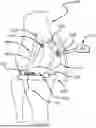
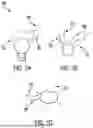
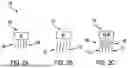
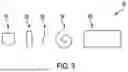
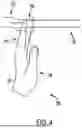
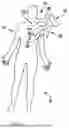
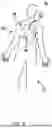
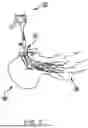
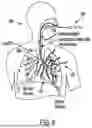
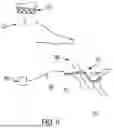

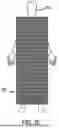
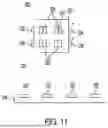
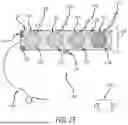
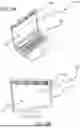
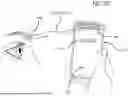
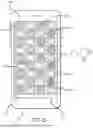
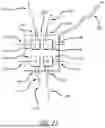
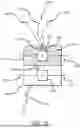
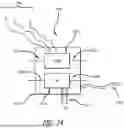
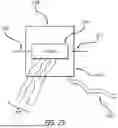
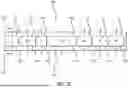
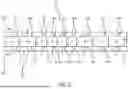
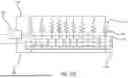
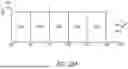
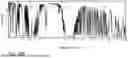
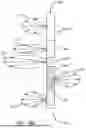
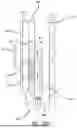
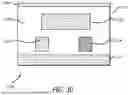
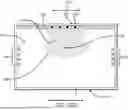
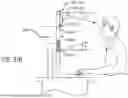

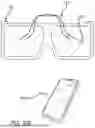
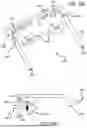
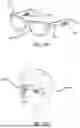
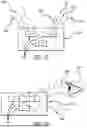
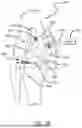
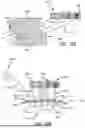
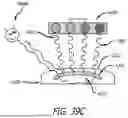
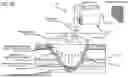
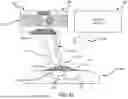
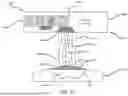
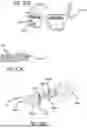
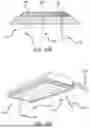
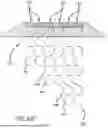
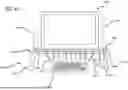
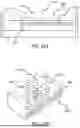
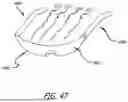
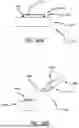
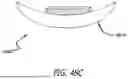
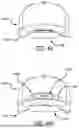
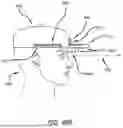
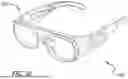
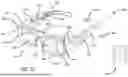
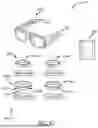
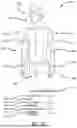
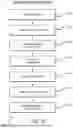
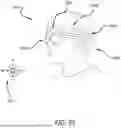
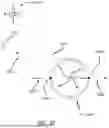
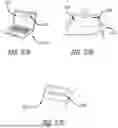
Sources:
- United States Patent and Trademark Office - verify current appl. status at the USPTO↗
Recent applications in this class:
- » 20260061219 2026-03-05
Far-UVC Treatment - » 20260054092 2026-02-26
BALLOON DEVICES FOR DELIVERING LIGHT THERAPY AND METHODS FOR USING THEM - » 20260048275 2026-02-19
UV APPLICATION ENHANCEMENTS FOR IN OR ON-BODY PATHOGEN ERADICATION - » 20260041932 2026-02-12
LASER DEVICES GENERATING TIME STRUCTURED LASER PULSES FOR SELECTIVE TARGETING OF TISSUES AND USES THEREOF - » 20250360336 2025-11-27
ANTI-INFECTIVE AND THERAPEUTIC ELECTROMAGNETIC EMISSION METHODS AND DEVICES - » 20250339707 2025-11-06
INTERNAL ULTRAVIOLET THERAPY - » 20250332442 2025-10-30
ORAL HYGIENE DEVICE AND SYSETM, AND USE METHOD - » 20250325832 2025-10-23
LIGHT-EMITTING HYGIENE DEVICE COMPRISING PCB DIRECTLY ASSEMBLED TO BODY - » 20250312616 2025-10-09
LIGHT-BASED VAGINAL THERAPY DEVICES AND METHODS FOR USE - » 20250276196 2025-09-04
TREATMENT APPARATUS AND METHODS FOR TREATMENT OF WOUNDS