SYSTEM AND METHOD FOR ENHANCING PARASITIC LIGHT SENSITIVITY OF IMAGE SENSOR
US20260129319A1
2026-05-07
18/936,005
2024-11-04
Smart Summary: An advanced image sensor has been developed that improves how it detects light. Each tiny part of the sensor, called an image pixel, contains a special light-catching component known as a photodiode and a metalens. The metalens is made up of a layer with tiny structures that help focus light more effectively. These structures are designed to redirect incoming light away from the electrical part that senses it, enhancing the sensor's ability to capture images. Overall, this technology aims to make image sensors more sensitive to light, leading to better image quality. 🚀 TL;DR
Abstract:
An image sensor is disclosed. The image sensor includes a plurality of image pixels. Each image pixel includes a semiconductor region having a photodiode and a light-sensitive electrical element. Each image pixel further includes a primary metalens. The primary metalens includes a dielectric layer and a plurality of nanostructures arranged within the dielectric layer. Each of the plurality of nanostructures has a first refractive index that is greater than a second refractive index of the dielectric layer. The plurality of nanostructures is patterned within the dielectric layer to direct light received by the image pixel away from the light-sensitive electrical element.
Inventors:
- Andrew Eugene PERKINS 10 🇺🇸 Boise, ID, United States
- Byounghee LEE 9 🇺🇸 Boise, ID, United States
Assignee:
- SEMICONDUCTOR COMPONENTS INDUSTRIES, LLC 901 🇺🇸 Scottsdale, AZ, United States
Applicant:
Interested in similar patents?
Get notified when new applications in this technology area are published.
Classification:
H01L27/146 IPC
Devices consisting of a plurality of semiconductor or other solid-state components formed in or on a common substrate including semiconductor components sensitive to infra-red radiation, light, electromagnetic radiation of shorter wavelength or corpuscular radiation and specially adapted either for the conversion of the energy of such radiation into electrical energy or for the control of electrical energy by such radiation; Devices controlled by radiation Imager structures
Description
TECHNICAL FIELD
The disclosure relates generally to image sensors, and particularly to techniques for improving parasitic light sensitivity of image sensors.
BACKGROUND
Image sensors are used in electronic devices such as cellular telephones, cameras, and computers to capture images. An electronic device may be provided with an image sensor including an array of image pixels arranged in a grid pattern. Each image pixel may receive photons, such as light, and may convert the photons into electrical signals.
The inventors of embodiments of the present disclosure have recognized that image pixels may include structures that are sensitive to parasitic light. The inventors of embodiments of the present disclosure have further recognized that the sensitivity of image pixel structures to parasitic light may affect the parasitic light sensitivity of the image sensor as a whole. Embodiments of the present disclosure may address one or more of these challenges.
BRIEF DESCRIPTION OF THE DRAWINGS
A more complete understanding of the present embodiments may be acquired by referring to the following description taken in conjunction with the accompanying drawings, in which like reference numbers indicate like features.
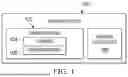
FIG. 1 illustrates a block diagram of an imaging system in accordance with embodiments of the present disclosure.
FIG. 2 illustrates a block diagram of an example image sensor in accordance with embodiments of the present disclosure.
FIG. 3 illustrates a block diagram of exemplary components of an image pixel in accordance with embodiments of the present disclosure.
FIGS. 4A-4B illustrate side cross-sectional views of image pixels in accordance with embodiments of the present disclosure.
FIG. 5 illustrates a side cross-sectional view of image pixels in accordance with embodiments of the present disclosure.
FIG. 6A illustrates a top view of an example metalens in accordance with embodiments of the present disclosure.
FIG. 6B illustrates a top view of a focal area of an example metalens in accordance with embodiments of the present disclosure.
FIG. 7 illustrates a side cross-sectional view of image pixels in accordance with embodiments of the present disclosure.
FIG. 8 illustrates a side cross-sectional view of an image pixel in accordance with embodiments of the present disclosure.
FIG. 9 illustrates a method of operating an image sensor in accordance with embodiments of the present disclosure.
DETAILED DESCRIPTION
Details of one or more embodiments are set forth in the description below and the accompanying drawings. Other features will be apparent from the description, drawings, and from the claims. Although one or more of these embodiments may be preferred, the embodiments disclosed should not be interpreted, or otherwise used, as limiting the scope of the disclosure, including the claims. In addition, one skilled in the art understands that the following description has broad application, and the discussion of any embodiment is meant only to be exemplary of that embodiment, and not intended to intimate that the scope of the disclosure, including the claims, is limited to that embodiment.
Various terms are used to refer to particular system components. Different companies may refer to a component by different names, and this disclosure does not intend to distinguish between components that differ in name but not form and function. In the following discussion and in the claims, the terms “including” and “comprising” are used in an open-ended fashion, and thus should be interpreted to mean “including, but not limited to.” Also, the term “couple” or “coupled” is intended to mean either an indirect or direct connection. Thus, if a first device couples to a second device, that connection may be through a direct connection or through an indirect connection via other devices and connections.
Terms defining an elevation, such as “above,” “below,” “upper,” and “lower,” shall be locational terms in reference to a direction of light incident upon a pixel array and/or an image pixel. Unless otherwise specified, light entering shall be considered to interact with or pass objects and/or structures that are “above” and “upper” before interacting with or passing objects and/or structures that are “below” or “lower.” Thus, the locational terms may not have any relationship to the direction of the force of gravity.
Various examples disclosed herein are directed to imaging systems, image sensors, image pixels, and related methods. More particularly, at least some of the examples disclosed herein are directed to image pixels of an image sensor that are designed and constructed to have a smaller parasitic light sensitivity by focusing the light received by the image pixel away from light-sensitive electrical elements that contribute to the parasitic light sensitivity of the image pixel. At least some examples are directed to the use of a metalens including a plurality of nanostructures configured and patterned within a dielectric layer. Light may be focused by the metalens in areas where the phases of wavelengths of refracted light from different nanostructures align and therefore constructively interfere with each other. By utilizing constructive interference, the metalens may focus the light in either a symmetric manner, or in an asymmetric manner, as needed to focus the light away from light-sensitive electrical elements of the image pixel.
FIG. 1 illustrates a block diagram of imaging system 100 in accordance with embodiments of the present disclosure. In some embodiments, the example imaging system 100 may be a portable electronic device such as a camera, a cellular telephone, a tablet computer, a webcam, a video camera, a video surveillance system, or a video gaming system with imaging capabilities. In further embodiments, imaging system 100 may be an automotive imaging system. Camera module 102 may be used to convert incoming light into digital image data. Camera module 102 may include one or more lens systems, also referred to herein as lens 104 or lenses 104, and one or more corresponding image sensors 106. Lenses 104 may include one or more fixed lenses, one or more adjustable lenses, or a combination of one or more fixed and one or more adjustable lenses. During image capture operations, light from a scene may be focused onto image sensor 106 by lenses 104. In the case of adjustable lenses, various focus parameters may be adjustable by camera module 102 and/or by imaging controller 108. Image sensor 106 may be communicatively coupled to imaging controller 108 and may comprise circuitry for converting analog pixel data into corresponding digital image data to be provided to the imaging controller 108. In some embodiments, camera module 102 may be provided with an array of lenses 104 and an array of corresponding image sensors 106.
Imaging controller 108 may include one or more integrated circuits, such as image processing circuits, microprocessors, and storage devices such as random-access memory and non-volatile memory. Imaging controller 108 may be implemented using components that are separate from camera module 102 or that form part of camera module 102, such as circuits that form part of image sensor 106. Digital image data captured by camera module 102 may be processed and stored using imaging controller 108. Processed image data may be provided to external equipment, such as a computer, an external display, or other devices, using wired or wireless communications paths, or a combination thereof, coupled to imaging controller 108.
FIG. 2 illustrates a block diagram of image sensor 106 in accordance with embodiments of the present disclosure. As shown in FIG. 2, image sensor 106 may in some embodiments comprise a substrate 200 of semiconductor material, such as silicon, encapsulated within packaging to create a packaged semiconductor device or packaged semiconductor product. Bond pads or other connection points of substrate 200 may couple to terminals of image sensor 106, such as a serial communication channel 202 coupled to terminal(s) 204, and capture input 206 coupled to terminal 208. Additional terminals may be present, such as a power terminal and ground or common terminals, but the additional terminals are omitted from FIG. 2 so as not to unduly complicate the figure. Although a single substrate 200 is shown, multiple substrates may be combined in other embodiments to form image sensor 106 as a multi-chip module.
Image sensor 106 may comprise pixel array 210. Pixel array 210 may contain a plurality of image pixels 212 arranged, for example, in rows and columns. In some embodiments, pixel array 210 may comprise hundreds or thousands of rows and columns of image pixels 212. Control and readout of pixel array 210 may be implemented by an image sensor controller 214 coupled to a row controller 216 and a column controller 218. In some embodiments, row controller 216 may receive row addresses from image sensor controller 214 and supply corresponding row control signals to image pixels 212, such as reset, row-select, charge transfer, dual conversion gain, and readout control signals. The row control signals may be communicated over one or more conductors, such as row control paths 220.
Column controller 218 may be coupled to pixel array 210 by way of one or more conductors, such as column lines 222. Column controllers such as column controller 218 may also be referred to as a column control circuit, a readout circuit, and/or column decoder. Column lines 222 may be used for reading out image signals from image pixels 212 and for supplying bias currents and/or bias voltages to image pixels 212. In some embodiments, during pixel readout operations, a pixel row in the pixel array 210 may be selected using row controller 216 and image signals generated by image pixels 212 in that row can be read out along column lines 222. Each image pixel 212 may comprise a plurality of photosensitive regions, such as four, nine, or sixteen, and thus while each column line 222 is shown as a single conductor, a plurality of such column lines may be associated with each image pixel 212 in a column.
In some embodiments, column controller 218 may include sample-and-hold circuitry for sampling and temporarily storing image signals read out from pixel array 210, amplifier circuitry, analog-to-digital conversion (ADC) circuitry, bias circuitry, column memory, latch circuitry for selectively enabling or disabling the column circuitry, or other circuitry that is coupled to one or more columns of pixels in pixel array 210 for operating the image pixels 212 and for reading out image signals from image pixels 212. ADC circuitry in column controller 218 may convert analog pixel values received from the pixel array 210 into corresponding digital image data. Column controller 218 may supply digital image data to the image sensor controller 214 and/or the imaging controller 108 (FIG. 1) over, for example, serial communication channel 202.
FIG. 3 illustrates a block diagram of exemplary components of image pixel 212 in accordance with embodiments of the present disclosure. Image pixel 212 may be implemented in any suitable fashion according to the operation described in the present disclosure. In some embodiments, image pixel 212 may include a photosensitive device, such as photodiode 240, as well as additional circuitry such as local readout circuit 250. Photodiode 240 may produce an electrical signal, such as a voltage or a current, responsive to capture or absorption of photons of light. Local readout circuit 250 may read or capture the electrical signal from photodiode 240 and output a signal representative of the amount of light captured or absorbed by photodiode 240.
In some embodiments, local readout circuit 250 of image pixel 212 may communicate with row controller 216 and column controller 218 shown in FIG. 2. For example, local readout circuit 250 of image pixel 212 may communicate with row controller 216 over one or more conductors such as row control path 220. As described above with reference to FIG. 2, row controller 216 may supply a row control signal to image pixel 212, such as a reset, a row-select, a charge transfer, a dual conversion gain, and/or a readout control signal. In addition, local readout circuit 250 may communicate with column controller 218 over one or more conductors, such as column line 222. And as described above with reference to FIG. 2, column lines 222 may be used for reading out image signals from image pixel 212 and for supplying bias currents and/or bias voltages to image pixel 212.
In some embodiments, local readout circuit 250 may support operation of image sensor 106 in a rolling shutter scheme. In a rolling shutter scheme, each row of image pixels 212 may sequentially capture an image. Local readout circuit 250 may also, in some embodiments, support operation of image sensor 106 in a global shutter scheme. In a global shutter scheme, every image pixel 212 in image sensor 106 may simultaneously capture an image.
To support operation of image sensor 106 in a rolling shutter scheme or a global shutter scheme, local readout circuit 250 may include one or more circuit elements to receive control signals directing the timing of image capture, to read or capture an electrical signal from photodiode 240, and to output a signal representative of the amount of light captured or absorbed by photodiode 240. For example, local readout circuit 250 may include one or more n-type metal oxide semiconductor field effect transistors (“n-type MOSFET” or “NMOS transistor”) and/or one or more p-type metal oxide semiconductor field effect transistors (“p-type MOSFET” or “PMOS transistor”). In some embodiments, local readout circuit 250 may further include one or more capacitors to integrate the electrical signal received from photodiode 240 and/or to store one or more signals representative of the amount of light captured or absorbed by photodiode 240 prior to communicating the output to column controller 218.
FIGS. 4A-4B illustrate side cross-sectional views of image pixels 402a and 402b in accordance with embodiments of the present disclosure. Image pixel 402a and image pixel 402b may represent two image pixels in an image pixel array of an image sensor. The image sensor in which image pixel 402a and image pixel 402b are implemented may be a backside illuminated (BSI) image sensor with microlenses formed on the back surface of a semiconductor substrate on the opposite side of a photodiode from the dielectric stack that may include one or more dielectric layers and corresponding metal routing layers.
Image pixel 402a may include microlens 410a, semiconductor region 420a, dielectric stack 430a, and trench regions 440. Microlens 410a may include an organic material, such as an acrylic-based polymer. An upper surface of microlens 410a may have a spherical convex shape, and a lower surface of microlens 410a may have a planar shape sitting on top of semiconductor region 420a. Microlens 410a may thus refract the light received at its upper surface and may focus that light into semiconductor region 420a.
Semiconductor region 420a may include one or more photosensitive devices, such as photodiode 240 described above with reference to FIG. 3. Semiconductor region 420a may also include one or more circuit elements that may be used to read or capture an electrical signal from a photosensitive device, such as a photodiode, included within semiconductor region 420a. For example, semiconductor region 420a may include the active areas of one or more NMOS transistors, PMOS transistors, or metal-oxide semiconductor (MOS)-based capacitors that may form, for example, the circuitry of local readout circuit 250 described above with reference to FIG. 3. Dielectric stack 430a may be located under semiconductor region 420a. Dielectric stack 430a may include a dielectric material, such as silicon dioxide. Dielectric stack 430a may also include one or more layers of patterned metal and/or polysilicon that may be used for signal routing. The one or more layers of patterned metal and/or polysilicon may also be used to form the gates or other terminals of any NMOS transistors, PMOS transistors, and/or capacitors included within the local readout circuit.
As shown in FIGS. 4A and 4B, semiconductor region 420a may include light-sensitive electrical element 425a. Light-sensitive electrical element 425a may be, for example, an NMOS transistor, a PMOS transistor, or a capacitor of a local readout circuit, such as local readout circuit 250 described above with reference to FIG. 3. Light-sensitive electrical element 425a may be electrically separated from a photodiode included within semiconductor region 420a. For example, the active semiconductor regions of light-sensitive electrical element 425a may be isolated from a photodiode within semiconductor region 420a by one or more isolation wells.
Light-sensitive electrical element 425a may contribute to the parasitic light sensitivity of image pixel 402a. For example, as photons of light pass through microlens 410a and enter semiconductor region 420a, the majority of photons may be absorbed by the photodiode included within semiconductor region 420a and may generate an electrical current through the photodiode. Additionally, some photons may be absorbed by light-sensitive electrical element 425a causing a parasitic current through light-sensitive electrical element 425a. As described above, light-sensitive electrical element 425a may form part of the local readout circuit for image pixel 402a. Thus, parasitic current induced in light-sensitive electrical element 425a may distort the accuracy of the local readout circuit.
As shown in FIG. 4A, image pixel 402a and image pixel 402b may be similarly configured with the features of image pixel 402b mirroring the features of image pixel 402a about pixel border 404. For example, image pixel 402b may include microlens 410b, semiconductor region 420b, and dielectric stack 430b, which may be configured in a similar manner and may collectively operate in a similar manner as the respective microlens 410a, semiconductor region 420a, and dielectric stack 430a of image pixel 402a. Microlens 410b may be formed with the same continuous microlens material as microlens 410a. Similarly, dielectric stack 430a may be formed with same continuous dielectric material as dielectric stack 430b. Likewise, semiconductor region 420b may be formed on the same semiconductor substrate as semiconductor region 420a. In some embodiments, the semiconductor regions of different image pixels, such as semiconductor regions 420a and 420b of image pixels 402a and 402b respectively, may be separated by trench regions 440. Trench regions 440 may isolate the semiconductor regions of neighboring image pixels both electrically and optically, thereby eliminating or reducing crosstalk between neighboring image pixels.
Due to the mirrored configuration of light-sensitive electrical element 425a in image pixel 402a and light-sensitive electrical element 425b in image pixel 402b, light-sensitive electrical elements 425a and 425b may receive the same amount of light when the light is received perpendicularly from the orientation of image pixels 402a and 402b. Thus, the parasitic currents induced by the absorption of photons of light may be the same or roughly the same for light-sensitive electrical elements 425a and 425b when light is received perpendicularly from the orientation of image pixels 402a and 402b. But, as shown in FIG. 4B, light-sensitive electrical element 425a and light-sensitive electrical element 425b may receive different amounts of light when image pixels 402a and 402b receive angled light at microlens 410a and microlens 410b respectively. Accordingly, the parasitic currents induced in light-sensitive electrical element 425a and light-sensitive electrical element 425b may be different when image pixels 402a and 402b receive angled light.
The parasitic light sensitivity of various examples of image pixels disclosed herein may be improved by utilizing a metalens to focus light way from light-sensitive electrical elements included within the image pixel. The metalens may be located above the semiconductor region of the image pixel to receive light. In some embodiments, the metalens may have a planar top surface. In other embodiments, the metalens may have a non-planar top surface. The metalens may include a plurality of nanostructures configured and patterned within one or more dielectric layers. Light may be focused by the metalens in areas where light that is diffracted, scattered, and/or refracted from different nanostructures at different locations within the metalens align and therefore constructively interfere with each other. Conversely, light may be diffused or defocused by the metalens in areas where wavelengths light that is diffracted, scattered, and/or refracted from different nanostructures at different locations within the metalens are out of phase with each other and therefore destructively interfere with each other. By utilizing constructive interference, the metalens may focus the light in either a symmetric manner, or in an asymmetric manner, or in any manner as needed to direct the light away from light-sensitive electrical elements of the image pixel. Moreover, the metalens may be configured to transmit light within a band of a desired wavelengths, and to filter out light having wavelengths outside of the pass band.
FIG. 5 illustrates a side cross-sectional view of image pixels 502a and 502b in accordance with embodiments of the present disclosure. Image pixel 502a and image pixel 502b may represent two image pixels in an image pixel array of an image sensor. For example, image pixel 502a and image pixel 502b may represent an embodiment of two image pixels 212 of image sensor 106 described above with reference to FIG. 2. The image sensor in which image pixel 502a and image pixel 502b are implemented may be a backside illuminated (BSI) image sensor with metalenses formed on the back surface of a semiconductor substrate on the opposite side of a photodiode from the dielectric stack that may include one or more patterned dielectric layers and metallic layers as light routing layers.
Image pixel 502a may include metalens 510a, semiconductor region 520a, dielectric stack 530a, and trench regions 540. Semiconductor region 520a may include one or more photosensitive devices, such as one or more instances of photodiode 240 described above with reference to FIG. 3. Semiconductor region 520a may also include one or more circuit elements that may be used to read or capture an electrical signal from a photosensitive device, such as a photodiode, included within semiconductor region 520a. For example, semiconductor region 520a may include the active areas of one or more NMOS transistors, PMOS transistors, MOS-based capacitors, or other circuit components that may form, for example, the circuitry of local readout circuit 250 described above with reference to FIG. 3. Dielectric stack 530a may be located under semiconductor region 520a. Dielectric stack 530a may include a dielectric material, such as silicon dioxide. Dielectric stack 530a may also include one or more layers of patterned metal and/or polysilicon that may be used for signal routing. The one or more layers of patterned metal and/or polysilicon may also be used to form the gates or other terminals of any NMOS transistors, PMOS transistors, capacitors, or other circuit components included within the local readout circuit of image pixel 502a.
As shown in FIG. 5, semiconductor region 520a may include light-sensitive electrical element 525a. Light-sensitive electrical element 525a may be, for example, an NMOS transistor, a PMOS transistor, a capacitor, or another circuit component of a local readout circuit, such as local readout circuit 250 described above with reference to FIG. 3. Light-sensitive electrical element 525a may be electrically separated from a photodiode included within semiconductor region 520a. For example, one or more active semiconductor regions of light-sensitive electrical element 525a may be isolated from a photodiode within semiconductor region 520a by one or more isolation wells.
Light-sensitive electrical element 525a may contribute to the parasitic light sensitivity of image pixel 502a. For example, as photons of light pass through metalens 510a and enter semiconductor region 520a, the majority of photons may be absorbed by the photodiode included within semiconductor region 520a and may generate an electrical current through the photodiode. Any photons absorbed by light-sensitive electrical element 525a may cause a parasitic photon-generated current through light-sensitive electrical element 525a. As described above, light-sensitive electrical element 525a may form part of the local readout circuit for image pixel 502a. Thus, parasitic current induced in light-sensitive electrical element 525a may distort the accuracy of the local readout circuit.
To limit or reduce the number of photons absorbed by light-sensitive electrical element 525a, image pixel 502a may include metalens 510a. As described in further detail below, metalens 510a may be configured to direct light received by image pixel 502a away from light-sensitive electrical element 525a. By directing light received by image pixel 502a, metalens may, for example, route light received by image pixel 502a away from light-sensitive electrical element 525a and/or focus light received by image pixel 502a in an area separate from the area of light-sensitive electrical element 525a. Metalens 510a may accordingly reduce the parasitic light sensitivity of image pixel 502a and of the image sensor in which image pixel 502a is implemented.
Metalens 510a may have a planar shape with a planar upper surface 519a. Metalens 510a may include dielectric layer 512a and a plurality of nanostructures 514a arranged within dielectric layer 512a. The plurality of nanostructures 514a may be designed and implemented as three-dimensional structures, such as cuboids, having different sizes and having varying indices of refraction compared to the dielectric material of dielectric layer 512a. In some embodiments, the plurality of nanostructures 514a may be arranged along the upper surface of dielectric layer 512a. In other embodiments, the plurality of nanostructures 514a may be arranged in multiple layers within dielectric layer 512a. In either such embodiments, metalens 510a may also include additional layers of dielectric material above the upper surface of dielectric layer 512a and the plurality of nanostructures 514a. Each of the plurality of nanostructures 514a may have a first refractive index that may be greater than a second refractive index of dielectric layer 512a. For example, dielectric layer 512a may comprise silicon dioxide. In such embodiments, the plurality of nanostructures 514a arranged within dielectric layer 512a may comprise one or more of silicon nitride and titanium dioxide, which have a higher refractive index than silicon dioxide.
The plurality of nanostructures 514a may be patterned within dielectric layer 512a to direct light received by image pixel 502a away from light-sensitive electrical element 525a. As light passes through metalens 510a, the light may be diffracted by the nanostructures 514a due to the different refractive indexes of dielectric layer 512a and nanostructures 514a. Light may be directed by metalens 510a to areas where the phases of wavelengths of diffracted light from different nanostructures 514a align and therefore constructively interfere with each other. Conversely, light may be diffused and directed away from areas where wavelengths of diffracted light from different nanostructures are out of phase with each other and therefore destructively interfere with each other. For example, as shown in FIG. 5, light may be directed toward areas of semiconductor region 520a that lie under more densely dispersed nanostructures 514a (slower phase velocity of light) and away from areas of semiconductor region 520a that lie under less densely arranged nanostructures 514a (faster phase velocity of light).
Based on the arrangement of the plurality of nanostructures 514a, various embodiments of metalens 510a may direct the light received by image pixel 502a in any of multiple desired patterns or shapes. In some embodiments, the plurality of nanostructures 514a may be patterned to asymmetrically direct light received by image pixel 502a. Based on the arrangement of each of the plurality of nanostructures 514a, metalens 510a may also be configured to direct the light received by image pixel 502a in a focal area having any of a symmetric shape, an asymmetric shape, or an arbitrarily selected shape. Moreover, the plurality of nanostructures 514a may be arranged to direct the light received by image pixel 502a in multiple different focal areas. As non-exclusive examples, one or more focal areas of metalens 510a where light may be focused or routed may have any of multiple desired shapes, such as a circular shape, a triangular shape, a square shape, a ring shape, or any other symmetric or asymmetric shape, based on the arrangement of the plurality of nanostructures 514a within metalens 510a.
Moreover, the plurality of nanostructures 514a may be configured and patterned within dielectric layer 512a such that metalens 510a transmits light for either a narrow band or a broad band of wavelengths. In some embodiments, the plurality of nanostructures 514a may be configured and arranged such that different wavelengths of light diffracted from different nanostructures 514a constructively interfere with corresponding respective wavelengths of light diffracted from other nanostructures 514a. In such embodiments, a broad band of wavelengths of light, for example wavelengths throughout the visible spectrum, may be passed through metalens 510a and directed to one or more focal areas by metalens 510a. In other embodiments, the plurality of nanostructures 514a may be patterned to transmit light in a first band of wavelengths and to filter out light in a second band of wavelengths. For example, the plurality of nanostructures 514a may be configured and arranged such that only a narrow band of wavelengths of light diffracted from different nanostructures 514a constructively interfere with corresponding respective wavelengths of light diffracted from other nanostructures 514a. In such other embodiments, the plurality of nanostructures 514a may be configured and arranged such that wavelengths of light outside of the pass band may destructively interfere. Thus, in such other embodiments, a narrow band of wavelengths of light may be passed through metalens 510a and directed to one or more focal areas while wavelengths outside of the pass band may be effectively filtered out.
As shown in FIG. 5, image pixel 502a and image pixel 502b may be similarly configured with the features of image pixel 502b mirroring the features of image pixel 502a about pixel border 504. Image pixel 502b may include metalens 510b, semiconductor region 520b, and dielectric stack 530b, which may be configured in a similar manner and may collectively operate in a similar manner as the respective metalens 510a, semiconductor region 520a, and dielectric stack 530a of image pixel 502a. For example, dielectric stack 530b may be formed with same continuous dielectric material as dielectric stack 530a. Moreover, semiconductor region 520b may be formed on the same semiconductor substrate as semiconductor region 520a. In some embodiments, the semiconductor regions of different image pixels, such as semiconductor regions 520a and 520b of image pixels 502a and 502b respectively, may be separated by trench regions 540. Trench regions 540 may isolate the semiconductor regions of neighboring image pixels both electrically and optically, thereby eliminating or reducing crosstalk between neighboring image pixels.
Further, metalens 510b may be formed in a similar manner as metalens 510a, and the features of metalens 510b may mirror the features of metalens 510a about pixel border 504. For example, metalens 510b may have a planar shape with a planar upper surface 519b. Metalens 510b may include dielectric layer 512b and a plurality of nanostructures 514b arranged within dielectric layer 512b. Dielectric layer 512b of image pixel 502b may be formed with the same continuous dielectric material, such as silicon dioxide, as dielectric layer 512a of image pixel 502a. Moreover, the plurality of nanostructures 514b of image pixel 502b may be arranged and configured in a manner that mirrors the plurality of nanostructures 514a of image pixel 502a about pixel border 504. As shown in FIG. 5, metalens 510b may thus similarly direct light away from light-sensitive electrical element 525b in image pixel 502b in a similar manner as metalens 510a directs light away from light-sensitive electrical element 525a in image pixel 502a.
Light-sensitive electrical elements 525a and 525b may contribute to the parasitic light sensitivity of image pixels 502a and 502b. For example, as photons of light pass through metalens 510a and metalens 510b and enter semiconductor regions 520a and 520b, the majority of photons may be absorbed by the photodiodes included within the respective semiconductor regions 520a and 520b. By directing the light away from light-sensitive electrical elements 525a and 525b, the number of additional photons absorbed by light-sensitive electrical elements 525a and 525b may be reduced. Thus, any resulting parasitic currents induced in light-sensitive electrical elements 525a and 525b may also be reduced. As described above, light-sensitive electrical elements 525a and 525b may form part of the local readout circuits for their respective image pixels. Therefore, by reducing the parasitic current induced in light-sensitive electrical elements 525a and 525b, the parasitic light sensitivity of image pixels 502a and 502b may be improved.
FIG. 6A illustrates a top view of metalens 610 in accordance with embodiments of the present disclosure. FIG. 6B illustrates a top view of a focal area where light may be focused or routed by metalens 610 in accordance with embodiments of the present disclosure. Metalens 610 may serve as an example embodiment of metalens 510a described above with reference to FIG. 5.
Metalens 610 may include a plurality of nanostructures 614 arranged within dielectric layer 612. Each of the plurality of nanostructures 614 may have a first refractive index that may be greater than a second refractive index of dielectric layer 612. For example, dielectric layer 612 may comprise silicon dioxide. In such embodiments, the plurality of nanostructures 614 arranged within dielectric layer 612 may comprise one or more of silicon nitride and titanium dioxide, which have a higher refractive index than silicon dioxide.
As shown in FIG. 6B, image pixel 602 may include light-sensitive electrical element 625. Light-sensitive electrical element 625 may serve as an embodiment of light-sensitive electrical element 525a described above with reference to FIG. 5. In some embodiments, the plurality of nanostructures 614 shown in FIG. 6A may be configured and arranged within dielectric layer 612 to direct light away from light-sensitive electrical element 625. For example, the plurality of nanostructures 614 shown in FIG. 6A may focus light having a wavelength of 650 nm in focal area 650 as shown in FIG. 6B. Specifically, the plurality of nanostructures 614 may be arranged such that focal area 650 is located in an area separate from the area of light-sensitive electrical element 625 of image pixel 602.
Due to the patterning of the plurality of nanostructures 614, metalens 610 may asymmetrically direct light away from light-sensitive electrical element 625. Metalens 610 may thus improve the parasitic light sensitivity of image pixel 602, as well as the parasitic light sensitivity of the image sensor in which image pixel 602 is implemented. Moreover, by utilizing constructive interference of diffracted light waves to direct the light, a diameter of a focal area of a primary metalens, such as metalens 610, for a wavelength of light may be less than the wavelength due to near field diffraction effect. For example, by utilizing constructive interference of diffracted light waves to focus the light, the focal area 650 of metalens 610 is not subject to the same diffraction-limited resolution as the focal area of a curved microlens. A diameter 655 of focal area 650 of metalens 610 for a wavelength of light may thus be less than the wavelength of the light. For example, the diameter 655 of focal area 650 for light having a wavelength of 650 nm may be approximately 500 nm. Limiting the diameter of focal area 650 may further aid in keeping focal area 650 spaced away from light-sensitive electrical element 625, thereby improving the parasitic light sensitivity of image pixel 602.
The parasitic light sensitivity of various examples of image pixels disclosed herein may be further improved by utilizing a diffusing layer in combination with a metalens to direct light away from light-sensitive electrical elements included within the image pixel. The diffusing layer and metalens may be located above the semiconductor region of the image pixel. The metalens may be located above the semiconductor region of the image pixel and be configured to direct light away from light-sensitive electrical elements of the image pixel. The diffusing layer may be located above the metalens. The diffusing layer may normalize the angularity of light received by the metalens. More particularly, the diffusing layer may reduce the angularity of the light received by the metalens, relative to an axis perpendicular to the top surface of the metalens, prior to the light passing to and through the metalens. The diffusing layer may also collimate light received across the top surface of the image pixel. Thus, for the purposes of the present disclosure, the diffusing layer may also be referred to as a collimating layer. The metalens and the diffusing layer may operate in conjunction to direct the light received by the image pixel away from light-sensitive electrical elements of the image pixel, regardless of the incident angle at which the light is received. The metalens and the diffusing layer may therefore improve the parasitic light sensitivity of the image pixel, as well as the image sensor in which the image pixel is implemented, across a broad range of angles at which light may be received.
FIG. 7 illustrates a side cross-sectional view of image pixels 702a and 702b in accordance with embodiments of the present disclosure. Image pixel 702a may be configured in a similar manner as image pixel 502a shown in FIG. 5 but may add a diffusing layer 701a configured to normalize angled light received by image pixel 702a. Likewise, image pixel 702b may be configured in a similar manner as image pixel 502b shown in FIG. 5, but may add a diffusing layer 701b configured to normalize angled light received by image pixel 702a. Diffusing layers 701a and 701b may include any suitable structure to diffuse and normalize angled light received by image pixels 702a and 702b. For example, as shown in FIG. 7, diffusing layer 701a may comprise secondary metalens 710a. Likewise, diffusing layer 701b may comprise secondary metalens 710b. For the purposes of the present disclosure, metalens 510a and metalens 510b may also be referred to as primary metalens 510a and primary metalens 510b regardless of whether metalenses 510a and 510b are included as a single metalens layer or as part of multiple metalens layers, as shown in FIGS. 5 and 7 respectively.
As shown in FIG. 7, diffusing layer 701a may be located above primary metalens 510a. Thus, in embodiments where diffusing layer 701a includes secondary metalens 710a, that secondary metalens 710a may be located above primary metalens 510a. In some embodiments, secondary metalens 710a may have a planar shape with a planar upper surface 719a as illustrated in FIG. 7. In other embodiments, secondary metalens 710a may have a non-planar shape with a non-planar upper surface. Secondary metalens 710a may include second dielectric layer 712a. Although referred to herein as different dielectric layers, second dielectric layer 712a of the secondary metalens 710a may, in some embodiments, comprise the same dielectric material, such as silicon dioxide, as dielectric layer 512a of the primary metalens 510a. In other embodiments, second dielectric layer 712a of the secondary metalens 710a may comprise a different dielectric material as dielectric layer 512a of the primary metalens 510a. In yet further embodiments, secondary metalens 710a may include a separate material in place of second dielectric layer 712a, such as a polymer or air.
Secondary metalens 710a may also include a second plurality of nanostructures 714a arranged within second dielectric layer 712a. In some embodiments, the second plurality of nanostructures 714a may be arranged along the upper surface of second dielectric layer 712a. In other embodiments, the second plurality of nanostructures 714a may be arranged in multiple layers within second dielectric layer 712a. In either such embodiments, secondary metalens 710a may also include an extended structure with one or more additional layers of dielectric material above the upper surface of second dielectric layer 712a and the second plurality of nanostructures 714a.
The second plurality of nanostructures 714a may be designed and implemented as three-dimensional structures, such as cuboids, having different sizes and having varying indices of refraction compared to the dielectric material of second dielectric layer 712a. Each of the second plurality of nanostructures 714a may have a refractive index that may be greater than the refractive index of second dielectric layer 712a. For example, second dielectric layer 712a may comprise silicon dioxide. In such embodiments, the second plurality of nanostructures 714a arranged within second dielectric layer 712a may comprise one or more of silicon nitride and titanium dioxide, which have a higher refractive index than silicon dioxide. In some embodiments, the second plurality of nanostructures 714a of secondary metalens 710a may comprise the same nanostructure material as the plurality of nanostructures 514a of primary metalens 510a. For example, in embodiments where the plurality of nanostructures 514a of primary metalens 510a are formed with one of silicon nitride and titanium dioxide, the second plurality of nanostructures 714a of secondary metalens 710a may be formed with the same one of silicon nitride and titanium dioxide. In other embodiments, the second plurality of nanostructures 714a of secondary metalens 710a may comprise a different nanostructure material than the plurality of nanostructures 514a of primary metalens 510a. For example, in embodiments where the plurality of nanostructures 514a of primary metalens 510a are formed with one of silicon nitride and titanium dioxide, the second plurality of nanostructures 714a of secondary metalens 710a may be formed with the other of silicon nitride and titanium dioxide.
In some embodiments, the second plurality of nanostructures 714a may be patterned within second dielectric layer 712a to normalize and/or collimate angled light received by image pixel 702a. For example, the second plurality of nanostructures 714a may be patterned in a manner such that light that is scattered and/or diffracted within secondary metalens 710a is diffused and/or collimated, and thus transmitted to primary metalens 510a at a lesser angle than received by image pixel 702a at the top surface of secondary metalens 710a. Specifically, the second plurality of nanostructures 714a may be patterned to reduce the angle of the light relative to an axis perpendicular to the top surface of image pixel 702a. In such embodiments, secondary metalens 710a and primary metalens 510a may operate together to direct light received by image pixel 702a away from light-sensitive electrical element 525a regardless of the angle at which light is received by image pixel 702a.
As shown in FIG. 7, image pixel 702a and image pixel 702b may be similarly configured with the features of image pixel 702b mirroring the features of image pixel 702a about pixel border 704. Image pixel 702b may include primary metalens 510b, secondary metalens 710b, semiconductor region 520b, and dielectric stack 530b, which may be configured in a similar manner and may collectively operate in a similar manner as the respective primary metalens 510a, secondary metalens 710a, semiconductor region 520a, and dielectric stack 530a of image pixel 702a. For example, dielectric stack 530b may be formed with same continuous dielectric material as dielectric stack 530a. Moreover, semiconductor region 520b may be formed on the same semiconductor substrate as semiconductor region 520a. In some embodiments, the semiconductor regions of different image pixels, such as semiconductor regions 520a and 520b of image pixels 702a and 702b respectively, may be separated by trench regions 540. Trench regions 540 may isolate the semiconductor regions of neighboring image pixels both electrically and optically, thereby eliminating or reducing crosstalk between neighboring image pixels.
In addition, primary metalens 510b may be formed in a similar manner as primary metalens 510a, the features of primary metalens 510b may mirror the features of primary metalens 510a about pixel border 704. For example, primary metalens 510b may include dielectric layer 512b and a plurality of nanostructures 514b. The dielectric layer 512b of image pixel 502b may be formed with the same continuous dielectric material, such as silicon dioxide, as dielectric layer 512a of image pixel 502a. Moreover, the plurality of nanostructures 514b of image pixel 502b may be arranged and configured in a manner that mirrors the plurality of nanostructures 514a of image pixel 502a. Likewise, secondary metalens 710b may be formed in a similar manner as secondary metalens 710a. For example, secondary metalens 710b may have a planar shape with a planar upper surface 719b. Further, the features of secondary metalens 710b may mirror the features of secondary metalens 710a about pixel border 704. For example, secondary metalens 710b may include second dielectric layer 712b and a second plurality of nanostructures 714b. The second dielectric layer 712b of image pixel 702b may be formed with the same continuous dielectric material, such as silicon dioxide, as second dielectric layer 712a of image pixel 702a. Moreover, the second plurality of nanostructures 714b of image pixel 702b may be arranged and configured in a manner that mirrors the second plurality of nanostructures 714a of image pixel 702a.
As shown in FIG. 7, primary metalens 510b and secondary metalens 710b of image pixel 702b may similarly direct light away from light-sensitive electrical element 525b in image pixel 702b in a similar manner as primary metalens 510a and secondary metalens 710a of image pixel 702a direct light away from light-sensitive electrical element 525a in image pixel 702a. Specifically, secondary metalens 710a and secondary metalens 710b may be patterned to normalize angled light received by image pixels 702a and 702b. Thus, regardless of the angle at which light may be received by image pixels 702a and 702b, the light may be normalized as it passes through secondary metalenses 710a and 710b. The light may then be directed by primary metalenses 510a and 510b away from the respective light-sensitive electrical elements 525a and 525b of image pixels 702a and 702b.
By normalizing the light prior to directing the light away from light-sensitive electrical elements such as light-sensitive electrical elements 525a and 525b, the parasitic light sensitivity of each individual image pixel may be improved across a range of angles at which light may be received by the image pixels. Moreover, the uniformity of the parasitic light sensitivity across multiple pixels may be improved, thus also improving the parasitic light sensitivity of the image sensor as a whole. For example, as shown in FIG. 7, the components of image pixel 702b may be configured to mirror the corresponding components of image pixel 702a about pixel border 704. Thus, the orientation of light-sensitive electrical element 525a of image pixel 702a relative to the angle of the light may be different than for light-sensitive electrical element 525b of image pixel 702b. But as described above, the angled light may be normalized by secondary metalenses 710a and 710b prior to being directed away from light-sensitive electrical elements 525a and 525b. Thus, the improved parasitic light sensitivity for image pixel 702a and image pixel 702b may remain uniform with each other regardless of the angle at which light is received.
FIG. 8 illustrates a side cross-sectional view of image pixel 802 in accordance with embodiments of the present disclosure. Image pixel 802 may represent an image pixel in an image pixel array of an image sensor. For example, image pixel 802 may represent an embodiment of image pixels 212 of image sensor 106 described above with reference to FIG. 2. The image sensor in which image pixel 802 is implemented may be a backside illuminated (BSI) image sensor with a metalens formed on the back surface of a semiconductor substrate on the opposite side of a photodiode from the dielectric stack that may include one or more patterned dielectric layers and metallic layers as light routing layers.
Image pixel 802 may include semiconductor region 820, dielectric stack 830, and trench region 840. Semiconductor region 820 may include one or more photosensitive devices, such as one or more instances of photodiode 240 described above with reference to FIG. 3. Semiconductor region 820 may also include one or more circuit elements that may be used to read or capture an electrical signal from a photosensitive device, such as a photodiode, included within semiconductor region 820. For example, semiconductor region 820 may include the active areas of one or more NMOS transistors, PMOS transistors, MOS-based capacitors, or other circuit components that may form, for example, the circuitry of local readout circuit 250 described above with reference to FIG. 3. Dielectric stack 830 may be located under semiconductor region 820. Dielectric stack 830 may include a dielectric material, such as silicon dioxide. Dielectric stack 830 may also include one or more layers of patterned metal and/or polysilicon that may be used for signal routing. The one or more layers of patterned metal and/or polysilicon may also be used to form the gates or other terminals of any NMOS transistors, PMOS transistors, capacitors, or other circuit components included within the local readout circuit of image pixel 802.
As shown in FIG. 8, further instances of image pixel 802 may be repeated to the right and to the left. Thus, semiconductor region 820 may be at least partially surrounded by a trench region 840 belonging to image pixel 802 and/or a neighboring instance of image pixel 802. Trench regions 840 may isolate the semiconductor regions of neighboring image pixels both electrically and optically, thereby eliminating or reducing crosstalk between neighboring image pixels.
As shown in FIG. 8, light-sensitive electrical element 825 may be located under trench region 840 and to the side of semiconductor region 820. Light-sensitive electrical element 825 may include any of, for example, an NMOS transistor, a PMOS transistor, a capacitor, or another circuit component of a local readout circuit, such as local readout circuit 250 described above with reference to FIG. 3. As an example, in embodiments where image pixel 802 is implemented in a global shutter image sensor, light-sensitive electrical element 825 may include one or more elements of a charge storage circuit. Light-sensitive electrical element 825 may be electrically separated from a photodiode included within semiconductor region 820. For example, one or more active semiconductor regions of light-sensitive electrical element 825 may be isolated from a photodiode within semiconductor region 820 by one or more isolation wells. Light-sensitive electrical element 825 may however contribute to the parasitic light sensitivity of image pixel 802. Although the majority of light received by image pixel 802 may be absorbed in semiconductor region 820, some portion of light received by image pixel 802 may reach light-sensitive electrical element 825 through diffraction and scattering or through reflection from dielectric stack 830. Any resulting photon induced current in light-sensitive electrical element 825 may thus contribute to the parasitic light sensitivity of image pixel 802.
To reduce the parasitic light sensitivity, image pixel 802 may further include diffusing layer 801 and metalens 810. Diffusing layer 801 may be located above metalens 810 and may include any suitable structure to diffuse and normalize angled light received by image pixel 802. As described in further detail below, metalens 810 and the diffusing layer 801 may operate in conjunction to direct the light received by the image pixel away from light-sensitive electrical elements of the image pixel, regardless of the incident angle at which the light is received. As shown in FIG. 8, diffusing layer 801 may in some embodiments include secondary metalens 815. For the purposes of the present disclosure, metalens 810 may also be referred to as primary metalens 810 regardless of whether primary metalens 810 is included as a single metalens layer or is included with secondary metalens 815 as part of multiple metalens layers, as shown in FIG. 8.
Primary metalens 810 may be configured to operate in a similar manner as primary metalens 510a described above with reference to FIG. 5. For example, primary metalens 810 may include dielectric layer 812 and a plurality of nanostructures 814 arranged within dielectric layer 812. The plurality of nanostructures 814 may be designed and implemented as three-dimensional structures, such as cuboids, having different sizes and having varying indices of refraction compared to the dielectric material of dielectric layer 812. In some embodiments, the plurality of nanostructures 814 may be arranged along the upper surface of dielectric layer 812. In other embodiments, the plurality of nanostructures 814 may be arranged in multiple layers within dielectric layer 812. In either such embodiments, primary metalens 810 may also include additional layers of dielectric material above the upper surface of dielectric layer 812 and the plurality of nanostructures 814. Each of the plurality of nanostructures 814 may have a first refractive index that may be greater than a second refractive index of dielectric layer 812. For example, dielectric layer 812 may comprise silicon dioxide. In such embodiments, the plurality of nanostructures 814 arranged within dielectric layer 812 may comprise one or more of silicon nitride and titanium dioxide, which have a higher refractive index than silicon dioxide.
As light passes through primary metalens 810, the light may be diffracted by the nanostructures 814 due to the different refractive indexes of dielectric layer 812 and nanostructures 814. Light may be directed by primary metalens 810 to areas where the phases of wavelengths of diffracted light from different nanostructures 814 align and therefore constructively interfere with each other. Conversely, light may be diffused and focused away from areas where wavelengths of diffracted light from different nanostructures are out of phase with each other and therefore destructively interfere with each other. The plurality of nanostructures 814 may thus be patterned within dielectric layer 812 to direct light received by image pixel 802 away from light-sensitive electrical element 825. For example, as shown in FIG. 8, the plurality of nanostructures 814 may direct light received by image pixel 802 toward the center of semiconductor region 820 and away from the light-sensitive electrical element 825 image pixel 802 and the light-sensitive electrical element 825 of a neighboring instance of image pixel 802.
As shown in FIG. 8, diffusing layer 801 may be located above primary metalens 810. Thus, in embodiments where diffusing layer 801 includes secondary metalens 815, that secondary metalens 815 may likewise be located above primary metalens 810. Secondary metalens 815 may include second dielectric layer 817. Although referred to herein as different dielectric layers, second dielectric layer 817 of the secondary metalens 815 may, in some embodiments, comprise the same dielectric material, such as silicon dioxide, as dielectric layer 812 of the primary metalens 810. In other embodiments, second dielectric layer 817 of the secondary metalens 815 may comprise a different dielectric material as dielectric layer 812 of the primary metalens 810. In yet further embodiments, secondary metalens 815 may include a separate material in place of second dielectric layer 817, such as a polymer or air.
Secondary metalens 815 may also include a second plurality of nanostructures 819 arranged within second dielectric layer 817. The second plurality of nanostructures 819 may be designed and implemented as three-dimensional structures, such as cuboids, having different sizes and having varying indices of refraction compared to the dielectric material of second dielectric layer 817. Each of the second plurality of nanostructures 819 may have a refractive index that may be greater than the refractive index of second dielectric layer 817. For example, second dielectric layer 817 may comprise silicon dioxide. In such embodiments, the second plurality of nanostructures 819 arranged within second dielectric layer 817 may comprise one or more of silicon nitride and titanium dioxide, which have a higher refractive index than silicon dioxide. In some embodiments, the second plurality of nanostructures 819 of secondary metalens 815 may comprise the same nanostructure material as the plurality of nanostructures 814 of primary metalens 810. For example, in embodiments where the plurality of nanostructures 814 of primary metalens 810 are formed with one of silicon nitride and titanium dioxide, the second plurality of nanostructures 819 of secondary metalens 815 may be formed with the same one of silicon nitride and titanium dioxide. In other embodiments, the second plurality of nanostructures 819 of secondary metalens 815 may comprise a different nanostructure material than the plurality of nanostructures 814 of primary metalens 810. For example, in embodiments where the plurality of nanostructures 814 of primary metalens 810 are formed with one of silicon nitride and titanium dioxide, the second plurality of nanostructures 819 of secondary metalens 815 may be formed with the other of silicon nitride and titanium dioxide.
In some embodiments, the second plurality of nanostructures 819 may be patterned within second dielectric layer 817 to normalize and/or collimate angled light received by image pixel 802. For example, the second plurality of nanostructures 819 may be patterned in a manner such that light that is scattered and/or diffracted within secondary metalens 815 is diffused and/or collimated and thus transmitted to primary metalens 810 at a lesser angle than received by image pixel 802 at the top surface of secondary metalens 815. Specifically, the second plurality of nanostructures 819 may be patterned to reduce the angle of the light relative to an axis perpendicular to the top surface of image pixel 802. In such embodiments, secondary metalens 815 and primary metalens 810 may operate together to direct light received by image pixel 802 away from light-sensitive electrical element 825 regardless of the angle at which light is received by image pixel 802.
FIG. 9 illustrates method 900 of operating an image sensor in accordance with embodiments of the present disclosure. Method 900 may be performed by any suitable mechanism, such as image sensor 106, image pixel 212, image pixels 502a and 502b, image pixels 702a and 702b, image pixel 802, or any suitable combination thereof.
Step 902 may include receiving light from a scene at an image pixel of the image sensor. For example, as described above with reference to FIG. 5, light may be received at image pixel 502a. As another example, and as described above with reference to FIG. 7, light may be received at image pixel 702a.
Step 904 may include normalizing, with a diffusing layer, the angularity of the light received by the image pixel prior to passage through the primary metalens. For example, as described above with reference to FIG. 7, diffusing layer 701a may reduce the angularity of light received by image pixel 702a prior to the light passing to and through primary metalens 510a. In some embodiments, diffusing layer 701a may include secondary metalens 710a. The second plurality of nanostructures 714a within secondary metalens 710a may be patterned in second dielectric layer 712a to reduce the angle of the light relative to an axis perpendicular to the top surface of image pixel 702a.
Step 906 may include diffracting the light, with a primary metalens, into a semiconductor region that includes a photodiode and a light-sensitive electrical element. For example, as described above with reference to both FIG. 5 and FIG. 7, primary metalens 510a may diffract the light into semiconductor region 520a, which may include a photodiode such as photodiode 240 as well as light-sensitive electrical element 525a.
Step 908 may include directing the light with the primary metalens into a focal area within the semiconductor region that is separate from the light-sensitive electrical element. For example, as described above with reference to both FIG. 5 and FIG. 7, primary metalens 510a may asymmetrically direct the light into a focal area away from and separate from the area of light-sensitive electrical element 525a. As also described above with reference to FIG. 5, primary metalens 510a may direct light in a first band of wavelengths and filter out light in a second band of wavelengths. Specifically, the plurality of nanostructures 514a may be patterned within dielectric layer 512a of primary metalens 510a for transmitting light in a first band of wavelengths and for filtering out light in a second band of wavelengths.
Step 910 may include producing an electrical signal with the photodiode responsive to absorption of the light in the semiconductor region. For example, as described above with reference to FIG. 5, semiconductor region 520a may include a photodiode such as photodiode 240 shown in the circuit block diagram of FIG. 3. The photodiode may produce an electrical signal, such as a voltage or a current, responsive to capture or absorption of photons of light. A local readout circuit of image pixel 502a, which may include the light-sensitive electrical element 525a, may then read or capture the electrical signal from photodiode and output a signal representative of the amount of light captured or absorbed by photodiode.
Method 900 may be performed with fewer or more steps than shown in FIG. 9. As one example, step 904 may be omitted in some embodiments of method 900. Moreover, steps of method 900 may be omitted, repeated, performed in parallel, performed in a different order than shown in FIG. 9, or performed recursively. One or more steps of method 900, although shown in an order, may be performed at the same time or in a re-ordered manner. As one example, steps 906 and 908 may be performed simultaneously.
Although examples have been described above, other modifications and variations may be made from this disclosure without departing from the spirit and scope of these examples. The above descriptions of various embodiments illustrate the principles of the invention. Numerous variations and modifications will become apparent to those skilled in the art based on the above disclosure. The following claims are intended to embrace all such variations and modifications.
Claims
What is claimed is:1. A image sensor comprising:
a plurality of image pixels, each image pixel comprising:
a semiconductor region including a photodiode and a light-sensitive electrical element; and
a primary metalens comprising:
a dielectric layer; and
a plurality of nanostructures arranged within the dielectric layer, wherein:
each of the plurality of nanostructures has a first refractive index that is greater than a second refractive index of the dielectric layer; and
the plurality of nanostructures is patterned within the dielectric layer to direct light received by the image pixel away from the light-sensitive electrical element.
2. The image sensor of claim 1, wherein:
each image pixel further includes a local readout circuit comprising at least the light-sensitive electrical element; and
the light-sensitive electrical element is one of an NMOS transistor, a PMOS transistor, and a capacitor of the local readout circuit.
3. The image sensor of claim 1, wherein the plurality of nanostructures is patterned to asymmetrically direct light received by the image pixel.
4. The image sensor of claim 1, wherein the plurality of nanostructures is patterned to transmit light in a first band of wavelengths and to filter out light in a second band of wavelengths.
5. The image sensor of claim 1, wherein:
the dielectric layer comprises silicon dioxide; and
each of the plurality of nanostructures arranged within the dielectric layer comprises one of silicon nitride and titanium dioxide.
6. The image sensor of claim 1, wherein a diameter of a focal area of the primary metalens for a wavelength of light is less than the wavelength.
7. The image sensor of claim 1, wherein each image pixel further includes a diffusing layer located above the primary metalens and configured to normalize angled light received by the image pixel.
8. The image sensor of claim 7, wherein the diffusing layer includes a secondary metalens comprising:
a second dielectric layer; and
a second plurality of nanostructures arranged within the second dielectric layer, the second plurality of nanostructures patterned to normalize angled light received by the image pixel.
9. The image sensor of claim 8, wherein:
the second dielectric layer of the secondary metalens comprises a same dielectric material as the dielectric layer of the primary metalens; and
the second plurality of nanostructures of the secondary metalens comprises a same nanostructure material as the plurality of nanostructures of the primary metalens.
10. An imaging system comprising:
an imaging controller; and
a camera module comprising:
a lens system coupled to the imaging controller;
an image sensor communicatively coupled to the imaging controller and comprising a plurality of image pixels, each image pixel the plurality of image pixels comprising:
a semiconductor region including a photodiode and a light-sensitive electrical element; and
a primary metalens comprising:
a dielectric layer; and
a plurality of nanostructures arranged within the dielectric layer, wherein:
each of the plurality of nanostructures has a first refractive index that is greater than a second refractive index of the dielectric layer; and
the plurality of nanostructures is patterned within the dielectric layer to direct light received by the image pixel away from the light-sensitive electrical element.
11. The imaging system of claim 10, wherein the plurality of nanostructures is patterned to asymmetrically direct light received by the image pixel.
12. The imaging system of claim 10, wherein:
the dielectric layer comprises silicon dioxide; and
each of the plurality of nanostructures arranged within the dielectric layer comprises one of silicon nitride and titanium dioxide.
13. The imaging system of claim 10, wherein a diameter of a focal area of the primary metalens for a wavelength of light is less than the wavelength.
14. The imaging system of claim 10, wherein each image pixel further includes a diffusing layer located above the primary metalens and configured to normalize angled light received by the image pixel.
15. The imaging system of claim 14, wherein the diffusing layer includes a secondary metalens comprising:
a second dielectric layer; and
a second plurality of nanostructures arranged within the second dielectric layer, the second plurality of nanostructures patterned to normalize angled light received by the image pixel.
16. The imaging system of claim 15, wherein:
the second dielectric layer of the secondary metalens comprises a same dielectric material as the dielectric layer of the primary metalens; and
the second plurality of nanostructures of the secondary metalens comprises a same nanostructure material as the plurality of nanostructures of the primary metalens.
17. A method of operating an image sensor, the method comprising:
receiving light from a scene at an image pixel of the image sensor;
diffracting the light, with a primary metalens, into a semiconductor region that includes a photodiode and a light-sensitive electrical element;
directing the light with the primary metalens into a focal area within the semiconductor region that is separate from the light-sensitive electrical element; and
producing an electrical signal with the photodiode responsive to absorption of the light in the semiconductor region.
18. The method of claim 17, further comprising normalizing, with a diffusing layer, an angularity of the light received by the image pixel prior to passage through the primary metalens.
19. The method of claim 17, wherein the light is asymmetrically directed by the primary metalens.
20. The method of claim 17, wherein directing the light with the primary metalens comprises transmitting a first band of wavelengths of the light and filtering out a second band of wavelengths of the light.
Images & Drawings included:



Sources:
- United States Patent and Trademark Office - verify current appl. status at the USPTO↗
Recent applications in this class:
- » 20260129320 2026-05-07
SOLID-STATE IMAGING DEVICE AND DRIVING METHOD THEREOF, AND ELECTRONIC APPARATUS - » 20260122378 2026-04-30
IMAGE SENSOR AND DRIVING METHOD THEREOF - » 20260113551 2026-04-23
DYNAMIC READ-OUT CIRCUITRY FOR LIGHT-SENSING PIXEL BASED ON LIGHT INTENSITY - » 20260107078 2026-04-16
AD CONVERSION CIRCUIT, PHOTOELECTRIC CONVERSION DEVICE, IMAGE CAPTURING DEVICE, MOVING BODY, AND METHOD OF DRIVING AD CONVERSION CIRCUIT - » 20260107077 2026-04-16
SOLID-STATE IMAGING APPARATUS AND CONTROL METHOD THEREOF, AND ELECTRONIC DEVICE - » 20260107076 2026-04-16
IMAGING DEVICE - » 20260107075 2026-04-16
RAMP GENERATOR AND IMAGING DEVICE INCLUDING THE SAME - » 20260095683 2026-04-02
SPARSE 4C2+ PHASE DETECTION AUTO FOCUS AND CORRELATED MULTIPLE SAMPLING - » 20260095682 2026-04-02
DISTRIBUTED RAMP LINEARITY COMPENSATION CIRCUIT - » 20260089412 2026-03-26
COLUMN AMPLIFIER TO SUPPORT DUAL CONVERSION GAIN AND DUAL ANALOG GAIN READOUT
Recent applications for this Assignee:
- » 20260130251 2026-05-07
POWER SEMICONDUCTOR PACKAGES AND RELATED METHODS - » 20260130249 2026-05-07
SEMICONDUCTOR MODULE WITH POWER BRIDGE FOR INTEGRATED DIE INTERCONNECTION - » 20260130242 2026-05-07
SEMICONDUCTOR PACKAGING WITH EMBEDDED DEVICE AND REDISTRIBUTION LAYER - » 20260130234 2026-05-07
SEMICONDUCTOR DEVICE ASSEMBLIES WITH DIE ADHESIVE OUTFLOW BARRIERS - » 20260129987 2026-05-07
FLARE MITIGATING IMAGE SENSOR PACKAGES AND RELATED METHODS - » 20260129981 2026-05-07
IMAGE SENSOR PACKAGES AND RELATED METHODS - » 20260128740 2026-05-07
GATE DRIVER SYSTEMS AND RELATED METHODS - » 20260128738 2026-05-07
CIRCUIT PROTECTION SYSTEMS AND RELATED METHODS - » 20260128675 2026-05-07
MULTI-PHASE CONTROLLER WITH ULTRA LIGHT LOAD EXIT - » 20260126497 2026-05-07
INTELLIGENT POWER MANAGEMENT SYSTEM AND METHOD FOR MONITORING BATTERY DEGRADATION