COMPOSITION FOR PREVENTING OR TREATING MELAS SYNDROME, CONTAINING ISOPQUINOLINE DERIVATIVE AS ACTIVE INGREDIENT
US20260144784A1
2026-05-28
19/122,459
2023-10-17
Smart Summary: A new pharmaceutical composition has been developed to help prevent or treat Melas syndrome. It contains an isopquinoline derivative, which was found to significantly promote mitophagy, the process that helps maintain healthy mitochondria. This compound has shown great promise in improving mitochondrial function in both cell models and cells from patients with Melas syndrome. As a result, it could serve as an important treatment option for this condition. Overall, this isopquinoline derivative may help address the underlying causes of Melas syndrome effectively. 🚀 TL;DR
Abstract:
The present invention relates to: a pharmaceutical composition for preventing or treating Melas syndrome; and the like, and has been completed by identifying that an isopquinoline derivative, discovered through mitophagy activity-based screening, exhibits an excellent mitophagy promotion effect, and thus can be used as a fundamental therapeutic agent for Melas syndrome. Particularly, an isopquinoline derivative according to the present invention promotes mitophagy activity and remarkably alleviates mitochondria dysfunction in Melas syndrome cell models and in cells derived from Melas syndrome patients. Therefore, the isopquinoline derivative is expected to be effectively used, in the field of prevention, alleviation and treatment of the disease, as a fundamental therapeutic agent capable of inhibiting the cause of Melas syndrome.
Inventors:
- Jong Hyun CHO 5 🇰🇷 Gyeongsangnam-do, South Korea
- Se Myeong CHOI 6 🇰🇷 Busan, South Korea
- Jeanho YUN 4 🇰🇷 Busan, South Korea
- Hye Lim JUNG 1 🇰🇷 Busan, South Korea
Applicant:
Interested in similar patents?
Get notified when new applications in this technology area are published.
Classification:
A61K31/4745 » CPC main
Medicinal preparations containing organic active ingredients; Heterocyclic compounds having nitrogen as a ring hetero atom, e.g. guanethidine or rifamycins having six-membered rings with one nitrogen as the only ring hetero atom; Quinolines; Isoquinolines ortho- or peri-condensed with heterocyclic ring systems condensed with ring systems having nitrogen as a ring hetero atom, e.g. phenantrolines
A61P25/00 » CPC further
Drugs for disorders of the nervous system
Description
TECHNICAL FIELD
The present invention relates to uses of a novel isoquinoline derivative to prevent, improve, and/or treat MELAS syndrome.
This application claims priority to and the benefit of Korean Patent Application No. 10-2022-0134938, filed on Oct. 19, 2022, the disclosure of which is incorporated herein by reference in its entirety.
BACKGROUND ART
MELAS syndrome (mitochondrial encephalopathy, lactic acidosis, and stroke-like episodes syndrome) is a hereditary disease caused by mutations in mitochondrial DNA, and has the highest incidence among mitochondrial genetic disorders. MELAS syndrome is known to be caused by a point mutation in mitochondrial Leu tRNA (A3243G mutation, in which 3243 A is substituted with G), and this mutation is found in 80% of patients with MELAS syndrome. Patients with MELAS syndrome exhibit a variety of symptoms including myopathy, stroke-like episodes, lactic acidosis, hearing impairment, dementia, headache, vomiting, and seizures. However, to date, treatment of MELAS syndrome relies solely on supportive therapies such as coenzyme Q10 and vitamin C, and no therapeutic method has been developed to improve mitochondrial dysfunction, which is the underlying cause of the disease.
According to previous studies, various symptoms of MELAS syndrome have been identified to be primarily caused by mitochondrial dysfunction. In cybrid cells used as actual research models for MELAS syndrome and in cells derived from patients with MELAS syndrome, mitochondrial dysfunction is observed, including a decrease in mitochondrial proteins, a decrease in mitochondrial membrane potential, an increase in mitochondrial reactive oxygen species, structural deformation of mitochondria, and a decrease in ATP synthesis capacity. Patients with MELAS syndrome exhibit abnormal symptoms in tissues such as muscles, the brain, and the ears, which have a high dependency on mitochondrial function, due to increased energy demand caused by mitochondrial dysfunction. Therefore, in order to treat MELAS syndrome, it is necessary to develop a therapeutic agent capable of improving mitochondrial dysfunction, which is the fundamental cause of the disease.
Meanwhile, mitophagy is an intracellular degradation mechanism that removes damaged or unnecessary mitochondria. When mitochondria are damaged, they are surrounded by a membrane to form an autophagosome, which is then fused with a lysosome to selectively remove the damaged mitochondria. The activation of such mitophagy plays an important role in regulating mitochondrial function in various cells including neuronal cells and in maintaining the function of tissues. In addition, mitophagy in neurons has been reported to have a protective effect against various stresses and to be important for resistance to neurodegeneration. Recently, a decrease in mitophagy activity has been observed in neurodegenerative diseases such as Alzheimer's disease and Parkinson's disease, and it has been experimentally demonstrated that promotion of mitophagy in animal models of Alzheimer's disease or Parkinson's disease improves mitochondrial dysfunction and alleviates pathological symptoms. Therefore, in MELAS syndrome, in which mitochondrial dysfunction is the underlying cause, the promotion of mitophagy is expected to be a promising strategy for improving mitochondrial dysfunction and fundamentally treating the disease. However, the strategy of treating MELAS syndrome by promoting mitophagy has not yet been attempted due to a technical limitation, namely the absence of a substance capable of effectively promoting mitophagy.
In order to discover a mitophagy regulator that can exert a disease treatment effect by promoting mitophagy activity, it is essential to have a research system that can easily measure mitophagy changes in cells and in vivo. However, due to the absence of experimental methods for sensitively and quantitatively measuring mitophagy activity, searching for a mitophagy regulating compound using mitophagy activity itself as a read-out has not been performed. The LC3-based detection method that has been widely used so far has limitations in that it can only measure an autophagosome-forming stage, which is the initial stage of mitophagy, and therefore has low measurement sensitivity and difficulty in quantitative measurement. In addition, most attempts to discover control materials in several research groups have also failed to discover materials that can control mitophagy activity under actual physiological conditions because they used indirect read-out indicators such as the mitochondrial movement of PINK-Parkin or the mitochondrial fission that occurs during mitophagy.
Currently, experimental methods to induce mitophagy activity involve treating with so-called ‘mitochondrial toxins’, such as CCCP, FCCP, and rotenone, which induce mitochondrial dysfunction. However, the CCCP and FCCP depolarize the mitochondrial membrane potential as a mitochondrial membrane potential inhibitors (uncouplers), and rotenone acts as a Complex I inhibitor. These mitochondrial toxins induce mitophagy activity by directly causing mitochondrial damage, thereby activating the mechanism for removing damaged mitochondria. However, their strong toxicity to cells limits their use as drugs to promote mitophagy activity.
DISCLOSURE
Technical Problem
The present invention has been devised to solve the above-described problems, and has been completed by confirming that an isoquinoline derivative, identified through screening based on mitophagy activity, is capable of fundamentally treating MELAS syndrome by promotes mitophagy activity and improves mitochondrial dysfunction.
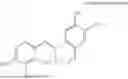
Accordingly, an object of the present invention is to provide a pharmaceutical composition for preventing or treating MELAS syndrome, which includes an isoquinoline derivative represented by Chemical Formula 1 below or a pharmaceutically acceptable salt thereof as an active ingredient.
Another object of the present invention is to provide a kit for preventing or treating MELAS syndrome, which includes a composition including the isoquinoline derivative or a pharmaceutically acceptable salt thereof as an active ingredient, and instructions.
The present invention is also directed to providing a food composition for preventing or improving MELAS syndrome, which includes an isoquinoline derivative or a sitologically acceptable salt thereof as an active ingredient.
However, technical problems to be solved in the present invention are not limited to the above-described problems, and other problems which are not described herein will be fully understood by those of ordinary skill in the art from the following descriptions.
Technical Solution
The present invention provides a pharmaceutical composition for preventing or treating MELAS syndrome, which includes an isoquinoline derivative represented by Chemical Formula 1 below or a pharmaceutically acceptable salt thereof as an active ingredient.
The present invention also provides a method of preventing or treating MELAS syndrome, which includes administering the isoquinoline derivative represented by Chemical Formula 1 or a pharmaceutically acceptable salt thereof to a subject in need thereof.
The present invention also provides a use of the isoquinoline derivative represented by Chemical Formula 1 or a pharmaceutically acceptable salt thereof to prevent or treat MELAS syndrome.
The present invention also provides a use of the isoquinoline derivative represented by Chemical Formula 1 or a pharmaceutically acceptable salt thereof to prepare a drug for preventing or treating MELAS syndrome.
The present invention also provides a kit for preventing or treating MELAS syndrome, which includes the isoquinoline derivative represented by Chemical Formula 1, a pharmaceutically acceptable salt thereof, or the composition, and instructions.
The present invention also provides a food composition for preventing or improving MELAS syndrome, which includes the isoquinoline derivative represented by Chemical Formula 1 or a sitologically acceptable salt thereof as an active ingredient.
In one embodiment of the present invention, the isoquinoline derivative or a pharmaceutically acceptable salt thereof may promote mitophagy activity, but the present invention is not limited thereto.
In one embodiment of the present invention, the isoquinoline derivative or a pharmaceutically acceptable salt thereof may be characterized by specifically promoting mitophagy activity, but is not limited thereto.
In one embodiment of the present invention, the mitophagy activity may be characterized by being PINK1-independent, but is not limited thereto.
In one embodiment of the present invention, the isoquinoline derivative or a pharmaceutically acceptable salt thereof may be characterized by being greater than 0 μM to 40 μM, but is not limited thereto.
In one embodiment of the present invention, the isoquinoline derivative or a pharmaceutically acceptable salt thereof may be characterized by improving mitochondrial dysfunction, but is not limited thereto.
In one embodiment of the present invention, the improving mitochondrial dysfunction may include, but is not limited to, any one selected from the group consisting of:
-
- (a) maintaining the level of normal mitochondrial membrane potential:
- (b) reducing the reactive oxygen species level in mitochondria; and
- (c) increasing the ATP synthesis capacity of mitochondria.
In another embodiment of the present invention, the isoquinoline derivative or a pharmaceutically acceptable salt thereof may satisfy, but is not limited to, one or more selected from the group consisting of:
-
- (a) reducing the membrane potential of mitochondria:
- (b) reducing the reactive oxygen species level in mitochondria; and
- (c) increasing the ATP synthesis capacity of mitochondria.
Advantageous Effects
The present invention relates to a pharmaceutical composition for preventing or treating MELAS syndrome, and was completed by confirming that an isoquinoline derivative discovered through screening based on mitophagy activity exhibits excellent mitophagy-promoting effects, and thus can be utilized as a fundamental treatment for MELAS syndrome. Specifically, the isoquinoline derivative according to the present invention can promote mitophagy activity and significantly improve mitochondrial dysfunction in not only a MELAS syndrome cell model but also patient-derived cells from subject with MELAS syndrome. Therefore, the isoquinoline derivative may be usefully employed as a fundamental therapeutic agent capable of suppressing the pathogenesis of MELAS syndrome in the fields of prevention, improvement, and treatment of MELAS syndrome.
BRIEF DESCRIPTION OF THE DRAWINGS
FIGS. 1A to 1C show the results of analyzing the promoting effect of mitophagy activity by the isoquinoline derivative compound according to an embodiment of the present invention (referred to as “CD1-012,” hereinafter the same) in a normal human lung cell line (FIG. 1A, FACS results; FIG. 1B, confocal microscopy observation results; and FIG. 1C, quantitative measurement of mitochondrial changes using mito-YFP fluorescent protein).
FIGS. 2A and 2B show the results of analyzing the promoting effect of mitophagy activity by CD1-012 in a SH-SY5Y cell line (FIG. 2A) and a Hela-Parkin cell line (FIG. 2B).
FIGS. 3A and 3B show the results of analyzing the mitophagy activity in BEAS-2B cells according to the treatment concentration (FIG. 3A) and treatment time (FIG. 3B) of CD1-012.
FIGS. 4A and 4B show the results of confirming changes in mitophagy activity (FIG. 4A) and autophagy activity (FIG. 4B) in cells treated with CD1-012.
FIG. 5 shows the result of comparing the promoting effect of mitophagy activity by CD1-012 compared with palmatine and berberine, according to concentration.
FIG. 6 shows the result of analyzing the levels of mitochondrial membrane potential and mitochondrial reactive oxygen species after treating cells with CD1-012 or the control compound CCCP.
FIG. 7 shows result of analyzing mitophagy promoting activity of CD1-012 and the control compound CCCP in PINK1 knockdown cell lines (shPINK1).
FIGS. 8A and 8B are the results of confirming mitochondrial dysfunction in the MELAS syndrome cell line by confirming the levels of mitochondrial electron transport chain component proteins in the wild-type cell line (143B cell line: “WT”) and the A3243G MELAS cell line (“MELAS”) using Western blot (FIG. 8A), and by comparing ATP synthesis capacity (FIG. 8B).
FIGS. 9A and 9B show the results of confirming whether CD1-012 promotes mitophagy activity in the MELAS syndrome cell line by treating a MELAS cell line expressing the mt-Keima fluorescent protein with CD1-012 and confirming mitophagy activity by flow cytometry (FIG. 9A) and confocal microscopy analysis (FIG. 9B).
FIG. 9C shows the results of confirming mitochondrial protein levels by western blot analysis after treating the MELAS cell line with CD1-012.
FIG. 10 shows the result of confirming the mitochondrial function improvement effect of CD1-012 by treating a MELAS cell line with CD1-012 and then confirming the amount of ATP synthesis.
FIGS. 11A and 11B show the results of measuring mitochondrial reactive oxygen species levels (FIG. 11A) and ATP synthesis amounts (FIG. 11B) in order to confirm mitochondrial dysfunction in MELAS syndrome patient-derived cells (WT, fibroblasts derived from a healthy subject: MELAS, fibroblasts derived from a patient with MELAS syndrome).
FIG. 12 is the result of confirming whether CD1-012 promotes mitophagy activity in MELAS syndrome patient-derived cells by treating the MELAS syndrome patient-derived cells with CD1-012 and then confirming mitochondrial protein levels using Western blot.
FIG. 13 is the result of confirming whether CD1-012 improves mitochondrial dysfunction in MELAS syndrome patient-derived cells by treating the MELAS syndrome patient-derived cells with CD1-012 and then confirming ATP synthesis amounts.
BEST MODES OF THE INVENTION
The present invention relates to a pharmaceutical composition for preventing or treating MELAS syndrome, and was completed by confirming that an isoquinoline derivative discovered by screening based on mitophagy activity exhibits an excellent mitophagy-promoting effect, and thus can be utilized as a fundamental therapeutic agent for MELAS syndrome.
Specifically, the compound according to the present invention is an isoquinoline derivative with an identified mitophagy-specific promoting function and was confirmed to have no mitochondrial toxicity or cytotoxicity, and it has been confirmed through previous studies that it can improve mitochondrial dysfunction in an Alzheimer's disease model.
Additionally, in order to confirm the correlation between MELAS syndrome and mitochondrial dysfunction, mitochondrial function in MELAS syndrome cells was investigated, and it was confirmed that mitochondrial function was decreased in both the MELAS syndrome cell model and MELAS syndrome patient-derived cells (Examples 5 and 8).
Additionally, as a result of confirming whether the compound according to the present invention can promote mitophagy in MELAS syndrome cells, it was confirmed that mitophagy activity was increased by treatment with the compound in both the MELAS syndrome cell model and MELAS syndrome patient-derived cells (Examples 6 and 9).
Additionally, the compound according to the present invention was found to increase mitochondrial ATP synthesis capacity in both the MELAS syndrome cell model and MELAS syndrome patient-derived cells, and it was confirmed that the compound can improve mitochondrial dysfunction in MELAS syndrome cells and exert a therapeutic effect on MELAS syndrome (Examples 7 and 10).
As described above, the novel isoquinoline derivative according to the present invention can effectively improve mitochondrial dysfunction, which is a key pathogenesis of MELAS syndrome, and thus is expected to enable fundamental prevention and treatment of MELAS syndrome.
Hereinafter, the present invention will be described in detail.
The present invention is directed to providing a pharmaceutical composition for preventing or treating MELAS syndrome, which includes an isoquinoline derivative represented by Chemical Formula 1 below or a pharmaceutically acceptable salt thereof as an active ingredient.
In the present invention, the term “pharmaceutically acceptable salt” comprises a salt derived from pharmaceutically acceptable inorganic acids, organic acids, or bases.
The term “pharmaceutically acceptable” as used in the disclosure refers to a compound or composition that is suitable for use in contact with the tissues of a subject (e.g., a human) with a reasonable benefit/risk ratio, without excessive toxicity, irritation, allergic reaction, or other issues or complications, and that falls within the scope of sound medical judgment.
Examples of suitable acids include hydrochloric acid, bromic acid, sulfuric acid, nitric acid, perchloric acid, fumaric acid, maleic acid, phosphoric acid, glycolic acid, lactic acid, salicylic acid, succinic acid, toluene-p-sulfonic acid, tartaric acid, acetic acid, citric acid, methanesulfonic acid, formic acid, benzoic acid, malonic acid, gluconic acid, naphthalene-2-sulfonic acid, benzene sulfonic acid, etc. Acid addition salts may be manufactured by conventional methods, for example, by dissolving the compound in an excess of an acid aqueous solution and precipitating this salt using a water-miscible organic solvent such as methanol, ethanol, acetone, or acetonitrile. Acid addition salts may also be prepared by heating an equimolar amount of the compound and an acid or alcohol in water and subsequently evaporating the mixture to dryness, or by aspiration-filtration of the precipitated salt.
Salts derived from suitable bases may include alkali metals such as sodium, potassium, alkaline earth metals such as magnesium, and ammonium, but are not limited thereto. Alkali metal or alkaline earth metal salts, for example, may be obtained by dissolving the compound in an excess of alkali metal hydroxide or alkaline earth metal hydroxide solution, filtering off the insoluble compound salt, and then evaporating and drying the filtrate. Here, it is pharmaceutically suitable to manufacture particularly sodium, potassium, or calcium salts as the metal salts, and the corresponding silver salts may be obtained by reacting an alkali metal or alkaline earth metal salt with a suitable silver salt (for example, silver nitrate).
The scope of the compounds of the present invention includes not only pharmaceutically acceptable salts but also all isomers, hydrates, and solvates that can be prepared by conventional methods.
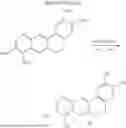
In one embodiment of the present invention, the isoquinoline derivative represented by Chemical Formula 1 may be prepared as shown in Reaction Scheme 1 below according to a preparation method that includes adding palmatine represented by Chemical Formula 2 or berberine represented by Chemical Formula 3 and a Lewis acid catalyst to an organic solvent to allow a reaction (Step 1).
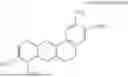
According to an embodiment of the present invention, the isoquinoline derivative or a pharmaceutically acceptable salt thereof may be a derivative in which a hydrophobic substituent (methoxy group) in the core structure of the palmatine or berberine is substituted with a hydrophilic substituent or a functional group that can provide a hydrogen bond between molecules (hydroxyl group). For example, the isoquinoline derivative according to the present invention may be selected from 2,3,5,10-tetrahydroxy-5,6-dihydroisoquinolino [3,2-a]isoquinolin-7-ium bromide (2,3,9,10-tetrahydroxy-5,6-dihydroisoquinolino [3,2-a]isoquinolin-7-ium bromide), 2,3,5,10-tetrahydroxy-5,6-dihydroisoquinolino [3,2-a]isoquinolin-7-ium hydroxide (2,3,9,10-tetrahydroxy-5,6-dihydroisoquinolino [3,2-a]isoquinolin-7-ium hydroxide), and 2,3,5,10-tetrahydroxy-5,6-dihydroisoquinolino [3,2-a]isoquinolin-7-ium chloride (2,3,9,10-tetrahydroxy-5,6-dihydroisoquinolino [3,2-a]isoquinolin-7-ium chloride), which are represented by Chemical Formulas 1a to 1c, respectively. In the disclosure, the 2,3,5,10-yetrahydroxy-5,6-dihydroisoquinolino [3,2-a]isoquinolin-7-ium bromide may be referred to as “CD1-012.”
The isoquinoline derivative according to the present invention or a pharmaceutically acceptable salt thereof is characterized by promoting mitophagy activity (i.e., activating mitophagy).
In the present invention, the term “mitophagy” refers to an intracellular degradation mechanism which removes damaged or unnecessary mitochondria. Mitophagy is a process in which autophagosomes are formed when mitochondria are damaged, and fused with lysosomes to selectively degrade and remove the damaged mitochondria. Mitophagy is a distinct mechanism from autophagy, which is a mechanism that decomposes and recycles unnecessary components within cells (old proteins, protein aggregates, organelles, pathogens that have invaded cells, etc.) to produce a macromolecular precursor and energy when the cells are under nutrient deficiency. Mitophagy is regulated independently of regulatory signals such as nutrients, energy, and stress, which control autophagy. The mitophagy is classified into canonical mitophagy and alternative mitophagy (also referred to as non-canonical mitophagy). Canonical mitophagy involves ATG proteins such as ATG5 and ATG7, whereas alternative mitophagy is independent of ATG proteins and is mediated by Ulkl/Rab9/Rip1.
The present inventors confirmed according to an exemplary embodiment that the isoquinoline derivative according to the present invention exhibits a higher mitophagy activating effect than other known mitophagy promoters, and also confirmed that it effectively promotes mitophagy and improves mitochondrial function in both the MELAS syndrome cell model and patient-derived cells. Therefore, the isoquinoline derivative according to the present invention or a pharmaceutically acceptable salt thereof can exhibit excellent therapeutic effects particularly in patients with MELAS syndrome in whom the level of mitophagy (for example, the level of mitophagy in cells such as neuronal cells or fibroblasts) is reduced.
In addition, the isoquinoline derivative according to the present invention or a pharmaceutically acceptable salt thereof may satisfy one or more properties selected from the group consisting of:
-
- (a) reducing the membrane potential of mitochondria:
- (b) reducing the reactive oxygen species (ROS) level in mitochondria; and
- (c) increasing the ATP synthesis capacity of mitochondria.
That is, the isoquinoline derivative according to the present invention or a pharmaceutically acceptable salt thereof may raise the level and/or activity (function) of mitochondria. The effect of the compound according to the present invention on improving the mitochondrial level and/or activity may be achieved by the mitophagy activating effect of the compound. Accordingly, the isoquinoline derivative according to the present invention or a pharmaceutically acceptable salt thereof may exhibit an excellent therapeutic effect particularly in a patient with MELAS syndrome having the decreased mitochondrial level and/or function (e.g., the level and/or function of mitochondria in cells such as neuronal cells or fibroblasts).
In the present invention, “MELAS syndrome (mitochondrial encephalopathy, lactic acidosis, and stroke-like episodes syndrome)” is a disease caused by mitochondrial dysfunction, and is known to occur due to a point mutation in a gene encoding mitochondrial tRNA. Mitochondria with mutations are unable to perform normal functions, resulting in a decrease in cellular energy production, and accordingly, dysfunction occurs in multiple organ systems, including muscles and the brain, which require high amounts of energy. MELAS syndrome, as indicated by its name, has representative symptoms including myopathy, seizure-like episodes, lactic acidosis, and stroke-like episodes, and also exhibits various symptoms such as hearing impairment, epilepsy, dementia, headache, vomiting, and seizures.
The composition according to the present invention can be used not only for the prevention and treatment of MELAS syndrome, but also for the purpose of preventing, improving, and treating various clinical symptoms derived from MELAS syndrome. For example, the composition according to the present invention may be used for the purpose of preventing, improving (suppressing or alleviating), and/or treating myopathy, seizure-like episodes, lactic acidosis, stroke, epilepsy, hearing impairment, headache, vomiting, seizures, dementia, impaired consciousness, metabolic acidosis, and rhabdomyolysis, which are induced by MELAS syndrome.
The content of the compound in the composition of the present invention may be appropriately adjusted depending on the symptoms of a disease, the degree of progression of symptoms, the condition of a patient, and the like, and may range from, for example, 0.0001 wt % to 99.9 wt % or 0.001 wt % to 50 wt % with respect to a total weight of the composition, but the present invention is not limited thereto. The amount ratio is a value based on the amount of dried product from which a solvent is removed.
The pharmaceutical composition according to the present invention may further include a suitable carrier, excipient, and diluent which are commonly used in the preparation of pharmaceutical compositions. The excipient may be, for example, one or more selected from the group consisting of a diluent, a binder, a disintegrant, a lubricant, an adsorbent, a humectant, a film-coating material, and a controlled release additive.
The pharmaceutical composition according to the present invention may be used by being formulated, according to commonly used methods, into a form such as powders, granules, sustained-release-type granules, enteric granules, liquids, eye drops, elixirs, emulsions, suspensions, spirits, troches, aromatic water, lemonades, tablets, sustained-release-type tablets, enteric tablets, sublingual tablets, hard capsules, soft capsules, sustained-release-type capsules, enteric capsules, pills, tinctures, soft extracts, dry extracts, fluid extracts, injections, capsules, perfusates, or a preparation for external use, such as plasters, lotions, pastes, sprays, inhalants, patches, sterile injectable solutions, or aerosols. The preparation for external use may have a formulation such as creams, gels, patches, sprays, ointments, plasters, lotions, liniments, pastes, or cataplasmas.
As the carrier, the excipient, and the diluent that may be included in the pharmaceutical composition according to the present invention, lactose, dextrose, sucrose, oligosaccharides, sorbitol, mannitol, xylitol, erythritol, maltitol, starch, acacia rubber, alginate, gelatin, calcium phosphate, calcium silicate, cellulose, methyl cellulose, microcrystalline cellulose, polyvinylpyrrolidone, water, methyl hydroxy benzoate, propyl hydroxybenzoate, talc, magnesium stearate, and mineral oil may be used.
For formulation, commonly used diluents or excipients such as fillers, thickeners, binders, wetting agents, disintegrants, and surfactants are used.
As additives of tablets, powders, granules, capsules, pills, and troches according to the present invention, excipients such as corn starch, potato starch, wheat starch, lactose, white sugar, glucose, fructose, D-mannitol, precipitated calcium carbonate, synthetic aluminum silicate, dibasic calcium phosphate, calcium sulfate, sodium chloride, sodium hydrogen carbonate, purified lanolin, microcrystalline cellulose, dextrin, sodium alginate, methyl cellulose, sodium carboxymethylcellulose, kaolin, urea, colloidal silica gel, hydroxypropyl starch, hydroxypropyl methylcellulose (HPMC), HPMC 1928, HPMC 2208, HPMC 2906, HPMC 2910, propylene glycol, casein, calcium lactate, and Primojel®; and binders such as gelatin, Arabic gum, ethanol, agar powder, cellulose acetate phthalate, carboxymethylcellulose, calcium carboxymethylcellulose, glucose, purified water, sodium caseinate, glycerin, stearic acid, sodium carboxymethylcellulose, sodium methylcellulose, methylcellulose, microcrystalline cellulose, dextrin, hydroxycellulose, hydroxypropyl starch, hydroxymethylcellulose, purified shellac, starch, hydroxypropyl cellulose, hydroxypropyl methylcellulose, polyvinyl alcohol, and polyvinylpyrrolidone may be used, and disintegrants such as hydroxypropyl methylcellulose, corn starch, agar powder, methylcellulose, bentonite, hydroxypropyl starch, sodium carboxymethylcellulose, sodium alginate, calcium carboxymethylcellulose, calcium citrate, sodium lauryl sulfate, silicic anhydride, 1-hydroxypropylcellulose, dextran, ion-exchange resin, polyvinyl acetate, formaldehyde-treated casein and gelatin, alginic acid, amylose, guar gum, sodium bicarbonate, polyvinylpyrrolidone, calcium phosphate, gelled starch, Arabic gum, amylopectin, pectin, sodium polyphosphate, ethyl cellulose, white sugar, magnesium aluminum silicate, a di-sorbitol solution, and light anhydrous silicic acid; and lubricants such as calcium stearate, magnesium stearate, stearic acid, hydrogenated vegetable oil, talc, lycopodium powder, kaolin, Vaseline, sodium stearate, cacao butter, sodium salicylate, magnesium salicylate, polyethylene glycol (PEG) 4000, PEG 6000, liquid paraffin, hydrogenated soybean oil (Lubri wax), aluminum stearate, zinc stearate, sodium lauryl sulfate, magnesium oxide, Macrogol, synthetic aluminum silicate, silicic anhydride, higher fatty acids, higher alcohols, silicone oil, paraffin oil, polyethylene glycol fatty acid ether, starch, sodium chloride, sodium acetate, sodium oleate, dl-leucine, and light anhydrous silicic acid may be used.
As additives of liquids according to the present invention, water, dilute hydrochloric acid, dilute sulfuric acid, sodium citrate, monostearic acid sucrose, polyoxyethylene sorbitol fatty acid esters (twin esters), polyoxyethylene monoalkyl ethers, lanolin ethers, lanolin esters, acetic acid, hydrochloric acid, ammonia water, ammonium carbonate, potassium hydroxide, sodium hydroxide, prolamine, polyvinylpyrrolidone, ethylcellulose, and sodium carboxymethylcellulose may be used.
In syrups according to the present invention, a white sugar solution, other sugars or sweeteners, and the like may be used, and as necessary, a fragrance, a colorant, a preservative, a stabilizer, a suspending agent, an emulsifier, a viscous agent, or the like may be used.
In emulsions according to the present invention, purified water may be used, and as necessary, an emulsifier, a preservative, a stabilizer, a fragrance, or the like may be used.
In suspensions according to the present invention, suspending agents such as acacia, tragacanth, methylcellulose, carboxymethylcellulose, sodium carboxymethylcellulose, microcrystalline cellulose, sodium alginate, hydroxypropyl methylcellulose (HPMC), HPMC 1828, HPMC 2906, HPMC 2910, and the like may be used, and as necessary, a surfactant, a preservative, a stabilizer, a colorant, and a fragrance may be used.
Injections according to the present invention may include: solvents such as distilled water for injection, a 0.9% sodium chloride solution, Ringer's solution, a dextrose solution, a dextrose+sodium chloride solution, PEG, lactated Ringer's solution, ethanol, propylene glycol, non-volatile oil-sesame oil, cottonseed oil, peanut oil, soybean oil, corn oil, ethyl oleate, isopropyl myristate, and benzene benzoate: cosolvents such as sodium benzoate, sodium salicylate, sodium acetate, urea, urethane, monoethylacetamide, butazolidine, propylene glycol, the Tween series, amide nicotinate, hexamine, and dimethylacetamide; buffers such as weak acids and salts thereof (acetic acid and sodium acetate), weak bases and salts thereof (ammonia and ammonium acetate), organic compounds, proteins, albumin, peptone, and gums; isotonic agents such as sodium chloride; stabilizers such as sodium bisulfite (NaHSO3) carbon dioxide gas, sodium metabisulfite (Na2S2O5), sodium sulfite (Na2SO3), nitrogen gas (N2), and ethylenediamine tetraacetic acid; sulfating agents such as 0.1% sodium bisulfide, sodium formaldehyde sulfoxylate, thiourea, disodium ethylenediaminetetraacetate, and acetone sodium bisulfite; a pain relief agent such as benzyl alcohol, chlorobutanol, procaine hydrochloride, glucose, and calcium gluconate; and suspending agents such as sodium CMC, sodium alginate, Tween 80, and aluminum monostearate.
In suppositories according to the present invention, bases such as cacao butter, lanolin, Witepsol, polyethylene glycol, glycerogelatin, methylcellulose, carboxymethylcellulose, a mixture of stearic acid and oleic acid, Subanal, cottonseed oil, peanut oil, palm oil, cacao butter+cholesterol, lecithin, lanette wax, glycerol monostearate, Tween or span, imhausen, monolan (propylene glycol monostearate), glycerin, Adeps solidus, buytyrum Tego-G, cebes Pharma 16, hexalide base 95, cotomar, Hydrokote SP, S-70-XXA, S-70-XX75 (S-70-XX95), Hydrokote 25, Hydrokote 711, idropostal, massa estrarium (A, AS, B, C, D, E, I, T), masa-MF, masupol, masupol-15, neosuppostal-N, paramount-B, supposiro OSI, OSIX, A, B, C, D, H, L, suppository base IV types (AB, B, A, BC, BBG, E, BGF, C, D, 299), suppostal (N, Es), Wecoby (W, R, S, M, Fs), and tegester triglyceride matter (TG-95, MA, 57) may be used.
Solid preparations for oral administration include tablets, pills, powders, granules, capsules, and the like, and such solid preparations are formulated by mixing the composition with at least one excipient, e.g., starch, calcium carbonate, sucrose, lactose, gelatin, and the like. In addition to simple excipients, lubricants such as magnesium stearate and talc are also used.
Examples of liquid preparations for oral administration include suspensions, liquids for internal use, emulsions, syrups, and the like, and these liquid preparations may include, in addition to simple commonly used diluents, such as water and liquid paraffin, various types of excipients, for example, a wetting agent, a sweetener, a fragrance, a preservative, and the like. Preparations for parenteral administration include an aqueous sterile solution, a non-aqueous solvent, a suspension, an emulsion, a freeze-dried preparation, and a suppository. Non-limiting examples of the non-aqueous solvent and the suspension include propylene glycol, polyethylene glycol, a vegetable oil such as olive oil, and an injectable ester such as ethyl oleate.
The pharmaceutical composition according to the present invention is administered in a pharmaceutically effective amount. In the present invention, “the pharmaceutically effective amount” refers to an amount sufficient to treat diseases at a reasonable benefit/risk ratio applicable to medical treatment, and an effective dosage level may be determined according to factors including types of diseases of patients, the severity of disease, the activity of drugs, sensitivity to drugs, administration time, administration route, excretion rate, treatment period, and simultaneously used drugs, and factors well known in other medical fields.
The composition according to the present invention may be administered as an individual therapeutic agent or in combination with other therapeutic agents, may be administered sequentially or simultaneously with therapeutic agents in the related art, and may be administered in a single dose or multiple doses. It is important to administer the composition in a minimum amount that can obtain the maximum effect without any side effects, in consideration of all the aforementioned factors, and this may be easily determined by those of ordinary skill in the art.
The pharmaceutical composition of the present invention may be administered to a subject via various routes. All administration methods can be predicted, and the pharmaceutical composition may be administered via, for example, oral administration, subcutaneous injection, intraperitoneal injection, intravenous injection, intramuscular injection, intrathecal (space around the spinal cord) injection, sublingual administration, administration via the buccal mucosa, intrarectal insertion, intravaginal insertion, ocular administration, intra-aural administration, intranasal administration, inhalation, spraying via the mouth or nose, transdermal administration, percutaneous administration, or the like.
The pharmaceutical composition of the present invention is determined by the type of drug that is the active ingredient, along with other relevant factors such as the disease to be treated, the route of administration, and the patient's age, gender, weight, and severity of the disease. Specifically, the effective amount of the composition according to the present invention may vary depending on the age, gender, and weight of the patient. Generally, it may be administered daily or every other day at a dose of 0.001 to 150 mg per 1 kg of body weight, preferably 0.01 to 100 mg per 1 kg of body weight, or divided into one to three doses per day. However, the dosage may be increased or decreased depending on the route of administration, severity of the disease, gender, weight, and age, and therefore, the above dosage range should not be construed as limiting the scope of the present invention in any way.
As used herein, the “subject” refers to a subject in need of treatment of a disease, and more specifically, refers to a mammal such as a human or a non-human primate, a mouse, a rat, a dog, a cat, a horse, and a cow, but the present invention is not limited thereto.
As used herein, the “administration” refers to providing a subject with a predetermined composition of the present invention by using an arbitrary appropriate method.
The term “prevention” as used herein means all actions that inhibit or delay the onset of a target disease. The term “treatment” as used herein means all actions that alleviate or beneficially change a target disease and abnormal metabolic symptoms caused thereby via administration of the pharmaceutical composition according to the present invention. The term “improvement” as used herein means all actions that reduce the degree of parameters related to a target disease, e.g., symptoms via administration of the composition according to the present invention.
In addition, the present invention provides a kit for preventing or treating MELAS syndrome, which includes the isoquinoline derivative according to the present invention or a pharmaceutically acceptable salt thereof.
In the present invention, the term “kit” refers to a tool used for the prevention or treatment of MELAS syndrome, which includes the isoquinoline derivative of the present invention, a pharmaceutically acceptable salt thereof, or a composition including the same. The kit may further include other components, compositions, solutions, or devices that are conventionally required for the preparation, storage, or administration of the above substances, in addition to the compound or composition. For example, the kit may include an instruction manual describing the characteristics of the isoquinoline derivative according to the present invention or pharmaceutically acceptable salt thereof, as well as guidelines on proper use and storage.
Furthermore, the present invention provides a method for preparing the isoquinoline derivative or a pharmaceutically acceptable salt thereof, including a step of reacting palmatine or berberine with a Lewis acid catalyst in an organic solvent.
Specifically, the preparation method includes a step of reacting palmatine, represented by Chemical Formula 2, or berberine, represented by Chemical Formula 3, with a Lewis acid catalyst in an organic solvent, which can be represented by Reaction Scheme 1 below.
In one embodiment of the present invention, the Lewis acid catalyst may be at least one of metal halides such as BF3, BBr3, AlF3, AlCl3, AlBr3, TiCl4, TiBr4, TiI4, FeCl3, FeCl2, SnCl2, SnCl4, WCl6, MoCls, SbCls, TeCl2, and ZnCl2; metal alkyl compounds such as Et3Al, Et2AlCl, EtAlCl2, Et3Al2Cl3, (i-Bu)3Al, (i-Bu)2AlCl, (i-Bu) AlCl2, Me4Sn, Et4Sn, BusSn, and BusSnCl; and metal alkoxy compounds such as Al(OR)3-xClx or Ti(OR)4-yCly (wherein the R represents an alkyl or aryl group, x is 1 or 2, y is an integer of 1 to 3), for example, a metal halide, for example, BBr3, but is not limited thereto.
In one embodiment of the present invention, the organic solvent may be any one and more selected from the group consisting of dimethyl sulfoxide, dimethyl formamide, acetone, tetrahydrofuran, benzene, toluene, ether, methanol, hexane, cyclohexane, pyridine, acetic acid, carbon tetrachloride, chloroform, dichloromethane, and water, for example, dichloromethane, but is not limited thereto.
In one embodiment of the present invention, the addition of the Lewis acid catalyst may be performed in an inert gas. Specifically, the Lewis acid catalyst may be performed by using a method of adding to the palmatine or berberine dissolved in the organic solvent at about 0° C., in an inert gas atmosphere, for example, under a nitrogen stream.
In one embodiment of the present invention, after adding the Lewis acid catalyst, the reaction can be stirred for 10 to 14 hours, for example, 11 to 13 hours, for example, 12 hours, at room temperature, for example, 20° C. to 28° C., for example, 24° C. to 26° C., and the completion of the reaction may be confirmed, for example, using TLC (thin-layer Chromatography), but is not limited thereto.
Furthermore, the present invention provides a food composition for preventing or improving MELAS syndrome, which includes an isoquinoline derivative or a sitologically acceptable salt thereof. The food composition includes a health functional food composition.
In the present invention, the term “sitologically acceptable salt” comprises a salt derived from pharmaceutically acceptable inorganic acids, organic acids, or bases.
The isoquinoline derivative of present invention or a sitologically acceptable salt thereof may be used by adding the compound as is to food or may be used together with other foods or food ingredients, but may be appropriately used according to a typical method. The mixed amount of the active ingredient may be suitably determined depending on the purpose of use thereof (for prevention, health, or therapeutic treatment). In general, when a food or beverage is prepared, the compound of the present invention is added in an amount of 15 wt % or less, preferably 10 wt % or less based on the raw materials. However, for long-term intake for the purpose of health and hygiene or for the purpose of health control, the amount may be less than the above-mentioned range, and the vesicles have no problem in terms of stability, so the active ingredient may be used in an amount more than the above-mentioned range.
The type of food is not particularly limited. Examples of food to which the material may be added include meats, sausage, bread, chocolate, candies, snacks, confectioneries, pizza, instant noodles, other noodles, gums, dairy products including ice creams, various soups, beverages, tea, drinks, alcoholic beverages, vitamin complexes, and the like, and include all health functional foods in a typical sense.
The health beverage composition according to the present invention may contain various flavors or natural carbohydrates, and the like as additional ingredients as in a typical beverage. The above-described natural carbohydrates may be monosaccharides such as glucose and fructose, disaccharides such as maltose and sucrose, polysaccharides such as dextrin and cyclodextrin, and sugar alcohols such as xylitol, sorbitol, and erythritol. As a sweetener, it is possible to use a natural sweetener such as thaumatin and stevia extract, a synthetic sweetener such as saccharin and aspartame, and the like. The proportion of the natural carbohydrates is generally about 0.01 to 0.20 g, or about 0.04 to 0.10 g per 100 ml of the composition of the present invention.
In addition to the aforementioned ingredients, the composition of the present invention may contain various nutrients, vitamins, electrolytes, flavors, colorants, pectic acids and salts thereof, alginic acid and salts thereof, organic acids, protective colloid thickeners, pH adjusters, stabilizers, preservatives, glycerin, alcohols, carbonating agents used in carbonated drinks, and the like. In addition, the composition of the present invention may contain flesh for preparing natural fruit juice, fruit juice drinks, and vegetable drinks. These ingredients may be used either alone or in combinations thereof. The proportion of these additives is not significantly important, but is generally selected within a range of 0.01 to 0.20 part by weight per 100 parts by weight of the composition of the present invention.
In this specification, the term “health functional food” is synonymous with “food for special health use (FoSHU)” and refers to foods that have been processed to efficiently exhibit bio-regulatory functions in addition to providing nutrition, demonstrating high medical and healthcare effects. Such foods may be manufactured in various forms, including tablets, capsules, powders, granules, liquids, and pills, to achieve beneficial effects in the prevention or improvement of MELAS syndrome.
The health functional food of the present invention can be prepared using conventional methods known in the field, and during its preparation, commonly used raw materials and ingredients in the industry may be added. Additionally, unlike general pharmaceuticals, health functional foods are made from food-based ingredients, offering the advantage of avoiding side effects that may occur with long-term medication use, while also being highly portable
Modes of the Invention
Hereinafter, preferable examples are presented to aid in the understanding of the present invention. However, these examples are provided merely for easier understanding of the present invention, and the content of the present invention is not limited by these examples.
EXAMPLE
Example 1. Synthesis of Isoquinoline Derivative Compound CD1-012
The isoquinoline derivative compound 2,3,5,10-Tetrahydroxy-5,6-dihydroisoquinolino [3,2-a]isoquinolin-7-iumbromide (2,3,9,10-Tetrahydroxy-5,6-dihydroisoquinolino [3,2-a]isoquinolin-7-iumbromide; CD1-012) according to the present invention was synthesized through the following process: In a dried 250 mL round flask, palmatine (1.0 g, 2.92 mmol) was dissolved in 40 mL of anhydrous CH2Cl2. A BBr3 solution (12.80 mL, 12.80 mmol) was added under a nitrogen atmosphere at 0° C. to prepare the reaction mixture. The reaction mixture was stirred at room temperature for 12 hours, and the completion of the reaction was confirmed using TLC. After the completion of the reaction, 10 mL of MeOH was added to the reaction mixture and stirred for 30 minutes. It was then concentrated via a vacuum concentrator, washed with CH2Cl2 (100 mL×5), and dried under reduced pressure to yield a solid form of the isoquinoline derivative compound (2,3,9,10-Tetrahydroxy-5,6-dihydroisoquinolino [3,2-a]isoquinolin-7-iumbromide; CD1-012) with a yield of 99% (1.09 g, 2.98 mmol). The reaction is represented by Reaction Formula 1a below:
1H-NMR (400 MHZ, DMSO-d6) δ 10.71 (s, 1H), 10.62 (s, 1H) 9.98 (br, 1H), 9.74 (s, 1H), 9.23 (br, 1H), 8.58 (s, 1H), 7.75 (d, J=8.8 Hz, 1H) 7.61 (d, J=8.8 Hz 1H), 7.46 (s, 1H), 6.77 (s, 1H), 4.82 (t, J=6.0 Hz, 2H), 3.06 (t, J=6.0 Hz, 2H)
Comparative Example 1. Carbonyl Cyanide 3-Chlorophenylhydrazone (CCCP)
CCCP, a representative compound promoting mitophagy, was used as Comparative Example 1.
Comparative Example 2. Palmatine
Palmatine (CAS Number: 3486-67-7), represented by Chemical Formula 2 below, was used as Comparative Example 2.
Comparative Example 3. Berberine
Berberine, represented by Chemical Formula 3 below and with CAS Numbers: 633-65-8 (Berberine·HCl) or 2086-83-1 (Berberine·HCl·2H2O), was used as Comparative Example 3.
Example 2. Analysis of Mitophagy Activity Promoting Effect of CD1-012
Example 2-1. Analysis of Mitophagy Activity Promoting Effect
To analyze the mitophagy-promoting activity effect of the CD1-012 synthesized in the Example 1, the BEAS-2B cell line, which is a human normal lung cell line, was induced to express the mt-Keima fluorescent protein. Following this, the CD1-012 (15 μM) and the compound of Comparative Example 1, CCCP (10 μM), were treated for 24 hours. After the treatment, the mitophagy activity of each sample was measured, and the results were represented in FIGS. 1A to 1C.
Specifically, FIG. 1A represents the analysis results using flow cytometry (FACS) (treatment of CD1-012 at 15 μM for 24 hours), FIG. 1B represents the analysis results using a confocal microscope (treatment of CD1-012 at 15 μM for 18 hours), and FIG. 1C represents the measurement results of the quantitative changes in the mitochondria using a fluorescent protein, mito-YFP, which includes a targeting sequence to transport protein to the mitochondria (treatment of CD1-012 at 20 μM for 24 hours). Referring to the results, it was observed that the group treated with CD1-012 showed a significant increase in mitophagy activity compared to the untreated control group (Con). Especially in FIG. 1A, it was observed that the mitophagy activity of the sample treated with CD-012 was increased as significantly as that of the sample treated with the representative mitophagy promoting compound, CCCP.
Example 2-2. Analysis of Mitophagy Activity Promoting Effect in Various Cell Lines
It was confirmed whether CD1-012 synthesized in Example 1 increases mitophagy activity in various cell lines. To this end, CD1-012 and Comparative Example 1 (CCCP) were treated in the SH-SYSY cell line, a human neuroblastoma cell line expressing mt-Keima fluorescent protein, and in the HeLa-Parkin cell line, a HeLa cervical cancer cell line expressing Parkin (E3 ligase). Following this treatment, the mitophagy activity of each sample was analyzed using flow cytometry (FACS), and the results are shown in FIGS. 2A to 2B.
Specifically, FIG. 2A represents the analysis results for the SH-SYSY cell line, and FIG. 2B represents the analysis results for the HeLa-Parkin cell line. As shown in FIGS. 2A to 2B, cells treated with the CD1-012 according to the present invention exhibited a significantly increased mitophagy activity compared to the control group (Con). These results demonstrate that the isoquinoline derivative according to the present invention can promote mitophagy activity in various cell lines.
Example 2-3. Analysis of Mitophagy Activity Promoting Effect Depending on Treatment Concentration and Treatment Time
It was confirmed whether CD1-012 synthesized in Example 1 promotes mitophagy activity in a concentration- and time-dependent manner. To this end, the CD1-012 was treated at various concentrations or at a fixed concentration (15 μM) for different treatment durations in the BEAS-2B cell line expressing mt-Keima, and mitophagy activity was measured using a flow cytometer.
The results of mitophagy activity measurements according to the treatment concentration of CD1-012 are shown in FIG. 3A, and the results of time-dependent mitophagy activity measurements are shown in FIG. 3B. As shown in FIG. 3A, mitophagy activity began to significantly increase compared to the untreated control group when CD1-012 was treated at concentrations of 7.5 μM or higher and continued to increase in a concentration-dependent manner up to the maximum treatment concentration of 17.5 μM. Additionally, as shown in FIG. 3B, mitophagy activity began to significantly increase after 3 hours of CD1-012 treatment and reached its maximum level after 18 hours. This pattern of mitophagy activation indicates that CD1-012 directly promotes mitophagy activity in a concentration- and time-dependent manner, rather than through an indirect mechanism.
Example 2-4. Confirmation of Specific Mitophagy Induction Activity
It was confirmed whether CD1-012 synthesized in Example 1 specifically increases only mitophagy activity. To this end, the BEAS-2B cell line expressing mt-Keima was treated with CD1-012 (15 μM) or Comparative Example 1 (CCCP, 10 μM) for 18 hours, and mitophagy activity was analyzed using a confocal microscope. Additionally, to measure autophagy activity, the BEAS-2B cell line expressing Keima fluorescent protein was incubated in Hanks' balanced salt solution (HBSS) for 3 hours to induce a starvation condition (starv.), and the results were compared with samples treated with CD1-012 (15 μM) for 18 hours using a confocal microscope.
As shown in FIG. 4A, the sample treated with CD1-012 exhibited mitophagy-promoting effects similar to those observed in the CCCP-treated sample. Furthermore, as shown in FIG. 4B, the starvation-induced group exhibited a high level of autophagy, whereas the CD1-012-treated group showed no significant difference in autophagy activity compared to the untreated control group. These results suggest that the compound CD1-012 of the present invention specifically increases only mitophagy activity.
Example 2-5. Comparison of Mitophagy Activity Induction Effects with Berberine and Palmitate
It was confirmed whether the isoquinoline derivative according to the present invention exhibits a higher mitophagy-inducing effect compared to palmatine and berberine, which are known mitophagy promoters. To this end, the human normal lung cell line BEAS-2B, expressing mt-Keima fluorescent protein, was treated with CD1-012, Comparative Example 2 (palmatine), or Comparative Example 3 (berberine) at various concentrations, and the mitophagy-inducing activity of each sample was compared.
As shown in FIG. 5, mitophagy activity in BEAS-2B cells reached its maximum when treated with palmatine at 400 μM and berberine at 80 μM. However, in the CD1-012-treated group, mitophagy activity reached a comparable level at 10 UM of CD1-012 treatment. As a result, the mitophagy-inducing activity of CD1-012 was approximately 8 times higher than that of berberine and approximately 40 times higher than that of palmatine.
Example 3. Confirmation of Induction of Mitochondrial Dysfunction of CD1-012
It was confirmed whether the the isoquinoline derivative according to the present invention induces mitochondrial dysfunction, similar to CCCP. To this end, the CD1-012 (10 μM or 15 μM) and CCCP (10 μM) were treated for 24 hours, and the mitochondrial membrane potential and mitochondrial reactive oxygen species (ROS) levels in each sample were analyzed. Mitochondrial membrane potential was analyzed using the TMRM (tetramethylrhodamine methyl ester) assay, and mitochondrial ROS levels were analyzed using the MitoSOX assay.
As shown in FIG. 6, in the CCCP-treated group, mitochondrial membrane potential was significantly reduced, whereas in the CD1-012-treated group, no decrease in mitochondrial membrane potential was observed. Additionally, in the CCCP-treated group, mitochondrial ROS levels were significantly increased, while in the CD1-012-treated group, no increase in mitochondrial ROS was detected. These results indicate that, unlike CCCP, which increases mitophagy activity by inducing mitochondrial dysfunction through mitochondrial membrane potential reduction, CD1-012 does not induce mitochondrial dysfunction.
Example 4. Confirmation of PINK1-Parkin Pathway-Independent Mitophagy Activation of mCD1-012
In this example, it was confirmed whether the mitophagy activation function of the isoquinoline derivative according to the present invention is dependent on the PINK1-Parkin pathway. To this end, after a BEAS-2B cell line, in which PINK1 was knocked down using short hairpin RNA (shRNA), was treated with CCCP (10 μM) of Comparative Example 1 or CD1-012 (15 μM) for 18 hours, the mitophagy activity of each sample was analyzed using flow cytometry (FACS).
As a result, as shown in FIG. 7, the CCCP-mediated mitophagy activation in the PINK1 knockdown cell line (shPINK1) significantly decreased compared to the control cell line (shNT), whereas the CD1-012-mediated mitophagy activation did not show a significant difference compared to the untreated control. The above results demonstrate that compounds according to the present invention activate mitophagy independently of the PINK1-Parkin pathway that mediates stress-induced mitophagy.
Example 5. Verification of Mitochondrial Dysfunction in 143B MELAS Cybrid Cells
The cybrid (cytosolic hybrid) cell line established by introducing mutant mitochondria into rho0 cells, in which mitochondria were removed from the 143B colon cancer cell line, is a cell model widely used in MELAS syndrome research. The expression levels of mitochondrial electron transport chain component proteins were compared by Western blot between the 143B cybrid wild-type cell line (wt) and the A3243G MELAS cell line (MELAS), and it was confirmed that the protein levels of SDHB, a component protein of electron transport chain complex II, and UQCR2, a component protein of complex III, in the A3243G MELAS cell line were decreased to 81% and 66%, respectively, compared to the wild-type cell line (FIG. 8A). Additionally, as a result of comparing ATP synthesis capacity between the two cell lines, the ATP synthesis capacity of the A3243G MELAS cell line was found to be only 65% of that of the wild-type cell line (FIG. 8B). These results indicate that mitochondrial dysfunction is characteristically observed in the A3243G MELAS cell line, which is a representative cell model of MELAS syndrome.
Example 6. Verification of Mitophagy Promotion in MELAS Cybrid Cell Line by CD1-012
In the previous example, it was confirmed that mitochondrial dysfunction occurs in the MELAS syndrome cell line, and in the present example, it was confirmed whether the compound according to the present invention can promote mitophagy in the MELAS syndrome cell line. In order to verify the mitophagy activity-promoting effect of the CD1-012 compound in the 143B MELAS cell line, a mitophagy quantification method using the mt-Keima fluorescent protein, which enables quantitative measurement of mitophagy activity in live cells, was used (2015 Mol Cell, 60 (4): 685-696.doi: 10.1016/j.molcel.2015.10.009:2018 J Vis Exp. (138): 58099 doi: 10.3791/58099.). Specifically, mt-Keima fluorescent protein was expressed in the 143B MELAS cell line, and after treatment with CD1-012 at various concentrations, mitophagy activity was measured using a mitophagy activity measurement method using a fluorescence-activated cell sorter (FACS) or a confocal microscope. First, as shown by flow cytometry, mitophagy activity in the MELAS cell line significantly increased when treated with CD1-012 at concentrations of 10 μM or higher (FIG. 9A), and an increase in mitophagy activity was also confirmed by confocal microscopy analysis following treatment with CD1-012 (20 μM and 40 μM) (FIG. 9B). Additionally, as a result of investigating the reduction of mitochondrial proteins associated with increased mitophagy activity by Western blot, it was confirmed that the levels of SDHA and COX4 proteins decreased when treated with CD1-012 at concentrations of 10 μM or higher (FIG. 9C). These results show that the compound according to the present invention effectively increases mitophagy activity in the MELAS syndrome cell line.
Example 7. Improvement of Mitochondrial Dysfunction in MELAS Cybrid Cell Line by CD1-012
As confirmed through the previous examples, the compound according to the present invention can promote mitophagy in MELAS syndrome cells, and in the present example, it was confirmed whether the compound can improve mitochondrial dysfunction in MELAS syndrome cells. For this purpose, CD1-012 (40 μM) was treated in the 143B MELAS cell line for 24 hours, and ATP synthesis was measured 2 days later. The results are shown in FIG. 10. The MELAS cells without CD1-012 treatment showed a significant decrease in ATP synthesis compared to the wild-type cell line due to mitochondrial dysfunction, whereas the MELAS cells treated with CD1-012 showed a 131% increase in ATP levels, from 39.6 nM to 51.9 nM. This is at 90% of the normal cell line levels, indicating that the ATP synthesis capacity in the MELAS cell line has been restored to normal levels, and thus, it means that the mitochondrial dysfunction in the MELAS cybrid cell line has been improved by the compound according to the present invention.
Example 8. Verification of Mitochondrial Dysfunction in MELAS Syndrome Patient-Derived Cells
As confirmed in the previous examples, mitochondrial dysfunction in the MELAS syndrome cell model and the mitochondrial function improvement effect by CD1-012 were observed, and in the present example, the experiment was conducted using MELAS syndrome patient-derived cells. First, it was confirmed whether mitochondrial dysfunction is present in MELAS patient-derived fibroblasts, as in the MELAS cell line. As a result of analyzing the level of mitochondrial reactive oxygen species using the MitoSOX assay, it was found that the mitochondrial reactive oxygen species in MELAS patient-derived fibroblasts (MELAS) increased to 150% of that in normal fibroblasts (wt) (FIG. 11A). Additionally, as a result of measuring ATP synthesis levels, it was found that the ATP levels in MELAS patient-derived fibroblasts were reduced to 67% of those in normal fibroblasts (FIG. 11B). These results indicate that, like the MELAS cell line, the MELAS syndrome patient-derived cells have mitochondrial dysfunction.
Example 9. Verification of Mitophagy Promotion by CD1-012 in MELAS Syndrome Patient-Derived Cells
As confirmed in the previous example, mitochondrial dysfunction is observed in MELAS syndrome patient-derived cells, and in the present example, it was confirmed whether the compound according to the present invention can promote mitophagy activity in MELAS syndrome patient-derived cells. CD1-012 was treated in MELAS syndrome patient-derived cells at concentrations of 20 μM or 40 μM for 24 hours, and the levels of mitochondrial proteins SDHA and SDHB were analyzed by Western blot. As a result, cells treated with 20 μM of CD1-012 showed a decrease in mitochondrial protein levels compared to the untreated control group, and cells treated with 40 μM of CD1-012 exhibited a more pronounced decrease in mitochondrial protein expression (FIG. 12). These results indicate that CD1-012 effectively induced mitophagy in MELAS syndrome patient-derived cells.
Example 10. Verification of Mitochondrial Dysfunction Improvement in MELAS Syndrome Patient-Derived Cells by CD1-012
In this example, it was confirmed whether the compound according to the present invention can improve mitochondrial dysfunction in MELAS syndrome patient-derived cells. CD1-012 was treated in MELAS syndrome patient-derived cells at a concentration of 40 μM for 24 hours, and ATP levels were measured 2 days later. As a result, it was confirmed that the ATP levels in MELAS syndrome patient-derived cells, which had decreased to 76% of those in normal cells, were restored to 95% of normal levels by CD1-012 treatment (FIG. 13). These results indicate that CD1-012 may restore mitochondrial function in MELAS syndrome patient-derived cells.
MELAS syndrome is a representative mitochondrial-related disease, and the inventors confirmed through specific experiments that mitochondrial dysfunction is clearly observed not only in MELAS syndrome cell models but also in MELAS syndrome patient-derived cells. Therefore, the inventors confirmed the potential of the novel compound according to the present invention as a therapeutic agent for MELAS syndrome. The isoquinoline derivative according to the present invention is a novel mitophagy activator, and as confirmed in several embodiments, the compound not only effectively promotes mitophagy activity in MELAS syndrome cell models and patient-derived cells, but also significantly improves mitochondrial dysfunction. Therefore, by using the compound according to the present invention, mitochondrial dysfunction, which is the key pathogenesis of MELAS syndrome, can be suppressed, enabling the fundamental treatment of the disease. The compound is expected to be effectively utilized in the prevention and treatment of MELAS syndrome.
Manufacturing Example of Drug
The active material according to the present invention may be formulated in various forms depending on its purpose. The following are some methods of formulating the active material according to the present invention comprising the active ingredient, and the present invention is not limited thereto.
<Manufacturing Example of Drug 1> Manufacturing of Acid Formulation
-
- Active material 2 g
- Lactose 1 g
The ingredients were mixed and filled in a sealed pack to prepare the acid formulation.
<Manufacturing Example of Drug 2> Manufacturing of Tablet
-
- Active material 100 mg
- Cornstarch 100 mg
- Lactose 100 mg
- Magnesium stearate 2 mg
The ingredients were mixed and then tableted according to conventional tablet manufacturing methods to prepare the tablet.
<Manufacturing Example of Drug 3> Manufacturing of Capsule
-
- Active material 100 mg
- Cornstarch 100 mg
- Lactose 100 mg
- Magnesium stearate 2 mg
The ingredients were mixed and then filled into gelatin capsules according to conventional capsule manufacturing methods to prepare the capsule formulation.
<Manufacturing Example of Drug 4> Manufacturing of Injectable
-
- Active material 10 μg/mL
- Diluted hydrochloric acid BP until pH 3.5
Injectable sodium chloride BP up to 1 mL
The active material according to the present invention was dissolved in an appropriate volume of injectable sodium chloride BP, and the pH of the resulting solution was adjusted to pH 3.5 using diluted hydrochloric acid BP. The volume was adjusted using injectable sodium chloride BP and mixed thoroughly. The solution was filled into transparent glass 5 mL type I ampoules, sealed under an air upper grid by melting the glass, and sterilized by autoclaving at 120° C. for at least 15 minutes to prepare the injectable.
<Manufacturing Example of Drug 5> Manufacturing of Nasal Spray
-
- Active material 1.0 g
- Sodium acetate 0.3 g
- Methylparaben 0.1 g
- Propylparaben 0.02 g
- Sodium chloride appropriate amount
- HCl or NaOH for pH adjustment appropriate amount
- Purified water appropriate amount
According to conventional nasal spray manufacturing methods, it was prepared to contain 3 mg of active material per 1 mL of saline (0.9% NaCl, w/v, solvent is purified water). It was filled into an opaque spray container and sterilized to prepare the nasal spray.
<Manufacturing Example of Drug 6> Manufacturing of Liquid
-
- Formulation
- Active material 100 mg
- High-fructose corn syrup 10 g
- Mannitol 5 g
- Purified water appropriate amount
Each ingredient was dissolved in purified water according to conventional liquid formulation manufacturing methods, lemon flavor was added, and then the ingredients were mixed. Purified water was added to adjust the total to 100 mL, and it was filled into a brown bottle and sterilized to prepare the liquid formulation.
Manufacturing Example of Health Food
The active material according to the present invention may be manufactured into various forms of health food depending on its purpose. The following are examples of manufacturing health foods comprising an active material as an active ingredient according to the present invention, but the present invention is not limited thereto.
<Manufacturing Example of Health Food 1> Manufacturing of Dairy Products
0.01-1 weight part of the active material of the present invention was added to milk, and various dairy products such as butter and ice cream were manufactured using the milk.
<Manufacturing Example of Health Food 2> Manufacturing of Seonsik
Brown rice, barley, glutinous rice, and barnyard millet were gelatinized by a known method and dried, and then mixed and ground into a powder of 60 mesh. Black beans, black sesame, and perilla seeds were also steamed by a known method, dried, and then mixed and ground into a powder of 60 mesh. The active material of the present invention was concentrated under reduced pressure in a vacuum concentrator, and a dried powder was obtained. The following proportions of the manufactured cereals, seeds, and dried powder of the active material were mixed.
-
- Cereals (brown rice 34 weight parts, barnyard millet 19 weight parts, barley 20 weight parts),
- Seeds (perilla seeds 7 weight parts, black beans 8 weight parts, black sesame 7 weight parts),
- Active material (2 weight parts),
- Ganoderma lucidum (1.5 weight parts), and
- Rehmannia glutinosa (1.5 weight parts).
Manufacturing Example of Health Functional Food Composition
Active materials according to the present invention may be manufactured into various forms of health functional food compositions depending on its purpose. The following are examples of manufacturing health functional food compositions comprising an active material as an active ingredient according to the present invention, but the present invention is not limited thereto.
<Manufacturing Example of Health Functional Food Composition 1>
Manufacturing of Health Functional Food Composition
-
- Active material 100 mg
- Vitamin mixture appropriate amount
- Vitamin A acetate 70 μg
- Vitamin E 1.0 mg
- Vitamin B1 0.13 mg
- Vitamin B2 0.15 mg
- Vitamin B6 0.5 mg
- Vitamin B12 0.2 μg
- Vitamin C 10 mg
- Biotin 10 μg
- Nicotinamide 1.7 mg
- Folic acid 50 μg
- Pantothenic acid calcium 0.5 mg
- Mineral mixture appropriate amount
- Ferrous sulfate 1.75 mg
- Zinc oxide 0.82 mg
- Magnesium carbonate 25.3 mg
- Potassium dihydrogen phosphate 15 mg
- Calcium hydrogen phosphate 55 mg
- Potassium citrate 90 mg
- Calcium carbonate 100 mg
- Magnesium chloride 24.8 mg
The composition ratio of the vitamins and minerals mixture was mixed as a desirable example suitable for relatively health functional foods, but it is acceptable to modify the mixing ratio at will. The above ingredients were mixed and then granulated, and may be used to manufacture the health functional food composition according to a conventional method.
<Manufacturing Example of Health Functional Food Composition 2>
Manufacturing of Health Functional Beverage
-
- Active material 100 mg
- Citric acid 100 mg
- Oligosaccharide 100 mg
- Plum concentrate 2 mg
- Taurine 100 mg
- Add purified water to make a total of 500 mL
The above ingredients were mixed and then heated with h stirring at 85° C. for about 1 hour. The resulting solution was filtered, filled into a sterilized container, and sterilized by sealing. After refrigeration, it may be used to manufacture the health beverage composition of the present invention. The composition ratio was mixed as a desirable example suitable for relatively preferred beverages, but it may be modified according to regional and ethnic preferences, demand groups, demand countries, and usage purposes.
The foregoing description of the present invention is provided by way of example, and those skilled in the art to which the present invention pertains will understand that various modifications can be easily made in other specific forms without departing from the technical spirit or essential characteristics of the present invention. Therefore, the embodiments described above should be understood as illustrative in all respects and not as limiting.
INDUSTRIAL APPLICABILITY
The present invention relates to a pharmaceutical composition for preventing or treating MELAS syndrome, and was completed by confirming that an isoquinoline derivative discovered through screening based on mitophagy activity exhibits excellent mitophagy-promoting effects, and thus can be utilized as a fundamental treatment for MELAS syndrome. Specifically, the isoquinoline derivative according to the present invention can promote mitophagy activity and significantly improve mitochondrial dysfunction in not only a MELAS syndrome cell model but also patient-derived cells from individuals with MELAS syndrome. Therefore, the isoquinoline derivative is expected to be effectively utilized as a fundamental therapeutic agent for inhibiting the pathogenesis of MELAS syndrome in the prevention, improvement, and treatment of the disease, thus demonstrating industrial applicability.
Claims
1. A method of preventing or treating MELAS syndrome, comprising:
administering a pharmaceutical composition comprising an isoquinoline derivative represented by Chemical Formula 1 below or a pharmaceutically acceptable salt thereof as an active ingredient to a subject in need thereof
2. The method of claim 1, wherein the isoquinoline derivative or pharmaceutically acceptable salt thereof specifically promotes mitophagy activity.
3. The method of claim 2, wherein the mitophagy activity is independent of PINK1.
4. The method of claim 1, wherein the isoquinoline derivative or pharmaceutically acceptable salt thereof is present in an amount of greater than 0 to 40 μM.
5. The method of claim 1, wherein the isoquinoline derivative or pharmaceutically acceptable salt thereof improves mitochondrial dysfunction.
6. The method of claim 5, wherein the improvement in mitochondrial dysfunction is one selected from the group consisting of:
(a) maintaining the normal membrane potential level in mitochondria;
(b) reducing the reactive oxygen species (ROS) level in mitochondria; and
(c) increasing the ATP synthesis capacity of mitochondria.
7. The method of any one of claims 1 to 6, wherein the method comprises using a kit comprising the pharmaceutical composition, and instructions.
8. A method of preventing or improving MELAS syndrome, comprising:
administering a food composition for comprising an isoquinoline derivative represented by Chemical Formula 1 below or a sitologically acceptable salt thereof as an active ingredient to a subject in need thereof
9. The method of claim 8, wherein the isoquinoline derivative or a sitologically acceptable salt thereof promotes mitophagy activity.
10-12. (canceled)
Images & Drawings included:






Sources:
- United States Patent and Trademark Office - verify current appl. status at the USPTO↗
Recent applications in this class:
- » 20260144786 2026-05-28
METHOD FOR TREATING MENSTRUAL CYCLE DISORDERS - » 20260144785 2026-05-28
ANALOGS OF DEUTETRABENAZINE, THEIR PREPARATION AND USE - » 20260144783 2026-05-28
COMPOSITION FOR PREVENTING OR TREATING PERIPHERAL NEUROPATHY, CONTAINING ISOQUINOLINE DERIVATIVE AS ACTIVE INGREDIENT - » 20260137674 2026-05-21
COMBINATION THERAPY USING A KRAS G12D INHIBITOR, AND A NUCLEOSIDE ANALOG, AND/OR A MICROTUBULE INHIBITOR - » 20260115183 2026-04-30
METHOD AND COMPOSITION FOR PROTECTING OR IMPROVING OVARIAN FUNCTION IN MAMMALS - » 20260091029 2026-04-02
VMAT2 INHIBITOR AND PREPARATION METHOD THEREFOR AND APPLICATION THEREOF - » 20260083725 2026-03-26
SIGMARI LIGAND FOR THE TREATMENT OF PANCREATIC CANCER - » 20260076959 2026-03-19
COMBINATION PRODUCT, SALT, AND USE THEREOF IN TREATING NEURODEGENERATIVE DISEASES OR DISORDERS - » 20260069586 2026-03-12
METHODS FOR REDUCING WEIGHT AND PRESERVING OR INCREASING TISSUE LEAN MASS IN PATIENTS SUFFERING FROM CUSHING'S SYNDROME - » 20260053794 2026-02-26
SOMATOSTATIN RECEPTOR 2 AGONISTS AND USES THEREOF