METHOD FOR SELECTIVE OXIDATIVE DESULFURIZATION IN OIL AND PRODUCT THEREOF
US20260146207A1
2026-05-28
19/380,678
2025-11-05
Smart Summary: A new method helps remove sulfur from oil in a selective way. It uses a mixture of water and acetonitrile to create a polar phase. In this phase, peroxide acetic acid acts as an oxidant, while low-valent transition metals serve as catalysts. These catalysts activate the peroxide acetic acid, producing substances that can effectively oxidize and remove organic sulfur compounds. This process improves the quality of oil by reducing its sulfur content. 🚀 TL;DR
Abstract:
Disclosed herein is Method for selective oxidative desulfurization in oil and product thereof, which belongs to the field of energy and chemical engineering. This method operates in a polar phase composed of water and acetonitrile, through the direct oxidation of peroxide organic acids and the activation of the catalyst on the peroxide organic acids to produce active substances, for the selective removal of organic sulfides in the non-polar phase oil solution. In the polar phase, peroxide acetic acid is used as the oxidant, and low-valent transition metals are used as catalysts to activate peroxide acetic acid to produce active substances to achieve the oxidation and removal of organic sulfur in the non-polar phase.
Inventors:
- Peizhe SUN 1 🇨🇳 Tianjin City, China
- Shikang WU 1 🇨🇳 Tianjin City, China
- Ruixin LIU 1 🇨🇳 Tianjin City, China
Applicant:
Interested in similar patents?
Get notified when new applications in this technology area are published.
Classification:
C10G17/04 » CPC main
Refining of hydrocarbon oils in the absence of hydrogen, with acids, acid-forming compounds or acid-containing liquids, e.g. acid sludge with acids or acid-containing liquids, e.g. acid sludge Liquid-liquid treatment forming two immiscible phases
C10G2300/202 » CPC further
Aspects relating to hydrocarbon processing covered by groups -; Characteristics of the feedstock or the products; Impurities Heteroatoms content, i.e. S, N, O, P
Description
CROSS-REFERENCES TO RELATED APPLICATIONS
This application claims priority to Chinese Patent Application No. 202411728563.2, filed on Nov. 28, 2024. The disclosures of the aforementioned applications are incorporated herein by reference in their entirety.
BACKGROUND OF THE INVENTION
1. Field of the Invention
The present disclosure relates to the field of energy and chemical engineering, and more specifically to methods for selective oxidative desulfurization of petroleum and petroleum-derived products.
2. Description of Related Art
Crude oil typically contains approximately 0.1-6% sulfur compounds. Among them, organosulfur species such as dibenzothiophene (DBT) and its homologues are particularly persistent due to their low polarity. During combustion of liquid fuels, these compounds are converted into sulfur oxides (SOX), which contribute to atmospheric pollution and engine corrosion. In response, many countries and regions have enacted environmental regulations requiring the sulfur content in transportation fuels to be reduced to less than 10 ppm.
Certain petroleum-derived products such as anthracene and pyrene (Py), obtained from the fractionation of coal tar, are commonly used as chemical feedstocks. The presence of organosulfur compounds during production can lead to catalyst poisoning and reduced product quality. For example, DBT has a boiling point close to that of anthracene oil, making separation difficult. Sulfur impurities may cause structural defects that reduce quality of product made from anthracene oil. Accordingly, anthracene oil is often required to have an organosulfur content below 500 ppm to meet product standards.
Despite the strong demand for efficient removal of organosulfur from petroleum and petroleum-derived products, existing technologies face limitations. None of the existing methods adequately address both efficiency and selectivity under mild operating conditions. Conventional hydrodesulfurization (HDS) removes sulfur compounds by converting them into hydrogen sulfide (H2S) through catalytic hydrogenation. However, HDS requires high temperature and pressure, placing strict demands on equipment. Furthermore, olefins and other unsaturated hydrocarbons are preferentially hydrogenated during HDS, thereby reducing desulfurization efficiency. DBT and its derivatives are especially resistant to HDS due to their stable aromatic structures, making them refractory sulfur species that are difficult to treat.
Oxidative desulfurization (ODS) has been investigated as an alternative. In ODS, organosulfur compounds are oxidized into more polar species, such as sulfoxides or sulfones, which can then be separated by adsorption or extraction. ODS is generally effective for thiols and sulfides, but its performance depends heavily on the oxidizing strength of the oxidant. Weak oxidants may be ineffective for treating DBT, whereas excessively strong oxidants may undesirably affect hydrocarbon components. Thus, there remains a need for a desulfurization method that is efficient, cost-effective, and selective under mild conditions.
SUMMARY
The present disclosure provides methods for selective oxidative desulfurization of petroleum and petroleum-derived products. The methods are carried out in a biphasic system comprising a nonpolar oil phase and a polar phase containing water and ACN. Organosulfur compounds present in the oil phase are selectively oxidized by a peroxyorganic acid oxidant, and by reactive species generated through activation of the oxidant by a transition-metal catalyst.
In certain embodiments, the oxidant comprises a peroxyorganic acid selected from peroxyacetic acid (PAA) and peroxypropionic acid (PPA), preferably PPA. The catalyst comprises a low-valence transition-metal ion, such as Co(II), Fe(II), Mn(II), or Cu(II), preferably Co(II). The water content of the polar phase may be adjusted to about 30-40% to balance reactivity and selectivity. The relative concentrations of oxidant and catalyst can be varied to emphasize either high desulfurization efficiency or preservation of coexisting hydrocarbons. Following completion of the reaction, the oil and polar phases can be separated, allowing reuse of the oil phase and potential recycling of the catalytic oxidative system.
The method may provide one or more of the following benefits:
-
- 1. Removal of greater than about 90% of organosulfur compounds within 90 min under Co(II)-activated PPA conditions.
- 2. High selectivity with limited oxidation of coexisting polycyclic aromatic hydrocarbons (PAHs).
- 3. Tunable performance through adjustment of catalyst dosage and reaction conditions.
- 4. Formation of defined oxidation products that can be readily separated and potentially reusable.
- 5. Operation under ambient temperature and pressure without hydrogen, thereby reducing process complexity.
- 6. Flexibility and scalability for industrial applications.
The invention thus overcomes the limitations of conventional HDS and ODS by providing a low-cost, scalable, and selective process.
BRIEF DESCRIPTION OF THE DRAWINGS
The present description will be better understood from the following detailed description read in light of the accompanying drawing, where:
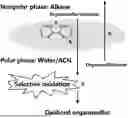
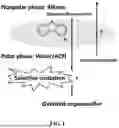
FIG. 1 is a schematic diagram of the reaction system for selective oxidative desulfurization of petroleum and petroleum products.
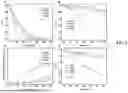
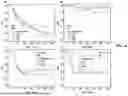
FIG. 2 illustrates concentration profiles of DBT and its oxidation products under different oxidative systems, including (A) PAA, (B) PPA, (C) PAA with Co(II), and (D) PPA with Co(II).
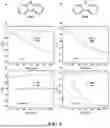
FIG. 3 illustrates concentration profiles of DBT and DBF under different systems. Sub-figures (A) and (B) depict the chemical structures of DBT and DBF, respectively. Sub-figures (C)-(F) illustrate the concentration profiles of DBT and DBF under PAA, PPA, PAA with Co(II), and PPA with Co(II), respectively.
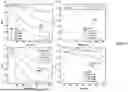
FIG. 4 illustrates concentration profiles of DBT and Py under different oxidative systems, including (A) PAA, (B) PPA, (C) PAA with Co(II), and (D) PPA with Co(II).
FIG. 5 illustrates the effects of different transition-metal ions on DBT and Py in oxidative systems, including (A) DBT, (B) Py, (C) Py oxidation products, and (D) PPA content.
FIG. 6 illustrates the effects of different pH values on DBT and Py. Sub-figures (A) and (B) show DBT and Py under PPA oxidation. Sub-figures (C) and (D) show DBT and Py under the oxidation of PPA with Co(II).
FIG. 7 illustrates the effects of different PPA concentrations on DBT and Py. Sub-figures (A) and (B) show DBT and Py under PPA oxidation. Sub-figures (C) and (D) show DBT and Py under the oxidation of PPA with Co(II).
FIG. 8 illustrates the effects of different concentrations of catalyst Co(II) on DBT and Py in the PPA-Co(II) oxidative system. Sub-figures (A) and (B) show DBT and Py variations.
FIG. 9 illustrates the effects of water content in the polar phase on DBT and Py. Sub-figures (A) and (B) show DBT and Py under PPA oxidation. Sub-figures (C) and (D) show DBT and Py under PPA with Co(II) oxidation.
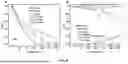
FIG. 10 illustrates the effects of different reaction cycles in the PPA-Co(II) system. Sub-figure (A) shows the variations of DBT, DBT oxidation products, and PPA under multiple cycles. Sub-figure (B) shows Py and its oxidation products over multiple cycles.
DESCRIPTION
The detailed description provided below in connection with the appended drawing is intended as a description of the present examples and is not intended to represent the only forms in which the present example may be constructed or utilized. The description sets forth the functions of the example and the sequence of steps for constructing and operating the example. However, the same or equivalent functions and sequences may be accomplished by different examples.
1. Definitions
For convenience, certain terms employed in the specification, examples, and appended claims are collected here. Unless defined otherwise, all technical and scientific terms used herein have the same meaning as commonly understood by one of the ordinary skills in the art to which this invention belongs.
The singular forms “a”, “and”, and “the” are used herein to include plural referents unless the context clearly dictates otherwise.
Unless otherwise indicated, the following terms are used herein: “ACN” refers to acetonitrile; “DBT” refers to dibenzothiophene; “PPA” refers to peroxypropionic acid; “PAA” refers to peroxyacetic acid; “PAHs” refers to polycyclic aromatic hydrocarbons, “DBF” refers to dibenzofuran; and “Py” refers to pyrene. Concentrations are expressed in millimole (mM). “Water content” refers to the volume fraction of water in the polar phase. “Ambient conditions” generally refer to approximately 25° C. and atmospheric pressure.
Analytical methods may be employed to monitor concentrations of DBT, Py, DBF, PAA, and PPA. In some embodiments, high-performance liquid chromatography (HPLC) is used DBT, Py, DBF and related products can be detected directly by HPLC based on their intrinsic chromophoric absorption groups. For the detection of peroxyorganic acids, a derivatization-based quantification method may be employed. For example, peroxyorganic acids (such as PAA and PPA) can be reacted with 4-methylthioanisole (MTS) to generate the corresponding sulfoxide (MTSO), which is subsequently analyzed by HPLC. In certain embodiments, triphenylphosphine (TPP) may be employed to consume residual hydrogen peroxide prior to detection. Such analytical methods allow accurate quantification of both organosulfur compounds and peroxyorganic acid oxidants during desulfurization, thereby ensuring reliable evaluation of catalytic performance.
The embodiments described herein are provided for purposes of illustration and understanding of the invention, and are not intended to limit the scope of the claims. FIG. 1 schematically illustrates a representative biphasic reaction system suitable for carrying out certain embodiments. In one embodiment, the method may comprise the following steps:
-
- Phase formation.
ACN and water are combined with a nonpolar petroleum feed or model oil to form a biphasic system. The lower phase comprises an ACN/water mixture, while the upper phase comprises a nonpolar oil phase containing DBT as a representative organosulfur compound and Py as a representative PAH. The biphasic mixture may be agitated, such as by stirring or shaking, to facilitate distribution of DBT and Py between the phases and to achieve phase-distribution equilibrium.
Oxidant preparation.
A peroxyorganic acid oxidant (e.g., PPA) may be prepared by reacting propionic acid, hydrogen peroxide, and sulfuric acid.
Initiation of desulfurization.
The oxidant and a transition-metal catalyst are introduced into the biphasic system to initiate selective oxidation of organosulfur compounds. The catalyst may be selected from low-valent transition-metal ions such as Co(II), Fe(II), Cu(II), or Mn(II), and is preferably provided in the form of a chloride salt.
Typical Operating Conditions.
In certain embodiments, the water content of the polar phase is about 30-40 vol %; the catalyst concentration is about 0-9.1 mM; and the oxidant concentration is about 14.4-172.8 mM. Under these conditions, organosulfur species are converted to more polar oxidation products that preferentially partition into the polar phase. Concentrations recited herein are based on the volume of the polar phase unless otherwise specified.
Phase separation and reuse.
Following the reaction, the nonpolar and polar phases are separated to recover the desulfurized oil. In some embodiments, the separated polar phase containing oxidized sulfur species can optionally be regenerated or disposed of according to standard industry practice and environmental regulations.
Among peroxyorganic acids, PPA is preferred. In some embodiments where selectivity is prioritized, the catalyst Co(II) may be used at low concentration or omitted. In other embodiments where efficiency is prioritized, Cu(II) may be employed to achieve rapid desulfurization.
2. Detail Description of Preferred Embodiments
Embodiment 1
In one embodiment, a method for the selective oxidative desulfurization of petroleum and petroleum products is provided. PPA and transition-metal catalysts are introduced into a biphasic system composed of a nonpolar oil phase and a polar phase containing water and ACN. Organosulfur compounds such as DBT are oxidized to more polar products, which migrate into the polar phase, thus enabling their separation from the oil phase.
Embodiment 2
In some embodiments, the method is applicable not only to DBT but also to structurally related heteroaromatic compounds. For example, comparative treatment of DBT (sulfur-containing) and DBF (oxygen-containing analog) demonstrates that the oxidation preferentially targets sulfur-containing compounds, indicating selectivity toward sulfur atoms.
Embodiment 3
In some embodiments, the process is applied in the presence of coexisting PAHs, such as pyrene. Under such conditions, DBT is effectively oxidized while pyrene remains largely unaffected, thereby preserving valuable hydrocarbon components.
Embodiment 4
In some embodiments, different transition-metal ions, including Co(II), Fe(II), Cu(II), and Mn(II) may be employed as catalysts to activate PPA. Co(II) may provide a desirable balance of activity and selectivity, while Cu(II) exhibits stronger catalytic activity with reduced selectivity. Accordingly, catalyst selection allows fine-tuning of efficiency versus selectivity.
Embodiment 5
In some embodiments, the desulfurization performance is influenced by the pH of the polar phase. Acidic conditions are favorable for maintaining selectivity, whereas near-neutral conditions may promote premature oxidant consumption and reduce selectivity.
Embodiment 6
In certain embodiments, the oxidant dosage is varied to meet different process requirements. At lower oxidant concentrations, selective removal of DBT is achieved with minimal impact on coexisting hydrocarbons. At higher oxidant dosages, more complete desulfurization may be achieved within shorter reaction times.
Embodiment 7
In some embodiments, the catalyst loading directly influences the desulfurization rate and selectivity. Low catalyst concentrations or even catalyst-free systems may be adopted where selectivity is prioritized. Higher catalyst loadings accelerate desulfurization but may also affect coexisting hydrocarbons.
Embodiment 8
In certain embodiments, the ratio of ACN to water in the polar phase is adjusted to control the transfer of DBT and its oxidation products. A water content of 30-40% may achieve a favorable balance between mass transfer efficiency and process cost.
Embodiment 9
In some embodiments, the system is operated in repeated cycles by replacing the oil phase with fresh DBT-containing feed. Although oxidized sulfur products gradually accumulate in the polar phase, the catalytic system remains active for multiple cycles. Desulfurization efficiency may be sustained by periodic removal of oxidation products or replenishment of oxidant.
EXAMPLE
In one example, the concentrations of PAA and PPA stock solutions were determined by HPLC using a derivatization method with MTS-TPP. The PPA stock solution, freshly prepared, was obtained by reacting propionic acid (59.52%), hydrogen peroxide (35.71%), and sulfuric acid (4.76%) at 40° C. for approximately 8 min, and was stored under refrigeration until use.
During kinetic reactions, aliquots (10 μL) of the upper nonpolar oil phase were taken and diluted with ethanol to a total volume of 1 mL for HPLC analysis of the residual DBT. Similarly, aliquots (10 μL) of the lower polar phase were diluted with ethanol for analysis of DBT oxidation products. Additionally, aliquots (10 μL) of the polar phase were treated sequentially with MTS and TPP solutions for HPLC analysis of residual PAA or PPA.
All experiments were conducted under ambient temperature and pressure unless otherwise specified.
Comparative Example 1
In a comparative example, PAA and PPA were employed as oxidants, and the desulfurization efficiencies were investigated with and without the addition of Co(II).
A nonpolar phase was prepared by dissolving DBT (15.625 mM, corresponding to 500 ppm sulfur content) in 5 mL of n-decane. A polar phase was prepared by mixing 7.7 mL of ACN and 2.3 mL of water. The biphasic mixture was stirred at 250 rpm for 30 min to achieve equilibrium distribution of DBT between the two phases. The desulfurization reaction was then initiated by adding either oxidant alone or oxidant together with a catalyst. Following the introduction of reagents, the total volume of the polar phase was adjusted to 11 mL, with a water content of approximately 30%. The concentrations of the oxidants (PAA or PPA) were 86.4 mM, and the concentration of the catalyst CoCl2 was 9.1 mM.
FIG. 2 illustrates the concentration profiles of DBT in different oxidative systems. As shown in FIG. 2A and FIG. 2B, direct oxidation with PAA or PPA resulted in partial degradation of DBT, but complete removal was not observed within 180 min. In the Co(II)-activated system, PAA was consumed within 30 min without further degradation of DBT (FIG. 2C). In contrast, the PPA-Co(II) system enabled progressive degradation of DBT with the concurrent formation of oxidation products in the polar phase (FIG. 2D).
This comparative example shows that both PAA and PPA possess oxidative activity toward DBT, but only the PPA-Co(II) system provided sustained DBT degradation accompanied by detectable accumulation of oxidation products in the polar phase.
Comparative Example 2
In a comparative example, DBF was introduced as a reference compound because it possesses a chemical structure similar to that of DBT but with the sulfur atom replaced by an oxygen atom (FIG. 3A and FIG. 3B).
A nonpolar phase was prepared by dissolving DBT (15.625 mM) and DBF (15.625 mM) in 5 mL of n-decane. To this solution, 7.7 mL of ACN and 2.3 mL of water were added to form the polar phase. The biphasic mixture was stirred at 250 rpm for 30 min to allow distribution of DBT and DBF between the two phases. The desulfurization reaction was initiated by adding either oxidant alone or oxidant together with a catalyst. Following reagent addition, the final volume of the polar phase was adjusted to 11 mL (containing 30% water). The oxidant concentration (PAA or PPA) was 86.4 mM, and the concentration of the catalyst CoCl2 was 9.1 mM.
The concentration profiles DBT and DBF under different oxidative systems are illustrated in FIG. 3C-FIG. 3F. The results indicate that under both direct oxidation and Co(II)-activated oxidation conditions, DBT underwent measurable degradation, whereas DBF remained substantially unchanged. These findings are consistent with selective oxidation of sulfur-containing compounds. Combining with Example 1, the results suggest that the oxidation products of DBT exhibit higher polarity relative to DBT, which may facilitate their accumulation in the polar phase for subsequent separation.
Comparative Example 3
In a comparative example, Py was selected as a representative PAH and was evaluated together with DBT in the same system to assess selectivity in the presence of coexisting PAHs.
A nonpolar phase was prepared by dissolving DBT (15.625 mM) and Py (15.625 mM) in 5 mL of n-decane. A polar phase was prepared by adding 7.7 mL of ACN and 2.3 mL of water. The biphasic mixture was stirred at 250 rpm for 30 min to establish equilibrium distribution of DBT and Py between the two phases. The desulfurization reaction was initiated by adding either oxidant alone or oxidant together with a catalyst. After reagent addition, the polar phase volume was adjusted to 11 mL, corresponding to about 30% water by volume. The oxidant concentration (PAA or PPA) was 86.4 mM. The concentration of catalyst CoCl2 was 9.1 mM.
As shown in FIG. 4, the degradation profile of DBT in the presence of Py was consistent with that observed in Example 1. In the non-activated PPA system (FIG. 4B), about 80% DBT removal was achieved after 180 min, with no measurable change in Py. In the Co(II)-catalyzed PAA system (FIG. 4C), rapid consumption of PAA occurred within about 30 min, resulting in only limited DBT removal. In the Co(II)-activated PPA system (FIG. 4D), DBT removal exceeded 90% within 90 min. Approximately 10% of Py was also affected after 90 min, accompanied by the formation of Py oxidation products.
These findings indicate that the system parameters may be adjusted depending on performance requirements. For example, non-activated PPA enables DBT removal with no measurable impact on Py. Co(II)-activated PPA provides rapid and extensive DBT removal while maintaining high selectivity toward coexisting PAHs.
Comparative Example 4
In a comparative example, the effects of different transition-metal ions on PPA activation and subsequent oxidation of DBT were evaluated. Fe(II), Cu(II), and Mn(II) were compared with Co(II) under otherwise identical conditions.
A nonpolar phase was prepared by dissolving DBT (15.625 mM) and Py (15.625 mM) in 5 mL of n-decane. A polar phase was prepared by adding 7.7 mL of ACN and 2.3 mL of water. The biphasic mixture was stirred at 250 rpm for 30 min to allow distribution of DBT and Py between phases. The desulfurization reaction was initiated by adding the oxidant together with a catalyst. The polar phase volume was adjusted to 11 mL, corresponding to about 30% water by volume. PPA concentration was maintained at 86.4 mM. Each of the catalysts CoCl2, FeCl2, CuCl2, and MnCl2 was introduced at 9.1 mM.
As illustrated in FIG. 5A-FIG. 5D, Co(II), Fe(II), and Mn(II) each promoted degradation of DBT, accompanied by gradual decreases in Py and PPA. In the Cu(II)-activated system, more than 85% of DBT was removed within 30 min. However, this rapid degradation was accompanied by extensive consumption of PPA and noticeable reduction of Py, together with formation of detectable Py oxidation products.
These findings indicate that while Cu(II) exhibits strong catalytic activity toward DBT oxidation, it is associated with lower selectivity and higher oxidant consumption. By contrast, Co(II) provides a more favorable balance of activity and selectivity under the tested conditions.
Comparative Example 5
In a comparative example, the influence of initial pH on the activation of oxidants by metal ions in the polar phase was evaluated.
A nonpolar phase was prepared by dissolving DBT (15.625 mM) and Py (15.625 mM) in 5 mL of n-decane. A polar phase was prepared by adding 7.7 mL of ACN and 2.3 mL of water. The biphasic mixture was stirred at 250 rpm for 30 min to allow equilibrium distribution of DBT and Py between the two phases. The desulfurization reaction was initiated by adding either PPA alone or PPA together with a catalyst. Sodium hydroxide (NaOH) was used to adjust the initial pH of the ACN/water polar phase. The final volume of the polar phase was adjusted to 11 mL (containing 30% water). The concentration of PPA was 86.4 mM, and the concentration of CoCl2 catalyst was 9.1 mM.
Without pH adjustment, the initial pH of the system was approximately 0.8. In the direct oxidation process with PPA (FIG. 6A and FIG. 6B), increasing the pH to 3 slightly promoted desulfurization, while further increasing the pH to 5 yielded performance similar to that observed without adjustment. In the Co(II)-activated PPA system (FIG. 6C and FIG. 6D) increasing the pH caused the reaction to cease within about 30 minutes with limited DBT degradation, and higher pH values were also associated with noticeable decreases in Py.
These findings indicate that the direct oxidation pathway by PPA exhibited tolerance to acidic conditions, whereas in the Co(II)-activated system, higher pH levels correlated with reduced DBT removal and increased Py consumption.
Comparative Example 6
In a comparative example, the effect of oxidant dosage on desulfurization process was investigated.
A 5 mL nonpolar phase solution was prepared by dissolving 15.625 mM DBT (corresponding to 500 ppm sulfur content) and 15.625 mM Py in n-decane. 7.7 mL of ACN and 2.3 mL of water were added to form a polar phase. The biphasic mixture was stirred at 250 rpm for 30 min to allow equilibrium distribution of DBT and Py. The desulfurization reaction was initiated by adding either different concentrations of oxidant alone or a fixed concentration of catalyst together with different concentrations of oxidant. Due to the introduction of additional solution, the final volume of the polar phase was adjusted to 11 mL (containing 30% water). The concentration of CoCl2 catalyst was 9.1 mM.
FIG. 7 illustrates the effect of oxidant concentrations on selective oxidation of organosulfur compounds. When the concentration of PPA was varied between 14.4 mM and 172.8 mM, direct oxidation enabled measurable DBT degradation. With Co(II) present, DBT removal was further enhanced, accompanied by partial impact on Py. At an oxidant concentration of 43.2 mM, approximately 90% of DBT was removed after 180 min in the catalytic oxidation system. At a higher oxidant concentration of 172.8 mM, complete removal of DBT was achieved within 30 min, with only minor effect on Py.
Comparative Example 7
In a comparative example, the influence of Co(II) catalyst concentration on selective desulfurization was evaluated.
A nonpolar phase was prepared by dissolving DBT (15.625 mM) and Py (15.625 mM) in 5 mL of n-decane. A polar phase was prepared by adding 7.7 mL of ACN and 2.3 mL of water. The biphasic mixture was stirred at 250 rpm for 30 min to allow DBT and Py to reach equilibrium distribution. The desulfurization reaction was initiated by adding the PPA (86.4 mM) together with different concentrations of CoCl2 into the biphasic system. The final volume of the polar phase was adjusted to 11 mL, corresponding to about 30% water by volume.
As shown in FIG. 8, the removal efficiency of organosulfur increased as the Co(II) concentration rose from 0 mM to 9.1 mM. At a higher Co(II) concentration of about 13.6 mM, no further improvement in DBT degradation was observed, while additional decreases in Py concentration occurred after 180 min. Under the tested conditions, a Co(II) concentration of about 9.1 mM resulted in efficient desulfurization of DBT while maintaining a relatively high degree of selectivity. At reduced or zero Co(II) concentration, DBT degradation proceeded more slowly but with negligible effect on Py.
Comparative Example 8
In a comparative example, the effect of the ACN-to-water ratio in the polar phase on selective desulfurization was investigated.
A nonpolar phase was prepared by dissolving DBT (15.625 mM, corresponding to about 500 ppm sulfur) and Py (15.625 mM) in 5 mL of n-decane. Different ratios of ACN and water were then used to prepare the polar phase. The biphasic mixture was stirred for 30 min to allow DBT and Py to reach equilibrium distribution between the two phases. The desulfurization reaction was initiated by adding either PPA alone or PPA together with CoCl2 catalyst. After reagent addition, the total polar phase volume was adjusted to 11 mL. The concentration of oxidant (PPA) was 86.4 mM, and the concentration of CoCl2 as catalyst was 9.1 mM.
The results shown in FIG. 9 indicate that varying the ratio of ACN to water in the polar phase influenced the distribution of DBT and Py between phases. At lower water fraction, greater migration of DBT and Py into the polar phase was observed, which correlated with increased reactivity toward the oxidant. At higher water fractions, migration of DBT and Py into the polar phase was reduced. Under the tested conditions, a water content of about 30-40% in the polar phase enables substantial DBT removal while maintaining selectivity with respect to Py.
Comparative Example 9
In a comparative example, the cyclic performance of the catalytic oxidation system comprising PPA and Co(II) was evaluated. In each cycle, the upper oil phase was removed and replaced with a fresh oil phase solution.
A nonpolar phase was prepared by dissolving DBT (15.625 mM) and Py (15.625 mM) in 5 mL of n-decane. A polar phase was prepared by adding 7.7 mL of ACN and 2.3 mL of water. The biphasic mixture was stirred at 250 rpm for about 30 min to allow DBT and Py to reach equilibrium distribution. The desulfurization reaction was initiated by adding PPA and CoCl2. After reagent addition, the polar phase volume was adjusted to 11 mL (containing 30% water). The concentration of PPA was about 86.4 mM, and the concentration of CoCl2 catalyst was about 9.1 mM.
Each reaction cycle lasted about 90 min. At the end of each cycle, the upper oil phase was replaced with 5 mL of fresh n-decane solution containing 15.625 mM DBT and 15.625 mM Py.
As shown in FIG. 10, the removal efficiency of DBT within 90 min decreased gradually with increasing cycle number. Accumulation of DBT oxidation products in the polar phase was observed, and after six cycles, about 30% of PPA remained. Throughout the cycles, Py concentration showed only minor changes and consistently remained at a high level.
It will be understood by those skilled in the art that the foregoing embodiments are provided for illustrative purposes only and are not intended to limit the scope of the present disclosure. Any modifications, substitutions, or variations that fall within the spirit and scope of the disclosure are considered to be encompassed by the appended claims.
It will be understood that the above description of embodiments is given by way of example only and that various modifications may be made by those with ordinary skills in the art. The above specification, examples, and data provide a complete description of the structure and use of exemplary embodiments of the invention. Although various embodiments of the invention have been described above with a certain degree of particularity, or with reference to one or more individual embodiments, those with ordinary skills in the art could make numerous alterations to the disclosed embodiments without departing from the spirit or scope of this invention.
Claims
What is claimed is:1. A method for selective oxidative desulfurization in oil and product thereof, comprising:
carried out at normal temperature and pressure, in a polar phase composed of water and acetonitrile, organic sulfides in the non-polar phase oil solution are selectively removed through the direct oxidation of peroxyorganic acid and the active substances generated by the activation of peroxyorganic acid by a catalyst;
wherein,
first, acetonitrile and water are added to the non-polar phase petroleum and its products to form an upper and a lower layer of solution, the lower layer is a polar phase where acetonitrile and water are miscible, and the mixed solution is thoroughly mixed by shaking or stirring; then, the oxidant peroxyorganic acid is prepared;
an oxidant and a catalyst are added to the above-mentioned solution to initiate the desulfurization reaction;
the catalyst is a low-valence transition metal ion, specifically Co(II), and the metal salt used is a chloride;
the peroxyorganic acid is peroxypropionic acid;
the water content in the polar phase is 30-40%;
the catalyst concentration is 4.5-9.1 mM;
the oxidant concentration is 14.4-172.8 mM;
the peroxypropionic acid is formed by the reaction of propionic acid, hydrogen peroxide, and sulfuric acid.
2. The method according to claim 1, wherein the oxidant concentration is 43.2-172.8 mM.
3. The method according to claim 1, wherein the oxidant concentration is 43.2-86.4 mM.
4. The method according to claim 1, wherein the oxidant concentration is 86.4-172.8 mM.
5. The method according to claim 1, wherein the polar phase has a moisture content of 30%, the concentration of catalyst Co (II) and oxygen of peroxypropionic acid are 9.1 mM and 86.4 mM respectively, and the reaction time is controlled at 90 min.
6. The method according to claim 1, wherein the method is suitable for crude oil, fuel oil or other sulfur-containing organic sulfide removal in petroleum products.
7. The method according to claim 1, wherein the method is applicable to diesel oil.
8. The method according to claim 1, wherein after the desulfurization process is completed, the non-polar phase and the polar phase are separated for recovery, so as to reuse the oil phase of the petroleum and its products, as well as the lower-level catalytic oxidation system.
Images & Drawings included:




Sources:
- United States Patent and Trademark Office - verify current appl. status at the USPTO↗
Recent applications in this class:
- » 20220033715 2022-02-03
Process for removing metals in petroleum oil using an organophosphorus compound and microwaves - » 20210246375 2021-08-12
Multi-stage contacting process and apparatus - » 20180079969 2018-03-22
Removing contaminants from crude oil - » 20180002613 2018-01-04
Method for removing metals and amines from crude oil - » 20170066975 2017-03-09
Additives to enhance metal and amine removal in refinery desalting processes - » 20170051211 2017-02-23
Method for removing metal from hydrocarbon oil - » 20160230101 2016-08-11
Additives to enhance metal and amine removal in refinery desalting processes - » 20160168482 2016-06-16
CONTAMINANT REMOVAL FROM HYDROCARBON STREAMS WITH IONIC LIQUIDS - » 20150060334 2015-03-05
Methods and apparatuses for processing hydrocarbon streams containing organic nitrogen species - » 20150027928 2015-01-29
Ionic liquids, methylcarbonate- or carboxylates-based, obtaining process and use thereof