ADJUSTABLE GAS VALVE FOR A FIREARM
US20260146814A1
2026-05-28
19/400,483
2025-11-25
Smart Summary: A gas block assembly is designed to attach to a firearm barrel. It has a gas passage and a valve opening that controls the flow of gas. Inside the valve opening, there is a movable valve body with two different-sized openings. Users can easily switch between these two openings by hand, allowing for two different gas settings. This feature lets shooters adjust the firearm's performance without needing any tools. 🚀 TL;DR
Abstract:
A firearm gas block assembly has a gas block configured to be attached to a firearm barrel, the gas block defining a gas passage and a valve opening in fluid communication with the gas passage. A valve body is sealingly received in the valve opening and defines an outlet port, a first valve opening of a first size, and a second valve opening of a second size different from the first size. Each of the first valve opening and the second valve opening fluidly communicate with the outlet port. The valve body is movable between a first position in which the first valve opening is aligned with the gas passage and a second position in which the second valve opening is aligned with the gas passage. The valve provides two discrete gas settings selectable by hand without the need for tools.
Inventors:
- Pascal Planchenault 3 🇺🇸 Newmarket, NH, United States
- Sheldon Chun Yin Cheng 1 🇺🇸 Exeter, NH, United States
Assignee:
- Sig Sauer, Inc. 183 🇺🇸 Newington, NH, United States
Applicant:
Interested in similar patents?
Get notified when new applications in this technology area are published.
Classification:
F41A5/28 » CPC main
Mechanisms or systems operated by propellant charge energy for automatically opening the lock gas-operated; Arrangements or systems for bleeding the gas from the barrel Adjustable systems
Description
TECHNICAL FIELD
The present disclosure relates generally to gas-operated firearms. More particularly, the present disclosure relates to an adjustable gas valve having discrete gas positions for a gas-operated firearm.
BACKGROUND
Fully automatic and semi-automatic rifles use high pressure gas from the firing process to cycle the action and ready the firearm for the next shot. A port is defined in the barrel that diverts some of the gas in the barrel to a gas block on the barrel. In direct impingement rifles, such as some AR-15-type rifles, a gas tube extends rearward from the gas block to the bolt carrier. When a shot is fired, high pressure gas travels through the gas tube and acts directly on the bolt carrier to send the bolt carrier (and bolt) rearward. During rearward movement, a recoil spring counteracts the gas pressure. After the bolt and carrier reach a rearward recoil position, the recoil spring drives the bolt and carrier forward to strip a round from the top of the magazine and chamber that round. On the other hand, some rifles use the high-pressure gases to actuate a gas piston in the gas block, which sends an operational rod (“op rod”) rearward with the bolt and carrier to cycle the action.
SUMMARY
The present disclosure is directed to an adjustable gas valve for an autoloading rifle, where the gas valve has a plurality of distinct positions and can be operated without tools between a first position and a second position. The gas valve is part of a gas block for an autoloading rifle operating with a direct impingement or gas-piston system. A barrel assembly and firearm with the gas block and gas valve are also disclosed.
The features and advantages described herein are not all-inclusive and, in particular, many additional features and advantages will be apparent to one of ordinary skill in the art in view of the drawings, specification, and claims. Moreover, it should be noted that the language used in the specification has been selected principally for readability and instructional purposes and not to limit the scope of the disclosed subject matter.
BRIEF DESCRIPTION OF THE DRAWINGS
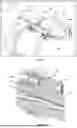
FIG. 1 illustrates a front perspective view of a rifle upper receiver assembly including an adjustable gas valve, in accordance with an embodiment of the present disclosure.
FIG. 2 illustrates a close-up view of the gas block and gas valve shown in FIG. 1.
FIG. 3 illustrates a front, perspective, and cross-sectional view of part of a barrel assembly with a gas valve, in accordance with an embodiment of the present disclosure.
FIG. 4 illustrates a side view showing the cross-section of FIG. 3, in accordance with an embodiment of the present disclosure.
FIG. 5 illustrates a perspective view of a valve body, in accordance with an embodiment of the present disclosure.
FIG. 6 illustrates a front perspective view of a gas valve in a second position, in accordance with an embodiment of the present disclosure.
FIG. 7 illustrates a cross-sectional view of the gas valve of FIG. 6, in accordance with an embodiment of the present disclosure.
FIG. 8 illustrates a front perspective view of a gas valve in a first position, in accordance with an embodiment of the present disclosure.
FIG. 9 illustrates a front perspective view of a gas valve in a first position, where the housing is shown as being transparent, in accordance with an embodiment of the present disclosure.
FIG. 10 illustrates a front perspective view of a rifle equipped with a two-position valve, where the valve is set to a first position for normal fire, in accordance with an embodiment of the present disclosure.
FIG. 11 illustrates a front perspective view of the rifle of FIG. 10 equipped with a suppressor and having the valve is set to a second position for suppressed fire, in accordance with an embodiment of the present disclosure.
FIG. 12A illustrates a front perspective view of a rifle upper receiver assembly, in accordance with another embodiment of the present disclosure.
FIG. 12B illustrates a close-up view of the rifle upper receiver assembly of FIG. 12A with the handguard omitted to reveal the gas block assembly, in accordance with an embodiment.
FIGS. 13A-13B illustrate front perspective views of the gas block assembly with the valve body in a first position, in accordance with an embodiment of the present disclosure.
FIG. 14 illustrates a front perspective view of the gas black assembly of FIG. 13 with the gas block omitted to more clearly show the valve body and spring detent pin, in accordance with an embodiment of the present disclosure.
FIG. 15 illustrates a front perspective view of the gas block assembly of FIG. 13 with the valve body in a second position, in accordance with an embodiment of the present disclosure.
FIG. 16 illustrates a front perspective view of the gas block assembly of FIG. 13 with the valve body in a clearance position, in accordance with an embodiment of the present disclosure.
FIG. 17 illustrates a front perspective view showing a longitudinal section of part of a barrel and a gas block assembly, in accordance with an embodiment of the present disclosure.
FIG. 18 illustrates a front perspective and partially exploded view of a gas block assembly on a barrel, in accordance with an embodiment of the present disclosure.
FIG. 19 illustrates a rear perspective, partially exploded, and partial sectional view of the gas block assembly and barrel shown in FIG. 18.
The figures depict various embodiments of the present disclosure for purposes of illustration only. Numerous variations, configurations, and other embodiments will be apparent from the following detailed discussion.
DETAILED DESCRIPTION
Disclosed is a firearm gas block assembly, a barrel assembly including the gas block assembly, and a firearm with the barrel assembly. In one example, the gas block is attached to or is configured to be attached to a firearm barrel. The gas block defines a gas passage and a valve opening in fluid communication with the gas passage. A valve body is sealingly received in the valve opening and defines an outlet port, a first valve opening of a first size, and a second valve opening of a second size different from the first size. Each of the first valve opening and the second valve opening can be positioned to fluidly communicate with the outlet port and with the gas passage. The valve body is movable between a first position in which the first valve opening is aligned with the gas passage and a second position in which the second valve opening is aligned with the gas passage. The valve provides two discrete gas settings operable by hand without the need for tools.
The gas block and a barrel assembly with the gas block can be adapted for use with a direct impingement or gas-piston operating system. In a direct impingement system, for example, a gas tube is received in the gas block and into the outlet port of the valve body. In a gas-piston system, for example, the outlet port of the valve body fluidly communicates with the gas piston. Depending on the operating condition of the firearm, the operator can turn the valve by hand to switch between the first valve position and the second valve position, or vice versa. In one example, the first position is for normal operating conditions (e.g., normal fire) and the second position is for use with a suppressor (e.g., suppressed fire). In another example, the first position is for normal operating conditions and the second position is for adverse conditions (e.g., wet or dirty action).
A gas block is described and shown herein with reference to a direct impingement operating system; however, it is contemplated that the gas block can be adapted for use with a gas-piston system. Numerous variations and embodiments will be apparent in light of the present disclosure.
Overview
For normal operation, a rifle's gas system is set up to consistently cycle the action. The gas pressure needed can change depending on whether the rifle is freshly cleaned and lubricated or running “dirty” after firing many shots. Additionally, the gas pressure necessary for consistent operation may change depending on the ammunition used. In general, the gas pressure is sufficient to account for these variations. Some firearms operators seek to have more control over the gas pressure in order to provide more consistent operation. Also, the operator may want to adjust the gas pressure so that it is not excessively high, which can cause more wear and tear on parts, or too low, which can cause malfunctions. Thus, some gas systems include an adjustable gas valve that enables the user to adjust the gas pressure. For example, the gas valve has a set screw that can be turned with a tool to gradually change the position of the valve in the gas block, thereby adjusting the gas pressure delivered to the piston or gas tube. Such adjustment provides a continuous range of adjustment.
When a gas-operated rifle is equipped with a suppressor, for example, the suppressor changes the gas pressure delivered to gas block. Accordingly, it is sometimes necessary to reduce the valve aperture to account for use with a suppressor and to avoid over-pressurizing the operating system. Similarly, in adverse conditions, such as when firing the rifle in water or when the rifle is exposed to dust, mud, or debris, higher gas pressure may be needed to cycle the action reliably. It is desirable for the operator to be able to make this adjustment in the field, in particular by hand and without the need for tools.
Thus, a need exists for a gas valve with multiple discrete positions. A need also exists for such a valve with toolless adjustment. It is also desirable for the gas valve to have a feature that visually identifies the position of the gas valve. The present disclosure addresses these needs and others by providing a gas system with a multi-position gas valve, in accordance with some embodiments. In one example, the gas valve has two discrete positions and can be switched by hand between “normal” and “suppressed” fire conditions by turning a key 90°. In other embodiments, the gas valve can be switched between “normal” and “adverse” conditions by a similar movement. In each situation, a first position of the gas valve provides a first aperture of a first size between the barrel and the gas block. A second position of the gas valve provides a second aperture of a different second size. For example, the valve can be turned 90° (or some other amount) by hand from one position to the other. In yet other embodiments, the gas valve can have more than two discrete positions, such as a closed position or a third aperture of a third size. A gas valve of the present disclosure can be adapted for use with direct impingement or gas piston rifles of various platforms and configurations. Numerous variations and embodiments will be apparent in light of the present disclosure.
As used herein, terms referencing direction, such as upward, downward, vertical, horizontal, left, right, front, back, etc., are used for convenience to describe components of a firearm oriented in a traditional shooting position with the barrel extending horizontally in front of the user. Embodiments of the present disclosure are not limited by these directional references, and it is contemplated that a gas valve and a firearm with such a gas valve can be used in any orientation.
Example Embodiments
FIG. 1 illustrates a front perspective view of a rifle upper receiver assembly 100 that includes a gas block 140 with an adjustable gas valve 150, in accordance with an embodiment of the present disclosure. FIG. 2 illustrates a close-up view of the gas block 140 and gas valve 150 shown in FIG. 1. In this example, the upper receiver assembly 100 is configured for use with a direct-impingement rifle based on the AR-15 platform; however, the gas block 140 can be adapted for use with a gas-piston system and other rifle configurations. The gas block 140 is secured to a firearm barrel 110 adjacent the muzzle end 112. The barrel 110 is secured to an upper receiver 116. A gas tube 160 extends from the gas block 140 into the upper receiver 116 and is configured to actuate a bolt carrier (not shown) when the rifle is fired. The gas tube 160 is secured in the gas block using a pin 171, which can be a roll pin. Pin 171 also functions as a rotational stop for the valve body 142 in some embodiments.
As shown in the close-up view of FIG. 2, the gas block 140 extends around the barrel 110 and is secured to the barrel 110 using pins 172, a set screw, or other suitable method. The gas block 140 houses a valve body 142 that defines a plurality of distinct gas ports (shown in FIG. 3) and is operable between a first position (e.g., a “normal” position) and a second position (e.g., for suppressed or adverse conditions). In this embodiment, the valve body 142 is rotatable between the first and second position by the user rotating the valve key 144 on the end of the valve body 142. A pin 171, such as a roll pin, secures the valve body 142 in the gas block 140. A pin 170, such as a roll pin, secures detent 147 in the gas block 140. The gas block 140 is illustrated as extending above the barrel 110 to house the valve body 142; however, this orientation is not required and the valve body 142 could be below the barrel 110 or in some other location. In some embodiments, the valve body 142 defines one or more recesses 146 sized to receive a spring ball detent, or other movable catch 147 on the gas block 140 to provide tactile feedback to the user that the valve body 142 is in one of the discrete positions. The catch 147 can also resist inadvertent rotation of the valve body 142 due to recoil forces and the like.
FIG. 3 illustrates a close-up, front, perspective, and cross-sectional view of a gas block 140 and barrel 110, where the valve body 142 is in a first position. FIG. 4 illustrates a side view of the cross-section of FIG. 3. The barrel 110 defines a gas port 114 from the bore 111 to the gas block 140. The gas block 140 defines a gas passage 149 that is aligned with the gas port 114 when the gas block 140 is installed on the barrel 110. The gas passage 149 and gas port 114 provide a flow path of pressurized gases from the barrel 110 to the valve body 142. The valve body 142 extends axially into a cylindrical bore 141 in the gas block 140. The valve body 142 defines a plurality of valve openings 148, each of which can be aligned with the gas passage 149, depending on the rotational position of the gas key 144, to provide a discrete gas flow path to the gas tube 160. The proximal end portion 143 of the valve body 142 is hollow and receives a distal end portion 162 of the gas tube 160, which defines a gas opening 164 aligned with the valve opening 148 and gas passage 149. As shown in FIG. 3, the bore 111 communicates with the gas tube 160 via the gas port 114, gas passage 149, valve opening 148, and gas opening 164, all of which are aligned. When the rifle is fired, the gas pressure delivered from the bore 111 to the gas tube 160 depends on the position of the valve body 142 and the associated size of the valve opening 148 when the valve body 142 is in that position. Pin 171 extends through the distal end portion 162 of the gas tube 160 to retain its position in the gas block and valve body 142. The pin 171 also extends through the valve body 142 to fix the axial position of the valve body 142 in the gas block 140. The pin 171 also functions as a rotational stop for the valve body 142.
FIG. 5 illustrates a perspective view of a valve body 142, in accordance with an embodiment of the present disclosure. A proximal portion 142a of the valve body 142 is a hollow cylinder that is sized and configured to be rotatably received in the gas block 140. A distal portion 142b of the valve body 142 includes a valve key 144 that is configured to be operable by hand to rotate the valve body 142. The proximal portion 142a defines a central bore 145 that extends axially into the valve body 142, where the central bore 145 is sized to receive the gas tube 160. The proximal portion 142a also defines a plurality of valve openings 148. In this example the valve body 142 defines a first valve opening 148a of a first size and a second valve opening 148b of a different second size. Distally of the valve openings 148, the proximal portion 142a defines pin openings 152 configured to receive pin 171 that extends through the gas block 140, gas tube 160, and valve body 142. To enable the valve body 142 to rotate between various positions, each of the pin openings 152 is configured as a slot that extends circumferentially around part of the proximal portion 142a of the valve body 142. In this example, each pin opening 152 extends 90° around the valve body 142. Thus, in operation, a quarter turn of the valve body 142 changes the valve 150 from a first gas pressure to a second gas pressure when the firearm is fired.
The distal portion 142b includes a flange 154 having a greater diameter compared to the proximal portion 142a. The flange 154 functions as a mechanical stop when installing the valve body 142 into the gas block 140. In some embodiments, a gasket or seal can be installed around the proximal portion 142a between the flange 154 and the gas block 140 to seal the valve 150. In the example shown, the flange 154 defines recesses 146 spaced around the proximal face of the flange 154, where the recesses 146 are arranged to coincide with a catch on the gas block 140 when each of the valve openings 148 is aligned with the gas passage 149. Here, four recesses 146 are distributed around the flange 154 with 90° spacing.
FIG. 6 illustrates a front perspective view of a gas block 140 with the gas valve 150 in a second position, in accordance with an embodiment of the present disclosure. In this example, the valve key 144 is oriented vertically, signaling to the operator that the valve 150 is in the second position, as opposed to the horizontal position of the valve key 144 shown in FIG. 2. For example, the first position is for normal fire and the second position is for use with a suppressor. In another example, the first position is for adverse conditions and provides increased gas pressure, and the second position is for normal conditions.
FIG. 7 illustrates a cross-sectional view of the gas block 140 of FIG. 6 with the gas valve 150 in the second position. As discussed above with reference to FIG. 4, the barrel 110 defines a gas port 114 from the bore 111 to the gas block 140. The gas block 140 defines a gas passage 149 that is aligned with the gas port 114 when the gas block 140 is installed on the barrel 110. The gas passage 149 and gas port 114 provide a flow path of pressurized gases from the barrel 110 to the valve body 142. The bore 111 communicates with the gas tube 160 via the gas port 114, gas passage 149, valve opening 148, and gas opening 164, all of which are aligned. When the rifle is fired, the gas pressure delivered from the bore 111 to the gas tube 160 depends on the position of the valve body 142 and the associated size of the valve opening 148 when the valve body 142 is in that position. In this instance, the second position of the valve body 142 provides a valve opening 148 of greater size compared to that corresponding to the first position. Thus, the pressure is increased to cycle the action. The increased size of the valve opening 148 in the second position can be useful for adverse firing conditions. On the other hand, the reduced size of the valve opening 148 in the first position can be used for suppressed fire conditions, where a smaller gas aperture is desired in order to avoid over pressurizing the gas system.
FIGS. 8 and 9 illustrate front, perspective views showing a gas block 140 with gas valve 150 in a first position and a second position, respectively. In these examples, the gas block 140 is illustrated as being transparent to more clearly show details of the valve body 142. In the first position, shown in FIG. 8, the valve key 144 is in a horizontal position and valve opening 148a of larger size (not visible) is aligned with the gas passage 149. A catch 147 configured as a spring ball engages one of the recesses 146 on the flange 154 of the valve body 142. Pin 171, here a roll pin, extends through the gas block 140, through the valve body 142, and through the gas tube 160. Note that the pin 171 occupies an end position of the pin opening 152, which extends circumferentially part way around the valve body 142, such as 90° around the valve body 142. When the valve body 142 is rotated 90° to the second position, the valve opening 148b of smaller size (not visible) is aligned with the gas passage 149. In the second position, such as shown in FIG. 9, the pin 171 occupies an opposite end of the pin opening 152. Thus, the pin opening 152 limits the range of rotation for the valve body 142 to a quarter turn. At each end of the quarter turn, the valve 150 has a discrete gas position corresponding to a different gas pressure when the rifle is fired.
FIG. 10 illustrates a front perspective view of a rifle 200 equipped with a gas block 140 having a two-position valve 150, in accordance with an embodiment of the present disclosure. In this example, the rifle 200 is an autoloading rifle based on an AR-10 platform. The rifle 200 includes an upper receiver assembly 100 that includes the barrel 110 with the gas block 140 mounted on the barrel 110. As can be seen in this example, the barrel 110 is equipped with a flash hider 210
FIG. 11 illustrates a front perspective view of the rifle 200 of FIG. 10, where the rifle 200 is equipped with a suppressor 220. As noted above, adding a suppressor 220 changes the gas delivery to the gas block 140. Accordingly, the valve 150 is set to a second position for suppressed fire.
FIG. 12A illustrates a front perspective view of a rifle upper receiver assembly 100, and FIG. 12B illustrates a close-up view of the rifle upper receiver assembly 100 of FIG. 12A with the handguard 118 omitted to reveal the gas block assembly 120, in accordance with an embodiment. The gas block assembly 120 includes the gas block 140 and gas valve 150 coupled to a gas tube 160 that extends rearward along the barrel 110. The gas block assembly 120 of this example shares features with embodiments discussed above, but differs in that the valve body 142 is retained in the gas block 140 by geometries on the gas block 140 and valve body 142 rather than the pin 171 that extends through the gas block 140 and valve body 142 in embodiments discussed above. In some embodiments, the gas block 140 has a slot cut in it that interfaces directly with a key width in the plunger.
FIGS. 13A-13B illustrate front perspective views of the gas block assembly 120 with the valve body 142 in a first position, in accordance with an embodiment of the present disclosure. In this embodiment, pin 171 (shown in FIG. 2) is not needed to secure the valve body 142 in the gas block 140. Instead, the valve body 142 and gas block 140 include geometries that limit rotational range of the valve body 142 and retain the valve body 142 in the gas block 140.
The valve body 142 includes a partial first flange 154 that extends circumferentially around part of the valve body 142. The first flange 154 defines one or more gaps that correspond to a clearance position that enables the valve body 142 to be removed from the gas block 140. The first flange 154 is received in a slot 153 defined in the gas block 140. Further, ends 154a of the first flange 154 can function as rotational stops to limit rotational range of the valve body 142. For example, ends 154a of the first flange 154 can contact a stop surface 156 on the gas block 140. The first flange 154 is also used to retain the valve body 142 in the gas block 140 by being received in the slot 153 defined in the gas block 140. Rotating the valve body 142 so that the first flange 154 disengages from the slot allows removal of the valve body 142.
The valve body 142 defines a partial second flange 158 spaced axially from and located distally of the first flange 154. The second flange 158 extends radially outward from the valve body 142 and defines one or more gaps 159 corresponding to valve positions. In some embodiments, the gas block 140 houses a plunger 173 that is spring biased axially forward to engage the second flange 158 on the valve body 142. Part of the plunger 173 is shaped to at least partially occupy each gap 159 so as to provide tactile feedback to the user that the valve body 142 is in one of the discreet valve positions. The plunger 173 engages the gap 159 to maintain the valve body 142 in a discreet position. The plunger 173 can also function as a rotational stop against part of the second flange 158. In some embodiments, the second flange 158 includes variations in axial thickness and/or sloped surfaces to guide rotation of the valve body 142 against friction of the plunger 173. At certain locations, the plunger 173 can fit into one or more of the gaps 159 and act as a lock until the user depresses the plunger 173 rearward. Similarly, between ends 158a of the second flange 158, the plunger 173 is allowed to extend forward.
FIG. 14 illustrates a front perspective view of the gas black assembly of FIG. 13 with the gas block 140 omitted to more clearly show the valve body 142, plunger 173, and plunger spring 174, in accordance with an embodiment of the present disclosure. Note that the range of axial movement of the plunger 173 is limited by a pin 170 or comparable structure.
FIG. 15 illustrates a front perspective view of the gas block assembly 120 of FIG. 13 with the valve body 142 in a second position, in accordance with an embodiment of the present disclosure. In this example, a forward part 173a of the plunger 173 partially occupies one of the gaps 159 in the second flange 158. Due to a chamfered profile, the valve body 142 can be rotated to overcome the spring force of the plunger spring 174. Each gap 159 corresponds to a discrete valve position, for example. The valve body 142 can be rotated beyond an end 158a of the second flange 158 to a removal position by first depressing the plunger 173 to a clearance position, according to some embodiments.
FIG. 16 illustrates a front perspective view of the gas block assembly of FIGS. 13A-13B with the valve body 142 in a clearance position, in accordance with an embodiment of the present disclosure. In this example, the valve body 142 has been rotated so that the plunger 173 occupies a gap between ends 158a of the second flange 158. Note also that the first flange 154 is in a clearance position with respect to the gas block 140. In this position, the flanges 154, 158 are unobstructed and the plunger 173 is not aligned to contact either of the flanges 154, 158, so the valve body 142 can be removed from the gas block 140 for service and/or replaced with a different valve body 142.
FIG. 17 illustrates a front perspective and sectional view of the gas block assembly 120 shown in FIGS. 13A-13B, in accordance with an embodiment. Similar to other embodiments discussed above, the valve body 142 is received in the cylindrical bore 141 of the gas block 140. The valve body 142 can be rotated between discrete positions by turning the valve body 142 by hand using the valve key 144. In this embodiment, the gas block assembly 120 includes a retaining sleeve 166 having a cylindrical body 166a with a flange 166b on a proximal end 166a.
The retaining sleeve 166 has a closed distal end 167 and an open proximal end 168. The gas tube 160 is received through the open proximal end 168 and secured to the retaining sleeve 166 with a pin 175 or the like. The retaining sleeve 166 prevents rotation of the gas tube 160 when the valve body 142 is rotated. That is, both the retaining sleeve 166 and gas tube 160 have a fixed rotational position with respect to the gas block 140. The retaining sleeve 166 further defines a gas port 169 aligned with the port 161 in the gas tube 160. The retaining sleeve 166 forms a gas-tight seal with the gas tube 160 and with the valve body 142 in accordance with some embodiments.
FIG. 18 illustrates a front perspective and partially exploded view of part of a rifle upper receiver assembly 100 with a gas block assembly 120 and barrel 110, in accordance with an embodiment of the present disclosure. FIG. 19 illustrates a rear perspective, partially exploded, and partial sectional view of the gas block assembly 120 and barrel 110 shown in FIG. 18.
The gas block 140 defines a cylindrical bore 141 for the valve body 142, which can be turned between discrete positions using the valve key 144. A retaining sleeve 166 is arranged to be received in the central bore 145 of the valve body 142 and is configured to receive an end of the gas tube 160 in the cylindrical body of the retaining sleeve 166 and fixed via pin 175. The retaining sleeve 168 defines an anti-rotation geometry that can engage the gas block 140 to prevent rotation of the retaining sleeve 166 when the valve body 142 is rotated, and therefore prevent rotation of the gas tube 160. In this example, the proximal end 168 of the retaining sleeve 166 defines an axial protrusion 168a that engages a corresponding recess or stop structure in the gas block 140. In this example, the protrusion 168a includes portions on opposite lateral sides of the gas tube opening in the retaining sleeve 166. Other anti-rotation structures can be used, as will be appreciated.
Further Example Embodiments
The following examples pertain to further embodiments, from which numerous permutations and configurations will be apparent.
-
- Example 1 is a gas block assembly that includes a gas block configured to be attached to a firearm barrel, the gas block defining a gas passage and a valve opening in fluid communication with the gas passage. A valve body is sealingly received in the valve opening, the valve body defining an outlet port, a first valve opening of a first size, and a second valve opening of a second size different from the first size, where the first valve opening and the second valve opening fluidly communicate with the outlet port. The valve body is movable between a first position aligning the first valve opening with the gas passage and a second position aligning the second valve opening with the gas passage.
- Example 2 includes the gas block assembly of Example 1, where the valve body is movable by a user between the first position and the second position without tools.
- Example 3 includes the gas block assembly of any one of Examples 1-2, where the valve body defines a pin opening extending circumferentially part way around the valve body, and where the assembly comprises a pin received through the gas block and the pin opening of the valve body.
- Example 4 includes the gas block assembly of any one of Examples 1-3, where the gas block is configured as a gas-piston gas block and includes a gas piston in fluid communication with the outlet port.
- Example 5 includes the gas block assembly of any one of Examples 1-3, where the gas block is configured for use with a direct impingement firearm, and where the assembly is configured to receive a gas tube of the direct impingement firearm in the outlet port of the valve body.
- Example 6 includes the gas block assembly Example 5, where when installed the pin extends through an end portion of the gas tube.
- Example 7 includes the gas block assembly of any one of Examples 3-6, where the pin opening limits rotation of the valve body to 90° between the first position and the second position.
- Example 8 includes the gas block assembly of any one of the foregoing Examples, where the valve body has a proximal portion configured to be received in the valve opening and defining the first valve opening and the second valve opening. The valve body has a distal portion that includes a valve key and a flange between the valve key and the proximal portion, where the valve key is configured to be operated by hand.
- Example 9 includes the gas block assembly of Example 8, where the flange defines one or more recesses, and wherein the gas block includes a movable catch configured to engage the one or more recesses when the valve body is in the first position and/or in the second position.
- Example 10 includes the gas block assembly of Example 9, where the movable catch is a spring ball detent or spring plunger.
- Example 11 is a firearm barrel assembly that includes a barrel defining a bore extending along a bore axis and a defining barrel port extending transversely from an outside of the barrel to the bore. A gas block is secured to the barrel, defining a gas passage in communication with the barrel port, and defining a valve opening in fluid communication with the gas passage. A valve body is sealingly received in the valve opening, the valve body defining an outlet port, a first valve opening of a first size, and a second valve opening of a second size different from the second size, where the first valve opening and the second valve opening fluidly communicate with the outlet port. The valve body is movable without tools between a first position aligning the first valve opening with the gas passage and a second position aligning the second valve opening with the gas passage.
- Example 12 includes the firearm barrel assembly of Example 11, where the valve body defines a pin opening extending circumferentially part way around the valve body, and where the assembly comprises a pin received through the gas block and the pin opening of the valve body.
- Example 13 includes the firearm barrel assembly of any one of Examples 11-12, where the gas block is configured as a gas-piston gas block and includes a gas piston in fluid communication with the outlet port.
- Example 14 includes the firearm barrel assembly of any one of Examples 11-13, where the gas block is configured for use with a direct impingement firearm, and the firearm barrel assembly further includes a gas tube and a sleeve in the valve body, wherein an end portion of the gas tube is received in the sleeve, and wherein the sleeve engages the gas block to prevent rotation of the sleeve when the valve body is rotated.
- Example 15 includes the firearm barrel assembly of Example 14, where the pin extends through the sleeve and the end portion of the gas tube to secure the gas tube in the sleeve.
- Example 16 includes the firearm barrel assembly of any one of Examples 11-15, where the pin in the pin opening limits rotation of the valve body to between the first position and the second position. For example, the range of rotation is limited to 90°.
- Example 17 includes the firearm barrel assembly of any one of Examples 11-16, where the valve body has a proximal portion configured received in the valve opening and defining the first valve opening and the second valve opening. The valve body has a distal portion that includes a valve key and a flange between the valve key and the proximal portion, wherein the valve key is configured to be operated by hand.
- Example 18 includes the firearm barrel assembly of Example 17, where the flange defines one or more recesses, and where the gas block includes a movable catch configured to engage the one or more recesses when the valve body is in the first position and/or in the second position.
- Example 19 includes the firearm barrel assembly of Example 18, where the movable catch is a spring ball detent or spring plunger.
- Example 20 is an auto-loading firearm comprising the barrel assembly of any one of Examples 11-19.
The foregoing description of example embodiments has been presented for the purposes of illustration and description. It is not intended to be exhaustive or to limit the present disclosure to the precise forms disclosed. Many modifications and variations are possible in light of this disclosure. It is intended that the scope of the present disclosure be limited not by this detailed description, but rather by the claims appended hereto. Future-filed applications claiming priority to this application may claim the disclosed subject matter in a different manner and generally may include any set of one or more limitations as variously disclosed or otherwise demonstrated herein.
Claims
1. A gas block assembly comprising:
a gas block configured to be attached to a firearm barrel, the gas block defining a gas passage and a valve opening in fluid communication with the gas passage; and
a valve body sealingly received in the valve opening, the valve body defining an outlet port, a first valve opening of a first size, and a second valve opening of a second size different from the first size, wherein the first valve opening and the second valve opening fluidly communicate with the outlet port;
wherein the valve body is movable between a first position aligning the first valve opening with the gas passage and a second position aligning the second valve opening with the gas passage.
2. The gas block assembly of claim 1, wherein the valve body is movable by a user between the first position and the second position without tools.
3. The gas block assembly of claim 1, wherein the gas block is configured for use with a direct impingement firearm, and wherein the assembly is configured to receive a gas tube of the direct impingement firearm in the outlet port of the valve body.
4. The gas block assembly of claim 3, wherein the valve body defines a pin opening extending circumferentially part way around the valve body, and wherein the assembly comprises a pin in the gas block and the pin opening of the valve body.
5. The gas block assembly of claim 4, wherein the pin limits rotation of the valve body to rotate between the first position and the second position.
6. The gas block assembly of claim 3, comprising a pin, wherein when the gas tube is installed, the pin extends through the valve body and through an end portion of the gas tube.
7. The gas block assembly of claim 1, wherein the gas block is configured as a gas-piston gas block and includes a gas piston in fluid communication with the outlet port.
8. The gas block assembly of claim 1, wherein the valve body comprises:
a proximal portion configured to be received in the valve opening and defining the first valve opening and the second valve opening; and
a distal portion that includes a valve key and a flange between the valve key and the proximal portion, wherein the valve key is configured to be operated by hand to rotate the valve body between the first position and the second position.
9. The gas block assembly of claim 8, wherein the flange defines one or more recesses, and wherein the gas block includes a movable catch configured to engage the one or more recesses when the valve body is in the first position and/or in the second position.
10. The gas block assembly of claim 9, comprising a plunger partially received in the gas block and spring-biased to engage the flange.
11. A firearm barrel assembly comprising:
a barrel defining a bore extending along a bore axis and a barrel port extending transversely from the bore to an outside of the barrel;
a gas block secured to the barrel, the gas block defining a gas passage in communication with the barrel port and a valve opening in fluid communication with the gas passage; and
a valve body sealingly received in the valve opening, the valve body defining an outlet port, a first valve opening of a first size, and a second valve opening of a second size different from the second size, wherein the first valve opening and the second valve opening fluidly communicate with the outlet port;
wherein the valve body is movable by hand between a first position in which the first valve opening is aligned with the gas passage and a second position in which the second valve opening is aligned with the gas passage.
12. The firearm barrel assembly of claim 11, wherein the valve body defines a pin opening extending circumferentially part way around the valve body, and wherein the assembly comprises a pin received through the gas block and the pin opening of the valve body.
13. The firearm barrel assembly of claim 12, wherein the pin in the pin opening limits rotation of the valve body to rotate between the first position and the second position.
14. The firearm barrel assembly of claim 11, wherein the gas block is configured as a gas-piston gas block and includes a gas piston in fluid communication with the outlet port.
15. The firearm barrel assembly of claim 11, wherein the gas block is configured for use with a direct impingement firearm, and the firearm barrel assembly further comprises a gas tube having an end portion in the valve body.
16. The firearm barrel assembly of claim 15, further comprising:
a sleeve in the valve body, wherein the end portion of the gas tube is received in the sleeve, and wherein the sleeve engages the gas block to prevent rotation of the sleeve when the valve body is rotated; and
a pin that extends through the sleeve and through the end portion of the gas tube.
17. The firearm barrel assembly of claim 11, wherein the valve body comprises:
a proximal portion configured to be received in the valve opening and defining the first valve opening and the second valve opening; and
a distal portion that includes a valve key and a flange between the valve key and the proximal portion, wherein the valve key is configured to be operated by hand.
18. The firearm barrel assembly of claim 17, wherein the flange defines one or more recesses, and wherein the gas block includes a movable catch configured to engage the one or more recesses when the valve body is in the first position and/or in the second position.
19. The firearm barrel assembly of claim 18, wherein the movable catch is a spring-biased ball detent or plunger.
20. An auto-loading firearm comprising the barrel assembly of claim 11.
Images & Drawings included:




Sources:
- United States Patent and Trademark Office - verify current appl. status at the USPTO↗
Similar patent applications:
- » 20230228507
Adjustable gas valve for firearm - » 20250244092
ADJUSTABLE GAS VALVE FOR FIREARM - » 20230349651
ADJUSTABLE GAS REGULATOR VALVE FOR DIRECT GAS OPERATED FIREARMS - » 20200025478
Retrofit adjustable gas valve for long-stroke piston-operated firearm
Recent applications in this class:
- » 20260118075 2026-04-30
SYSTEM FOR A MULTI-CALIBER SELF-LOADING ACTION ASSEMBLY - » 20260049781 2026-02-19
GAS BLOCK - » 20250389501 2025-12-25
Gas Key - » 20250389500 2025-12-25
ADJUSTABLE GAS BLOCK - » 20250383170 2025-12-18
ANGLED ACCESS ADJUSTABLE GAS BLOCK FOR A FIREARM - » 20250244092 2025-07-31
ADJUSTABLE GAS VALVE FOR FIREARM - » 20250123066 2025-04-17
ADJUSTABLE GAS BLOCK FOR AN INDIRECT GAS OPERATED FIREARM - » 20250012527 2025-01-09
TIMING, FASTENING, AND SEALING FEATURES FOR FIREARM GAS BLOCKS - » 20240377150 2024-11-14
ADJUSTABLE GAS REGULATING SYSTEMS AND APPARATUSES - » 20240344789 2024-10-17
SEMI-AUTOMATIC SHOTGUN AND COMPONENTS THEREOF
Recent applications for this Assignee:
- » 20260133018 2026-05-14
MULTI-PROJECTILE AMMUNITION AND METHOD OF MAKING - » 20260133004 2026-05-14
COMPENSATOR FOR AERIAL PLATFORM PAYLOAD - » 20260118085 2026-04-30
SUPPRESSOR HEAT SHIELD - » 20260110509 2026-04-23
OPTIC AND STRIKER DESIGN FOR A HANDGUN - » 20260104221 2026-04-16
QUICK DISCONNECT MOUNT FOR MUZZLE ATTACHMENTS - » 20260104217 2026-04-16
MAGAZINE CATCH FOR A FIREARM - » 20260071838 2026-03-12
MAGAZINE DISCONNECT MECHANISM - » 20260063402 2026-03-05
AMMUNITION BLANK AND CORRESPONDING BOLT - » 20260063382 2026-03-05
MAGAZINE SPRING AND MAGAZINE ASSEMBLY - » 20260055984 2026-02-26
SUPPRESSOR WITH GAS CROSS FLOW AND REDUCED BACK PRESSURE