Method for Using Catalyst for Fuel Reformation in Methane Steam Reforming Reaction
US20260167490A1
2026-06-18
19/530,538
2026-02-05
Smart Summary: A new method uses a special catalyst to improve the process of turning methane into fuel. This catalyst is made from nickel, lanthanum, and cerium, and is placed on a honeycomb structure for support. It has two layers: one with nickel and lanthanum, and another with cerium. The mixture contains specific amounts of these materials to work effectively. This method helps solid oxide fuel cells convert methane better, making them more reliable and efficient over time. 🚀 TL;DR
Abstract:
A method for using a catalyst for fuel reformation in a methane steam reforming reaction is provided. The catalyst is an oxide catalyst of nickel (Ni), lanthanum (La), and cerium (Ce); and is loaded on a honeycomb support substrate. The catalyst comprises an oxide layer of Ni and La; and an oxide layer of Ce between the honeycomb support substrate and the oxide layer of Ni and La. The oxide layer of Ni and La comprises a 10˜20 weight percent (wt %) of Ni and a 1˜20 wt % of rare earth element La. The oxide layer of Ce comprises a 1˜20 wt % of rare earth element Ce. The present invention is applied to solid oxide fuel cell (SOFC) for enhancing the methane conversion rate, heightening the reliability and durability of long-term operation, and improving the energy use efficiency.
Inventors:
- Chien-Kuo Liu 4 🇹🇼 Taoyuan, Taiwan
- Yung-Neng Cheng 5 🇹🇼 Taoyuan, Taiwan
- Ruey-Yi Lee 9 🇹🇼 Taoyuan, Taiwan
- MIN-FANG HAN 2 🇹🇼 Taoyuan, Taiwan
- Men-Han Huang 2 🇹🇼 Taoyuan, Taiwan
- Ming-Ruei Jiang 2 🇹🇼 Taoyuan, Taiwan
Applicant:
Interested in similar patents?
Get notified when new applications in this technology area are published.
Classification:
C01B3/40 » CPC main
Hydrogen; Gaseous mixtures containing hydrogen; Separation of hydrogen from mixtures containing it ; Purification of hydrogen; Production of hydrogen or of gaseous mixtures containing a substantial proportion of hydrogen by reaction of gaseous or liquid organic compounds with gasifying agents, e.g. water, carbon dioxide, air by reaction of hydrocarbons with gasifying agents using catalysts characterised by the catalyst
B01J23/83 » CPC further
Catalysts comprising metals or metal oxides or hydroxides, not provided for in group of the iron group metals or copper combined with metals, oxides or hydroxides provided for in groups - with rare earths or actinides
B01J38/12 » CPC further
Regeneration or reactivation of catalysts, in general; Gas or vapour treating; Treating by using liquids vaporisable upon contacting spent catalyst Treating with free oxygen-containing gas
H01M8/0618 » CPC further
Fuel cells; Manufacture thereof; Combination of fuel cells with means for production of reactants or for treatment of residues with means for production of gaseous reactants from carbon-containing material Reforming processes, e.g. autothermal, partial oxidation or steam reforming
H01M8/12 » CPC further
Fuel cells; Manufacture thereof; Fuel cells with solid electrolytes operating at high temperature, e.g. with stabilised ZrO electrolyte
C01B2203/0233 » CPC further
Integrated processes for the production of hydrogen or synthesis gas; Processes for making hydrogen or synthesis gas containing a reforming step containing a catalytic reforming step the reforming step being a steam reforming step
C01B2203/067 » CPC further
Integrated processes for the production of hydrogen or synthesis gas; Integration with other chemical processes with fuel cells the reforming process taking place in the fuel cell
C01B2203/1023 » CPC further
Integrated processes for the production of hydrogen or synthesis gas; Catalysts for performing the hydrogen forming reactions; Arrangement or shape of catalyst Catalysts in the form of a monolith or honeycomb
C01B2203/1058 » CPC further
Integrated processes for the production of hydrogen or synthesis gas; Catalysts for performing the hydrogen forming reactions; Composition of the catalyst; Group VIII metal catalysts; Nickel or cobalt catalysts Nickel catalysts
C01B2203/1088 » CPC further
Integrated processes for the production of hydrogen or synthesis gas; Catalysts for performing the hydrogen forming reactions; Composition of the catalyst Non-supported catalysts
C01B2203/1241 » CPC further
Integrated processes for the production of hydrogen or synthesis gas; Feeding the process for making hydrogen or synthesis gas; Composition of the feed; Organic compounds or organic mixtures used in the process for making hydrogen or synthesis gas; Hydrocarbons Natural gas or methane
H01M2008/1293 » CPC further
Fuel cells; Manufacture thereof; Fuel cells with solid electrolytes operating at high temperature, e.g. with stabilised ZrO electrolyte Fuel cells with solid oxide electrolytes
H01M8/0612 IPC
Fuel cells; Manufacture thereof; Combination of fuel cells with means for production of reactants or for treatment of residues with means for production of gaseous reactants from carbon-containing material
Description
TECHNICAL FIELD OF THE INVENTION
The present invention relates to the field of green energy; more particularly, to a catalyst for fuel cell.
DESCRIPTION OF THE RELATED ARTS
The whole world is in a critical era of energy transformation. Green energies are becoming the mainstream. Among them, hydrogen energy and fuel cells are extremely critical.
Fuel cells are new power generation technologies with high efficiency and low pollution as diversified energies. Besides, a power system of fuel cell has advantages of cleanliness and high efficiency, for example. Moreover, it can be further combined with other power generation technologies, such as bioenergy, solar energy, wind energy, etc., for diversified use, regeneration, and perpetualness.
However, recombinant catalysts inside fuel cell still use precious metal catalysts, such as platinum (Pt), to obtain better resistance to carbon deposition, where, after a long period of reaction, high activity and almost no carbon deposition can be maintained. Yet, the price of precious metal catalytic agents are expensive. Therefore, nickel (Ni)-based catalysts of high activity are introduced to reduce the cost of catalyst.
A prior art adopts hydrogen production via reforming catalyst of Ni-based granule, which uses a γ-Al2O3 support. However, the drawback is that catalytic disintegration and carbon deposition may easily occur when reacted at high temperature. Moreover, the hydrogen-rich gas produced at the rear end will also cause pulse pressure drop due to unstable flow. Even catalyst dust and carbon deposition will pollute the power system of solid oxide fuel cell at the rear end through gas pipelines for causing the system blocked, which clearly shows that the catalysts and supports have great impact on equipment. Currently, the Ni-based granule catalyst has problems of large pressure drop in floor layer, poor thermal conductivity, easily broken granular catalyst on being impacted by thermal stress, carbon deposition, etc. Especially, among them, carbon deposition will make the active center on surface of the catalyst be covered and the channels blocked; and, even in severe times, make the catalyst powdered. These, in turn, affects fuel cell power generation efficiency. Accordingly, there is an urgent need to provide an improved analysis method for solving the problems existing in previous technologies. Hence, the prior arts do not fulfill all users' requests on actual use.
SUMMARY OF THE INVENTION
The main purpose of the present invention is to provide a method for using a catalyst for fuel reformation in a methane steam reforming reaction to enhance the efficiency of solid oxide fuel cell (SOFC), improve the methane conversion rate, heighten the reliability and durability of long-term operation, and improve the energy use efficiency.
To achieve the above purpose, the present invention is a catalyst for fuel reformation, comprising a honeycomb support substrate and an oxide catalyst of nickel (Ni), lanthanum (La), and cerium (Ce), where the oxide catalyst of Ni, La, and Ce is loaded on the honeycomb support substrate; the oxide catalyst of Ni, La, and Ce comprises an oxide layer of Ni and La and an oxide layer of Ce; the oxide layer of Ce is located between the honeycomb support substrate and the oxide layer of Ni and La; the oxide layer of Ni and La comprises a 10˜20 weight percent (wt %) of content of Ni and a 1˜20 wt % of content of La, being two metal materials; and the oxide layer of Ce comprises a 1˜20 wt % of content of Ce, being a single metal material. Furthermore, the present invention has a preparation method, comprising steps of: (a) soaking the honeycomb support substrate in dilute sulfuric acid to process acid washing; and, after being cleaned and dried, calcinating 10˜14 hours (hrs) in air at a high temperature of 500˜800 degrees Celsius (° C.); (b) dissolving a first soluble salt, comprising a 1˜20 wt % of content of Ce, in deionized water to form a soluble salt solution of Ce; soaking the honeycomb support substrate, obtained after being calcinated in air in step (a), in the soluble salt solution of Ce; and, after being impregnated and dried, calcinating 6˜9 hrs in air at a high temperature of 500˜700° C. to form an oxide layer of Ce on the honeycomb support substrate; and (c) dissolving a second soluble salt, comprising a 10˜20 wt % of content of Ni and a 1˜20 wt % of content of La, in deionized water at a mixing ratio to form a soluble salt solution of Ni and La; soaking the honeycomb support substrate, obtained with the oxide layer of Ce after being calcinated in air in step (b), in the soluble salt solution of Ni and La; after being impregnated and dried, calcinating 6˜9 hrs in air at a high temperature of 450˜650° C. to form an oxide layer of Ni and La on the oxide layer of Ce; and, thus, forming an oxide catalyst of Ni, La, and Ce, comprising the oxide layer of Ni and La and the oxide layer of Ce, on the honeycomb support substrate to construct a honeycomb catalyst of Ni, La, and Ce as a whole. Accordingly, a novel catalyst for fuel reformation and a preparation method thereof are obtained.
BRIEF DESCRIPTION OF THE DRAWINGS
The present invention will be better understood from the following detailed description of the preferred embodiment according to the present invention, taken in conjunction with the accompanying drawings, in which
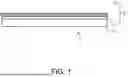
FIG. 1 is the structural view showing the preferred embodiment according to the present invention;
FIG. 2 is the view showing the analysis of methane conversion rate and output gas concentration;
FIG. 3 is a schematic flowchart of a steam methane reforming reaction performed by a catalyst for fuel reformation according to an embodiment of the present invention;
FIG. 4 is a schematic diagram of a steam methane reforming reaction performed by a catalyst for fuel reformation according to an embodiment of the present invention;
FIG. 5 is XRD patterns of a catalyst for fuel reformation before and after an SMR test according to an embodiment of the present invention; and
FIG. 6 is the view showing the performance comparison of the fuel reformation catalyst of the present invention and the catalyst of platinum (Pt) and cerium (Ce).
DESCRIPTION OF THE PREFERRED EMBODIMENT
The following description of the preferred embodiment is provided to understand the features and the structures of the present invention.
Please refer to FIG. 1 to FIG. 6, which are a structural view showing a preferred embodiment according to the present invention; a view showing an analysis of methane conversion rate and output gas concentration; a schematic flowchart of a steam methane reforming reaction performed by a catalyst for fuel reformation according to an embodiment of the present invention; a schematic diagram of a steam methane reforming reaction performed by a catalyst for fuel reformation according to an embodiment of the present invention; XRD patterns of a catalyst for fuel reformation before and after an SMR test according to an embodiment of the present invention; and a view showing a performance comparison of the fuel reformation catalyst of the present invention and the catalyst of Pt and Ce. As shown in the figures, the present invention is a catalyst for fuel reformation, where the catalyst is used for reformation in solid oxide fuel cell (SOFC) with methane conversion rate enhanced as expected, the reliability and durability of long-term operation heightened, and the energy use efficiency improved.
The advantage of the present invention lies in the use of a low-cost metallic catalyst of nickel (Ni). With a catalytic additive containing lanthanum (La) and Ce, carbon-deposition and sintering of a Ni catalyst are successfully overcome, which defects would, in turn, lead to catalyst deactivation. Efficiency of fuel cell is improved, where the existing technologies, which mainly use precious metal catalysts such as Pt, can be replaced.
As shown in FIG. 1, the catalyst for fuel reformation according to the present invention is a honeycomb catalyst of Ni, La, and Ce 1, structurally comprising a honeycomb support substrate 10; and an oxide catalyst of Ni, La, and Ce 20 (i.e. a 10˜20 weight percent (wt %) of Ni, a 10˜20 wt % of La, and a 10˜20 wt % of Ce) coated on an outer layer of the honeycomb support substrate 10. During preparation, a direct impregnation method is used. At first, an oxide layer of Ce 21, comprising a 1˜20 wt % of content of a single metal material of rare earth element Ce, is loaded on the honeycomb support substrate 10. Then, an oxide layer of Ni and La 22, comprising two metal materials of a 10˜20 wt % of content of Ni and a 1˜20 wt % of content of rare earth element La, is loaded on the oxide layer of Ce 21. The oxide layer of Ce 21 and the oxide layer of Ni and La 22 form the oxide catalyst of Ni, La, and Ce 20. What is noteworthy is that the honeycomb support substrate can be other types of support substrates of no limit.
In a state-of-use, the honeycomb support substrate is of cordierite (2Al2O3·2MgO·5SiO2). The present invention uses temperature-resistant and low-expansion cordierite for the honeycomb support substrate to take advantages of good mechanical strength, low pipeline pressure drop, and good quality transfer efficiency, which is quite fit for gas reaction with high air flow rate. The catalyst of precious metal Pt is replaced with metal Ni having high activity to be coordinated with catalytic oxide additives of La and Ce for reducing the cost of precious metal catalyst. Furthermore, the reforming of methane vapor in fuel cells is effectively controlled for achieving thermal balance, reducing carbon deposition on catalyst surface, improving fuel cell efficiency and longevity, and achieving best overall catalytic performance. In a state-of-use, with a water-carbon mole ratio of 1.5 of the catalyst for fuel reformation, the methane conversion efficiency is at least 96%. As compared to the methane conversion efficiency of 90% of Pt catalyst with a water-carbon mole ratio of 2.5, the present invention obtains the conversion efficiency better than the Pt catalyst even with the harshest water-carbon mole ratio of 1.5, which shows the efficacy achieved is clearly better than that of the Pt catalyst.
In a state-of-use, the present invention has a preparation method, comprising the following steps:
-
- (a) A honeycomb support substrate 10 is soaked in dilute sulfuric acid for processing acid washing. After being cleaned and dried, calcination is processed 10˜14 hours (hrs) in air at a high temperature of 500˜800 degrees Celsius (° C.).
- (b) According to the catalyst composition ratio described above, a soluble salt of a 1˜20 wt % of content of rare earth element Ce is dissolved in deionized water to form a soluble salt solution of Ce. The honeycomb support substrate 10, obtained after being calcinated in air in step (a), is soaked in the soluble salt solution of Ce. After being impregnated and dried, calcination is processed 6˜9 hrs in air at a high temperature of 500˜700° C. to form an oxide layer of Ce 21 on the honeycomb support substrate 10.
- (c) According to the catalyst composition ratio described above, a soluble salt of a 10˜20 wt % of content of Ni and a 1˜20 wt % of rare earth element La are dissolved in deionized water at a mixed ratio to form a soluble salt solution of Ni and La. The honeycomb support substrate 10, obtained with the oxide layer of Ce 21 after being calcinated in air in step (b), is soaked in the soluble salt solution of Ni and La. After being impregnated and dried, calcination is processed 6˜9 hrs in air at a high temperature of 450˜650° C. to form an oxide layer of Ni and La 22 on the oxide layer of Ce 21. Thus, an oxide catalyst of Ni, La, and Ce 20, comprising the oxide layer of Ce 21 and the oxide layer of Ni and La 22, is fabricated on the honeycomb support substrate 10 to construct a honeycomb catalyst of Ni, La, and Ce 1 as a whole. In a state-of-use, the soluble salts are nitrates.
A third aspect of the present invention relates to a method for using a catalyst for fuel reformation in a methane steam reforming reaction, as shown in FIGS. 3 and 4. The steps of said method are as follows:
-
- Step s11: providing a catalyst for fuel reformation, wherein said catalyst for fuel reformation is a honeycomb catalyst of Ni, La, and Ce 1 comprising a honeycomb support substrate 10 and an oxide catalyst of Ni, La, and Ce 20 coated on said honeycomb support substrate 10, wherein said oxide catalyst of Ni, La, and Ce 20 comprises an oxide layer of Ni and La 22 and an oxide layer of Ce 21 disposed between said honeycomb support substrate 10 and said oxide layer of Ni and La 22, said oxide layer of Ni and La 22 consists of 10˜20 weight percent (wt %) of Ni and 1˜20 wt % of rare earth element La, and said oxide layer of Ce 21 consists of 1˜20 wt % of rare earth element Ce;
- Step s12: loading said honeycomb catalyst of Ni, La, and Ce 1 into a methane gas reformer of a solid oxide fuel cell (SOFC) system, wherein Ni contained in said oxide layer of Ni and La 22 exists in a form of nickel oxide (NiO) 221 before said honeycomb catalyst of Ni, La, and Ce 1 is used, and is not subjected to a pre-reduction treatment with external hydrogen or a reducing atmosphere before use;
- Step s13: introducing methane and water vapor into a reaction environment of said honeycomb catalyst of Ni, La, and Ce 1, enabling said nickel oxide 221 to be reduced in-situ into metallic nickel 221 a nanoparticles during a methane steam reforming operation; and
- Step s14: during a continuous operation, promoting metal-support interaction between lanthanum oxide (La2O3) 222 in said oxide layer of Ni and La 22, cerium oxide (CeO2) in said oxide layer of Ce 21, and alumina (Al2O3) in a composition of said honeycomb support substrate to generate a (La,Ce)AlO3 solid solution phase 30 with a perovskite structure, which facilitates a reversible Ce4+/Ce3+ redox cycle to form oxygen vacancies, thereby providing oxygen transport channels to promote oxidative removal of carbon species 40 deposited during reaction.
State-of-Use 1: Catalyst for Fuel Reformation
A catalyst for fuel reformation according to the present invention comprises: an oxide catalyst of Ni, La, and Ce, mainly comprising Ni, La, and Ce and, among them, using La and Ce as adjuvants; and a honeycomb support substrate. The ratios of various components of the oxide catalyst of Ni, La, and Ce are shown in Table 1:
| TABLE 1 | ||
| Ni | 12 wt % | |
| La | 3 wt % | |
| Ce | 9 wt % | |
State-of-Use 2: Preparation Method for Catalyst for Fuel Reformation
In this state-of-use, a method for preparing a catalyst for fuel reformation is revealed, comprising the following steps:
-
- (a) Cordierite is obtained for a honeycomb support substrate. The honeycomb support substrate 10 is soaked in 10% dilute sulfuric acid for processing acid washing. After being cleaned and dried, calcination is processed 12 hrs in air at a high temperature of 500˜800° C.
- (b) According to the catalyst composition ratio, a soluble salt of rare earth element Ce (such as cerium nitrate) is dissolved in deionized water to form a soluble salt solution of Ce. The honeycomb support substrate, obtained after being calcinated in air in step (a), is soaked in the soluble salt solution of Ce. After being completely impregnated to be dried and baked out, calcination is processed 8 hrs in air at a high temperature of 600° C. to form an oxide layer of Ce on the honeycomb support substrate.
- (c) According to the catalyst composition ratio, a soluble salt of metallic Ni (such as nickel nitrate) and a soluble salt of rare earth element La (such as lanthanum nitrate) are dissolved in deionized water to form a soluble salt solution of Ni and La. The honeycomb support substrate, obtained after being calcinated in air in step (b), is soaked in the soluble salt solution of Ni and La. After being completely impregnated to be dried and baked out, calcination is processed 8 hrs in air at a high temperature of 550° C. to form an oxide layer of Ni and La on the oxide layer of Ce. Thus, an oxide catalyst of Ni, La, and Ce, comprising the oxide layer of Ce and the oxide layer of Ni and La, is fabricated on the honeycomb support substrate to construct a catalyst for fuel reformation (i.e. a honeycomb catalyst of Ni, La, and Ce) as a whole.
With a catalyst for fuel reformation prepared according to the present invention to be filled into a methane gas reformer of SOFC, the catalytic reaction is processed with the oxide catalyst of Ni, La, and Ce on the honeycomb support substrate while low pressure drop, large response area, and high mechanical strength achieved under the same flow rate. During the reforming of methane vapor, the methane conversion rate and gas production rate are increased to contribute to the conversion efficiency of fuel cell. According to a result of this state-of-use, the catalyst for fuel reformation according to the present invention has a high catalytic performance. With a battery system at 800° C., methane and water vapor are used for hydrogen generation through reforming. After adjusting a water-carbon mole ratio to 1.5˜3.5, the strictest water-carbon mole ratio of 1.5 obtains an output measurement of methane conversion rate of at least 96%.
Nevertheless, the honeycomb catalyst of Ni, La, and Ce according to the present invention has good carbon deposition resistance and its mechanical strength is high. With a high temperature of 800° C. and a water-carbon mole ratio of 2.5, the reforming is continuously processed for 4000 hrs with no decline in catalytic performance, as the result shown in FIG. 2.
The advantage of the preparation method according to the present invention is the use of direct impregnation, where the method is simple, the conditions are easy to control, and the catalyst is low in cost.
State-of-Use 3: Method for Using a Catalyst for Fuel Reformation in a Methane Steam Reforming Reaction
In the catalyst for fuel reformation of the present invention, as shown in FIG. 4, the Ni contained in the oxide layer of Ni and La 22 exists in a form of nickel oxide (NiO) 221 in a fresh catalyst state before use, and requires no pre-reduction treatment with any external hydrogen or reducing atmosphere before use.
Under a reducing reaction environment containing methane and water vapor, said nickel oxide 221 can spontaneously undergo in-situ conversion into metallic nickel 221a during the reaction to form catalytically active metallic nickel 221a nanoparticles, enabling the catalyst to be effectively activated under actual operating conditions.
As shown in FIG. 5, X-ray diffraction (XRD) analysis after continuous steam methane reforming (SMR) operation reveals that the diffraction peaks originally corresponding to nickel oxide disappear, and new peaks appear at 2 θ of approximately 44.5°, 52°, and 76.5°, showing the formation of a metallic nickel phase under a reducing reaction environment, thereby confirming the in-situ reduction behavior of nickel oxide during the reaction without the need for pre-reduction conditions.
Furthermore, under steam methane reforming operating conditions, cerium oxide (CeO2) of the oxide layer of Ce 21, lanthanum oxide (La2O3) 222 contained in the oxide layer of Ni and La 22 in the oxide catalyst of Ni, La, and Ce 20, and alumina (Al2O3) from the composition of the cordierite honeycomb support substrate 10 generate metal-support interaction due to their close proximity to each other, thereby promoting the formation of a (La,Ce)AlO3 solid solution phase 30 with a perovskite structure during continuous operation (as shown in FIG. 4), and corresponding perovskite structure diffraction peaks are observed in the XRD patterns, meanwhile, the simultaneous weakening of La2O3 and CeO2 diffraction peaks further confirms the generation of said (La,Ce)AlO3 solid solution phase 30 (as shown in FIG. 5). The formation of said perovskite solid solution phase 30 facilitates stabilization of the overall structure of the catalyst and effectively inhibits migration and sintering of the metallic nickel 221a nanoparticles, thereby enhancing the long-term operating durability of the catalyst under high-temperature steam methane reforming conditions.
In addition, the oxygen storage capacity of cerium oxide (CeO2) and the reversible Ce4++/Ce3+ redox cycle provide efficient oxygen transport channels, facilitating the oxidative removal of carbon species 40 deposited during the reaction (as shown in FIG. 4). The aforementioned synergistic effects help maintain the exposure of metallic nickel 221a active sites during long-term operation and prevent carbon deposition and particle sintering, enabling the NiO—La2O3—CeO2 catalyst of the present invention to exhibit excellent carbon deposition resistance and operating durability.
State-of-Use 4: Efficiency Comparison Between the Present Invention and Pt Catalyst
The honeycomb catalyst of Ni, La, and Ce (i.e. comprising a 12 wt % of Ni, a 3 wt % of La, and a 9 wt % of Ce) of State-of-use 1 is compared with a catalyst of Pt and Ce (i.e. comprising a 3 wt % of La and a 12 wt % of Ce). An experiment is processed as follows: After a methane gas is evenly mixed with water vapor, a preheating to 300° C. is processed. Then, reaction is processed with a reformer with a reaction temperature of 800° C., a water-carbon mole ratio of 2.5, and a space flow rate of gas passing through the catalyst as a gas hourly space velocity of 1500˜-4500 ml/g·h.
In an experimental result shown in FIG. 5, the conversion rate of methane in the catalyst for fuel reformation according to the present invention is as high as 98%, which is better than the methane conversion rate of Pt catalyst as 90%. It shows that the present invention has advantages in, e.g., high catalytic properties and carbon-deposition resistance; and, furthermore, the cost is low for mass use in industry.
As is described above, the present invention provides a catalyst for reforming in SOFC, which is placed in the heating tube of the main body for methane reforming with a honeycomb-shaped support having a honeycomb-shaped channels parallel to the main shaft of the heating tube. Cordierite is used as a material of the honeycomb support substrate for further reducing pipeline pressure drop and airflow thermal shock. The active catalyst uses oxides of La and Ce as catalyst additives to assist active molecules of Ni; and is impregnated and coated on the honeycomb support substrate to prepare a honeycomb catalyst of Ni, La, and Ce. With the comparison to the methane conversion rate of the catalyst having the different metal composites described above after 4,000 hrs of testing, the present invention obviously eliminates the crushing problem of the catalyst; the catalyst maintains high activity and thermal stability with almost no carbon deposition; after reforming, the methane conversion rate reaches 98%; and the catalyst still maintains good catalytic responsiveness. Hence, the honeycomb catalyst of Ni, La, and Ce according to the present invention has advantages of low pipeline pressure drop, high catalytic activity, and carbon-deposition resistance, which is fairly suitable for gas reaction with high gas hourly space velocity. Moreover, metal Ni has advantages of low price, abundant yield, and high activity for replacing precious metal catalyst such as Pt that are currently commonly used and, in turn, effectively reducing the cost.
A third aspect of the present invention relates to a method for using a catalyst for fuel reformation in a methane steam reforming reaction, comprising the steps of:
-
- (a) providing a catalyst for fuel reformation, wherein said catalyst for fuel reformation is a honeycomb catalyst of Ni, La, and Ce comprising a honeycomb support substrate and an oxide catalyst of Ni, La, and Ce coated on said honeycomb support substrate, wherein said oxide catalyst of Ni, La, and Ce comprises an oxide layer of Ni and La and an oxide layer of Ce disposed between said honeycomb support substrate and said oxide layer of Ni and La, said oxide layer of Ni and La consists of 10˜20 weight percent (wt %) of Ni and 1˜20 wt % of rare earth element La, and said oxide layer of Ce consists of 1˜20 wt % of rare earth element Ce;
- (b) loading said honeycomb catalyst of Ni, La, and Ce into a methane gas reformer of a solid oxide fuel cell (SOFC) system, wherein Ni contained in said oxide layer of Ni and La exists in a form of nickel oxide (NiO) before said honeycomb catalyst of Ni, La, and Ce is used, and is not subjected to a pre-reduction treatment with external hydrogen or a reducing atmosphere before use;
- (c) introducing methane and water vapor into a reaction environment of said honeycomb catalyst of Ni, La, and Ce, enabling said nickel oxide to be reduced in-situ into metallic nickel nanoparticles during a methane steam reforming operation; and
- (d) during a continuous operation, promoting metal-support interaction between lanthanum oxide (La2O3) in said oxide layer of Ni and La, cerium oxide (CeO2) in said oxide layer of Ce, and alumina (Al2O3) in a composition of said honeycomb support substrate to generate a (La,Ce)AlO3 solid solution phase with a perovskite structure, wherein said formation of said (La,Ce)AlO3 solid solution phase facilitates stabilization of a structure of said catalyst and inhibition of migration and sintering of said metallic nickel nanoparticles, and wherein a formed CeAlO3 solid solution phase facilitates a reversible Ce4+/Ce3+ redox cycle to form oxygen vacancies, thereby providing oxygen transport channels to promote oxidative removal of carbon species deposited during reaction, and enhancing carbon deposition resistance and long-term operating durability of said catalyst.
In a preferred embodiment of the method of the present invention, a reaction temperature of said methane steam reforming operation is 700˜900° C., a water-carbon mole ratio (S/C) is 1.5˜3.5, and a space velocity of a gas passing through said honeycomb catalyst of Ni, La, and Ce is 1500˜4500 ml/g·h.
To sum up, the present invention is a method for using a catalyst for fuel reformation in a methane steam reforming reaction, where a honeycomb catalyst of Ni, La, and Ce can withstand the high temperature of SOFC to be operated under a water-carbon mole ratio of 1.5˜3.5 and gas hourly space velocity simultaneously; a simple preparation method for the catalyst is provided; metal Ni is used to replace the high catalytic activity of Pt while oxides of La and Ce are used as catalytic additives; and the cost of precious metal catalyst is reduced while the effects of high reactive activity, strong carbon deposition resistance, and good stability are obtained for achieving the best overall catalytic performance advantage.
The preferred embodiment herein disclosed is not intended to unnecessarily limit the scope of the invention. Therefore, simple modifications or variations belonging to the equivalent of the scope of the claims and the instructions disclosed herein for a patent are all within the scope of the present invention.
Claims
What is claimed is:1. A method for using a catalyst for fuel reformation in a methane steam reforming reaction, comprising the steps of:
(a) providing a catalyst for fuel reformation, wherein said catalyst for fuel reformation is a honeycomb catalyst of Ni, La, and Ce comprising a honeycomb support substrate and an oxide catalyst of Ni, La, and Ce coated on said honeycomb support substrate, wherein said oxide catalyst of Ni, La, and Ce comprises an oxide layer of Ni and La and an oxide layer of Ce disposed between said honeycomb support substrate and said oxide layer of Ni and La, said oxide layer of Ni and La consists of 10˜20 weight percent (wt %) of Ni and 1˜20 wt % of rare earth element La, and said oxide layer of Ce consists of 1˜20 wt % of rare earth element Ce;
(b) loading said honeycomb catalyst of Ni, La, and Ce into a methane gas reformer of a solid oxide fuel cell (SOFC) system, wherein Ni contained in said oxide layer of Ni and La exists in a form of nickel oxide (NiO) before said honeycomb catalyst of Ni, La, and Ce is used, and is not subjected to a pre-reduction treatment with external hydrogen or a reducing atmosphere before use;
(c) introducing methane and water vapor into a reaction environment of said honeycomb catalyst of Ni, La, and Ce, enabling said nickel oxide to be reduced in-situ into metallic nickel nanoparticles during a methane steam reforming operation; and
(d) during a continuous operation, promoting metal-support interaction between lanthanum oxide (La2O3) in said oxide layer of Ni and La, cerium oxide (CeO2) in said oxide layer of Ce, and alumina (Al2O3) in a composition of said honeycomb support substrate to generate a (La,Ce)AlO3 solid solution phase with a perovskite structure, wherein said formation of said (La,Ce)AlO3 solid solution phase facilitates stabilization of a structure of said catalyst and inhibition of migration and sintering of said metallic nickel nanoparticles, and wherein a formed CeAlO3 solid solution phase facilitates a reversible Ce4+/Ce3+ redox cycle to form oxygen vacancies, thereby providing oxygen transport channels to promote oxidative removal of carbon species deposited during reaction, and enhancing carbon deposition resistance and long-term operating durability of said catalyst.
2. The method according to claim 1, wherein a reaction temperature of said methane steam reforming operation is 700˜900° C.
3. The method according to claim 1, wherein a water-carbon mole ratio (SC) of said methane steam reforming operation is 1.5˜3.5.
4. The method according to claim 1, wherein a space velocity of a gas passing through said honeycomb catalyst of Ni, La, and Ce during said methane steam reforming operation is 1500˜4500 ml/g-h.
5. The method according to claim 1, wherein said honeycomb support substrate is of cordierite.
6. The method according to claim 1, wherein, in said oxide catalyst of Ni, La, and Ce, said oxide layer of Ni and La consists of 12 wt % of Ni and 3 wt % of rare earth element La, and said oxide layer of Ce consists of 9 wt % of rare earth element Ce.
Images & Drawings included:



Sources:
- United States Patent and Trademark Office - verify current appl. status at the USPTO↗
Recent applications in this class:
- » 20260152394 2026-06-04
BLACK POWDER CATALYST FOR HYDROGEN PRODUCTION VIA AUTOTHERMAL REFORMING - » 20260084961 2026-03-26
REDOX LOOPING SYSTEMS, METHODS AND TECHNIQUES FOR THE PRODUCTION OF HYDROGEN AND CARBON DIOXIDE PRODUCTS - » 20260042665 2026-02-12
ATR-BASED HYDROGEN PROCESS AND PLANT - » 20250368507 2025-12-04
STEAM-METHANE REFORMING IN HYDROGEN PRODUCTION - » 20250353742 2025-11-20
HYDROGEN PRODUCTION VIA STEAM REFORMING OVER RED-MUD SUPPORTED NICKEL CATALYST AND METHODS OF PREPARATION THEREOF - » 20250353741 2025-11-20
HYDROGEN PRODUCTION BY STEAM REFORMING OF DODECANE USING NICKEL-RED MUD CATALYST - » 20250333302 2025-10-30
SYNGAS AND METHOD OF MAKING THE SAME - » 20250243056 2025-07-31
OPTIMIZED NATURAL GAS/SALES GAS/SOUR GAS REFORMING EMPLOYING A NOVEL CATALYTIC PROCESS AT THE INDUSTRIAL SCALE - » 20250236519 2025-07-24
HYDROGEN PRODUCTION METHOD AND HYDROGEN PRODUCTION SYSTEM - » 20250187915 2025-06-12
DRY REFORMING OF METHANE USING A NICKEL-BASED BI-METALLIC CATALYST