SYSTEMS AND METHODS FOR PRIMING VEHICLE SYSTEMS BASED ON REMOTE VEHICLE KEY DETECTION
US20260168417A1
2026-06-18
18/986,668
2024-12-18
Smart Summary: A vehicle can detect the location of a remote key using a special system. It also knows where the vehicle is located thanks to built-in sensors. If the key is close enough to the vehicle, it sends a command to heat a part called the catalyst before the engine starts. After the engine is running, it sends another command to heat the catalyst again, but at a different level. This helps the vehicle run better and reduces emissions. 🚀 TL;DR
Abstract:
A remote vehicle key location of a remote vehicle key is received from a key detection system at a vehicle. A vehicle location of the vehicle is received from a sensor system of the vehicle. A determination is made regarding whether the remote vehicle key location is within a pre-defined distance of the vehicle location. Based on a determination that the first remote vehicle key location is within the pre-defined distance of the vehicle, a first command is issued to a catalyst heating system to heat a catalyst of the vehicle at a first catalyst heating level prior to start-up of an engine of the vehicle and a second command is issued to the catalyst heating system to heat the catalyst of the vehicle at a second catalyst heating level following start-up of the engine. The first catalyst heating level is different from the second catalyst heating level.
Inventors:
- Paul E. Krajewski 97 🇺🇸 Troy, MI, United States
- Azeem Sarwar 50 🇺🇸 Rochester Hills, MI, United States
- Maqsood Rizwan ALI KHAN 13 🇺🇸 Troy, MI, United States
- Mark Claywell 10 🇺🇸 Birmingham, MI, United States
Assignee:
- GM GLOBAL TECHNOLOGY OPERATIONS LLC 18,104 🇺🇸 Detroit, MI, United States
Applicant:
Interested in similar patents?
Get notified when new applications in this technology area are published.
Classification:
F01N3/2006 » CPC main
Exhaust or silencing apparatus having means for purifying, rendering innocuous, or otherwise treating exhaust for rendering innocuous by thermal or catalytic conversion of noxious components of exhaust characterised by methods of operation; Control specially adapted for catalytic conversion ; Methods of operation or control of catalytic converters Periodically heating or cooling catalytic reactors, e.g. at cold starting or overheating
F01N2590/11 » CPC further
Exhaust or silencing apparatus adapted to particular use, e.g. for military applications, airplanes, submarines for hybrid vehicles
F01N2900/0421 » CPC further
Details of electrical control or of the monitoring of the exhaust gas treating apparatus; Methods of control or diagnosing using an increment counter when a predetermined event occurs
F01N2900/08 » CPC further
Details of electrical control or of the monitoring of the exhaust gas treating apparatus; Parameters used for exhaust control or diagnosing said parameters being related to the engine
F01N2900/10 » CPC further
Details of electrical control or of the monitoring of the exhaust gas treating apparatus; Parameters used for exhaust control or diagnosing said parameters being related to the vehicle or its components
F01N2900/12 » CPC further
Details of electrical control or of the monitoring of the exhaust gas treating apparatus; Parameters used for exhaust control or diagnosing said parameters being related to the vehicle exterior
F01N3/20 IPC
Exhaust or silencing apparatus having means for purifying, rendering innocuous, or otherwise treating exhaust for rendering innocuous by thermal or catalytic conversion of noxious components of exhaust characterised by methods of operation; Control specially adapted for catalytic conversion ; Methods of operation or control of catalytic converters
Description
INTRODUCTION
The technical field generally relates to vehicles, and more particularly relates to systems and methods for priming vehicle systems based on remote vehicle key detection.
Vehicles that include internal combustion engines generate exhaust gases as a by-product of a combustion process. Such vehicles often rely on vehicle systems, such as for example, a catalyst in a catalytic converter, to process the exhaust gases prior to release of the processed exhaust gases as emissions from the vehicle. The catalyst typically needs to reach an operating temperature to effectively process exhaust gases. The operating temperature is referred to as a catalyst light-off temperature. The catalyst light-off temperature is generally about midway to maximum conversion efficiency temperatures, such as for example 300° C. The maximum conversion efficiency temperature may, for example, be 500° C. A cold-start of an internal combustion engine occurs when the vehicle is started after the internal combustion engine has been turned off for several hours.
Accordingly, it is desirable to provide systems and methods for systems and methods for priming vehicle systems, such as the catalyst, based on remote vehicle key detection. Other desirable features and characteristics will become apparent from the subsequent detailed description and the appended claims, taken in conjunction with the accompanying drawings and the foregoing technical field and background.
SUMMARY
A system for priming a vehicle system based on remote vehicle key detection includes at least one processor and at least one memory communicatively coupled to the at least one processor. The at least one memory includes instructions that upon execution by the at least one processor, causes the at least one processor to: receive a first remote vehicle key location of a remote vehicle key from a key detection system at a vehicle; receive a vehicle location of the vehicle from a sensor system of the vehicle; determine whether the first remote vehicle key location is within a predefined distance of the vehicle location; and based on a determination that the first remote vehicle key location is within the pre-defined distance of the vehicle: issue a first command to a catalyst heating system to heat a catalyst of the vehicle at a first catalyst heating level prior to start-up of an engine of the vehicle; and issue a second command to the catalyst heating system to heat the catalyst of the vehicle at a second catalyst heating level following start-up of the engine, the first catalyst heating level being different from the second catalyst heating level.
In at least one embodiment, the remote vehicle key is one of a key fob and a digital key associated with a smartphone.
In at least one embodiment, the at least one memory further includes instructions that upon execution by the at least one processor, causes the at least one processor to: determine a state of charge (SOC) of a vehicle battery of the vehicle, the vehicle battery being configured to supply power to the catalyst heating system; determine whether the SOC of the vehicle battery is greater than a SOC threshold; and issue the first command to the catalyst heating system to heat the catalyst based at least in part in response to a determination that the SOC of the vehicle battery is greater than the SOC threshold.
In at least one embodiment, the at least one memory further includes instructions that upon execution by the at least one processor, causes the at least one processor to weigh whether to issue the first command to the catalyst heating system to heat the catalyst based on a value associated with heating the catalyst versus a value associated with the SOC of the vehicle battery.
In at least one embodiment, the at least one memory further includes instructions that upon execution by the at least one processor, causes the at least one processor to: receive a plurality of successive remote vehicle key locations of the remote vehicle key from the key detection system, the plurality of successive remote vehicle key locations including the first remote vehicle key location; determine whether the remote vehicle key is moving in a direction towards the vehicle based on the plurality of successive remote vehicle key locations; determine an arrival time of the remote vehicle key at the vehicle location based on the plurality of successive remote vehicle key locations; and issue the first command to the catalyst heating system to heat the catalyst in accordance with the arrival time based at least in part in response to a determination that the remote vehicle key is moving in the direction towards the vehicle.
In at least one embodiment, the at least one memory further includes instructions that upon execution by the at least one processor, causes the at least one processor to: train a first machine learning model using historical remote vehicle key data, the historical remote vehicle key data including: historical vehicle locations associated with detection of the remote vehicle key, wherein a weighted noise factor is associated with each of the historical vehicle locations; historical remote vehicle key locations; historical remote vehicle key direction of movement with respect to the historical vehicle locations; historical remote vehicle key movement towards a side of the vehicle; historical times associated with detection of the remote vehicle key; and historical detections of numbers of people within a vicinity of the vehicle location; provide the first machine learning model with the following inputs: the vehicle location; the plurality of successive remote vehicle key locations; remote vehicle key direction of movement with respect to the vehicle location; remote vehicle key direction of movement towards a side of the vehicle based on the successive remote vehicle key locations; a time; and a detected number of people within the vicinity of the vehicle location; and receive an engine start-up probability from the first machine learning model, the engine start-up probability being generated based on the inputs provided to the first machine learning model; determine whether the engine start-up probability is greater than an engine start-up probability threshold; issue the first command and the second command to the catalyst heating system based at least in part on the determination.
In at least one embodiment, the at least one memory further includes instructions that upon execution by the at least one processor, causes the at least one processor to issue a third command to a vehicle cabin system to implement at least one vehicle cabin pre-conditioning action prior to the start-up of the engine based at least in part on the determination that the first remote vehicle key location is within the pre-defined distance of the vehicle.
In at least one embodiment, the at least one memory further includes instructions that upon execution by the at least one processor, causes the at least one processor to: receive a time; identify a context of the vehicle location, the context being one of a residential location and a commercial location; detect a number of people within a vicinity of the vehicle location; identify the second catalyst heating level from a plurality of catalyst heating levels based on the time, the context of the vehicle location, and the detected number of people within the vicinity of the vehicle location; and issue the second command to the catalyst heating system to heat the catalyst in accordance with the identified catalyst heating level.
In at least one embodiment, the at least one memory further includes instructions that upon execution by the at least one processor, causes the at least one processor to: employ a second machine learning algorithm to generate a prompt to a driver of the vehicle regarding whether the driver would like to implement a pre-warm of the vehicle, the pre-warm of the vehicle including heating the catalyst of the vehicle; identify a number of times that the prompt has been activated during a pre-defined period of time; determine whether the number of times is greater than a reward threshold; and generate a reward based on the determination.
A method of priming a vehicle system based on remote vehicle key detection includes: receiving, at a controller, a first remote vehicle key location of a remote vehicle key from a key detection system at a vehicle; receiving, at the controller, a vehicle location of the vehicle from a sensor system of the vehicle; determining, by the controller, whether the first remote vehicle key location is within a pre-defined distance of the vehicle location; and based on a determination that the first remote vehicle key location is within the pre-defined distance of the vehicle: issuing, by the controller, a first command to a catalyst heating system to heat a catalyst of the vehicle at a first catalyst heating level prior to start-up of an engine of the vehicle; and issuing, by the controller, a second command to the catalyst heating system to heat the catalyst of the vehicle at a second catalyst heating level following start-up of the engine, the first catalyst heating level being different from the second catalyst heating level.
In at least one embodiment, the remote vehicle key is one of a key fob and a digital key associated with a smartphone.
In at least one embodiment, the method further includes: determining, by the controller, a state of charge (SOC) of a vehicle battery of the vehicle, the vehicle battery being configured to supply power to the catalyst heating system; determining, by the controller, whether the SOC of the vehicle battery is greater than a SOC threshold; and issuing, by the controller, the first command to the catalyst heating system to heat the catalyst based at least in part in response to a determination that the SOC of the vehicle battery is greater than the SOC threshold.
In at least one embodiment, the method further includes: weighing, by the controller, whether to issue the first command to the catalyst heating system to heat the catalyst based on a value associated with heating the catalyst versus a value associated with the SOC of the vehicle battery.
In at least one embodiment, the method further includes: receiving a plurality of successive remote vehicle key locations of the remote vehicle key from the key detection system at the controller, the plurality of successive remote vehicle key locations including the first remote vehicle key location; determining, by the controller, whether the remote vehicle key is moving in a direction towards the vehicle based on the plurality of successive remote vehicle key locations; determining, by the controller, an arrival time of the remote vehicle key at the vehicle location based on the plurality of successive remote vehicle key locations; and issuing, by the controller, the first command to the catalyst heating system to heat the catalyst in accordance with the arrival time based at least in part in response to a determination that the remote vehicle key is moving in the direction towards the vehicle.
In at least one embodiment, the method further includes training a first machine learning model using historical remote vehicle key data, the historical remote vehicle key data including: historical vehicle locations associated with detection of the remote vehicle key wherein a weighted noise factor is associated with each of the historical vehicle locations; historical remote vehicle key locations; historical remote vehicle key direction of movement with respect to the historical vehicle locations; historical remote vehicle key movement towards a side of the vehicle; historical times associated with detection of the remote vehicle key; and historical detections of numbers of people within a vicinity of the vehicle location; providing the first machine learning model with the following inputs: the vehicle location; the plurality of successive remote vehicle key locations; remote vehicle key direction of movement with respect to the vehicle location; remote vehicle key direction of movement towards a side of the vehicle based on the successive remote vehicle key locations; a time; and a number of detected people within the vicinity of the vehicle location; and receiving an engine start-up probability from the first machine learning model at the controller, the engine start-up probability being generated based on the inputs provided to the machine learning model; determining, by the controller, whether the engine start-up probability is greater than an engine start-up probability threshold; issuing, by the controller, the first command to the catalyst heating system to heat the catalyst of the vehicle based at least in part on the determination.
In at least one embodiment, the method further includes: issuing a third command to a vehicle cabin system to implement at least one vehicle cabin pre-conditioning action prior to the start-up of the engine based at least in part on the determination that the first remote vehicle key location is within the pre-defined distance of the vehicle.
In at least one embodiment, the method further includes: receiving a time at the controller; identifying, by the controller, a context of the vehicle location, the context being one of a residential location and a commercial location; detecting a number of people within a vicinity of the vehicle location; identifying, by the controller, the second catalyst heating level from a plurality of catalyst heating levels based on the time, the context of the vehicle location, the detected number of people within the vicinity of the vehicle location; and issuing the second command, by the controller, to the catalyst heating system to heat the catalyst in accordance with the identified catalyst heating level.
In at least one embodiment, the method further includes: employing a second machine learning algorithm to generate a prompt to a driver of the vehicle regarding whether the driver would like to implement a pre-warm of the vehicle, the pre-warm of the vehicle including heating the catalyst of the vehicle; identifying a number of times that the prompt has been activated during a pre-defined period of time; determining whether the number of times is greater than a reward threshold; and generating a reward based on the determination.
A vehicle including a vehicle priming system includes at least one processor and at least one memory communicatively coupled to the at least one processor. The at least one memory includes instructions that upon execution by the at least one processor, causes the at least one processor to: receive a vehicle location of the vehicle from a sensor system of the vehicle; receive a plurality of successive remote vehicle key locations of a remote vehicle key from a key detection system; determine whether the remote vehicle key is moving in a direction towards the vehicle based on the plurality of successive remote vehicle key locations; determine an arrival time of the remote vehicle key at the vehicle location based on the plurality of successive remote vehicle key locations; and issue a first command to a catalyst heating system to heat a catalyst of the vehicle prior to start-up of an engine of the vehicle in accordance with the arrival time based at least in part in response to a determination that the remote vehicle key is moving in the direction towards the vehicle; and issue a second command to the catalyst heating system to heat the catalyst of the vehicle at a second catalyst heating level following start-up of the engine, the first catalyst heating level being different from the second catalyst heating level.
In at least one embodiment, the at least one memory further includes instructions that upon execution by the at least one processor, causes the at least one processor to: identify at least one of an acceptable noise level and an acceptable noise, vibration, harshness (NVH) level based on a context of the vehicle location, the context being one of a residential location and a commercial location; detect at least one ambient condition; identify a battery electric vehicle (BEV) warm-up level based on the at least one of the acceptable noise level, the acceptable NVH level, and the at least one ambient condition; and identify a battery heating level from a plurality of battery heating levels in accordance with the BEV warm-up level.
BRIEF DESCRIPTION OF THE DRAWINGS
The exemplary embodiments will hereinafter be described in conjunction with the following drawing figures, wherein like numerals denote like elements, and wherein:
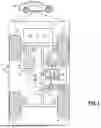
FIG. 1 is a functional block diagram of a vehicle including a vehicle priming system in accordance with at least one embodiment;
FIG. 2 is a functional block diagram of a controller including a vehicle priming system in accordance with at least one embodiment; and
FIG. 3 is a flowchart representation of an exemplary method for priming vehicle systems in accordance with at least one embodiment.
DETAILED DESCRIPTION
The following detailed description is merely exemplary in nature and is not intended to limit the application and uses. Furthermore, there is no intention to be bound by any expressed or implied theory presented in the preceding technical field, background, brief summary or the following detailed description. As used herein, the term module refers to an application specific integrated circuit (ASIC), an electronic circuit, a processor (shared, dedicated, or group) and memory that executes one or more software or firmware programs, a combinational logic circuit, and/or other suitable components that provide the described functionality.
Embodiments of the present disclosure may be described herein in terms of functional and/or logical block components and various processing steps. It should be appreciated that such block components may be realized by any number of hardware, software, and/or firmware components configured to perform the specified functions. For example, an embodiment of the present disclosure may employ various integrated circuit components, e.g., memory elements, digital signal processing elements, logic elements, look-up tables, or the like, which may carry out a variety of functions under the control of one or more microprocessors or other control devices. In addition, those skilled in the art will appreciate that embodiments of the present disclosure may be practiced in conjunction with any number of systems, and that the systems described herein is merely exemplary embodiments of the present disclosure.
For the sake of brevity, conventional techniques related to signal processing, data transmission, signaling, control, and other functional aspects of the systems (and the individual operating components of the systems) may not be described in detail herein. Furthermore, the connecting lines shown in the various figures contained herein are intended to represent example functional relationships and/or physical couplings between the various elements. It should be noted that many alternative or additional functional relationships or physical connections may be present in an embodiment of the present disclosure.
Referring to FIG. 1, a functional block diagram of a vehicle 10 including a vehicle priming system 100 in accordance with at least one embodiment is shown. The vehicle 10 generally includes a chassis 12, a body 14, front wheels 16, and rear wheels 18. While the vehicle 10 is depicted in the illustrated embodiment as a passenger car, the vehicle 10 may be other types of vehicles including trucks, sport utility vehicles (SUVs), and recreational vehicles (RVs).
In various embodiments, the body 14 is arranged on the chassis 12 and substantially encloses components of the vehicle 10. The body 14 and the chassis 12 may jointly form a frame. The wheels 16, 18 are each rotationally coupled to the chassis 12 near a respective corner of the body 14.
In various embodiments, the vehicle 10 is an autonomous or semi-autonomous vehicle that is automatically controlled to carry passengers and/or cargo from one place to another. For example, in an exemplary embodiment, the vehicle 10 is a so-called Level Two, Level Three, Level Four or Level Five automation system. Level two automation means the vehicle assists the driver in various driving tasks with driver supervision. Level three automation means the vehicle can take over all driving functions under certain circumstances. All major functions are automated, including braking, steering, and acceleration. At this level, the driver can fully disengage until the vehicle tells the driver otherwise. A Level Four system indicates “high automation”, referring to the driving mode-specific performance by an automated driving system of all aspects of the dynamic driving task, even if a human driver does not respond appropriately to a request to intervene. A Level Five system indicates “full automation”, referring to the full-time performance by an automated driving system of all aspects of the dynamic driving task under all roadway and environmental conditions that can be managed by a human driver.
As shown, the vehicle 10 generally includes a propulsion system 20 a transmission system 22, a steering system 24, a braking system 26, a sensor system 28, an actuator system 30, at least one data storage device 32, at least one controller 34, and a communication system 36. The controller 34 is configured to implement an automated driving system (ADS). The propulsion system 20 is configured to generate power to propel the vehicle. The propulsion system 20 includes an internal combustion engine (ICE). The propulsion system 20 may, in various embodiments, also include an electric machine such as a traction motor, a fuel cell propulsion system, and/or any other type of propulsion configuration. The transmission system 22 is configured to transmit power from the propulsion system 20 to the vehicle wheels 16, 18 according to selectable speed ratios. According to various embodiments, the transmission system 22 may include a step-ratio automatic transmission, a continuously-variable transmission, or other appropriate transmission. The braking system 26 is configured to provide braking torque to the vehicle wheels 16, 18. The braking system 26 may, in various embodiments, include friction brakes, brake by wire, a regenerative braking system such as an electric machine, and/or other appropriate braking systems.
The steering system 24 is configured to influence a position of the of the vehicle wheels 16. While depicted as including a steering wheel and steering column, for illustrative purposes, in some embodiments contemplated within the scope of the present disclosure, the steering system 24 may not include a steering wheel and/or steering column. The steering system 24 includes a steering column coupled to an axle 50 associated with the front wheels 16 through, for example, a rack and pinion or other mechanism (not shown). Alternatively, the steering system 24 may include a steer by wire system that includes actuators associated with each of the front wheels 16.
The sensor system 28 includes one or more sensing devices 40a-40n that sense observable conditions of the exterior environment and/or the interior environment of the vehicle 10. The sensing devices 40a-40n can include, but are not limited to, radars, lidars, global positioning systems, optical cameras, thermal cameras, ultrasonic sensors, a steering wheel sensor, and/or other sensors.
The vehicle dynamics sensors provide vehicle dynamics data including longitudinal speed, yaw rate, lateral acceleration, longitudinal acceleration, etc. The vehicle dynamics sensors may include wheel sensors that measure information pertaining to one or more wheels of the vehicle 10. In one embodiment, the wheel sensors comprise wheel speed sensors that are coupled to each of the wheels 16, 18 of the vehicle 10. Further, the vehicle dynamics sensors may include one or more accelerometers (provided as part of an Inertial Measurement Unit (IMU)) that measure information pertaining to an acceleration of the vehicle 10. In various embodiments, the accelerometers measure one or more acceleration values for the vehicle 10, including latitudinal and longitudinal acceleration and yaw rate. In at least one embodiment, the vehicle dynamic sensors provide vehicle location and vehicle movement data.
The actuator system 30 includes one or more actuator devices 42a-42n that control one or more vehicle features such as, but not limited to, one or more vehicle wheels 16, 18 the propulsion system 20, the transmission system 22, the steering system 24, and the braking system 26. In various embodiments, the vehicle features can further include interior and/or exterior vehicle features such as, but are not limited to, doors, a trunk, and cabin features such as air, music, lighting, etc. (not numbered).
The communication system 36 is configured to wirelessly communicate information to and from other entities 48, such as but not limited to, other vehicles (vehicle to vehicle, “V2V” communication,) infrastructure (vehicle to infrastructure “V2I” communication), remote systems, and/or personal devices. In an exemplary embodiment, the communication system 36 is a wireless communication system configured to communicate via a wireless local area network (WLAN) using IEEE 802.11 standards or by using cellular data communication. However, additional, or alternate communication methods, such as a dedicated short-range communications (DSRC) channel, are also considered within the scope of the present disclosure. DSRC channels refer to one-way or two-way short-range to medium-range wireless communication channels specifically designed for automotive use and a corresponding set of protocols and standards.
The data storage device 32 stores data for use in the ADS of the vehicle 10. In various embodiments, the data storage device 32 stores defined maps of the navigable environment. In various embodiments, the defined maps may be predefined by and obtained from a remote system. For example, the defined maps may be assembled by the remote system and communicated to the vehicle 10 (wirelessly and/or in a wired manner) and stored in the data storage device 32. As can be appreciated, the data storage device 32 may be part of the controller 34, separate from the controller 34, or part of the controller 34 and part of a separate system.
The controller 34 includes at least one processor 44 and a computer readable storage device or media 46. The processor 44 can be any custom made or commercially available processor, a central processing unit (CPU), a graphics processing unit (GPU), an auxiliary processor among several processors associated with the controller 34, a semiconductor-based microprocessor (in the form of a microchip or chip set), a macroprocessor, any combination thereof, or generally any device for executing instructions. The computer readable storage device or media 46 may include volatile and nonvolatile storage in read-only memory (ROM), random-access memory (RAM), and keep-alive memory (KAM), for example. KAM is a persistent or non-volatile memory that may be used to store various operating variables while the processor 44 is powered down. The computer-readable storage device or media 46 may be implemented using any of a number of known memory devices such as PROMs (programmable read-only memory), EPROMS (electrically PROM), EEPROMs (electrically erasable PROM), flash memory, or any other electric, magnetic, optical, or combination memory devices capable of storing data, some of which represent executable instructions, used by the controller 34 in controlling the vehicle 10. In at least one embodiment, the computer-readable storage device 46 is at least one memory configured to store the vehicle priming system 100.
The instructions may include one or more separate programs, each of which comprises an ordered listing of executable instructions for implementing logical functions. The instructions, when executed by the processor 44, receive and process signals from the sensor system 28, perform logic, calculations, methods and/or algorithms for automatically controlling the components of the vehicle 10, and generate control signals to the actuator system 30 to automatically control the components of the vehicle 10 based on the logic, calculations, methods, and/or algorithms. Although only one controller 34 is shown in FIG. 1, embodiments of the vehicle 10 can include any number of controllers 34 that communicate over any suitable communication medium or a combination of communication mediums and that cooperate to process the sensor signals, perform logic, calculations, methods, and/or algorithms, and generate control signals to automatically control features of the vehicle 10. In various embodiments, the controller(s) 34 are configured to implement ADS.
Referring to FIG. 2, a functional block diagram of a controller 34 including a vehicle priming system 100 in accordance with at least one embodiment is shown. The controller 34 includes at least one processor 44 and at least one memory 46. The at least one processor 44 is a programable device that includes one or more instructions stored in or associated with the at least one memory 46. The at least one memory 46 includes instructions that the at least one processor 44 is configured to execute. The at least one memory 46 includes an embodiment of the vehicle priming system 100.
The controller 34 is configured to be communicatively coupled to a key detection system 200, a sensor system 28, a vehicle battery 202, a catalyst heating system 204, one or more vehicle cabin systems 206, and an engine system 208. The engine system 208 is an internal combustion engine. The controller 34 may include additional components that facilitate operation of the vehicle priming system 100.
The key detection system 200 is configured to detect a remote vehicle key location of a remote vehicle key 210. The sensor system 28 is configured to detect a vehicle location of the vehicle 10. The catalyst heating system 204 is configured to heat a catalyst of the vehicle 10. In at least one embodiment, the catalyst is a vehicle system. Examples of the vehicle cabin systems 206 include, but are not limited to, seat heater systems, cabin climate control systems, and window defrosting systems. In at least one embodiment, the vehicle cabin system(s) 206 are vehicle systems. The engine system 208 an internal combustion engine system. The operation of the vehicle priming system 100 will be described in greater detail below.
Referring to FIG. 3, a flowchart representation of an exemplary method 300 for priming vehicle systems in accordance with at least one embodiment is shown. The method 300 will be described with reference to an exemplary implementation of an embodiment of a vehicle priming system 100. Examples of vehicle systems include a catalyst and vehicle cabin system(s) 206. As can be appreciated in light of the disclosure, the order of operation within the method 300 is not limited to the sequential execution as illustrated in FIG. 3 but may be performed in one or more varying orders as applicable and in accordance with the present disclosure.
At 302, the vehicle priming system 100 receives a remote vehicle key location of a remote vehicle key 210 of the vehicle 10 from a key detection system 200 of the vehicle 10. In at least one embodiment, the remote vehicle key 210 is a key fob. In at least one embodiment, the remote vehicle key 210 is a digital key associated with a smartphone. The key detection system 200 is configured to detect the remote vehicle key 210 when the remote vehicle key 210 is within range of the key detection system 200.
At 304, the vehicle priming system 100 receives a vehicle location of the vehicle 10 from a sensor system 28 of the vehicle 10. In at least one embodiment, the vehicle priming system 100 receives the vehicle location from a global positioning system (GPS) of the sensor system 28.
At 306, the vehicle priming system 100 determines whether the remote vehicle key location is within a pre-defined distance of the vehicle location. If the vehicle priming system 100 determines that the remote vehicle key location is not within the pre-defined distance of the vehicle location, the method 300 ends.
If the vehicle priming system 100 determines that the remote vehicle key location is within the pre-defined distance of the vehicle location, the vehicle priming system 100 receives a plurality of successive remote vehicle key locations from the key detection system 200 at 308. The key detection system 200 tracks the remote vehicle key locations and provides the plurality of successive remote vehicle key locations to the vehicle priming system 100.
At 310, the vehicle priming system 100 determines whether the remote vehicle key 210 is moving in a direction towards the vehicle 10 based on the plurality of successive remote vehicle key locations. If the vehicle priming system 100 determines that the remote vehicle key 210 is moving in a direction away from the vehicle 10 based on the plurality of successive remote vehicle key locations, the method 300 ends.
If the vehicle priming system 100 determines that the remote vehicle key 210 is moving in a direction towards the vehicle 10, the vehicle priming system 100 determines whether the remote vehicle key 210 is moving in a direction towards a driver side of the vehicle 10 at 312. If the vehicle priming system 100 determines that the remote vehicle key 210 is not moving in a direction towards a driver side of the vehicle 10, the method 300 ends.
If the vehicle priming system 100 determines that the remote vehicle key 210 is moving in the direction towards the driver side of the vehicle 10, the vehicle priming system 100 determines whether the state of charge (SOC) of a vehicle battery 202 of the vehicle 10 is greater than an SOC threshold at 314. The vehicle battery 202 is configured to power a catalyst heating system 204. The catalyst heating system 204 is configured to heat a catalyst of the vehicle 10. The SOC threshold defines a minimum SOC needed for the vehicle battery 202 to prime the catalyst by heating the catalyst using the catalyst heating system 204. If the vehicle priming system 100 determines that the SOC of the vehicle battery 202 is less than the SOC threshold, the method 300 ends. If the vehicle priming system 100 determines that the SOC of the vehicle battery 202 is greater than the SOC threshold, the method 300 proceeds to 316.
At 316, the vehicle priming system 100 identifies a first catalyst heating level for the catalyst heating system 204 from the plurality of different catalyst heating levels. The catalyst heating system 204 is configured to operate at a plurality of different catalyst heating levels. In at least one embodiment, each of a plurality of different SOC of the vehicle battery 202 is associated with a corresponding one of the plurality of catalyst heating levels. The lower the SOC of the vehicle battery 202, the lower the corresponding catalyst heating level. The lower the catalyst heating level, the lower the amount of heat generated by the catalyst heating system 204. The vehicle priming system 100 identifies the first catalyst heating level from the plurality of catalyst heating levels based on the SOC of the vehicle battery 202.
At 318, the vehicle priming system issues a command to the catalyst heating system 204 to heat the catalyst of the vehicle 10 at the first catalyst heating level prior to start-up of the engine system 208. The catalyst heating system 204 responsively heats the catalyst using the first catalyst heating level. Vehicles 10 that include internal combustion engines generate exhaust gases as a by-product of a combustion process. Such vehicles rely on the catalyst to process the exhaust gases prior to release of the processed exhaust gases as emissions from the vehicle 10. A catalyst typically needs to reach an operating temperature to effectively process exhaust gases. The operating temperature is referred to as a catalyst light-off temperature. The catalyst light-off temperature is generally about midway to maximum conversion efficiency temperatures, such as for example 300° C. The maximum conversion efficiency temperature may, for example, be 500° C., A cold-start of an engine system 208 occurs when a vehicle 10 is started after the engine system 208 has been turned off for several hours. At cold start-up, the vehicle 10 may emit excessive emissions until the catalyst reaches the catalyst light-off temperature. Heating the catalyst prior to engine start-up of the engine system 208 reduces the emissions emitted by the vehicle 10.
At 320, the vehicle priming system issues a command to the catalyst heating system 204 to heat the catalyst of the vehicle 10 at the second catalyst heating level following start-up of the engine system 208. The catalyst heating system 204 responsively heats the catalyst using the second catalyst heating level. The second catalyst heating level is different from the first catalyst heating level. In at least one embodiment, the second catalyst heating level is higher than the first catalyst heating level. In at least one embodiment, the second catalyst heating level is lower than the first catalyst heating level.
In at least one embodiment, the vehicle priming system 100 is configured to weigh whether to issue the command to the catalyst heating system 204 to heat the catalyst prior to start-up of the engine system 208 based on a value associated with heating the catalyst versus a value associated with the SOC of the vehicle battery.
In at least one embodiment, the vehicle priming system 100 is configured to receive a plurality of successive remote vehicle key locations of the remote vehicle key 210 from the key detection system 200. The vehicle priming system 100 is configured to determine whether the remote vehicle key 210 is moving in a direction towards the vehicle based on the plurality of successive remote vehicle key locations. The vehicle priming system 100 is configured to determine an arrival time of the remote vehicle key 210 at the vehicle location based on the plurality of successive remote vehicle key locations. The vehicle priming system 100 is configured to issue the command to the catalyst heating system 204 to heat the catalyst prior to start-up of the engine system 208 in accordance with the arrival time based at least in part in response to a determination that the remote vehicle key 210 is moving in the direction towards the vehicle 10.
In at least one embodiment, the vehicle priming system 100 includes a machine learning model. The machine learning model is trained using historical remote vehicle key data. The historical remote vehicle key data includes historical vehicle locations associated with detection of the remote vehicle key 210, where a weighted noise factor is associated with each of the historical vehicle locations, historical remote vehicle key locations, historical remote vehicle key direction of movement with respect to the historical vehicle locations, historical remote vehicle key movement towards a side of the vehicle 10, historical times associated with detection of the remote vehicle key 210, and historical detections of numbers of people within a vicinity of the vehicle location.
The machine learning model receives the vehicle location, the plurality of successive remote vehicle key locations, remote vehicle key direction of movement with respect to the vehicle location, remote vehicle key direction of movement towards a side of the vehicle 10 based on the successive remote vehicle key locations, a time, and a detected number of people within the vicinity of the vehicle location. The machine learning model generates an engine start-up probability based on the inputs. The vehicle priming system 100 determines whether engine start-up probability is greater than an engine start-up probability threshold. If the vehicle priming system 100 determines that the engine start-up probability is greater than the engine start-up probability threshold, the vehicle priming system 100 issues a command to the catalyst heating system 204 to heat the catalyst of the vehicle 10 prior to engine start-up and a command to the catalyst heating system 204 to heat the catalyst of the vehicle 10 following engine start-up.
In at least one embodiment, if the vehicle priming system 100 determines that the engine start-up probability is greater than the engine start-up probability threshold, the vehicle priming system 100 issues a second command to prime one or more vehicle cabin systems 206. In at least one embodiment, if the vehicle priming system 100 determines that the engine start-up probability is greater than the engine start-up probability threshold, the vehicle priming system 100 issues the first command to the catalyst heating system 204 to heat the catalyst of the vehicle 10 and the second command to prime one or more vehicle cabin systems 206.
In at least one embodiment, the machine learning model predicts a time that the remote vehicle key 210 is likely to reach the vehicle 10. The time that the remote vehicle key 210 is likely to reach the vehicle 10 is indicative of the time that a driver of the vehicle 10 is likely to reach the vehicle 10. The vehicle priming system 100 issues the first command to the catalyst heating system 204 to heat the catalyst of the vehicle 10 and/or the second command to prime one or more vehicle cabin systems 206 in accordance with an arrival time of the driver at the vehicle 10. For example, the vehicle priming system 100 may select a first catalyst heating level when the driver has a first arrival time at the vehicle 10 and a second catalyst heating level when the driver has a second arrival time at the vehicle 10, where the first arrival time is earlier than the second arrival time and the first catalyst heating level is greater than the second catalyst heating level. Since at the first arrival time there is a shorter period of time prior to arrival of the driver at the vehicle 10, the greater first catalyst heating level is used to heat the catalyst at a faster rate.
In at least one embodiment, the vehicle priming system 100 identifies the catalyst heating level following engine start-up from the plurality of different catalyst heating levels based on the vehicle location. The different catalyst heating levels correspond to different catalyst warm-up rates. Once the vehicle 10 is started, the warm-up rate of the catalyst depends on engine operation and control. The higher catalyst warm-up rates generally correlate to higher noise or an increase in noise, vibration, harshness (NVH). The noise levels are associated with a post-start condition. In at least one embodiment, the catalyst heating level following engine start-up is provided by a specific catalyst heater or by varying the engine operating conditions (e.g. spark timing, air load, cam position, and throttle) such that exhaust temperature into the catalyst is varied.
There may be undesirable seat vibration levels associated with higher catalyst warm-up levels based on engine operation and on the NVH impact of the seat vibration. This matters if there is an occupant in the vehicle 10. Otherwise engine noise is only an issue for people outside of the vehicle 10. In at least one embodiment, detecting an occupant in the vehicle 10 is another input to determine the catalyst warm-up level (due to noise and vibration level).
In at least one embodiment, the vehicle priming system 100 identifies the catalyst heating level following engine start-up from the plurality of different catalyst heating levels based on a time. Different catalyst heating levels of the catalyst heating system 204 correspond to different operational catalyst heating system noise levels. The lower the catalyst heating level, the lower the operational catalyst heating system noise level. For example, the time may be in the middle of the night where lower operational catalyst heating system noise levels are desirable. Accordingly, the vehicle priming system 100 identifies a low catalyst heating level that corresponds to a low operational catalyst heating system noise level for implementation in the middle of the night.
In at least one embodiment, the vehicle priming system 100 identifies the catalyst heating level following engine start-up from the plurality of different catalyst heating levels based on the presence of people nearby within a vicinity of the vehicle 10. The vehicle priming system 100 receives image data from an external camera of the vehicle 10. The vehicle priming system 100 determines a number of people within the vicinity of the vehicle 10. Different catalyst heating levels of the catalyst heating system 204 correspond to different operational catalyst heating system noise levels. The lower the catalyst heating level, the lower the operational catalyst heating system noise level. When numerous people are within a close vicinity of the vehicle 10, lower operational catalyst heating system noise levels are desirable. The vehicle priming system 100 identifies a low catalyst heating level that corresponds to a low operational catalyst heating system noise level.
In at least one embodiment, the vehicle priming system 100 is configured to receive a time, identify a context of the vehicle location, (the context being one of a residential location and a commercial location), detect a number of people within a vicinity of the vehicle location, identify a catalyst heating level from a plurality of catalyst heating levels based on the time, the context of the vehicle location, and the detected number of people within the vicinity of the vehicle location, and issue the second command to the catalyst heating system 204 to heat the catalyst following engine start-up in accordance with the identified catalyst heating level.
In at least one embodiment, the vehicle priming system 100 identifies the catalyst heating level from the plurality of different catalyst heating levels based on one or more of SOC of the vehicle battery 202, the vehicle location, the time, and the number of people nearby within a vicinity of the vehicle 10. In at least one embodiment, a disturbance weighting is applied to each of the SOC of the vehicle battery 202, the vehicle location, the time, and the number of people within the vicinity of the vehicle 10. The sum of the disturbance weightings associated with the SOC of the vehicle battery 202, the vehicle location, the time, and the number of people within the vicinity of the vehicle 10 is compared to different catalyst heating level thresholds to identity the catalyst heating level from the plurality of different catalyst heating levels. The different catalyst heating level thresholds correspond to different catalyst heating levels.
In at least one embodiment, the vehicle priming system 100 identifies the catalyst heating level threshold based on one or more ambient conditions. For example, if high winds and low air temperatures are detected, the vehicle priming system 100 determines that a lower catalyst heating level be used due to inefficiencies associated with the ambient conditions. In at least one embodiment, the vehicle priming system 100 assesses risk and/or diagnostic conditions to identify a catalyst heating level. For example, if the vehicle priming system 100 identifies a potential vehicle battery event, the vehicle priming system 100 may identify a lower catalyst heating level to increase the probability of avoiding the potential vehicle battery event. In another example, if an animal is detected under the vehicle 10, the vehicle priming system 100 may identify a lower catalyst heating level to decrease the probability of harming the animal.
In at least one embodiment, the vehicle priming system 100 is configured to prime one or more vehicle cabin systems 206. Examples of vehicle cabin systems 206 include, but are not limited to, seat heater systems, cabin climate control systems, and window defrosting systems. In at least one embodiment, if the vehicle priming system 100 determines that the remote vehicle key location is within a pre-defined distance of the vehicle location, the vehicle priming system 100 is configured to prime one of more of the vehicle cabin systems 206 by turning on the one or more vehicle cabin systems 206.
In at least one embodiment, if the vehicle priming system 100 receives a plurality of successive remote vehicle key locations from the key detection system 200 that indicate that the remote vehicle key 210 is moving in a direction towards the vehicle 10 and towards a driver side of the vehicle 10, the vehicle priming system 100 is configured to prime one of more of the vehicle cabin systems 206 by turning on the one or more vehicle cabin systems 206. In at least one embodiment, if the vehicle priming system 100 determines that the SOC of the vehicle battery 202 is greater than the SOC threshold, the vehicle priming system 100 is configured to prime one of more of the vehicle cabin systems 206 by turning on the one or more vehicle cabin systems 206.
In at least one embodiment, if the vehicle priming system 100 determines that the remote vehicle key location is within a pre-defined distance of the vehicle location, receives a plurality of successive remote vehicle key locations from the key detection system 200 that indicate that the remote vehicle key 210 is moving in a direction towards the vehicle 10 and towards a driver side of the vehicle 10, and that the SOC of the vehicle battery 202 is greater than the SOC threshold, the vehicle priming system 100 is configured to prime one of more of the vehicle cabin systems 206 by turning on the one or more vehicle cabin systems 206.
In at least one embodiment, the vehicle priming system 100 is configured to identify at least one of an acceptable noise level and an acceptable noise, vibration, harshness (NVH) level based on a context of the vehicle location (the context being one of a residential location and a commercial location), detect at least one ambient condition; identify a battery electric vehicle (BEV) warm-up level based on the at least one of the acceptable noise level, the acceptable NVH level, and the at least one ambient condition, and identify a battery heating level used following engine start-up from a plurality of battery heating levels in accordance with the BEV warm-up level.
In at least one embodiment, the vehicle priming system 100 is configured to employ a reward machine learning algorithm to generate a prompt to a driver of the vehicle regarding whether the driver would like to implement a pre-warm of the vehicle (the pre-warm of the vehicle including heating the catalyst of the vehicle), identify a number of times that the prompt has been activated during a pre-defined period of time, determine whether the number of times is greater than a reward threshold, and generate a reward based on the determination.
The awarding of rewards may motivate customers to engage the vehicle priming system 100 to implement heating of the catalyst prior to engine start-up of the engine system 208. The tracking of the number of time that a command has been issued to the catalyst heating system 204 to heat the catalyst provides real time data on start-up emissions associated with the vehicle 10. In at least one embodiment, customers receive credits or points for using the vehicle priming system 100 to enable catalyst warmup prior to engine start-up.
In an embodiment, the credits or points can be represented by virtual trees saved and/or planted. Customers may be ranked regionally and/or nationally based on the number of credits or points earned. Customers can also be rewarded with points or credits towards a reward, such as for example, a free oil change. Customer history can be used to prompt the customer to implement catalyst warm-up prior to engine start-up using the vehicle priming system 100. A calendar and daily driving routine of a customer can also be integrated into the vehicle priming system 100 to enable catalyst warmup prior to engine start-up. For example, if customer history indicates that the customer drops kids off at school at 7:30 AM, the vehicle priming system 100 can be instructed to automatically start priming the catalyst by 7:25 AM.
While at least one exemplary embodiment has been presented in the foregoing detailed description, it should be appreciated that a vast number of variations exist. It should also be appreciated that the exemplary embodiment or exemplary embodiments are only examples, and are not intended to limit the scope, applicability, or configuration of the disclosure in any way. Rather, the foregoing detailed description will provide those skilled in the art with a convenient road map for implementing the exemplary embodiment or exemplary embodiments. It should be understood that various changes can be made in the function and arrangement of elements without departing from the scope of the disclosure as set forth in the appended claims and the legal equivalents thereof.
Claims
What is claimed is:1. A system for priming a vehicle system based on remote vehicle key detection, comprising:
at least one processor; and
at least one memory communicatively coupled to the at least one processor, the at least one memory comprising instructions that upon execution by the at least one processor, causes the at least one processor to:
receive a first remote vehicle key location of a remote vehicle key from a key detection system at a vehicle;
receive a vehicle location of the vehicle from a sensor system of the vehicle;
determine whether the first remote vehicle key location is within a pre-defined distance of the vehicle location; and
based on a determination that the first remote vehicle key location is within the predefined distance of the vehicle:
issue a first command to a catalyst heating system to heat a catalyst of the vehicle at a first catalyst heating level prior to start-up of an engine of the vehicle; and
issue a second command to the catalyst heating system to heat the catalyst of the vehicle at a second catalyst heating level following start-up of the engine, the first catalyst heating level being different from the second catalyst heating level.
2. The system of claim 1, wherein the remote vehicle key is one of a key fob and a digital key associated with a smartphone.
3. The system of claim 1, wherein the at least one memory further comprises instructions that upon execution by the at least one processor, causes the at least one processor to:
determine a state of charge (SOC) of a vehicle battery of the vehicle, the vehicle battery being configured to supply power to the catalyst heating system;
determine whether the SOC of the vehicle battery is greater than a SOC threshold; and
issue the first command to the catalyst heating system to heat the catalyst based at least in part in response to a determination that the SOC of the vehicle battery is greater than the SOC threshold.
4. The system of claim 3, wherein the at least one memory further comprises instructions that upon execution by the at least one processor, causes the at least one processor to weigh whether to issue the first command to the catalyst heating system to heat the catalyst based on a value associated with heating the catalyst versus a value associated with the SOC of the vehicle battery.
5. The system of claim 1, wherein the at least one memory further comprises instructions that upon execution by the at least one processor, causes the at least one processor to:
receive a plurality of successive remote vehicle key locations of the remote vehicle key from the key detection system, the plurality of successive remote vehicle key locations including the first remote vehicle key location;
determine whether the remote vehicle key is moving in a direction towards the vehicle based on the plurality of successive remote vehicle key locations;
determine an arrival time of the remote vehicle key at the vehicle location based on the plurality of successive remote vehicle key locations; and
issue the first command to the catalyst heating system to heat the catalyst in accordance with the arrival time based at least in part in response to a determination that the remote vehicle key is moving in the direction towards the vehicle.
6. The system of claim 5, wherein the at least one memory further comprises instructions that upon execution by the at least one processor, causes the at least one processor to:
train a first machine learning model using historical remote vehicle key data, the historical remote vehicle key data comprising:
historical vehicle locations associated with detection of the remote vehicle key, wherein a weighted noise factor is associated with each of the historical vehicle locations;
historical remote vehicle key locations;
historical remote vehicle key direction of movement with respect to the historical vehicle locations;
historical remote vehicle key movement towards a side of the vehicle;
historical times associated with detection of the remote vehicle key; and
historical detections of numbers of people within a vicinity of the vehicle location;
provide the first machine learning model with the following inputs:
the vehicle location;
the plurality of successive remote vehicle key locations;
remote vehicle key direction of movement with respect to the vehicle location;
remote vehicle key direction of movement towards a side of the vehicle based on the successive remote vehicle key locations;
a time; and
a detected number of people within the vicinity of the vehicle location; and
receive an engine start-up probability from the first machine learning model, the engine start-up probability being generated based on the inputs provided to the first machine learning model;
determine whether the engine start-up probability is greater than an engine start-up probability threshold;
issue the first command and the second command to the catalyst heating system based at least in part on the determination.
7. The system of claim 1, wherein the at least one memory further comprises instructions that upon execution by the at least one processor, causes the at least one processor to issue a third command to a vehicle cabin system to implement at least one vehicle cabin pre-conditioning action prior to the start-up of the engine based at least in part on the determination that the first remote vehicle key location is within the pre-defined distance of the vehicle.
8. The system of claim 1, wherein the at least one memory further comprises instructions that upon execution by the at least one processor, causes the at least one processor to:
receive a time;
identify a context of the vehicle location, the context being one of a residential location and a commercial location;
detect a number of people within a vicinity of the vehicle location;
identify the second catalyst heating level from a plurality of catalyst heating levels based on the time, the context of the vehicle location, and the detected number of people within the vicinity of the vehicle location; and
issue the second command to the catalyst heating system to heat the catalyst in accordance with the identified catalyst heating level.
9. The system of claim 1, wherein the at least one memory further comprises instructions that upon execution by the at least one processor, causes the at least one processor to:
employ a second machine learning algorithm to generate a prompt to a driver of the vehicle regarding whether the driver would like to implement a pre-warm of the vehicle, the pre-warm of the vehicle comprising heating the catalyst of the vehicle;
identify a number of times that the prompt has been activated during a pre-defined period of time;
determine whether the number of times is greater than a reward threshold; and
generate a reward based on the determination.
10. A method of priming a vehicle system based on remote vehicle key detection comprising:
receiving, at a controller, a first remote vehicle key location of a remote vehicle key from a key detection system at a vehicle;
receiving, at the controller, a vehicle location of the vehicle from a sensor system of the vehicle;
determining, by the controller, whether the first remote vehicle key location is within a pre-defined distance of the vehicle location; and
based on a determination that the first remote vehicle key location is within the predefined distance of the vehicle:
issuing, by the controller, a first command to a catalyst heating system to heat a catalyst of the vehicle at a first catalyst heating level prior to start-up of an engine of the vehicle; and
issuing, by the controller, a second command to the catalyst heating system to heat the catalyst of the vehicle at a second catalyst heating level following start-up of the engine, the first catalyst heating level being different from the second catalyst heating level.
11. The method of claim 10, wherein the remote vehicle key is one of a key fob and a digital key associated with a smartphone.
12. The method of claim 10, further comprising:
determining, by the controller, a state of charge (SOC) of a vehicle battery of the vehicle, the vehicle battery being configured to supply power to the catalyst heating system;
determining, by the controller, whether the SOC of the vehicle battery is greater than a SOC threshold; and
issuing, by the controller, the first command to the catalyst heating system to heat the catalyst based at least in part in response to a determination that the SOC of the vehicle battery is greater than the SOC threshold.
13. The method of claim 12, further comprising weighing, by the controller, whether to issue the first command to the catalyst heating system to heat the catalyst based on a value associated with heating the catalyst versus a value associated with the SOC of the vehicle battery.
14. The method of claim 10, further comprising:
receiving a plurality of successive remote vehicle key locations of the remote vehicle key from the key detection system at the controller, the plurality of successive remote vehicle key locations including the first remote vehicle key location;
determining, by the controller, whether the remote vehicle key is moving in a direction towards the vehicle based on the plurality of successive remote vehicle key locations;
determining, by the controller, an arrival time of the remote vehicle key at the vehicle location based on the plurality of successive remote vehicle key locations; and
issuing, by the controller, the first command to the catalyst heating system to heat the catalyst in accordance with the arrival time based at least in part in response to a determination that the remote vehicle key is moving in the direction towards the vehicle.
15. The method of claim 14, further comprising:
training a first machine learning model using historical remote vehicle key data, the historical remote vehicle key data comprising:
historical vehicle locations associated with detection of the remote vehicle key wherein a weighted noise factor is associated with each of the historical vehicle locations;
historical remote vehicle key locations;
historical remote vehicle key direction of movement with respect to the historical vehicle locations;
historical remote vehicle key movement towards a side of the vehicle;
historical times associated with detection of the remote vehicle key; and
historical detections of numbers of people within a vicinity of the vehicle location;
providing the first machine learning model with the following inputs:
the vehicle location;
the plurality of successive remote vehicle key locations;
remote vehicle key direction of movement with respect to the vehicle location;
remote vehicle key direction of movement towards a side of the vehicle based on the successive remote vehicle key locations;
a time; and
a number of detected people within the vicinity of the vehicle location; and
receiving an engine start-up probability from the first machine learning model at the controller, the engine start-up probability being generated based on the inputs provided to the machine learning model;
determining, by the controller, whether the engine start-up probability is greater than an engine start-up probability threshold;
issuing, by the controller, the first command to the catalyst heating system to heat the catalyst of the vehicle based at least in part on the determination.
16. The method of claim 10, further comprising issuing, by the controller, a third command to a vehicle cabin system to implement at least one vehicle cabin pre-conditioning action prior to the start-up of the engine based at least in part on the determination that the first remote vehicle key location is within the pre-defined distance of the vehicle.
17. The method of claim 10, further comprising:
receiving a time at the controller;
identifying, by the controller, a context of the vehicle location, the context being one of a residential location and a commercial location;
detecting a number of people within a vicinity of the vehicle location;
identifying, by the controller, the second catalyst heating level from a plurality of catalyst heating levels based on the time, the context of the vehicle location, the detected number of people within the vicinity of the vehicle location; and
issuing the second command, by the controller, to the catalyst heating system to heat the catalyst in accordance with the identified catalyst heating level.
18. The method of claim 10, further comprising
employing a second machine learning algorithm to generate a prompt to a driver of the vehicle regarding whether the driver would like to implement a pre-warm of the vehicle, the pre-warm of the vehicle comprising heating the catalyst of the vehicle;
identifying a number of times that the prompt has been activated during a pre-defined period of time;
determining whether the number of times is greater than a reward threshold; and
generating a reward based on the determination.
19. A vehicle including a vehicle priming system comprising:
at least one processor; and
at least one memory communicatively coupled to the at least one processor, the at least one memory comprising instructions that upon execution by the at least one processor, causes the at least one processor to:
receive a vehicle location of the vehicle from a sensor system of the vehicle;
receive a plurality of successive remote vehicle key locations of a remote vehicle key from a key detection system;
determine whether the remote vehicle key is moving in a direction towards the vehicle based on the plurality of successive remote vehicle key locations;
determine an arrival time of the remote vehicle key at the vehicle location based on the plurality of successive remote vehicle key locations; and
issue a first command to a catalyst heating system to heat a catalyst of the vehicle prior to start-up of an engine of the vehicle in accordance with the arrival time based at least in part in response to a determination that the remote vehicle key is moving in the direction towards the vehicle; and
issue a second command to the catalyst heating system to heat the catalyst of the vehicle at a second catalyst heating level following start-up of the engine, the first catalyst heating level being different from the second catalyst heating level.
20. The vehicle of claim 19, wherein the at least one memory further comprises instructions that upon execution by the at least one processor, causes the at least one processor to:
identify at least one of an acceptable noise level and an acceptable noise, vibration, harshness (NVH) level based on a context of the vehicle location, the context being one of a residential location and a commercial location;
detect at least one ambient condition;
identify a battery electric vehicle (BEV) warm-up level based on the at least one of the acceptable noise level, the acceptable NVH level, and the at least one ambient condition; and
identify a battery heating level from a plurality of battery heating levels in accordance with the BEV warm-up level.
Images & Drawings included:



Sources:
- United States Patent and Trademark Office - verify current appl. status at the USPTO↗
Recent applications in this class:
- » 20250314186 2025-10-09
PRE-HEAT SYSTEM FOR UPSTREAM ELEMENTS AND CATALYSTS OF A SELECTIVE CATALYTIC REDUCTION DEVICE - » 20250198317 2025-06-19
Warm Air Recirculation for Exhaust Aftertreatment Warmup of Internal Combustion Engine - » 20250092807 2025-03-20
AFTERTREATMENT HEATER MANAGEMENT FOR EFFICIENT THERMAL MANAGEMENT - » 20240376840 2024-11-14
EXHAUST GAS SYSTEM UNIT - » 20240229695 2024-07-11
Exhaust gas treatment apparatus, engine system, and exhaust gas treatment method - » 20240110495 2024-04-04
Heater control for an after treatment system - » 20230332526 2023-10-19
System and method for treating gas turbine exhaust gas - » 20230193798 2023-06-22
Aftertreatment heater management for efficient thermal management - » 20230082857 2023-03-16
Systems and methods for conditioning an aftertreatment system using an electric machine to drive a combustion engine - » 20230055120 2023-02-23
MULTI-PASS CATALYTIC CONVERTER
Recent applications for this Assignee:
- » 20260171866 2026-06-18
DRIVE UNIT HOUSING WITH INTEGRATED FILTER - » 20260171542 2026-06-18
STRUCTURAL MEMBER WITH INTEGRATED COOLING - » 20260170854 2026-06-18
EYE MONITORING SYSTEM FOR VEHICLE - » 20260170791 2026-06-18
METHOD AND SYSTEM FOR REAL-TIME THREE-DIMENSIONAL SCENE GRAPH CREATION - » 20260168311 2026-06-18
SYSTEM AND METHOD FOR RECOVERY OF AUTOMATICALLY CLOSING VEHICLE DOORS - » 20260167280 2026-06-18
CONTROL OF VEHICLE AERODYNAMIC ASSEMBLY HAVING PASSIVE DEPLOYMENT MECHANISM - » 20260167219 2026-06-18
AGILE ADAPTIVE CONTROL - » 20260167206 2026-06-18
VOICE ACTIVATED ADVANCED DRIVER ASSISTANCE SYSTEM FOR VEHICLE - » 20260167038 2026-06-18
CHARGING AN EXTERNAL BATTERY USING AN ONBOARD GENERATOR - » 20260167029 2026-06-18
ALTERNATING CURRENT CHARGING OF A DIRECT CURRENT BATTERY PACK OF AN ELECTRIC VEHICLE USING FIELD-ORIENTED CONTROL