SEMICONDUCTOR DEVICE AND METHOD OF MANUFACTURING SEMICONDUCTOR DEVICE
US20260173385A1
2026-06-18
19/536,244
2026-02-11
Smart Summary: A semiconductor device has a special gate structure and a source structure placed on top of it. Inside this device, there are channel structures that go through the gate and into the source, each made up of a channel layer surrounded by a memory layer. The memory layer has a cut area that reveals part of the channel layer, and there is also a slit structure that runs between the channel structures. This slit structure is lower than the cut area, and the device includes two channel structures of different heights. Overall, this design helps improve the performance of the semiconductor device. 🚀 TL;DR
Abstract:
A semiconductor device may include a gate structure, a source structure that is disposed on the gate structure, channel structures that extend into the source structure through the gate structure, wherein each of the channel structures comprises a channel layer and a memory layer surrounding the channel layer, the memory layer comprising a cut area that exposes the channel layer, and a slit structure that extends into the source structure through the gate structure between the channel structures, an upper surface of the slit structure being disposed at a lower level than the cut area, wherein the channel structures comprise a first channel structure and a second channel structure having different heights.
Inventors:
- In Su PARK 22 🇰🇷 Gyeonggi-do, South Korea
- Jung Dal CHOI 61 🇰🇷 Gyeonggi-do, South Korea
- Won Geun CHOI 17 🇰🇷 Gyeonggi-do, South Korea
- Jung Shik JANG 19 🇰🇷 Gyeonggi-do, South Korea
- Rho Gyu KWAK 11 🇰🇷 Gyeonggi-do, South Korea
- Seok Min CHOI 13 🇰🇷 Gyeonggi-do, South Korea
- Na Yeong YANG 9 🇰🇷 Gyeonggi-do, South Korea
Applicant:
Interested in similar patents?
Get notified when new applications in this technology area are published.
Classification:
Description
CROSS-REFERENCE TO RELATED APPLICATION
This continuation-in-part application claims priority under 35 U.S.C. § 120 to U.S. application Ser. No. 18/464,268, filed on Sep. 11, 2023, and claims priority under 35 U.S.C. § 119 to Korean Patent Application No. 10-2023-0066903 filed on May 24, 2023, which applications are incorporated herein by reference in their entirety.
BACKGROUND
1. Technical Field
Embodiments of the present disclosure relate to an electronic device and a method of manufacturing an electronic device and, more particularly, to a semiconductor device and a method of manufacturing a semiconductor device.
2. Related Art
The degree of integration of semiconductor devices is basically determined by the area that is occupied by a unit memory cell. As the improvement of the degree of integration of semiconductor devices in which a memory cell is formed on a substrate as a single layer reaches its limit, a three-dimensional semiconductor device in which memory cells are stacked on a substrate is proposed. Furthermore, in order to improve operation reliability of such a semiconductor device, various structures and manufacturing methods are being developed.
SUMMARY
In an embodiment of the present disclosure, a semiconductor device may include a gate structure, a source structure that is disposed on the gate structure, channel structures that extend into the source structure through the gate structure, wherein each of the channel structures comprises a channel layer and a memory layer surrounding the channel layer, the memory layer comprising a cut area that exposes the channel layer, and a slit structure that extends into the source structure through the gate structure between the channel structures, an upper surface of the slit structure being disposed at a lower level than the cut area, wherein the channel structures comprise a first channel structure and a second channel structure having different heights.
In an embodiment of the present disclosure, a semiconductor device may include a gate structure, a peripheral circuit, a gate structure that is disposed over the peripheral circuit, bonding pads that are disposed between the peripheral circuit and the gate structure, a source structure that is disposed on the gate structure, channel structures that extend into the source structure through the gate structure, wherein each of the channel structures comprises a channel layer and a memory layer surrounding the channel layer, the memory layer comprising a cut area that exposes the channel layer, wherein the source structure is in contact with the channel layer through the cut area, and wherein each of the channel structures comprises a respective cut area disposed at substantially the same level.
BRIEF DESCRIPTION OF THE DRAWINGS
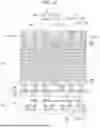
FIGS. 1A and 1B are diagrams for describing a semiconductor device according to an embodiment of the present disclosure.
FIGS. 2A to 2I are diagrams for describing a method of manufacturing a semiconductor device according to an embodiment of the present disclosure.
FIG. 3 is a diagram illustrating the structure of a semiconductor device in accordance with an embodiment.
FIG. 4 is a diagram illustrating the structure of a semiconductor device in accordance with an embodiment.
FIG. 5A is a diagram illustrating the structure of a semiconductor device in accordance with an embodiment.
FIG. 5B is a diagram illustrating the structure of a semiconductor device in accordance with an embodiment.
FIG. 5C is a diagram illustrating the structure of a semiconductor device in accordance with an embodiment.
FIG. 5D is a diagram illustrating the structure of a semiconductor device in accordance with an embodiment.
DETAILED DESCRIPTION
Hereinafter, embodiments according to the technical spirit of the present disclosure are described with reference to the accompanying drawings.
Embodiments of the present disclosure provide a semiconductor device having a stable structure and improved characteristics and a method of manufacturing a semiconductor device having a stable structure and improved characteristics.
According to embodiments of the present disclosure, a semiconductor device having a stable structure and improved reliability can be provided.
FIGS. 1A and 1B are diagrams for describing a semiconductor device according to an embodiment of the present disclosure. FIG. 1B is an enlarged view of an area ‘A’ in FIG. 1A.
Referring to FIG. 1A, the semiconductor device may include at least one of a first wafer WF1 and a second wafer WF2. In this case, each of the wafers WF1 and WF2 may denote a structure which includes a substrate or does not include a substrate. In an embodiment, each of the wafers WF1 and WF2 may denote a structure which does not includes a substrate and includes various components, for example, channel structures 130, a gate structure 120, etc. The first wafer WF1 may denote a first semiconductor structure which includes at least one of a source structure 110, the gate structure 120, the channel structures 130, or a slit structure 140. The first wafer WF1 may further include at least one of an interconnection structure 150, a bonding pad 160, or an interlayer insulating layer IL1.
The gate structure 120 may include insulating layers 120A and conductive layers 120B that are alternately stacked. In this case, each of the conductive layers 120B may be used as a source selection line, a drain selection line, a word line, or a bit line. The insulating layers 120A may include an insulating material such as oxide. The conductive layers 120B may include a conductive material, such as tungsten, molybdenum, or polysilicon.
The channel structures 130 may be extended into the source structure 110 through the gate structure 120. In this case, the source structure 110 may be disposed on the gate structure 120. Each of the channel structures 130 may include at least one of a channel layer 130A, a memory layer 130B, and an insulating core 130C. The memory layer 130B may surround the channel layer 130A. The insulating core 130C may be disposed within the channel layer 130A. The memory layer 130B may include a first memory pattern 130B1 and a second memory pattern 130B2. The first memory pattern 130B1 and the second memory pattern 130B2 may be spaced apart from each other. The first memory pattern 130B1 may be disposed between the source structure 110 and the channel layer 130A. The second memory pattern 130B2 may be disposed between the gate structure 120 and the channel layer 130A. The memory layer 130B may include a cut area C that exposes the channel layer 130A. The cut area C may denote an area between the first memory pattern 130B1 and the second memory pattern 130B2. The cut areas C of the channel structures 130 may be disposed substantially at the same level (i.e., height). The channel layer 130A and the source structure 110 may be in contact with through the cut area C.
Each of the channel structures 130 may include at least one of a first channel structure 130_1 and a second channel structure 130_2. The first channel structure 130_1 may include a first protruding part 130P1 having a first height H1. The second channel structure 130_2 may include a second protruding part 130P2 having a second height H2. The first protruding part 130P1 and the second protruding part 130P2 may protrude into the source structure 110. The first height H1 and the second height H2 may be substantially the same or may be different from each other. For example, the first height H1 and the second height H2 may be different from each other. The second height H2 may be smaller than the first height H1. Each of the first protruding part 130P1 and the second protruding part 130P2 may include at least one of the channel layer 130A, the memory layer 130B, and the insulating core 130C. The heights of the channel layer 130A, the memory layer 130B, and the insulating core 130C that protrude into the source structure 110 may be different from one another. For example, the heights of the channel layer 130A of the first protruding part 130P1 and the channel layer 130A of the second protruding part 130P2 may be different from each other. The heights of the memory layer 130B of the first protruding part 130P1 and the memory layer 130B of the second protruding part 130P2 may be different from each other. The heights of the insulating core 130C of the first protruding part 130P1 and the insulating core 130C of the second protruding part 130P2 may be different from each other. For reference, the channel structures 130 may include the plurality of first channel structures 130_1 and the plurality of second channel structures 130_2 having different heights. The heights of the protruding parts 130P1 and 130P2 of the channel structures 130 may also be different from each other.
The source structure 110 may be disposed on the gate structure 120. The source structure 110 may include polysilicon. The source structure 110 may include a first part 110P1, a second part 110P2, a third part 110P3, and a fourth part 110P4. The first part 110P1 and the second part 110P2 may be spaced apart from each other. The third part 110P3 may protrude between the first part 110P1 and the second part 110P2. The third part 110P3 may include a horizontal part 110P31 that extends between the first part 110P1 and the gate structure 120 and between the second part 110P2 and the gate structure 120. The third part 110P3 may include a vertical part 110P32 that protrudes from the horizontal part 110P31 between the first part 110P1 and the second part 110P2. The vertical part 110P32 may have a cross section having a form in which the width of the vertical part 110P32 is uniform, but the present disclosure is not limited thereto. The vertical part 110P32 may have a cross section having a tapered form. The fourth part 110P4 may be disposed between the third part 110P3 and the gate structure 120.
The source structure 110 may surround the channel structures 130. For example, the source structure 110 may surround the protruding parts 130P1 and 130P2 of the channel structures 130. The first part 110P1 may surround the first protruding part 130P1 of the first channel structure 130_1. The second part 110P2 may surround the second protruding part 130P2 of the second channel structure 130_2. For example, the first part 110P1 and/or the second part 110P2 may surround the first memory pattern 130B1. The third part 110P3 may be connected to the first channel structure 130_1 and the second channel structure 130_2. For example, the third part 110P3 may be in contact with the first channel structure 130_1 and the second channel structure 130_2 through the horizontal part 110P31. In this case, the third part 110P3 may be connected to the channel layer 130A of the channel structures 130.
In a process of forming the third part 110P3, impurities may be diffused into the channel structures 130. For example, in a process of forming the third part 110P3, polysilicon including impurities may be formed, and the impurities may be diffused into the channel layer 130A of each of the channel structures 130 through the cut area C. Accordingly, a junction may be formed within the channel layer 130A of each of the channel structures 130 having different heights.
Referring to FIG. 1B, each of the channel structures 130 may constitute a memory string. The gate structure 120 may include the conductive layers 120B that are connected to a memory string. Each of the conductive layers 120B may be used as a word line, a source selection line, a drain selection line, or a bit line. If the channel structures 130 have different heights, the types and numbers of conductive layers 120B that are used within the gate structure 120 may be different depending on the heights of the channel structures 130. For example, the number of source selection lines may be relatively small and the number of word lines may be many in a memory string having a small height. In contrast, the number of source selection lines may be relatively many and the number of word lines may be small in a memory string having a great height. Accordingly, the types and numbers of conductive layers 120B that are used for each memory string within one gate structure 120 may be different.
However, in the present disclosure, the junctions may be formed within the channel layers 130A through the cut areas C of the channel structures 130, respectively, which are disposed substantially at the same level. In other words, the junctions that are formed within the channel layers 130A may be disposed substantially at the same level. Accordingly, although the heights of the channel structures 130 are different, the types and numbers of conductive layers 120B that are used in a memory string may be the same. For example, the number of source selection lines 120B1 that are used in a memory string may be the same. Each of the remaining conductive layers 120B may be used as a word line 120B2 or a drain selection line.
The slit structure 140 may be extended through the gate structure 120. For example, the slit structure 140 may be extended into the source structure 110 through the gate structure 120 between the channel structures 130. An upper surface of the slit structure 140 may be disposed substantially at the same level as an upper surface of the fourth part 110P4. For example, the upper surface of the slit structure 140 may be disposed at a level lower than the level of the cut area C. The slit structure 140 may be an insulating layer that is formed within a slit (not illustrated) for substituting sacrificial layers (not illustrated) with the conductive layers 120B in a process of manufacturing the semiconductor device. Alternatively, the slit structure 140 may include a source contact structure that is connected to the source structure 110.
The interconnection structure 150 may be disposed within the interlayer insulating layer IL1, and may be disposed under the channel structures 130. The interconnection structure 150 may include at least one of a contact via 150A and a wire 150B. The contact vias 150A may be connected to the channel structures 130, respectively. The wire 150A may connect the contact vias 150A. Each of the contact vias 150A and the wire 150A may include a conductive material, such as tungsten.
The bonding pad 160 may be disposed within the interlayer insulating layer IL1, and may be disposed under the interconnection structure 150. The bonding pads 160 may be connected to the wire 150A, and may be electrically connected to the channel structures 130 through the interconnection structure 150. The bonding pad 160 may include a conductive material, such as tungsten.
The second wafer WF2 may include a peripheral circuit PC. The second wafer WF2 may denote a second semiconductor structure including the peripheral circuit PC. The second wafer WF2 may further include an interconnection structure 3, a bonding pad 4, or an interlayer insulating layer IL2 or may further include the interconnection structure 3, the bonding pad 4, or the interlayer insulating layer IL2 in combination.
The peripheral circuit PC may be disposed on a substrate 1. An isolation layer ISO may be disposed within the substrate 1. An active area may be defined by the isolation layer ISO. The peripheral circuit PC may include a transistor 2, a capacitor, or a register. For example, the transistor 2 may include a first junction (i.e., a source junction) 2A, a second junction (i.e., a drain junction) 2B, a gate insulating layer 2C, or a gate electrode 2D. The gate insulating layer 2C may be disposed between the gate electrode 2D and the substrate 1. Each of the gate insulating layer 2C and the isolation layer ISO may include an insulating material, such as oxide or nitride.
The Interconnection structure 3 may include contact vias 3A or wires 3B. The interlayer insulating layer IL2 may be disposed on the substrate 1. The interconnection structure 3 may be disposed within the interlayer insulating layer IL2. The interconnection structure 3 may be electrically connected to the peripheral circuit PC. The contact vias 3A may connect the junctions 2A and 2B of the transistor 2 with the wires 3B, and may connect the wires 3B with each other. Each of the contact vias 3A and the wires 3B may include a conductive material, such as aluminum, copper, or tungsten.
The bonding pad 4 may be disposed within the interlayer insulating layer IL2, and may be disposed on the interconnection structure 3. The bonding pads 4 may be connected to the wires 3B, and may be electrically connected to the peripheral circuit PC through the interconnection structure 3. The bonding pad 4 may include a conductive material, such as tungsten.
The first wafer WF1 and the second wafer WF2 may be bonded to each other. For example, the bonding pads 160 of the first wafer WF1 and the bonding pads 4 of the second wafer WF2 may be bonded, respectively. Accordingly, the first wafer WF1 may be disposed on the second wafer WF2. In this case, the top of the second wafer WF2 and the top of the first wafer WF1 may be bonded in the state in which the first wafer WF1 has been rotated.
For reference, in this case, the terms “top” and bottom” and “over” and “under” may be relative concepts for convenience of description. The source structure 110 may be disposed under the gate structure 120. Alternatively, the second wafer WF2 may be disposed on the first wafer WF1. Accordingly, the top of the second wafer WF2 and the top of the first wafer WF1 may be bonded in the state in which the second wafer WF2 has been rotated.
According to the aforementioned structure, although the channel structures 130 have different heights, the junctions formed within the channel layers 130A of the channel structures 130, respectively, may be disposed substantially at the same level. Accordingly, the number of source selection lines 120B1 corresponding to each memory string within the gate structure 120 may be the same.
Furthermore, the degree of integration of memory in semiconductor devices can be increased by separately forming the first wafer WF1 including a cell array and the second wafer WF2 including the peripheral circuit PC.
FIGS. 2A to 2I are diagrams for describing a method of manufacturing a semiconductor device according to an embodiment of the present disclosure. Hereinafter, contents that are redundant with the aforementioned contents will be omitted.
Referring to FIG. 2A, a source structure 210 may be formed on a substrate 200. First, a first source layer 210A may be formed on the substrate 200. Next, a source sacrificial layer 210C may be formed over the first source layer 210A. A first protection layer 210D may be formed between the first source layer 210A and the source sacrificial layer 210C. Next, a second source layer 210B may be formed over the source sacrificial layer 210C. A second protection layer 210E may be formed between the source sacrificial layer 210C and the second source layer 210B. In this case, each of the first source layer 210A, the second source layer 210B, the first protection layer 210D, the second protection layer 210E, and the source sacrificial layer 210C may include at least one of sacrificial materials, such as oxide, nitride, and polysilicon. For example, each of the first source layer 210A, the second source layer 210B, and the source sacrificial layer 210C may include polysilicon. Each of the first protection layer 210D and the second protection layer 210E may include oxide. In this case, at least one of the first protection layer 210D and the second protection layer 210E may be constructed as a multi-layer. For example, the first protection layer 210D may include a layer including oxide and a layer including nitride. As another example, each of the first source layer 210A and the second source layer 210B may include polysilicon. The source sacrificial layer 210C may include nitride. Each of the first protection layer 210D and the second protection layer 210E may include oxide. Accordingly, the source structure 210 that includes the first source layer 210A, the second source layer 210B, the source sacrificial layer 210C, the first protection layer 210D, and the second protection layer 210E may be formed.
For reference, before the source structure 210 is formed, a source protection layer 270A may be formed. That is, after the source protection layer 270A is formed on the substrate 200, the source structure 210 may be formed.
Next, a stack 220 may be formed by alternately stacking first material layers 220A and second material layers 220B on the source structure 210. For example, the stack 220 may be formed on the front surface of the source structure 210. The first material layers 220A may include an insulating material, such as oxide. The second material layers 220B may include a sacrificial material, such as nitride.
Next, channel structures 230 that extend into the source structure 210 through the stack 220 may be formed. First, third openings OP3 that extend into the source structure 210 through the stack 220 may be formed. For example, the third openings OP3 that expose the first source layer 210A through the source sacrificial layer 210C may be formed. The heights of the third openings OP3 may be different from each other. For example, at least one of the third openings OP3 may have a first height H1, and at least one of the third openings OP3 may have a second height H2. The first height H1 and the second height H2 may be different from each other. For example, the second height H2 may be smaller than the first height H1. Next, the channel structures 230 may be formed within the third openings OP3, respectively. Each of the channel structures 230 may include at least one of a channel layer 230A, a memory layer 230B that surrounds the channel layer 230A, and an insulating core 230C within the channel layer 230A. Accordingly, each of the channel structures 230 may include at least one of a first channel structure 230_1 having the first height H1 and a second channel structure 230_2 having the second height H2 different from the first height H1.
Referring to FIG. 2B, a slit structure SL may be formed within the stack 220. For example, the slit structure SL that is disposed between the channel structures 230 may be formed within the stack 220. First, a slit SL may be formed within the stack 220. The slit SL may be extended into the source structure 210 through the stack 220. For example, the slit SL may expose the second protection layer 210E. Next, the second material layers 220B of the stack 220 may be substituted with third material layers 220C, respectively, through the slit SL. Accordingly, a gate structure 220G including the first material layers 220A and the third material layers 220C that are alternately stacked may be formed. In this case, the third material layers 220C may include a conductive material, such as tungsten or molybdenum. Each of the third material layers 220C may be used as a source selection line, a drain selection line, a word line, or a bit line.
If the second material layers 220B each includes a conductive material, the second material layers 220B might not be substituted with the third material layers 220C. In this case, the second material layers 220B may be used as the third material layers 220C, and the stack 220 may be used as the gate structure 220G. Next, the slit structure SL may be formed within the slit SL. The slit structure SL may include a source contact structure that is connected to an insulating layer or the source structure 210.
Referring to FIG. 2C, an interlayer insulating layer IL1 may be formed on the gate structure 220G. Next, an interconnection structure 250 may be formed within the interlayer insulating layer IL1. The interconnection structure 250 may include at least one of contact vias 250A and a wire 250B. The contact vias 250A may be connected to the channel structures 230, respectively. The wire 250B may connect the contact vias 250A. Next, bonding pads 260 may be formed on the interconnection structure 250. The bonding pads 260 may be electrically connected to the channel structures 230 and the source structure 210 through the interconnection structure 250.
Referring to FIG. 2D, a second wafer WF2 including a peripheral circuit PC may be formed. First, the peripheral circuit PC may be formed on the substrate 1. An isolation layer ISO may be disposed within the substrate 1. An active area may be defined by the isolation layer ISO. The peripheral circuit PC may include a transistor 2, a register, or a capacitor. The transistor 2 may include at least one of a first junction 2A, a second junction 2B, a gate insulating layer 2C, and a gate electrode 2D. The gate insulating layer 2C may be formed between the substrate 1 and the gate electrode 2D. Each of the gate insulating layer 2C and the isolation layer ISO may include an insulating material, such as oxide or nitride. An interlayer insulating layer IL2 may be formed on the substrate 1. An interconnection structure 3 may be formed within the interlayer insulating layer IL2. Bonding pads 4 may be formed on the interconnection structure 3. The interconnection structure 3 may include at least one of contact vias 3A and a wire 3B. The contact vias 3A may connect the peripheral circuit PC and the wire 3B. The wire 3B may connect the contact vias 3A or may connect the contact via 3A and the bonding pad 4. The bonding pad 4 may be electrically connected to the peripheral circuit PC through the interconnection structure 3. Accordingly, the second wafer WF2 including the peripheral circuit PC may be formed.
Next, the second wafer WF2 and the first wafer WF1 may be bonded. In this case, the first wafer WF1 may include the source structure 210 and the channel structures 230. The top of the second wafer WF2 and the top of the first wafer WF1 may be bonded. For example, the bonding pads 260 of the first wafer WF1 and the bonding pads 4 of the second wafer WF2 may be connected. Accordingly, the peripheral circuit PC of the second wafer WF2 may be electrically connected to the channel structures 230 and the source structure 210 through the bonding pads 4 and 260. The degree of integration of memory in semiconductor devices can be improved by separately forming the first wafer WF1 including a cell array and the second wafer WF2 including the peripheral circuit PC.
Referring to FIG. 2E, the substrate 200 may be removed. For example, the back surface of the source structure 210 may be exposed by removing the substrate 200 of the first wafer WF1. Namely, the first source layer 210A may be exposed.
Next, a source protection layer 270 may be formed on the source structure 210. For example, the source protection layer 270 may be formed on the back surface of the source structure 210, which has been exposed by removing the substrate 200. In this case, the source protection layer 270 may include an insulating material, such as oxide or nitride. For example, the source protection layer 270 may be an oxide layer that has been formed by partially oxidizing the first source layer 210A.
For reference, referring back to FIG. 2A, before the source structure 210 is formed, a source protection layer 270A may be previously formed. After the first wafer WF1 and the second wafer WF2 are bonded, the source protection layer 270A may be exposed by removing the substrate 200. In this case, a process of forming a separate source protection layer 270 on the back surface of the source structure 210 after the substrate 200 is removed may be omitted.
Referring to FIG. 2F, a first opening OP1 that exposes the source sacrificial layer 210C may be formed through the back surface of the source structure 210. For example, the first opening OP1 that exposes the source sacrificial layer 210C through the first source layer 210A and the first protection layer 210D may be formed through the back surface of the source structure 210. The first opening OP1 may be formed at a location corresponding to the slit structure SL. For example, the first opening OP1 may be formed at a location that has been aligned with the slit structure SL.
Next, an insulating spacer 280 may be formed within the first opening OP1. The insulating spacer 280 may include an insulating material, such as oxide or nitride. For example, the insulating spacer 280 may be an oxide layer that has been formed by oxidizing the source protection layer 270, the first source layer 210A, and the first protection layer 210D that are exposed through the first opening OP1. The insulating spacer 280 may be extended along the back surface of the source structure 210. Next, the source sacrificial layer 210C may be exposed by etching a lower surface of the insulating spacer 280.
Referring to FIG. 2G, a second opening OP2 may be formed by removing the source sacrificial layer 210C through the first opening OP1. Next, the channel layer 230A may be exposed by removing the memory layer 230B of each of the channel structures 230 through the second opening OP2. In this case, the source protection layer 270, the first protection layer 210D, and the second protection layer 210E may be removed. Accordingly, the second opening OP2 may be extended. Accordingly, a cut area C that exposes each of the channel layers 230A of the channel structures 230 may be formed. In this case, the cut areas C may be disposed substantially at the same level.
Referring to FIGS. 2H and 2I, a third source layer 210C may be formed. FIG. 2I is an enlarged view of an area ‘B’ in FIG. 2H. For example, the third source layer 210C may be formed (i.e., filled) within the first opening OP1 and the second opening OP2. The third source layer 210C may include a horizontal part 210C2 that is formed within the second opening OP2 and a vertical part 210C1 that is formed within the first opening OP1. The third source layer 210C may be formed to fill the gaps of the cut areas C. Accordingly, the channel layers 230A of the channel structures 230 may be connected to the horizontal part 210C2 of the third source layer 210C. For example, the channel layers 230A of the channel structures 230 may be in contact with the horizontal part 210C2 of the third source layer 210C. The vertical part 210C1 may protrude between the first source layers 210A, and may be formed at a location that has been aligned with the slit structure 240.
The third source layer 210C may include polysilicon including impurities. The impurities may be diffused into the channel layer 230A through the cut areas C in the process of forming the third source layer 210C. For example, in the process of forming the third source layer 210C, a thermal treatment process may be performed. The impurities included in the third source layer 210C may be diffused into the channel layer 230A. In this case, junctions disposed substantially at the same level (i.e., height) within the channel layers 230A may be formed through the cut areas C.
Although the channel structures 230 are formed at different heights, the junctions disposed substantially at the same level within the channel layers 230A may be formed through the cut areas C. Accordingly, the number of source selection lines 220C1 that are used within one gate structure 220G including the channel structures 230 that constitute a memory string may be the same. The remaining third material layers 220C may be used as a word line 220C2 or a drain selection line.
According to the aforementioned manufacturing method, a path along which the process of substituting the second material layers 220B with the third material layers 220C is performed and a path along which the process of forming the third source layer 210C is performed may be different from each other. For example, the process of substituting the second material layers 220B with the third material layers 220C may be performed before bonding, and may be performed through the slit SL. The process of forming the third source layer 210C may be performed before the bonding, and may be performed by forming the first opening OP1 in the back surface of the source structure 210.
Furthermore, although the channel structures 230 have different heights, junctions that are disposed substantially at the same level within the channel layers 230A of the channel structures 230 can be formed. Accordingly, the number of source selection lines 220C1 within the gate structure 220 may be the same.
FIG. 3 is a diagram illustrating the structure of a semiconductor device in accordance with an embodiment.
Referring to FIG. 3, the semiconductor device may include a first semiconductor structure 3100 and a second semiconductor structure 3200. A bonding interface 3000 may be located in the semiconductor device, and the first semiconductor structure 3100 may be distinguished from the second semiconductor structure 3300 by the bonding interface 3000. The second semiconductor structure 3200 may be disposed over or under the first semiconductor structure 3100. The first semiconductor structure 3100 may include a peripheral circuit, and the second semiconductor structure 3200 may include a memory cell array.
The first semiconductor structure 3100 may include a substrate 3110, a transistor 3120, a first interlayer insulating layer 3130, a first interconnection structure 3140, and a first bonding pad 3150. The transistor 3120 may be included in the peripheral circuit. The peripheral circuit may include a row decoder, a page buffer, an input/output circuit, a logic circuit, and the like. The first interconnection structure 3140 may be disposed in the first interlayer insulating layer 3130 and may include a via, a wiring line, and the like. The first bonding pad 3150 may be disposed at the bonding interface 3000 and may be electrically connected to the peripheral circuit through the first interconnection structure 3140.
The second semiconductor structure 3200 may include a gate structure 3210, a channel structure 3220, a source structure 3230, a second interlayer insulating layer 3240, a second interconnection structure 3250, and a second bonding pad 3260. The gate structure 3210 may include gate lines 3211 alternately stacked with insulating layers 3212. The source structure 3230 may be disposed over the gate structure 3210. The channel structure 3220 may include a channel layer 3221, a memory layer 3222, an insulating core 3223, and/or a memory pattern 3224. The channel layer 3221 may extend through the gate structure 3210 and may be connected to the source structure 3230. The second interconnection structure 3250 may be disposed in the second interlayer insulating layer 3240 and may include a via, a wiring line, and the like. For example, the second interconnection structure 3250 may include a bitline 3251. The second bonding pad 3260 may be disposed at the bonding interface 3000 and may be electrically connected to the memory cell array through the second interconnection structure 3250.
The first bonding pad 3150 may be electrically connected to the second bonding pad 3260 at the bonding interface 3000, and the memory cell array may be electrically connected to the peripheral circuit through the first bonding pad 3150 and the second bonding pad 3260.
The semiconductor device may be manufactured using a method such as hybrid bonding, metal bonding, insulator bonding, or semiconductor bonding. For example, the semiconductor device may be manufactured by manufacturing a first wafer including the peripheral circuit and a second wafer including the memory cell array, and bonding the first wafer to the second wafer.
When the second wafer is manufactured, the source structure 3230 may be connected to the channel layer 3221 using a source sacrificial layer. For example, the channel structure 3220 may be formed to protrude into a source structure including the source sacrificial layer. An opening exposing the channel structure 3220 may be formed by removing the source sacrificial layer, and the channel layer 3221 may be exposed by etching the memory layer 3222 through the opening. A source layer connected to the channel layer 3221 may be formed in the opening to form the source structure 3230 including the source layer. The second wafer including the source structure 3230 may be flipped and bonded to the first wafer including the transistor 3120.
FIG. 4 is a diagram illustrating the structure of a semiconductor device in accordance with an embodiment.
Referring to FIG. 4, the semiconductor device may include a first semiconductor structure 4100 and a second semiconductor structure 4200. A bonding interface 4000 may be located in the semiconductor device, and the first semiconductor structure 4100 may be distinguished from the second semiconductor structure 4200 by the bonding interface 4000. The second semiconductor structure 4200 may be disposed over or under the first semiconductor structure 4100. The first semiconductor structure 4100 may include a peripheral circuit, and the second semiconductor structure 4200 may include a memory cell array.
The first semiconductor structure 4100 may include a substrate 4110, a transistor 4120, a first interlayer insulating layer 4130, a first interconnection structure 4140, and a first bonding pad 4150. The transistor 4120 may be included in the peripheral circuit. The peripheral circuit may include a row decoder, a page buffer, an input/output circuit, a logic circuit, and the like. The first interconnection structure 4140 may be disposed in the first interlayer insulating layer 4130 and may include a via, a wiring line, and the like. The first bonding pad 4150 may be disposed at the bonding interface 4000 and may be electrically connected to the peripheral circuit through the first interconnection structure 4140.
The second semiconductor structure 4200 may include a gate structure 4210, a channel structure 4220, a source structure 4230, a second interlayer insulating layer 4240, a second interconnection structure 4250, a second bonding pad 4260, and a contact plug 4270. The gate structure 4210 may include gate lines 4211 alternately stacked with insulating layers 4212. The source structure 4230 may be disposed below the gate structure 4210. The channel structure 4220 may include a channel layer 4221, a memory layer 4222, an insulating core 4223, and/or a memory pattern 4224. The channel layer 4221 may extend through the gate structure 4210, and may be connected to the source structure 4230. The second interconnection structure 4250 may be disposed in the second interlayer insulating layer 4240 and may include a via, a wiring line, and the like. For example, the second interconnection structure 4250 may include a bitline 4251. The second bonding pad 4260 may be disposed at the bonding interface 4000 and may be electrically connected to the memory cell array through the second interconnection structure 4250.
The first bonding pad 4150 may be electrically connected to the second bonding pad 4260 at the bonding interface 4000, and the memory cell array may be electrically connected to the peripheral circuit through the first bonding pad 4150 and the second bonding pad 4260. The contact plug 4270 may extend through the second interlayer insulating layer 4240 or a dummy stack and may be connected to the peripheral circuit through the first bonding pad 4150 and the second bonding pad 4260.
The semiconductor device may be manufactured using a method such as hybrid bonding, metal bonding, insulator bonding, or semiconductor bonding. For example, the semiconductor device may be manufactured by manufacturing a first wafer including the peripheral circuit and a second wafer including the memory cell array, and bonding the first wafer to the second wafer.
When the second wafer is manufactured, the source structure 4230 may be connected to the channel layer 4221 using a source sacrificial layer. For example, the channel structure 4220 protrudes into a source structure including the source sacrificial layer. Subsequently, an opening exposing the channel structure 4220 may be formed by removing the source sacrificial layer, and the channel layer 4221 may be exposed by etching the memory layer 4222 through the opening. A source layer connected to the channel layer 4221 may be formed in the opening to form the source structure 4230 including the source layer. The second wafer including the source structure 4230 may be bonded to the first wafer including the transistor 4120. In this example, the second wafer may be bonded to the first wafer in an un-flipped state. An interconnection structure such as a through silicon via (TSV) may be formed.
FIG. 5A is a diagram illustrating the structure of a semiconductor device in accordance with an embodiment.
Referring to FIG. 5A, the semiconductor device may include a first semiconductor structure 5100A, a second semiconductor structure 5100B, and a third semiconductor structure 5200. Bonding interfaces 5001 and 5002 may be located in the semiconductor device, and the first semiconductor structure 5100A, the second semiconductor structure 5100B, and the third semiconductor structure 5200 may be distinguished from each other by the bonding interfaces 5001 and 5002. The third semiconductor structure 5200 may be disposed between the first semiconductor structure 5100A and the second semiconductor structure 5100B. A peripheral circuit may include a first peripheral circuit and a second peripheral circuit. The first peripheral circuit and the second peripheral circuit may be distributed and disposed in the first semiconductor structure 5100A and the second semiconductor structure 5100B. The first semiconductor structure 5100A may include the first peripheral circuit, the second semiconductor structure 5100B may include the second peripheral circuit, and the third semiconductor structure 5200 may include a memory cell array.
The first semiconductor structure 5100A may include a first substrate 5110, a first transistor 5120, a first interlayer insulating layer 5130, a first interconnection structure 5140, and a first bonding pad 5150. The first transistor 5120 may be included in the first peripheral circuit. The first peripheral circuit may include a row decoder, a page buffer, an input/output circuit, a logic circuit, and the like. The first interconnection structure 5140 may be disposed in the first interlayer insulating layer 5130 and may include a via, a wiring line, and the like. The first bonding pad 5150 may be disposed at a first bonding interface 5001 and may be electrically connected to the first peripheral circuit through the first interconnection structure 5140.
The second semiconductor structure 5100B may include a second substrate 5111, a second transistor 5121, a second interlayer insulating layer 5131, a second interconnection structure 5141, and a second bonding pad 5151. The second transistor 5121 may be included in the second peripheral circuit. The second peripheral circuit may include a row decoder, a page buffer, an input/output circuit, a logic circuit, and the like. The second interconnection structure 5141 may be disposed in the second interlayer insulating layer 5131 and may include a via, a wiring line, and the like. The second bonding pad 5151 may be disposed at a second bonding interface 5002 and may be electrically connected to the second peripheral circuit through the second interconnection structure 5141.
The third semiconductor structure 5200 may include a substrate 5201, a gate structure 5210, a channel structure 5220, a source structure 5230, a third interlayer insulating layer 5240, a third interconnection structure 5250, a third bonding pad 5260, a fourth interlayer insulating layer 5270, a fourth interconnection structure 5280, a fourth bonding pad 5290, a first contact plug 5295, and a second contact plug 5297. The gate structure 5210 may include gate lines 5211 alternately stacked with insulating layers 5212. The source structure 5230 may be disposed over or under the gate structure 5210. The channel structure 5220 may include a channel layer 5221, a memory layer 5222, an insulating core 5223 and/or a memory pattern 5224. The channel layer 5221 may extend through the gate structure 5210 and may be connected to the source structure 5230. The third interconnection structure 5250 may be disposed in the third interlayer insulating layer 5240 and may include a via, a wiring line, and the like. For example, the third interconnection structure 5250 may include a bitline 5251. The fourth interconnection structure 5280 may be disposed in the fourth interlayer insulating layer 5270 and may include a via, a wiring line, and the like. The third bonding pad 5260 may be disposed at the first bonding interface 5001 and may be electrically connected to the memory cell array through the third interconnection structure 5250. The fourth bonding pad 5290 may be disposed at the second bonding interface 5002 and may be electrically connected to the memory cell array through the fourth interconnection structure 5280.
The first bonding pad 5150 may be electrically connected to the third bonding pad 5260 at the first bonding interface 5001, and the memory cell array may be electrically connected to the first peripheral circuit through the first bonding pad 5150 and the third bonding pad 5260. The second bonding pad 5151 may be electrically connected to the fourth bonding pad 5290 at the second bonding interface 5002, and the memory cell array may be electrically connected to the second peripheral circuit through the second bonding pad 5151 and the fourth bonding pad 5290.
The first contact plug 5295 may extend through the second interlayer insulating layer 5240 or a dummy stack, and the second contact plug 5297 may extend through the third substrate 5201. The first contact plug 5295 may be connected to the second contact plug 5297, and the first peripheral circuit may be connected to the second peripheral circuit through the first bonding pad 5150, the third bonding pad 5260, the first contact plug 5295, the second contact plug 5297, the fourth bonding pad 5290, and the second bonding pad 5151.
The semiconductor device may be manufactured using a method such as hybrid bonding, metal bonding, insulator bonding, or semiconductor bonding. The semiconductor device may be manufactured by manufacturing a first wafer including the first peripheral circuit, a second wafer including the second peripheral circuit, and a third wafer including the memory cell array, and bonding the first to third wafers together. For example, the third wafer may be flipped and bonded to the first wafer, and a substrate of the third wafer may be removed to form the source structure 5230. The second wafer may be flipped and bonded to the third wafer.
FIG. 5B is a diagram illustrating the structure of a semiconductor device in accordance with an embodiment.
Referring to FIG. 5B, the semiconductor device may include a first semiconductor structure 5300, a second semiconductor structure 5400A, and a third semiconductor structure 5400B. Bonding interfaces 5003 and 5004 may be located in the semiconductor device, and the first semiconductor structure 5300, the second semiconductor structure 5400A, and the third semiconductor structure 5400B may be distinguished by the bonding interfaces 5003 and 5004. The second semiconductor structure 5400A may be disposed between the first semiconductor structure 5300 and the third semiconductor structure 5400B. The first semiconductor structure 5300 may include a peripheral circuit, the second semiconductor structure 5400A may include a first memory cell array, and the third semiconductor structure 5400B may include a second memory cell array.
The first semiconductor structure 5300 may include a substrate 5310, a transistor 5320, a first interlayer insulating layer 5330, a first interconnection structure 5340, and a first bonding pad 5350. The transistor 5320 may be included in the peripheral circuit. The peripheral circuit may include a row decoder, a page buffer, an input/output circuit, a logic circuit, and the like. The first interconnection structure 5340 may be disposed in the first interlayer insulating layer 5330 and may include a via, a wiring line, and the like. The first bonding pad 5350 may be disposed at a first bonding interface 5003 and may be electrically connected to the peripheral circuit through the first interconnection structure 5340.
The second semiconductor structure 5400A may include a first gate structure 5410, a first channel structure 5420, a first source structure 5430, a second interlayer insulating layer 5440, a second interconnection structure 5450, a second bonding pad 5460, a third interlayer insulating layer 5470, a third interconnection structure 5480, and a third bonding pad 5490. The first gate structure 5410 may include first gate lines 5411 alternately stacked with first insulating layers 5412. The first source structure 5430 may be disposed over or under the first gate structure 5410. The first channel structure 5420 may include a first channel layer 5421, a first memory layer 5422, a first insulating core 5423 and/or a first memory pattern 5424. The first channel layer 5421 may extend through the first gate structure 5410 and may be connected to the first source structure 5430. The second interconnection structure 5450 may be disposed in the second interlayer insulating layer 5440 and may include a via, a wiring line, and the like. For example, the second interconnection structure 5450 may include a bitline 5452. The third interconnection structure 5480 may be disposed in the third interlayer insulating layer 5470 and may include a via, a wiring line, and the like. The second bonding pad 5460 may be disposed at the first bonding interface 5003 and may be electrically connected to the first memory cell array through the second interconnection structure 5450. The third bonding pad 5490 may be disposed at a second bonding interface 5004, and may be electrically connected to the first memory cell array through the third interconnection structure 5480.
The third semiconductor structure 5400B may include a second gate structure 5416, a second channel structure 5426, a second source structure 5431, a fourth interlayer insulating layer 5441, a fourth interconnection structure 5451, and a fourth bonding pad 5461. The second gate structure 5416 may include second gate lines 5417 alternately stacked with second insulating layer 5418. The second source structure 5431 may be disposed over or under the second gate structure 5416. The second source structure 5431 may be electrically isolated from the first source structure 5430 and driven separately from the first source structure 5430 or may be electrically connected to the first source structure 5430 and driven in common with the first source structure 5430. The second channel structure 5426 may include a second channel layer 5427, a second memory layer 5428, a second insulating core 5429 and/or a second memory pattern 5428P. The second channel layer 5427 may extend through the second gate structure 5416 and may be connected to the second source structure 5431. The fourth interconnection structure 5451 may be disposed in the fourth interlayer insulating layer 5441 and may include a via, a wiring line, and the like. For example, the fourth interconnection structure 5451 may include a bitline 5453. The fourth bonding pad 5461 may be disposed at the second bonding interface 5004 and may be electrically connected to the second memory cell array through the fourth interconnection structure 5451.
The first bonding pad 5350 may be electrically connected to the second bonding pad 5460 at the first bonding interface 5003, and the first memory cell array may be electrically connected to the peripheral circuit through the first bonding pad 5350 and the second bonding pad 5460. The third bonding pad 5490 may be electrically connected to the fourth bonding pad 5461 at the second bonding interface 5004, and the second memory cell array may be electrically connected to the first memory cell array through the third bonding pad 5490 and the fourth bonding pad 5461.
The semiconductor device may be manufactured using a method such as hybrid bonding, metal bonding, insulator bonding, or semiconductor bonding. The semiconductor device may be manufactured by manufacturing a first wafer including the peripheral circuit, a second wafer including the first memory cell array, and a third wafer including the second memory cell array, and bonding the first to third wafers together. For example, the second wafer may be flipped and bonded to the first wafer, and a substrate of the second wafer may be removed to form the first source structure 5430. The third wafer may be flipped and bonded to the second wafer, and a substrate of the third wafer may be removed to form the second source structure 5431.
FIG. 5C is a diagram illustrating the structure of a semiconductor device in accordance with an embodiment.
Referring to FIG. 5C, the semiconductor device may include a first semiconductor structure 5500, a second semiconductor structure 5600A, and a third semiconductor structure 5600B. Bonding interfaces 5005 and 5006 may be located in the semiconductor device, and the first semiconductor structure 5500, the second semiconductor structure 5600A, and the third semiconductor structure 5600B may be distinguished by the bonding interfaces 5005 and 5006. The second semiconductor structure 5600A may be disposed between the first semiconductor structure 5500 and the third semiconductor structure 5600B. The first semiconductor structure 5500 may include a peripheral circuit, the second semiconductor structure 5600A may include a first memory cell array, and the third semiconductor structure 5600B may include a second memory cell array.
The first semiconductor structure 5500 may include a substrate 5510, a transistor 5520, a first interlayer insulating layer 5530, a first interconnection structure 5540, and a first bonding pad 5550. The transistor 5520 may be included in the peripheral circuit. The peripheral circuit may include a row decoder, a page buffer, an input/output circuit, a logic circuit, and the like. The first interconnection structure 5540 may be disposed in the first interlayer insulating layer 5530 and may include a via, a wiring line, and the like. The first bonding pad 5550 may be disposed at a first bonding interface 5005 and may be electrically connected to the peripheral circuit through the first interconnection structure 5540.
The second semiconductor structure 5600A may include a first gate structure 5610, a first channel structure 5620, a first source structure 5630, a second interlayer insulating layer 5640, a second interconnection structure 5650, a second bonding pad 5660, a third interlayer insulating layer 5670, a third interconnection structure 5680, and a third bonding pad 5690. The first gate structure 5610 may include first gate lines 5611 alternately stacked with first insulating layers 5612. The first source structure 5630 may be disposed over or under the first gate structure 5610. The first channel structure 5620 may include a first channel layer 5621, a first memory layer 5622, a first insulating core 5623 and/or a first memory pattern 5624. The first channel layer 5621 may extend through the first gate structure 5610 and may be connected to the first source structure 5630. The second interconnection structure 5650 may be disposed in the second interlayer insulating layer 5640 and may include a via, a wiring line, and the like. For example, the second interconnection structure 5650 may include a bitline 5652. The third interconnection structure 5680 may be disposed in the third interlayer insulating layer 5670 and may include a via, a wiring line, and the like. The second bonding pad 5660 may be disposed at a second bonding interface 5006 and may be electrically connected to the first memory cell array through the second interconnection structure 5650. The third bonding pad 5690 may be disposed at the first bonding interface 5005 and may be electrically connected to the first memory cell array through the third interconnection structure 5680.
The third semiconductor structure 5600B may include a second gate structure 5616, a second channel structure 5626, a second source structure 5631, a fourth interlayer insulating layer 5641, a fourth interconnection structure 5651, and a fourth bonding pad 5661. The second gate structure 5616 may include second gate lines 5617 alternately stacked with second insulating layer 5618. The second source structure 5631 may be disposed over or under the second gate structure 5616. The second source structure 5631 may be electrically isolated from the first source structure 5630 and driven separately from the first source structure 5630 or may be electrically connected to the first source structure 5630 and driven in common with the first source structure 5630. The second channel structure 5626 may include a second channel layer 5627, a second memory layer 5628, a second insulating core 5629 and/or a second memory pattern 5628P. The second channel layer 5627 may extend through the second gate structure 5616 and may be connected to the second source structure 5631. The fourth interconnection structure 5651 may be disposed in the fourth interlayer insulating layer 5641 and may include a via, a wiring line, and the like. For example, the fourth interconnection structure 5651 may include a bitline 5653. The fourth bonding pad 5661 may be disposed at the second bonding interface 5006 and may be electrically connected to the second memory cell array through the fourth interconnection structure 5651.
The first bonding pad 5550 may be electrically connected to the third bonding pad 5690 at the first bonding interface 5005, and the first memory cell array may be electrically connected to the peripheral circuit through the first bonding pad 5550 and the third bonding pad 5690. The second bonding pad 5660 may be electrically connected to the fourth bonding pad 5661 at the second bonding interface 5006, and the second memory cell array may be electrically connected to the first memory cell array through the second bonding pad 5660 and the fourth bonding pad 5661.
The semiconductor device may be manufactured using a method such as hybrid bonding, metal bonding, insulator bonding, or semiconductor bonding. The semiconductor device may be manufactured by manufacturing a first wafer including the peripheral circuit, a second wafer including the first memory cell array, and a third wafer including the second memory cell array, and bonding the first to third wafers together. For example, the second wafer may be flipped and bonded to the third wafer, and a substrate of the second wafer may be removed to form the first source structure 5630. The second wafer and the first wafer may be bonded, and a substrate of the third wafer may be removed to form the second source structure 5631.
FIG. 5D is a diagram illustrating the structure of a semiconductor device in accordance with an embodiment.
Referring to FIG. 5D, the semiconductor device may include a first semiconductor structure 5700A, a second semiconductor structure 5700B, a third semiconductor structure 5800A, and a fourth semiconductor structure 5800B. Bonding interfaces 5007, 5008, and 5009 may be located in the semiconductor device, and the first semiconductor structure 5700A, the second semiconductor structure 5700B, the third semiconductor structure 5800A, and the fourth semiconductor structure 5800B may be distinguished by the bonding interfaces 5007, 5008, and 5009. The third semiconductor structure 5800A and the fourth semiconductor structure 5800B may be disposed between the first semiconductor structure 5700A and the second semiconductor structure 5700B. The first semiconductor structure 5700A may include a first peripheral circuit, the second semiconductor structure 5700B may include a second peripheral circuit, the third semiconductor structure 5800A may include a first memory cell array, and the fourth semiconductor structure 5800B may include a second memory cell array.
The first semiconductor structure 5700A may include a first substrate 5710, a first transistor 5720, a first interlayer insulating layer 5730, a first interconnection structure 5740, and a first bonding pad 5750. The first transistor 5720 may be included in the first peripheral circuit. The first peripheral circuit may include a row decoder, a page buffer, an input/output circuit, a logic circuit, and the like. The first interconnection structure 5740 may be disposed in the first interlayer insulating layer 5730 and may include a via, a wiring line, and the like. The first bonding pad 5750 may be disposed at a first bonding interface 5007 and may be electrically connected to the first peripheral circuit through the first interconnection structure 5740.
The second semiconductor structure 5700B may include a second substrate 5711, a second transistor 5721, a second interlayer insulating layer 5731, a second interconnection structure 5741, and a second bonding pad 5751. The second transistor 5721 may be included in the second peripheral circuit. The second peripheral circuit may include a row decoder, a page buffer, an input/output circuit, a logic circuit, and the like. The second interconnection structure 5741 may be disposed in the second interlayer insulating layer 5731 and may include a via, a wiring line, and the like. The second bonding pad 5751 may be disposed at a second bonding interface 5008 and may be electrically connected to the second peripheral circuit through the second interconnection structure 5741.
The third semiconductor structure 5800A may include a first gate structure 5810, a first channel structure 5820, a first source structure 5830, a third interlayer insulating layer 5840, a third interconnection structure 5850, a third bonding pad 5860, and a first contact plug 5870. The first gate structure 5810 may include first gate lines 5811 alternately stacked with first insulating layers 5812. The first source structure 5830 may be disposed over or under the first gate structure 5810. The first channel structure 5820 may include a first channel layer 5821, a first memory layer 5822, a first insulating core 5823 and/or 5824. The first channel layer 5821 may extend through the first gate structure 5810 and may be connected to the first source structure 5830. The third interconnection structure 5850 may be disposed in the third interlayer insulating layer 5840 and may include a via, a wiring line, and the like. For example, the third interconnection structure 5850 may include a bitline 5852. The third bonding pad 5860 may be disposed at the first bonding interface 5007 and may be electrically connected to the first memory cell array through the third interconnection structure 5850.
The fourth semiconductor structure 5800B may include a second gate structure 5816, a second channel structure 5826, a second source structure 5831, a fourth interlayer insulating layer 5841, a fourth interconnection structure 5851, a fourth bonding pad 5861, and a second contact plug 5880. The second gate structure 5816 may include second gate lines 5817 alternately stacked with second insulating layer 5818. The second source structure 5831 may be disposed over or under the second gate structure 5816. The second source structure 5831 may be electrically connected to the first source structure 5830 and driven in common with the first source structure 5830. The second channel structure 5826 may include a second channel layer 5827, a second memory layer 5828, a second insulating core 5829 and/or a second memory pattern 5828P. The second channel layer 5827 may extend through the second gate structure 5816 and may be connected to the second source structure 5831. The fourth interconnection structure 5851 may be disposed in the fourth interlayer insulating layer 5841 and may include a via, a wiring line, and the like. For example, the fourth interconnection structure 5851 may include a bitline 5853. The fourth bonding pad 5861 may be disposed at the second bonding interface 5008 and may be electrically connected to the second memory cell array through the fourth interconnection structure 5851.
The first bonding pad 5750 may be electrically connected to the third bonding pad 5860 at the first bonding interface 5007, and the first memory cell array may be electrically connected to the first peripheral circuit through the first bonding pad 5750 and the third bonding pad 5860. The second bonding pad 5751 may be electrically connected to the fourth bonding pad 5861 at the second bonding interface 5008, and the second memory cell array may be electrically connected to the second peripheral circuit through the second bonding pad 5751 and the fourth bonding pad 5861. The first source structure 5830 may be bonded to the second source structure 5831 at a third bonding interface 5009. Thus, the first memory cell array may be electrically connected to the second memory cell array.
The first contact plug 5870 may extend through the third interlayer insulating layer 5840 or a dummy stack, and the second contact plug 5880 may extend through the fourth interlayer insulating layer 5841 or a dummy stack. The first contact plug 5870 may be connected to the second contact plug 5880, and the first peripheral circuit may be connected to the second peripheral circuit through the first bonding pad 5750, the third bonding pad 5860, the first contact plug 5870, the second contact plug 5880, the fourth bonding pad 5861, and the second bonding pad 5751.
The semiconductor device may be manufactured using a method such as hybrid bonding, metal bonding, insulator bonding, or semiconductor bonding. The semiconductor device may be manufactured by manufacturing a first wafer including the first peripheral circuit, a second wafer including the first memory cell array, a third wafer including the second peripheral circuit, and a fourth wafer including the second memory cell array, and bonding the first to fourth wafers together. For example, the second wafer may be flipped and bonded to the first wafer, and a substrate of the second wafer may be removed to form the first source structure 5830. The fourth wafer may be flipped and bonded to the third wafer, and a substrate of the fourth wafer may be removed to form the second source structure 5831. The second wafer may be bonded to the fourth wafer.
Although embodiments according to the technical spirit of the present disclosure have been described above with reference to the accompanying drawings, the embodiments have been provided to merely describe embodiments according to the concept of the present disclosure, and the present disclosure is not limited to the embodiments. A person having ordinary knowledge in the art to which the present disclosure pertains may substitute, modify, and change the embodiments in various ways without departing from the technical spirit of the present disclosure written in the following claims. Such substitutions, modifications, and changes may be said to belong to the scope of the present disclosure. Furthermore, the embodiments may be combined to form additional embodiments.
Claims
What is claimed is:1. A semiconductor device comprising:
a gate structure;
a source structure that is disposed on the gate structure;
channel structures that extend into the source structure through the gate structure, wherein each of the channel structures comprises a channel layer and a memory layer surrounding the channel layer, the memory layer comprising a cut area that exposes the channel layer; and
a slit structure that extends into the source structure through the gate structure between the channel structures, an upper surface of the slit structure being disposed at a lower level than the cut area,
wherein the channel structures comprise a first channel structure and a second channel structure having different heights.
2. The semiconductor device of claim 1, wherein the source structure is in contact with the channel layer through the cut area.
3. The semiconductor device of claim 1, wherein each of the channel structures comprises a respective cut area disposed at substantially the same level.
4. The semiconductor device of claim 1, wherein the first channel structure comprises a first protruding part that protrudes into the source structure and the second channel structure comprises a second protruding part that protrudes into the source structure.
5. The semiconductor device of claim 4, wherein the source structure comprises a first part that surrounds the first protruding part, a second part that surrounds the second protruding part and a third part that is in contact with the first channel structure and the second channel structure and protrudes between the first part and the second part.
6. The semiconductor device of claim 5, wherein the third part comprises a horizontal part that extends between the gate structure and the first part and between the gate structure and the second part and a vertical part that protrudes between the first part and the second part and protrudes from the horizontal part.
7. The semiconductor device of claim 5, wherein the memory layer comprises a first memory pattern that is disposed between the channel layer and the source structure and a second memory pattern that is disposed between the channel layer and the gate structure, and
wherein the cut area is disposed between the first memory pattern and the second memory pattern.
8. The semiconductor device of claim 7, wherein at least one of the first part or the second part surrounds the first memory pattern.
9. The semiconductor device of claim 5, wherein the third part is in contact with the channel layer.
10. The semiconductor device of claim 5, wherein the source structure further comprises a fourth part that is disposed between the third part and the gate structure.
11. The semiconductor device of claim 1, wherein heights of the channel structures are greater than a height of the slit structure, and wherein the heights are measured from an upper surface of the gate structure opposite to the source structure.
12. The semiconductor device of claim 11, wherein the height of each of the channel structures is measured including the channel layer and the memory layer.
13. A semiconductor device comprising:
a peripheral circuit;
a gate structure that is disposed over the peripheral circuit;
bonding pads that are disposed between the peripheral circuit and the gate structure;
a source structure that is disposed on the gate structure;
channel structures that extend into the source structure through the gate structure, wherein each of the channel structures comprises a channel layer and a memory layer surrounding the channel layer, the memory layer comprising a cut area that exposes the channel layer; and
wherein the source structure is in contact with the channel layer through the cut area, and
wherein each of the channel structures comprises a respective cut area disposed at substantially the same level.
14. A semiconductor device of claim 13, wherein the channel structures comprise a first channel structure and a second channel structure having different heights.
15. The semiconductor device of claim 14, wherein the first channel structure comprises a first protruding part that protrudes into the source structure, and the second channel structure comprises a second protruding part that protrudes into the source structure, and
wherein the source structure comprises a first part that surrounds the first protruding part, a second part that surrounds the second protruding part, and a third part that is in contact with the first channel structure and the second channel structure and protrudes between the first part and the second part.
16. The semiconductor device of claim 15, wherein the third part comprises a horizontal part that extends between the gate structure and the first part and between the gate structure and the second part, and a vertical part that protrudes between the first part and the second part and protrudes from the horizontal part.
17. The semiconductor device of claim 14, wherein the first channel structure comprises a first channel layer, a first memory pattern surrounding an upper portion of the first channel layer and disposed between the first channel layer and the source structure, and a second memory pattern surrounding the first channel layer and disposed between the first channel layer and the gate structure, and
the second channel structure comprises a second channel layer, a third memory pattern surrounding an upper portion of the second channel layer and disposed between the second channel layer and the source structure, and a fourth memory pattern surrounding the second channel layer and disposed between the second channel layer and the gate structure,
wherein the first memory pattern and the third memory pattern have different heights, and
wherein the heights are measured from an upper surface of the first part or the second part adjacent to the gate structure.
18. The semiconductor device of claim 17, wherein the cut area is disposed between the first memory pattern and the second memory pattern,
wherein at least one of the first part or the second part surrounds at least one of the first memory pattern or the third memory pattern.
19. The semiconductor device of claim 13, further comprising:
a slit structure that extends into the source structure through the gate structure, the slit structure having a height less than heights of the channel structures, and wherein the heights are measured from an upper surface of the gate structure opposite to the source structure,
wherein the slit structure is in contact with the source structure.
20. The semiconductor device of claim 13, further comprising:
a first interconnection structure that is disposed between the peripheral circuit and the bonding pads and the first interconnection structure electrically connects the peripheral circuit to the bonding pads; and
a second interconnection structure that is disposed between the bonding pads and the gate structure and the second interconnection structure electrically connects the bonding pads to the channel structures.
Images & Drawings included:



Sources:
- United States Patent and Trademark Office - verify current appl. status at the USPTO↗
Similar patent applications:
- » 10230423
Semiconductor device manufacturing method, semiconductor device manufacturing apparatus, semiconductor device manufacturing system, and cleaning method for semiconductor device manufacturing apparatus - » 10201720
Semiconductor thin-film manufacturing method, semiconductor device manufacturing method, semiconductor device, integrated circuit, electro-optical device, and electronic appliance - » 20230187203
Semiconductor device manufacturing method, semiconductor memory device manufacturing method, semiconductor memory device, and substrate treatment apparatus - » 20100193792
LAMINATED FILM MANUFACTURING METHOD, SEMICONDUCTOR DEVICE MANUFACTURING METHOD, SEMICONDUCTOR DEVICE AND DISPLAY DEVICE - » 10739275
Wafer flatness evaluation method, wafer flatness evaluation apparatus carrying out the evaluation method, wafer manufacturing method using the evaluation method, wafer quality assurance method using the evaluation method, semiconductor device manufacturing method using the evaluation method and semiconductor device manufacturing method using a wafer evaluated by the evaluation method - » 20090214964
Semiconductor device manufacturing method, semiconductor device manufacturing equipment, and computer readable medium - » 20070177127
Wafer flatness evaluation method, wafer flatness evaluation apparatus carrying out the evaluation method, wafer manufacturing method using the evaluation method, wafer quality assurance method using the evaluation method, semiconductor device manufacturing method using the evaluation method and semiconductor device manufacturing method using a wafer evaluated by the evaluation method - » 20070090093
Semiconductor device manufacturing method, semiconductor device manufacturing apparatus, control program and computer storage medium - » 20070177126
Wafer flatness evaluation method, wafer flatness evaluation apparatus carrying out the evaluation method, wafer manufacturing method using the evaluation method, wafer quality assurance method using the evaluation method, semiconductor device manufacturing method using the evaluation method and semiconductor device manufacturing method using a wafer evaluated by the evaluation method - » 20090032950
Film forming method, semiconductor device manufacturing method, semiconductor device, program and recording medium
Recent applications in this class:
- » 20260173384 2026-06-18
THREE-DIMENSIONAL SEMICONDUCTOR MEMORY DEVICE WITH INCREASED ELECTRON MOBILITY AND ELECTRONIC SYSTEM INCLUDING THE SAME - » 20260173383 2026-06-18
MEMORY DEVICE AND METHOD OF MANUFACTURING THE SAME - » 20260173382 2026-06-18
SEMICONDUCTOR MEMORY DEVICE AND MANUFACTURING METHOD OF SEMICONDUCTOR MEMORY DEVICE - » 20260173381 2026-06-18
SEMICONDUCTOR MEMORY DEVICE AND MANUFACTURING METHOD OF SEMICONDUCTOR MEMORY DEVICE - » 20260173380 2026-06-18
ELECTRONIC DEVICES COMPRISING BLOCKING REGIONS - » 20260173379 2026-06-18
THREE-DIMENSIONAL SEMICONDUCTOR DEVICE AND METHOD OF MANUFACTURING THE SAME - » 20260173378 2026-06-18
THREE-DIMENSIONAL VERTICAL NONVOLATILE MEMORY DEVICE INCLUDING MEMORY CELL STRINGS, METHOD OF DRIVING THE SAME, AND ELECTRONIC APPARATUS INCLUDING THE SAME - » 20260173377 2026-06-18
METHOD FOR MANUFACTURING SEMICONDUCTOR DEVICE AND SEMICONDUCTOR DEVICE - » 20260173376 2026-06-18
SEMICONDUCTOR MEMORY DEVICE AND ELECTRONIC SYSTEM INCLUDING THE SAME - » 20260173375 2026-06-18
THREE-DIMENSIONAL SEMICONDUCTOR DEVICES AND METHODS FOR FORMING THE SAME