SYSTEM AND METHOD FOR AN AI-POWERED TALENT ACCELERATOR AND INDUSTRY INCUBATOR
US20260179164A1
2026-06-25
19/356,619
2025-10-13
Smart Summary: An AI-powered platform helps artists improve their careers by evaluating their performances. It uses data from professional artists to set benchmarks and analyze how well an artist is doing in specific areas. The system also looks at how audiences engage with the artist's work and compares this to industry standards. Based on this analysis, it generates a talent score and marketability index for the artist. This way, artists can receive personalized feedback and guidance to enhance their skills and marketability. 🚀 TL;DR
Abstract:
An AI-powered talent evaluation platform for providing personalized career development to an artist includes an AI-engine that is trained with professional artists' performance data, and audience engagement and retention data. The AI-engine receives and analyzes performance data of the artist and evaluates specific performance element metrics relevant to the artist's discipline by comparing them to specific professional performance benchmark metrics for each performance element derived from analyzing the professional artists' performance data in the artist's specific discipline. The AI engine also analyzes audience engagement and retention data and derives audience engagement and retention metrics by comparing them to audience engagement and retention benchmark metrics derived from analyzing the professional artists' audience engagement and retention data in the artist's specific discipline. The AI-powered talent evaluation platform further includes a talent discovery and marketability module and the talent discovery and marketability module receives the specific performance element metrics and the audience engagement and retention metrics and derives a talent score and marketability index for the artist.
Assignee:
- Global Institute of Innovation Technology LLC 2 🇺🇸 LITTLETON, MA, United States
Applicant:
Interested in similar patents?
Get notified when new applications in this technology area are published.
Classification:
G06Q50/2057 » CPC main
Systems or methods specially adapted for specific business sectors, e.g. utilities or tourism; Services; Education; Education administration or guidance Career enhancement or continuing education service
G10L25/30 » CPC further
Speech or voice analysis techniques not restricted to a single one of groups - characterised by the analysis technique using neural networks
G06Q2220/00 » CPC further
Business processing using cryptography
G06Q50/20 IPC
Systems or methods specially adapted for specific business sectors, e.g. utilities or tourism; Services Education
Description
CROSS REFERENCE TO RELATED CO-PENDING APPLICATIONS
This application claims the benefit of U.S. provisional application Ser. No. 63/737,430 filed on Dec. 20, 2024 and entitled “System and method for an AI-powered performance coaching and evaluation platform”, which is commonly assigned and the contents of which are expressly incorporated herein by reference.
This application claims the benefit of U.S. provisional application Ser. No. 63/785,975 filed on Apr. 9, 2025 and entitled “AI-powered talent development, training and evaluation platform”, which is commonly assigned and the contents of which are expressly incorporated herein by reference.
This application claims the benefit of U.S. provisional application Ser. No. 63/786,108 filed on Apr. 9, 2025 and entitled “AI-powered talent accelerator and industry incubator”, which is commonly assigned and the contents of which are expressly incorporated herein by reference.
This application is a continuation-in-part and claims the benefit of U.S. non-provisional application Ser. No. 19/331,003 filed on Sep. 17, 2025 and entitled “System and method for an AI-powered performance coaching and evaluation platform”, which is commonly assigned and the contents of which are expressly incorporated herein by reference.
FIELD OF THE INVENTION
The present invention relates to a system and a method for an artificial intelligence (AI)-powered talent accelerator and industry incubator, and specifically to a system that utilizes advanced machine learning algorithms to discover, evaluate, nurture, and accelerate careers across multiple entertainment and performance disciplines.
BACKGROUND OF THE INVENTION
The entertainment, media, and content creation industries have long operated on subjective, geographically limited, and connection-driven models for talent discovery, career advancement, and industry integration. Emerging singers, actors, dancers, comedians, instrumentalists, DJs, digital creators, and entertainment professionals face significant barriers to entry, struggling to secure professional opportunities, industry recognition, and financial sustainability due to lack of access to high-level training, performance visibility, and monetization pathways.
The traditional entertainment industry favors established networks, referrals, and talent scouts to identify rising talent. Many gifted performers and creators lack direct access to record labels, casting agencies, festival organizers, music producers, talent managers, and brand sponsors. This disconnect hinders the career progression of promising artists, forcing them to navigate industry barriers without structured guidance.
Furthermore, talent evaluation and industry placement have historically relied on human judgment, often leading to inconsistent assessments, biases, and missed opportunities for diverse talent. Without data-driven evaluations, many skilled artists struggle to demonstrate their marketability to decision-makers in music, film, theater, content creation, and entertainment marketing.
Many talented artists also lack structured monetization strategies beyond traditional performance bookings, brand sponsorships, or ad revenue. Even creators with large followings often struggle to optimize direct-to-fan funding, strategic brand deals, and digital asset monetization (NFTs, exclusive content, licensing opportunities). The absence of AI-driven monetization guidance makes it difficult for emerging artists to build sustainable careers.
Social media has become an essential tool for artist growth, yet most performers lack the expertise and resources to maximize engagement, optimize content performance, and convert audience traction into career opportunities. Without AI-powered analytics, artists rely on trial-and-error content strategies, often missing key growth opportunities in algorithm-driven entertainment platforms like YouTube, TikTok, Instagram, Twitch, and podcast networks.
There is a need for a talent development system and method that addresses the above mentioned challenges in the traditional and fragmented talent pipeline process.
SUMMARY OF THE INVENTION
The present invention relates to an artificial intelligence (AI)-powered talent accelerator and industry incubator platform, and specifically to a platform that utilizes advanced machine learning algorithms to discover, nurture, and accelerate careers across multiple entertainment and performance disciplines. This industry-first platform revolutionizes the way artists, performers, influencers, and creative professionals are identified, trained, and connected with monetization and sponsorship opportunities. Leveraging deep learning, multimodal AI analytics, and predictive career modeling, the system offers intelligent industry matchmaking, sponsorship facilitation, direct-to-fan monetization, and career acceleration tools. Unlike conventional talent scouting, which depends on human networking and subjective evaluations, this platform provides scalable, data-driven, and objective assessments to identify high-potential artists and fast-track their success in the entertainment industry.
The AI-Powered talent accelerator and industry incubator platform is designed to identify high-potential talent using AI-driven marketability scoring and predictive analytics, to match artists with real-world industry opportunities (i.e., record labels, casting calls, sponsorships, and career partnerships), to optimize monetization potential through AI-driven sponsorship matching, fan funding, and brand alignment strategies, and to provide a career trajectory roadmap with AI-powered insights on when, where, and how to maximize exposure.
In general, in one aspect the invention is a system for providing personalized career development to an artist of a specific discipline. The system includes a computing system having at least a memory and a processor coupled to the memory, and the memory stores computer-executable instructions for an AI-powered talent evaluation platform and a user interface. The AI-powered talent evaluation platform includes an AI-engine and a data storage module, and the data storage module comprises performance data and audience engagement and retention data of the artist. The performance data comprise video and/or audio performance data, and or text data. The system further includes a database comprising professional artists' performance data and audience engagement and retention data, in the artist's specific discipline. The database is communicatively coupled to the computing system via a network connection, and the AI engine is trained with the professional artists' performance data and audience engagement and retention data. The AI engine analyzes the performance data of the artist and evaluates specific performance element metrics relevant to the artist's discipline by comparing them to specific professional performance benchmark metrics for each performance element derived from analyzing the professional artists' performance data in the artist's specific discipline. The AI engine analyzes the audience engagement and retention data and derives audience engagement and retention metrics by comparing them to audience engagement and retention benchmark metrics derived from analyzing the professional artists' audience engagement and retention data in the artist's specific discipline. The AI-powered talent evaluation platform further includes a talent discovery and marketability module and the talent discovery and marketability module receives the specific performance element metrics and the audience engagement and retention metrics and derives a talent score and marketability index for the artist.
Implementations of this aspect of the invention include one or more of the following. The AI-powered talent evaluation platform includes an AI-powered performance coaching and evaluation platform that provides personalized performance evaluation and coaching to the artist, and an AI-powered talent accelerator and industry incubator platform that provides career growth services, industry matchmaking, and sponsorship opportunities to the artist. The system further includes a camera and/or a microphone configured to capture the video and/or audio performance data of the artist, respectively, and the captured video and/or audio performance data are transmitted to the AI-powered talent evaluation platform via a network connection. The AI engine analyzes the audience engagement and retention data by tracking fan comments, fanbase expansion rates, returning viewer percentages, engagement peaks, content virality, and sentiment trends in order to predict viral potential and to generate fan retention heatmaps that highlight which performance sections received the most attention. The AI engine utilizes machine learning algorithms to evaluate and provide performance metrics and comprises a voice analysis module that utilizes recurrent neural networks (RNNs) and long short-term memory networks (LSTMs) for audio signal processing, a facial recognition module that utilizes convolutional neural networks (CNNs) for visual data signal processing, a gesture analysis module that analyzes 3D motion capture data, a text analysis module that utilizes natural language processing (NPL), and a content analysis module. The user interface comprises an artist portal, a talent scouts/agents portal, an audience and fan portal, an industry networking hub, a monetization and sponsorship portal, and a social media growth and content optimization portal. The AI-powered talent evaluation platform further comprises a sponsorship and revenue optimization module and the sponsorship and revenue optimization module receives the talent score and marketability index and uses AI-powered analysis to strategically align the artist with sponsors, brands, and funding opportunities, maximizing monetization through targeted audience demographics, brand partnerships, and market timing. The AI-powered talent evaluation platform further comprises a personalized career roadmap module that receives the specific performance element metrics, the audience engagement and retention metrics, and the talent score and marketability index and generates career growth milestone mapping, progress tracking, industry-readiness checkpoints, career acceleration pathways, and AI-driven career roadmap adjustments. The AI-powered talent evaluation platform further comprises an industry matchmaking module that receives the specific performance element metrics, the audience engagement and retention metrics, and the talent score and marketability index and uses AI-powered analysis to identify and connect emerging artists with talent scouts, casting directors, record labels, producers, agencies, brand sponsors, and content networks. The system further includes a legal and financial module that provides contract analysis, legal risk detection, payment management, and intellectual property rights management via decentralized ledger verification. The legal and financial module provides blockchain-based proof of originality by time-stamping and authenticating the performance data on a blockchain ledger and ensures tamper-proof content integrity of the performance data by preventing unauthorized replication or deepfake alterations. The AI-powered talent accelerator and industry incubator platform further includes a talent discovery and predictive analytics module, a talent onboarding and industry positioning module, an industry matchmaking and predictive analytics module, an industry marketability analysis module, a sponsorship and monetization optimization module, a talent business development and career strategy module, a legal and financial management module, a social media growth and content optimization module, a career mapping and roadmap generation module, an AI-powered competitions and ranking module, an audience and fan engagement module, an AI-powered collaboration and cross-industry expansion module, an investor and sponsor readiness module, a virtual auditions module, a career coaching module, a brand development module, a live performance management module, a progress tracking module, a training module, a film/TV/music licensing module, a social media and audience sentiment analysis module, a crowdfunding module, and a gamification module. The system further includes an AI ethical, regulatory and governance compliance platform communicatively coupled to the computing system via a network connection, and the AI ethical, regulatory and governance compliance platform implements compliance to AI ethics rules, adherence to AI regulations, ongoing algorithmic testing, performer advocacy and ethical AI audits. The talent score and marketability index is further computed from audience sentiment analysis derived from audience comments and reactions, and predictive modeling techniques that correlate performance-quality metrics with observed audience-growth and/or sponsorship outcomes.
In general, in another aspect the invention is method for providing personalized career development to an artist of a specific discipline including the following steps. First, providing a computing system comprising at least a memory and a processor coupled to the memory. The memory stores computer-executable instructions for an AI-powered talent evaluation platform and a user interface, and the AI-powered talent evaluation platform comprises an AI-engine and a storage module. The data storage module comprises performance data and audience engagement and retention data of the artist, and the performance data comprise video and/or audio performance data, and or text data. Next, providing a database comprising professional artists' performance data and audience engagement and retention data, in the artist's specific discipline, and the database is communicatively coupled to the computing system via a network connection. The AI engine is trained with the professional artists' performance data and audience engagement and retention data. Next, analyzing the performance data of the artist via the AI engine and deriving specific performance element metrics relevant to the artist's discipline by comparing them to specific professional performance benchmark metrics for each performance element derived from analyzing the professional artists' performance data in the artist's specific discipline. Next, analyzing the audience engagement and retention data via the AI engine and deriving audience engagement and retention metrics by comparing them to audience engagement and retention benchmark metrics derived from analyzing the professional artists' audience engagement and retention data in the artist's specific discipline. The AI-powered talent evaluation platform further comprises a talent discovery and marketability module and the talent discovery and marketability module receives the specific performance element metrics and the audience engagement and retention metrics and derives a talent score and marketability index for the artist.
In general, in another aspect the invention provides a non-transitory computer-readable medium storing instructions that, when executed by a processor, cause the processor to perform operations including the following. First, analyzing video and/or audio performance data of an artist via an AI engine of an AI-powered talent evaluation platform and deriving specific performance element metrics relevant to the artist's discipline by comparing them to specific professional performance benchmark metrics for each performance element derived from analyzing performance data of professional artists in the artist's specific discipline. Next, analyzing audience engagement and retention data via the AI engine of the AI-powered talent evaluation platform and deriving audience engagement and retention metrics by comparing them to audience engagement and retention benchmark metrics derived from analyzing audience engagement and retention data of the professional artist in the artist's specific discipline. The AI-powered talent evaluation platform further comprises a talent discovery and marketability module and the talent discovery and marketability module receives the specific performance element metrics and the audience engagement and retention metrics and derives a talent score and marketability index for the artist. The AI-powered talent evaluation platform further includes a personalized career roadmap module that receives the specific performance element metrics, the audience engagement and retention metrics, and the talent score and marketability index and generates career growth milestone mapping, progress tracking, industry-readiness checkpoints, career acceleration pathways, and AI-driven career roadmap adjustments. The AI-powered talent evaluation platform further includes a sponsorship and revenue optimization module and the sponsorship and revenue optimization module receives the talent score and marketability index and uses AI-powered analysis to strategically align the artist with sponsors, brands, and funding opportunities, maximizing monetization through targeted audience demographics, brand partnerships, and market timing. The AI-powered talent evaluation platform further includes an industry matchmaking module that receives the specific performance element metrics, the audience engagement and retention metrics, and the talent score and marketability index and uses AI-powered analysis to identify and connect emerging artists with talent scouts, casting directors, record labels, producers, agencies, brand sponsors, and content networks.
The details of one or more embodiments of the invention are set forth in the accompanying drawings and description below. Other features, objects and advantages of the invention will be apparent from the following description of the preferred embodiments, the drawings and from the claims.
BRIEF DESCRIPTION OF THE DRAWINGS
Referring to the figures, wherein like numerals represent like parts throughout the several views:
FIG. 1 depicts an overview diagram of an AI-powered talent evaluation system of this invention;
FIG. 2A depicts a block diagram of the user interface module of the AI-powered talent evaluation system of FIG. 1;
FIG. 2B depicts a block diagram of the user portal in the user interface of FIG. 2A;
FIG. 3A depicts a block diagram of the AI-powered performance coaching and evaluation platform in the system of FIG. 1;
FIG. 3B depicts a flow diagram of the AI-powered performance coaching and evaluation process, according to this invention;
FIG. 3C depicts a flow diagram of the AI-powered performance coaching and evaluation and talent development process, according to this invention;
FIG. 4A depicts a block diagram of the AI performance analysis engine of the AI-powered performance coaching and evaluation platform of FIG. 3A;
FIG. 4B depicts a block diagram of the feedback generation process for the AI-powered performance coaching and evaluation platform of FIG. 3A;
FIG. 5 depicts a block diagram of the coaching process for the AI-powered performance coaching and evaluation platform of FIG. 3A;
FIG. 6 depicts a block diagram of the progress tracking process for the AI-powered performance coaching and evaluation platform of FIG. 3A;
FIG. 7 depicts a block diagram of the virtual performance environment of the AI-powered performance coaching and evaluation platform of FIG. 3A;
FIG. 8 depicts a block diagram of the external AI and social media integration process for the AI-powered performance coaching and evaluation platform of FIG. 3A;
FIG. 9 depicts a block diagram of the AI-powered talent accelerator and industry incubator platform in the AI-powered talent evaluation system of FIG. 1;
FIG. 9A depicts a block flow diagram of the AI-powered talent discovery and industry matchmaking process of this invention;
FIG. 9B depicts a block flow diagram of AI-powered talent matchmaking process of this invention;
FIG. 9C depicts a block diagram of the sponsorship and monetization optimization module of the AI-powered talent accelerator and industry incubator platform of FIG. 9;
FIG. 9D depicts a block diagram of the audience and fan engagement module of the AI-powered talent accelerator and industry incubator platform of FIG. 9;
FIG. 9E depicts a block diagram of the legal and financial module of the AI-powered talent accelerator and industry incubator platform of FIG. 9;
FIG. 9F depicts a block diagram of the feedback module of the AI-powered talent accelerator and industry incubator platform of FIG. 9;
FIG. 9G depicts a block diagram of the talent development and career strategy module of the AI-powered talent accelerator and industry incubator platform of FIG. 9;
FIG. 9H depicts a block diagram of the investor and sponsor module of the AI-powered talent accelerator and industry incubator platform of FIG. 9;
FIG. 9I depicts a block flow diagram of the talent onboarding, profile creation and industry positioning module of the AI-powered talent accelerator and industry incubator platform of FIG. 9;
FIG. 9J depicts a block diagram of the industry marketability analysis module of the AI-powered talent accelerator and industry incubator platform of FIG. 9;
FIG. 9K depicts a block diagram of the talent scouting and virtual auditions module of the AI-powered talent accelerator and industry incubator platform of FIG. 9;
FIG. 9L depicts a block diagram of the career coaching module of the AI-powered talent accelerator and industry incubator platform of FIG. 9;
FIG. 9M depicts a block diagram of the brand development module of the AI-powered talent accelerator and industry incubator platform of FIG. 9;
FIG. 9N depicts a block diagram of the live performance module of the AI-powered talent accelerator and industry incubator platform of FIG. 9;
FIG. 9O depicts a block diagram of the career mapping module of the AI-powered talent accelerator and industry incubator platform of FIG. 9;
FIG. 9P depicts a block diagram of the progress tracking module of the AI-powered talent accelerator and industry incubator platform of FIG. 9;
FIG. 9Q depicts a block diagram of the training module of the AI-powered talent accelerator and industry incubator platform of FIG. 9;
FIG. 9R depicts a block diagram of the film/TV/music licensing training module of the AI-powered talent accelerator and industry incubator platform of FIG. 9;
FIG. 9S depicts a block diagram of the social media growth and content optimization module of the AI-powered talent accelerator and industry incubator platform of FIG. 9;
FIG. 9T depicts a block diagram of the social media and audience sentiment analysis module of the AI-powered talent accelerator and industry incubator platform of FIG. 9;
FIG. 9U depicts a block diagram of the crowdfunding module of the AI-powered talent accelerator and industry incubator platform of FIG. 9;
FIG. 9V depicts a block diagram of the gamification module of the AI-powered talent accelerator and industry incubator platform of FIG. 9;
FIG. 10 depicts a block diagram of the ethical AI and governance platform of the AI-platform of FIG. 1;
FIG. 11 depicts a flowchart of the process of using the AI-powered talent acceleration and industry incubation process of this invention by an artist;
FIG. 12 is a schematic diagram of an exemplary computer system 500 that is used to implement the system of the present invention.
DETAILED DESCRIPTION OF THE INVENTION
The AI-powered talent accelerator and industry incubator system of this invention operates as a multimodal AI-driven ecosystem that integrates real-time talent evaluation, industry matchmaking, sponsorship optimization, and fan engagement strategies into a single, scalable platform.
Referring to FIG. 1, an AI-powered talent accelerator and industry incubator system 90 includes an online platform 50 that is accessed by performers/users 92 via a computing unit 96 connected to the online platform 50 via a network connection 95. The performance inputs are audio, video, or text, and they are captured via microphones, cameras, motion sensor, or word processors, respectively. In the embodiment of FIG. 1, the microphones, cameras, motion sensors, and word processors are integrated within a computing unit 96, and the captured audio, video, or text are transmitted to the platform 50 via the network connection 95. In other embodiments, the microphones, cameras, motion sensors, and word processors, are separate components that capture the performance inputs as audio, video, or text and transmit them to the platform 50 either via a direct connection to network 95 or via a connection 94 to the computing unit 96 that is connected to the network 95, as shown and described in the commonly owned copending U.S. patent application Ser. No. 19/331,003 entitled “SYSTEM AND METHOD FOR AN AI-POWERED PERFORMANCE COACHING AND EVALUATION PLATFORM”, the contents of which are incorporated herein by reference. In some embodiments, the system 90 utilizes wearable motion sensors and AI-powered gesture recognition software in order to provide 3D motion capture during a physical performance. The wearable motion sensors are worn during the performance and are used for detailed body movement tracking in dance and acting performances. The AI-powered gesture recognition software provides real-time posture correction and movement feedback. Platform 50 includes a user interface 600, an AI-powered performance coaching and evaluation platform 100, an AI-powered talent accelerator and industry incubator platform 300, a user profile database 650, an ethical AI and governance platform 400, and a contracts and legal database 700. System 90 further includes a professional performances/skills database 70, and connects to social media platforms 120, and external AI tools 130. Platform 50 is accessed, in addition to the performers 92, by human coaches and instructors 450, talent scouts/agents 72, sponsors 74, and fans 76.
User interface (UI) 600 is the main access point of platform 50 and is used by the performers and artists 92 to login and create a user profile, submit performances, receive AI-generated feedback, store their data and to access sponsorship opportunities. Industry professional talent scouts and agents 72 also access platform 50 via UI 600 to look for talent, post industry opportunities, and interact with AI-recommended artists. Sponsors 74 also access platform 50 via UI 600 to place sponsorship opportunities. Fans 76 also access platform 50 via UI 600 to engage with talent through AI-powered discovery features, exclusive content, and live performances. Referring to FIG. 2A, UI 600 includes an AI talent/user portal 602, a talent scouts/agents portal 604, an audience and fan portal 606, an industry networking hub 610, a monetization and sponsorship portal 620, and a social media growth and content optimization portal 630. The AI talent/user portal 602 provides access to the performers/users and displays the performer's profile, career progress and analytics, AI-generated feedback, and progress tracking on a dashboard. In one example, portal 602 displays talent marketability index (TMI), engagement and fan retention analytics, sponsorship readiness score, branding strength indicator and AI-based performance growth trajectory. The AI talent/user portal 602 also displays recommendations for personalized career paths, sponsorships, and networking strategies based on user engagement data. In one example, portal 602 displays customized career plans based on skillset and market trends, industry matchmaking (label connections, talent agents, event organizers), sponsorship optimization and brand partnerships, and industry events and collaboration recommendations. The AI talent/user portal 602 also displays uploaded content and performance benchmarking including real-time performance benchmarking against industry trends, and instant AI-generated career recommendations, among others. Portal 602 has multi-format upload capabilities (video, audio, text, live streaming), and AI-powered public versus private review mechanisms.
The industry networking hub 610 is used for record label scouting, talent agency outreach, and collaboration matching. The monetization and sponsorship portal 620 is used for fan funding, brand sponsorships, and smart contracts. The social media growth and content optimization portal 630 is used for AI-driven content optimization, social media growth analytics, engagement strategies, and SEO recommendations.
User interface (UI) 600 is a web and mobile-friendly interface where users can create profiles, upload performances, view feedback, and access training materials. The UI is designed to be intuitive and user-friendly, guiding users through each step of the performance evaluation and improvement process. The AI talent/user portal 602 includes a user input screen 281, a live performance screen 286, a post-performance feedback screen 288, and a history and progress racking screen 289, as shown in FIG. 2B. The user input screen 281 includes a user profile creation screen 280, a device set-up configuration screen 282, and a performance environment screen 284. The user profile creation screen 280 is used to create a custom user profile and to define their discipline (singing, acting, comedy, etc.). AI analyzes prior performances (if available) to customize the initial evaluation experience. The device set-up configuration screen 282 guides users to connect necessary devices including cameras (2D or 3D) for capturing gestures, facial expressions, and movements, microphone for recording and assessing vocal performances, and optionally motion sensors for capturing complex movements in 3D for dancing or physical performances. The performance environment screen 284 provides recommendations for lighting, noise and acoustics. AI detects lighting conditions and recommends adjustments for optimal video quality. Background noise detection prompts users to adjust microphone settings. Real-time acoustic analysis ensures clear vocal input for precise evaluation. The live performance screen 286 displays real-time metrics (e.g., pitch for singing, timing for storytelling) using color coding or real-time graphs. Users can choose a live AI feedback mode and/or a post-performance feedback mode, where their performance is recorded for post-session feedback and review. The post-performance feedback screen 288 displays interactive feedback showing performance metrics including the following:
-
- Voice Quality: Pitch graph overlaid with the original professional track for singers.
- Facial Expressions: Heatmap of emotional expressions during the performance.
- Body Movements: 3D model showing posture, gestures, and movement.
- Linguistic Analysis: AI-generated dialogue enhancement tips for storytellers and actors.
- Suggestions for Improvement: AI-generated tips specific to the user's performance (e.g., “You were slightly off-pitch during the high notes,” or “Try to smile more during this part of the performance.”)
The history and progress tracking screen 289 displays before and after comparisons, milestone achievements and goal setting and challenges. Users can track their performance over time, viewing improvements in metrics like pitch accuracy, emotional expression, and physical presence. The AI unlocks new training modules as users progress and sets goals or issues challenges based on past performances to keep users engaged and motivated.
Referring to FIG. 3A, the AI-powered performance coaching and evaluation platform 100 includes a virtual performance environment module 103, an input processing module 104, an AI analysis engine 106, a feedback module 110, a coaching module 112, a progress tracking module 114, a data storage and security 116, and an external AI tools and social media platforms integration module 108. The AI-powered performance coaching and evaluation platform 100 also connects to a database of professional performances, skills and criteria 70, social media platforms 120, external AI tools 130, the talent accelerator/industry incubator platform 300, the ethical AI and governance platform 400, and human coaches and instructors 450. Integration module 108 integrates inputs from database 70, social media platforms 120 and external AI tools 130 to the AI analysis engine 106, and provides outputs to social media platforms 120 and external AI tools 130. Database 70 includes expert-annotated performances, curated benchmark recordings, and statistical models of performance skills. Each performance skill (i.e., pitch, timing, tone, stage presence, etc.) is represented as a multi-dimensional feature set, and each multi-dimensional feature set includes measurable values, such as frequency ranges, timing intervals, dynamic intensity, and motion capture metrics. These measurable values are expressed as ranges or distributions (e.g., pitch deviation within ±20 cents, pause durations in milliseconds (ms), gesture amplitude ranges), and evolve through continuous machine learning updates as new performances are ingested. These measurable value ranges and distributions are used as benchmark criteria/metrics in the evaluation of the artist's performances and skills, as will be described below. In one example, the AI-powered performance coaching and evaluation platform 100 is described in the commonly owned copending U.S. patent application Ser. No. 19/331,003 entitled “SYSTEM AND METHOD FOR AN AI-POWERED PERFORMANCE COACHING AND EVALUATION PLATFORM”, the contents of which are incorporated herein by reference.
Referring to FIG. 3B, the process 200 for using the AI-powered performance coaching and evaluation platform 100 includes the following. A user 92 logs into the platform 100 and accesses the user interface (UI) 600 to create a user profile, upload a performance, view the generated feedback and to access training modules and coaches. The input processing module 104 receives the uploaded performance and processes the camera inputs, microphone inputs, motion sensor inputs and text inputs. The raw input data are processed into structured information, breaking down elements such as pitch accuracy, facial expressions, body movement, and storytelling clarity. The processed structured inputs are entered into the AI Analysis Engine 106, where they are analyzed. The structured data are analyzed by specialized deep learning models trained on professional and amateur performance data from database 70. The analysis includes voice analysis, facial recognition, gesture analysis, movement analysis, text analysis, and content analysis. A value is assigned to each element of the performance by comparing the extracted value or range with the benchmark values and ranges for the corresponding element in the database 70. The AI Analysis Engine 106 also integrates and uses external AI tools 130 in the analysis. External AI tools 130 include ChatGPT, Claude, Pilot, or other AI models, among others. The outputs of the AI Analysis Engine 106 are entered into the feedback module 110, where they are used to generate feedback outputs including detailed reports, training insides, grading breakdown, improvement recommendations, and visual aids, among others. The generated feedback outputs are sent and displayed to the user 92 via the UI 102 or via a direct communication, such as e-mail, or a text message (151). The outputs of the AI Analysis Engine 106 and the generated feedback outputs are also entered into the coaching module 112, and are used to develop coaching outputs including training plans, resource recommendations and AI-generated content, among others. The AI continuously refines the coaching recommendations based on user progress, industry benchmarks, and behavioral adaptation. The coaching outputs are sent to the user 92 and displayed to the user 92 via the UI 600 or via a direct communication, such as e-mail, or a text message (152). The feedback outputs and the coaching outputs are entered into the progress tracking module 114, where they are used to compile progress tracking data including performance history data, improvement metrics, and goal setting, among others. The progress tracking data are sent to the coaching module 112 and to the data management and storage module 116 (154). Data management and storage 116 module includes cloud servers and secure databases, among others. Progress tracking module 114 also sends data to the talent accelerator and industry incubator platform 300 for further processing, as shown in FIG. 3C.
Platform 100 also includes a virtual performance environment module 103 that provides a virtual environment and captures a live video of the user's performance (155). The virtual performance environment module 103 sends the captured video to the AI analysis engine 106 to be analyzed (156). The output of the AI analysis engine 106 is sent back to the virtual environment module 103 (156) and then the reviewed video with the analysis outputs are sent back to the user (158), as shown in FIG. 3B. The virtual performance environment module 103 also sends the reviewed video with the analysis outputs to the feedback module 110 and the coaching module 112 and the data management and storage module 116, as shown in FIG. 3C. If the user 92 is satisfied with the final product, he/she may choose to post the final product on a social media platform, such as YouTube, TikTok, Instagram, LinkedIn, Snapchat, or Facebook, among others (153), as shown in FIG. 3B.
Referring to FIG. 4A, the AI analysis engine 106 is a core component of the AI-powered performance coaching and evaluation platform 100, designed to process multiple types of inputs from the input processing module 104, through specialized modules. The platform 100 is capable of receiving inputs from various devices, such as microphones, cameras, and motion sensors in order to analyze both audio and visual aspects of performances. This ensures a holistic evaluation covering all relevant performance dimensions. The specialized modules include voice analysis module 140, facial recognition module 141, gesture analysis module 142, text analysis module 143, and content analysis 144, each tailored to ensure comprehensive evaluation and personalized feedback for users. By leveraging advanced machine learning algorithms, the engine evaluates performance metrics such as pitch, tone, emotional expressiveness, body movement, timing, and content structure, providing a holistic assessment of a user's performance across various disciplines like singing, storytelling, acting, and more. The voice analysis module assesses pitch accuracy, volume control, tone quality, vibrato, and vocal emotion, while the facial recognition module analyzes facial expressions and micro-expressions to determine emotional authenticity and realism. The posture and gesture analysis module captures 3D body movement, and posture, providing feedback on body language, movement quality, and physical presence. The text analysis module evaluates speech clarity, timing, emotional depth for spoken content, and delivery for disciplines such as acting storytelling, and spoken performances. The content analysis module reviews storytelling structure and flow, editing quality, and audience engagement for content creators and digital performers. To enhance the quality and depth of feedback 110, the AI analysis engine 106 integrates with external AI models 130 via the external AI and social media integration module 108. Examples, of the external AI models 130 include ChatGPT, Claude, and Pilot, among others. These tools provide advanced natural language processing, content generation, and interactive coaching functionalities, enriching the user's experience. The processed data is then sent to the feedback module 110, and the coaching module 112, which then generates detailed reports and personalized coaching insights, helping users refine their skills and achieve their performance goals over time.
The voice analysis module 140, facial recognition module 112, gesture analysis module 142, text analysis module 143, and content analysis 144 utilize machine learning algorithms to evaluate and provide performance metrics. The voice analysis module 140 is trained on datasets of professional and amateur performances/skills 70 to evaluate pitch accuracy, volume control, vibrato, and emotional expressiveness. The facial recognition module 141 is also trained on datasets of professional and amateur performances/skills 70 to evaluate and analyze facial expressions for emotional accuracy and realism, assessing metrics like smiling, frowning, and eyebrow movement. The posture and gesture module 142 is trained on datasets of professional and amateur performances/skills 70 and utilizes 3D data to analyze posture, movement, and gesture, providing feedback on body language and physical presence. The text analysis module 143 is also trained on datasets of professional and amateur performances/skills 70 to evaluate speech clarity, emotion, and timing, as well as body language for disciplines like storytelling and acting. The content analysis module 144 is trained on datasets of professional and amateur performances/skills 70 to assess storytelling flow, editing quality, and audience engagement elements for content creators.
As was mentioned above, the raw performance input data are processed into structured information, breaking down elements such as pitch accuracy, facial expressions, body movement, and storytelling clarity. The processed structured inputs/elements are entered into the AI Analysis engine 106, where they are analyzed. The structured data are analyzed by specialized deep learning models trained on professional and amateur performance data from database 70. A value is assigned to each element of the performance by comparing the measured value or range with the benchmark values and ranges for the corresponding element in the database 70. AI Analysis engine 106 also identifies unique performer qualities by applying clustering, anomaly detection, and feature importance algorithms to detect traits that stand out compared to benchmarks. Unique features are those where the performer deviates positively from standard models: e.g., a distinctive vibrato frequency, comedic pacing, or stage movement that correlates with audience engagement. These traits are flagged and preserved as part of the performer's “unique profile,” ensuring the system not only measures conformity but also celebrates originality.
The AI analysis engine 106 utilizes a combination of the following technologies and methodologies to deliver comprehensive performance analysis: Machine Learning Algorithms: These algorithms evaluate performance based on extensive datasets of professional and amateur acts 70. For example, a singer's pitch is compared to those of renowned R&B singers to determine accuracy.
Recurrent Neural Networks (RNNs) & Long Short-Term Memory Networks (LSTMs)—Sequential Data Processing for Audio Signal Processing: This involves time-series data analysis used for analyzing the frequency, amplitude, and modulation of audio inputs to assess aspects like pitch accuracy and vocal tone. For vocal performance analysis, it captures pitch fluctuations, vibrato consistency, tone stability, and breathing patterns and evaluates dynamic progression in a song or speech, offering AI-based phrasing recommendations. For speech and text performance evaluation, it assesses speech articulation, storytelling flow, and timing accuracy, and provides syntactical and grammatical corrections for content creators and public speakers.
Convolutional Neural Networks (CNNs) Computer Vision for Visual Data Analysis: Utilizes facial recognition and expression analysis to detect micro-expressions and facial muscle movements to evaluate emotional authenticity. It measures engagement levels by tracking eye movement, smiling, and reaction consistency. It also uses gesture and movement tracking analysis to evaluate non-verbal communication, emotional expression, and physical presence. It uses pose estimation to analyze body posture, hand gestures, and stage presence. It provides real-time visual feedback overlays, highlighting corrective posture improvements.
Natural Language Processing (NLP): Employed to interpret user goals and generate personalized, contextually relevant feedback in natural language. Transformers process complex linguistic patterns and help structure AI-generated coaching insights. An AI-generated feedback and explanation system converts structured AI performance analysis into easy-to-understand coaching insights, and delivers human-like conversational explanations via AI-powered chatbots. An AI-driven interactive coaching conversations system allows users to ask AI coaches performance-related questions, receiving personalized coaching responses. AI recommends alternative phrasing, tonal delivery adjustments, and content modifications. A script and lyric performance analysis system evaluates narrative structure, sentence composition, and storytelling dynamics, and identifies word choice improvements and provides lyrical refinements for songwriters.
3D Motion Capture Analysis: For disciplines requiring detailed movement analysis (e.g., dance), 3D motion capture data is processed to assess coordination, technique, and fluidity.
Reinforcement Learning (RL)—Personalized AI Coaching & Adaptive Training: Reinforcement learning enables customized AI coaching, allowing the system to adapt dynamically to each user's learning progression. An adaptive coaching system learns from user performance history to adjust training difficulty dynamically, and personalizes learning recommendations by identifying strong and weak performance areas. A goal-based learning and milestone tracking system generates AI-driven challenges based on current user proficiency levels. Users receive performance incentives (badges, level advancements) as they improve. A real-time performance optimization system provides reinforcement learning that continuously tests different coaching methods, and identifies which strategies work best for each user.
External AI Tool Integration: Integrates with tools like ChatGPT, Claude, and Pilot to enhance feedback generation, provide interactive coaching sessions and automated performance commentary, and offer advanced creative content support, such as AI-powered recommendations for lyrics, scripts, and storytelling elements. These examples are illustrative only; the invention is platform-agnostic and may interoperate with any current or future artificial-intelligence or language-model systems capable of performing similar functions.
Social Media Integration: Connects with platforms such as YouTube and TikTok to assist users in content dissemination, audience engagement, and performance tracking across social media channels. References to specific platforms are provided for illustration and do not limit the invention's scope, which encompasses integration with any digital, streaming, or social-media networks, present or future.
Platform 100 provides instant analysis and real-time feedback and suggestions for improvement during live performances. Users 92 receive real-time metrics displayed on their interface 102, enabling immediate adjustments. Platform 100 uses low-latency edge computing to deliver real-time adjustments and recommendations, and displays feedback through visual overlays, graphical reports, and AI-generated annotations. Platform 100 adapts to individual users' progress over time, tailoring feedback to be more personalized as users improve, and refining its coaching style based on past performances and AI-driven learning models. The system learns from user interactions and performance history to enhance the relevance of its recommendations. The system dynamically adjusts training difficulty, performance goals, and recommended exercises based on user engagement trends. The system uses reinforcement learning to tailor AI feedback to each user's skill level and long-term improvement metrics.
Platform 100 performs multimodal data acquisition, data curation and continuous learning, and cloud-based model training. Multimodal data acquisition entails collecting data from videos, audio recordings, and 3D motion captures to train the AI models. Dataset curation entails compiling diverse datasets encompassing various performance levels, styles, and disciplines to ensure comprehensive training. Model training entails utilizing supervised and unsupervised learning techniques to train models on specific performance metrics, ensuring high accuracy and reliability in evaluations.
Platform 100 integrates advanced machine learning algorithms which include real-time data ingestion, feature extraction, performance metrics mapping, feedback generation, edge processing unit, and cloud-based processing. Real-time data ingestion entails capturing data from microphones, 2D/3D cameras, and motion sensors during performances. Feature extraction entails breaking down performance inputs into manageable features such as pitch, volume, movement angles, and emotional expressions, among others. Performance metrics mapping entails associating extracted features with predefined benchmark metrics relevant to each discipline (e.g., voice modulation for singing, facial expressions for acting). Feedback generation entails developing algorithms that translate analyzed data into actionable feedback, ensuring clarity and usefulness for the user. Platform 100 utilizes both edge processing, and cloud-based processing. For real-time analysis, lightweight models run on edge devices to minimize latency. Intensive computations are offloaded to cloud servers, leveraging scalable resources for deep analysis and storage.
As was mentioned above, users 92 interact with the platform 100 via input devices 80 that include 2D and 3D cameras 82, microphones 84, 3D motion capture sensors 85, and word processors 86, among others. 2D cameras include regular webcams or mobile cameras and are used for basic facial recognition and gesture analysis. 3D cameras are used for more complex analysis (e.g., posture, movements) to capture depth information for detailed feedback on body language and movement. In one example, the 3D camera is a Microsoft Kinect or Intel RealSense. Microphones 84 include basic microphones and noise-cancelling microphones. Basic microphones are any standard microphone that can capture vocal performance. Noise-cancelling microphones ensure background noise does not interfere with performance analysis, enhancing the accuracy of voice-related metrics. Motion capture devices 85 include motion suits or wearable sensors and are used for advanced analysis of movements to provide detailed data on body language and physical performance. An AI-powered gesture recognition software is used to analyze the captured motion data and to provide real-time feedback.
Referring to FIG. 4B, once performance data have been analyzed, the processed insights are sent to the feedback module 110, which then generates detailed performance reports, highlighting strengths and weaknesses, and provides personalized actionable recommendations for improvements (162) based on AI analysis (161). The feedback is presented in an easily understandable format, often accompanied by visual aids like graphs and heatmaps (164). Feedback module 110 leverages external AI tools to generate nuanced and contextually relevant feedback (163). Feedback module 110 provides grading breakdowns based on industry-standard evaluation metrics, ensuring fair and data-driven assessments. Feedback module 110 offers visual performance tracking tools, allowing users to make changes during the performance and to compare past performances and to track their progress over time. Feedback module 110 compares user performances against industry professionals and previous submissions, providing growth trajectories and industry benchmarking insights. Feedback module 110 also provides real-time feedback during a performance including instant analysis and suggestions for performance improvement and displays of feedback through visual overlays, graphical reports, and AI-generated annotations. Examples of the visual tracking tools include heatmaps for gesture effectiveness, vocal pitch overlays, and facial expression insights, among others. Feedback module 110 uses low-latency edge computing to deliver real-time adjustments and recommendations. Feedback module 110 also generates a personalized feedback loop that adapts to user progression over time, refining its coaching style based on past performances and AI-driven learning models. The personalized feedback loop dynamically adjusts training difficulty, performance goals, and recommended exercises based on user engagement trends. The personalized feedback loop also uses reinforcement learning to tailor AI feedback to each user's skill level and long-term improvement metrics.
In one example, feedback module 110 provides the following scoring and feedback for a singing performance:
| Aspect | Score | Comments/Feedback |
| Pitch | 85% | “Needs improvement in high notes during the |
| Accuracy | bridge. Practice head voice exercises.” | |
| Vocal | 90% | “Excellent control in the lower register. |
| Tone | Sustain tone in higher registers.” | |
| Emotional | 75% | “Intense in chorus but lacks subtlety in verses. |
| Expression | Watch Alicia Keys for emotional depth techniques.” | |
| Stage | 70% | “Repetitive gestures and inconsistent eye contact. |
| Presence | Practice dynamic movements to engage audience.” | |
Referring to FIG. 5, the coaching module 112 provides customized training plans, exercises, and resource recommendations (172) tailored to the user's goals and performance data (171). This module adapts to the user's progress, ensuring that the training remains relevant and effective (173). It utilizes AI-generated content from external tools to offer diversified training materials (174).
The coaching and training module 112 generates tailored training plans by leveraging AI-driven learning models including the following features:
-
- Adaptive Learning Paths: Dynamically adjusts training intensity and focus areas based on user progress. Users receive personalized, structured guidance based on skill level and progress rate.
- Reinforcement Learning Mechanisms: The AI observes user engagement, optimizing coaching recommendations to align with real-time performance trends and retention metrics.
- Gamification Features—Includes badges, performance streaks, and milestone tracking to enhance engagement.
- Goal-Oriented Learning Milestones: The system sets adaptive goals, helping users achieve consistent progress and maintain motivation through AI-driven challenge customization.
- Automated Practice Plans & Performance Simulations: The module generates interactive, AI-powered exercises, allowing performers to simulate real-world audition settings and live performance scenarios. Virtual rehearsals simulations help users practice with interactive coaching avatars.
- Industry-Based Recommendations—Provides insights based on professional performance standards and real-world applications.
Referring to FIG. 6, the progress tracking module 114 allows users to monitor their improvement over time through comparative analyses (182) of multiple performance submissions (181). Users can visualize their growth, set new goals, and stay motivated (183). The tracking system integrates with external analytics tools to provide deeper insights into user progress (184). The progress tracking module 114 enables long-term skill development monitoring by utilizing the following:
-
- AI-Powered Predictive Insights—Forecasts skill improvement trends based on user engagement and past performance. Intelligent performance prediction models analyze past performances, and forecast future improvement trajectories, suggesting customized coaching adjustments.
- Goal-Based Performance Metrics—Users can set short-term and long-term performance goals, with AI-generated insights guiding their progression.
- Interactive Growth Visualization: Users access intuitive data dashboards, illustrating progress through AI-generated improvement graphs, feedback logs, and personalized milestone tracking.
- Historical Data Visualization—Allows users to compare current performance metrics against previous benchmarks. Longitudinal performance comparisons tracks historical data points, identifying trends in voice control, movement precision, and stage confidence.
- Gamification for Skill Enhancement: AI-driven badging systems, leaderboard rankings, and achievement incentives ensure continuous engagement and motivation.
Data management and storage 116 module includes cloud servers and secure databases, among others. To ensure data integrity and privacy, the platform employs the following:
-
- Cloud-Based Encrypted Storage—Securely stores user performance data in compliance with GDPR, CCPA, and industry security standards.
- Blockchain Verification—Uses decentralized ledger technology to prevent unauthorized tampering with performance history.
- AI-Powered Data Anonymization—Protects user identity while allowing for data-driven performance benchmarking.
Referring to FIG. 7, platform 100 includes a virtual performance environment module 103 that simulates virtual rehearsal and audition settings 191 via a virtual performance simulation engine 190, enabling users to practice and receive real-time feedback. This feature enhances the practical training experience, allowing users to refine their skills in a controlled environment. Virtual performance environment module 103 incorporates AI-driven virtual audiences and/or judges 193 that provide real-time feedback for immersive practice sessions. Virtual performance environment module 103 also includes interactive AI-coaching avatars 192 that provide feedback and coaching suggestions and plans to the users.
Referring to FIG. 8, platform 100 integrates external AI tool 130 (197) and social media platforms 120 via integration module 108 (198) to facilitate interactions with external AI tools 130, like ChatGPT, Claude, Pilot, and to integrate with social media platforms 120, such as YouTube, TikTok, and others. This integration allows users to leverage advanced AI capabilities for content creation, feedback generation (196), and broadening their audience reach through seamless content dissemination (199).
Integration module 108 integrates ChatGPT, Claude, and Pilot for providing the following:
-
- Natural Language Processing (NLP) Coaching: AI-powered dialogue for coaching feedback.
- Automated Performance Commentary: AI-generated insights contextualized for industry professionals.
- Creative Content Assistance: AI-powered recommendations for lyrics, scripts, and storytelling elements.
The AI-powered social platform integration via module 108 enhances user exposure and growth by providing the following:
-
- AI-Driven Social Media Analytics—Tracks engagement trends, audience sentiment, and content virality.
- Automated Content Optimization—Provides AI-generated recommendations on video edits, thumbnails, hashtags, and descriptions for maximum reach.
- Cross-Platform Performance Metrics—Aggregates TikTok, YouTube, and Instagram analytics, enabling AI-driven content strategy adjustments.
The system connects seamlessly with major social media platforms, enabling users to distribute AI-enhanced content directly to platforms such as YouTube, TikTok, Instagram, and Facebook, ensuring seamless engagement with audiences. This connection to social media platforms automates performance-sharing tools, ensuring optimal posting times, audience targeting, and engagement tracking. This connection to social media platforms enables receiving AI-driven social engagement analysis, including:
-
- Audience sentiment analysis to determine emotional reactions to user generated content.
- Trend prediction algorithms that suggest content strategies based on viral patterns, maximizing visibility.
- Automated audience response tracking, helping performers refine their presentation style based on live feedback data.
- AI-powered content recommendations, suggesting optimal video formats, hashtags, descriptions, and captions tailored to target demographics.
- Cross-platform analytics to optimize performance visibility and identify high-engagement segments for targeted marketing efforts.
By leveraging AI-powered analytics and engagement insights, users can optimize branding strategies based on audience interaction trends, enhancing artist or content creator visibility. They can also monetize content through AI-driven sponsorship matchmaking, connecting influencers and performers with relevant brands based on AI-analyzed audience demographics. Users can also receive automated AI recommendations for hashtags, video descriptions, and ad placement strategies, increasing discoverability and revenue potential. Users can develop AI-driven pricing strategies for digital performances, fan subscriptions, and merchandise sales, ensuring optimal revenue generation. Users can also access smart contract-based monetization models, leveraging blockchain-backed agreements to protect intellectual property, licensing deals, and revenue-sharing mechanisms
Referring back to FIG. 1, system 90 also includes an AI-powered talent accelerator and industry incubator platform 300 (AI-platform). AI-platform 300 provides career growth services, industry matchmaking, and sponsorship opportunities. AI-platform 300 uses predictive talent analytics to identify rising stars based on performance trends and offers business development tools, networking support, and direct connections to industry scouts, casting agents, and music producers. Predictive analytics and deep learning algorithms are used to automatically match artists, performers, and influencers with real-time industry opportunities, such as casting calls, auditions, sponsorship opportunities, and career partnerships. Unlike traditional matchmaking methods reliant on manual processes and industry gatekeepers, this system provides an automated, scalable, and unbiased career acceleration model. Personalized monetization strategies are offered through AI-powered analytics, sponsorship-matching algorithms, and strategic brand alignment recommendations. The system intelligently identifies optimal commercial opportunities, audience demographics, and timing to maximize revenue streams for users. Data-driven career trajectory roadmaps are designed, informing users precisely when, how, and where to maximize their professional exposure. Leveraging historical data, market trends, and user-specific performance analytics, the AI suggests optimal strategies to enhance visibility and industry impact.
As was mentioned above, the AI-powered talent accelerator and industry incubator platform 300 leverages advanced machine learning, multimodal data processing, and predictive analytics to evaluate talent, deliver coaching, and provide career development strategies across various entertainment disciplines. The system continuously refines its analysis by incorporating industry benchmarks, audience sentiment, and real-world marketability factors. Key technologies and methodologies used in the AI-powered talent accelerator and industry incubator platform 300 include the following:
-
- 1. Machine learning algorithms for performance benchmarking.
- AI models are trained on extensive datasets of professional and emerging performances, allowing comparison against industry standards.
- Talent performance is evaluated based on discipline-specific criteria (e.g., pitch accuracy for singers, timing for comedians, emotional expressiveness for actors).
- Scoring models adjust dynamically based on real-time performance trends and user progression.
- 2. Audio signal processing and speech analysis.
- Voice-based performers (singers, comedians, actors, influencers) undergo frequency and amplitude analysis to assess clarity, modulation, and emotional delivery.
- Speech intonation, pacing, and rhythm are measured to optimize public speaking, joke delivery, or dialogue acting.
- AI-generated spectrograms highlight areas where vocal performance deviates from professional benchmarks.
- 3. Computer vision and body language analysis.
- Uses pose estimation, motion tracking, and facial expression detection to evaluate physical aspects of performance:
- Dancers: Fluidity, posture, and motion synchronization.
- Actors and comedians: Emotional authenticity through facial expressions.
- Influencers and Content Creators: On-camera presence and audience engagement.
- AI assigns scores based on body language confidence, expressiveness, and energy distribution during performances.
- Uses pose estimation, motion tracking, and facial expression detection to evaluate physical aspects of performance:
- 4. Natural language processing (NLP) for sentiment and engagement analysis.
- AI processes user goals, performance scripts, audience feedback, and social media interactions using NLP models.
- Sentiment analysis detects audience reactions (positive, neutral, or negative) based on viewer comments, tone, and engagement metrics.
- AI generates context-aware, personalized feedback tailored to the performer's discipline and goals.
- 5. 3D Motion capture and gesture recognition.
- Dancers, actors, and performers with dynamic movement-based disciplines benefit from 3D motion capture analysis.
- AI analyzes gesture-to-dialogue alignment, ensuring movements complement speech and stage presence.
- Motion fluidity, hand gestures, and facial micro-expressions are mapped to professional benchmarks.
- 6. External AI tool integration for enhanced feedback.
- AI-Powered integrates with ChatGPT, Claude, and Pilot to enhance feedback generation, provide interactive coaching, and support real-time engagement.
- AI-powered recommendations adapt over time as users refine their skills and progress toward career goals.
- 7. Social media and sponsorship optimization.
- The platform analyzes social media algorithms to determine optimal content strategies for exposure.
- AI identifies sponsorship opportunities, recommending brand collaborations based on audience demographics and content trends.
- Influencer performance is evaluated by AI-driven marketability scores, measuring engagement-to-growth ratios.
- 8. Adaptive feedback and career guidance.
- Example Feedback for a Singer “Your high notes have improved by 12%, but your emotional delivery needs enhancement. Try dynamic breathing exercises and watch performances by Adele for reference.”
- Example Feedback for a Comedian “Your joke timing improved by 8%. However, audience engagement dropped during slower segments. Experiment with varied pacing to sustain energy levels.”
- Example Feedback for an Influencer “Your engagement rate increased by 15%, but retention is low. Consider adjusting video length and incorporating interactive call-to-action prompts.”
- 1. Machine learning algorithms for performance benchmarking.
Referring to FIG. 9, AI-powered talent accelerator and industry incubator platform 300 includes a performance and marketability engine 301, a talent discovery and predictive analytics module 302, a talent onboarding and industry positioning module 303, an industry matchmaking and predictive analytics module 304, an industry marketability analysis module 305, a sponsorship and monetization optimization module 306, a talent business development and career strategy module 307, a legal and financial management module 308, a social media growth and content optimization module 309, a career mapping and roadmap generation module 310, an AI-powered competitions and ranking module 312, an audience and fan engagement module 314, data storage and privacy module 316, an AI-powered collaboration and cross-industry expansion module 318, an investor and sponsor readiness module 320, a virtual auditions module 306, a career coaching module 322, a brand development module 323, a live performance management module 324, a progress tracking module 325 a training module 326, a film/TV/music licensing module 327, a social media and audience sentiment analysis module 328, a crowdfunding module 329 and a gamification module 330.
The talent discovery module 302, and industry matchmaking and predictive analytics module 304 discover and connect performers with industry professionals, including casting directors, talent agents, music producers, and entertainment companies, based on user profile data, performance analytics, market trends, and predictive talent modeling. Modules 302 and 304 are designed to bridge the gap between aspiring performers and industry professionals through AI-powered talent identification. AI-powered talent scouting and matching algorithms of module 302 use predictive AI models to identify rising talents based on performance trends and audience engagement. Module 304 matches these emerging performers with record labels, casting agents, and talent scouts. Module 302 continuously analyzes performance data, audience growth trends, and social media interactions to identify and highlight rising stars within the platform, offering personalized insights for career progression and talent positioning. During talent-scouting operations, the AI flags performers exhibiting statistically significant divergence across skill dimensions or engagement patterns, thereby identifying “unique performer signatures” for targeted development and industry matching. The AI-driven industry matching features include record label and agency placement, industry networking optimization, sponsorship and endorsement matching, and crowdsourced and fan-based career growth. Record label and agency placement refers to the AI identifying labels, talent managers, and scouts seeking specific artist styles. Industry networking optimization refers to the AI ranking high-value industry events, auditions, competitions, and showcases relevant to user goals. Sponsorship and endorsement matching refers to the AI suggesting brand partnerships, live performance sponsorships, and investor-backed opportunities. Crowdsourced and fan-based career growth refers to the AI identifying grassroots funding strategies, NFT-based revenue models, and digital fan engagement monetization.
Referring to FIG. 9A, the talent discovery and industry matchmaking process 331 that modules 302 and 304 perform include the following steps. Performance data 332, audience engagement and retention metrics 334 and artist metadata 336 are entered into the AI performance and marketability analysis engine 301, where they are analyzed. The AI performance analysis includes vocal and audio analysis, video and gesture recognition, acting and delivery performance evaluation, audience sentiment and retention analysis, and industry-readiness benchmarking. The vocal and audio analysis detects pitch accuracy, tonal clarity, vocal emotion, and musical phrasing. The video and gesture recognition tracks body language, charisma, and stage presence. The acting and delivery performance evaluation measures scene mastery, timing, expressiveness, and realism. The audience sentiment and retention analysis evaluates viewer reactions, comment sentiment, and engagement drop-off rates. The industry-readiness benchmarking compares artists to signed professionals and rising independent talents in their field. The generated output of the AI performance analysis engine 301 predicts talent success likelihood before industry professionals scout them, and eliminates bias in talent evaluation by ensuring data-backed assessment rather than subjective opinions. The generated output of the AI performance analysis engine 301 is entered into the talent discovery and predictive analytics module 302. Module 302 implements AI-driven industry matchmaking and talent scouting optimization and generates a talent score and marketability index 337, which is used to benchmark talent against industry trends, sponsorship demand and audience traction. Module 302 also implements AI-driven processes that provide monetization viability score, fan loyalty and retention index, competitive benchmarking, and market fit and branding analysis. The output of AI engine 301 is also entered into the industry matchmaking module 304, where industry demand matching is achieved by cross-referencing talent trends, audience demand, and sponsorship investment interest. This automated talent discovery and placement system ensures that artists connect with the right industry professionals at the optimal time to maximize career acceleration. Key AI industry matchmaking features include record label and artist and repertoire (A&R) scouting automation, casting and gig opportunity finder, networking event AI suggestions, smart talent pitching, and cross-industry opportunity mapping. Record label and artist and repertoire (A&R) scouting automation is obtained by the AI predicting which artists are ready for label signings based on their engagement trajectory. The casting and gig opportunity finder matches actors, musicians, and performers with industry auditions, competitions, and festivals. Networking event AI suggestions include recommendations of high-value industry events tailored to the artist's career stage. Smart talent pitching involves generating personalized pitch decks, talent reels, and sponsorship proposals. In the cross-industry opportunity mapping process the AI suggests brand collaborations, sponsorships, and partnerships outside traditional entertainment sectors. The monetization viability score is obtained by predicting potential sponsorship earnings, advertising revenue, and streaming payouts. The fan loyalty and retention index is obtained by assessing the strength of audience relationships and growth velocity. Competitive benchmarking is obtained by comparing an artist's engagement rates, content virality, and industry traction against signed artists. In market fit and branding analysis the AI engine recommends content strategies to improve industry positioning. In all these processes of modules 302 and 304, the AI automates industry readiness assessments for faster talent scouting and deal-making, and provides monetization forecasts, enabling independent artists to secure funding without gatekeeping. The talent score and marketability index 337 is entered into the sponsorship and optimization module 306, and the real-time career mapping and trajectory prediction module 310. The sponsorship and revenue optimization module 306 identifies commercial viability through AI-powered advertising placements and fan support models and generates sponsorship matches and advertisement revenue forecast 342. The real-time career mapping and trajectory prediction module 310 forecasts future success potential based on AI-driven growth analytics. The outcomes of the sponsorship and optimization module 306, the real-time career mapping and trajectory prediction module 310 and the industry marketability scoring 337 are then entered into the smart industry matchmaking and talent scouting module 304 and subsequently are used for generating career path recommendations and pitch decks 343.
The AI industry matchmaking module 304 is designed to connect emerging and established talent with key industry professionals, including talent scouts, casting directors, producers, record labels, brand sponsors, and industry executives. Leveraging advanced AI-driven data analytics, career trajectory modeling, and deep learning-based talent profiling, this module ensures that performers receive optimal career placement opportunities aligned with their skills, marketability, and industry demand. This module enables seamless industry integration for singers, actors, dancers, content creators, comedians, musicians, and other entertainment professionals, providing them with a structured, AI-optimized career acceleration pathway. Referring to FIG. 9A and FIG. 9B, the AI-powered talent matchmaking process 345 includes talent profiling and readiness analysis (346) followed by industry and brand scouting recommendations (347) and then development of a career acceleration and placement plan and execution of the plan (348). In the talent profiling and readiness analysis step (346), the artist uploads performance data 332, audience analytics 334, career goals, and preferred industry sectors 336 and then performance analysis engine 301 evaluates skill level, fan engagement metrics, and market potential and then generates a talent marketability report detailing career strengths, industry demand, and potential career pathways. The output of engine 301 is entered into matchmaking module 304 where steps (347) and (348) take place. In the industry and brand scouting recommendations step (347), module 304 scans real-time industry databases to identify talent agencies, record labels, TV/film casting calls, sponsorships, and influencer deals. Next, module 304 matches artists with opportunities based on skill set, monetization potential, and engagement metrics. In the development of a career acceleration and placement plan and execution of the plan step (348), module 304 facilitates direct introductions to industry professionals, sending automated pitch decks, talent profiles, and career proposals. Next, module 304 monitors performance engagement and success metrics, continuously refining career recommendations based on progress. Artists receive dynamic career roadmaps, guiding them through career-enhancing actions, including brand partnerships, professional training, and content optimization.
Core functionalities of module 304 include AI-powered talent-agent matching, AI-powered casting and gig recommendations, industry networking AI and strategic career placement, and AI-powered market demand analytics and career forecasting. The AI-powered talent-agent matching function of module 304 connects artists with industry professionals based on talent assessment, audience engagement, and market demand. Talent profiling data from module 302 including skill set, performance metrics, fan base engagement, and content virality are analyzed to generate a comprehensive talent profile. Next, artists profiles are presented and recommended to record labels, agencies, managers, casting directors, and producers based on industry preferences and career fit. Next, AI-powered contract negotiation takes place and the contract terms offered by industry professionals are evaluated ensuring fair agreements and optimal career growth. Module 304 also uses market trend forecasting to make talent demand predictions and to recommend industries, labels, and agencies actively scouting for new talent. The AI-powered casting and gig recommendations function of module 304 identifies optimal opportunities for performers, ensuring they are matched with relevant industry gigs, auditions, and brand collaborations. AI-driven audition and gigs are discovered by aggregating real-time casting calls, performance bookings, brand endorsements, and live opportunities across global industry networks. Next, the artist's performance fit is assessed by analyzing an artist's past performances, skill level, and fan reception to determine suitability for specific roles, live gigs, film productions, and collaborations. Next, geolocation and virtual audition optimization takes place and in-person and virtual opportunities are suggested based on location, availability, and career goals. Next, an AI-enhanced talent showcasing is prepared by curating a portfolio of artist performances, optimized for casting agents, talent scouts, and entertainment executives. The industry networking AI and strategic career placement function of module 304 facilitates strategic networking, industry introductions, and career advancement through AI-driven matchmaking. Automated industry introductions are facilitated by recommending direct networking opportunities with agents, executives, and recruiters based on career stage and performance analytics. AI-powered business cards are integrated by generating interactive digital profiles optimized for networking events, showcases, and talent scouting. Live events and conferences are recommended including relevant industry summits, talent expos, music festivals, and film conferences that align with the artist's career trajectory. Ideal collaborators are identified for co-branded projects, influencer partnerships, cross-platform productions, and strategic business alliances. The AI-powered market demand analytics and career forecasting predicts industry trends, market demand, and career growth potential based on historical data, AI analysis, and global entertainment patterns. AI-driven industry demand forecasting predicts emerging market trends to align artists with the most lucrative and high-visibility career opportunities. Genre-specific opportunity mapping identifies which genres, performance styles, and digital content formats are experiencing growth and increased demand. Real-time market demand dashboard provides artists with live insights into which industries, locations, and platforms are generating the highest revenue opportunities. Talent monetization readiness score evaluates an artist's current earning potential, recommending the most effective monetization pathways.
The audience and fan engagement module 314 ensures sustainable fan growth, increased engagement, and stronger visibility. Module 314 generates audience engagement and retention metrics data 324, and uses an AI-powered social media strategy to suggest posting times, engagement tactics, and content themes for each platform. Module 314 analyzes audience sentiment and reaction by tracking fan comments, fanbase expansion rates, returning viewer percentages, engagement peaks, content virality, and sentiment trends in order to predict viral potential. Engagement insights are provided by AI-generated fan retention heatmaps that highlight which performance sections received the most attention. Module 314 uses sentiment analysis to refine brand messaging and content positioning. Module 314 uses AI-optimized interactive features that generate live Q&A prompts, audience polls, personalized fan interactions in order to increase loyalty. Module 314 generates social media strategies that optimize posting frequency, platform selection, and audience targeting. Module 314 also provides competitor analysis and performance ranking by comparing engagement effectiveness against peers. Module 314 also provides cross-promotion and collaboration suggestions by identifying strategic collaborations with artists, influencers, and industry professionals. Module 314 focuses on AI-powered audience growth, fan interaction strategies, and engagement optimization for artists, influencers, and content creators. It details how AI maximizes fan engagement, retention, and loyalty while providing personalized audience expansion tools, viral content analysis, and real-time community-building techniques. Referring to FIG. 9D, key components of module 314 include AI-powered audience growth strategies 362, social media optimization 364, AI-driven fan sentiment and behavioral analysis 366, gamification and interactive engagement features 368, and cross-platform content distribution 369. AI-powered audience growth strategies 362 are used to automate audience expansion by analyzing fan behavior, engagement triggers, and content virality trends across multiple platforms. The AI-powered audience growth strategies provide AI-powered fan growth insights, adaptive fan outreach, and predictive fan loyalty metrics. The AI identifies high-value audience segments and suggests personalized engagement tactics. The AI also uses historical audience data to predict fan retention, churn risk, and optimal engagement frequency. The AI personalizes engagement campaigns based on demographics and viewing preferences and provides custom content recommendations. The AI also personalizes engagement campaigns based on interaction frequency and engagement depth and provides personalized follow-up messages and VIP access. The AI also personalizes engagement campaigns based on platform-specific optimization. In one example, the AI adjusts content format for YouTube, TikTok, Instagram, Twitch, among others. The AI determines which content types generate the highest audience retention using watch time analytics, sentiment polarity scoring (positive vs. negative reactions), and repeat engagement tracking (comments, likes, shares per user). Social media optimization 364 is used to enhance social media engagement by dynamically adjusting posting schedules, identifying viral trends, and optimizing audience targeting. Social media optimization 364 is used to derive an AI-powered posting schedule, hashtag and metadata optimization, and to detect trending topics and viral challenges. The AI determines the best times to post content based on peak engagement hours, audience time zones and scrolling habits, and historical performance trends for similar content. The AI suggests platform-specific keywords and hashtags to maximize discoverability and uses SEO-backed recommendations for video descriptions, titles, and captions. The AI tracks emerging social media trends to recommend viral content participation (challenges, memes, music trends), collaboration opportunities with influencers in the same niche, and AI-generated social campaigns for audience expansion. AI-driven fan sentiment and behavioral analysis 366 provides deep sentiment analysis and engagement tracking, ensuring that artists understand audience perception, preferences, and emotional responses to their content. Real-time audience sentiment analysis evaluates fan sentiment polarity (positive, neutral, negative), emotional reactions (excitement, nostalgia, admiration, criticism), and engagement impact per content type (video, live streams, interactive posts). The AI visualizes audience attention levels throughout a performance and generates engagement heatmaps. Audience attention visualization is based on engagement spikes and drop-offs in video playback, most-commented and shared segments, and real-time audience activity tracking (polls, live chat, emoji reactions). Gamification and interactive engagement features 368 boost fan interaction, loyalty, and participation by integrating challenges, live events, interactive voting, and AI-personalized fan rewards. Gamification and interactive engagement features 368 include AI-powered fan challenges and contests, live audience participation and AI-powered voting, and AI-personalized rewards and loyalty systems. The AI recommends highly engaging challenges that align with trending content (dances, duets, comedy skits), encourage user-generated content participation (fan remixes, cover challenges), and boost social media virality through interactive participation. The AI hosts live events with interactive engagement tools, such as real-time fan Q&A sessions with AI-powered question filtering, AI-assisted live performance feedback from fans, and voting & ranking systems for talent competitions and online showcases. The AI tailors fan reward systems by tracking user engagement levels and unlocking VIP perks, suggesting exclusive content access for top fans, and recommending gamified leaderboards and badges based on fan interaction history. For cross-platform content distribution 369, the AI automates content syndication across multiple platforms, ensuring maximum reach and engagement across social media, streaming services, and digital communities. AI-optimized multi-platform content distribution is achieved using automated cross-platform content syndication and AI-guided content amplification. The AI distributes content across multiple networks, ensuring best format adjustments per platform (vertical for TikTok, widescreen for YouTube), platform-specific engagement optimization (hashtags for Instagram, keyword SEO for YouTube), and AI-timed releases to maximize algorithmic exposure. The AI recommends content repurposing techniques for clipping long-form content into viral short clips, auto-captioning and translation for global reach, and hashtag trend tracking and real-time SEO updates.
The blockchain-based rights and monetization management module 308 provides automated and secure management of intellectual property rights, licensing agreements, and revenue sharing using blockchain technology, ensuring transparent, fair, and secure monetization opportunities. The blockchain-based rights management and digital contracts module 308 integrates blockchain technology to protect user-generated performances and facilitate fair talent contracts. Module 308 provides smart contracts for performance monetization that enable automated royalty payments when a performance is streamed, used, or shared, and implement Module 308 provides AI-based ownership tracking to prevent content infringement. Module 308 also provides blockchain-based proof of originality by time-stamping and authenticating the AI-generated performances on a blockchain ledger. Module 308 ensures tamper-proof content integrity, preventing unauthorized replication or deepfake alterations. Module 308 also provides decentralized licensing agreements, which users can use to license their performances to brands, media companies, and entertainment agencies through AI-powered contract recommendations. Module 308 automates IP negotiations, ensuring fair, enforceable agreements. The AI-powered legal and financial protection module 308 safeguards artists by ensuring fair contract agreements, transparent revenue distribution, automated financial management, and legal compliance for all industry interactions. Using AI-driven contract analysis, blockchain-based smart contracts, and financial risk assessment, this module 308 protects performers from exploitative contracts, unfair revenue splits, hidden legal clauses, and financial instability. Module 308 is crucial for independent artists, digital content creators, musicians, actors, and performers navigating complex industry deals, ensuring financial security and legal transparency in sponsorships, label signings, collaborations, and monetization agreements. Referring to FIG. 9E, an artist uploads a contract and the legal and financial module 308 performs the functions of AI-powered contract analysis and legal risk detection 372, smart contracts and payments management 374, financial planning and revenue optimization 376, and intellectual property(IP) protection 378. The AI-powered contract analysis and legal risk detection 372 ensures artists sign fair agreements, preventing hidden clauses, unfair royalty splits, or legal pitfalls. The AI-powered contract analysis and legal risk detection 372 process includes AI-driven contract review, legal risk assessment, smart negotiation suggestions, and a contract fairness index. For the AI-driven contract review, module 308 uses natural language processing (NLP) to scan, analyze, and flag potential risks in contracts. For the legal risk assessment, module 308 identifies unfair terms, restrictive clauses, and royalty traps that could harm long-term earnings. Module 308 provides smart negotiation suggestions, alternative contract suggestions, revenue optimization recommendations, and artist-favorable modifications. Module 308 generates and assigns a fairness score to contracts based on industry standards, ensuring artists enter equitable agreements. The smart contracts and payments management 374 process automates royalty distribution, revenue-sharing agreements, and contract execution using secure, tamper-proof blockchain technology. Process 374 includes smart contract deployment, real-time royalty tracking, decentralized content ownership, and AI-powered dispute resolution. Smart contract deployment eliminates delayed payments, revenue disputes, and contract breaches by automating payments via blockchain-based agreements. Real-time royalty tracking ensures performers, producers, and collaborators receive instant, transparent earnings for streaming, sponsorships, and brand deals. Decentralized content ownership ensures artists retain full control over their intellectual property (IP), ensuring fair compensation for licensed work. Module 308 also uses AI to identify payment discrepancies, enforce compliance, and trigger automated legal alerts in case of contract violations. The financial planning and revenue optimization process 376 empowers artists with financial literacy, automated budgeting, revenue forecasting, and investment recommendations for long-term career stability. Process 376 includes AI-powered revenue forecasting, financial planning, tax and compliance optimization, and revenue diversification suggestions. Module 308 predicts future earnings based on fan engagement, sponsorships, and content monetization trends. Module 308 recommends savings strategies, investment opportunities, and risk mitigation approaches tailored to an artist's career stage. Module 308 calculates estimated tax obligations based on income streams, ensuring legal financial management. Module 308 identifies new monetization models, including NFT sales, subscription services, and digital merchandise. Module 308 also provides AI-based intellectual property(IP) ownership tracking to prevent content infringement. Module 308 also provides blockchain-based proof of originality by time-stamping and authenticating the AI-generated performances on a blockchain ledger. Module 308 ensures tamper-proof content integrity, preventing unauthorized replication or deepfake alterations. The intellectual property(IP) protection 378 process protects artists from copyright infringement, content theft, and unauthorized use of their performances using AI-powered detection tools. Process 378 includes AI-powered copyright monitoring, automated copyright claims and takedowns, IP registration assistance, and digital watermarking. Module 308 scans streaming platforms, social media, and industry networks for unauthorized usage of an artist's work. Module 308 generates instant takedown notices for unauthorized use and enforces content protection laws. Module 308 recommends trademark and copyright registration steps for securing ownership of original content. Module 308 embeds invisible digital fingerprints into performances to verify content authenticity and ownership. Module 308 protects artists from predatory contracts, royalty disputes, unfair sponsorship agreements, digital content theft, and financial mismanagement using AI-driven legal oversight. Examples of the functionalities of module 308 include the following. For musicians, singers, and producers, module 308 detects one-sided recording deals that lock musicians into long-term contracts with unfair royalty splits, flags hidden clauses in 3600 deals that demand excessive profit sharing from merchandise, touring, and digital content, and identifies conflicts in multiple label signings or pre-existing agreements that could limit future career flexibility. Module 308 ensures clear payment terms for film, television, and commercial actors to prevent wage theft, flags exclusivity clauses that might prevent actors from working in competing productions, and detects AI-generated likeness and image rights risks, ensuring artists retain control over their digital representation. For content creator and influencer (YouTubers, TikTokers, Social Media Influencers), module 308 analyzes influencer contracts, ensuring fair compensation for brand deals and preventing hidden exclusivity clauses, detects influencer ad revenue share risks-ensuring artists retain a fair percentage of platform monetization, and protects creators from unethical sponsorships or long-term licensing agreements that limit creative control. For digital copyright violations and AI-generated content theft, module 308 monitors digital platforms, NFTs, and AI-generated content models to prevent unauthorized use of an artist's work, automates copyright takedowns for stolen performances, music, acting clips, or artistic creations, and ensures that AI-generated content does not infringe on an artist's existing work or likeness. For live performance payment disputes (Dancers, Musicians, Comedians, Public Speakers, Stage Performers), module 308 ensures transparent gig payments by tracking live performance contracts, ensuring no-show penalties, venue cuts, and payment schedules are honored, and Protects stage performers from deceptive revenue-sharing models where venues take an unfair percentage of ticket sales or merchandise earnings.
The AI-powered collaboration and cross-industry expansion module 318 provides cross-industry talent placement and career optimization. The AI-powered collaboration and cross-industry expansion module 318 uses advanced artificial intelligence to facilitate high-impact partnerships within the entertainment industry and beyond. By utilizing machine learning algorithms, data-driven compatibility analysis, and AI-powered opportunity forecasting, this module not only optimizes traditional industry partnerships but also opens new avenues for talent expansion across adjacent sectors, such as fashion, gaming, advertising, and technology-driven experiences. Module 318 scans casting calls, sponsorship deals, music label interests, and brand partnerships, and suggests optimal career moves based on skill evolution, market demand, and monetization potential. Module 318 also identifies talent synergies across disciplines (e.g., a comedian with strong digital presence is recommended for influencer-brand deals.) AI-Powered career optimization features include real-time talent demand mapping, sponsorship and partnership matching, and smart gig application. Module 318 performs real-time talent demand mapping by identifying industry needs and matches artists accordingly. Module 318 performs sponsorship and partnership matching by suggesting brand collaborations based on engagement metrics. Module 318 also auto-generates audition applications based on readiness. AI-powered collaboration within the entertainment industry is crucial for optimizing creative synergy and maximizing career growth in entertainment sectors. For collaboration within the music industry module 318 determines a compatibility scoring between singers, producers, songwriters, DJs, and music video directors, provides a market analysis to identify emerging trends and potential hit collaborations, and automates talent scouting for feature opportunities, album projects, and live performances. For collaboration within the acting and film industry, module 318 provides AI-powered recommendations for casting directors, screenwriters, editors, and production teams, predictive collaboration analysis based on acting style, audience demographics, and career trajectory, and AI-driven optimization of film production teams for streamlined workflow and creative efficiency. For collaboration within the live performance and stage artistry, module 318 provides AI-assisted networking between dancers, choreographers, comedians, and stage producers, real-time performance analytics to match live performers with compatible production teams and event organizers, and AI-enhanced recommendations for live tours, theatrical performances, and festival circuits. For collaboration within the content creation and social media, module 318 provides driven influencer collaboration matching for viral marketing campaigns and social media growth, cross-platform content partnership optimization using AI-powered engagement analysis, and strategic AI-assisted brand collaborations between YouTubers, podcasters, and digital creators. Module 318 also provides cross-industry expansions and enables artists and performers to extend their influence into non-traditional entertainment markets, creating diversified revenue streams and increasing industry longevity. For fashion and lifestyle cross-industry expansions, module 318 provides AI-driven brand sponsorship matching with clothing lines, luxury products, and accessory brands, AI-powered visual style analysis to optimize an artist's aesthetic branding for fashion partnerships, and AI-driven talent scouting for runway appearances, fashion campaigns, and product endorsements. For gaming and esports cross-industry expansions, module 318 provides AI-powered matchmaking for partnerships between music artists and game developers for in-game soundtracks, AI-assisted influencer collaborations with esports teams and gaming platforms, and AI-driven casting recommendations for voice-over actors in video game productions. For corporate branding and advertising cross-industry expansions, module 318 provides AI-driven selection of entertainment professionals for commercials, brand endorsements, and PR campaigns, AI-powered audience segmentation to optimize brand engagement and advertising effectiveness, and AI-driven market intelligence to identify high-value brand affiliations for talent growth. For tech and innovation cross-industry expansions, module 318 provides AI-assisted collaboration with VR/AR developers to create immersive performance experiences, AI-powered matchmaking between entertainment professionals and tech startups for interactive media innovations, and AI-driven expansion into metaverse entertainment experiences and NFT-based monetization. For education and mentorship cross-industry expansions, module 318 provides AI-powered identification of opportunities in online courses, workshops, and mentorship programs, AI-driven content personalization for artists engaging in educational initiatives and speaking engagements, and AI-assisted matchmaking between experienced professionals and emerging talents for mentorship programs.
The talent business development and career strategy module 307 provides AI-driven career development, talent business strategy, industry networking, and financial planning for artists, performers, and content creators. Module 307 helps users structure their careers, negotiate contracts, optimize earnings, and navigate the entertainment industry with data-backed insights. Referring to FIG. 9G, key components of module 307 include AI-powered business coaching 382, industry networking and strategic collaborations 384, contract negotiation and legal protection 386, AI-driven career forecasting and roadmap generation 387, and financial planning and revenue optimization 388. AI-powered business coaching 382 includes developing AI-optimized revenue models, and providing financial literacy and business structuring for artist. Module 307 analyzes an artist's fanbase, engagement patterns, and content performance and suggests optimal monetization strategies, including direct-to-fan monetization subscription models (Patreon, memberships), brand sponsorship optimization, such as targeted brand collaborations based on audience demographics, ad revenue strategy maximizing cost per mille (CPM) earnings across platforms, and merchandising and licensing, such as AI-suggested product lines tailored to fan demand. Module 307 also provides structured guidance on business setup and financial planning, including contract structures (independent artist contracts vs. label deals), taxation and royalties (AI-powered breakdown of artist tax deductions, royalty calculations, and revenue-sharing models), and investment planning (AI-recommended financial growth strategies for long-term sustainability). Module 307 also provides industry networking and strategic collaborations 384 including AI-generated industry matchmaking, and AI-suggested industry events and conferences. Module 307 identifies the most valuable connections for artists based on engagement metrics and talent visibility (such as, record labels, talent agencies, casting directors), genre and niche analysis (such as, AI-matched collaborators, influencers, and producers) and industry demand tracking with real-time updates on available talent opportunities. Module 307 also scans entertainment industry calendars to recommend key networking events such as music festivals (for artist showcases, A&R scouting, and performance slots), film and theater industry conferences (including casting calls, screenwriting summits, and production networking), and content creator summits (YouTube, TikTok, and Twitch growth strategies). Module 307 also provides contract negotiation and legal protection 386. Module 307 scans contracts to detect key legal terms and highlights royalty structures and payment terms, intellectual property rights, and identifies and flags potential ownership conflicts in music, content, and performance rights, and hidden legal risks, such as clauses that may limit creative freedom or impose unfair obligations. Module 307 also provides negotiation coaching and alternative contract terms based on industry-standard benchmarks for contract fairness, monetization potential under different deal structures, and case studies of similar artists who secured better terms. Module 307 also provides AI-driven career forecasting and roadmap generation 387. Module 307 analyzes industry trends, audience engagement, and performance history to generate personalized career trajectories and success probability forecasts. AI-powered career path modeling includes AI-generated career roadmaps and predictive success modeling. Module 307 predicts long-term industry potential and recommends strategic career moves, such as, independent artist growth plan (i.e., monetization strategies without label backing), major label readiness (AI determines when an artist is likely to attract label interest), and hybrid model (independent and influencer crossover) and the AI suggests content-driven brand building. Module 307 estimates career acceleration timelines by analyzing engagement growth trajectory (i.e., how quickly fanbase expansion is occurring), branding consistency and social impact (marketability within the entertainment ecosystem), and industry attention and sponsorship interest which are early indicators of mainstream recognition. Module 307 also provides financial planning and revenue optimization 388. For AI-powered earnings optimization module 307 recommends income diversification strategies, including ad revenue maximization, merchandising and product development, and investment in personal branding. Examples of AI-powered earnings optimization include optimizing content structure for higher ad payouts, suggestions for fan-driven product lines, and calculation of ROI on branding and promotion expenses. For financial forecasting and budget planning, module 307 analyzes earnings to generate automated financial reports, including projected income growth over 6-12 months, breakdown of revenue sources (ads, sponsorships, direct sales), and AI-powered savings and reinvestment strategies for sustainable career growth.
The investor and sponsor readiness module 320 helps artists, performers, and content creators secure investment, sponsorships, and industry backing. Key components of module 320 include AI-generated investment and sponsorship pitching 392, AI-powered sponsorship matchmaking and brand alignment 394, predictive financial modeling for investment readiness 396, AI-assisted fundraising and grant application 398, and automated investor relations and sponsorship management 399. AI-generated investment and sponsorship pitching 392 generates professional investor pitch decks and sponsor proposals tailored to an artist's industry standing and growth potential. The generated investor pitch decks include market positioning overview (AI defines the artist's industry niche and competitive advantage), engagement and monetization metrics (AI pulls real-time performance analytics to validate career potential), investment use cases (AI forecasts ROI based on sponsorship funds or investor backing), and growth roadmap (AI-generated career development plans based on projected milestones). The sponsor proposals include sponsor and investor ROI forecasting based on sponsorship value metrics (AI calculates expected visibility, engagement, and conversion for brand sponsors), projected investor returns (AI determines revenue potential based on an artist's growth trajectory), and ad spend efficiency analysis (AI predicts marketing ROI for sponsors investing in talent partnerships). AI-powered sponsorship matchmaking and brand alignment 394 automates sponsor discovery, brand alignment, and strategic partnership formation by analyzing an artist's audience, engagement style, and industry positioning. Module 320 identifies ideal brand sponsorships based on audience demographics and engagement (matching an artist's fanbase with sponsor target markets), content style and brand image (AI determines compatibility with potential sponsors), influencer and content creator crossover (AI finds brands that invest in digital-first talent). Module 320 automates sponsor discovery and direct outreach, including providing auto-generated brand collaboration proposals (AI crafts personalized outreach emails and sponsorship applications), sponsor ROI forecasting and budget proposals (AI suggests pricing structures for ad placements & partnerships), and contract template customization (AI auto-fills partnership agreements based on industry standards). The predictive financial modeling for investment readiness 396, analyzes earnings, sponsorship potential, and revenue growth to determine an artist's investment readiness and financial sustainability. Module 320 provides AI-powered financial viability analysis by calculating projected revenue growth (predicting future earnings based on engagement trends), sponsorship ROI multipliers (AI assesses how brand deals impact overall financial potential), and investment readiness score (AI assigns a proprietary rating that quantifies whether an artist is ready for investor backing). Module 320 also generates investor due diligence reports including monetization potential breakdown (expected ad revenue, sponsorship earnings, direct-to-fan sales), risk mitigation insights (AI detects potential revenue pitfalls or market risks), and cash flow and profitability projections (AI forecasts net profitability based on content performance). AI-assisted fundraising and grant application 398 helps artists secure non-traditional funding through crowdfunding, grants, and alternative revenue streams. Module 320 suggests crowdfunding strategies including best crowdfunding platforms (Patreon, Kickstarter, GoFundMe, or artist-specific funding sites), funding goals and milestone planning (AI generates optimized campaign structures), and engagement and promotional tactics (AI recommends social media strategies to drive donations). Module 320 also provides grant and funding application assistance by identifying suitable grant opportunities (AI scans funding databases for artist grants), auto-populating application forms (AI fills out standard sections based on artist profile data), and recommending proposal strengthening edits (AI suggests modifications to maximize approval rates). Automated investor relations and sponsorship management 399 streamlines investor relations, sponsorship tracking, and long-term partnership success. Module 320 provides AI-generated performance reports for investors and sponsors including engagement and conversion metrics (tracking brand deal effectiveness), revenue attribution analysis (AI assigns earnings to specific sponsorships or funding sources), and investor ROI dashboards (AI visualizes how investor funds contribute to talent growth). Module 320 also provides automated sponsorship lifecycle management, follow-ups and renewal negotiations, including performance-based renewal triggers (AI flags high-performing partnerships for renewal), auto-generated progress reports (AI compiles brand collaboration impact summaries) and sponsor relationship optimization (AI suggests ongoing engagement strategies for long-term partnerships).
Data storage and privacy module 316 implements secure AI-powered data protection protocols that protect the high-value nature of talent performance data, career strategies, and revenue transactions. Data privacy and security features of module 316 include AI-driven data encryption that ensures secure transmission and storage of artist performances, contracts, and sponsorship agreements. Module 316 adheres to European Union's (EU) General Data Protection Regulation (GDPR) and other global data compliance regulations. Module 316 provides user-controlled data management with opt-in/opt-out features, AI transparency reports, and smart contract tracking. Module 316 includes biometric privacy safeguards that require explicit user consent for facial recognition, voice biometrics, and audience tracking. Module 316 is based on a decentralized AI trust network that prevents unauthorized content exploitation by ensuring that artists maintain full ownership of their intellectual property. Module 316 together with AI-driven smart contracts for talent protection, ensure ethical AI use, fair compensation, and global compliance.
Referring to FIG. 91, the talent profile creation and industry positioning process 303 includes user registration and talent categorization 422, industry positioning and market alignment 424, marketability assessment 426, monetization strategy 427, industry networking and talent scouting 428, and career acceleration roadmap 429. Upon registration, artists undergo AI-driven onboarding, where their skills, career aspirations, and branding strategies are assessed for industry alignment. In the user registration and talent categorization 422 process step, the user/artist first selects a primary talent type from the following categories:
-
- Live performers and stage artists (singers, actors, dancers, comedians, magicians) Music and sound professionals (producers, DJs, instrumentalists, voice-over artists) Digital content creators and influencers (youtubers, podcasters, e-sports athletes, reality show contestants)
- Film and production experts (directors, cinematographers, editors, choreographers)
- Specialty performance artists (circus performers, stunt actors, mime artists)
Next, the artist selects a subcategory of the main category. In one example, a singer can select pop, R&B, classical, indie, or country, among others. In another example, a content creator can specify lifestyle, gaming, comedy, or drama, among others. Next, the artist inputs performance experience level from the following levels: amateur, semi-pro, or professional. Next, the artists defines their career goals regarding sponsorships and brand deals, record label or talent agency signings, and fanbase growth and monetization. Next, the artist specifies current monetization methods including one or more of the following categories:
-
- YouTube Ad Revenue, TikTok Creator Fund
- Merchandise Sales, NFTs, Patreon Memberships
- Streaming Royalties (Spotify, SoundCloud, Twitch).
In the industry positioning and market alignment 424 process step, talent benchmarking and career viability analysis is performed. The AI compares artists' branding, engagement, and skill level against successful emerging talent within their industry niche, against established professionals in their category and historical success patterns of similar artists. Next, the AI provides instant industry viability feedback. Examples of industry viability feedbacks include:
-
- “You are in the top 10% of rising pop singers. AI suggests early label scouting.”
- “Your engagement is strong, but brand identity is unclear. AI recommends strategic rebranding.”
- “Your social growth indicates potential virality. AI suggests increasing content frequency.”
Next, the AI performs industry fit evaluation and detects which sector of entertainment best suits the artist including:
-
- Live performance for singers, dancers, comedians (strong stage presence required).
- Content creators for YouTubers, TikTok influencers (short-form engagement focus).
- Music production for producers, DJs (digital audio monetization prioritized).
Next, the AI provides a roadmap for industry networking, sponsorship potential, and content scalability.
In the marketability assessment 426 step the AI calculates an initial marketability score based on multi-layered evaluation. Core AI marketability metrics include the following:
| Marketability Factor | Evaluation Criteria |
| Performance Quality | AI evaluates vocal ability, stage |
| presence, acting skill, or comedic | |
| timing. | |
| Fan Engagement & Retention | AI tracks audience growth, repeat |
| interactions, and engagement spikes. | |
| Branding Strength | AI assesses personal brand |
| consistency, social presence, and | |
| storytelling ability. | |
| Sponsorship & Monetization | AI determines fan-based revenue |
| Readiness | potential and advertising suitability. |
| Industry Matchmaking Potential | AI matches the artist to labels, talent |
| agencies, and industry partnerships. | |
Each factor contributes to a weighted marketability score, enabling real-time recommendations. In some embodiments, the marketability index is computed using engagement analytics (e.g., view-through rates, audience-retention curves, interaction frequency), sentiment-analysis outputs derived from audience comments or reactions, and predictive modeling techniques that correlate performance-quality metrics with observed audience-growth or sponsorship outcomes. The resulting composite score represents a statistically weighted indicator of performer market potential. Next, the AI predicts sponsorship readiness based on audience size, interaction rates, and content reach and suggests performance branding improvements. Examples of performance branding improvements include the following:
-
- For an actor: Enhancing digital presence with monologue reels.
- For a singer: Refining vocal agility and stage confidence.
- For a YouTuber: Aligning content themes with trending audience demand.
Examples of AI talent matchmaking insights include the following:
-
- High Marketability (85%+): “Your engagement rates and performance quality indicate industry readiness. AI recommends label outreach and brand sponsorship proposals.”
- Moderate Marketability (60-84%): “Your audience traction is growing, but sponsorship viability requires additional branding refinement.”
- Low Marketability (<60%): “AI suggests prioritizing content consistency and fanbase growth before seeking industry partnerships
In the monetization strategy 427 step the AI platform optimizes monetization opportunities based on each artist's audience type and brand alignment and provides AI-driven revenue strategy and AI-powered sponsorship matching. The AI identifies ideal monetization models including:
-
- Fan-driven monetization (Patreon, membership tiers, live event ticketing).
- Brand sponsorships (matches artists with advertisers seeking niche audience engagement).
- Music licensing and distribution (AI recommends streaming platforms, sync licensing, and NFT-based music ownership).
For AI-powered sponsorship matching the AI cross-references brand campaigns with artist engagement demographics, then suggests brand collaborations that align with an artist's image, audience, and content type and then provides revenue forecasts, helping artists plan monetization strategies.
In the industry networking and talent scouting 428 step, the AI automates career-boosting connections by identifying high-value industry networking opportunities. The AI scans label scouting requests and talent acquisition trends, and then directly introduces artists to talent agencies, casting directors and festival organizers, among others. Examples of career suggestions include the following:
-
- For a pop singer: “AI suggests applying to (XYZ Label) as their A&R team is currently scouting for fresh talent.”
- For a YouTube creator: “AI recommends collaboration with (ABC Influencer) for increased audience exposure.”
In the career acceleration roadmap 429 step, the AI tracks engagement spikes, audience sentiment, and industry trends, and suggests when an artist is ready for record label outreach, brand sponsorships, or live showcases. The roadmap continuously evolves to reflect performance progress, emerging trends, and new monetization channels.
The career growth analytics and roadmap generation module 310 offers tailored AI-driven recommendations for maximizing professional visibility, optimizing social media engagement, content strategy, and strategic brand positioning to enhance long-term career success. Module 310 provides industry-backed AI recommendations for career growth including strategic career guidance, suggesting ideal performance styles, branding directions, and industry positioning. Module 310 analyzes social engagement metrics to help users optimize audience retention and monetization strategies. Module 310 simulates audition environments, providing real-time industry-standard feedback, and uses smart matchmaking that connects performers with casting calls and industry projects.
The industry marketability analysis process 305 of the AI-powered talent accelerator and industry incubator 300 provides a data-driven approach to assessing an artist's marketability, career readiness, and industry viability. Unlike traditional talent scouting, which relies on subjective judgment, industry networking, and slow career progression, the AI enables real-time, data-driven evaluations based on performance analytics, audience engagement, branding consistency, and monetization potential. Referring to FIG. 9J, the industry marketability analysis process 305 includes evaluation of key marketability factors 431, industry-specific marketability considerations 432, evaluation and career acceleration recommendations 433, marketability strategy 434, and visualization of marketability data 435. In the evaluation of key marketability factors 431 step, the following key factors are evaluated by the AI engine 301: industry readiness score, fan engagement and audience retention, sponsorship and monetization potential, talent scouting and matchmaking, brand positioning and content strategy, and competitive market benchmarking. For the evaluation of the industry readiness score, the AI benchmarks artists against signed professionals and emerging talent within their category, and detects skill gaps, audience traction, and branding consistency to determine industry placement. For the evaluation of the fan engagement and audience retention, the AI analyzes social media engagement, content virality, audience growth, and repeat interactions, and highlights engagement spikes and suggests content strategies to increase fan retention. For the evaluation of the sponsorship and monetization potential, the AI identifies advertiser-friendly demographics, tracking audience loyalty and spending power, and assesses branded content potential, sponsorship viability, and direct monetization strategies. For the talent scouting and matchmaking the AI connects artists with relevant industry professionals, including music and performing arts professionals (record labels, talent agents, festival organizers), film and media professionals (casting directors, producers, screenwriters, video editors), comedy and public speaking professionals (stand-up circuits, TEDx, keynote speaker bureaus), dance and choreography professionals (stage directors, production choreographers, tour managers), content creation and influencing professionals (brand managers, sponsorship firms, social media platforms), and niche performance fields professionals (stunt coordinators, acrobatic stage directors, entertainment agencies), among others. For brand positioning and content strategy, the AI detects branding consistency across digital platforms (YouTube, Instagram, TikTok, Twitch), and identifies branding gaps and recommends content strategies to maximize audience reach. For competitive market benchmarking, the AI compares an artist's trajectory with similar breakout talent in their industry, and provides a career acceleration roadmap, mapping out strategic collaborations, performance opportunities, and sponsorship prospects.
In the industry-specific marketability considerations step 432, the AI adapts its marketability analysis based on an artist's industry sector and unique growth opportunities. Examples of industry-specific marketability considerations are listed below:
| AI-Powered | ||
| Artist Category | Marketability Focus | Evaluation Criteria |
| Singers & | Industry viability for record | Vocal consistency, |
| Musicians | labels, concerts, and | fan engagement, live |
| streaming platforms | performance energy | |
| Dancers & | Touring, music video | Movement fluidity, |
| Choreographers | placement, dance production | choreography |
| opportunities | originality, audience | |
| engagement | ||
| Actors & | Film, TV, theater, | Audition readiness, |
| Voice-over | commercial placements | emotional depth, |
| Artists | performance | |
| adaptability | ||
| Comedians & | Stand-up specials, podcast | Timing precision, |
| Public | sponsorships, speaking | comedic delivery, |
| Speakers | circuits | engagement growth |
| Content | Social media monetization, | Content virality, |
| Creators & | brand collaborations | engagement spikes, |
| Influencers | audience loyalty | |
| Filmmakers & | Festival entries, industry | Storytelling |
| Producers | networking, streaming | effectiveness, editing |
| distribution | quality, cinematic | |
| appeal | ||
| E-Sports | Gaming sponsorships, brand | Viewer retention, |
| Athletes & | partnerships, tournament | engagement per |
| Game | placements | stream, collaboration |
| Streamers | value | |
| Specialty & | Cirque du Soleil, action film | Risk assessment, |
| Stunt | choreography, live stunt | stage presence, niche |
| Performers | events | market demand |
In the evaluation and career acceleration recommendations step 433, the AI assigns each artist an industry-readiness score based on performance quality, audience traction, branding consistency, and monetization potential. Examples of industry-readiness score are listed below:
| Career Placement | AI Optimization | |
| Score Range | Recommendations | Suggestions |
| 85%+ (Industry- | Eligible for direct industry | Prioritize networking |
| Ready) | placements (label signings, | with talent agencies, |
| talent representation, | sponsorship outreach, | |
| sponsorships) | and audience | |
| expansion strategies | ||
| 60-84% | Needs further branding | Focus on personal |
| (Moderate | refinement and audience | branding, social |
| Marketability) | growth before full industry | engagement |
| matchmaking | strategies, and | |
| content optimization | ||
| Below 60% | Requires improvement in | AI recommends |
| (Talent | skillset, engagement growth, | coaching, skill |
| Development | and brand identity before | development |
| Focus) | seeking industry | programs, and |
| representation | interactive audience | |
| engagement | ||
In the marketability strategy step 434, the AI recommends appropriate strategy depending upon the artist's scoring. Examples of strategy recommendations include the following:
-
- For High-Scoring Artists (85%+) “Your performance and audience engagement are strong. AI recommends outreach to record labels, sponsorship firms, and industry partners for career acceleration.”
- For Moderate-Scoring Artists (60-84%) “You have strong potential but require additional branding refinement. AI suggests collaborations, social media campaigns, and networking opportunities to increase industry appeal.”
- For Low-Scoring Artists (<60%) “Your career trajectory needs further development. AI suggests skill improvement programs, audience growth strategies, and branding consistency exercises before industry outreach.”
In the visualization of marketability data step 435, visual breakdowns of an artist's marketability data are presented, offering key insights for career development. Examples of the visualized data include engagement heatmaps highlighting audience interest spikes in performances, brand positioning graphs mapping an artist's niche within their entertainment sector, revenue opportunity forecasts predicting the most lucrative monetization avenues, and competitive market roadmaps suggesting collaborations, sponsorships, and industry introductions.
Referring to FIG. 9K, the AI-driven virtual auditions and industry placement process 321 includes talent scouting and discovery 436, virtual auditions invitations 437, industry compatibility matching 438, career placement recommendations 439 and career acceleration pathways 440. In the talent scouting and discovery step 436 the AI analyzes performance analytics, audience traction, and brand strength to identify industry-ready artists, then cross-references label scouting requests, casting calls, and sponsor opportunities with artist data to determine the best industry match, and then scans real-time industry trends to forecast emerging talent and recommend ideal career placement strategies. In the virtual auditions invitations step 437 the artists receive direct invitations for online talent showcases and industry auditions. The AI optimizes audition submissions, including selecting best video clips from previous performances, AI-enhanced sound and lighting recommendations, and industry-relevant song choices based on past trends. The artists receive AI-curated virtual audition invitations for music label signings, acting roles, film projects, influencer partnerships, and live event bookings, among others. AI-optimized audition package submissions: AI selects the best video clips from previous performances for submission. In the industry compatibility matching step 438, the AI matches artists with best-fit industry professionals based on performance analytics (e.g., pitch consistency, acting range, dance technique, comedic timing, music production quality), engagement metrics (e.g., follower growth, content virality, audience retention), and genre alignment & market positioning (e.g., pop singers with top record labels, indie filmmakers with Netflix scouts, social influencers with beauty brands). The AI provides direct AI-driven matchmaking to record labels & A&R executives, casting agencies and film directors, music festival organizers and live event coordinators, brand sponsorship managers and advertising agencies. Scoring criteria for virtual audition readiness are listed below:
| Score | Career Placement | |
| Range | Recommendations | AI Guidance |
| 85%+ | Industry-Ready: Eligible for | AI prioritizes high-level |
| record label signings, talent | matchmaking, exclusive | |
| agency representation, and | brand partnerships, and | |
| sponsorship deals. | direct artist introductions | |
| to industry professionals. | ||
| 60-84% | Strong Potential: Needs additional | AI recommends fan |
| branding and audience growth | engagement tactics, | |
| before full industry placement. | branding enhancements, | |
| and targeted networking | ||
| strategies. | ||
| Below | Development Focus: Requires | AI suggests personalized |
| 60% | skill-building, audience expansion, | coaching, audience- |
| and brand refinement. | building strategies, and | |
| content optimization | ||
| before industry | ||
| matchmaking. | ||
In the career placement recommendations step 439, the AI finalizes career placement recommendations and matchmaking opportunities. Examples of AI-driven industry placement include the following:
| Artist | AI Industry Placement | Audition/Scouting |
| Category | Recommendation | Opportunity |
| Singer | Matched with record label | Invited to label |
| (Pop, R&B, | A&R scouts, festival | showcases, televised |
| Opera, | organizers, and music talent | talent competitions, and |
| Rock, etc.) | agencies. | music festival auditions. |
| Actor/Actress | Matched with casting | Audition opportunities |
| (Film, | directors, film producers, | for film roles, |
| Theater, TV, | and streaming platform | commercial gigs, and |
| Commercials) | content creators. | voice-over work. |
| Dancer (Ballet, | Matched with | Invited to dance |
| Hip-Hop, | choreographers, music | company auditions, |
| Contemporary, | video producers, and live | touring performance |
| Breakdance, | stage coordinators. | gigs, and film |
| Ballroom) | choreography projects. | |
| Comedian | Matched with comedy | Auditions for Netflix |
| (Stand-Up, | festivals, entertainment | comedy specials, late- |
| Improv, | brands, and digital media | night TV, and brand- |
| Sketch, | executives. | sponsored sketch |
| YouTube | collaborations. | |
| Comedy) | ||
| Music | Matched with record labels, | Scouted for music |
| Producer & | film composers, and | licensing deals, film |
| DJ (Beat | advertising agencies. | scoring, and major brand |
| Makers, EDM | sponsorships. | |
| Artists, | ||
| Orchestral | ||
| Arrangers, | ||
| Sound | ||
| Designers) | ||
| Content | Matched with influencer | Offered paid |
| Creator & | agencies, brand sponsorship | collaborations, sponsored |
| Influencer | managers, and digital media | content partnerships, and |
| (YouTube, | networks. | media campaign |
| TikTok, | participation. | |
| Livestreamers, | ||
| Social Media | ||
| Celebrities) | ||
The AI dynamically modifies career placement strategies based on performance growth and skill development, emerging industry trends and new opportunities, fan engagement analytics and audience expansion.
The AI-powered talent accelerator and industry incubator 300 provides personalized career coaching, industry-readiness training, monetization strategies, branding development, and networking guidance to help artists navigate their professional journey. Unlike traditional coaching, the AI-powered system offers data-driven insights, adaptive learning pathways, and real-time industry recommendations tailored to an artist's talent, engagement trends, and career trajectory. The career coaching process 322 includes monetization strategy coaching 441, and industry networking and business acumen coaching 442, shown in FIG. 9L. The AI system 300 identifies revenue opportunities tailored to an artist's niche and career level, guiding them toward multiple income streams including direct-to-fan monetization and subscription models, sponsorship and brand partnership preparation, and content monetization and advertising revenue. For direct-to-fan monetization and subscription models the AI recommends fan-supported revenue channels (e.g., Patreon, Kickstarter, Substack, YouTube Memberships), presents personalized strategies for merchandising, crowdfunding, and exclusive content sales, and detects high-engagement content and suggests premium content offerings for paying fans. For sponsorship and brand partnership preparation, the AI identifies potential brand sponsors based on an artist's audience demographics and engagement rates, auto-generates media kits, sponsorship proposals, and outreach templates, and the artists receive coaching on brand negotiations to maximize sponsorship deal value. For content monetization and advertising revenue the AI analyzes optimal content formats for ad revenue across YouTube, Instagram, TikTok, and podcasts, provides SEO and metadata optimization guidance to increase content discoverability, and suggests platform-specific monetization strategies based on an artist's fanbase and performance trends. The AI also equips artists with the skills necessary to navigate industry relationships, negotiate contracts, and expand professional networks. The industry networking and business acumen coaching includes talent agency and record label readiness training, networking and industry event strategy, and partnership and collaboration strategies. For the talent agency and record label readiness training the AI simulates contract negotiations, royalty calculations, and licensing agreements, then provides real-world case studies on record deals, talent management contracts, and publishing rights, and then the artists receive coaching on talent scouting interactions, professional etiquette, and industry expectations. For networking and industry event strategy the AI identifies relevant industry events (film festivals, music showcases, comedy tours, digital creator summits), and then provides personalized networking roadmaps, guiding artists on how to pitch to industry executives effectively, how to leverage conferences and mixers for career growth, and how to prepare business proposals and presentations. For partnership and collaboration strategies the AI identifies potential collaborators (artists, content creators, choreographers, producers), then coaches artists on collaborative releases, joint content strategies, and influencer partnerships, and then generates project planning roadmaps for co-branded campaigns, music features, and film collaborations.
The AI-powered talent accelerator and industry incubator 300 also provides brand development and fan engagement coaching 323. Process 323 helps artists establish, refine, and scale their brand identity, storytelling, and audience engagement strategies. Process 323 includes personal branding optimization coaching 443, social media growth and community engagement 444, and public relations (PR) readiness coaching 445, as shown in FIG. 9M. For personal branding optimization 443 the AI analyzes digital presence and recommends strategic brand positioning for talent differentiation, then assists with artist bio development, press kits, and storytelling refinement and then tracks audience sentiment to ensure an artist's brand is resonating with the right demographic. For social media growth and community engagement 444, the AI analyzes fan interactions, helping artists optimize their content posting schedules and engagement strategies and then suggests interactive engagement techniques, such as live Q&As, fan polls, interactive challenges, and content exclusives, hashtag strategies for viral growth, and cross-platform audience conversion techniques to retain long-term followers. For public relations readiness coaching 445, the AI simulates media interviews and prepares artists for press engagements and interviews. The artists also receive AI-driven coaching on crisis management and brand reputation control, leveraging media appearances for audience expansion, and maximizing PR campaigns and storytelling for viral reach.
The AI-powered talent accelerator and industry incubator 300 also provides live performance, touring and content production strategy 324. The AI tailors live event planning, performance optimization, and production techniques for maximum industry impact. The live performance, touring and content production strategy 324 includes touring and gig optimization 446, virtual performances and live streaming 447, and stage performance and showmanship coaching 448, as shown in FIG. 9N. For touring and gig optimization 446 the AI analyzes fan location data to suggest ideal touring locations and venue sizes, then the artists receive setlist recommendations, ticket pricing strategies, and live performance engagement coaching, and then the AI suggests performance residency opportunities, including nightclub residencies, festival lineups, and corporate bookings. For virtual performances and live streaming 447 the AI trains artists on digital concert optimization, helping them maximize engagement for livestream concerts (Twitch, YouTube Live, Instagram Live), and for paid virtual performances & ticketed online shows. The AI also provides real-time feedback on viewer retention and donation maximization strategies. For stage performance and showmanship coaching 448 the AI analyzes body language, facial expressions, and movement patterns for enhanced stage presence, then presents AI-generated choreography adjustments, microphone techniques, and dynamic crowd engagement tactics and then provides personalized AI-driven improv drills, voice projection exercises, and setlist flow optimization.
The AI-powered talent accelerator and industry incubator 300 also unlocks advanced career monetization avenues, including film licensing, sync deals, and blockchain-backed revenue streams. The film, tv and commercial music licensing training 327 includes music licensing, film scoring and revenue expansion 449, NFT and blockchain monetization coaching 450, music distribution and streaming optimization 451, as shown in FIG. 9R. For music licensing, film scoring and revenue expansion 449 the AI identifies sync licensing opportunities and matches artists with film, gaming, and commercial projects. The artists receive coaching on pitching their work for film trailers, advertising campaigns, and TV series, and the AI recommends music supervisors, licensing agencies, and content curators based on industry alignment. For NFT and blockchain monetization coaching 450 the AI educates artists on music NFTs, exclusive tokenized fan experiences, and blockchain-backed digital ownership models, then provides insights on licensing strategies, smart contract automation, and decentralized music distribution, and then identifies NFT buyers and tokenization trends for maximizing revenue potential. For music distribution and streaming optimization 451 the AI analyzes streaming performance trends, ensuring artists maximize their reach across Spotify, Apple Music, SoundCloud, and YouTube Music, then suggests best practices for playlist placement, metadata structuring, and release timing strategies, and then assists with digital distribution planning, ensuring artists maximize royalties and industry visibility. Examples of the scoring criteria and AI-generated recommendations as shown below:
| Career Development | AI-Powered Career | |
| Score Range | Readiness | Acceleration Strategy |
| 85%+ | Industry-Ready Talent | AI prioritizes direct label |
| introductions, advanced | ||
| sponsorships, and film | ||
| licensing opportunities. | ||
| 60-84% | Emerging Breakthrough | AI suggests branding |
| Talent | refinement, networking | |
| expansion, and strategic | ||
| collaborations. | ||
| Below 60% | Early-Stage Talent | AI recommends fan |
| engagement strategies, | ||
| performance coaching, and | ||
| monetization setup before | ||
| pursuing industry | ||
The AI-powered talent accelerator and industry incubator 300 also dynamically generates a career roadmap tailored to each artist's talent, industry goals, and audience reach, and guides the artists. The personalized career roadmap and progression milestones module 310 includes career growth milestone mapping 452, AI-powered progress tracking 453, industry-readiness checkpoints 454, AI-powered career acceleration pathways 455, and AI-driven career roadmap adjustments 456, as shown in FIG. 90. In the career growth milestone mapping step 452, the AI assigns short-term and long-term career goals based on the artist's strengths, weaknesses, and industry potential. The goals evolve dynamically based on performance consistency (e.g., pitch accuracy for singers, emotional delivery for actors, stage confidence for comedians), audience engagement and fan retention rates, and branding development and industry recognition. In the AI-powered progress tracking step 453, the AI monitors engagement spikes, performance analytics, and industry opportunities to refine the career roadmap. Real-time audience feedback, social media growth, and monetization trends influence roadmap adjustments. Artists receive customized AI-generated goals to maximize visibility, marketability, and monetization. In the industry-readiness checkpoints 454, the AI identifies key milestones for industry placement readiness based on career trajectory, then suggests milestone-based actions, such as: “Your audience engagement is strong. AI recommends applying for major industry auditions”, or “Your branding is fully established. AI suggests sponsorship outreach and strategic partnerships”. The AI continuously refines career objectives based on performance and market shifts. Examples of career roadmaps are shown below:
| Career | ||
| Stage | AI-Suggested Actions | Performance Goals |
| Emerging | Build audience, establish | Achieve >75% fan |
| Artist | brand identity, refine craft. | retention rate, increase |
| social growth by 10K+ | ||
| followers. | ||
| Breakthrough | Industry networking, | Reach >80% engagement |
| Talent | collaborations, sponsorship | score, secure sponsorships |
| outreach. | & brand partnerships. | |
| Industry- | Apply for record label | Achieve >85% |
| Ready | contracts, major auditions, | performance quality rating, |
| Performer | professional management. | secure industry |
| representation. | ||
AI-powered career acceleration pathways 455 include early career development (building the foundation), market positioning & industry exposure, industry-readiness and monetization, and career expansion & sustained industry growth. For early career development the AI focuses on skill development, branding, and fanbase growth and recommends custom training regimens to enhance technical abilities (e.g., vocal control for singers, stage presence for actors), early networking opportunities with coaches, indie producers, and small industry showcases, and AI-optimized content strategies to boost social media presence and engagement. For market positioning and industry exposure, the AI shifts focus toward expanding reach, audience retention, and professional branding, and recommends sponsorship application strategies based on audience demographics, content diversification techniques (e.g., live performances, exclusive releases, collaborations), AI-assisted storytelling & audience engagement optimization. For industry-readiness and monetization, the AI identifies best-fit professional opportunities based on real-time market analysis, and recommends record label scouting & agency placement, monetization strategies through ad revenue, streaming, sponsorships, and digital licensing, and brand partnerships with high-visibility sponsors. For career expansion & sustained industry growth the AI helps artists evolve their careers by expanding into multiple revenue streams and recommends AI-optimized personal brand scaling (e.g., leveraging endorsements, premium content offerings), long-term industry collaborations (major media placements, licensing deals), and AI-powered business acumen strategies to sustain long-term revenue stability and career longevity. The AI continuously modifies the roadmap based on performance growth trends & artistic evolution, industry shifts & audience sentiment analysis, and emerging opportunities in brand partnerships, sponsorships, and label deals. Real-time feedback allows artists to pivot their strategy, ensuring sustainable career momentum.
Examples of career acceleration suggestions are shown below:
| Career | |
| Stage | AI Insight & Suggested Next Steps |
| Emerging | “You have high audience engagement but need stronger |
| Talent | branding. AI recommends refining your visual identity |
| and content consistency.” | |
| Breakthrough | “Your audience reach is growing, but monetization is |
| Artist | underutilized. AI suggests sponsorship outreach and |
| revenue diversification.” | |
| Industry- | “Your talent is polished, and you meet industry |
| Ready | benchmarks. AI recommends direct label submissions |
| Performer | and professional talent representation.” |
The AI-powered talent accelerator and industry incubator 300 also includes a progress tracking module 325 that continuously monitors an artist's career progression, audience engagement, branding evolution, and monetization success. By leveraging real-time AI analytics, industry benchmarks, and predictive career modeling, the platform provides actionable insights to optimize growth. Artists receive personalized performance tracking, milestone-based career recommendations, and AI-driven industry placement insights to refine their craft, expand their influence, and secure professional opportunities. Referring to FIG. 9P the AP-driven progress tracking and career growth analysis module 325 includes the steps of performance and industry comparison 457, career dashboard visualization and AI-insights 458, career milestone unlocking and A-powered challenges 459, Ali-powered trajectory forecasting 460, A-generated networking and professional development opportunities 461, and Ad-driven career acceleration strategies 462. In the performance and industry comparison step 457, the AI evaluates an artist's latest performance, project, or content release, comparing it to past work and tracking progress in talent development, audience traction, branding, and sponsorship potential, and then dynamically adapts scoring based on industry trends, content performance, and artist engagement rates. An example of the AI-powered progress analysis is shown below.
| Previous | New | |||
| Score | Score | Improvement | AI Feedback and | |
| Metric | (%) | (%) | (%) | Industry Insight |
| Performance | 78% | 85% | +7% | Enhanced technical |
| Quality | execution and | |||
| delivery; ready for | ||||
| industry review | ||||
| Audience | 72% | 80% | +8% | Higher fan retention |
| Engagement | and increased cross- | |||
| platform | ||||
| engagement | ||||
| Branding | 68% | 77% | +9% | More consistent |
| Strength | image; AI | |||
| recommends | ||||
| partnerships with | ||||
| lifestyle brands | ||||
| Sponsorship & | 65% | 74% | +9% | Stronger advertiser |
| Monetization | appeal; AI suggests | |||
| direct outreach to | ||||
| sponsors | ||||
| Industry | 70% | 79% | +9% | Increased |
| Matchmaking | recognition; AI | |||
| recommends direct | ||||
| industry networking | ||||
In the career dashboard visualization and AI-insights step 458 the artist views an AI-powered career dashboard featuring color-coded performance charts and trend forecasts, and the AI highlights growth areas, suggesting real-time actions for continued momentum.
Examples of the AI-generated recommendations include the following:
-
- For Public Speakers: “Your engagement score is increasing. AI suggests live webinar bookings for wider industry exposure.”
- For Actors: “Your audience reach expanded. AI recommends auditioning for high-visibility streaming roles.”
- For Musicians: “Gained 50,000+ streams. AI suggests pitching to independent record labels.” For Dancers: “Choreography engagement has surged. AI suggests competition participation or influencer collaborations.”
- For Comedians: “Viral video success detected. AI recommends festival circuit submissions or podcast guest appearances.”
- For Game Streamers: “Follower retention increased. AI suggests monetization through Twitch partnerships and sponsorships.”
- For Filmmakers: “Your short film has gained traction. AI suggests targeting film festivals or securing production funding.”
In the career milestone unlocking and AI-powered challenges step 459, as the artists achieve key career benchmarks, the AI system unlocks new training opportunities, industry connections, and monetization strategies, and generates milestone-based challenges that push the artists toward industry success. Examples of AI-generated milestone include the following:
| Career Milestone Unlocked | AI Recommendation for Next Steps |
| Reached 10,000 | “AI suggests launching exclusive |
| Followers | membership-based content (Patreon, |
| premium livestreams, paid workshops).” | |
| Performed for | “AI recommends pitching for live |
| a Large | performance bookings and festival |
| Audience (1,000+ | showcases.” |
| Viewers/Attendees) | |
| Achieved First | “AI identifies expanded sponsorship tiers |
| Sponsorship Deal | and brand collaborations to scale |
| revenue.” | |
| Landed a Feature | “AI suggests securing a talent agent for |
| Role in a | major casting calls and contract |
| Film/TV/Online | negotiations.” |
| Series | |
| Gained Viral | “AI recommends immediate cross- |
| Traction (1M+ | platform expansion and monetization |
| Views or High | scaling.” |
| Engagement Rate) | |
| Ranked High in | “AI suggests securing industry mentors |
| an Industry | and preparing for talent agency |
| Competition or | representation.” |
| Showcase | |
In the AI-powered trajectory forecasting step 460, the AI provides predictive analysis of career growth potential based on current trends, engagement velocity, and talent progression. The forecasted industry placement helps artists anticipate career opportunities, sponsorship deals, and professional transitions. In one example, the AI-driven career forecasting includes one of the following:
-
- “At this rate, you'll be eligible for record label scouting within 6 months”
- “Based on audience engagement, you are 3 months away from securing major sponsorships”
- “Your content virality trajectory suggests breakout potential within the next year. AI recommends cross-platform syndication”.
In the AI-generated networking and professional development opportunities step 461, the AI actively suggests industry networking events, virtual showcases, and business training programs aligned with the artist's progress, and then dynamically connects artists with professionals, influencers, and executives based on their career stage and market potential. In one example, the AI-generated networking and professional development opportunities includes one of the following:
-
- “Your engagement score suggests readiness for brand sponsorship introductions; AI recommends a partnership strategy session”
- “Your film project has been shortlisted at an indie festival; AI suggests connecting with distributors and co-producers”
- “Based on your vocal performance improvement, AI recommends pitching to major talent agencies”.
In the AI-driven career acceleration strategies step 462, progress scoring is provided and AI-powered career acceleration scenarios are provided. The progress scoring criteria include the following:
| Career Readiness | ||
| Score Range | Status | AI Recommendation |
| 85%+ | Industry-Ready Talent | AI prioritizes direct talent |
| matchmaking, sponsorship deals, | ||
| and professional expansion | ||
| strategies. | ||
| 60-84% | Emerging | AI suggests branding refinement, |
| Breakthrough Artist | networking expansion, and | |
| enhanced monetization techniques. | ||
| Below 60% | Early-Stage Talent | AI recommends focusing on |
| audience growth, professional | ||
| development, and content | ||
| consistency before industry | ||
| networking. | ||
Examples of career acceleration scenarios include the following:
Scenario 1: A Digital Content Creator Gaining Sponsorship Appeal
-
- AI detects consistent engagement growth across multiple platforms.
- AI identifies top-paying sponsorship opportunities based on audience demographics.
- AI recommends content strategy adjustments for maximizing brand partnerships.
Scenario 2: A Comedian Preparing for Industry Exposure AI tracks audience laughter response rates and engagement trends.
-
- AI suggests applying for national comedy festivals, late-night show auditions, and digital stand-up showcases.
- AI provides a roadmap for touring opportunities and major streaming partnerships.
Scenario 3: A Public Speaker Targeting Thought Leadership Recognition AI tracks speech engagement scores and audience retention trends.
-
- AI identifies conferences, TEDx opportunities, and corporate speaking engagements suited to the speaker's expertise.
- AI suggests media training and PR outreach to secure mainstream exposure.
The AI-powered talent accelerator and industry incubator 300 also includes an AI-powered personalized training and career optimization module 326 that provides an adaptive, multi-layered coaching approach, ensuring continuous improvement in talent development, branding, audience engagement, and monetization strategies. The AI dynamically adjusts training paths, industry matchmaking insights, and sponsorship opportunities based on real-time user progress. Module 326 includes the steps of feedback dashboard and performance analysis 463, AI-generated growth and monetization strategy 464, sponsorship and industry networking opportunities 465, AI-powered audience growth and social media strategy 466, industry matchmaking and career acceleration 467, long-term artist development and business acumen training 468, scoring criteria and AI-driven recommendations 469, and AI-powered career acceleration strategies 470. In the step of feedback dashboard and performance analysis 463, an interactive dashboard visualizes career progression, performance analytics, and monetization growth. The AI benchmarks talent performance against successful industry professionals, predicting future growth trends. Visual feedback tools include industry matchmaking score graph that shows the artist's growth in industry visibility, audience retention heatmap that highlights content performance peaks, and brand sponsorship index that identifies high-value partnership opportunities. In the step of AI-generated growth and monetization strategy 464, the AI provides daily career-building exercises in content creation, fan engagement, and brand expansion. Personalized monetization pathways are generated, including brand deal outreach that identifies sponsors aligned with the artist's brand identity, fan engagement challenge where the AI recommends social media trends to boost virality, and performance optimization where the AI suggests vocal training, choreography, or live performance refinement. Data-driven career acceleration roadmap is adapted to match industry trends and sponsorship availability. In the step of sponsorship and industry networking opportunities 465, the AI tracks artist brand evolution, optimizing their industry appeal for sponsorships and label signings. Smart sponsorship matching identifies ideal collaborations based on audience demographics that aligns brand messaging with fan interests, content virality score that evaluates potential for high-impact sponsorship ROI, and engagement analytics that determines fan loyalty and purchasing behavior. The AI automatically recommends networking opportunities, including industry events and music festivals that have prioritized guest lists for high-growth artists, talent agency and record label matchmaking for direct introductions based on career trajectory, and brand endorsement readiness that results in AI-generated media kits for pitching to sponsors. In the step of AI-powered audience growth and social media strategy 466, the AI automates audience expansion techniques, ensuring consistent fanbase engagement. Social media optimization provides hashtag and caption recommendations that maximize discoverability and engagement, AI-powered posting schedule that determines best times to upload content based on audience behavior, fan sentiment analysis where the AI evaluates audience responses, adjusting branding strategies accordingly. Gamified social challenges encourage viral trend participation where the AI identifies high-impact challenges to boost exposure, interactive live stream engagements where the AI suggests real-time audience polls & Q&A sessions, and fan monetization opportunities that encourage Patreon-style memberships and exclusive fan content. In the step of industry matchmaking and career acceleration 467, the AI identifies and connects artists with top industry professionals, including record labels, talent scouts, casting directors, and brand sponsors. AI provides customized career acceleration strategies, guiding talent through independent career growth where the AI develops strategies for self-promotion, direct-to-fan monetization, and digital brand expansion, label and agency representation where the AI assists with talent pitch refinement, contract negotiation, and portfolio enhancement, and hybrid artist-influencer model where the AI suggests personal branding strategies that integrate artistic content with influencer-driven monetization. The AI scans industry hiring trends, ensuring artists align with high-demand talent scouting opportunities. In the step of long-term artist development and business acumen training 468, the AI offers AI-generated career-building courses that include industry contract negotiation for training on licensing, revenue shares, and label agreements, financial planning for artists for AI-driven budget forecasting for independent artists, and merchandising and product development where the AI identifies potential product lines based on audience interest. Personalized career milestones are unlocked as the artist reaches 10000+ followers, 100000+ followers, and 1 million+ followers. At 10000+ followers the AI suggest launching a branded merchandise line. At 100000+ followers the AI recommends pitching to record labels & booking agents. At 1 million+ followers the AI generates a monetization roadmap for premium sponsorships. Scoring criteria 469 and AI-driven recommendations are presented, as shown below.
| Career Readiness | ||
| Score Range | Status | AI-Generated Career Strategy |
| 85%+ | Industry-Ready | AI prioritizes direct talent |
| Performer | matchmaking, sponsorship deals, | |
| and audience expansion strategies. | ||
| 60-84% | Breakthrough Talent | AI suggests brand refinement, |
| networking expansion, and | ||
| enhanced monetization techniques | ||
| before industry placement. | ||
| Below 60% | Emerging Artist | AI recommends focusing on |
| branding, portfolio development, | ||
| and fanbase building before | ||
| seeking industry partnerships. | ||
In step 470, AI-powered career acceleration strategies are presented. Examples of AI-powered career acceleration strategies include one of the following. For a rising music producer seeking industry placement, the AI identifies trending artists and producers in the same genre and suggests collaborations for credibility-building, then the AI recommends sync licensing opportunities to place beats in film, TV, and digital media, and then the AI generates a portfolio showcasing production skills, including AI-enhanced demo reels and streaming playlists. For a content creator expanding brand sponsorships, the AI analyzes sponsorship trends, identifying brands with the highest audience alignment, then recommends product placements, social media monetization tactics, and influencer partnerships, and then optimizes content posting schedules and engagement techniques for maximum brand exposure. For a stand-up comedian looking for touring and media exposure, the AI scans comedy festivals and touring circuits, recommending best-fit opportunities based on style and fanbase, then analyzes audience engagement data, suggesting regional expansion and digital content monetization strategies, and then identifies media partnerships and casting calls, optimizing the comedian's industry exposure.
The AI-powered talent accelerator and industry incubator 300 also includes an AI-powered social media strategy and engagement optimization module 309 that provides cutting-edge AI-driven social media strategy and engagement optimization tools to help artists, creators, and performers maximize their digital presence, expand audience reach, and drive career growth. Unlike traditional marketing methods, the AI system dynamically adapts to real-time data trends, fan interactions, and industry benchmarks to ensure maximum content impact and monetization success. Referring to FIG. 9S, AI-powered social media strategy and engagement optimization module 309 includes the steps of AI-driven social media strategy 471, AI-powered audience engagement and interaction optimization 472, AI-generated content personalization and trend forecasting 473, AI-powered monetization and sponsorship optimization 474, and AI-powered analytics dashboard and performance reporting 475. In the step of AI-driven social media strategy 471 the AI performs optimization of the posting schedule and content distribution and provides AI-powered hashtag and SEO optimizations. First, the AI analyzes peak audience engagement hours across multiple platforms (YouTube, Instagram, TikTok, X, LinkedIn, Twitch, Facebook), and then generates an ideal posting schedule to maximize audience reach and increase visibility (content calendar optimization). The AI then determines which content should be repurposed for different platforms (cross-platform distribution strategy), and shifts post timing dynamically based on real-time audience activity spikes (engagement timing adjustments). The AI also provides hashtag intelligence and selects high-impact hashtags tailored to specific artists including the following:
-
- Singers and Musicians: #NewMusic #LivePerformance
- Actors: #AuditionTips #BehindTheScenes
- Dancers: #DanceChallenge #FreestyleMoves
- Filmmakers and Content Creators: #CinematicShots #ShortFilm
- Influencers: #BrandCollab #SocialTrends
The AI also performs metadata and caption optimization by auto-generating SEO-friendly descriptions, captions, and video tags to increase discoverability in search rankings. In the step of AI-powered audience engagement and interaction optimization 472, the AI develops AI-driven community engagement strategies and performs AI-powered comment and sentiment analysis. The AI identifies top-engaging followers and superfans, recommending personalized engagement tactics. Examples of AI-generated engagement prompts include:
-
- “Ask Me Anything” Q&A sessions
- Fan polls to select the next content theme
- User-generated content challenges to increase brand loyalty
- Live audience interaction recommendations
For the AI-powered comment and sentiment analysis, the AI scans comments in real-time to detect:
-
- Positive engagement opportunities (fan appreciation responses)
- Viral content reactions (trending topics)
- Negative sentiment alerts (brand reputation protection)
The AI also develops smart auto responses and suggests personalized comment replies to increase engagement without overwhelming the artist. In the step of AI-generated content personalization and trend forecasting 473, the AI provides content recommendations and AI-driven trend and virality predictions. The AI analyzes past content to determine which formats, styles, and themes perform best for a personalized content plan. Genre-specific strategy is developed where the AI adapts recommendations based on the artist's primary field. Examples of genre-specific strategy include the following:
-
- Musicians: Suggests song covers, live performance clips, studio sessions.
- Actors: AI suggests monologues, behind-the-scenes videos, and audition tapes.
- Dancers: AI recommends choreography breakdowns, dance challenges, and training sessions.
- Filmmakers and content creators: AI identifies viral storytelling trends, vlog themes, and cinematic short films.
The AI also analyzes global content trends to predict which formats and challenges will go viral. Competitive social media benchmarking is used where the AI compares artist performance to trending competitors to suggest strategy adjustments. The AI detects emerging viral content themes and recommends new content challenges, emerging social trends for engagement boosts, and cross-platform promotional strategies. In the step of AI-powered monetization and sponsorship optimization 474, the AI identifies monetization-ready content and suggests YouTube ad optimization (best formats & keywords for ad revenue), Twitch subscriber growth tactics (engagement-driven alerts & donation incentives), Patreon and fan club expansion (AI-tailored reward tiers based on audience loyalty), and NFT and blockchain monetization models (tokenized exclusive content, digital collectibles). The AI also suggests brand partnerships and sponsorship matching. The AI matches artists with sponsorship deals and influencer collaborations based on audience demographics, engagement levels, and brand alignment. The also suggests ideal partnership types, such as singer with music gear brands and streaming platforms, actors with fashion brands and film festival sponsors, dancers with apparel and fitness brands, content creators with tech companies and gaming sponsors. In the step of AI-powered analytics dashboard and performance reporting 475 the AI provides real-time social media analytics on the dashboard, including follower growth rate, engagement heatmaps (showing peak interaction moments), content virality predictions, and industry-specific competitive analysis. The AI also automatically adjusts and refines the marketing strategy based on performance data trends, real-time audience feedback, and emerging industry shifts. The AI also prepares weekly/monthly reports including content success reports (most engaging posts and best-performing themes), monetization projection reports (estimated sponsorship and ad revenue forecasts), and AI-suggested strategy shifts (if engagement trends decline, AI auto-adjusts the strategy).
The AI-powered talent accelerator and industry incubator 300 also includes a social media and audience sentiment analysis module 328. Social media engagement is a critical factor in determining an artist's visibility, fan retention, and industry marketability. Traditional audience analytics lack real-time sentiment tracking and often fail to predict viral potential. The AI-powered talent accelerator and industry incubator 300 overcomes these limitations by providing deep audience sentiment analysis, automated content strategy optimization, and real-time engagement forecasting. Referring to FIG. 9T, the social media and audience sentiment analysis module 328 includes the steps of an AI-powered engagement metrics and sentiment analysis 476, trend forecasting and social optimization 477, competitive audience benchmarking and brand alignment 478, and social media sentiment visualization and performance dashboard 479. In the step of engagement metrics and sentiment analysis 476, the AI platform monitors audience activity across multiple digital platforms, including social media (YouTube, TikTok, Instagram, X, Facebook, Twitch, LinkedIn), streaming services (Spotify, Apple Music, SoundCloud), and live performance and E-commerce platforms (Patreon, Kickstarter, OnlyFans, Shopify), and detects interaction patterns, audience growth velocity, and content virality potential. The AI, then performs multilayered sentiment analysis by evaluating fan feedback across multiple dimensions, using natural language processing (NLP) to analyze sentiment polarity (positive, neutral, negative), context-ware emotion detection to determine whether feedback is excitement-driven, constructive, or critical, and engagement trend mapping to assess how sentiment shifts over time based on content strategies. The AI then performs real-tile audience segmentation and categorizes fan engagement levels, distinguishing between casual viewers (occasionally interact, low retention), engaged fans (frequent interactions, comments, shares), and superfans and brand advocates (actively promote the artist, participate in campaigns). In the trend forecasting and social optimization 477 step, the AI first performs virality prediction and content optimization, then develops a social media posting strategy, and then generates engagement strategies. The AI detects early-stage viral potential by analyzing engagement velocity, audience sentiment, and shareability factors. Next, the AI predicts content trends by identifying which themes, hashtags, or formats are likely to trend. Next, the AI does competitive benchmarking by comparing engagement metrics against top-performing artists in the same category. The AI optimizes posting schedules by analyzing peak audience activity and then does hashtag and metadata optimization and selects the most effective keywords for discoverability. The AI develops a content format Strategy and suggests the best format for each platform including short-form video (TikTok, Instagram Reels, YouTube Shorts), live streaming (Twitch, YouTube Live, TikTok Live), and carousel posts (Instagram, Facebook, LinkedIn). Next, the AI generates engagement strategies that provide personalized AI-recommended audience growth tactics including interactive fan Q&A sessions, live content collaborations with other creators, limited-time exclusive content drops, and AI-generated audience participation polls. In the competitive audience benchmarking and brand alignment 478, the AI performs competitive market analysis and brand sponsorship and advertisement alignment. The AI analyzes competitors' engagement strategies and suggests cross-promotions with similar artists/influencers, best-performing content types within the artist's genre, and new fan acquisition methods based on competitor audience behaviors. The AI tracks demographic alignment with potential sponsors, suggests brand collaborations based on audience interests (e.g., sports brands for fitness influencers, fashion brands for models), and identifies advertiser-friendly content strategies to maximize sponsorship potential. In the social media sentiment visualization and performance dashboard 479 step, the AI generates and displays on the dashboard color-coded heatmaps showing audience sentiment per content post, then identifies engagement spikes and drop-off points in videos and live performances, and then tracks content perception shifts overtime (e.g., from neutral to highly positive). The AI also displays on the dashboard, content performance metrics, audience growth projections, optimal brand partnership opportunities and trending hashtags and SEO strategy insights. The AI also displays AI-generated personalized social media reports including daily/weekly insights on audience retention, engagement, and monetization performance, strategic recommendations on content frequency, style, and cross-platform expansion, real-time ai alerts for viral trends, emerging collaborations, and high engagement opportunities.
The AI-powered talent accelerator and industry incubator 300 also includes a sponsorship and monetization optimization module 306. The sponsorship and monetization optimization module 306 uses AI-powered analysis to strategically align users with sponsors, brands, and funding opportunities, maximizing monetization through targeted audience demographics, brand partnerships, and market timing. The sponsorship and monetization optimization module 306 ensures that artists maximize earnings through AI-driven revenue strategies. Module 306 provides AI-powered sponsorship prediction and real-time revenue optimization, automating financial growth without requiring the talent/user to have business expertise. Referring to FIG. 9C, module 306 performs AI-driven sponsorship matching 352, smart contracts and transparent payments 354, audience driven monetization 356, predictive revenue forecasting and ROI optimization 358, and AI-optimized advertising and brand partnerships 359. The AI-powered sponsorship matching process 352 automates the process of identifying, matching, and securing sponsorships by analyzing audience engagement, brand alignment, and industry demand. The AI-powered sponsorship matching process 352 includes the following steps: First, identifying sponsorships opportunities by scanning industry sponsorship trends, marketing campaigns, and influencer-brand partnerships to find high-value opportunities. Next, performing brand-artist alignment by mapping talent personas to ideal sponsorship categories (fashion, technology, fitness, luxury, education, etc.). Next, cross-referencing fan demographics, audience size, and content engagement to suggest optimal brand partnerships. Next, filtering sponsorship opportunities based on target audience compatibility, industry trends and demand forecasting, and engagement metrics. Target audience compatibility ensures a brand's demographic aligns with the artist's following. Industry trends and demand forecasting ensures that the recommended sponsorships are based on seasonal trends and market shifts. Engagement metrics is used so that brands prioritize artists with high interaction rates, viewer retention, and sentiment polarity. Next, suggesting monetization partnerships. Examples of partnerships include entertainment and media companies (record labels, film studios, streaming platforms, casting agencies), consumer brands (Nike, Apple, Red Bull, Sephora, Adidas, etc.), tech platforms (AI tools, video editing software, music production gear, social media platforms), and financial institutions and business partnerships (crowdfunding networks, banking sponsorships, investment firms for artist grants).
The predictive revenue forecasting and ROI optimization 358 predicts future earnings potential by analyzing past engagement patterns, market trends, and audience growth trajectories. AI-Driven earnings estimation is based on revenue forecasting models and industry revenue benchmarking. Revenue forecasting models are used to predict projected earnings from sponsorships and partnerships, expected ROI on content monetization strategies, and break-even analysis for advertising campaigns. Industry revenue benchmarking compares an artist's revenue potential to industry-wide earnings data, ensuring competitive pricing strategies for endorsements, smart budgeting for ad spending and promotion, and strategic decision-making based on real-time monetization insights. The predictive revenue forecasting and ROI optimization 358 also provides performance-based revenue growth by using the AI to predict earning potential based on artist engagement velocity, audience retention, and industry demand.
To ensure fair sponsorship deals, automated payments, and revenue security, the system employs blockchain-powered smart contracts and secure transaction tracking for all sponsorships and monetization agreements. Module 306 provides smart contracts and transparent licensing and royalties payments 354 by using the AI to automate revenue distribution through NFT-backed contracts, blockchain licensing, and auto-payment systems. Module 306 generates smart standardized, customizable contracts for sponsorship agreements, performance-based earnings models, and ad placement revenue-sharing agreements. Sponsorship agreements include brand deals, endorsements, and influencer partnerships, among others. Performance-based earnings models include content licensing, streaming royalties, and crowdfunding revenue, among others. Module 306 also provides AI-powered negotiation assistance by analyzing industry-standard sponsorship agreements and recommending negotiation tactics based on artist's audience reach and engagement power, historical sponsorship deal outcomes, and predicted sponsorship longevity and renewal opportunities. Module 306 also provides blockchain-backed payment automation. Smart contracts execute automatic payments based on performance metrics, ensuring no delayed or unfair payments, fraud prevention, and escrow-based payments. Blockchain verification guarantees transparency so that no delayed or unfair payments occur. Fraud prevention ensures brands & artists adhere to fair compensation agreements. Escrow-based payments ensure that payments are held until contract conditions are met.
The AI-optimized advertising and brand partnerships 359 includes brand partnership AI scoring, and ad placement optimization. Brand partnership AI scoring is based on matching artists with brands based on content fit, audience demographics, and engagement rates. Ad placement optimization provides brand sponsorship ad integration and predicts which types of content generate the highest ad revenue based on audience retention. The AI suggests native advertising integration (branded shoutouts, product placements), monetization-friendly ad formats (in-video sponsorships, exclusive content ads), and optimal timing for sponsorship release based on audience behavior. The AI provides sponsorship ROI analysis and performance tracking including real-time insights into sponsorship performance, fan sentiment tracking to measure ad impact, and post-campaign analysis for future brand partnerships.
The AI-powered talent accelerator and industry incubator 300 also includes a module 329 for crowdfunding, fan supported funding models and alternative monetization models. Audience driven monetization 329 includes AI-powered crowdfunding strategy, subscription and fan-supported revenue models and AI-optimized digital product and merchandising strategy. The AI analyzes fan engagement trends to determine best crowdfunding model (membership tiers, one-time donations, milestone-based funding), pricing structures for exclusive fan access (VIP content, early releases, private events), and target fundraising goals based on historical donation behavior and fan investment trends. The AI identifies ideal pricing tiers for Patreon-style memberships, ensuring balanced pricing models that optimize conversion rates, customized subscription perks (exclusive videos, live Q&As, behind-the-scenes content), and data-backed monetization insights for artists to maximize recurring revenue. The AI recommends personalized e-commerce strategies based on fan purchasing behavior. The AI also recommends automated merchandising suggestions (apparel, digital albums, NFT-backed collectibles), and optimized product release timing for maximum sales impact. Module 329 manages alternative AI-powered monetization strategies that enable direct audience-driven monetization through crowdfunding, brand sponsorships, NFT licensing, and fan-supported platforms such as Patreon, Kickstarter, YouTube Memberships, and digital collectibles. Referring to FIG. 9U, module 329 includes AI-driven fan funding and direct monetization 480, NFT and blockchain-based music licensing 481, brand sponsorship and digital monetization strategy 482 and scoring criteria for monetization potential 483. In the AI-driven fan funding and direct monetization 480 the AI analyzes audience segments across social media, streaming platforms, and content engagement trends to determine an artist's fan monetization potential, and identifies opportunities for all types of artists, performers, and content creators, including musicians, actors, comedians, dancers, digital influencers, filmmakers, voice-over artists, magicians, and specialty performance artists. Examples of fan-based monetization include the following:
-
- Music artists and DJs: Fan-exclusive song releases, early access to albums, or virtual backstage passes.
- Actors and voice-over artists: Personalized video shoutouts, behind-the-scenes content, or fan-funded short films.
- Dancers and choreographers: Virtual masterclasses, choreography breakdown videos, or exclusive performance clips.
- Comedians and stand-up performers: Subscription-based access to unreleased jokes, live-streamed comedy sets, or custom roasts.
- Content creators and influencers: AI-driven audience analytics that suggest premium fan engagement strategies (e.g., paid Q&As, virtual meet-ups, live AMAs).
- Filmmakers and digital media professionals: AI-powered funding campaigns for independent film productions, documentary projects, or online series.
- Magicians, circus artists, and stunt performers: Exclusive training sessions, trick explanations for fans, and behind-the-scenes access to performance preparations.
In the NFT and blockchain-based music licensing 481, the AI suggests blockchain-based digital revenue models for artists based on market trends, examples of which include the following:
-
- Smart licensing contracts that provide automated royalty distribution for independent creators.
- Tokenized fan investment models where fans support their favorite artists through micro-investments in future projects.
- For music and sound artists, NFT-backed exclusive track, limited edition albums, or beat licensing for music producers.
- For filmmakers and content creators, tokenized video rights, allowing fans to invest in independent productions and share in streaming profits.
- For performance artists and influencers, exclusive AR/VR performance experiences sold as NFTs for virtual reality events or interactive media.
- For fashion models and runway artists, digital collectibles showcasing high-fashion moments or 3D avatar modeling NFTs.
- For comedians and stage performers, AI-suggested NFT-based ticketing systems for exclusive comedy specials, interactive improv experiences, or live performance archives.
In the brand sponsorship and digital monetization strategy 482, the AI evaluates an artist's audience demographics to suggest ideal brand collaborations, sponsorship deals, and ad revenue models based on their industry niche. Examples of such brand collaborations, sponsorship deals, and ad revenue models include the following:
-
- For music artists and DJs, the AI identifies headphone, microphone, fashion, and beverage brands that align with fan interests.
- For actors and voice-over artists, the AI suggests studio partnerships, audiobook sponsorships, and commercial endorsements.
- For dancers and choreographers, the AI matches with fitness brands, athletic wear companies, and dance studio sponsors.
- For content creators and social media influencers, the AI forecasts engagement trends to recommend ad-friendly content formats and optimize influencer partnerships.
- For magicians and specialty performers, the finds themed event sponsors, magic prop endorsements, and theater partnerships.
- For e-sports gamers and digital entertainment personalities, the AI suggests streaming sponsorships, gaming hardware partnerships, and tournament monetization strategies.
Scoring criteria for monetization potential 483 include the following:
| Score | Monetization Strategy | |
| Range | Recommendations | AI Optimization Suggestions |
| 85%+ | Artist is highly | AI prioritizes high-revenue |
| monetizable and eligible | partnerships and direct | |
| for sponsorships, brand | monetization strategies. | |
| deals, and NFT licensing | ||
| opportunities. | ||
| 60-84% | Artist has moderate | AI suggests enhancing |
| monetization potential, but | personal brand, increasing | |
| requires brand refinement | audience retention, and | |
| and audience engagement | refining content strategy to | |
| growth. | boost monetization. | |
| Below | Artist needs stronger | AI recommends coaching on |
| 60% | branding, fan engagement, | audience building, |
| and content strategy before | engagement tactics, and social | |
| monetization. | media optimization. | |
The AI-powered talent accelerator and industry incubator 300 also includes a gamification and AI-driven entertainment features module 330, that enhances artist training, engagement, and competitive experience through dynamic challenges, interactive AI-generated competitors, and virtual talent showcases. The AI-powered gamification module 330 transforms artist training into an engaging, immersive, and career-driven experience. AI-powered competitions, virtual rehearsals, and talent-ranking systems help performers refine their skills, gain exposure, and accelerate industry placement. This feature ensures artists receive real-time, AI-driven competitive coaching, building confidence, skill refinement, performance expertise, and industry visibility. Module 330 is designed to motivate artists, simulate real-world industry experiences, and introduce competitive skill-building elements across multiple entertainment disciplines, including singers, actors, dancers, comedians, instrumentalists, DJs, music producers, content creators, influencers, magicians, and specialty performers, among others. The AI dynamically adjusts difficulty, competitive rankings, and skill-enhancement tasks based on real-time artist progression. Referring to FIG. 9V, gamification and AI-driven entertainment features module 330 includes an AI-simulated rivalry mode and performance battles 484, live AI-hosted competitions and industry challenges 485, AI-simulated concert mode 486, training arena and virtual rehearsal environment 487, AI-powered XP system and level progression 488, AI-powered gamified rivalry mode 489, AI-VR integration for fully immersive training 490 and scoring criterial 491. In the AI-simulated rivalry mode and performance battles 484 the artists compete against AI-generated talent, designed to mirror real-world industry challenges based on their discipline. The AI dynamically adjusts difficulty based on the artist's career level, skill progression, and audience reception. An AI-powered judging system provides instant feedback, performance scoring, and personalized coaching recommendations. Examples of AI-simulated rivalry and performance battles include the following. Singers compete against AI-generated vocalists with progressively difficult vocal agility challenges. Actors read and perform AI-generated audition scripts and improv battle challenges with real-time scoring. Dancers participate in head-to-head choreography battles with AI-adjusted difficulty levels. Comedians participate in AI-generated roast battles or timed joke-delivery challenges based on audience sentiment analysis. Instrumentalists and DJs participate in AI-simulated live remix battles, beat production challenges, or real-time improvisation tests. Content creators and influencers participate in engagement-based challenges, such as audience retention races or viral trend participation contests. Magicians and specialty performers participate in AI-designed illusion mastery challenges, requiring precision and stage presence. In the live AI-hosted competitions and industry challenges 485 mode, the AI organizes real-time virtual talent competitions, where artists perform, compete, and receive live analysis from AI judges and audience engagement metrics. The AI ranks participants based on fan votes, AI assessments, and performance data, and provides career-boosting incentives such as industry matchmaking invitations, exclusive coaching sessions, and sponsorship opportunities. The type of competitions include “The Ultimate Stage Showdown” where the AI pits top-ranked performers in a multi-round industry-style competition, “Fast-Pitch Industry Audition”, where timed AI-driven industry pitch challenges, where artists must present their brand in a short-form performance, “Trendsetter Challenge”, where influencers, content creators, and public speakers compete in audience engagement battles based on social trends. In the AI-simulated concert mode 486, artists can host virtual concerts and performances featuring AI-generated audience reactions, including cheering, real-time song requests, and interactive feedback, customizable virtual venues, from intimate acoustic sets to large stadium performances, real-time AI analysis of stage presence, energy levels, and emotional connection with the audience. Examples of AI-simulated concerts include the following. For singers and DJs the AI simulates live crowd reactions, requesting setlist modifications based on engagement. For actors and comedians the AI simulates audience sentiment tracking, highlighting punchlines or dramatic moments that perform best. For magicians and specialty performers the live AI audience-generated “trick difficulty level,” forcing artists to adapt performances in real time. In the training arena and virtual rehearsal environment 487 mode, the AI simulates real-world performance environments, enabling artists to train under different conditions. Examples include the following. For small club performance environment the AI focuses on raw vocal accuracy, audience engagement, and storytelling delivery. For arena concert environment the AI evaluates large-stage movement, projection, and live performance stamina. For studio session the AI fine-tunes recording techniques, mic positioning, and sound mixing precision. For live audition room the AI provides real-time audition feedback, confidence coaching, delivery, presence refinement, and industry readiness. For the AI-powered XP system and level progression 488 mode, artists earn XP points for completing training modules, competition rounds, and industry challenges. AI-powered gamification unlocks advanced coaching sessions based on performance improvement areas, exclusive industry opportunities, such as record label showcases, film auditions, and influencer brand deals, and AI-generated boss challenges, where artists compete against elite AI-simulated industry figures in high-intensity performance battles. Examples include a singer who levels up unlocks an AI-simulated duet challenge with an industry-level AI-generated artist, a comedian reaches a new XP milestone and is invited to an AI-powered “roast battle challenge”, and a content creator unlocks AI-driven video editing and content optimization tools for enhanced virality. In the AI-powered gamified rivalry mode 489, users challenge AI-generated or real performers in head-to-head industry challenges, the AI judges performance quality, timing, emotional expression, audience engagement, improvisation skills, and audience engagement to determine the winner, and artists receive detailed match insights, rivalry tracking, and AI-driven performance enhancement tips. The AI-VR integration for fully immersive training 490 mode provides AI-generated interactive band members for live rehearsals, augmented reality (AR) stage simulations for real-time performance coaching, and AI-powered virtual audience sentiment tracking, enabling artists to test audience reactions in real time. An example of the scoring criteria is shown below:
| Gamification Performance | AI Feedback & Training | |
| Score Range | Tier | Optimization |
| 85%+ | Elite Performer; AI | Artist is industry; ready, |
| Recognized Talent | eligible for talent | |
| matchmaking and | ||
| premium challenges. | ||
| 60-84% | Competitive Rising Talent | AI recommends higher |
| level competitions, | ||
| industry showcases, and | ||
| skill refinement | ||
| challenges. | ||
| Below 60% | Skill Development Focus | Artist needs further |
| training in vocal/dance | ||
| precision, stage | ||
| engagement, and | ||
| audience retention. | ||
Example of an AI-generated gamified challenge: “The Ultimate Industry Showcase”: The scenario is as follows: The artist enters a live AI-hosted talent competition, judged by a panel of AI music producers, choreographers, and entertainment executives. The AI assesses stage energy, audience impact, and performance fluidity in real-time. Fans engage via live voting, influencing final leaderboard rankings. Gamification features in action include the following: AI dynamically adjusts challenge difficulty based on previous competition performances. XP Boosts & Unlockable Masterclasses awarded for top performers. The AI performance analytics report includes the following: Pitch Accuracy: +4% improvement from last challenge. Stage Confidence: +6% audience engagement boost. Emotional Delivery: Needs refinement; the AI suggests targeted expression exercises. Leaderboard placement includes the following: Top 10% performers earn direct industry matchmaking invitations. Mid-tier performers unlock advanced AI coaching sessions for further development. Lower-ranked artists receive a specialized AI-generated improvement roadmap.
The AI-powered talent accelerator and industry incubator 300 also includes a feedback delivery and career acceleration module 311. Once the AI-powered talent accelerator and industry incubator 300 analyzes an artist's marketability, industry readiness, and monetization potential, it generates structured, personalized feedback aimed at optimizing performance and brand positioning, enhancing industry matchmaking and networking, maximizing sponsorship and revenue generation, and scaling audience growth and business development. Referring to FIG. 9F, feedback module 311 provides feedback on performance and marketability 492, industry matchmaking and career growth 493, sponsorship and monetization roadmap 494, fan growth and audience expansion strategy 495, business development and branding 496, and career forecasting and trend adaptation 497. The feedback on performance and marketability 492 provides an AI-driven strength and weakness analysis that includes a multi-layered AI evaluation of performance quality, brand identity, audience growth and retention, and industry competitiveness. For the evaluation of performance quality the AI assesses vocal ability, stage presence, comedic timing, acting delivery, dance technique, or content engagement. For the evaluation of brand identity, the AI evaluates an artist's branding consistency, storytelling, and recognizability across platforms. For the evaluation of audience growth and retention, the AI identifies fanbase expansion trends, audience interaction levels, and retention rates. For the evaluation of industry competitiveness, the AI benchmarks against top-performing artists in the same niche. The feedback on performance and marketability 492 also provides an AI-powered competitive benchmarking that includes an industry positioning report, and customized marketability recommendations. In the industry positioning report, the AI compares the artist's talent, branding, and audience metrics to similar emerging, mid-tier, and established professionals. Examples of the customized marketability recommendations include the following. For high-scoring artists (85%+): “you are industry-ready; The AI recommends label outreach, sponsorship deals, and talent agency applications”. For moderate scoring artists (60-84%): “your performance is strong, but audience engagement or branding needs refinement”. For developing artists (<60%): “focus on skill-building, branding improvements, and social media strategy before pursuing industry matchmaking”.
Industry success depends on networking, industry visibility, and professional partnerships. Platform 300 removes gatekeeping barriers by connecting artists to record labels, agencies, event organizers, and brand sponsors. The feedback on industry matchmaking and career growth 493 provides intelligent career mapping and industry placements and AI-powered networking and talent scouting. For intelligent career mapping and industry placements, the AI provides personalized industry pathways, aligning with an artist's career goals, skillset, and audience positioning. Examples of intelligent career mapping and industry placements are shown below:
| Career Route | AI-Suggested Strategies |
| Independent Artist | Self-promotion, direct-to-fan monetization, |
| Patreon models, sponsorship deals. | |
| Record Label Signing | AI recommends talent scouts, label showcases, |
| and industry networking strategies. | |
| Influencer-Artist Hybrid | AI blends artistic growth with brand |
| collaborations and digital content monetization. | |
| Live Performance | AI suggests touring opportunities, festival |
| Specialist | applications, and industry competitions. |
| Digital Content | AI identifies sponsorships, ad revenue models, |
| Monetization | and social media virality techniques. |
For AI-powered networking and talent scouting, the AI matches artists with talent scouts, music labels, agencies, and event promoters, suggests relevant networking events, online showcases, and industry accelerator programs, and auto-generates optimized press kits, demo reels, and performance portfolios for professional submission.
The feedback on sponsorship and monetization roadmap 494, provides AI-optimized revenue strategies including direct fan monetization, brand sponsorship and commercial partnerships, and streaming & licensing. For direct fan monetization the AI suggests subscription-based revenue models (e.g., Patreon, Ko-Fi, YouTube Memberships), fan-driven crowdfunding opportunities (Kickstarter, IndieGoGo), and NFT licensing models for exclusive content ownership. For brand sponsorship and commercial partnerships, the AI identifies brands, advertisers, and corporate sponsors that align with the artist's audience, and AI tracks audience purchasing behaviors to match artists with relevant product collaborations. For streaming and licensing, the AI provides music producers and instrumentalists with sync licensing recommendations (e.g., film, TV, video games), and tracks audience streaming habits and recommends ideal distribution platforms.
The feedback on fan growth and audience expansion strategy 495 AI-powered audience development and AI-driven cross-promotion and collaborations. AI-powered audience development provides content scheduling optimization by determining the best time to post content based on audience activity peaks, virality forecasting by detecting content trends and identifies high-performing themes, and community engagement strategies by recommending interactive engagement techniques (e.g., Q&A sessions, live performances, audience polls), and suggesting collaborations with similar artists & influencers for cross-platform exposure. For AI-driven cross-promotion and collaborations, the AI identifies optimal influencer or artist partnerships for brand amplification, recommends multi-platform engagement tactics (TikTok duets, YouTube collabs, Twitch takeovers), and suggests collaborative content strategies (e.g., joint performances, digital series, live-streamed events).
The feedback on business development and branding 496 provides AI-powered branding insights and industry business coaching. The AI analyzes artist branding consistency across platforms, identifies brand recognition gaps and suggests refinements in messaging, visuals, and storytelling. The AI tracks audience perception shifts and recommends adaptive brand pivots. For industry business coaching, the AI provides contract negotiation guidance, educates artists on royalty structures, revenue-sharing, and licensing rights, and suggests pricing strategies for merch, ticketing, and premium content models.
The feedback on career forecasting and trend adaptation 497 provides real-time industry trend monitoring and adaptive career growth mapping. For real-time industry trend monitoring, the AI analyzes market shifts, emerging genres, and viral content themes, then predicts optimal moments for new music releases (for singers & producers), live performance bookings (for stage artists), brand sponsorship deals (for influencers & content creators), and festival and audition applications (for actors & musicians). For adaptive career growth mapping the AI tracks engagement spikes, sponsorship opportunities, and platform algorithm changes, then adjusts long-term career strategies dynamically, ensuring continuous growth and then automatically updates artist milestones, signaling when to pivot, scale, or double down on strategies.
The talent accelerator and industry incubator platform 300 enhances the coaching experience by integrating an AI-powered competitions and ranking module 312 that allows users to participate in AI-powered talent competitions. These AI-powered talent competitions allow users to compete in virtual talent shows and receive AI-generated real-time performance scoring. AI-driven ranking models compare individual performance progression against global user databases. Module 312 provides dynamic performance benchmarks by comparing user progress against industry-standard benchmarks, generating customized talent rankings, and providing personalized progress-based challenges that encourage users to improve by competing at their level. Module 312 also provides AI-adjudicated competitions and smart feedback loops. Virtual AI judges evaluate performances using multimodal assessment models, and AI-powered scoring algorithms dynamically adjust ranking thresholds based on real-time performance trends.
Incubator platform 300 interacts dynamically with other system components to provide a comprehensive career acceleration solution. Incubator platform 300 interacts directly with the talent evaluation and coaching platform 100 and receives continuous performance tracking data from the progress tracking module 114 to refine predictive talent modeling and matchmaking accuracy. Incubator platform 300 interacts with the feedback module 110, coaching module 112, and with the virtual performance environment module 103 of platform 100 to recommend tailored career opportunities and customized training. Incubator platform 300 interfaces directly with the external AI and social media integration module 108 to optimize user visibility, engagement metrics, and monetization potential through strategic social media alignment. Incubator platform 300 adheres to principles defined by the ethical AI and governance platform 400 ensuring unbiased industry connections, fairness in sponsorship matchmaking, and transparency in monetization strategies.
Advantages of the AI-powered accelerator platform 300 include one or more of the following. Platform 300 provides an AI-powered industry incubation at scale that optimizes talent discovery and industry matchmaking using AI-driven insights. Platform 300 automates career growth with sponsorship recommendations and direct industry placements. Platform 300 eliminates manual gatekeeping in the entertainment industry and enables artists to scale their careers faster with AI-driven business strategies. The integration of these components creates a fully automated and AI-powered talent incubation system, offering a seamless pathway from discovery to monetization while fostering direct industry connections.
Referring back to FIG. 1, system 90 also includes an ethical, regulatory and governance compliance platform 400. Platform 400 ensures that system 90 remains aligned with global AI ethics standards and best business practices by implementing an AI ethics and compliance committee, adherence to AI regulations, ongoing algorithmic testing, and performer advocacy and ethical AI audits. The AI ethics and compliance committee is a dedicated governance team that reviews AI training data, fairness audits, and decision-making protocols to prevent unintended ethical violations. The platform follows European Union (EU) AI Act, IEEE AI Ethics Guidelines, and FTC AI Transparency Framework to meet global compliance standards. Machine learning models undergo frequent retraining and fairness analysis to detect unintended biases or discriminatory patterns. Independent third-party reviews and user advocacy groups provide regular audits to ensure the platform's AI remains responsible and equitable.
Referring to FIG. 10, the ethical, regulatory and governance compliance platform 400 includes a bias detection and mitigation module 402, an explainable AI for transparent scoring module 404, an adaptive AI calibration for performance equity module 408 and a career growth module 409. The bias detection and mitigation module 402 provides algorithms that utilizes AI fairness models to detect potential biases in voice, movement, and facial expression analysis. These algorithms implements corrective weighting models that adjust evaluations to ensure fair assessments across gender, race, and accent variations. The explainable AI (XAI) for transparent scoring module 404 provides detailed reasoning behind AI-generated feedback, ensuring users understand why a score was assigned. Module 404 uses visual overlays and comparative performance analysis to make AI decision-making fully transparent. The adaptive AI calibration for performance equity module 408 adjusts evaluation metrics based on historical disparities in feedback, ensuring a level playing field for all performers. AI-driven dynamic feedback loops identify systemic scoring patterns that may introduce bias and automatically adjust thresholds to ensure fairness in evaluation.
Referring to FIG. 11, the process 201 of using the AI-powered accelerator platform 300 includes the following. First an artist/user, such as a singer soloist, logs into the system 50 and creates a user profile (202). Next, the artist uploads their performance and initial fan engagement data (203), and the AI-driven performance and marketability analysis and evaluation engine 301 of the AI-powered talent accelerator and industry incubator platform 300 evaluates the performance and audience engagement data (204). The generated results of this evaluation and analysis by the AI-engine 301 include industry readiness score, fan engagement and retention index, sponsorship and monetization potential, talent scouting and industry matchmaking, branding strength, industry matchmaking potential, content virality and trend adaptation, professional development and business acumen, risk and resilience analysis, fan loyalty and superfan conversion, performance and content adaptability (205). Next, a final aggregated talent score is generated (206), and AI-powered career acceleration insights are presented to the artist (207).
Users of platform 300 include singers, actors, dancers, comedians, magicians and illusionists, public speakers and motivational speakers, music producers, DJs, instrumentalists, voice-over artists and narrators, sound designers and foley artists, digital content creators, influencers, reality show contestants and TV personalities, E-sports athletes and game streamers, filmmakers, stage directors and choreographers, fashion models and runway coaches, circus performers and acrobats, stunt actors and fight choreographers, mime artists and physical theater performers, among others. The singers may be soloists, choir, opera, pop, rock, R&B, hip-hop, or jazz, among others. The actors may be for stage, theater, film, TV, or commercials, among others. The dancers may be for ballet, contemporary, hip-hop, breakdancing, ballroom, or choreographers. The comedians may be stand-up, sketch comedy, improv, or clown performers. The magicians and illusionists may be for stage magic, close-up magic, or escape artists. The public speakers and motivational speakers may be speech coaches, storytellers, or spoken word artists. The music producers may be studio engineers, beat makers, composers, arrangers, or mixing and mastering specialists. The DJs may be electronic dance music, turntablists, radio DJs, club DJs, or party DJs. The instrumentalists may be pianists, guitarists, drummers, violinists, brass and Wind players, or orchestral musicians. The voice-over artists and narrators may be for audiobooks, animation, commercials, game characters, or documentaries. The sound designers and foley artists may be for movie sound effects, theatrical sound, or game sound design. The digital content creators and media artists may be content creators for YouTube, TikTok, podcast hosts, live-streamers, or short-form content creators. The influencers may be brand ambassadors, social media celebrities, or lifestyle personalities. The reality show contestants and TV personalities may be hosts, talk show guests, news anchors, or interviewers. The E-sports athletes and game streamers may be professional gamers, twitch broadcasters, or shoutcasters. The filmmakers include directors, cinematographers, screenwriters, producers, video editors and special effects producers. The stage directors and choreographers include musical directors, theatrical movement coaches, and fight choreographers. The fashion models and runway coaches are for posing, walking techniques, commercial and high fashion modeling. The circus performers and acrobats may be aerialists, jugglers, stunt performers, contortionists, or fire dancers. The stunt actors and fight choreographers may be martial arts performers, or action film stunt coordinators. The mime artists and physical theater performers may be for silent storytelling, or character movement coaching.
Referring to FIG. 12, an exemplary computer system 500 or network architecture that may be used to implement the system of the present invention includes a processor 520, first memory 530, second memory 540, I/O interface 550 and communications interface 560. All these computer components are connected via a bus 510. One or more processors 520 may be used. Processor 520 may be a special-purpose or a general-purpose processor. As shown in FIG. 7, bus 510 connects the processor 520 to various other components of the computer system 500. Bus 510 may also connect processor 520 to other components (not shown) such as, sensors, and servomechanisms. Bus 510 may also connect the processor 520 to other computer systems. Processor 520 can receive computer code via the bus 510. The term “computer code” includes applications, programs, instructions, signals, and/or data, among others. Processor 520 executes the computer code and may further send the computer code via the bus 510 to other computer systems. One or more computer systems 500 may be used to carry out the computer executable instructions of this invention.
Computer system 500 may further include one or more memories, such as first memory 530 and second memory 540. First memory 530, second memory 540, or a combination thereof function as a computer usable storage medium to store and/or access computer code. The first memory 530 and second memory 540 may be random access memory (RAM), read-only memory (ROM), a mass storage device, or any combination thereof. As shown in FIG. 20, one embodiment of second memory 540 is a mass storage device 543. The mass storage device 543 includes storage drive 545 and storage media 547. Storage media 547 may or may not be removable from the storage drive 545. Mass storage devices 543 with storage media 547 that are removable, otherwise referred to as removable storage media, allow computer code to be transferred to and/or from the computer system 500. Mass storage device 543 may be a Compact Disc Read-Only Memory (“CDROM”), ZIP storage device, tape storage device, magnetic storage device, optical storage device, Micro-Electro-Mechanical Systems (“MEMS”), nanotechnological storage device, floppy storage device, hard disk device, USB drive, among others. Mass storage device 543 may also be program cartridges and cartridge interfaces, removable memory chips (such as an EPROM, or PROM) and associated sockets.
The computer system 500 may further include other means for computer code to be loaded into or removed from the computer system 500, such as the input/output (“I/O”) interface 550 and/or communications interface 560. The computer system 500 may further include a user interface (UI) 556 designed to receive input from a user for specific parameters. Both the I/O interface 550 and the communications interface 560 and the user interface 556 allow computer code and user input to be transferred between the computer system 500 and external devices including other computer systems. This transfer may be bi-directional or omni-direction to or from the computer system 500. Computer code and user input transferred by the I/O interface 550 and the communications interface 560 and the UI 556 are typically in the form of signals, which may be electronic, electromagnetic, optical, or other signals capable of being sent and/or received by the interfaces. These signals may be transmitted via a variety of modes including wire or cable, fiber optics, a phone line, a cellular phone link, infrared (“IR”), and radio frequency (“RF”) link, among others.
The I/O interface 550 may be any connection, wired or wireless, that allows the transfer of computer code. In one example, I/O interface 550 includes an analog or digital audio connection, digital video interface (“DVI”), video graphics adapter (“VGA”), musical instrument digital interface (“MIDI”), parallel connection, PS/2 connection, serial connection, universal serial bus connection (“USB”), IEEE1394 connection, PCMCIA slot and card, among others. In certain embodiments the I/O interface connects to an I/O unit 555 such as a user interface (UI) 556, monitor, speaker, printer, touch screen display, among others. Communications interface 560 may also be used to transfer computer code to computer system 500. Communication interfaces include a modem, network interface (such as an Ethernet card), wired or wireless systems (such as Wi-Fi, Bluetooth, and IR), local area networks, wide area networks, and intranets, among others.
The invention is also directed to computer products, otherwise referred to as computer program products, to provide software that includes computer code to the computer system 500. Processor 520 executes the computer code in order to implement the methods of the present invention. In one example, the methods according to the present invention may be implemented using software that includes the computer code that is loaded into the computer system 500 using a memory 530, 540 such as the mass storage drive 543, or through an I/O interface 550, communications interface 560, user interface UI 556 or any other interface with the computer system 500. The computer code in conjunction with the computer system 500 may perform any one of, or any combination of, the steps of any of the methods presented herein. The methods according to the present invention may be also performed automatically, or may be invoked by some form of manual intervention. The computer system 500, or network architecture, of FIG. 7 is provided only for purposes of illustration, such that the present invention is not limited to this specific embodiment.
Several embodiments of the present invention have been described. Nevertheless, it will be understood that various modifications may be made without departing from the spirit and scope of the invention. Accordingly, other embodiments are within the scope of the following claims.
Claims
What is claimed is:1. A system for providing personalized career development to an artist of a specific discipline comprising:
a computing system comprising at least a memory and a processor coupled to the memory, wherein said memory stores computer-executable instructions for an AI-powered talent evaluation platform and a user interface, wherein said AI-powered talent evaluation platform comprises an AI-engine and a data storage module;
wherein the data storage module comprises performance data and audience engagement and retention data of the artist, and wherein the performance data comprise video and/or audio performance data, and or text data;
a database comprising professional artists' performance data and audience engagement and retention data, in the artist's specific discipline, wherein the database is communicatively coupled to the computing system via a network connection, and wherein said AI engine is trained with said professional artists' performance data and audience engagement and retention data;
wherein the AI engine analyzes said performance data of the artist and evaluates specific performance element metrics relevant to the artist's discipline by comparing them to specific professional performance benchmark metrics for each performance element derived from analyzing the professional artists' performance data in the artist's specific discipline;
wherein the AI engine analyzes said audience engagement and retention data and derives audience engagement and retention metrics by comparing them to audience engagement and retention benchmark metrics derived from analyzing the professional artists' audience engagement and retention data in the artist's specific discipline;
wherein the AI-powered talent evaluation platform further comprises a talent discovery and marketability module and wherein said talent discovery and marketability module receives said specific performance element metrics and said audience engagement and retention metrics and derives a talent score and marketability index for the artist.
2. The system of claim 1, wherein said AI-powered talent evaluation platform comprises an AI-powered performance coaching and evaluation platform that provides personalized performance evaluation and coaching to the artist, and an AI-powered talent accelerator and industry incubator platform that provides career growth services, industry matchmaking, and sponsorship opportunities to the artist.
3. The system of claim 1, further comprising a camera and/or a microphone configured to capture the video and/or audio performance data of the artist, respectively, wherein said captured video and/or audio performance data are transmitted to said AI-powered talent evaluation platform via a network connection.
4. The system of claim 1, wherein said AI engine analyzes the audience engagement and retention data by tracking fan comments, fanbase expansion rates, returning viewer percentages, engagement peaks, content virality, and sentiment trends in order to predict viral potential and to generate fan retention heatmaps that highlight which performance sections received the most attention.
5. The system of claim 1, wherein said AI engine utilizes machine learning algorithms to evaluate and provide performance metrics and comprises a voice analysis module that utilizes recurrent neural networks (RNNs) and long short-term memory networks (LSTMs) for audio signal processing, a facial recognition module that utilizes convolutional neural networks (CNNs) for visual data signal processing, a gesture analysis module that analyzes 3D motion capture data, a text analysis module that utilizes natural language processing (NPL), and a content analysis module.
6. The system of claim 1 wherein the user interface comprises an artist portal, a talent scouts/agents portal, an audience and fan portal, an industry networking hub, a monetization and sponsorship portal, and a social media growth and content optimization portal.
7. The system of claim 1, wherein said AI-powered talent evaluation platform further comprises a sponsorship and revenue optimization module and wherein said sponsorship and revenue optimization module receives said talent score and marketability index and uses AI-powered analysis to strategically align the artist with sponsors, brands, and funding opportunities, maximizing monetization through targeted audience demographics, brand partnerships, and market timing.
8. The system of claim 1, wherein said AI-powered talent evaluation platform further comprises a personalized career roadmap module that receives said specific performance element metrics, said audience engagement and retention metrics, and said talent score and marketability index and generates career growth milestone mapping, progress tracking, industry-readiness checkpoints, career acceleration pathways, and AI-driven career roadmap adjustments.
9. The system of claim 1, wherein said AI-powered talent evaluation platform further comprises an industry matchmaking module that receives said specific performance element metrics, said audience engagement and retention metrics, and said talent score and marketability index and uses AI-powered analysis to identify and connect emerging artists with talent scouts, casting directors, record labels, producers, agencies, brand sponsors, and content networks.
10. The system of claim 1, further comprising a legal and financial module that provides contract analysis, legal risk detection, payment management, and intellectual property rights management via decentralized ledger verification.
11. The system of claim 10, wherein the legal and financial module provides blockchain-based proof of originality by time-stamping and authenticating the performance data on a blockchain ledger and ensures tamper-proof content integrity of the performance data by preventing unauthorized replication or deepfake alterations.
12. The system of claim 2 wherein the AI-powered talent accelerator and industry incubator platform comprises a talent discovery and predictive analytics module, a talent onboarding and industry positioning module, an industry matchmaking and predictive analytics module, an industry marketability analysis module, a sponsorship and monetization optimization module, a talent business development and career strategy module, a legal and financial management module, a social media growth and content optimization module, a career mapping and roadmap generation module, an AI-powered competitions and ranking module, an audience and fan engagement module, an AI-powered collaboration and cross-industry expansion module, an investor and sponsor readiness module, a virtual auditions module, a career coaching module, a brand development module, a live performance management module, a progress tracking module, a training module, a film/TV/music licensing module, a social media and audience sentiment analysis module, a crowdfunding module, and a gamification module.
13. The system of claim 1, further comprising an AI ethical, regulatory and governance compliance platform communicatively coupled to the computing system via a network connection, wherein said AI ethical, regulatory and governance compliance platform implements compliance to AI ethics rules, adherence to AI regulations, ongoing algorithmic testing, performer advocacy and ethical AI audits.
14. The system of claim 1, wherein said talent score and marketability index is further computed from audience sentiment analysis derived from audience comments and reactions, and predictive modeling techniques that correlate performance-quality metrics with observed audience-growth and/or sponsorship outcomes.
15. A method for providing personalized career development to an artist of a specific discipline comprising:
providing a computing system comprising at least a memory and a processor coupled to the memory, wherein said memory stores computer-executable instructions for an AI-powered talent evaluation platform and a user interface, wherein said AI-powered talent evaluation platform comprises an AI-engine and a storage module;
wherein the data storage module comprises performance data and audience engagement and retention data of the artist, and wherein the performance data comprise video and/or audio performance data, and or text data;
providing a database comprising professional artists' performance data and audience engagement and retention data, in the artist's specific discipline, wherein the database is communicatively coupled to the computing system via a network connection, and wherein said AI engine is trained with said professional artists' performance data and audience engagement and retention data;
analyzing said performance data of the artist via the AI engine and deriving specific performance element metrics relevant to the artist's discipline by comparing them to specific professional performance benchmark metrics for each performance element derived from analyzing the professional artists' performance data in the artist's specific discipline;
analyzing said audience engagement and retention data via the AI engine and deriving audience engagement and retention metrics by comparing them to audience engagement and retention benchmark metrics derived from analyzing the professional artists' audience engagement and retention data in the artist's specific discipline;
wherein the AI-powered talent evaluation platform further comprises a talent discovery and marketability module and wherein said talent discovery and marketability module receives said specific performance element metrics and said audience engagement and retention metrics and derives a talent score and marketability index for the artist.
16. The method of claim 15, wherein said AI-powered talent evaluation platform comprises an AI-powered performance coaching and evaluation platform that provides personalized performance evaluation and coaching to the artist, and an AI-powered talent accelerator and industry incubator platform that provides career growth services, industry matchmaking, and sponsorship opportunities to the artist.
17. The method of claim 15, further comprising providing a camera and/or a microphone configured to capture video and/or audio performance data of the artist, respectively, wherein said captured video and/or audio performance data are transmitted to said AI-powered talent evaluation platform via a network connection.
18. The method of claim 15, wherein said AI engine analyzes audience engagement and retention data by tracking fan comments, fanbase expansion rates, returning viewer percentages, engagement peaks, content virality, and sentiment trends in order to predict viral potential and to generate fan retention heatmaps that highlight which performance sections received the most attention.
19. The method of claim 15, wherein said AI engine utilizes machine learning algorithms to evaluate and provide performance metrics and comprises a voice analysis module that utilizes recurrent neural networks (RNNs) and long short-term memory networks (LSTMs) for audio signal processing, a facial recognition module that utilizes convolutional neural networks (CNNs) for visual data signal processing, a gesture analysis module that analyzes 3D motion capture data, a text analysis module that utilizes natural language processing (NPL), and a content analysis module.
20. The method of claim 15, wherein the user interface comprises an artist portal, a talent scouts/agents portal, an audience and fan portal, an industry networking hub, a monetization and sponsorship portal, and a social media growth and content optimization portal.
21. The method of claim 15, wherein said AI-powered talent evaluation platform further comprises a sponsorship and revenue optimization module and wherein said sponsorship and revenue optimization module receives said talent score and marketability index and uses AI-powered analysis to strategically align the artist with sponsors, brands, and funding opportunities, maximizing monetization through targeted audience demographics, brand partnerships, and market timing.
22. The method of claim 15, wherein said AI-powered talent evaluation platform further comprises a personalized career roadmap module that receives said specific performance element metrics, said audience engagement and retention metrics, and said talent score and marketability index and generates career growth milestone mapping, progress tracking, industry-readiness checkpoints, career acceleration pathways, and AI-driven career roadmap adjustments.
23. The method of claim 15, wherein said AI-powered talent evaluation platform further comprises an industry matchmaking module that receives said specific performance element metrics, said audience engagement and retention metrics, and said talent score and marketability index and uses AI-powered analysis to identify and connect emerging artists with talent scouts, casting directors, record labels, producers, agencies, brand sponsors, and content networks.
24. The method of claim 15, further comprising a legal and financial module that provides contract analysis, legal risk detection, payment management, and intellectual property rights management via decentralized ledger verification.
25. The system of claim 24, wherein the legal and financial module further provides blockchain-based proof of originality by time-stamping and authenticating the performance data on a blockchain ledger and ensures tamper-proof content integrity of the performance data by preventing unauthorized replication or deepfake alterations.
26. The method of claim 16, wherein the AI-powered talent accelerator and industry incubator platform comprises a talent discovery and predictive analytics module, a talent onboarding and industry positioning module, an industry matchmaking and predictive analytics module, an industry marketability analysis module, a sponsorship and monetization optimization module, a talent business development and career strategy module, a legal and financial management module, a social media growth and content optimization module, a career mapping and roadmap generation module, an AI-powered competitions and ranking module, an audience and fan engagement module, a data storage and privacy module, an AI-powered collaboration and cross-industry expansion module, an investor and sponsor readiness module, a virtual auditions module, a career coaching module, a brand development module, a live performance management module, a progress tracking module, a training module, a film/TV/music licensing module, a social media and audience sentiment analysis module, a crowdfunding module, and a gamification module.
27. The method of claim 15, further comprising an AI ethical, regulatory and governance compliance platform communicatively coupled to the computing system via a network connection, wherein said AI ethical, regulatory and governance compliance platform implements compliance to AI ethics rules, adherence to AI regulations, ongoing algorithmic testing, performer advocacy and ethical AI audits.
28. The method of claim 15, wherein said artist comprises one of singers, actors, dancers, comedians, magicians, illusionists, public speakers, motivational speakers, music producers, DJs, instrumentalists, voice-over artists, narrators, sound designers, foley artists, digital content creators, influencers, reality show contestants, TV personalities, E-sports athletes, game streamers, filmmakers, stage directors, choreographers, fashion models, runway coaches, circus performers, acrobats, stunt actors, fight choreographers, mime artists, physical theater performers.
29. The method of claim 15, wherein said talent score and marketability index is further computed from audience sentiment analysis derived from audience comments and reactions, and predictive modeling techniques that correlate performance-quality metrics with observed audience-growth and/or sponsorship outcomes.
30. A non-transitory computer-readable medium storing instructions that, when executed by a processor, cause the processor to perform operations comprising:
analyzing video and/or audio performance data of an artist via an AI engine of an AI-powered talent evaluation platform and deriving specific performance element metrics relevant to the artist's discipline by comparing them to specific professional performance benchmark metrics for each performance element derived from analyzing performance data of professional artists in the artist's specific discipline;
analyzing audience engagement and retention data via the AI engine of the AI-powered talent evaluation platform and deriving audience engagement and retention metrics by comparing them to audience engagement and retention benchmark metrics derived from analyzing audience engagement and retention data of the professional artist in the artist's specific discipline;
wherein the AI-powered talent evaluation platform further comprises a talent discovery and marketability module and wherein said talent discovery and marketability module receives said specific performance element metrics and said audience engagement and retention metrics and derives a talent score and marketability index for the artist;
wherein said AI-powered talent evaluation platform further comprises a personalized career roadmap module that receives said specific performance element metrics, said audience engagement and retention metrics, and said talent score and marketability index and generates career growth milestone mapping, progress tracking, industry-readiness checkpoints, career acceleration pathways, and AI-driven career roadmap adjustments;
wherein said AI-powered talent evaluation platform further comprises a sponsorship and revenue optimization module and wherein said sponsorship and revenue optimization module receives said talent score and marketability index and uses AI-powered analysis to strategically align the artist with sponsors, brands, and funding opportunities, maximizing monetization through targeted audience demographics, brand partnerships, and market timing; and
wherein said AI-powered talent evaluation platform further comprises an industry matchmaking module that receives said specific performance element metrics, said audience engagement and retention metrics, and said talent score and marketability index and uses AI-powered analysis to identify and connect emerging artists with talent scouts, casting directors, record labels, producers, agencies, brand sponsors, and content networks.
Images & Drawings included:

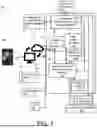


Sources:
- United States Patent and Trademark Office - verify current appl. status at the USPTO↗
Recent applications in this class:
- » 20260141472 2026-05-21
DYNAMIC CAREER GUIDANCE SYSTEM WITH SKILL-BASED PATHWAYS - » 20260120213 2026-04-30
SYSTEMS AND METHODS FOR SECURED DATA AGGREGATION VIA AN AGGREGATION DATABASE SCHEMA - » 20260111981 2026-04-23
METHOD AND SYSTEM FOR GENERATING CAREER PROGRESSION PATH - » 20260094224 2026-04-02
Workforce Innovation Online Career Exploration and Development Platform for Students and Young Adults - » 20260094223 2026-04-02
SYSTEM AND METHOD FOR CONTINUOUSLY ADAPTING CONTENT ON AN EDUCATION PLATFORM - » 20260094222 2026-04-02
METHOD AND DEVICE FOR ADMINISTERING COMMUNICATION SKILLS ASSESSMENT AND GENERATING AUGMENTATIVE AND ALTERNATIVE COMMUNICATION STRATEGY, AND NON-TRANSITORY COMPUTER-READABLE MEDIUM - » 20260030706 2026-01-29
DYNAMIC RECOMMENDATION GENERATION USING STATISTICAL AND ARTIFICIAL INTELLIGENCE MODELLING - » 20260017740 2026-01-15
METHOD AND SYSTEM FOR ASSIGNING CREDIT FOR PRIOR LEARNING - » 20260004373 2026-01-01
INFORMATION PROCESSING APPARATUS, INFORMATION PROCESSING METHOD, AND NON-TRANSITORY COMPUTER-READABLE MEDIUM - » 20250252520 2025-08-07
EDUCATION SUPPORT APPARATUS, EDUCATION SUPPORT METHOD, AND NON-TRANSITORY COMPUTER-READABLE MEDIUM
Recent applications for this Assignee:
- » 20260179499 2026-06-25
SYSTEM AND METHOD FOR AN AI-POWERED PERFORMANCE COACHING AND EVALUATION PLATFORM